


Skip to content
Zharkoye v gorshochkakh
Featured recipe

Zharkoye v gorshochkakh

Beef and potato pot roast

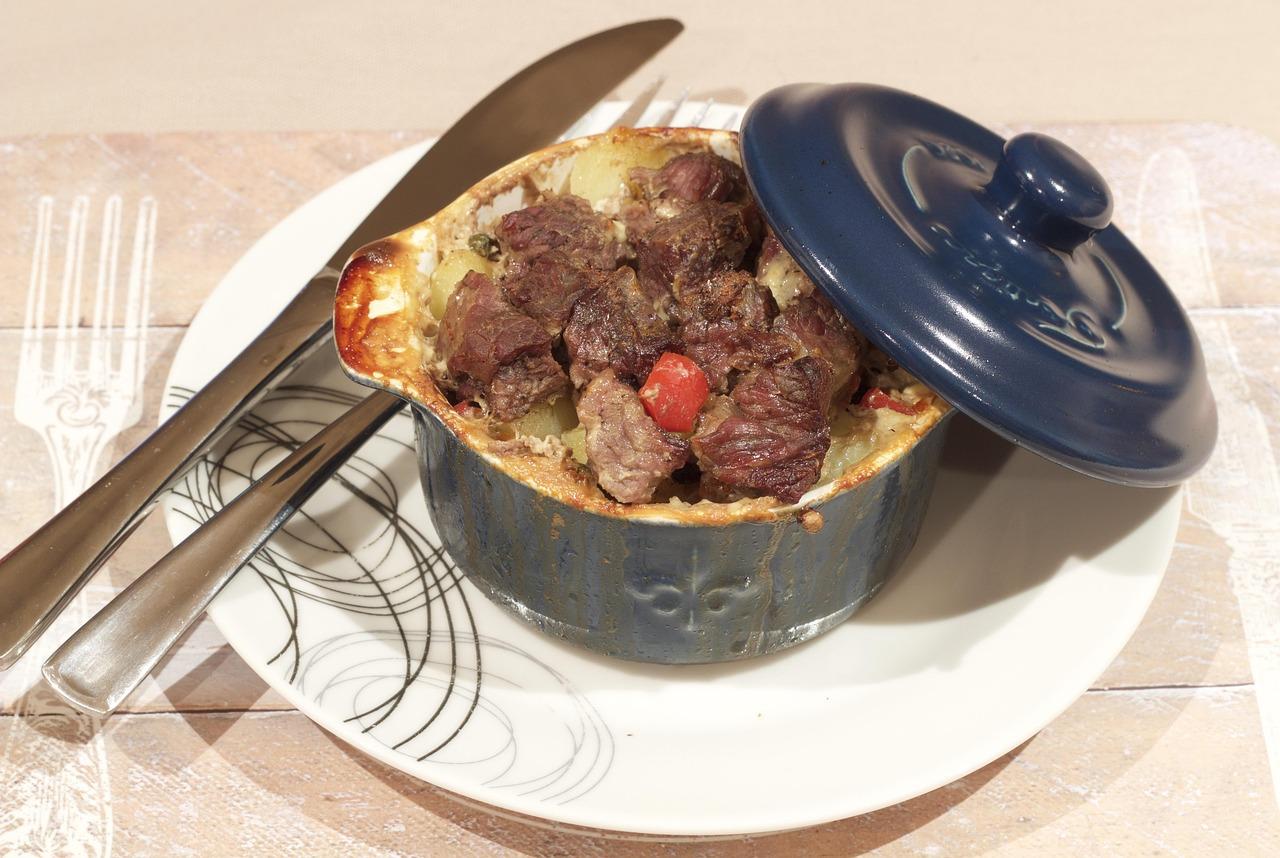
Clay pots of zharkoye, each with its own lid, are pure Russian comfort food: a dish from the old wood-fired stove that city kitchens now make in the oven for Sunday lunch or a cold-weather dinner party. Browned beef, onion and carrot go into each pot with potatoes, mushrooms and a little stock, then bake slowly until the meat falls apart and the potatoes drink up the gravy. It smells of bay and black pepper and tastes deeply savoury. Serve straight in the pots with pickles and rye bread. The usual slip is skipping the browning step, which leaves the beef grey and the sauce thin; take time to sear it well. Check the beef is fork-tender before serving. Chef's tip: seal the lids with a strip of simple flour-and-water dough for the old-fashioned way; it keeps every drop of steam inside, though then the dish is no longer gluten free.

Read more 0 views

What to eat today?

Around the world

Today's trip: Paraguayan

A new country every day, from every cuisine on the site.

Paraguayan

Chipa

Cheese bread rings 50 minMore from Paraguayan (27) →

This week's collection

Kid-friendly dinners
537 recipes · a new collection every Monday

Latest recipes

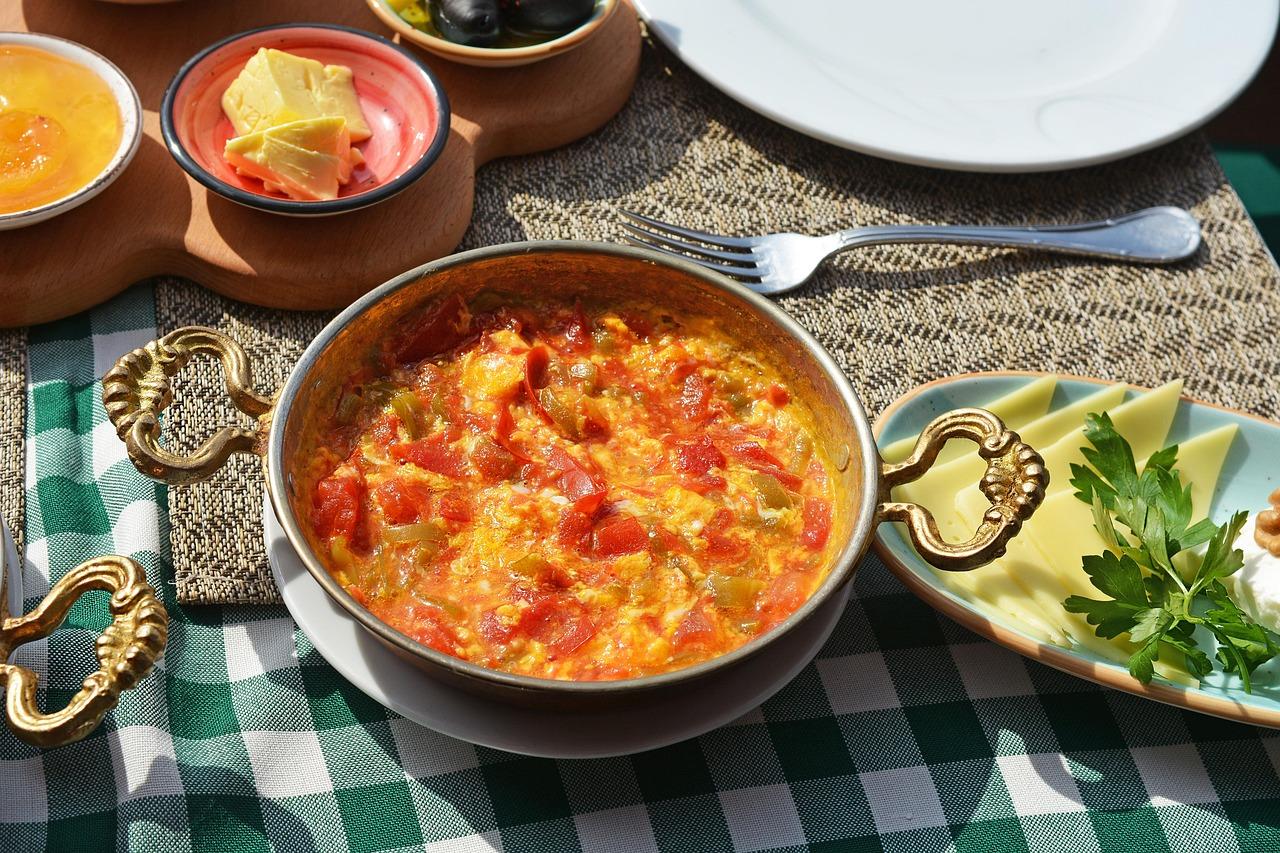
MenemenScrambled eggs with peppers and tomato

Sunday breakfast in Turkey rarely passes without a sizzling pan of menemen set in the middle of the table, crowded by olives, cheese, cucumber and glasses of tea. Mild green peppers are softened in olive oil, ripe tomatoes are cooked down to a jammy sauce, and then the eggs are broken in and gently stirred so they set into soft, juicy ribbons streaked with red. Everyone eats from the pan, tearing bread to scoop it up. Whether onion belongs in it is a national argument; here it is optional. Chef's tip: let the tomatoes bubble until almost all their liquid has gone before the eggs go in, or the menemen will be watery.

by KrazyBadal 0 views

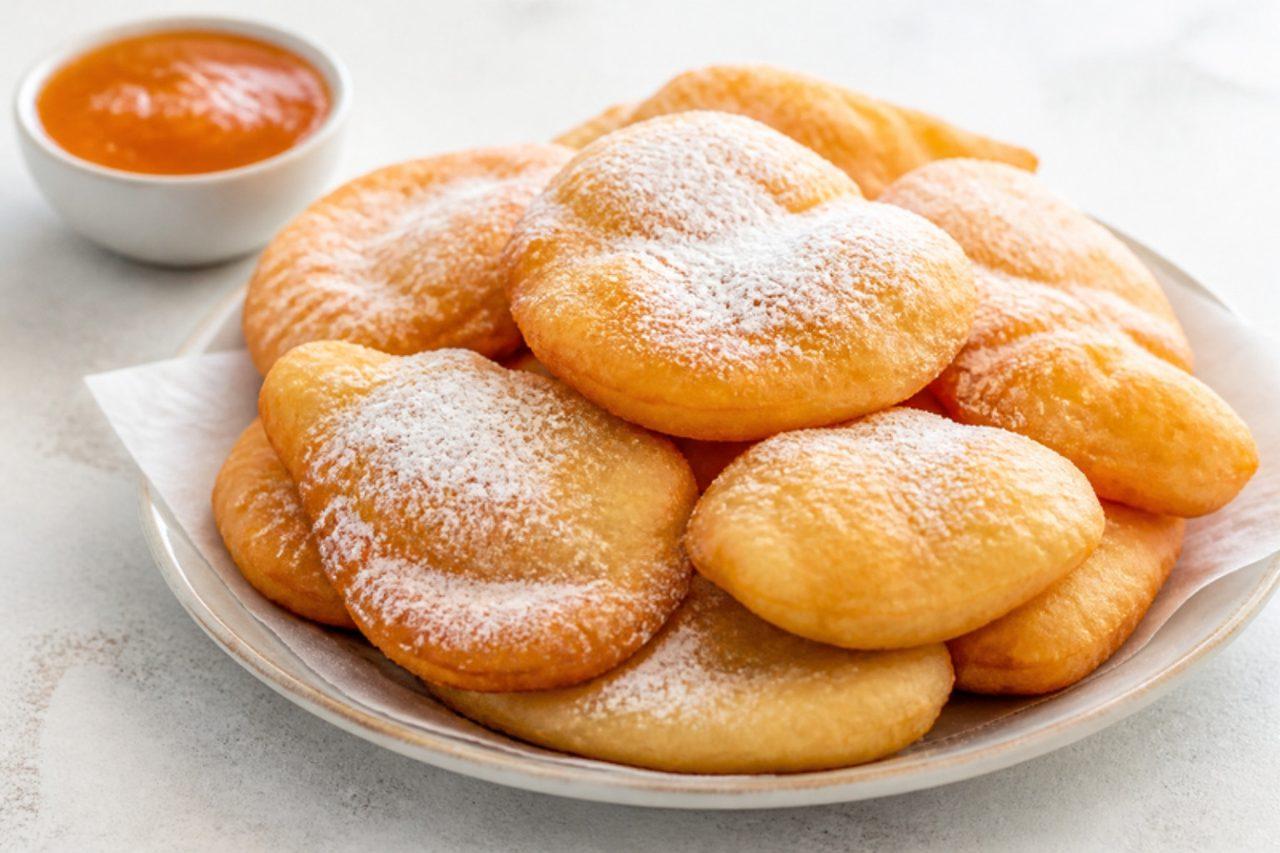
MekitsiFried yogurt dough puffs

Mekitsi are the Sunday morning treat of Bulgarian childhoods: in towns like Veliko Tarnovo and Gabrovo they are fried at home or bought from stalls by the dozen, puffy, uneven rounds of yogurt dough that come out of the oil crisp outside and soft and airy inside. They are eaten hot, dusted with icing sugar or spread with jam, honey or sirene, with a cup of tea or ayran. Chef's tip: stretch the dough with oiled hands rather than flour, and keep the oil at a steady medium heat; oil that's too hot is the usual mistake and leaves them dark outside and doughy in the middle.

by KrazyBadal 0 views

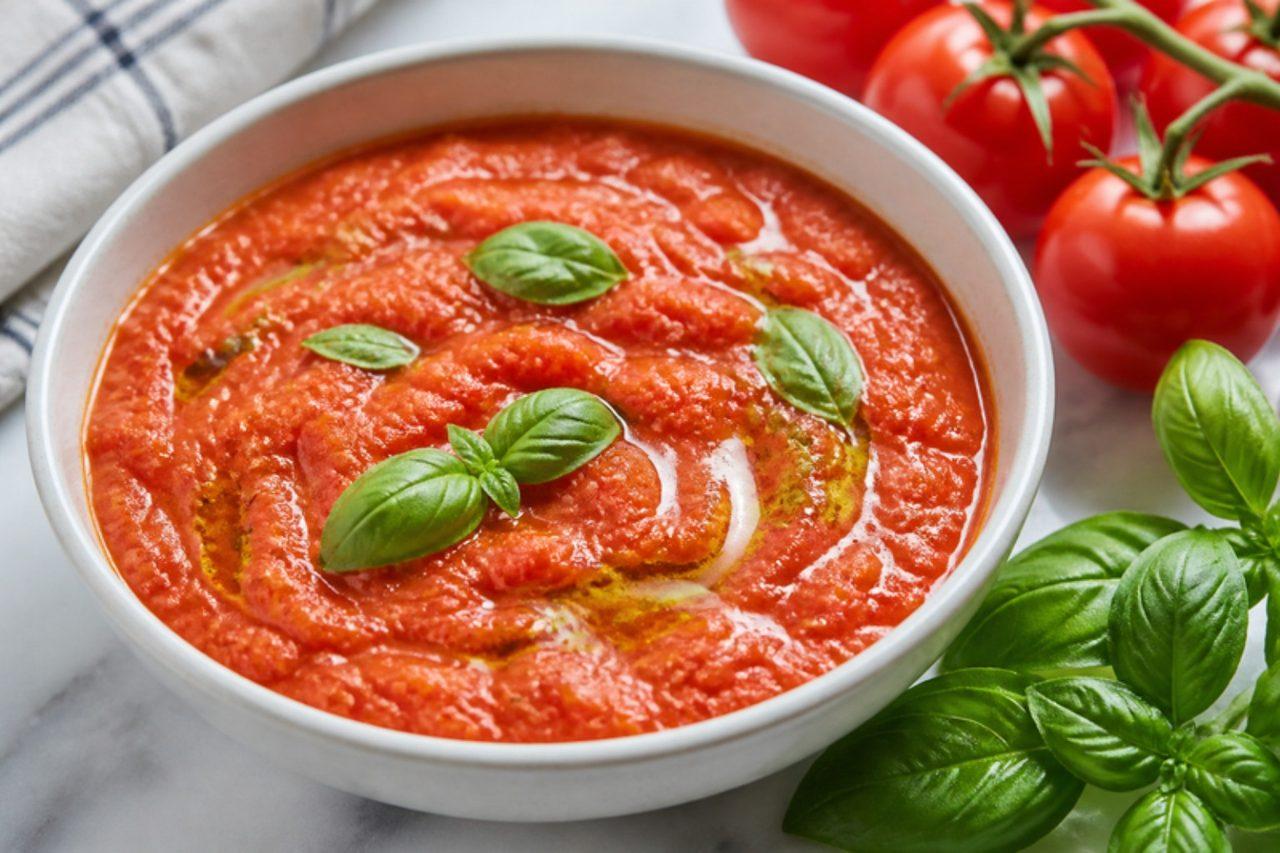
Pappa al pomodoroTomato and bread soup

Pappa al pomodoro is what Florentine grandmothers make in July and August, when tomatoes are almost too ripe and yesterday's unsalted Tuscan bread is going hard. Bread, tomatoes, garlic and basil are cooked together and beaten into a soft, spoonable porridge (pappa means mush, the word for baby food). It is eaten warm, at room temperature or even cold on hot days, never piping hot. Chef's tip: stir it hard with a whisk at the end; it breaks the bread down into a velvety texture without a blender.

by KrazyBadal 0 views

Vegetable kottu rotiChopped roti stir-fried with vegetables

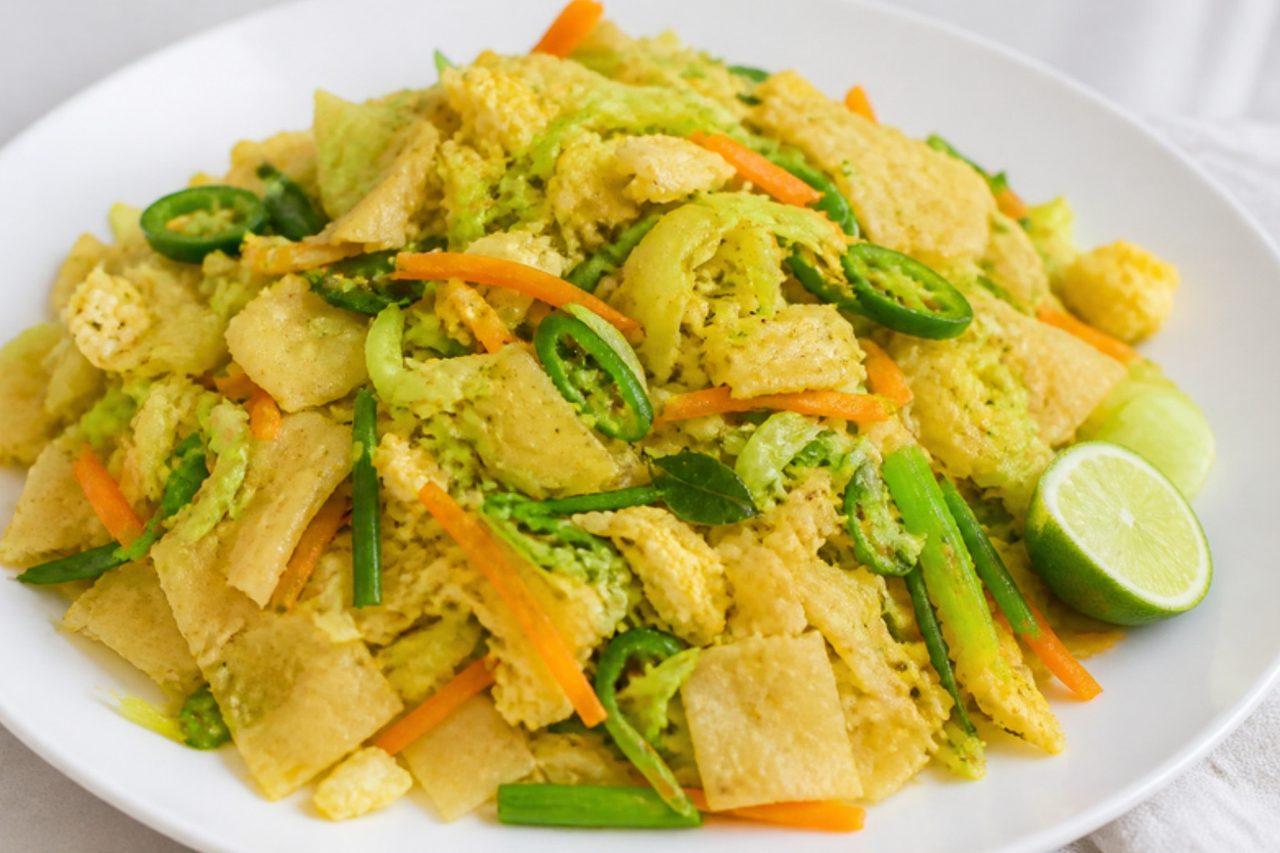
After dark in Colombo you hear kottu before you see it: the rhythmic clang of two steel blades chopping roti on a hot flat-top at every street stall from Pettah to Wellawatte. Shredded godamba roti is stir-fried with leeks, carrot, cabbage, onion, chilli and egg, then moistened with a spoonful of spicy curry gravy so it's soft, smoky and messy in the best way. Stalls usually ladle on chicken curry gravy; we make a quick vegetable curry sauce instead, and the egg keeps it vegetarian rather than vegan. Leftover parathas or frozen flaky flatbreads stand in well for godamba roti. The common mistake is overcrowding a small pan, which steams everything; cook in two batches if your pan is under 30 cm. Chef's tip: chop the roti into strips while it is still slightly warm, then let it dry for 10 minutes so it fries rather than turns mushy.

by KrazyBadal 0 views

AdjikaRed pepper and garlic paste

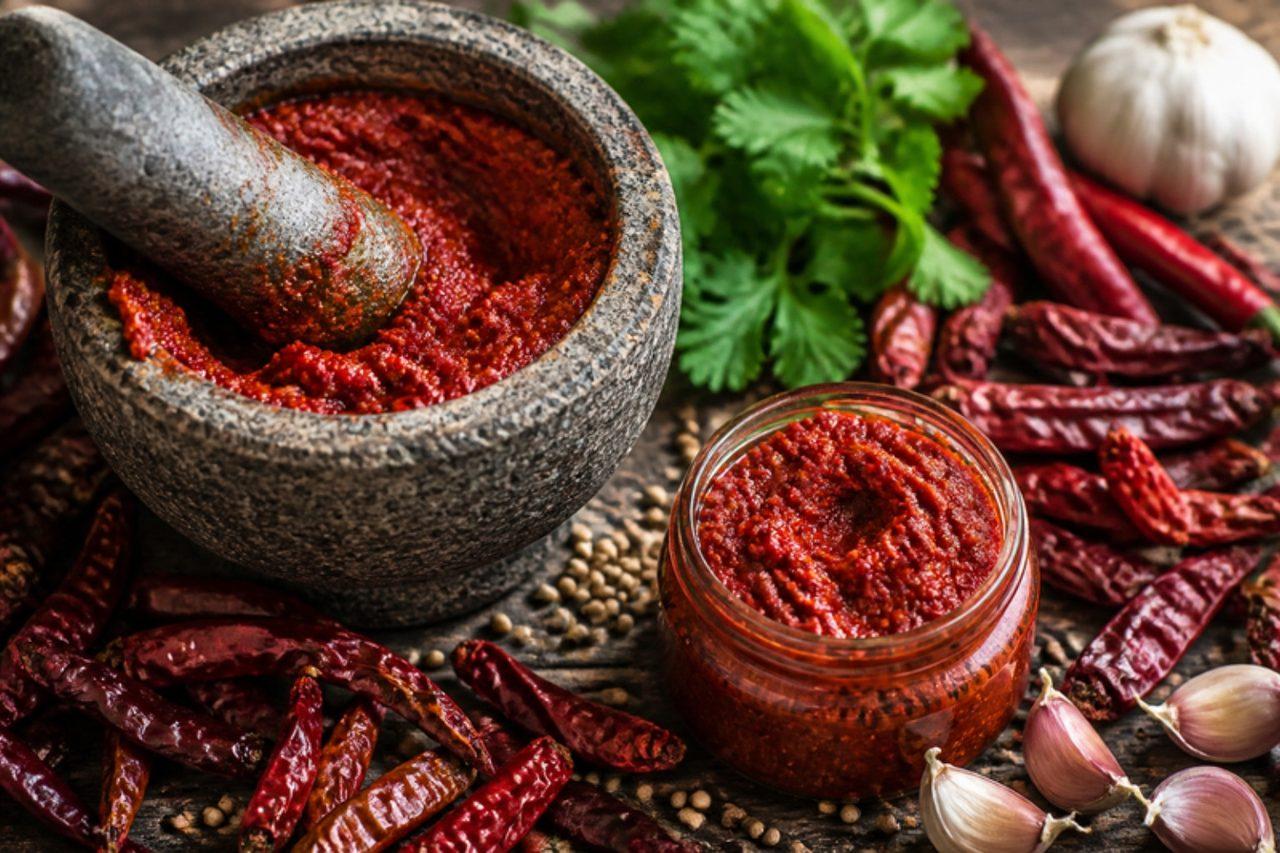
Adjika comes from Samegrelo and neighbouring Abkhazia in western Georgia, where it is a thick, fiery paste of dried red peppers, garlic and seeds, pounded in a stone mortar and stored in jars for the year. It is nothing like the tomato relishes sold as adjika in some shops: a little goes a very long way, stirred into beans, rubbed into vegetables before roasting, or spread thinly on mchadi with cheese. It needs no cooking, just patience while the peppers soak. A common mistake is skipping the soaking, which leaves the paste gritty with hard flakes of skin. Chef's tip: wear gloves while handling the peppers, and use a mix of mild and hot ones so you get colour and fruitiness, not just heat.

by KrazyBadal 0 views

Mee hokkien PhuketThick yellow noodle stir-fry

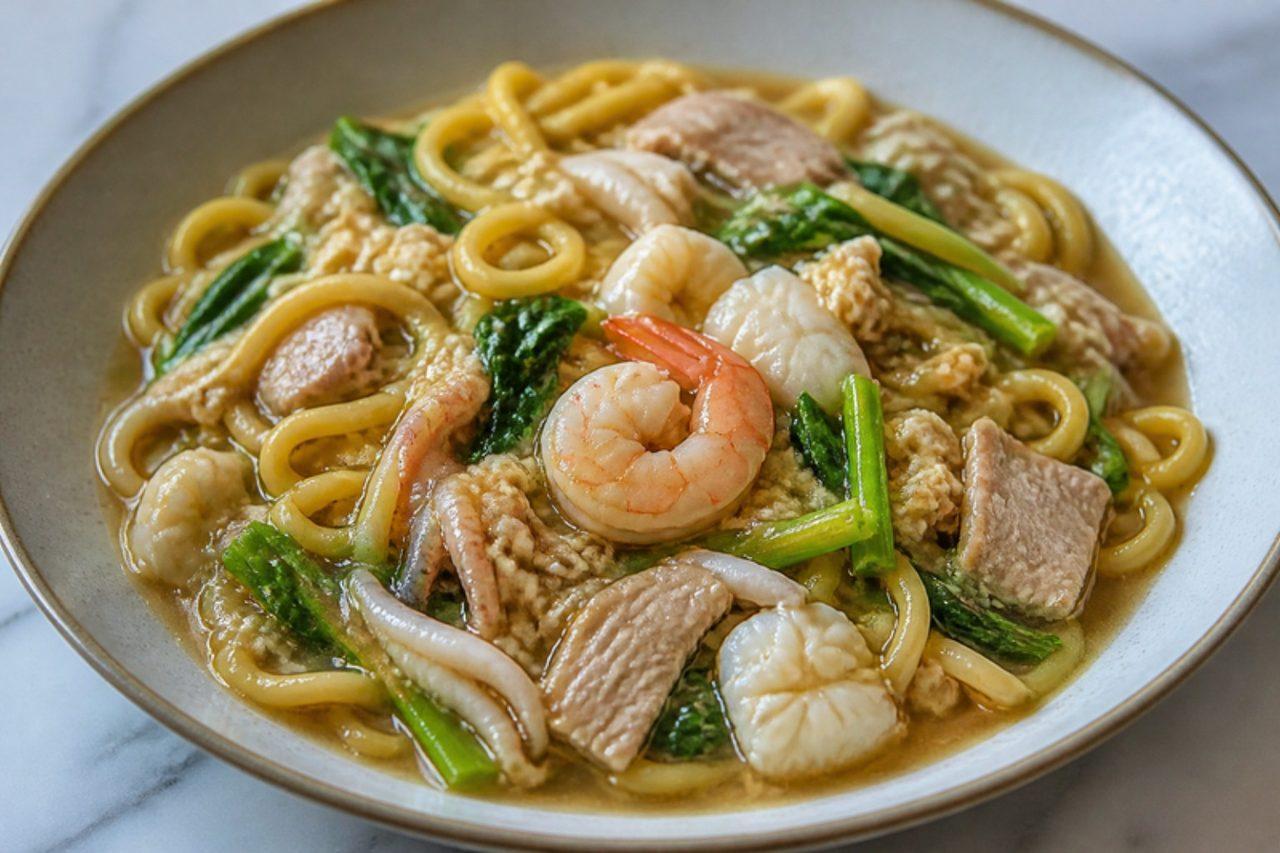
In the Sino-Portuguese shophouses of Phuket Town, descendants of Hokkien tin miners still begin the day with this: fat, chewy yellow egg noodles fried with pork, prawns and squid, then simmered in a little stock until the sauce becomes a savoury gravy that coats every strand, with an egg stirred through at the end. It is the island's signature noodle, ordered in old coffee shops with a glass of strong local coffee or a bowl of clear pork soup. The texture is slippery and thick, the flavour mellow and peppery rather than hot, so chilli vinegar goes on the table. Chef's tip: loosen the fresh noodles under hot water before they go in the wok; cold, stuck-together noodles snap into short pieces when tossed.

by KrazyBadal 0 views

Paprikás krumpliPaprika potato stew

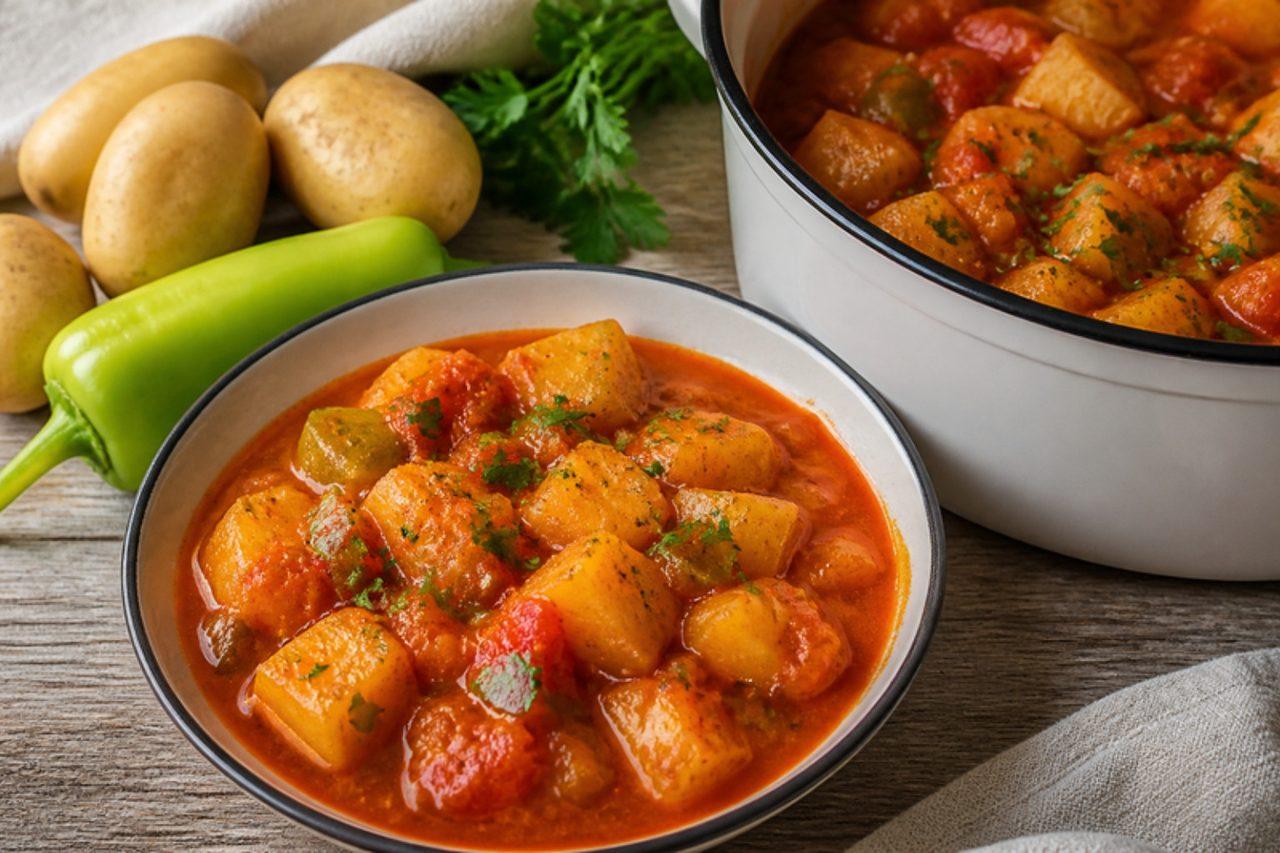
Paprikás krumpli is a thrifty potato stew that every Hungarian student learns to cook, and it turns up at school dinners, on autumn weekdays and in cauldrons at village harvest festivals. Potatoes simmer in an onion and paprika base with pepper and tomato until they start to break and thicken their own sauce. Most versions add sliced smoked sausage; this vegan one swaps it for a pinch of smoked paprika and caraway, which give the same savoury depth. Serve in bowls with crusty bread and a pickled cucumber or a spoon of pickled peppers on the side. Chef's tip: cut the potatoes unevenly on purpose; the smaller pieces melt and thicken the sauce while the bigger ones stay whole.

by KrazyBadal 0 views

Mee goreng mamakFried yellow noodles

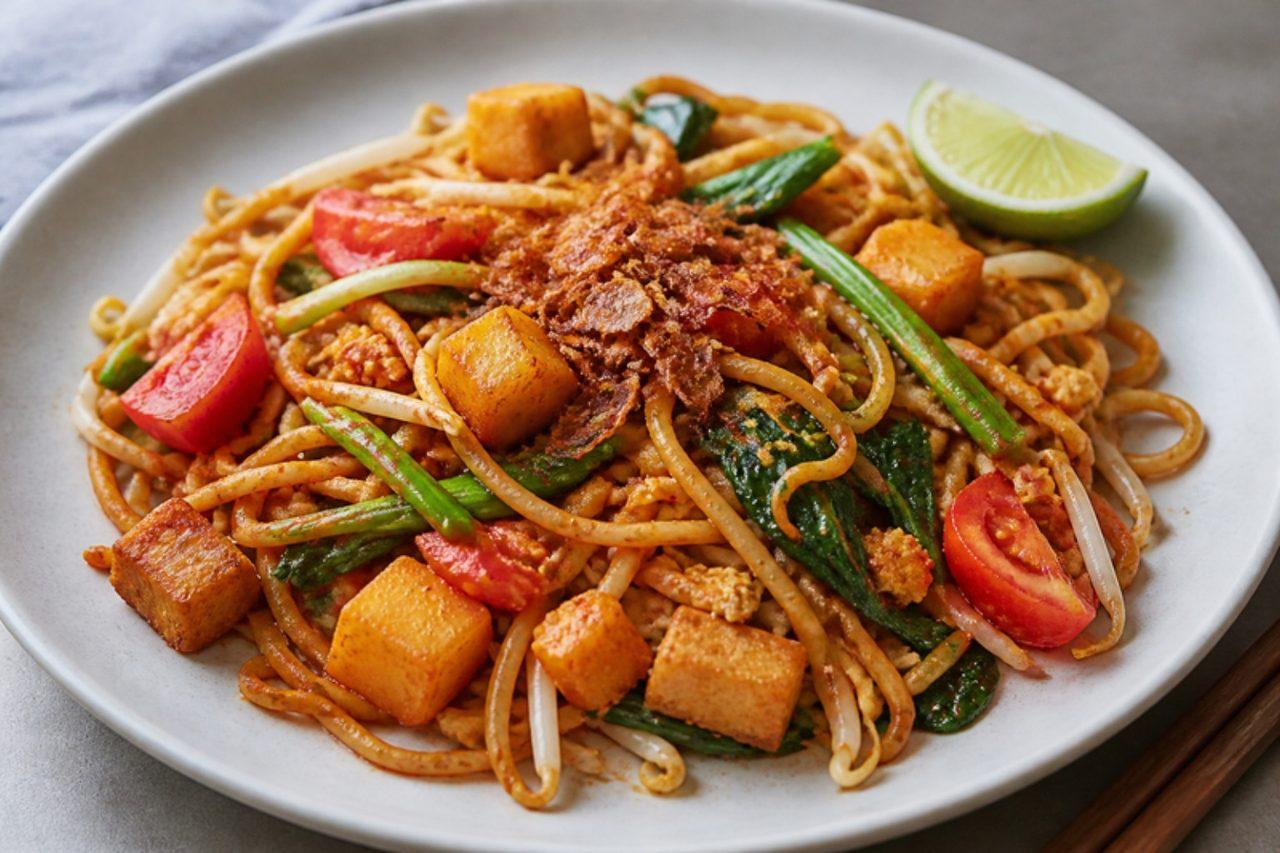
Mamak stalls, the round-the-clock cafés run by Malaysia's Tamil Muslim families, are where friends meet after a football match or a late film, and mee goreng mamak is the plate everyone orders with a glass of pulled tea. It's yellow noodles tossed hard in a wok with tomato sauce, chilli, soy, a pinch of curry powder, soft potato that breaks into the sauce, tofu, egg and bean sprouts, finished with a squeeze of lime. Stalls often add squid or prawns; here the tofu does that job. It's sweet, smoky, tangy and a little messy, as it should be. Chef's tip: get the wok really hot and let the noodles sit untouched for 20 seconds between tosses so they char in spots.

by KrazyBadal 0 views

Medu vadaUrad dal doughnuts

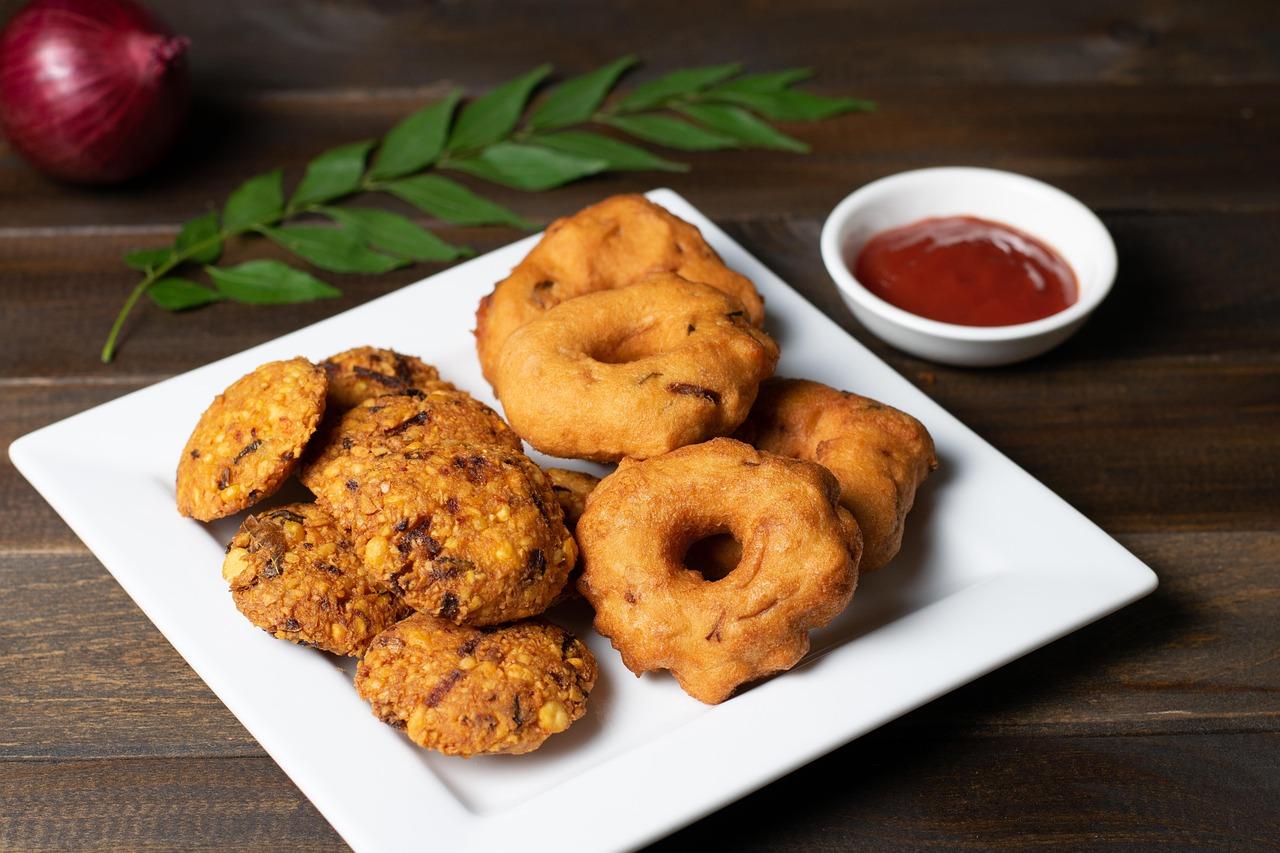
Medu vada are the ring-shaped lentil fritters eaten all over Tamil Nadu and the rest of the south for breakfast, with idli, sambar and coconut chutney. A good one has a thin, crisp, golden shell and an inside as light and airy as a cloud, flecked with black pepper, ginger, green chilli and curry leaves. The secret is a very thick batter ground with as little water as possible and then whipped full of air. Serve them hot, dunked in sambar, or soaked in rasam as 'rasa vada'. Chef's tip: drop a little batter into a bowl of water before you shape them; if it floats, it's airy enough, and if it sinks, beat it by hand for another few minutes.

by KrazyBadal 0 views

MedovikHoney layer cake

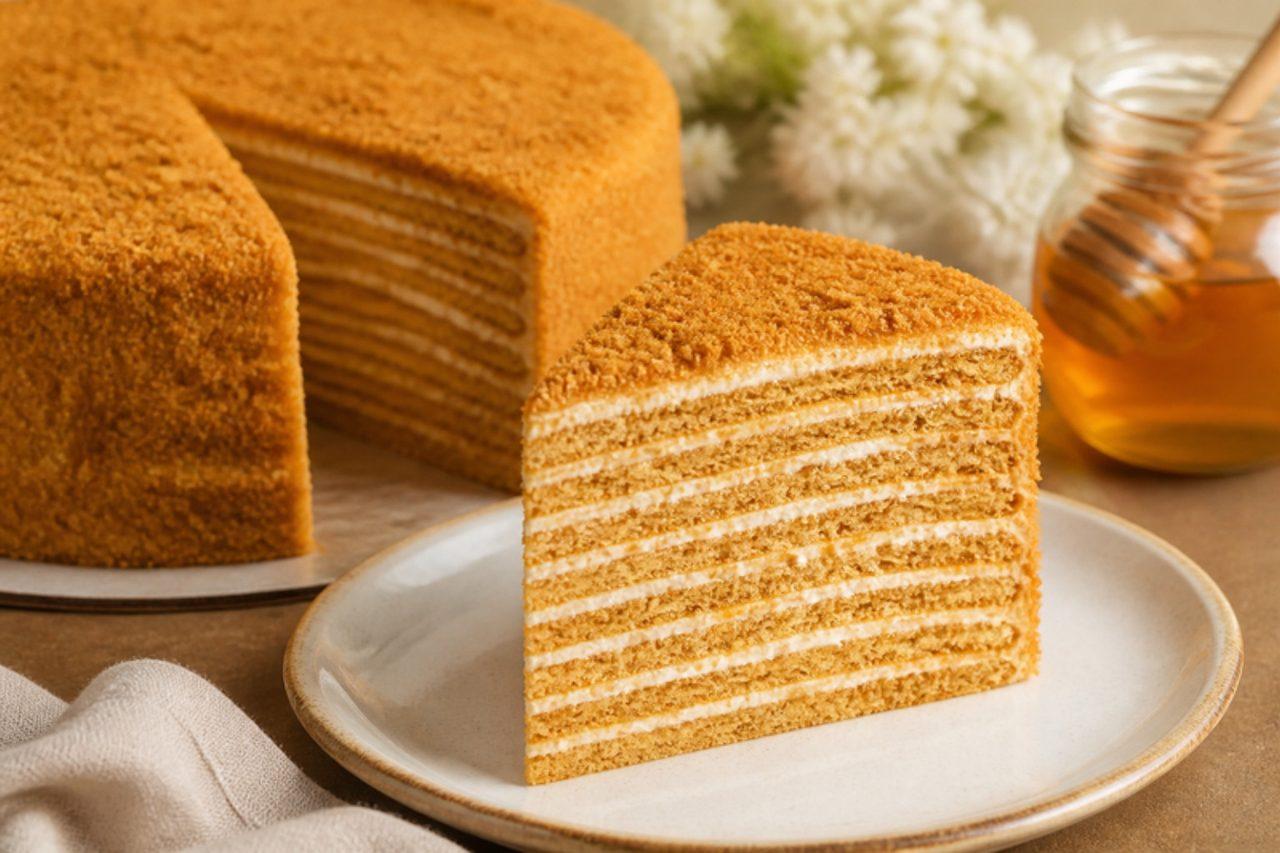
Medovik, the honey cake, is the birthday and name-day cake of countless Ukrainian homes, from Dnipro to Zaporizhzhia, and is shared with kitchens across the former Soviet Union. Eight thin layers of honey-caramel dough are baked like biscuits, then stacked with a tangy sour-cream frosting and left overnight, when they soften into a tender, moist cake. The crumbs from trimming coat the outside. Because it is made with honey and eggs, it is vegetarian but not vegan. Chef's tip: cook the honey, sugar and butter until it turns a deep amber before the bicarbonate goes in; that caramel is the whole flavour of the cake. Common mistake: cutting it the same day, before the layers have soaked up the cream, when it is still dry and hard.

by KrazyBadal 0 views

Parippu vadaiCrunchy split pea fritters

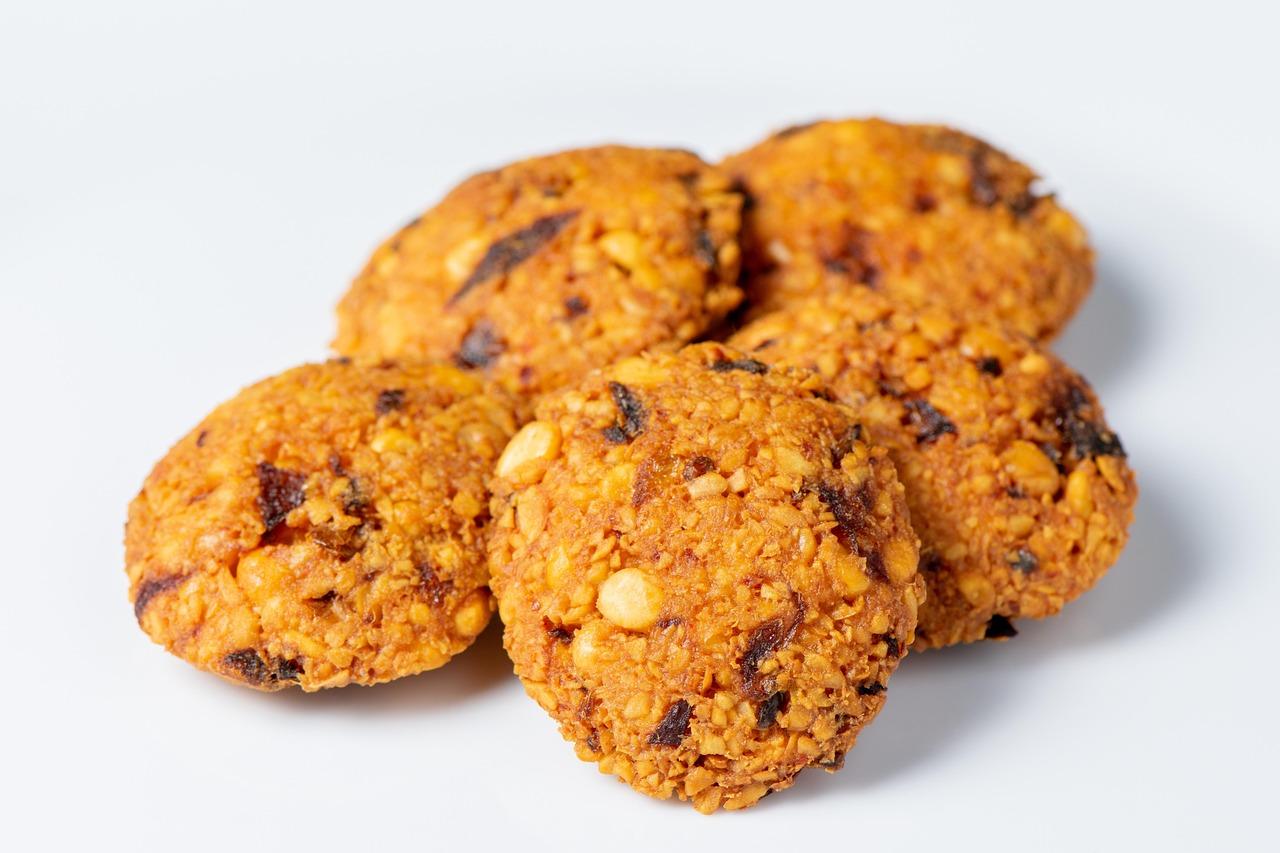
Parippu vadai are the crunchy, lumpy fritters sold from glass boxes on Sri Lankan trains and from carts along Colombo's Galle Face Green at sunset, often with a couple of fried prawns pressed on top; ours are the plain vegetarian kind, which are just as common. Soaked yellow split peas (kadala parippu) are coarsely ground with green chilli, onion, curry leaves and fennel, shaped into flat discs and deep-fried until craggy and golden, crisp outside and nubbly within. Eat them hot with a cup of plain tea or a spoonful of seeni sambol. They're different from South Indian medu vada, which are made with smooth black lentil batter. The common mistake is grinding the lentils to a smooth paste; leave plenty of whole and half peas for the crunch. Chef's tip: hold back about a quarter of the soaked peas and stir them in whole after grinding.

by KrazyBadal 0 views

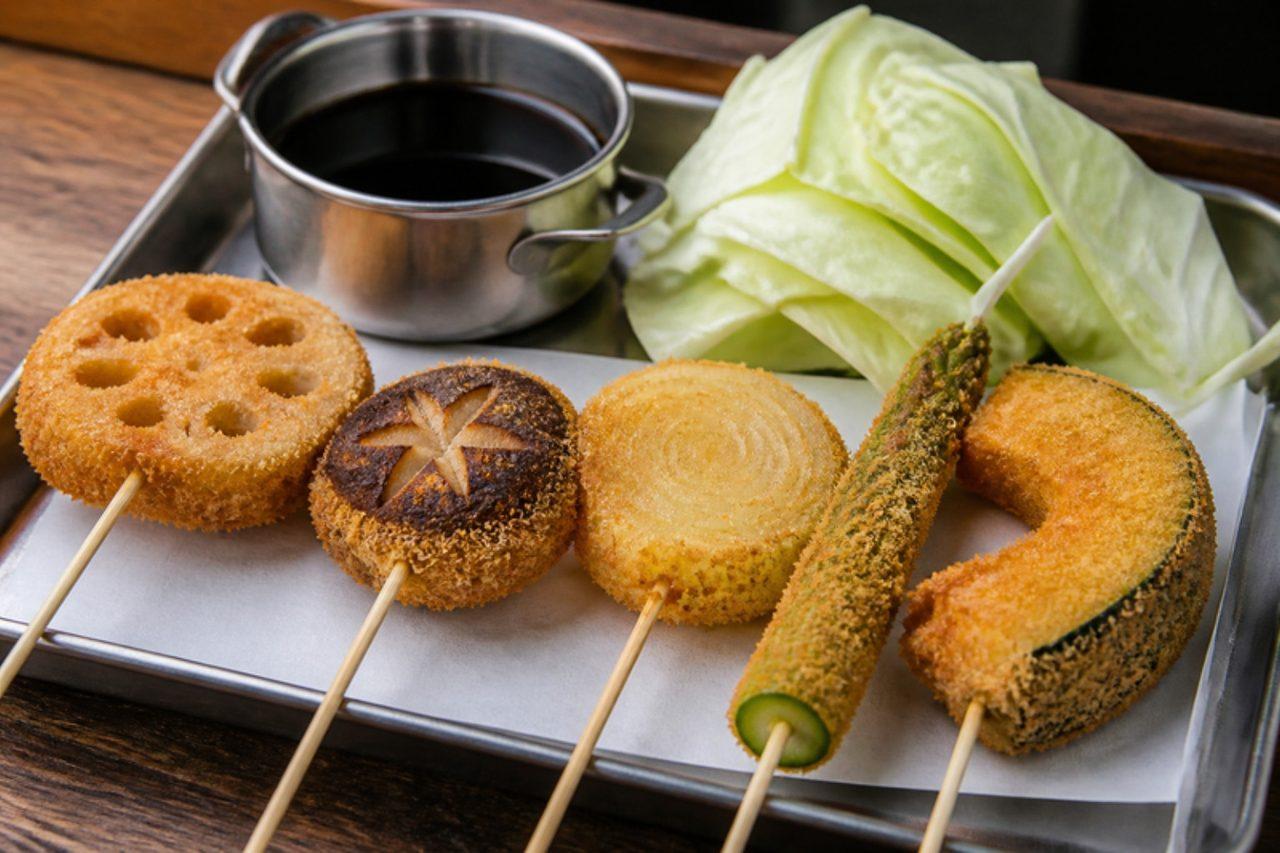
Vegetable kushikatsuBreaded vegetable skewers

Kushikatsu belongs to Shinsekai, the neon-lit old entertainment district at the foot of Osaka's Tsutenkaku tower. Since the 1920s, labourers have stood at its counters eating skewers fried to order, dunked in a shared steel pot of thin, fruity sauce. The famous house rule, 'no double dipping', is printed on signs everywhere. Vegetables are as popular as meat there: lotus root, shiitake, onion, asparagus and, a local favourite, chewy mochi and cheese. Have a plate of raw cabbage leaves on the side; they're free at every shop and used to scoop extra sauce. Chef's tip: use fine panko, or blitz ordinary panko briefly. Fine crumbs give the thin, crunchy jacket that Osaka shops are known for.

by KrazyBadal 0 views

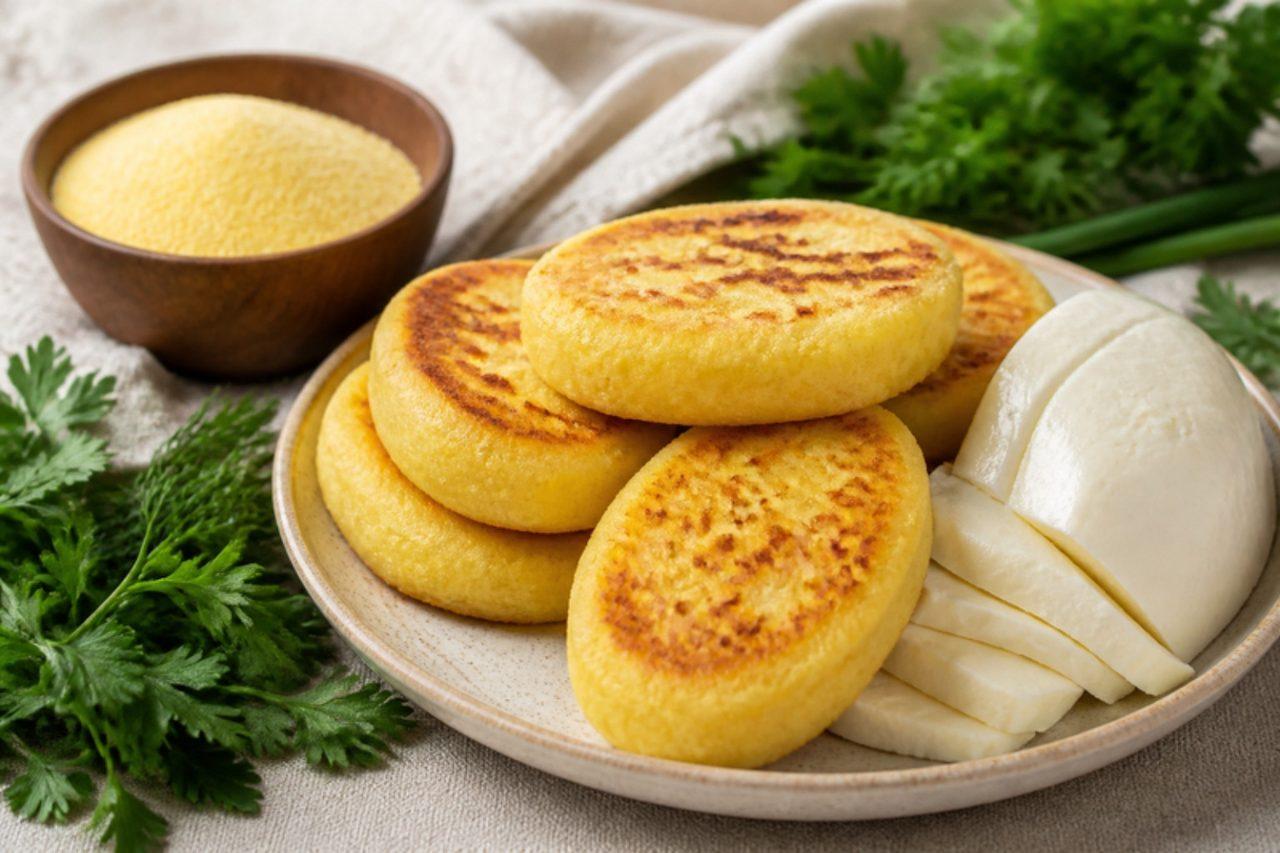
MchadiPan-fried cornbread cakes

Mchadi are the everyday cornbread of western Georgia, from Samegrelo and Guria down to the Black Sea coast, where maize has been grown since the 1700s. They are nothing more than cornmeal, water and salt, shaped by hand into thick ovals and fried or baked on a clay disc until crusty outside and soft and steaming inside. Families eat them hot with a wedge of cheese, a bowl of lobio, pickled vegetables or a spoon of adjika, and they are naturally gluten-free and vegan. The common mistake is using a dough that is too dry, so the cakes crack and crumble in the pan: it should feel like soft, wet clay. Chef's tip: wet your hands in a bowl of water between every cake; the cornmeal will not stick and the surface comes out smooth and crisp.

by KrazyBadal 0 views

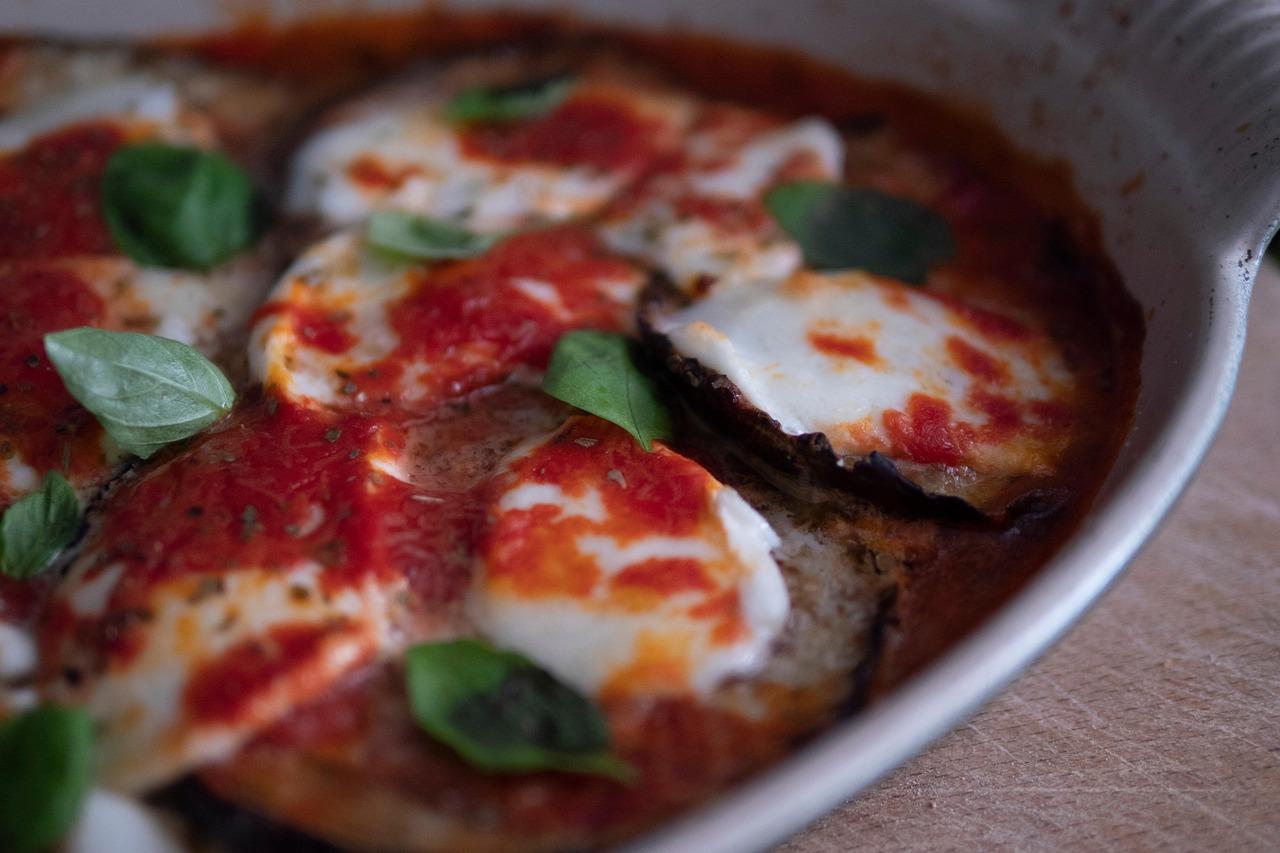
Parmigiana di melanzaneBaked aubergine with tomato and mozzarella

Parmigiana di melanzane is Campania's big summer bake, made when aubergines are cheap and glossy and served for Sunday lunch or carried in a tin to the beach. Fried slices of aubergine are layered with a quick basil tomato sauce, fior di latte and grated hard cheese, then baked until the edges bubble and darken. It is better warm than piping hot, and better still the next day, cut into neat squares. Chef's tip: salt the slices and press them for 30 minutes before frying; they drink less oil and the layers stay distinct instead of watery.

by KrazyBadal 0 views

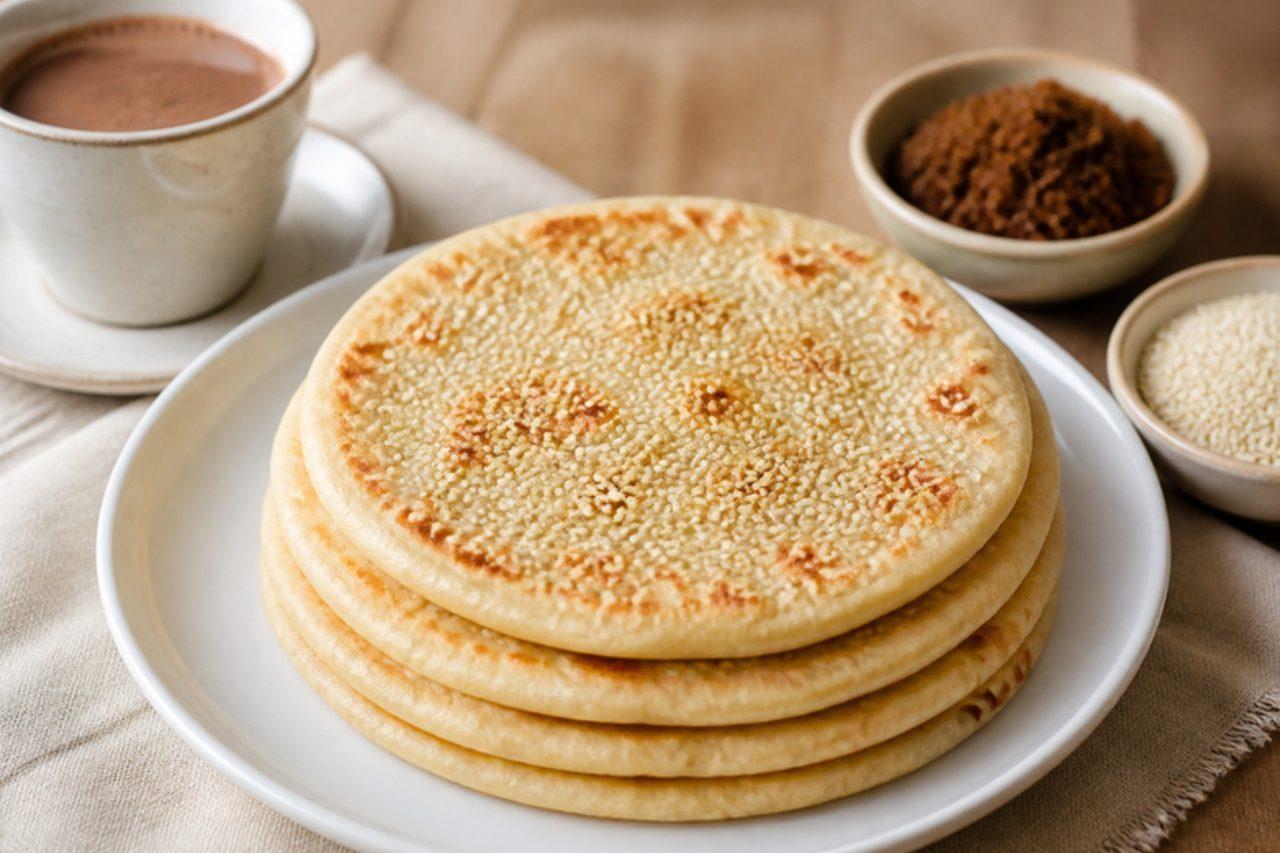
MbejúCassava starch cheese cake

Mbejú (say 'mbeh-JOO') is a Guaraní breakfast and merienda: cassava starch rubbed with butter, cheese and a little milk into damp crumbs, then pressed into a hot pan where it fuses into a thick, chewy, crisp-edged cake. It's eaten in the countryside with cocido (sweet toasted yerba tea with milk) on cool mornings, cut into wedges. It's naturally gluten free and very quick. Chef's tip: the mix should look like damp sand, not a dough; if you can squeeze a handful and it just holds, it's right.

by KrazyBadal 0 views

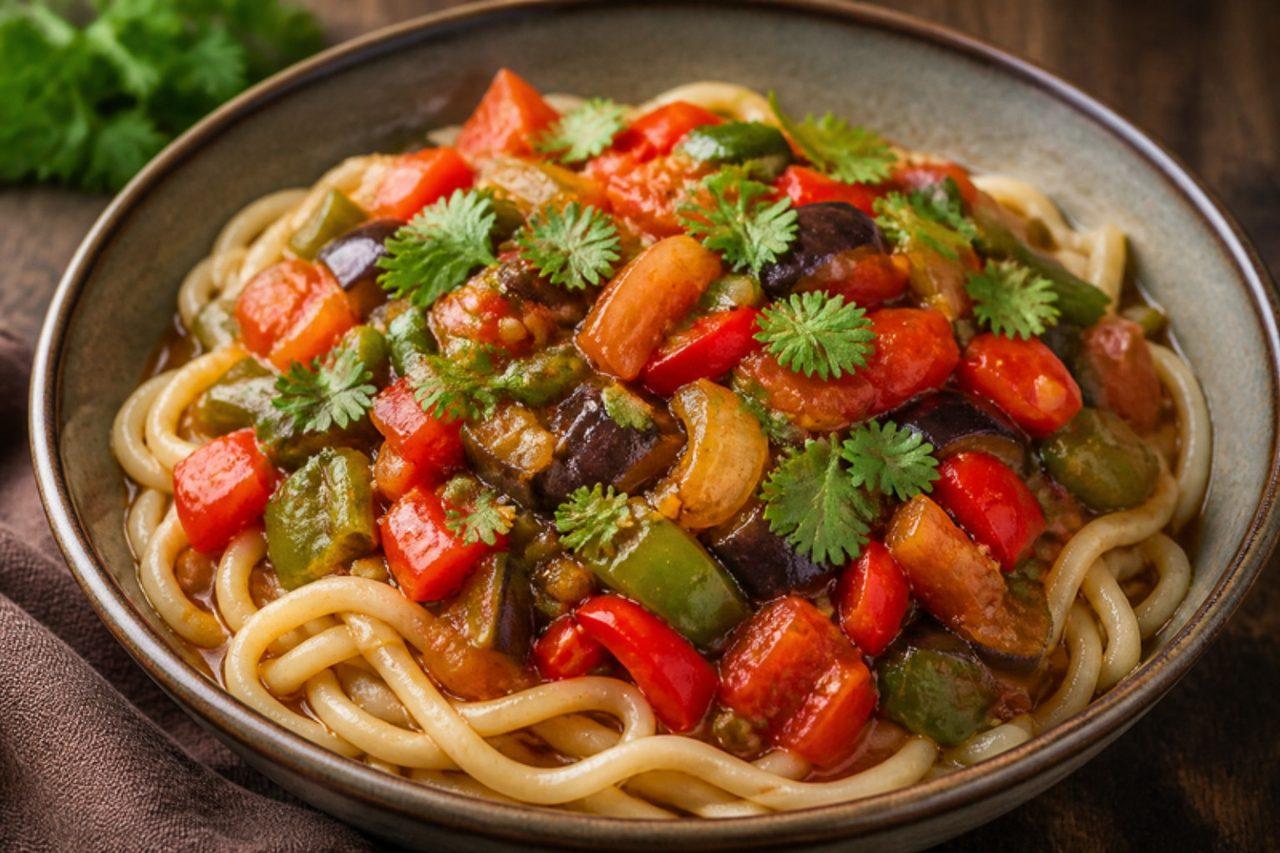
Vegetable lagmanHand-pulled noodles with vegetables

Lagman came to the Ferghana Valley with Uyghur and Dungan cooks, and in Andijan and Namangan it is still made the old way: a soft dough oiled, rested and pulled by hand into long, springy noodles, then topped with a stew of peppers, radish, green beans and tomato called vadja. Ferghana lagman is usually 'dry' (quwurma), the sauce thick enough to cling, rather than a soup. Locals eat it at lunchtime from noodle houses near the bazaar, with a dash of vinegar and chilli oil at the table. This version uses only vegetables. Chef's tip: oil the dough ropes generously and let them rest a full 30 minutes; well-rested dough stretches to arm's length without snapping.

by KrazyBadal 0 views

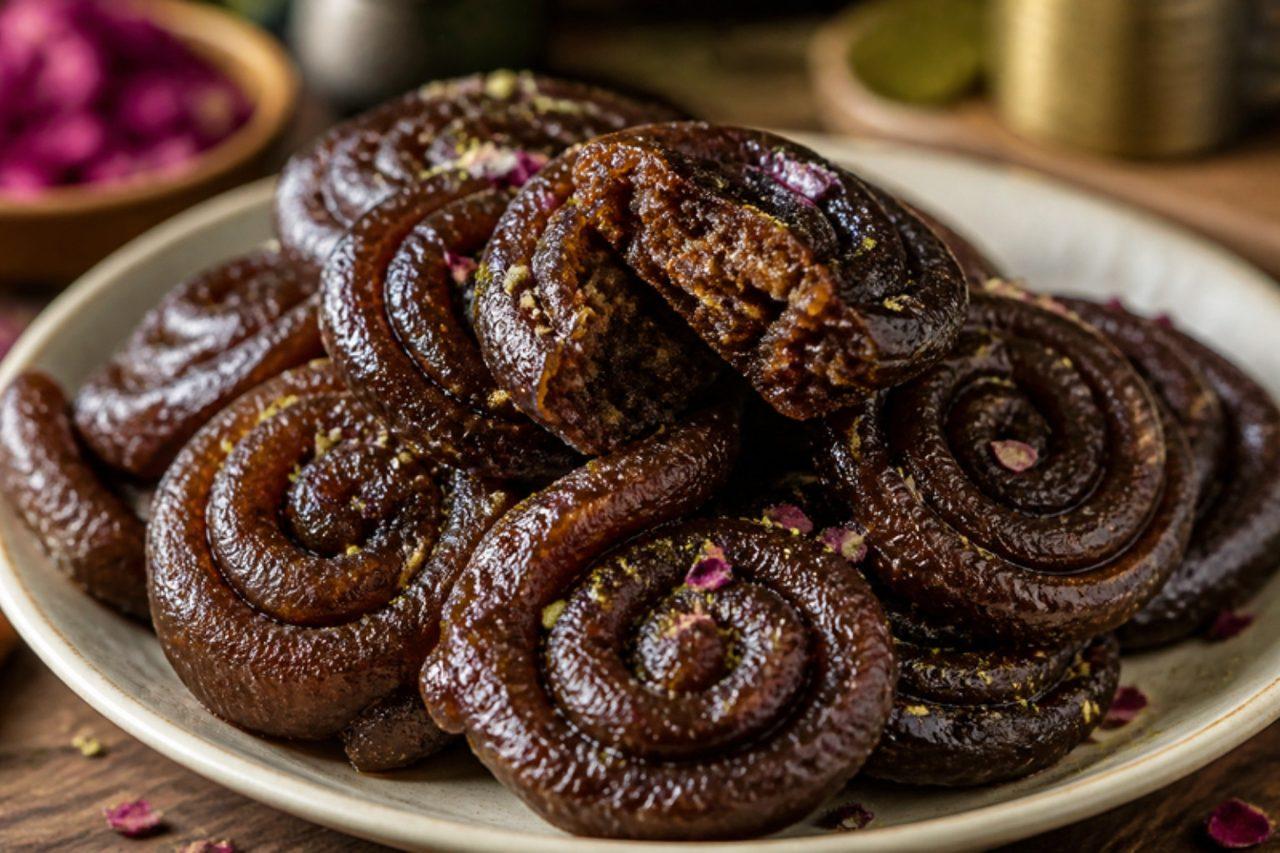
Mawa jalebiMilk solid jalebi

Mawa jalebi, sometimes called khoya jalebi, belongs to Jabalpur and the towns of the Mahakoshal region of Madhya Pradesh, where sweet shops sell them stacked like dark brown coils. Unlike the crisp batter jalebi piped into hot oil, these are rolled from a soft khoya dough into ropes, coiled by hand and fried slowly, so they come out tender and almost fudgy inside a thin caramelised skin. They are eaten warm on winter mornings and bought by the kilo for weddings. Chef's tip: roll the ropes no thicker than a pencil; thicker coils look generous but stay doughy at the core.

by KrazyBadal 0 views

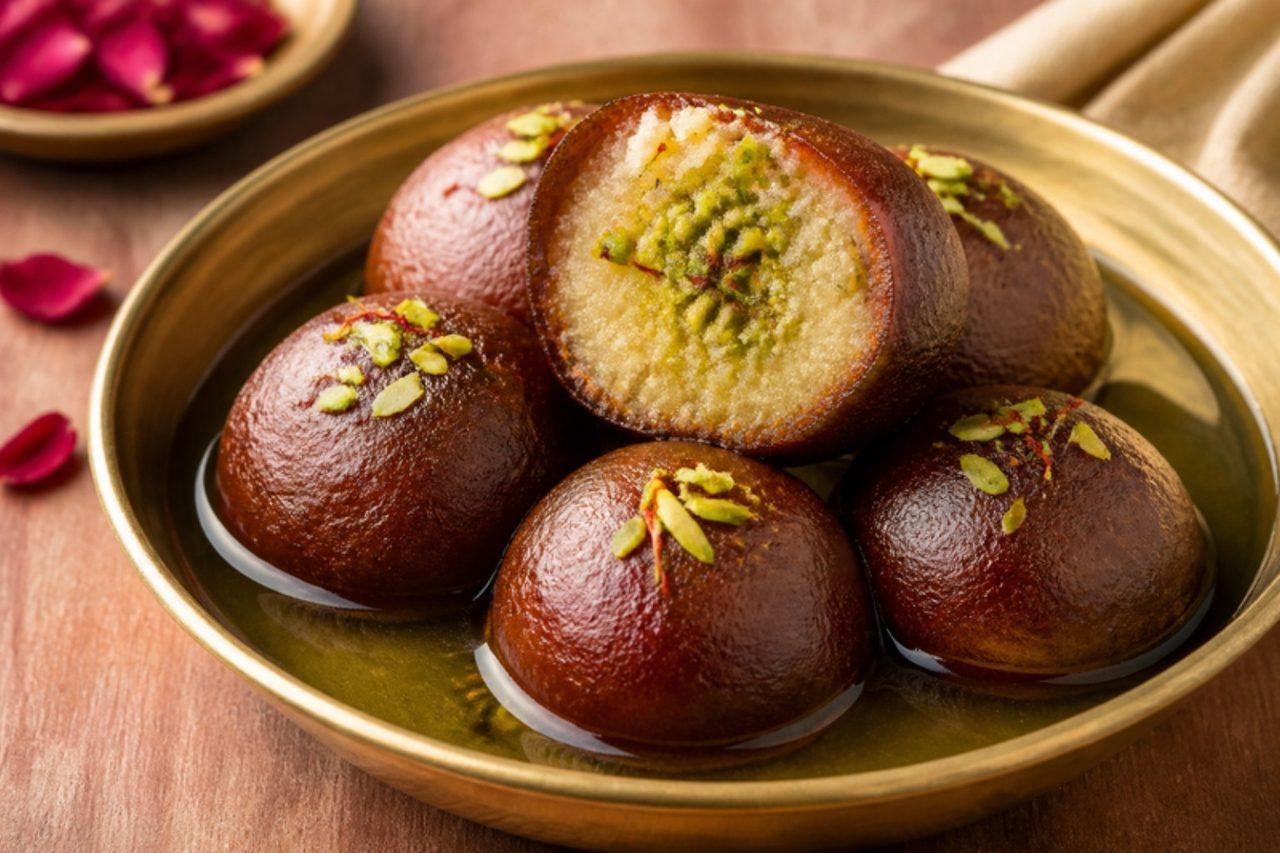
Mawa batiMilk solid dumplings

Ask a halwai in Ujjain, Indore or Ratlam for something festive and they will point to mawa bati: a fist-sized cousin of gulab jamun, made richer with more khoya, fried slowly to a near-mahogany shell and stuffed with nuts, saffron and cardamom. It turns up on wedding menus across Malwa and in sweet-shop boxes at Diwali, usually served warm with a spoonful of its own syrup. Cutting one open to find the green-gold filling is half the pleasure. Chef's tip: fry on a really gentle heat, with the oil barely shimmering; the bati should take a full 12–15 minutes to darken, which is how the middle cooks through.

by KrazyBadal 0 views

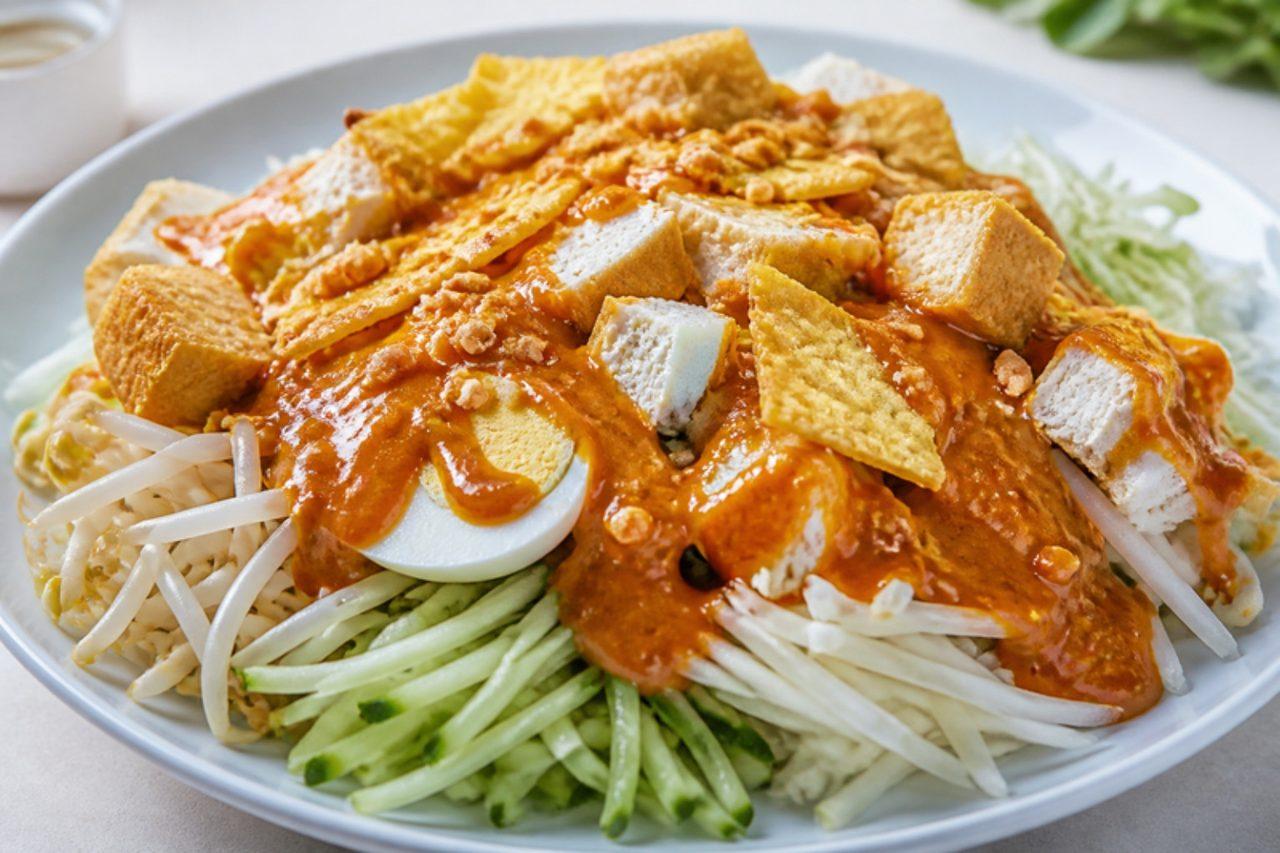
PasemburVegetable and fritter salad

Pasembur is sold from Indian-Muslim (mamak) stalls along Penang's Gurney Drive and Esplanade: shredded cucumber, jicama and bean sprouts piled with sliced fried tofu, boiled egg and crisp fritters, all buried under a thick, sweet, gently spicy sauce made from sweet potato, chilli and peanuts. You pick your fritters at the stall; prawn fritters are common, but here they are crunchy cabbage and onion ones. Chef's tip: dress it at the very last moment and eat at once, so the fritters stay crisp under the sauce.

by KrazyBadal 0 views

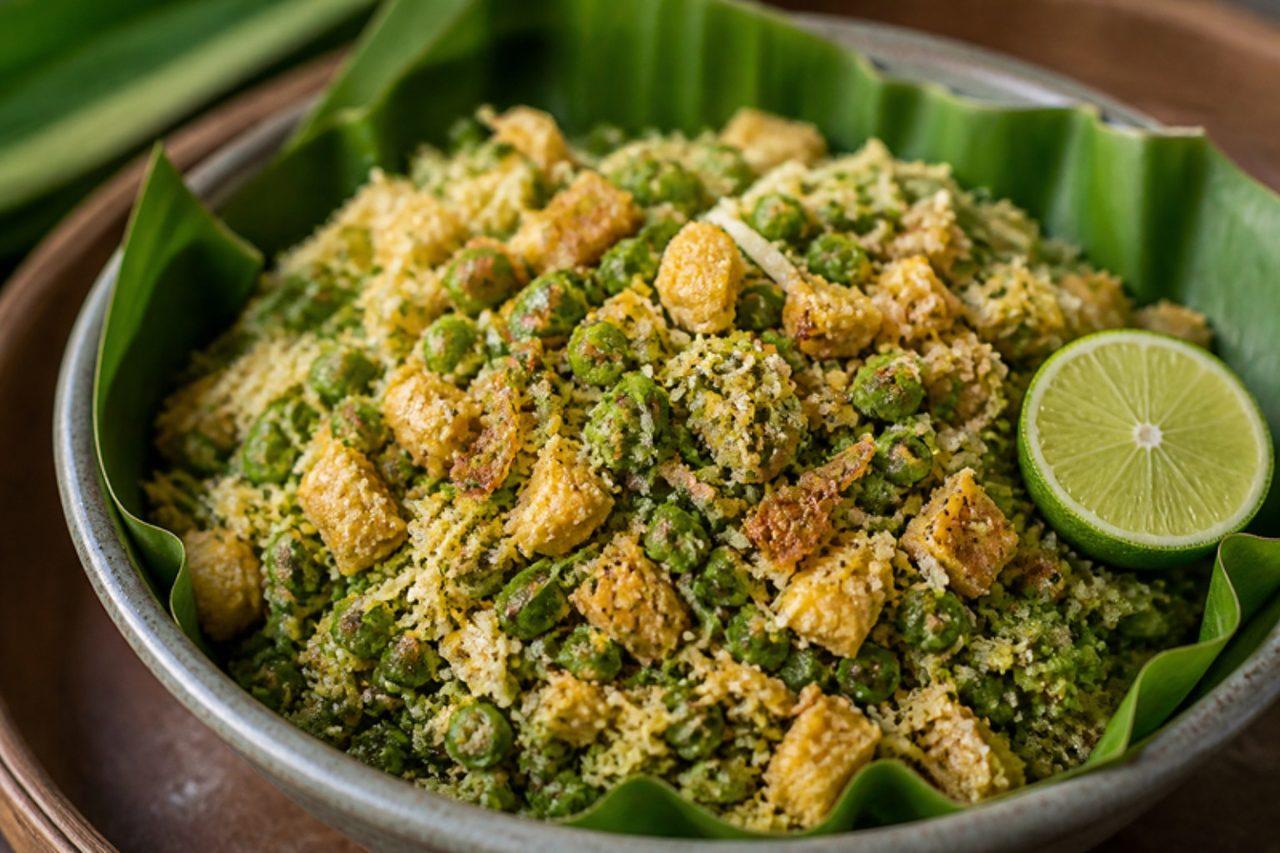
Vegetable lawarBean and toasted coconut salad

Lawar is the dish of Balinese ceremonies: before a temple festival or a family rite, the men of the banjar gather at dawn to chop and mix it by hand in huge quantities. Many versions include meat, but lawar kacang, made with long beans, is common at home and at Balinese warungs, and it shows off base genep, the island's master spice paste of shallot, garlic, galangal, kencur, turmeric and chilli. Mixed with toasted grated coconut, it's crunchy, fragrant, sour and hot, and is eaten with rice the day it's made. Chef's tip: mix the lawar just before serving and with your hands, squeezing gently, so the spice paste works into the beans; made too early, it goes watery and dull.

by KrazyBadal 0 views

MedfounaSpiced meat stuffed bread

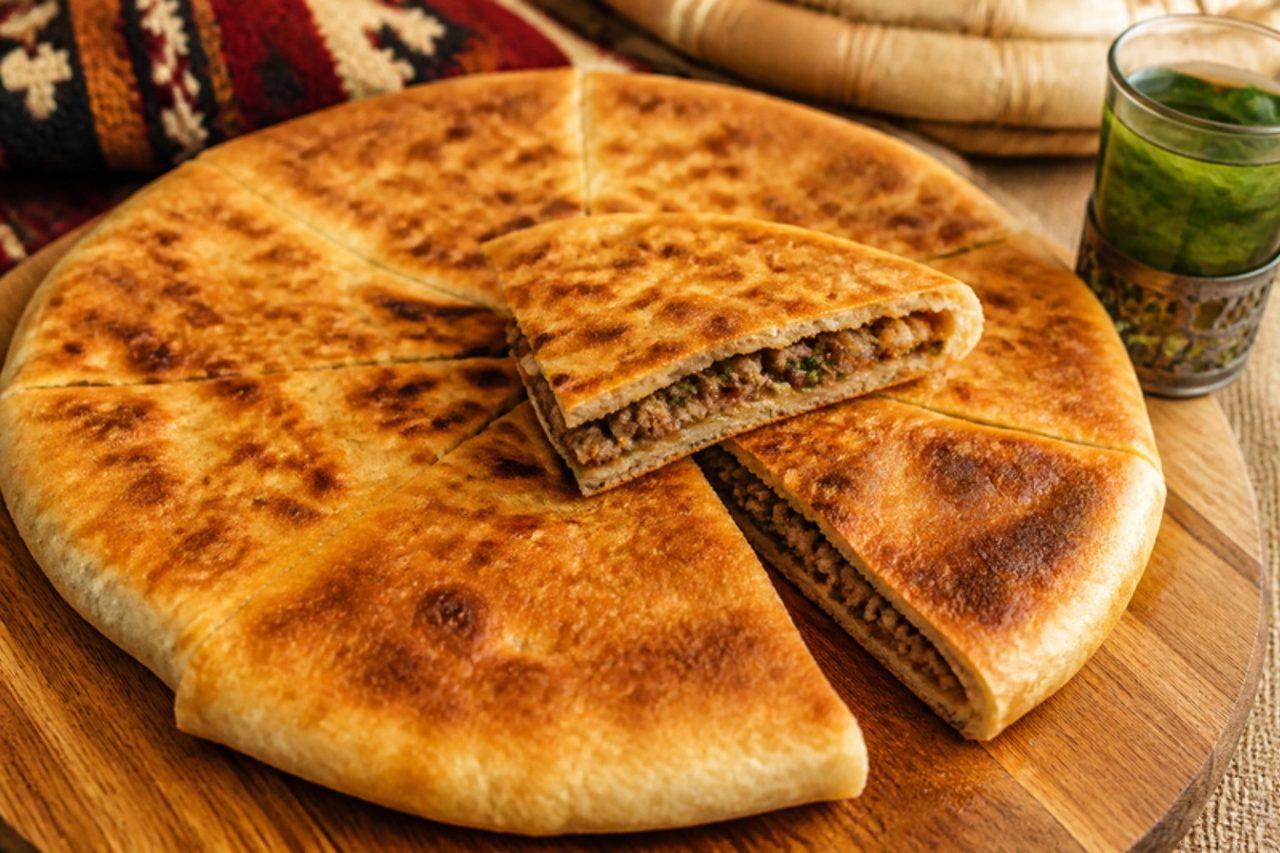
Out on the edge of the Sahara around Rissani and Merzouga, medfouna means 'buried', because the stuffed bread was traditionally baked in hot sand next to a fire. Two rounds of soft yeast dough enclose a filling of spiced beef, lots of onion, parsley and a little fat, and the whole thing bakes into a golden, crusty pie that is cut into wedges like a pizza. It is road-trip food, market-day food and the meal desert guides cook for travellers, eaten hot with mint tea. Chef's tip: squeeze the chopped onion and drain the cooked filling well; dry filling means a crisp base instead of a soggy one.

by KrazyBadal 0 views

MaubySpiced bark drink

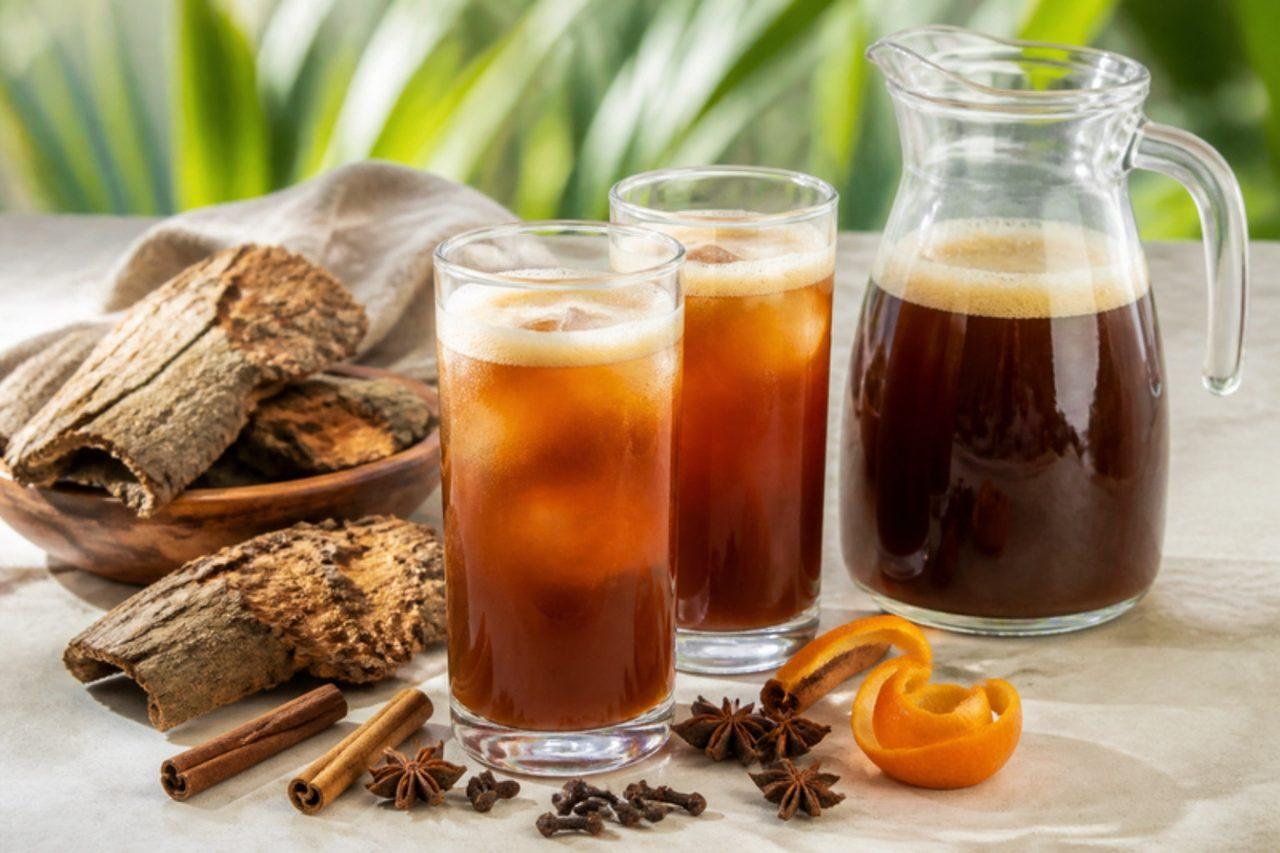
Mauby is one of the oldest drinks of the Eastern Caribbean, and in Barbados it's sold ice-cold from vendors in Bridgetown and made at home on hot afternoons. It's brewed from the bark of the mauby tree, simmered with cinnamon, clove, star anise, bay and orange peel, then sweetened and diluted. The first sip is surprising: bitter like strong tea or tonic, then sweet, spicy and refreshing, with a liquorice note. Bark is sold in Caribbean shops and online. Chef's tip: brew a strong concentrate and dilute it to taste; mauby lovers like it bitter, newcomers should start with more water and more sugar.

by KrazyBadal 0 views

Pasta alla griciaPasta with guanciale and pecorino

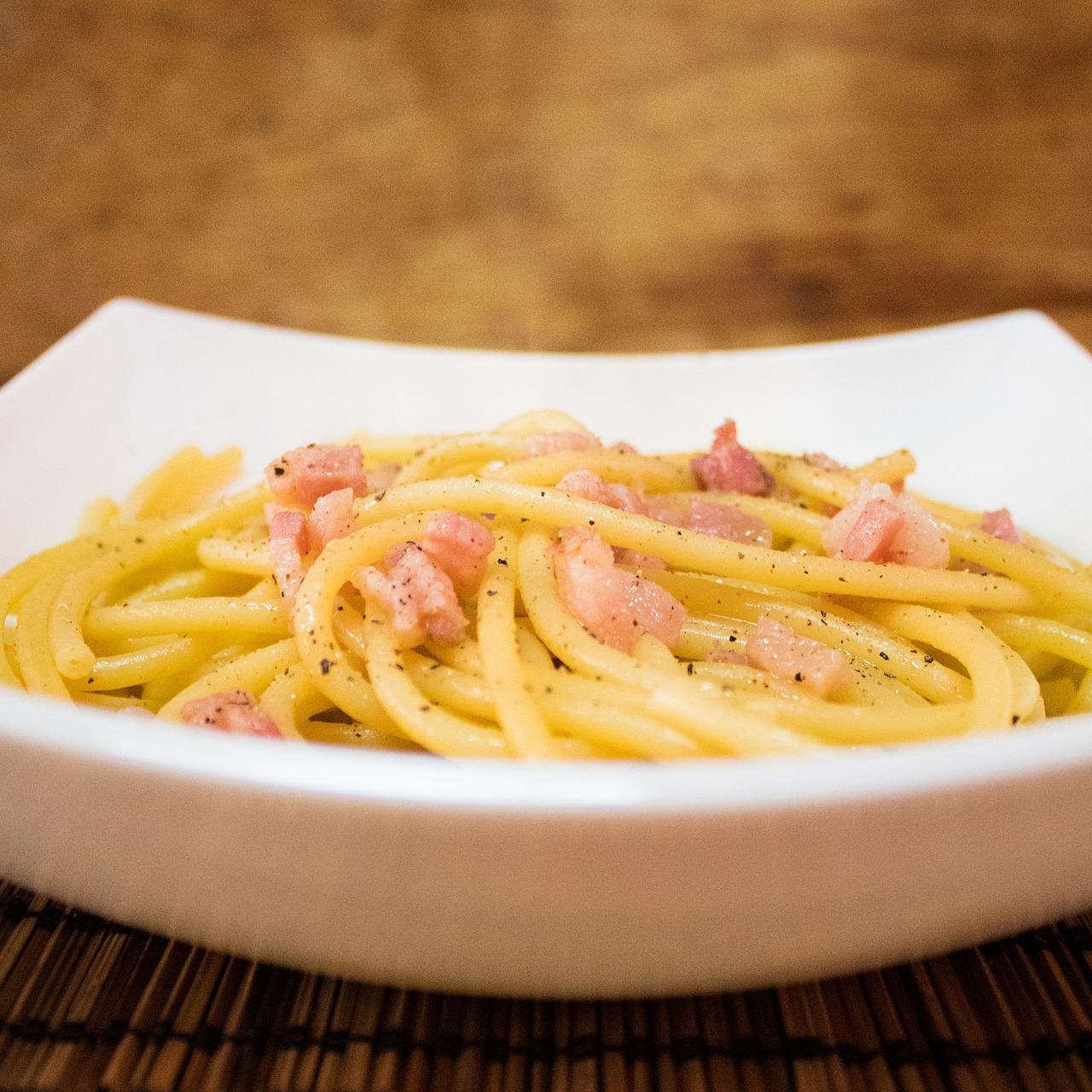
Older than both carbonara and amatriciana, gricia is the white pasta of the Roman hills: no egg, no tomato, nothing but guanciale, pecorino and pepper brought together with starchy cooking water. On a Roman menu it often sits with its siblings under the heading of the four great Roman pastas, and it is many locals' quiet favourite for a weekday lunch. Short rigatoni catch the creamy, salty sauce in their ridges and tubes, and the guanciale is cooked until amber and crisp-edged so its fat flavours everything. Follow it with something light, such as sautéed chicory with garlic. Chef's tip: before you finish the pasta, mash the pecorino in a bowl with a few spoonfuls of cooled pasta water into a smooth cream; it melts into the sauce instead of seizing into strings.

by KrazyBadal 0 views

Pasta alla NormaPasta with fried aubergine and tomato

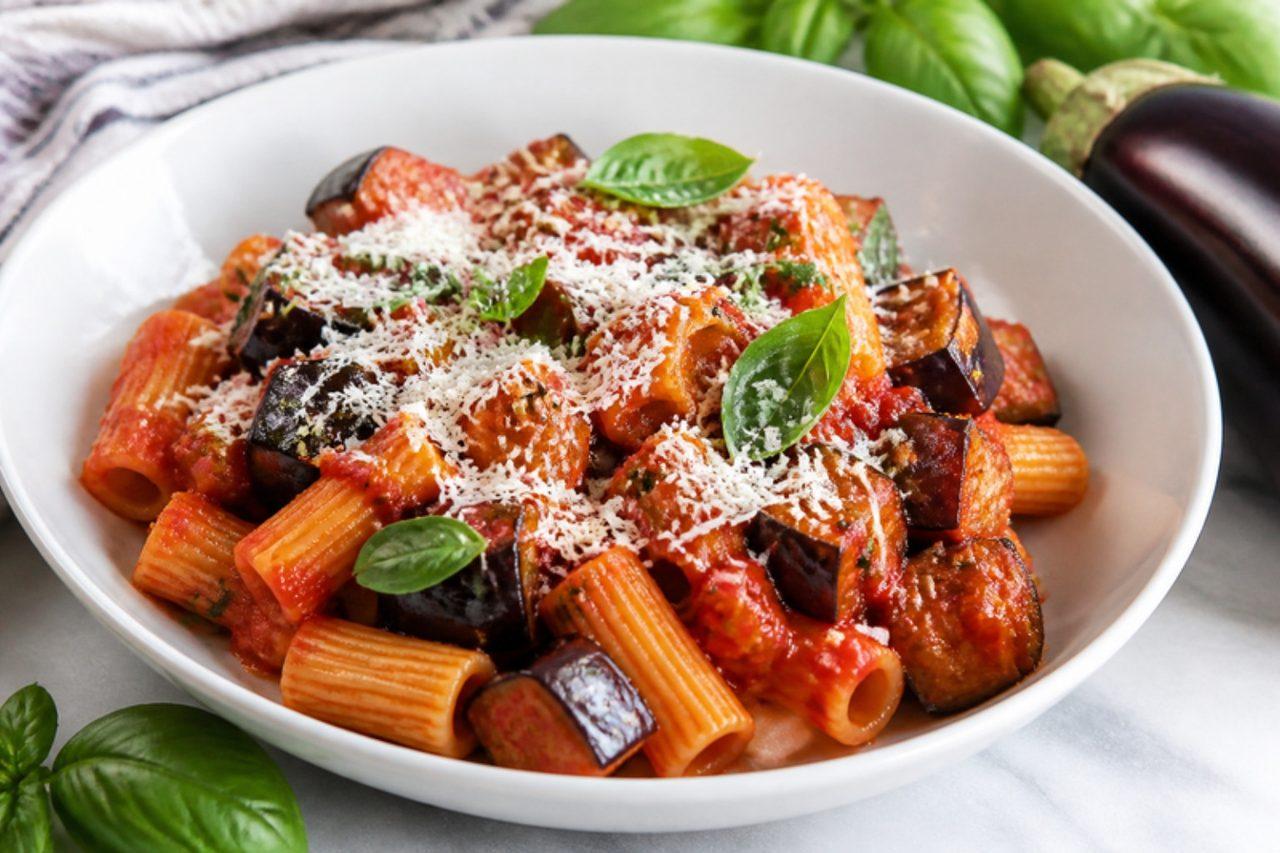
Pasta alla Norma comes from Catania, in the shadow of Mount Etna, and is named after Norma, the opera by the city's own composer Vincenzo Bellini; a local writer is said to have called the dish 'a real Norma', meaning a masterpiece. Fried aubergine, a simple garlic and basil tomato sauce and a snowfall of salty ricotta salata make one of Sicily's best summer lunches. Chef's tip: keep a few of the best fried aubergine slices aside and lay them on top at the end; the rest melt into the sauce and the top ones stay silky.

by KrazyBadal 0 views

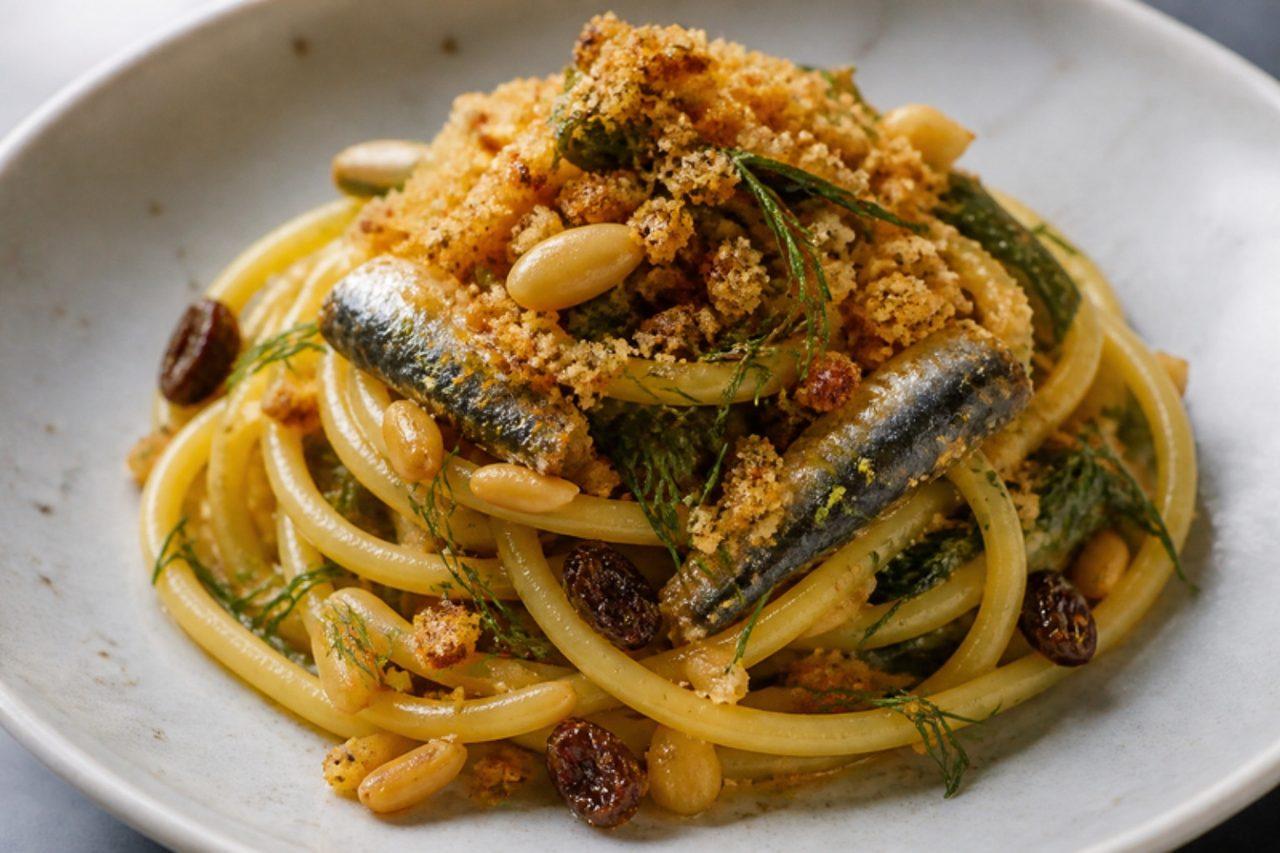
Pasta con le sardePasta with sardines and fennel

Sweet, salty and grassy all at once, Palermo's favourite pasta carries the island's history in one pan: Arab raisins, pine nuts and saffron meet fresh sardines and the wild fennel that grows on every Sicilian hillside in spring. It is cooked at home and in the city's old trattorie from March to the start of summer, and on 19 March for the feast of San Giuseppe. Instead of cheese, it is finished with olive oil toasted breadcrumbs, the crunchy 'muddica' that Sicilians call poor man's parmesan. Wild fennel is hard to find outside Italy; the fronds from two fennel bulbs plus a few fennel seeds come close. Serve it warm, or at room temperature as Palermitans often do. Chef's tip: blanch the fennel greens in the pasta pot first and cook the bucatini in that same green, aniseed-scented water, so the flavour runs right through the pasta.

by KrazyBadal 0 views

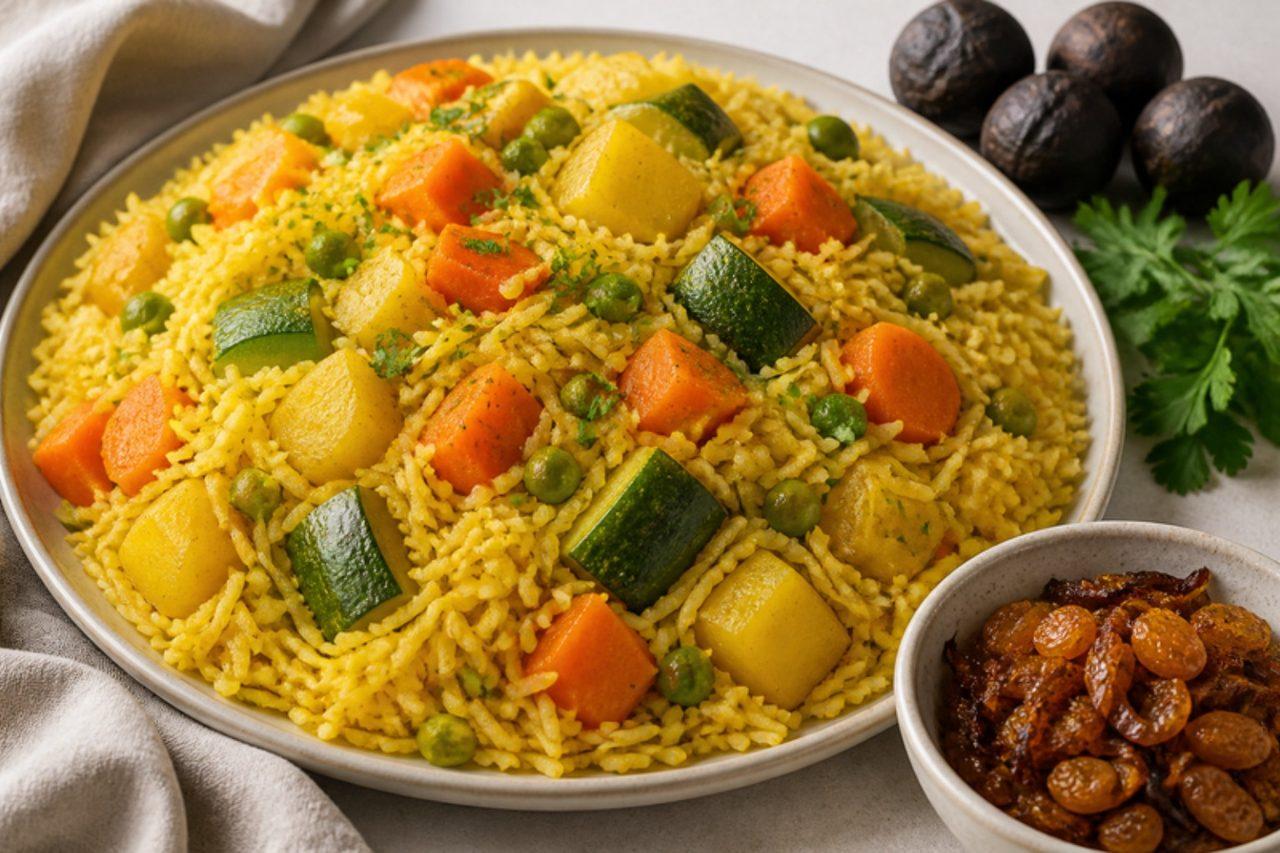
Vegetable machboosSpiced rice with vegetables

In Bahrain and Kuwait machboos is the rice dish of the home kitchen: deeper yellow than Saudi kabsa, with more turmeric, more dried lime and a last splash of rose water that perfumes the whole pot. Families cook it for the big midday meal, especially on Fridays and through Ramadan, and pile it high on a round metal tray. Here potatoes, cauliflower and peppers take the place of chicken, and the rice is crowned with hashu, soft caramelised onions with raisins and a pinch of black lime powder. Chef's tip: brown the potatoes and cauliflower before the rice goes in; their golden edges give the meaty depth the chicken usually brings.

by KrazyBadal 0 views

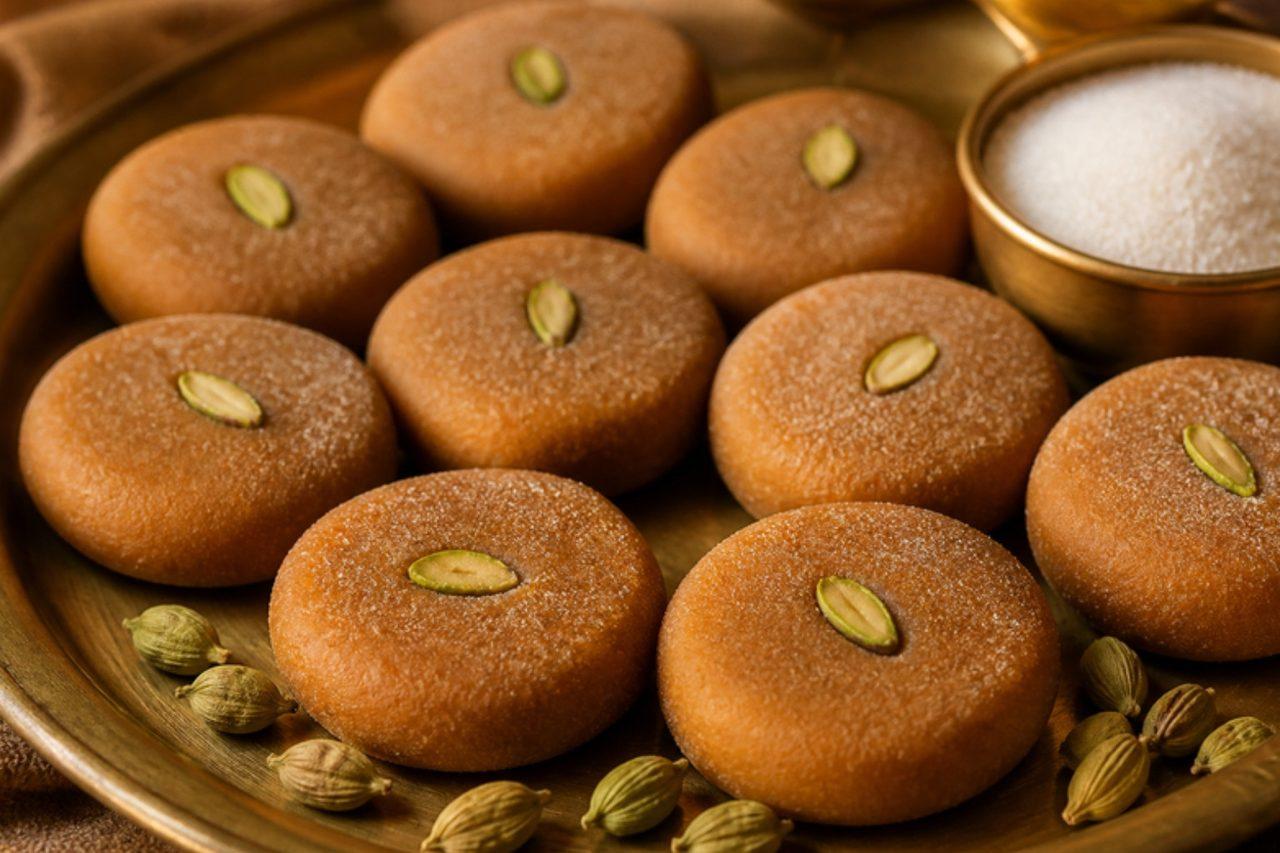
Mathura pedaMilk fudge discs

Mathura in Uttar Pradesh, Krishna's birthplace, has a peda all its own: not the pale milky kind found elsewhere, but a dusty-brown disc with a deep, toffee-like flavour from milk solids slowly roasted until they caramelise. Pilgrims buy boxes after visiting the temples, and they are made in huge batches around Janmashtami as an offering. The texture should be dense yet slightly grainy, rolled in fine boora sugar so the outside sparkles. The usual mistake is rushing the roasting over high heat, which scorches the khoya in spots and makes it bitter and greasy. Chef's tip: keep the heat low and scrape the bottom of the pan constantly; the colour should change gradually from cream to light brown, then to the shade of milky coffee.

by KrazyBadal 0 views

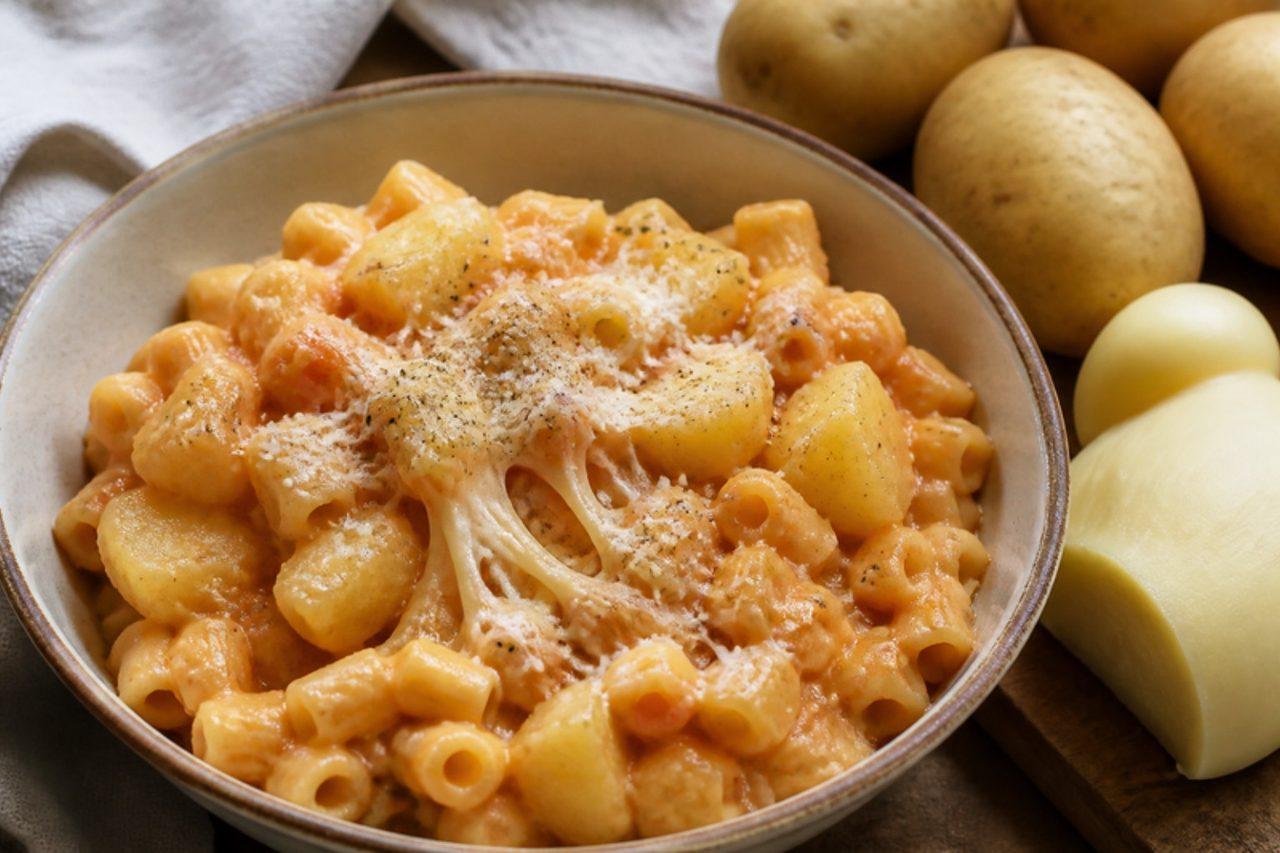
Pasta e patatePasta with potatoes

Pasta e patate is Neapolitan home cooking at its most thrifty: potatoes and mixed broken pasta (pasta mista, the odds and ends from many packets) cooked together in one pot like a risotto, until the potato breaks down and the starch makes everything creamy. Naples families eat it on weekday evenings in winter, and many stir in cubes of smoked provola at the end so it goes stringy (pasta patate e provola). Children love it. Chef's tip: cut half the potato small and half larger; the small pieces melt into the sauce while the larger ones keep their shape.

by KrazyBadal 0 views

Malabar parottaLayered flatbread

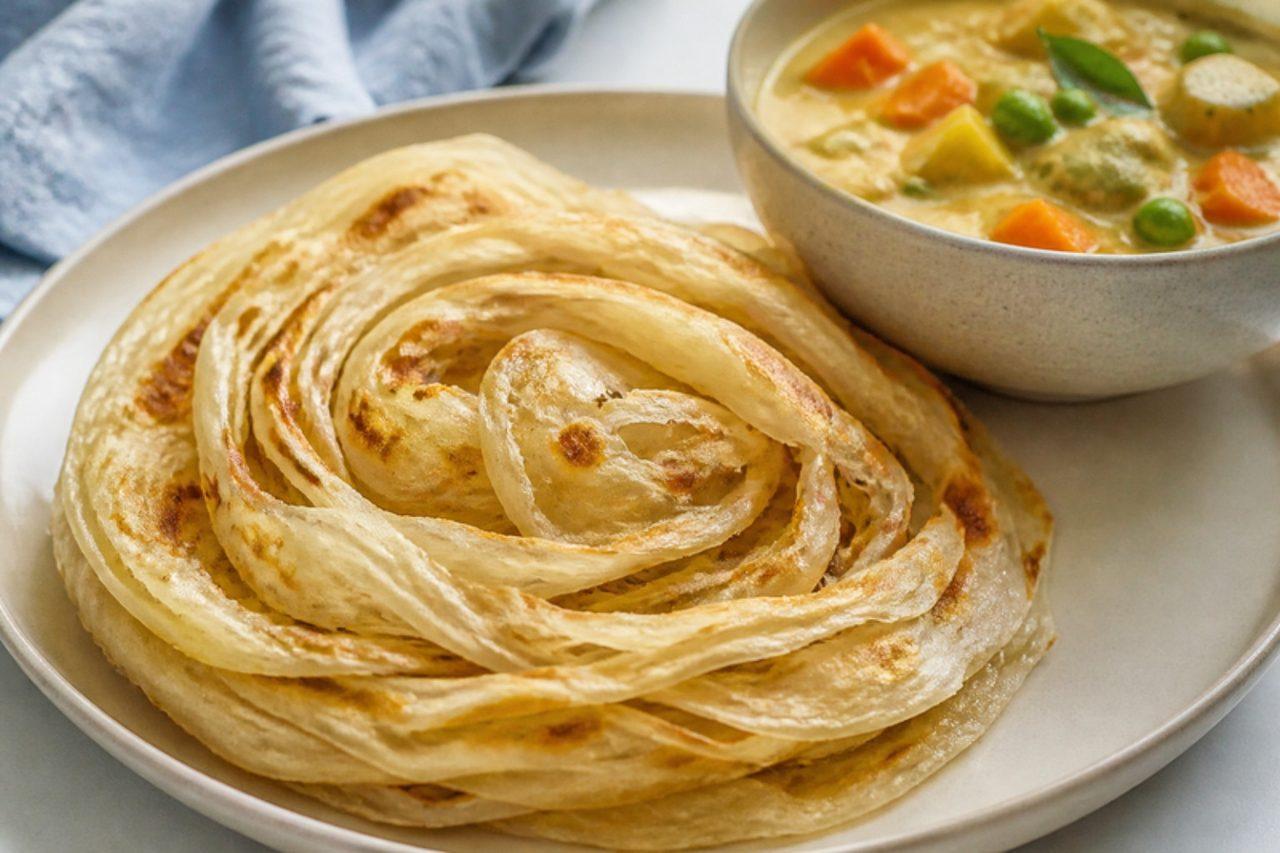
Malabar parotta came from the hotels and tea stalls of Malabar in north Kerala and is now made all over the state, where parotta men slap and stretch dough on oiled marble counters late into the night. The soft dough is stretched paper-thin, pleated, coiled like a snail and griddled, then clapped between the hands so the layers pull apart into flaky ribbons. Eat it torn into vegetable kurma or a spicy black chickpea curry. Chef's tip: give the dough its full rest; well-rested dough stretches thin without tearing, which makes the layers.

by KrazyBadal 0 views

PesarattuGreen moong crêpes

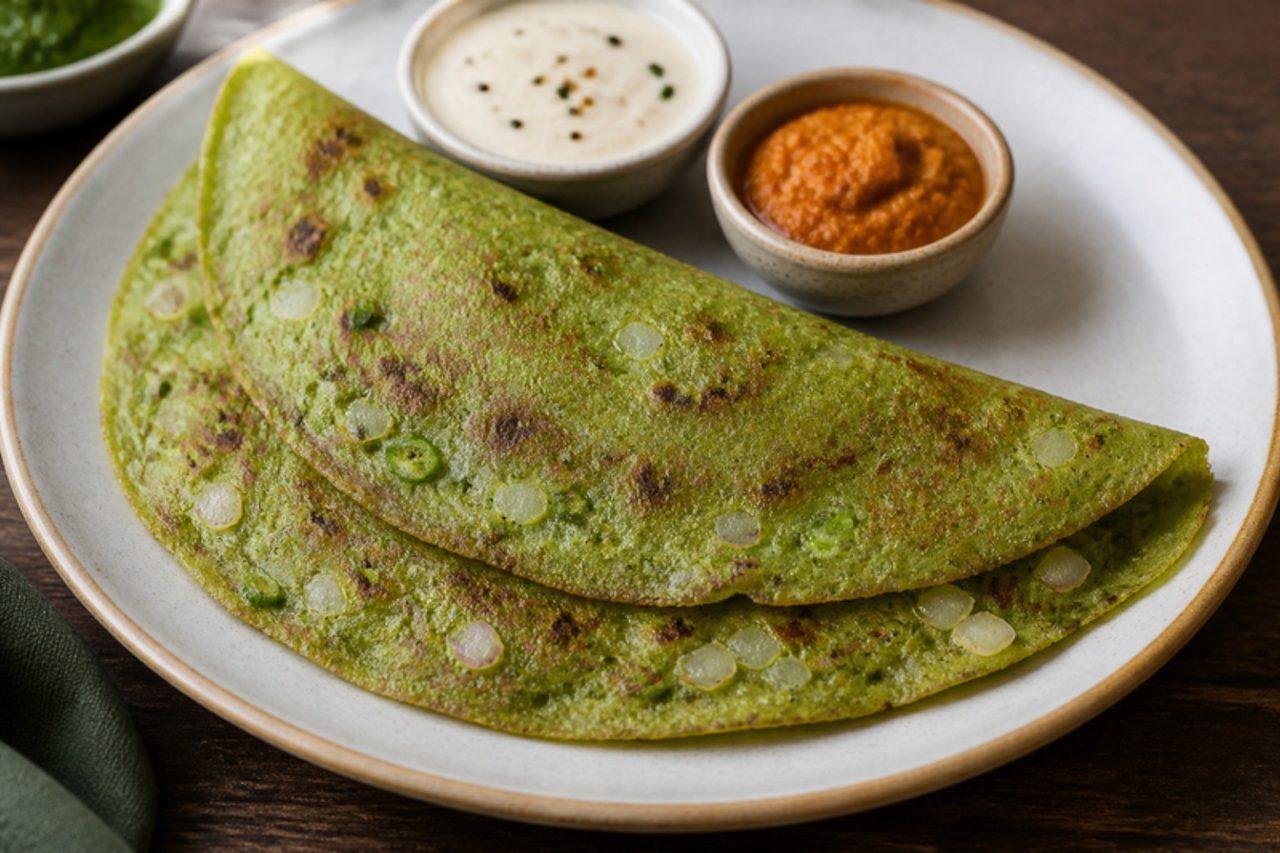
Pesarattu is the breakfast dosa of Andhra Pradesh, made from whole green moong beans ground with ginger, green chilli and cumin rather than rice and urad dal. Because the batter needs no fermenting, you can soak the beans before bed and have crisp, nutty, bright-green dosas on the table by morning. In Andhra homes they're scattered with onion and eaten with a sharp ginger chutney, and on festive days filled with upma to make 'MLA pesarattu'. They're high in protein, light and naturally gluten free. Chef's tip: add a small handful of raw rice to the soak; it isn't traditional everywhere, but it gives the dosa a crisper edge and stops it tearing on the pan.

by KrazyBadal 0 views

Pescado a la tallaGrilled fish in chilli paste

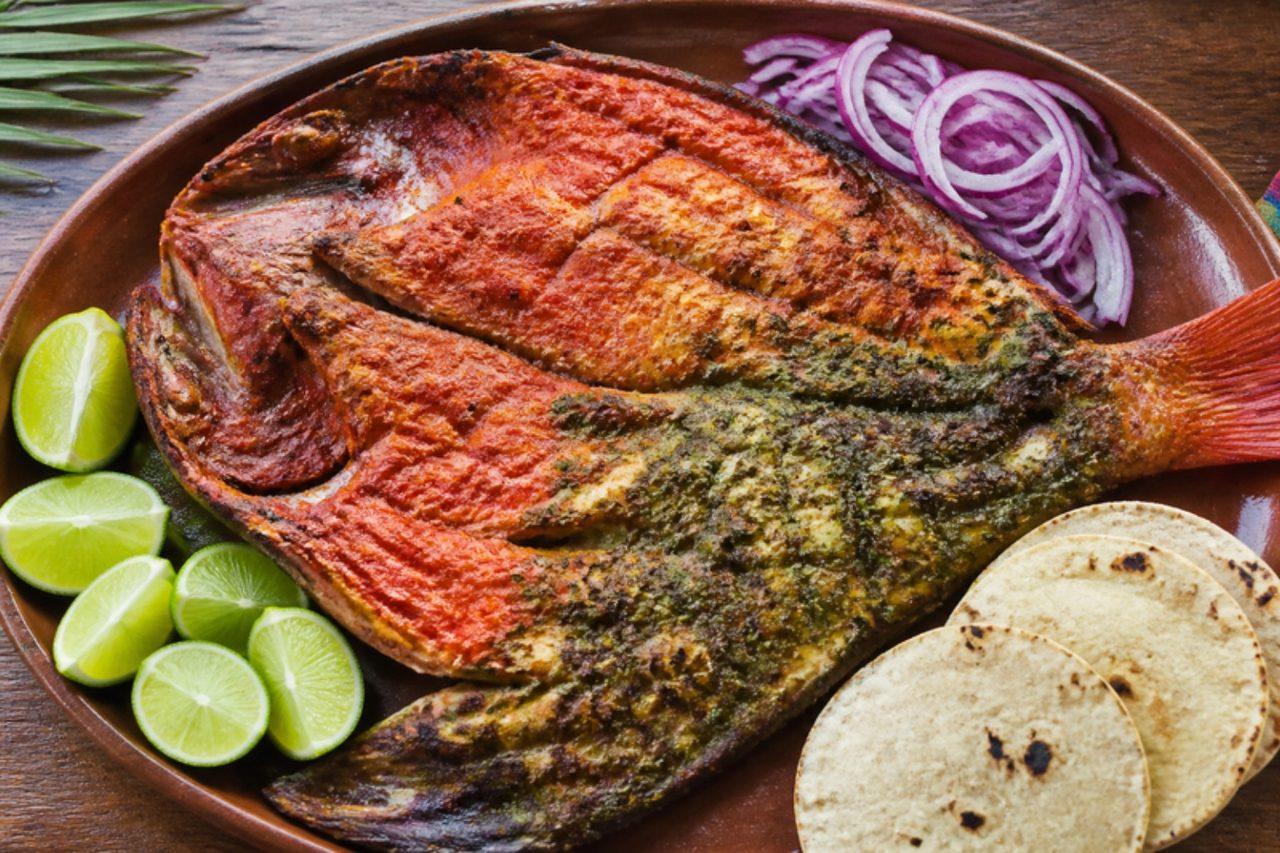
On the long beach of Barra Vieja, just south of Acapulco in Guerrero, whole fish are split open, painted with chilli paste and grilled over wood embers in palapa restaurants with their feet in the sand. One half gets a brick-red adobo of guajillo and ancho, the other a bright green paste of herbs and fresh chilli, so a single fish brings two flavours to share. It is eaten straight off the platter with tortillas, rice, lime and cold drinks. Chef's tip: cook it mostly skin-side down in a hinged fish basket, so the skin protects the flesh and the fish turns without breaking.

by KrazyBadal 0 views

Makrout el louzIced almond diamonds

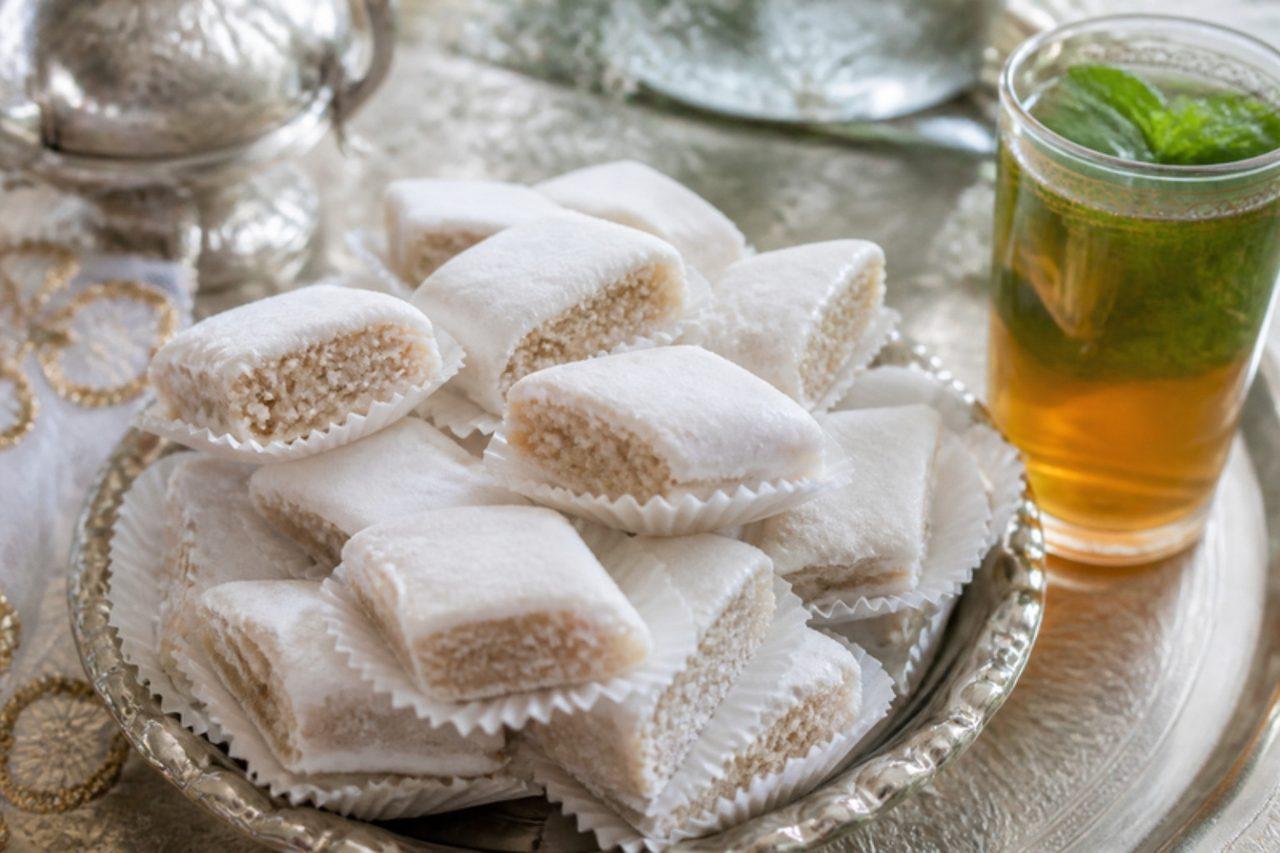
Makrout el louz are the elegant almond sweets of Algiers and Constantine, piled on silver trays for weddings, Eid and engagement visits. Unlike fried, date-filled makroudh, they are baked: a paste of ground almonds, sugar, egg and lemon zest is cut into diamonds, baked pale, then dipped in a light syrup and rolled in icing sugar so they look frosted. Chef's tip: bake them only until firm and barely coloured underneath; brown edges harden and stop the syrup soaking in.

by KrazyBadal 0 views

Göyərti qutabıHerb-filled flatbreads

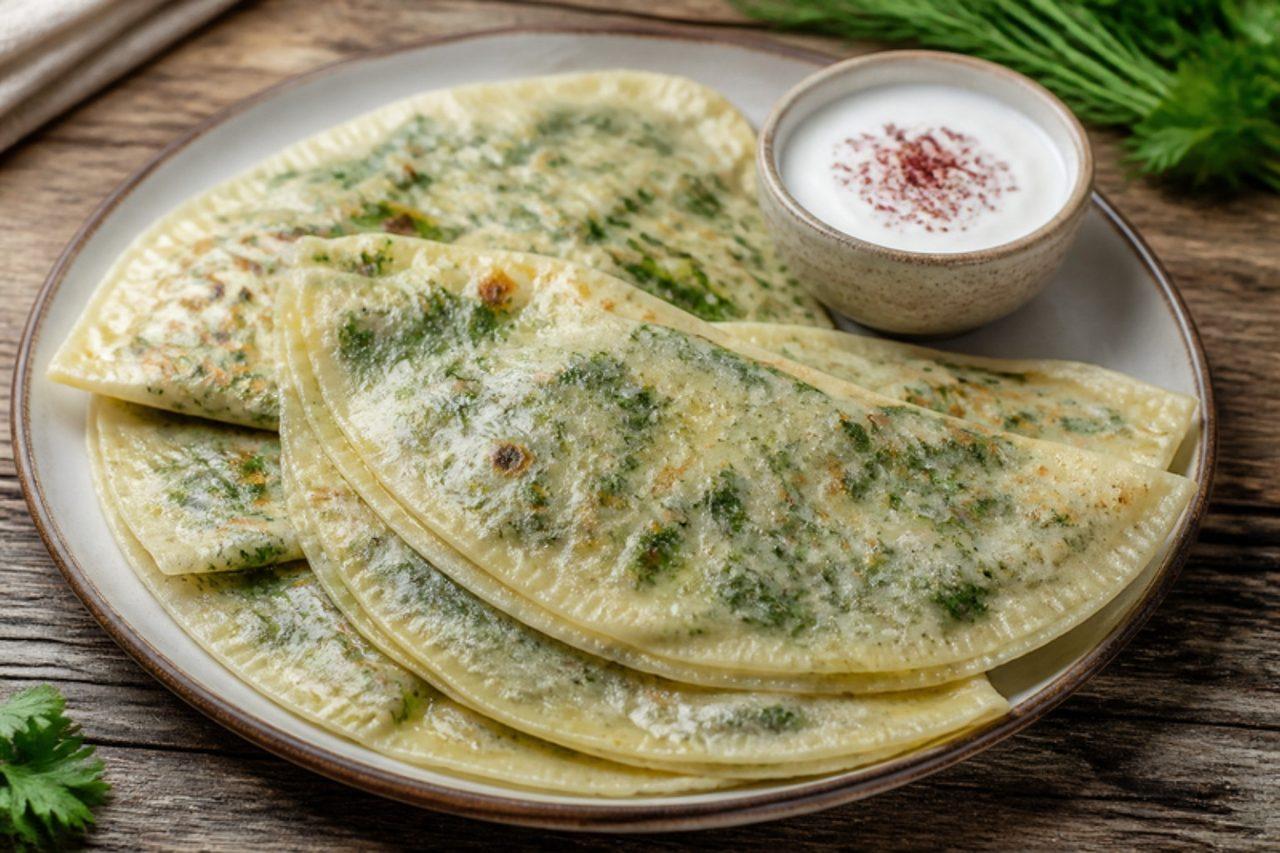
Qutab are the thin half-moon flatbreads that Baku eats at any hour, folded around a filling and cooked in seconds on a domed iron saj, then stacked and brushed with butter. Göyərti qutabı, the green version, is the spring favourite: a handful of chopped spinach, sorrel, dill, coriander and spring onion sealed inside dough rolled so thin the greens show through. They are eaten hot, three or four at a time, sprinkled with sumac and dipped in garlicky yogurt, and appear on every table at Novruz in March. In autumn the same dough wraps pumpkin; that variation is in the steps. Chef's tip: season the greens only just before filling; salt draws out water, and wet greens tear the paper-thin dough.

by KrazyBadal 0 views

HortopitaWild greens pie

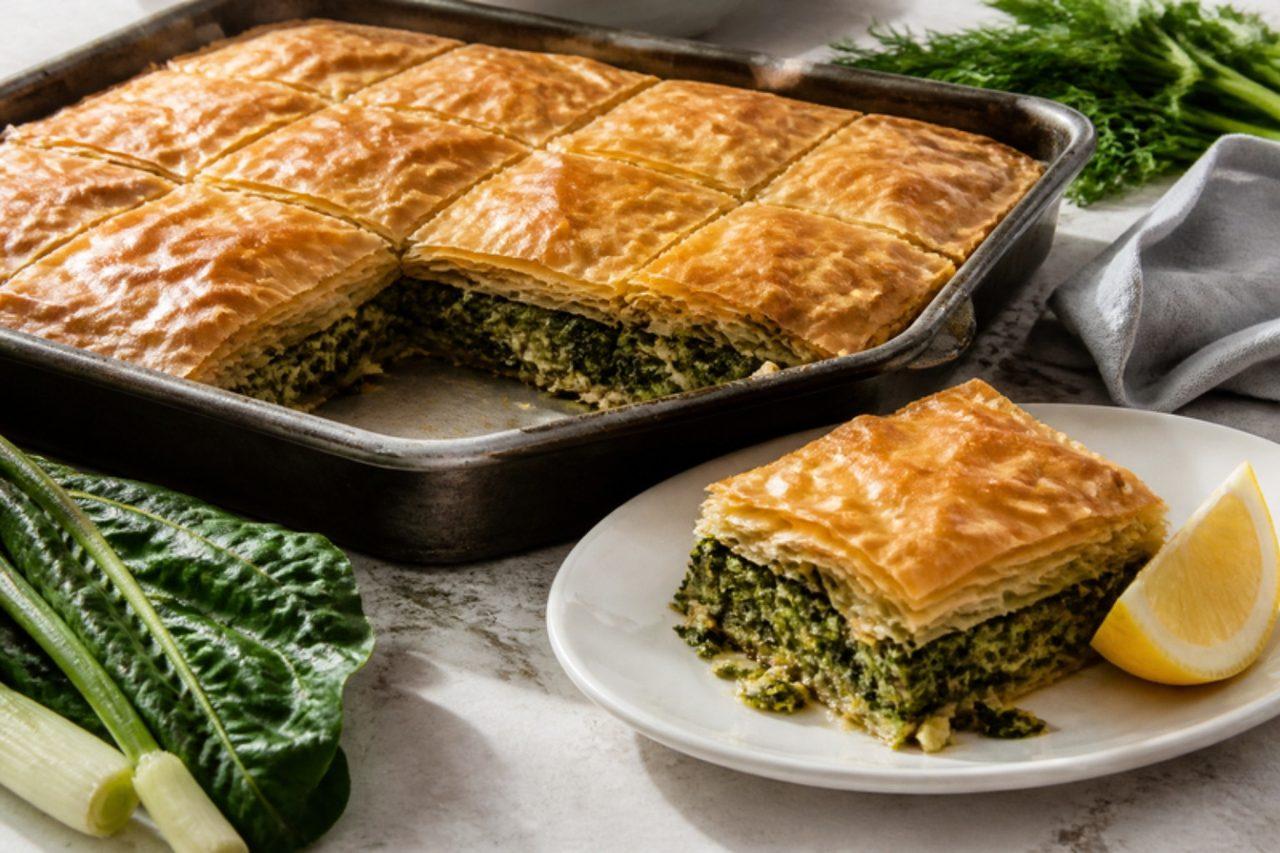
In the villages of Crete and the mountains of Epirus, hortopita is what cooks make from whatever greens are growing on the hillsides: wild fennel, sorrel, poppy leaves, nettles and chard. Many families bake it during Lent, when cheese and eggs are put aside, so the filling relies on olive oil, leeks and a big handful of herbs for flavour. It is earthy, a little bitter and very fresh. This version uses easy-to-buy chard, spinach, fennel fronds and leeks, with a spoonful of rice to soak up the juices. Serve warm or cold with olives and a glass of something cold. Most shop fillo is made without butter or egg, but check the label to keep it vegan. Chef's tip: salt the chopped greens and leave them for 20 minutes before squeezing; skipping this is the most common mistake, and it makes hortopita watery.

by KrazyBadal 0 views

MakroudhDate-filled semolina pastries

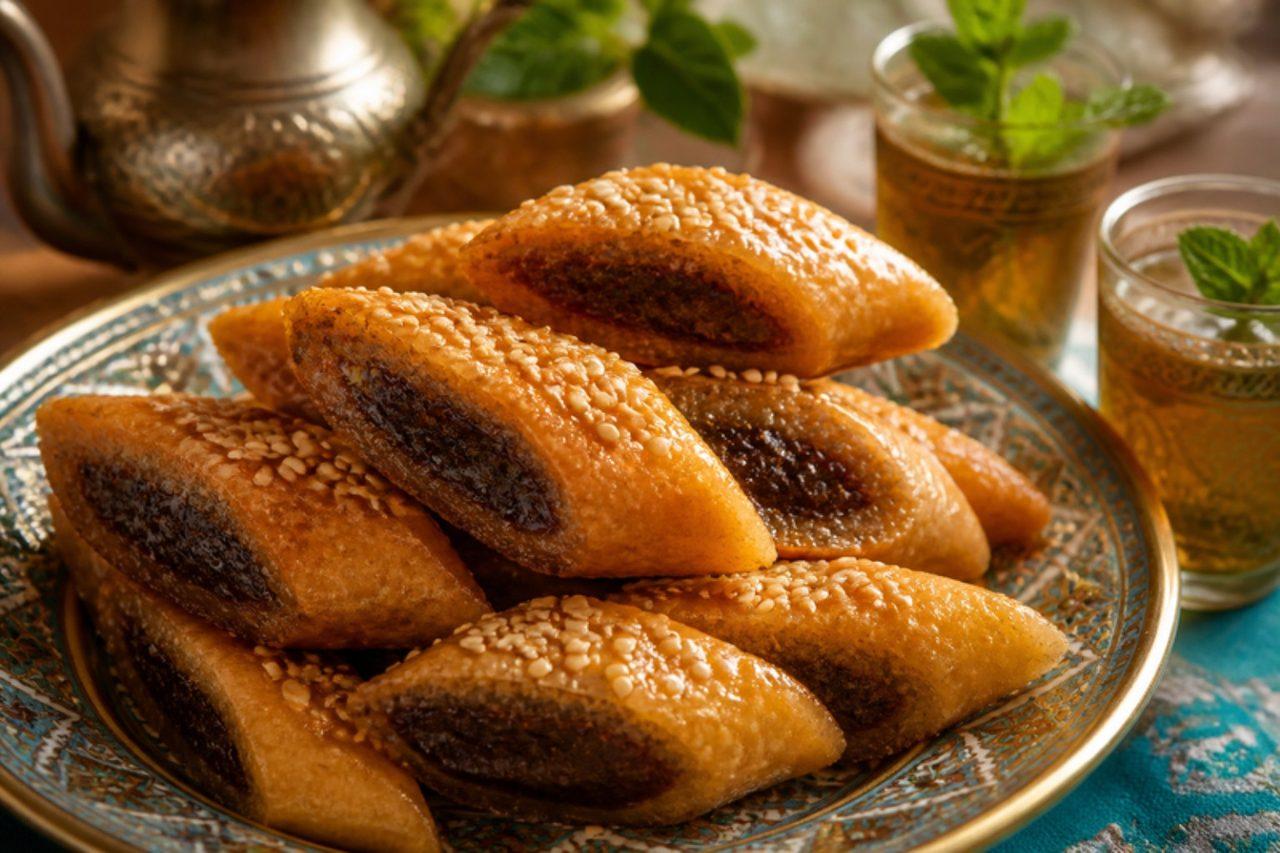
Makroudh is the sweet that Kairouan is famous for; the old holy city in central Tunisia sells it in boxes from shops around the medina, and it is made at home for Eid and weddings across the country. A soft dough of semolina and olive oil is wrapped around a roll of date paste scented with cinnamon and orange blossom, cut into diamonds, fried and dipped in syrup. Chef's tip: rest the semolina dough for an hour after mixing; the grains need time to drink the oil and water, or the makroudh cracks in the oil.

by KrazyBadal 0 views

Hortobágyi palacsintaPaprika chicken pancakes

Named after the Hortobágy puszta, Hungary's great grassland in the east, these savoury pancakes are a favourite starter in Hungarian restaurants and a clever family meal. Thin palacsinta are filled with finely chopped paprika chicken, folded into parcels, and baked in the paprika-soured cream sauce until bubbling. Chef's tip: chop the cooked chicken very finely or pulse it briefly; a fine filling makes neat, tight parcels.

by KrazyBadal 0 views

MakowiecPoppy seed roll

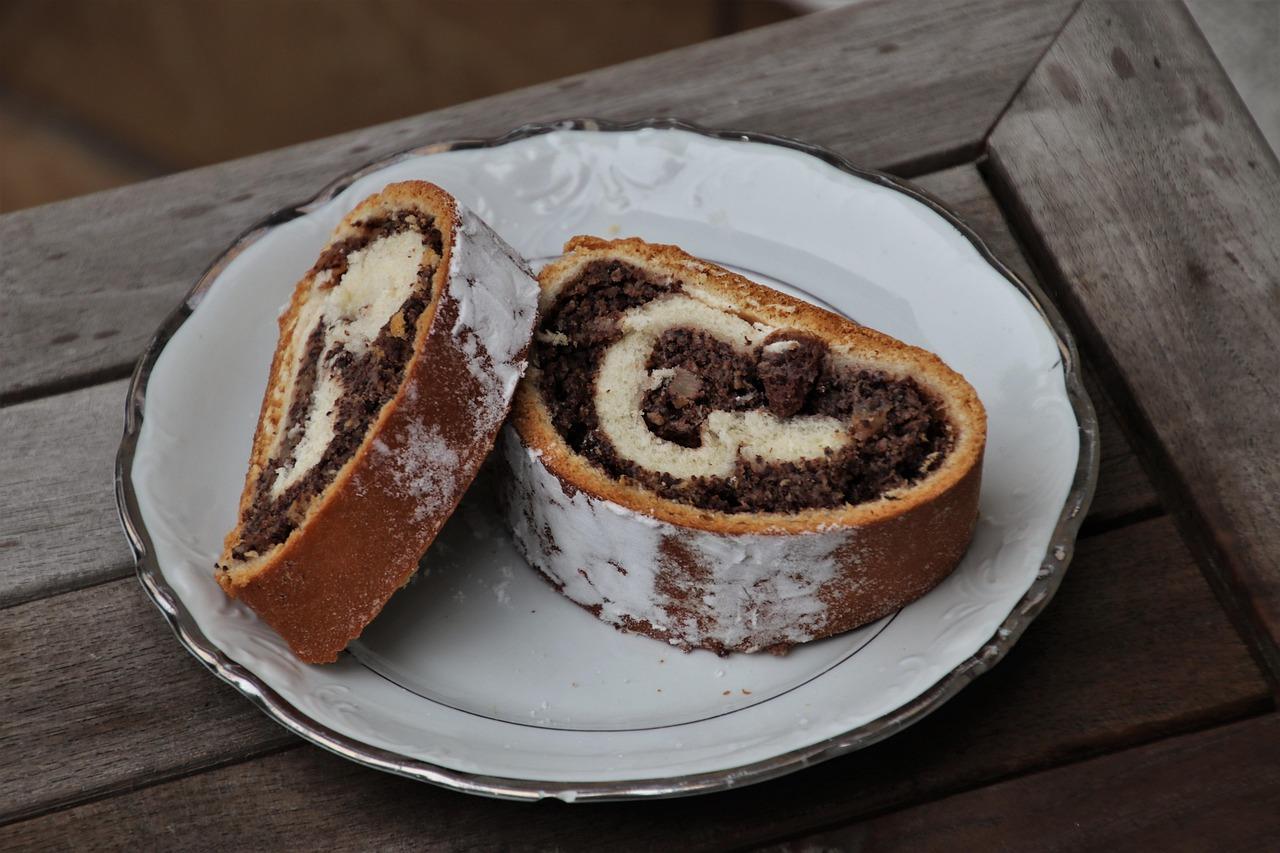
Makowiec is the poppy seed roll that sits on almost every Polish Christmas Eve and Easter table; in Silesia and Lesser Poland poppy seeds stand for plenty in the year ahead. A soft, buttery yeast dough is rolled around a thick, black, honey-sweet filling of ground poppy seeds with raisins, walnuts and candied orange peel, then baked and glazed so each slice shows a tight spiral. It takes time, but the process is calm and the roll keeps for days. Chef's tip: grind the soaked poppy seeds two or three times, until they look grey and pasty; whole or once-ground seeds give a gritty filling that falls out of the slices.

135 minPolishBaking
by KrazyBadal 0 views

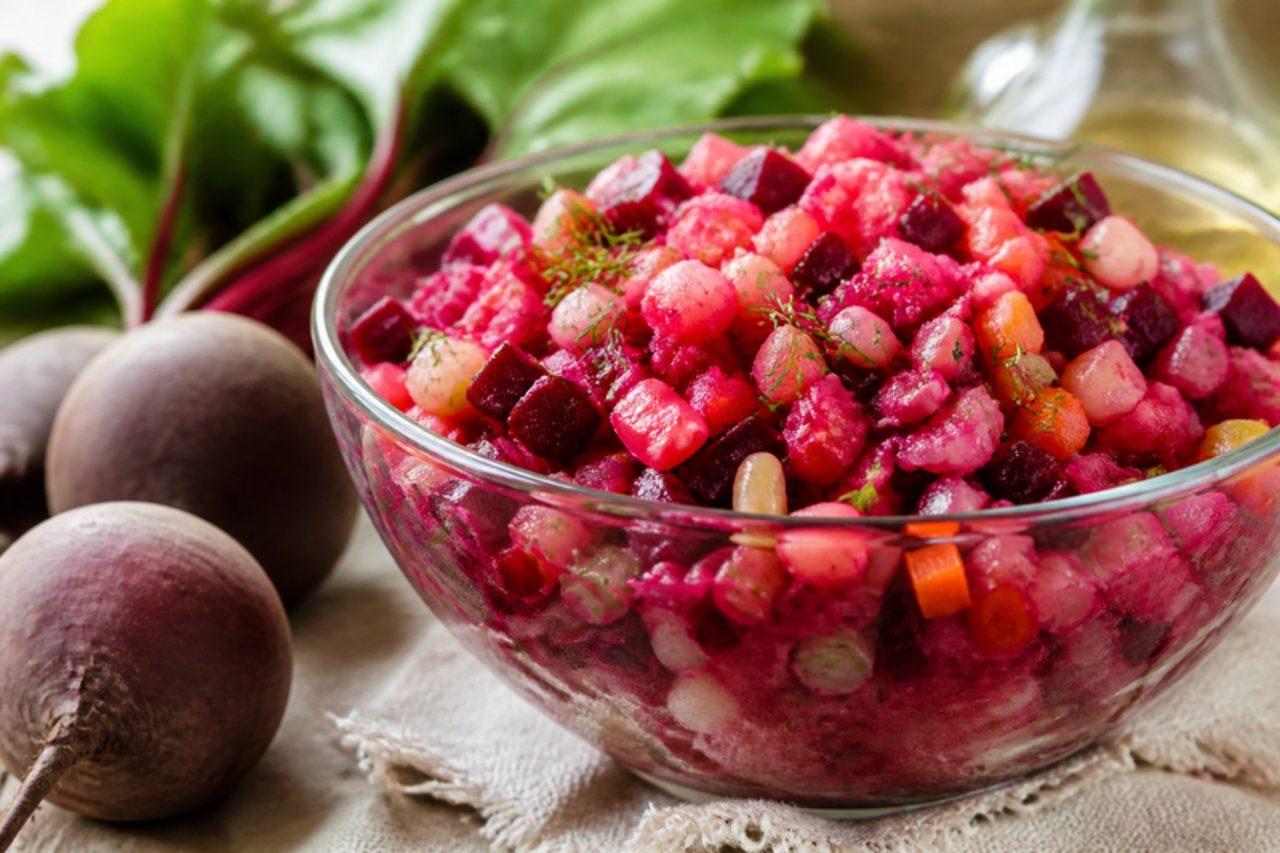
VinegretBeetroot and potato salad

Vinegret is the ruby-coloured salad that sits on almost every Ukrainian New Year and Christmas table, alongside olivier, and fills lunch boxes through the winter. Cooked beetroot, potato and carrot are diced small and tossed with sauerkraut, pickled cucumbers and beans, then dressed with fragrant unrefined sunflower oil, the kind sold by the bottle at markets in Poltava and Kherson. Despite the name there is often no vinegar at all; the sourness comes from the pickles. It is vegan, cheap and keeps for days. Chef's tip: dress the diced beetroot with oil on its own first, then mix in everything else; the oil coats it so the potatoes stay pale and the salad looks like a mosaic rather than all pink.

by KrazyBadal 0 views

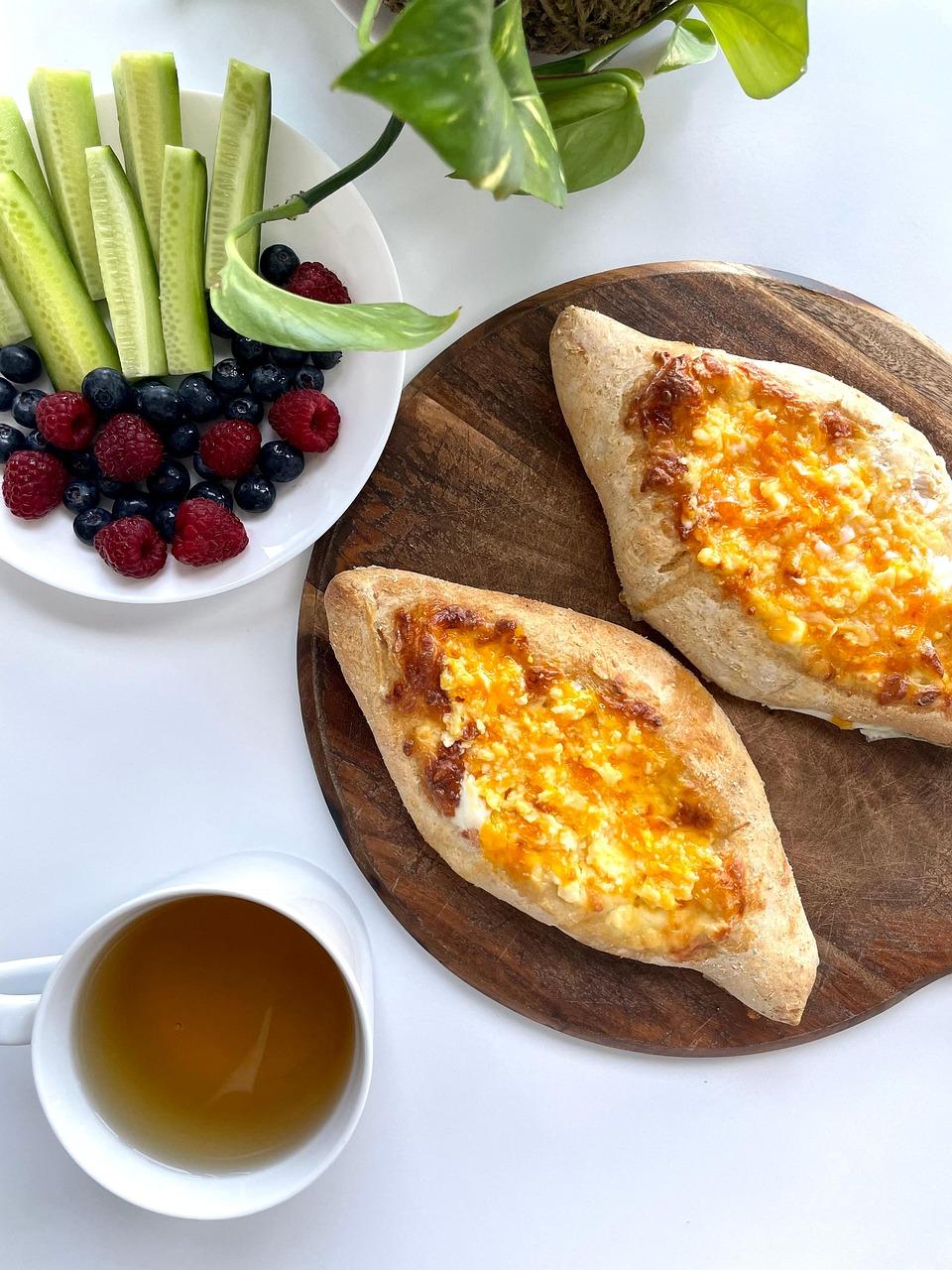
Peynirli pideBoat-shaped cheese bread

Along the Black Sea coast, from Samsun to Trabzon, the pide salon is where families go on a Friday night, and the oven man shapes each boat of dough by hand before sliding it onto the hot stone floor of a wood-fired oven. The Black Sea way is generous: a pool of melted kaşar and white cheese held inside a rim of soft bread, an egg cracked into the middle for the last few minutes and a knob of butter dropped on as it comes out. Children love tearing off the crusty ends to drag through the cheese. Chef's tip: heat a heavy baking tray or pizza stone in the oven for a full 30 minutes; the hot base is what gives a crisp underside rather than a soft one.

120 minTurkishPizza
by KrazyBadal 0 views

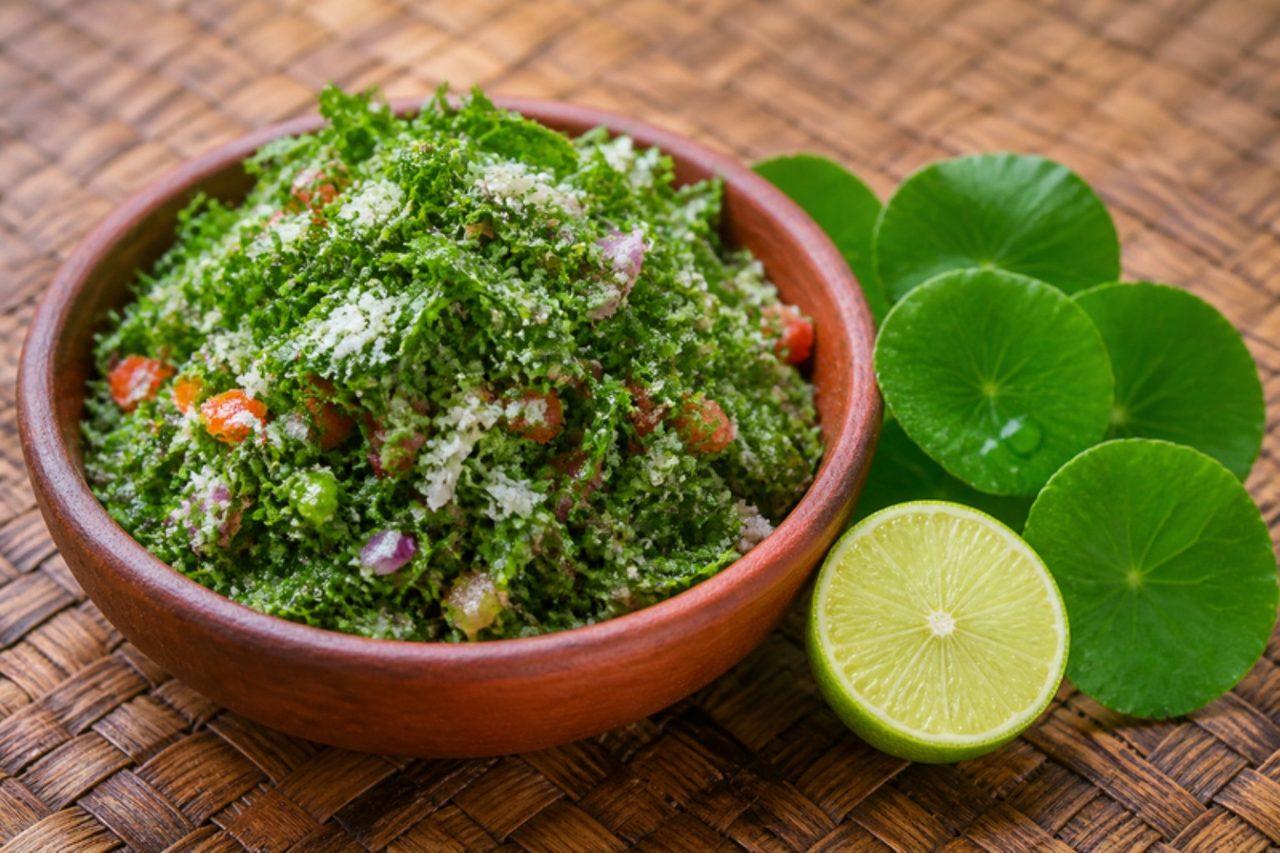
Gotu kola sambolPennywort and coconut salad

Gotu kola (Asiatic pennywort) grows wild along the paddy edges in the south and centre of Sri Lanka, and a raw sambol of its leaves is the green, slightly bitter bite that balances a rice-and-curry lunch. Families in Galle and Matara will tell you it is good for the memory, and it is often served at the start of a meal or with kola kenda, the herbal porridge. The leaves are shredded as finely as possible, then tossed with shallot, tomato, green chilli, a little fresh coconut and plenty of lime, so it's crunchy, peppery and bright. Look for pennywort bunches in Sri Lankan, Thai and Vietnamese shops. The mistake to avoid is dressing it too early: the salt and lime wilt the leaves within half an hour. Chef's tip: roll a stack of leaves into a tight cigar and slice it hair-thin with a sharp knife; the finer the shreds, the better it tastes.

by KrazyBadal 0 views

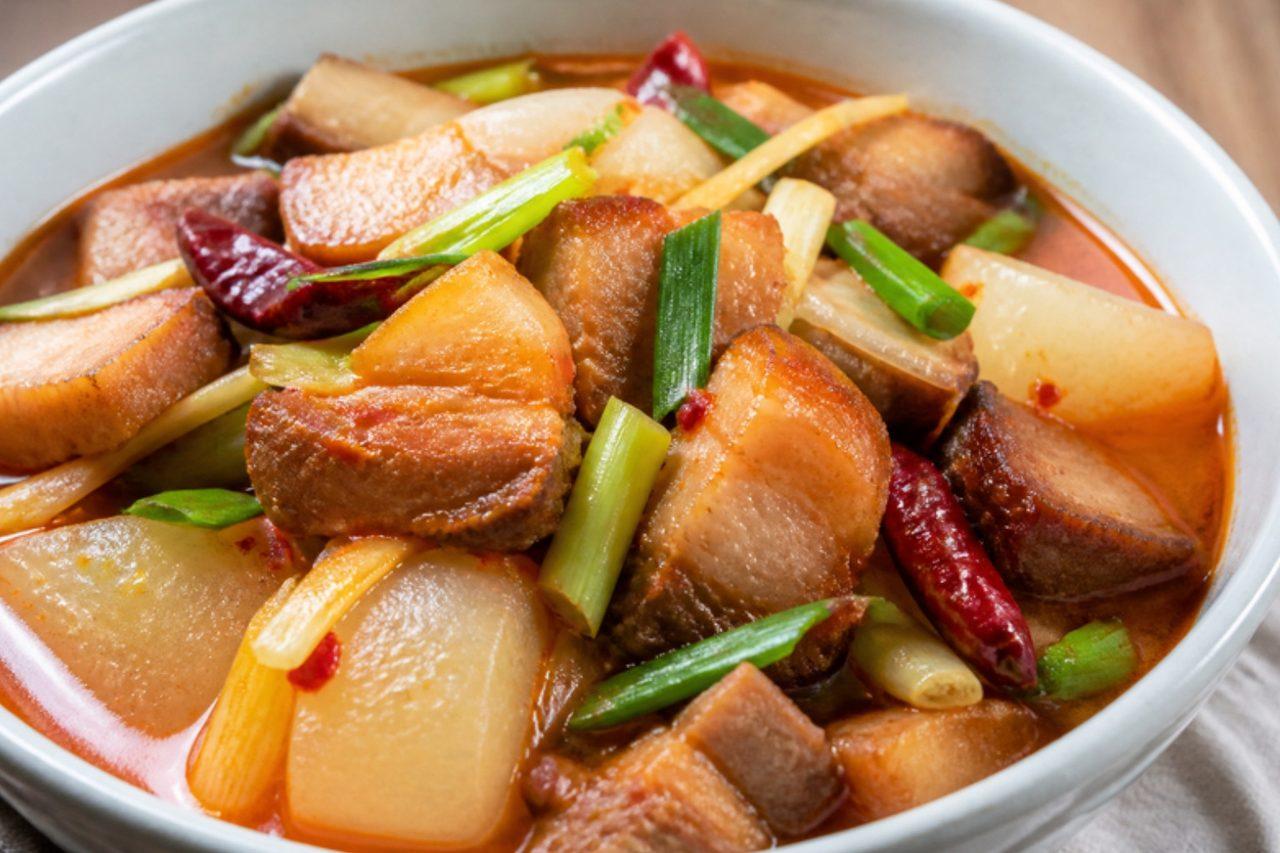
PhagshapaPork with radish and chilli

High in the hills of Sikkim, where winters are long and cold, Bhutia and Lepcha households make phagshapa from fatty strips of pork, white radish and fiery dried red chillies. Traditionally it uses no oil at all: the pork renders its own fat, and the radish soaks it up and turns meltingly soft. It is everyday warming food in Gangtok kitchens, eaten with rice and a bowl of clear soup. Chef's tip: cut the radish thick, in batons, so it holds its shape through the long simmer.

80 minIndianMeatGluten freeSpicy
by KrazyBadal 0 views

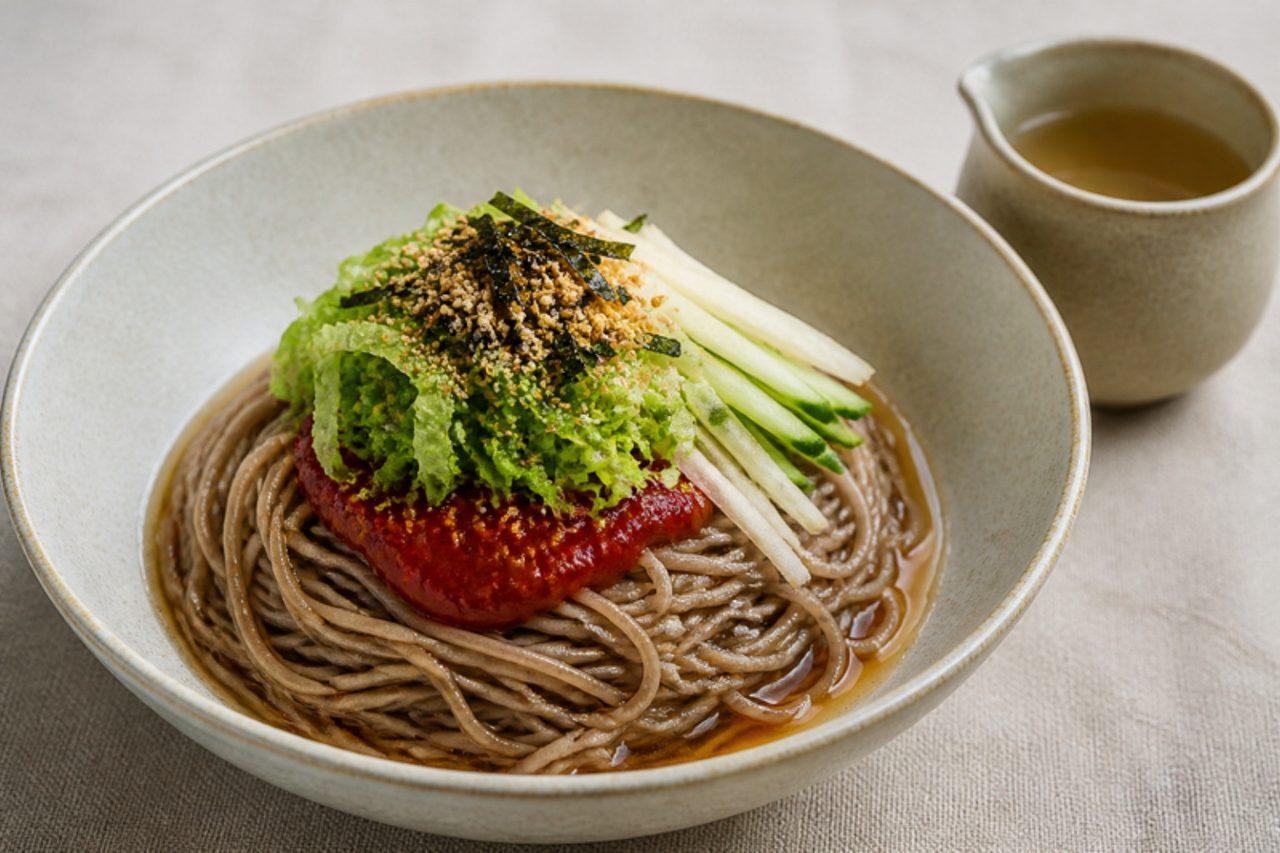
MakguksuCold buckwheat noodles

Chuncheon, the lake city in Gangwon, is famous for two things: spicy grilled chicken and makguksu (막국수), coarse buckwheat noodles served icy cold. The name roughly means 'roughly made noodles', and the dish started as simple farm food in a region where buckwheat grew better than rice. In summer, makguksu houses serve it in a sweet, sour and spicy dressing with crunchy cucumber, sweet pear and sesame, often with a jug of chilled broth on the side to pour in halfway. This one is dressed with gochujang, vinegar and pear, and a cold kelp broth. Chef's tip: rinse the cooked noodles under cold running water and rub them between your hands until the water runs clear, then chill them in iced water; that washes off the starch and gives them their springy bite.

by KrazyBadal 0 views

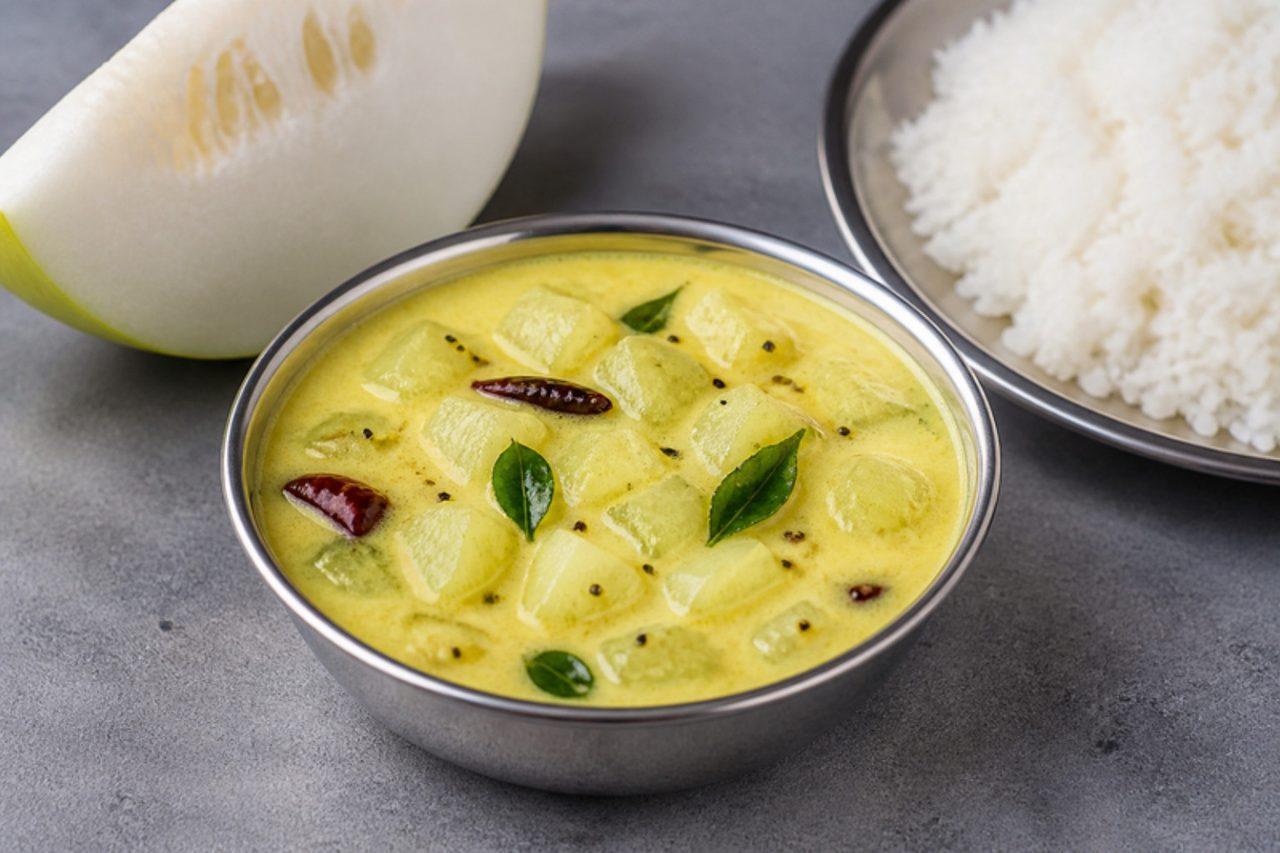
Majjiga pulusuButtermilk curry with ash gourd

Majjiga pulusu is the cooling yogurt curry of Andhra Pradesh, cooked in summer when the buttermilk at home turns a little sour. Unlike Gujarati kadhi, it isn't thickened with gram flour: soaked chana dal is ground with coconut, ginger, green chillies and cumin, stirred into the curd, and simmered gently with soft pieces of ash gourd (or okra, or chayote). It's mild, tangy and creamy, and eaten mixed into rice with a fried vegetable or fritter on the side, especially at Telugu wedding meals. Chef's tip: whisk the yogurt until completely smooth before it goes near the heat; lumpy yogurt splits much more easily.

by KrazyBadal 0 views

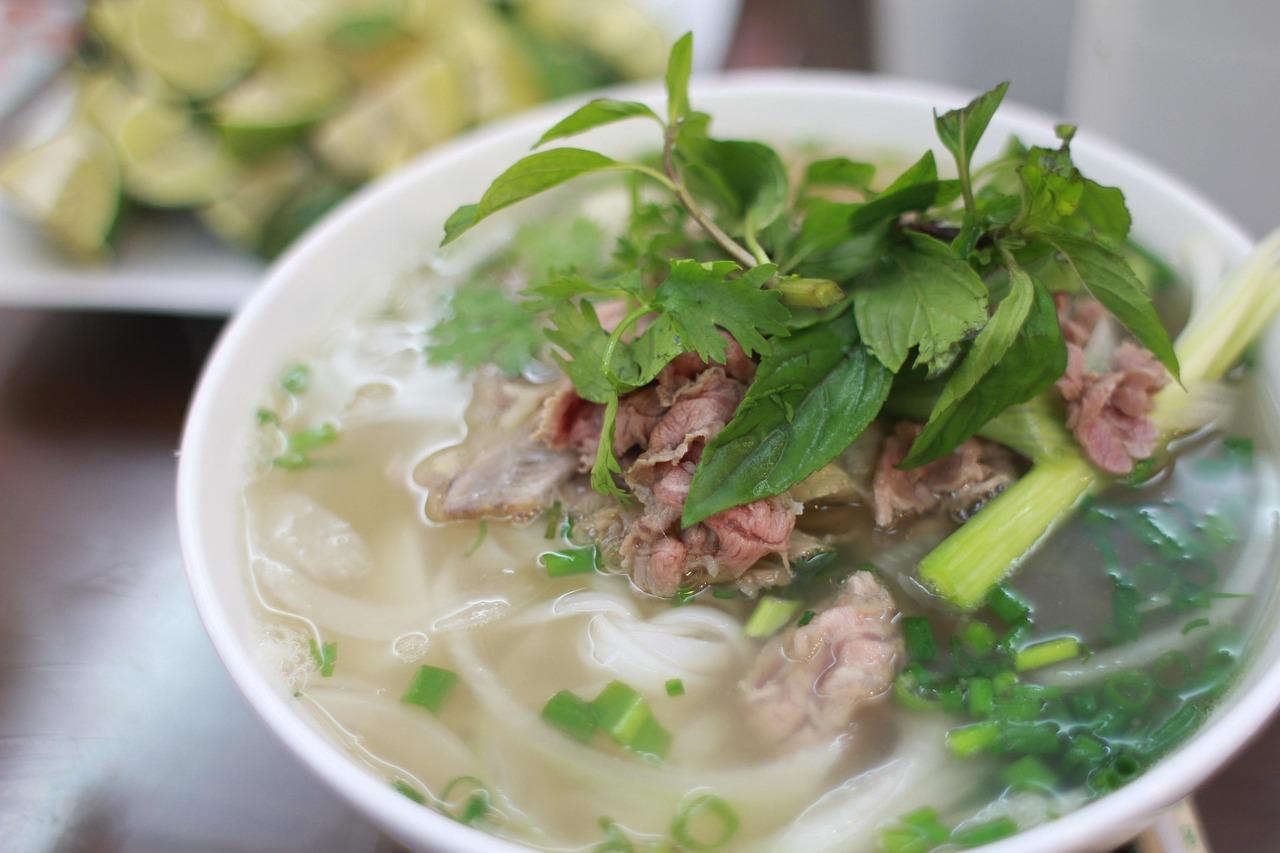
Pho boBeef noodle soup

Before Hanoi's offices open, pavement pho stalls are already busy, with diners on low plastic stools bent over bowls of rice noodles in a clear, spiced beef broth. The northern style is restrained: brisket and thin slices of raw beef that cook in the bowl, spring onion and a little coriander, with lime and chilli on the side rather than a heap of herbs and sauces. The work is in the broth, simmered slowly from bones with blackened onion and ginger and a small bag of toasted spices. Make it on a weekend; it keeps for three days and the bowls then take ten minutes. Chef's tip: char the onion and ginger until they are properly black in patches, because that smoky sweetness is what makes the broth taste of pho rather than plain beef stock.

by KrazyBadal 1 views

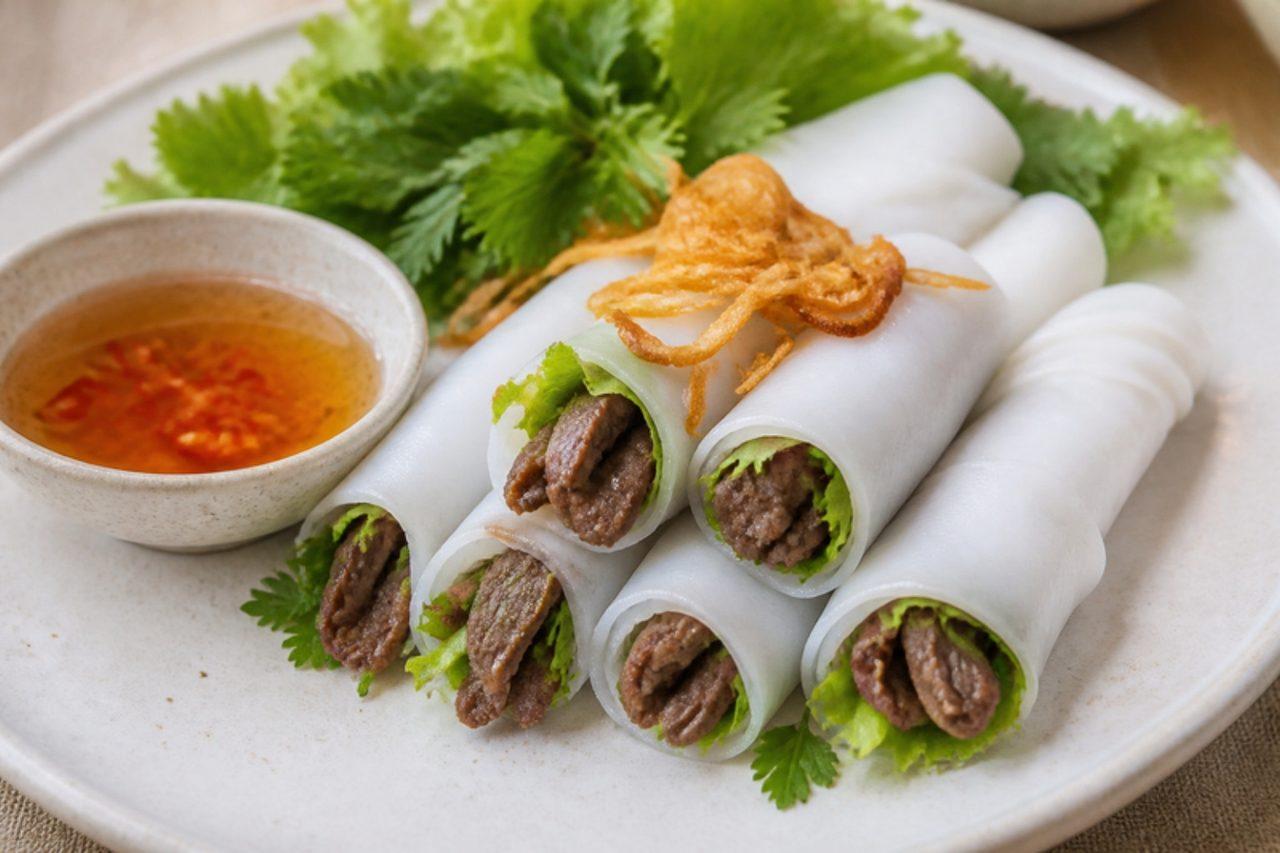
Pho cuonBeef rice noodle rolls

On Ngũ Xã, a little island of streets between Trúc Bạch lake and West Lake in Hanoi, whole rows of restaurants sell nothing but pho in different shapes, and phở cuốn is the one people order by the plateful in the evening. Instead of cutting the fresh rice-noodle sheet into ribbons, the cooks leave it whole and roll it round seared beef, lettuce and herbs. The rolls are soft, cool and slightly chewy, and you dip them in a light, sweet fish sauce with pickled carrot. Look for fresh rice-noodle sheets in the chiller of an Asian supermarket, often sold for Chinese ho fun. Chef's tip: if the sheets are stiff from the fridge, steam or microwave them for 30 seconds under a damp cloth before separating, or they tear.

by KrazyBadal 0 views

Pho gaChicken noodle soup

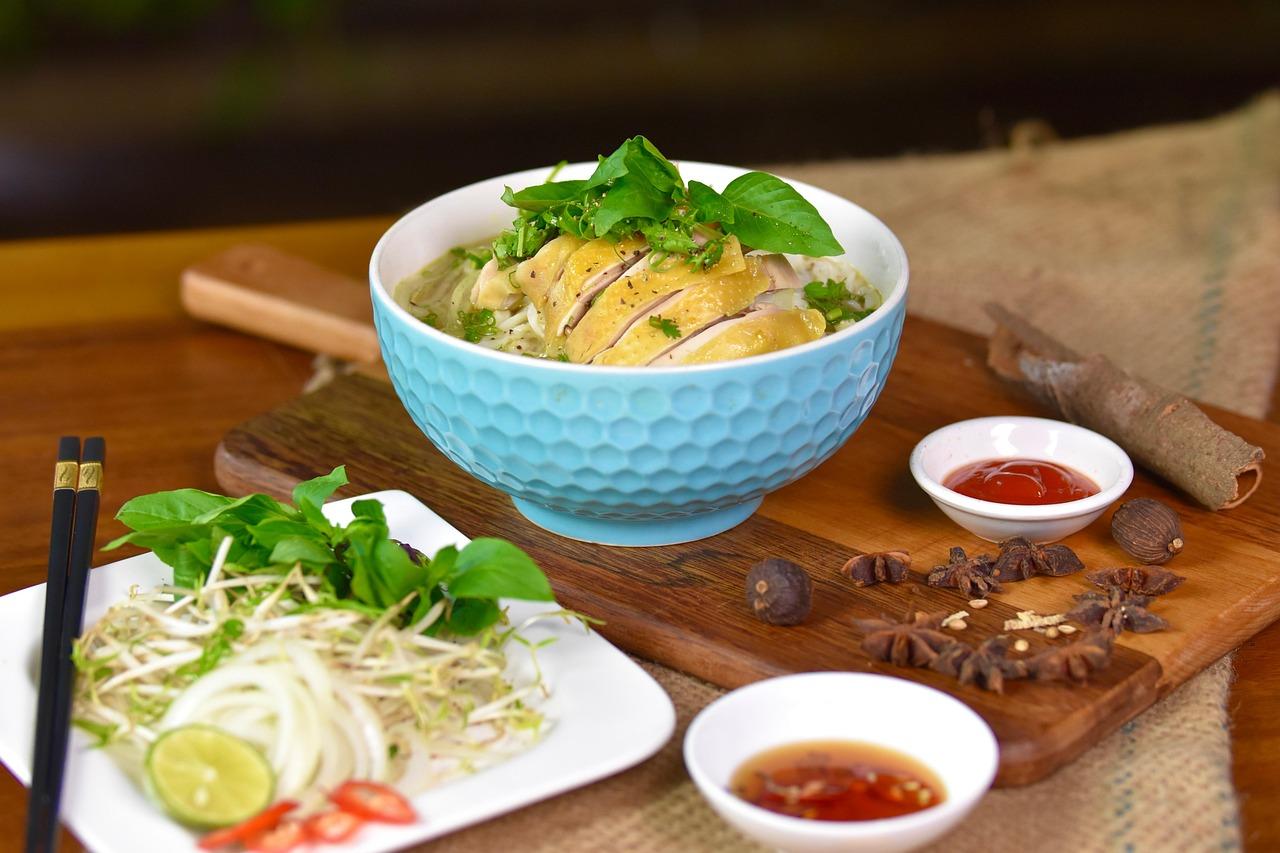
In Hanoi some shops sell nothing but chicken pho, and locals often choose it over beef for a gentler breakfast or a late bowl after an evening out. The broth is lighter than the beef version, made in about an hour from a whole bird with a few charred aromatics and only a hint of spice. The northern signature is a tangle of makrut lime leaf, cut as fine as thread, scattered over the hot chicken just before serving. It's a good first pho to make at home, since the timing is forgiving and the chicken poaches in the same pot. Chef's tip: plunge the cooked chicken into iced water for 5 minutes; the skin turns firm and slightly springy, the way Hanoi cooks like it.

by KrazyBadal 0 views

Phutkal saagStir-fried fig-tree leaves

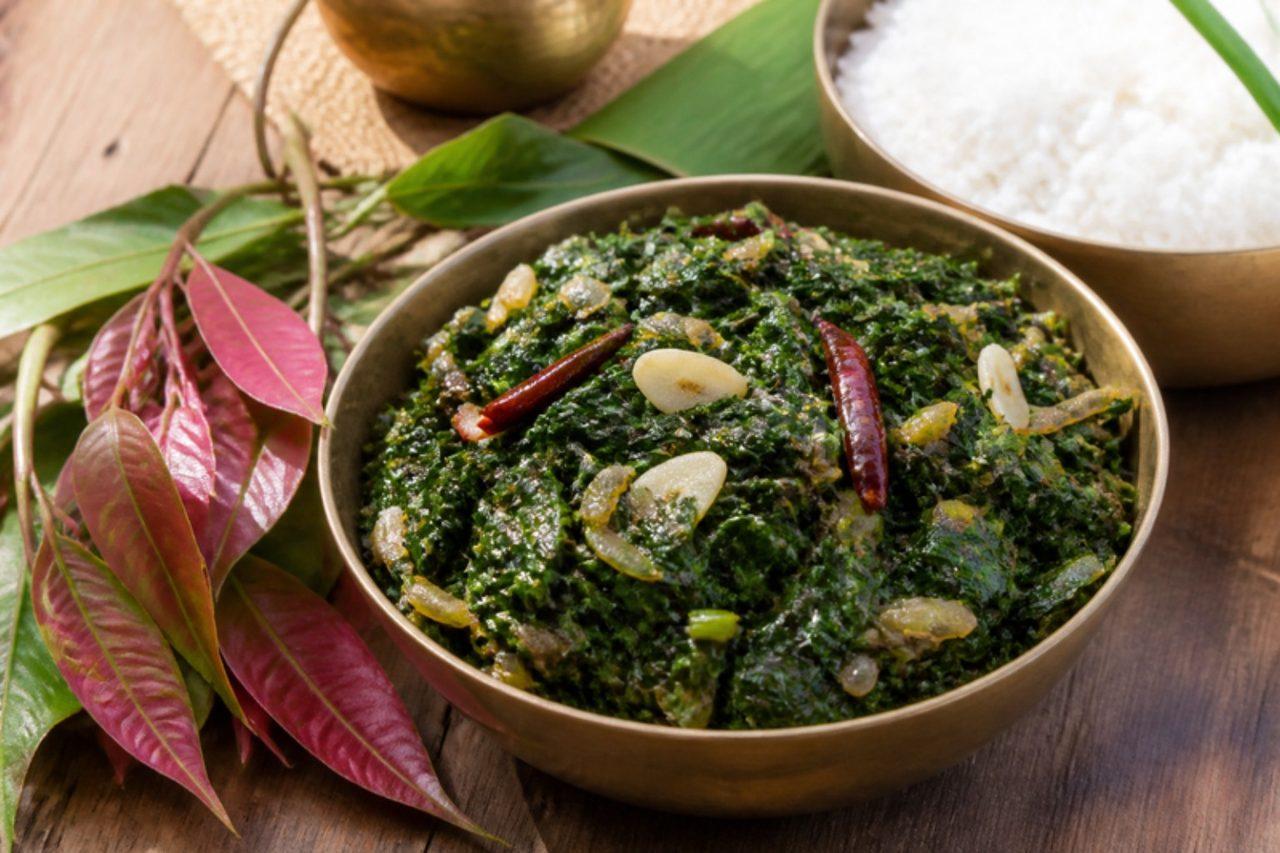
In spring, before the rains, the phutkal tree (a wild fig) puts out tender pink-green shoots, and women across Jharkhand climb or hook them down to cook as saag. The leaves are naturally sour, so the dish needs no tomato or tamarind: they are boiled, squeezed and fried with garlic, dried chilli and mustard oil. Much of the harvest is dried in the sun and sold in Ranchi markets to cook through the year, and dried phutkal is what most people outside the state can find. Chef's tip: boil and squeeze the leaves well; this tames any bitterness and keeps the saag from turning watery.

by KrazyBadal 0 views

PiadinaGriddled flatbread

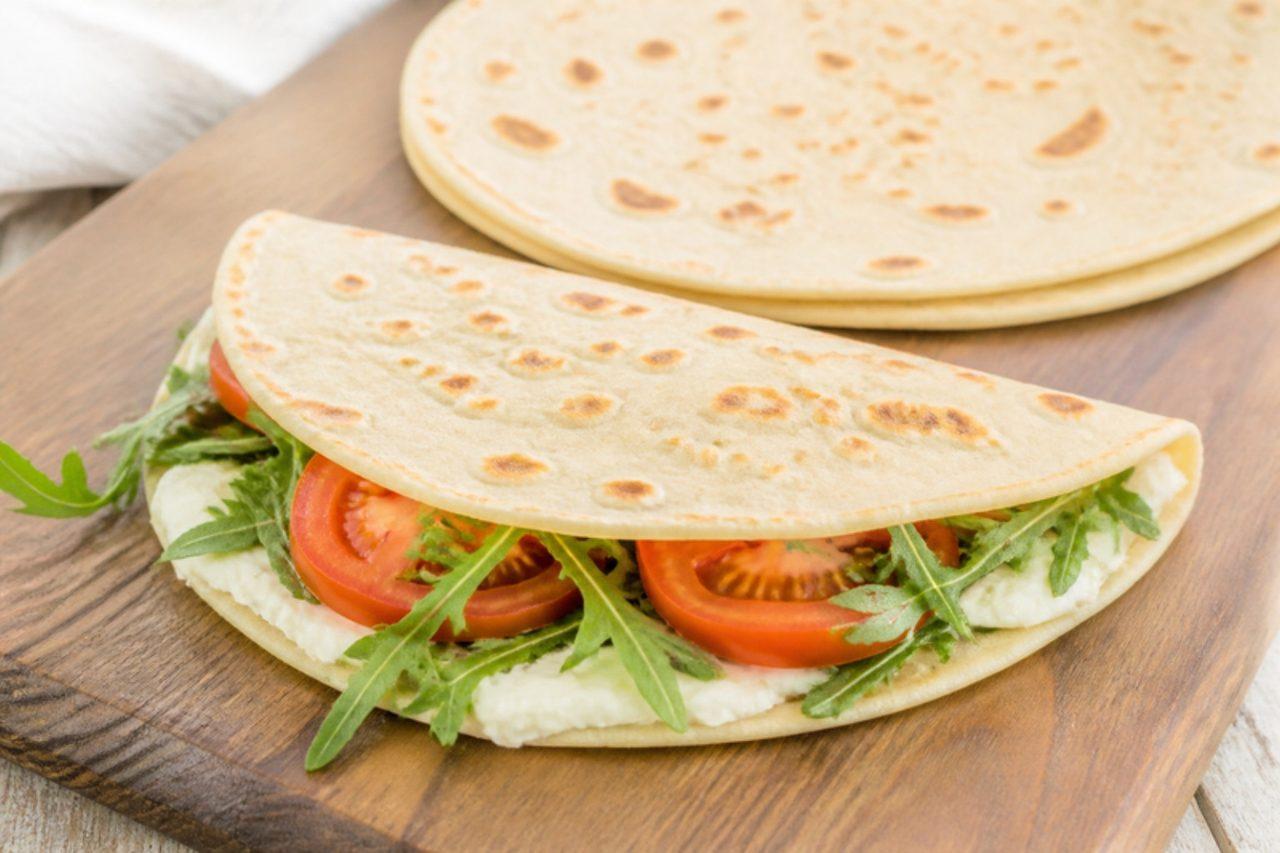
Piadina is Romagna's everyday bread, cooked on a hot griddle (traditionally a terracotta testo) in chalet-style kiosks from Rimini to Ravenna and eaten folded around soft squacquerone cheese and rocket, or with grilled vegetables. It needs no yeast and is ready in half an hour, which is why families make it at home for quick suppers. The old recipe uses lard; olive oil gives a lighter, vegetarian result. Chef's tip: let the griddle get properly hot and cook the piadina dry, without oil; you want brown freckles and a few blisters, not a fried bread.

by KrazyBadal 0 views

Pian'er chuan noodlesNoodle soup with pickled greens

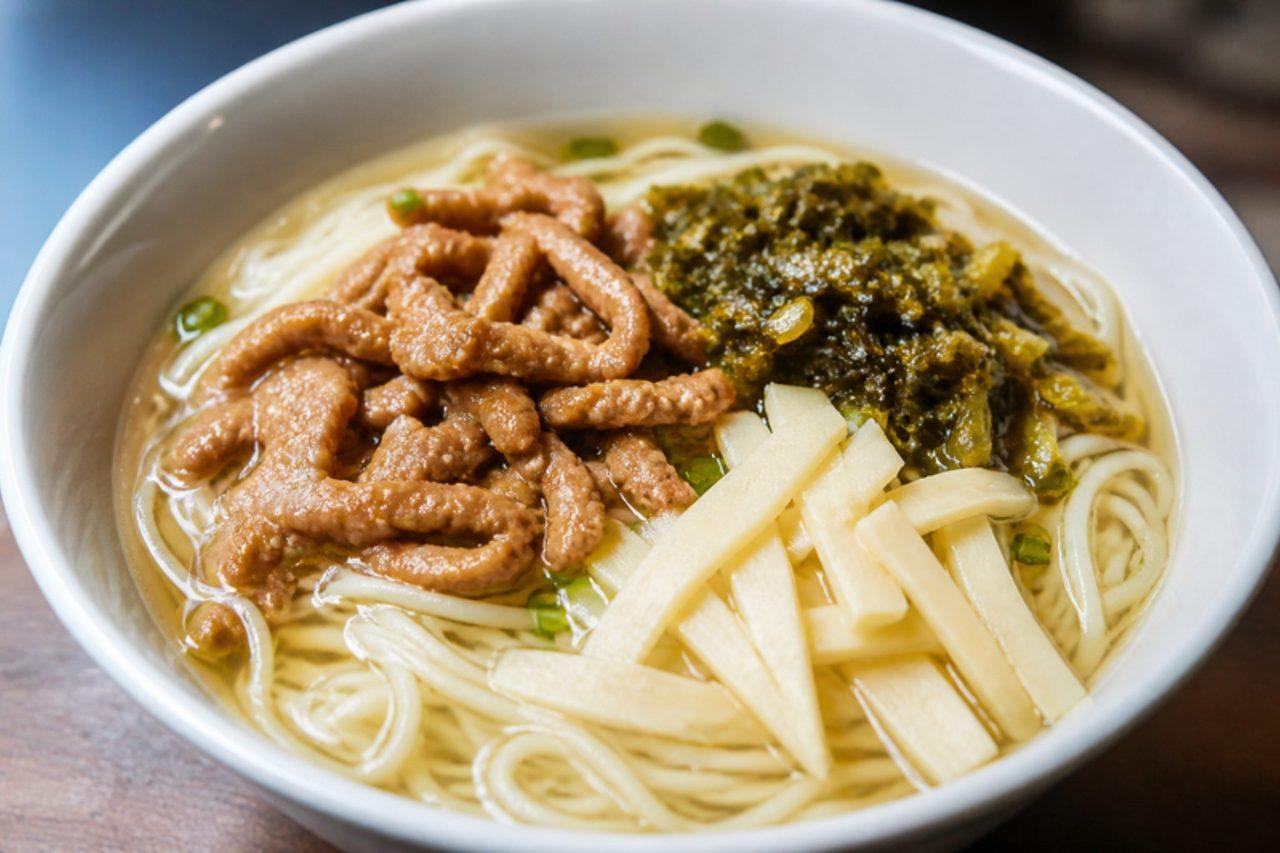
Ask a Hangzhou local what they eat at a noodle shop and the answer is often pian'er chuan, a quick bowl named for its sliced (pian) pork and bamboo that are flash-cooked (chuan) in the broth. Salty, crunchy pickled mustard greens give it its savoury depth, the bamboo adds a clean sweetness, and the thin noodles soak up a cloudy, peppery soup. It is everyday lunch food, eaten at speed. A common mistake is skipping the rinse on the pickled greens; unrinsed, they make the whole bowl too salty. Chef's tip: slice the pork as thinly as you can while it is half-frozen, so it cooks in seconds and stays tender.

by KrazyBadal 0 views

PiayaMuscovado-filled flatbread

Piaya is the sweet everyone brings home from Bacolod and the sugar-growing island of Negros: a thin, flaky round of unleavened dough with a layer of dark muscovado inside, cooked on a dry griddle until blistered, and dotted with sesame seeds. The sugar melts and turns chewy as it cools. It is eaten with coffee in the afternoon, and newer shops fill it with ube. Lard is traditional in the dough; vegetable shortening gives the same flakiness. Chef's tip: roll the filled dough gently from the centre outward and keep it thin, or the sugar bursts through.

by KrazyBadal 0 views

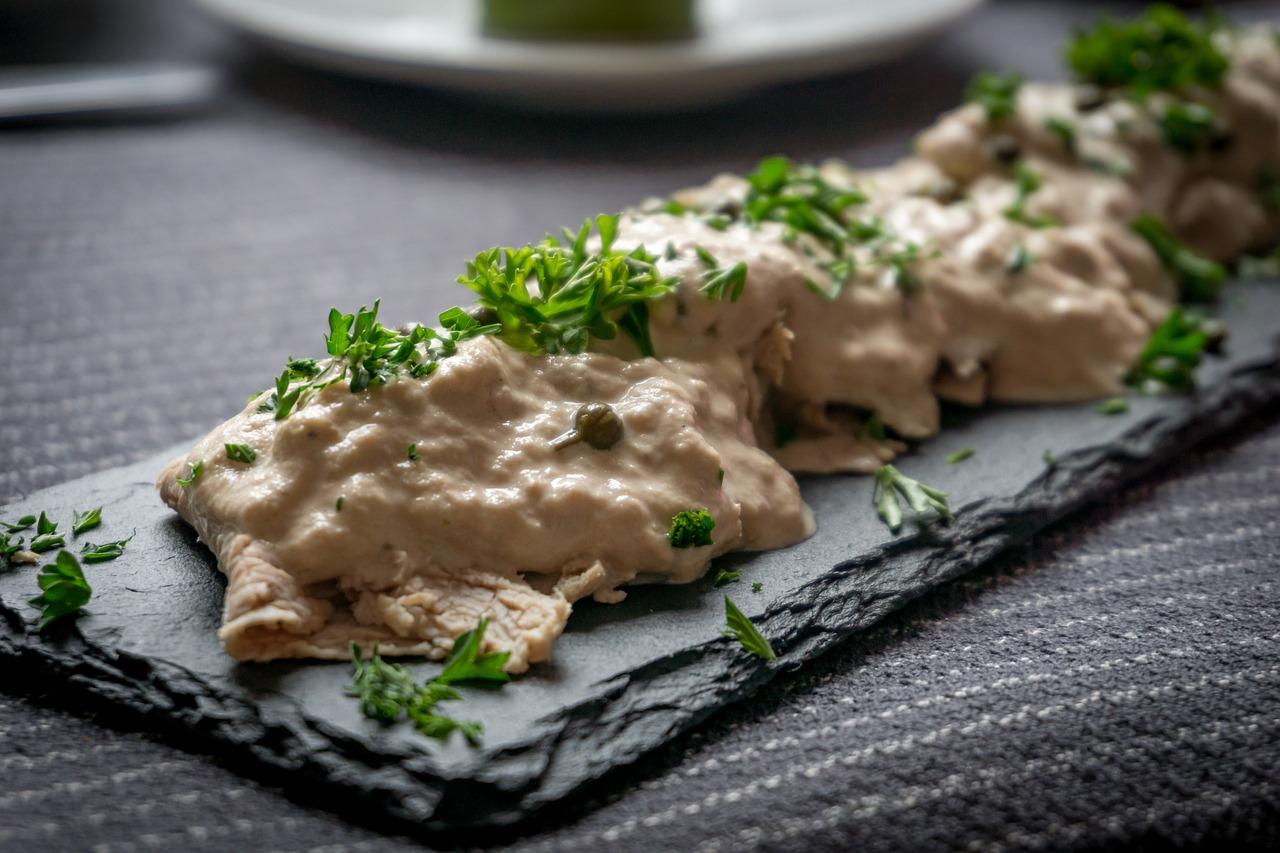
Vitello tonnatoVeal with tuna sauce

On the hottest days of a Piedmontese summer, and above all for the Ferragosto holiday in mid-August, families set out a platter of cold, thinly sliced veal hidden under a pale, velvety sauce of tuna, anchovy and capers. The combination sounds odd and tastes wonderful: tender, mild meat and a savoury, lemony sauce that is rich without being heavy. This version follows the older Piedmontese style, thickening the sauce with hard-boiled egg yolks and the veal's own poaching broth instead of raw-egg mayonnaise; if you prefer a mayonnaise base, use one made with pasteurised eggs. Serve it as a starter or a summer main with a green salad and bread. A common mistake is slicing the meat while warm; it frays and tears, so chill it first and cut it as thin as you can. Chef's tip: assemble it the evening before; overnight in the fridge, the sauce seeps into the meat and the flavours settle together.

120 minItalianMeatGluten free
by KrazyBadal 0 views

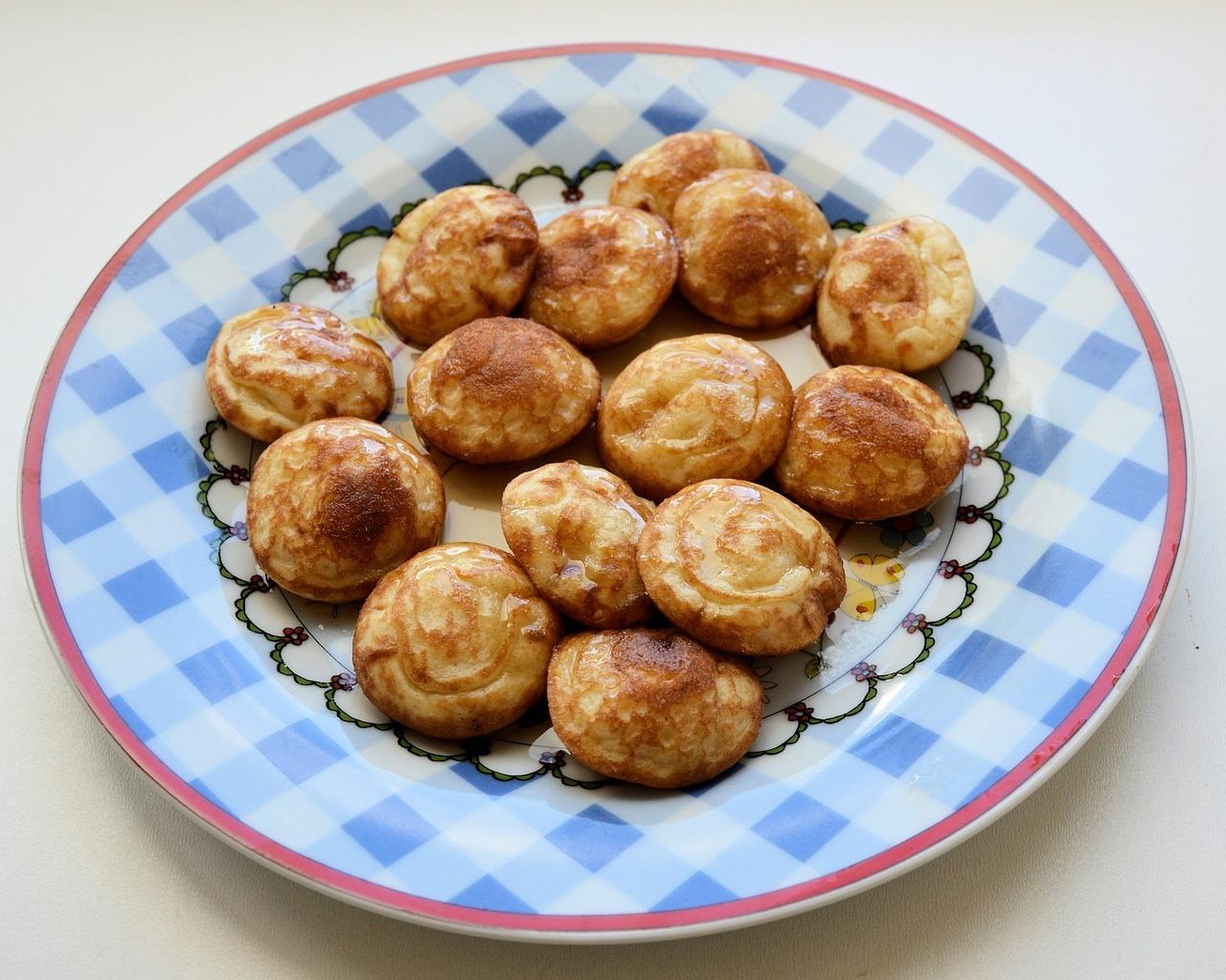
VitumbuaCoconut cardamom rice pancakes

Small, round Swahili rice pancakes made from a yeasted batter of rice flour, coconut milk, grated coconut, sugar and cardamom. They're crisp and golden outside, soft and spongy inside. Serve hot with tea.

by KrazyBadal 0 views

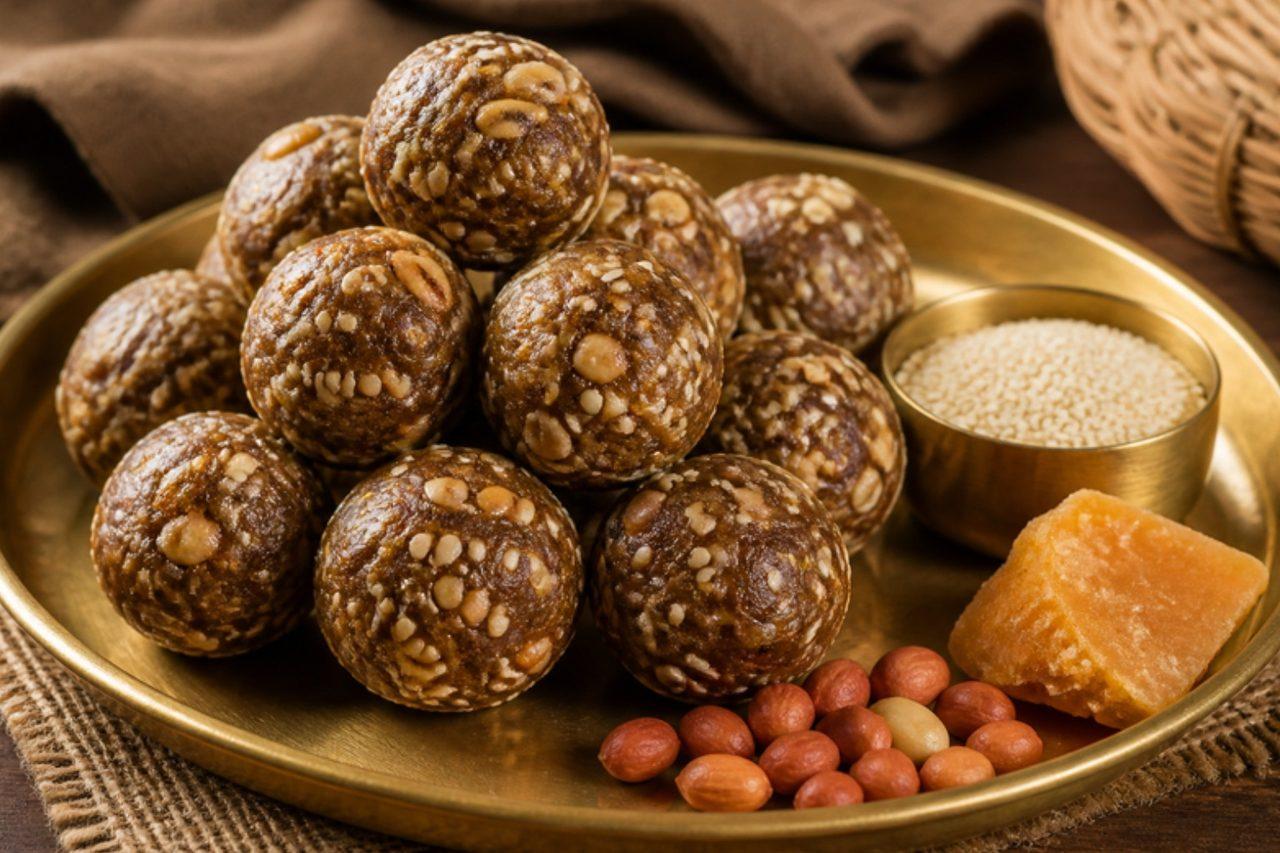
Mahua ladduMahua flower balls

Mahua trees flower across Jharkhand in March and April, and before dawn whole families gather the fallen, creamy, honey-scented flowers from the forest floor and dry them in the sun. In Santhal, Munda and Oraon homes, the dried flowers are roasted and pounded with sesame and peanuts into laddus that need almost no added sugar, a store-cupboard sweet for the lean months and for festivals like Sarhul. They taste of raisins, caramel and toasted nuts. Chef's tip: roast the flowers until they puff slightly and smell like caramel; underroasted mahua tastes raw and slightly bitter.

by KrazyBadal 0 views

Picadillo vegetarianoLentil and mushroom picadillo

Picadillo a la habanera is Havana's everyday savoury hash, sweet with raisins, salty with olives and capers and sharp with tomato and sofrito. This vegetarian version swaps the meat for brown lentils and finely chopped mushrooms, which give the same crumbly, juicy texture and a deep savoury flavour. Spoon it over white rice with fried ripe plantain, or use it to fill empanadas and stuffed peppers. Chef's tip: let the mushrooms fry until all their liquid has gone and they turn brown; that browning is what makes it taste rich.

by KrazyBadal 0 views

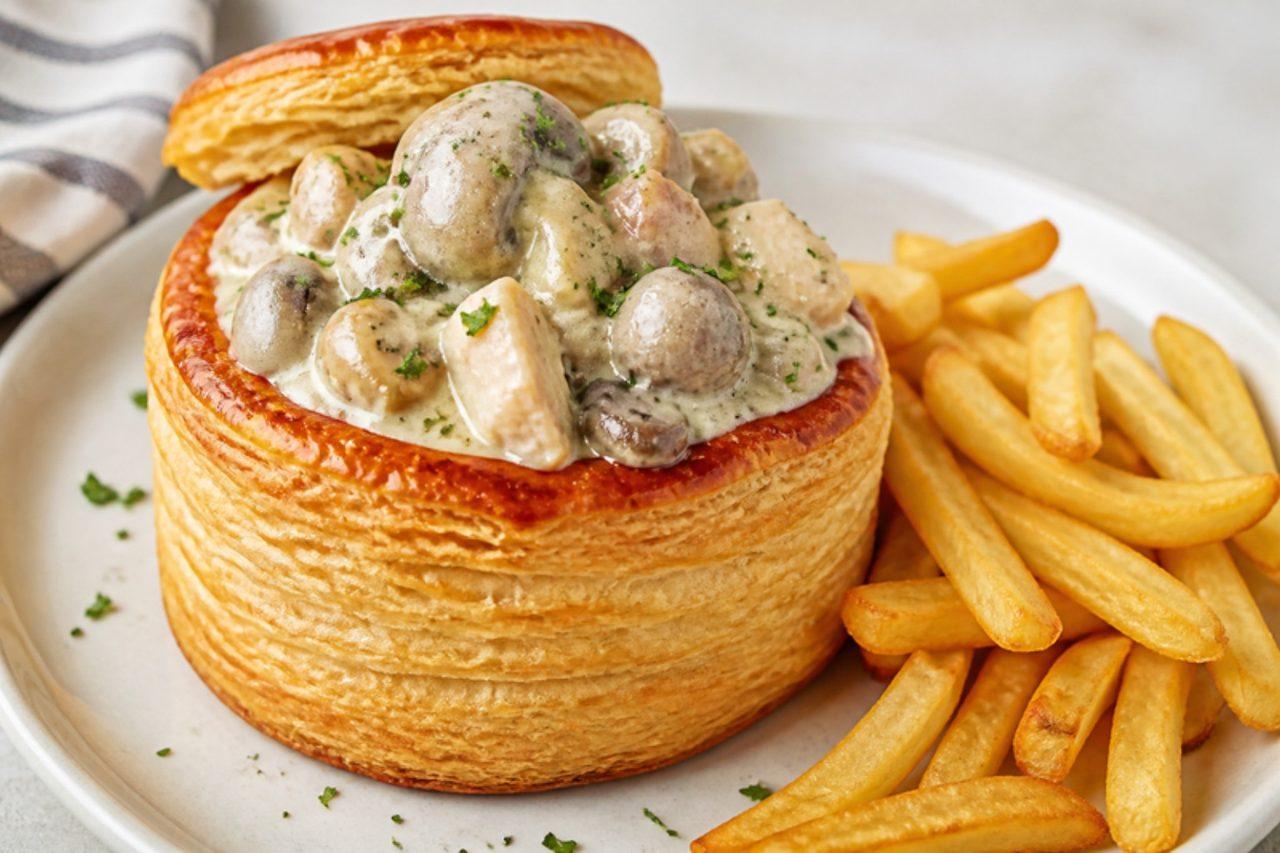
Vol-au-ventChicken and mushroom pastry cases

In Belgium a vol-au-vent is not a party nibble but a full plate: a big puff-pastry case filled with creamy chicken ragout, button mushrooms and tiny meatballs, served with chips in Brussels brasseries and for family celebrations and Sunday lunches all over the country. The little meatballs are made with pork mince, so this dish contains pork. The sauce is built on the poaching stock from the chicken, which gives it far more flavour than milk. A mistake many cooks make is filling the pastry too early, so the base turns soggy; fill the cases just before they go to the table. Chef's tip: poach the meatballs in the same stock as the chicken; they take just 5 minutes and season the broth further.

by KrazyBadal 0 views

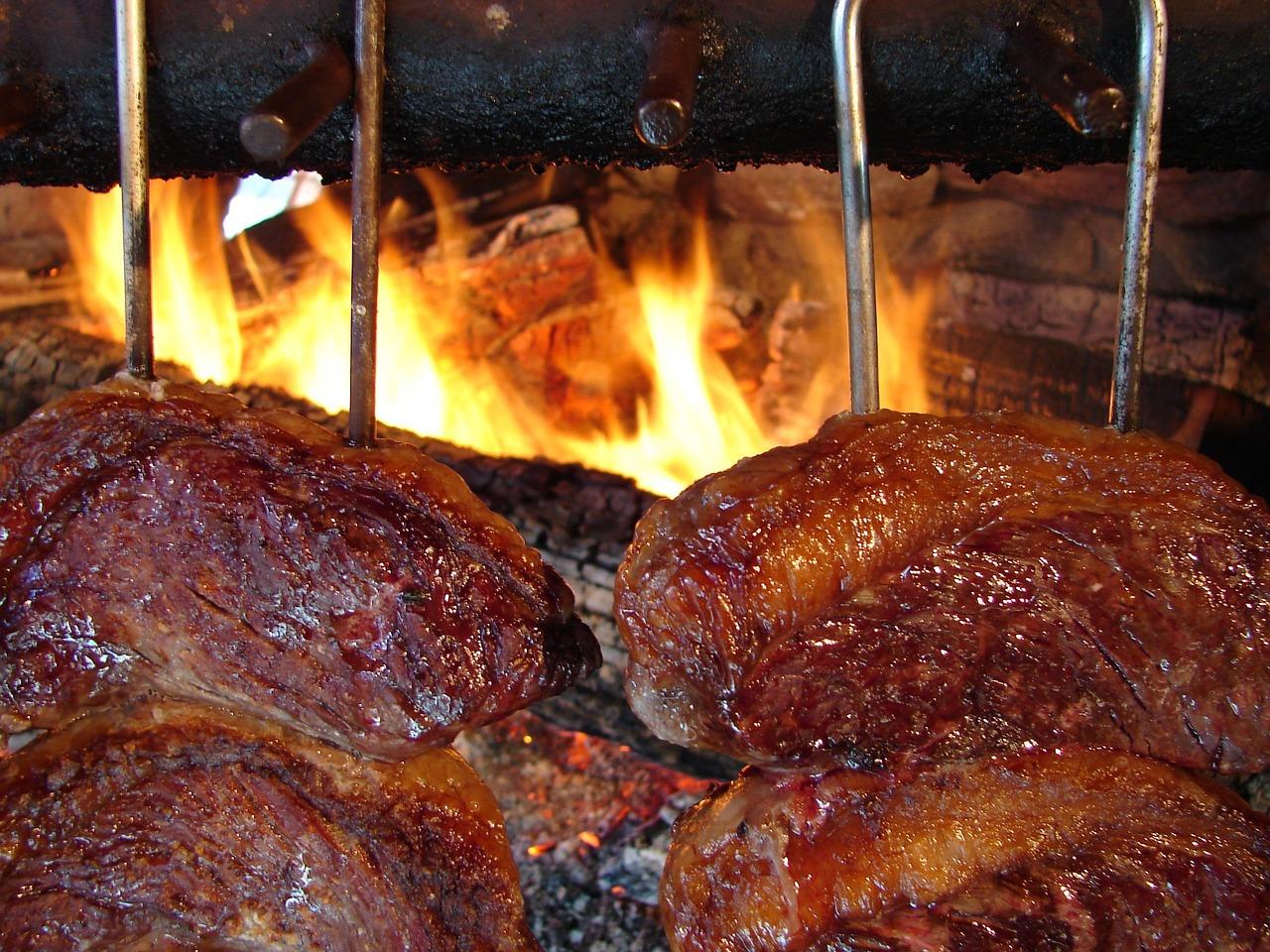
Picanha churrascoGrilled beef rump cap

Picanha, the rump cap with its thick white fat layer, is the cut Brazilians prize most at a churrasco. The tradition comes from the gaúchos, the cattle herders of Rio Grande do Sul, and lives on in Sunday family barbecues in the south and in churrascarias across the country, where waiters carry the meat from table to table on long skewers. It is seasoned with nothing but coarse rock salt (sal grosso) and cooked over charcoal with the fat left on, so it bastes the meat. You can fold thick steaks into a C shape on skewers, as in the churrascarias, or grill them flat. Chef's tip: before slicing, knock the excess salt off with the back of a knife; the crust keeps just enough.

by KrazyBadal 0 views

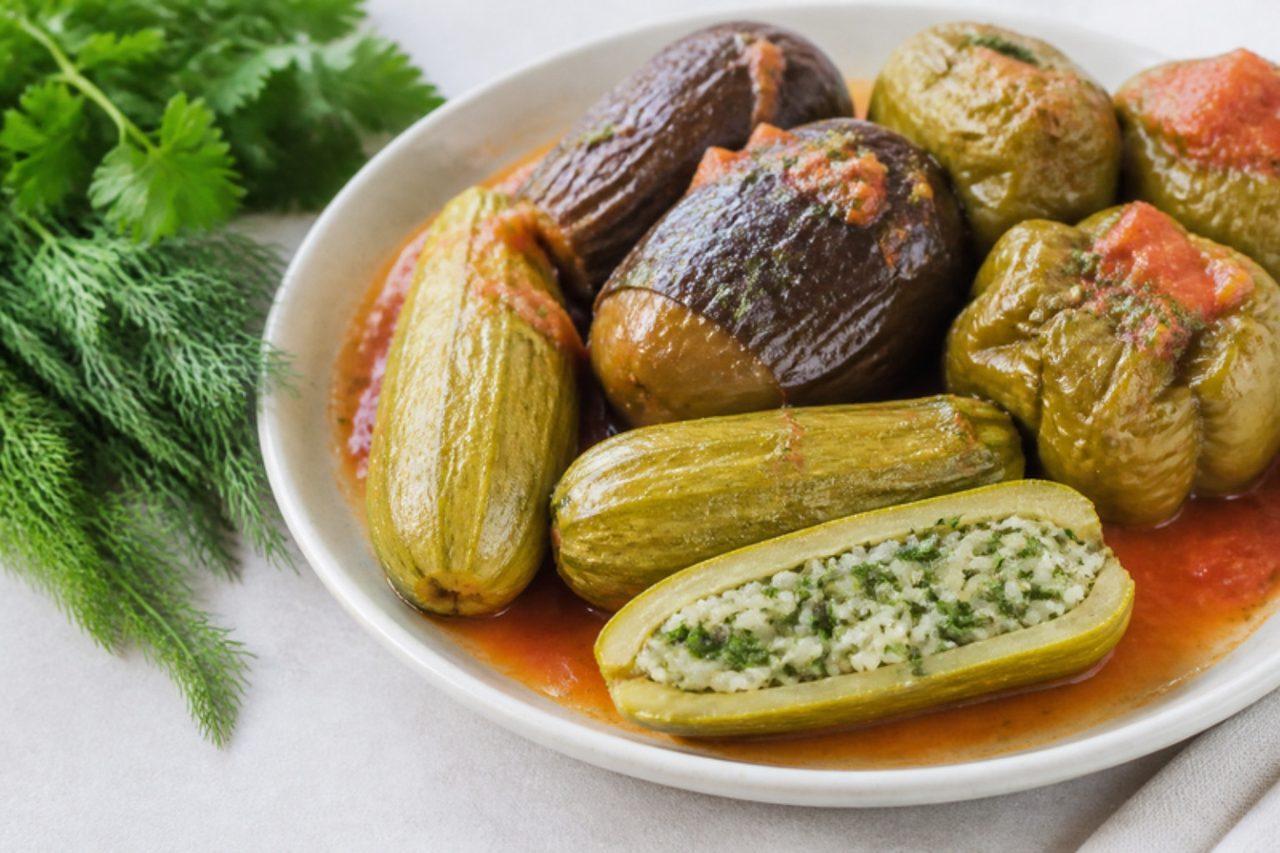
MahshiStuffed vegetables

Mahshi is the pride of the Egyptian home kitchen: a big pot of courgettes, small aubergines, peppers and tomatoes, hollowed out and stuffed with short-grain rice, tomato, onion and a fistful of dill, parsley and coriander, then packed tightly and simmered in tomato broth. It turns up for Friday family lunches and on feast days, and making it is often a shared afternoon job around the kitchen table. Some families add minced meat to the stuffing; this version is the everyday vegetable-and-rice one. Chef's tip: fill each vegetable only three-quarters full; the rice swells as it cooks, and overstuffed vegetables burst and leave hard, undercooked rice in the middle.

by KrazyBadal 0 views

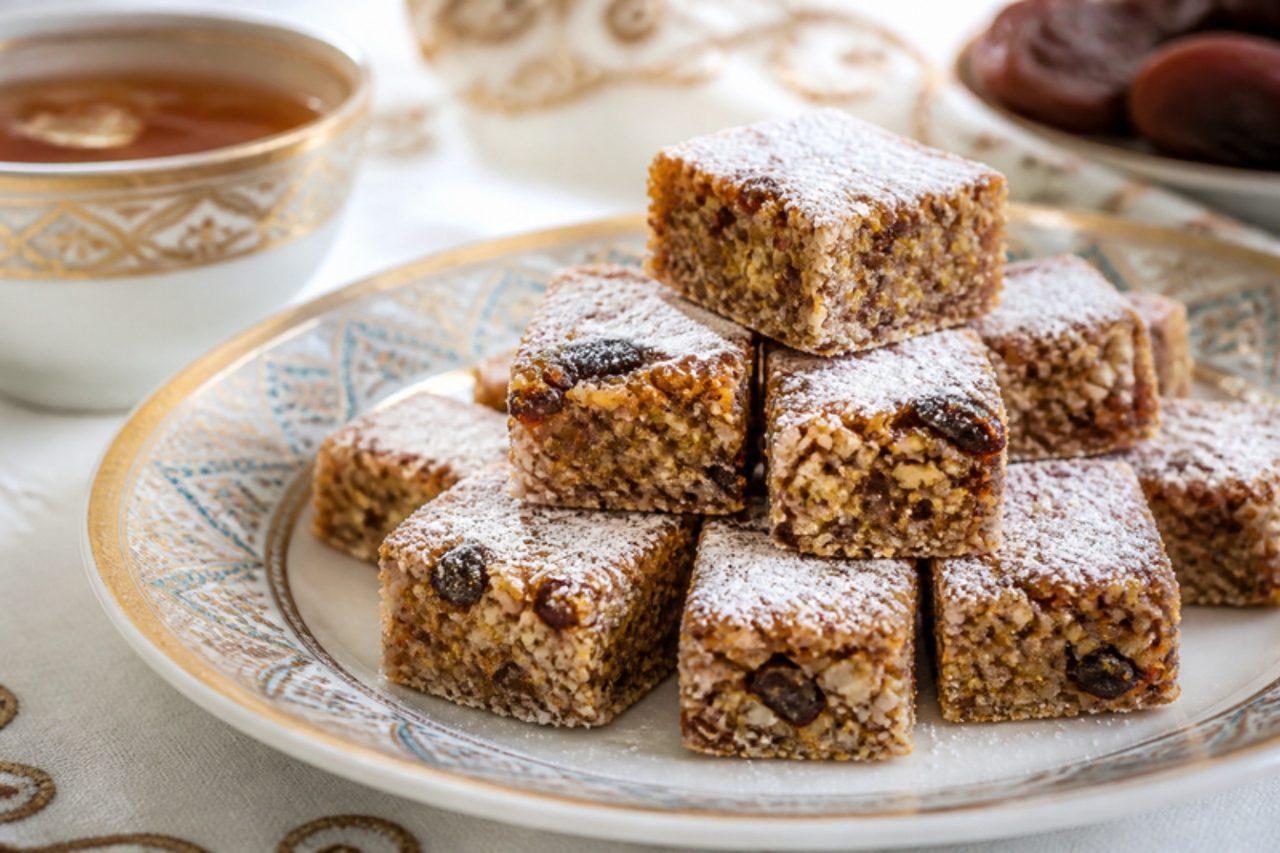
ZhentToasted millet and honey sweet

Zhent is one of the oldest Kazakh sweets: toasted millet (tary) pounded with dried kurt, dates or raisins, and bound with butter and honey into a crumbly, rich square. Herders made it to carry on long rides, and today it appears on the dastarkhan at Nauryz and weddings in southern Kazakhstan, beside baursak and dried fruit. It tastes nutty, salty-sour from the kurt and sweet, a bit like shortbread with a sharp edge. Chef's tip: toast the millet in a dry pan until it pops and smells like popcorn; under-toasted millet tastes raw and grassy.

by KrazyBadal 0 views

PicaronesSweet potato and squash doughnuts

Picarones are Lima's favourite street sweet, fried to order at stalls in the parks and outside churches, especially in October during the Señor de los Milagros processions. The light, chewy rings are made from a yeasted dough of sweet potato and squash, scented with anise, fried until crisp and drenched in miel de chancaca, a dark syrup of unrefined cane sugar with orange peel, cinnamon and cloves. They are eaten hot, straight from the oil, with plenty of syrup. Chancaca is sold in Latin shops; dark muscovado or piloncillo makes a very good syrup too. Chef's tip: the dough should be very soft and sticky, like a thick batter; resist adding more flour, or the picarones turn heavy and bready.

by KrazyBadal 0 views

Vegetarian vori voriCornmeal dumpling and vegetable soup

Vori vori is the soup Paraguayan grandmothers make on cold June and July evenings: a golden broth full of bori, small balls of cornmeal and cheese that swell soft as they simmer. The name is a Guaraní take on the Spanish 'bolita' (little ball). It's usually made with hen; this version gets its colour and body from pumpkin, carrot and a sofrito with saffron or turmeric. Chef's tip: shape the balls no bigger than a hazelnut; they double in size and larger ones stay raw inside.

by KrazyBadal 0 views

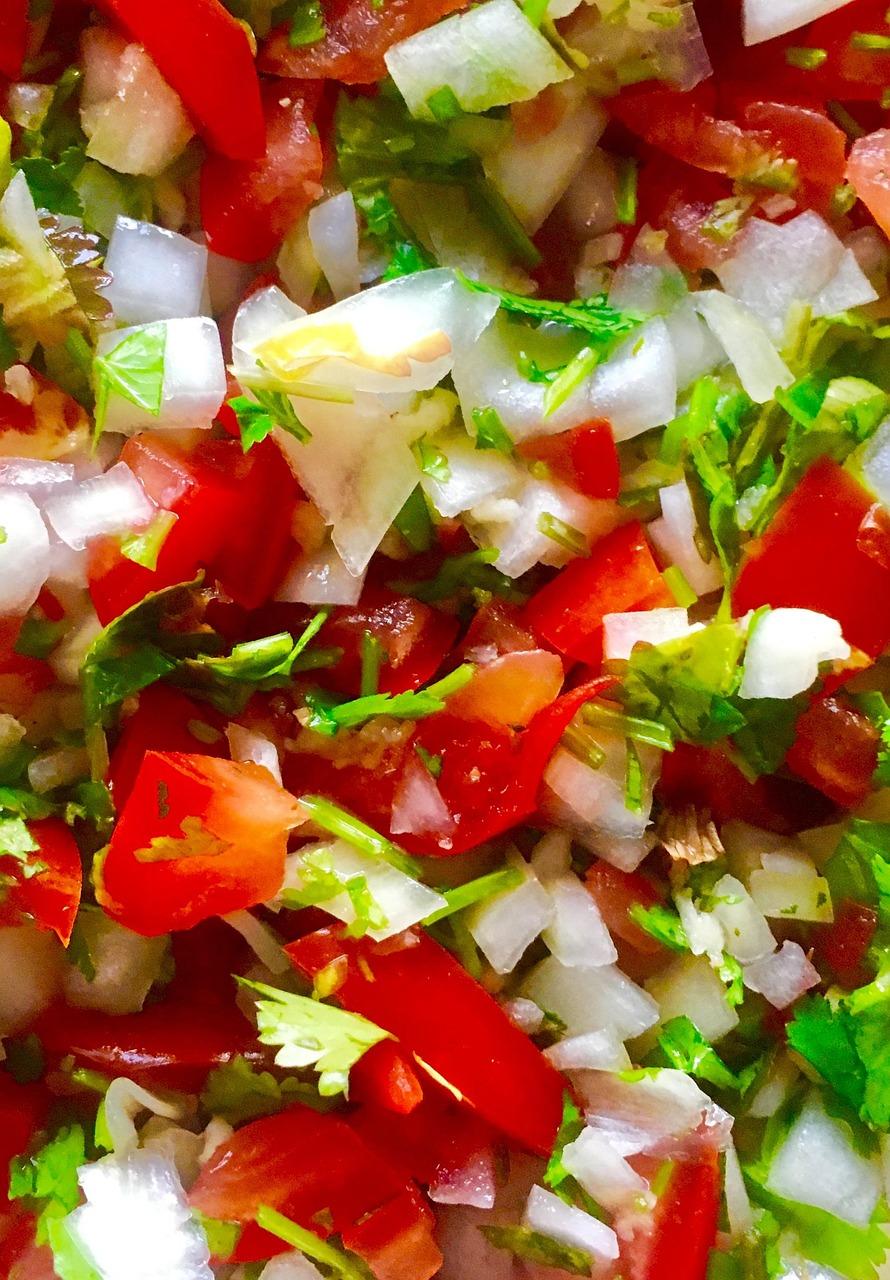
Pico de galloFresh tomato salsa

Pico de gallo, also called salsa fresca or salsa mexicana, is the fresh, uncooked salsa that sits on every Mexican table: diced ripe tomato, white onion, serrano chilli and coriander, brightened with lime juice and salt. It is crunchy, juicy and clean-tasting, with just enough heat, and goes with tacos, quesadillas, eggs, beans, rice and tortilla chips. It is best within an hour of making. Chef's tip: add the salt just before serving; salt draws water out of the tomatoes and leaves the salsa sitting in a puddle.

by KrazyBadal 0 views

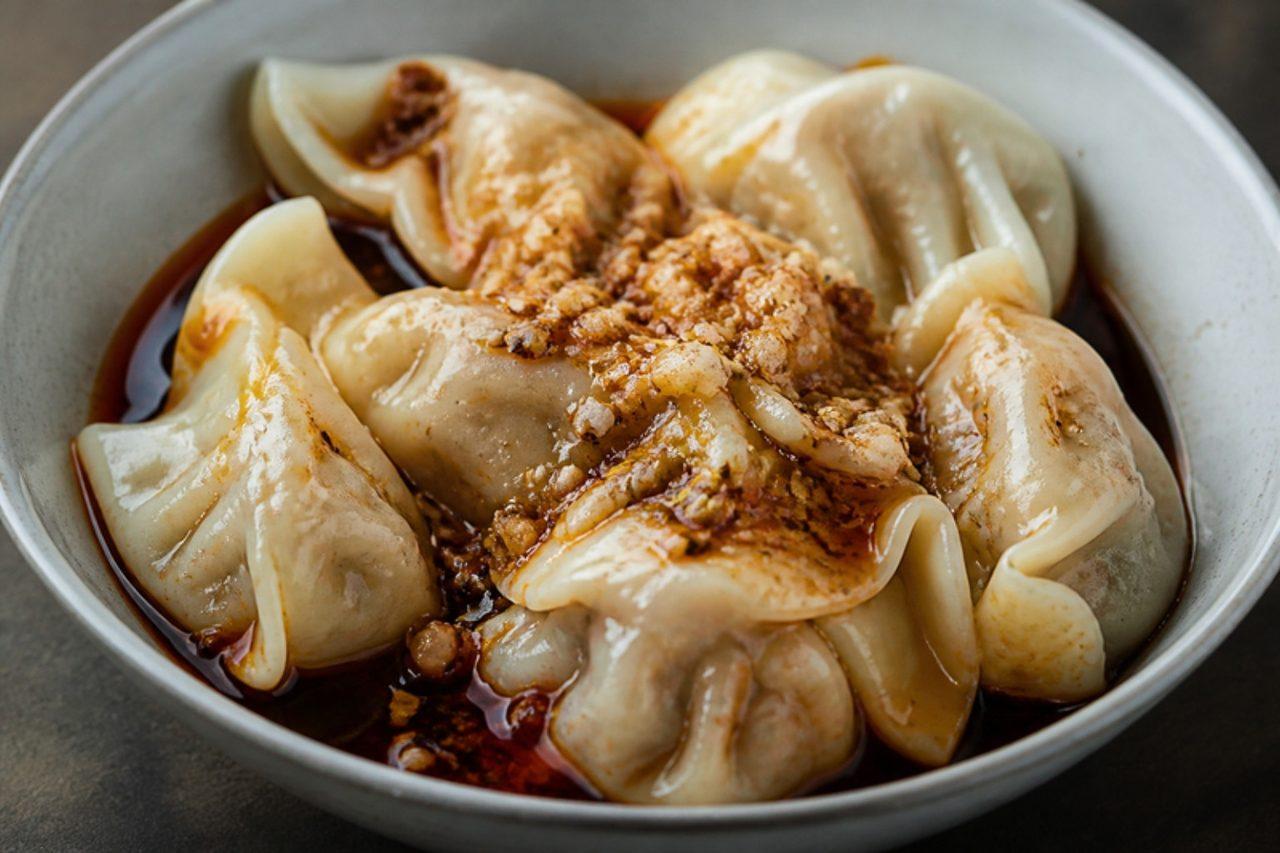
Zhong dumplingsPork dumplings in chilli oil

A snack shop opened by a Mr Zhong in Chengdu in the 1890s still serves these little half-moon dumplings, and every teahouse snack menu in the city has a version. Unlike northern dumplings, they hold only pork, no cabbage or chives, so the filling is soft, juicy and gingery. The magic is the sauce: a spiced, syrupy soy sauce simmered with brown sugar, star anise and cinnamon, spooned over with fiery chilli oil and a punch of raw garlic, so each bite is sweet, salty, hot and pungent at once. Eat them as an afternoon snack or a starter before noodles. Chef's tip: make the sweet soy sauce first; it keeps in the fridge for a month and is just as good on noodles or a plate of greens.

by KrazyBadal 0 views

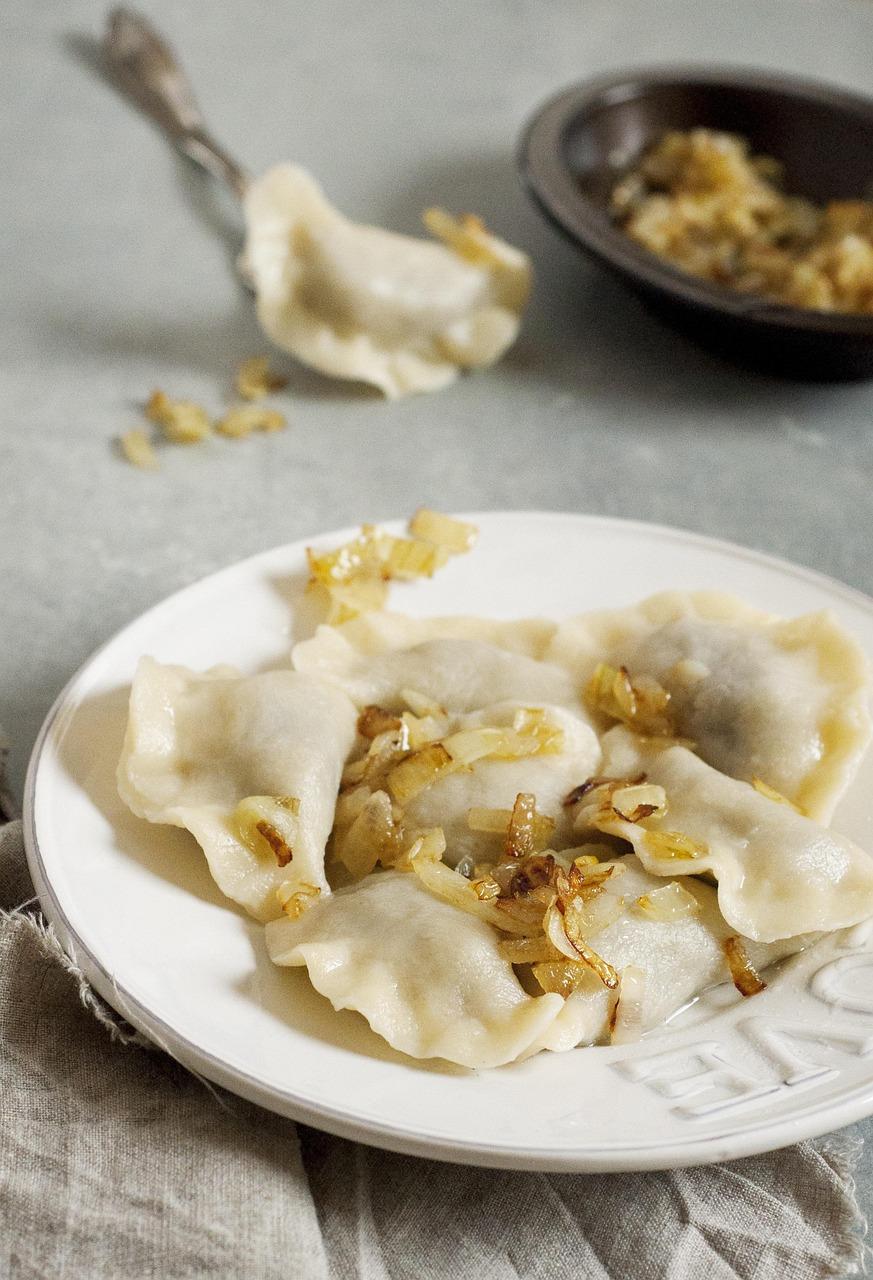
Pierogi ruskiePotato and cheese dumplings

Pierogi ruskie take their name from Red Ruthenia, the old borderland around Lwów and Przemyśl, and today they are the pierogi every Polish milk bar (bar mleczny) from Kraków to Gdańsk keeps on the menu. The filling is the Polish one: floury potato mashed with crumbly twaróg curd cheese, plenty of slowly browned onion and a lot of black pepper, wrapped in a thin, soft dough. Kraków even holds a pierogi festival every August, and ruskie are always the best sellers. Serve them boiled with more golden onion and a spoon of soured cream, or fry leftovers in butter the next day. Chef's tip: let the filling cool completely and taste it before you fill a single dumpling; it should taste over-seasoned on its own, because the dough mutes it.

by KrazyBadal 0 views

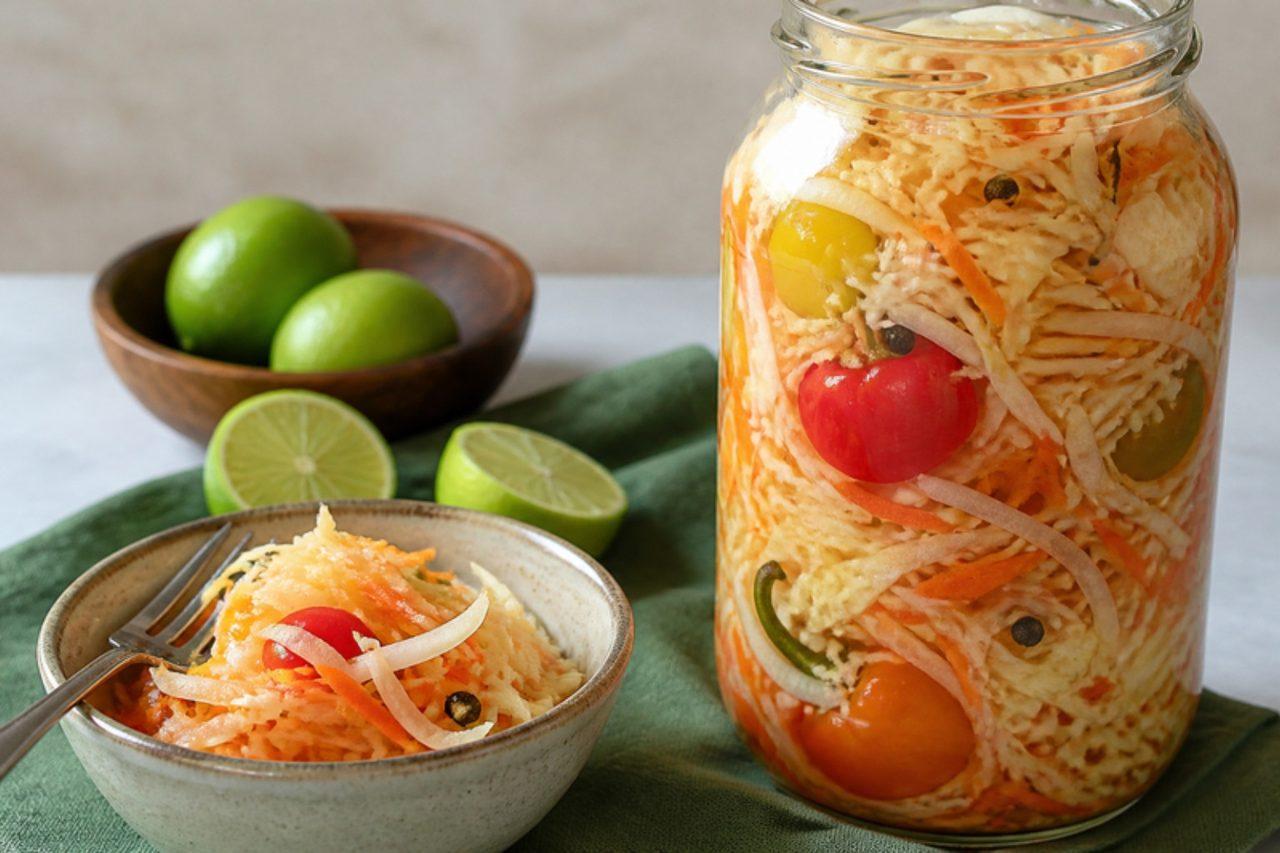
PiklizSpicy pickled cabbage

Pikliz is the fiery slaw-pickle that sits on every Haitian table, in a big glass jar in the middle, and no plate of fried food in Haiti is served without it: it's spooned over fried plantain (bannann peze), fritters and rice. Shredded cabbage, carrot, onion and peppers are packed with hot scotch bonnets, cloves and peppercorns, then drowned in vinegar and lime. After a few days it is crunchy, sour and properly hot, and the vinegar itself becomes a hot sauce you sprinkle over everything. Chef's tip: slice the scotch bonnets thinly rather than leaving them whole; the heat spreads evenly through the jar and every forkful has a kick.

by KrazyBadal 0 views

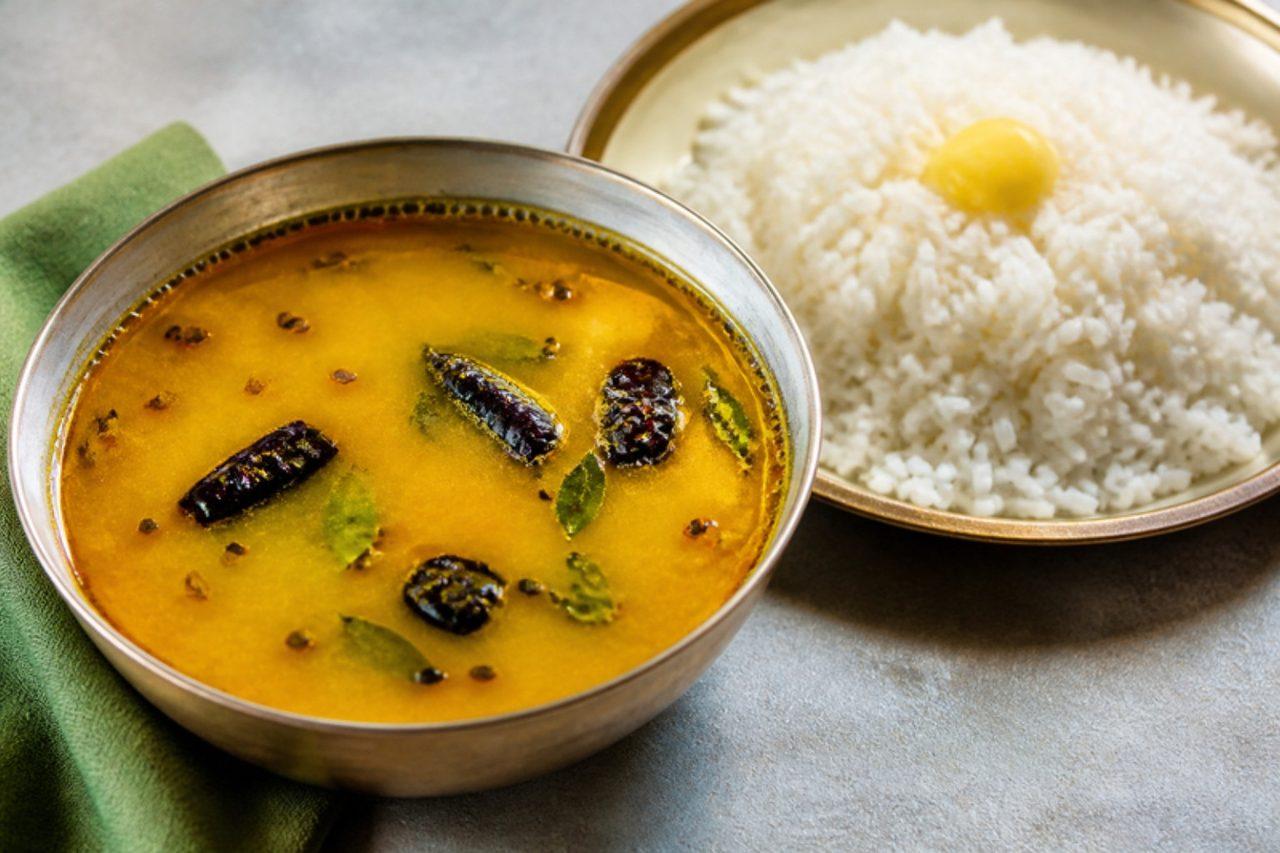
Maharashtrian aamtiSweet and sour dal

Aamti is the everyday dal of Maharashtrian homes from Pune to Kolhapur: toor dal cooked soft, soured with kokum, sweetened with a little jaggery and seasoned with goda masala, the dark, aromatic spice blend of the state. It's thinner than a Punjabi dal and has a gentle sweet-sour-hot balance. Before the tempering goes in, many cooks scoop out a bowl of the plain cooked dal for varan bhaat, the simple turmeric-yellow dal with rice, ghee and lemon that every Maharashtrian child grows up on and that starts every festive thali. Chef's tip: add the kokum near the end and taste after 5 minutes; it keeps releasing sourness, and it's easy to overshoot.

by KrazyBadal 0 views

ZhugGreen chilli and coriander sauce

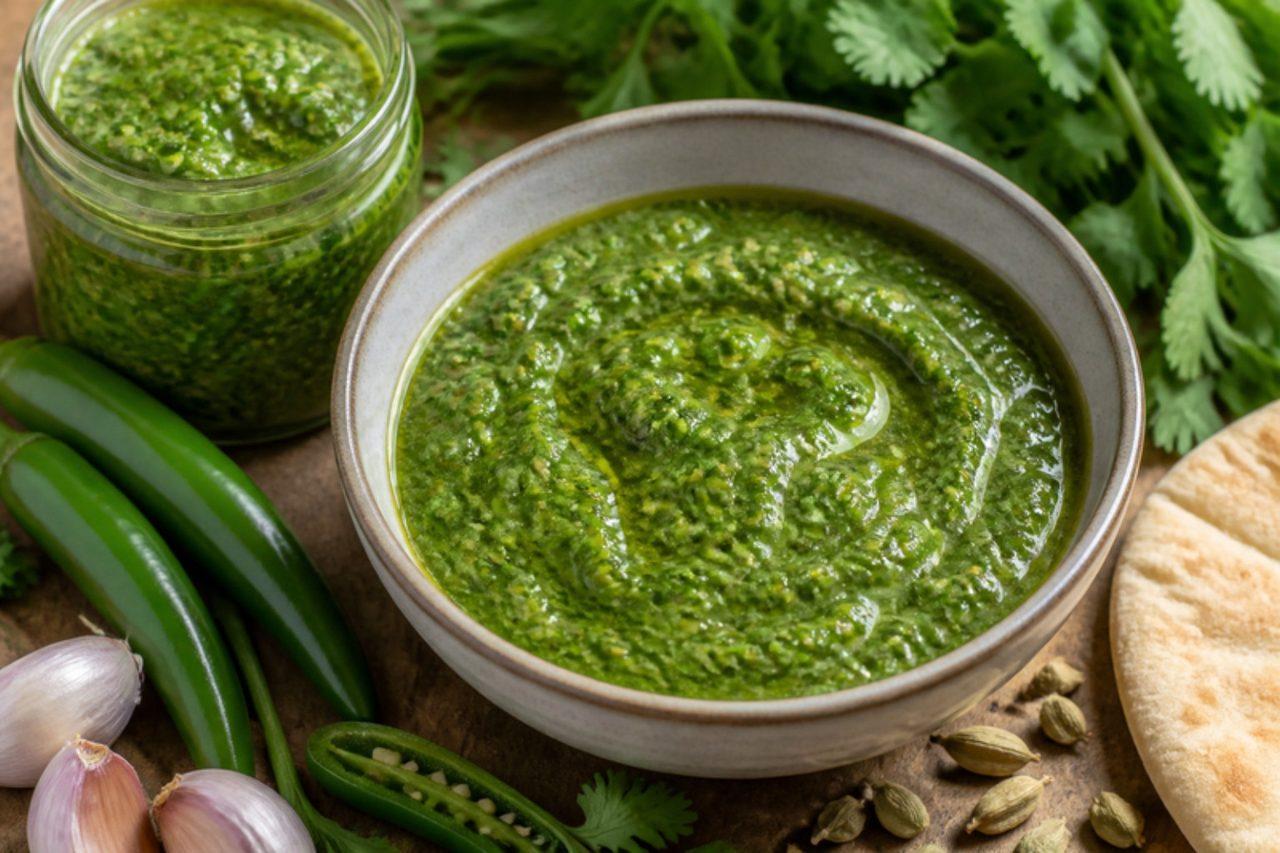
Zhug is the sauce Yemenite Jews brought to Israel, and now it sits beside the tahini and amba at every falafel and sabich stand in Tel Aviv and Jerusalem. Fresh green chillies are ground with a big bunch of coriander, garlic, cumin and cardamom into a bright green, punchy relish with a slow, warming heat. Spoon a little into soup, onto eggs, over jachnun or into a pita. Chef's tip: dry the herbs thoroughly after washing; wet leaves make a watery zhug that goes brown in the fridge.

by KrazyBadal 0 views

Maharagwe ya naziRed beans in coconut milk

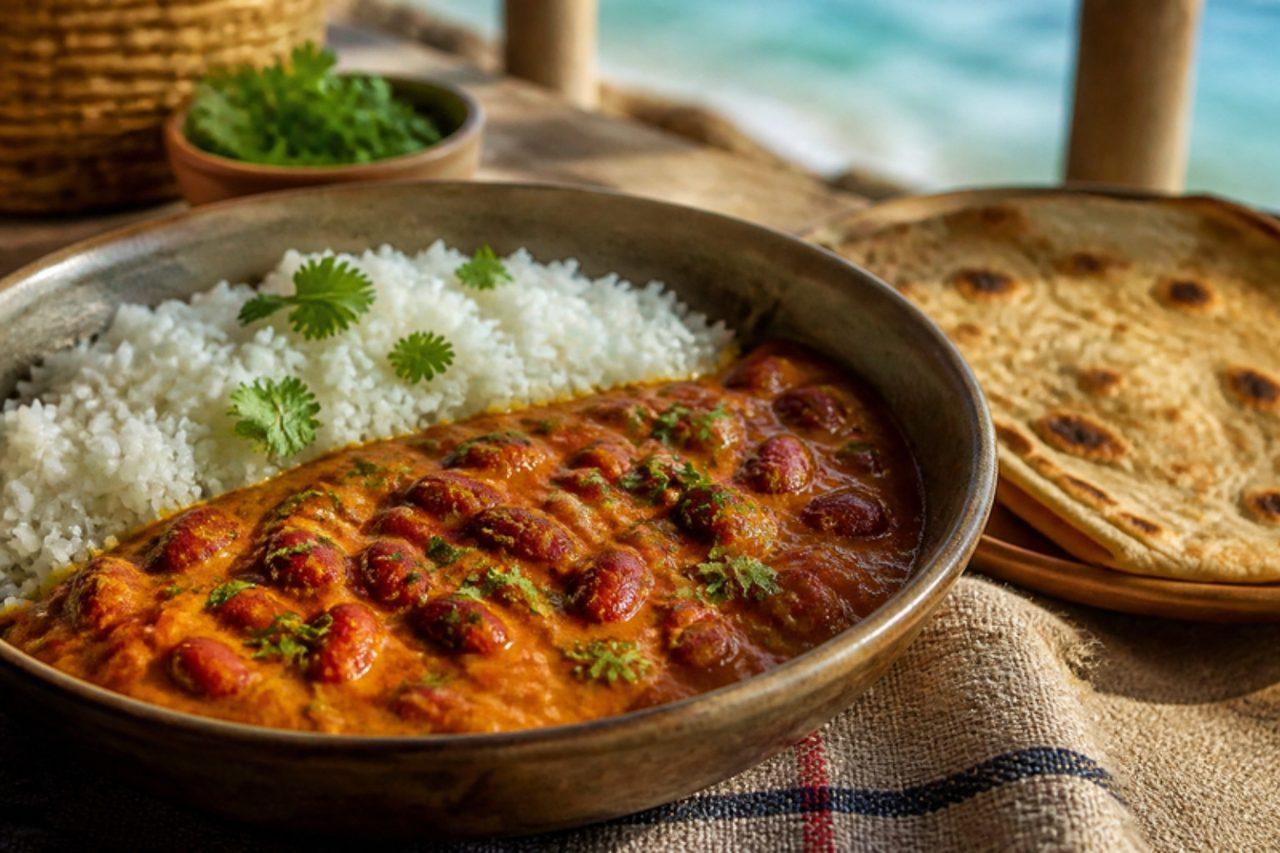
Maharagwe ya nazi, red beans in coconut, is a weekday staple along the Swahili coast from Mombasa to Dar es Salaam and on Zanzibar, eaten with chapati, rice or mandazi. The beans are cooked until creamy, then simmered in a gently spiced tomato and coconut sauce. It differs from mbaazi wa nazi (pigeon peas) in its red kidney beans and its tomato-based, curry-spiced sauce. Chef's tip: add the coconut milk at the end and keep it at a bare simmer; boiled hard, it splits and turns oily.

by KrazyBadal 0 views

MageuFermented maize drink

Mageu (also amahewu or mahewu) is a thin, sour, nourishing drink of fermented maize porridge, made in homes across Zimbabwe, South Africa, Zambia and Botswana and drunk by farm workers, schoolchildren and anyone needing a filling lift on a hot afternoon. A little wheat flour or a spoonful of the last batch starts the fermentation overnight. Commercial cartons are sold everywhere, but home-made tastes fresher. Chef's tip: let the porridge cool to lukewarm before adding the starter; too hot and it kills the fermentation.

by KrazyBadal 0 views

PinakbetMixed vegetable stew

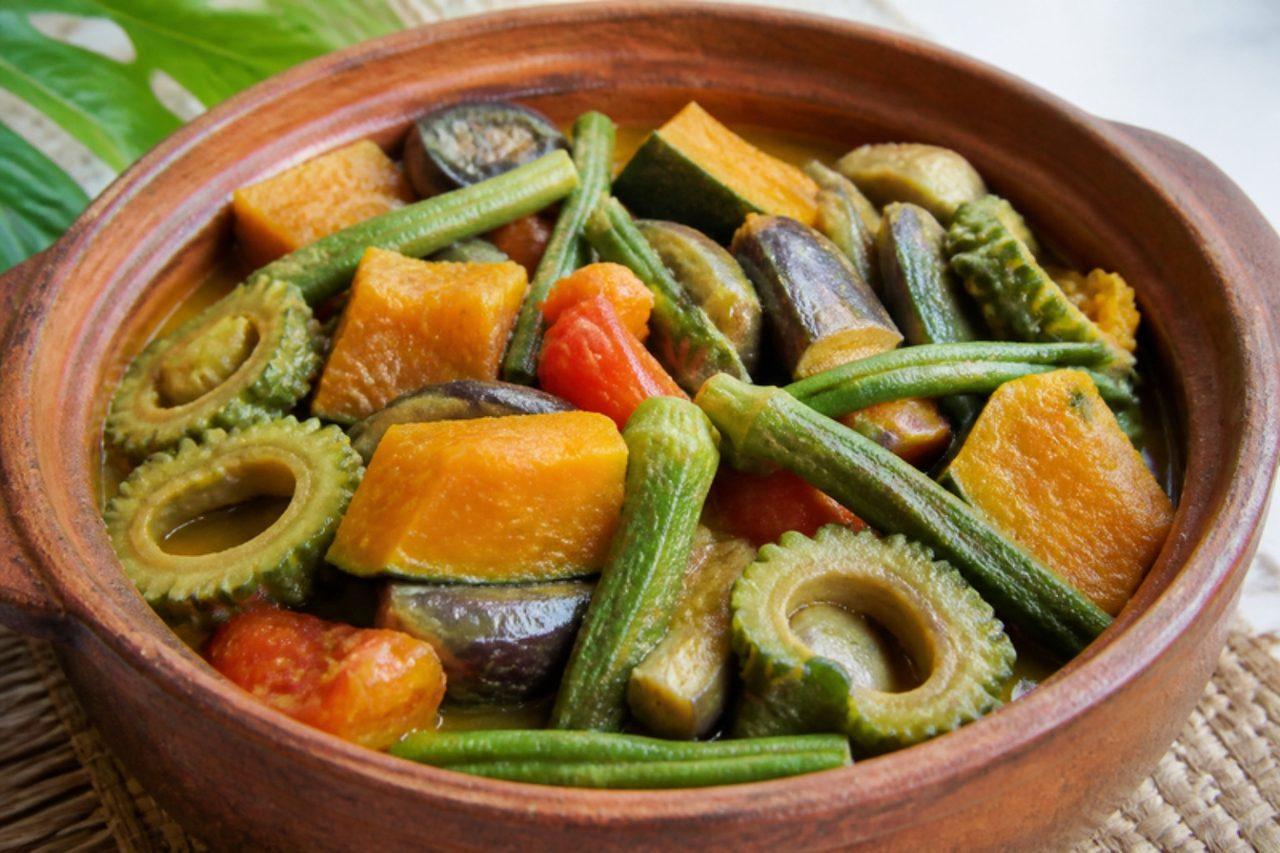
Pinakbet comes from the Ilocos region in the far north-west of Luzon, where families cook whatever grows behind the house: bitter melon, small aubergines, okra, yard-long beans and tomatoes, simmered with very little water until the vegetables shrink and wrinkle (the name comes from the Ilocano for 'shrivelled'). Ilocanos season it with fermented fish paste; here white miso gives the same savoury, salty depth without any fish, and a little squash (more common in the Tagalog version) adds sweetness. It is an everyday lunch dish, eaten with rice and often a spoonful of extra miso on the side. Chef's tip: choose small, firm bitter melon and don't scrape out every bit of the pith; a little bitterness is the point.

by KrazyBadal 0 views

PindjurRoasted pepper and aubergine relish

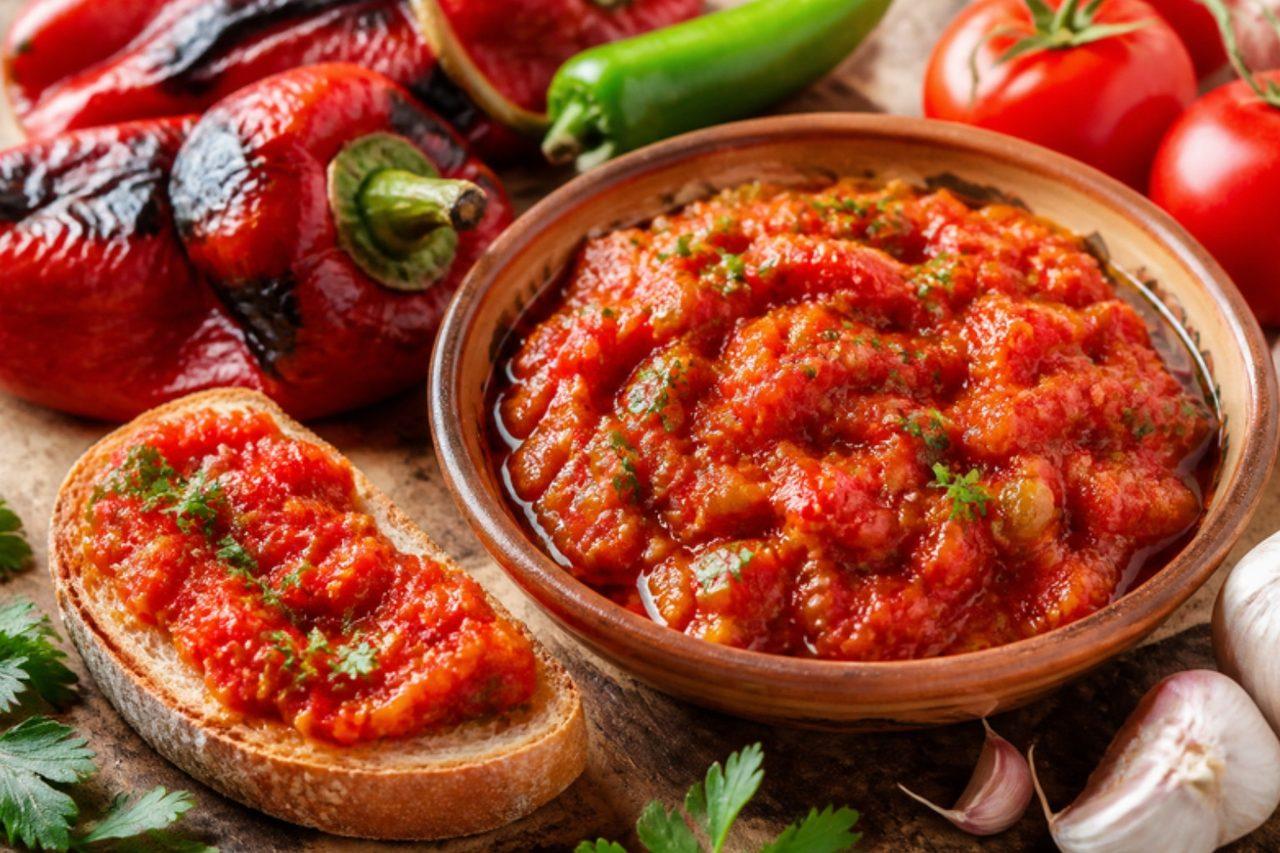
Where ajvar is the patient winter preserve, pindjur is its quick summer cousin, made in Macedonian and Bosnian kitchens in July and August when tomatoes are at their ripest. Roasted peppers and aubergine are chopped rather than ground, then simmered briefly with fresh tomatoes and plenty of garlic, so it stays chunky, juicy and bright. It is eaten warm or at room temperature, scooped up with bread and a slab of white cheese, as part of a mezze spread in Ohrid or Mostar. Chef's tip: chop everything with a knife instead of a blender; a puréed pindjur loses the texture that sets it apart from ajvar.

by KrazyBadal 0 views

WaakyeRice and black-eyed beans

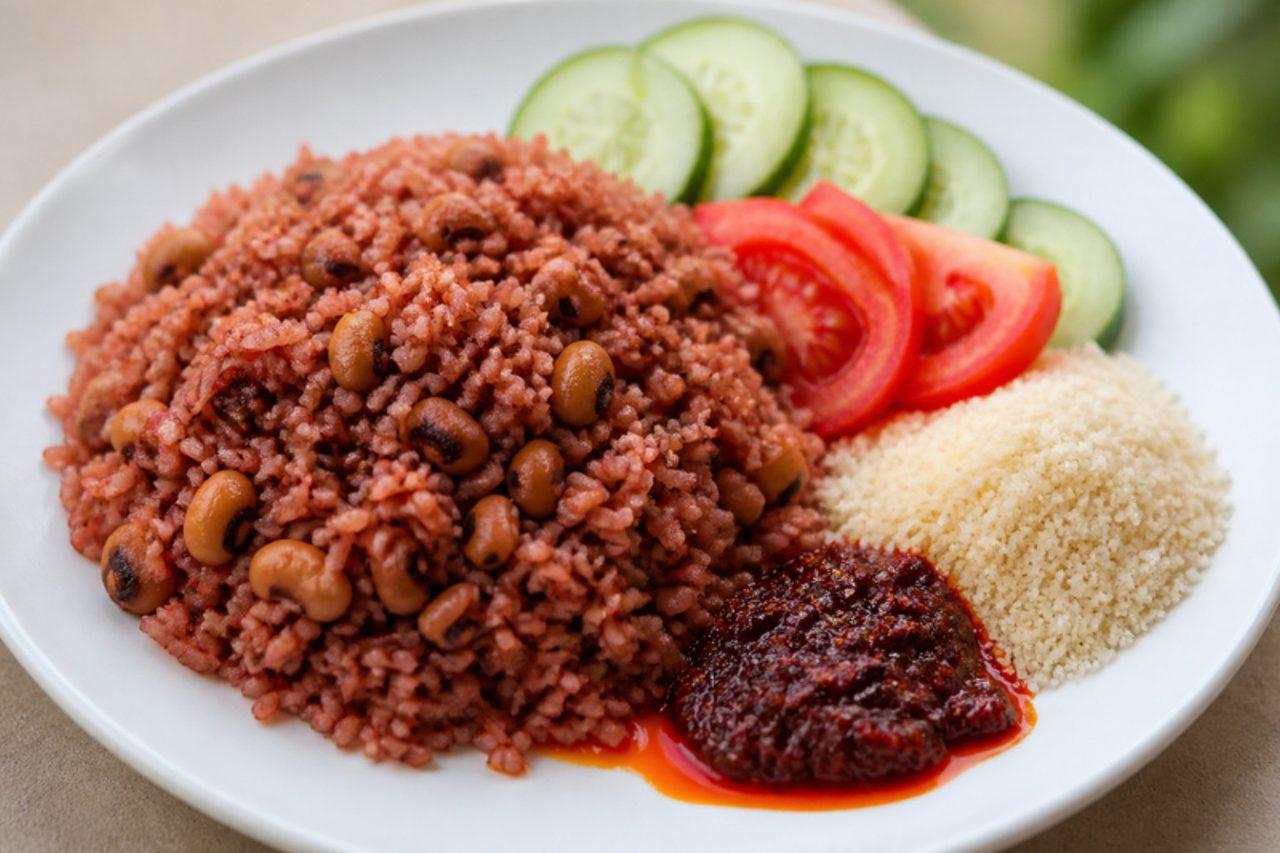
Waakye (say 'waa-chay') came south from the Hausa communities of northern Ghana and is now Accra's favourite breakfast and lunch, sold from big pots wrapped in leaves at roadside stalls before most offices open. Rice and black-eyed beans are cooked together with dried sorghum leaf stalks (waakye leaves), which dye the pot a deep reddish brown and add a faint earthy note. A full plate comes loaded with shito, gari, spaghetti (talia), salad and fried plantain. Chef's tip: cook the beans almost soft before the rice goes in; beans and rice finishing together is the whole trick.

by KrazyBadal 0 views

PinniGhee wheat flour sweets

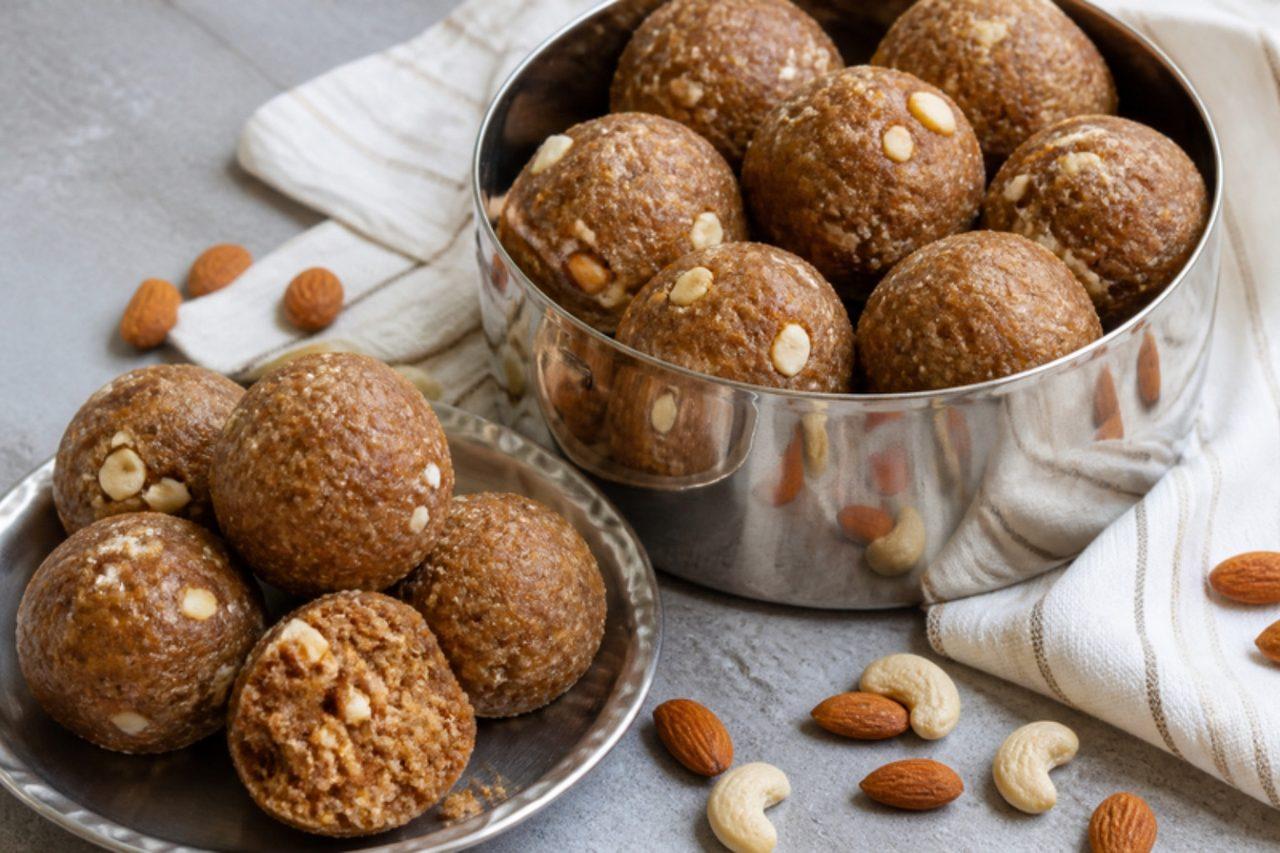
When the fog settles over Punjab in December, kitchens fill with the smell of wheat flour roasting slowly in ghee: pinni season has started. These dense, crumbly balls of roasted atta, jaggery, almonds and fried edible gum are made in big batches for Lohri, packed into tins for relatives and given to new mothers for strength. One pinni with a glass of hot milk is a classic winter breakfast. Chef's tip: let the roasted flour cool until just warm before adding the jaggery; if it is hot, the jaggery melts and the pinni set hard as stone.

by KrazyBadal 0 views

Showing 72 of 7,762 recipes

Show more recipes

Page 721 of 863