


Skip to content
Kaju maluwa
Featured recipe

Kaju maluwa

Cashew and pea coconut curry

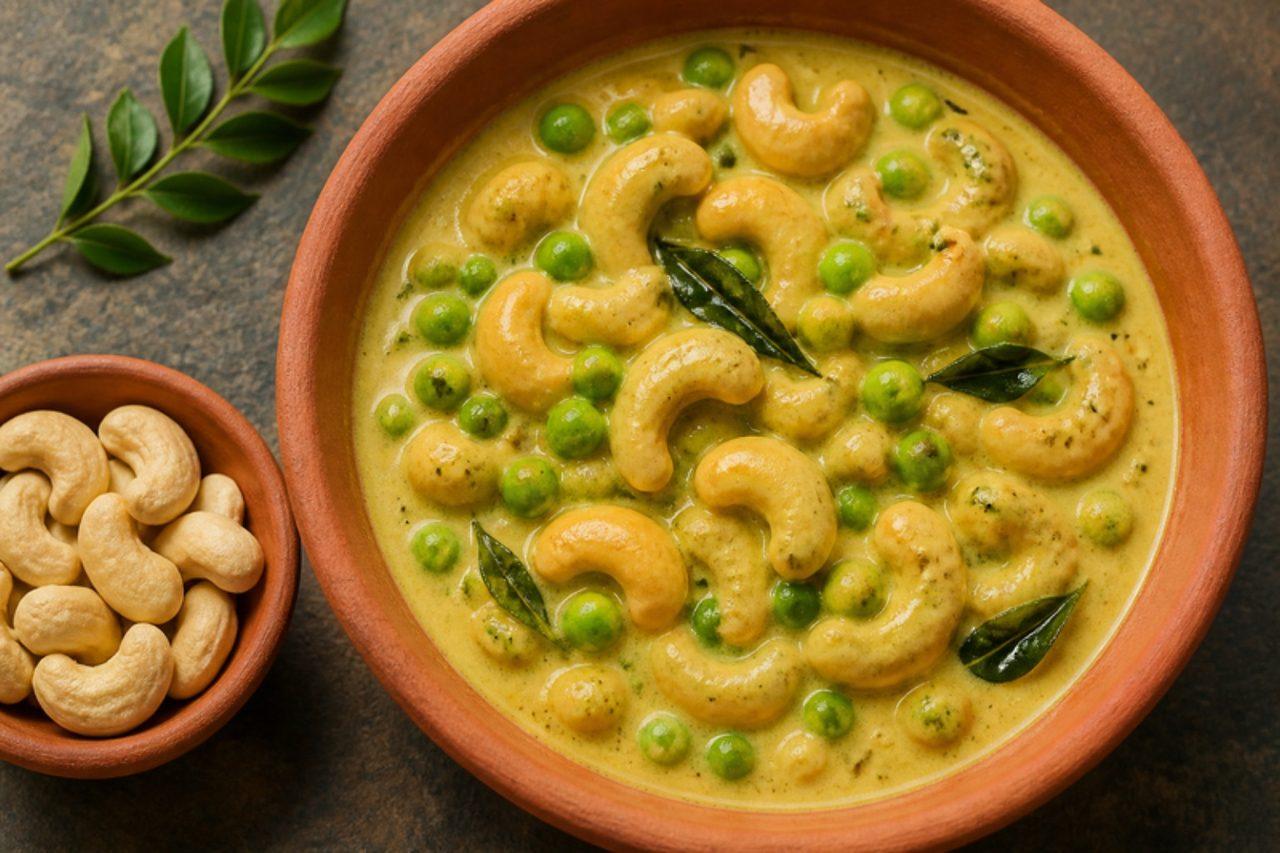
In the cashew-growing country north of Colombo, around Kurunegala and Puttalam, fresh green cashews are cooked into this creamy curry for weddings, almsgivings and the Avurudu table, and no one would dream of calling it everyday food. The nuts turn soft and buttery in a mild, pale gravy of coconut milk scented with cinnamon, pandan and unroasted curry powder, with green peas for colour, and it sits on the festive spread beside yellow rice and a sharp pickle. Fresh cashews are hard to find outside Sri Lanka, so this recipe uses raw dried ones soaked until they are almost like the fresh kind. Not soaking them long enough is the usual mistake; they stay chalky in the middle however long they simmer, so give them at least six hours, or overnight. Chef's tip: a pinch of bicarbonate of soda in the soaking water softens the nuts faster and gives them that tender, just-picked texture.

Read more 0 views

What to eat today?

Around the world

Today's trip: Paraguayan

A new country every day, from every cuisine on the site.

Paraguayan

Morcilla dulce

Sweet blood sausage with walnuts 120 minMore from Paraguayan (27) →

This week's collection

Kid-friendly dinners
537 recipes · a new collection every Monday

Latest recipes

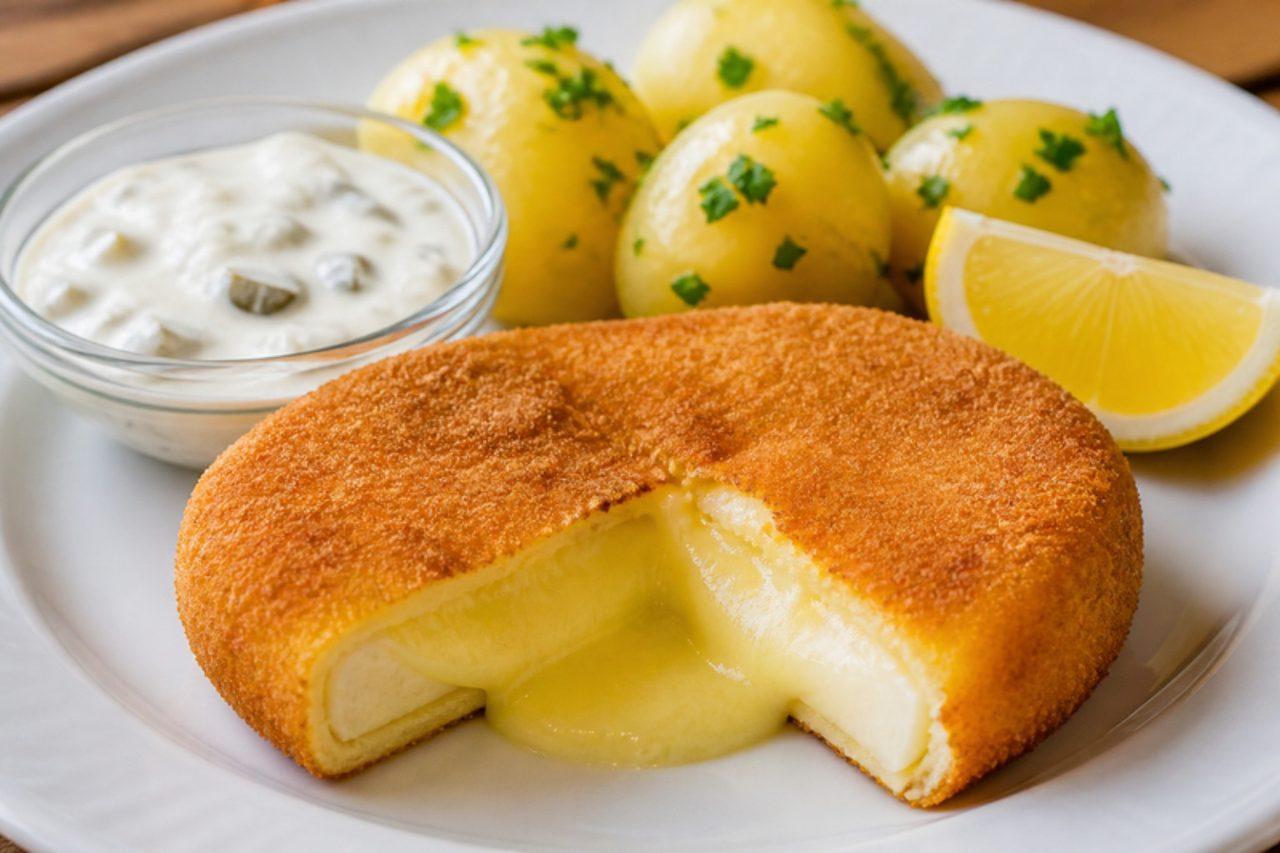
Smažený sýrBreaded fried cheese

Smažený sýr, a thick slab of breaded Edam fried until molten, is the dish every Czech student orders at a Prague hospoda and the one vegetarian main that turns up on nearly every menu from Brno to the Šumava mountain huts. It comes with tatarská omáčka (tartare sauce) and either boiled potatoes or chips, and a cold pivo on the side. The joy is the crunch giving way to stretchy, salty cheese. Chef's tip: chill the breaded slices for 20 minutes and double-coat them, otherwise the cheese bursts out into the oil before the crumb is golden.

by KrazyBadal 0 views

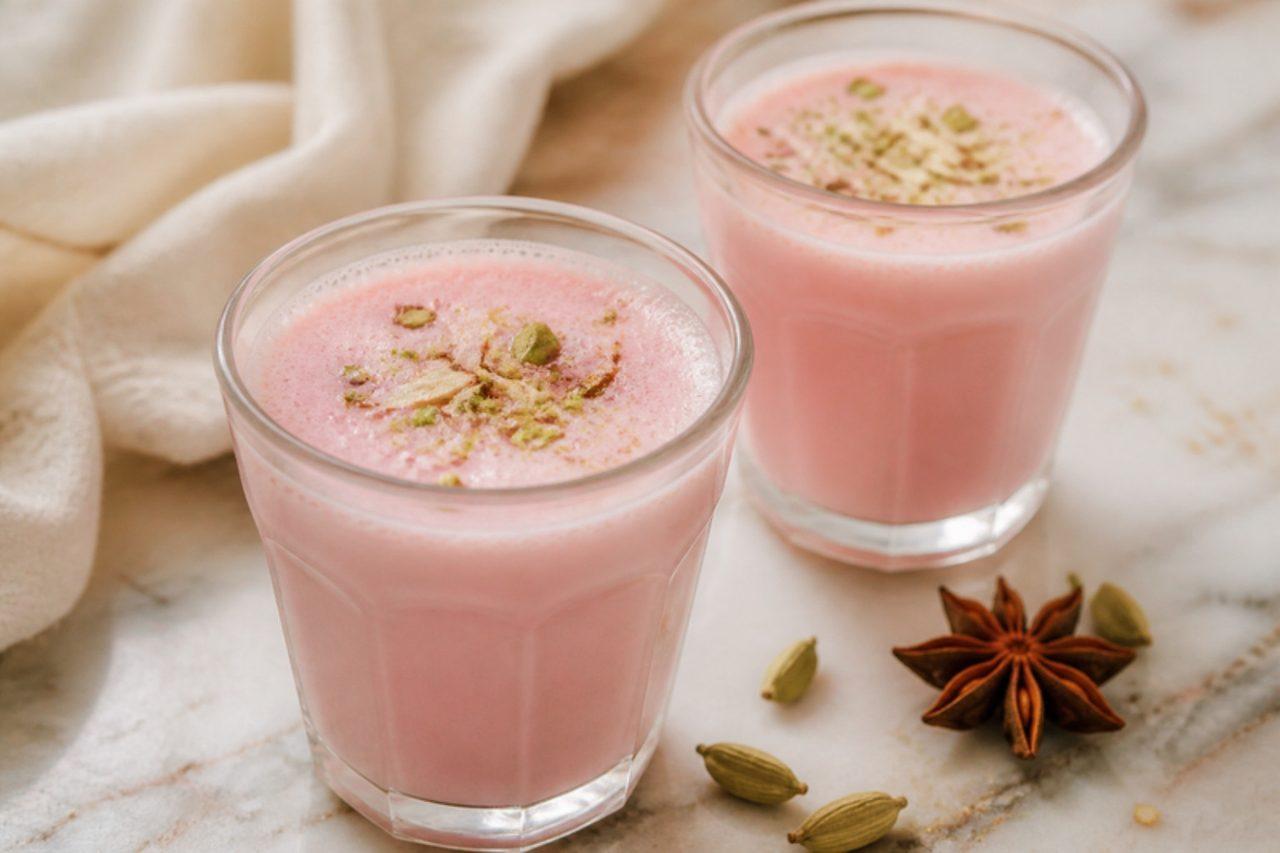
Kashmiri chaiPink salted milk tea

Kashmiri chai, called pink tea or gulabi chai across Pakistan, came down from Kashmir to become the winter drink of Lahore, Karachi and Islamabad: it is ladled out at weddings, sold from steaming pots at tea stalls on cold nights and served with nankhatai biscuits at family gatherings. The colour is real chemistry, not food colouring: green tea leaves are boiled hard with a pinch of baking soda until the brew turns deep red, then whisked and splashed to get air into it, and finally cooked with milk until it blushes pink. It is lightly salted in the old Kashmiri way and sweetened in the city way; add as much sugar as you like. The mistake people make is using black tea; only green tea leaves turn pink. Chef's tip: pour in ice-cold water as soon as the brew is reduced, and beat it hard; the shock and the air are what lock in the bright colour.

by KrazyBadal 0 views

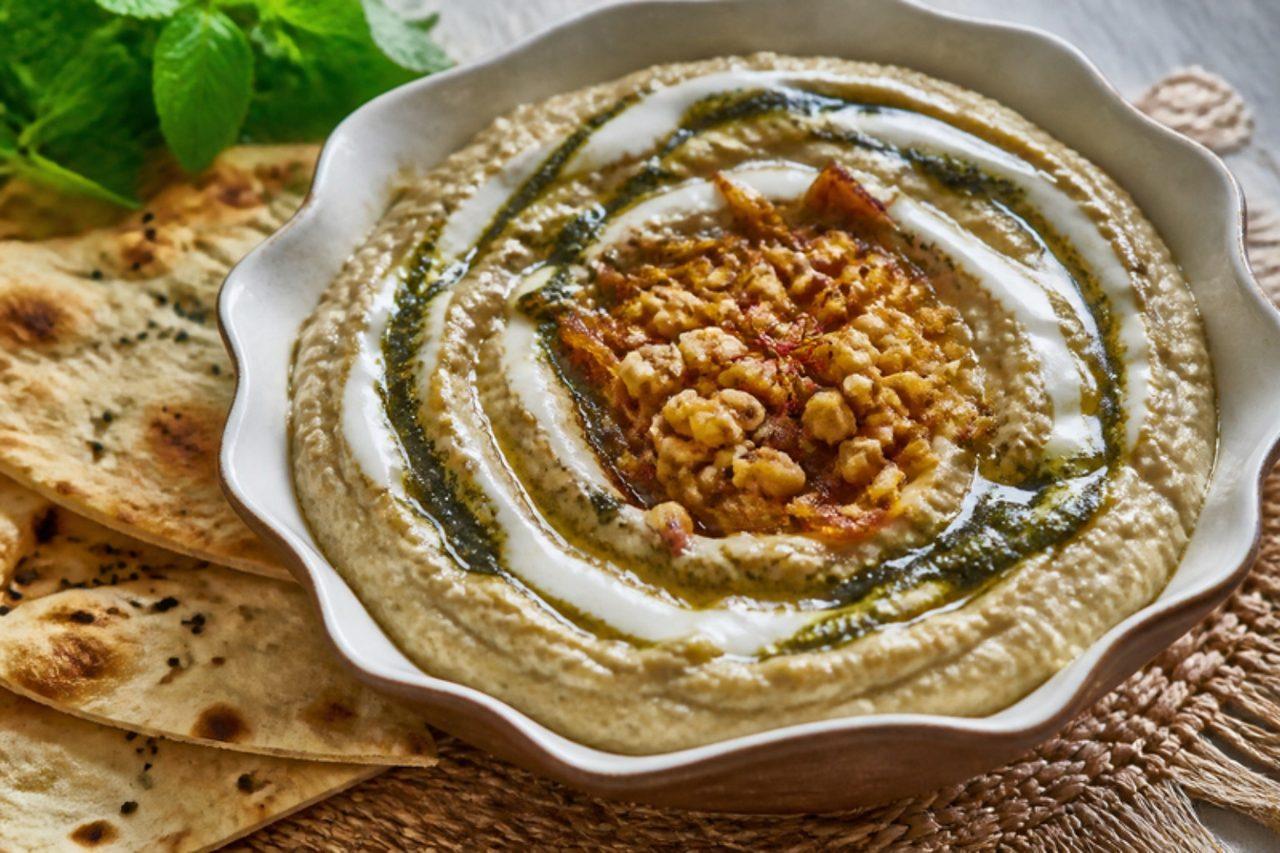
Kashk-e bademjanAubergine and whey dip

Kashk-e bademjan is the aubergine dip that greets you at the start of a meal in Tehran restaurants and at family gatherings all over Iran, swirled on a plate and decorated with fried onions, mint oil, walnuts and white ribbons of kashk. Fried aubergine is mashed with golden onions and garlic, then enriched with kashk, a tangy, salty fermented whey. Most kashk is made from soured yogurt without rennet, but some brands use cheese whey, so check the label if you avoid animal rennet; strained Greek yogurt beaten with a little sour cream and lemon is a good substitute. Serve it with warm flatbread. Chef's tip: fry the dried mint for a few seconds only, off the heat; it should smell sweet, not scorched.

by KrazyBadal 0 views

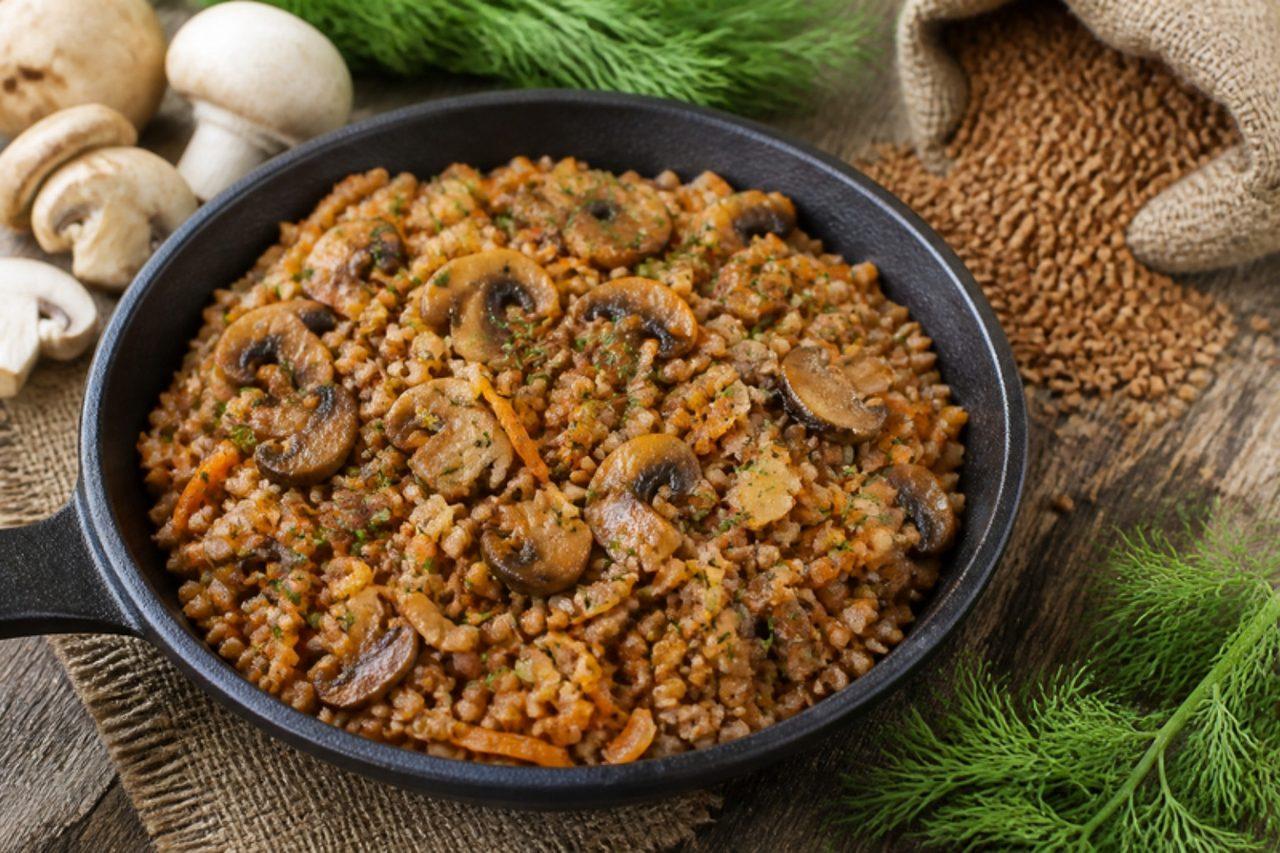
Kasha with mushroomsBuckwheat with mushrooms

Buckwheat, hrechka, is the grain Ukrainians grow up on: cooked loose and fluffy, it turns up as a weekday side in Kharkiv kitchens, in student dorms in Lviv and on every school canteen tray. Cooked with fried mushrooms, onion and carrot it becomes a filling meal of its own, and in autumn it is made with wild mushrooms picked in the Polissia forests. It is naturally gluten free and, with no butter, vegan. Chef's tip: dry-toast the grains until they smell nutty and crackle; it gives the kasha its deep flavour and keeps each grain separate.

by KrazyBadal 0 views

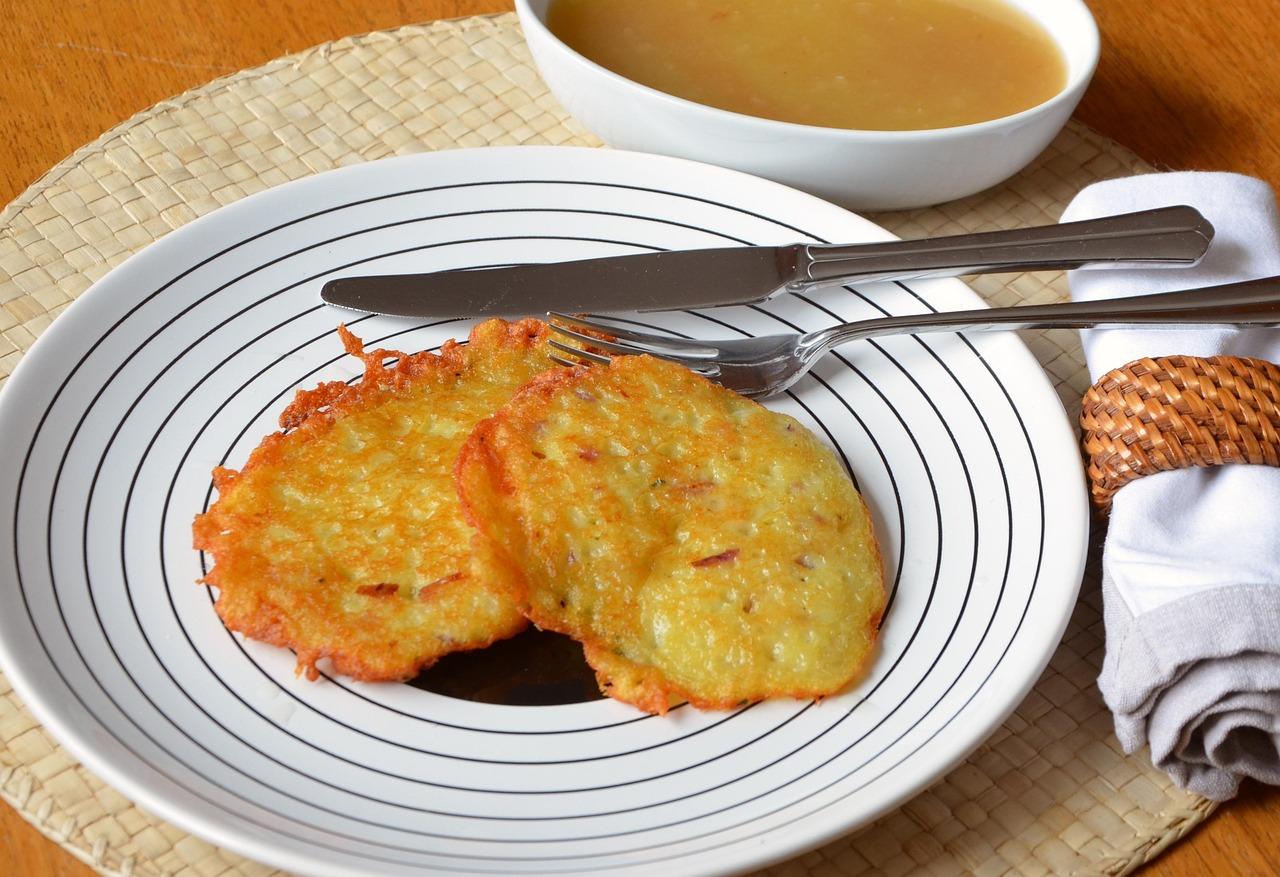
KartoffelpufferPotato fritters

In Cologne and Düsseldorf they're called Reibekuchen, and they are the smell of the Christmas markets and autumn fairs: thin, lacy potato fritters fried in oil until golden and crunchy at the edges. At home in the Rhineland they're traditionally a Friday dish, eaten hot with apple sauce or on buttered dark rye bread. They are simple, but timing and heat matter. Chef's tip: squeeze the grated potato really hard in a tea towel and keep the starch that settles at the bottom of the liquid; it binds the mixture so you need very little flour.

by KrazyBadal 0 views

Empanadas venezolanasFried corn empanadas

Venezuelan empanadas are big, crisp half-moons made with white precooked corn flour, fried to order at beach kiosks on Margarita Island and at breakfast stands across Caracas. Compared with the small, potato-filled Colombian empanadas, they are larger, paler and often a little sweet in the dough, and the classic vegetarian fillings are simply grated white cheese or black beans with cheese (like an arepa dominó). Eat them hot with guasacaca or a squeeze of lime. Chef's tip: add a spoonful of sugar to the dough; it helps the crust turn golden and blistered in the oil.

by KrazyBadal 0 views

KarnıyarıkStuffed aubergines with beef

Karnıyarık is a summer weekday dinner in kitchens all over Turkey, made when aubergines are glossy, cheap and piled high at the street markets. Small whole aubergines are peeled in stripes, fried until silky, then slit down the middle and packed with minced beef cooked with onion, green pepper and tomato. A short spell in the oven melts it all together. It is eaten warm with plain rice pilaf and a bowl of cacık or yogurt. Chef's tip: press the fried aubergine open with the back of a spoon to make a deep boat, so the filling sits inside rather than rolling off.

by KrazyBadal 0 views

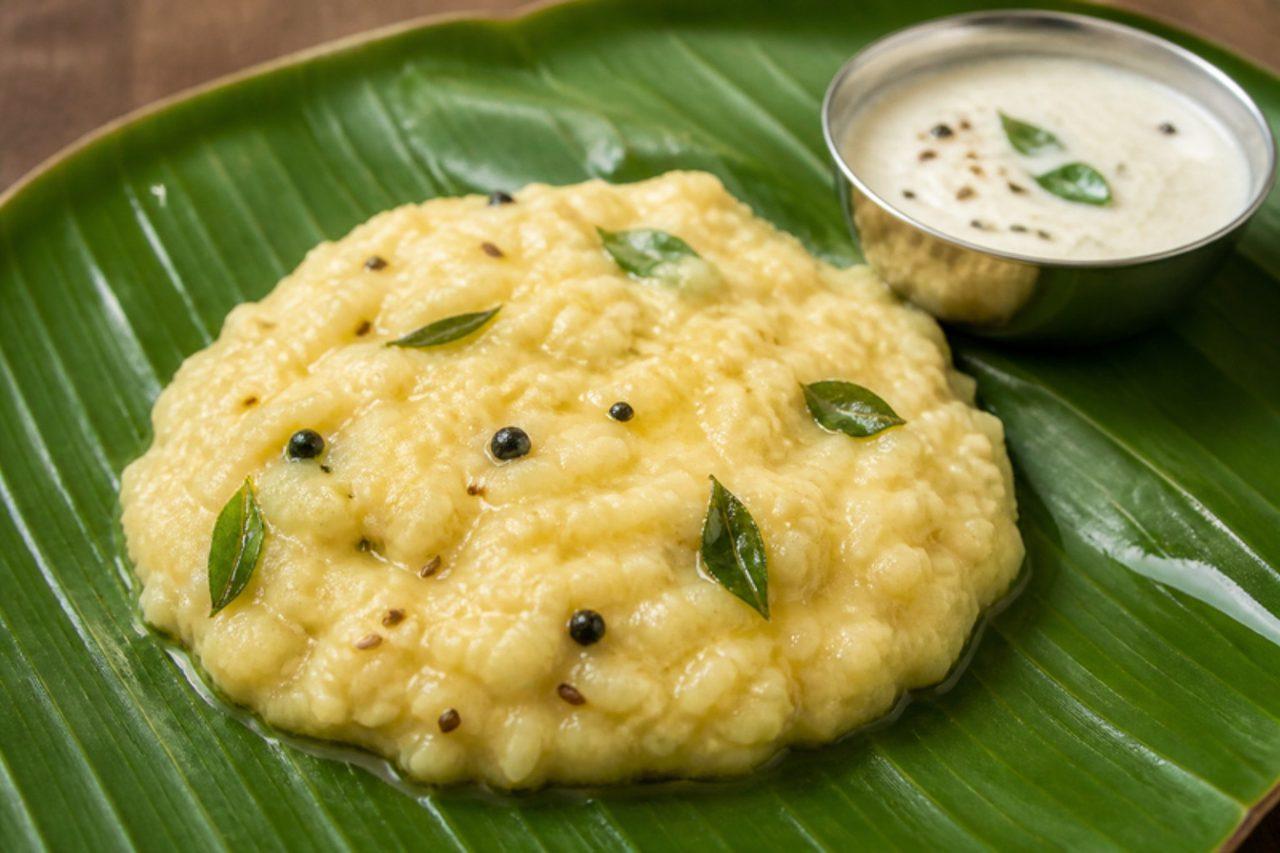
Ven pongalRice and moong dal porridge

Ven pongal, 'white pongal', is the gentle, savoury breakfast of Tamil Nadu, served in homes, temples and Chennai's tiffin halls. Rice and roasted yellow moong dal are cooked together until soft and creamy, then finished with a ghee tempering of whole black pepper, cumin, ginger, cashews and curry leaves. It's mild and comforting, with little bursts of heat from the peppercorns. Serve it with coconut chutney and sambar, or with medu vada on a Sunday. Chef's tip: dry-roast the moong dal for a few minutes before cooking until it smells nutty; it takes the pongal from plain to deeply savoury.

by KrazyBadal 0 views

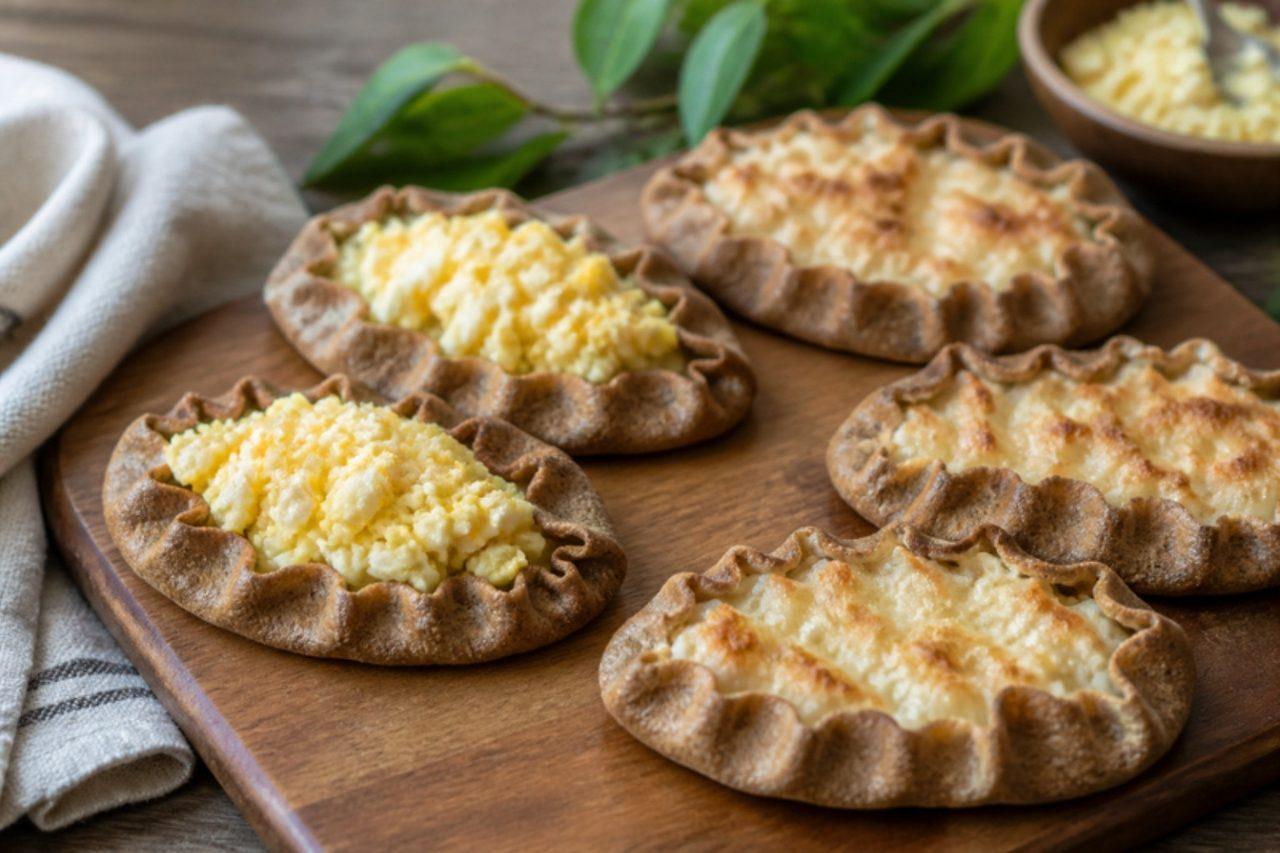
KarjalanpiirakkaRye pastries with rice filling

Karjalanpiirakka come from Karelia, the borderland of eastern Finland, and are now baked in every Finnish home and sold in every Helsinki market hall. The open, oval pies have a crust of rye dough rolled paper-thin and crimped by hand around a filling of creamy rice porridge. Straight from a very hot oven they are brushed with butter and milk to soften, then eaten warm with munavoi, egg butter: chopped hard-boiled egg mashed into soft butter. Finns eat them for breakfast, at coffee tables and at weddings and funerals alike. The crimping looks fiddly but goes quickly after the first few. Chef's tip: make the rice porridge a day ahead; cold porridge is stiff enough to spread neatly and won't soak the thin crust.

by KrazyBadal 0 views

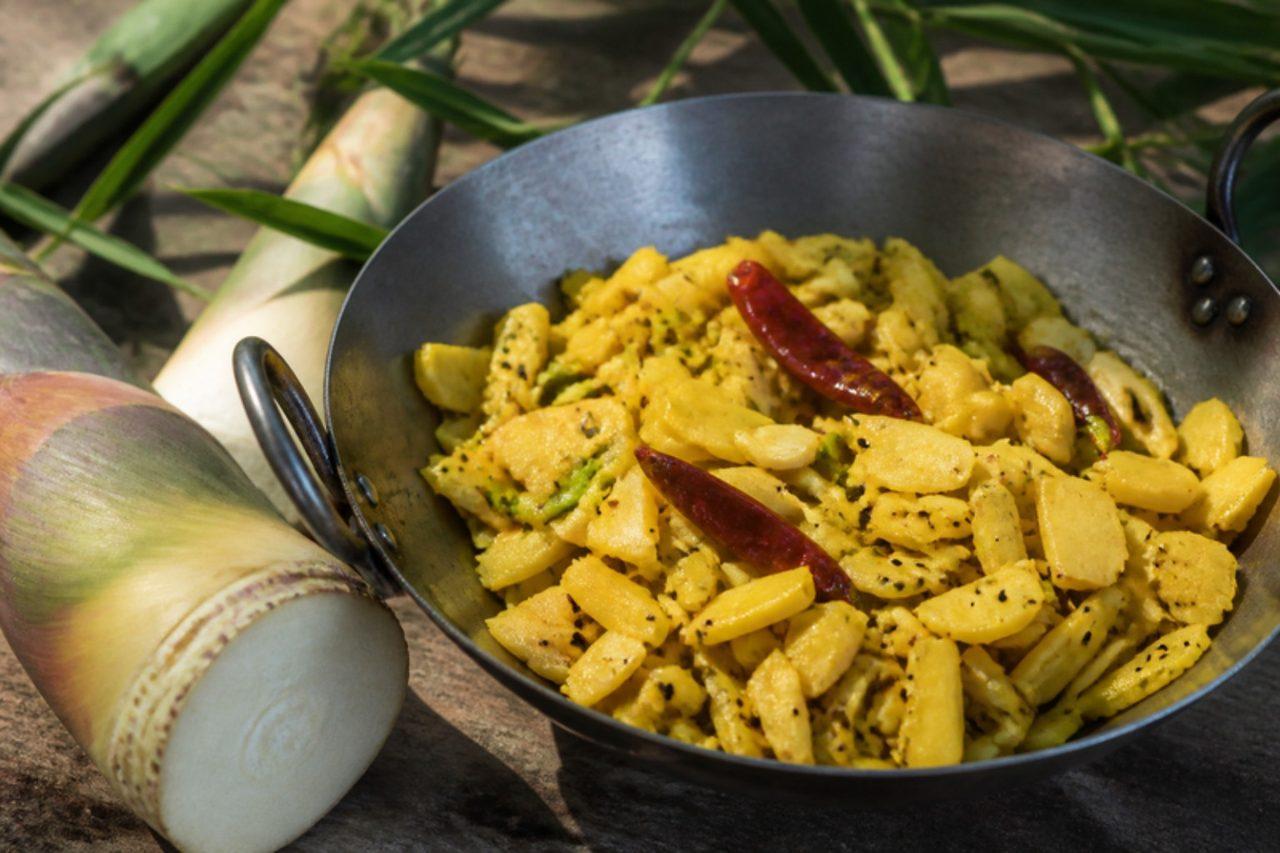
Karil (bamboo shoot curry)Bamboo shoot and potato curry

In the villages of Jharkhand's Chotanagpur plateau, the first tender bamboo shoots of the rains are called karil, and they are cooked into a simple, punchy dry curry with potato, lots of garlic and mustard oil. Some families also dry or pickle the shoots to last the year. The shoots stay crunchy and have a gentle sourness that goes beautifully with rice and dal. Tinned bamboo shoots work well and are already cooked. Chef's tip: always boil fresh shoots before using them; raw bamboo is bitter and not safe to eat.

by KrazyBadal 0 views

Vepřo knedlo zeloRoast pork with dumplings and cabbage

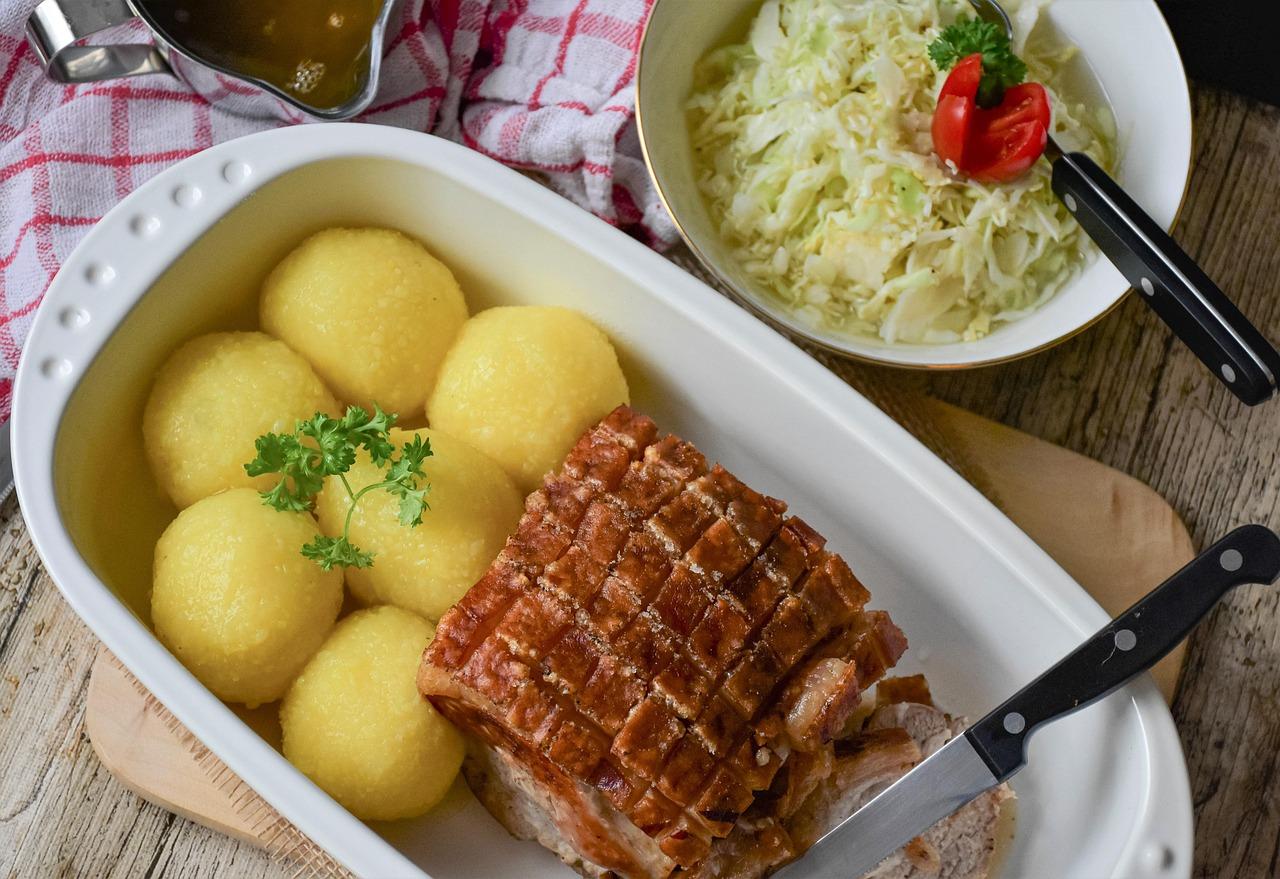
Ask anyone in Prague, Brno or a village pub in Moravia for the most Czech meal of all and they will name vepřo knedlo zelo: roast pork, dumplings and cabbage, eaten at Sunday lunch and washed down in pubs with a cold lager. This is a pork dish: shoulder rubbed with garlic, caraway and salt and roasted slowly in a little water until it falls into tender slices, the pan juices becoming the gravy. Alongside go slices of soft bread dumpling and red or white cabbage braised sweet and sour. The trap is roasting the pork too hot and too dry; a splash of water in the tin and a low oven keep it juicy. Chef's tip: lay the pork fat side down for the first hour, then turn it fat side up so the fat renders and crisps at the end.

210 minCzechMeat
by KrazyBadal 0 views

Kari koko zouritOctopus coconut curry

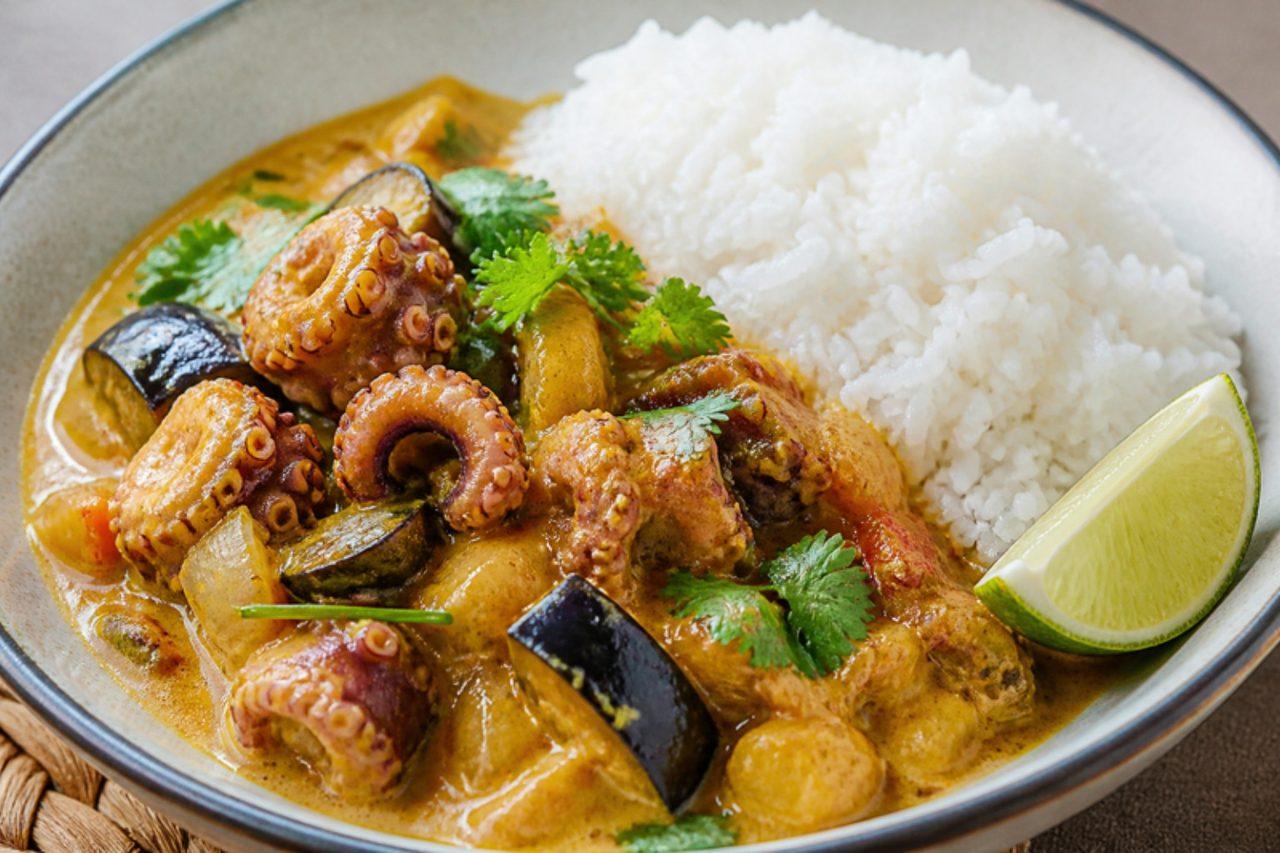
Kari koko zourit, octopus in coconut curry, is the dish most Seychellois would name as their national favourite, cooked on Mahé and Praslin when the fishermen bring octopus in from the reef. The octopus is simmered until tender, then cooked in a sauce of coconut milk, curry powder, garlic, ginger, cinnamon and a little aubergine. It is served with rice and a green papaya chutney. The mistake is cooking the octopus too briefly or at a fast boil, which makes it rubbery; it needs a long, gentle simmer. Chef's tip: frozen and thawed octopus is often more tender than fresh, because freezing breaks down the fibres.

by KrazyBadal 0 views

Kare-kareOxtail in peanut sauce

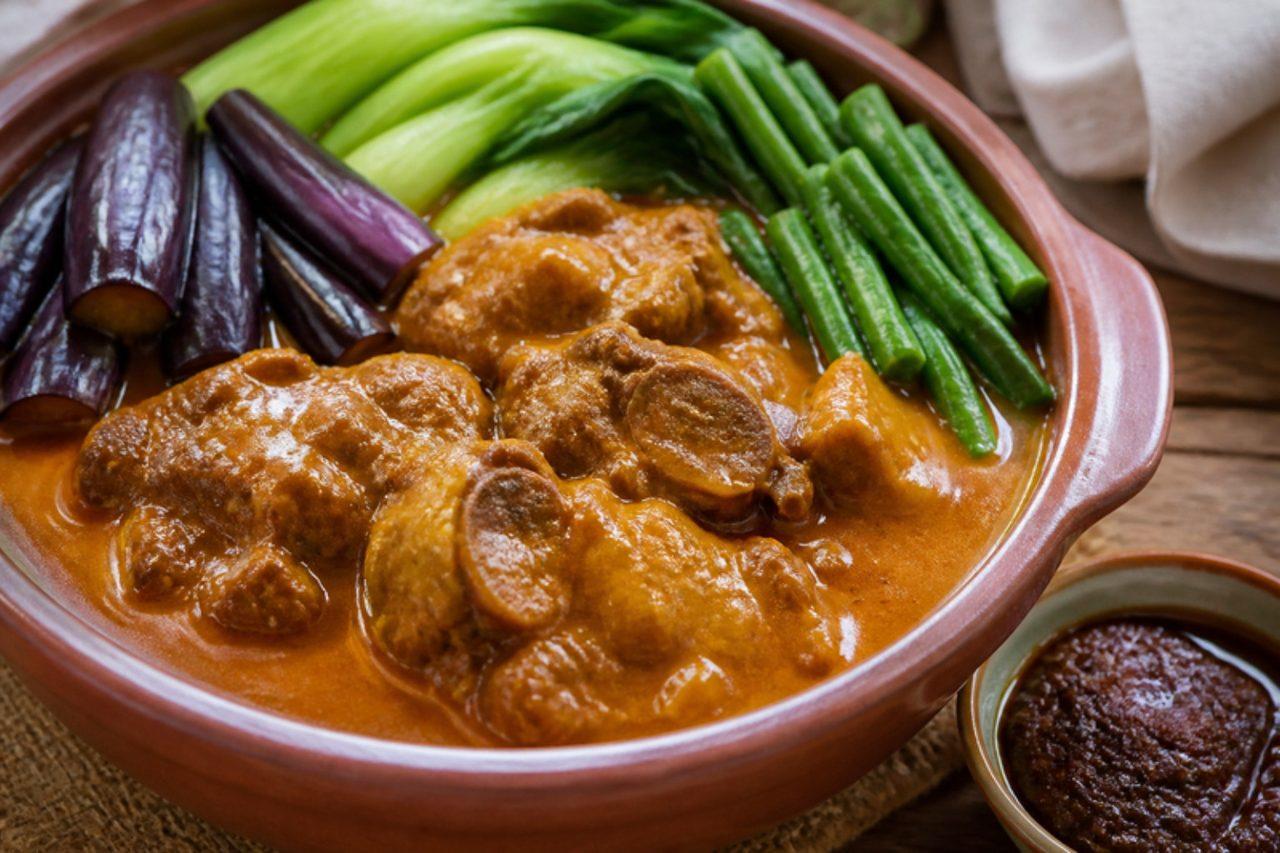
Kare-kare belongs to Pampanga, the province north of Manila that many Filipinos call the country's kitchen, and it is the stew families bring out for fiestas, birthdays and long Sunday lunches. Oxtail and beef shin are simmered until the meat falls from the bone, then finished in a thick, nutty sauce coloured orange with annatto and thickened with toasted ground rice. The sauce itself is barely salted on purpose: everyone adds a little sautéed shrimp paste (bagoong alamang) at the table, so the dish contains shellfish. Pile it over steamed rice with the aubergine, long beans and pak choi. Chef's tip: toast the rice in a dry pan until it is the colour of biscuits before grinding it; that roasted smell is what makes the sauce taste of kare-kare rather than plain peanut butter.

240 minFilipinoMeat
by KrazyBadal 0 views

Sol kadhiKokum and coconut milk drink

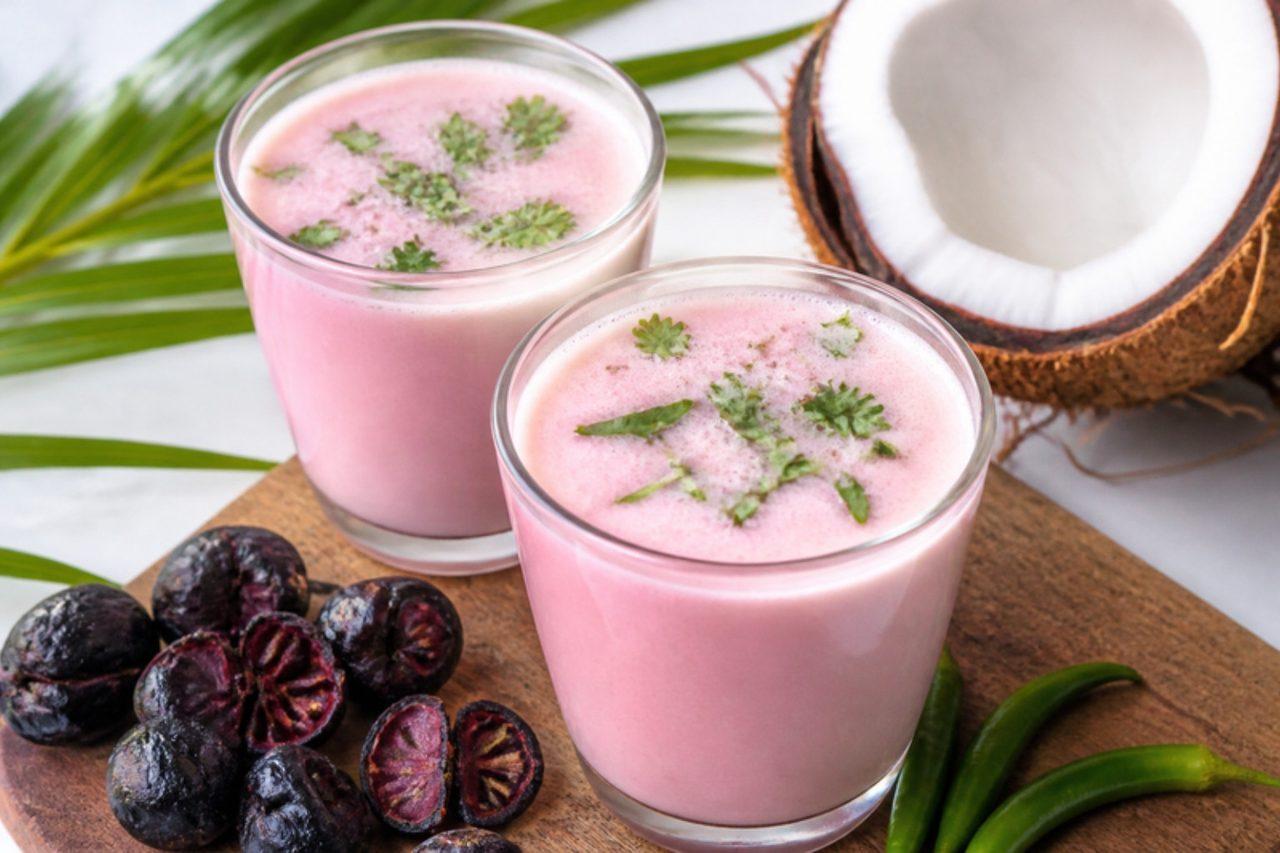
Sol kadhi is the pale pink drink served at the end of every meal along the Konkan coast, from Malvan to Ratnagiri. Fresh coconut milk is mixed with the deep purple soaking water of kokum, a sour fruit that grows in the coastal hills, and seasoned with a little garlic, green chilli and salt. It's cool, tangy and gently creamy, and it soothes the stomach after a spicy Malvani thali. Drink it from a small glass or pour it over rice as the last course. Chef's tip: make it with fresh coconut if you can; the milk you squeeze yourself is lighter and sweeter than tinned and gives the classic blush-pink colour.

by KrazyBadal 0 views

Karak chaiSpiced evaporated milk tea

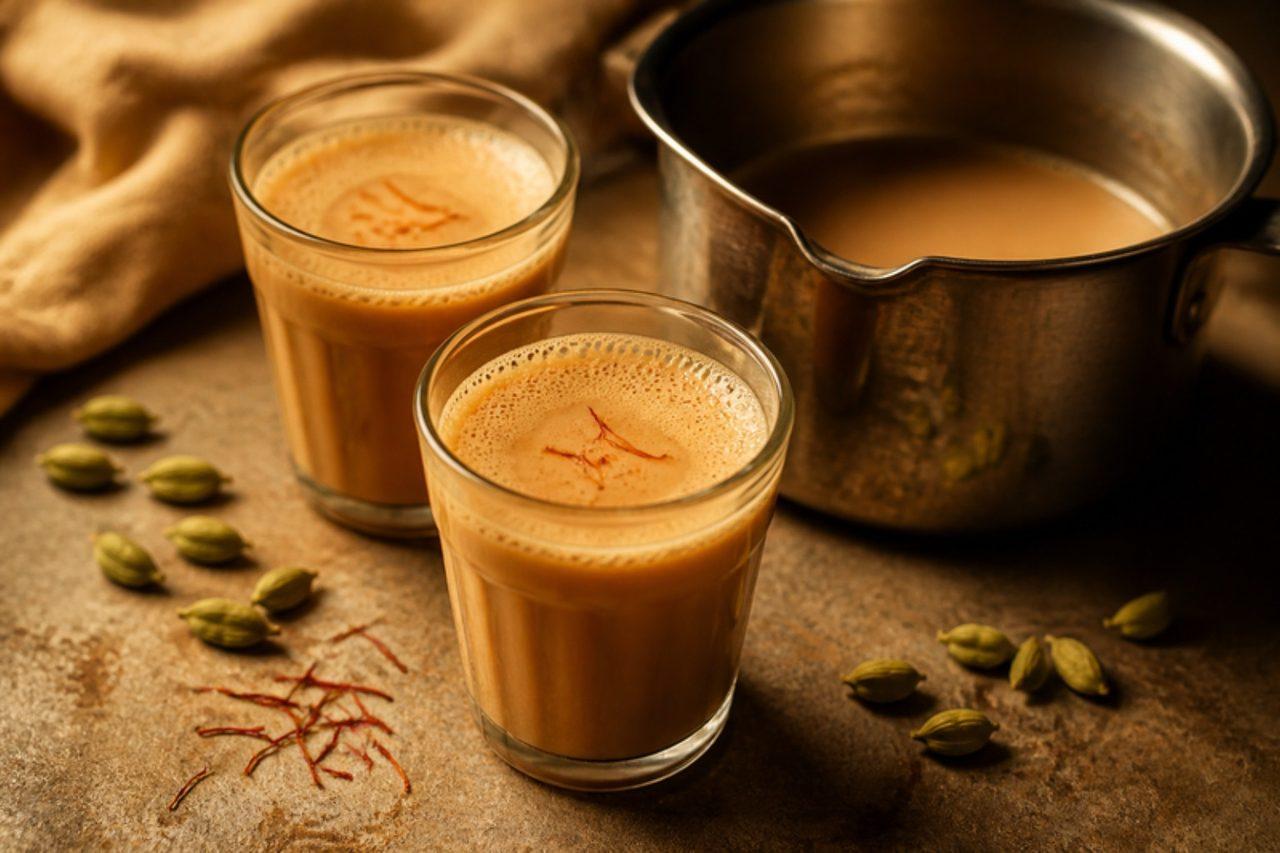
Every neighbourhood in Doha, Dubai and Kuwait City has a cafeteria with a hatch on the street, where karak is handed through car windows in paper cups at all hours. Brought to the Gulf by South Asian workers and now firmly local, it is black tea boiled hard with sugar and cardamom, then simmered again with evaporated milk until it is strong, sweet and the colour of toffee; a few strands of saffron mark the Gulf version. Chef's tip: pour the tea from a height between two pans a few times; the froth and slight cooling give the silky karak texture.

by KrazyBadal 0 views

Empanadas salteñasBaked beef empanadas

In Salta, in Argentina's far northwest, empanadas are small, sealed with a tight twisted edge (the repulgue) and so juicy that locals eat them leaning forward with their feet apart. The filling is hand-cut beef with potato, spring onion, cumin and paprika, plus chopped hard-boiled egg; they are eaten at Sunday gatherings, at peñas with folk music and on any public holiday. The mistake that ruins them is filling them while the beef is still warm: the fat melts the pastry. Chill the filling until it is firm. Chef's tip: add a few spoonfuls of the cooking juices to the cold filling; they set to a jelly in the fridge and melt in the oven, which is where the famous juiciness comes from.

by KrazyBadal 0 views

Empanadas colombianasPotato corn empanadas

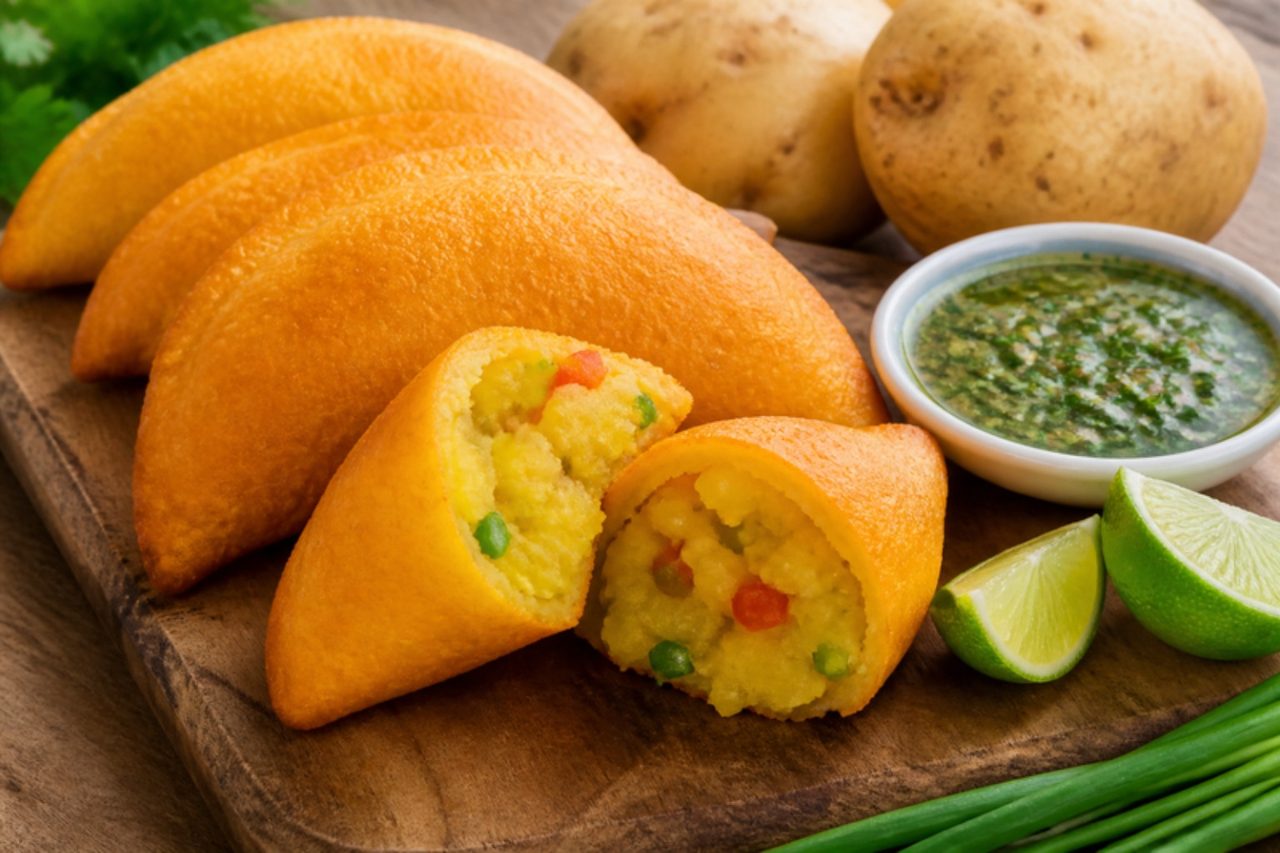
Colombian empanadas are small, crunchy half-moons made with yellow corn dough rather than wheat, sold hot from street stands across Bogotá, Medellín and Cali and eaten with a squeeze of lime and a spoonful of ají. The classic filling mixes potato with hogao and often meat; this version keeps the potato and hogao, seasoned with cumin and coriander, which many families make on its own anyway. They are crisp outside and soft and savoury inside. Chef's tip: roll the dough thin, about 3 mm; thick corn dough stays heavy and absorbs oil.

by KrazyBadal 0 views

Solok ladaFish-stuffed green chillies

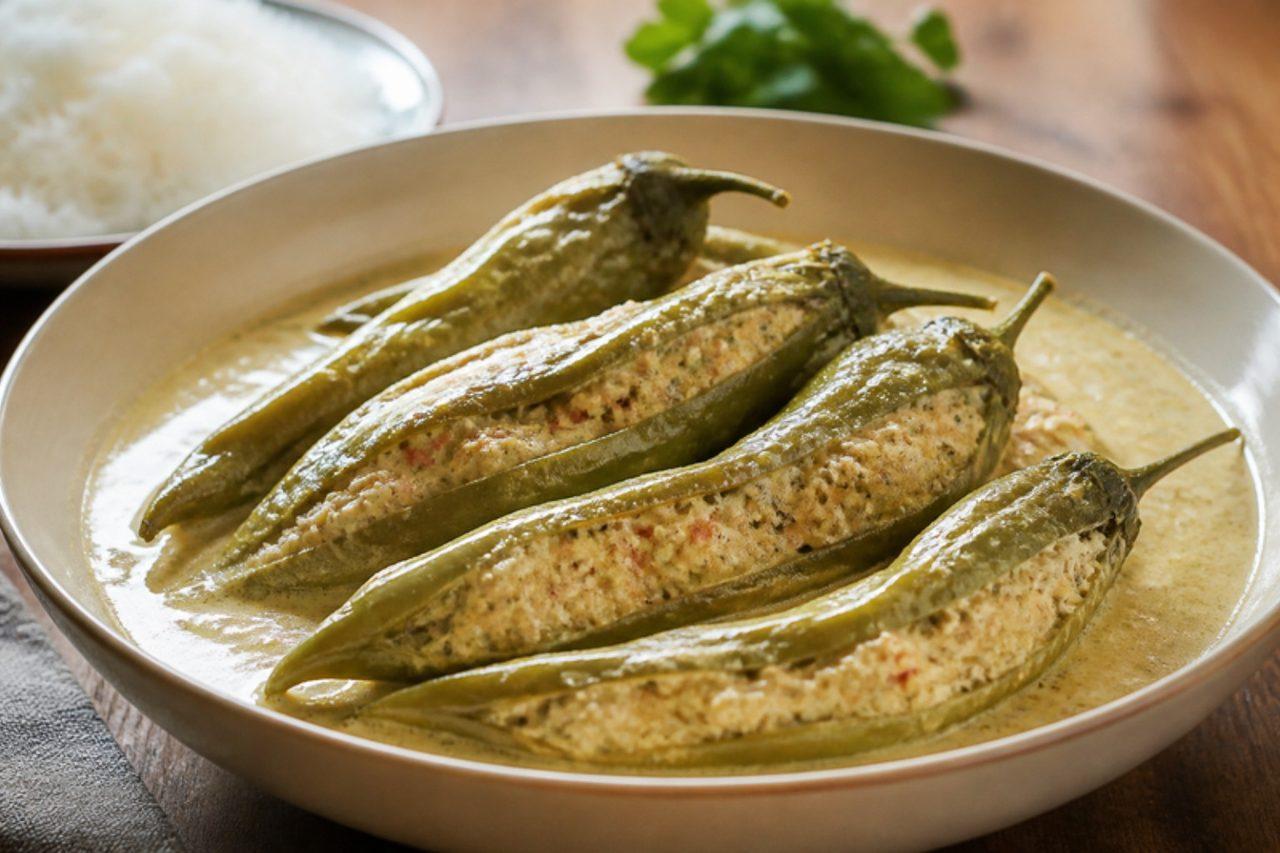
Bulky green chillies are the cases for this Kelantan festive dish, cooked for weddings and Raya tables in Kota Bharu. Each one is slit, scraped out and packed with a pale filling of fish, freshly grated coconut, shallots, ginger and black pepper, then simmered gently in coconut milk until the chillies slump and the gravy turns rich and faintly smoky. The filling is soft and sweet; the skins bring gentle heat and a green, grassy bite. Serve two or three per person with rice and a sambal, or with nasi kerabu. Chef's tip: choose large, mild chillies (or long sweet peppers for a gentler version) and tie each with a strip of pandan or a toothpick so the filling stays inside.

by KrazyBadal 0 views

SolteritoBroad bean, corn and cheese salad

Solterito, the 'little bachelor', is a cold salad from Arequipa in southern Peru, so called because it was simple enough for a single man to make. Broad beans, sweet corn, fresh cheese, tomato and red onion are tossed with black olives, parsley and a little rocoto chilli in an oil and vinegar dressing. It is eaten with the spicy dishes of Arequipa's picanterías, or on its own as a light lunch. Rocoto is a fat, fiery red chilli; a red pepper with a little habanero gives a similar crunch and heat. Use queso fresco made with vegetarian rennet. Chef's tip: peel the broad beans after blanching; the pale skins are tough and the bright green beans inside make the salad sweet and tender.

by KrazyBadal 0 views

SolyankaSour mixed-meat soup

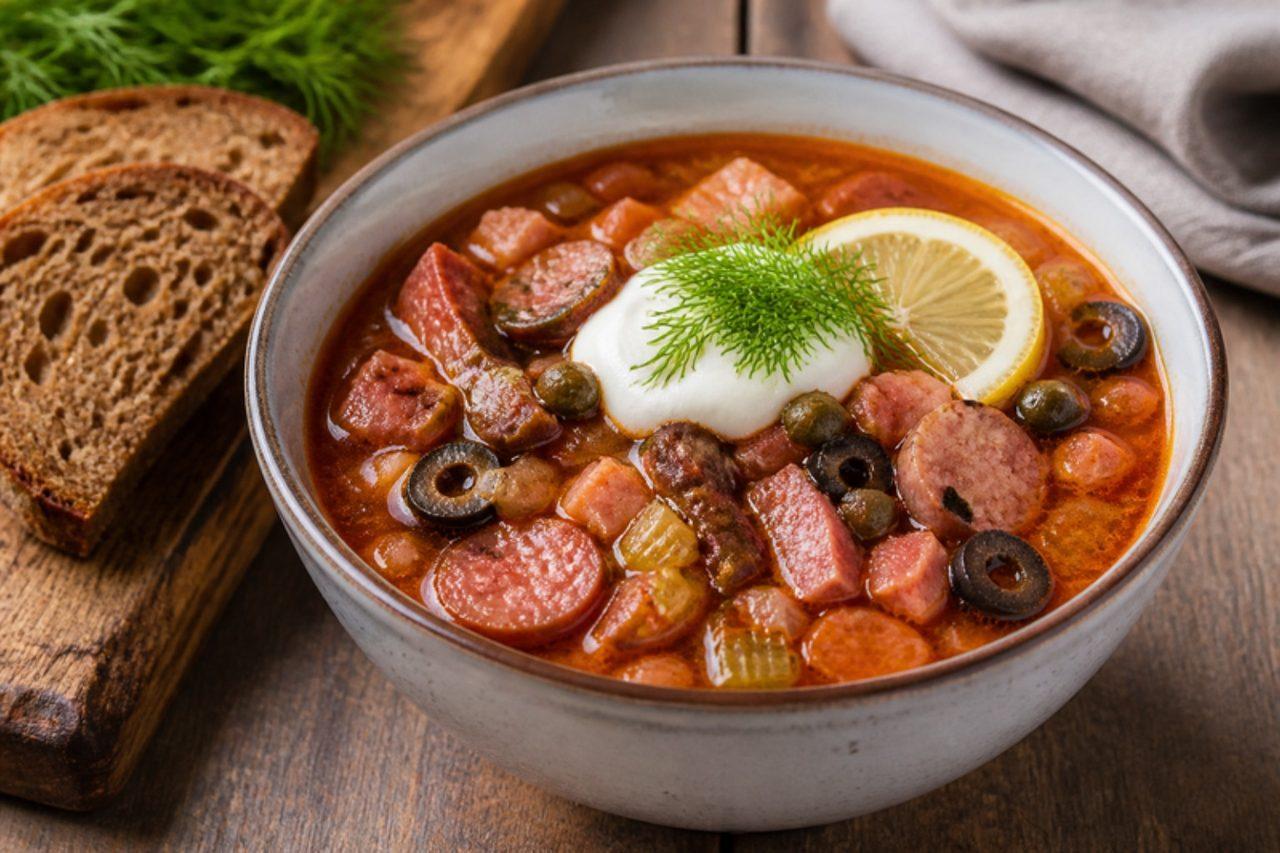
Sbornaya myasnaya solyanka is the soup Russian cooks make on 2 January, when the fridge is full of leftover ham and sausage from the New Year table; Moscow restaurants also keep it on the menu all winter as the cure for a heavy night. A beef broth is sharpened with pickled cucumbers and their brine, then loaded with strips of smoked sausage, ham and tender beef, salty olives and capers, and finished in the bowl with a slice of lemon and a spoon of sour cream. It contains pork (ham and smoked sausage). Serve it with rye bread. The usual mistake is salting the broth early: pickles, brine, capers, olives and sausage all bring salt, so season only at the very end. Chef's tip: fry the tomato paste with the pickles until it darkens before it meets the broth; it takes away the raw tinny taste and gives solyanka its deep orange colour.

140 minRussianSoups
by KrazyBadal 0 views

Somlói galuskaHungarian sponge trifle

Somlói galuska was first served at the Gundel restaurant in Budapest in the 1950s and named after the Somló wine hill in western Hungary. Today it is the dessert everyone orders at the end of a Sunday lunch: spoonfuls of three sponges (plain, walnut and cocoa) soaked in rum syrup and layered with vanilla custard, then topped with chocolate sauce and whipped cream. It is assembled the day before and spooned out into rough dumplings, which is where 'galuska' comes from. This version thickens the custard with flour and egg yolk rather than gelatine. Chef's tip: soak the sponge only lightly; it should be moist but still hold a spoon-shaped scoop.

by KrazyBadal 0 views

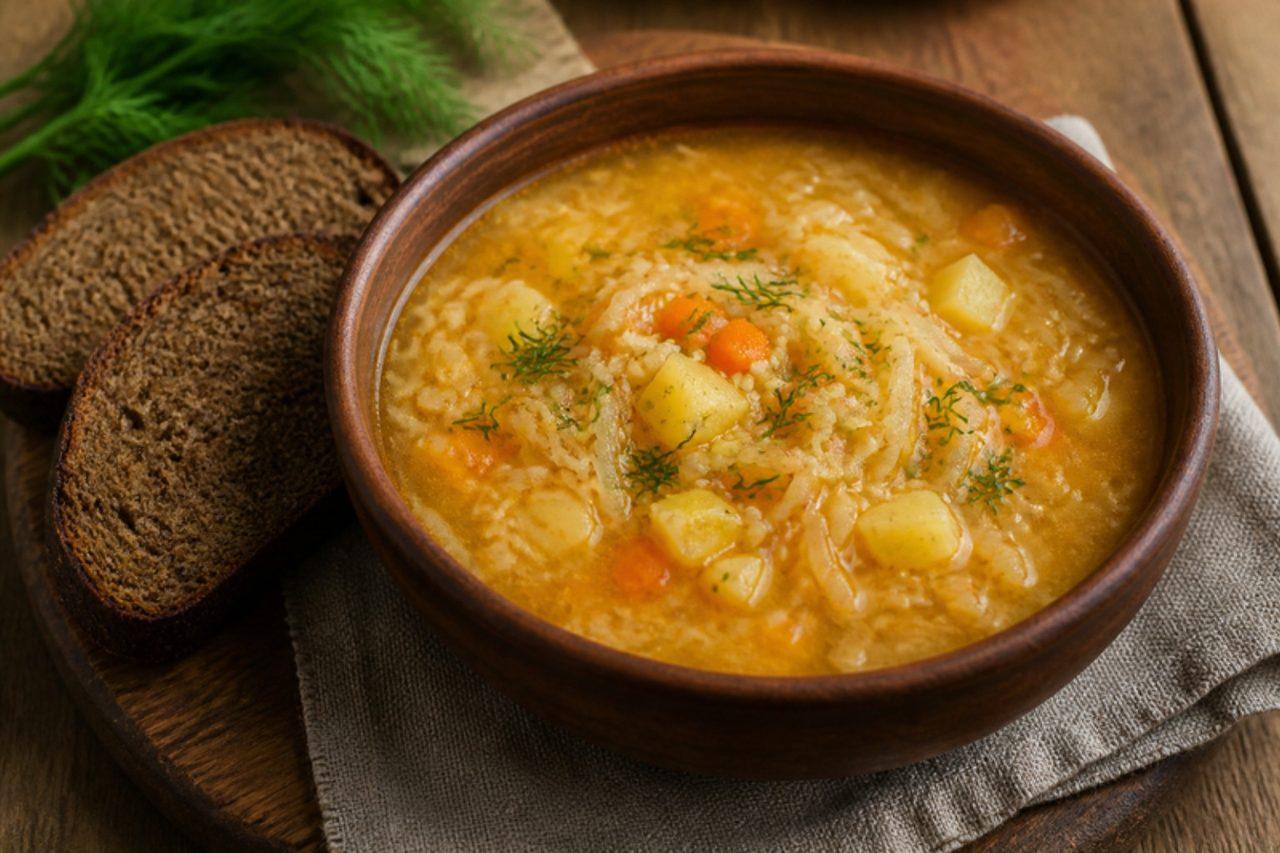
KapusniakSauerkraut and millet soup

Kapusniak is the sour, warming sauerkraut soup of western Ukraine, cooked through the long winters in Lviv and the Galician villages, when barrels of home-fermented cabbage stand in every cellar. Potato and a handful of millet make it filling, and a spoon of tomato paste and smoked paprika round out the tang. It is famous as the soup for the morning after a wedding or New Year party, and is often cooked with smoked pork; this vegan version gets its depth from a well-browned zazharka instead. Chef's tip: taste your sauerkraut first and rinse it only if it is very salty or sharp, because the brine is where the flavour lives. Common mistake: adding the sauerkraut together with the potatoes; the acid stops them softening, so let the potatoes cook first.

by KrazyBadal 0 views

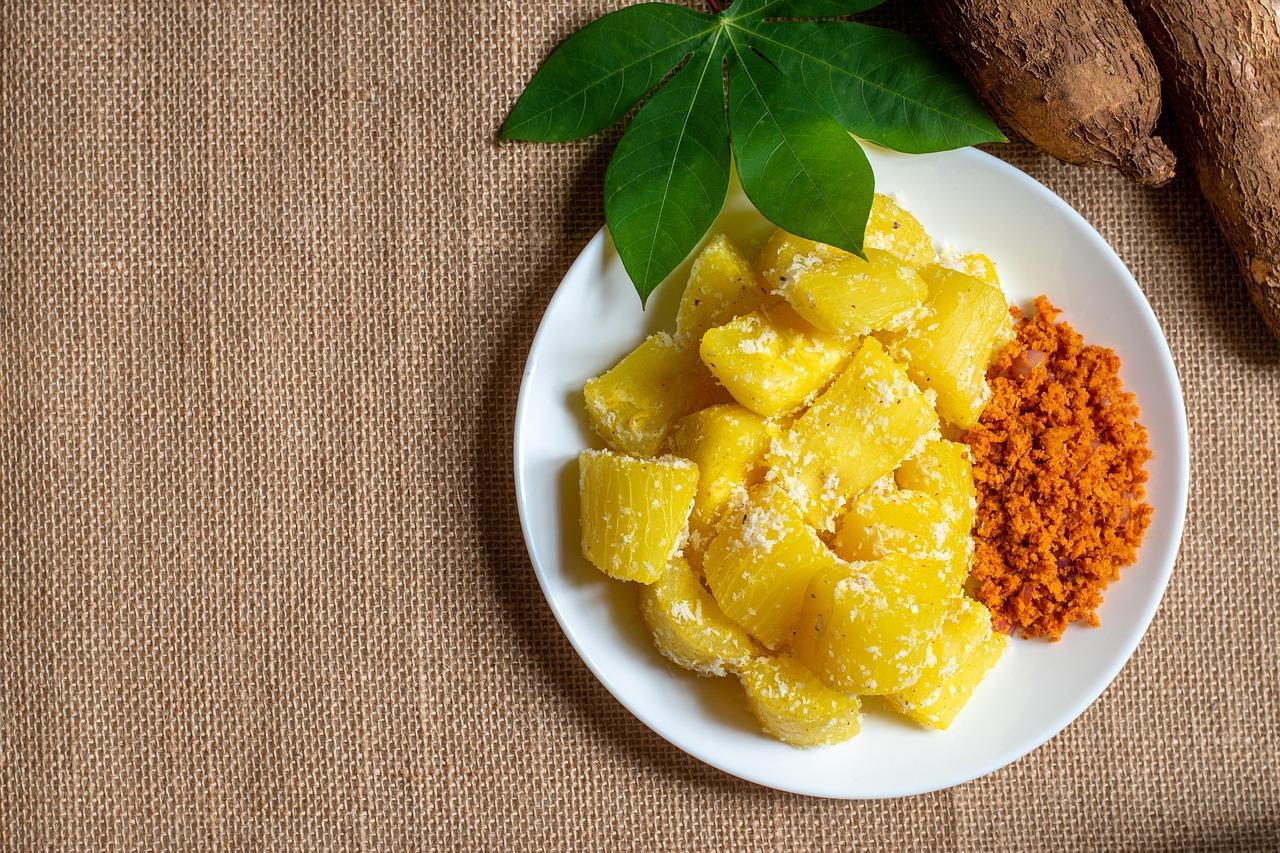
Kappa puzhukkuMashed cassava with coconut

Kappa puzhukku is the cassava dish of central Kerala, eaten in homes around Kottayam and Thrissur, and also served at the start of the Thiruvathira festival. Cassava is boiled twice, roughly mashed with coconut crushed with green chilli, shallots and garlic, then finished with a coconut-oil tempering. It's soft and starchy, with crunchy coconut and a lot of chilli heat, filling enough to be a meal with a fiery chammanthi or a ladle of moru curry. Chef's tip: when you peel the cassava, pull out the woody string that runs down the middle; it never softens.

by KrazyBadal 0 views

So'o yosopyGround beef and rice soup

So'o yosopy, "pounded meat" in Guaraní, is a soup Paraguayans make for anyone who is tired or recovering, and on cold days in Asunción's winter: beef is ground very finely and stirred into cold water so it breaks into soft, delicate threads, then simmered with onion, tomato, pepper and a little rice and oregano. The texture is smooth and the broth light. The mistake is adding the beef to boiling water, which makes it clump into meatballs; mix it into cold water first and stir as it heats. Chef's tip: ask the butcher to mince lean beef twice, or pulse it very fine in a food processor.

by KrazyBadal 0 views

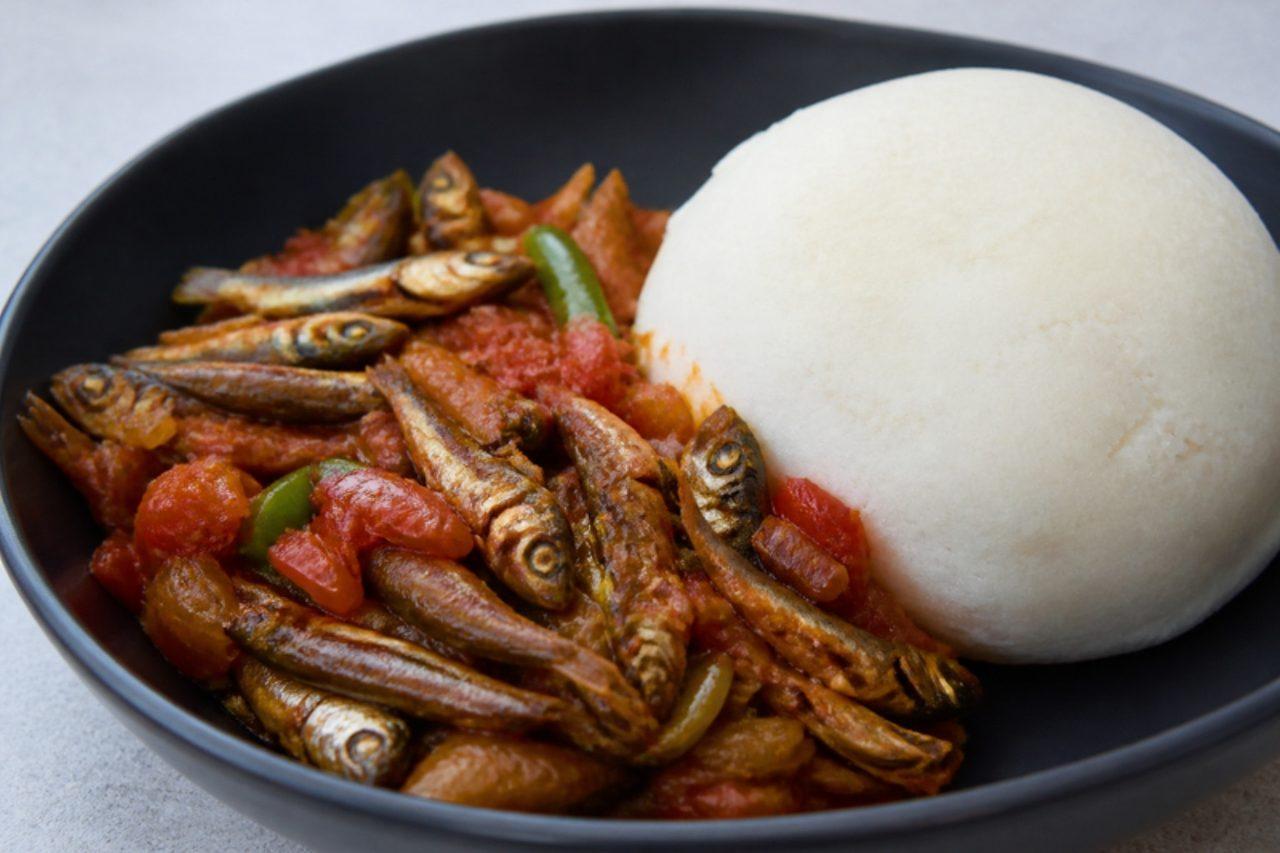
Kapenta with tomatoFried dried sardines with tomato

Kapenta are tiny freshwater sardines from Lake Kariba and Lake Tanganyika, sun-dried on racks along the shore and sold in markets from Lusaka to Harare. Cooked with onion, tomato and a little chilli, they become a savoury, crunchy relish that is eaten with nshima or sadza for a cheap, protein-rich weeknight meal. The mistake is skipping the rinse: dried kapenta carries sand and a strong smell, so soak and rinse it well. Chef's tip: fry the drained kapenta on its own first until crisp, then add the tomato, so it keeps some crunch.

by KrazyBadal 0 views

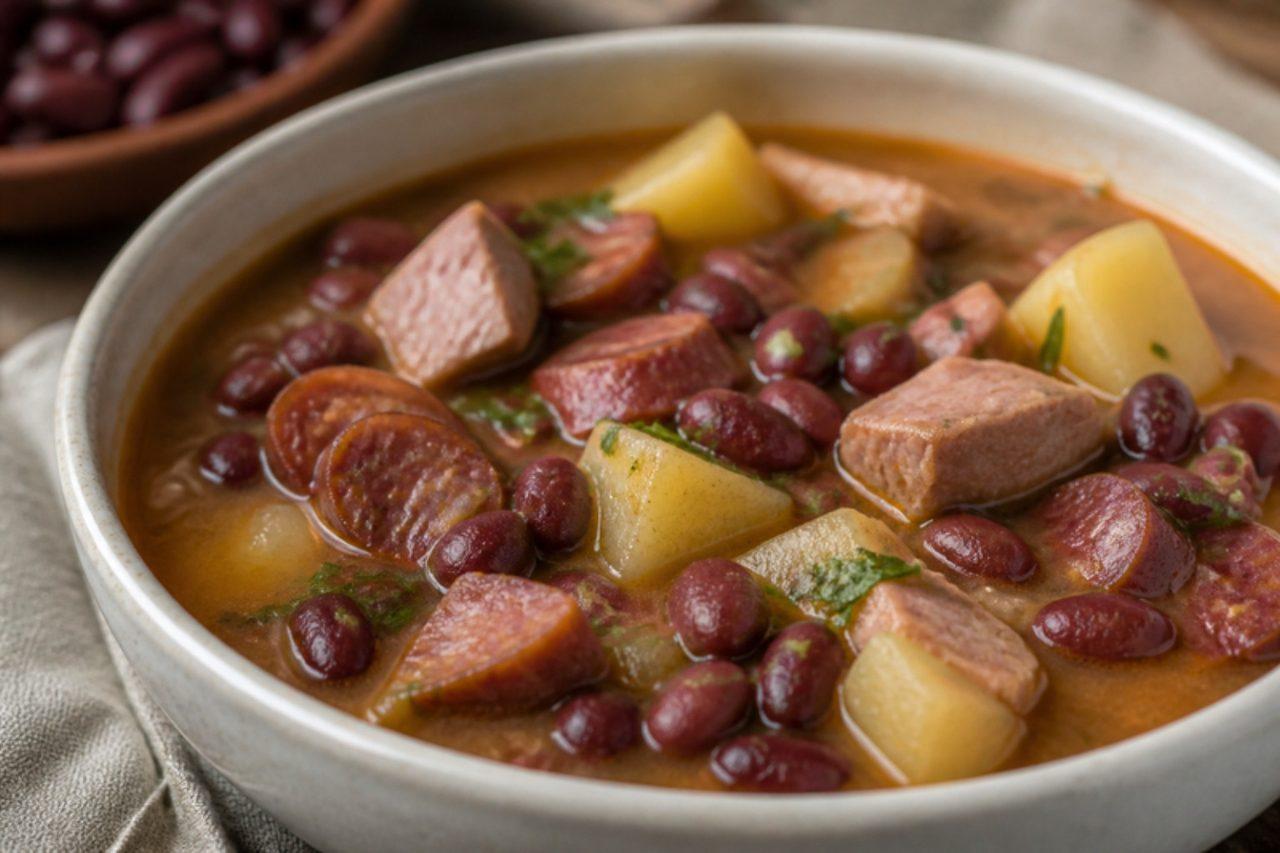
Sopa da pedraBean and pork soup

Almeirim, a market town in the Ribatejo, is the capital of this soup; its restaurants serve it every day, and each bowl arrives with a clean stone at the bottom, after the folk tale of a friar who 'made soup from a stone' by talking villagers into giving him everything else. This is a pork soup: red kidney beans simmer with chouriço, morcela blood sausage and a piece of pork belly, then potatoes, carrots and coriander finish it into a thick, hearty bowl. Chef's tip: cook the sausages whole and slice them at the end, so they stay juicy and don't turn the broth greasy.

by KrazyBadal 1 views

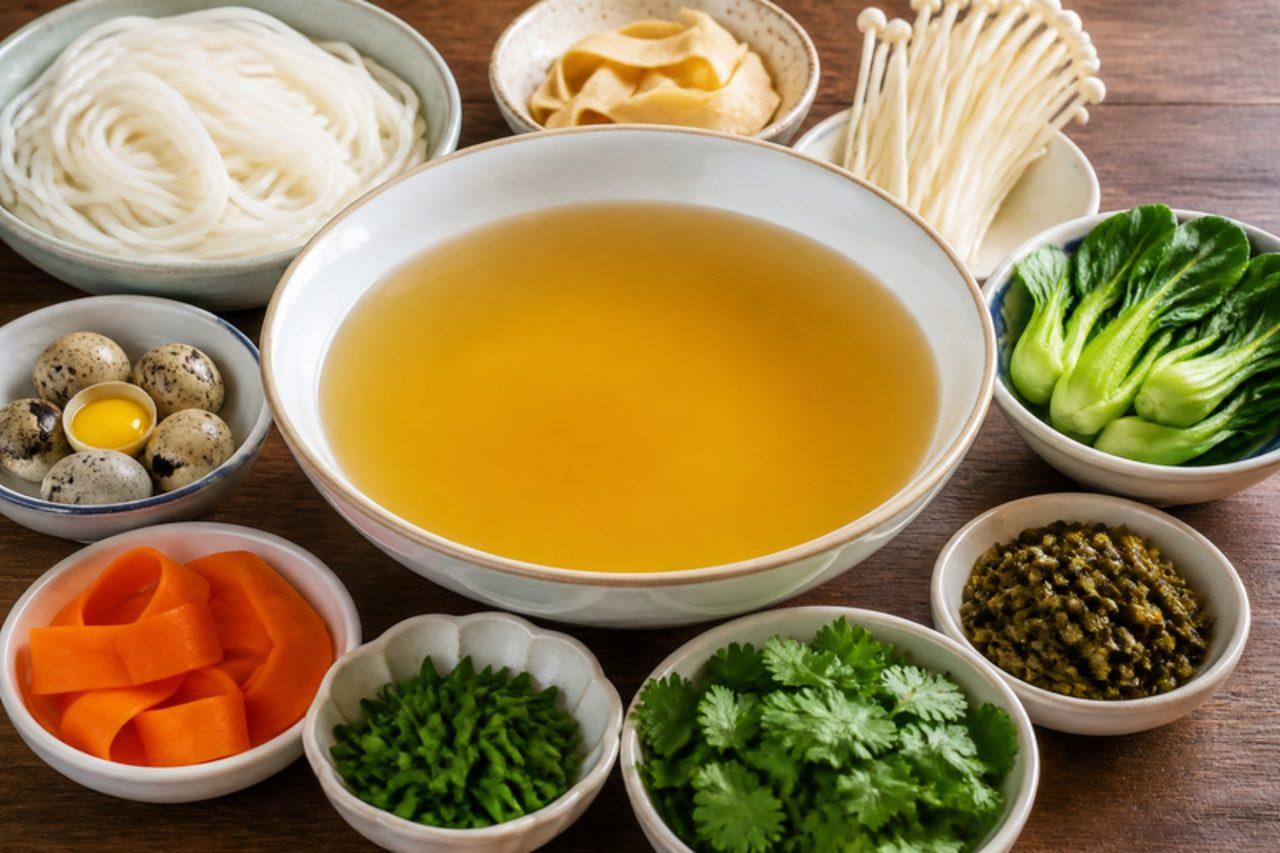
Crossing-the-bridge noodles with vegetable brothRice noodles in hot broth

Guo qiao mi xian comes from Mengzi in southern Yunnan. The story goes that a scholar's wife carried soup across a bridge to his island study each day, and found that a layer of oil kept it piping hot. Today in Kunming it arrives as a big bowl of scalding broth plus small plates of raw thinly sliced vegetables, tofu skin, herbs and rice noodles, which you slide in yourself so they cook at the table. This vegetarian broth is built on mushroom, corn and soybean sprouts. Chef's tip: the broth must be at a rolling boil when it goes into a warmed bowl; that heat is what cooks the toppings.

by KrazyBadal 0 views

Showing 27 of 7,762 recipes

Show more recipes

Page 722 of 863