


Skip to content
Chinese plum sauce
Featured recipe

Chinese plum sauce

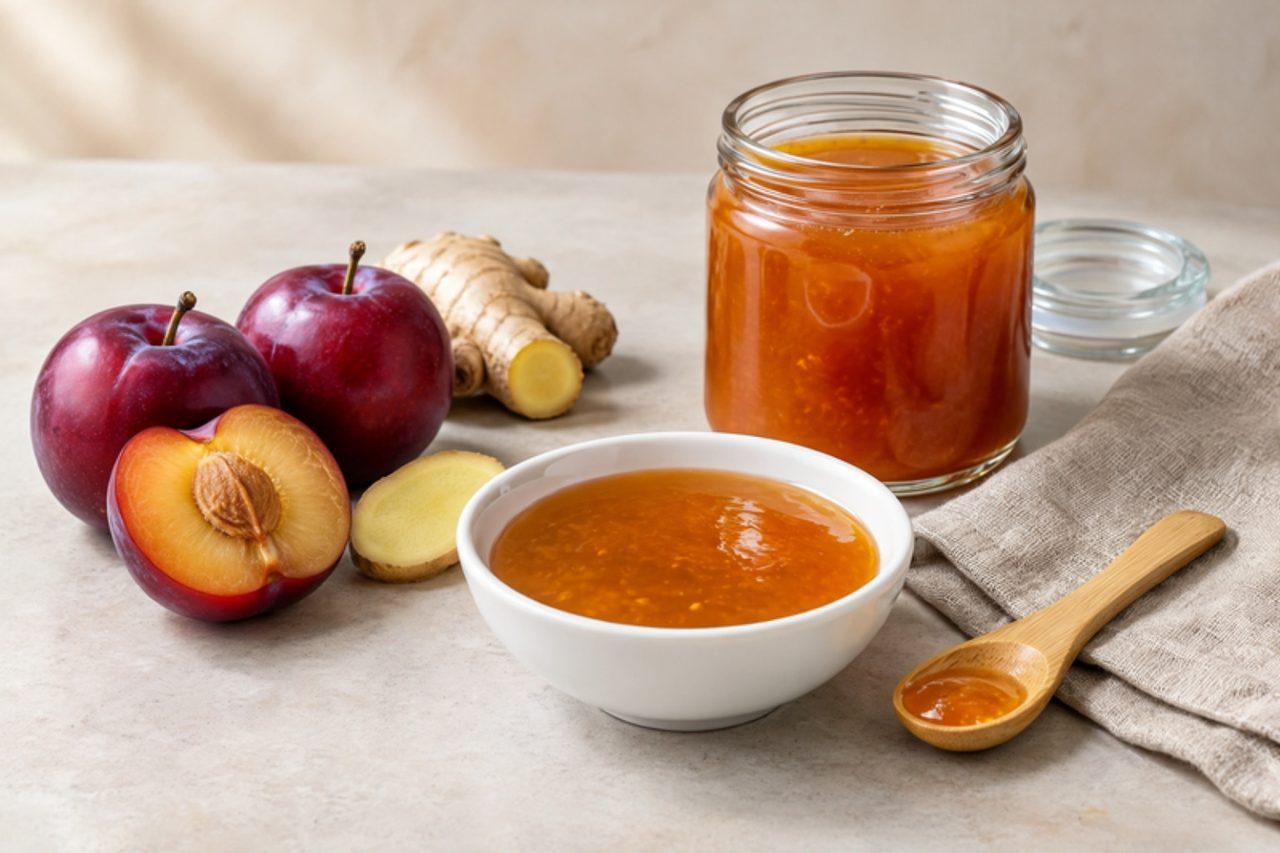
In Hong Kong and Guangzhou roast-meat shops, a small saucer of plum sauce comes with crisp roast goose and siu mei, and at home it is the dip for spring rolls at New Year and the glaze for vegetarian fried tofu or cha siu-style mushrooms. Cantonese suan mei jiang is fruitier and more sour than the gloopy bottled kind: ripe plums are simmered with sugar, rice vinegar, ginger and a little chilli until thick and glossy. Make it in late summer when dark plums are cheap. Common mistake: boiling it too thick; it sets further as it cools, so stop when it coats the back of a spoon and a drip on a cold plate wrinkles only slightly. Readiness cues: the plum skins have melted into the sauce, the colour is deep ruby and the taste balances sweet and sharp. This is a high-acid preserve: in the fridge it keeps 2 months, or water-bath process sealed jars for 20 minutes to keep them in a cupboard for a year (refrigerate once opened). Discard if you see mould, it fizzes, the lid bulges or leaks, or it smells fermented. Chef's tip: add 2 Chinese salted preserved plums, mashed, for the authentic salty-sour depth.

Read more 0 views

What to eat today?

Around the world

Today's trip: Paraguayan

A new country every day, from every cuisine on the site.

Paraguayan

Cocido quemado

Burnt sugar mate drink 14 minMore from Paraguayan (27) →

This week's collection

Kid-friendly dinners
537 recipes · a new collection every Monday

Latest recipes

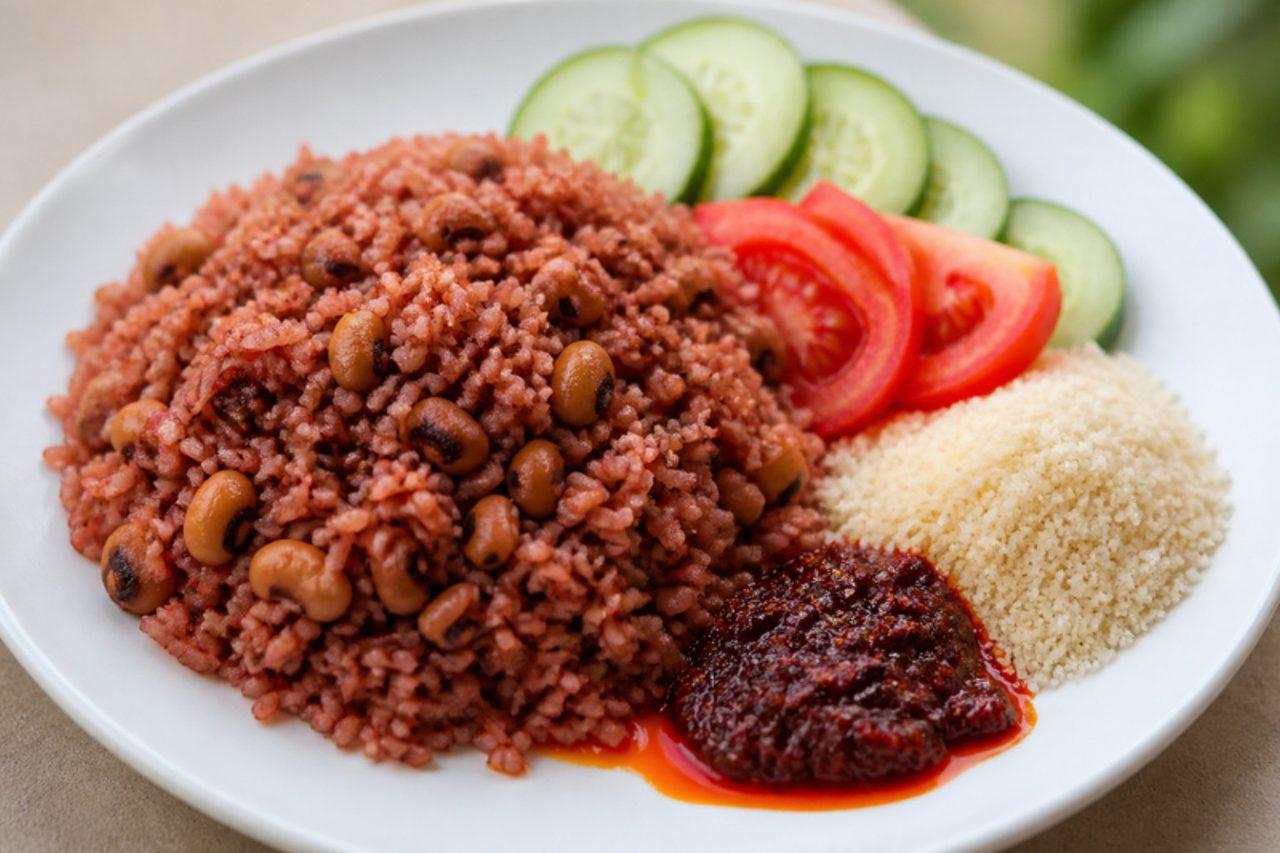
WaakyeRice and black-eyed beans

Waakye (say 'waa-chay') came south from the Hausa communities of northern Ghana and is now Accra's favourite breakfast and lunch, sold from big pots wrapped in leaves at roadside stalls before most offices open. Rice and black-eyed beans are cooked together with dried sorghum leaf stalks (waakye leaves), which dye the pot a deep reddish brown and add a faint earthy note. A full plate comes loaded with shito, gari, spaghetti (talia), salad and fried plantain. Chef's tip: cook the beans almost soft before the rice goes in; beans and rice finishing together is the whole trick.

by KrazyBadal 0 views

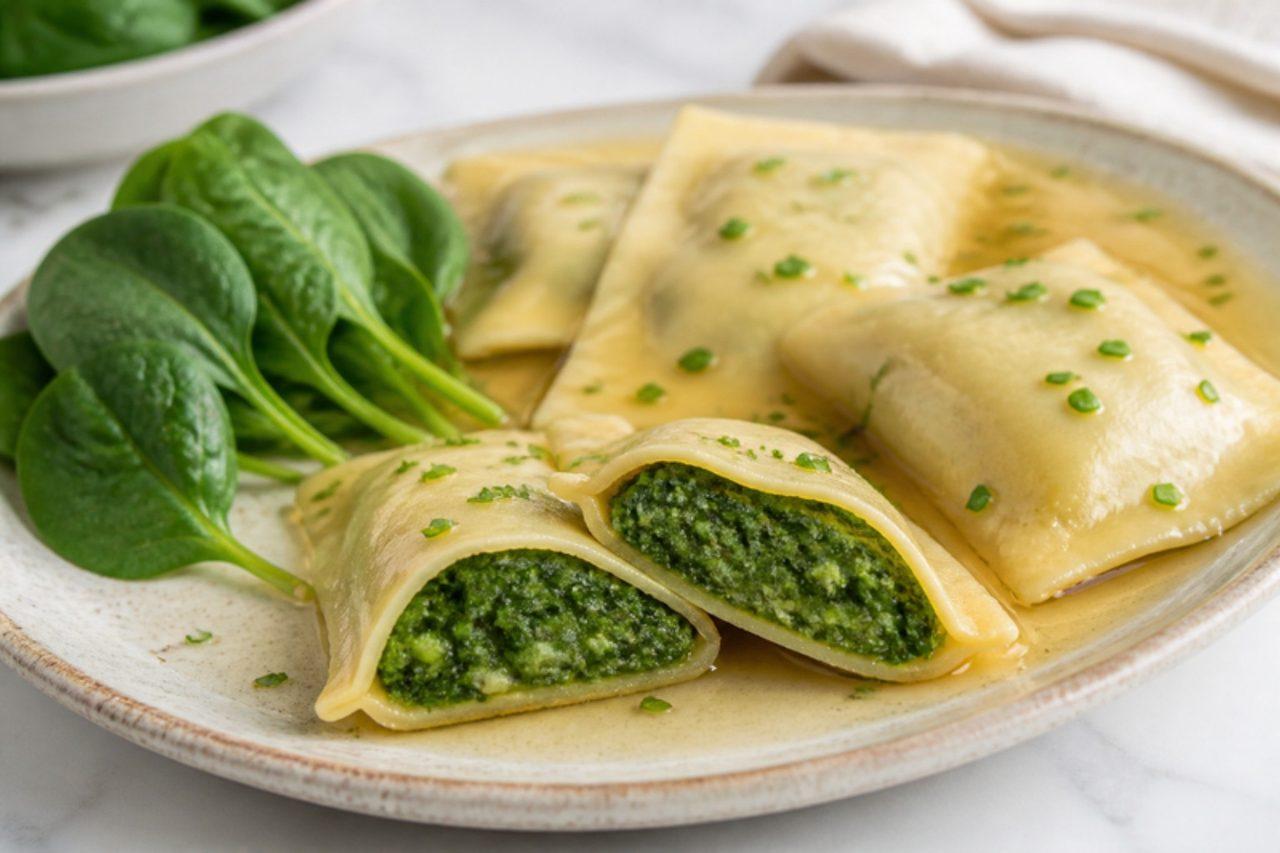
Spinach MaultaschenSpinach pasta pockets

Maultaschen are the big square pasta parcels of Swabia, around Stuttgart and Tübingen, and a dish with its own legend: Swabians jokingly call them 'little God-cheaters', because the dough was said to hide meat from God's eyes during Lent. Meat-free spinach Maultaschen are a long-standing Lenten and Good Friday dish there, filled with spinach, soaked bread, onion, parsley and a little cheese. Eat them in clear vegetable broth, or the next day sliced and fried in butter with onions and egg ('geröstet'). Chef's tip: press every pocket of air out as you seal the dough; trapped air expands in the hot water and splits the parcels open.

by KrazyBadal 0 views

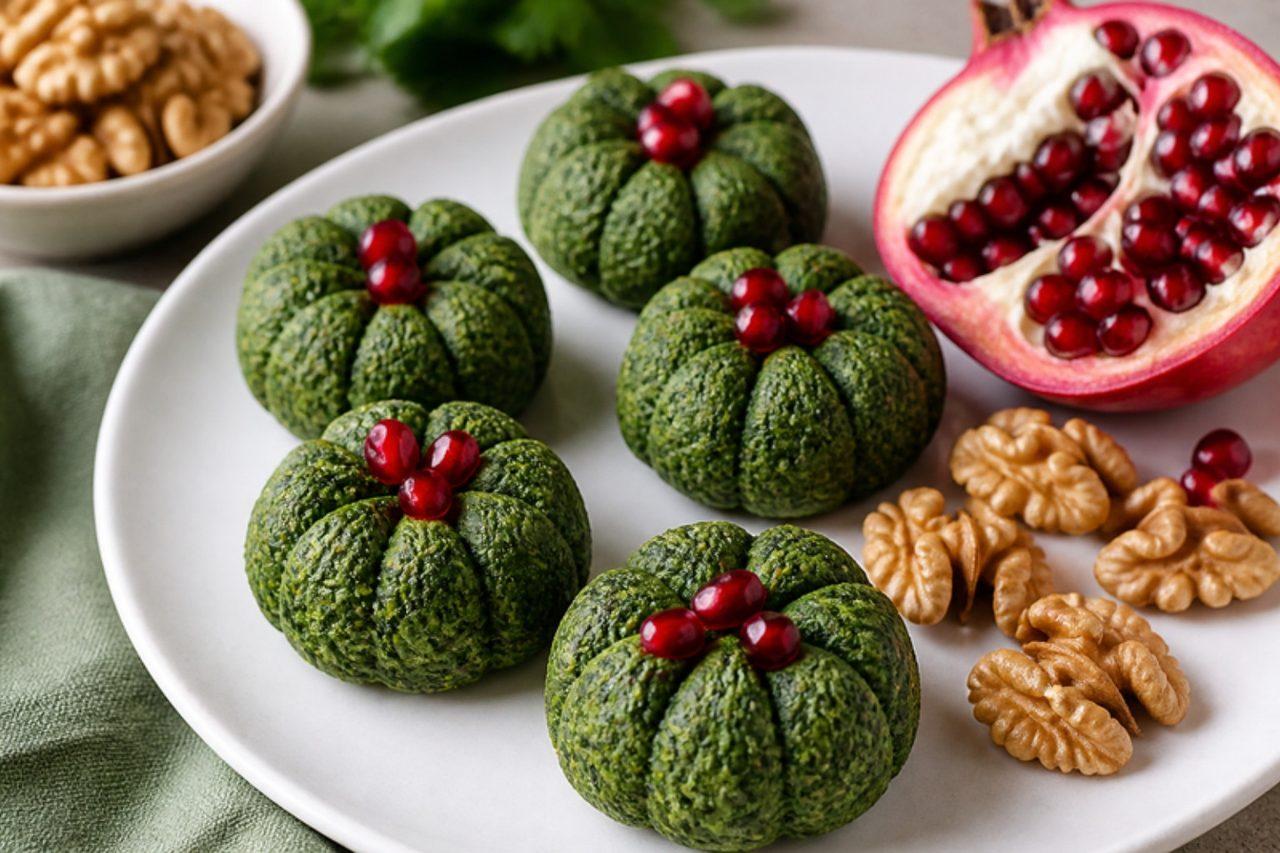
PkhaliSpinach and walnut balls

Pkhali are the walnut-bound vegetable pâtés that open almost every Georgian feast, the supra, from Tbilisi to the villages of Kakheti. Spinach is the best known, though beetroot, beans, leeks and nettles are made the same way, and in Lent they become the heart of the meal. The cooked greens are chopped fine with walnuts, garlic, coriander, vinegar and spices, shaped into small balls and pressed with a criss-cross, then dotted with pomegranate seeds. Eat them cold with mchadi or bread. The common mistake is not squeezing the spinach hard enough, which makes the pkhali loose and watery. Chef's tip: they taste much better the next day, once the garlic and vinegar have soaked into the walnuts, so make them a day ahead.

by KrazyBadal 0 views

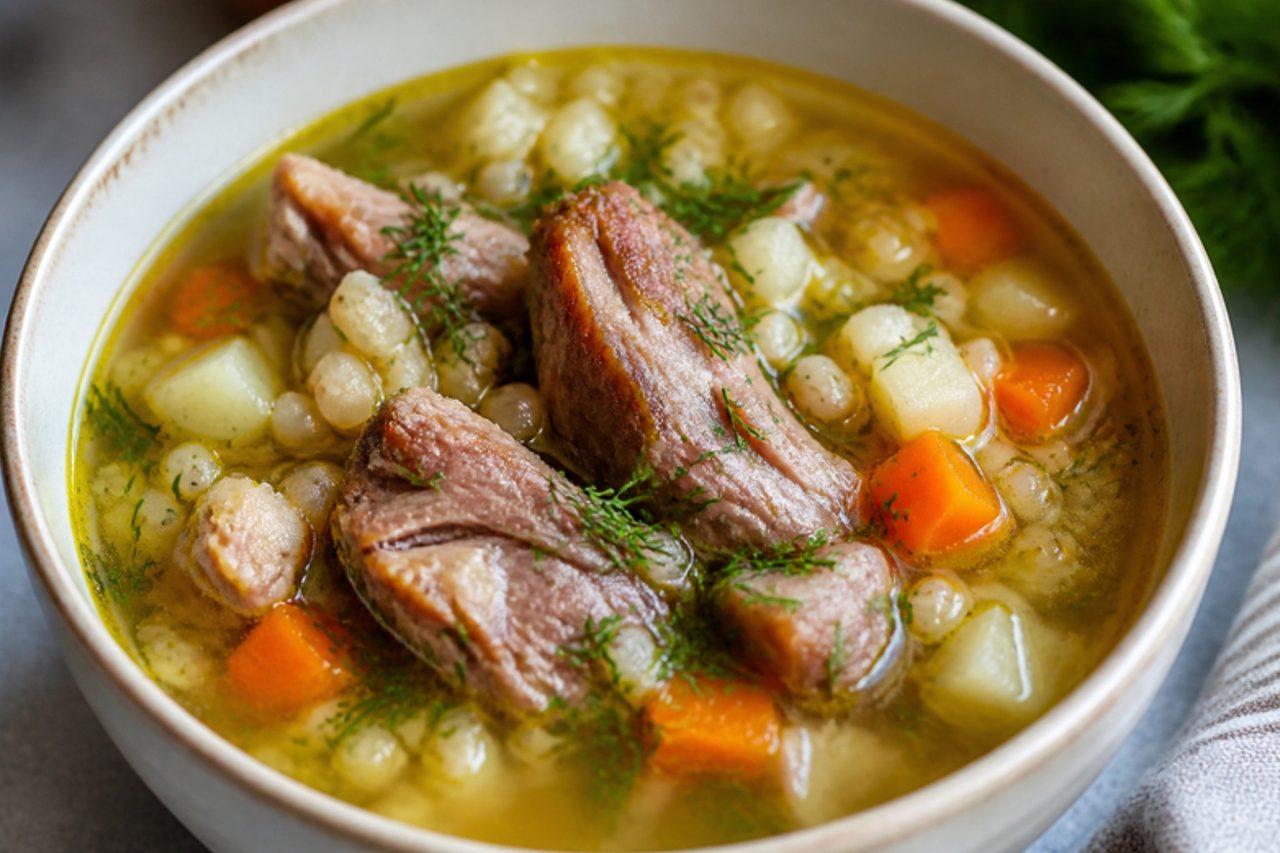
KrupnikBarley soup with smoked pork

Krupnik is a thrifty, warming soup from every Polish grandmother's kitchen, from the villages of Podlasie to city milk bars, and it is the soup people make when someone in the house has a cold. Pearl barley (kasza jęczmienna), carrot, celeriac, parsley root and potato simmer in a broth of smoked pork ribs, which gives it a gentle smoky depth; this version contains pork. Dried mushrooms add an earthy note. Chef's tip: rinse the barley well and add it early; it releases starch that gives krupnik its slightly creamy body.

by KrazyBadal 0 views

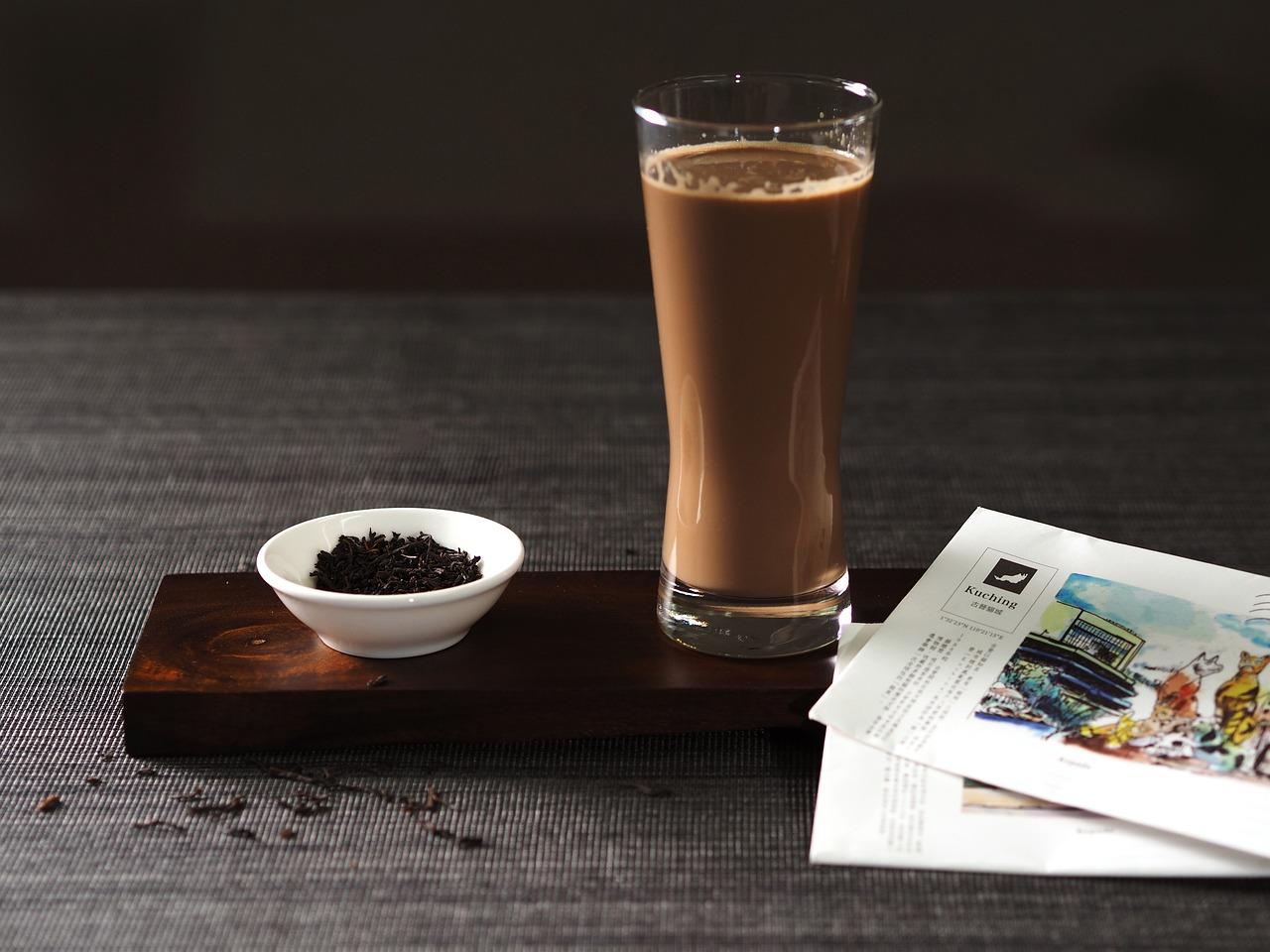
Ceylon teaSpiced milk tea

In the misty tea country around Nuwara Eliya, Hatton and Ella, and in every roadside tea kade across Sri Lanka, tea is made strong, sweetened generously and often whitened with milk, then poured from a height between two jugs so it cools a little and wears a frothy cap. Families drink it first thing, again at 'tea time' around four, and with every short eats snack in between. Unlike Indian masala chai there are no spices: the flavour comes from bright, brisk high-grown Ceylon black tea, often a BOP or BOPF grade. If you'd rather have it plain, kahata thé is the same tea with no milk and a bite of jaggery. The common mistake is stewing the leaves too long, which turns it bitter and tannic; three to four minutes is plenty. Chef's tip: pour from jug to jug four or five times; the 'pulled' tea is smoother and creamier.

by KrazyBadal 0 views

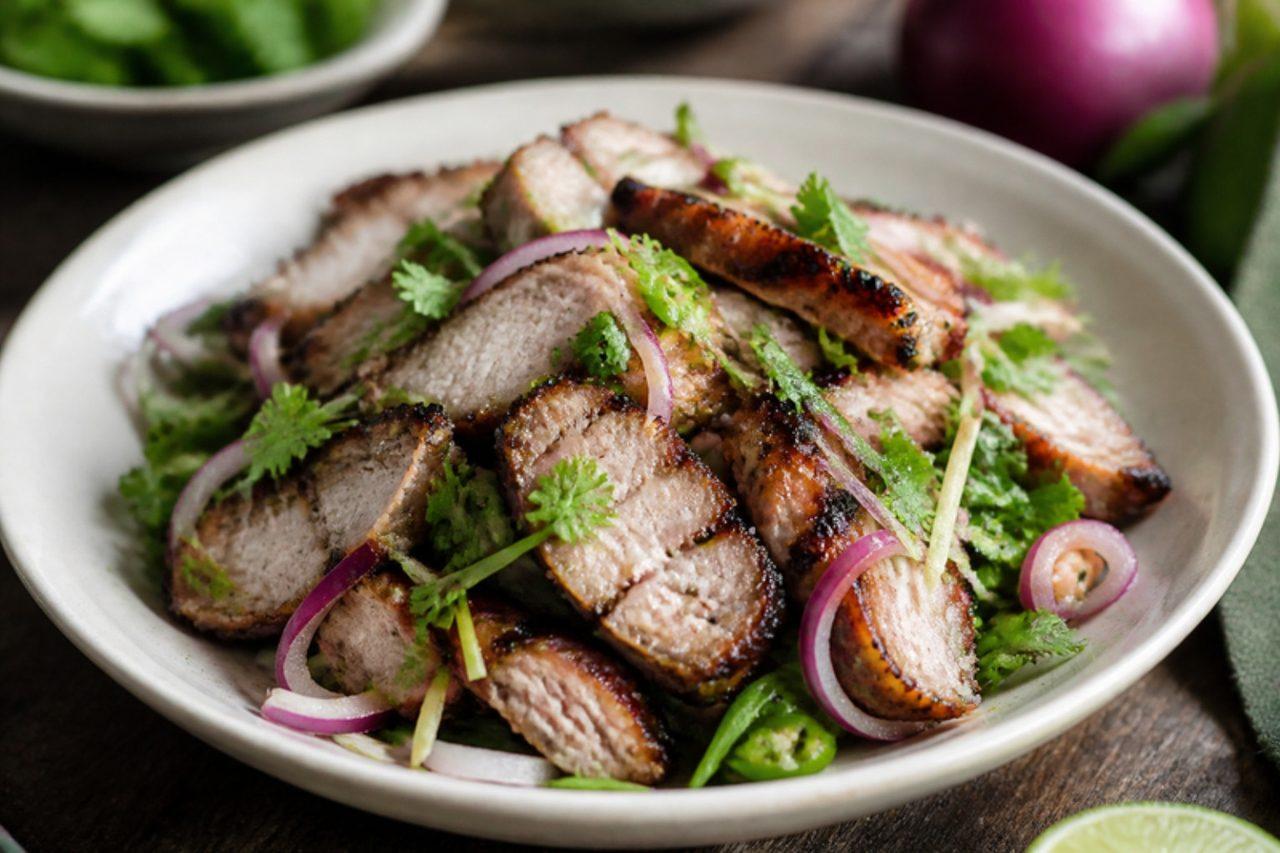
Wahan mosdengGrilled pork salad

Wahan means pork and mosdeng a fiery mashed relish in Kokborok, the language of the Tripuri people of Tripura. Pork is boiled until tender, grilled over charcoal for a smoky crust, then tossed with raw onion, green chilli, ginger and coriander. In Agartala and the villages it is party and festival food, eaten during Garia Puja in April with rice beer or rice. Chef's tip: grill the boiled pork really hot and fast; you want charred edges without drying the meat.

by KrazyBadal 0 views

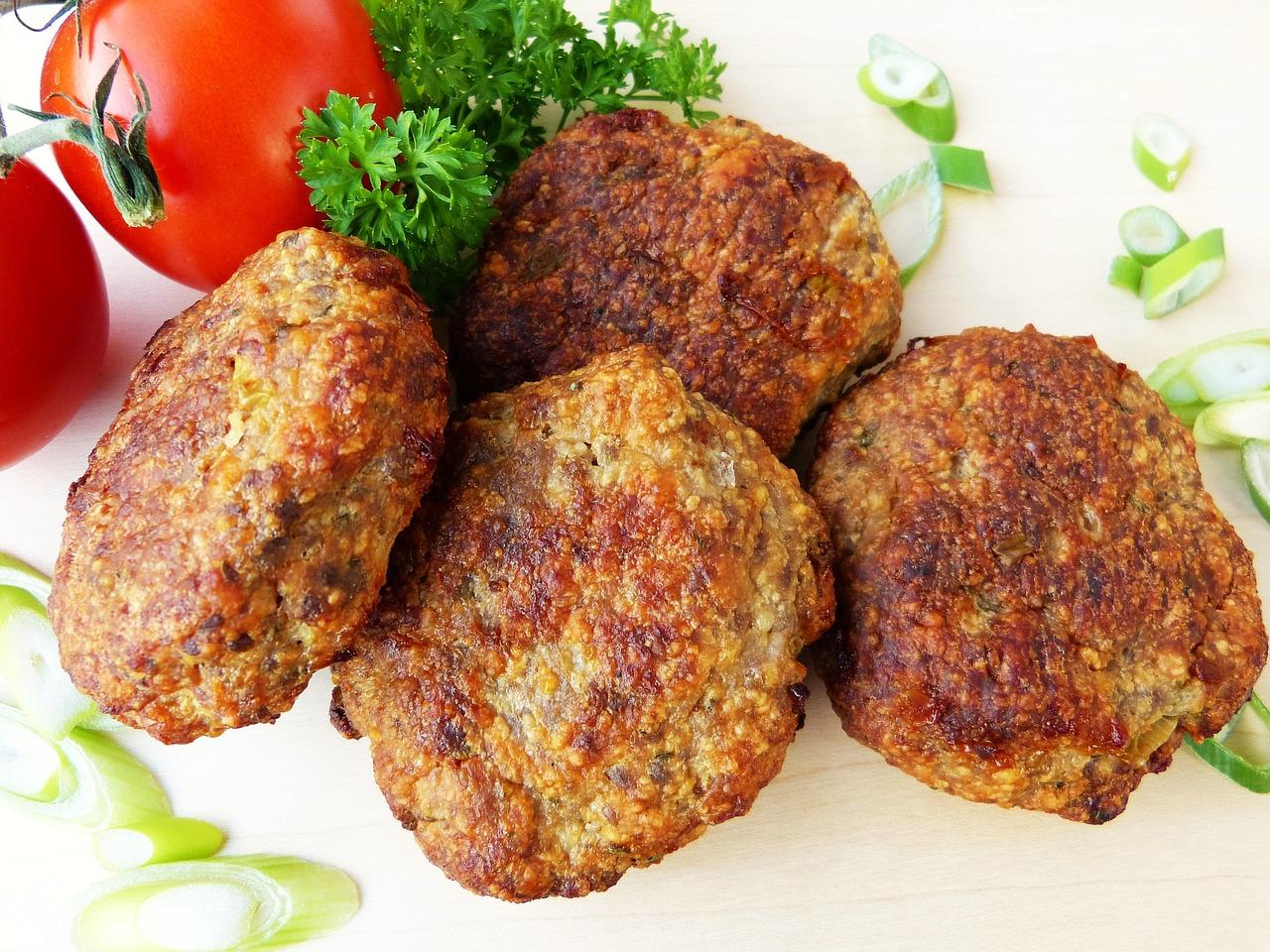
KotletyPan-fried meat patties

Kotlety are what a Russian grandmother makes on an ordinary Tuesday and what Soviet school canteens served at lunch: soft, oval patties of minced pork and beef, fried golden and finished with a splash of water under a lid. They contain pork. Bread soaked in milk is the secret to their tenderness; the patties stay juicy enough to eat cold the next day in a sandwich. Serve them with mashed potato or buckwheat (grechka), a few pickles and a spoon of the pan juices. The mistake most people make is leaving out the soaked bread or using breadcrumbs instead, which gives dense, dry burgers rather than kotlety. Chef's tip: wet your hands with cold water before shaping each patty, so the soft mince doesn't stick and the surface stays smooth.

by KrazyBadal 0 views

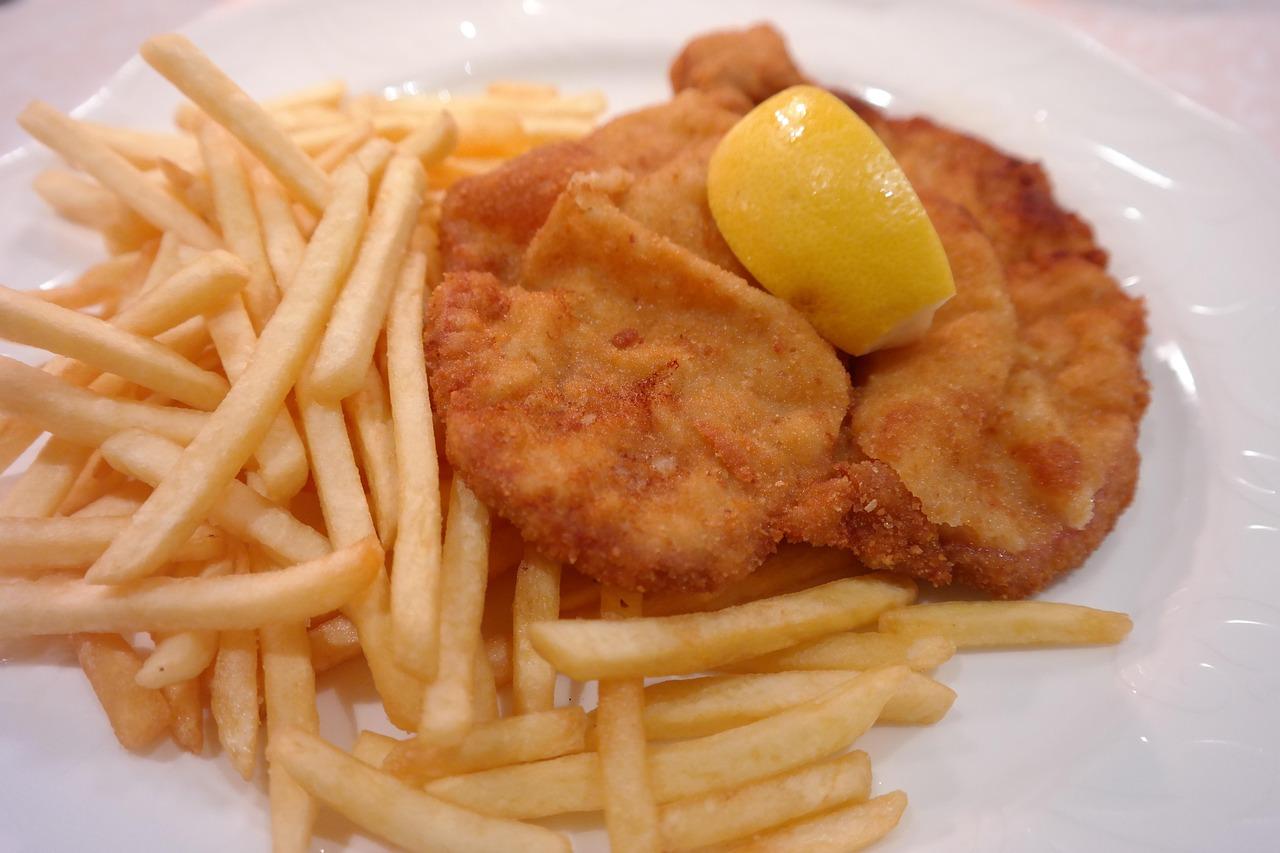
Kotlet schabowyBreaded pork cutlet

Kotlet schabowy is the Polish Sunday dinner, served in homes and milk bars from Warsaw to Wrocław, usually with buttery dill potatoes and mizeria (cucumber in soured cream) or braised cabbage. It is a pork dish: slices of boneless pork loin are pounded thin, dipped in flour, egg and breadcrumbs and fried in lard or oil until crisp and golden. Chef's tip: pound the meat between sheets of cling film to an even 5 mm; even thickness means the coating browns just as the meat is done.

35 minPolishMeat
by KrazyBadal 0 views

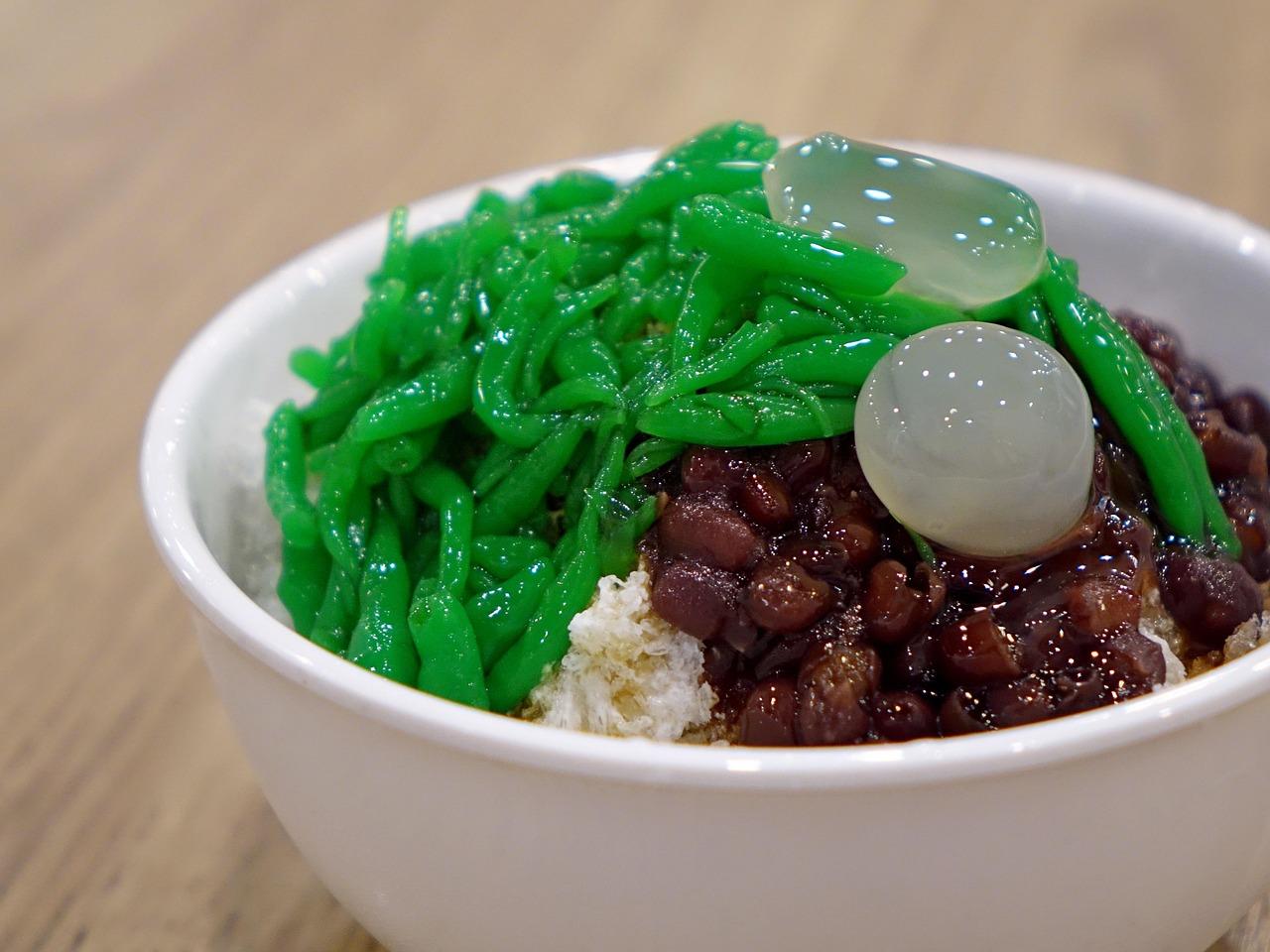
CendolPandan jelly in coconut milk

On a sweltering afternoon in Melaka, the queue snakes out of the cendol shops on Jonker Street: a bowl of shaved ice drenched in salted coconut milk and smoky, dark gula Melaka syrup, hiding soft green jelly 'worms' made from rice flour and pandan, with red beans at the bottom. It's sweet, salty, creamy and cold all at once, and it's the city's signature dessert. Melaka's own gula Melaka is the key; it should smell of caramel and woodsmoke. Chef's tip: a pinch of salt in the coconut milk makes the palm sugar taste deeper; without it the bowl tastes flat.

by KrazyBadal 0 views

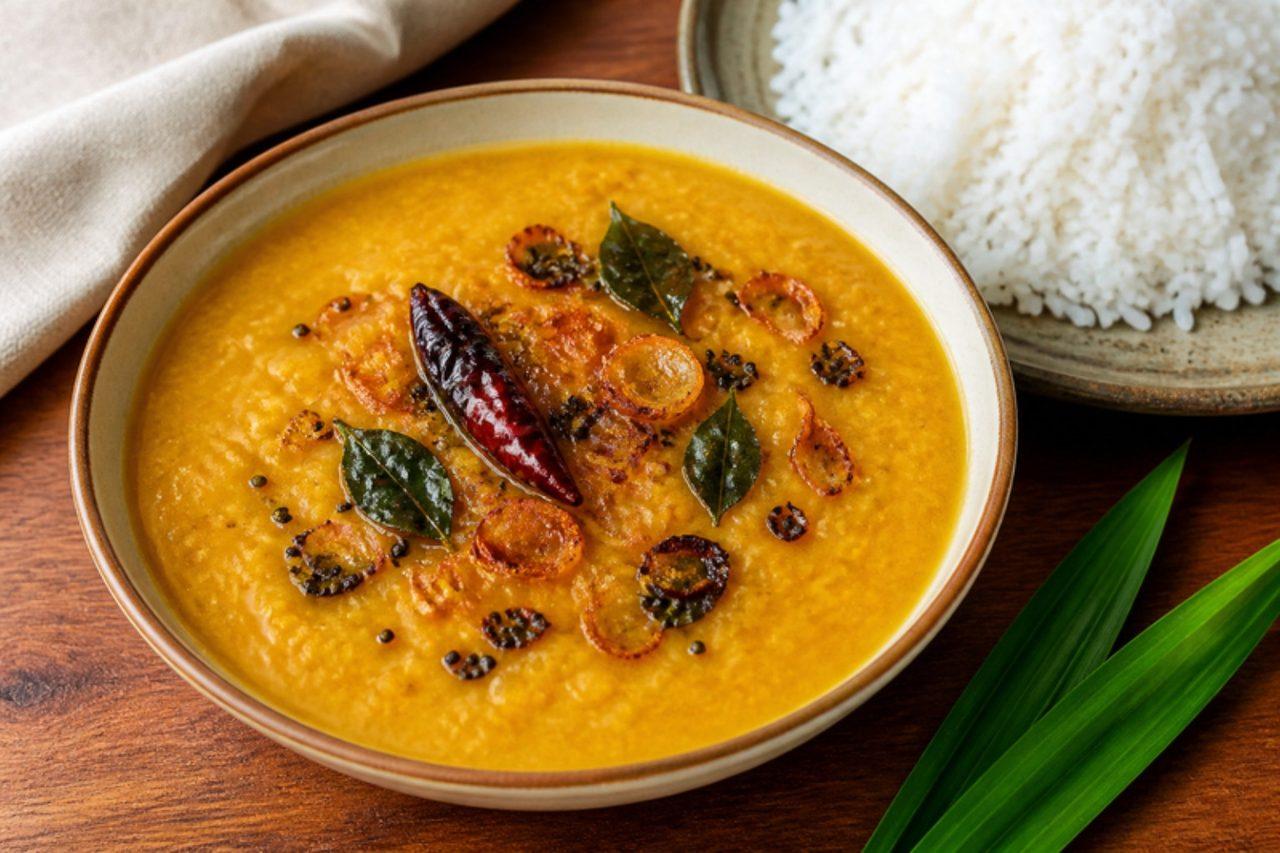
ParippuRed lentil curry

No Sri Lankan rice-and-curry plate is complete without a bowl of parippu, from a Colombo office canteen to a farmhouse kitchen in the dry zone; many families also mop it up with bread or pol roti for breakfast. Unlike a North Indian dal, the red lentils are cooked with turmeric, green chilli and a strip of rampe (pandan leaf), then softened with thin coconut milk and finished with a sizzling tempering of mustard seeds, shallots, dried chilli and curry leaves, so it tastes mellow, fragrant and only gently spicy. Keep it pourable: it thickens a lot as it stands. The usual mistake is adding the coconut milk too early and boiling it hard, which makes it split and grainy. Chef's tip: stir the thick coconut milk in off the heat at the very end; it gives a silky, almost creamy finish without curdling.

by KrazyBadal 0 views

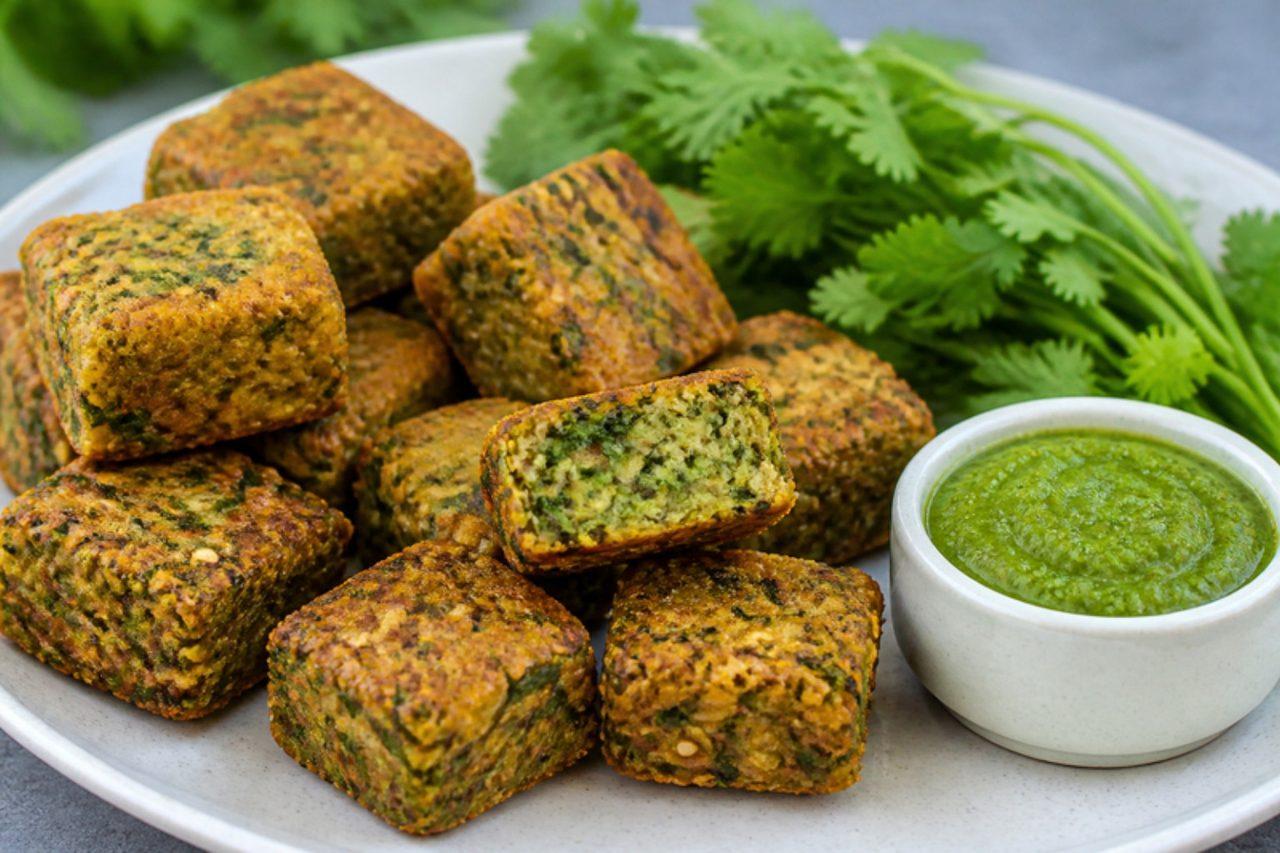
Kothimbir vadiCoriander and gram flour fritters

When the winter coriander in the Nashik markets comes in huge, fragrant bunches for a few rupees, Maharashtrian kitchens make kothimbir vadi. A batter that is mostly fresh coriander, held together with gram flour and sesame, is steamed into a cake, cut into squares, then shallow-fried until each piece has a crunchy shell and a soft, herby middle. It's a tea-time snack in Pune homes, a side on the festive thali and a favourite in tiffin boxes because it's good at room temperature. Serve with green chutney or tomato ketchup. Chef's tip: dry the coriander well after washing; wet leaves make the batter loose and the vadi soggy.

by KrazyBadal 0 views

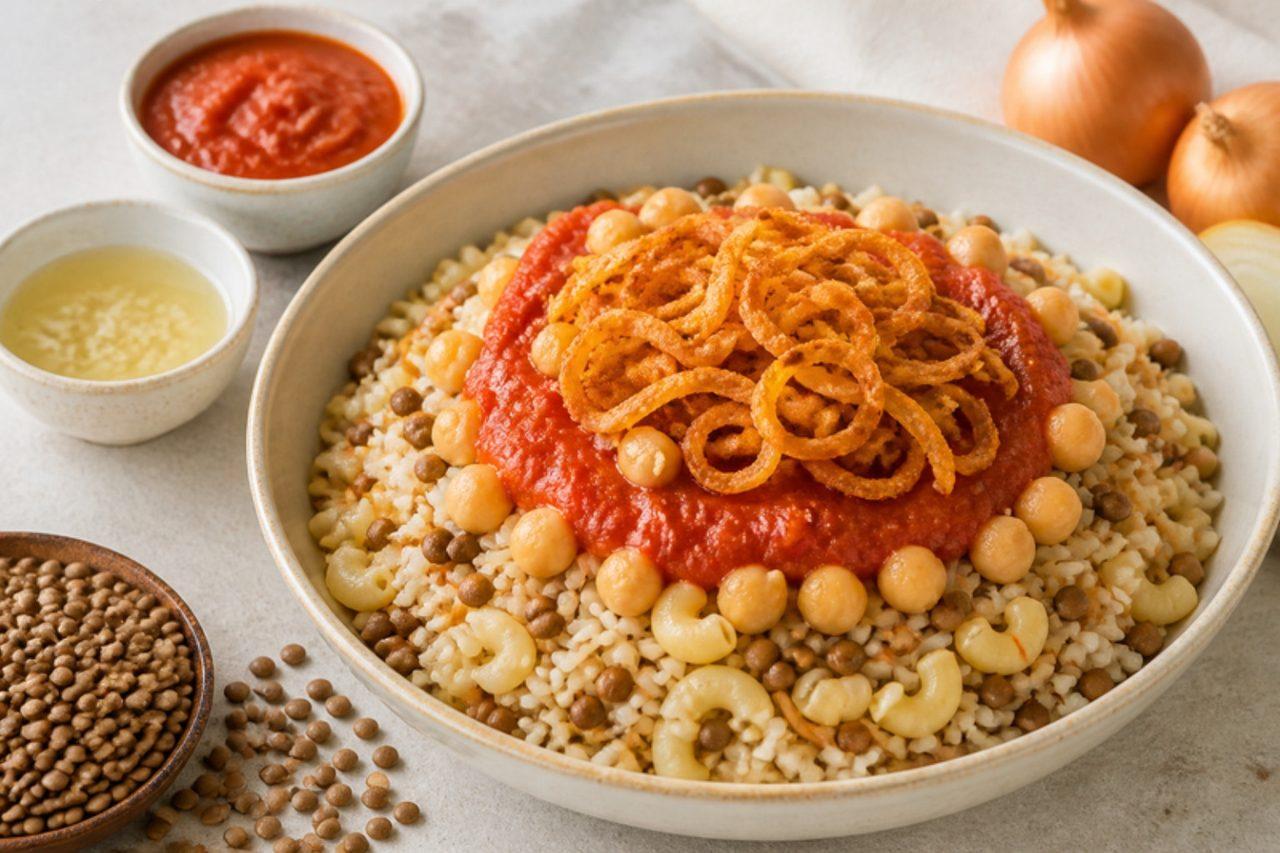
KoshariRice, lentil and pasta bowl

Koshari is the dish of Cairo's streets: whole shops, from Abou Tarek downtown to small corner counters, sell nothing else, and office workers queue for a metal bowl of it at lunchtime. Brown lentils and rice are cooked together, then piled with macaroni, vermicelli and chickpeas, drowned in a sharp cumin-tomato sauce and finished with dakka (garlic vinegar), shatta (chilli sauce) and a heap of dark fried onions. It is cheap, filling and naturally vegan, and every Egyptian eats it differently, so put the sauces on the table. Chef's tip: fry the onions first and cook everything else in their oil; that onion-scented oil is what makes koshari taste like the shops' and not like a plate of separate leftovers.

by KrazyBadal 0 views

KopiCoffee with condensed milk

Kopi is the strong, thick coffee poured from long-spouted pots at kopitiams all over Singapore. The beans are dark-roasted with sugar and margarine, which gives a bittersweet, almost chocolatey brew, and the classic cup is sweetened with condensed milk. Order it like a local: kopi-o is black with sugar, kopi-c has evaporated milk, and kopi peng is iced. At home, a dark-roast robusta or espresso blend in a cloth sock or cafetière gets close. Chef's tip: pour the coffee back and forth between two jugs a few times; it cools slightly, aerates and gets the smooth, frothy kopitiam texture.

by KrazyBadal 0 views

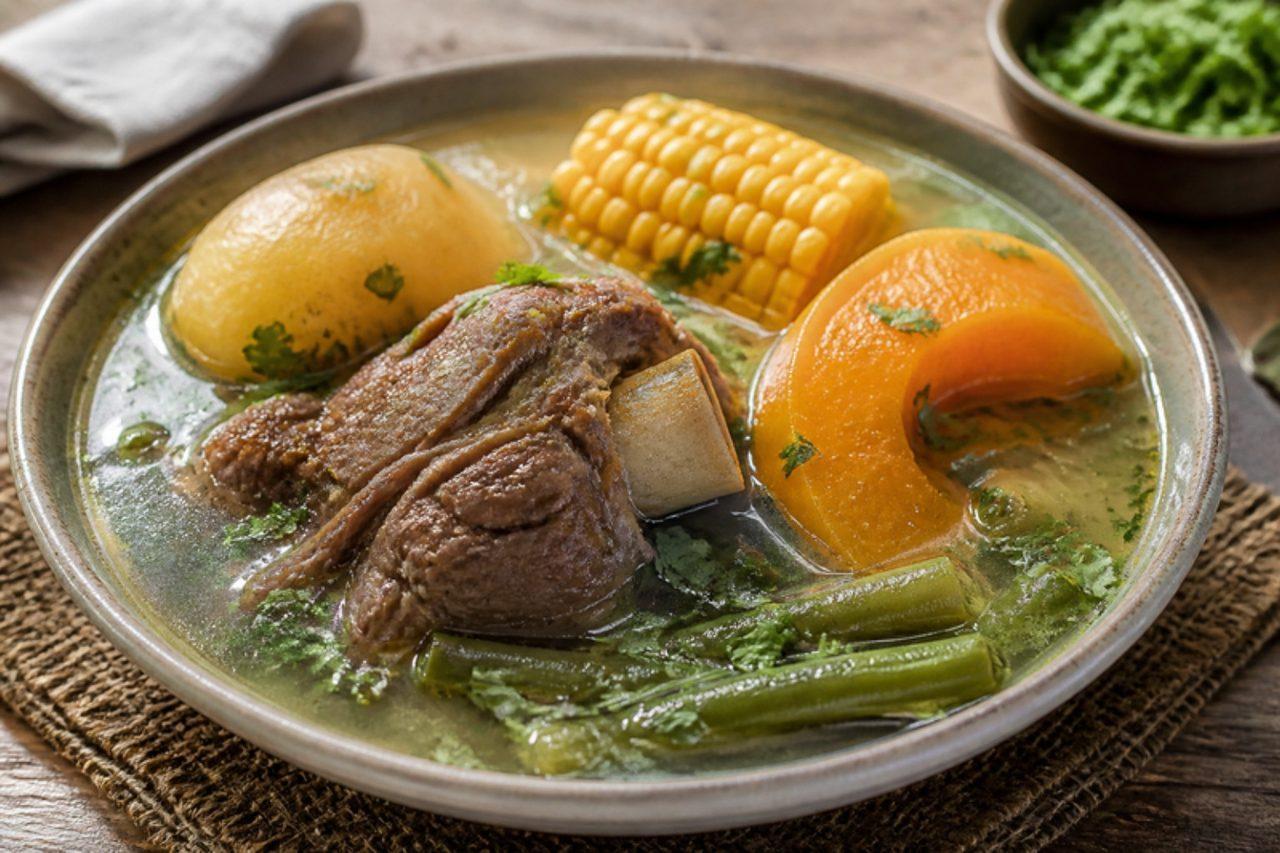
Cazuela de vacunoBeef and vegetable soup

Cazuela is the soup Chilean grandmothers make all through winter, from Santiago's Central Valley to the farms of the south: each bowl gets a whole piece of beef on the bone, a whole potato, a wedge of pumpkin and a piece of corn in a clear broth, with a little rice or green beans and plenty of fresh coriander. It is eaten as a full meal, with pebre and bread. The mistake is cutting the vegetables small: they should stay in big pieces, one of each per person. Chef's tip: simmer the beef very gently and skim it well so the broth stays clear.

145 minChileanSoupsGluten free
by KrazyBadal 0 views

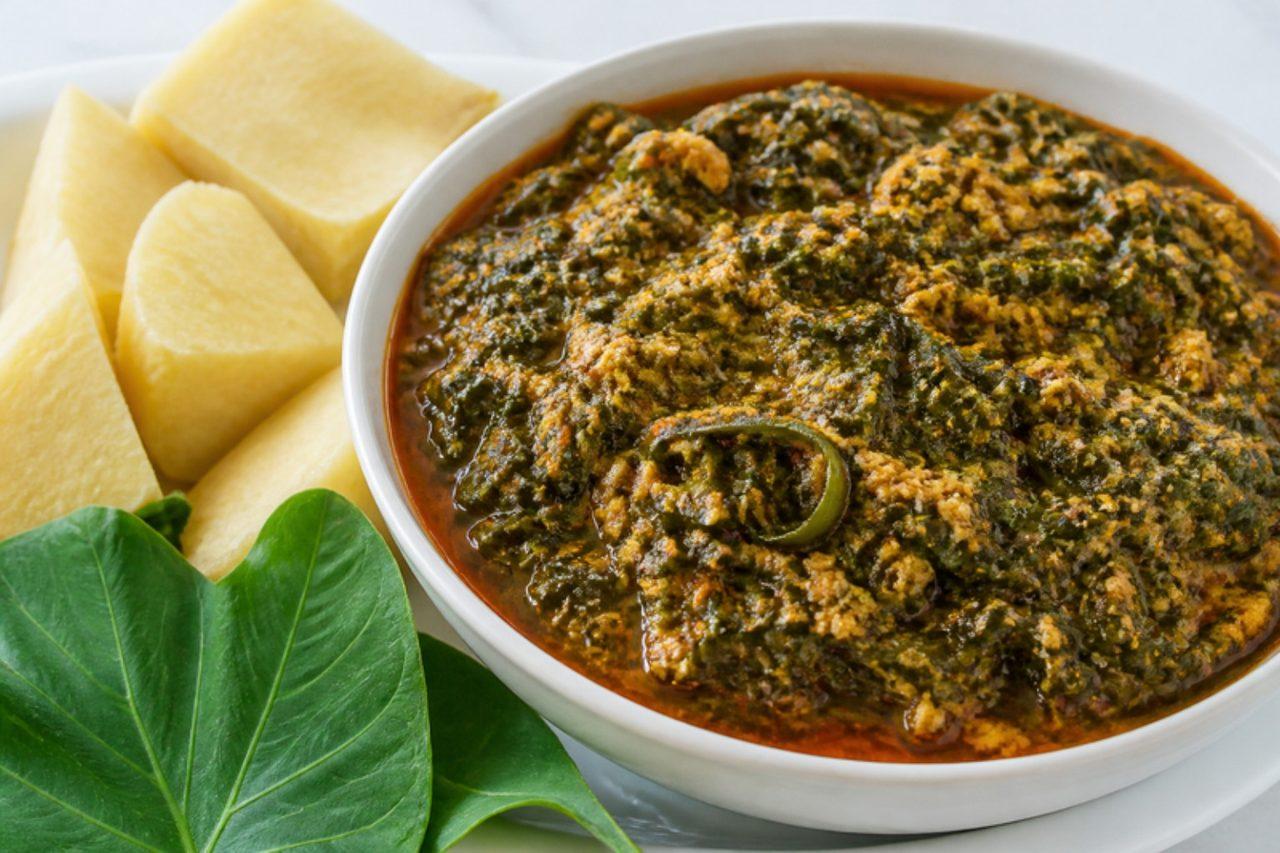
Kontomire stewCocoyam leaf stew

Kontomire stew comes from the Ashanti region around Kumasi, where young cocoyam (taro) leaves are picked from farms and cooked down with palm oil, tomatoes and ground agushie (egusi) seeds. It is a thick, dark green, nutty stew eaten with boiled yam, ampesi (boiled plantain) or rice. Many families add smoked fish or salted fish; this version uses boiled eggs instead, which is also common. Spinach is the best stand-in when fresh cocoyam leaves are not available. Chef's tip: cocoyam leaves must be cooked thoroughly; under-cooked ones leave an itchy, scratchy feeling in the throat.

by KrazyBadal 0 views

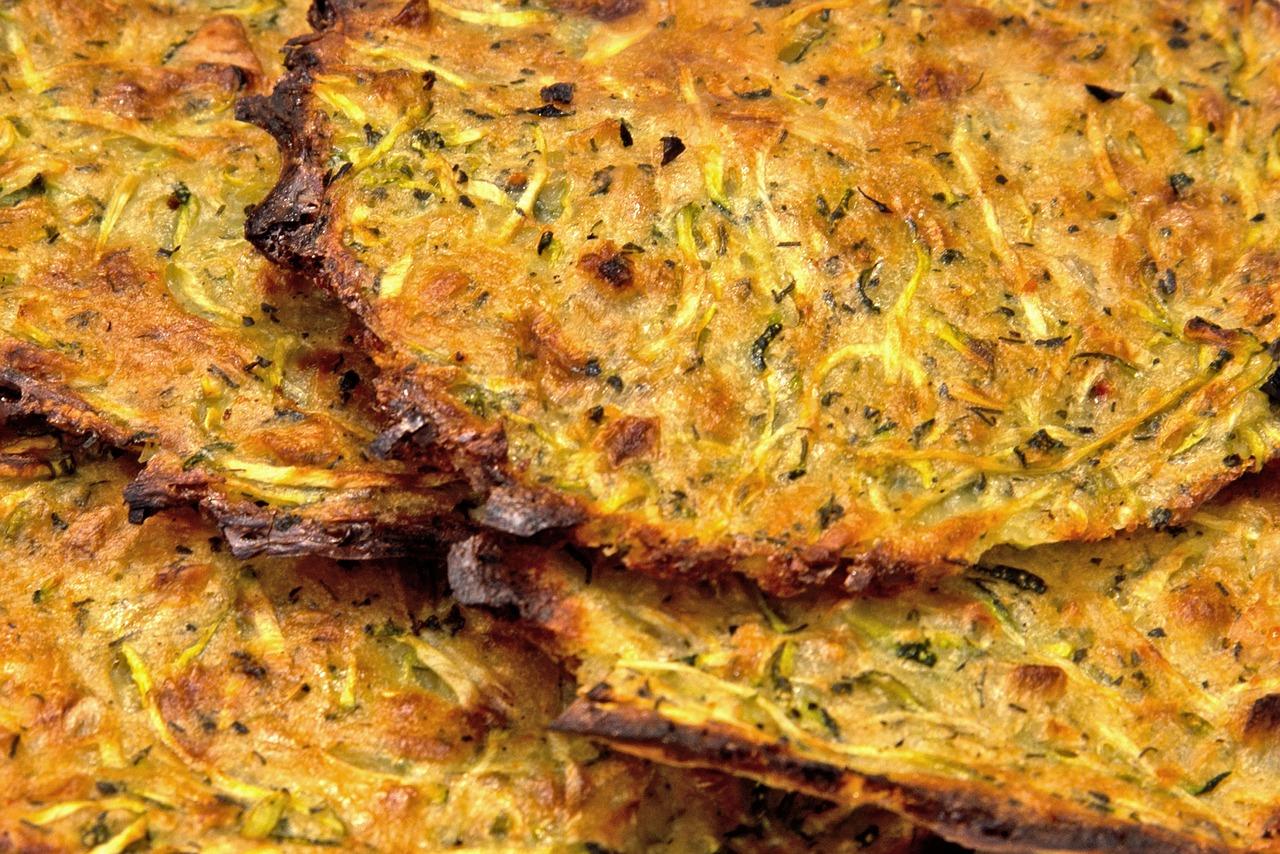
KolokithokeftedesCourgette and feta fritters

Kolokithokeftedes are what happens to a glut of courgettes in a Greek summer: grated, squeezed, mixed with feta, spring onion, mint and dill, and fried into crisp little patties. Tavernas serve them as a meze with a bowl of tzatziki, and at home they are a light dinner with salad. Outside they are golden and crunchy; inside they stay soft and herby. Use feta labelled vegetarian. Chef's tip: squeeze the salted courgette until it's almost dry; wet courgette is the usual mistake and makes fritters that spit, soak up oil and fall apart.

by KrazyBadal 0 views

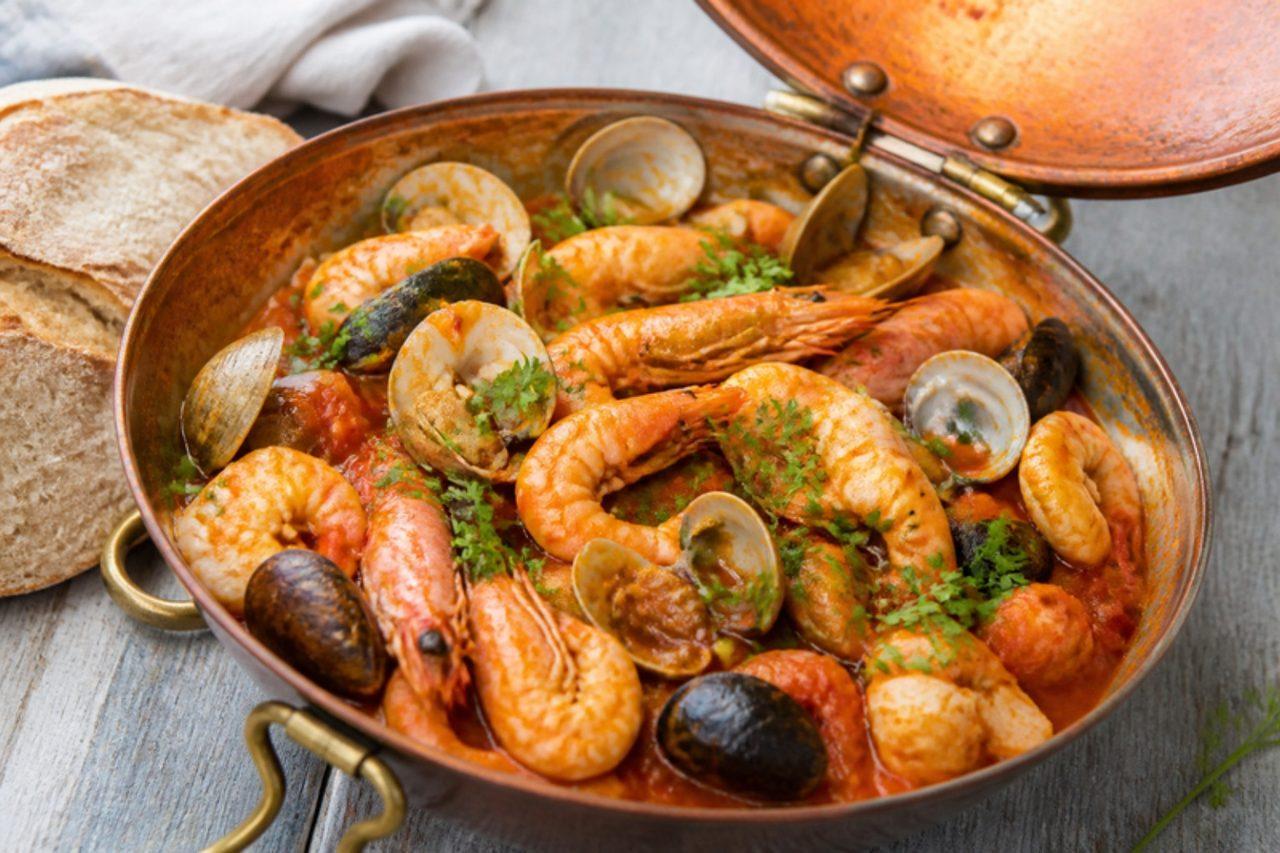
Cataplana de mariscoSeafood and sausage steam pot

Cataplana is the Algarve's showpiece, named after the hinged, clam-shaped copper pan it is cooked in, and it is served at the table in harbour towns like Olhão and Portimão, lid opened in a puff of steam. This version contains pork: smoky chouriço sausage goes in with the onion, peppers and tomato, then clams, prawns and firm white fish steam on top in their own juices. Bring bread for the broth. No cataplana? A wide casserole with a tight lid works. Chef's tip: purge the clams in salty water in the fridge for an hour so they spit out their sand before cooking.

by KrazyBadal 0 views

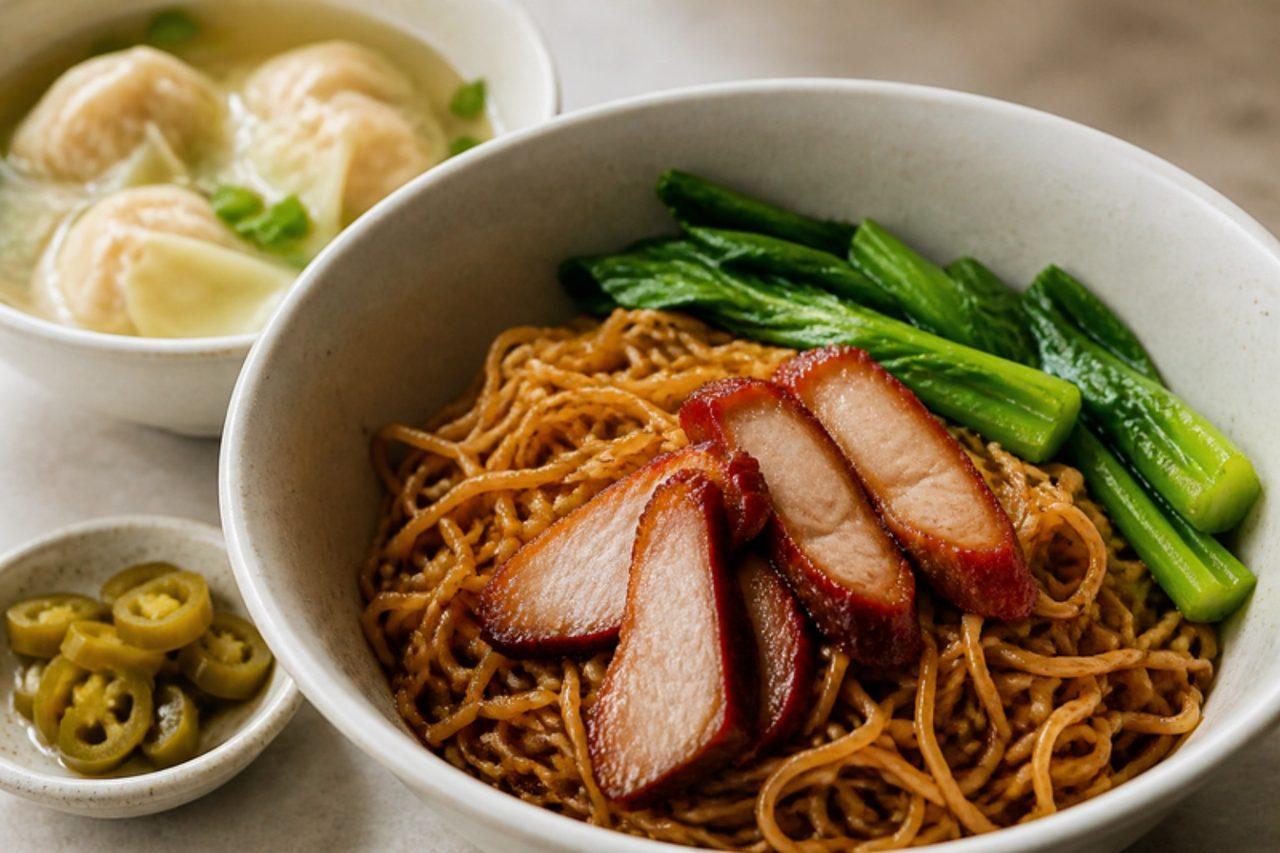
Wantan meeEgg noodles with dumplings and pork

Kuala Lumpur eats wantan mee for breakfast, lunch and late supper, usually from a stall where a cook flicks springy egg noodles through boiling water and tosses them in a dark, glossy sauce. The KL style is 'dry' (kon loe): noodles coated in soy, oyster sauce and lard or shallot oil, topped with slices of sweet char siu and greens, with the dumplings served in a little bowl of clear soup. Pickled green chillies cut through the richness. Expect chewy noodles, silky wontons and a salty-sweet, slightly smoky sauce. Chef's tip: rinse the cooked noodles under cold water for a few seconds, then dunk them back in the boiling water; the shock gives them their springy bite.

by KrazyBadal 0 views

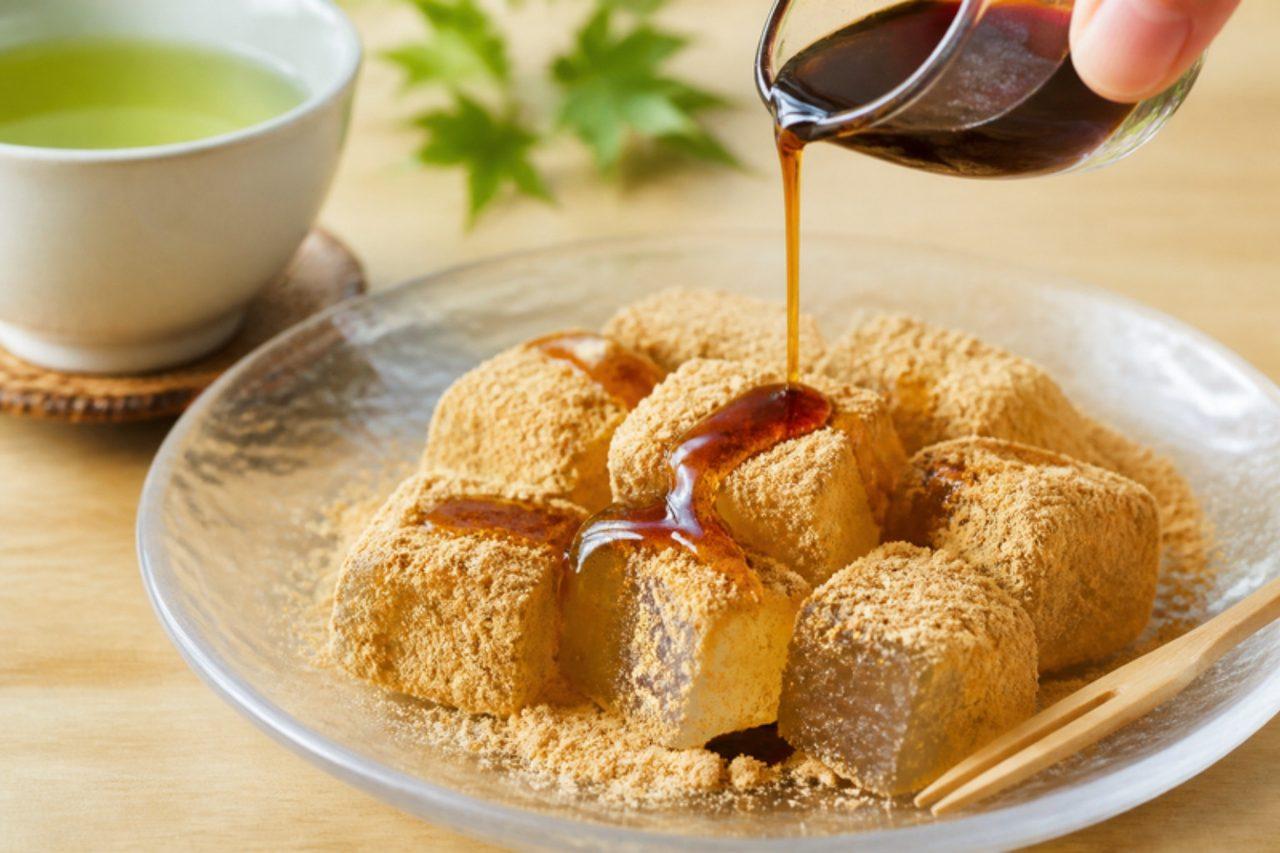
WarabimochiBracken starch jelly with soybean flour

Warabimochi is Kyoto's summer sweet. Made from the starch of bracken fern roots, it is not really mochi at all but a clear, wobbly jelly that melts on the tongue, and on hot afternoons teahouses around Gion and Arashiyama serve it chilled on ice. It is dusted with kinako, a nutty roasted soybean flour, and finished with kuromitsu, a dark syrup of Okinawan brown sugar. Real warabi starch is costly and greyish-brown, so most home cooks buy warabimochi-ko, a blend with sweet potato or tapioca starch, which gives a clearer jelly. Chef's tip: keep stirring hard once it turns clear. Two more minutes of beating over the heat is what makes it springy rather than gluey.

by KrazyBadal 0 views

Kolo meeDry egg noodles with pork

Ask anyone from Kuching what they miss most and the answer is usually kolo mee, a bowl that looks almost too simple: curly, springy egg noodles tossed in fragrant shallot oil, a little soy and white pepper, then crowned with savoury minced pork and slices of char siu. There is no thick gravy and no chilli on top; the flavour is clean, porky and aromatic, and the texture is the whole point, each strand bouncy and separate. Stalls often add a dash of red char siu oil for the 'red' version. It is eaten at any hour with a small bowl of clear soup and pickled green chilli on the side. Chef's tip: cook the noodles in small portions in a big pot of fiercely boiling water and shake them really dry; any leftover water dilutes the shallot oil.

by KrazyBadal 0 views

Kol posolaBanana stem stir-fry

Kol posola is the pale inner core of the banana plant, chopped and cooked down with mustard oil, ginger and green chilli until it is soft, juicy and faintly sweet. In Assamese villages, where banana plants grow in every yard, it is cheap everyday food, and it is also a favourite on Bihu tables and in Assamese thalis in Guwahati restaurants. It has a mild, cucumber-like flavour and is prized as a cooling, cleansing food. Chef's tip: as you chop the stem, twirl a finger or a skewer through the slices to catch and pull away the fine fibres; otherwise they stay stringy.

by KrazyBadal 0 views

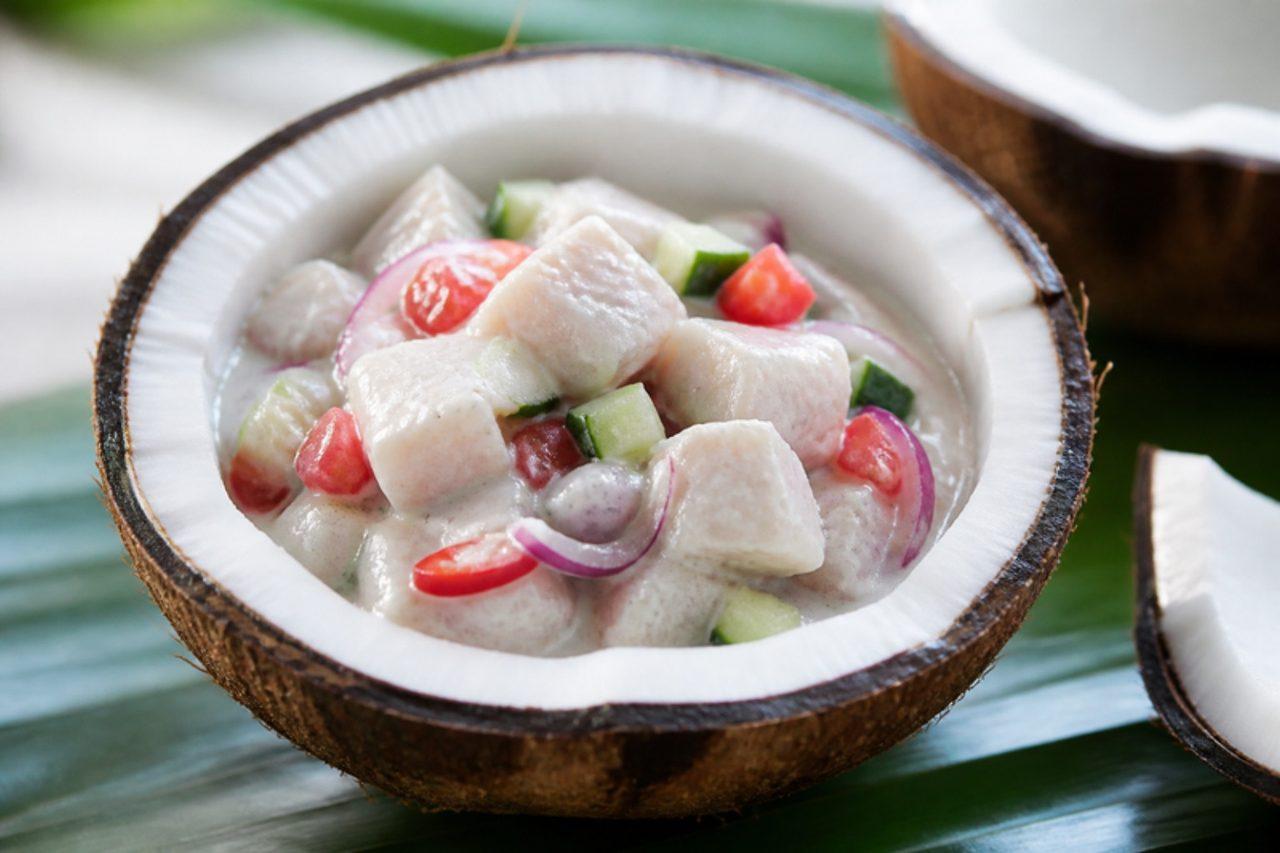
KokodaLime-cured fish in coconut cream

Kokoda (said "ko-kon-da") is Fiji's answer to ceviche, made in villages on Viti Levu and served at Suva's restaurants and family feasts in a half coconut shell: cubes of white fish soaked in lime juice until they turn white, then mixed with fresh coconut cream, onion, tomato, chilli and a little cucumber. Lime "cooks" the look of the fish but does not kill bacteria or parasites like heat does, so this is written as a safer version: use only very fresh fish that has been frozen first (sold as sashimi or sushi grade), keep everything cold and eat it within 2 hours. Raw or lime-cured fish is not for pregnant women, young children or anyone with a weakened immune system; for them, use the lightly poached option in the steps. The mistake is leaving the fish in lime too long, which turns it chalky; 15–20 minutes is enough. Chef's tip: drain off the lime juice before adding the coconut cream so the dish stays creamy, not sour.

by KrazyBadal 0 views

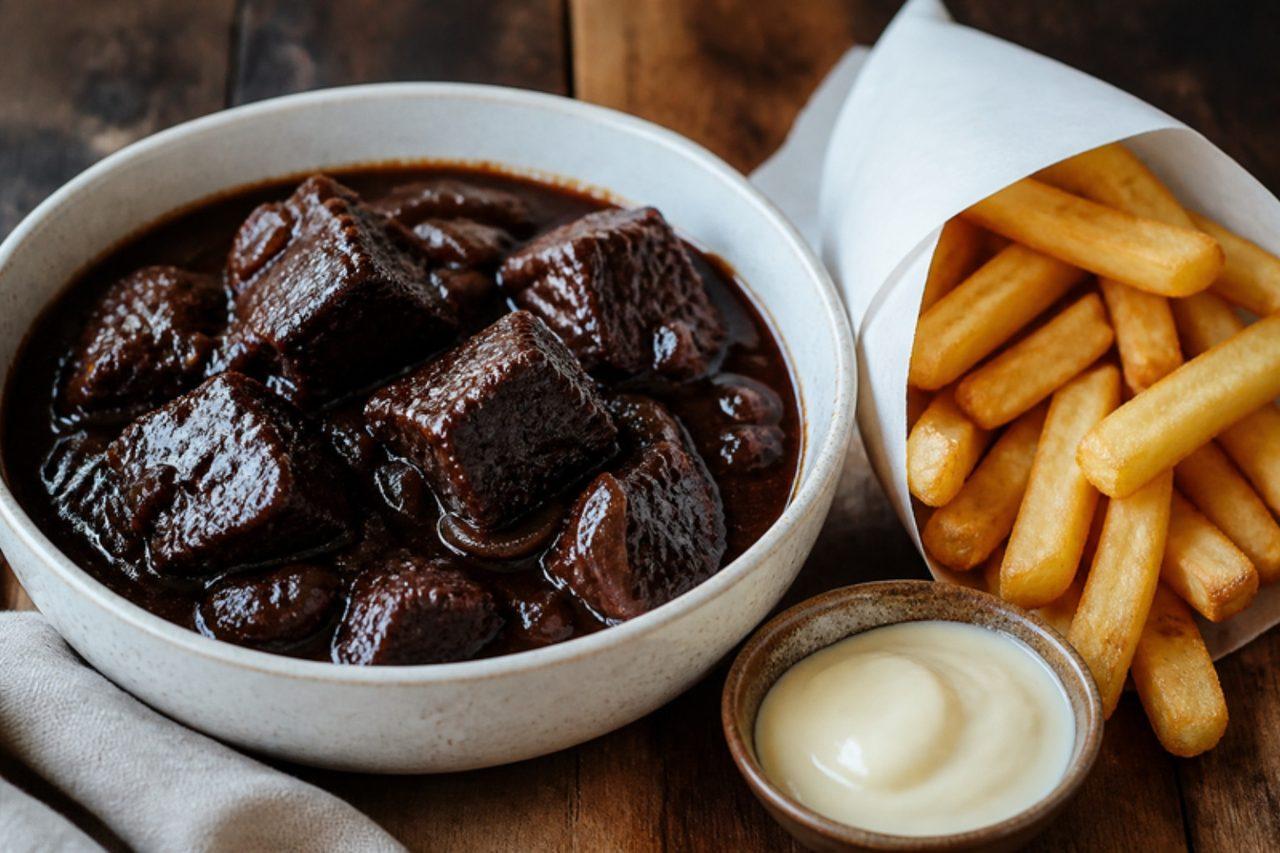
StoofvleesBeef stewed in brown beer

In Flanders, from Antwerp's frituren to Sunday kitchens in Bruges, stoofvlees is the stew that comes with a cone of double-fried chips and a spoonful of mayonnaise. Chunks of beef chuck are browned hard, then cooked slowly with lots of onion and a dark Belgian brown or abbey-style beer, thickened at the end by a slice of bread spread with mustard that melts into the sauce. The finished gravy is glossy, sweet-sour and deep, with a little brown sugar and vinegar to balance the bitterness. This recipe contains alcohol, though long cooking drives most of it off; for an alcohol-free version use the same amount of alcohol-free dark beer, or beef stock with a tablespoon of extra vinegar and a teaspoon of extra sugar. Browning the meat in one crowded batch is the classic mistake; it stews grey instead of searing. Chef's tip: cook it a day ahead and reheat gently; the flavour rounds out overnight.

205 minBelgianMeat
by KrazyBadal 0 views

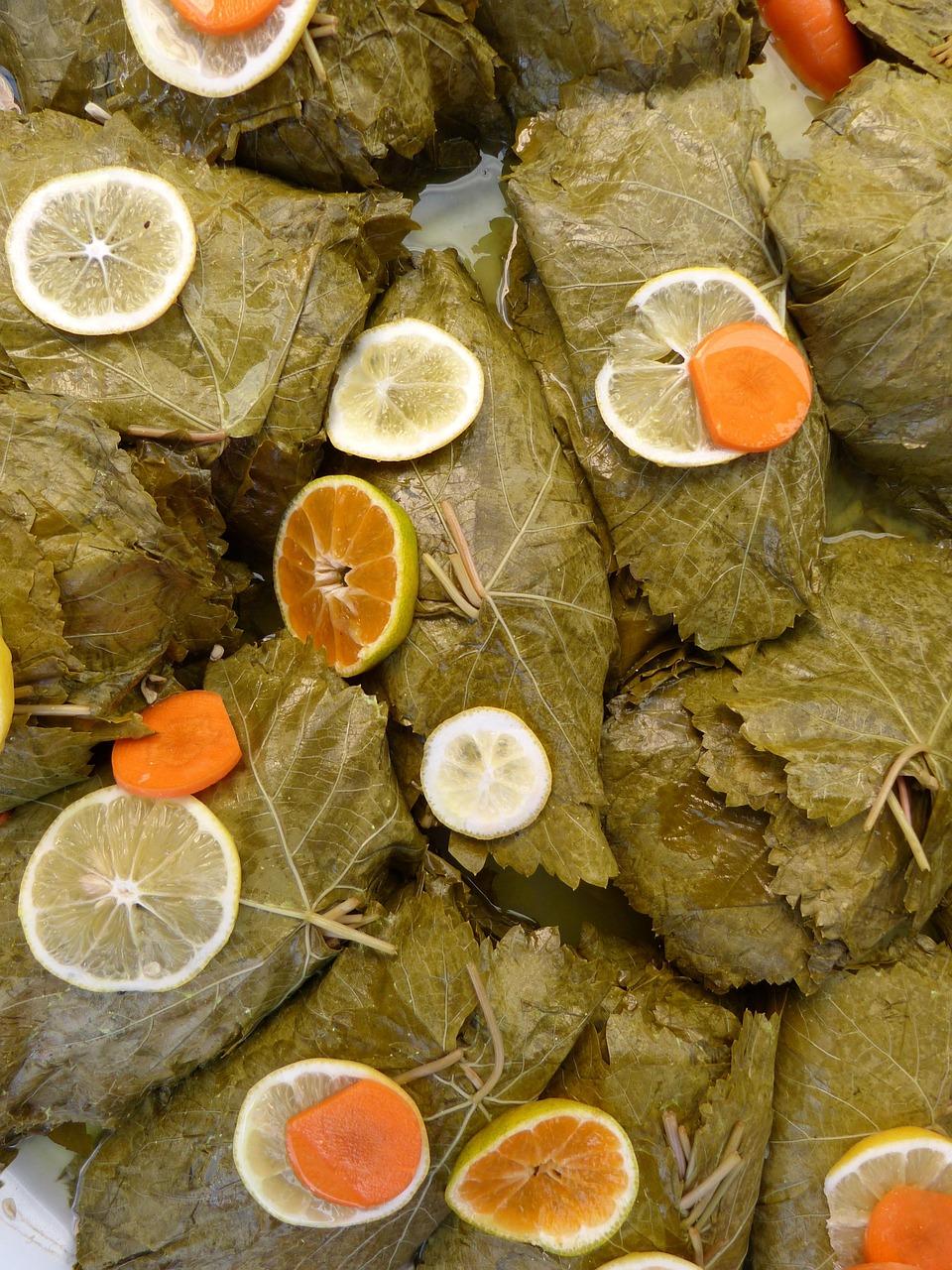
Warak enabRice-stuffed vine leaves

Warak enab bi zeit, vine leaves cooked in oil, is what Lebanese aunts make in big batches in early summer when the young grape leaves are tender, and it fills the cold mezze table at every wedding and family lunch. The meatless version, eaten on Lenten fast days, is packed with short-grain rice, tomato, parsley, mint and spring onion, seasoned with dried mint and seven spices, and simmered slowly in lemon juice until the leaves are silky and the filling sharp and fresh. It is served cold with a wedge of lemon and a spoonful of yogurt for those who are not keeping it vegan. Rolling too tightly is the mistake most people make: the rice swells and splits the leaves, so roll them snug but not stretched. Chef's tip: line the pan with sliced potato and tomato; they stop the rolls catching and are a cook's treat to eat straight from the pot.

by KrazyBadal 0 views

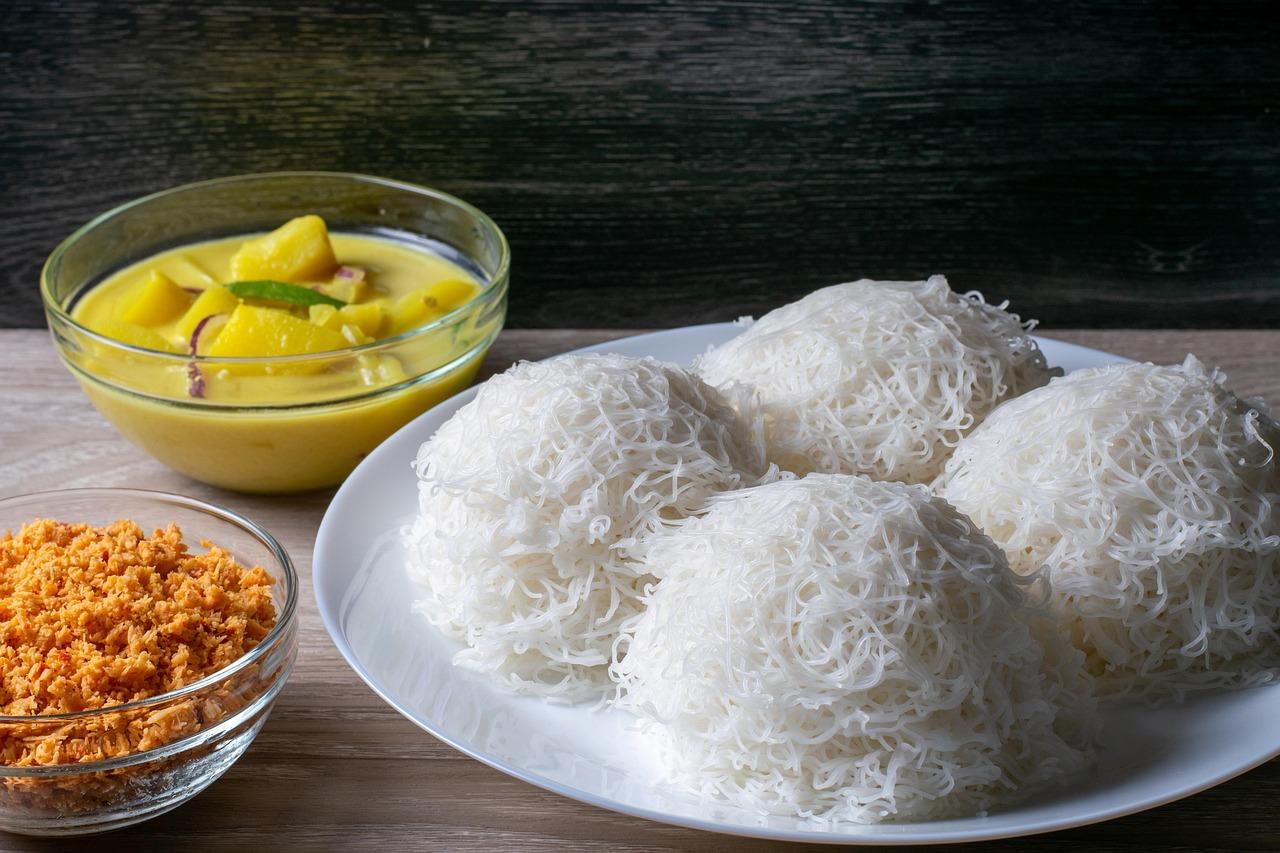
String hoppersSteamed rice flour noodle nests

String hoppers are lacy nests of steamed rice-flour noodles, pressed through a hand mould onto small woven mats, and they're the classic Sri Lankan breakfast or dinner in Tamil homes in Jaffna and in Sinhala homes everywhere, bought by the dozen from neighbourhood shops when there's no time to make them. They're soft and light and made to soak up kiri hodi, a thin, turmeric-yellow coconut milk gravy with fenugreek and curry leaves, plus pol sambol and a potato or dhal curry. Kiri hodi is sometimes made with Maldive fish; we keep it vegetarian. Roasted red rice flour gives a nuttier, pinker nest. The common mistake is using cold or warm water for the dough: it must be boiling, or the strings crack and fall apart. Chef's tip: steam the nests for only 6–8 minutes; longer and they turn rubbery.

by KrazyBadal 0 views

Koba akondroBanana, rice and peanut parcels

Koba is the street sweet of Madagascar's highlands, sold in thick slices from huge logs wrapped in banana leaves at markets and taxi-brousse stops around Antananarivo and Antsirabe. Koba ravina is a dense block of ground peanuts, rice flour and brown sugar; koba akondro adds ripe banana and is softer. This home version makes small parcels that steam in an hour and a half instead of a whole day. Chef's tip: wrap the parcels tightly; loose parcels let water in and the koba turns sticky instead of firm.

by KrazyBadal 0 views

StroopwafelsCaramel-filled wafers

Stroopwafels come from Gouda, the cheese town in South Holland, where bakers once made them from leftover crumbs and syrup. Today they are made fresh at Dutch markets, split while still hot and glued back together with warm caramel syrup. The Dutch way to eat one is to rest it on top of a cup of hot coffee or tea for a minute, so the steam softens the caramel. You need a thin waffle iron (a pizzelle or stroopwafel iron) to make them at home. Chef's tip: cut each waffle open the moment it comes off the iron; after 20 seconds it stiffens and shatters instead of splitting.

by KrazyBadal 0 views

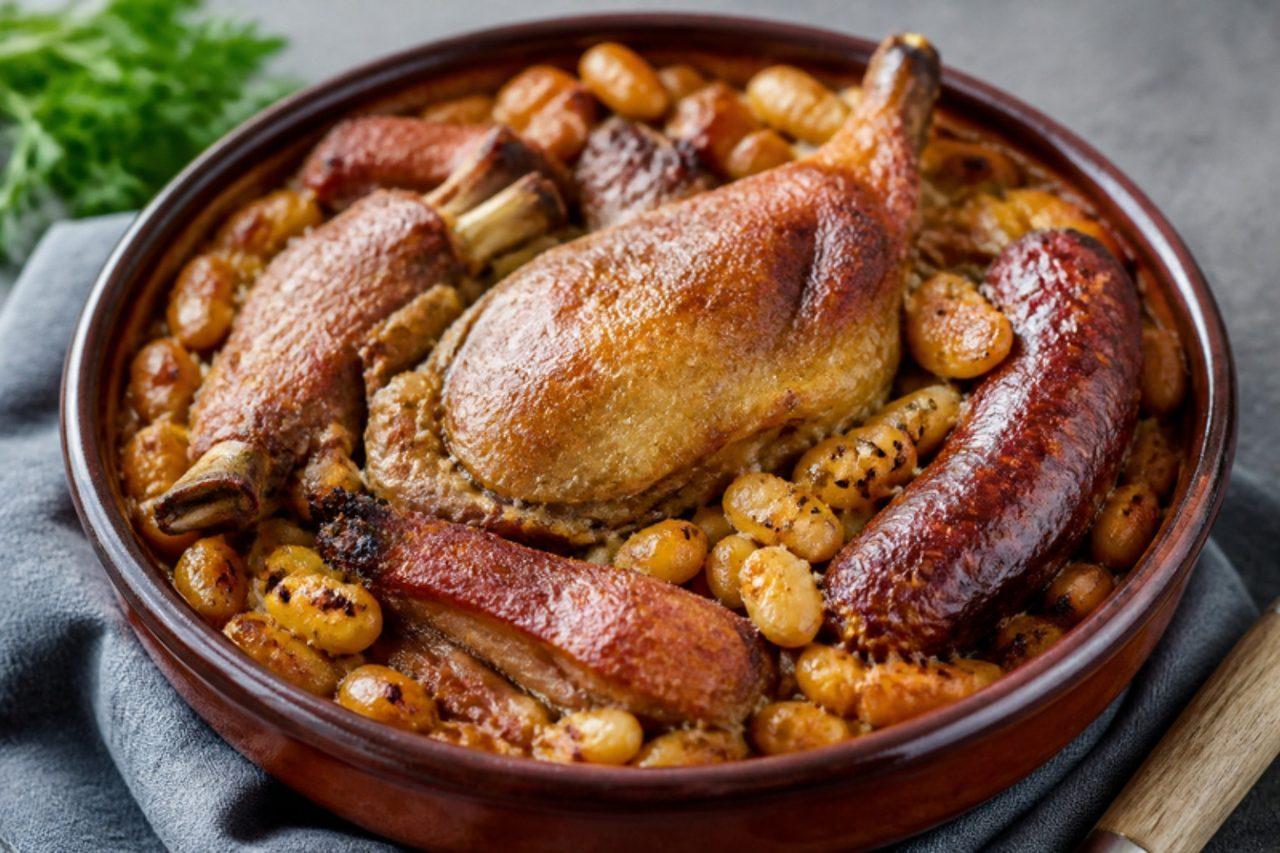
CassouletWhite bean and duck stew

Cassoulet is the great winter feast of the Languedoc, and the towns of Castelnaudary, Carcassonne and Toulouse still argue over who makes it best. Contains pork: white beans cook with pork rind and belly, then bake for hours with duck confit and garlicky Toulouse sausages in a deep earthenware dish until a dark crust forms on top. It takes two days at a relaxed pace and feeds a crowd. Serve with nothing more than a green salad. Chef's tip: break the crust and push it under several times while it bakes; each new crust adds flavour and body.

280 minFrenchMeatGluten free
by KrazyBadal 0 views

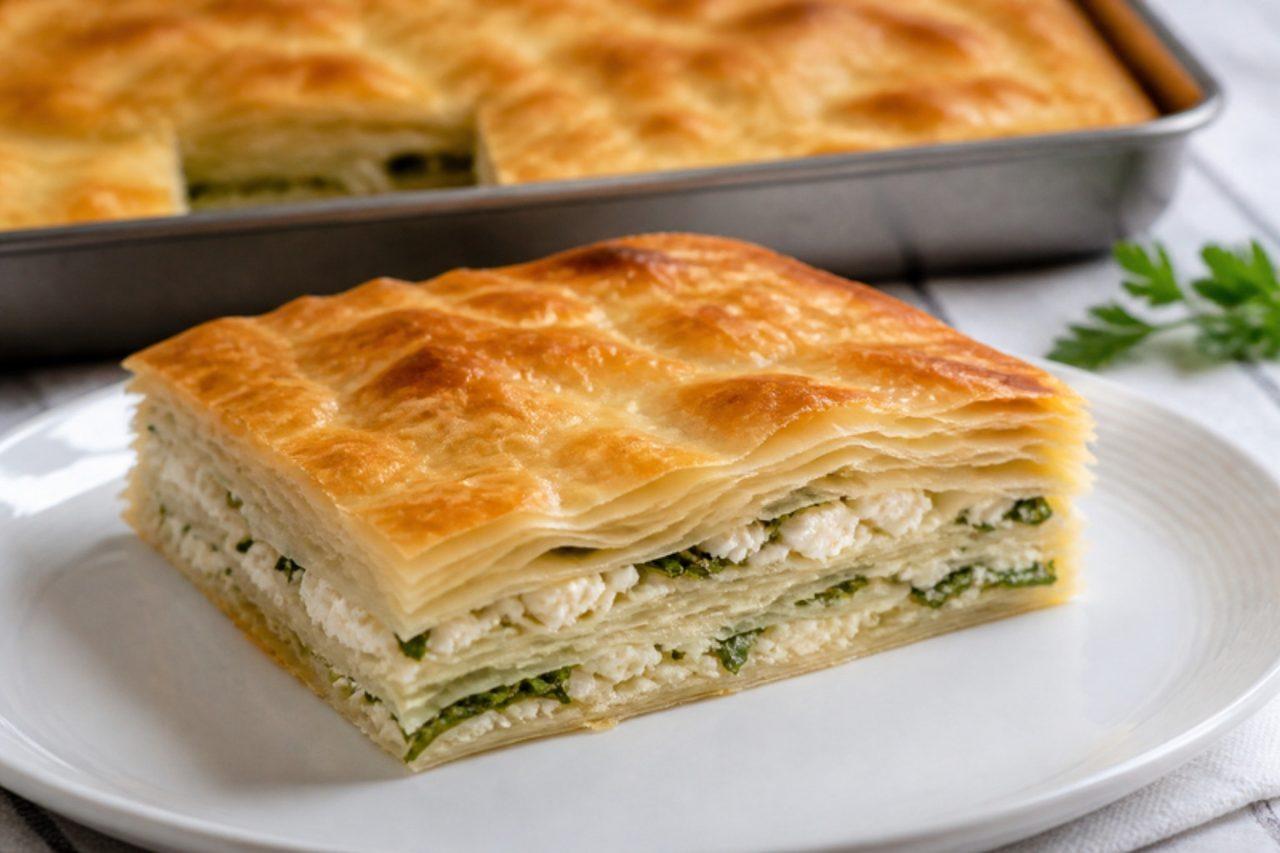
Su böreğiLayered boiled pastry with cheese

Of all Turkish böreks, su böreği is the one cooks are proudest of. Thin sheets of egg dough are boiled for a moment, then layered with butter and white cheese and baked until the top is crisp and the inside is soft and almost silky, a little like a cheesy lasagne made of pastry. Bakeries in Istanbul and Ankara sell it by weight from huge trays in the morning, and at home it appears at holidays and when guests are expected. It takes time and patience but nothing is difficult. Make it the day before and reheat it. Chef's tip: have a big bowl of iced water ready next to the pan; plunging each sheet straight into it stops it cooking and keeps the layers from sticking together.

by KrazyBadal 0 views

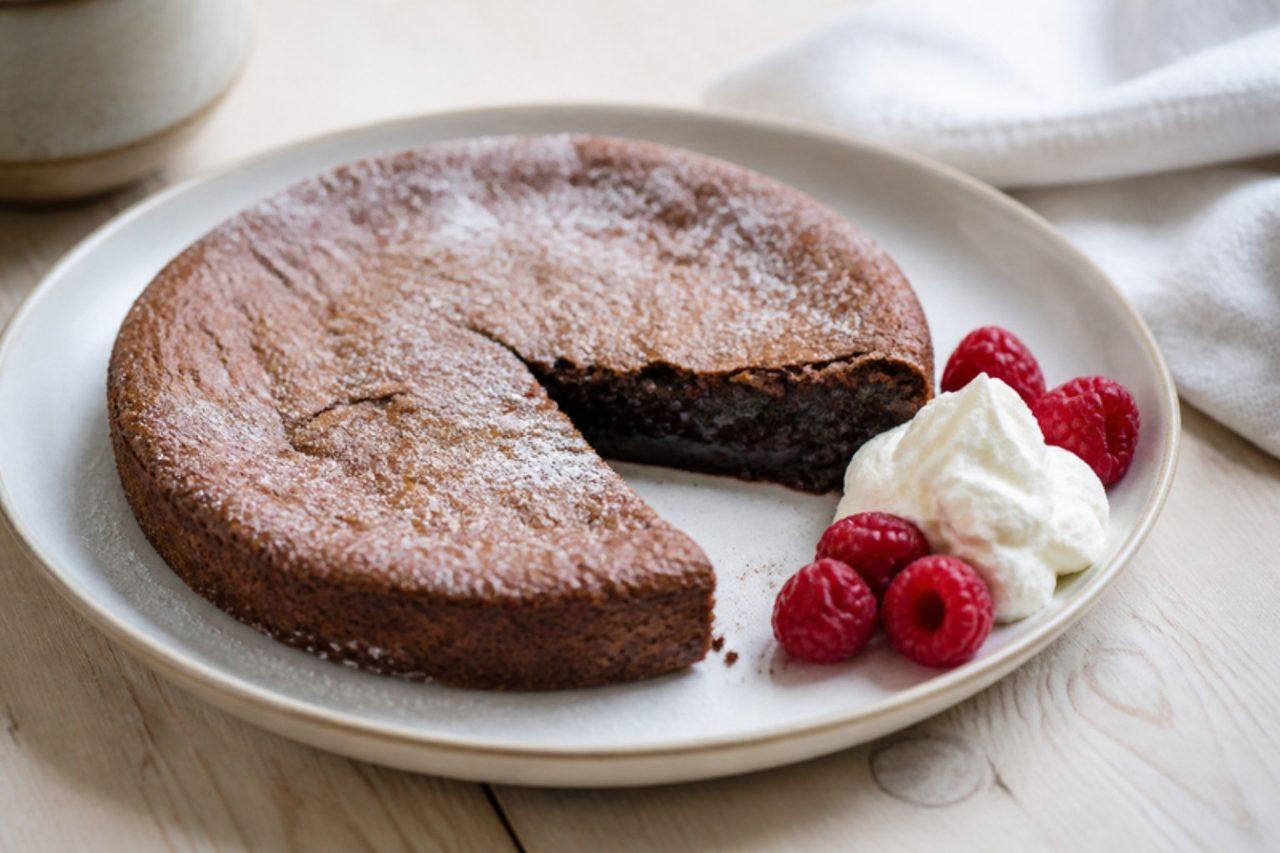
KladdkakaSticky chocolate cake

Kladdkaka, literally 'sticky cake', is the chocolate cake Swedish teenagers learn to make first, because it needs one pan, no mixer and no raising agent. The outside bakes to a thin, crackly crust while the centre stays fudgy and almost molten, somewhere between a brownie and a chocolate pudding. In Sweden it turns up at birthday parties, after Friday tacos and at summer cottages, cut into wedges and served with lightly whipped cream and a few raspberries or lingonberries. Cocoa, not bar chocolate, gives it its classic flavour. Chef's tip: take it out when the middle still wobbles like set jelly; it firms up as it cools and a fully set kladdkaka is just a dry chocolate cake.

by KrazyBadal 0 views

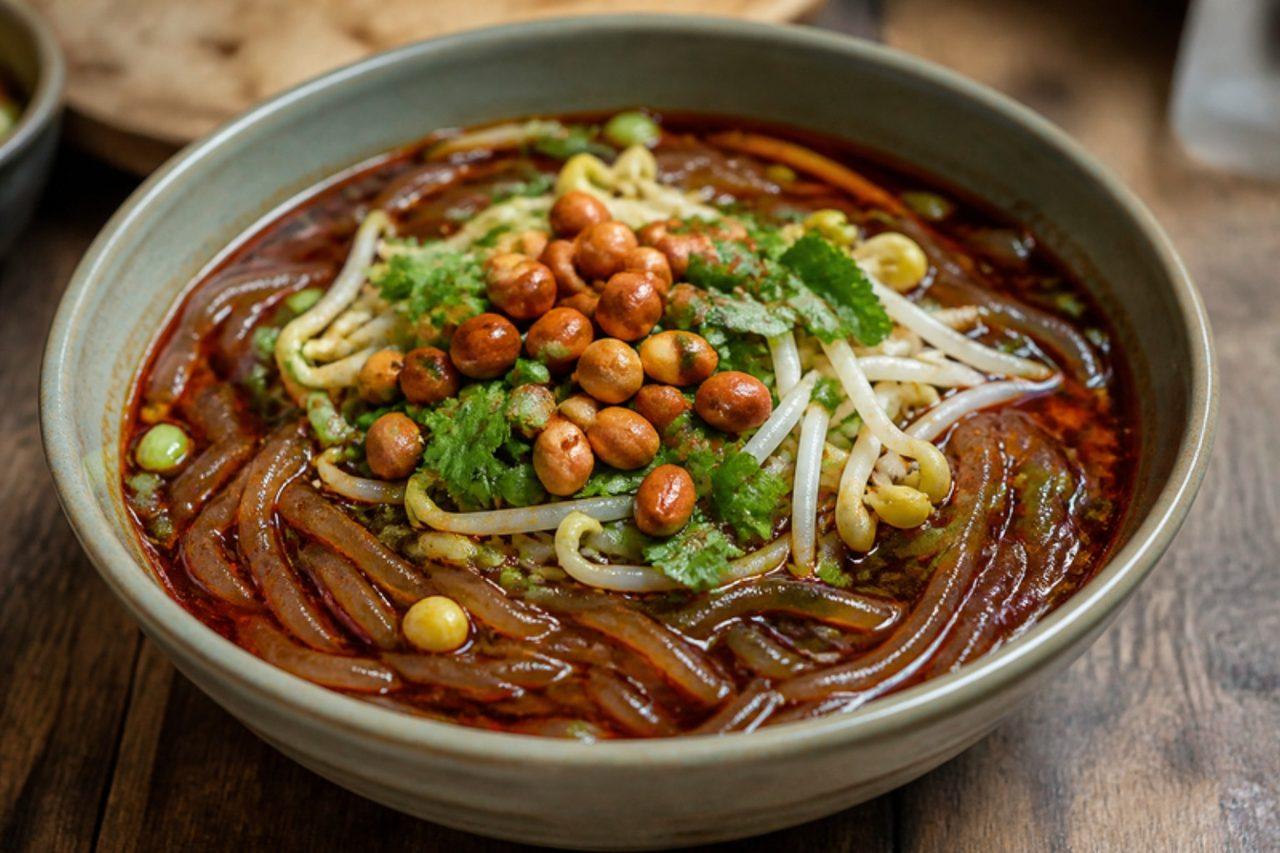
Suan la fenHot and sour sweet potato noodles

Chongqing's hot and sour noodles are made from sweet potato starch, so they are chewy, bouncy and almost clear. They come in a broth that is sharp with black vinegar and red with chilli, topped with fried peanuts or soybeans and a spoonful of pickled greens. Students live on it, and it's a favourite late-night snack across the south-west. Plan for the 30-minute soak for the dried noodles. Chef's tip: add the vinegar to the bowl, not the pan; boiled vinegar loses the sharp edge that makes this dish.

by KrazyBadal 0 views

CarimañolasYuca fritters stuffed with beef

Carimañolas are torpedo-shaped fritters of mashed yuca filled with savoury minced beef, a breakfast and party snack in Panama City and along the Caribbean coast in Colón, often eaten with a cup of coffee or a spoon of hot sauce. The yuca dough is soft and smooth, the outside crisp after frying. The mistake is working the yuca dough while it is cold; mash and shape it while still warm, when it is smooth and pliable. Chef's tip: wet your hands with a little oil or water as you shape them so the dough doesn't stick.

by KrazyBadal 0 views

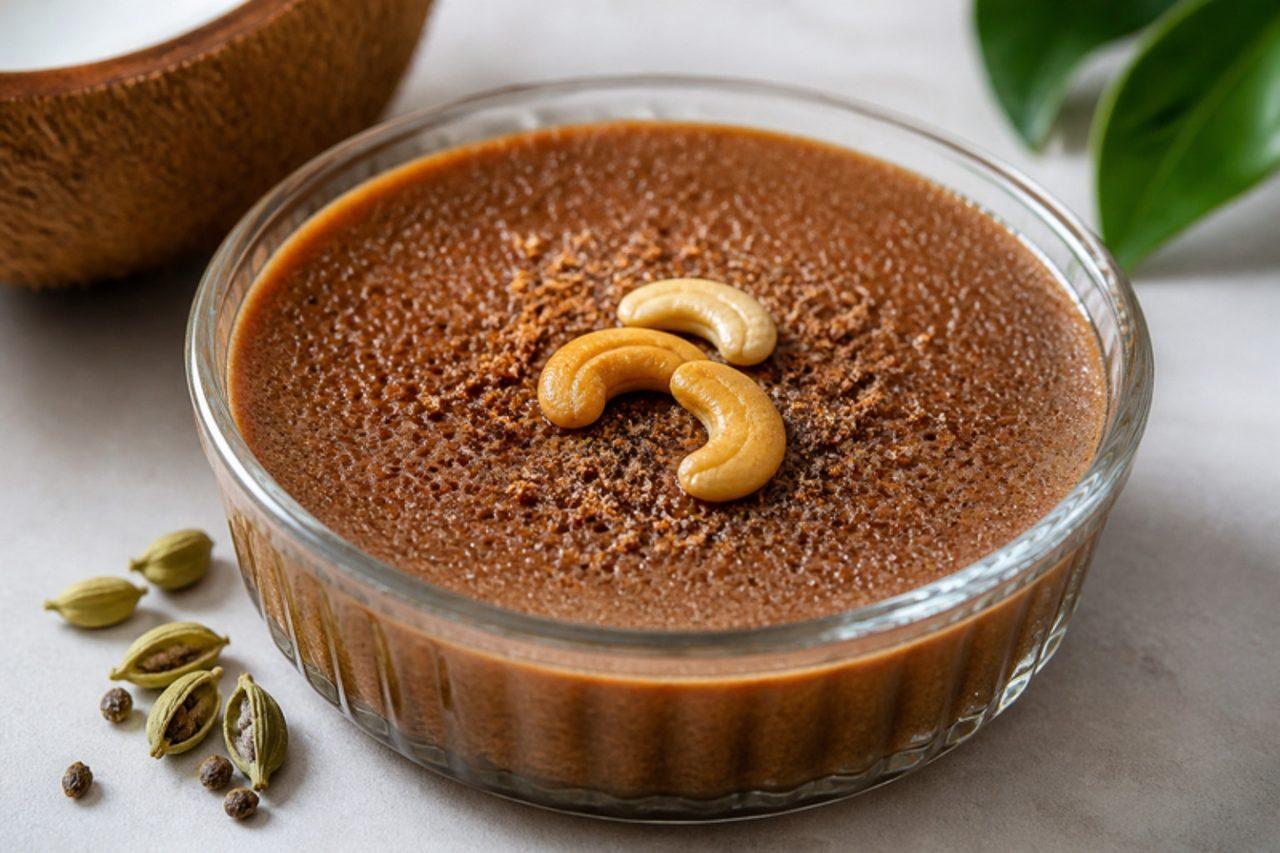
WatalappanJaggery and coconut custard

Watalappan came to Sri Lanka with the island's Malay and Muslim communities, and no Eid table in Colombo, Beruwala or Kandy is complete without it; it now turns up at weddings and birthdays across every community. Thick coconut milk and eggs are sweetened with kithul jaggery, the dark palm sugar from the fishtail palm, and spiced with cardamom, nutmeg and a little clove, then steamed until it sets into a wobbly, honeycombed custard the colour of toffee. Cashews scattered on top add crunch. Dark muscovado sugar works if you can't find kithul jaggery. The common mistake is steaming it on a fierce boil, which makes it full of large holes and watery; a steady, gentle simmer gives a smooth set with the fine honeycomb that's prized. Chef's tip: strain the mixture through a sieve before steaming to remove any stringy egg and jaggery grit.

by KrazyBadal 0 views

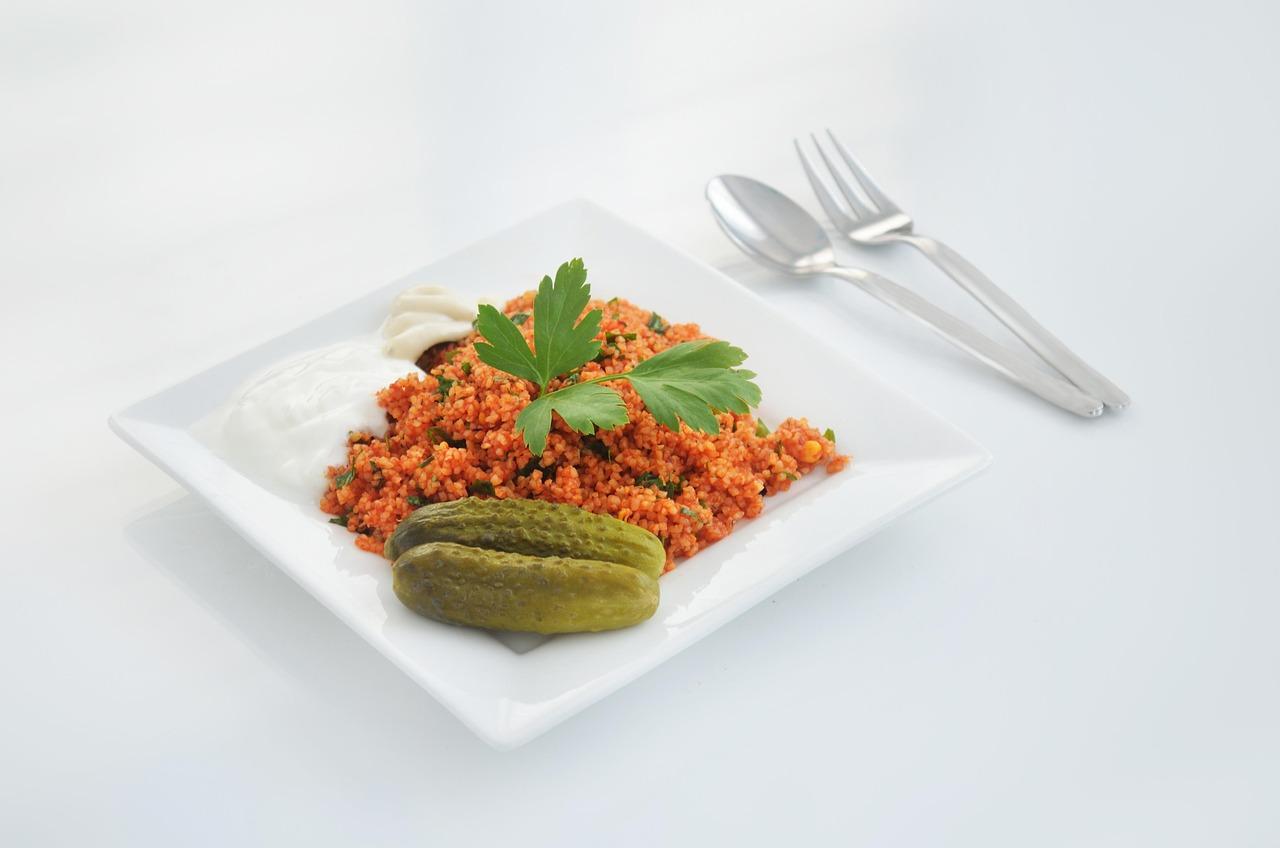
KısırBulgur salad with pepper paste

Kısır comes from southeastern Turkey but is now the dish women across the country bring to 'altın günü', the afternoon gatherings where friends meet at each other's homes over tea. Fine bulgur is softened with hot water and kneaded with tomato and pepper paste until rosy, then mixed with spring onion, parsley, mint, lemon and pomegranate molasses. It is served at room temperature, often wrapped in crisp lettuce leaves. The typical mistake is pouring in too much water, which turns the bulgur mushy; use just enough to cover. Chef's tip: knead the pastes into the warm bulgur with your hands for a full minute so every grain turns red and the flavour goes right through.

by KrazyBadal 0 views

Cari pouletChicken curry

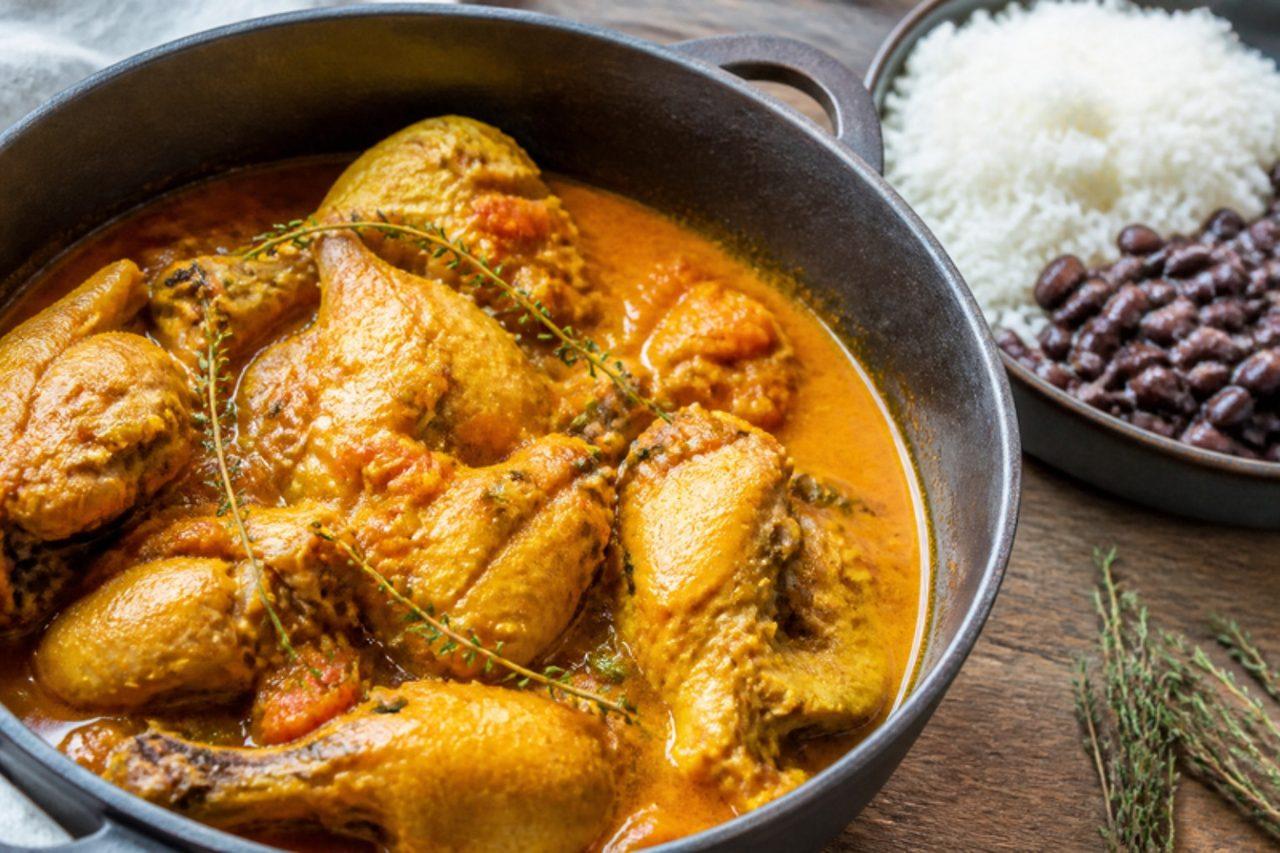
In Réunion a cari is any stew cooked with turmeric (called "safran" on the island), garlic, ginger, onion, tomato and thyme, and cari poulet is the dish families cook on Sundays in Saint-Denis and the mountain villages, often in a big cast-iron pot over a wood fire. It is served with white rice, red beans or lentils, and a fiery rougail on the side. The mistake is adding water too early: let the chicken brown and the tomatoes melt first, then add only a little. Chef's tip: thyme is essential in Réunionnais cooking; add it whole and fish it out before serving.

by KrazyBadal 0 views

Wattakka curryPumpkin curry

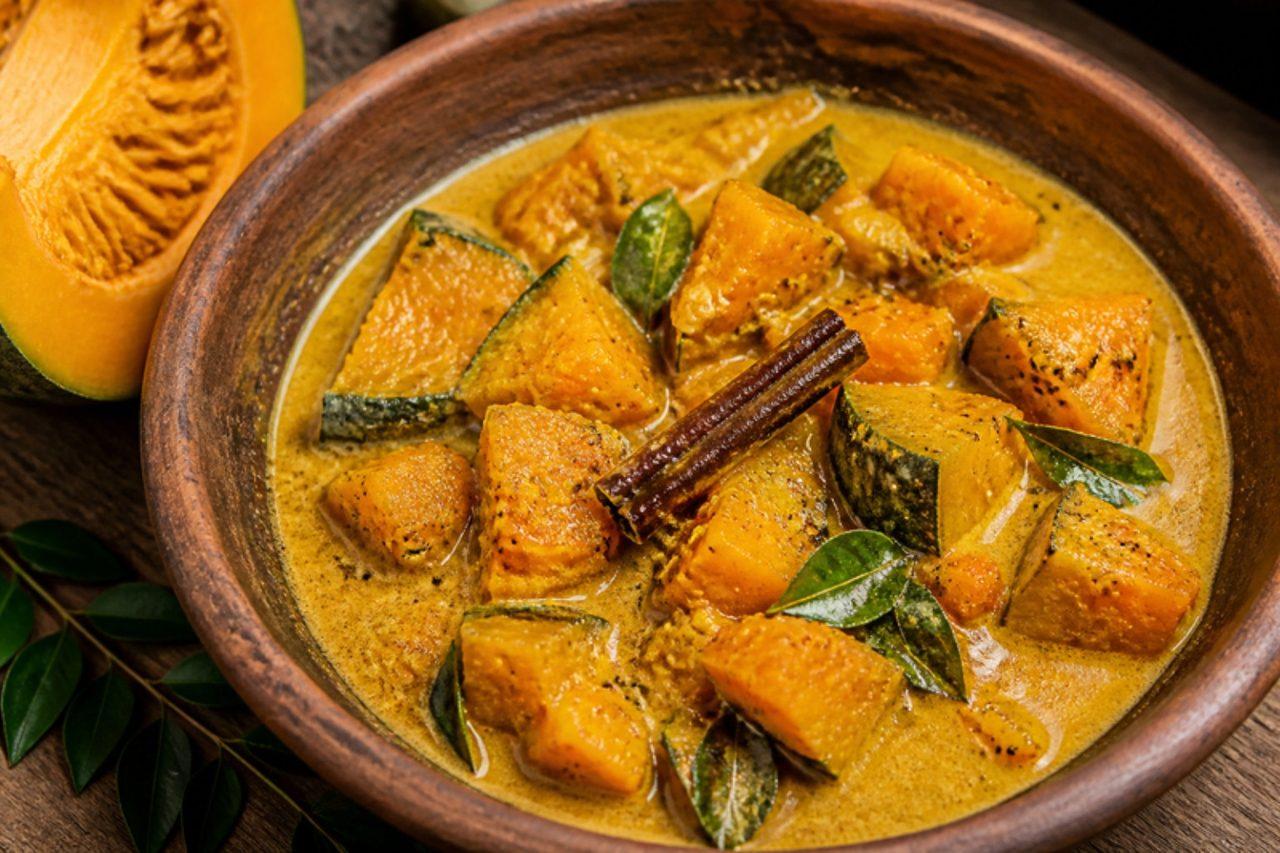
Wattakka (pumpkin) curry is one of the soft, sweet dishes on a Sri Lankan buth (rice) spread, and in villages around Kurunegala it often appears at Poya day almsgivings, when temple meals are always meat-free. The pumpkin is cooked in its skin with dark roasted curry powder, cinnamon, a pinch of fenugreek and pandan, then thickened with coconut milk and a spoonful of ground mustard, which gives it a gentle tang. Some cooks also add toasted coconut paste (kalu pol); we keep it simpler. The common mistake is cutting the pumpkin too small, so it dissolves into mush before the gravy is ready; keep the chunks about 4 cm. Chef's tip: leave the skin on butternut or Kent pumpkin; it holds each piece together and softens completely as it cooks.

by KrazyBadal 0 views

Showing 36 of 7,762 recipes

Show more recipes

Page 729 of 863