


Skip to content
Mine frite
Featured recipe

Mine frite

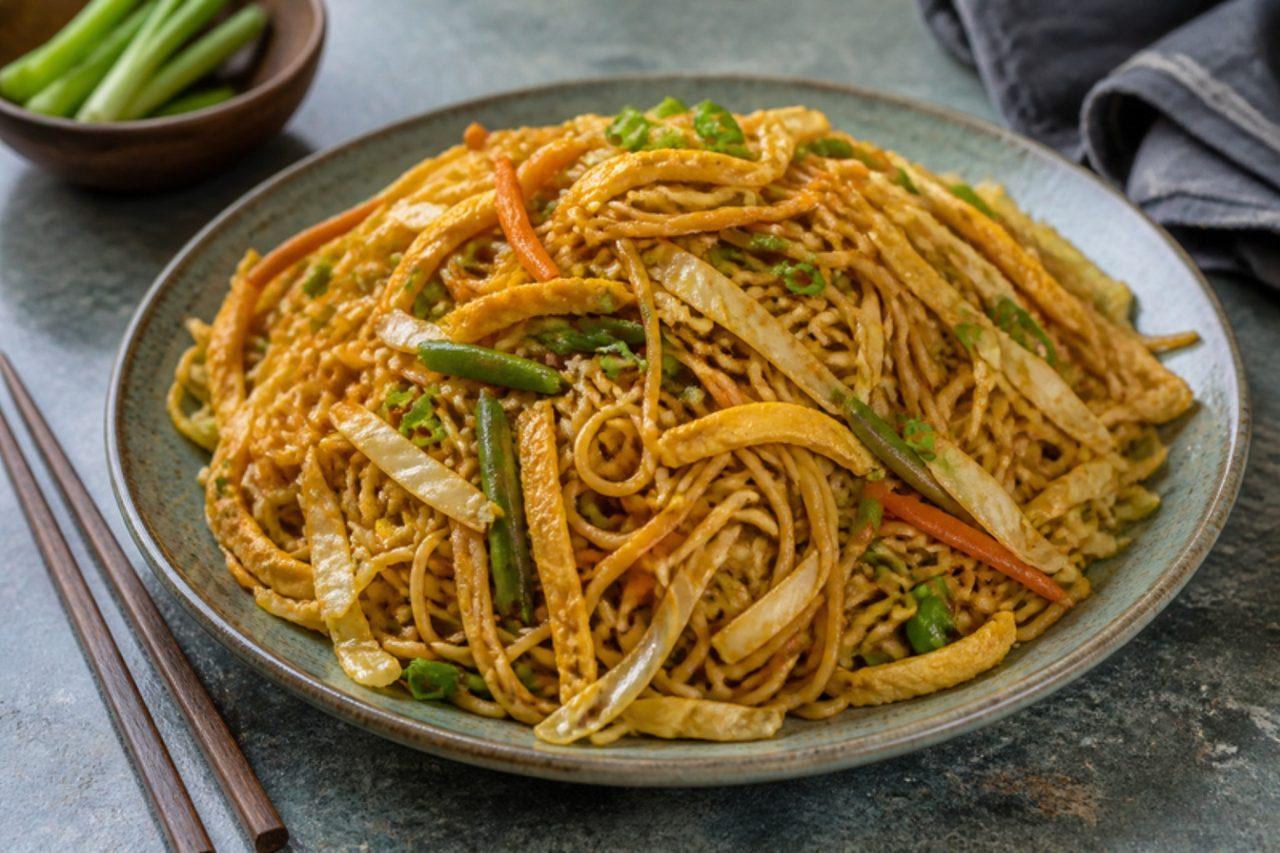
Fried noodles with vegetables and egg

Mine frite (fried noodles) arrived with the Hakka Chinese community of Port Louis and is now everyone's favourite, sold from food vans and stalls all over Mauritius and made at home for weekend lunches. Egg noodles are tossed in a very hot wok with garlic, cabbage, carrot, spring onion and soy sauce, then topped with an omelette in strips. It is usually eaten with a spoon of chilli paste and a pickled chilli. Chef's tip: dry the noodles well after boiling; wet noodles steam instead of frying and clump.

Read more 0 views

What to eat today?

Around the world

Today's trip: Paraguayan

A new country every day, from every cuisine on the site.

Paraguayan

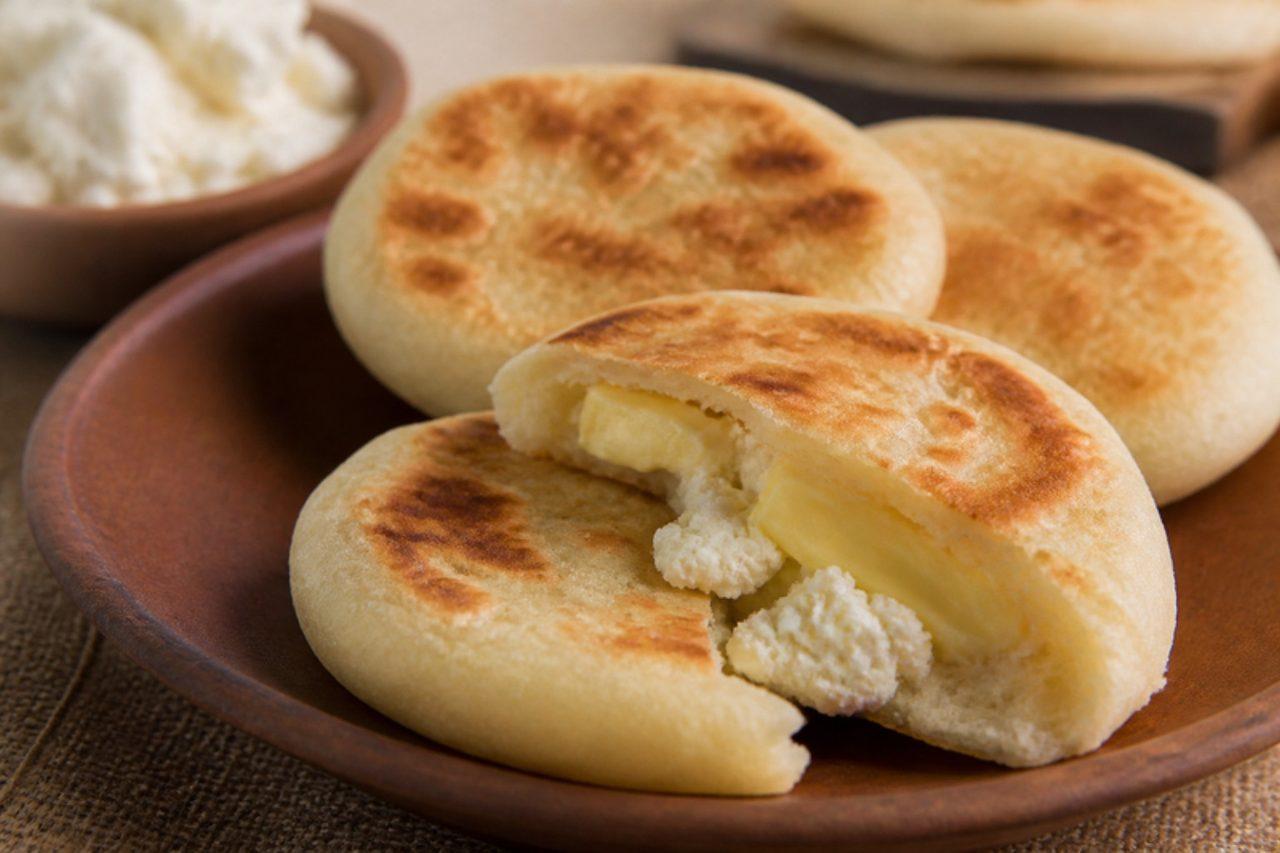
Chipa

Cheese bread rings 50 minMore from Paraguayan (27) →

This week's collection

Kid-friendly dinners
537 recipes · a new collection every Monday

Latest recipes

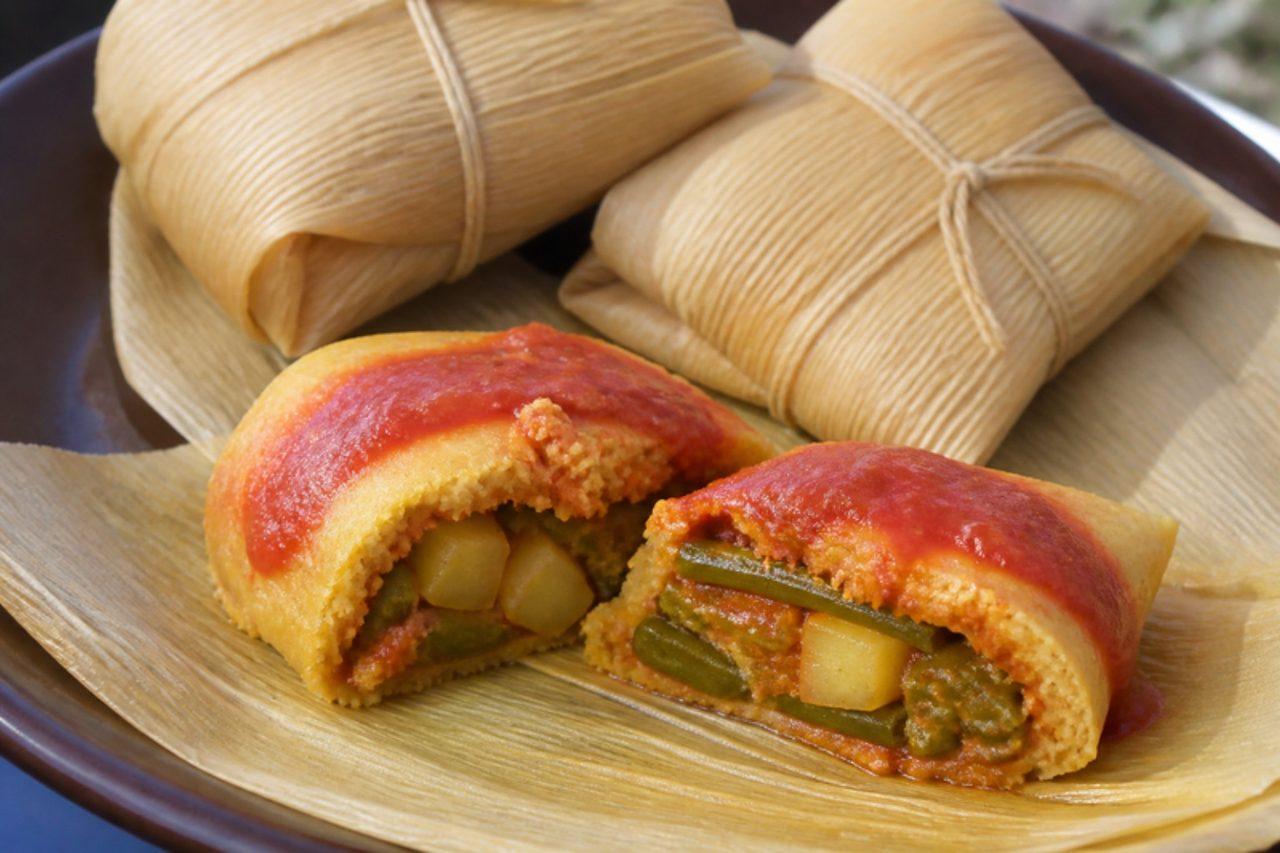
Chuchitos de verdurasSmall vegetable tamales

Chuchitos are Guatemala's everyday tamal: small, firm parcels of masa tied in corn husks, sold from steaming pots at markets in Antigua and Guatemala City and eaten on Saturdays with a spoon of tomato sauce and crumbled dry cheese. They're denser than Mexican tamales, with the masa itself tinted by the red recado. Here they're filled with potato, green beans and sweet pepper instead of chicken. Chef's tip: beat the masa until a pinch floats in a glass of water; that air makes them tender rather than stodgy.

by KrazyBadal 0 views
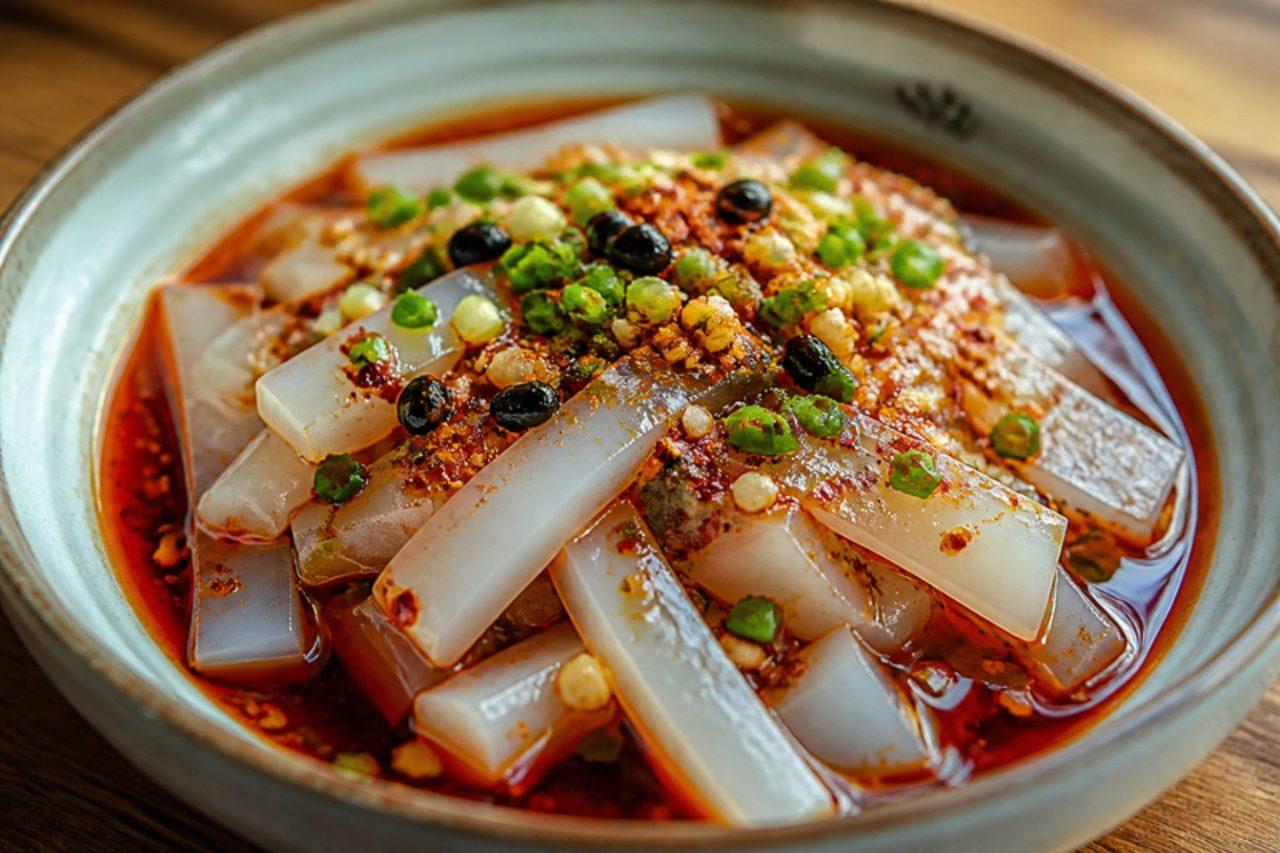
Chuanbei liangfenMung bean jelly in chilli oil

Nanchong, in the hills of north Sichuan, is famous for this snack: a soft, wobbly jelly set from bean starch, cut into thick ribbons and drowned in a red, glossy dressing. Street sellers keep it in big blocks and slice it to order, and people eat it as a mid-afternoon snack or a cold starter on hot days. The jelly itself tastes of almost nothing; the slippery texture and the punchy dressing are the point. Chef's tip: let the jelly set fully in the fridge, ideally overnight, so it is firm enough to cut cleanly but still trembles.

by KrazyBadal 0 views

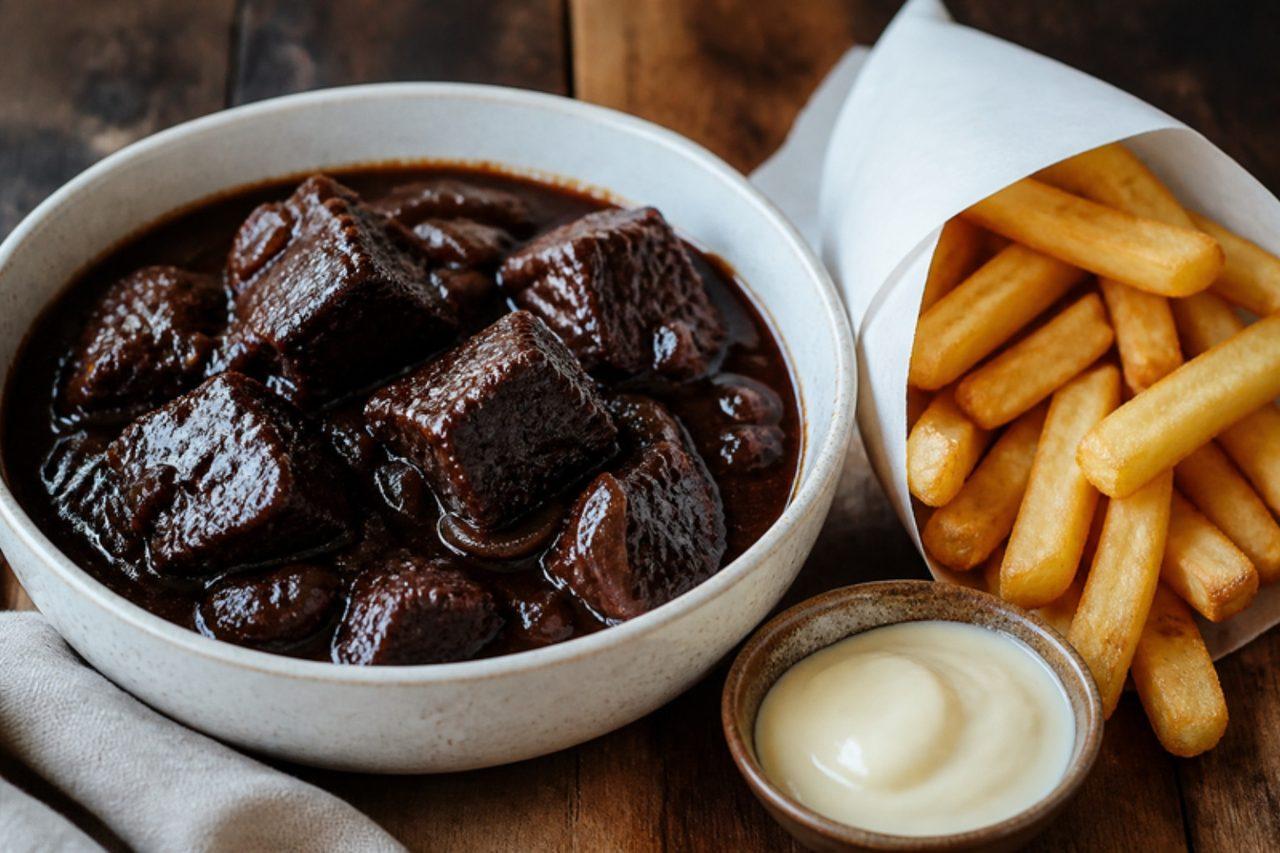
StoofvleesBeef stewed in brown beer

In Flanders, from Antwerp's frituren to Sunday kitchens in Bruges, stoofvlees is the stew that comes with a cone of double-fried chips and a spoonful of mayonnaise. Chunks of beef chuck are browned hard, then cooked slowly with lots of onion and a dark Belgian brown or abbey-style beer, thickened at the end by a slice of bread spread with mustard that melts into the sauce. The finished gravy is glossy, sweet-sour and deep, with a little brown sugar and vinegar to balance the bitterness. This recipe contains alcohol, though long cooking drives most of it off; for an alcohol-free version use the same amount of alcohol-free dark beer, or beef stock with a tablespoon of extra vinegar and a teaspoon of extra sugar. Browning the meat in one crowded batch is the classic mistake; it stews grey instead of searing. Chef's tip: cook it a day ahead and reheat gently; the flavour rounds out overnight.

205 minBelgianMeat
by KrazyBadal 0 views

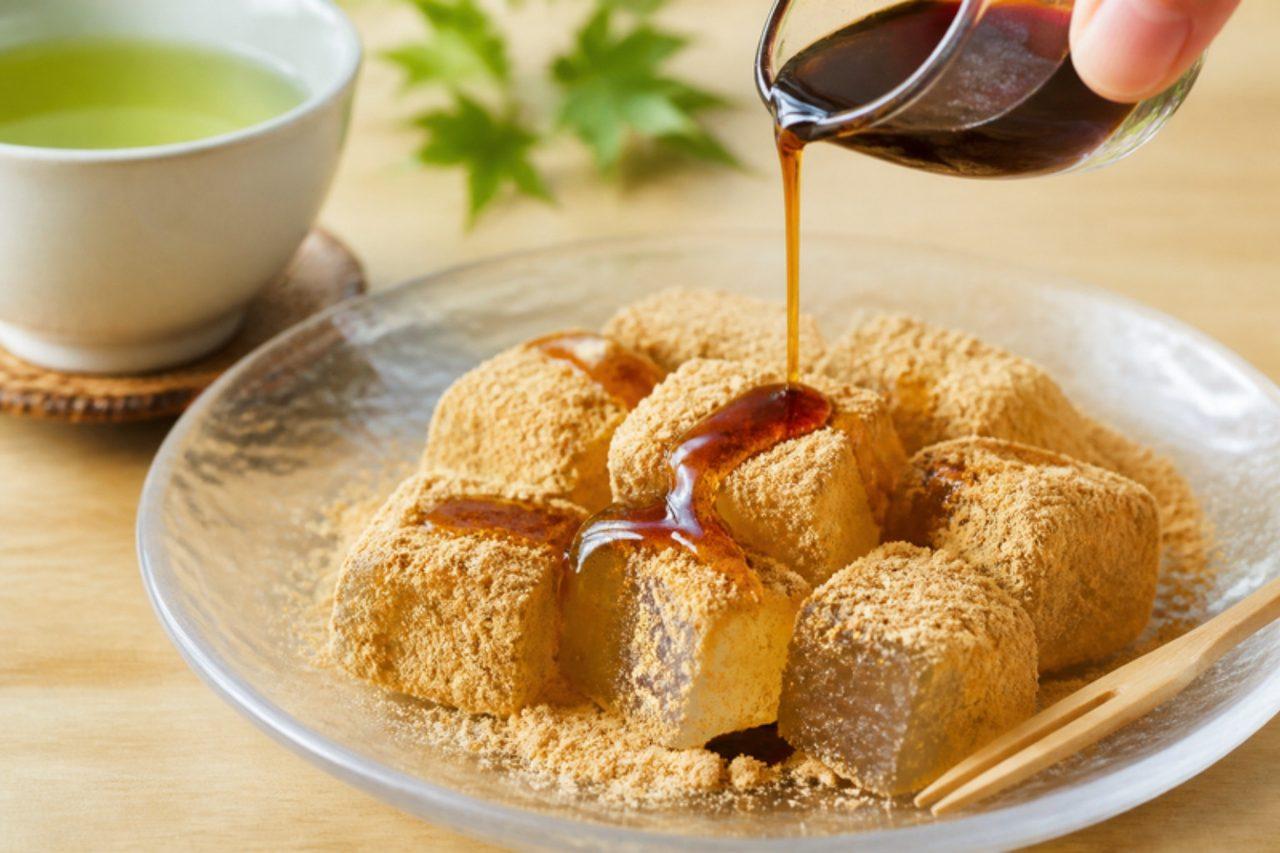
WarabimochiBracken starch jelly with soybean flour

Warabimochi is Kyoto's summer sweet. Made from the starch of bracken fern roots, it is not really mochi at all but a clear, wobbly jelly that melts on the tongue, and on hot afternoons teahouses around Gion and Arashiyama serve it chilled on ice. It is dusted with kinako, a nutty roasted soybean flour, and finished with kuromitsu, a dark syrup of Okinawan brown sugar. Real warabi starch is costly and greyish-brown, so most home cooks buy warabimochi-ko, a blend with sweet potato or tapioca starch, which gives a clearer jelly. Chef's tip: keep stirring hard once it turns clear. Two more minutes of beating over the heat is what makes it springy rather than gluey.

by KrazyBadal 0 views

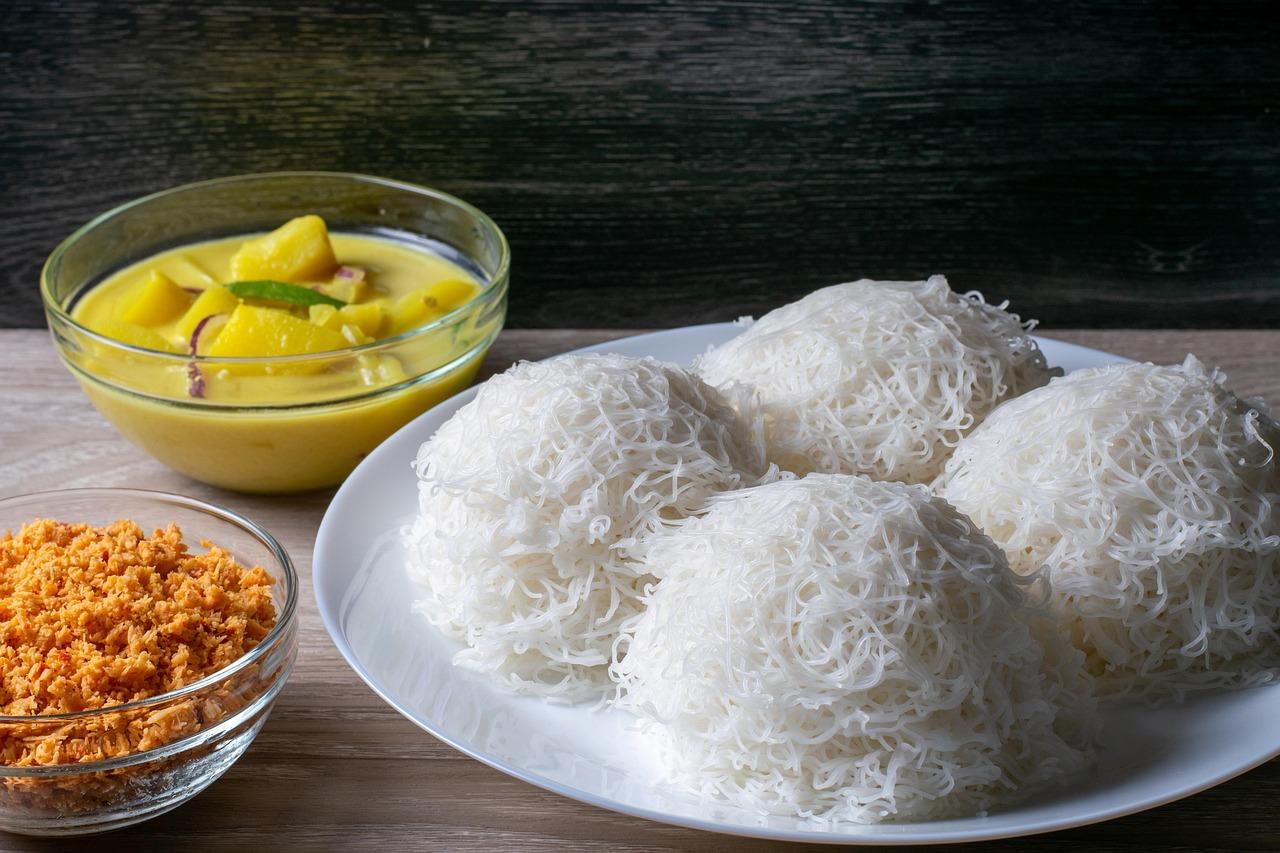
String hoppersSteamed rice flour noodle nests

String hoppers are lacy nests of steamed rice-flour noodles, pressed through a hand mould onto small woven mats, and they're the classic Sri Lankan breakfast or dinner in Tamil homes in Jaffna and in Sinhala homes everywhere, bought by the dozen from neighbourhood shops when there's no time to make them. They're soft and light and made to soak up kiri hodi, a thin, turmeric-yellow coconut milk gravy with fenugreek and curry leaves, plus pol sambol and a potato or dhal curry. Kiri hodi is sometimes made with Maldive fish; we keep it vegetarian. Roasted red rice flour gives a nuttier, pinker nest. The common mistake is using cold or warm water for the dough: it must be boiling, or the strings crack and fall apart. Chef's tip: steam the nests for only 6–8 minutes; longer and they turn rubbery.

by KrazyBadal 0 views

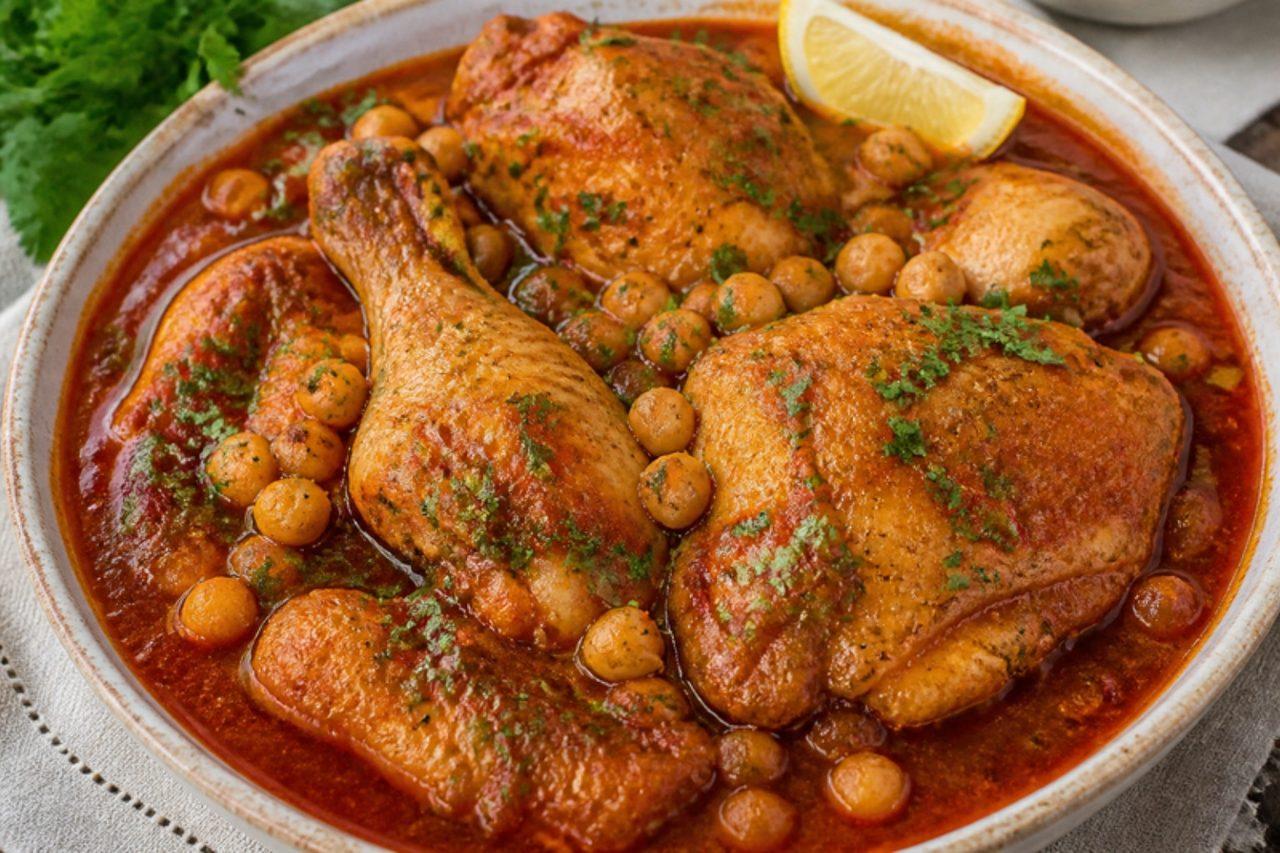
Chtitha djejChicken in paprika sauce with chickpeas

Chtitha djej is the everyday chicken of Algerian homes from Algiers to Constantine: chicken pieces simmered in a red sauce of paprika, cayenne, garlic and caraway with chickpeas, reduced until thick and clinging. It is mopped up with khobz or matlouh flatbread. The mistake is burning the garlic and paprika when they go into the oil, which turns the sauce bitter; keep the heat moderate and add water as soon as they smell toasted. Chef's tip: add a squeeze of lemon right at the end to brighten the spices.

by KrazyBadal 0 views

StroopwafelsCaramel-filled wafers

Stroopwafels come from Gouda, the cheese town in South Holland, where bakers once made them from leftover crumbs and syrup. Today they are made fresh at Dutch markets, split while still hot and glued back together with warm caramel syrup. The Dutch way to eat one is to rest it on top of a cup of hot coffee or tea for a minute, so the steam softens the caramel. You need a thin waffle iron (a pizzelle or stroopwafel iron) to make them at home. Chef's tip: cut each waffle open the moment it comes off the iron; after 20 seconds it stiffens and shatters instead of splitting.

by KrazyBadal 0 views

Warak enabRice-stuffed vine leaves

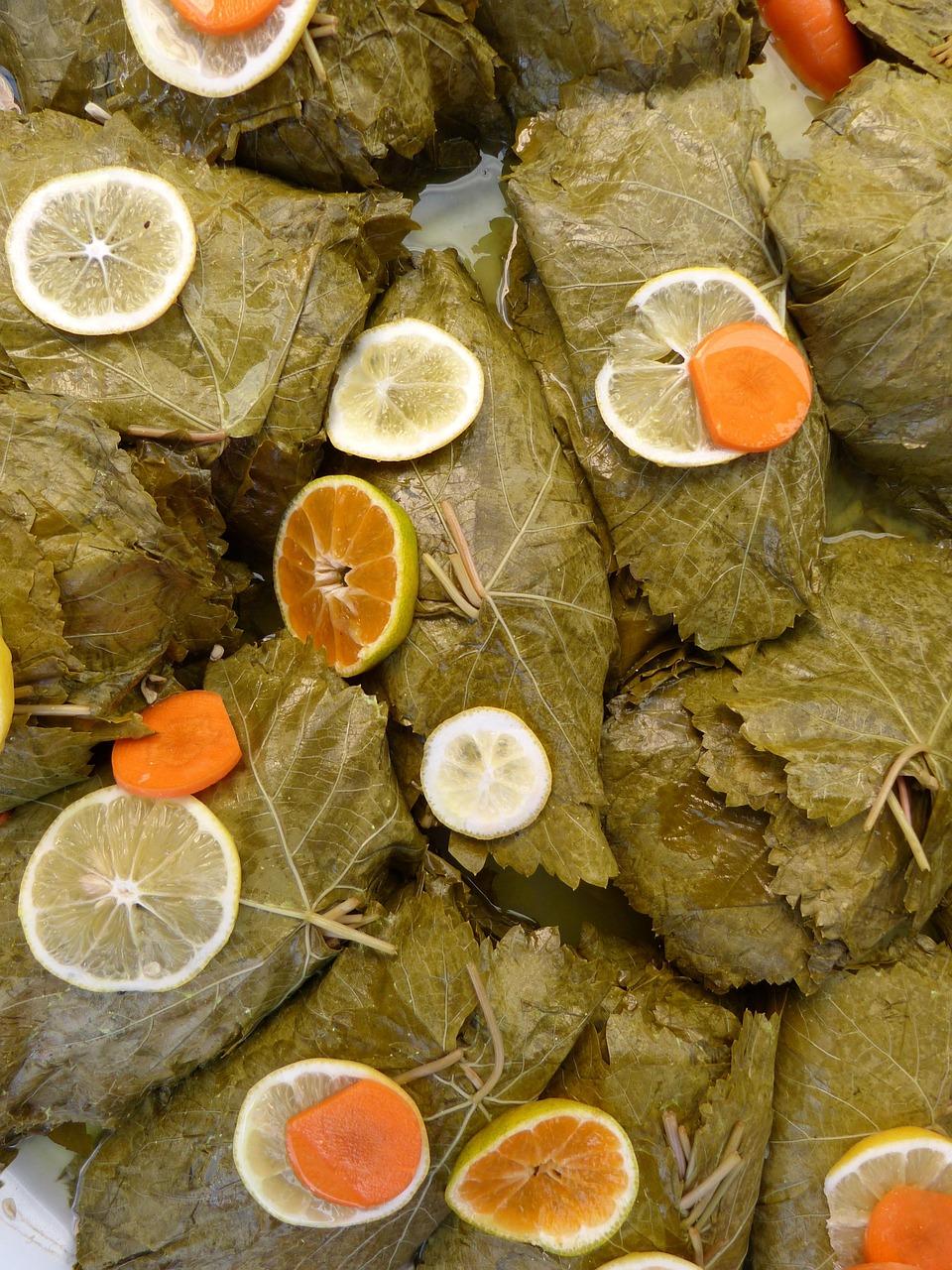
Warak enab bi zeit, vine leaves cooked in oil, is what Lebanese aunts make in big batches in early summer when the young grape leaves are tender, and it fills the cold mezze table at every wedding and family lunch. The meatless version, eaten on Lenten fast days, is packed with short-grain rice, tomato, parsley, mint and spring onion, seasoned with dried mint and seven spices, and simmered slowly in lemon juice until the leaves are silky and the filling sharp and fresh. It is served cold with a wedge of lemon and a spoonful of yogurt for those who are not keeping it vegan. Rolling too tightly is the mistake most people make: the rice swells and splits the leaves, so roll them snug but not stretched. Chef's tip: line the pan with sliced potato and tomato; they stop the rolls catching and are a cook's treat to eat straight from the pot.

by KrazyBadal 0 views

Su böreğiLayered boiled pastry with cheese

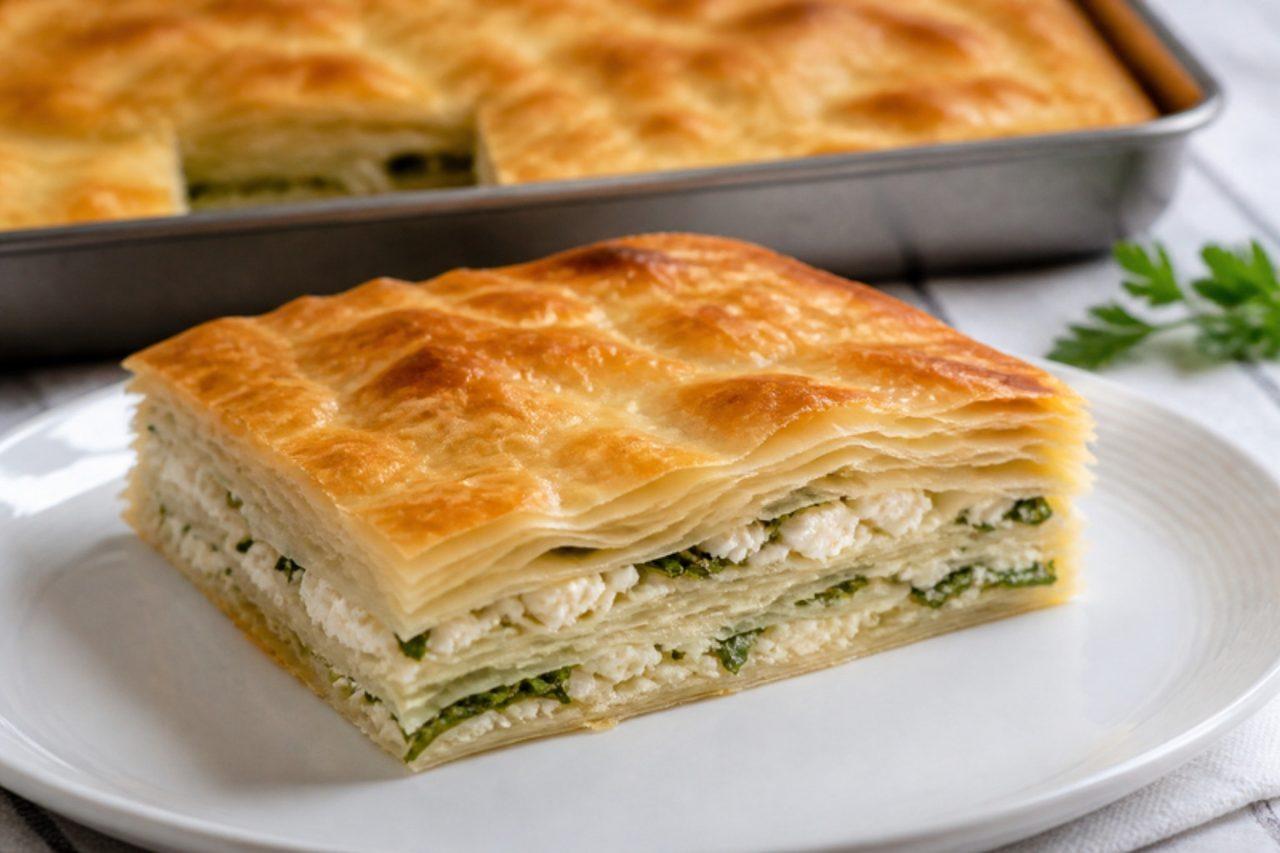
Of all Turkish böreks, su böreği is the one cooks are proudest of. Thin sheets of egg dough are boiled for a moment, then layered with butter and white cheese and baked until the top is crisp and the inside is soft and almost silky, a little like a cheesy lasagne made of pastry. Bakeries in Istanbul and Ankara sell it by weight from huge trays in the morning, and at home it appears at holidays and when guests are expected. It takes time and patience but nothing is difficult. Make it the day before and reheat it. Chef's tip: have a big bowl of iced water ready next to the pan; plunging each sheet straight into it stops it cooking and keeps the layers from sticking together.

by KrazyBadal 0 views

ChotpotiSpiced yellow pea snack

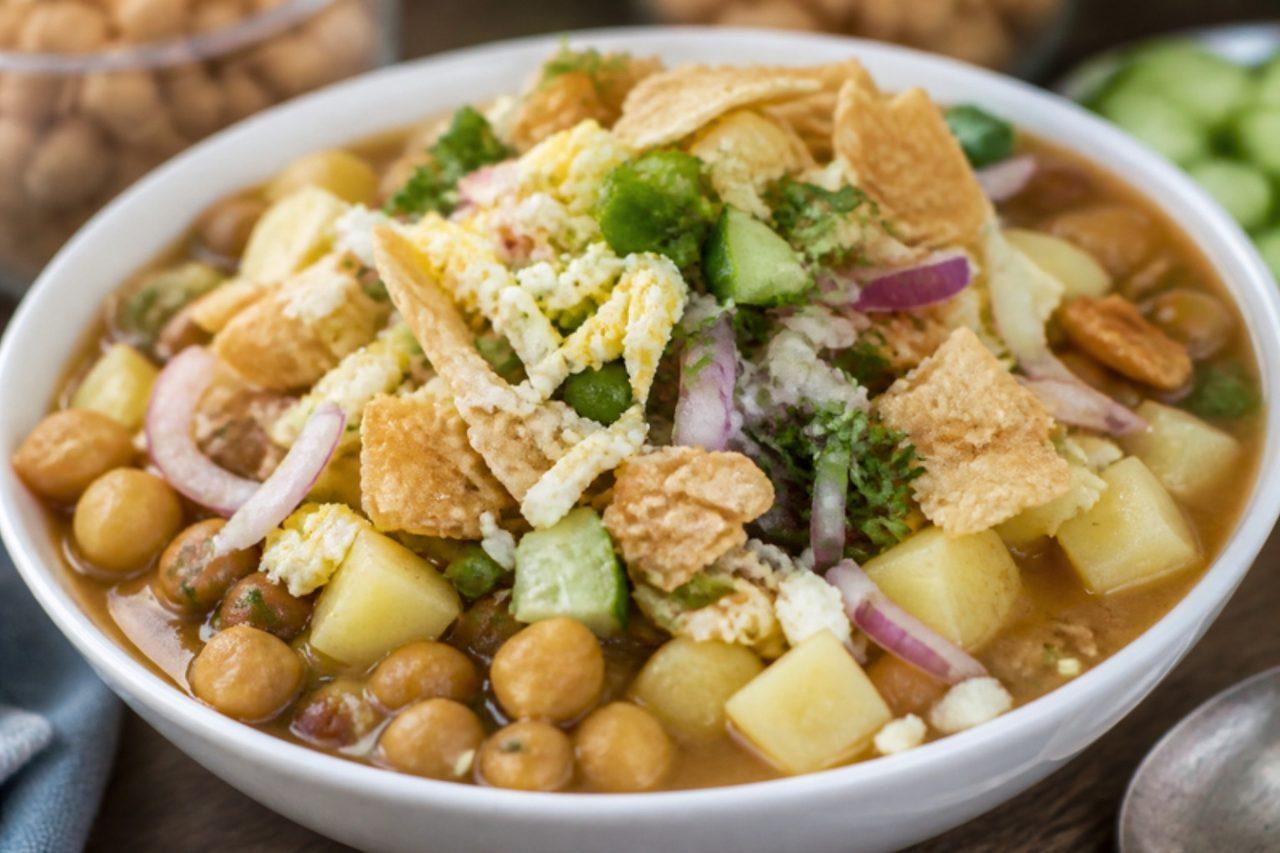
Chotpoti is what Dhaka eats at dusk: vendors ladle it from great brass pots at Dhanmondi Lake and outside every university gate, and during Ramadan it is a fixture of the iftar spread. Dried yellow peas (motor) are simmered with potato until soft and slightly soupy, then served warm under a shower of raw onion, green chilli, grated boiled egg, crushed fuchka shells, roasted cumin and plenty of sour tamarind water. Chef's tip: soak the peas overnight and cook them until some burst and thicken the liquid; chotpoti should be spoonable, halfway between a stew and a salad.

by KrazyBadal 0 views

Suan la fenHot and sour sweet potato noodles

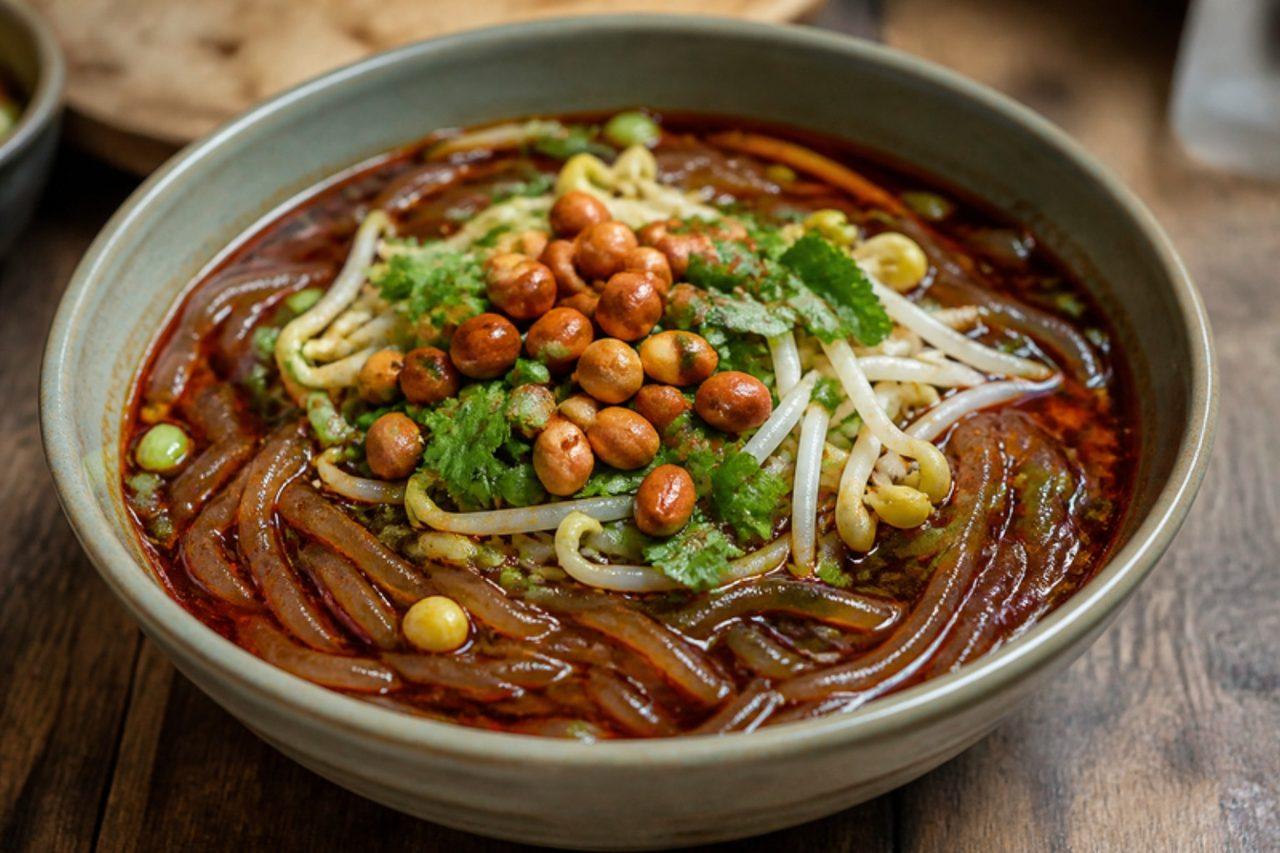
Chongqing's hot and sour noodles are made from sweet potato starch, so they are chewy, bouncy and almost clear. They come in a broth that is sharp with black vinegar and red with chilli, topped with fried peanuts or soybeans and a spoonful of pickled greens. Students live on it, and it's a favourite late-night snack across the south-west. Plan for the 30-minute soak for the dried noodles. Chef's tip: add the vinegar to the bowl, not the pan; boiled vinegar loses the sharp edge that makes this dish.

by KrazyBadal 0 views

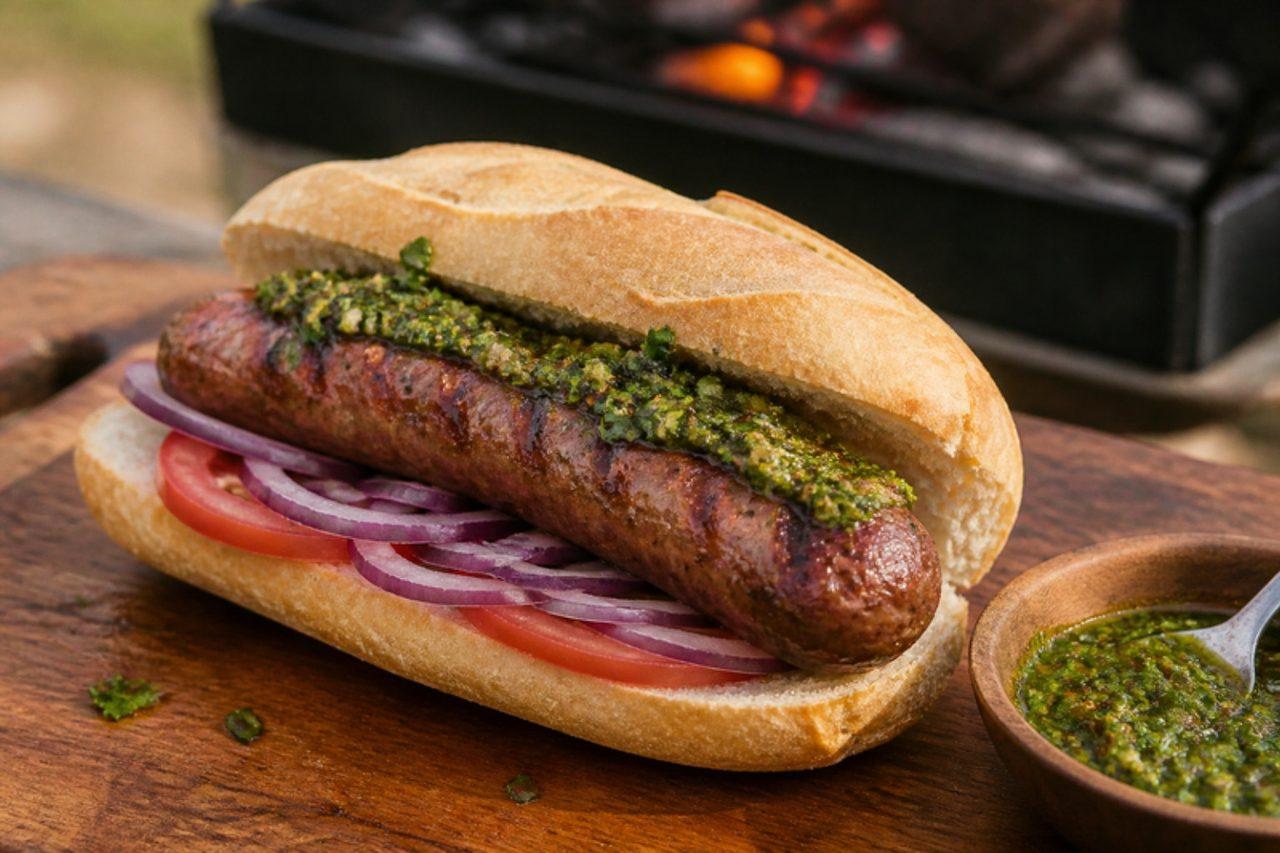
ChoripánChorizo sandwich

Choripán is what fans buy outside football stadiums in Buenos Aires, what the asador hands round while the beef is still cooking, and what stalls sell along Costanera Sur on a Sunday afternoon. This is a pork dish: a fat Argentine-style fresh chorizo (pork, sometimes mixed with beef) is grilled slowly, split open (a mariposa) and tucked into a crusty roll with chimichurri or salsa criolla. That's it, and it doesn't need more. The common mistake is grilling the chorizos too hot, so the skins burst and the centre stays raw; low and slow is the rule. Chef's tip: once cooked, split each chorizo lengthways and give the cut sides 1 minute on the grill so they char a little.

by KrazyBadal 0 views

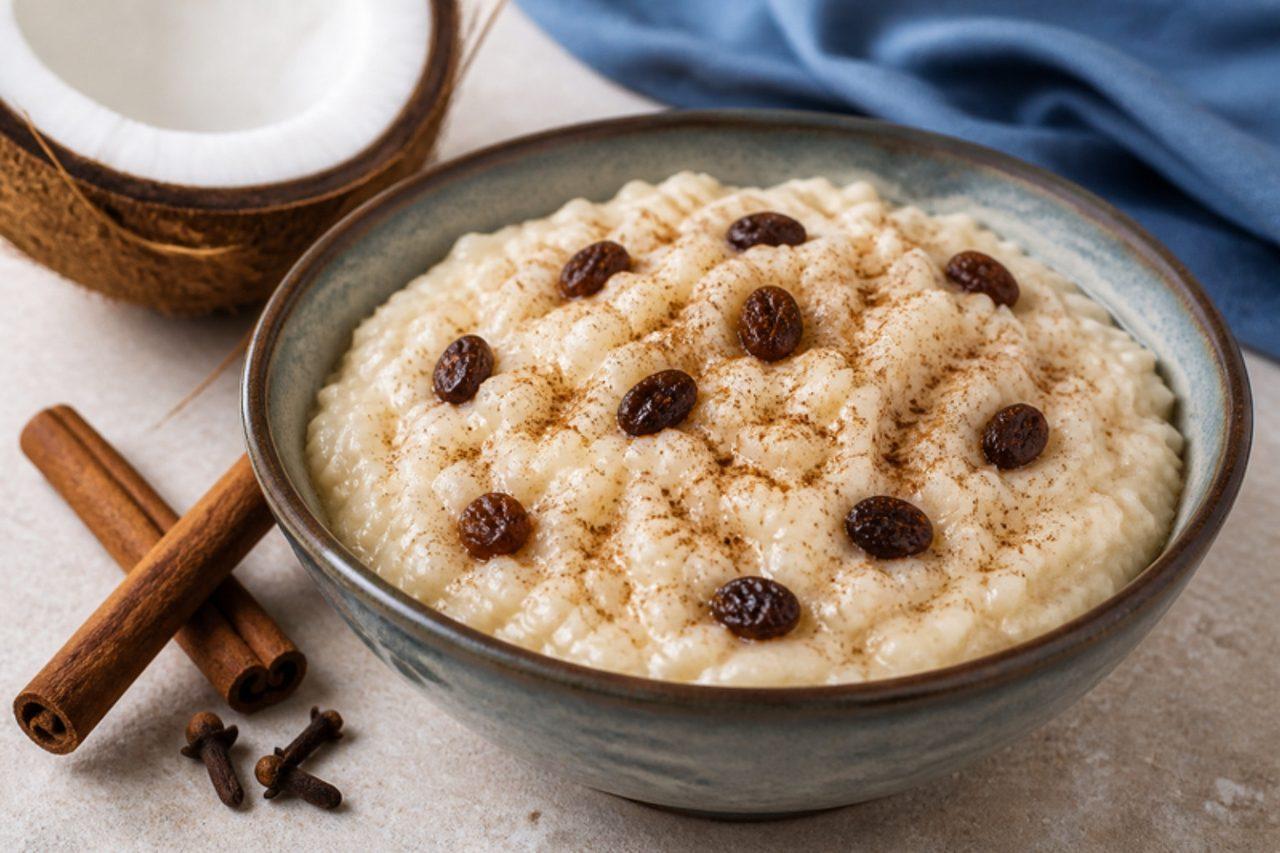
Nicaraguan arroz con cocoCoconut rice pudding

On Nicaragua's Caribbean coast, around Bluefields and the Corn Islands, coconut is in almost everything, and arroz con coco is a sweet spoon dessert rather than a side dish. Rice is simmered in fresh coconut milk with cinnamon, a clove or two and raisins until creamy and thick, then served warm or chilled, often after lunch or at Christmas. It's lighter and more fragrant than a milk rice pudding and naturally dairy free. Chef's tip: stir the coconut milk in two stages; adding it all at once at the start makes the fat split and the rice greasy.

by KrazyBadal 0 views

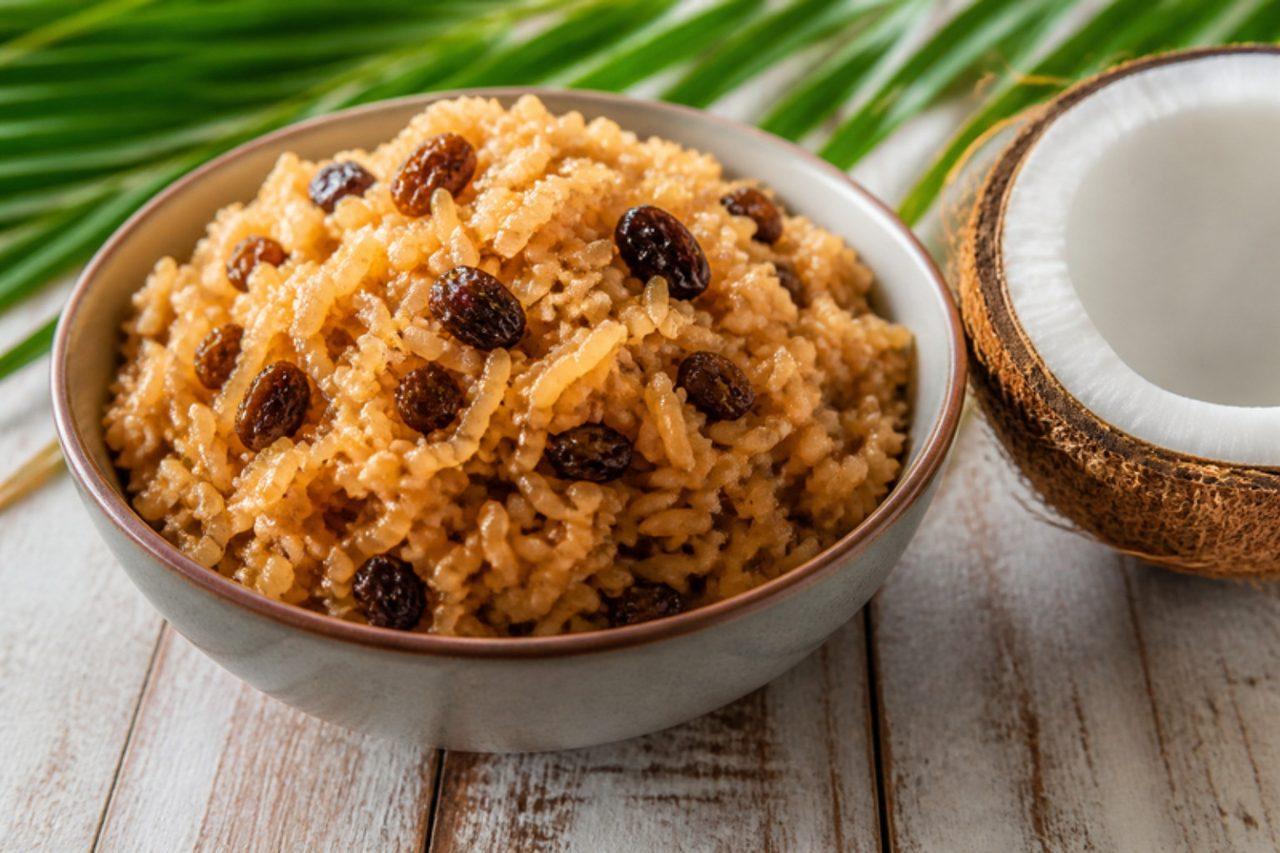
Arroz con cocoCaramelised coconut rice

Along Colombia's Caribbean coast, in Cartagena and Santa Marta, arroz con coco is the rice served with fried fish and patacones; it pairs just as well with beans, fried plantain and salad. The dark version, arroz con coco titoté, comes from cooking coconut milk down until the oil separates and the solids fry into brown, toasty flecks (titoté), then adding the rice with a little sugar and raisins. The result is nutty, sweet-savoury and light brown. Chef's tip: be patient with the titoté; it only tastes right once the bits are deep brown, but take it off the moment they turn the colour of coffee or it will be bitter.

by KrazyBadal 0 views

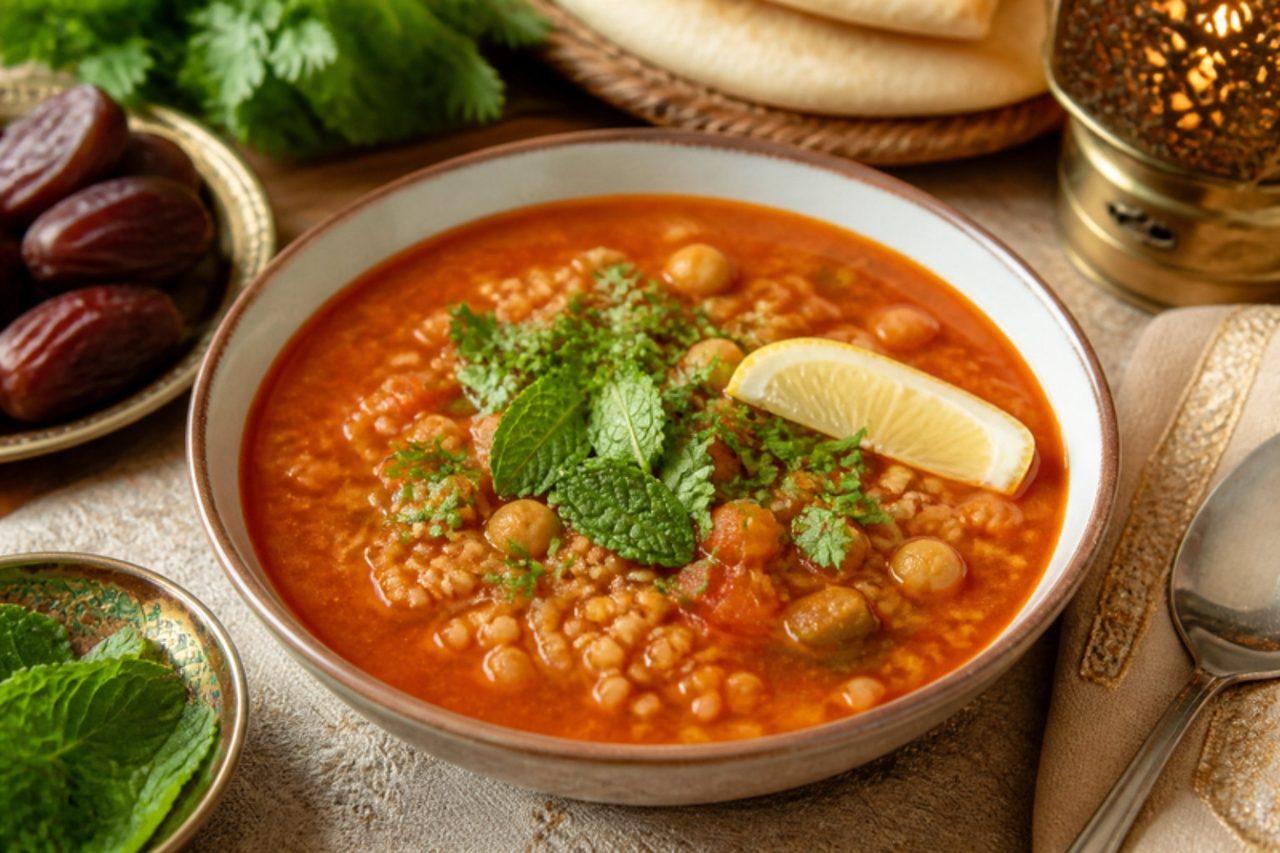
Vegetable chorba frikTomato soup with green wheat

Chorba frik is the soup that breaks the fast in Algerian homes every evening of Ramadan, from Algiers to Constantine, and it is just as common in Libya as shorba. Frik is young green wheat, roasted and cracked, which gives the tomato broth a smoky, nutty depth. It usually cooks with lamb; here chickpeas, celery and courgette carry it. Serve with lemon wedges and bread. Chef's tip: add the frik only once the broth is boiling and stir for the first minute, or it sinks and sticks.

by KrazyBadal 0 views

WatalappanJaggery and coconut custard

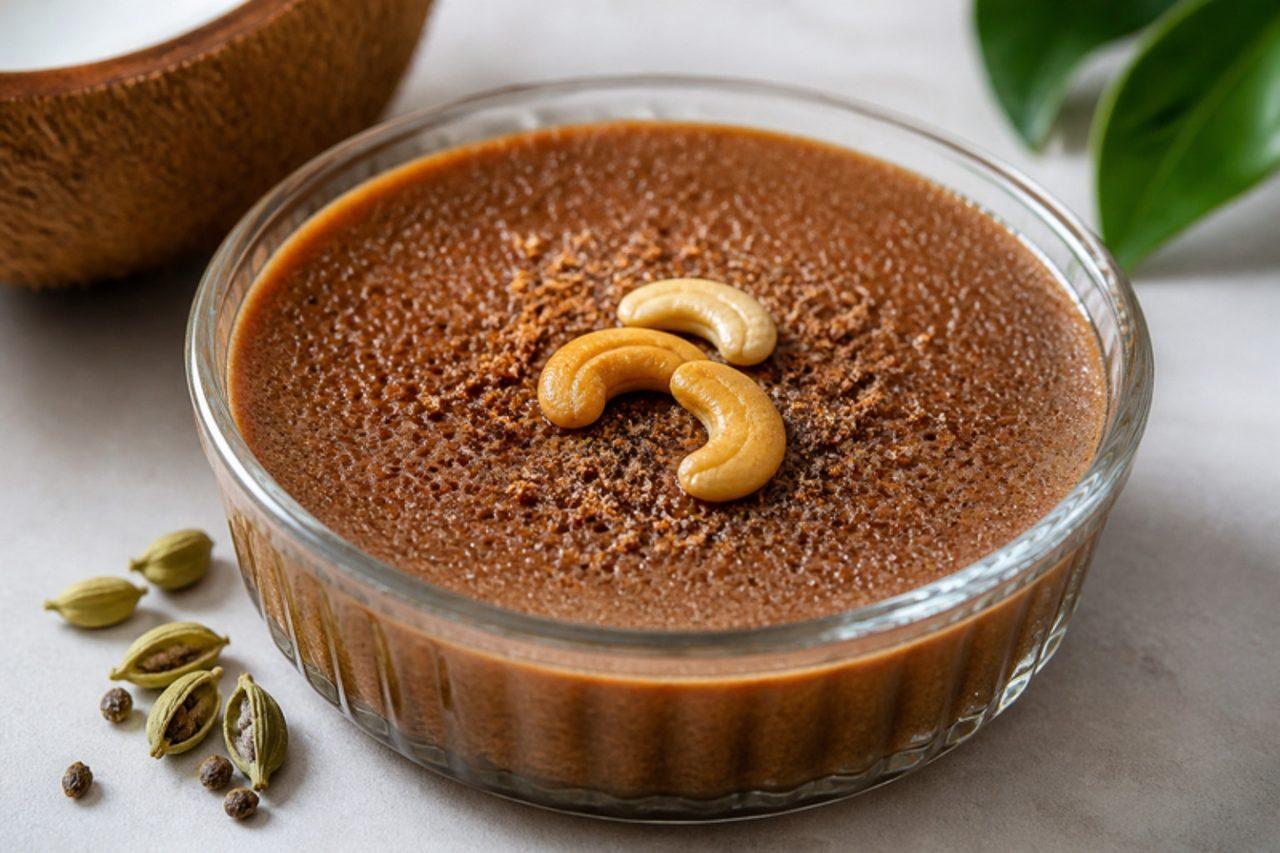
Watalappan came to Sri Lanka with the island's Malay and Muslim communities, and no Eid table in Colombo, Beruwala or Kandy is complete without it; it now turns up at weddings and birthdays across every community. Thick coconut milk and eggs are sweetened with kithul jaggery, the dark palm sugar from the fishtail palm, and spiced with cardamom, nutmeg and a little clove, then steamed until it sets into a wobbly, honeycombed custard the colour of toffee. Cashews scattered on top add crunch. Dark muscovado sugar works if you can't find kithul jaggery. The common mistake is steaming it on a fierce boil, which makes it full of large holes and watery; a steady, gentle simmer gives a smooth set with the fine honeycomb that's prized. Chef's tip: strain the mixture through a sieve before steaming to remove any stringy egg and jaggery grit.

by KrazyBadal 0 views

Arroz chaufaPeruvian fried rice

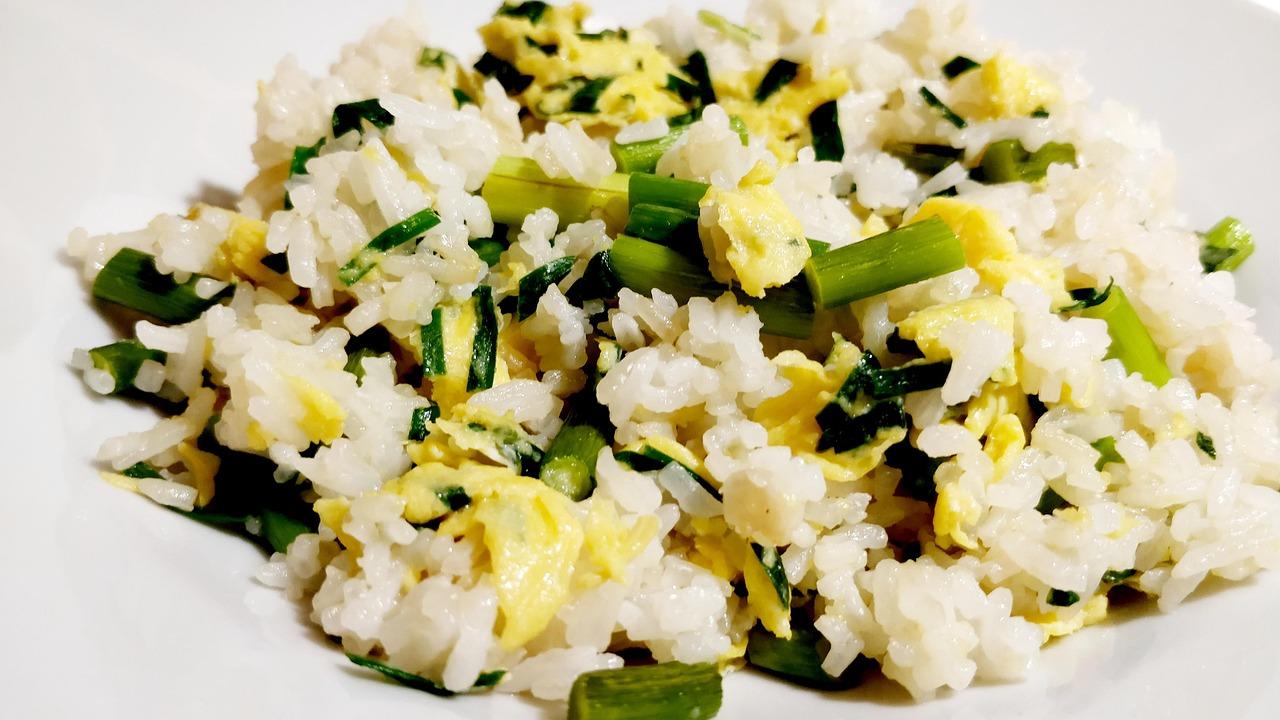
Arroz chaufa is the fried rice of Lima's chifas, the Chinese-Peruvian restaurants found on almost every street corner in Peru. It is close to Cantonese fried rice but has its own accent: plenty of spring onion and ginger, a dark soy colour, a thin omelette cut into strips and a whisper of sesame oil, all tossed in a smoking wok. This egg and vegetable version is a quick dinner on its own, or the side for a saltado. Chef's tip: use rice cooked the day before and broken up with your fingers; fresh rice is too wet and goes mushy and sticky in the wok.

by KrazyBadal 0 views

Wattakka curryPumpkin curry

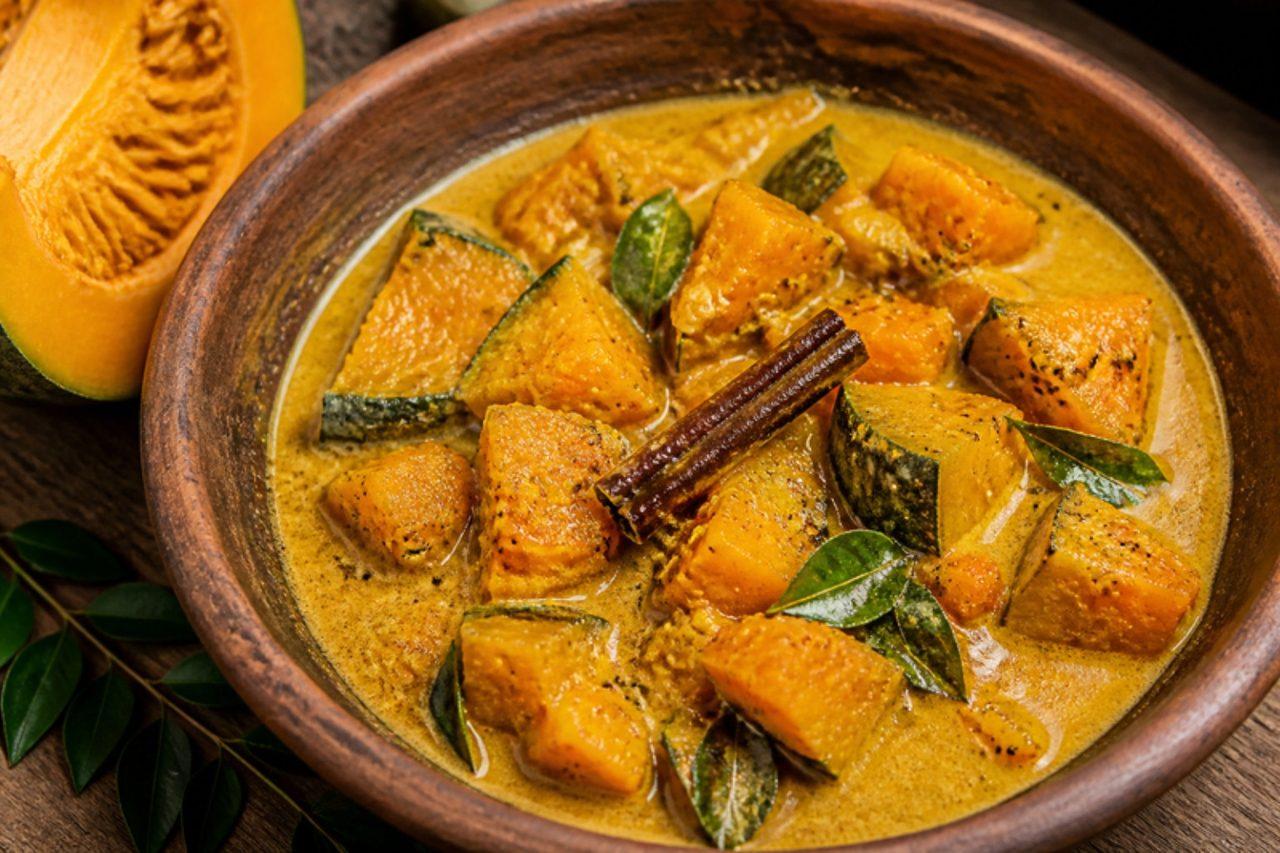
Wattakka (pumpkin) curry is one of the soft, sweet dishes on a Sri Lankan buth (rice) spread, and in villages around Kurunegala it often appears at Poya day almsgivings, when temple meals are always meat-free. The pumpkin is cooked in its skin with dark roasted curry powder, cinnamon, a pinch of fenugreek and pandan, then thickened with coconut milk and a spoonful of ground mustard, which gives it a gentle tang. Some cooks also add toasted coconut paste (kalu pol); we keep it simpler. The common mistake is cutting the pumpkin too small, so it dissolves into mush before the gravy is ready; keep the chunks about 4 cm. Chef's tip: leave the skin on butternut or Kent pumpkin; it holds each piece together and softens completely as it cooks.

by KrazyBadal 0 views

Arroz carreteiroRice with dried beef

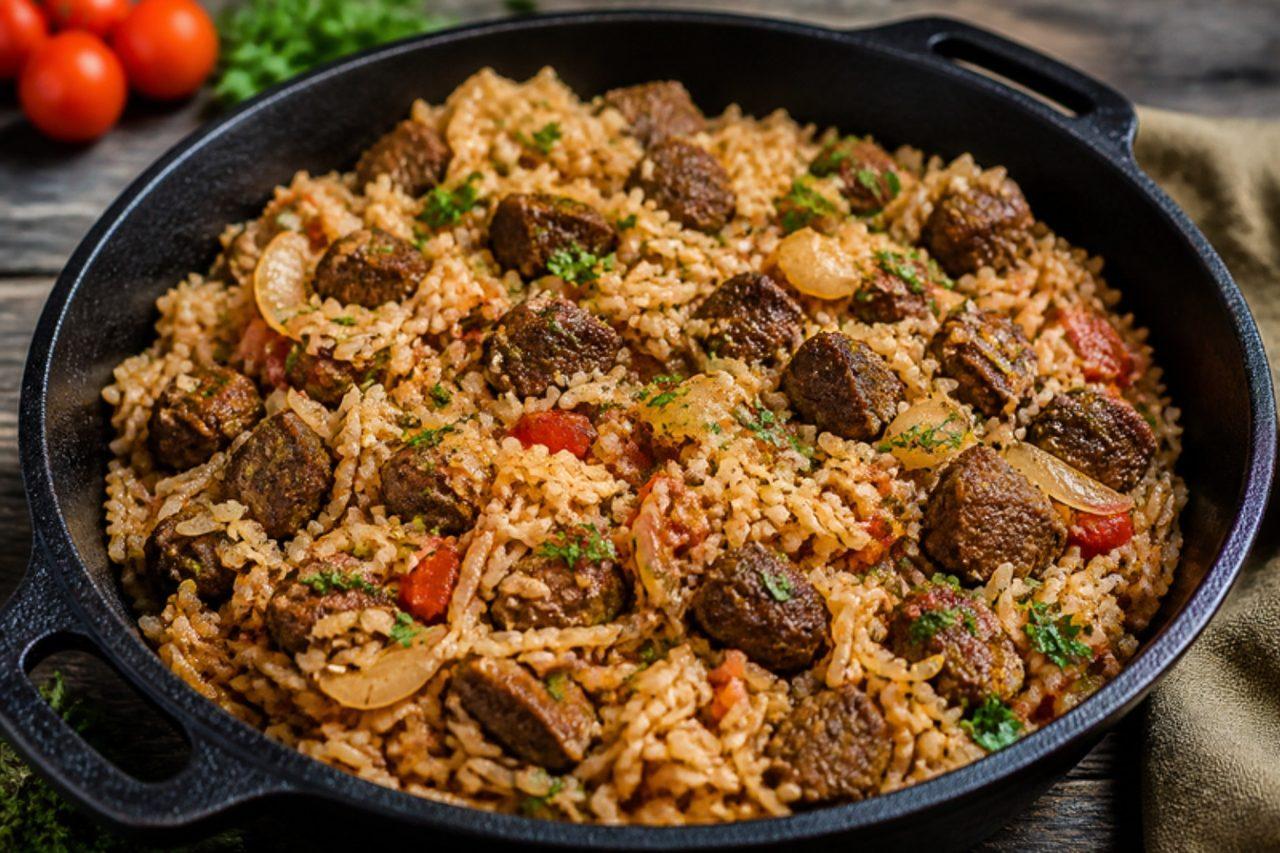
Arroz carreteiro is named after the carreteiros, the ox-cart drivers who crossed the pampas of Rio Grande do Sul with charque (dried salted beef) that kept for weeks, cooking it with rice in one iron pot at camp. In southern homes today it is often the Monday dish, made with whatever is left from Sunday's churrasco, though some cooks still use carne seca. It's quick, filling and savoury, with tomato, onion, garlic and plenty of fresh herbs. Chef's tip: dice the leftover beef small, about 1 cm, and brown it hard before the rice goes in; those crispy edges flavour the whole pot.

by KrazyBadal 0 views

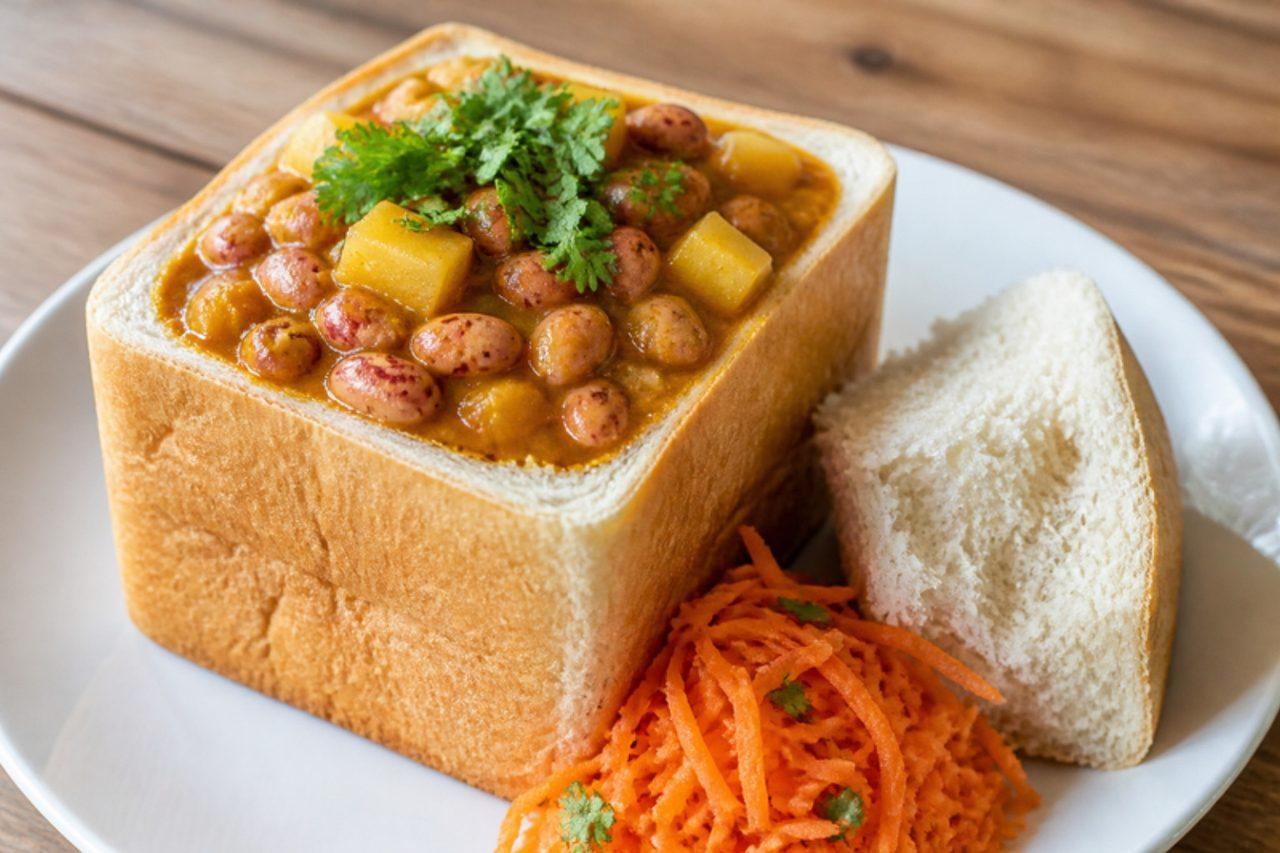
Sugar-bean bunny chowBean curry in a bread loaf

Bunny chow was born in Durban, among the city's Indian community, where curry in a hollowed loaf became the takeaway lunch of dockworkers and caddies. Many Durbanites say the first bunnies were vegetarian, filled with sugar beans, and cafés around Grey Street still sell a bean bunny beside the mutton one. A quarter loaf of unsliced white bread is scooped out and filled with a fiery, red Durban curry, with the scooped-out bread (the 'virgin') put back on top for dunking. It is eaten with your hands, with grated carrot and chilli salad on the side. Chef's tip: the curry needs to be thick and saucy, not watery; a runny curry soaks through the loaf before you've finished the first bite.

by KrazyBadal 0 views

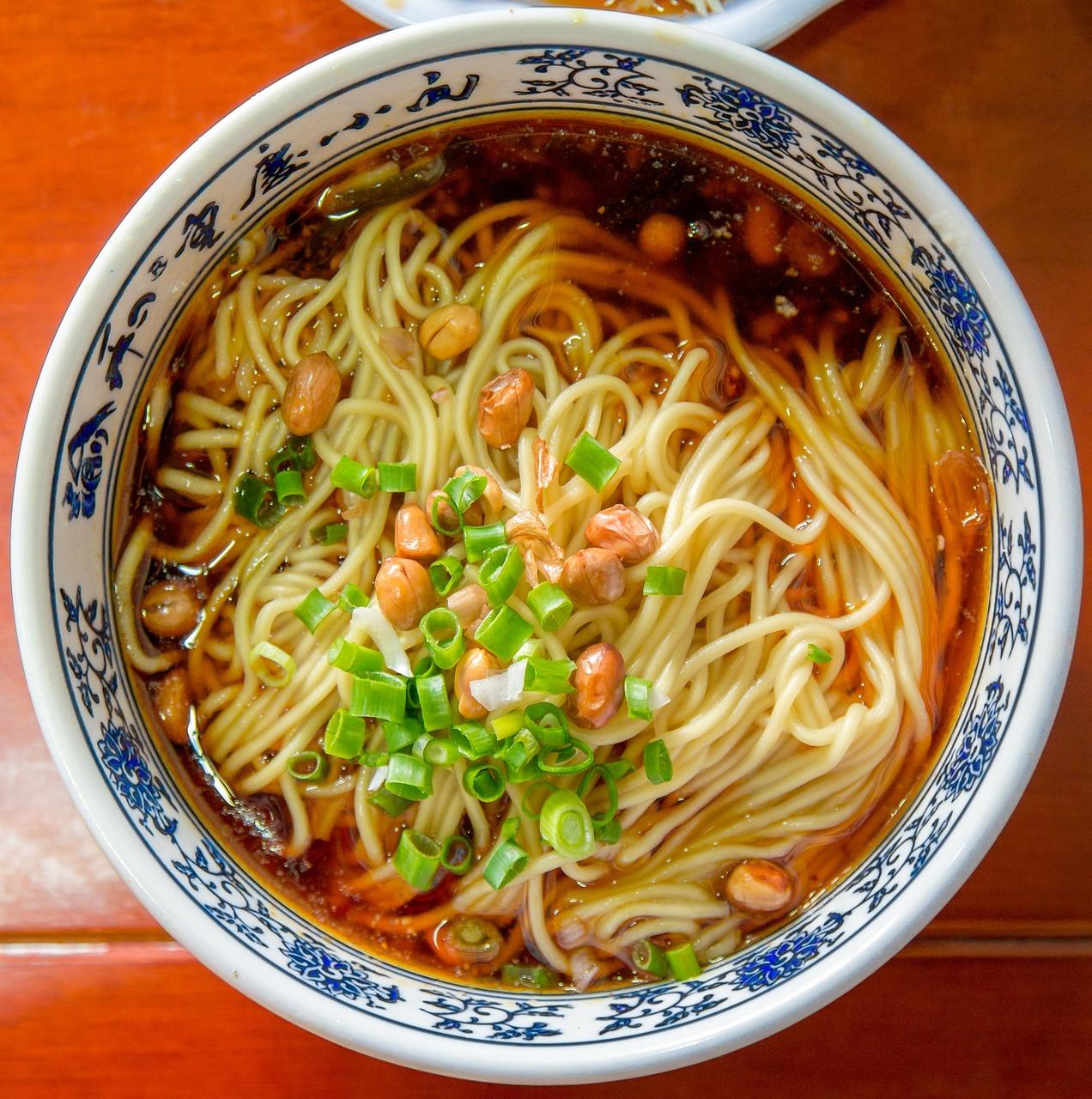
Chongqing xiao mianChilli oil noodles

Chongqing wakes up to these: thin wheat noodles in a small bowl of red, numbing sauce, eaten standing up at street stalls before work. The noodles are plain; everything happens in the bowl, where chilli oil, Sichuan pepper, garlic water, preserved mustard greens and crushed peanuts are stacked up before the noodles go in. The vegetable version on this page is how most locals order it day to day. Chef's tip: some bought chilli oils are made with beef fat, so check the label or use your own vegetable-oil chilli oil.

by KrazyBadal 0 views

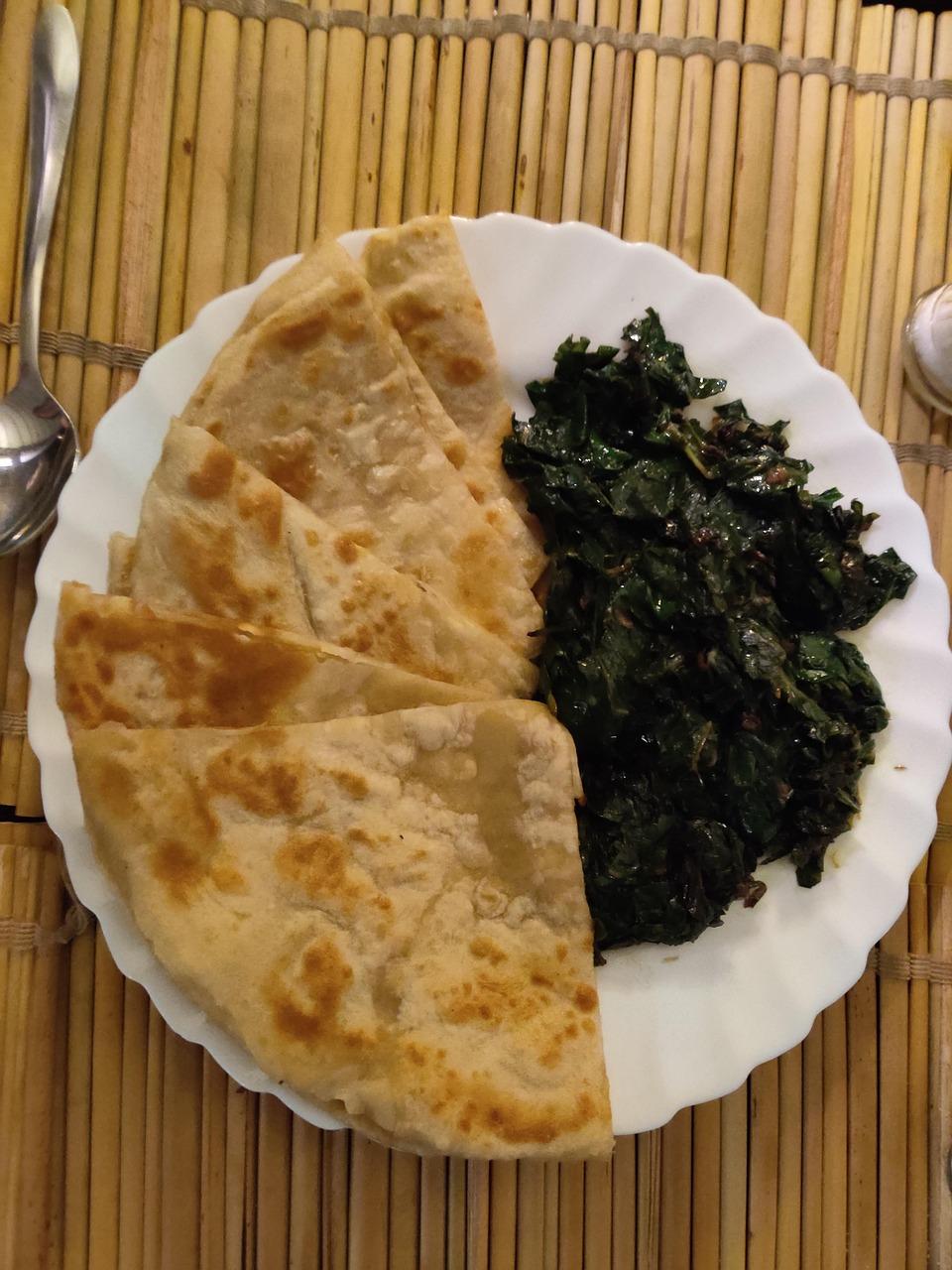
SukumawikiSautéed collard greens

Sukumawiki (collard greens) finely chopped and cooked quickly with cumin, onion, tomato and a little turmeric, chilli and coriander-cumin powder until just tender. Its name means 'push the week', because it's cheap enough to stretch the budget to the end of the week. Serve hot with ugali.

by KrazyBadal 0 views

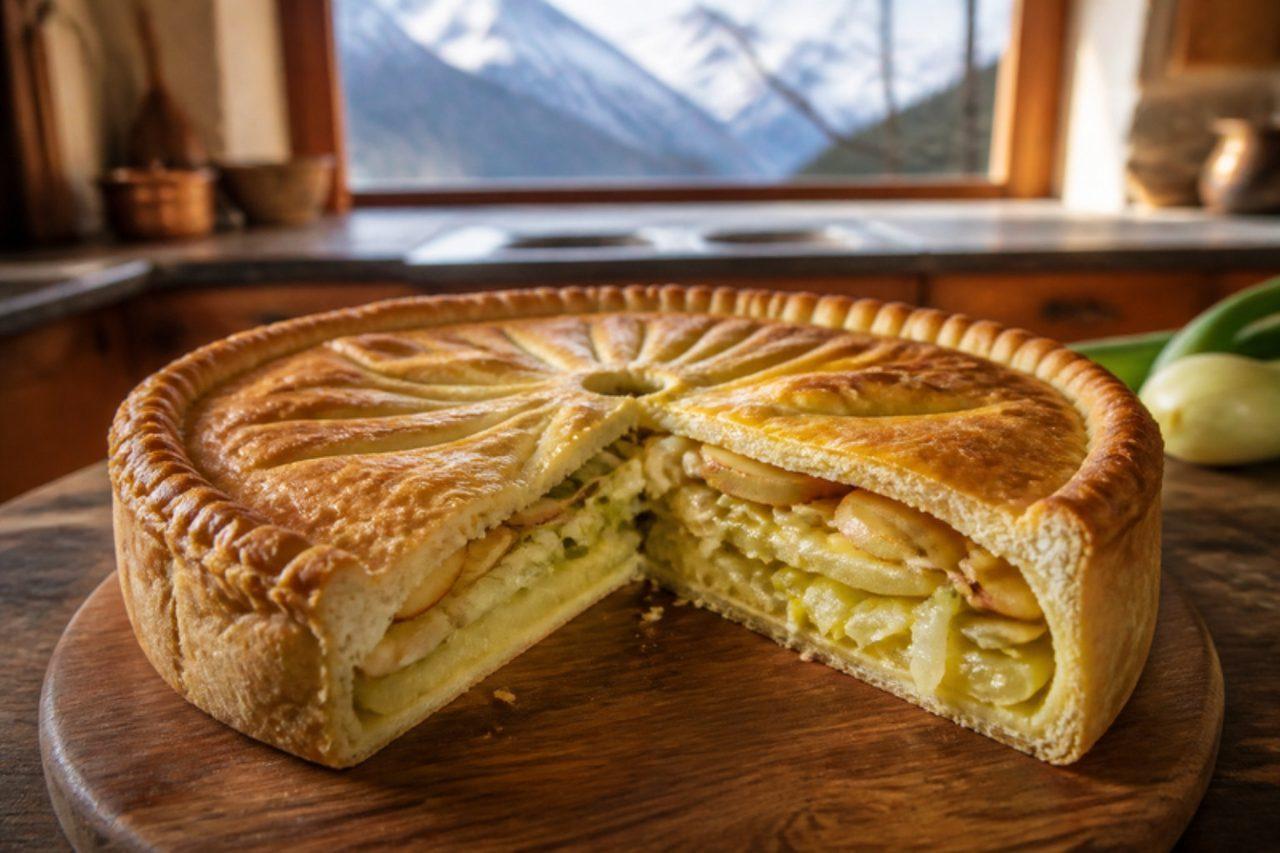
CholeraPotato, leek and apple pie

Cholera is a Valais pie from the upper Rhône valley, especially the Goms district, filled with layers of potato, leek, apple, pear and mountain cheese under a pastry lid. One story ties the name to the 1830s cholera outbreak, when people stayed home and baked whatever was in the cellar; another to the old Valais word for a coal stove, chola. It is eaten warm or cold, as a Sunday lunch, picnic food or a slice with a green salad, and the sweet fruit against salty cheese and soft leek is the whole point. Some Valais cooks add bacon; this vegetarian version doesn't need it. Use cheese made with vegetarian rennet. Chef's tip: slice the potatoes, apples and pear thinly and evenly (3 mm) so everything cooks through in the time the pastry takes to brown.

by KrazyBadal 0 views

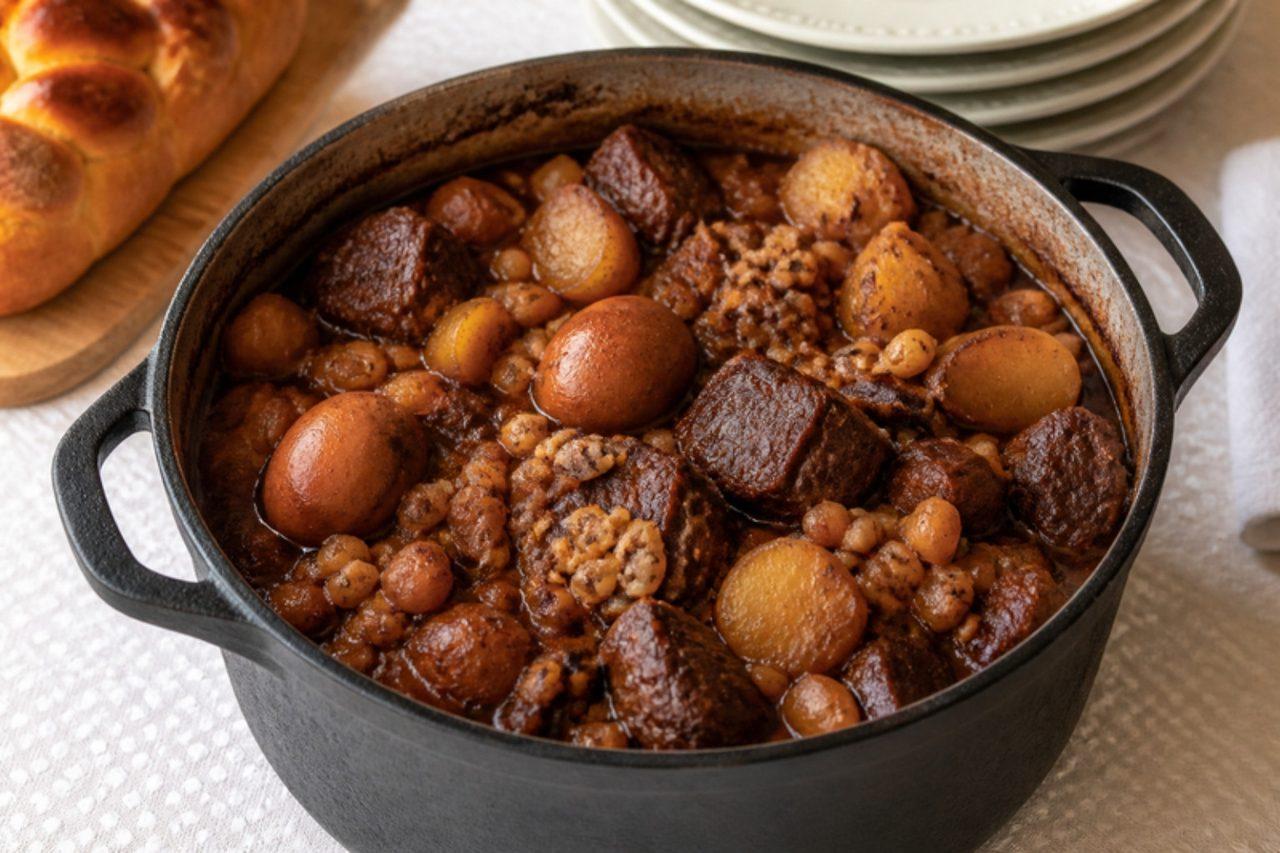
CholentOvernight beef and bean stew

Cholent, called hamin by Sephardic families, is the slow stew that Jewish homes in Jerusalem, Tel Aviv and Bnei Brak put on before Shabbat begins on Friday afternoon, so it can cook gently overnight without anyone touching the stove and be eaten hot at Saturday lunch. Beef, dried beans, pearl barley, potatoes and onions cook for 12 hours or more in a paprika-scented broth, often with whole eggs in their shells that turn brown and creamy. Chef's tip: add enough water to just cover everything; too little and it dries out overnight, too much and it is soup.

750 minIsraeliMeat
by KrazyBadal 0 views

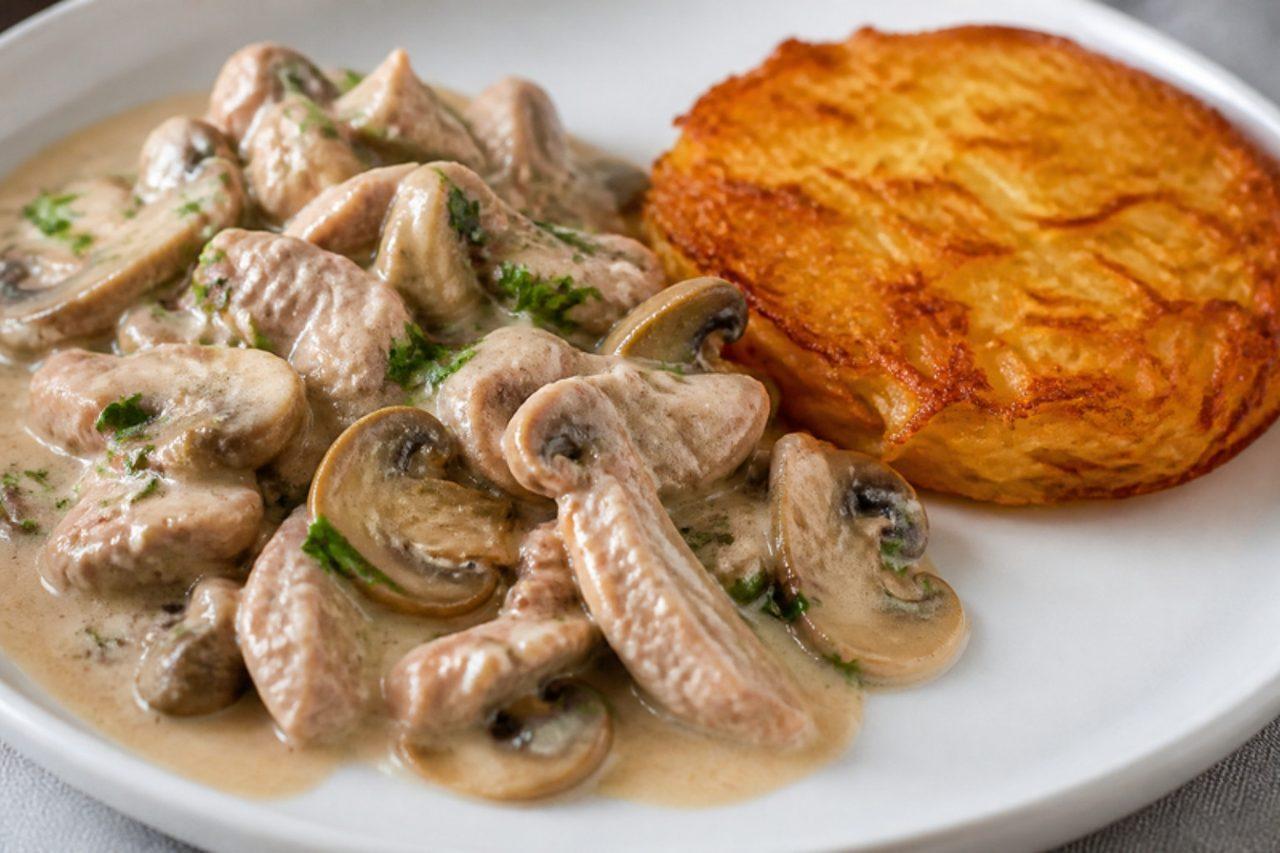
Zürcher GeschnetzeltesSliced veal in mushroom cream sauce

Zürcher Geschnetzeltes is the signature dish of Zurich's old guild restaurants and a favourite Sunday meal in homes across German-speaking Switzerland. Thin strips of veal are seared quickly, then the pan is deglazed with white wine and finished with cream and mushrooms into a pale, glossy sauce, and the whole thing is served beside a golden, crisp rösti. The wine adds alcohol (most cooks it off); for an alcohol-free version use the same amount of chicken stock with 1 teaspoon of lemon juice. The usual error is cooking the veal in the sauce until it toughens; sear it fast, take it out, and only warm it through at the end. Chef's tip: boil the potatoes for the rösti a day ahead and chill them; cold, firm potatoes grate cleanly and fry up crisp.

65 minSwissMeatGluten free
by KrazyBadal 0 views

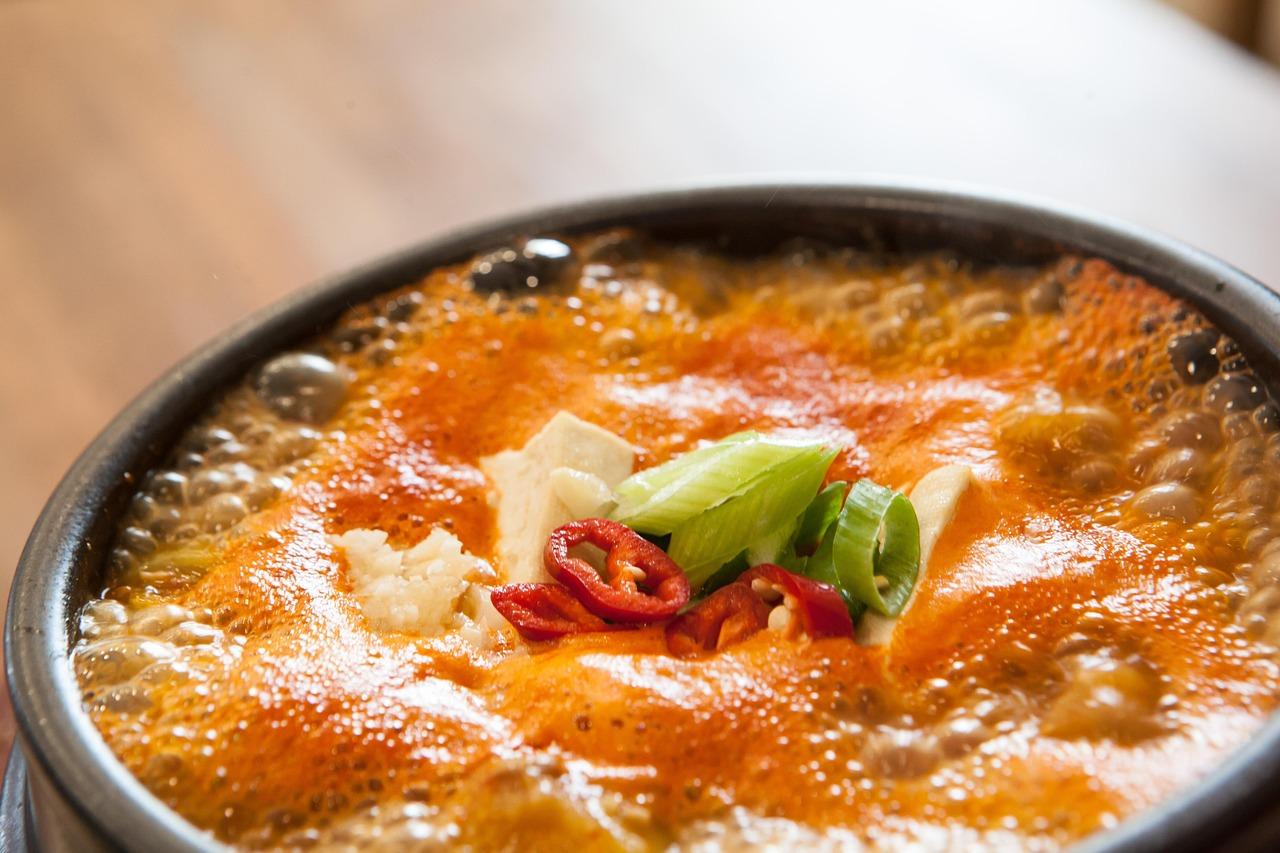
Sundubu jjigaeSoft tofu stew

All over Korea, small lunch restaurants bring sundubu jjigae to the table still boiling in a black stone pot, with a raw egg on the side to crack in while it bubbles. The stew is built on very soft, unpressed tofu, which breaks into creamy curds in a red, chilli-oil broth. Seafood and pork go in together here, though you can use just one. Have it with a bowl of rice and some kimchi; it's especially welcome on a cold day. Chef's tip: fry the chilli flakes gently in oil with the pork and garlic before adding liquid; this red chilli oil gives the stew its colour and a deep, rounded heat.

by KrazyBadal 0 views

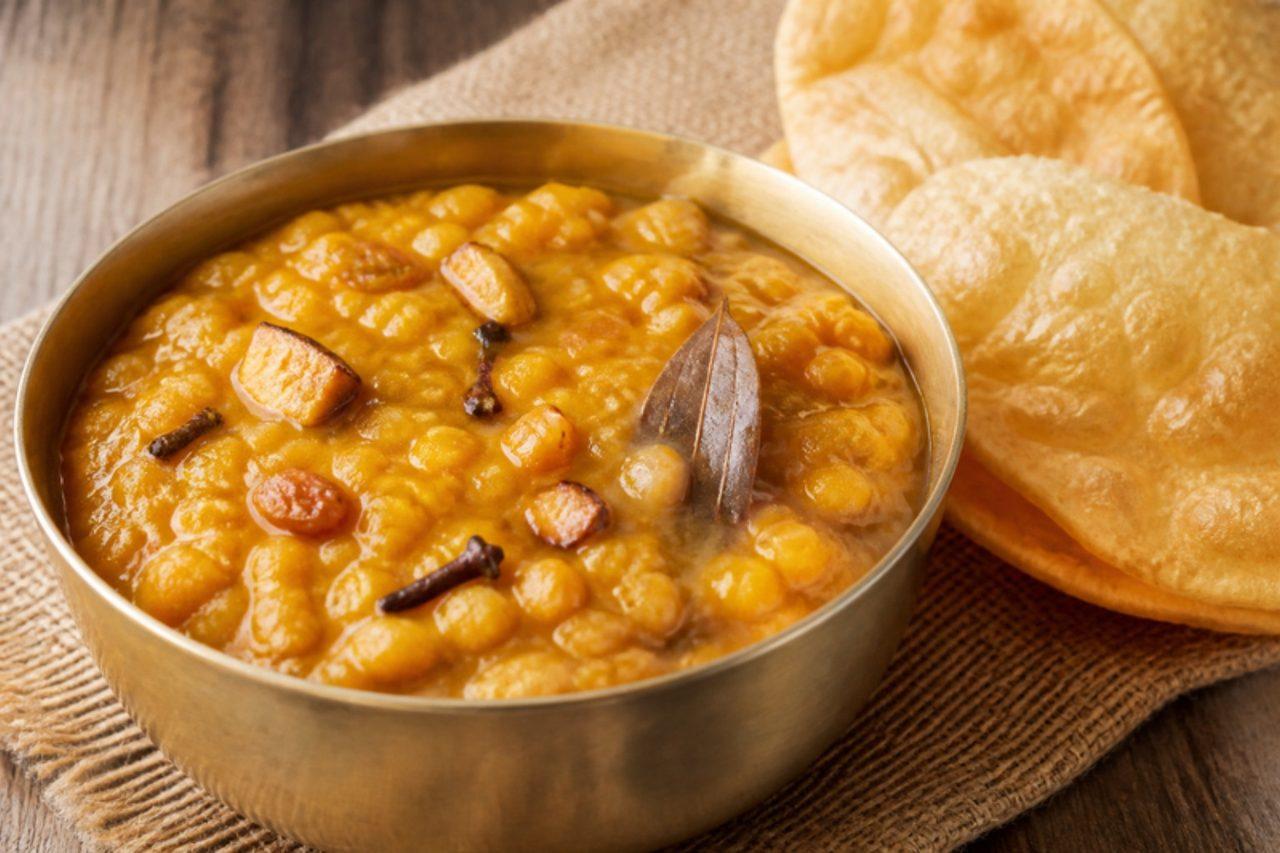
Cholar dalChana dal with coconut

Cholar dal is the festive dal of Bengal, cooked for Durga Puja and weddings and always paired with luchi. Split bengal gram is simmered until soft but whole, then finished with a fragrant tempering of ghee, bay leaf, cinnamon, cardamom and cloves, little fried coconut pieces and plump raisins. It is thick, mildly sweet and warmly spiced rather than hot. Serve with luchi, puri or steamed rice. Chef's tip: fry the coconut slivers until golden before anything else goes in the pan; they stay crisp-chewy and add a toasty sweetness to every spoonful.

by KrazyBadal 0 views

Chodang sundubuSoft silken tofu

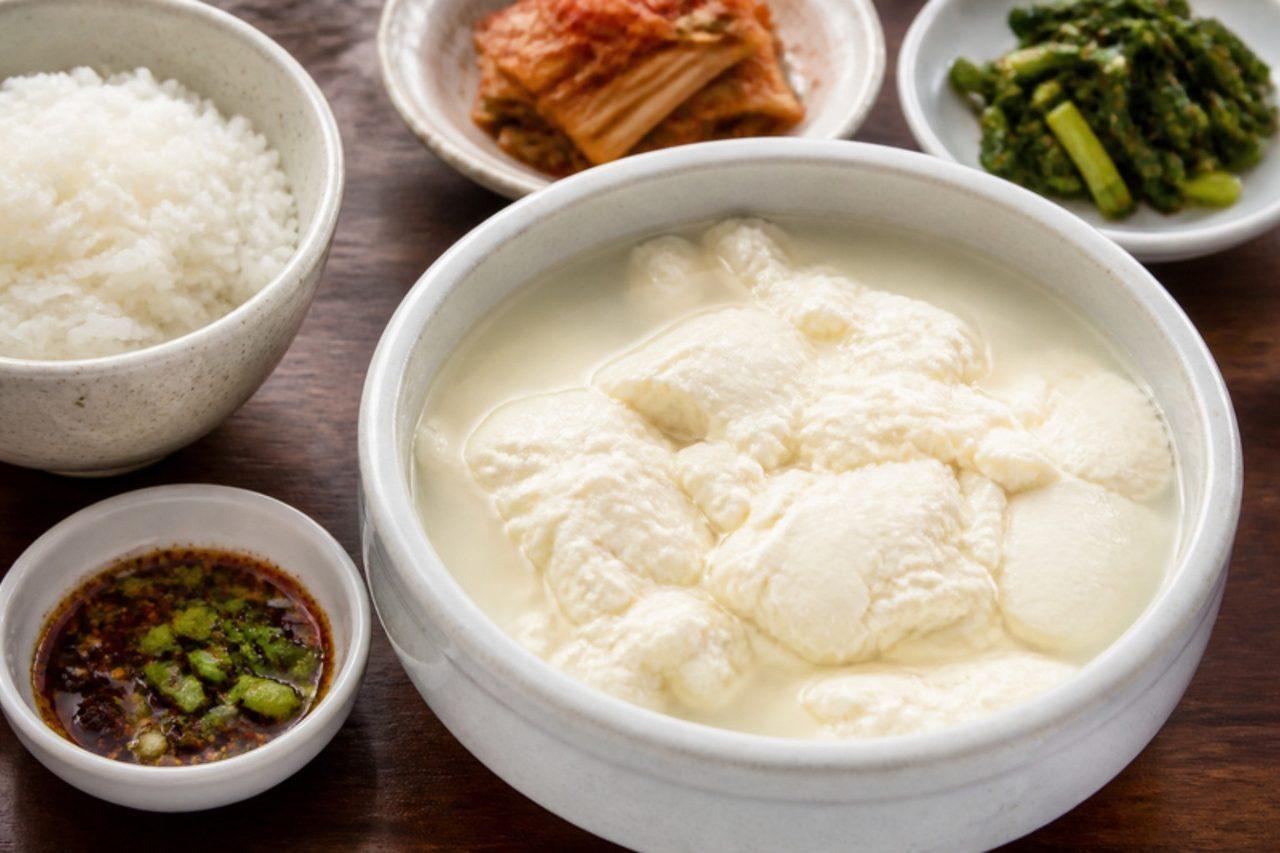
In Chodang village on the edge of Gangneung, tofu houses have curdled soy milk with clean seawater from the East Sea for generations, and the result, chodang sundubu (초당순두부), is served warm in a bowl before it has been pressed: soft, quivering curds in their own pale whey, with a soy dressing to spoon over. It is breakfast and lunch there, eaten with rice, kimchi and a few banchan, and tastes sweet and clean in a way packaged tofu never does. At home, nigari (the mineral salt left from seawater) gives the same effect. Use plain, unsweetened soy milk with at least 7% soy or make your own. Chef's tip: add the nigari off the heat and stir only once or twice; stirring after the curds start to form breaks them into grains.

by KrazyBadal 0 views

Arroz al hornoBaked rice with chickpeas and pork

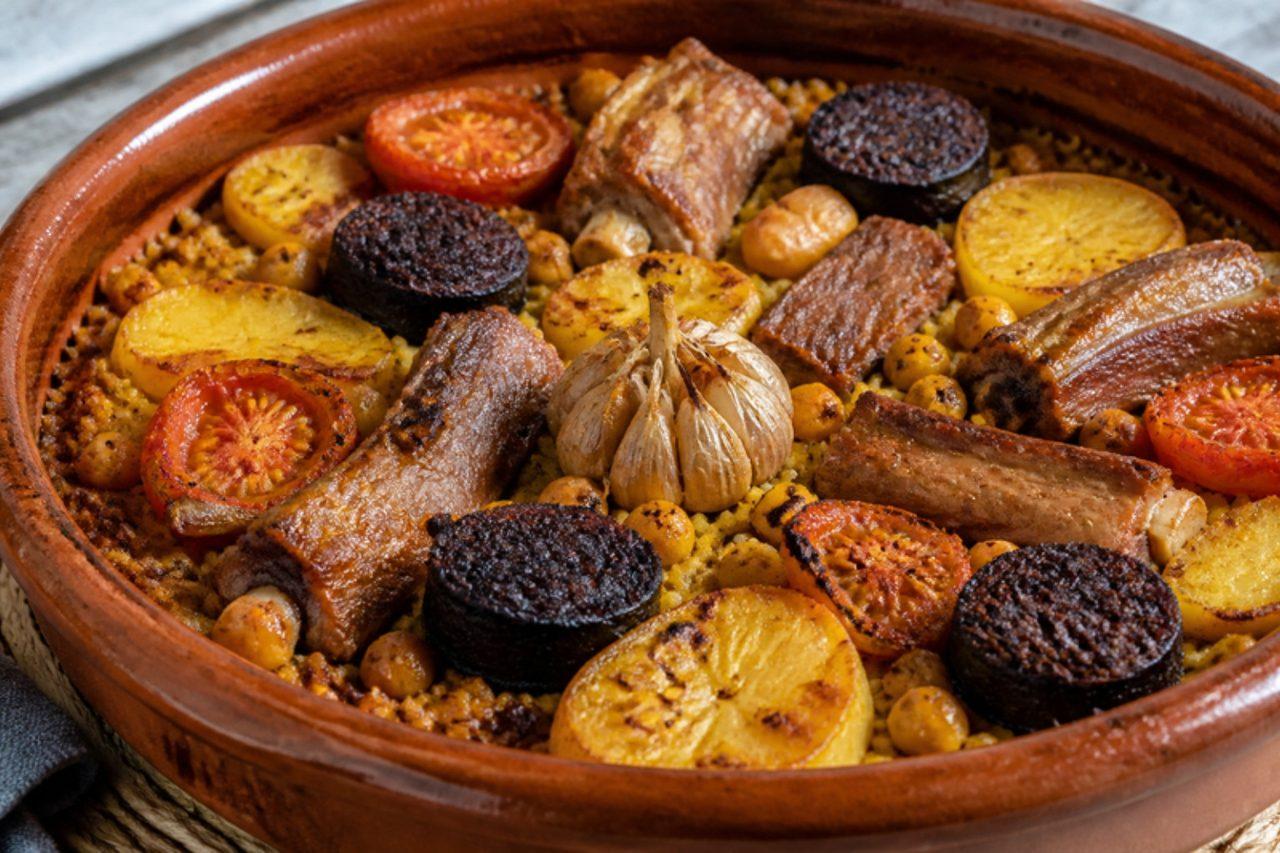
Arroz al horno (arròs al forn in Valencian) is the oven rice of Valencia and Xàtiva, traditionally made the day after a big pot of cocido, using its leftover chickpeas and broth. Families once carried the clay dish to the village baker's oven; today it is baked at home in a wide, shallow earthenware cazuela. Pork ribs, morcilla (Spanish onion blood sausage), slices of potato, chickpeas and a whole head of garlic sit on top of the rice, which bakes into a dry, tender layer full of flavour. Use any ovenproof dish about 30 cm across and 5 cm deep if you don't have a cazuela. Chef's tip: have the stock at a rolling boil when you pour it in, then get the dish into the hot oven within seconds; a lukewarm start leaves the rice chalky in the middle.

by KrazyBadal 0 views

Chocolate babkaChocolate swirl loaf

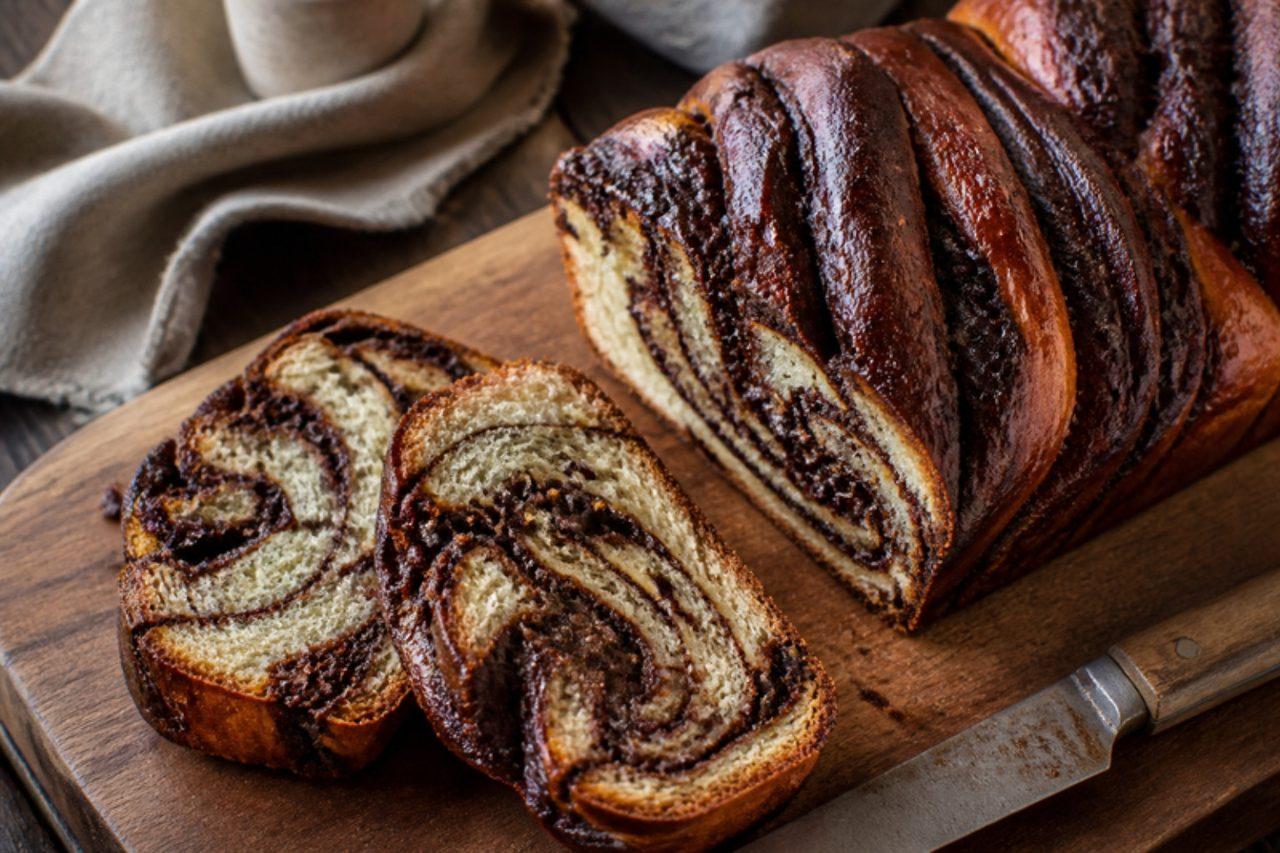
Babka grew from the sweet yeasted breads of Polish and Ukrainian Jewish kitchens, and Tel Aviv and New York bakeries turned it into today's showpiece: a rich, buttery dough rolled around dark chocolate, cut open lengthways and twisted so the layers show, then soaked in syrup as it leaves the oven. Israelis buy it for Shabbat afternoon coffee, and a slice keeps its gooey layers for days. It takes time but little skill: an overnight chill makes the soft dough easy to roll. Chef's tip: chill the dough overnight; cold, firm dough rolls thin and twists cleanly instead of smearing the chocolate.

by KrazyBadal 0 views

SupplìFried rice croquettes

In Rome supplì are bought from pizza-by-the-slice shops and friggitorie and eaten standing up, wrapped in paper, before the pizza arrives. Unlike Sicilian arancini they are oval and the rice is cooked in tomato sauce, so the inside is orange-red; when you bite one in half, the mozzarella stretches into a long 'telephone cord', which is where the nickname al telefono comes from. Roman bars usually add meat ragù; this version keeps it vegetarian with a basil-scented tomato rice. Chef's tip: cook the rice a day ahead and chill it in a thin layer; cold, firm rice shapes neatly and does not split in the oil.

by KrazyBadal 0 views

Chocolat chaudThick hot chocolate

Paris's grand tearooms have served chocolat chaud since the 1800s, and it is nothing like a powdered cocoa drink: dark chocolate is melted into hot milk and cream until it is thick, glossy and rich enough to coat the cup. Parisians drink it in small cups on cold afternoons, often with a pot of whipped cream on the side and a pastry. It is also a winter treat at home after a walk. Use chocolate you'd enjoy eating. Chef's tip: keep the heat low and whisk; letting it boil is the common mistake and the chocolate can turn grainy and catch on the bottom.

by KrazyBadal 0 views

SuqaarSpiced beef stir-fry

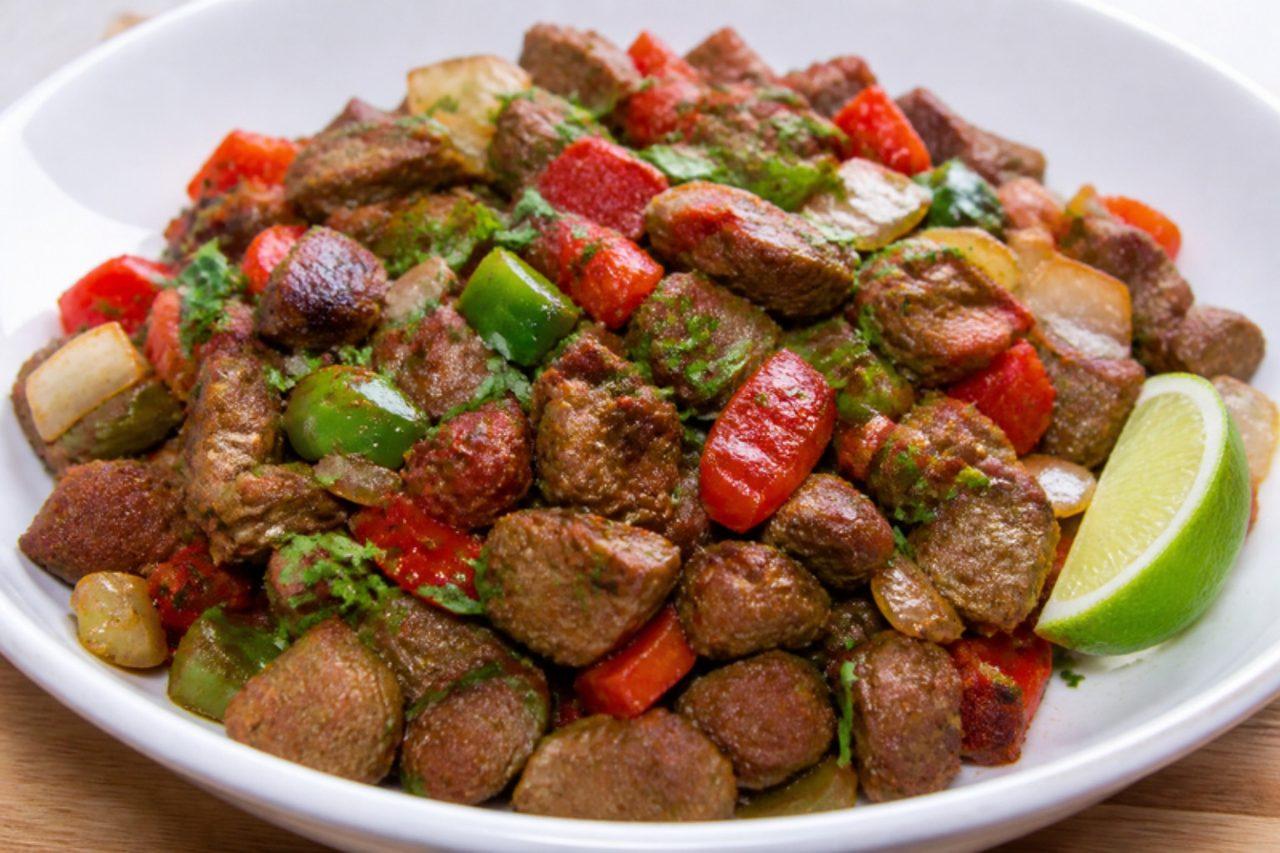
Suqaar is the quick beef dish found everywhere from Mogadishu tea shops to Somali cafés in Minneapolis and London: small cubes of beef or lamb browned with onion, peppers and garlic, seasoned with xawaash, the house spice mix of cumin, coriander, cardamom, cinnamon and turmeric. Somalis eat it for breakfast with canjeero (spongy flatbread) or for lunch with rice or pasta. The mistake is cutting the beef in big chunks, which go chewy; cut it into small 1–2 cm cubes so it cooks fast and stays tender. Chef's tip: add a squeeze of lime and a handful of coriander just before serving.

30 minSomaliMeatGluten free
by KrazyBadal 0 views

ZigniSpicy beef stew

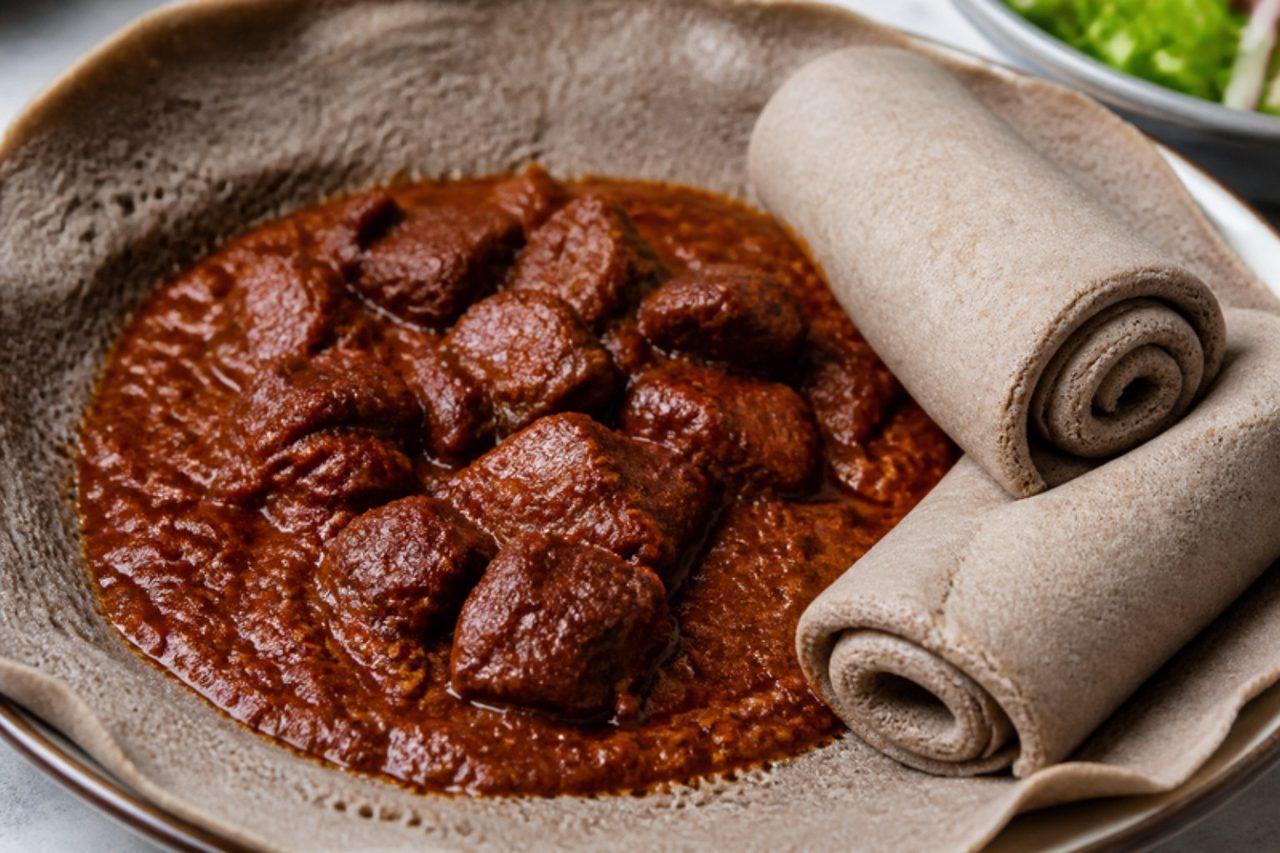
Zigni is the signature stew of Asmara and the Eritrean highlands, served on a wide platter of injera at weddings, Sunday lunches and the end of fasts. Red onions are cooked slowly in a dry pot until they collapse, then berbere, garlic, ginger and tomato go in, followed by beef that simmers until tender in a deep red, peppery sauce finished with spiced butter (tesmi). The mistake is rushing the onions: they must cook down for a good 20 minutes to give the sauce its sweet base. Chef's tip: the onions start in a dry pan with no oil, the traditional way; stir them often and add a splash of water if they catch.

120 minEritreanMeatGluten freeSpicy
by KrazyBadal 0 views

ChivitoSteak sandwich with ham and egg

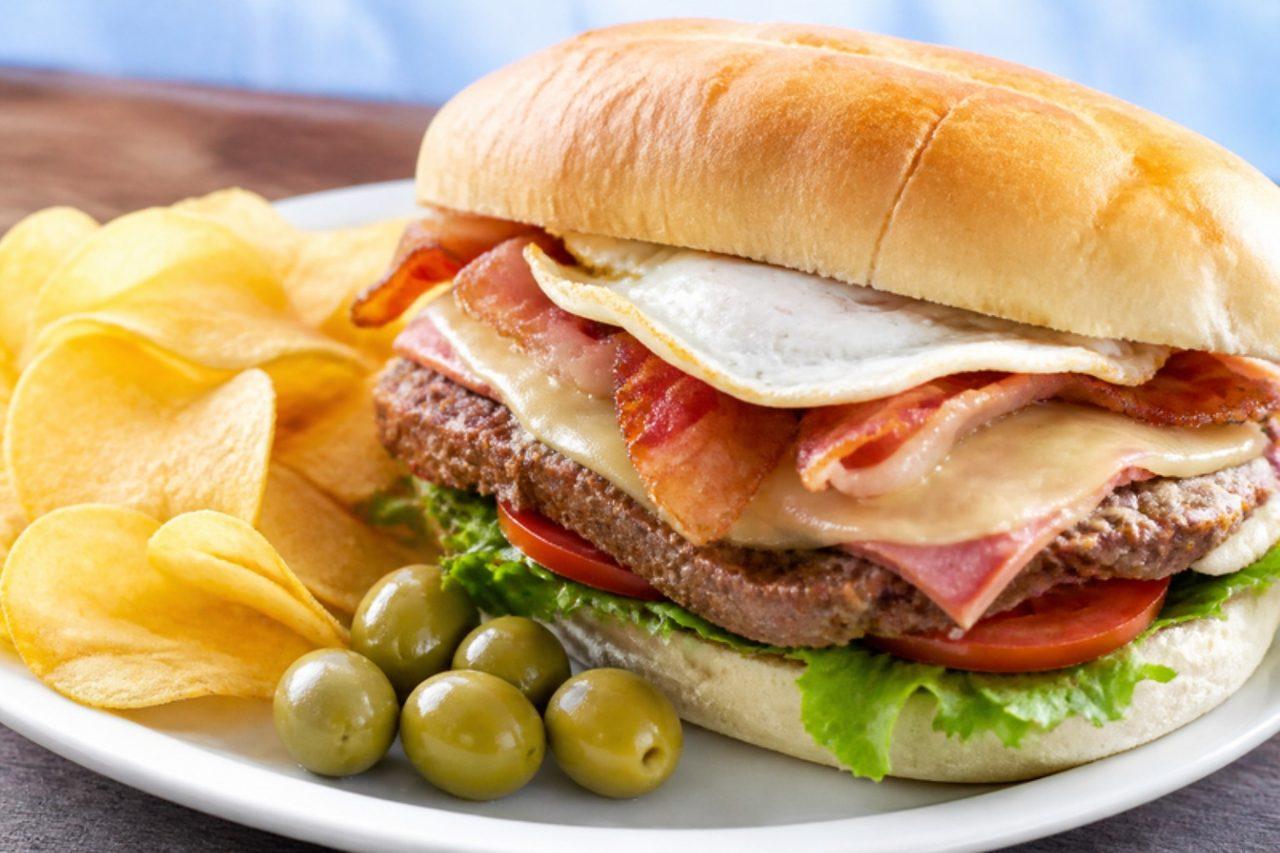
The chivito was created in the 1940s at a restaurant in Punta del Este, Uruguay, and became the national sandwich: a soft roll filled with thin, tender steak, ham, melted mozzarella, a fried egg, bacon, lettuce, tomato, olives and mayonnaise. It is eaten in Montevideo's parrillas and corner bars with chips on the side. This sandwich contains pork. The mistake is a thick, chewy steak: use thinly sliced sirloin and sear it fast. Chef's tip: toast the cut sides of the rolls so they stand up to all the juices.

by KrazyBadal 0 views

ChitrannaLemon rice

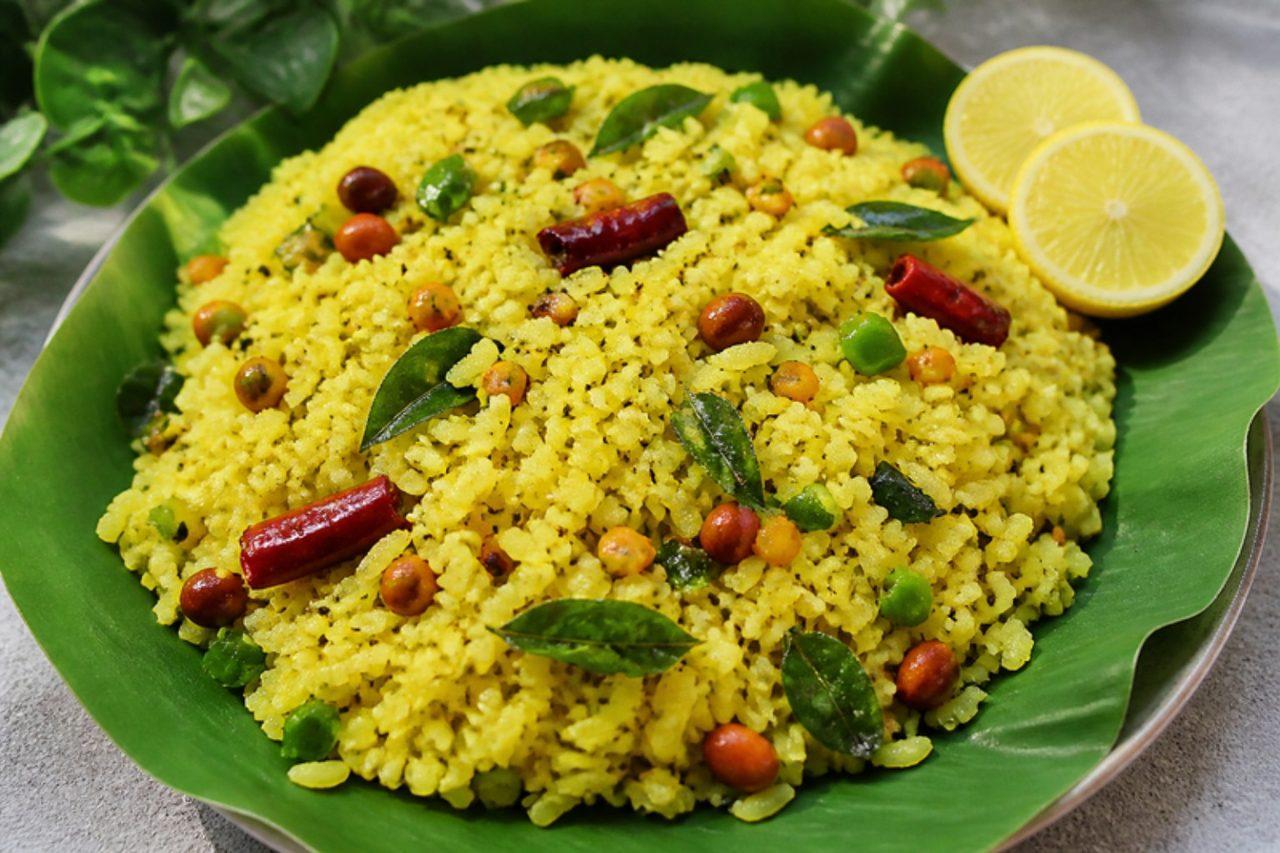
Chitranna, 'colourful rice', is the dish Karnataka mothers make when there is leftover rice and a school tiffin box to fill: cooked rice tossed in a yellow turmeric tempering with roasted peanuts, crunchy dals, green chilli, curry leaves and plenty of lemon. It appears at temple festivals as prasada, on train journeys wrapped in banana leaf, and on every Bengaluru darshini breakfast counter. It tastes even better an hour after it's made, when the lemon has soaked in. Tamil Nadu's elumichai sadam is a close cousin. Chef's tip: spread the rice out on a plate to cool before mixing; warm, steamy rice turns sticky and breaks when you toss it.

by KrazyBadal 0 views

Chips mayaiChip omelette

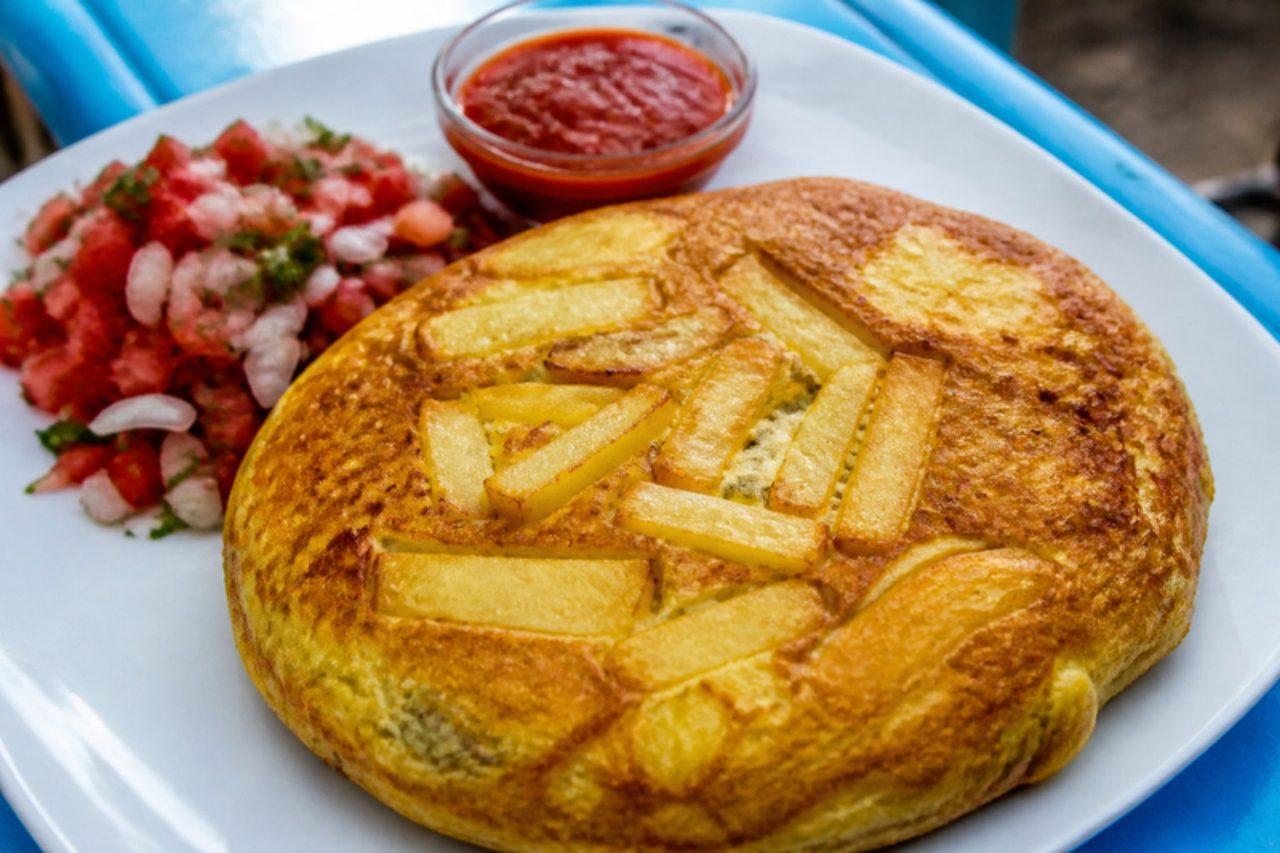
Chips mayai ('chips and eggs') is Tanzania's best-loved street food, fried to order in Dar es Salaam and Zanzibar at evening stalls with big flat pans: fresh chips are bound into a thick omelette and served with kachumbari and chilli sauce or ketchup. Children and students live on it. Chef's tip: let the chips go crisp before pouring in the egg; soft chips make a soggy omelette.

by KrazyBadal 0 views

Chipa guasuFresh corn and cheese bake

Chipa guasu (Guaraní for 'big chipa') is sopa paraguaya's softer cousin, made from fresh corn instead of cornmeal. The kernels are grated or blended into a milky purée and baked with onion, cheese and whipped eggs into a tender, gently sweet bake that rises and wobbles. It's a summer dish at Paraguayan asados and fiestas patronales (saints' days), eaten beside grilled meat or simply with a tomato salad. Chef's tip: fold in the whisked egg whites last; it's what makes chipa guasu light and puffed rather than dense.

by KrazyBadal 0 views

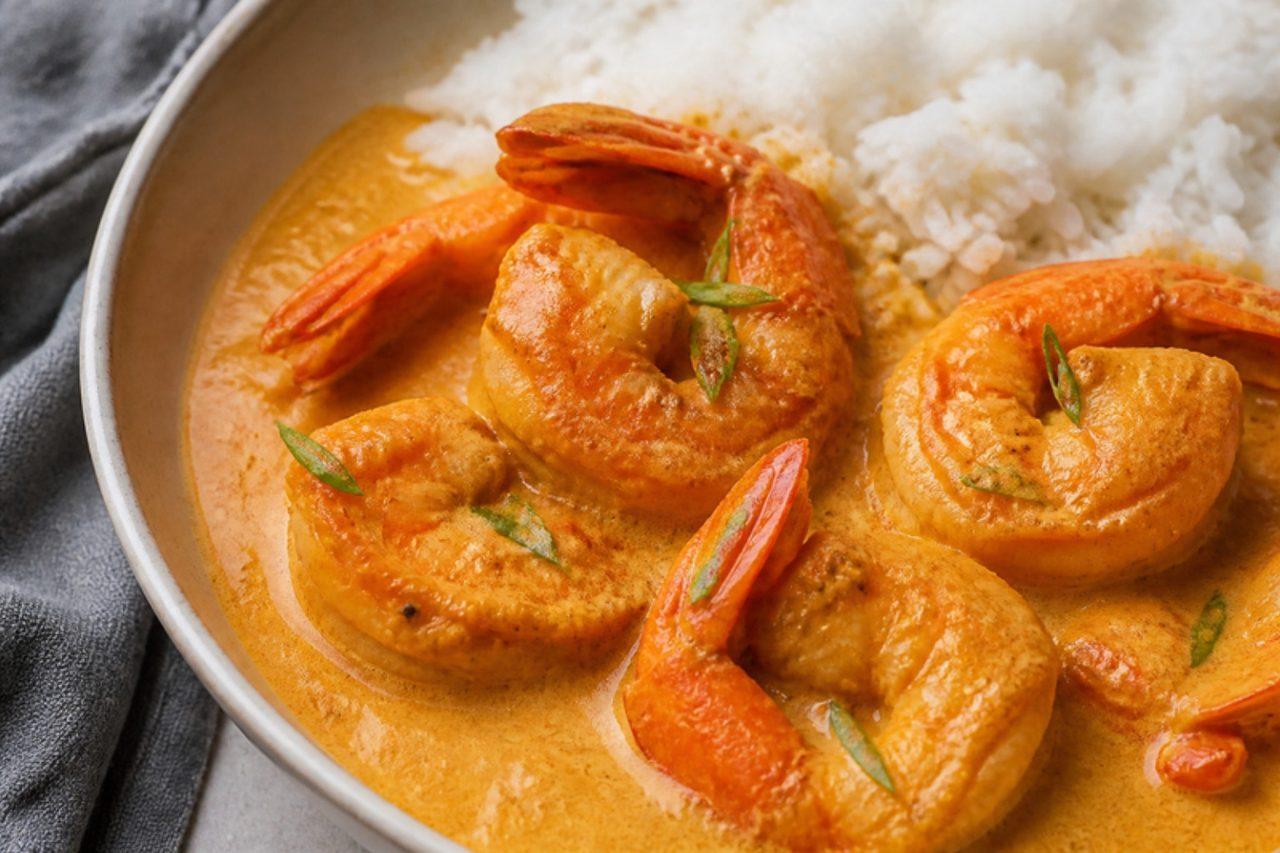
Chingri malaikariPrawns in coconut milk curry

Big prawns in a pale, silky coconut gravy are what a Bengali family cooks for guests, for a new son-in-law at Jamai Sasthi, or for a wedding lunch. The dish is gently spiced, a little sweet, and leans on the head fat of the prawns for richness, so it tastes of the sea rather than of chilli. Serve it with steamed gobindobhog or basmati rice. Chef's tip: if you can find shell-on prawns with heads, leave the heads on; squeeze them into the gravy as you eat for the full flavour.

45 minIndianFishGluten free
by KrazyBadal 0 views

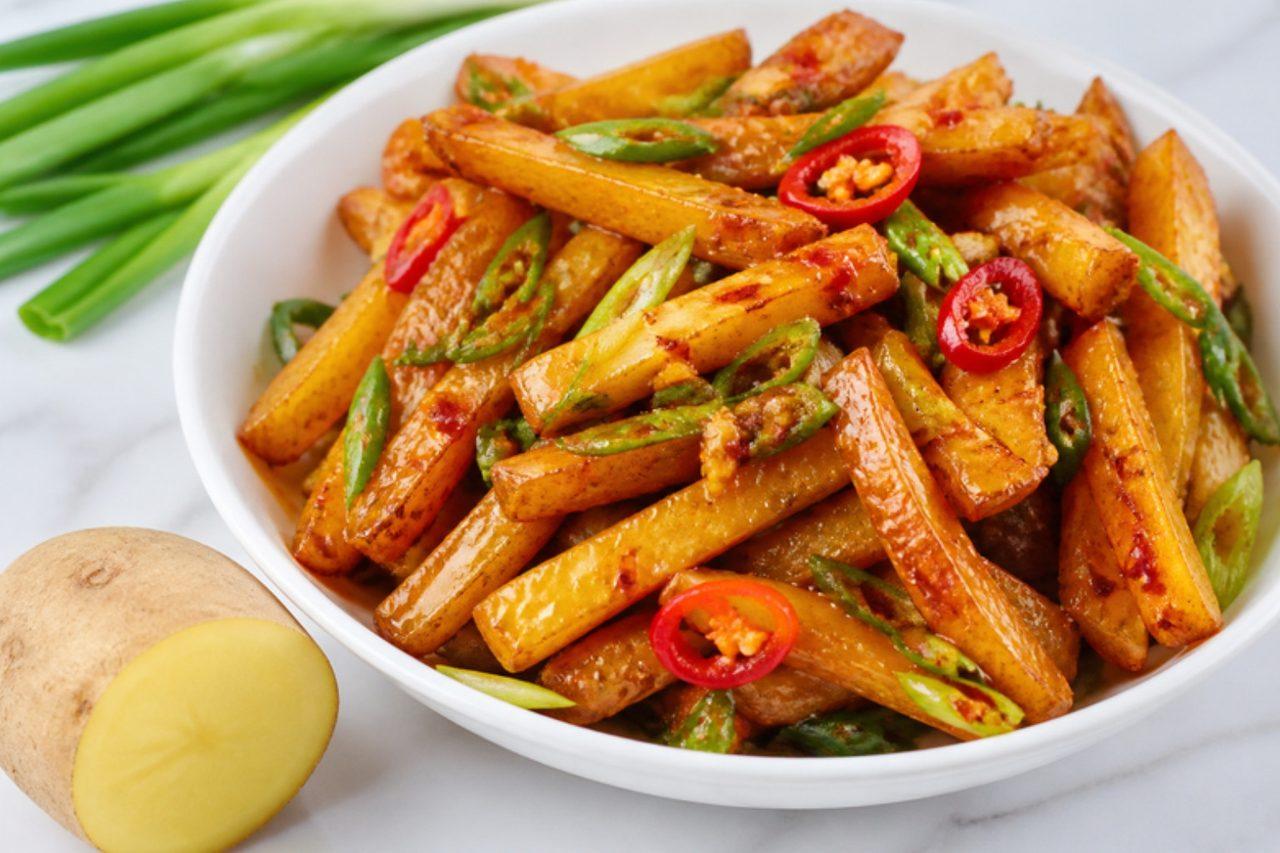
Chinese tawa potatoesSoy and chilli potato chips

An Indo-Chinese favourite from the barbecue tawa: crisp fried potato chips tossed with garlic, ginger, soy sauce, ketchup and plenty of chillies and spring onion, then glazed with a little cornflour sauce. Sticky, salty and hot. Serve straight away as a starter.

by KrazyBadal 0 views

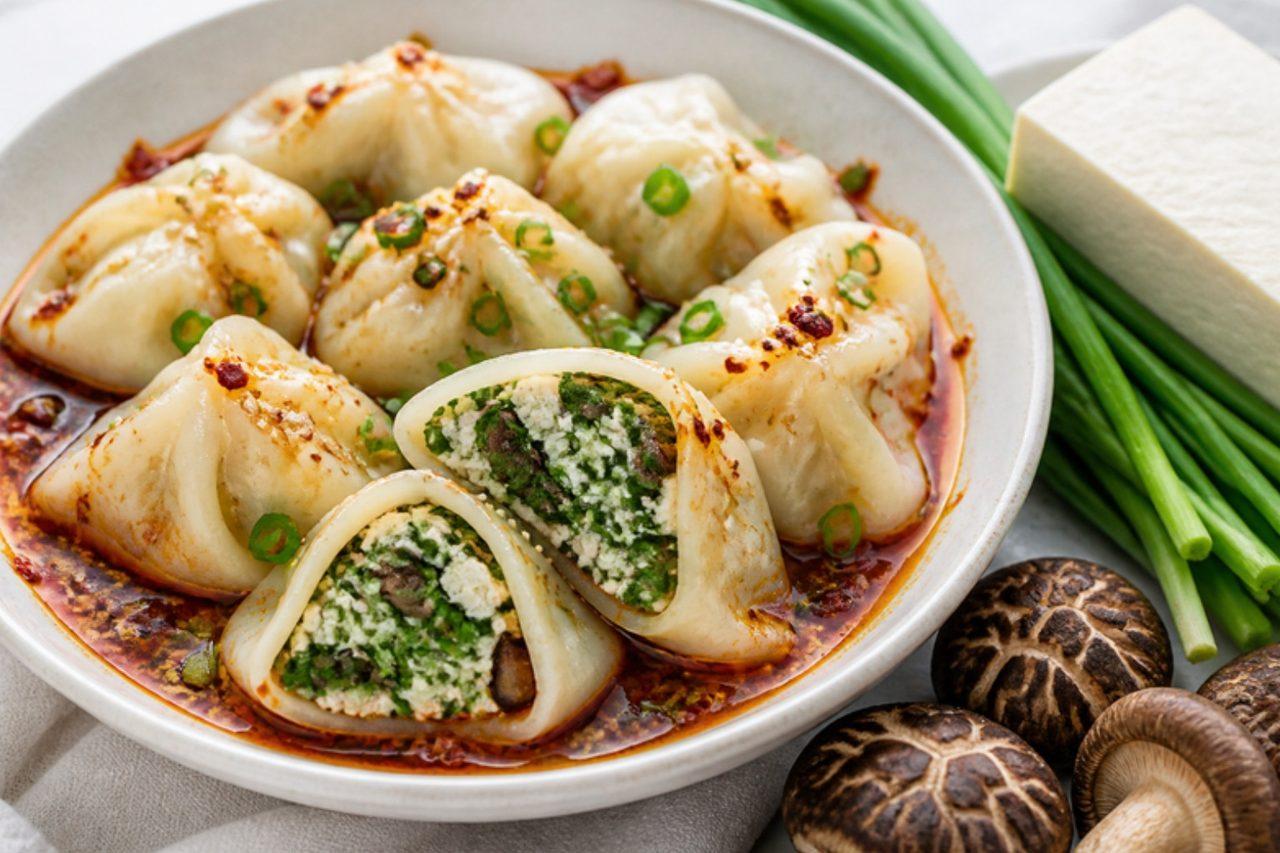
Sichuan chilli oil wontonsTofu and mushroom wontons in chilli oil

In Chengdu these are called hong you chao shou, 'red oil folded hands', after the way the wrappers are crossed over like arms. Little noodle shops serve them morning to night, slick with chilli oil, black vinegar and garlic. Our filling is firm tofu, shiitake and Chinese chives, so it's juicy without meat. Make a double batch: they freeze well uncooked. Chef's tip: squeeze the tofu hard in a cloth before mixing; dry filling seals better and the wontons won't burst in the water.

by KrazyBadal 0 views

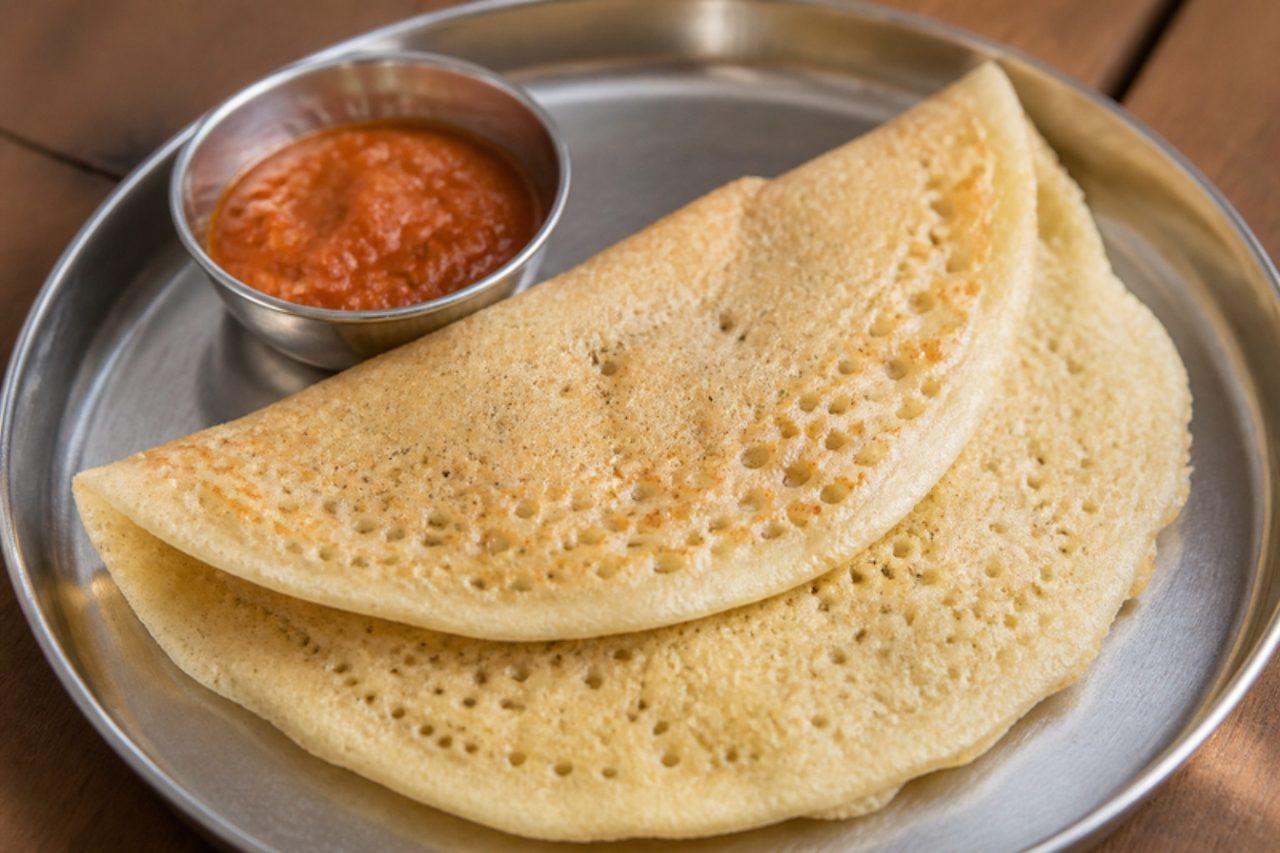
Chilka rotiRice and chana dal pancakes

Chilka roti is an everyday breakfast and evening snack in Jharkhand's villages, and a favourite offering at Sarhul, the spring festival of the sal trees. Rice and chana dal are soaked and ground into a batter that is poured onto a hot tawa and cooked with a lid, so the roti comes out thick, soft and spongy with a lightly crisp base, much heartier than a thin rice-flour chila. It is eaten hot with a tomato or coriander chutney or with ghugni. Chef's tip: grease the tawa with a cut onion dipped in oil; it keeps the roti from sticking and adds a little flavour.

by KrazyBadal 0 views

Chiles rellenosCheese-stuffed poblano peppers

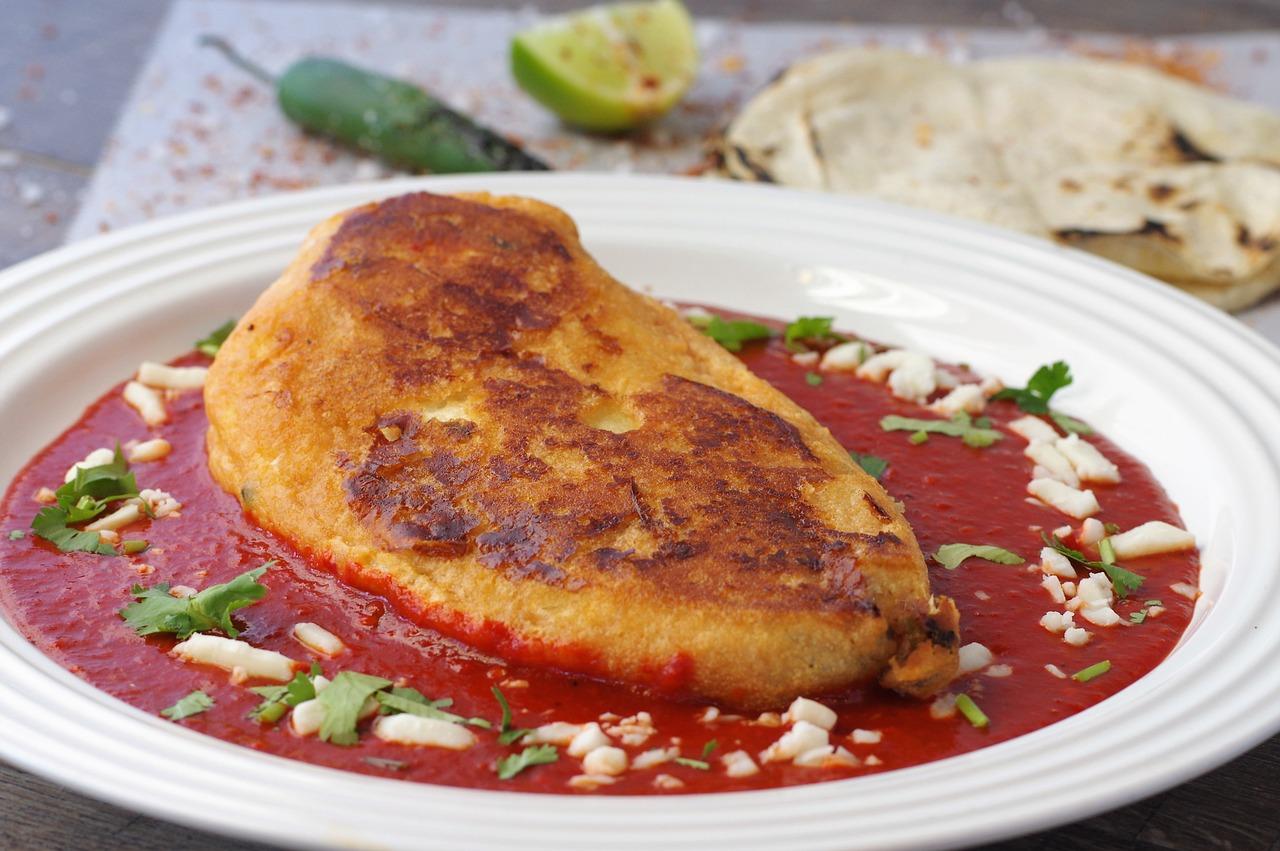
Chiles rellenos de queso are a Puebla classic and a fixture of Mexican home cooking: roasted poblano peppers filled with melting cheese, coated in an airy egg batter called capeado, fried until golden and served swimming in a thin, mildly spiced tomato broth (caldillo). The batter is like a soufflé omelette that hugs the chilli, and the cheese inside stretches in long strings. Serve with arroz rojo and warm tortillas. Choose an Oaxaca cheese or mozzarella made with vegetarian rennet. Chef's tip: the chillies must be completely dry and dusted with rice flour before they go into the batter; any moisture makes the egg slide off in the pan.

by KrazyBadal 0 views

Surti lochoSteamed chana dal batter snack

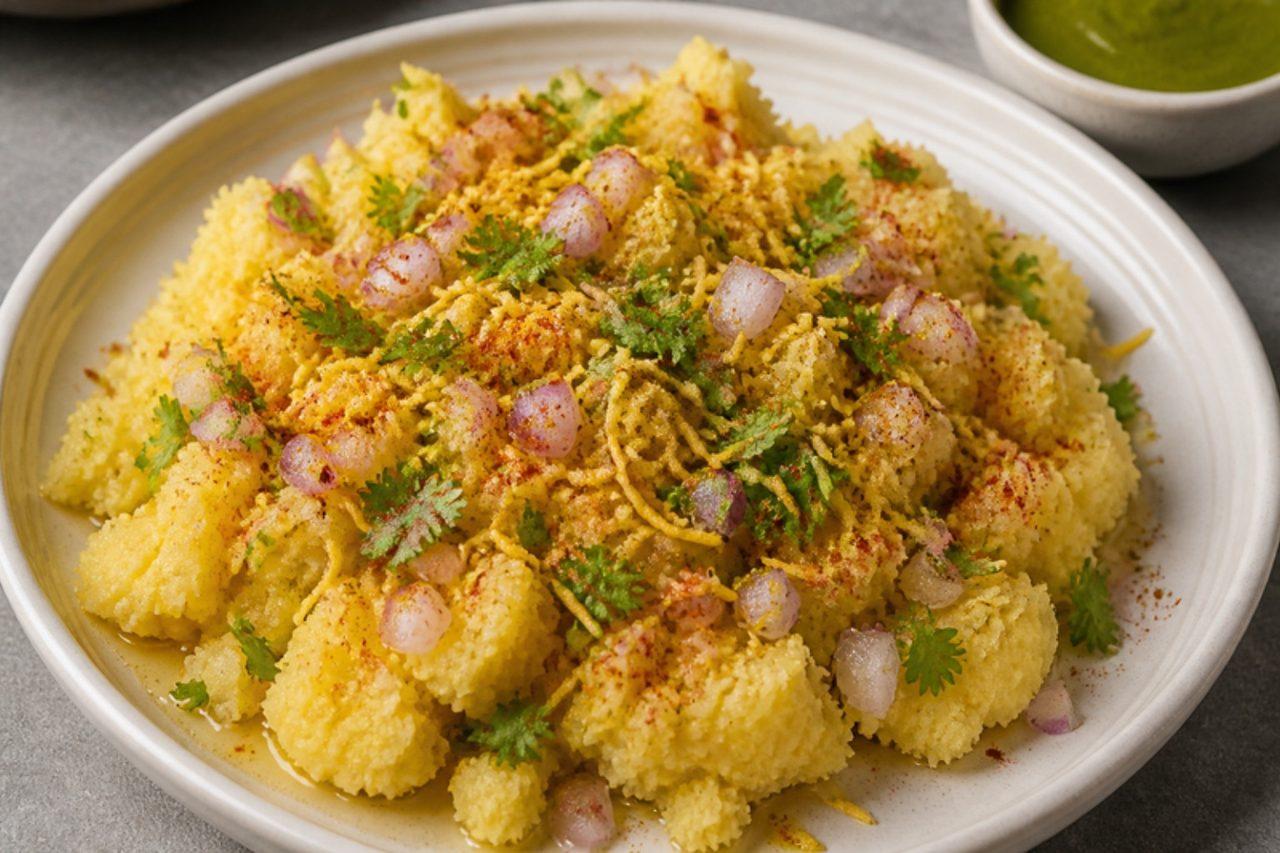
Locho is a breakfast street snack from Surat in Gujarat. The story goes that a batch of khaman went wrong and came out soft and mushy, and people liked it so much it became a dish of its own; 'locho' means a muddle. A fermented batter of chana dal is steamed until just set and scooped out in soft, spoonable heaps, then drizzled with oil and showered with a spicy locho masala, raw onion, coriander and sev. It's eaten hot with green chutney and a sweet-sour tamarind sauce. Chef's tip: steam it in a shallow layer and take it off as soon as a knife comes out sticky but not wet; locho should be just set and wobbly, and over-steamed it turns into a dull khaman.

by KrazyBadal 0 views

Surti ponk vadaGreen sorghum fritters

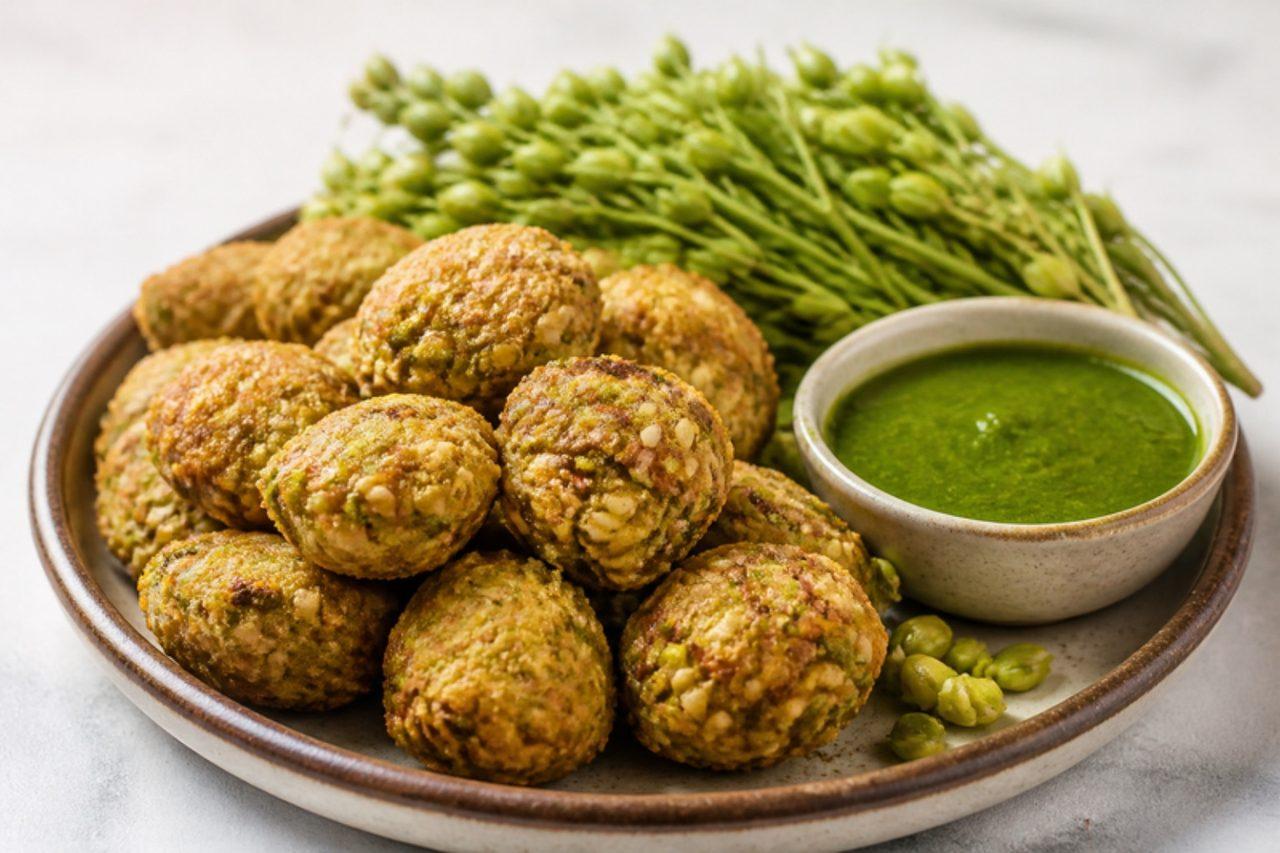
Every December and January, farms around Surat roast bundles of young green jowar heads over embers and thresh out ponk, soft, sweet, pale-green grains that last only a few weeks. Surtis turn the trip into a picnic, eating ponk by the handful with lemon-pepper sev and garlic chutney, then frying the leftovers into these crunchy vada. The grains are crushed coarsely with chilli and ginger, bound with a little gram and rice flour, and fried until the outside is lacy and crisp while the inside stays tender and grassy-sweet. Look for frozen ponk in Gujarati grocers outside the season. Chef's tip: crush the ponk only roughly; whole grains popping through the crust is what makes these vada special.

by KrazyBadal 0 views

Showing 45 of 7,762 recipes

Show more recipes

Page 735 of 863