


Skip to content
Kavum
Featured recipe

Kavum

Fried rice flour oil cakes

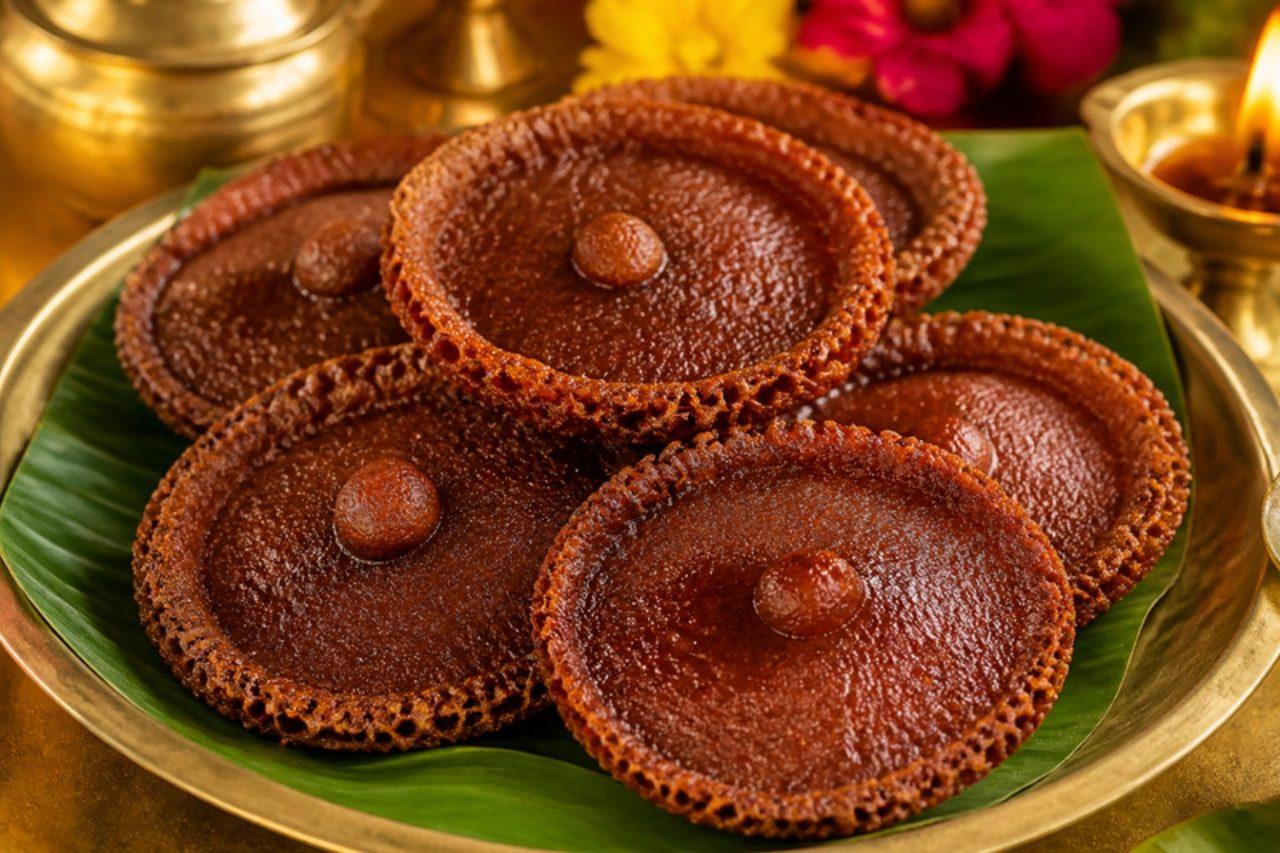
On the Sinhala and Tamil New Year tray in April, kavum is the sweet that marks a real Avurudu kitchen, and in villages neighbours still gather around a big pan of oil to fry them together. A thick batter of rice flour and dark kithul treacle is rested overnight, then ladled into hot coconut oil, where the cook pokes and bastes the middle with a thin stick until it puffs up into the famous konda, the little topknot. The cakes are dark brown, crisp at the rim and soft and chewy inside, with a smoky treacle flavour, and they are eaten with plantains, kokis and milk rice. A batter that is too runny is the classic disappointment, since it spreads flat and never forms a knob; it should drop thickly from the spoon, like cold honey. Chef's tip: fry one test cake first and adjust the batter with a spoon of rice flour or coconut milk before doing the rest.

Read more 0 views

What to eat today?

Around the world

Today's trip: Paraguayan

A new country every day, from every cuisine on the site.

Paraguayan

Cocido quemado

Burnt sugar mate drink 14 minMore from Paraguayan (27) →

This week's collection

Kid-friendly dinners
537 recipes · a new collection every Monday

Latest recipes

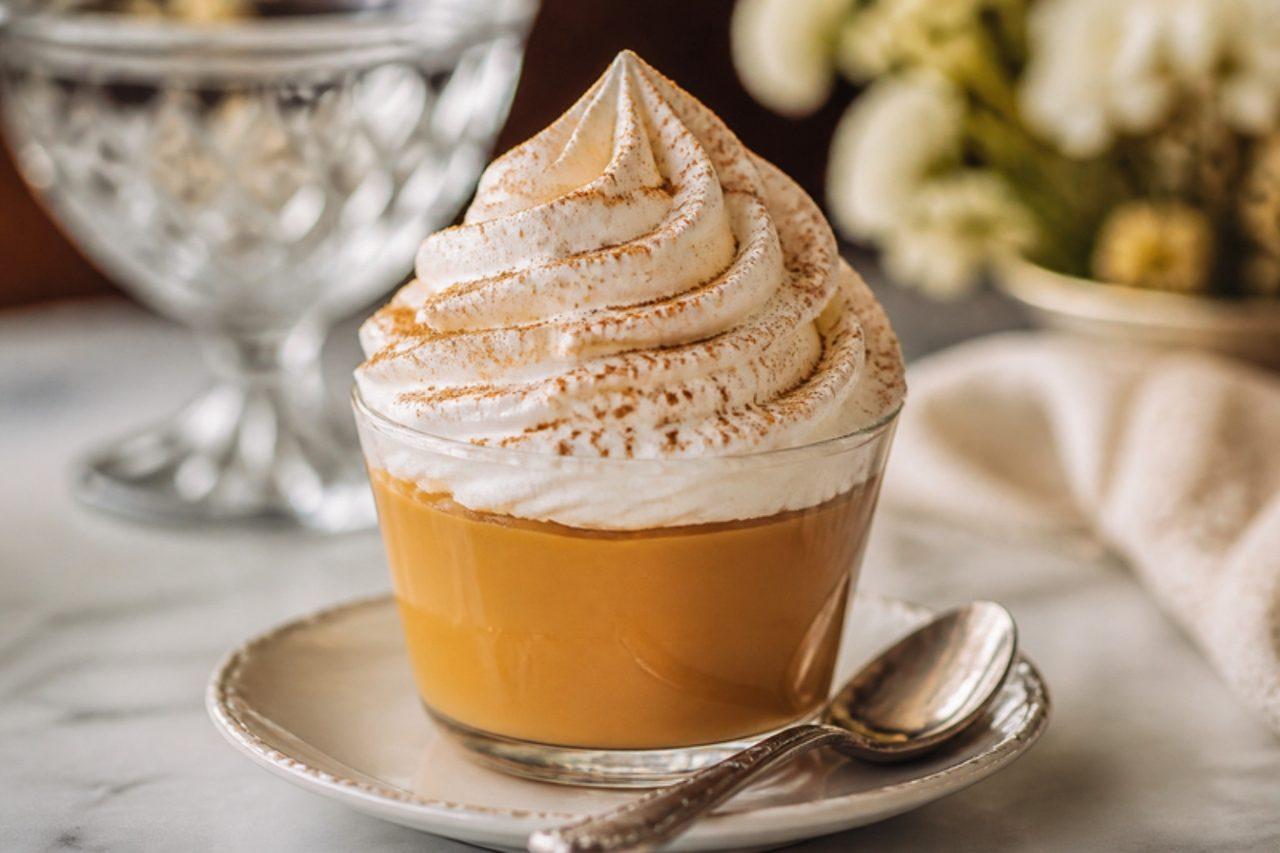
Suspiro limeñaCaramel custard with port meringue

Suspiro a la limeña, 'the sigh of a Lima woman', is the city's grand dessert from colonial times, said to have been named by the poet José Gálvez for its sweetness. A thick manjar blanco, milk slowly cooked down to a silky caramel cream and enriched with egg yolks, is topped with a cloud of glossy Italian meringue flavoured with port and dusted with cinnamon. It is very sweet and very rich, so serve it in small glasses. Make it in the morning for the evening. Chef's tip: the manjar is ready when a spoon dragged across the bottom of the pan leaves a clear path for a moment; undercooked, it stays runny and the meringue sinks into it.

by KrazyBadal 0 views

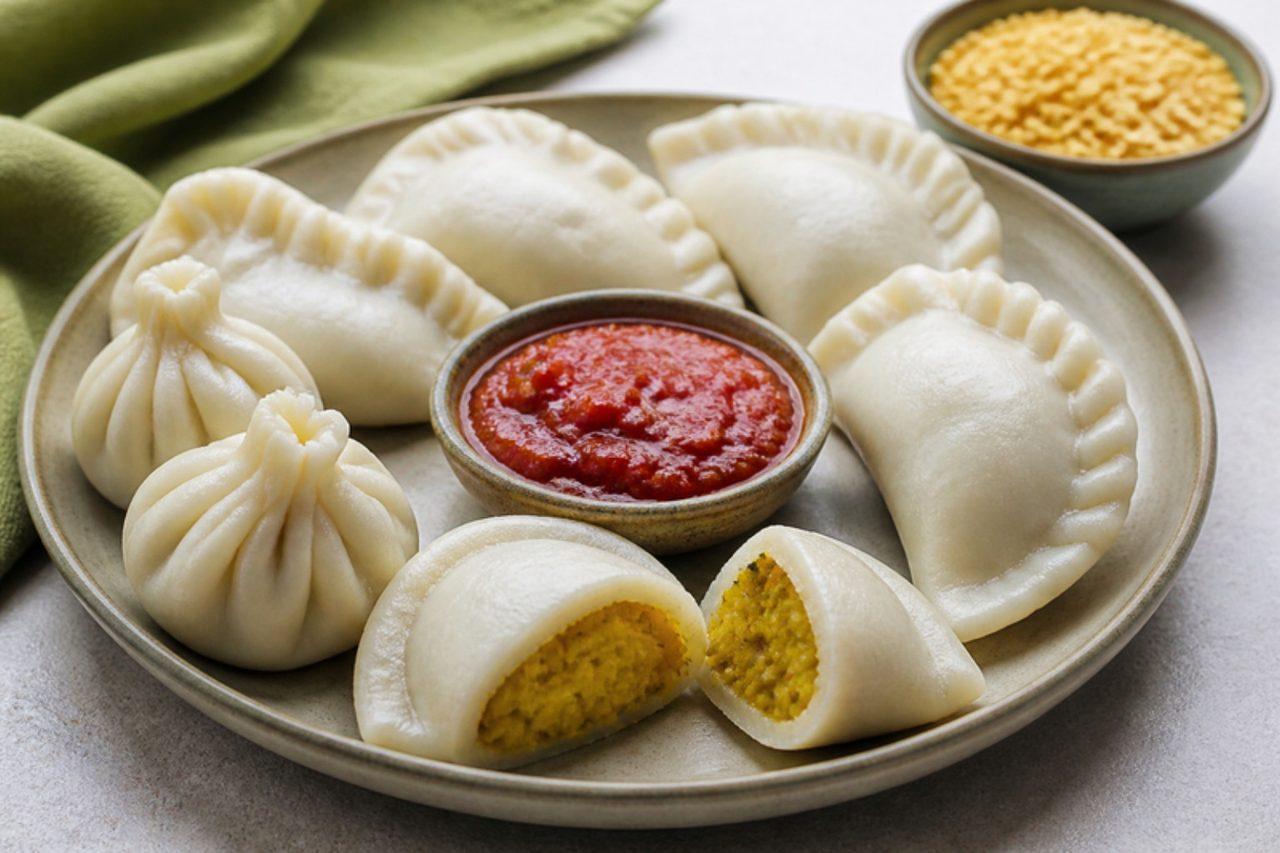
Dal pithaLentil-stuffed rice dumplings

Dal pitha is the comfort food of Bihari winters, made on cold evenings and around Makar Sankranti: soft rice-flour dough wrapped around a coarse filling of chana dal, garlic, ginger and chilli, shaped into half-moons or little pouches and cooked in steam. People in Mithila call it a Bihari momo, and it is eaten hot with tomato chutney or a dribble of mustard oil. The dough tastes gently of rice, the filling is savoury and filling, and leftovers are excellent pan-fried the next day. Chef's tip: knead the rice dough while it is still hot; if it cools before shaping, the pitha crack and the filling leaks out.

by KrazyBadal 0 views

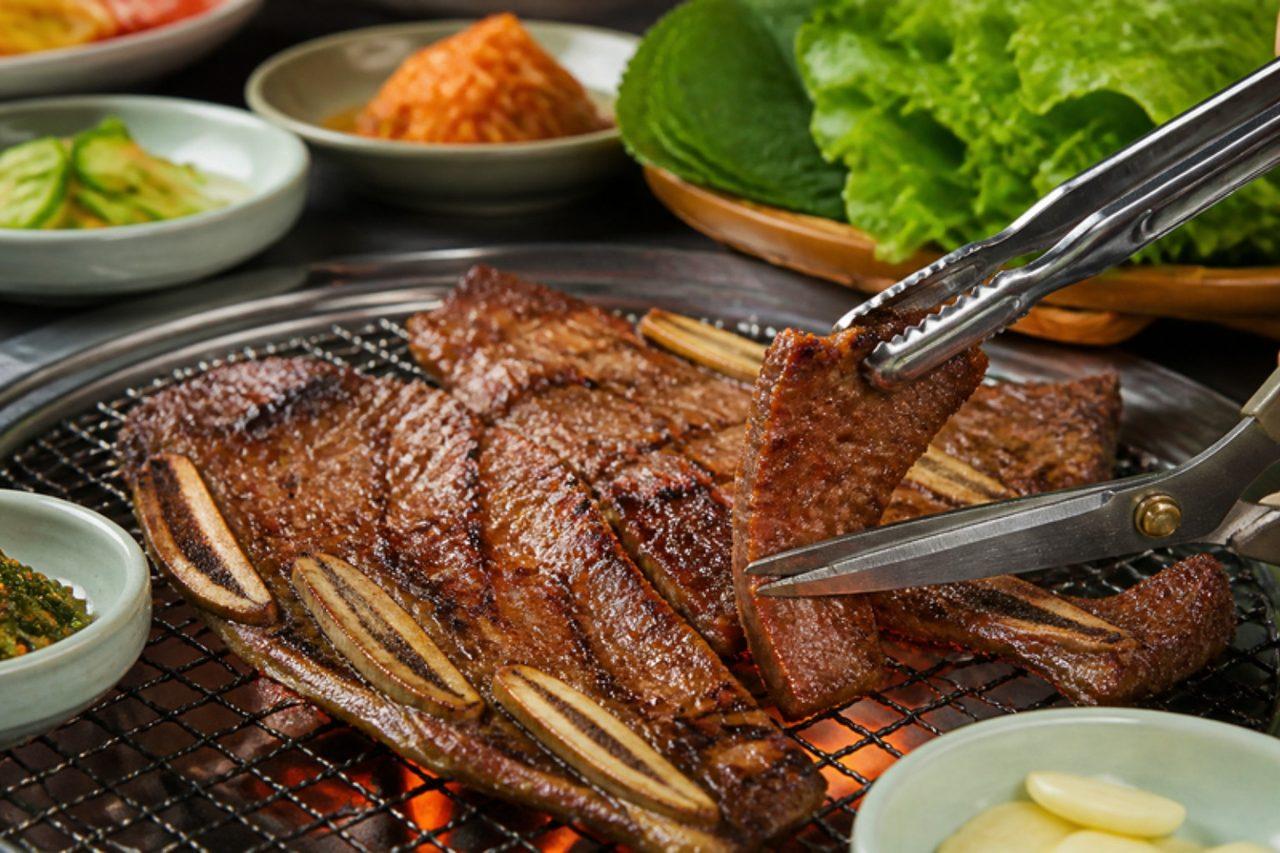
Suwon galbiGrilled beef short ribs

Suwon, south of Seoul in Gyeonggi province, once had one of the largest cattle markets in Korea, and its galbi houses grew up around that trade. The city's style is unusual: the long, butterflied short ribs are seasoned mainly with salt, garlic and sesame oil rather than the soy marinade most people know. Families and office groups grill them at the table over charcoal, snip them into pieces with scissors and wrap each bite in lettuce with ssamjang and raw garlic. At home a ridged griddle pan or a barbecue does the job well. Chef's tip: score the opened-out meat lightly in a criss-cross pattern on both sides, so the salt seasoning soaks in and the ribbon of meat stays flat on the grill.

90 minKoreanMeat
by KrazyBadal 0 views

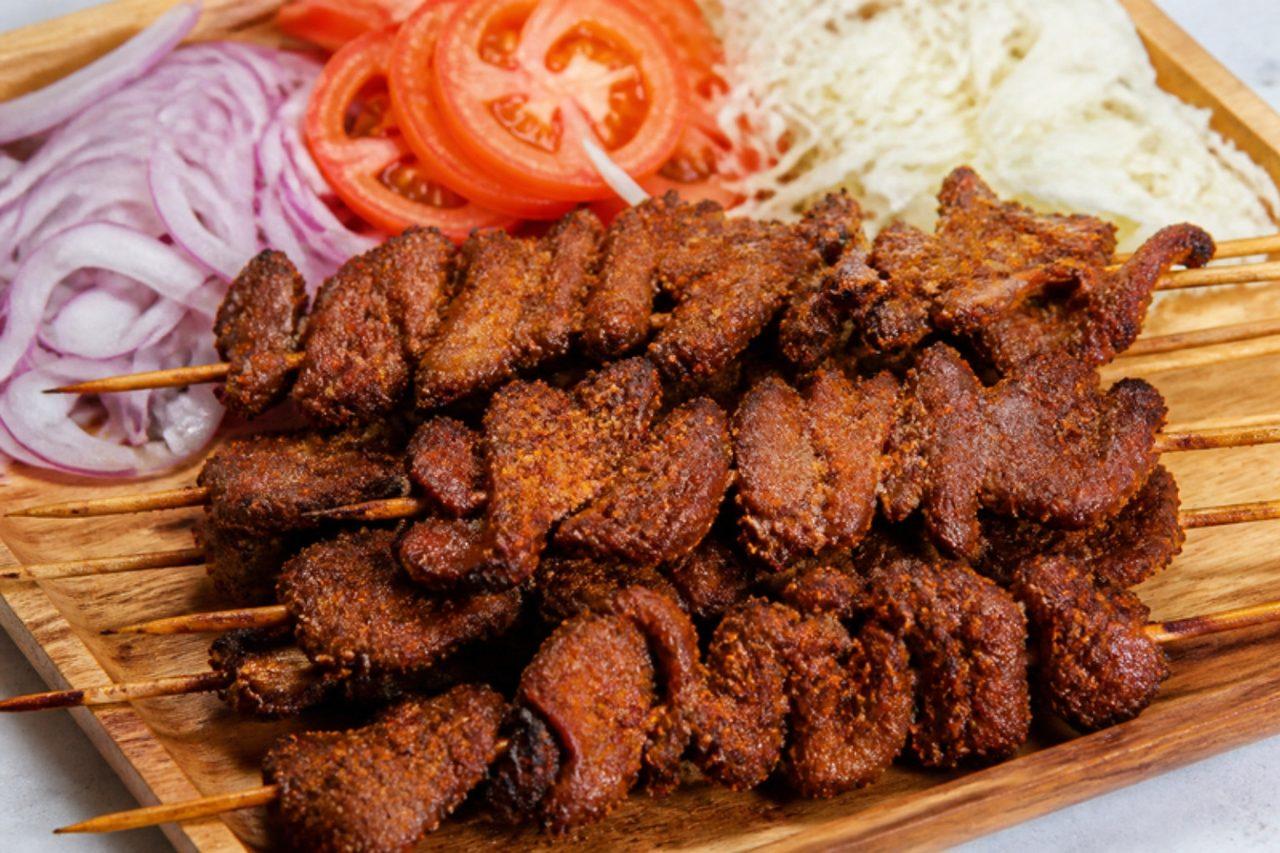
SuyaSpiced beef skewers

Suya comes from the Hausa north, from Kano and Kaduna, but now every Nigerian city has a mai suya grilling beef over charcoal by the roadside once the sun goes down. Thin slices of beef are threaded onto skewers, rubbed with yaji, a fiery mix of roasted peanut powder, chilli, ginger and stock spices, and grilled until charred at the edges. It comes wrapped in newspaper with sliced raw onion, tomato and extra yaji for dipping. The common mistake is cutting the beef thick; it needs to be thin enough to see light through, so it cooks fast and stays tender. Chef's tip: put the beef in the freezer for 30 minutes first, and it will slice wafer thin with ease.

by KrazyBadal 0 views

Dal bhatLentils, rice and vegetables

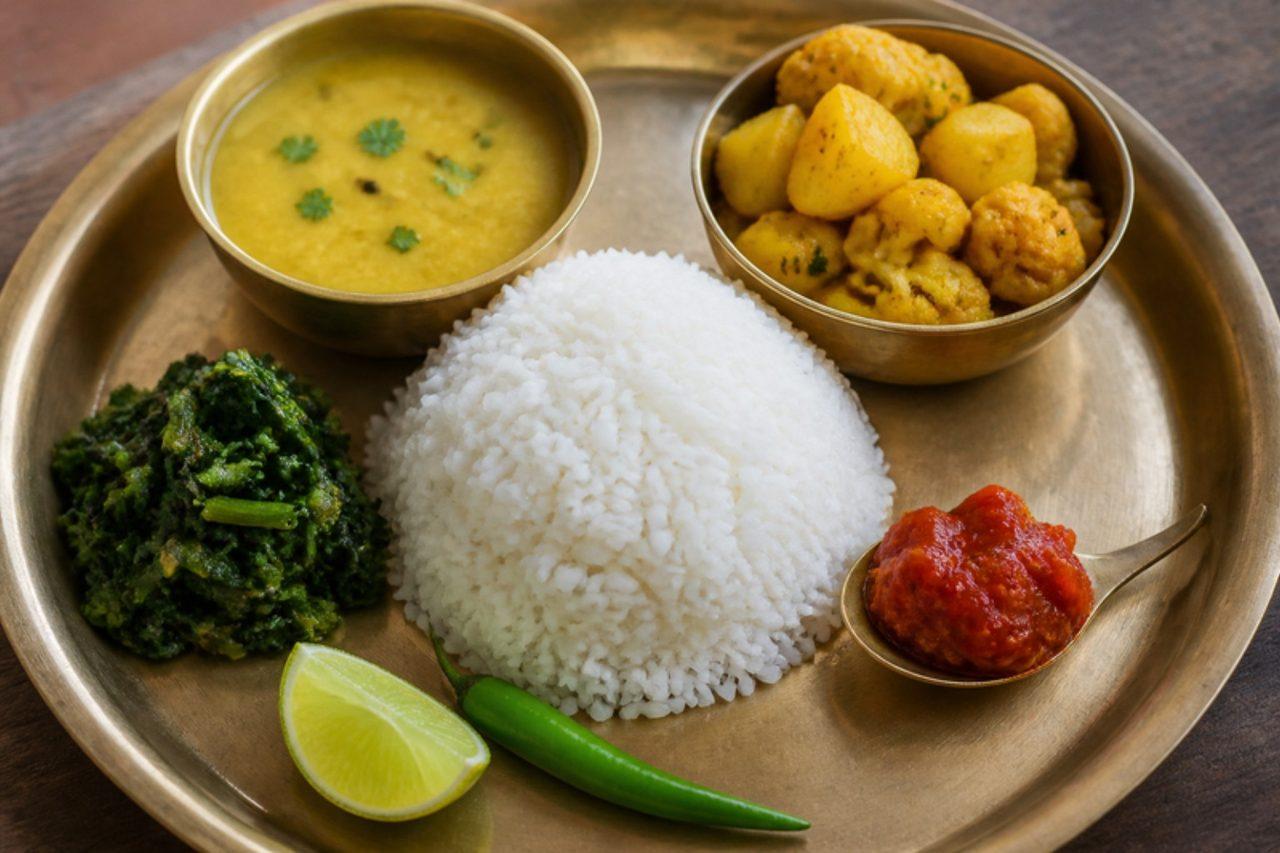
Across Nepal, from Terai farmhouses to trekking lodges below Everest, dal bhat is not a dish so much as the meal itself, eaten twice a day, late morning and early evening, often with the words "dal bhat power, 24 hour". The plate is always the same idea: a mound of plain rice (bhat), a thin, soupy lentil dal scented with jimbu (a dried Himalayan allium) fried in ghee, a dry vegetable tarkari, a little stir-fried greens when there are some, and a sharp spoonful of achar. You pour the dal over the rice and mix it by hand, a little at a time, with bites of curry and pickle. Most newcomers make the dal too thick; Nepali dal should run off the spoon like a light soup so it soaks the rice. Chef's tip: fry the jimbu in the hot ghee only until it darkens a shade and smells of garlicky onion, about 10 seconds, then pour it straight into the dal and cover the pan to trap the aroma.

by KrazyBadal 0 views

Dal baati churmaLentil dal with baked wheat balls

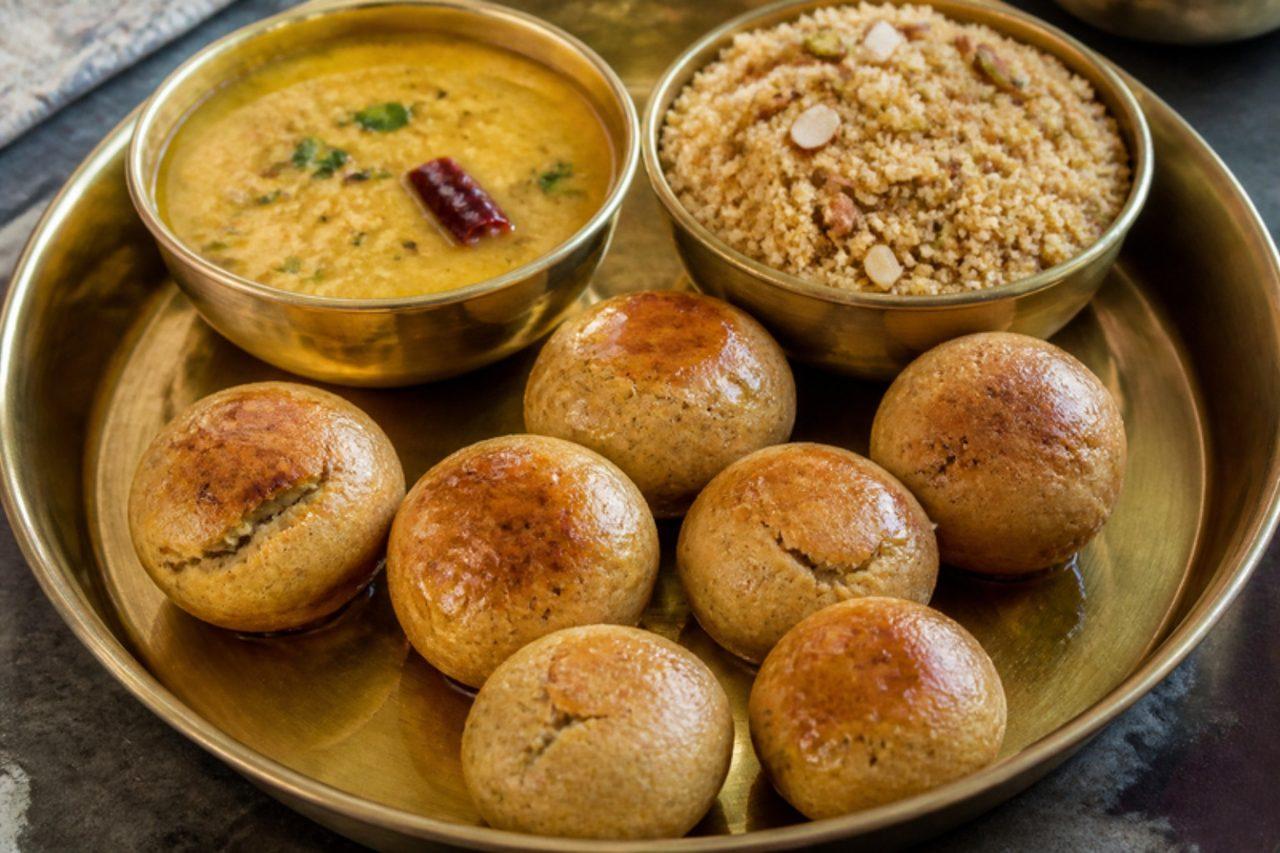
Dal baati churma is the dish every Rajasthani wedding and festival is built around. Baati are hard, round wheat breads, traditionally buried in desert embers, cracked open and drowned in ghee; they are eaten with panchmel dal made from five lentils and with churma, baati crumbs sweetened with sugar and cardamom. The joy is in the contrast: crunchy and soft, spicy and sweet, all rich with ghee. Serve with sliced onion, green chillies and lime. Chef's tip: rub the ghee into the baati flour until a handful holds its shape when squeezed; that shortening is what makes the baati crumbly inside instead of bready.

by KrazyBadal 0 views

DakosBarley rusk with tomato and cheese

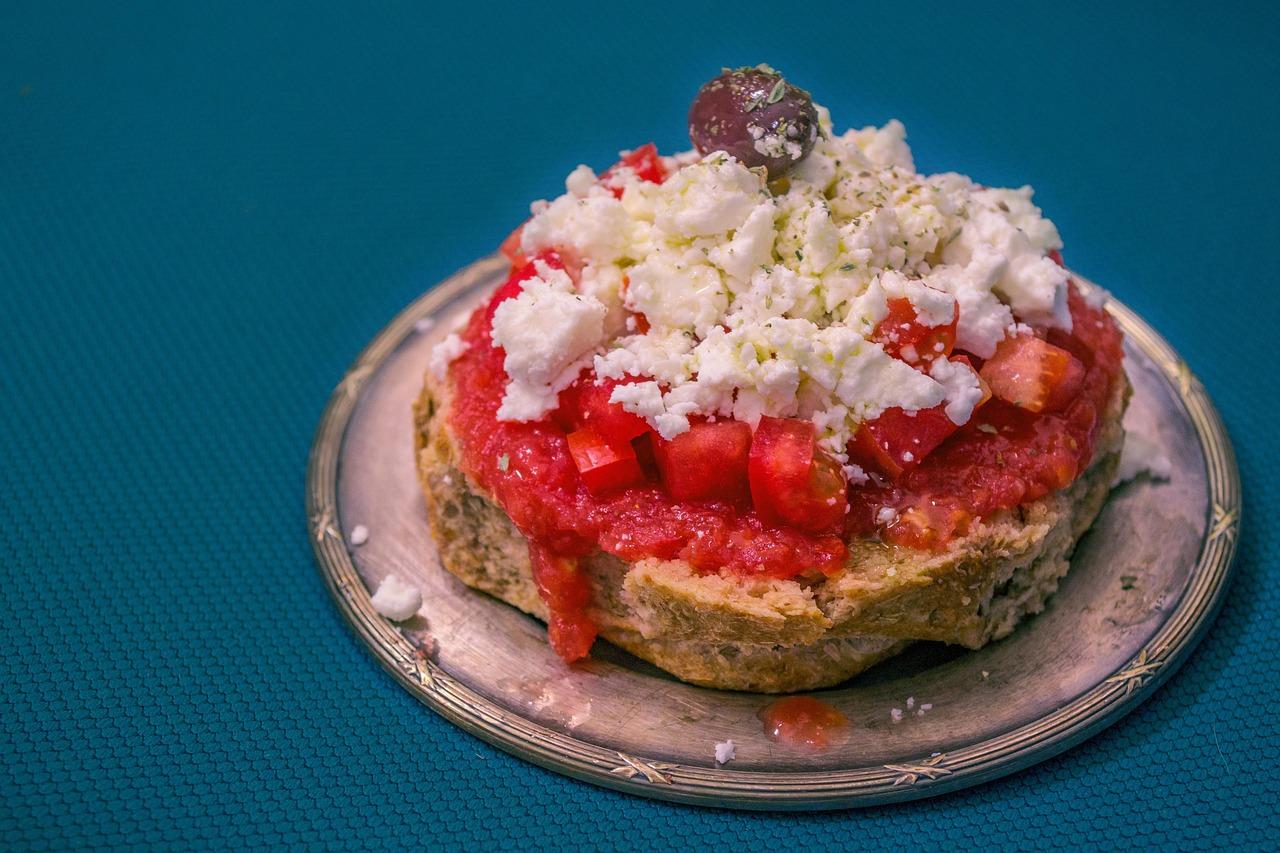
Dakos is Crete's favourite summer meze: a round, hard barley rusk softened with a sprinkle of water, piled with grated ripe tomato and crumbled cheese, then drenched in olive oil and dusted with oregano. On the island it's made with soft, tangy mizithra and eaten in the afternoon with a glass of raki, but feta works well. The rusk drinks up the tomato juice and oil while keeping a little crunch. Look for barley rusks (paximadia) in Greek or Middle Eastern shops. Chef's tip: wet the rusk lightly, just enough to take the edge off; soaking it is the common mistake and it falls apart before you can eat it.

by KrazyBadal 0 views

Dakor na gotaGram flour and fenugreek fritters

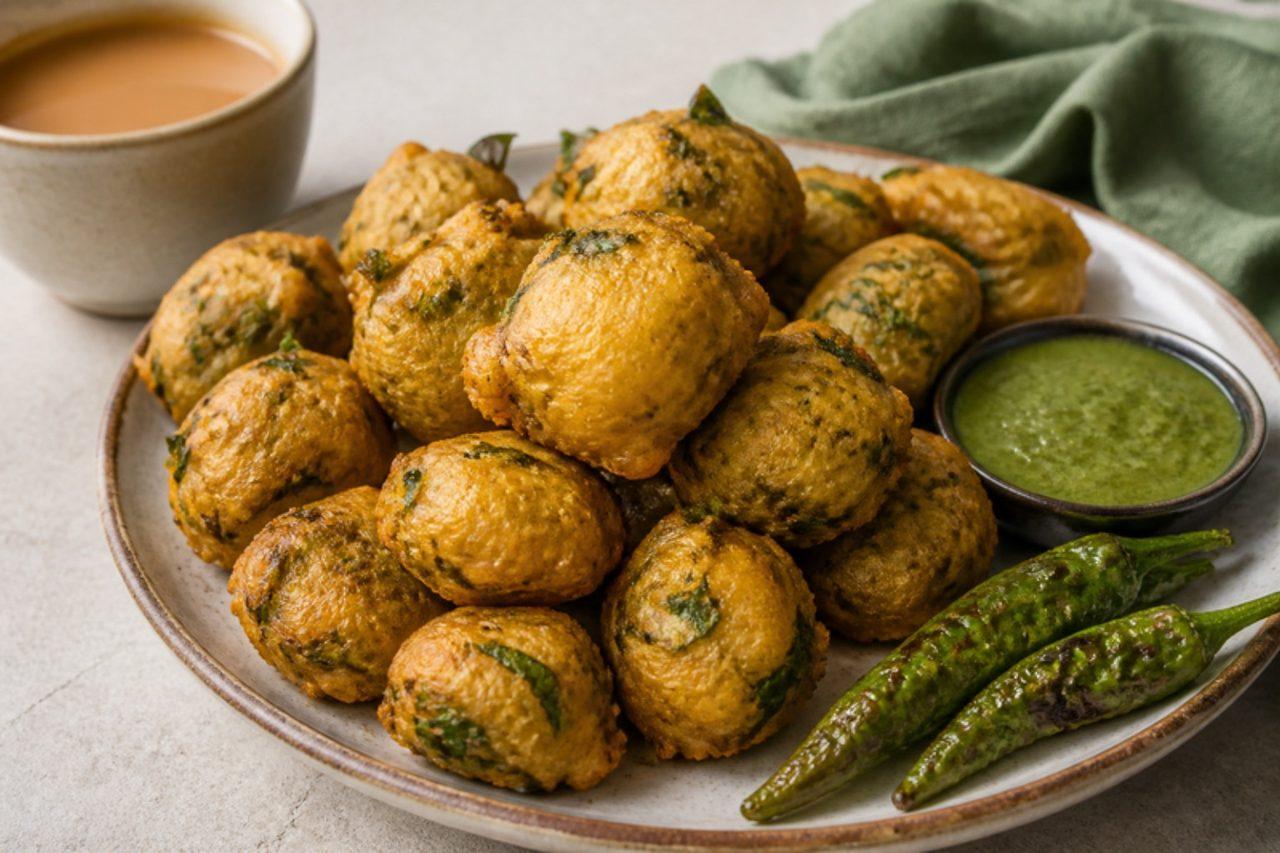
Pilgrims who come to the Ranchhodraiji temple at Dakor, in the Charotar belt of central Gujarat, rarely leave without a paper cone of gota from the shops around the temple square. These fritters are different from ordinary bhajia: the batter uses coarse gram flour, crushed black pepper and coriander seeds and plenty of fresh methi, and it is whipped light so the gota come out round, craggy and soft inside. Families buy the ready-mixed flour to take home and fry them on the first rainy evening of the monsoon. Serve them with green chutney, fried green chillies and a cup of masala chai. Chef's tip: beat the batter by hand in one direction for a full 3 minutes before frying; the air you whip in matters as much as the baking soda.

by KrazyBadal 0 views

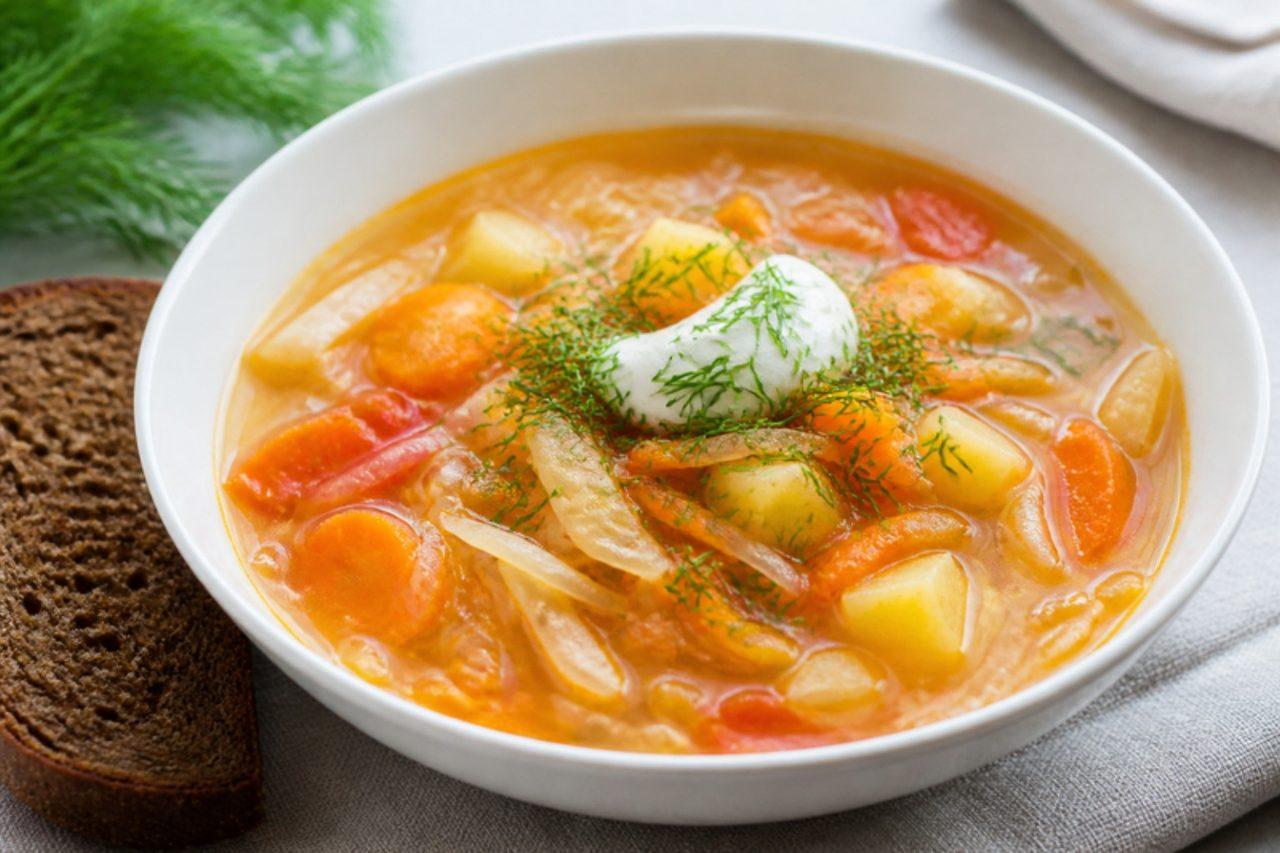
ShchiFresh cabbage soup

Shchi is the oldest soup in Russian cooking, the one the proverb pairs with porridge: 'shchi da kasha, pishcha nasha' (shchi and kasha, that's our food). In villages from Vologda to Ryazan it was left to mellow in the warmth of the big masonry stove, and in summer and early autumn it is made with fresh young cabbage rather than the sour winter version. Unlike Ukrainian kapusniak there is no sauerkraut or millet here: just sweet cabbage, root vegetables, tomato, bay and dill, with a cold spoon of smetana stirred into each bowl. Chef's tip: shchi tastes better the next day, so make it a day ahead and reheat gently.

by KrazyBadal 0 views

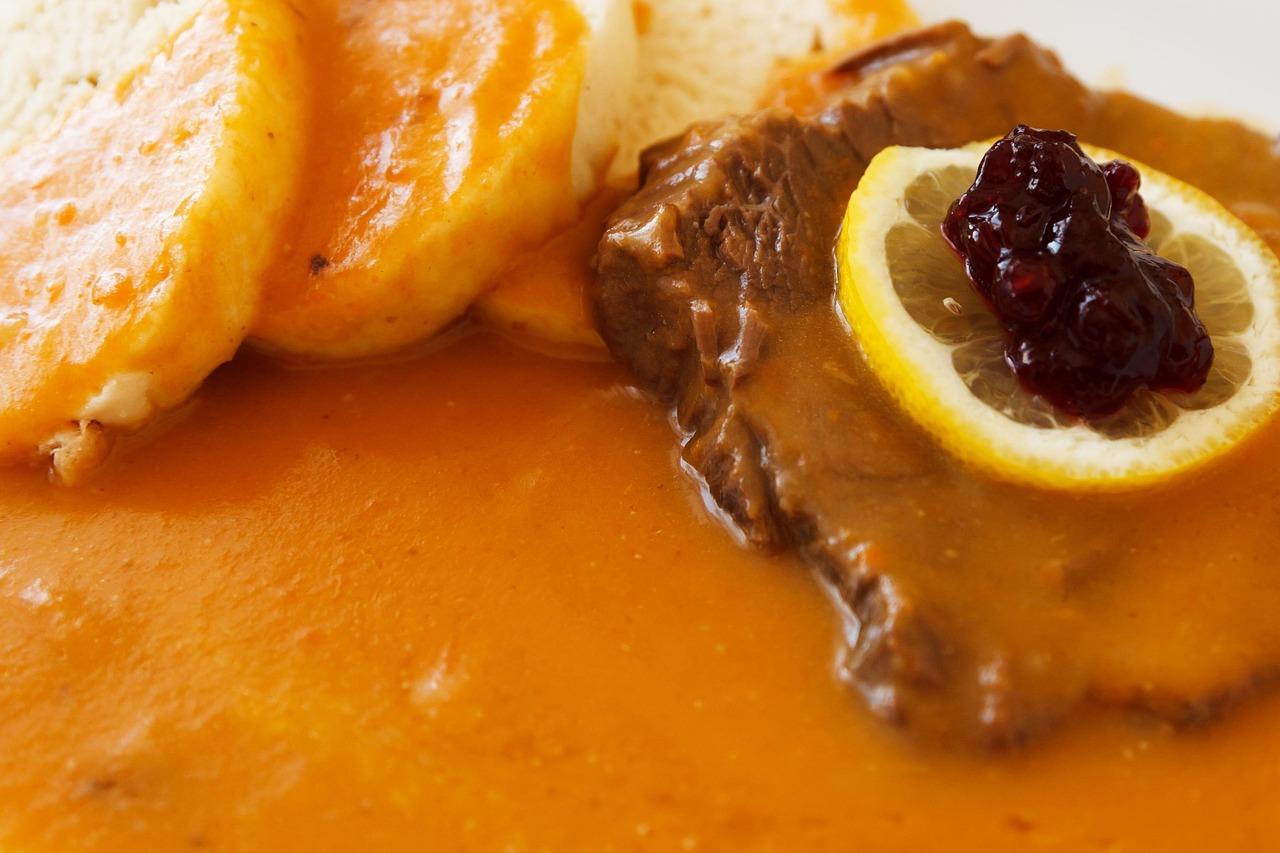
Svíčková na smetaněBeef in creamy vegetable sauce

Svíčková is the dish Czech families make for weddings, name days and big Sunday lunches, and in Prague pubs it appears on the menu as the proud centre of the week. Beef is marinated for a day or two with root vegetables and spices, slow-roasted, and the vegetables are then blended into a smooth, sweet-sour cream sauce. It is always served the same way: sliced beef, a pool of sauce, bread dumplings, a spoonful of cranberry sauce, a twist of whipped cream and a slice of lemon. Many cooks under-season the sauce; it should taste clearly of vinegar, sugar and allspice, not just cream. The optional smoked bacon that flavours the vegetables is pork; leave it out and the sauce is still rich. Chef's tip: blend the sauce until completely velvety, then push it through a sieve; that silky finish is what makes svíčková special.

220 minCzechMeat
by KrazyBadal 0 views

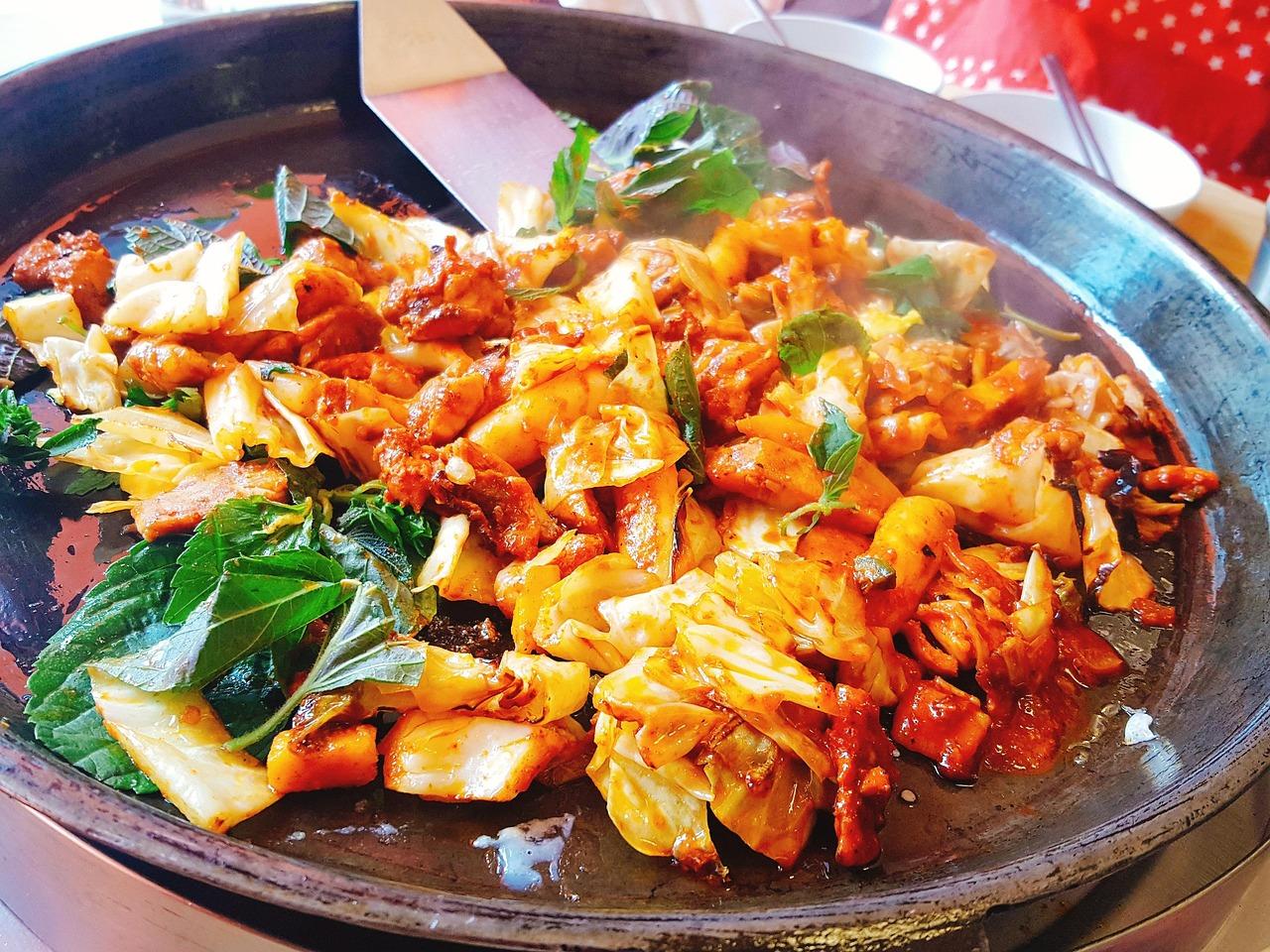
Dak galbiSpicy stir-fried chicken

Chuncheon, a lakeside city in Gangwon province, is so proud of dak galbi that it has a whole lane of restaurants and a yearly festival for it. There, a waiter stir-fries the marinated chicken, cabbage, sweet potato and rice cakes on a huge round iron pan in the middle of your table. When the pan is nearly empty, rice is fried in the leftover sauce to finish the meal. This version is made in a large frying pan or wok at home. Chef's tip: a teaspoon of curry powder in the marinade is a Chuncheon trick; you won't taste curry, but the sauce tastes deeper.

by KrazyBadal 0 views

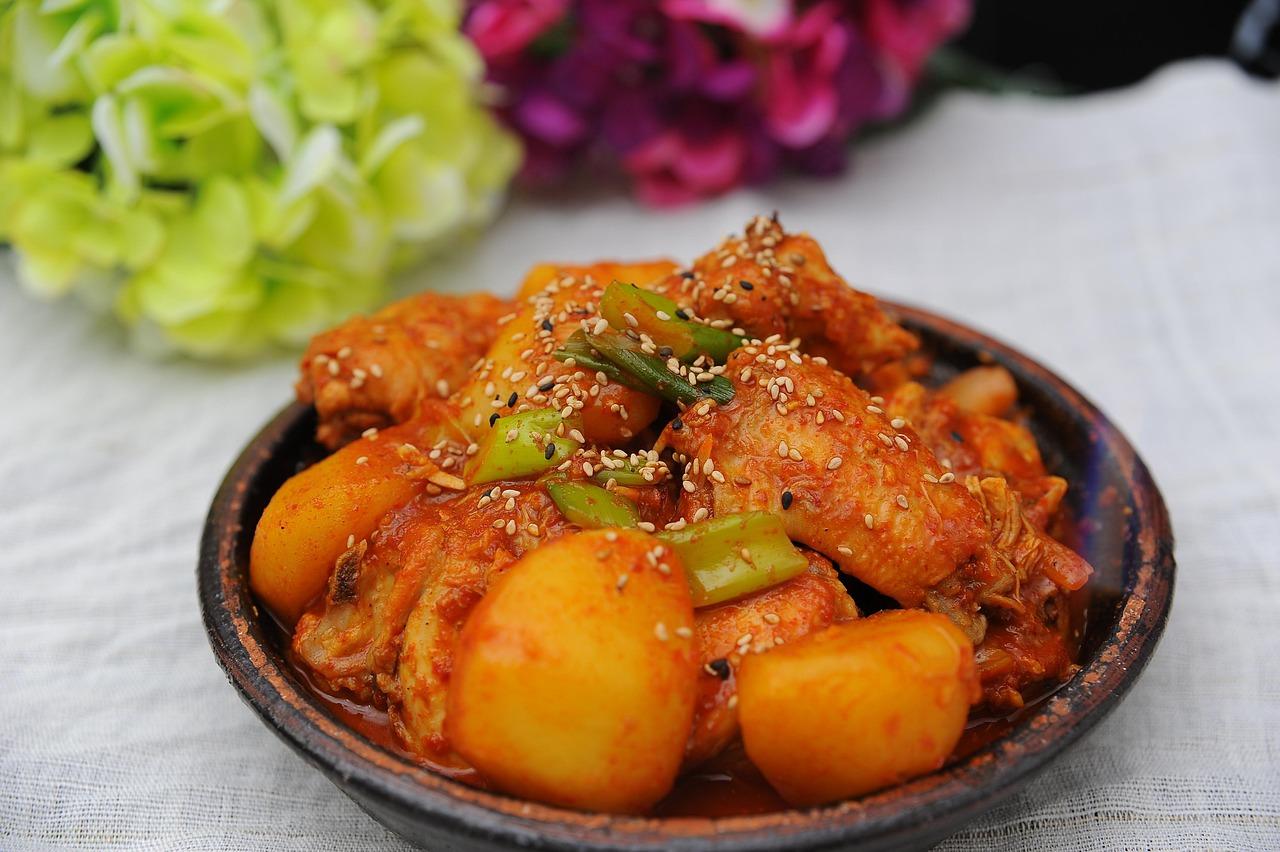
Dak bokkeumtangSpicy chicken and potato stew

Chicken on the bone braised with big chunks of potato in a thick red sauce is a weeknight staple in Daejeon, the central city where many Korean rail lines meet, and in homes right across the country. Some people still call it dakdoritang. Unlike Andong's soy-based jjimdak, it gets its colour and heat from chilli flakes and gochujang, and the potatoes slowly thicken the sauce as they soften. It's usually brought to the table in the pot and shared, with rice and kimchi, and the last of the sauce is spooned over rice. Chef's tip: blanch the chicken for 3 minutes and rinse it first; this takes away scum and excess fat, so the sauce stays bright and clean-tasting.

by KrazyBadal 0 views

SyrnykyCurd cheese pancakes

Syrnyky are the Sunday breakfast of Ukrainian childhoods: small, thick pancakes made almost entirely of tvorih, the dry farmer's cheese sold at every market in Odesa and Lviv, held together with an egg and a little flour and fried until golden. Inside they should be soft and creamy, like a baked cheesecake, outside lightly crisp. They are served with sour cream and cherry jam, or honey. Tvorih is made with lactic culture rather than rennet, so it suits vegetarians; dry cottage cheese pressed through a sieve or quark also works. Chef's tip: if your cheese is wet, wrap it in a cloth and press it under a weight for an hour; common mistake is adding extra flour to rescue a wet mixture, which makes syrnyky dense and rubbery.

by KrazyBadal 0 views

SzarlotkaApple cake

Szarlotka is the apple cake every Polish café and grandmother has a version of, from Zakopane mountain inns to the cake counters of Poznań. In the classic home style, a sweet, crumbly shortcrust (kruche ciasto) is pressed into a tray, filled with a thick layer of tart apples cooked briefly with cinnamon, and topped with the rest of the pastry grated over like crumble. It is served in squares, dusted with icing sugar, often warm with a scoop of vanilla ice cream or whipped cream. Sharp autumn apples such as Szara Reneta or Bramley give the right sour-sweet balance. Chef's tip: grate the frozen top layer of dough straight onto the apples; it bakes into a light, sandy crust instead of a heavy lid.

by KrazyBadal 0 views

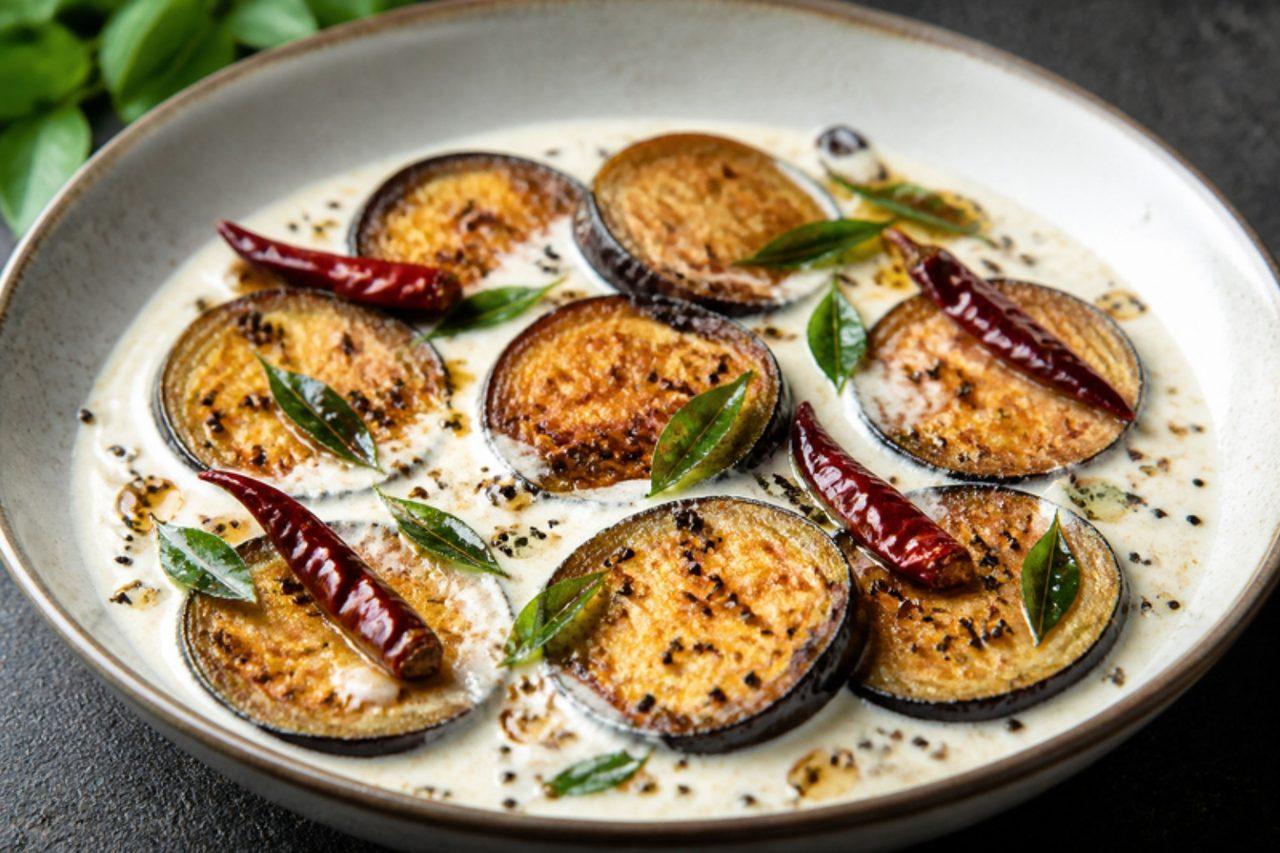
Dahi baiganaFried aubergine in yogurt

Dahi baigana is one of the easiest dishes of an Odia summer lunch, and it turns up at home thalis in Puri and Bhubaneswar beside dalma and rice. Thick rounds of aubergine are rubbed with turmeric and salt, fried until golden and creamy, then bathed in whisked yogurt that has been tempered with mustard seeds, cumin, curry leaves and dried chilli. It is served at room temperature: cool, tangy and smoky from the fried aubergine. Chef's tip: add the tempering to the yogurt, never the yogurt to the hot pan, so it doesn't split.

by KrazyBadal 0 views

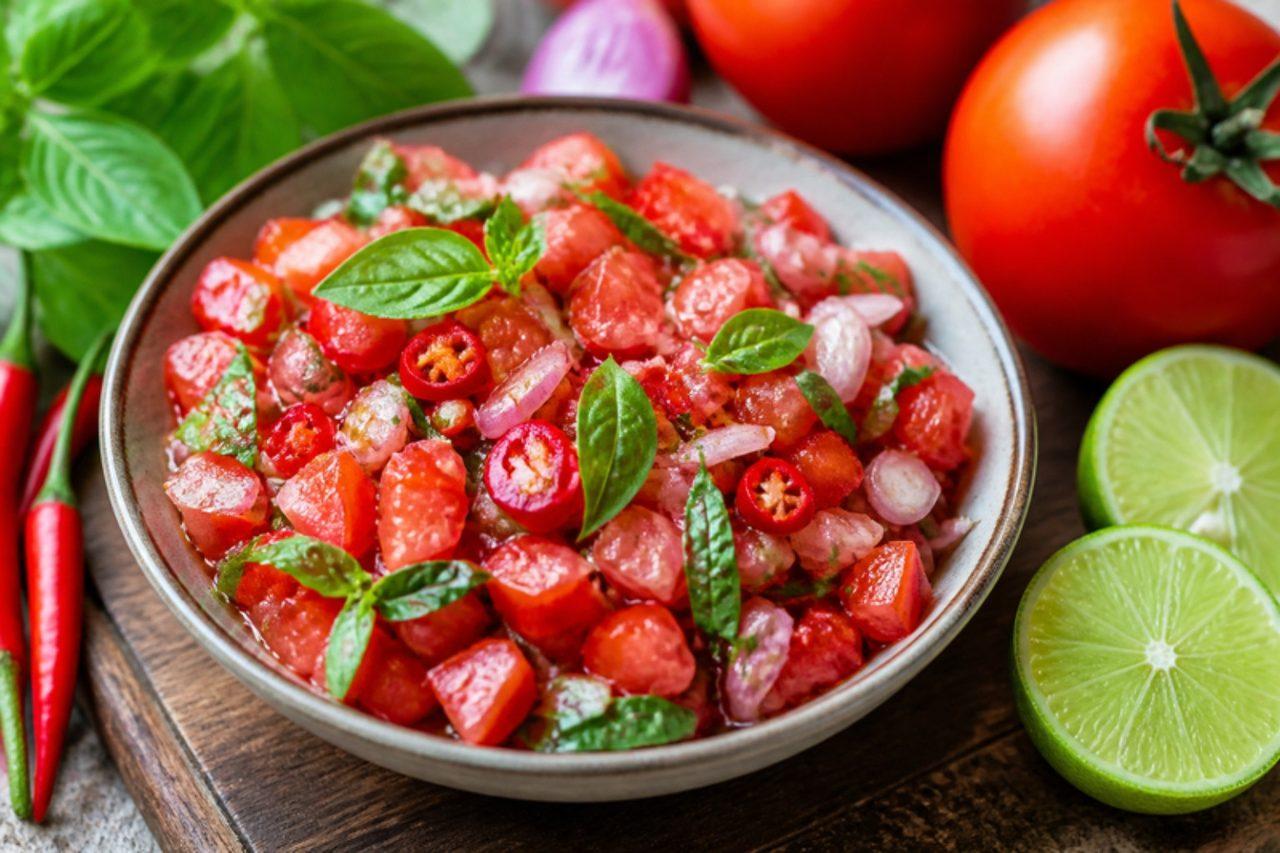
Dabu-dabuFresh tomato and chilli salsa

Every table in Manado, North Sulawesi, has a bowl of dabu-dabu: diced tomato, shallot and red chilli with calamansi juice and lemon basil, sometimes dressed with hot oil. It is spooned over grilled food, fried tofu and the pumpkin porridge tinutuan, and its cool juiciness makes very hot chilli easier to take. Unlike Bali's sambal matah, it is built on tomato and stays chunky and wet. Chef's tip: salt the tomatoes and leave them 5 minutes before mixing, so they release juice that becomes the dressing.

by KrazyBadal 0 views

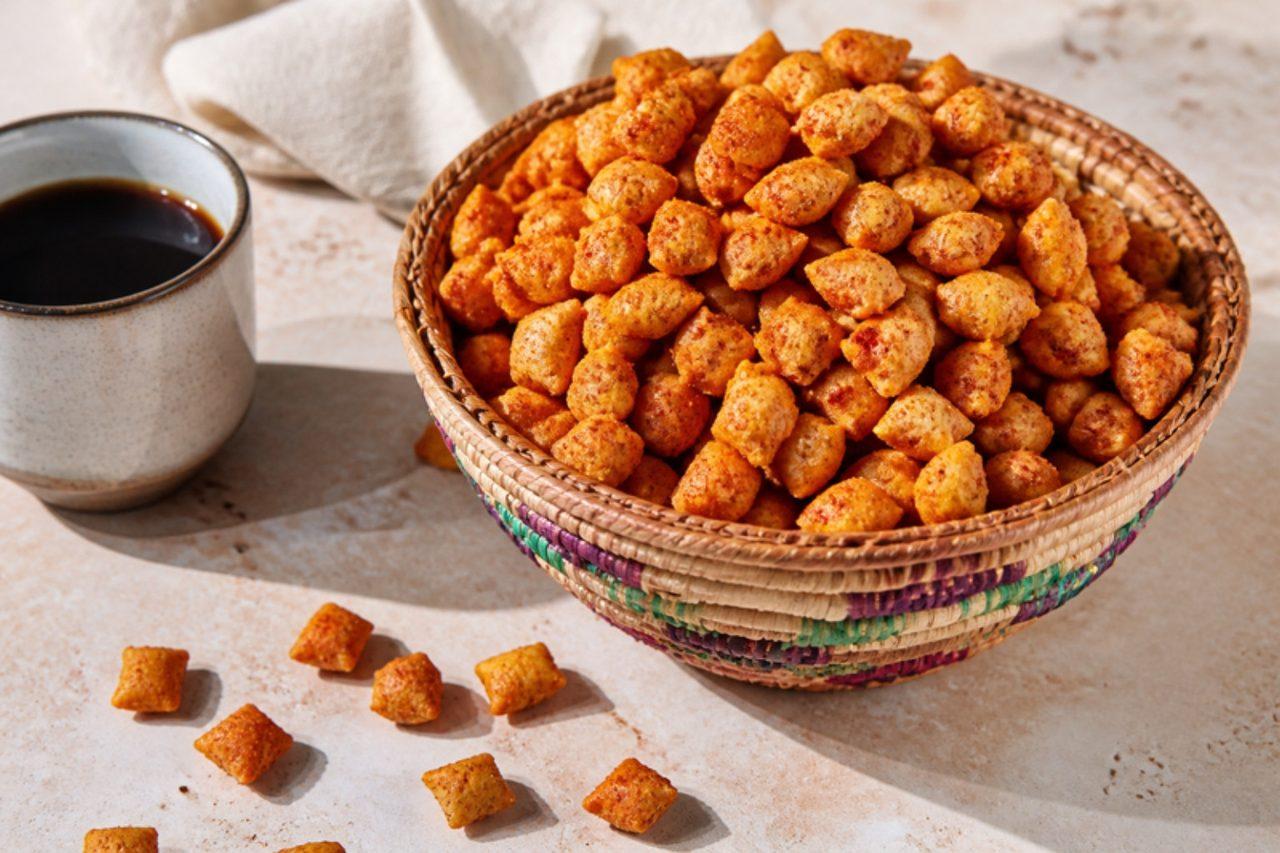
Dabo koloCrunchy spiced dough bites

Dabo kolo are small crunchy nuggets of spiced dough, sold in paper cones in markets from Addis Ababa to Gondar and offered to guests with coffee. Families make big batches before holidays such as Enkutatash (Ethiopian New Year in September) and for long journeys, since they keep for weeks. The dough is seasoned with berbere and a little sugar, rolled into thin ropes, cut into tiny pieces and toasted until crisp. Children love them, and they can be made mild by reducing the berbere. Chef's tip: cut the pieces as small and even as you can, about the size of a chickpea, so they crunch all the way through.

by KrazyBadal 0 views

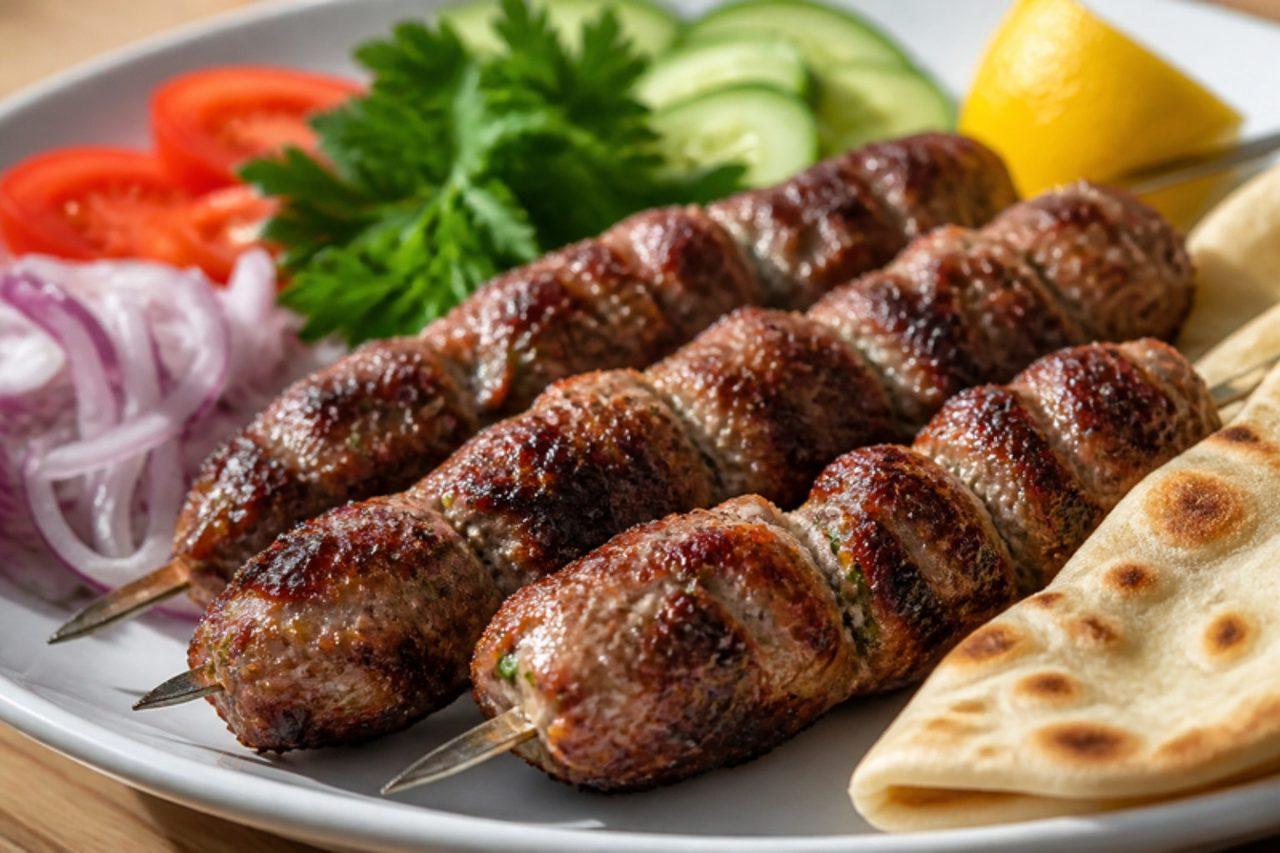
Cypriot sheftaliaPork and herb sausages

This is a pork recipe. Sheftalia are the little skinless sausages you find on every souvla barbecue in Cyprus, from Limassol beach grills to Sunday family gatherings in Nicosia gardens. Minced pork is mixed with onion, parsley and mint, wrapped in lacy caul fat and grilled slowly so the fat melts and bastes the meat. They come tucked into a large pitta with salad, lemon and tahini. Ask a butcher for caul fat (sometimes called lace fat); without it you can still shape the mix into thick sausages and grill them on an oiled rack. Chef's tip: soak the caul fat in warm, lightly vinegared water first; it becomes supple and stretches without tearing.

55 minGreekMeat
by KrazyBadal 0 views

Showing 18 of 7,762 recipes

Show more recipes

Page 738 of 863