


Skip to content
Trini parsad
Featured recipe

Trini parsad

Ghee-roasted flour pudding

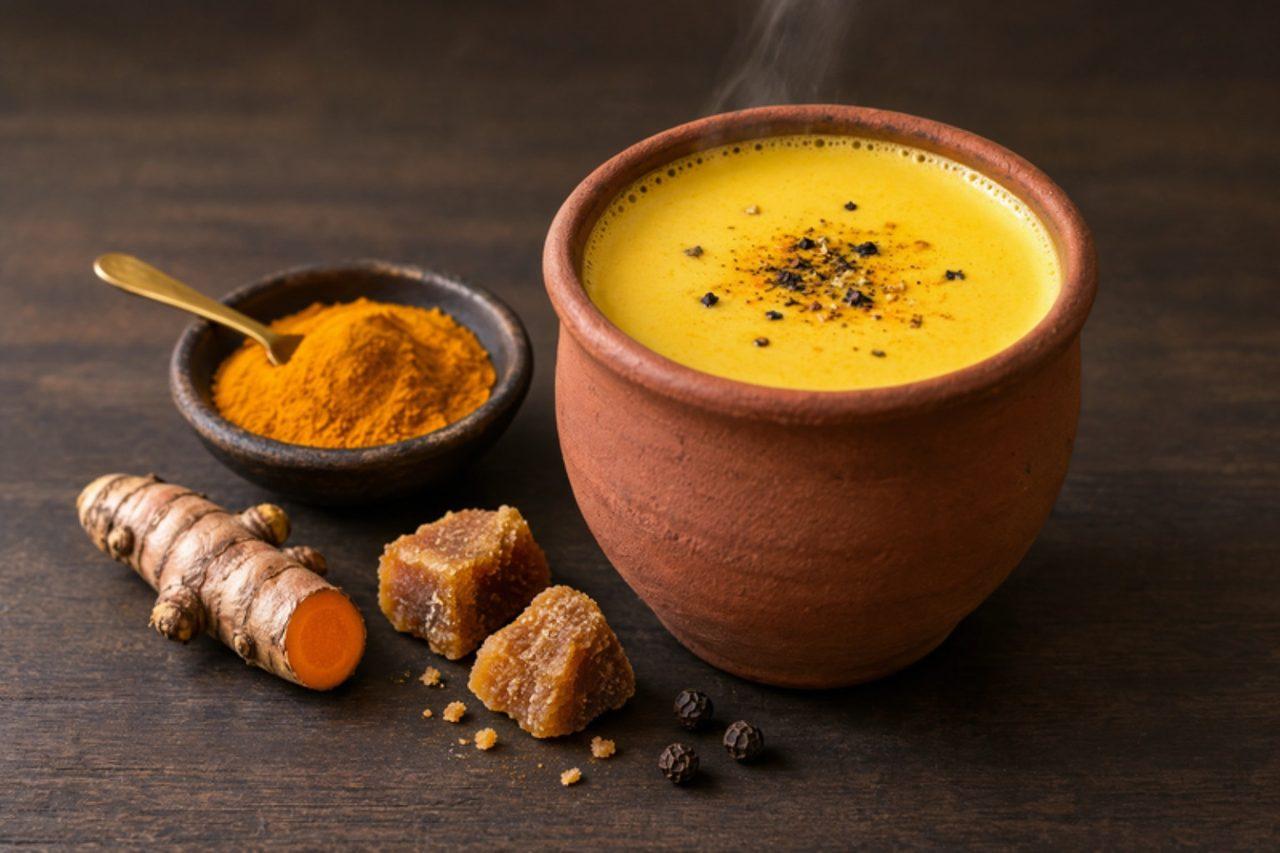
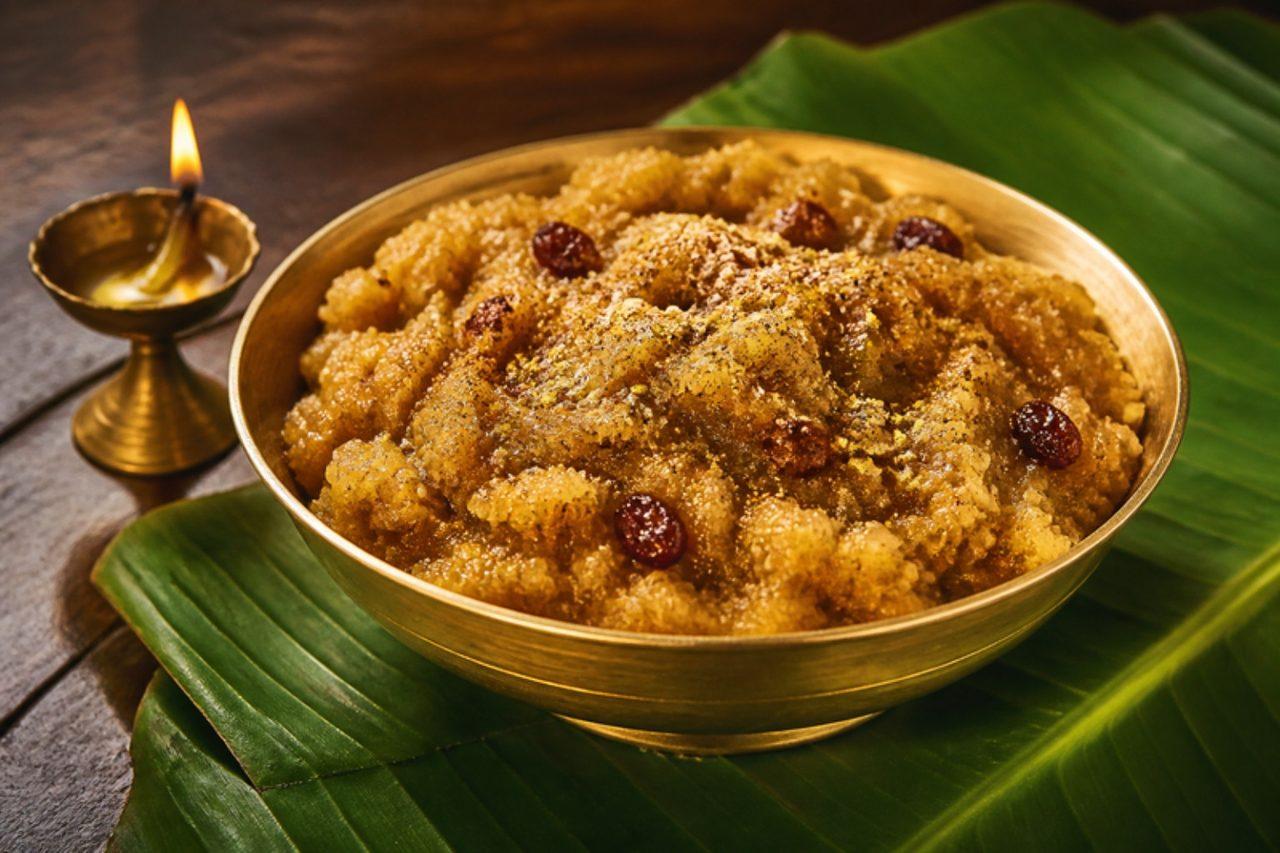
At Hindu pujas across Trinidad, and on Divali night in Felicity and Debe, parsad is the sweet offering that is shared with everyone afterwards, handed out warm on a piece of leaf. Flour is roasted slowly in ghee until it smells nutty and turns sandy brown, then cooked with milk, sugar, raisins and spice into a soft, glossy pudding. The common mistake is rushing the roasting on high heat: the flour burns outside and tastes raw within. Add the milk carefully, as it spits. Chef's tip: warm the milk and sugar together first; adding hot liquid to the roasted flour keeps the parsad smooth and lump-free.

Read more 0 views

What to eat today?

Around the world

Today's trip: Paraguayan

A new country every day, from every cuisine on the site.

Paraguayan

Buseca

Tripe and white bean stew 185 minMore from Paraguayan (27) →

This week's collection

Kid-friendly dinners
537 recipes · a new collection every Monday

Latest recipes

Koraishutir kochuriGreen pea stuffed puris

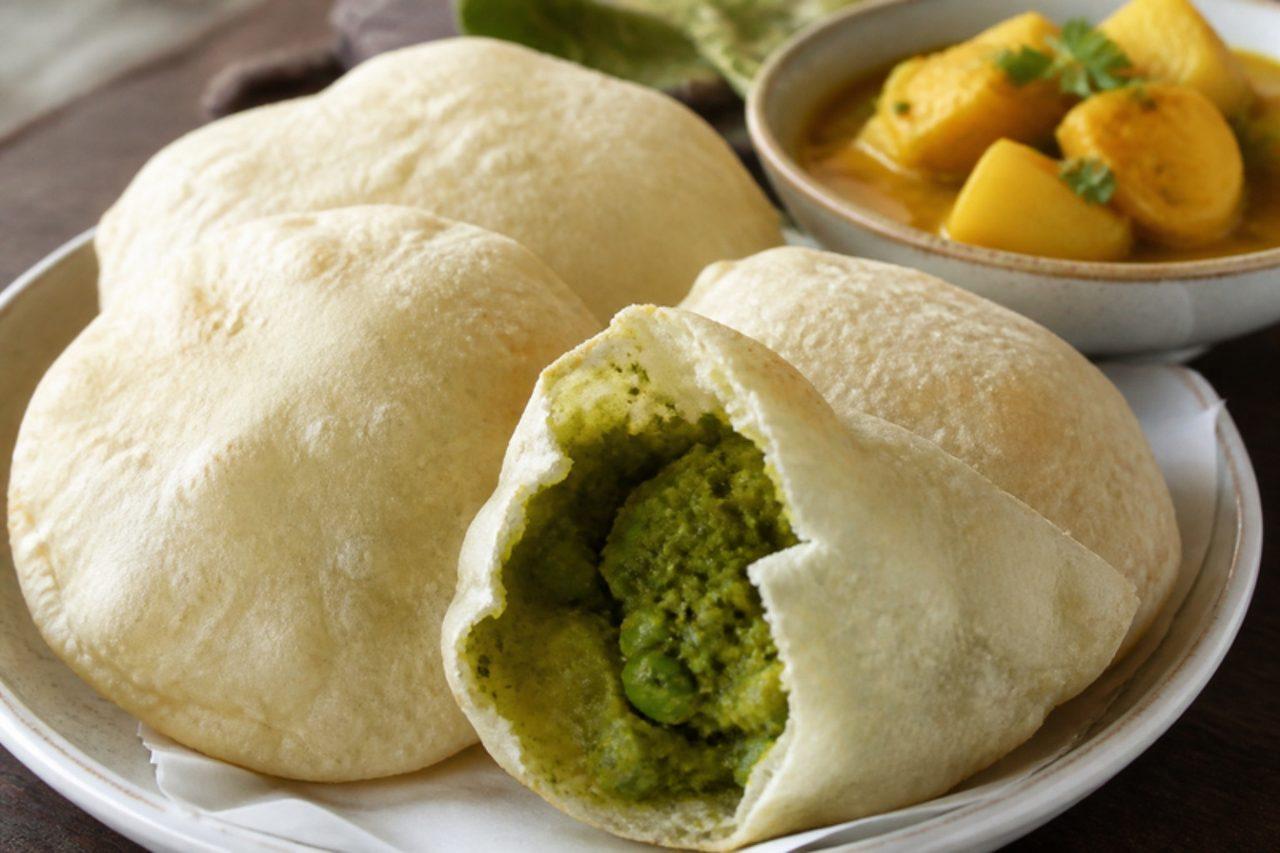
Koraishutir kochuri is a winter treat in Kolkata and across West Bengal, made when sweet new-season peas arrive in the markets. Soft maida dough is filled with a smooth, gingery green pea paste, rolled thin and fried until it puffs into a pale golden pillow with a green blush showing through. It's a Sunday breakfast or a festive snack, classically served with aloor dom (Bengali spiced potatoes) or cholar dal and a sweet to finish. Chef's tip: cook the pea paste until it's dry enough to roll into a ball that doesn't stick to your fingers; a wet filling tears through the thin dough as you roll.

by KrazyBadal 0 views


KopiCoffee with condensed milk

Kopi is the strong, thick coffee poured from long-spouted pots at kopitiams all over Singapore. The beans are dark-roasted with sugar and margarine, which gives a bittersweet, almost chocolatey brew, and the classic cup is sweetened with condensed milk. Order it like a local: kopi-o is black with sugar, kopi-c has evaporated milk, and kopi peng is iced. At home, a dark-roast robusta or espresso blend in a cloth sock or cafetière gets close. Chef's tip: pour the coffee back and forth between two jugs a few times; it cools slightly, aerates and gets the smooth, frothy kopitiam texture.

by KrazyBadal 0 views

Kontomire stewCocoyam leaf stew

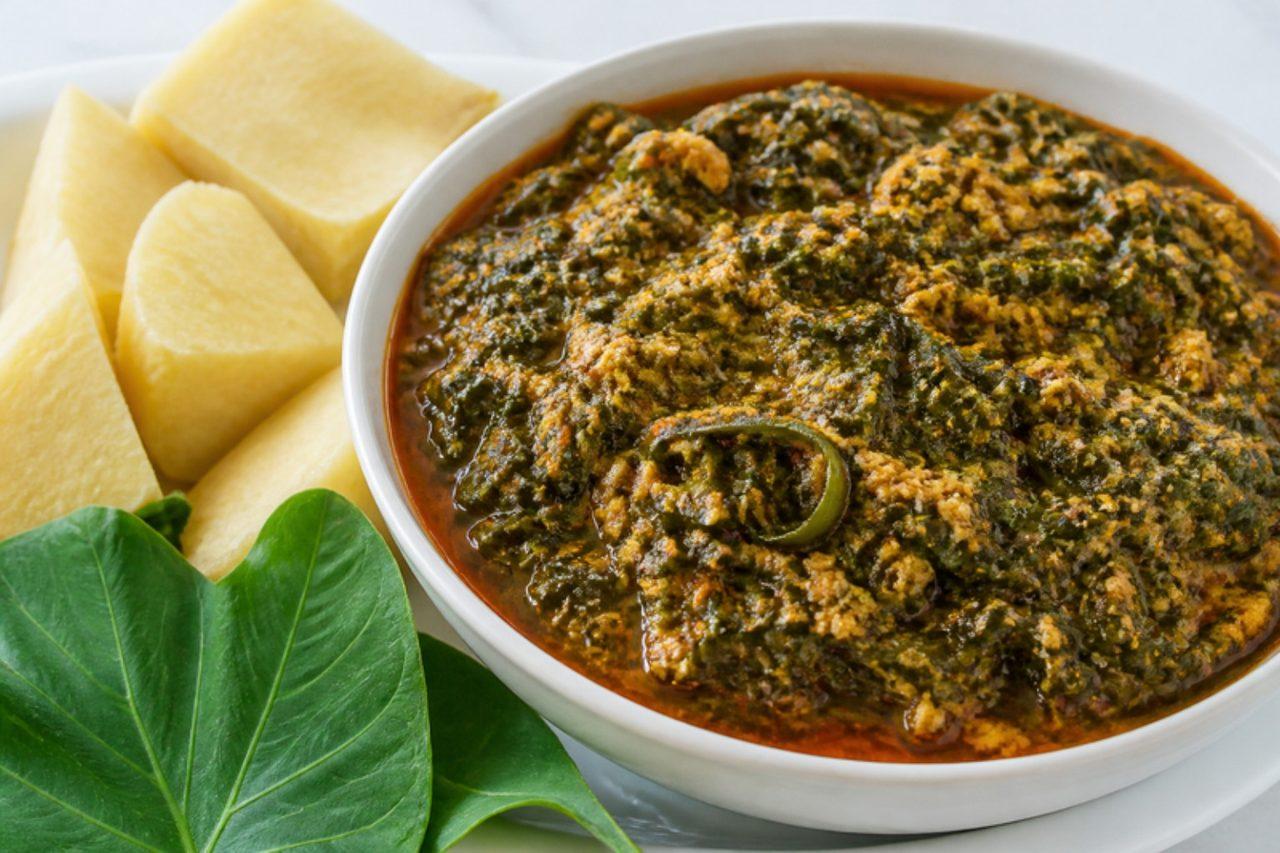
Kontomire stew comes from the Ashanti region around Kumasi, where young cocoyam (taro) leaves are picked from farms and cooked down with palm oil, tomatoes and ground agushie (egusi) seeds. It is a thick, dark green, nutty stew eaten with boiled yam, ampesi (boiled plantain) or rice. Many families add smoked fish or salted fish; this version uses boiled eggs instead, which is also common. Spinach is the best stand-in when fresh cocoyam leaves are not available. Chef's tip: cocoyam leaves must be cooked thoroughly; under-cooked ones leave an itchy, scratchy feeling in the throat.

by KrazyBadal 0 views

Imo kenpiCandied sweet potato sticks

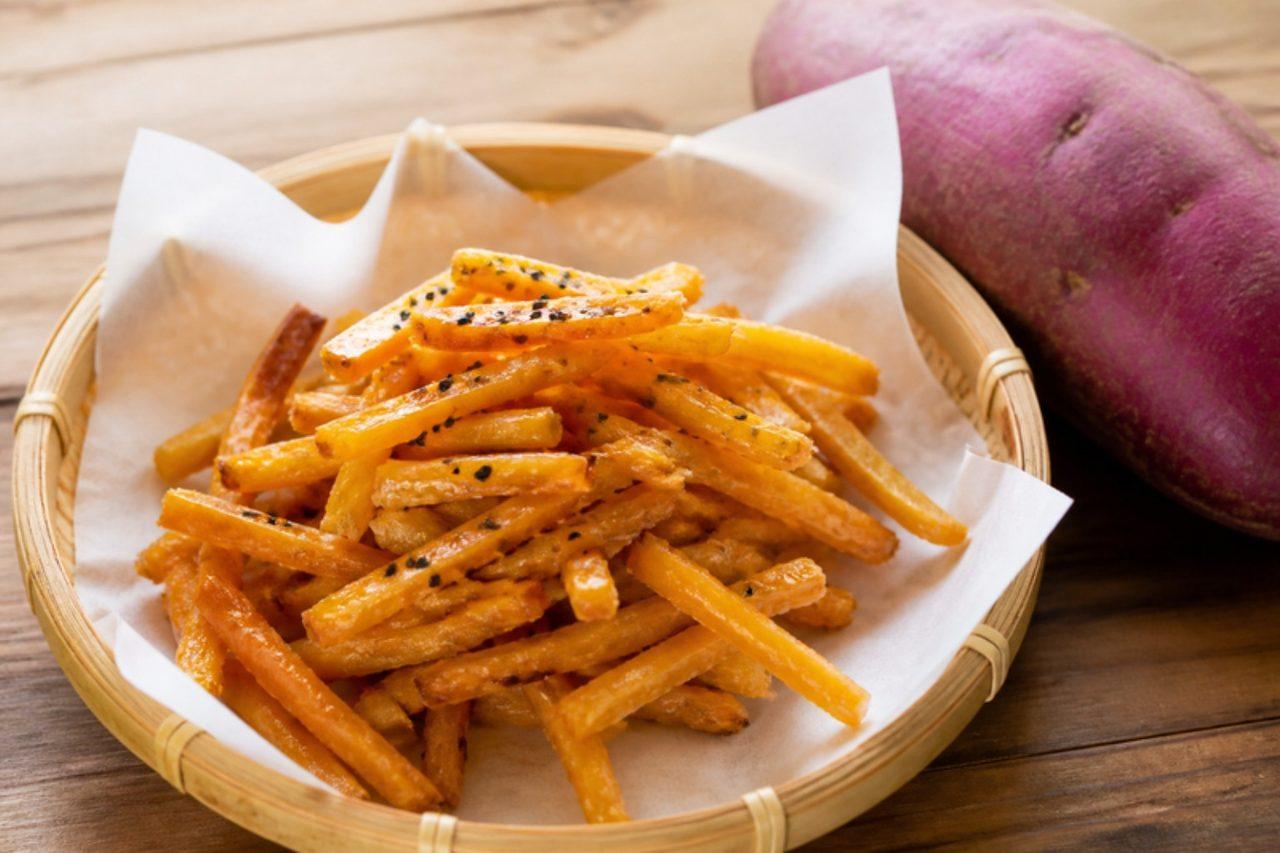
Kagoshima, at Kyushu's southern tip, is Japan's sweet potato heartland. The crop is so closely tied to the region that the Japanese word for sweet potato, satsuma-imo, means 'Satsuma potato', after the old name of Kagoshima. Imo kenpi are its simplest snack: thin batons of sweet potato fried until crisp, then tossed in a syrup that sets into a glassy shell. Kids grab them from bags at the corner shop, and grandparents make them at home with the autumn harvest. They are crunchy, sweet and a little salty. Chef's tip: fry the potato twice, slowly first, then hot. That drives out the water and gives a snap that lasts for days.

by KrazyBadal 0 views

ZopfPlaited butter bread

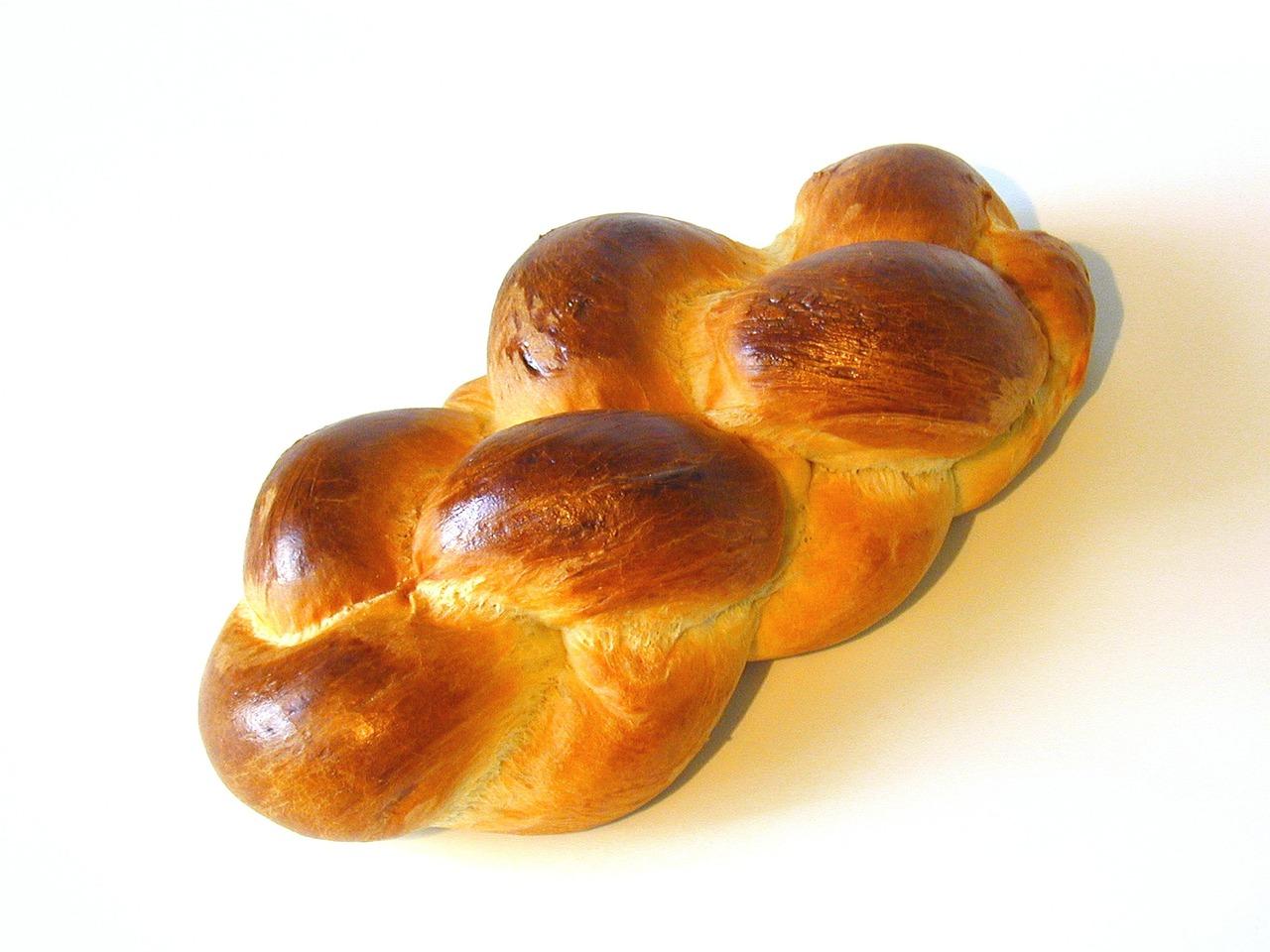
In German-speaking Switzerland the Sunday breakfast table is not complete without a Zopf (Züpfe in Bern): a shiny, plaited white loaf made with milk and plenty of butter, sliced thick and spread with more butter and jam or honey. Bakeries from Bern to St Gallen bake them on Saturday nights, and many families plait their own on Sunday morning. The crumb is soft, light and faintly sweet from the butter, not the sugar, and the egg-yolk glaze gives a deep brown, glossy crust. Leftovers make excellent French toast (Fotzelschnitte). Chef's tip: let the shaped plait rest in a cool place for 15 minutes before glazing and baking; the strands hold their shape and the pattern stays crisp.

by KrazyBadal 0 views

KompotFruit and berry drink

Kompot is the drink of Russian summers: a big pan of water with whatever the garden or market offers, apples, cherries, redcurrants, strawberries, plums, simmered for a few minutes, lightly sweetened and served cold from the fridge. It is what children drink with lunch at school canteens and summer camps from Moscow to Novosibirsk, and dacha cellars are lined with three-litre jars of it bottled for winter. The fruit at the bottom of the glass is everyone's favourite part. Chef's tip: switch off the heat as soon as it boils and let the fruit steep as it cools; long boiling makes it taste stewed and dull.

by KrazyBadal 0 views

KolokithokeftedesCourgette and feta fritters

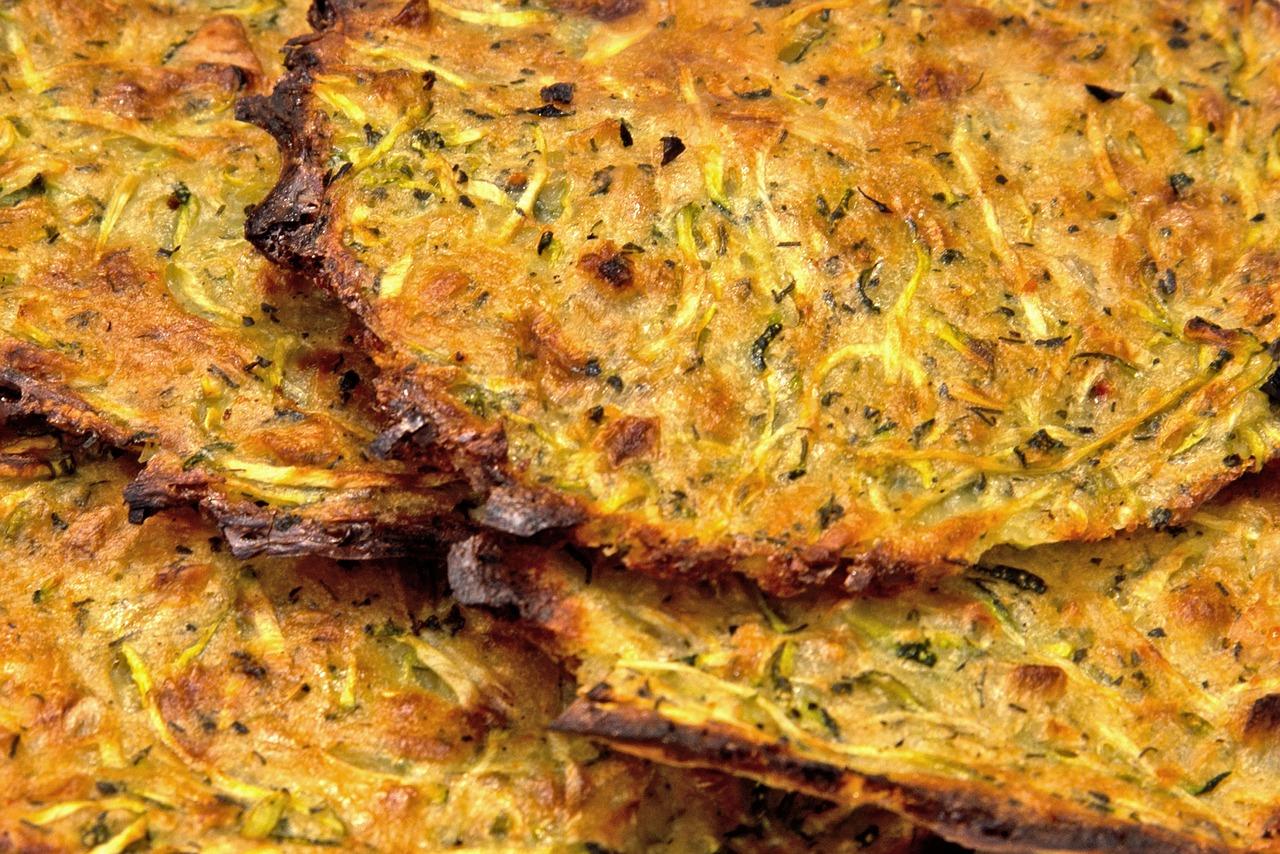
Kolokithokeftedes are what happens to a glut of courgettes in a Greek summer: grated, squeezed, mixed with feta, spring onion, mint and dill, and fried into crisp little patties. Tavernas serve them as a meze with a bowl of tzatziki, and at home they are a light dinner with salad. Outside they are golden and crunchy; inside they stay soft and herby. Use feta labelled vegetarian. Chef's tip: squeeze the salted courgette until it's almost dry; wet courgette is the usual mistake and makes fritters that spit, soak up oil and fall apart.

by KrazyBadal 0 views

Imeruli khachapuriRound cheese-filled bread

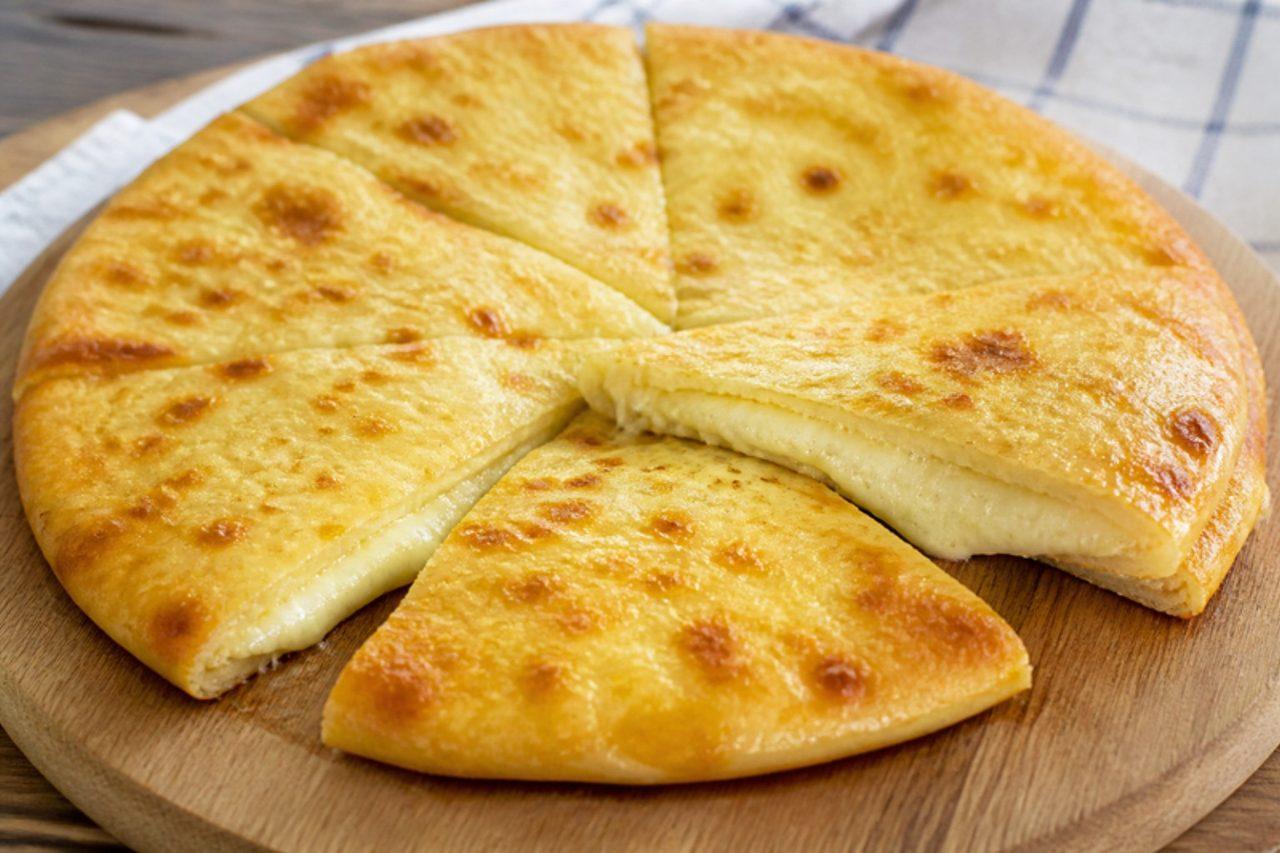
In Imereti, the region around Kutaisi in western Georgia, this flat round cheese bread is everyday food, and it is the one most families make at home: a tender, quick dough leavened with matsoni (Georgian yogurt) and soda, wrapped around a cheese ball and cooked in a dry frying pan. It is cut into wedges like a pizza and set on the table for breakfast, for a feast, or packed for a long car journey. Georgian imeruli and sulguni cheeses are hard to find outside Georgia, so this uses mozzarella with feta for the salty tang. Choose cheeses labelled vegetarian (microbial rennet). Children love it plain, still warm. A common mistake is rolling it out with heavy pressure, which tears the thin dough so the cheese leaks and burns in the pan. Chef's tip: press it out gently with your fingertips from the centre outwards, and if a small hole appears, pinch a scrap of dough over it before it reaches the pan.

by KrazyBadal 0 views

TorlyBaked mixed vegetables

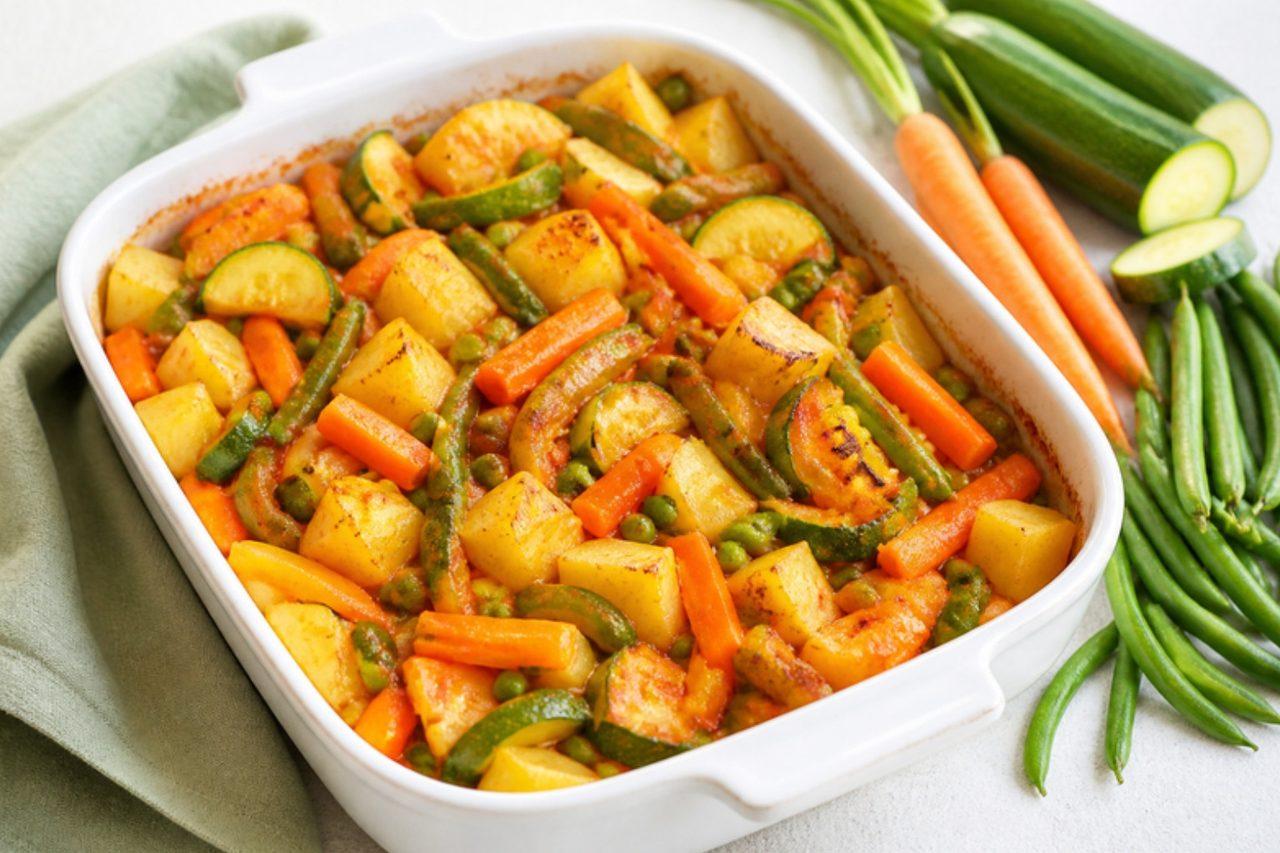
Torly is a tray of mixed vegetables (potatoes, courgettes, carrots, green beans, peas, peppers) baked in a tomato and garlic sauce until soft and slightly caramelised at the edges. The name is Turkish, a reminder of Ottoman times, but it has long been an everyday Egyptian home dish, usually cooked when the summer markets are full of courgettes and served with white rice or vermicelli rice. Many families add meat; this meat-free version is just as common in fasting seasons. Chef's tip: cut the potatoes and carrots smaller than the courgettes, so everything is tender at the same moment.

by KrazyBadal 0 views

Ilocos empanadaCrisp rice-flour turnovers

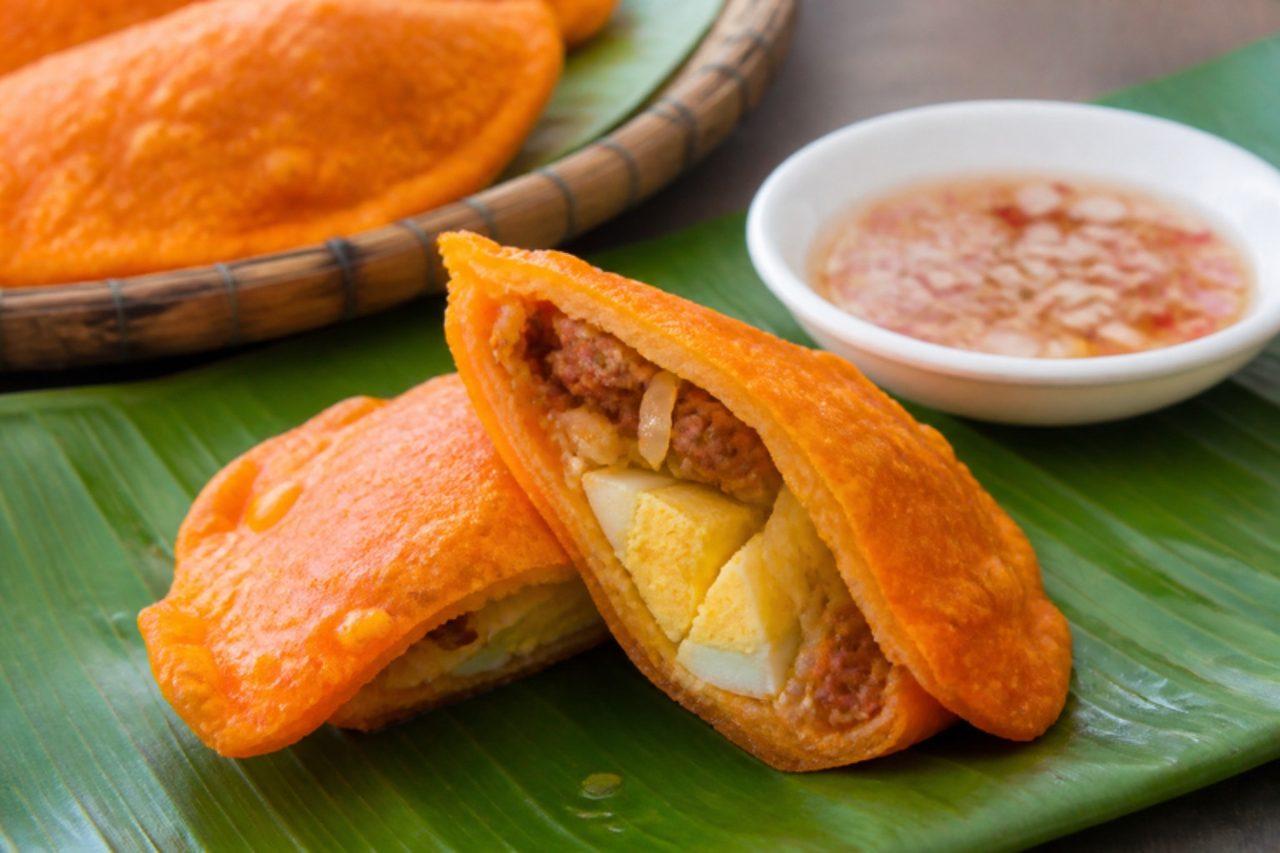
In Batac and Vigan, in the Ilocos region, empanada is not a baked pastry but a big, crunchy, bright-orange turnover fried to order at night markets and by the plaza. The thin rice-flour crust gets its colour from annatto, and inside goes shredded green papaya, mung bean sprouts, crumbled Vigan longganisa (a garlicky pork sausage) and a whole egg. Vendors fold it in seconds and slide it into hot oil, then hand it over with a little bowl of spiced sugarcane vinegar to pour in with every bite. It is a pork snack for evenings out. Chef's tip: roll the dough very thin on a banana leaf or baking paper; the leaf lets you flip the dough over the filling without tearing it.

by KrazyBadal 0 views

Kolo meeDry egg noodles with pork

Ask anyone from Kuching what they miss most and the answer is usually kolo mee, a bowl that looks almost too simple: curly, springy egg noodles tossed in fragrant shallot oil, a little soy and white pepper, then crowned with savoury minced pork and slices of char siu. There is no thick gravy and no chilli on top; the flavour is clean, porky and aromatic, and the texture is the whole point, each strand bouncy and separate. Stalls often add a dash of red char siu oil for the 'red' version. It is eaten at any hour with a small bowl of clear soup and pickled green chilli on the side. Chef's tip: cook the noodles in small portions in a big pot of fiercely boiling water and shake them really dry; any leftover water dilutes the shallot oil.

by KrazyBadal 0 views

Ikan bakarGrilled fish with sambal

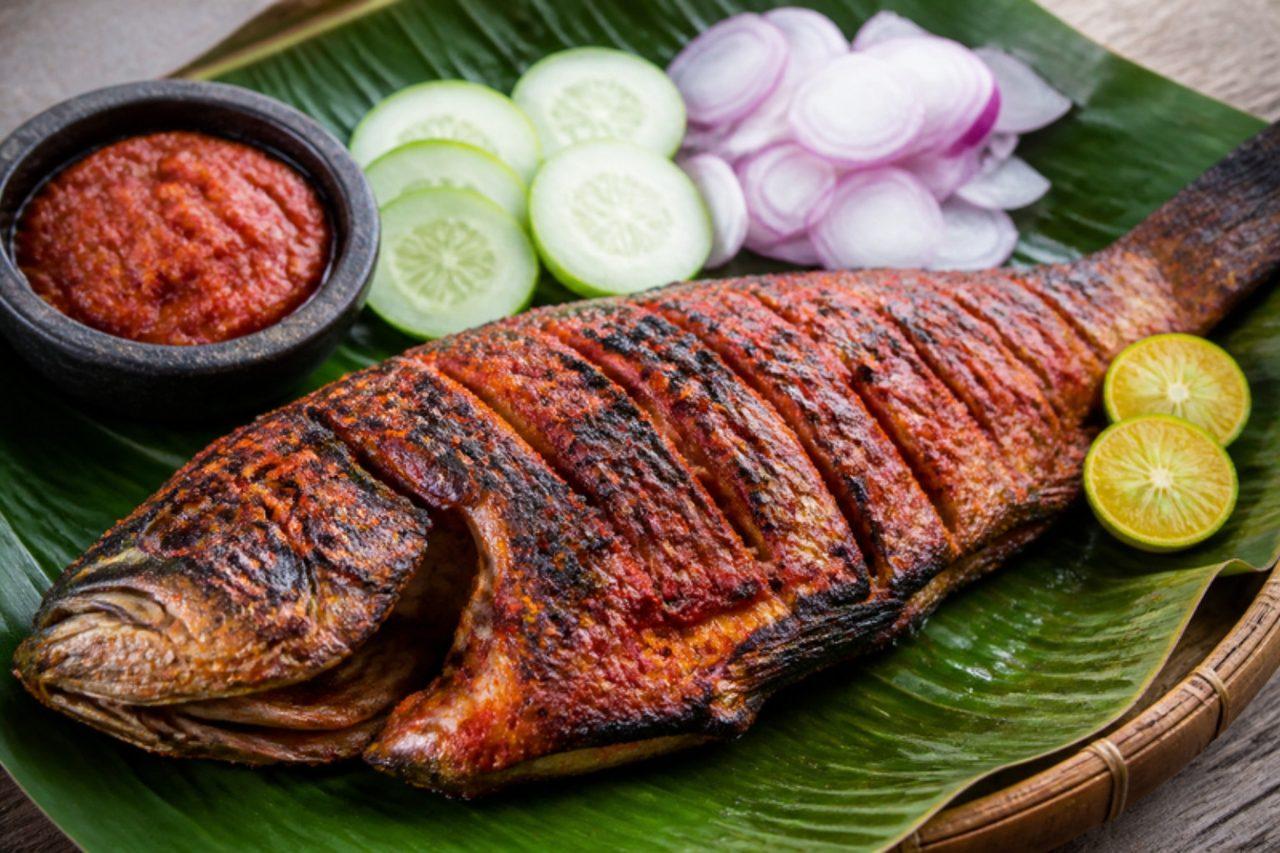
Night markets and seaside stalls from Port Dickson to Kuantan announce ikan bakar by smell long before you see the charcoal: whole fish or stingray wings smeared with red sambal, laid on banana leaf and grilled until the leaf blackens and the paste caramelises onto the flesh. The leaf keeps the fish moist and lends a faint tea-like smokiness, while the sambal brings shrimp-paste depth, tamarind sourness and steady heat. It is eaten with the fingers, with plain rice, cucumber and a sharp dip called air asam made from tamarind, chillies and shallots. Chef's tip: score the fish right down to the bone so the sambal seeps into the cuts and the thickest part cooks at the same pace as the tail.

by KrazyBadal 0 views

IkameshiRice-stuffed squid

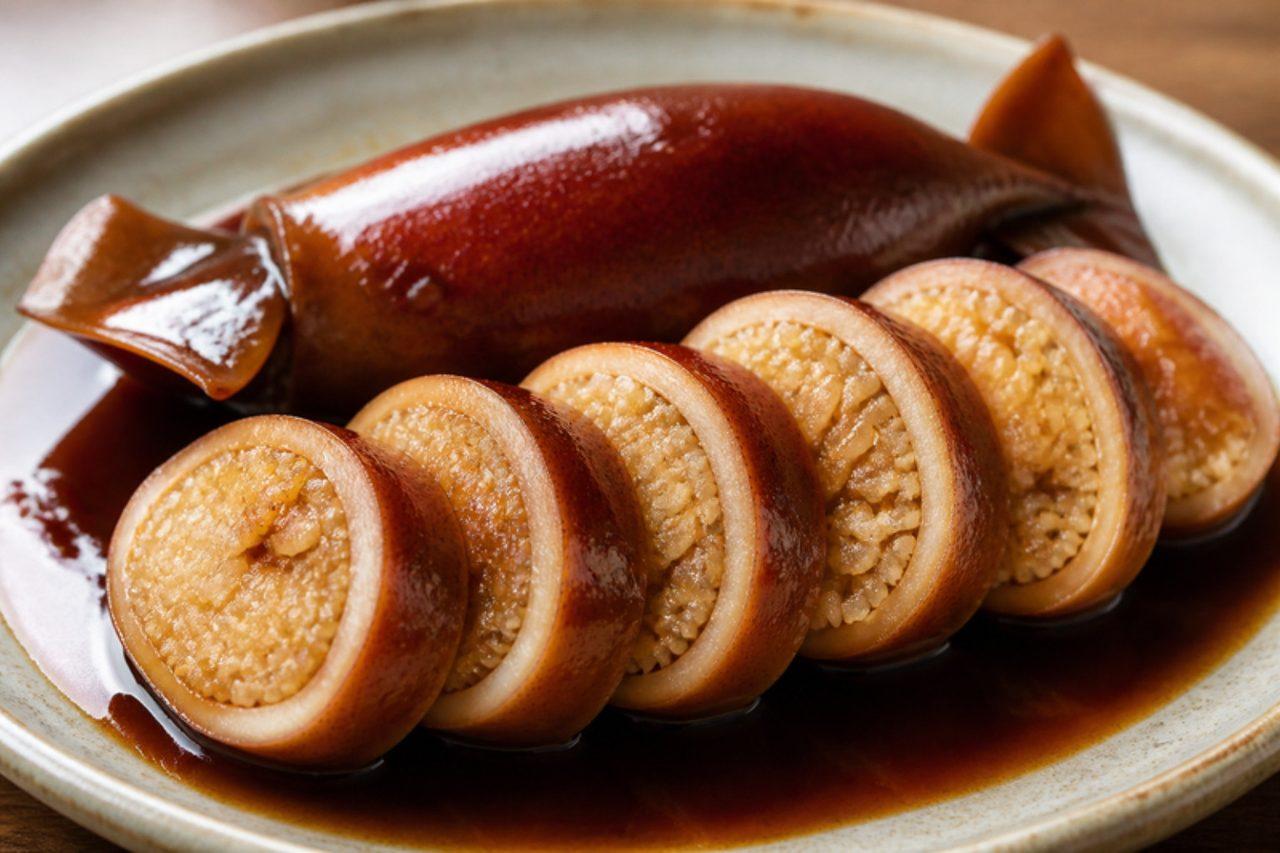
At Mori, a small fishing town on the railway north of Hakodate, ikameshi has been sold as a station lunchbox since the war years, when rice was scarce and squid was plentiful. It is still one of Japan's best-known station bentos and a star of the regional food fairs that department stores hold all over the country. Small squid are stuffed with soaked glutinous rice, pinned shut and simmered in a sweet soy sauce until the rice swells into a sticky, savoury filling. Slice them into rounds to serve warm or at room temperature. Chef's tip: use small squid with bodies about 15 cm long, as larger ones need longer cooking and turn rubbery before they soften again.

by KrazyBadal 0 views

YomariSteamed rice flour dumplings

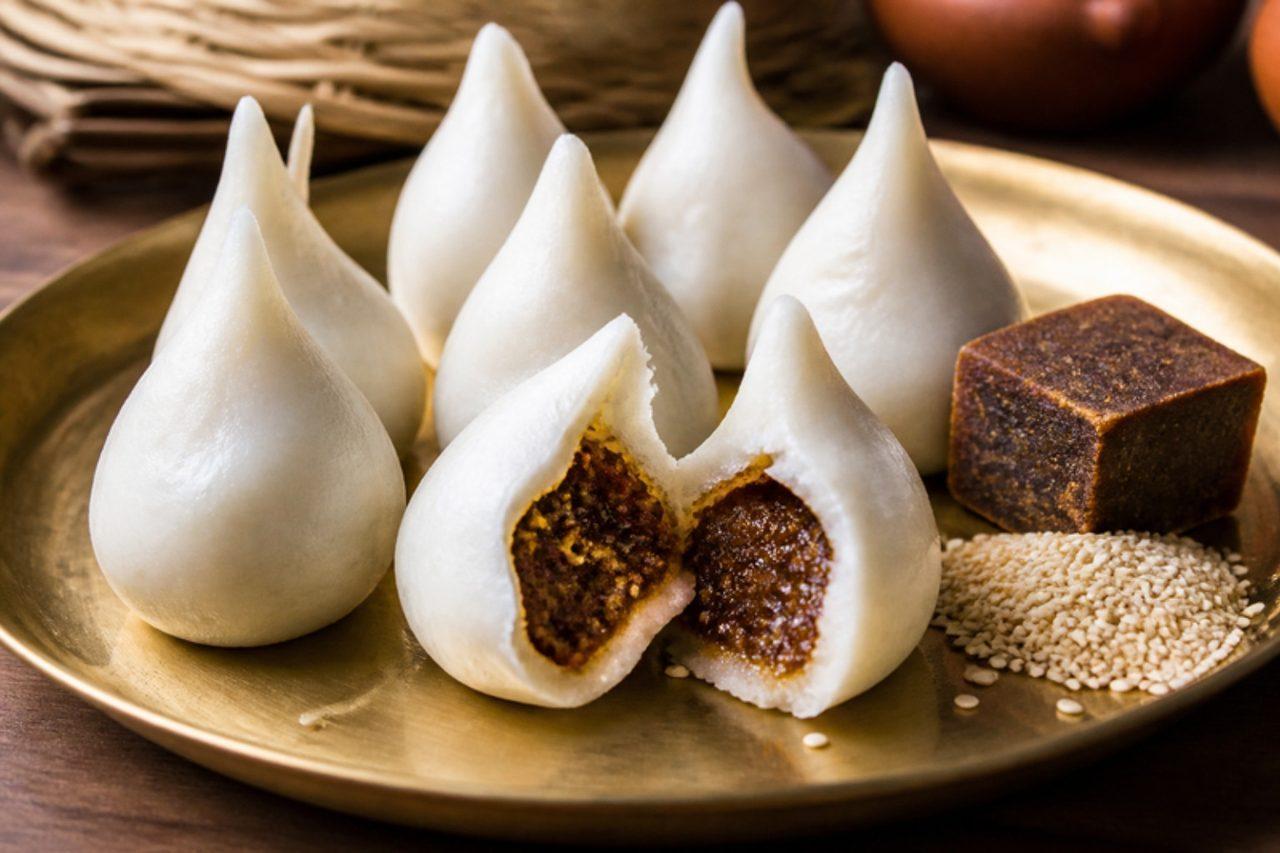
Yomari are the sweet dumplings of the Newars of the Kathmandu Valley, made once a year on Yomari Punhi, the full moon of December that marks the end of the rice harvest. Freshly milled rice flour is kneaded with hot water, pinched into a hollow cone, filled with chaku, a dark, fudgy Newari molasses, and toasted sesame, then shaped with a pointed tail like a fish or a teardrop and steamed. Children go from house to house singing for them, and families offer a few to the gods before anyone eats. The shell is soft and slightly chewy, and the filling melts into warm, smoky caramel. The usual mistake is mixing the dough with lukewarm water: it must be just off the boil so the starch swells and the dough stretches without cracking. Chef's tip: keep a bowl of warm water beside you and dip your fingertips often; damp hands smooth out cracks as you shape.

by KrazyBadal 0 views

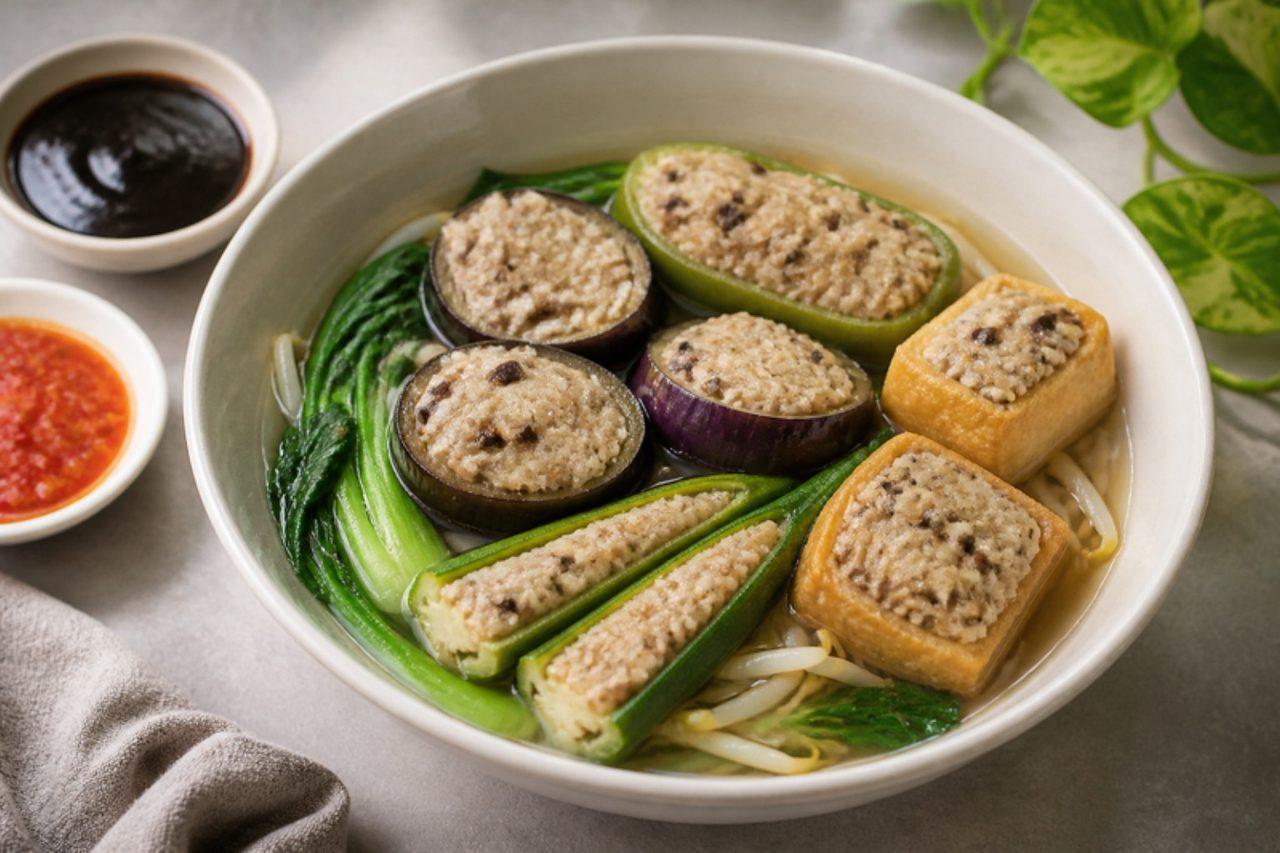
Yong tau fooStuffed tofu and vegetables

Hakka miners brought yong tau foo to the tin town of Ampang, on the edge of Kuala Lumpur, and families still drive there on weekends for big bowls of it. You choose your pieces from a counter, tofu, chillies, okra, aubergine and bitter gourd, each stuffed with a savoury paste, and the stall poaches or fries them and serves them in a light broth, with a sweet brown sauce and chilli sauce to dip. The traditional filling is fish and pork; this one is firm tofu, shiitake, water chestnut and carrot. It is a gentle, light meal. Chef's tip: press the stuffing in tightly and smooth it flush with a wet finger, so it stays put while it cooks.

by KrazyBadal 0 views

Kolkata aloo dumBaby potatoes in ginger tomato gravy

In Kolkata, aloo dum is the partner of luchi: hot puffed puris at a Sunday breakfast, or at the sweet shops and roadside stalls that sell 'luchi-alur dom' as a plate. Bengali aloo dum is thicker, sweeter and more gingery than its Kashmiri cousin, with no yogurt or fennel, and the potatoes are fried until their skins crinkle before they go into the gravy. A little sugar balances the chilli, and a final pinch of roasted cumin-coriander powder gives it the smell of a Bengali kitchen. Chef's tip: prick each boiled potato with a fork so the gravy gets inside.

by KrazyBadal 0 views

Kolhapuri tambda rassa with pandhra rassaFiery red mutton broth

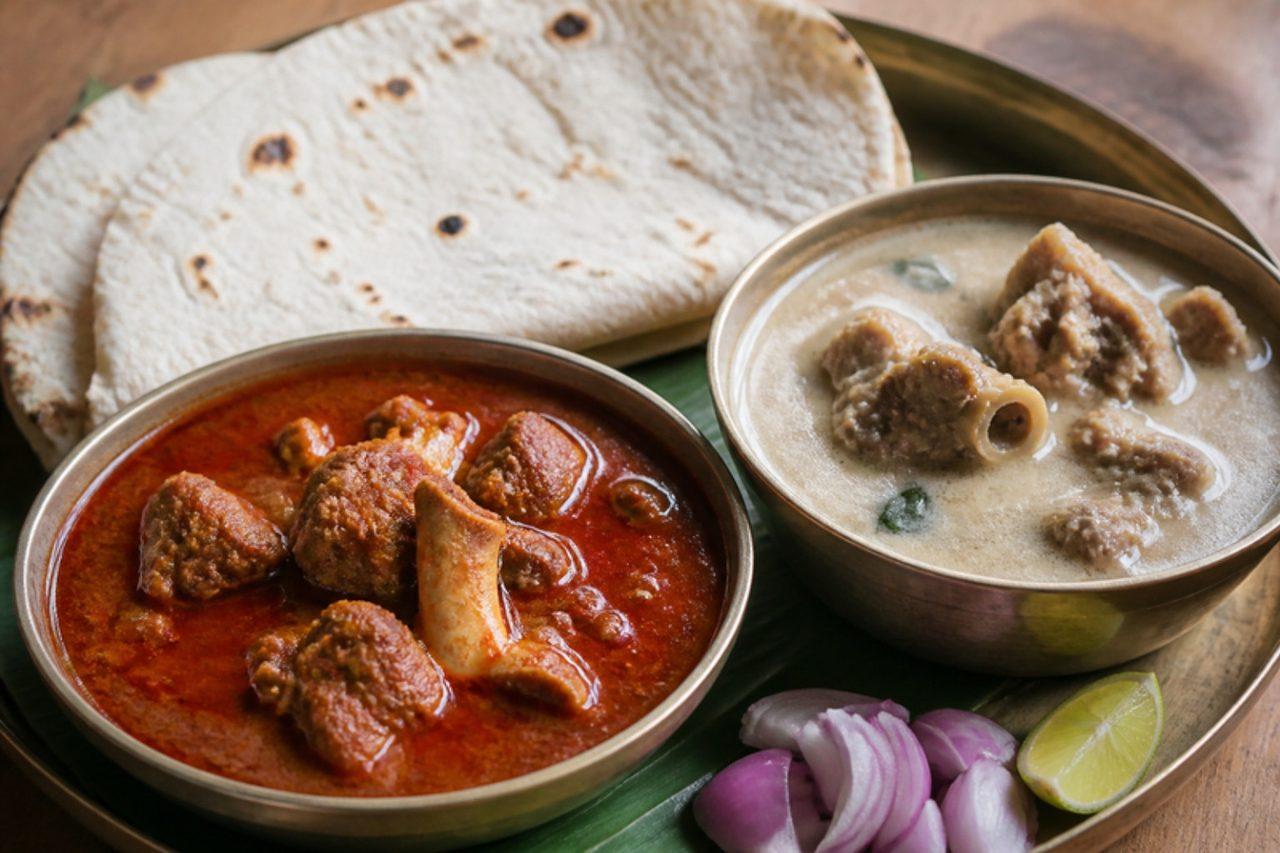
In Kolhapur, in the far south of Maharashtra, Sunday lunch at a khanaval (a family-run eating house) means mutton cooked one way and served two: a thin, blazing-red tambda rassa and a soothing white pandhra rassa made from the same stock. Diners sip the white one between spoonfuls of the red, with bhakri, rice and raw onion on the side. The heat comes from Kolhapur's own chilli blend and a dark-roasted coconut and onion masala. Chef's tip: roast the dried coconut and the onions until they are properly brown, almost mahogany; that roasting, not extra chilli, is what gives the rassa its deep colour and smoky taste.

135 minIndianMeatGluten freeSpicy
by KrazyBadal 0 views

Kol posolaBanana stem stir-fry

Kol posola is the pale inner core of the banana plant, chopped and cooked down with mustard oil, ginger and green chilli until it is soft, juicy and faintly sweet. In Assamese villages, where banana plants grow in every yard, it is cheap everyday food, and it is also a favourite on Bihu tables and in Assamese thalis in Guwahati restaurants. It has a mild, cucumber-like flavour and is prized as a cooling, cleansing food. Chef's tip: as you chop the stem, twirl a finger or a skewer through the slices to catch and pull away the fine fibres; otherwise they stay stringy.

by KrazyBadal 0 views

JadohTurmeric rice with pork

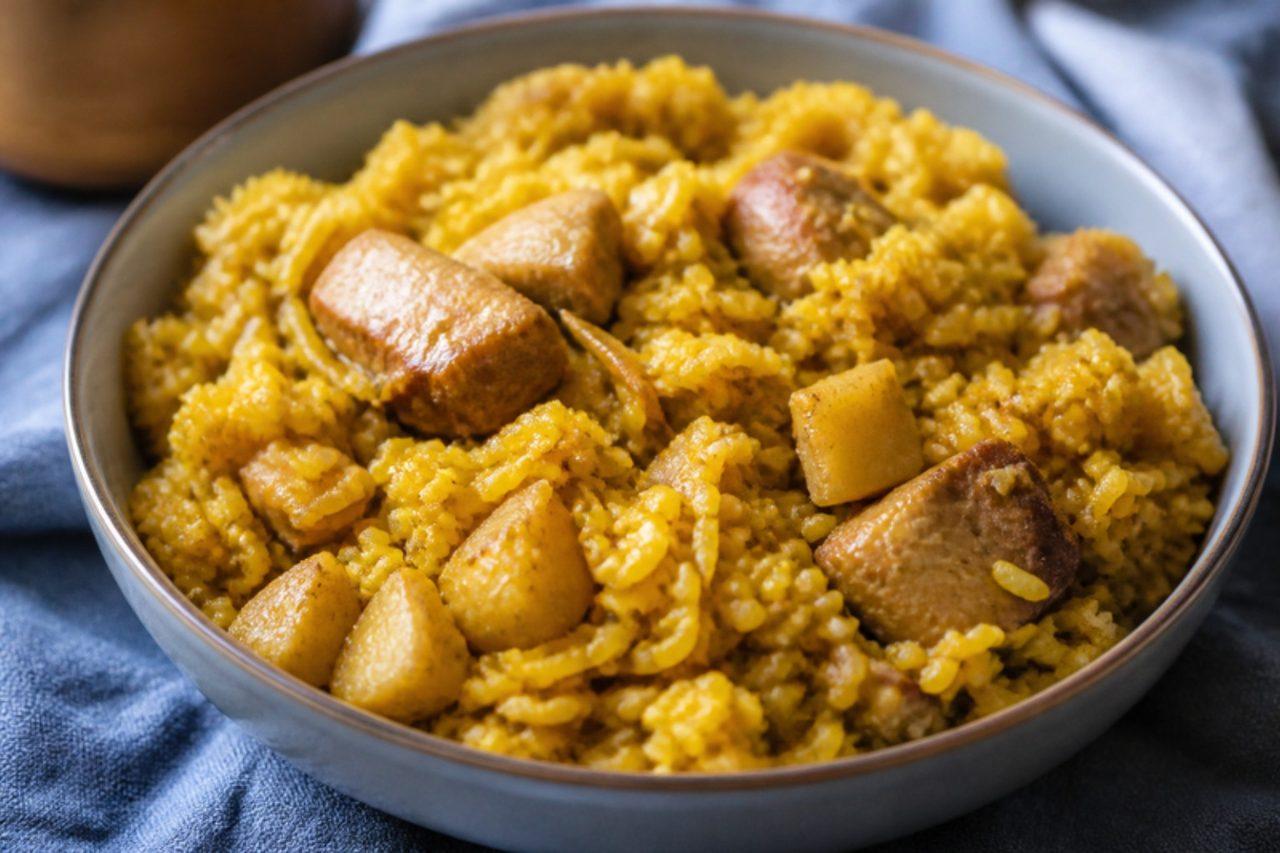
Walk through Police Bazaar in Shillong in the morning and you will find small jadoh stalls serving bright yellow rice cooked with pork, ginger and plenty of local Lakadong turmeric. For Khasi families it is breakfast, lunch and festival food all at once, usually eaten with a pork side such as doh khlieh and a sharp chutney. Village versions add pork blood or offal; this home version keeps to pork shoulder. Chef's tip: let the rice rest, covered, for ten minutes after cooking; the grains firm up and stop being sticky.

by KrazyBadal 0 views

KokodaLime-cured fish in coconut cream

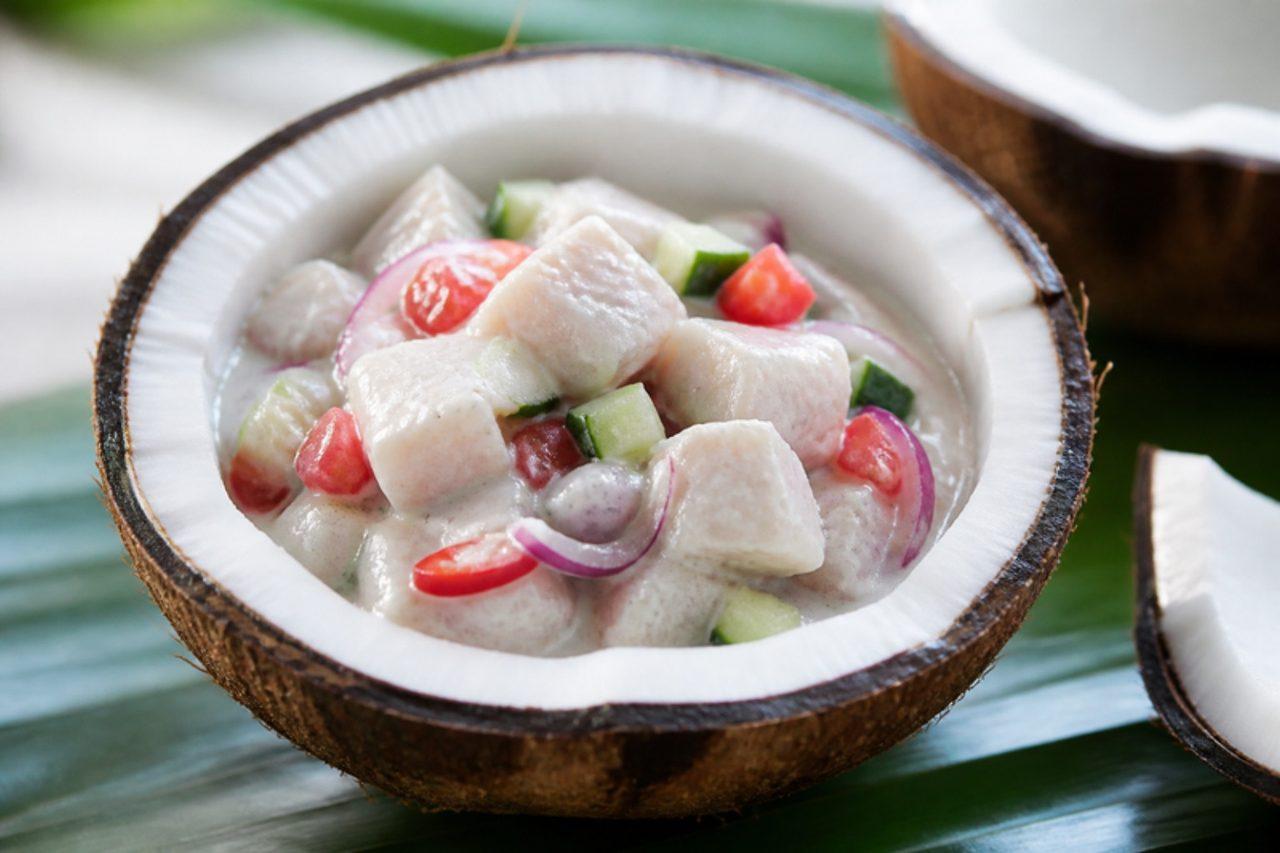
Kokoda (said "ko-kon-da") is Fiji's answer to ceviche, made in villages on Viti Levu and served at Suva's restaurants and family feasts in a half coconut shell: cubes of white fish soaked in lime juice until they turn white, then mixed with fresh coconut cream, onion, tomato, chilli and a little cucumber. Lime "cooks" the look of the fish but does not kill bacteria or parasites like heat does, so this is written as a safer version: use only very fresh fish that has been frozen first (sold as sashimi or sushi grade), keep everything cold and eat it within 2 hours. Raw or lime-cured fish is not for pregnant women, young children or anyone with a weakened immune system; for them, use the lightly poached option in the steps. The mistake is leaving the fish in lime too long, which turns it chalky; 15–20 minutes is enough. Chef's tip: drain off the lime juice before adding the coconut cream so the dish stays creamy, not sour.

by KrazyBadal 0 views

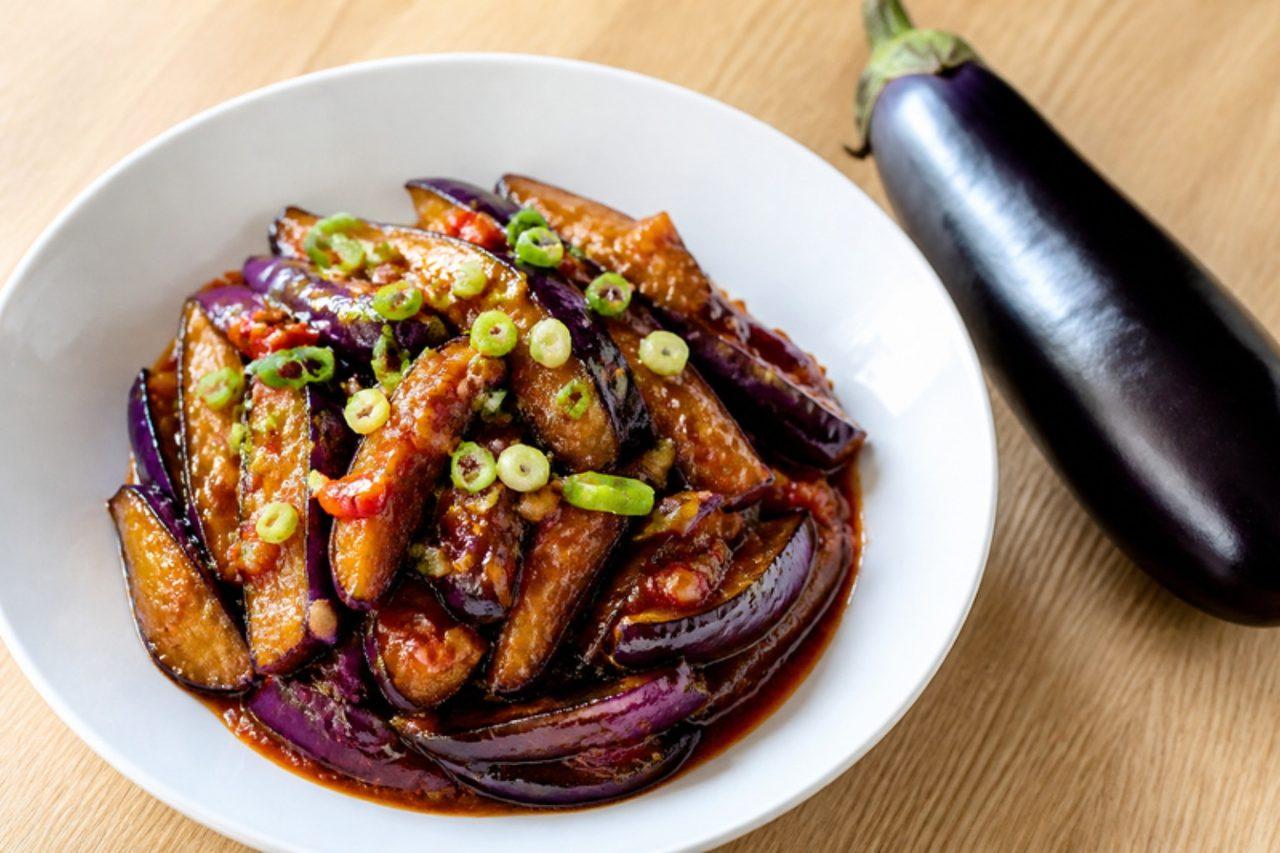
Yu xiang aubergineSweet and sour garlic aubergine

Yu xiang is a Sichuan flavour named after the way local cooks once seasoned fish, but it contains no fish at all: pickled chilli, garlic, ginger and spring onion balanced with sugar and black vinegar. Aubergine is the dish most Chengdu households make with it, often for a weekday supper, because the soft, creamy flesh drinks up the sauce. Serve it with rice and a plain green vegetable. Chef's tip: salt the aubergine fingers for 15 minutes and squeeze them dry; they then absorb far less oil and turn silky instead of greasy.

by KrazyBadal 0 views

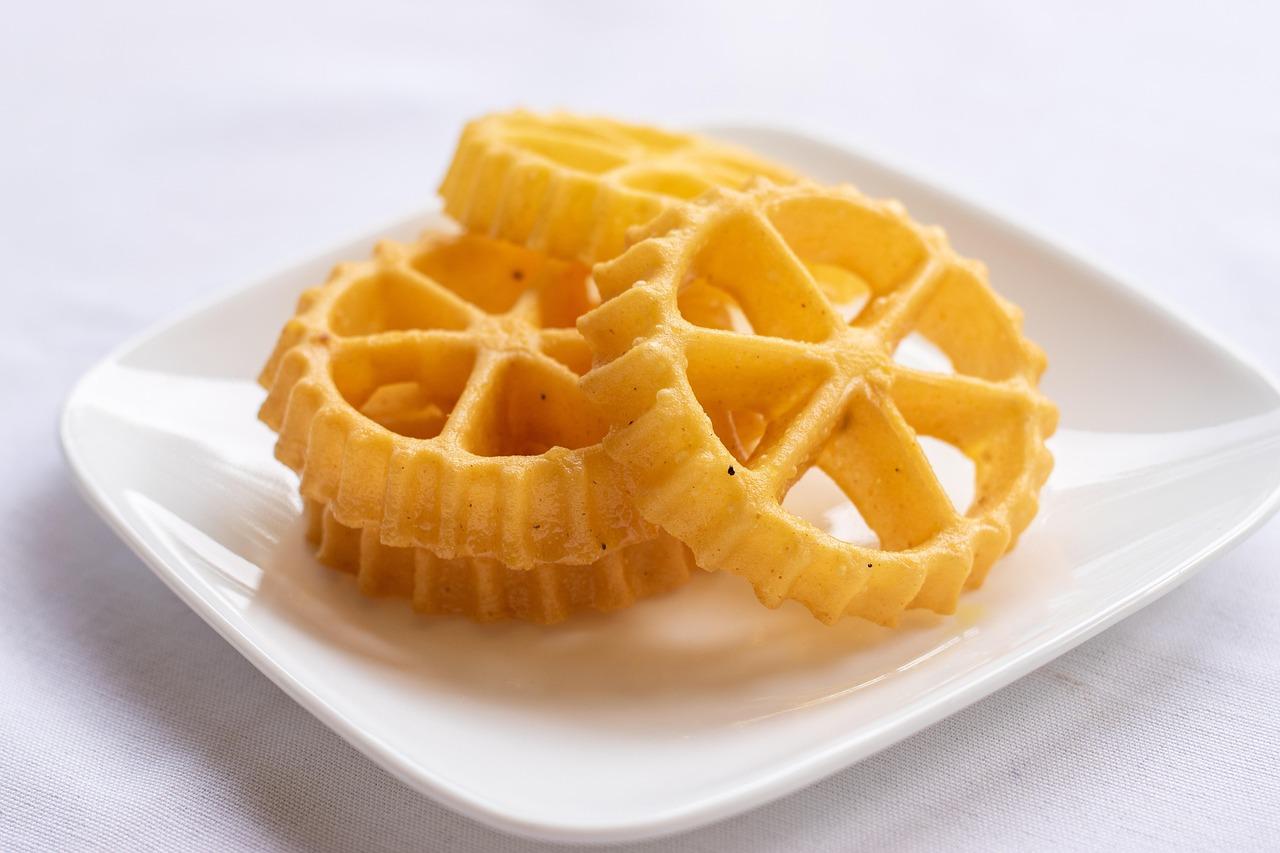
KokisCrisp rice flour flowers

Kokis are the lacy, wheel-shaped crisps that every Sri Lankan family fries in the days before Sinhala and Tamil New Year in April, piled onto the Avurudu table beside kavum, kiri bath and banana. A thin batter of rice flour, thick coconut milk, egg and a little turmeric is picked up on a hot brass kokis mould, dipped into the oil, and shaken free as it sets, so each one is light, salty-sweet and shatteringly crunchy. They're a cousin of the rosette cookie but savoury rather than sugary. The usual mistake is dipping the mould right under the batter, so the kokis sticks and won't release; dip it only three-quarters of the way up its sides. Chef's tip: heat the mould in the oil for a full minute before the first dip, and return it to the oil between every kokis; a cold mould won't pick up batter.

by KrazyBadal 0 views

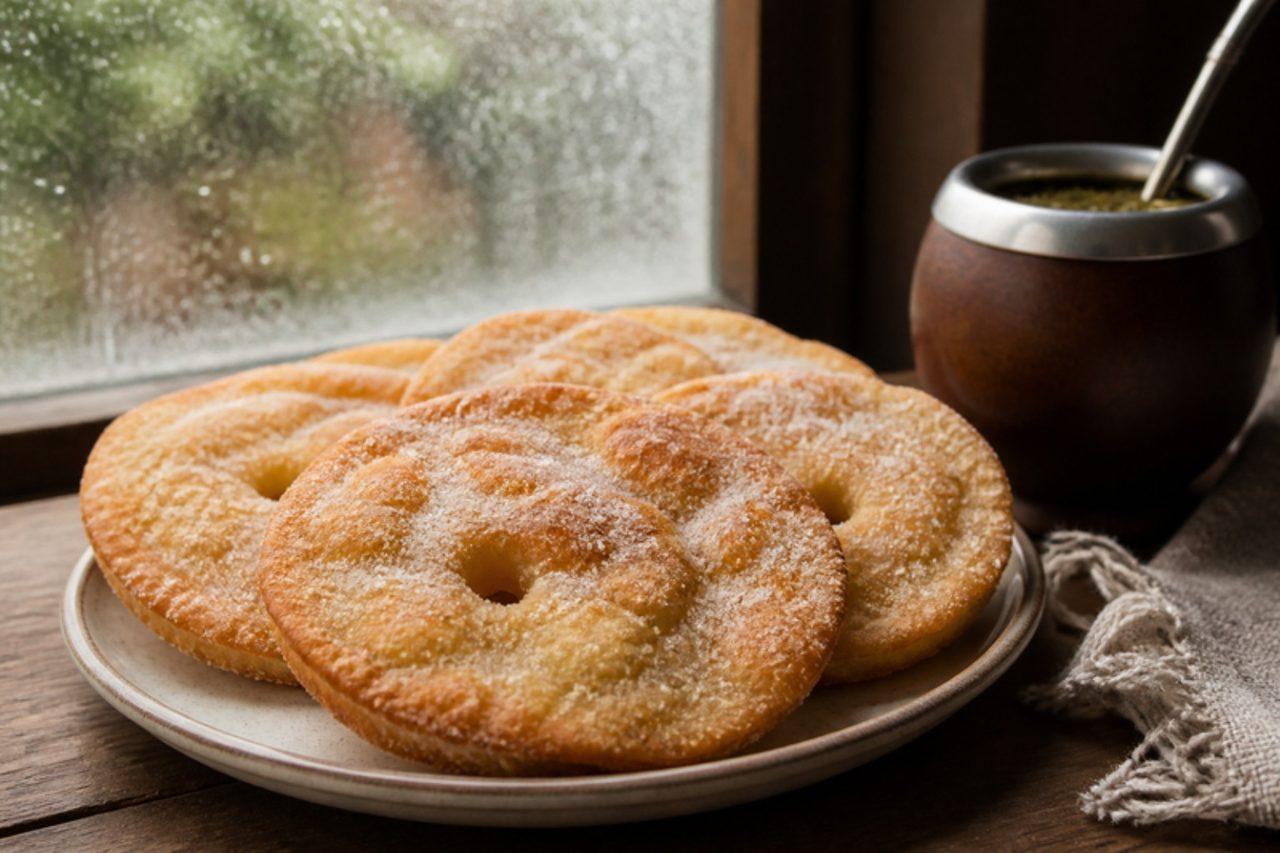
Torta fritaFried dough discs

In Uruguay, a grey rainy afternoon has one answer: torta frita and mate. These thin discs of dough, pierced with a hole in the middle, are fried until puffed and golden and either sprinkled with sugar or eaten plain, still hot, between sips passed around the circle. In Montevideo you'll smell them from street stalls on wet days; at home they're made with butter or beef fat, here with butter. Chef's tip: the hole in the middle isn't decoration; it lets the centre cook through at the same speed as the edges.

by KrazyBadal 0 views

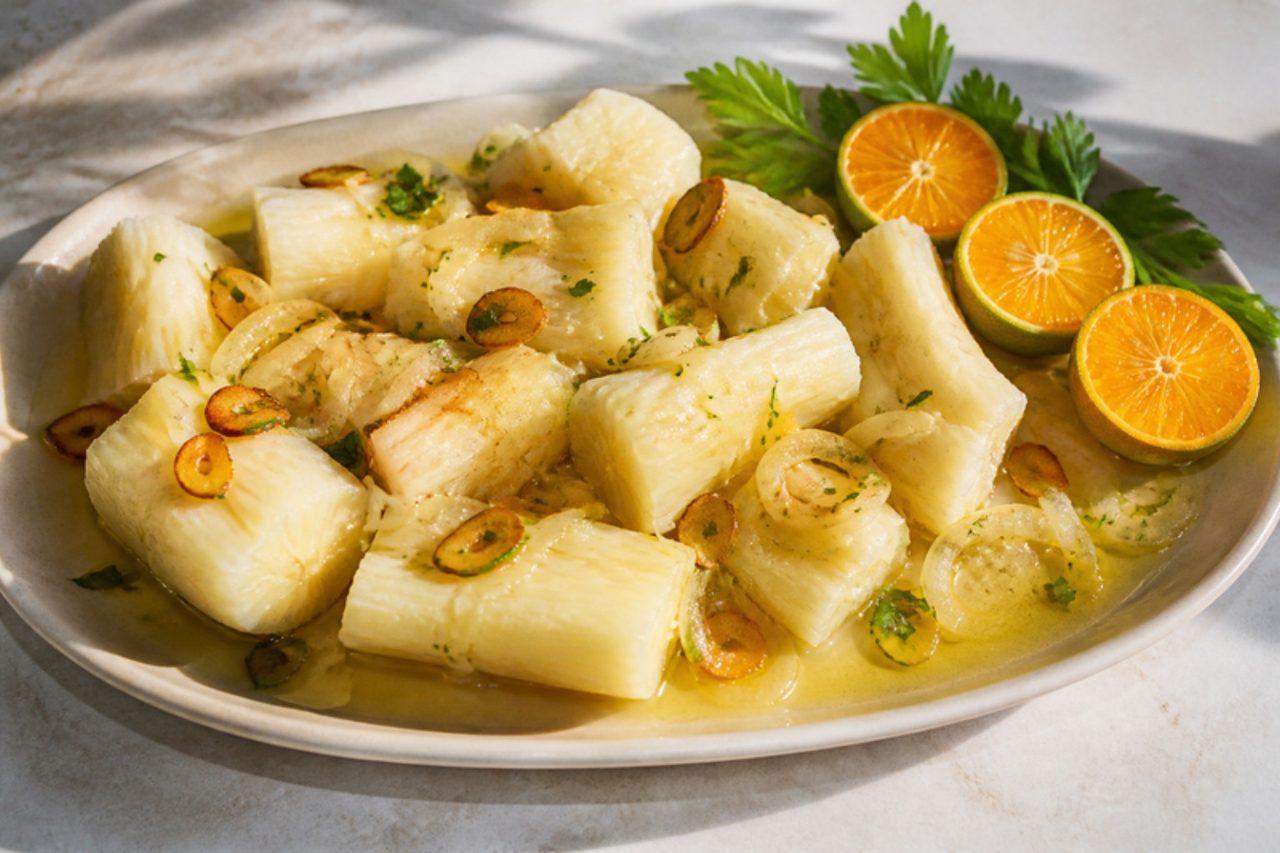
Yuca con mojoCassava with garlic sauce

Yuca con mojo is a fixture of the Cuban Nochebuena feast and of everyday family dinners in Matanzas and Miami alike: chunks of cassava boiled until they crack open and turn soft, then drenched in a hot dressing of olive oil, lots of garlic, onion rings and sour orange juice. The yuca soaks up the tangy, garlicky oil like a sponge. Serve it beside moros y cristianos or black beans. Chef's tip: add a splash of cold water to the pot halfway through boiling; Cuban cooks say it 'shocks' the yuca and helps it split open and turn tender.

35 minCubanSidesVeganGluten free
by KrazyBadal 0 views

Hyderabadi lukhmiSpiced filled pastries

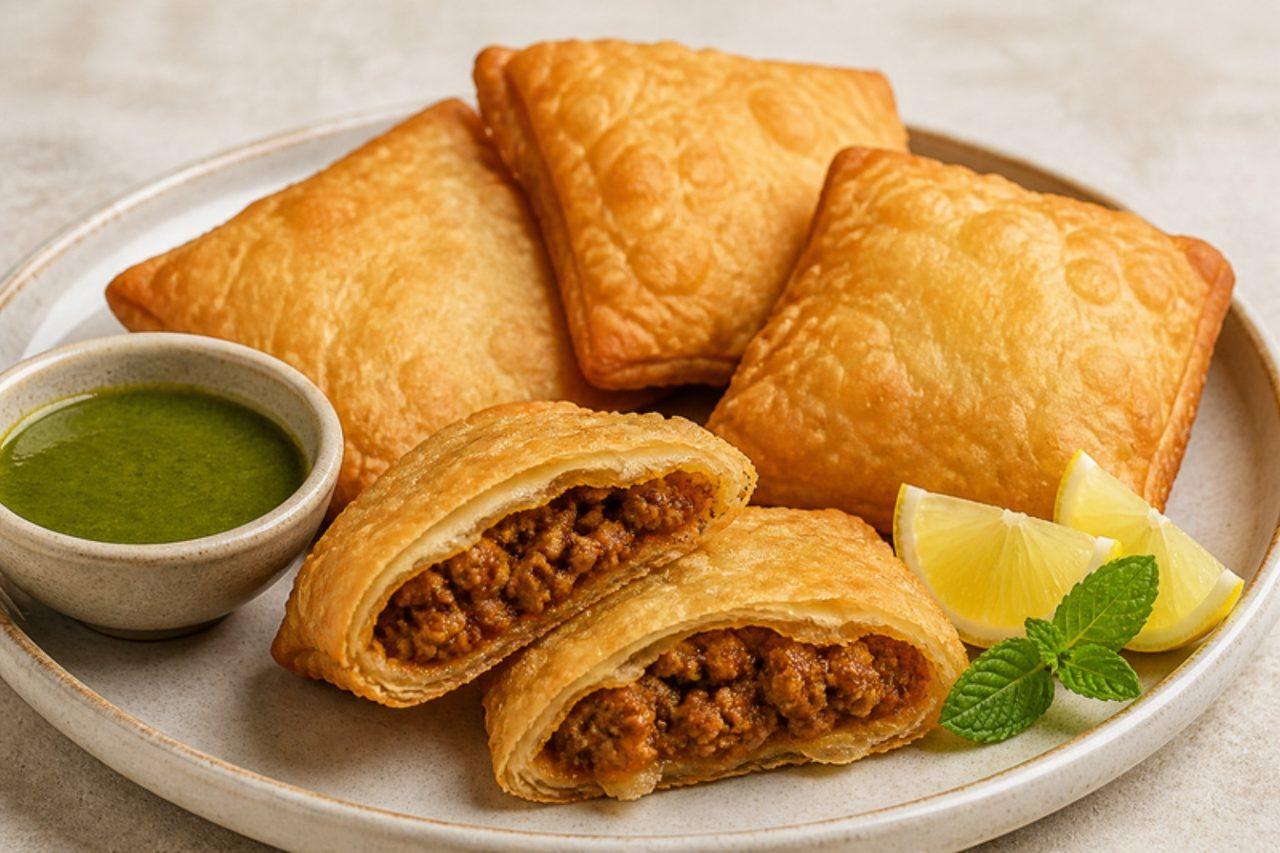
Lukhmi are Hyderabad's answer to the samosa: flat, square, crisp little pastries with a filling of spiced mutton keema, fork-crimped at the edges. In the Deccani homes of the old city they are a fixture of wedding dinners and the evening iftar table in Ramadan, and a plate of them often arrives with Irani chai at the city's old cafés. They can be shaped a day ahead and fried just before guests come. Chef's tip: cook the keema until completely dry and let it cool fully; a damp or warm filling makes the pastry burst in the oil.

by KrazyBadal 0 views

YudofuSimmered tofu hot pot

Yudofu is the simplest dish in Kyoto and one of the most loved. The city's soft water makes fine tofu, and the restaurants around Nanzen-ji temple in the Higashiyama hills have served it to pilgrims for centuries as part of Buddhist vegetarian cooking. A block of tofu is warmed in an earthenware pot over a sheet of kombu and lifted out with a little slotted ladle, then dipped in citrusy soy with spring onion and ginger. It's a winter dish, best eaten slowly at the table on a cold evening. Chef's tip: never let the water boil. The tofu is ready when it trembles and starts to rise; boiling makes it spongy and full of holes.

by KrazyBadal 0 views

Tortang talongAubergine omelette

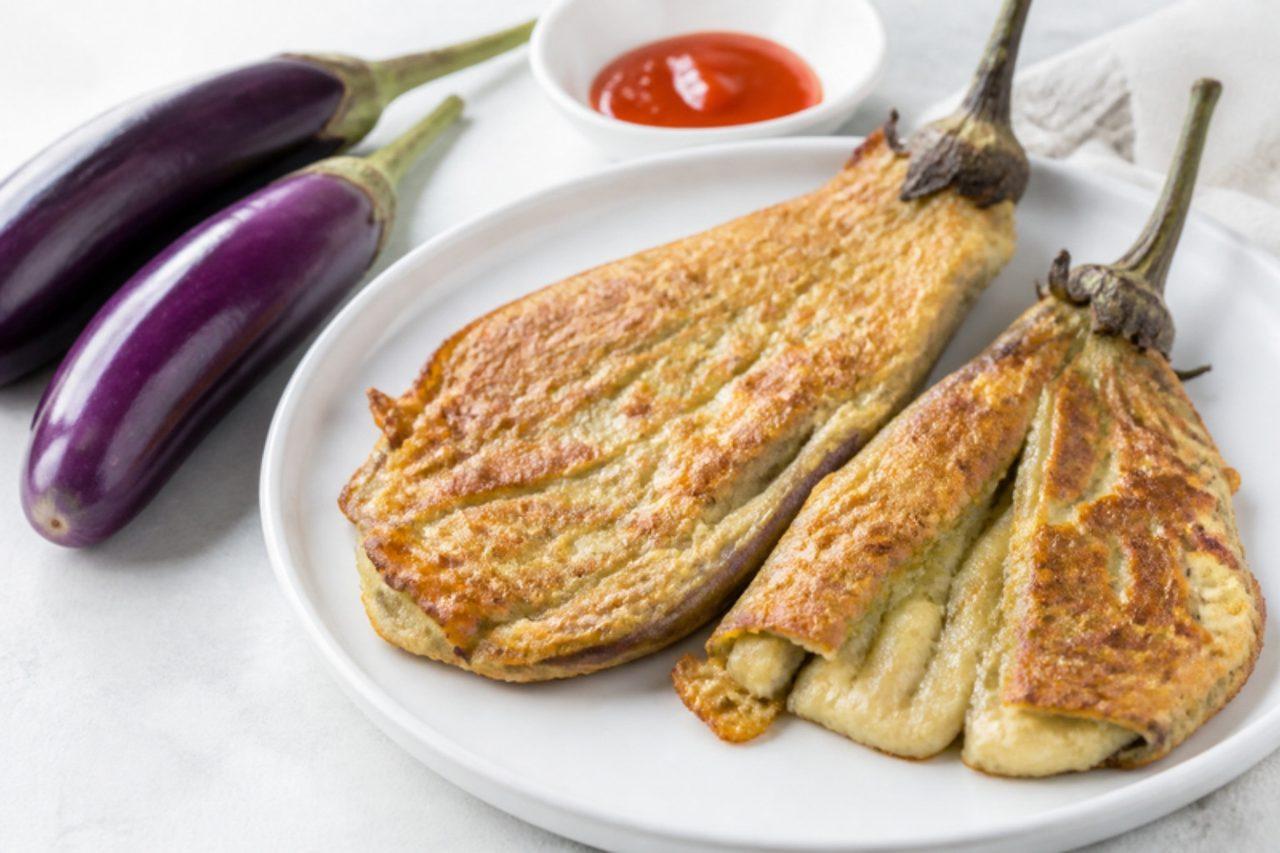
Tortang talong is a weekday lunch in Filipino homes from Luzon to Visayas, the dish a mother makes when the fridge holds only a few eggs and some long aubergines from the market. The aubergines are charred whole over a gas flame until the skin blackens and the flesh goes smoky and soft, then peeled (the stem left on as a handle), flattened into a fan with a fork, dipped in seasoned egg and fried until golden. The result is a thin, smoky omelette shaped like an aubergine. Filipinos eat it with rice and banana ketchup or a dish of vinegar with garlic. Chef's tip: char the aubergines right on the flame, not in the oven; that smoky taste is the whole dish.

by KrazyBadal 0 views

Hyderabadi khatti dalTangy tamarind dal

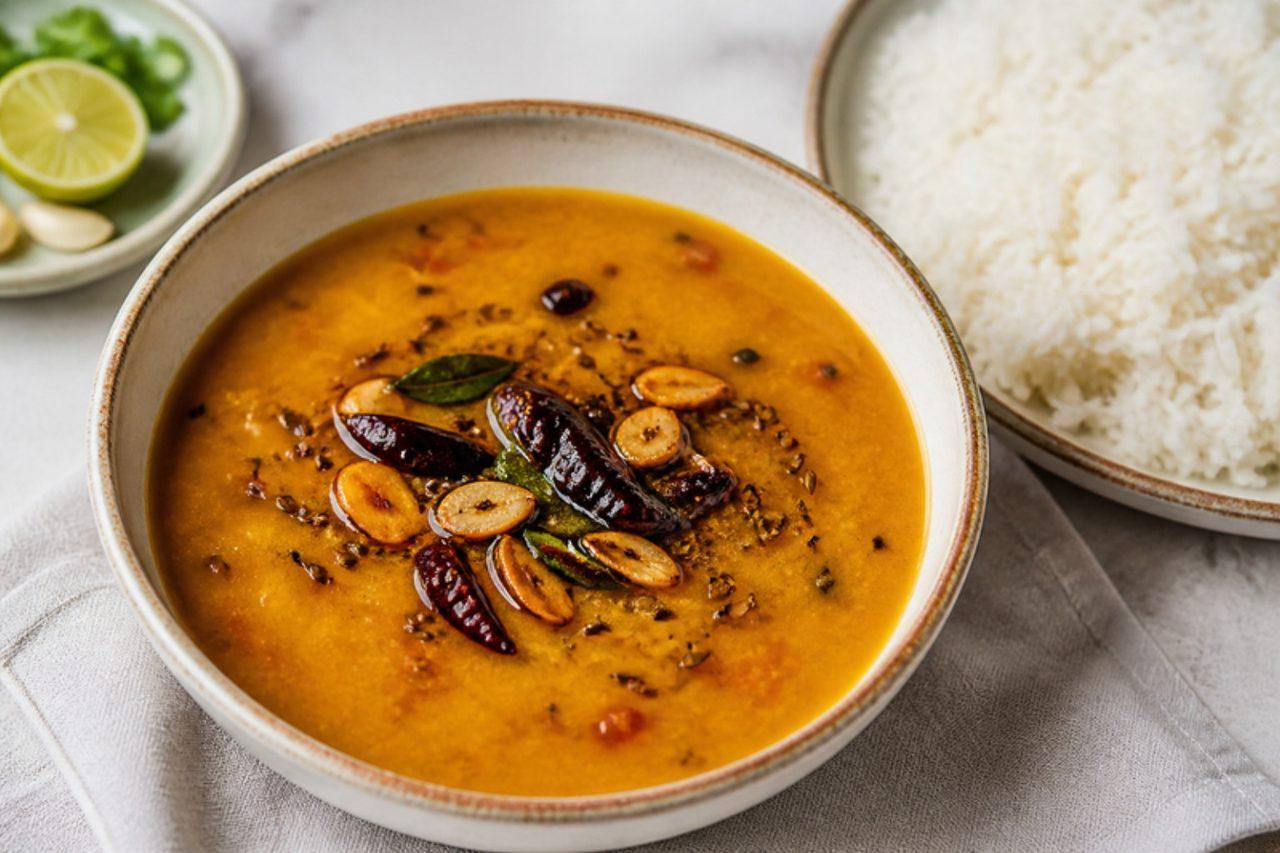
Khatti dal, 'sour dal', is the everyday dal of Hyderabad's old city, cooked in Muslim and Telugu homes alike and ladled over plain rice with a fried papad and a dry vegetable on the side. Toor dal is cooked with tomato and green chilli, mashed smooth, soured with tamarind and finished with a sizzling bagaar of garlic, dried red chillies, cumin and curry leaves. It is thinner and sharper than a north Indian dal, and on Fridays it often sits next to a biryani as the comforting partner. Chef's tip: let the garlic in the bagaar turn properly golden before pouring it over; pale garlic tastes raw and harsh in a sour dal.

by KrazyBadal 0 views

Hyderabadi Irani chaiCreamy milk tea

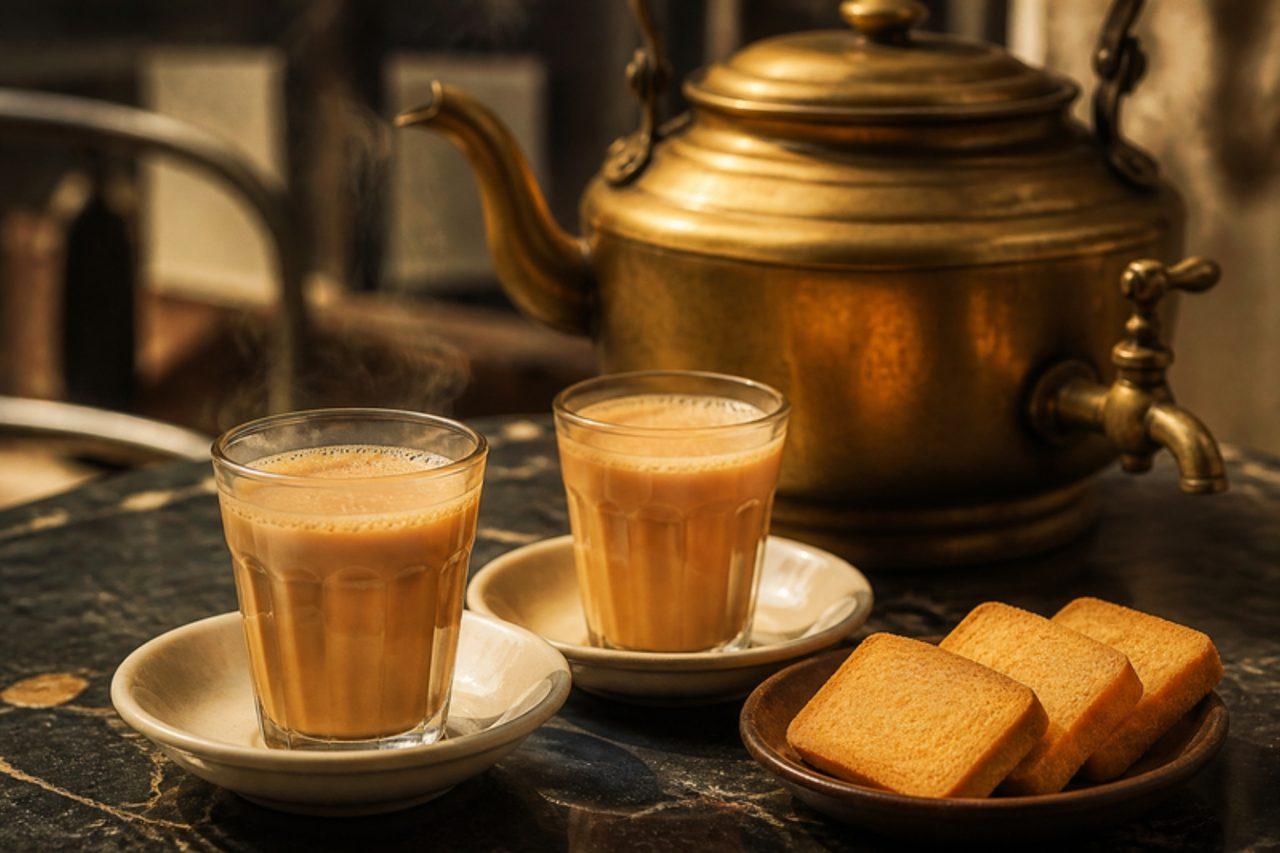
Irani chai came to Hyderabad with Persian migrants who opened cafés across the old city, and it is now the city's signature drink, poured at all hours in places around the Charminar, often with Osmania biscuits or a bun maska. Unlike masala chai, it has no spices: strong tea is brewed slowly in a sealed pot (dum), while full-fat milk is simmered separately with a little khoa until thick and creamy. The two are mixed only in the cup, giving a rich, mellow, slightly sweet tea. Chef's tip: seal the tea pot lid with a little dough or foil, as the cafés do, so the brew steeps without losing steam or strength.

by KrazyBadal 0 views

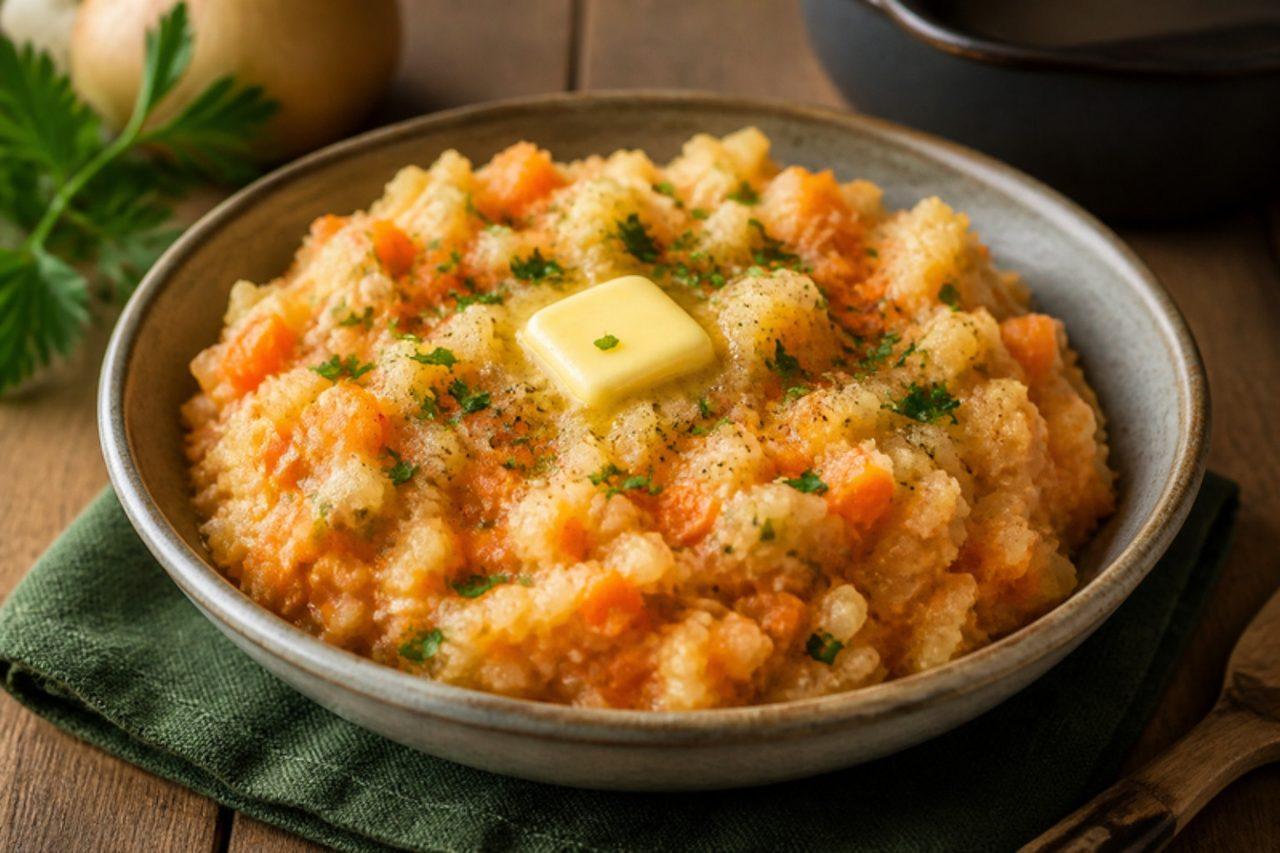
HutspotCarrot, onion and potato mash

Every year on 3 October the city of Leiden celebrates Leidens Ontzet, the end of the Spanish siege of 1574, and the whole town eats hutspot. The story goes that a hungry boy found a pot of stewed root vegetables left behind in the abandoned Spanish camp. Today it is a rough, orange mash of winter carrots, onions and potatoes boiled together in one pot, then stamped coarsely with butter. In the rest of the Netherlands it turns up all autumn and winter as a weekday supper. It is traditionally served with slow-braised beef (klapstuk); here it goes with a fried egg or a spoon of piccalilli, which suits it just as well. Chef's tip: layer the vegetables with the potatoes on top and the carrots at the bottom, in just enough water to reach the potatoes; the potatoes steam, the carrots soak up the flavour of the onions, and nothing turns watery.

by KrazyBadal 0 views

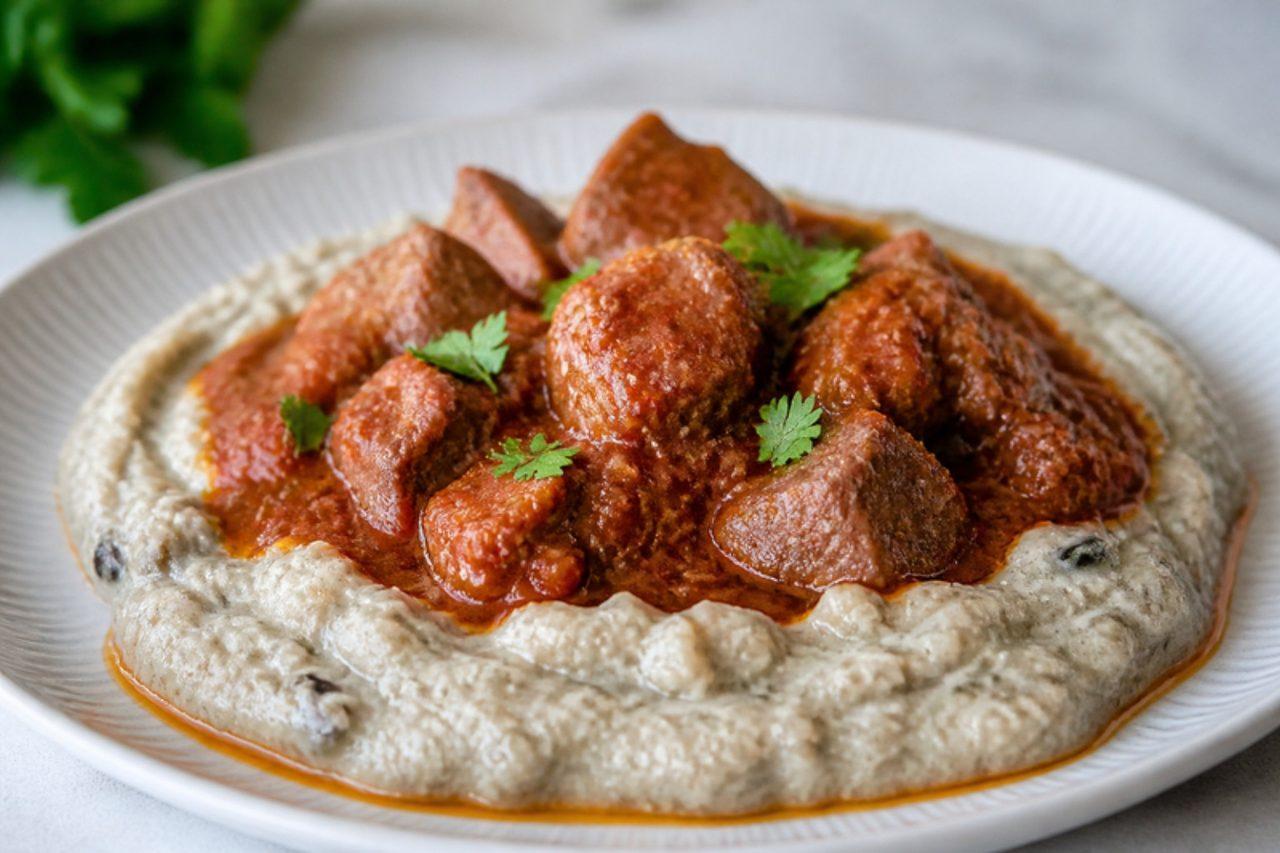
Hünkar beğendiLamb on smoked aubergine purée

Hünkar beğendi is a dish from the Ottoman palace kitchens of Istanbul; its name means 'the sultan was pleased', and a well-known story links it to a royal banquet of the 1860s. Today it is a special Sunday or guest dish in Istanbul homes and old-style lokanta restaurants. Tender chunks of lamb are braised slowly with tomato and peppers, then spooned over beğendi, a silky purée of fire-charred aubergine whisked into a light cheese sauce. The smoky, creamy base against the rich stew is the whole point. Chef's tip: char the aubergines directly over a gas flame until the skins are black and collapsing; the oven alone won't give that smoky flavour.

150 minTurkishMeat
by KrazyBadal 0 views

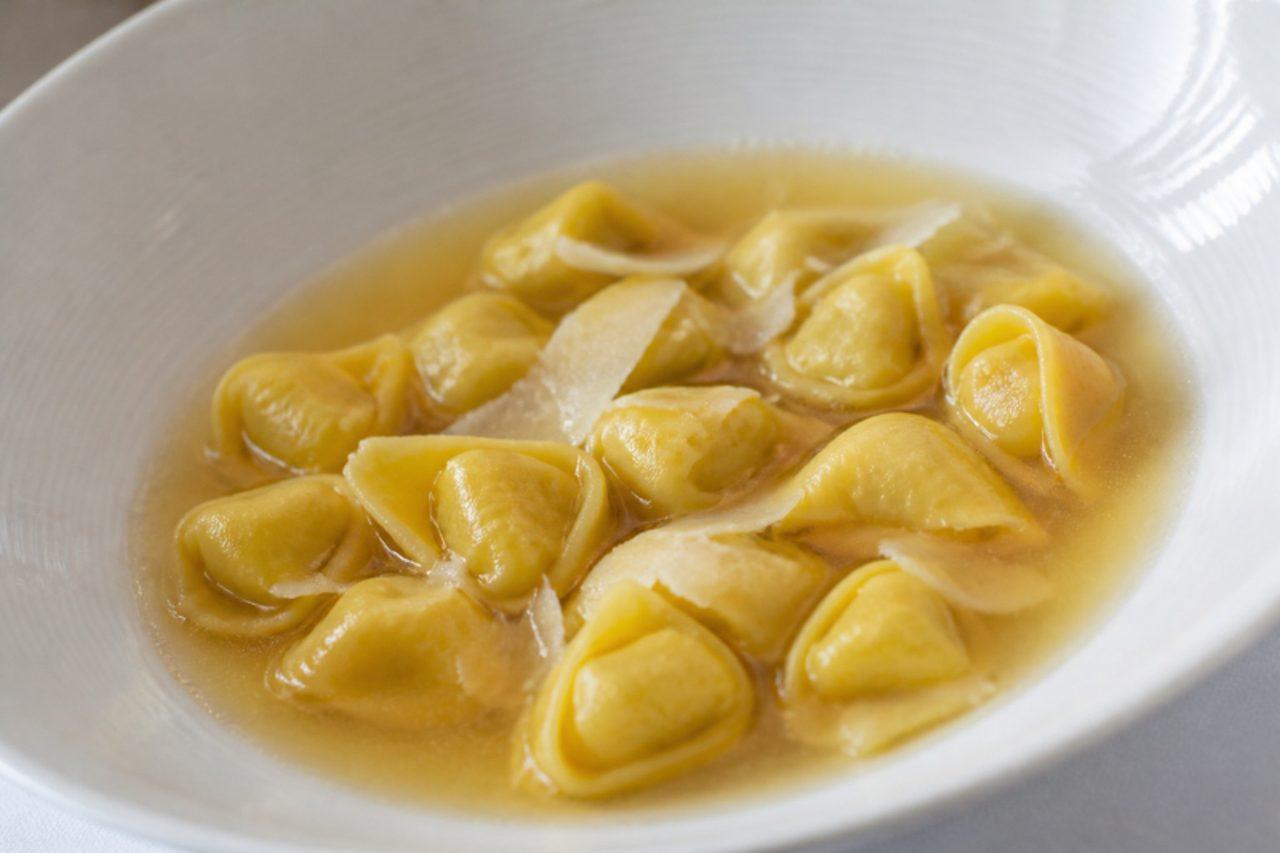
Tortellini in brodoTortellini in broth

Christmas Day in Bologna and Modena begins at the kitchen table, with whole families folding hundreds of tortellini no bigger than a fingertip around a filling of pork loin, mortadella, prosciutto and parmigiano. They are served in a clear, golden broth made from capon, or from chicken and beef, simmered so gently it barely moves. The pasta should be thin enough to see the filling through, and the little rings bob in the bowl with a spoonful of parmigiano on top. It is a full afternoon's work, so make the broth and tortellini a day ahead and freeze any extras on a floured tray; on a busy weeknight, 500 g of good bought tortellini simmered in the homemade broth is a perfectly respectable shortcut. A common mistake is letting the broth boil: it turns cloudy and greasy instead of clear. Chef's tip: make the filling the day before and keep it in the fridge; it firms up and is much easier to dot onto the tiny squares.

240 minItalianSoups
by KrazyBadal 0 views

KokiSteamed black-eyed bean pudding

Koki is a dense, orange-red bean cake from the Douala and Bakweri country of Cameroon, made from skinned black-eyed beans blended with red palm oil, chilli and greens, then wrapped in banana leaves and steamed for hours. It is weekend food and market food, eaten with boiled plantain, cassava or ripe banana. It is related to Nigerian moi moi but heavier, richer with palm oil and full of cocoyam leaves or spinach. Chef's tip: warm the palm oil just until liquid before beating it in; poured in cold and solid it leaves streaks of fat instead of an even orange colour.

by KrazyBadal 0 views

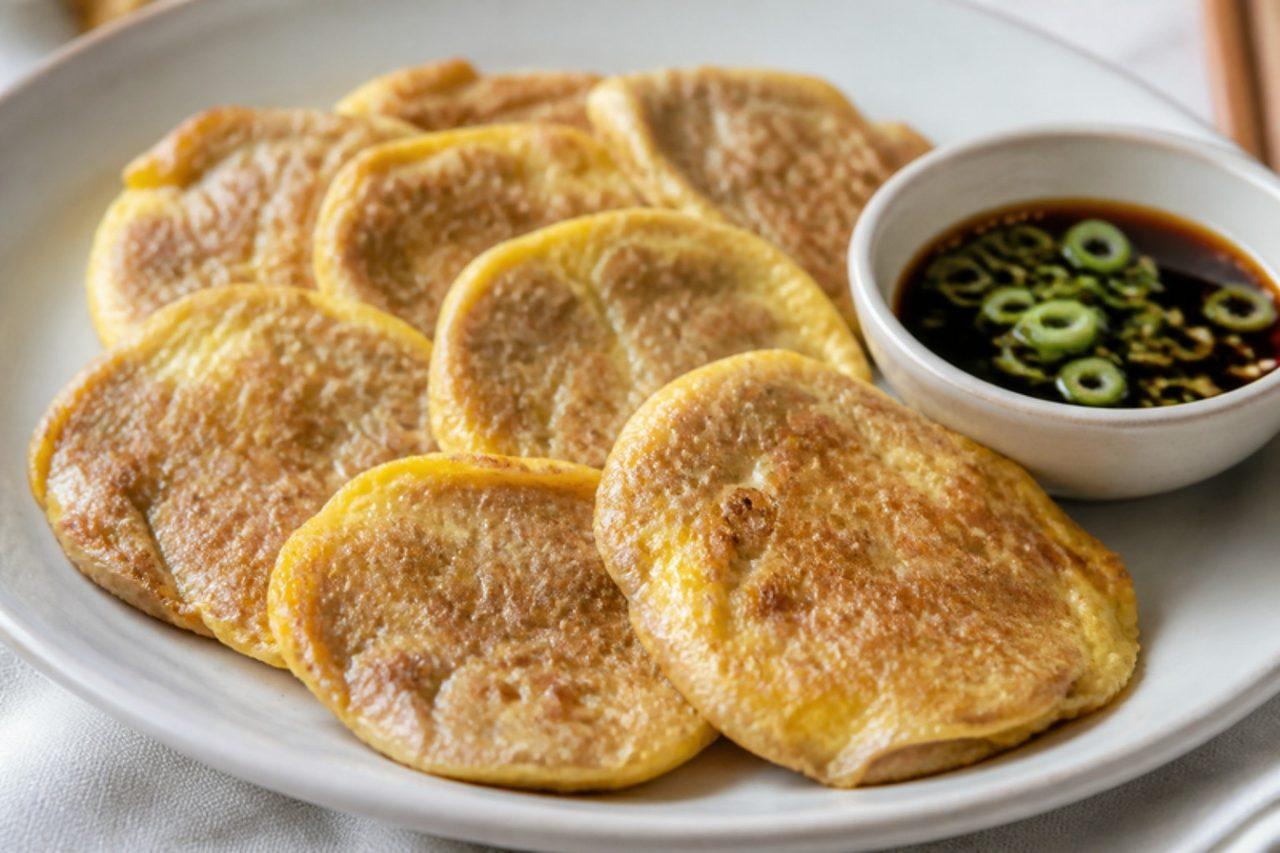
YukjeonEgg-battered fried beef

In Gwangju, yukjeon is a restaurant meal in its own right: the server sits by a hot plate at your table and fries slice after slice of egg-coated beef, handing them over while they're still sizzling. Elsewhere in Korea it's more often a festive pancake, made for Chuseok and Lunar New Year along with other jeon. The beef is cut very thin, so it cooks in the time it takes the egg to set. Gwangju places serve it with a sharp salad of finely shredded spring onion and a little salt and sesame oil for dipping. Chef's tip: half-freeze the beef for 40 minutes before slicing; firm meat is easy to cut into slices 2 to 3 mm thick.

25 minKoreanMeat
by KrazyBadal 0 views

Kok choyGreen tea

In an Uzbek chaikhana, from Tashkent's shady teahouses to the courtyards of Khiva, the first thing to arrive is a teapot of kok choy, green tea, with small bowls (piala) and a plate of raisins, almonds and sweets. The host performs qaytarish: pours a bowl, tips it back into the pot, and repeats three times to blend the brew, then serves each guest a bowl only half full, a sign they should stay and be topped up. Green tea is drunk with plov to cut the oil, and all through hot summer days. Chef's tip: use water just off the boil (about 90°C) and warm the pot first; boiling water straight from the kettle makes Chinese green tea taste harsh.

by KrazyBadal 0 views

Kohu-kohuSmoked tuna salad

Ambon's fish markets sell ikan asar, tuna smoked over coconut husks, and one of the best things to do with it is kohu-kohu. Flakes of the smoky fish are tossed with crisp shredded long beans, bean sprouts, lightly toasted coconut, raw shallot, chilli and plenty of lime, making a salad that is crunchy, smoky, sour and hot all at once. It's a staple at Maluku family meals, often served next to papeda and fish soup or simply with rice. Chef's tip: mix it no more than an hour before eating; fresh coconut goes limp and sour if it sits around, and the salad loses its crunch.

by KrazyBadal 0 views

Showing 36 of 7,762 recipes

Show more recipes

Page 763 of 863