


Skip to content
Ila asepo (Yoruba okra soup)
Featured recipe

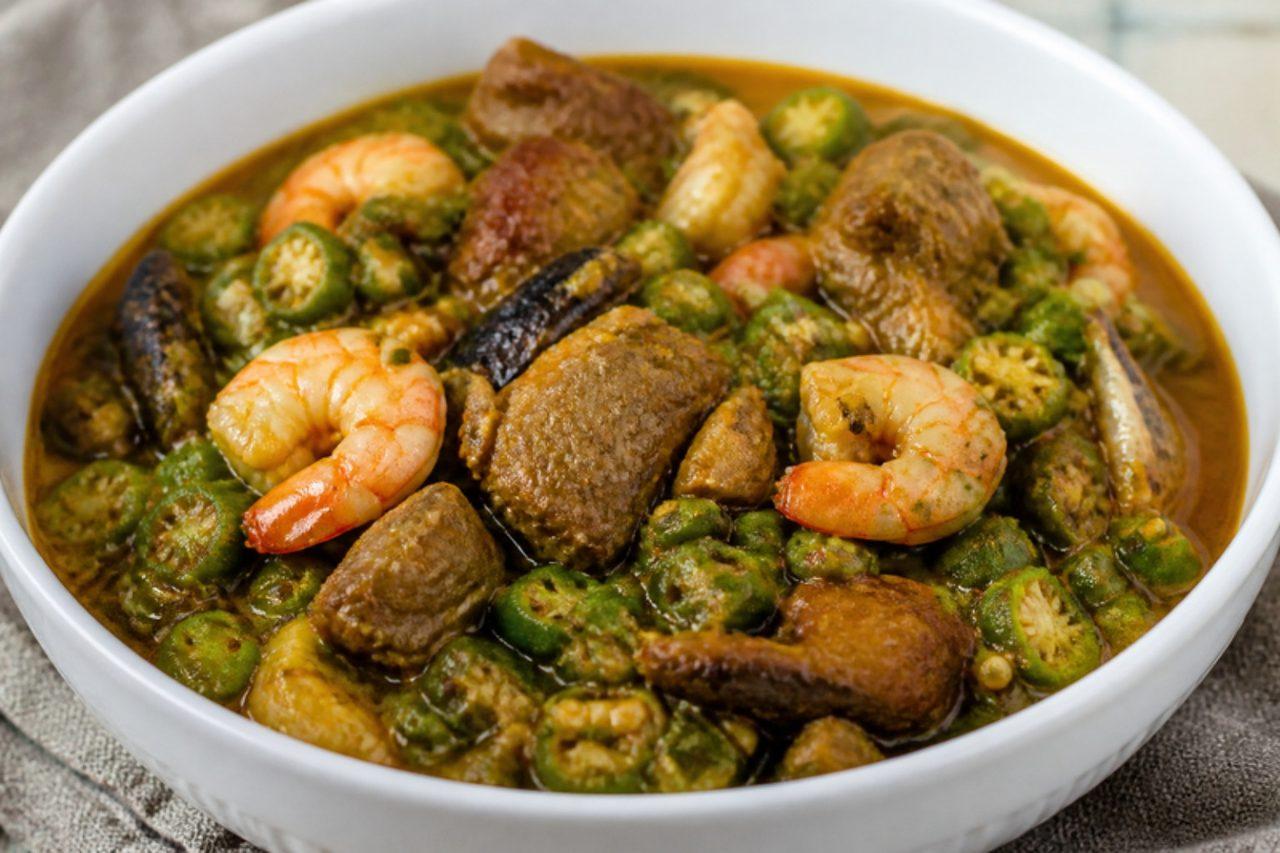
Ila asepo (Yoruba okra soup)

Ibadan and Abeokuta buka ladle ila asepo over amala at lunchtime: a bright, chunky okra soup cooked in a palm-oil pepper base, rather than the plain boiled okra of other regions. Iru and crayfish give depth, assorted meat and smoked fish give body, and prawns go in at the end, so every spoonful is drawy, savoury and loaded. It is just as good with eba or pounded yam. Cooking the okra too long is the usual mistake; it loses its stretch and its green colour, so add it last and give it only 4–5 minutes. Chef's tip: chop the okra by hand into small dice instead of blending it, and the soup keeps its pleasant crunch.

Read more 0 views

What to eat today?

Around the world

Today's trip: Paraguayan

A new country every day, from every cuisine on the site.

Paraguayan

Martín Fierro

Cheese with quince paste 5 minMore from Paraguayan (27) →

This week's collection

Kid-friendly dinners
537 recipes · a new collection every Monday

Latest recipes

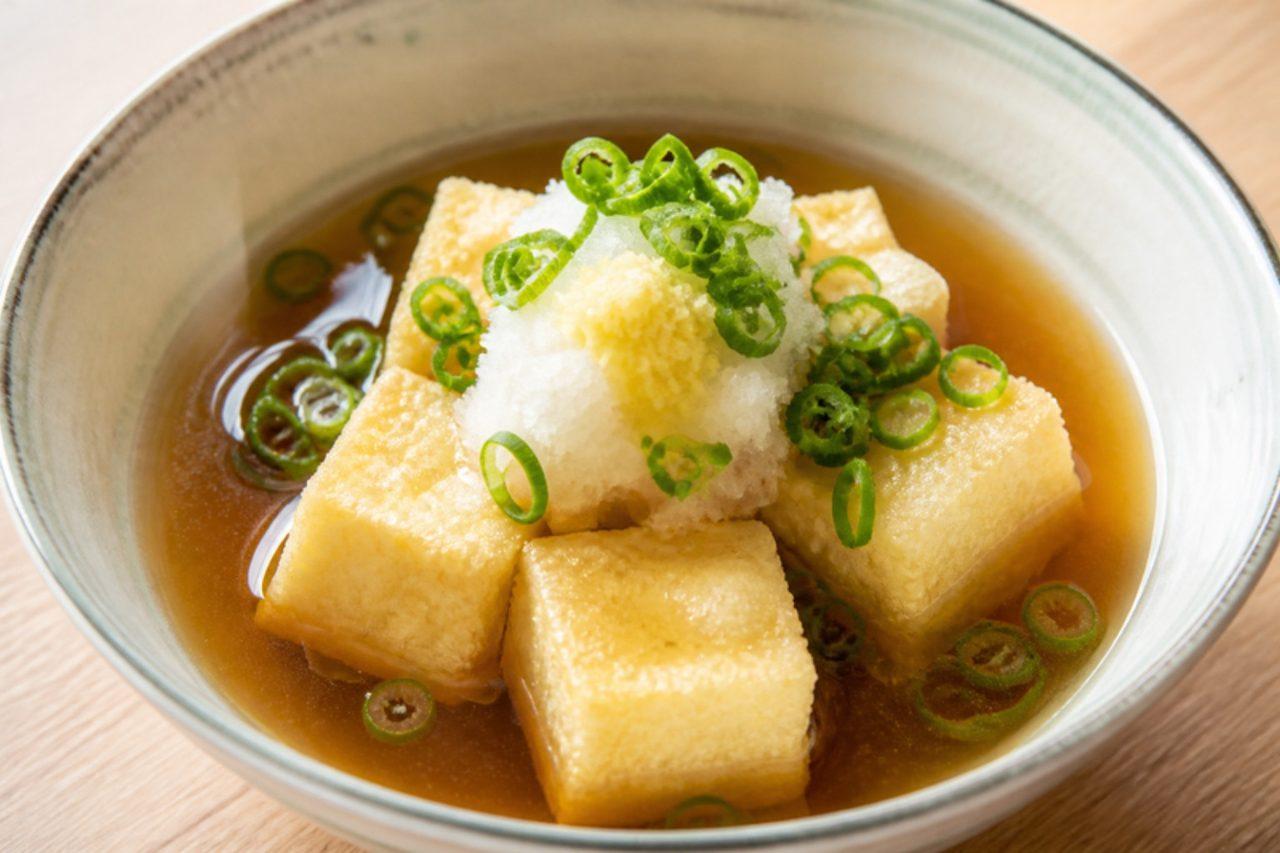
Agedashi tofuFried tofu in warm broth

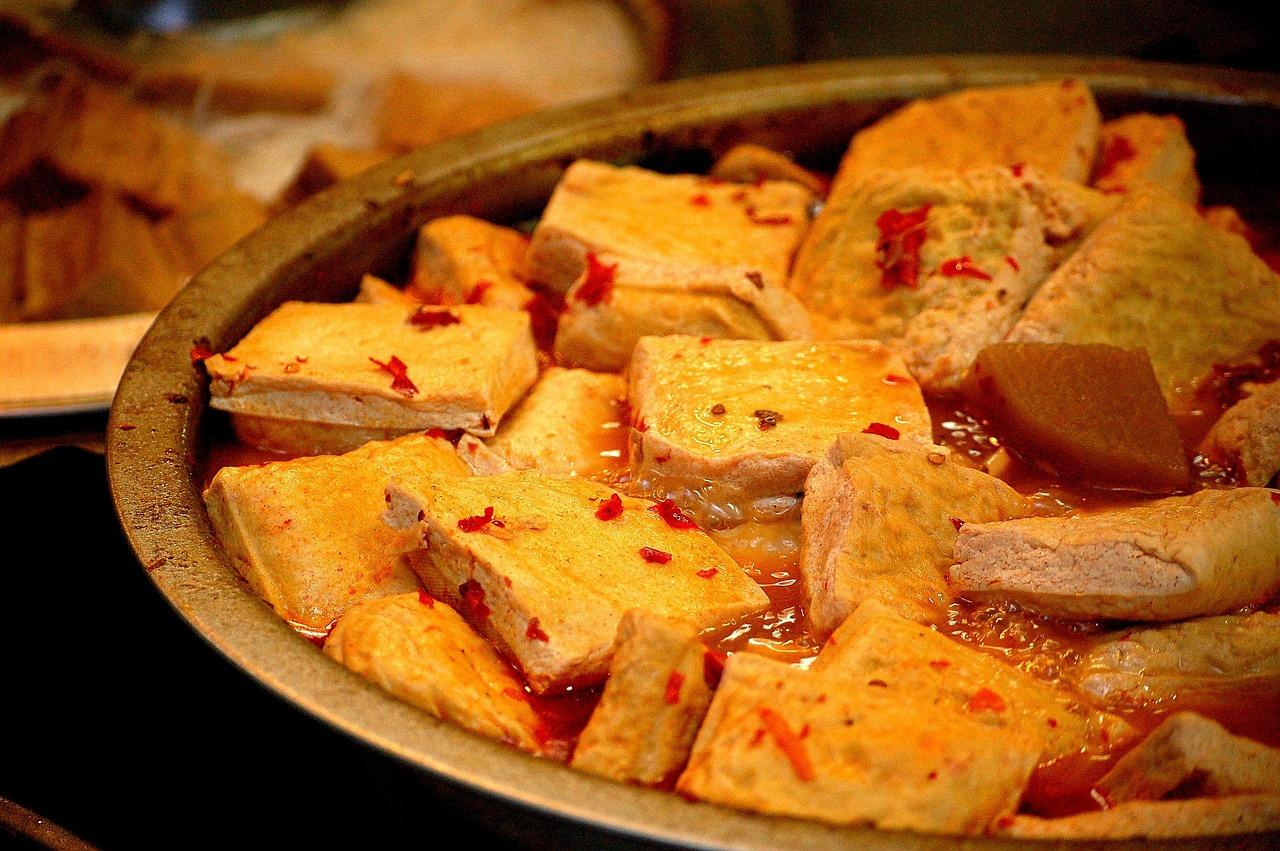
Agedashi tofu (揚げ出し豆腐) is a classic izakaya dish eaten all over Japan: cubes of soft tofu dusted in potato starch, fried until they form a thin, crisp shell, then bathed in a hot, savoury broth. The coating turns silky as it soaks up the sauce while the tofu inside stays creamy. Usually topped with bonito flakes; here it's grated daikon, ginger and spring onion with a kombu-shiitake broth instead. Chef's tip: coat the tofu in starch right before it goes into the oil, not ahead of time; if it sits, the starch turns damp and the coating fries up gummy instead of crisp.

by KrazyBadal 1 views
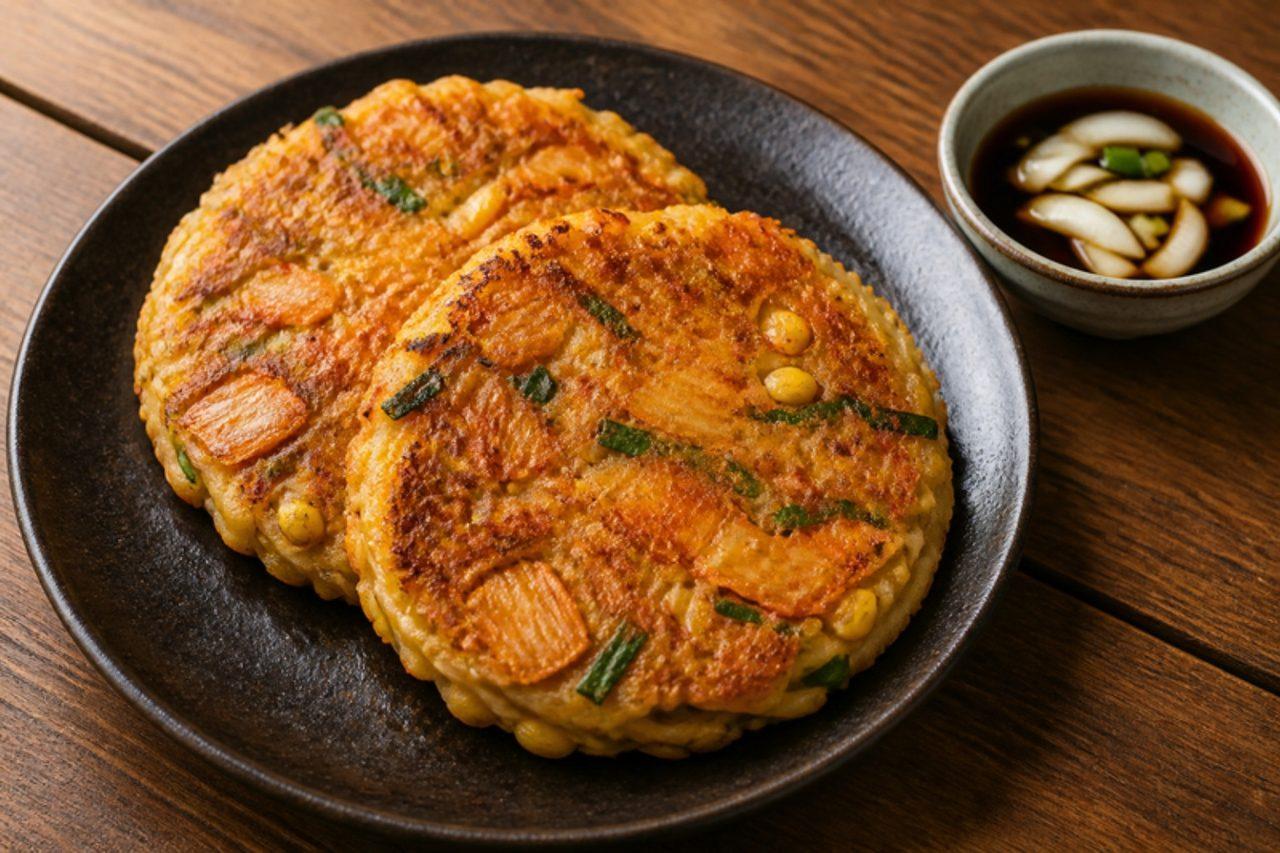

BindaetteokMung bean pancakes

Bindaetteok (빈대떡) are thick, crunchy pancakes made from soaked and ground mung beans mixed with kimchi, bean sprouts and spring onions, then fried in plenty of oil. They are the signature dish of Gwangjang market in Seoul, where stalls grind the beans in stone mills and fry the pancakes in front of you. Market versions often include pork; this one keeps the classic vegetables and is naturally gluten free and rich in protein. The outside turns deep golden and crisp while the inside stays soft. Serve hot with a soy and onion dip. Chef's tip: grind the beans coarse, not silky, and fry in more oil than feels right. The slight grit is what makes Gwangjang-style bindaetteok so crunchy outside and fluffy inside.

by KrazyBadal 0 views

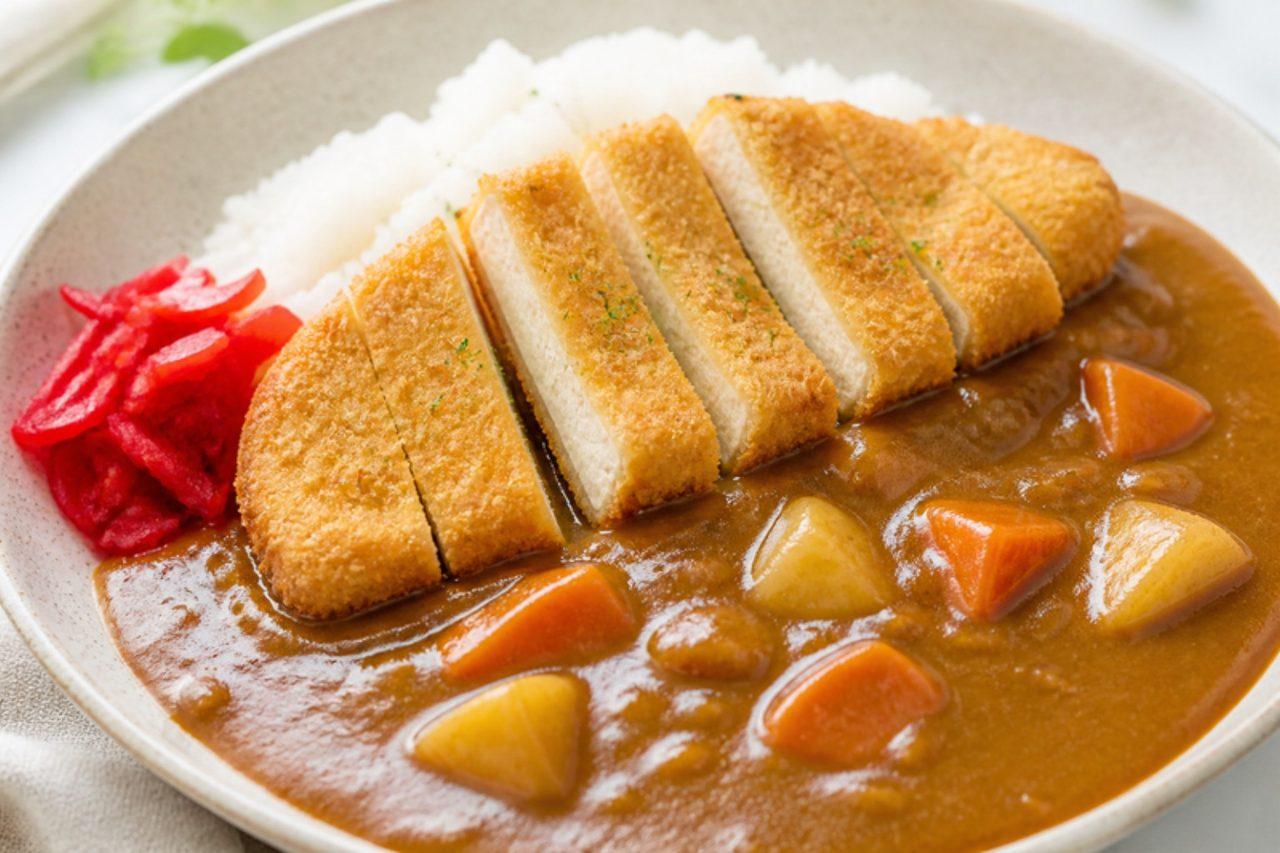
Tofu katsu curry

Katsu curry (カツカレー) is a favourite in canteens and curry houses across Japan, first served in Tokyo's Ginza in the 1940s. A crunchy breaded cutlet is sliced and laid over rice, then half of it is smothered in thick, mild curry sauce, so you get crisp and saucy bites. Here firm tofu replaces the pork. It is a little more work than plain curry rice, but children love it. Chef's tip: fry the katsu at the last minute and pour the curry over only half of it, so you always keep some crunch; Japanese curry houses serve it exactly this way.

by KrazyBadal 0 views

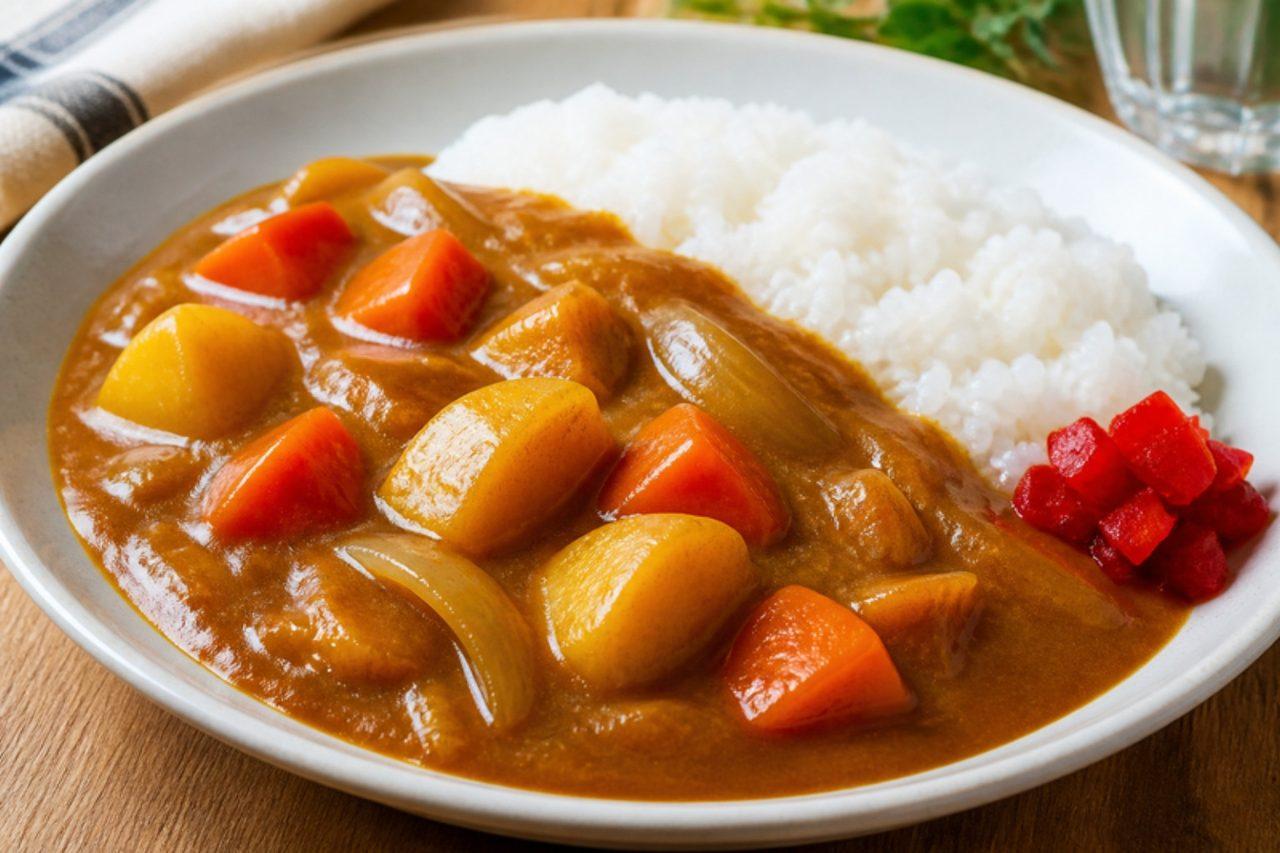
Japanese curry rice

Japanese curry rice (カレーライス) arrived in Japan from Britain via the navy in the late 1800s and is now a national comfort food, cooked in homes from Hokkaido to Okinawa. It is nothing like an Indian curry: the sauce is thick, glossy and mild, made with a roux of butter, flour and curry powder, and sweetened with grated apple. This vegetarian version is packed with potato, carrot, onion and mushrooms. It tastes even better the next day, and children love it. Chef's tip: take the onions all the way to a deep golden brown before anything else goes in. Japanese home cooks swear by this step, as the caramelised onion gives the curry its rounded sweetness.

by KrazyBadal 0 views

Matcha latte

Matcha (抹茶) is finely ground green tea from Uji, near Kyoto, the heart of Japanese tea-growing for centuries. A matcha latte (抹茶ラテ) is the café version: the powder is whisked to a smooth, frothy shot, then topped up with steamed milk and lightly sweetened. It tastes grassy, creamy and gently bitter. Use any milk you like; oat milk froths especially well. Chef's tip: keep the water at about 80°C. Boiling water scorches matcha and makes it bitter; let the kettle stand for 2–3 minutes after boiling before you pour.

by KrazyBadal 0 views

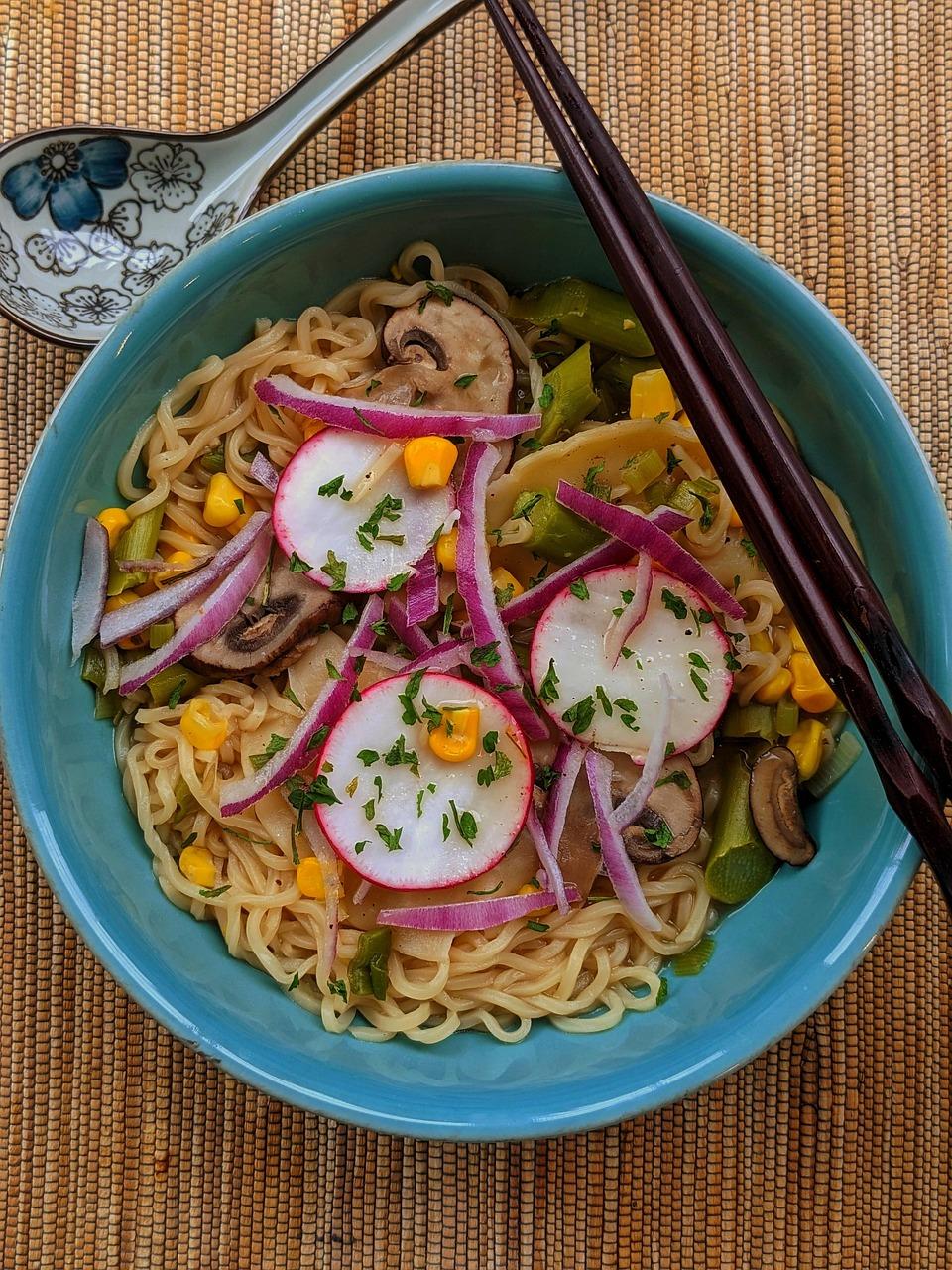
Vegetable miso ramen

Miso ramen was born in Sapporo, Hokkaido, and is now eaten all over Japan. This vegetarian version builds a deep broth from kombu and dried shiitake instead of pork bones, then thickens it with miso and toasted sesame paste. A pile of quickly stir-fried cabbage, bean sprouts, carrot and sweetcorn goes on top with a soft-boiled egg. Slurp it while it's piping hot on a cold day. Chef's tip: fry the miso paste for a minute in the hot wok with the garlic and ginger before it meets the broth, as Sapporo shops do; the toasted miso gives the soup its deep, roasted flavour.

by KrazyBadal 0 views

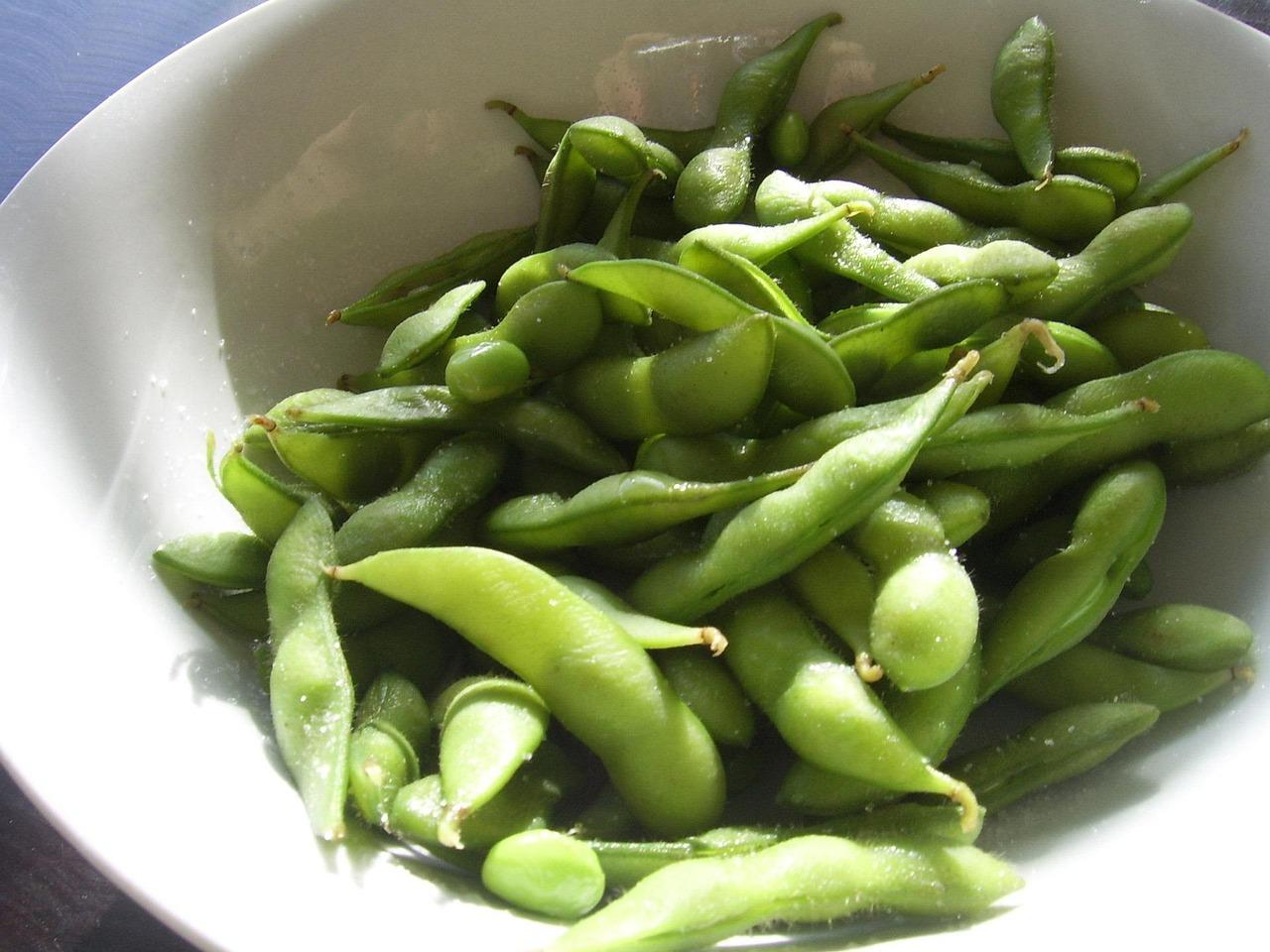
Edamame with sea salt

Edamame (枝豆) are young green soybeans cooked in their pods, the classic snack with a cold drink in izakaya and beer gardens all over Japan, especially in summer. You squeeze the beans straight from the salty pod into your mouth. Rubbing the pods with salt before boiling seasons them through and keeps them bright green. They're a good source of plant protein too. Chef's tip: rub the pods with salt before boiling, as izakaya cooks do. It scrubs off the fuzz, keeps the pods bright green and seasons the beans inside.

by KrazyBadal 0 views

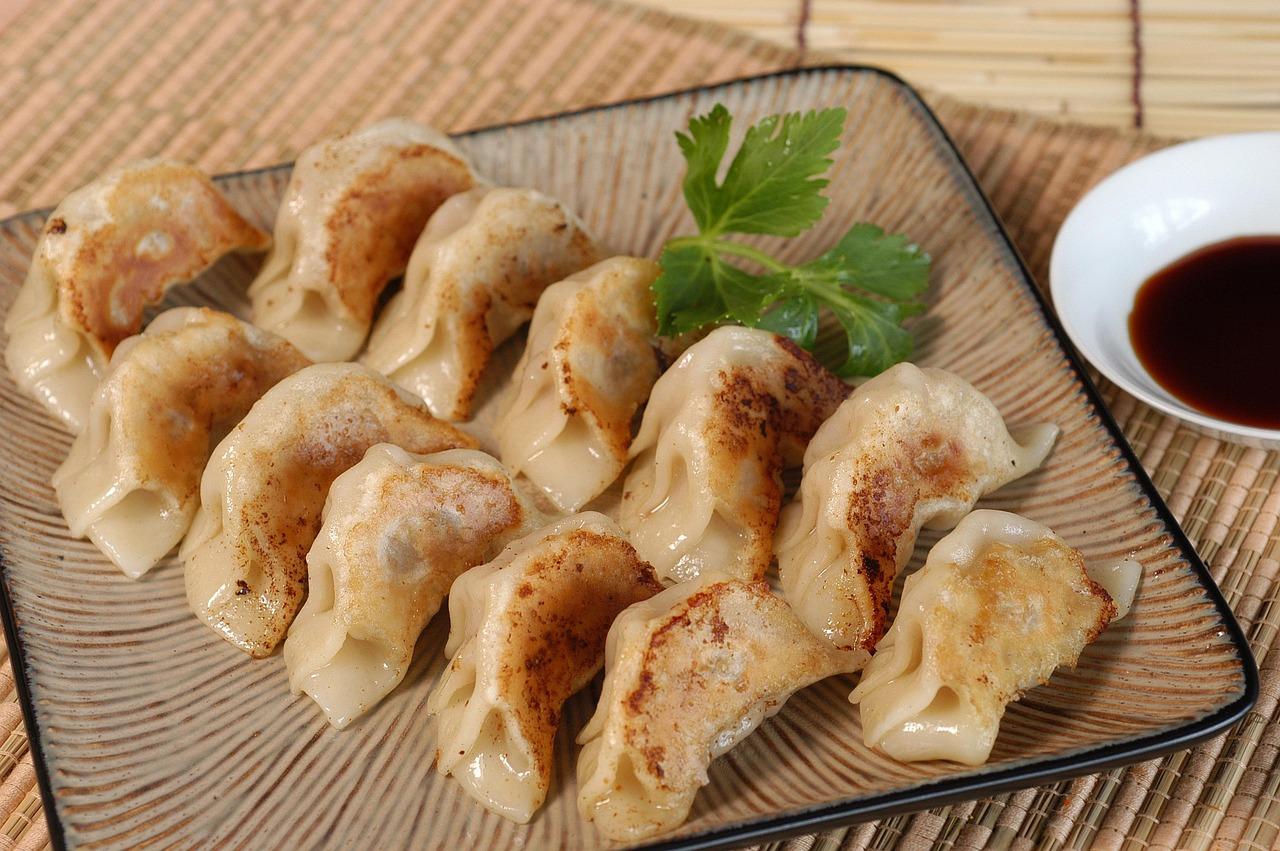
Vegetable gyoza

Gyoza (餃子) came to Japan from China and became a passion in Utsunomiya, a city north of Tokyo that calls itself the gyoza capital, with a gyoza statue outside the station. These vegetarian dumplings are filled with salted cabbage, shiitake, tofu and garlic chives. They're pan-fried and then steamed, so the bottoms turn crisp and golden while the tops stay soft. Shape a big batch and freeze some for later. Chef's tip: squeeze the salted cabbage really hard. Watery filling makes soggy, torn gyoza; a dry filling keeps the wrappers sealed and the bottoms crisp.

by KrazyBadal 0 views

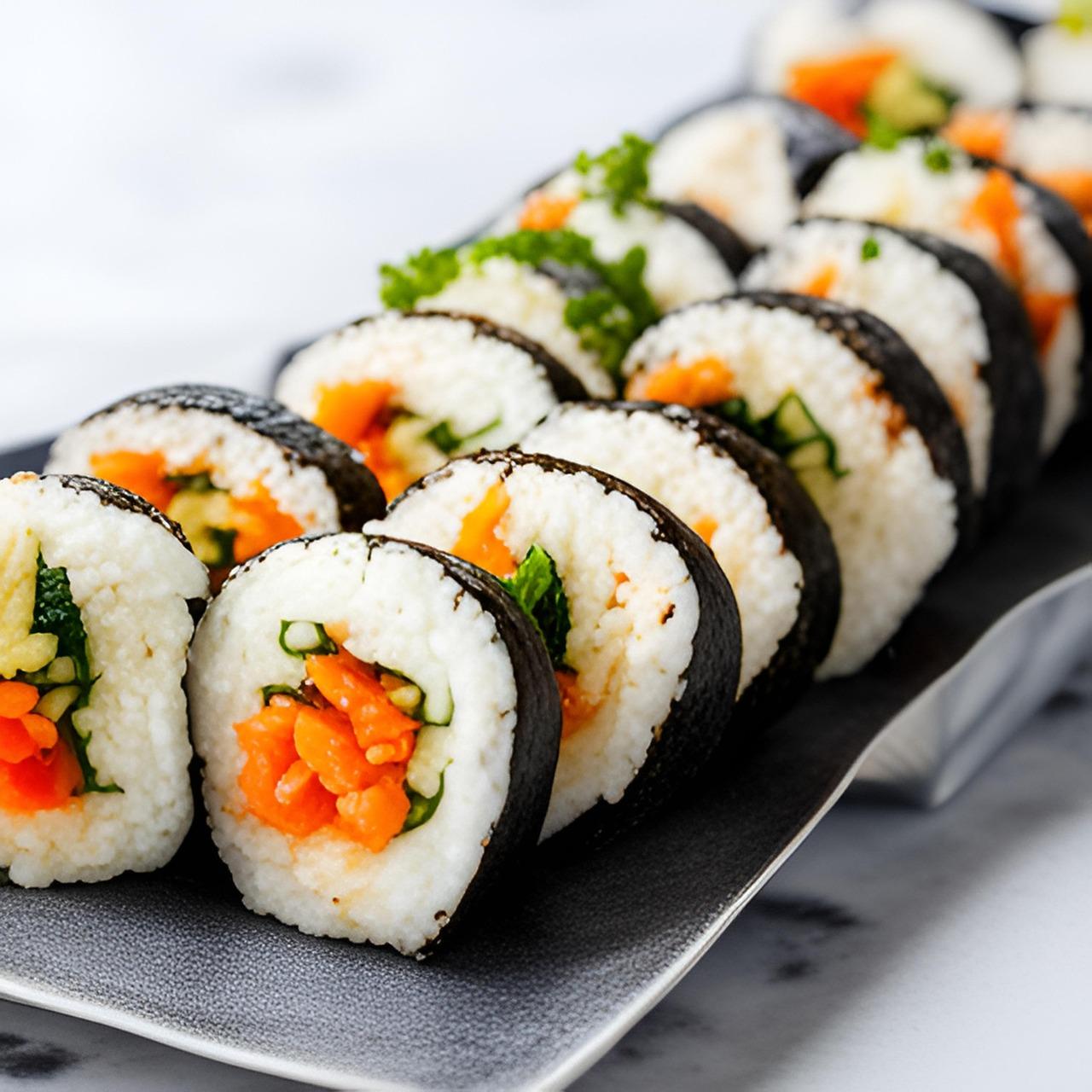
Gimbap

Gimbap (김밥) are rolls of sesame-seasoned rice and colourful fillings wrapped in roasted seaweed, then sliced into rounds. They are the classic Korean picnic and lunchbox food, sold on almost every street corner nationwide. Unlike sushi rice, gimbap rice is seasoned with salt and sesame oil rather than vinegar, so it tastes nutty and savoury. This vegetarian version is filled with omelette strips, garlicky spinach, carrot, soy-glazed tofu, cucumber and the bright yellow pickled radish called danmuji. They keep well for a few hours, so they are good to make ahead for a trip. Chef's tip: season the rice while it is warm and spread it thin, no more than a few grains deep. Thick rice and wet fillings are the two reasons rolls burst or go soggy.

by KrazyBadal 0 views

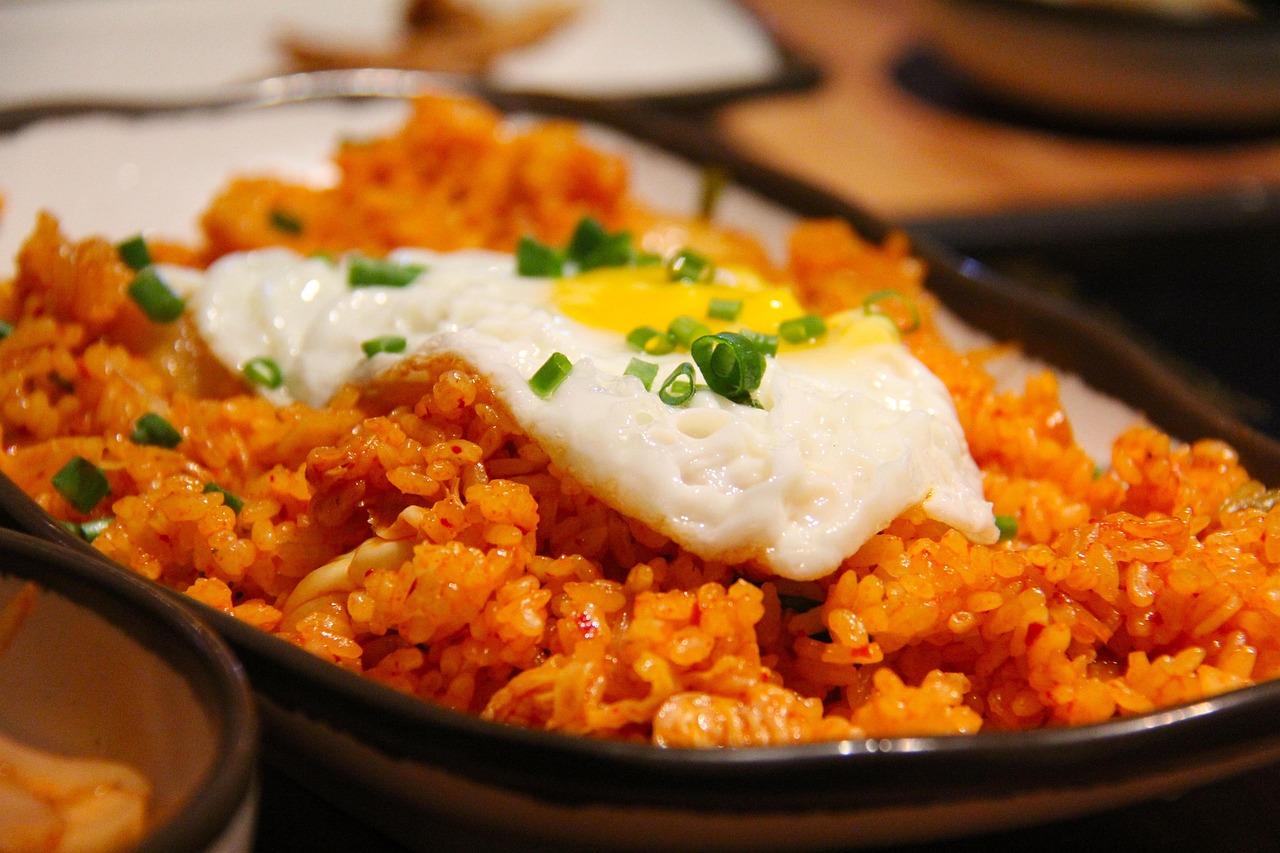
Kimchi fried rice

Kimchi fried rice (김치볶음밥, kimchi bokkeumbap) is the dish Korean households all over the country make when the kimchi has turned sour and there is leftover rice in the fridge. The kimchi and its juice are fried first so they caramelise, then the rice is tossed through until every grain is red, tangy and a little smoky. A fried egg with a runny yolk on top makes it a meal. Use well-fermented vegetarian kimchi, such as the baechu kimchi in this collection; many shop-bought kimchis contain fish sauce or shrimp, so check the label. Chef's tip: the kimchi must be properly sour, at least two or three weeks old. Fresh kimchi makes a flat, watery fried rice; fry it until it catches slightly before the rice goes in.

by KrazyBadal 0 views

OmuriceOmelette-wrapped fried rice

Omurice (オムライス) is a yōshoku dish, Western-style Japanese food, said to have been invented at a Tokyo restaurant around 1900. Tangy ketchup fried rice is wrapped in a thin, soft omelette and topped with more ketchup. Chicken is usual inside; this vegetarian version uses mushrooms, sweetcorn, peas and onion. A favourite with children, and on the table in half an hour. Chef's tip: pull the pan off the heat while the top of the omelette is still a little runny; it finishes cooking from the heat of the rice, and stays soft and silky as in a Tokyo yōshoku diner.

by KrazyBadal 0 views

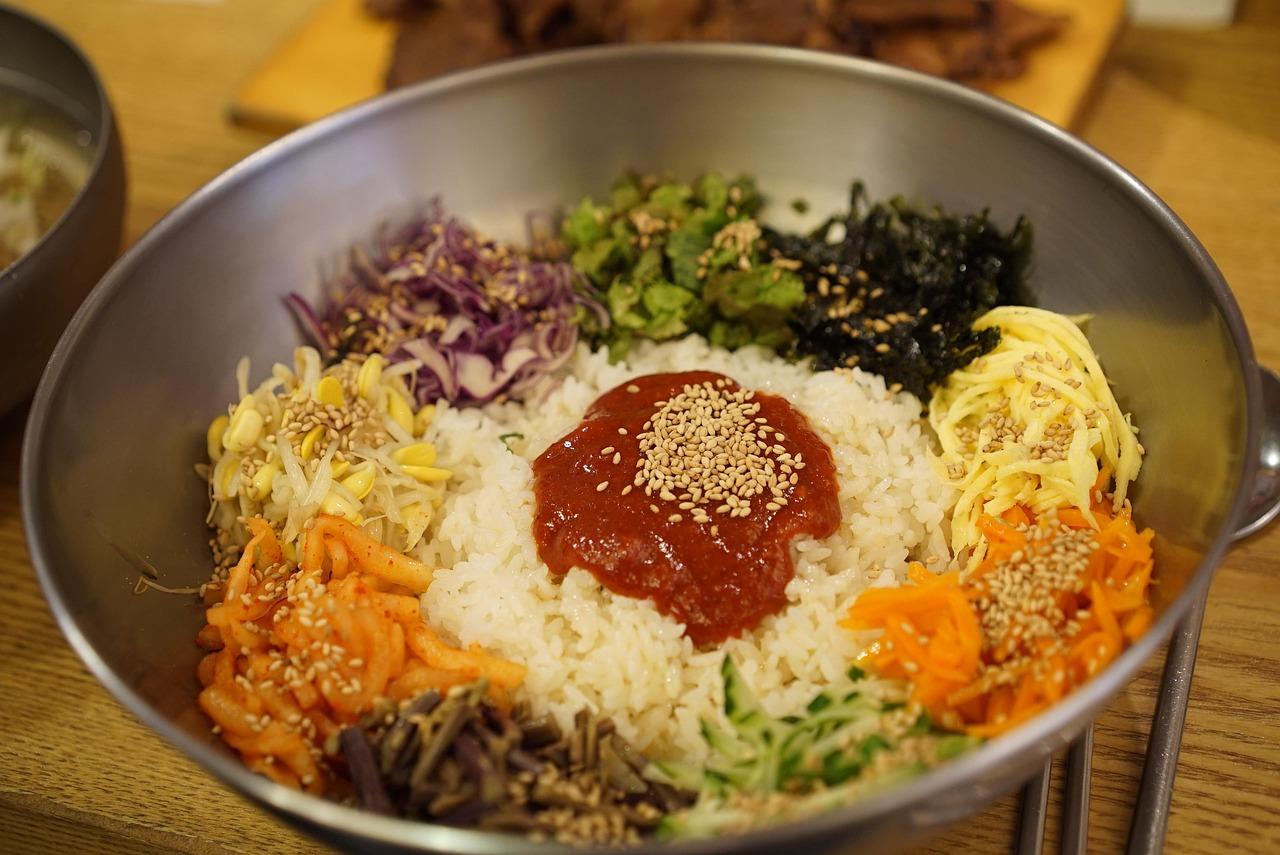
BibimbapRice bowl with seasoned vegetables

Bibimbap (비빔밥) means 'mixed rice': a bowl of warm rice topped with small heaps of separately seasoned vegetables, a fried egg and a spoonful of gochujang sauce, all stirred together at the table. The city of Jeonju in North Jeolla province is famous for it and serves it with a dozen or more toppings; this home version keeps five that are easy to find. Each vegetable is cooked on its own so it keeps its colour and texture, and the sauce brings sweetness, heat and a nutty sesame finish. Serve with kimchi and a light soup. Chef's tip: season every vegetable on its own, lightly, and taste each one. If each heap is good alone, the mixed bowl will be balanced; if they are all dressed alike, the bowl tastes flat.

by KrazyBadal 0 views

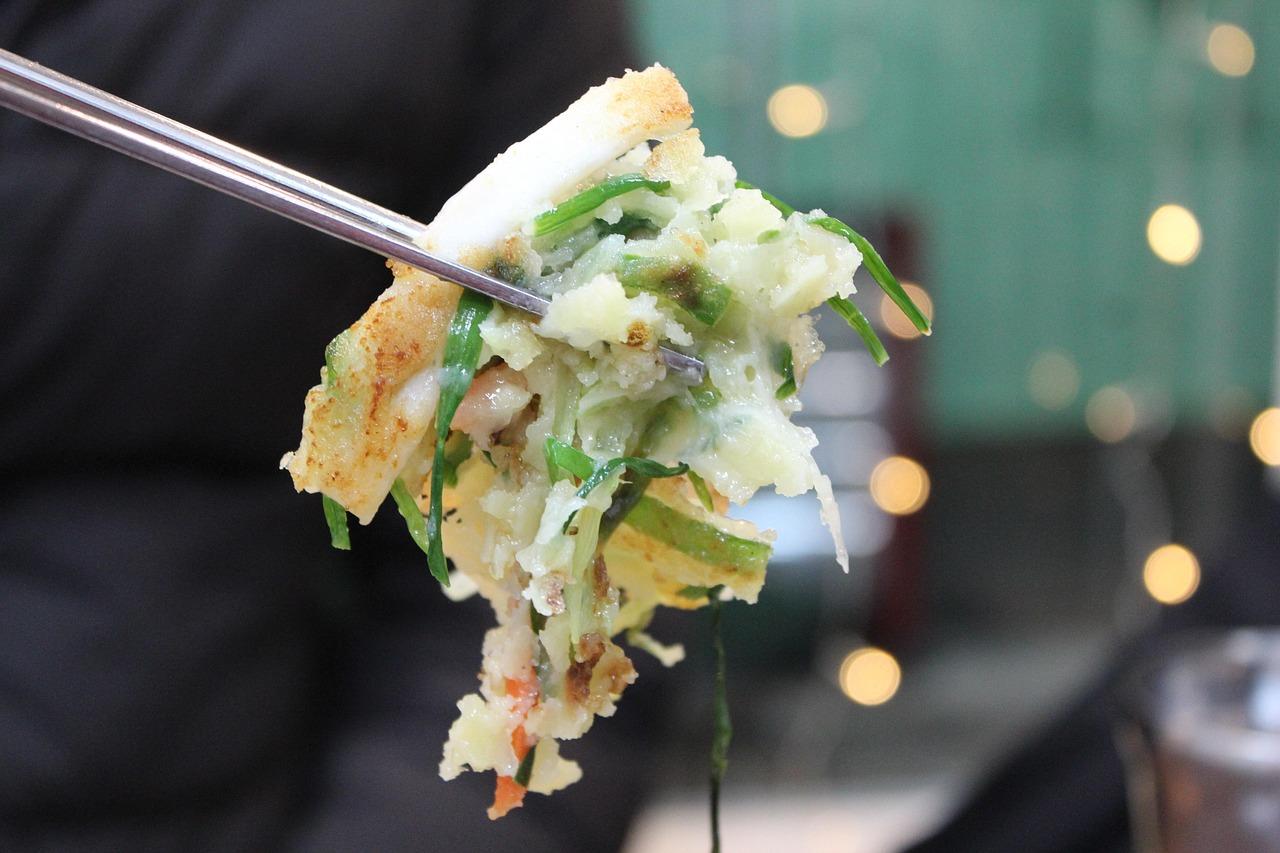
PajeonSpring onion pancake

Pajeon (파전) is a savoury pancake packed with whole spring onions held together by a thin batter. Dongnae, a district of Busan, is famous for its version, made with rice flour in the batter and finished with beaten egg poured over the top; Dongnae pajeon is usually loaded with seafood, which is left out here. Korean families often make it on rainy days and eat it with a soy and vinegar dip. Keep the batter ice cold and the pan hot for the crispest edges. Chef's tip: use just enough batter to glue the spring onions together. Dongnae cooks want you to taste spring onion first and batter second, so it should look lacy, not cakey.

by KrazyBadal 0 views

Yaki onigiriGrilled rice balls

Yaki onigiri (焼きおにぎり) are rice balls grilled until they form a crisp, toasty crust, then brushed with soy sauce glaze. They are eaten all over Japan, at izakaya, at barbecues and from the freezer section, as a snack or with miso soup. The inside stays soft and steamy while the outside crackles. Best eaten hot, straight from the pan. Chef's tip: let the shaped rice balls dry for 10 minutes before they go in the pan. A drier surface forms a better crust and won't stick, and the glaze goes on only at the end so it doesn't burn.

by KrazyBadal 1 views

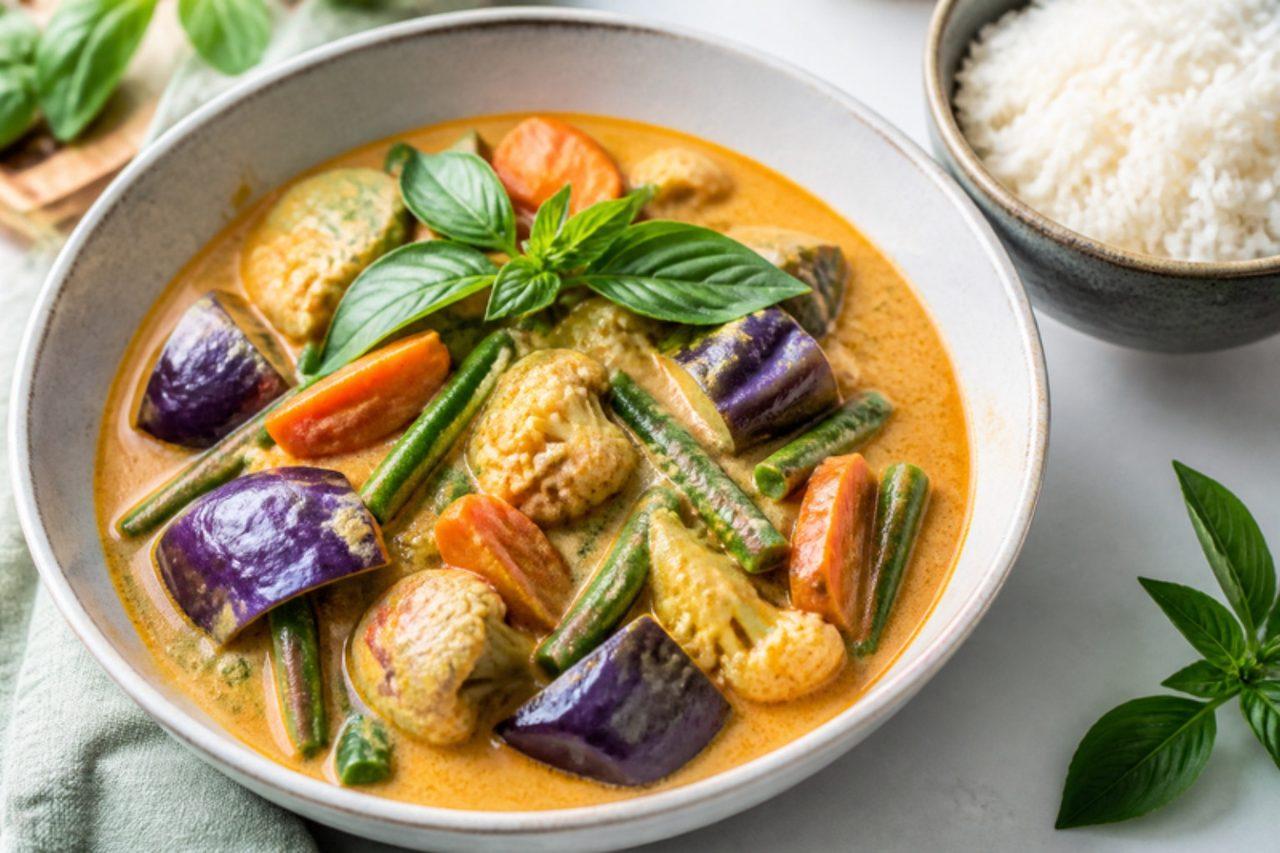
Thai vegetables in peanut coconut sauce

Aubergine, French beans, cauliflower and carrots are simmered gently in coconut milk until tender, then coated in a thick gravy of coconut cream, a fresh paste of spring onion, coriander root, red chilli, lemongrass, galangal and lime peel, and a finish of roasted peanuts and tamarind. Rich, tangy and fragrant. Serve hot with steamed rice.

by KrazyBadal 0 views

Thai mango pancakes

Small, soft pancakes made from plain flour, rice flour and semolina, sweetened with condensed milk and scented with mango, folded around a sticky filling of ripe mango, sugar and coconut. They are served cold with extra mango and a scoop of ice cream or fresh cream: a lovely make-ahead dessert for a party.

by KrazyBadal 0 views

Dry chilli tofu

Cubes of tofu coated in seasoned cornflour and fried until crisp, then tossed quickly in a hot wok with sliced white onion, strips of red chilli, green chilli and garlic, and finished with plenty of spring onions. Spicy, crunchy and ready in minutes; serve straight away as a starter or with rice. Like most Thai dishes it is best cooked just before serving, as it doesn't reheat well.

by KrazyBadal 0 views

Thai-style fruit salad

A sweet-and-savoury Thai fruit salad: crisp apple, banana, semi-ripe papaya and mango tossed in a coconut milk dressing sharpened with lime and warmed with fresh red chilli and a little red curry paste. Fresh coriander lifts it, and it is served chilled on lettuce leaves. Good as a starter, with a curry, or on its own on a hot day.

20 minThaiSaladsVeganGluten free
by KrazyBadal 0 views

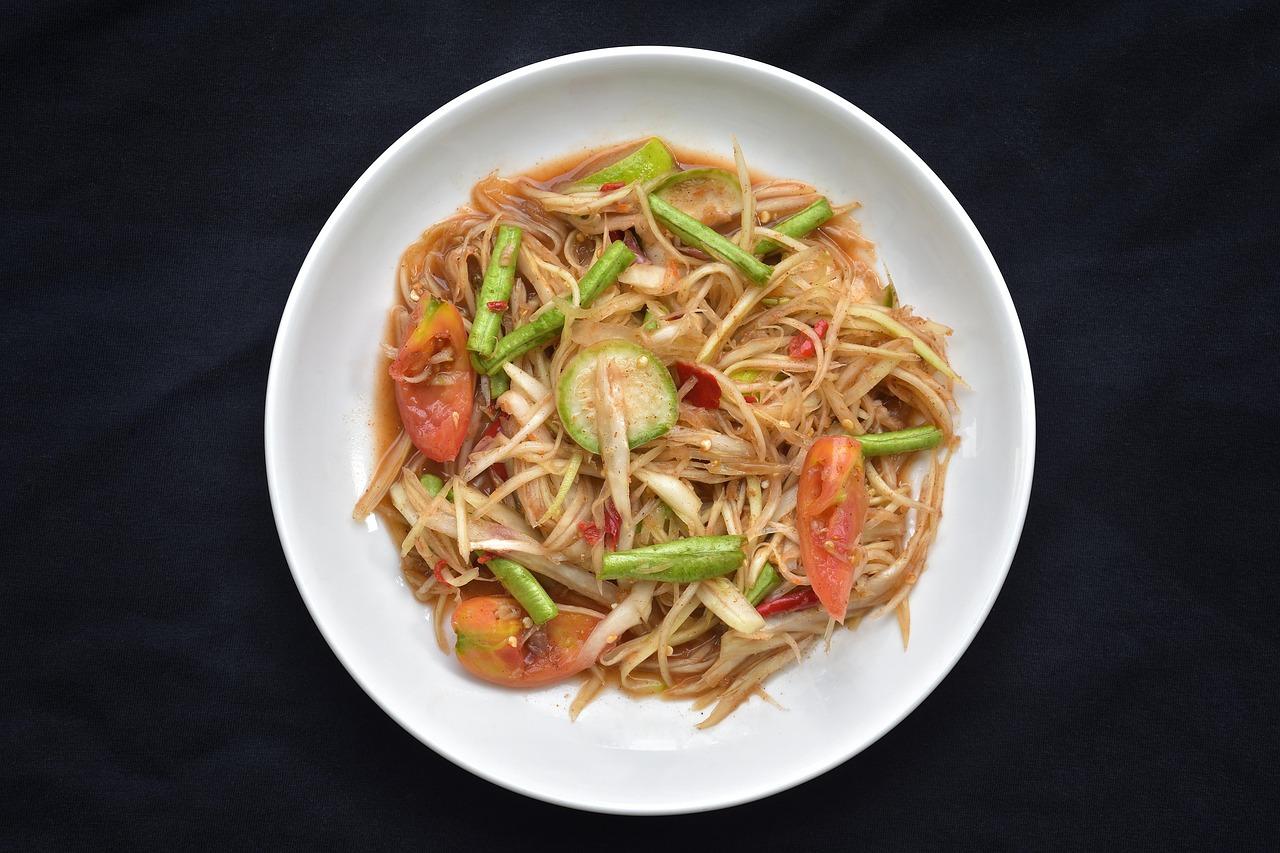
Thai raw papaya salad

A crunchy, refreshing salad in the style of Thai som tam: shredded green (unripe) papaya, French beans and carrot, barely softened, then tossed with tamarind, lemon, garlic, chilli, soy sauce and sugar and finished with roasted peanuts. Sweet, sour, salty and hot all at once. Serve cold as a starter or with a curry and rice.

21 minThaiSaladsVegan
by KrazyBadal 0 views

CacıkCucumber yogurt dip

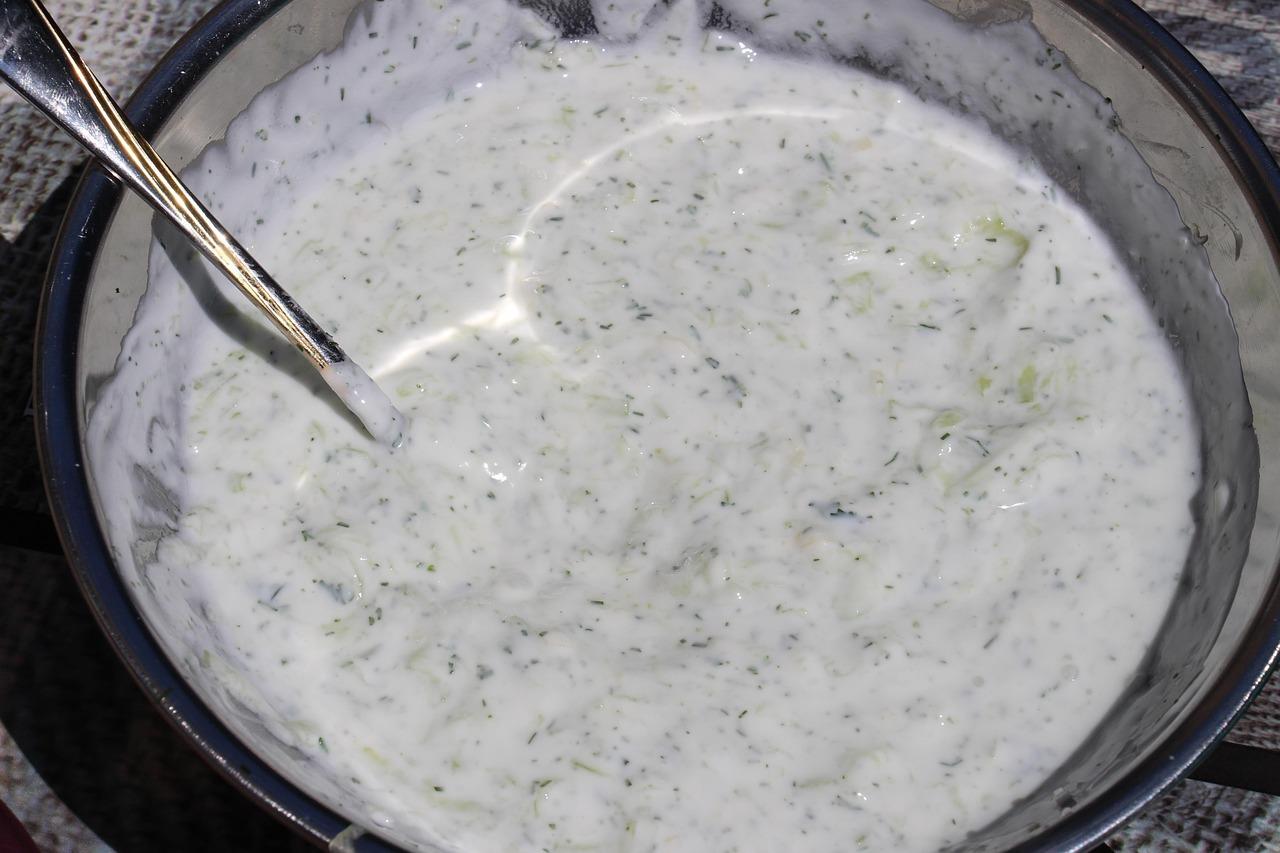
Cacık is the Turkish version of tzatziki: thick yogurt mixed with cucumber, onion, plenty of parsley, garlic and green chilli, seasoned with salt, white pepper and a pinch of sugar and finished with fresh mint. Cool and refreshing, ready in minutes. Serve with warm pitta bread, curries and rice dishes.

by KrazyBadal 0 views

Sweet corn cutlets with peanut sauce

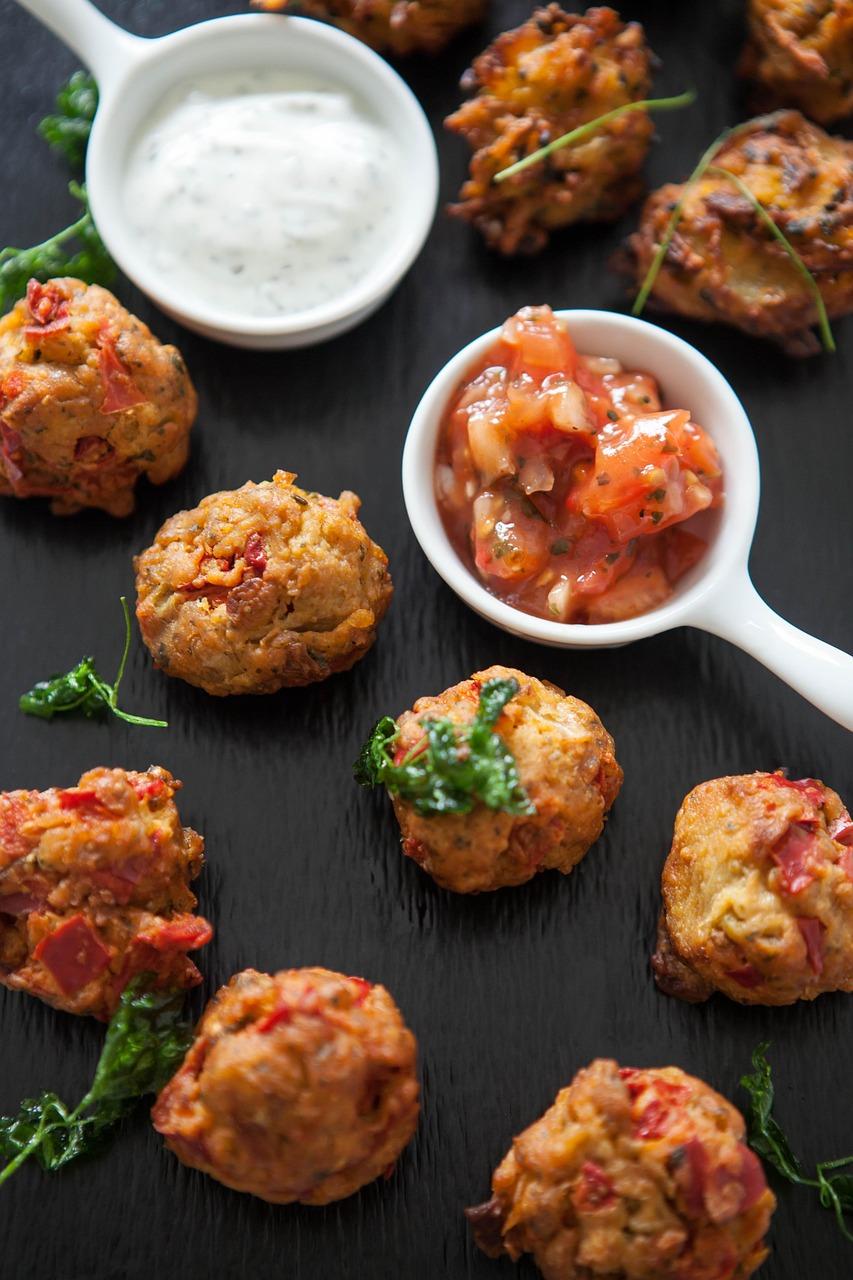
Coarsely ground sweetcorn is bound with rice flour, soy sauce and red curry paste, shaped into little oval cutlets and deep-fried until crisp outside and soft and sweet inside. They come with a rich, gently spicy peanut sauce made from coconut milk and curry paste. Serve hot as a starter or a snack.

by KrazyBadal 0 views

Thai green vegetable curry

A mild, fragrant Thai green curry made with a fresh paste of green chillies, garlic, lemongrass, coriander and lemon, simmered with coconut milk, a big mix of vegetables and soft cubes of paneer. The sauce is creamy and herby rather than fiery, and the vegetables keep a little bite. Serve hot with plain steamed rice or jasmine rice.

by KrazyBadal 0 views

Thai coconut cream soup

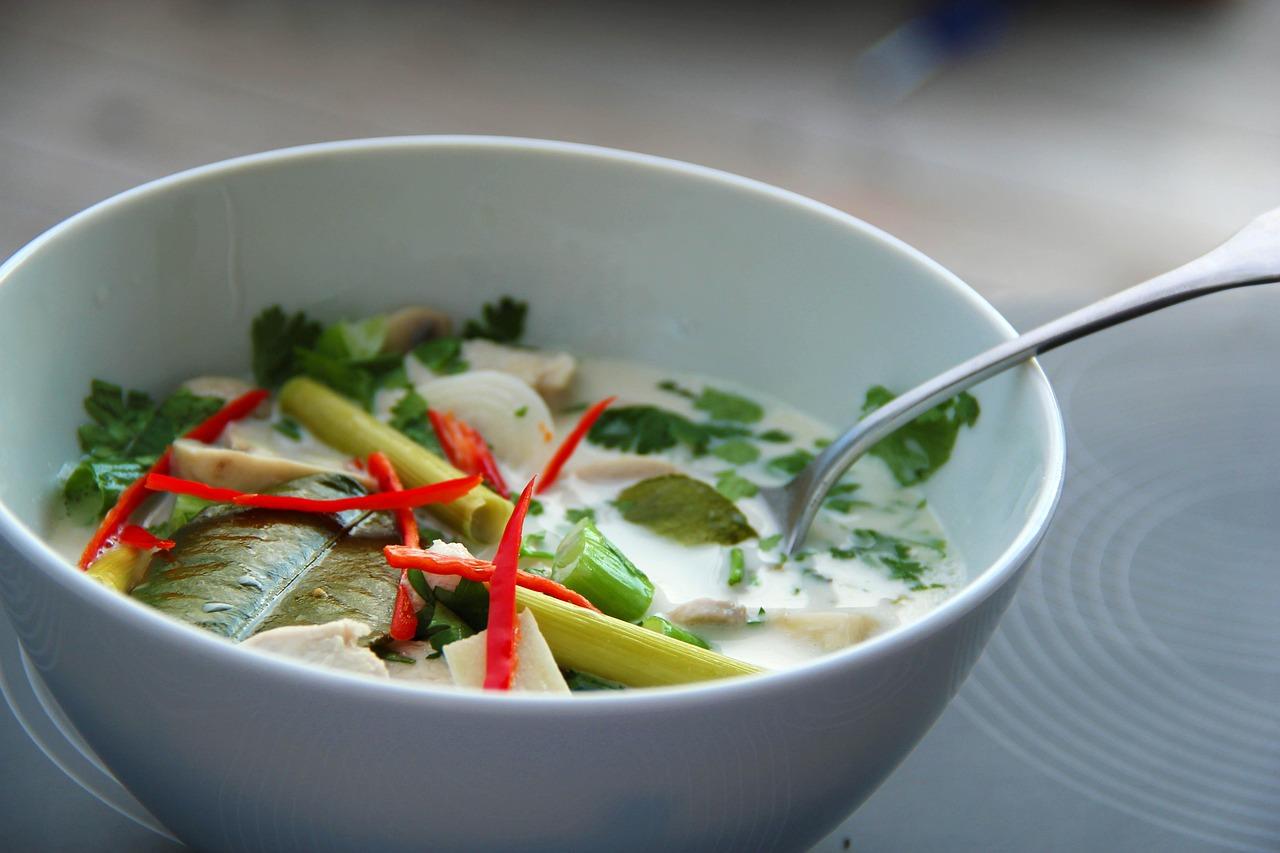
A rich, fragrant Thai soup: tofu strips, small aubergines, French beans and broccoli simmered in vegetable stock and coconut milk flavoured with red curry paste, lime leaves, lemongrass, galangal, lime rind, garlic and fresh basil. Garnished with slit chillies and served hot. Cook it close to serving time, as Thai dishes don't reheat well. You can use a ready-made red curry paste (check it is free of shrimp paste) or make the paste ahead and freeze it.

45 minThaiSoupsVeganSpicy
by KrazyBadal 0 views

Thai red vegetable curry

A quick Thai red curry with a home-made paste of soaked red chillies, onion, garlic, ginger, lemongrass, coriander, cumin and white pepper. Crunchy baby corn, broccoli, carrot and mushrooms simmer in coconut milk with basil until the sauce is creamy and gently thickened. The paste is also used in several other Thai recipes in this collection. Serve warm with rice.

by KrazyBadal 0 views

Arabian date pinwheels

Crumbly, buttery biscuit dough is rolled out, spread with a soft date filling flavoured with cinnamon and lemon, rolled into logs, sliced and baked into pretty pinwheels. They make a big batch of 50 and keep well in an airtight tin. Serve with tea, or with ice cream as a dessert.

by KrazyBadal 0 views

Lebanese date cake

A soft, moist cake made without eggs: self-raising flour and brown sugar are rubbed with butter, then mixed with milk and sour cream and studded with chopped dates, raisins and pistachios, with a warm hint of nutmeg and vanilla. Lovely with tea or served warm with cream.

by KrazyBadal 0 views

Thai fresh fruit dessert

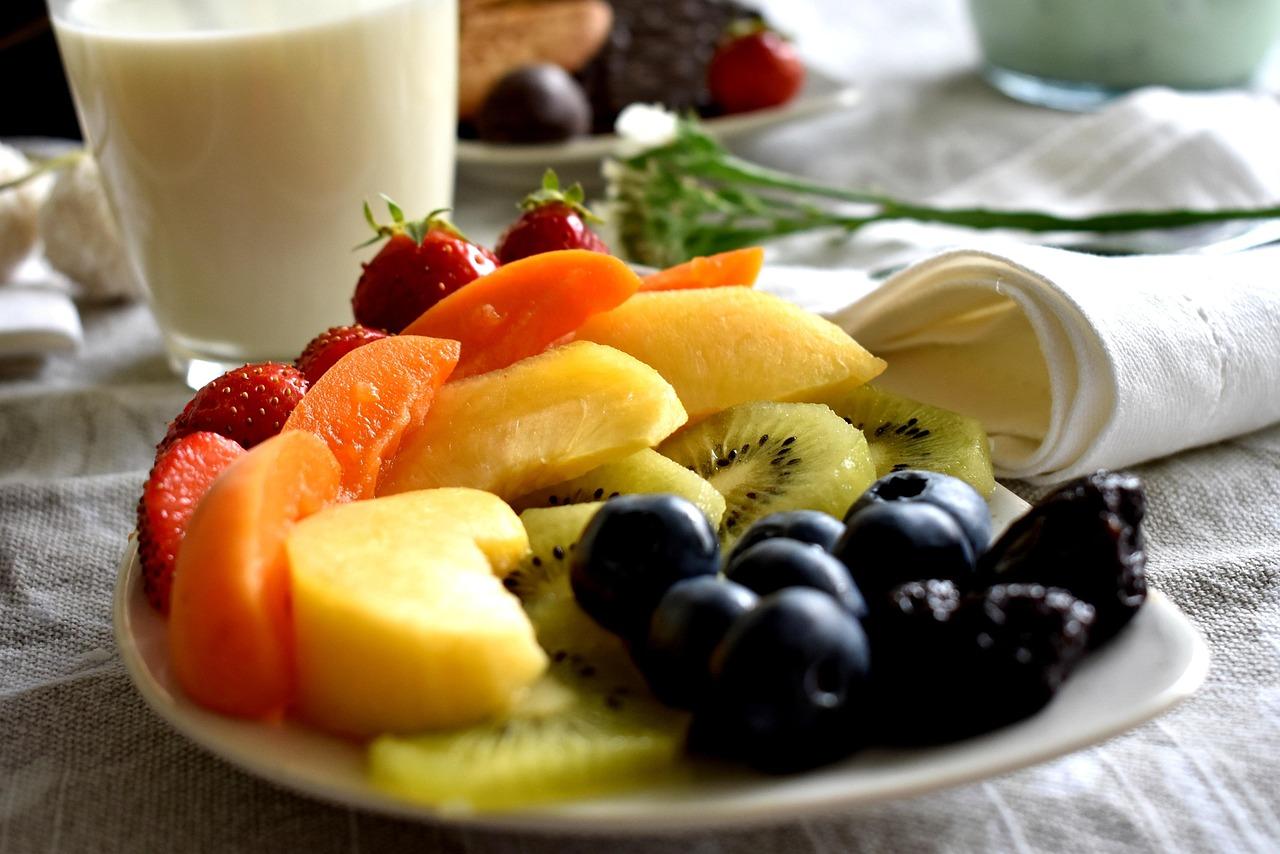
A bowl of colourful fresh fruit (kiwi, strawberries, pineapple, cherries and orange) covered with a smooth coconut cream sauce, lightly thickened with cornflour, enriched with fresh cream and scented with rose. Serve well chilled.

by KrazyBadal 0 views

Showing 27 of 7,762 recipes

Show more recipes

Page 799 of 863