


Skip to content
Bocadillo veleño
Featured recipe

Bocadillo veleño

Guava and panela paste

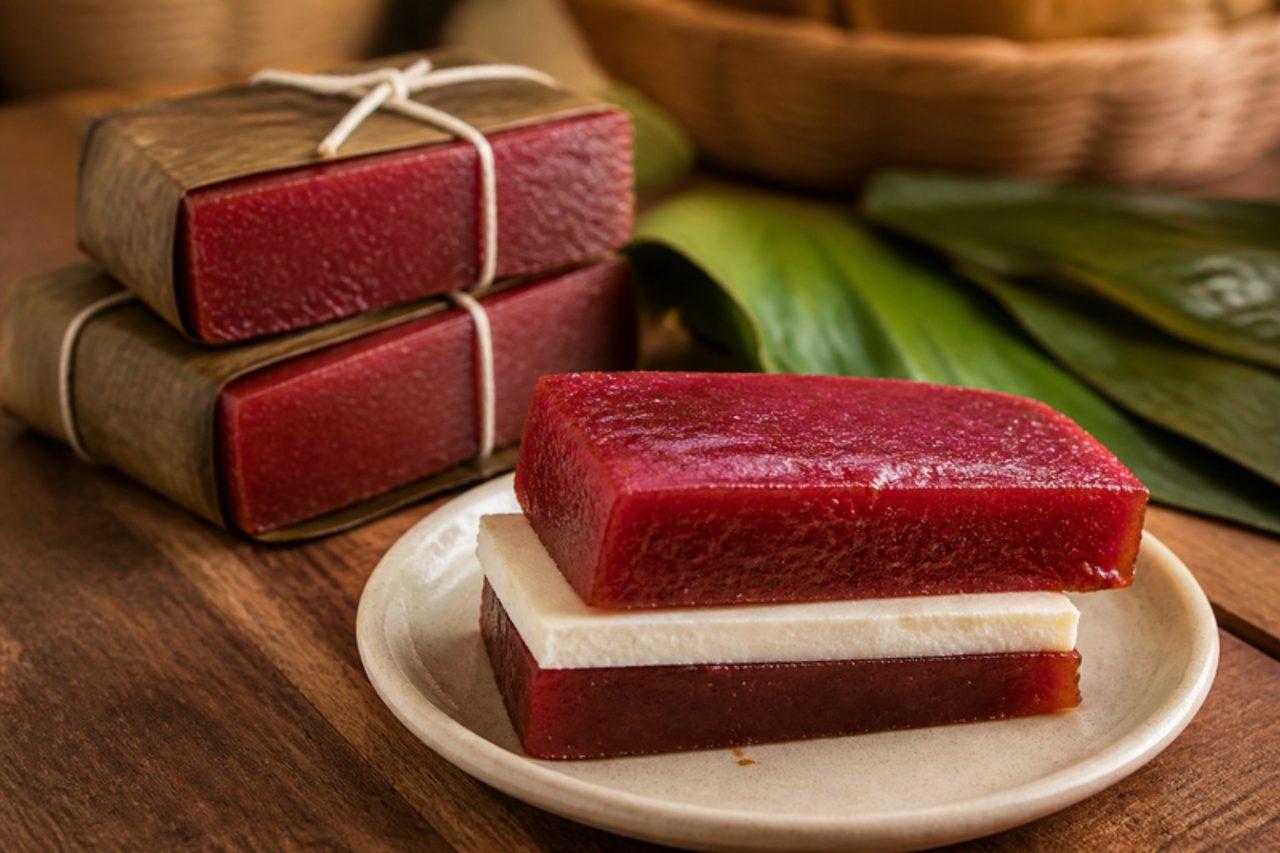
Vélez, a hill town in Santander, has given its name to Colombia's favourite sweet. Bocadillo veleño is guava pulp cooked down with panela and sugar until it sets into a firm, sliceable paste, deep red and fruity with a caramel edge, then cut into bars and wrapped in dried bijao leaves. It is the snack of bus journeys and school lunchboxes, and with a slice of fresh white cheese it becomes the classic pairing Colombians call a matrimonio. Plan for overnight setting. Stopping the cooking too early is the familiar mistake: the paste looks thick in the pan but stays soft and weeps once cool, so cook until it pulls away from the pan and a spoon drawn across the bottom leaves a clear track. Long sleeves are a good idea; it splutters. Bijao leaves are hard to find abroad; banana leaves or baking paper work. Chef's tip: use pink-fleshed guavas for colour, and add the lime early so the pectin sets firm.

Read more 0 views

What to eat today?

Around the world

Today's trip: Persian

A new country every day, from every cuisine on the site.

This week's collection

Kid-friendly dinners
537 recipes · a new collection every Monday

Latest recipes

Mugicha (roasted barley tea)

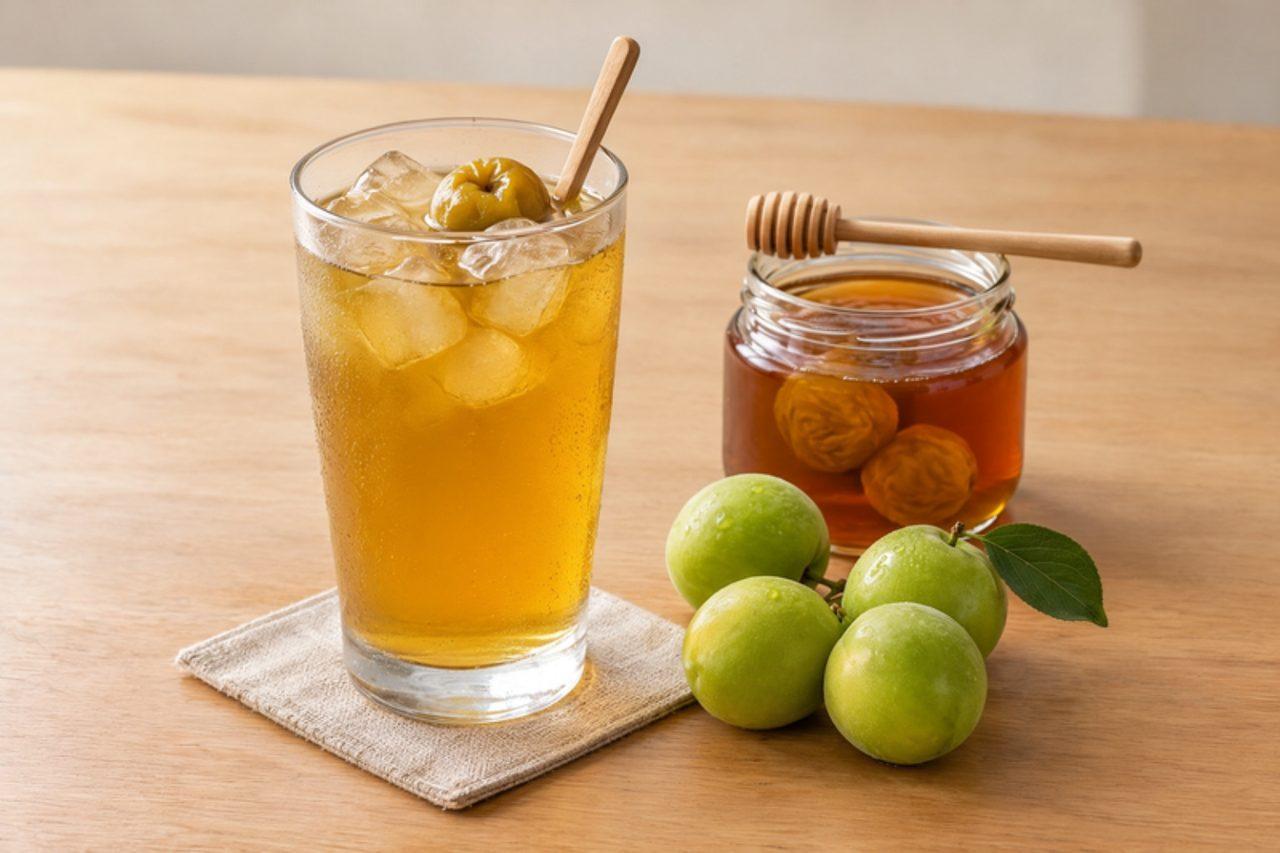
From the rainy season in June until the cicadas fall quiet in September, almost every Japanese household keeps a tall jug of mugicha in the fridge. It is poured for children coming in from summer club practice, for grandparents after an afternoon nap, and alongside cold sōmen at lunch, because it carries no caffeine and can be drunk all day. Whole barley grains roasted until deep brown give a cup that tastes of toast, a little of coffee and a little of popcorn, with a clean, dry finish and no sweetness at all. Supermarkets sell it in tea bags, but loose roasted grains simmered in a pan make a rounder, darker brew. The usual mistake is leaving the grains in the jug or letting the hot tea sit out on the counter for hours: it turns bitter and, being a grain infusion, it sours quickly in summer heat. Strain it, cool it fast in a sink of cold water, and drink it within two days. It is ready when the liquid is a clear amber-brown and smells like freshly toasted bread. Chef's tip: dry-toast the grains for two minutes before brewing to wake up a bag that has been open a while.

by KrazyBadal 0 views

Maesil-cha (green plum tea)

In early June the hillsides of Gwangyang are picked clean of hard green maesil, and Korean kitchens across the country fill with jars of plums buried in sugar. Over about a hundred days the sugar draws out the fruit's juice and becomes maesil-cheong, a golden syrup that is both a cooking ingredient and a drink. Iced, it is the summer cooler; hot, it is traditionally drunk after a heavy meal for digestion. It tastes bright and tart, like green apple and apricot, rounded by the sugar. The common mistake is putting damp plums or plums with stalks into the jar: water and stalk ends invite mould and unwanted fermentation. Pick out each stalk with a toothpick and dry the fruit completely. The syrup is ready when the plums have shrivelled and float in clear amber liquid. A little foaming early on is normal, but if it smells strongly of alcohol, grows fuzzy mould or turns slimy, discard it. Remove the plums at 100 days, because their stones contain natural compounds best kept out of a long-stored syrup. Chef's tip: use half white and half light brown sugar for a rounder, toffee-edged syrup.

by KrazyBadal 0 views

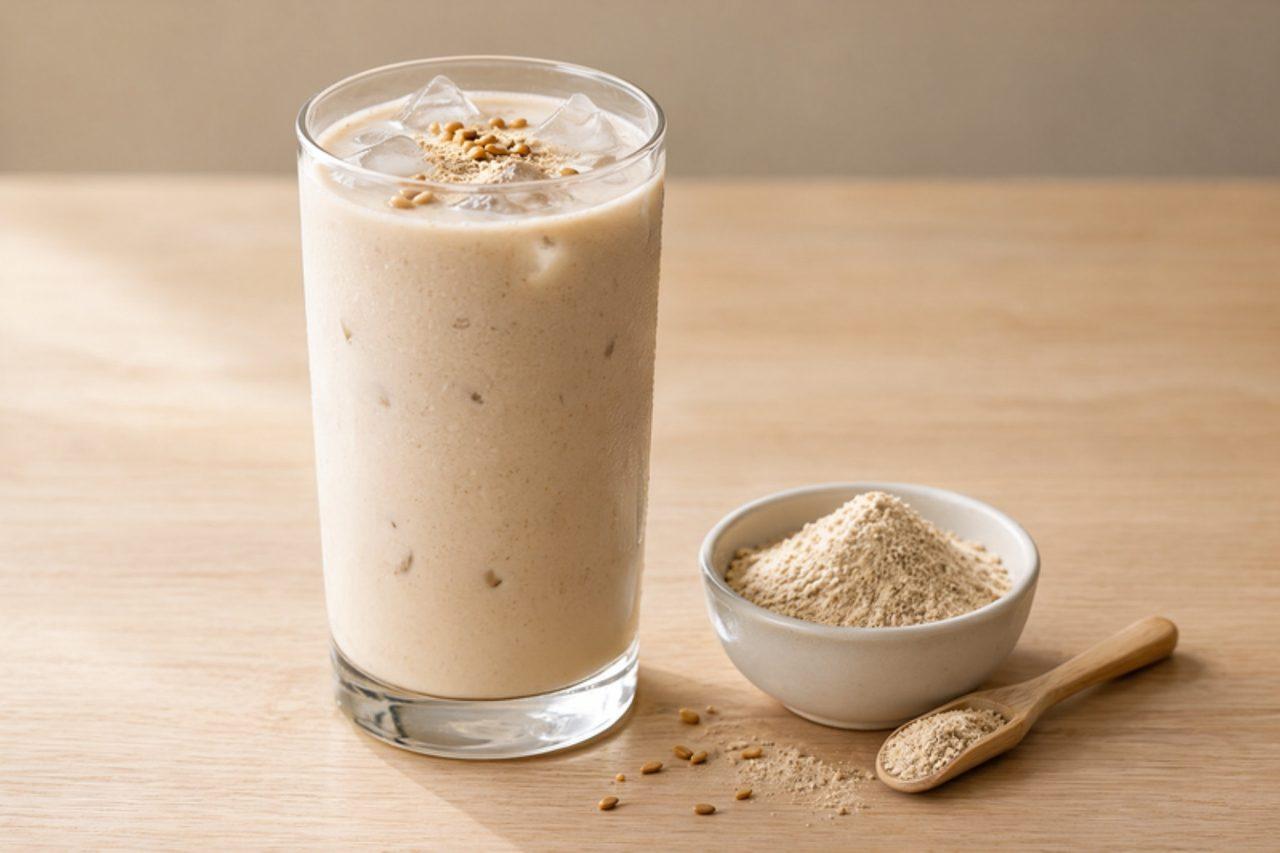
Misutgaru (multigrain powder drink)

Misutgaru began as travellers' food, a powder of roasted grains that kept for weeks and could be stirred into water on the road. Today it is the drink of Korean summer: mothers shake it with cold milk for breakfast before school, office workers buy it as misutgaru latte from cafés, and farmers drink it at midday in the fields of July. The powder is a mix of roasted barley, glutinous and brown rice, black and yellow soybeans, and sesame, and it tastes of toasted cereal and peanut, lightly sweet, with a thick, creamy body that fills you up like a light meal. The common mistake is tipping the powder into a full glass of milk and stirring: it floats, clumps into dry balls and never fully mixes. Shake it in a jar with a little liquid first, or blend it, then add the rest. It is ready when the drink is smooth, beige and frothy with no dry flecks, and slightly thickened after a minute's rest. Use water or soy milk for a dairy-free version, and note that the barley means it is not gluten free. Chef's tip: a pinch of salt makes the grain flavour taste rounder and less flat.

by KrazyBadal 0 views

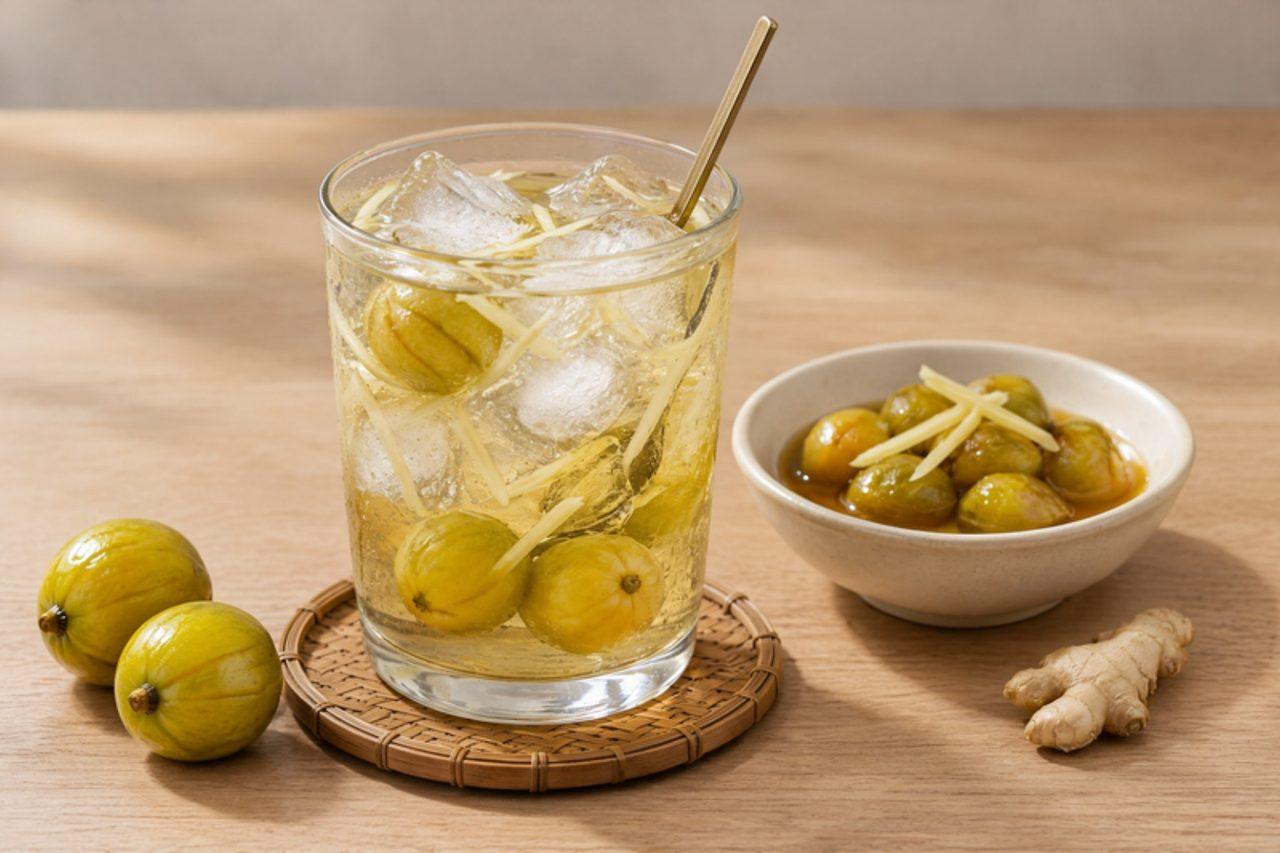
Nước sấu (sấu fruit drink)

When Hanoi's tamarind-like sấu trees drop their small green fruit in May and June, street vendors start selling glasses of nước sấu: a few candied fruits, a ladle of ginger syrup, cold water and crushed ice. Families make big jars to last until the season ends in August. It is sipped with a spoon so you can bite into the crunchy-soft fruit at the bottom. It tastes sour and sweet at once, with a clean ginger warmth and a flavour a little like green mango and plum. Traditional cooks soak the peeled fruit in limewater to keep it crisp; a salt soak works well at home. The common mistake is skipping the blanch and slow syrup: raw fruit stays acrid and the syrup clouds. Blanch the fruit briefly, then cook it gently in sugar until it turns translucent yellow-green and the syrup is clear and glossy. Store it in a sterilised jar in the fridge for up to 2 months with a clean spoon; discard if it fizzes, smells fermented or shows mould. Fresh sấu is rare abroad; look for frozen sấu in Vietnamese shops, or use firm green ambarella. Chef's tip: slash each fruit a few times so the syrup soaks all the way in.

by KrazyBadal 0 views

Trà sen (lotus tea)

Every June and July, before sunrise, boats slip between the pink lotus on Hanoi's West Lake to gather flowers for trà sen. The finest lotus tea is made by stripping the tiny white rice-like anthers from hundreds of blooms and layering them with green tea, a labour that makes it one of Vietnam's most expensive gifts, kept for Tết. Families do a simpler version at home: a spoon of Thái Nguyên green tea is tucked into the heart of a fresh flower in the evening, the petals closed and tied, and by morning the leaves have taken on a sweet, creamy, slightly vanilla-like perfume. It is brewed in a small clay pot and drunk in tiny cups in the early morning. The common mistake is brewing with boiling water, which flattens the lotus scent and makes the green tea bitter. Rinse the leaves quickly and brew at 80–85 °C. It is ready when the cup is pale gold and the steam smells of flowers before tea. No fresh lotus? Buy ready-made lotus-scented tea from Vietnamese shops and start at the brewing step. Chef's tip: pick a bud that is just about to open; a fully open bloom has already lost its scent.

by KrazyBadal 0 views

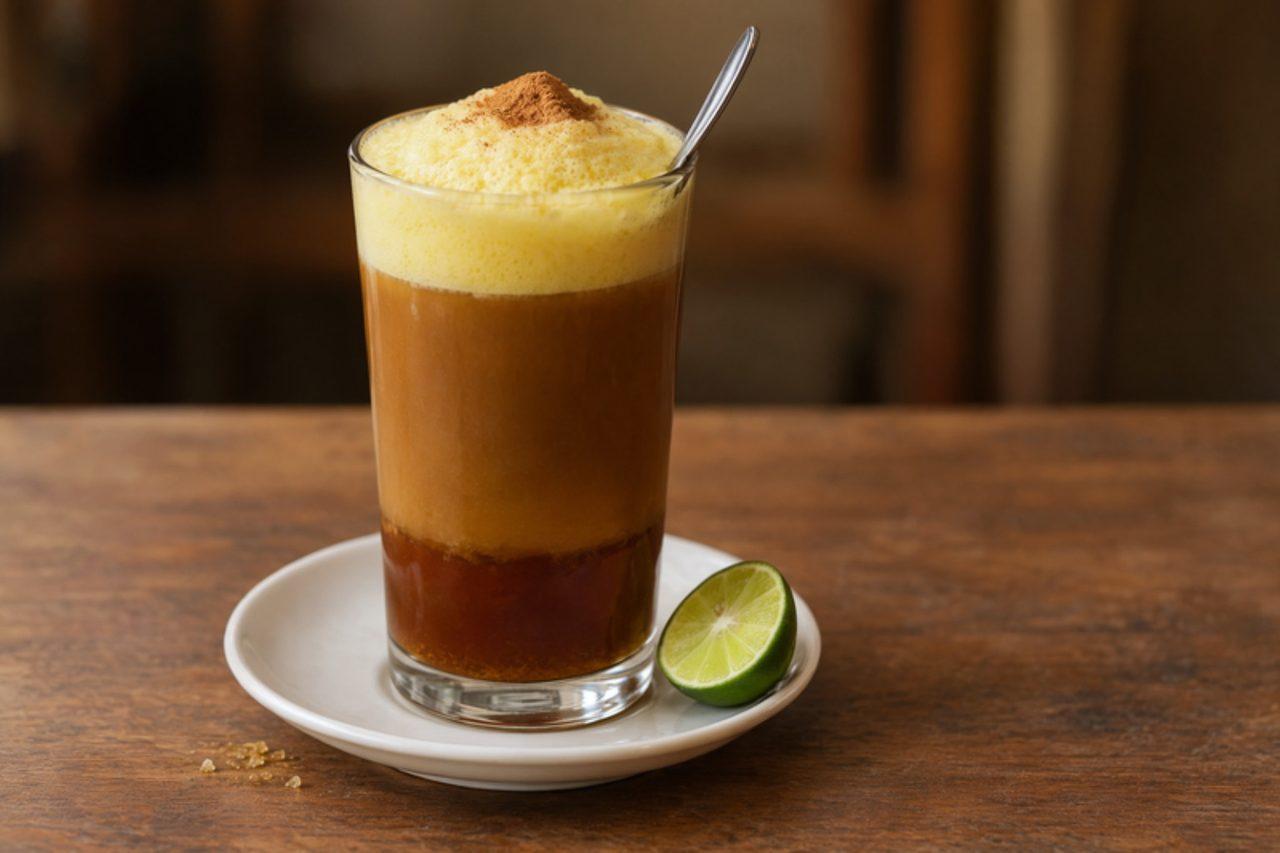
Teh talua (egg tea)

In the lapau coffee shops of Bukittinggi, Payakumbuh and Padang, the sound of a spoon or a small whisk clattering against a glass means someone has ordered teh talua. A raw egg yolk, traditionally from a free-range kampung hen or a duck, is whisked with sugar until thick and almost white, strong hot tea is poured on from a height, and a wedge of lime goes on the side. Minangkabau men drink it in the late afternoon or evening as a pick-me-up after work in the fields. It comes out with a creamy, caramel-coloured body under a deep layer of foam, rich like a light custard, with the lime cutting any eggy edge. The common mistake is whisking too little: the yolk stays yellow, the tea curdles it in strings and it smells of egg. Beat until the yolk has doubled in volume and falls in a thick ribbon. Use pasteurised eggs for anyone pregnant, babies and small children, older people or anyone unwell, as the yolk is only lightly warmed. Some lapau add condensed milk; this one is dairy-free. It contains caffeine. Chef's tip: pour the tea in a thin stream from high up while still stirring, to build the tallest foam.

by KrazyBadal 0 views

Kadha (spiced herbal decoction)

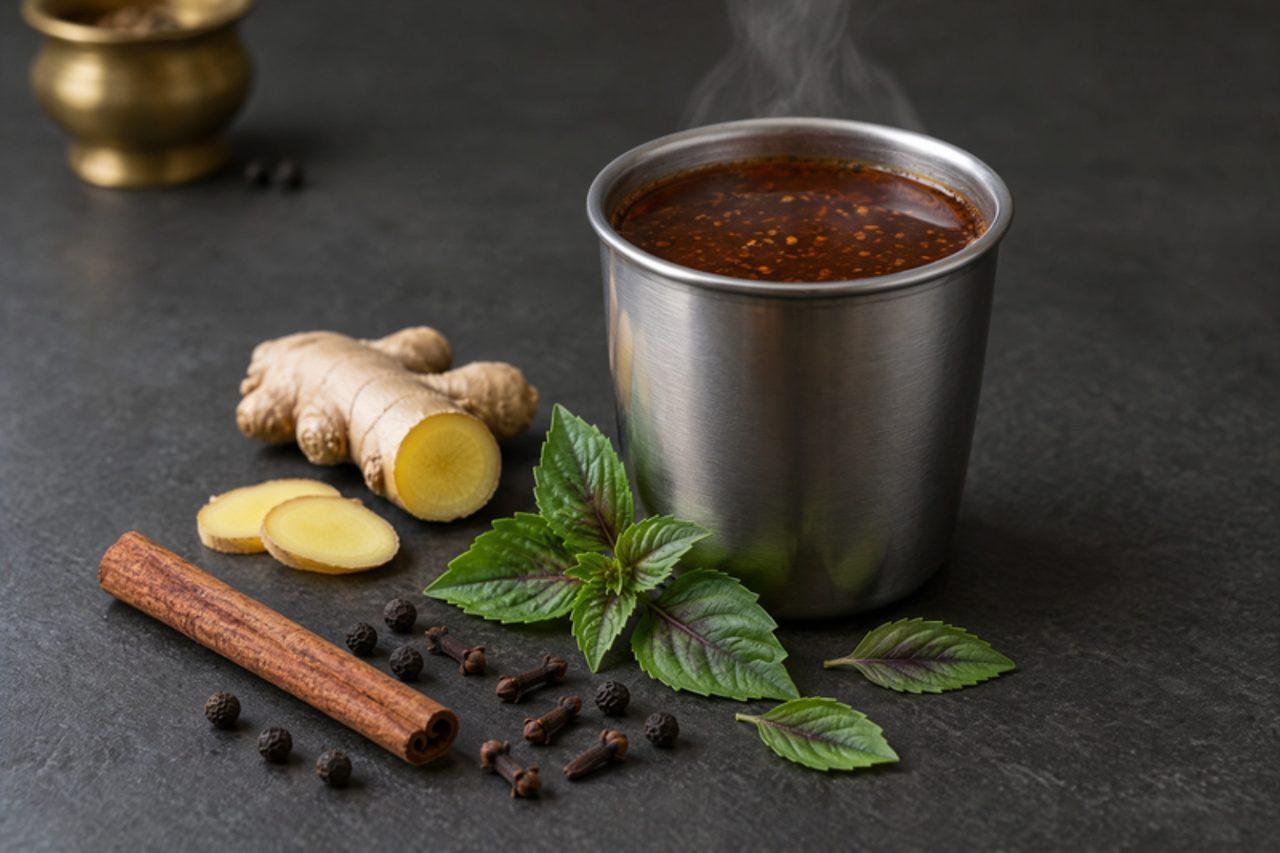
When the fog settles over Delhi, Lucknow and the plains of Uttar Pradesh in December, or whenever the monsoon brings coughs round the house, someone puts a pan of kadha on the stove. Tulsi leaves, ginger, black pepper, cinnamon, cloves and sometimes a little ajwain are boiled hard until the water reduces by half, then sweetened with jaggery and sipped in small cups, morning or night. It is not a gentle tea: it is hot, peppery, clove-numbing and earthy, with a dark amber colour and a sweet edge. It is traditionally drunk for coughs and colds; it does not replace medical care, and anyone who is pregnant, on medication or giving it to small children should keep it mild and check with a doctor. The common mistake is simmering it gently like tea: kadha needs a steady boil so the spices give up their strength and the liquid reduces. It is ready when the volume has halved and the brew is deep amber and pungent. Chef's tip: crush the pepper and cloves just before they go in; whole spices hardly flavour the water in this short time.

by KrazyBadal 0 views

Douzhi (fermented mung bean drink)

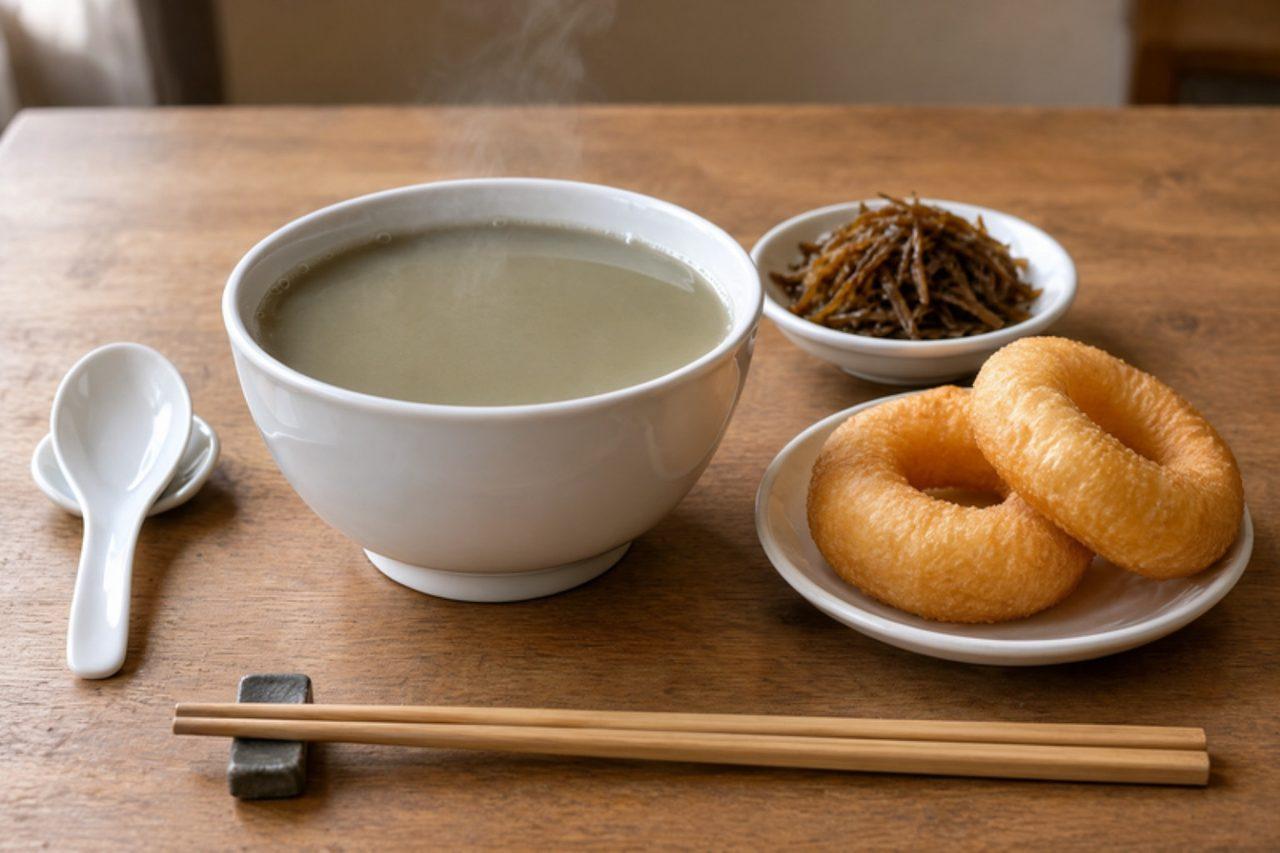
Douzhi is the breakfast that divides Beijing. It is the sour liquid left over when mung beans are ground and their starch settles out to make noodles and jelly; left to ferment for a day or two, the grey-green whey turns tangy, a little cheesy and sulphurous. Old Beijingers drink it piping hot at dawn in hutong shops around Qianmen and Huguosi, with a dish of finely shredded salty pickle dressed in chilli oil and crisp fried dough rings (jiaoquan) from the bakery. First-timers often say it smells like stale socks; regulars say it tastes like home. The texture is thin and slightly creamy, the flavour sour, a little bitter and savoury. The common mistake is boiling the soured starch hard: it separates into grey water and sludge. Bring it up slowly, stirring, and take it off as soon as it froths. The ferment makes only a trace of alcohol, well under 1%. Ferment at 20–25 °C; normal signs are fine bubbles, a sour, yogurt-like smell and a grey colour. Discard it if you see fuzzy mould, pink or black patches, a slimy texture or a putrid smell. Chef's tip: save 100 ml of a good batch to start the next one, as Beijing workshops do.

by KrazyBadal 0 views

Kafae boran (old-style Thai coffee)

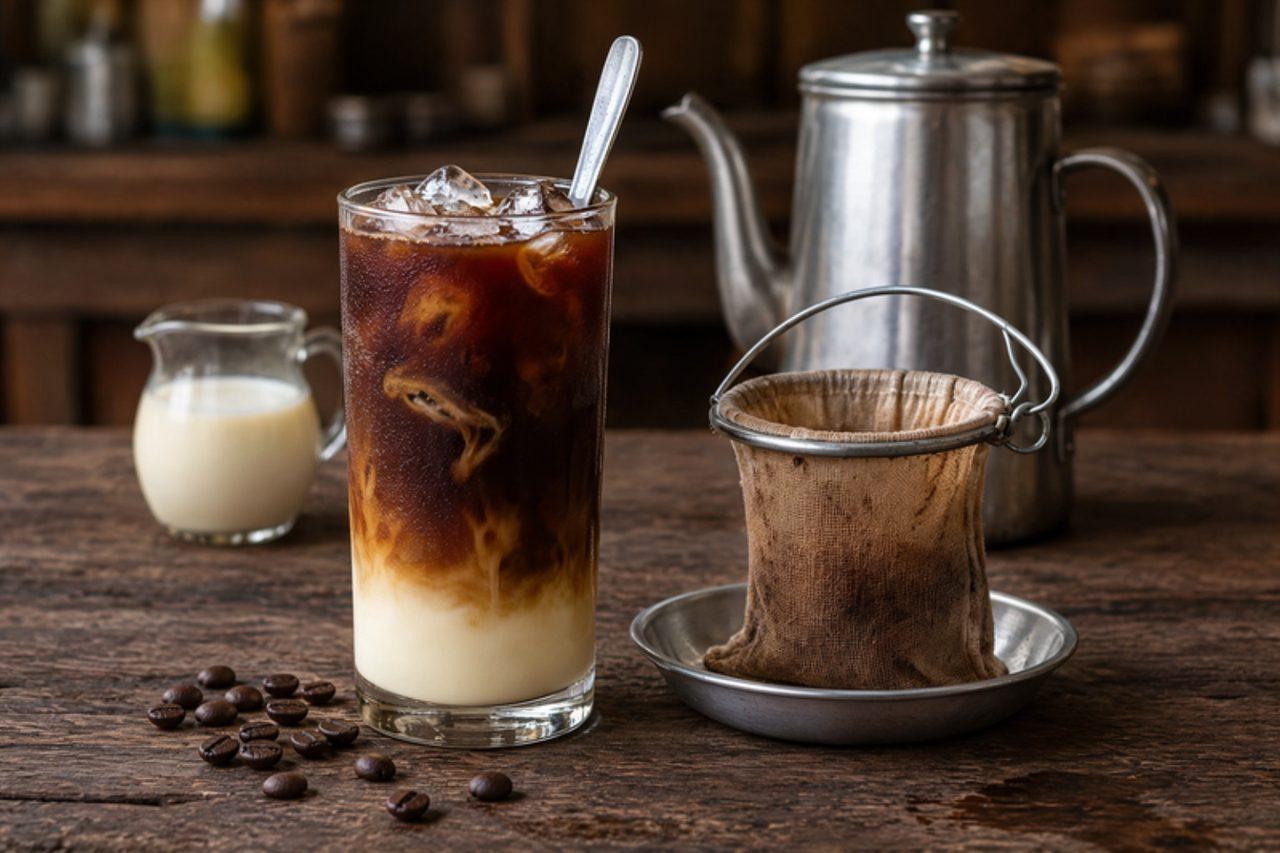
Before espresso bars reached Bangkok, coffee in Thailand meant kafae boran from Hainanese-Chinese shophouses and market carts: a dark robusta roast mixed with toasted grains, poured through a long cotton sock called a tung tom and stirred into thick sweetened condensed milk. Uncles still order it hot at 6 am with patongko dough sticks, and in the afternoon heat the same brew is poured over crushed ice and topped with evaporated milk as oliang or kafae yen. The taste is strong, roasty and slightly smoky, sweet and creamy, with a faint caramel-cereal edge from the grains; the iced version is silky and cold. The common mistake is brewing it like filter coffee with too little grounds: once milk and ice go in, it tastes thin. Use plenty, steep it in the sock and pour it through twice. The brew is ready when it is opaque, nearly black and leaves a brown film on a white spoon. It is high in caffeine, so not one for children or late evenings. Chef's tip: rinse the cloth sock in hot water only, never soap, and keep it in a jar of clean water in the fridge between uses so the coffee oils season it.

10 minThaiDrinksGluten free
by KrazyBadal 0 views

Tisane de tilleul (linden tea)

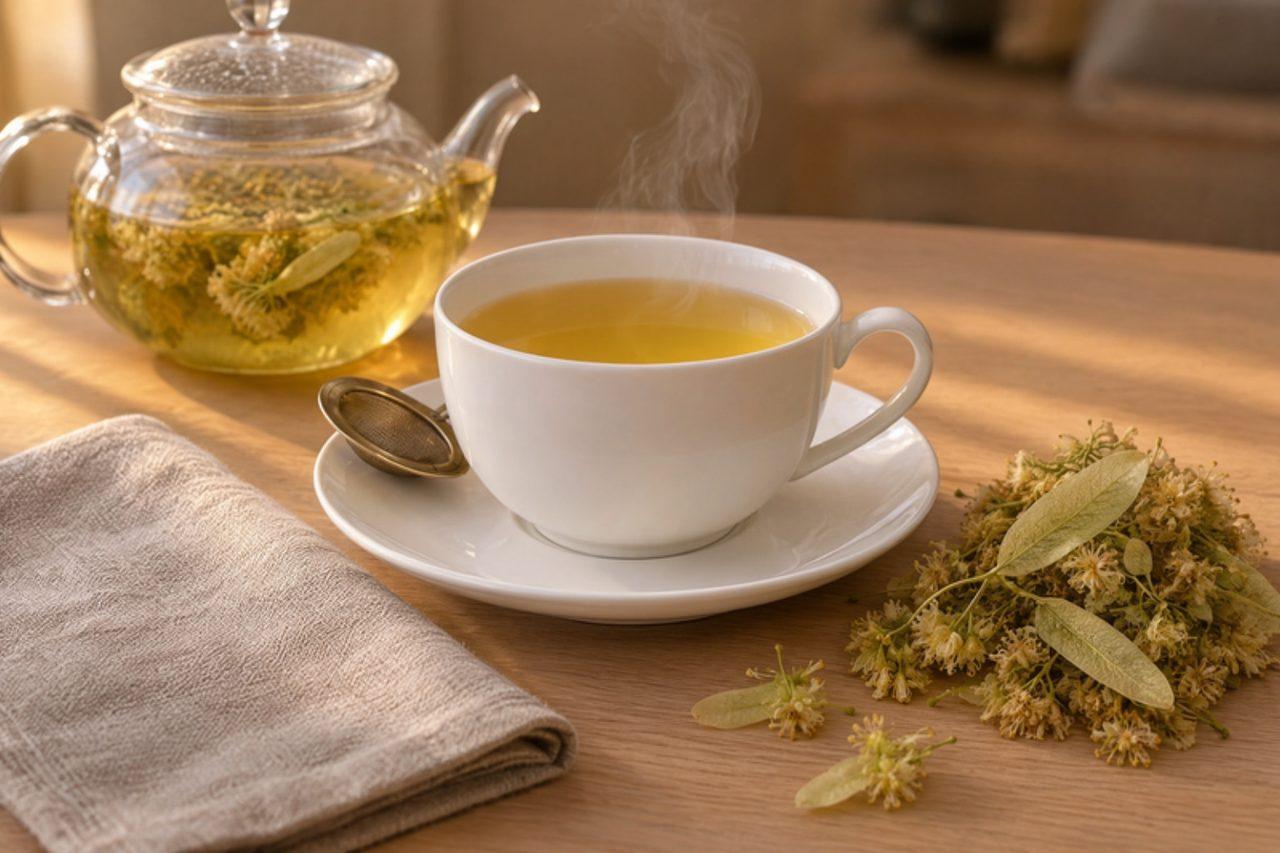
Carpentras, at the foot of Mont Ventoux, has been France's linden capital for over a century. In late June the flowering lime trees are harvested by hand, the blossoms and their pale papery bracts dried in the shade, and in July the town's linden market sells them by the sack. In French homes a tisane de tilleul is what you drink after dinner, at the end of a long day or before bed, often with a slice of lemon or a little honey; Proust's famous madeleine was dipped in one. It tastes softly floral and sweet, a little like honey and fresh hay, with a smooth, almost silky feel. The common mistake is using fully boiling water and steeping for fifteen minutes: the tea turns dull brown and slightly astringent. Let the kettle settle to about 90 °C and steep for 5–7 minutes, covered. It is ready when the infusion is pale gold and smells of a summer garden. It is traditionally drunk to unwind; if you take regular medication, have a heart condition, or want to give it to young children, check with a doctor first. Chef's tip: keep the pot covered while it steeps so the scented oils stay in the tea instead of the kitchen.

by KrazyBadal 0 views

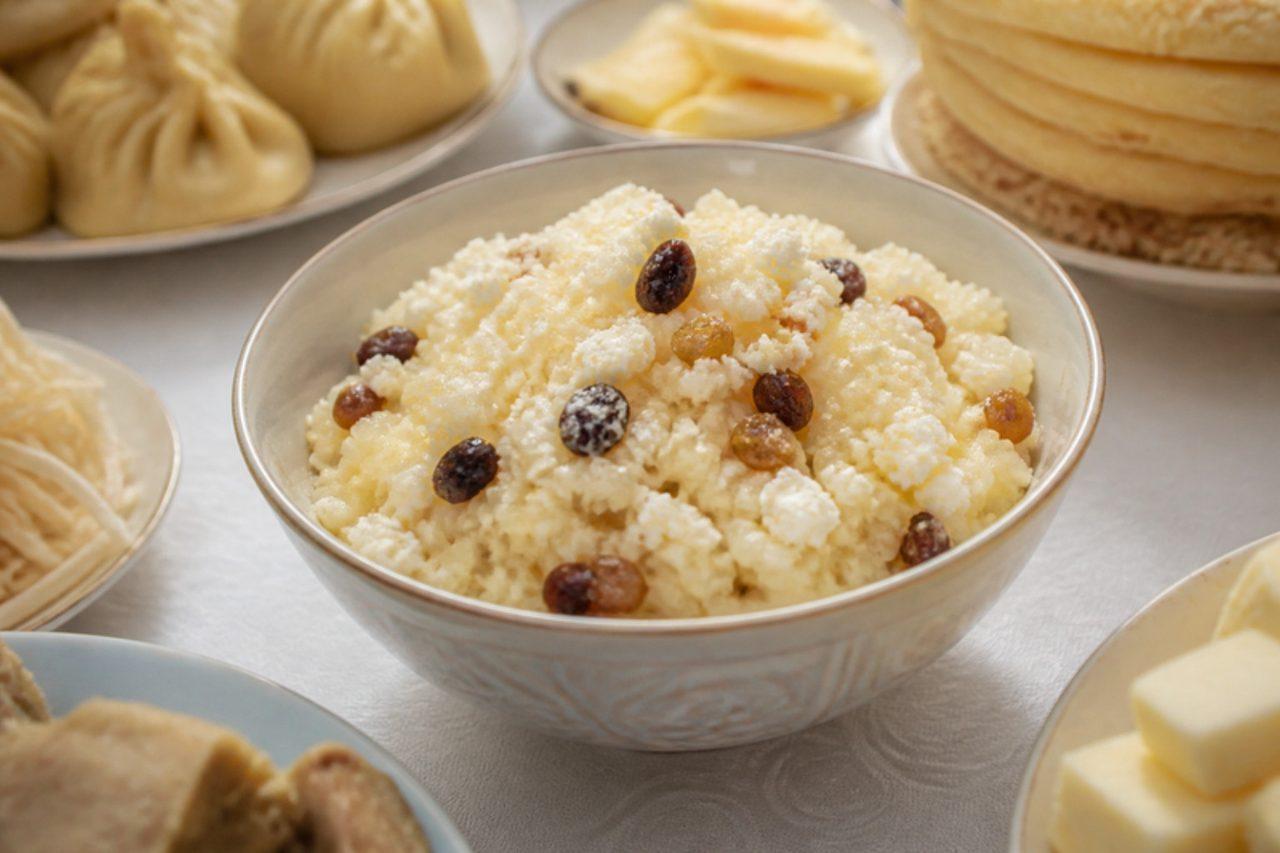
TsagaaSweet rice with raisins and curd

Tsagaa is a sweet, buttery rice dish served during Tsagaan Sar, the Mongolian Lunar New Year, when white foods (tsagaan idee) stand for purity and a good year ahead. Rice is cooked soft, then mixed with butter, sugar, raisins and crumbled aaruul or fresh curd, and served in small bowls to guests during the round of family visits. A common mistake is using long-grain rice, which won't turn creamy; use short-grain. Chef's tip: soak the raisins in hot water first so they're plump and juicy.

by KrazyBadal 0 views

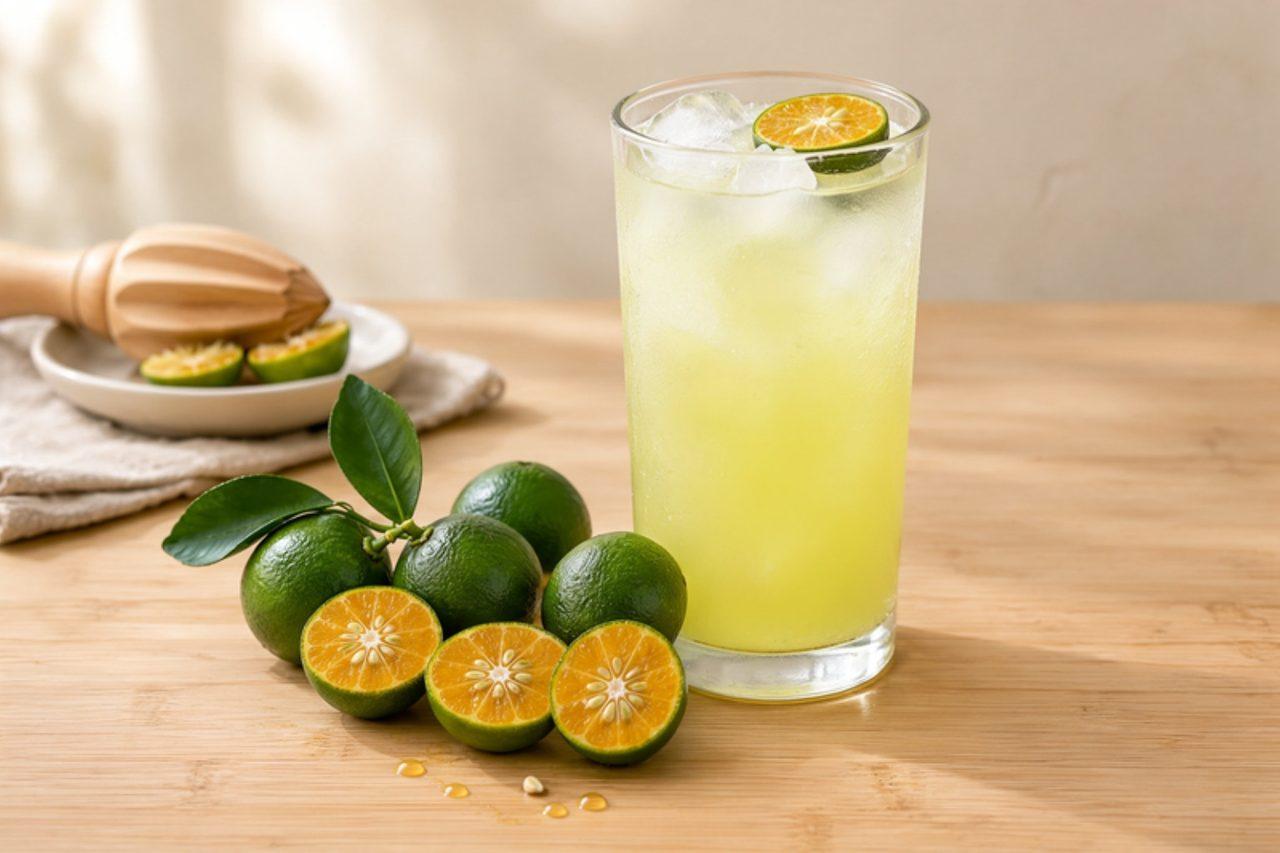
Calamansi juice

Every Filipino household seems to have a calamansi bush or a bag of the little green fruit in the fridge, from Manila condos to farmhouses in Mindoro, the island that grows most of them. At lunch in the dry season the juice comes out iced in a big pitcher; in the rainy months, when everyone has a cough, a lola stirs the same juice into hot water with a little sugar or honey and hands it over at bedtime. It tastes like a lime crossed with a mandarin: sharp, floral and slightly bitter at the edges, with a pale green-gold colour. The usual mistake is squeezing the fruit hard and letting the seeds and pith fall in, which turns the juice bitter within minutes; halve each fruit across, squeeze gently over a small strainer and stop before the peel folds. It is ready when the sugar has fully dissolved, the juice tastes bright rather than harsh and a cold glass fogs on the outside. Chef's tip: dissolve the sugar in a little warm water first, as it never melts properly in iced juice.

by KrazyBadal 0 views

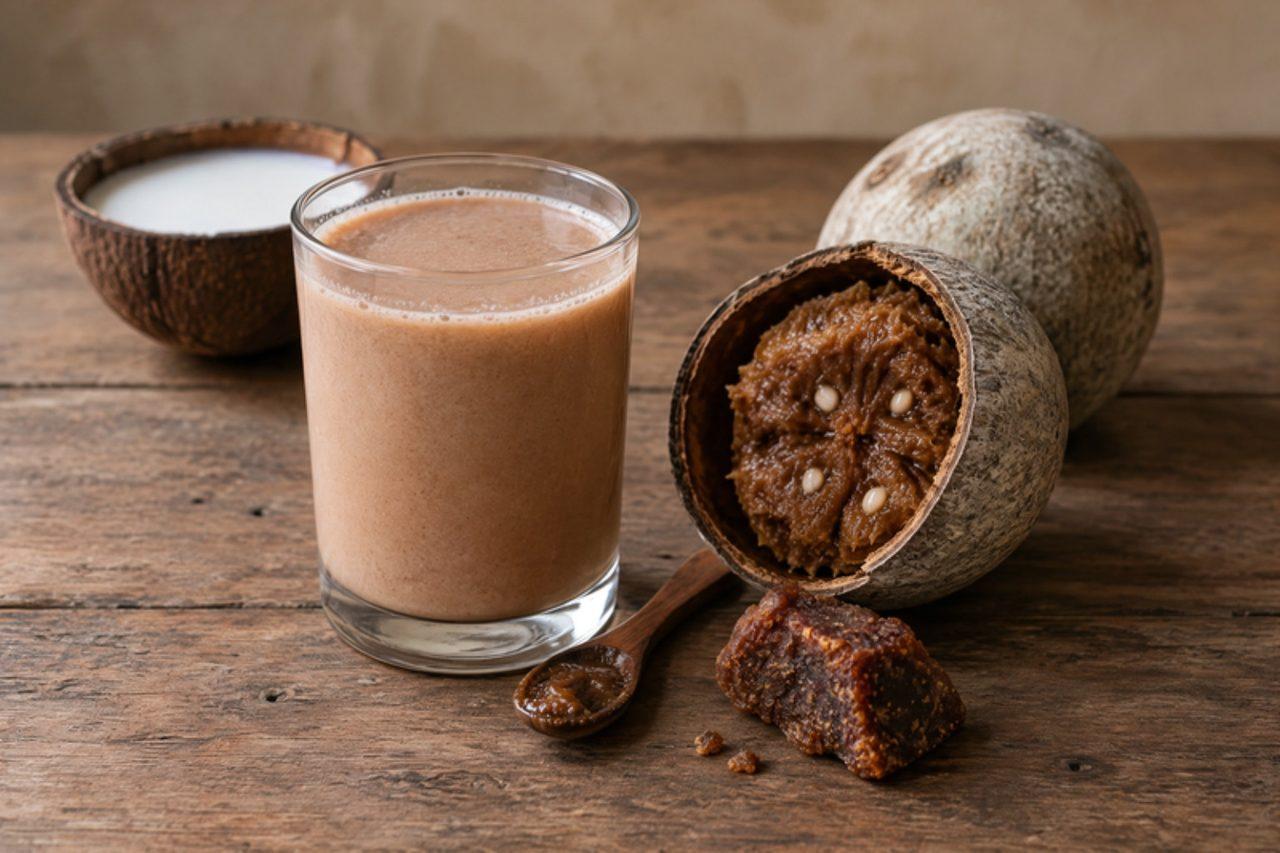
Divul kiri (wood apple drink)

In Sri Lanka's dry zone, around Anuradhapura, Polonnaruwa and down towards Hambantota, wood apple trees fruit through the hot months, and roadside sellers crack the hard grey shells open for you. Divul kiri, wood apple with coconut milk, is what families blend at home in the afternoon heat or offer guests during the Sinhala and Tamil New Year season in April. The pulp is brown, sticky and full of seeds, with a sour, funky smell that turns fruity once it meets creamy coconut milk and dark jaggery. The drink is thick and smooth, tangy-sweet and a little smoky. The common mistake is blending the seeds in: they break and make the drink gritty and bitter. Squeeze the pulp by hand and strain out every seed before blending. It is ready when it is thick enough to coat a glass, pale caramel-brown and tastes clearly sour under the sweetness. Outside Sri Lanka, look for frozen or tinned wood apple pulp in South Asian shops; there is no true substitute, though tamarind pulp with a few soft dates gives a similar sweet-sour idea. Chef's tip: pick a fruit that sounds hollow when tapped and smells strongly when cracked; it is fully ripe.

by KrazyBadal 0 views

Moreton Bay bugsSlipper lobster with garlic butter

Moreton Bay bugs are the flat, shovel-nosed slipper lobsters caught off the Queensland coast around Brisbane and the Sunshine Coast, and for Queenslanders they are a summer treat, split and grilled at the beach house. The tail meat is sweet and rich, somewhere between lobster and prawn. Buy them raw, frozen or fresh, from a fishmonger and ask them to halve them if you like. A common mistake is overcooking, which makes the meat rubbery; it is ready the moment it turns white. Chef's tip: grill flesh side down first to mark it, then turn and baste in the shell.

by KrazyBadal 2 views

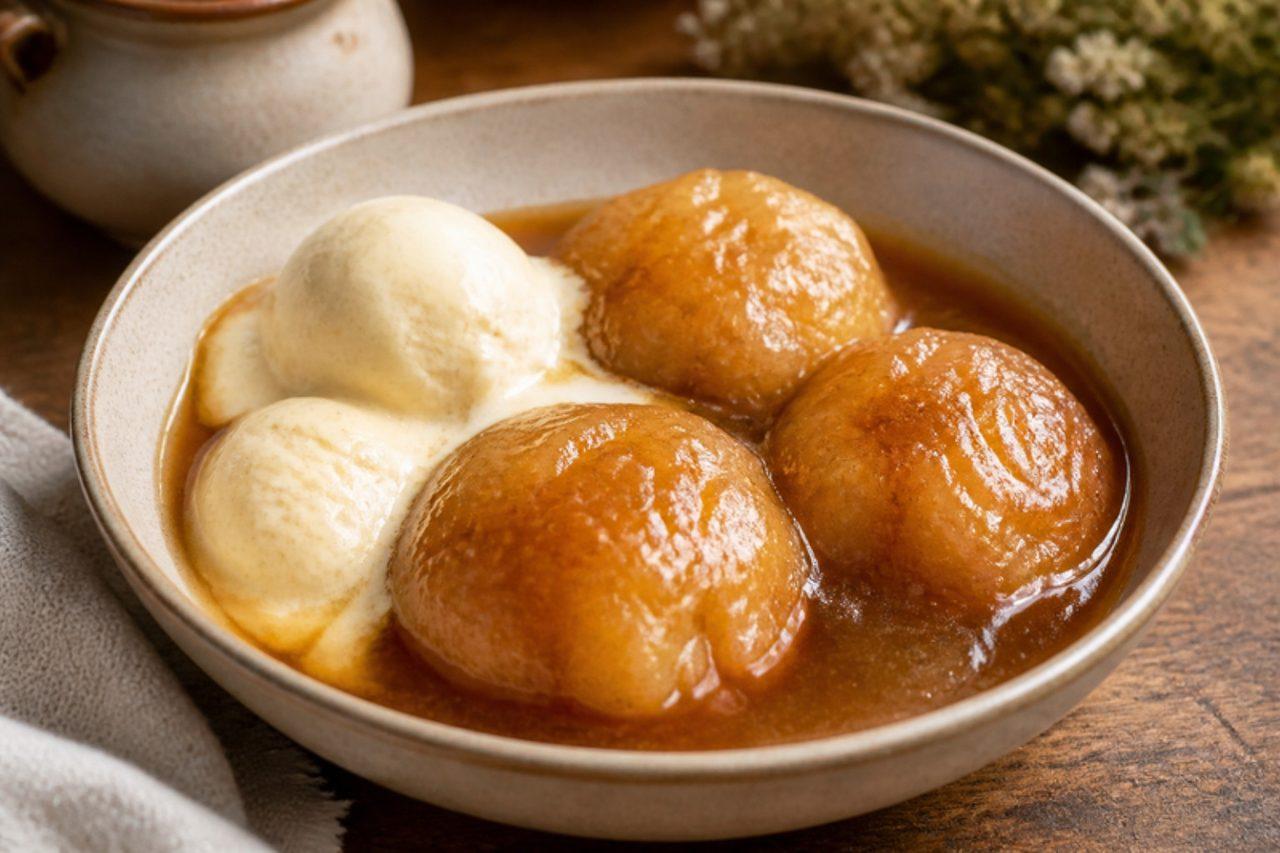
Golden syrup dumplings

Golden syrup dumplings are a winter pudding from Australian country kitchens, made during the Depression and still cooked by grandmothers in the Riverina and the Victorian high country when the nights turn cold. Soft scone-dough balls simmer in a sauce of golden syrup, butter and brown sugar until they swell and turn sticky. Serve with vanilla ice cream or custard. A common mistake is a pan that's too small; the dumplings double in size and need space. Chef's tip: keep the lid on and resist peeking, so the tops steam light and fluffy.

by KrazyBadal 0 views

Sharbat-e rivas (rhubarb sherbet)

For a few weeks in spring, after Nowruz, sellers come down from the Alborz foothills, the mountains of Khorasan and Kurdistan with bundles of rivas, the thick-stalked wild rhubarb. People peel and eat the stalks raw with salt, cook them into khoresh, and boil the rest into syrup to keep the taste of the season into summer. Sharbat-e rivas is pink, sharp and refreshing, like sour cherry and green apple together, softened by sugar and lifted by mint. The common mistake is boiling the rhubarb hard and pressing it through the sieve, which makes the syrup cloudy, brownish and stringy; simmer gently and let it drip on its own. Use only the stalks, never the leaves, which are poisonous. The syrup is ready when it is clear, rose-coloured and coats a spoon in a thin film; it keeps for two weeks in a clean bottle in the fridge, and should be thrown away if it fizzes, smells of alcohol or grows mould. Garden rhubarb is a good substitute for rivas; the reddest stalks give the prettiest colour. Chef's tip: a strip of lemon peel in the pot brightens the colour and stops the syrup tasting flat.

by KrazyBadal 0 views

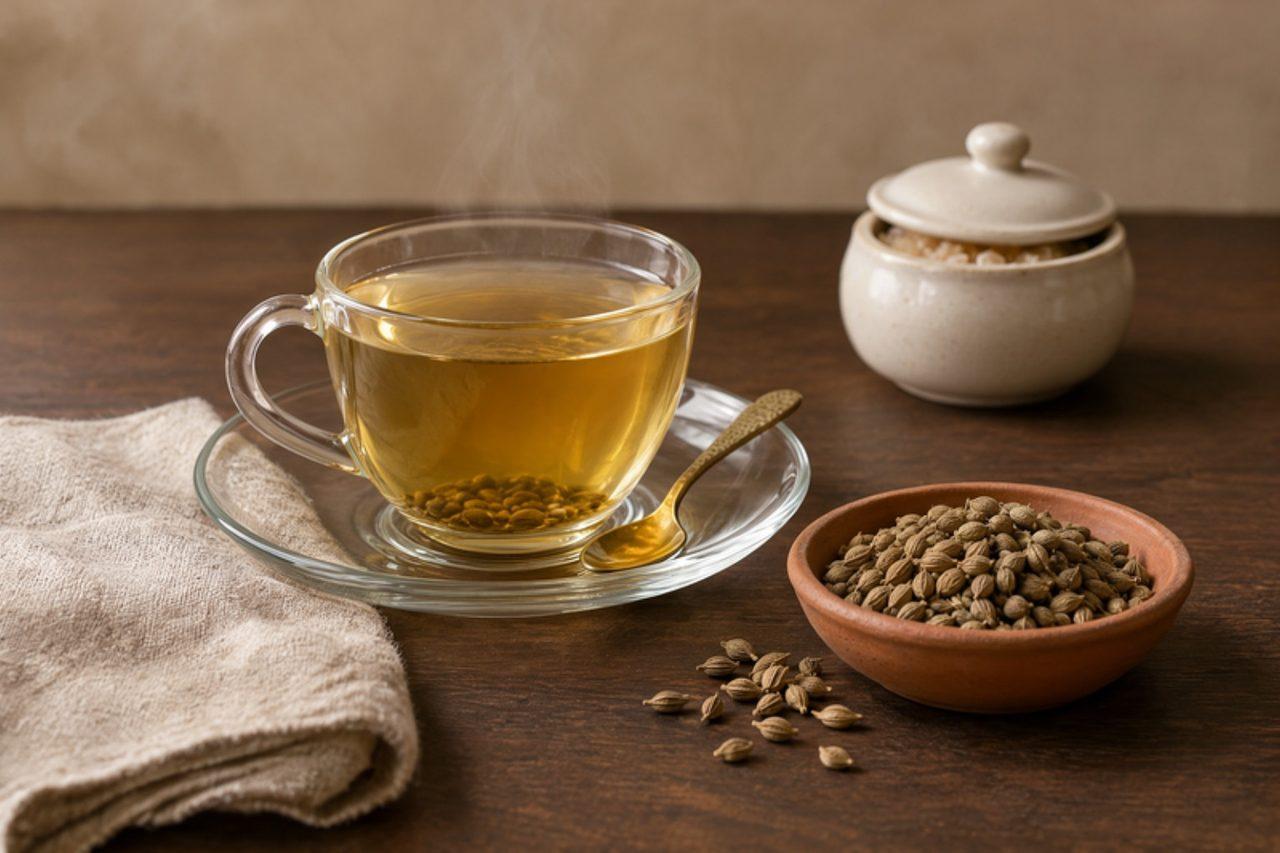
Yansoon (anise tea)

Every Cairo ahwa has yansoon on its menu, chalked up next to tea and helba, and in Egyptian homes it is the drink of evenings, colds and upset stomachs. It is made with green aniseed, often from Upper Egypt, simmered briefly and sweetened. People reach for it after a feast at Eid, during winter coughs, or simply at night because it is caffeine-free and traditionally drunk to calm and help sleep. It is pale gold and sweet, with a soft liquorice scent and a slightly peppery warmth at the end. Many Egyptian mothers give a weak version to infants, but herbal teas are not suitable for babies under six months; ask your doctor first. The common mistake is boiling the seeds for too long, which makes the tea cloudy and bitter: crush them lightly, boil for only a few minutes, then let them steep off the heat. Also do not swap in star anise, a different plant with a harsher taste. It is ready when the liquid is light golden and smells strongly of anise when you lift the lid. Chef's tip: a thin slice of lemon or a few drops of lemon juice brightens the cup without hiding the anise.

by KrazyBadal 0 views

Dongbei luan dunMixed vegetable stew

Luan dun, the 'chaotic stew', is everyday harvest cooking from Heilongjiang, Jilin and Liaoning, made in autumn when the garden gives everything at once and a big pot feeds the whole household through the cold evenings. Potato, aubergine, green beans, corn on the cob, peppers and tomato are cooked together in a soy-scented broth until soft and saucy, with the potato thickening it naturally. Serve it with steamed rice or mantou buns. The usual mistake is putting everything in together, so the beans stay squeaky while the aubergine turns to mush; add the vegetables in order of how long they take. A pressure cooker works too: 4 minutes on high after the beans and potato go in. Chef's tip: crush the potato pieces lightly against the pot near the end to give the stew body.

by KrazyBadal 0 views

Oblepikha tea (sea buckthorn tea)

Sea buckthorn grows wild along the rivers of Altai and the Baikal shore, and by October its thorny branches are crowded with tiny orange berries. Siberians freeze them by the bucketful, and all winter a glass teapot of oblepikha tea glows on café tables from Irkutsk to Moscow, ordered after skiing or against the dark afternoons. The taste is sharp and tropical, somewhere between passion fruit, pineapple and lemon, with a faint oily richness from the berries, softened by honey and warmed by ginger. The common mistake is pouring boiling water straight onto the honey and berries: it dulls the fruit, makes the honey taste flat and can turn the tea bitter. Let the kettle settle for a couple of minutes first. It is ready when the tea is a cloudy sunset orange, smells of citrus and ginger and the berries have released their juice. Outside Russia, look for frozen sea buckthorn in Eastern European or Nordic shops, or use unsweetened sea buckthorn purée. Chef's tip: crush a big batch of berries with honey, keep it in a jar in the fridge for a week, and spoon it into mugs whenever you want a cup.

by KrazyBadal 0 views

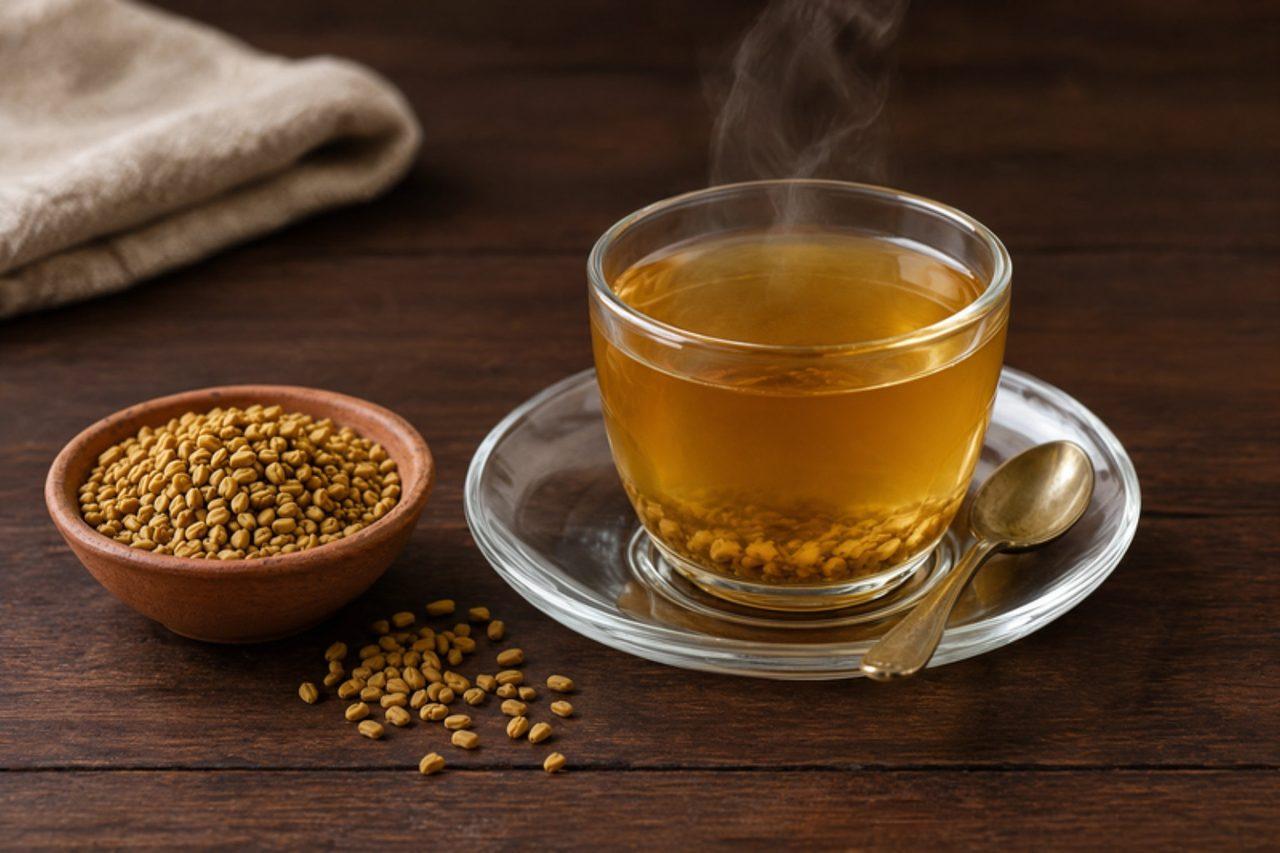
Helba (fenugreek tea)

Helba is the other hot drink chalked on the board of every Egyptian coffee house, ordered in winter by students and old men playing dominoes alike. At home it is brewed when someone has a cold, after childbirth, or simply on chilly nights in the Delta, and is traditionally drunk to soothe the chest and the stomach. Fenugreek seeds are boiled until the water turns amber-yellow; the cup tastes nutty and toasty, like maple and celery, with a pleasant bitterness that sugar softens. Some people add a splash of milk at the end. Fenugreek is not advised during pregnancy, can lower blood sugar and may interact with blood thinners, so check with your doctor if you take medication; it can also make your sweat smell faintly of maple, which is harmless. The common mistake is boiling unrinsed seeds hard for a long time, which gives a slimy, very bitter tea. Rinse them, toast them briefly and boil only 8–10 minutes. It is ready when the liquid is clear golden-amber and smells of warm maple. Chef's tip: soak the seeds overnight first for a milder, rounder brew, and eat the softened seeds with a spoon as Egyptians do.

by KrazyBadal 0 views

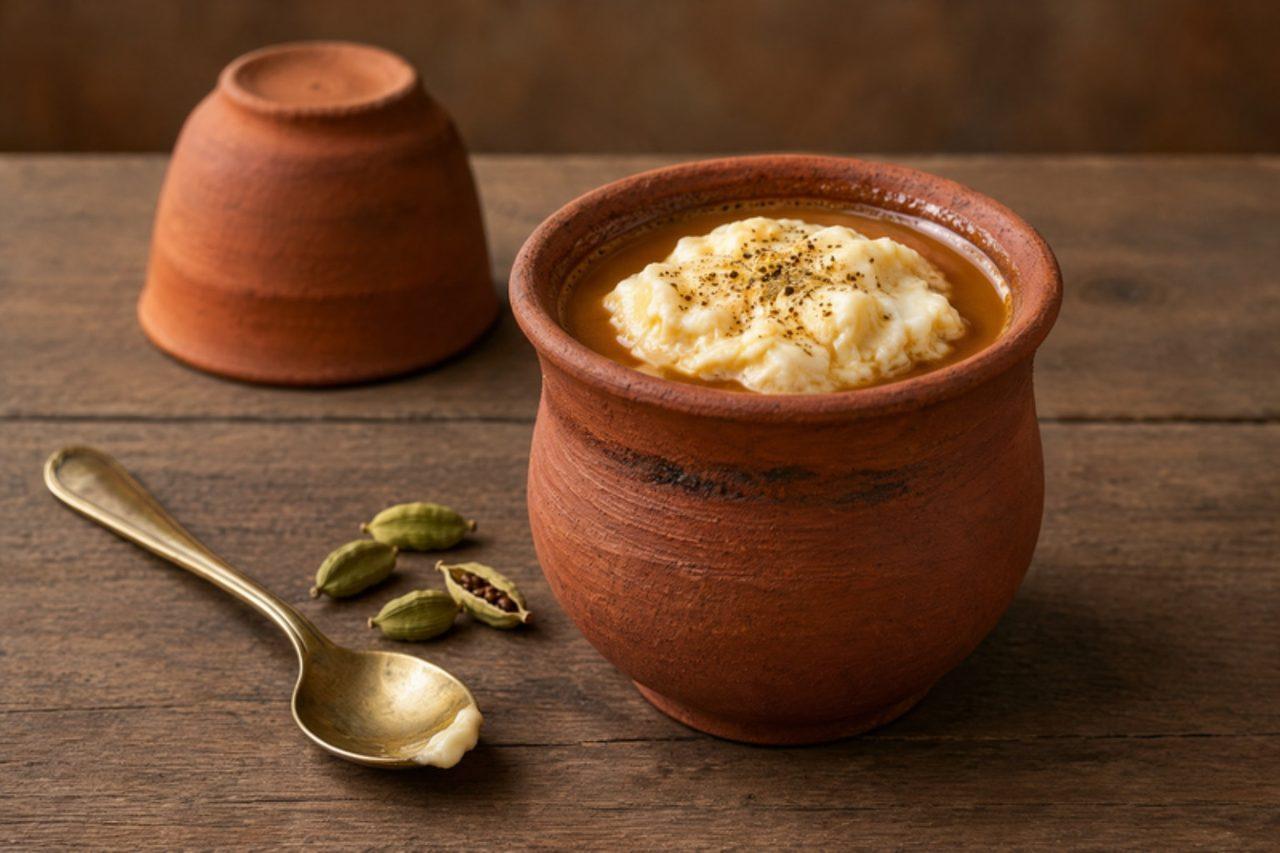
Malai cha (cream tea)

In Bogura, the town famous for its sweet doi, and in the lanes of Old Dhaka around Nazira Bazar, tea stalls keep a wide karai of milk barely simmering all evening. Layers of skin build up on top; the tea-maker lifts them off as malai and lays a thick spoonful on every cup of strong, sweet milk tea, poured into small unglazed clay bhar that give the tea a faint earthy smell. People stand around after maghrib prayers or late at night, sipping through the cream and finally eating it with a finger. The tea is malty and syrupy-sweet; the malai is soft, rich and slightly caramelised. The usual mistake is boiling the milk hard: a rolling boil breaks the skin into flakes and you never get a thick sheet. Keep it at a lazy shiver and lift the skin every 5 minutes. The tea is ready when it is the colour of milky caramel and coats the back of a spoon; the malai is ready when it lifts off as a wrinkled, leathery sheet. Strong CTC tea makes this fairly caffeinated. Chef's tip: soak clay cups in water for ten minutes first, so they don't drink up the tea or smell dusty.

by KrazyBadal 0 views

Pisco sour

Lima drinks its pisco sour as the aperitif before a long ceviche lunch, and celebrates it every year on the first Saturday of February; the recipe took shape in the city's bars in the 1920s. It is for adults only and stronger than its pillowy look suggests. Underneath a thick white foam you get sharp Peruvian lime, a clean sweetness and the floral, grapey warmth of quebranta pisco, with the bitters adding a spicy smell to every sip. The texture should be silky, almost creamy, never thin. The classic mistake is squeezing the limes too hard or too early: the oil from the pith turns the drink bitter within half an hour. Halve the limes, press each half gently by hand just before mixing and stop when the juice slows. The egg white is raw, so use pasteurised egg white for anyone pregnant, for babies, older people or anyone unwell, or swap in 30 ml aquafaba. It is ready when the foam stands about 1 cm high and is firm enough to hold the drops of bitters on its surface. Sip one slowly and drink responsibly. Chef's tip: shake once without ice first to whip the egg white, then again with ice; the foam will be twice as thick.

by KrazyBadal 0 views

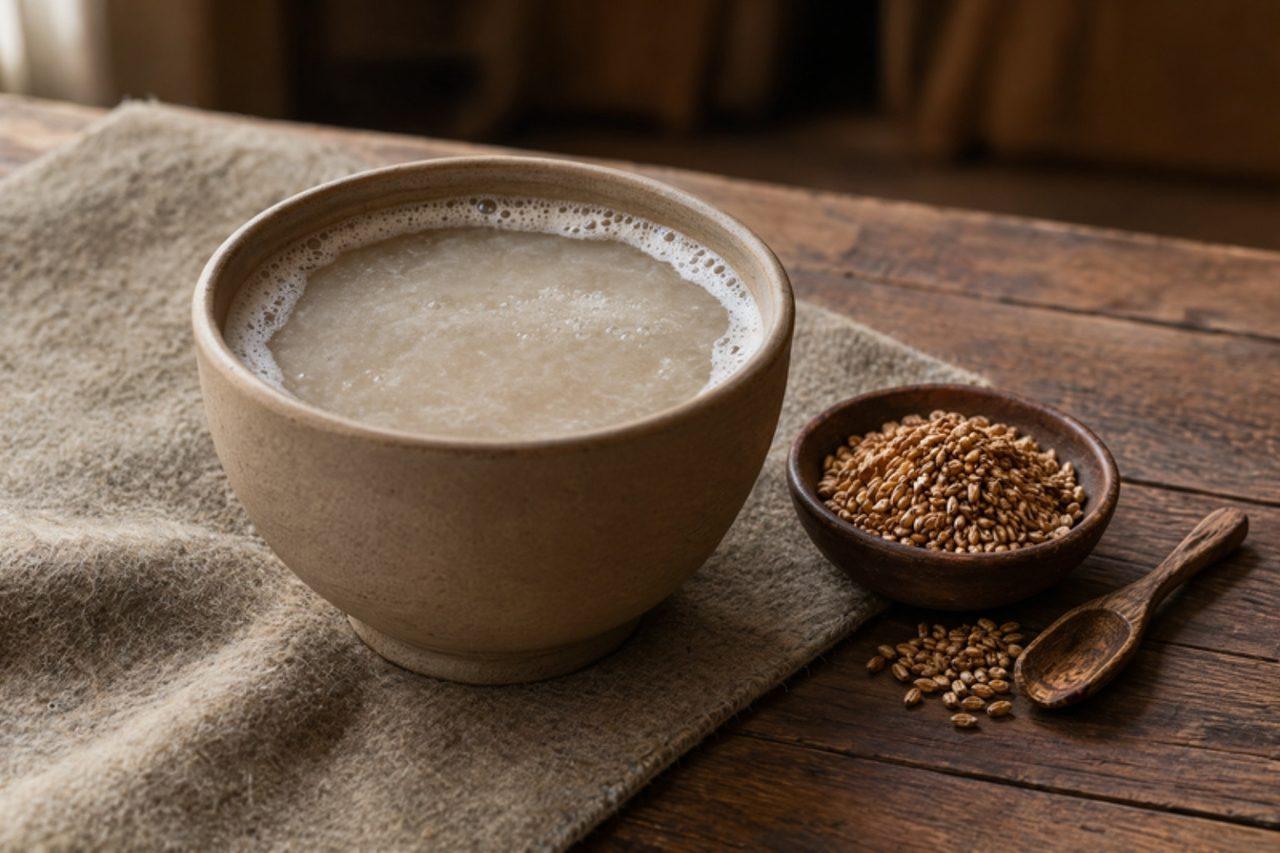
Maksym (Kyrgyz grain drink)

On summer days in Bishkek and Osh, blue and yellow street barrels sell maksym by the glass, next to chalap and kymyz. It is a sour grain drink of Kyrgyz herders: barley (or millet or corn) is toasted, ground and cooked with fried wheat flour into a thin gruel, then left overnight with a little of yesterday's batch until it turns pleasantly sour and slightly sparkling. It is drunk cold with plov, samsa or simply to cool down in July heat. It tastes nutty, like toast and rye bread, with a yogurt-like tang and a gentle salty edge; the texture is thicker than kvass, about like thin buttermilk. Like all ferments it develops a trace of alcohol, well under 1% when drunk young. The classic mistake is adding the starter while the gruel is still hot, which kills it; wait until it feels just warm, about 30 °C. It is ready when small bubbles rise, it smells pleasantly sour and a foamy cap forms. Keep it in the fridge in a loosely capped jug for 3–4 days; it gets sourer and more alcoholic as it sits. Discard if you see coloured mould, slime or smell anything rotten. Contains gluten. Chef's tip: toast the barley until it smells like coffee for the deepest flavour.

by KrazyBadal 0 views

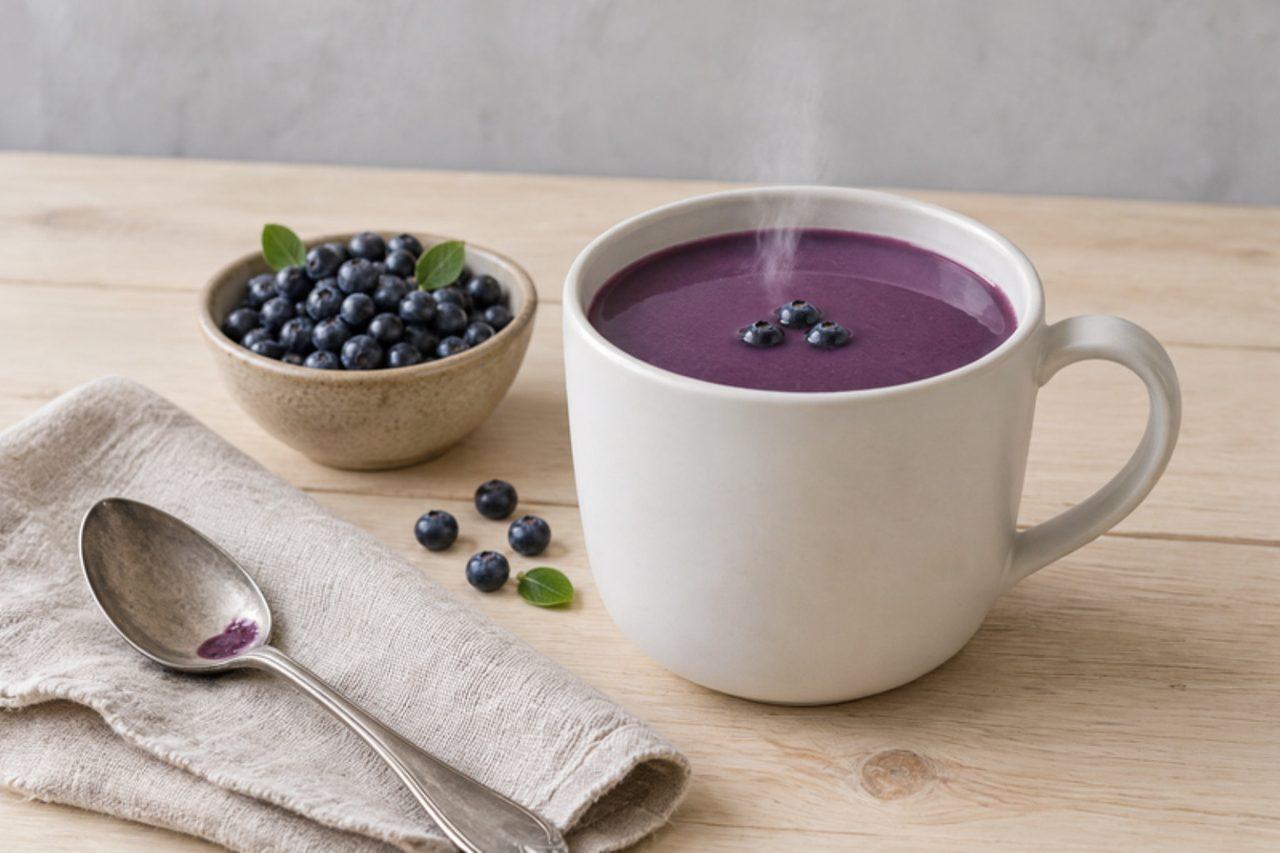
Blåbärssoppa (warm bilberry drink)

Every first Sunday of March, the 90-kilometre Vasaloppet ski race from Sälen to Mora is fuelled by blåbärssoppa: volunteers at the feeding stations hand thousands of skiers paper cups of the warm purple drink, and Swedes drink it from thermoses on winter hikes, after skating and on the ski slopes. It is made from wild bilberries, the small dark forest berries with purple flesh, cooked with sugar and thickened with potato starch so it is just thick enough to coat the cup. It is sweet, softly tart and tastes intensely of berries, with a silky, almost glossy body. The common mistake is stirring the starch straight into the hot pot: it forms jelly lumps at once. Always mix potato starch with cold water first, take the pot off the boil, then stir it in and bring back just to a bubble; long boiling thins it again. It is ready when it turns glossy and coats a spoon in a thin film. Bilberries are sold frozen in Nordic shops; cultivated blueberries work too, with a squeeze of lemon for sharpness. Chef's tip: it is just as good cold the next day, or served as a soup with whipped cream and almond biscuits.

by KrazyBadal 0 views

Anijsmelk (aniseed milk)

When the canals of Friesland freeze hard and the whole of the Netherlands goes out on skates, koek-en-zopie stalls appear on the ice selling erwtensoep, warm sausage and steaming cups of anijsmelk. At home it is a winter bedtime drink for children and grandparents alike, made either by crushing aniseed into simmering milk or, as many Dutch families do, by stirring in anijsblokjes, sugar cubes flavoured with aniseed. It tastes softly sweet and liquorice-like without being sharp, and it is smooth and warming, with a faint warmth on the tongue. The common mistake is boiling the milk: it rises over the pan, scorches on the base and forms a thick skin. Heat it slowly and stop when tiny bubbles appear around the edge. It is ready when the milk smells clearly of anise after steeping and has turned faintly ivory. Anise seeds are sold in spice shops; in a pinch use one star anise, though it tastes stronger and less sweet. There is no caffeine, which is why Dutch parents serve it at bedtime. Chef's tip: crush the seeds just before using, the oils fade quickly once ground.

by KrazyBadal 0 views

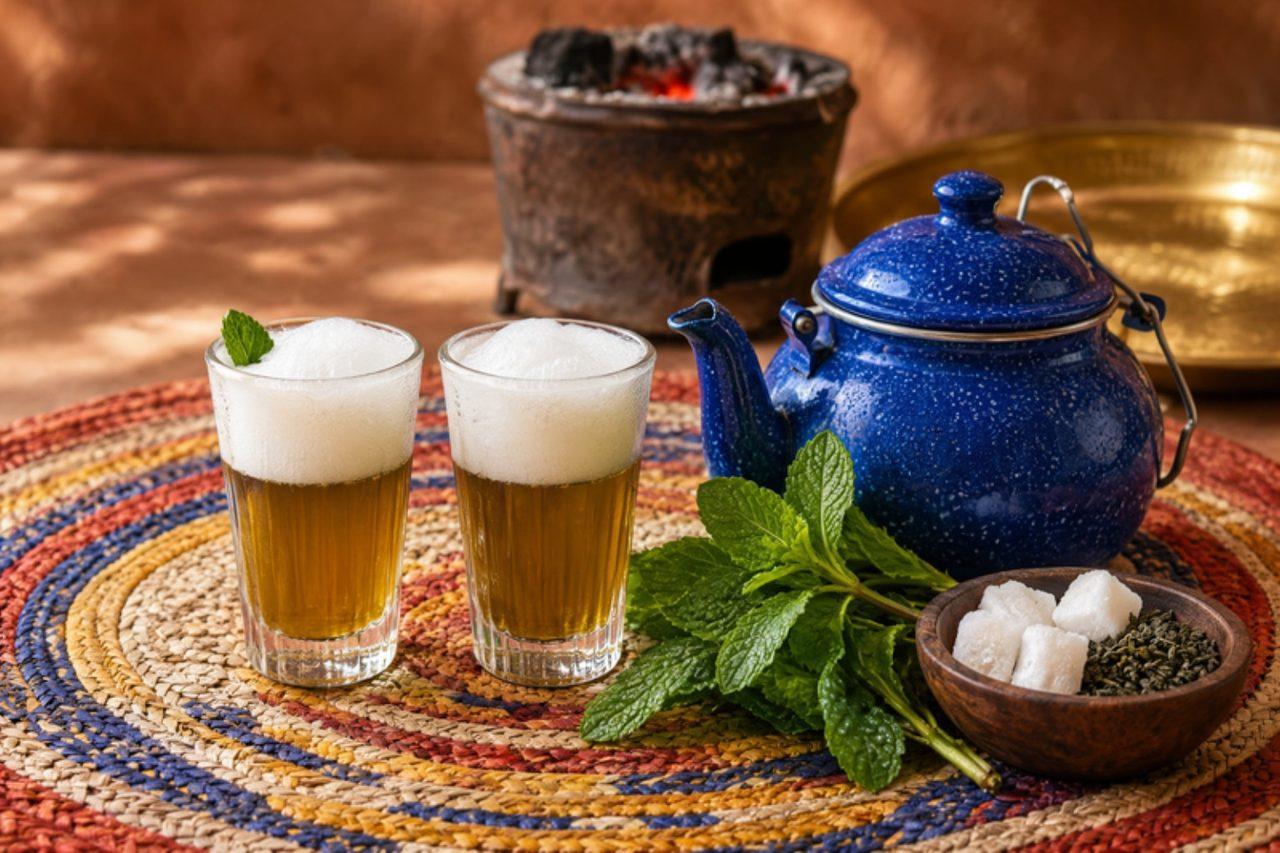
Attaya (Senegalese mint tea)

Attaya is less a drink than an afternoon. In Dakar courtyards, Banjul markets and village shade trees across Senegal and the Gambia, someone, usually the youngest man present, sets a tiny enamel teapot on a charcoal burner after lunch and makes three rounds, slowly, for an hour or more while everyone talks. The first glass, lewel, is strong and bitter; the second, naani, is sweeter and softer; the third, ñetteel, is the sweetest and most minty. The saying is that the first is bitter like death, the second gentle like life, the third sweet like love. Each tiny glass carries a thick, pale foam made by pouring the tea back and forth from height. The tea is boiled very strong, so it is high in caffeine: keep the glasses small and do not give it to children. The common mistake is rushing the foam; pour slowly and patiently, from as high as you can control, until a 1 cm head stands on the glass. A round is ready when the tea is dark amber, very sweet-bitter and the foam holds. Chef's tip: warm the empty glasses with a little hot tea first; foam lasts far longer in a warm glass.

by KrazyBadal 0 views

Indio viejoShredded beef in corn masa sauce

Masaya and Granada both claim indio viejo, a thick, tangy stew of shredded beef cooked into a sauce of corn masa, tomato, sweet pepper and achiote, sharpened with sour orange and scented with mint. It has the texture of a savoury porridge and is eaten for lunch with white rice and fried ripe plantain. The mistake that ruins it is tipping masa straight into the hot pot, where it forms lumps; whisk it into broth first. Chef's tip: add the sour orange juice only in the last few minutes, so it stays bright and fresh rather than flat.

by KrazyBadal 0 views

Mojito

In Old Havana the mojito is the answer to three o'clock heat: made at bar counters along Obispo Street, on the Malecón and at home on the patio, often with a plate of tostones or chicharritas on the side. It is a drink for adults only, though its cool, fresh taste can fool you; sip it slowly and drink responsibly. A real Cuban mojito is fragrant and grassy from hierbabuena, the mild local mint, sharp with lime, gently sweet and lightly sparkling, with the rum giving it backbone rather than burn. The common mistake is shredding the mint with heavy muddling: the leaves turn black, bitter and stick in your teeth. Press the leaves softly against the sugar and lime just until you can smell them strongly, then stop. It is ready when the sugar has dissolved, the glass is fully frosted and the mint leaves are scattered bright green through the ice. Outside Cuba, use spearmint; peppermint tastes like toothpaste here. Chef's tip: slap the garnish sprig between your palms before tucking it in beside the straw; every sip then comes with the smell of fresh mint.

by KrazyBadal 0 views

Daiquiri

The daiquirí is named after a beach and the old iron mines east of Santiago de Cuba, where engineers and miners at the turn of the twentieth century mixed the local white rum with lime and sugar to cut the heat. Later Havana's bars turned it into a frozen blended drink, but in eastern Cuba it is still drunk the plain way, shaken, in the late afternoon or before a dinner of congrí and roast pork. It is a cocktail for adults only, short and clean: tart lime, a light touch of sugar and the soft, dry vanilla notes of light rum, served so cold it almost stings. The common mistake is a lazy shake, which leaves the drink warm, harsh and too strong. Fill the shaker with ice and shake hard for a full 12–15 seconds. It is ready when the tin is too cold to hold, there are tiny shards of ice on the surface and the drink has a fine foam at the rim. Have one and drink responsibly. Balance matters more than amounts: taste your limes, and add a little more syrup if they are very sour. Chef's tip: chill the coupe in the freezer first; a daiquirí loses its magic within minutes in a warm glass.

by KrazyBadal 0 views

Patacón maracuchoPlantain sandwich

In Maracaibo, the patacón is a sandwich where the bread is a whole green plantain, sliced lengthwise, fried, smashed flat and fried again until crisp. It's stacked with grilled meat, salty white cheese, lettuce, tomato and a flood of sauces, and sold from busy street stands late into the night. This version fills it with garlicky chicken. The common mistake is flattening the plantain after it has cooled, so it cracks. Chef's tip: press it between two sheets of baking paper with a heavy board while it is still hot from the first fry.

by KrazyBadal 0 views

Piña colada

Two bars in 1950s San Juan claim to have created the piña colada, and Puerto Rico made it the island's official drink in 1978. It is the drink of hot afternoons on the beaches of Condado and Isla Verde, of hotel pools and of family parties where the blender runs all day. The rum version is for adults only, and because it tastes like a dessert it is easy to drink too fast, so keep to one or two and drink responsibly. A good piña colada is thick, frosty and smooth, coconut-sweet but kept fresh by the sharp acidity of pineapple, with the rum warming the finish. The common mistake is using coconut milk or unsweetened coconut cream instead of cream of coconut, the thick sweetened coconut syrup sold in tins and squeeze bottles: the drink comes out bland and splits into icy water and fat. If you only have coconut cream, blend in 2 tbsp sugar. It is ready when the drink is thick enough to hold a straw upright for a moment, has no crunchy ice and has turned a pale, creamy yellow. Chef's tip: freeze half of the pineapple juice into ice cubes the day before; you will need less ice and the colada stays thick to the last sip.

by KrazyBadal 0 views

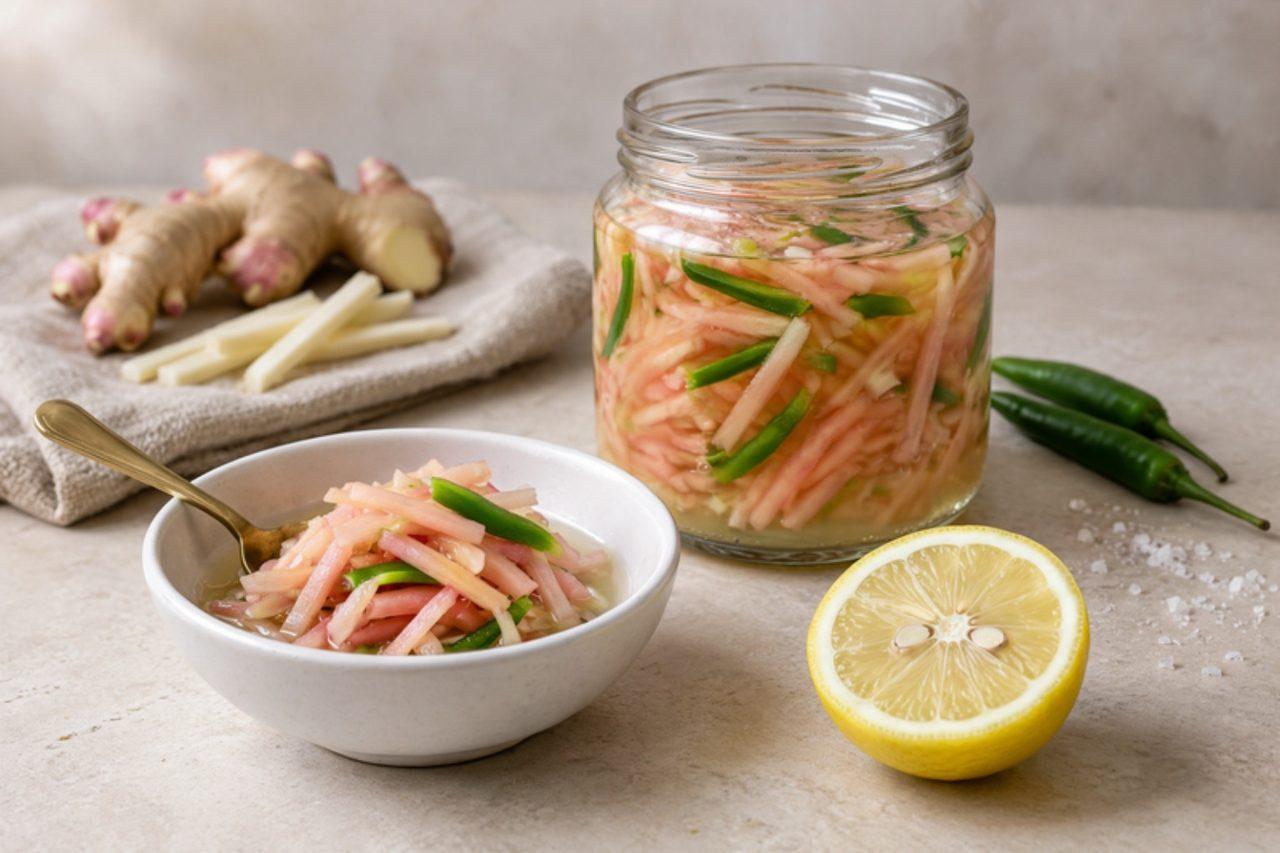
Adrak ka acharGinger pickle

Walk into a Punjabi dhaba in winter and there is often a steel bowl of ginger matchsticks soaking in lemon juice beside the onion rings. Adrak ka achar is the simplest pickle of all: tender ginger, green chilli, salt and lemon, nothing cooked. Young ginger with thin, pinkish skin reacts with the acid and turns a pretty pale pink within a day; older ginger stays yellow but tastes just as good. The flavour is clean, hot and sour, with crunch, and a forkful cuts the richness of sarson ka saag, makki ki roti, chole bhature or a heavy dal makhani. Common mistake: cutting the ginger thick or using fibrous old roots, which stay woody and harsh; slice thin enough to see light through. It is ready when the ginger has softened slightly, the juice tastes less sharp and the slices have taken colour. Fresh ginger in lemon juice keeps in the fridge for up to 2 weeks; discard it if mould appears, the juice turns slimy or the smell turns from fresh-sour to musty. Chef's tip: a pinch of black salt (kala namak) added at the end gives it that dhaba-style sulphurous edge.

by KrazyBadal 0 views

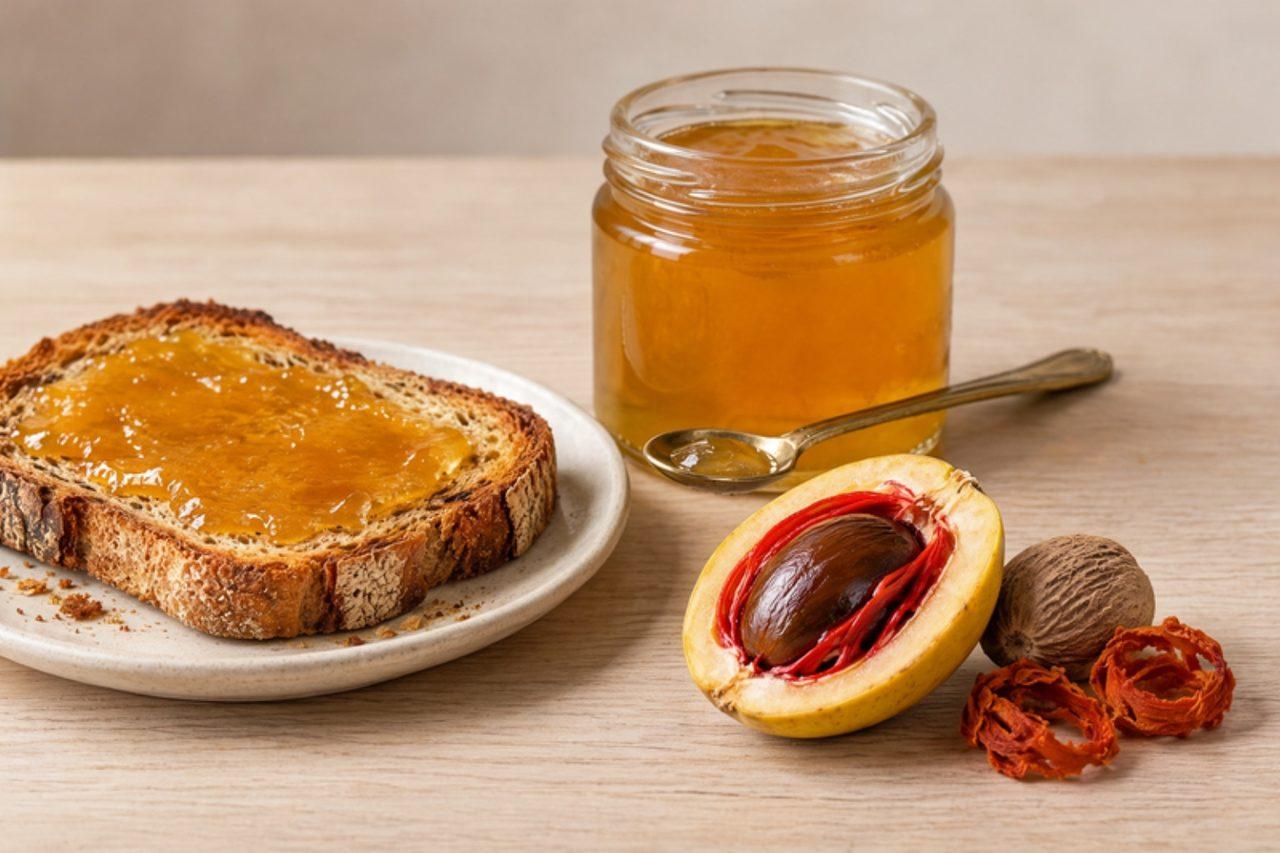
Nutmeg jelly

Grenada, the Spice Isle, grows nutmeg all over the green hills of St Andrew and St John, and the pale yellow, apricot-sized fruit that wraps the seed and its red lace of mace was long thrown away at the processing stations. Grenadian cooks turned that tart, slightly astringent flesh into nutmeg jelly, a clear amber spread that is eaten on hops bread or coconut bake at breakfast, sold in small jars in the St George's market and carried home by visitors at Christmas. The fruit is loaded with pectin, so it sets easily, and it tastes sweet-sharp and fragrant, faintly of apple, with a soft warm hint of the spice itself. Outside the Caribbean the fresh fruit is hard to get; tart cooking apples or quinces with a little freshly grated nutmeg make a close copy (see the notes). The common slip is boiling on long after the set point, which turns the jelly dark, gummy and dull, so start testing early. It is ready when a drop wrinkles on a cold saucer or the thermometer reads 104–105 °C. Chef's tip: drop a strand of the red mace into each jar for colour and a little extra perfume.

by KrazyBadal 0 views

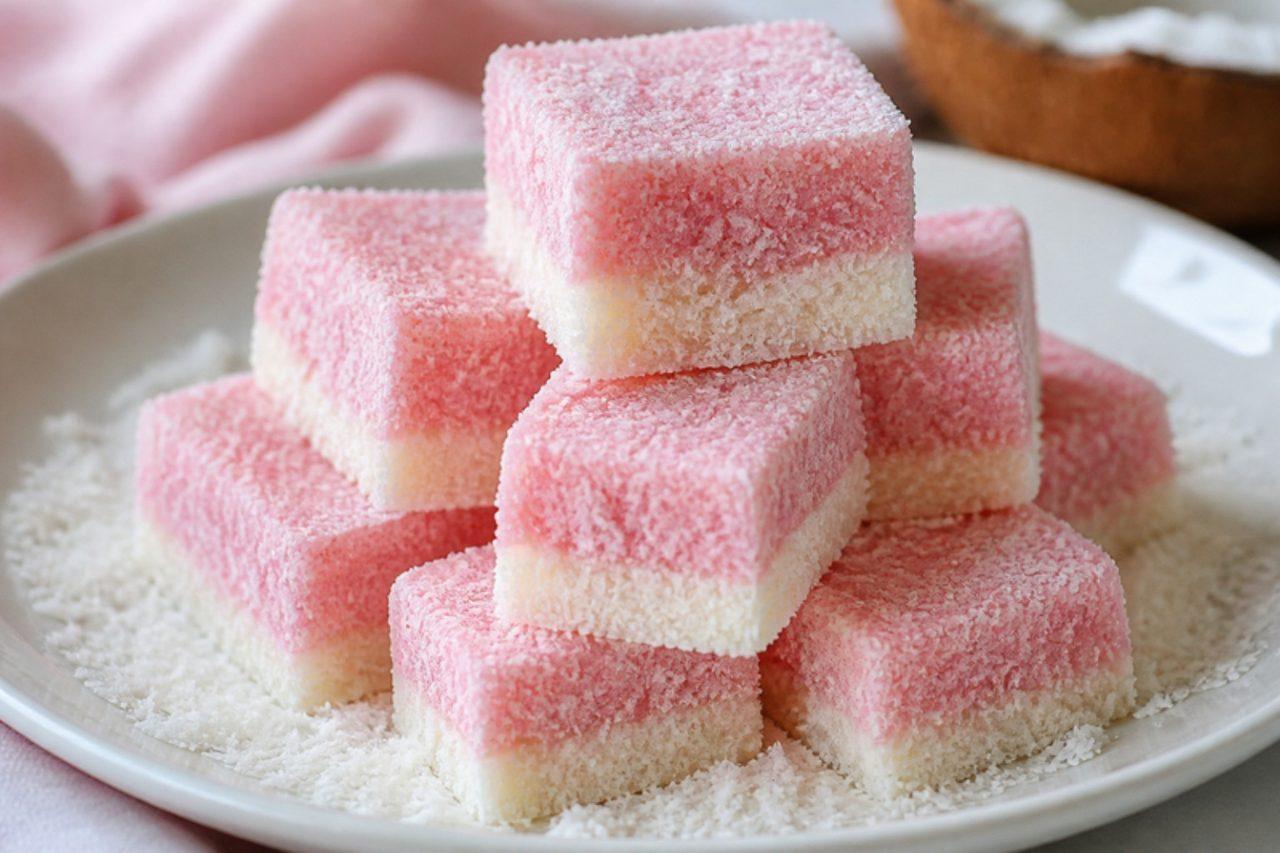
Coconut icePink and white coconut fudge

Coconut ice is the pink and white sweet that fills Australian school fete stalls, Christmas hampers and CWA cake tables, a no-cook fudge of desiccated coconut, condensed milk and icing sugar. It is soft, chewy and very sweet, so cut small squares. A common mistake is a mixture that's too wet to hold; add more coconut until it's firm enough to press. Chef's tip: press the white layer first, then the pink, and chill before cutting for sharp stripes.

by KrazyBadal 0 views

FororoToasted corn porridge

Fororo is the name for finely ground toasted corn, and for the smooth porridge made from it that grandmothers in Lara, Barinas and the rest of the Llanos give to children before school or to anyone feeling under the weather. It tastes gently nutty, like warm popcorn in a cup, sweetened with panela and scented with cinnamon. If you can't find fororo flour, toasting fine cornmeal in a dry pan gives the same result. The common mistake is tipping the flour straight into hot milk, which makes lumps. Chef's tip: whisk the flour into a little cold milk first, then pour it into the pot.

by KrazyBadal 0 views

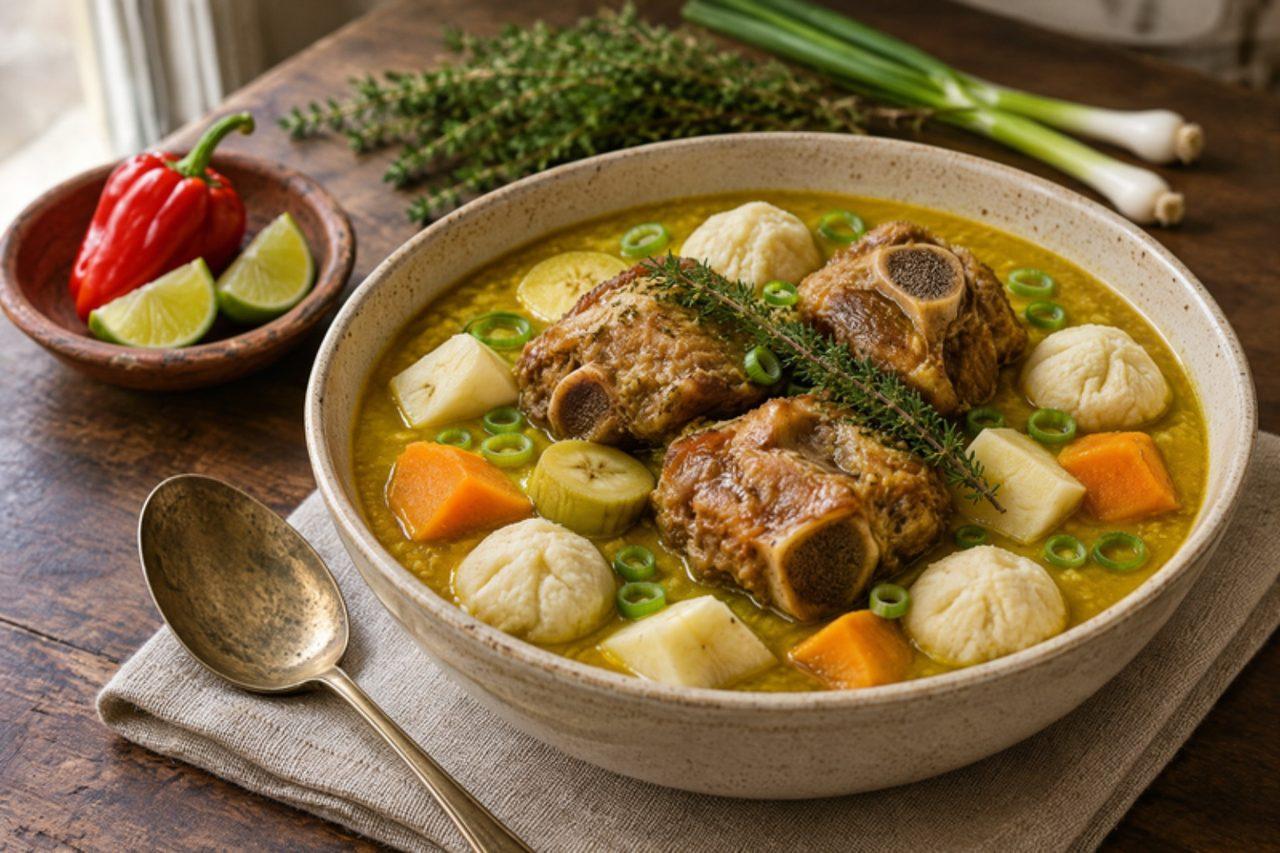
Cowheel soup

In Trinidad and Tobago, cowheel soup is Saturday soup: the big pot people make at home or buy from roadside soup vendors after a fete, believed to set you right again. Cow heel is simmered for hours until gelatinous, then yellow split peas, pumpkin and 'provisions' such as dasheen, cassava, eddoes and green bananas go in, with green seasoning, a whole scotch bonnet for perfume and soft flour dumplings dropped in at the end. The broth turns thick and silky from the collagen and split peas. The usual mistake is bursting the scotch bonnet, which makes the pot fiercely hot; leave it whole and lift it out. A pressure cooker gets the cow heel tender in 50 minutes. Chef's tip: buy cow heel already cut and scraped by the butcher, then scrub it with lime before cooking.

by KrazyBadal 0 views

Bajan rum punch

Every Barbadian knows the rhyme: one of sour, two of sweet, three of strong, four of weak. It is how rum punch is mixed for Sunday lunch, at beach limes, at the Friday night fish fry in Oistins and through the Crop Over festival in July and August. The punch is for adults only and it is strong, so pour it over plenty of ice and drink responsibly. Made right, it tastes bright and tangy from lime, rounded by brown-sugar syrup, warm with golden Barbados rum and finished by aromatic bitters and the woody smell of fresh nutmeg on top. The usual mistake is reading 'weak' as fruit juice or adding extra rum: the four of weak is water (and melting ice), and swapping in sweet juices makes the punch cloying. Make the syrup properly, measure by volume and taste before you add the last of the water. It is ready when the sweet and sour are in balance, nothing catches your throat and the jug is beaded with cold. It also keeps 2 days in the fridge, so it can be made ahead. Chef's tip: grate the nutmeg over each glass at the table; ready-ground nutmeg has lost the smell that makes Bajan punch what it is.

by KrazyBadal 0 views

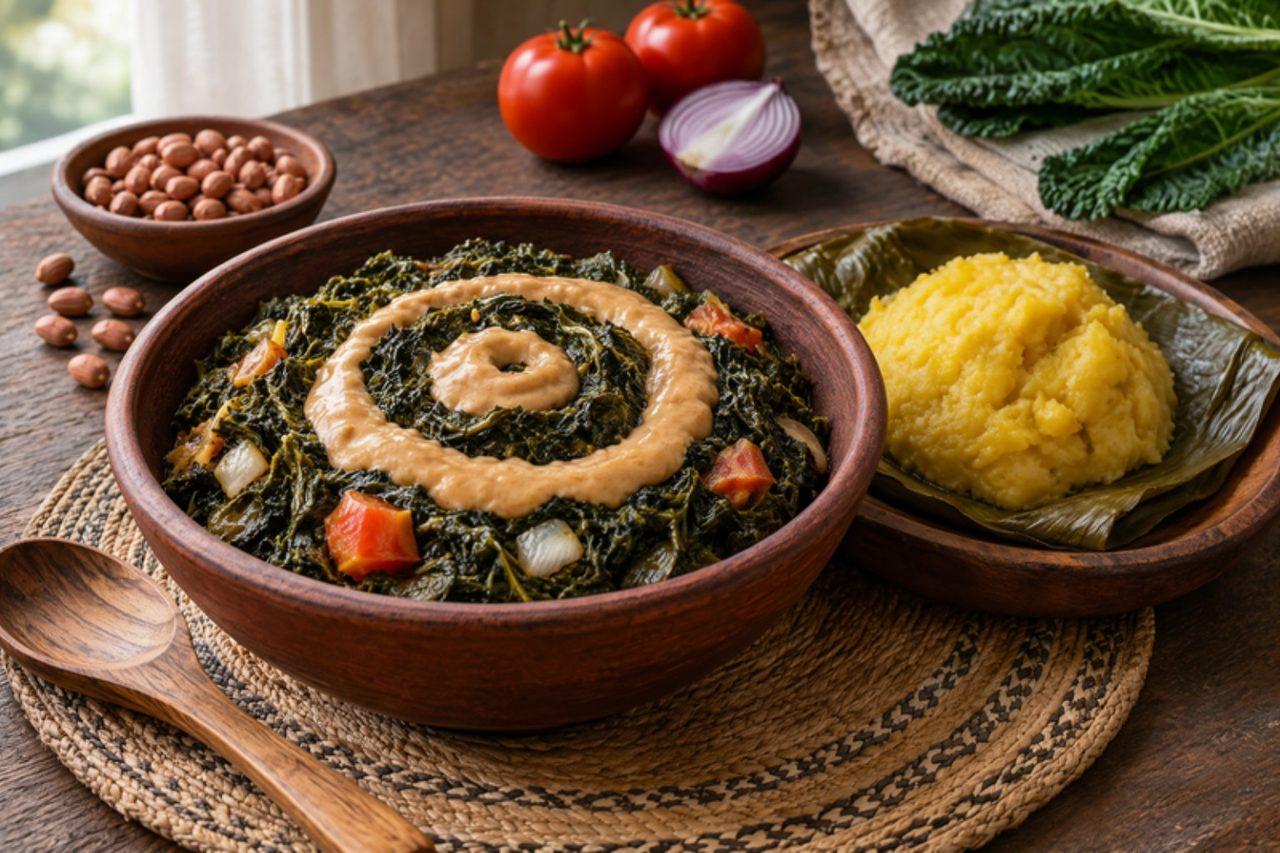
NakatiBitter eggplant leaves with tomato

Nakati are the leaves of the African eggplant, and in Kampala and the Buganda countryside they are cooked as an everyday green beside matooke, posho or rice. The leaves are simmered down with onion and tomato until soft, then often enriched with a spoonful of groundnut paste that softens their pleasant bitterness and makes a creamy sauce. Look for nakati at African grocers; young spinach with a handful of kale is a good stand-in. The usual mistake is adding the groundnut paste too early, which lets it catch and burn. Chef's tip: loosen the groundnut paste with a little hot water before stirring it in, so it melts smoothly into the greens.

by KrazyBadal 0 views

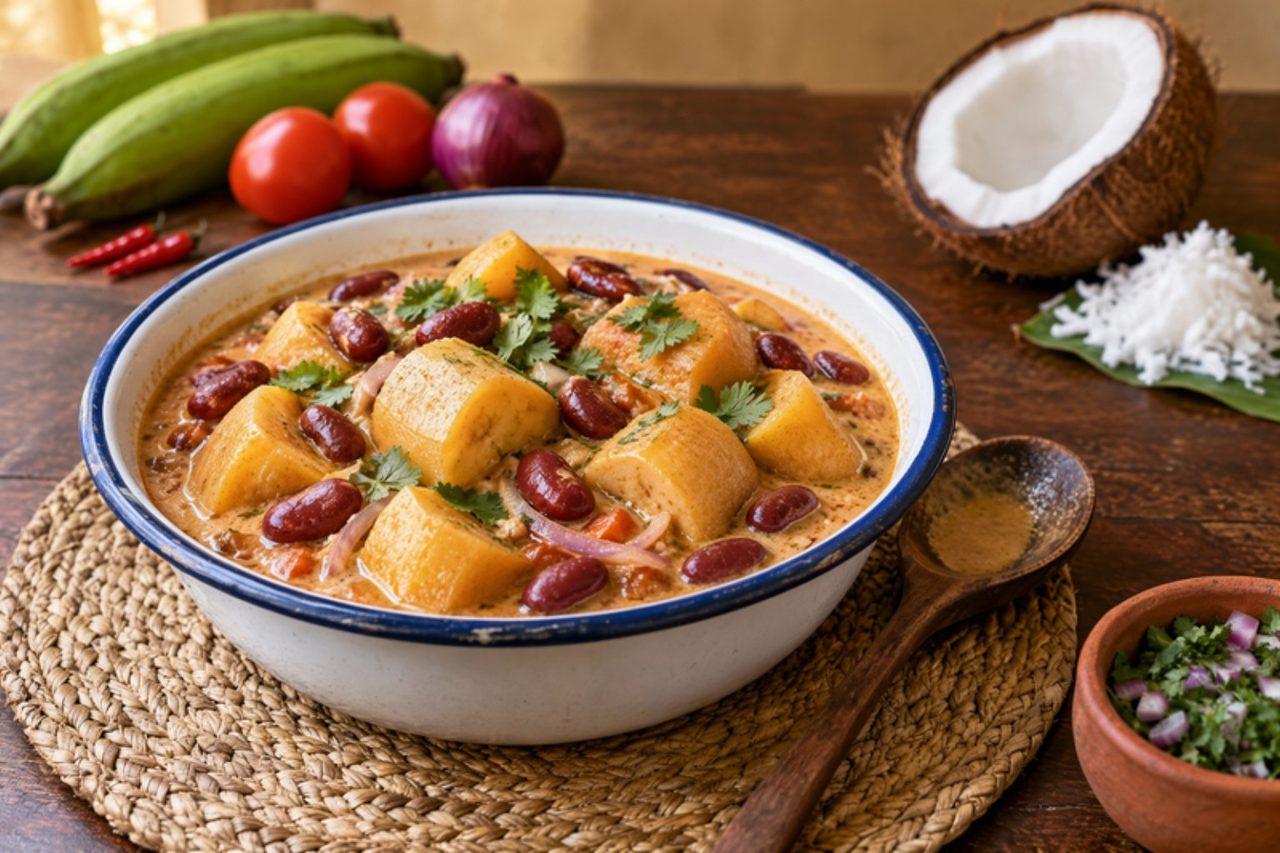
Ndizi na maharageGreen bananas and red beans

Across Tanzania, from Dar es Salaam to the banana farms around Kilimanjaro, ndizi na maharage is a filling weekday lunch: green cooking bananas and red beans simmered in one pot with tomato, onion and coconut milk until the bananas are soft and the sauce creamy. It needs nothing more than a few slices of avocado or a fresh kachumbari salad on the side. The usual mistake is cooking dried red kidney beans gently from the start: they must boil hard for 10 minutes first to be safe. Peel green bananas with oiled hands, as the sap stains and sticks. Chef's tip: add the bananas only once the beans are tender, then let them simmer until they just break at the edges and thicken the sauce.

by KrazyBadal 0 views

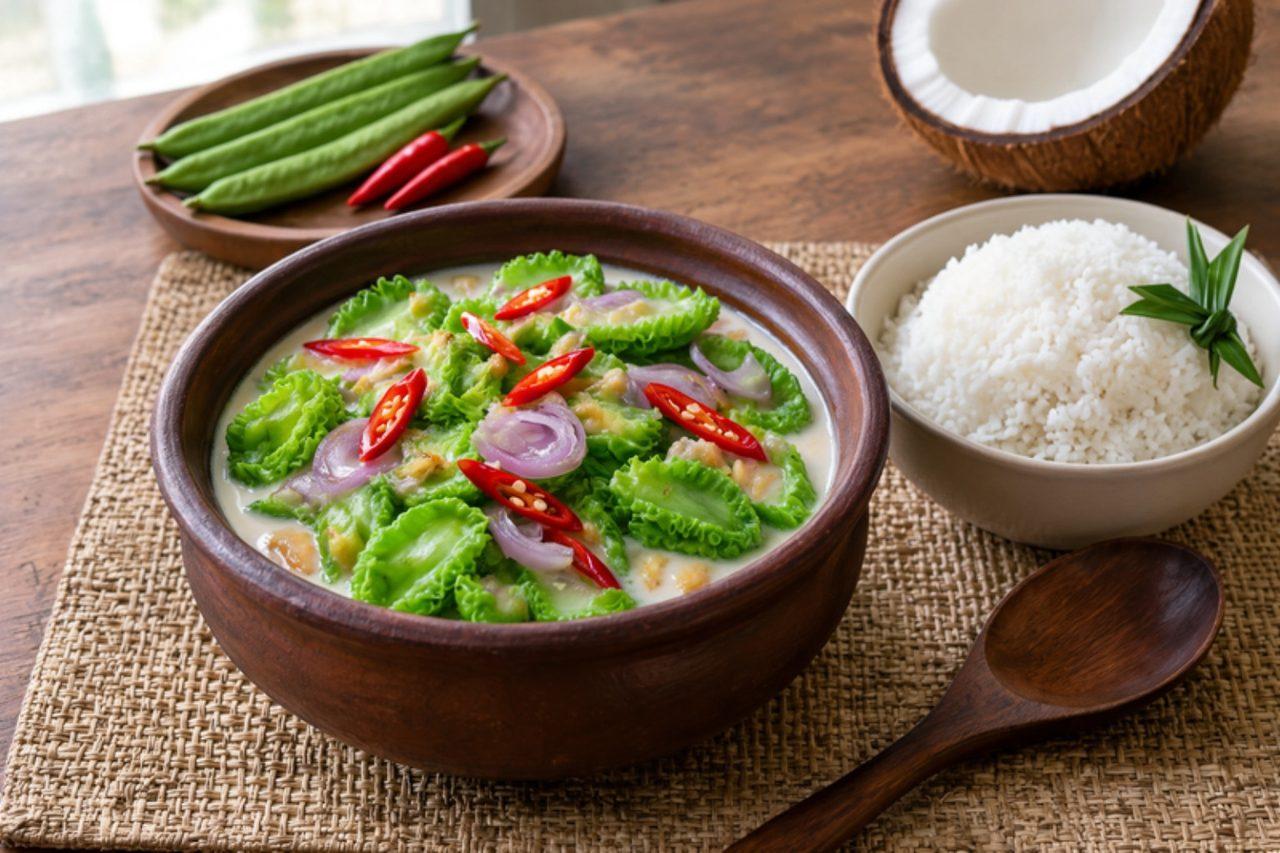
Ginataang sigarilyasWinged beans in coconut milk

Winged beans, sigarilyas, climb the backyard fences of Luzon and Visayan homes, and on rainy-season weekdays they are sliced and simmered in coconut milk for a quick ulam to go with rice. The frilly beans stay crisp-tender and soak up the garlicky, gently spicy gata. Many cooks add shrimp paste; this version keeps it vegan with a little soy sauce. The usual mistake is overcooking: winged beans lose their crunch and go dull green in minutes, so add them only when the coconut milk has reduced. Chef's tip: cut the beans on a sharp diagonal so each slice shows off the four ruffled wings.

by KrazyBadal 0 views

Dalvada (Ahmedabad moong dal fritters)

The first monsoon shower in Ahmedabad sends people straight to the dalvada counters by Raipur Darwaja, where fritters of split green moong come out of the karahi by the basketful and are sold by weight with sliced raw onion and salted fried chillies. They are rough and craggy outside, light and steamy inside, warm with ginger and cracked pepper. Eat them hot with masala chai while the rain falls. Chef's tip: grind the dal coarse with almost no water, then whisk the batter by hand for a few minutes; the air you beat in is what keeps them light.

by KrazyBadal 0 views

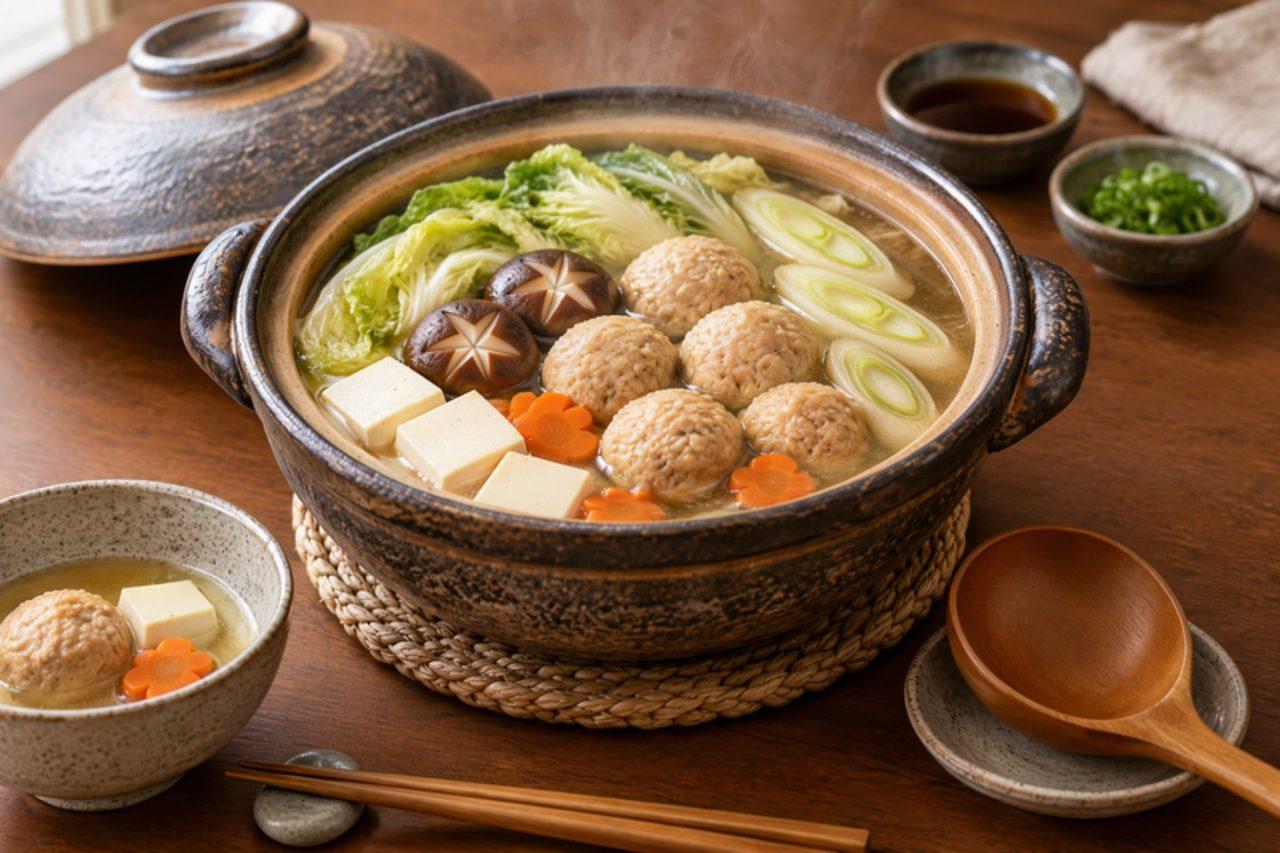
Chanko nabeChicken meatball hot pot

Chanko nabe is the daily meal of the sumo stables around Ryōgoku in east Tokyo, where young wrestlers cook a huge pot after morning practice and the senior ranks eat first. At home it is a winter supper cooked on a tabletop burner or on the hob: a clear chicken and kombu dashi seasoned lightly with soy, then loaded with ginger-scented chicken meatballs, tofu, napa cabbage, leek, carrot and mushrooms. Everything cooks in the one pot, and the last of the broth is often finished with udon or rice. The usual mistake is boiling the pot hard once the meatballs go in, which turns the broth cloudy and the tofu ragged; keep it at a lazy simmer. Chef's tip: shape the meatballs with two wet spoons and drop them in before the vegetables, so they flavour the broth while the cabbage softens.

by KrazyBadal 0 views

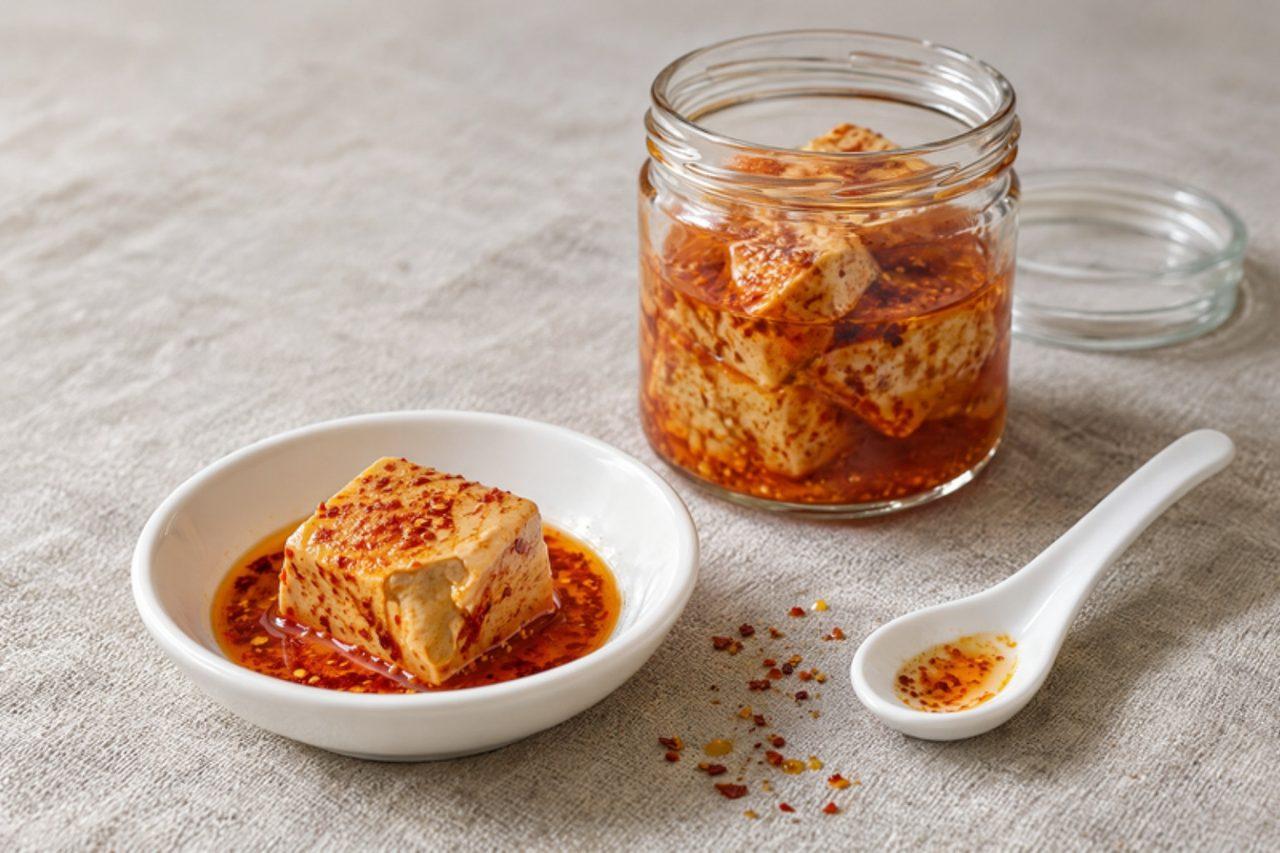
Fermented bean curd

Fu ru is made all over China, from Guilin's chilli-red cubes to Shaoxing's pale ones, and is usually prepared in the cool months between late autumn and early spring, when the moulds grow slowly and cleanly. Firm tofu cubes sit on rice straw or a rack until a soft white fuzz covers them; they are then rolled in salt and chilli and aged in brine until the centre turns custard-soft and the flavour becomes deep, cheesy and savoury. A quarter of a cube is mashed over plain rice congee for breakfast, or stirred into a sauce for stir-fried water spinach. Common mistake: making it in a warm kitchen; above about 20 °C the wrong moulds and bacteria take over. The bloom must be white or greyish-white and fluffy, smelling mildly of mushrooms; throw away any cube with green, black, pink, orange or yellow spots, sliminess or an ammonia or rotten smell, and if many are affected discard the whole batch. Do not reduce the salt: it is what keeps this low-acid soy ferment safe, and the whole ageing happens in the fridge. It is ready after 6–8 weeks, when a cube is soft right through. Chef's tip: press the tofu overnight first, drier cubes grow a cleaner bloom.

by KrazyBadal 0 views

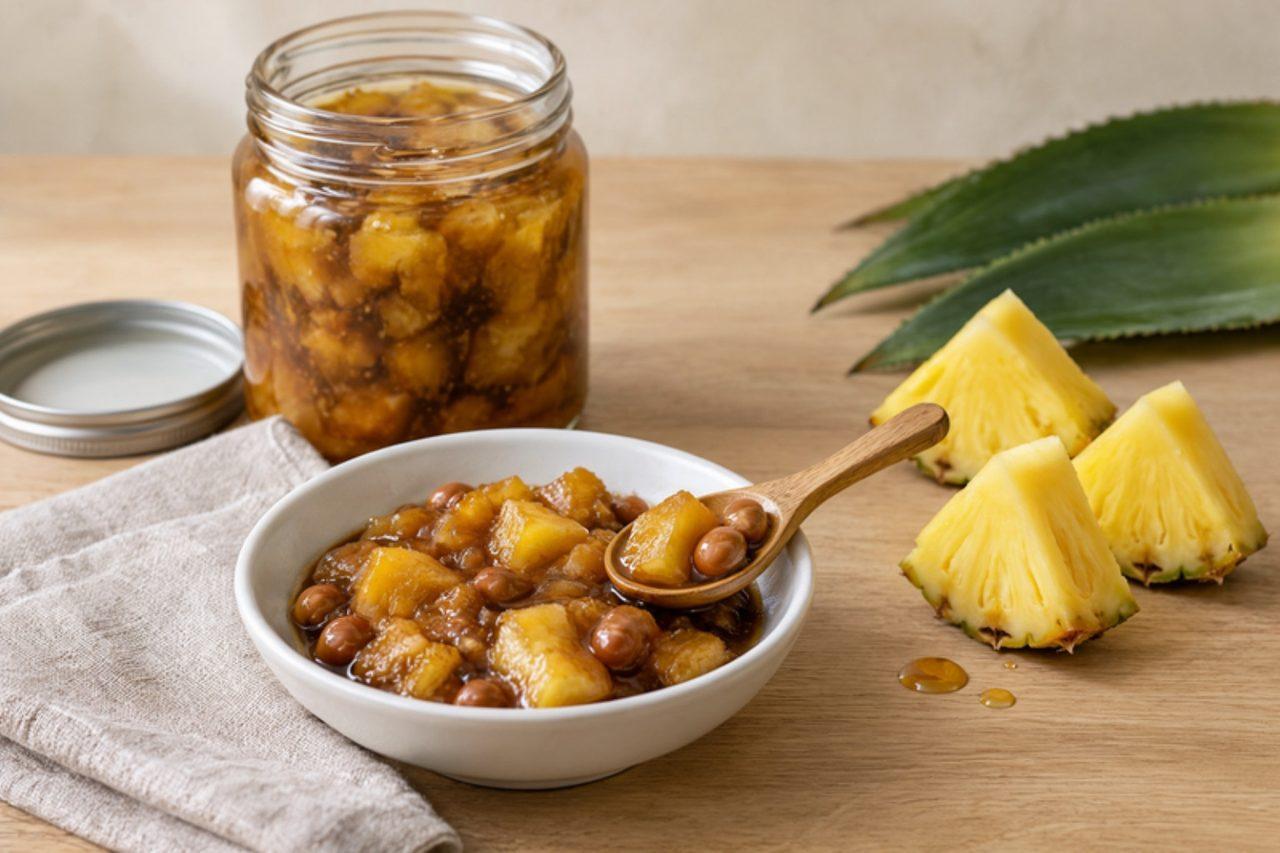
Pineapple soybean paste

Hakka households in Miaoli, Hsinchu and Pingtung are frugal and patient, and pineapple soybean paste (ong lai dau jiong) shows both. In early summer, when Taiwan's pineapples are plentiful, the fruit is cut into wedges and layered in jars with salted soybean koji and sugar, then left in a cool corner for months. The pineapple softens and goes golden-brown, the beans melt into a thick sauce, and the whole jar turns sweet, salty and tangy with a soft funk like miso. Spooned over steamed fish with ginger and scallion, stirred into braised bitter melon or tossed through stir-fried greens and wood ear, it is a back-pocket seasoning for everyday Hakka meals and bento. Common mistake: using very ripe, juicy pineapple; the fruit breaks into mush and the extra water dilutes the salt. Choose firm, just-ripe fruit and dry it after cutting. It is ready when the pineapple has turned amber and translucent and the beans are soft, after 1–3 months. Chef's tip: read the koji label — many brands are dusted with wheat flour, so it is not reliably gluten free.

by KrazyBadal 0 views

Karnemelkse papButtermilk porridge

Karnemelkse pap, made with the buttermilk left over from Dutch farm churning, was breakfast and supper in the Netherlands for centuries, and many older Dutch people still remember it on cold winter mornings. Buttermilk is thickened with flour into a smooth, tangy porridge and eaten hot with stroop (syrup) or brown sugar. The common mistake is pouring cold buttermilk on flour and boiling hard, which splits the porridge into grainy lumps; mix a smooth paste first and keep the heat gentle. Chef's tip: stir constantly with a whisk, especially at the bottom of the pan, until it bubbles once, and it stays silky.

by KrazyBadal 0 views

Showing 45 of 7,762 recipes

Show more recipes

Page 94 of 863