


Skip to content
Batticaloa fish curry
Featured recipe

Batticaloa fish curry

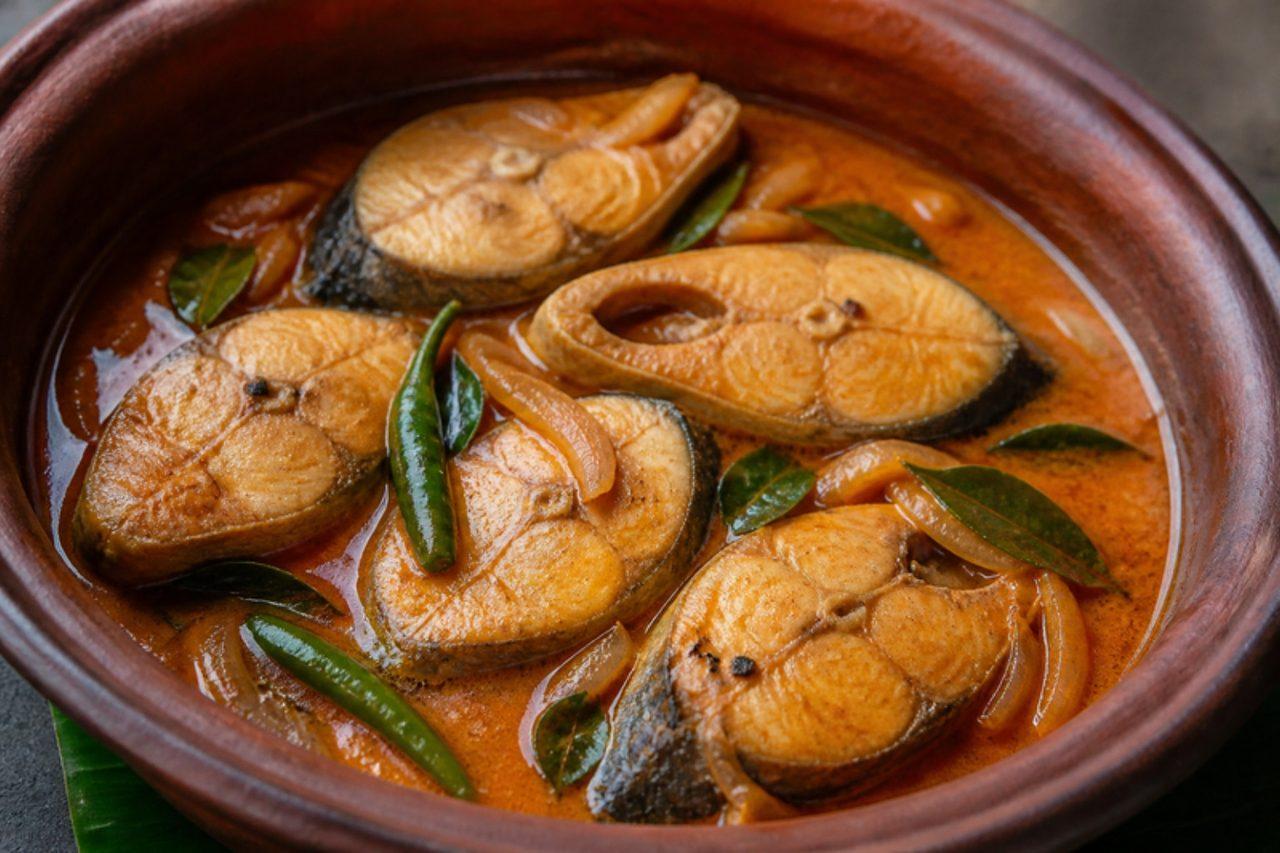
Batticaloa sits between a long lagoon and the sea, and its Tamil and Muslim cooks make a fish curry that tastes of both: sour with tamarind, round and mellow with coconut milk, and fragrant with fennel, fenugreek and curry leaves. Seer fish, called thora or vanjiram, is the favourite because its firm steaks hold together in the gravy, though any meaty sea fish works. The curry is a weekday staple, cooked in the morning and eaten at lunch with rice, a lentil dhal and a fried vegetable, and it is even better a few hours later once the fish has absorbed the sauce. Most disappointing versions come from stirring the pot after the fish goes in, which breaks the steaks into flakes. Chef's tip: swirl the pan instead of stirring, and spoon the sauce over the fish so it cooks evenly without being moved.

Read more 0 views

What to eat today?

Around the world

Today's trip: Persian

A new country every day, from every cuisine on the site.

Persian

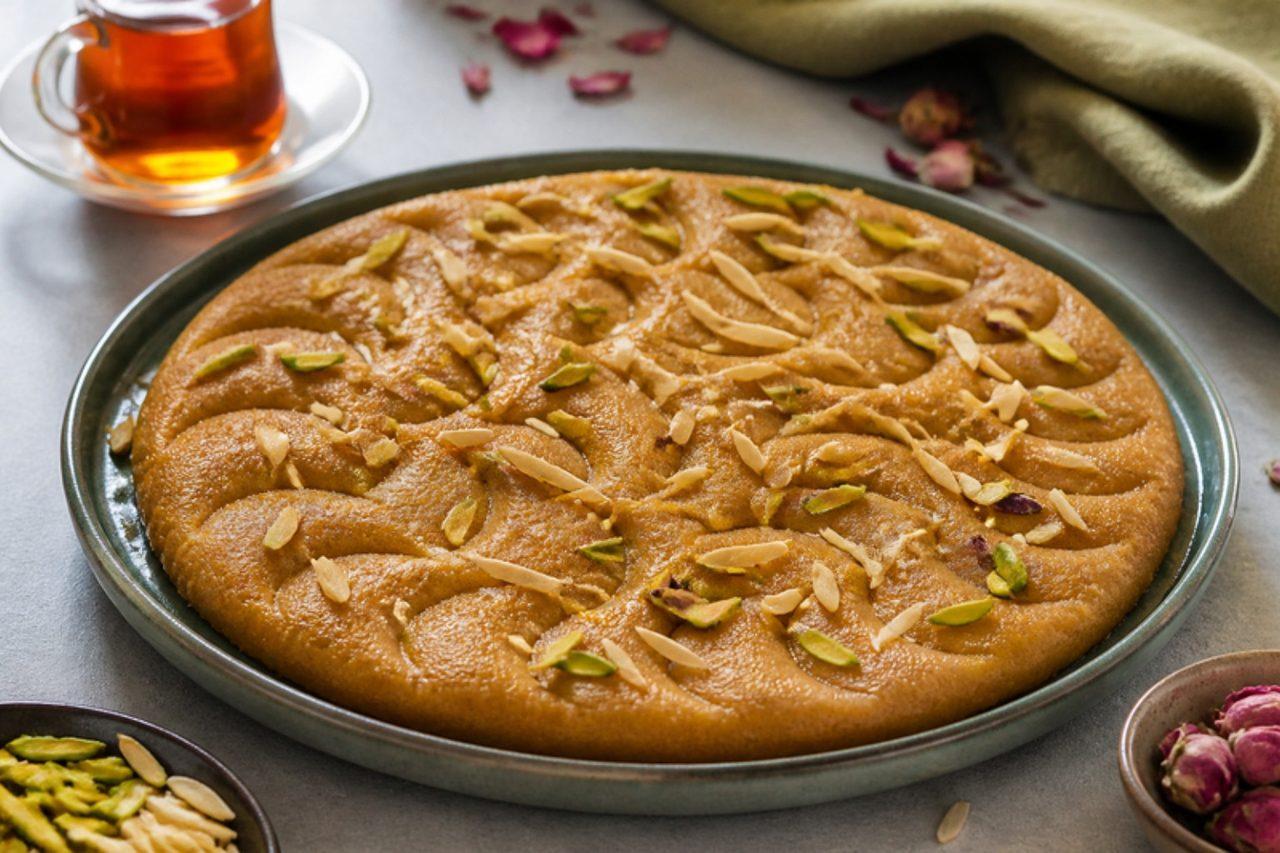
Persian halva

Saffron rose flour halva 40 minMore from Persian (181) →

This week's collection

Kid-friendly dinners
756 recipes · a new collection every Monday

Coming up

All occasions →

Latest recipes

BorhaniSpiced mint yogurt drink

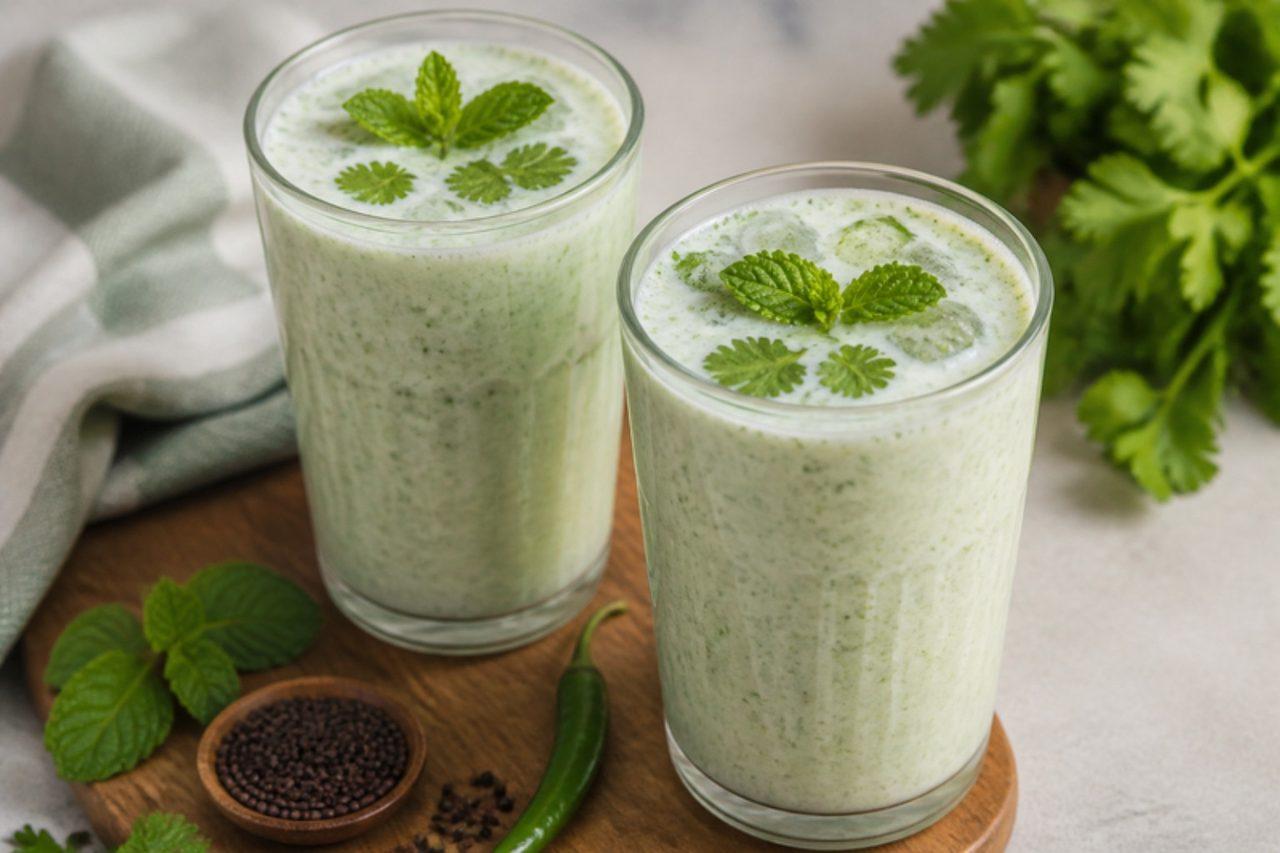
At a Bangladeshi wedding in Dhaka, the moment the kacchi biryani comes out, so do glasses of pale green borhani. It's a thin, salty-spicy yoghurt drink blended with mint, coriander, green chilli, black salt and a whisper of ground mustard, made to cut through a rich meal and settle the stomach. Pour it alongside any spiced rice dish, including a vegetable biryani or bhuna khichuri. Chef's tip: the ground mustard seed is the signature; toast it lightly first and grind it fine, or the drink turns bitter.

by KrazyBadal 0 views

ÇılbırPoached eggs on garlic yogurt

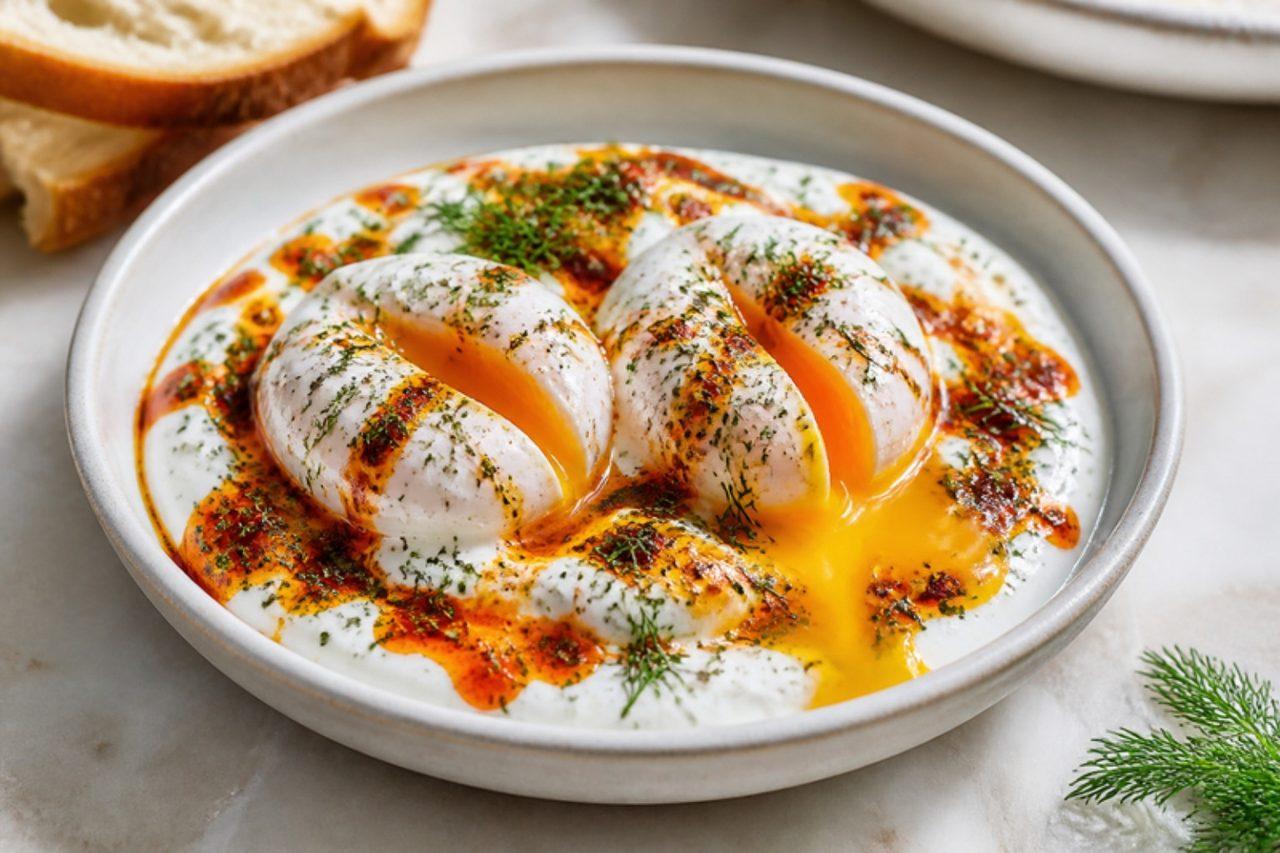
Çılbır goes back to the Ottoman palace kitchens, and today you are as likely to meet it on a brunch menu in Istanbul's Kadıköy or Cihangir as on a home breakfast table. Two soft poached eggs sit on a bed of thick, garlicky yogurt, and a spoonful of butter fried with Aleppo pepper is poured over the top so it runs red into the white. Break the yolks, mix everything together and mop it up with bread. Chef's tip: take the yogurt out of the fridge 30 minutes ahead, or stand the bowl over warm water for a few minutes; cold yogurt chills the eggs and the dish should be served warm.

by KrazyBadal 0 views

Scotch broth

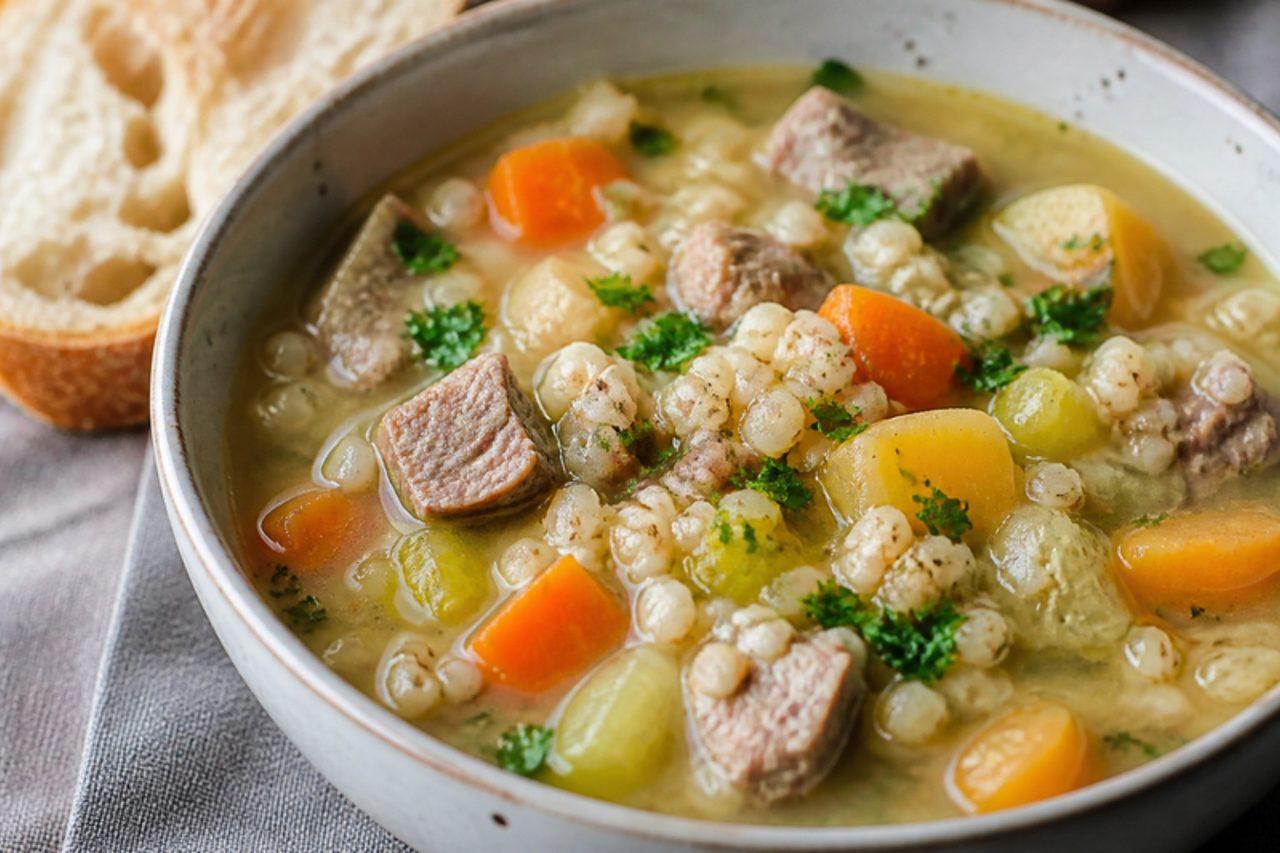
Every Scottish granny has her own Scotch broth, the thick winter soup that simmers on stoves from the Borders to the Highlands and is often served on Burns Night. Lamb neck on the bone makes a rich stock with pearl barley, dried peas, leek, carrot, turnip and cabbage, and the meat is shredded back into the pot. It is a whole meal with crusty bread. Chef's tip: make it a day ahead; the barley keeps thickening it, and you can lift the solid fat off the top once chilled.

140 minBritishSoups
by KrazyBadal 0 views

Guyanese chicken curry

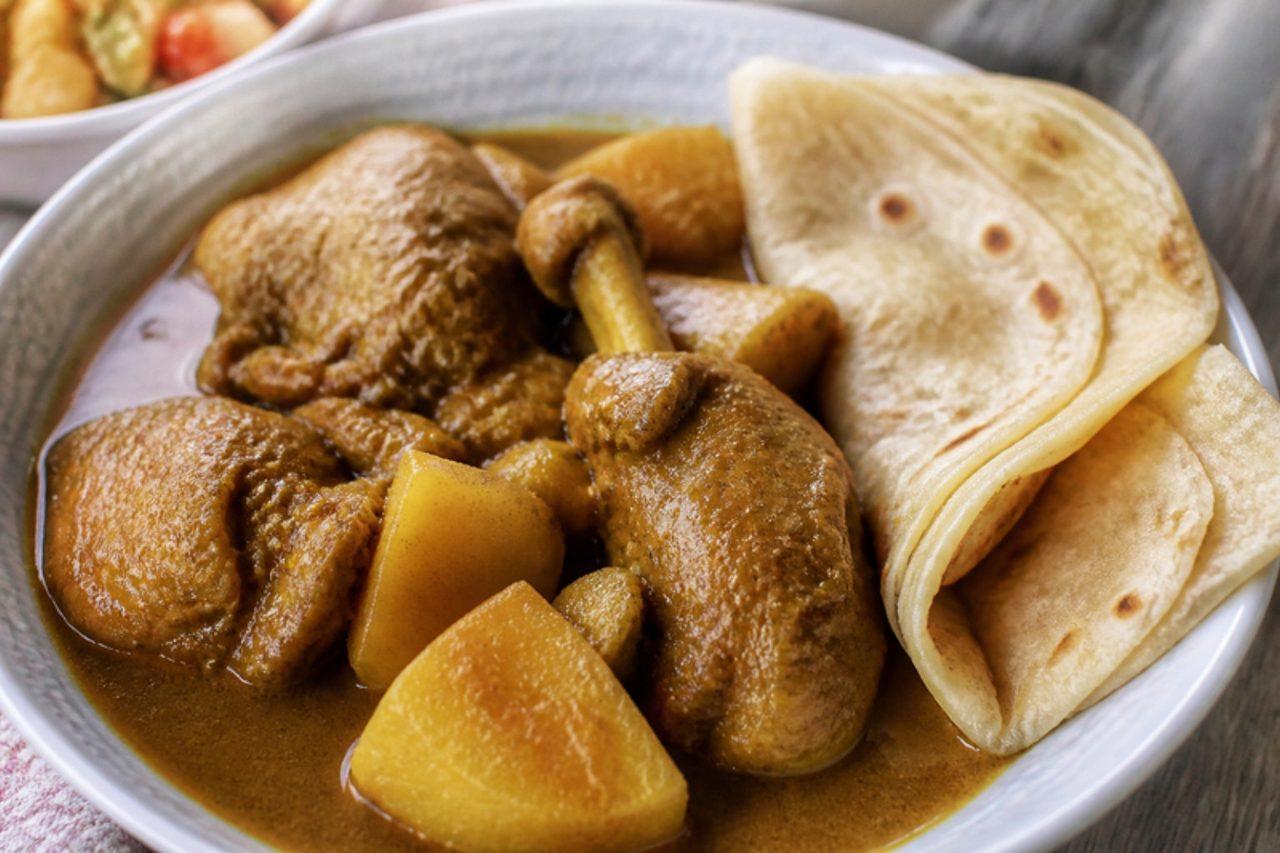
In Guyana, Sunday is curry day in Indo-Guyanese homes from Berbice to the East Coast Demerara, and chicken curry with roti or rice is the classic. Its flavour comes from a green seasoning of herbs, garlic and wiri wiri pepper, and from geera (roasted cumin), with the curry powder fried until almost dry before the chicken goes in. The mistake is adding the chicken before the curry paste is properly cooked ("bunjayed"), which leaves a raw, dusty taste. Chef's tip: finish with a sprinkle of toasted geera and let the curry rest for 10 minutes before serving.

by KrazyBadal 0 views

Gözleme with spinach and feta

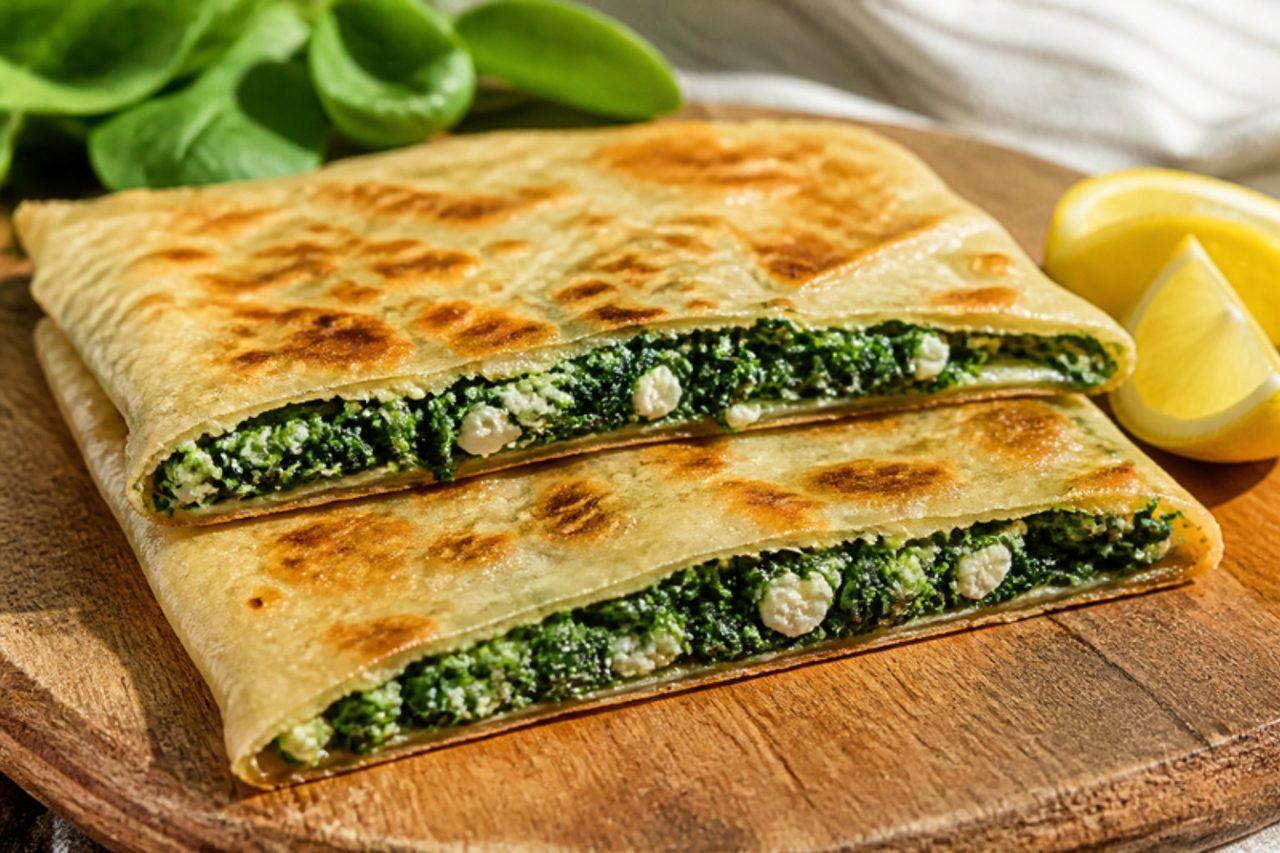
On roadsides and at weekly village markets across central Anatolia, women sit cross-legged by a domed iron griddle (saç), rolling dough paper-thin with a long thin rolling pin (oklava), filling it and cooking it to order. This is gözleme: a soft, blistered parcel of unleavened dough wrapped round spinach and salty white cheese, brushed with butter as it comes off the heat. Eat it hot, folded in paper, with a glass of ayran. A big frying pan or flat griddle at home does the job. Chef's tip: roll the dough so thin you can almost see the worktop through it; thick gözleme tastes doughy and the filling stays cold.

by KrazyBadal 0 views

Loco moco

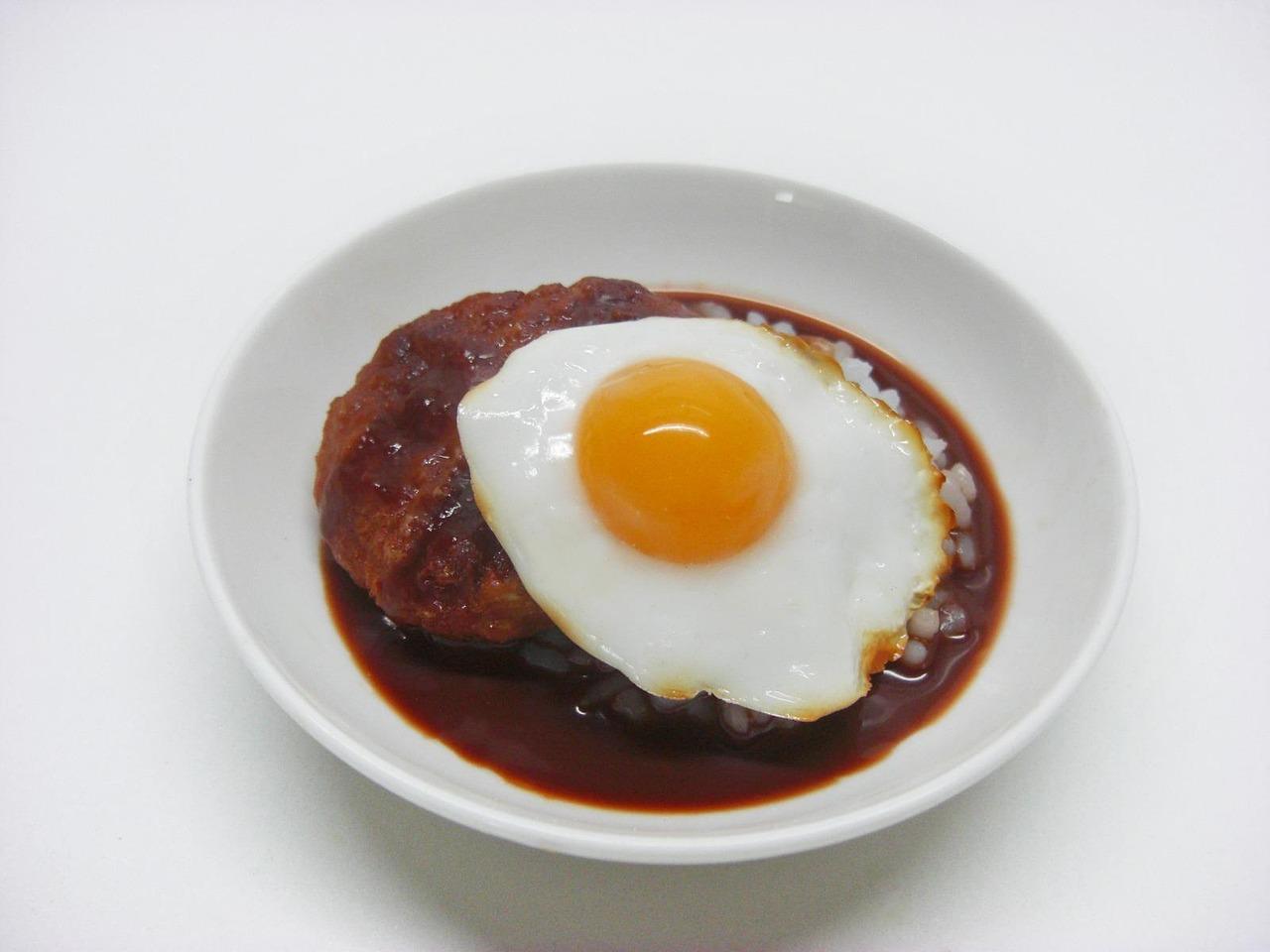
Loco moco was first served in 1949 at the Lincoln Grill in Hilo, on Hawai'i's Big Island, as a cheap, filling meal for teenagers, and it is still the plate-lunch classic across the islands: white rice topped with a beef burger patty, a fried egg and a generous ladle of brown gravy. People eat it for breakfast, lunch or late at night with a scoop of macaroni salad. The mistake is a thin, floury gravy; cook the flour in the beef fat until it browns before adding the stock. Chef's tip: press a dimple into the centre of each patty so it stays flat as it cooks.

by KrazyBadal 0 views

Kalua pork

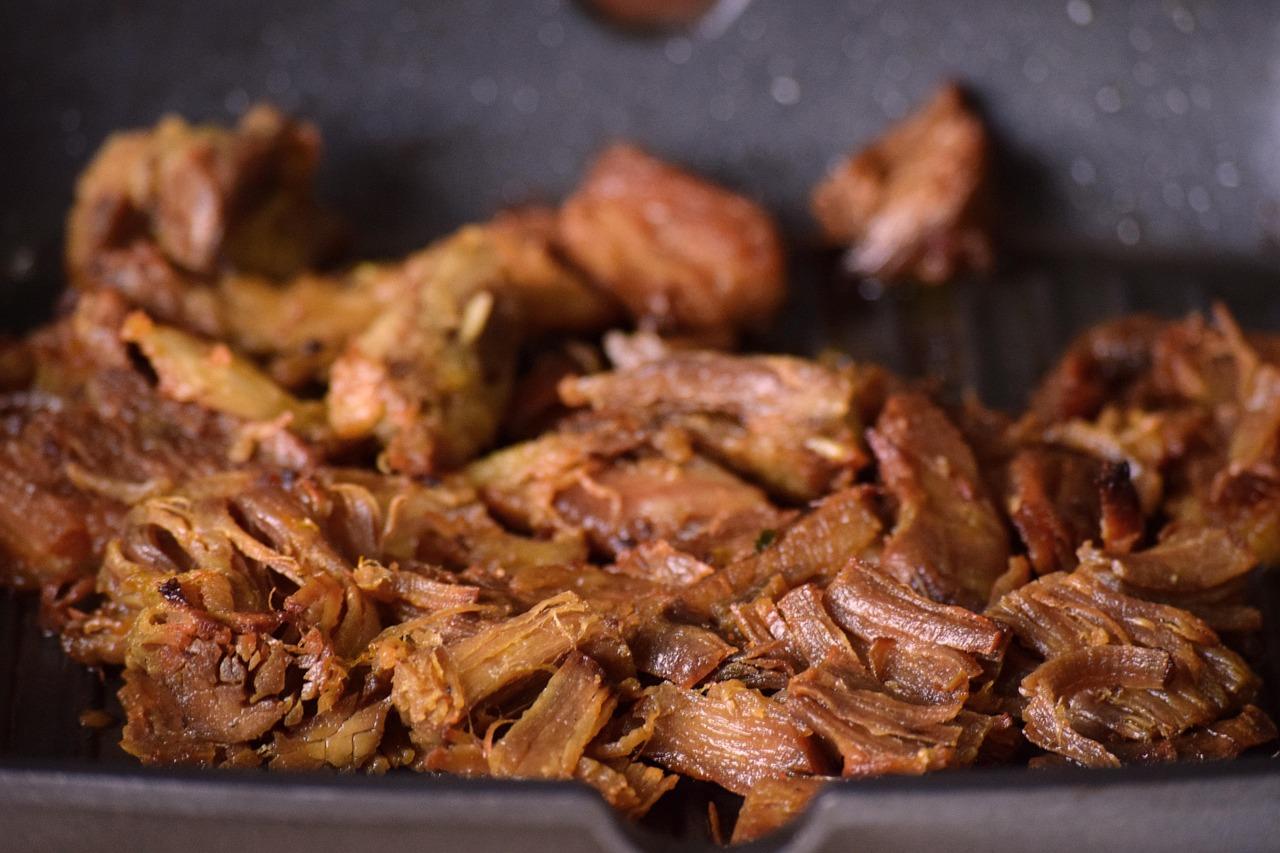
Kalua pig is the heart of a Hawaiian lū'au: a whole pig wrapped in ti and banana leaves and cooked all day in an imu, an underground oven, until it falls apart, smoky and salty. This dish contains pork. Families across O'ahu and the other islands make this simpler version at home with pork shoulder, coarse sea salt and a little liquid smoke, wrapped and slow-roasted. It is served with rice, poi or cabbage, or in sliders. The mistake is using fine table salt in the same amount; it makes the pork far too salty, so use coarse sea salt. Chef's tip: stir a little of the cooking juice back into the shredded pork so it stays moist.

by KrazyBadal 0 views

Full English breakfast

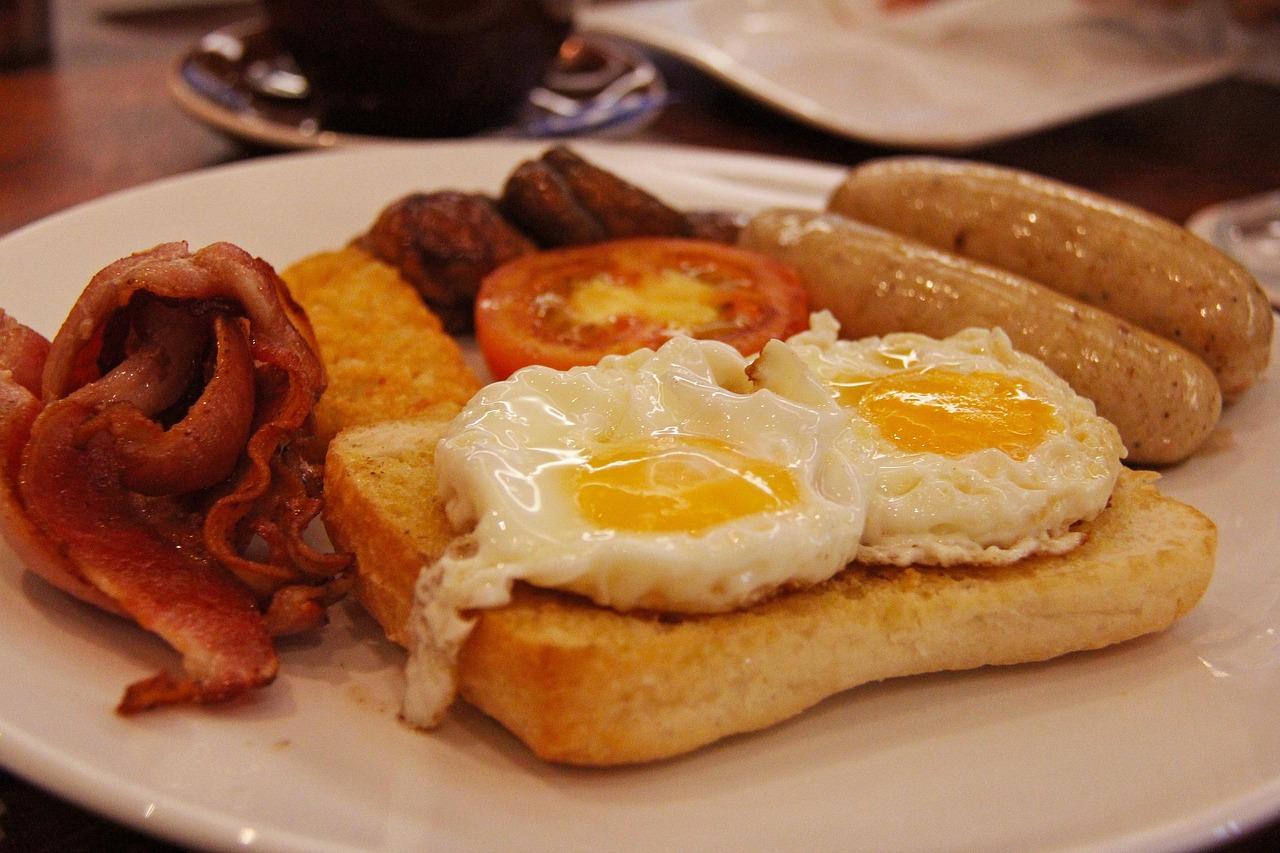
The full English is the weekend fry-up of English homes and the pride of every café and B&B from Cornwall to Yorkshire, a plate built to last until supper. This version contains pork: sausages, back bacon and optional black pudding, with fried eggs, baked beans, mushrooms, grilled tomato and buttered toast. The trick is timing so everything lands hot together. Chef's tip: start the sausages first and slowest; everything else cooks in the time they take.

by KrazyBadal 0 views

Maple-glazed salmon

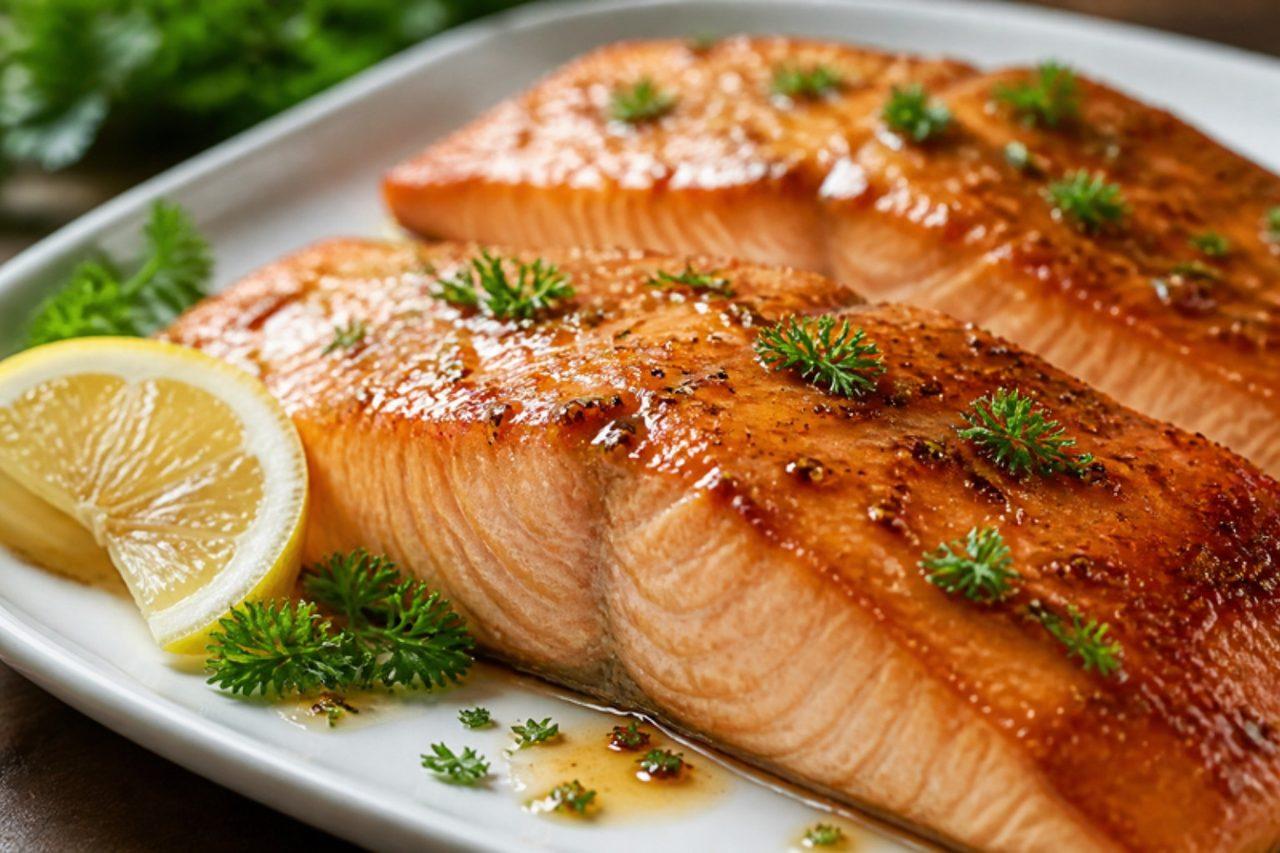
On Canada's Pacific coast, from Vancouver to Haida Gwaii, wild salmon is the fish of summer and autumn, and a glaze of maple syrup from the east brings two Canadian staples together on one plate. The fillets are brushed with maple syrup, mustard, soy and garlic and roasted until just cooked, with a sticky, glossy top; serve them with rice, new potatoes or a green salad. Many British Columbians cook it on a soaked cedar plank on the barbecue for a smoky flavour. The mistake is overcooking salmon until it is dry and chalky; take it out when it just flakes. Chef's tip: line the tray with baking paper, as the maple glaze burns onto a bare tin.

by KrazyBadal 0 views

Budaatai khuurgaFried rice with beef

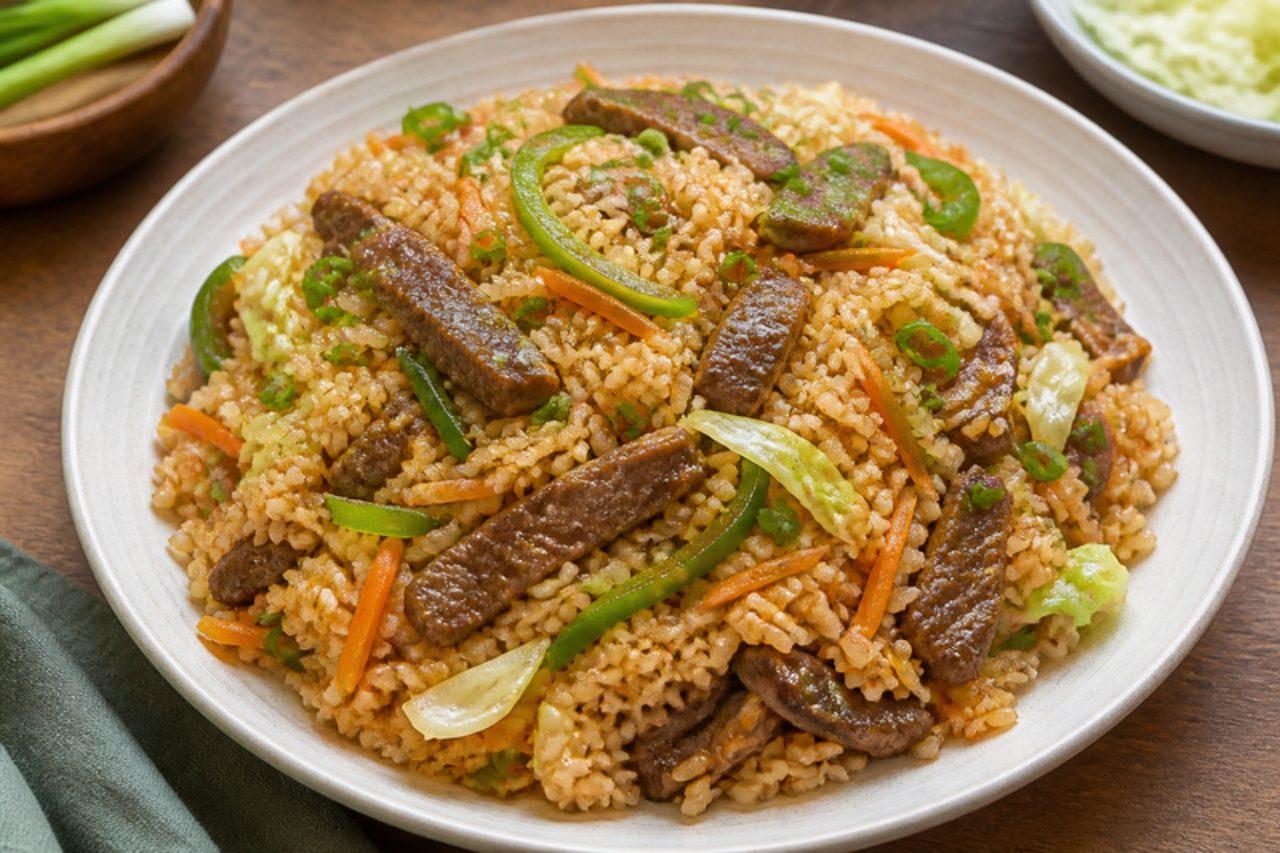
Budaatai khuurga is the fried rice of Ulaanbaatar's guanz, the small canteens where office workers and students eat lunch: day-old rice tossed in a hot pan with strips of beef or mutton, carrot, onion, peppers and a splash of soy. It is quick, filling and often served with a fried egg and pickled cabbage salad. The mistake is using freshly cooked warm rice, which clumps; cold, cooked rice fries into separate grains. Chef's tip: cook rice the day before and keep it covered in the fridge, which is also the safe way to store it.

by KrazyBadal 0 views

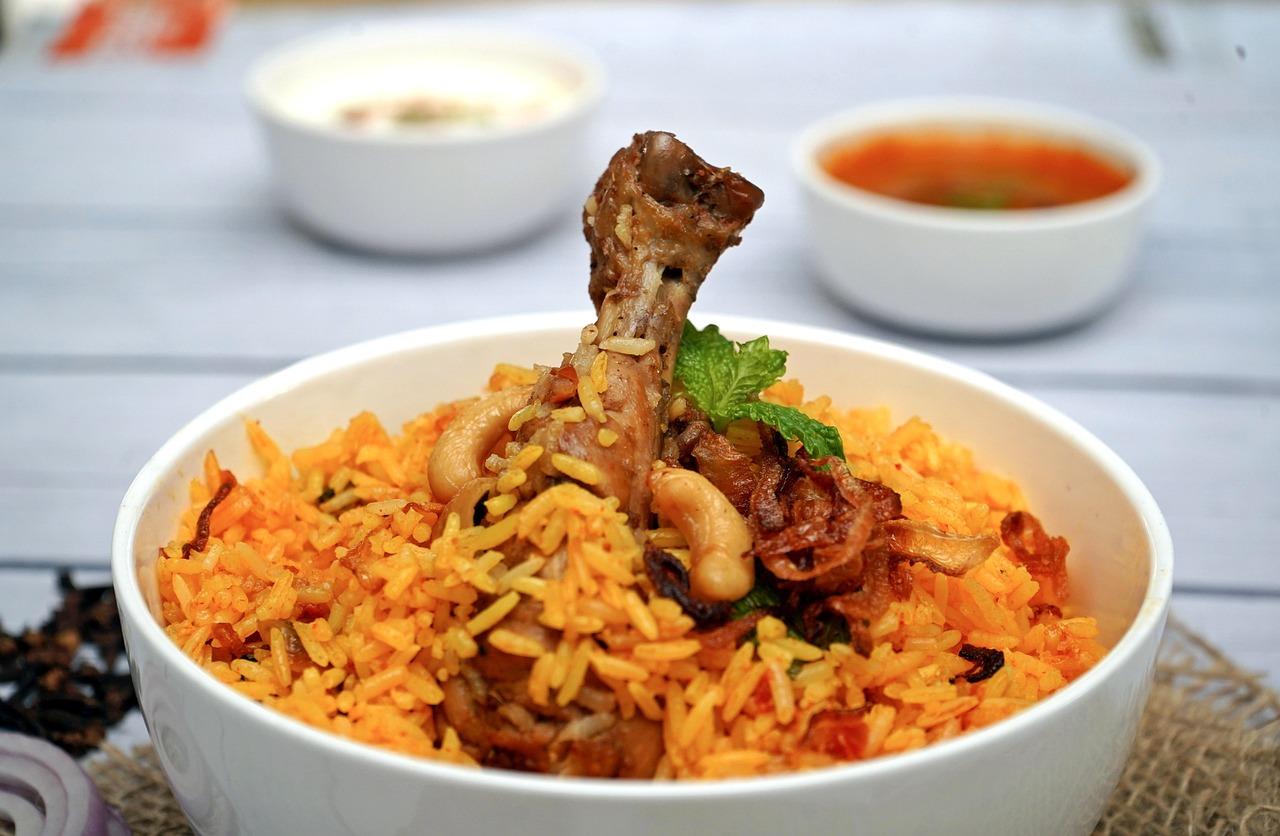
Hyderabadi chicken dum biryani

Hyderabad's biryani grew up in the kitchens of the Nizams, and the kacchi style is its proudest form: the chicken goes into the pot raw, in a thick yogurt, mint and fried-onion marinade, and cooks only in the steam trapped under part-cooked basmati. In the old city it is wedding and Eid food, ordered in huge copper deghs, and at home it's the Sunday showpiece, served with mirchi ka salan and a cooling raita. Because the meat cooks without being stirred, small bone-in thigh and drumstick pieces work best. Chef's tip: marinate overnight in the fridge — the yogurt tenderises the chicken and the flavours go right to the bone.

by KrazyBadal 1 views

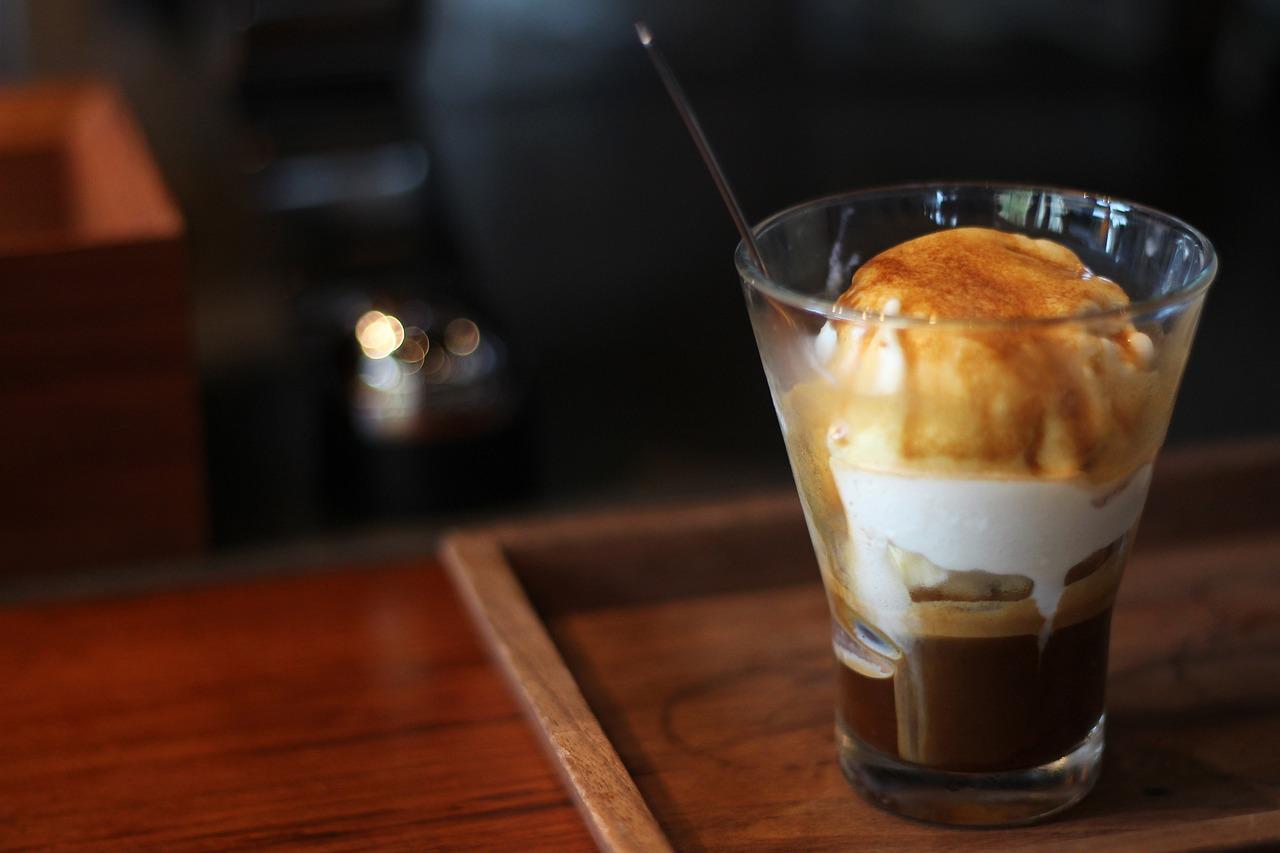
AffogatoIce cream with hot espresso

Affogato means 'drowned': a scoop of vanilla or fior di latte gelato with a shot of hot espresso poured over it at the table. It is served in bars and gelaterie all over Italy as the simplest after-dinner dessert, half drink and half ice cream, eaten quickly with a spoon while the coffee melts into the gelato. It takes five minutes and needs good ice cream and strong coffee. Chef's tip: chill the glasses in the freezer for 10 minutes first, so the gelato melts slowly and you get both hot and cold in each spoonful.

by KrazyBadal 0 views

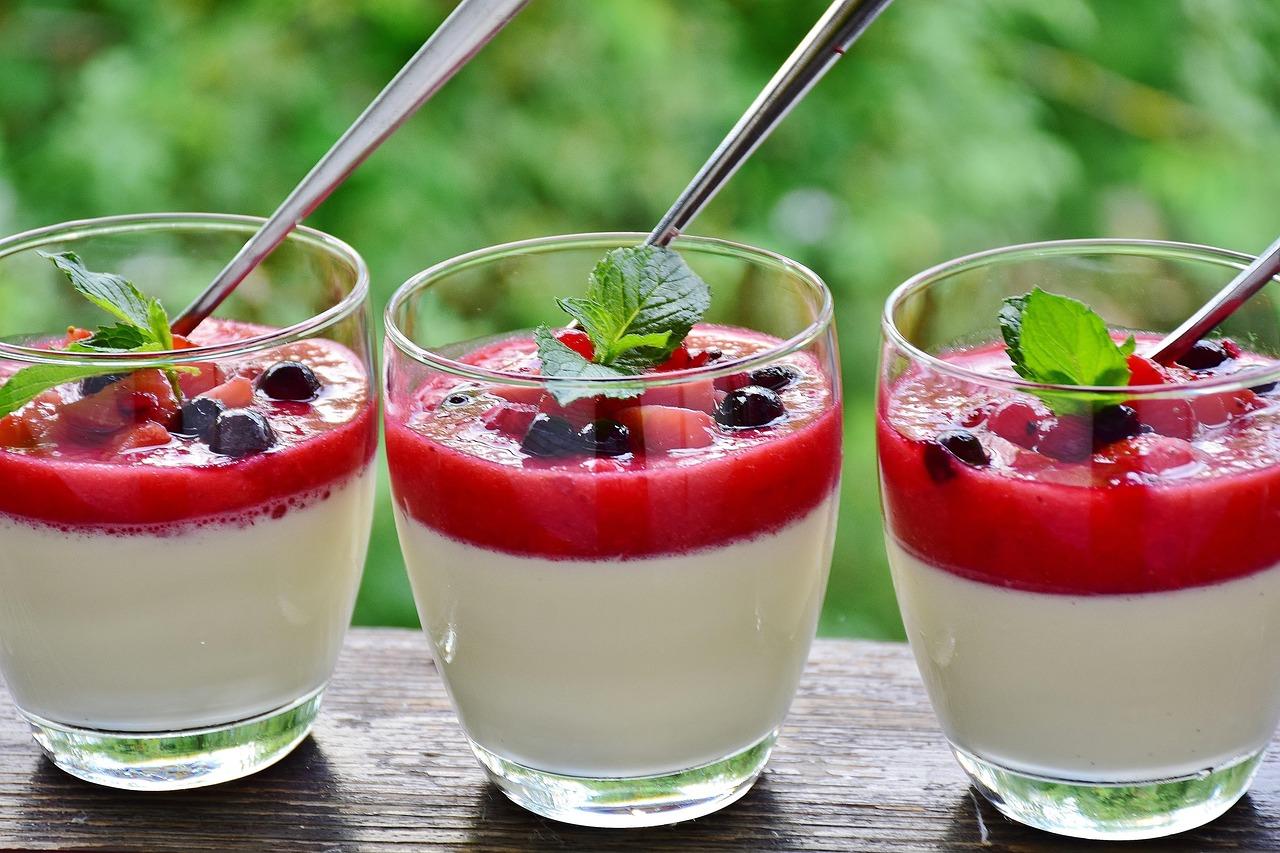
Panna cotta

Panna cotta means 'cooked cream' and comes from the dairy country of the Langhe in Piedmont, where it is served after Sunday lunch, often with caramel or a few berries. Classic recipes set it with gelatine, which is made from animals; this version uses agar, a seaweed setting agent, so it is properly vegetarian. Agar sets firmer and faster, so the amount is small and it must be boiled to work. The result is creamy, just set and wobbles when you shake the plate. Chef's tip: boil the agar in the milk for a full 2 minutes before adding the cream; if it only warms, it will not set.

by KrazyBadal 0 views

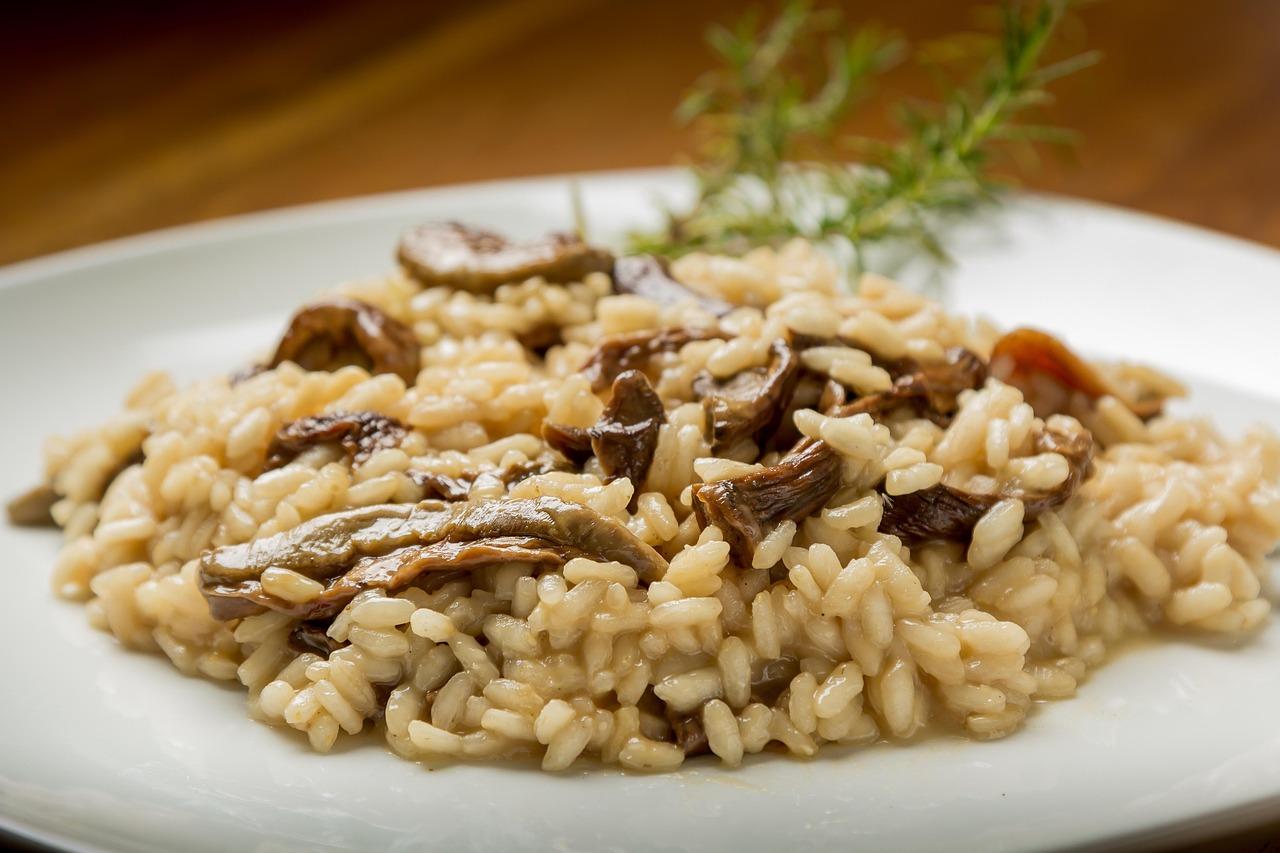
Mushroom risotto

Risotto ai funghi is what Piedmont and Lombardy cook in October, when foragers bring porcini down from the Alpine foothills and markets in Alba, Turin and Bergamo sell baskets of wild mushrooms. At home, a handful of dried porcini and their soaking liquid give that deep, woodsy flavour to ordinary chestnut mushrooms. It is a first course in Italy and a full supper anywhere else. Chef's tip: brown the fresh mushrooms in a separate hot pan and fold half in at the end; they stay meaty instead of turning soft and grey.

by KrazyBadal 0 views

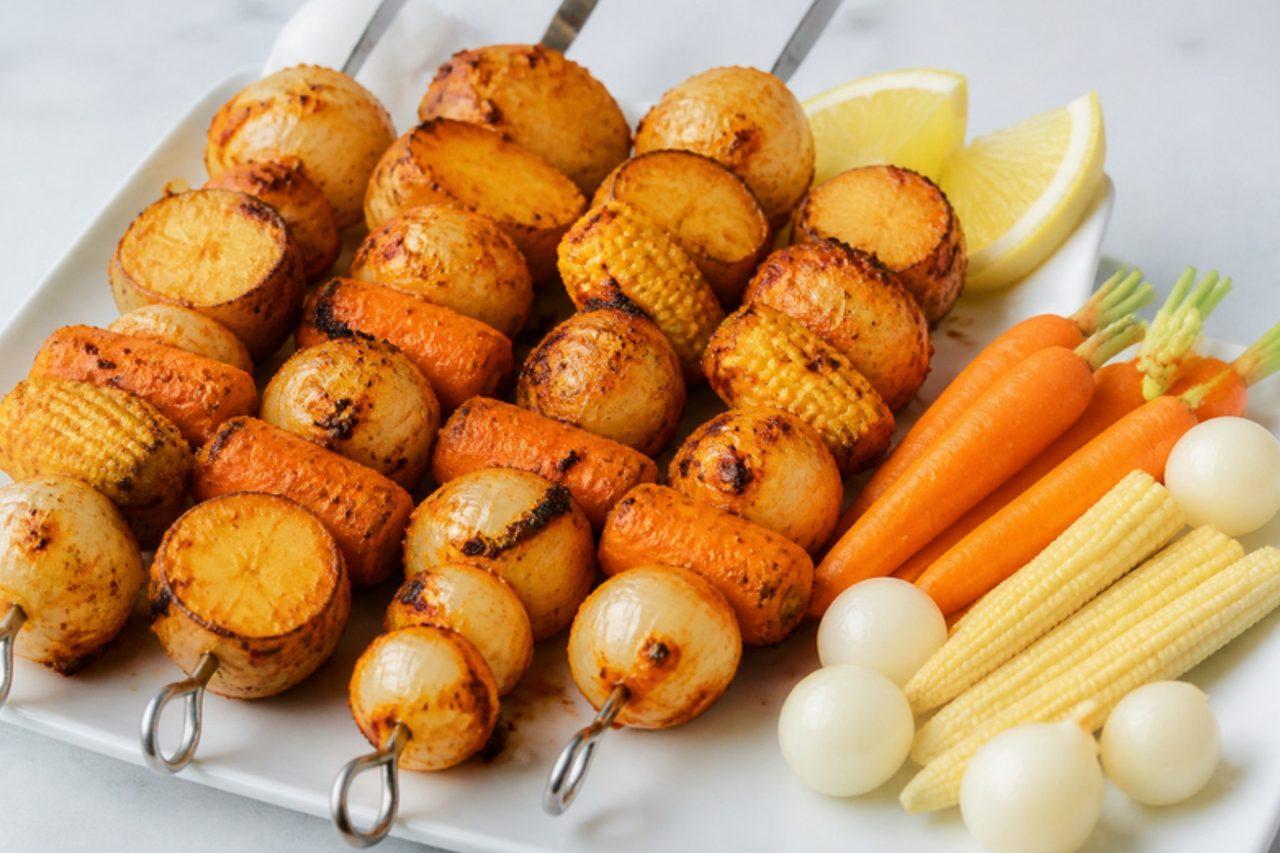
Tandoori tinniesTandoori baby vegetable skewers

Baby onions, carrots, potatoes and corn par-boiled, coated in a creamy, fiery marinade of red chilli, garlic, ginger, coriander-cumin and dried fenugreek, then grilled on skewers over charcoal until golden. They're small, colourful and bursting with flavour. Serve hot with lemon wedges.

by KrazyBadal 0 views

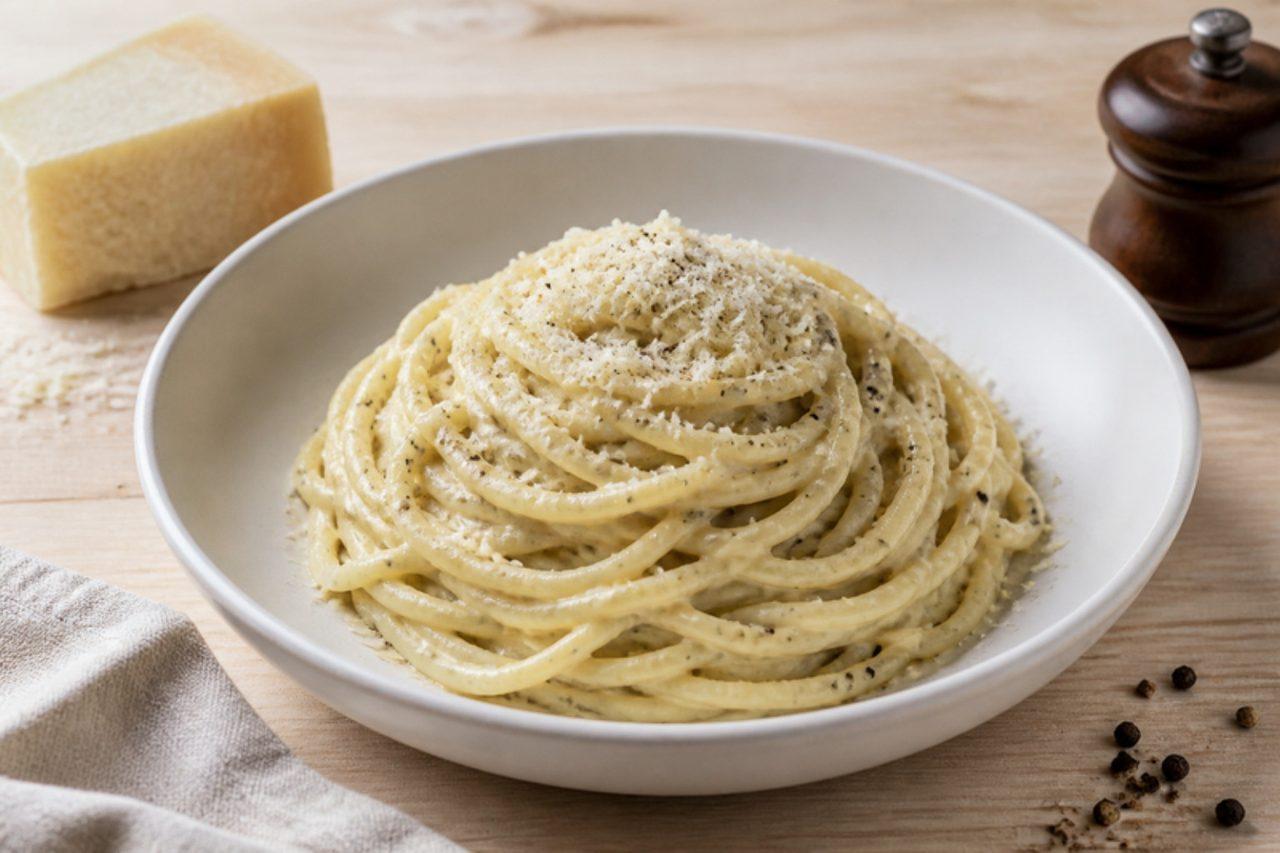
Cacio e pepe

Cacio e pepe is a Roman trattoria standard: just pasta, sheep's cheese and a lot of cracked black pepper, turned into a glossy cream with starchy cooking water. Romans order it as a primo at lunch, especially in the old osterie of Testaccio and Trastevere, and it was born as shepherds' food because dry pecorino and peppercorns kept for weeks. Tonnarelli (square egg-free spaghetti) is the classic shape; in southern Tuscany the same sauce coats pici, fat hand-rolled noodles, and the variation is in the last step. Chef's tip: toast the cracked pepper in the dry pan first, then splash in pasta water; it turns the pepper fragrant rather than harsh and starts the sauce base.

by KrazyBadal 0 views

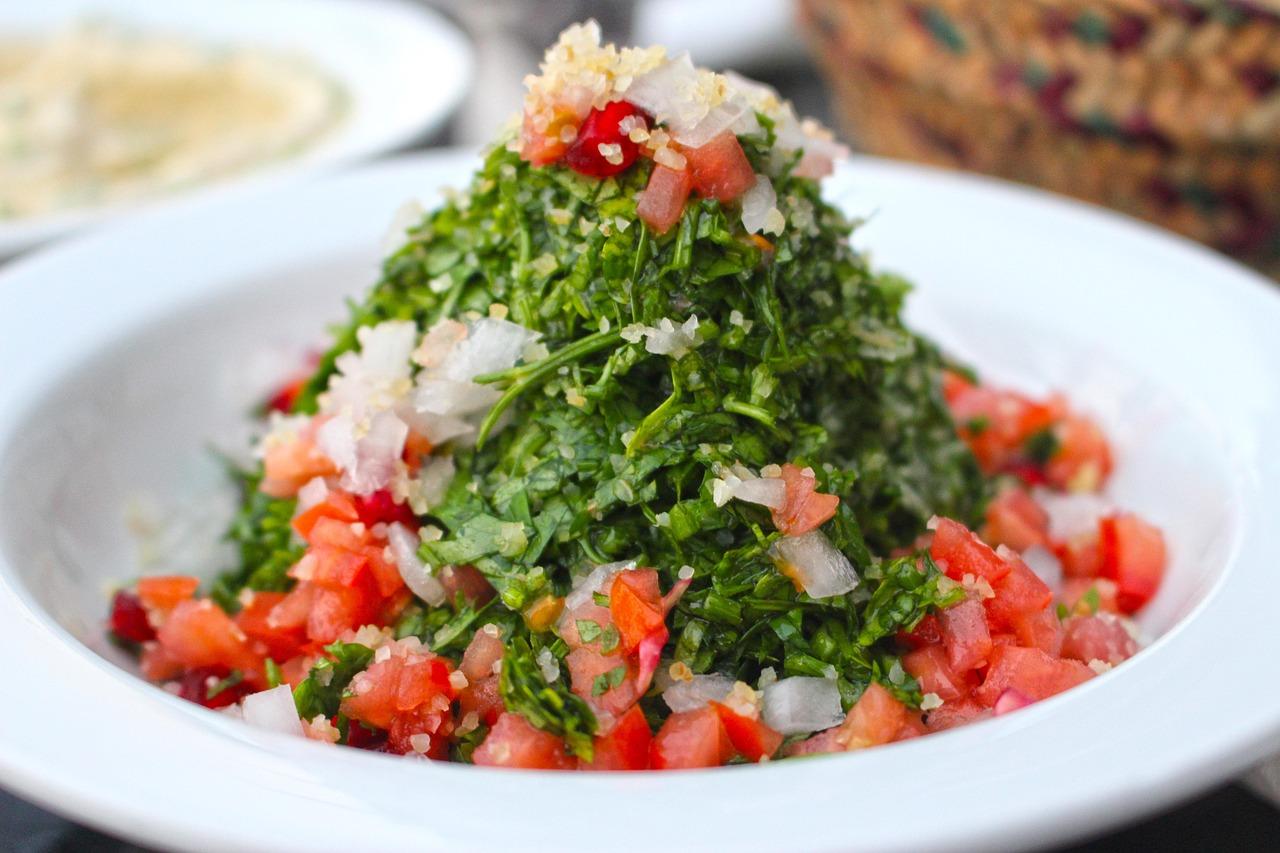
Tabbouleh

In Lebanese homes tabbouleh is a green salad first and a grain salad a distant second: a heap of finely cut flat-leaf parsley and mint, flecked with fine bulgur, diced tomato and spring onion, and sharpened with lemon and olive oil. It turns up on every mezze table from Beirut to the mountain villages, and families make it in big bowls for Sunday lunch, scooping it up with crisp inner leaves of cos lettuce. It tastes bright, lemony and fresh, and goes with falafel, grilled halloumi or any spread of dips and bread. The usual mistake is chopping wet parsley, which bruises into a dark, soggy mush; dry it thoroughly and slice it with a sharp knife instead. Chef's tip: dress the bulgur with the lemon juice and tomato juice first, so it softens in that liquid instead of in water and soaks up all the flavour.

by KrazyBadal 0 views

Hong Kong egg tarts

Daan taat are the pride of Hong Kong bakeries and cha chaan teng, where they come out of the oven several times a day and are eaten warm with a glass of milk tea. Unlike Portuguese tarts, the custard stays smooth, glossy and bright yellow with no scorched top, and this version uses a buttery shortcrust (lard is traditional in some bakeries; we use only butter). Chef's tip: strain the custard twice and skim off every bubble; that's what gives the mirror-smooth surface.

by KrazyBadal 0 views

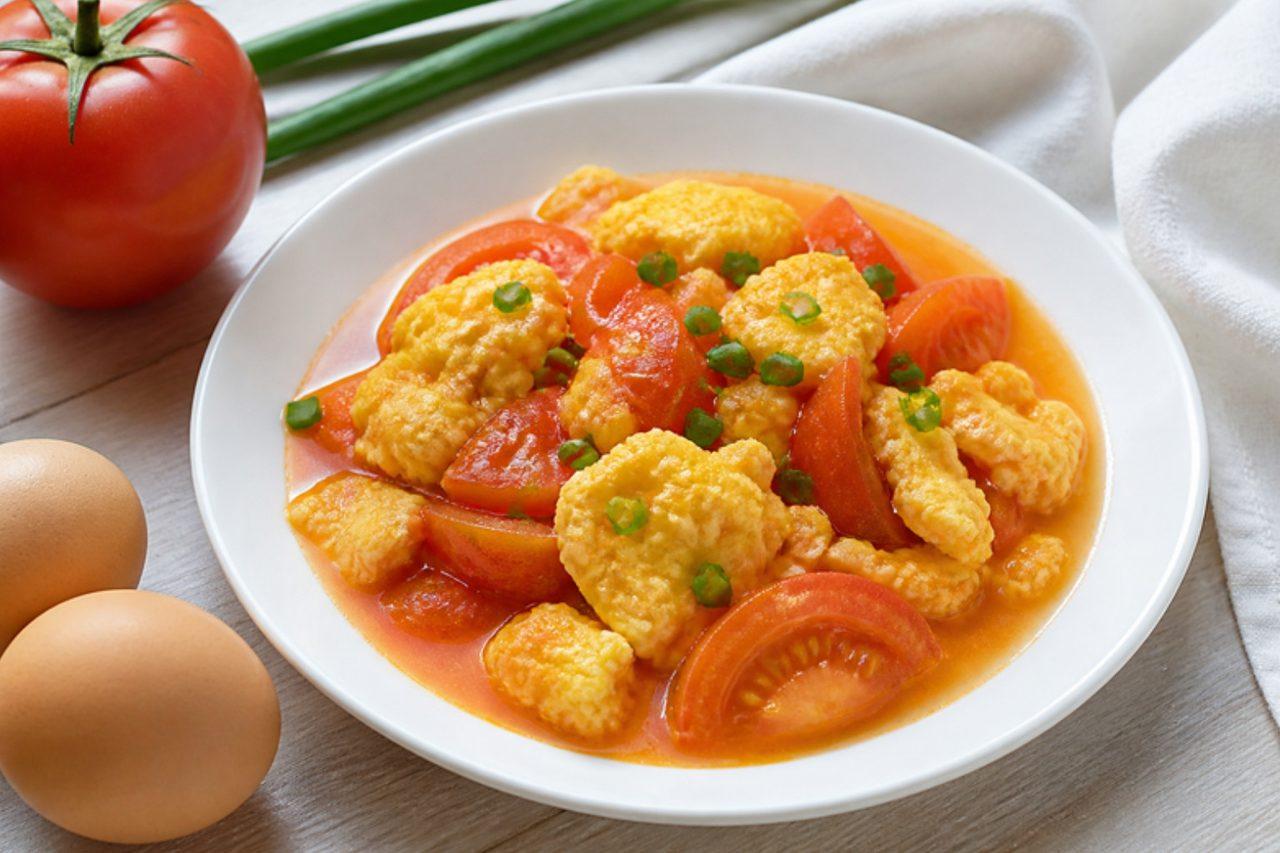
Tomato and egg stir-fry

Fan qie chao dan is the dish students across China cook in their first flat, and it appears at family meals in every province. Soft curds of egg and slumped tomatoes make a sweet-sour, slightly saucy stir-fry that is wonderful spooned over rice. Some families make it drier, others soupier; this version has just enough sauce to soak the rice. Chef's tip: cook the eggs first and take them out while still glossy; they finish in the tomato sauce and stay tender.

by KrazyBadal 0 views

Cameroonian coconut rice

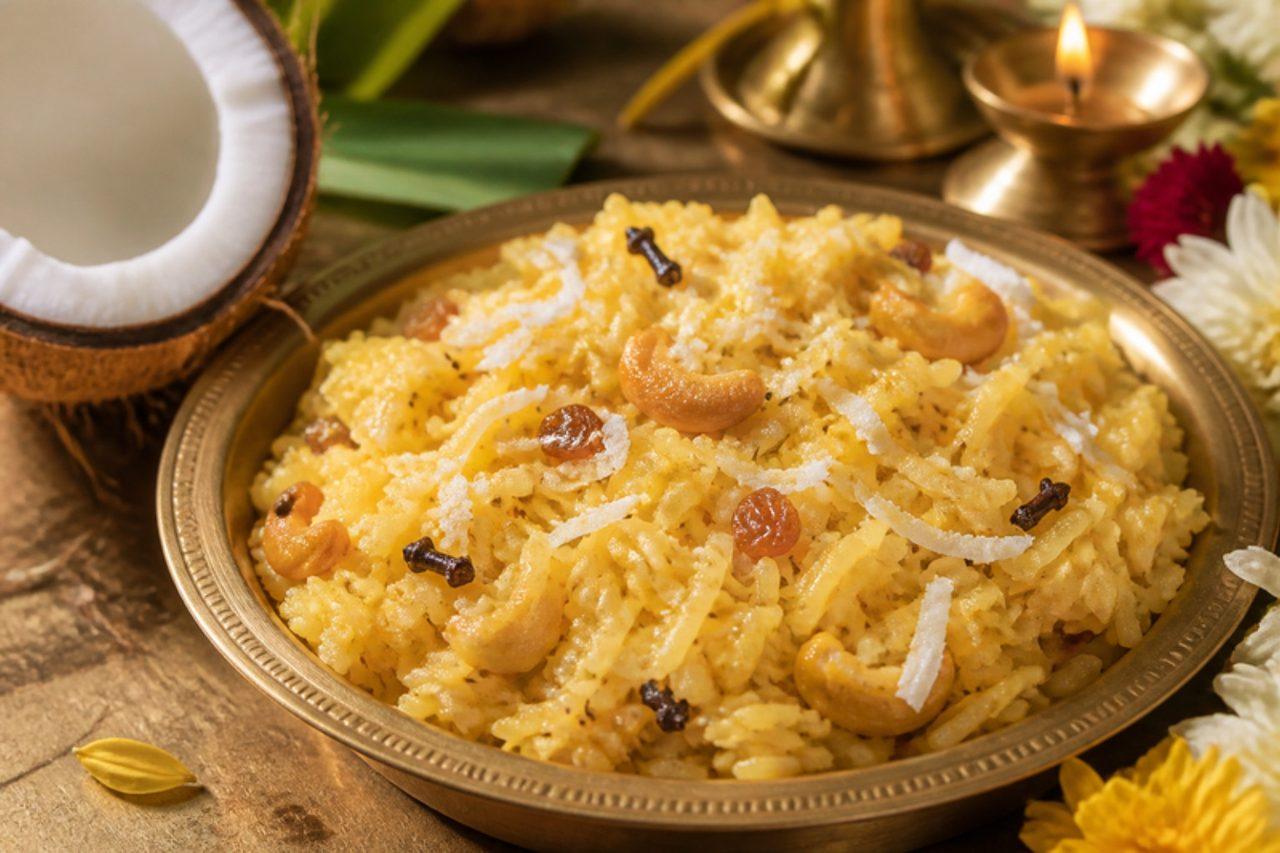
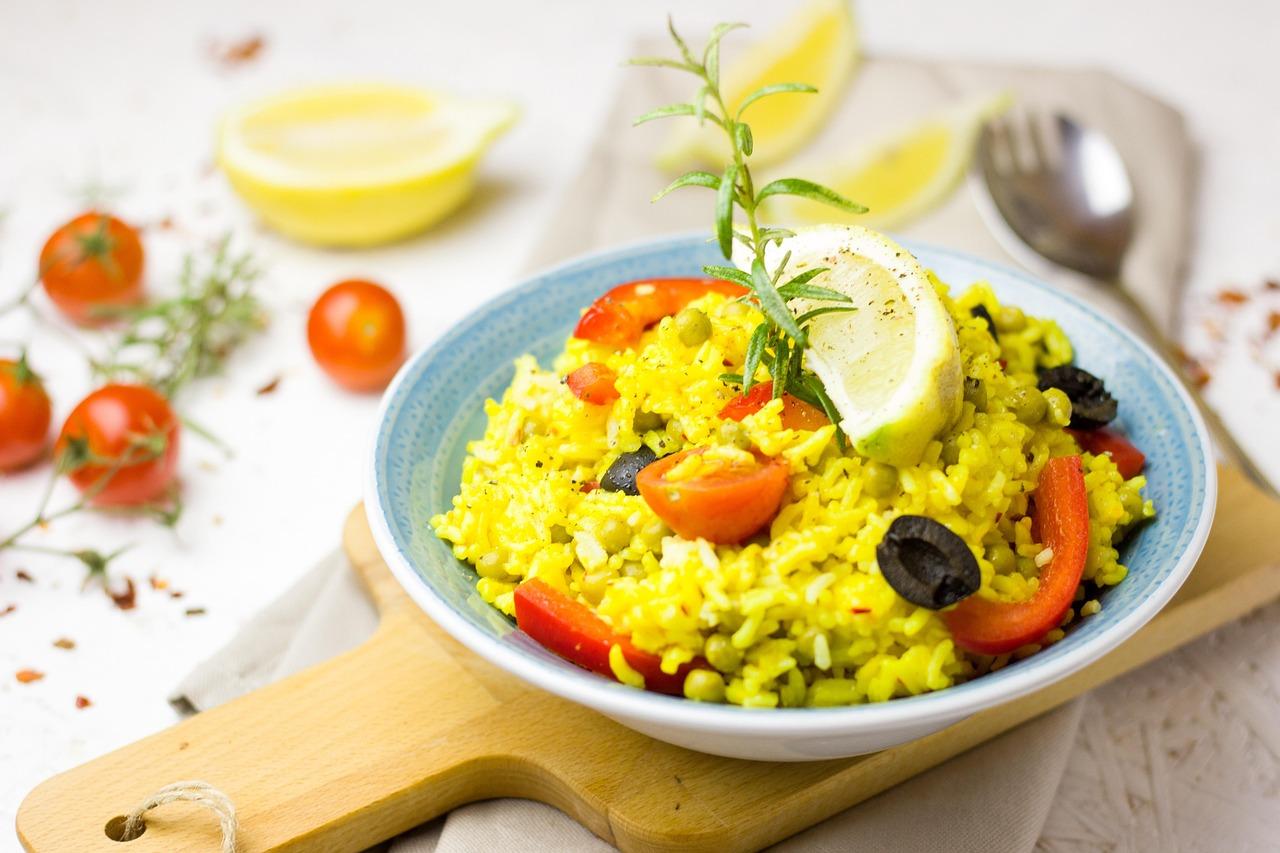
A colourful one-pot rice from Cameroon: long-grain rice simmered in thin coconut milk with tomato paste, chilli, cinnamon-clove powder and thyme, studded with carrot and yellow pepper. It's lightly spiced, creamy and fragrant. Serve it with beans, a vegetable stew or a simple salad.

by KrazyBadal 0 views

Smashed cucumber salad (pai huang gua)

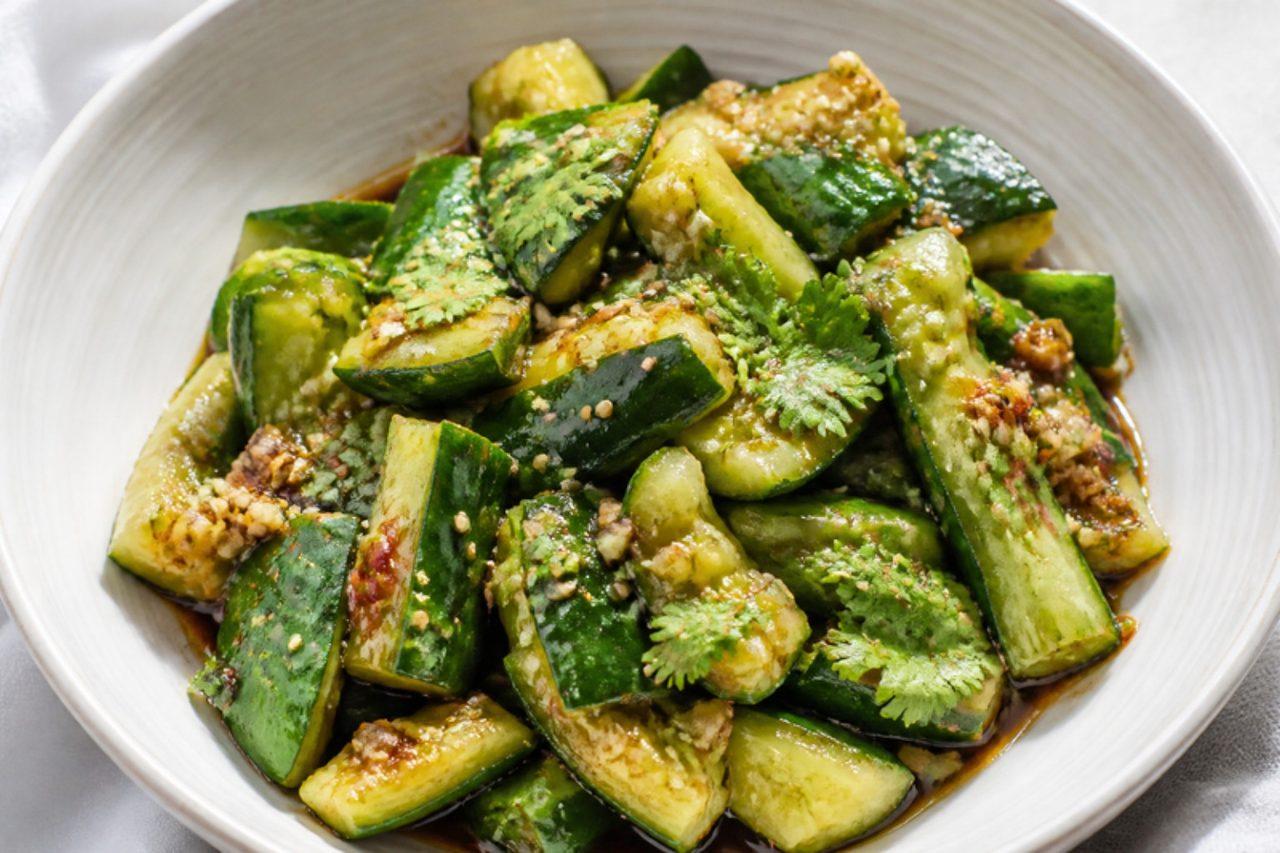
Pai huang gua turns up on tables from Beijing to Guangzhou, often the first dish to land at a summer meal because it takes ten minutes and cools the mouth between spicy bites. Smashing the cucumbers rather than slicing them cracks them into rough pieces that soak up dressing in minutes. It goes with any stir-fry, noodles or dumplings. Chef's tip: salt the smashed pieces for 10 minutes and pour off the water, otherwise the dressing is diluted to nothing by the time you sit down.

by KrazyBadal 0 views

Mushroom & epazote quesadillas

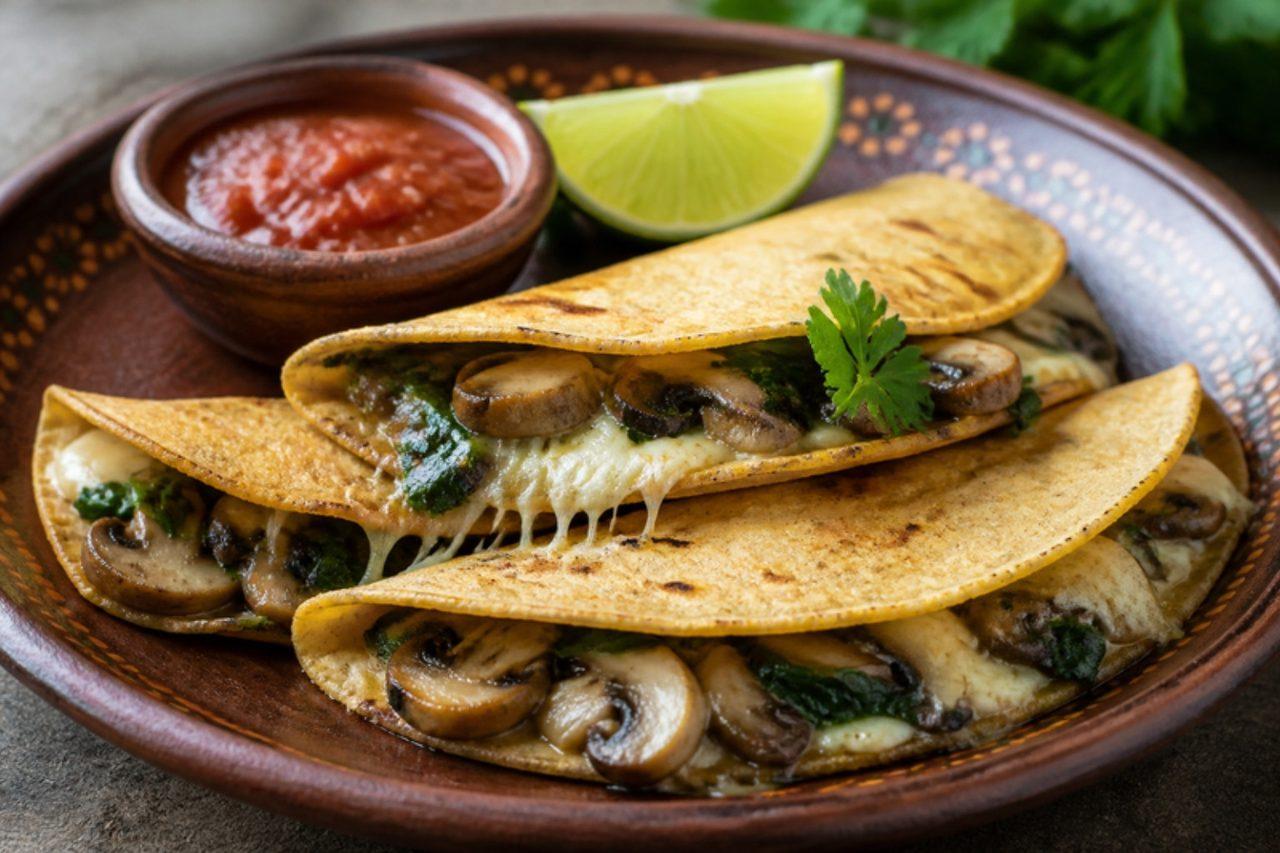
Quesadillas de hongos are sold from comales at markets all over central Mexico, from Mexico City to the forests around Toluca where wild mushrooms are picked in the rains. The mushrooms are fried hard with onion, garlic and green chilli and finished with epazote, a pungent herb with notes of mint, anise and citrus that is the signature of central Mexican cooking. Folded into corn tortillas with stringy cheese, they are earthy, juicy and a little hot. Serve with salsa roja and lime. Use a cheese made with vegetarian rennet; low-moisture mozzarella is a good stand-in for Oaxaca cheese. Chef's tip: fry the mushrooms until all their liquid has gone; wet mushrooms make the tortilla soggy.

by KrazyBadal 0 views

Maharashtrian aamtiSweet and sour dal

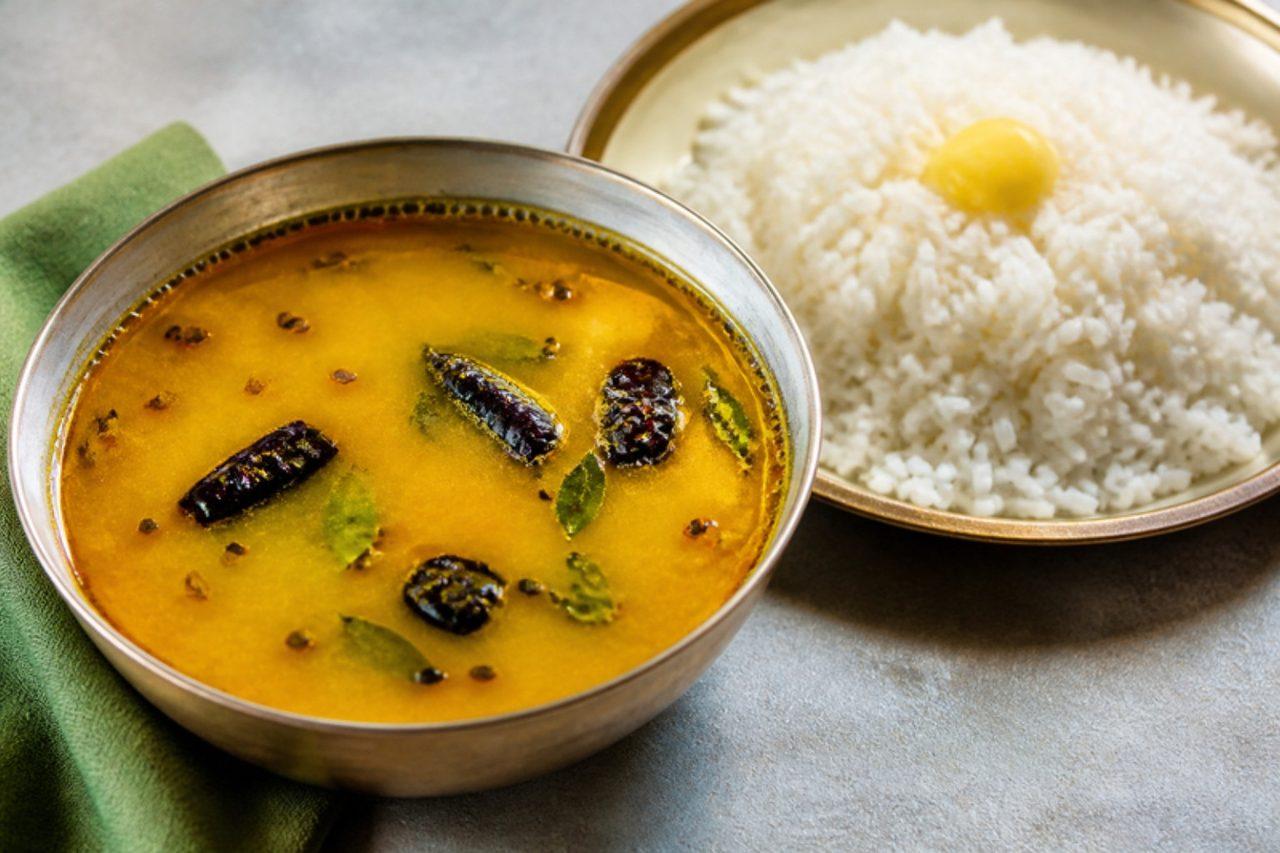
Aamti is the everyday dal of Maharashtrian homes from Pune to Kolhapur: toor dal cooked soft, soured with kokum, sweetened with a little jaggery and seasoned with goda masala, the dark, aromatic spice blend of the state. It's thinner than a Punjabi dal and has a gentle sweet-sour-hot balance. Before the tempering goes in, many cooks scoop out a bowl of the plain cooked dal for varan bhaat, the simple turmeric-yellow dal with rice, ghee and lemon that every Maharashtrian child grows up on and that starts every festive thali. Chef's tip: add the kokum near the end and taste after 5 minutes; it keeps releasing sourness, and it's easy to overshoot.

by KrazyBadal 1 views

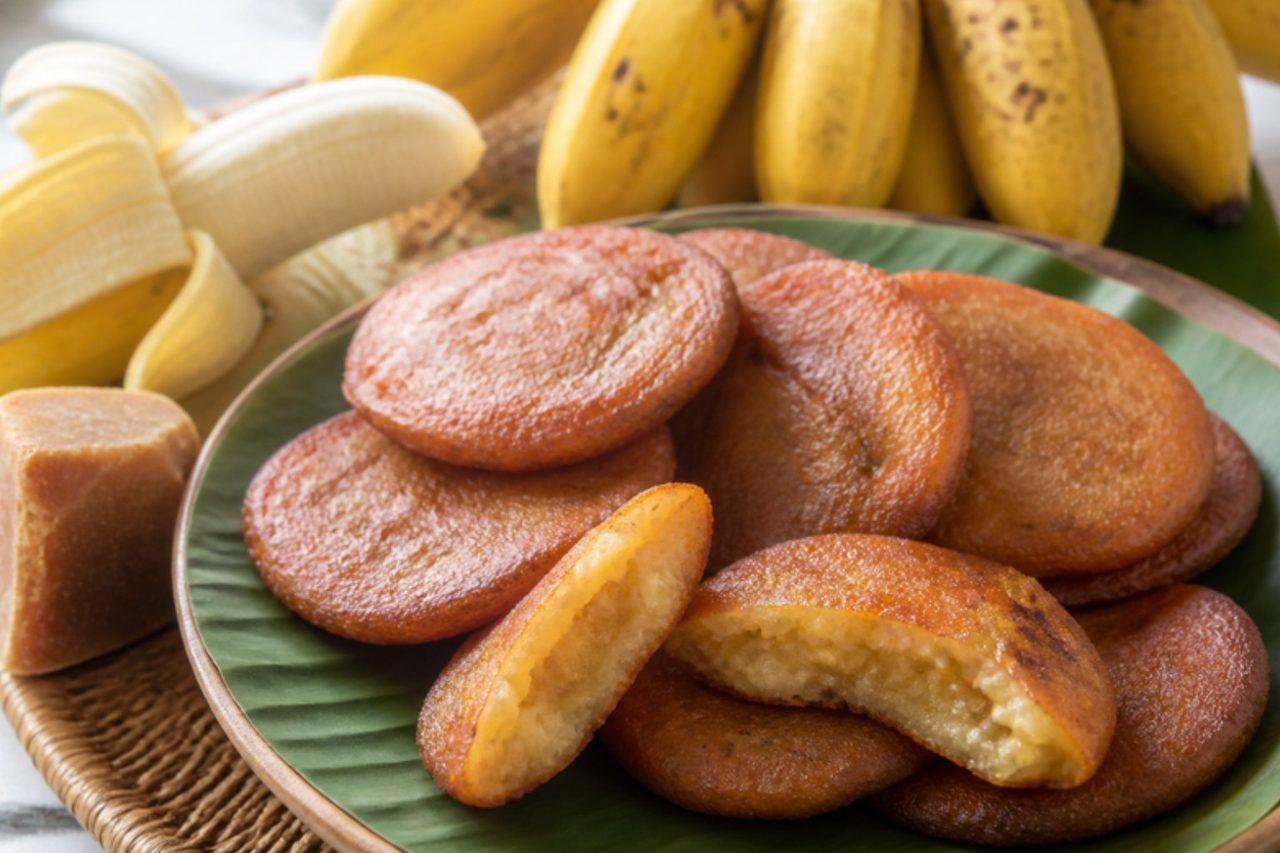
Koat pithaBanana and rice flour fritters

Koat pitha is Mizoram's favourite tea-time snack, sold in Aizawl's bakeries and street stalls and fried at home whenever bananas go soft: mashed ripe banana is mixed with rice flour and jaggery into a thick batter and fried in spoonfuls until crisp, brown and puffed. Inside they are soft and sticky-sweet. They are served at church gatherings and with red tea on wet afternoons. Chef's tip: the riper the bananas the better; spotted, almost black ones give the most flavour and sweetness.

by KrazyBadal 0 views

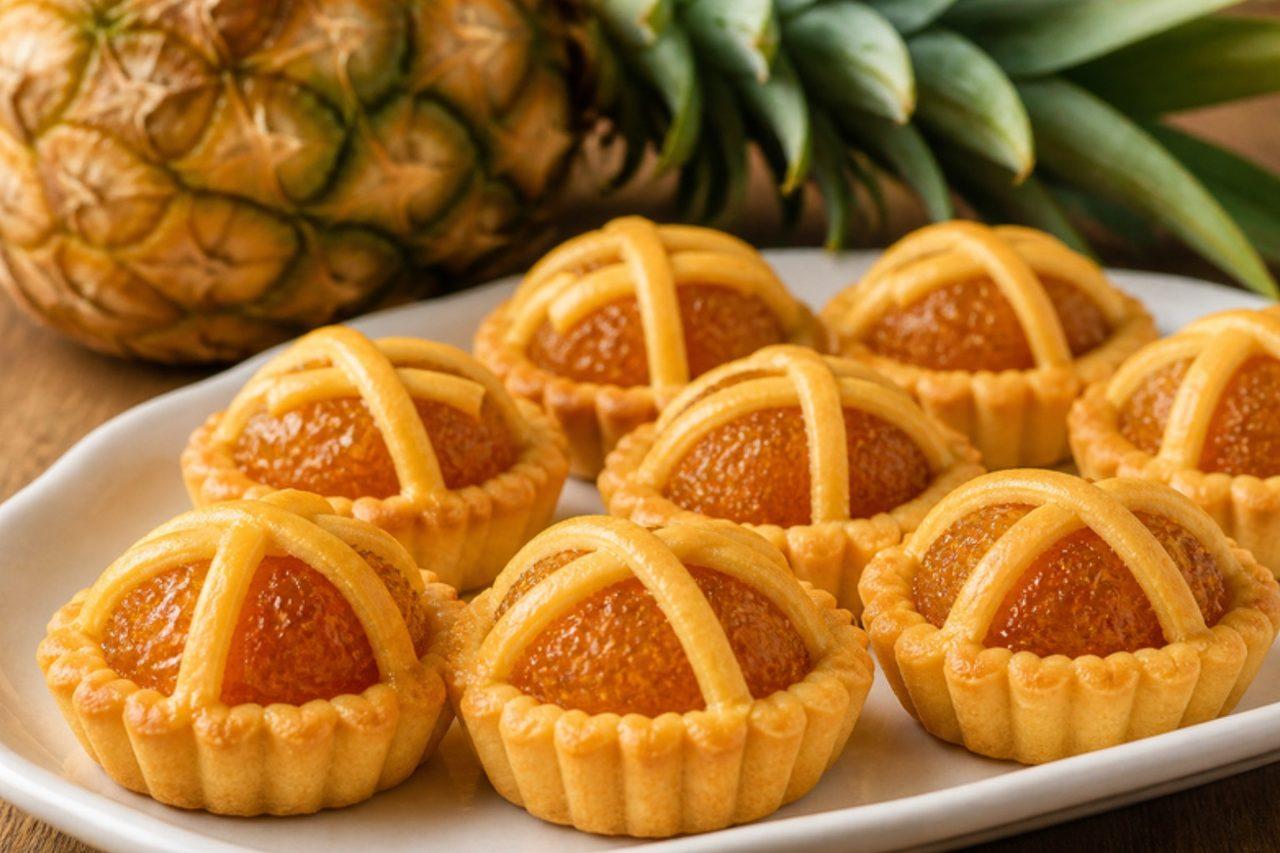
Pineapple tarts

Every Malaysian household seems to have someone who makes pineapple tarts in the weeks before Chinese New Year or Hari Raya, and the plastic tubs of them go round every visit and open house. In Hokkien the pineapple, 'ong lai', sounds like 'fortune comes', which is why they matter so much at the New Year. This is the rolled 'nastar' style: a little ball of golden, slow-cooked pineapple jam, scented with cinnamon, star anise and clove, wrapped in rich, crumbly butter pastry. Chef's tip: grate the pineapple by hand rather than blending it; the fibres give the jam its chewy body.

by KrazyBadal 0 views

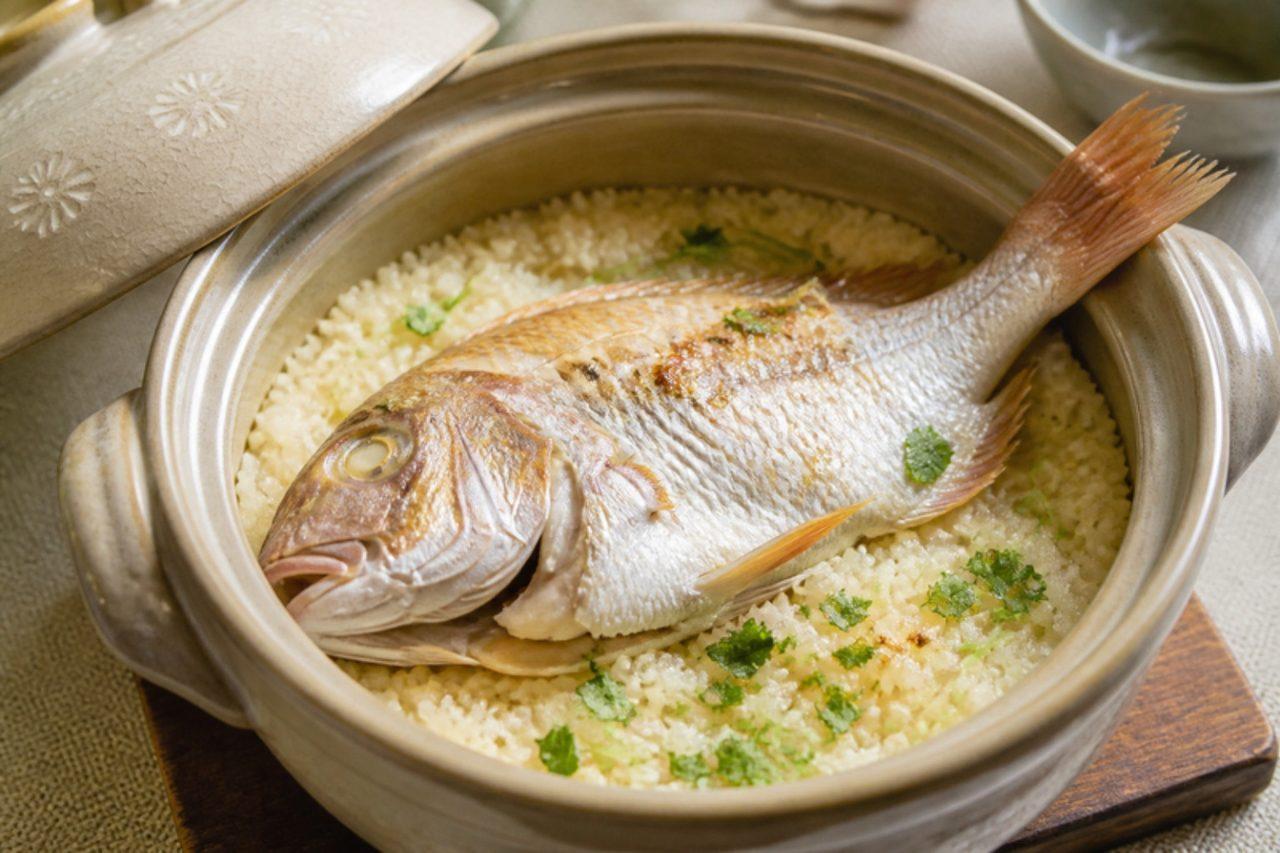
Tai-meshi (sea bream rice)

Ehime prefecture on Shikoku farms more red sea bream than anywhere else in Japan, and tai-meshi is its signature rice. Around Matsuyama and the old fishing town of Hojo, a whole grilled fish is laid on seasoned rice and cooked in the same pot, then the flesh is flaked through the grains at the table. Down the coast in Uwajima the same name means raw bream on hot rice, but this is the cooked kind. Sea bream is a fish for celebrations in Japan, so the dish turns up at weddings and New Year as well as in station lunch boxes. Chef's tip: grill the fish briefly before it goes in the pot; the browned skin adds a toasty flavour to the rice and keeps the fish from smelling of the sea.

by KrazyBadal 0 views

Bungo juiceSweet-sour bungo fruit juice

Maji ya bungo is a favourite Zanzibar street drink made from the orange, sweet-sour pulp of the bungo fruit (Saba comorensis), soaked off the seeds, blended with sugar and water and strained. It's tangy, fruity and very refreshing. Serve well chilled.

by KrazyBadal 0 views

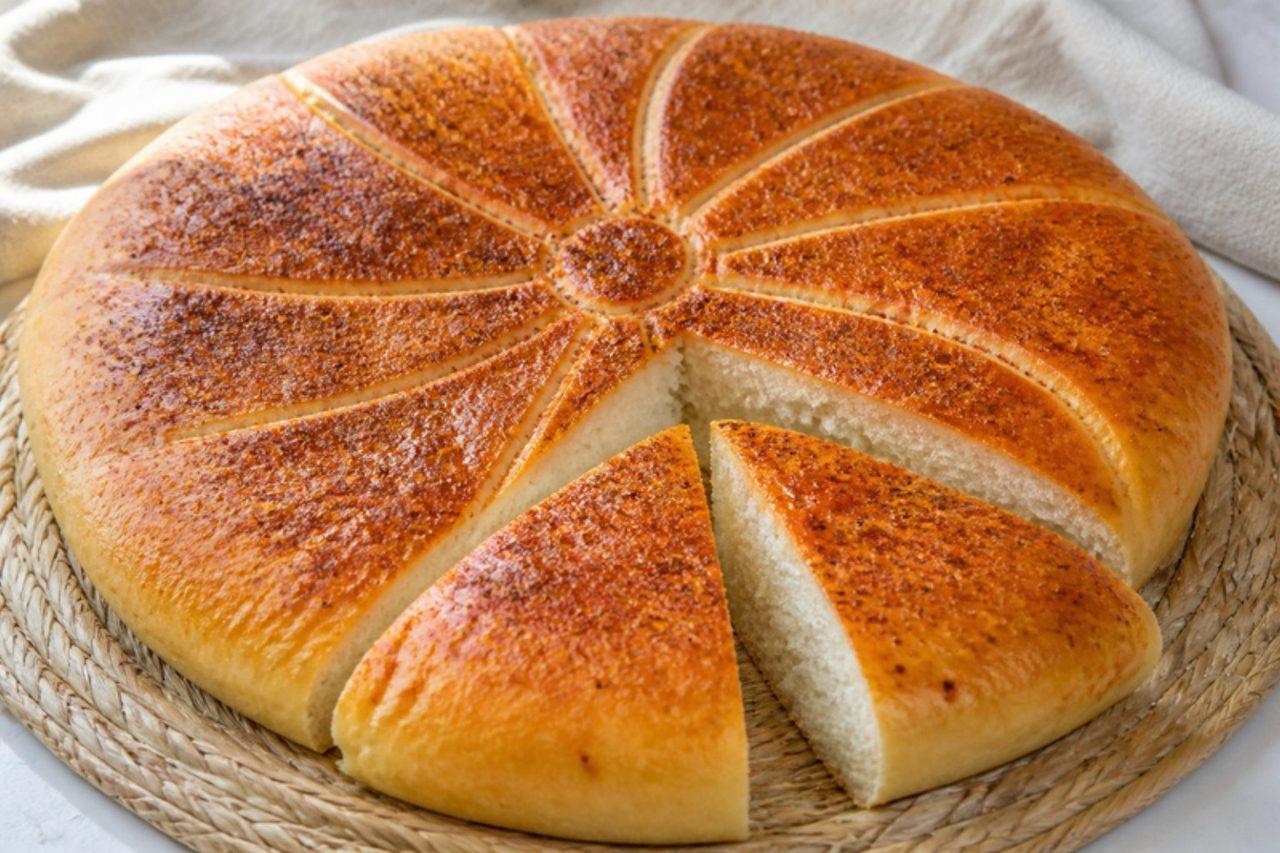
AmbashaSpiced celebration bread

Ambasha is the round, slightly sweet festival bread of Tigray and Amhara, baked for holidays such as Easter (Fasika) and Meskel and for welcoming guests. The dough is scented with fenugreek, cardamom and coriander seed, and before baking the top is cut with a knife into a wheel-like pattern, so it comes out of the oven looking like a decorated plate; it is brushed with niter kibbeh and berbere and served torn into pieces with coffee. Chef's tip: cut the pattern deep (about 1 cm), or it disappears as the bread rises in the oven.

by KrazyBadal 0 views

Lentil fritters (bhadali bhajia)

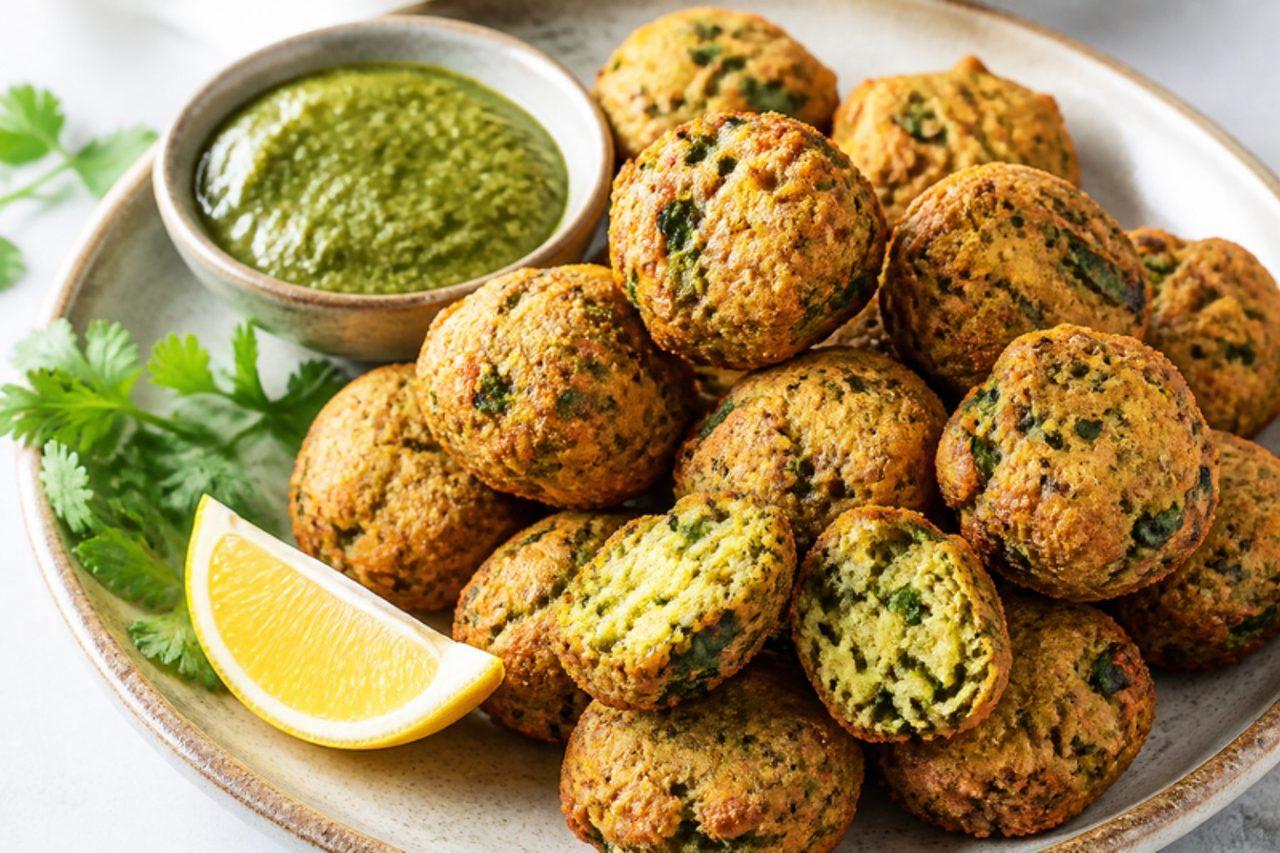
Golden fritters of coarsely ground black-eyed bean and green gram lentils with fenugreek, spinach, coriander, spring onion and chilli. They're crunchy outside and fluffy inside, and they go into Zanzibar mix and Coastal Mombasa mix too. Serve hot with coconut chutney.

by KrazyBadal 0 views

Butter beans with cabbage

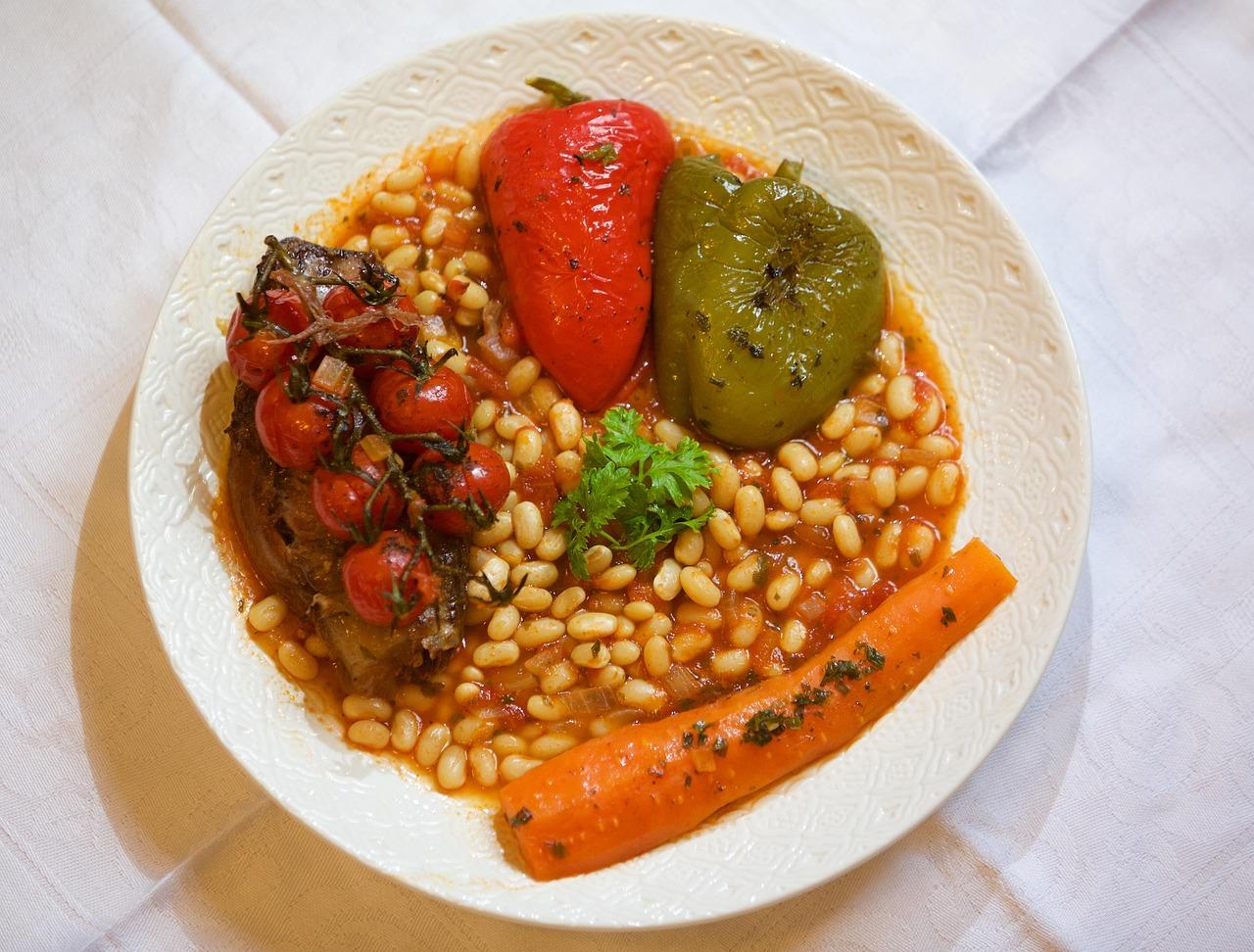
A simple, homely East African dish of butter beans (or kidney beans) tossed with tender cabbage and carrots in butter with deeply browned onions. It's mild, filling and good for every day; the book's Handy Hints note that cabbage is high in fibre and good for digestion. Serve hot with chapati, rice or ugali.

by KrazyBadal 0 views

Soft doughnuts (kaimati)

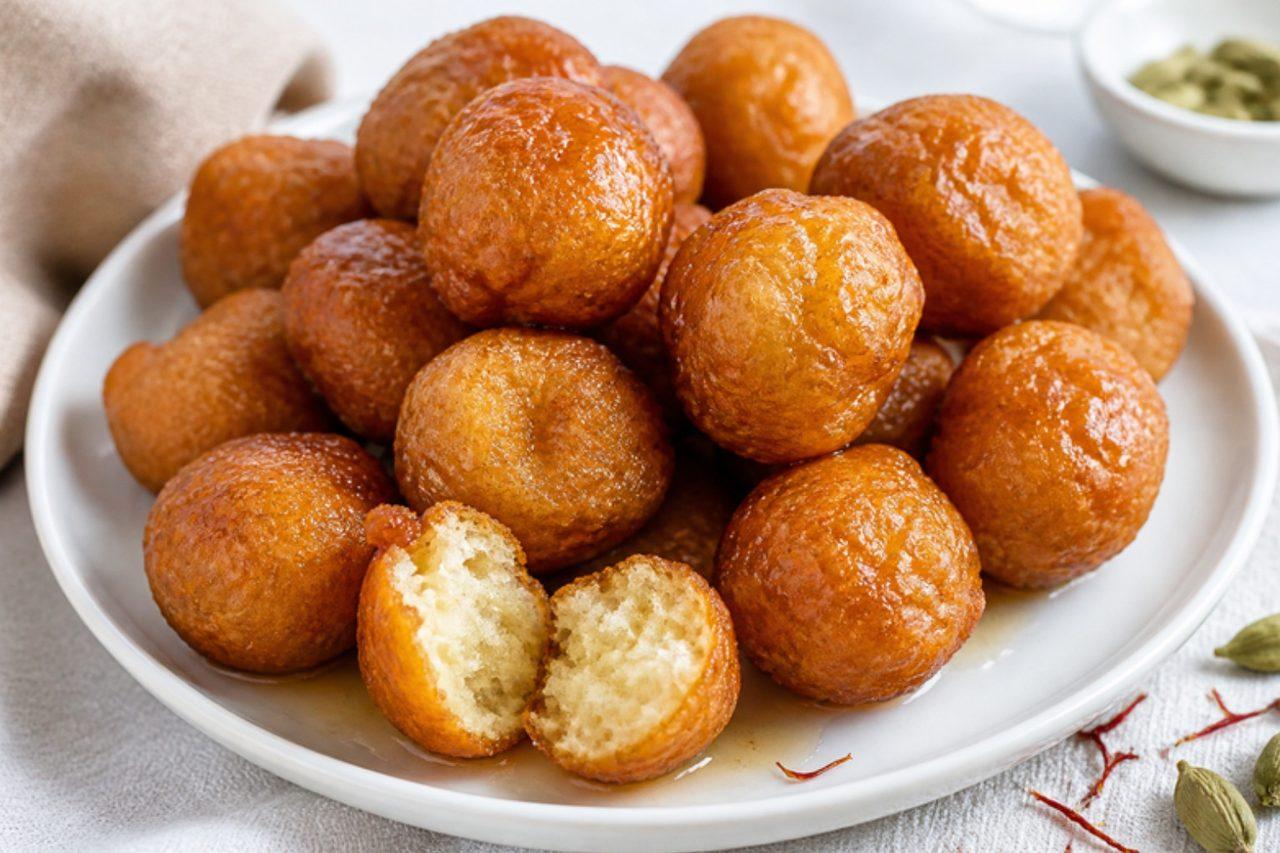
Kaimati are bite-size Swahili doughnuts: a yeasted cardamom and coconut batter dropped by the spoonful into hot oil, then dipped in a fragrant saffron, cardamom and rose syrup while still hot. They're crisp outside and soft inside. Serve with tea.

by KrazyBadal 0 views

ChipaCheese bread rings

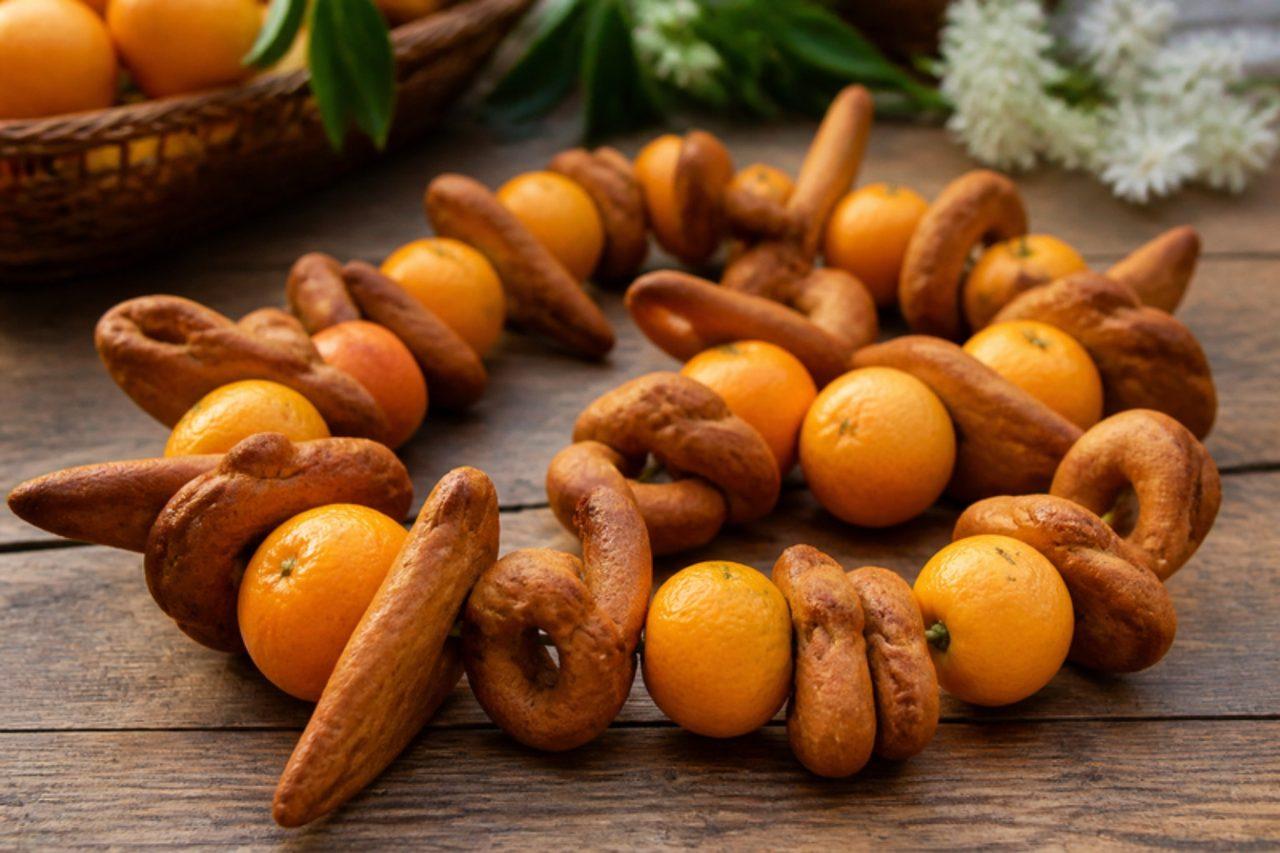
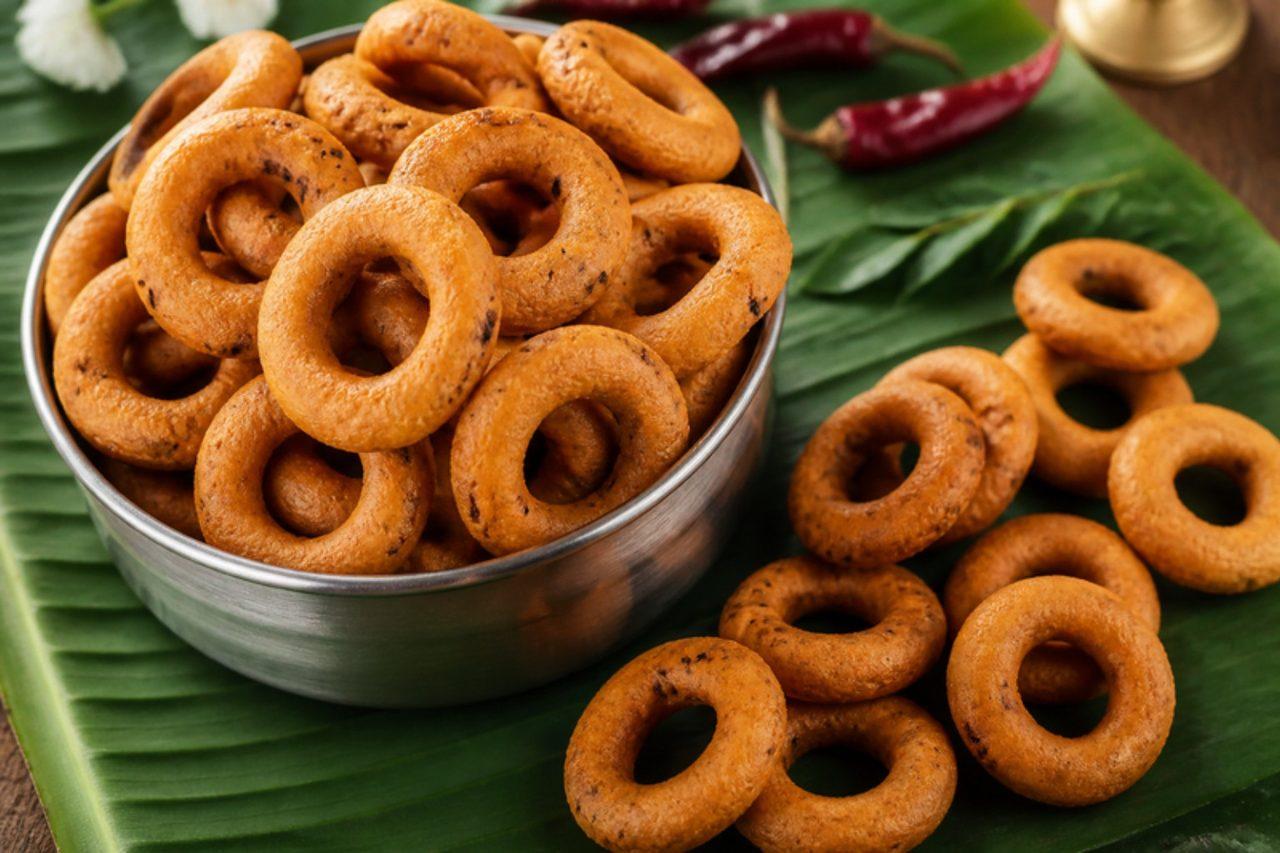
In Paraguay you hear 'chipa, chipa!' called by vendors with big baskets on buses and street corners, and every family bakes it for Holy Week, when chipa is the food of Good Friday. Cassava starch, a little cornmeal, butter, eggs and a lot of hard cheese are kneaded into a dough scented with aniseed, shaped into rings or small rolls and baked in a hot oven, traditionally a domed clay tatakua. It's chewy, crisp outside and best warm with cocido (toasted yerba tea). Chef's tip: the dough should feel soft and slightly greasy; add milk a spoon at a time, as too much makes the chipa spread flat.

by KrazyBadal 1 views

Pigeon peas in coconut milk (mbaazi)

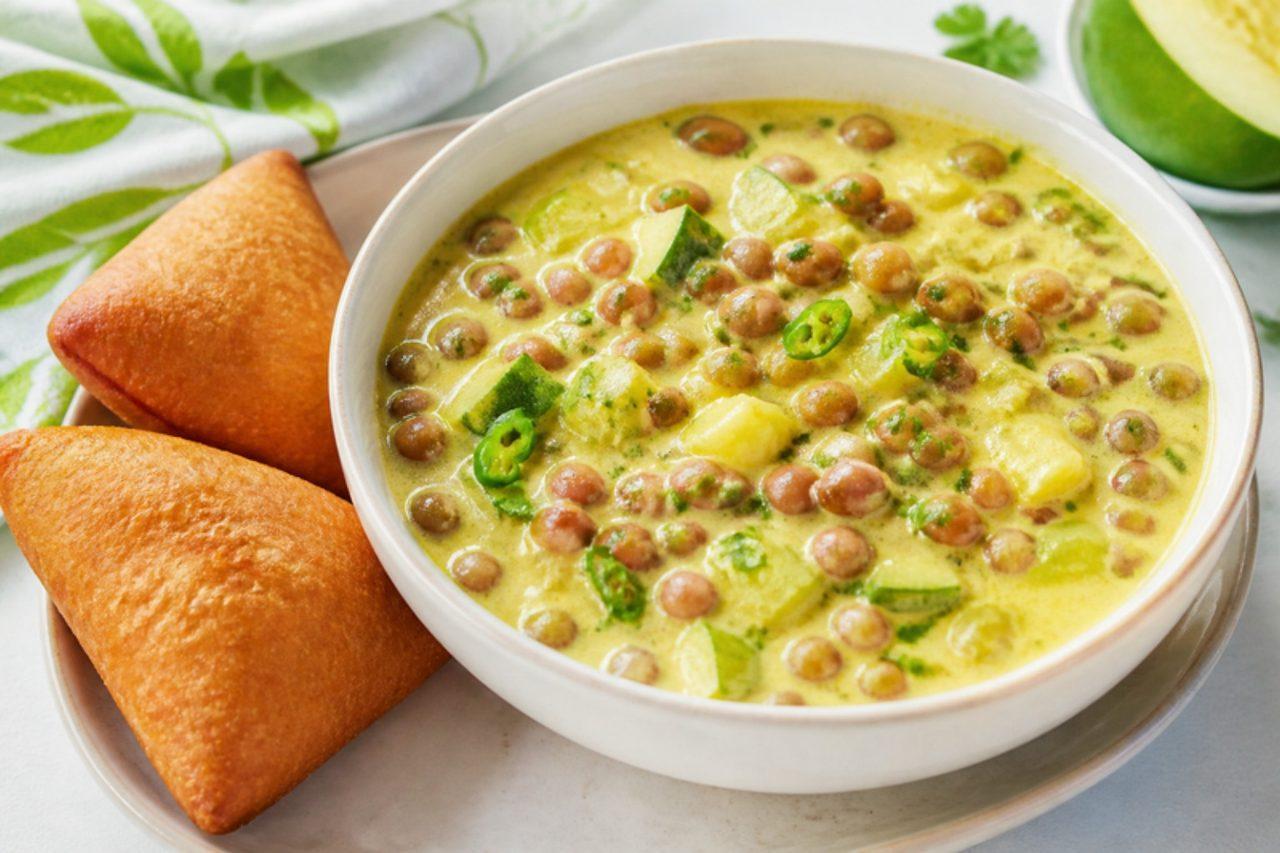
Mbaazi wa nazi: soft pigeon peas cooked in thick coconut milk with onion, raw mango, ginger-chilli paste and a pinch of turmeric until creamy. It's mild, rich and comforting. Serve with mamri (mandazi) for the classic Swahili pairing.

by KrazyBadal 0 views

Roasted red pepper & fennel

Big pieces of sweet red pepper and fennel tossed with lemon, black pepper and olive oil and roasted until soft and just starting to brown, then topped with black olives, toasted pine nuts and fresh herbs. It works as a side or a light starter, warm or cold. The vegetables can also be roasted on the barbecue jiko.

by KrazyBadal 0 views

Roasted bananas in chocolate

Whole bananas roasted on the barbecue until soft and sweet, cut into quarters, put on skewers, half-dipped in melted dark chocolate and rolled in chopped almonds, pistachios and cashews. It's a quick barbecue dessert that children love to help make. Serve them straight away while the chocolate is still soft.

20 minDessertsGluten free
by KrazyBadal 0 views

Chha goshtLamb in buttermilk gravy

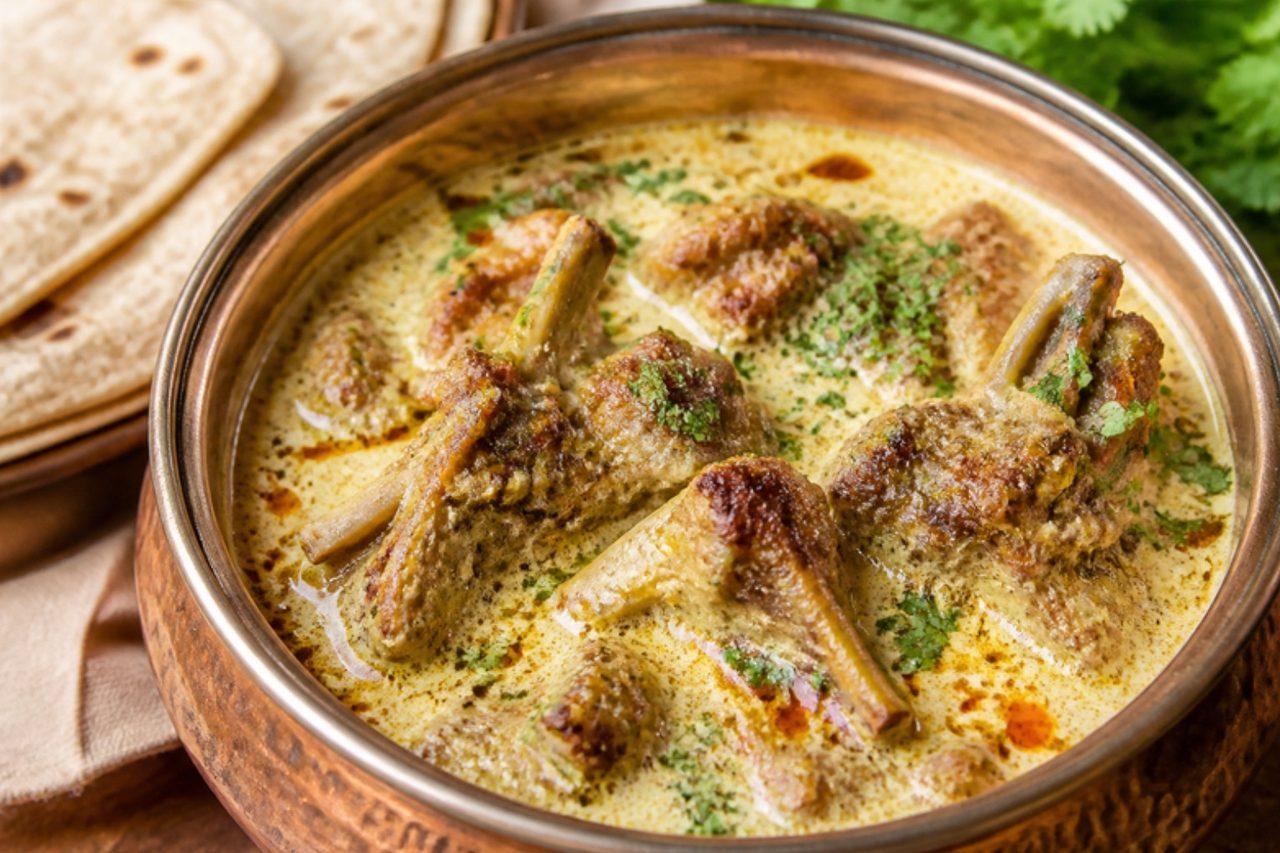
Up in the hill villages of Himachal Pradesh, where flocks are walked to summer pastures, lamb is often cooked in chhaachh, the thin buttermilk left after churning butter. Thickened with a spoonful of gram flour, it makes a pale, gently sour gravy that is milder and lighter than the red curries of the plains, and it is a favourite at dhams, the festive meals of the Kangra and Chamba valleys. Serve it with steamed rice or makki ki roti. Chef's tip: whisk the gram flour into the buttermilk until there are no lumps before it goes near the pot; once it hits the heat, any lumps stay lumps.

105 minIndianMeatGluten free
by KrazyBadal 1 views

Showing 36 of 10,495 recipes

Show more recipes

Page 908 of 1,167