


Skip to content
Vegetarian goose
Featured recipe

Vegetarian goose

Tofu-skin roll

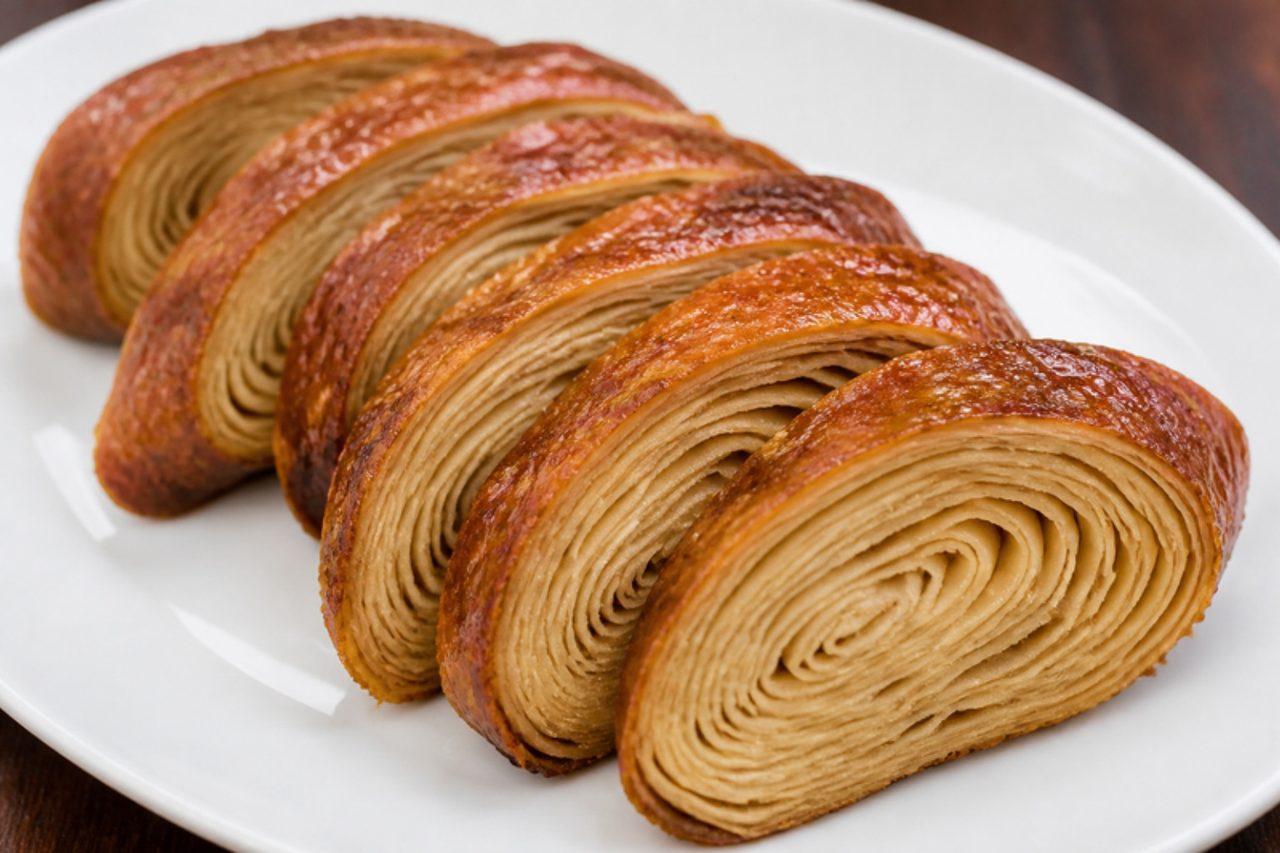
Shanghai's Buddhist temple kitchens, and the vegetarian restaurant at Jade Buddha Temple in particular, have long served su e as a cold starter: sheets of tofu skin brushed with sweet soy, rolled tight, steamed to set and then fried until the outside turns bronze and blistered like the skin of a roast bird. Sliced on the diagonal, it shows dozens of thin, savoury layers that are tender inside and faintly chewy at the edge. It is eaten at room temperature with other cold plates before a banquet, or tucked into lunch boxes. The usual mistake is soaking the dried tofu skin until it falls apart; you only need to brush it with the warm seasoning so it softens as you roll. Chef's tip: roll each log as tightly as you can and tie it in a cloth before steaming, because loose rolls separate into strips when you slice them.

Read more 0 views

What to eat today?

Around the world

Today's trip: Persian

A new country every day, from every cuisine on the site.

Persian

Shirini danmarki

Cinnamon cardamom pastry swirls 70 minMore from Persian (181) →

This week's collection

Kid-friendly dinners
756 recipes · a new collection every Monday

Coming up

All occasions →

Latest recipes

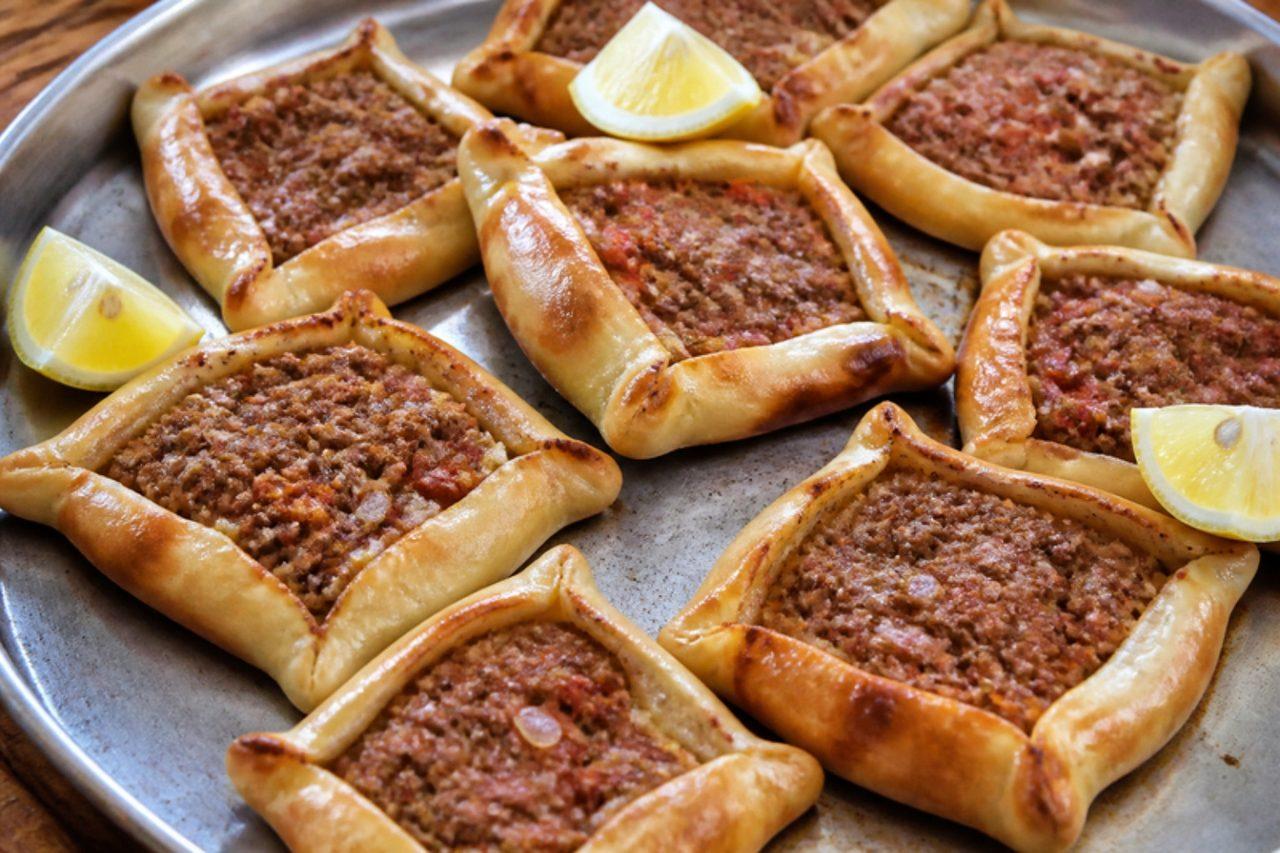
SfeehaSmall open lamb pies

Sfeeha are the little open meat pies of Baalbek in Lebanon's Bekaa Valley, where bakers pinch them into neat squares and bake them by the hundred for weddings, Eid and Sunday mornings. The lamb filling is chopped with tomato and onion and sharpened with pomegranate molasses and a spoon of yogurt, so it stays juicy as it bakes on thin, crisp dough. Eat them warm with a bowl of yogurt or labneh and some cucumber. Chef's tip: pinch the four corners really firmly; the square shape is what traps the juices so the base stays crisp.

by KrazyBadal 0 views

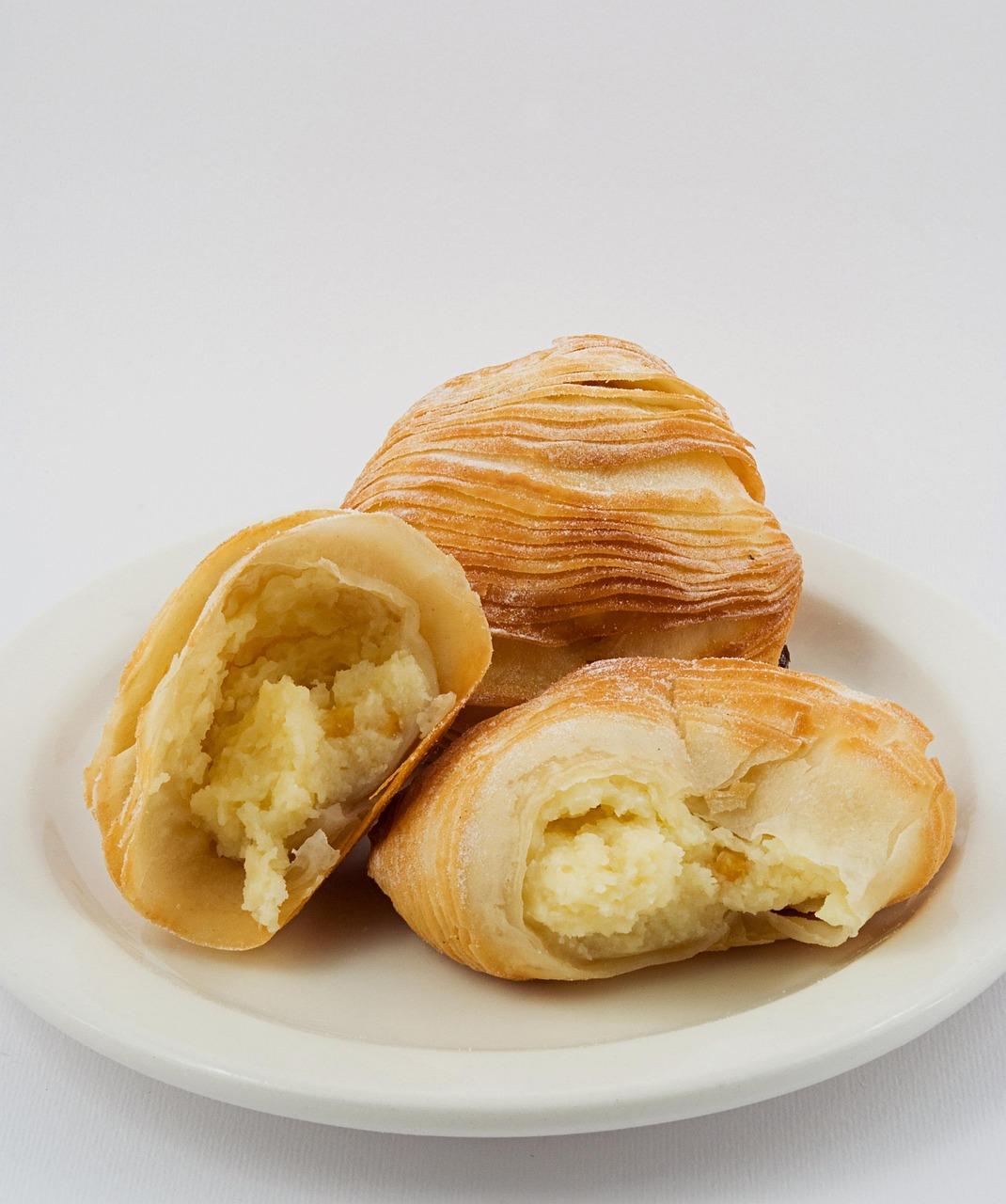
SfogliatelleFlaky shell-shaped pastries

Sfogliatella riccia is the most famous pastry of Naples, sold warm from bakeries on Via Toledo and eaten for breakfast with an espresso: dozens of paper-thin layers fanned into a shell that shatters when you bite, around a filling of semolina, ricotta, candied orange and cinnamon. It is a project for a weekend, as the dough needs to be rolled very thin, wound into a tight log and chilled overnight. Neapolitan bakers use lard; this version uses a mix of butter and vegetable shortening. Chef's tip: a pasta machine is your best friend; roll the dough to the thinnest or second-thinnest setting so the layers separate into crisp leaves.

by KrazyBadal 0 views

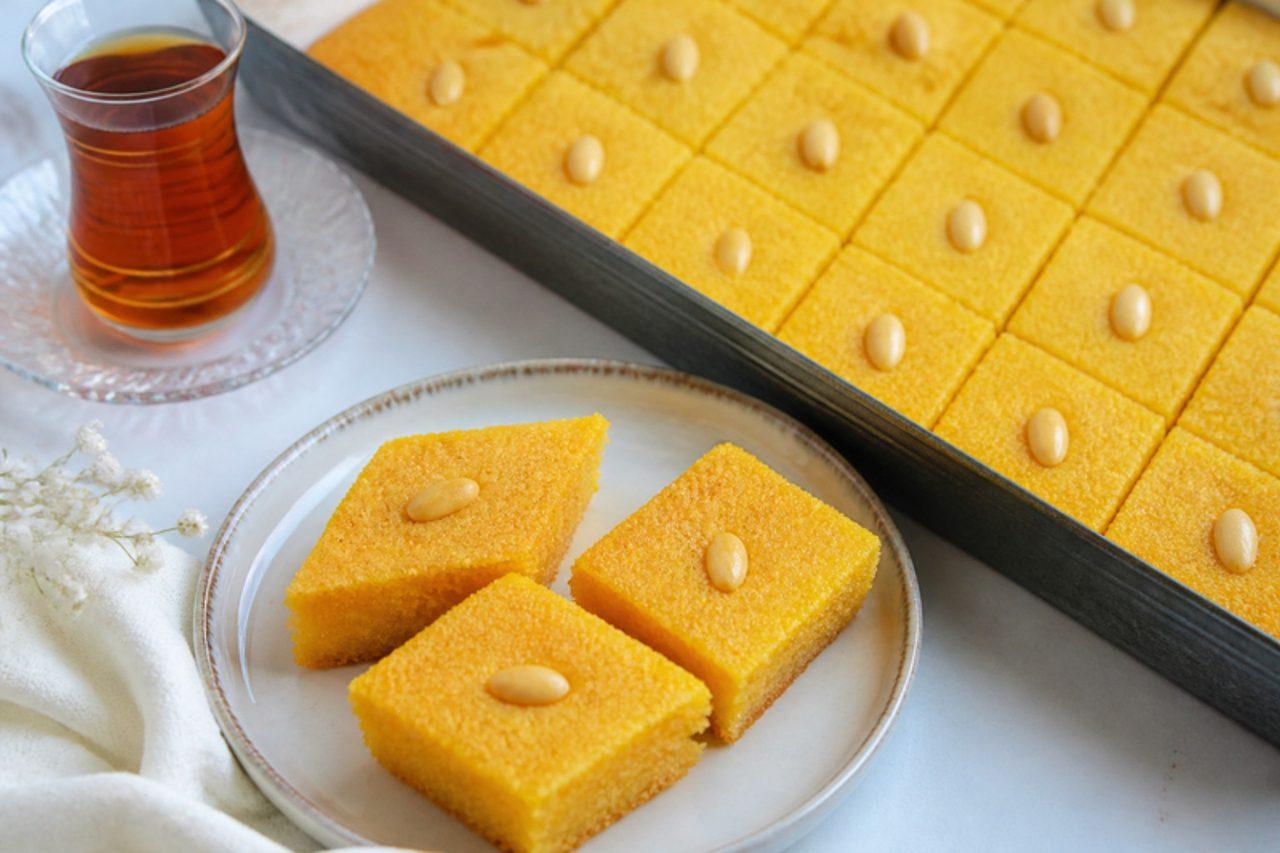
SfoufTurmeric semolina cake

Sfouf is the bright yellow cake you find in every Lebanese bakery window and in plastic tubs at village coffee mornings, cut into diamonds and eaten with tea or a small cup of coffee. Turmeric gives the colour, aniseed and a little mahlab the perfume, and semolina a soft, slightly sandy crumb. Many families make it without eggs or dairy for Lent, and this version is fully plant-based, so it is not the site's eggless coconut-yogurt semolina cake. The tin is greased with tahini, a Beirut habit that gives the base a nutty crust. Chef's tip: use only the turmeric listed; more turns the cake bitter and slightly medicinal.

by KrazyBadal 0 views

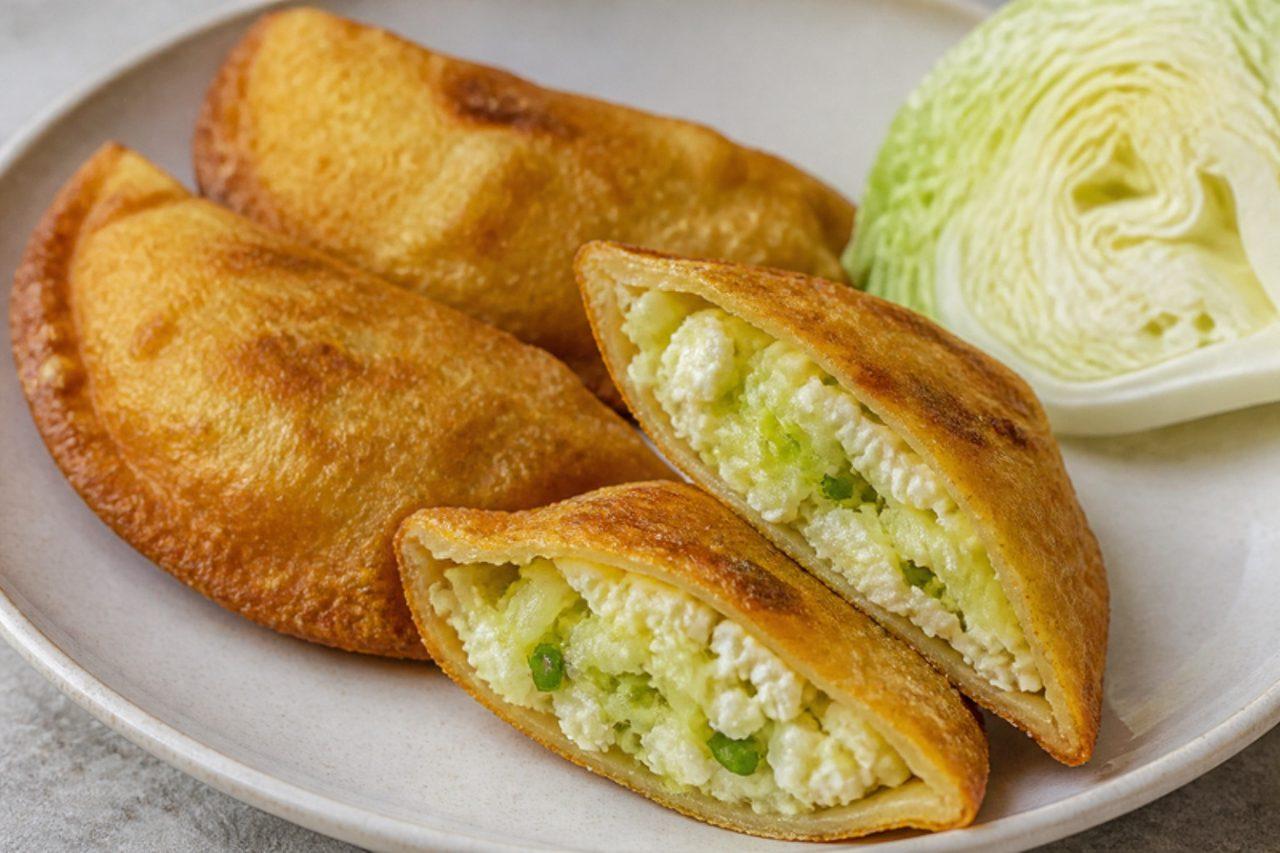
Sha phaley with cabbage and cheeseFried cabbage and cheese pockets

Sha phaley comes from Sikkim's Bhutia and Tibetan communities: rounds of dough are filled, sealed into half-moons and fried until golden and blistered, like a fat, crisp pie. In Gangtok's MG Marg cafés and home kitchens the classic filling is minced meat, but a vegetarian version with cabbage, spring onion, ginger and cheese (paneer or soft churpi) is common and very good. Eat them hot with dalle chutney and a bowl of thukpa or tea. Chef's tip: squeeze the salted cabbage hard before filling; any loose water steams inside and makes the dough soggy.

by KrazyBadal 0 views

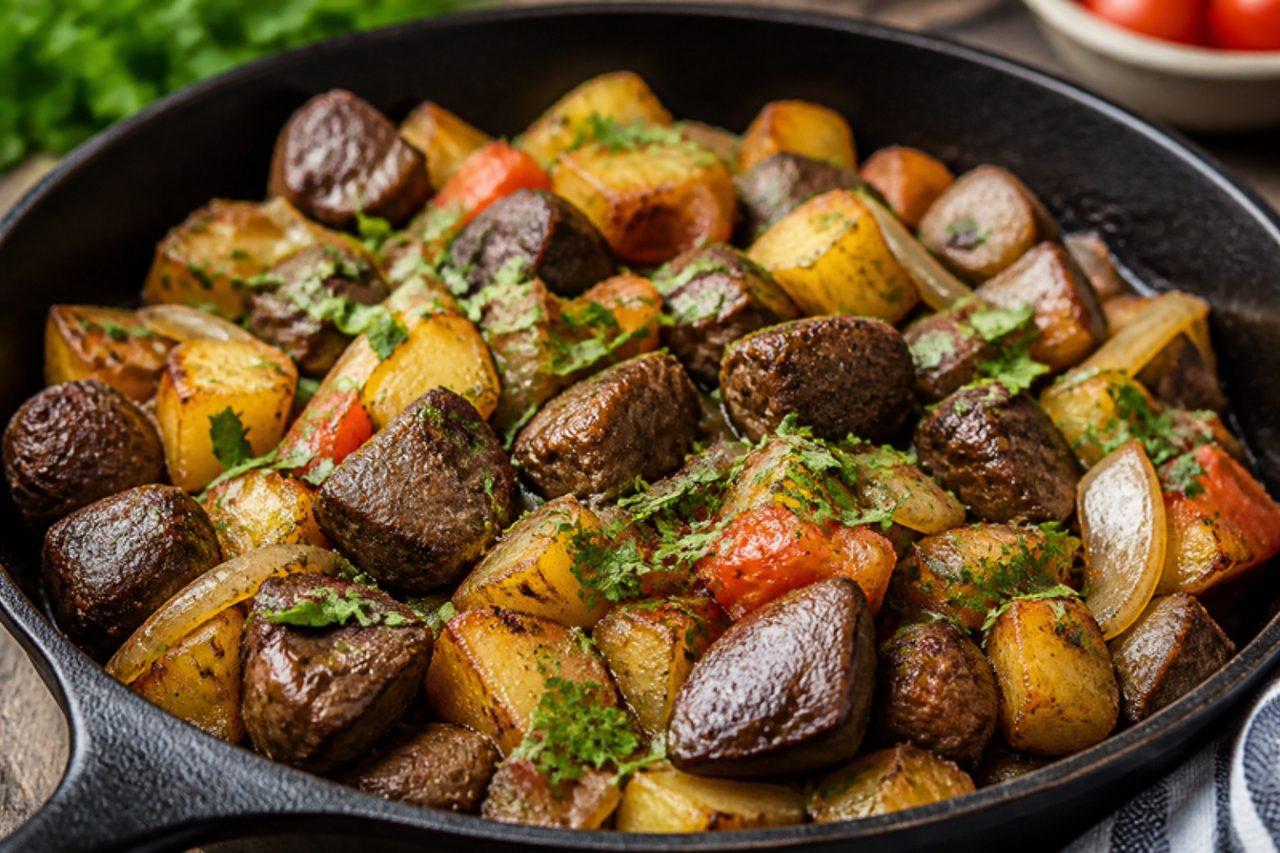
KuyrdakFried lamb with offal

Kuyrdak is the first meal cooked when a sheep is slaughtered on a Kazakh farm, made quickly from the freshest cuts and the offal: lamb meat, liver, heart and kidneys fried in a kazan with onion and potatoes. Today it is an everyday dish in Almaty and the steppe villages, eaten hot from the pan with bread and strong tea. Every part is cut to the same size so it all cooks evenly. Overcooking the liver is the most common fault; it goes in last and should be just cooked through and still soft, not grainy. Chef's tip: soak the kidneys in salted cold water for 30 minutes to remove any strong smell.

80 minKazakhMeatGluten free
by KrazyBadal 0 views

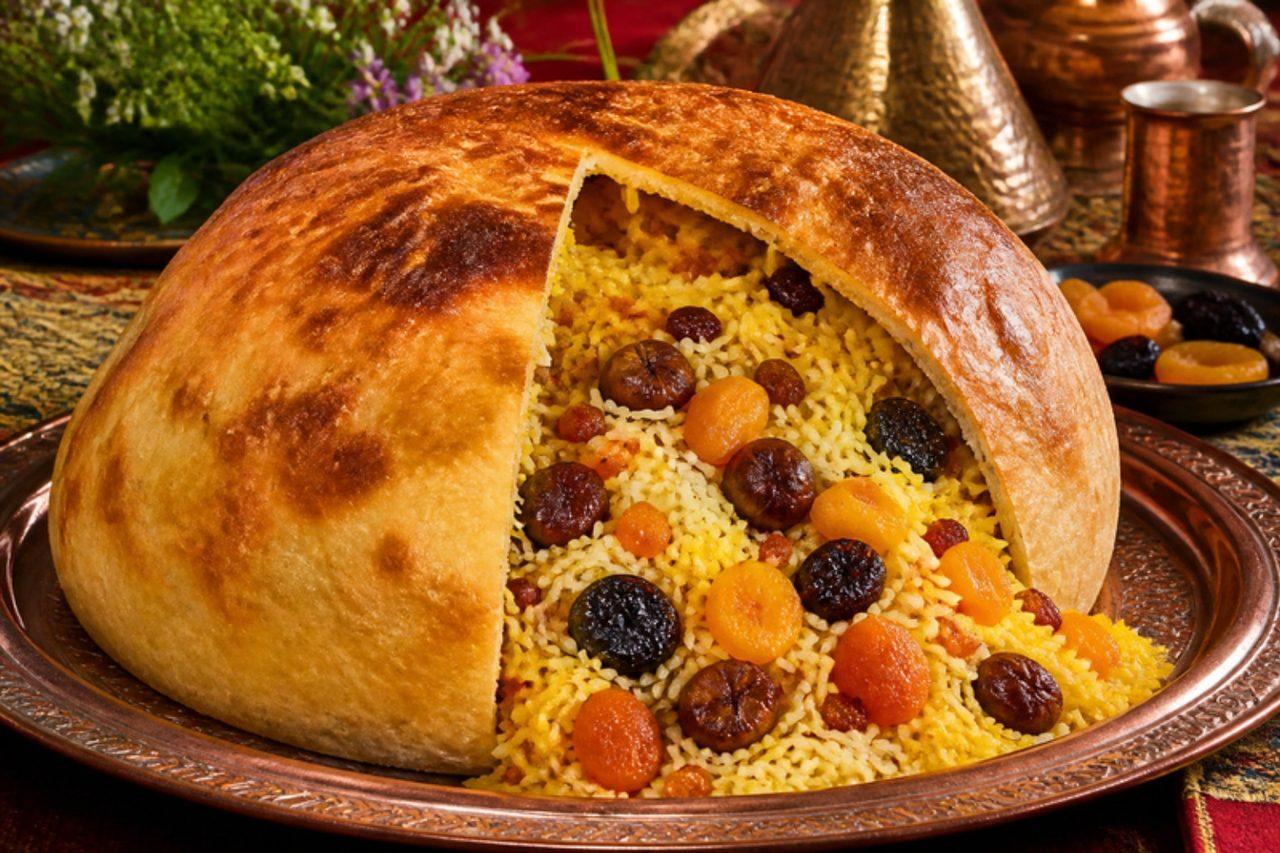
Shah plovPilaf in a lavash crust

Shah plov, the "king's pilaf", is the showpiece of Azerbaijani weddings and Novruz feasts, especially in Baku, Shaki and Ganja. Saffron rice layered with butter-glazed apricots, raisins, prunes and chestnuts is packed into a pot lined with overlapping sheets of thin lavash, then baked until the bread forms a crisp golden dome. It is carried whole to the table, the top is cut like a crown, and everyone gets a crisp shard with their rice. The classic version also has lamb; this one keeps the fruit and nuts that already make it festive. Chef's tip: brush every lavash sheet generously with butter and overlap them by at least a third; thin spots tear when the plov is turned out.

by KrazyBadal 0 views

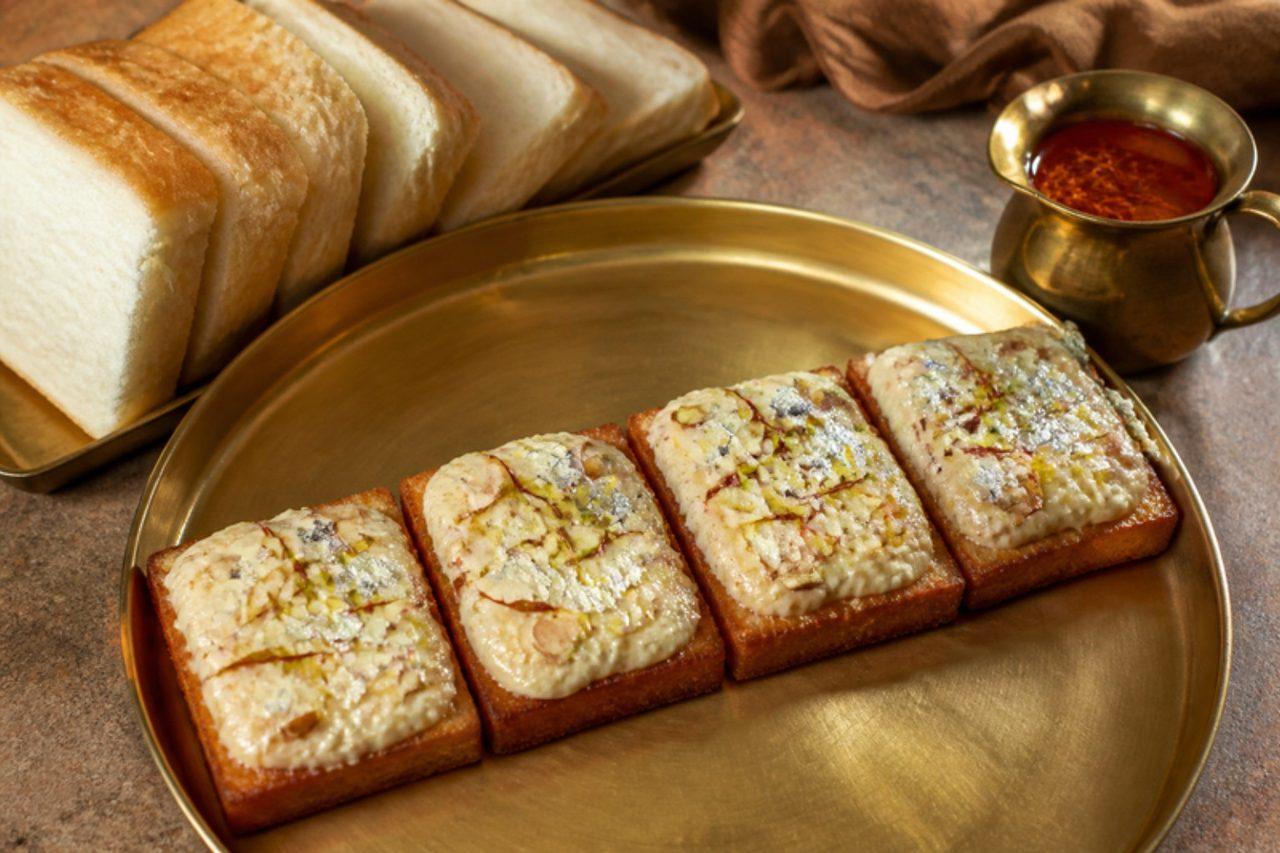
Shahi tukdaFried bread in saffron syrup

Shahi tukda, the 'royal piece', comes from the Mughal kitchens of Old Delhi, and you'll still find trays of it around Jama Masjid during Ramzan, eaten after the evening meal, and at Eid feasts. Thick slices of bread are fried in ghee until crisp and golden, dipped briefly in cardamom and saffron syrup, then covered with rabri, milk slowly reduced until thick and full of creamy flakes. The bread stays crisp at the edges and soft in the middle. It's rich, so small pieces go a long way. Chef's tip: start the rabri first and let it simmer while you fry the bread; it takes the longest and needs only an occasional stir.

by KrazyBadal 0 views

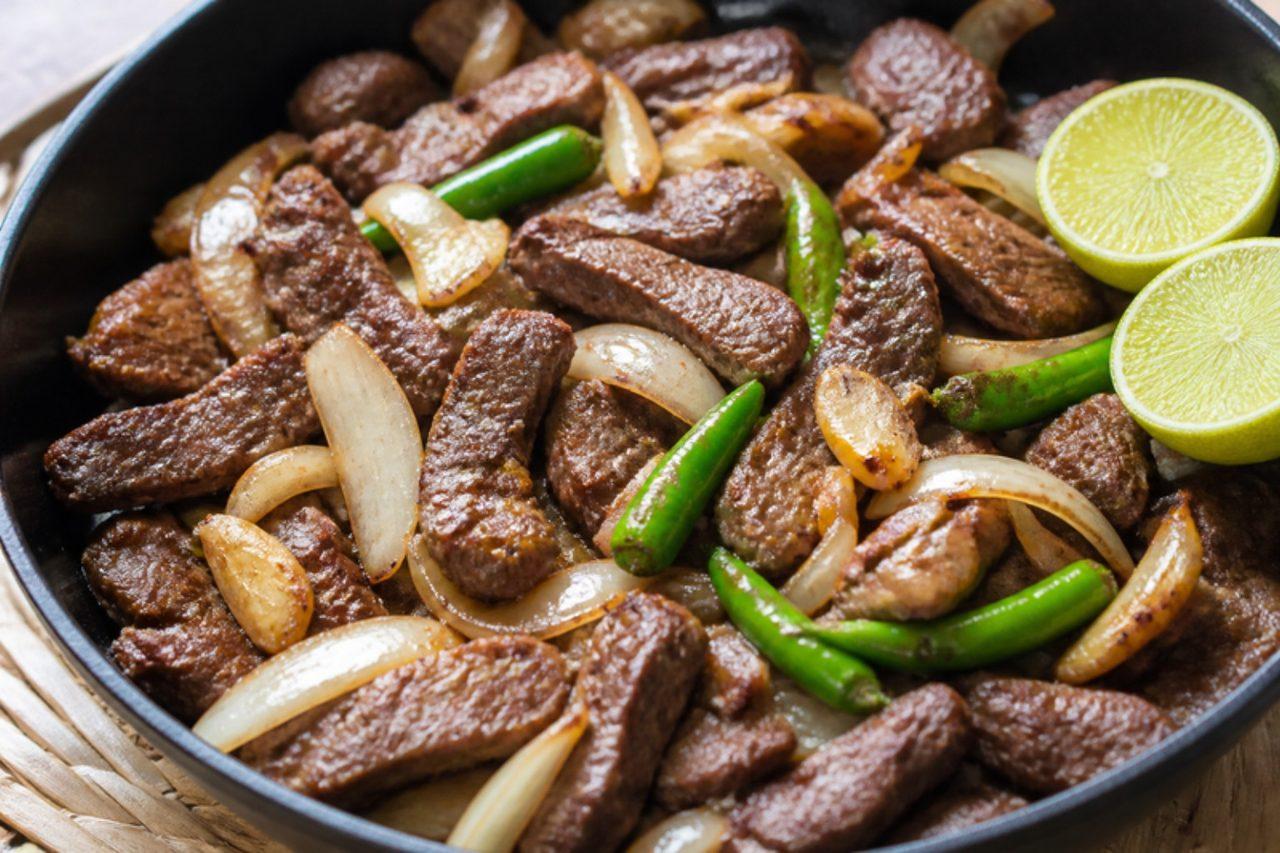
ShaiyahPan-seared lamb with onion and chilli

Shaiyah means "seared" and is what Khartoum families cook when guests drop in or for Eid breakfast after the sacrifice: small pieces of lamb thrown into a very hot pan with onion, garlic and green chilli and cooked fast until browned and sizzling. It is eaten with kisra flatbread or bread, a salad of tomato and onion, and a squeeze of lime. The mistake is crowding the pan, which stews the lamb grey instead of searing it; cook in two batches if needed. Chef's tip: use lamb with a little fat on it, such as shoulder or leg steaks, so it stays juicy over the high heat.

by KrazyBadal 0 views

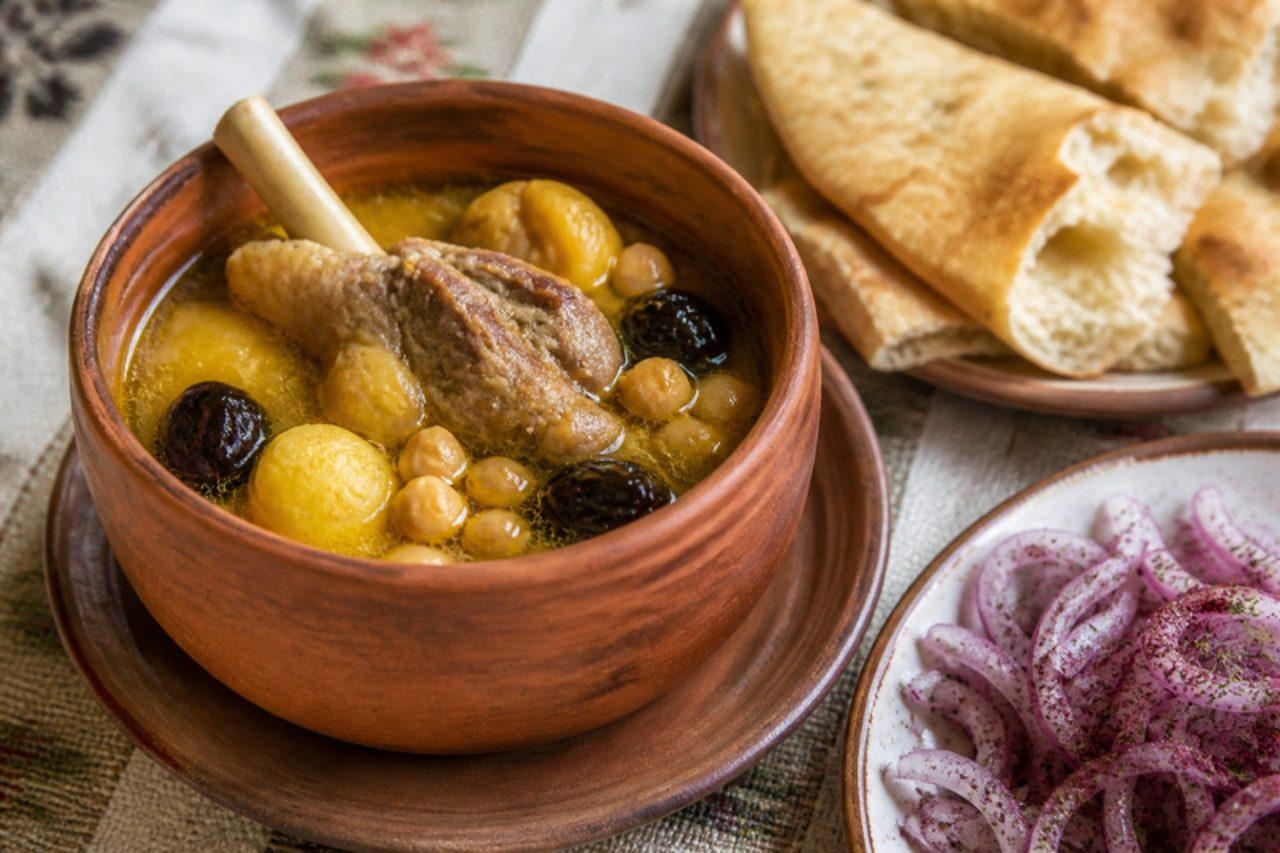
Shaki pitiLamb, chickpea and chestnut stew

Piti belongs to Shaki, the old silk-road town in the green foothills of northern Azerbaijan, where it is still cooked in individual clay pots and served in restaurants near the caravanserai. Each pot holds lamb on the bone, chickpeas, a chestnut or two, a little tail fat and saffron water. It is eaten in two stages: first you pour the broth over torn bread with sumac, then you mash the meat and chickpeas and eat that as a second course. Rushing it at a high heat is the error to avoid; the broth turns cloudy and the lamb tightens. Chef's tip: if you have no clay pots, a heavy casserole works, and you can ladle it into bowls to serve.

by KrazyBadal 0 views

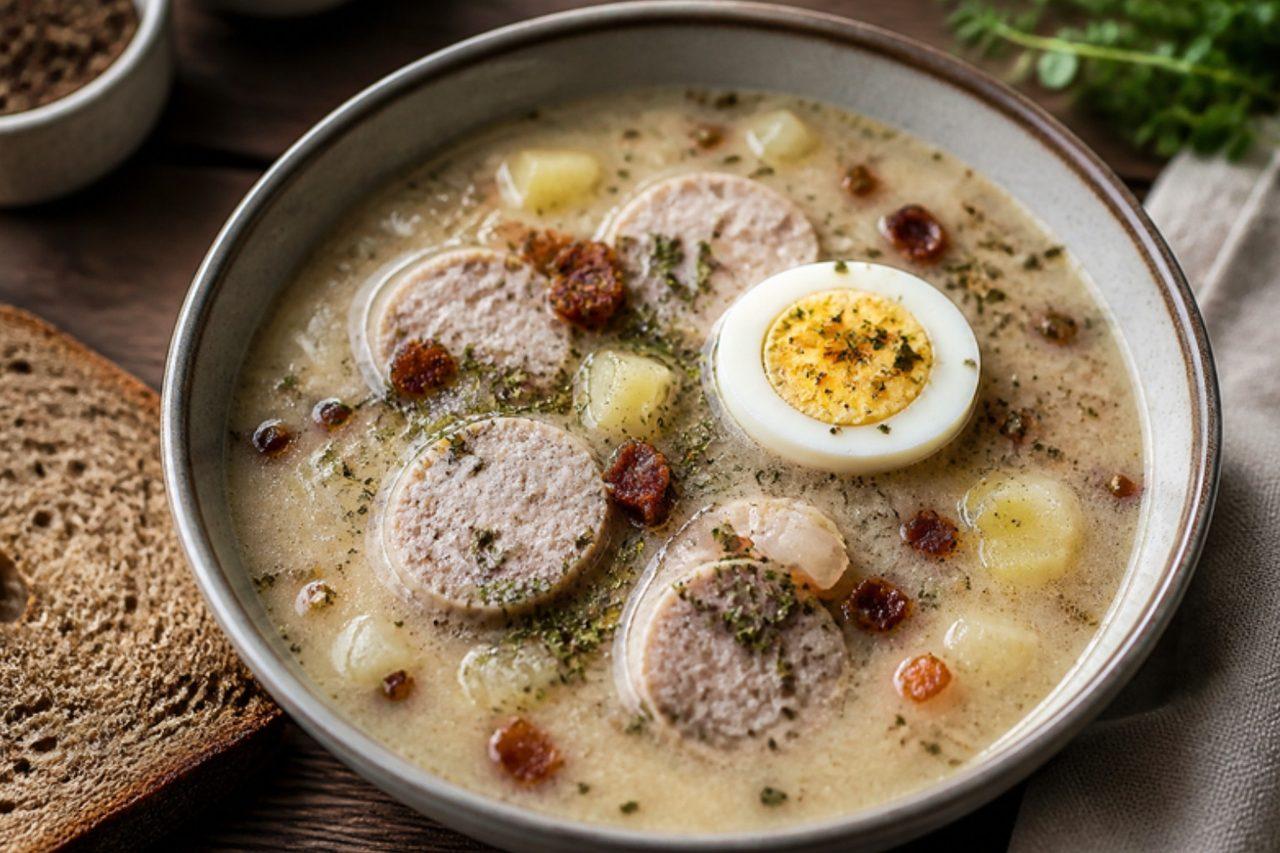
ŻurekSour rye soup with sausage

Żurek is the soup of Polish Easter, served in homes from Kraków to Gdańsk on Easter Sunday morning, and in highland Zakopane restaurants it comes in a hollowed-out bread loaf all year. Its tang comes from zakwas, a fermented rye-flour starter, simmered with marjoram, garlic and stock. This version contains pork: white sausage (biała kiełbasa) and smoked bacon, plus halved hard-boiled eggs. Chef's tip: shake the jar of zakwas before you pour it in; the flour settles and the soup will be thin without it.

by KrazyBadal 0 views

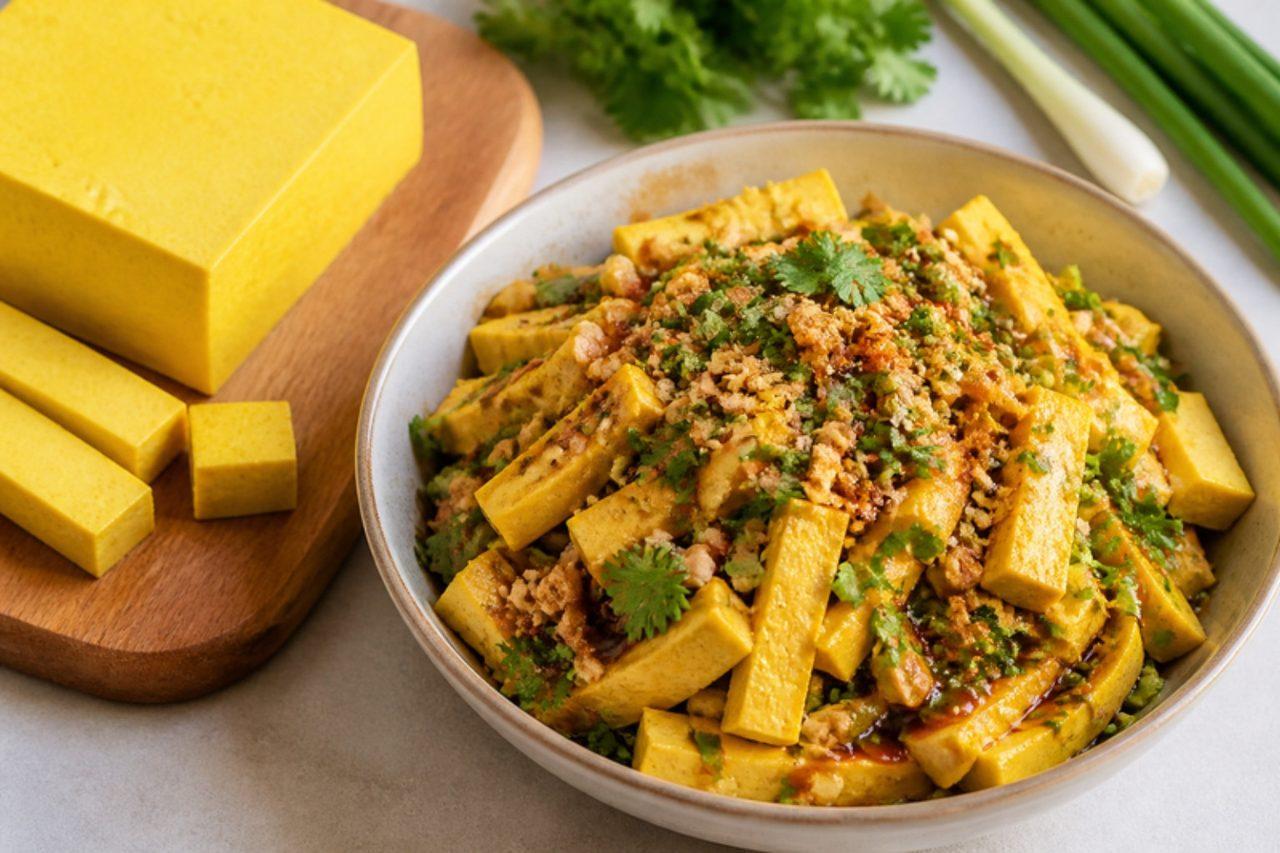
Shan tofuChickpea flour tofu

Shan tofu (to hpu) contains no soy at all: it is a smooth, wobbly block of chickpea flour cooked with water and turmeric, then left to set. Shan women sell it in golden slabs at the five-day markets around Inle Lake and Taunggyi, cut into cubes and dressed as a salad with chilli oil, garlic, vinegar and peanuts, or sliced and fried into crisp fritters. Warm and unset, it's eaten as a porridge (to hpu nway). Chef's tip: whisk constantly as it thickens and keep cooking for a full 8 minutes after it turns thick; undercooked Shan tofu tastes raw and never sets firmly.

by KrazyBadal 0 views

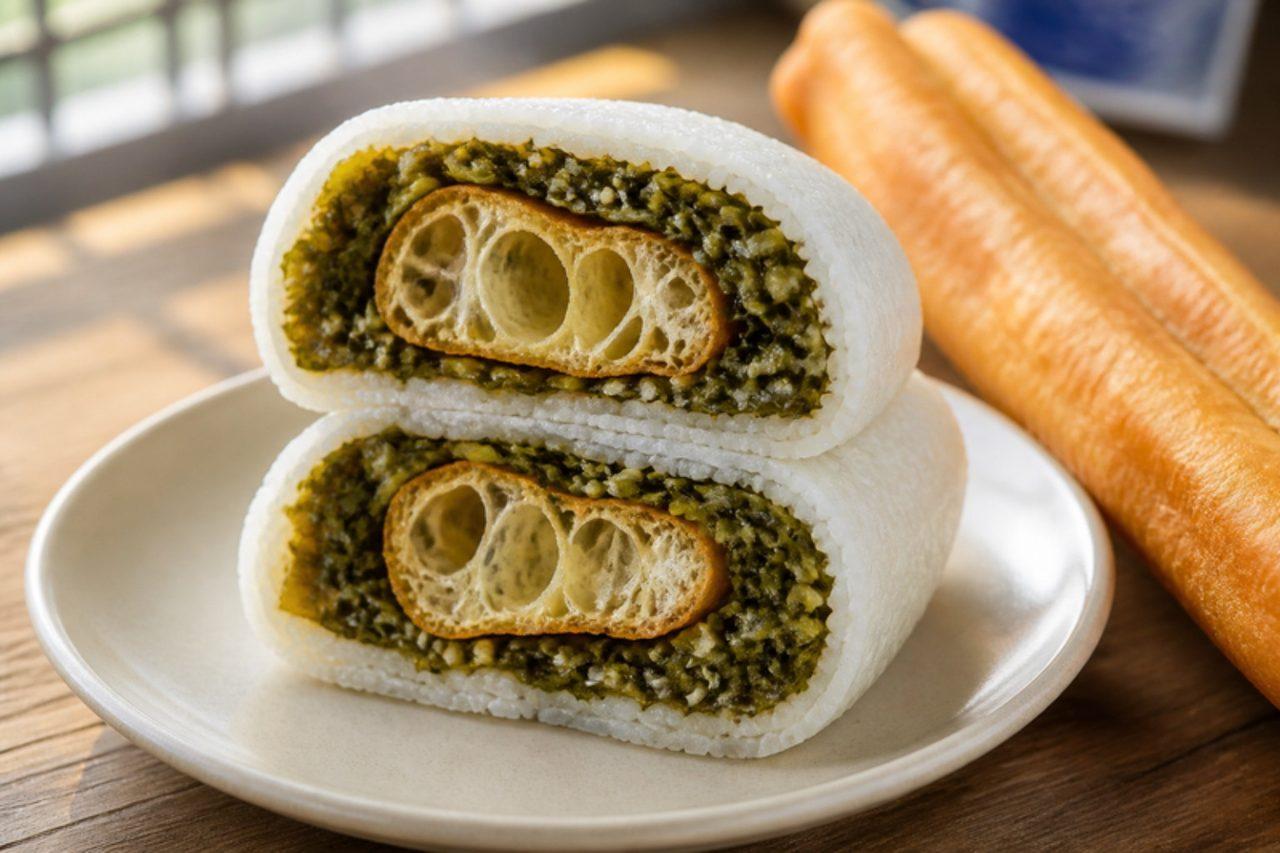
Shanghai ci fan tuanSticky rice rolls with fried dough

Ci fan tuan is one of the 'four heavenly kings' of Shanghai breakfast, along with fried dough sticks, soy milk and sesame flatbread. Vendors spread warm sticky rice on a cloth, lay a crisp youtiao and pickles in the middle and squeeze it into a fat roll to eat on the way to work. The savoury version often adds pork floss; this one uses pickled mustard and sesame, and there's a sweet sugar version too. Soak the rice overnight. Chef's tip: wrap the rice tightly in cling film and a tea towel, so the roll holds without being squashed flat.

by KrazyBadal 0 views

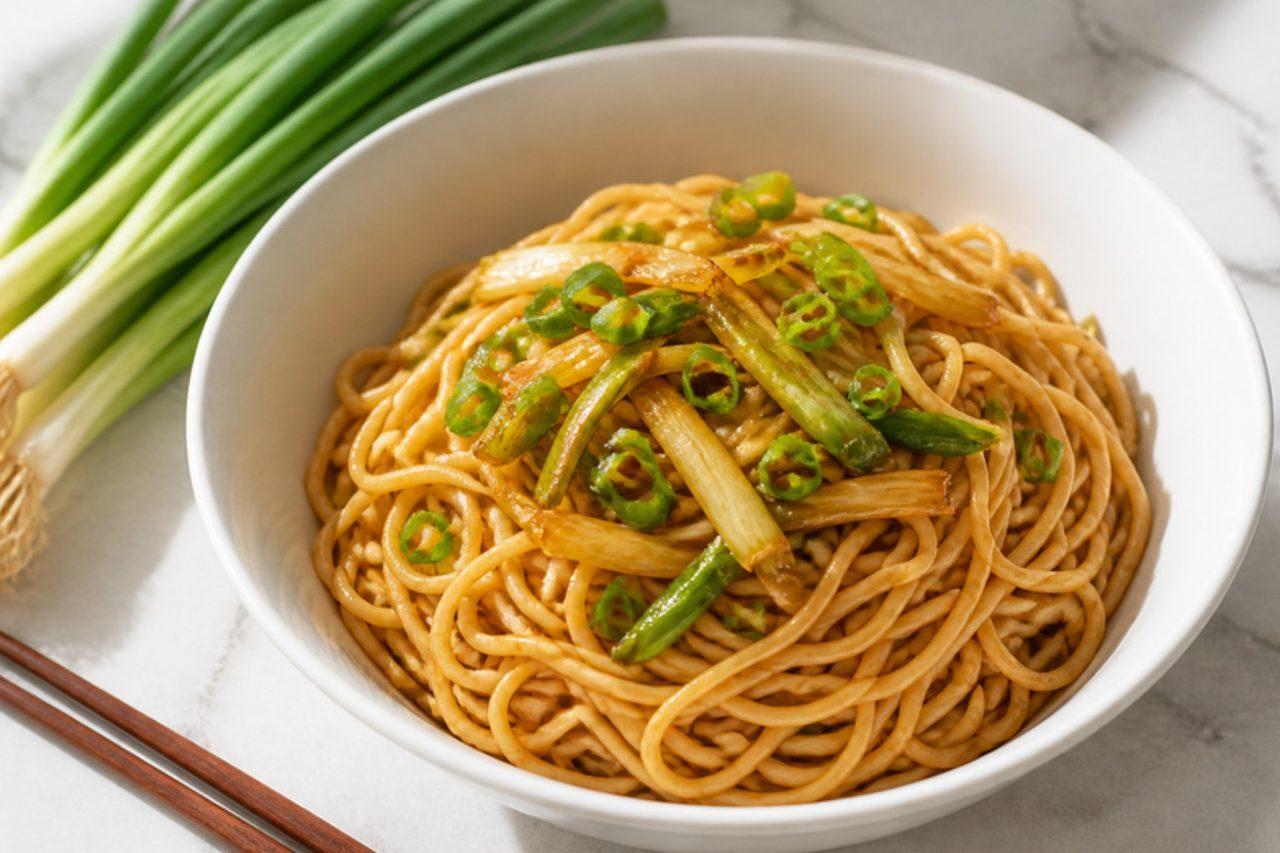
Shanghai scallion oil noodlesNoodles with spring onion oil

Cong you ban mian is a Shanghai breakfast and late-night favourite: thin wheat noodles tossed in oil that has been slowly infused with spring onions until they turn dark and crisp, plus a sweet soy sauce. It's almost nothing, and yet the caramelised onion flavour is addictive. Locals have it with a bowl of soup or a fried egg. Chef's tip: fry the spring onions over a medium-low heat for the full 12 minutes, until deep brown but not black; pale onions give oil with no character.

by KrazyBadal 0 views

Mandua ki rotiFinger millet flatbread

Mandua, or finger millet, is the grain that hill farmers in Uttarakhand have relied on for generations, and its roti is the staple of a pahadi winter kitchen. The rotis come out dark brown, slightly sweet and earthy, and they are eaten hot from the tawa with a spoon of ghee, kafuli or a bowl of chainsoo, sometimes with jaggery on the side. With no gluten to hold it together the dough is fragile, so cooks pat it out between wet palms rather than rolling it. Chef's tip: knead the dough in two small batches with hot water; millet dough dries and cracks quickly, so the second batch stays fresh while you cook the first.

by KrazyBadal 0 views

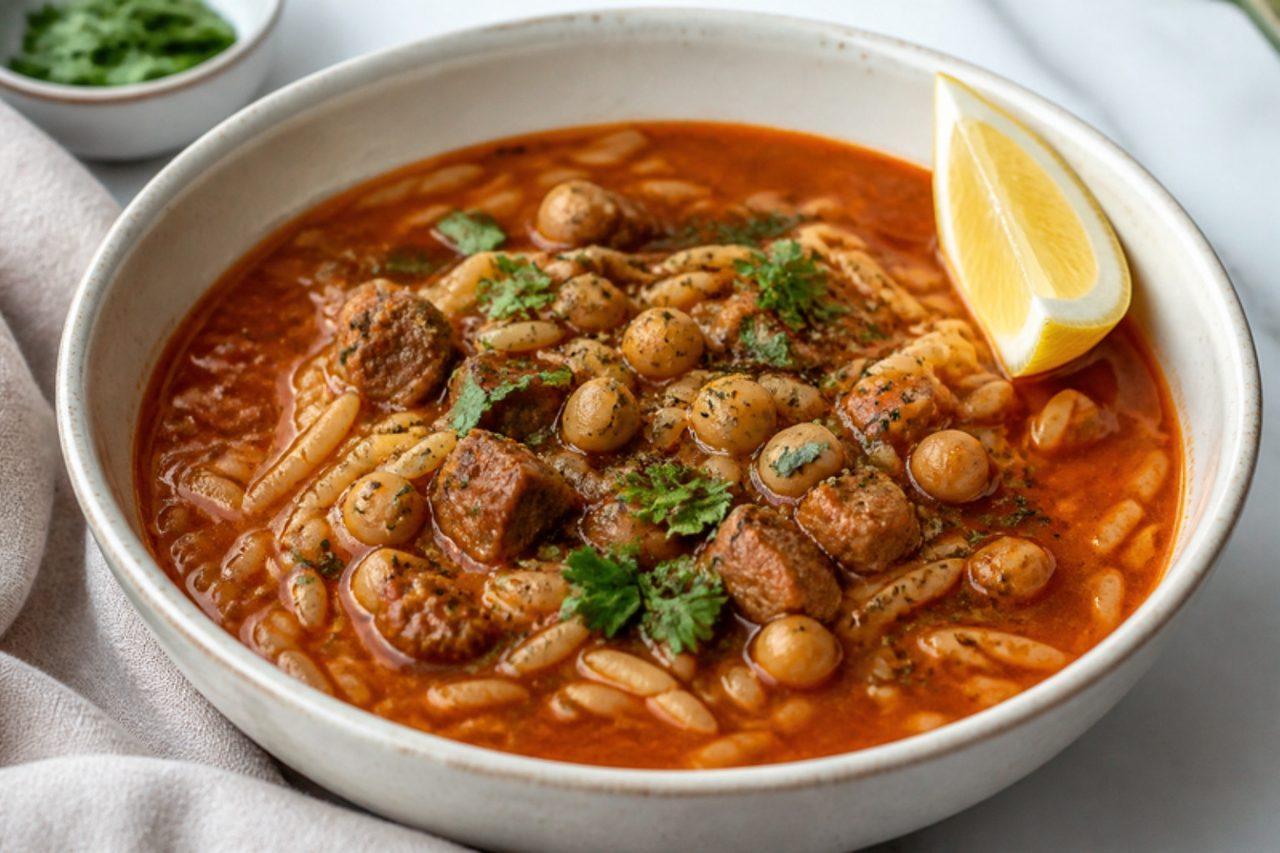
Sharba libiyaLamb and orzo soup

Sharba libiya is the soup that opens the iftar table in almost every Libyan home during Ramadan, from Benghazi to Misrata: small pieces of lamb, tomato, chickpeas and tiny pasta (lisan asfour, orzo) in a red broth spiced with turmeric and chilli and finished with dried mint and lemon. It is light enough after a day of fasting but filling. The mistake is adding the pasta too early, which makes it swell and turn the soup to porridge; it needs only the last 12 minutes. Chef's tip: rub the dried mint between your palms over the pot at the end so it releases its oils.

by KrazyBadal 0 views

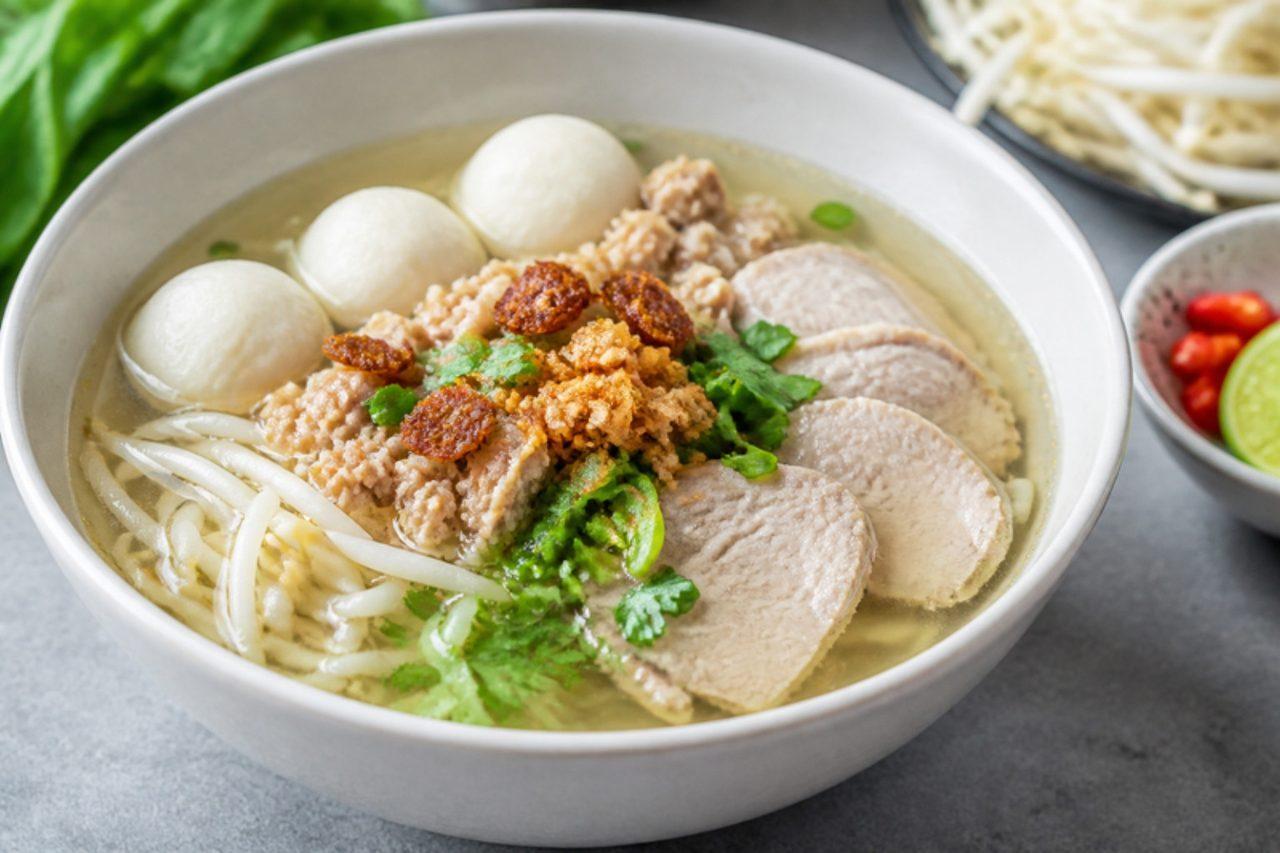
Kuy teavPork bone rice noodle soup

Kuy teav is what Phnom Penh eats for breakfast: before 8 am the city's street stalls and markets are busy with people bent over bowls of it. It is a pork soup: a clear, slightly sweet broth simmered from pork bones with dried squid or shrimp and charred onion is poured over rice noodles, sliced pork, minced pork and prawns, and everyone finishes their bowl with lime, chilli, bean sprouts and fried garlic. Chef's tip: never boil the broth hard; keep it barely trembling so it stays crystal clear.

by KrazyBadal 0 views

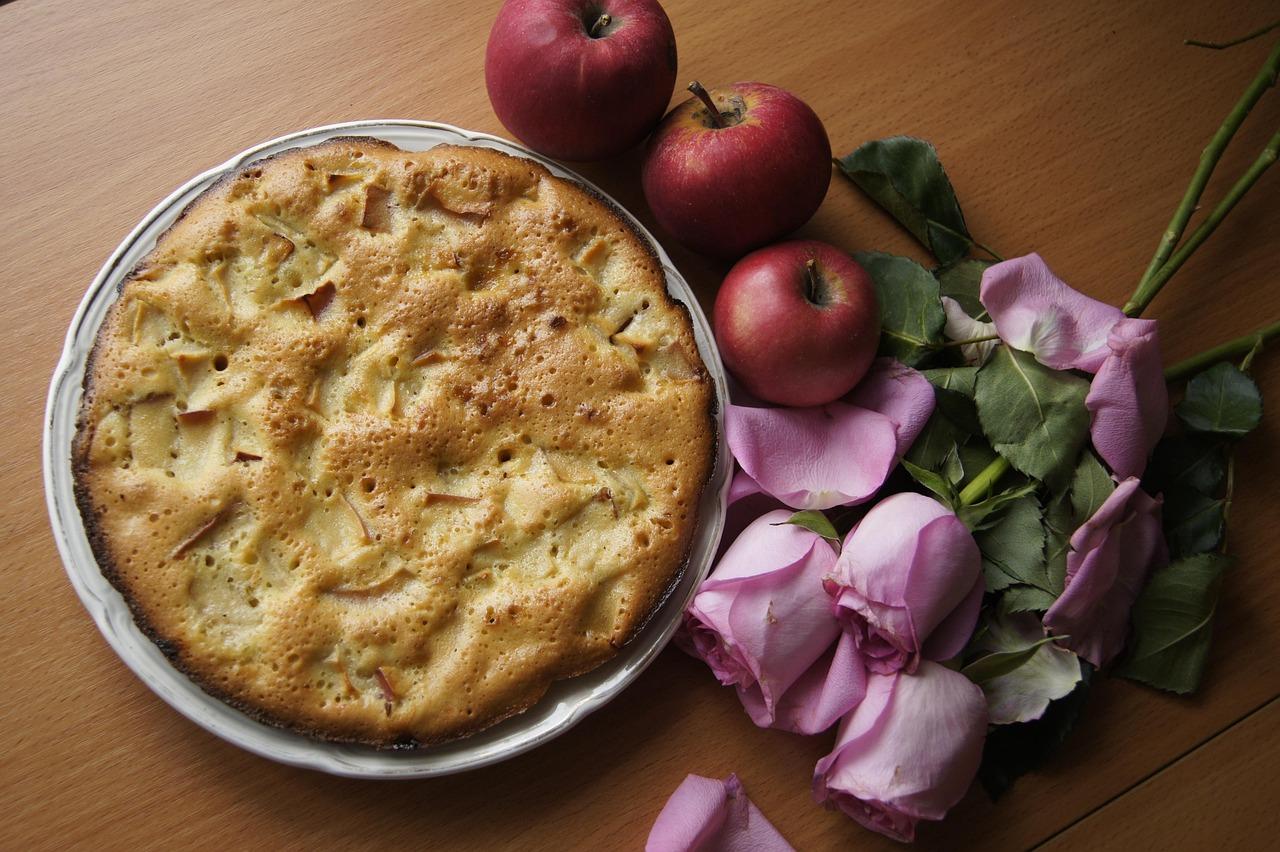
SharlotkaApple sponge cake

Sharlotka is the cake every Russian family bakes in September, when dachas around Moscow and Saint Petersburg drown in Antonovka apples. It is nothing like Polish szarlotka with its shortcrust: here the tin is packed with sliced tart apples and a feather-light batter of whisked eggs, sugar and flour is poured over, so it bakes into an airy, crackly-topped sponge holding a soft apple layer. Only four ingredients, and it is on the table in under an hour with tea from the samovar. Chef's tip: whisk the eggs and sugar for a full 8 minutes until pale and tripled; that air is the only raising agent and a short whisk gives a flat, rubbery cake.

by KrazyBadal 0 views

Varenyky with cherriesSour cherry dumplings

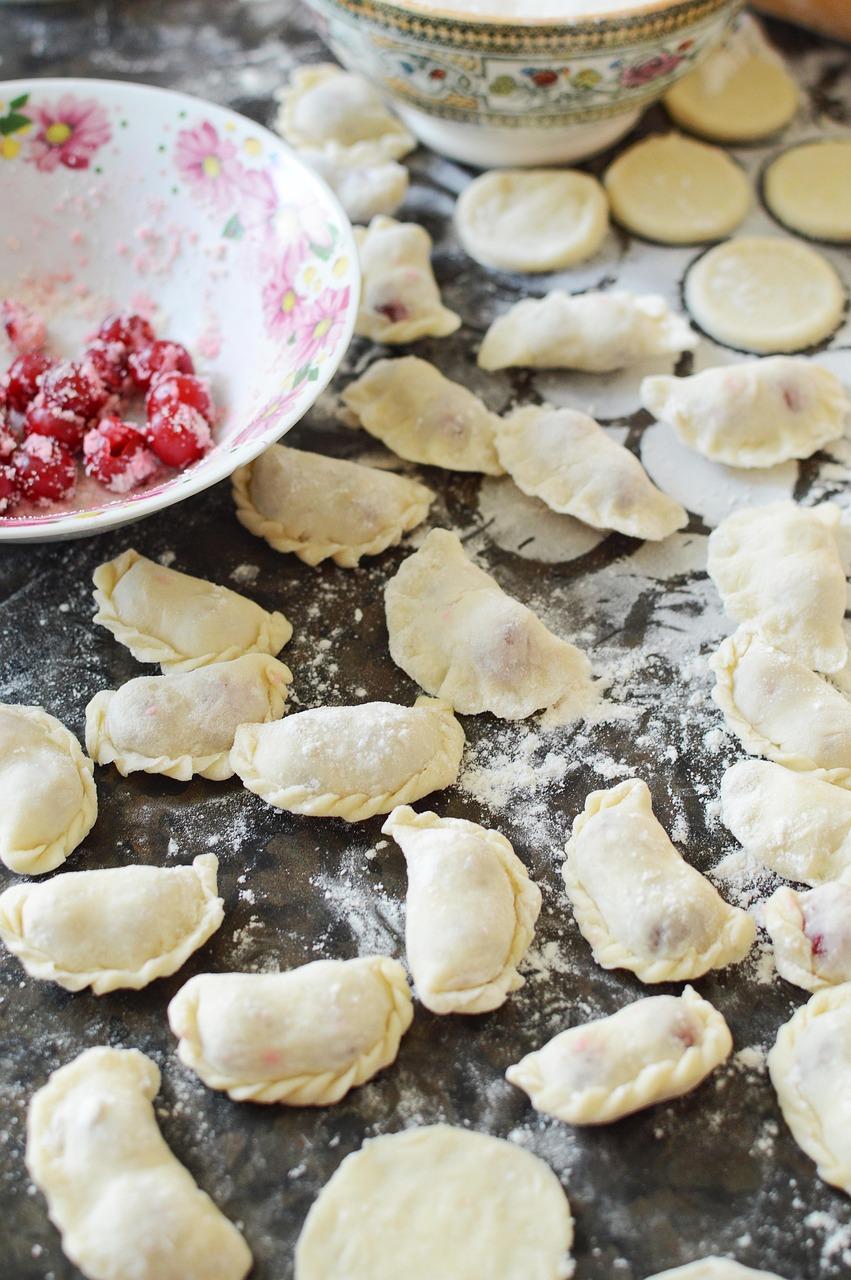
In late June, when the sour-cherry trees in every yard from Vinnytsia to Cherkasy turn red, Ukrainian families sit around the kitchen table pitting cherries for varenyky. These sweet dumplings are boiled, piled into a bowl and drenched in a syrup made from the cherry juice, a taste of summer holidays at grandmother's. The dough here is the simple water and oil kind, so the recipe is vegan; most Ukrainians also add a spoon of sour cream, which you are welcome to do if you are not cooking vegan. Chef's tip: sugar the cherries in a sieve and let the juice drain before filling, then put a pinch of sugar on each portion only as you seal it, so the dough stays dry at the edges.

by KrazyBadal 0 views

Shatkora beefBeef curry with wild citrus

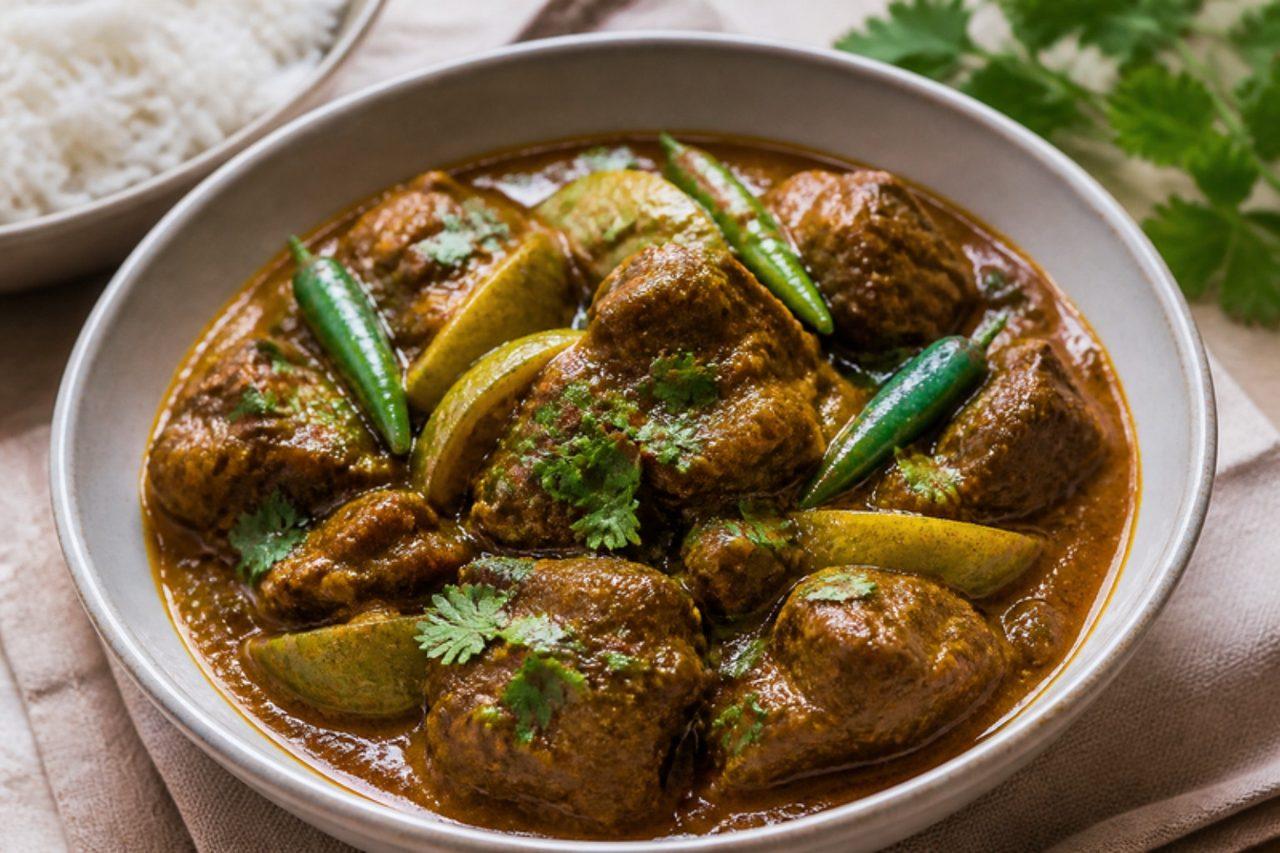
Shatkora is a large, thick-skinned citrus that grows in the hills of Sylhet in north-east Bangladesh, and its bitter, perfumed rind is what Sylhetis put in beef curry instead of lemon. The rind and pith are cut into chunks and simmered with the meat, so the sauce turns gently sour and smells like lime leaves and grapefruit at once. It is a home dish for Fridays and Eid, eaten with rice; the many Sylheti families in Britain made it famous in UK curry houses. Shatkora is sold frozen or in brine at South Asian grocers; if you can't get it, use the peel of half a grapefruit and a lime. The common mistake is adding too much shatkora early, which makes the curry bitter. Chef's tip: boil the shatkora pieces in water for 2 minutes and drain before adding them; it removes the harshest bitterness and keeps the fragrance.

by KrazyBadal 0 views

Varenyky with potatoPotato dumplings

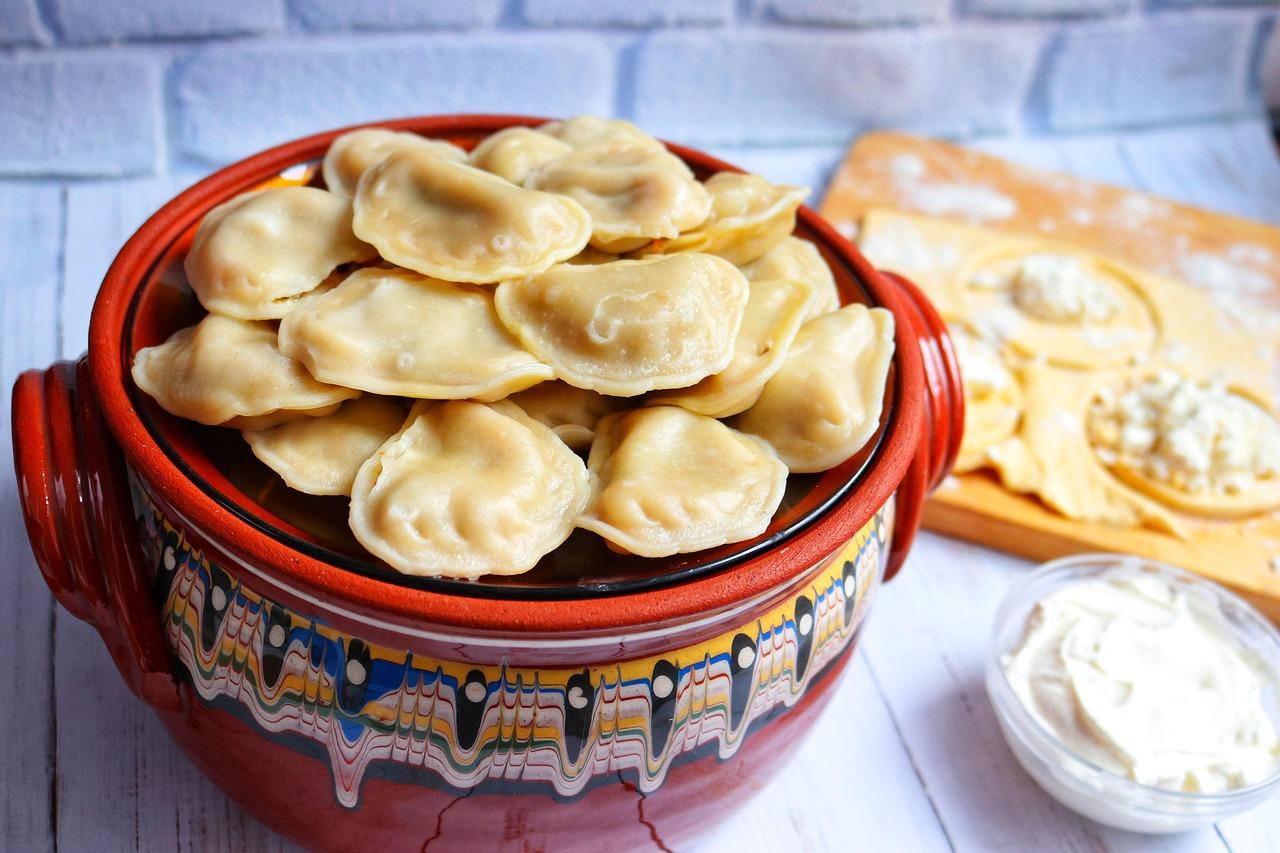
Varenyky with potato are the everyday dumplings of central Ukraine, the ones Gogol's Poltava characters dream about and the ones that fill freezers in Kyiv flats before every holiday. Unlike Polish pierogi ruskie, these have no curd cheese: the filling is simply mashed potato beaten with plenty of onion fried in sunflower oil, so they are vegan and appear on the meatless Holy Supper table on Christmas Eve. They are boiled, then tossed in more golden onion and eaten with dill. Chef's tip: let the filling cool completely before you fill the dough; warm mash steams the dough from inside and the dumplings tear in the pot.

by KrazyBadal 0 views

Kosha mangshoSlow-fried mutton curry

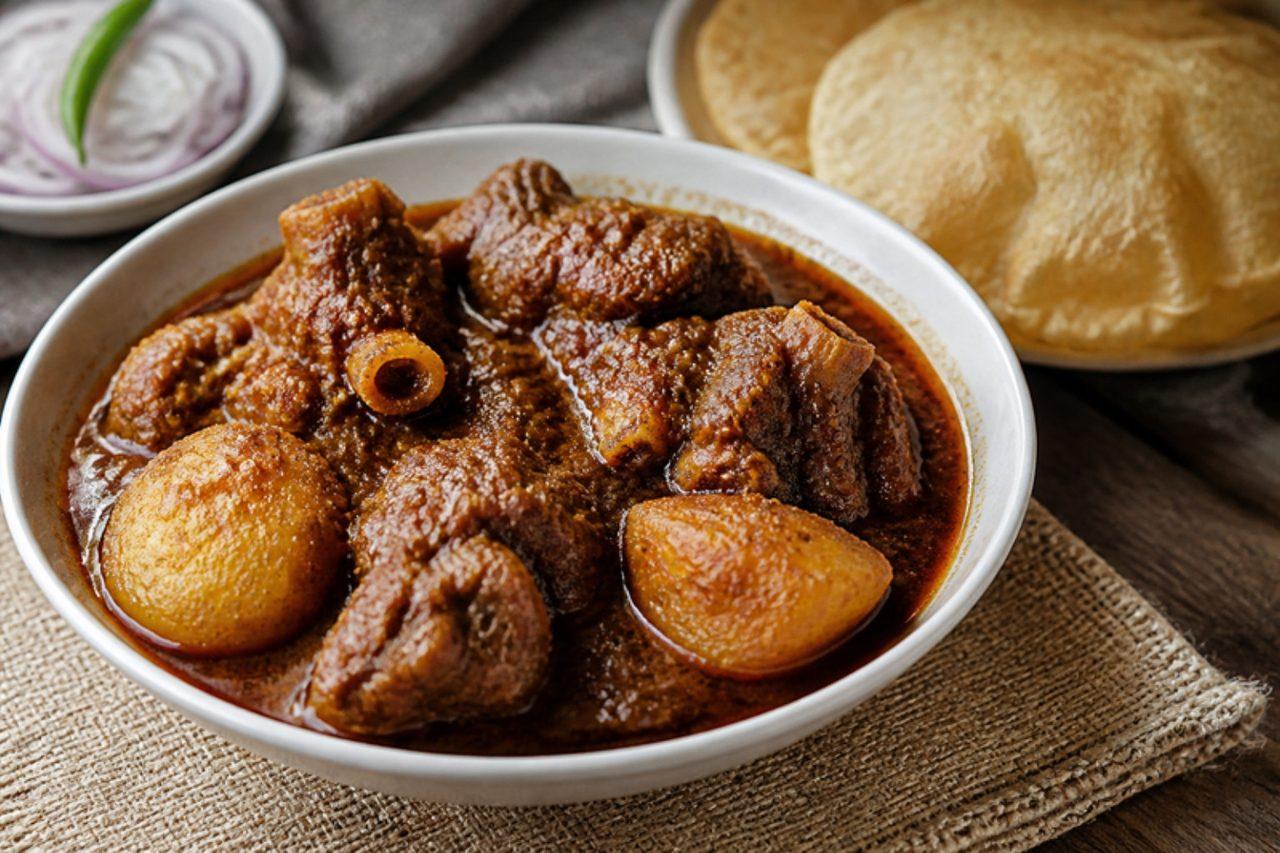
Sunday lunch in a Bengali home in Kolkata often means kosha mangsho: goat on the bone, fried patiently in mustard oil until the masala turns almost mahogany and clings to every piece. The word 'kosha' describes that long stirring over the heat, and it is what separates this dish from an ordinary mutton curry. Families eat it with luchi or plain rice, and it also turns up at Durga Puja feasts and wedding dinners. Chef's tip: buy bone-in goat or mutton shoulder cut into curry pieces; the bones and a little fat give the gravy its body.

135 minIndianMeatGluten free
by KrazyBadal 0 views

Sheer khurmaVermicelli milk pudding

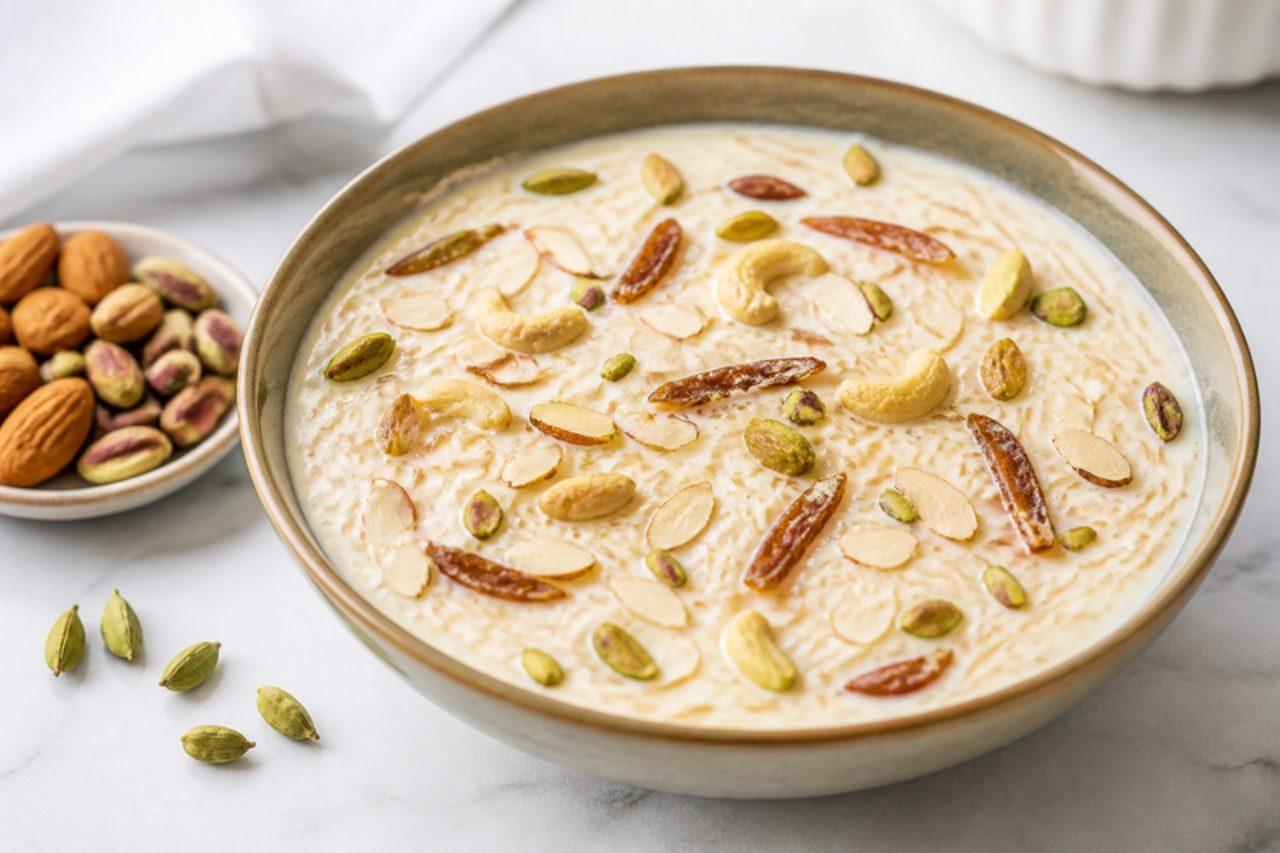
Sheer khurma means milk with dates in Persian, and in Pakistan it is the taste of Eid ul-Fitr morning: after the Eid prayer, families come home and every visitor who knocks that day is handed a small bowl. It is richer and nuttier than everyday seviyan: whole milk is boiled down until creamy, fine vermicelli fried golden in ghee goes in late, and it is loaded with soaked dried dates (chhuhare), almonds, pistachios, cashews, raisins and charoli seeds, scented with cardamom. It is served warm in the morning and thickens to a spoonable pudding when cold. The mistake most people make is adding the vermicelli too early or using too much; it keeps drinking milk as it cools and turns stodgy. Chef's tip: soak the dried dates overnight and slice them thinly; fresh soft dates melt away, but soaked chhuhare stay chewy and sweet in every spoonful.

by KrazyBadal 0 views

KutiaWheat berries with poppy seeds

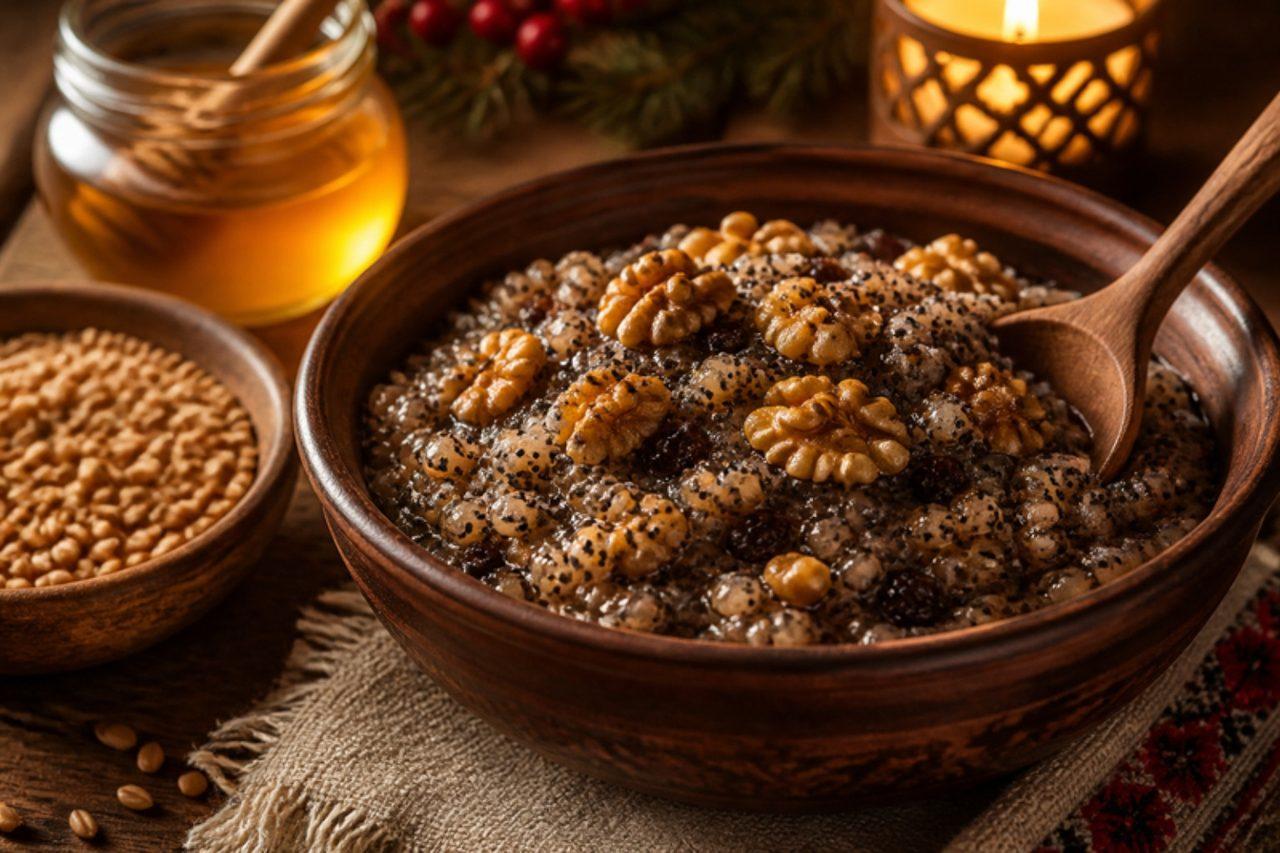
Kutia is the first dish tasted on Ukrainian Christmas Eve, once the first star appears in the sky: a bowl of whole wheat berries mixed with ground poppy seed 'milk', honey, walnuts and raisins. Families in Lviv, Ternopil and the villages of the west traditionally throw a spoonful at the ceiling for luck and set a bowl aside for departed relatives, and the head of the house greets the evening with it. It is eaten at room temperature, sweet, nutty and chewy, and the spoon must touch every guest's plate. Chef's tip: soak and grind the poppy seed until it turns white and milky; common mistake is using it whole, which leaves kutia gritty and grey instead of creamy.

by KrazyBadal 0 views

Sheer yakhRose and cardamom ice cream

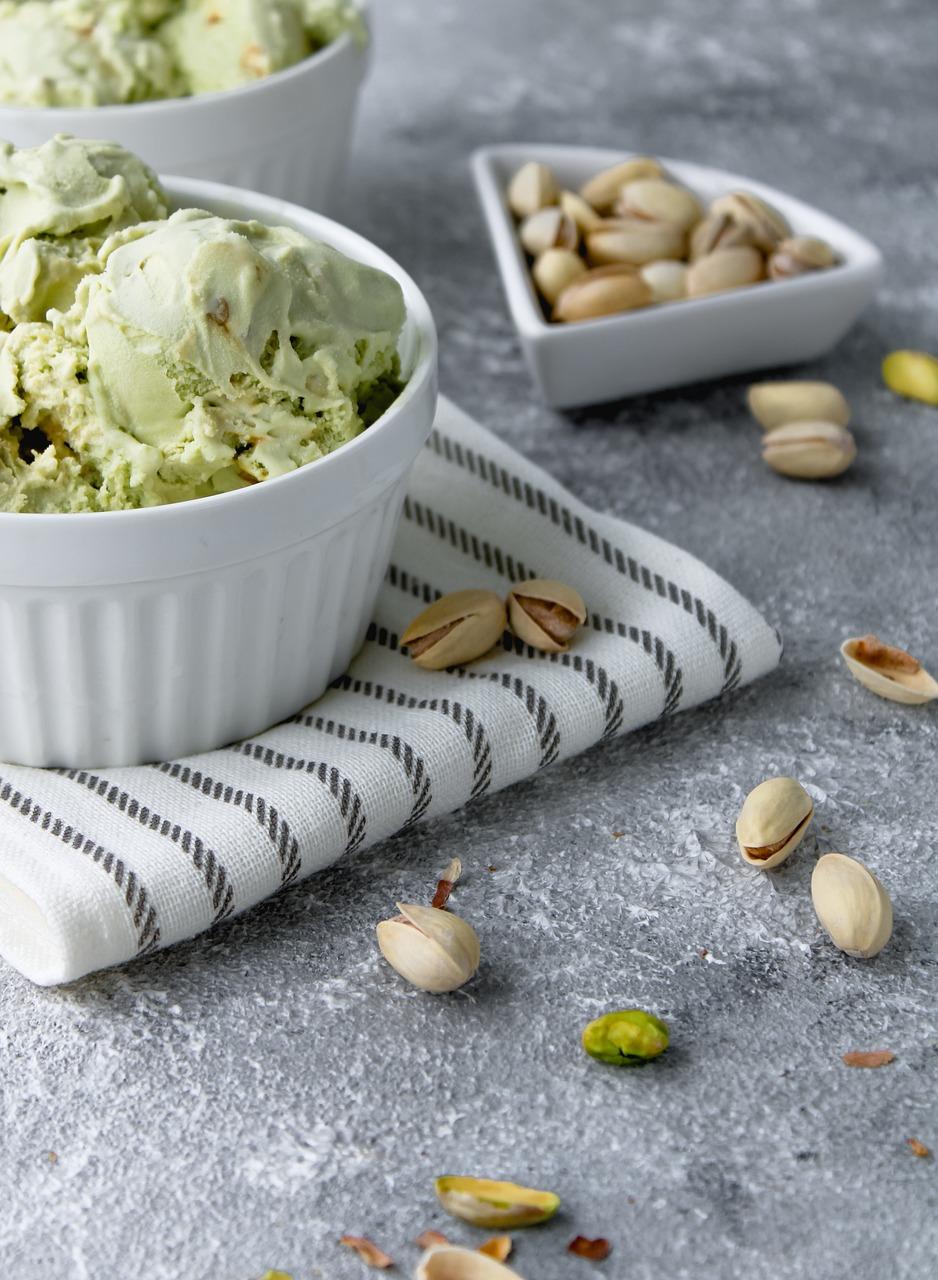
Sheer yakh, literally milk-ice, is the ice cream Kabul's street vendors once churned by hand in metal drums set in buckets of salted ice, and it's still the treat of choice on hot summer evenings and at Eid gatherings. It's dense and slightly stretchy, flavoured with cardamom and rose water and packed with chopped pistachios. Traditional sheer yakh is thickened with salep (orchid root); cornflour gives a similar body at home. Chef's tip: cook the custard until it thickly coats a spoon, then chill it overnight before freezing; a cold, aged base churns denser and smoother.

by KrazyBadal 0 views

Mamri (mandazi)Coconut cardamom doughnuts

Mamri, better known as mandazi, are lightly sweet East African fried breads made with coconut milk and cardamom. They puff up golden and hollow and are soft inside. Serve warm with pigeon peas in coconut milk (mbaazi) for a classic Zanzibar breakfast, or with tea.

by KrazyBadal 0 views

ShekerburaNut-filled half-moon pastries

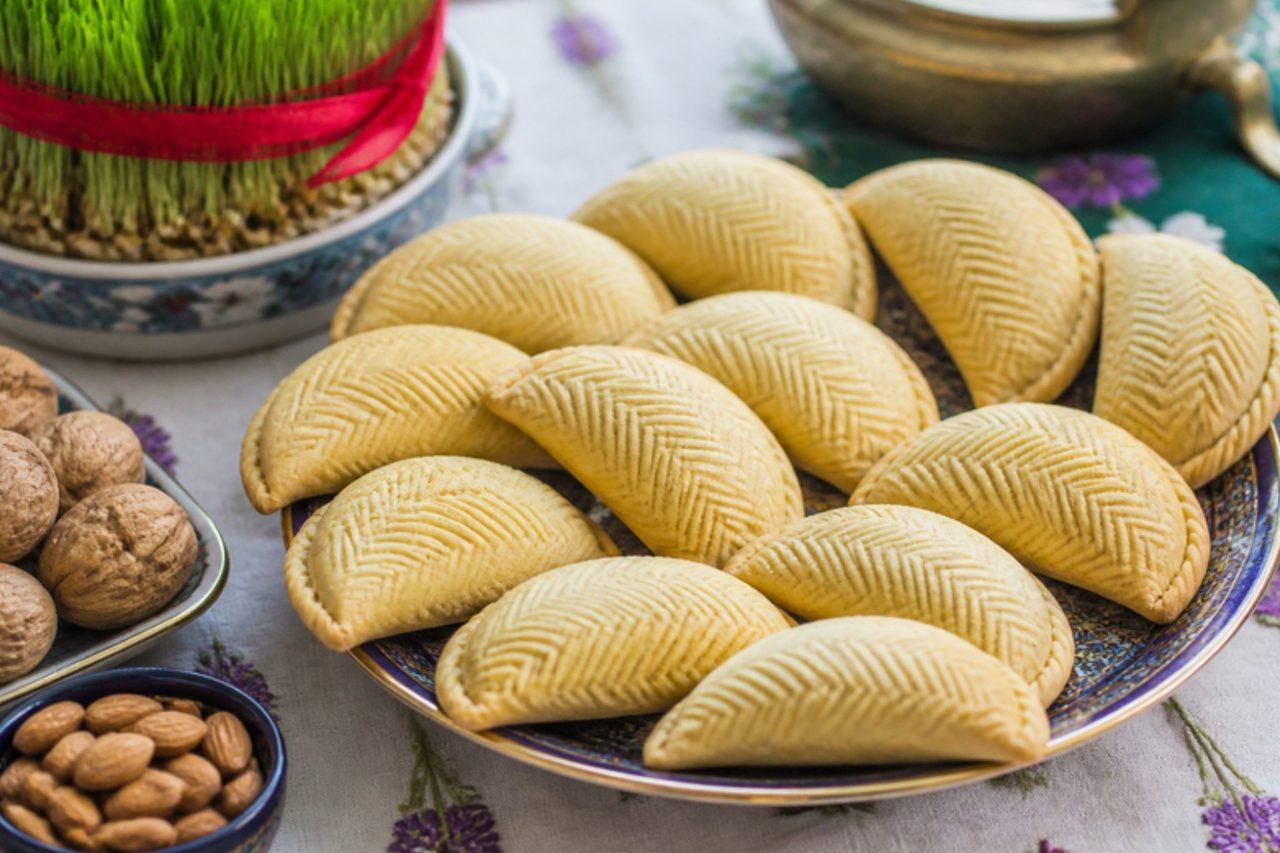
Şəkərbura is one of the three sweets that must be on the khoncha tray at Novruz, the spring new year celebrated on 20–21 March, alongside pakhlava and gogal. The half-moon shape is said to stand for the moon, and the fine herringbone pattern on top is pinched by hand with small brass tweezers called maggash, a skill passed down at family baking sessions in the days before the holiday. Inside is a sweet, fragrant mix of ground almonds or walnuts with sugar and cardamom. Shaki is famous for its shekerbura, though every family has its own pattern. Serve with black tea. Chef's tip: bake them pale; shekerbura should stay creamy-white with only the edges just turning blond, never brown.

by KrazyBadal 0 views

ShekerchoreyiCrackle-top shortbread

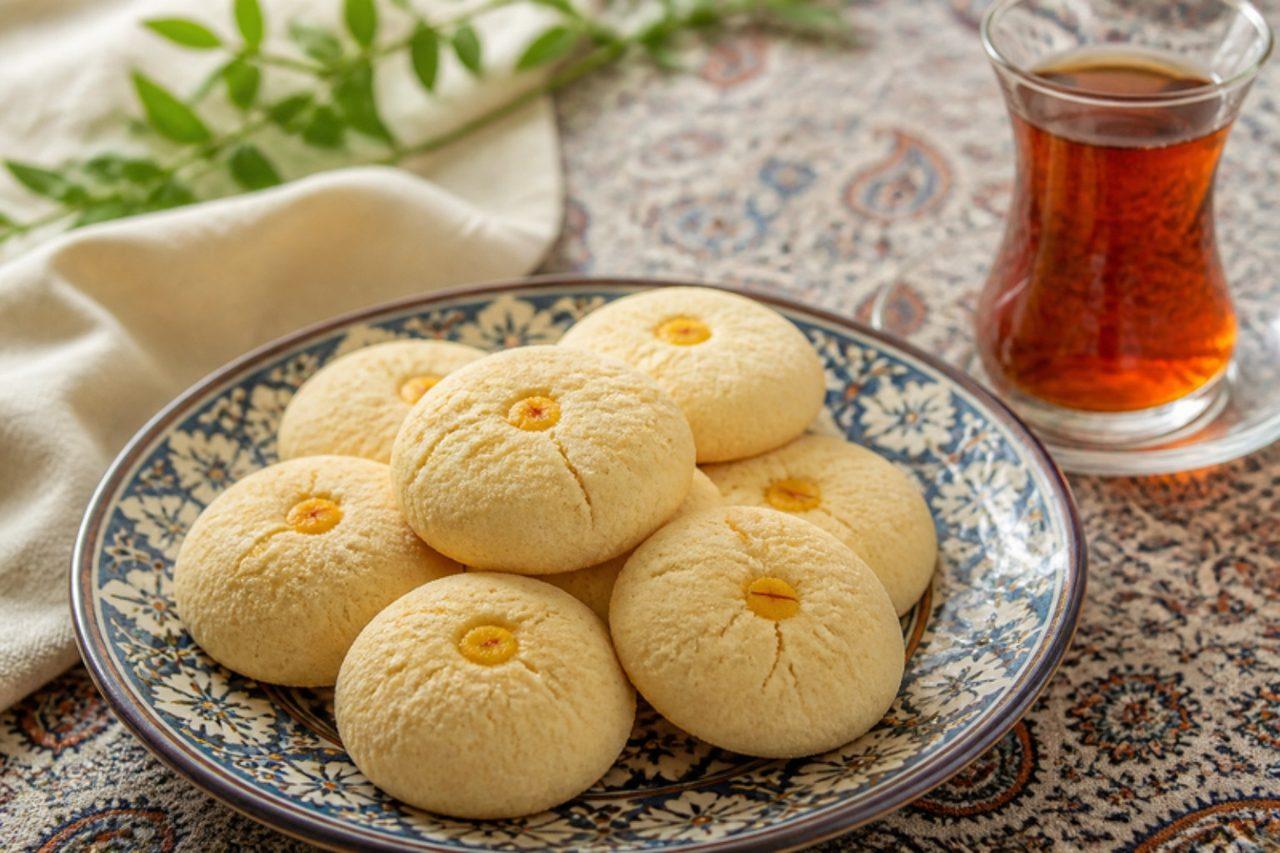
Şəkərçörəyi, "sugar bread", is the simplest of the Novruz sweets: small domed shortbreads made from melted butter, icing sugar and flour, whose tops crack in fine lines like dry earth as they bake. They melt in the mouth and leave a powdery sweetness, and families in Ganja and Baku bake big batches in the week before the spring festival to fill trays for visiting neighbours. Some cooks press a hazelnut or a pinch of poppy seeds into the centre. Serve with tea, ideally with a spoonful of quince jam. Chef's tip: let the melted butter cool and turn pale and creamy before mixing; hot butter makes the biscuits spread flat and greasy.

by KrazyBadal 0 views

ShelpekThin fried flatbreads

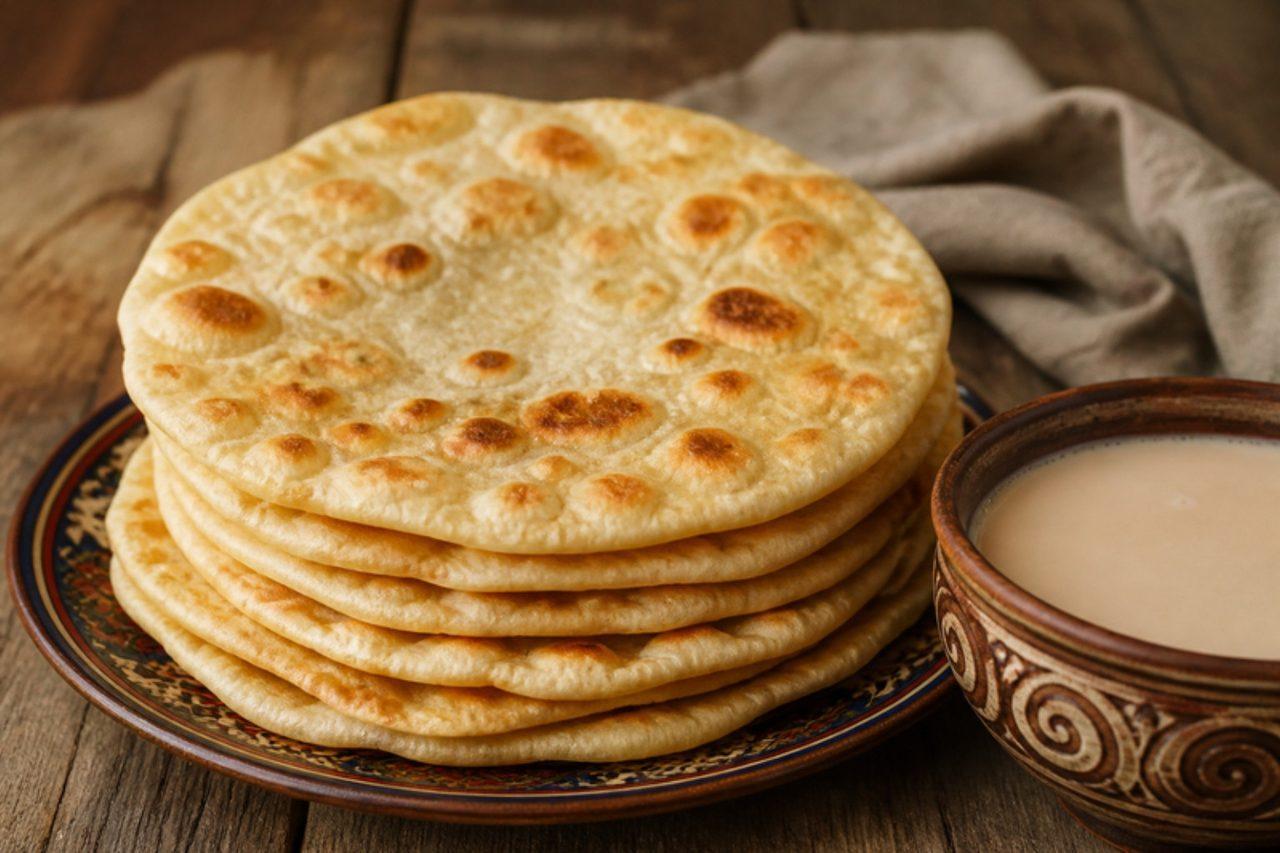
Shelpek are paper-thin flatbreads fried in a shallow pan, and in Kazakh homes they carry meaning: on Thursday evenings and Fridays women fry seven shelpek 'for the smell', a prayer for the ancestors, and they're handed out at funerals and memorial meals. In everyday life they are eaten warm with tea, butter and jam, all over Kazakhstan and in the Kyrgyz villages across the Tian Shan. The dough is soft and rich with milk and butter, and takes minutes to fry. Chef's tip: roll them almost transparent; thin shelpek blister and stay soft, thick ones go stiff like crackers.

by KrazyBadal 0 views

Shengjian baoPan-fried pork buns

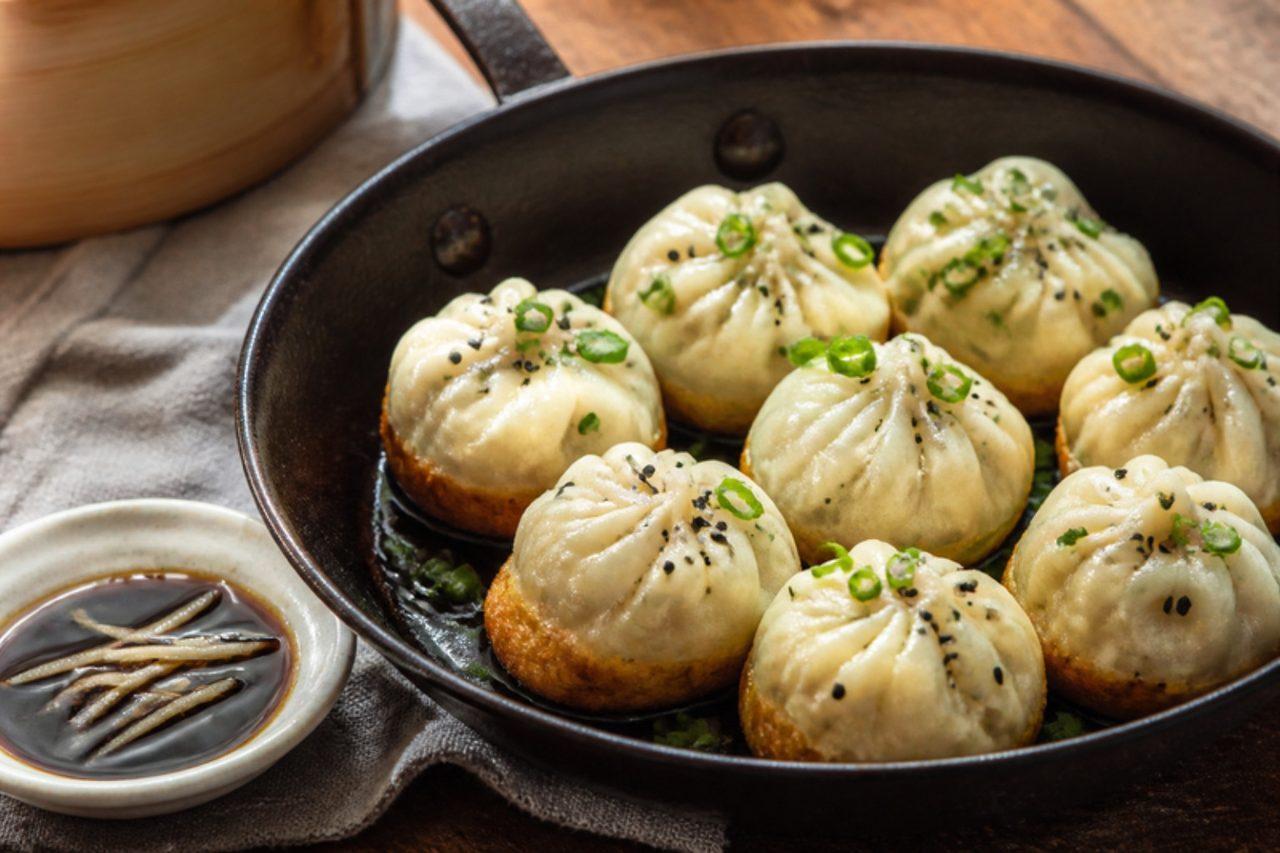
Shanghai wakes up to the sound of shengjian bao sizzling in huge flat pans, the cooks spinning the pans over the flame and splashing in water so the buns fry and steam at the same time. What you get is a soft, slightly fluffy top scattered with sesame and spring onion, a crackling brown base and a juicy pork filling that squirts if you bite too fast. They are breakfast food, bought by the four and eaten from paper trays with black vinegar. A heavy non-stick or cast-iron frying pan with a tight lid works perfectly at home. Chef's tip: let the shaped buns rise for 15 minutes before frying, no longer; over-risen dough flattens and loses its neat shape in the pan.

by KrazyBadal 0 views

Kutchi dabeliSpiced potato buns

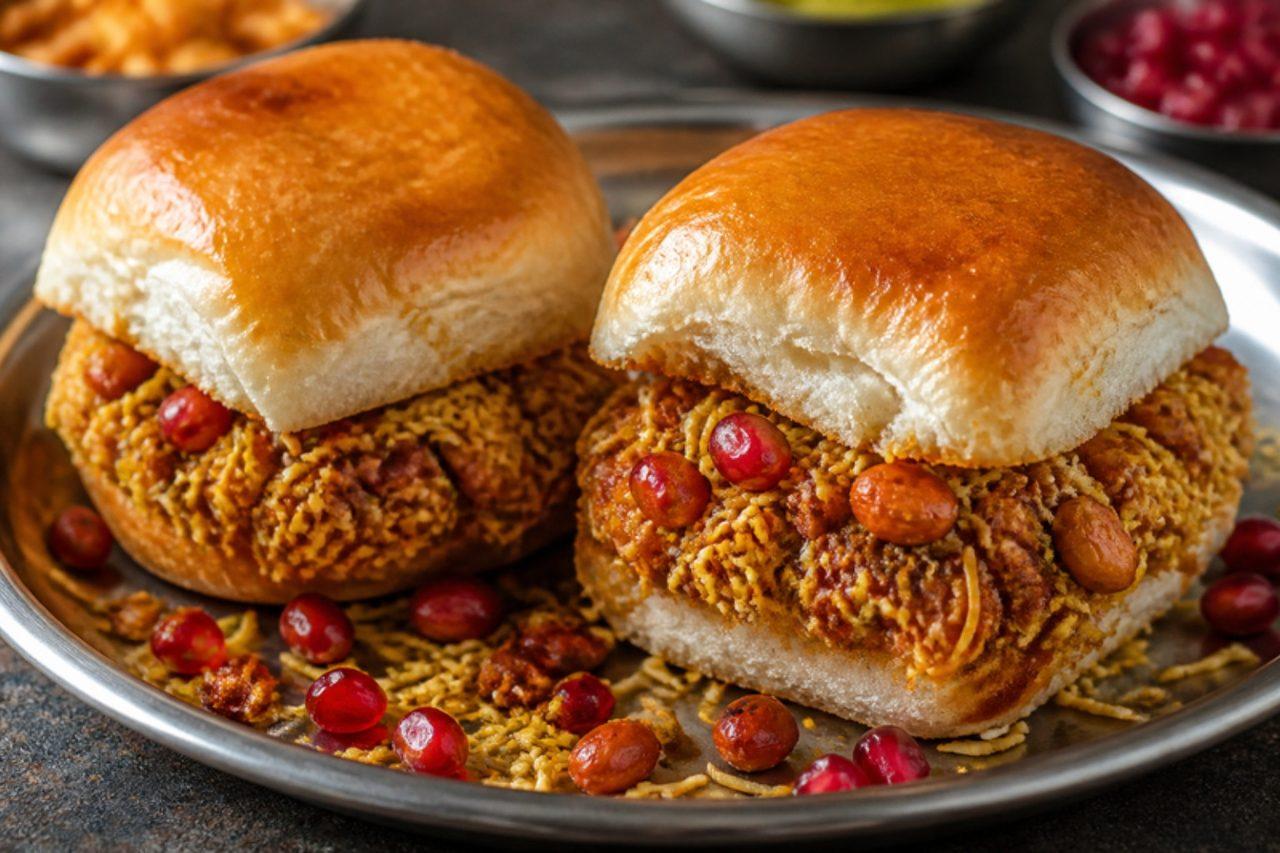
Dabeli was born in Mandvi, a port town in Kutch, Gujarat, and spread from there to every street corner in Mumbai. Soft pav are split, spread with sweet tamarind and fiery garlic chutneys, and stuffed with a potato filling spiced with dabeli masala, a warming blend of roasted coriander, cumin, cinnamon, clove and dried chilli. Masala peanuts, pomegranate seeds, onion and sev add crunch and sparkle, and the buns are toasted in butter until crisp at the edges. Children love them for the sweetness, adults for the heat. Chef's tip: make the dabeli masala yourself and toast the whole spices until they just smell warm; shop-bought powders lack that fresh, smoky sweetness, and a jar keeps for a month.

by KrazyBadal 0 views

Mambazha pulisseryRipe mango yogurt curry

Mambazha pulissery appears in Kerala kitchens in April and May, when small, fragrant village mangoes fall from the trees, and it is often on the Vishu sadya. Whole small ripe mangoes, or chunks of bigger ones, are simmered with jaggery and chilli until syrupy, then loosened with a coconut-cumin paste and lightly soured yogurt. Unlike kalan, it stays thin and pourable: sweet, tangy and mildly hot, with the fenugreek tempering on top. Pour it over rice, with a thoran on the side. Chef's tip: use very ripe, slightly fibrous mangoes; firm ones make it sour and the sweetness never comes through.

by KrazyBadal 0 views

MămăligăCornmeal mush

Mămăligă is the golden cornmeal staple of the Romanian countryside, from the hill villages of Oltenia to the farms of Maramureș, where it was once eaten more often than bread. It is cooked in water until thick enough to hold a spoon upright, turned out onto a wooden board and cut with a thread, then eaten hot with crumbled salty brânză and a cold spoon of smântână (soured cream). Unlike Ukrainian banosh, which is cooked in sour cream, mămăligă is plain cornmeal and water; the richness goes on top. It sits beside stews such as tocăniță or under a fried egg for supper. Chef's tip: rain the cornmeal in through your fingers while whisking, and keep stirring from the bottom; dumping it in at once is the classic mistake that leaves raw, gritty lumps.

by KrazyBadal 0 views

Malvani kombdi vadeChicken curry with puffed bread

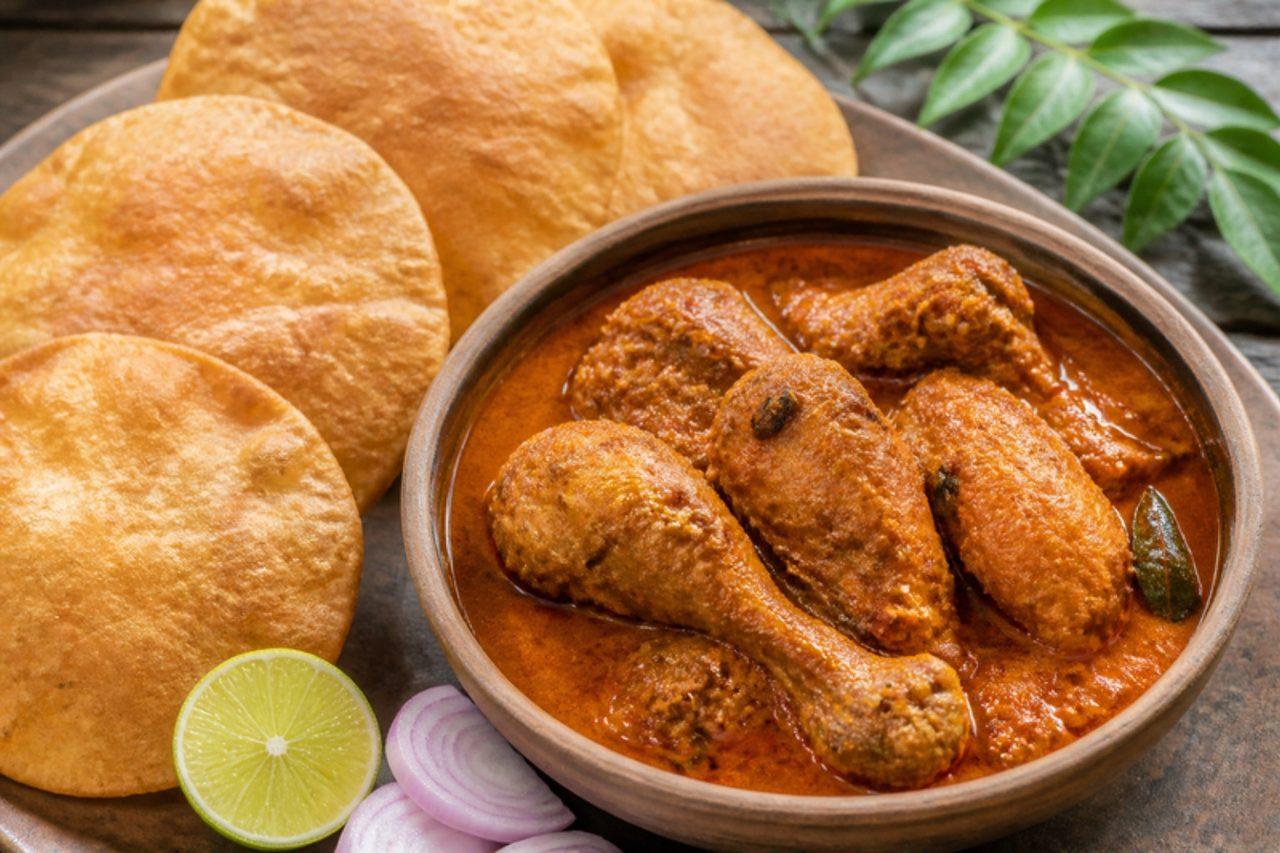
Along the Malvan coast of Sindhudurg, kombdi vade is what families cook for a festive Sunday or for guests arriving by the morning bus from Mumbai. Kombdi is chicken, simmered in a gravy of roasted coconut and Malvani masala; vade are rice-flour breads fragrant with fennel that puff like balloons in hot oil. You tear the vade, dunk them in the curry and finish with a squeeze of lime and raw onion. Chef's tip: pat the vade on an oiled sheet of plastic or banana leaf rather than rolling them, and slide them into the oil straight away; thin, even discs puff best.

by KrazyBadal 0 views

Zunda mochiRice dumplings with edamame paste

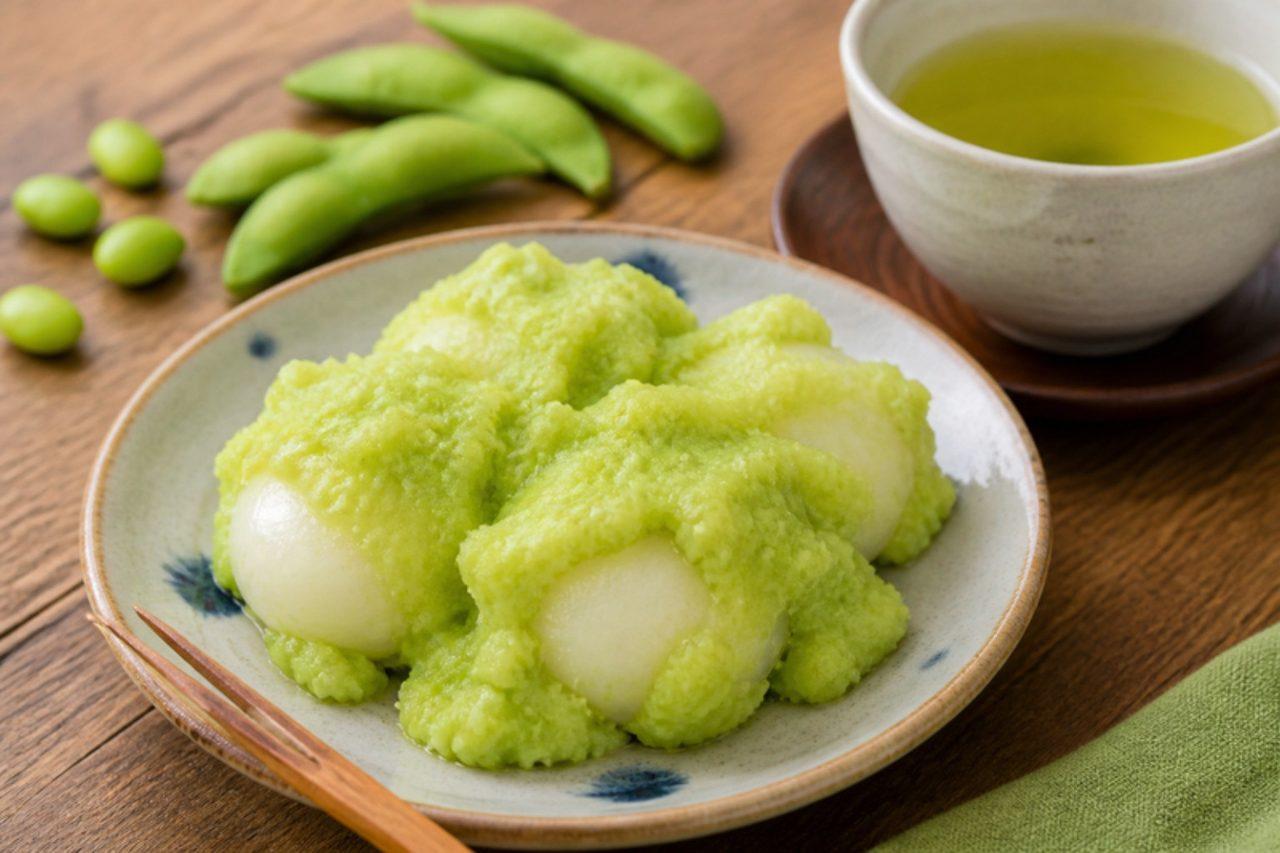
Zunda is Sendai's signature sweet: young green soybeans mashed with sugar into a coarse, pale-green paste. Farmers in Miyagi made it at the end of summer, when edamame were at their best, and it is still sold everywhere from Sendai station's souvenir halls to small tea shops, now also as zunda shakes and rolls. The flavour is gentle, beany and fresh, closer to sweet peas than to red bean paste. Spoon it over warm, chewy rice dumplings and serve with green tea. Chef's tip: rub the skins off the cooked beans. It takes ten minutes but turns the paste from dull khaki to a vivid jade colour.

by KrazyBadal 0 views

ShingaraPotato-filled pastry cones

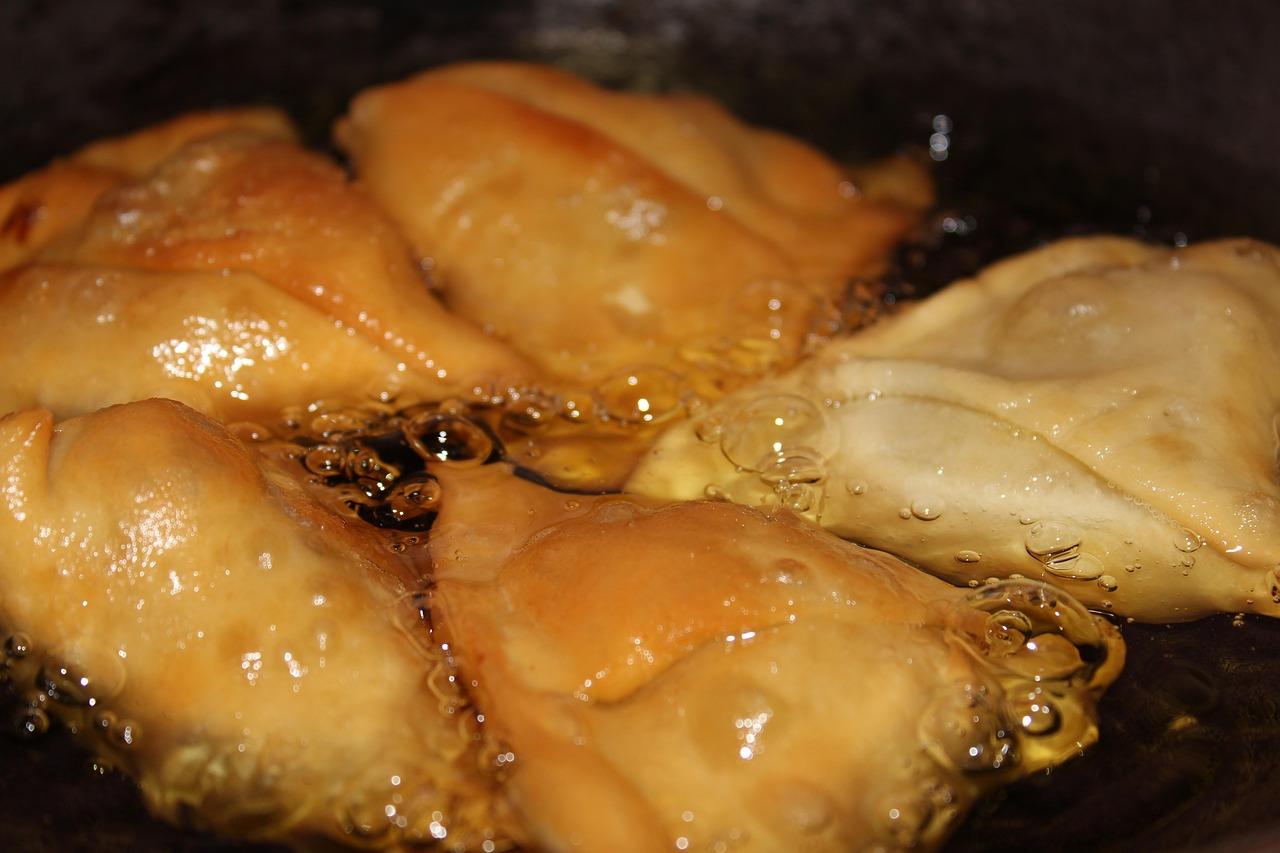
Shingara is Bengal's samosa, and every Kolkata sweet shop fries a batch for the evening tea crowd. It differs from the North Indian kind in small, important ways: the pastry is flecked with nigella seeds, the potatoes are diced rather than mashed, and in winter the filling gets cauliflower florets, fried peanuts and a few raisins, all tempered with panch phoron. The shape is a tall cone with a tight pleated top, so it stands upright on the plate. Chef's tip: dice the potato small (1 cm) and cook it only until just tender; mushy potato turns the filling into mash and loses that Bengali bite.

by KrazyBadal 0 views

Shirin poloSweet saffron rice

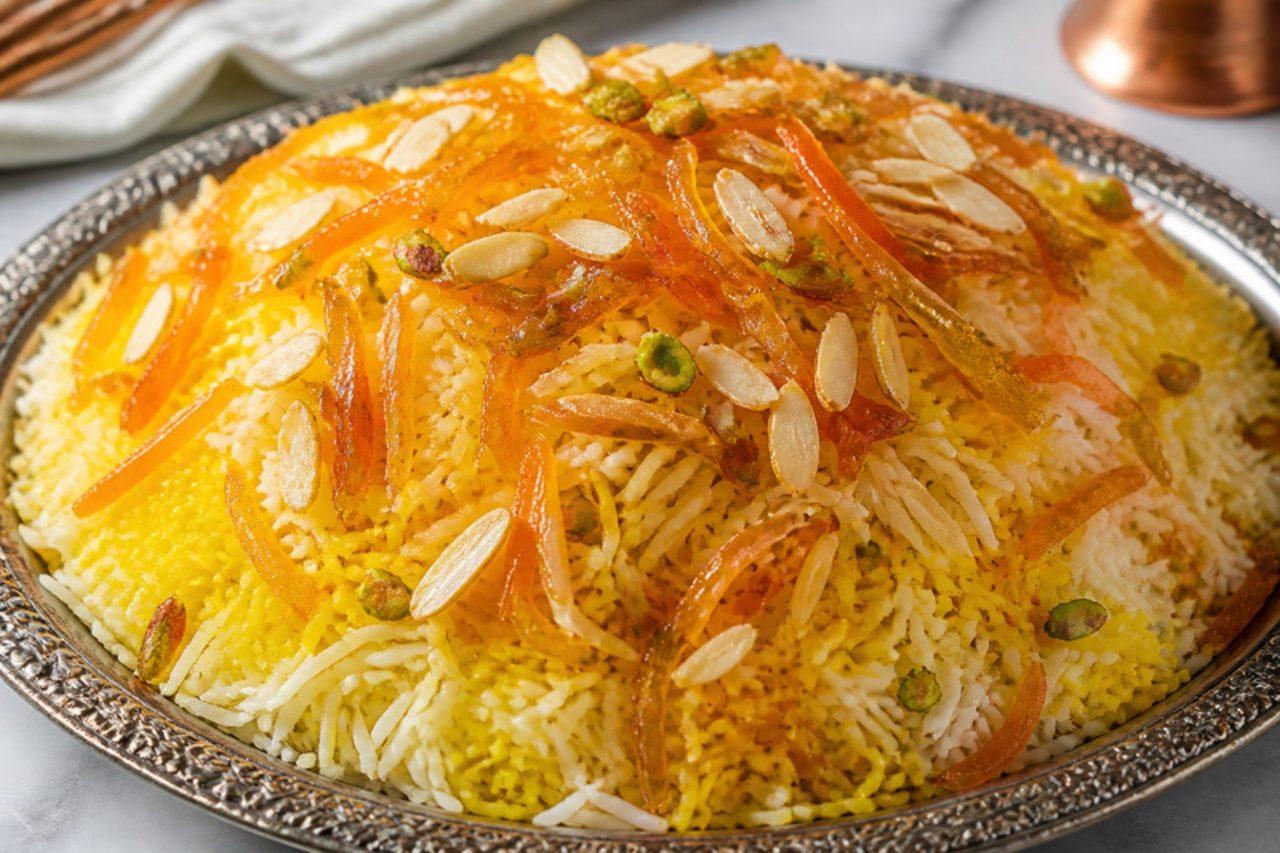
Shirin polo ('sweet rice') is the wedding rice of Iran, especially among Azerbaijani families in Tabriz, where a gleaming platter of it is carried out at the celebration feast to wish the couple a sweet life. Long grains of saffron rice are layered with candied orange peel, fine strips of carrot, slivered almonds and pistachios, all perfumed with cardamom and rosewater. It is fragrant and only gently sweet, with a citrus bitterness that keeps it from being cloying. Serve it as the centrepiece of a party with yogurt and a herb stew. Chef's tip: blanch the orange peel three times in fresh water; skip this and the whole platter tastes bitter.

by KrazyBadal 0 views

Shiro watSpiced chickpea flour stew

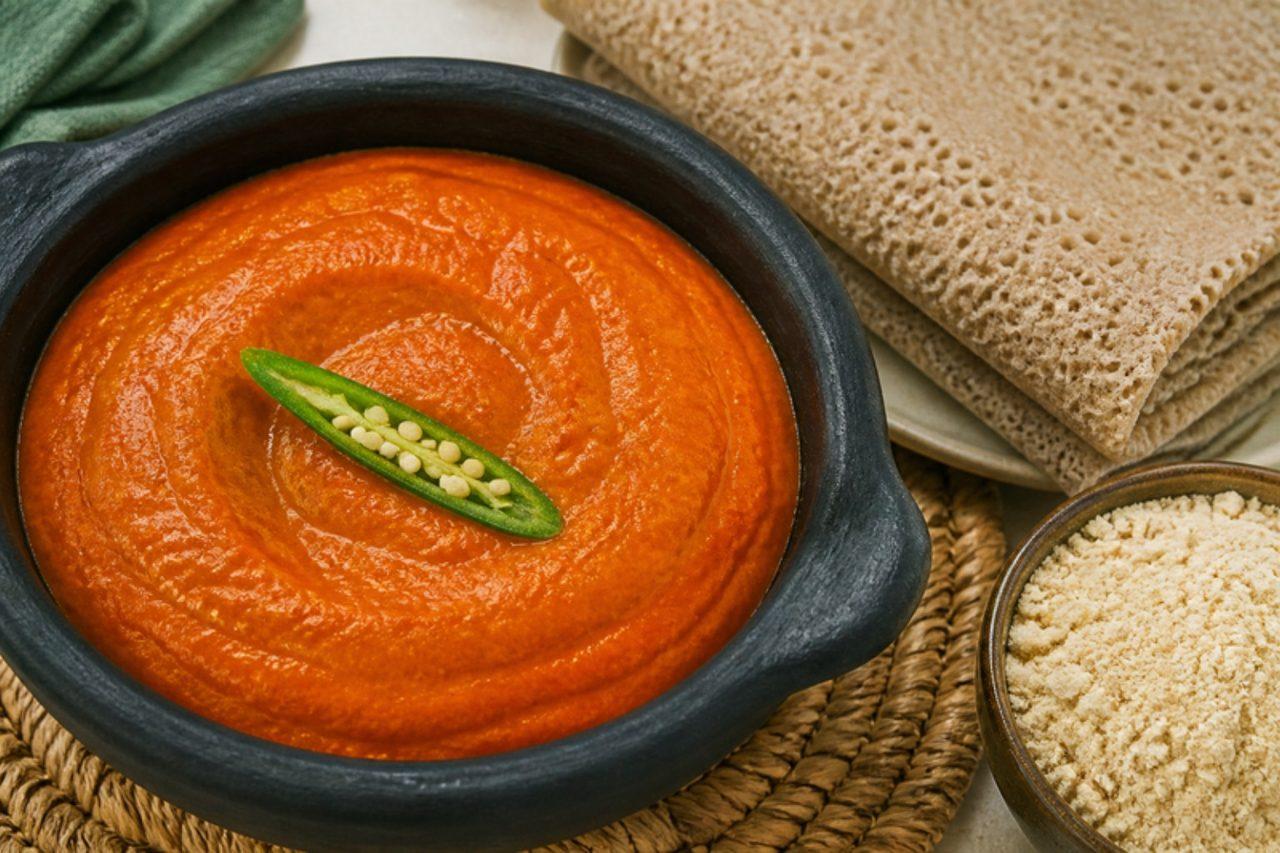
Shiro is the most eaten dish in Ethiopia: on Wednesdays and Fridays and during Lent, when Orthodox Christians fast from all animal food, kitchens from Addis Ababa to Mekelle make it daily, and it is a favourite in Eritrea too. It is made from shiro powder, a ground mix of roasted chickpeas or field peas with garlic, ginger and berbere, whisked into a red onion base and simmered into a smooth, thick sauce. Served bubbling in a clay pot over injera, it is comforting, spicy and very cheap. On non-fasting days, a spoon of niter kibbeh stirred in at the end makes it richer. Chef's tip: whisk the shiro powder in slowly, a spoonful at a time, and keep whisking; dumped in all at once it forms lumps that never dissolve.

by KrazyBadal 0 views

Shish taoukMarinated chicken skewers

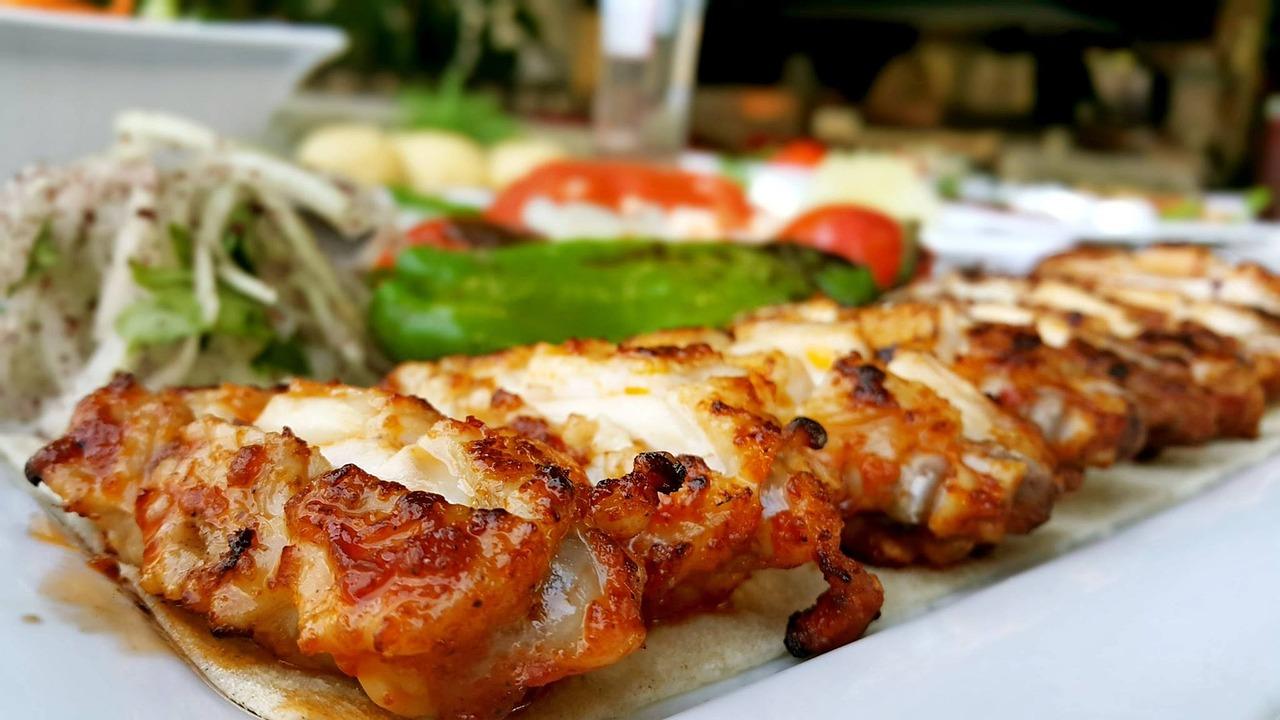
Walk past any grill shop in Beirut in the evening and you'll smell shish taouk: cubes of chicken soaked in yogurt, lemon, garlic and a little tomato paste, charred over coals and stuffed into thin bread with toum, pickles and chips. At home it is a weekend barbecue favourite and an easy weeknight dinner under the grill, with fattoush or hummus on the side. The yogurt tenderises the meat and the tomato paste gives the edges their red-gold char. Chef's tip: use thighs rather than breast if you can; they stay juicy even when the edges catch.

by KrazyBadal 0 views

ShitoDried fish chilli oil

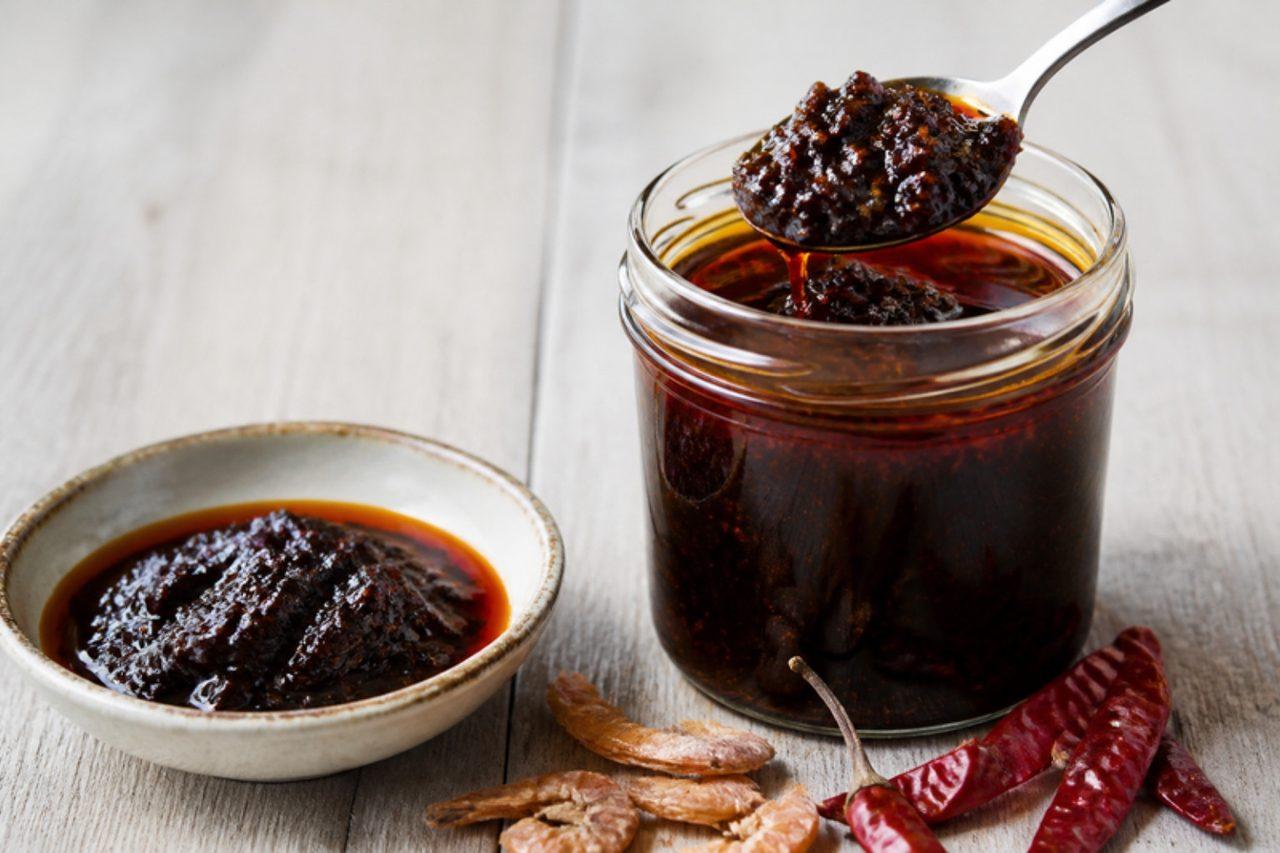
Shito is the black pepper sauce that sits on every Ghanaian table and travels in every student's suitcase. Onions, ginger and garlic are cooked down slowly in a lot of oil with ground dried shrimp, smoked dried fish and chilli until the mixture turns almost black, rich and crunchy-savoury. A spoonful lifts kenkey, waakye, jollof rice, eggs or plain bread. The mistake almost everyone makes the first time is cooking it on high heat: it scorches and turns bitter. Low and slow is the whole secret. Chef's tip: stir the bottom of the pot every few minutes in the last half hour, when it darkens fastest.

by KrazyBadal 0 views

Shivit oshiDill noodles with vegetable sauce

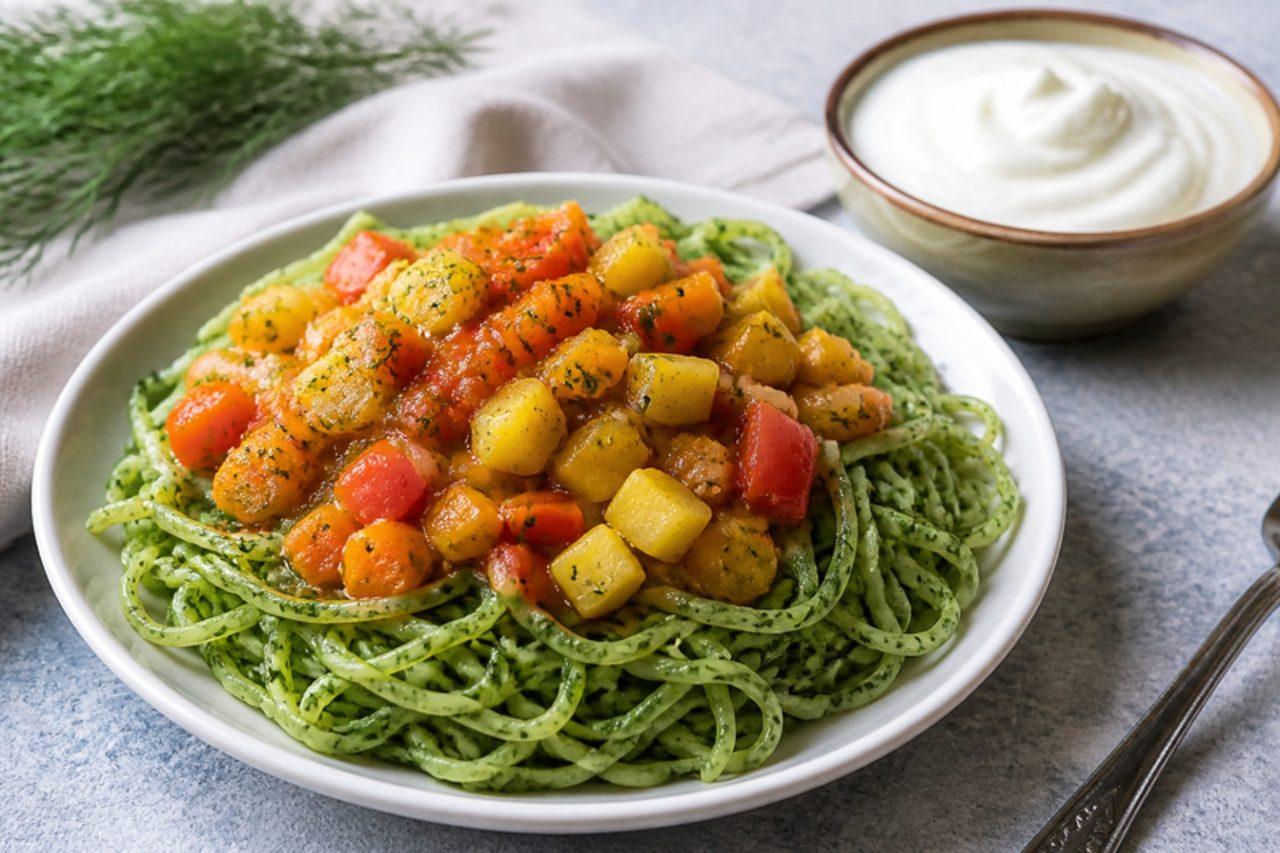
Shivit oshi is the pride of Khorezm, the western oasis around Khiva and Urgench: bright green noodles made with a paste of fresh dill (shivit), topped with a stew of vegetables and a cooling spoon of katyk (thick yogurt). In Khiva's old town it is served at lunch in summer, when the dill is fragrant and the heat makes heavy plov unwelcome. The usual topping has meat; this one is a vadja of potato, carrot, pepper and tomato. Chef's tip: blend the dill with the water rather than chopping it; the dough turns an even jade green and the noodles taste of dill all the way through.

by KrazyBadal 0 views

MalawachFlaky fried flatbread

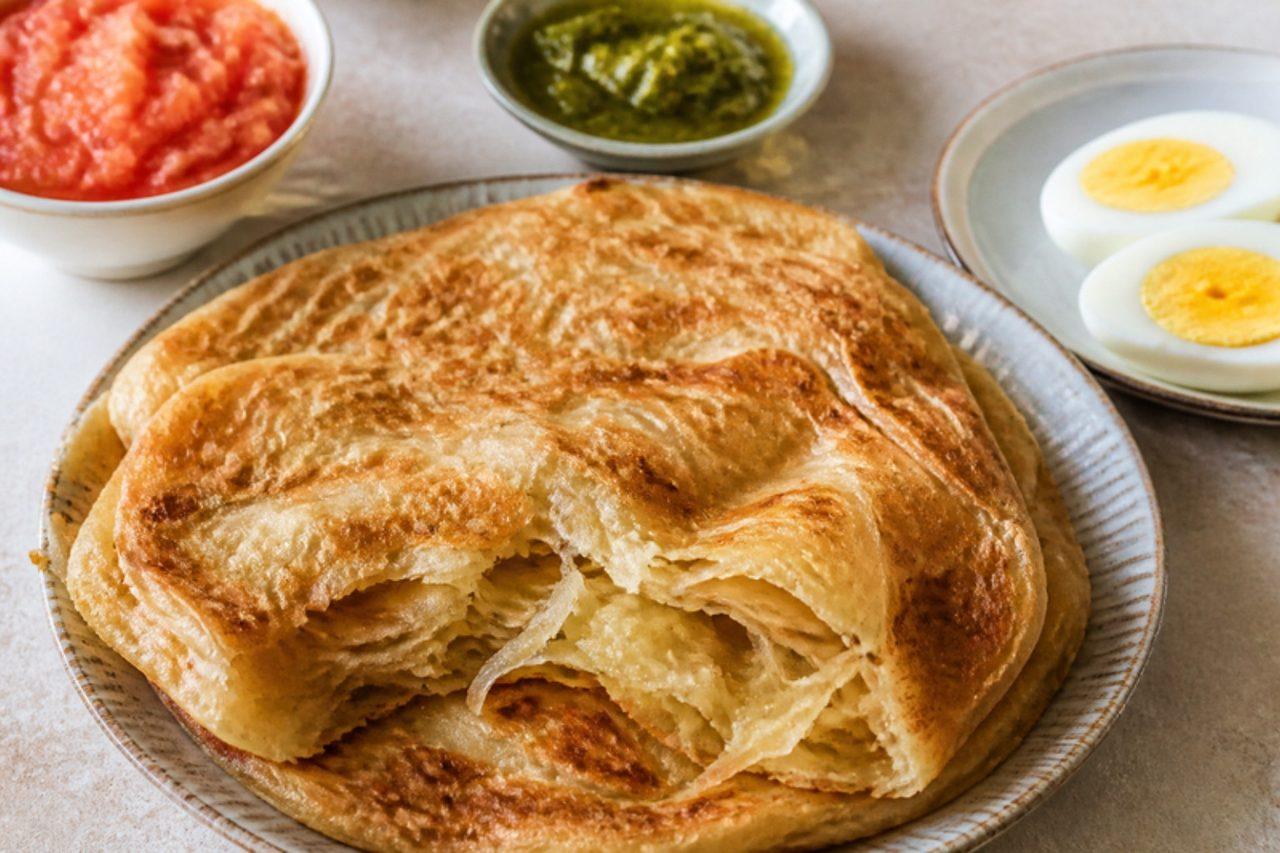
Malawach is the Yemenite Jewish flatbread that turned into an Israeli freezer staple: round, buttery layers fried in a pan until they shatter, eaten for breakfast or a late supper with sweet-sour grated tomato, zhug and a hard-boiled egg. In Israel almost everyone buys the frozen rounds from the supermarket and fries them in minutes, the way this recipe does; the dough is the same rolled, butter-layered dough as jachnun, just fried instead of baked. Some families sprinkle sugar or drizzle honey for a sweet version. Chef's tip: fry the frozen rounds straight from the freezer; thawed ones turn sticky and lose their layers.

by KrazyBadal 0 views

Sholeh zardSaffron rice pudding

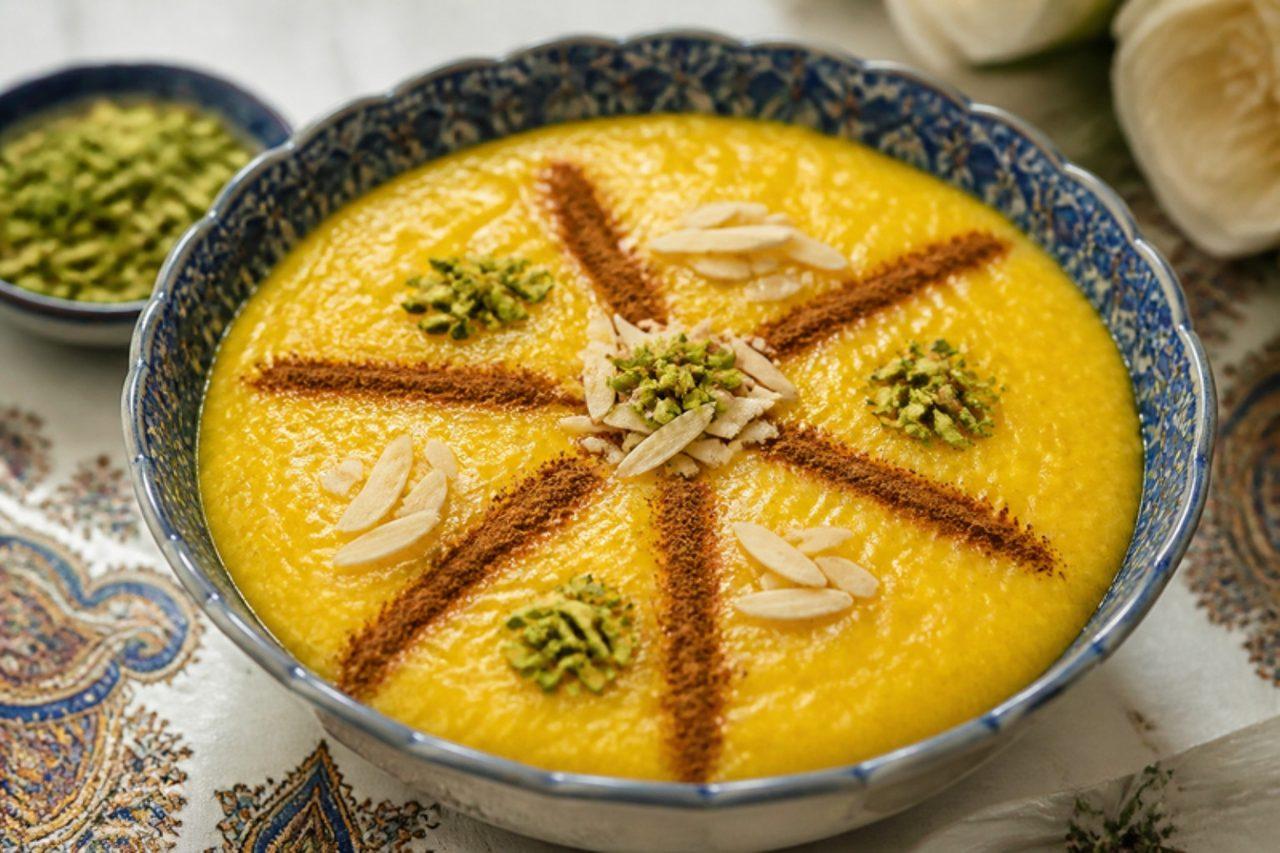
Sholeh zard is the bright yellow rice pudding that Iranians cook in huge pots as nazri, food given away to neighbours and strangers, especially during the month of Muharram and on religious feast days; neighbourhoods in Tehran and Mashhad fill with its smell of saffron and rose. Rice is simmered until it almost melts, then sweetened, coloured gold with saffron and perfumed with rosewater and cardamom. It sets softly as it cools and is decorated with cinnamon lines, almonds and pistachios. This version uses a little oil instead of butter, so it is vegan. Chef's tip: add the sugar only when the rice is completely soft; sugar added early stops the grains from breaking down.

by KrazyBadal 0 views

Vatha kuzhambuTamarind gravy with dried berries

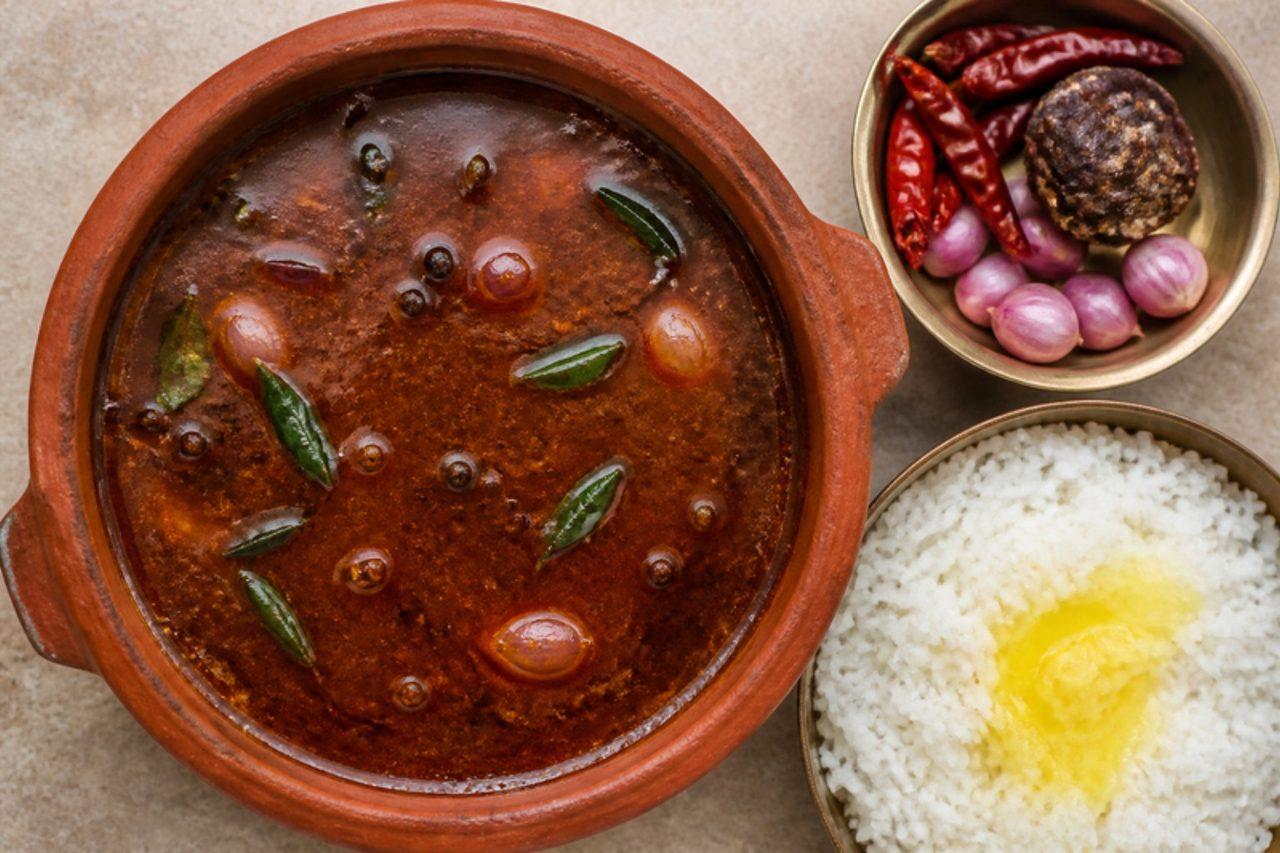
Vatha kuzhambu is what a Tamil kitchen cooks when the vegetable basket is empty: tamarind, sambar powder and a handful of sun-dried sundakkai or manathakkali berries fried crisp in sesame oil. It simmers down to a glossy, almost black gravy that is sour, a little bitter, hot and faintly sweet, and it keeps for days, so it travels in tiffin carriers and turns up at Brahmin home lunches all over Thanjavur and Chennai. Mix a spoonful into hot rice with a little sesame oil, and eat it with a plain poriyal or appalam to calm the heat. Chef's tip: fry the dried berries in the oil first and lift them out the moment they puff and darken; added at the end they stay crisp and bitter-nutty instead of turning leathery.

by KrazyBadal 0 views

Shorshe ilishHilsa in mustard sauce

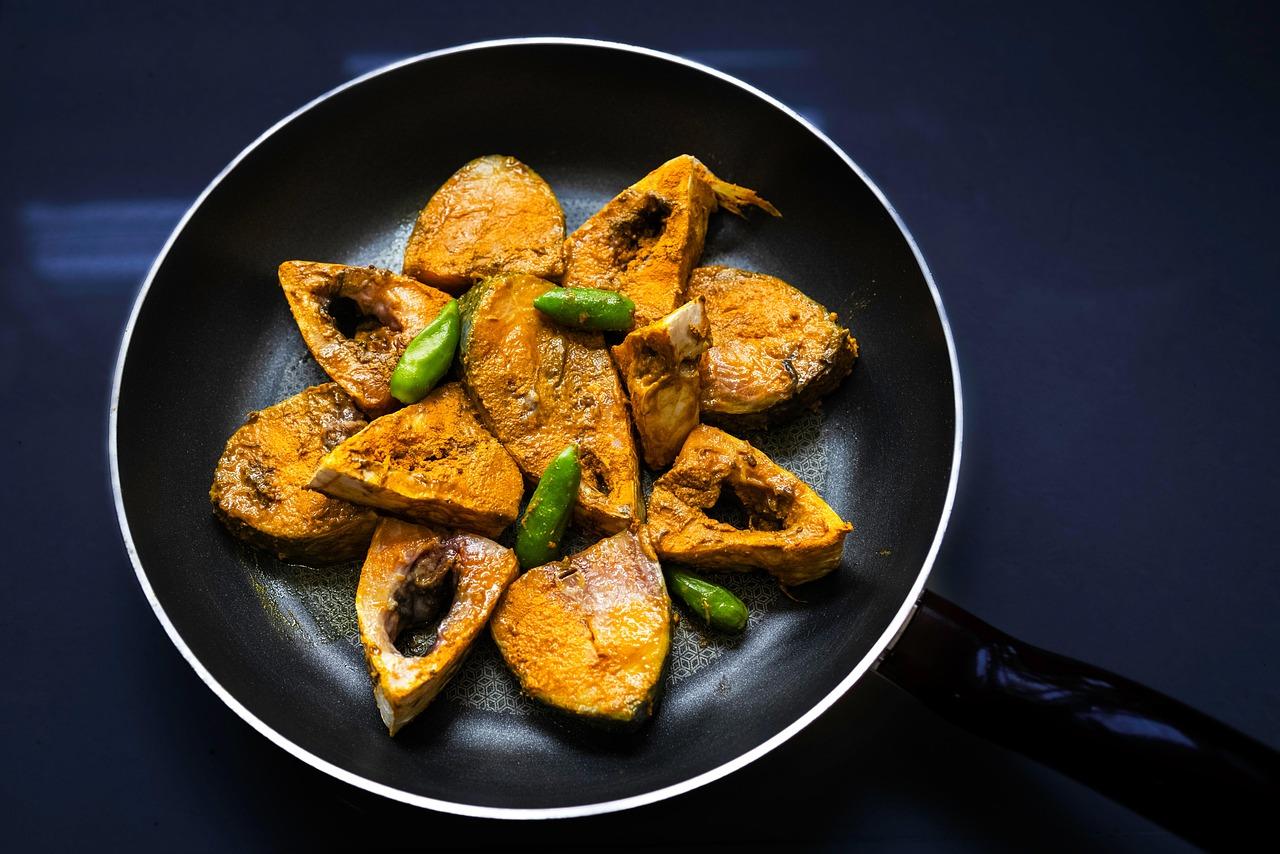
Hilsa, ilish, is the national fish of Bangladesh, and during the monsoon, when the shoals swim up the Padma and Meghna rivers, families in Dhaka and Chandpur cook it almost daily. Shorshe ilish is the most loved way: steaks of the rich, silvery fish gently simmered in a paste of ground yellow and black mustard seed, green chillies and mustard oil until the sauce turns sharp, creamy and nose-tingling. Eat it with plain white rice and nothing else. Hilsa is very bony, so warn guests and eat slowly; salmon steaks are an easier, less traditional swap. The common mistake is boiling the sauce hard after the mustard paste goes in, which turns it bitter. Chef's tip: grind the mustard seeds with a pinch of salt and a green chilli, and let the paste rest for 10 minutes before cooking; this tames the bitterness.

by KrazyBadal 0 views

Zeytinyağlı enginarArtichokes braised with peas

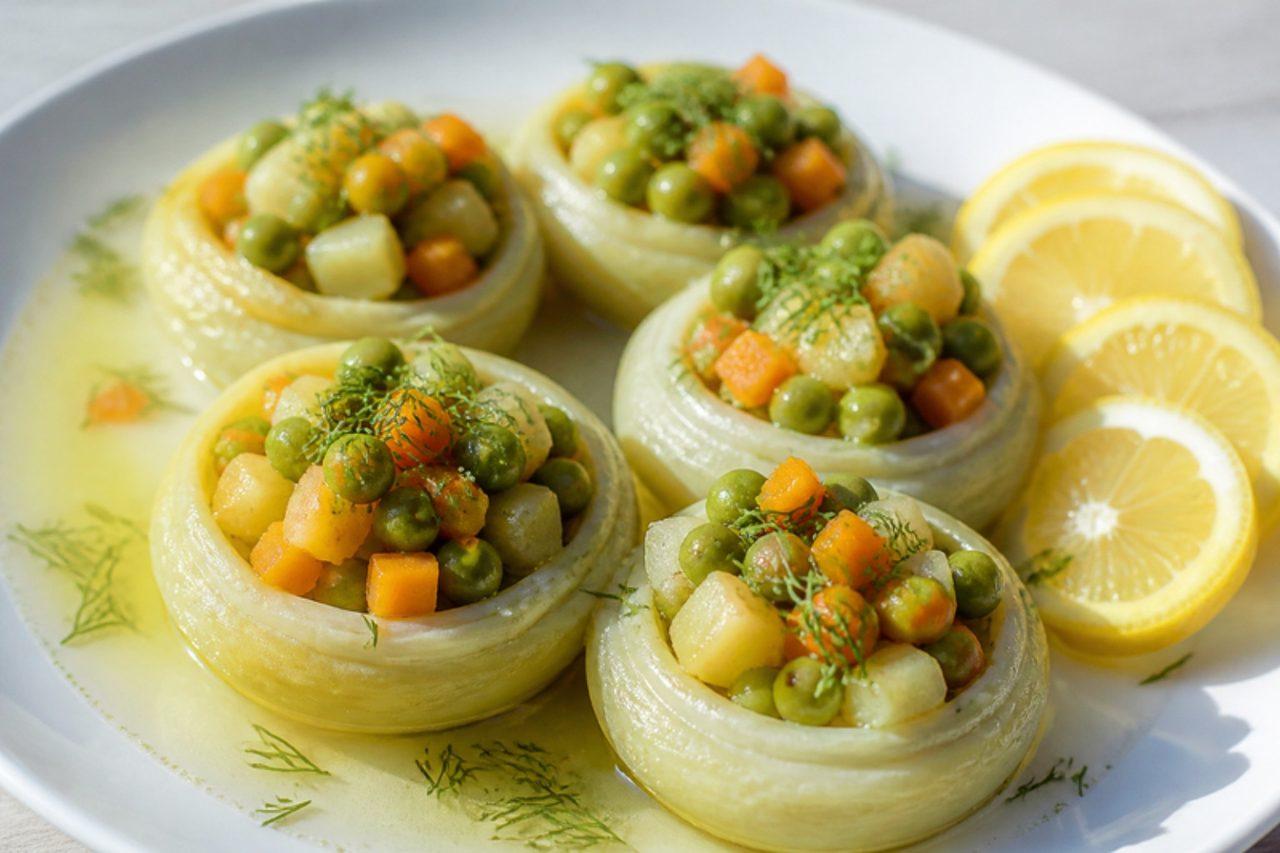
In spring, when globe artichokes pile up on stalls in İzmir and Urla, market sellers trim them on the spot into pale hearts kept in lemon water, and families take them home to make zeytinyağlı enginar. The hearts are braised cup-side up with small onions, carrots, potato and peas in olive oil and lemon, then served cold with a shower of dill, often as the first course of a spring dinner. The classic mistake is leaving trimmed artichokes in the air: they turn grey within minutes. Chef's tip: rub every cut surface with lemon as you go and drop the hearts straight into water with lemon juice and a spoonful of flour, which keeps them pale and cream-coloured.

by KrazyBadal 0 views

Showing 45 of 10,495 recipes

Show more recipes

Page 942 of 1,167