


Skip to content
Laphing
Featured recipe

Laphing

Cold starch sheet noodles

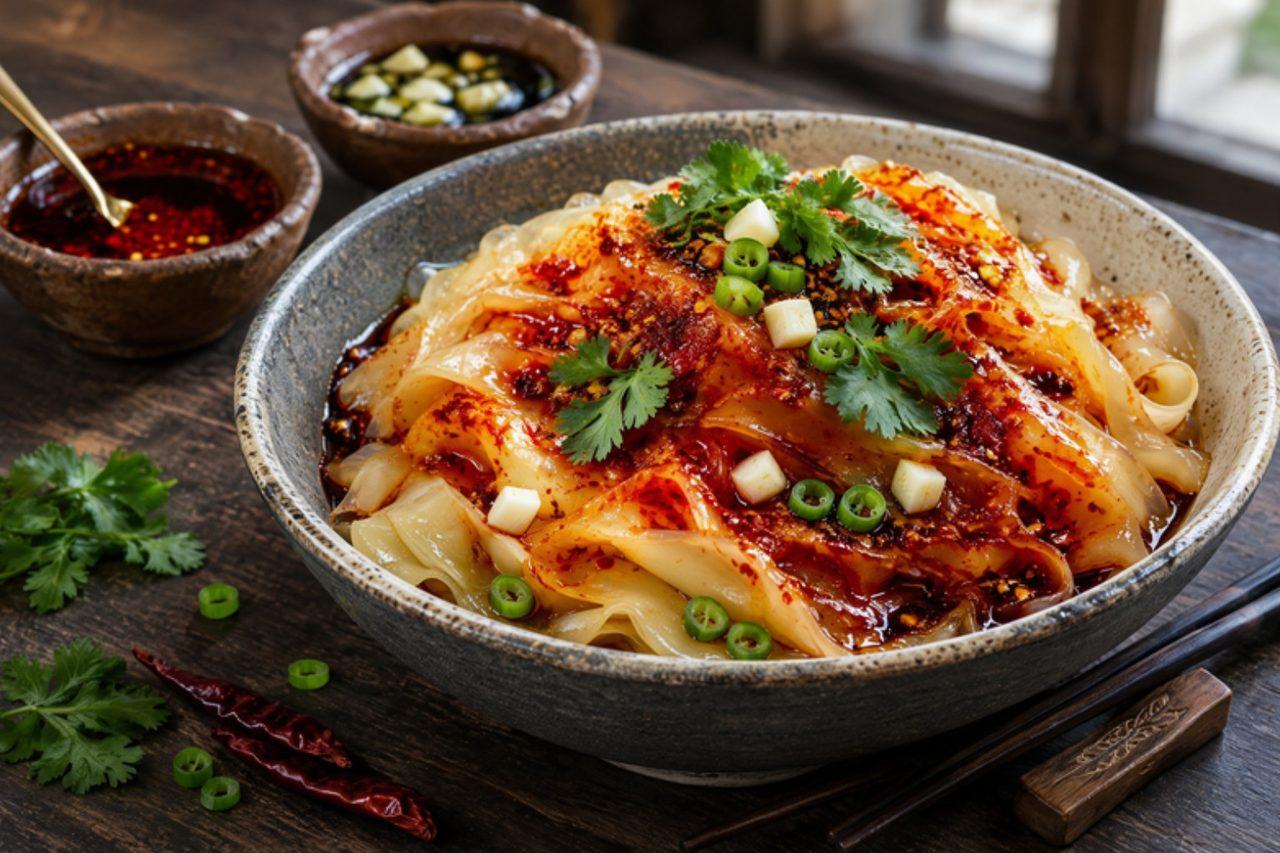
Laphing came to Kathmandu with Tibetan families, and the alleys around the great stupa at Boudha are full of tiny stalls selling it every afternoon, to monks, students and office workers alike. Flour dough is washed in water to separate the starch from the gluten; the starch is steamed into thin, jelly-like sheets and the gluten into a spongy filling, then everything is rolled up and drowned in fiery chilli oil, garlic water, soy sauce and vinegar. It is cold, slippery, chewy and very hot. Contains wheat (gluten) and soya. Chef's tip: steam each sheet no thicker than 3 mm; thick layers set rubbery instead of silky.

Read more 0 views

What to eat today?

Around the world

Today's trip: Persian

A new country every day, from every cuisine on the site.

Persian

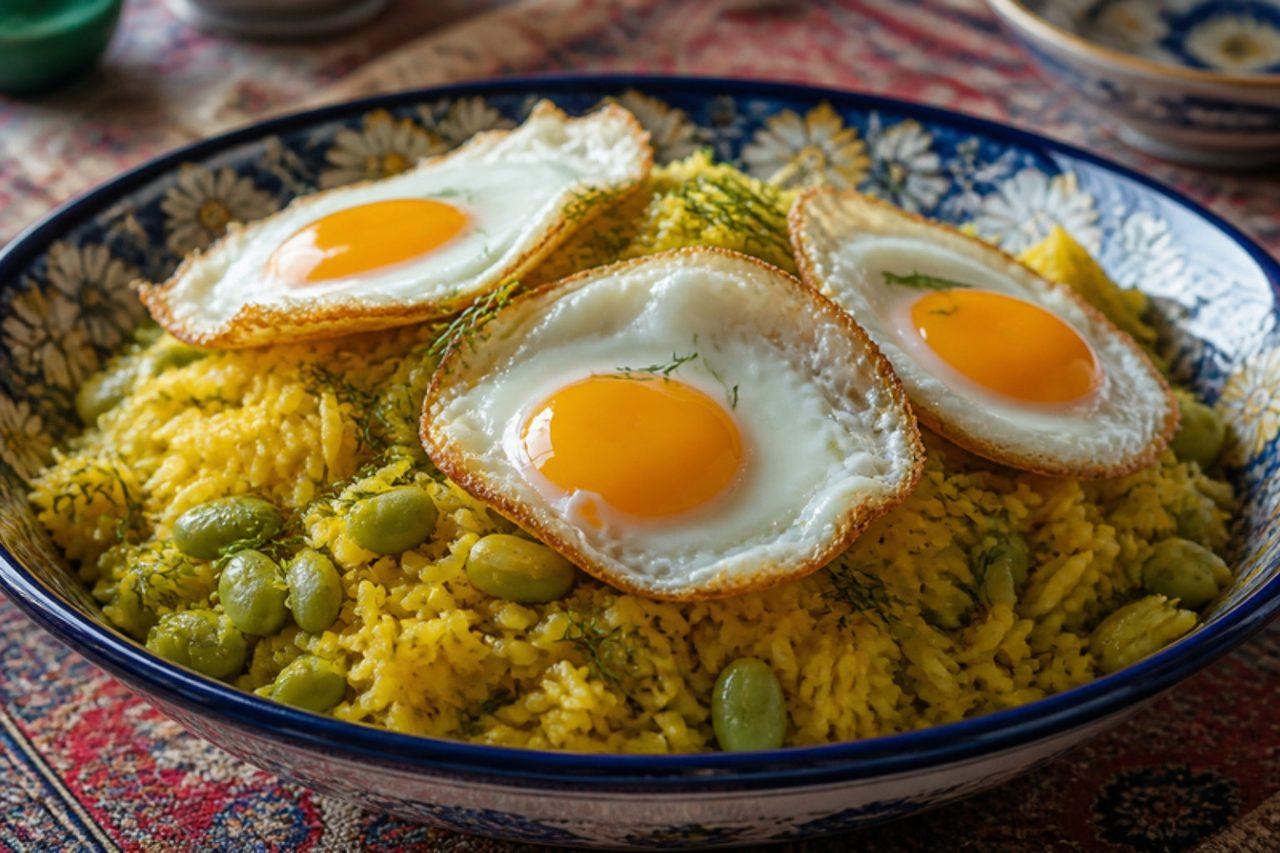
Dampokhtak

Turmeric rice with lima beans 65 minMore from Persian (163) →

This week's collection

Kid-friendly dinners
645 recipes · a new collection every Monday

Coming up

All occasions →

Latest recipes

Trini callaloo soupDasheen leaf and okra soup

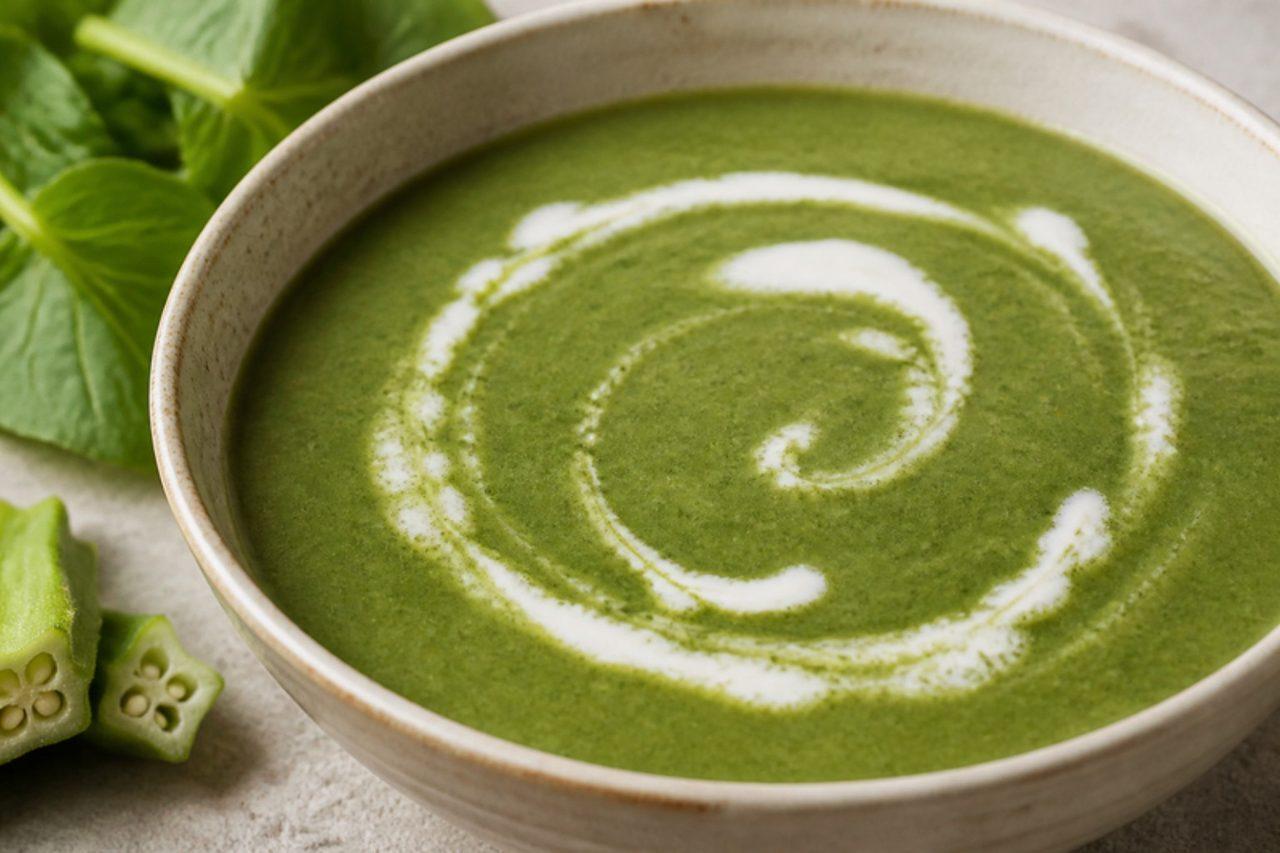
Callaloo is Trinidad and Tobago's national dish and part of the classic Sunday lunch, served beside rice, macaroni pie and stewed peas. Dasheen bush (young taro leaves) is simmered with okra, pumpkin, coconut milk, onion, garlic, chives and thyme, then beaten smooth with a wooden swizzle stick into a thick, velvety green soup. It's usually cooked with crab or salt pork; this vegetarian version leaves them out and adds a pinch of smoked paprika for depth. Spinach and Swiss chard can replace dasheen. Chef's tip: cook the dasheen leaves for at least 25–30 minutes. They must be very soft, both to swizzle silky smooth and because undercooked dasheen leaves make your throat itch.

by KrazyBadal 0 views

Tutu de feijãoBean purée with toasted manioc meal

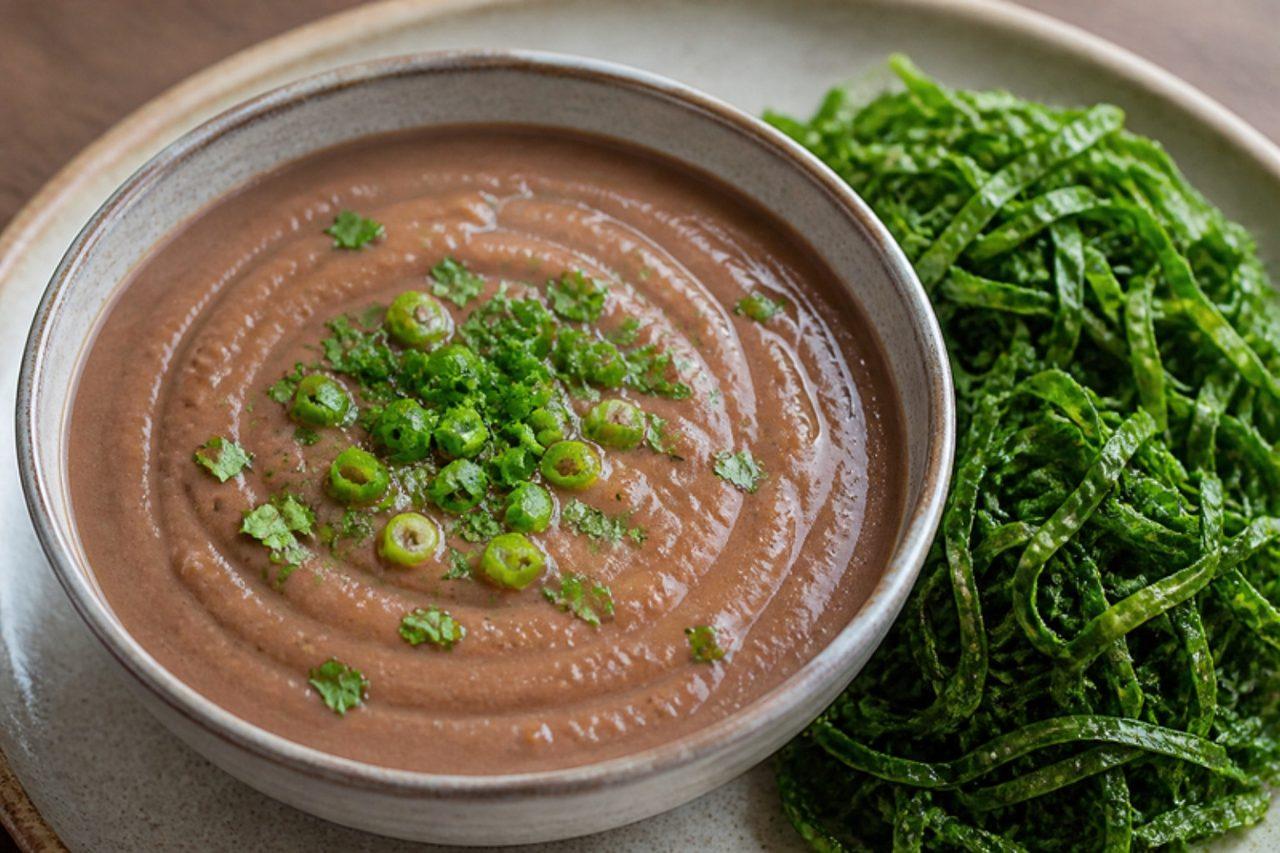
Tutu de feijão is everyday comfort food from Minas Gerais, made from yesterday's beans: they're blended smooth, fried with onion and garlic, then thickened with manioc meal into a soft, spoonable mash. In Minas it comes with pork crackling and sausage; here smoked paprika and a crisp onion topping bring the savoury, smoky edge. Serve with rice, couve à mineira and a fried egg if you eat them. Chef's tip: rain in the manioc meal slowly while stirring, as you would polenta, and stop while it's still a little looser than you want. Tutu firms up as it stands, and too much farinha makes it stodgy.

by KrazyBadal 0 views

Vegetable pelauRice and pigeon pea one-pot

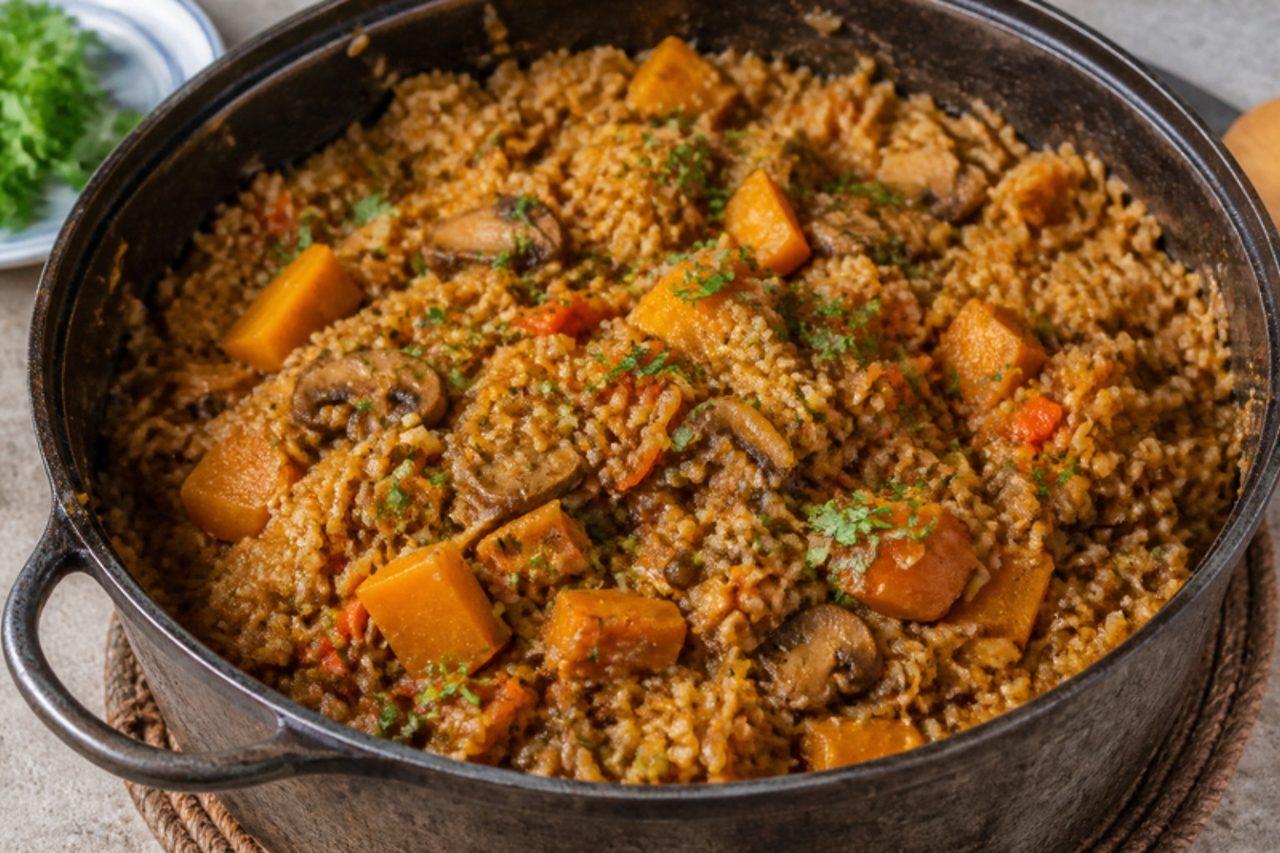
Pelau is the dish of the Trinidad beach lime and family gathering: rice and pigeon peas cooked in one big pot, coloured a deep brown by sugar caramelised in oil until almost burnt, then simmered with coconut milk, green seasoning and a whole hot pepper. It's usually made with chicken; here deeply browned mushrooms and chunks of pumpkin carry the savoury depth, so it's still rich, smoky-sweet and moreish. Serve with coleslaw, sliced cucumber and pepper sauce. Chef's tip: let the sugar go further than feels safe: it should melt, froth and turn the colour of dark chocolate, just starting to smoke, before anything goes in. Too pale and the pelau tastes sweet; too black and it's bitter.

by KrazyBadal 0 views

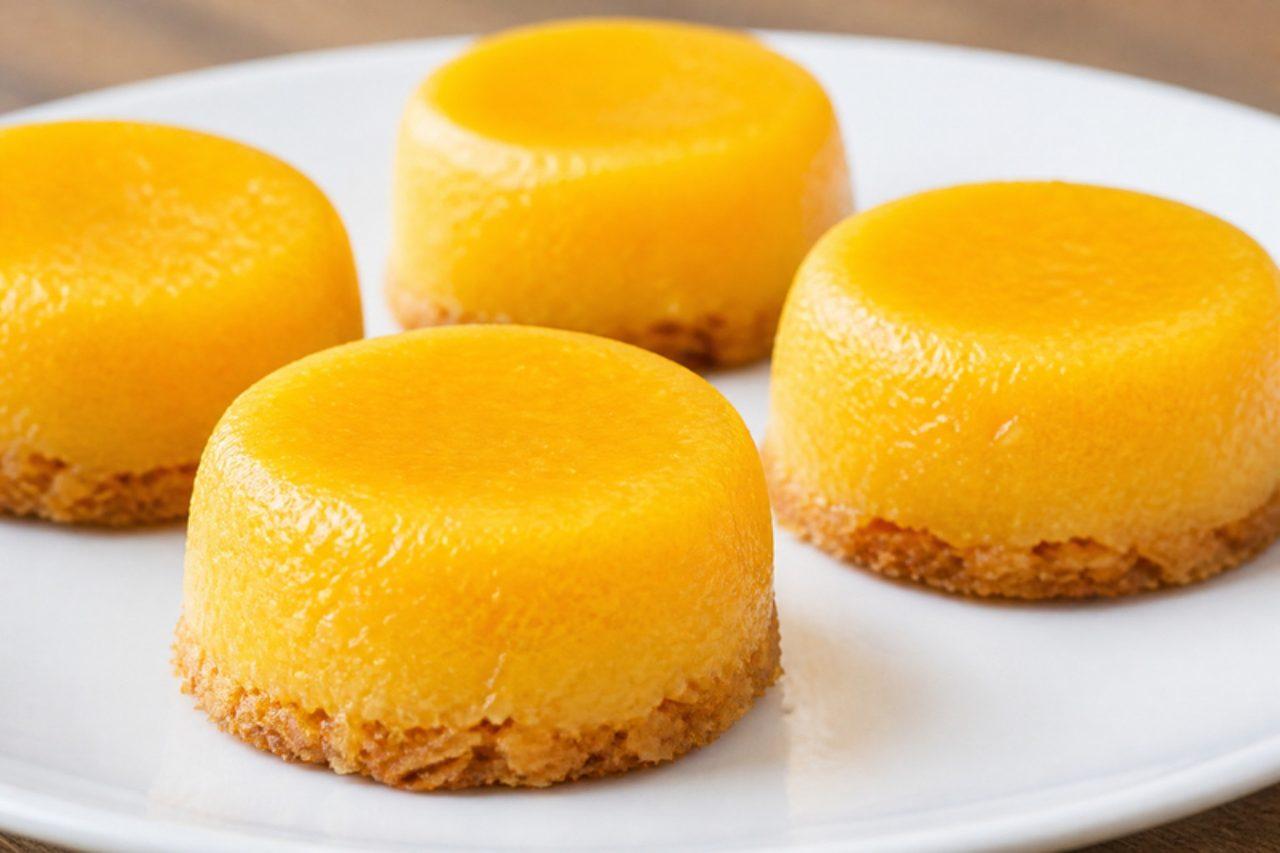
QuindimCoconut egg yolk custards

Quindim is a jewel of Bahian sweets: small, shiny, intensely yellow custards made from egg yolks, sugar and grated coconut. It goes back to Portugal's convent sweets, rich in yolks, which cooks in colonial Bahia combined with the coconut of the Brazilian coast. When baked, the coconut sinks to form a chewy base and the yolks set into a silky, translucent top that becomes the shining crown when unmoulded. Chef's tip: strain the yolks so there are no traces of white or the chalazae (the stringy bits). Egg white makes quindim pale and rubbery instead of glossy, deep gold and smooth.

by KrazyBadal 0 views

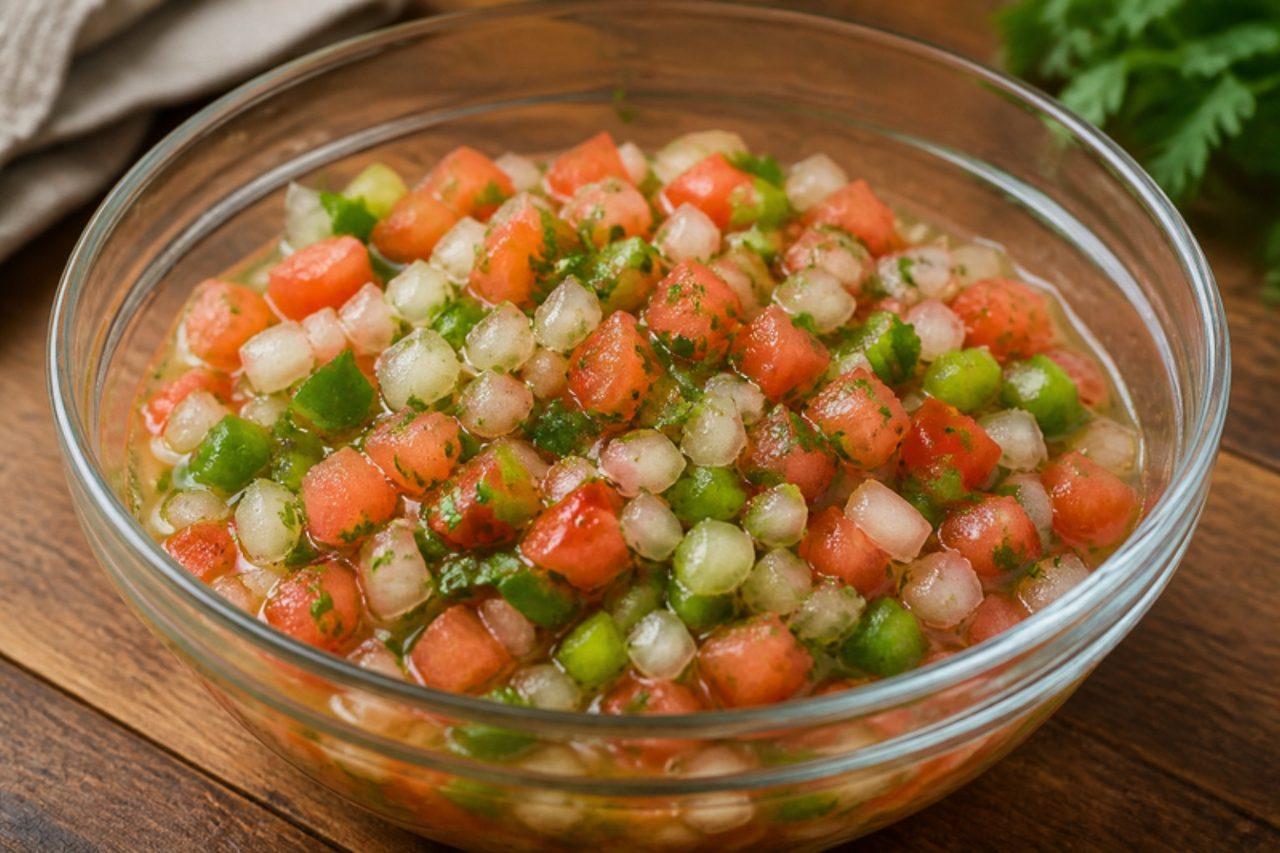
VinagreteTomato and onion salsa

Vinagrete, also called molho à campanha in the South, is the fresh, tangy salsa that goes on every Brazilian barbecue table and next to feijoada, acarajé and grilled cheese. Finely diced tomato, onion and green pepper are bathed in vinegar, olive oil and a little water, so it's halfway between a salad and a sauce. Chef's tip: soak the chopped onion in cold water for 5 minutes and drain. It takes away the harsh bite while keeping the crunch, so the salsa tastes clean and bright instead of raw.

by KrazyBadal 0 views

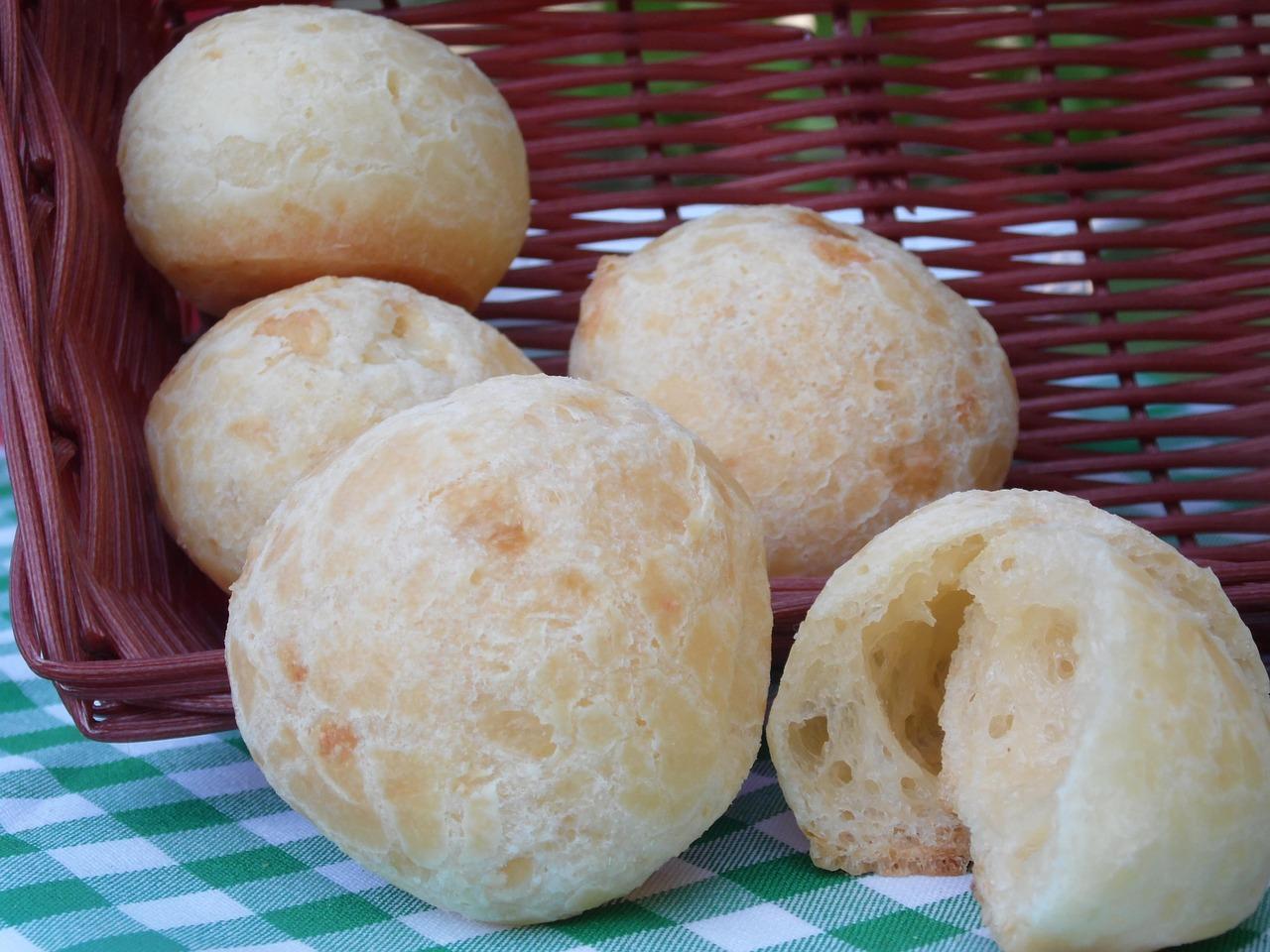
Pão de queijoCheese bread puffs

Pão de queijo comes from Minas Gerais, where every café and grandmother's kitchen has a tray in the oven for breakfast or afternoon coffee. Made with cassava starch (polvilho) instead of wheat flour, the little rolls are crisp and golden outside and stretchy, cheesy and almost hollow inside. Mineiros use queijo minas meia-cura; a mix of Parmesan-style cheese and mozzarella is the closest match elsewhere. Chef's tip: pour the boiling milk and oil over the starch (escaldar). Scalding cooks part of the starch, and that's what gives the chewy, elastic inside; and use some sour starch (polvilho azedo), which makes them puff up tall.

by KrazyBadal 0 views

Pholourie with tamarind chutneySplit pea fritters with tamarind chutney

Pholourie are little round fritters sold by the bag at doubles stands, school gates and parties all over Trinidad, especially through Divali and Christmas. A turmeric-yellow batter made with ground split peas and flour is dropped by the spoonful into hot oil, where it puffs into crisp-skinned, soft, spongy balls. They're always served with a sticky tamarind chutney spiked with garlic, shado beni and pepper. Unlike Indian pakoras, there are no vegetables in the batter: pholourie is all about the soft, light dough and the dip. Chef's tip: beat the batter hard for a few minutes until it's thick, smooth and falls off the spoon in a sticky blob. Well-beaten batter traps air, so the pholourie puff up round and light instead of flat and greasy.

by KrazyBadal 0 views

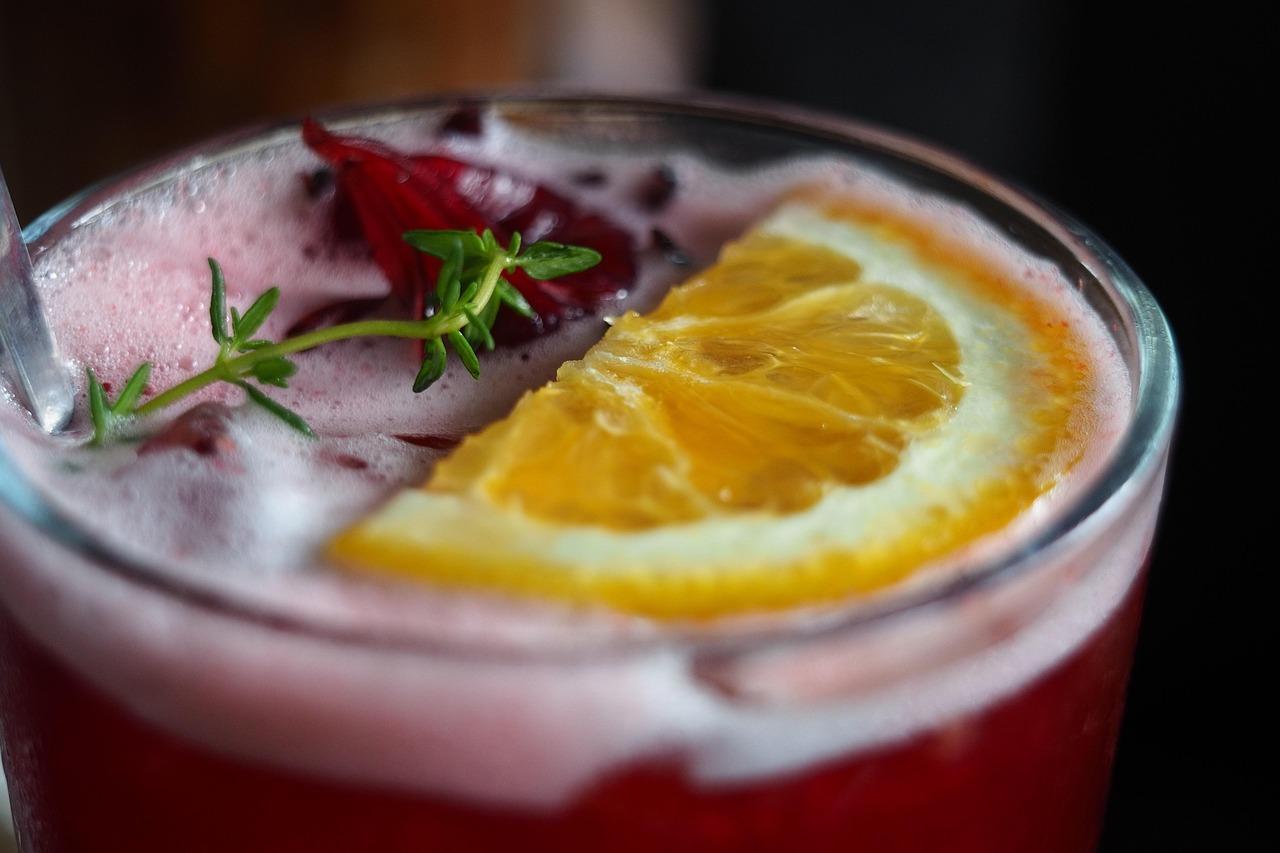
Sorrel drinkHibiscus drink

Sorrel is the drink of a Jamaican Christmas: in December the markets fill with the red flowers (the calyces of a hibiscus), and every home brews a big batch to share. They're steeped with lots of fresh ginger, pimento and cloves, then sweetened, giving a deep ruby drink that's tart, spicy and refreshing over ice. Many families add a splash of white or dark rum for the adults. Chef's tip: be generous with the ginger and let it steep overnight. A long, cool steep pulls out the colour and a fiery ginger bite without the bitterness of over-boiling.

by KrazyBadal 0 views

TotoCoconut cake

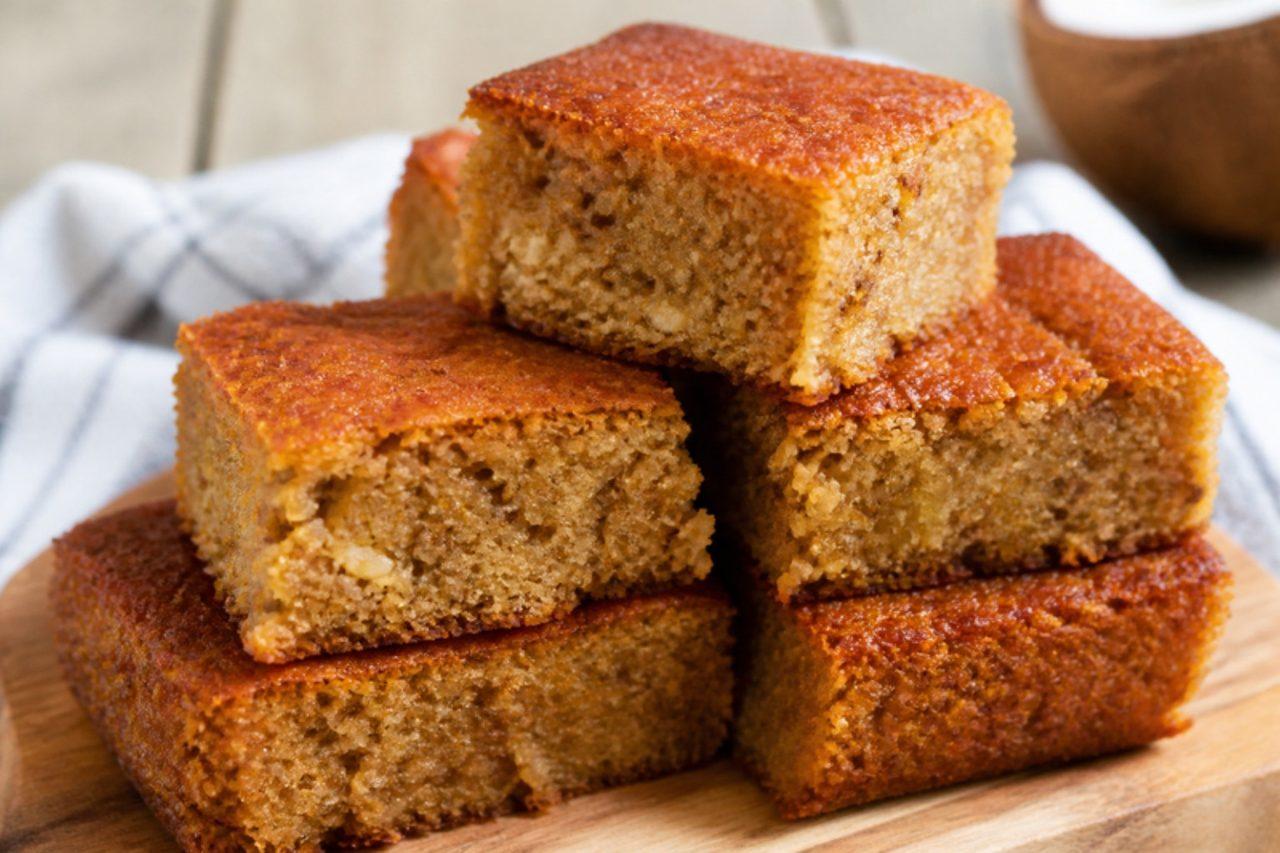
Toto is an old-time Jamaican country cake, the kind baked in a 'dutchie' over coals in rural St Mary and St Ann and sold in squares at bakeries and school tuck shops. It's dense and moist rather than light, packed with grated coconut, darkened with brown sugar and fragrant with nutmeg, cinnamon and vanilla. Lovely with a cup of tea, still slightly warm. Chef's tip: use fresh grated coconut if you can, or soak desiccated coconut in the warm coconut milk for 15 minutes first. Dry coconut steals moisture from the batter and leaves the cake crumbly instead of chewy.

by KrazyBadal 0 views

Pudim de leite condensadoCondensed milk flan

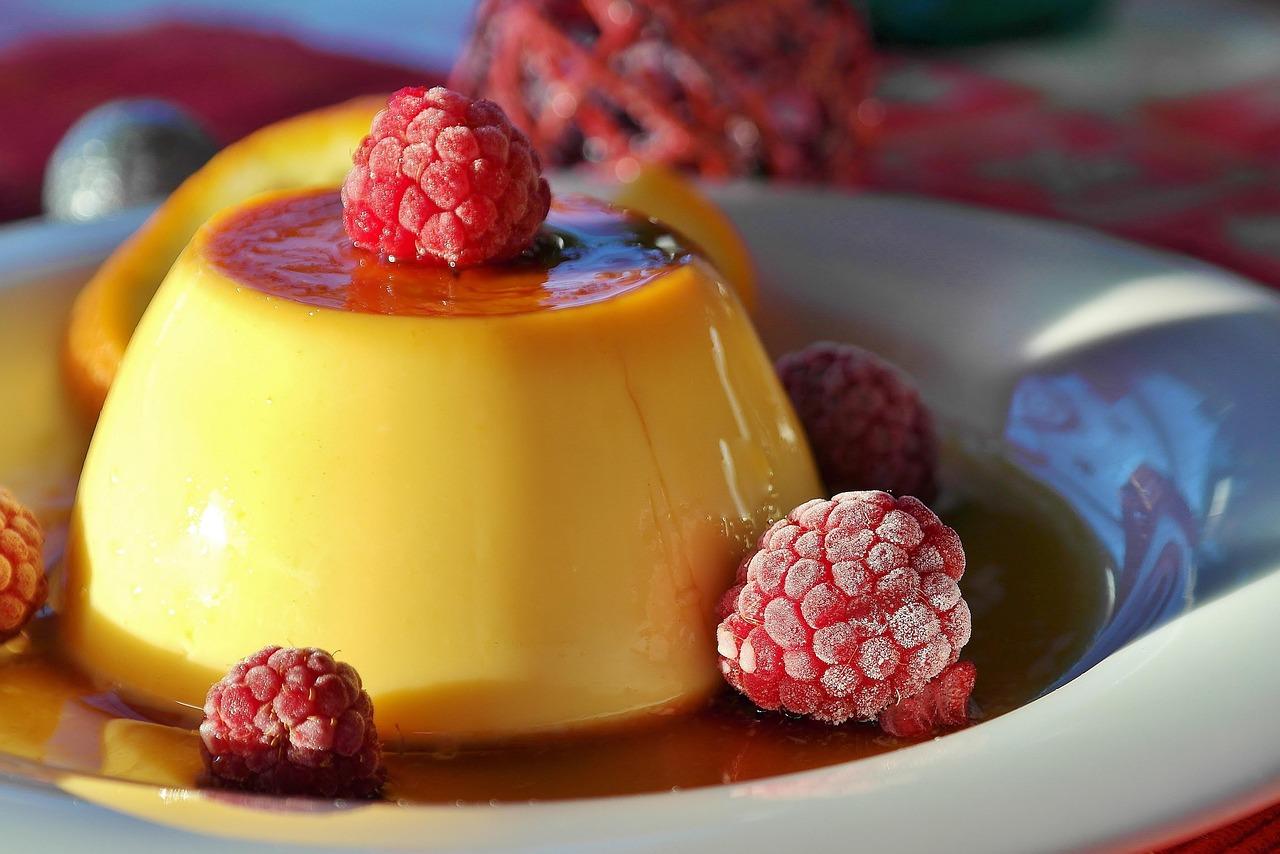
Pudim de leite condensado is the dessert of Brazilian Sunday lunch, served in every home and por-quilo restaurant from north to south. It's richer and denser than a French crème caramel: condensed milk, milk and eggs baked in a water bath in a ring tin, then turned out under a glossy layer of dark caramel. Chef's tip: bake it gently in a water bath and keep the water just below a simmer. Too much heat makes the bubbles that leave the pudim full of little holes; Brazilians prize a smooth, silky pudim lisinho.

by KrazyBadal 0 views

Vegetable pattiesSpiced vegetable pastry pockets

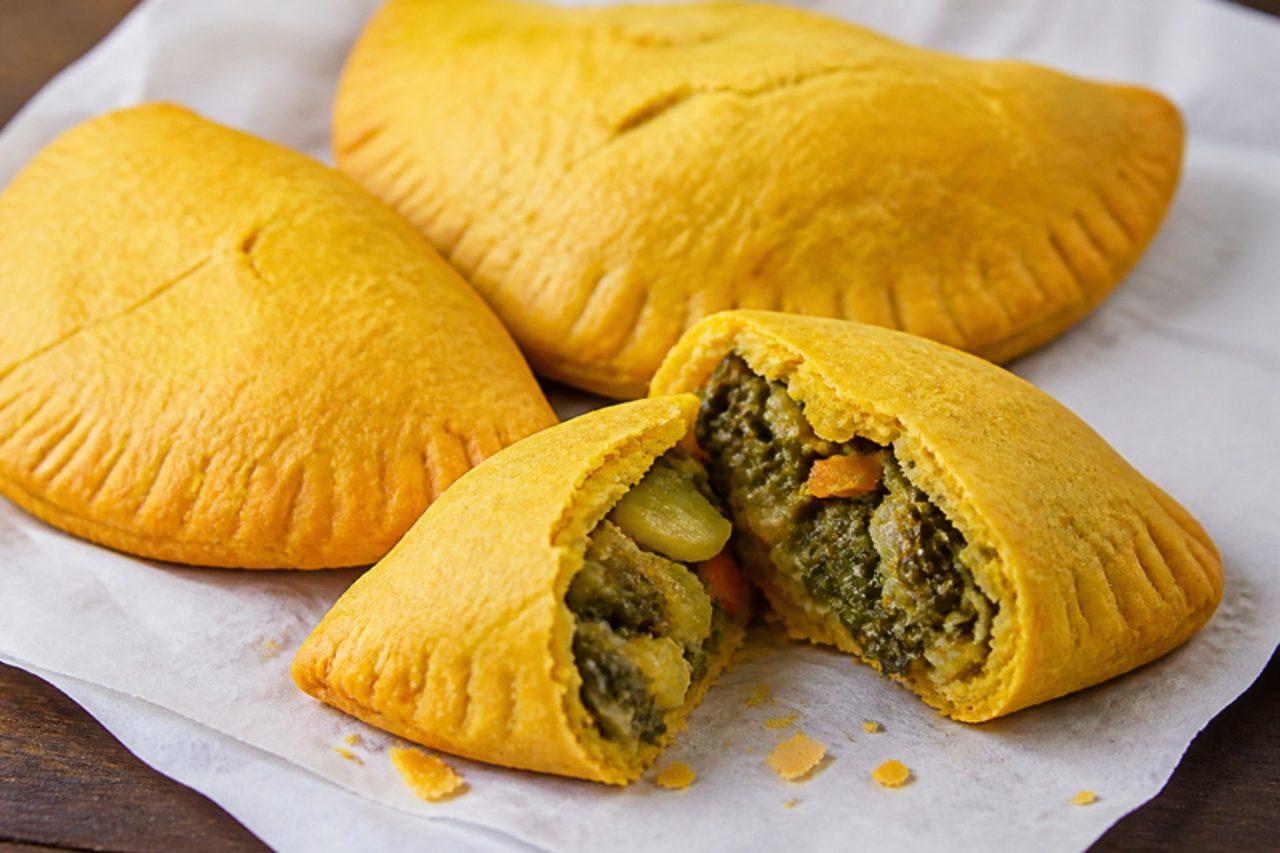
The patty is Jamaica's favourite grab-and-go food, sold hot from glass cases in patty shops and school canteens across the island, from Half Way Tree in Kingston to Montego Bay. Its signature is the pastry: short, flaky and bright yellow from turmeric, wrapped around a spicy filling and crimped with a fork. This vegetarian version is filled with callaloo, potato, carrot and peas seasoned with curry, thyme and scotch bonnet. Eat them warm, on their own or squeezed inside soft coco bread. Chef's tip: use half butter and half solid vegetable shortening in the pastry, and keep everything cold. The shortening gives the patty its crumbly, flaky snap and the butter gives the flavour.

by KrazyBadal 0 views

Stew peas with spinnersKidney bean stew with dumplings

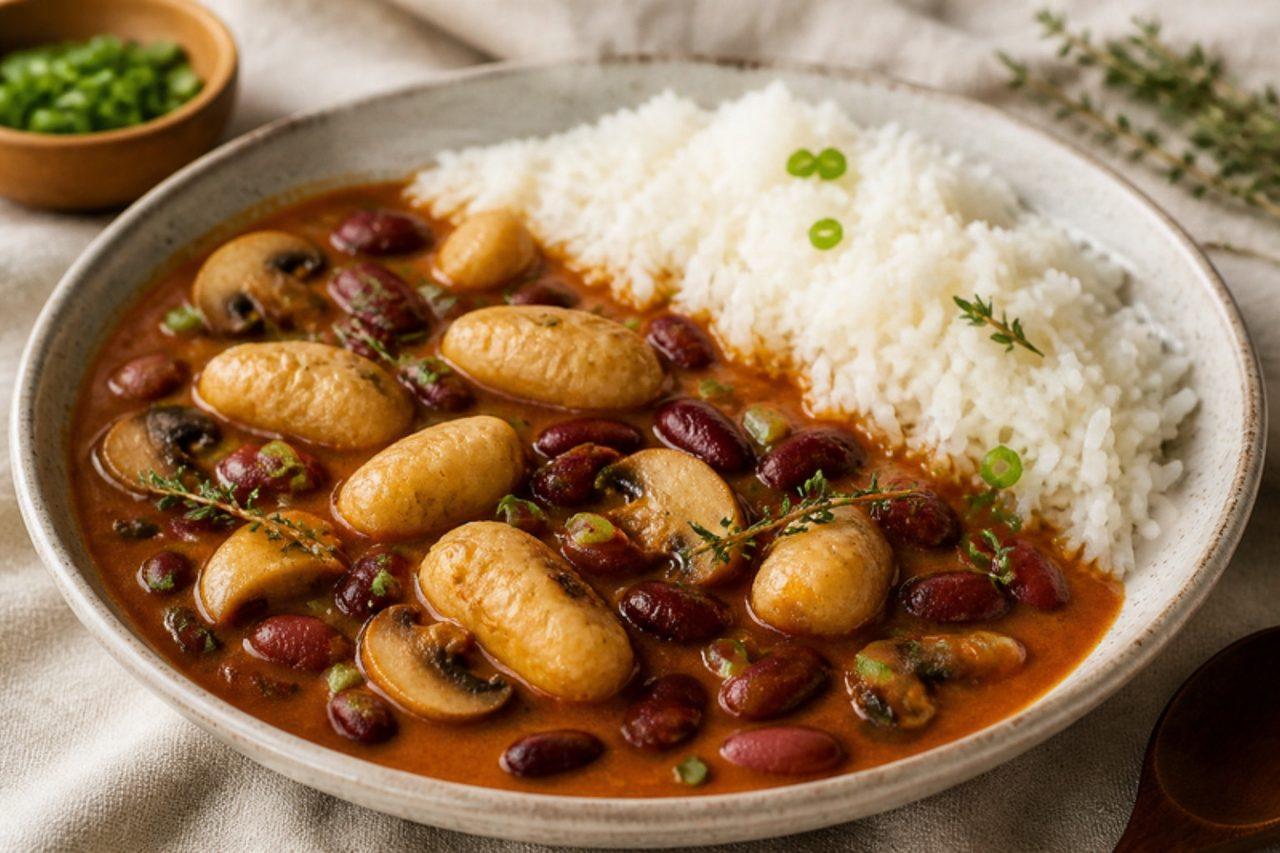
Stew peas is a thick, comforting Jamaican one-pot of red kidney beans simmered in coconut milk until creamy, studded with 'spinners', small hand-rolled dumplings. It's a classic Wednesday or Saturday dinner across the island, usually cooked with pig's tail and salt beef. Here mushrooms browned hard and a little smoked paprika bring the savoury depth instead, so nothing is missing. Serve over plain white rice. Chef's tip: when the beans are soft, crush a ladleful against the side of the pot. Stew peas should be thick enough to coat the back of a spoon, and the crushed beans give that body without any flour.

by KrazyBadal 0 views

Tapioca crêpeCassava starch crêpe

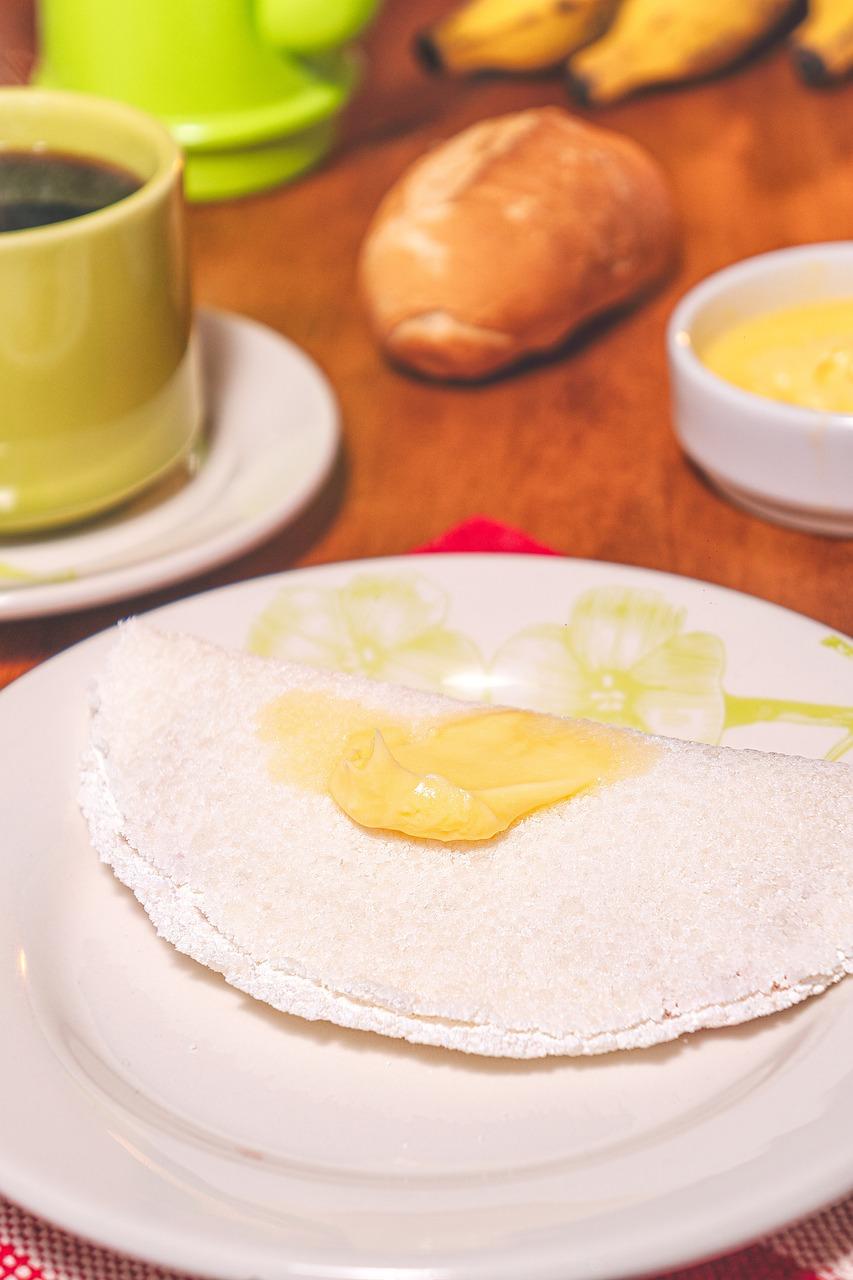
Tapioca is the Northeast's favourite breakfast, cooked on griddles at beach stalls from Recife to Fortaleza and now loved all over Brazil. Damp cassava starch (goma) is sieved into a hot dry pan, where it fuses into a thin white disc that's soft, chewy and slightly crisp. This recipe gives two classic fillings: melting cheese with butter, and coconut with condensed milk. Chef's tip: hydrate the starch until it feels like damp sand that holds when squeezed, then sieve it into the pan and never press it down. A loose, even layer is what makes the starch melt into one lacy, flexible sheet.

by KrazyBadal 0 views

Limonada suíçaCreamy lime drink

Limonada suíça is the creamy, frothy limeade served in juice bars and lunch counters all over Brazil. Despite the name ('Swiss lemonade'), nobody knows of any Swiss link, and it's made with whole Tahiti limes, blended briefly, skin and all, then strained and sweetened with condensed milk. It's cold, zingy and pale green, perfect with a hot lunch. Chef's tip: blend for no more than 10–15 seconds. Lime peel gives the drink its wonderful perfume, but blended too long it releases bitterness from the pith; serve it straight away for the same reason.

by KrazyBadal 0 views

FarofaToasted manioc meal

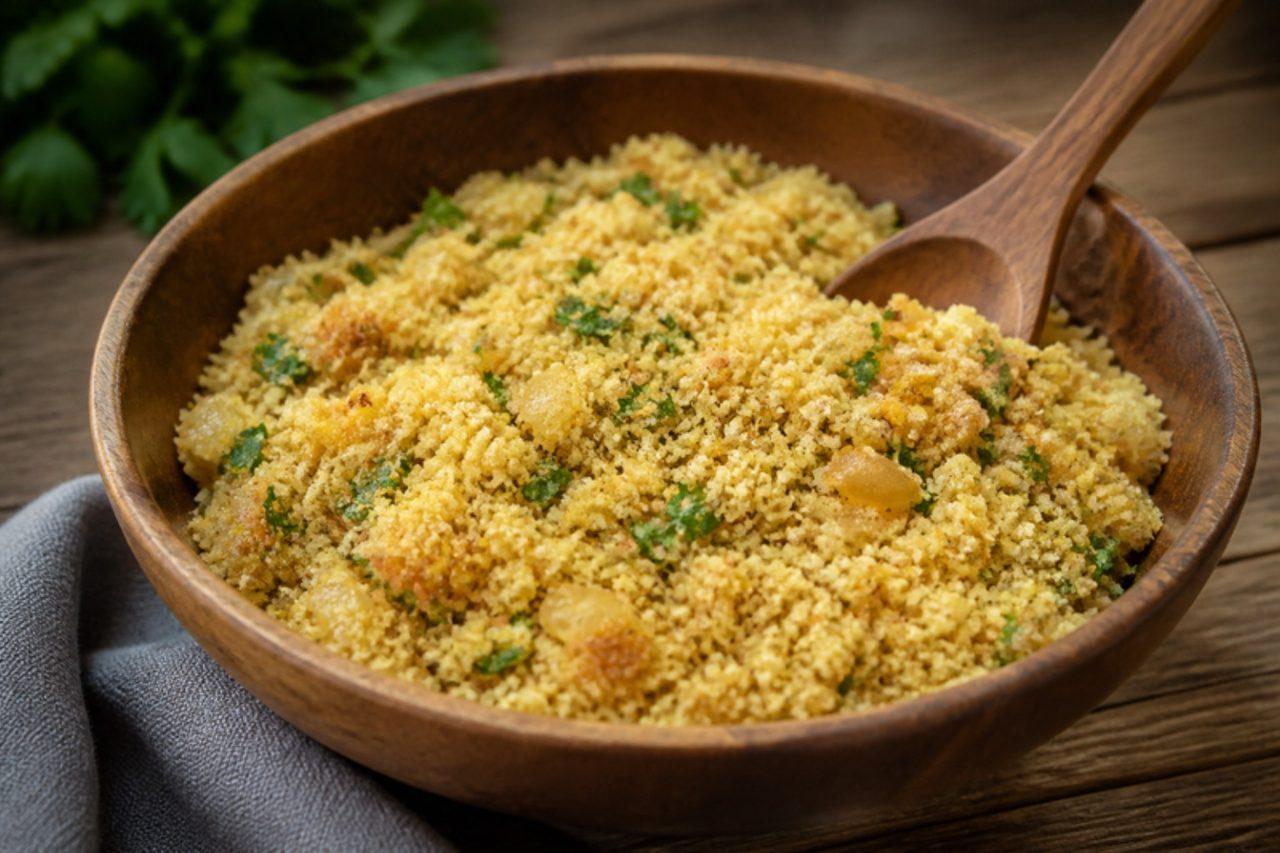
Farofa is on the table at almost every Brazilian meal, from feijoada to Sunday barbecue: coarse manioc (cassava) meal toasted in butter or olive oil with onion and garlic until golden, sandy and nutty. Sprinkle it over beans, stews and moqueca to soak up the juices and add crunch. Bacon is common in the South-East; this butter version is the classic everyday one (use olive oil for a vegan farofa). Chef's tip: toast the manioc over a medium-low heat, stirring constantly, and go by smell and sound. It's ready when it smells like toasted hazelnuts and sounds dry and sandy against the spoon; high heat scorches it in seconds.

by KrazyBadal 0 views

Mushroom and cassava escondidinhoMushroom and cassava bake

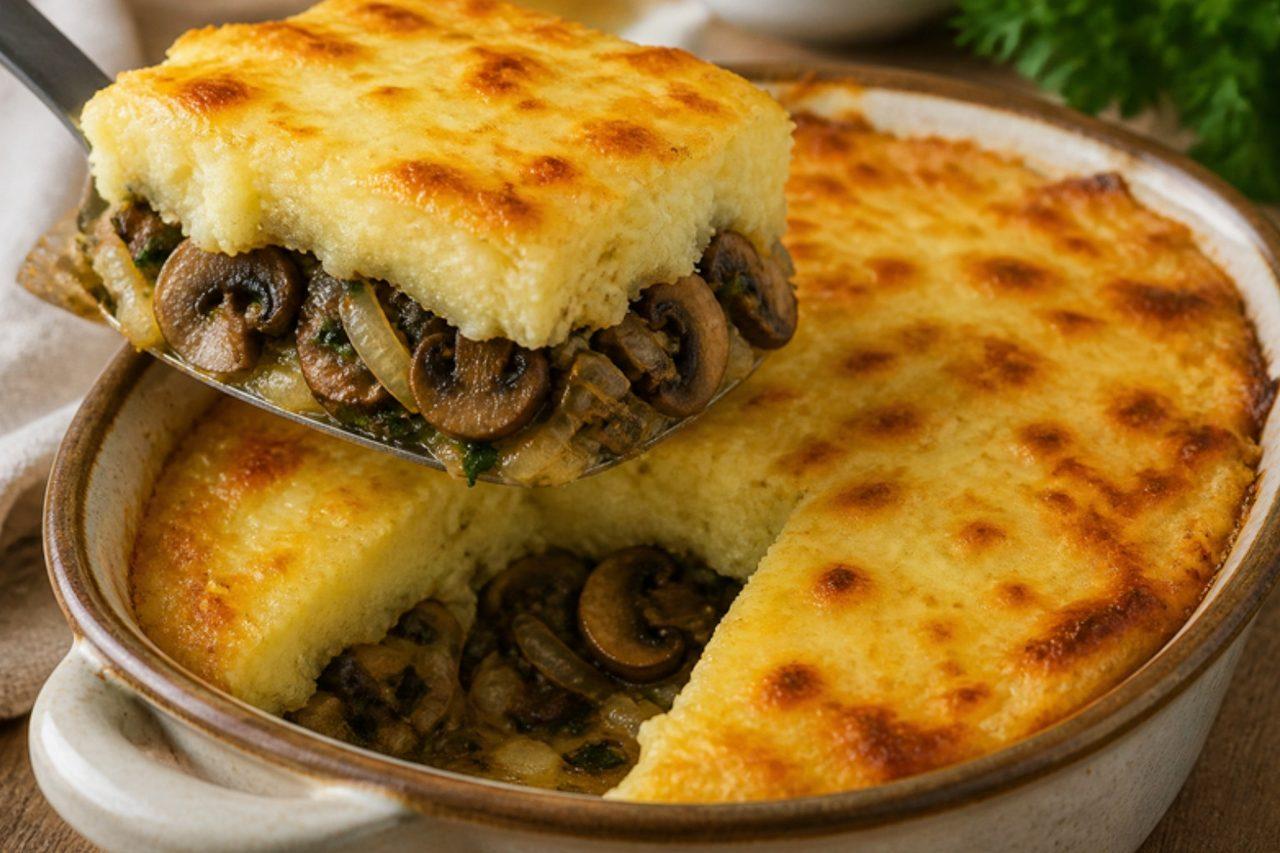
Escondidinho ('little hidden one') is a homely baked dish from the Northeast: a savoury filling hidden under a layer of creamy mashed cassava (mandioca or aipim), topped with cheese and baked until golden. The classic is made with carne de sol, the Northeast's sun-dried beef; this vegetarian escondidinho uses mushrooms browned hard with onion, tomato and smoked paprika for the same savoury depth. Serve it with a green salad or couve à mineira. Chef's tip: mash the cassava while it's piping hot and remove the woody core first. Cold cassava turns gluey, and the stringy core spoils the silky texture.

by KrazyBadal 0 views

KurmaSweet fried dough sticks

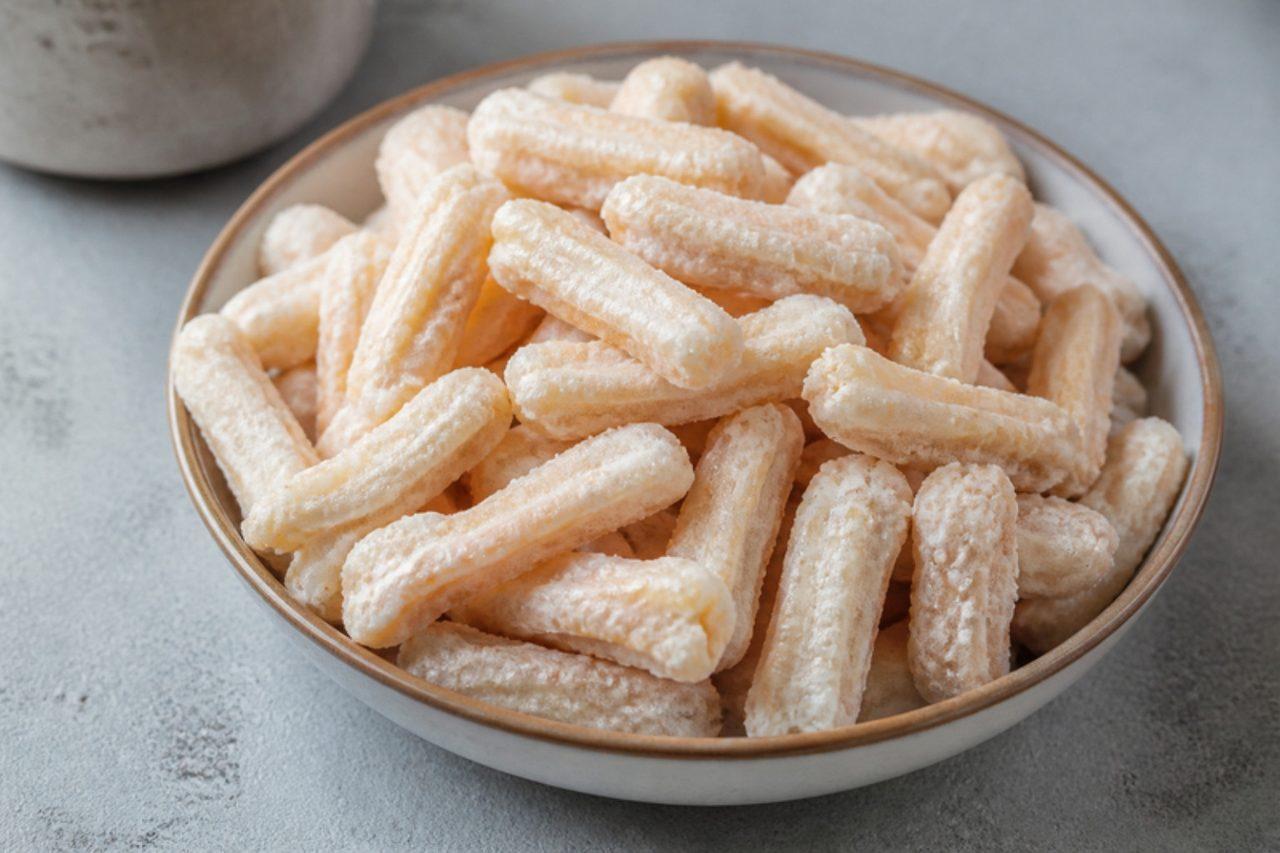
Kurma is a crunchy Indo-Trinidadian sweet made for Divali, weddings and pujas, and sold in bags at roadside parlours in Central Trinidad. A rich dough flavoured with ginger, cinnamon and nutmeg is cut into thin sticks, fried until hard and golden, then tossed in a hot ginger sugar syrup until it dries into a frosty white coating. It keeps for weeks in a tin. Chef's tip: keep stirring the kurma in the syrup off the heat until the sugar suddenly turns opaque and sandy. That moment is the whole trick; stop too early and the coating stays sticky, and the 'frost' is what makes kurma kurma.

by KrazyBadal 0 views

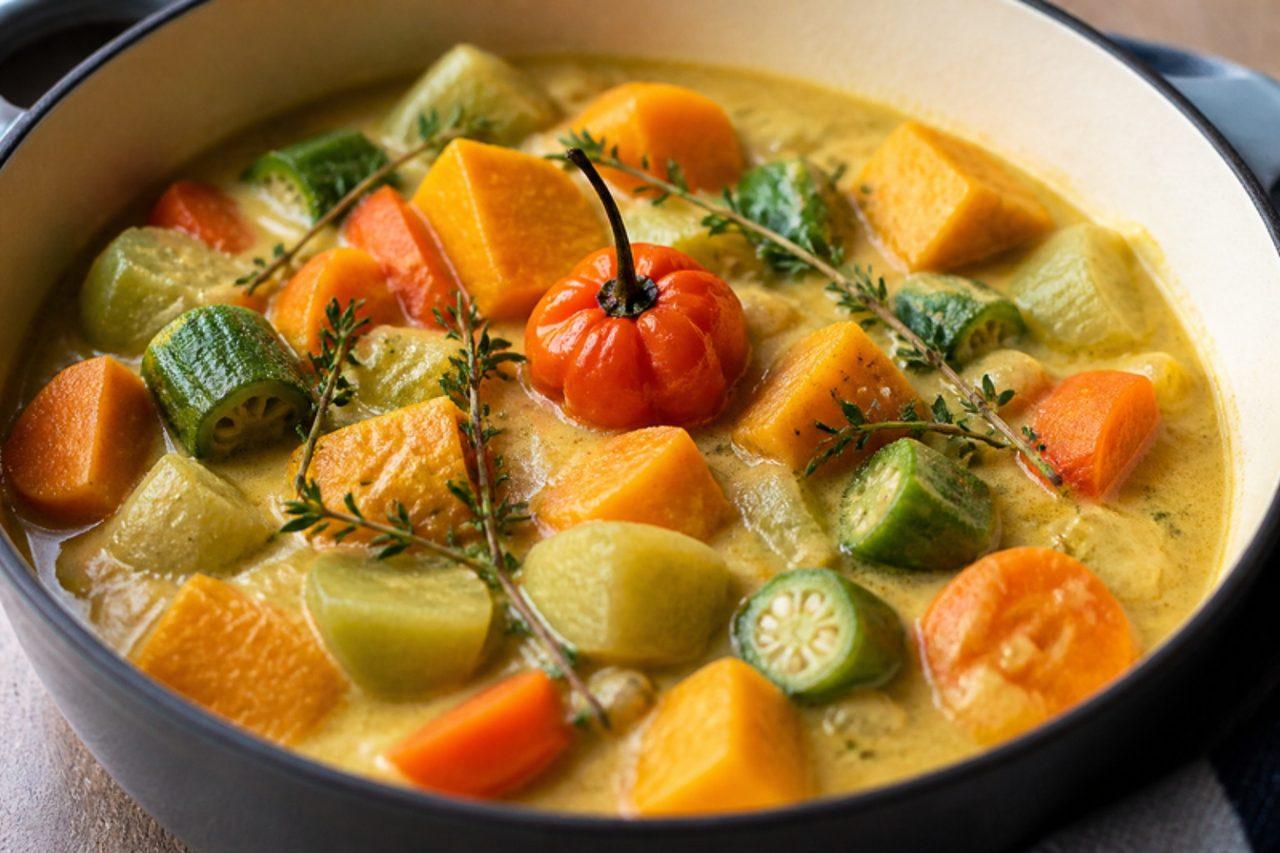
Ital stewPumpkin and sweet potato stew

Ital food is the cooking of the Rastafari, found from the hills of St Andrew to roadside Ital shops in Westmoreland and St Thomas. It is plant-based, close to the earth and traditionally made without added salt, built on fresh 'food' (ground provisions) and greens. This stew is golden and gently sweet, thickened by melting pumpkin and silky okra, with coconut milk, thyme and pimento giving warmth and a whole scotch bonnet giving fruity heat. Serve with rice and peas or boiled green bananas. Chef's tip: cut half the pumpkin very small and the other half in big chunks. The small pieces collapse into the coconut milk and thicken it naturally, while the big ones hold their shape.

by KrazyBadal 0 views

FestivalSweet fried cornmeal dumplings

Festival is a slightly sweet fried dumpling made with flour and cornmeal, and it's the classic partner to everything sold from the beach shacks at Hellshire in St Catherine, just outside Kingston. Each one is shaped like a little tapered log, fried until golden and crackly outside and soft and fluffy inside, with a hint of vanilla. Here they're served with escovitch-style pickled vegetables, steamed callaloo or jerk tofu instead of fried fish. Chef's tip: fry at a steady medium heat, around 170°C. If the oil is too hot, festival browns in a minute and stays raw and doughy in the middle.

by KrazyBadal 0 views

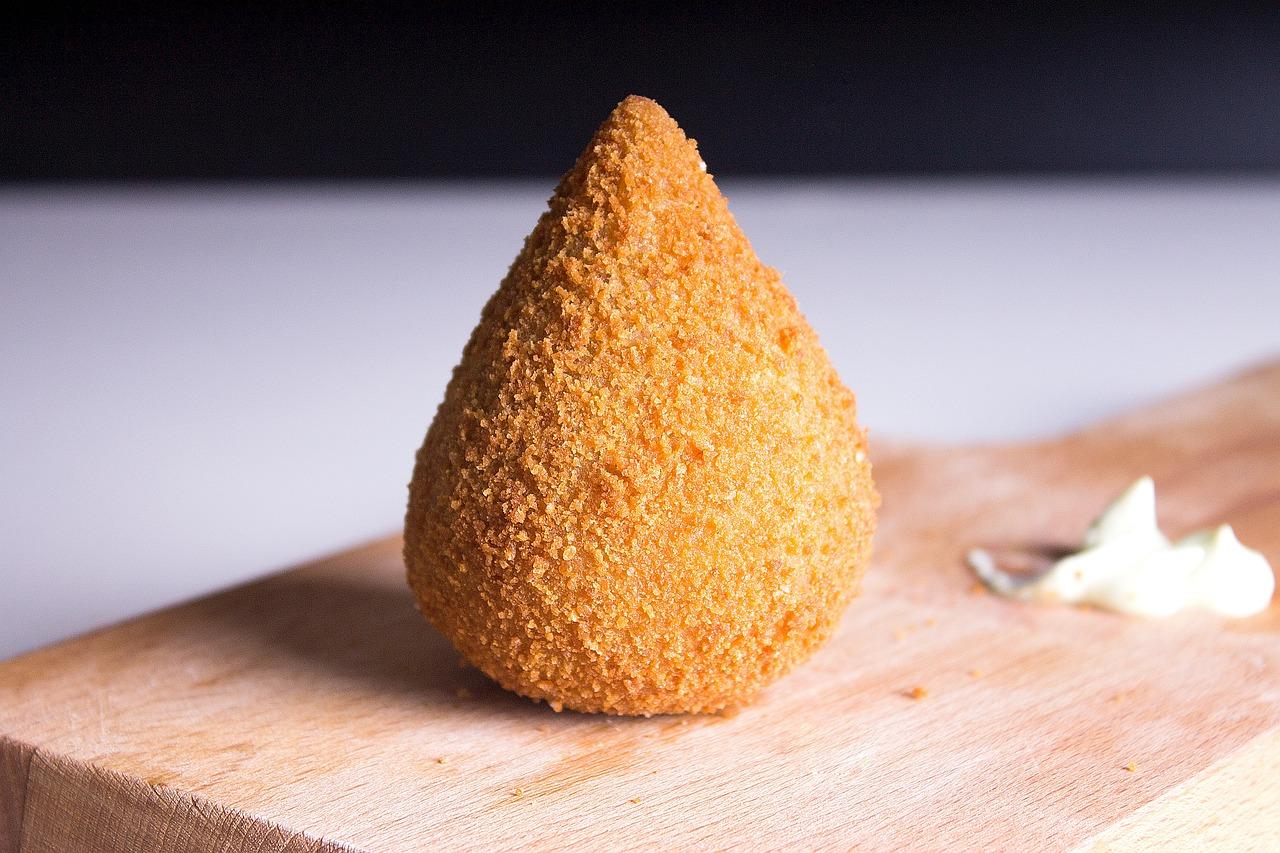
Heart of palm coxinhaHeart of palm croquettes

Coxinha is the king of Brazilian salgados, sold in every padaria and served at every birthday party, especially in São Paulo. The teardrop shape copies a chicken thigh, but coxinha de palmito, filled with soft heart of palm, tomato and creamy cheese, is a much-loved meat-free version. The dough is a cooked, savoury choux-like paste, rolled in breadcrumbs and fried until shatteringly crisp. Chef's tip: cook the dough until it comes away from the pan in one smooth ball, then knead it while still warm with oiled hands. Lumpy or under-cooked dough cracks in the fryer and lets the filling leak.

by KrazyBadal 0 views

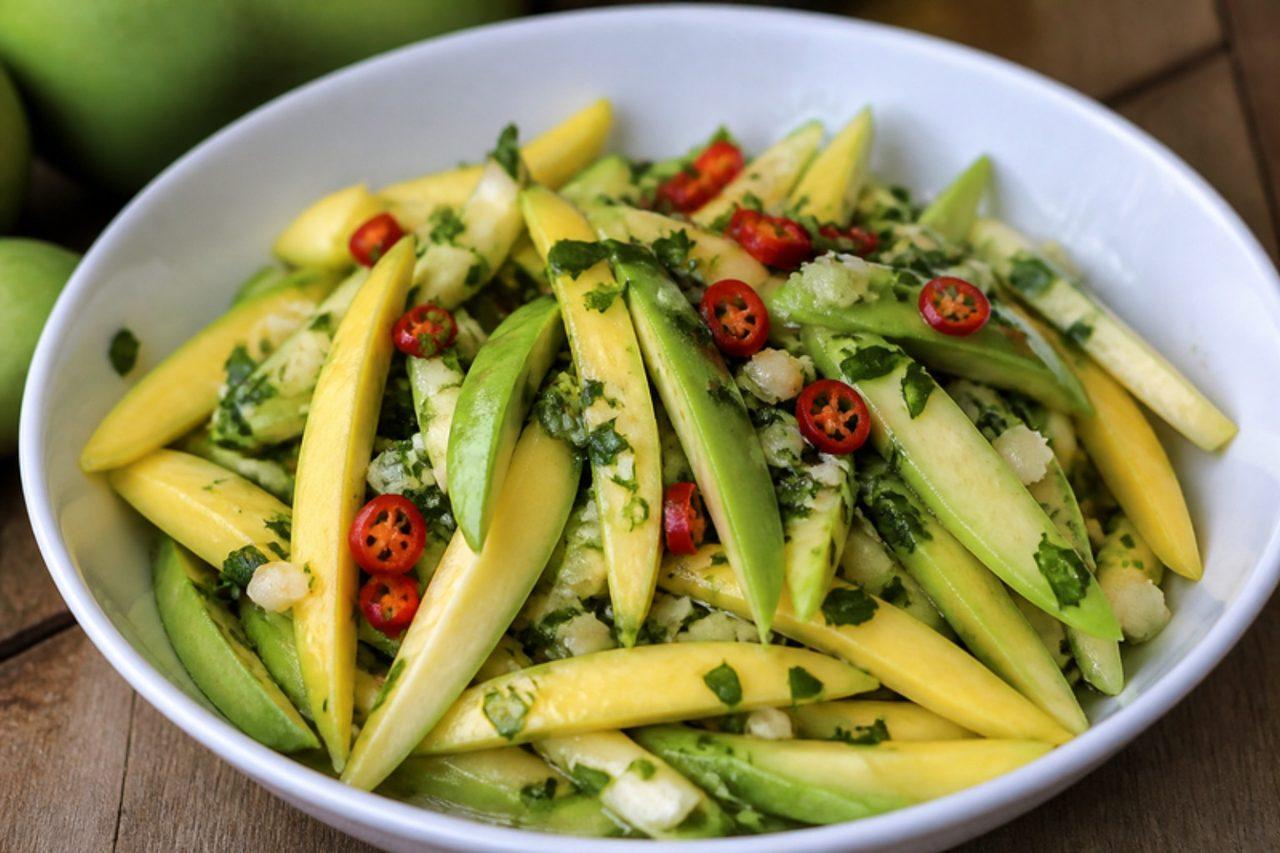
Mango chowSpiced green mango

Chow is what Trinidadians eat on a hot afternoon: fruit, most often half-ripe mango, sliced and tossed with lime juice, salt, garlic, chopped shado beni and plenty of hot pepper. It's sold in little bags at roadside stands, beach stalls and outside schools all over the island. It's crunchy, sour, salty, garlicky and fiery all at once. Pineapple, cucumber and pommecythere (golden apple) are made the same way. Chef's tip: let the chow sit for 10 minutes before eating. The salt and lime draw out the mango's juice into a tangy, peppery 'pickle' liquid, and that juice is the best part.

by KrazyBadal 0 views

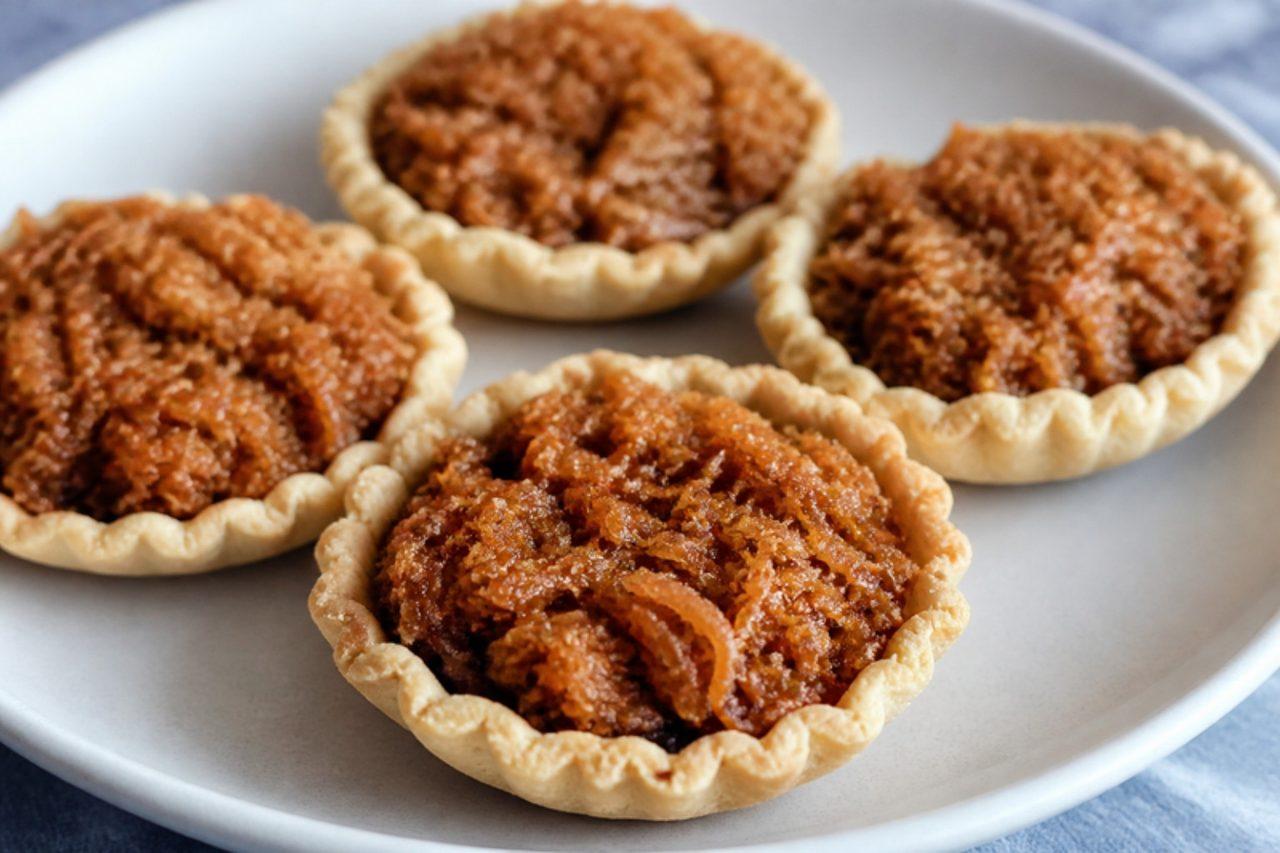
GizzadaCoconut tarts

Gizzada (also called 'pinch-me-round') is a little Jamaican tart with a crisp, crimped crust and a chewy filling of grated coconut cooked with brown sugar, nutmeg and ginger. It's sold in bakeries and roadside stalls across Jamaica; the name is thought to come from the Portuguese 'queijada', brought by Portuguese Jewish settlers. Eat it with a cup of tea or as an afternoon treat. Chef's tip: cook the coconut filling until it's sticky and almost dry, with no syrup pooling in the pan. A wet filling soaks into the pastry and the crust goes soft instead of crisp.

by KrazyBadal 0 views

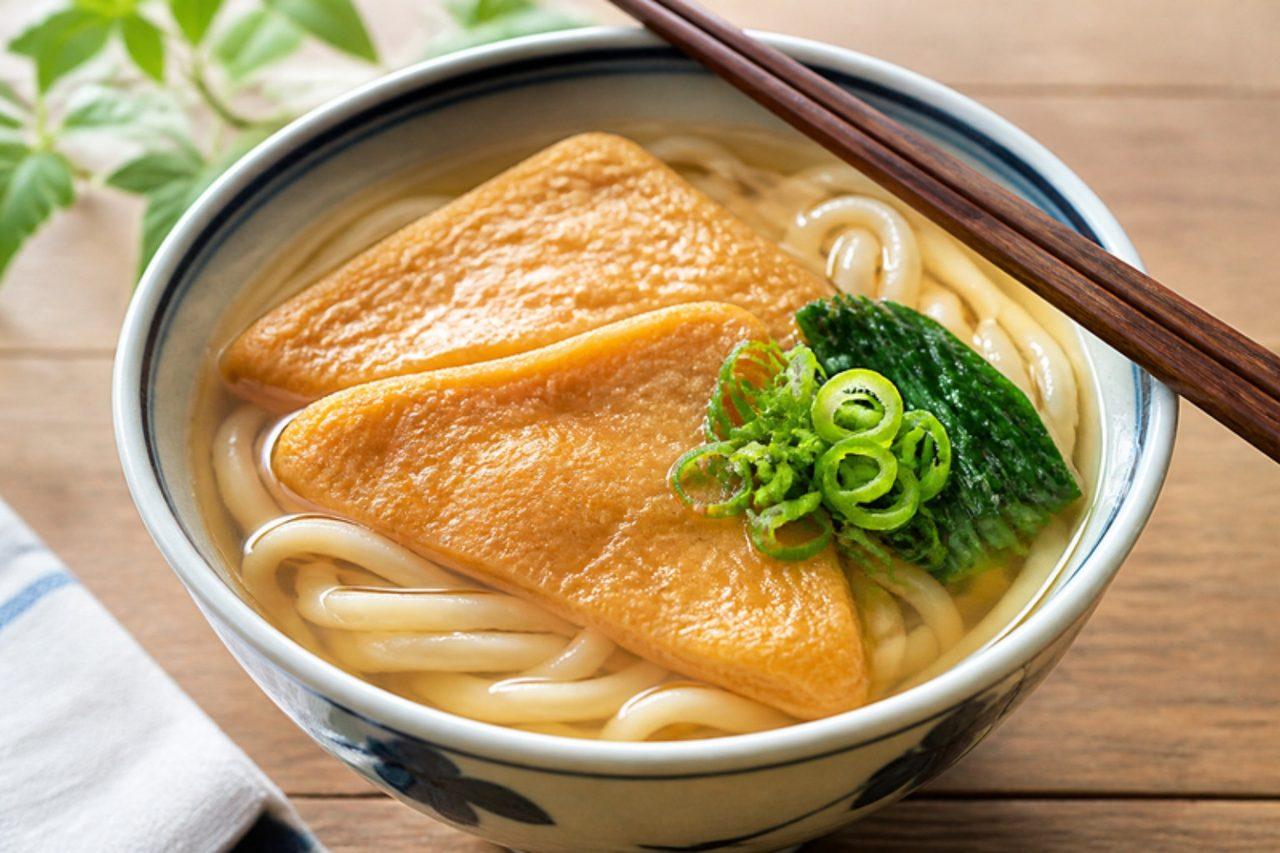
Kitsune udonUdon with fried tofu

Kitsune udon (きつねうどん, 'fox udon') comes from Osaka, where a noodle shop first floated a sheet of sweet simmered fried tofu on a bowl of udon in the 1890s. The name comes from the folk tale that foxes love fried tofu. Soft, chewy noodles sit in a pale, gently sweet broth, and the tofu soaks up the soup like a sponge. This version uses a kombu and shiitake dashi instead of bonito, so it is fully vegetarian. Chef's tip: let the sweet tofu cool in its simmering liquid if you have time; as it cools it drinks up the sauce, so every bite bursts with sweet soy juice in the hot broth.

by KrazyBadal 0 views

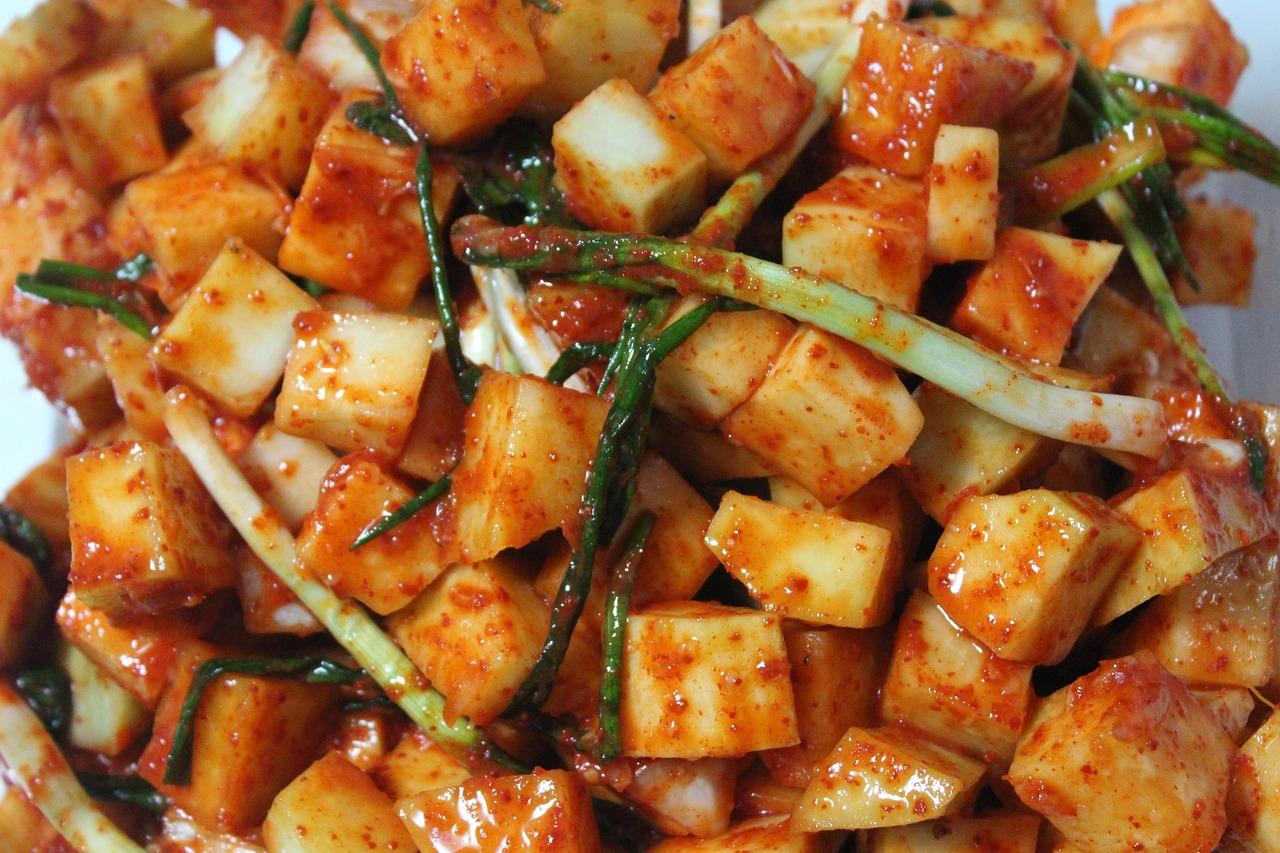
KkakdugiCubed radish kimchi

Kkakdugi (깍두기) is kimchi made from chunky cubes of Korean radish instead of cabbage. It is quicker to make than cabbage kimchi and stays crunchy and juicy, with a sweet, peppery bite. Made all over Korea, it is the classic partner to rich soups and noodles. Traditional versions are seasoned with fish sauce and salted shrimp; here soy sauce and a little grated pear give the same savoury-sweet depth, keeping it vegan. Ready to eat after a day or two of fermenting. Chef's tip: rub in the chilli flakes on their own first, before the wet seasonings. The red then clings to every cube, and the radish keeps its crunch.
by KrazyBadal 0 views

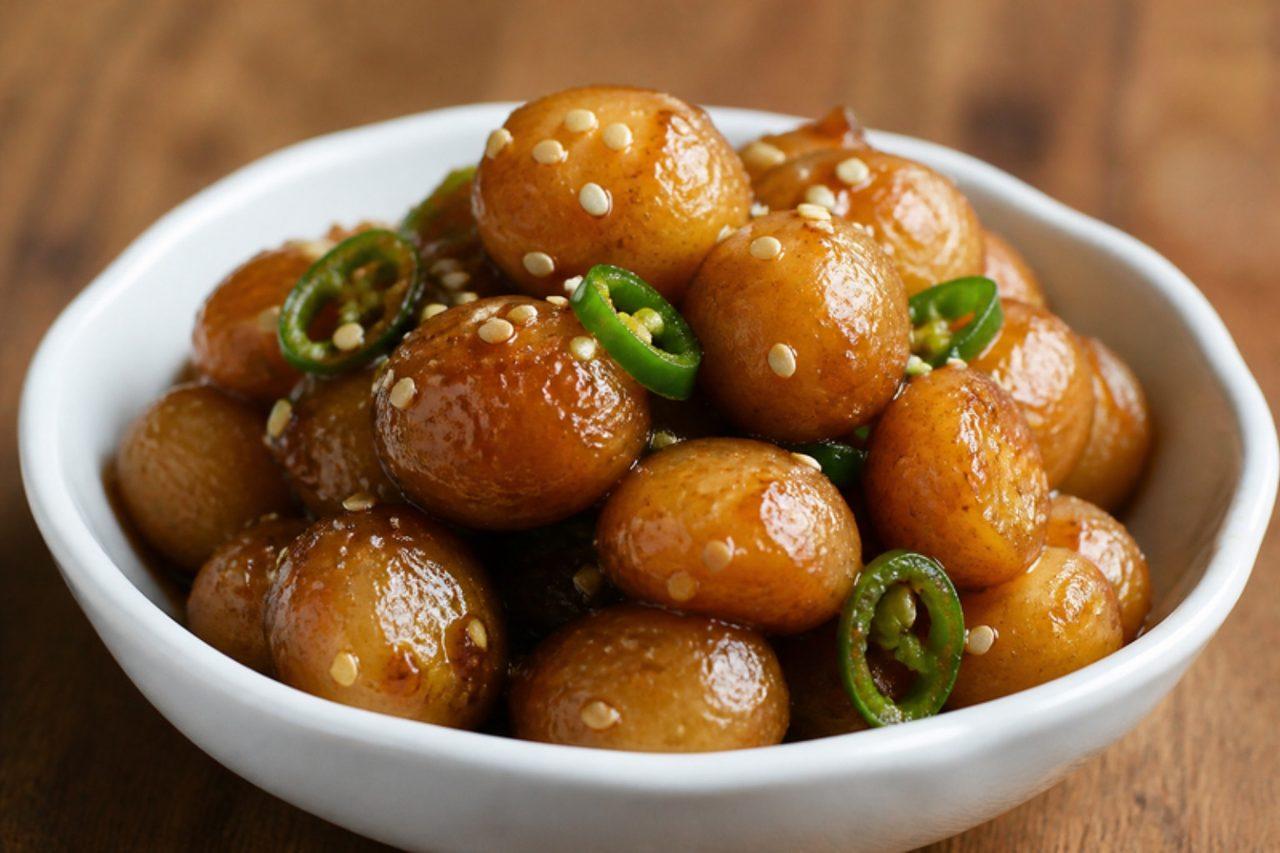
Gamja jorimSoy-braised baby potatoes

Gamja jorim (감자조림) are cubes or small potatoes simmered in soy sauce and sugar until the liquid reduces to a sticky, shiny glaze. They are a lunchbox and home-cooking favourite across Korea, loved by children for their sweet-salty taste. The potatoes turn soft inside but keep their shape, and they taste just as good cold the next day, so they are ideal to make ahead. Rice syrup gives the traditional shine; sugar alone works too. Chef's tip: add the syrup only at the end, when the potatoes are already tender. Added early it scorches and makes the potatoes tough on the outside.

by KrazyBadal 0 views

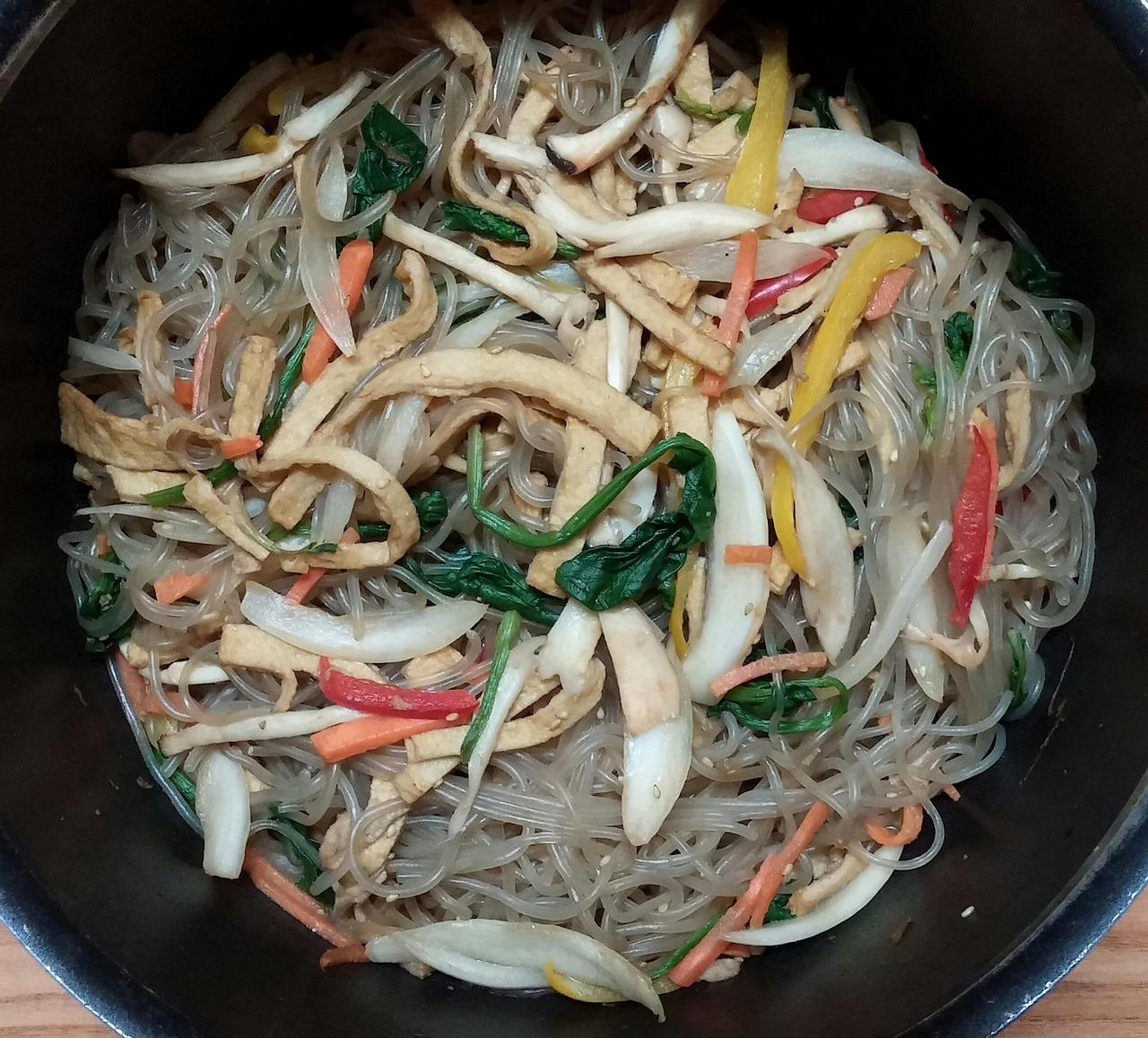
JapchaeGlass noodles with vegetables

Japchae (잡채) is a dish of chewy, translucent sweet potato starch noodles tossed with spinach, mushrooms and brightly coloured vegetables in a sweet soy and sesame dressing. It is made all over Korea for birthdays, holidays and big family meals, because it can be prepared ahead and is eaten warm or at room temperature. Each vegetable is cooked quickly on its own, then everything is mixed by hand so the noodles soak up the seasoning. Older recipes include beef; this one uses shiitake for the savoury depth. Chef's tip: dress the noodles while they are still hot and keep each vegetable crisp. Overcooked noodles clump and turn gluey, so pull them as soon as they are clear and chewy.

by KrazyBadal 0 views

Kongnamul muchimSeasoned soybean sprouts

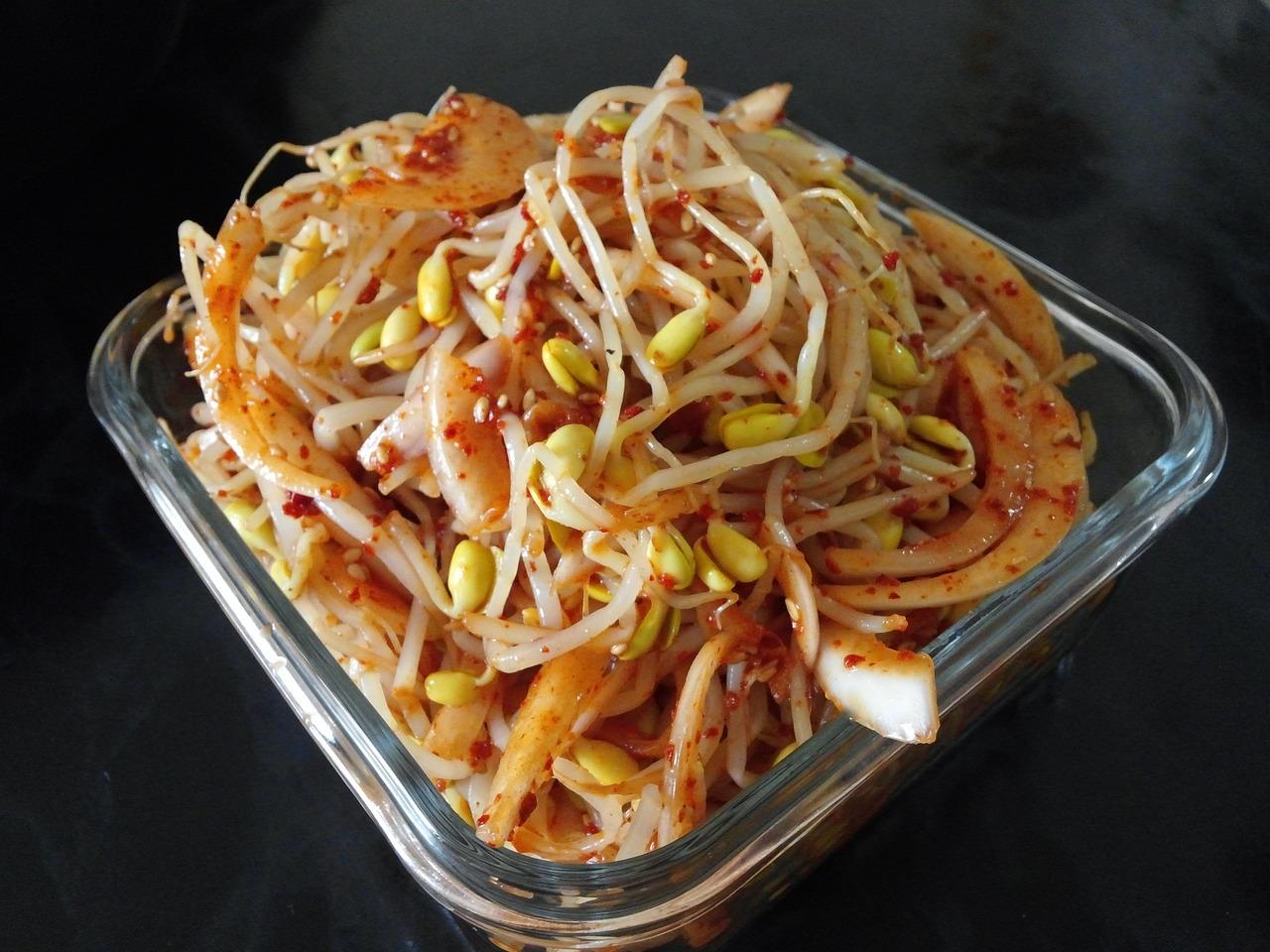
Kongnamul muchim (콩나물무침) is one of the simplest and most common banchan, the small side dishes served with every Korean meal across the country. Soybean sprouts are steamed in a little salted water until tender but still crunchy, then tossed with garlic, sesame oil and spring onion. The nutty, clean flavour goes with almost anything. For a spicy version, add a teaspoon of chilli flakes when you season it. Chef's tip: decide at the start whether the lid is on or off, and don't change your mind while they cook. Lifting it halfway is what gives sprouts a raw, beany smell.
by KrazyBadal 0 views

Gyeran mariRolled omelette

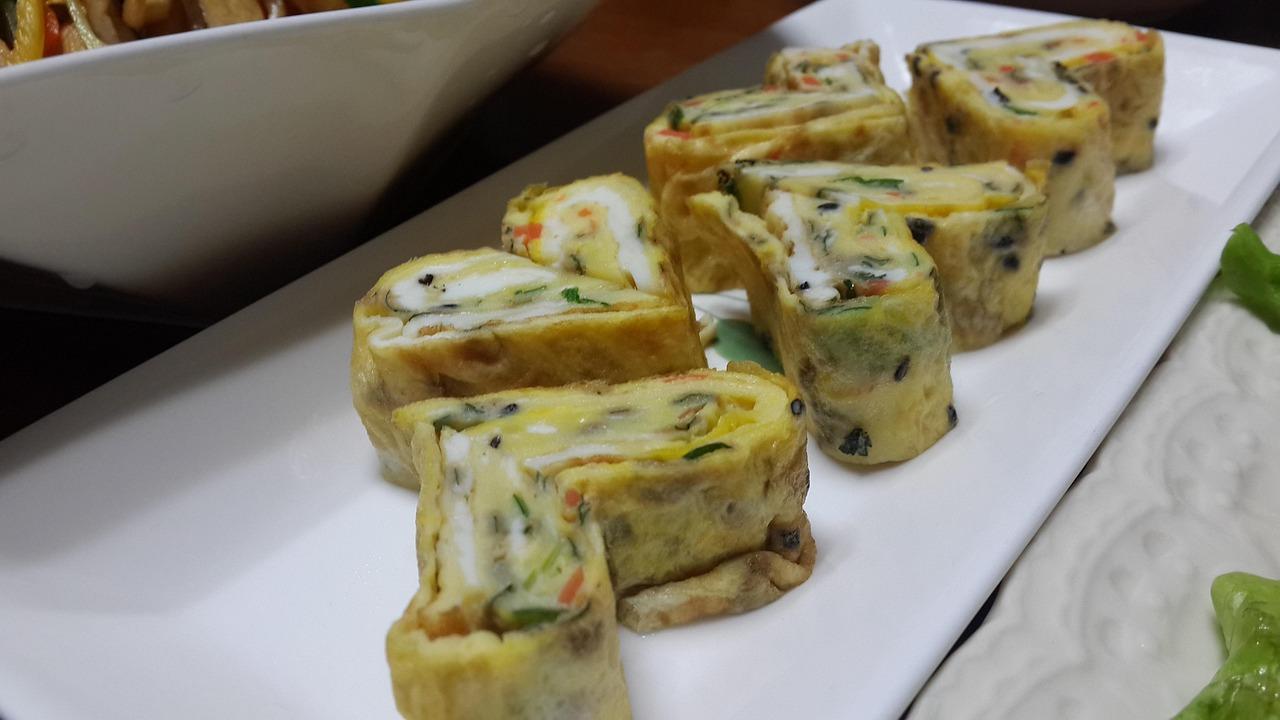
Gyeran mari (계란말이) is a Korean rolled omelette: beaten egg with finely chopped vegetables, cooked in thin layers and rolled up in the pan, then cut into thick slices that show a neat spiral. It is a much-loved side dish and lunchbox favourite nationwide, and children enjoy it with a little ketchup. The trick is a low heat, so the egg stays soft and yellow rather than brown. Serve warm or at room temperature with rice. Chef's tip: roll while the top of each layer is still slightly wet. The runny egg is the glue, and it keeps the roll soft and in one piece.
by KrazyBadal 0 views

Hiroshima okonomiyakiLayered cabbage and noodle pancake

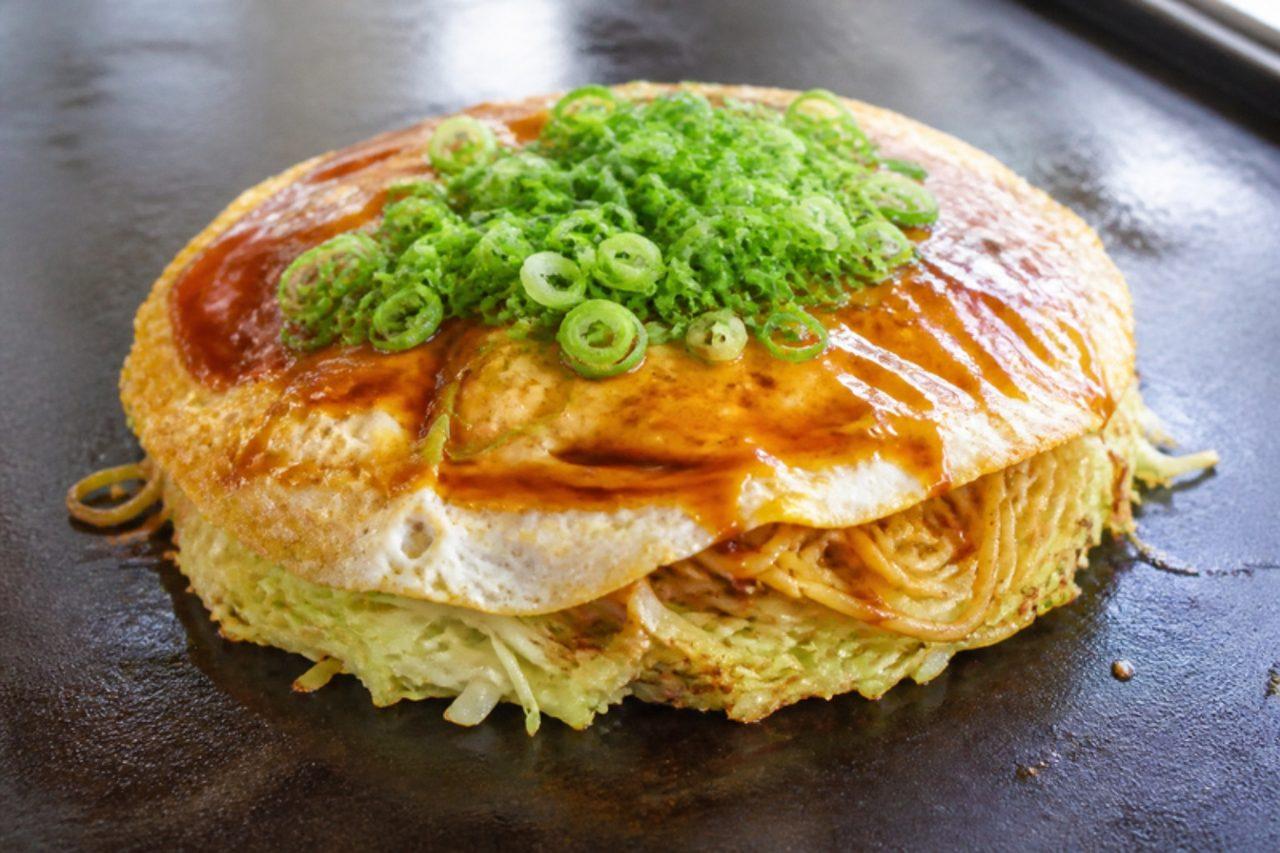
Hiroshima okonomiyaki (広島風お好み焼き) is built in layers rather than mixed: a thin crêpe, a tall heap of cabbage and bean sprouts, a layer of fried noodles and a fried egg, all pressed together on the griddle. It's the city's signature dish, and Hiroshima has hundreds of small okonomiyaki counters. Pork belly is the usual layer; this vegetarian version leaves it out and adds mushrooms. Take your time with the layering; it's worth it. Chef's tip: shred the cabbage as finely as you can and pile it high; it looks far too much, but it steams down by half under the crêpe, and that sweet, soft cabbage is the heart of the Hiroshima style.

by KrazyBadal 0 views

HotteokFilled sweet fried pancakes

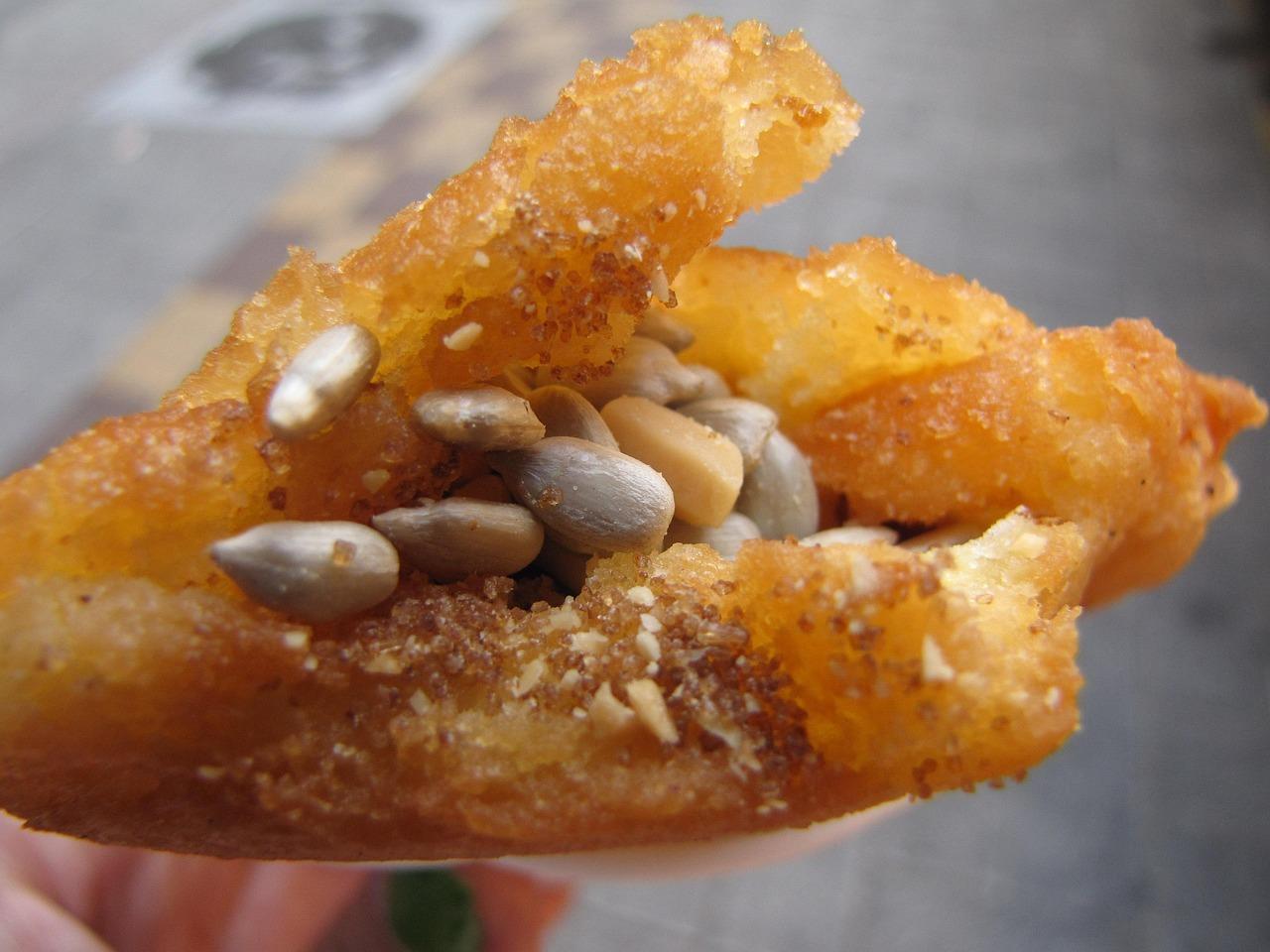
Hotteok (호떡) are chewy, yeasted pancakes filled with brown sugar and cinnamon that melt into a hot syrup as they fry. They are a winter street snack all over Korea, but Busan is known for ssiat hotteok (씨앗호떡), where the fried pancake is slit open and stuffed with a handful of toasted sunflower and pumpkin seeds. Glutinous rice flour in the dough makes it soft and stretchy. Be careful with the first bite, as the filling is very hot. This dough uses milk, so it is vegetarian; use water instead for a dairy-free version. Chef's tip: rest the dough until it has properly doubled and is full of bubbles, and keep your hands oiled. A sticky, well-risen dough gives the chewy, stretchy texture.

by KrazyBadal 0 views

KimchijeonKimchi pancakes

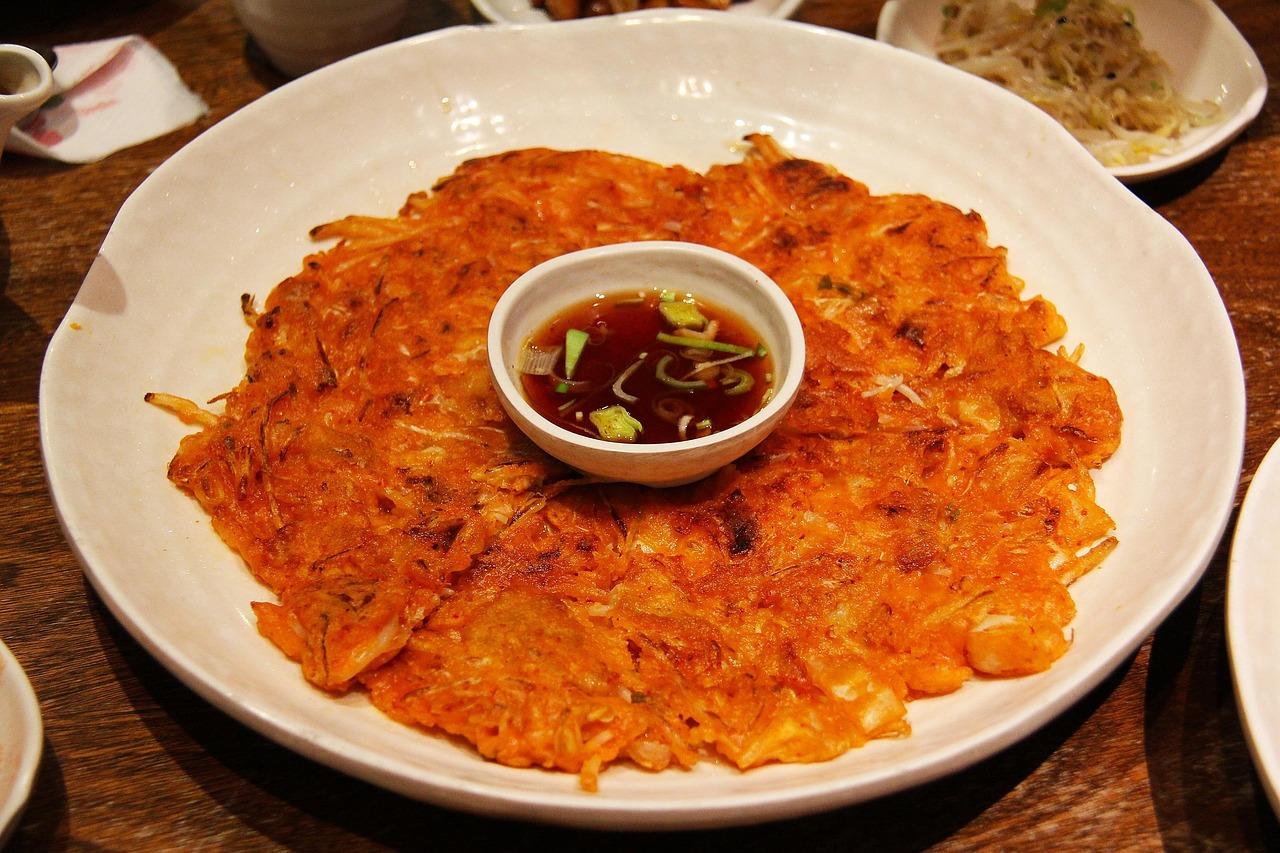
Kimchijeon (김치전) is a thin, crisp pancake made by stirring chopped sour kimchi and its juice into a simple flour batter. Cooks all over Korea make it to use up kimchi that has fermented a little too far, and it is a favourite rainy-day snack with a glass of makgeolli. The kimchi juice colours the batter red and seasons it, so you need little else. This version is egg-free; a spoonful of starch in the batter makes the edges extra crunchy. Use vegetarian kimchi made without fish sauce or shrimp. Chef's tip: be generous with oil and keep the pancake thin. The crisp, almost lacy edge is the best part, and a thick pancake steams instead of frying.

by KrazyBadal 0 views

Goya champuruBitter melon stir-fry

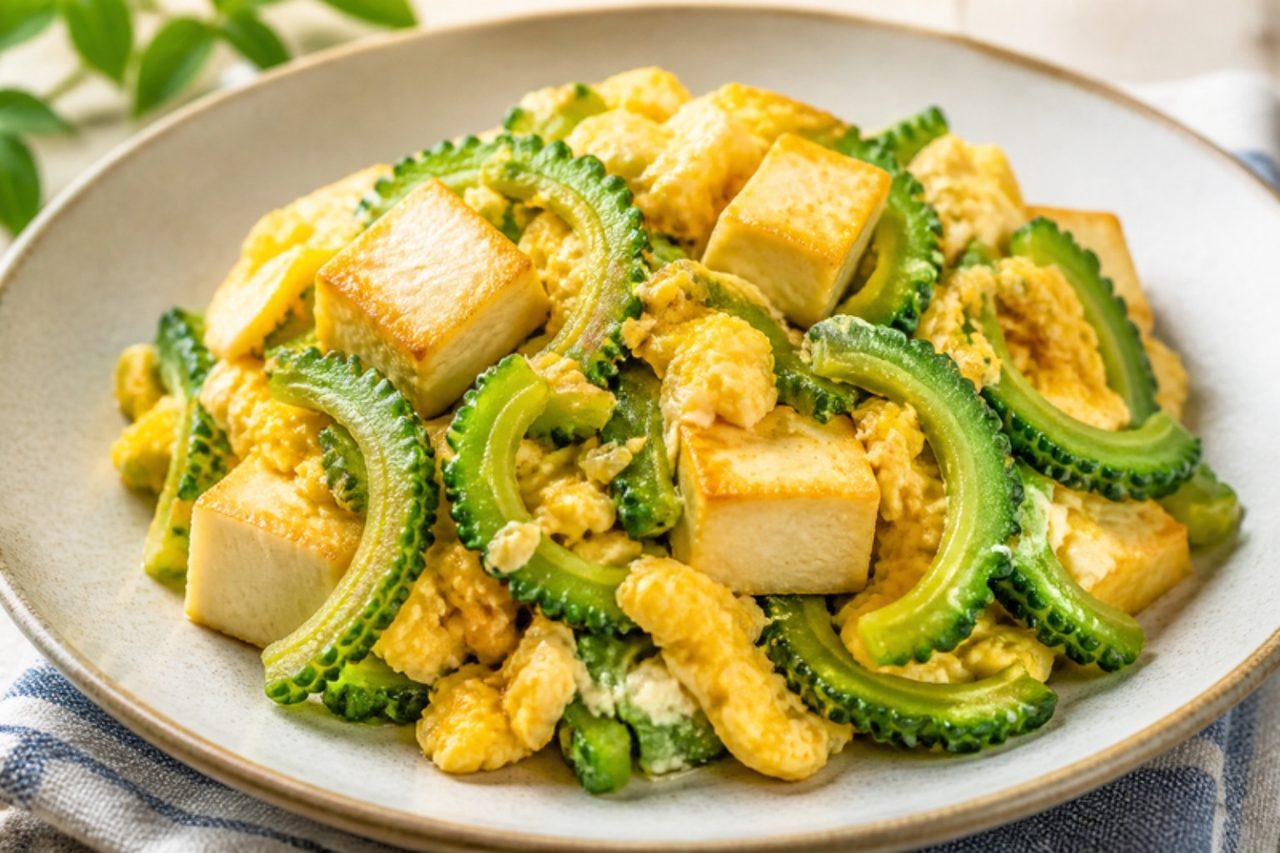
Goya champuru (ゴーヤーチャンプルー) is the best-known dish of Okinawa, Japan's southern islands, where bitter melon (goya) grows on vines in summer. Champuru means 'mixed up' in the Okinawan language: slices of goya are stir-fried with firm tofu and egg, and the bitterness is balanced by soy and the richness of the egg. Pork or Spam is usual; this vegetarian version relies on well-browned tofu. Serve with rice. Chef's tip: scrape out every bit of the white pith from inside the goya. That's where most of the harsh bitterness lives, so a clean scrape gives you the pleasant, refreshing bitterness Okinawans love.

by KrazyBadal 0 views

Hobak jeonPan-fried courgette rounds

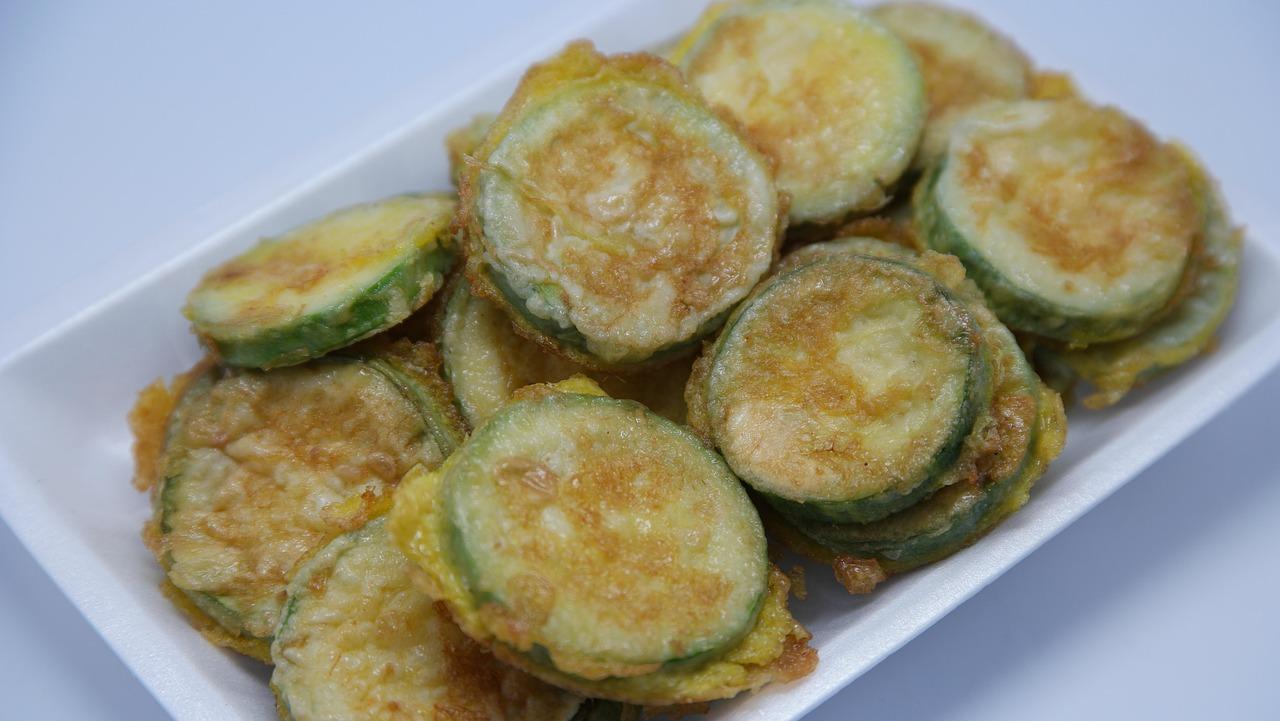
Hobak jeon (호박전) are slices of Korean courgette dusted in flour, dipped in beaten egg and pan-fried until golden. They are one of the jeon that families all over Korea make for holiday tables, and they also make an easy side dish for an everyday meal. The courgette turns sweet and tender inside its soft egg coating. Korean aehobak is paler and sweeter than a regular courgette, but either works. Serve warm or at room temperature with a soy dipping sauce. Chef's tip: keep the heat gentle. Good hobak jeon is bright yellow with only light golden spots; a hot pan browns the egg before the courgette is tender.

by KrazyBadal 0 views

Hiyashi chukaChilled ramen noodles with toppings

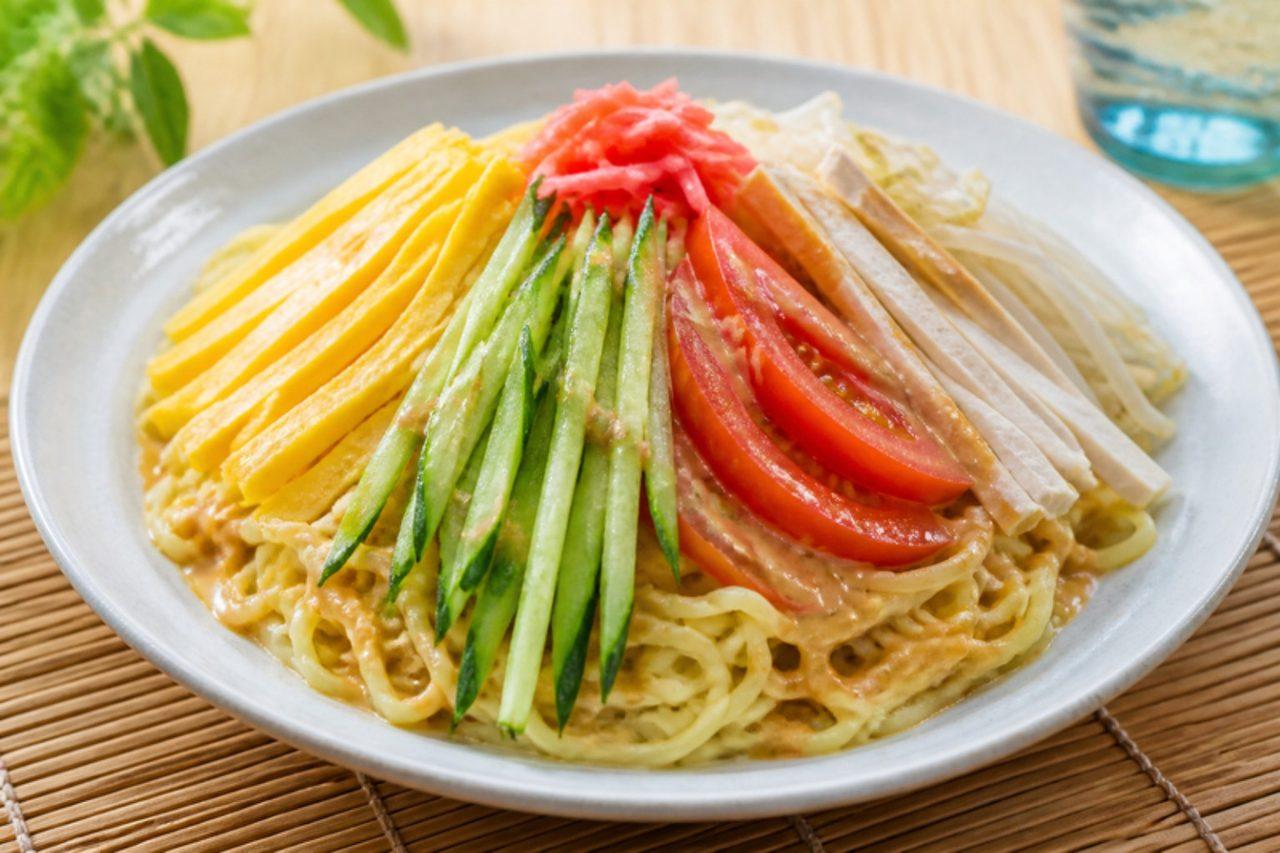
Hiyashi chuka (冷やし中華) is Japan's summer noodle dish: shops all over the country hang up a 'hiyashi chuka hajimemashita' (we've started serving it) sign when the hot weather arrives. Cold, springy ramen noodles are topped with neat strips of thin omelette, cucumber, tomato and other vegetables, then dressed with a tangy soy, vinegar and sesame sauce. This vegetarian version uses sweetcorn and seasoned tofu in place of the usual ham. Fresh, light and ready in under half an hour. Chef's tip: rinse the noodles until they squeak and are truly cold, then shake them dry; any warmth or water left on them makes the dressing taste flat.

by KrazyBadal 0 views

Horenso goma-aeSpinach with sesame dressing

Horenso no goma-ae (ほうれん草の胡麻和え) is one of the most common side dishes in Japanese home cooking and bento boxes. Spinach is blanched for a few seconds, squeezed dry and tossed in a nutty dressing of freshly toasted, crushed sesame seeds with soy and a little sugar. Toasting and grinding the seeds yourself makes all the difference. Serve as one of several small dishes with rice and miso soup. Chef's tip: toast and grind the sesame yourself just before mixing. Ready-ground sesame tastes flat; freshly ground seeds smell like roasted nuts and give the dish its rich flavour.

by KrazyBadal 0 views

GyeranppangSweet egg bread

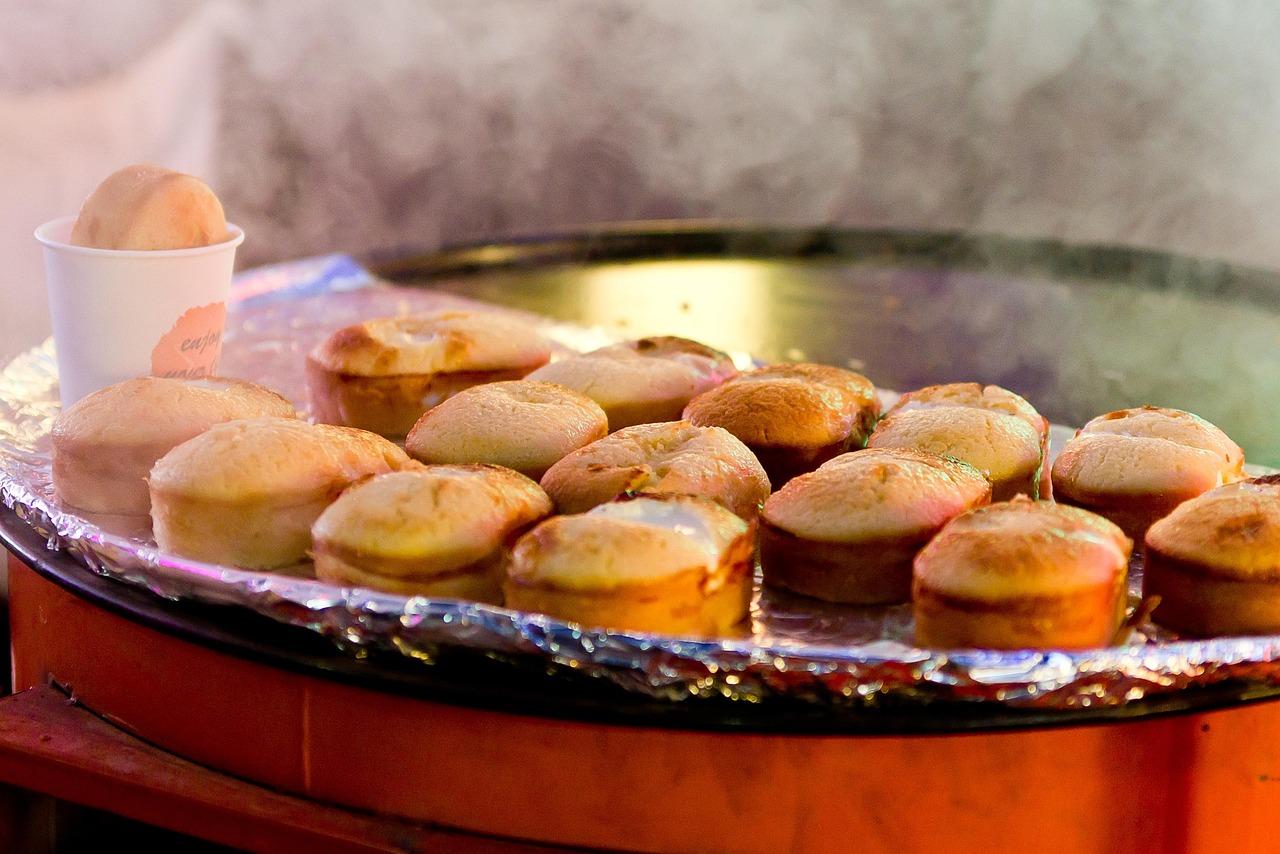
Gyeranppang (계란빵), or egg bread, is a winter street snack from Seoul: a small, sweet and fluffy bun with a whole egg baked right on top. Vendors bake them in special oval moulds, but a muffin tin works well at home. The soft, slightly sweet batter and the savoury egg are a lovely mix, making it a popular breakfast on the go. Bake until the white is just set if you like the yolk soft, or a few minutes longer for a firm yolk. Chef's tip: fill the moulds only a third full, so the egg sits in the batter as it rises rather than sliding off the side.

by KrazyBadal 0 views

Takikomi gohanRice cooked with mushrooms and carrot

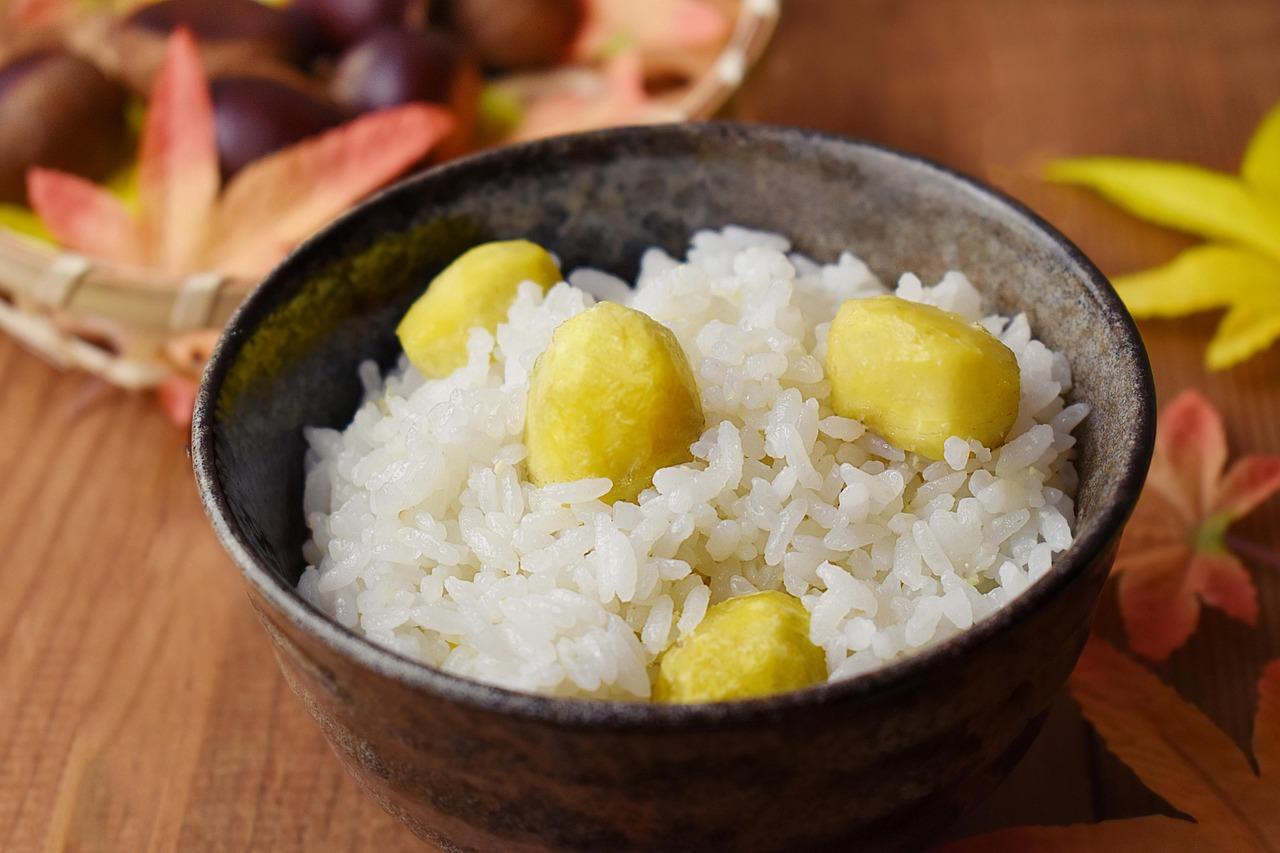
Takikomi gohan (炊き込みご飯) is mixed rice cooked in one pot with seasonal vegetables and a savoury broth, made in homes across Japan, especially in autumn when mushrooms and chestnuts are in season. Every grain soaks up the soy, mirin and mushroom flavour, and the bottom forms a prized toasty crust (okoge). This vegetarian version uses a kombu and shiitake dashi. Serve it with miso soup and pickles, or pack it into onigiri the next day. Chef's tip: never stir once the vegetables are on top, and don't lift the lid while it cooks. The heavy vegetables would sink and the rice cook unevenly; leaving it alone also gives you the toasty okoge crust at the bottom.

by KrazyBadal 0 views

Sigeumchi namulSeasoned spinach

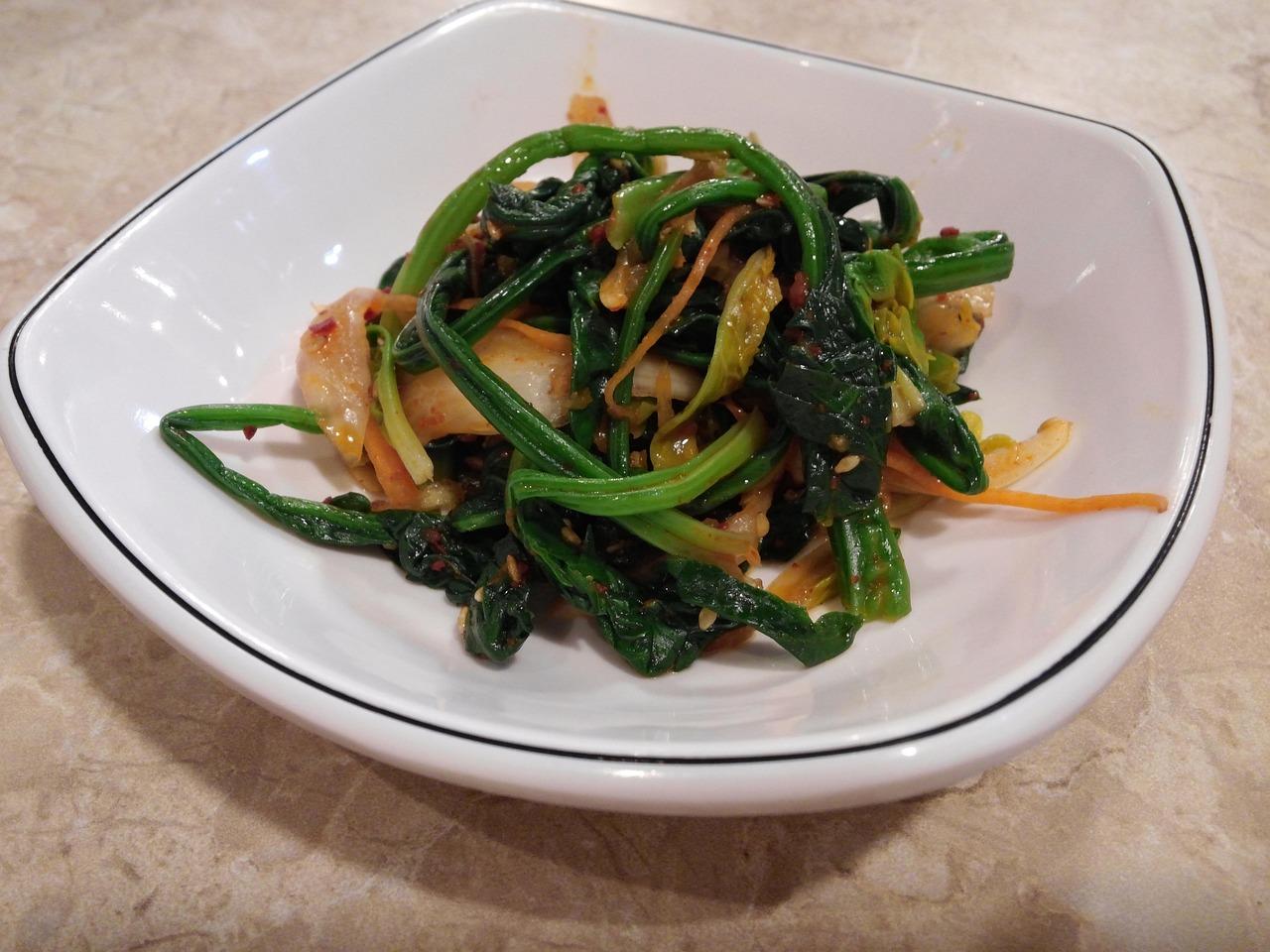
Sigeumchi namul (시금치나물) is a quick side dish of blanched spinach dressed with garlic, a little soy sauce and plenty of toasted sesame. It is one of the banchan found on tables all over Korea, and it is also one of the toppings in bibimbap. The spinach is blanched for just a few seconds so it stays bright green, then squeezed dry so it takes on the dressing. Serve at room temperature with rice and other banchan. Chef's tip: squeeze the spinach really hard before seasoning. Any water left in it dilutes the sesame dressing and makes the namul taste watery.

by KrazyBadal 0 views

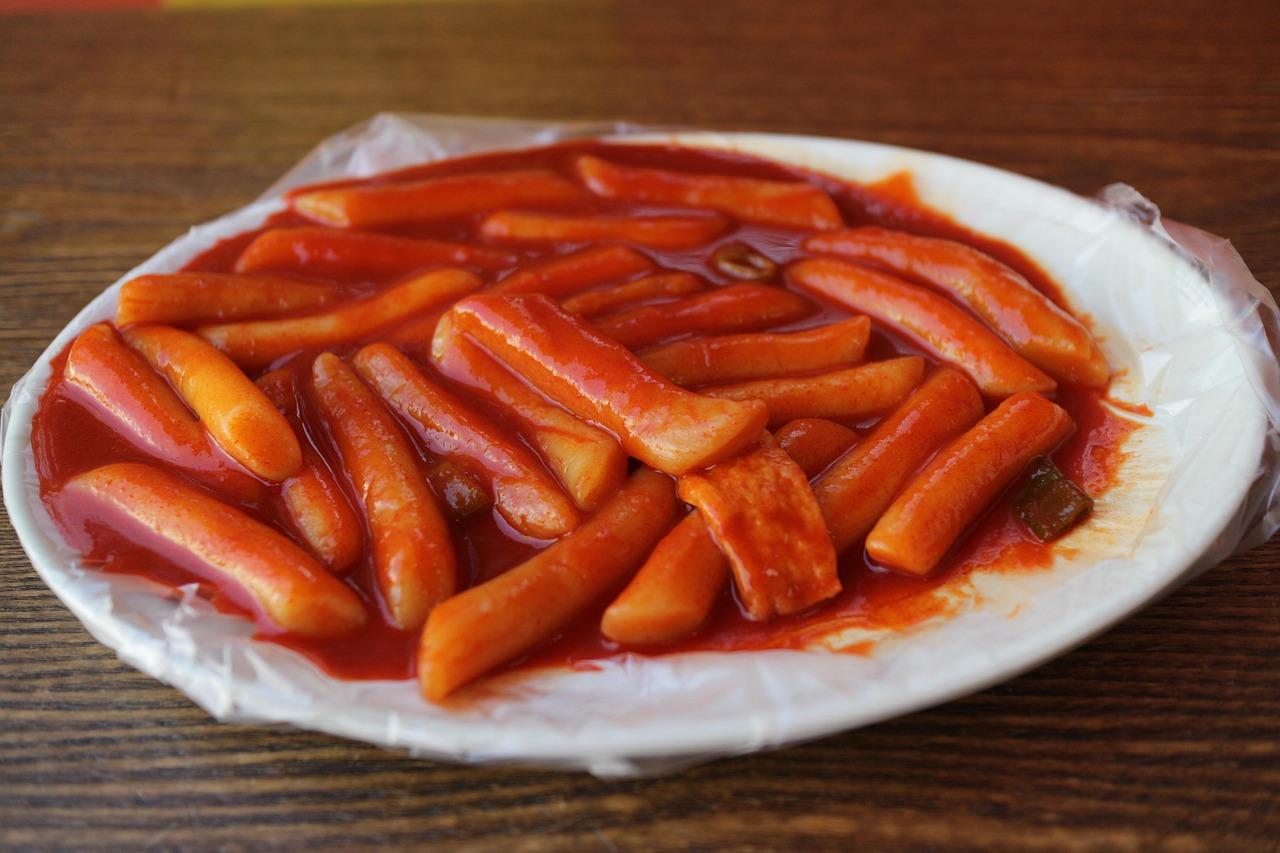
TteokbokkiRice cakes in spicy sauce

Tteokbokki (떡볶이) is Korea's best-loved street snack: chewy cylinders of rice cake simmered in a thick, glossy, sweet and spicy red sauce. It became a classic in Seoul, where it is sold from street stalls and snack bars in every neighbourhood. Street versions use anchovy stock and fish cakes; this vegan version uses a quick kelp and shiitake stock with cabbage and spring onions, and has all the same punch. Eat it hot, while the rice cakes are soft and stretchy. Chef's tip: keep stirring and scrape the bottom; the rice cakes release starch that thickens the sauce but also catches. The sauce is right when it clings to the spoon in a glossy coat.

by KrazyBadal 1 views

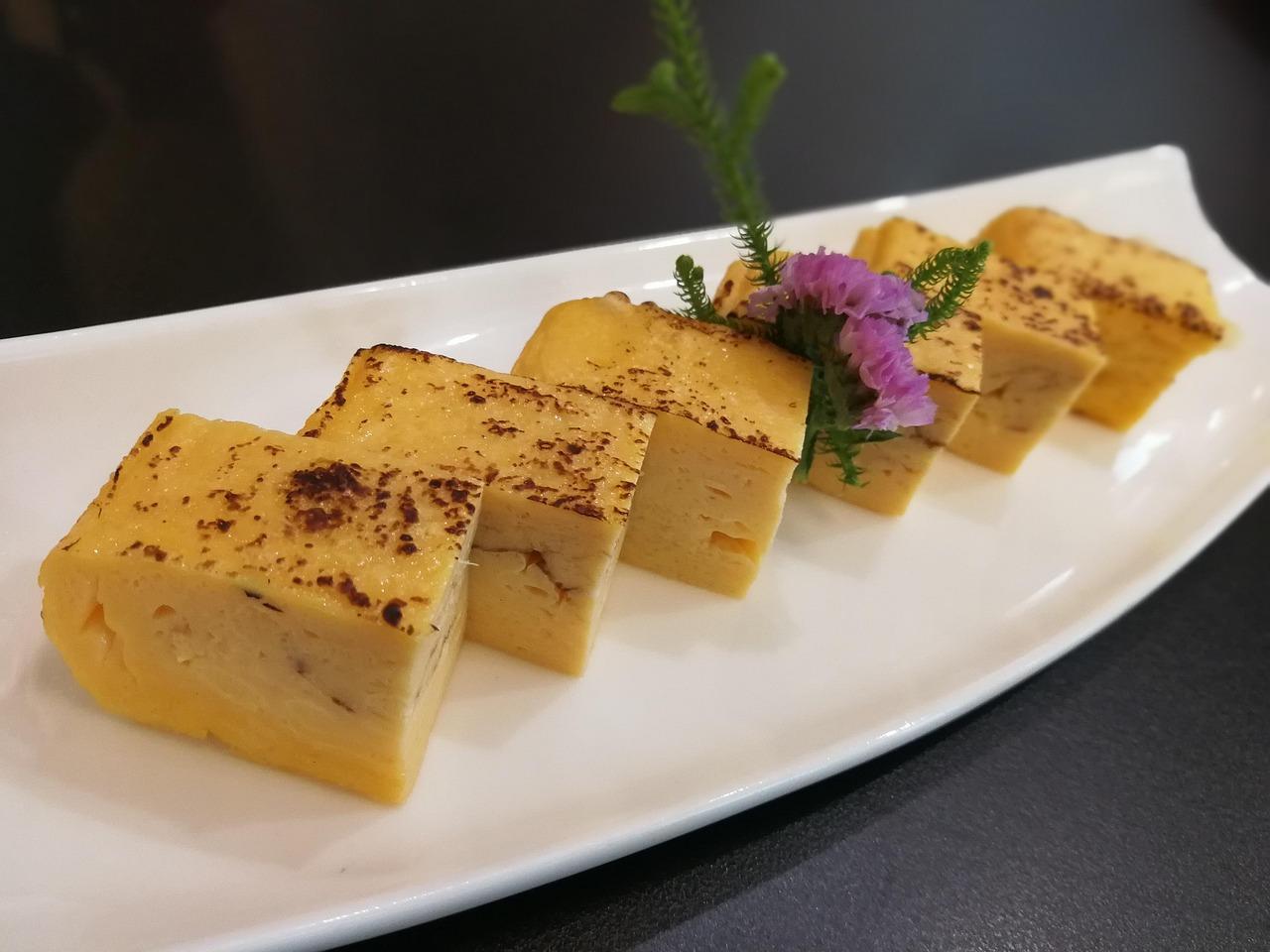
TamagoyakiRolled omelette

Tamagoyaki (卵焼き) is a rolled omelette made in layers, found in breakfast trays and bento boxes all over Japan. Thin sheets of seasoned egg are cooked one at a time and rolled up around each other, giving soft, springy slices with pretty spiral lines. This is the gently sweet home style; a little soy keeps it savoury. A square tamagoyaki pan helps, but a small round frying pan works too. Chef's tip: keep the heat moderate and the pan well oiled between layers. If the egg browns, the heat is too high; a good tamagoyaki is evenly yellow with just a few golden patches.

by KrazyBadal 0 views

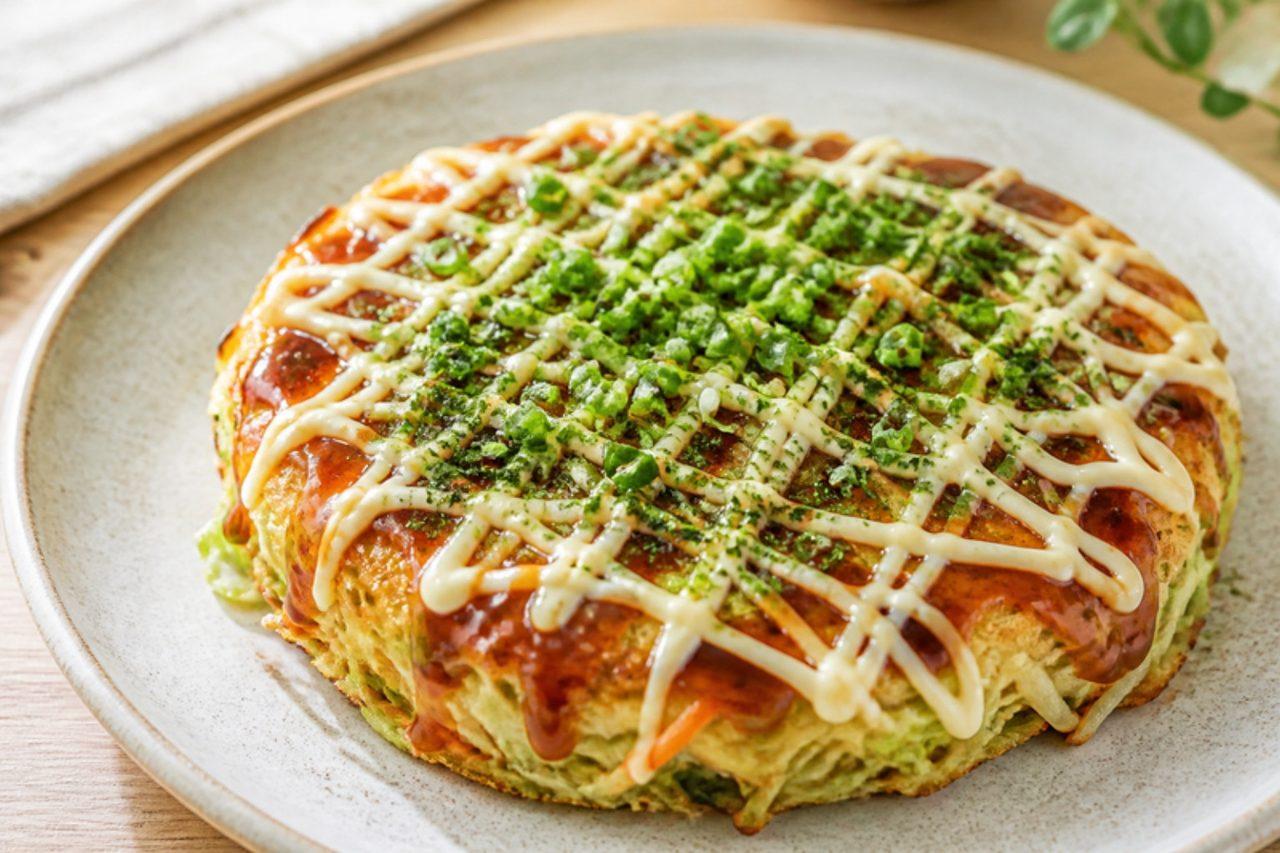
OkonomiyakiSavoury cabbage pancake

Okonomiyaki (お好み焼き, 'grilled as you like it') is the pride of Osaka, where it's cooked on hot iron griddles in lively restaurants. Finely shredded cabbage is folded into a light batter with egg and spring onion, then fried into a thick, soft pancake with a crisp outside. It's painted with a fruity brown sauce and zigzagged with mayonnaise. Bonito flakes are usual on top; this vegetarian version uses seaweed flakes and pickled ginger instead. Chef's tip: don't press the pancake down with your spatula while it cooks. Osaka cooks leave it alone so the cabbage steams inside and stays light and fluffy; pressing squeezes out the air.

by KrazyBadal 1 views

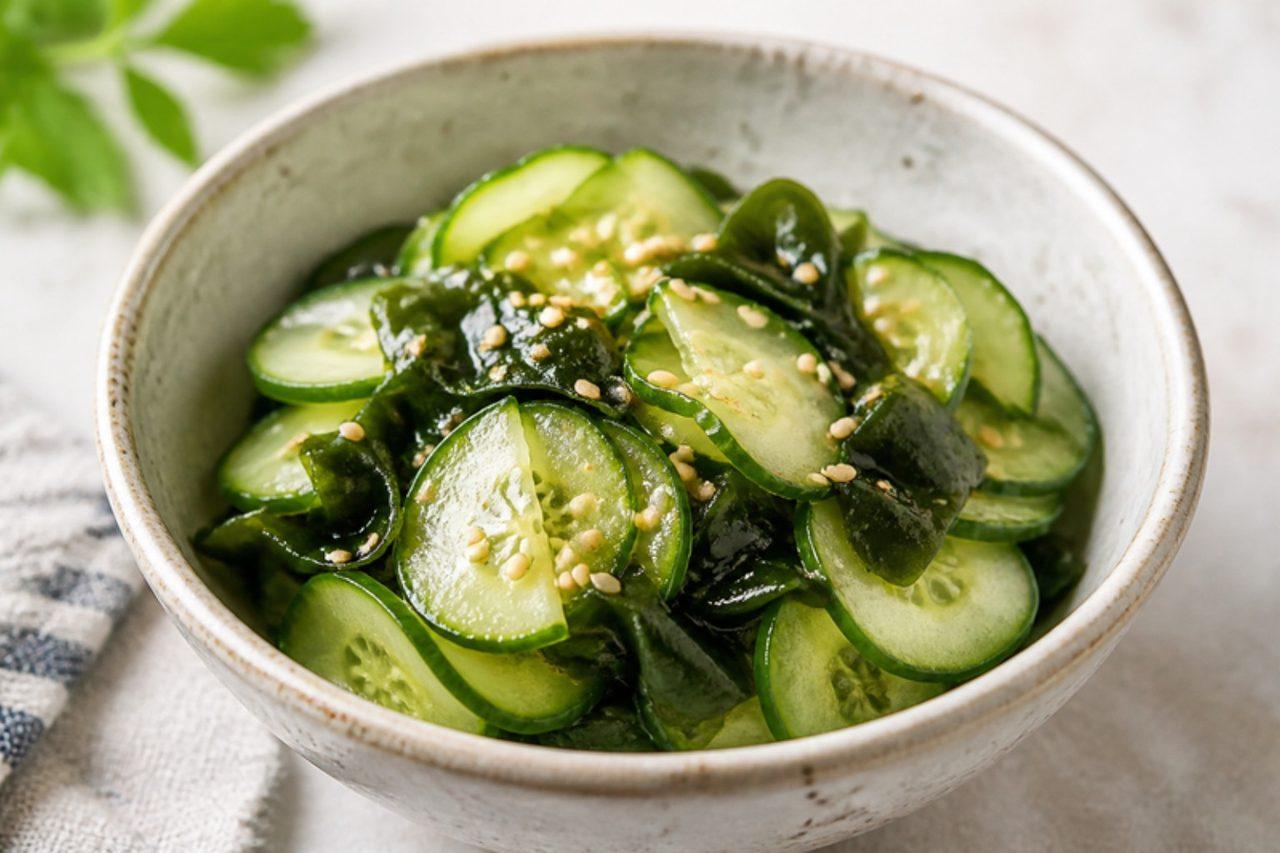
SunomonoCucumber and wakame salad

Sunomono (酢の物, 'vinegared things') are small, refreshing dishes served alongside rice and richer food in homes all over Japan. This one, kyūri to wakame no sunomono, is the most common: paper-thin salted cucumber and wakame seaweed in a sweet, gentle rice-vinegar dressing. It cuts through fried food like tempura or gyoza. Ready in ten minutes, and best eaten chilled. Chef's tip: salt the cucumber and squeeze it hard. It draws out the water so the slices turn pleasantly crunchy and drink up the dressing instead of diluting it.

by KrazyBadal 0 views

OmuriceOmelette-wrapped fried rice

Omurice (オムライス) is a yōshoku dish, Western-style Japanese food, said to have been invented at a Tokyo restaurant around 1900. Tangy ketchup fried rice is wrapped in a thin, soft omelette and topped with more ketchup. Chicken is usual inside; this vegetarian version uses mushrooms, sweetcorn, peas and onion. A favourite with children, and on the table in half an hour. Chef's tip: pull the pan off the heat while the top of the omelette is still a little runny; it finishes cooking from the heat of the rice, and stays soft and silky as in a Tokyo yōshoku diner.

by KrazyBadal 0 views

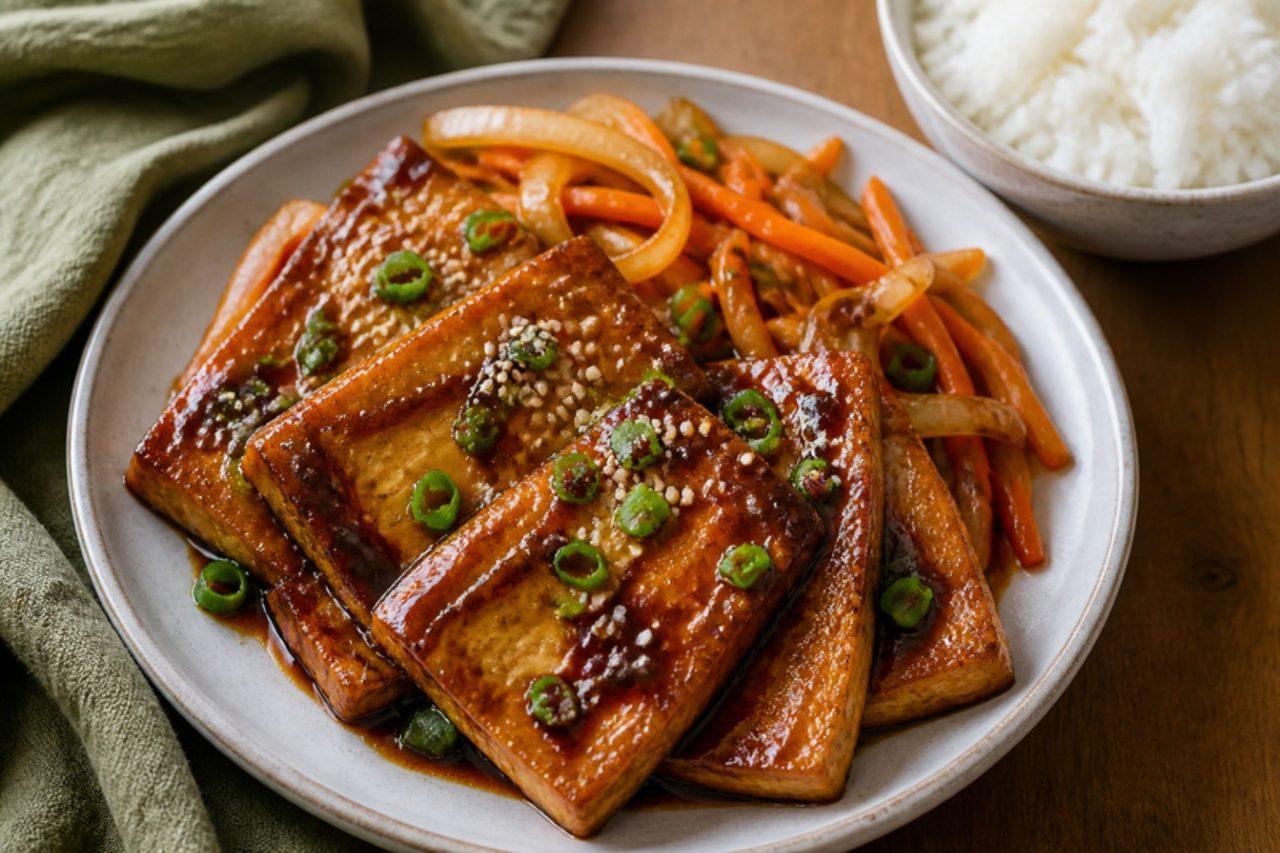
Tofu bulgogiTofu in bulgogi marinade

Tofu bulgogi (두부불고기) takes the famous sweet and savoury bulgogi marinade, usually made for thin slices of beef, and uses it on golden pan-fried tofu instead. It is a popular meat-free dish in homes and temple-style restaurants across Korea. Grated pear sweetens the soy and garlic sauce and makes it glossy, and the tofu is fried first so it holds its shape and soaks up the glaze. Serve with rice, lettuce leaves for wrapping and kimchi. Chef's tip: dry the tofu well and leave it alone in the pan until it releases by itself. A good golden crust is what lets it soak up the glaze without falling apart.

by KrazyBadal 0 views

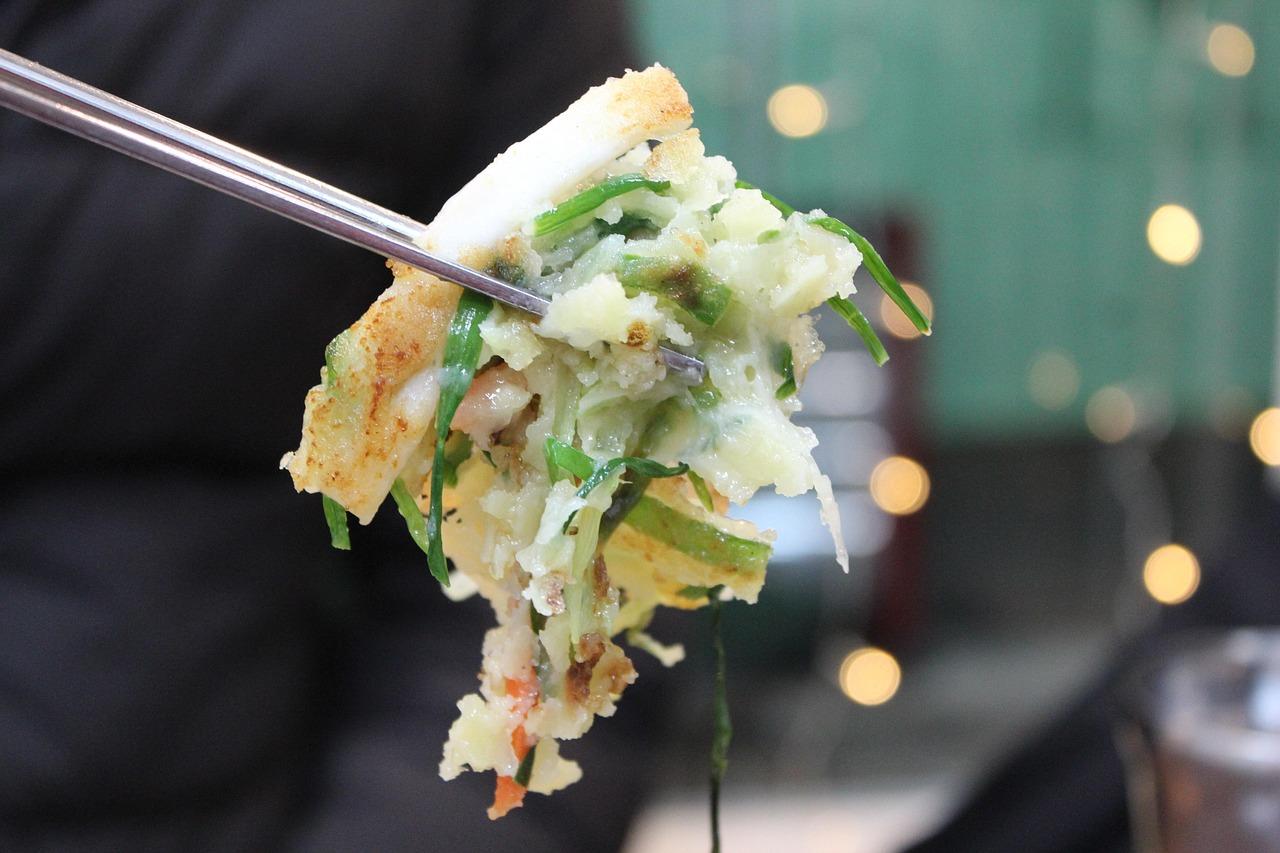
PajeonSpring onion pancake

Pajeon (파전) is a savoury pancake packed with whole spring onions held together by a thin batter. Dongnae, a district of Busan, is famous for its version, made with rice flour in the batter and finished with beaten egg poured over the top; Dongnae pajeon is usually loaded with seafood, which is left out here. Korean families often make it on rainy days and eat it with a soy and vinegar dip. Keep the batter ice cold and the pan hot for the crispest edges. Chef's tip: use just enough batter to glue the spring onions together. Dongnae cooks want you to taste spring onion first and batter second, so it should look lacy, not cakey.
by KrazyBadal 0 views

Showing 45 of 9,131 recipes

Show more recipes

Page 947 of 1,015