


Skip to content
Flan de queso
Featured recipe

Flan de queso

Cream cheese flan

Denser and tangier than a plain egg flan, flan de queso is the dessert Puerto Rican families bake for birthdays and Nochebuena, often a day ahead so it can chill overnight. Cream cheese is blended with evaporated and condensed milk and eggs, then baked slowly in a water bath on a layer of amber caramel, so it turns out glossy, sliceable and somewhere between a flan and a cheesecake. The common mistake is baking it too hot, which makes it puff, crack and weep; low heat and a water bath keep it silky. Chef's tip: take the caramel to the colour of a dark copper coin, as a pale caramel tastes only sweet and a bitter edge balances the rich cheese.

Read more 1 views

What to eat today?

Around the world

Today's trip: Persian

A new country every day, from every cuisine on the site.

This week's collection

Kid-friendly dinners
537 recipes · a new collection every Monday

Latest recipes

Huanggui shizi bing (Xi'an persimmon cakes)

Every autumn, when Lintong's soft persimmons ripen outside Xi'an, griddles across the Muslim Quarter fill with these orange cakes. The dough is little more than ripe persimmon pulp and flour, so it fries crisp and caramelised outside while staying chewy and sticky inside, and the filling of brown sugar, walnuts, sesame and dried osmanthus melts into a fragrant syrup. They are bought hot in a paper sleeve as an afternoon snack. They contain wheat and walnuts. Chef's tip: use persimmons so ripe they feel like a water balloon; firm ones make the dough taste furry and astringent.

by KrazyBadal 0 views
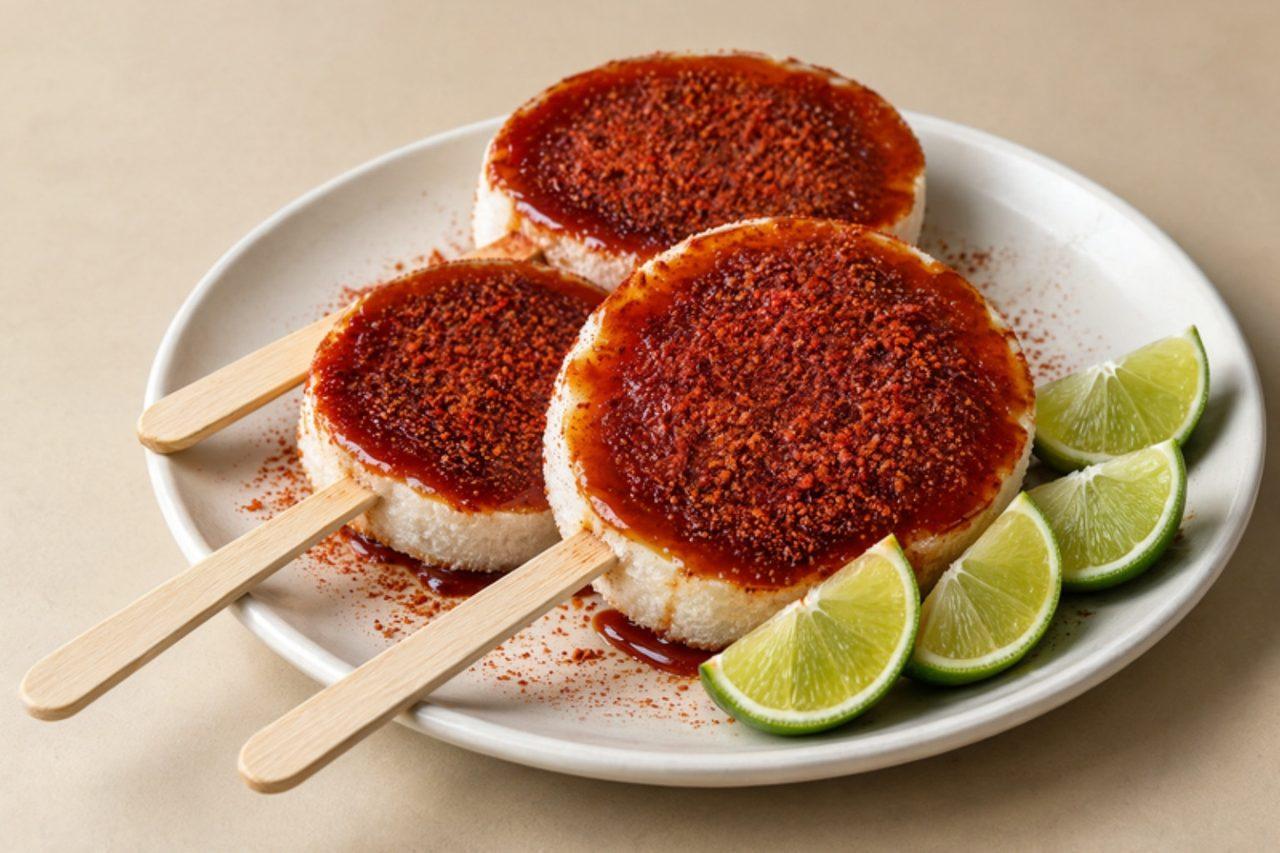
Jicaletas (jícama lollipops with chamoy)

At home time outside primary schools in Mexico City's Coyoacán and Narvarte, carts sell jicaletas, thick rounds of jícama pushed onto a stick like a giant lollipop and painted bright red with sweet-sour chamoy. They are crunchy, juicy and cold, with salty, sour and spicy layers on the outside, and make a light afternoon snack on a hot day. Chef's tip: cut the slices at least 1.5 cm thick, otherwise they snap off the stick at the first bite.

by KrazyBadal 0 views

Dongbei luan dunMixed vegetable stew

Luan dun, the 'chaotic stew', is everyday harvest cooking from Heilongjiang, Jilin and Liaoning, made in autumn when the garden gives everything at once and a big pot feeds the whole household through the cold evenings. Potato, aubergine, green beans, corn on the cob, peppers and tomato are cooked together in a soy-scented broth until soft and saucy, with the potato thickening it naturally. Serve it with steamed rice or mantou buns. The usual mistake is putting everything in together, so the beans stay squeaky while the aubergine turns to mush; add the vegetables in order of how long they take. A pressure cooker works too: 4 minutes on high after the beans and potato go in. Chef's tip: crush the potato pieces lightly against the pot near the end to give the stew body.

by KrazyBadal 0 views

Zeng gao (Xi'an steamed rice cakes with jujube)

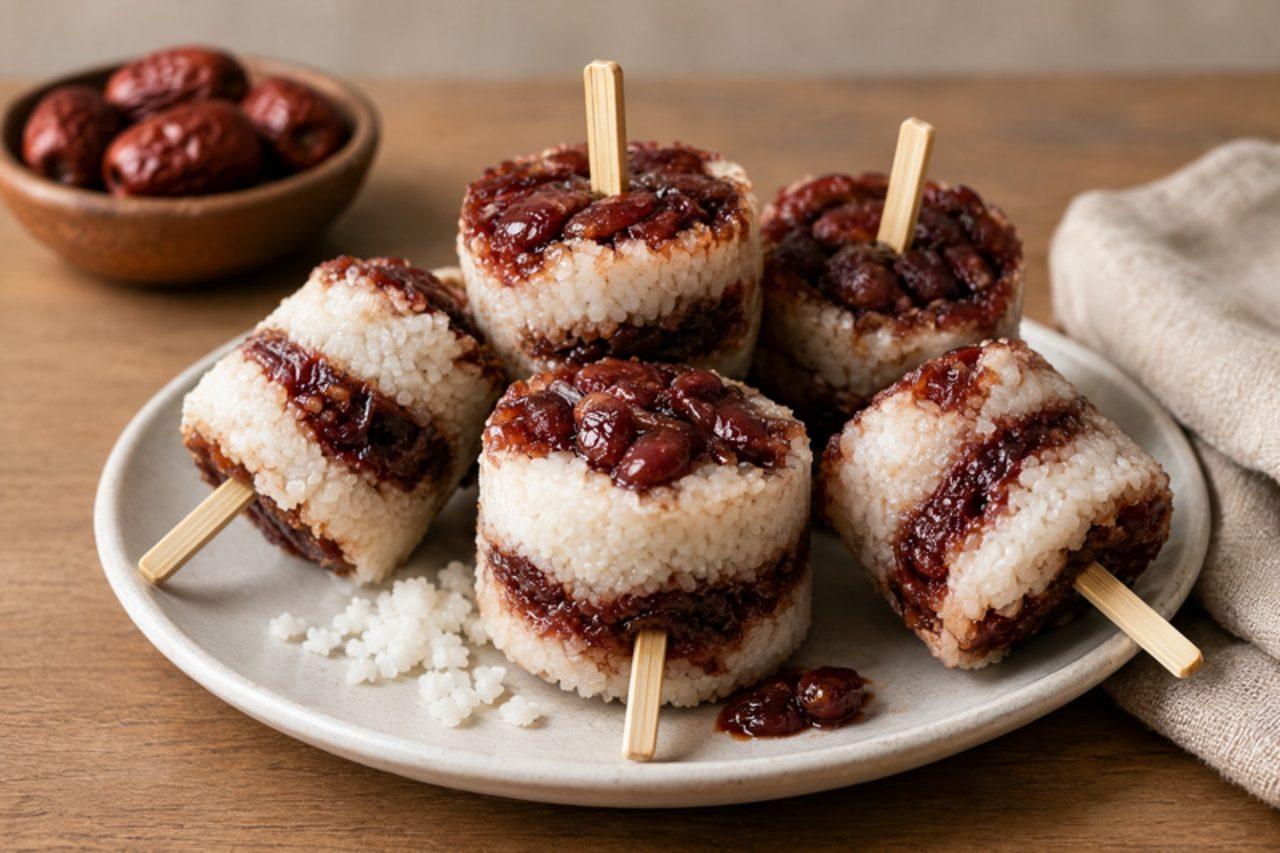
Walk the lanes of Huimin Jie in Xi'an in the late afternoon and you will see small round cakes steaming in stacked cups, then flipped out and speared onto bamboo sticks for children heading home from school. They are made from glutinous rice flour rubbed to a damp crumb, layered with sweet jujube paste and steamed until the crumb fuses into a soft, springy cake with a dark red stripe through the middle. They are lightly sweet, chewy and best eaten warm. Chef's tip: rub the flour with water until it just clumps when squeezed, then sieve it, because a light, airy crumb is what makes the cake tender.

by KrazyBadal 0 views

FarrottoFarro cooked like risotto

In the hills of the Garfagnana and around Spoleto, where farro has been grown since Roman times, cooks make farrotto in autumn and winter as a heartier cousin of risotto. Semi-pearled farro is toasted in olive oil with onion and celery, then cooked slowly with hot vegetable stock, ladle by ladle, until the grains are tender but still bouncy and wrapped in a light, creamy sauce. Finish with pecorino and serve as a main with a green salad. The usual mistake is stirring as constantly as for risotto; farro releases less starch, so stir every few minutes and beat in the cheese at the end for creaminess. Chef's tip: toast the dry grains until they smell like popcorn before adding any liquid; it deepens the nutty flavour.

by KrazyBadal 0 views

Pasta e cavolfiorePasta with cauliflower

Pasta e cavolfiore belongs to the family of thick Neapolitan 'pasta e…' dishes eaten at home on Fridays and cold weekdays, when a single cauliflower and a handful of mixed pasta ends have to feed the family. The cauliflower is softened with garlic, a little tomato and chilli, then the pasta is cooked right in it with small additions of hot water until the whole pot is creamy and the cauliflower has partly melted into the sauce. Finish with pecorino and black pepper. The usual mistake is cooking the cauliflower in big florets, which never break down; cut it small so some of it becomes the sauce. Chef's tip: let it rest for two minutes off the heat after the cheese goes in; it thickens into the proper 'azzeccata' texture that holds a fork upright.

by KrazyBadal 0 views

Riso e verzeRice and cabbage soup

Riso e verze is a Lombard and Venetian farmhouse supper for the coldest months, when Savoy cabbage has been sweetened by the frost. Shredded cabbage is stewed slowly in butter and onion until it melts, then rice and stock go into the same pot and simmer into a thick, spoon-standing soup finished with grated cheese. Serve it in deep bowls with black pepper and crusty bread. The usual mistake is boiling the cabbage straight in stock, which makes it taste of sulphur; stew it in butter first until it is soft and sweet. Chef's tip: make it a little loose, because the rice keeps drinking the broth as it stands.

by KrazyBadal 0 views

Hmarcha rawtRoasted green chilli relish

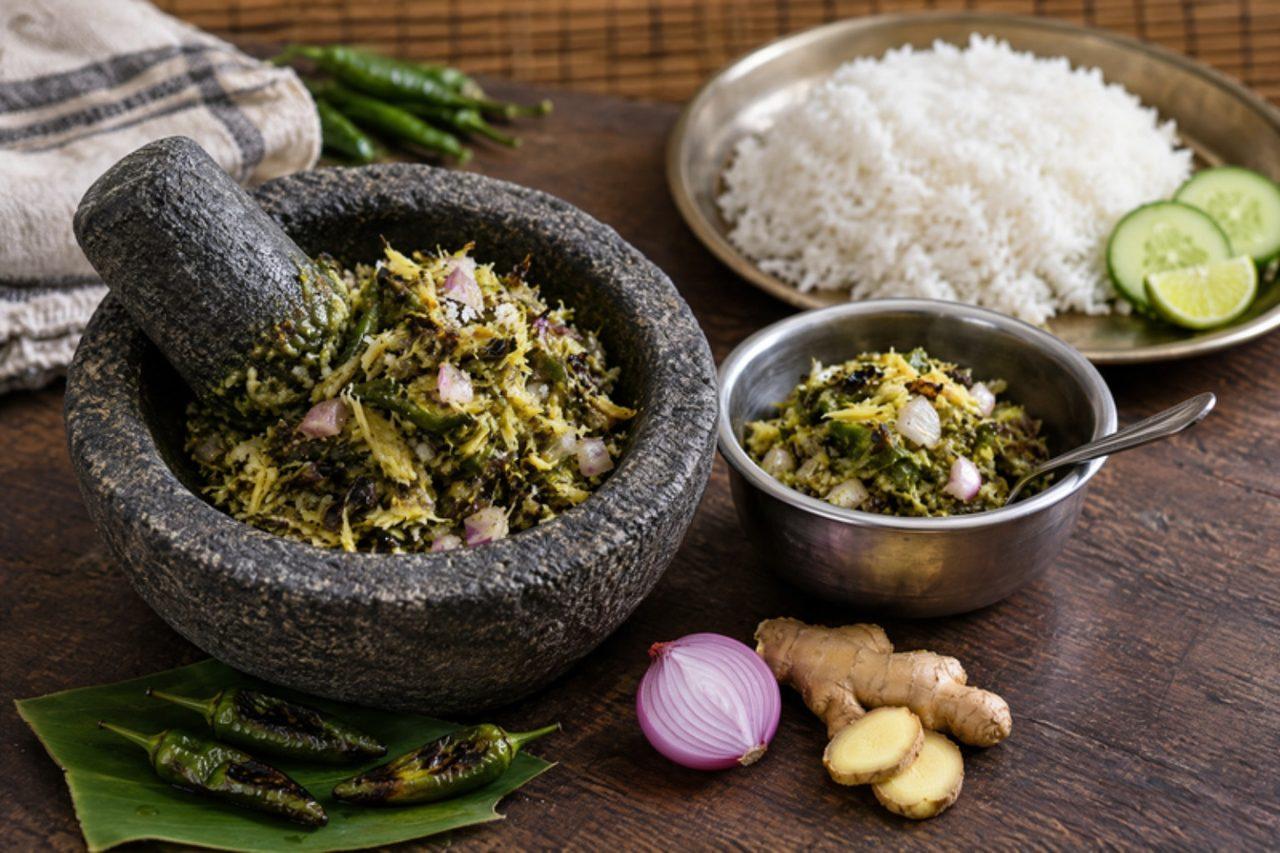
No Mizo table in Aizawl is complete without a small bowl of hmarcha rawt, the sharp relish that goes with plain rice, boiled vegetables and bai at almost every meal. Green chillies are charred over a flame or on a dry pan, then pounded with raw onion, ginger and salt. The mistake is to blend it smooth; it should be coarse and juicy, with bits of charred skin. Chef's tip: roast the chillies until blistered all over, not black, or the relish turns bitter.

by KrazyBadal 0 views

Tacos de guisado (picadillo and rajas con crema)

From about nine in the morning, guisado stalls set up on corners near offices and markets all over Mexico City, from the famous counters on Calle Ámsterdam in the Condesa to the stands outside the Mercado de Medellín. Clay pots line the counter, each with a different home-style stew: chicharrón in salsa verde, potato with chorizo, mole and many more. You point, and they spoon it into two warm tortillas. This home version makes two of the favourites, a tomatoey beef picadillo with potato and carrot, and smoky poblano strips with corn in cream. Chef's tip: always double the tortillas, as the stalls do; one tortilla tears under a juicy stew.

by KrazyBadal 0 views

Fondue de poireauxSlow-cooked leeks in butter

Fondue de poireaux is a winter side from northern France and Belgium, cooked in home kitchens from Picardy to Lille whenever leeks are cheap and sweet. Thinly sliced leeks are sweated very gently in butter with a lid on until they collapse into a soft, pale-green tangle, then finished with a spoon of cream and nutmeg. Serve it with roast fish, eggs, potatoes, or spooned onto toast as a light supper. The usual mistake is cooking over too high a heat, which browns the leeks and makes them bitter; they should never colour. Chef's tip: wash the sliced leeks in a bowl of water and lift them out with your hands, so the grit stays at the bottom.

by KrazyBadal 0 views

Homemade gochujangChilli bean paste

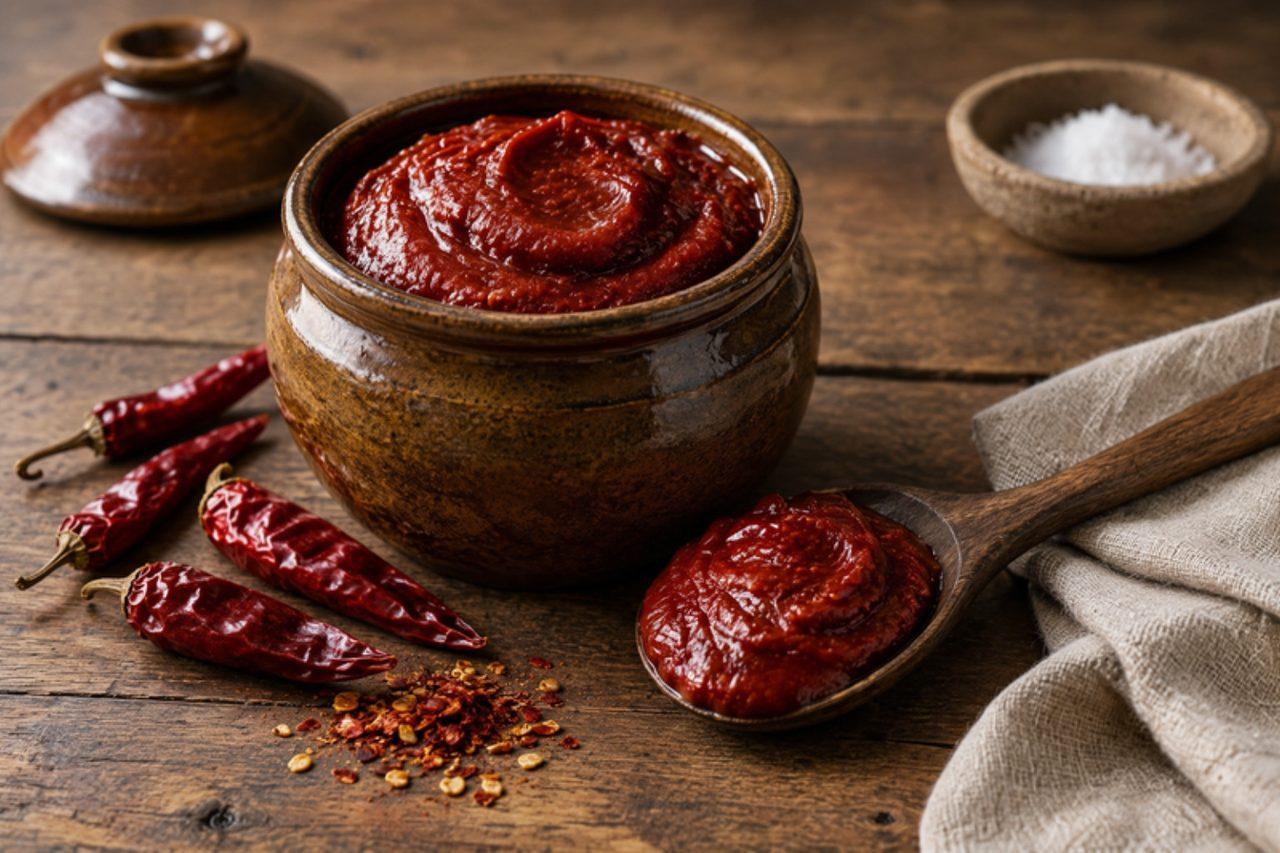
Sunchang, a small county in North Jeolla, is so tied to gochujang that it holds a jang festival every October, but the paste itself is traditionally made in the cold weeks of late winter, when there are no flies and it can ferment slowly in glazed onggi jars on the sunny jangdokdae terrace. Glutinous rice flour is broken down by barley malt into a sweet, runny porridge, boiled down, then beaten with fine chilli powder, fermented soybean (meju) powder, rice syrup and salt. Young, it is bright, sweet and fiery; after two or three months it darkens to brick red and gains a round, savoury depth, thick enough to hold a ridge on the spoon. It goes into bibimbap, tteokbokki, ssamjang, stews and marinades all year. Common mistake: adding the chilli and salt while the porridge is still hot, which dulls the colour and can make the paste turn sour; wait until it is lukewarm. It is ready when it is glossy, deep red, and smells sweet and earthy with no sharp, boozy note. Chef's tip: hold the malt and rice at 55–60 °C on a rice cooker's keep-warm setting; any hotter and the malt enzymes stop working, so the porridge never thins.

210 minKoreanBasicsVeganSpicy
by KrazyBadal 0 views

Pasta e zuccaPasta with pumpkin

When the long Neapolitan pumpkins appear in autumn markets, pasta e zucca becomes the weekday lunch in Naples and around the Bay. The pumpkin is cooked down in olive oil with garlic and rosemary until it turns into a soft orange sauce, then short pasta is cooked in the same pot with a little water so it comes out velvety, sweet and peppery. Children love it, and it needs nothing more than grated cheese. The usual mistake is using a watery pumpkin, which never thickens; choose a dense, deep-orange squash such as butternut or delica. Chef's tip: save a few small cubes of pumpkin and add them later, so you get both a creamy sauce and soft pieces to bite into.

by KrazyBadal 0 views

Esfiha de carne (São Paulo open beef pies)

The Syrian and Lebanese families who settled around Rua 25 de Março in central São Paulo brought sfiha with them, and the city made it its own: esfihas are now sold by the dozen from counters all over town, eaten standing up with a squeeze of lemon at lunchtime or as a cheap late snack. The dough is soft and lightly crisp at the base, and the topping of raw spiced beef, onion and tomato cooks on the pie in a hot oven. Chef's tip: squeeze the onion and tomato hard in a cloth before mixing; a wet topping makes the dough soggy.

by KrazyBadal 0 views

ChässuppeBread and cheese soup

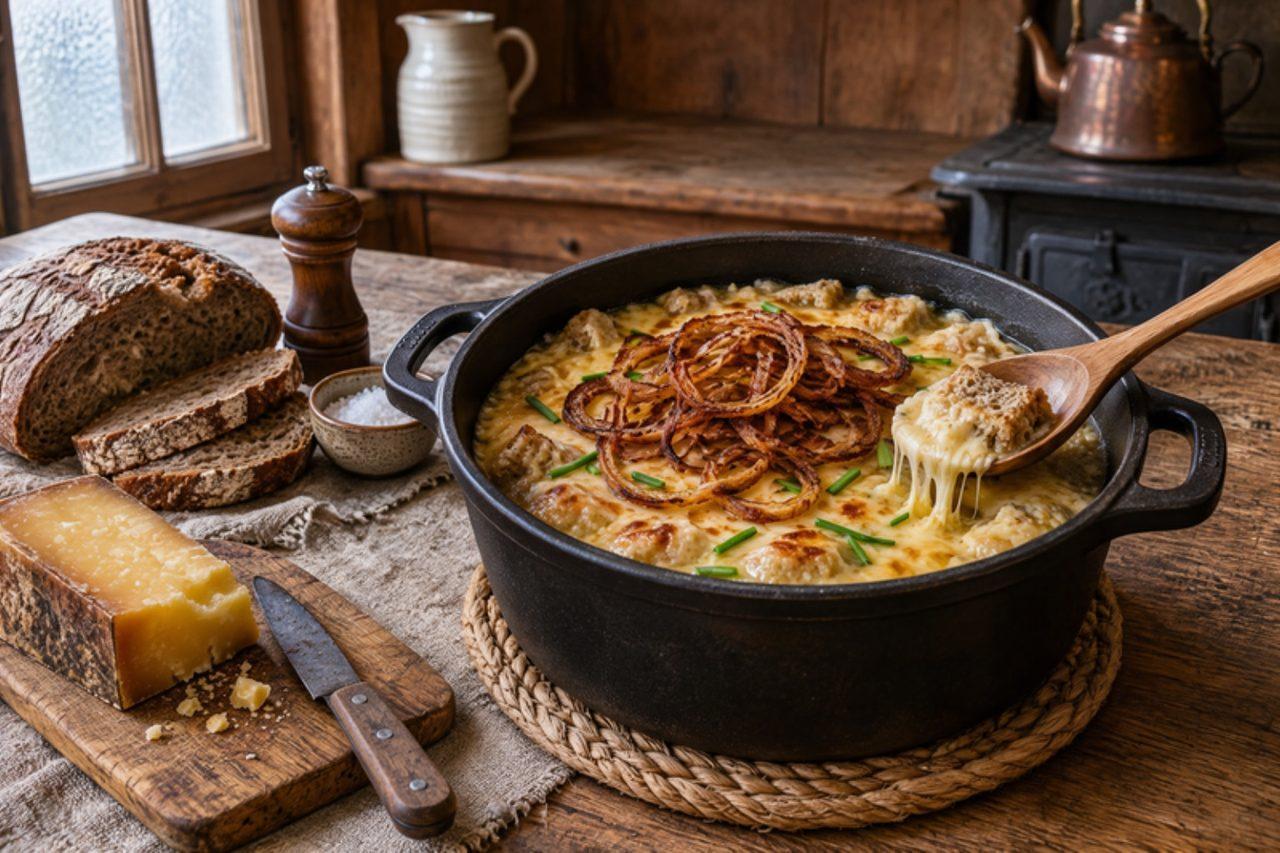
Chässuppe comes from the farmhouses of Central Switzerland, from Unterwalden to the Entlebuch, where it was a thrifty way to use up hard bread and the end of a wheel of cheese. It is a winter supper, especially on carnival and Advent evenings: bread and grated mountain cheese are soaked in hot broth and stirred into a thick, almost spoonable soup, then topped with butter-fried onions. Serve with a green salad and a mug of hot tea. Most Swiss mountain cheeses are made with animal rennet; for a vegetarian pot, choose a hard cheese labelled vegetarian with a nutty, Alpine-style flavour. The usual mistake is letting it boil once the cheese is in, which makes it stringy and oily. Chef's tip: soak the bread in the broth for 10 minutes before heating, so it melts into the soup instead of staying in lumps.

40 minSwissSoups
by KrazyBadal 0 views

MerkénSmoked chilli seasoning

Merkén comes from the Mapuche kitchens of Araucanía: cacho de cabra chillies are dried, smoked over a wood fire, then ground with toasted coriander seed and salt into a brick-red powder that is smoky, warm and lightly hot. In Temuco and across the south it is shaken over potatoes, eggs, sopaipillas, grilled fish and soups. Outside Chile, use dried smoked red chillies, or plain dried red chillies plus smoked paprika. The mistake to avoid is scorching the chillies in the pan: if they blacken, the whole jar is bitter. Chef's tip: grind it a little coarse, as it is sold in Temuco's market, so the coriander seeds stay noticeable.

by KrazyBadal 0 views

Bolo de pote (cake in a jar)

On Sundays, when Avenida Paulista closes to cars, sellers line the pavement with cool boxes of bolo de pote, and the same jars turn up at São Paulo's weekly street fairs and outside metro stations: soft sponge cake layered with creamy fillings and eaten with a spoon. Brigadeiro cream (condensed milk cooked with cocoa) and a sweet, milky cream made with milk powder are the two everyone wants. They are rich and very sweet, so the jars are small. They contain egg, wheat and milk. Chef's tip: take both creams off the heat while they are still a little runny; they thicken as they cool and must stay soft enough to spread.

by KrazyBadal 0 views

Cháo cá hồi bí đỏ (salmon and pumpkin congee)

Cháo cá hồi bí đỏ, salmon and pumpkin congee, is one of the most-shared ăn dặm (weaning) recipes among young parents in Hanoi and Ho Chi Minh City, a sunny orange bowl full of omega-3 fats. Rice simmers soft with diced pumpkin, then fresh salmon is poached in the pot at the end, so it stays moist. There is no fish sauce, salt or sugar, just the natural sweetness of the pumpkin. It contains fish and is free of milk, egg, gluten, nuts, soya and sesame. Chef's tip: run your fingers along the salmon fillet before cooking and pull out the pin bones with tweezers; they are much easier to find raw.

by KrazyBadal 0 views

Calzones rotosKnotted orange fritters

Few sweets have a funnier name: calzones rotos, 'torn knickers', are strips of soft dough with a slit in the middle, one end pulled through to make a twist, then fried and buried in icing sugar. Chilean families fry a big plateful on rainy winter afternoons, and they are sold in paper bags at fairs from Valparaíso to Concepción. The usual mistake is oil that is too hot: they brown in seconds but stay raw and doughy inside. Keep it at 175 °C. Chef's tip: dust them with icing sugar only when they have cooled a little, so the sugar stays white instead of melting.

by KrazyBadal 0 views

Gohan oyaki (rice finger patties)

Oyaki means a little pan-cooked cake, and Japanese parents make gohan oyaki from leftover rice when babies around nine months start wanting to feed themselves. Mashed rice is mixed with steamed kabocha squash (or grated carrot) and a spoon of potato starch, shaped into finger-sized patties and cooked gently until lightly golden. They are soft and sweet inside, hold together in a small fist and squash easily against the gums. They are free of the major allergens: no milk, egg, gluten, nuts, soya, sesame or fish. Chef's tip: mash the rice while it is warm; cold rice will not stick together and the patties crumble.

by KrazyBadal 0 views

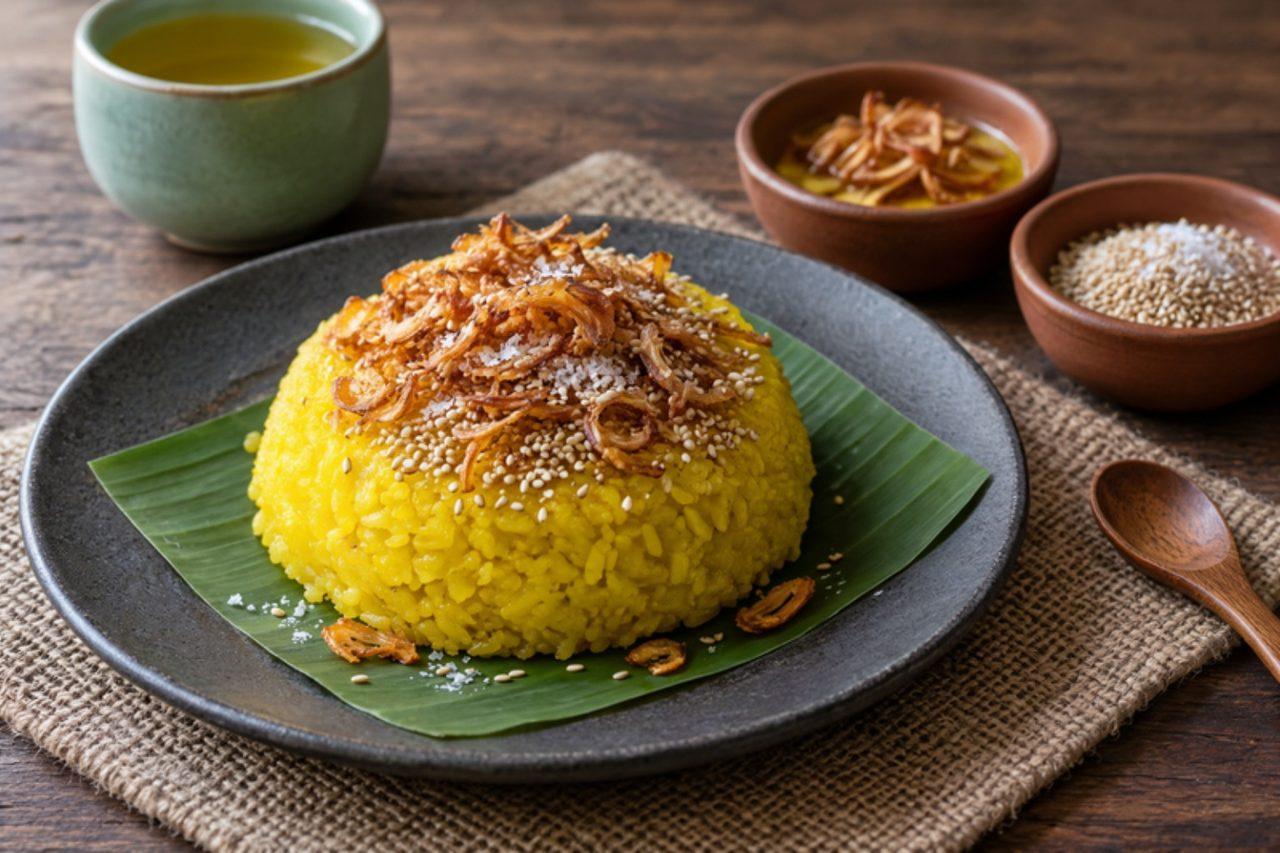
Hsi htaminTurmeric sticky rice with sesame

Hsi htamin, "oil rice", is a breakfast sold wrapped in banana leaf by morning vendors in Yangon and Mandalay: glutinous rice steamed golden with turmeric and oil, then topped with toasted sesame mixed with salt and a heap of crisp fried shallots. It is often paired with boiled yellow peas. The mistake is under-soaking the rice; it needs at least 4 hours, or overnight, to steam evenly. Chef's tip: fry the shallots first and use their fragrant oil in the rice; that oil is the soul of the dish.

by KrazyBadal 0 views

Mchuzi wa njegerePea and potato coconut curry

Mchuzi wa njegere, pea curry, is cooked in homes from Dar es Salaam to Tanga for an easy family lunch or supper, and it is a Friday favourite when families keep the meal meat-free. Green peas and potato chunks simmer in coconut milk with onion, tomato, turmeric and a mild curry powder until the potatoes are tender and the sauce is golden and creamy. Serve with chapati, plain rice or ugali. The usual mistake is boiling the curry hard once the coconut milk goes in, which makes it split and greasy. Chef's tip: add the peas last, as frozen peas need only 5 minutes and stay sweet and bright.

by KrazyBadal 0 views

DiziLamb and chickpea stew

Dizi, also called abgoosht, is Tehran's working lunch, served at old teahouses and bazaar canteens in individual stone pots, and cooked at home on cold Fridays. Lamb on the bone, chickpeas, white beans, potatoes, tomato and dried lime cook gently for hours. At the table you pour off the broth and soak torn sangak or lavash bread in it (tilit), then pound the meat, beans and potato into a coarse paste (goosht kubideh) to eat with herbs, raw onion and pickles. The usual mistake is adding the potatoes at the start: they collapse and cloud the broth. Slow-cooker: after the beans' hard boil, cook everything except the potatoes on low for 10 hours, adding them for the last 2. Chef's tip: pierce the dried limes so they flavour the broth without turning it bitter, and lift them out before pounding.

245 minPersianMeatGluten free
by KrazyBadal 0 views

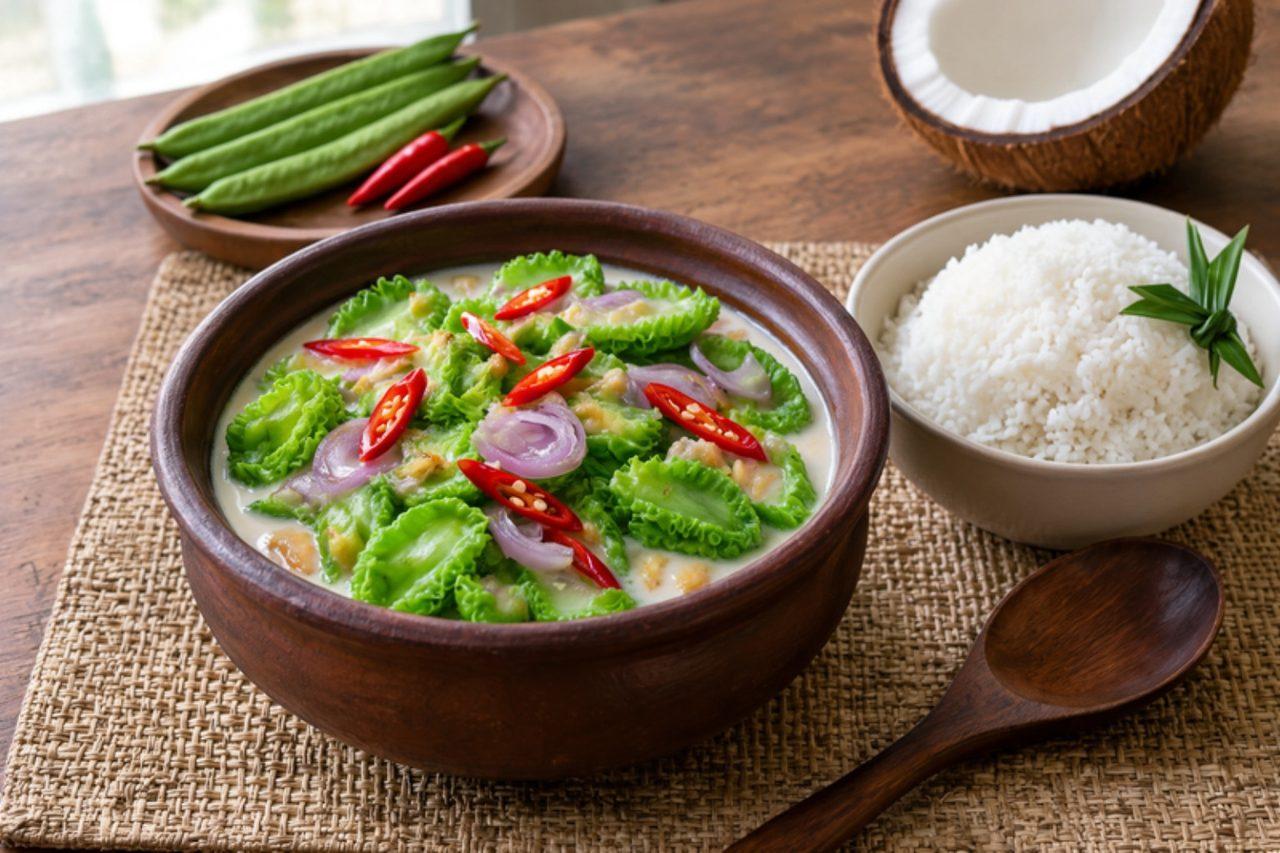
Ginataang sigarilyasWinged beans in coconut milk

Winged beans, sigarilyas, climb the backyard fences of Luzon and Visayan homes, and on rainy-season weekdays they are sliced and simmered in coconut milk for a quick ulam to go with rice. The frilly beans stay crisp-tender and soak up the garlicky, gently spicy gata. Many cooks add shrimp paste; this version keeps it vegan with a little soy sauce. The usual mistake is overcooking: winged beans lose their crunch and go dull green in minutes, so add them only when the coconut milk has reduced. Chef's tip: cut the beans on a sharp diagonal so each slice shows off the four ruffled wings.

by KrazyBadal 0 views

Masato de arroz (Bogotá spiced rice drink)

In the old bakeries of La Candelaria and at the juice stands of the Paloquemao market in Bogotá, masato is poured from big jugs to go with warm almojábanas and pandebono at mid-morning or with the afternoon onces. It is cooked rice blended with spiced syrup and left to rest until it turns gently tangy, so it tastes like a cross between rice pudding and a cool, creamy lemonade. Any natural fermentation produces a trace of alcohol the longer it goes on; this version rests only overnight and is then chilled, and for a completely alcohol-free drink skip the rest and add lime juice for the tang. Chef's tip: keep the rest short and taste it; it should be lightly sour and sweet, never fizzy or boozy.

by KrazyBadal 0 views

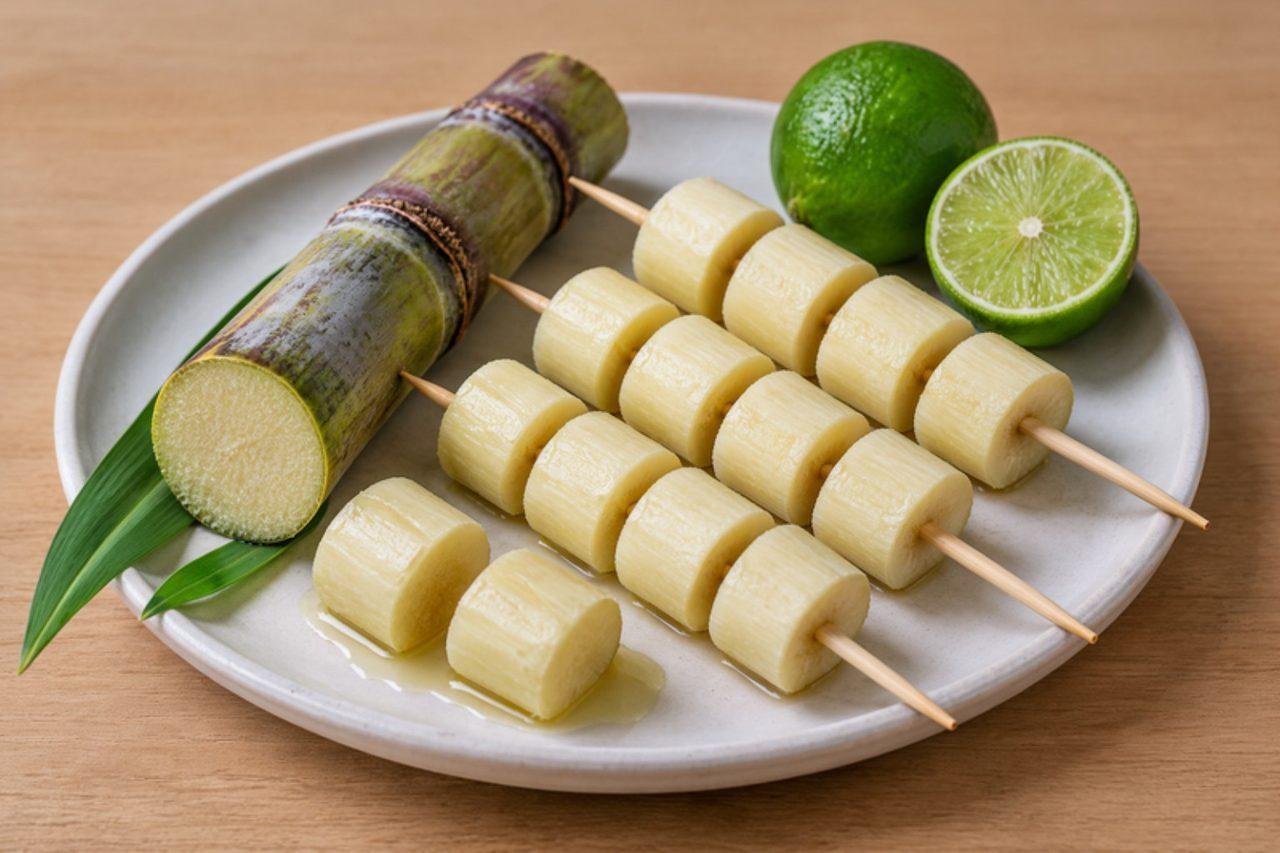
Rolete de cana (sugarcane on a stick)

On the sand at Porto da Barra in Salvador, and in the crowds of the Festa de Iemanjá in Rio Vermelho every February, vendors walk with buckets of ice and bundles of skewers threaded with pale sugarcane discs. You chew each piece to squeeze out the cold, grassy-sweet juice, then spit out the fibre. It is the simplest snack there is and very refreshing in the heat. Not for small children, as the fibres are a choking risk. Chef's tip: cut between the knobbly joints, not through them; the nodes are hard as wood.

by KrazyBadal 0 views

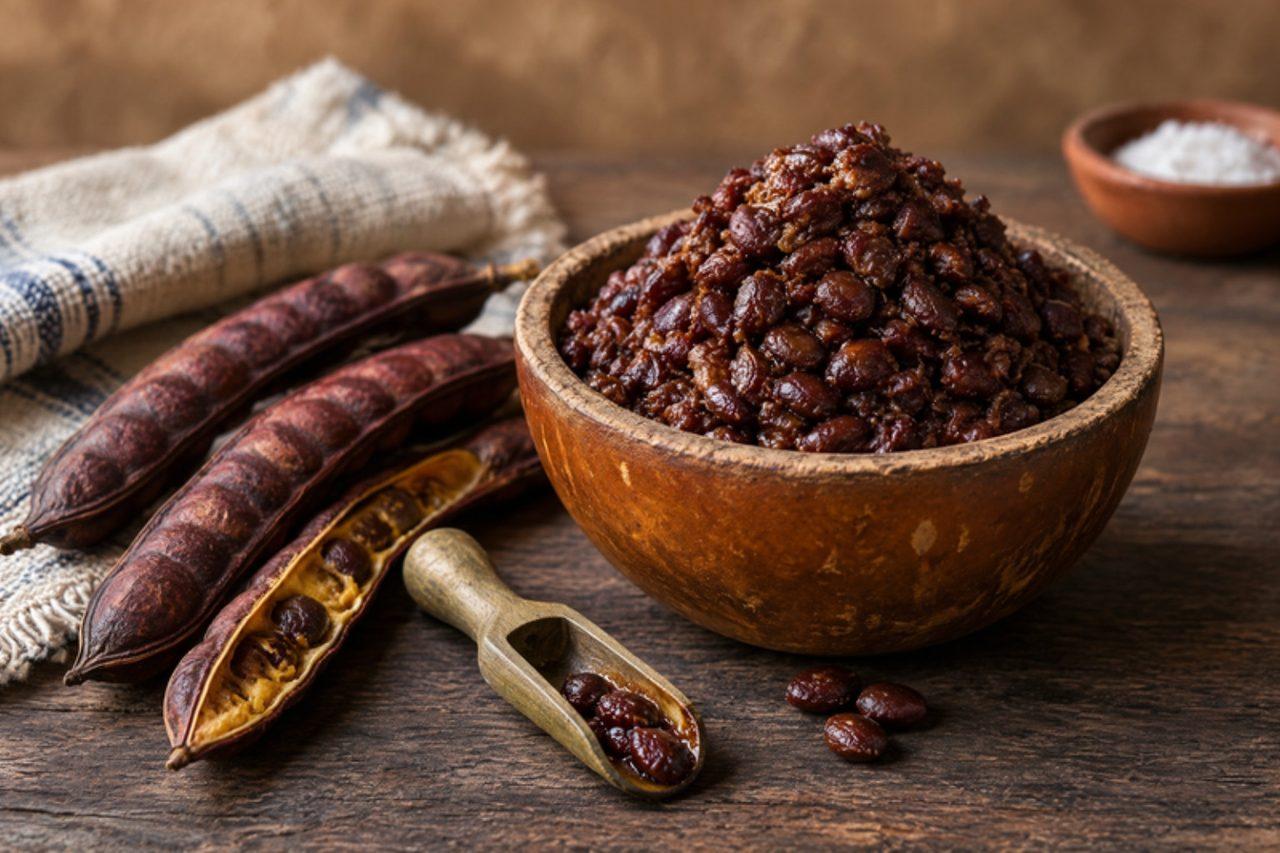
IruFermented locust beans

In Yoruba towns from Ibadan to Ogbomoso, iru is the smell of a good stew: a spoonful of the dark, fermented locust beans melted into efo riro, ofada ayamase, gbegiri and ewedu changes the whole pot. Making it is women's work passed down over generations, done in the dry season when the yellow pods of the African locust bean tree (igba) ripen. The seeds are boiled for hours, rubbed free of their black hulls, boiled again and wrapped warm in leaves for two or three days, when a sticky bacterial ferment covers them. Iru woro is left whole; iru pete is mashed. Expect a powerful ammonia-and-cheese smell, a soft, sticky texture and a deep savoury, almost meaty taste once cooked. Common mistake: fermenting too cool; below 30 °C the beans go sour and grey instead of developing the rich, sticky coat. Keep them in a warm oven with only the light on, or in a cooler box with a hot-water bottle. It is ready when the beans are dark brown, sticky and covered in fine white threads. Chef's tip: dried locust beans are sold at West African shops; fermented soybeans make a fair substitute.

by KrazyBadal 0 views

Alu chi patal bhajiColocasia leaf curry

No Maharashtrian festive thali, at Ganesh Chaturthi, a wedding or a naming ceremony, feels complete without a bowl of aluchi patal bhaji: chopped colocasia leaves stewed soft with chana dal and peanuts in a thin curry that is sour with tamarind, sweet with jaggery and thickened with a spoon of gram flour. It is eaten mixed into rice or sipped from the thali. Colocasia leaves must be cooked thoroughly with an acid like tamarind; undercooked leaves make the throat itch. The usual mistake is skimping on the cooking time to save the bright green colour; the leaves should be fully soft and olive-green. Chef's tip: soak the peanuts and chana dal for at least 2 hours, so they cook in the same time as the leaves.

by KrazyBadal 0 views

IsijingiPumpkin and maize porridge

When the big grey-skinned pumpkins come in at the end of summer, Xhosa grandmothers around Butterworth and Ngcobo stew them down and stir in maize meal to make isijingi, a bright orange porridge that children love and adults secretly do too. It is soft and spoonable, gently sweet from the pumpkin and a little sugar, with the faint corn flavour of the meal underneath. Serve it as a side to beans or a vegetable stew, or eat a bowlful on its own for supper on a cold evening. Watery pumpkin is the classic mistake, so cook the pumpkin until most of its liquid has evaporated before the meal goes in. Chef's tip: use a dense, deep orange pumpkin or butternut, not a watery jack-o'-lantern type, for the sweetest flavour.

by KrazyBadal 0 views

Pão com linguiça (grilled sausage roll)

Outside every São Paulo football ground on match day, and above all on the streets around the Allianz Parque, carts with smoking griddles sell pão com linguiça: a coiled Tuscan-style pork sausage split open, crisped on the plate and tucked into a roll with vinaigrette and a splash of chilli sauce. It is fast, juicy and filling, eaten walking to the gate. The sausage is raw pork and must be cooked through. Chef's tip: once the sausage is nearly cooked, split it lengthwise and press it cut side down on the griddle; it browns all over and finishes cooking evenly.

by KrazyBadal 0 views

Jalea de mangoGreen mango paste

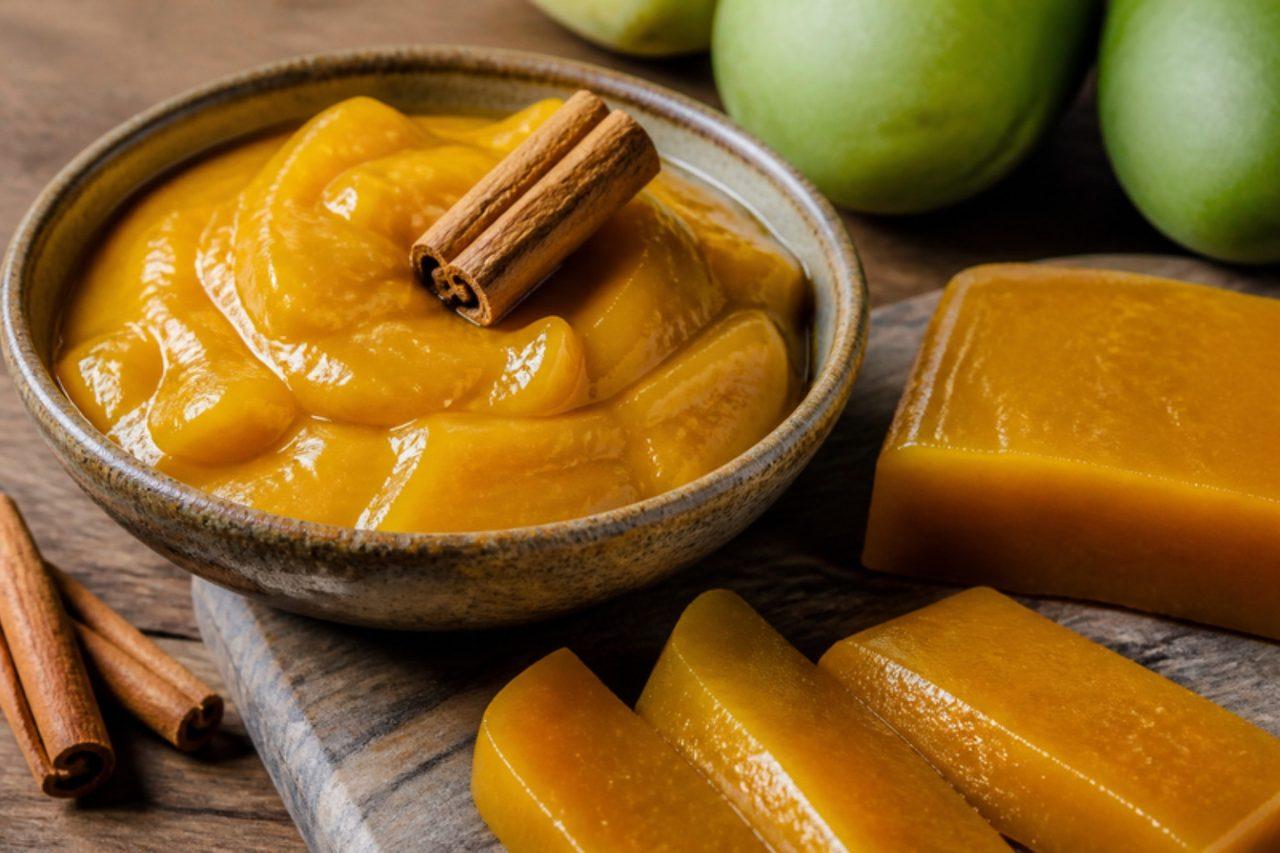
When the mango trees of Oriente are heavy in Lent, families in Sucre and Anzoátegui cook the hard green fruit with sugar and spice into jalea de mango, a thick tart-sweet paste set in a dish and cut into squares. It's eaten during Holy Week, often on a piece of crisp cassava bread. The mistake to avoid is skipping the sieve, which leaves stringy fibres. Chef's tip: use a long wooden spoon and keep your arm covered: the thick paste spits as it bubbles.

by KrazyBadal 0 views

Agi bulgogi (toddler bulgogi)

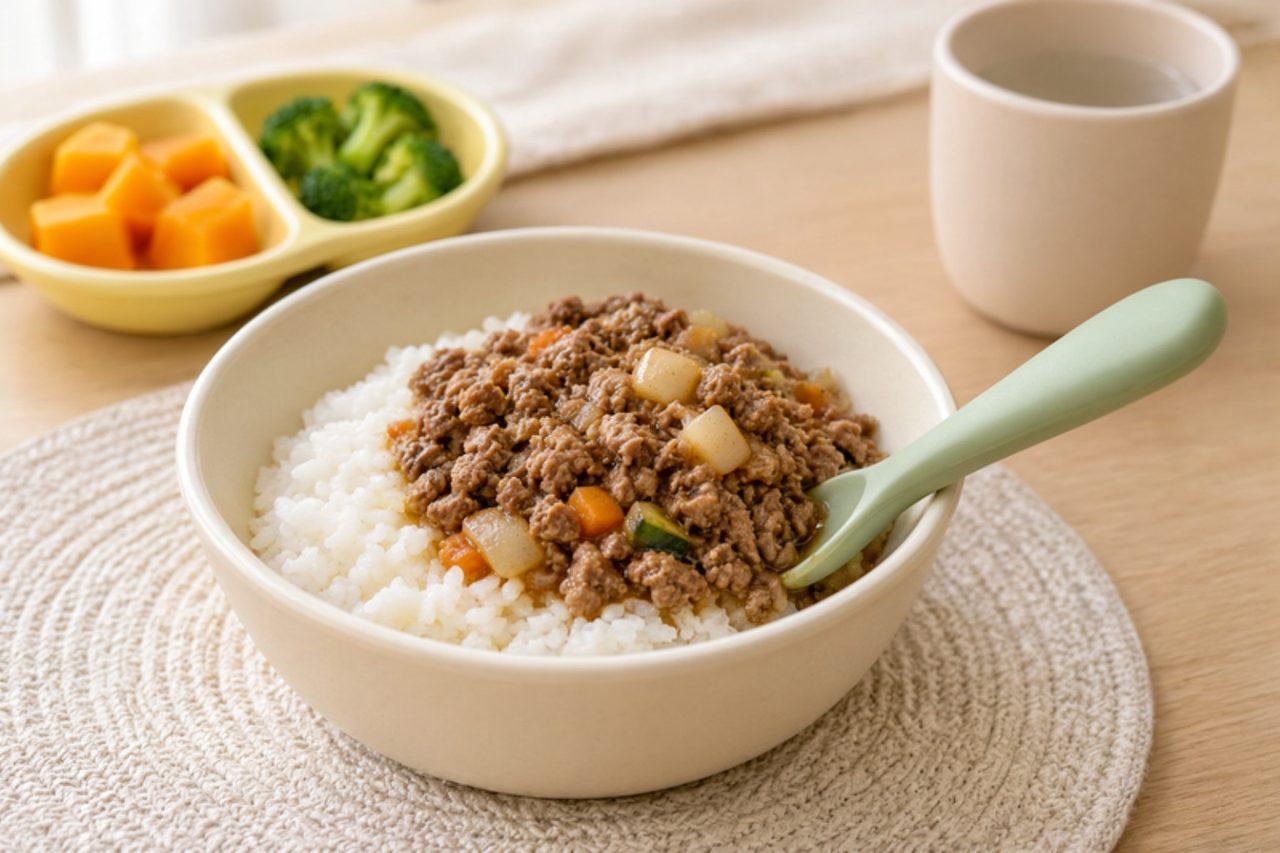
Agi bulgogi, 'baby bulgogi', is the dish Korean parents in Seoul's apartment blocks make once the iyusik stage ends and children start yuaosik, eating soft versions of family food at around 12 months. Grated Korean pear and onion tenderise the beef and sweeten it, so it needs only a drop of soy sauce rather than the sugary grown-up marinade. It is soft, juicy and easy to chew, served with soft rice and courgette. It contains soya and wheat (in soy sauce), and sesame if you use the oil; there is no milk, egg or nuts. Chef's tip: grate the pear finely and squeeze nothing out; the juice is what keeps the meat tender.

30 minKoreanMeat
by KrazyBadal 0 views

Radish and chilli jangajjiSoy-pickled radish and chilli

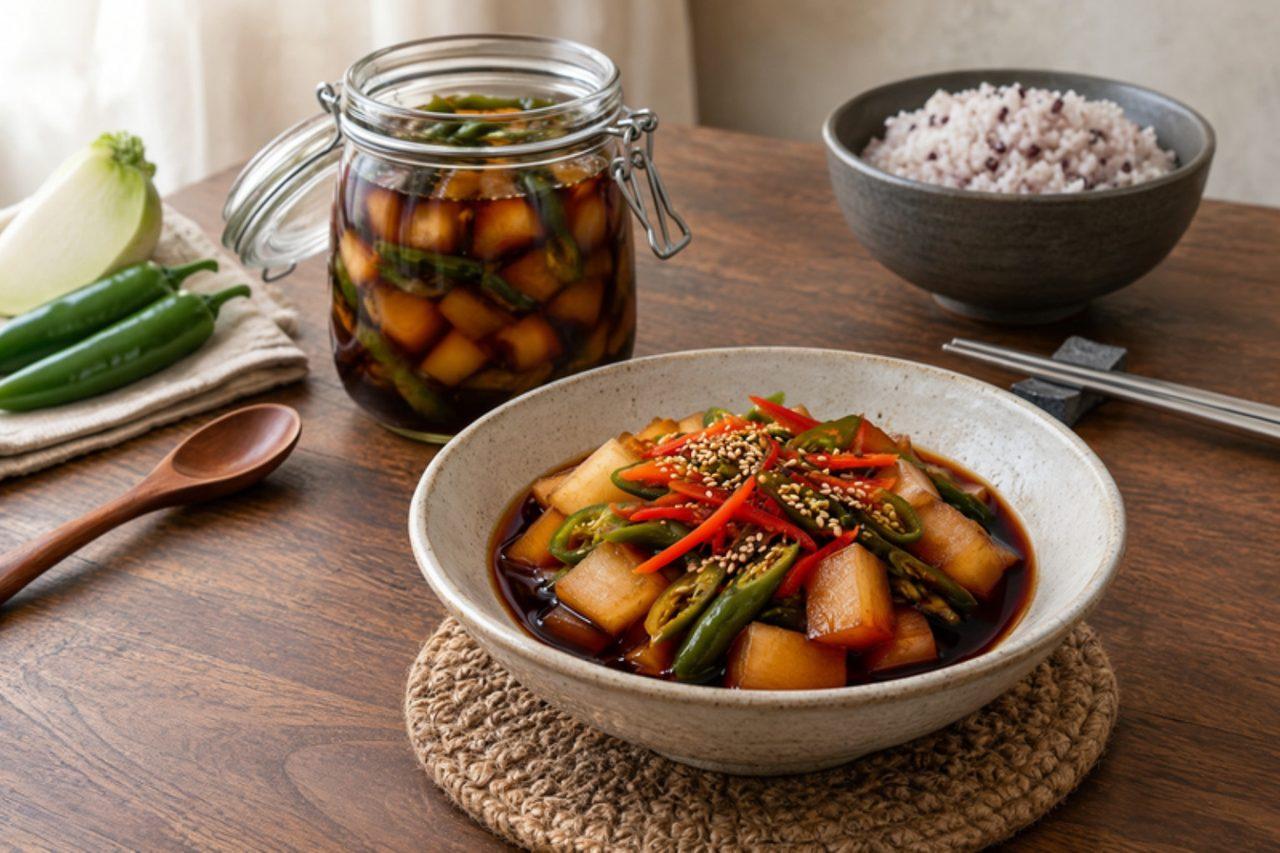
Jangajji are Korea's long-keeping soy pickles, made with whatever the season gives: perilla leaves, garlic, chillies, radish. They go in a dosirak lunchbox because they never weep or spoil the rice, and a few slices wake up any meal. This version pickles crisp Korean radish with green chillies, with perilla leaves if you can find them. The common mistake is pouring cold brine over the vegetables, which leaves them limp and short-lived. Chef's tip: after three days, pour the brine off, boil it again and pour it back hot, and the pickles stay crunchy for a month.

by KrazyBadal 0 views

Shānyào ní (Chinese yam purée)

Chinese yam (shānyào, the long, hairy-skinned root sold in bundles in markets from Beijing to Guangzhou) is valued in Chinese homes as easy on the tummy, and steamed shānyào ní is one of the classic first purées offered at six months. Once steamed, the crisp, slippery flesh turns floury and pale, and pressed through a sieve it gives a smooth, slightly sweet, potato-like purée. Nothing else is added: no salt, sugar or honey for babies. It is free of the major allergens. Chef's tip: wear gloves or oil your hands before peeling; the raw sap makes skin itch, but cooking destroys it completely.

by KrazyBadal 0 views

Grünkohl mit PinkelBraised kale with smoked sausage

In Bremen and Oldenburg, Grünkohl mit Pinkel is the dish of the winter Kohlfahrt, when groups walk out into the frosty countryside and finish at an inn for kale, smoked pork and Pinkel, a smoked sausage of pork, bacon and oats. The kale is braised for hours with onions, lard and smoked pork until dark, soft and almost creamy, then the sausages warm through on top. Serve with boiled potatoes or small caramelised ones and mustard. The usual mistake is cooking the kale briefly like a vegetable side; it needs the long braise to lose its bitterness. Chef's tip: kale is best after the first frost, which makes the leaves sweeter; frozen chopped kale is a good shortcut.

160 minGermanMeat
by KrazyBadal 0 views

Jiu cai hua jiangGarlic chive flower sauce

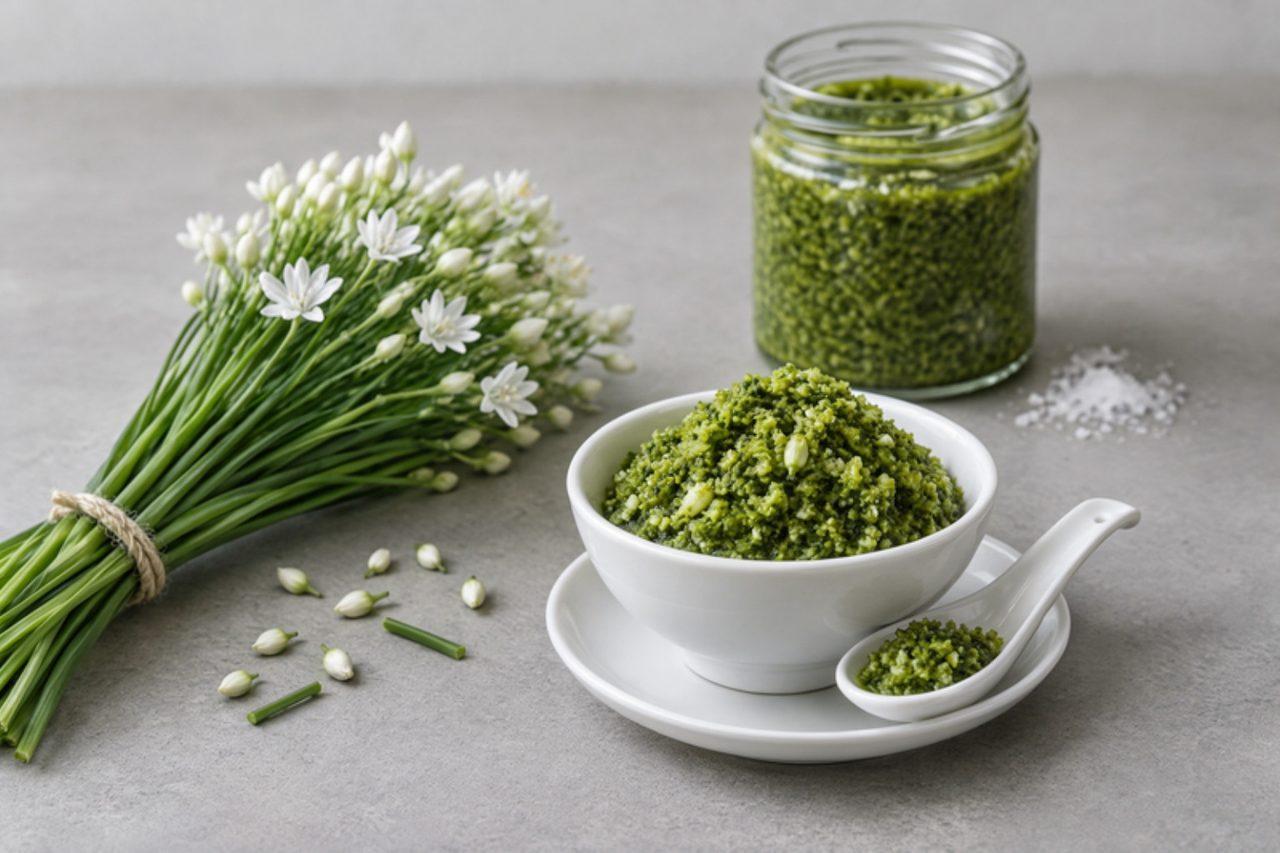
In late August the garlic chives of Hebei, Beijing and Inner Mongolia send up stiff stalks topped with white flower heads, and northern households grind them with salt into jiu cai hua jiang. A few days of fermentation turn the raw, oniony paste mellow and tangy, and by the first cold evenings it is stirred into the sesame-paste dip for shuan yangrou, Beijing's copper-pot lamb hot pot, alongside fermented tofu and chilli oil. It also lifts plain noodles, steamed buns and boiled dumplings. The taste is salty, garlicky and green, with a gentle sweetness from Asian pear and warmth from ginger; the texture is a loose, coarse purée. Pick the flowers when the buds are just opening, before seed pods form, or the paste turns bitter and gritty. Common mistake: using too little salt; under 8% the paste goes slimy instead of sour, so weigh it. It is ready when small bubbles rise, the colour dulls from bright to olive green and it smells pleasantly sour rather than raw. Chef's tip: a crisp apple works if you cannot find Asian pear; use slightly less, as it is sharper.

by KrazyBadal 0 views

RinderrouladenStuffed beef rolls

Rinderrouladen are the Sunday and holiday roast of Germany, made by grandmothers from the Rhineland to Saxony and served at Christmas with red cabbage and potato dumplings. Thin slices of beef are spread with mustard and rolled round smoked bacon (pork), onion and gherkin, then browned and braised for two hours in red wine and stock until tender, giving a deep, glossy gravy. For an alcohol-free version use extra stock with a tablespoon of red wine vinegar. The usual mistake is rolls that unravel in the pot; tie them firmly or pin with two cocktail sticks. Slow-cooker: after browning, cook on low for 7 hours, then thicken the sauce in a pan. Chef's tip: ask the butcher for topside sliced 5 mm thick and beat it a little thinner, so it rolls easily without tearing.

165 minGermanMeat
by KrazyBadal 0 views

Ash-e dooghYogurt soup with rice and chickpeas

Ash-e doogh is the summer and autumn soup of Ardabil and the Azeri north-west of Iran, cooked in big pots for family gatherings and sold in bowls in the bazaars. Rice and chickpeas are simmered in tangy yoghurt with handfuls of dill, coriander, spinach and mint, and the soup is topped with crisp fried onion and dried mint. It is creamy and sour, never heavy. The usual mistake is stopping stirring: the yoghurt splits into grains if left to boil alone, so stir in one direction without stopping until it comes to the boil. Chef's tip: beat a spoonful of rice flour into the yoghurt before heating; it stabilises it and keeps the soup silky.

by KrazyBadal 0 views

Jolpai acharIndian olive pickle

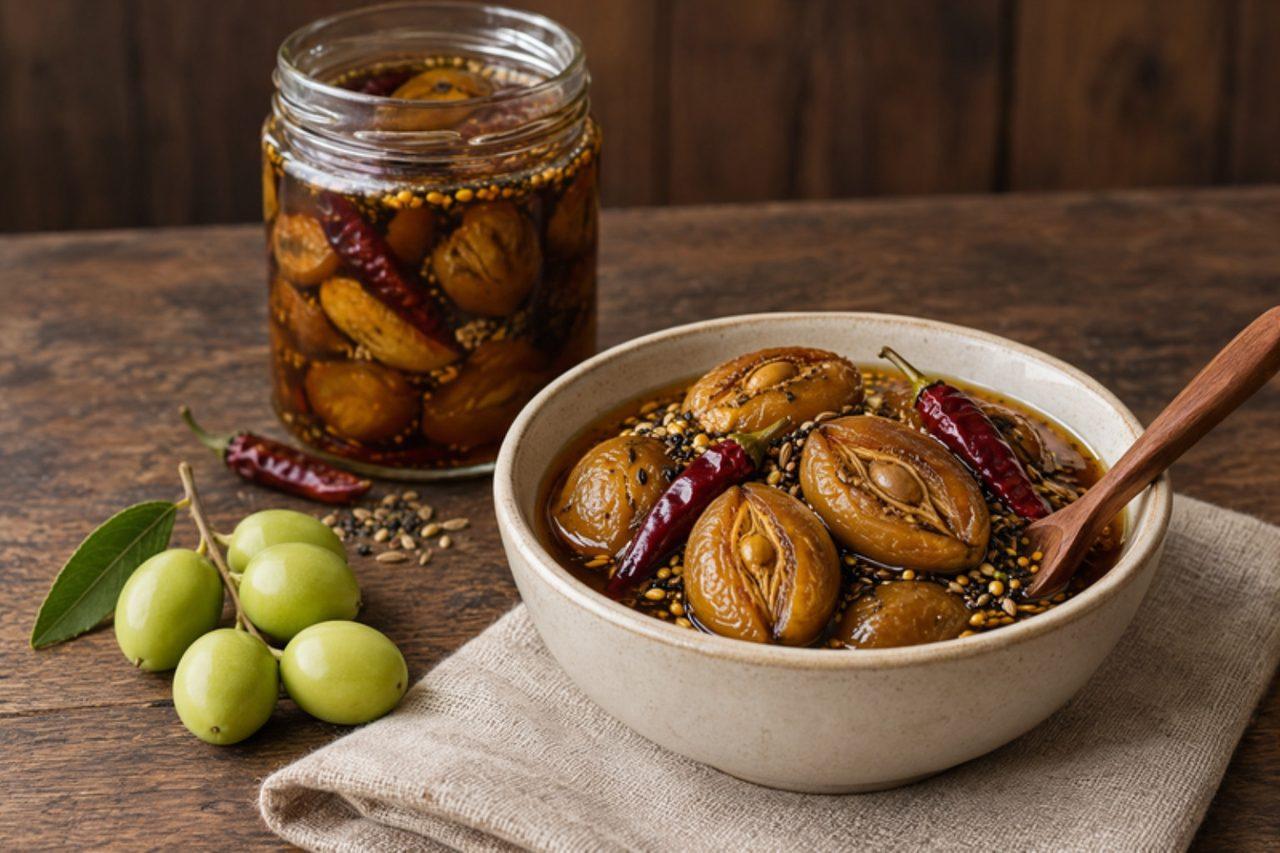
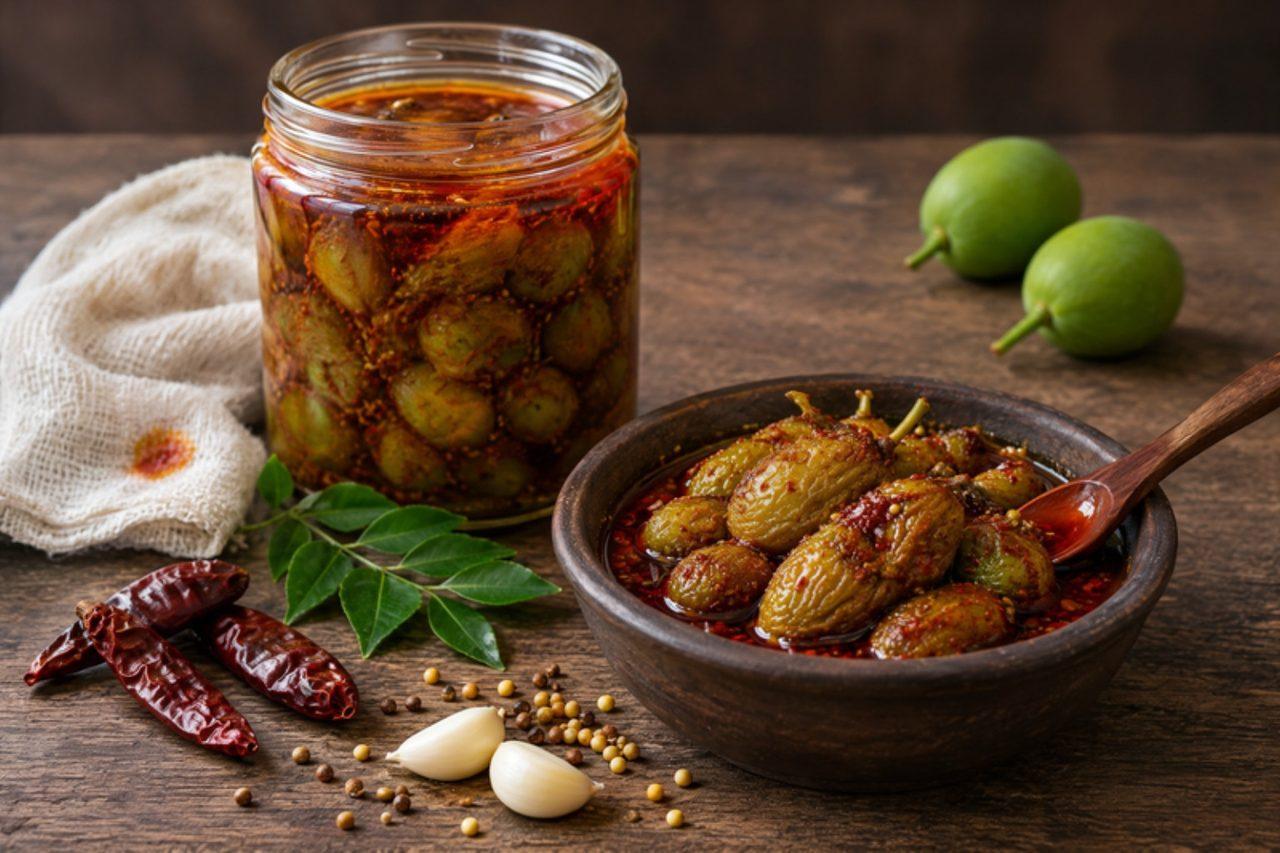
Jolpai, the small, hard, sour Indian olive, appears in Bengal and Bangladesh markets from October to December, and no winter afternoon is complete without a jar of jolpai achar warming in the sun. It is no relation to the Mediterranean olive: it is tart and astringent, almost like a green plum. The olives are boiled, lightly crushed so the flesh splits from the stone, then cooked in mustard oil with panch phoron, dried chilli and plenty of jaggery. The pickle is sticky, sweet-sour and slightly tannic, with soft flesh to nibble off the stones. Eat it with khichuri on a cold evening, with dal-bhaat, or straight from the jar as a snack. The common mistake is under-boiling: the olives must be soft enough to press flat, or the syrup cannot get in and they stay bitter. It is done when the syrup is thick and shiny and clings to the olives. Very sweet and acidic, it keeps a month in a cool cupboard in winter and 3 months in the fridge. Abroad, look for frozen jolpai in Bangladeshi grocers; firm, sour green plums are the closest substitute. Chef's tip: keep a few olives whole and only scored; they give a nicer bite.

by KrazyBadal 0 views

Ju hua chaChrysanthemum tea

Ju hua cha is chrysanthemum tea, a summer staple in Hangzhou, where the famous small white Hang bai ju flowers grow, and across Guangdong and Hong Kong, where it is poured at dim sum and sold chilled in street-side stalls. Dried flowers open in hot water into a pale golden, honey-scented infusion with a gentle bitterness. It is drunk plain here: no salt and no sugar, so about 0.0 g salt per cup. The usual mistake is using boiling water, which turns it harsh; let the kettle rest for a minute first. A few goji berries add colour and a little natural sweetness. Chef's tip: rinse the dried flowers quickly in warm water first to wash off dust and wake up their fragrance.

by KrazyBadal 0 views

Jugo de macaWarm maca drink

Before dawn at markets in Huancayo, Cusco and Lima, juice ladies ladle hot jugo de maca from big pots for workers on their way in: maca root, a turnip relative grown above 4,000 metres in the Junín highlands, simmered with milk, cinnamon and cloves and sweetened with honey or sugar. It tastes malty and toasty, a bit like butterscotch. The common mistake is stirring the powder straight into hot milk, which leaves gritty lumps; whisk it into a little cold milk first. Maca is not usually advised in pregnancy, so ask your doctor first if you are pregnant. Chef's tip: use gelatinised (cooked) maca powder if you can find it; it dissolves smoothly and is gentler on the stomach.

by KrazyBadal 0 views

Aam ki launjiSweet and sour raw mango relish

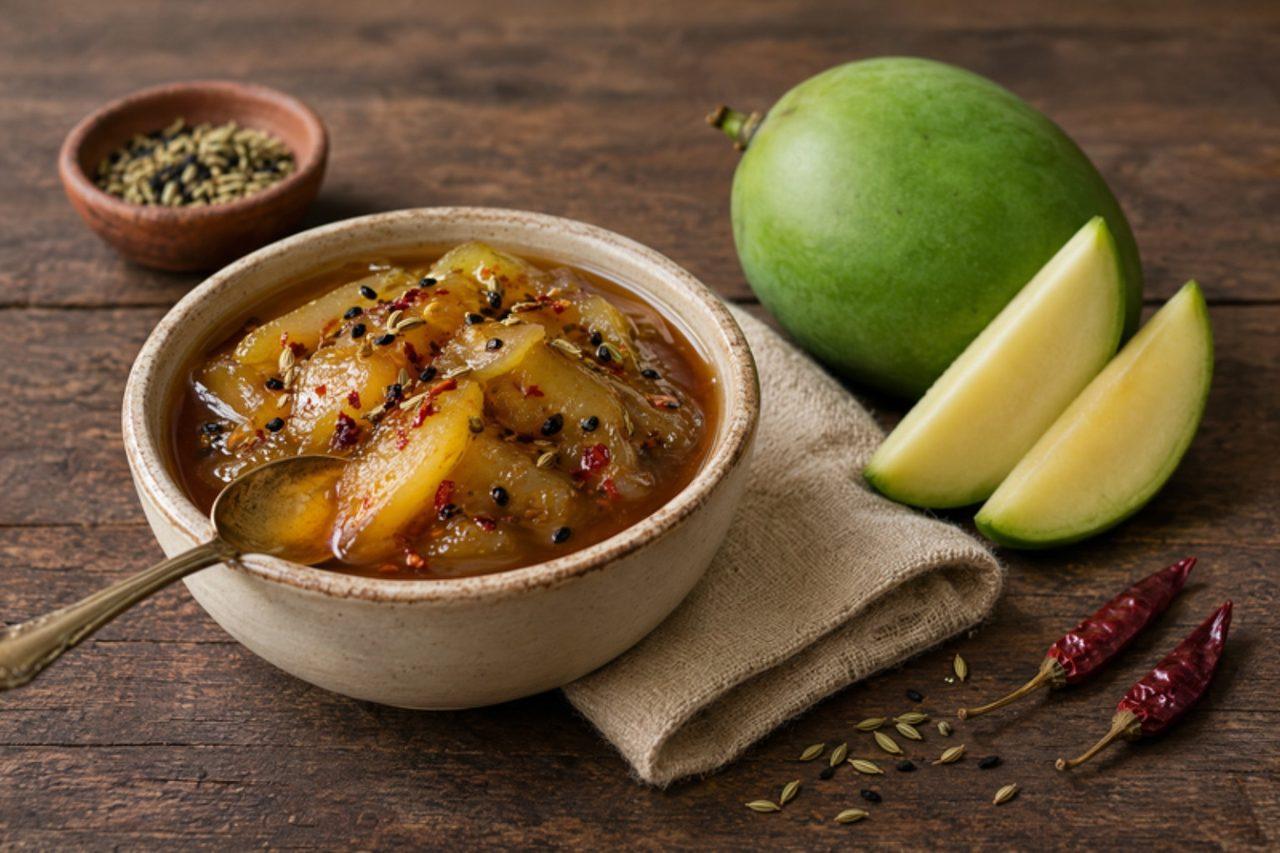
In Rajasthan and across the Hindi belt, launji is the quick mango relish made the day the first raw mangoes come home in April, and it keeps appearing on the thali all through the scorching summer. Unlike the long-cured achaars, it is cooked in 20 minutes: mango pieces in mustard oil with saunf, kalonji, methi and cumin, then simmered with jaggery until glossy. The pieces stay soft but hold their shape in a thick, amber syrup that is sweet first, then sour, with a warm hum of chilli and a liquorice note from the fennel. Eat it with dal-baati, puri, paratha or plain khichdi; in the heat it is believed to cool the body. The common mistake is adding the jaggery too early, so it caramelises and turns bitter before the mango is tender; cook the mango first, then the jaggery. It is ready when the syrup coats the back of a spoon and the mango looks translucent at the edges. It thickens as it cools. Store in a clean jar in the fridge and eat within a week to 10 days. Chef's tip: leave a little peel on some pieces; it gives a pleasant chew and stops the mango from turning to mush.

by KrazyBadal 0 views

Pan-gayu (bread porridge)

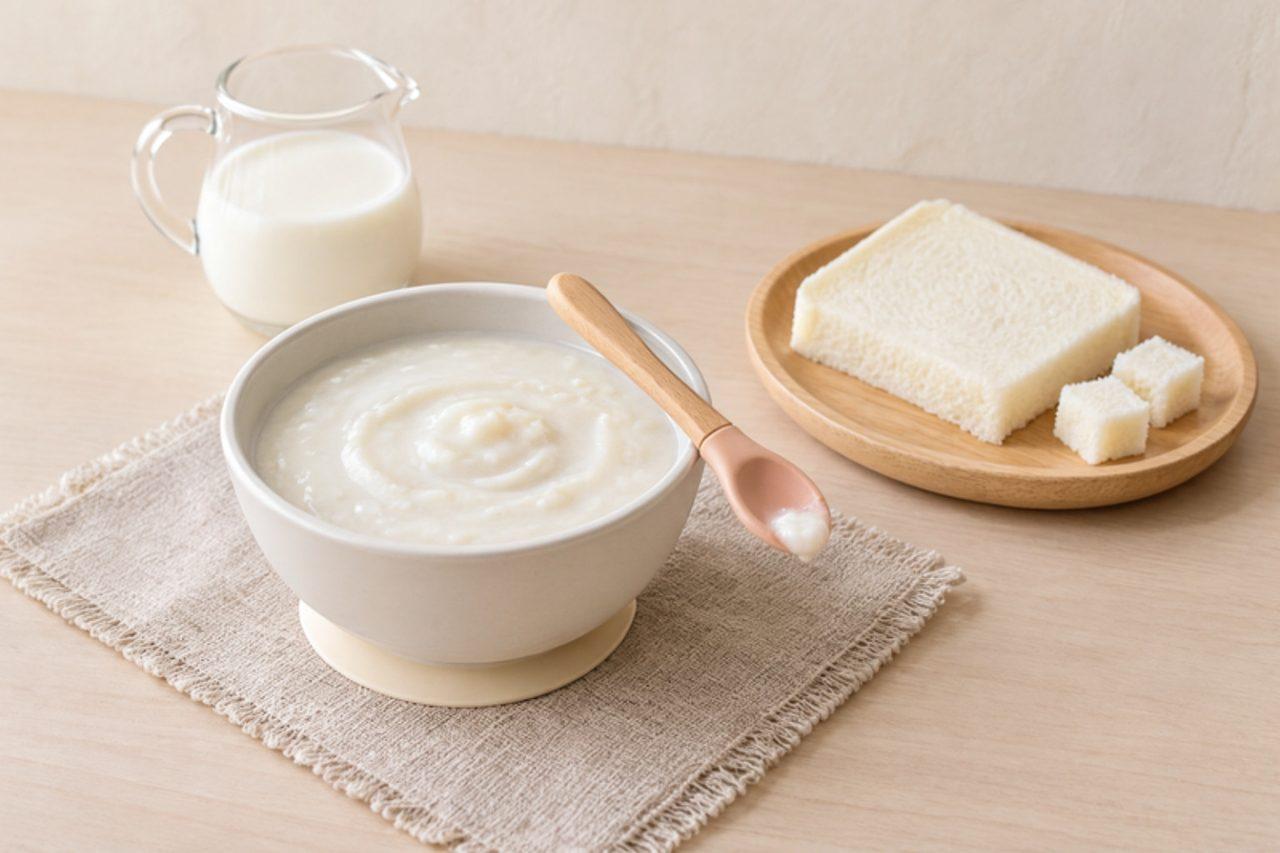
Pan-gayu is a staple of the early rinyushoku (weaning) stage in Japan, the second grain after rice porridge, and it fills the 'first foods' pages of every baby magazine sold in Tokyo convenience stores. Crustless white bread is torn into a pan of water, breast milk or formula and simmered until it collapses, then mashed smooth for a soft, milky, faintly sweet porridge. Bread already contains a little salt, so this is an occasional porridge rather than an everyday one, and no extra salt, sugar or honey goes in. It contains wheat (gluten) and milk if made with milk. Chef's tip: choose the softest, plainest white sandwich loaf with the lowest salt on the label, and cut away every bit of crust.

by KrazyBadal 0 views

Kabocha saladPumpkin salad

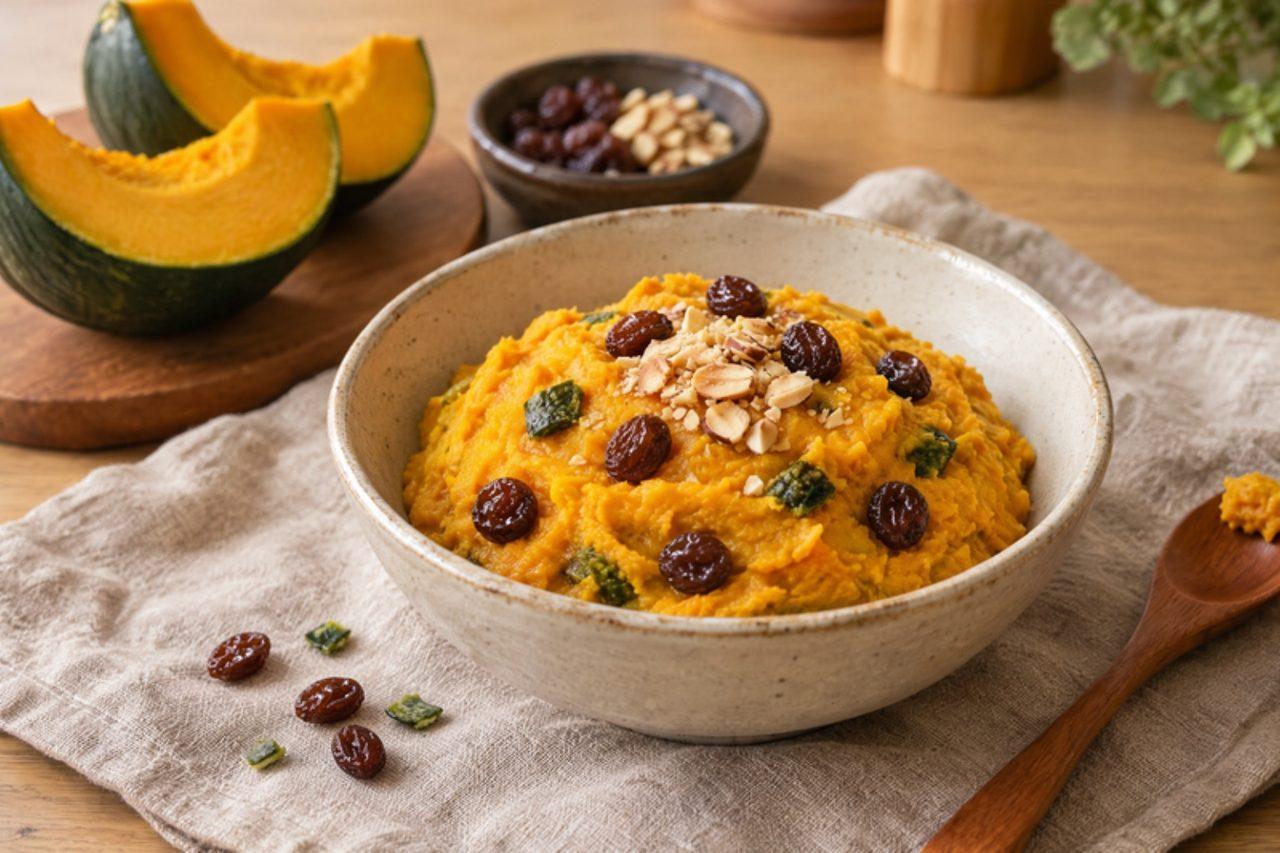
Children across Japan know this golden, chunky salad from their bento boxes and school lunches: steamed kabocha squash crushed with mayonnaise, a few plump raisins and a touch of pepper, sweet enough to pass for dessert. It holds its shape cold, so it fills a bento cup neatly. The common mistake is mashing the squash while it is wet, which gives a watery salad; dry it off in the pan first. Leave some skin on for colour. The mayonnaise contains egg. Chef's tip: dress the squash while it is still warm with the salt and pepper, but add the mayonnaise only once it has cooled, so it stays creamy instead of turning oily.

by KrazyBadal 0 views

KabokPuffed rice and sesame balls

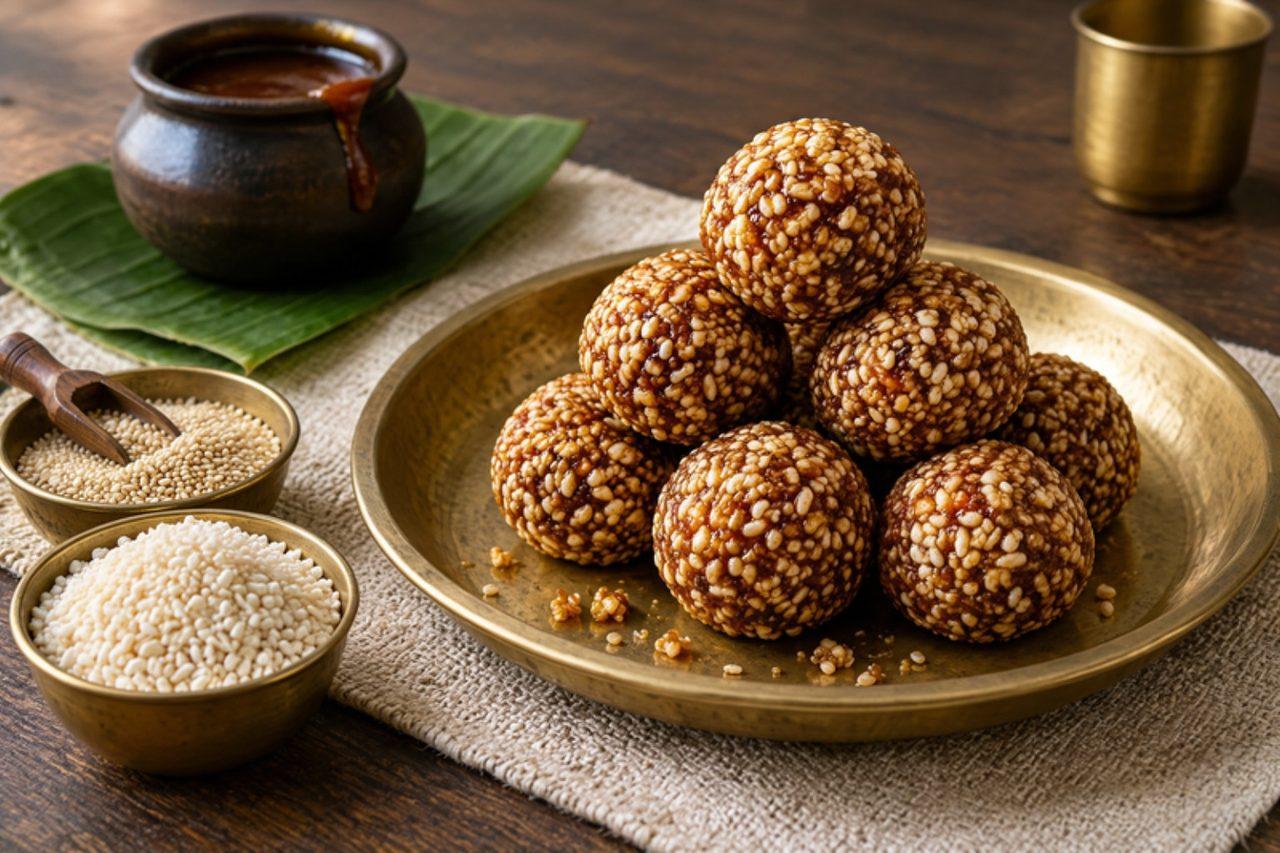
Kabok are crunchy balls of puffed rice and sesame bound with hot jaggery syrup, made in Meitei homes for Yaoshang, Cheiraoba and temple offerings. Black puffed rice is used in some villages, giving dark, toasty kabok. The key is the syrup: cook it to the hard-ball stage, when a drop in cold water sets into a firm ball, or the balls will fall apart. The common mistake is shaping with dry hands; wet them so the hot mixture doesn't stick or burn. Chef's tip: warm the puffed rice in the oven for a few minutes first so it stays crisp.

by KrazyBadal 0 views

Lito (sarbottam pitho porridge)

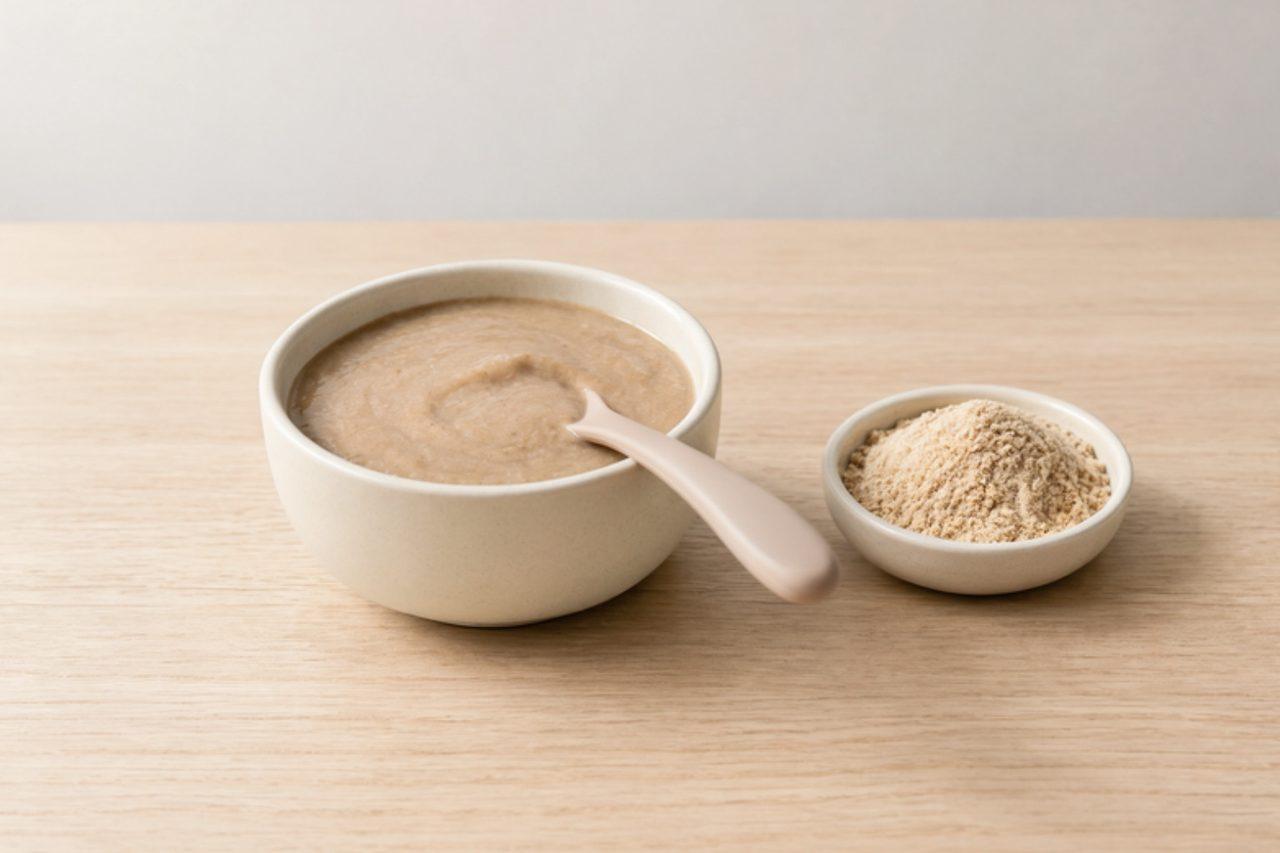
Ask a mother in Kathmandu, Pokhara or a hill village what her baby eats after the pasni rice-feeding ceremony, and the answer is often lito: porridge made from sarbottam pitho, a 'super flour' that families roast and grind themselves from two parts soybean to one part each of maize and wheat. Cooked with water it becomes a smooth, nutty, toast-coloured porridge with more protein than plain rice. For babies there is no salt, sugar, jaggery, honey or ghee needed. It contains soya and wheat (gluten). Chef's tip: roast the grains separately, each until it smells nutty and cracks between your teeth, then grind and sieve; the beans need longest.

by KrazyBadal 0 views

Ciulama de ciuperciMushrooms in white sauce

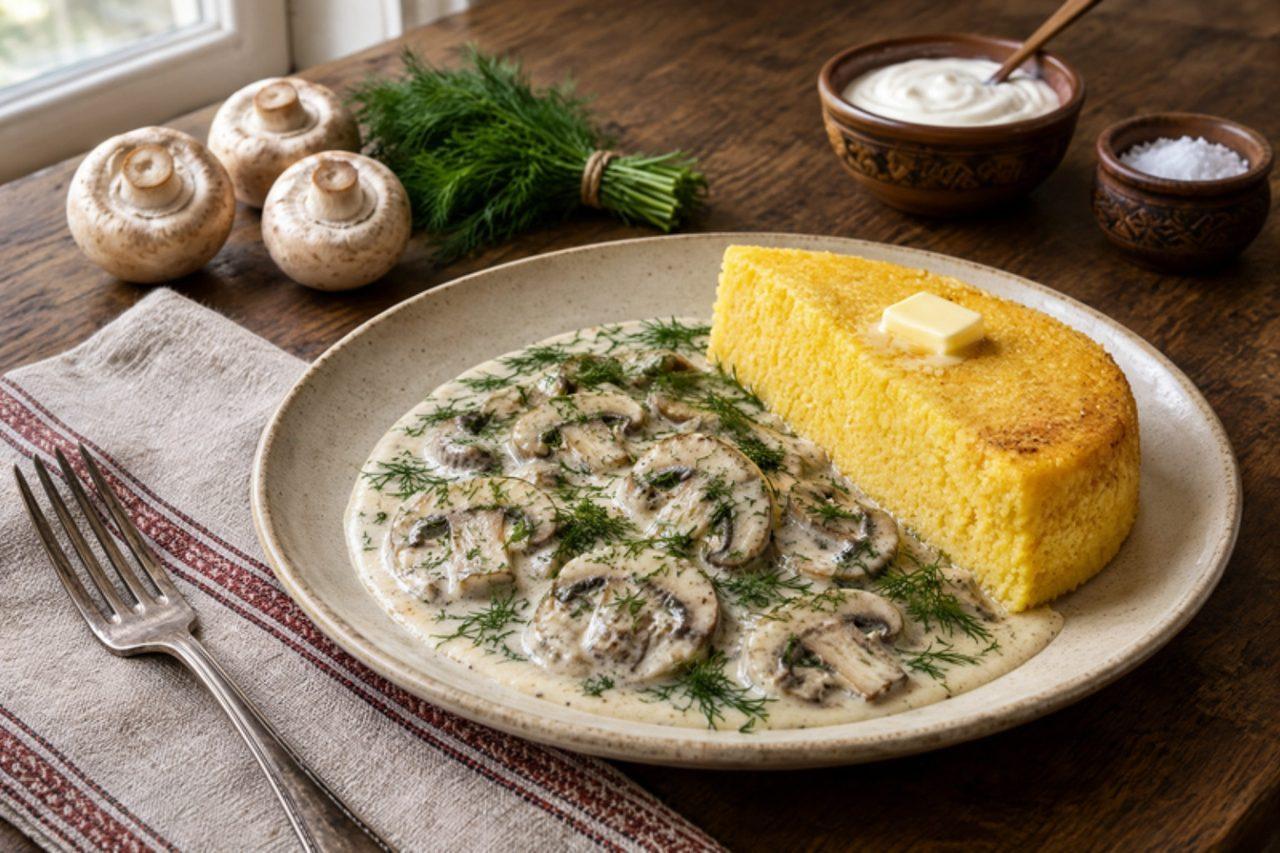
Ciulama is a white, velvety sauce stew from Moldova and Muntenia, and the mushroom version is cooked in autumn when wild mushrooms come down from the Carpathians, or any time with cultivated ones. Mushrooms are sautéed with onion, then simmered in a light roux of butter, flour and milk until thick and creamy, and finished with dill and garlic. It is served with a mound of hot mămăligă (cornmeal mash) and sometimes a spoon of sour cream. The usual mistake is adding the milk to a cold, raw roux, which leaves the sauce lumpy and floury. Chef's tip: let the mushrooms brown before the flour goes in; golden mushrooms give a much deeper flavour than pale, steamed ones.

by KrazyBadal 0 views

Steamed Nendran banana mash

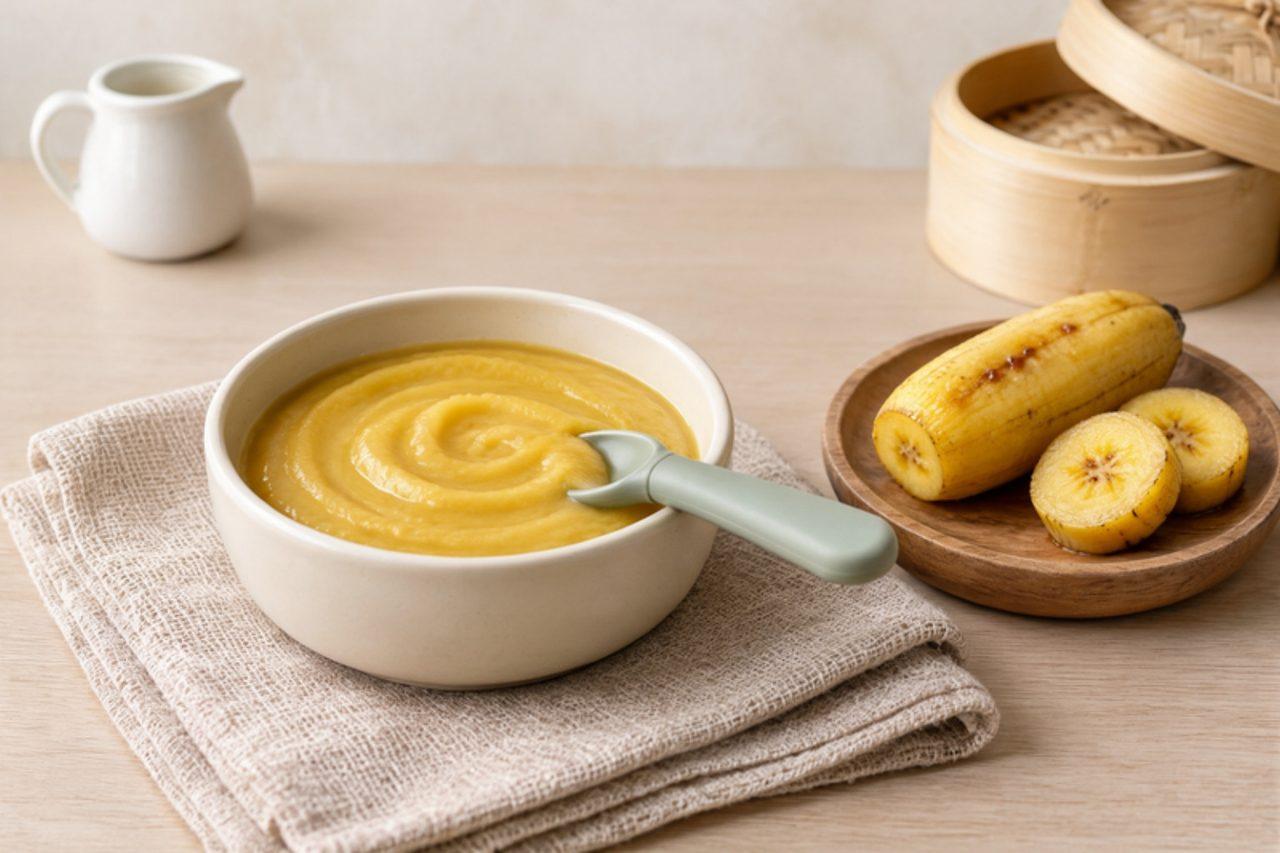
Nendran is the long, golden plantain of Kerala, sold in hands at every market from Palakkad to Thiruvananthapuram, and a steamed ripe Nendran is one of the first fruits a Malayali baby tastes. Raw, it is too firm and starchy for a six-month-old, so it is steamed in its skin until the flesh turns soft and orange-gold, the dark string of seeds in the centre is pulled out, and the rest is mashed smooth. It is naturally sweet, so nothing is added: no sugar, jaggery, honey or salt. It is free of the major allergens. Chef's tip: wait until the skin is fully yellow with black freckles; a green Nendran stays chalky however long you steam it.

by KrazyBadal 0 views

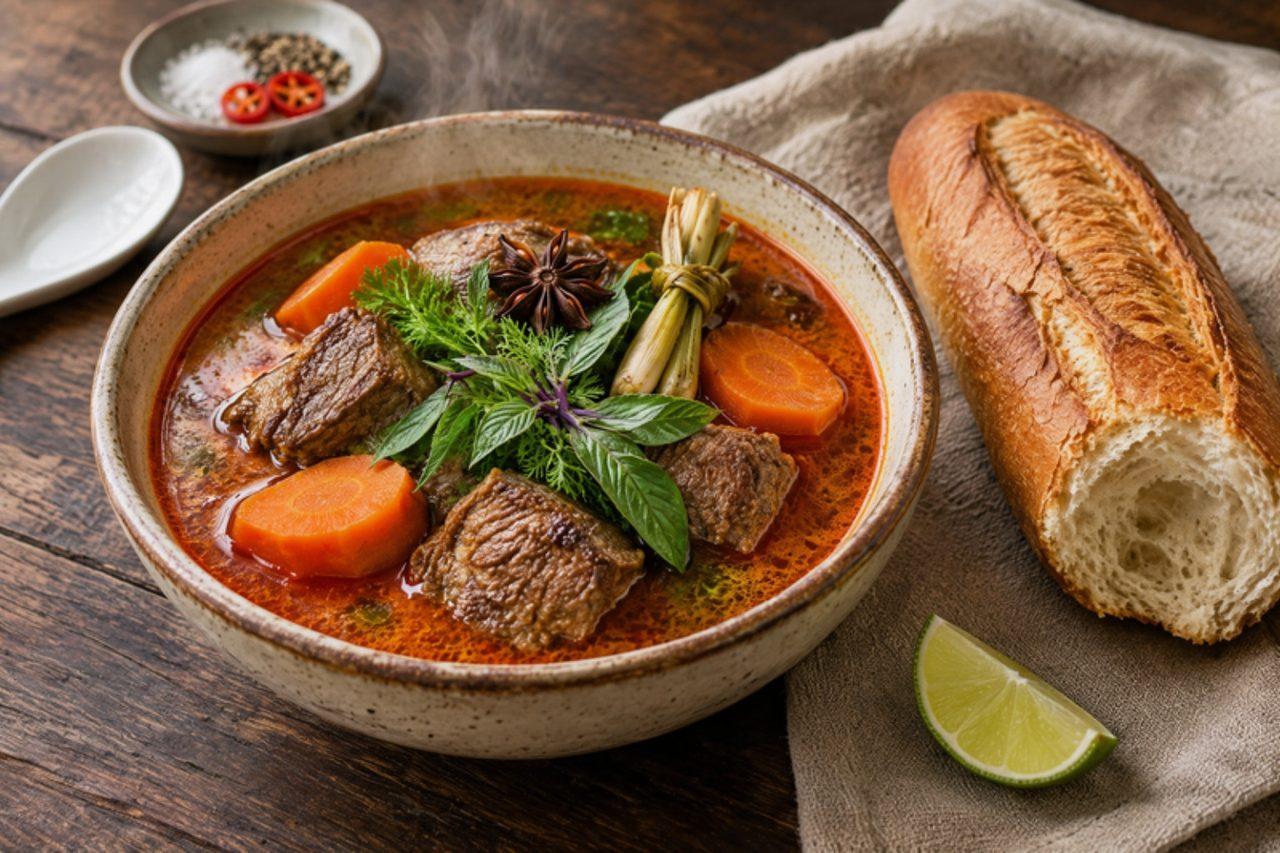
Bò khoLemongrass beef stew

Bò kho is a southern Vietnamese breakfast: in Saigon street stalls ladle this red, gently spiced beef stew over bánh mì torn for dunking, or over rice noodles, from first light. Chunks of beef shin marinate with lemongrass, ginger, garlic, five-spice and fish sauce, are browned in annatto oil, then simmered in coconut water with star anise and cinnamon until tender, with carrots added near the end. The broth should be glossy and aromatic, not thick. The usual mistake is adding the carrots at the start, so they turn to mush; they go in for the last 25 minutes. Slow-cooker option: brown the beef, then cook everything except the carrots on low for 8 hours, adding the carrots for the last hour. Chef's tip: bruise the lemongrass stalks with the back of a knife so they release oil without falling apart.

by KrazyBadal 0 views

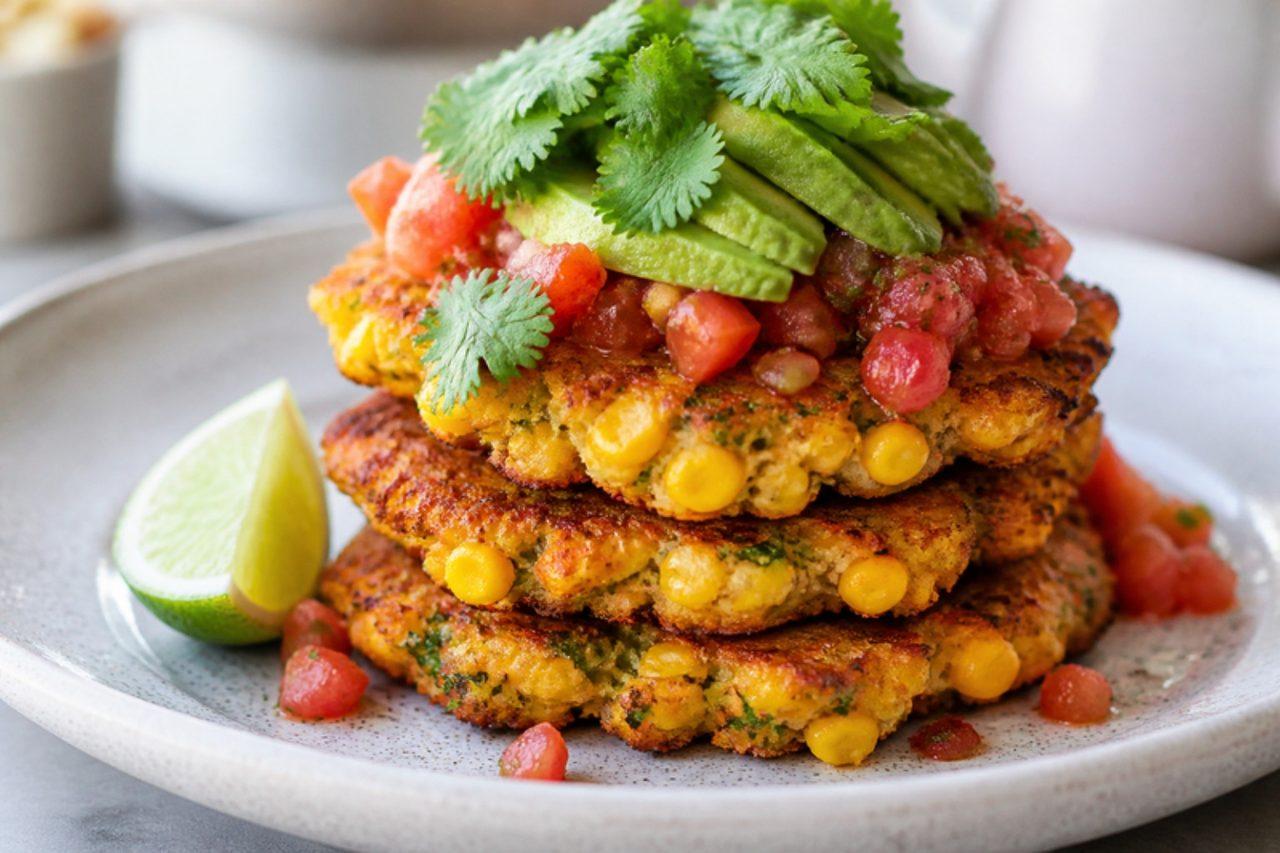
Corn fritters

Corn fritters are a Sydney café staple, the brunch that sits on every menu from Surry Hills to Manly, stacked with smashed avocado, roast tomato or relish and a handful of herbs. The batter is mostly corn, with just enough flour and egg to bind, plus spring onion, coriander and a little chilli. They are quick enough for a weekday breakfast. A common mistake is crowding the pan, which steams them instead of crisping. Chef's tip: blitz a quarter of the corn so its milky juice binds the fritters and keeps them tender.

by KrazyBadal 0 views

Ginger beef

Ginger beef was created in the 1970s at a Chinese restaurant in Calgary and is now on the menu of nearly every Chinese-Canadian restaurant on the Prairies. Thin strips of beef are coated in a cornflour batter and fried until shatteringly crisp, then tossed in a glossy sweet-sour sauce full of fresh ginger, garlic and chilli with strips of carrot and pepper. Serve at once with steamed rice. A common mistake is saucing the beef too early, which turns the crust soggy. Chef's tip: fry the beef twice; the second fry is what makes it crunchy.

by KrazyBadal 0 views

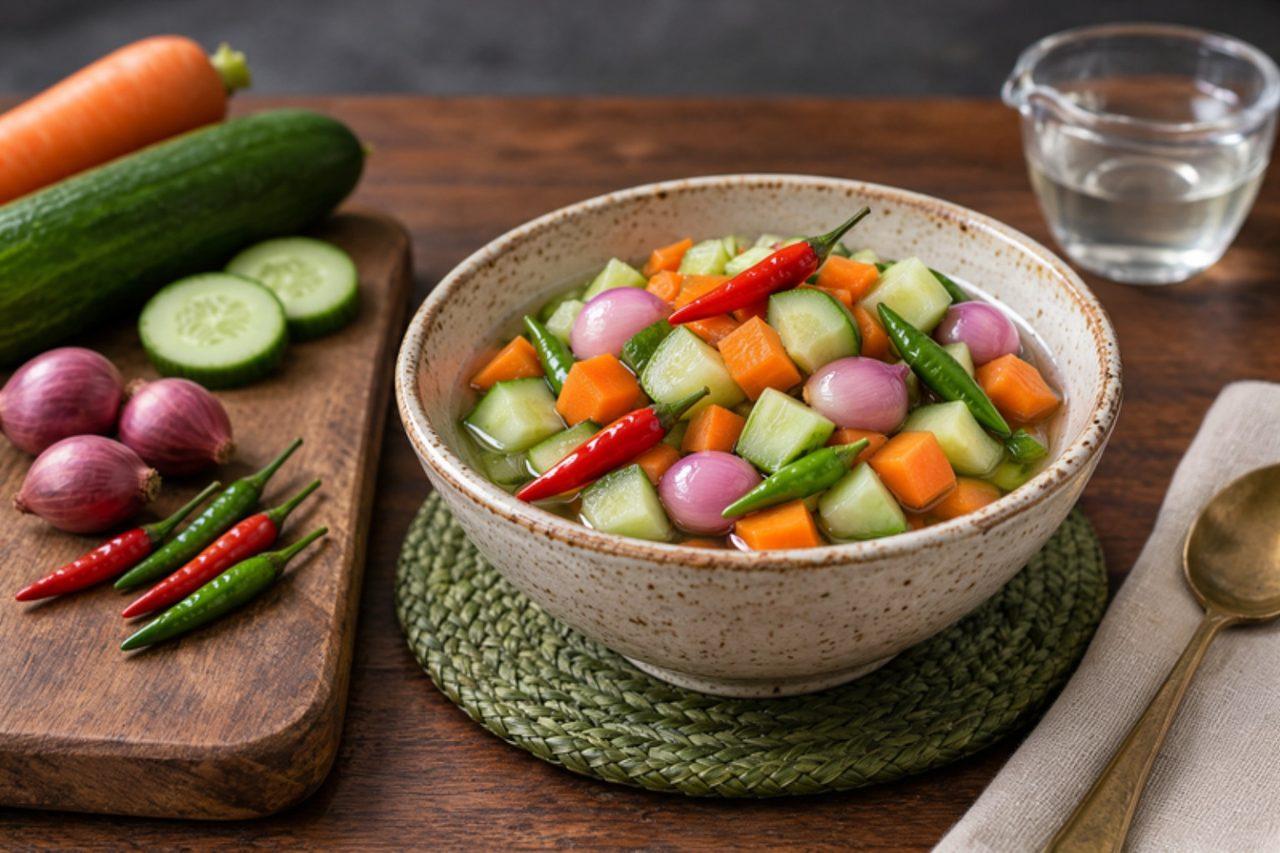
Acar timunPickled cucumber and carrot

Order sate at a Madurese stall in Java, or nasi goreng from a night-time warung tenda, and a little saucer of acar timun comes with it: cubes of cucumber and carrot, whole small shallots and a few green or red bird's eye chillies in a sweet, sharp vinegar dressing. It is also spooned beside martabak telur and served at kenduri feasts and weddings. It is cold, crunchy and refreshing, sweet first, then sour, with a sudden bite when you hit a chilli, and it cuts the richness of peanut sauce and fried rice. Make it fresh: it is at its best the same day. Common mistake: pouring the dressing on warm or cutting the cucumber too thin, which turns everything limp and watery; dissolve the sugar in warm water, then let it cool before mixing. It is ready after 10–15 minutes, when the shallots have lost their raw edge and the cucumber is lightly seasoned but still snaps. Chef's tip: leave the bird's eye chillies whole so guests can choose whether to eat them; slit one or two if you want the dressing itself to carry heat.

by KrazyBadal 0 views

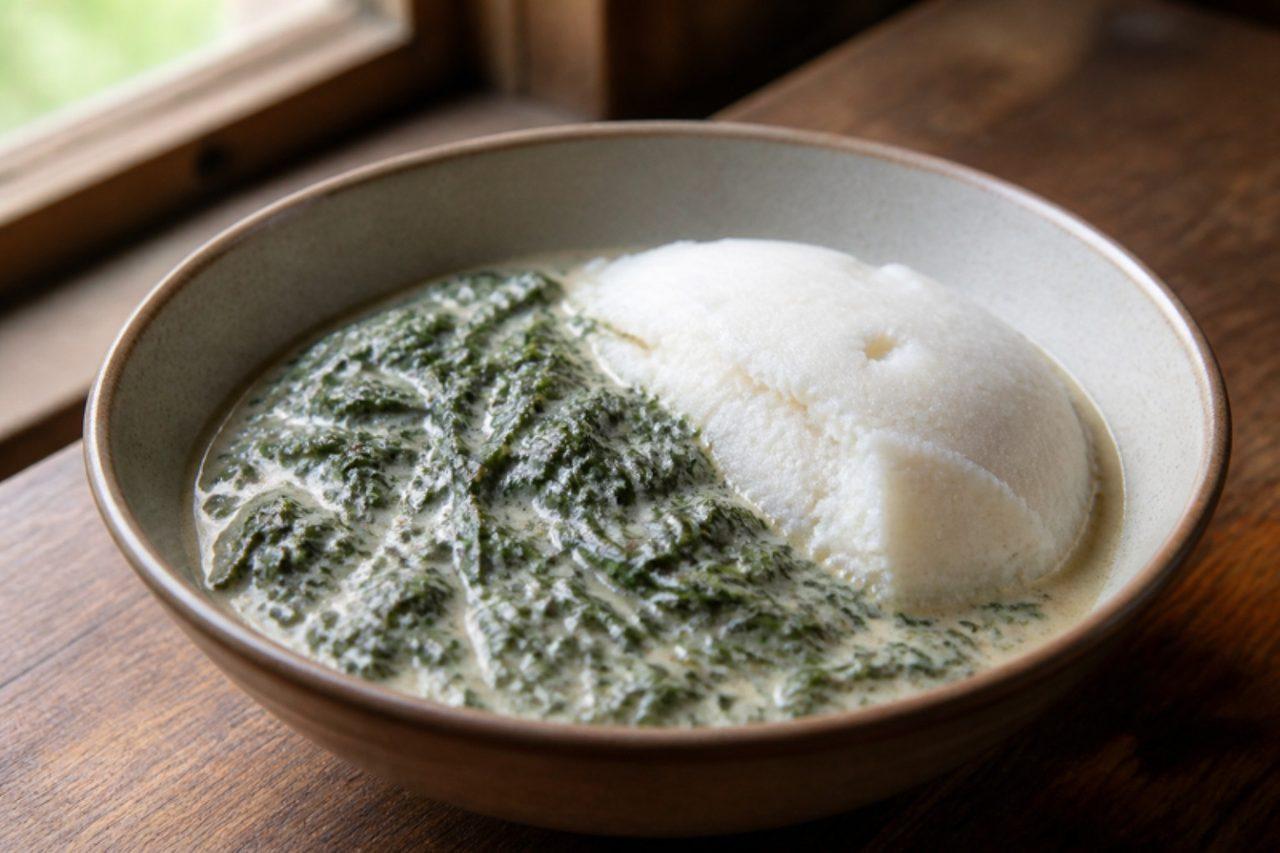
SagetSpider plant greens in soured milk

Spider plant, saget to the Kalenjin and sagaa in Swahili, grows in every kitchen garden around Eldoret and Kericho, and its slightly bitter, peppery leaves are boiled and then softened with mursik or cream to go with ugali. The result is tender, dark greens in a tangy, creamy sauce, bitter in a pleasant way like rapini. Look for fresh or frozen spider-plant leaves at African grocers (sometimes sold as African cabbage or cleome); don't pick wild plants, and if you can't find them, use spinach with a handful of kale or mustard greens for the bite. Letting the milk boil hard is where people slip: it curdles into grainy bits, so add it over a low heat. Chef's tip: some homesteads cook saget the day before and leave it overnight in its milk; it mellows and tastes even better reheated gently.

by KrazyBadal 0 views

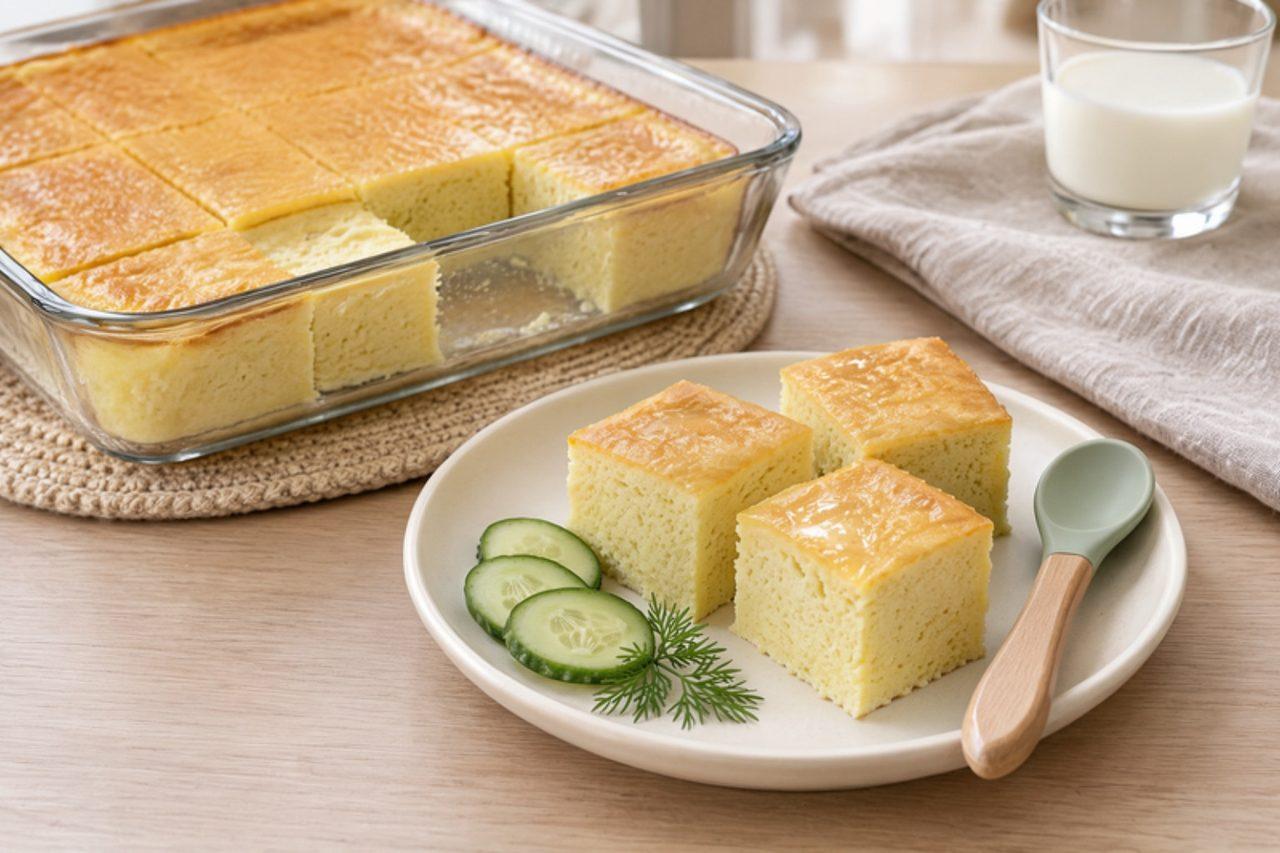
Detsadovsky omlet (kindergarten oven omelette)

Anyone who went to a detsky sad, a kindergarten, in Moscow, Kyiv or Minsk remembers this omelette: tall, pale and soft as a sponge, baked in big trays and served in squares with a slice of bread and butter. The secret is lots of milk and a deep dish, so the eggs steam-bake into a quivering, custardy block rather than a flat frittata. It makes a protein-rich breakfast or supper for toddlers from 12 months, made here without salt. It contains egg and milk; there is no gluten, nuts or soya. Chef's tip: stir the eggs and milk, don't whisk them into a foam, or the omelette rises and then collapses.

by KrazyBadal 0 views

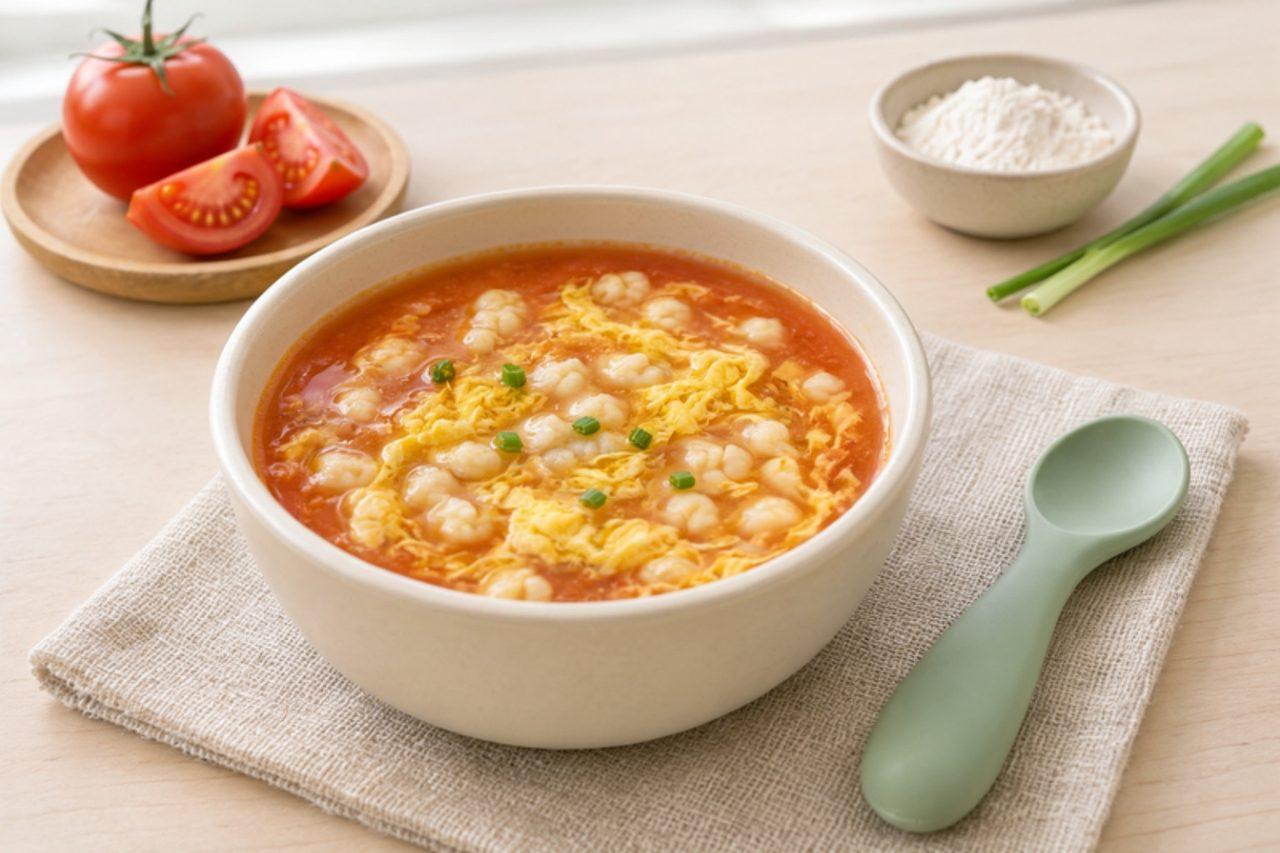
Gē da tāng (flour-knot soup with tomato and egg)

Gē da tāng is the soup of northern Chinese homes, from Beijing hutongs to the kitchens of Hebei and Shandong, made on cold evenings or when someone is under the weather. Water is dripped onto flour until it forms little knots, which are rained into a broth of soft tomatoes and finished with egg, so the bowl is part soup, part tiny dumpling. For toddlers from 12 months it is cooked without salt or soy sauce, and the egg is simmered until fully set. It contains wheat (gluten) and egg, and sesame if you add the oil; there is no milk, nuts or soya. Chef's tip: drip the water in a thin trickle while stirring with chopsticks, so you get rice-sized knots, not a paste.

by KrazyBadal 0 views

Chennai onion samosa

In Chennai's old tea shops, many started by Irani and Muslim families, a glass of strong tea comes with a plate of small onion samosas: thin, crackly pastry folded around a filling of nothing but slow-cooked onion, green chilli, curry leaves and a little poha to soak up the juices. They are sold by the dozen in the evenings and at bus stands across Tamil Nadu. The pastry is the thin, ready-rolled samosa-patti kind, so they are quick to fold. The common mistake is undercooking the onion, which leaks water and makes the samosas soggy; fry it until soft and sweet, then cool. Chef's tip: seal the folds with a thick paste of flour and water, not plain water, so they do not open in the oil.

by KrazyBadal 0 views

Tsestalulu (sea-buckthorn juice)

Sea buckthorn grows wild along the river beds of Ladakh, and in Leh the bright orange berries are pressed into tsestalulu, a sharp, tropical-tasting juice sold in summer cafés and made at home after the autumn harvest. It is drunk chilled, sweetened with sugar or honey and thinned with cold water. The berries are very sour and slightly oily, so the juice is always diluted. The common mistake is boiling the pulp, which dulls both the colour and the fresh taste; just blend and strain. Chef's tip: frozen sea-buckthorn berries or plain unsweetened purée from health shops work very well; strain twice through a fine sieve for a silky drink.

by KrazyBadal 0 views

Hot jam doughnuts

Hot jam doughnuts have been sold from a van at Queen Victoria Market in Melbourne since the 1950s, and the queue on a cold Saturday morning is part of the ritual. The small round yeast doughnuts are fried, injected with hot raspberry jam and rolled in sugar, then eaten straight from the paper bag; careful, the jam is scorching. A common mistake is frying at too high a heat, which browns the outside before the inside cooks. Chef's tip: let the shaped dough rise until it springs back slowly when poked, or the doughnuts will be heavy.

by KrazyBadal 0 views

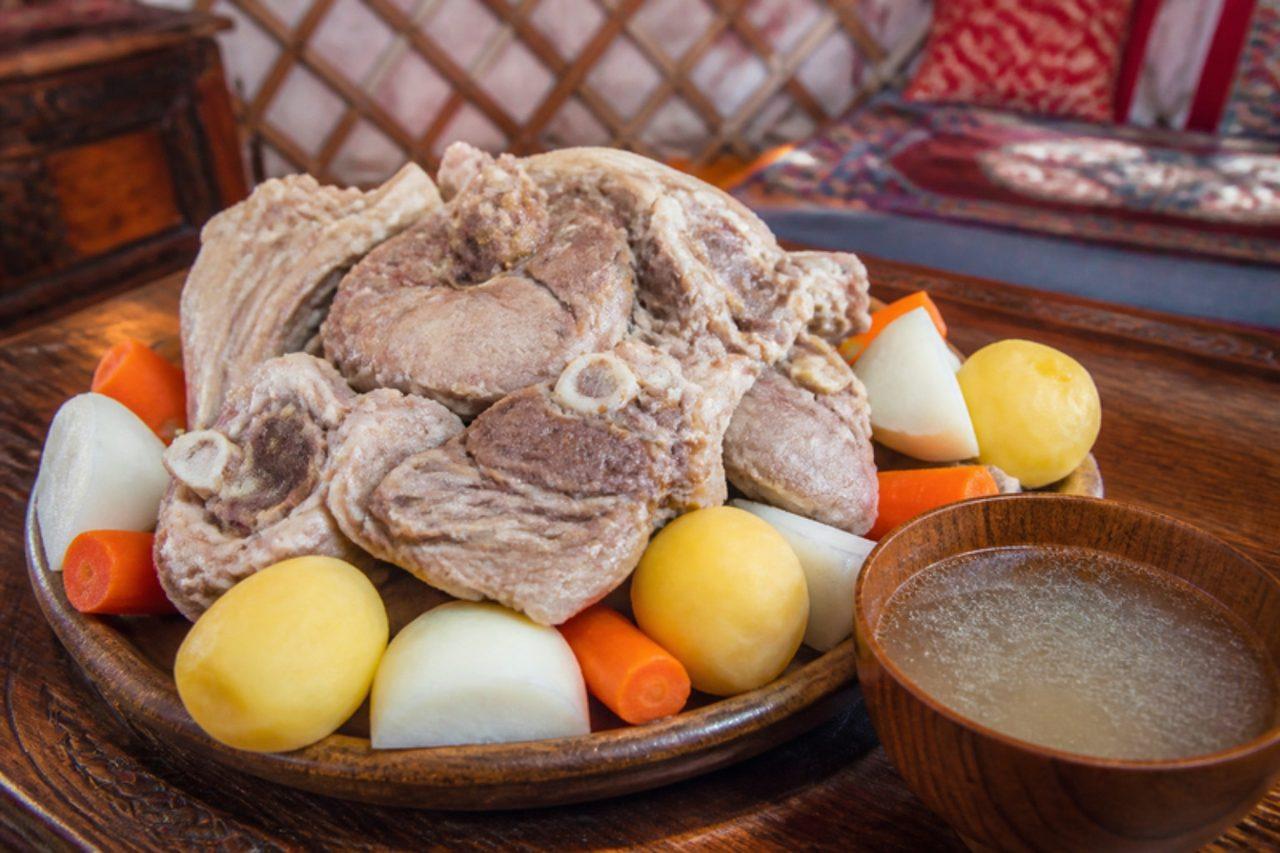
Boiled mutton

Chanasan makh is the simplest and most loved meal of the Mongolian countryside, boiled in a big pot on the ger stove in Övörkhangai or Khentii whenever guests arrive or a holiday comes round. Large bone-in pieces of mutton are simmered with nothing but salt and a little onion, then served steaming on a platter to be cut with a knife and eaten by hand, with the rich broth drunk from bowls alongside. Potato, carrot and turnip are often cooked in the same pot. A common mistake is boiling hard, which makes the meat tough and the broth cloudy; keep it at a lazy simmer and skim. Chef's tip: mutton or older lamb with some fat on it gives the deepest flavour.

by KrazyBadal 0 views

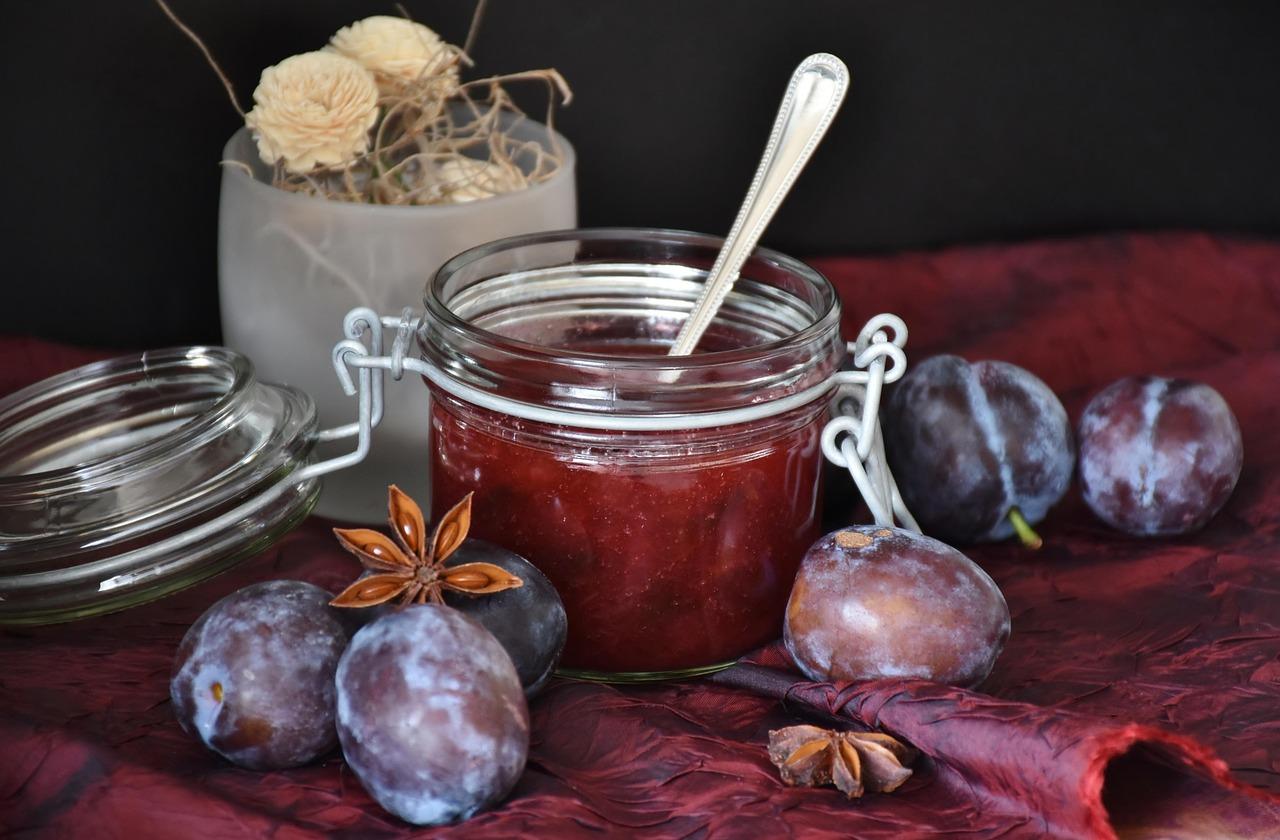
Davidson plum jam

Davidson plums grow on slender trees in the subtropical rainforests of northern New South Wales and south-east Queensland, ripening dark purple in summer. They are far too sour to eat raw but make a stunning deep-crimson jam with a sharp, tangy flavour, sold at farmers' markets around Byron Bay and the Sunshine Coast. Spread it on scones or serve with cheese. A common mistake is boiling it past the set; the plums are high in pectin and set fast. Chef's tip: if you can't find Davidson plums, use dark sour plums and add a squeeze of lemon.

by KrazyBadal 0 views

Bush tomato chutney

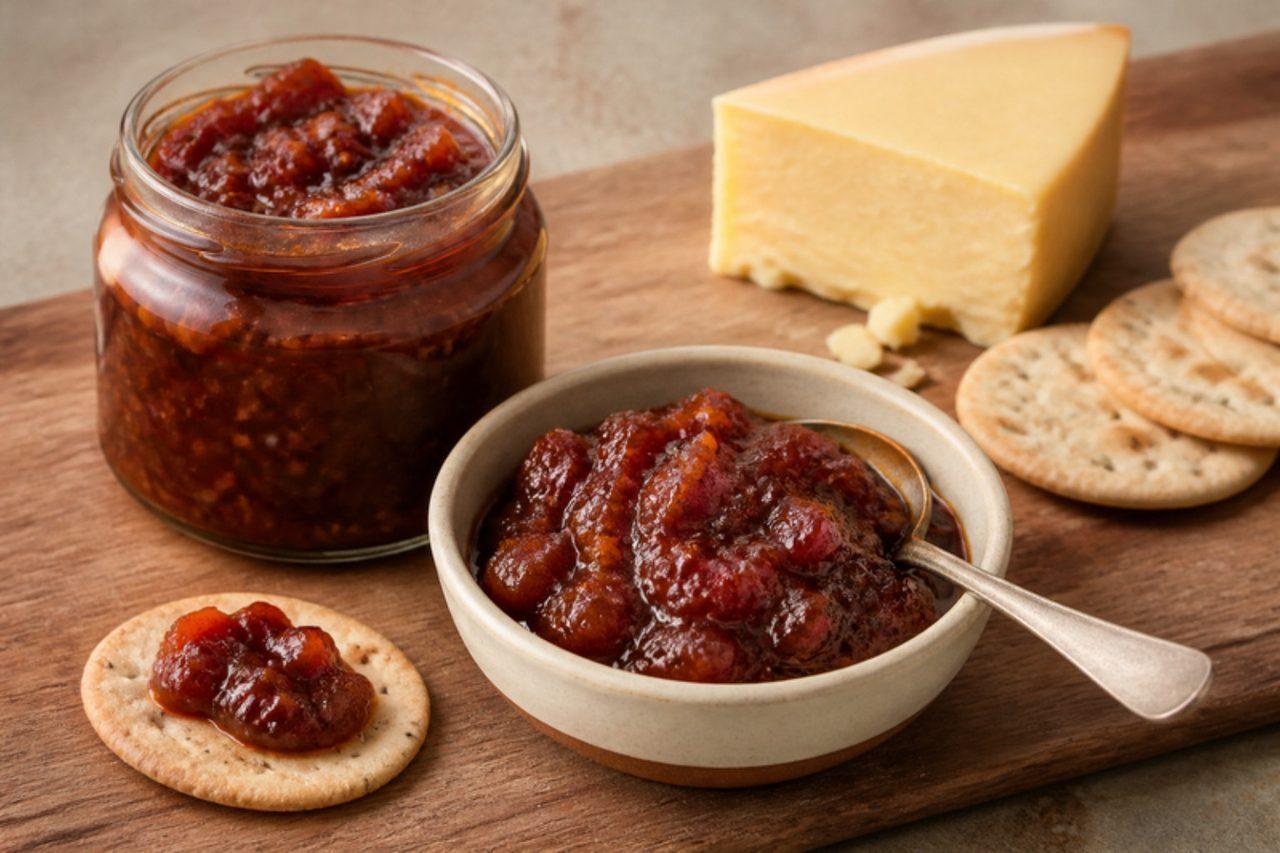
Bush tomato, known as akudjura or desert raisin, is the small fruit of a desert plant gathered by Aboriginal people in Central Australia and around Alice Springs; dried and ground, it tastes of caramel, tamarillo and sun-dried tomato. A spoon of it turns an ordinary tomato chutney into something rich and smoky, great with cheese, barbecues and burgers. Buy ground akudjura from a native food supplier; only the ripe dried fruit of the right species is safe to eat, so never forage it. A common mistake is adding too much; it is strong. Chef's tip: toast the ground bush tomato in the oil first to wake up its flavour.

by KrazyBadal 0 views

Kangaroo steak with pepperberry sauce

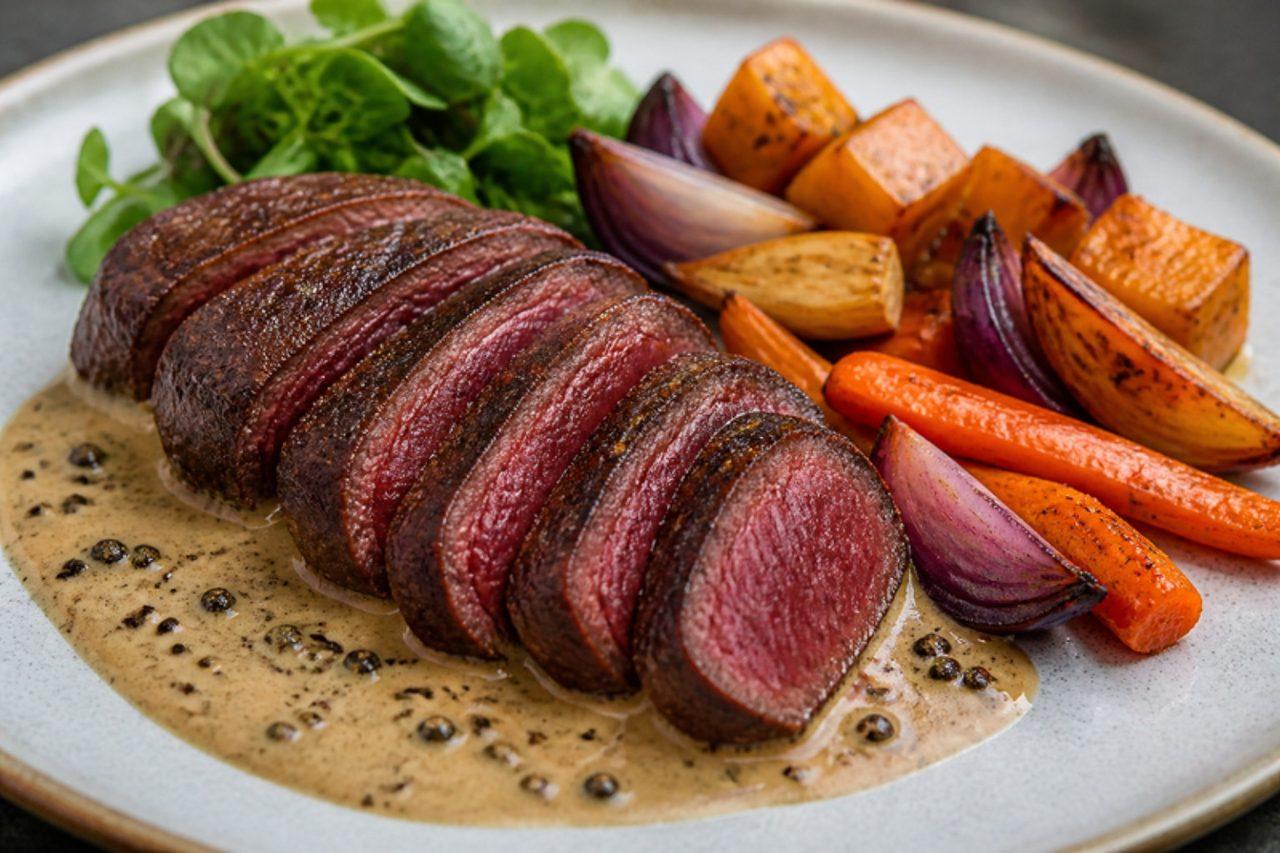
Kangaroo is a lean, everyday red meat in Australia, sold in supermarkets from Perth to Brisbane and loved by home cooks for its rich, slightly gamey flavour and very low fat. Here the fillets are seared hot and fast and served with a creamy sauce spiced with Tasmanian pepperberry, a native pepper with a warm, fruity heat. Because there's almost no fat, kangaroo dries out if cooked past medium. A common mistake is putting cold meat in a lukewarm pan; it stews instead of searing. Serve rare to medium-rare for best texture, but cook to at least 63 °C for pregnant women, young children and anyone with a weakened immune system. Chef's tip: rest it for as long as you cooked it.

by KrazyBadal 0 views

Kannimanga acharBaby mango pickle

In central Kerala, around Thrissur and Kottayam, families watch the mango trees in January and February and pick the tiniest fruit, no bigger than a thumb joint, before the stone hardens. These kannimanga are salted whole in a tall ceramic bharani, left until shrivelled in their own brine, then mixed with freshly ground raw mustard, Kashmiri chilli and hing and left to mature for three or four weeks. This older, oil-free style keeps the mangoes crunchy and the brine thick, red and sinus-clearing from the raw mustard. The flavour is salty, sour and fiercely pungent; one mango and a spoon of brine is enough for a whole bowl of kanji (rice gruel) or curd rice. The common mistake is using water that has not been boiled and cooled, which brings in microbes and turns the brine slimy. It is ready when the mangoes are wrinkled but crisp and the brine tastes mellow rather than raw. Salt is high, about 20 g per 100 g of mango, and the fruit is very acidic; kept fully submerged in a dry jar it lasts a year in a cool place. Abroad, any tiny, hard green mango with a soft stone works. Chef's tip: keep a short stalk on each mango; it stops brine seeping in and softening the fruit.

by KrazyBadal 0 views

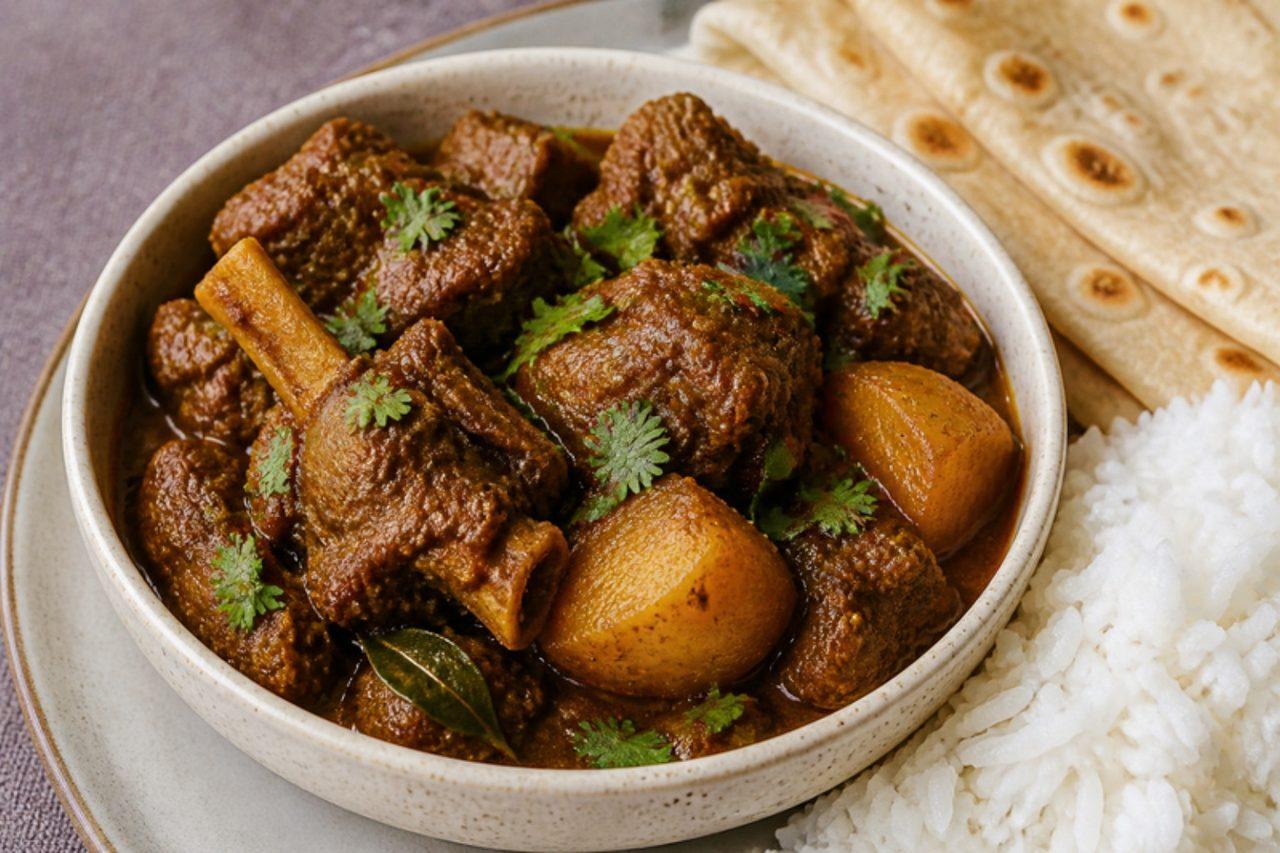
Durban mutton curry

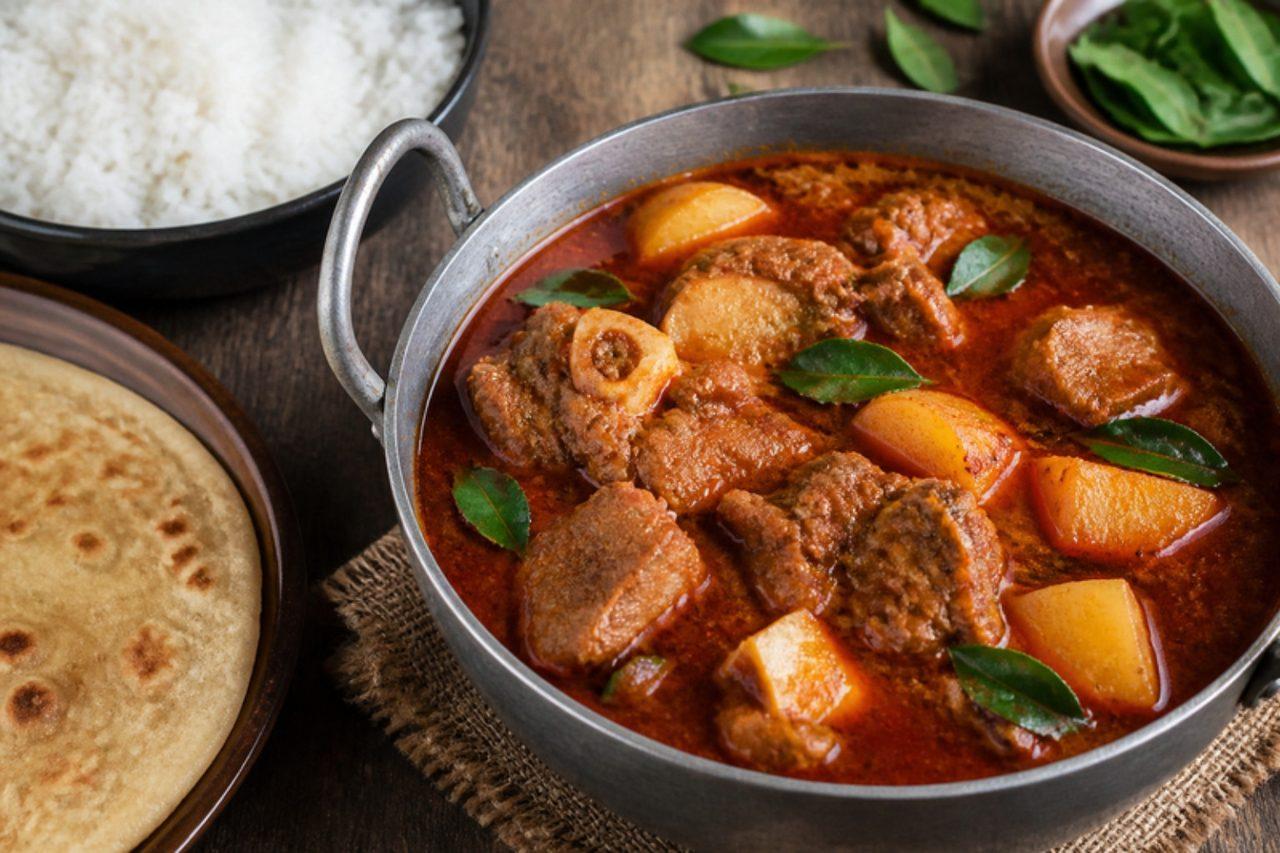
Grey Street spice shops in Durban blend their own red masalas, and this is the curry they are meant for: bone-in mutton cooked slowly until the gravy turns deep brick red and oily, with potatoes that drink up the chilli. Families in Chatsworth and Phoenix put it on the table for Sunday lunch and at weddings, with white rice or rotis, carrot-and-chilli salad and a bowl of tomato-and-onion sambal to cool things down. It is properly hot, but warm whole spices and curry leaves keep it from tasting only of chilli. Burning the masala is the commonest mistake, so add a splash of water the moment it starts to stick. Chef's tip: wait until the mutton is almost soft before adding the potatoes, or they will crumble into the gravy before the meat is ready.

by KrazyBadal 0 views

Pumpkin scones

Pumpkin scones are a Queensland country tradition, made famous by the farm-raised wife of a long-serving state premier and baked for every Country Women's Association morning tea from Toowoomba to Rockhampton. Mashed pumpkin makes them golden, soft and slightly sweet, and they are best warm from the oven with plenty of butter. A common mistake is wet pumpkin; steam or roast it and let it cool so the dough isn't sticky. Chef's tip: cut straight down without twisting the cutter, so the scones rise tall and even.

by KrazyBadal 0 views

Spot prawns with garlic butter

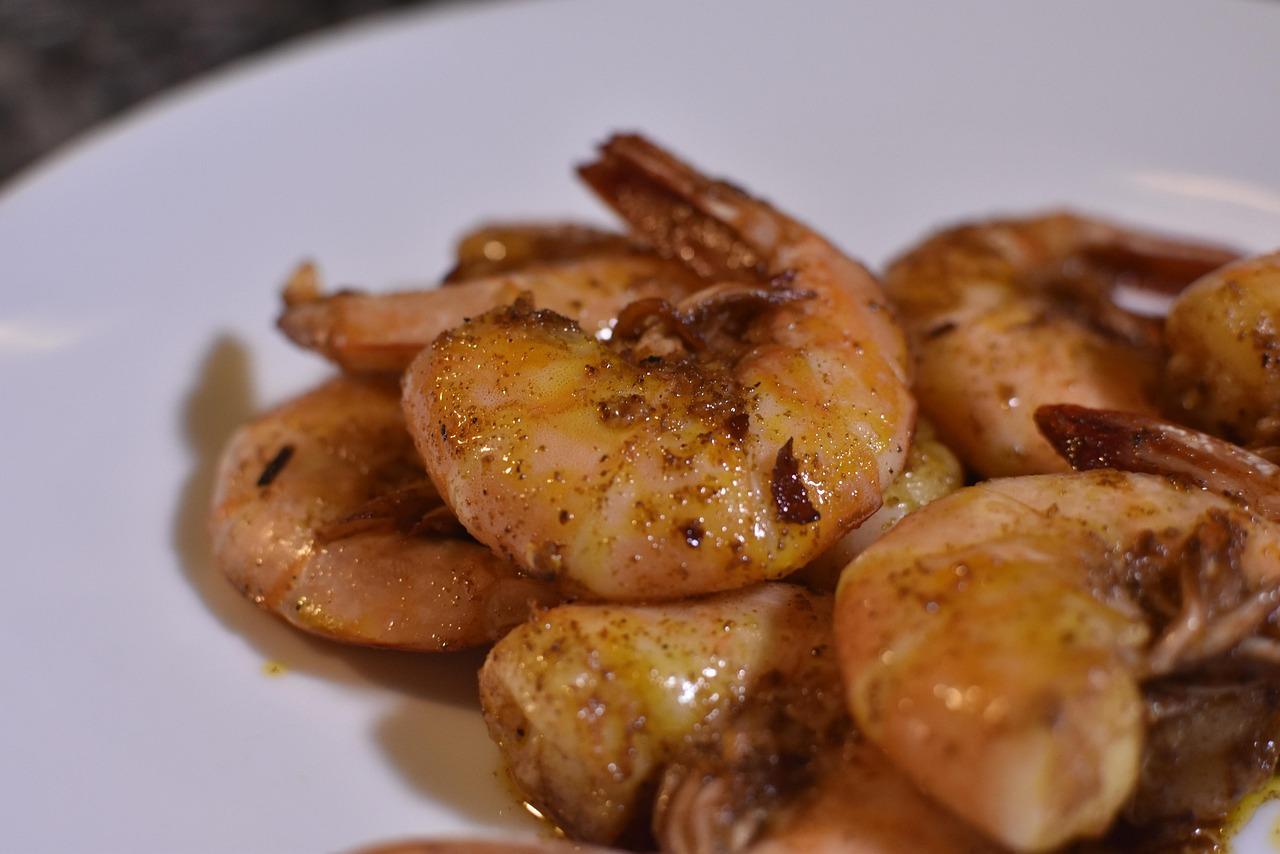
For six weeks or so from May, Vancouver's False Creek dock fills with people buying live spot prawns straight off the boats, and the whole city cooks them simply in garlic butter. They are sweet, firm and delicate, so they need almost nothing else, just bread or rice to soak up the butter. If you buy them live, cook them on the day; remove the heads straight away, as an enzyme there turns the tail meat mushy. Throw away any prawns that smell of ammonia or have gone soft. A common mistake is overcooking; two minutes is plenty. Chef's tip: cook in batches so the pan stays hot and they sear rather than stew.

by KrazyBadal 0 views

Pineapple fritters

Every Queensland fish-and-chip shop from the Gold Coast to Cairns has a tray of pineapple fritters by the fryer, rings of local pineapple in light batter, fried and dusted with cinnamon sugar. They are the dessert you order with your fish and chips on a hot evening. Fresh pineapple is best; well-drained tinned rings work too. A common mistake is wet fruit, which makes the batter slide off; pat it really dry. Chef's tip: dust the rings in a little flour before dipping so the batter clings.

by KrazyBadal 0 views

Karonde ka acharKaronda berry pickle

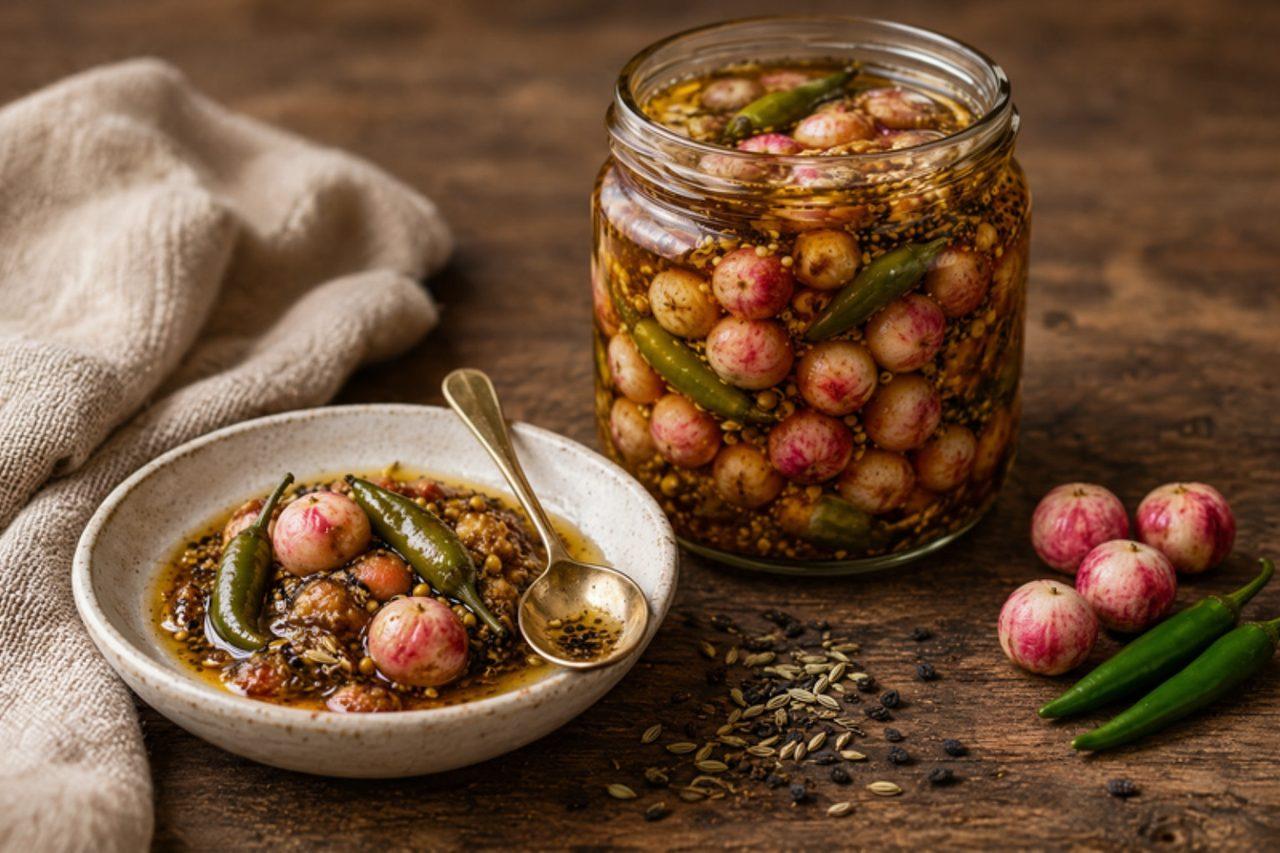
When the thorny karonda bushes along Punjab and Rajasthan field edges fruit in July and August, the small green berries with rosy cheeks end up in jars of karonde ka achar. The fruit is very sour and slightly bitter-milky when raw, so it suits a bold mustard-oil pickle: halved berries and slit green chillies are salted, dried for a day, then tossed with crushed fennel, nigella, fenugreek and mustard. After a week the berries turn soft and sour-tangy, the chillies mellow, and the oil smells of saunf. Eat it with paratha, moong dal khichdi or a plain bowl of curd rice. Karonda is hard to find abroad; firm fresh cranberries are the closest substitute in sourness and size. Common mistake: skipping the drying day; wet fruit thins the oil and invites mould. It is ready when the berries yield to the teeth and the spice coat has darkened. Because it holds fresh green chillies under oil, keep this jar in the fridge for up to 2 months, berries always under oil, dry spoon every time; discard if you see mould, fizzing or an off smell. Chef's tip: wear gloves when halving karonda, the white latex is sticky and stains fingers.

by KrazyBadal 0 views

Sout ribbetjieSalt-cured grilled lamb ribs

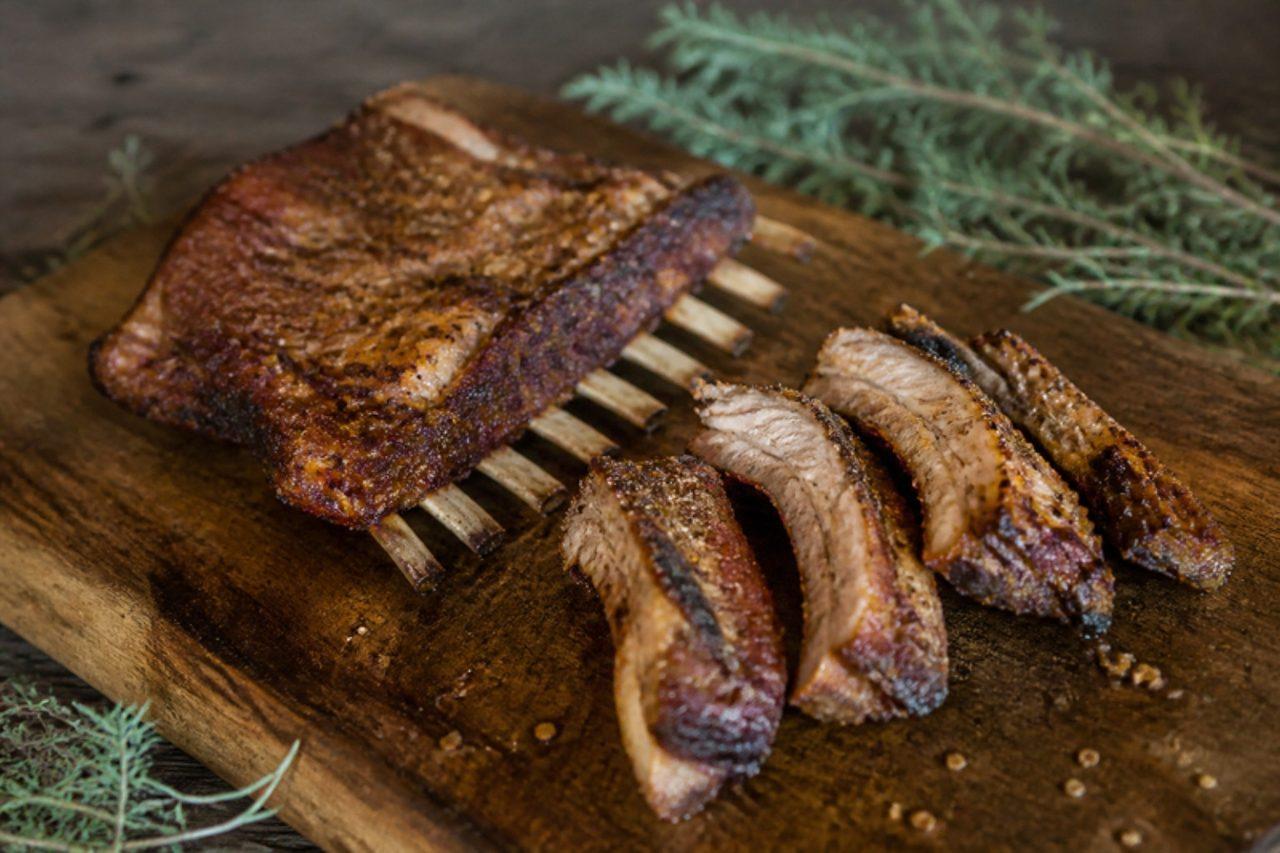
Before fridges, Karoo farmers rubbed lamb ribs with coarse salt and coriander and hung them in the cool pantry; today the cure happens in the fridge, but the result is the same deeply savoury, almost bacon-like rib that crackles at the edges. At a farm braai near Beaufort West or Sutherland it goes on first, over low coals, because it needs an hour or more to render its fat and turn tender, and people pick at it with their fingers while everything else cooks. Serve it with stywe pap and tomato smoor, or with roosterkoek and a crisp salad. Rinsing too lightly is the usual mistake: rinse off the surface salt after curing, or the meat will be too salty to eat. Chef's tip: keep the coals low and patient; high heat sets the fat alight and blackens the outside long before the meat is soft.

by KrazyBadal 0 views

Pan-fried Arctic char

Arctic char, iqaluk in Inuktitut, is the fish of Nunavut, netted in the rivers around Cambridge Bay and Pangnirtung when it runs to the sea in summer and through the ice in spring. It tastes like a cross between salmon and trout, with rosy, delicate flesh. In Iqaluit homes it is eaten many ways; here it is simply pan-fried until the skin crackles, with lemon and a piece of warm bannock. A common mistake is moving the fillet too early; leave it until the skin releases on its own. Chef's tip: press the fillet flat with a spatula for the first 30 seconds so the skin doesn't curl.

by KrazyBadal 0 views

Magic coffee

The magic is a Melbourne café insider's order, born in the city's Fitzroy and Collingwood coffee bars: a double ristretto (the short, intense first part of the espresso shot) topped with silky steamed milk in a 160 ml cup. It is stronger and sweeter-tasting than a flat white because there's less milk and only the richest part of the shot. A common mistake is scalding the milk; above about 65 °C it loses its natural sweetness. Chef's tip: stop the shot early, at about 30 ml for a double, to get that syrupy ristretto.

by KrazyBadal 0 views

Caribou stew

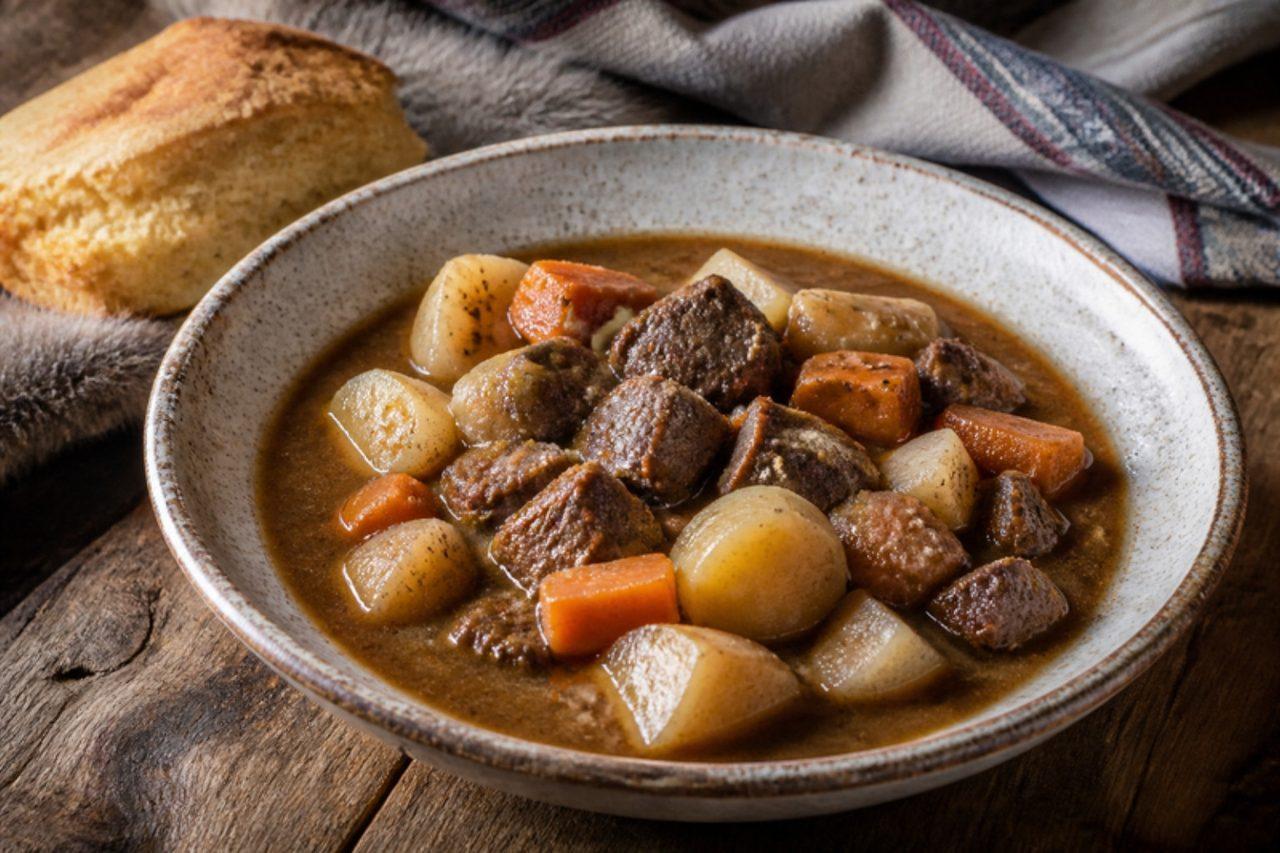
Caribou is the everyday red meat of many Dene, Inuit and northern families in the Northwest Territories, Nunavut and Labrador, and a pot of caribou stew is what simmers on the stove in Yellowknife or Inuvik through the long winter. The meat is lean and slightly sweet and gamey, and slow-braising with onion, carrot, potato and turnip makes it meltingly tender. Outside the North, farmed reindeer, venison or beef chuck work in exactly the same way. A common mistake is boiling hard, which toughens lean meat; it should barely bubble. Chef's tip: dust the meat in flour and brown it well in batches for a rich, thick gravy.

175 minCanadianMeat
by KrazyBadal 0 views

Kawa zbożowaRoasted grain coffee

In Polish kindergartens, school canteens and grandmothers' kitchens, kawa zbożowa is the breakfast "coffee" everyone can drink: a blend of roasted rye, barley, chicory and sometimes sugar beet that tastes toasty and malty with no caffeine at all. It is usually drunk milky and a little sweet alongside bread and butter. The common mistake is brewing ground grain coffee like espresso: it needs a few minutes of simmering to give up its flavour, or it tastes like weak tea. Chef's tip: let the pot stand off the heat for 2 minutes after simmering so the grounds sink, then pour gently and you won't need a filter at all.

by KrazyBadal 0 views

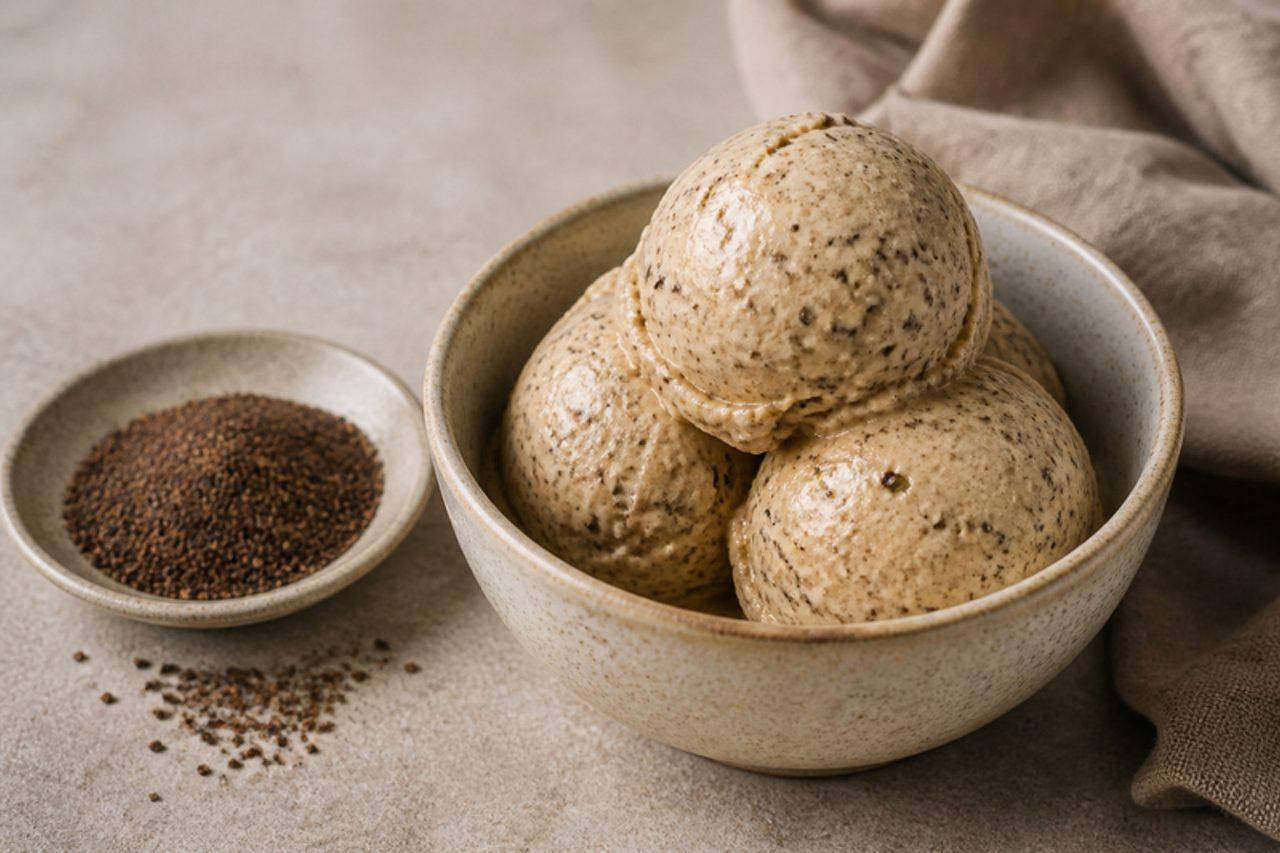
Wattleseed ice cream

Roasted wattleseed, from a few edible acacias of the Australian inland, has been ground into flour by Aboriginal people for millennia, and today chefs in Sydney and Melbourne use it for its flavour of coffee, chocolate and hazelnut. Steeped in a rich custard and churned, it makes a lovely ice cream to serve with pavlova or a slice of passionfruit sponge. Buy roasted, ground wattleseed from a native food supplier; many acacias are not edible. A common mistake is overheating the custard so it scrambles; take it off at 82 °C. Chef's tip: steep the wattleseed in the hot milk for 20 minutes before making the custard.

by KrazyBadal 0 views

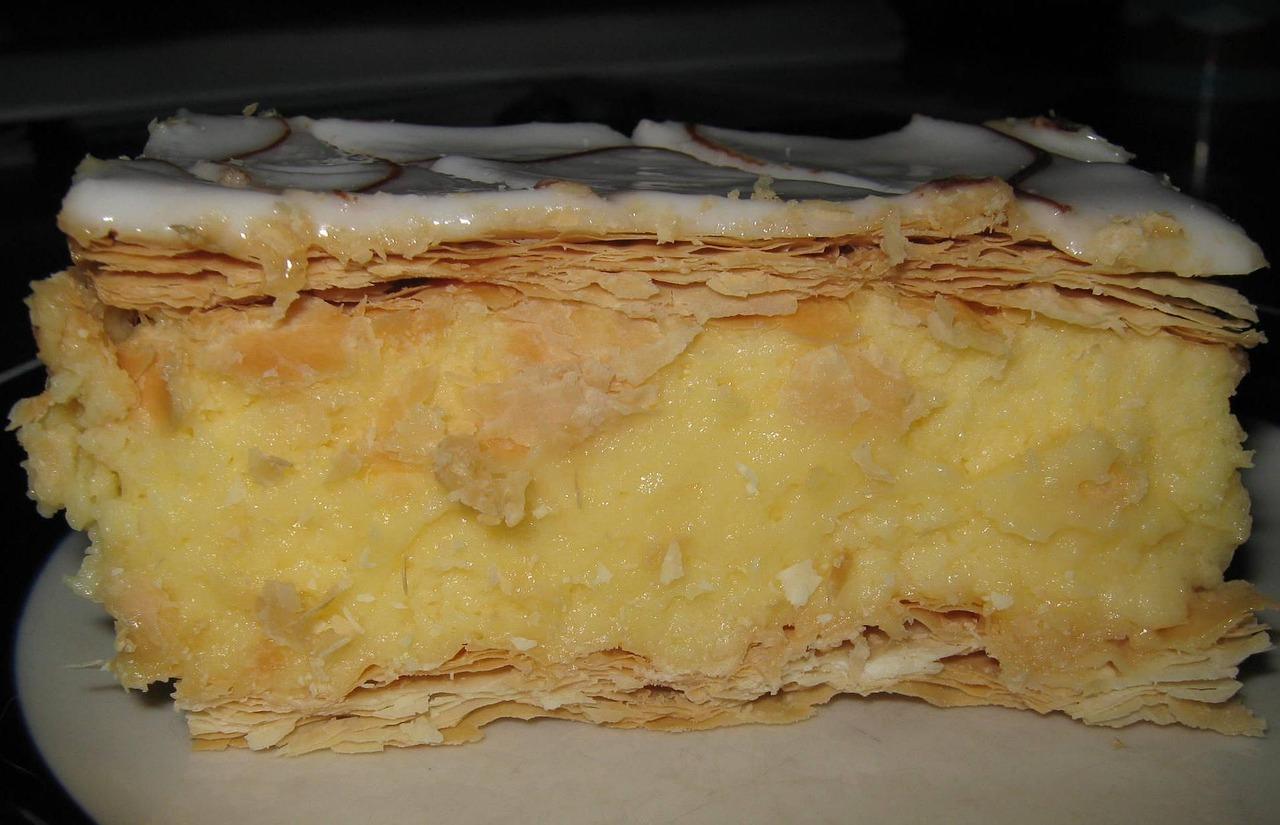
Vanilla slice

The vanilla slice, or snot block as Aussie kids call it, is the country bakery's pride; towns like Ouyen in north-west Victoria even hold a yearly competition for the best one. A thick, wobbly vanilla custard is set between two sheets of crisp puff pastry and topped with white or passionfruit icing. It needs a few hours to set but is easy. A common mistake is a soft custard that oozes when cut; it must boil for a full minute to thicken properly. Chef's tip: prick and weigh the pastry down with a tray while baking so it stays flat and thin.

by KrazyBadal 0 views

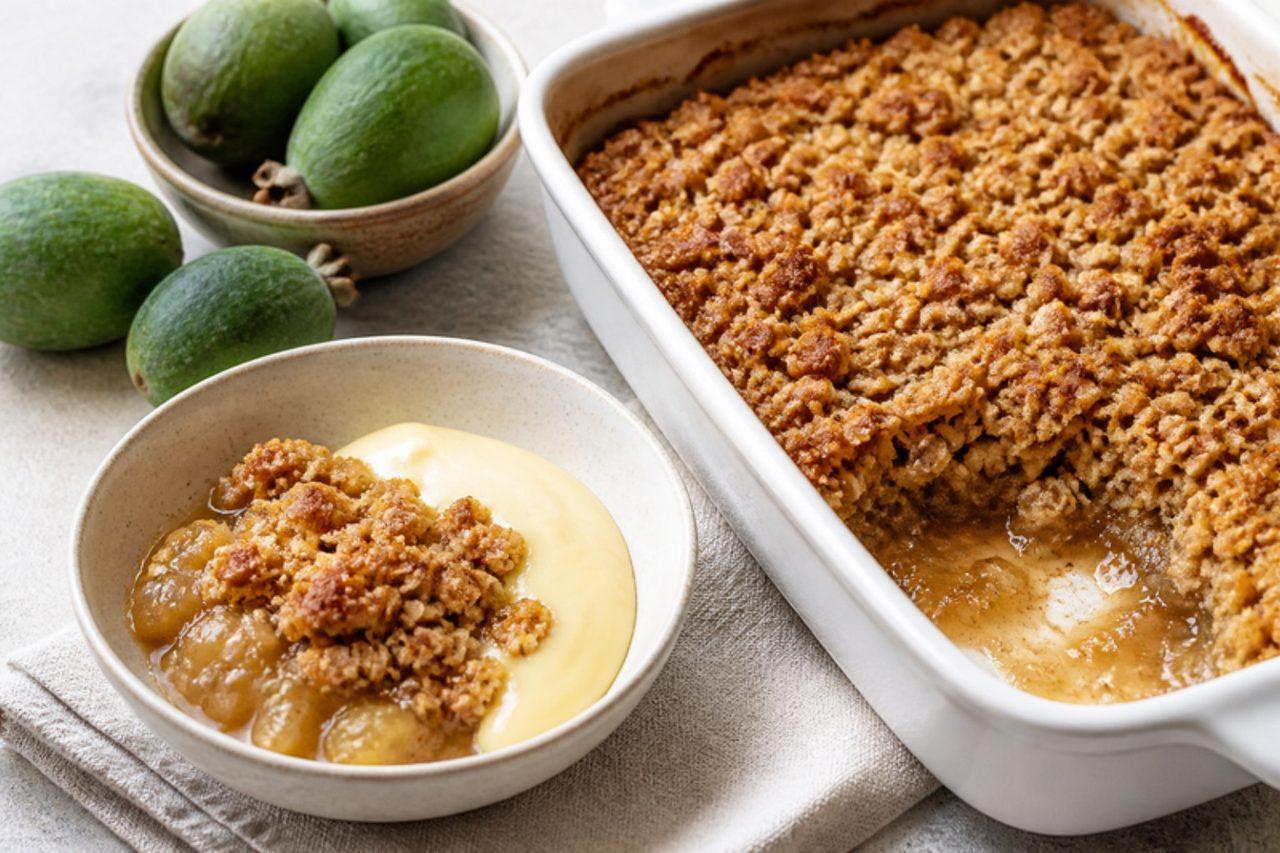
Feijoa crumble

Every autumn, from March to June, New Zealand back gardens drop more feijoas than anyone can eat, and bags of the green, perfumed fruit get passed over fences and left on office desks. Baking them into a crumble is the classic way to use them: their fragrant, pineapple-guava flavour softens under a buttery oat and brown-sugar topping. Serve with custard or vanilla ice cream. A common mistake is leaving the gritty skin on; scoop out the flesh. Chef's tip: add a couple of apples to stretch the feijoas and give the filling body.

by KrazyBadal 0 views

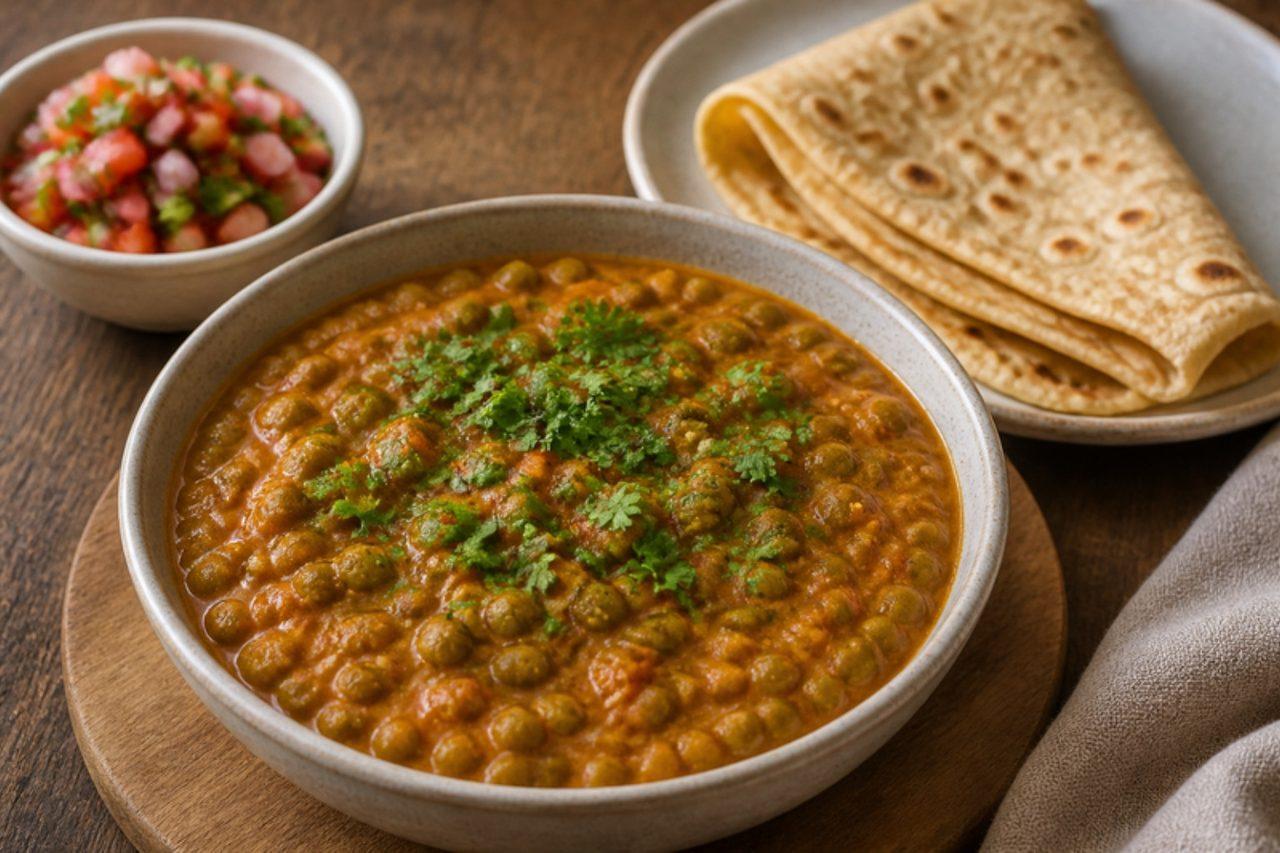
NdenguGreen gram stew

Lunchtime kibandas around Nairobi's Industrial Area ladle ndengu over rice or tear chapati into it, and office workers queue for it because it is cheap, filling and ready fast. Whole green grams (mung beans) are boiled until soft, then folded into an onion and tomato base with garlic, a little cumin and a splash of coconut milk, so the gravy is earthy, mellow and just thick enough to coat a spoon. Serve it with chapati, plain rice or ugali and a heap of kachumbari. The usual mistake is adding the tomatoes and salt before the grams are tender; acid and salt keep the skins tough, so cook the grams first. Chef's tip: mash a ladleful of the cooked grams against the pot before you add the coconut milk; it thickens the gravy without any flour.

by KrazyBadal 0 views

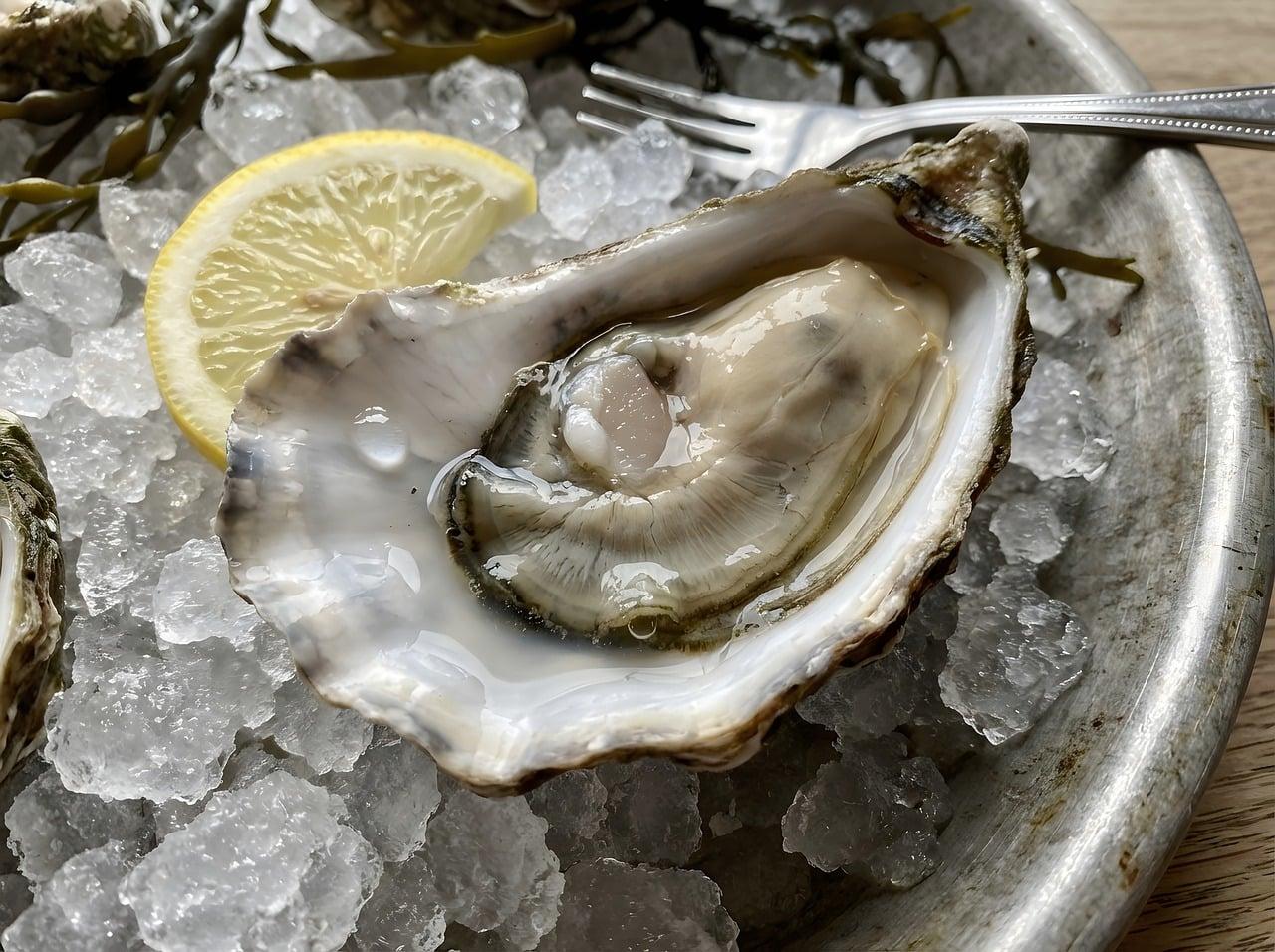
Sydney rock oysters with mignonette

Sydney rock oysters grow in the estuaries of the New South Wales coast, from the Hawkesbury River to Merimbula, and are the pride of the Sydney fish market, slurped by the dozen with a glass of something cold on summer afternoons. They are smaller and creamier than Pacific oysters, with a rich, mineral taste. A sharp shallot and vinegar mignonette is all they need. These oysters are eaten raw, so they are not for pregnant women, young children or anyone with a weakened immune system; for them, grill the oysters for 3–4 minutes until the edges curl. Buy from a trusted fishmonger and eat them the day you buy them. A common mistake is rinsing opened oysters under the tap, which washes away their flavourful juice. Chef's tip: shuck them just before serving and keep them on crushed ice.

by KrazyBadal 0 views

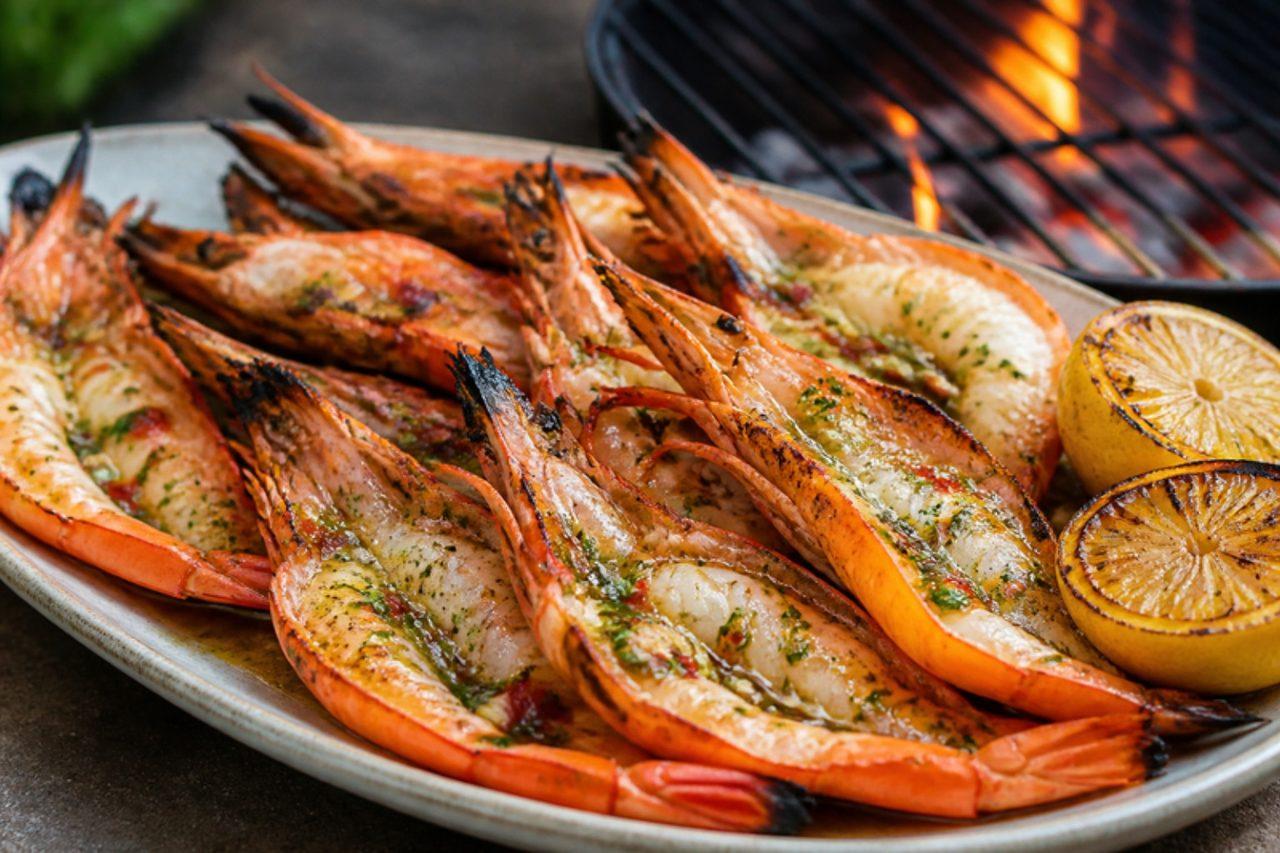
Barbecued garlic prawns

Prawns on the barbie are the true Australian Christmas and summer meal, cooked on the backyard barbecue from Perth to the Gold Coast with a cold drink in hand. Big raw king or tiger prawns are marinated in garlic, chilli, lemon and olive oil, then grilled quickly in their shells, which keeps them juicy. A common mistake is leaving them in the marinade too long; the lemon starts to cook them. Chef's tip: cut down the back of the shell and remove the vein but leave the shell on, so the marinade gets in and the prawns don't dry out.

by KrazyBadal 0 views

Mince and cheese pie

Mince and cheese is New Zealand's best-selling bakery pie, the go-to lunch for tradies, students and rugby crowds from Auckland to Dunedin, with a rich, peppery beef mince gravy under a thick layer of melted cheese and a flaky puff lid. It is eaten from the paper bag with tomato sauce. Cheddar is often made with animal rennet. A common mistake is filling the pastry with hot mince, which makes the base soggy; cool it fully. Chef's tip: put the cheese on top of the mince, right under the lid, so it melts into a gooey layer.

by KrazyBadal 0 views

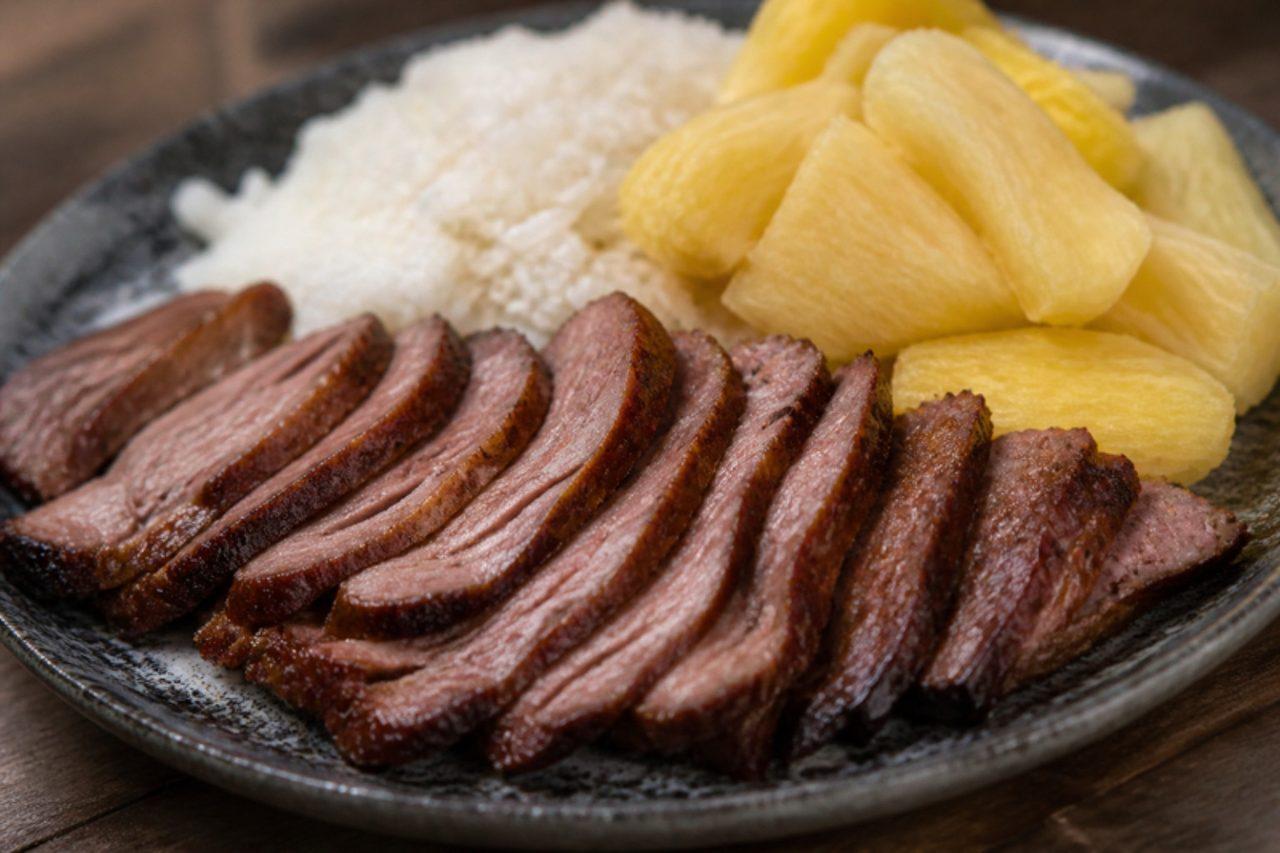
KeperíSlow-roast beef flank

Keperí is the cut Santa Cruz families save for Sundays and birthdays: a flat, well-marbled piece of beef from the flank, rubbed with garlic, cumin and salt, slow-cooked under cover until meltingly soft, then browned hard at the end. It comes to the table sliced across the grain with boiled yuca, rice and a fresh tomato salad. Beef flank or skirt in one piece is the closest cut outside Bolivia. The most common mistake is slicing along the grain, which makes even tender meat chewy. Chef's tip: let the marinade work overnight in the fridge, then cook the meat fat side up so it bastes itself.

200 minAndeanMeatGluten free
by KrazyBadal 0 views

Fiji goat curry

Goat curry is the dish of Indo-Fijian weddings, Diwali gatherings and Sunday family lunches from Lautoka to Labasa, brought by indentured labourers from India in the 1800s and shaped by Fiji's own curry powder blend. Bone-in goat is browned with onion, garlic, ginger and masala, then braised slowly with potatoes until tender, and eaten with roti or rice and dhal. A common mistake is rushing the onion and masala; they need to fry until the oil separates. Chef's tip: marinate the goat overnight in the fridge with the masala for deeper flavour.

by KrazyBadal 0 views

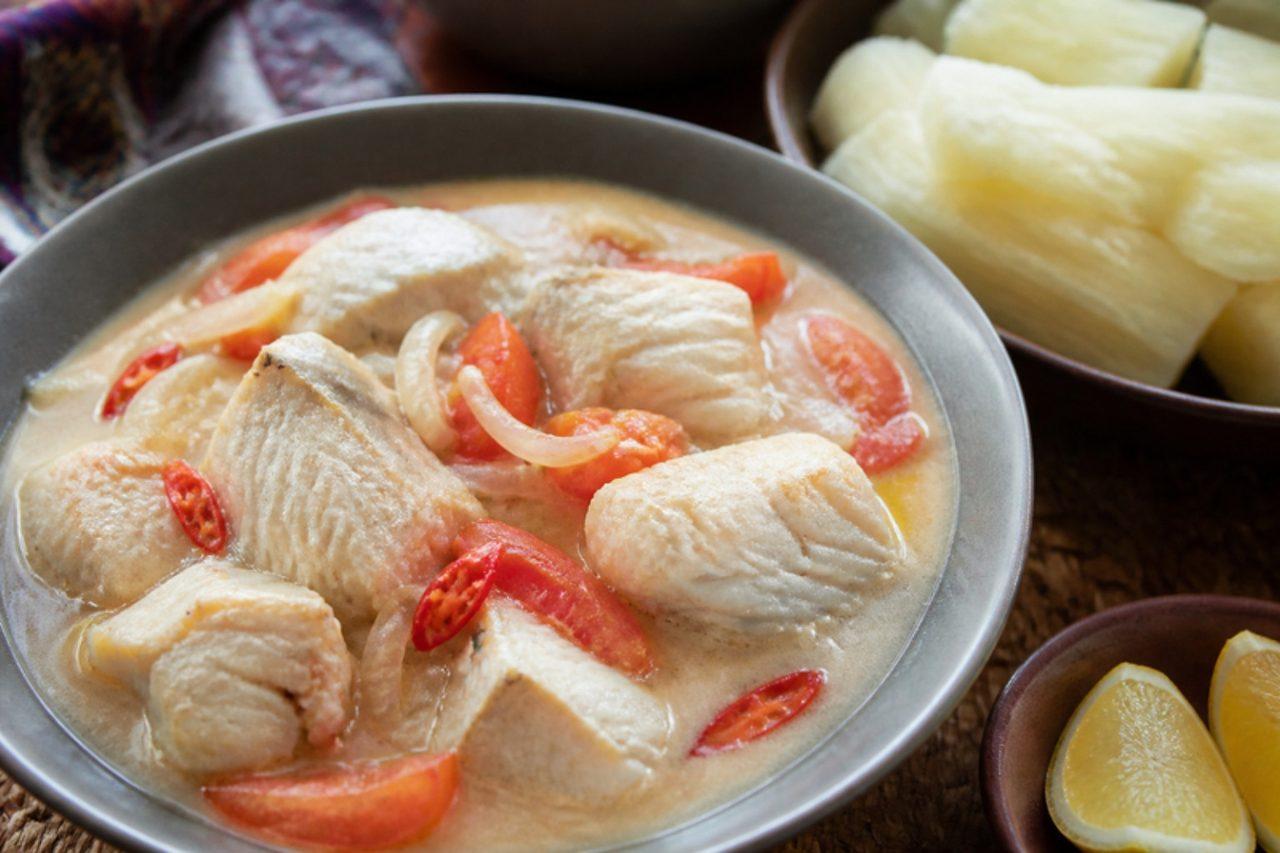
Fish in coconut milk

Ika vakalolo is the Sunday and everyday fish dish of iTaukei Fijian homes, from the fishing villages of the Coral Coast to the outer islands of Lau. Fresh reef fish is gently simmered in lolo, fresh coconut milk, with onion, tomato, chilli and a squeeze of lemon, then served with boiled cassava, taro or rice. It is mild, creamy and ready in half an hour. A common mistake is stirring once the fish is in, which breaks the fillets; just spoon the sauce over. Chef's tip: lemon goes in at the very end so the coconut milk doesn't split.

by KrazyBadal 0 views

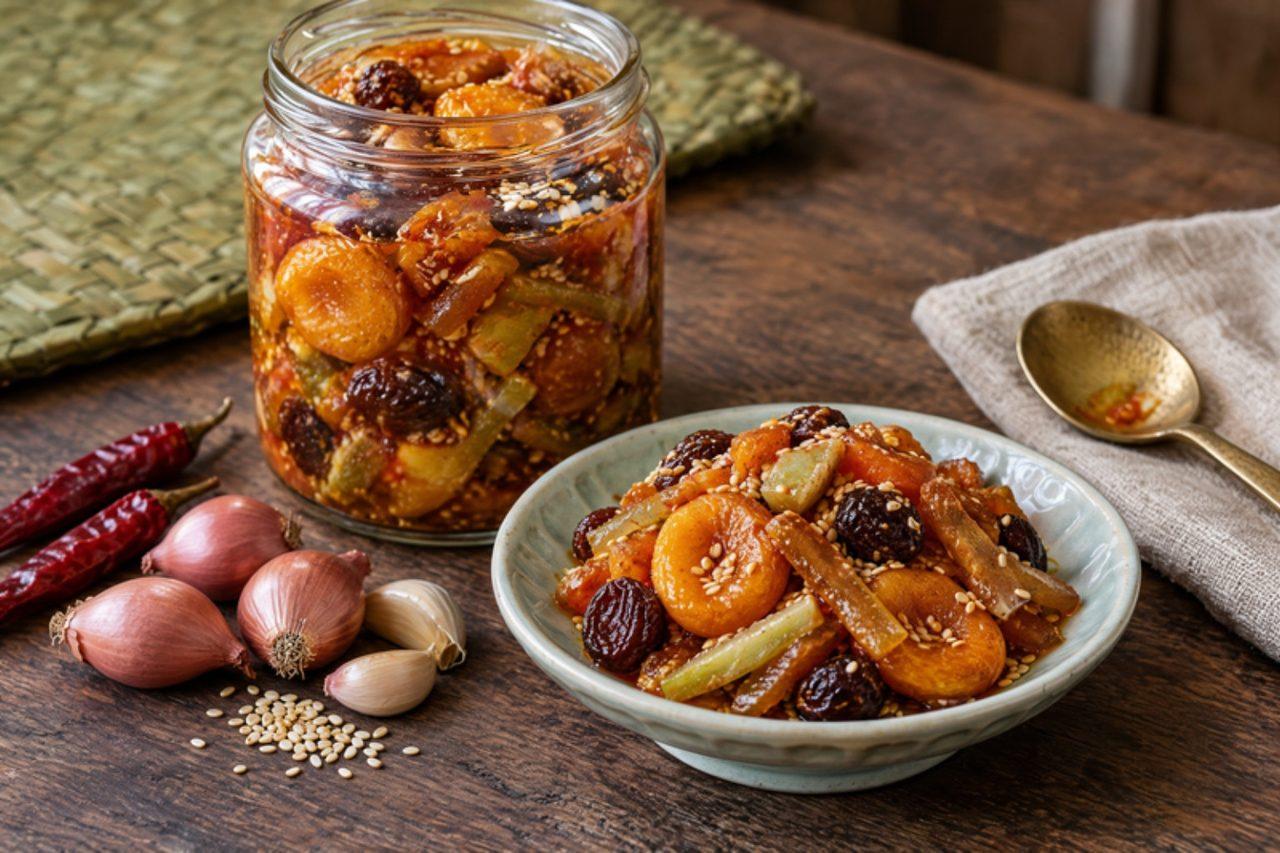
Acar buahFruit pickle

In Penang, Nyonya households start filling big glass jars with acar buah a week before Chinese New Year, so there is always a dish to set out for visitors with tea, and to eat beside nasi lemak or curry through the fifteen days. Penang is nutmeg country, and candied strips of nutmeg fruit (buah pala) from the Balik Pulau orchards go in with green papaya, dried apricots and raisins, all coated in a rempah of chillies, shallots, garlic, galangal and candlenuts fried until the oil splits, then cooked with vinegar and sugar. A shower of toasted sesame and crushed peanuts finishes it. It is sticky, jammy, sweet-hot and tangy, with crunchy papaya against chewy fruit. Many cooks add a little toasted belacan to the rempah; it is left out here to keep it vegan. Common mistake: frying the rempah too briefly, which leaves it harsh and makes the pickle spoil faster; cook it slowly until dark red and the oil separates. It tastes best after two days in the fridge. Chef's tip: squeeze the salted papaya as hard as you can, or the pickle turns watery.

by KrazyBadal 0 views

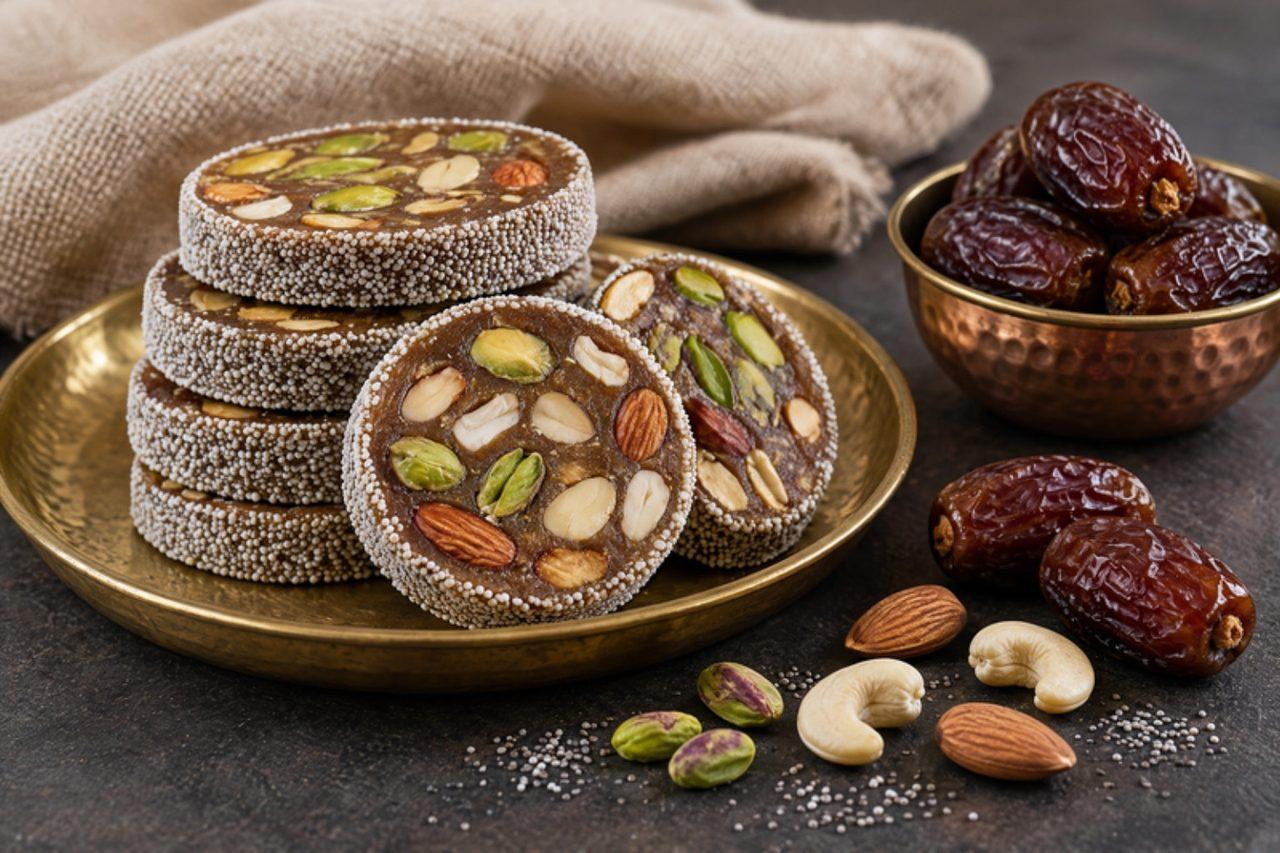
Khajur pakDate and nut fudge

Kutch grows some of India's best dates, and in Bhuj and Anjar homes khajur pak is the sweet made for Diwali boxes and for Ekadashi and other fast days, since it needs nothing but dates, ghee, nuts and coconut. The dates melt in warm ghee into a sticky paste, the nuts give crunch, and the log is rolled in poppy seeds and sliced into neat coins. The common mistake is cooking the dates too long, which dries them out so the log cracks when you slice it. Chef's tip: for a harder winter version, swap a third of the soft dates for chopped kharek (dry dates) soaked overnight in a little milk.

by KrazyBadal 0 views

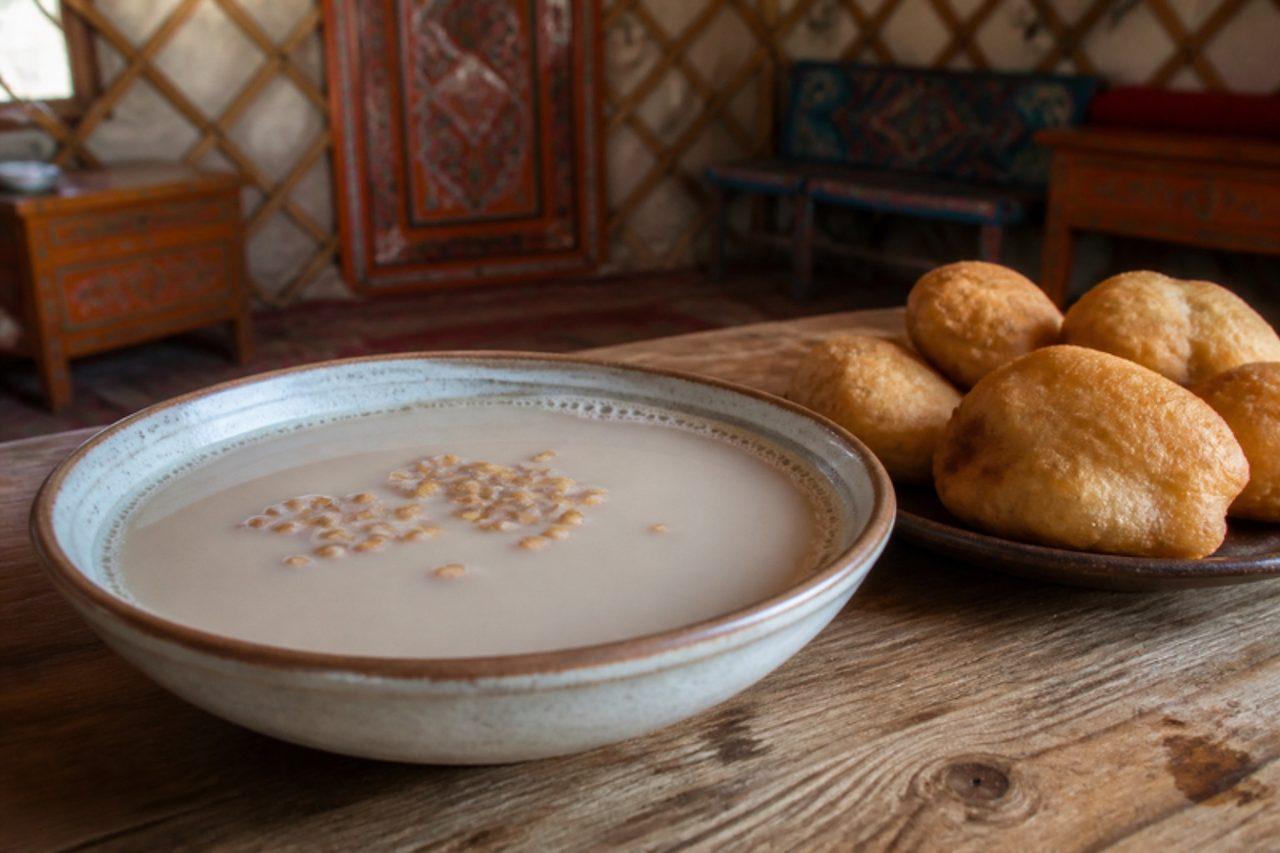
Mongolian salty milk tea

Süütei tsai is the first thing offered to anyone who steps into a ger on the Mongolian steppe, from Arkhangai to the Gobi, and families drink it all day long from wide bowls. Green brick tea is boiled in water, then milk and a pinch of salt go in, and the tea is ladled high and poured back again and again to aerate it. Some households add a knob of butter or a spoon of toasted millet for a richer, more filling bowl. It is savoury, not sweet, which surprises first-time visitors. A common mistake is using black tea leaves, which go bitter; use green brick tea or a mild green tea. Chef's tip: the ladling is not just ritual, it gives the tea a smooth, rounded taste.

by KrazyBadal 0 views

KharoliFermented mustard relish

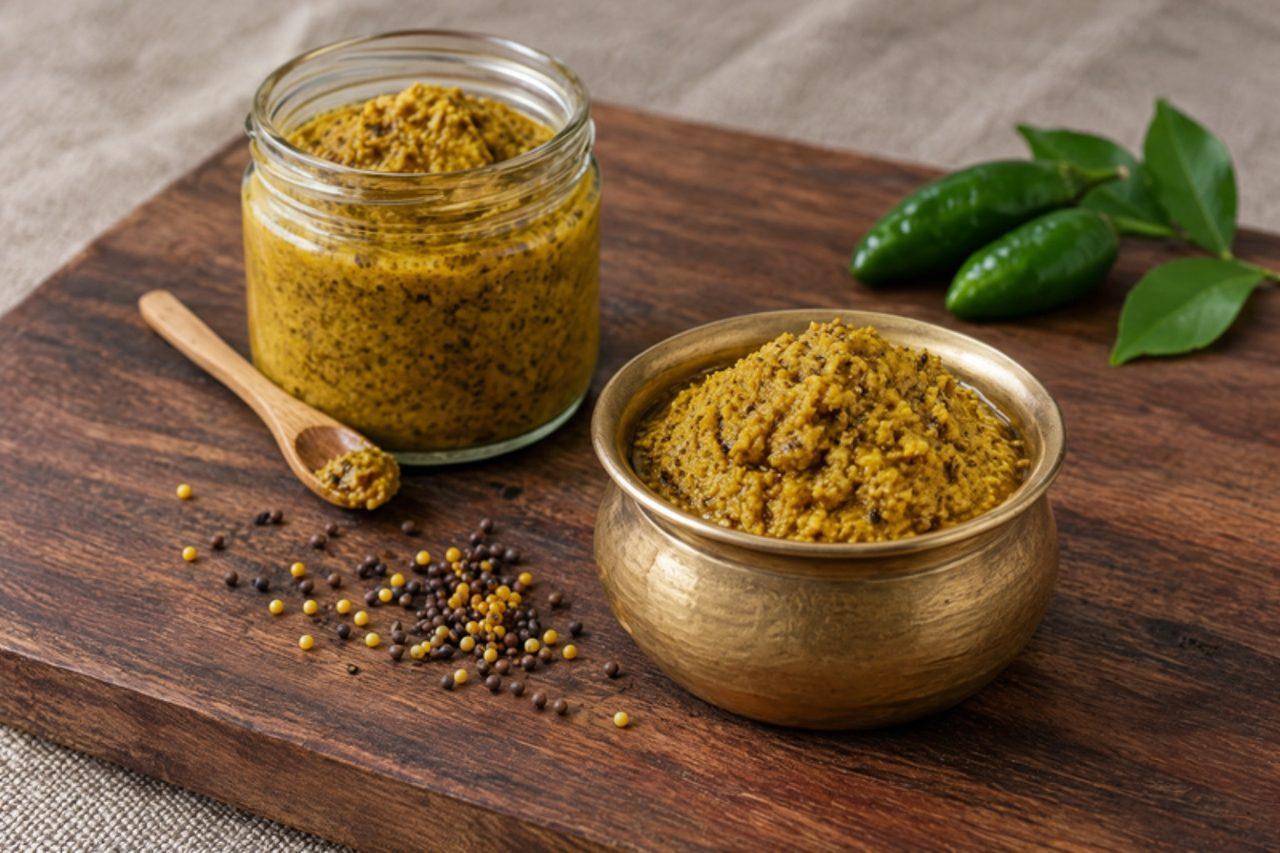
Kharoli is an old Assamese relish from the villages of upper Assam: ground mustard seed is mixed with khar, the alkaline water filtered from burnt banana peel, packed into a jar and left to ferment until sharp and funky. A small spoon with mustard oil and green chilli is eaten with the first balls of rice, and families make it in the cooler months. The common mistake is using a damp jar or spoon, which lets mould in. Ferment at 20–28 °C for 4–6 days; it is ready when it smells sharply pungent and tangy. Throw it away if you see fuzzy mould, pink or black spots, or it smells rotten or putrid rather than sour. Chef's tip: if you have no banana-ash khar, a quarter teaspoon of bicarbonate of soda in the water gives a similar alkaline bite.

by KrazyBadal 0 views

Khatta meatMutton in sour pomegranate gravy

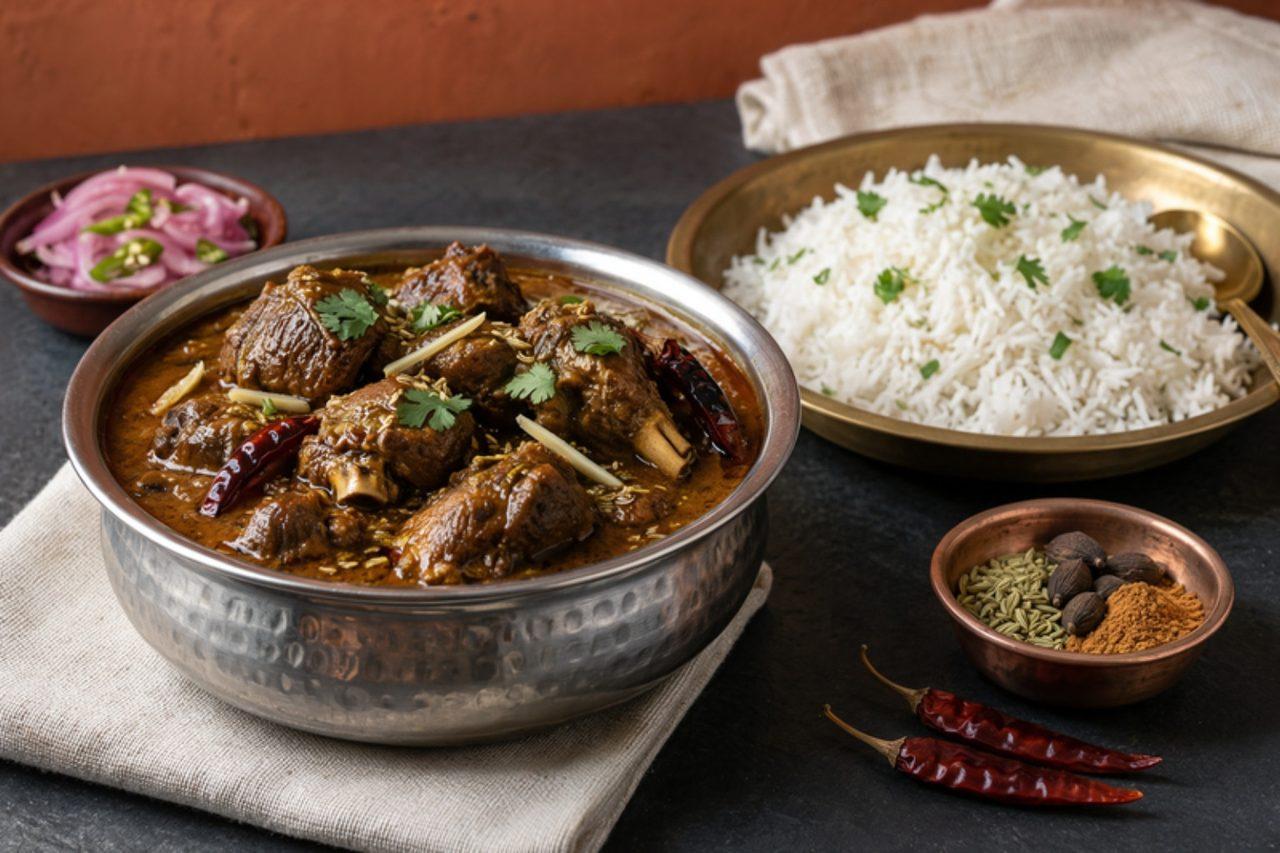
Khatta meat is a pride of Jammu's Dogra kitchens, cooked for family gatherings and the winter wedding season: mutton on the bone simmered slowly in mustard oil with fennel and dry ginger, then soured with ground anardana (dried pomegranate seeds) or lemon. The gravy is thin, tangy and deep red, eaten with plain rice. It has no curd or tomato; the sourness comes from the pomegranate alone. The common mistake is adding the anardana early, when it turns bitter during the long cook; stir it in for the last ten minutes. Chef's tip: grind the anardana fresh and soak it in a little hot water first, then strain, for a clean, fruity sourness without grit.

95 minIndianMeatGluten freeSpicy
by KrazyBadal 0 views

KhrenovinaHorseradish tomato relish

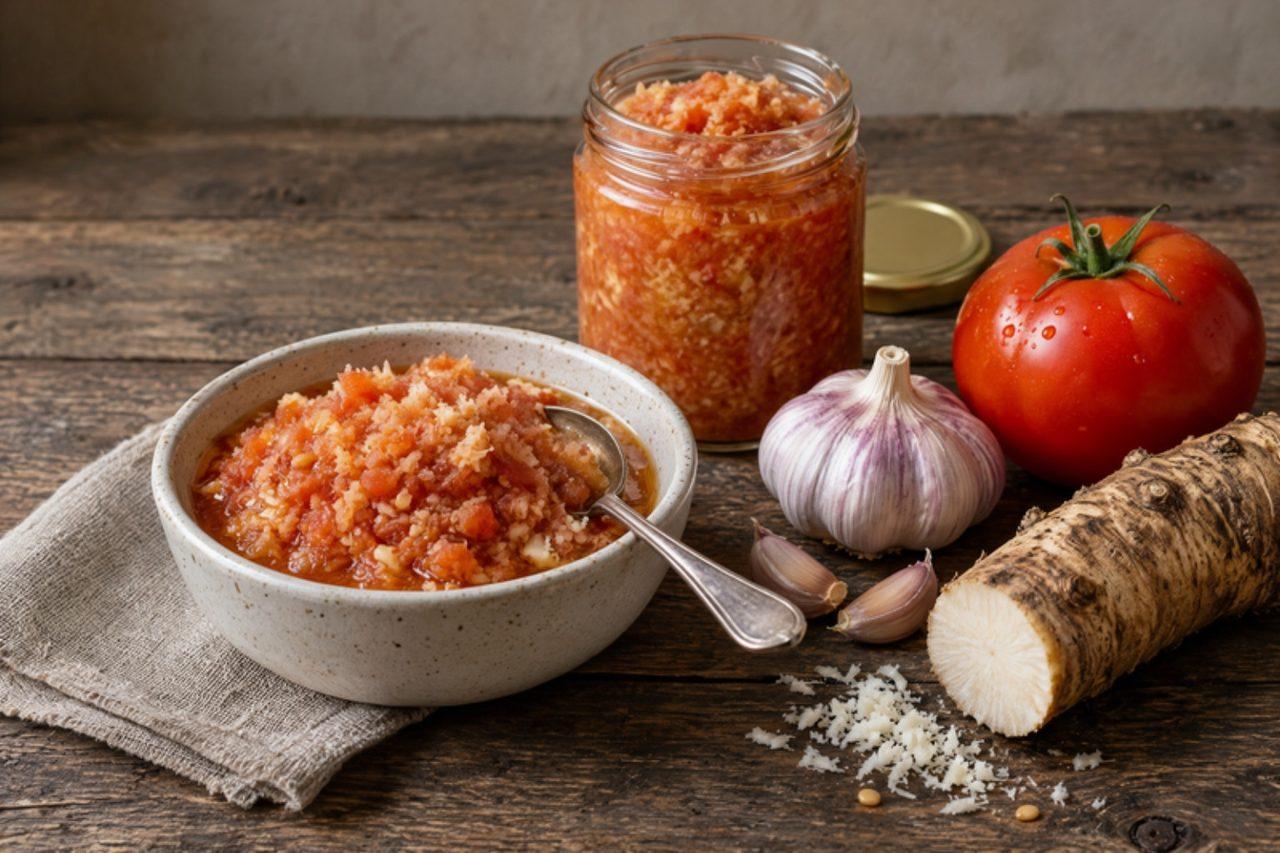
Khrenovina, also known as khrenoder or gorlodyor, the 'throat-tearer', is what Siberian families grind at the end of August and in September, when the garden tomatoes ripen faster than anyone can eat them and the horseradish roots are dug up. Raw tomatoes, horseradish and garlic go through the meat grinder with salt and a little sugar, and that is all: no cooking at all. Through the autumn and winter it is spooned onto pelmeni and boiled potatoes, beside kholodets and shashlik, and onto rye bread. It is bright, juicy and sweet-sour from the tomato, then the horseradish rushes up your nose like wasabi and the garlic lingers after; the texture is loose and grainy, like a fresh salsa. The mistake everyone makes once is grinding the horseradish indoors with their face over the grinder; the fumes sting hard, so open a window and tie a plastic bag over the outlet. It is ready after an hour or two in the fridge, when the heat has settled and the colour is an even pinkish red. Chef's tip: grind the horseradish last, straight into the tomatoes, so its heat is trapped in the juice.

by KrazyBadal 0 views

Beef wet fry

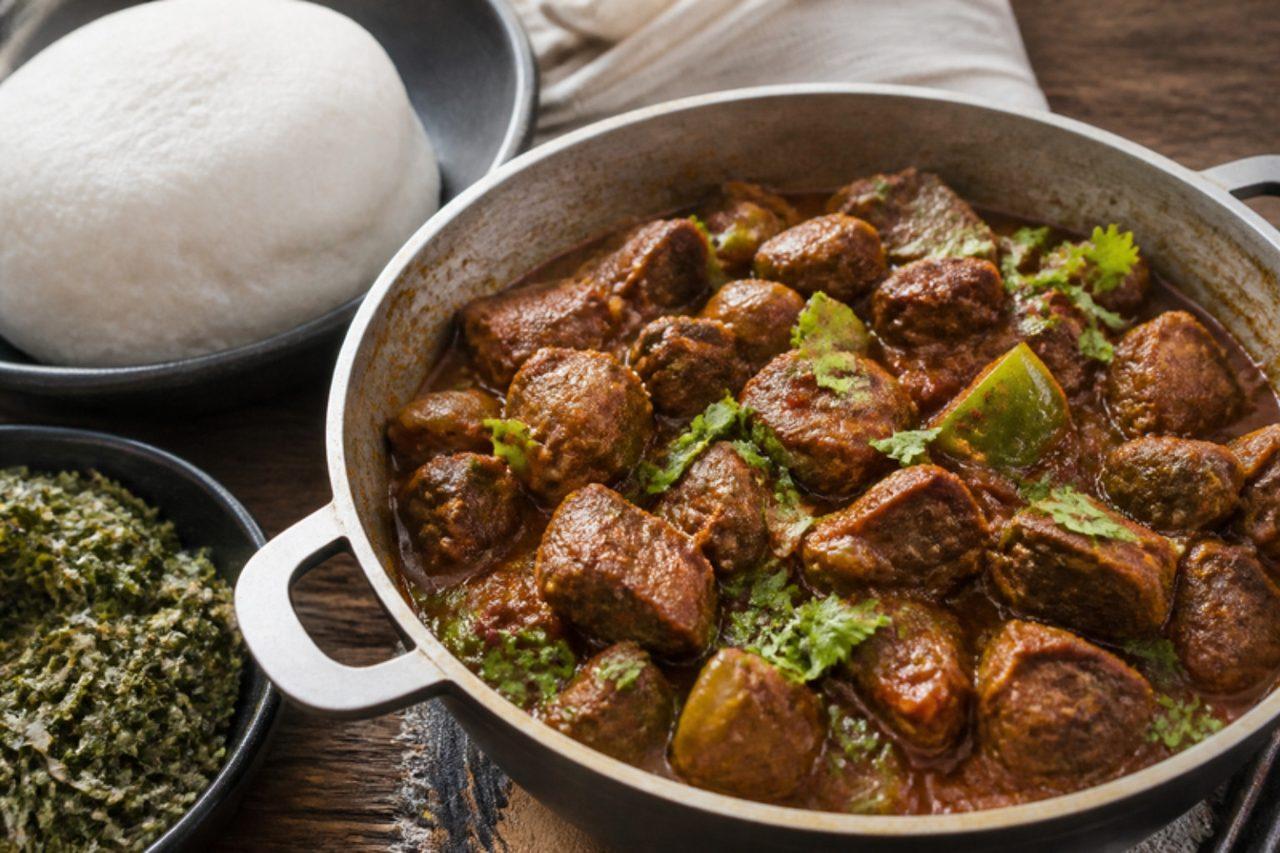
Order 'beef wet fry' at any Nairobi hoteli, from a River Road lunch counter to a Westlands nyama joint, and a sizzling dish of browned beef cubes arrives in a thick, tomato-red sauce glossy with fat. It sits halfway between a dry fry and a stew: the meat is chewy-tender and well seared, and the sauce is reduced so far it clings rather than pools. Ugali is the classic partner, with kachumbari and a tangle of sukuma wiki, though chapati or rice are just as common. The mistake most home cooks make is crowding the pan, so the beef steams grey in its own juices instead of browning. Chef's tip: give the beef a short covered simmer in a splash of water before frying; it tenderises the cheaper cuts Kenyan butchers sell and the water cooks off in time for the browning.

by KrazyBadal 0 views

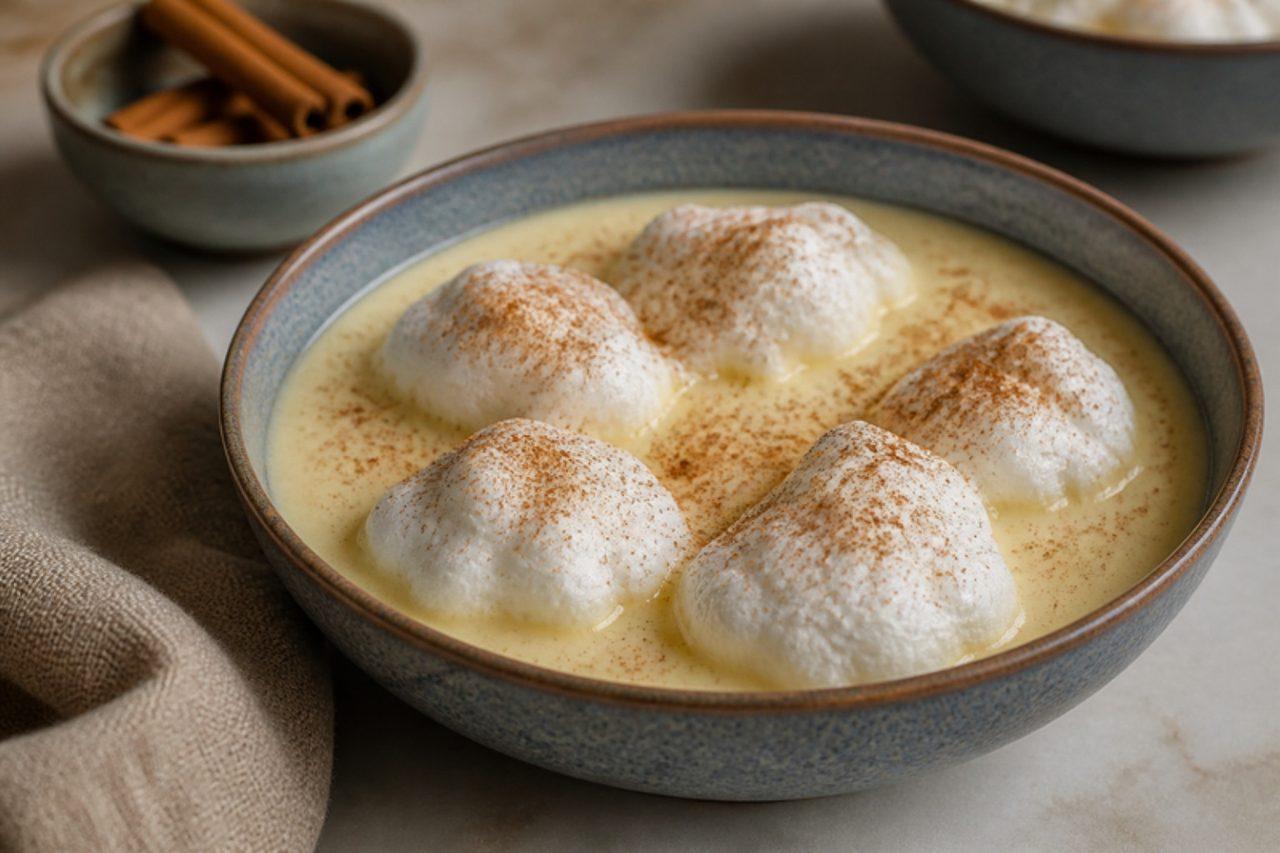
Leche nevadaCustard with meringue clouds

Leche nevada, 'snowed-on milk', is the custard Chilean grandmothers make on a Sunday with a litre of milk and a few eggs: soft spoonfuls of meringue are poached in sweet milk, then the same milk becomes a thin, vanilla-scented custard that the clouds float on. It is served cold in glass bowls, dusted with cinnamon, from Santiago to the south. The usual failure is letting the custard boil after the yolks go in, which curdles it into sweet scrambled egg. Chef's tip: poach the meringue at the barest simmer; at a rolling boil it puffs up, then collapses and goes rubbery. Because the whites are poached and the custard heated to 82 °C, the eggs are cooked through.

by KrazyBadal 0 views

Showing 90 of 7,762 recipes

Page 104 of 863