


Skip to content
Dak bokkeumtang
Featured recipe

Dak bokkeumtang

Spicy chicken and potato stew

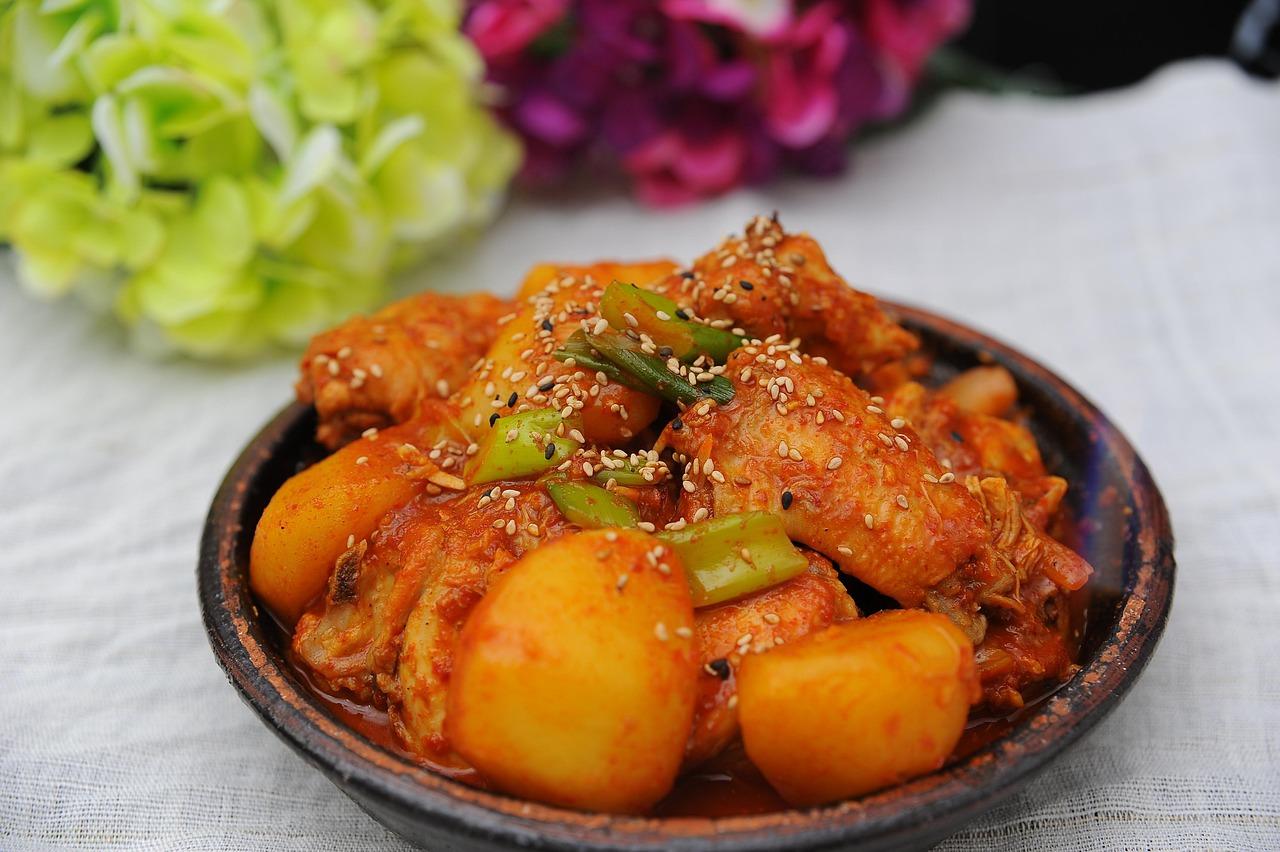
Chicken on the bone braised with big chunks of potato in a thick red sauce is a weeknight staple in Daejeon, the central city where many Korean rail lines meet, and in homes right across the country. Some people still call it dakdoritang. Unlike Andong's soy-based jjimdak, it gets its colour and heat from chilli flakes and gochujang, and the potatoes slowly thicken the sauce as they soften. It's usually brought to the table in the pot and shared, with rice and kimchi, and the last of the sauce is spooned over rice. Chef's tip: blanch the chicken for 3 minutes and rinse it first; this takes away scum and excess fat, so the sauce stays bright and clean-tasting.

Read more 0 views

What to eat today?

Around the world

Today's trip: Persian

A new country every day, from every cuisine on the site.

This week's collection

Kid-friendly dinners
739 recipes · a new collection every Monday

Coming up

All occasions →

Latest recipes

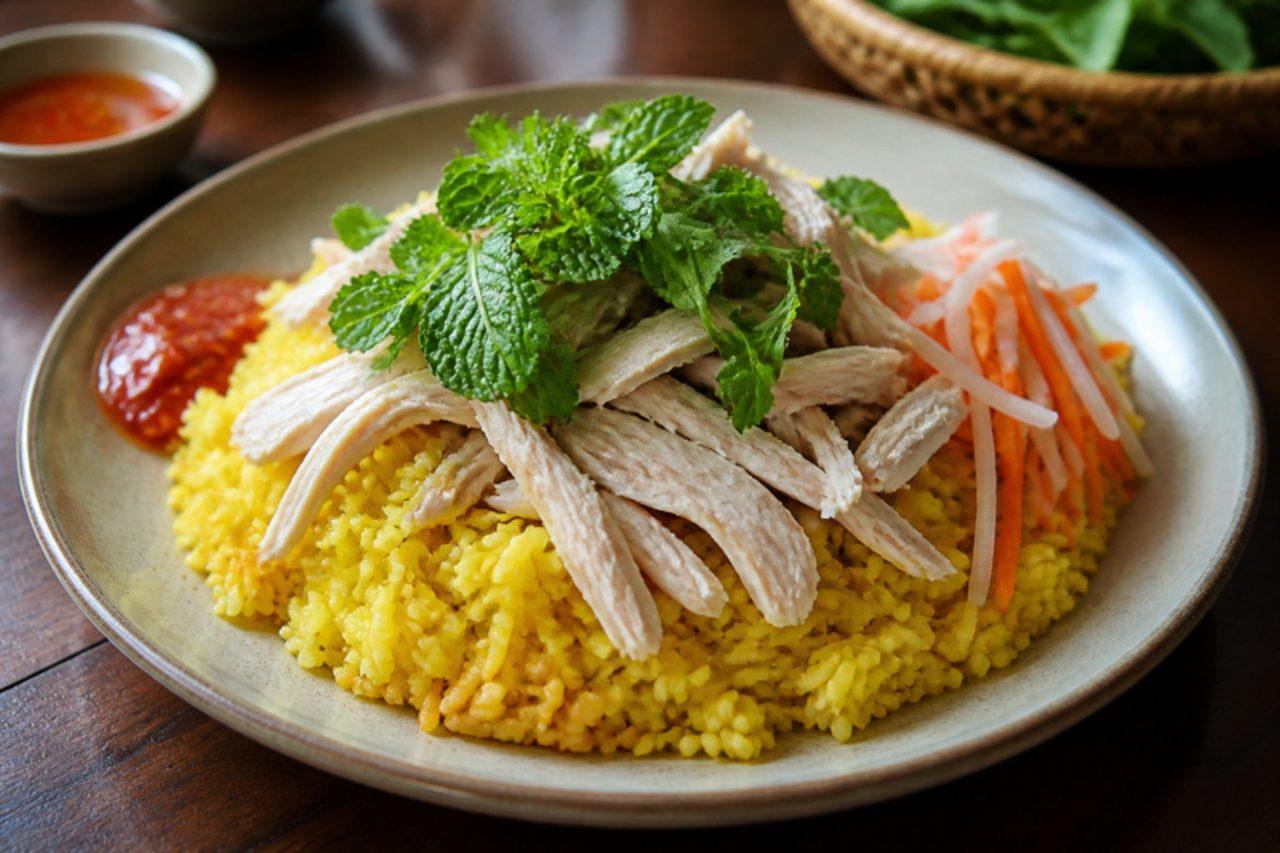
Com ga Hoi An (turmeric chicken rice)

Lunchtime in the old town of Hội An means cơm gà: small eateries near the river pile plates high with yellow rice and shredded chicken from late morning until it runs out. The rice is fried with garlic and chicken fat, coloured with turmeric and cooked in the poaching stock, so every grain tastes of chicken. On top goes chicken pulled into strips and tossed with sliced onion, Vietnamese coriander, lime and pepper, plus a spoon of chilli sauce and a little pickled papaya. A small bowl of the clear broth comes alongside. Chef's tip: plunge the poached chicken into iced water for 5 minutes; it stops the cooking and keeps the meat juicy and the skin firm.

by KrazyBadal 0 views

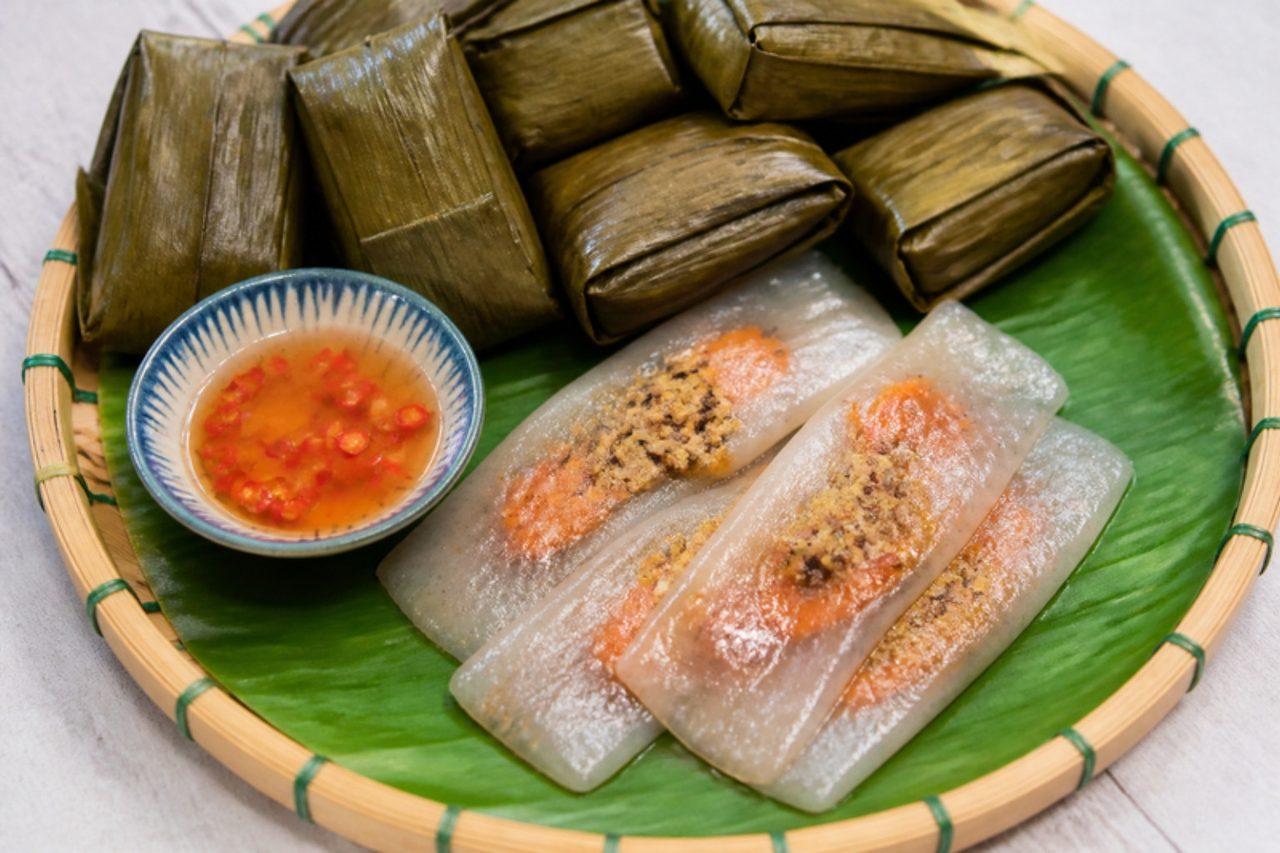
Banh nam (Hue rice cakes in banana leaf)

Market women at Đông Ba in Huế sell bánh nậm by the stack, still warm in their banana-leaf wrappers, as one of the city's many little afternoon cakes. A soft rice-flour paste is spread thin on a leaf, sprinkled with a savoury filling of prawn and pork, folded flat into a neat parcel and steamed. Unwrapped, the cake is silky, almost translucent, and you eat it straight off the leaf with a spoonful of sweet chilli fish sauce. It is often served on the same plate as bánh bột lọc and bánh ít for a mixed snack. Chef's tip: soften the banana leaves in hot water or over a flame first and brush them with oil; dry leaves split and the paste sticks.

by KrazyBadal 0 views

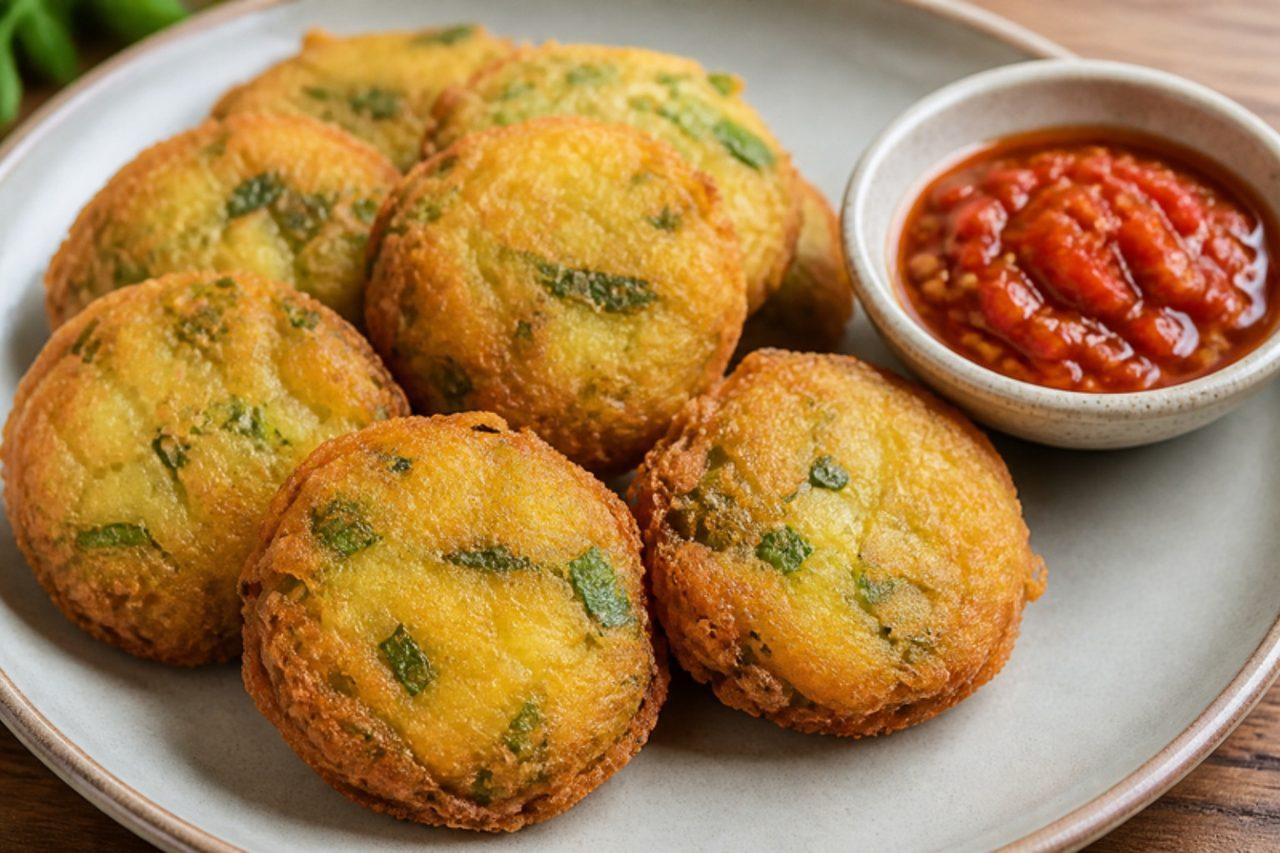
PerkedelPotato fritters

Perkedel came to Indonesia from the Dutch frikadel, but became something quite different: mashed fried potato seasoned with nutmeg, white pepper, spring onion and fried shallots, shaped into little patties and fried in a coating of egg. Families make them for soto, for nasi kuning platters and Lebaran tables, and children grab them cold from the fridge. The outside is lacy and golden, the inside soft and peppery. Chef's tip: fry the potatoes before mashing, rather than boiling them — it's the Indonesian way, and it gives drier, fluffier potato that holds its shape without flour.

by KrazyBadal 0 views

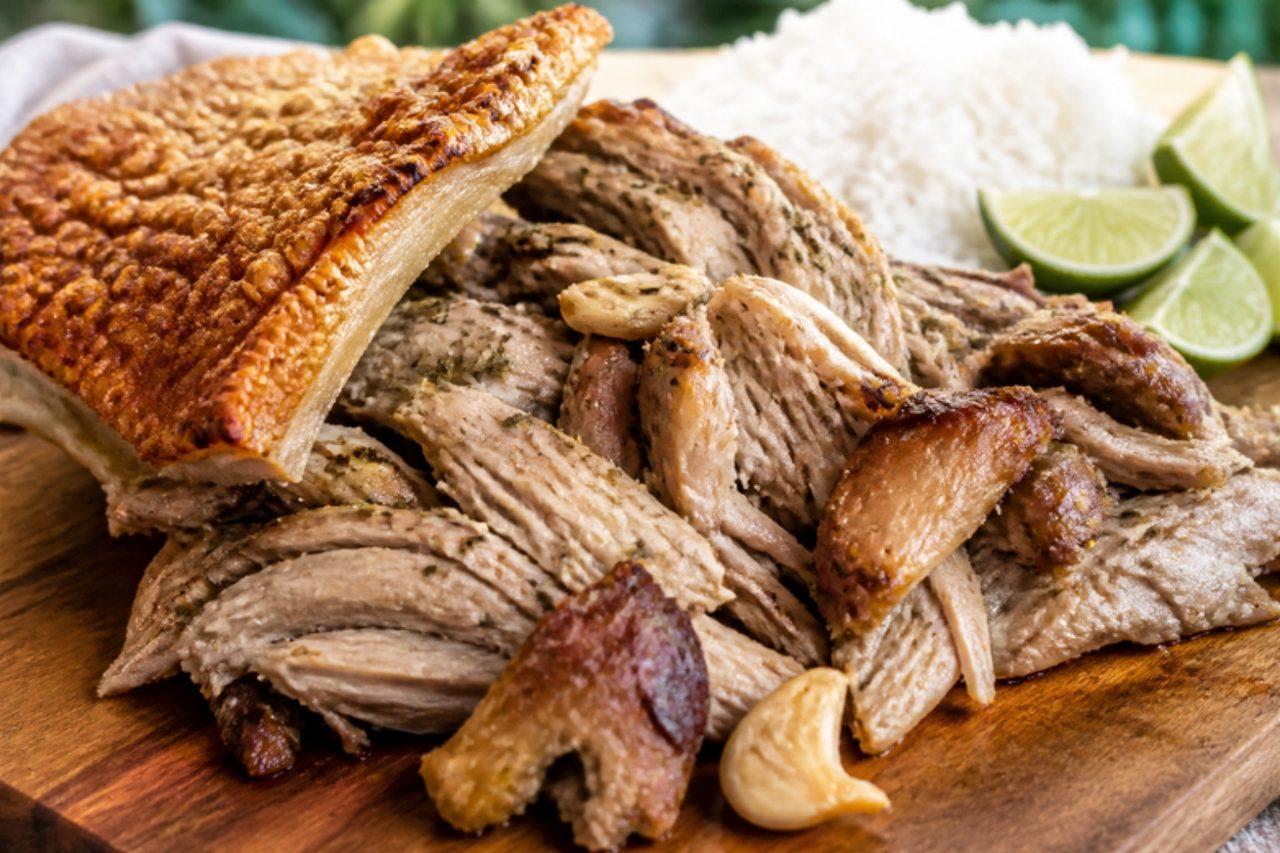
PernilRoast pork shoulder

No Puerto Rican Nochebuena (Christmas Eve) is complete without pernil, a whole pork shoulder rubbed with a pounded paste of garlic, oregano and black pepper, left in the fridge overnight and roasted low for hours until it falls apart. This is a pork dish. Families fight over the cuerito, the crackling skin on top, and the meat goes with arroz con gandules, salad and more rice the next day. The usual mistake is smearing the marinade over the skin: the garlic burns and the skin never crackles, so push the paste into slits and under the skin, and keep the skin itself dry and salted. Chef's tip: marinate for a full 24 hours if you can; the garlic and vinegar soak right into the meat.

by KrazyBadal 0 views

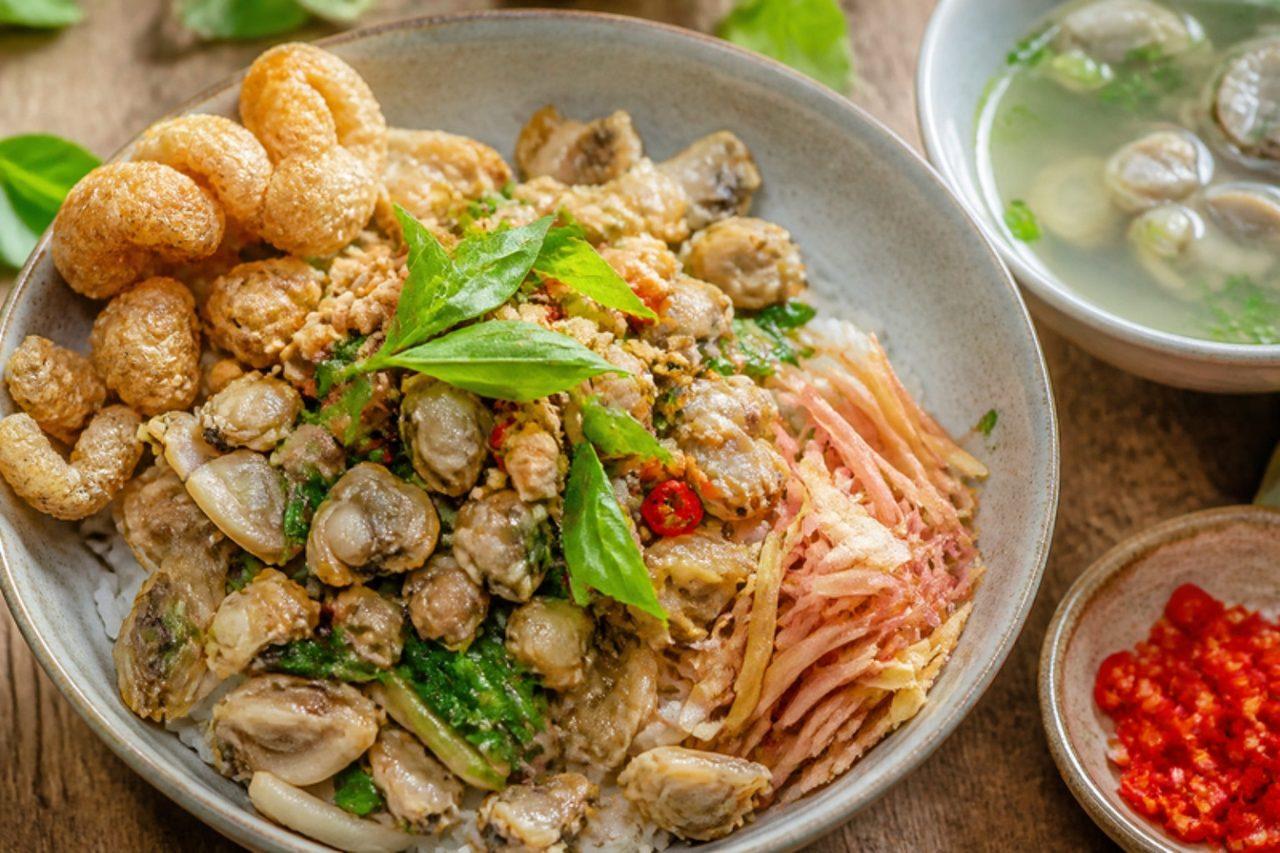
Com hen (Hue baby clam rice)

Cơm hến began as a cheap meal of the boat people around Cồn Hến, an islet in the Perfume River in Huế, and it is still sold for breakfast and as an afternoon snack from tiny stalls across the city. Room-temperature rice is topped with stir-fried baby clams, crunchy pork crackling, roasted peanuts, toasted rice cracker and a heap of raw herbs and greens, then splashed with hot clam broth and plenty of chilli. Huế cooks use tiny river clams; at home, choose the smallest clams you can find, such as baby or Manila clams. The mix of cool and hot, crisp and soft, is the whole point. Chef's tip: keep the rice cool and the broth boiling hot right up to the moment you pour it.

by KrazyBadal 0 views

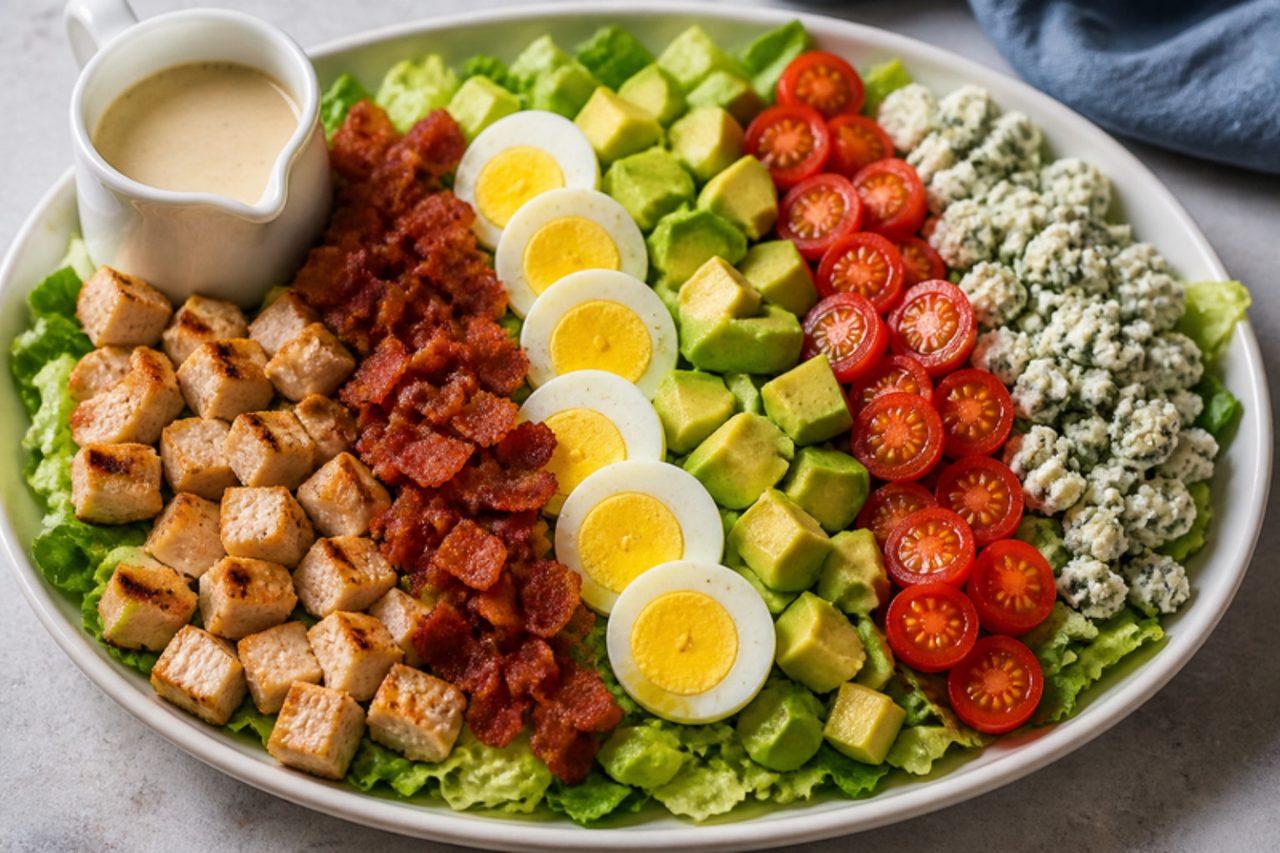
Cobb salad

The Cobb salad was born at the Brown Derby restaurant in Hollywood in the 1930s, and it is still a lunch classic in Los Angeles delis and hotel coffee shops. Rows of chopped chicken, crisp bacon (pork), hard-boiled egg, avocado, tomato and blue cheese sit on crisp lettuce, and everyone mixes them with a sharp red wine vinegar dressing at the table. Chef's tip: chop everything to roughly the same small size so each forkful gets a bit of everything.

by KrazyBadal 0 views

Smash burger

Diners and drive-ins across the American Midwest have smashed burgers on hot griddles for a century, and the style is now everywhere from food trucks to backyard cookouts. A ball of beef is pressed hard onto a very hot pan so it spreads thin and develops a deep brown, lacy crust, then gets a slice of cheese and goes into a soft toasted bun with pickles and a tangy sauce. Two thin patties per burger is the classic. Chef's tip: smash within the first 30 seconds only; pressing later squeezes out the juice.

by KrazyBadal 0 views

Nem ran (Hanoi fried spring rolls)

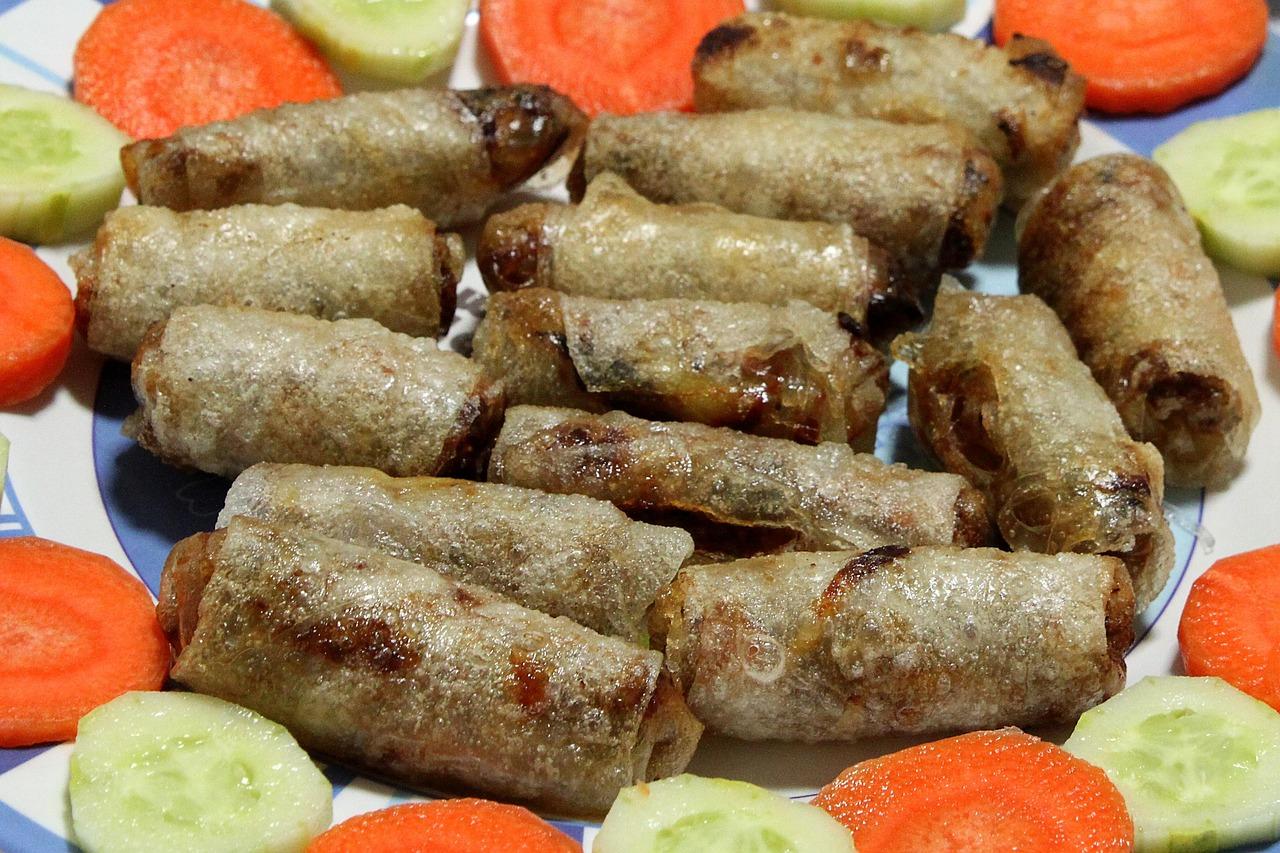
At Tết, the lunar new year, a plate of nem rán sits on almost every family feast tray in Hanoi and the north, and the same rolls turn up at weddings, death anniversaries and Sunday lunches all year. Northern cooks wrap a filling of minced pork, crab or prawn, glass noodles and wood ear mushroom in thin rice paper, which fries into a pale golden, bubbly shell quite different from wheat-wrapped spring rolls. Southerners call the same idea chả giò. Serve them cut in pieces with rice vermicelli, lettuce, herbs and a warm sweet-sour fish sauce. Chef's tip: fry them twice, first gently to cook the filling through, then briefly in hotter oil to crisp; they stay crunchy far longer.

by KrazyBadal 0 views

Cincinnati chili

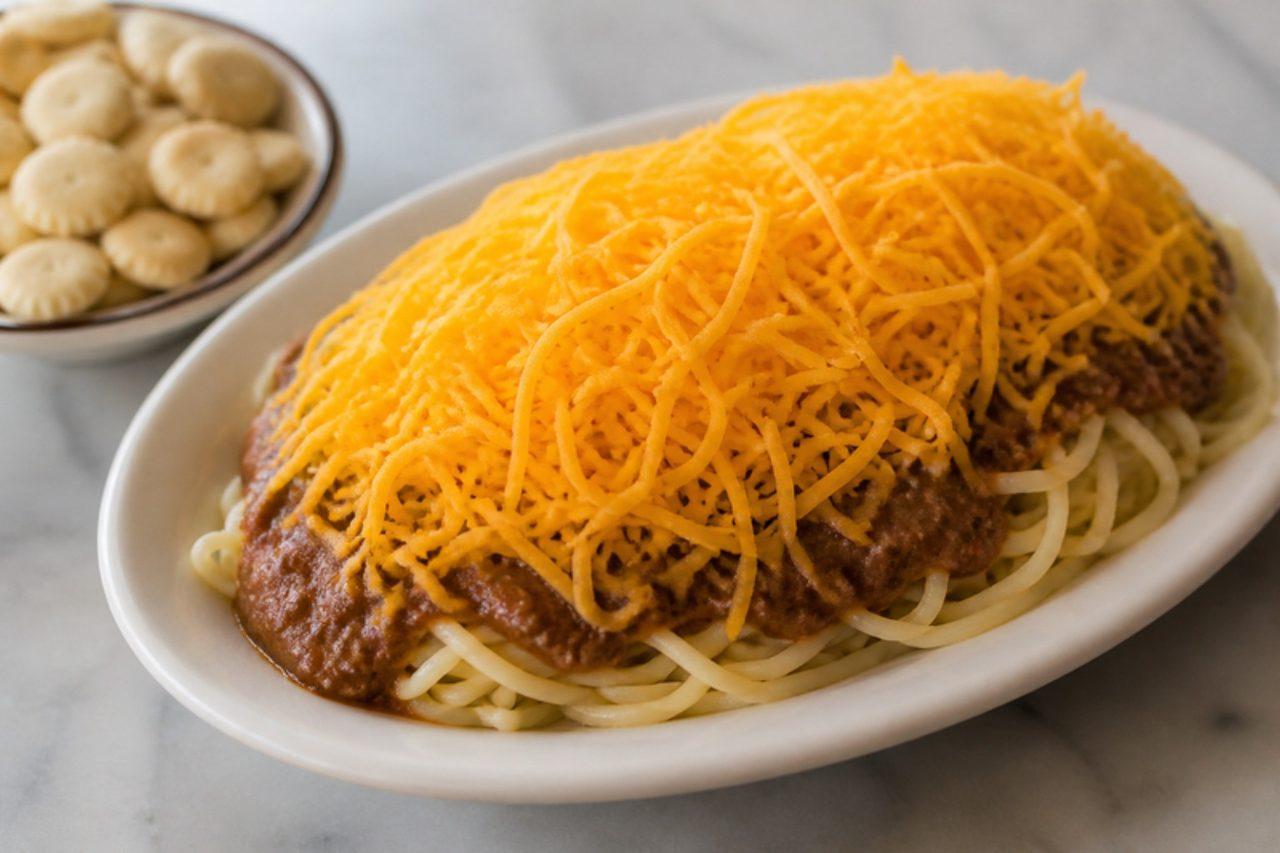
Cincinnati, Ohio has hundreds of 'chili parlors', a tradition started by Greek-Macedonian immigrants in the 1920s, and their chili is nothing like the Texan kind. Minced beef is simmered (not browned) in water with tomato and a warm spice mix of cinnamon, allspice, clove, cumin and a little cocoa until it becomes a fine, thin sauce. It is ladled over spaghetti and buried in finely grated cheddar: a 'three-way'. Add onions for a four-way, beans for a five-way. Chef's tip: break the raw mince up in cold water before heating; that gives the signature smooth texture.

by KrazyBadal 0 views

PesarattuGreen moong crêpes

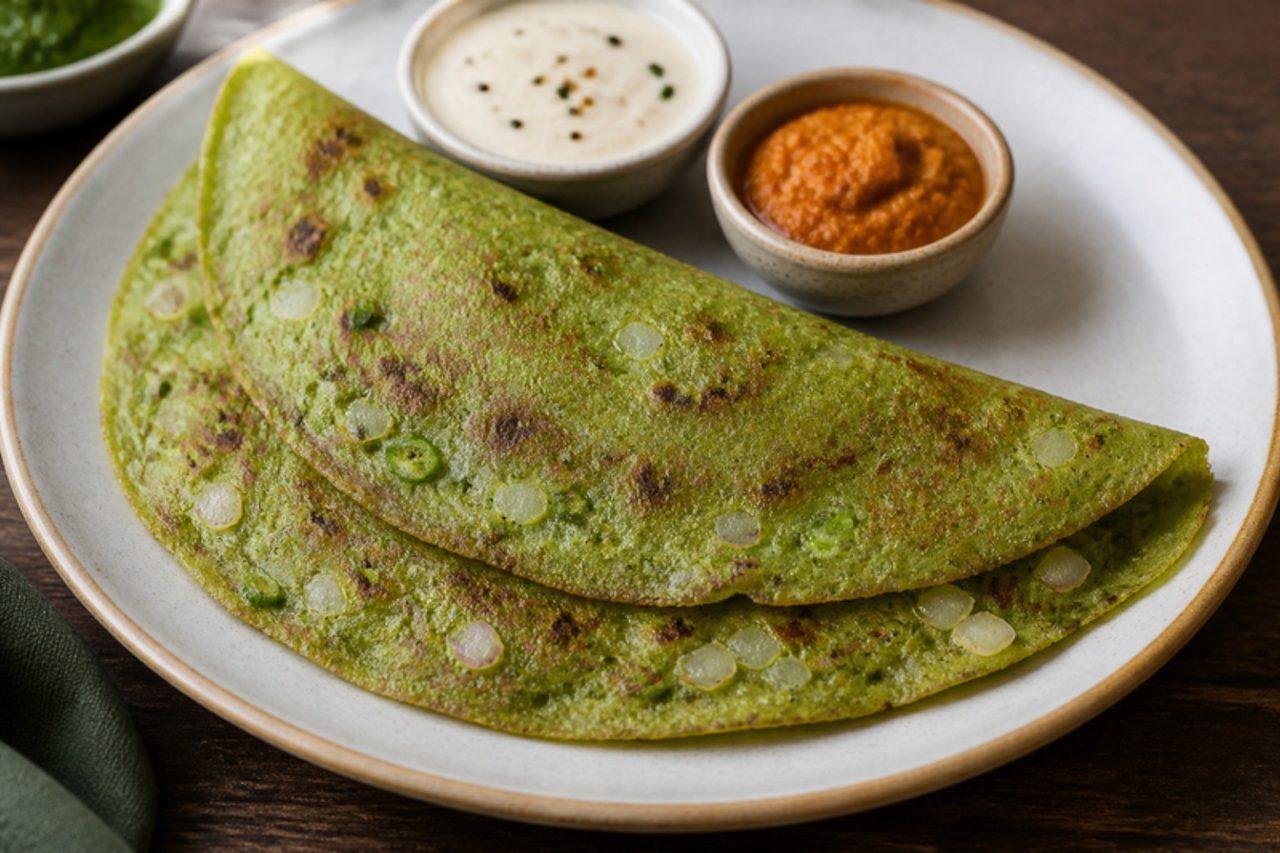
Pesarattu is the breakfast dosa of Andhra Pradesh, made from whole green moong beans ground with ginger, green chilli and cumin rather than rice and urad dal. Because the batter needs no fermenting, you can soak the beans before bed and have crisp, nutty, bright-green dosas on the table by morning. In Andhra homes they're scattered with onion and eaten with a sharp ginger chutney, and on festive days filled with upma to make 'MLA pesarattu'. They're high in protein, light and naturally gluten free. Chef's tip: add a small handful of raw rice to the soak; it isn't traditional everywhere, but it gives the dosa a crisper edge and stops it tearing on the pan.

by KrazyBadal 0 views

Pescado a la tallaGrilled fish in chilli paste

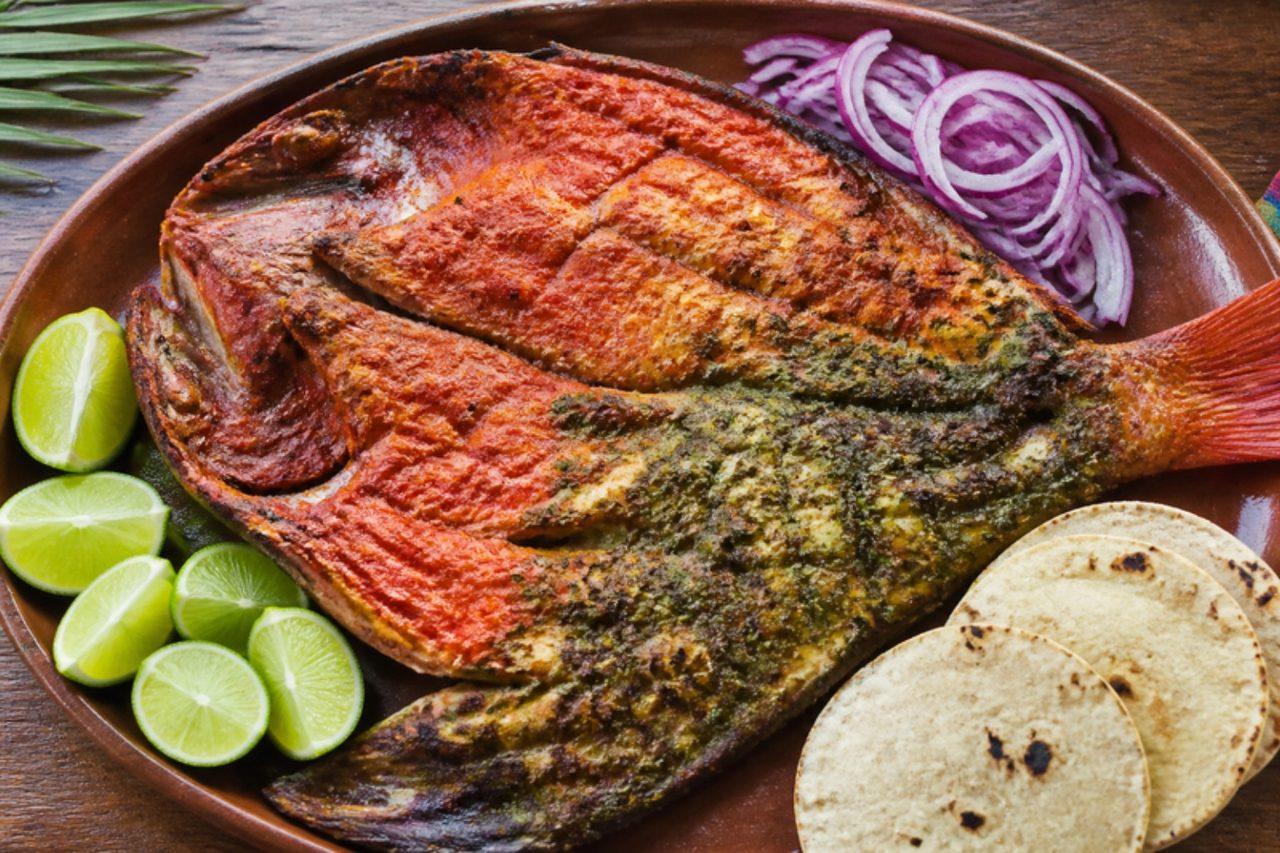
On the long beach of Barra Vieja, just south of Acapulco in Guerrero, whole fish are split open, painted with chilli paste and grilled over wood embers in palapa restaurants with their feet in the sand. One half gets a brick-red adobo of guajillo and ancho, the other a bright green paste of herbs and fresh chilli, so a single fish brings two flavours to share. It is eaten straight off the platter with tortillas, rice, lime and cold drinks. Chef's tip: cook it mostly skin-side down in a hinged fish basket, so the skin protects the flesh and the fish turns without breaking.

by KrazyBadal 0 views

ShorwaLamb and vegetable soup

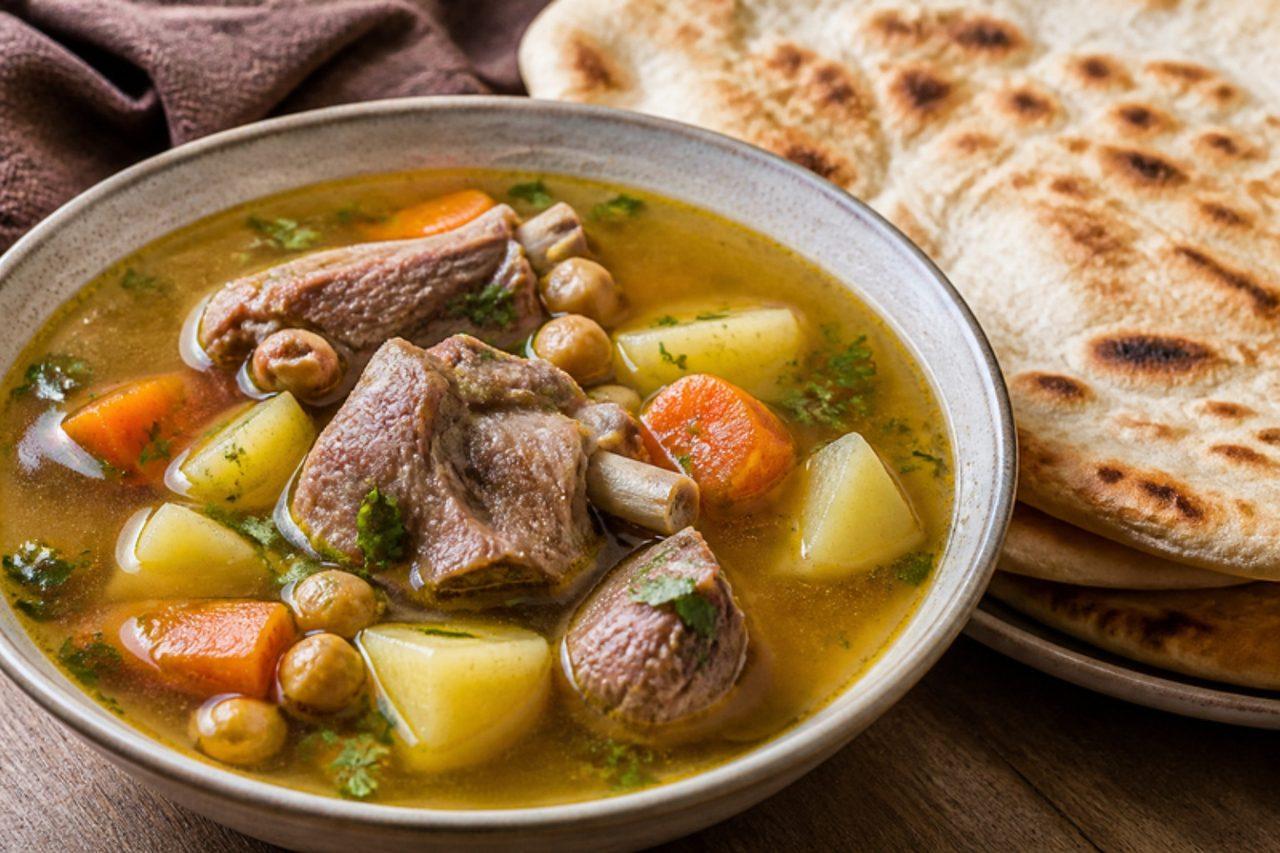
Shorwa is the everyday soup of Afghan homes from Kabul to Herat, simmered on winter evenings and during Ramadan, when a bowl of it breaks the fast. Lamb on the bone cooks slowly with onion, tomato, chickpeas and a little turmeric and coriander until the broth turns golden, then potatoes and carrots go in for the last half hour. The family tears naan into their bowls and eats it with fresh mint, onion and green chilli on the side. It is a gentle, clear soup rather than a thick stew. The common mistake is boiling it hard, which makes the broth cloudy and the lamb tough; keep it at a lazy simmer. Chef's tip: skim the broth carefully in the first 10 minutes, as soon as the grey foam rises, for a clean golden shorwa.

130 minAfghanSoupsGluten free
by KrazyBadal 0 views

Hyderabadi chicken dum biryani

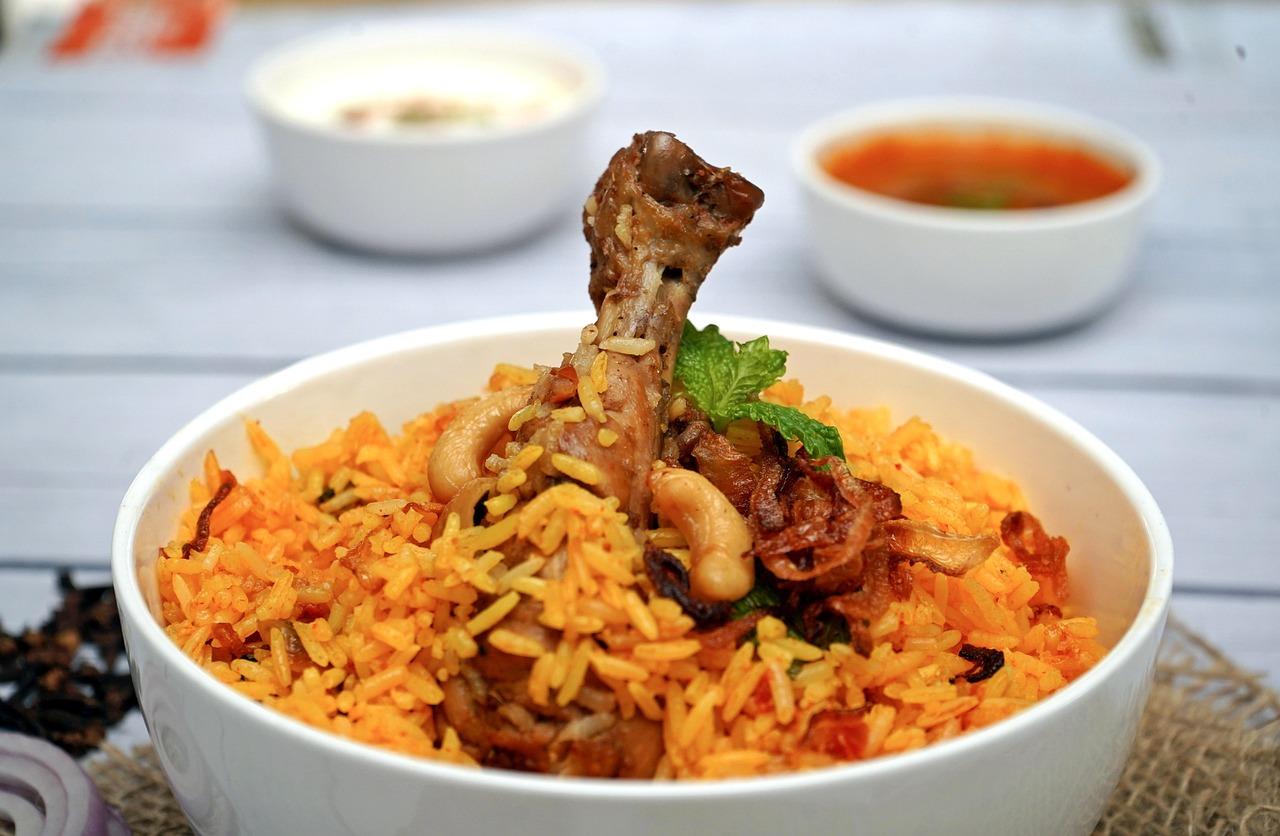
Hyderabad's biryani grew up in the kitchens of the Nizams, and the kacchi style is its proudest form: the chicken goes into the pot raw, in a thick yogurt, mint and fried-onion marinade, and cooks only in the steam trapped under part-cooked basmati. In the old city it is wedding and Eid food, ordered in huge copper deghs, and at home it's the Sunday showpiece, served with mirchi ka salan and a cooling raita. Because the meat cooks without being stirred, small bone-in thigh and drumstick pieces work best. Chef's tip: marinate overnight in the fridge — the yogurt tenderises the chicken and the flavours go right to the bone.

by KrazyBadal 1 views

Sepu vadiLentil dumplings in spinach yogurt gravy

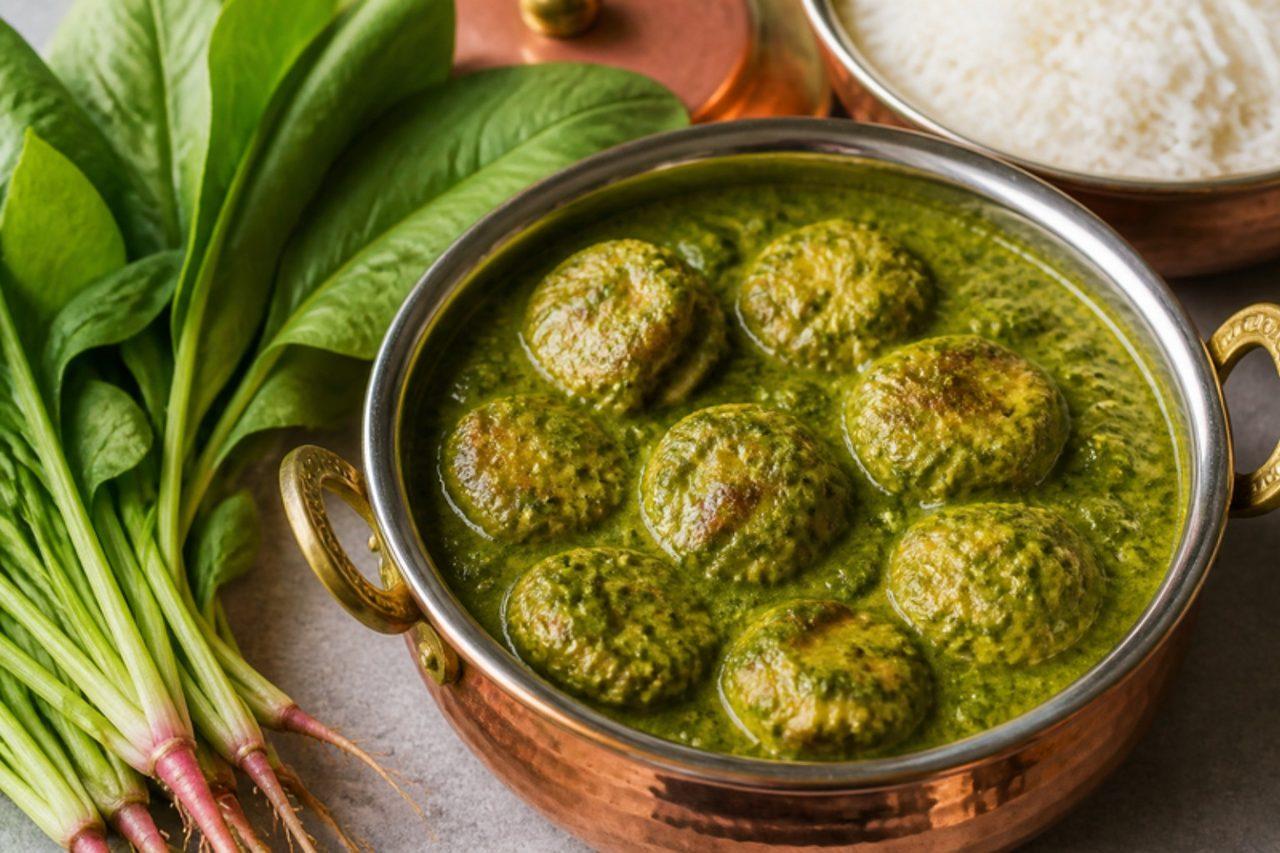
No dham in Mandi district of Himachal Pradesh is complete without sepu vadi. Light urad-dal dumplings are fried, softened in warm water and then simmered in a smooth spinach gravy tangy with yogurt, until they swell up and turn spongy. The botis who cook the feast make huge copper pots of it, served on leaf plates with rice and eaten with the fingers. At home it makes a rich weekend curry with rice or chapati. Chef's tip: beat the ground dal by hand for a few minutes before frying; the air you whip in is what makes the vadi light.

by KrazyBadal 0 views

Burmese chicken curry

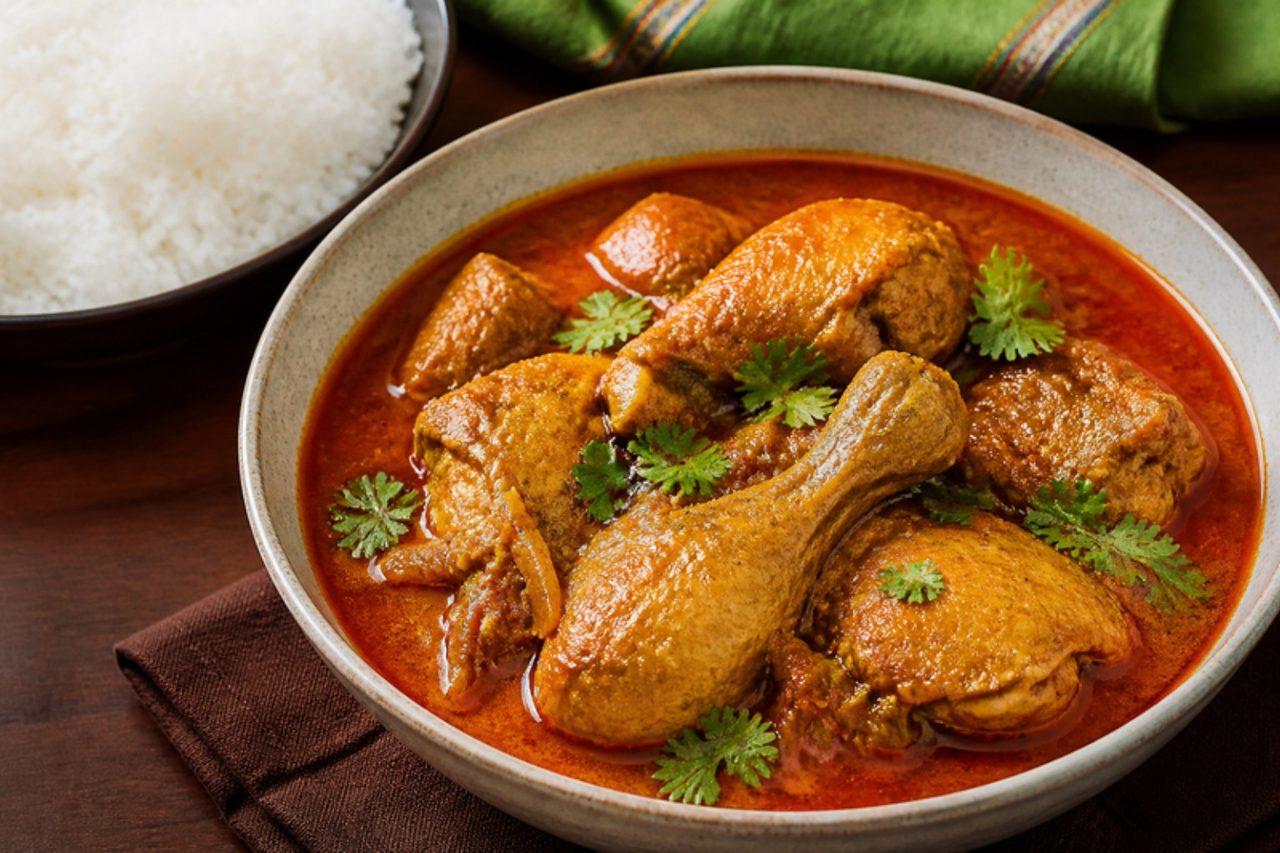
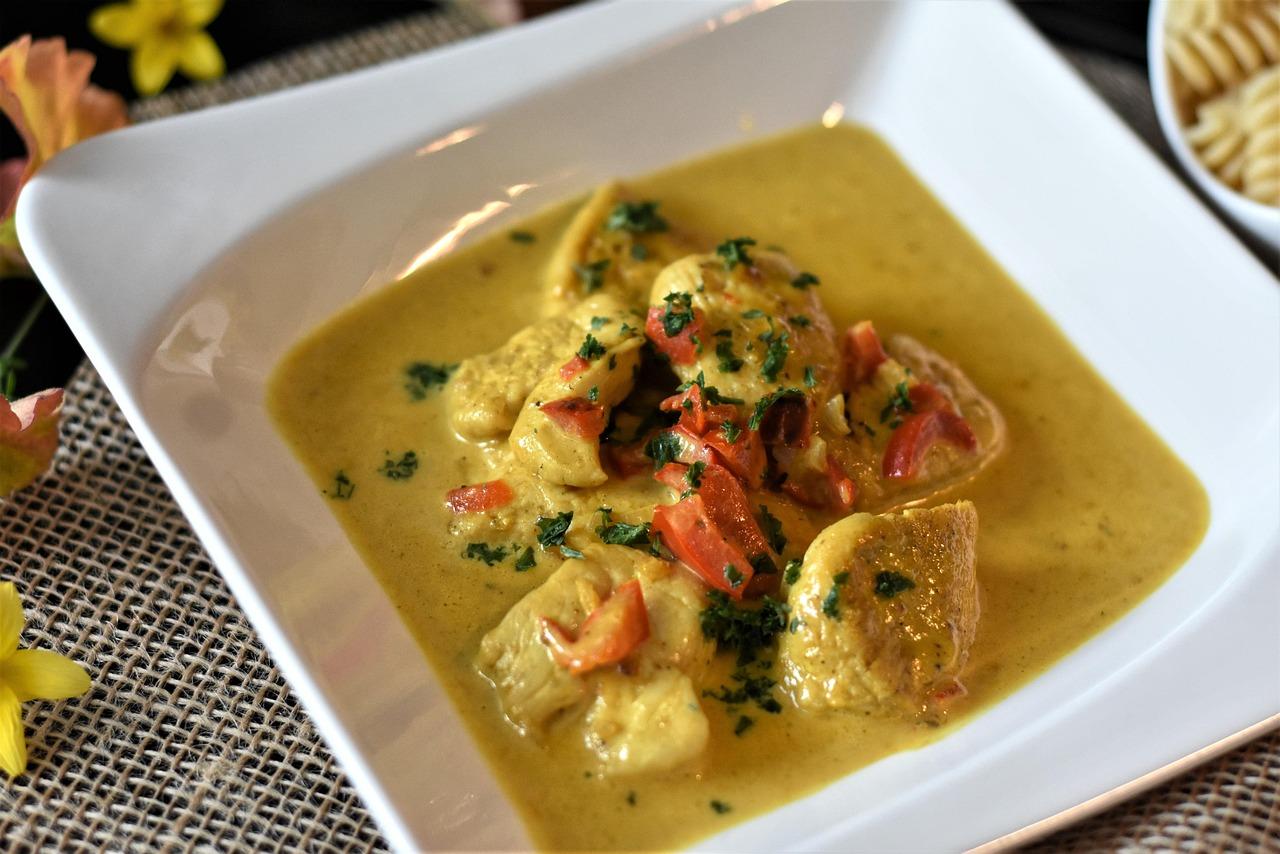
Burmese curries are cooked the 'see pyan' way, meaning 'oil returns': onion, garlic and ginger are slowly fried with turmeric and paprika until the water cooks away and the oil floats red and clear on top. This chicken curry is the everyday heart of a Yangon or Mandalay meal, set on the table with rice, a sour soup, a salad and fish-sauce-based relishes, and every family eats it on ordinary weeknights. It is mild in chilli but deep in flavour, with fish sauce adding a savoury edge. The common mistake is draining off the oil because it looks like too much; the oil carries the flavour, and you spoon around it when serving. Chef's tip: pound the onion, garlic and ginger to a rough paste rather than blending them smooth, so they fry rather than stew.

by KrazyBadal 0 views

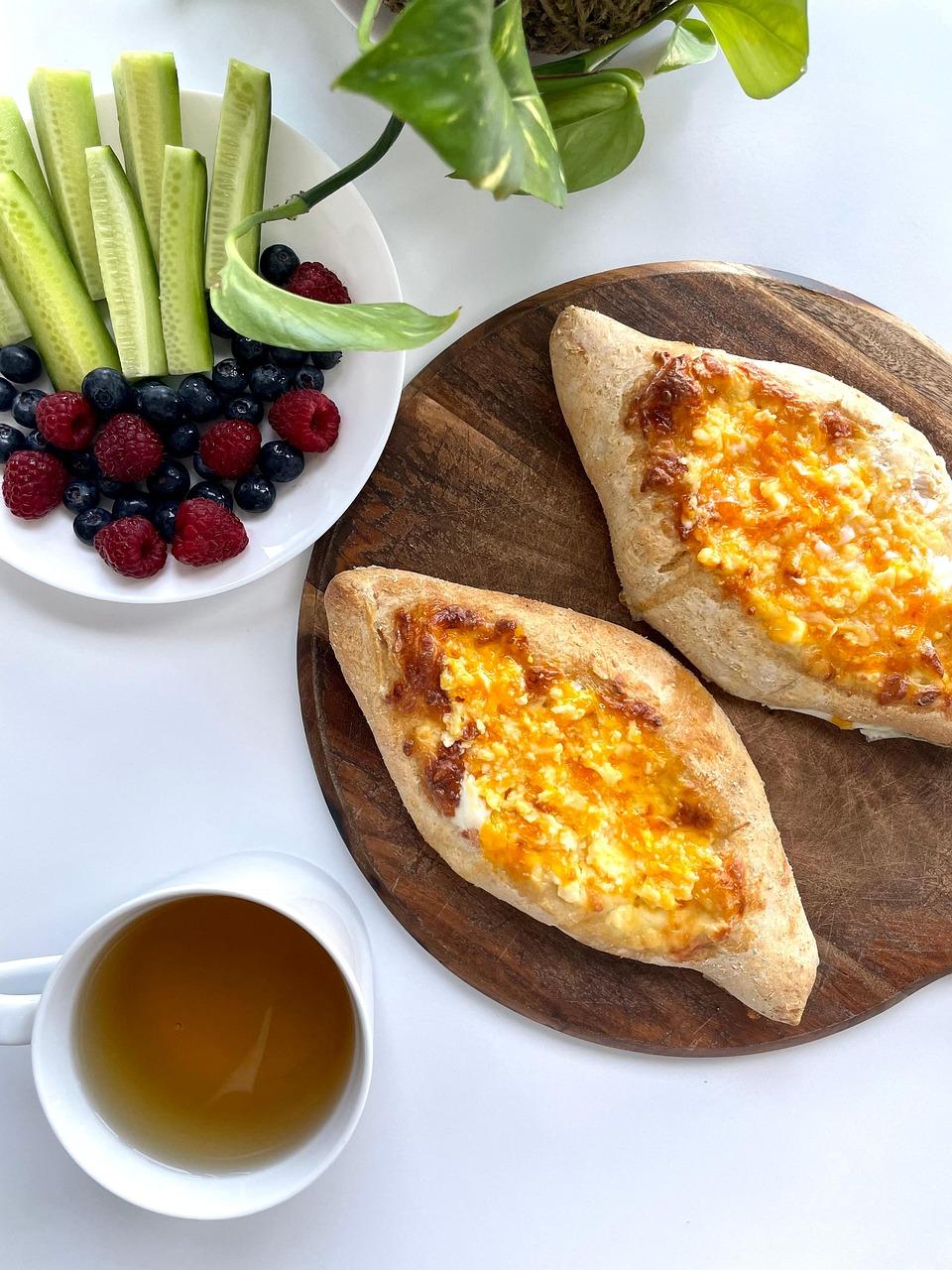
Peynirli pideBoat-shaped cheese bread

Along the Black Sea coast, from Samsun to Trabzon, the pide salon is where families go on a Friday night, and the oven man shapes each boat of dough by hand before sliding it onto the hot stone floor of a wood-fired oven. The Black Sea way is generous: a pool of melted kaşar and white cheese held inside a rim of soft bread, an egg cracked into the middle for the last few minutes and a knob of butter dropped on as it comes out. Children love tearing off the crusty ends to drag through the cheese. Chef's tip: heat a heavy baking tray or pizza stone in the oven for a full 30 minutes; the hot base is what gives a crisp underside rather than a soft one.

120 minTurkishPizza
by KrazyBadal 0 views

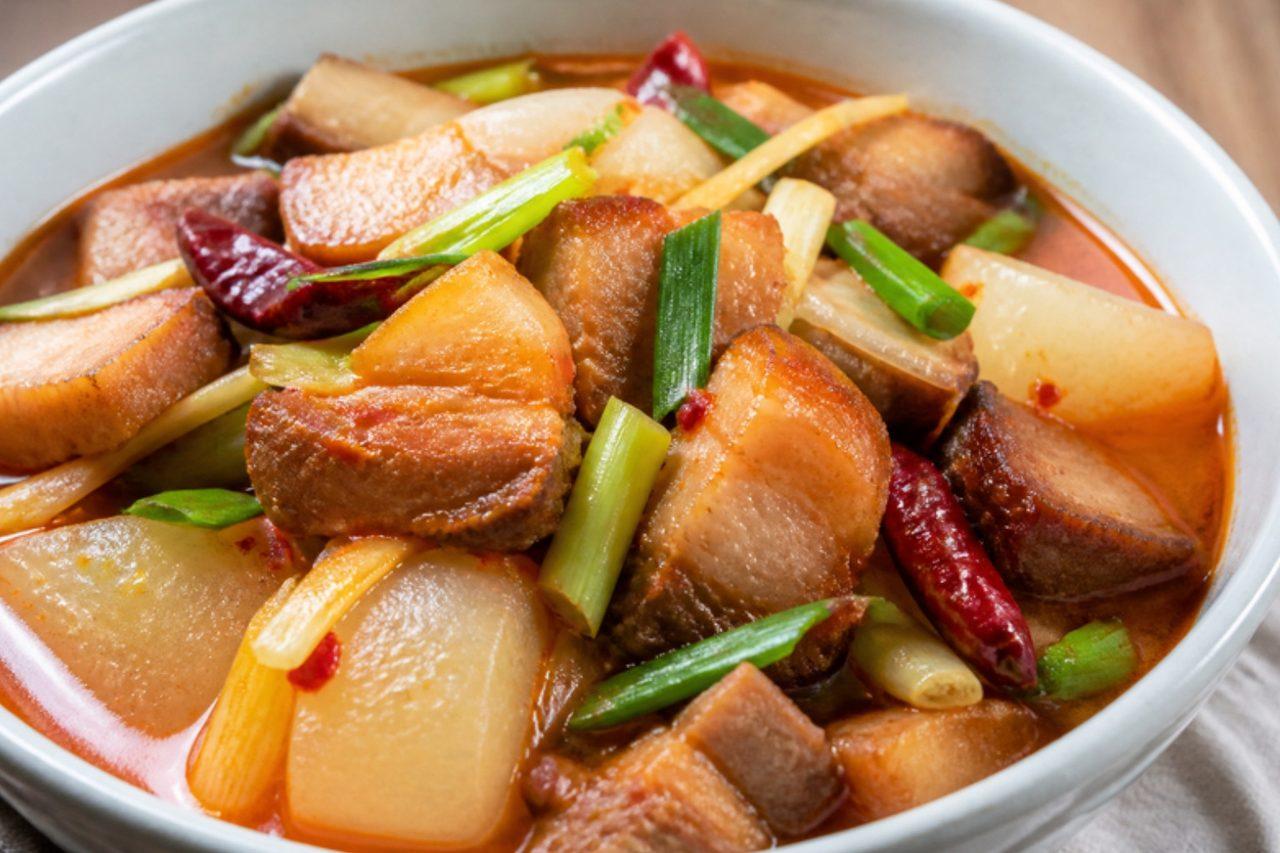
PhagshapaPork with radish and chilli

High in the hills of Sikkim, where winters are long and cold, Bhutia and Lepcha households make phagshapa from fatty strips of pork, white radish and fiery dried red chillies. Traditionally it uses no oil at all: the pork renders its own fat, and the radish soaks it up and turns meltingly soft. It is everyday warming food in Gangtok kitchens, eaten with rice and a bowl of clear soup. Chef's tip: cut the radish thick, in batons, so it holds its shape through the long simmer.

80 minIndianMeatGluten freeSpicy
by KrazyBadal 0 views

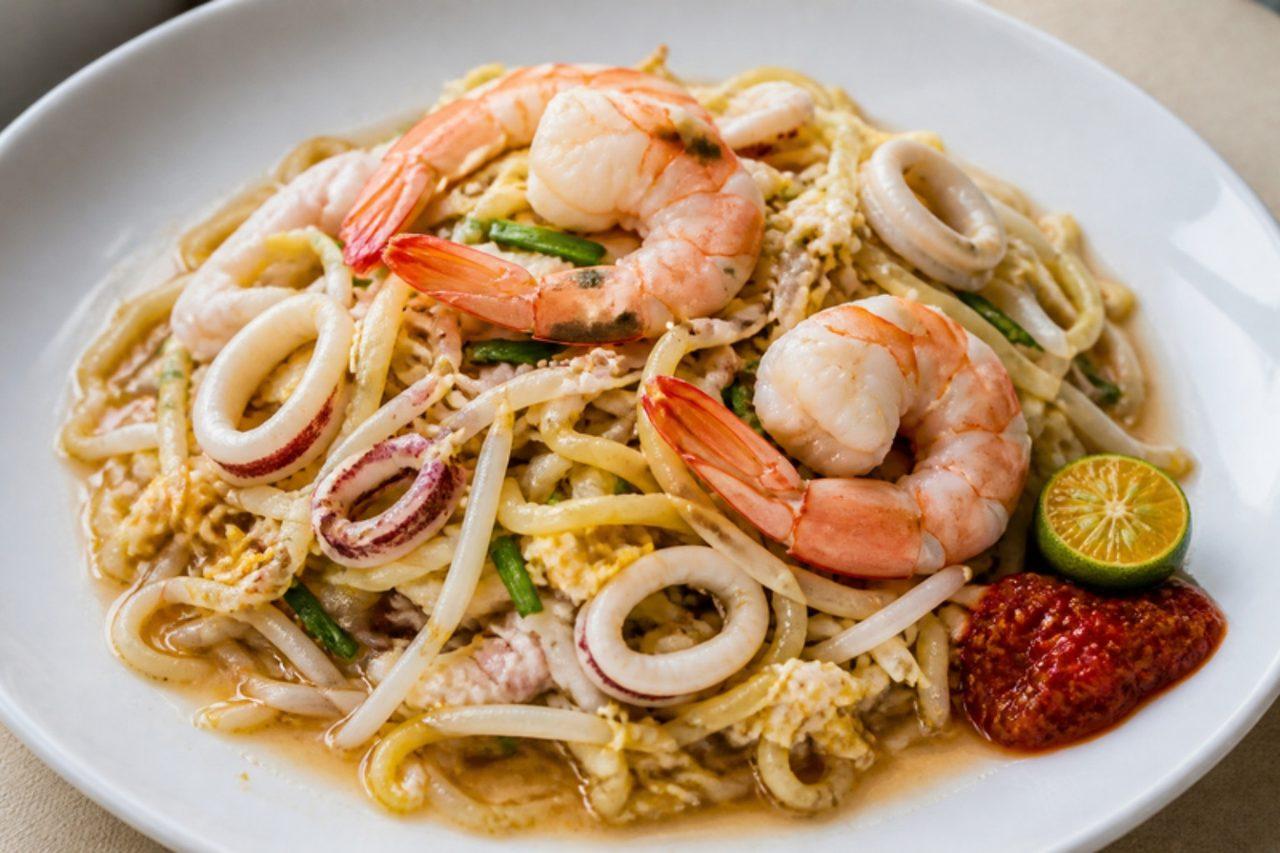
Singapore Hokkien prawn mee

Singapore's Hokkien mee is nothing like the dark, soy-coated noodles of Kuala Lumpur: here yellow egg noodles and thick rice vermicelli are fried with egg, then braised in a cloudy, intensely savoury stock made from prawn heads and shells until the noodles soak it up and stay just wet. Hawkers at Old Airport Road and Geylang serve it with lime and fiery sambal belacan on a square of paper or opeh leaf. It is a late-lunch or supper dish, eaten hot from the wok. Traditional versions use pork belly and pork lard; this one uses prawns and squid only, with vegetable oil. The common mistake is adding all the stock at once, which makes it soupy; add it in two goes and let the noodles drink it. Chef's tip: fry the prawn heads hard until they turn deep orange before adding water; the stock is the whole dish.

by KrazyBadal 0 views

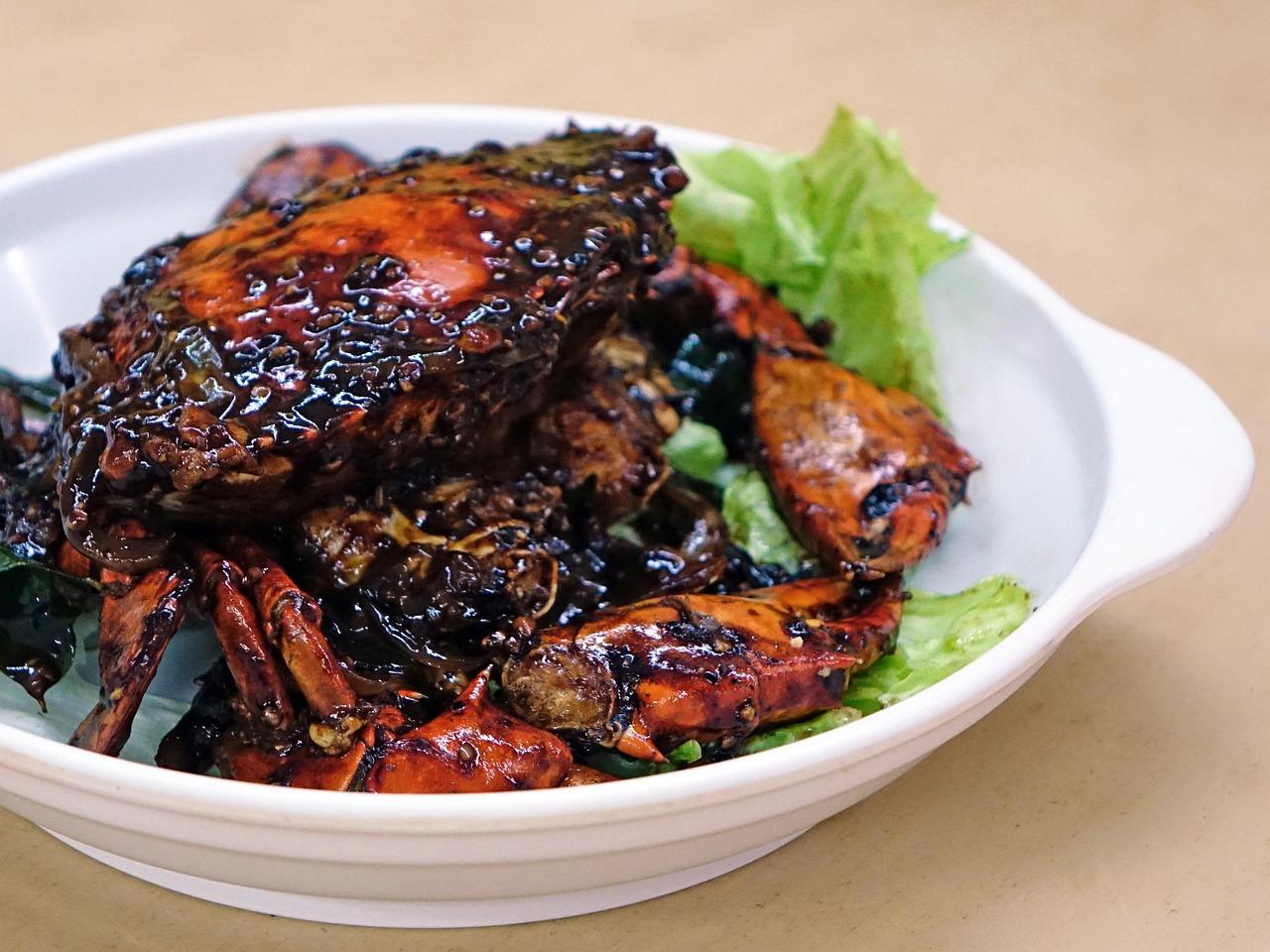
Black pepper crab

If chilli crab is Singapore's sweet crowd-pleaser, black pepper crab is the one locals often order beside it: dry rather than saucy, sharp with freshly cracked black pepper, rich with butter and with a salty edge from oyster and soy sauce. It was created in the 1950s–60s at the seafood restaurants of Upper Serangoon and East Coast, and is eaten at long family dinners with rice or plain bread to mop the buttery wok juices. Note that this dish contains butter, so it is not dairy free. Buy crabs live or freshly cooked the same day from a fishmonger you trust. Discard any live crab that doesn't move, smells of ammonia or has a cracked, leaking shell. The common mistake is using pre-ground pepper powder, which tastes dusty and burns; crack whole peppercorns coarsely. Chef's tip: toast the cracked pepper in the dry wok for a minute before the butter goes in to wake up its aroma.

by KrazyBadal 0 views

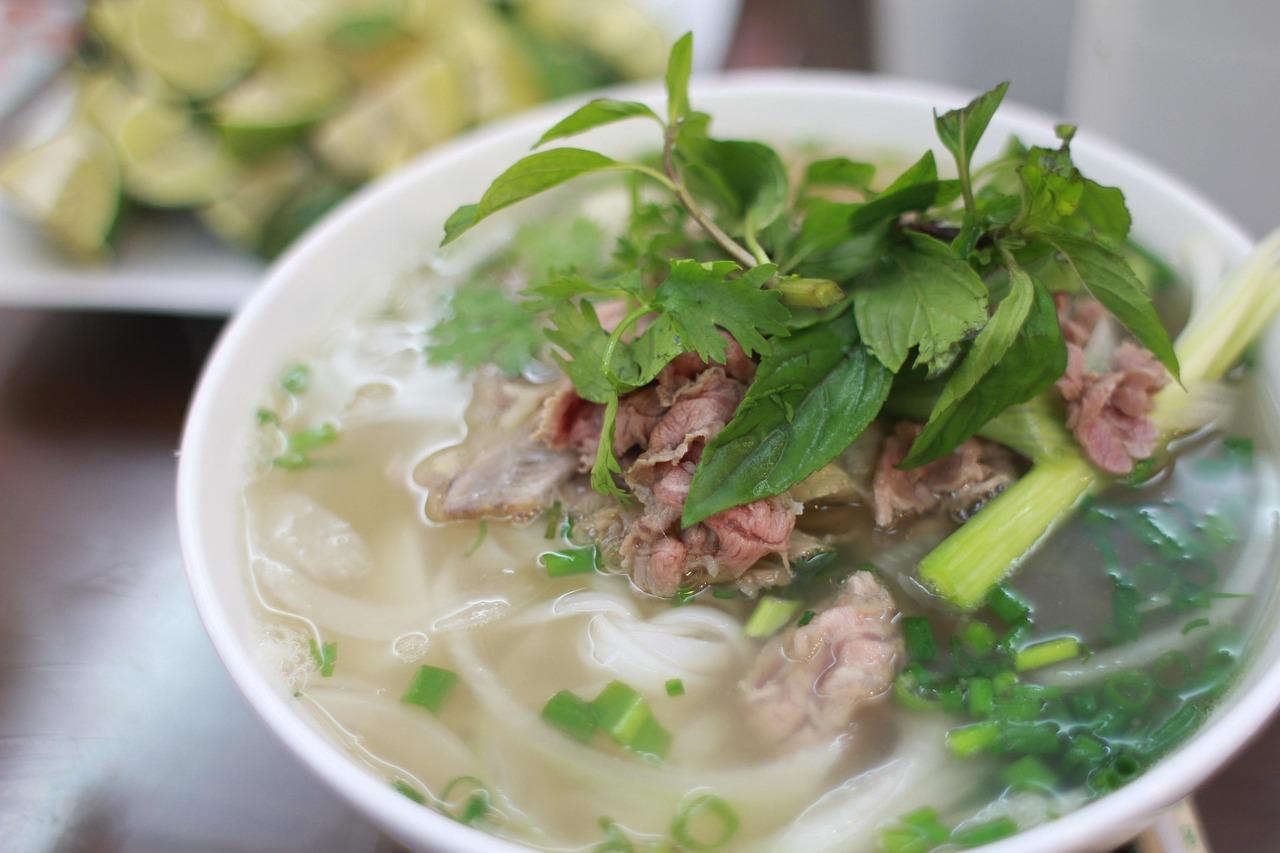
Pho boBeef noodle soup

Before Hanoi's offices open, pavement pho stalls are already busy, with diners on low plastic stools bent over bowls of rice noodles in a clear, spiced beef broth. The northern style is restrained: brisket and thin slices of raw beef that cook in the bowl, spring onion and a little coriander, with lime and chilli on the side rather than a heap of herbs and sauces. The work is in the broth, simmered slowly from bones with blackened onion and ginger and a small bag of toasted spices. Make it on a weekend; it keeps for three days and the bowls then take ten minutes. Chef's tip: char the onion and ginger until they are properly black in patches, because that smoky sweetness is what makes the broth taste of pho rather than plain beef stock.

by KrazyBadal 1 views

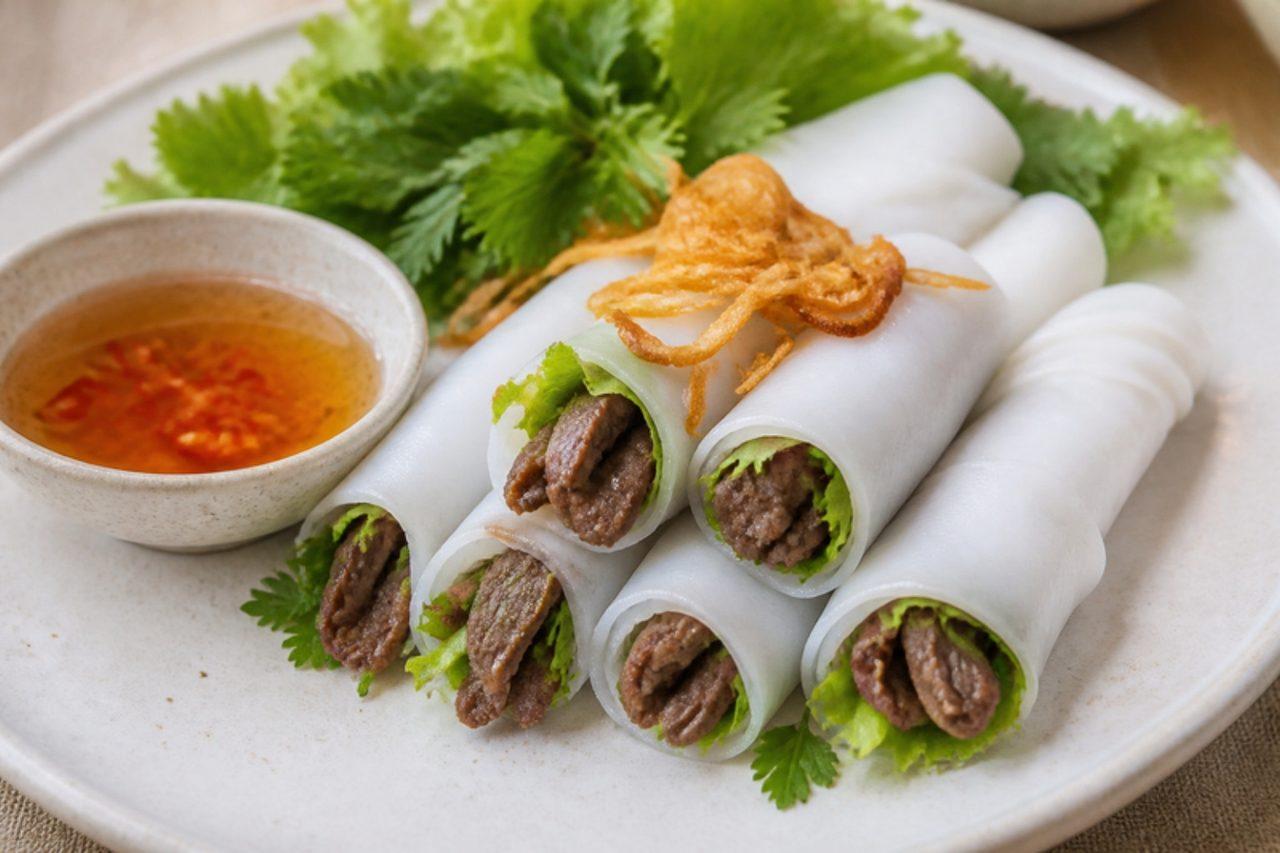
Pho cuonBeef rice noodle rolls

On Ngũ Xã, a little island of streets between Trúc Bạch lake and West Lake in Hanoi, whole rows of restaurants sell nothing but pho in different shapes, and phở cuốn is the one people order by the plateful in the evening. Instead of cutting the fresh rice-noodle sheet into ribbons, the cooks leave it whole and roll it round seared beef, lettuce and herbs. The rolls are soft, cool and slightly chewy, and you dip them in a light, sweet fish sauce with pickled carrot. Look for fresh rice-noodle sheets in the chiller of an Asian supermarket, often sold for Chinese ho fun. Chef's tip: if the sheets are stiff from the fridge, steam or microwave them for 30 seconds under a damp cloth before separating, or they tear.

by KrazyBadal 0 views

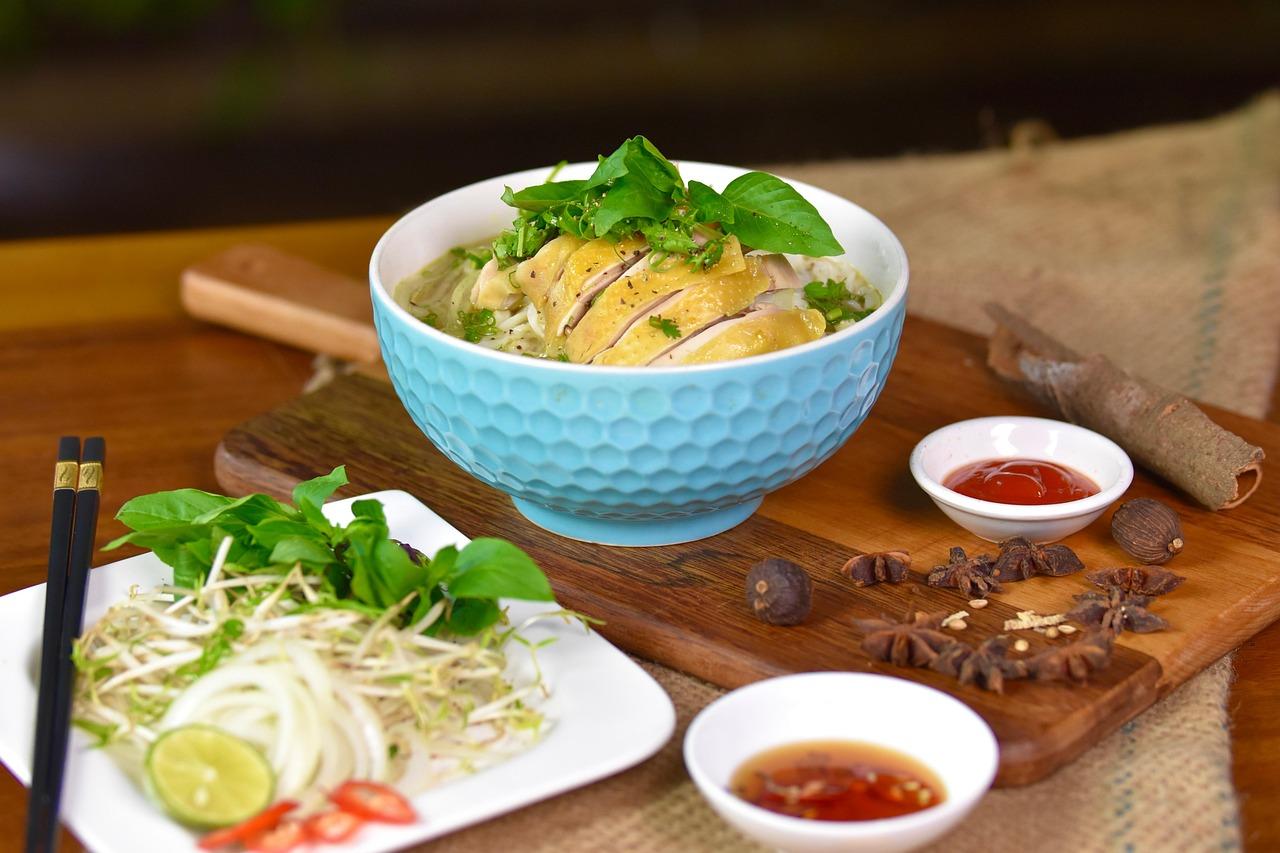
Pho gaChicken noodle soup

In Hanoi some shops sell nothing but chicken pho, and locals often choose it over beef for a gentler breakfast or a late bowl after an evening out. The broth is lighter than the beef version, made in about an hour from a whole bird with a few charred aromatics and only a hint of spice. The northern signature is a tangle of makrut lime leaf, cut as fine as thread, scattered over the hot chicken just before serving. It's a good first pho to make at home, since the timing is forgiving and the chicken poaches in the same pot. Chef's tip: plunge the cooked chicken into iced water for 5 minutes; the skin turns firm and slightly springy, the way Hanoi cooks like it.

by KrazyBadal 0 views

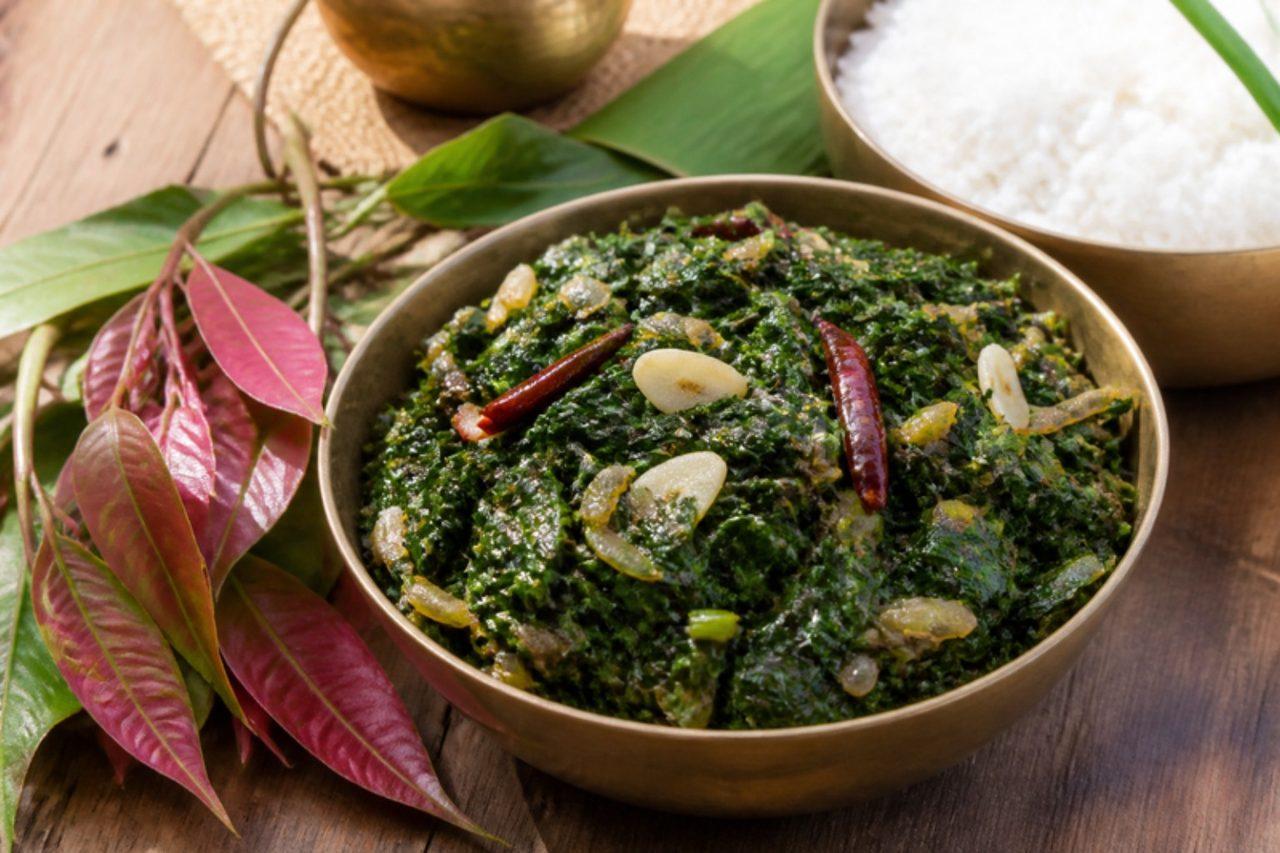
Phutkal saagStir-fried fig-tree leaves

In spring, before the rains, the phutkal tree (a wild fig) puts out tender pink-green shoots, and women across Jharkhand climb or hook them down to cook as saag. The leaves are naturally sour, so the dish needs no tomato or tamarind: they are boiled, squeezed and fried with garlic, dried chilli and mustard oil. Much of the harvest is dried in the sun and sold in Ranchi markets to cook through the year, and dried phutkal is what most people outside the state can find. Chef's tip: boil and squeeze the leaves well; this tames any bitterness and keeps the saag from turning watery.

by KrazyBadal 0 views

PiadinaGriddled flatbread

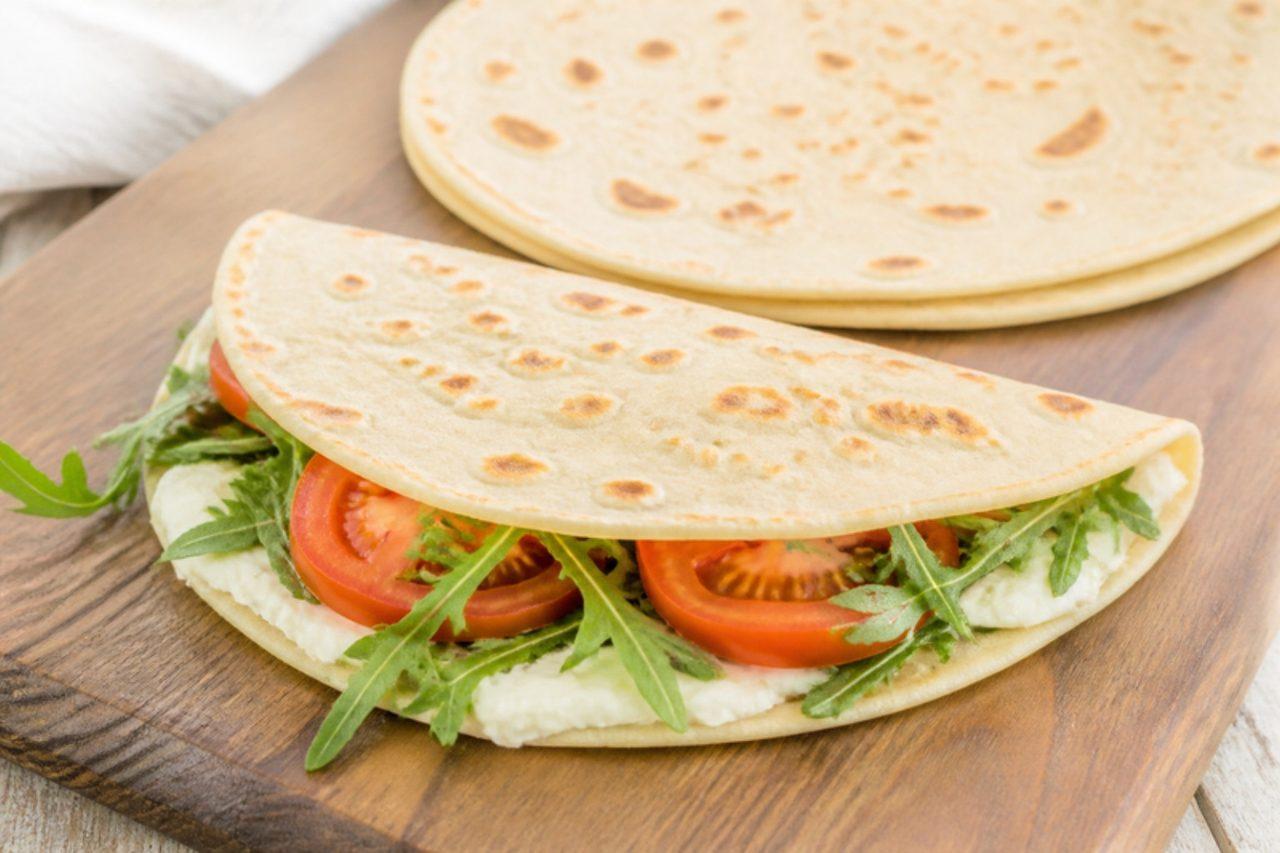
Piadina is Romagna's everyday bread, cooked on a hot griddle (traditionally a terracotta testo) in chalet-style kiosks from Rimini to Ravenna and eaten folded around soft squacquerone cheese and rocket, or with grilled vegetables. It needs no yeast and is ready in half an hour, which is why families make it at home for quick suppers. The old recipe uses lard; olive oil gives a lighter, vegetarian result. Chef's tip: let the griddle get properly hot and cook the piadina dry, without oil; you want brown freckles and a few blisters, not a fried bread.

by KrazyBadal 0 views

Pian'er chuan noodlesNoodle soup with pickled greens

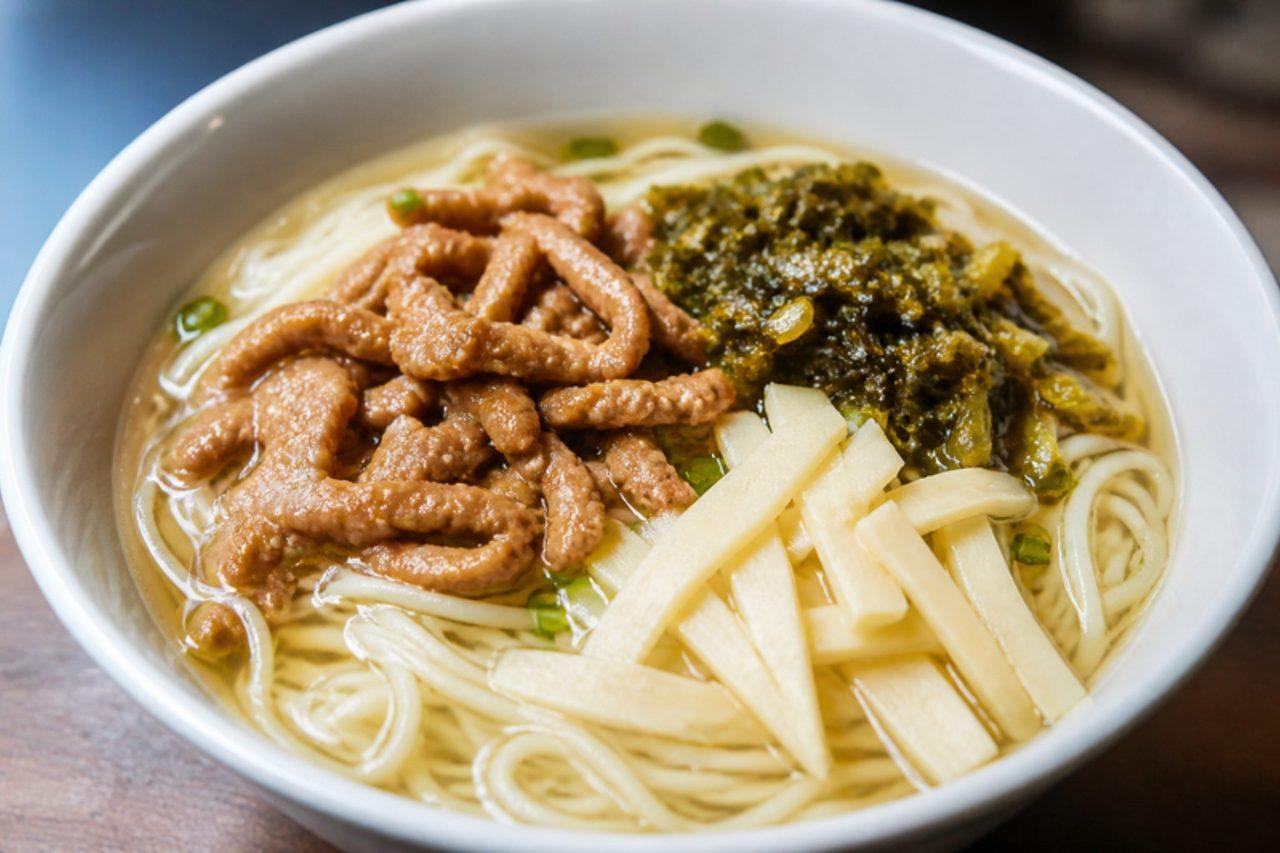
Ask a Hangzhou local what they eat at a noodle shop and the answer is often pian'er chuan, a quick bowl named for its sliced (pian) pork and bamboo that are flash-cooked (chuan) in the broth. Salty, crunchy pickled mustard greens give it its savoury depth, the bamboo adds a clean sweetness, and the thin noodles soak up a cloudy, peppery soup. It is everyday lunch food, eaten at speed. A common mistake is skipping the rinse on the pickled greens; unrinsed, they make the whole bowl too salty. Chef's tip: slice the pork as thinly as you can while it is half-frozen, so it cooks in seconds and stays tender.

by KrazyBadal 0 views

PiayaMuscovado-filled flatbread

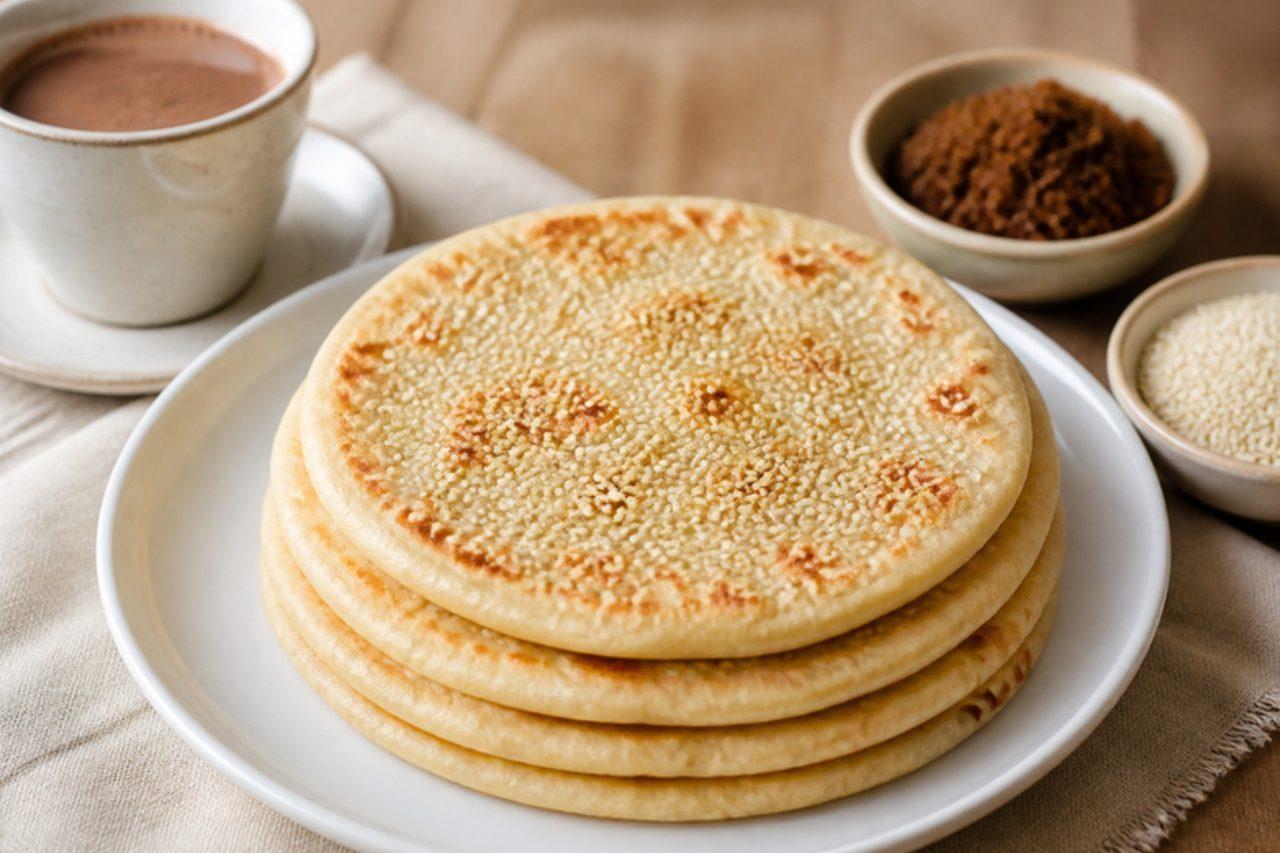
Piaya is the sweet everyone brings home from Bacolod and the sugar-growing island of Negros: a thin, flaky round of unleavened dough with a layer of dark muscovado inside, cooked on a dry griddle until blistered, and dotted with sesame seeds. The sugar melts and turns chewy as it cools. It is eaten with coffee in the afternoon, and newer shops fill it with ube. Lard is traditional in the dough; vegetable shortening gives the same flakiness. Chef's tip: roll the filled dough gently from the centre outward and keep it thin, or the sugar bursts through.

by KrazyBadal 0 views

Louisiana jambalaya

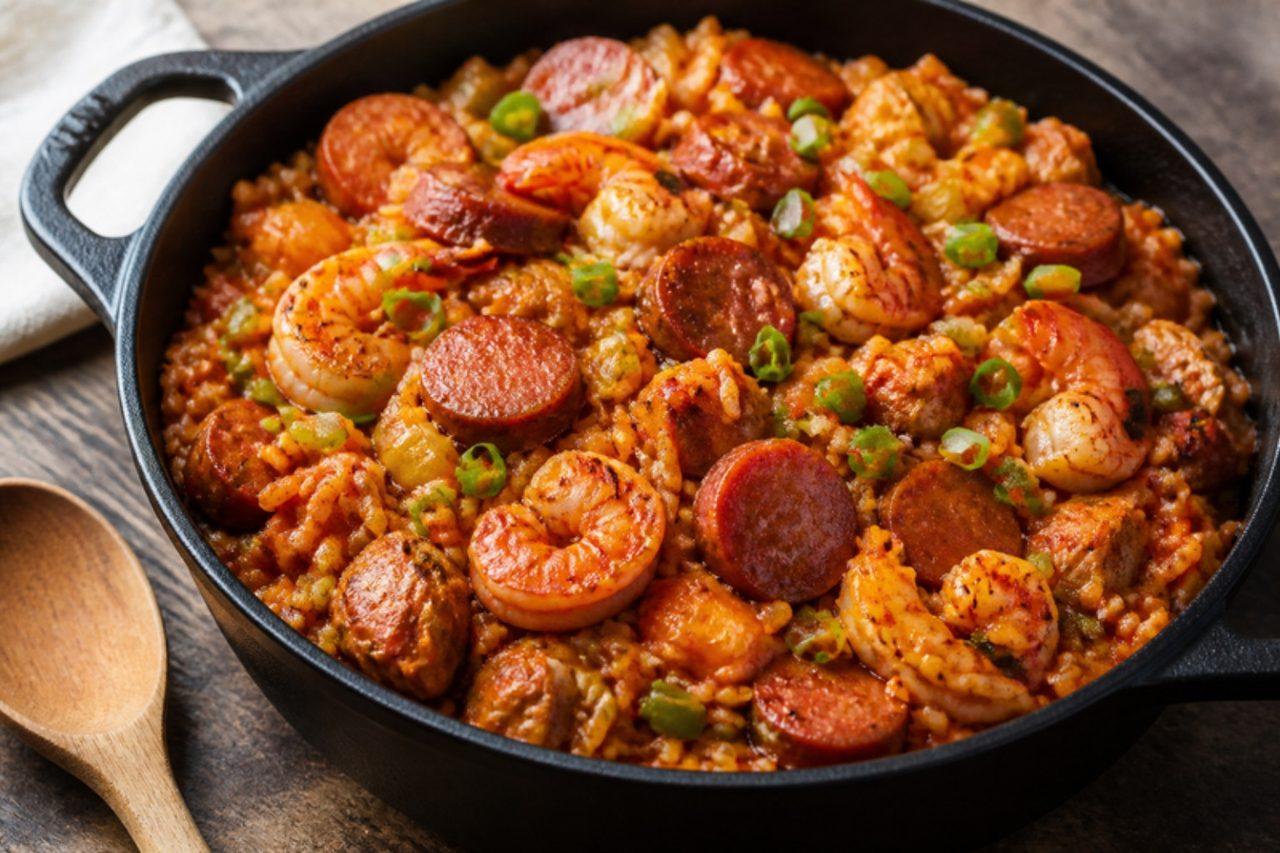
Jambalaya feeds crowds at church fairs and Mardi Gras parties all over south Louisiana, from Baton Rouge to New Orleans. This is the Creole or 'red' style from the city, with tomato in the pot; the Cajun country version leaves it out. Chicken thighs and smoked andouille (a pork sausage) are browned first, then rice cooks in the spiced tomato stock with the holy trinity, and prawns go in at the end. Chef's tip: once the rice is in, resist stirring; just turn it once halfway so the bottom does not catch.

by KrazyBadal 0 views

Picadillo vegetarianoLentil and mushroom picadillo

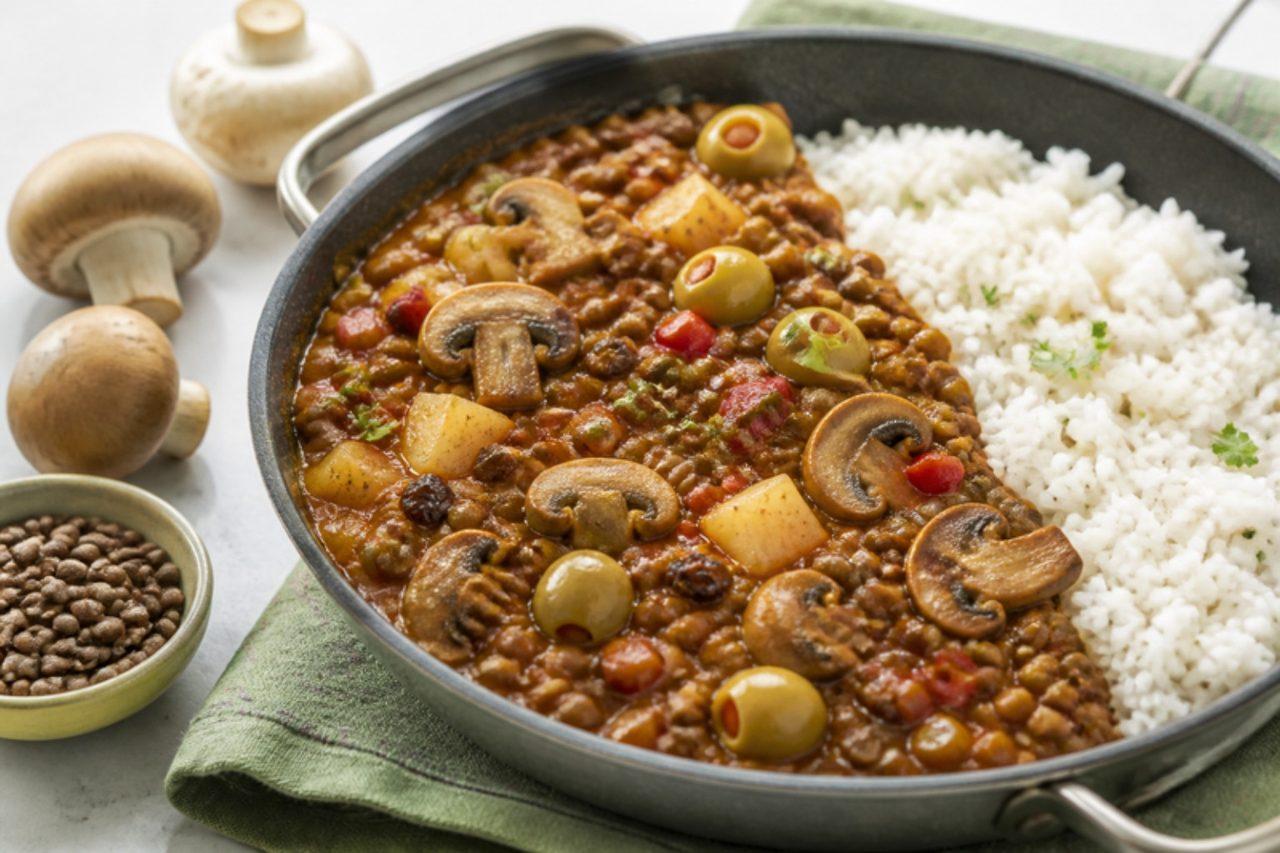
Picadillo a la habanera is Havana's everyday savoury hash, sweet with raisins, salty with olives and capers and sharp with tomato and sofrito. This vegetarian version swaps the meat for brown lentils and finely chopped mushrooms, which give the same crumbly, juicy texture and a deep savoury flavour. Spoon it over white rice with fried ripe plantain, or use it to fill empanadas and stuffed peppers. Chef's tip: let the mushrooms fry until all their liquid has gone and they turn brown; that browning is what makes it taste rich.

by KrazyBadal 0 views

Picanha churrascoGrilled beef rump cap

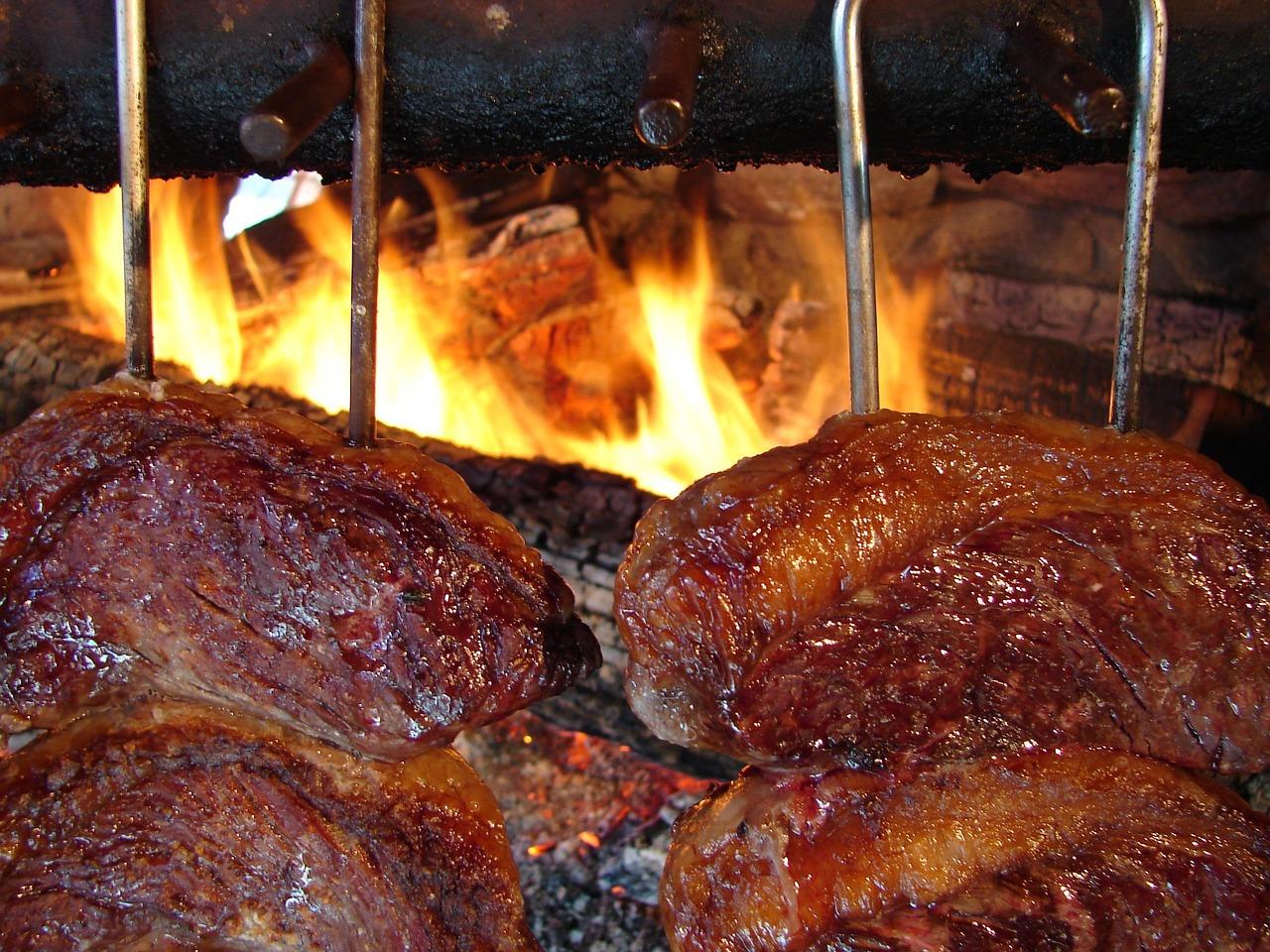
Picanha, the rump cap with its thick white fat layer, is the cut Brazilians prize most at a churrasco. The tradition comes from the gaúchos, the cattle herders of Rio Grande do Sul, and lives on in Sunday family barbecues in the south and in churrascarias across the country, where waiters carry the meat from table to table on long skewers. It is seasoned with nothing but coarse rock salt (sal grosso) and cooked over charcoal with the fat left on, so it bastes the meat. You can fold thick steaks into a C shape on skewers, as in the churrascarias, or grill them flat. Chef's tip: before slicing, knock the excess salt off with the back of a knife; the crust keeps just enough.

by KrazyBadal 0 views

Southern fried chicken

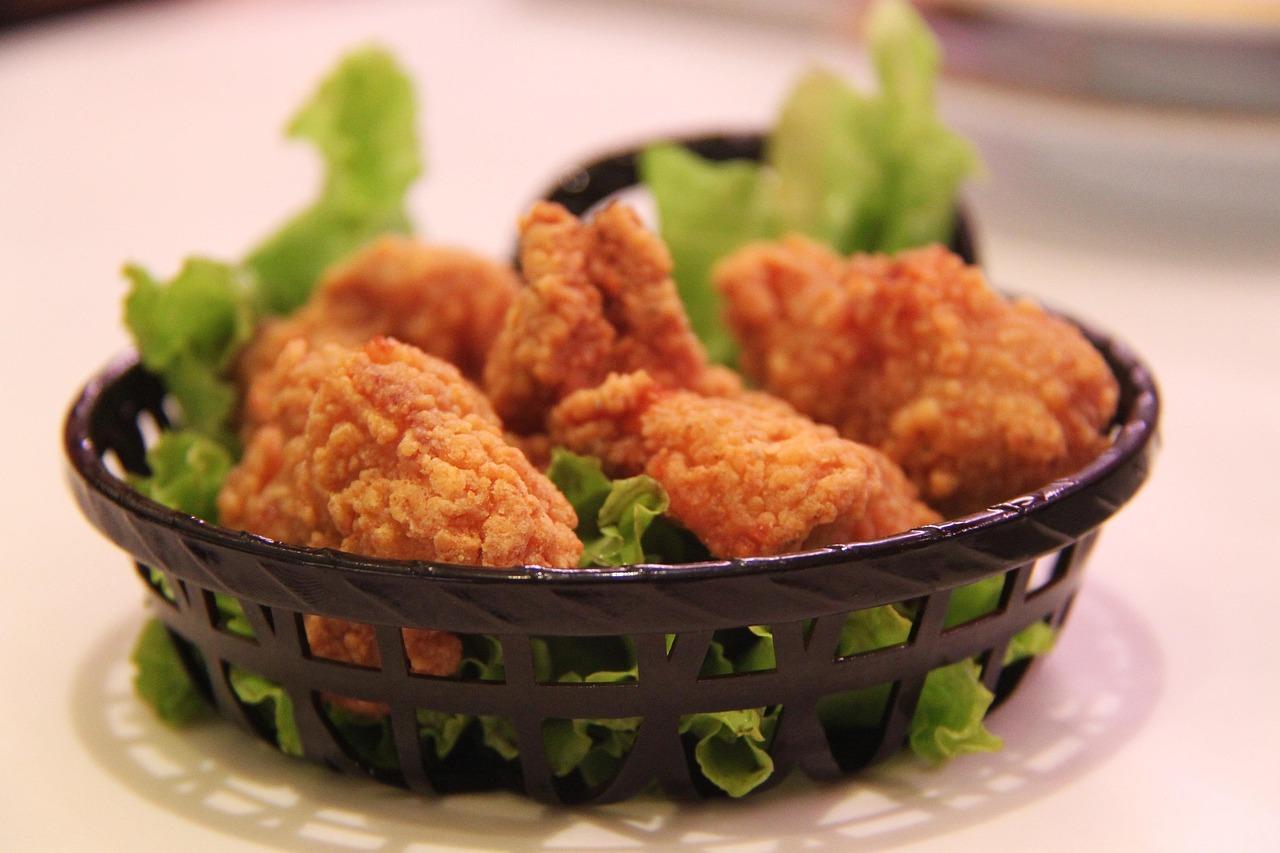
Across Georgia, Tennessee and the Carolinas, a platter of fried chicken still anchors Sunday dinner after church and every summer family reunion. Bone-in pieces soak overnight in salted, peppery buttermilk, which seasons the meat right through and keeps it juicy, then get a craggy flour coat that fries up deep gold and crackly. Serve hot or at room temperature with coleslaw, biscuits, mashed potatoes or corn on the cob. Chef's tip: let the dredged pieces sit on a rack for 15 minutes before frying so the coating turns slightly pasty; it clings better and makes the crunchiest crust.

by KrazyBadal 0 views

PicaronesSweet potato and squash doughnuts

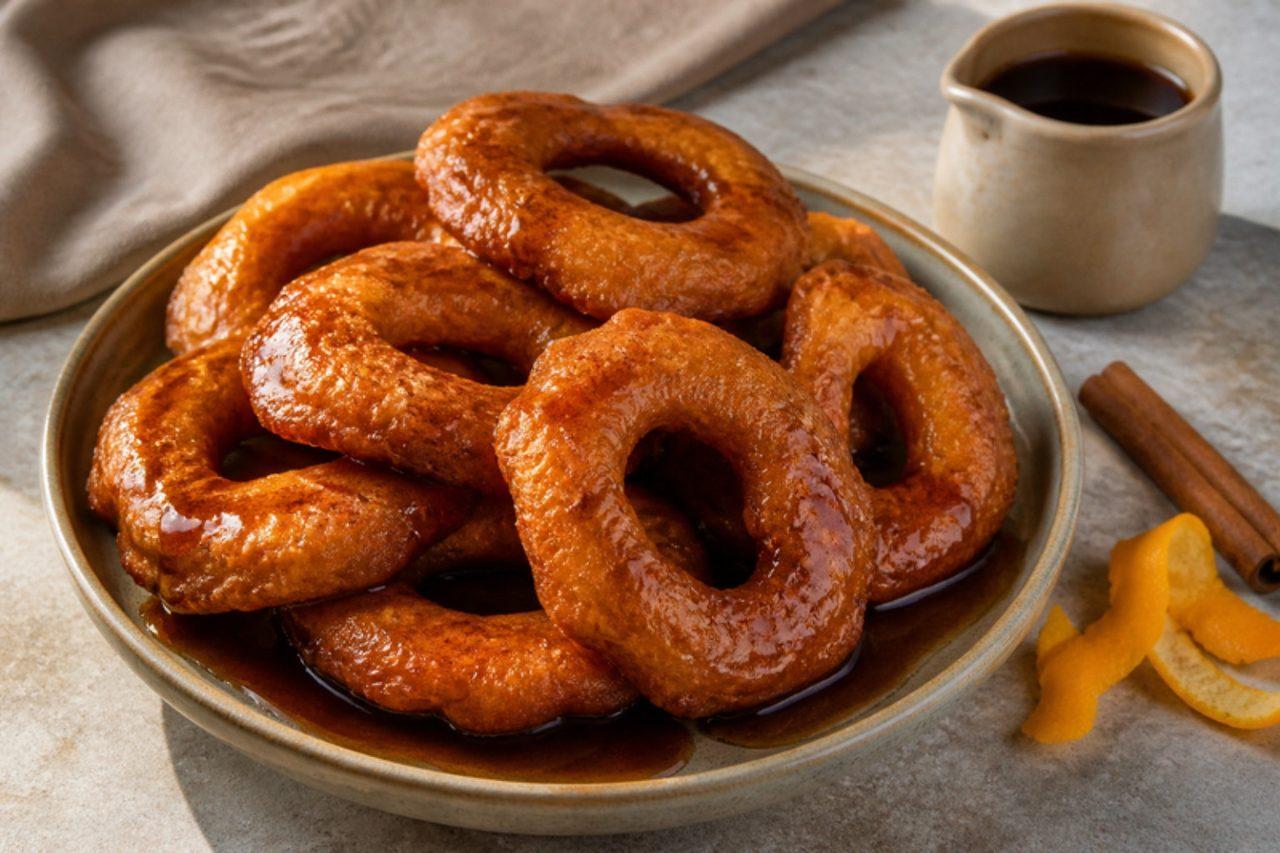
Picarones are Lima's favourite street sweet, fried to order at stalls in the parks and outside churches, especially in October during the Señor de los Milagros processions. The light, chewy rings are made from a yeasted dough of sweet potato and squash, scented with anise, fried until crisp and drenched in miel de chancaca, a dark syrup of unrefined cane sugar with orange peel, cinnamon and cloves. They are eaten hot, straight from the oil, with plenty of syrup. Chancaca is sold in Latin shops; dark muscovado or piloncillo makes a very good syrup too. Chef's tip: the dough should be very soft and sticky, like a thick batter; resist adding more flour, or the picarones turn heavy and bready.

by KrazyBadal 0 views

Pico de galloFresh tomato salsa

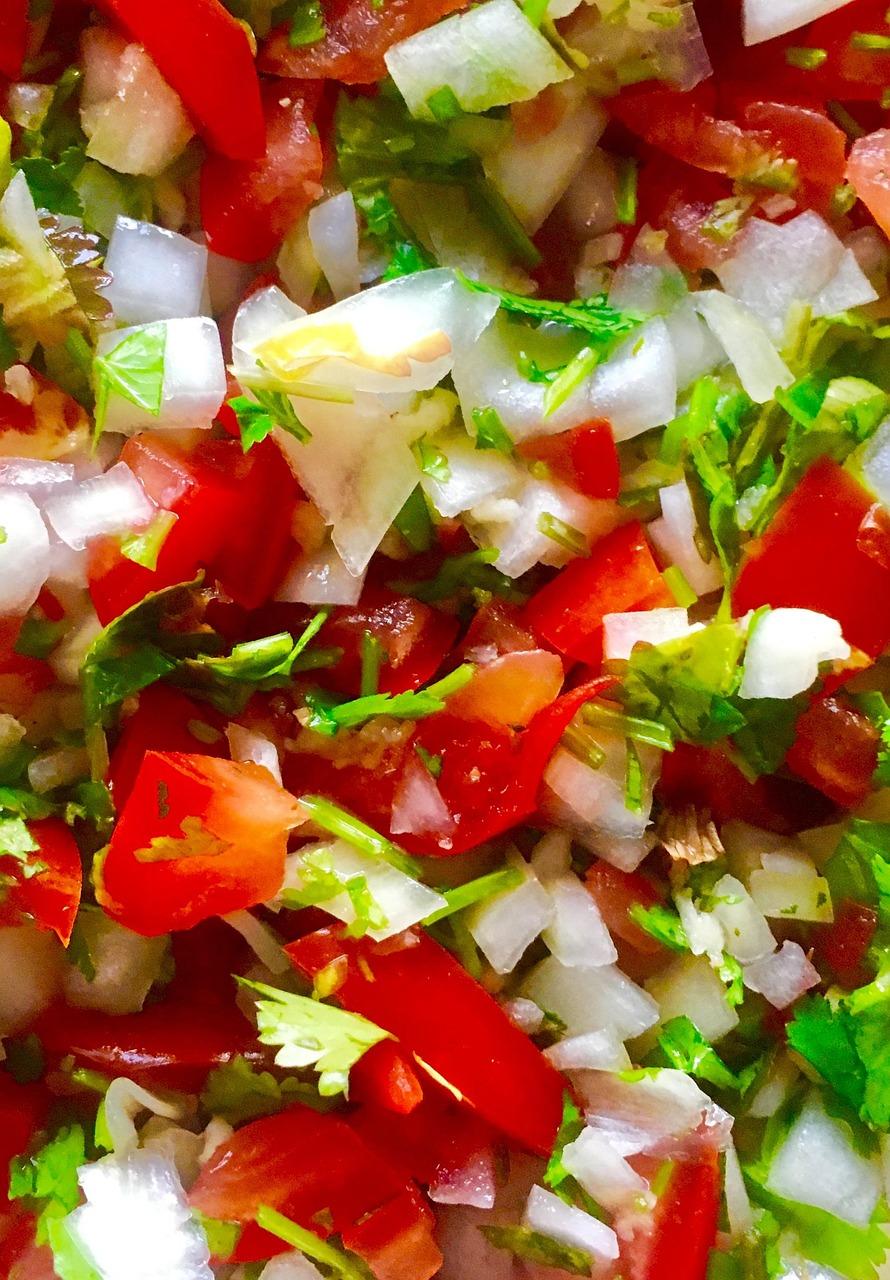
Pico de gallo, also called salsa fresca or salsa mexicana, is the fresh, uncooked salsa that sits on every Mexican table: diced ripe tomato, white onion, serrano chilli and coriander, brightened with lime juice and salt. It is crunchy, juicy and clean-tasting, with just enough heat, and goes with tacos, quesadillas, eggs, beans, rice and tortilla chips. It is best within an hour of making. Chef's tip: add the salt just before serving; salt draws water out of the tomatoes and leaves the salsa sitting in a puddle.

by KrazyBadal 0 views

Pierogi ruskiePotato and cheese dumplings

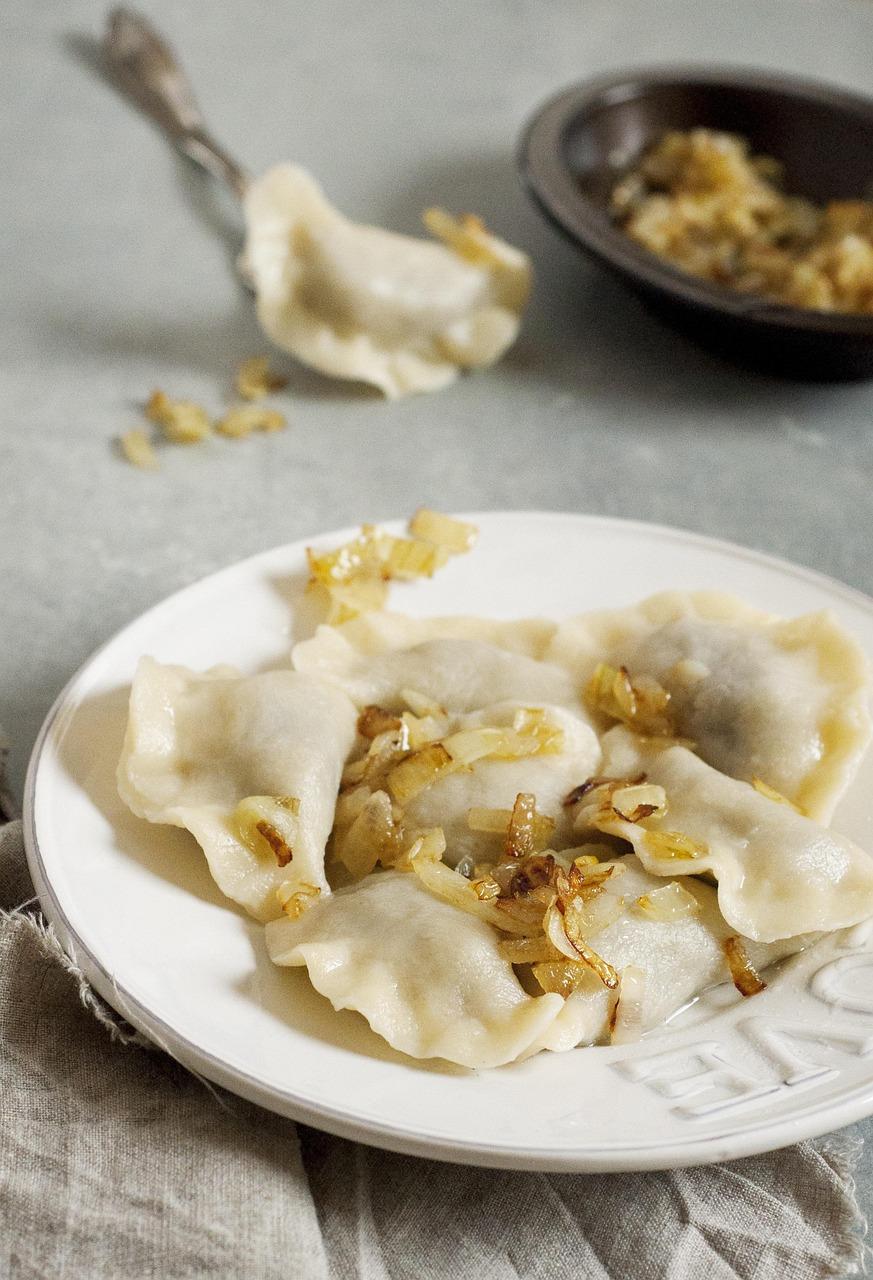
Pierogi ruskie take their name from Red Ruthenia, the old borderland around Lwów and Przemyśl, and today they are the pierogi every Polish milk bar (bar mleczny) from Kraków to Gdańsk keeps on the menu. The filling is the Polish one: floury potato mashed with crumbly twaróg curd cheese, plenty of slowly browned onion and a lot of black pepper, wrapped in a thin, soft dough. Kraków even holds a pierogi festival every August, and ruskie are always the best sellers. Serve them boiled with more golden onion and a spoon of soured cream, or fry leftovers in butter the next day. Chef's tip: let the filling cool completely and taste it before you fill a single dumpling; it should taste over-seasoned on its own, because the dough mutes it.

by KrazyBadal 0 views

PiklizSpicy pickled cabbage

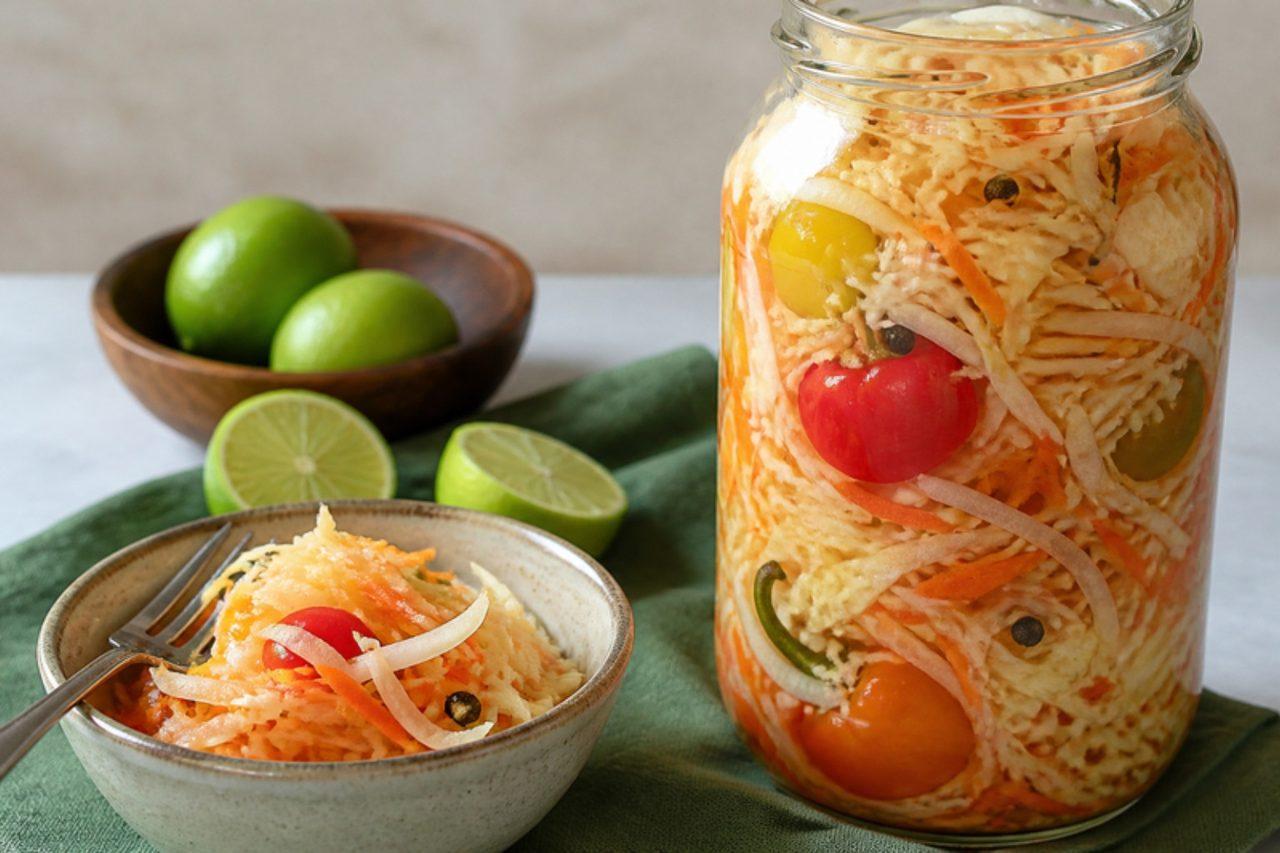
Pikliz is the fiery slaw-pickle that sits on every Haitian table, in a big glass jar in the middle, and no plate of fried food in Haiti is served without it: it's spooned over fried plantain (bannann peze), fritters and rice. Shredded cabbage, carrot, onion and peppers are packed with hot scotch bonnets, cloves and peppercorns, then drowned in vinegar and lime. After a few days it is crunchy, sour and properly hot, and the vinegar itself becomes a hot sauce you sprinkle over everything. Chef's tip: slice the scotch bonnets thinly rather than leaving them whole; the heat spreads evenly through the jar and every forkful has a kick.

by KrazyBadal 0 views

Cape Malay chicken curry

In Cape Town's Bo-Kaap, the brightly painted quarter under Signal Hill, Cape Malay families cook this curry for Sunday lunch and for Eid. It is gentler than an Indian curry: fragrant with cinnamon, cardamom, cloves and fennel, sweetened with dried apricots and a spoon of apricot chutney, and soured with a splash of vinegar and tomato. Potatoes simmer in the sauce with the chicken. Serve it with yellow rice (geelrys), sambals and chutney. A common mistake is adding the potatoes too late, so they stay hard in a finished curry; they go in with the chicken. Chef's tip: let the whole spices sizzle in the oil until the cinnamon unfurls before adding the onion, which builds the sweet perfume of the dish.

by KrazyBadal 0 views

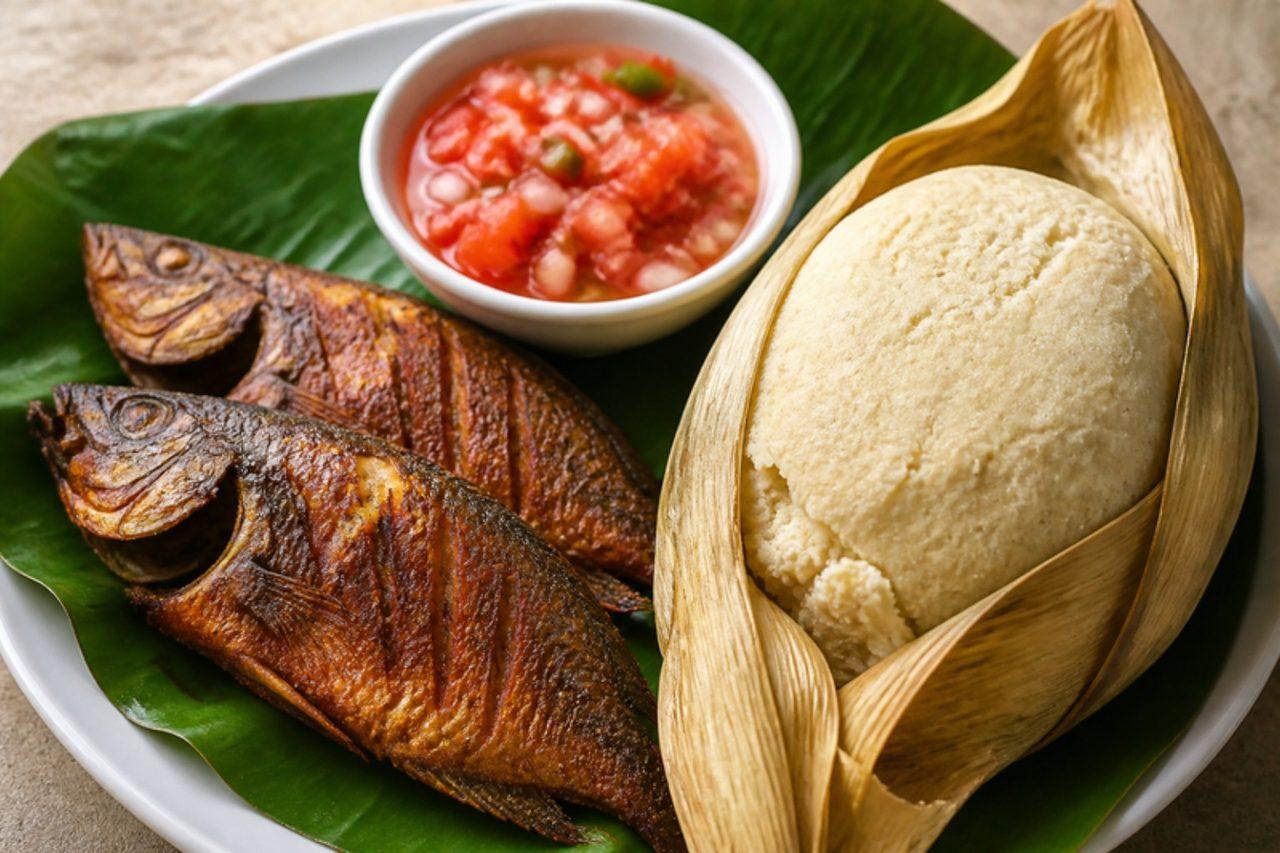
Kenkey with fried fish and pepper sauce

In Accra and along the Ga coast, kenkey is lunch: balls of fermented corn dough, steamed in dried corn husks, eaten with crisp whole fried fish and a sharp raw pepper sauce. Kenkey takes days to ferment and is sold everywhere ready-made in its husks, so buy it from an African grocer and make the fish and sauce at home. Small whole fish such as tilapia, red snapper or mackerel are scored, seasoned and fried until the skin crackles. The common mistake is moving the fish in the pan too soon; leave it alone until the first side is crisp, or the skin tears and sticks. Chef's tip: dust the fish very lightly with flour after drying it, and it fries crisp without spitting.

by KrazyBadal 0 views

SerabiCoconut rice pancakes

Serabi are small, thick pancakes cooked one at a time in clay pans over charcoal, sold at dawn in Solo and Bandung. The rice-flour batter, rich with coconut milk, sets with a spongy, bubbly top and a crisp, lacy base. In Bandung they come with a pour of kinca, a warm palm-sugar syrup scented with pandan; Solo's version is rolled in a banana leaf with a dot of thick coconut cream. Chef's tip: don't flip them; covering the pan lets steam cook the top while the bottom crisps.

by KrazyBadal 0 views

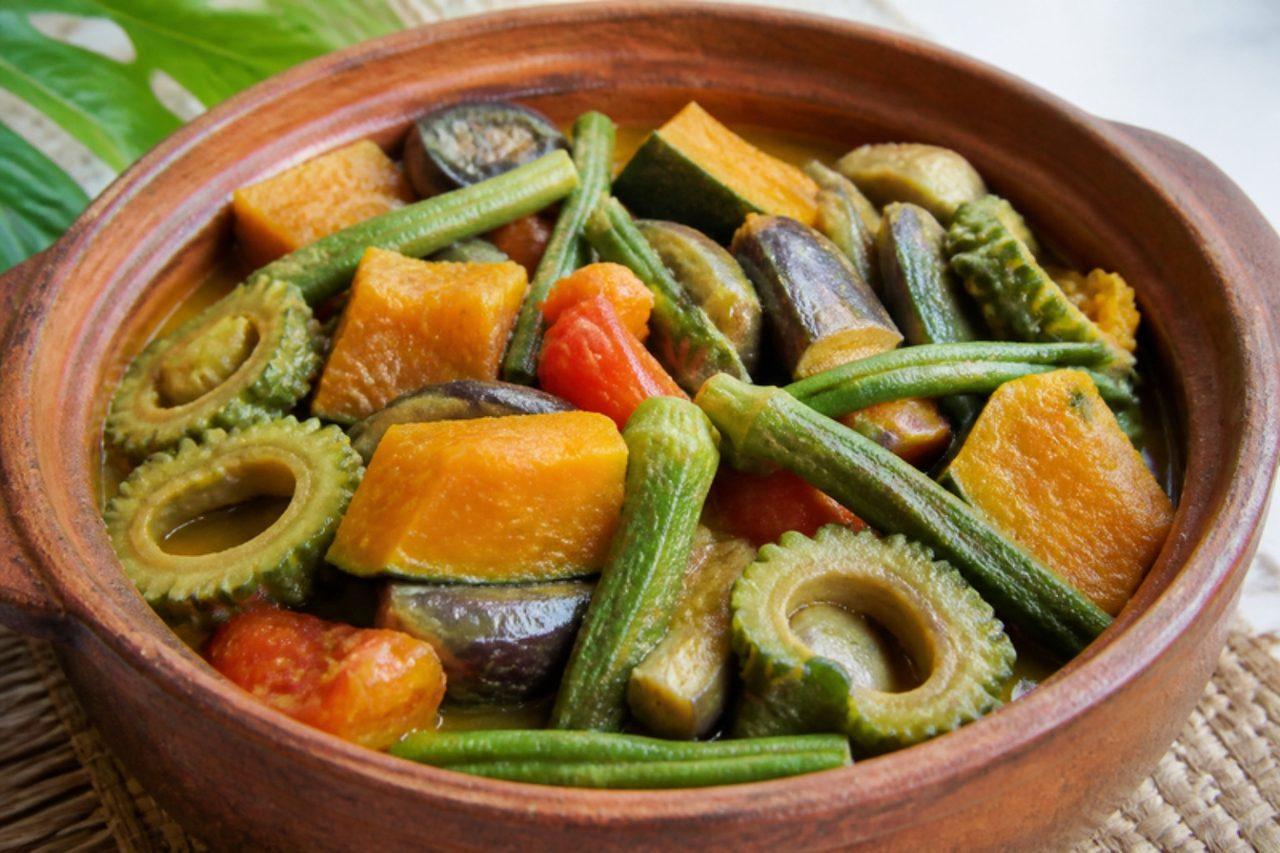
PinakbetMixed vegetable stew

Pinakbet comes from the Ilocos region in the far north-west of Luzon, where families cook whatever grows behind the house: bitter melon, small aubergines, okra, yard-long beans and tomatoes, simmered with very little water until the vegetables shrink and wrinkle (the name comes from the Ilocano for 'shrivelled'). Ilocanos season it with fermented fish paste; here white miso gives the same savoury, salty depth without any fish, and a little squash (more common in the Tagalog version) adds sweetness. It is an everyday lunch dish, eaten with rice and often a spoonful of extra miso on the side. Chef's tip: choose small, firm bitter melon and don't scrape out every bit of the pith; a little bitterness is the point.

by KrazyBadal 0 views

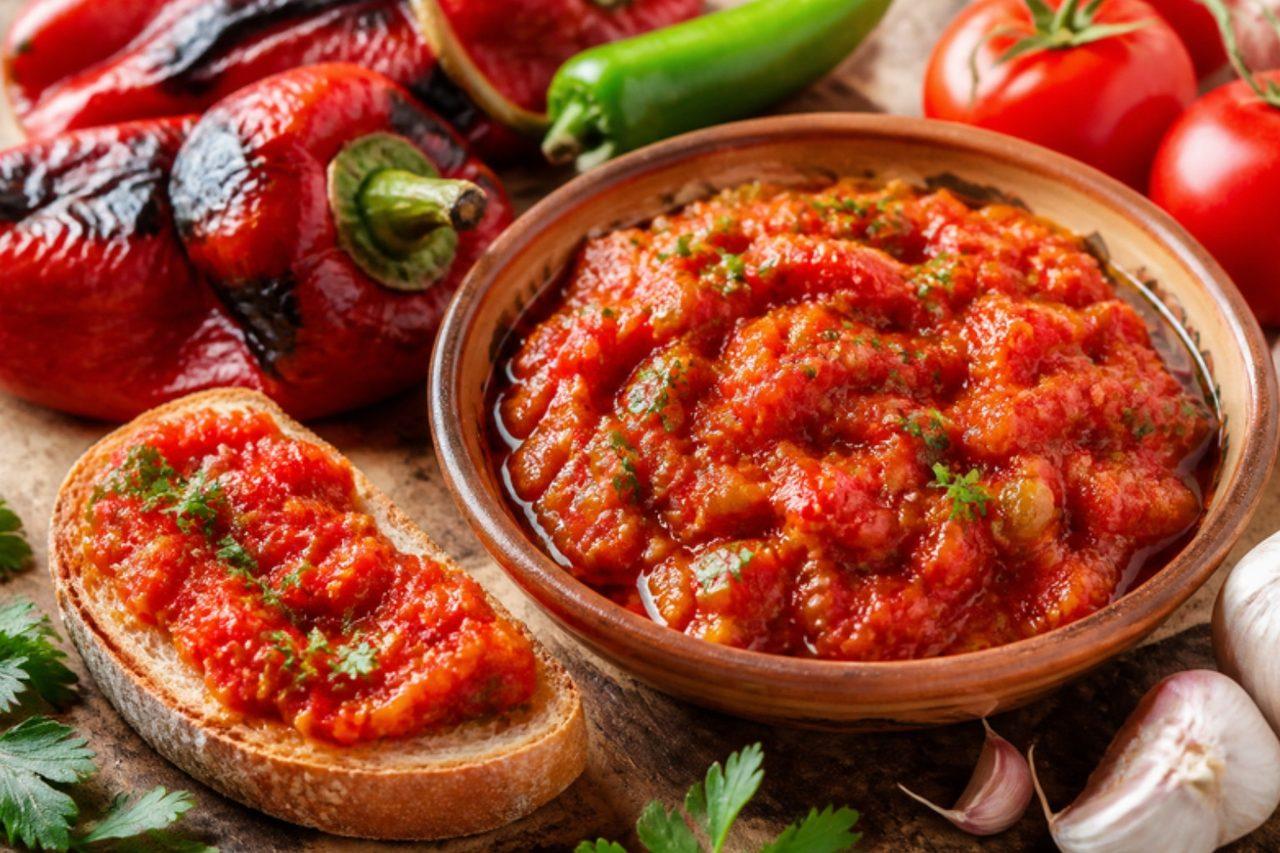
PindjurRoasted pepper and aubergine relish

Where ajvar is the patient winter preserve, pindjur is its quick summer cousin, made in Macedonian and Bosnian kitchens in July and August when tomatoes are at their ripest. Roasted peppers and aubergine are chopped rather than ground, then simmered briefly with fresh tomatoes and plenty of garlic, so it stays chunky, juicy and bright. It is eaten warm or at room temperature, scooped up with bread and a slab of white cheese, as part of a mezze spread in Ohrid or Mostar. Chef's tip: chop everything with a knife instead of a blender; a puréed pindjur loses the texture that sets it apart from ajvar.

by KrazyBadal 0 views

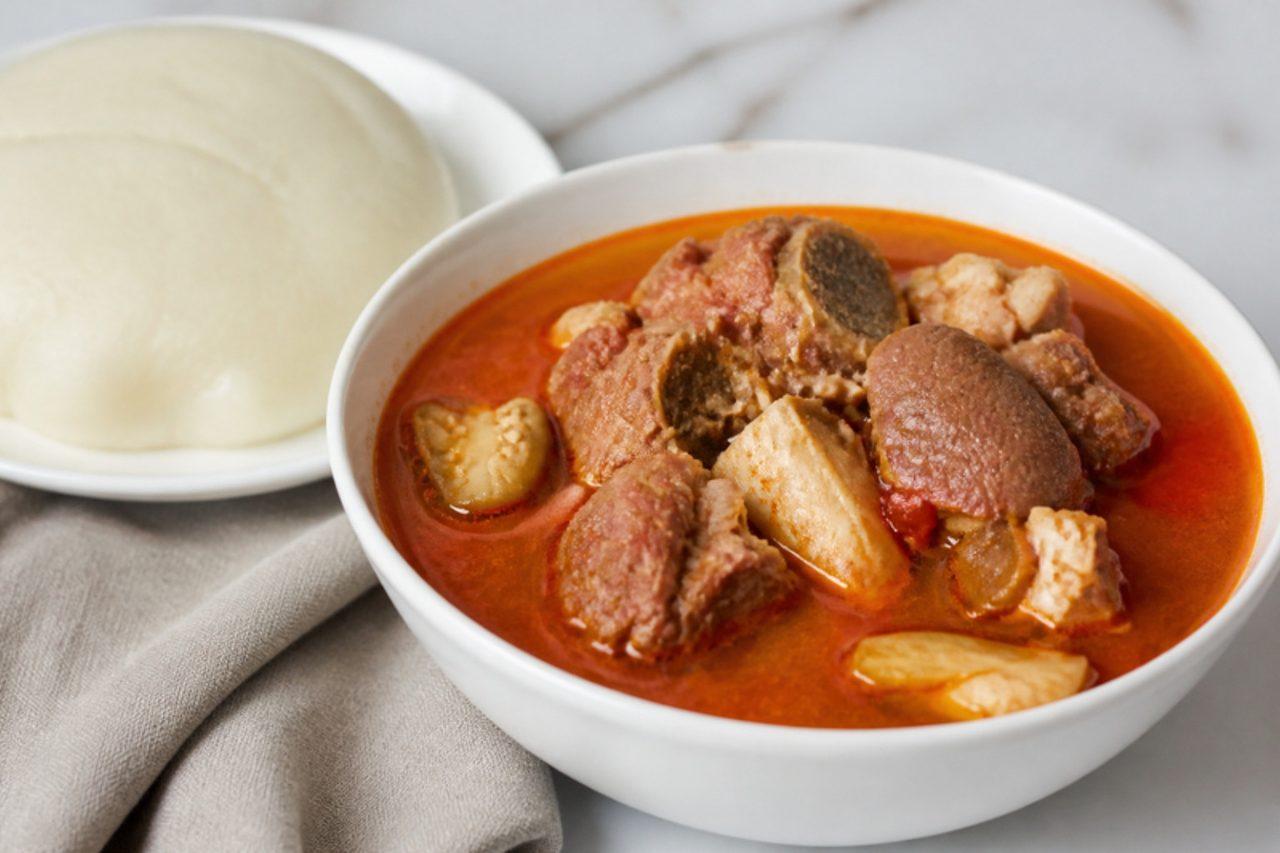
Ghanaian light soup with goat

Light soup is the everyday soup of southern Ghana, cooked in Accra and Kumasi homes several times a week and served alongside fufu, omo tuo (rice balls) or banku, with each bite dipped in the hot broth. Goat meat is the favourite, though chicken light soup is just as common: use 1.2 kg of bone-in chicken pieces and cut the simmering time to 35 minutes. Tomatoes, onion, ginger and pepper are boiled whole with the meat, then blended and strained back in, so the soup is clear, bright orange and very peppery but never heavy. The usual mistake is skipping the straining step, which leaves the soup gritty with seeds and skins. Chef's tip: steam the goat in its seasoning with no water for the first 15 minutes; the meat flavours the whole soup from the inside.

by KrazyBadal 0 views

PinniGhee wheat flour sweets

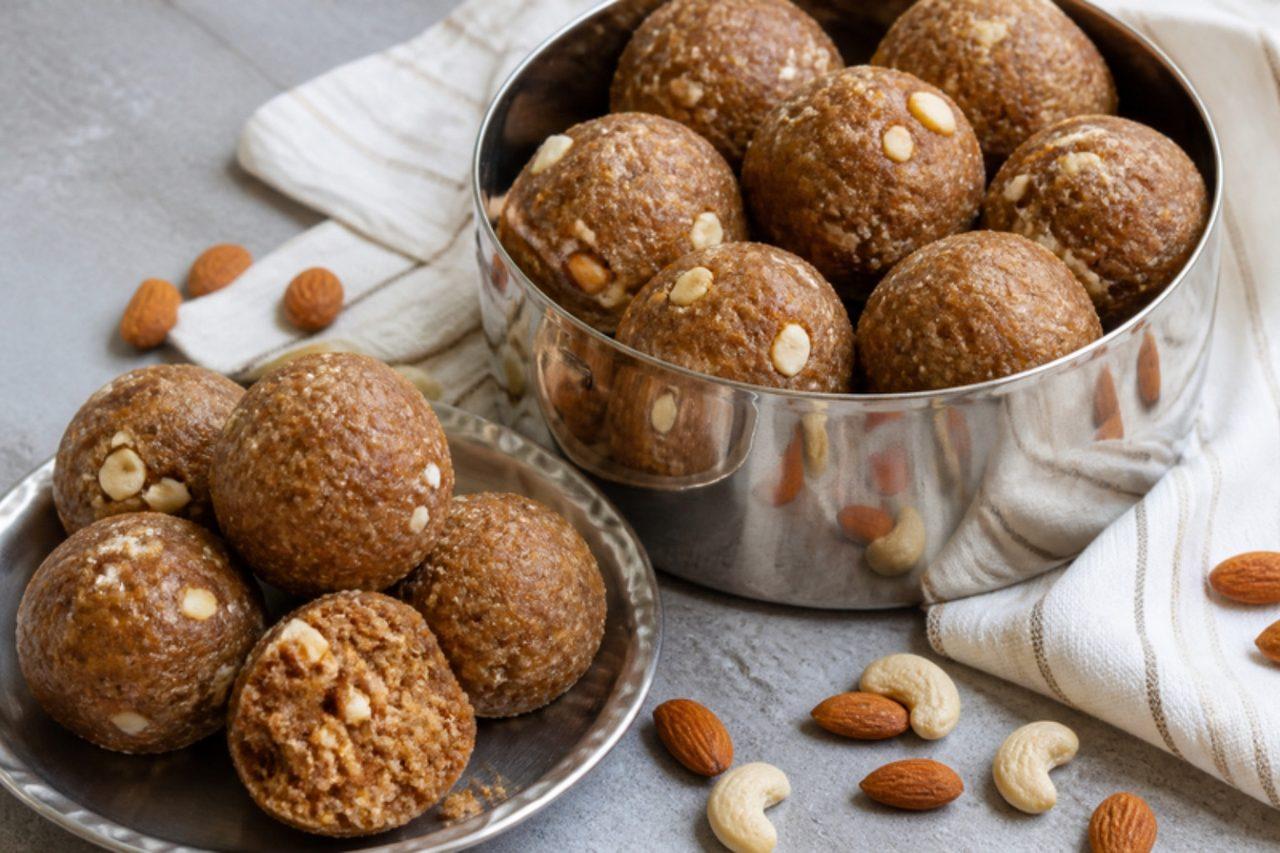
When the fog settles over Punjab in December, kitchens fill with the smell of wheat flour roasting slowly in ghee: pinni season has started. These dense, crumbly balls of roasted atta, jaggery, almonds and fried edible gum are made in big batches for Lohri, packed into tins for relatives and given to new mothers for strength. One pinni with a glass of hot milk is a classic winter breakfast. Chef's tip: let the roasted flour cool until just warm before adding the jaggery; if it is hot, the jaggery melts and the pinni set hard as stone.

by KrazyBadal 0 views

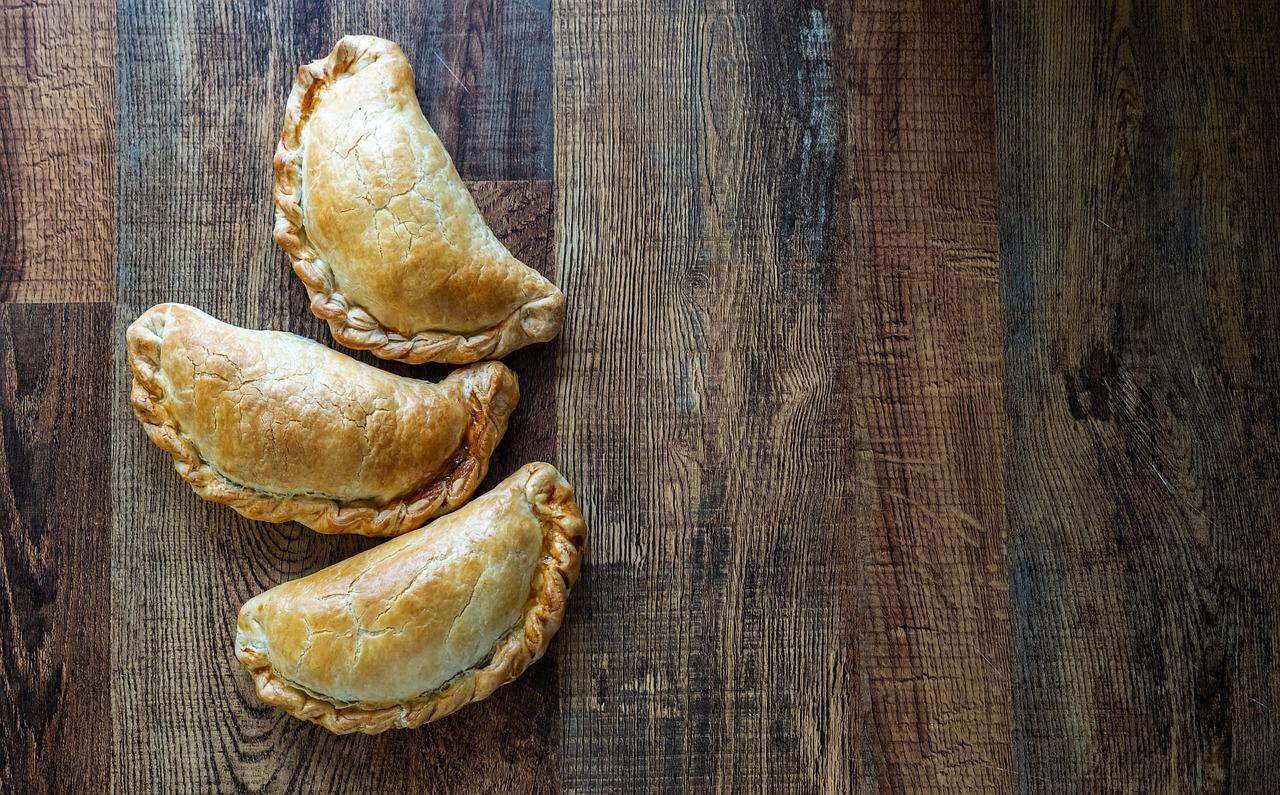
Nigerian meat pie

No Nigerian party, from a Lagos wedding to a child's birthday in Abuja, is complete without a tray of meat pies. Rich, crumbly short pastry is folded around a filling of minced beef, diced potato and carrot cooked with thyme and curry powder, crimped with a fork and baked golden. They are just as popular as a bakery snack with a cold drink. A common mistake is filling the pastry with hot or runny filling, which melts the butter and makes soggy pies; cool it and thicken it first. Chef's tip: keep the dough cold, and rest it in the fridge for 30 minutes before rolling so the pies stay short and flaky.

by KrazyBadal 0 views

Nigerian chicken stew

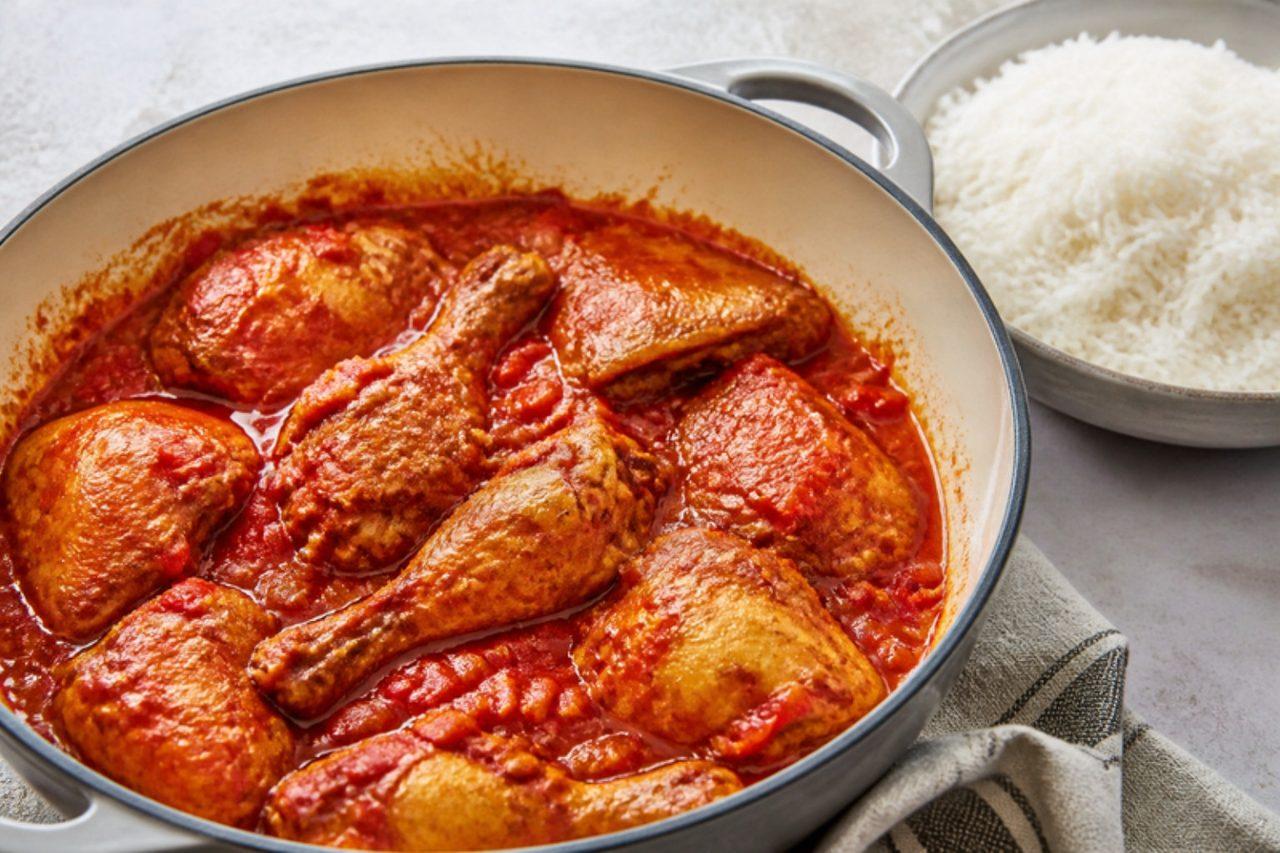
Almost every Nigerian kitchen has a pot of this red stew in the fridge. Lagos households cook a big batch on Saturday and eat it all week over white rice, boiled yam, plantain or beans. Red bell peppers, tomatoes, scotch bonnet and onion are blended and fried in oil for a long time until the raw taste is gone and the oil rises to the top, then browned chicken goes in. The classic mistake is not frying the pepper base long enough; the stew tastes sour and raw if you rush it. Chef's tip: boil the chicken first with seasoning, then fry it before it goes into the stew, and use that seasoned stock in the sauce.

by KrazyBadal 0 views

Goat meat pepper soup

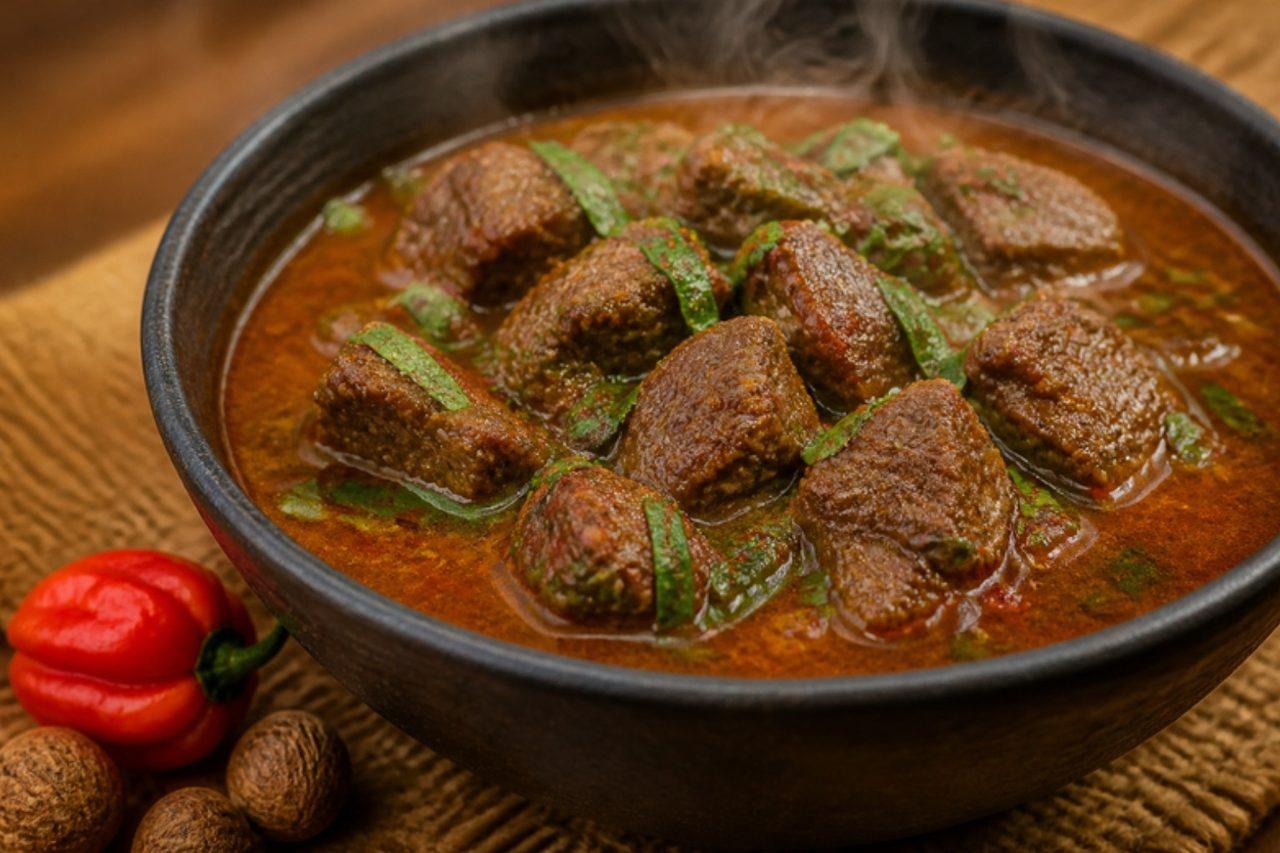
Pepper soup is what Nigerians order at a bar on a Friday night, what a mother cooks for someone with a cold, and what a host puts out at every naming ceremony. Goat meat on the bone is simmered with pepper soup spice, a blend that usually includes calabash nutmeg (ehuru), alligator pepper and uda pods, plus scotch bonnet and scent leaf, into a thin, fiery, deeply aromatic broth. Catfish pepper soup is the other favourite: add 800 g of catfish steaks for the last 15 minutes instead of the goat. The usual mistake is boiling the goat hard, which makes it tough; it needs a gentle simmer. Chef's tip: toast the whole spices in a dry pan for a minute before grinding, and the broth smells twice as strong.

by KrazyBadal 0 views

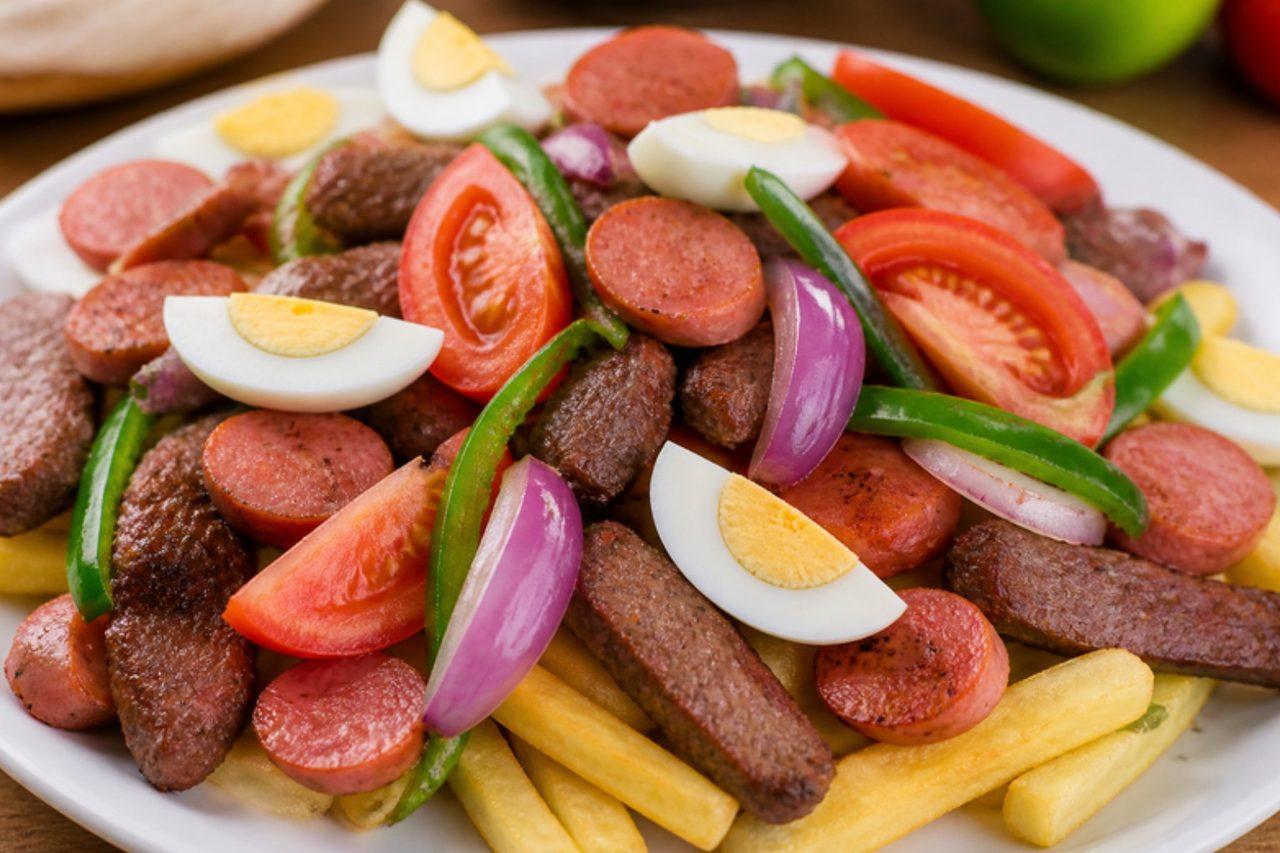
Pique machoBeef and sausage platter with chips

Pique macho was invented in Cochabamba, legend says late one night when hungry customers asked for whatever was left, and it remains the sharing plate Bolivians order with friends: a pile of chips topped with beef strips and sausage cooked in a peppery sauce, with onion, tomato, locoto chillies and boiled eggs on top. The name roughly means "if it stings, you're a man", for the hot locoto. This recipe can include beer in the sauce; for an alcohol-free version use beef stock. The mistake is letting the chips sit under the sauce, so they go soggy; assemble right before serving. Chef's tip: oven chips work fine and leave the hob free for the meat.

65 minAndeanMeatGluten freeSpicy
by KrazyBadal 0 views

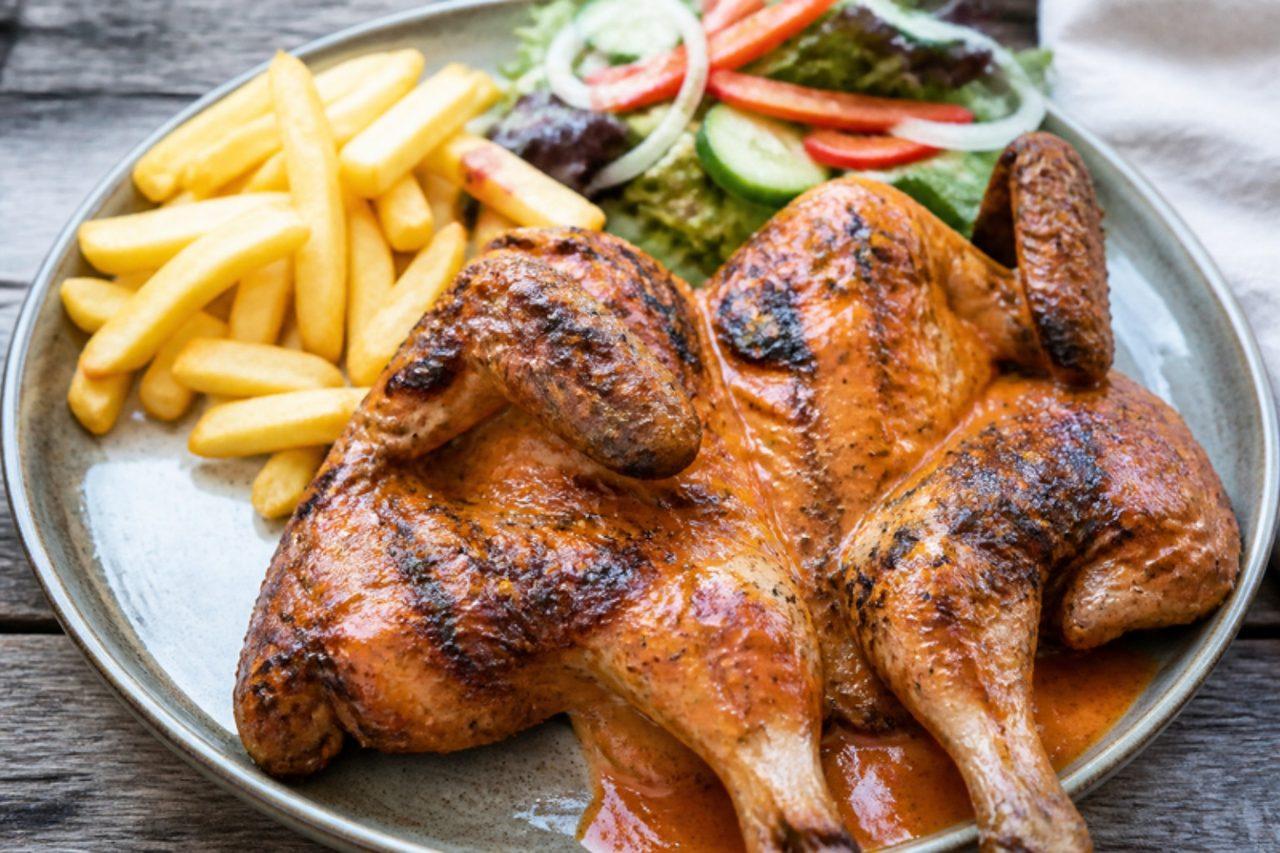
Frango piri-piri

Guia, a small inland village in the Algarve, is famous across Portugal for its churrasqueiras, where flattened chickens are grilled over charcoal and painted with fiery piri-piri sauce; families drive out on summer evenings just to eat it. The bird marinates in a blend of small hot chillies, garlic, lemon, paprika and olive oil, then grills until the skin is blistered and the meat juicy. Serve with chips, rice or a tomato salad, and extra sauce for brave diners. Chef's tip: keep back some of the sauce before it touches the chicken; that fresh portion is for basting and the table.

by KrazyBadal 0 views

SernikBaked cheesecake

Sernik is the baked cheesecake Polish grandmothers make for Easter and Christmas, and in Kraków it often comes as sernik krakowski, with raisins in the filling and a lattice of pastry on top. Unlike the American kind it is made with twaróg, a dry, tangy curd cheese, so the filling is light and fine-grained rather than dense, set with eggs and a little potato starch, never gelatine. This version keeps a buttery shortcrust base and a smooth vanilla-lemon top. Chef's tip: the twaróg must be put through a mincer or sieve twice, or bought as ready-ground twaróg sernikowy in a tub; lumpy cheese gives a grainy cake.

110 minPolishBaking
by KrazyBadal 0 views

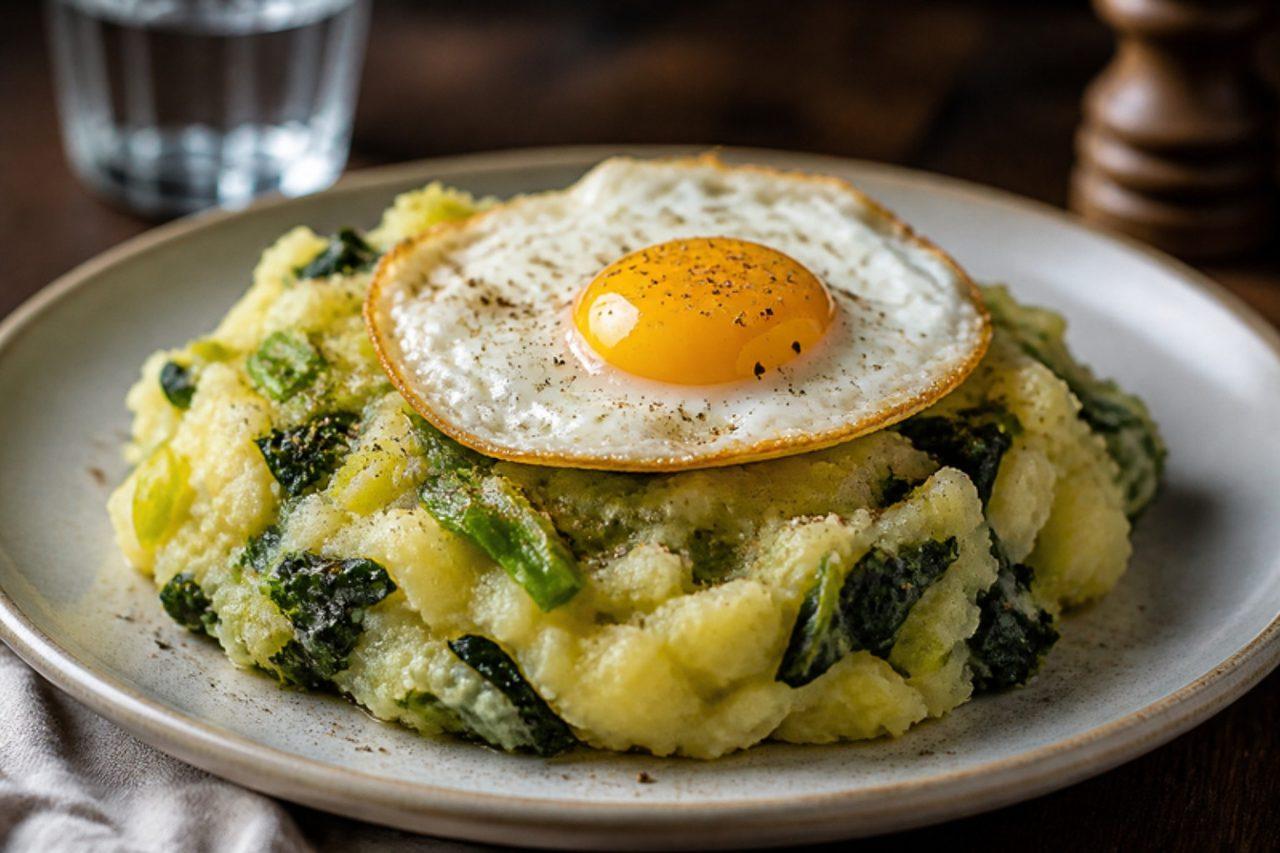
Stoemp with leeks and spinach

Stoemp (from the Brussels dialect word for 'to mash') is what Brussels brasseries such as those around the Marolles serve on cold days: potatoes crushed together with whatever vegetable is in season, rich with butter and nutmeg. Unlike Dutch stamppot, the vegetables are usually cooked separately and softened in butter first, which gives a sweeter, silkier mash. Leek and spinach is one of the most popular versions in Brussels, and a fried egg with a runny yolk on top turns it into supper. The meat versions come with sausages; this is meat-free. Chef's tip: cook the leeks slowly in butter until they almost melt; quick-fried leeks stay stringy and squeaky in the mash.

by KrazyBadal 0 views

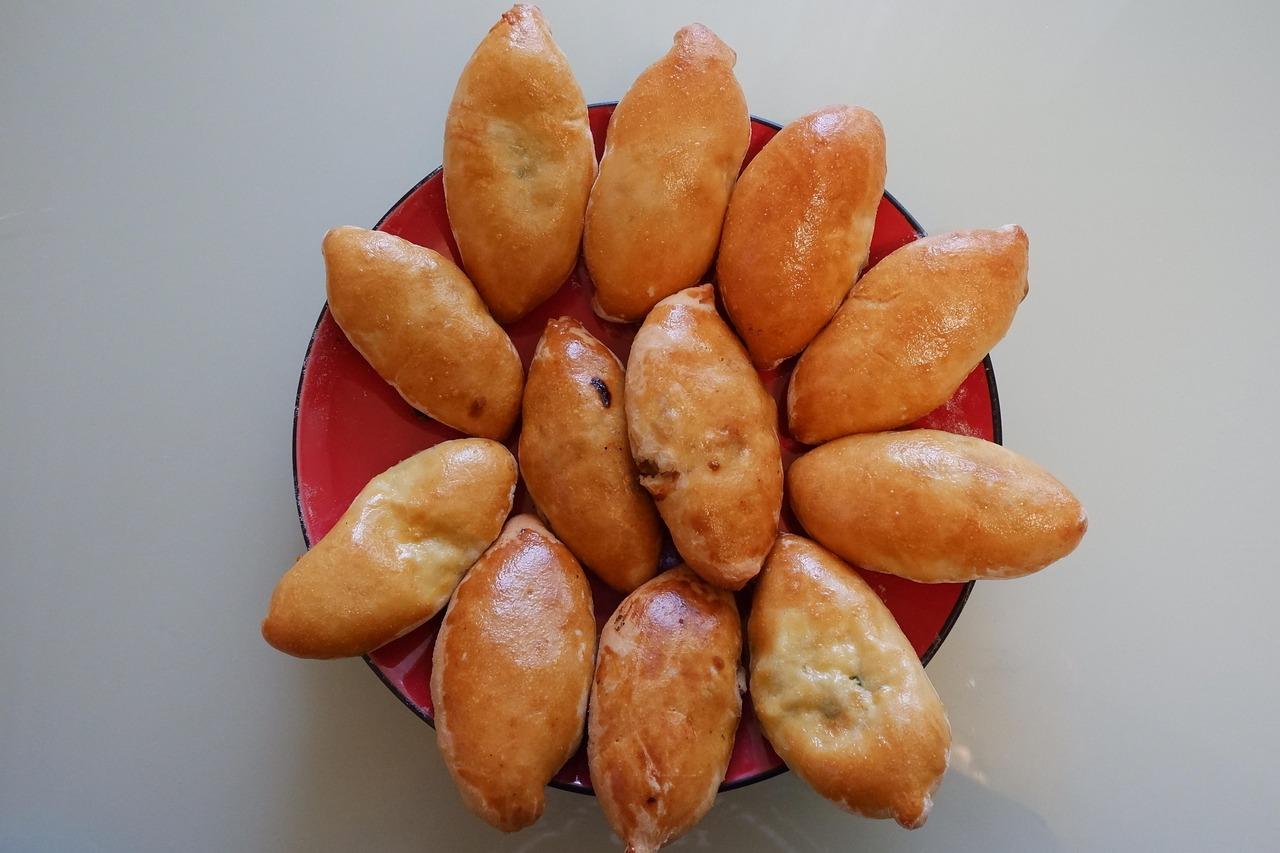
PirozhkiBaked filled buns

Pirozhki, little oval pies of soft yeast dough, are what a Russian babushka has waiting on the kitchen table when the grandchildren arrive, and what used to be sold warm from steel carts at Moscow metro stations. They are eaten with a bowl of soup, packed for the train, or simply grabbed from the plate all afternoon. Fillings change with the season; the two most loved meatless ones are buttery cabbage with chopped egg and creamy mashed potato with fried onion and dill. Chef's tip: let the fillings cool completely before shaping; warm filling softens the dough and the buns tear and leak.

by KrazyBadal 0 views

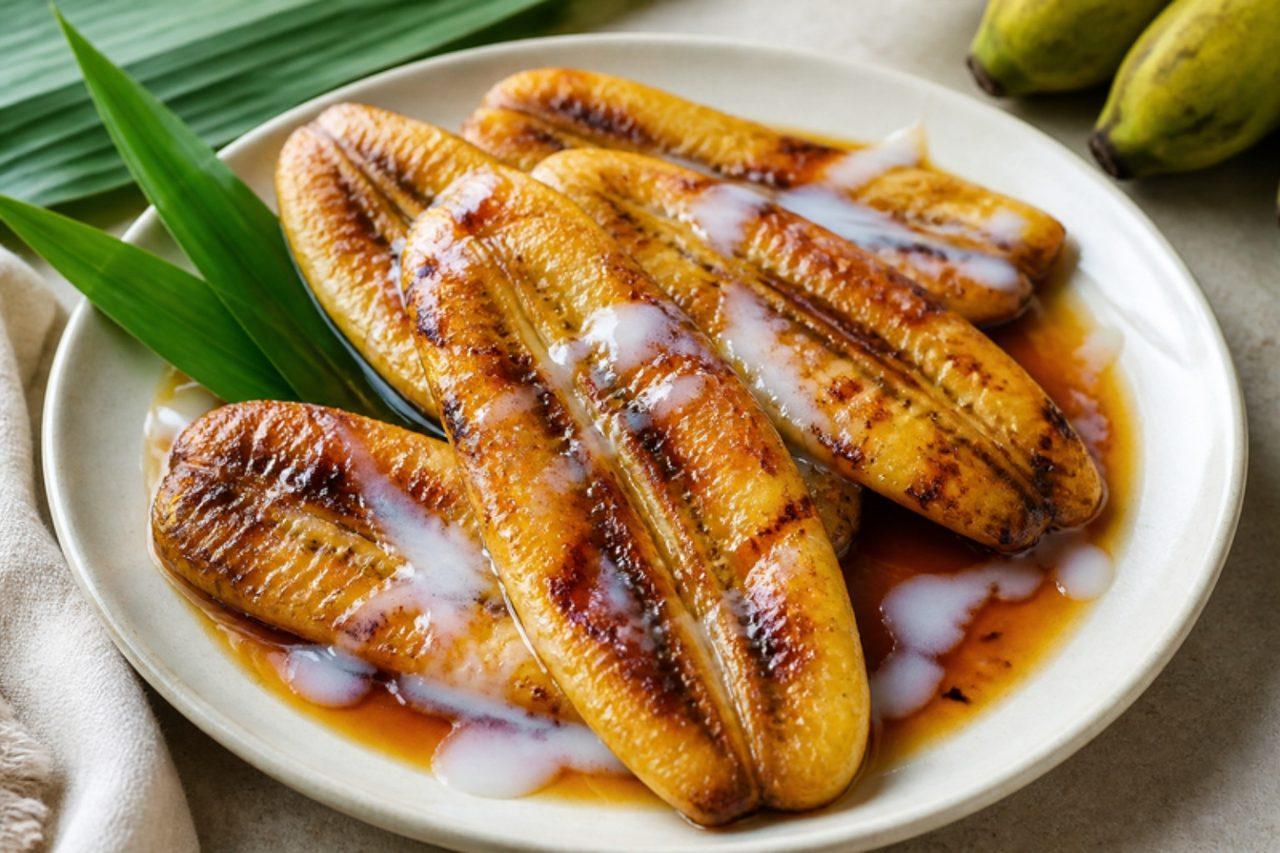
Pisang epeGrilled pressed bananas

Along Losari Beach in Makassar, South Sulawesi, evening stalls grill firm bananas over coals, press them flat between two boards, grill them again and drown them in palm-sugar syrup. Epe means pressed. The bananas turn smoky and dense, almost like baked plantain, and the syrup is often flavoured with pandan, durian or chocolate; this is the pandan version. Chef's tip: use bananas that are just ripe and still firm, or plantains just turning yellow; soft bananas fall apart when you press them.

by KrazyBadal 0 views

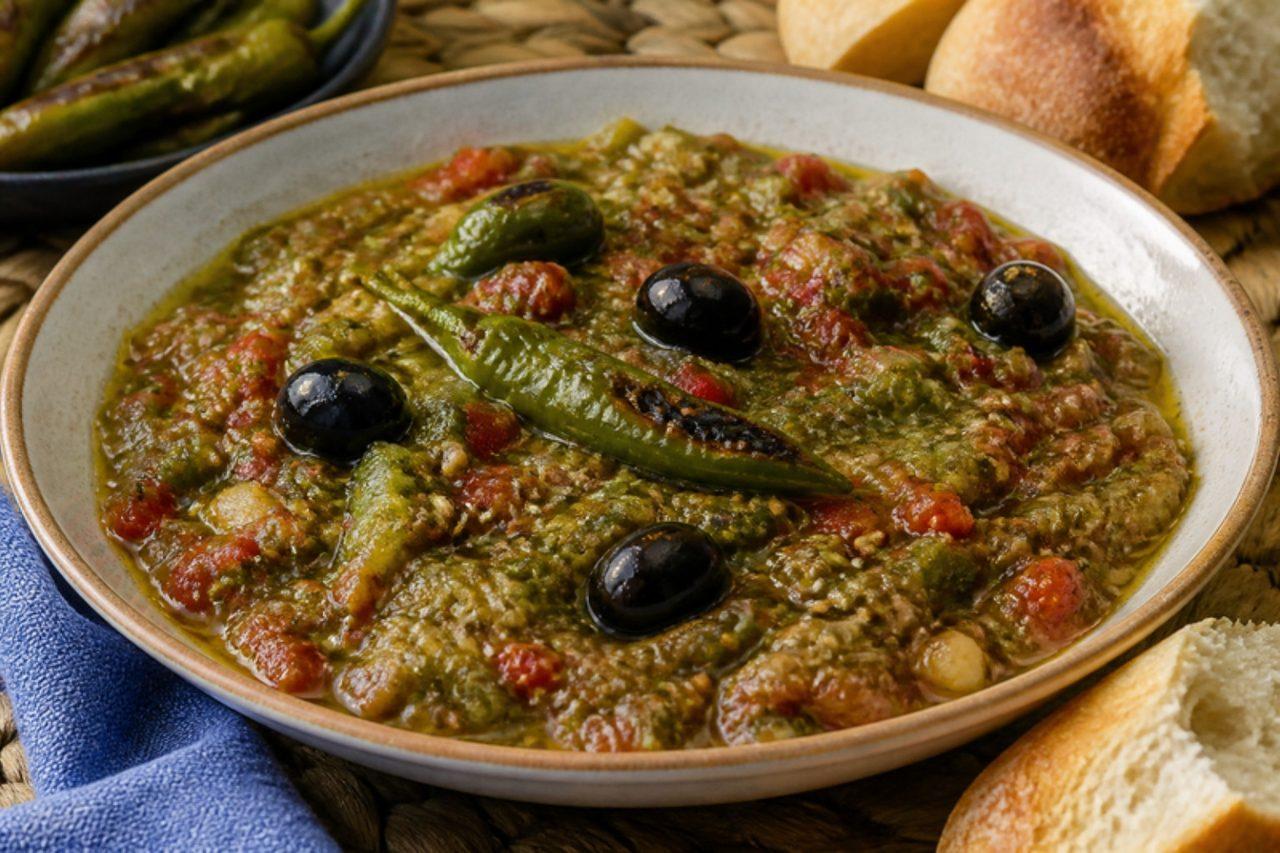
Slata mechouiaGrilled pepper and tomato salad

Slata mechouia means 'grilled salad', and in Tunisia it opens almost every family meal and Ramadan iftar: peppers, tomatoes, onion and garlic charred over coals until blackened, then peeled and chopped into a smoky relish with olive oil, caraway and coriander seed. It is scooped up with bread or served next to grilled food and couscous. A tuna and egg topping is common in restaurants; this version keeps it to vegetables and olives. Chef's tip: let the vegetables steam in a covered bowl after charring; the skins then slip off in seconds.

by KrazyBadal 0 views

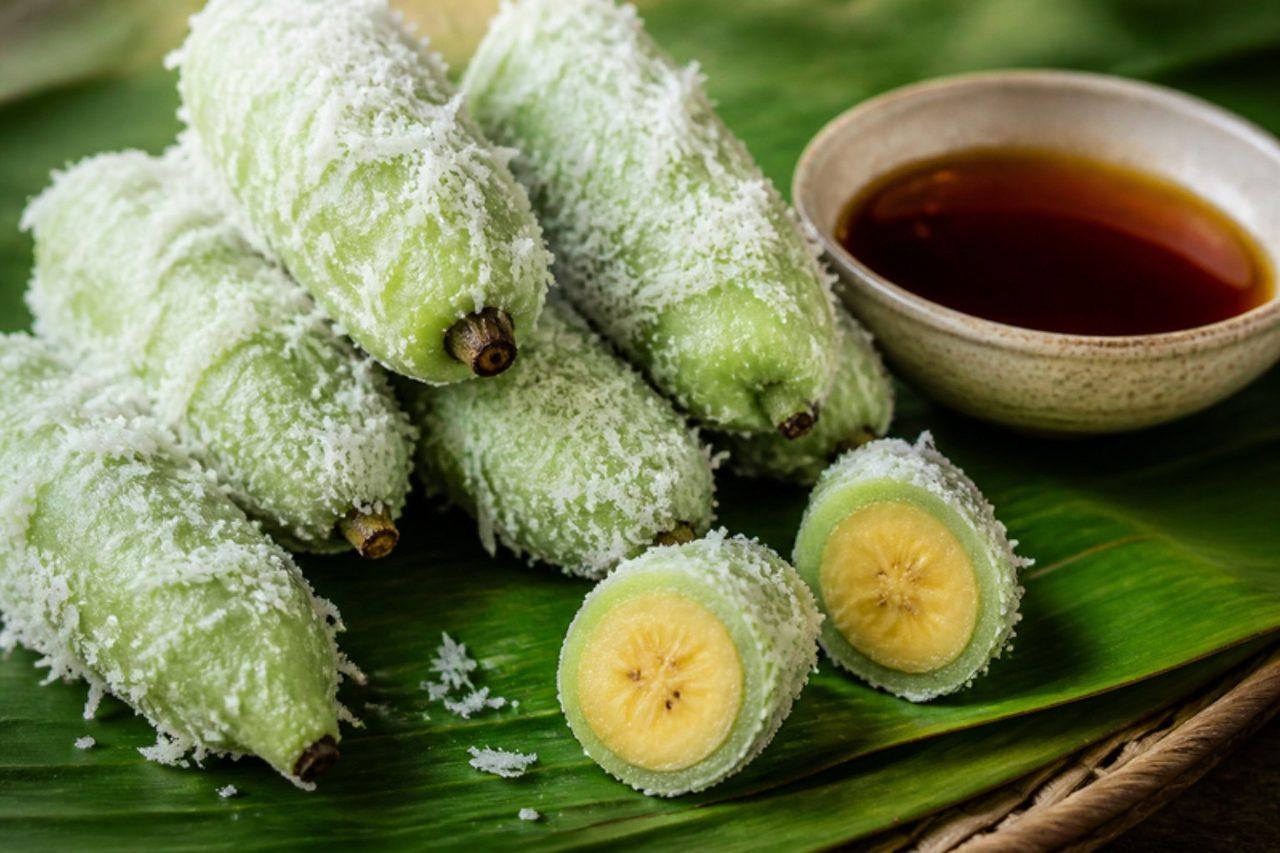
Pisang raiBananas in rice-flour batter

Pisang rai is a Balinese market sweet, wrapped in banana leaf and sold alongside klepon and lak-lak in the early morning. Small ripe bananas are coated in a thick rice-flour batter and dropped into boiling water rather than oil, so they come out soft, chewy and pale, ready to be rolled in salted grated coconut and drizzled with palm-sugar syrup. Some cooks colour the batter green with pandan. Chef's tip: the bananas are done when they float and the batter turns translucent at the edges; another minute firms the coating without making it gluey.

by KrazyBadal 0 views

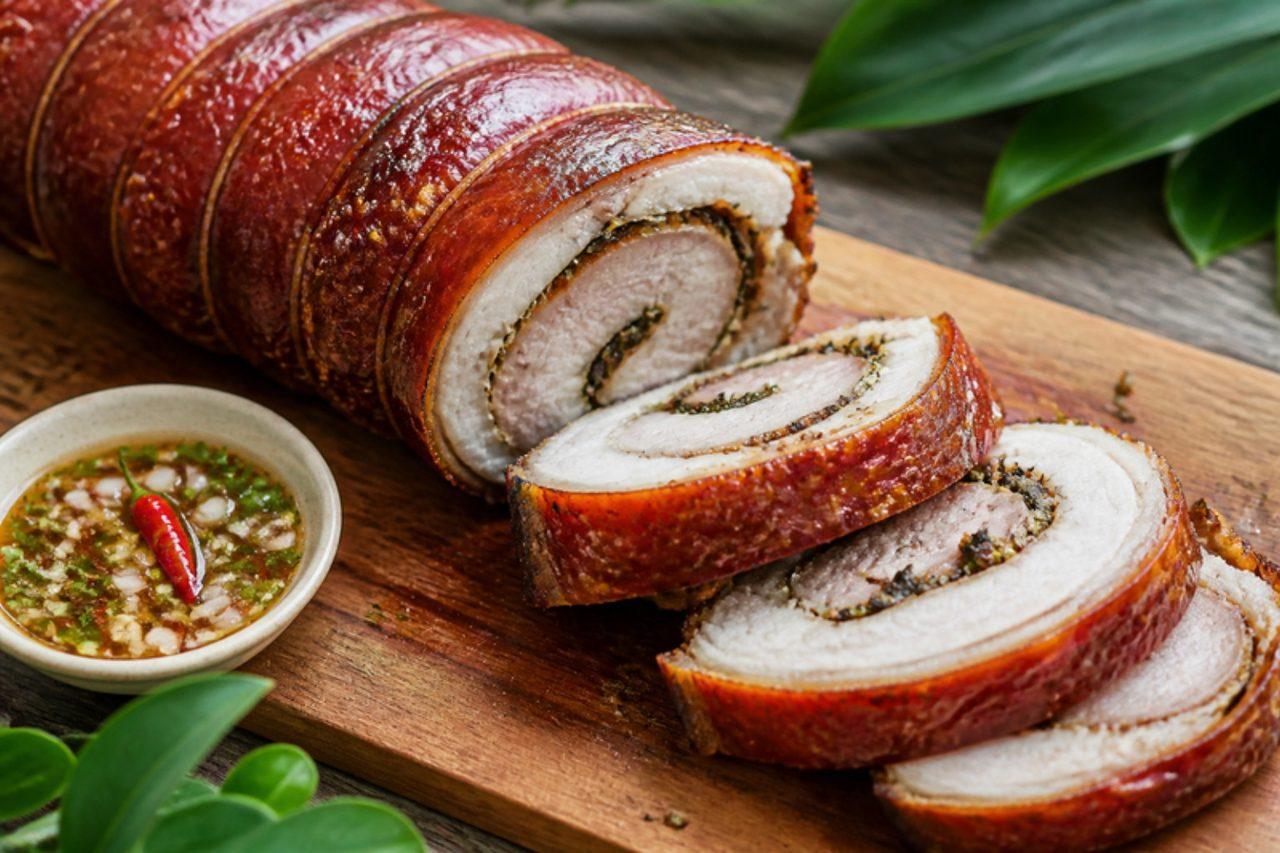
Cebu-style lechon belly

Cebu claims the best lechon in the Philippines, and its whole roast pigs are stuffed with lemongrass, garlic and spring onion so the meat needs no sauce. Lechon belly (lechon belyo) brings that flavour to a home oven: a slab of pork belly is rolled around the same herbs, tied, and roasted slowly, then blasted with heat until the rind turns to crackling. It is the centrepiece for Cebuano fiestas, Christmas and big birthdays, carved at the table and eaten with rice and a little spiced vinegar. Chef's tip: score only the meat side, never the skin, and dry the rind in the fridge overnight; an unbroken, dry skin crackles evenly.

250 minFilipinoMeatGluten free
by KrazyBadal 0 views

Cullen skink

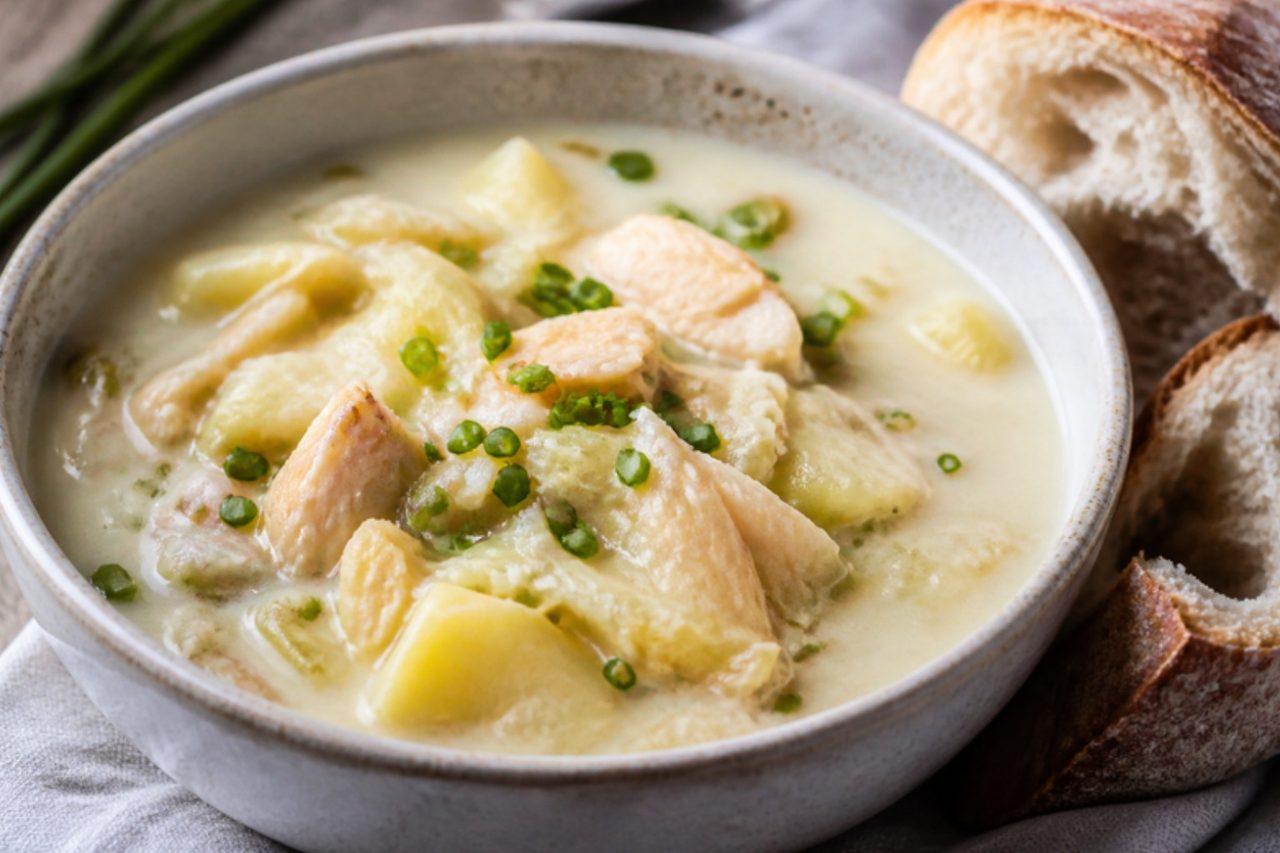
Cullen skink takes its name from the fishing village of Cullen on the Moray Firth in north-east Scotland, and it is now served in pubs from Aberdeen to Edinburgh. Undyed smoked haddock is poached in milk, which then becomes the base of a creamy soup with potato, onion and leek; the flaked fish goes back in at the end. Smoky, gentle and filling, it is eaten with oatcakes or crusty bread. Chef's tip: choose pale, undyed smoked haddock; the bright yellow kind is coloured and tastes harsher.

by KrazyBadal 0 views

SeswaaPounded boiled beef

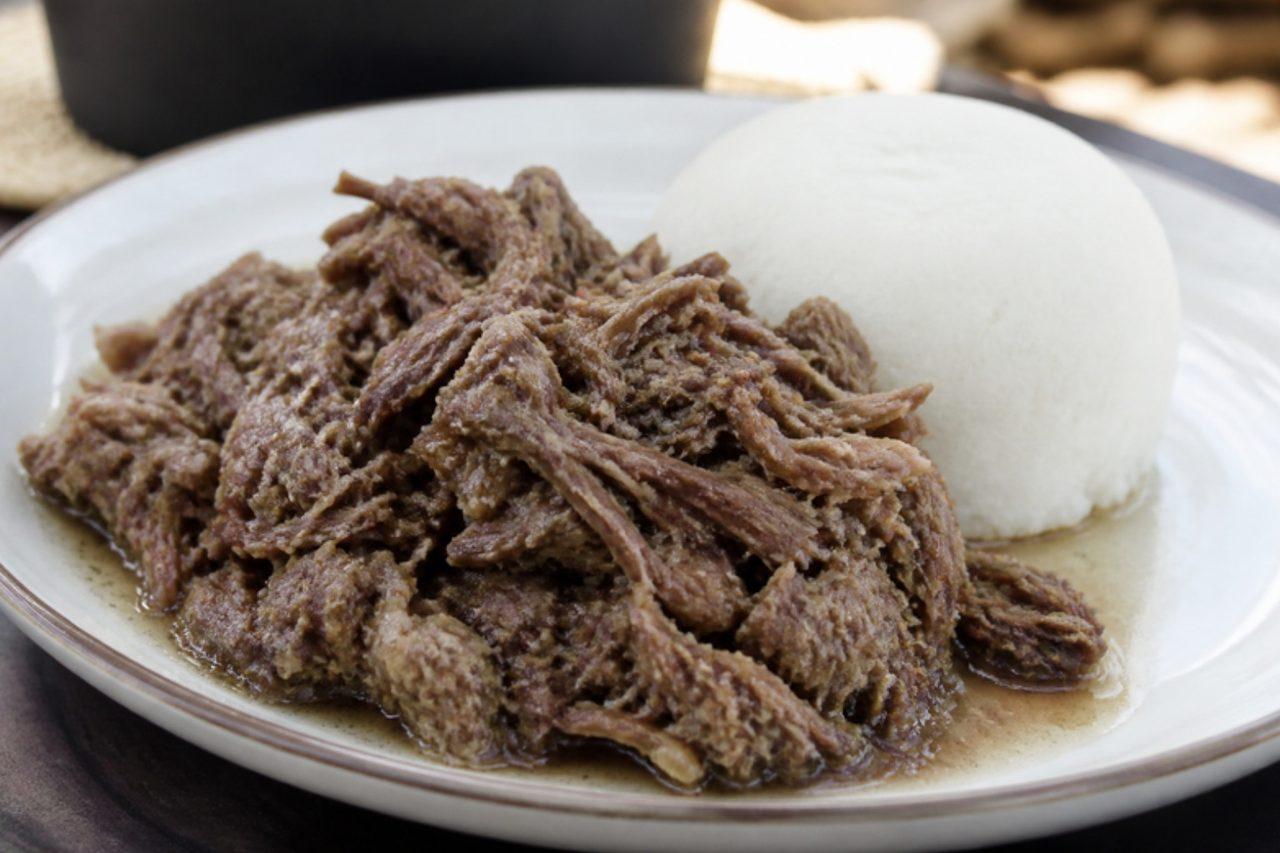
Seswaa is Botswana's national dish, made by the men at weddings, funerals and Independence Day in great three-legged pots over fires: beef on the bone is boiled with only onion, bay and salt for hours until it falls apart, then pounded with a wooden spoon into soft shreds in its own fat. It is served with pap (stiff maize porridge) or samp and a side of greens. The mistake is adding too much water at the end; the meat should be moist, not soupy, so let the liquid cook away before pounding. Chef's tip: use a mix of brisket and shin on the bone for flavour and richness.

by KrazyBadal 0 views

Sweet potato cakeFried sweet potato cakes

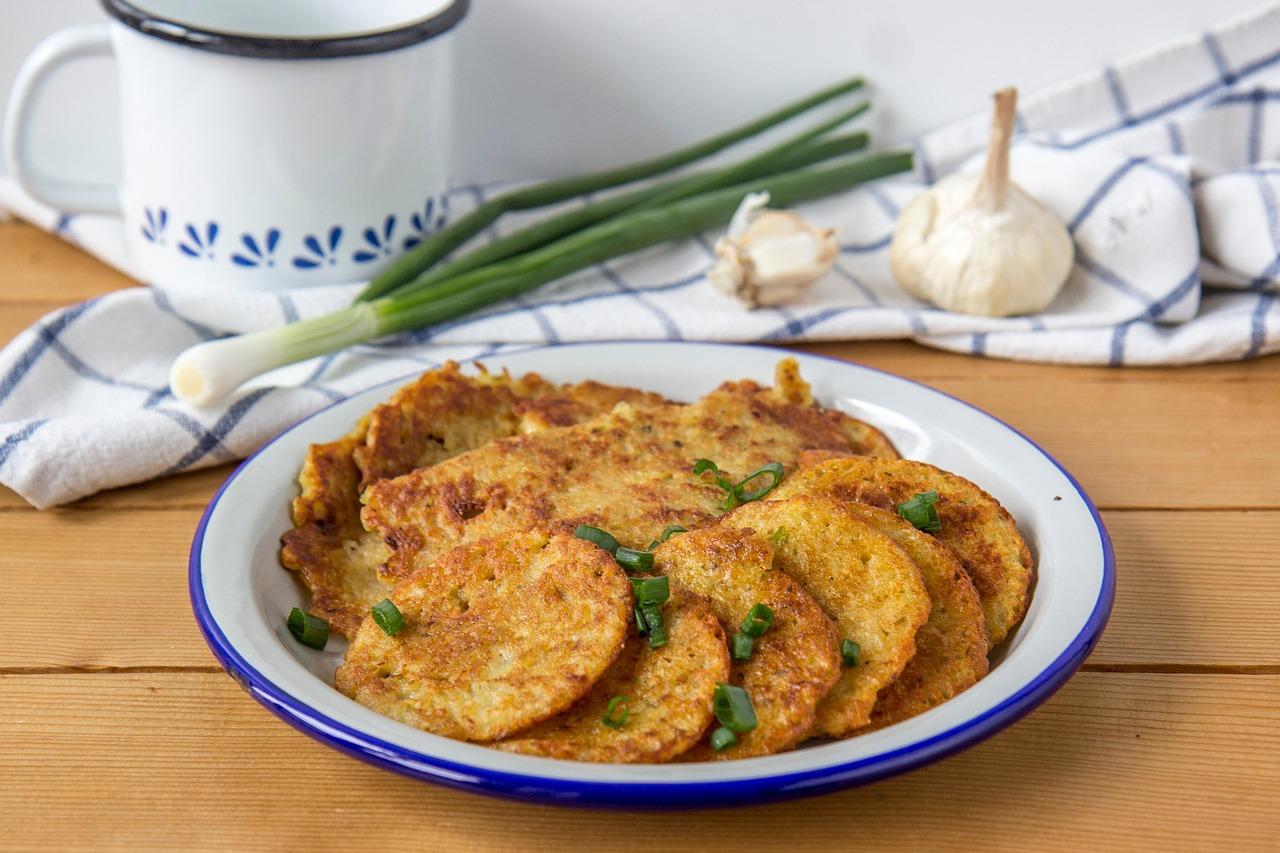
Soft, lightly sweet fried cakes of grated boiled sweet potato, flour and milk, shaped by hand into small flat rounds. They're golden outside and tender inside; the book's Handy Hints say sweet potato is good for the eyes and lifts the mood. Serve as a tea-time snack, or with tomato and chilli sauce.

by KrazyBadal 0 views

PissaladièreOnion and anchovy tart

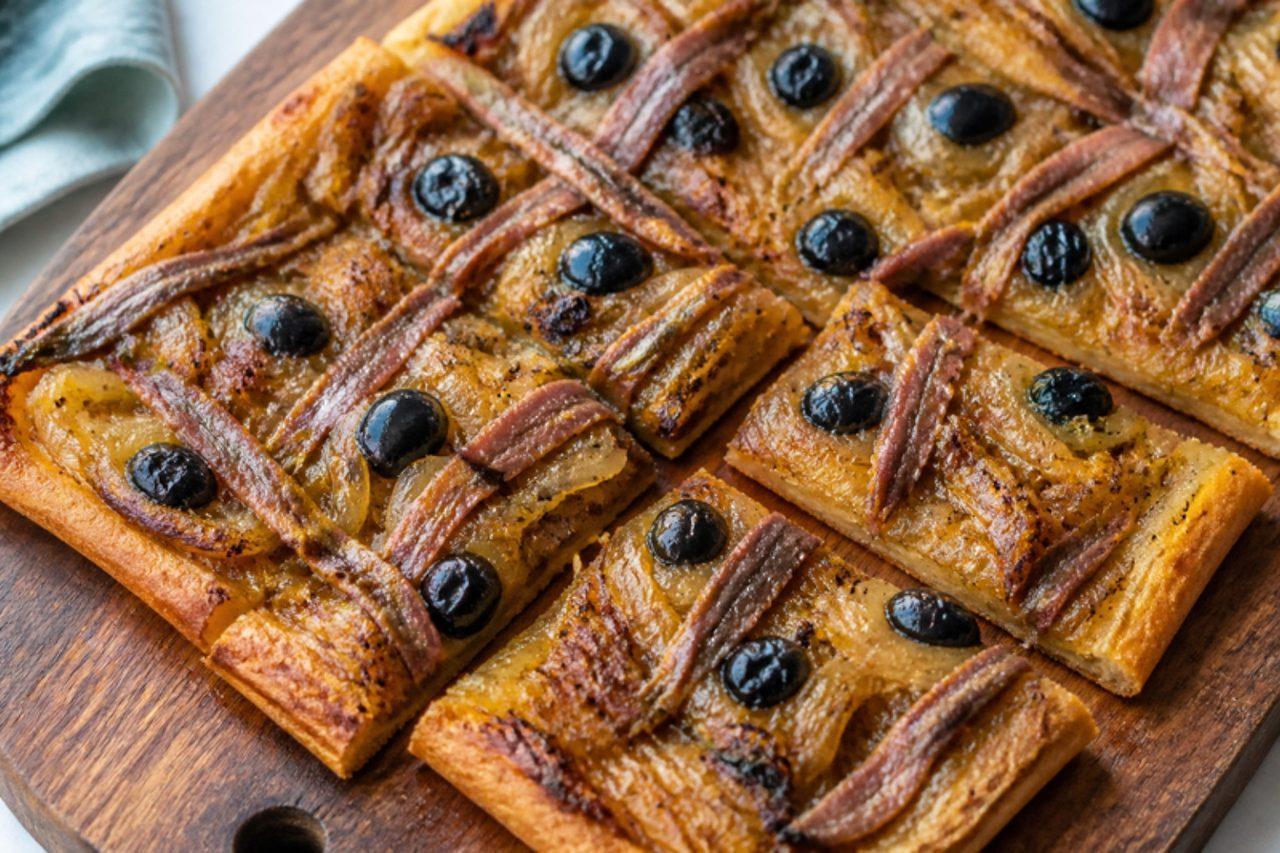
In the old town of Nice, pissaladière is sold by the square from bakeries and market stalls, a lunchtime slice or something to nibble with a drink before dinner. A thin bread dough is spread thickly with onions cooked down for almost an hour until soft and sweet, then crossed with salted anchovies and dotted with small black Niçoise olives. It is just as good at room temperature as warm. Chef's tip: cook the onions low and slow without letting them brown; they should be pale gold and jammy, not caramelised.

120 minFrenchBaking
by KrazyBadal 0 views

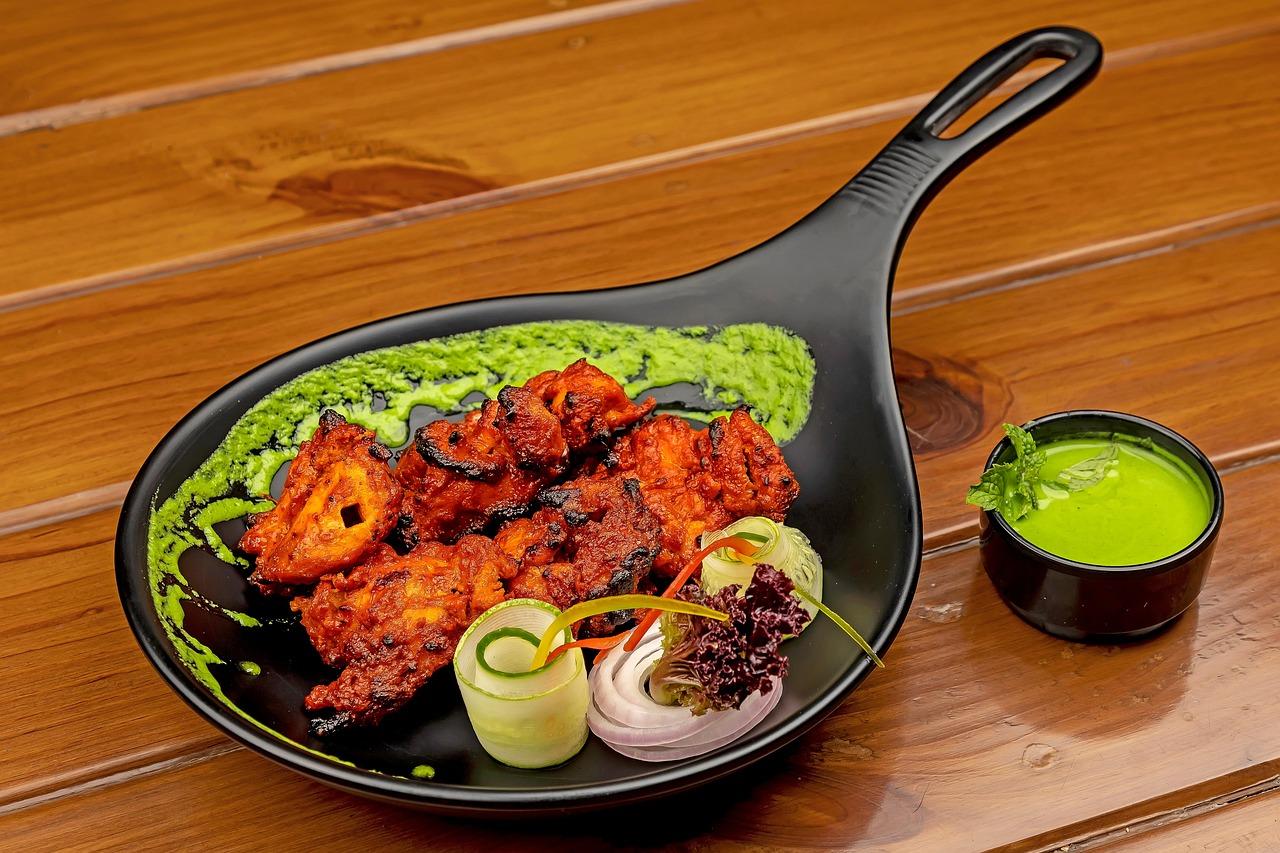
Chicken tikka (Karachi style)

Karachi's barbecue streets, from Burns Road to Boat Basin, are famous for chicken tikka cooked on the bone: whole legs and breast quarters soaked in a red, sharp yogurt-chilli marinade and grilled over charcoal until charred at the edges. It's late-night food after a wedding or a cricket match, eaten with paratha, raita and onion rings. This home version uses the oven grill and a quick smoke at the end for that barbecue taste. Chef's tip: let the marinade sit overnight; chicken on the bone needs time for the flavour to reach the middle.

by KrazyBadal 0 views

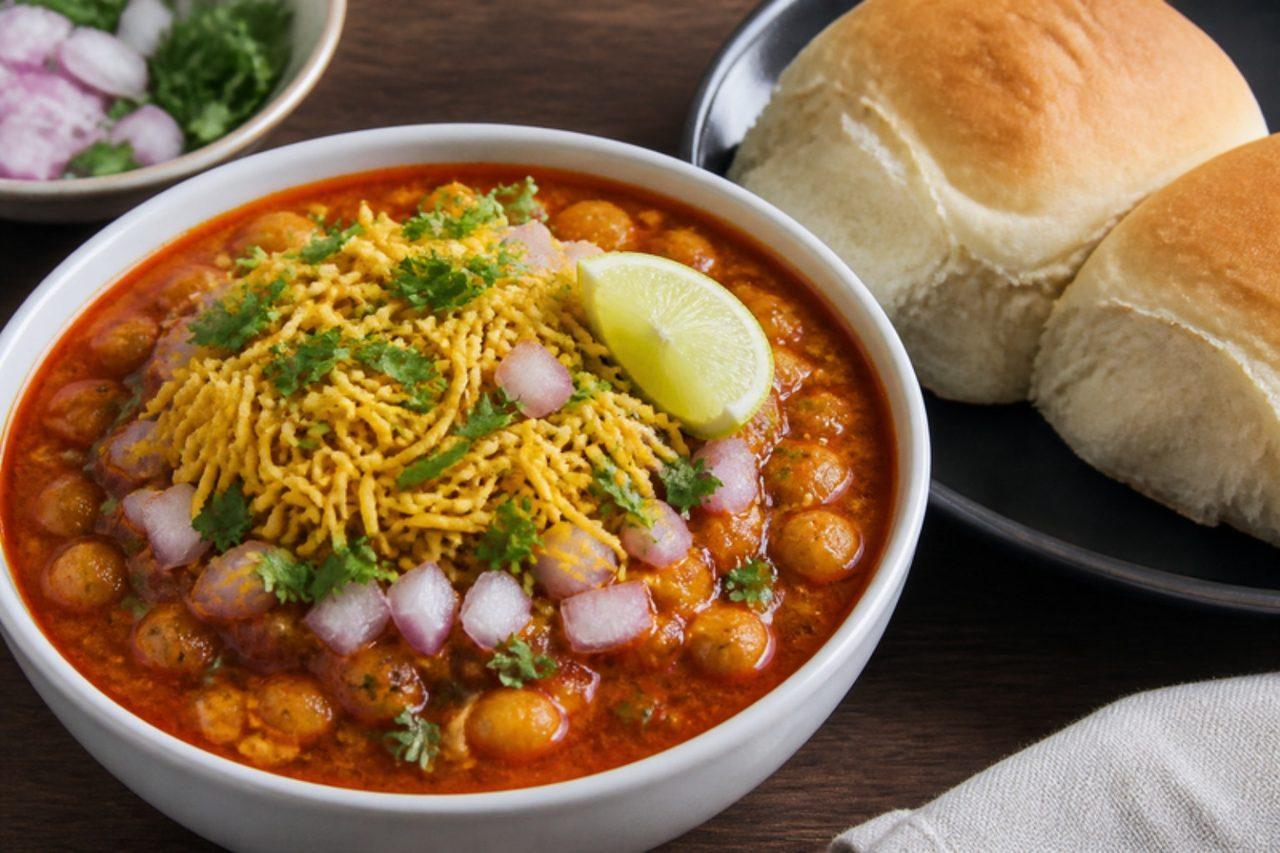
Sev usalWhite pea curry with sev

Ask anyone from Vadodara where to eat sev usal and you'll get a strong opinion and a street-corner name. Early in the morning the handcarts near Mandvi and Raopura have a huge pot of dried white peas simmering in a thin, fiery gravy, with a separate tin of brick-red chilli oil (the tari) on the side. A ladle of usal goes into a steel plate, a spoonful of tari is poured over, and then it disappears under fine sev, raw onion and coriander, with lemon and soft pav to mop it up. The gravy should be loose and soupy, not thick like a curry, so the sev stays crisp for the first few bites and then soaks in. Chef's tip: cook the tari separately and let each person add their own; the usal alone is only medium-hot, and the tari is where the fire comes from.

by KrazyBadal 0 views

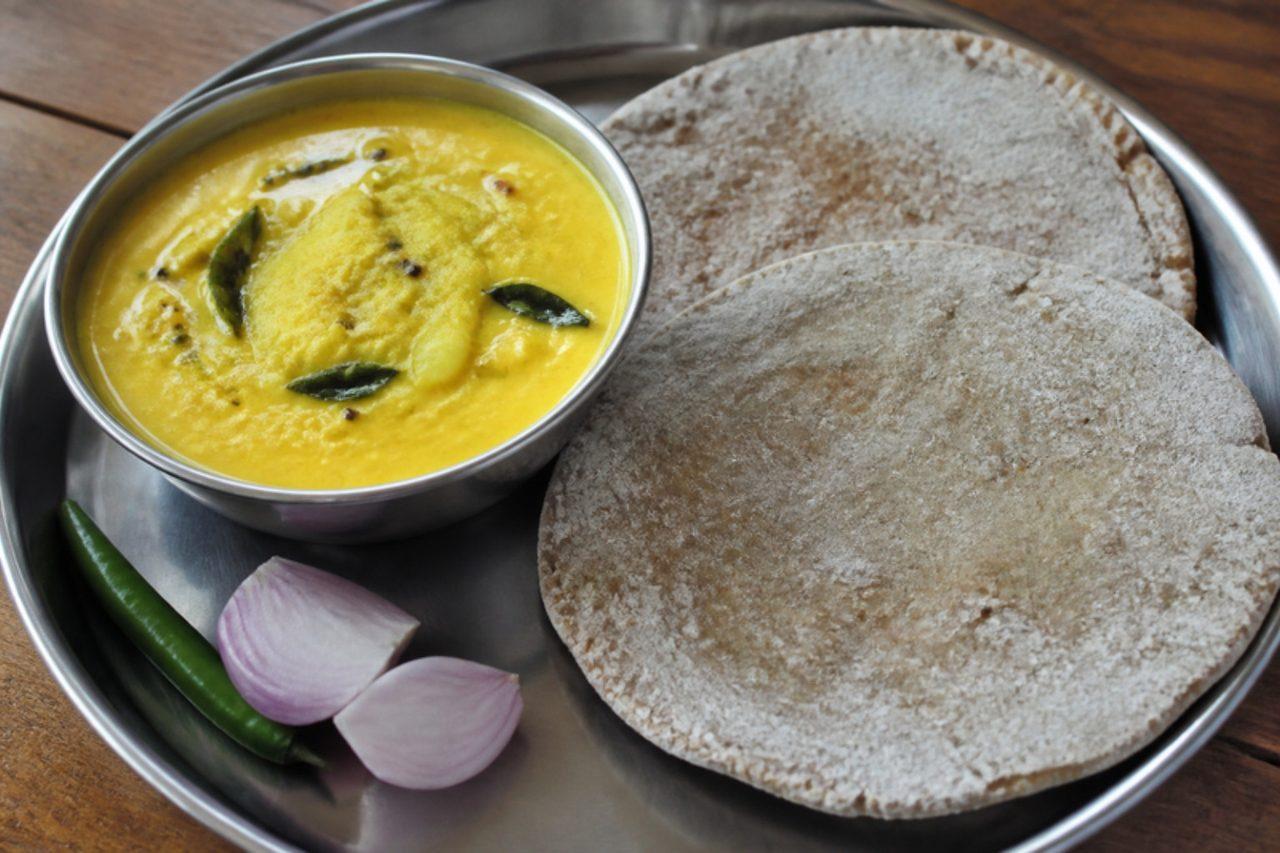
Pithla with jowar bhakriGram flour curry with sorghum flatbread

In villages across the Deccan plateau of Maharashtra, pithla bhakri is what a farmer's family eats when the pantry is low and the day is long: a pan of gram flour simmered with garlic, green chilli and onion until it sets to a soft, spoonable curry, with thick jowar bhakri patted out by hand and a raw onion on the side. It became a symbol of rural Maharashtra, served at roadside stalls near Sinhagad fort to trekkers and at political rallies alike. Zunka, the dry version, uses the same flavours but is stirred until crumbly. Serve with thecha or a wedge of lemon. Chef's tip: whisk the gram flour into cold water before it meets the pan; that one step is the whole secret to a lump-free pithla.

by KrazyBadal 0 views

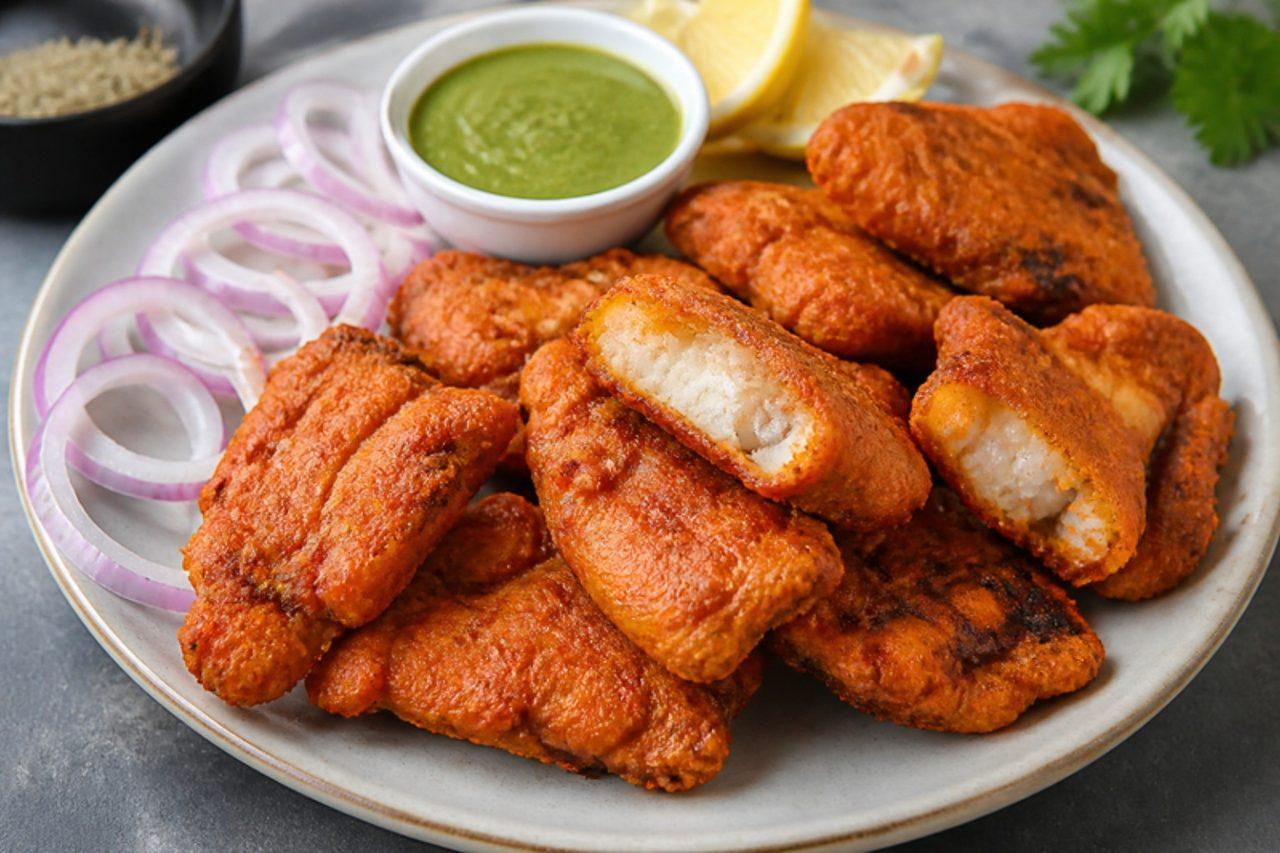
Lahori fried fish

When the first cold nights arrive in Lahore, people head to the fish stalls around Mozang and Gawalmandi, where chunks of river fish sizzle in giant woks of oil. The batter is made with gram flour, ajwain (carom seeds), red chilli and a squeeze of lemon, so it fries crisp, orange and very savoury. It's winter street food, but it's quick enough for a weeknight at home with a white fish fillet. Eat it hot with mint chutney, lemon and sliced onion. Chef's tip: marinate the fish in lemon and garlic first, then add the gram flour just before frying so the coating stays crisp, not pasty.

by KrazyBadal 0 views

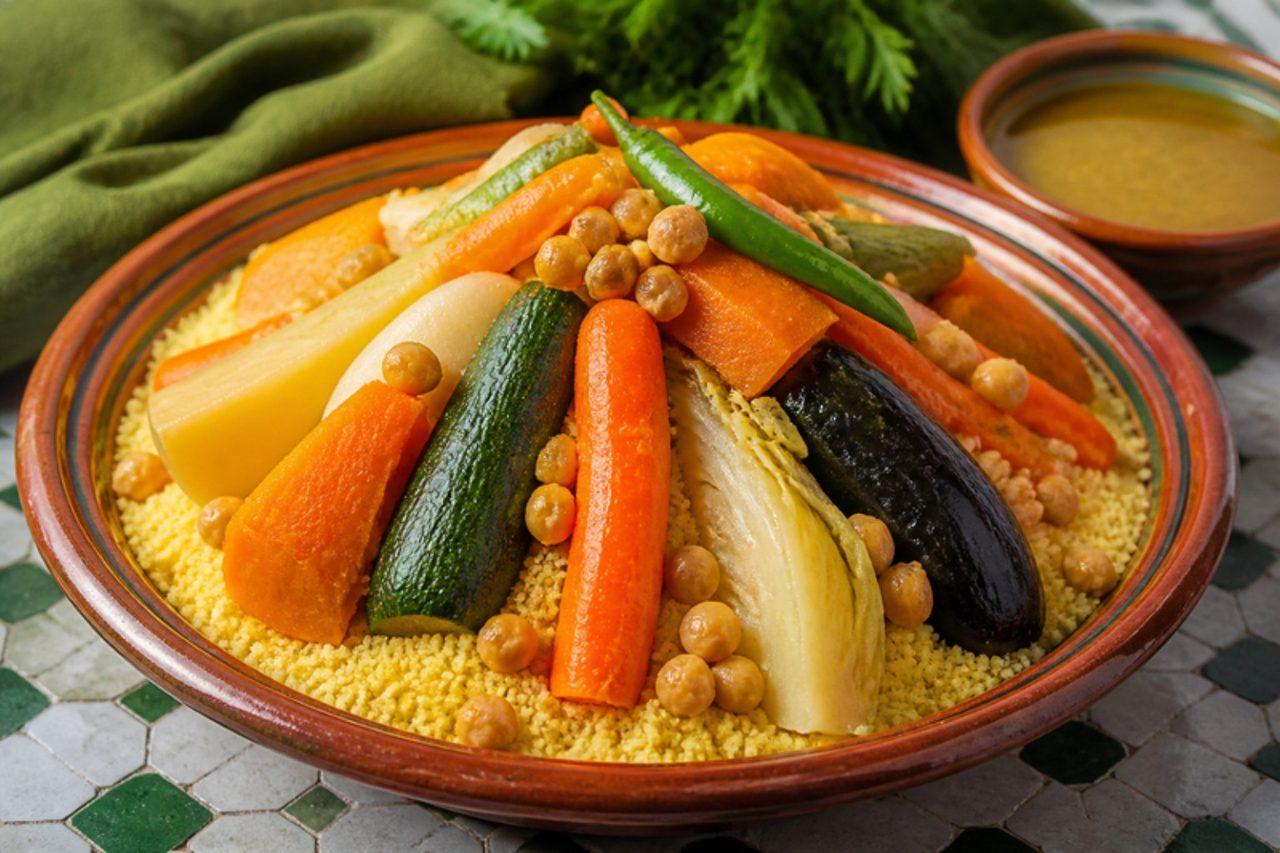
Seven-vegetable couscous (bidaoui)Couscous with seven vegetables

In Casablanca, Friday lunch after midday prayers means couscous bidaoui, the city's own version piled with seven vegetables, from pumpkin and turnip to cabbage and carrot. Families eat it from one great dish, each person working on their own corner of the mound, with extra broth ladled on as they go. The grains are steamed twice over the simmering broth so they swell into separate, fluffy beads that soak up the flavour without turning soggy. This vegetarian version builds the broth from onion, tomato, saffron and chickpeas, so it is rich enough without meat. Chef's tip: rub the couscous between your palms after each steaming to break up every clump; that is what makes it light.

by KrazyBadal 0 views

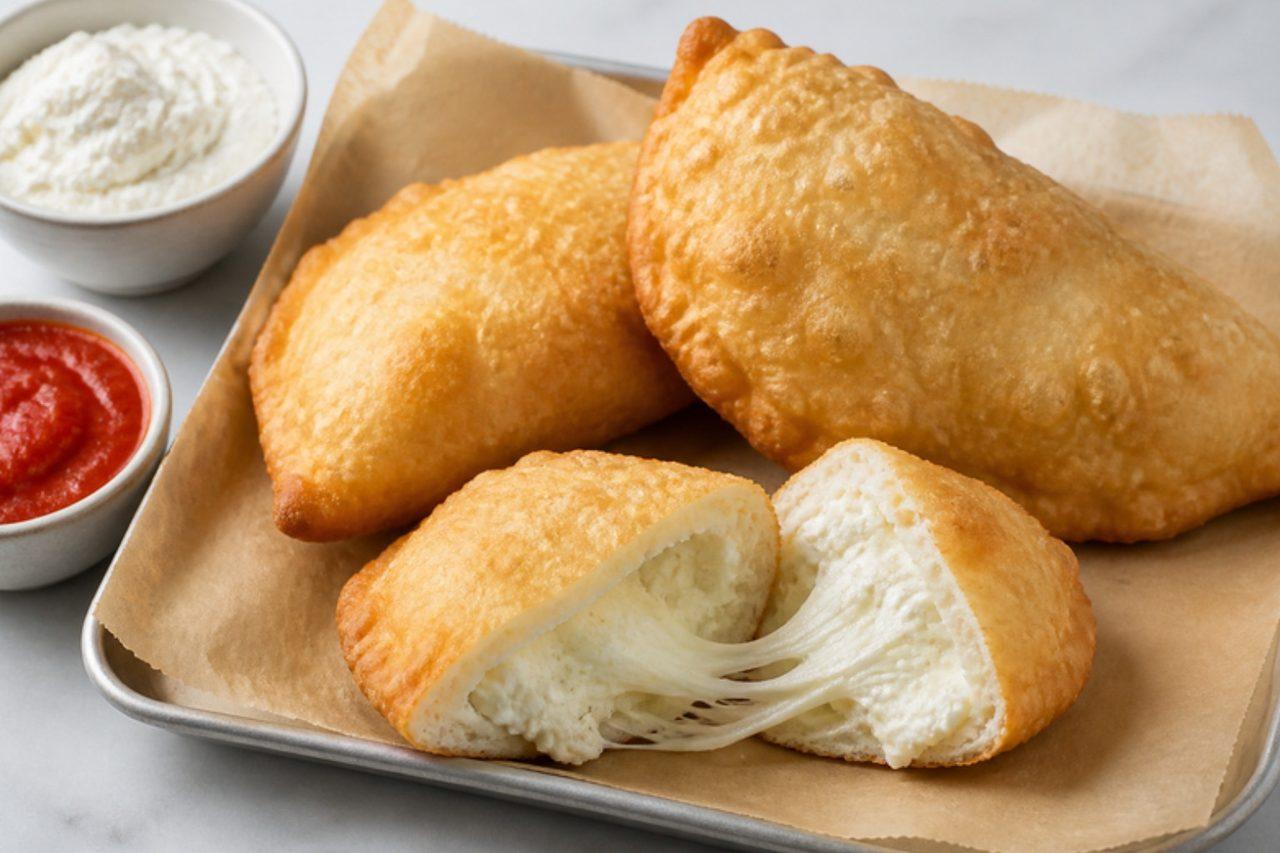
Pizza frittaFried pizza parcels

Pizza fritta is the street-food pizza of Naples: a disc of pizza dough folded over a filling and fried in hot oil until puffed and blistered, sold from kiosks in the Spanish Quarter and around Via dei Tribunali. It became popular after the war, when wood ovens were scarce and a pan of oil was all many cooks had. The classic filling has ricotta, smoked provola, tomato and pepper; pork crackling (cicoli) is often added, but not here. Chef's tip: seal the edge by pressing with your fingertips, not a fork, and leave a 2 cm border; a well-sealed parcel puffs like a pillow instead of bursting.

by KrazyBadal 0 views

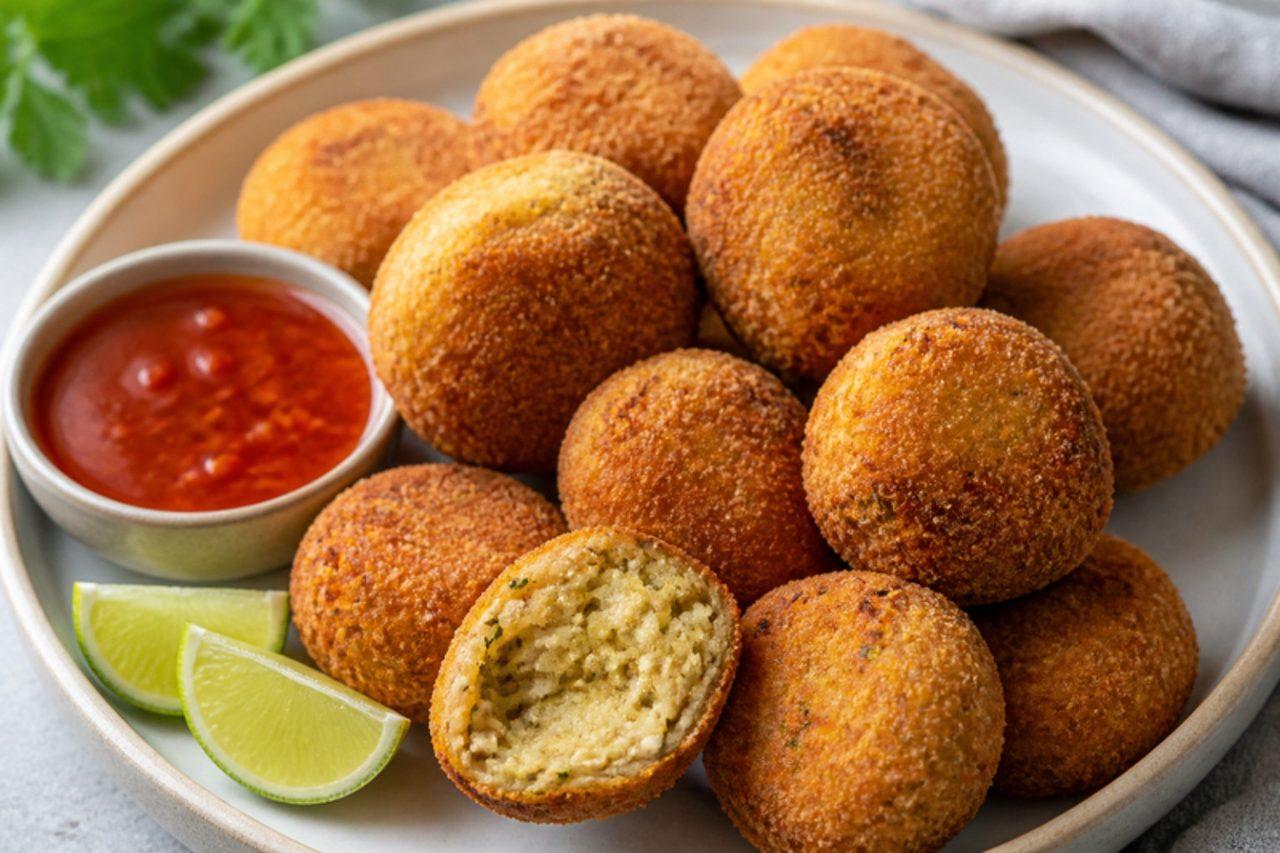
Sri Lankan fish cutlets

No Sri Lankan party table, from Colombo office leaving-dos to village weddings, is complete without a tray of fish cutlets. These are small, round balls of tinned or fresh tuna mashed with potato, onion, green chilli and black pepper, rolled in breadcrumbs and fried until crisp. They're also a go-to teatime short eat, eaten with a cup of plain tea or tucked into a lunch box. Serve them with chilli sauce or a squeeze of lime. Chef's tip: fry the onion and spices with the fish before mixing in the potato; it dries the filling and makes the cutlets far tastier than mixing everything raw.

by KrazyBadal 0 views

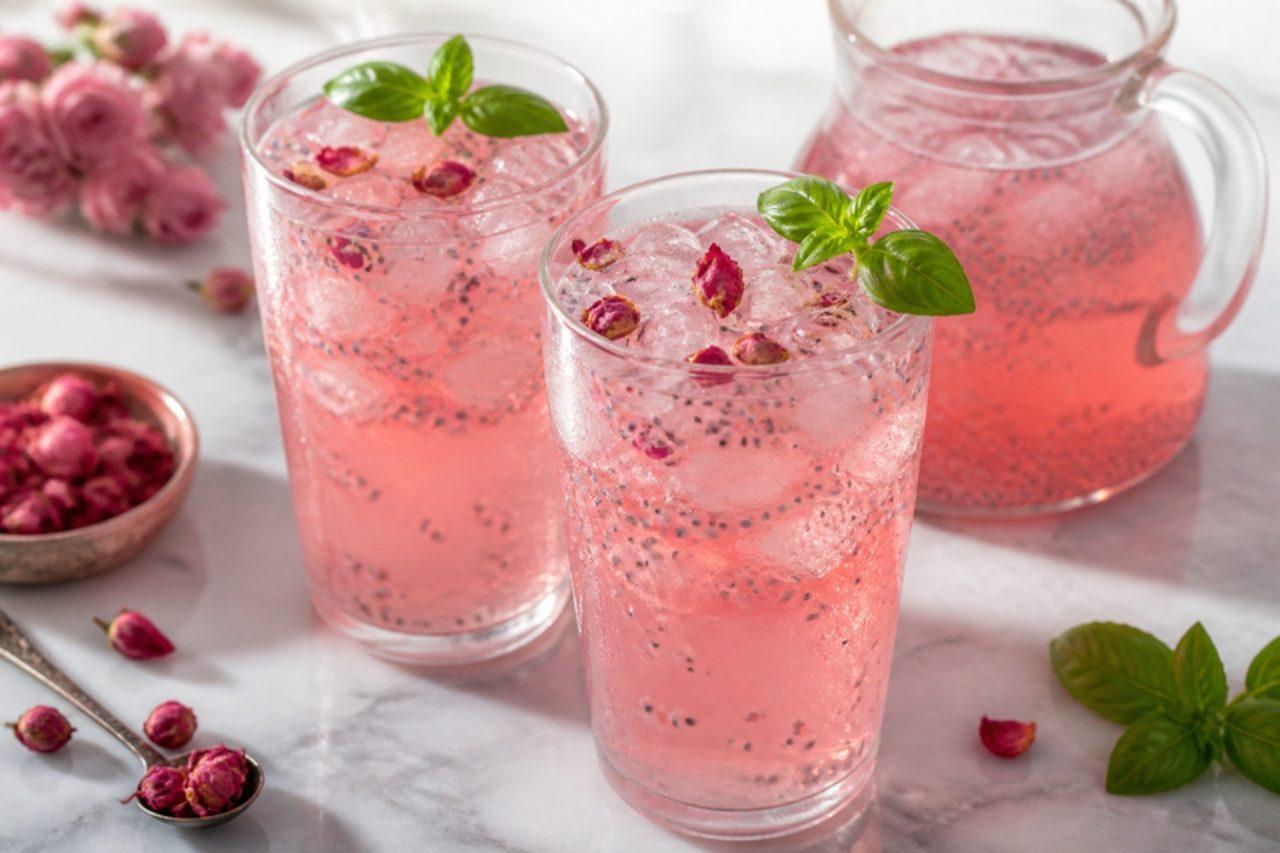
Rose and basil sherbet

Şərbət is poured at the start of every Azerbaijani wedding, and the rose kind, scented with rosewater from the Absheron rose gardens, is the most loved; in Baku it is set out in crystal jugs for Novruz guests and at Ramadan iftar. This version adds two kinds of basil (reyhan): purple basil leaves steeped in the syrup for a clove-like scent, and soaked basil seeds that swell into soft, jelly-coated pearls. Lemon keeps it from tasting like perfume. Serve very cold, with ice, alongside sweets or a rich plov. Chef's tip: soak the basil seeds in plenty of water, at least 20 times their volume; crowded seeds clump into a single lump.

by KrazyBadal 0 views

PiyazWhite bean salad with tahini

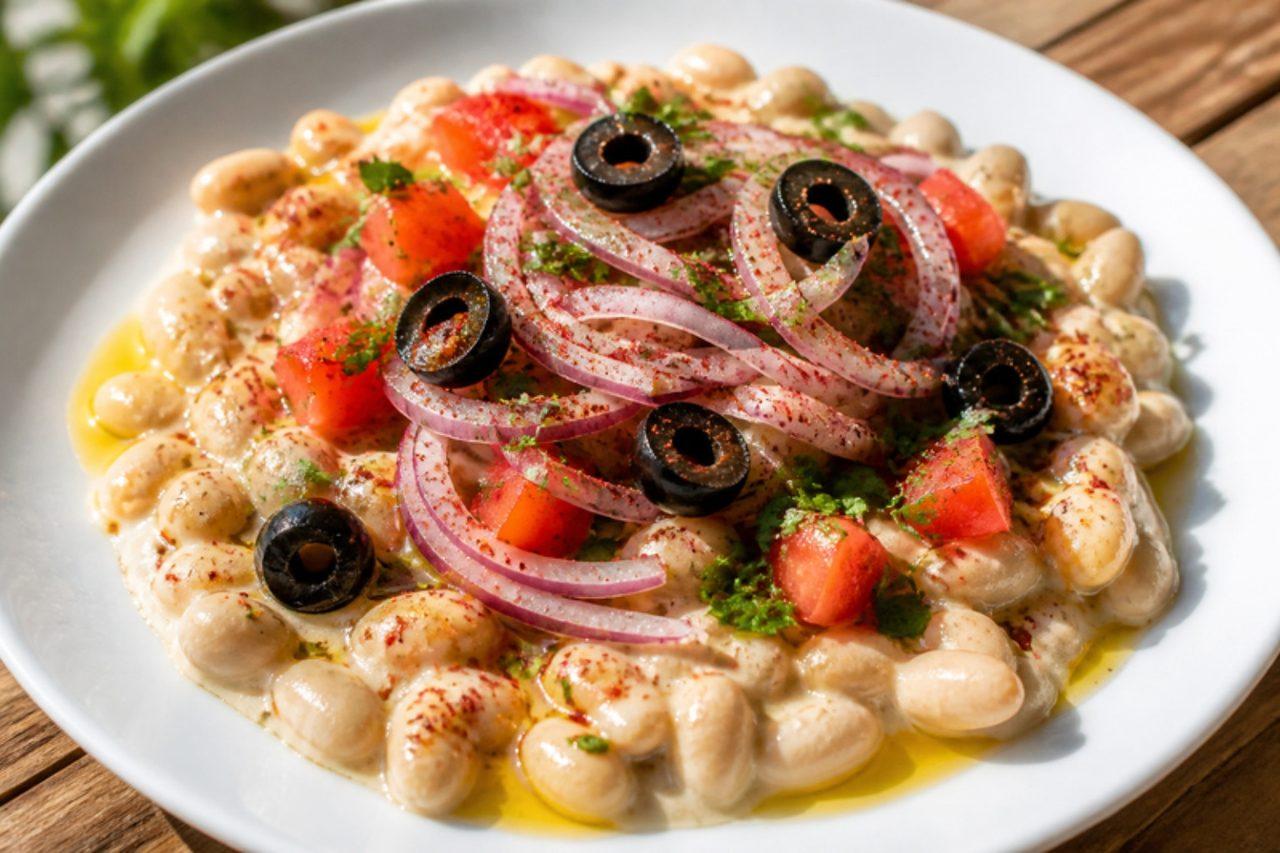
Antalya does piyaz its own way. Elsewhere in Turkey the bean salad is dressed with oil and vinegar, but on the Mediterranean coast the beans are folded through a pale, nutty sauce of tahini, lemon and vinegar, then crowned with sumac onions, tomato and parsley. Lunch canteens in the old town serve it on the side of almost everything, and at home it is a filling lunch with bread or a cool side on a hot evening. Tinned beans make it a fifteen-minute dish. Chef's tip: when the lemon hits the tahini it will seize into a stiff, grainy paste; don't panic, just keep beating in cold water a spoonful at a time and it turns silky.

by KrazyBadal 0 views

Sri Lankan black pork curry

This is a pork dish. In the southern and western coastal towns, from Negombo down to Galle, kalu uru mas is the curry that comes out for Christmas lunch, family get-togethers and Sunday rice spreads. Its colour comes from curry powder roasted in a dry pan until it is nearly black, plus goraka, a sour dried fruit that tenderises the meat and balances the fat. The sauce ends up thick, glossy and smoky-sour, clinging to every cube of pork. Eat it with plain rice, string hoppers or bread, and it tastes even better the next day. Chef's tip: roast the curry powder over a low heat and keep stirring; take it off the moment it turns the colour of dark chocolate and smells toasty, because burnt powder turns bitter.

by KrazyBadal 0 views

SfeehaSmall open lamb pies

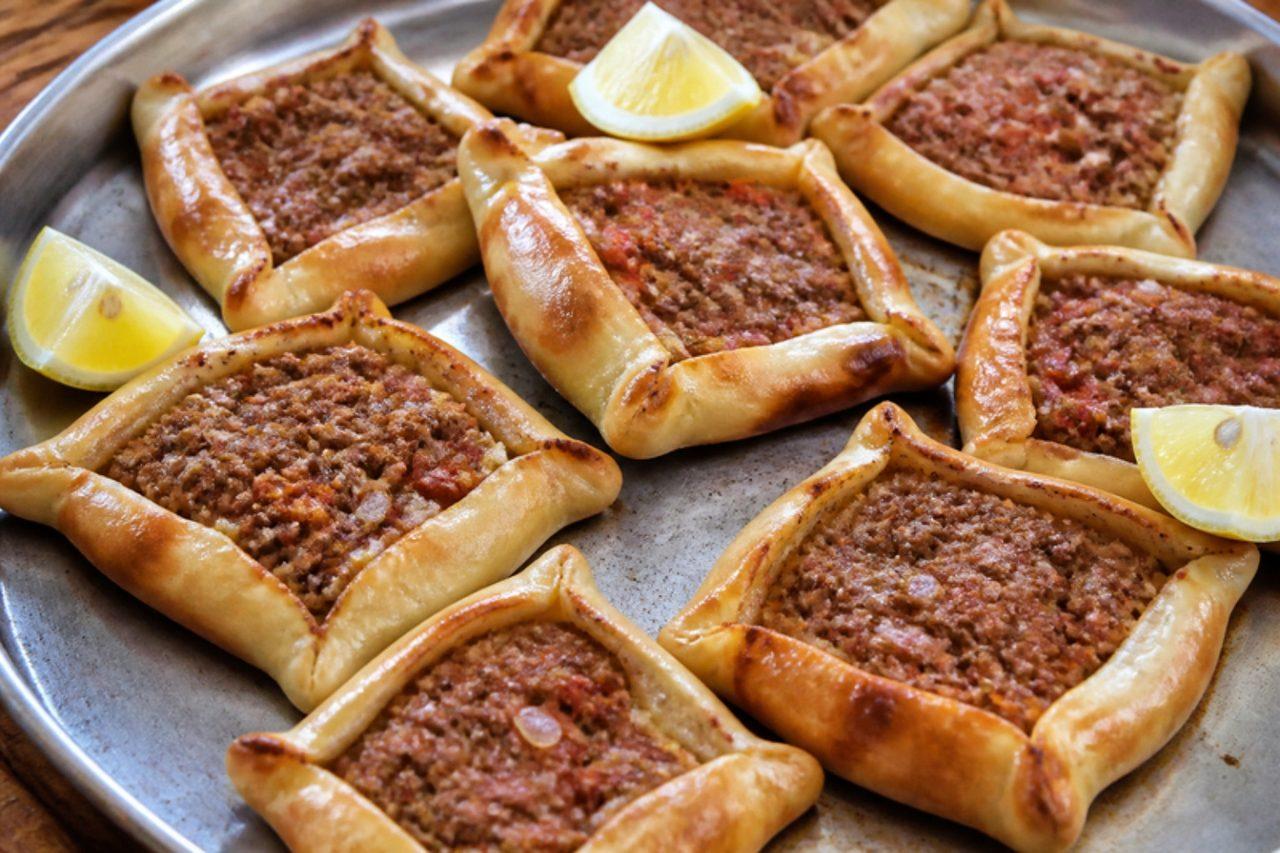
Sfeeha are the little open meat pies of Baalbek in Lebanon's Bekaa Valley, where bakers pinch them into neat squares and bake them by the hundred for weddings, Eid and Sunday mornings. The lamb filling is chopped with tomato and onion and sharpened with pomegranate molasses and a spoon of yogurt, so it stays juicy as it bakes on thin, crisp dough. Eat them warm with a bowl of yogurt or labneh and some cucumber. Chef's tip: pinch the four corners really firmly; the square shape is what traps the juices so the base stays crisp.

by KrazyBadal 0 views

Pla kapong tod nam plaFried sea bass with fish sauce

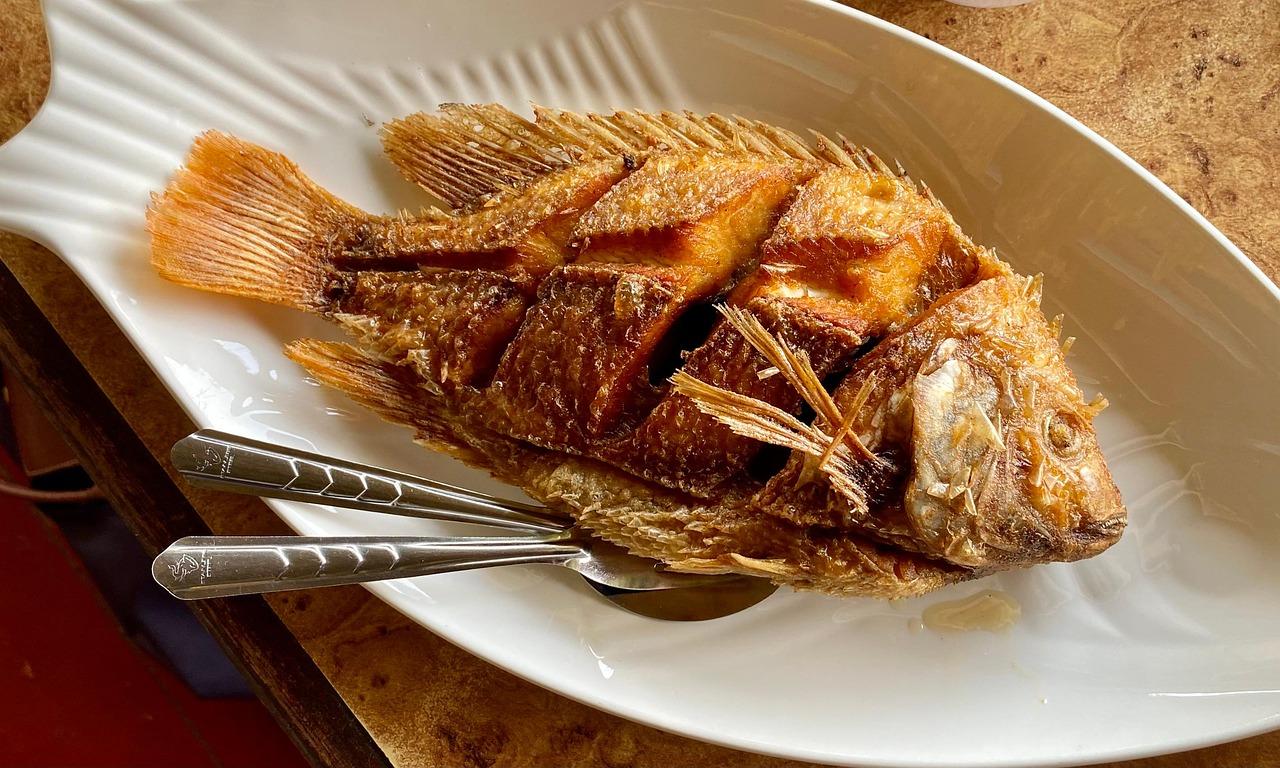
Seafood restaurants on the jetties of Krabi, Trang and Hua Hin bring this out whole on a long platter, its scored sides fanned open and crackling, as the centrepiece of a shared table. The skin and fins fry so crisp you can eat them, while the flesh inside stays moist and sweet; a sticky glaze of fish sauce and palm sugar goes over at the last minute. It is salty-sweet rather than spicy, so it sits happily beside a sour green mango salad, a hot curry and plenty of jasmine rice. Chef's tip: dry the fish thoroughly with kitchen paper, inside the cuts too, and leave it uncovered in the fridge for 30 minutes if you can; dry skin is crisp skin and spits far less.

40 minThaiFishGluten free
by KrazyBadal 0 views

Pla rad prikFried fish with chilli sauce

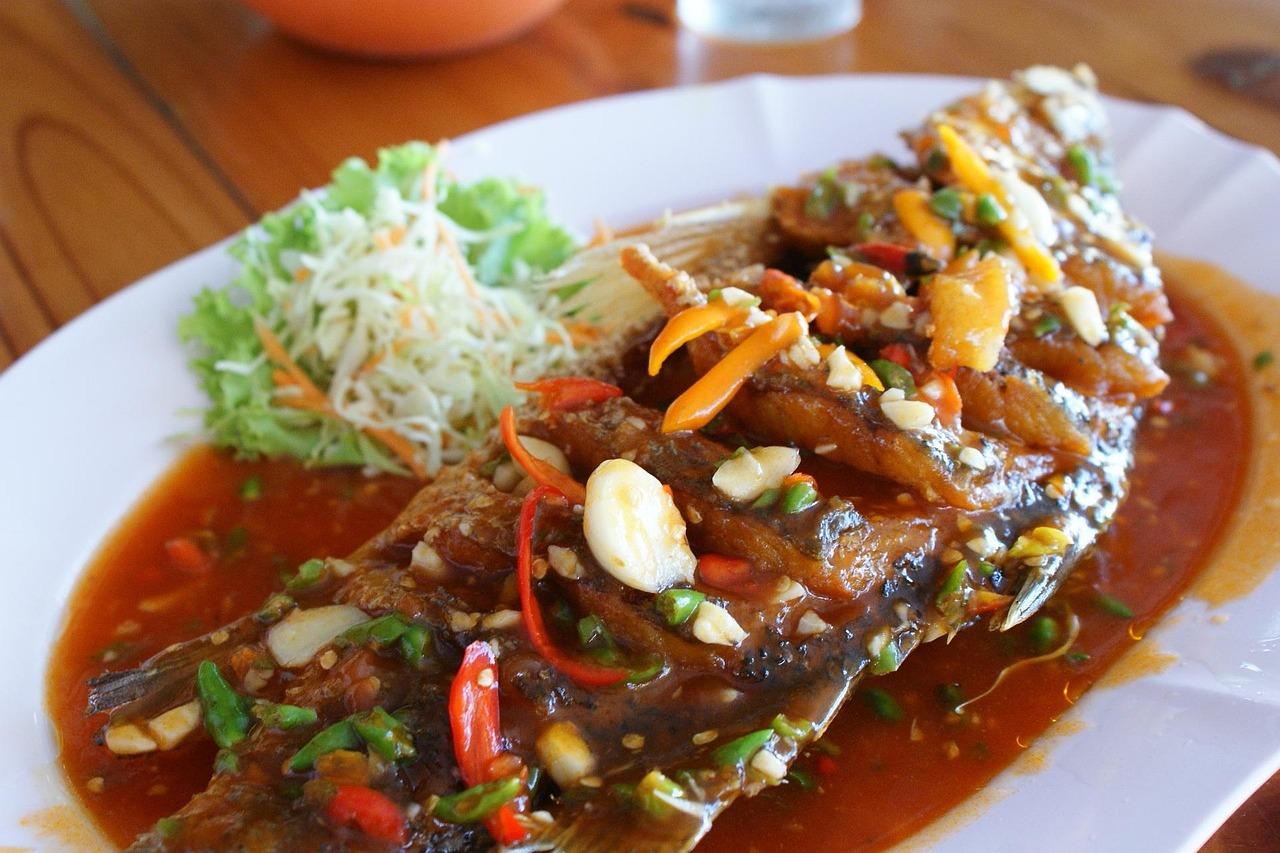
A whole fried fish blanketed in glossy red chilli sauce is the centrepiece of many family celebrations and riverside restaurant meals in central Thailand. The sauce is known as sam rot, 'three flavours', because palm sugar, tamarind and fish sauce are balanced against pounded chillies and garlic; spooned over a fish fried until its skin crackles and the fins crunch like crisps, it turns sticky and shiny. Sea bass (pla kapong) is the usual choice, though snapper or tilapia work well too. Bring it to the table with jasmine rice, a stir-fried green vegetable and a clear soup to share. Chef's tip: score the fish down to the bone on both sides and pat it bone-dry, so the heat reaches the thickest part and the oil doesn't spit.

45 minThaiFishSpicy
by KrazyBadal 0 views

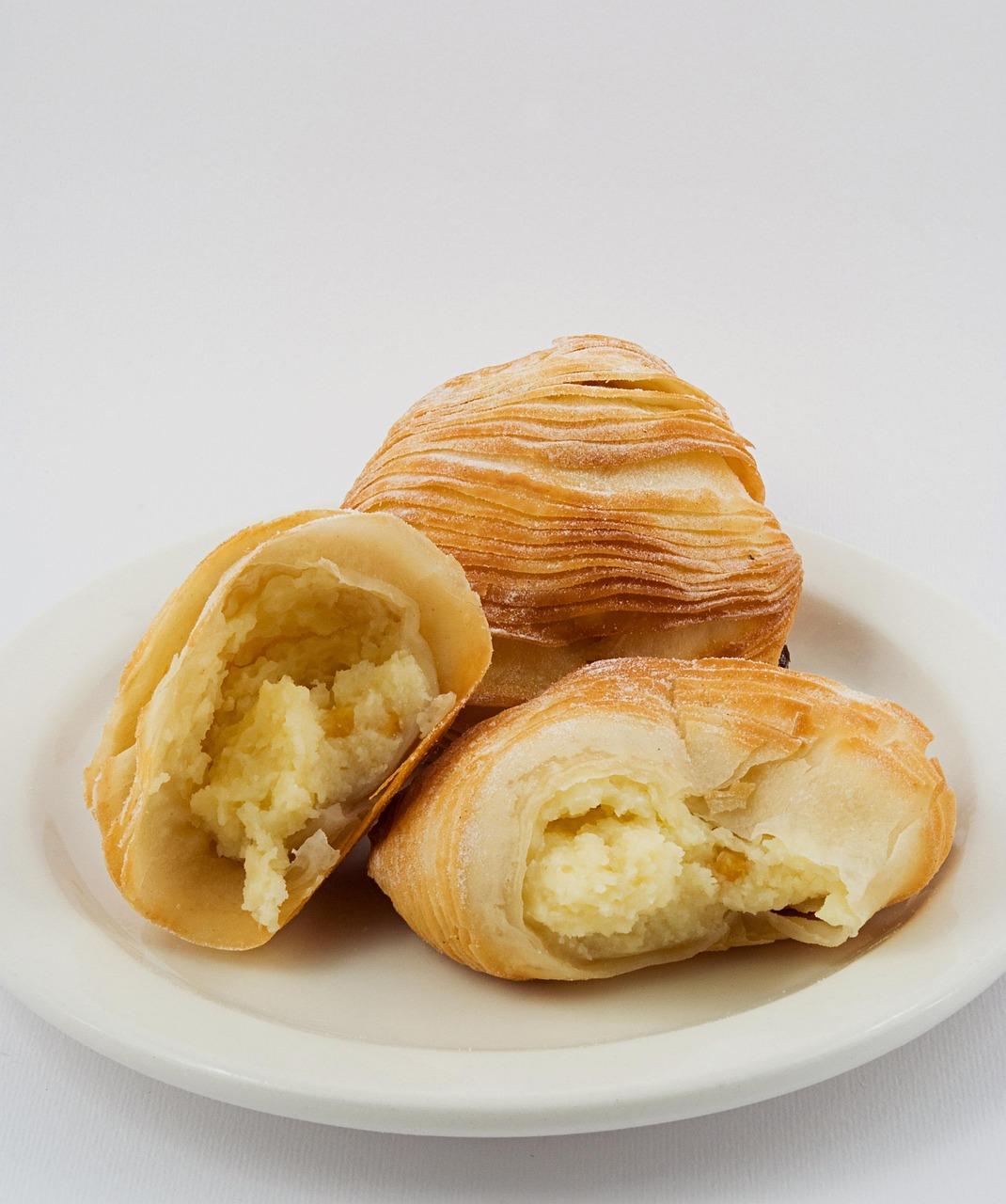
SfogliatelleFlaky shell-shaped pastries

Sfogliatella riccia is the most famous pastry of Naples, sold warm from bakeries on Via Toledo and eaten for breakfast with an espresso: dozens of paper-thin layers fanned into a shell that shatters when you bite, around a filling of semolina, ricotta, candied orange and cinnamon. It is a project for a weekend, as the dough needs to be rolled very thin, wound into a tight log and chilled overnight. Neapolitan bakers use lard; this version uses a mix of butter and vegetable shortening. Chef's tip: a pasta machine is your best friend; roll the dough to the thinnest or second-thinnest setting so the layers separate into crisp leaves.

by KrazyBadal 0 views

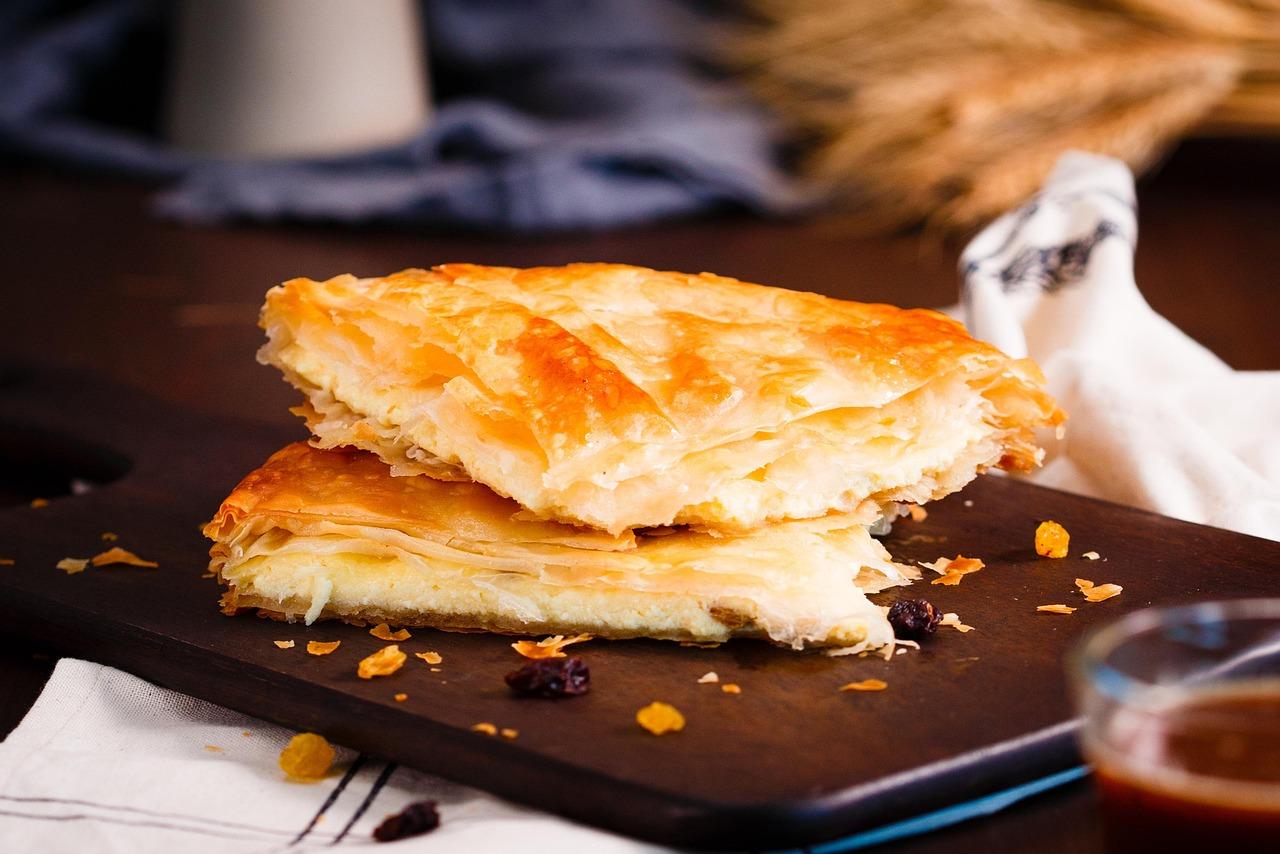
Plăcintă cu brânzăCheese and dill pies

In Moldavia, on both sides of the Prut, plăcintă means a flat round pie fried or baked on a griddle, and the cheese and dill one is what grandmothers in Iași and Chișinău make for weekend breakfasts and for guests at the door. A soft, stretchy dough is pulled thin, wrapped around salty cheese with fresh dill and egg, coiled into a snail and flattened, then cooked in a pan until blistered and crisp. They are eaten hot with a glass of sour milk or tea. Chef's tip: rest the oiled dough properly so it stretches without tearing; skipping the rest is the common mistake and you'll be fighting a springy dough that leaks its filling.

by KrazyBadal 0 views

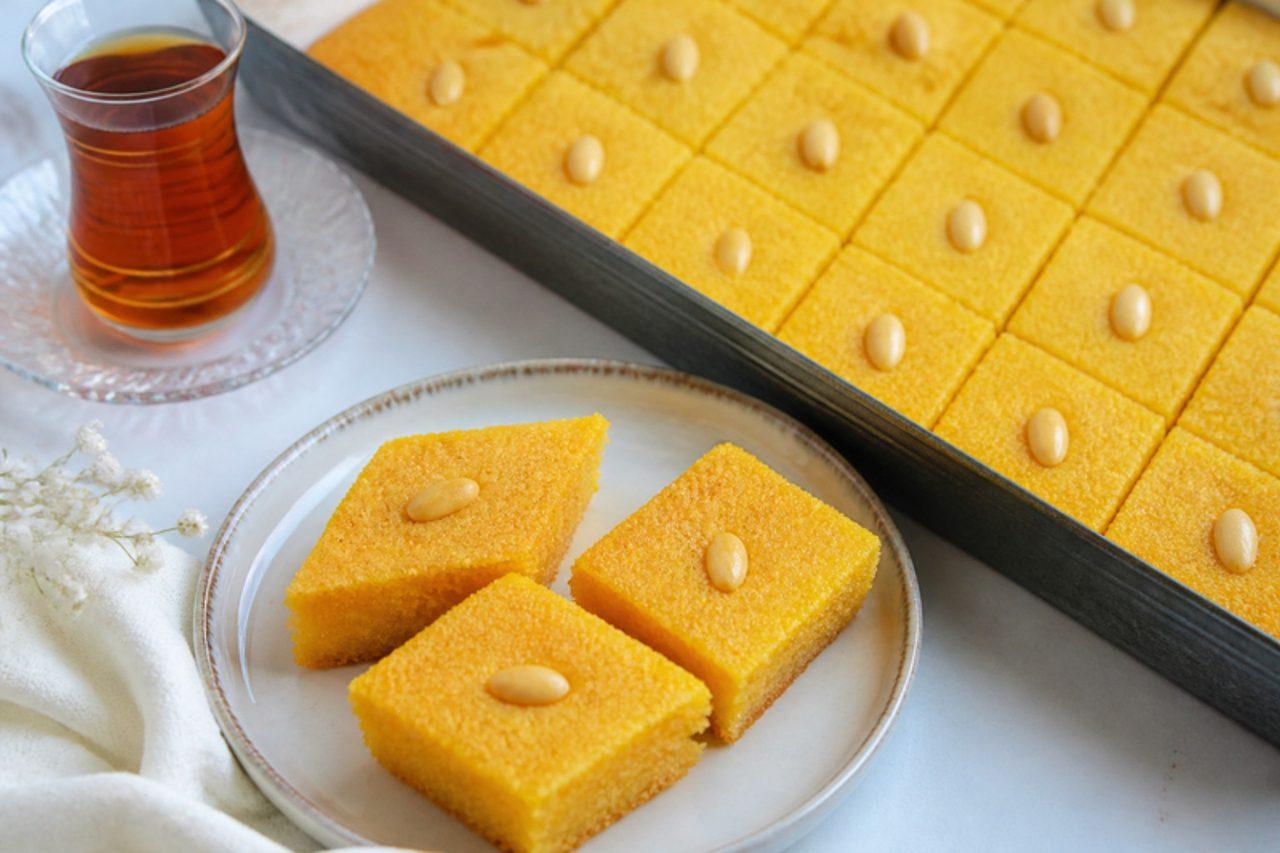
SfoufTurmeric semolina cake

Sfouf is the bright yellow cake you find in every Lebanese bakery window and in plastic tubs at village coffee mornings, cut into diamonds and eaten with tea or a small cup of coffee. Turmeric gives the colour, aniseed and a little mahlab the perfume, and semolina a soft, slightly sandy crumb. Many families make it without eggs or dairy for Lent, and this version is fully plant-based, so it is not the site's eggless coconut-yogurt semolina cake. The tin is greased with tahini, a Beirut habit that gives the base a nutty crust. Chef's tip: use only the turmeric listed; more turns the cake bitter and slightly medicinal.

by KrazyBadal 0 views

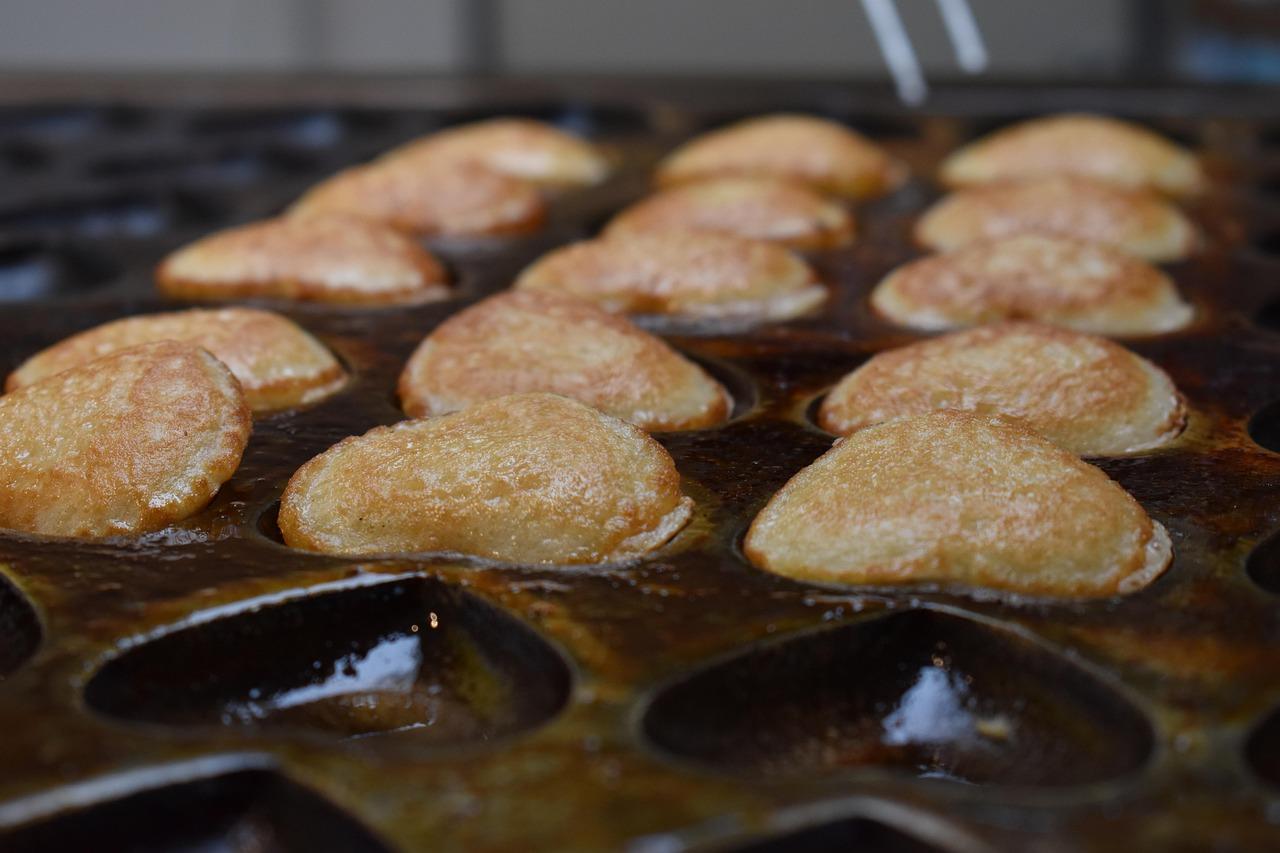
PoffertjesMini puffed pancakes

The smell of poffertjes drifts across every Dutch kermis (funfair), Christmas market and summer street festival, where they are flipped by the hundred on a cast-iron plate full of shallow hollows. They are tiny, puffy, yeasted pancakes made partly with buckwheat, served a dozen at a time on a cardboard dish with a slab of melting butter and a snowfall of icing sugar. At home you need a poffertjespan, a pan with small round dips; a Danish æbleskiver pan is too deep. Chef's tip: put the batter in a squeeze bottle or a piping bag; filling 30 hollows quickly by spoon is almost impossible, and the first ones burn while you fill the last.

by KrazyBadal 0 views

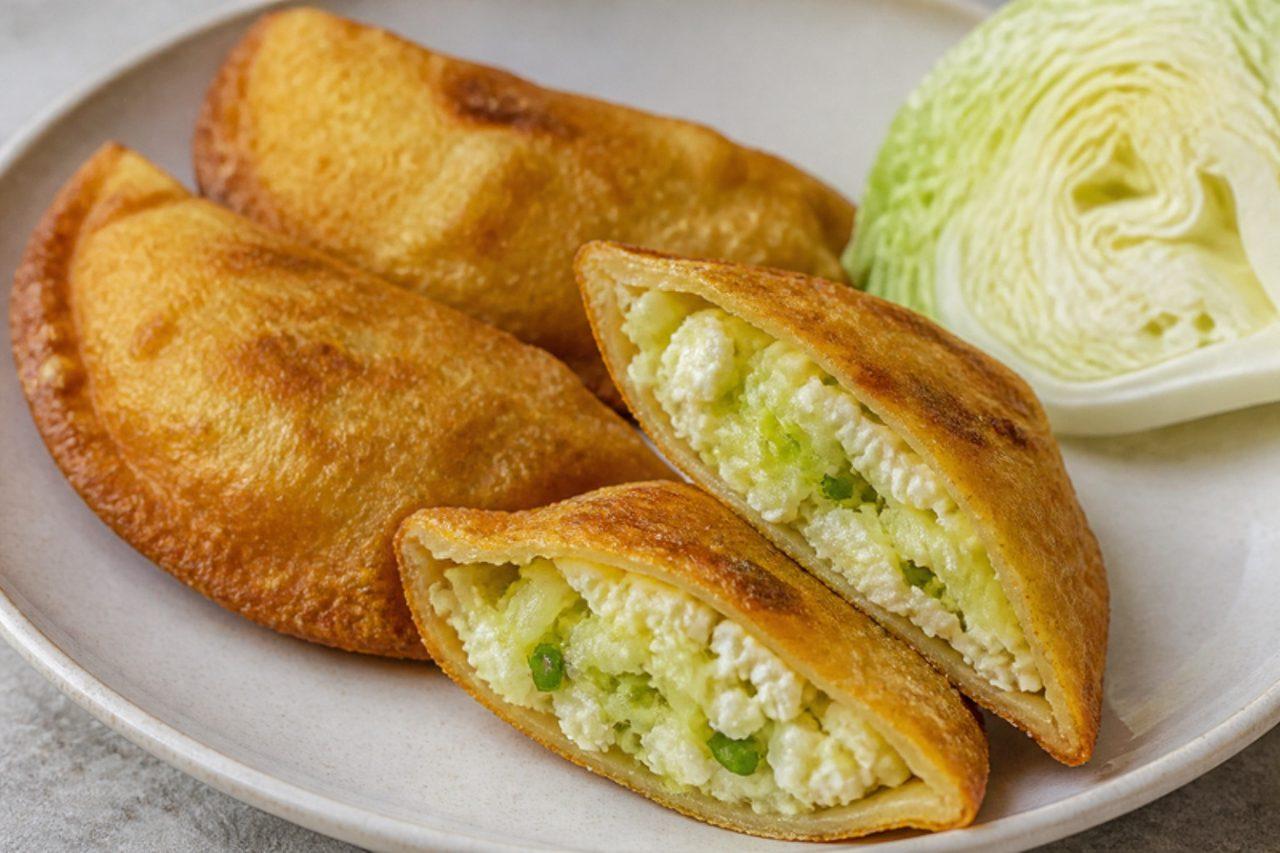
Sha phaley with cabbage and cheeseFried cabbage and cheese pockets

Sha phaley comes from Sikkim's Bhutia and Tibetan communities: rounds of dough are filled, sealed into half-moons and fried until golden and blistered, like a fat, crisp pie. In Gangtok's MG Marg cafés and home kitchens the classic filling is minced meat, but a vegetarian version with cabbage, spring onion, ginger and cheese (paneer or soft churpi) is common and very good. Eat them hot with dalle chutney and a bowl of thukpa or tea. Chef's tip: squeeze the salted cabbage hard before filling; any loose water steams inside and makes the dough soggy.

by KrazyBadal 0 views

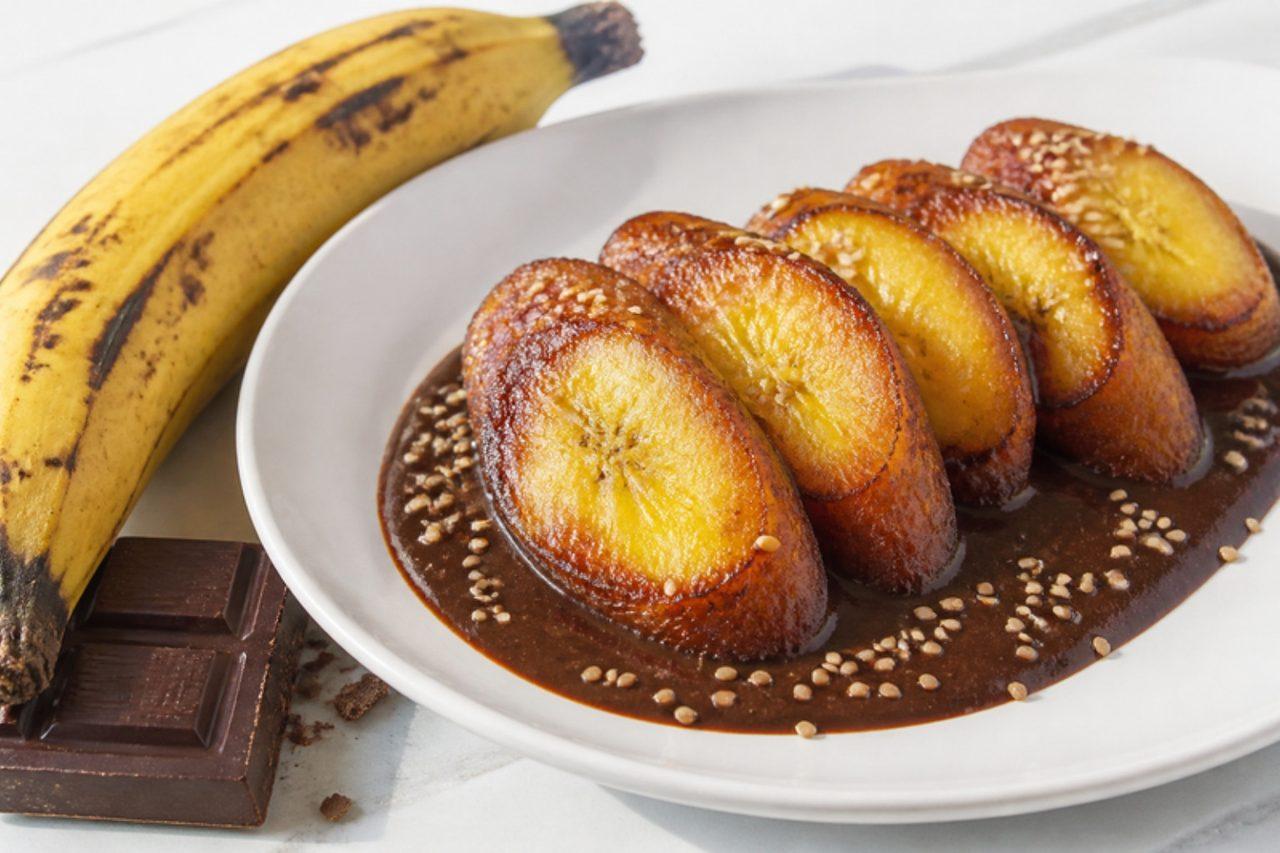
Plátanos en molePlantains in chocolate chilli sauce

Guatemala's mole is not the savoury Mexican sauce but a dessert: fried sweet plantains bathed in a dark sauce of chocolate, tomato, a gentle dried chilli, sesame, pumpkin seeds and cinnamon. It appears at Christmas and during Semana Santa, and in the market comedores of Guatemala City all year, eaten warm with a sprinkle of toasted sesame. It's sweet, spiced and only faintly hot. Chef's tip: use Guatemalan or Mexican-style table chocolate (grainy, with sugar and cinnamon) if you can find it; with dark eating chocolate, add a little more sugar.

by KrazyBadal 0 views

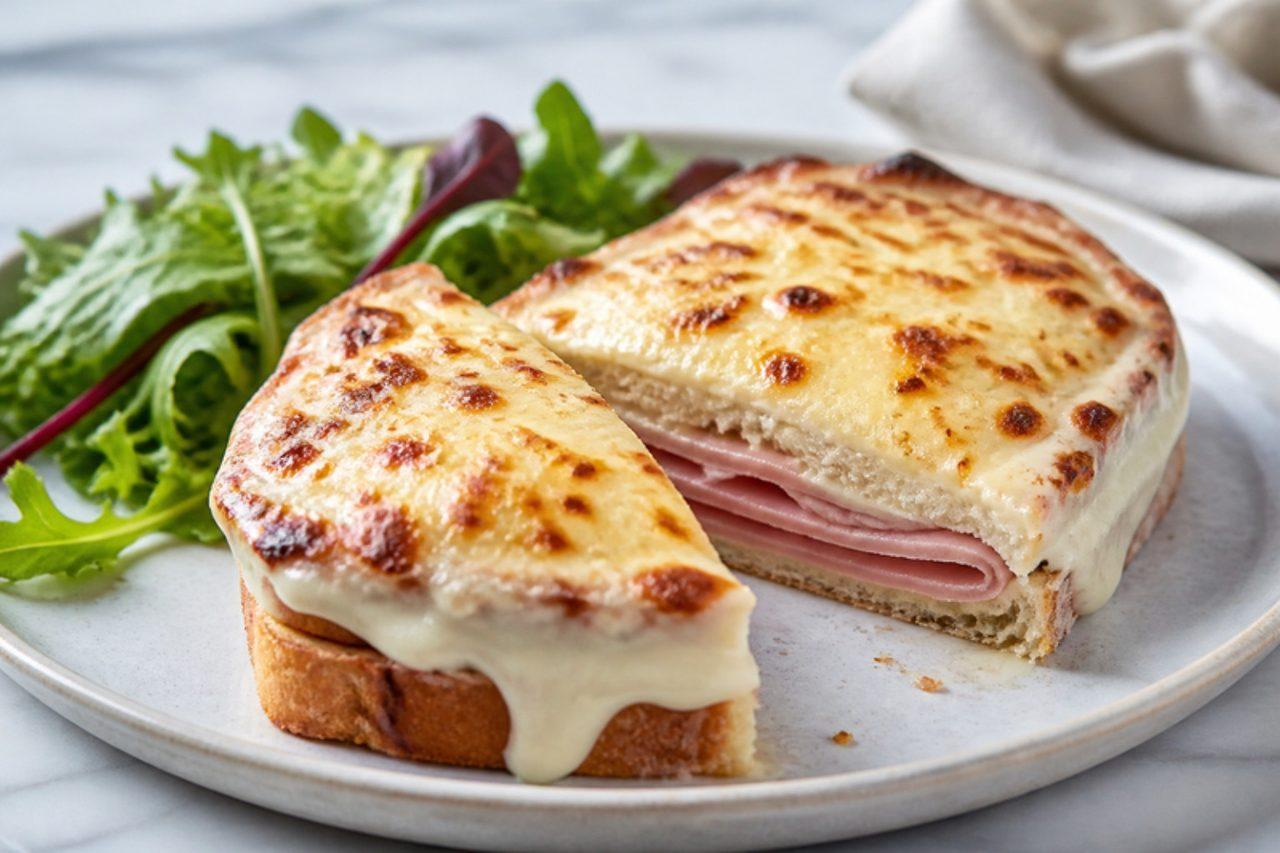
Croque monsieur

Croque monsieur first appeared on Paris café menus in the early 1900s and is still the quick lunch of the city's brasseries, eaten at the zinc bar with a green salad. It contains pork (ham). Good white bread is spread with Dijon mustard and béchamel, filled with ham and Gruyère, then topped with more sauce and cheese and baked until golden. Put a fried egg on top and it becomes a croque madame. Chef's tip: toast the bread lightly first so it stays crisp under the sauce.

by KrazyBadal 0 views

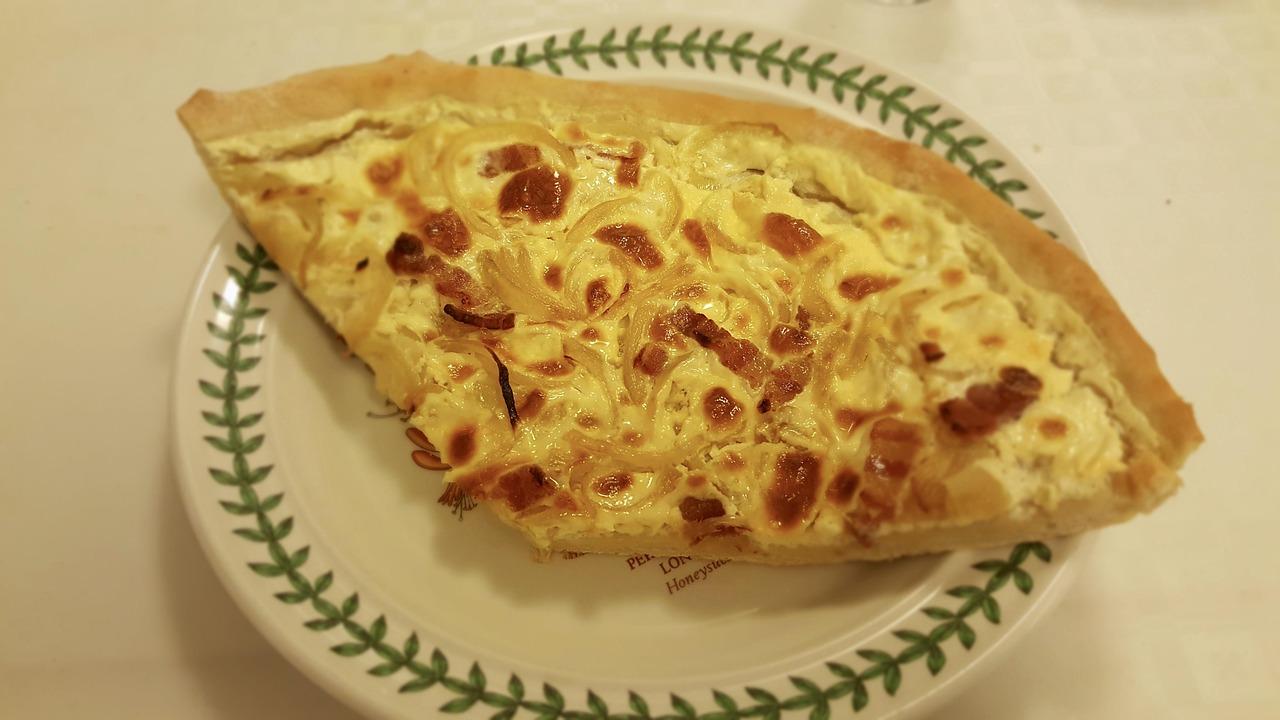
Quiche lorraine

Quiche lorraine comes from Lorraine in north-eastern France, near Nancy and Metz, where it began as a bread-dough tart filled with eggs, cream and smoked bacon. It contains pork. The true Lorraine version has no cheese, just a deep, wobbly custard and crisp lardons, and it is eaten warm for lunch with a green salad or cut into slices for picnics. Chef's tip: blind-bake the pastry until it is golden and sealed; a pale base turns soggy under the custard.

105 minFrenchBaking
by KrazyBadal 0 views

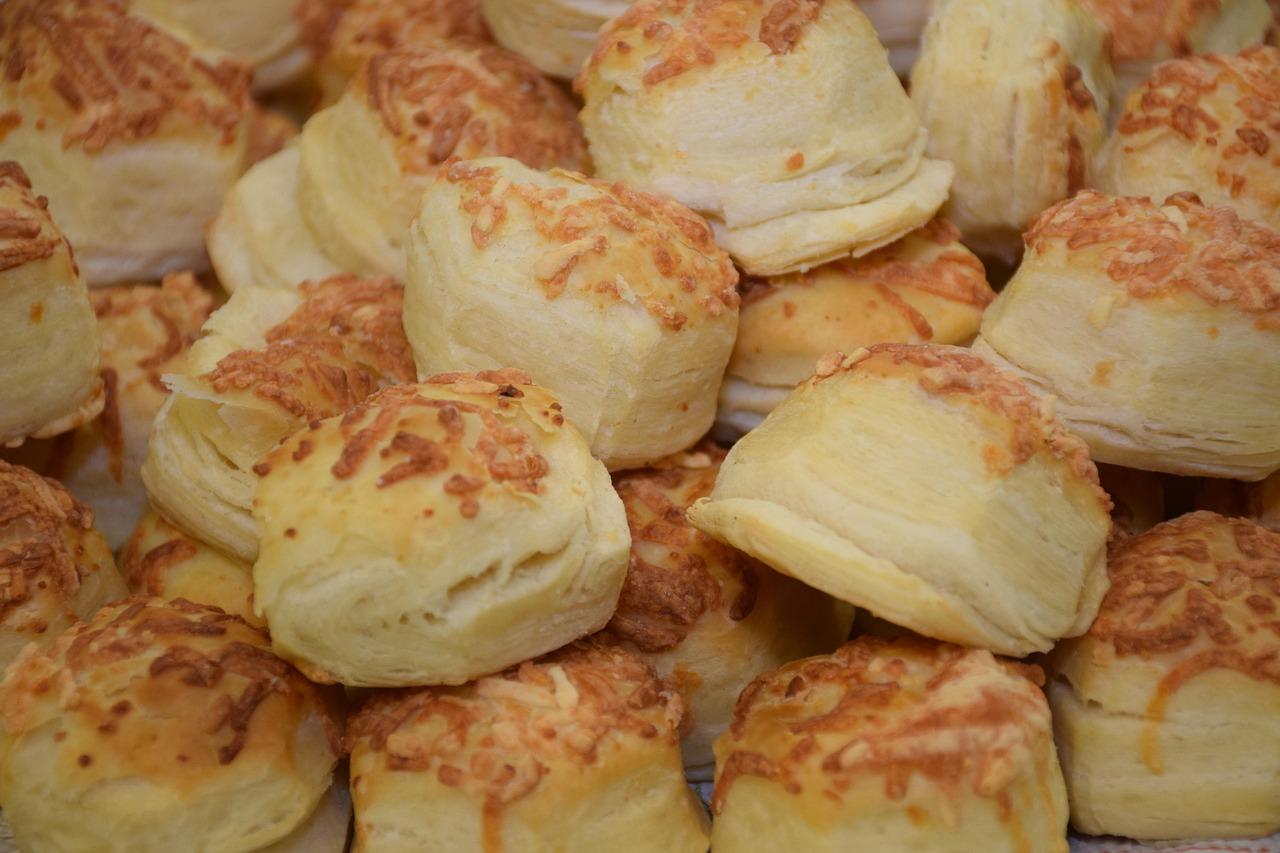
PogácsaCheese savoury scones

Pogácsa are small, round, flaky savoury scones that appear on every Hungarian buffet table, at weddings, christening parties and wine tastings in Tokaj and Villány, where they are eaten with a glass of white. Bakeries sell them by weight, and every region has its own: with crackling, potato, cabbage or, like these, butter, sour cream and cheese. The dough is folded a few times, so they split into tender layers, and the top is scored in a criss-cross before baking. Chef's tip: cut straight down with a sharp cutter and don't twist; twisting seals the edges and the pogácsa rise lopsided. Use a cheese made with vegetarian rennet.

by KrazyBadal 0 views

PljeskavicaLarge grilled meat patty

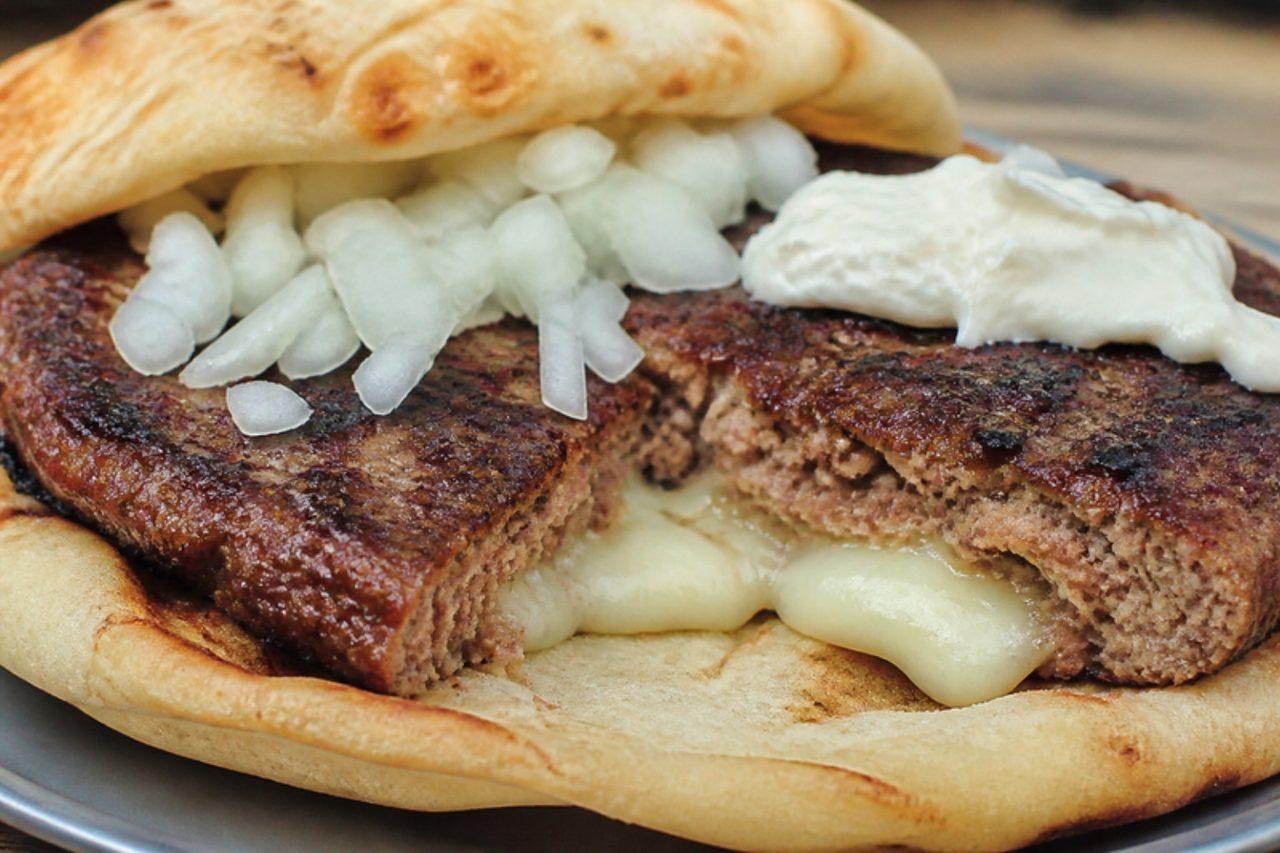
Leskovac, in southern Serbia, holds a whole grill festival every September in honour of pljeskavica, and Belgrade's street kiosks sell it day and night in a lepinja flatbread with chopped onion, kajmak and urnebes, a fiery cheese spread. It is a broad, thin patty of mixed beef and pork with onion and paprika, grilled hard and fast. The 'gourmet' version, gurmanska pljeskavica, hides cheese and bacon in the middle, and that is the version given here. This recipe contains pork. A common error is pressing the patties on the grill with a spatula: the juices drain away and they dry out. Chef's tip: press a shallow dimple into the centre of each patty with your thumb before grilling; it stops them doming up as they shrink.

40 minBalkanMeat
by KrazyBadal 0 views

Salade niçoise

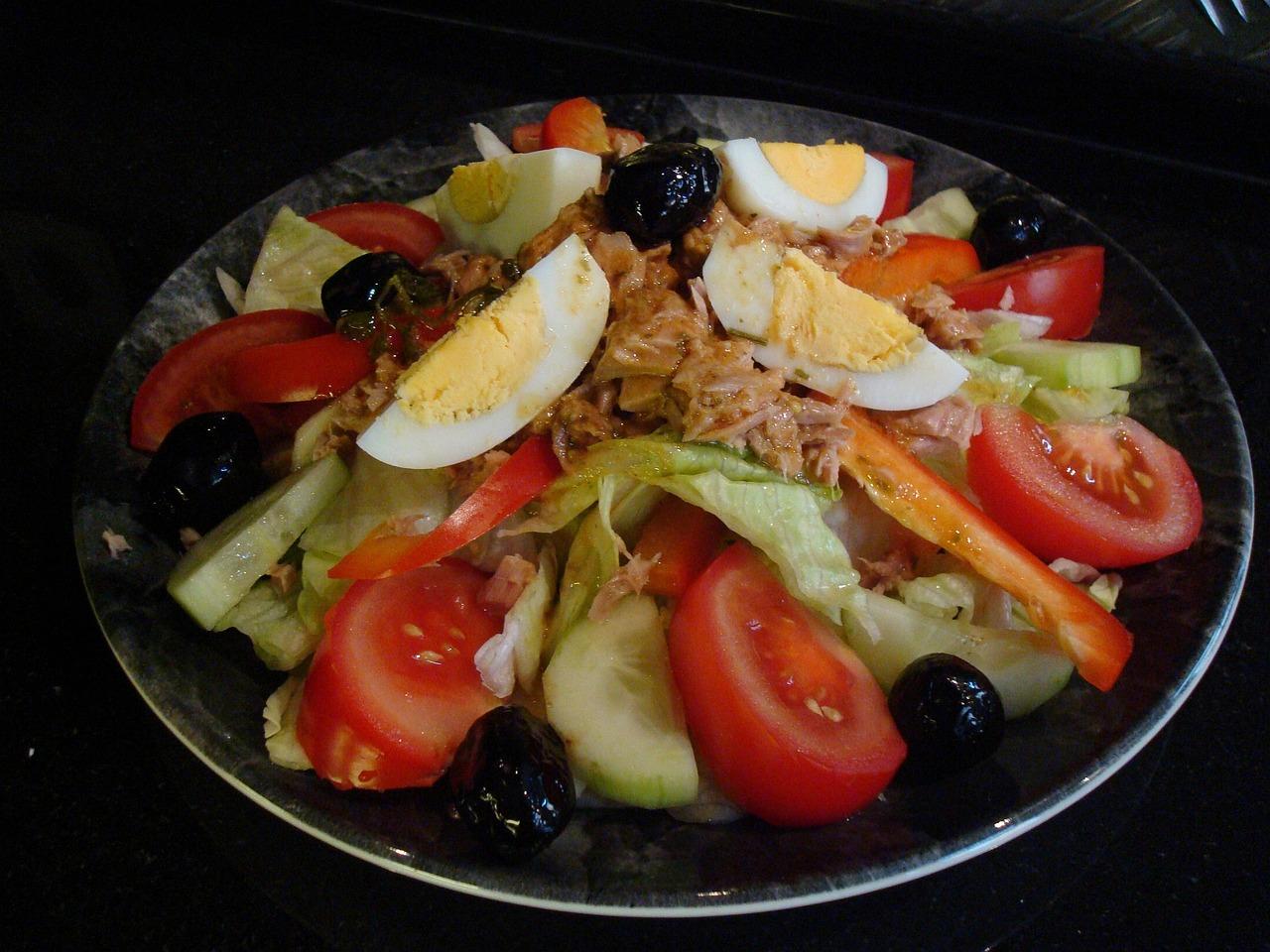
In Nice the salad is a summer lunch eaten on shady terraces near the Cours Saleya market, and locals argue about what belongs in it. This is the generous everyday version found across the Riviera: ripe tomatoes, little potatoes, crisp green beans, soft-boiled eggs, good tuna and black olives, dressed with a sharp mustard vinaigrette. Use tuna in olive oil from a jar or tin, or a fresh tuna steak seared rare to medium. Chef's tip: dress the warm potatoes and beans first so they soak up the vinaigrette, then build the rest of the salad around them.

by KrazyBadal 1 views

Showing 81 of 9,812 recipes

Show more recipes

Page 969 of 1,091