Skip to content
Sabudana khichdi
Featured recipe

Sabudana khichdi

Sago with peanuts and potato

Sabudana khichdi is the dish that sees Maharashtra through every vrat (fast), from Navratri to Ekadashi, but it's so good that people eat it any day of the week. Soaked sago pearls are tossed in a pan with crushed roasted peanuts, cubes of potato, cumin and green chilli until each pearl turns glassy and separate, then finished with lemon and coriander. It's soft, chewy, nutty and gently hot. Fasting rules vary from family to family, so check yours; this version uses rock salt and no asafoetida, onion or garlic. Traditionally it's cooked in ghee; use ghee instead of oil if you aren't keeping it vegan. Chef's tip: soak the sago in just enough water to cover by the height of the pearls themselves, no more; too much water is the reason khichdi turns into one sticky lump.

Read more 2 views

What to eat today?

Around the world

Today's trip: Persian

A new country every day, from every cuisine on the site.

Persian

Shir berenj

Rose water rice pudding 70 minMore from Persian (181) →

This week's collection

Kid-friendly dinners
750 recipes · a new collection every Monday

Coming up

All occasions →

Latest recipes

KhanfarooshSaffron rice-flour cakes

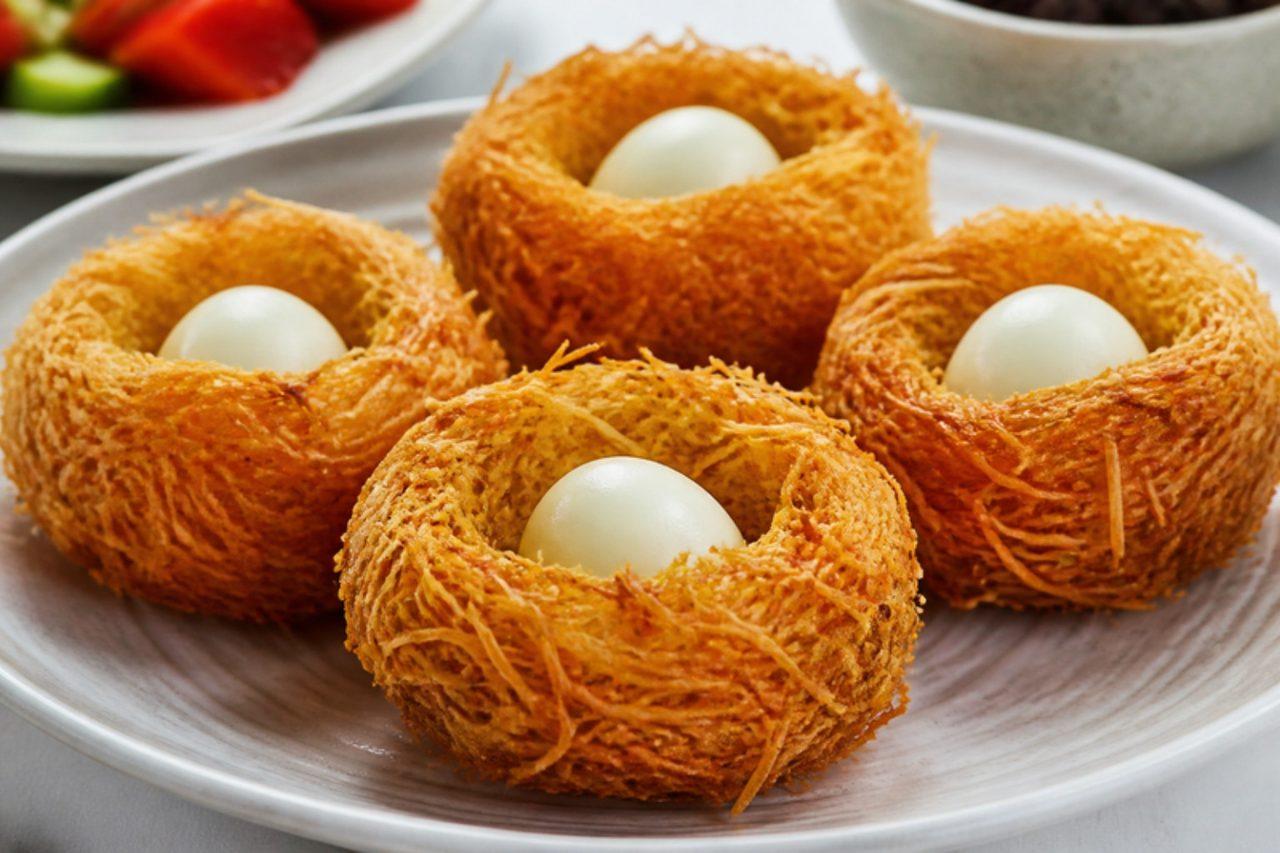
Khanfaroosh are an old Emirati sweet, made by grandmothers in Ras Al Khaimah and Fujairah and served with Arabic coffee when guests arrive, at weddings and during Eid. A rice-flour batter rich with eggs, saffron, cardamom and rose water is shallow-fried in small rounds that puff up, golden-brown with a lacy edge and a soft, spongy middle. They are less sweet than they look and best eaten warm from the pan. Chef's tip: let the batter rest for 30 minutes so the rice flour softens; unrested batter fries up gritty.

by KrazyBadal 0 views
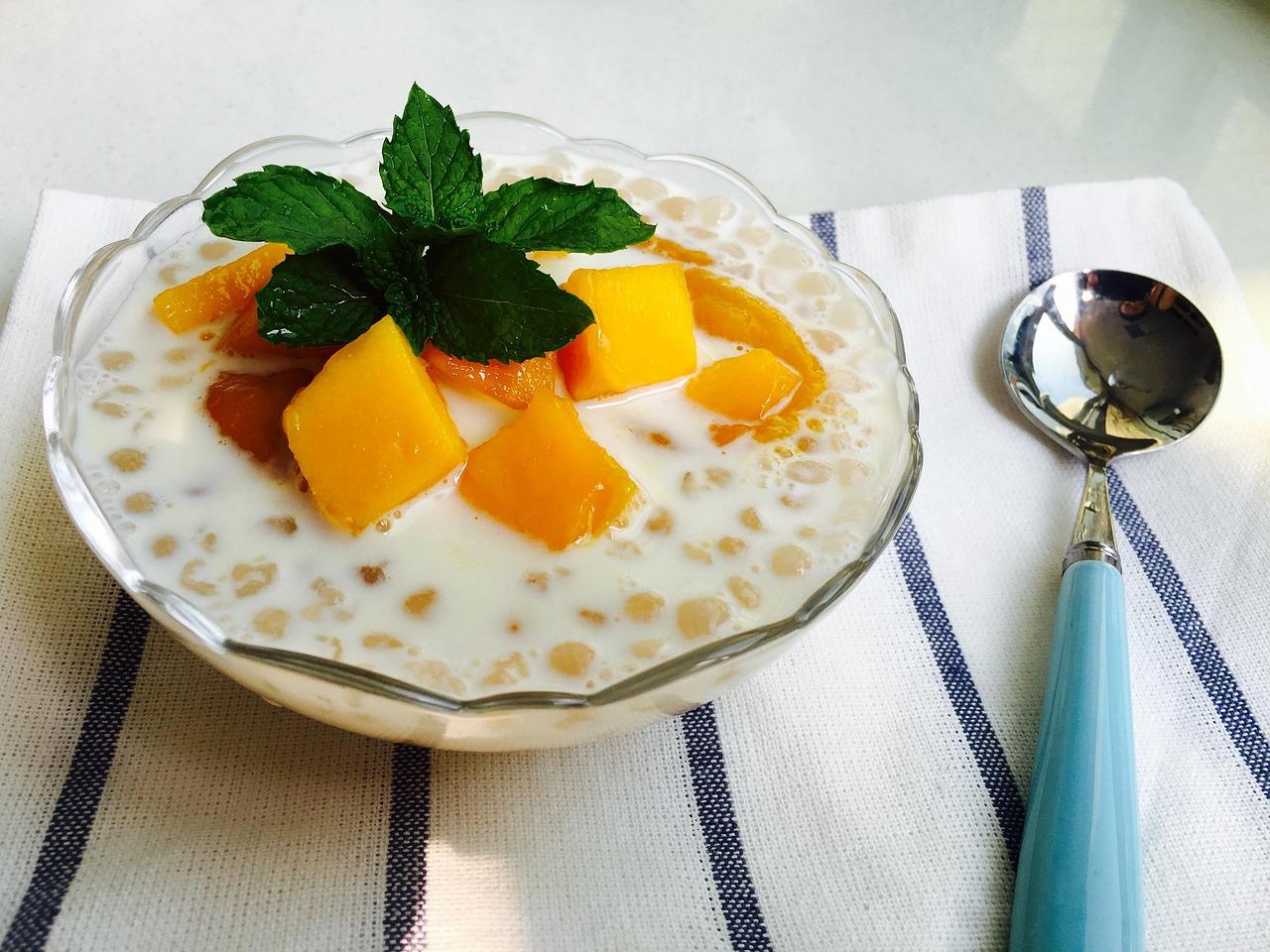
Mango pomelo sagoMango, pomelo and sago dessert

Yeung chi gam lo was created in a Hong Kong restaurant in the 1980s and quickly became the city's favourite summer dessert, served in dessert shops late into the night. It's half drink, half pudding: puréed ripe mango mixed with coconut and evaporated milk, studded with chewy sago pearls, mango cubes and juicy pomelo. Chef's tip: rinse the cooked sago under cold water until it stops feeling slimy; this keeps each pearl separate and the dessert clean-tasting.

by KrazyBadal 0 views

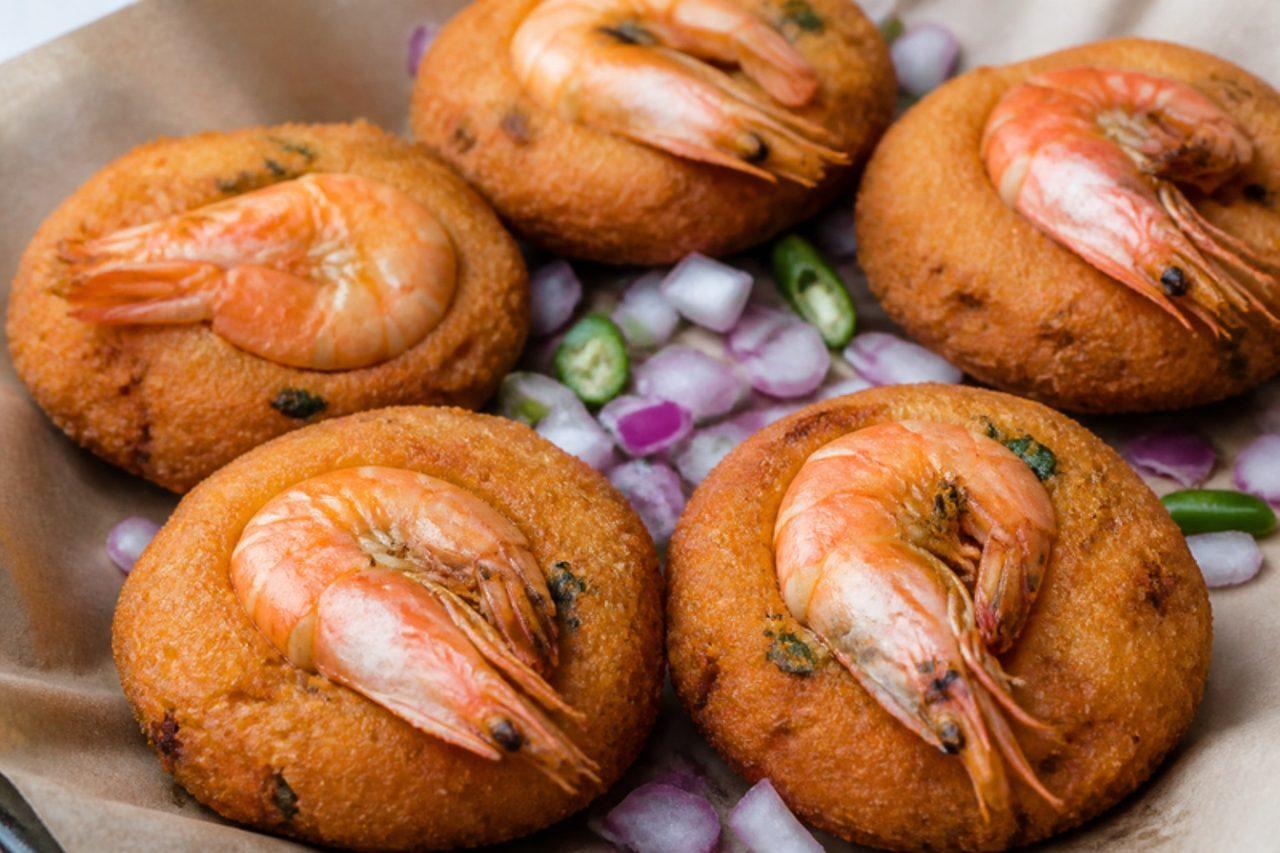
Isso vadaiPrawn and lentil fritters

As the sun goes down on Galle Face Green in Colombo, carts line the seafront selling isso vadai: crunchy lentil fritters with a whole prawn pressed into the top of each one. Families buy them in paper bags with sliced onion and a squeeze of lime while the kids fly kites. At home they make a great teatime snack or a starter for guests, and they're best eaten within minutes of frying. Chef's tip: soak the split peas but don't grind them too smoothly; a coarse, slightly grainy batter is what gives the fritters their crunch.

by KrazyBadal 0 views

Juane de gallinaChicken and rice parcels

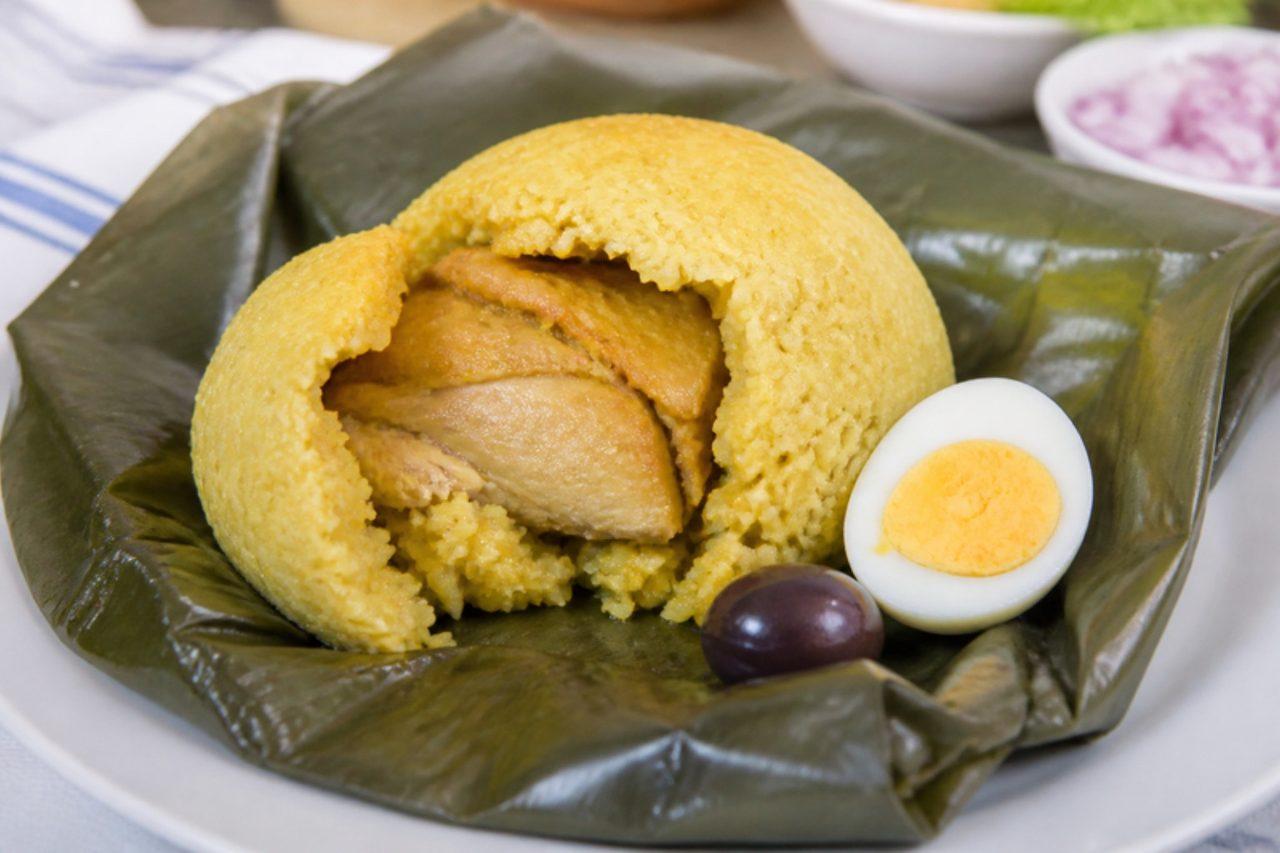
In Iquitos, Tarapoto and the river towns of Peru's Amazon, juanes are steamed by the hundred for the feast of San Juan on 24 June, when families picnic by the rivers to mark the start of the dry season. Each parcel hides a piece of chicken, half a boiled egg and a black olive inside rice seasoned with turmeric, cumin and the herb sacha culantro, all wrapped in broad bijao leaves that perfume the rice. Banana leaves are the easiest swap outside the jungle. Chef's tip: let the rice cool before you wrap it; warm rice is too soft to shape and the parcels lose their round shape.

by KrazyBadal 0 views

Mangalorean kori rottiCoconut chicken curry

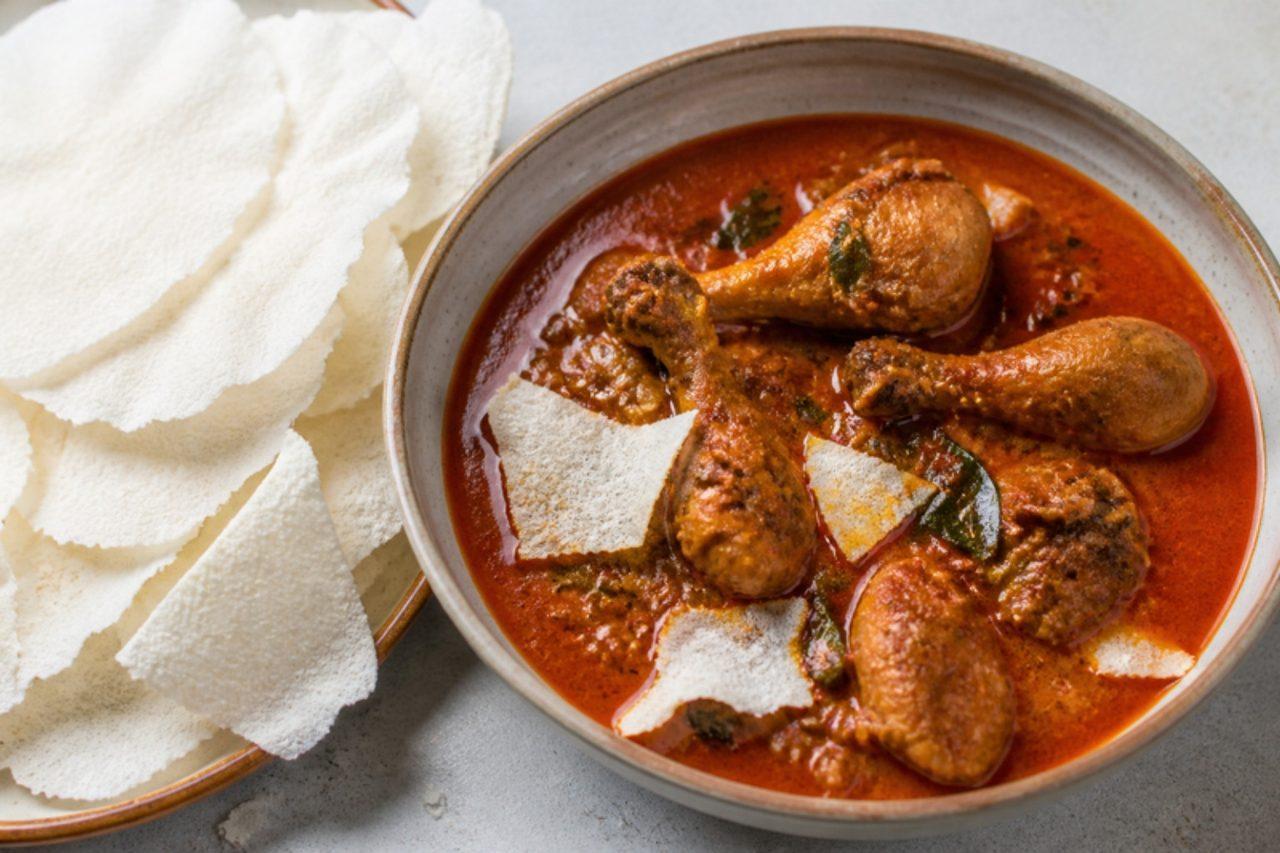
Kori rotti belongs to the Bunt community of Mangalore and Udupi, where it is cooked for weddings, the Aati festival and Sunday lunches. Kori is chicken, simmered in a thin, red coconut-milk gravy built on roasted Byadgi chillies; rotti are paper-thin dried rice wafers, bought in stacks and crumbled into the plate just before the curry goes over. They soften at the edges and stay crunchy in the middle. Chef's tip: pour the curry over the rotti only at the table; left to sit, the wafers turn to mush.

by KrazyBadal 0 views

Mangalore bunsSweet banana puris

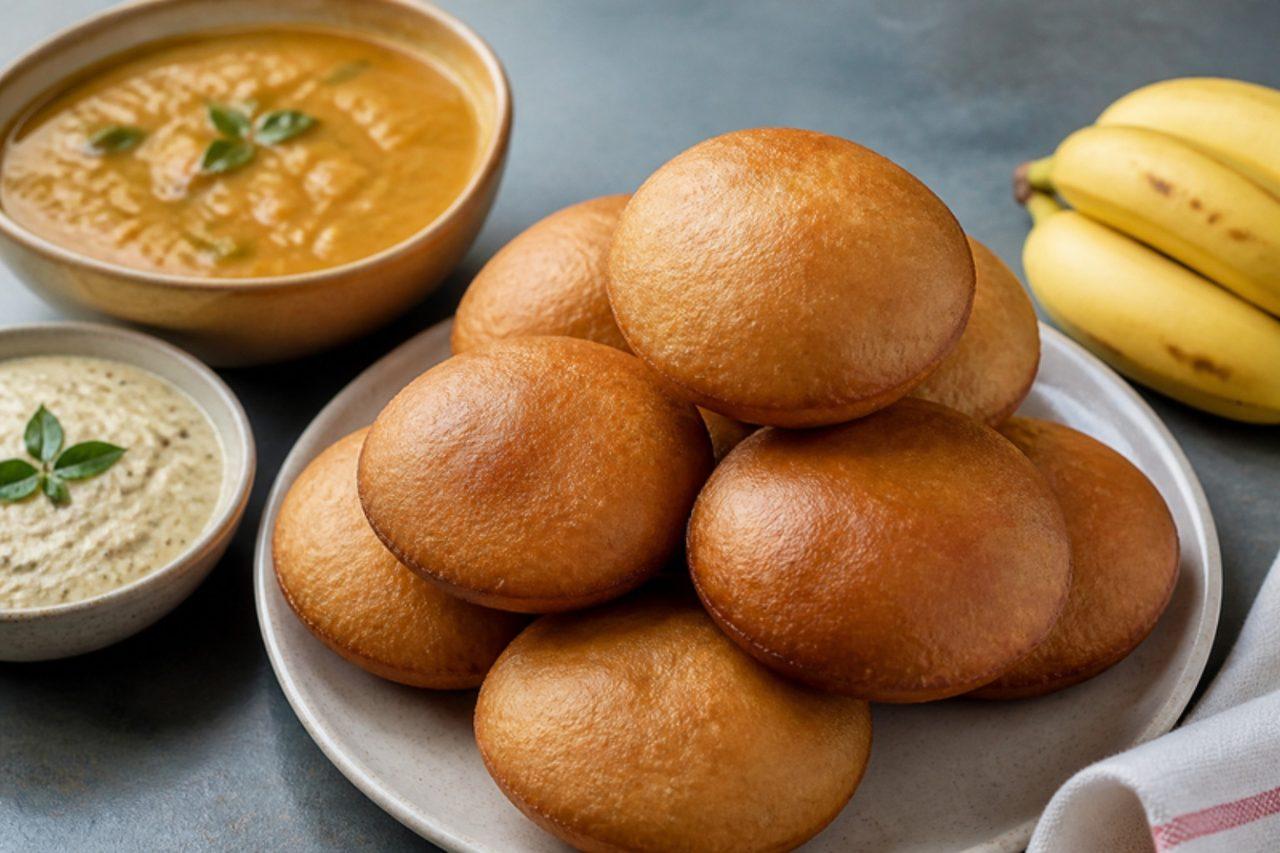
Despite the name, Mangalore buns are not baked at all: they are thick, soft puris made from a dough of overripe bananas, sugar, yogurt and flour, left for hours to turn slightly tangy, then deep-fried until they balloon. Every Udupi restaurant in coastal Karnataka has them on the breakfast board, served with coconut chutney and sambar, and children love them on their own. They are lightly sweet with a hint of cumin and a soft, bready inside. Chef's tip: use bananas with black-flecked skins; underripe bananas give a dense, pale bun that won't brown.

by KrazyBadal 0 views

Mandua ki rotiFinger millet flatbread

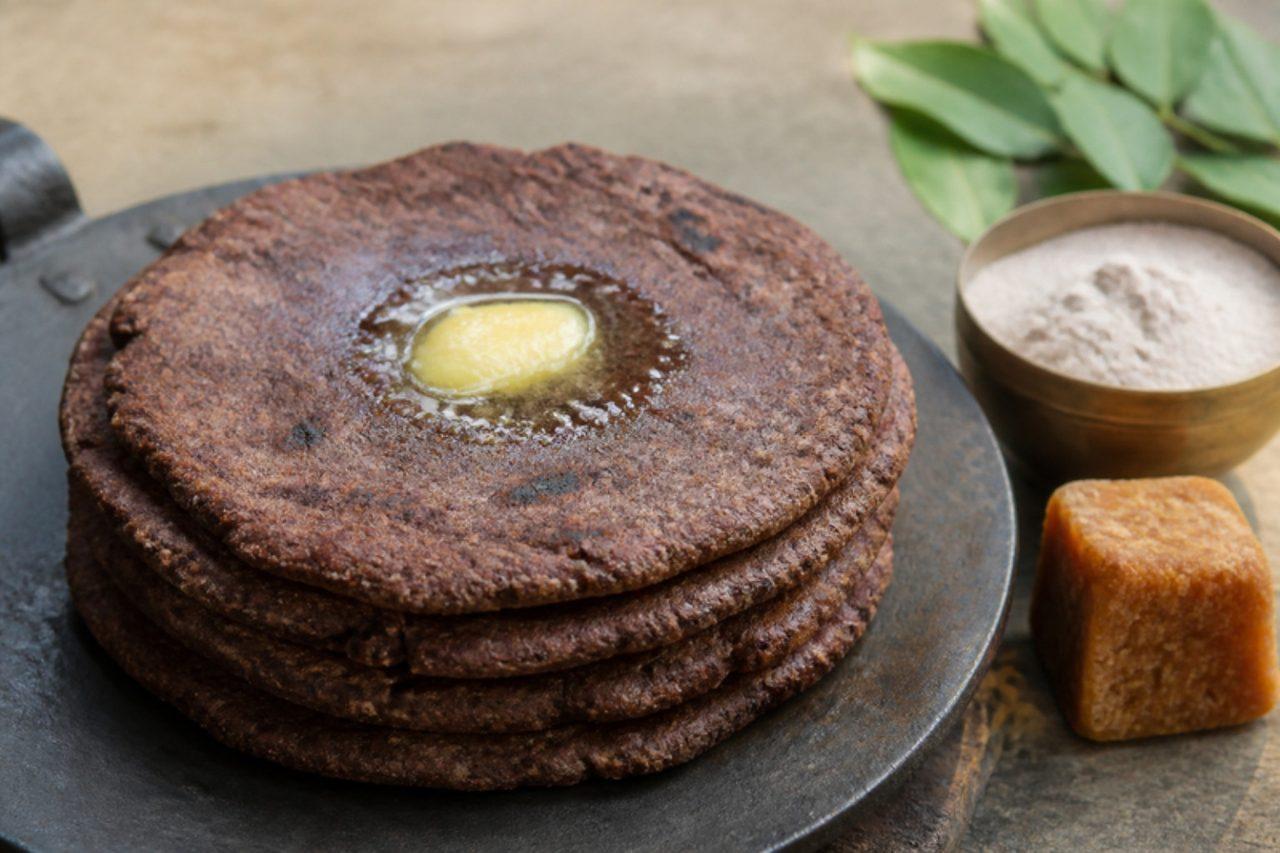
Mandua, or finger millet, is the grain that hill farmers in Uttarakhand have relied on for generations, and its roti is the staple of a pahadi winter kitchen. The rotis come out dark brown, slightly sweet and earthy, and they are eaten hot from the tawa with a spoon of ghee, kafuli or a bowl of chainsoo, sometimes with jaggery on the side. With no gluten to hold it together the dough is fragile, so cooks pat it out between wet palms rather than rolling it. Chef's tip: knead the dough in two small batches with hot water; millet dough dries and cracks quickly, so the second batch stays fresh while you cook the first.

by KrazyBadal 0 views

Mamri (mandazi)Coconut cardamom doughnuts

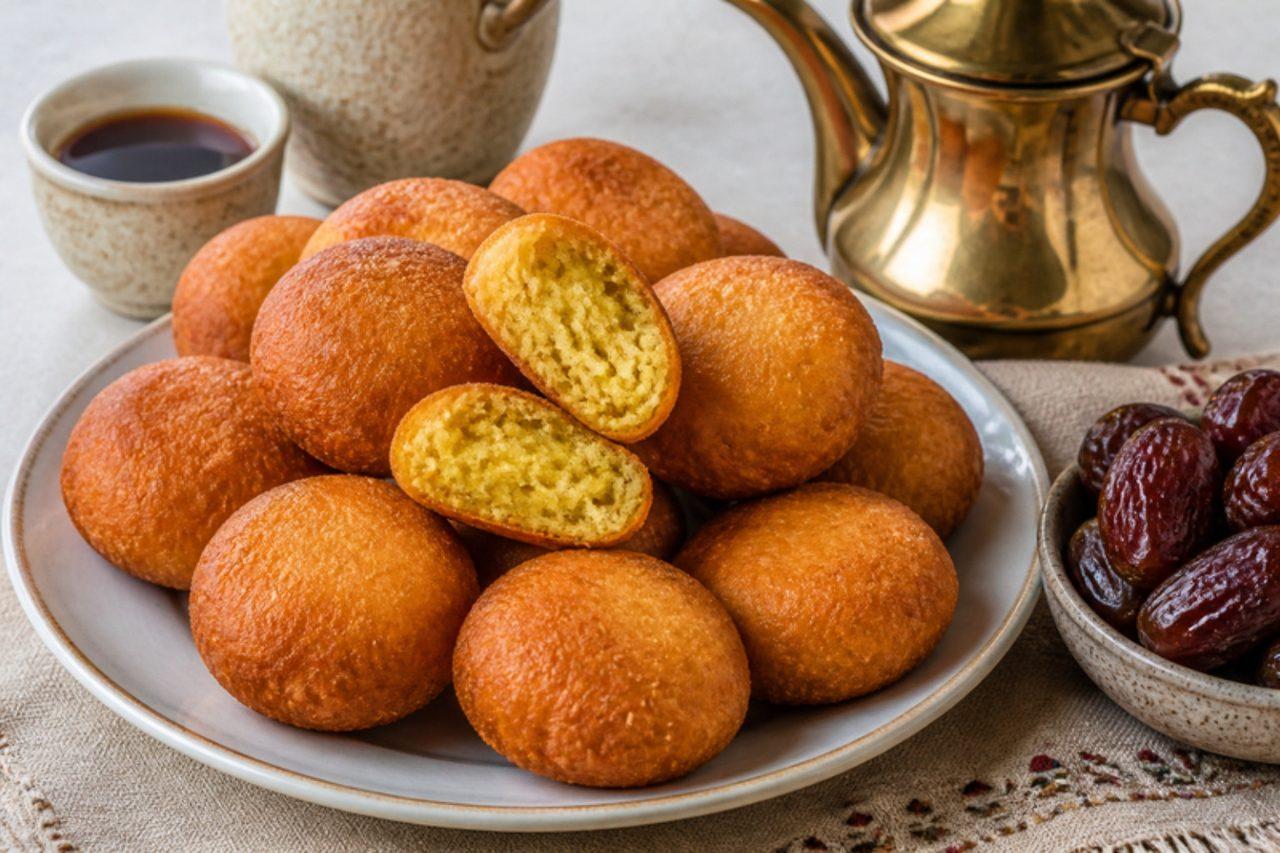
Mamri, better known as mandazi, are lightly sweet East African fried breads made with coconut milk and cardamom. They puff up golden and hollow and are soft inside. Serve warm with pigeon peas in coconut milk (mbaazi) for a classic Zanzibar breakfast, or with tea.

by KrazyBadal 0 views

Mambazha pulisseryRipe mango yogurt curry

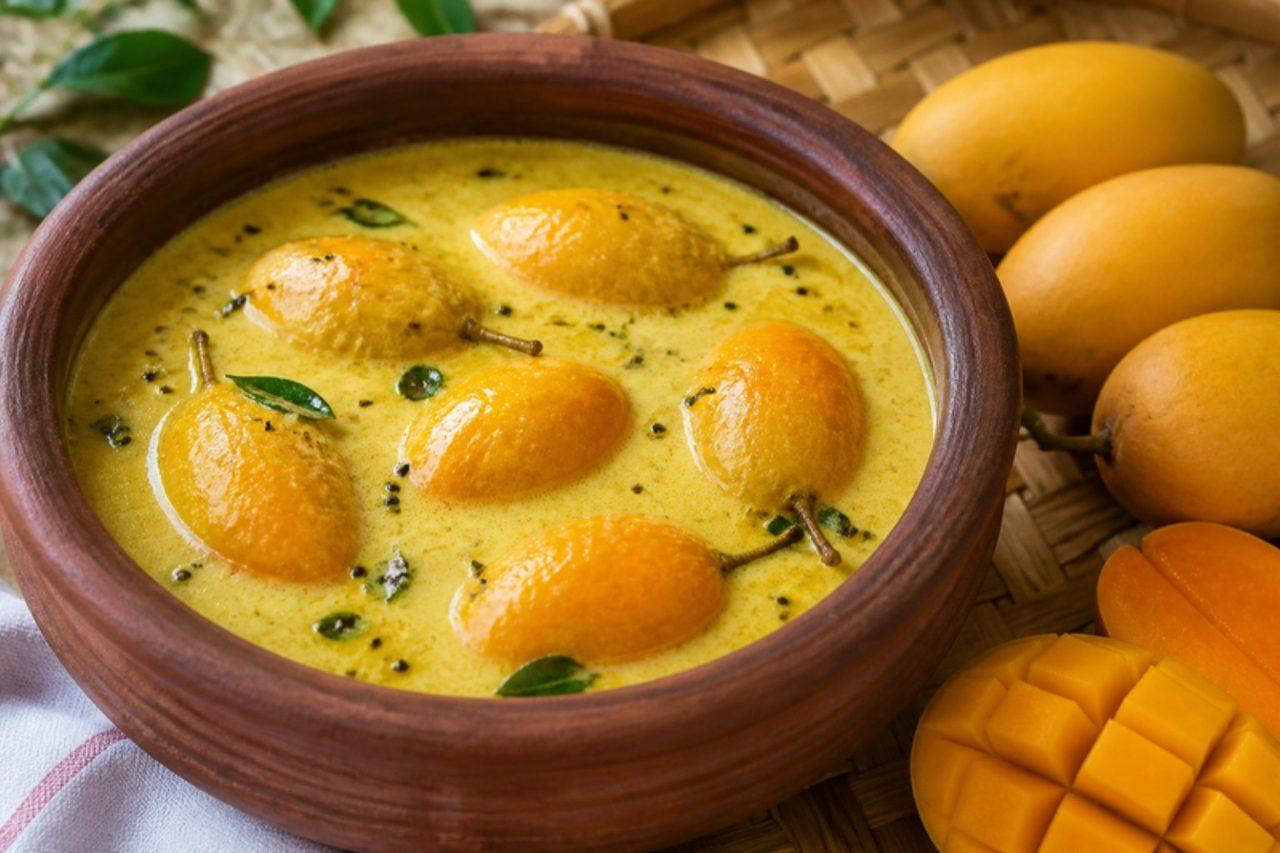
Mambazha pulissery appears in Kerala kitchens in April and May, when small, fragrant village mangoes fall from the trees, and it is often on the Vishu sadya. Whole small ripe mangoes, or chunks of bigger ones, are simmered with jaggery and chilli until syrupy, then loosened with a coconut-cumin paste and lightly soured yogurt. Unlike kalan, it stays thin and pourable: sweet, tangy and mildly hot, with the fenugreek tempering on top. Pour it over rice, with a thoran on the side. Chef's tip: use very ripe, slightly fibrous mangoes; firm ones make it sour and the sweetness never comes through.

by KrazyBadal 0 views

MămăligăCornmeal mush

Mămăligă is the golden cornmeal staple of the Romanian countryside, from the hill villages of Oltenia to the farms of Maramureș, where it was once eaten more often than bread. It is cooked in water until thick enough to hold a spoon upright, turned out onto a wooden board and cut with a thread, then eaten hot with crumbled salty brânză and a cold spoon of smântână (soured cream). Unlike Ukrainian banosh, which is cooked in sour cream, mămăligă is plain cornmeal and water; the richness goes on top. It sits beside stews such as tocăniță or under a fried egg for supper. Chef's tip: rain the cornmeal in through your fingers while whisking, and keep stirring from the bottom; dumping it in at once is the classic mistake that leaves raw, gritty lumps.

by KrazyBadal 0 views

Malvani kombdi vadeChicken curry with puffed bread

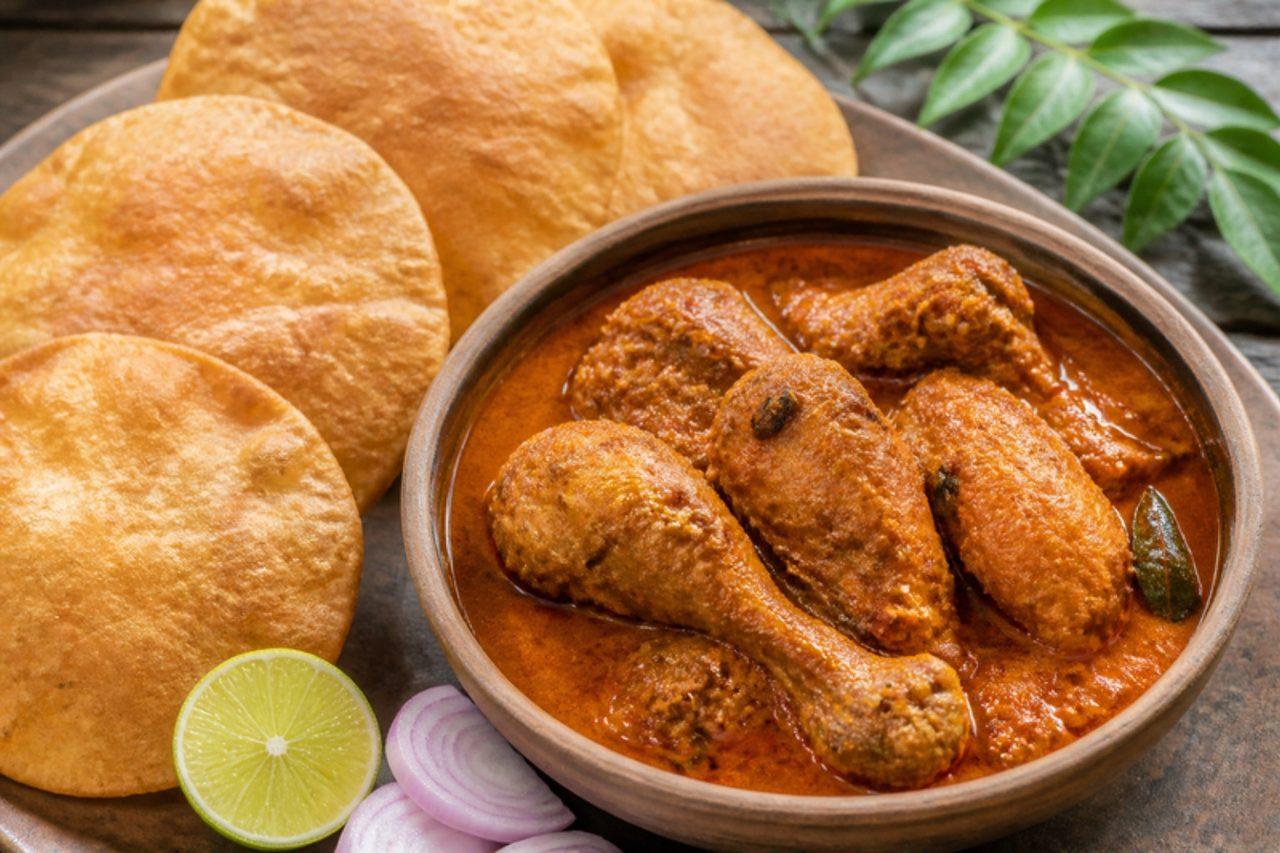
Along the Malvan coast of Sindhudurg, kombdi vade is what families cook for a festive Sunday or for guests arriving by the morning bus from Mumbai. Kombdi is chicken, simmered in a gravy of roasted coconut and Malvani masala; vade are rice-flour breads fragrant with fennel that puff like balloons in hot oil. You tear the vade, dunk them in the curry and finish with a squeeze of lime and raw onion. Chef's tip: pat the vade on an oiled sheet of plastic or banana leaf rather than rolling them, and slide them into the oil straight away; thin, even discs puff best.

by KrazyBadal 0 views

Puerto Rican sofritoHerb and pepper cooking base

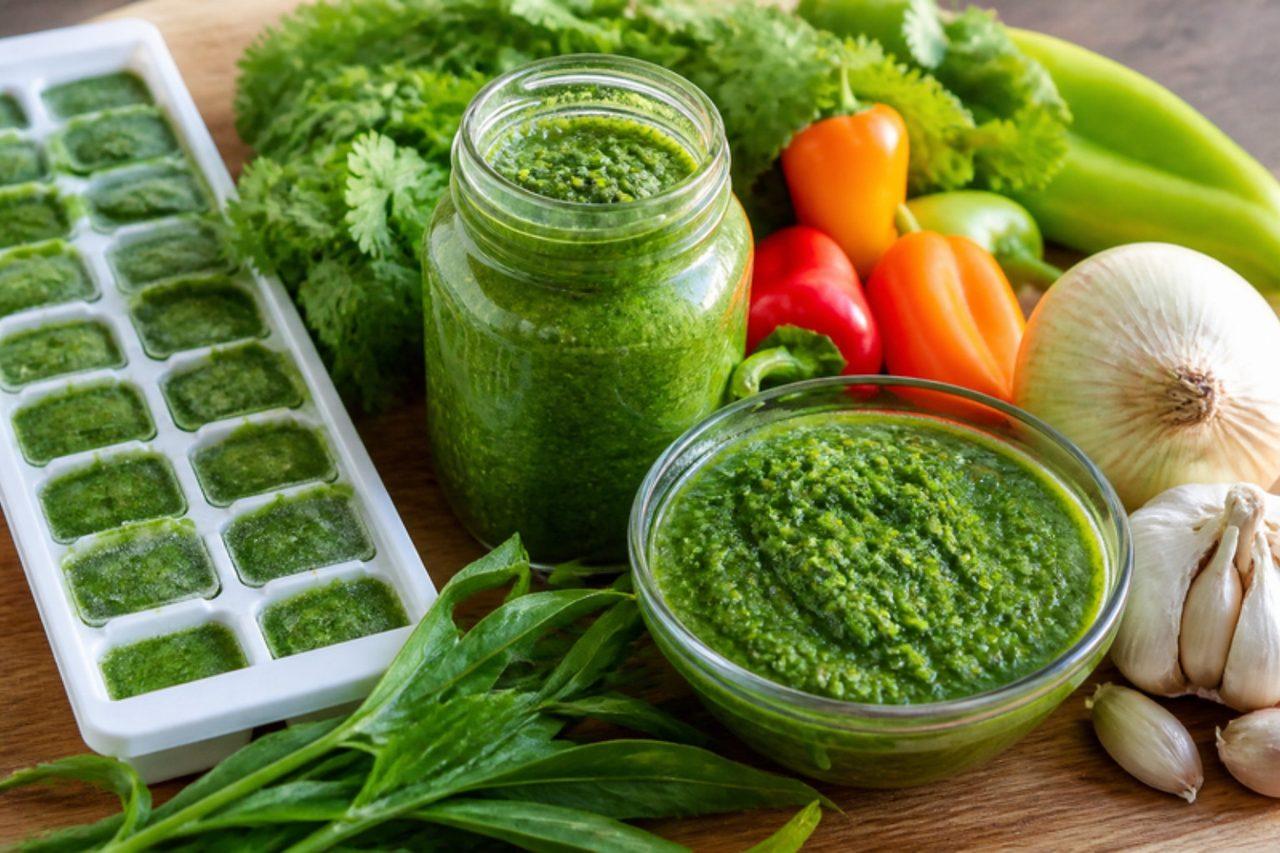
Open a freezer anywhere in Puerto Rico, or in the Puerto Rican neighbourhoods of New York and Orlando, and you'll find a tub or ice-cube tray of green sofrito. It is the start of almost everything savoury on the island: beans, rice, stews, soups and sauces. Unlike the slow-cooked Spanish sofrito, this one is raw, blended from culantro (recao), cilantro, little sweet ajíes dulces, cubanelle peppers, onion and lots of garlic. It smells grassy and sharp in the jar and turns mellow and savoury as soon as it hits hot oil. Chef's tip: if you can't find ajíes dulces, use extra red pepper and a tiny piece of seeded scotch bonnet; you want their fruity perfume, not heat.

by KrazyBadal 0 views

Khanom jeen nam ngiaoRice noodles in spicy pork broth

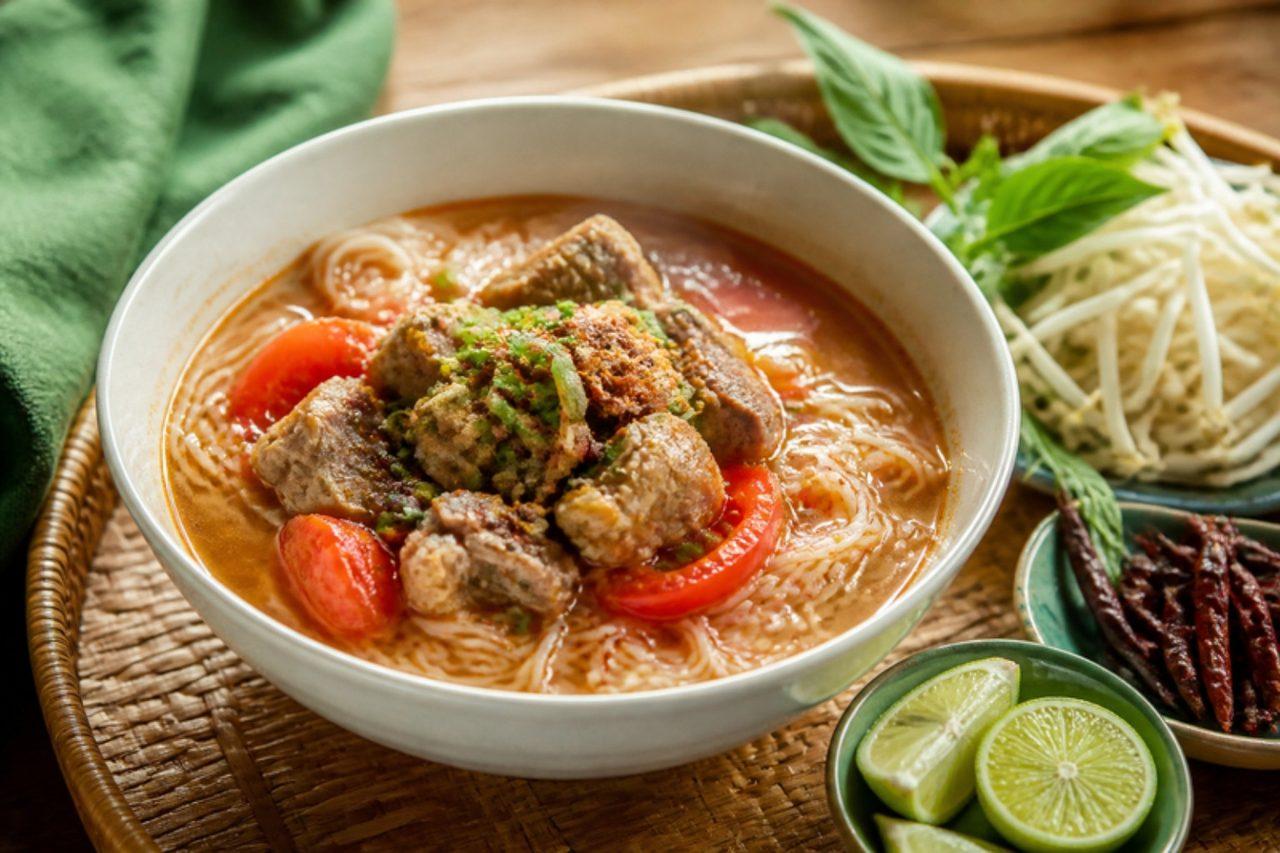
Breakfast stalls from Chiang Rai to Mae Sai ladle this tangy red broth over soft rice noodles from dawn until it sells out, usually before noon. The soup is light but full-flavoured: pork ribs give body, cherry tomatoes give a fresh sourness, and dried cotton-tree flowers (dok ngiao) add a faint floral, earthy chew. Each diner finishes their bowl at the table with bean sprouts, shredded cabbage, crispy garlic and lime. Cubes of cooked pig's blood are traditional; they are optional here and left out by default. Chef's tip: blanch the ribs and throw that first water away, so the finished broth stays clear and clean-tasting.

90 minThaiSoups
by KrazyBadal 0 views

Izumo warigo sobaBuckwheat noodles in stacked bowls

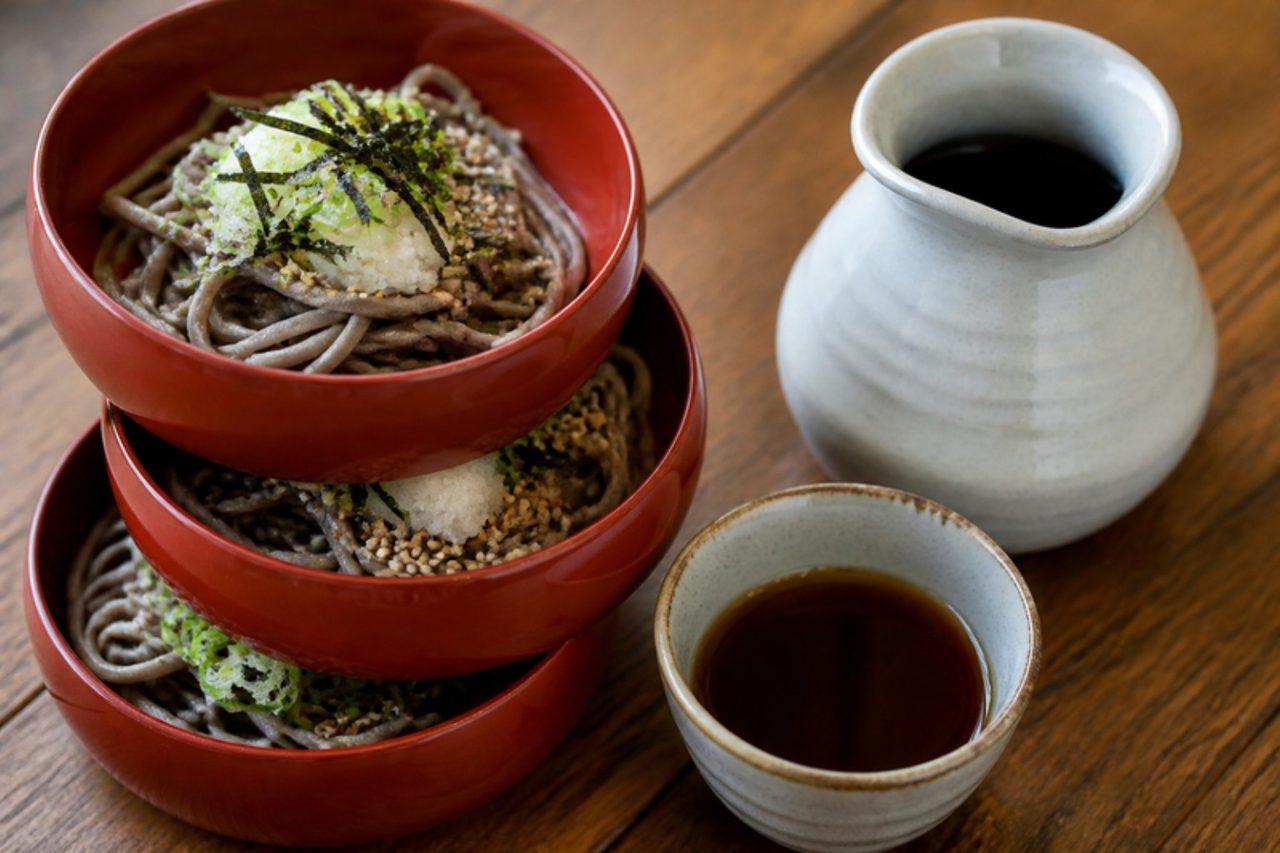
Izumo, in Shimane, is home to one of Japan's oldest shrines, and its soba is among the country's three most famous. The buckwheat is ground whole, husk and all, so the noodles are grey-brown, rough and strongly nutty. They come in a stack of three shallow round lacquer boxes called warigo, a custom from the picnic boxes Izumo townspeople carried to view flowers in the Edo period. You don't dip the noodles: you pour sauce and toppings straight onto the top bowl, eat it, then tip what's left onto the next. Classic toppings are grated daikon, spring onion and nori; ours leave out the usual bonito flakes. Chef's tip: look for 'inaka' (country-style) or 100% buckwheat soba. Paler noodles taste too mild for this dish.

by KrazyBadal 0 views

JachnunSlow-baked rolled pastry

Jachnun belongs to Yemenite Jewish families, who put the sealed pot in a very low oven on Friday before sunset and open it on Saturday morning to golden, sticky, layered rolls that taste faintly of caramel. In Rosh HaAyin and Tel Aviv's Kerem HaTeimanim it is now Saturday brunch for everyone, served with grated fresh tomato, fiery zhug and brown eggs baked in the same pot. The dough is stretched paper-thin with butter, rolled into logs and left to bake for 10 hours or more. Chef's tip: oil your work surface and hands rather than flouring them; flour stops the dough stretching thin enough to see through.

by KrazyBadal 0 views

Jackfruit rendangJackfruit and potato coconut curry

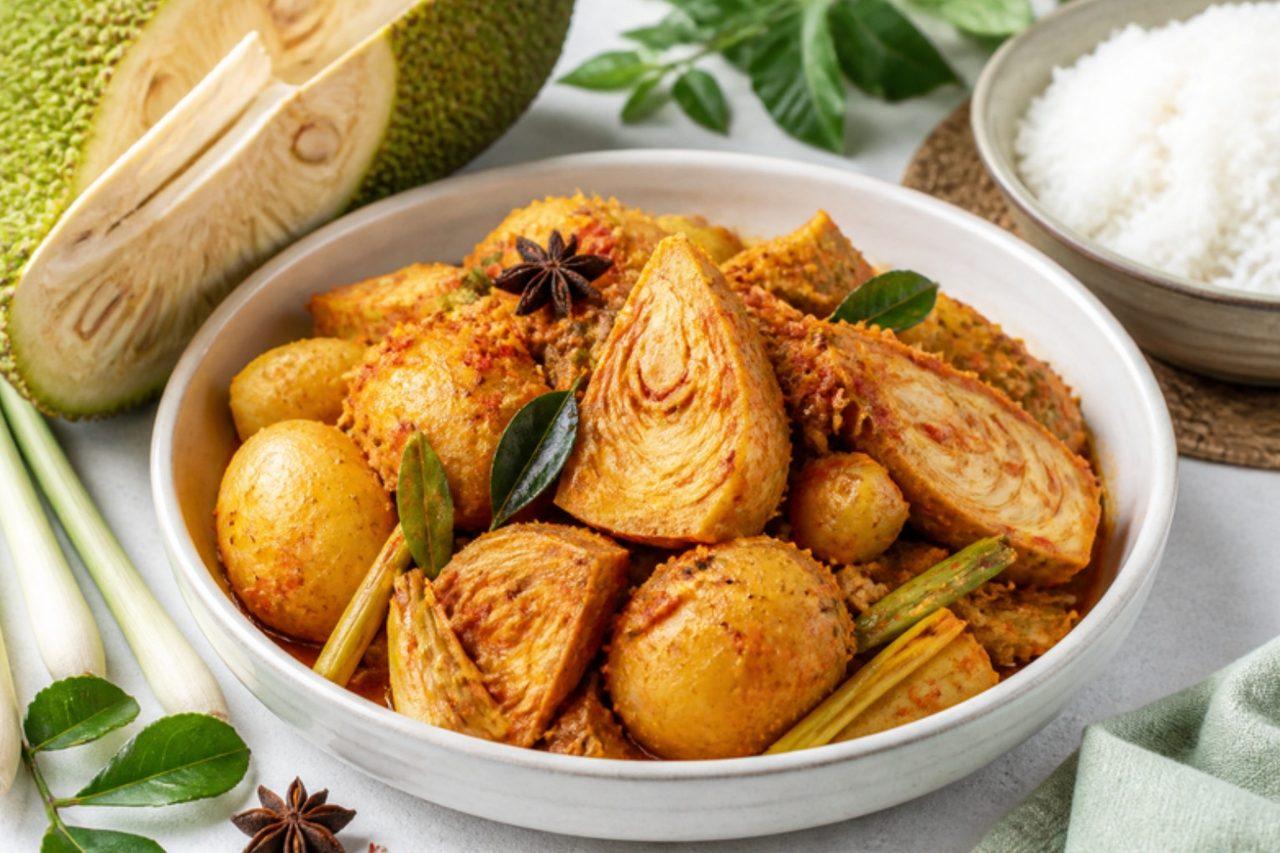
Rendang belongs to the Minangkabau people of West Sumatra, who cook it for weddings, Eid and every big family gathering, stirring a wide pan for hours until the coconut milk cooks right down and fries the spices in its own oil. Minang cooks also make vegetable rendangs, and young jackfruit suits the method perfectly: its stringy texture soaks up the chilli, galangal and toasted coconut until each piece is dark brown and almost chewy at the edges. It's drier than a curry, eaten with plain rice in small portions because it's so rich. Chef's tip: once the oil separates, keep stirring over a low heat and let the paste darken to the colour of strong coffee — stopping early leaves you with a red curry, not rendang.

by KrazyBadal 0 views

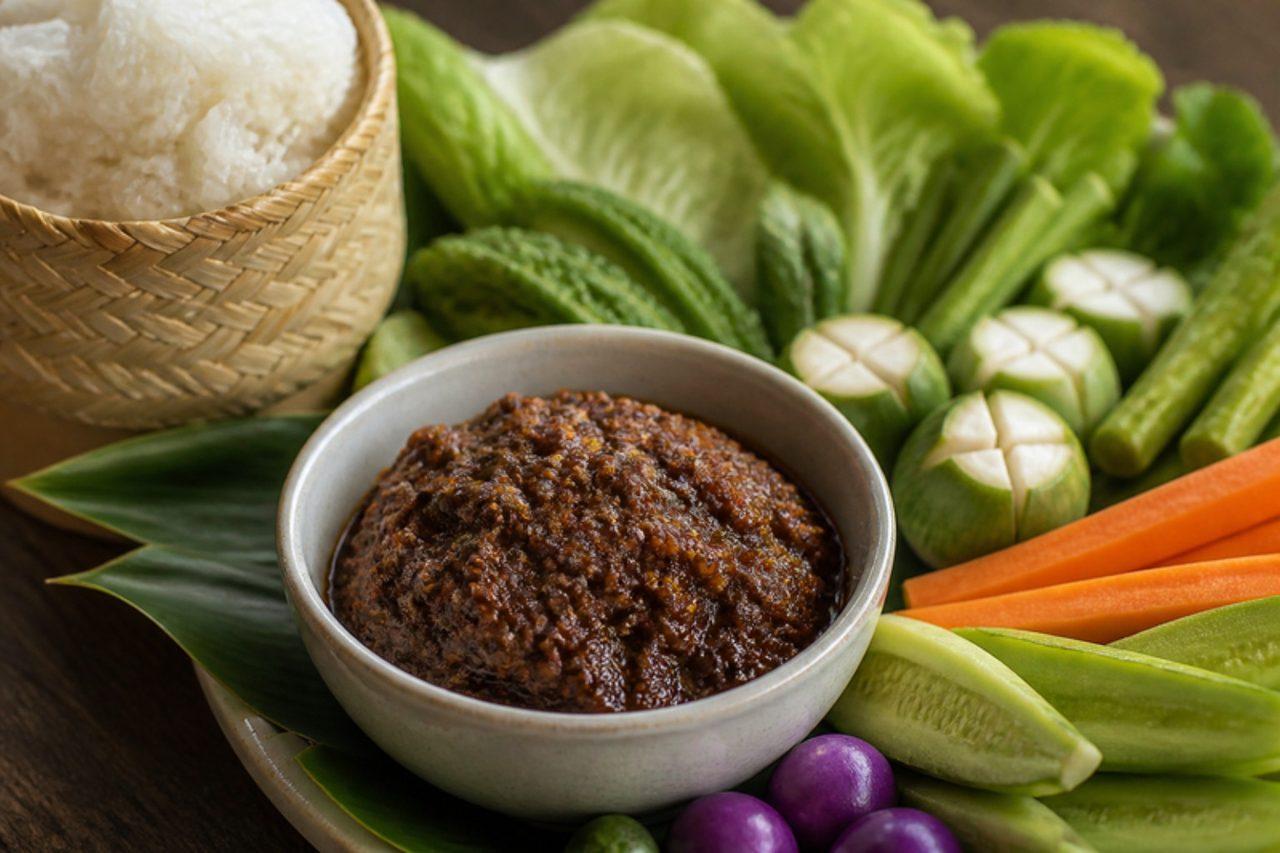
Jaew bongRoasted chilli paste

Isan and Lao households keep a jar of this thick, smoky relish in the kitchen the way other cooks keep mustard, scooping it onto sticky rice for a quick lunch or setting it out with steamed vegetables and crackling. Its backbone is pla ra, the funky fermented fish of the north-east, pounded with charred shallots, garlic, galangal and toasted chillies into a dark, rough-textured paste that is salty, sweet-smoky and fiery. For safety and ease this version uses bottled cooked pla ra (or anchovy sauce) and boils it before it goes in, since homemade raw pla ra can carry parasites. Serve with sticky rice, cucumber, cabbage and long beans. Chef's tip: roast the aromatics until properly blackened in patches; the char is the flavour, so don't stop when they are merely soft.

by KrazyBadal 1 views

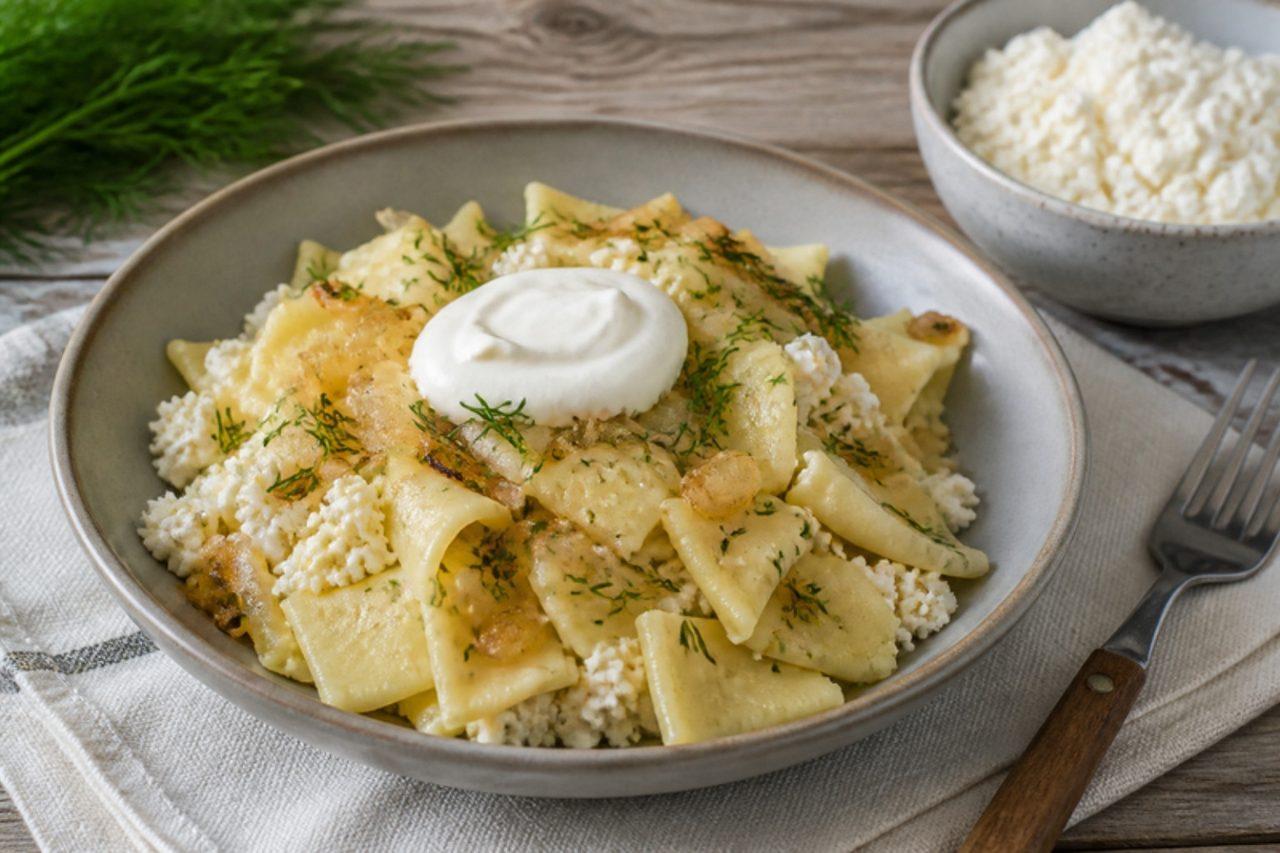
Túrós csuszaPasta with curd cheese

Túrós csusza is a simple dish of wide pasta squares tossed with crumbly túró curd cheese and sour cream, loved across Hungary and especially in the Danube villages, where it is served as a filling main after a bowl of fish soup. At home it is a Friday or end-of-the-month supper made from what is in the fridge. Traditionally it is topped with crisp pork crackling; here, fried onions and a little smoked paprika give the same crunch and savouriness. The flavour is mild, tangy and comforting. Chef's tip: toss the cheese into the pasta while it is still steaming so the túró warms through, but serve the sour cream cold on top for contrast.

by KrazyBadal 0 views

Showing 18 of 10,569 recipes

Show more recipes

Page 977 of 1,175