


Skip to content
Lapsi ko achar
Featured recipe

Lapsi ko achar

Hog plum pickle

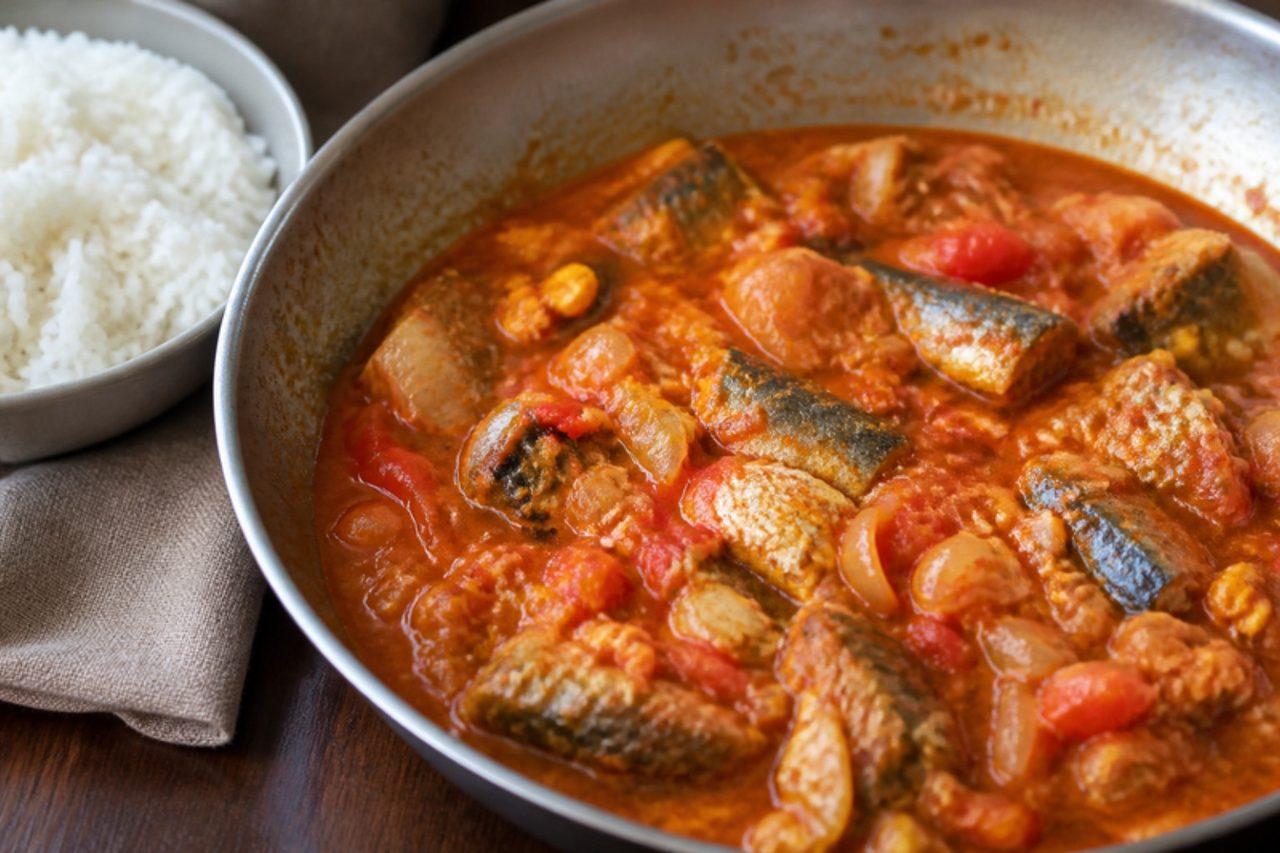
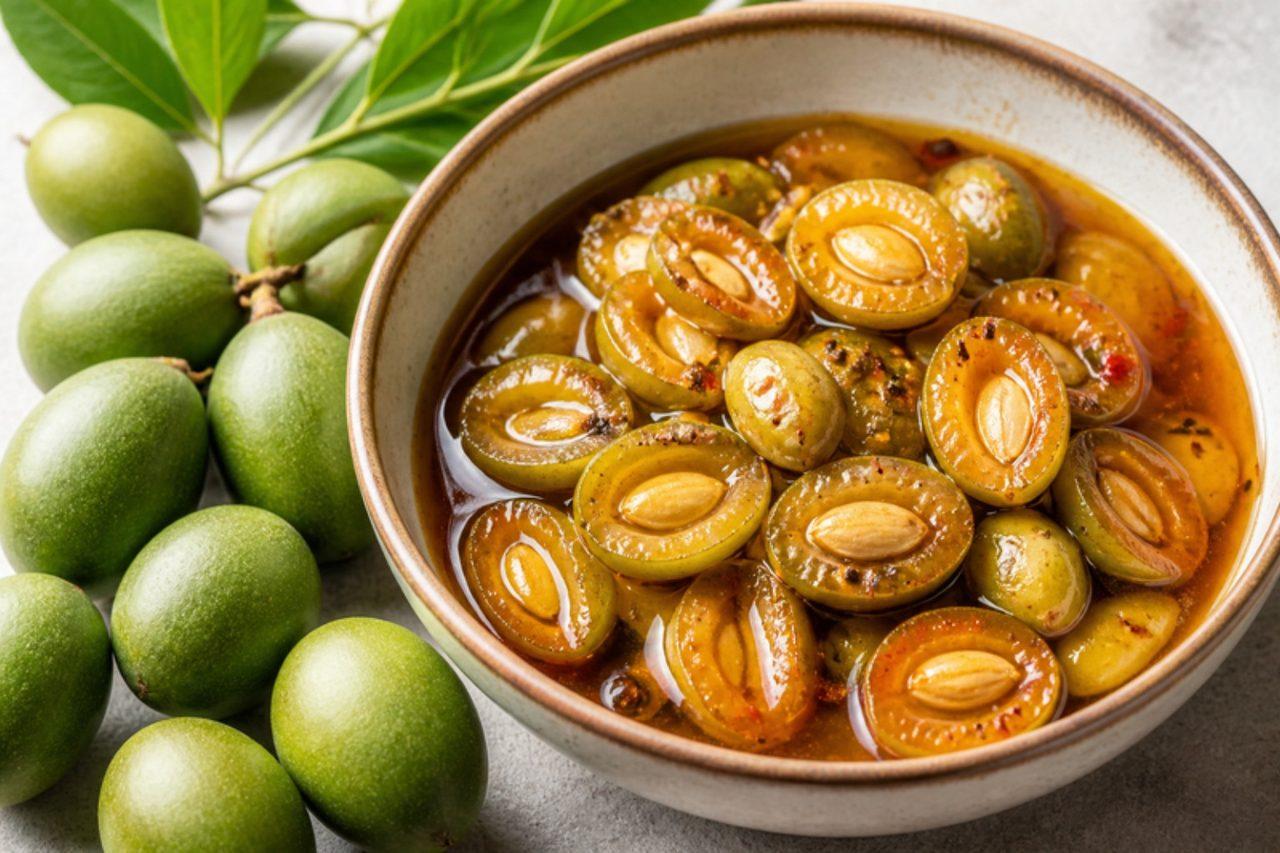
Lapsi, the Nepali hog plum, is a small, olive-green fruit with a huge stone, very little flesh and a sourness that makes your jaw ache, and in Kathmandu and the middle hills its arrival in the markets in late autumn means pickle-making season. Boiled, scraped from the stones and cooked down with jaggery, chilli, fenugreek and timur, it becomes a thick, glossy, dark brown achar that is tart, sweet and gently hot, eaten with dal bhat, spread on roti or served with sel roti during Tihar. It is also dried into candy called titaura. Look for fresh or frozen lapsi in Nepali grocers; tart, unripe green plums are the nearest substitute. The trouble usually starts when the jaggery goes in before the pulp has reduced, which leaves a runny pickle that can ferment. Chef's tip: cook the pulp until a spoon drawn through it leaves a clear trail before adding the sweetener.

Read more 0 views

What to eat today?

Around the world

Today's trip: Persian

A new country every day, from every cuisine on the site.

Persian

Shirini danmarki

Cinnamon cardamom pastry swirls 70 minMore from Persian (181) →

This week's collection

Kid-friendly dinners
772 recipes · a new collection every Monday

Coming up

All occasions →

Latest recipes

Sakkarai pongalSweet rice and moong dal

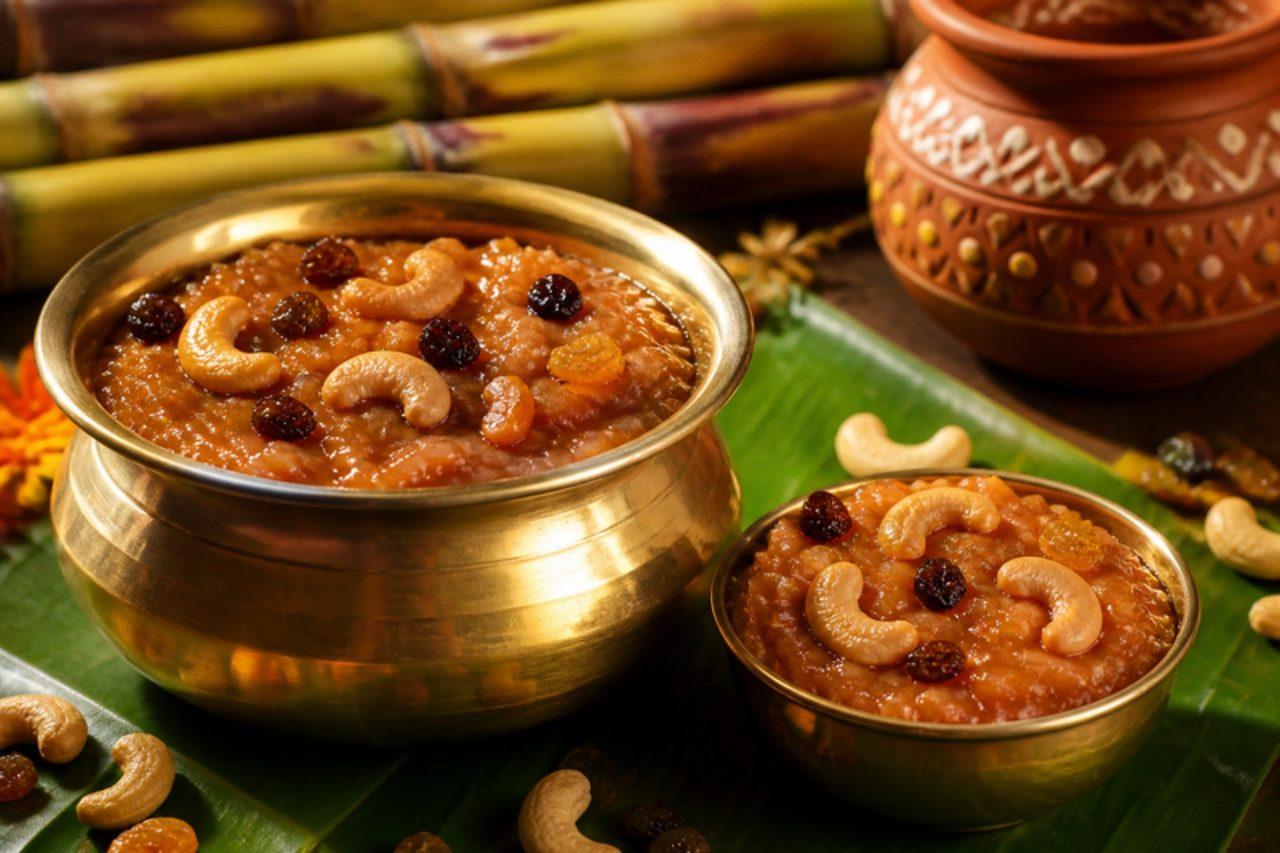
On the morning of Thai Pongal in mid-January, families across Tamil Nadu cook new-harvest rice in a clay pot in the courtyard and wait for the milk to bubble over: 'pongalo pongal!'. That pot becomes sakkarai pongal, a sticky, golden-brown sweet of rice and moong dal cooked soft, then simmered with melted jaggery and finished with lots of ghee, cardamom, edible camphor and cashews and raisins fried golden. It's also the classic prasadam at Vishnu temples. It's the sweet twin of the peppery ven pongal. Chef's tip: dry-roast the moong dal until it smells nutty before cooking; it adds a toasty depth that plain boiled dal can't give.

by KrazyBadal 0 views

SimitSesame bread rings

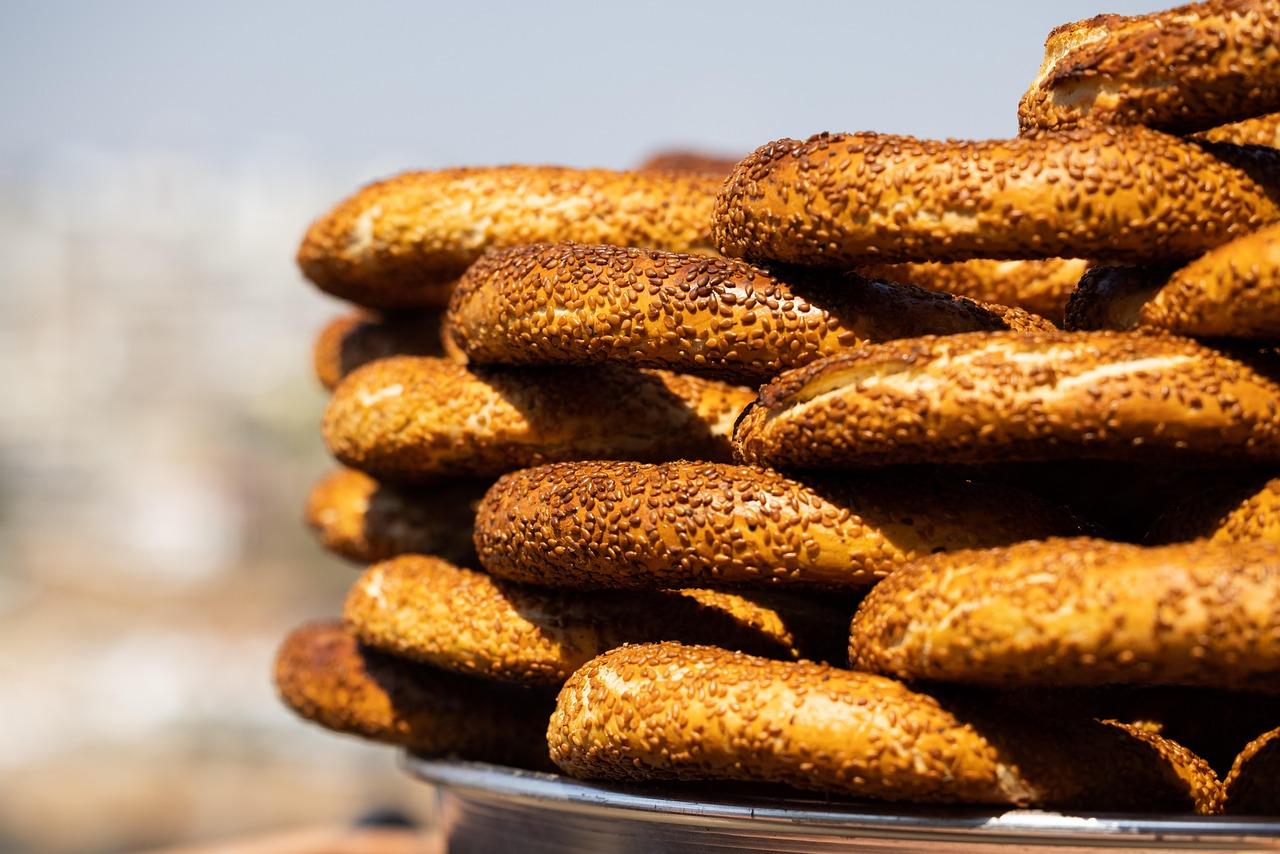
Stacked high on wooden trays and pushed through Istanbul on red carts, simit is the city's breakfast on the move: commuters tear one apart on the ferry across the Bosphorus, throwing the odd piece to the gulls. The ring is twisted, dipped in diluted grape molasses (pekmez) and pressed into sesame, so it bakes up with a crackly, nutty, deep brown crust and a chewy, close crumb. Unlike a bagel it is never boiled. At home, serve warm with tea, white cheese, olives and tomatoes. Chef's tip: toast the sesame seeds in a dry pan before coating; raw seeds stay pale and taste of very little.

by KrazyBadal 0 views

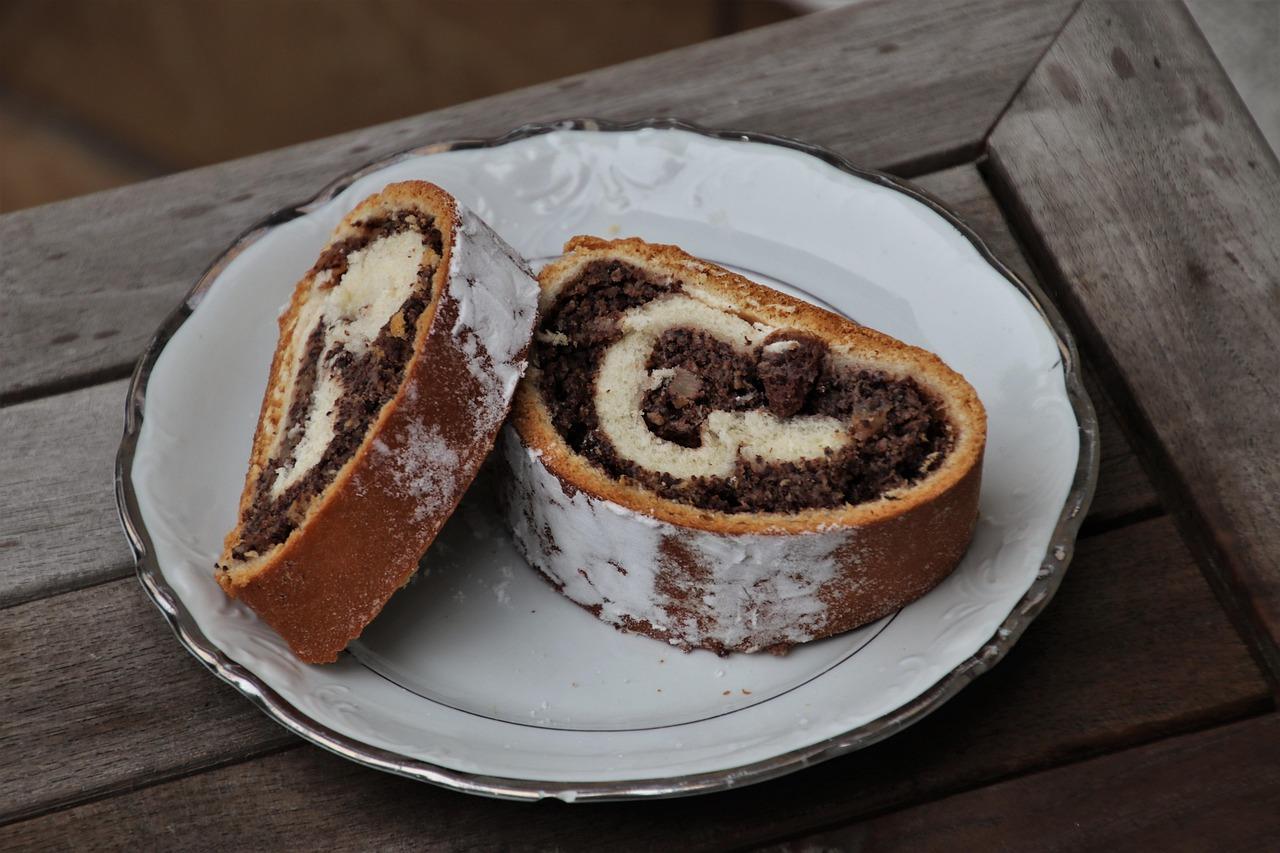
MakowiecPoppy seed roll

Makowiec is the poppy seed roll that sits on almost every Polish Christmas Eve and Easter table; in Silesia and Lesser Poland poppy seeds stand for plenty in the year ahead. A soft, buttery yeast dough is rolled around a thick, black, honey-sweet filling of ground poppy seeds with raisins, walnuts and candied orange peel, then baked and glazed so each slice shows a tight spiral. It takes time, but the process is calm and the roll keeps for days. Chef's tip: grind the soaked poppy seeds two or three times, until they look grey and pasty; whole or once-ground seeds give a gritty filling that falls out of the slices.

135 minPolishBaking
by KrazyBadal 0 views

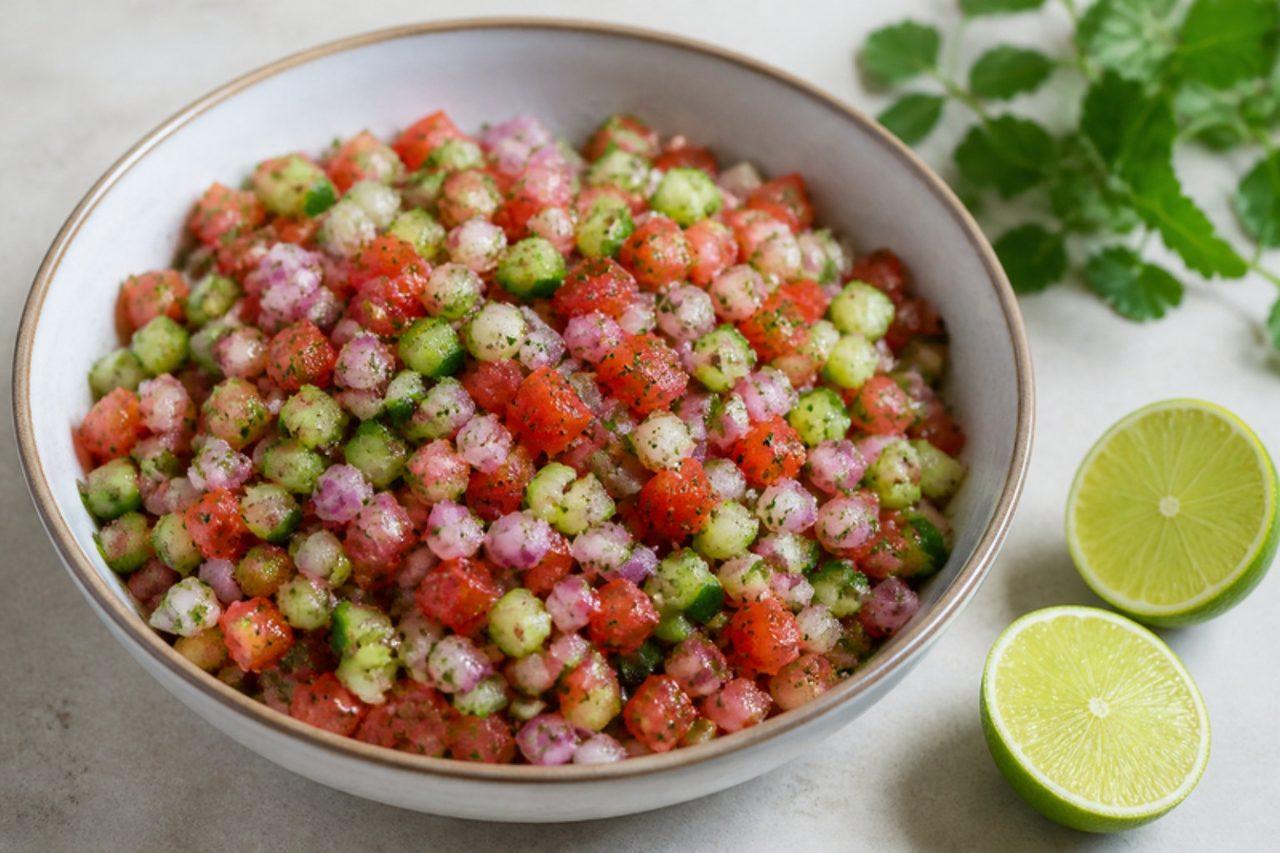
Salad shiraziTomato, cucumber and onion salad

Salad shirazi is named after Shiraz, the city of gardens in Fars province, and it is the salad served with almost every Persian rice and kebab meal. Tomato, cucumber and onion are cut into tiny, even dice and dressed simply with lime juice (or sour grape verjuice, ab-ghooreh, in Shiraz itself), dried mint and a little oil. There are no peppers or herbs to muddy it: it is crunchy, sharp and cold, and is spooned onto rice as a relish. Chef's tip: dice everything as small as a pea; the tiny cubes are what make it taste like Shirazi rather than a chopped salad.

by KrazyBadal 0 views

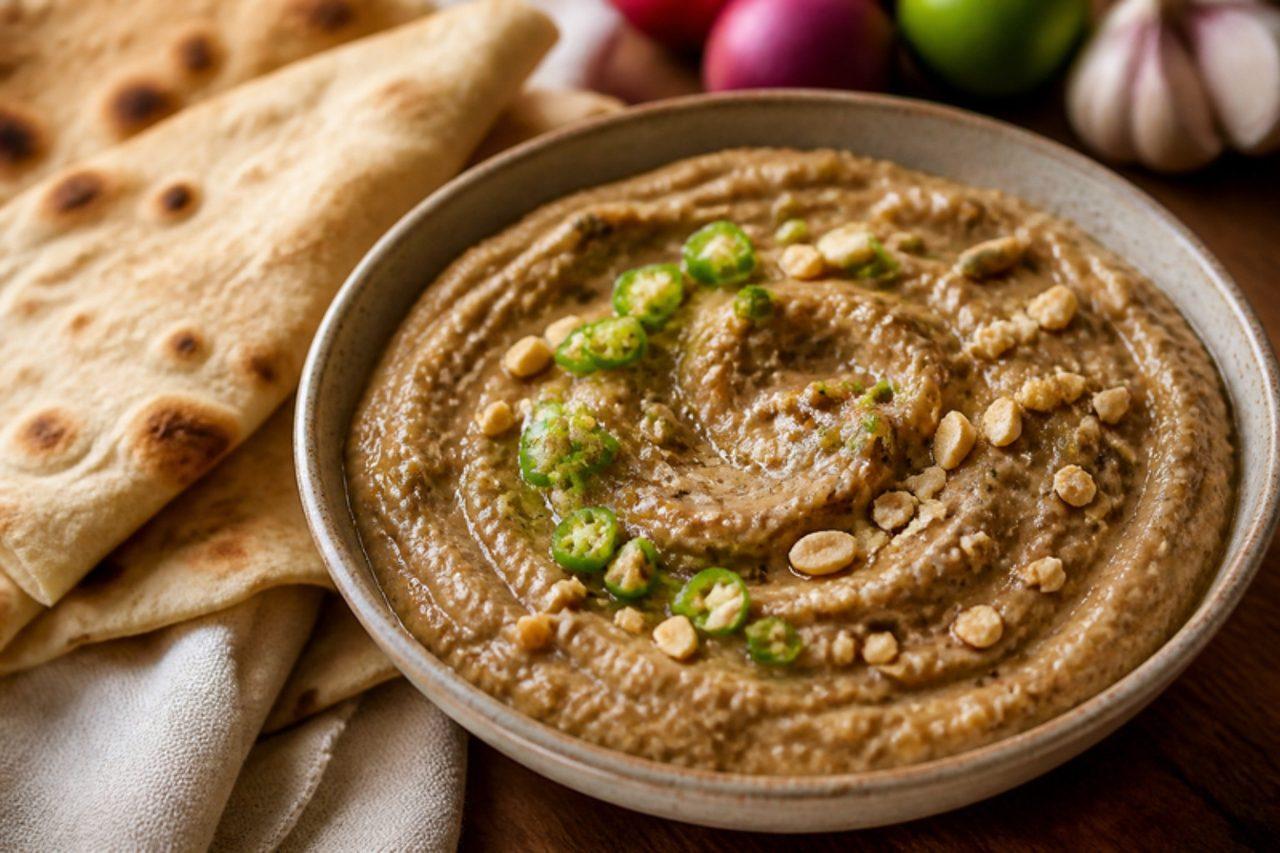
Salata aswadAubergine and peanut butter salad

Salata aswad, the 'black salad', is a Khartoum favourite: aubergine fried until almost black and collapsing, then mashed with peanut butter, garlic, lime and a little chilli into a rich, smoky spread. It is served at Ramadan iftars and family lunches with kisra or bread, next to ful and fresh tomato salad. The peanut is what makes it Sudanese rather than a Levantine aubergine dip. Chef's tip: salt the aubergine and squeeze it dry before frying; it absorbs far less oil.

by KrazyBadal 0 views

So'o yosopyGround beef and rice soup

So'o yosopy, "pounded meat" in Guaraní, is a soup Paraguayans make for anyone who is tired or recovering, and on cold days in Asunción's winter: beef is ground very finely and stirred into cold water so it breaks into soft, delicate threads, then simmered with onion, tomato, pepper and a little rice and oregano. The texture is smooth and the broth light. The mistake is adding the beef to boiling water, which makes it clump into meatballs; mix it into cold water first and stir as it heats. Chef's tip: ask the butcher to mince lean beef twice, or pulse it very fine in a food processor.

by KrazyBadal 0 views

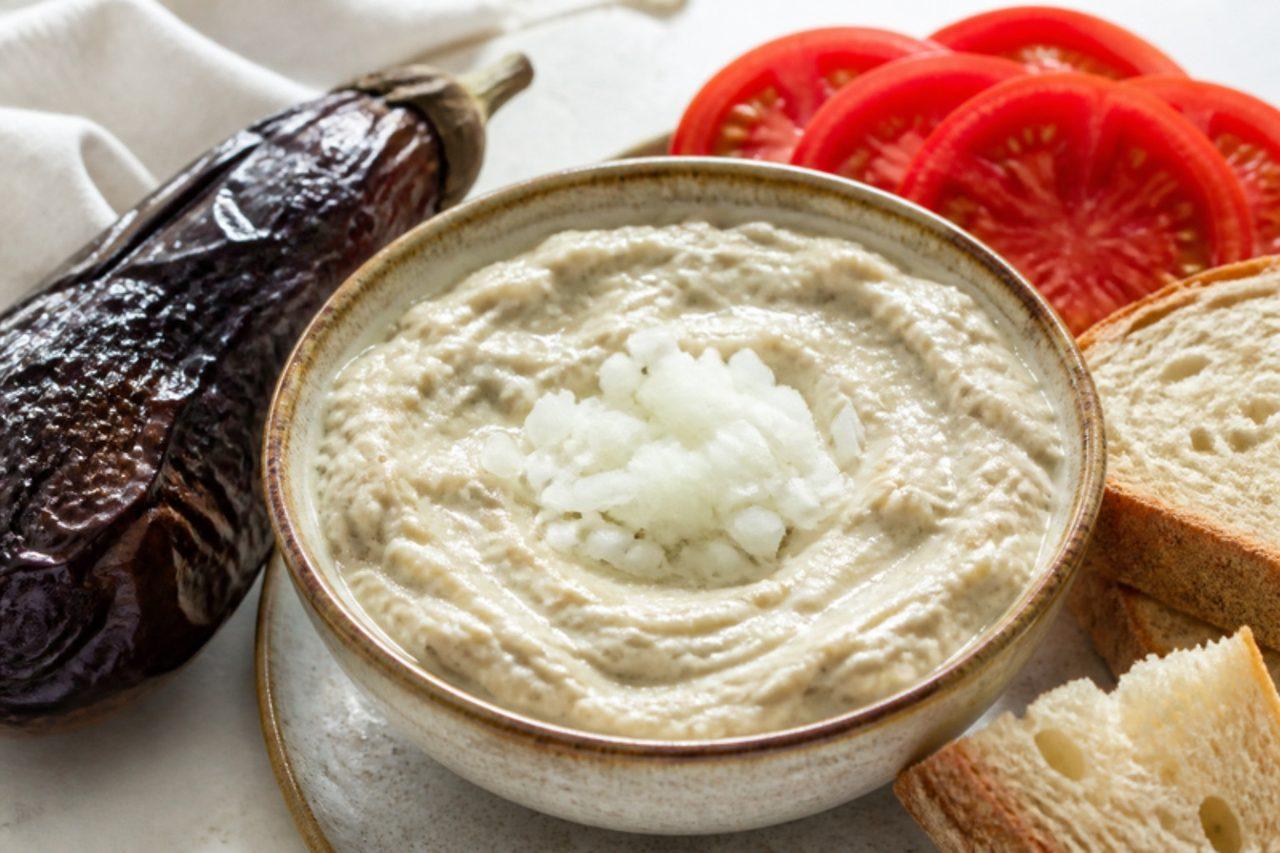
Salată de vineteSmoky aubergine salad

Salată de vinete is on every Romanian table from Bucharest to Brașov in late summer, when market stalls are piled with aubergines and every balcony grill is busy charring them. The smoky flesh is chopped with a wooden knife and beaten with sunflower oil into a pale, fluffy spread, almost like a mayonnaise, then finished with sharp raw onion. There is no tahini or yogurt, which sets it apart from baba ganoush. It is eaten on toasted bread with sliced tomatoes for supper or as a meze before grilled vegetables. Chef's tip: drain the cooked aubergine well; leaving in the brown juices is the usual mistake and makes the salad bitter and watery.

by KrazyBadal 0 views

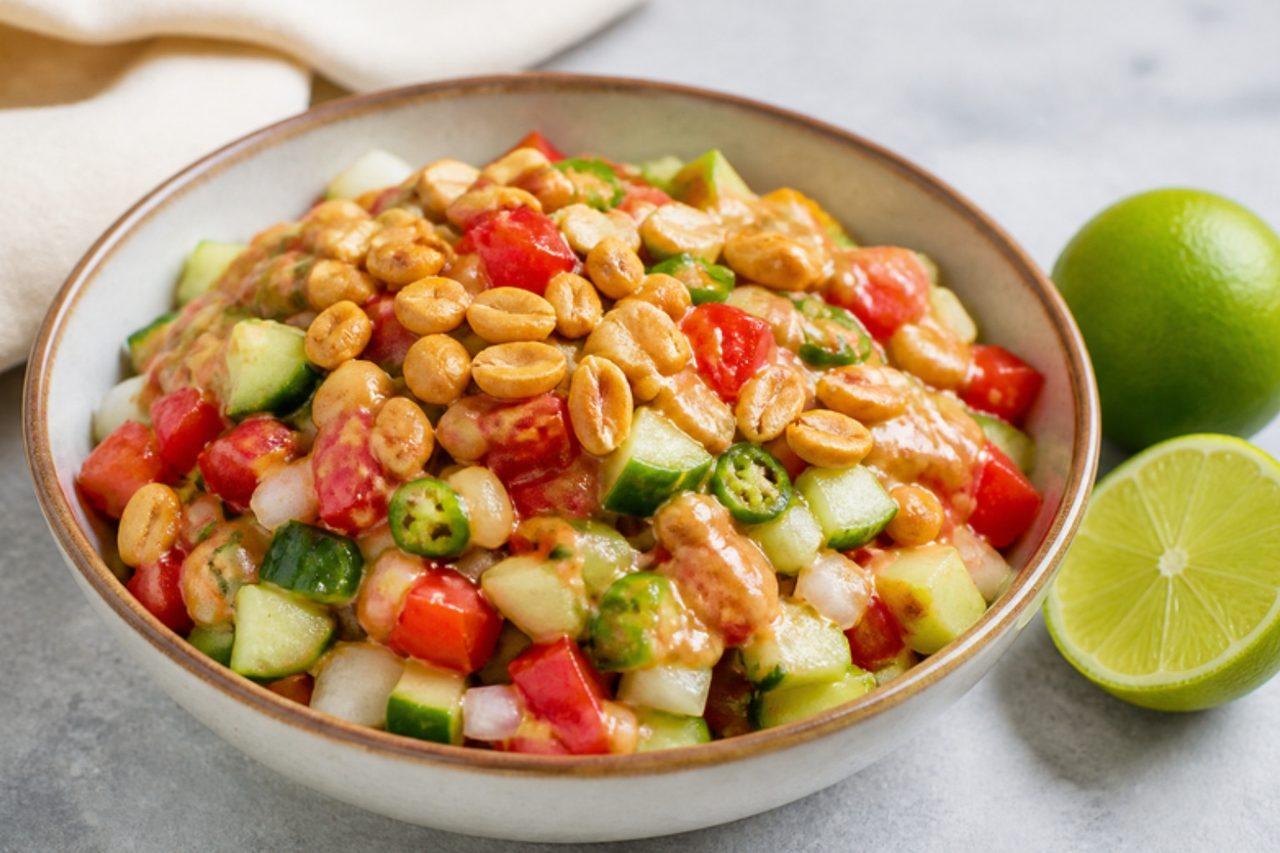
Salatat daquaTomato salad with peanut dressing

Daqua is the Sudanese name for peanut paste, and this everyday salad of tomato, cucumber, onion and green chilli dressed in thinned peanut butter and lime sits on the table at almost every meal in Omdurman and Khartoum, especially in the hot months. It is cooling, crunchy and creamy at once, and is eaten with ful medames, kisra or grilled food. Chef's tip: thin the peanut butter with water and lime before adding it to the vegetables; dolloped straight in, it clumps and never coats them.

by KrazyBadal 0 views

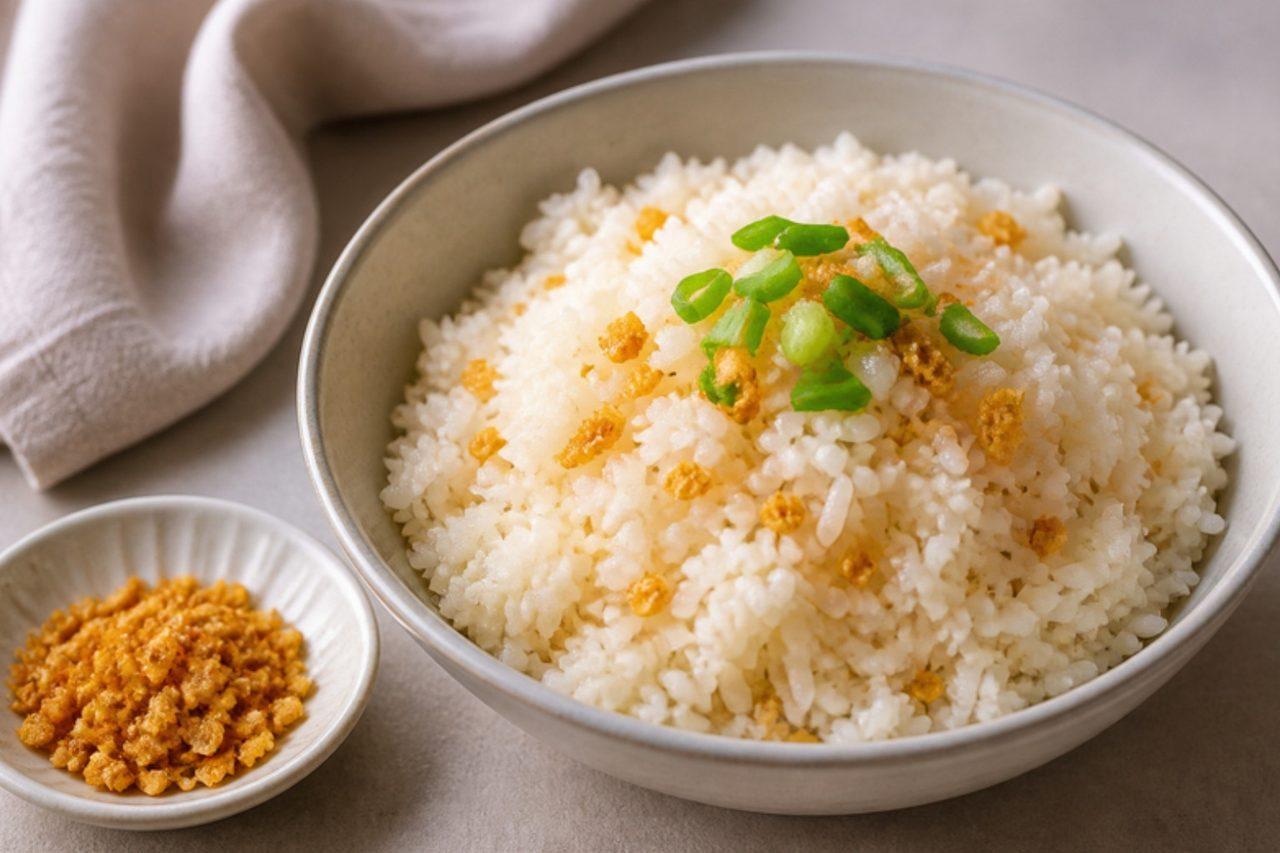
SinangagGarlic fried rice

Sinangag is what a Filipino kitchen does with last night's rice: fried in garlicky oil first thing in the morning and heaped on the breakfast plate. It is the 'si' in silog, the breakfast plates served at every silugan (all-day breakfast stall) in Manila, where garlic rice comes with a fried egg and a choice of cured meat. At home it goes with anything, from tortang talong to a fried egg and tomatoes, and a small dish of spiced vinegar for dipping. Each grain should be separate and lightly toasted, with plenty of crunchy, golden garlic on top. Chef's tip: fry the garlic slowly from cold oil; it browns evenly and the oil takes on a deep, sweet garlic flavour.

by KrazyBadal 0 views

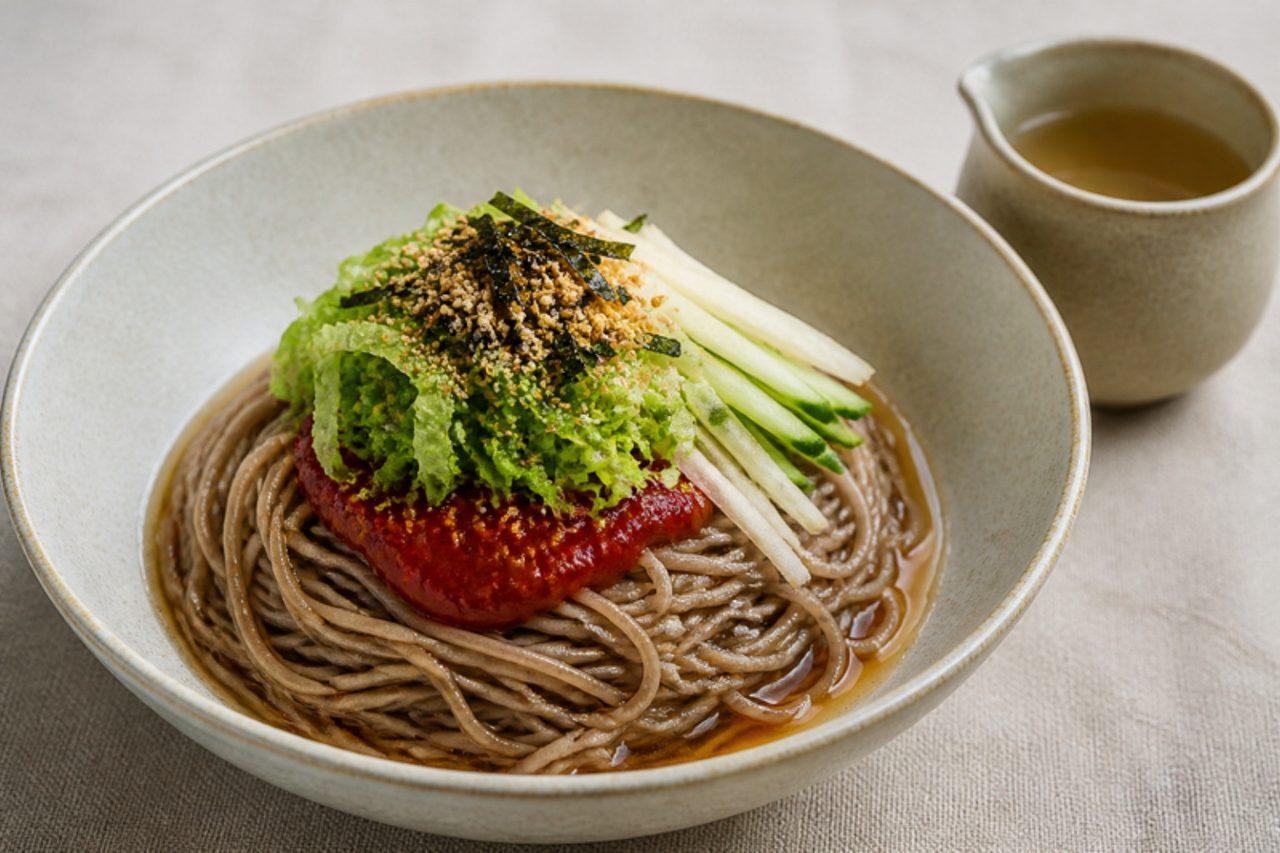
MakguksuCold buckwheat noodles

Chuncheon, the lake city in Gangwon, is famous for two things: spicy grilled chicken and makguksu (막국수), coarse buckwheat noodles served icy cold. The name roughly means 'roughly made noodles', and the dish started as simple farm food in a region where buckwheat grew better than rice. In summer, makguksu houses serve it in a sweet, sour and spicy dressing with crunchy cucumber, sweet pear and sesame, often with a jug of chilled broth on the side to pour in halfway. This one is dressed with gochujang, vinegar and pear, and a cold kelp broth. Chef's tip: rinse the cooked noodles under cold running water and rub them between your hands until the water runs clear, then chill them in iced water; that washes off the starch and gives them their springy bite.

by KrazyBadal 0 views

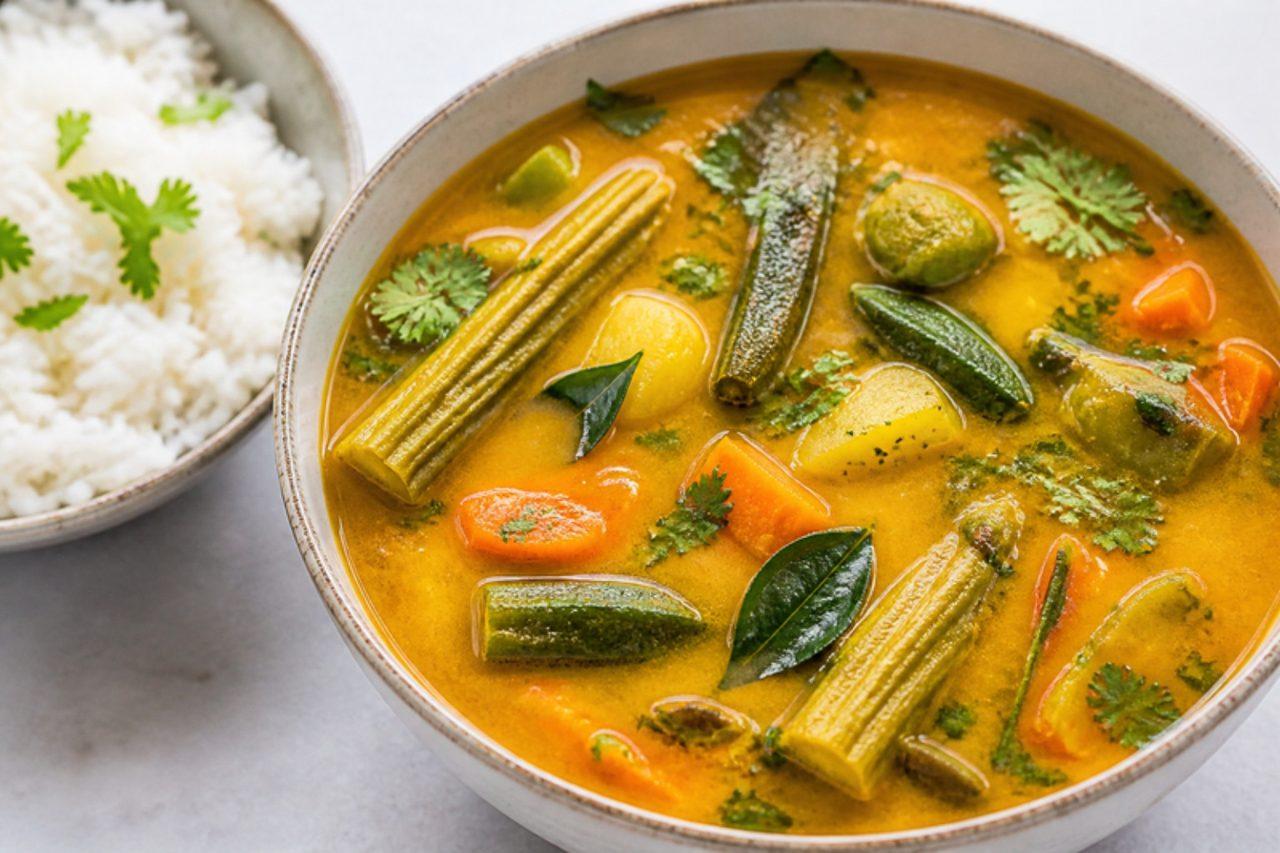
Sindhi kadhiSour gram flour and tamarind curry

Sindhi kadhi is the Sunday lunch of families from Sindh, served in Karachi and Hyderabad homes over plain rice with crisp fried potatoes on the side. Unlike the yogurt kadhis of Gujarat and Punjab it uses no dairy at all: gram flour is roasted in oil until it smells like toasted nuts, whisked into water with tamarind and tomato, and simmered with a crowd of vegetables, typically drumsticks, okra, cluster beans, potato and carrot. The result is thin, sour and gently hot, with a deep golden colour. The common mistake is rushing the roasting of the gram flour; pale flour leaves the whole pot tasting raw and pasty. Chef's tip: cook the drumsticks and potatoes first and add the okra only in the last 10 minutes so it stays whole and does not turn slimy.

by KrazyBadal 0 views

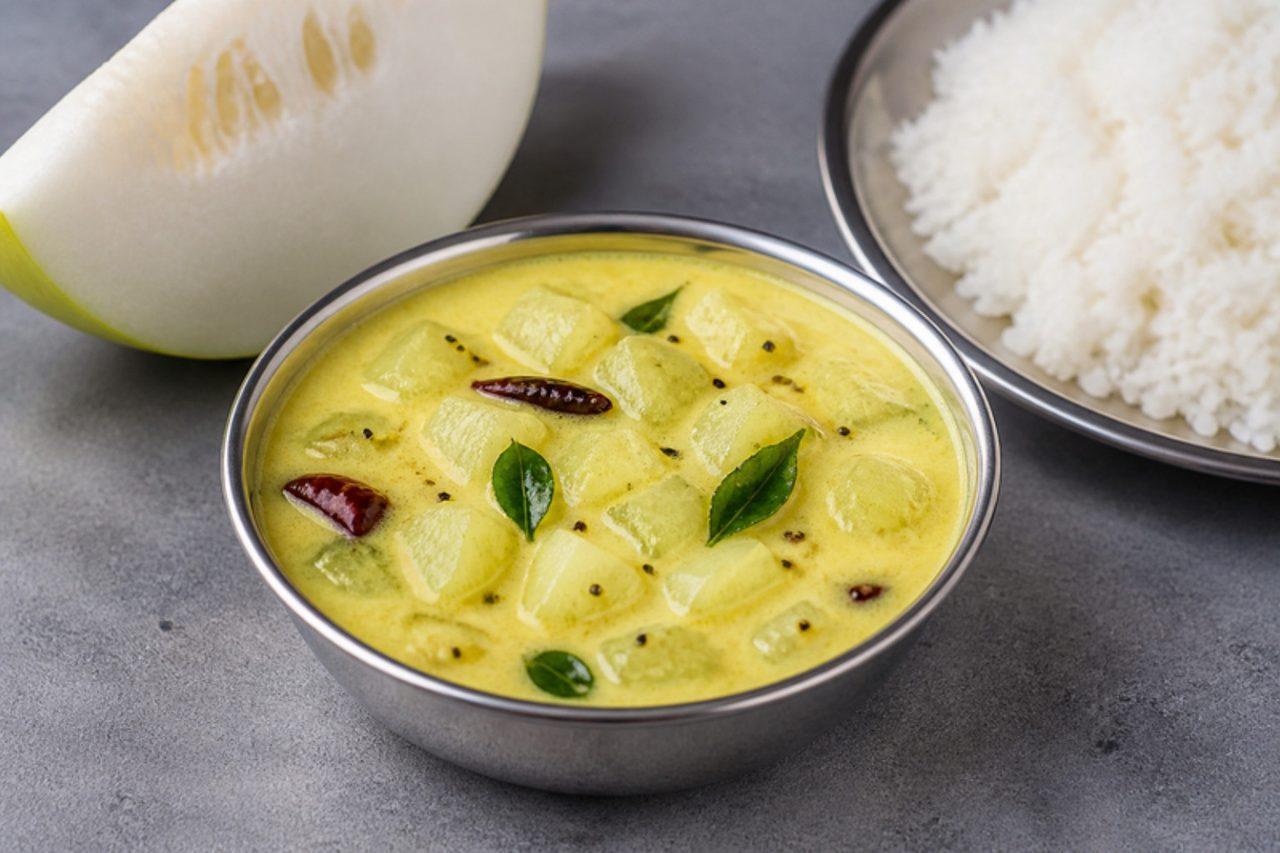
Majjiga pulusuButtermilk curry with ash gourd

Majjiga pulusu is the cooling yogurt curry of Andhra Pradesh, cooked in summer when the buttermilk at home turns a little sour. Unlike Gujarati kadhi, it isn't thickened with gram flour: soaked chana dal is ground with coconut, ginger, green chillies and cumin, stirred into the curd, and simmered gently with soft pieces of ash gourd (or okra, or chayote). It's mild, tangy and creamy, and eaten mixed into rice with a fried vegetable or fritter on the side, especially at Telugu wedding meals. Chef's tip: whisk the yogurt until completely smooth before it goes near the heat; lumpy yogurt splits much more easily.

by KrazyBadal 0 views

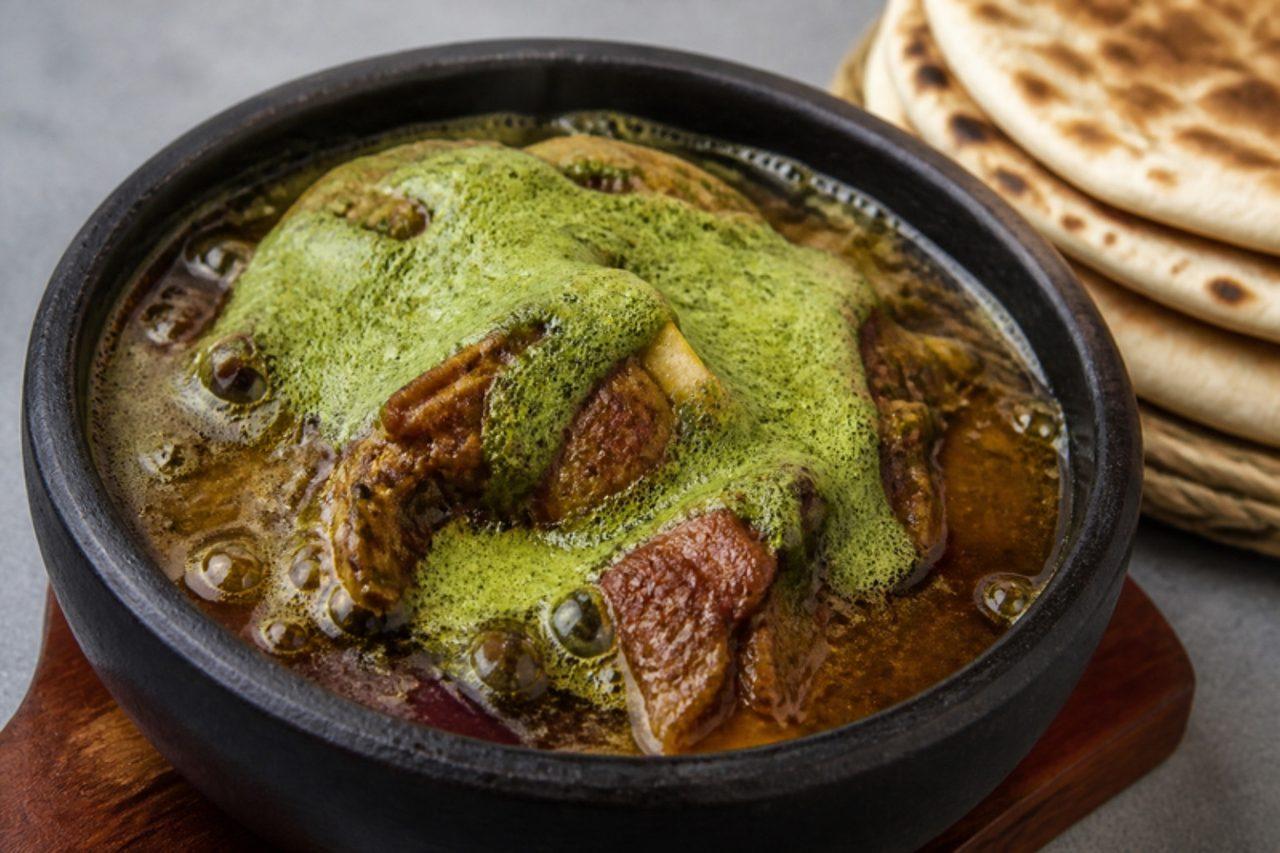
SaltahLamb stew with fenugreek froth

Saltah is the national dish of Yemen, eaten at lunch in Sana'a and the highlands, brought to the table still boiling in a heavy stone pot called a madara. A rich lamb broth (maraq) is cooked down with tomato, potato and hawaij spices, then crowned with hulba, fenugreek whipped to a pale green froth, and scooped up with flatbread. Chef's tip: soak the ground fenugreek for at least 4 hours and pour off its bitter water before whipping; that is what makes it foam.

by KrazyBadal 0 views

SalteñasJuicy baked beef pastries

Salteñas are the pastries all of La Paz queues for between 10 and noon, when they come out of the oven: a slightly sweet, golden crust wrapped round a soupy filling of beef, potato, peas, olive and egg in a gelatine-set broth seasoned with cumin and ají. The trick, and the fun, is to bite off the top and sip the juice without spilling. The mistake is filling the pastry with warm stew: the filling must be chilled overnight until it sets firm, or it leaks. Chef's tip: hold a salteña upright, nibble off one corner and drink the juice before eating the rest.

by KrazyBadal 0 views

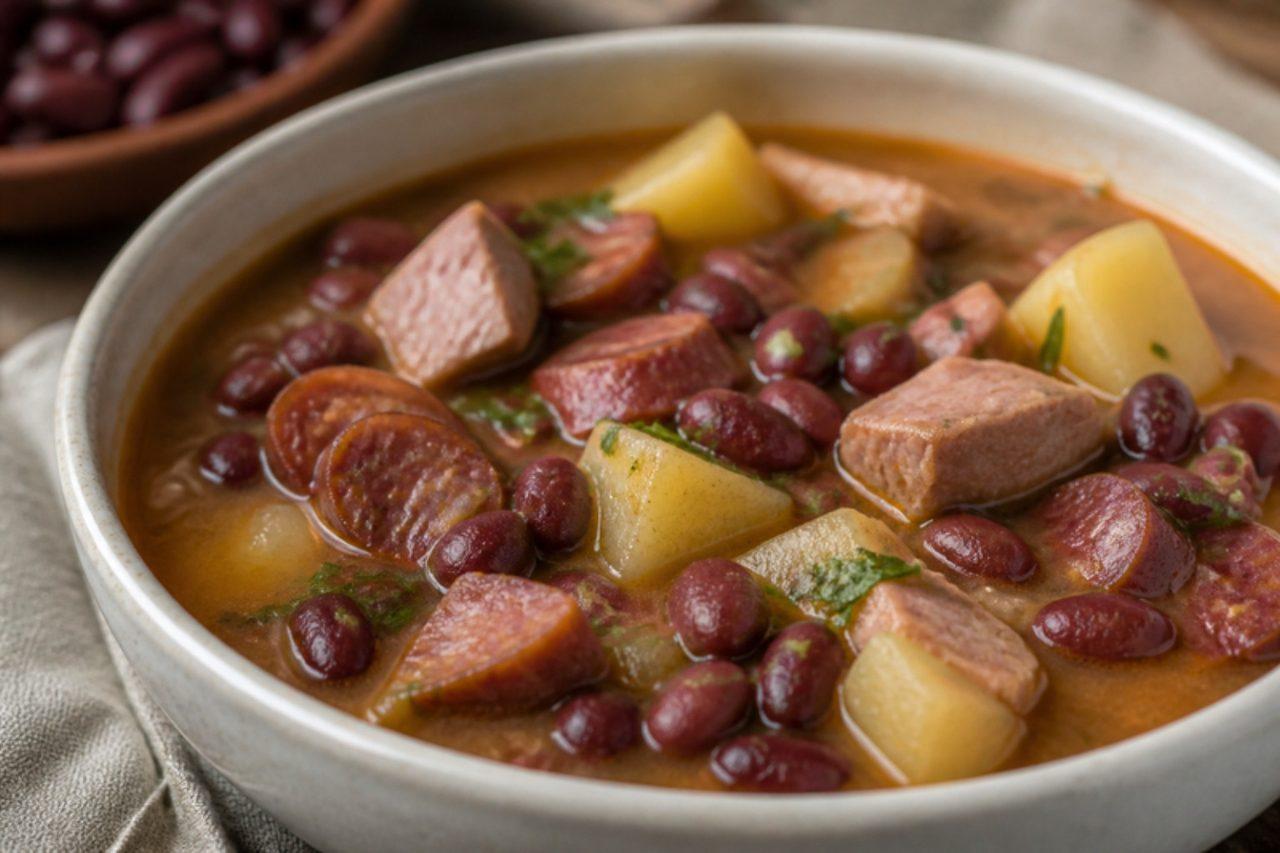
Sopa da pedraBean and pork soup

Almeirim, a market town in the Ribatejo, is the capital of this soup; its restaurants serve it every day, and each bowl arrives with a clean stone at the bottom, after the folk tale of a friar who 'made soup from a stone' by talking villagers into giving him everything else. This is a pork soup: red kidney beans simmer with chouriço, morcela blood sausage and a piece of pork belly, then potatoes, carrots and coriander finish it into a thick, hearty bowl. Chef's tip: cook the sausages whole and slice them at the end, so they stay juicy and don't turn the broth greasy.

by KrazyBadal 1 views

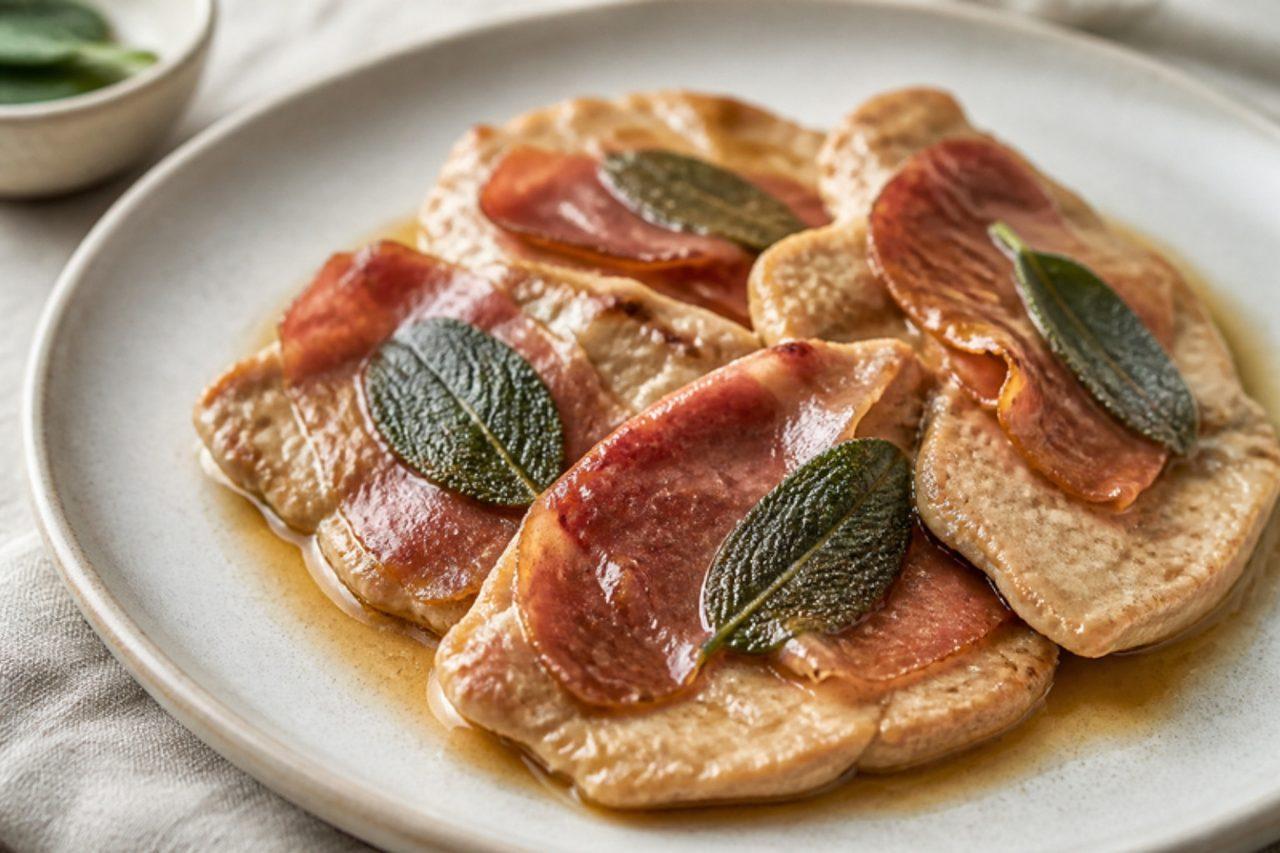
Saltimbocca alla romanaVeal with sage and prosciutto

The name means 'jumps into the mouth', which is how fast these little Roman escalopes vanish from the plate. Thin slices of veal are topped with a sage leaf and a sheet of prosciutto, seared for barely a minute a side, then glazed with white wine and butter in the same pan; it is a classic second course in Rome's family trattorie and takes about 20 minutes start to finish. The prosciutto crisps, the sage turns fragrant and the veal stays tender under a short, buttery sauce. Pork loin or turkey escalopes work just as well. Serve with roast potatoes or sautéed spinach to mop up the pan juices. Chef's tip: pound the meat to an even 5 mm between sheets of cling film and pin the ham and sage on with a cocktail stick, so everything cooks in the time it takes the ham to crisp.

by KrazyBadal 0 views

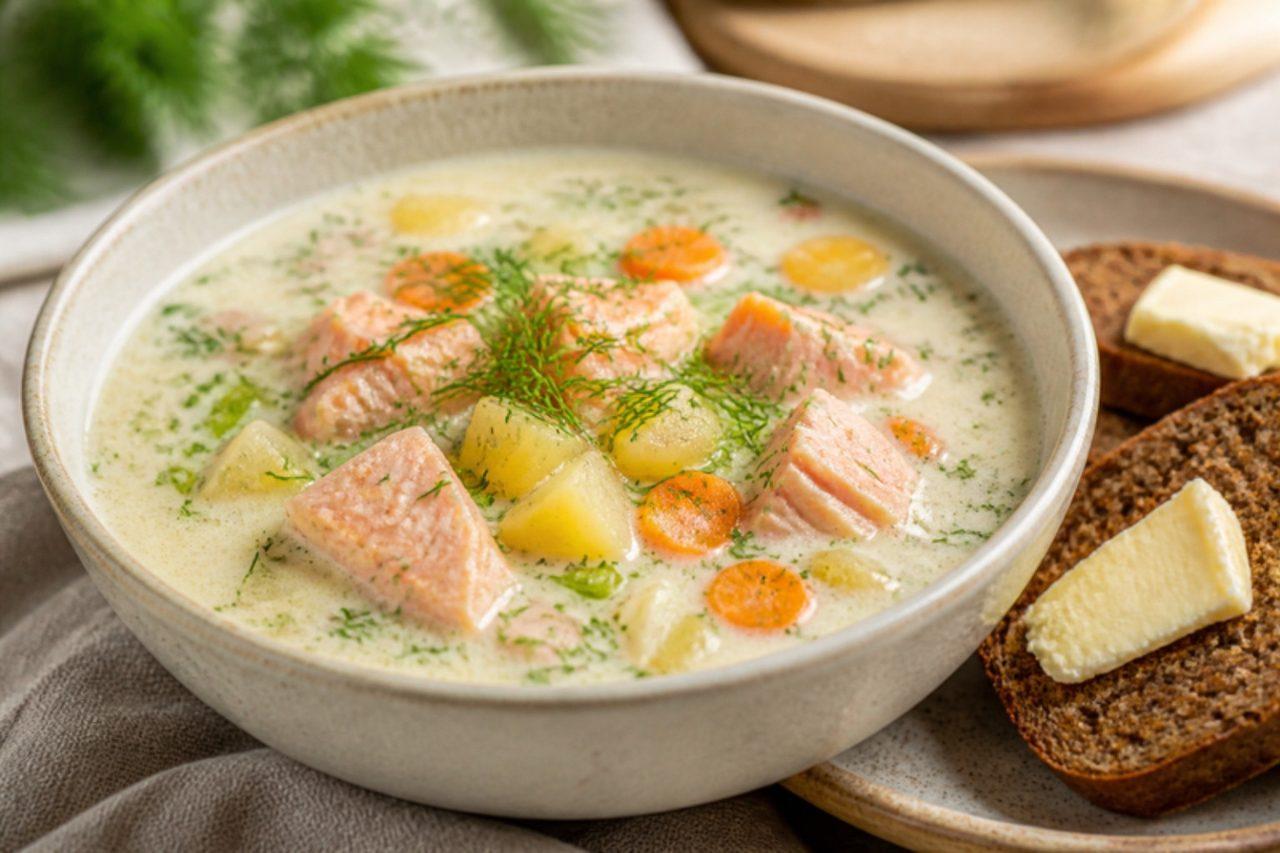
LohikeittoCreamy salmon soup

Lohikeitto is what Finns cook when they want something warming after a day outside, ladled up in Helsinki lunch cafés and in lakeside summer cottages alike. Chunks of salmon and potato simmer in a light fish stock with leek and allspice, then a little cream turns it pale and gentle and a big handful of dill makes it taste of summer. It takes about forty minutes and is served with dark rye bread and butter. The common mistake is boiling the salmon hard, which turns it dry and stringy; it only needs a few minutes at a bare simmer. Chef's tip: add the salmon last and switch off the heat with the lid on; the fish finishes in the hot soup and stays in juicy flakes.

by KrazyBadal 0 views

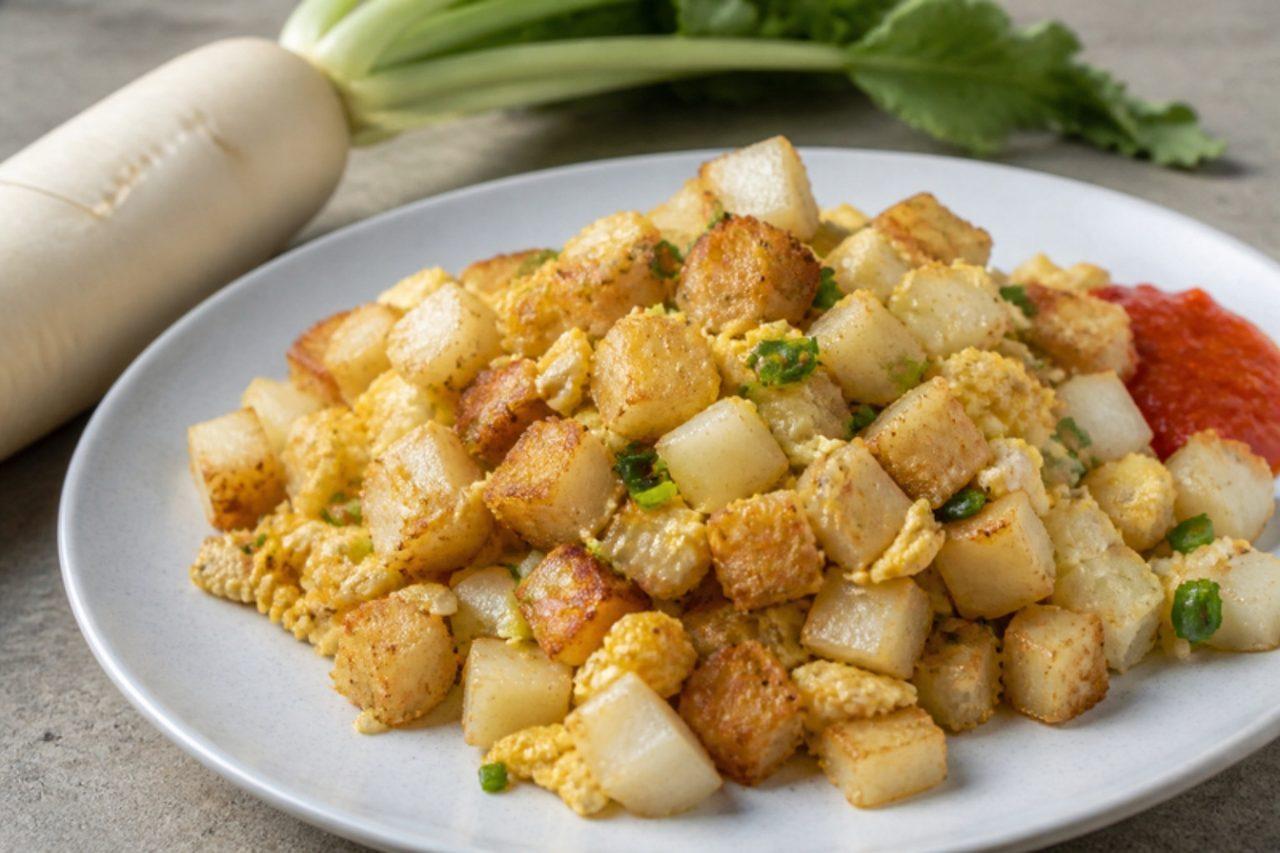
Singapore carrot cake (chai tow kway)Fried radish cake with egg

Singapore's carrot cake has no carrot in it: "carrot" is the local word for white radish (daikon). A steamed cake of rice flour and grated radish is cut into cubes and fried with egg and garlic until crisp and golden, either "white" (plain and eggy) or "black" (with sweet dark soy). It's a breakfast and supper favourite at hawker centres like Chinatown Complex. Most stalls add chai poh (preserved radish); this version leaves it out because many brands are made with fish sauce, and spring onions bring the savoury lift instead. Chef's tip: steam the cake a day ahead and chill it overnight; cold, firm cake cuts cleanly and crisps instead of falling apart.

by KrazyBadal 0 views

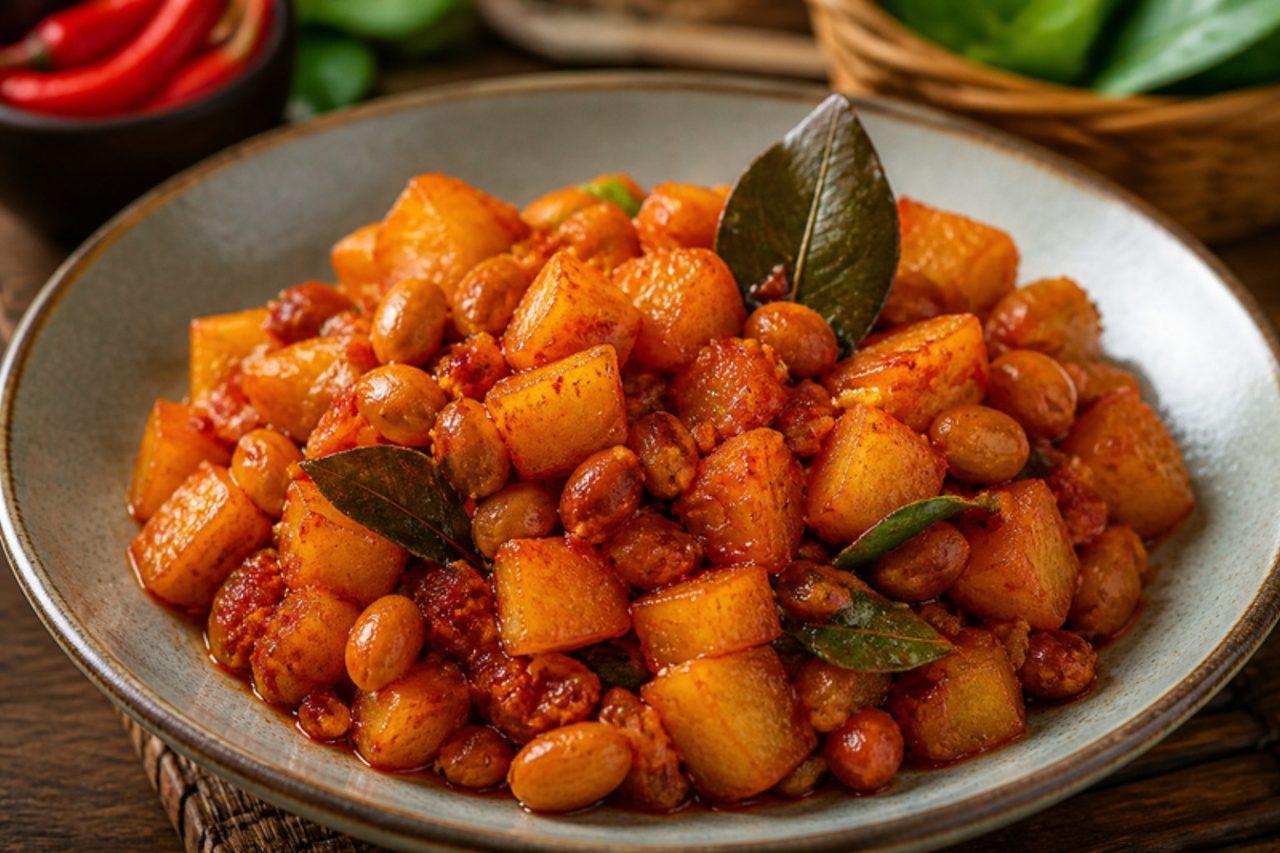
Sambal goreng kentangFried potatoes in sweet-hot sambal

Sambal goreng kentang turns up wherever there's a celebration in Java and Sumatra: on Lebaran tables next to ketupat and opor, in wedding buffets, and in boxes of nasi kotak handed out at gatherings. The potatoes are cut small, fried until crisp and golden, then tossed through a red chilli and shallot sambal sweetened with palm sugar and sharpened with tamarind, so each cube is coated and chewy at the edges. It keeps well and is eaten at room temperature with rice. Chef's tip: soak and dry the potato cubes thoroughly before frying; damp potatoes spit, steam and never crisp up.

by KrazyBadal 0 views

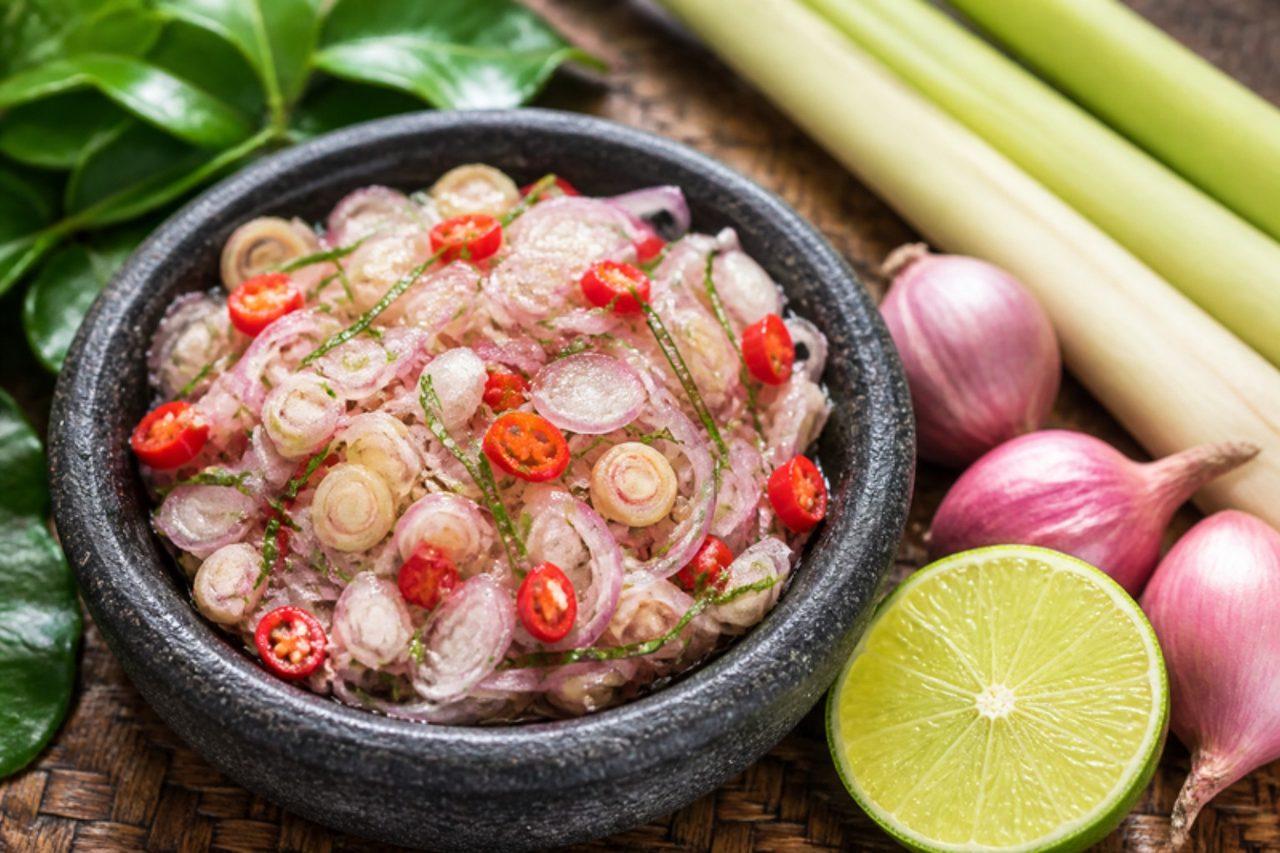
Sambal matahRaw shallot and lemongrass relish

Matah means raw in Balinese, and this sambal is nothing more than finely sliced shallots, chillies, lemongrass and lime leaf, squeezed with lime and dressed with hot coconut oil. It is the fresh, sharp counterpart to grilled tempeh, tofu, corn fritters and plain rice in warungs across Bali. Village cooks rub in a little toasted shrimp paste; this vegetarian version gets its savoury edge from salt and a touch of sugar. Chef's tip: squeeze the salted shallots with your fingers before adding the oil; they soften and release juice that carries the flavour.

by KrazyBadal 0 views

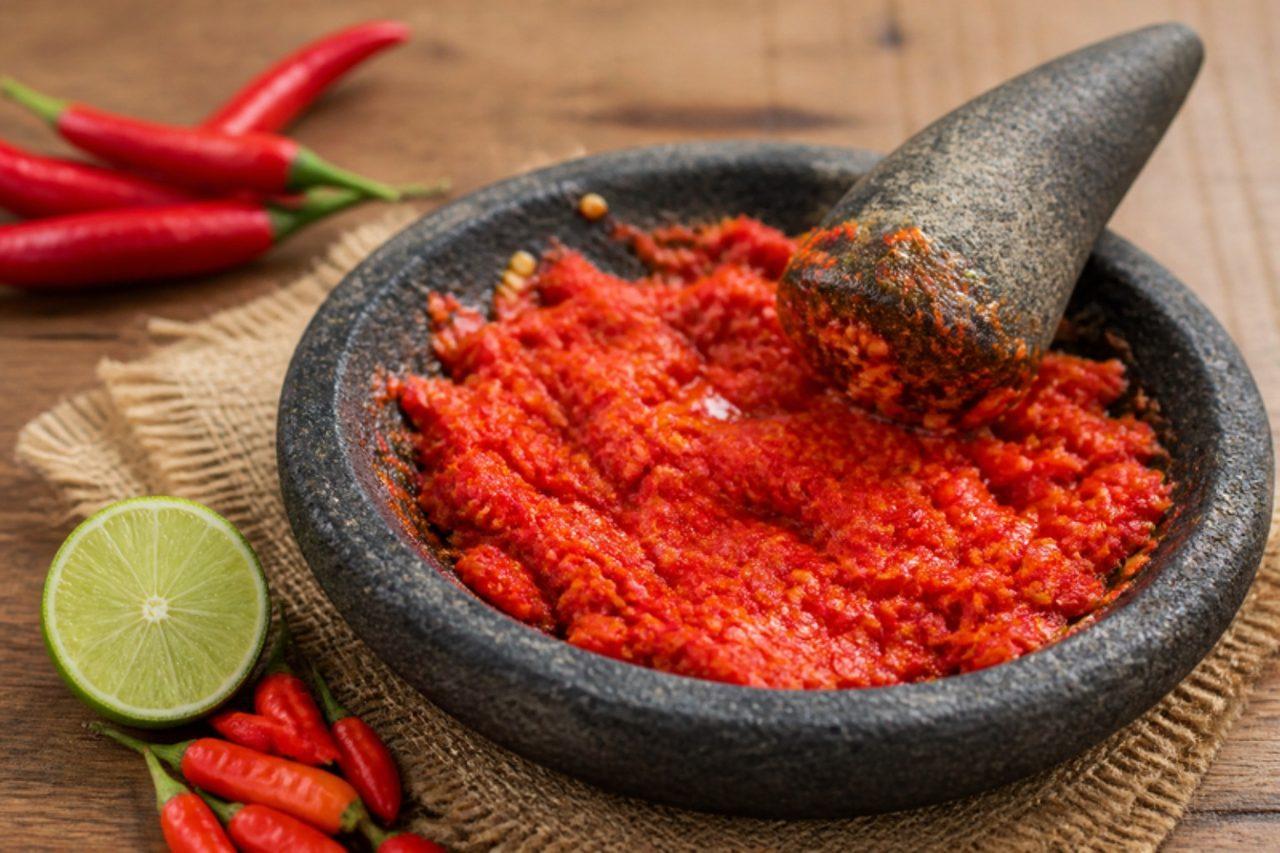
Sambal oelekFresh chilli paste

Every Indonesian kitchen has an ulekan, the flat stone mortar that gives sambal oelek its name, and this is the most basic thing ground in it: fresh red chillies and salt, pounded to a coarse, wet, fiery mash. It's the foundation many cooks start from, stirred into fried rice and soups, spooned beside every meal at warung tables nationwide, and the base for more complex cooked sambals. Making it fresh tastes brighter and fruitier than any jar. Chef's tip: wear gloves and pound rather than blitz if you can — crushing releases the oils and gives a juicier, more fragrant sambal than chopping blades.

by KrazyBadal 1 views

Sambal terasiShrimp paste chilli sambal

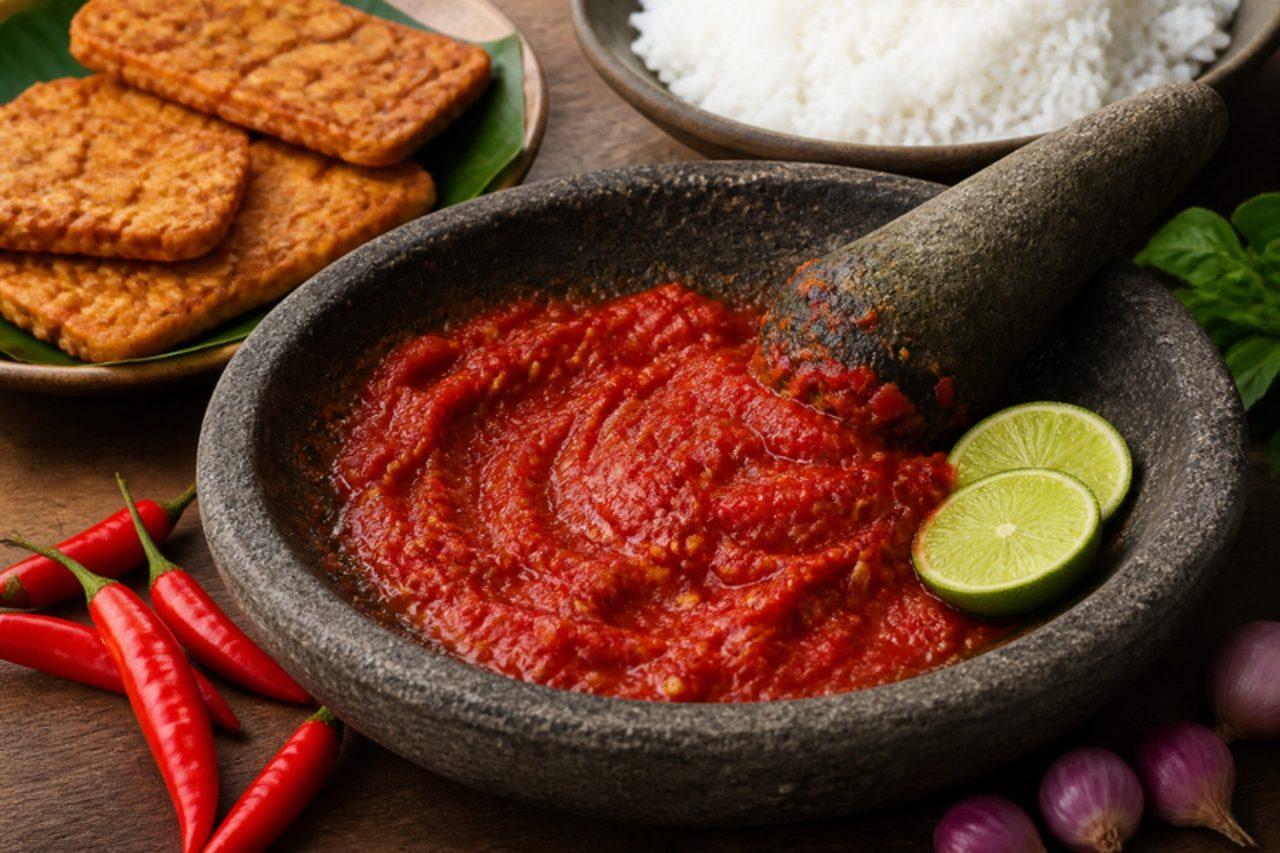
Almost every Indonesian kitchen keeps a stone mortar, the cobek, and the sambal pounded in it most often is this one. Toasted shrimp paste gives it a deep, savoury funk, fried chillies and shallots add sweetness and heat, and a squeeze of lime at the end wakes everything up. Spoon it beside fried chicken, grilled fish, fried tempeh or a plate of raw lalapan vegetables, or stir a little into fried rice. Chef's tip: pound rather than blend if you can; a coarse, slightly juicy texture tastes fresher than a smooth purée.

by KrazyBadal 0 views

Sambal tumisFried chilli paste

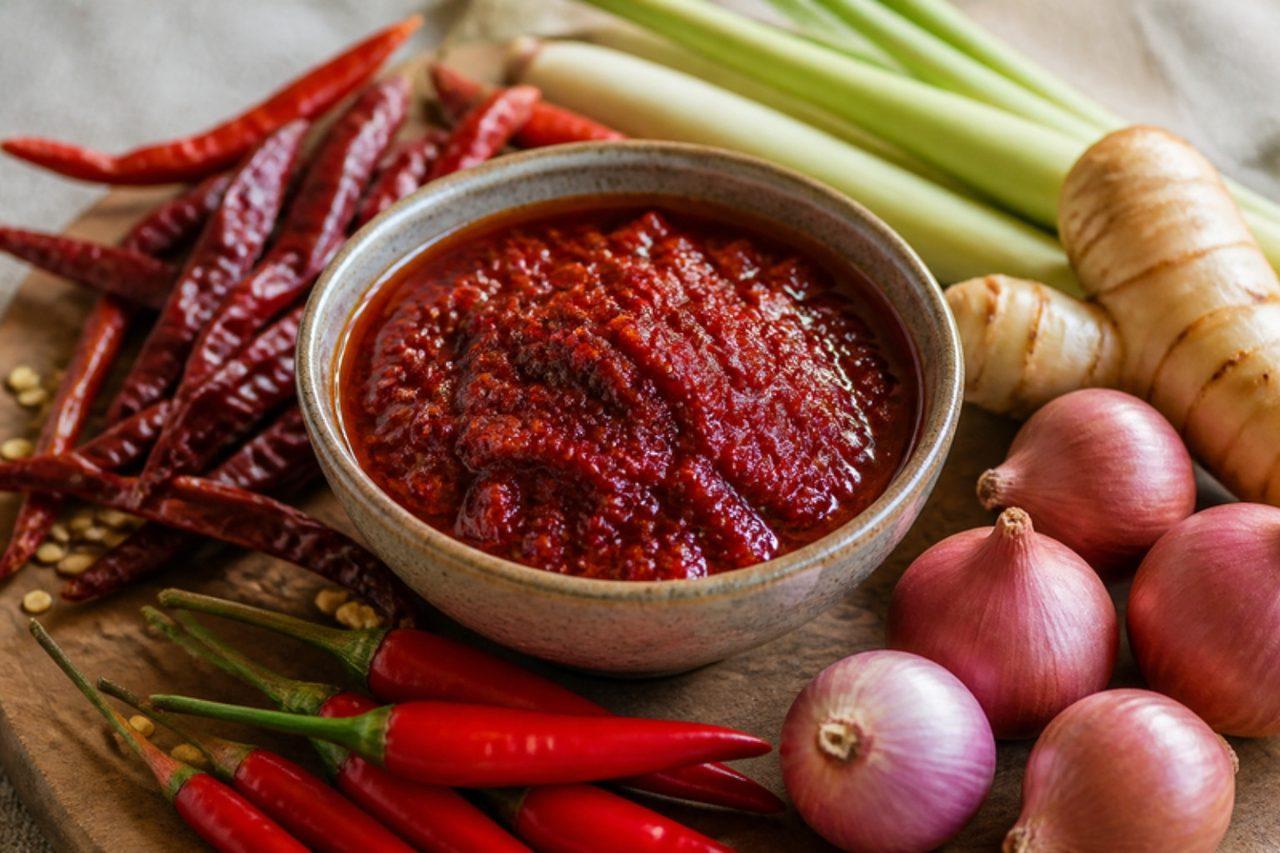
Ask any Malaysian cook what lives in the fridge door and the answer is usually a jar of sambal tumis. 'Tumis' means to sauté, and the paste of soaked dried chillies, shallots, garlic and spices is fried slowly in plenty of oil until it turns dark and jammy. From Johor to Kedah it goes on nasi lemak, gets stirred through fried rice and noodles, and is spooned beside eggs, tofu or roti. Most versions lean on belacan (shrimp paste); here a little toasted nori brings back that savoury, faintly sea-like depth. Chef's tip: make a double batch; covered with a film of its own oil it keeps for two weeks in the fridge and months in the freezer.

by KrazyBadal 0 views

SambuusCrisp beef pastries

Sambuus are the triangles of crisp pastry Somali families fry by the hundred during Ramadan, filling them with minced beef, onion, green chilli, coriander and xawaash; trays of them sit on every iftar table from Hargeisa to Toronto. The filling must be dry, and the pastry thin. The mistake is a wet filling, which steams the pastry from the inside and makes it soggy; cook the mince until all the liquid has gone. Chef's tip: shop-bought spring roll pastry, cut into strips, makes good thin sambuus at home.

by KrazyBadal 0 views

SamgyetangGinseng chicken soup

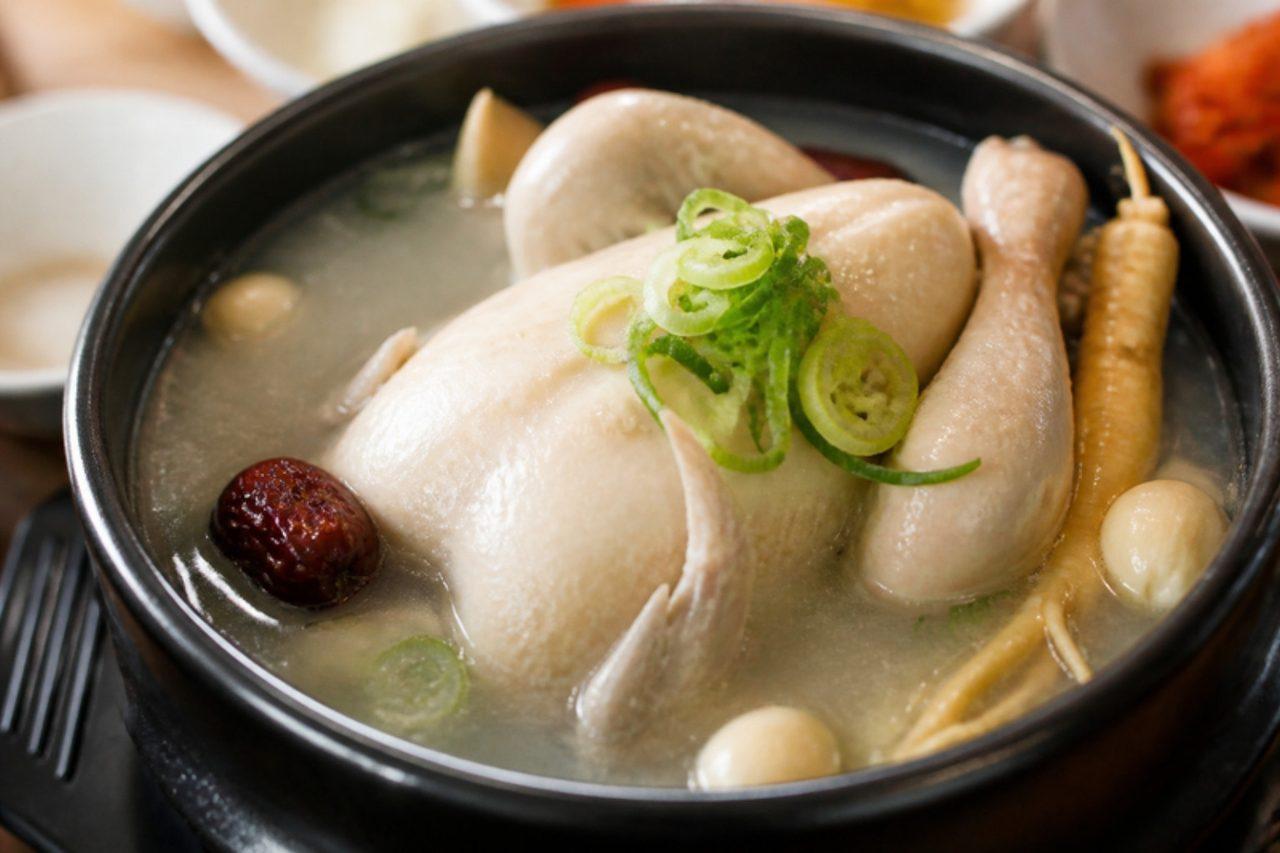
On the three hottest days of the Korean summer, called boknal, queues form outside samgyetang restaurants all over the country. The idea is to fight heat with heat: a small whole chicken is stuffed with glutinous rice, ginseng, jujubes and garlic, then simmered until the meat falls off the bone. Each person gets their own bird in its own bowl, with salt and pepper for dipping. Ginseng is not advised in pregnancy, so leave it out if unsure. Chef's tip: cut a small slit in the skin of one thigh and tuck the other leg through it, so the stuffing stays inside without string.

by KrazyBadal 0 views

Samkeh harraBaked fish with spicy tahini

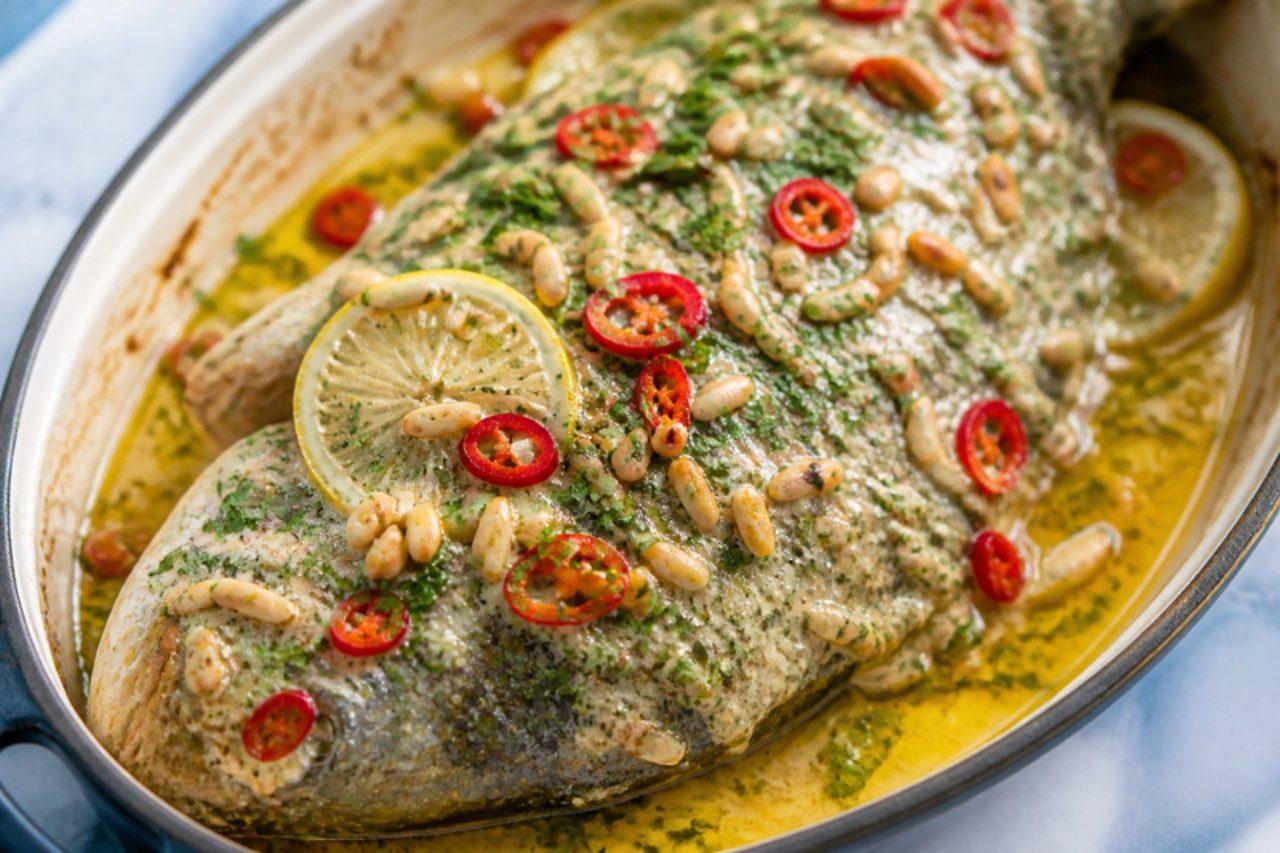
Samkeh harra, 'hot fish', is the pride of Tripoli and the fishing towns of northern Lebanon, where it is made with a whole sea bream or sea bass on Fridays and for summer lunches by the sea. The fish is baked, then covered with a fiery sauce of tahini, lemon, garlic, chilli and lots of coriander and returned to the oven until bubbling. Walnuts on top are a Tripoli touch. It is eaten warm or at room temperature with bread and a green salad. Chef's tip: loosen the tahini with lemon juice first, then water; it will seize and turn thick before it turns smooth, so keep whisking.

by KrazyBadal 0 views

Vegetable samlor korkoVegetable and green papaya soup

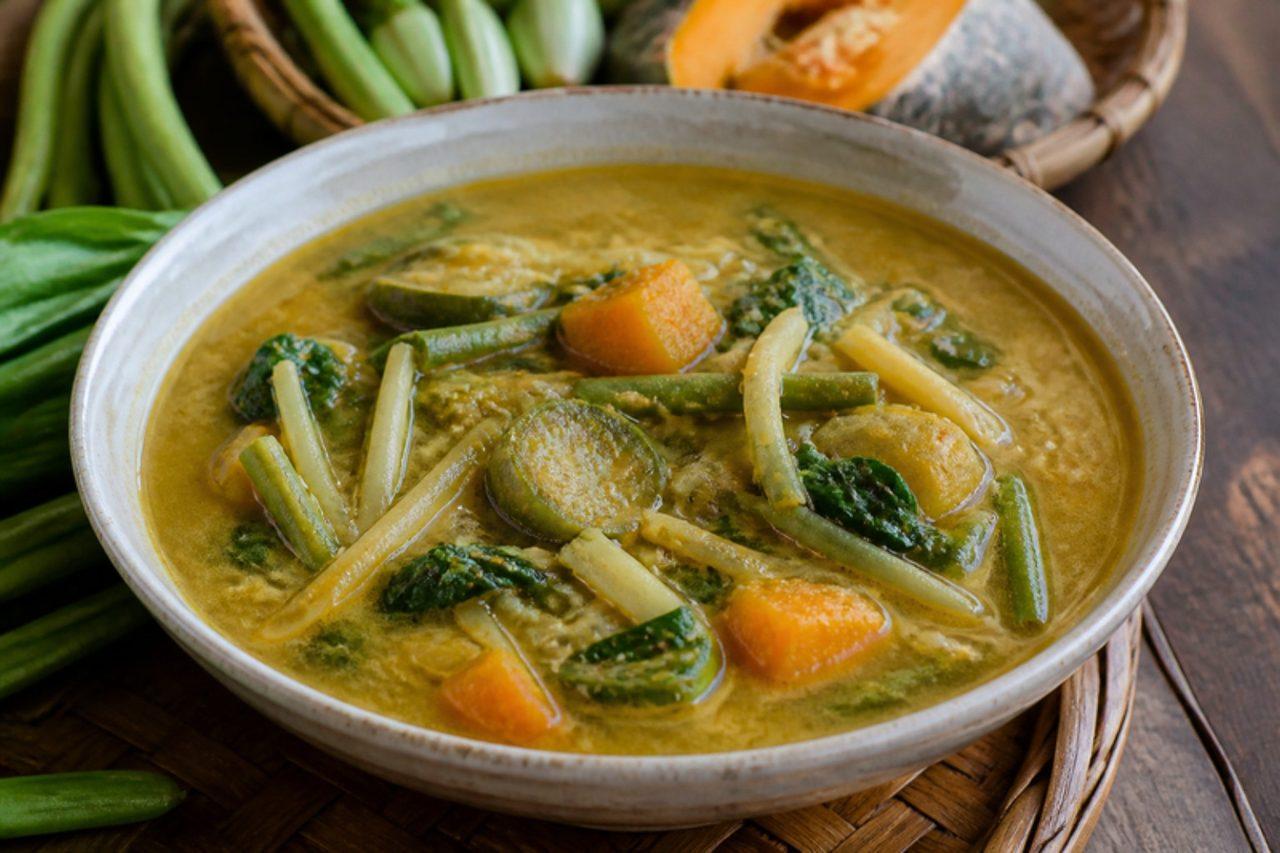
Samlor korko is called the national soup of Cambodia, cooked in villages from Battambang to Kampot and eaten at lunch with a bowl of rice. Its name means 'stirring soup', because the cook stands over the pot moving the vegetables as they go in one by one: green papaya, pumpkin, aubergine, long beans and leafy greens, all in a thin, herb-scented broth thickened with a spoonful of ground toasted rice. Prahok usually gives it its funk; fermented soybean paste and a little soy give depth here, and the soup stays light and full of vegetables. Chef's tip: toast the rice slowly until it is the colour of a hazelnut shell; that nutty smell is the backbone of the soup.

by KrazyBadal 0 views

Showing 27 of 10,569 recipes

Show more recipes

Page 978 of 1,175