Skip to content

Filipino recipes

68 Filipino recipes to cook at home, each with photos, step-by-step instructions and cook times. The quickest, Cheese pimiento sandwich, takes 10 minutes. Most take around 45 minutes.

Filter these by time, diet or cuisine

TahoWarm tofu with syrup and sago

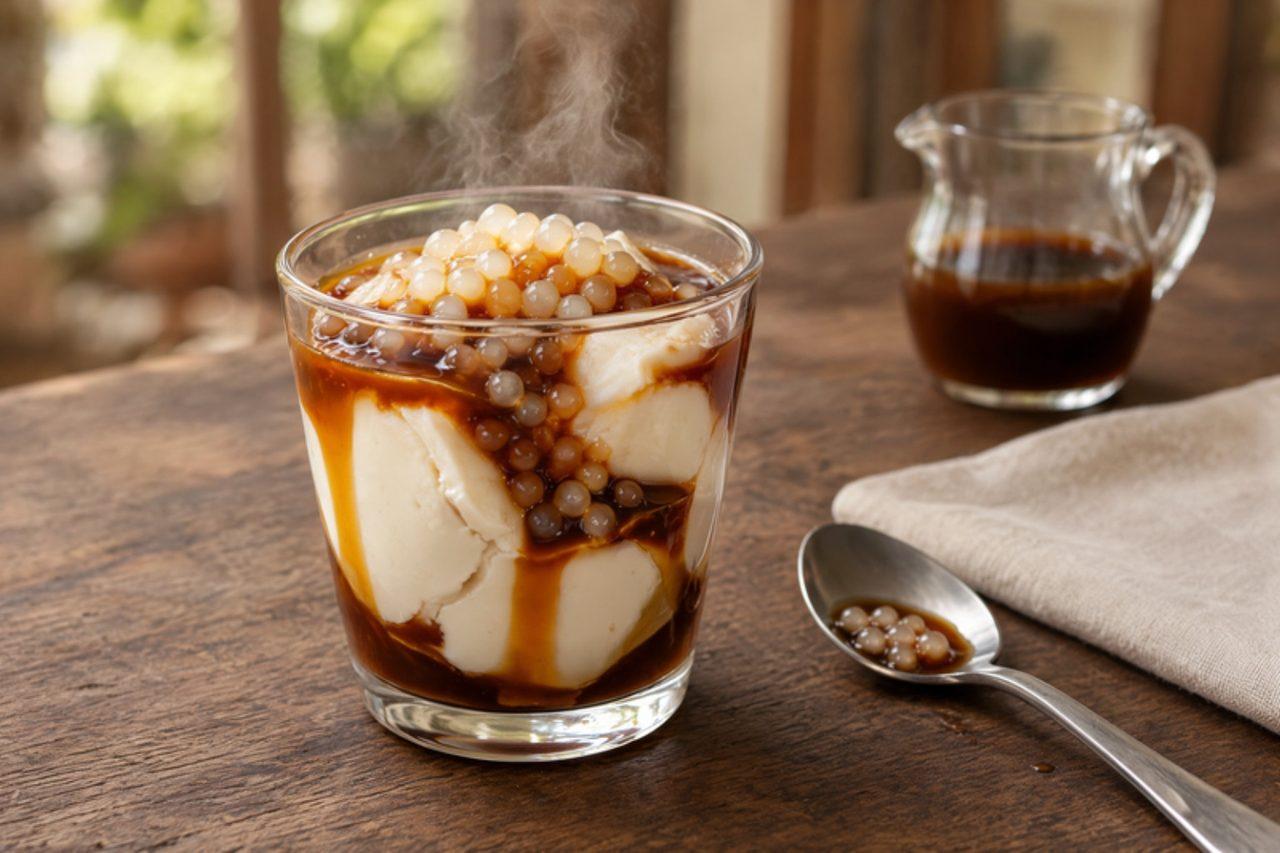
Before eight in the morning in any Philippine barangay you hear the call "Tahooo!" as the magtataho walks past with two aluminium buckets balanced on a shoulder pole: one holds warm, wobbly silken tofu, the other dark arnibal syrup and sago. He scoops paper-thin layers of tofu into a plastic cup with a flat ladle, pours syrup over and adds the pearls, and children eat it standing at the gate with a spoon or slurp it through a wide straw. The taste is caramel and soy milk; the texture is custard-soft tofu against chewy pearls. Baguio has its own pink strawberry version. The common mistake is cooking the sago in too little water or not stirring at the start, so the pearls glue into a lump; use plenty of boiling water and stir for the first two minutes. The sago is ready when the pearls are translucent with only a tiny white dot left in the centre, and the arnibal is right when it coats a spoon like thin maple syrup. Chef's tip: steam the tofu in its box or bowl rather than boiling it, so it stays in one silky piece. Small sago pearls are a choking risk for babies and toddlers, so serve them only to older children.

by KrazyBadal 0 views

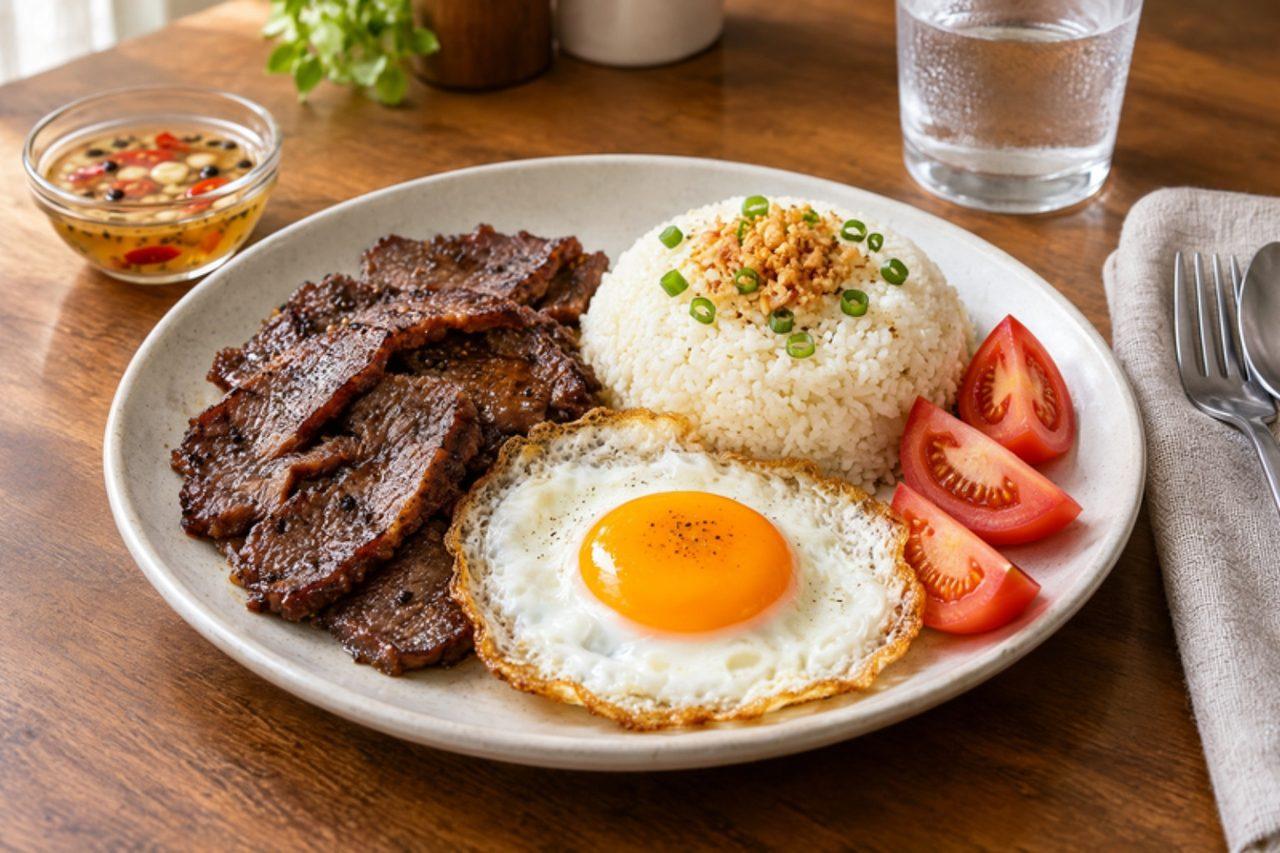
TapsilogBeef, garlic rice and fried egg

Tapsilog gave its name to the whole family of Filipino silog breakfasts: tapa (cured beef), sinangag (garlic fried rice) and itlog (egg), eaten from Manila carinderias to truck stops on the way north. The beef is sliced paper-thin and cured overnight with garlic, sugar and calamansi, then fried until the edges caramelise. Serve with spiced vinegar and sliced tomato. The usual mistake is cutting the beef thick; it must be thin enough to see the knife through, or it turns chewy. Chef's tip: half-freeze the beef for 40 minutes before slicing, and use day-old cold rice for the sinangag so the grains fry separately.

by KrazyBadal 0 views

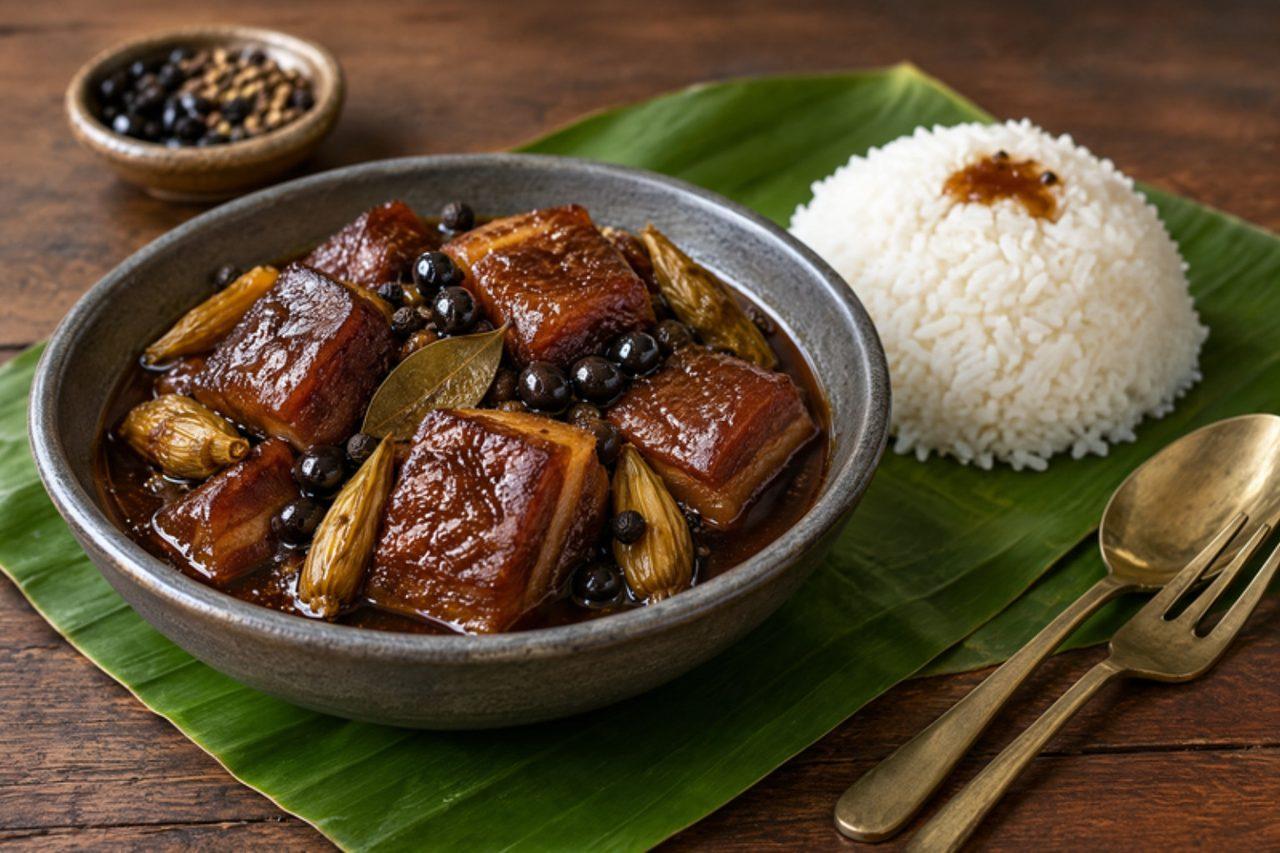
HumbaBraised pork belly

Humba is the sweet, dark braise of the Visayas, cooked in Cebu and Bohol homes for fiestas, birthdays and Sunday lunch. Pork belly simmers in soy sauce, cane vinegar and brown sugar with garlic, bay and peppercorns until the fat turns meltingly soft and the sauce becomes sticky; salted black beans (tausi) and dried lily buds, sold as dried banana blossoms, give it its Visayan character. Eat it with plenty of steamed rice. The usual mistake is stirring as soon as the vinegar goes in: let it boil uncovered for a few minutes first so its raw sharpness cooks off. Pressure-cooker: cook for 35 minutes at high pressure, then reduce the sauce uncovered. Chef's tip: humba tastes even better the next day, when the pork has soaked up the sauce.

130 minFilipinoMeat
by KrazyBadal 0 views

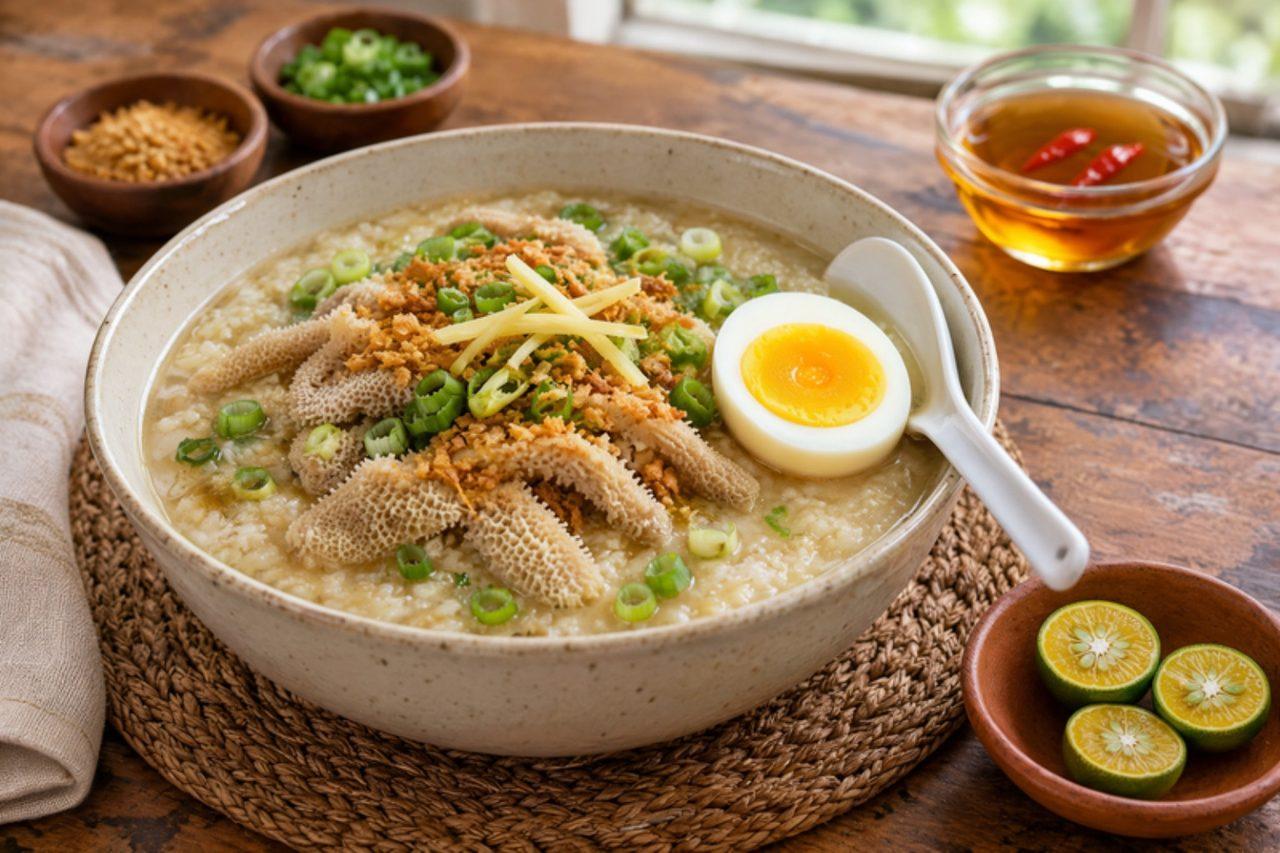
GotoGinger rice porridge with tripe

Goto is the tripe-rich cousin of arroz caldo, sold at dawn and late at night from gotohan stalls across Luzon, especially in Manila and Batangas. Glutinous rice is cooked in a ginger broth with long-simmered beef tripe until thick, then topped with toasted garlic, spring onion, a boiled egg and a squeeze of calamansi. The common mistake is skipping the pre-boil of the tripe, which leaves a strong farmyard smell. Chef's tip: buy cleaned honeycomb tripe and simmer it until a knife slides in easily before it meets the rice; it will not soften further once the porridge thickens.

by KrazyBadal 0 views

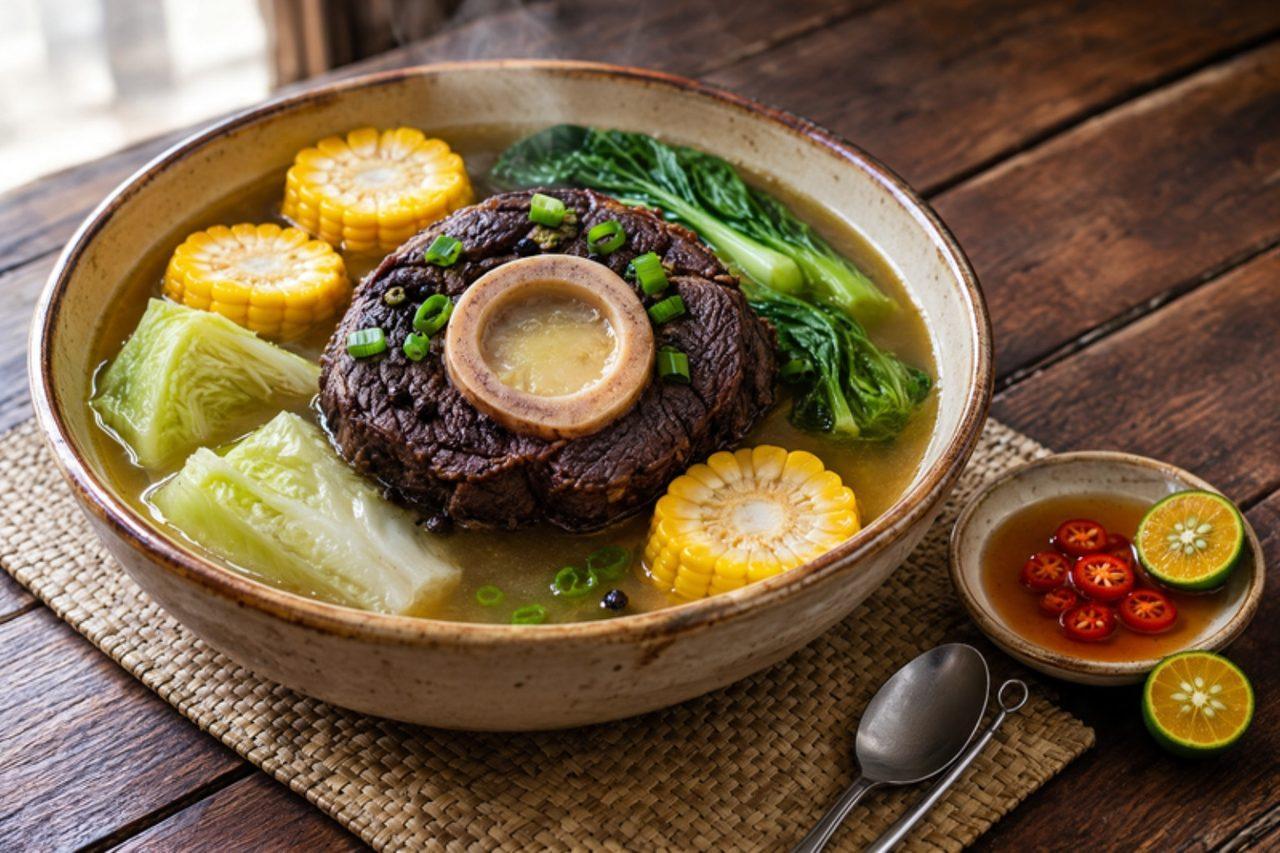
BulaloBeef shank and marrow soup

Bulalo is the pride of Batangas, south of Manila, served at roadside eateries on the way to Tagaytay where the cool upland air makes a steaming bowl the thing to order. Beef shank on the bone simmers for hours until the meat falls away and the marrow turns soft and wobbly, giving a clear, beefy broth seasoned just with fish sauce, onion and peppercorns. Corn on the cob, cabbage and pechay go in at the end. Spoon the marrow onto rice and dip the meat in fish sauce with calamansi and chilli. The usual mistake is skipping the first blanch: the broth turns grey and murky. Slow-cooker: after blanching, cook on low for 10 hours, adding the vegetables for the last 30 minutes on high. Chef's tip: keep the pot at a lazy simmer, never a boil, for the clearest broth.

by KrazyBadal 0 views

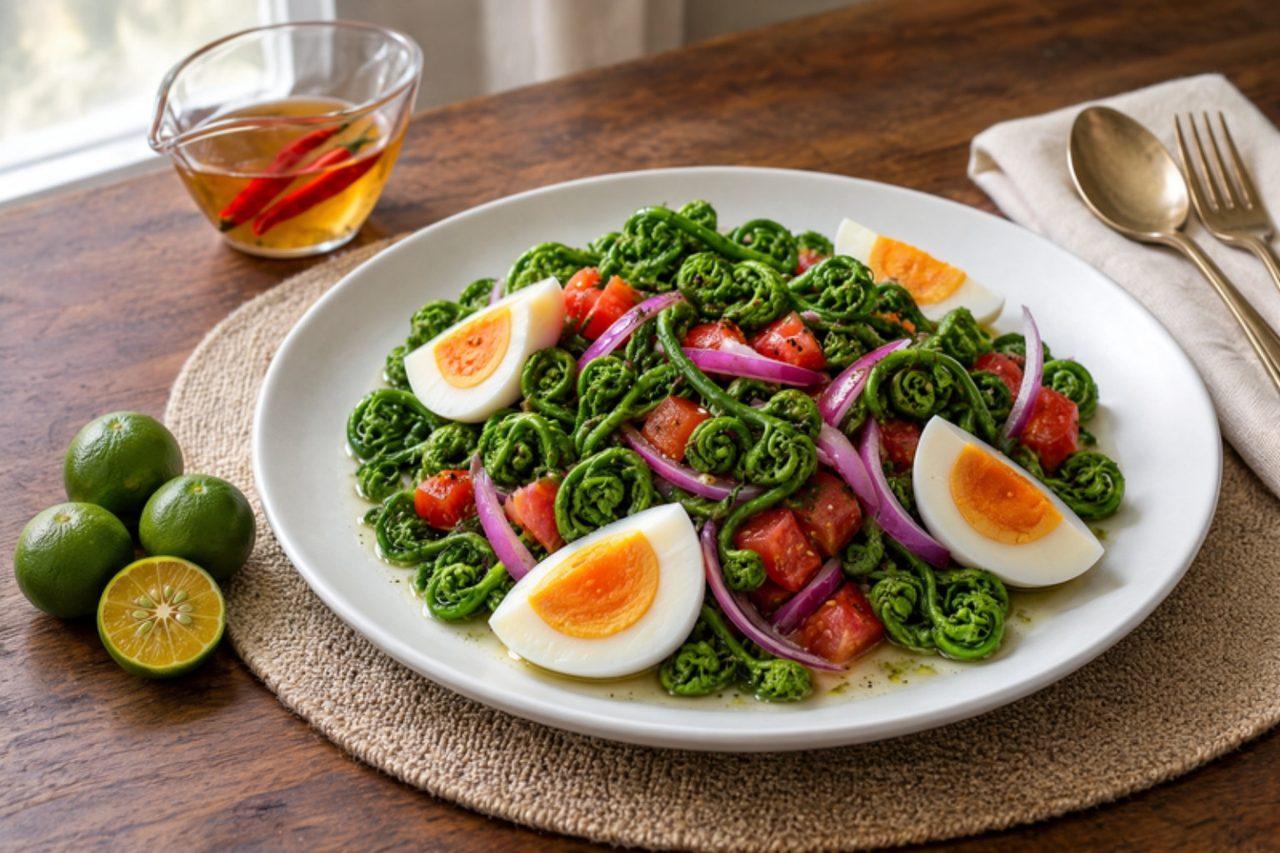
Ensaladang pakoFiddlehead fern salad

Pako, the young curled fronds of the vegetable fern, grow along streams in the Cordillera, Laguna and Mindanao, and in the rainy season they are sold in bundles at roadside stands. Blanched for a moment and tossed with tomato, onion, a calamansi and vinegar dressing and wedges of salted duck egg, they make a crunchy, refreshing side for grilled dishes at lunch. Suitable as part of a balanced diet, it adds greens with some protein: about 120 kcal and 8 g carbohydrate per portion. The usual mistake is eating the fern raw or barely warmed; always blanch it until tender. Chef's tip: plunge the fern straight into iced water after blanching so it stays bright green and crisp.

by KrazyBadal 0 views

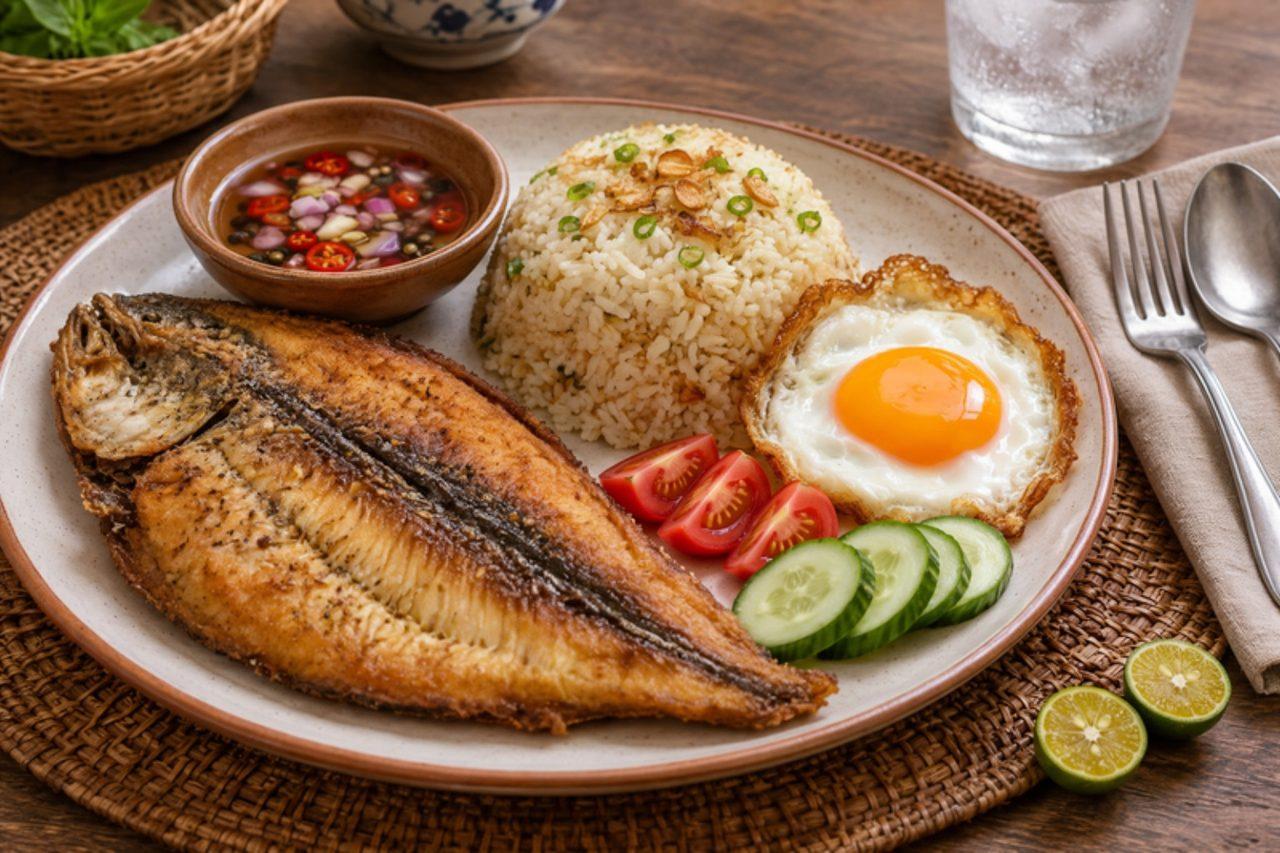
Daing na bangusMarinated fried milkfish

Bangus (milkfish) is the national fish of the Philippines, and daing na bangus, butterflied and soaked overnight in vinegar, garlic and pepper, then fried until the skin shatters, is a favourite morning plate from Pangasinan to Manila. It comes with garlic rice, a fried egg and a dip of spiced vinegar. Buy it boneless (deboned bangus) from Filipino shops, or use mackerel fillets. The usual mistake is putting the wet fish straight into the oil, which spits and stops it crisping. Chef's tip: pat the fish completely dry and fry skin side down first, pressing gently, without moving it for five minutes.

by KrazyBadal 0 views

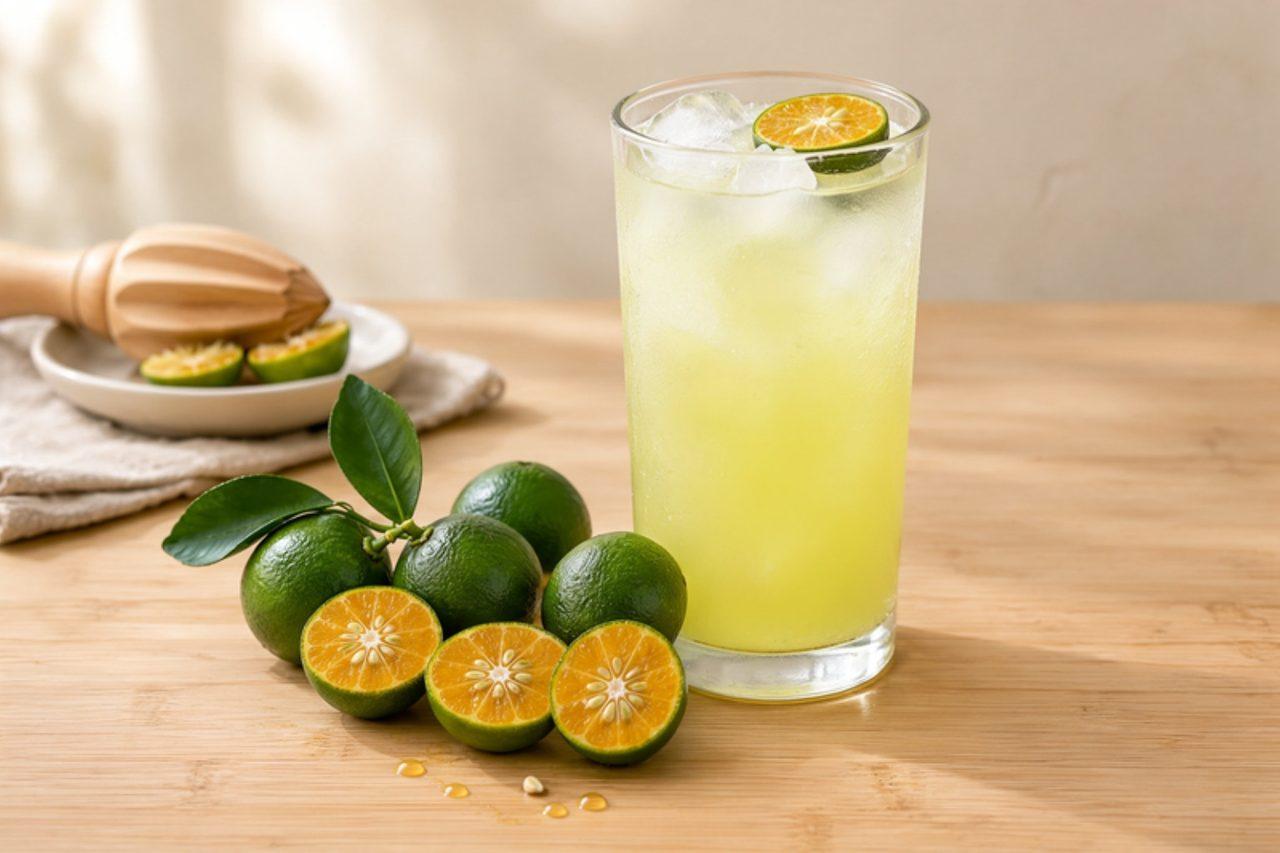
Calamansi juice

Every Filipino household seems to have a calamansi bush or a bag of the little green fruit in the fridge, from Manila condos to farmhouses in Mindoro, the island that grows most of them. At lunch in the dry season the juice comes out iced in a big pitcher; in the rainy months, when everyone has a cough, a lola stirs the same juice into hot water with a little sugar or honey and hands it over at bedtime. It tastes like a lime crossed with a mandarin: sharp, floral and slightly bitter at the edges, with a pale green-gold colour. The usual mistake is squeezing the fruit hard and letting the seeds and pith fall in, which turns the juice bitter within minutes; halve each fruit across, squeeze gently over a small strainer and stop before the peel folds. It is ready when the sugar has fully dissolved, the juice tastes bright rather than harsh and a cold glass fogs on the outside. Chef's tip: dissolve the sugar in a little warm water first, as it never melts properly in iced juice.

by KrazyBadal 0 views

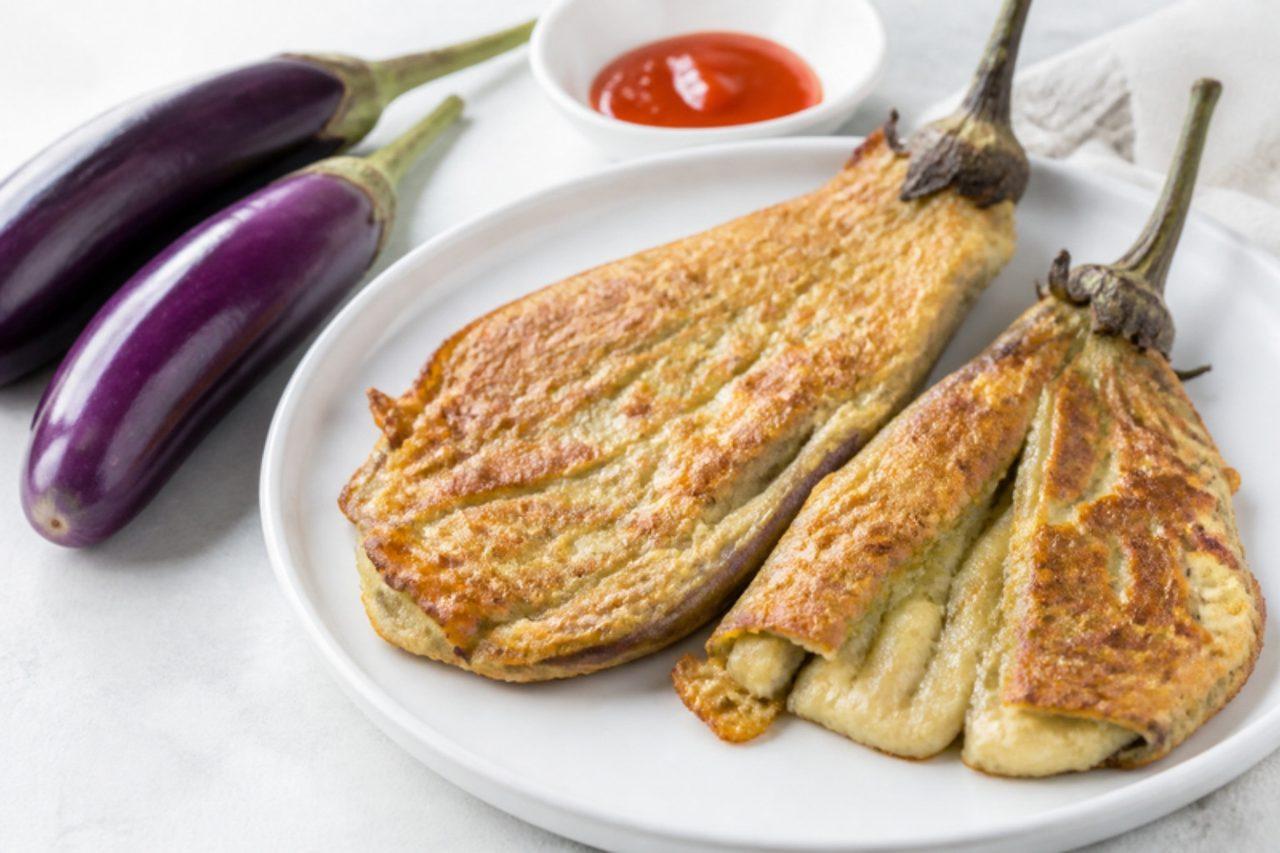
Tortang talongAubergine omelette

Tortang talong is a weekday lunch in Filipino homes from Luzon to Visayas, the dish a mother makes when the fridge holds only a few eggs and some long aubergines from the market. The aubergines are charred whole over a gas flame until the skin blackens and the flesh goes smoky and soft, then peeled (the stem left on as a handle), flattened into a fan with a fork, dipped in seasoned egg and fried until golden. The result is a thin, smoky omelette shaped like an aubergine. Filipinos eat it with rice and banana ketchup or a dish of vinegar with garlic. Chef's tip: char the aubergines right on the flame, not in the oven; that smoky taste is the whole dish.

by KrazyBadal 0 views

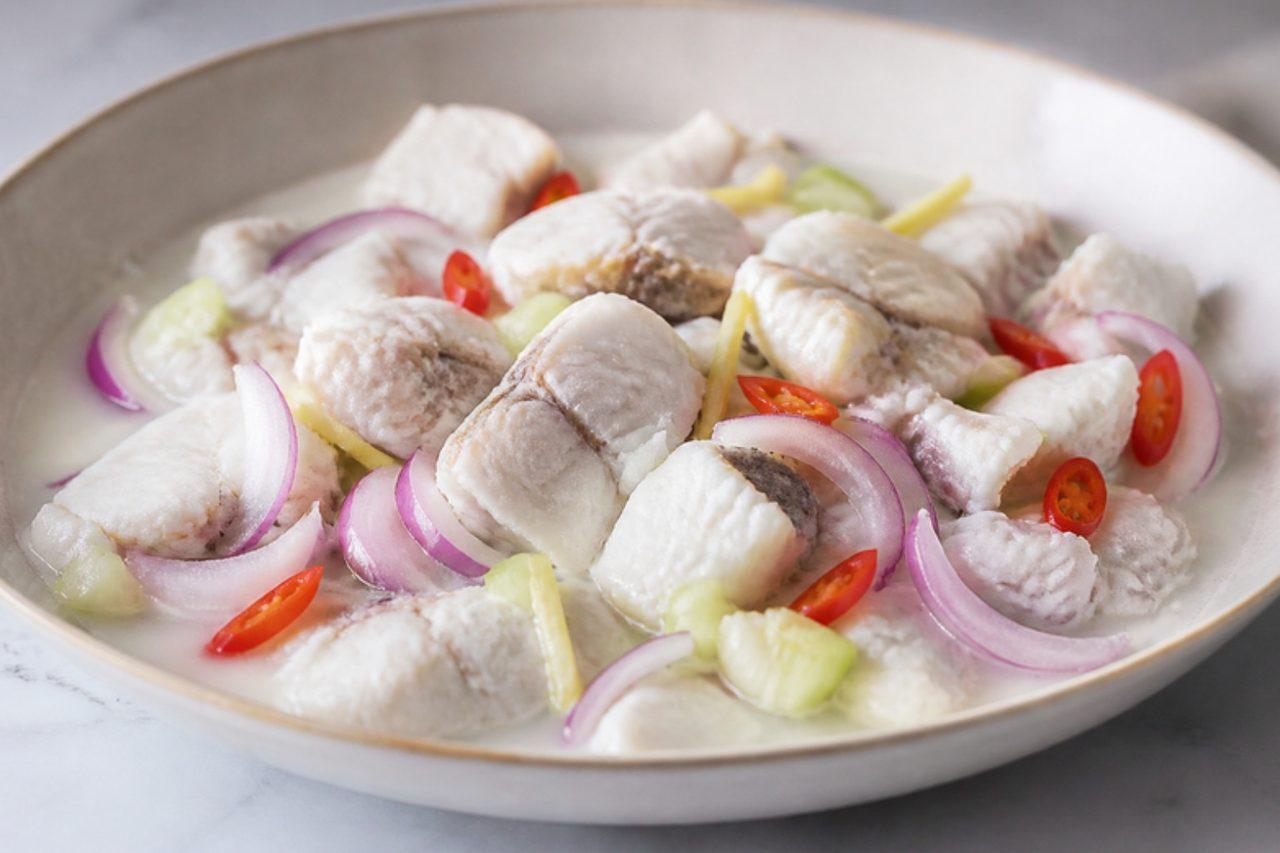
Tuna kinilawRaw tuna in vinegar

Kinilaw is the Visayas and Mindanao way with very fresh fish: raw cubes of tuna or Spanish mackerel (tanigue) cured briefly in coconut or palm vinegar with ginger, red onion, chilli and calamansi. In General Santos, the tuna capital, and on the beaches of Cebu and Siargao, it is made minutes after the catch and eaten as pulutan or a starter on hot afternoons. Please note: the fish is not cooked by heat; the vinegar only firms it and turns it opaque, and it does not kill all bacteria or parasites. Use only sashimi-grade fish that has been frozen to kill parasites, and pregnant women, young children, older people and anyone with a weakened immune system should not eat it. Chef's tip: pour a first splash of vinegar over the fish and drain it off, then dress it; this 'washing' firms the surface and keeps the flavour clean.

by KrazyBadal 0 views

TuronFried banana spring rolls

Turon is the afternoon snack sold by vendors on every Filipino street corner, school gate and jeepney stop around three o'clock, often next to banana cue on bamboo skewers. A slice of saba banana and a strip of ripe jackfruit are rolled in a thin spring roll wrapper with brown sugar, then fried in oil that has more brown sugar sprinkled in it, so each roll comes out wrapped in a crackly, glassy caramel shell. It is eaten hot with your fingers, when the banana inside has turned soft and sticky. Saba is a short, firm cooking banana; ripe plantain is the closest substitute. Chef's tip: roll them tightly with no air pockets, or the caramel blows holes in the wrapper.

by KrazyBadal 0 views

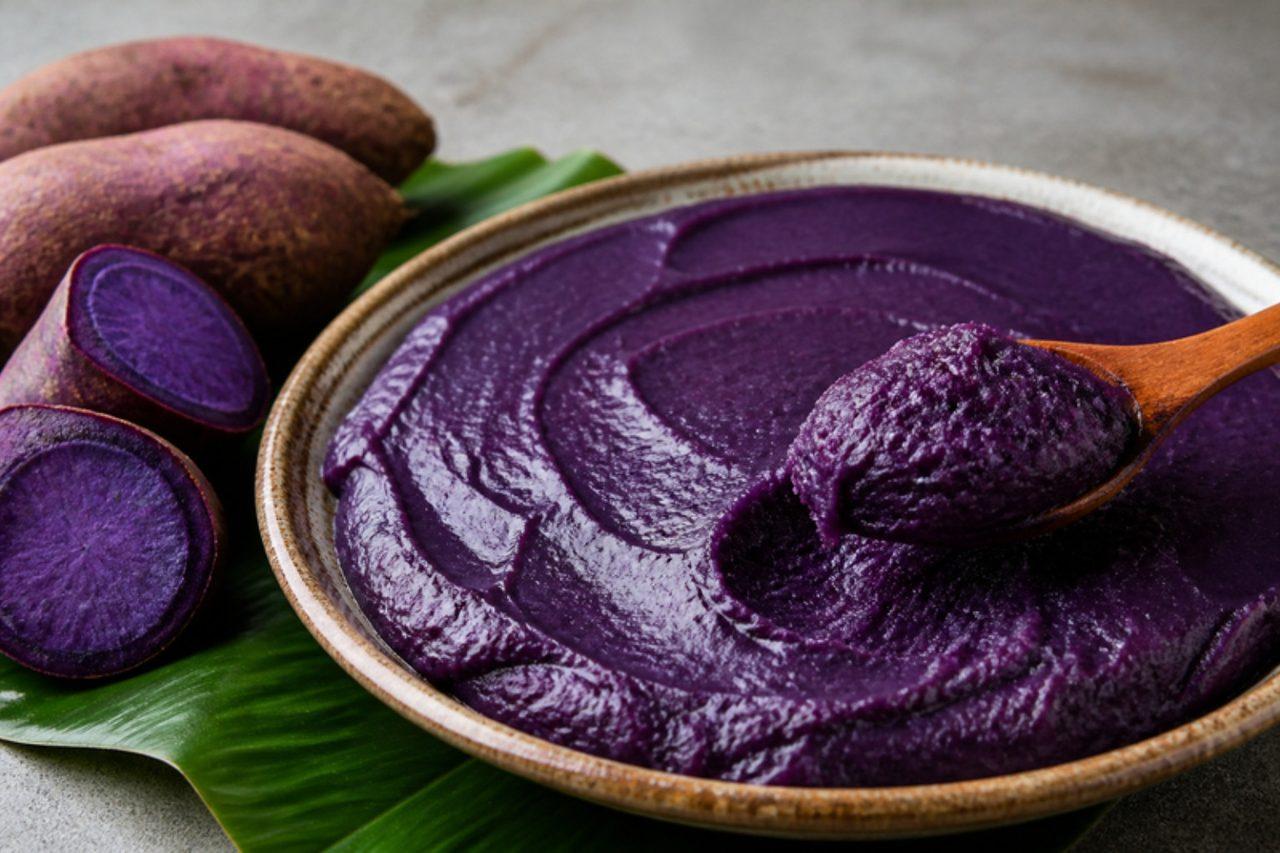
Ube halayaPurple yam jam

Ube halaya is a thick, deep purple jam made from purple yam, slowly stirred with coconut milk, condensed milk and butter until it pulls away from the pan. Bohol, where ube grows in abundance and the province holds a festival for it every January, claims it, and in Baguio jars of it are bought as pasalubong (gifts) to take home. It appears at Christmas and fiestas, spread on bread, eaten by the spoonful, packed into halo-halo or shaped in moulds and topped with latik or grated cheese. Real ube has a gentle, nutty, vanilla-like flavour; purple sweet potato is not the same. Chef's tip: frozen grated ube from Asian grocers works perfectly and saves an hour of peeling and grating.

by KrazyBadal 0 views

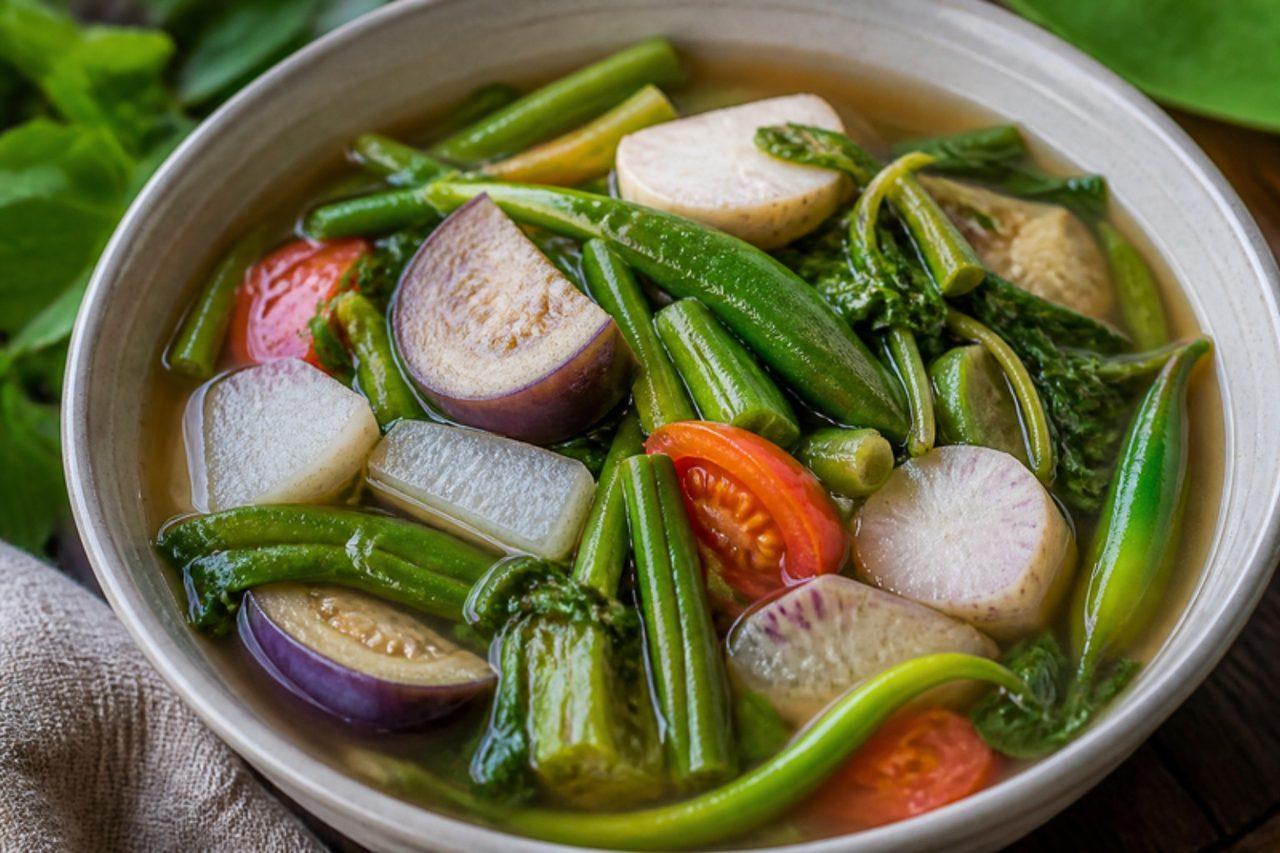
Vegetable sinigangSour tamarind vegetable soup

Sinigang is the sour soup that Tagalog families crave when the monsoon arrives between June and October, when rain hammers the tin roofs and a steaming bowl next to rice feels like the only sensible lunch. The sourness traditionally comes from young tamarind (sampalok) boiled and mashed into the broth, and the vegetables are whatever the market has: white radish, taro to thicken the soup slightly, okra, yard-long beans, aubergine and a final handful of water spinach. This vegetarian sinigang na gulay skips the pork or fish and relies on the tamarind, tomato and onion for flavour. The broth should make you pucker a little on the first sip. Chef's tip: add the tamarind in stages and taste between each, since blocks of tamarind vary a lot in sourness.

by KrazyBadal 0 views

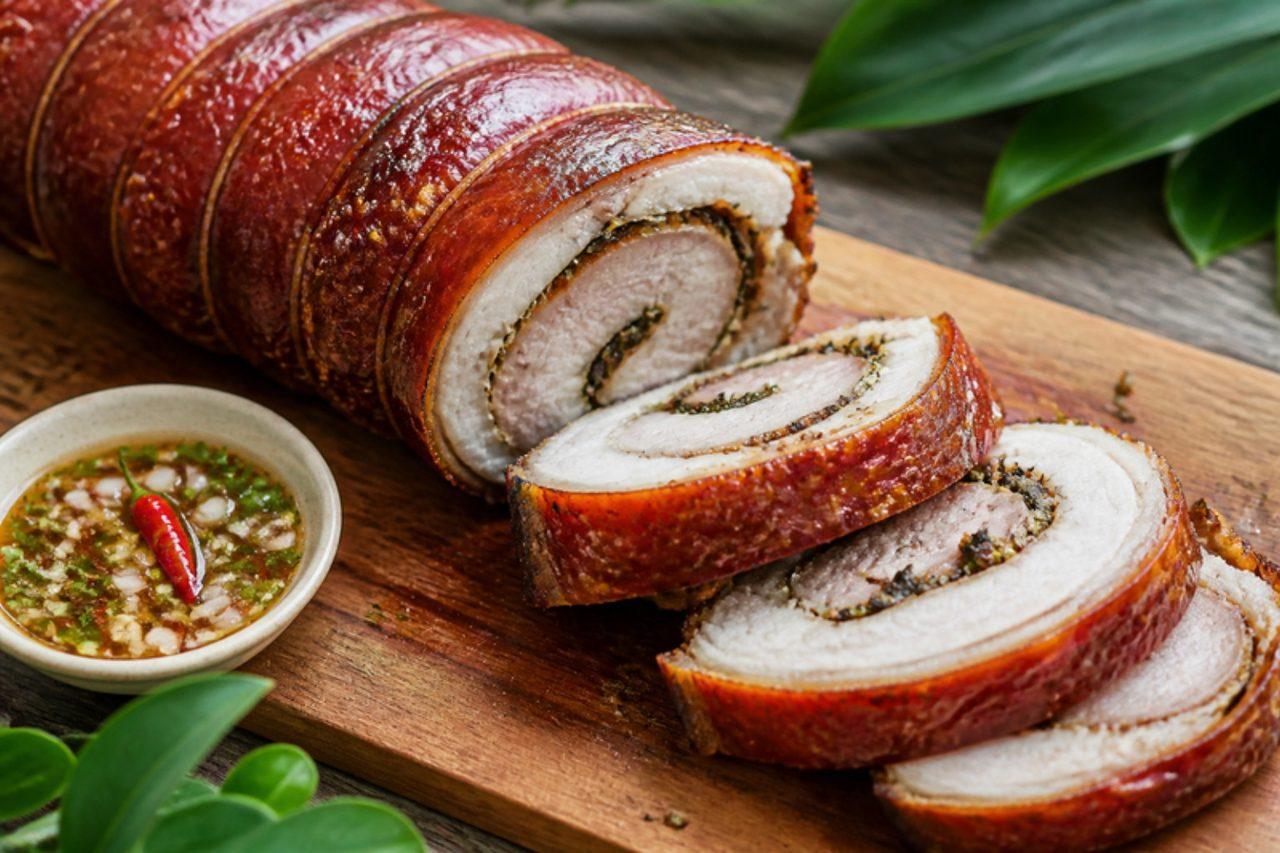
Cebu-style lechon belly

Cebu claims the best lechon in the Philippines, and its whole roast pigs are stuffed with lemongrass, garlic and spring onion so the meat needs no sauce. Lechon belly (lechon belyo) brings that flavour to a home oven: a slab of pork belly is rolled around the same herbs, tied, and roasted slowly, then blasted with heat until the rind turns to crackling. It is the centrepiece for Cebuano fiestas, Christmas and big birthdays, carved at the table and eaten with rice and a little spiced vinegar. Chef's tip: score only the meat side, never the skin, and dry the rind in the fridge overnight; an unbroken, dry skin crackles evenly.

250 minFilipinoMeatGluten free
by KrazyBadal 0 views

Adobong kangkongBraised water spinach

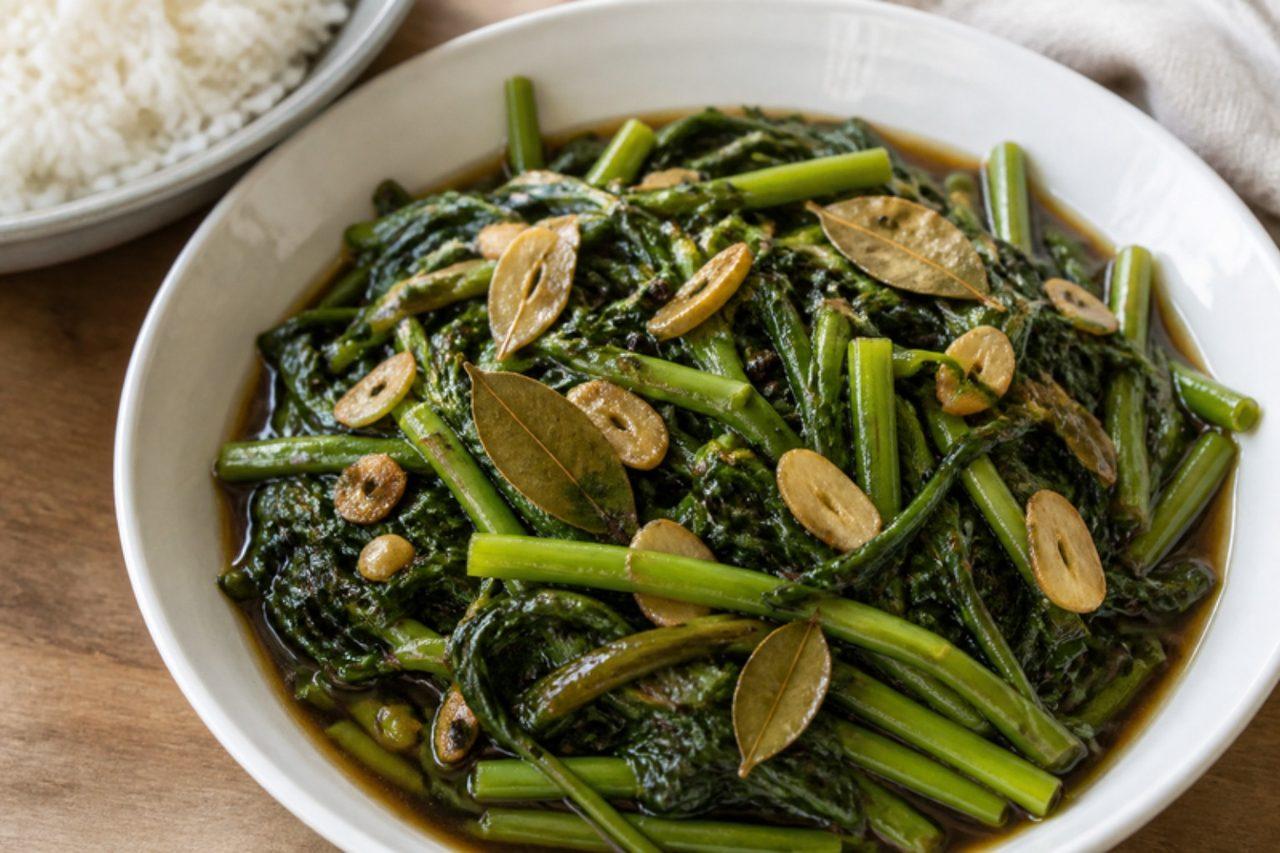
In Manila and across Luzon, adobong kangkong is the cheap green that sits in a tray at the carinderia, the roadside canteen where office workers and jeepney drivers point at two or three dishes to go with their rice. It is not a stir-fry in the Chinese or Malay sense: the water spinach is cooked briefly in an adobo base of cane vinegar, soy sauce, bay and cracked pepper, so the stems stay crunchy while the leaves soak up a sharp, salty, garlicky sauce that runs into the rice. It costs very little, takes ten minutes and is often the only vegetable on a weekday plate. Chef's tip: let the vinegar boil for a full minute before you stir anything, the way Filipino cooks do; the raw, harsh edge cooks off and the sauce turns mellow.

by KrazyBadal 0 views

BagnetCrispy fried pork belly

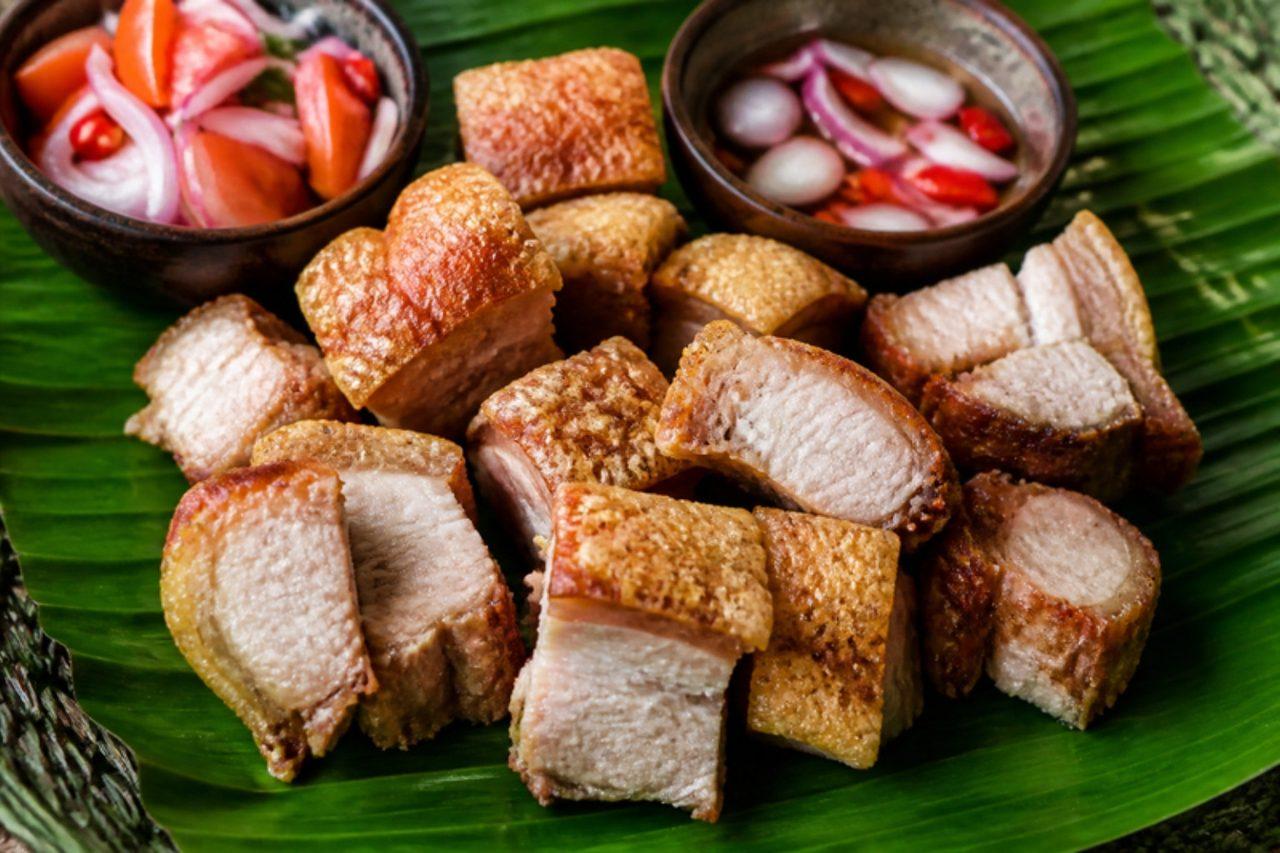
Up in Ilocos Norte and Ilocos Sur, in towns like Vigan and Batac, bagnet hangs in market stalls in golden slabs: pork belly that has been boiled, dried and deep-fried so the rind is puffed and crunchy all the way through. Ilocanos chop it into rice bowls, add it to pinakbet and dinengdeng, or eat it with sukang Iloco, the region's dark sugarcane vinegar. It is richer and crunchier than lechon kawali because it is fried twice. A tomato and onion salad with a little shrimp paste cuts the fat. Chef's tip: the second fry, in hotter oil after a rest, is what makes the rind bubble; skip it and you get chewy skin.

150 minFilipinoMeatGluten free
by KrazyBadal 0 views

BibingkaCoconut rice cake

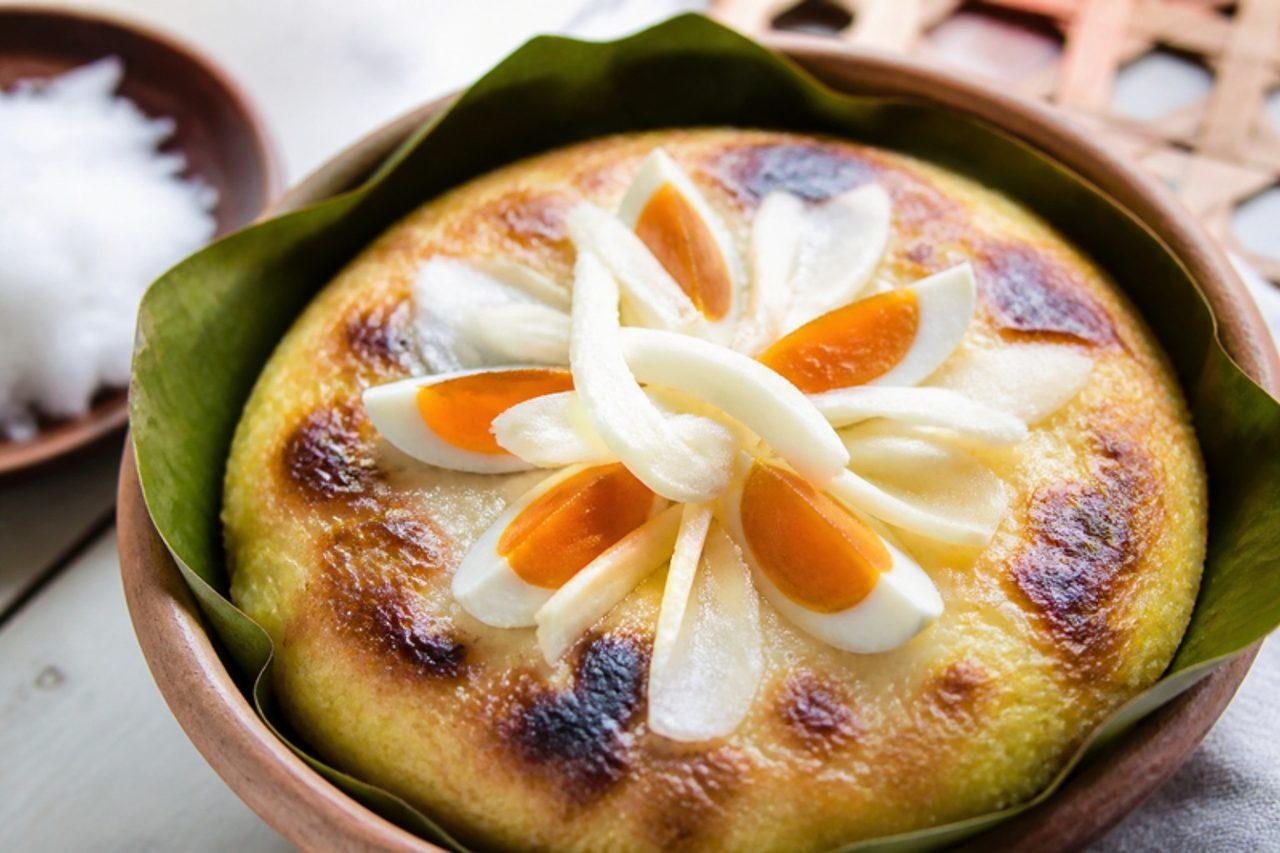
During the nine dawn masses of Simbang Gabi, from 16 to 24 December, vendors set up outside churches across the Philippines baking bibingka in clay pots with hot coals both underneath and on top. Churchgoers buy them on the way out at 5 am, still steaming in their banana-leaf liners, with a hot drink. The cake is made from rice flour and coconut milk, springy and slightly chewy, with a browned, buttery top covered in salty white cheese, slices of salted duck egg, sugar and grated coconut. This version bakes it in an ordinary oven and finishes it under the grill for that charred top. Chef's tip: warm the banana leaves over a flame for a few seconds until they turn glossy and supple; cold leaves crack and the batter leaks under them.

by KrazyBadal 0 views

Bicol expressPork in coconut milk and chilli

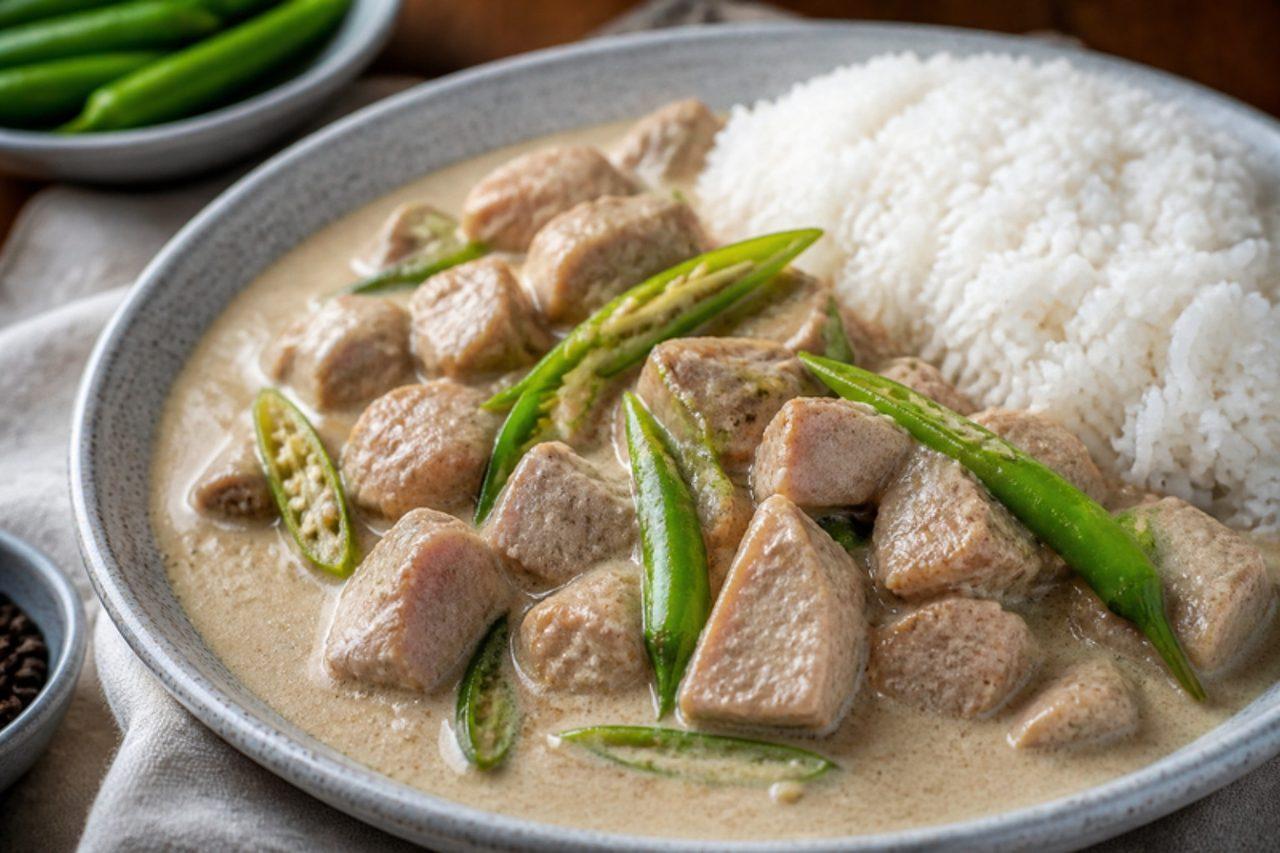
Bicol, the peninsula at the southern tip of Luzon, cooks almost everything in coconut milk with plenty of chilli, and Bicol express is the pork dish that carries the region's name all over the country (locals often call it sinilihan, 'with chillies'). Pork shoulder is cooked down in coconut milk until the liquid turns to oil and the meat is tender, then finished with coconut cream, long green chillies and a spoon of shrimp paste. It is rich, salty and properly hot. Serve it with lots of plain rice. Chef's tip: let the coconut milk reduce until it 'breaks' and you see the oil; that is when the sauce gets its toasty, deep flavour.

by KrazyBadal 0 views

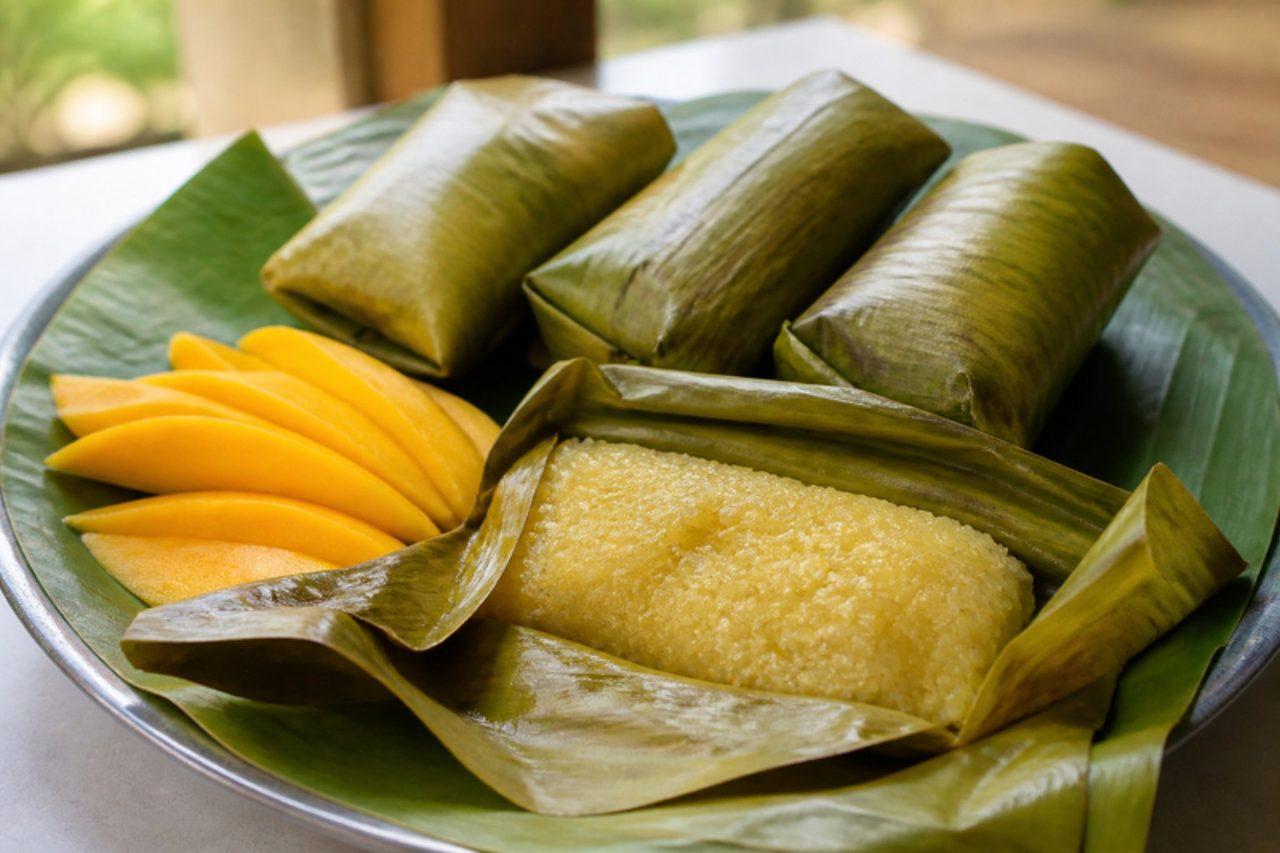
Budbud kabogMillet in coconut milk

Budbud is the Visayan name for sticky rice rolls steamed in banana leaf, and the famous kabog version from Tanjay, Negros Oriental, uses millet instead of rice. The millet is cooked thick in coconut milk and sugar, rolled into banana leaves and steamed until it sets into a soft, slightly grainy log. In Dumaguete it is breakfast with ripe mango and a cup of tablea hot chocolate. Chef's tip: wilt the banana leaves briefly over a flame or in hot water so they fold without splitting.

by KrazyBadal 0 views

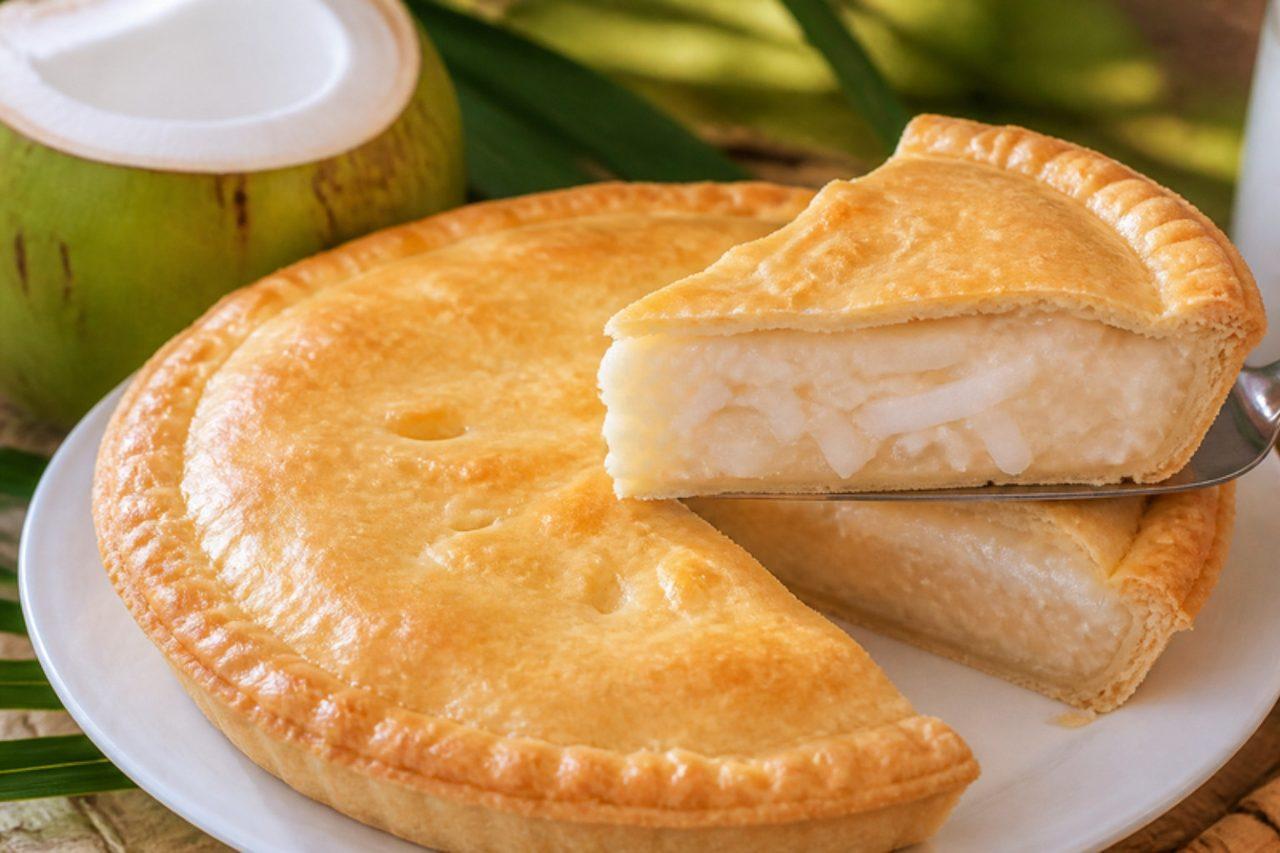
Buko pieYoung coconut pie

Drive the old highway through Los Baños and Calauan in Laguna and roadside shops sell buko pie in white boxes by the stack, warm from the oven. The filling is tender strips of young coconut set in a creamy custard made with the coconut's own water and milk, sealed in a short, buttery crust. It is a pasalubong, a gift you bring back for people at home. Chef's tip: use only the soft, spoonable flesh of young coconuts; hard mature coconut turns the filling chewy.

by KrazyBadal 0 views

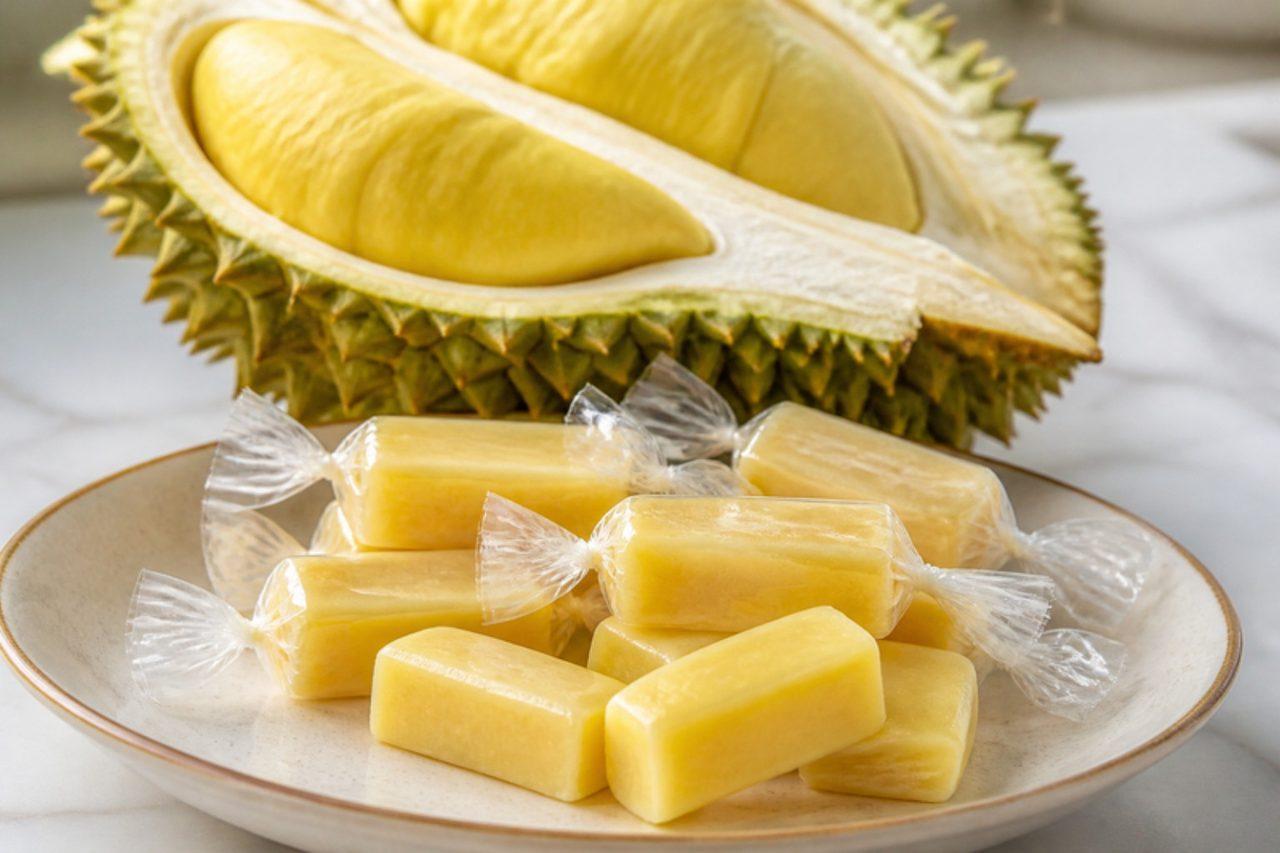
Durian candyDurian milk fudge

Davao City on Mindanao is the Philippines' durian capital, and its roadside stalls sell the fruit by the kilo next to boxes of durian candy for travellers who can't carry a whole one home. Ripe durian pulp is cooked slowly with condensed milk, sugar and butter until it becomes a dense, chewy fudge that tastes of caramel, custard and that famously strong fruit. Chef's tip: frozen durian pulp works perfectly; thaw it fully and pick out any seeds and fibrous bits before you start.

by KrazyBadal 0 views

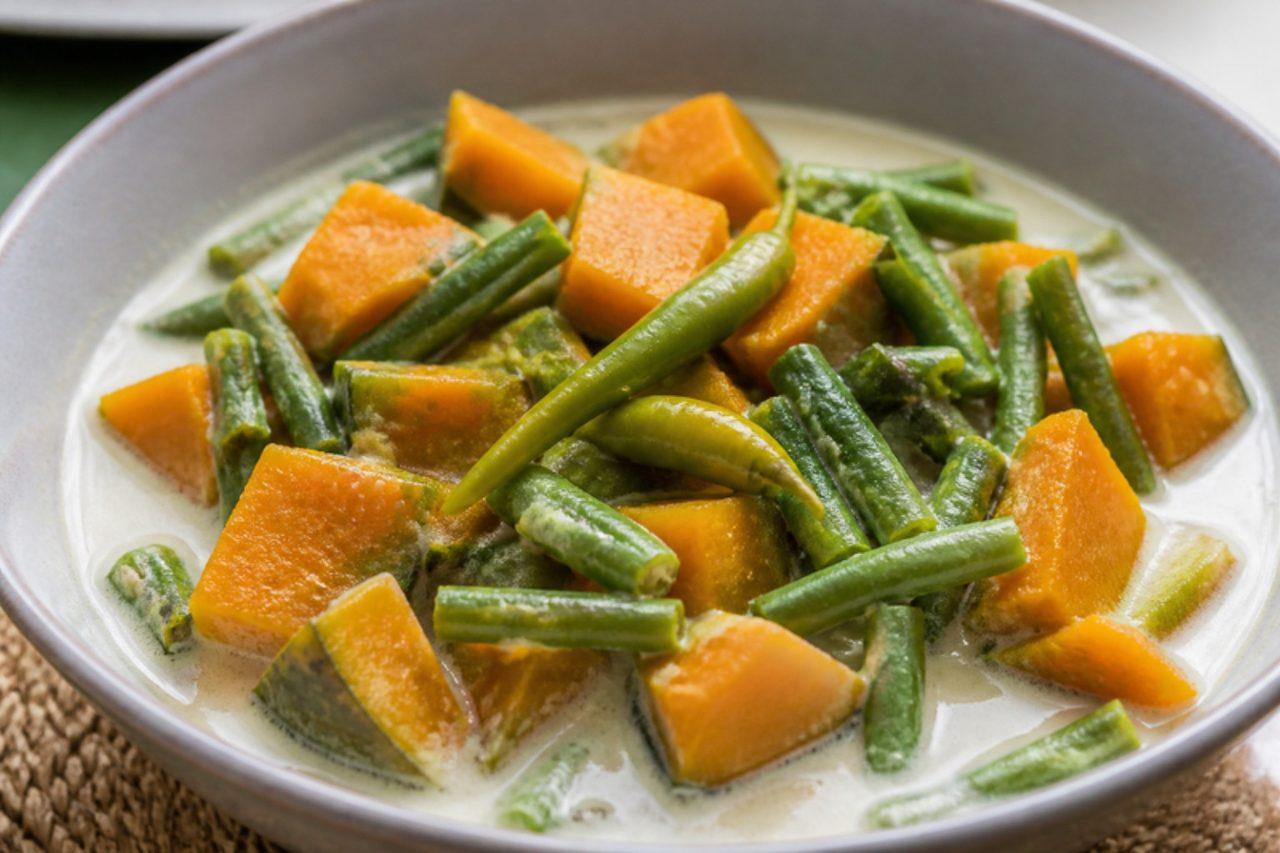
Ginataang kalabasa at sitawSquash and long beans in coconut milk

Ginataan means 'cooked in coconut milk', and in the coconut country of Bicol and Southern Tagalog it is how a lot of weeknight vegetables end up on the table. Ginataang kalabasa at sitaw is the homely version: chunks of orange squash and lengths of yard-long beans simmered in coconut milk with garlic, onion and ginger until the squash just starts to melt into the sauce, turning it pale gold and lightly sweet. Bicolano cooks drop in a long green chilli or two for warmth. It is a one-pot dish served with rice, and many families make it on days when there is no money for meat. Chef's tip: keep back a few chunks of squash to mash into the sauce at the end; it thickens it naturally.

by KrazyBadal 0 views

Ginataang langkaYoung jackfruit in coconut milk

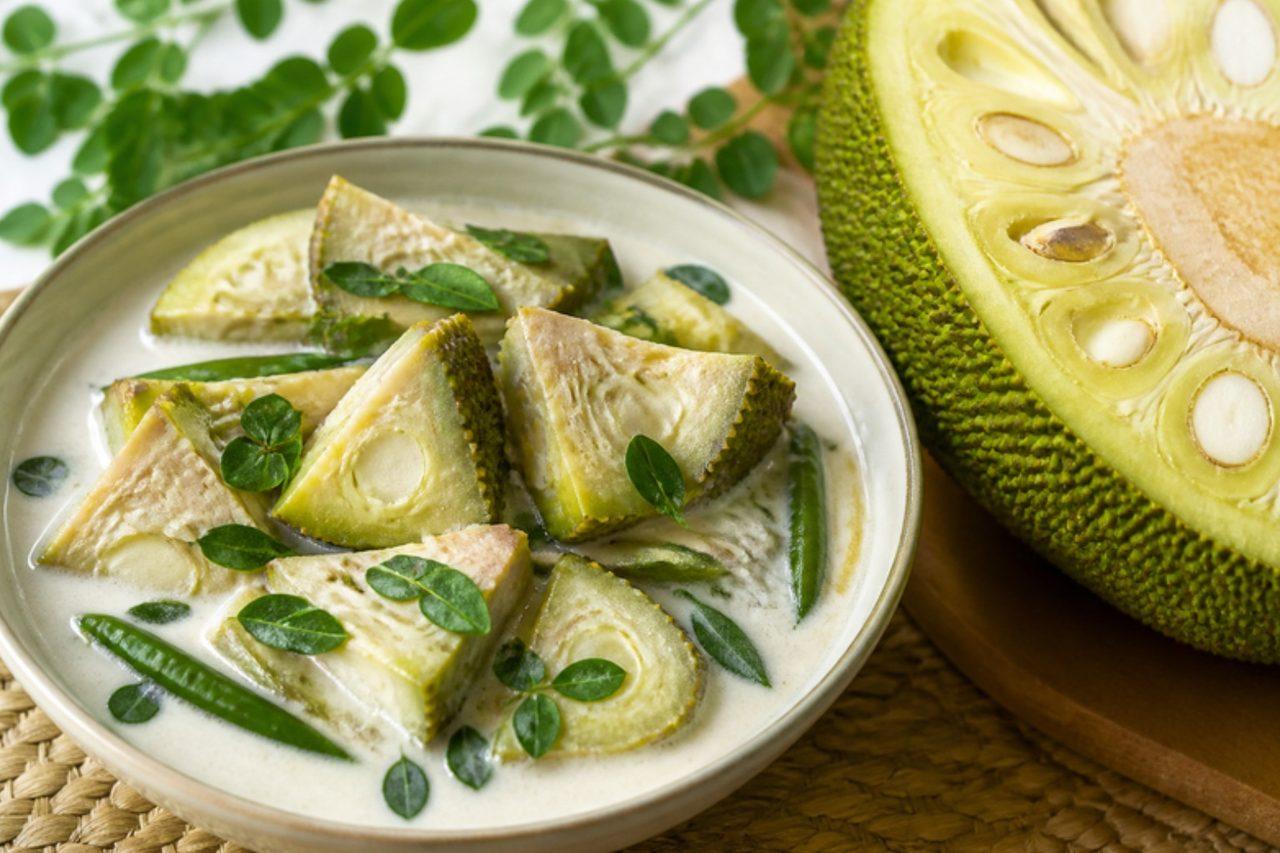
In Bicol and across the Tagalog provinces, ginataang langka is what happens when a jackfruit tree drops its fruit too early: the unripe flesh is sliced and cooked in coconut milk with plenty of ginger until tender and creamy. Unlike Java's sweet, dark gudeg or Padang's turmeric gulai nangka, it is pale, savoury and peppery, lifted at the end with malunggay (moringa) leaves and a splash of vinegar. Home cooks often add shrimp or pork; this version is vegetable-only. Chef's tip: oil your knife and hands before cutting fresh jackfruit, as its sap is very sticky; tinned young jackfruit avoids the problem altogether.

by KrazyBadal 0 views

Halo-haloShaved ice dessert

Halo-halo ('mix-mix') is what the Philippines eats through the hot dry months of March to May, bought from roadside stalls and snack shops and eaten slowly with a long spoon in a tall glass. Sweetened beans and chickpeas, banana cooked in brown sugar, jackfruit, nata de coco and sugar-palm fruit go in first, then a mountain of finely shaved ice, a splash of evaporated milk and a crown of ube halaya, a slice of leche flan or a scoop of ube ice cream, with crunchy pinipig (toasted pounded rice) on top. Unlike Malaysian ais kacang, there's no syrup over the ice: the sweetness comes from the layers and the milk. You stir everything together before eating. Chef's tip: chill the glasses and the toppings first so the ice doesn't melt before you have finished building.

by KrazyBadal 0 views

Showing 24 of 68 recipes

Show more recipes

Page 2 of 3

More Filipino ideas

Other by country