Skip to content

Portuguese recipes

120 Portuguese recipes to cook at home, each with photos, step-by-step instructions and cook times. The quickest, Galão, takes 5 minutes. Most take around 65 minutes.

Filter these by time, diet or cuisine

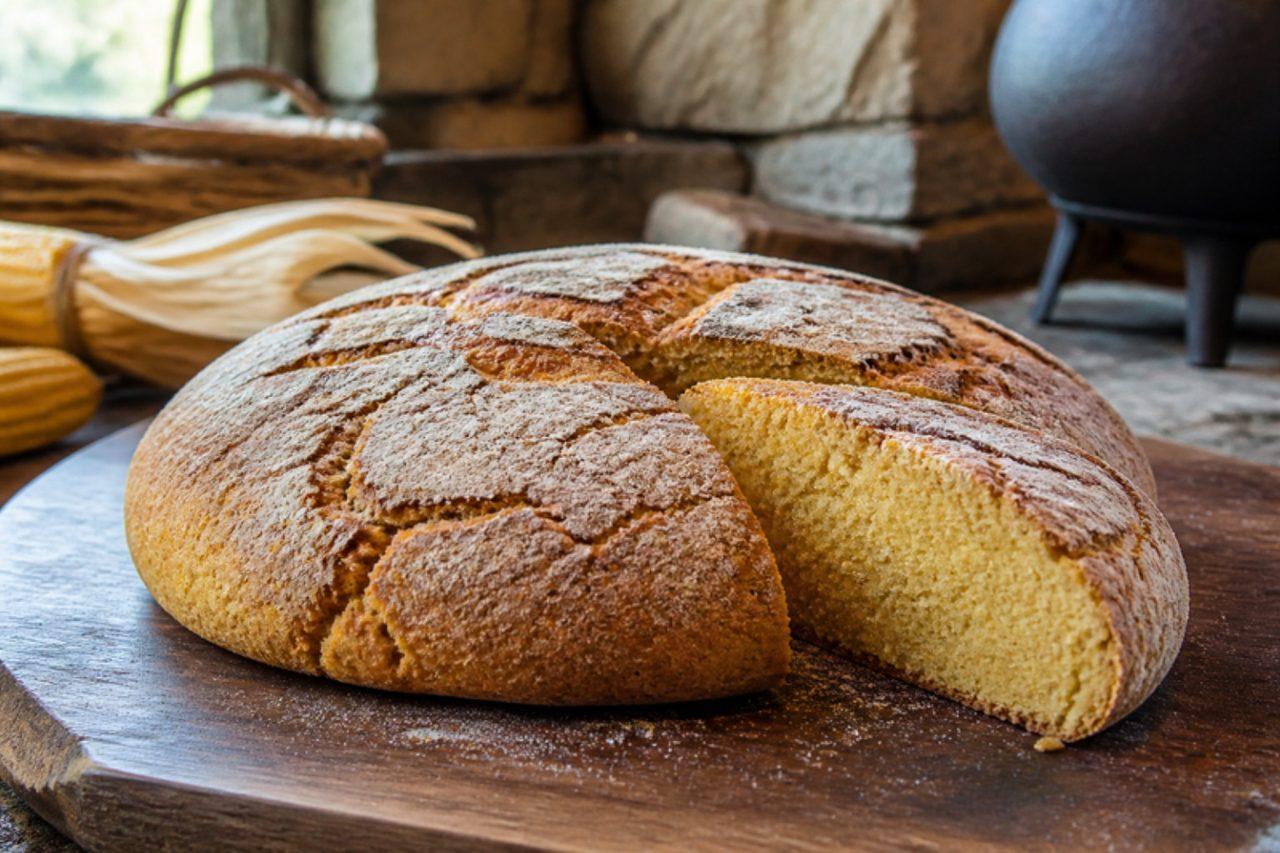
Broa de milhoCorn and rye bread

Across the green hills of the Minho, broa was once baked weekly in a wood oven shared by the village, and a wedge of it still sits beside every bowl of caldo verde and every plate of grilled sardines. The crumb is yellow, close and slightly sweet from the maize, with a thick crust that splits as it bakes. Scalding the cornmeal with boiling water first is what gives it that moist, almost cake-like bite. A common mistake is slicing the loaf hot, while the crumb is still gummy; let it cool for at least an hour. Chef's tip: leave the loaf on a rack for at least two hours before slicing, because cutting it hot leaves the inside gummy.

by KrazyBadal 0 views
Broas de melSpiced molasses biscuits

Alongside bolo de mel, every Madeiran Christmas table has a tin of broas de mel: small, round, dark biscuits made with the same sugarcane molasses and spices, crisp at the edge and slightly chewy inside. Children are given them when they go door to door on the Missas do Parto mornings before Christmas, and they are good dunked in coffee or tea. Chef's tip: chill the dough for half an hour before shaping; molasses dough is sticky when warm.

by KrazyBadal 0 views
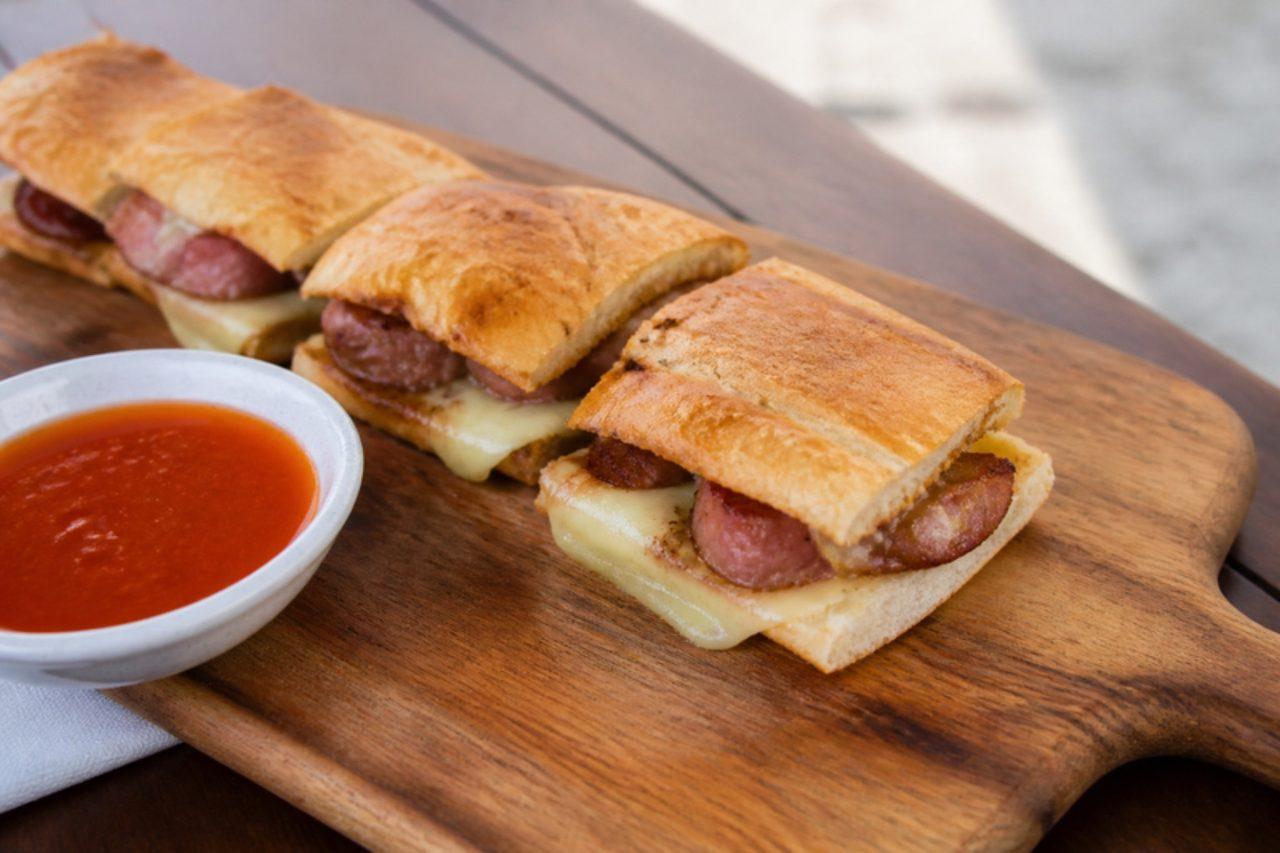
CachorrinhoCheese and sausage pressed sandwich

This is Porto's late-night snack, born in the bars around the Praça dos Poveiros in the 1960s and still eaten standing at the counter after a football match. A thin sausage goes into a slim roll with cheese, the whole thing is toasted flat in a press until it shatters, then cut into bite-sized pieces and doused in a hot, tangy sauce. This contains pork (pork frankfurters). Chef's tip: brush the outside of the bread with butter before pressing, so it goes evenly golden and crisp.

by KrazyBadal 0 views
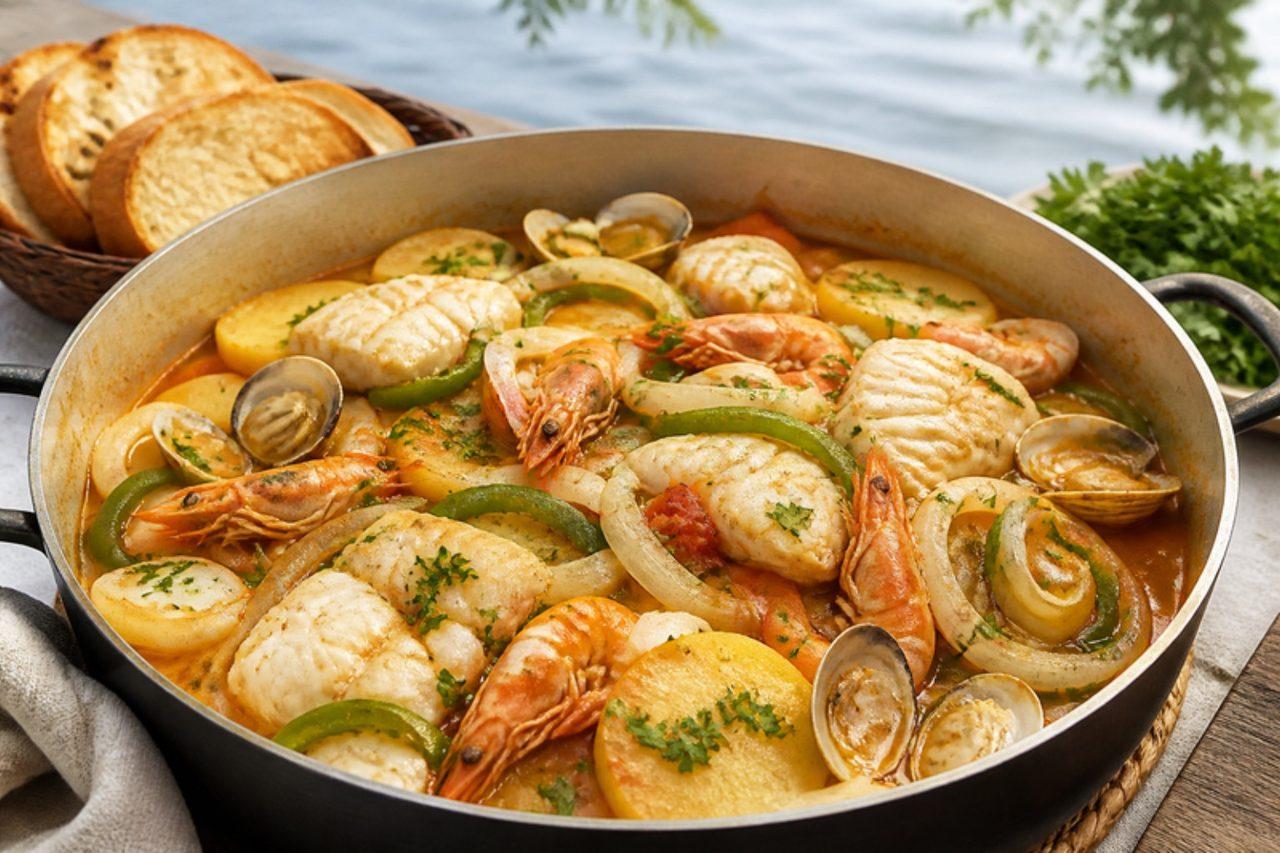
Caldeirada à fragateiraFish and potato stew

The fragateiros sailed the flat-bottomed barges that carried cargo up and down the Tagus, and on board they cooked whatever fish they had in one pot, layered with potatoes, onions, tomatoes and peppers and left to steam in olive oil and wine. Lisbon restaurants still make caldeirada for a long lunch, ladled over toasted bread. Use at least three kinds of fish, mixing firm white ones with something richer. The wine contains alcohol; fish stock with a squeeze of lemon makes a good alcohol-free version. A common mistake is stirring the pot, which breaks the fish; shake it instead. Chef's tip: put the firmest fish at the bottom and the most delicate on top, so everything is done at the same time.

by KrazyBadal 0 views
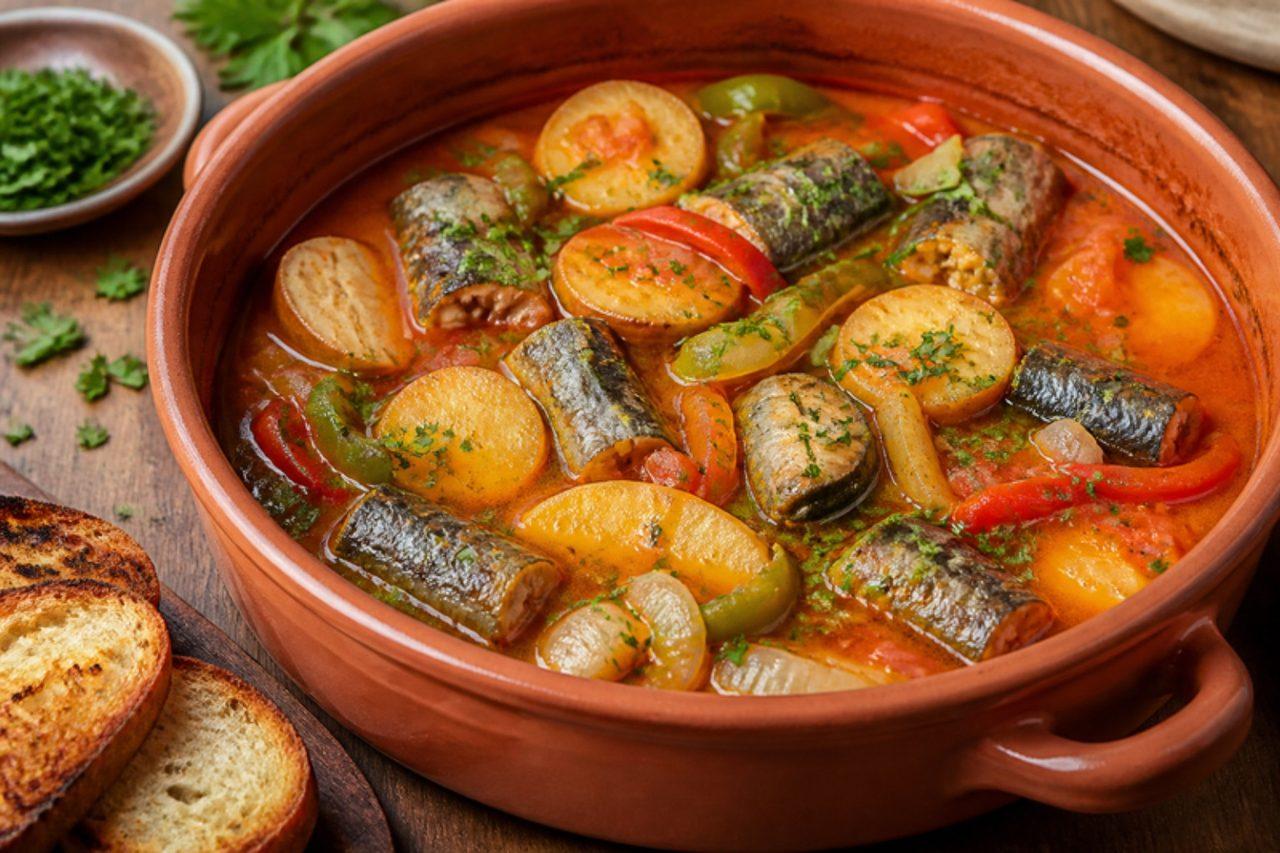
Caldeirada de enguiasEel stew with potatoes and peppers

Eels from the Ria de Aveiro, the lagoon behind the town, are a speciality of Murtosa and Torreira, where caldeirada is cooked in layers in a wide pot and eaten at long tables in waterside restaurants. Onions, potatoes, tomato and peppers stew with the eel pieces in olive oil until the broth is rich and orange, and it is ladled over slices of bread. Ask the fishmonger to skin and clean the eels; eel blood is toxic when raw, but thorough cooking makes it completely safe. Chef's tip: shake the pot rather than stirring once the eel is in, so the pieces stay whole.

by KrazyBadal 0 views
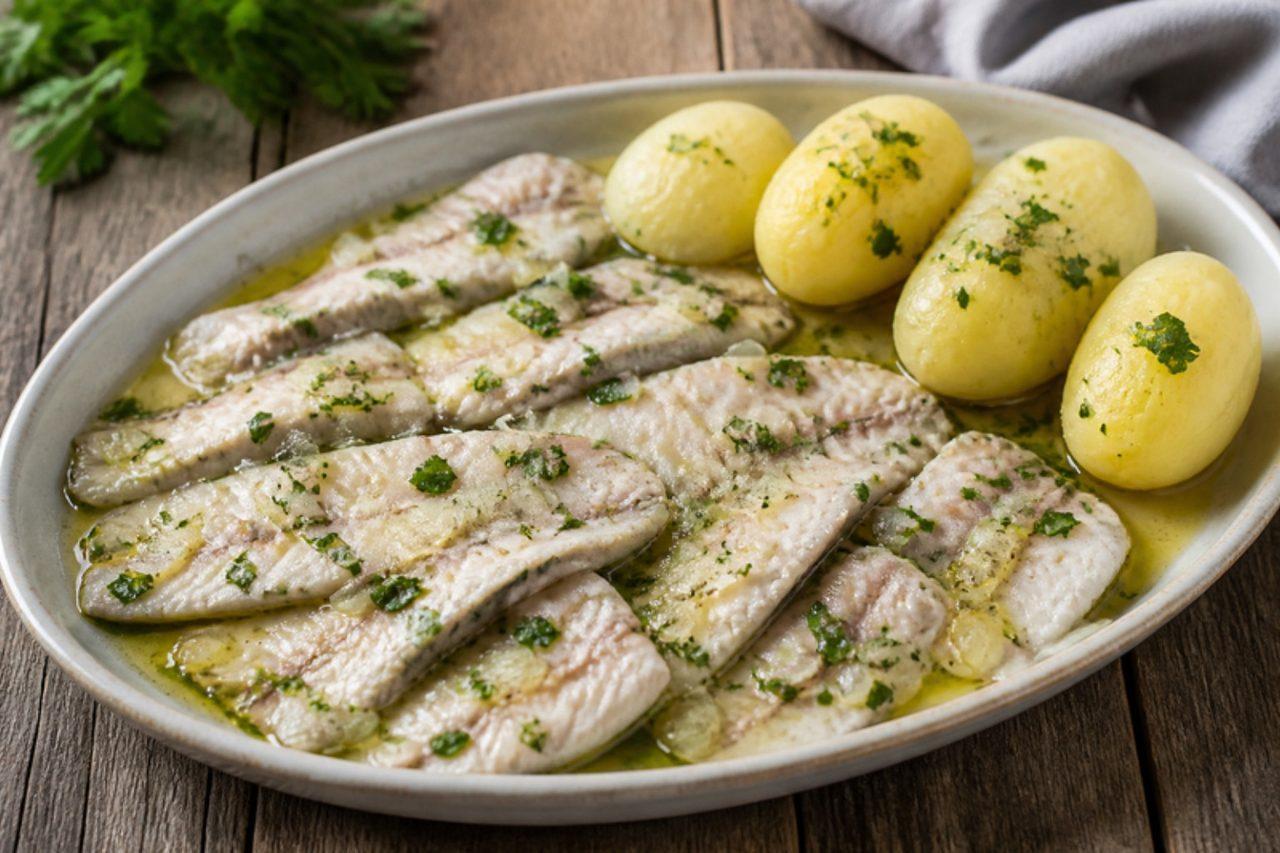
Carapaus alimadosPoached mackerel in garlic dressing

In Portimão and Olhão, when the boats came in loaded with small carapaus, cooks poached them, peeled away skin and bones, and soaked the fillets in olive oil, vinegar, garlic and onion. The dish is served cold, on summer days, with boiled potatoes or just bread, and it tastes better the day after. Mackerel or large sardines work if you can't find horse mackerel. Chef's tip: poach the fish gently, at a shiver rather than a boil, so the fillets stay whole when you lift them off the bone.

by KrazyBadal 0 views
Carne de vinha d'alhosPork marinated in wine and garlic

No Madeiran Christmas is complete without carne de vinha d'alhos: chunks of pork soaked for days in wine, vinegar, garlic and bay, then simmered and fried until browned and tangy. Families start it after the December pig-killing, and the leftovers fill bread rolls for days. Portuguese sailors carried the idea to Goa, where it became vindaloo. This contains pork and uses white wine; for an alcohol-free version use 250 ml water instead of the wine, as many Madeiran households do. Chef's tip: fry thick slices of bread in the pan juices at the end; they are the cook's reward.

by KrazyBadal 0 views
Cavacas de ResendeGlazed hollow egg biscuits

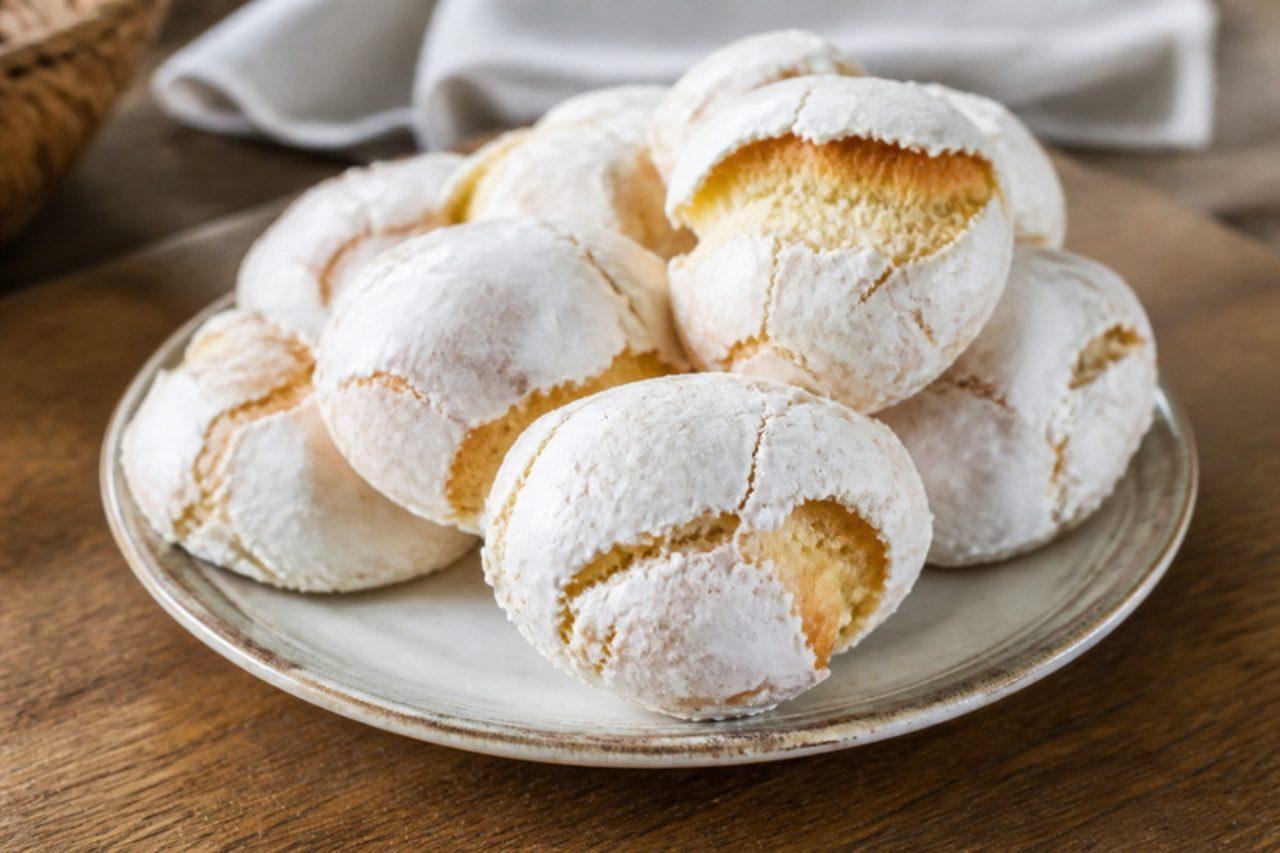
Resende, a town of cherry orchards above the Douro, has made cavacas for centuries, and stalls at its fairs and the Festa de São Pedro sell them by the bag. They are a curious and lovely thing: a simple batter of eggs, flour and oil puffs up in the oven into a hollow, crisp shell, which is then brushed with a boiled sugar glaze that dries brilliant white. A common mistake is opening the oven early, which makes the puffed biscuits sink before their crust sets. Chef's tip: keep the oven door shut for the first 20 minutes, because opening it early makes the cavacas collapse.

by KrazyBadal 0 views
ChanfanaGoat braised in red wine

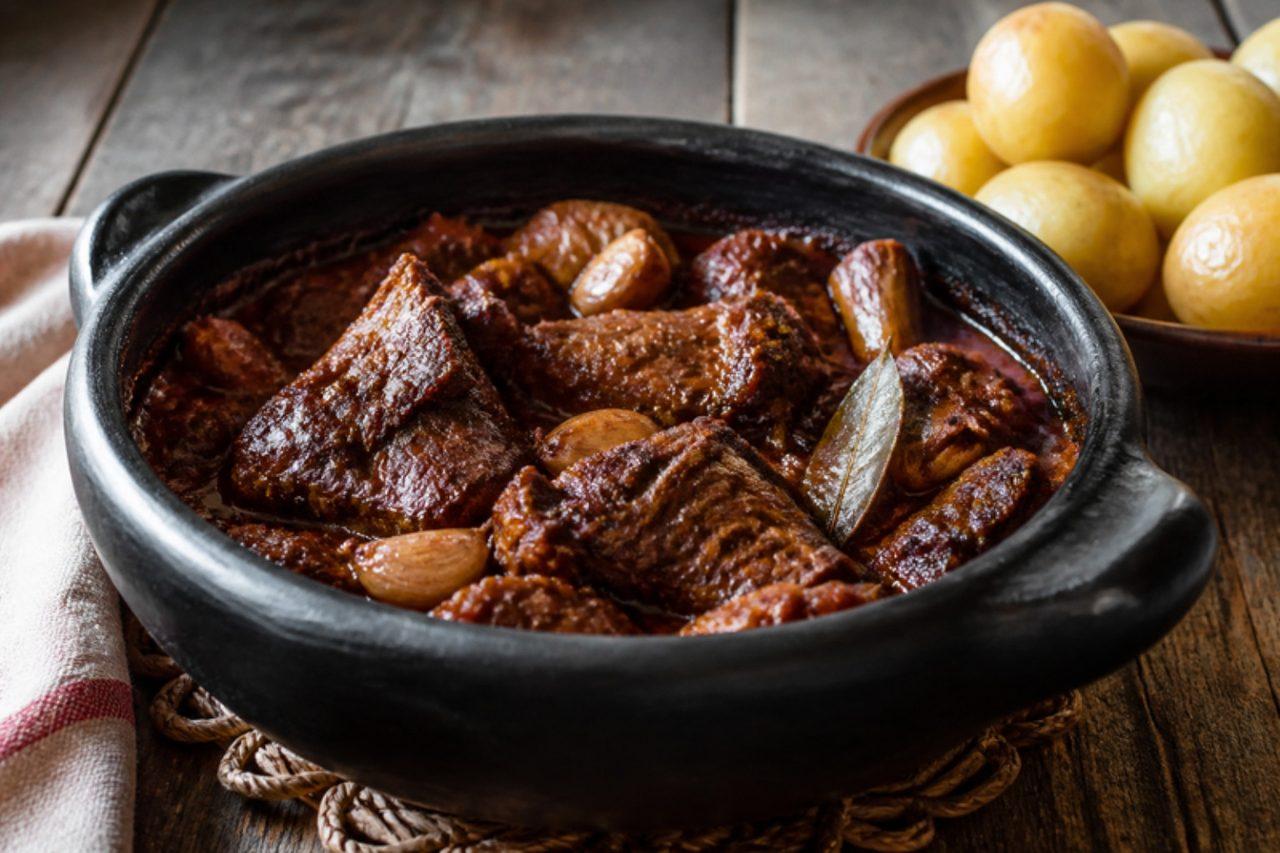
Chanfana belongs to the hill towns south of Coimbra, Miranda do Corvo and Lousã above all, where older goats were once cooked for village feasts in black clay pots sealed and left overnight in the bread oven. The meat braises in red wine with garlic, paprika, bay and cloves until it falls apart in a dark, rich sauce. It is a weekend and festival dish, served with boiled potatoes. The dish is cooked in red wine and not all of the alcohol cooks off; for an alcohol-free version use the substitute in the ingredient note. Chef's tip: marinate it for a full day; the long soak both flavours and tenderises the goat.

by KrazyBadal 0 views
Choco fritoFried cuttlefish with chips

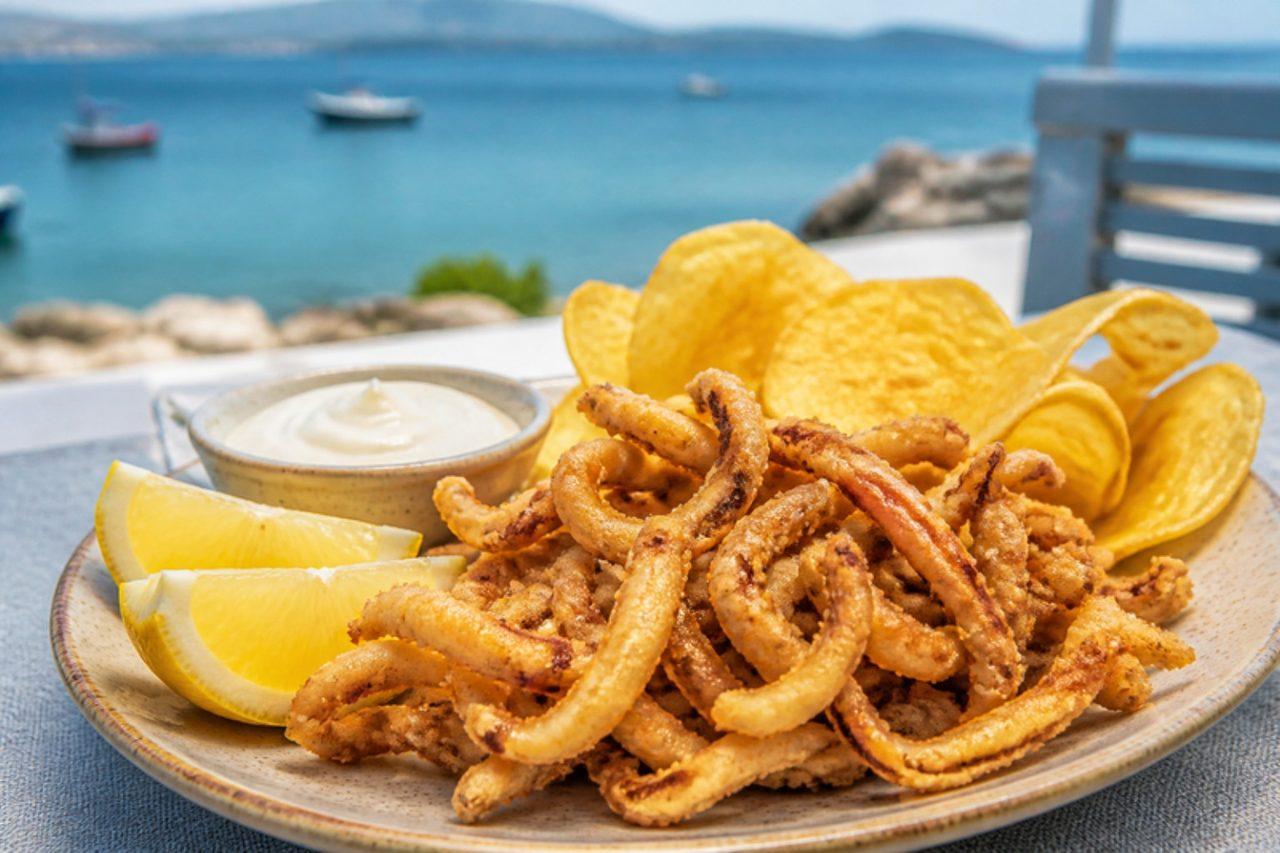
Across the river from Lisbon, the fishing port of Setúbal claims choco frito as its own, and there are whole streets of grill-houses serving it with chips, salad and lemon. Thick strips of cuttlefish are marinated in garlic, lemon and a little white wine, floured and fried until golden and tender. The wine contains alcohol; extra lemon juice with a splash of water does the job. A common mistake is frying too long: cuttlefish goes from tender to rubbery in a minute or two. Chef's tip: score the inside of the cuttlefish in a fine crisscross before cutting it into strips, so it stays tender and grips the flour.

by KrazyBadal 0 views
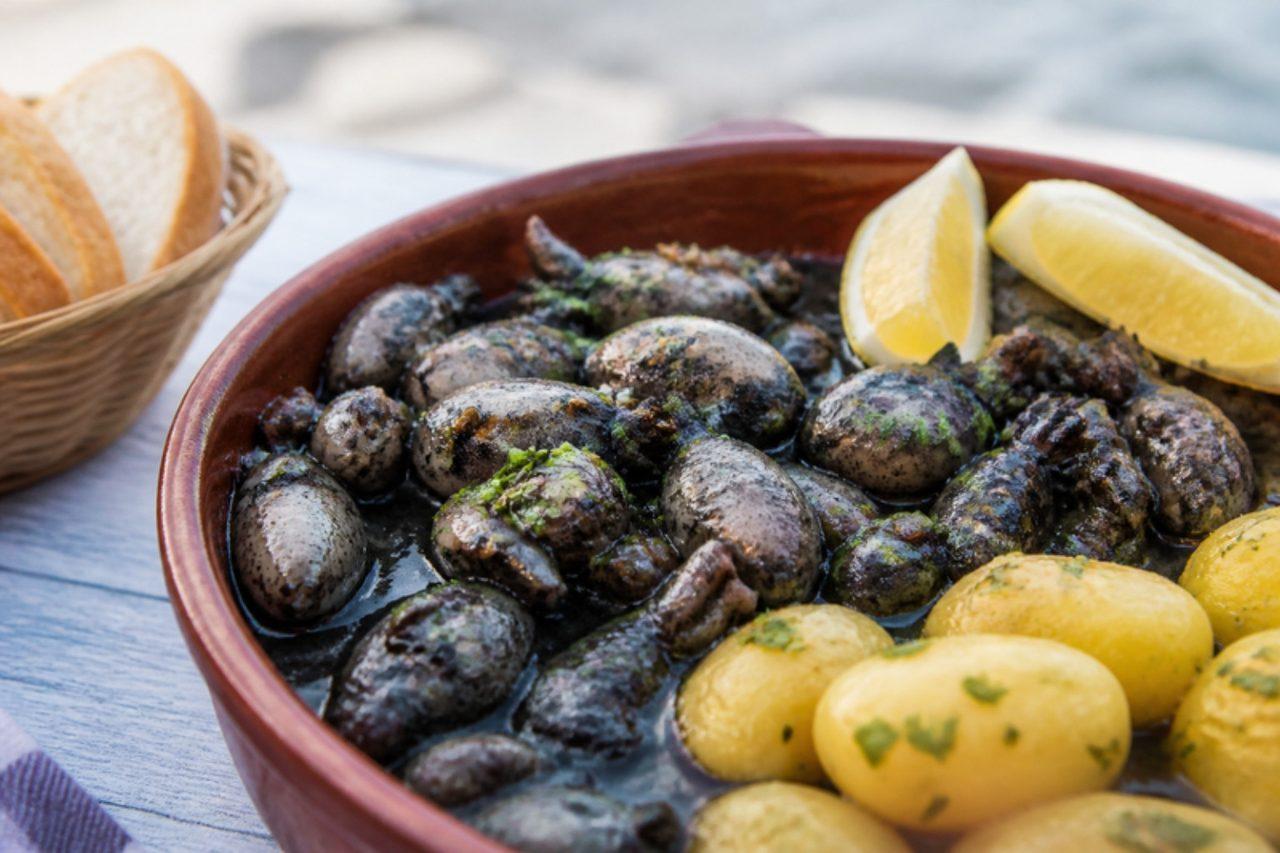
Choquinhos com tintaBaby cuttlefish in ink

Setúbal claims fried cuttlefish, but the Algarve has its own treasure: choquinhos, cuttlefish no bigger than a thumb, sautéed whole in garlicky olive oil until their ink turns the pan glossy black. Seafood bars in Olhão and Faro serve them in small clay dishes, to be eaten with toothpicks and bread for mopping. The recipe uses a splash of white wine; use water with a squeeze of lemon instead for an alcohol-free version. Chef's tip: cook in a very hot pan in two batches, so the cuttlefish sizzle rather than stew.

by KrazyBadal 0 views
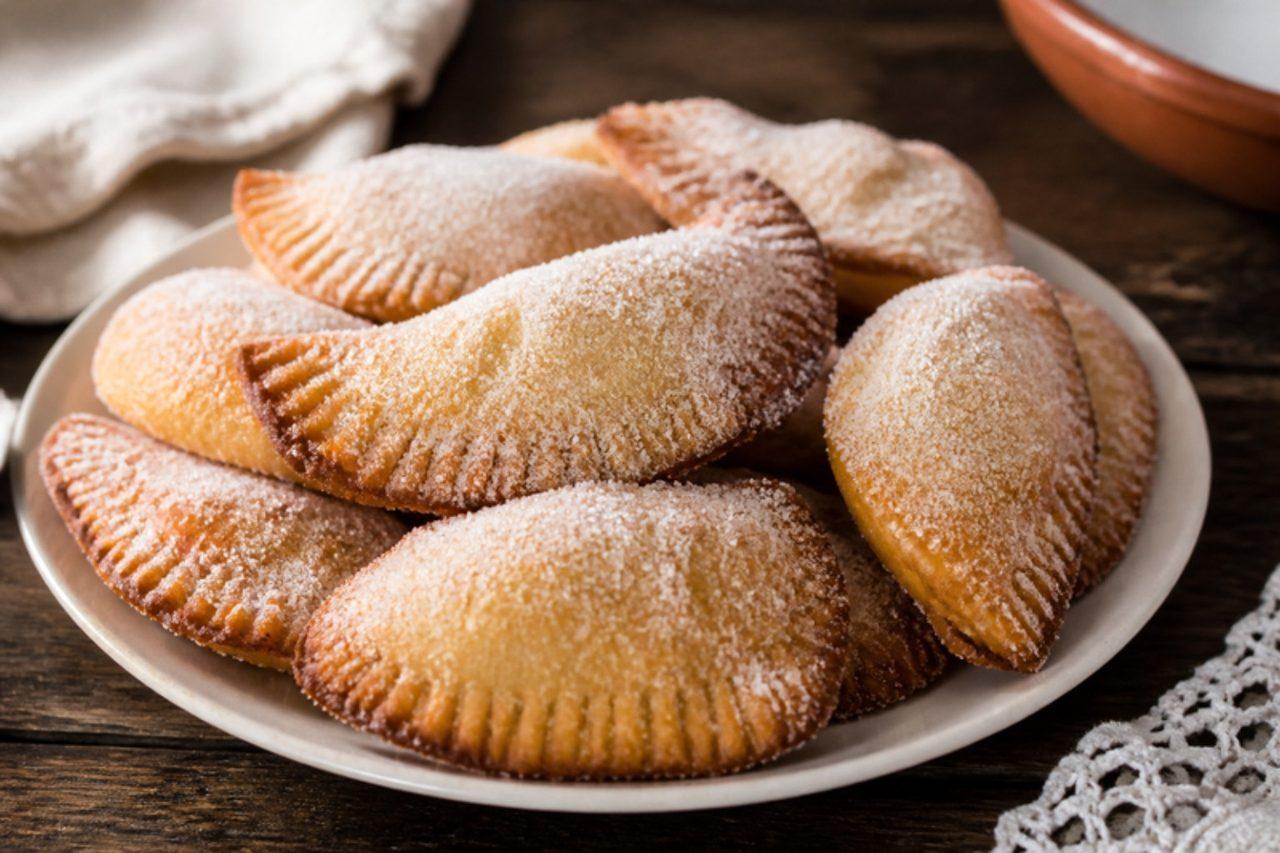
Clarinhas de FãoGourd and egg yolk pastries

Clarinhas come from Fão, a small riverside town near Esposende, where they are sold warm and sugary from bakery counters and at summer fairs on the Cávado estuary. Thin pastry is folded around a filling of candied fig-leaf gourd (doce de chila) thickened with egg yolk, fried until blistered, then rolled in sugar. Chila jam is sold in Portuguese shops; a thick pumpkin jam works well in its place. A common mistake is overfilling the pastries, so the jam bursts through the seams while they fry. Chef's tip: cook the filling until it is firm enough to hold its shape on a spoon, or it will leak and spit in the oil.

by KrazyBadal 0 views

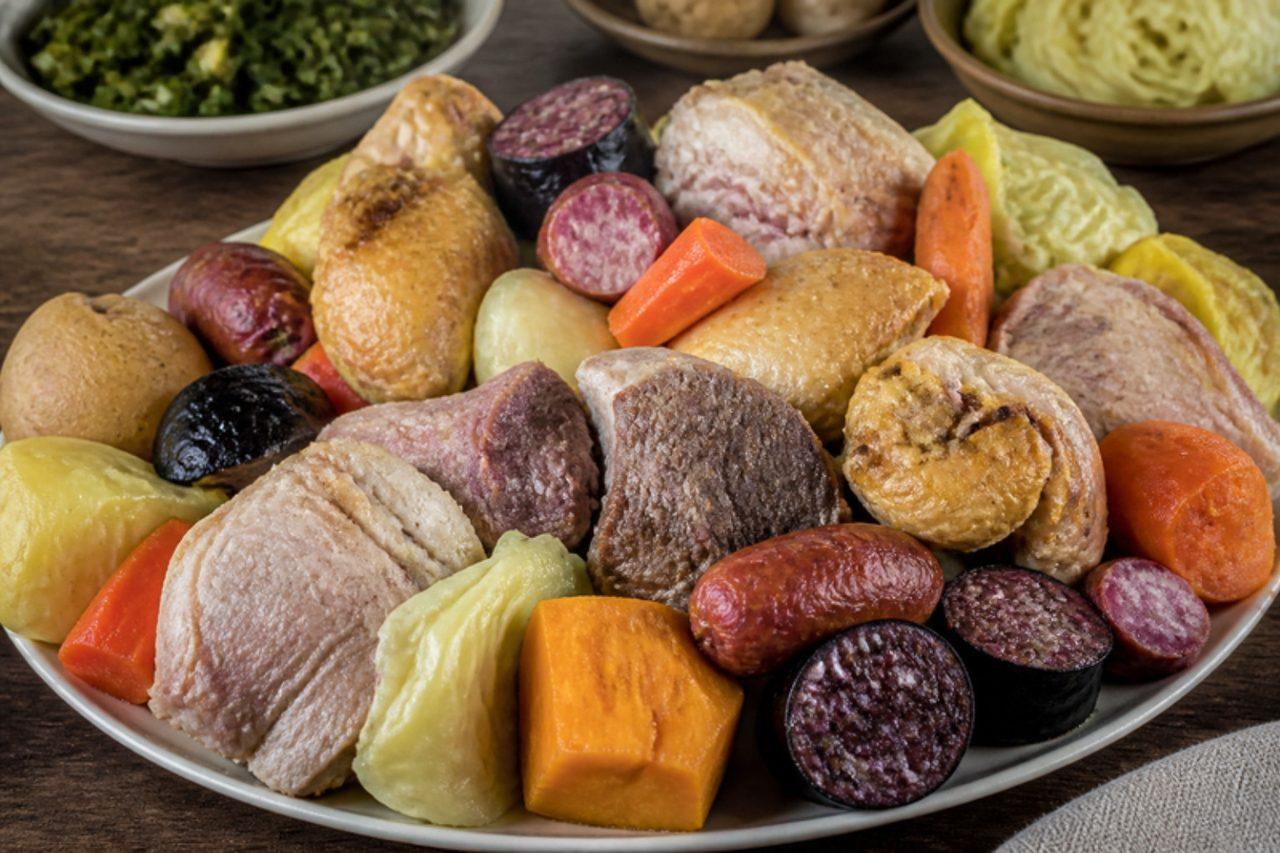
Cozido das FurnasSlow-cooked meat and vegetable pot

In Furnas, on São Miguel, cooks lower tall pots of meat and vegetables into holes in the hot volcanic ground by the lake at dawn, cover them with earth and dig them up at lunchtime six hours later. The steam cooks everything gently in its own juices, so the meats are falling apart and the cabbage tastes of smoked sausage. A low oven gives a very similar result at home. This contains pork (belly, chouriço and blood sausage). Chef's tip: seal the pot tightly with foil under the lid; the dish relies on steam, not added water.

by KrazyBadal 0 views
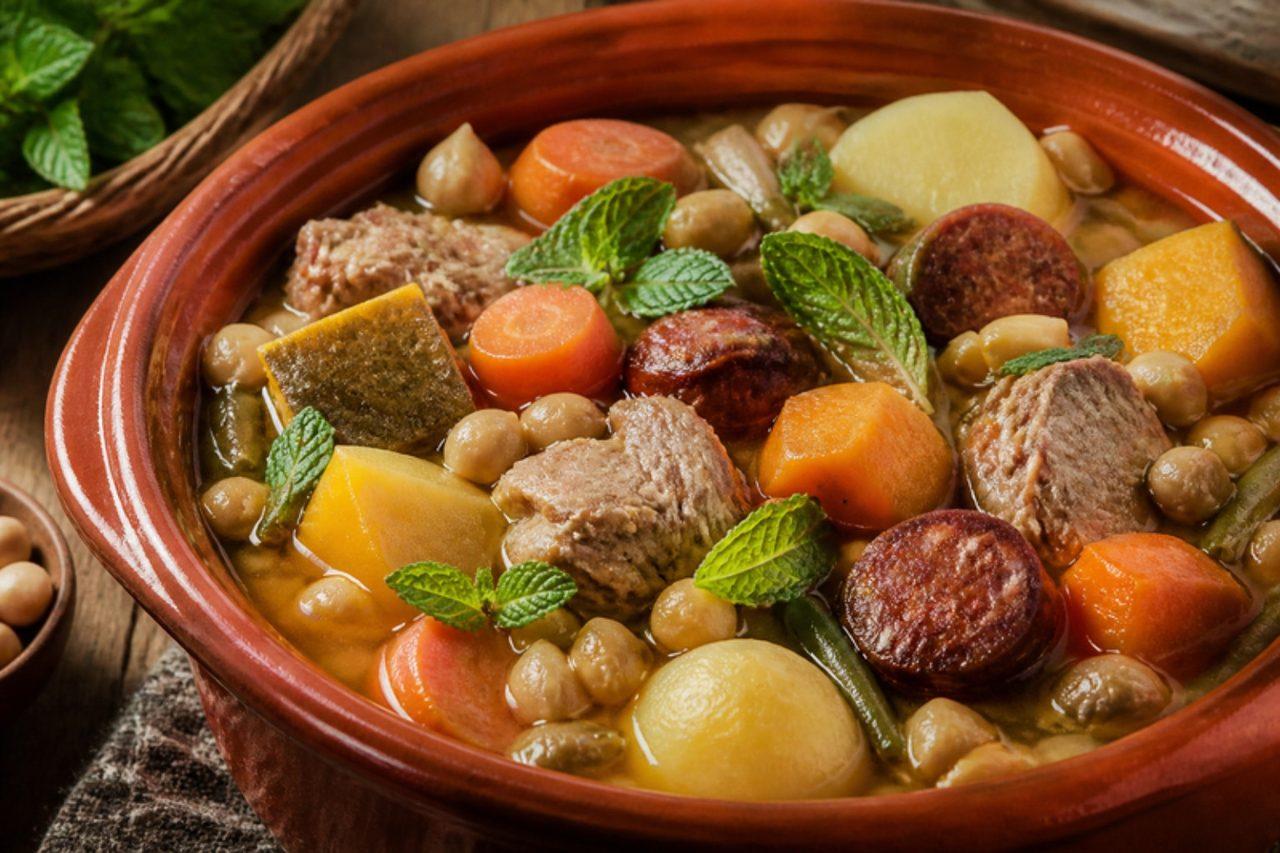
Cozido de grãoChickpea stew with pork and chouriço

Inland Alentejo makes its cozido with chickpeas instead of the cabbage-heavy versions of the north: a big pot of chickpeas, pork, chouriço and blood sausage, with potatoes, carrots, green beans and pumpkin all cooked together and finished with fresh mint. It is a winter Sunday lunch, and leftovers become soup the next day. This contains pork (pork belly, chouriço and morcela). Start the chickpeas the night before. A common mistake is adding the vegetables at the start; they go in near the end so they hold their shape. Chef's tip: keep the sausages whole while they simmer, then slice them, so they flavour the broth without falling apart.

by KrazyBadal 0 views
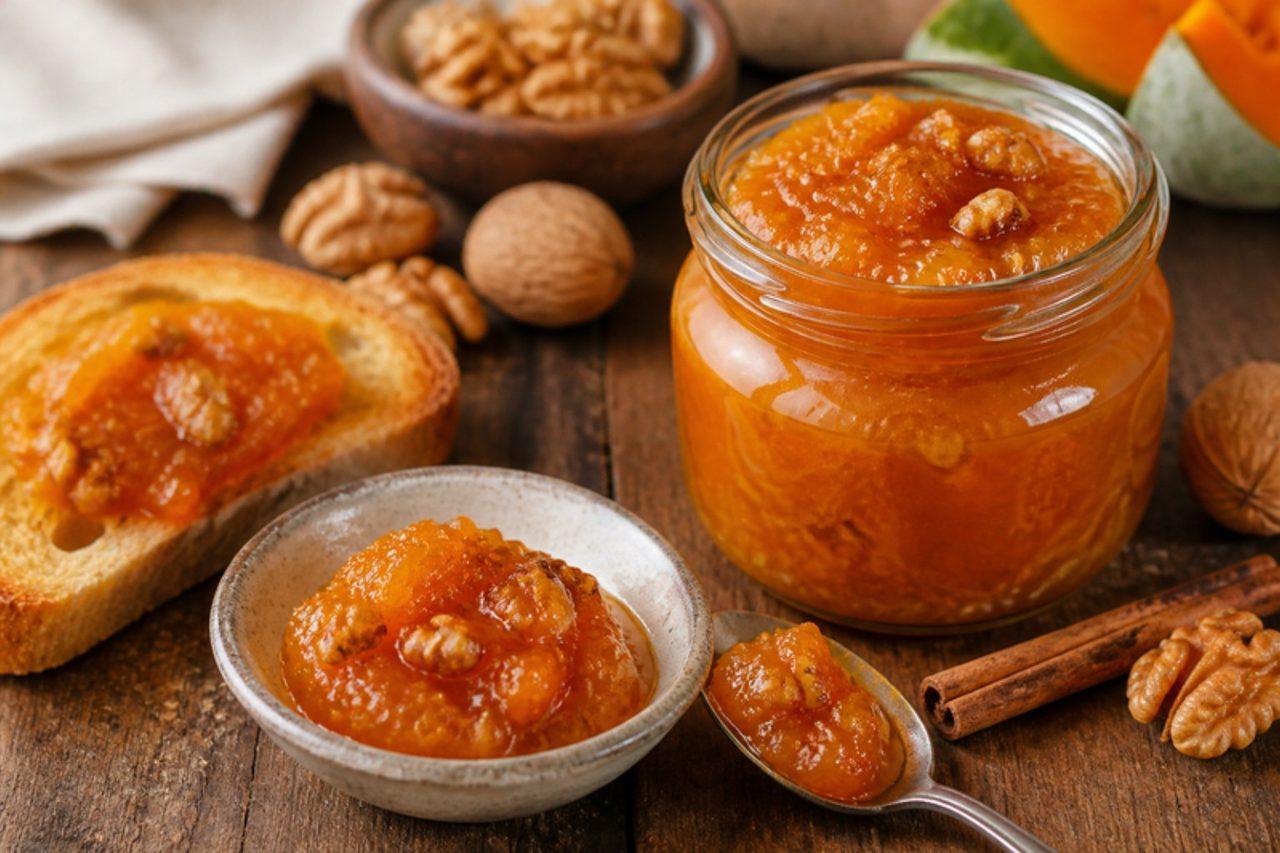
Doce de abóbora com nozesPumpkin and walnut jam

When the big squashes are harvested in late autumn in Trás-os-Montes, every pantry gets a row of these jars. The pumpkin cooks down with sugar, lemon peel and cinnamon to a thick amber jam, and toasted walnuts are stirred in at the end. Locals spoon it over fresh requeijão or a slice of sheep's cheese after dinner, or onto toast at breakfast. Chef's tip: salt the cut pumpkin with the sugar overnight; it releases its water so the jam cooks faster and keeps its colour.

by KrazyBadal 0 views
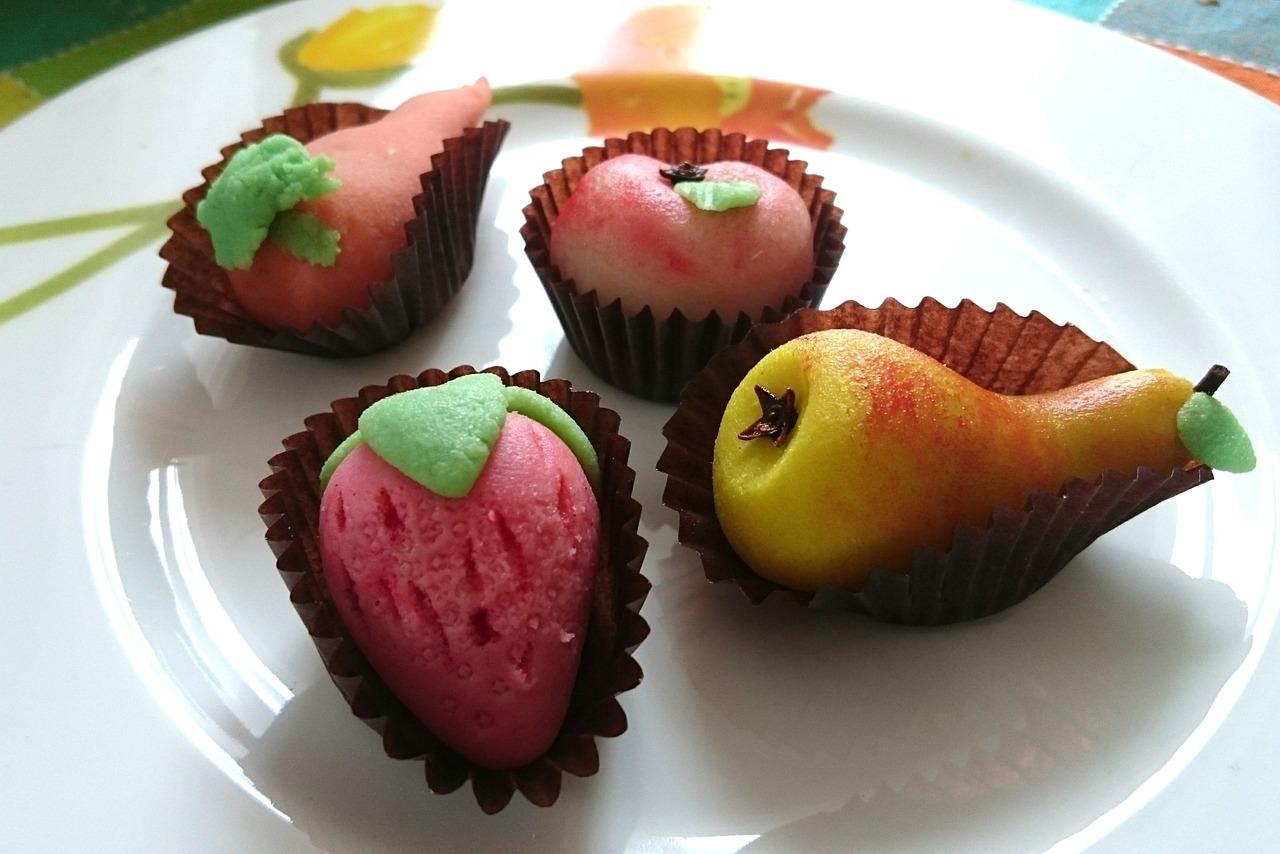
Doces finos do AlgarveMarzipan fruits with egg-yolk cream

Tiny pears, oranges, strawberries and even fish, all made of almond paste and painted by hand: these are the sweets Algarve families order for Christmas, Easter and weddings, and that every January market in Loulé shows off. Inside each one sits a spoonful of doce de ovos, the sunny yolk cream found all over Portuguese convent baking. The almond paste here is cooked in syrup, which makes it smooth and easy to model. Chef's tip: dust your hands and the work surface with icing sugar, never flour, or the shapes go chalky.

by KrazyBadal 0 views
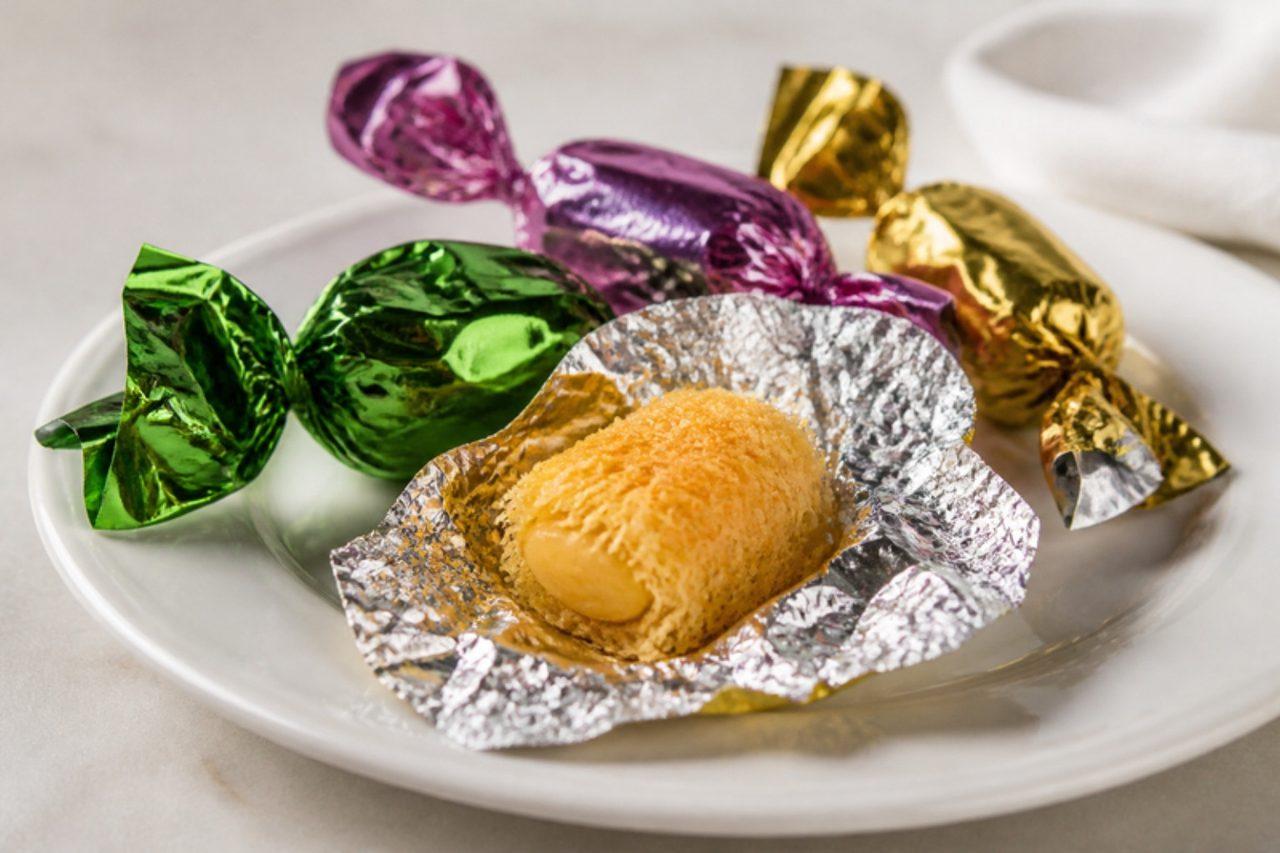
Dom RodrigosEgg-thread and almond sweets

Walk past any pastelaria in Lagos or Portimão and you will see little twists of bright foil piled in the window: each one hides a nest of golden egg threads bound with an almond and yolk cream, scented with cinnamon. They are eaten after Sunday lunch with a bica, bought by the half dozen to take home, and set out at Algarve weddings and christenings. The work is in the egg threads, drizzled into boiling syrup, but once you have the rhythm it goes quickly. Chef's tip: sieve the yolks twice, because any trace of white or the chalaza blocks the funnel and makes the threads break.

by KrazyBadal 0 views
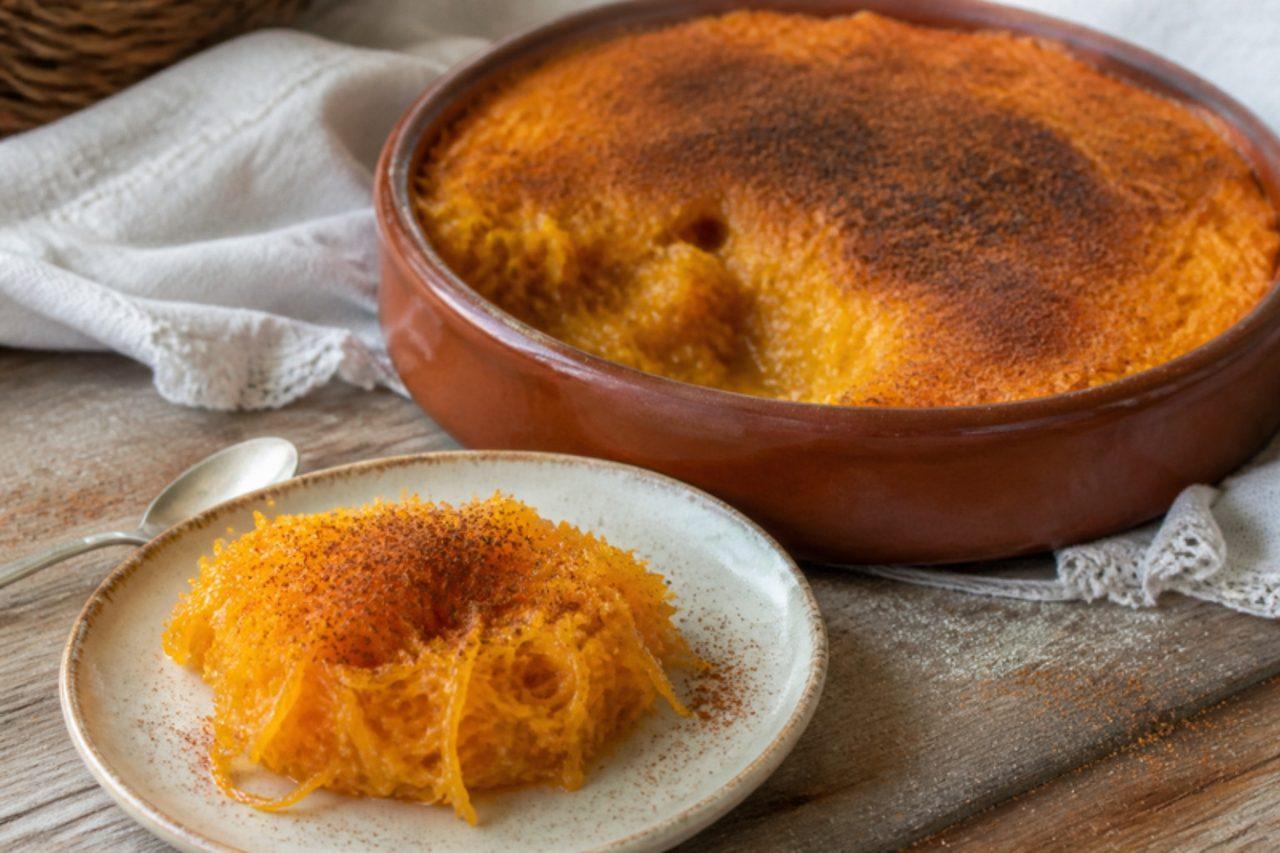
EncharcadaEgg-yolk threads in syrup

Alentejo convents, Évora's among them, used the yolks left over from egg whites used to starch linen and clarify wine, and encharcada, 'drenched', is one of their richest creations. Egg yolks are poured into boiling syrup, where they set into soft, golden threads and curds, then everything is dusted with cinnamon and browned under a hot grill. It is very sweet, so serve small portions in little dishes, at Christmas or a family celebration. A common mistake is stirring the yolks as they hit the syrup, which turns them into scrambled bits; let them set for a few seconds first, then lift them gently. Chef's tip: strain the yolks first, so no stringy white clings to them.

by KrazyBadal 0 views

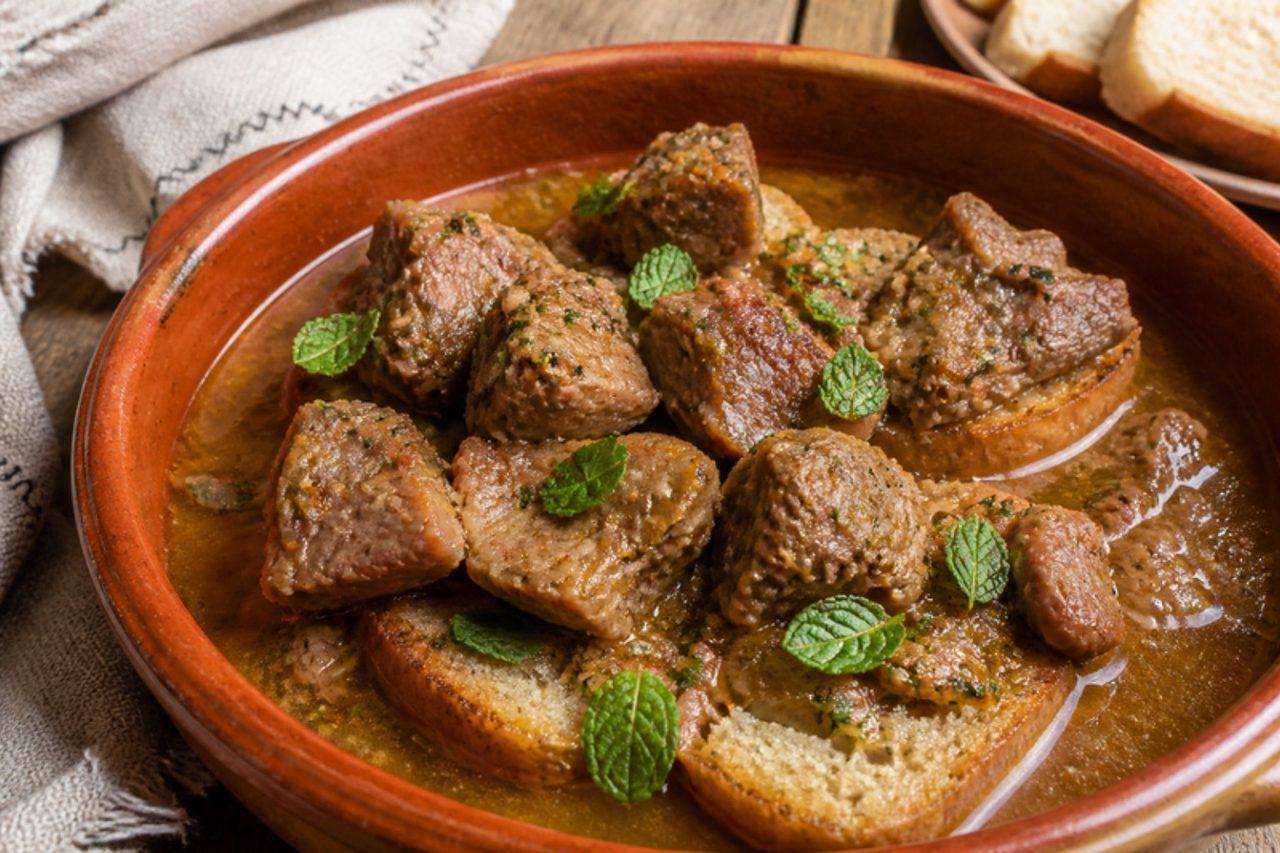
Ensopado de borregoLamb stew over bread

Ensopado means soaked, and the bread is the point: Alentejo shepherds' lamb is stewed with garlic, onion, paprika and a little white wine until it falls off the bone, then the rich broth is ladled over slices of country bread in deep plates. It is Easter food in the region, when the spring lambs are ready, and a dish for long Sunday lunches. The wine contains alcohol; use extra stock with a spoonful of vinegar if you prefer. A common mistake is using lean leg meat, which turns dry; shoulder or neck stays juicy. Chef's tip: marinate the lamb overnight in the fridge with the garlic and paprika; the flavour goes right through.

by KrazyBadal 0 views
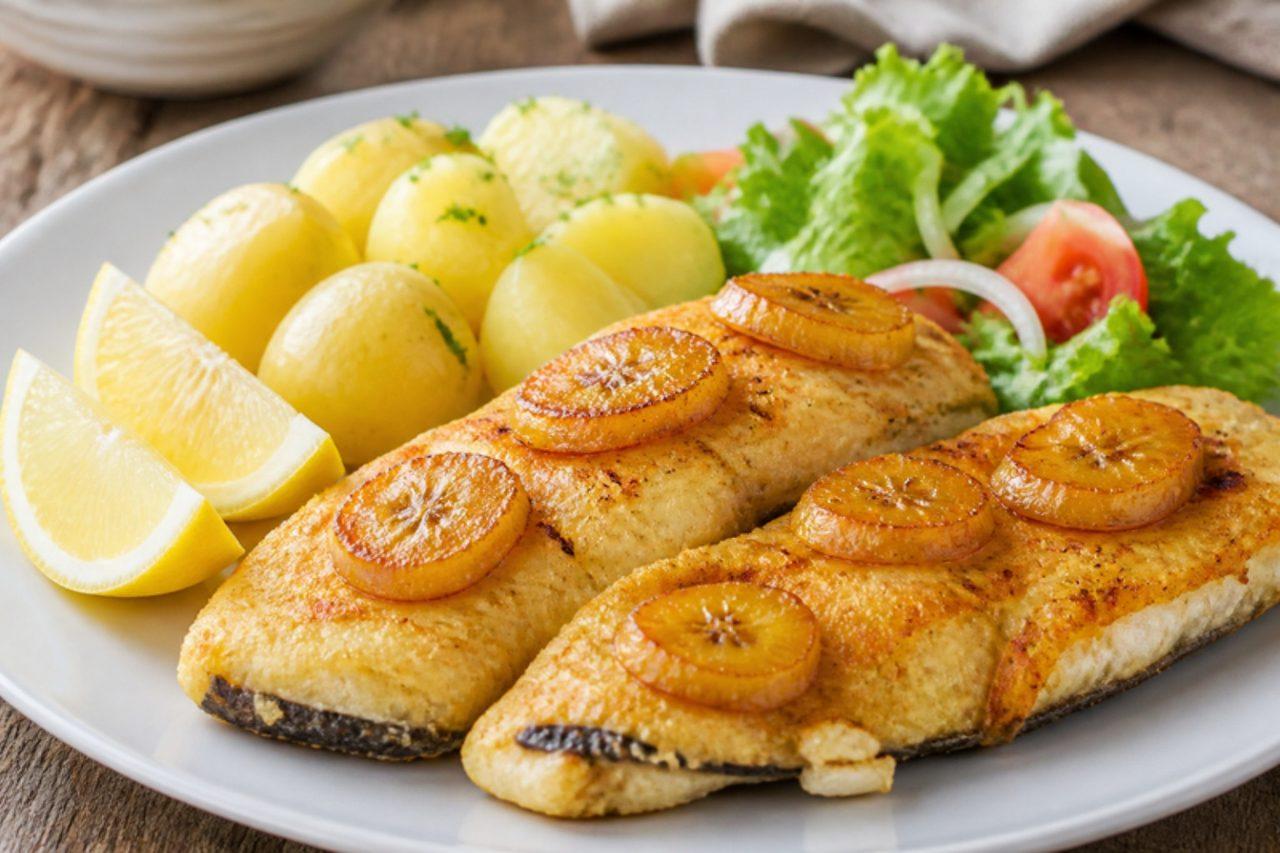
Espada com bananaFried scabbardfish with banana

The long, black, sharp-toothed espada is caught at great depth off Madeira at night, and the Funchal fish market sells it every morning. Its white, tender fillets are eaten everywhere on the island, most famously dipped in egg and fried, then crowned with slices of the small, sweet local banana fried in butter. Black scabbardfish is hard to find elsewhere; hake, ling or cod fillets work well. Chef's tip: pat the fish completely dry before flouring it, so the egg coating clings and fries crisp.

by KrazyBadal 0 views
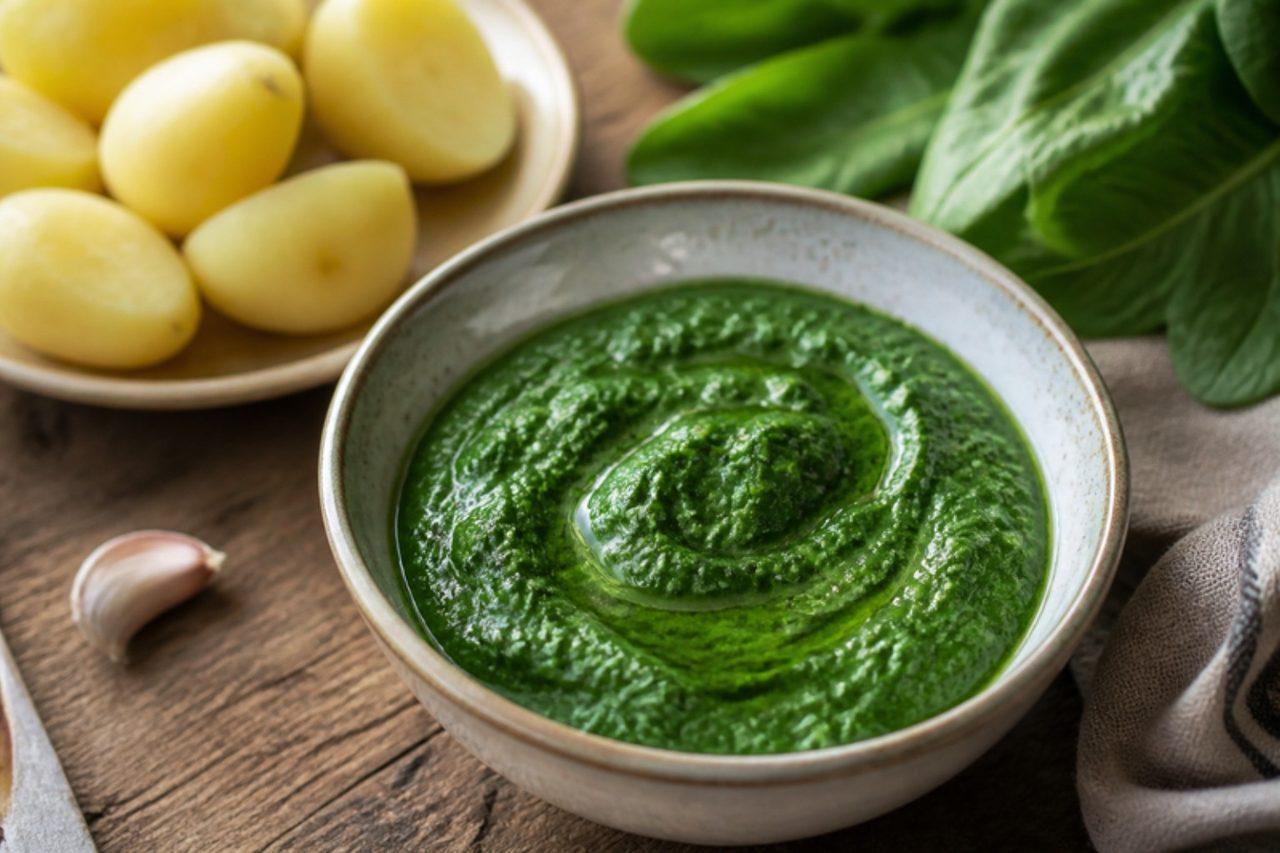
EsparregadoGarlic puréed greens

Fried fish in a Lisbon casa de pasto often comes with a spoonful of soft, dark green esparregado on the side, and the roast lamb at Easter lunch in the Ribatejo does too. Cooks use whatever leaves are in season: turnip tops in winter, spinach the rest of the year, sometimes a handful of wild asparagus. The greens are cooked, chopped very fine and stirred into garlic-scented olive oil with a little flour until creamy, then lifted with a dash of vinegar. It is good with fried cuttlefish, grilled sardines or a fried egg. A common mistake is skipping the squeeze; wet greens make a watery purée, so press out as much water as you can. Chef's tip: squeeze the cooked greens really hard before chopping; watery greens give a thin, grey purée.

by KrazyBadal 0 views
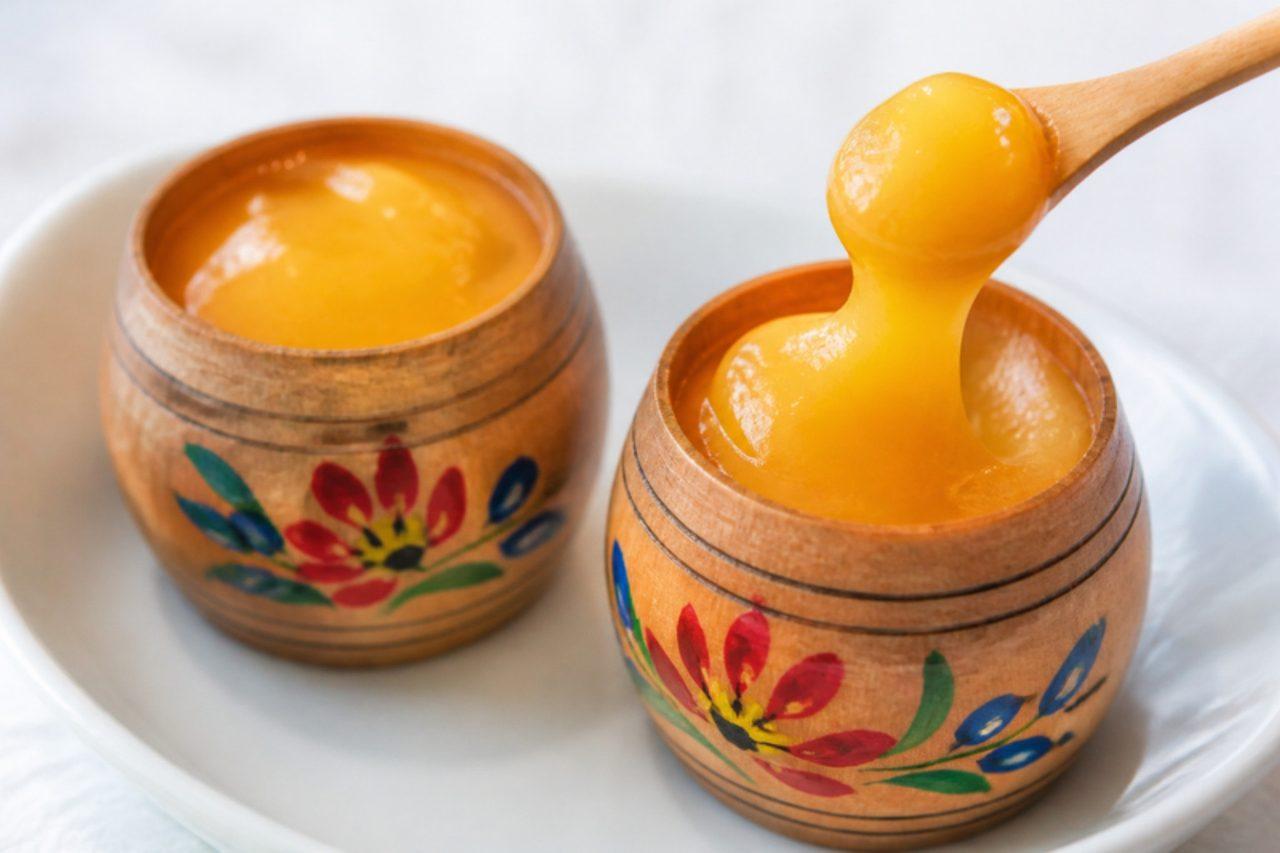
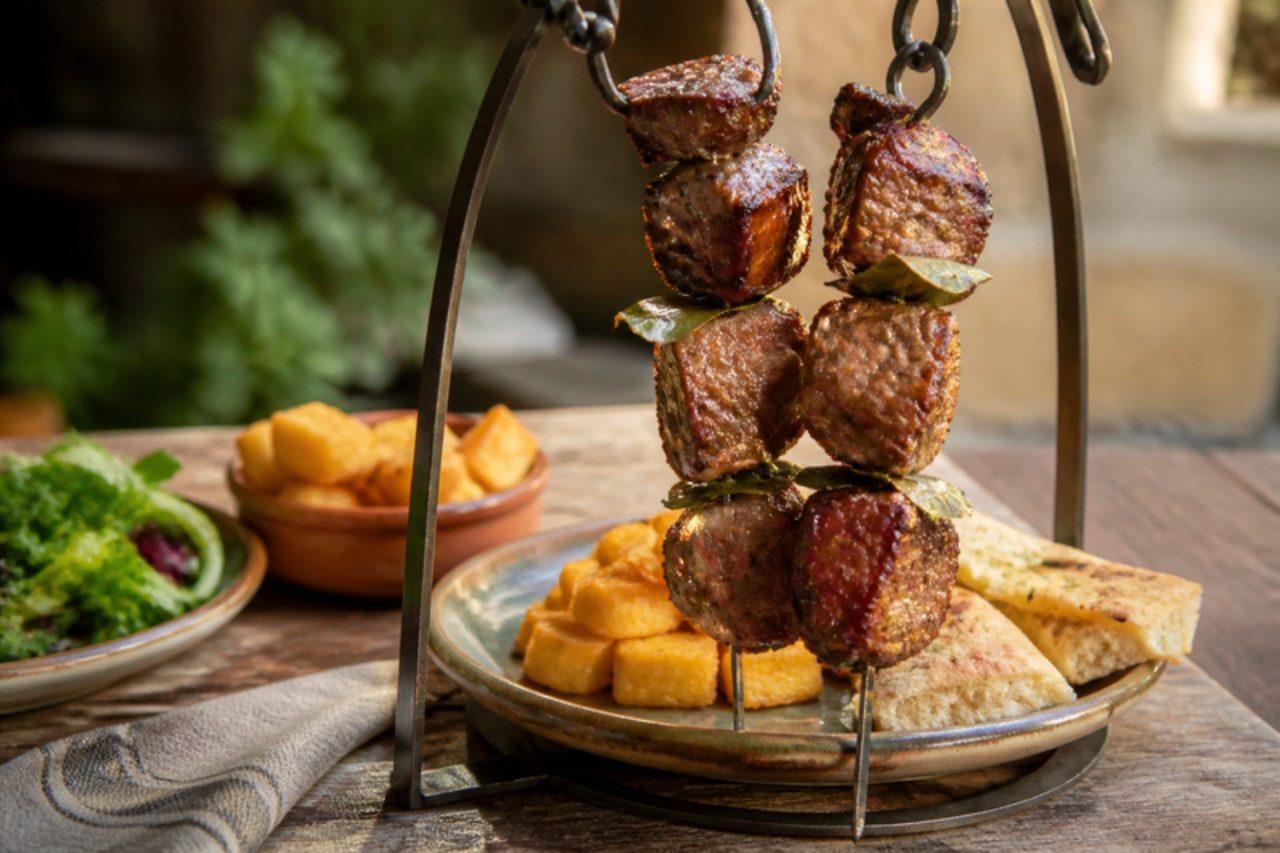
Espetada madeirenseGarlic and bay beef skewers

In Estreito de Câmara de Lobos, on the hillsides above Funchal, the September wine harvest ends with espetada: big cubes of beef rubbed with garlic, salt and crushed bay, threaded onto bay branches and roasted over a wood fire. Restaurants hang the long skewers from hooks above the table, so everyone slides off their own pieces. It is eaten with bolo do caco, milho frito and a salad. Chef's tip: cut the beef into large 4 cm cubes, which stay juicy in the middle while the outside chars.

by KrazyBadal 0 views
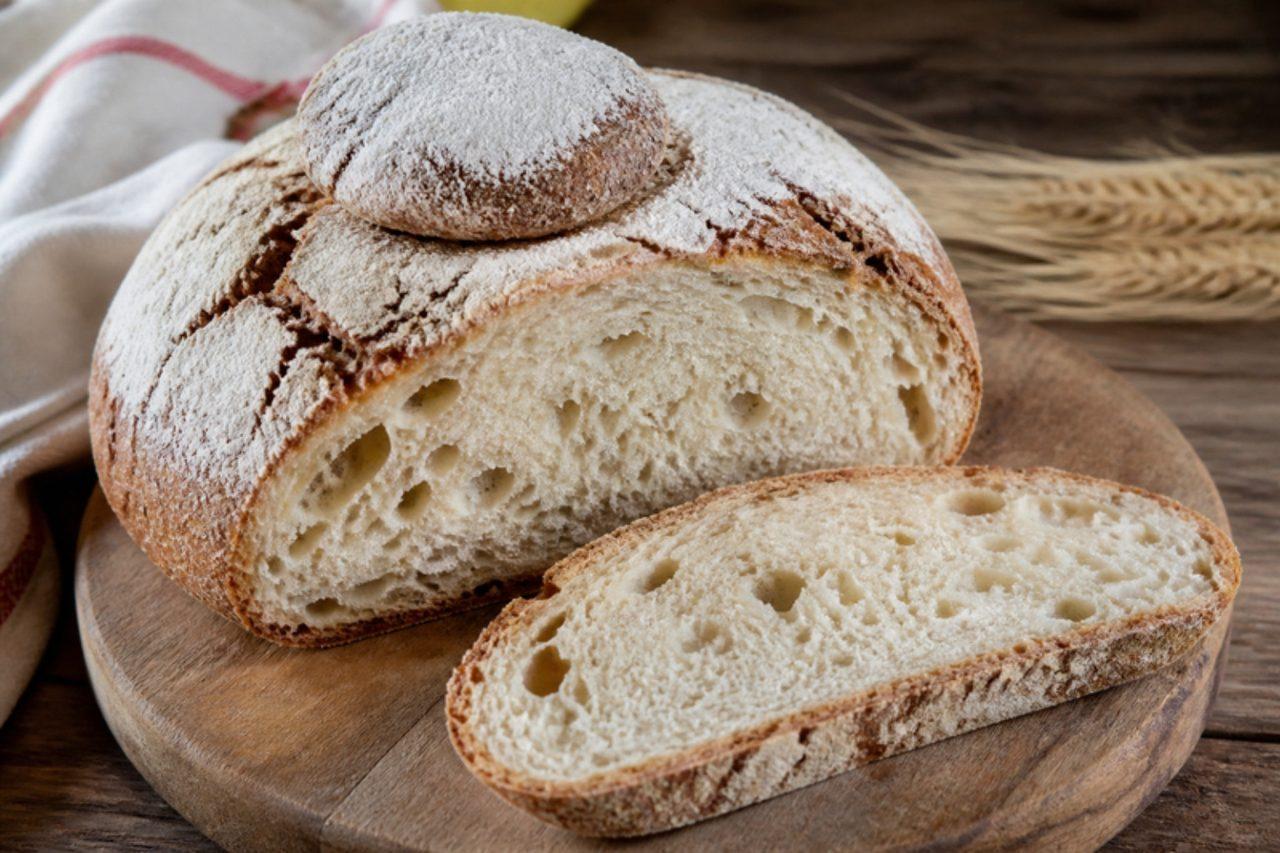
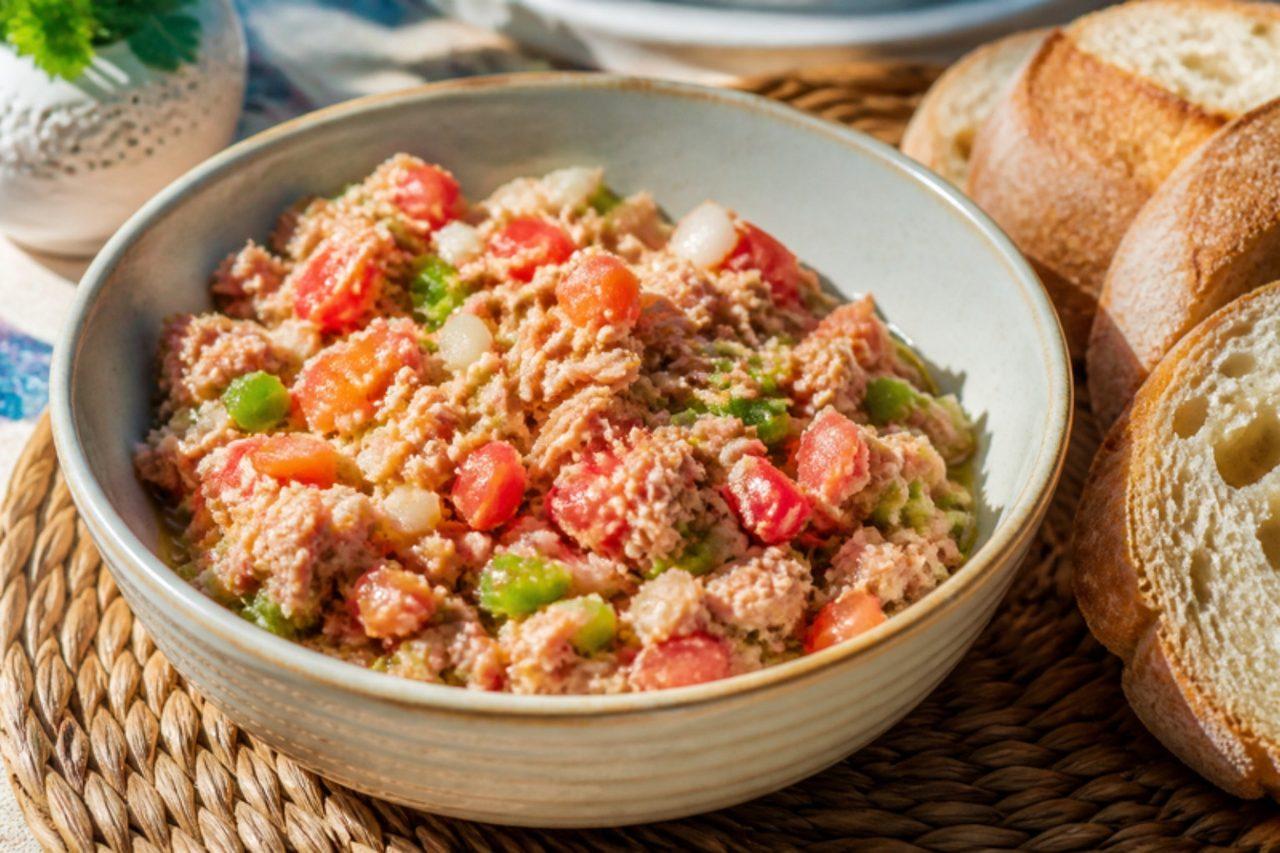
Estupeta de atumShredded tuna salad

Vila Real de Santo António and Tavira grew rich on tuna, and estupeta is what the fishing families made from the salted belly: shredded into threads and tossed with tomato, green pepper and onion in a sharp olive-oil dressing. Today it appears every summer in tascas along the Guadiana as a starter with bread and cold drinks. The traditional salted tuna is cured, not cooked, so it is not for pregnant women, young children or anyone with a weakened immune system; this version uses fresh tuna poached until cooked through, which anyone can eat. Chef's tip: shred the tuna with two forks while it is still warm, as it pulls into finer threads.
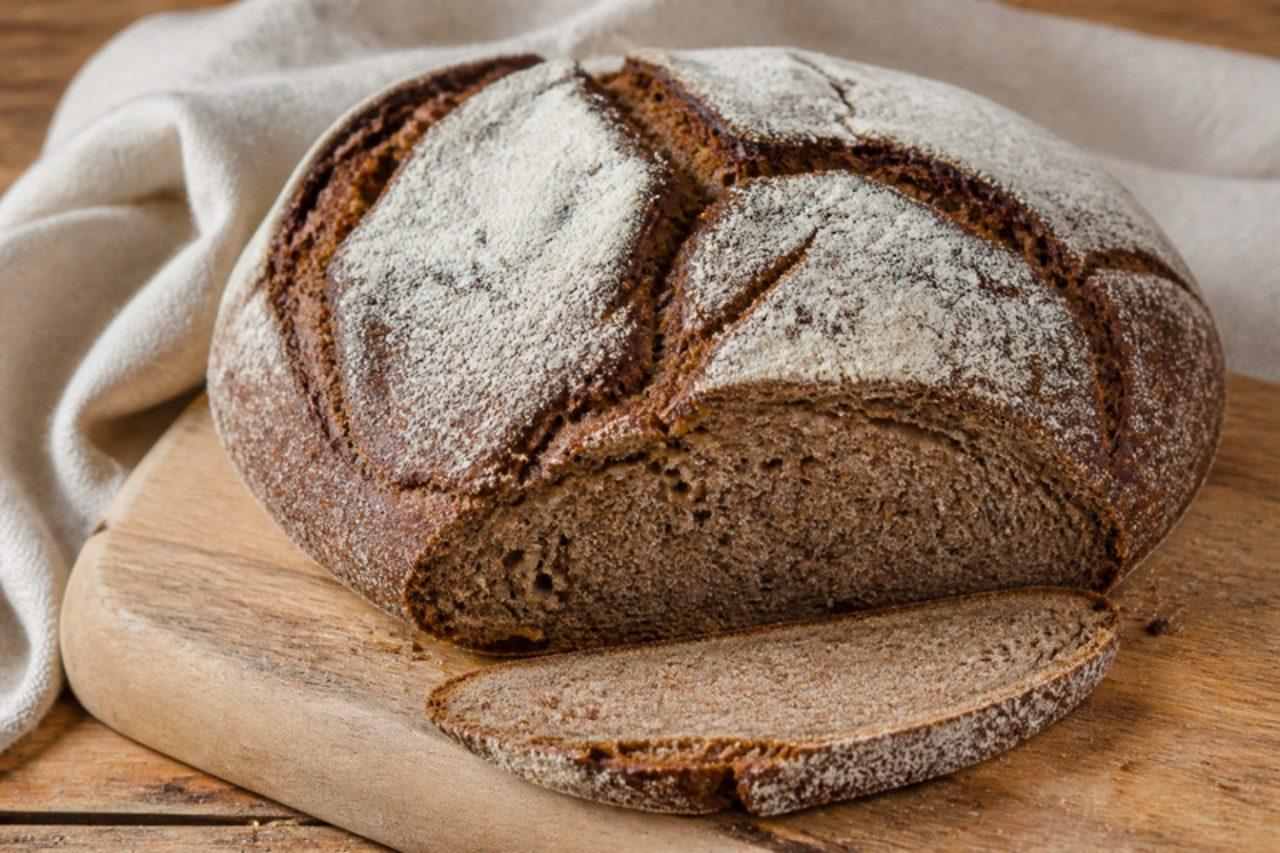
by KrazyBadal 0 views

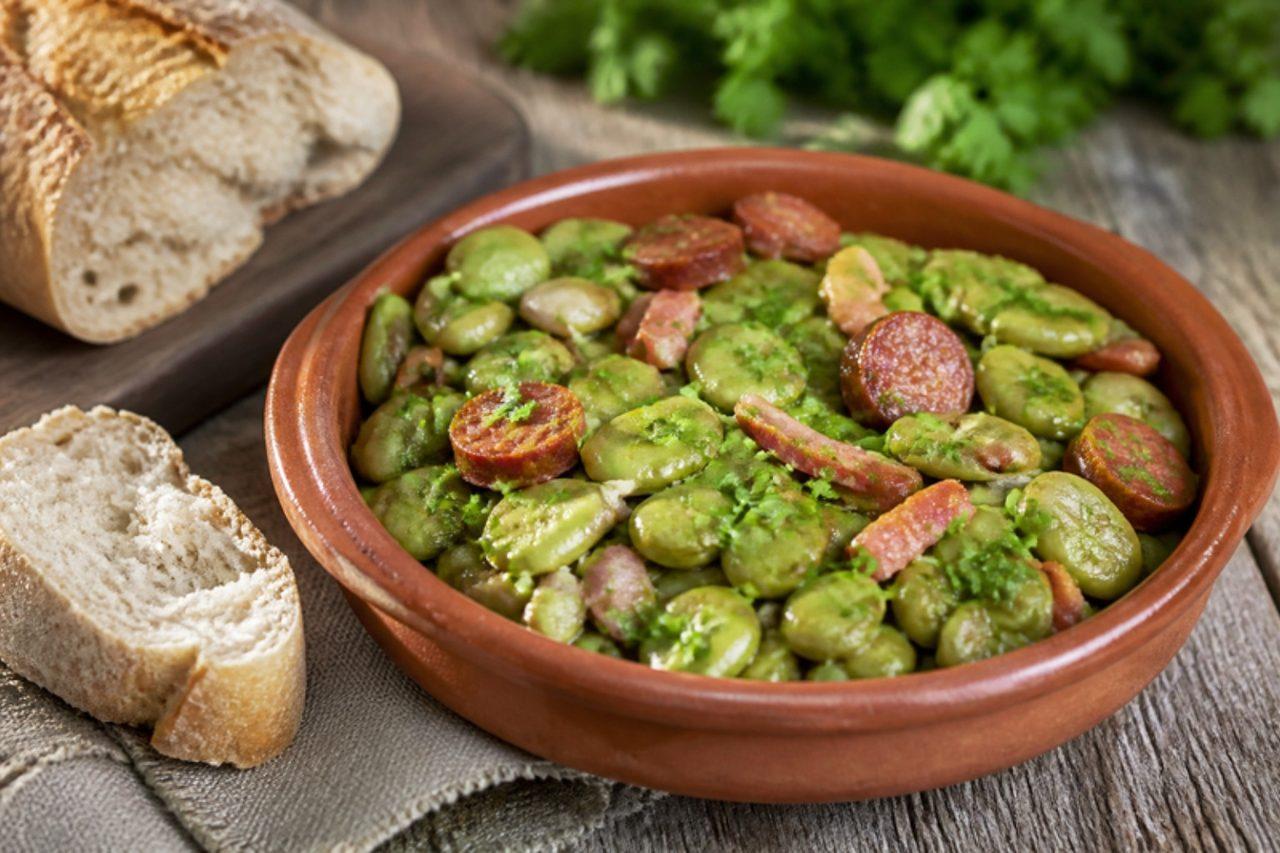
Favas guisadas com chouriçoBroad beans with chouriço

When broad beans come in across the Alentejo in April and May, this is the dish that announces them: young beans stewed with chouriço and a little cured pork belly, garlic, onion and a big handful of coriander, until the beans are soft and the sauce is red with paprika fat. It is a weekday lunch with bread, or with a poached egg on top. This contains pork (chouriço and bacon). Frozen broad beans work well out of season. A common mistake is boiling the beans until they turn grey and mealy; stop when they are tender and still green. Chef's tip: a spoonful of vinegar at the end brightens the rich, fatty sauce.

by KrazyBadal 0 views

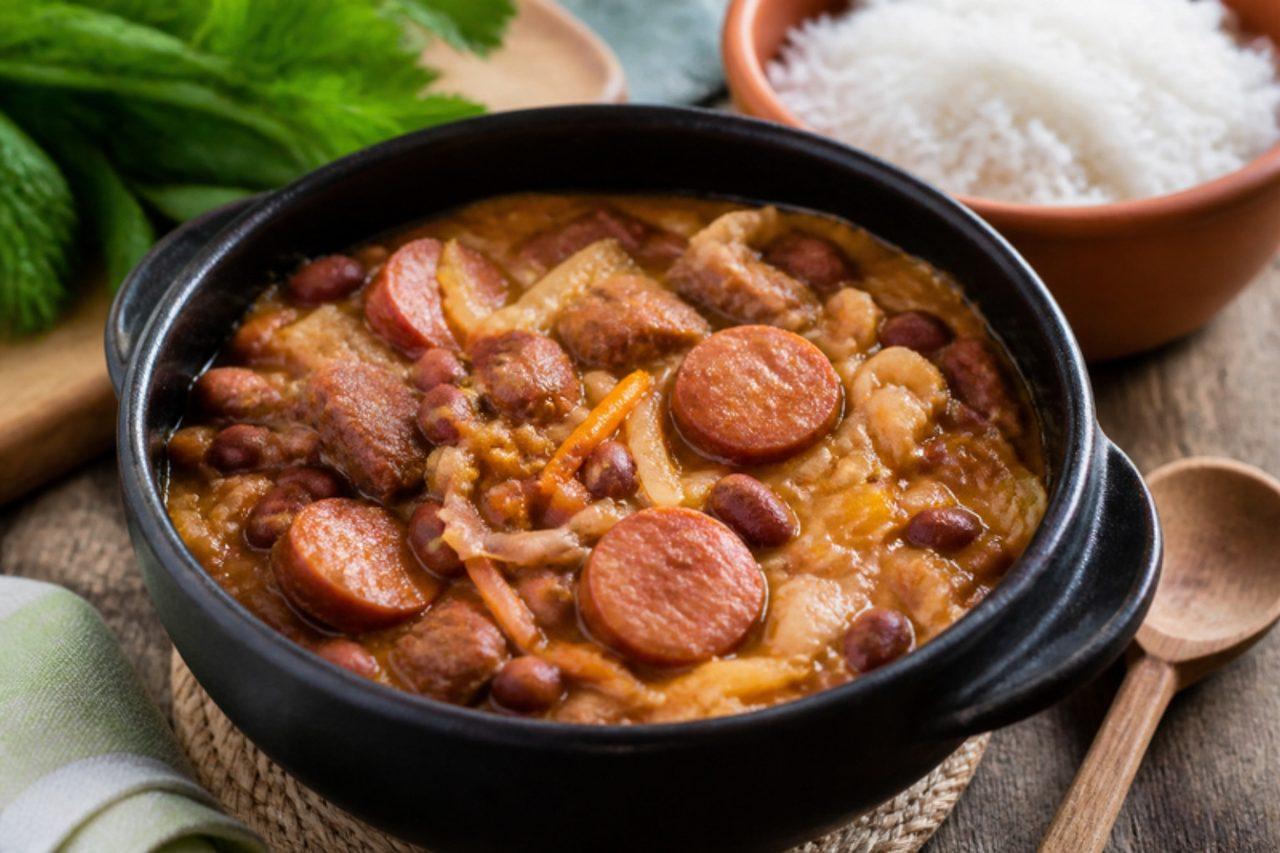
Feijoada à transmontanaRed beans with smoked sausages

In Trás-os-Montes the cold months were the months of the fumeiro, the smoking of sausages, and this bean stew was where those sausages ended up. Unlike the Brazilian black-bean feijoada, the transmontana version uses red or white beans, with pig's ear and trotter for body, chouriço and salpicão for smoke, and carrots and cabbage cooked in at the end. It is served for Sunday lunch in Chaves and Bragança with plain rice. This contains pork (ear, trotter, belly and smoked sausages). Chef's tip: cook the beans separately in their own water first, so the cured meats do not stop them softening.

by KrazyBadal 0 views

Feijoada de búziosWhelk and butter bean stew

On the western Algarve coast around Sagres and Aljezur, whelks gathered from the rocks go into a thick, tomatoey bean stew that is the seaside cousin of the meat feijoada. It is winter food, served steaming from big pots at local festivals and in family kitchens, with rice on the side. This contains pork (chouriço); leave it out and add an extra teaspoon of smoked paprika if you prefer. Chef's tip: cook the whelks separately first so you can slice them and control their texture.

by KrazyBadal 0 views

Folar de OlhãoCaramelised layered Easter bread

In the fishing town of Olhão, Easter means folar, and it looks nothing like the egg-topped breads of the north: here a soft, cinnamon dough is rolled up in layers of brown sugar and fat, sliced, packed into a tin and baked until the sugar runs into a dark, sticky caramel. Turned out upside down, it pulls apart in sweet, glossy spirals. Families bake it on Holy Thursday so it is ready for the long weekend, and godparents give one to their godchildren. Many bakeries use some lard; this version uses butter only. Chef's tip: roll the dough as thin as you dare, as the more layers you get, the more caramel edges there are.

by KrazyBadal 0 views

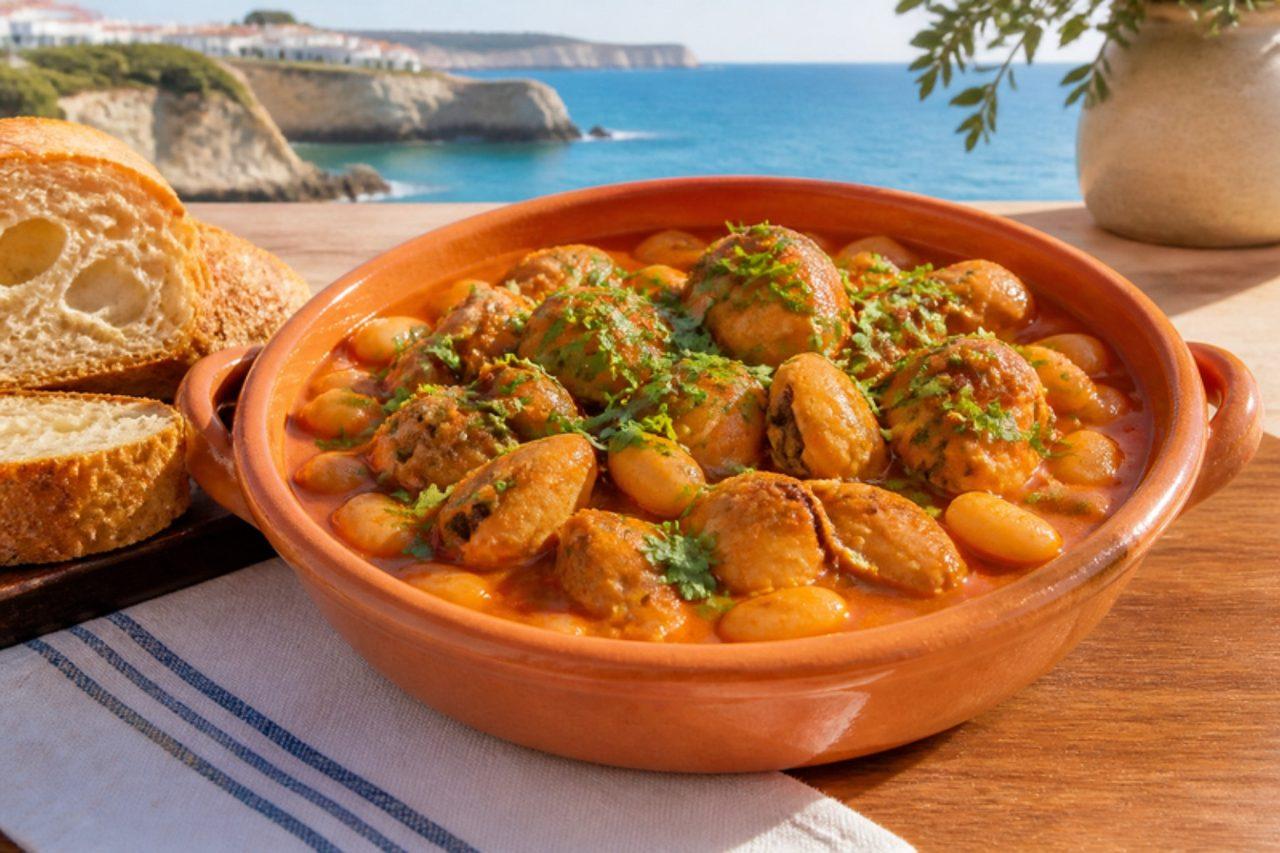
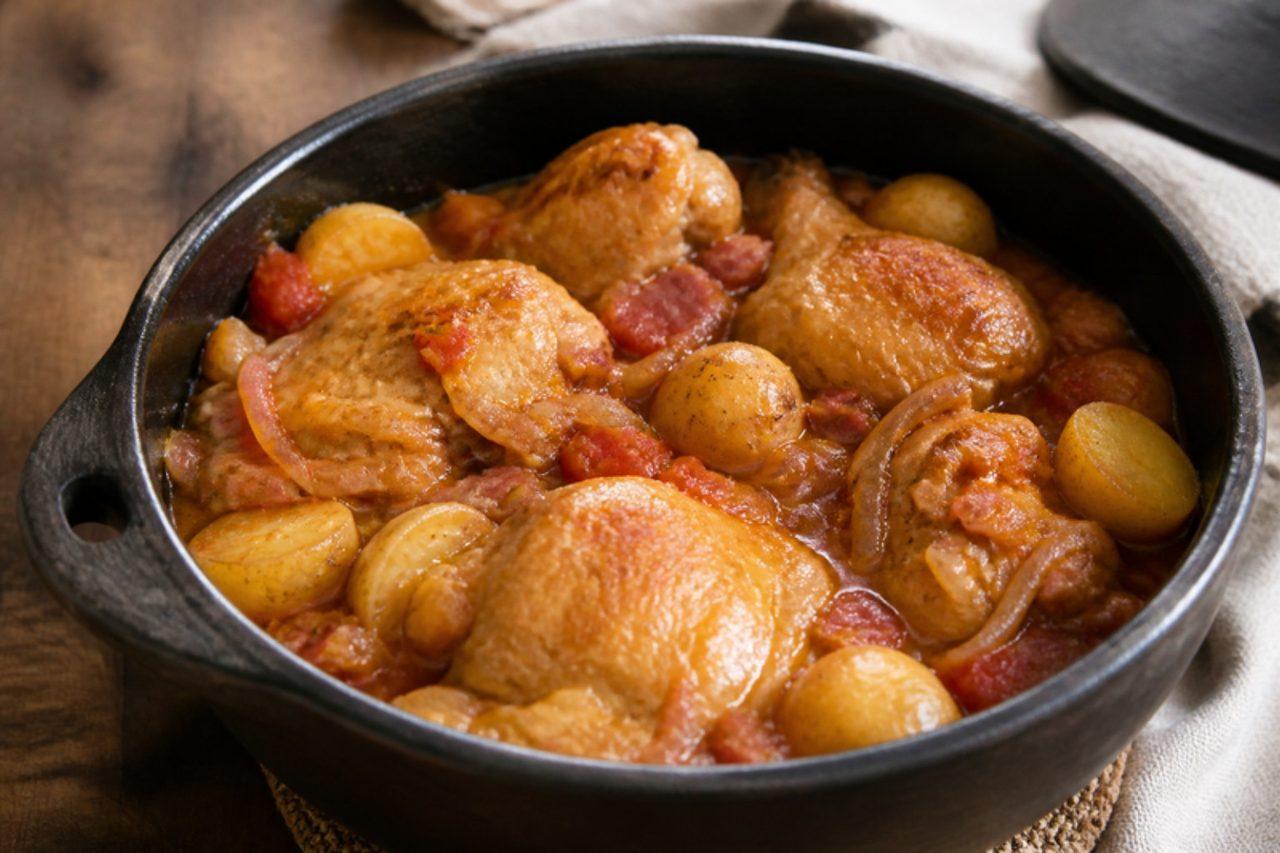
Frango no púcaroClay-pot chicken with port and ham

The monks of the great abbey at Alcobaça, on the edge of the Beira Litoral, are credited with this dish of chicken slow-cooked in a púcaro, a lidded clay pot, with onions, tomatoes, garlic, cured ham and bacon, a splash of port and white wine. Local restaurants still serve it bubbling in the pot with fried or boiled potatoes. This contains pork (presunto and smoked bacon), and it uses port and white wine; an alcohol-free version is given in the ingredient notes. Chef's tip: brown the chicken well before it goes into the pot, as the sealed lid keeps the colour from developing later.

by KrazyBadal 0 views

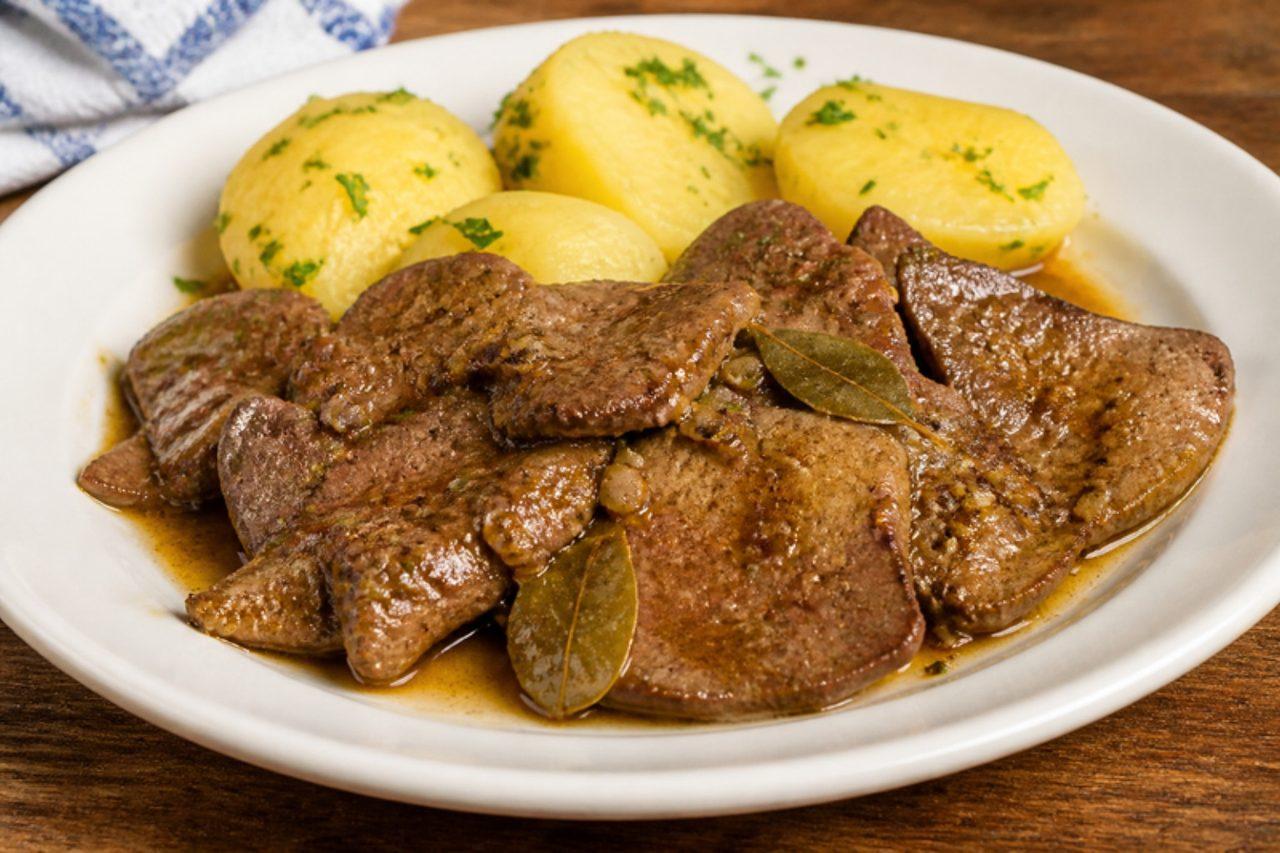
Iscas com elasFried marinated liver with potatoes

In the old tascas of Lisbon's Baixa and Alfama, iscas com elas was cheap, filling food for workers: thin slivers of liver marinated overnight in white wine, vinegar, garlic and bay, flash-fried and served 'with them', the boiled potatoes that soak up the sauce. This contains pork (pig's liver); calf's liver works too. The marinade uses white wine, which contains alcohol; stock with an extra spoon of vinegar is a good alcohol-free option. A common mistake is slicing the liver thick: it must be thin so it cooks through fast without turning hard. Chef's tip: dry the slices well before frying so they sear instead of boiling.

by KrazyBadal 0 views

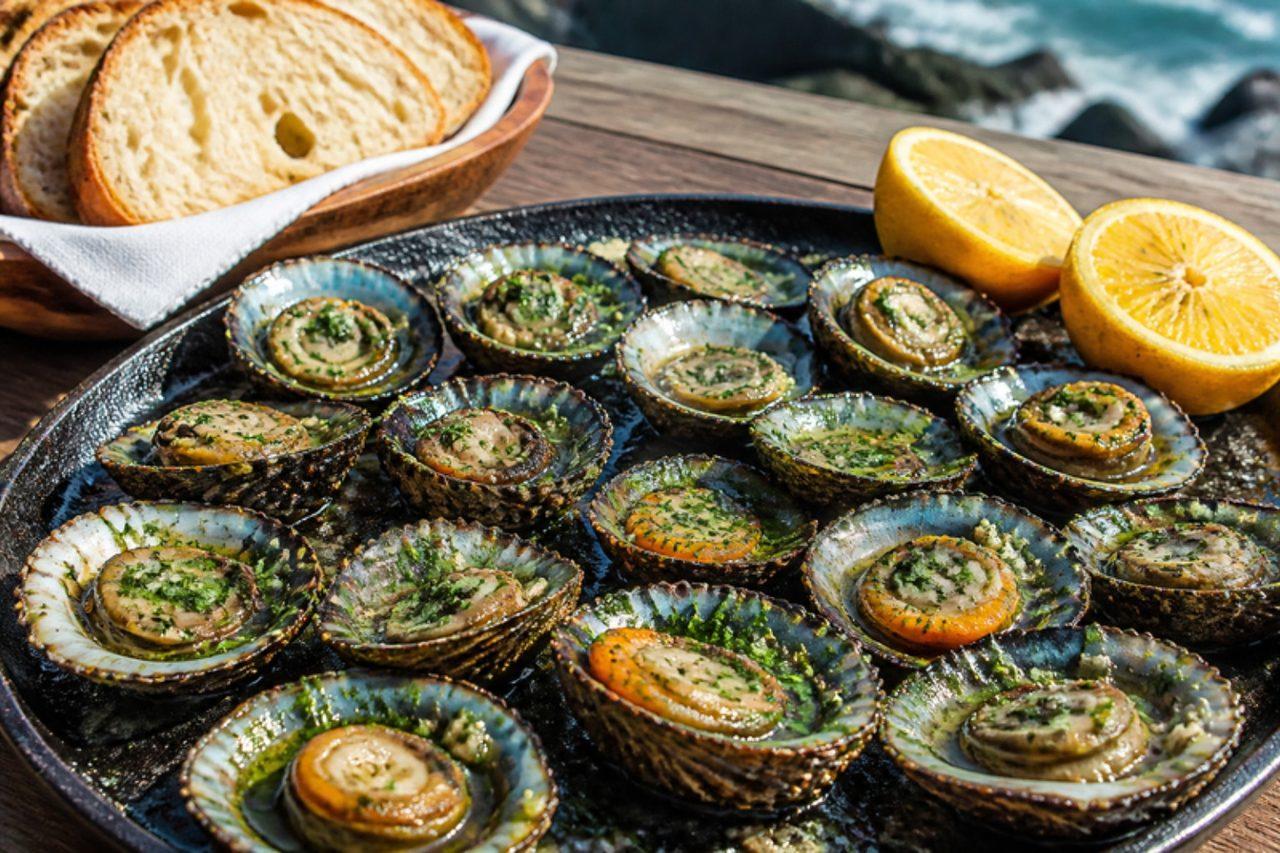
Lapas grelhadasGrilled limpets with garlic butter

Along the rocky shores of Madeira and the Azores, limpets are prised off the rocks at low tide and grilled within hours, arriving at the table in a hot cast-iron dish, still bubbling with garlic butter. Beach bars in Porto Moniz and on Pico serve them as a starter, with bread for dipping and a squeeze of lemon. They are best when only just cooked, tender with a slight chew. Chef's tip: buy them from a fishmonger who sells them live, still clamped tightly to their shells.

by KrazyBadal 0 views

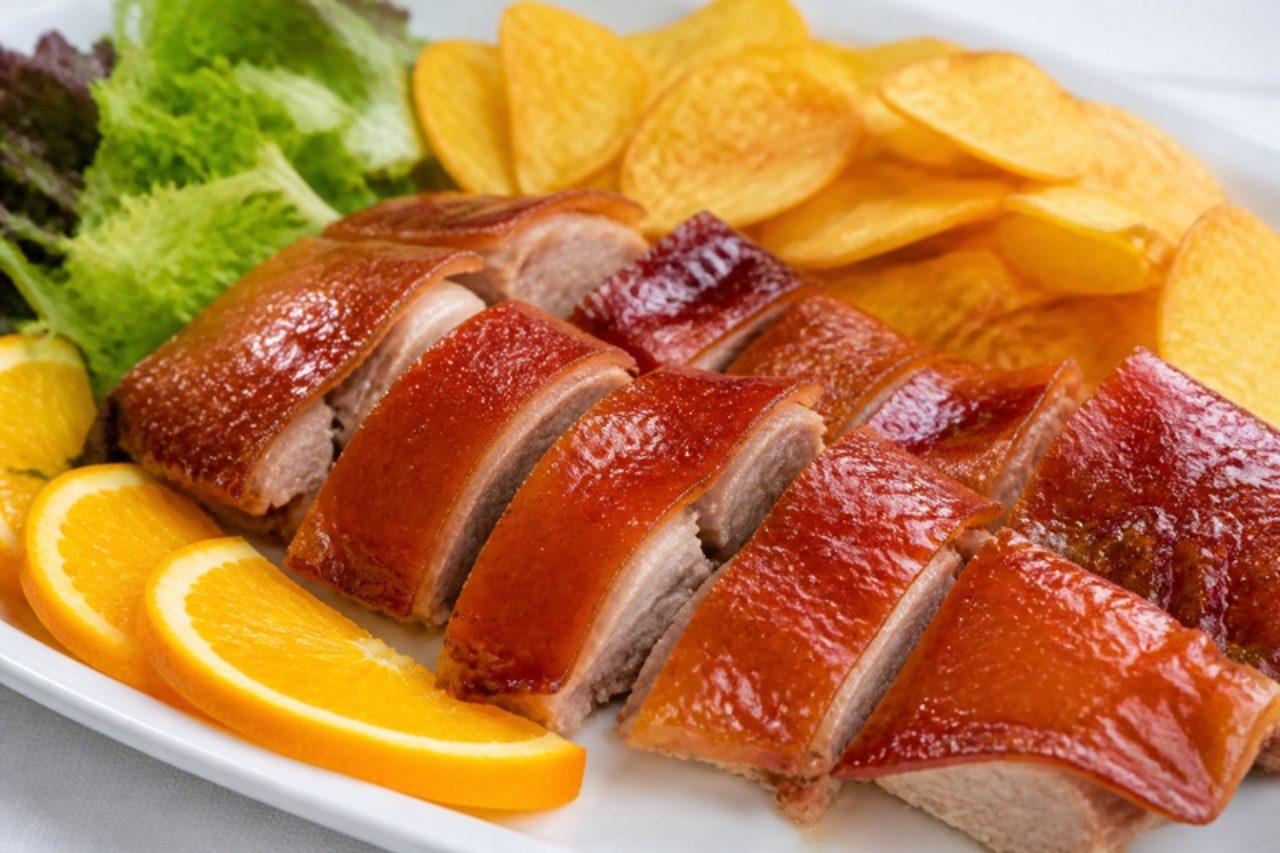
Leitão à BairradaRoast suckling pig

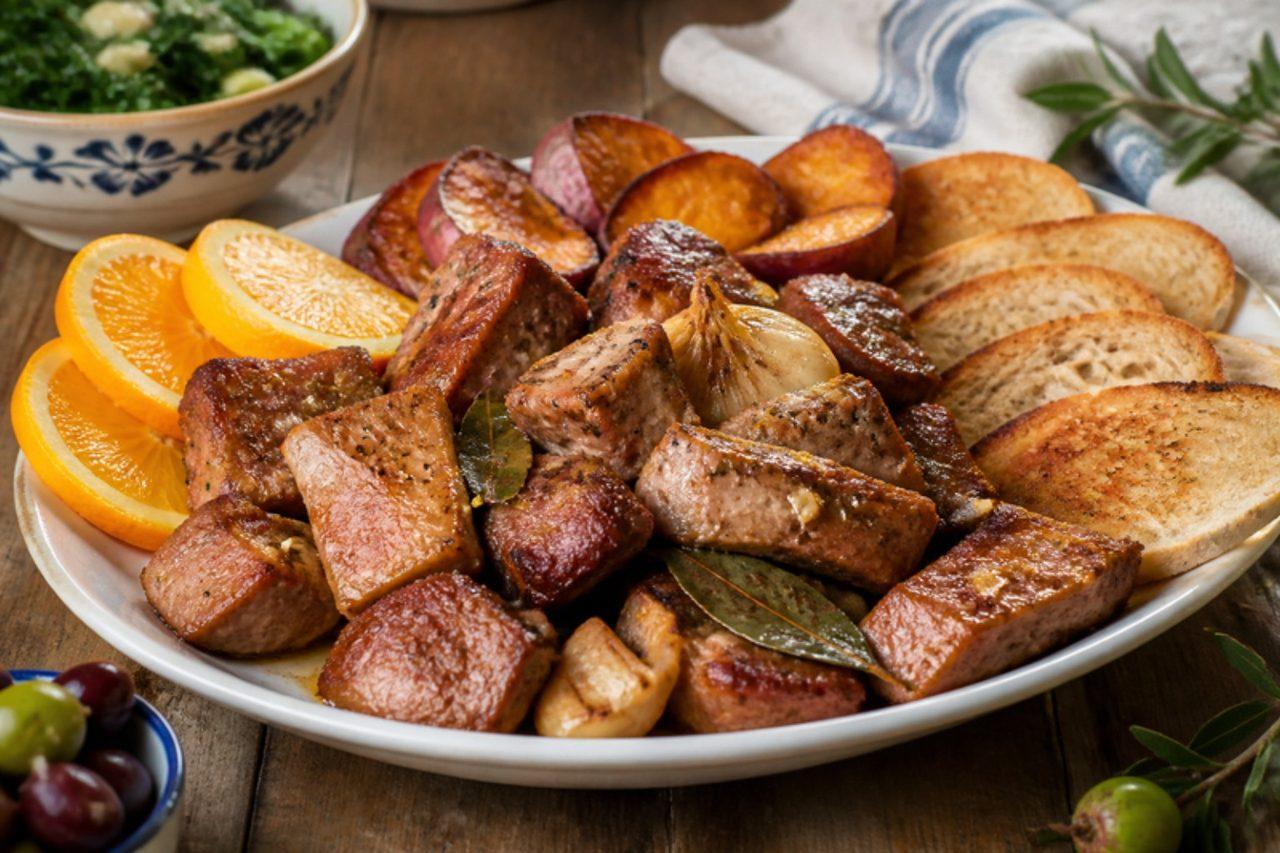
Along the old Lisbon–Porto road through the Bairrada, around Mealhada, restaurant after restaurant roasts suckling pigs whole in wood ovens, and people drive for hours for a Sunday lunch of it. This contains pork (suckling pig and lard). The inside is rubbed with a fierce paste of lard, garlic, black pepper and bay, while the skin roasts to a glassy, crackling sheet. It is served cold or warm with sliced oranges, crisp potato chips and a green salad. A half or quarter pig from a specialist butcher fits a home oven. Chef's tip: keep the skin completely dry and paste only the inside, as any fat or water on the skin stops it crackling.

by KrazyBadal 0 views

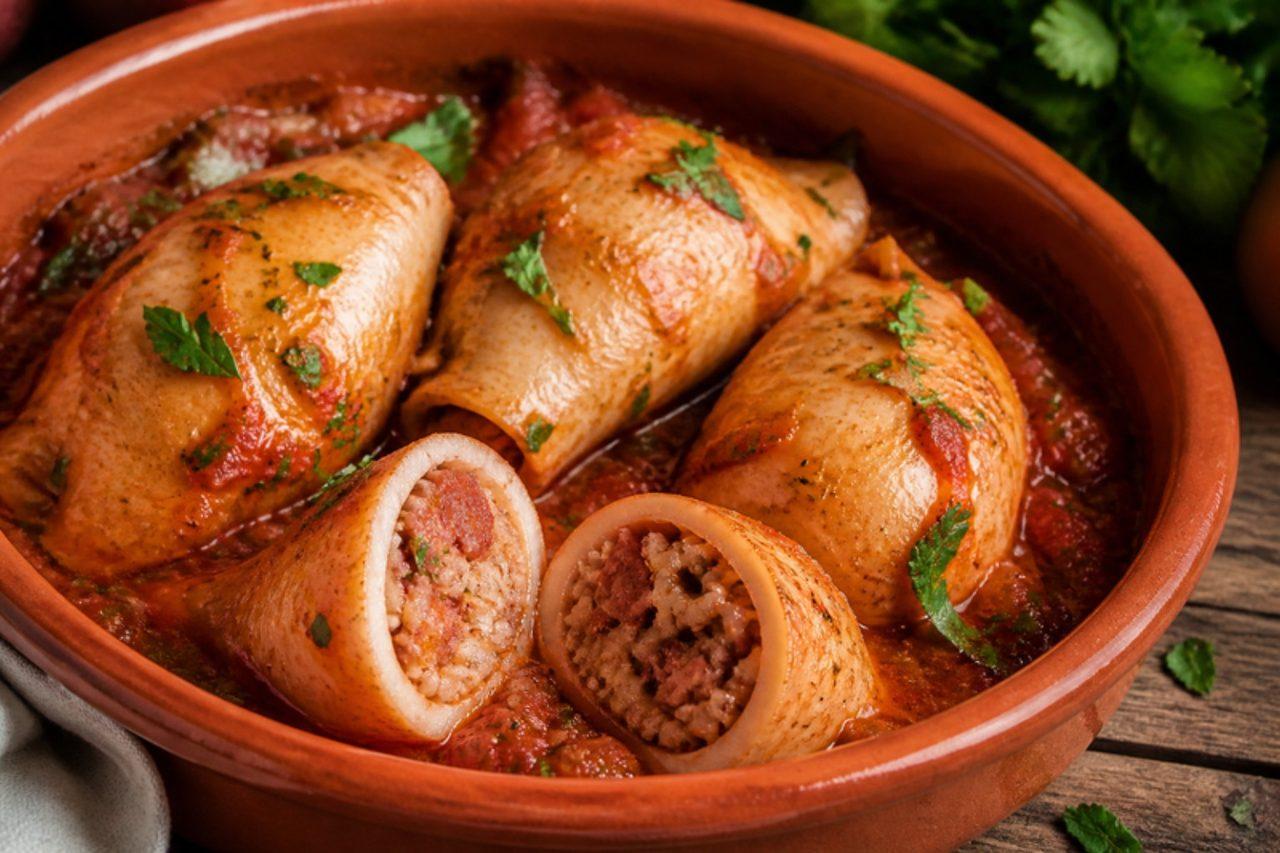
Lulas recheadasSquid stuffed with chouriço and rice

Fishermen's wives in Portimão stretched a modest catch of squid by filling the bodies with chopped tentacles, rice and a little chouriço, then simmering them slowly in tomato sauce until meltingly tender. It is a Sunday dish in the western Algarve, served sliced into rounds with boiled potatoes or more rice. This contains pork (chouriço), and the sauce uses white wine; replace it with the same amount of fish or vegetable stock for an alcohol-free version. Chef's tip: fill the squid only two-thirds full, because the rice swells and can split them.

by KrazyBadal 0 views

MalassadasFried yeast doughnuts

On Terça-feira Gorda, the last day before Lent, kitchens all over São Miguel smell of hot oil and sugar, as families fry malassadas to use up eggs and butter before the fast. Emigrants carried them to Hawaii and New England, but on the islands they are still a Carnival treat: irregular, puffy and light, with a crisp sugared outside. Eat them within an hour of frying. Chef's tip: stretch each piece thin in the middle with oiled fingers; it puffs up dramatically and stays airy.

by KrazyBadal 0 views

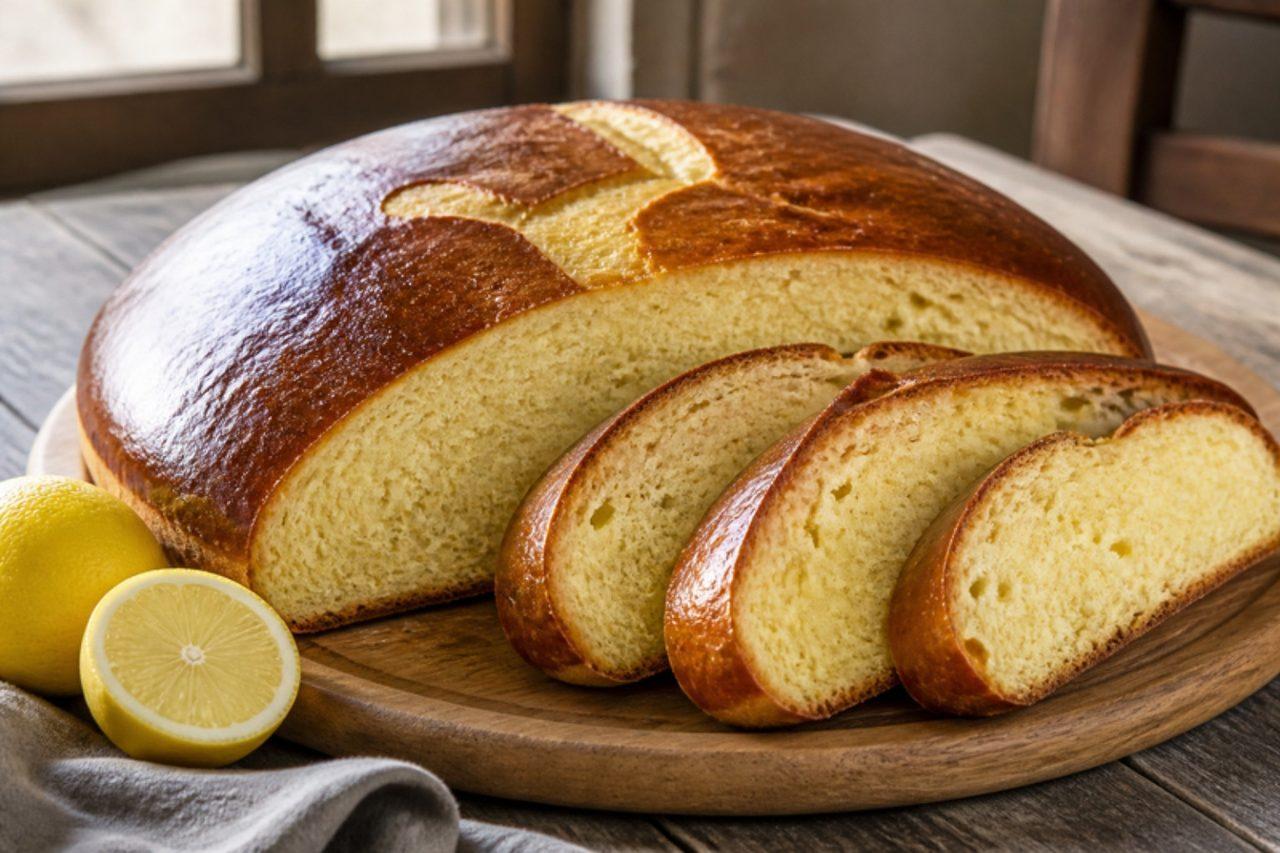
Massa sovadaSweet lemon bread

Sovar means to knead hard, and Azorean women once kneaded this rich bread dough for an hour by hand before Easter and the Holy Spirit feasts of early summer, when loaves are blessed and shared with the whole parish. The crumb is soft, golden and feathery, with a tight, dark shiny crust. Slices are eaten plain with coffee, toasted with butter, or used to soak up the juices of alcatra on Terceira. A common mistake is baking before the loaf has doubled, which gives a dense, cakey crumb. Chef's tip: give it a slow, full rise, which is what gives the bread its fine, cotton-soft crumb.

by KrazyBadal 0 views

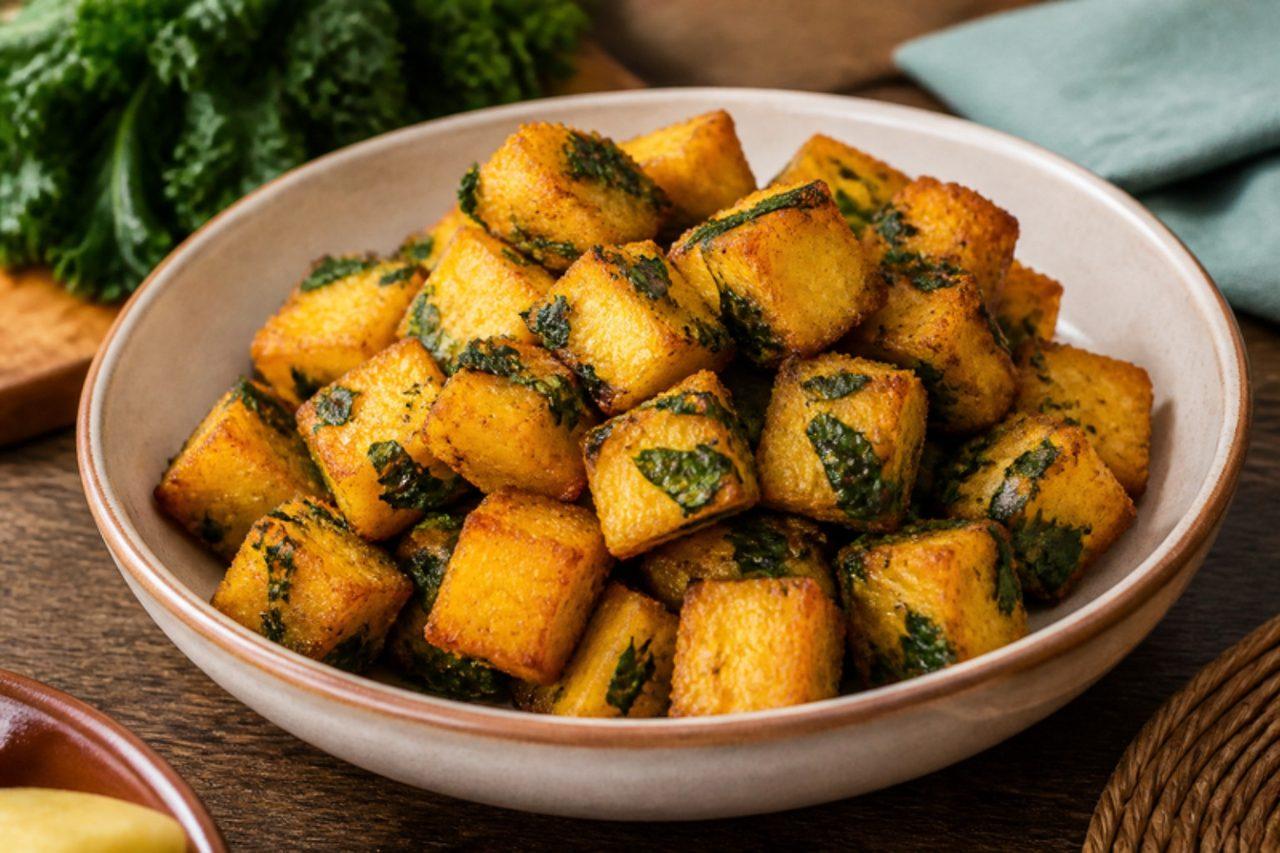
Milho fritoFried cornmeal cubes with kale

Order espetada in any Madeiran restaurant and a basket of these golden cubes comes with it: polenta-style cornmeal cooked with shredded kale and garlic, set in a tray, then cut and fried until crunchy outside and soft and creamy within. They are also cooked at home on Sundays alongside grilled fish. Chef's tip: make the cornmeal the day before, as a well-chilled block cuts cleanly and doesn't fall apart in the oil.

by KrazyBadal 0 views

Ovos moles de AveiroEgg-yolk and sugar cream

Nuns in Aveiro's convents used leftover yolks, after the whites had starched their habits, to make this soft, intensely sweet cream, and the town's shops now sell it in painted wooden barrels or wrapped in thin wafer shaped like shells and fish. Visitors buy boxes at the railway station and along the canals where the moliceiro boats run. Only yolks, sugar and water go in, cooked slowly until thick and shiny. Chef's tip: cool the syrup slightly before adding the yolks and cook over the lowest heat, as a common mistake is hurrying it and ending up with sweet scrambled egg.

by KrazyBadal 0 views

Pão alentejanoSourdough country loaf

Almost every Alentejo meal leans on this bread: it is crumbled into açorda, laid under soups and stews, fried into migas and, fresh, eaten with olives and sheep's cheese. Village bakers make it with a sourdough starter, white wheat flour, water and salt, and give each round loaf a little knob of dough on top, called the cuco. The crumb should be dense, moist and chewy and the crust thick and crackling, so it lasts a week. You need an active starter that doubles within 6 hours of feeding. A common mistake is baking too pale; let the crust go a deep brown for flavour and keeping. Chef's tip: use a wetter dough than you think; it gives the open, moist crumb that keeps the bread soft for days.

by KrazyBadal 0 views

Pão de centeio transmontanoDark rye loaf

On the cold uplands of Trás-os-Montes, where wheat struggled, rye was the bread grain, and village bakeries around Montalegre and Miranda do Douro still bake big rounds with a dark, floury crust. The crumb is dense, tangy and moist, made to keep for a week and to sit beside cured meats, cheese and soups. This home loaf mixes rye with some wheat so it rises reliably. A common mistake is kneading rye dough like wheat dough; it never turns elastic, so mix it to a sticky paste and stop. Chef's tip: rye dough is sticky by nature, so shape it with wet hands rather than adding flour.

by KrazyBadal 0 views

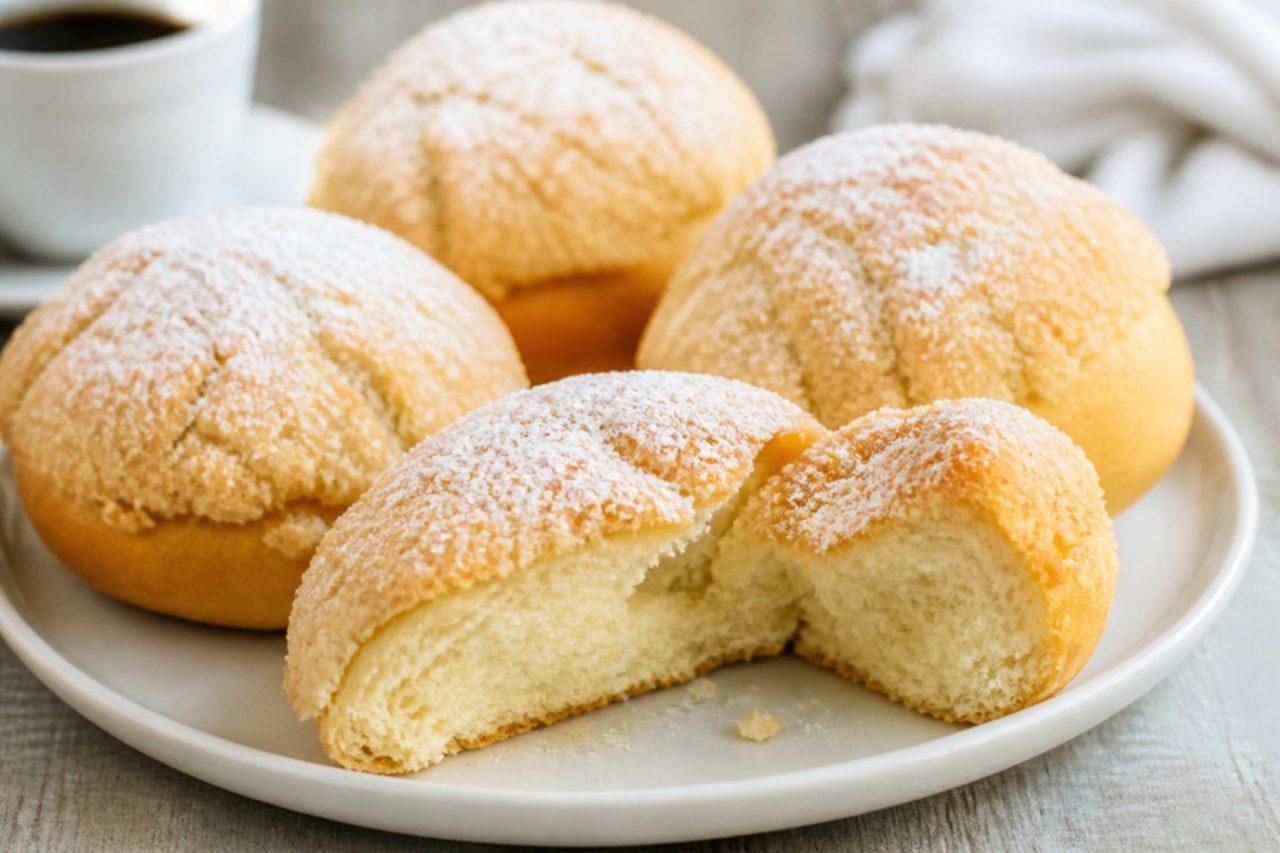
Pão de DeusCoconut-topped sweet buns

Lisbon bakeries pile these 'God's bread' buns in their windows every morning, and regulars split them and spread them with butter, or tuck in a slice of cheese, for breakfast with a galão. The dough is soft and milky like brioche, and the top is a sweet blanket of grated coconut, egg and sugar that bakes crisp and golden. A common mistake is spreading the coconut too thin: pile it on thickly so it stays moist underneath and toasty on top. Chef's tip: let the shaped buns rise fully before topping them, or the heavy coconut layer squashes them flat.

by KrazyBadal 0 views

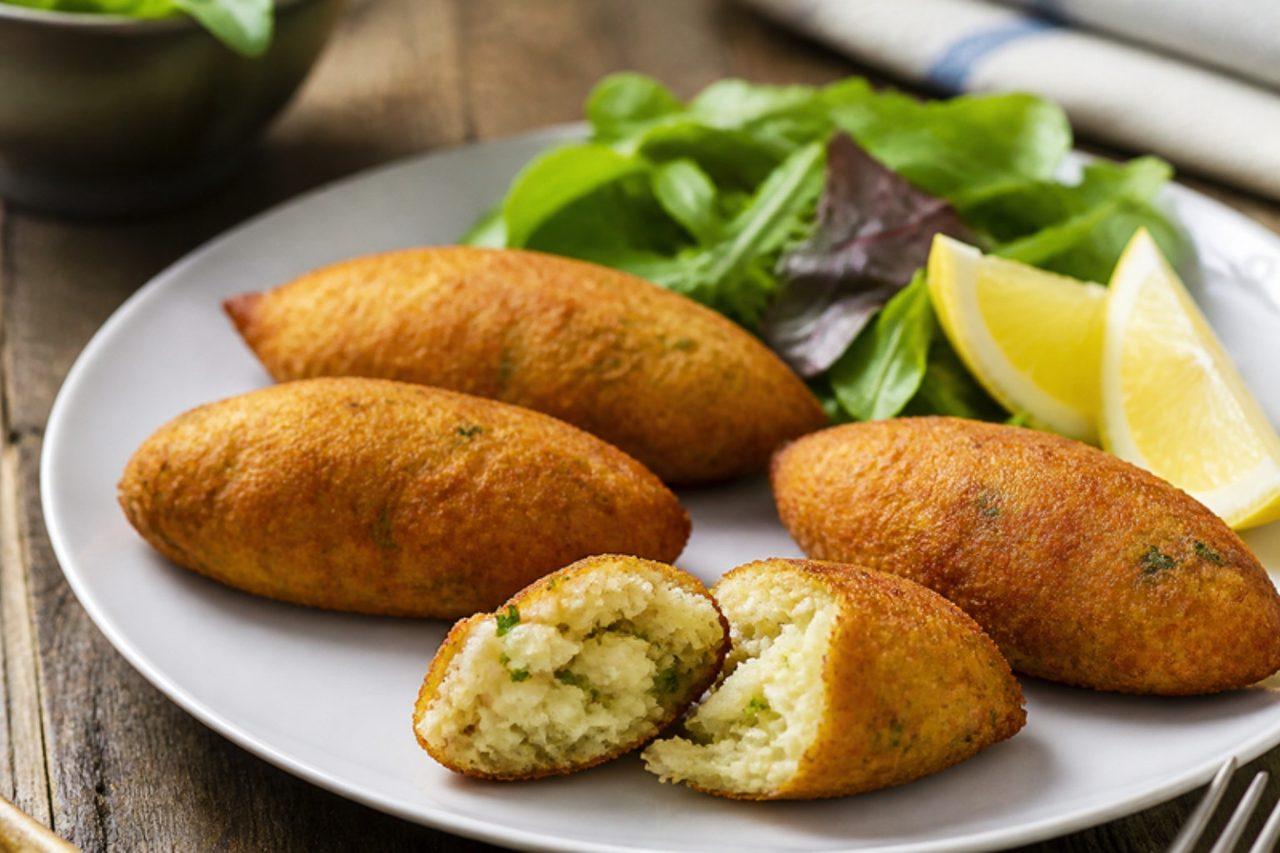
Pastéis de bacalhauSalt cod and potato croquettes

These torpedo-shaped croquettes of salt cod, potato, egg and parsley are everywhere in Lisbon: piled on café counters, packed for picnics, and served at weddings and christenings in their dozens. Every family argues over the cod-to-potato ratio; about equal parts gives a fluffy inside that still tastes properly of fish. Salt cod needs 24–48 hours of soaking in the fridge, so start two days ahead. A common mistake is a wet mixture from boiled potatoes, which makes the croquettes burst in the oil; bake or steam the potatoes instead, or dry them well. Chef's tip: shape each one between two wet tablespoons, passing the mixture back and forth until it has three smooth sides.

by KrazyBadal 0 views

Pastéis de feijãoWhite bean and almond tarts

Torres Vedras, in the wine country west of Lisbon, has turned a humble white bean into its sweet emblem: tiny tarts with a moist filling of bean purée, ground almond and egg yolks, sold in pastelarias and at the town's carnival. Nobody would guess beans from the taste; they give a soft, marzipan-like body to the filling. Serve with a strong coffee in the afternoon. A common mistake is filling the cases to the top: the mixture puffs and spills, so stop at three-quarters. Chef's tip: blitz the beans with a little of the syrup until completely smooth; any skins left in make the filling chalky.

by KrazyBadal 0 views

Pastéis de TentúgalEgg cream pastry rolls

In Tentúgal, a village of the Mondego plain near Coimbra, a convent pastry is still made by hand-stretching dough across a whole room until it is as thin as tissue, then rolling it around a sweet egg cream. The real ones are sold in the village pastry shops and at Coimbra's markets, shattering at the first bite. Filo pastry with plenty of butter makes a convincing home version. Chef's tip: keep the filo you are not using under a damp cloth, as it dries and cracks in a minute or two.

by KrazyBadal 0 views

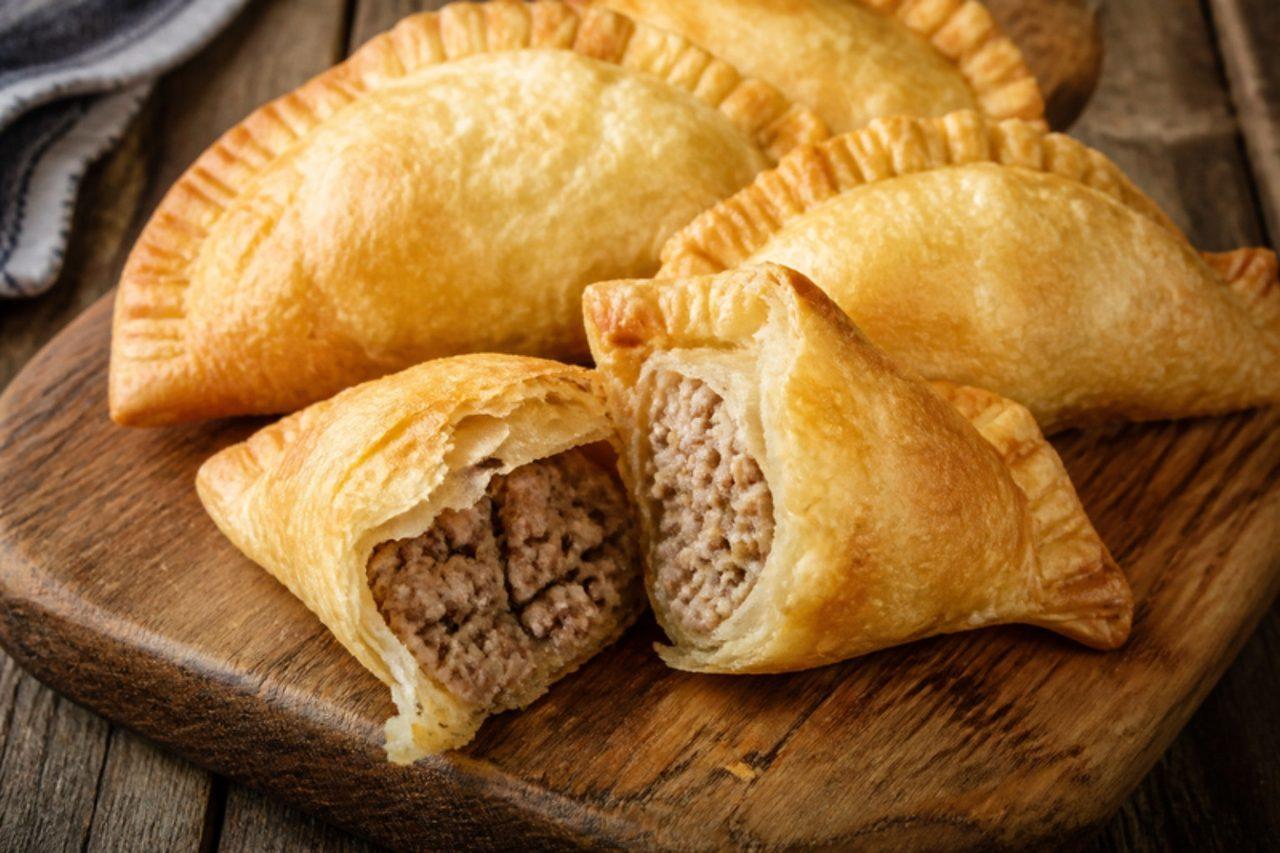
Pastel de ChavesMinced veal puff pastry pies

In the spa town of Chaves near the Spanish border, these crescent-shaped pasties are sold warm from bakeries all day and eaten for breakfast, lunch or with a coffee on the old Roman bridge. Many crisp, buttery layers enclose a savoury filling of minced veal. Chaves bakers use their own protected dough; at home, good all-butter puff pastry gets very close. A common mistake is a warm filling; it melts the butter in the pastry, so cool the meat completely before shaping. Chef's tip: cook the filling and let it cool completely before filling, or it melts the butter in the pastry and the layers will not rise.

by KrazyBadal 0 views

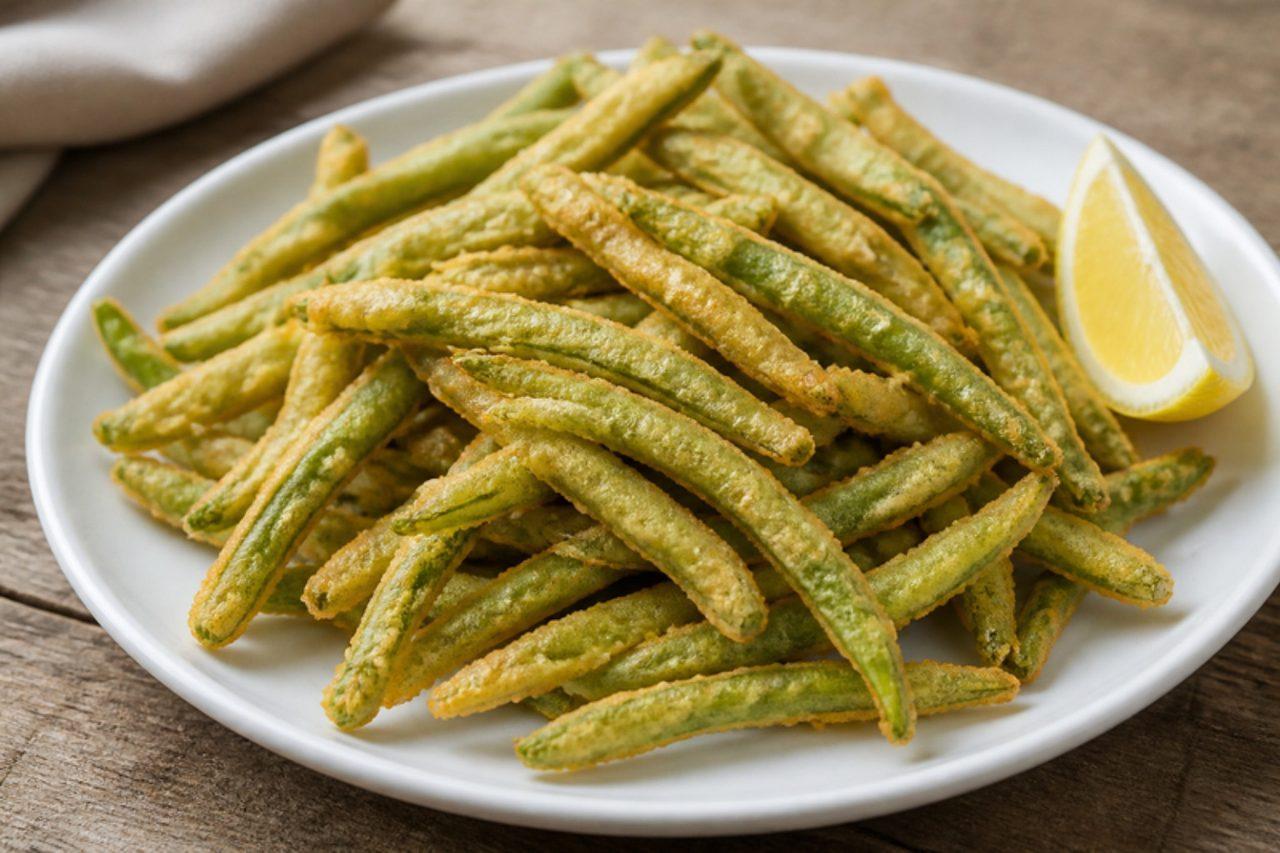
Peixinhos da hortaBattered green beans

Order a round of petiscos in an old Lisbon tasca and a plate of these often lands first: flat green beans in a thin, crackly batter, eaten with the fingers alongside a cold drink. The name means 'little fish from the garden', because on meatless church days the beans stood in for fried sardines. Portuguese missionaries are often credited with carrying the idea of batter-fried food to Japan in the 1500s, where it may have grown into tempura. Serve them hot, with lemon wedges and a pinch of flaky salt. Chef's tip: dry the blanched beans completely on a towel; any water left on them stops the batter sticking and makes the oil spit.

by KrazyBadal 0 views

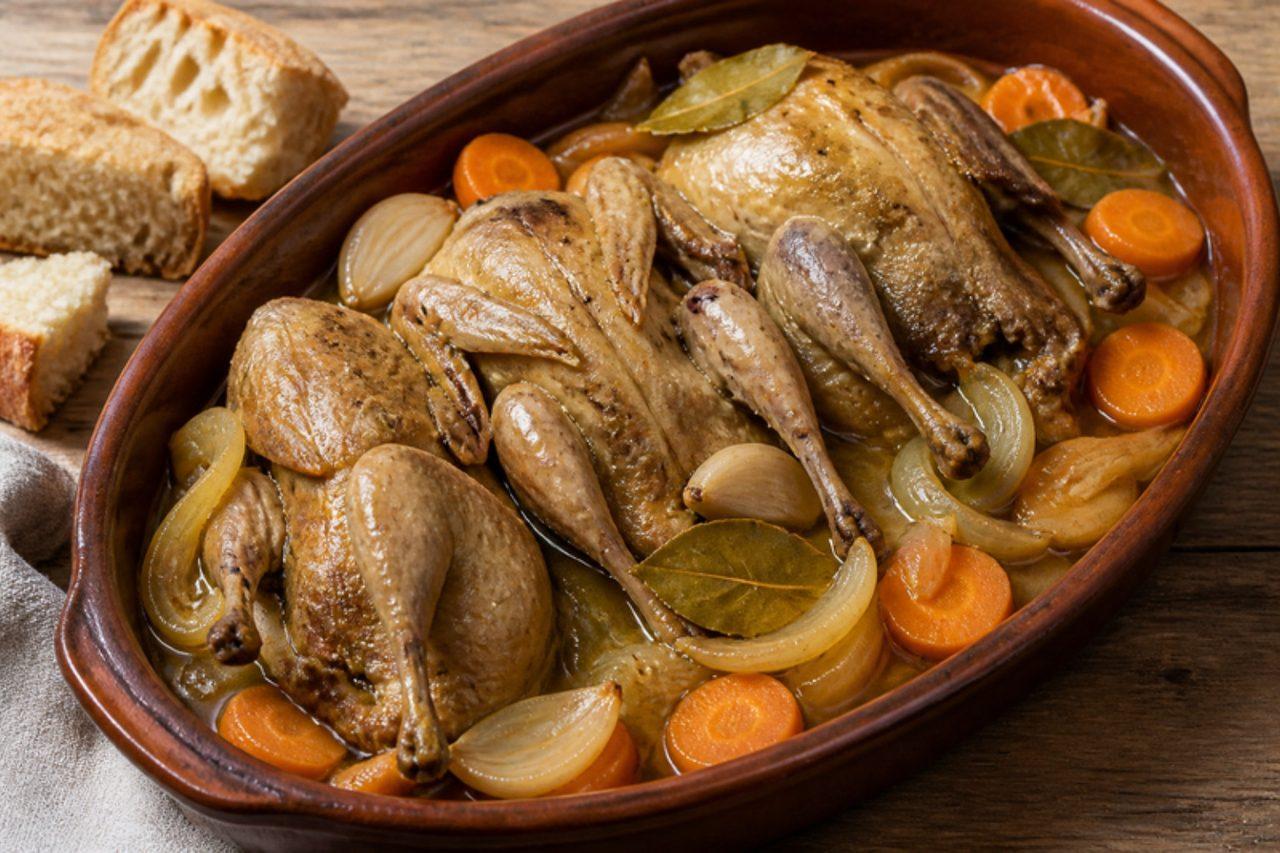
Perdiz de escabechePickled partridge

Partridge shooting season fills the cork-oak plains of the Alentejo with hunters in autumn and winter, and escabeche was how their families kept the birds: browned in olive oil, then cooked slowly in vinegar with onion, garlic, bay and peppercorns, and left in the cool larder for days. Today it is made in the fridge and served cold or at room temperature as a starter, with bread and a green salad. A common mistake is serving it straight away; it needs at least a day for the sour, garlicky flavour to soak in. Chef's tip: use good olive oil, since it sets around the birds and is served as part of the dish.

by KrazyBadal 0 views

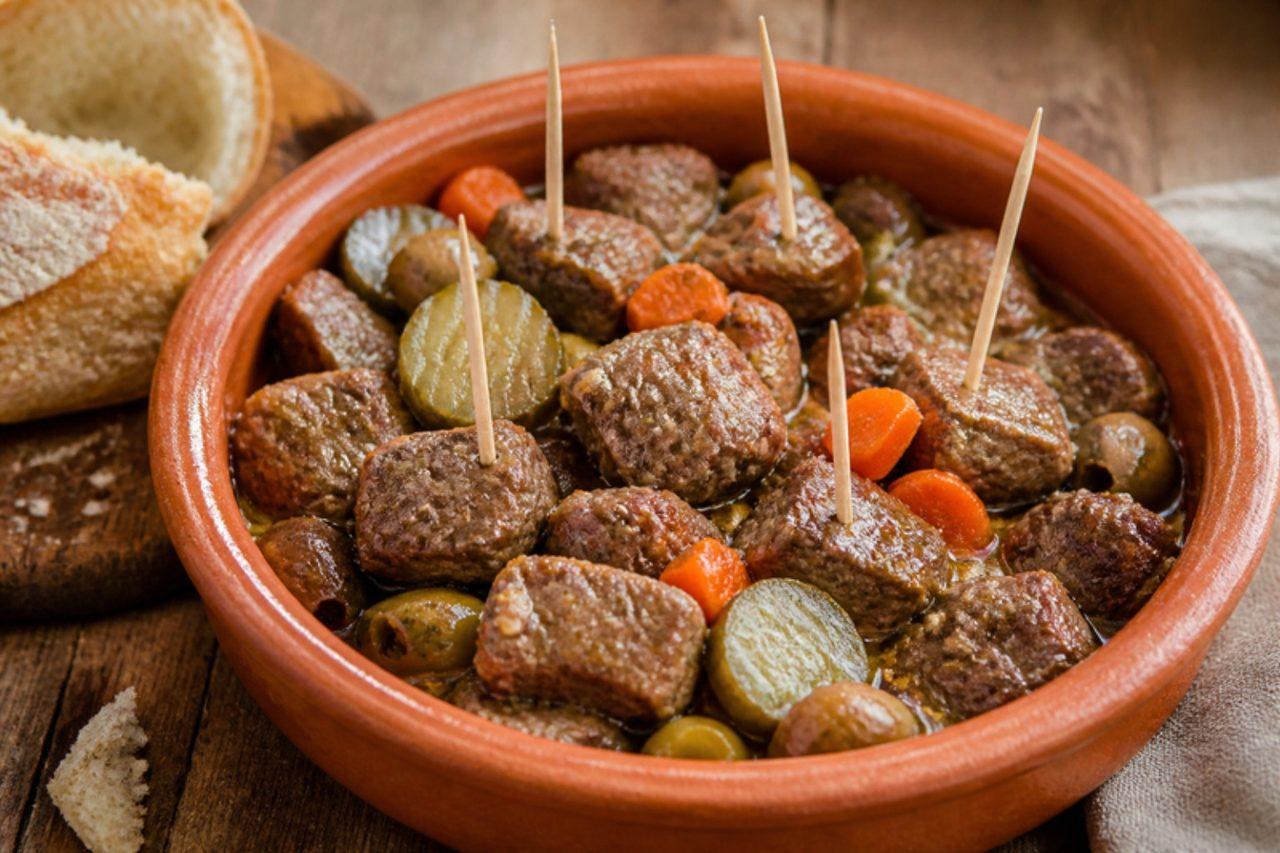
Pica-pauBeef in garlic mustard sauce

Pica-pau means woodpecker, and that is how you eat it: a crowd round a shared dish in a Lisbon cervejaria, pecking cubes of beef out of the sauce with toothpicks and dunking bread into the rest. The beef is seared quickly, then bathed in garlic, butter, mustard and a splash of white wine, and finished with tangy pickled vegetables. The wine contains alcohol; use stock with a teaspoon of vinegar instead. A common mistake is putting in all the meat at once: it stews grey instead of browning. Chef's tip: cut the beef into small, even 2 cm cubes so every piece browns fast and stays tender.

by KrazyBadal 0 views

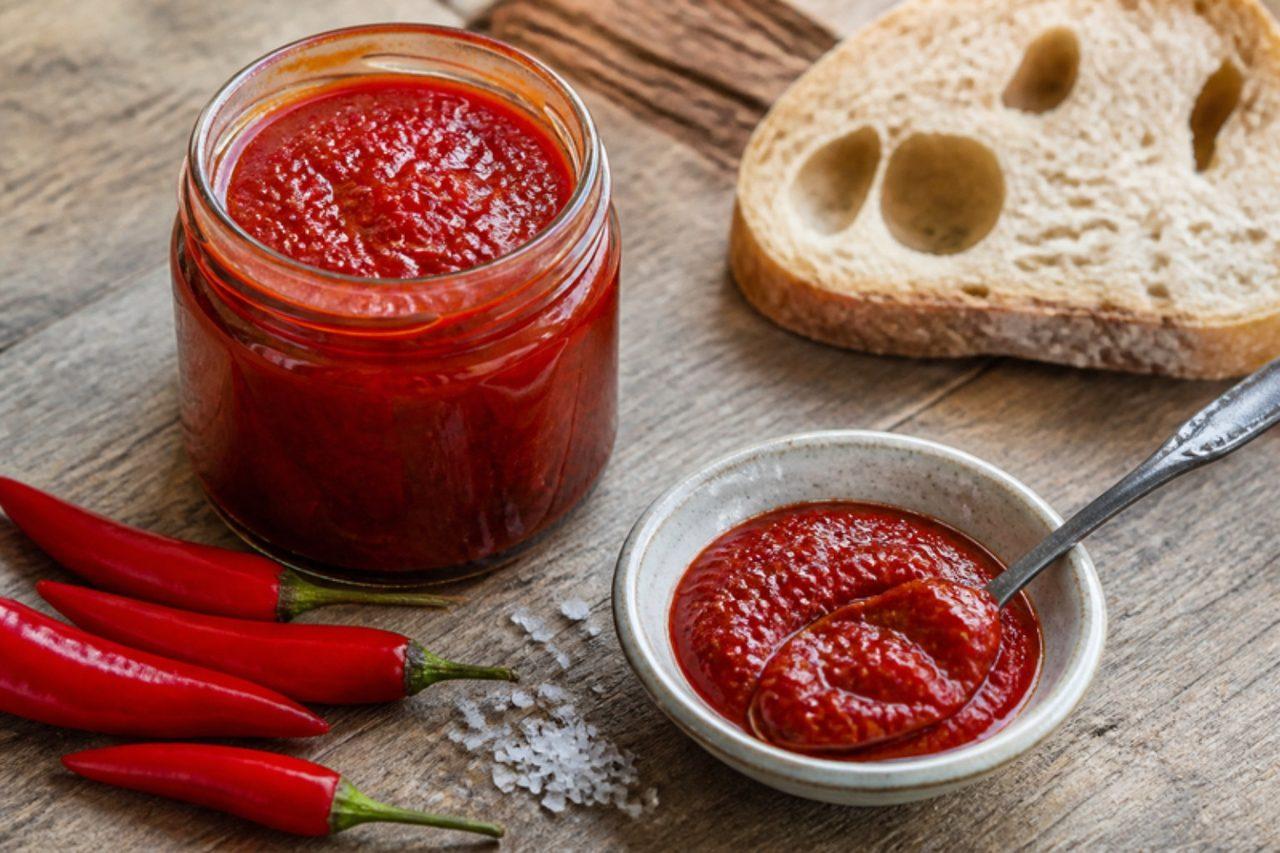
Pimenta da terraFermented red pepper paste

On São Miguel, nearly every kitchen has a jar of pimenta da terra, crushed red peppers salted and left to ferment for a few days until they turn tangy and deep red. It goes into stews, octopus, beans and sausages, onto grilled fish and into sandwiches of bolo lêvedo. It can be mild or fiery depending on the peppers. Make it in late summer when red peppers are cheap. Chef's tip: weigh the salt; too little lets the wrong bacteria take over, while the right amount keeps it safe and lets it ferment slowly.

by KrazyBadal 0 views

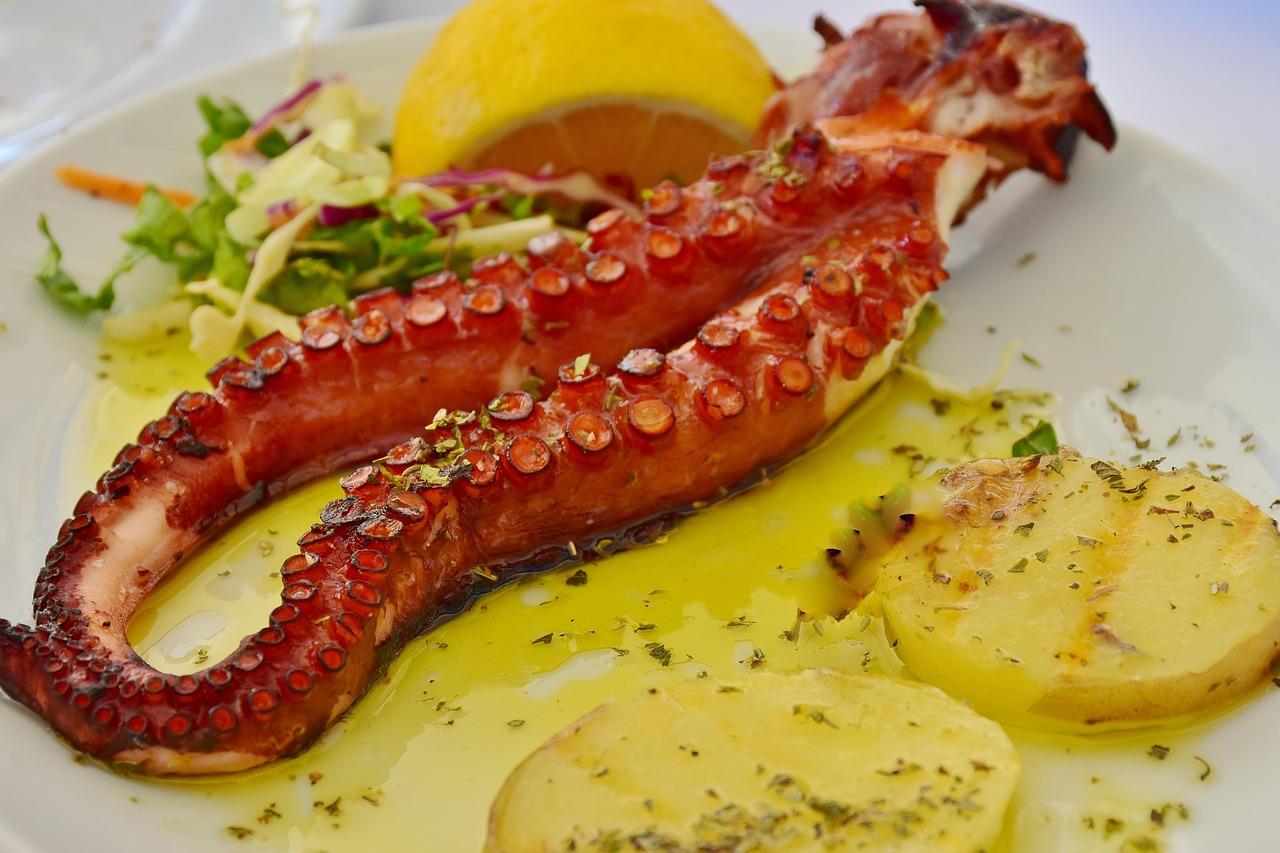
Polvo à lagareiroRoast octopus with garlic oil

The name honours the lagareiros, the men who worked the olive presses, and the dish is about as generous with olive oil as you'd expect: octopus first simmered until tender, then roasted hot with garlic and oil until the tentacles crisp at the tips. It is a Christmas Eve favourite in many Lisbon homes and a Friday treat in restaurants, always with batatas a murro, small potatoes roasted in their skins then punched open. A common mistake is a rolling boil, which turns octopus tough and peels the skin; keep the water at a lazy simmer. Chef's tip: buy frozen octopus, or freeze fresh for a day; freezing breaks the fibres and makes it far more tender.

by KrazyBadal 0 views

Polvo guisado à açorianaOctopus stewed in red wine

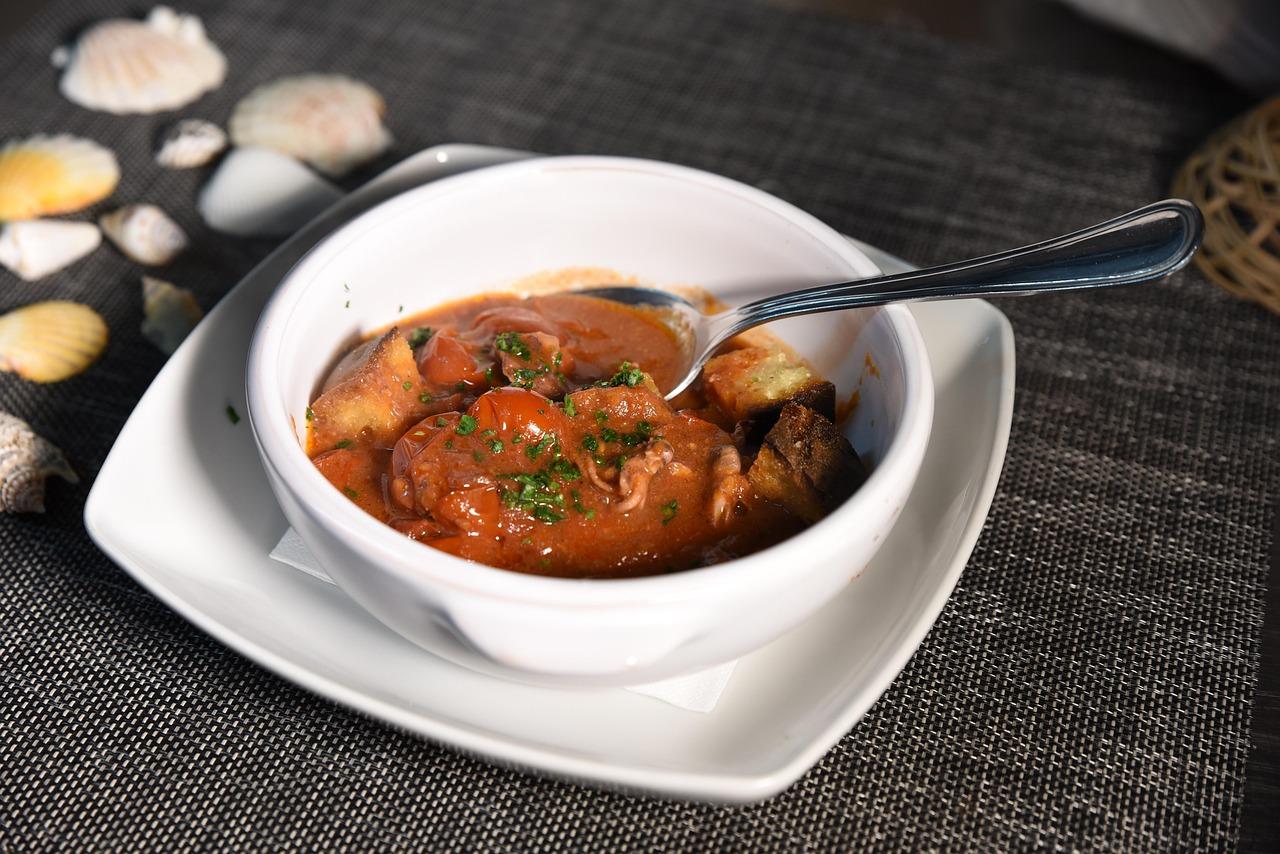
On Pico and Terceira, octopus caught among the black volcanic rocks is stewed slowly in red wine with onions, garlic, allspice and a spoonful of pimenta da terra, until the pieces are tender and the sauce is dark and rich. It is a dish for village festas and cold winter Sundays, ladled over potatoes with bread on the side. The recipe uses red wine; for an alcohol-free version, use water with a tablespoon of red wine vinegar. Chef's tip: buy frozen octopus, or freeze fresh octopus for a day; freezing breaks down its fibres and makes it far more tender.

by KrazyBadal 0 views

PonchaSugarcane spirit with honey and lemon

In the fishing village of Câmara de Lobos, poncha is made to order at the bar counter: sugarcane spirit, honey and freshly squeezed lemon, whipped together with a wooden stick called a mexelote until frothy. Fishermen once drank it to keep warm at sea; now it goes round at every Madeiran festa. The traditional drink contains alcohol and is strong, so it is for adults only; the alcohol-free version swaps the spirit for chilled water, which turns it into a sharp, honeyed lemonade anyone can drink. Chef's tip: dissolve the honey in the lemon juice before adding the spirit or water, or it sinks to the bottom in a sticky lump.

by KrazyBadal 0 views

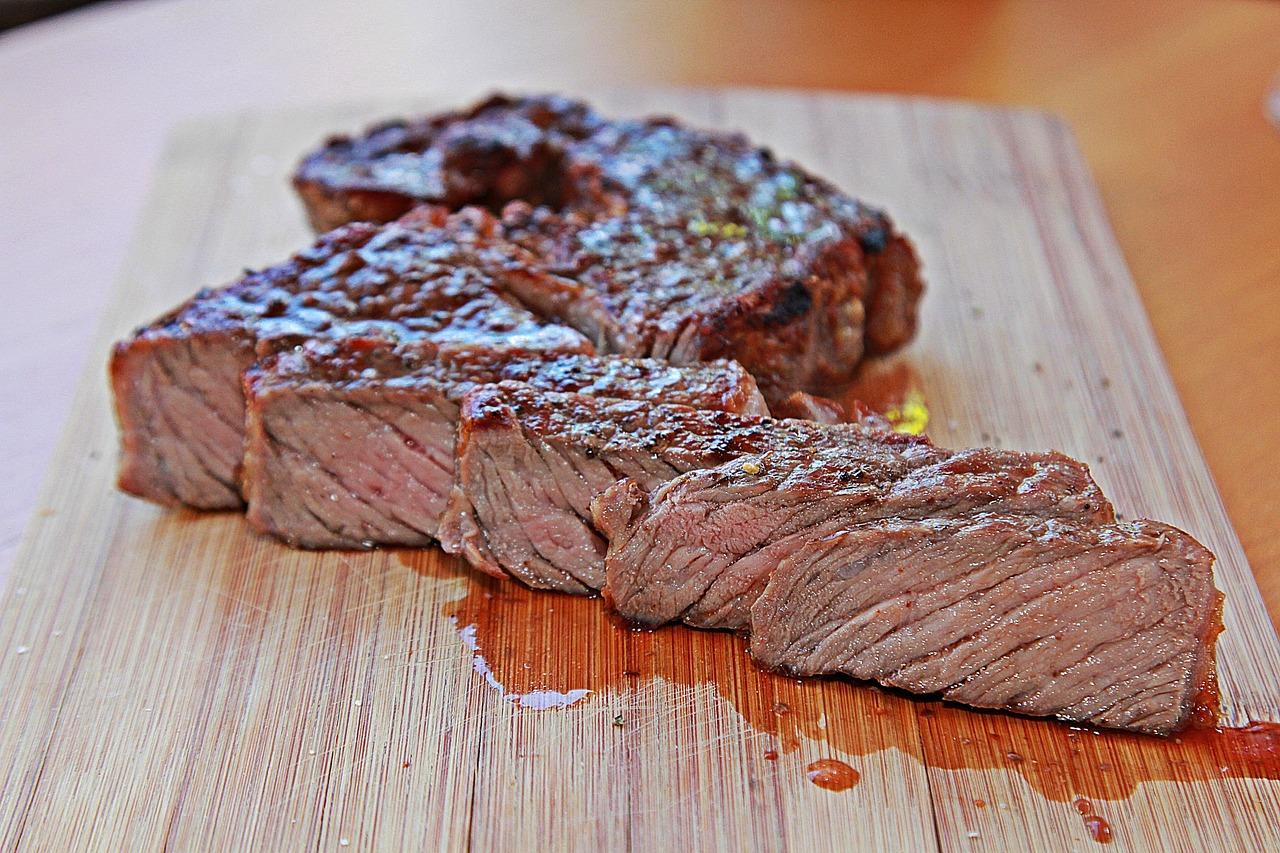
Posta mirandesaGrilled veal steak

The Mirandesa is a dark, long-horned breed raised on the plateau around Miranda do Douro, and a posta is a slab of its veal or young beef, cut about 4 cm thick and grilled over oak embers with nothing but coarse salt. Restaurants in Miranda and Bragança serve it sliced on a board with a simple sauce of olive oil, garlic and vinegar, plus potatoes and salad. It is all about the meat, so ask the butcher for a thick, well-marbled piece. Chef's tip: salt the steak only just before it goes on the grill, with coarse salt, and turn it only once.

by KrazyBadal 0 views

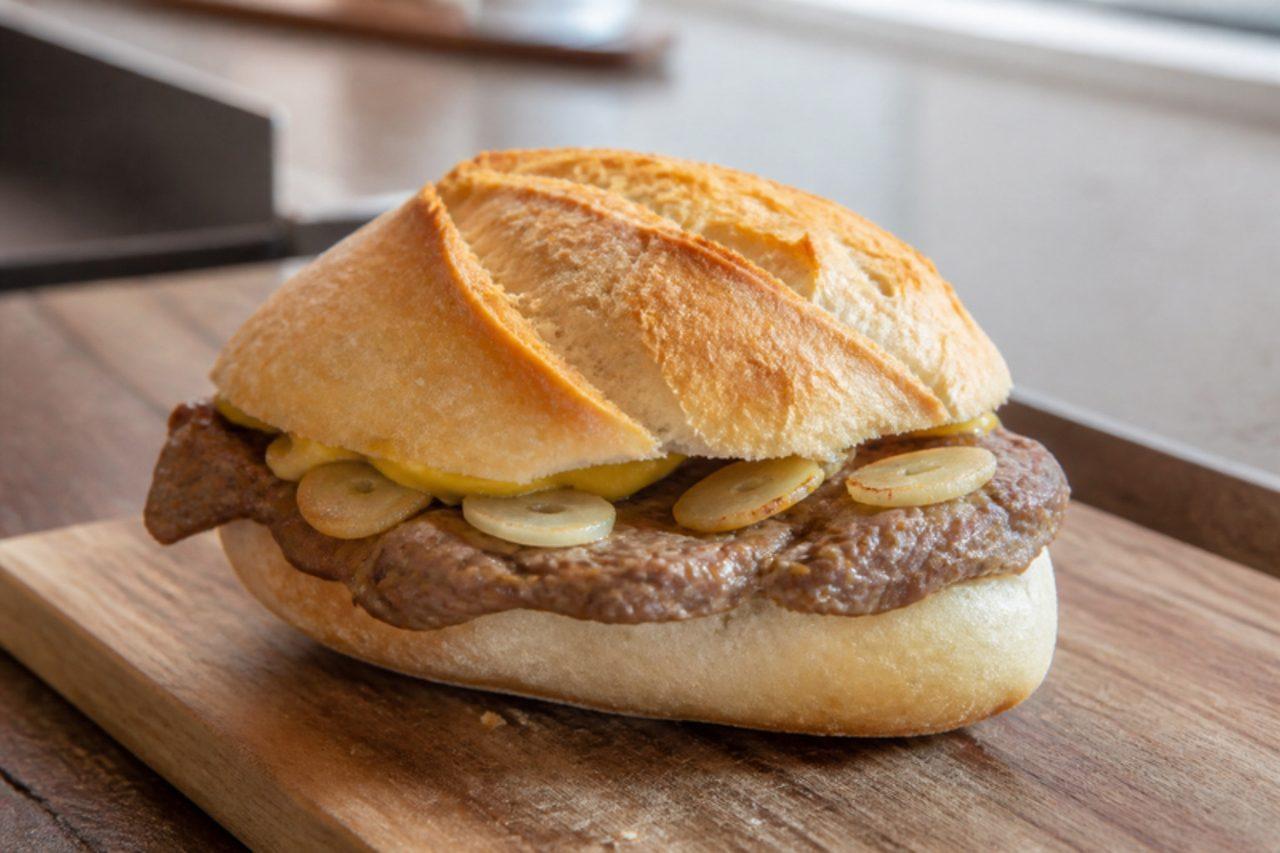
Prego no pãoGarlic steak roll

Lisbon diners order a prego at the end of a long seafood lunch, at football matches and after midnight from a beach-bar hatch: a thin slice of beef, beaten flat, fried hard in garlic and bay and stuffed into a crusty papo-seco roll. The name means 'nail', perhaps for the garlic that is hammered into the meat. Mustard or a dash of piri-piri is all it needs. A common mistake is a thick steak; it must be thin enough to cook in a minute a side or it steams and turns grey. Chef's tip: dip the cut side of the roll in the hot pan juices just before you close it.

by KrazyBadal 0 views

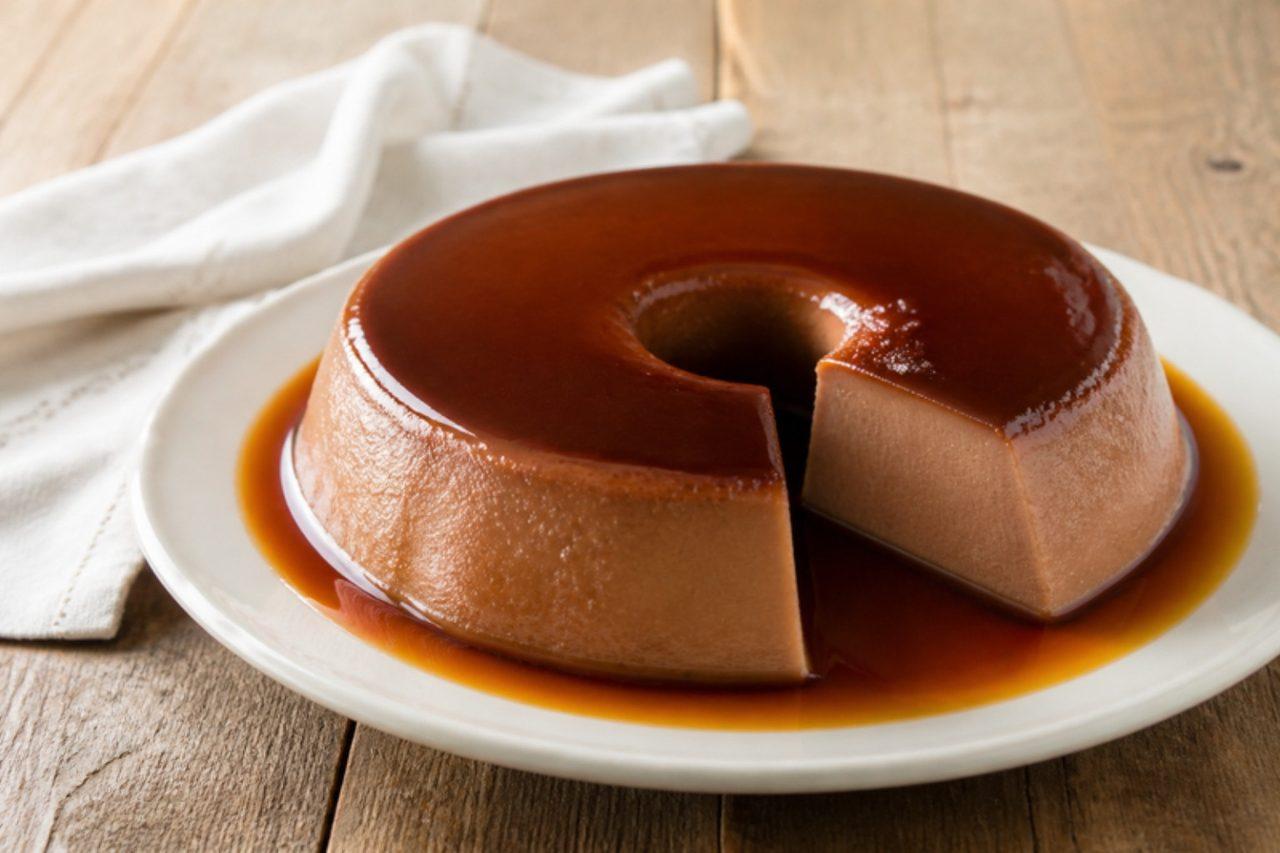
Pudim de pãoCaramel bread pudding

Nothing went to waste in old Minho farmhouses, and yesterday's bread became this: a dense, sliceable pudding soaked in sweet milk, scented with lemon and cinnamon and turned out under a dark caramel. You will find it on the dessert trolley of family restaurants in Braga and Guimarães, especially at Sunday lunch. It is firmer than a crème caramel, with a fine, cake-like texture. A common mistake is baking it in an oven that is too hot, which makes the custard bubble and turn spongy instead of silky. Chef's tip: chill it overnight before turning it out, so it slices cleanly and the caramel turns to a pourable sauce.

by KrazyBadal 0 views

Pudim de vinho do PortoPort wine caramel custard

Porto's old dining rooms and the quintas of the Douro valley serve this rich custard after a long lunch, its caramel dark and its flavour deepened by a generous pour of tawny port. It is a dense, glossy flan made with condensed milk, so it slices neatly. The dish uses port wine, and as it bakes gently not all the alcohol cooks off; for an alcohol-free version use the red grape juice reduction in the ingredient note. Chef's tip: bake it low and slow in a water bath, as a hot oven leaves holes in the custard.

by KrazyBadal 0 views

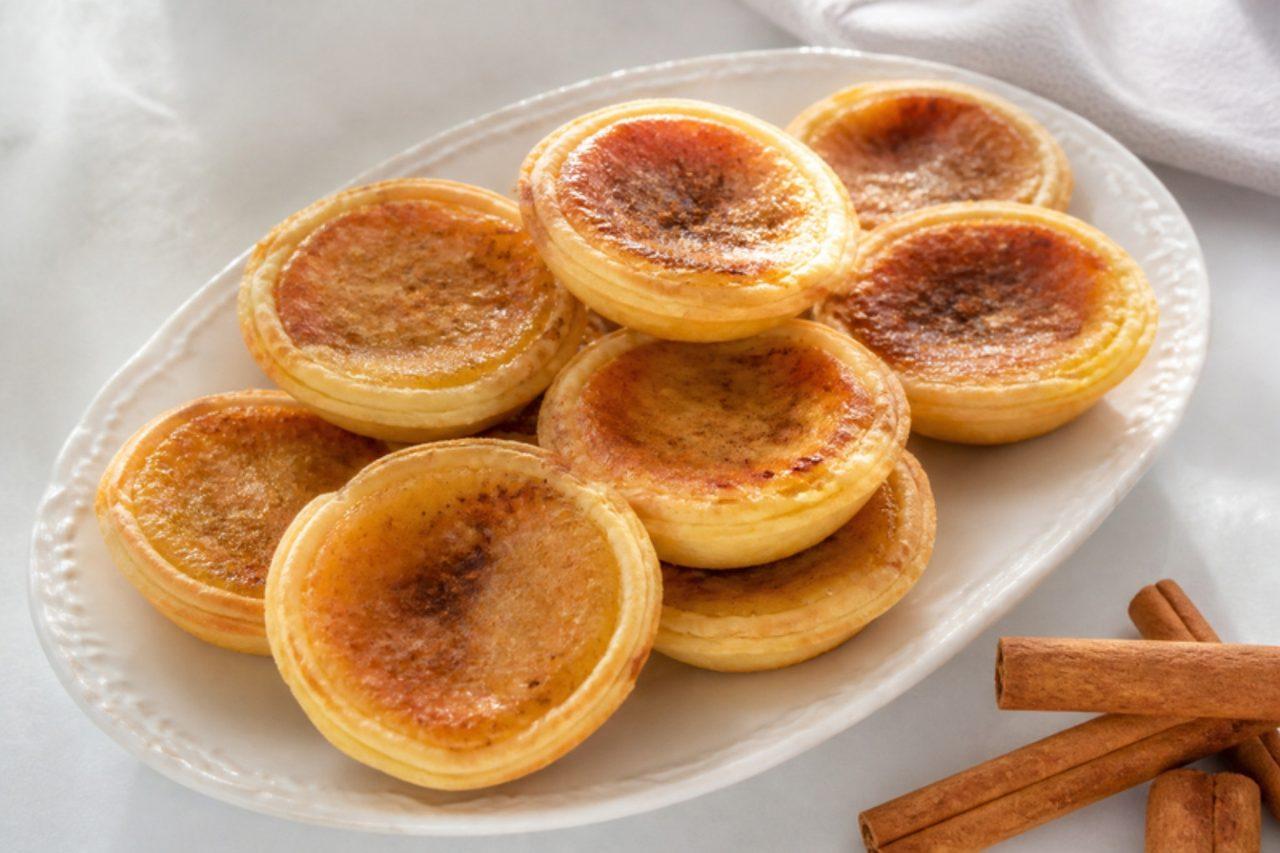
Queijadas de SintraFresh cheese and cinnamon tarts

Day-trippers queue for these in Sintra's old town, buying them by the paper-wrapped half dozen to eat on the train back to Lisbon. They have been made around the palace town for centuries: a creamy filling of fresh cheese, sugar, egg yolk and cinnamon, baked in a thin, crisp case until the top blisters brown in patches. Traditional fresh cheese is curdled with animal rennet; look for ricotta or curd cheese made with vegetarian (microbial) rennet if that matters to you. A common mistake is rolling the pastry too thick: it should be almost see-through, so it crisps instead of turning bready. Chef's tip: press the cheese through a sieve before mixing, so the filling bakes silky rather than grainy.

by KrazyBadal 0 views

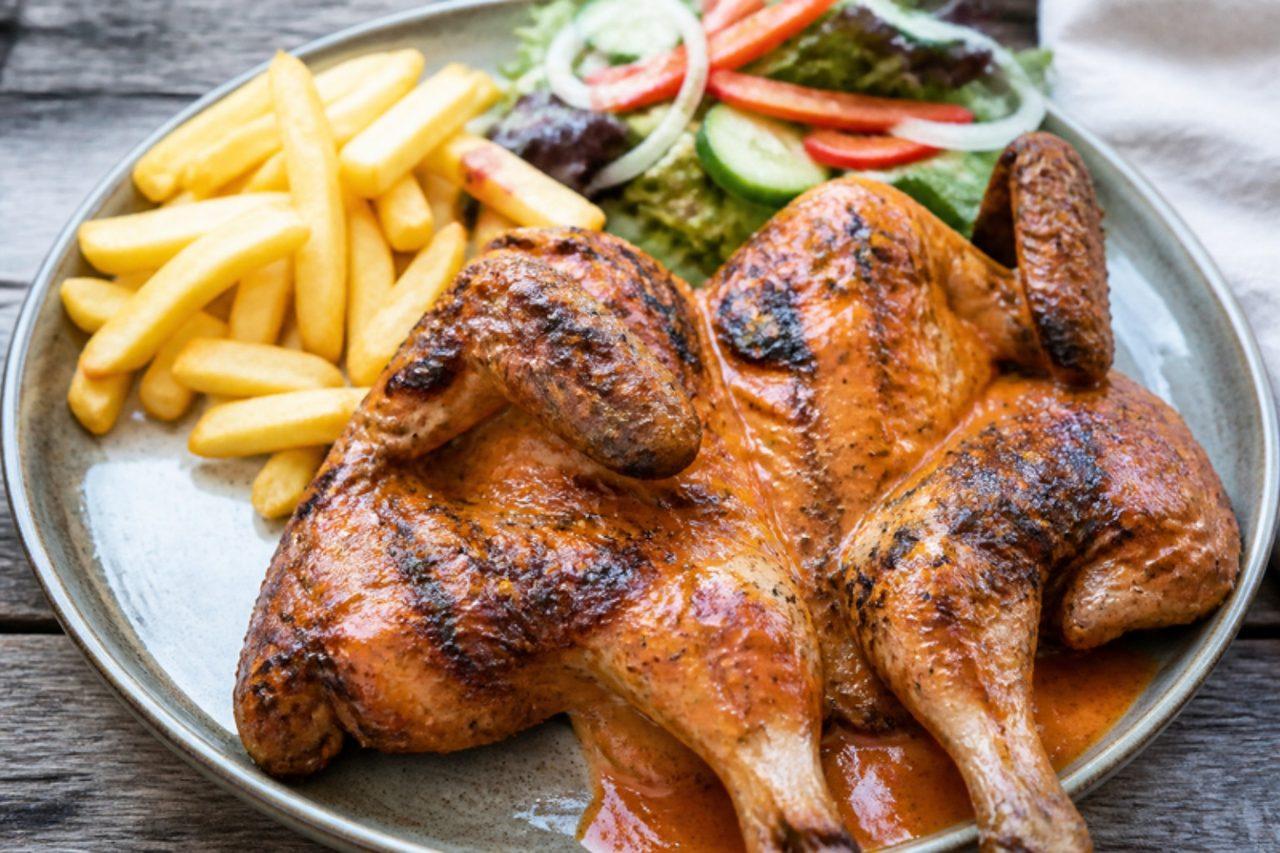
Frango piri-piri

Guia, a small inland village in the Algarve, is famous across Portugal for its churrasqueiras, where flattened chickens are grilled over charcoal and painted with fiery piri-piri sauce; families drive out on summer evenings just to eat it. The bird marinates in a blend of small hot chillies, garlic, lemon, paprika and olive oil, then grills until the skin is blistered and the meat juicy. Serve with chips, rice or a tomato salad, and extra sauce for brave diners. Chef's tip: keep back some of the sauce before it touches the chicken; that fresh portion is for basting and the table.

by KrazyBadal 0 views

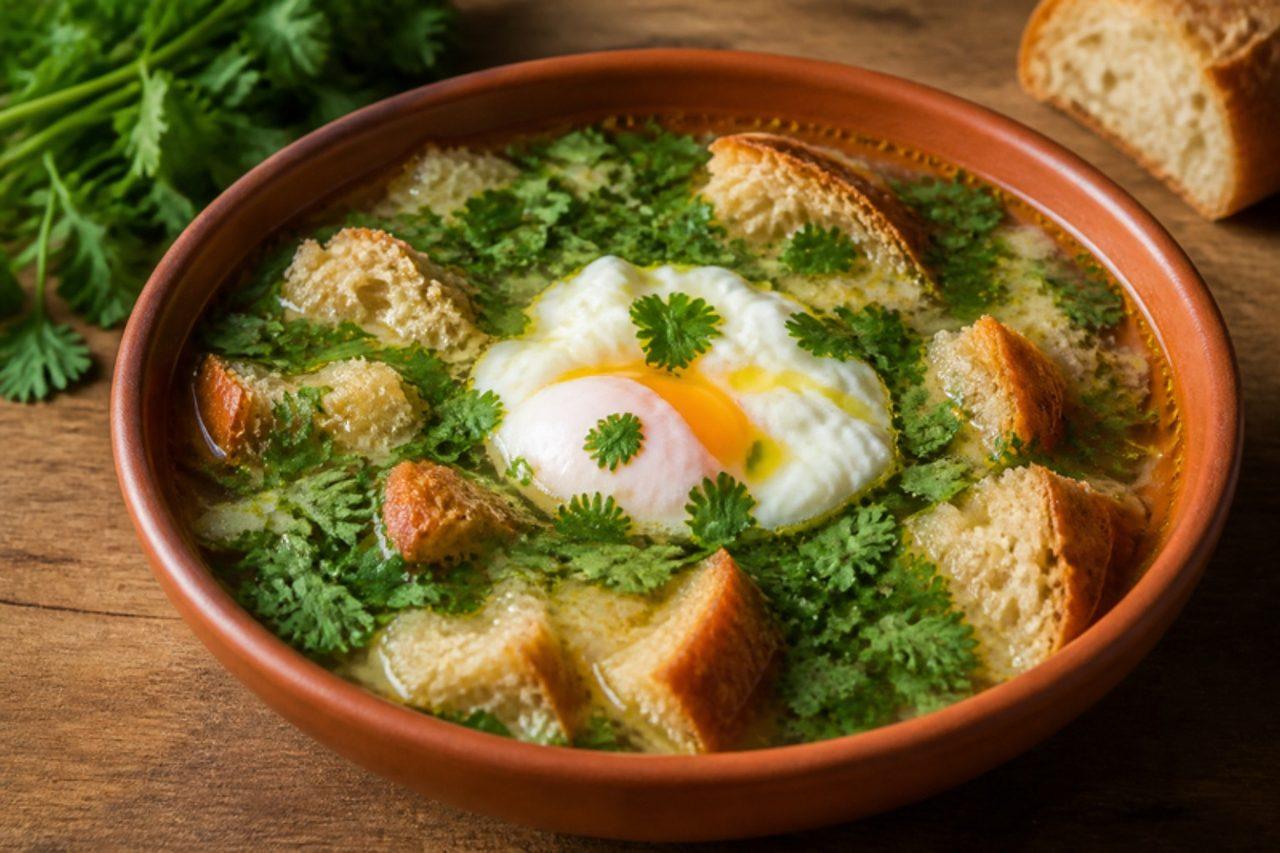
Açorda alentejanaGarlic and coriander bread soup

Açorda à alentejana is the shepherd's supper of the Alentejo, the wide, hot plain of cork oaks and wheat fields south of Lisbon. It is barely cooked at all: raw garlic, salt and a big handful of fresh coriander are pounded to a paste in the bowl, sliced day-old bread goes on top, and boiling water poured over turns it all into a fragrant, green broth, crowned with a soft poached egg. Unlike Spain's sopa de ajo, nothing is fried and there is no paprika; the flavour is fresh herbs, sharp garlic and fruity olive oil. Alentejanos eat it at home in summer and winter alike, and in Évora's tascas in the evening, sometimes with a few olives or a slice of fresh cheese. Chef's tip: use firm, dense, two-day-old country bread; soft sandwich bread collapses into mush the moment the water hits it.

by KrazyBadal 0 views

Pão de ló de OvarMolten-centred sponge cake

Pão de ló is Portugal's oldest sponge cake, made with nothing but eggs, sugar and a little flour, and every region claims its own. In Ovar, a town on the lagoon coast south of Porto, it is baked only briefly, so a thin golden crust hides a centre of barely set, glossy egg cream that oozes when cut. It is the cake for Easter, when godparents give it to their godchildren, and it is sold all year at the town's bakeries wrapped in the paper it was baked in. Eat it at room temperature with a spoon, on its own or with a glass of port. Chef's tip: whisk the eggs and sugar for a full 12–15 minutes until the mixture is very thick and white; that air is the only thing that lifts the cake.

by KrazyBadal 0 views

Carne de porco à alentejanaPork and clams

Despite the name, this surf-and-turf dish of pork and clams is most often linked with the Algarve coast, where Alentejo pork met local shellfish; today it is served in tascas all over Portugal, especially for Sunday lunch. It is a pork dish: cubes of pork shoulder marinate in massa de pimentão (sweet red pepper paste), garlic and traditionally white wine, then are fried and tossed with steamed clams, crisp potato cubes, pickles and lots of coriander. For an alcohol-free version, swap the wine for chicken stock with a tablespoon of white wine vinegar. Chef's tip: buy the pork with a little fat on; lean loin turns dry and tough when fried.

by KrazyBadal 0 views

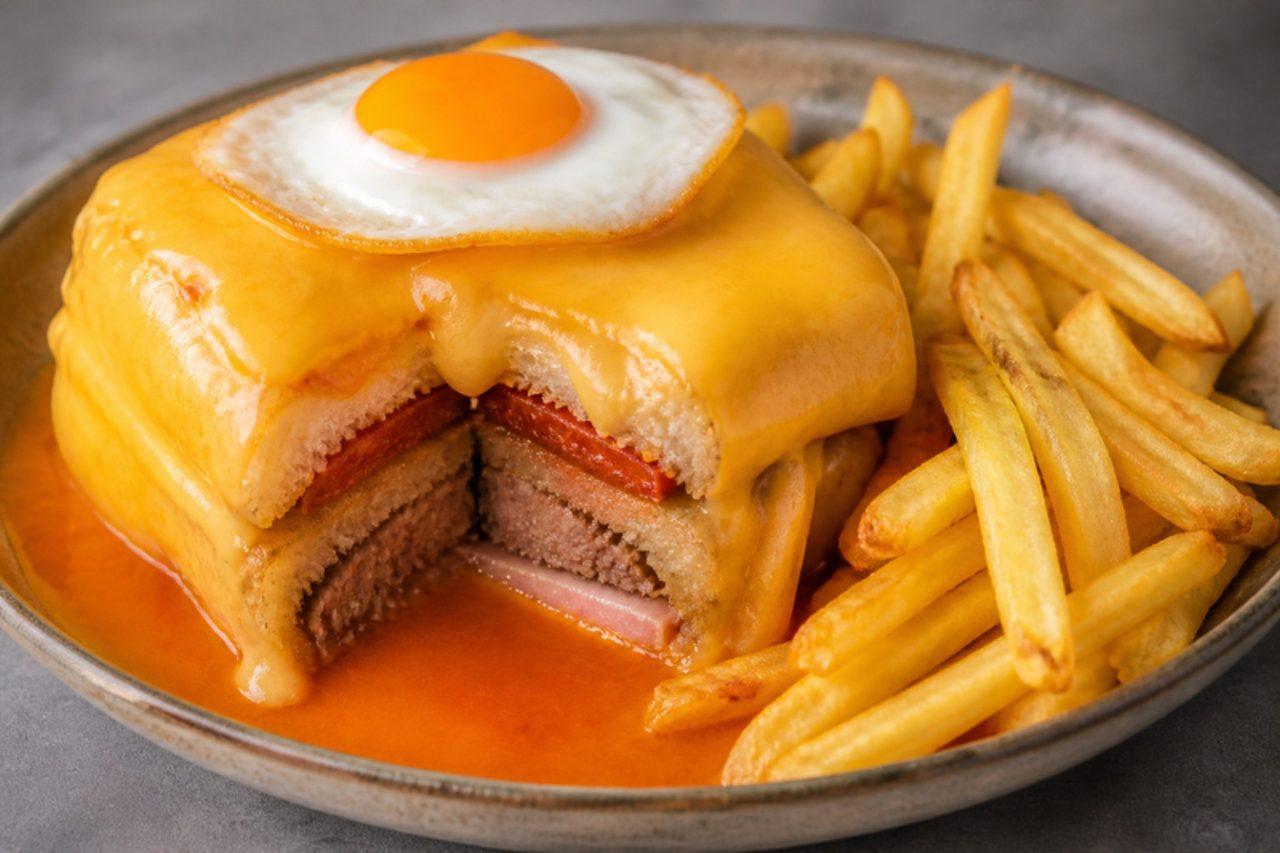
FrancesinhaLayered meat sandwich with beer sauce

The francesinha ('little French girl') belongs to Porto, where it was dreamed up in the 1950s by a cook inspired by the croque monsieur, and it is now the city's famous late-night and match-day meal. This sandwich contains pork: thick bread is layered with steak, ham and fresh sausage, covered in cheese slices, then drowned in a spicy tomato sauce made with beer and port-style fortified wine. For an alcohol-free sauce, use alcohol-free beer, or beef stock with a teaspoon of honey. Serve with chips and a fried egg on top if you dare. Chef's tip: simmer the sauce for at least 20 minutes and blend it smooth; it should be thick enough to cling, not run off.

by KrazyBadal 0 views

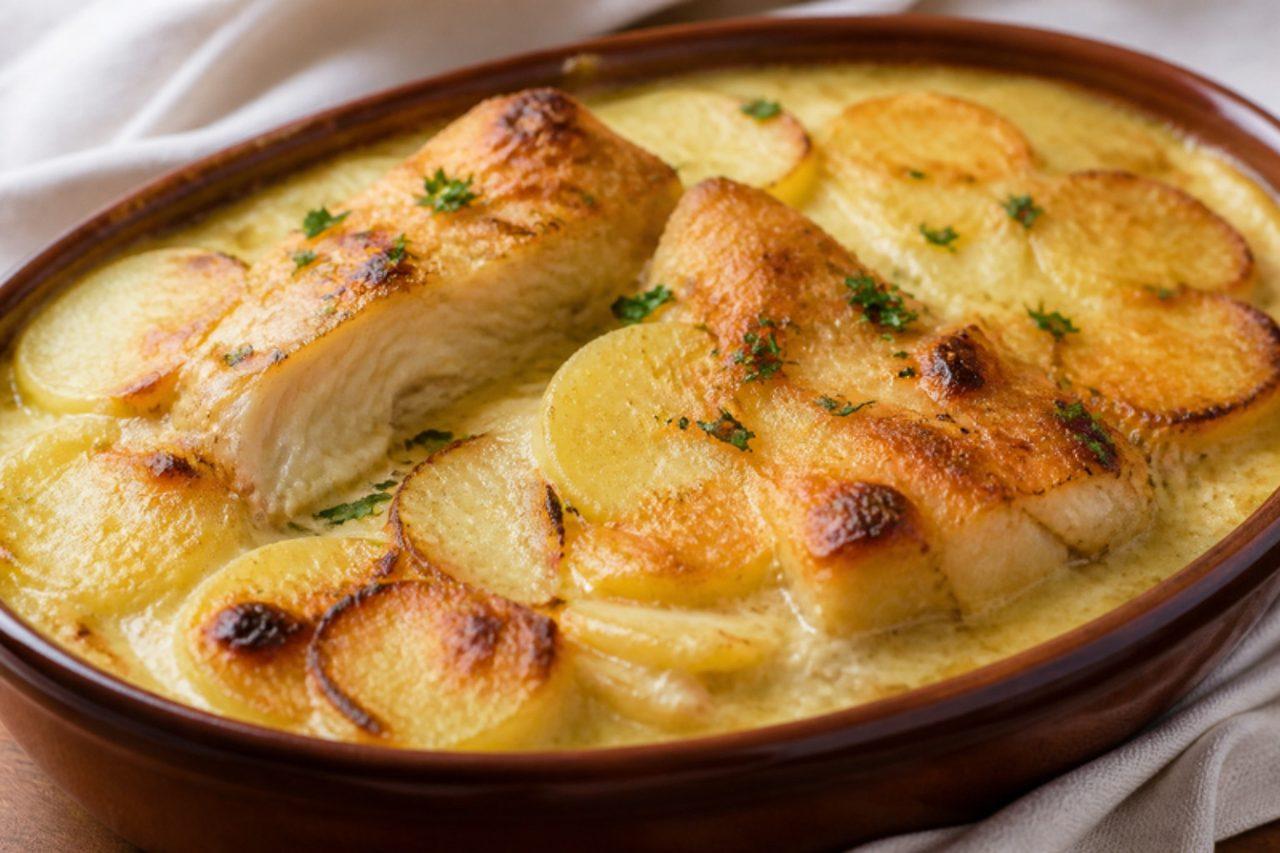
Bacalhau com natasSalt cod baked with cream

Bacalhau com natas is the comfort bake that turns up at Portuguese Christmas gatherings, Sunday lunches and every café menu from Porto to Faro. Flaked salt cod, soft onion and cubes of fried potato are folded into a light béchamel enriched with cream, then baked until bubbling and golden on top. It is rich, gently salty and easy to make ahead for a crowd. Serve with a crisp green salad and some bread. Chef's tip: fry the potato cubes only until pale gold; they finish cooking in the oven, and crisp ones turn soggy anyway.

by KrazyBadal 0 views

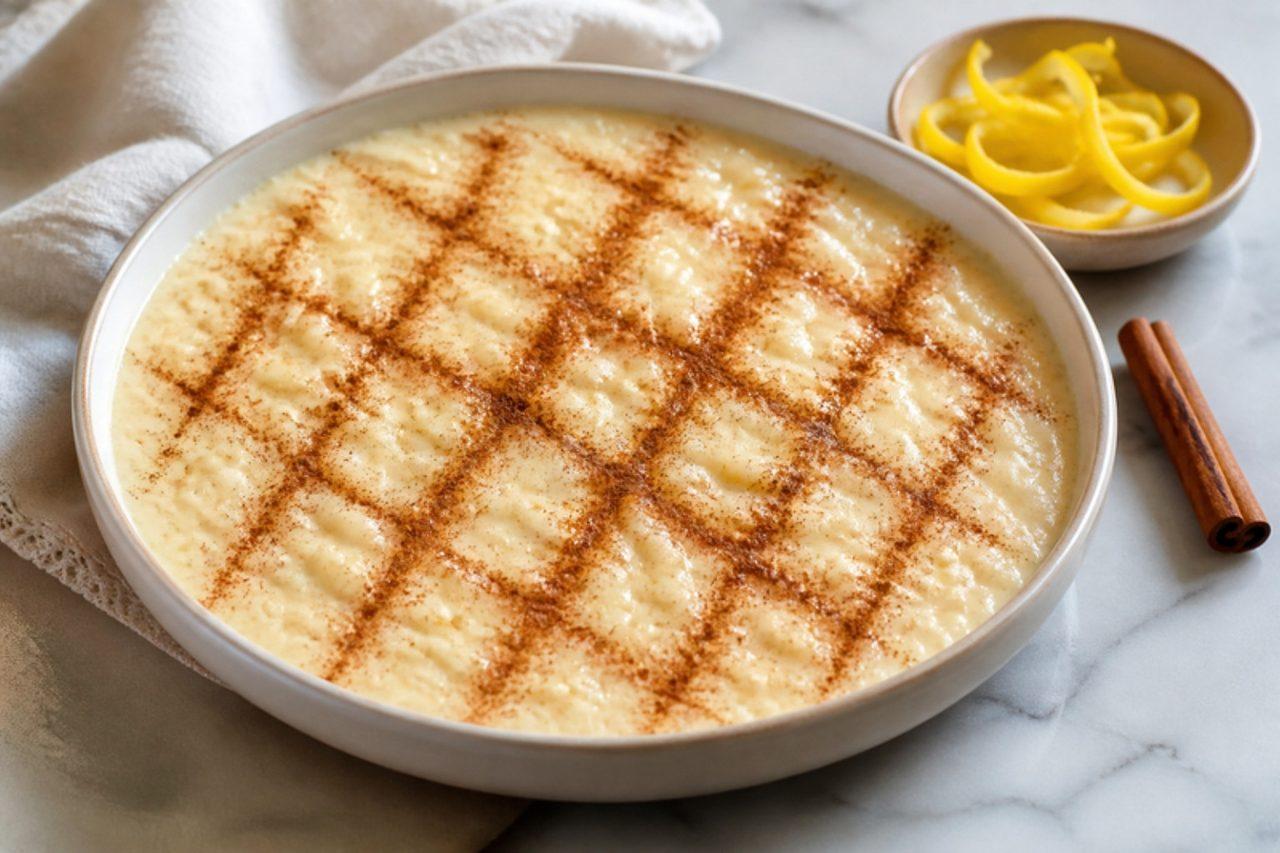
Arroz doceRice pudding

Arroz doce is set out on every Portuguese table at Christmas, at weddings and at the summer romarias (village saints' festivals) of the Minho, poured into wide, shallow platters and dusted with cinnamon in lattices, initials or little hearts. Short-grain carolino rice is first boiled in water with lemon peel and cinnamon, then simmered slowly in milk and sugar, and finally thickened off the heat with egg yolks, which turns it pale gold and custardy; that last step is what sets it apart from Spanish or Mexican rice puddings. It is eaten cold or at room temperature, by the spoonful straight from the platter. Chef's tip: cook the rice in water first until it has swollen, and only then add the milk; starting in milk scorches easily and leaves the grains firm in the middle.

by KrazyBadal 0 views

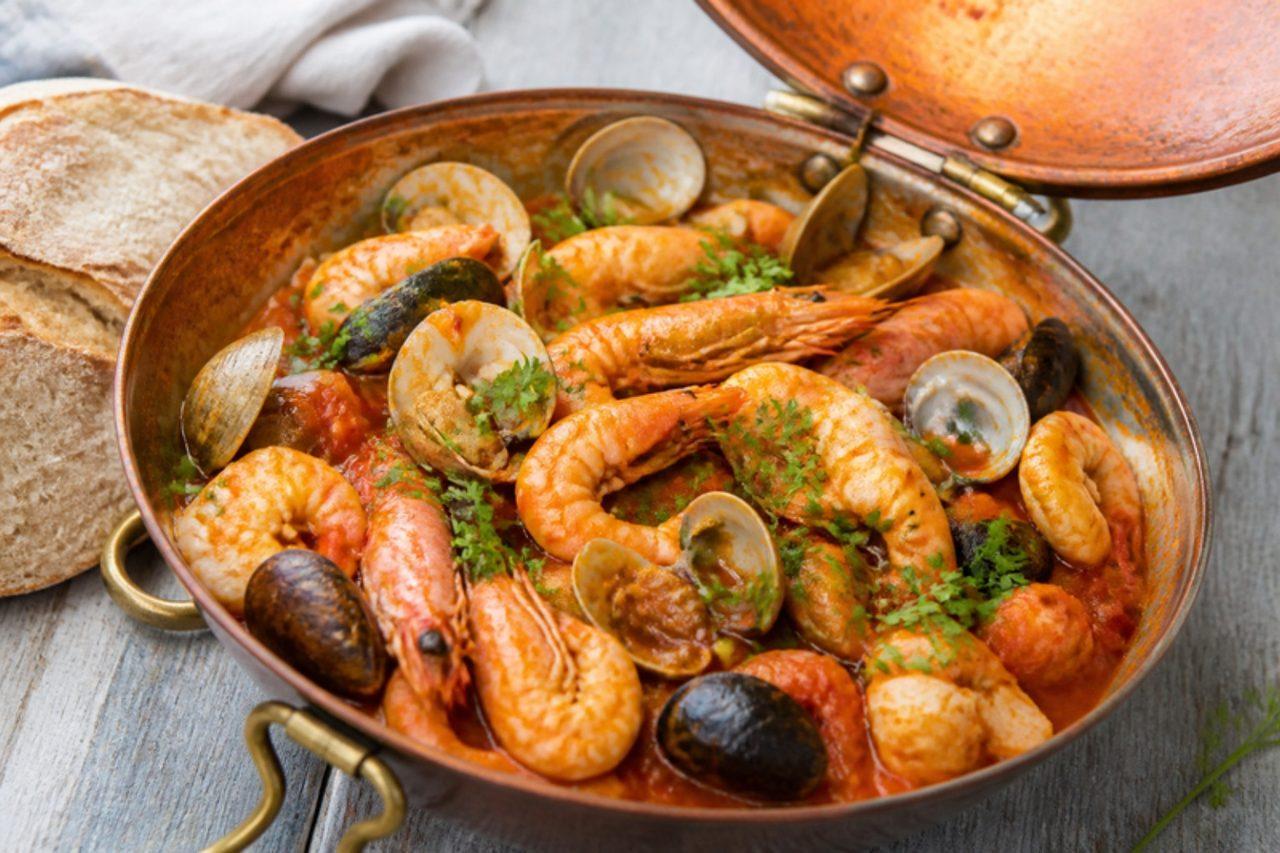
Cataplana de mariscoSeafood and sausage steam pot

Cataplana is the Algarve's showpiece, named after the hinged, clam-shaped copper pan it is cooked in, and it is served at the table in harbour towns like Olhão and Portimão, lid opened in a puff of steam. This version contains pork: smoky chouriço sausage goes in with the onion, peppers and tomato, then clams, prawns and firm white fish steam on top in their own juices. Bring bread for the broth. No cataplana? A wide casserole with a tight lid works. Chef's tip: purge the clams in salty water in the fridge for an hour so they spit out their sand before cooking.

by KrazyBadal 0 views

Sardinhas assadasGrilled sardines

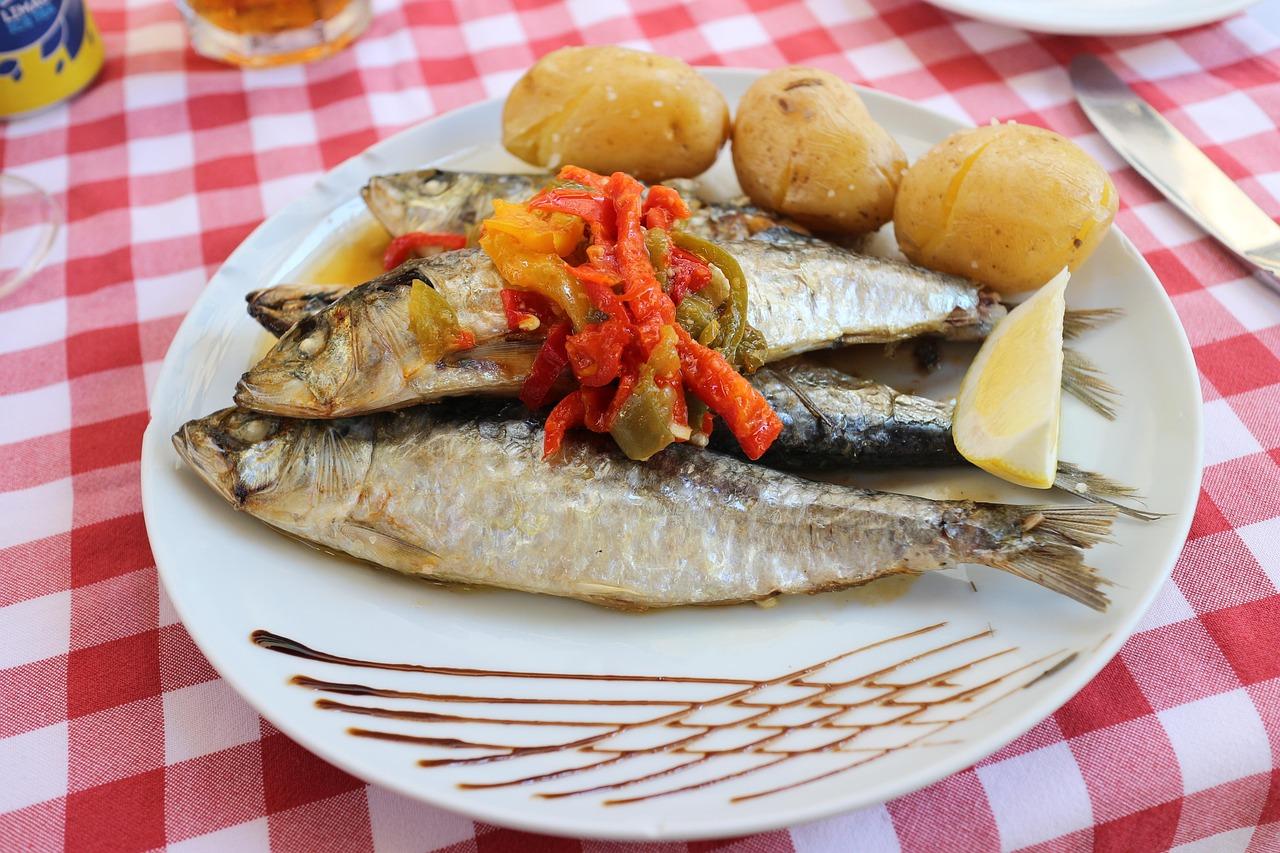
In June the steep lanes of Alfama and Mouraria fill with smoke during the Santos Populares, Lisbon's street festivals for Saint Anthony, and almost every grill is loaded with sardines. They are salted, grilled whole over charcoal until the skin blisters, and laid on a thick slice of country bread that soaks up their juices. Add roasted green peppers and a salad of tomato and onion, and that is the whole feast. Chef's tip: salt the sardines with coarse salt 30 minutes before grilling and keep them chilled; the salt firms the skin so it doesn't stick to the grill.

by KrazyBadal 0 views

BifanaMarinated pork roll

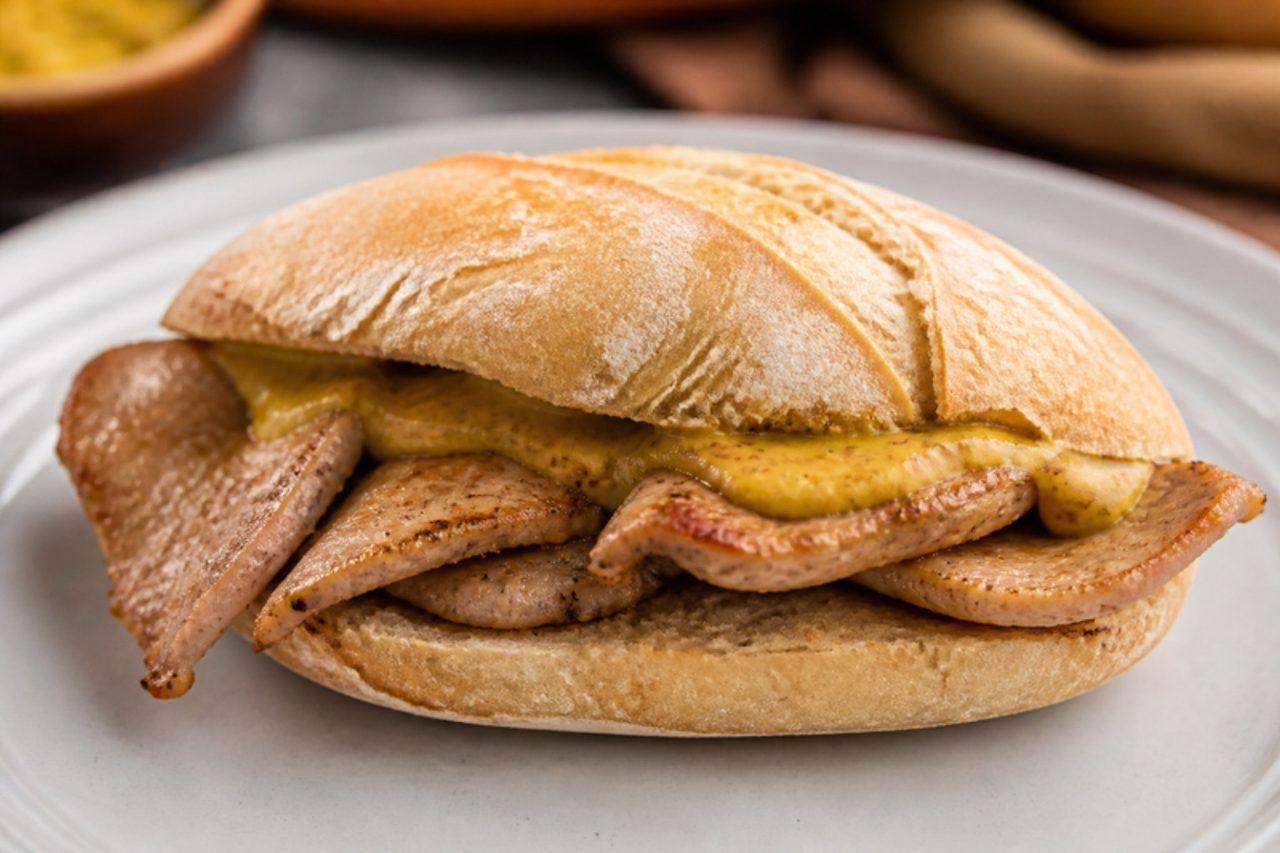
Lisbon's standing-room snack bars, from the Baixa to the stalls outside football grounds, sell bifanas all day: thin pork steaks simmered in a garlicky, bay-scented sauce and pushed into a soft papo-seco roll with a smear of mustard. It's a pork sandwich, and the pork is traditionally marinated in white wine; for an alcohol-free version use chicken stock with a tablespoon of white wine vinegar. It makes a quick lunch or a late snack. Chef's tip: dip the cut side of the roll into the pan juices before filling it; that's how the bars make them so juicy.

by KrazyBadal 0 views

GalãoMilky espresso

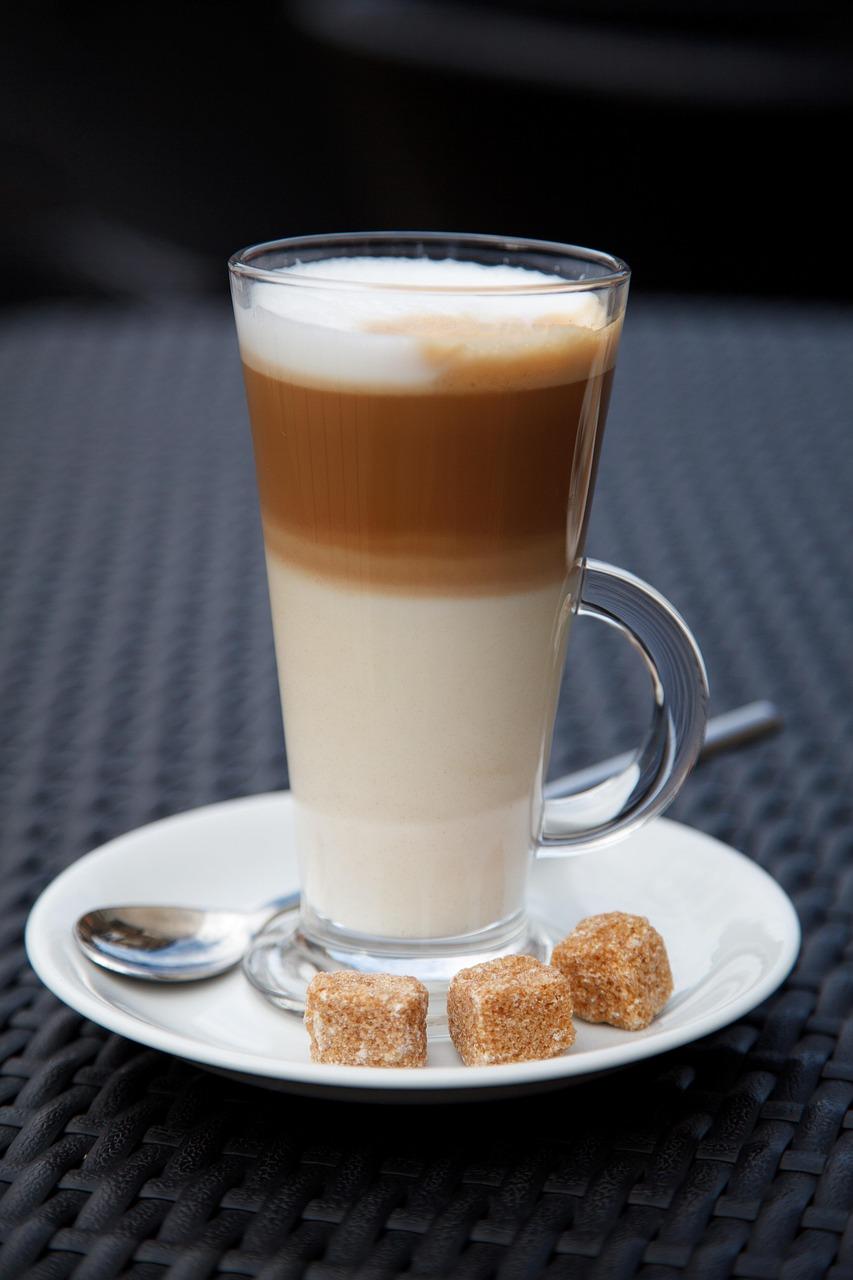
Ask for a galão in a Lisbon café and it arrives in a tall glass, not a cup: one short espresso (a bica, in the capital's slang) topped up with about three times as much hot, frothy milk, so it is pale, mild and creamy. It is the breakfast and mid-morning drink of the city, ordered at the counter with a pastel de nata or a tosta mista, and the glass is held by the rim because it gets hot. A galão escuro has less milk, a galão claro more. Chef's tip: heat the milk only until it steams and the jug is too hot to hold for more than a moment, about 65 °C; boiled milk tastes flat and loses its sweetness.

by KrazyBadal 0 views

Bolo de arrozRice flour muffin cakes

Bolos de arroz are the tall, sugar-crusted cakes standing in their paper wrappers in every Portuguese café cabinet, from Porto's breakfast counters to the pastelarias of Lisbon's neighbourhoods. Despite the name they are mostly wheat flour, with a share of rice flour that gives a fine, slightly sandy, springy crumb, perfumed with lemon zest. People have one with a galão mid-morning or for lanche, the afternoon snack, peeling the paper down as they go. Chef's tip: wrap a strip of baking paper around the inside of each muffin hole so it stands 3 cm above the rim; the batter climbs up it and you get the tall, straight-sided shape.

by KrazyBadal 0 views

Caldo verde

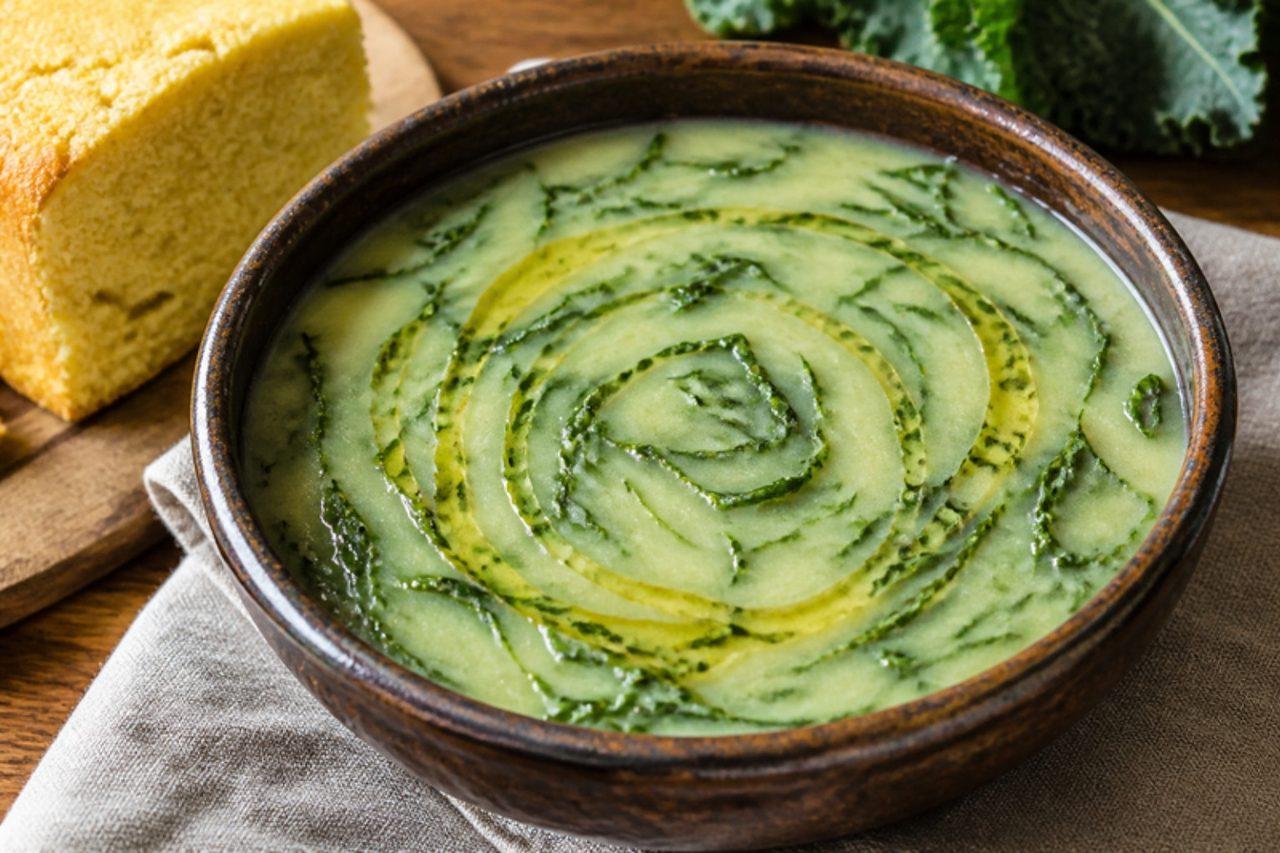
Caldo verde comes from the Minho, the green, rainy corner of northern Portugal above Porto, where couve galega (a tall, flat-leaved cabbage) grows in every back garden. It is a plain purée of potato and onion with ribbons of dark green cabbage cut as fine as string, finished with a thread of raw olive oil, and it is drunk from earthenware bowls at the Santos Populares street festivals in June, at weddings at midnight and on any cold evening with a slice of broa (maize bread). In the north a coin of chouriço is usually floated on top; this version keeps the soup vegetarian and lets a little smoked paprika in the oil stand in for it. Chef's tip: shred the greens as thinly as you can, rolled up tight like a cigar, because they only cook for a few minutes and thick strips stay chewy.

by KrazyBadal 0 views

Bolas de BerlimCustard-filled doughnuts

On Portuguese beaches in summer, from Praia da Rocha in the Algarve to Nazaré and Figueira da Foz, vendors walk the sand with a glass box on their shoulder calling 'Olha a bola!': soft fried doughnuts rolled in sugar, split along one side and stuffed with thick yellow creme pasteleiro. Though named after the Berliner, the Portuguese version is cut open rather than injected, so the custard shows like a smile. They are eaten in swimsuits, sticky-fingered, mid-afternoon, and in cafés the rest of the year. Chef's tip: let the shaped balls rise until they look puffy and a gentle finger press springs back slowly; under-proved dough fries dense and over-proved dough collapses and soaks up oil.

by KrazyBadal 0 views

Migas with greens and garlicFried bread with greens and garlic

In the Alentejo nothing made of bread is wasted, and migas is the proof: stale loaves soaked, then worked in a pan of hot olive oil and garlic until they come together into a golden, crusty roll with a soft middle. Around Évora and Beja it usually sits next to fried pork, but in spring, when wild asparagus (espargos bravos) and grelos are picked along the field edges, cooks fold the greens straight into the bread and make it a dish in its own right. This version uses tender asparagus or turnip tops and is entirely plant-based. Serve it as a side with a fried egg or a bean stew, or on its own with olives. Chef's tip: soak the bread only until it is damp and heavy, then squeeze it hard; wet bread steams in the pan instead of forming the golden crust that makes migas worth eating.

by KrazyBadal 0 views

Pastéis de nataCustard tarts

Pastéis de nata were first baked by monks of the Jerónimos Monastery in Belém, on the Lisbon waterfront, who used surplus egg yolks (whites went to starch habits) in a lemon-and-cinnamon custard. Today every pastelaria in Portugal sells them warm from first thing in the morning, eaten standing at the counter with a bica or galão, dusted with cinnamon and icing sugar. The pastry is a spiral of thin, buttery layers pressed up the sides of the tin with a wet thumb; the custard is baked in the hottest oven you have, so it sets creamy and catches dark freckles in under 15 minutes. Chef's tip: chill the rolled log of pastry well and press the discs from the centre outwards, so the edge stands slightly above the rim; that thin rim is what shatters when you bite.

by KrazyBadal 0 views

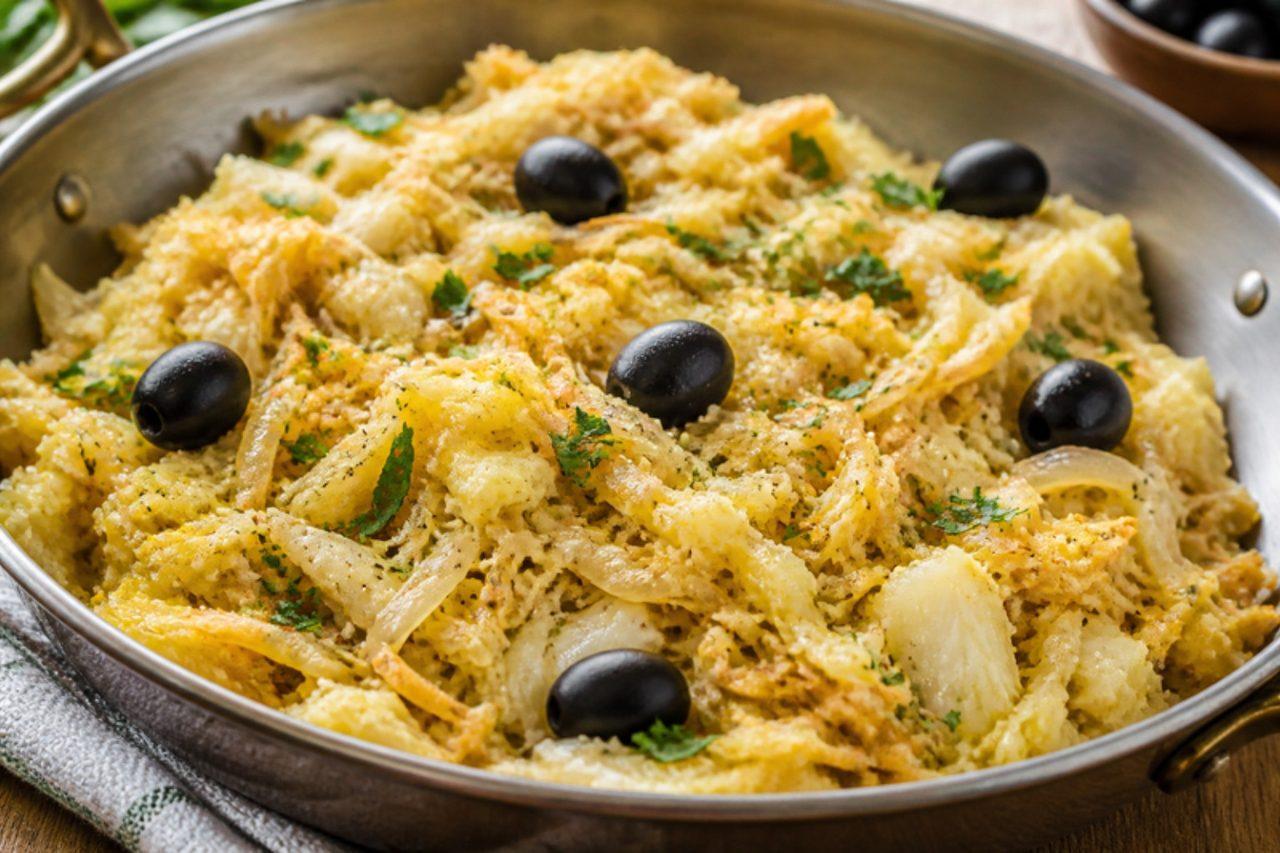
Bacalhau à BrásSalt cod with egg and potatoes

Lisbon's Bairro Alto taverns claim this dish, said to be named after a tasca owner called Brás, and it is still a weeknight favourite in homes all over the city. Flaked salt cod is softened with slowly cooked onion, tossed with a heap of fine straw-cut fried potatoes, then bound at the last second with beaten egg so everything stays creamy and loose. Black olives and parsley go on top. A green salad is all it needs. Chef's tip: take the pan off the heat the moment you add the eggs; they should finish cooking from the warmth of the potatoes, like a soft scramble.

by KrazyBadal 0 views

Showing 72 of 120 recipes

Page 5 of 5

More Portuguese ideas

Other by country