Skip to content

Turkish recipes

152 Turkish recipes to cook at home, each with photos, step-by-step instructions and cook times. The quickest, Tahin pekmez, takes 5 minutes. Most take around 50 minutes.

Filter these by time, diet or cuisine

Tavuk pilav

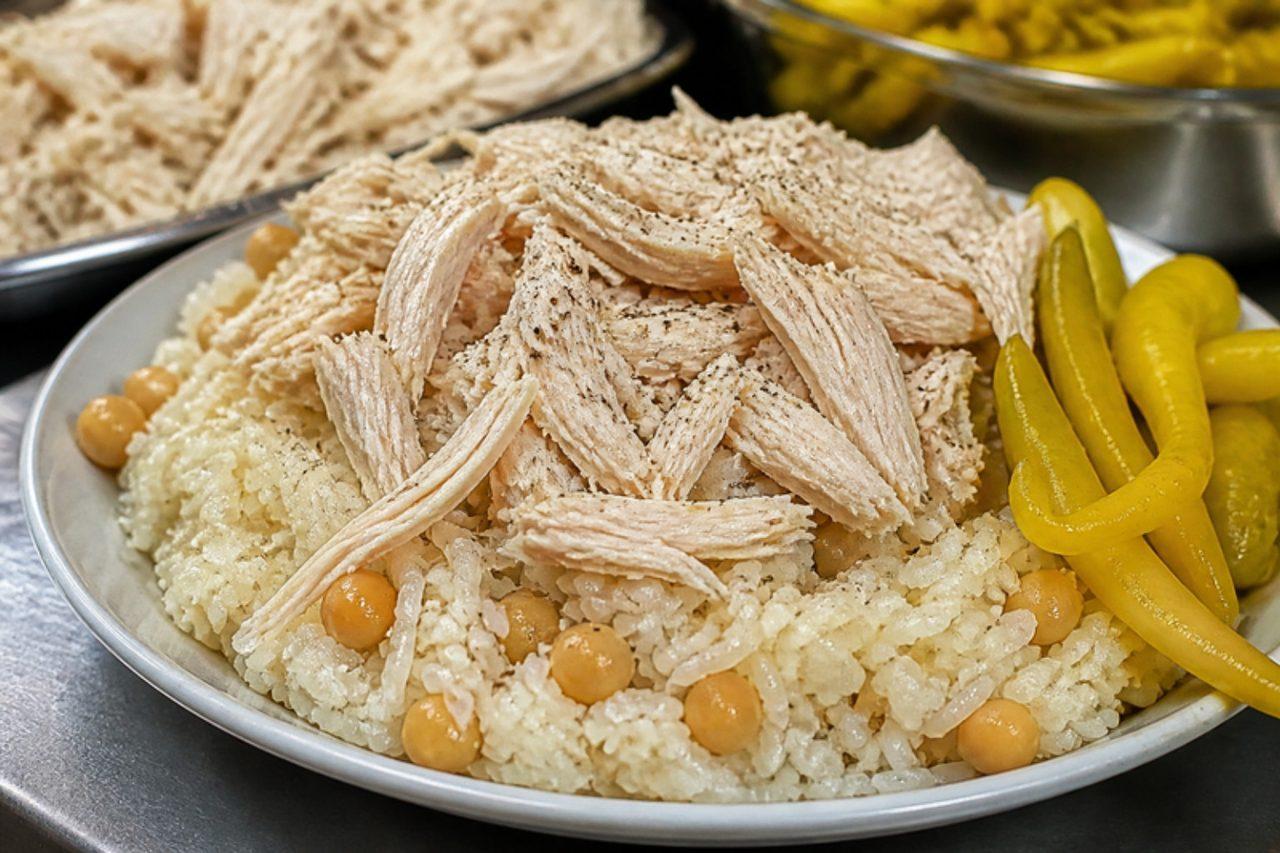
Glass-fronted carts parked outside Istanbul's ferry piers and office blocks sell tavuk pilav from early morning: rice cooked in rich chicken stock with butter and chickpeas, heaped into a dish and topped with shredded chicken, black pepper and a pickled pepper on the side. Workers eat it standing up with a glass of ayran. At home it is just as easy and makes a whole chicken go a long way. Common mistake: stirring the rice while it steams; it breaks and turns sticky. Chef's tip: wash the rice until the water runs clear and soak it in warm salted water for 30 minutes; every grain stays separate and glossy.

by KrazyBadal 0 views

Firik pilavı

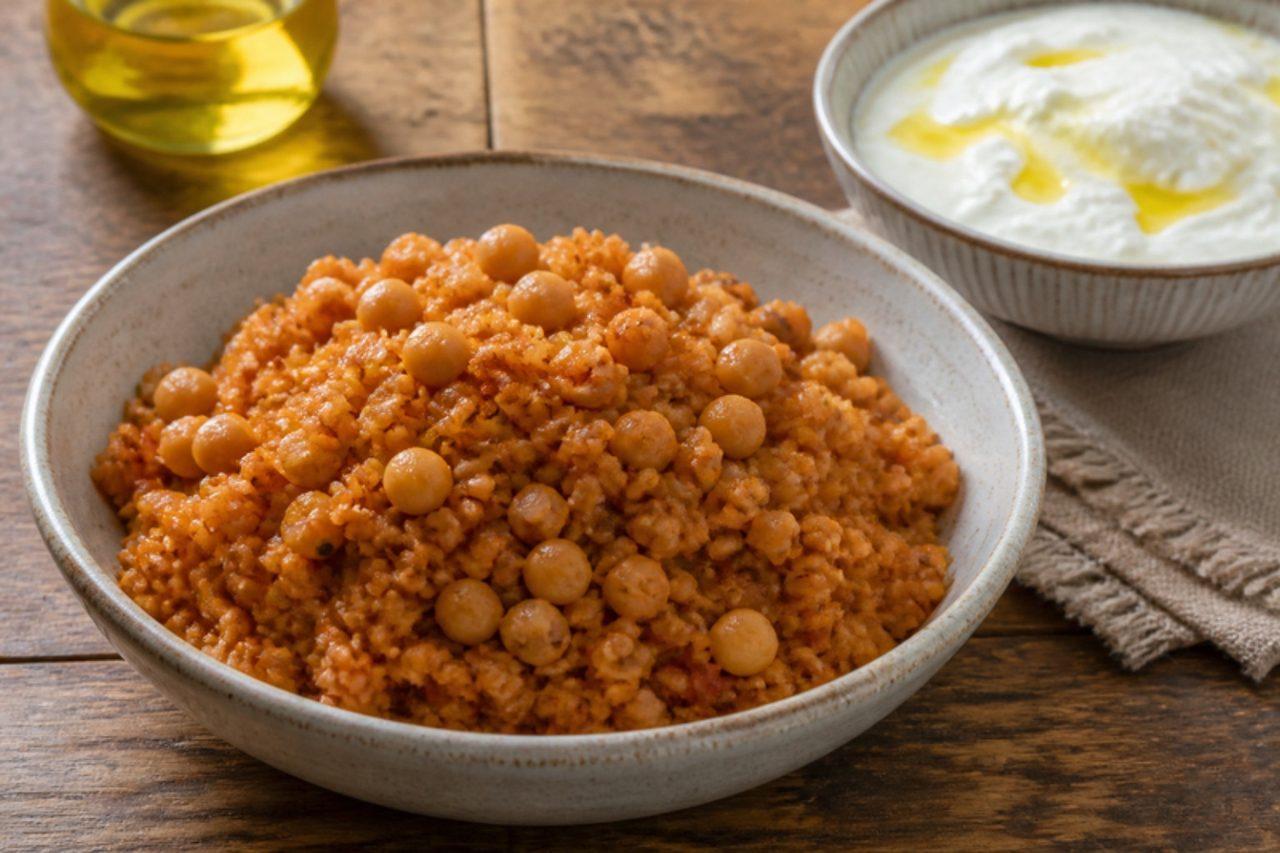
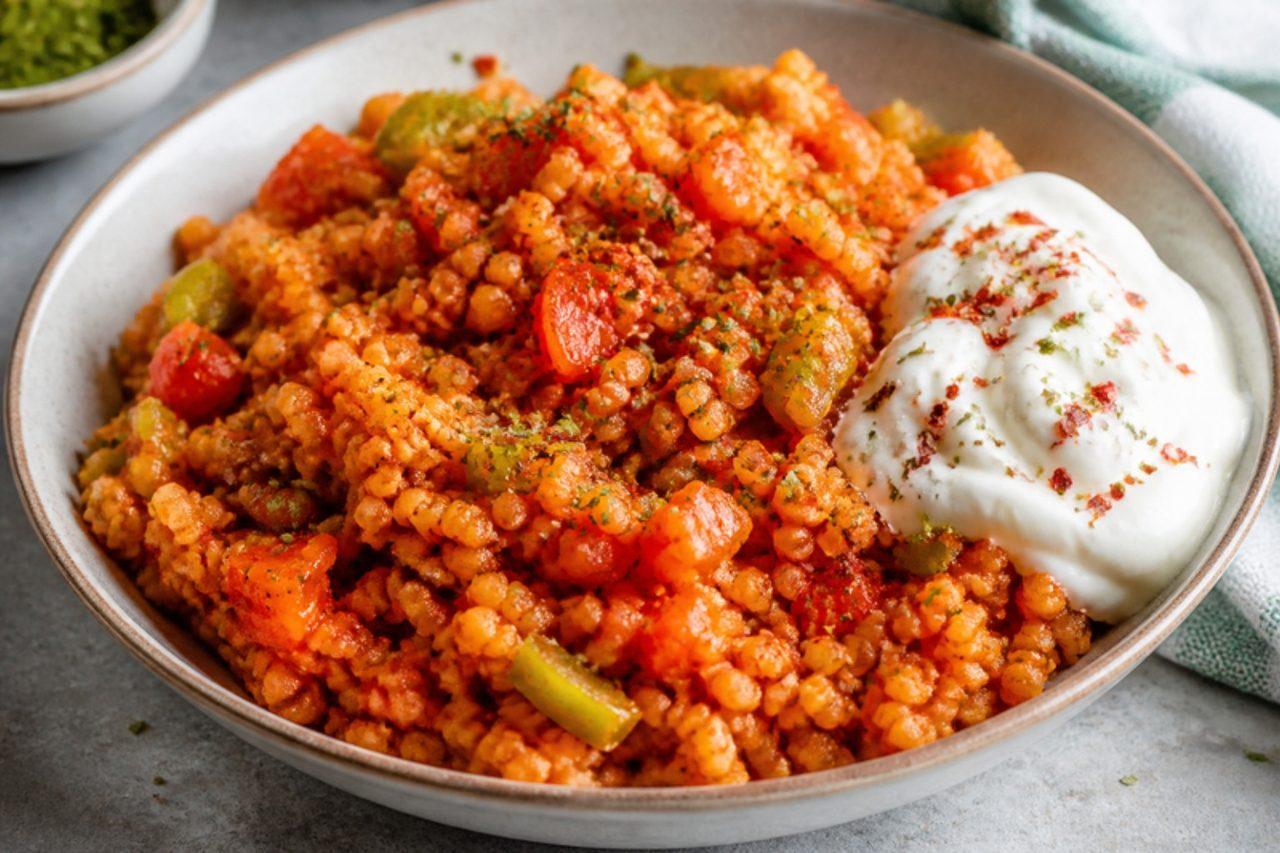
Each June farmers around Gaziantep cut wheat while it is still green and burn off the husks in the field, which gives firik its gentle campfire smell. Cooked as a pilaf with onion, pepper paste and a handful of chickpeas, it has a chewy, nutty bite that sits well beside grilled kebabs or simply a bowl of ayran and a tomato salad. It is the everyday grain of the region's home kitchens, cheaper than rice and more filling. Rinse the grains well: grit and bits of chaff are common in firik. Chef's tip: let it rest under a tea towel for ten minutes after cooking; the steam finishes the grains and they separate beautifully.

by KrazyBadal 0 views

Şöbiyet

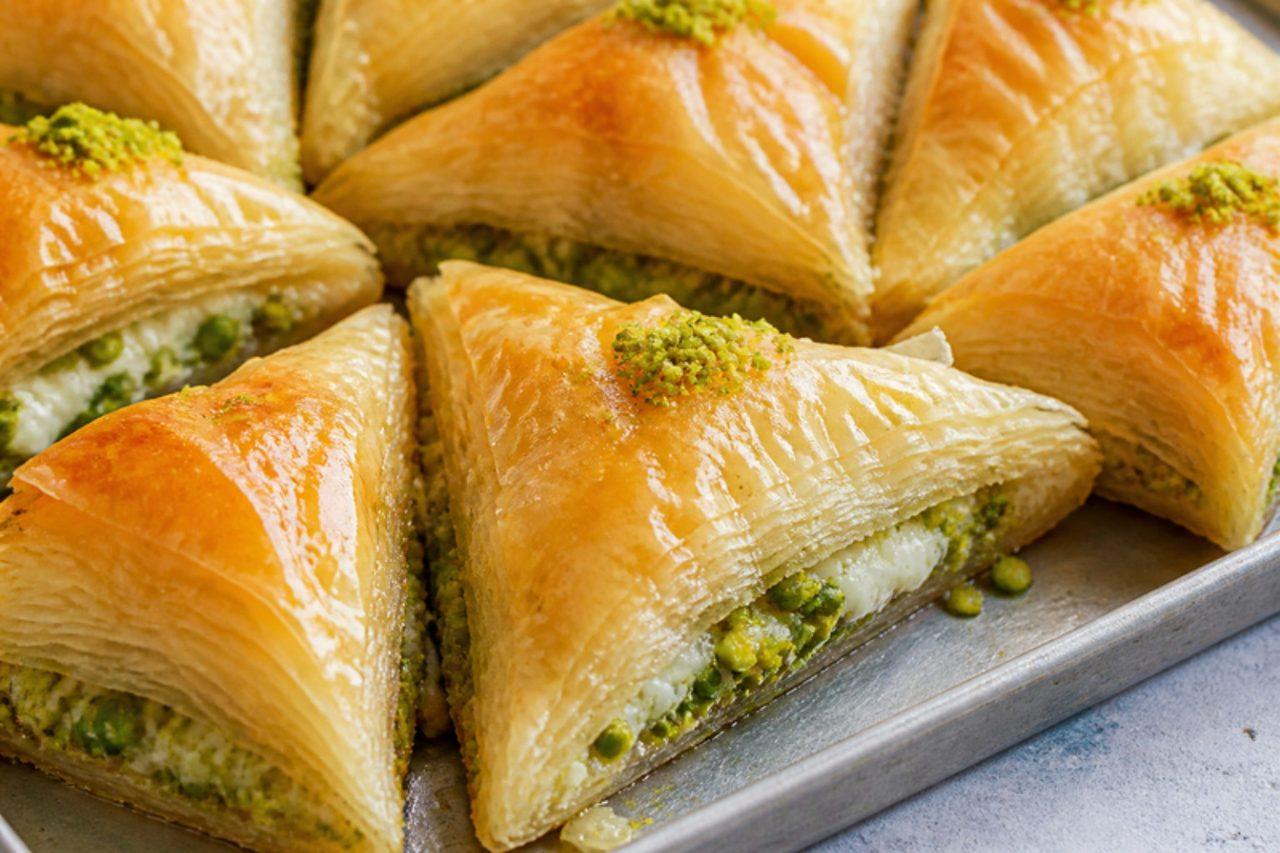
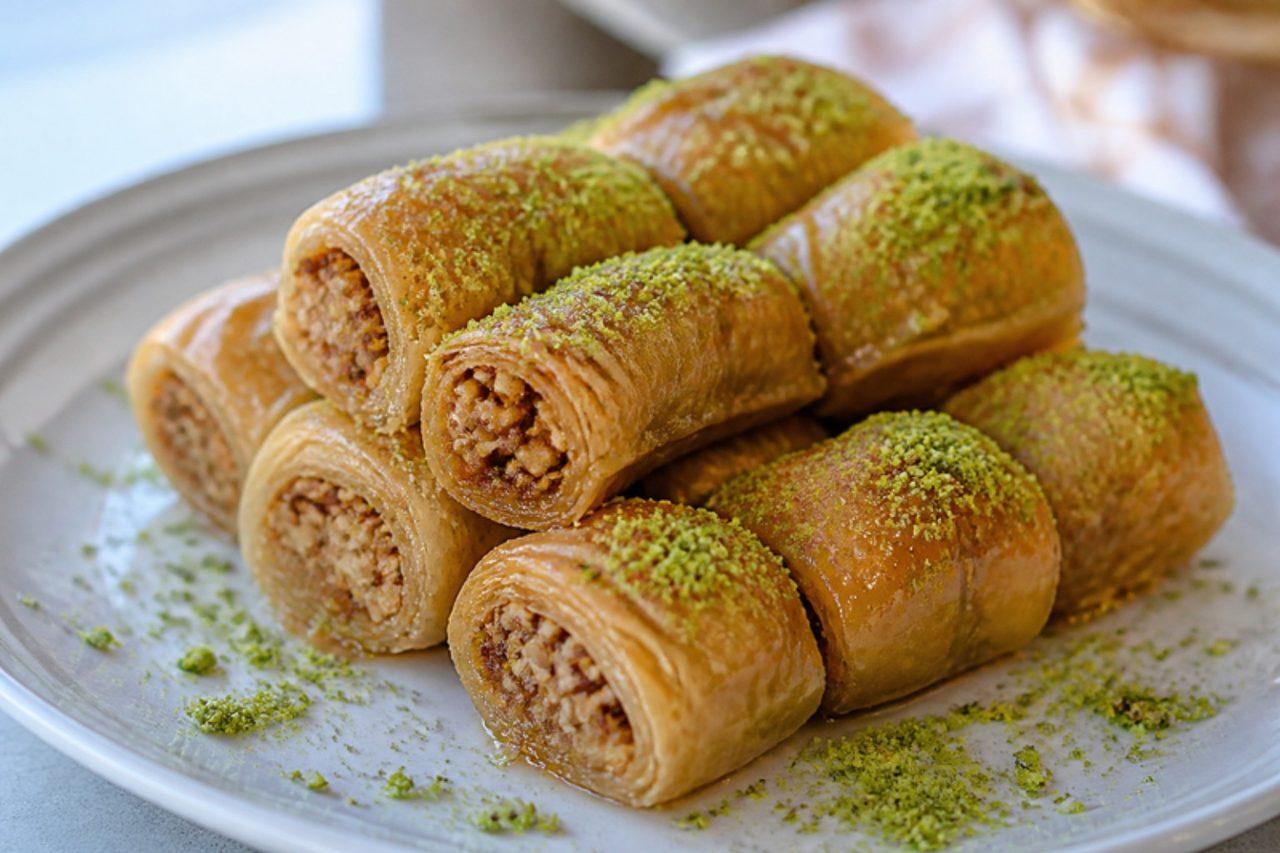
Gaziantep's baklava shops lay out trays of şöbiyet beside the classic squares: buttery filo triangles hiding a soft semolina cream and a thick seam of pistachio, soaked in cool syrup. Families buy them by the kilo for bayram visits and engagement days, and they are best eaten the day they are made, while the top layers still crackle. Home versions use shop filo and a quick milk cream instead of the clotted cream the masters fold in. Pour cold syrup over hot pastry, never hot over hot, or the layers turn soggy. Chef's tip: chill the cream until it is firm enough to slice; a soft filling oozes out as you fold the triangles.

by KrazyBadal 0 views

Şalgam

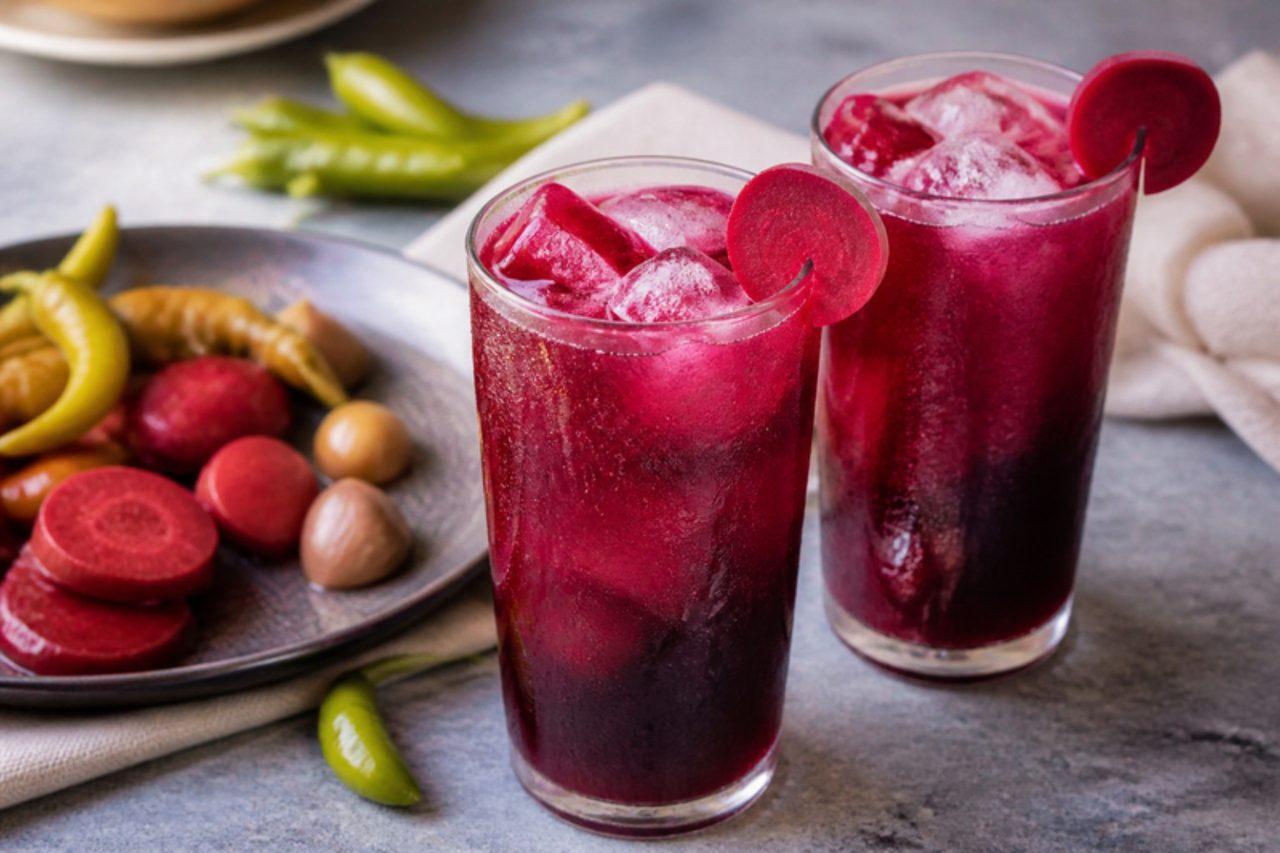
Order an Adana kebab in its home city and a tall glass of şalgam arrives with it, deep purple, salty, sour and often fiery. It is made by fermenting black carrots with a little bulgur and salt for a week or more, and the sharpness clears the palate between bites of lamb and grilled onion. Street carts in Adana sell it by the glass in summer. This home version skips the separate bulgur-sour-dough stage the big producers use. Use non-iodised salt: iodised salt can stall the ferment. Chef's tip: taste from day 5; when it is sour enough to make you blink, strain and chill it, because it keeps fermenting at room temperature.

by KrazyBadal 0 views

Patlıcan kebabı

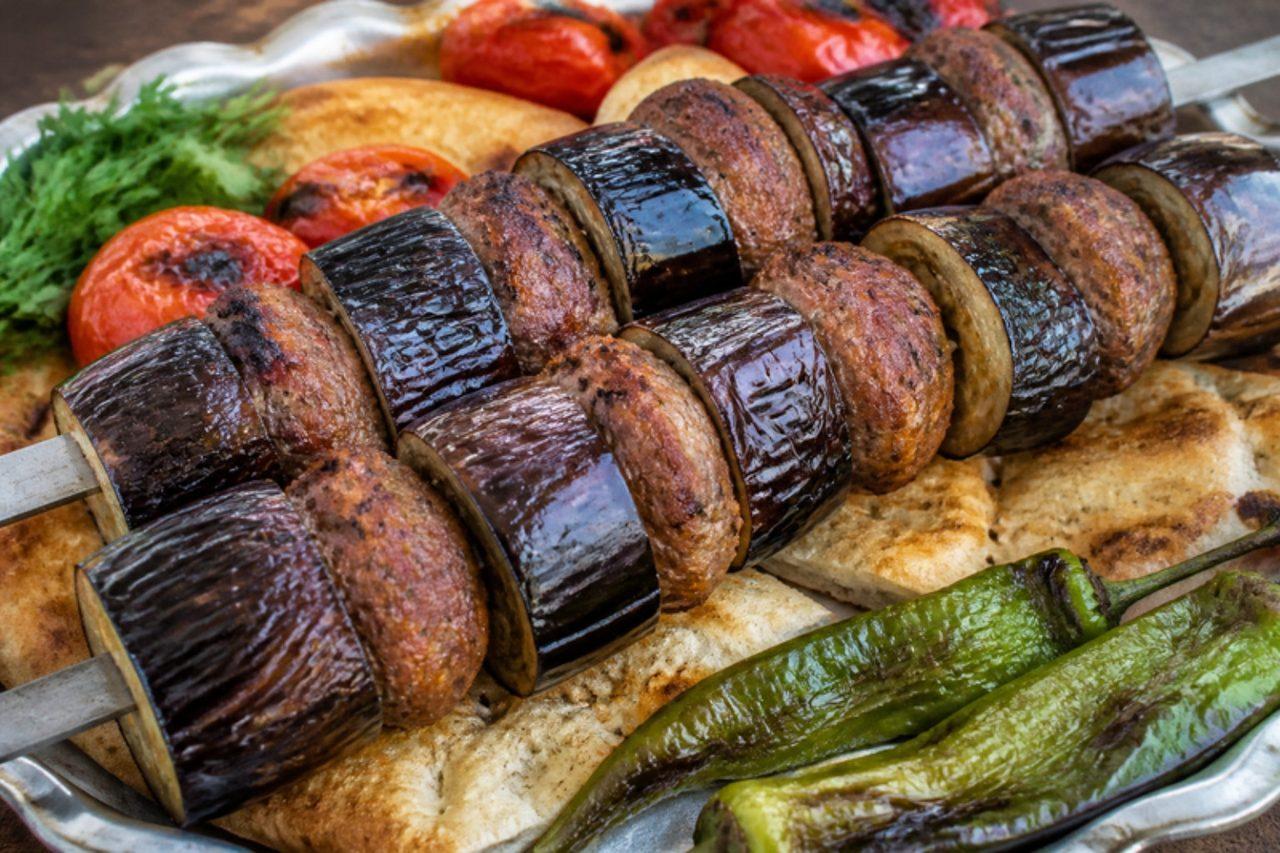
Late summer in southeastern Turkey, from Urfa to Gaziantep, means patlıcan kebabı: thick rounds of unpeeled aubergine threaded between small patties of spiced lamb, so the fat from the meat bastes the aubergine as it chars. Served on lavaş, the aubergine is pressed with a spoon into the bread and the whole thing is eaten with onions and green chillies. Use small, firm aubergines that won't split on the skewer. Common mistake: cutting the aubergine thinner than the meat; it burns before the köfte is cooked. Chef's tip: peel the charred aubergine skin off on the plate, but leave it on while grilling.

by KrazyBadal 0 views

Çiğ köfte

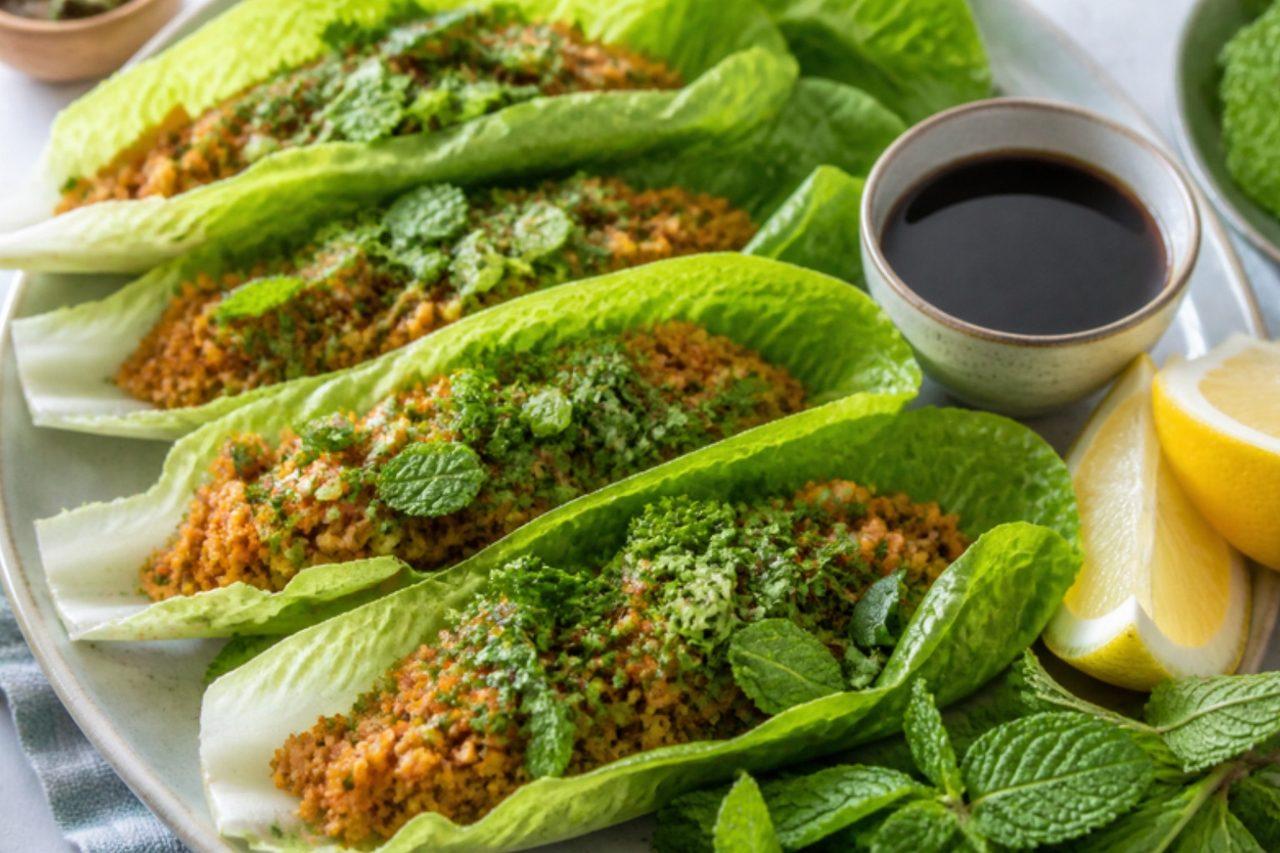
Şanlıurfa is the home of çiğ köfte, and the version sold today from shops all over Turkey is entirely meatless: fine bulgur kneaded for a long time with isot (Urfa's dark, smoky chilli), pepper paste, onion, garlic and pomegranate molasses until it turns soft and dough-like. Squeezed into finger shapes, it is wrapped in lettuce or lavaş with a squeeze of lemon and plenty of parsley, and in Urfa it is often made by a group of friends on a winter evening. Don't add all the water at once; the bulgur should be just moist, never wet. Chef's tip: the kneading is the cooking, so knead for at least 20 minutes until the mixture is glossy and holds a fingerprint.

by KrazyBadal 0 views

Fırın kebabı

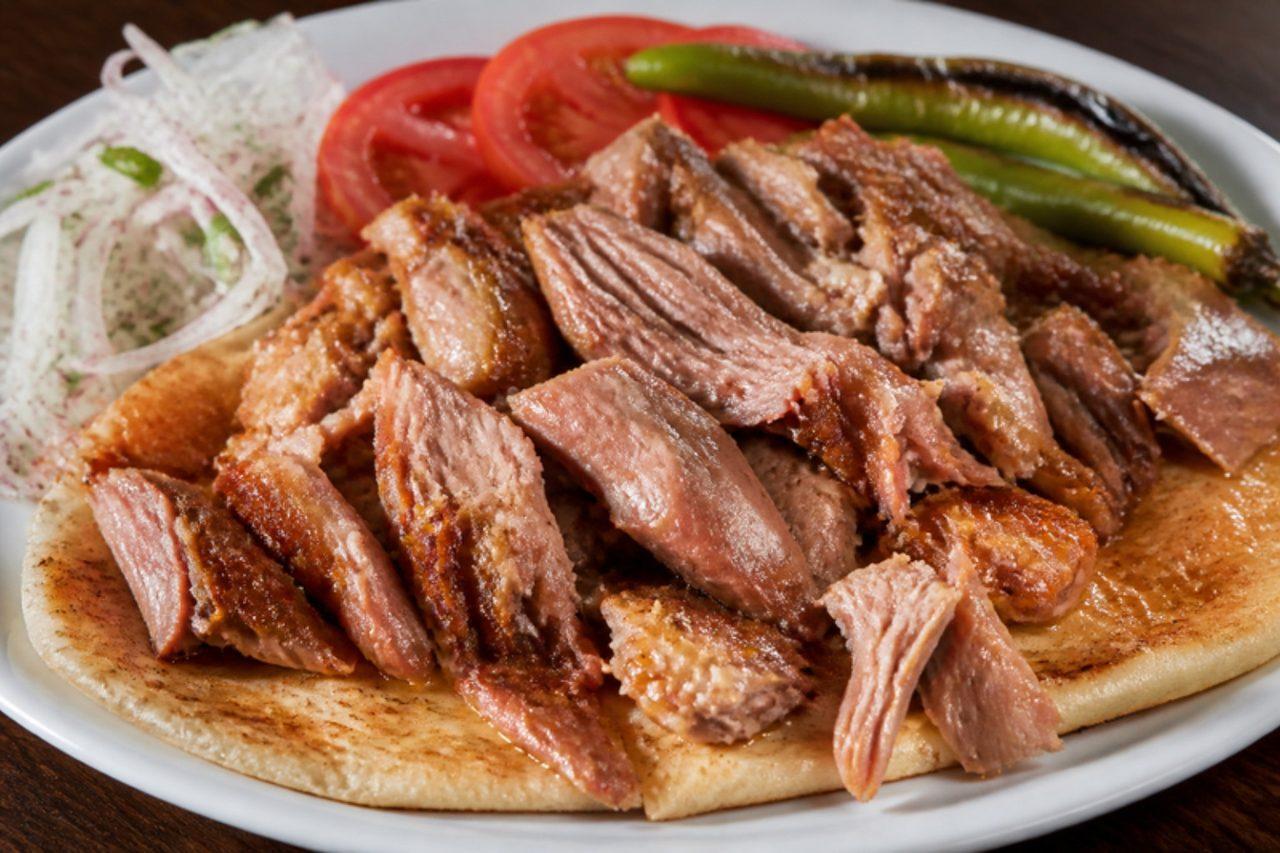
Konya's fırın kebabı comes from the city's old tandır ovens, where whole sides of lamb hung for hours until the meat collapsed and the fat crisped. Served on a sheet of thin pide with the cooking juices soaked in, a raw onion on the side and a jug of ayran, it is a Sunday treat and a wedding dish. A low home oven and a tightly covered tray give the same soft, juicy result. Common mistake: uncovering it too soon; the lamb needs steamy, sealed heat for hours before it gets its final browning. Chef's tip: rest the cooked lamb on the bread, not on a board; the bread drinks up every drop of juice.

255 minTurkishMeat
by KrazyBadal 0 views

Testi kebabı

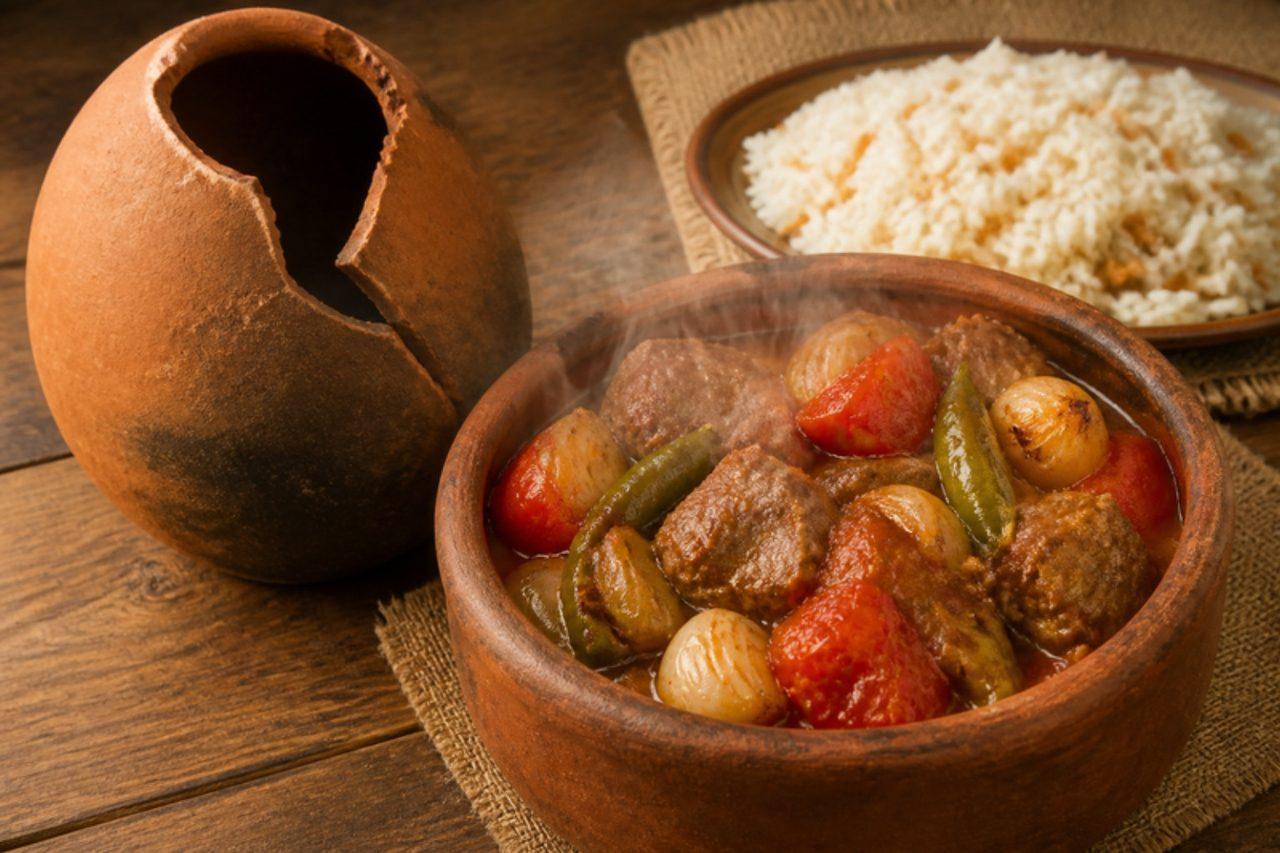
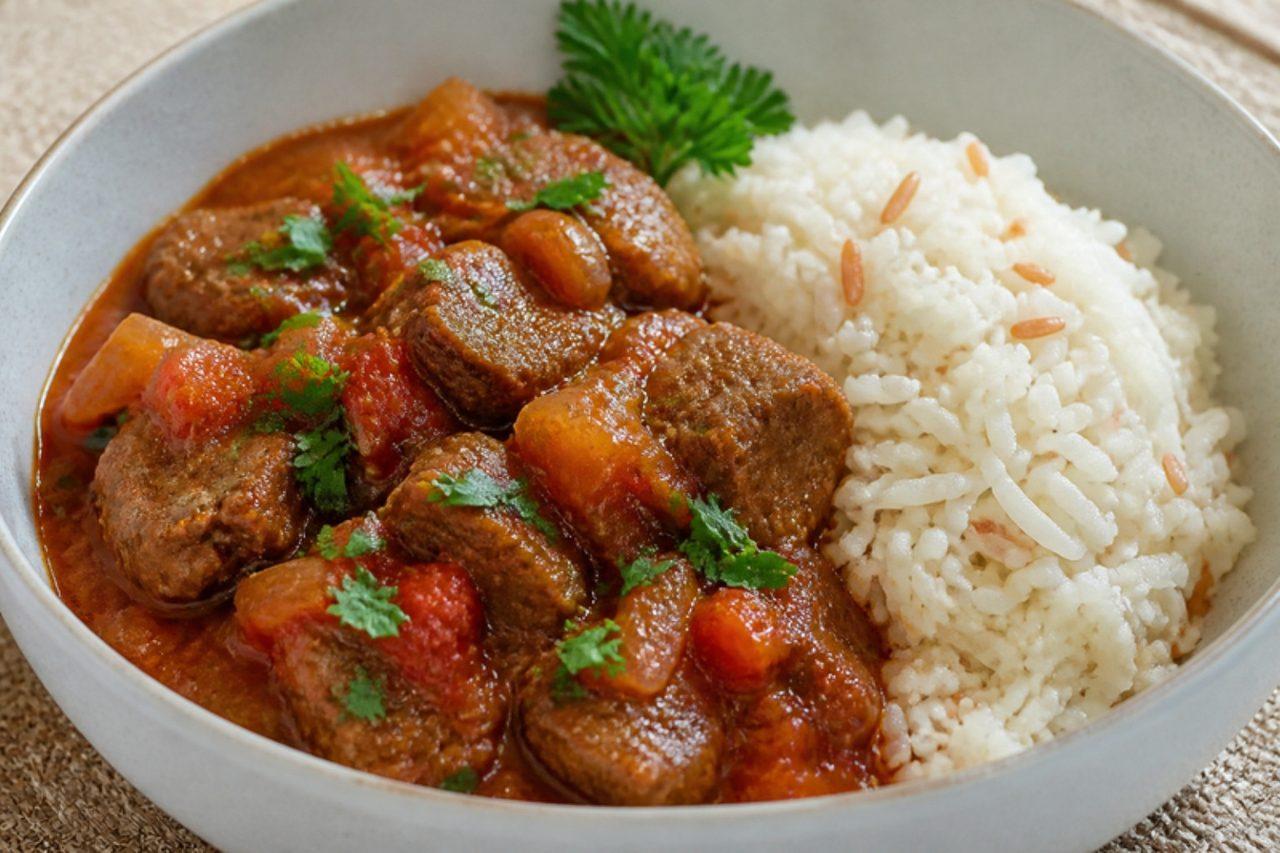
In the cave restaurants of Göreme and Avanos, testi kebabı arrives as a sealed clay jug, glowing from the oven, which the waiter cracks open at the table with a sharp tap of a knife. Inside is beef or lamb stewed with tomatoes, peppers, garlic and onion until tender in its own rich juices. A lidded casserole works perfectly at home, and you can still seal the lid with dough for the drama. Serve with plain rice pilaf. Common mistake: adding a lot of water; the vegetables give off plenty and the sealed pot should braise, not boil. Chef's tip: brown the meat in two batches first for a deeper, savoury sauce.

175 minTurkishMeat
by KrazyBadal 0 views

Kayseri yağlaması

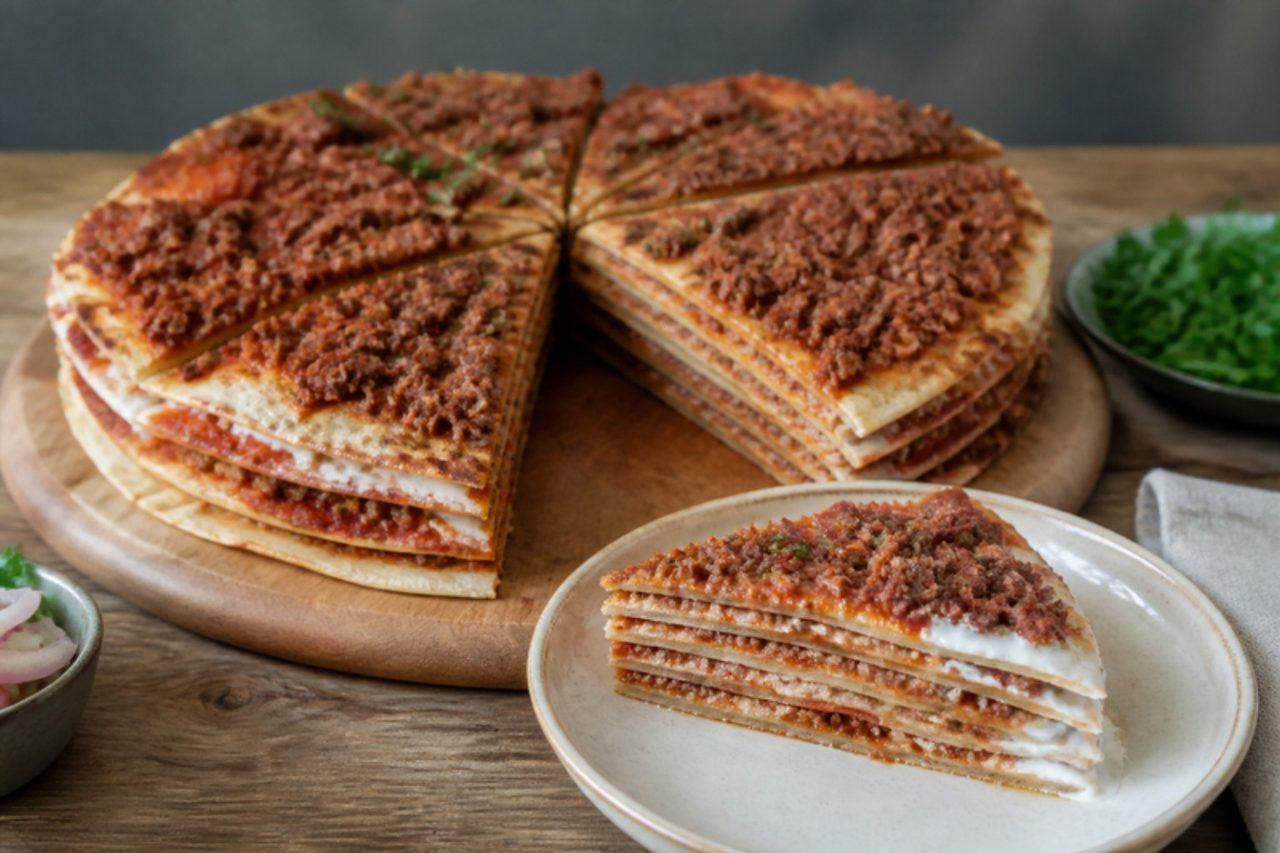
Kayseri families make yağlama for big gatherings and festival days: a tower of soft, thin flatbreads cooked on a griddle, each layer spread with a tomatoey beef mince sauce and garlic yoghurt, then cut into wedges like a cake. It sits somewhere between a lasagne and a stack of pancakes, and everyone eats it warm with ayran and pickles. Common mistake: letting the breads dry out while you cook the rest; keep them under a damp cloth so they stay pliable. The mince should be simmered until cooked through to 71 °C. Chef's tip: build the stack quickly while everything is hot, then rest it five minutes so the layers settle and cut cleanly.

by KrazyBadal 0 views

Ankara tavası

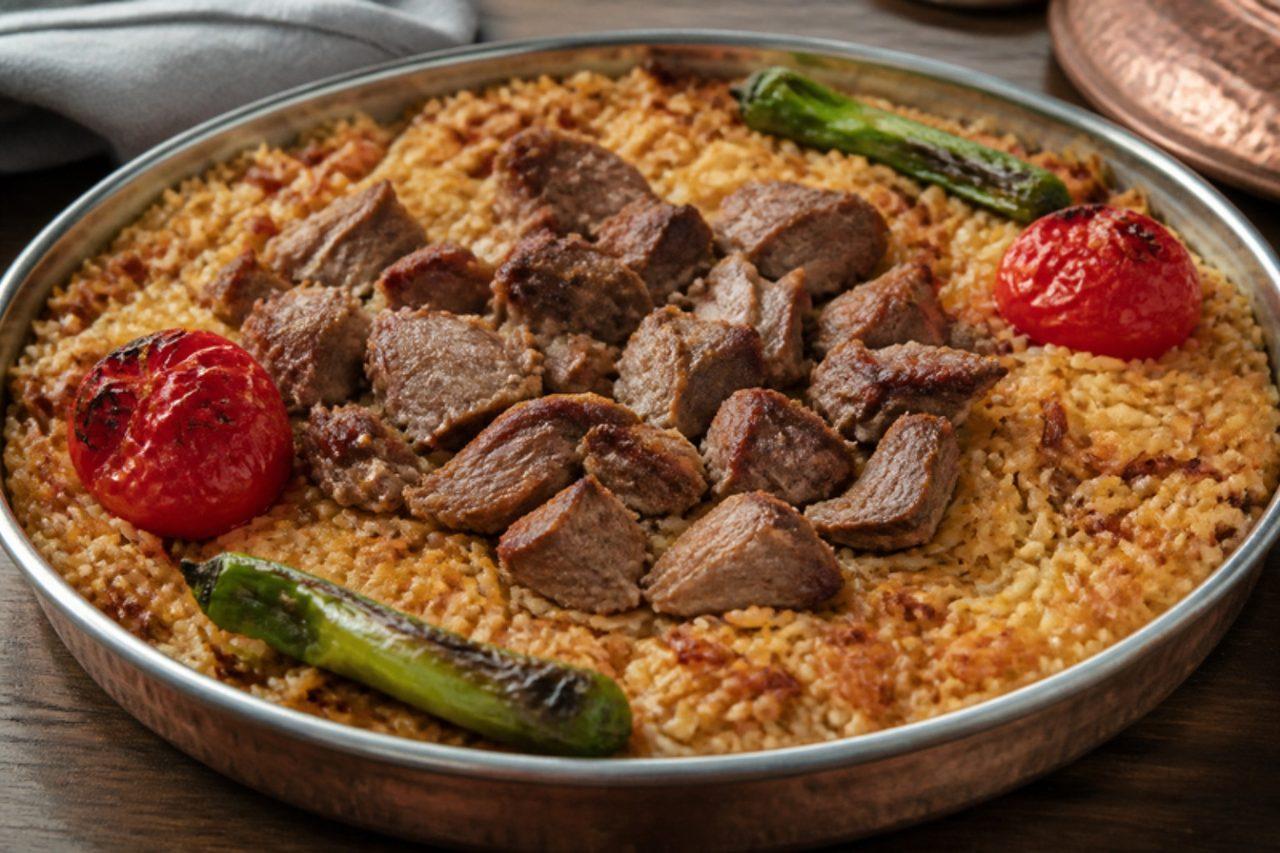
Ankara's signature dish is a tava, a baking pan, in which tender braised lamb is laid over a pilaf of rice and orzo and finished in the oven so the top grains go crisp and the meat juices soak right through. Old Ankara families serve it for guests and at festival lunches, with a bowl of cacık and pickles. Common mistake: using fully cooked pilaf, which dries out and turns hard in the oven; cook the rice only halfway. Chef's tip: save every spoon of the lamb's braising liquid; it's what flavours and finishes cooking the rice underneath.

150 minTurkishMeat
by KrazyBadal 0 views

Keşkek

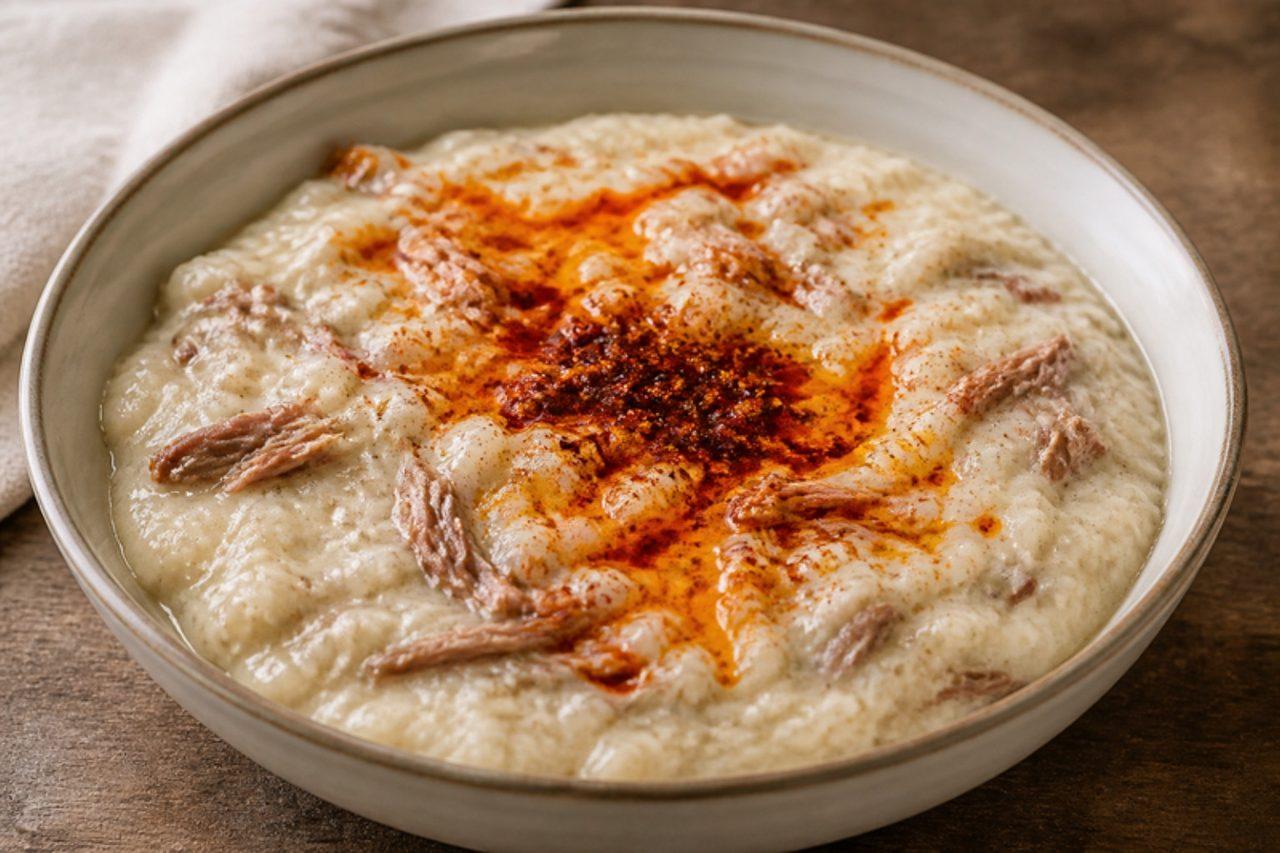
Keşkek is cooked in huge cauldrons for weddings, circumcision feasts and religious holidays across Central Anatolia, from Çorum to Sivas, while villagers take turns beating it with long wooden paddles. Whole wheat and lamb on the bone simmer together for hours until the meat falls apart, then everything is beaten into a thick, stretchy porridge and topped with sizzling butter and chilli. Its tradition is listed by UNESCO as intangible heritage. Common mistake: skimping on the beating; vigorous mashing is what turns it from grainy stew into a smooth, elastic keşkek. Chef's tip: a potato masher followed by a wooden spoon does the job at home; beat in hot broth a ladle at a time if it gets stiff.

200 minTurkishMeat
by KrazyBadal 0 views

Arabaşı çorbası

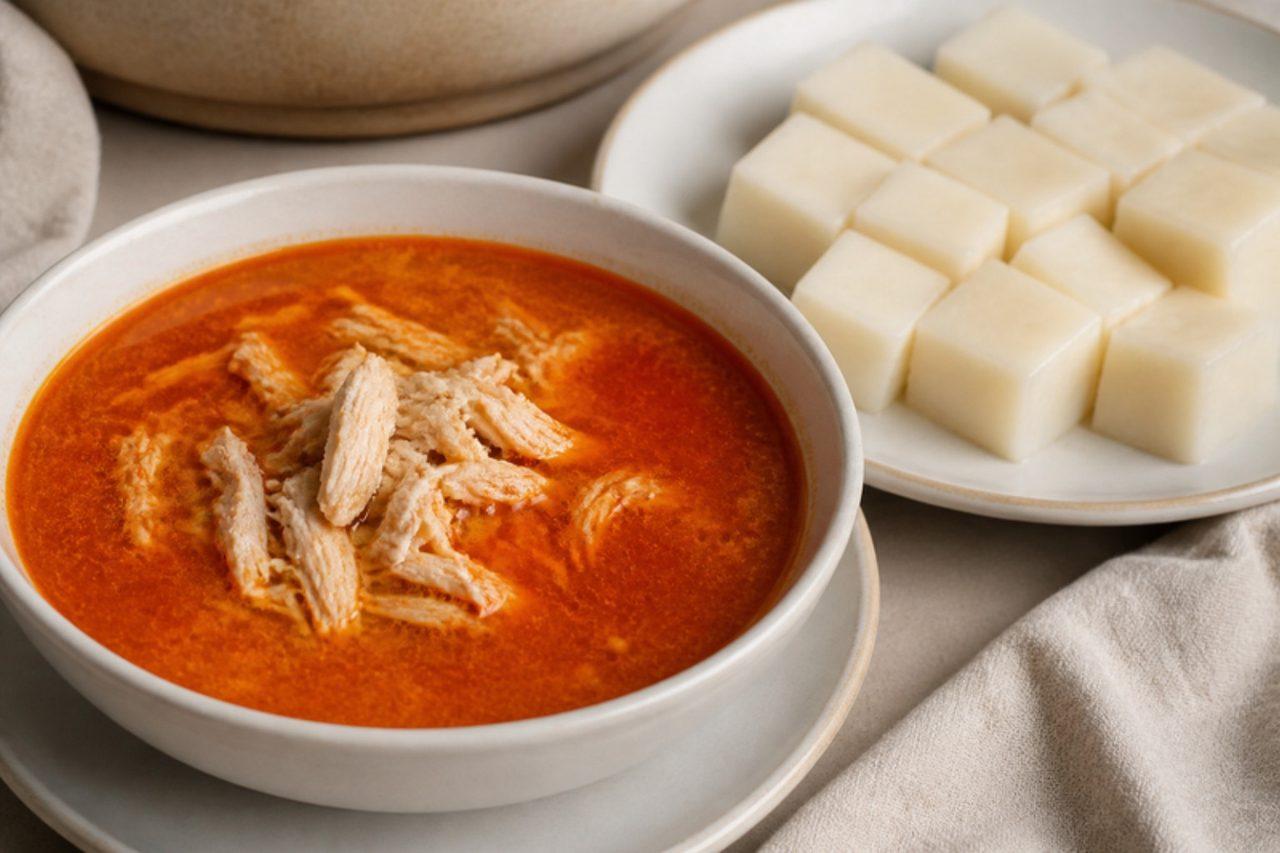
On winter evenings in Kayseri, Konya and Yozgat, friends gather for arabaşı nights: a big pot of fiery, tomatoey chicken soup and a tray of plain set dough cut into cubes. Each person drops a cube of cold dough into a spoonful of hot soup and swallows it whole, without chewing, and the hot-cold contrast is the whole fun. Common mistake: making the dough too soft; it should set firm enough to slice cleanly once chilled. Cook the chicken until its juices run clear and it reaches 74 °C before shredding. Chef's tip: make the dough the morning before, or even the day before, so it is properly cold and firm.

by KrazyBadal 0 views

Katmer

In Gaziantep the morning starts at a katmer counter: a baker slaps a ball of dough into a sheet so thin you can read through it, scatters it with pistachios, sugar and kaymak, folds it into a parcel and bakes it on a hot iron plate. Eaten straight away, it shatters at the edges and stays creamy in the middle, and locals drink strong tea with it. At home a heavy frying pan stands in for the iron plate. The usual mistake is stretching the dough before it has rested; it tears instead of going translucent, so give it the full hour under oiled cling film. Chef's tip: grind the pistachios only to coarse sand, not powder, so they stay bright green and give each bite some crunch.

by KrazyBadal 0 views

Bici bici

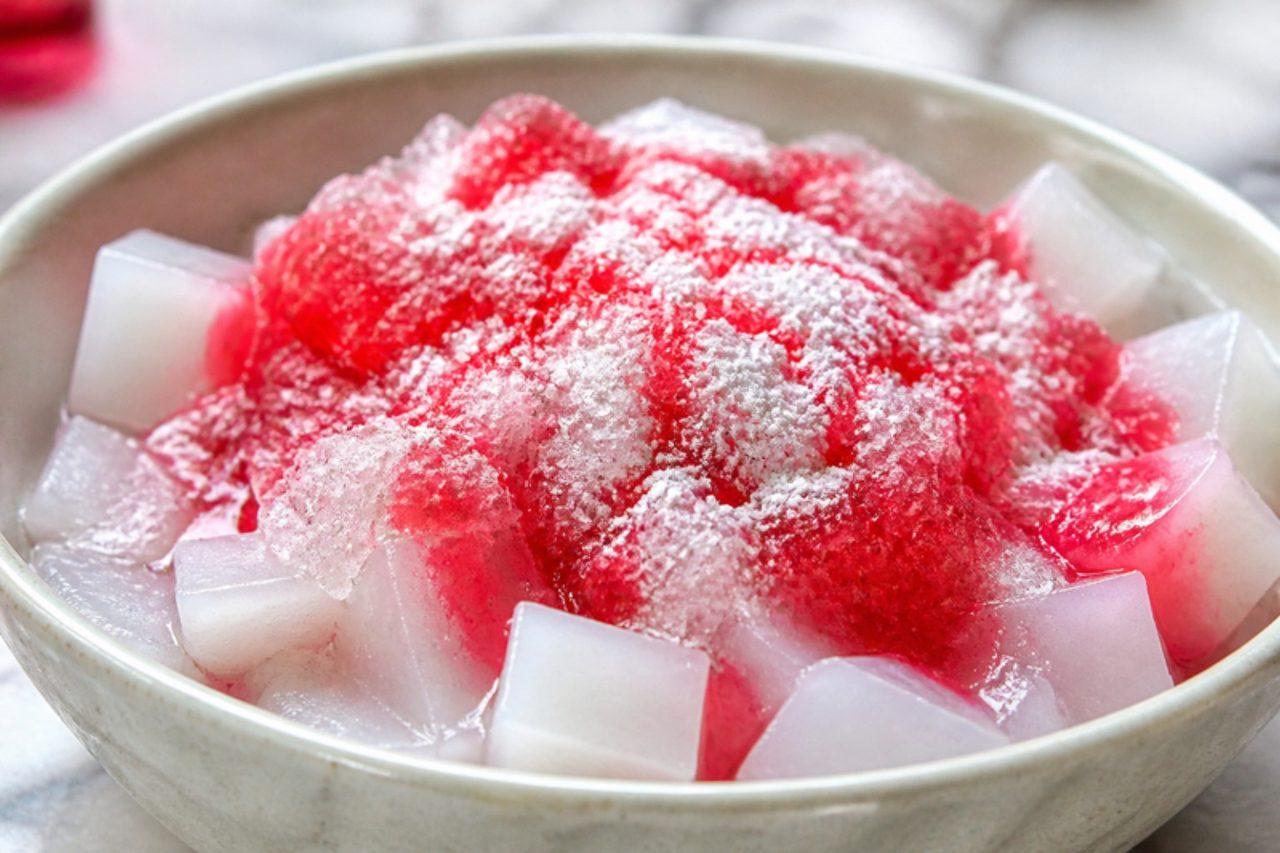
When Adana's July heat pushes past 40 °C, handcarts on every corner serve bici bici: cubes of wobbly starch jelly piled with shaved ice, splashed with rose syrup and dusted with icing sugar. Children eat it in the shade of the clock tower; grown-ups claim it is the only thing that works in that heat. The jelly is just cornflour, water and a little sugar, set and cut into cubes. The usual mistake is undercooking it, which leaves a cloudy, floury jelly that won't hold a cut. Chef's tip: freeze water in a shallow tray and scrape it with a fork for snowy ice if you have no ice shaver.

by KrazyBadal 0 views

Biberli ekmek

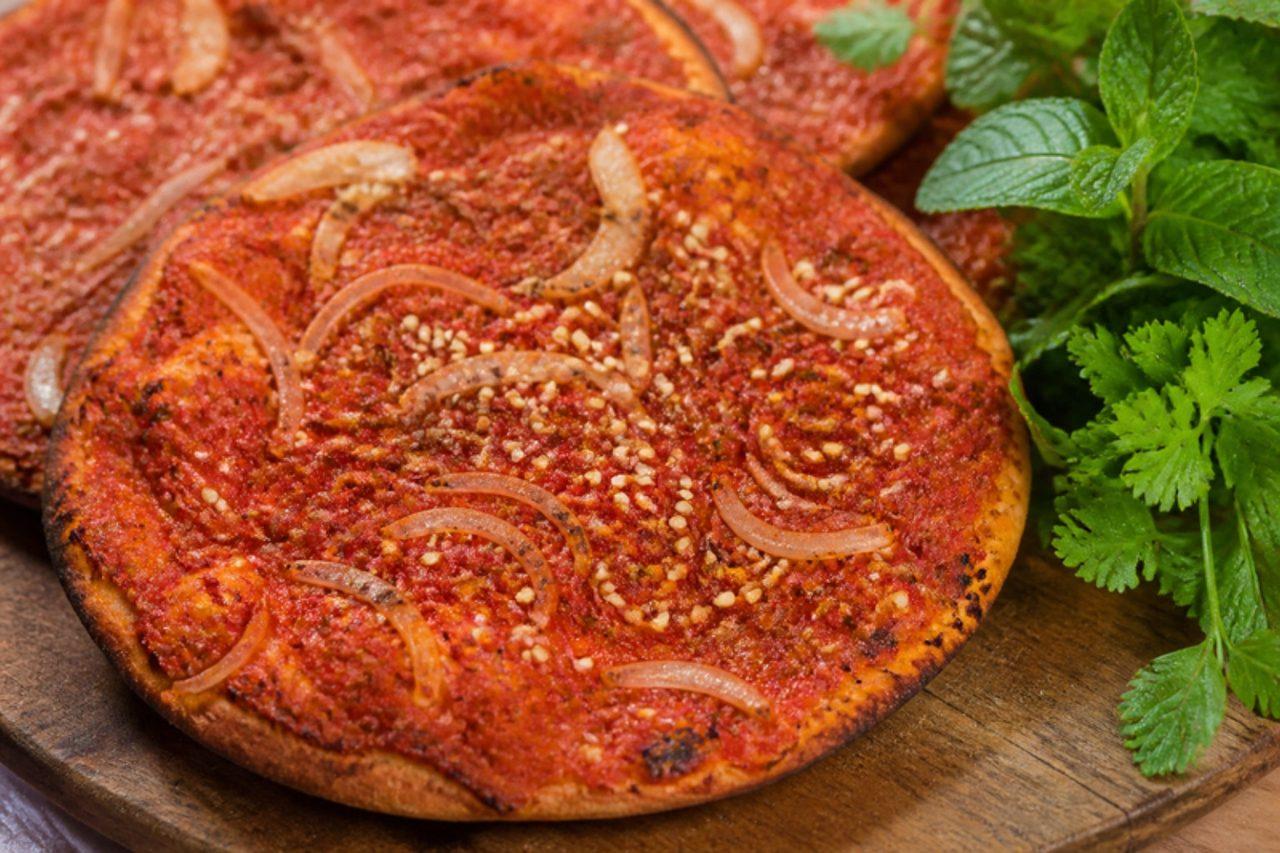
Antakya's neighbourhood bakeries take trays of topping from customers each morning and bake biberli ekmek in the wood oven to order: soft flatbreads smeared with a spiced paste of red pepper, onion, parsley, cumin and sesame. It is breakfast, a school snack and a picnic bread all in one, often eaten with a glass of tea and a few olives. Some families add a little crumbled cheese, but the classic is meat-free and dairy-free. Spread the topping thin; a thick layer stays raw and wet in the middle. Chef's tip: bake on the hottest preheated tray you have so the base blisters before the topping dries out.

by KrazyBadal 0 views

Hatay zeytin salatası

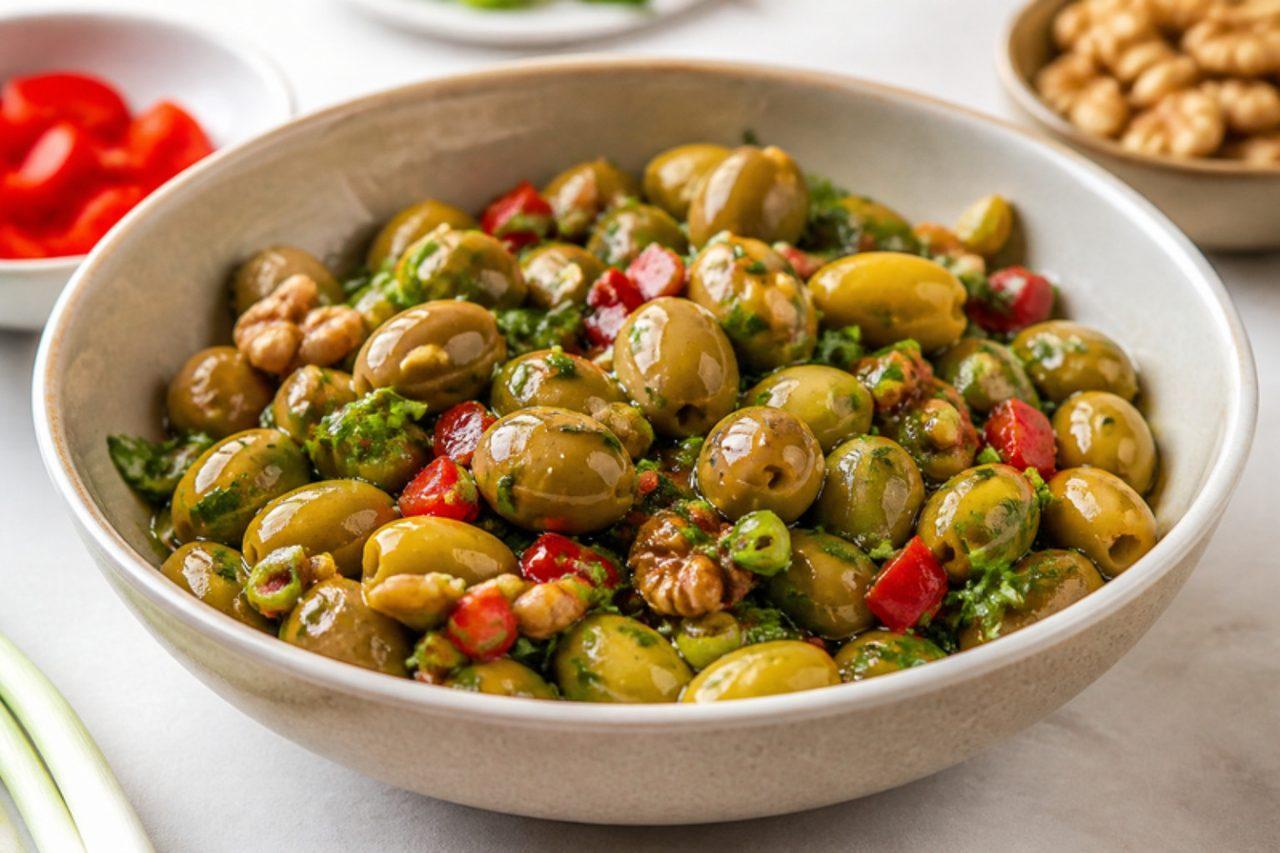
Hatay grows olives on every hillside towards the Syrian border, and its meyhanes and breakfast tables always have a bowl of this salad: green olives tossed with walnuts, spring onion, tomato, parsley, pepper paste and pomegranate molasses. It is salty, sour and sweet at once, and sits happily next to cheese, eggs and flatbread in the morning or as a meze in the evening. Pit and chop the olives yourself; jarred sliced olives are too soft. Rinse very salty olives first, or the salad is overwhelming. Chef's tip: dress it an hour ahead so the olives soak up the molasses, but add the tomatoes and herbs just before serving.

by KrazyBadal 0 views

Kete

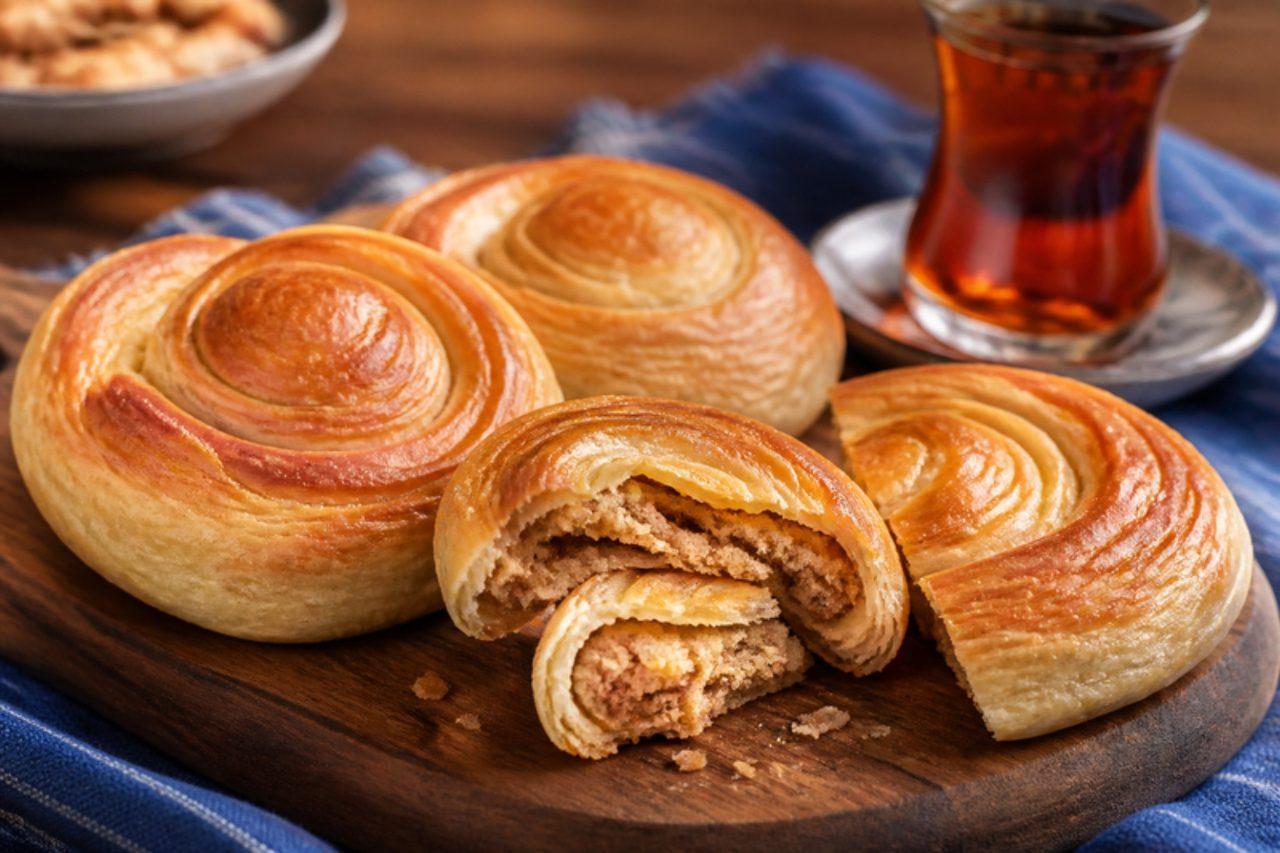
Bakeries in Erzurum and Kars sell kete by the dozen for breakfast and long bus journeys: soft yeasted rolls coiled around a filling of flour toasted in butter until it smells of biscuits. Inside, the layers turn flaky and tender, and the crust is glazed with egg and sesame. They are eaten with strong tea, white cheese and olives, and keep well for a few days. Common mistake: under-toasting the flour for the filling; it should go a pale sandy gold and smell nutty, or the centre tastes raw. Chef's tip: roll the dough thin before spreading the filling and coiling it; thin layers bake into the flaky swirl that makes kete special.

by KrazyBadal 0 views

Höşmerim

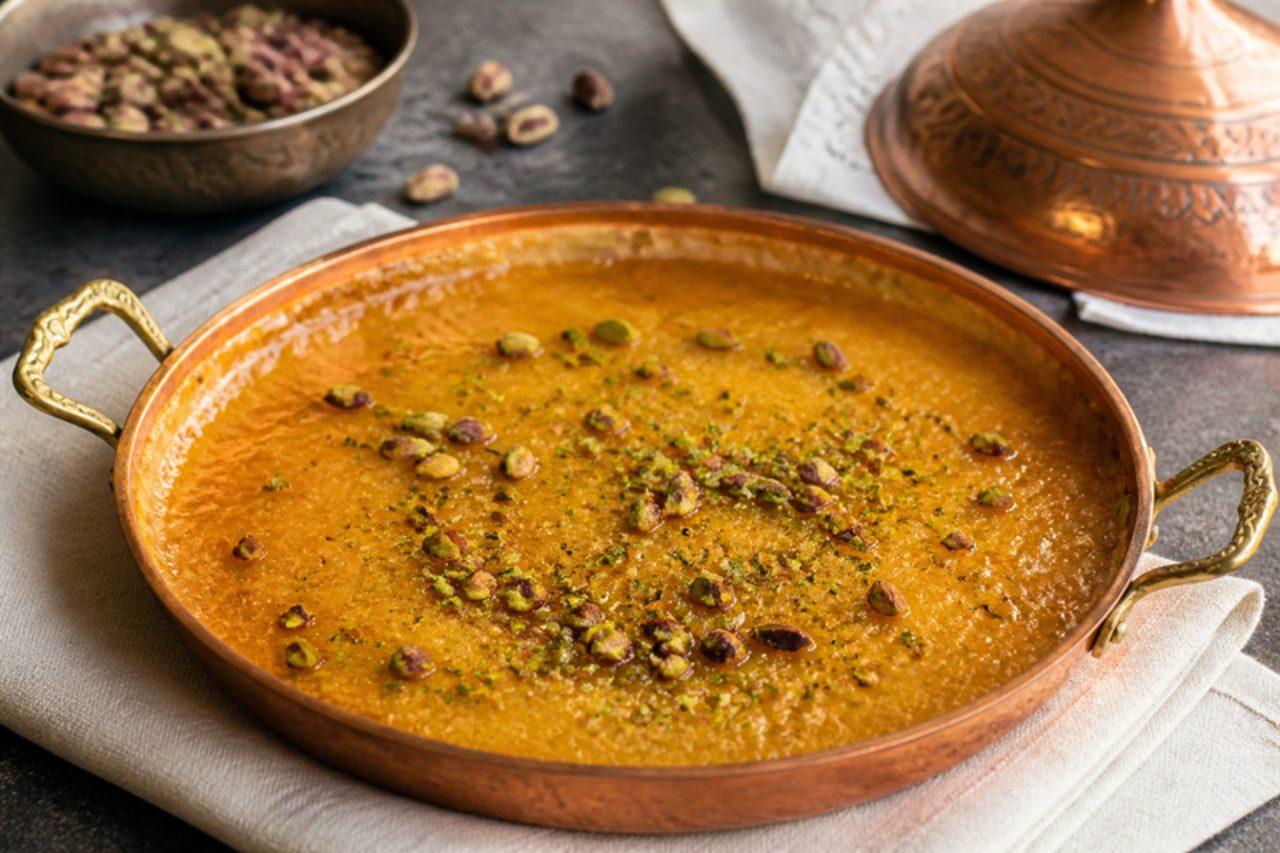
Höşmerim is a winter dessert of the Erzurum plateau and the Bolu highlands, made from unsalted fresh cheese melted with butter and semolina until it turns golden and gives off its own butter, then soaked with syrup. It's eaten warm in small bowls, chewy and rich, topped with crushed walnuts or pistachios, often after a long cold day. Common mistake: using salty or aged cheese, which turns oily and bitter; you need a soft, unsalted fresh cheese such as lor or ricotta. Chef's tip: keep cooking until the fat starts seeping out at the edges and the mixture is the colour of light toffee; that's where the flavour comes from.

by KrazyBadal 0 views

Kadayıf dolması

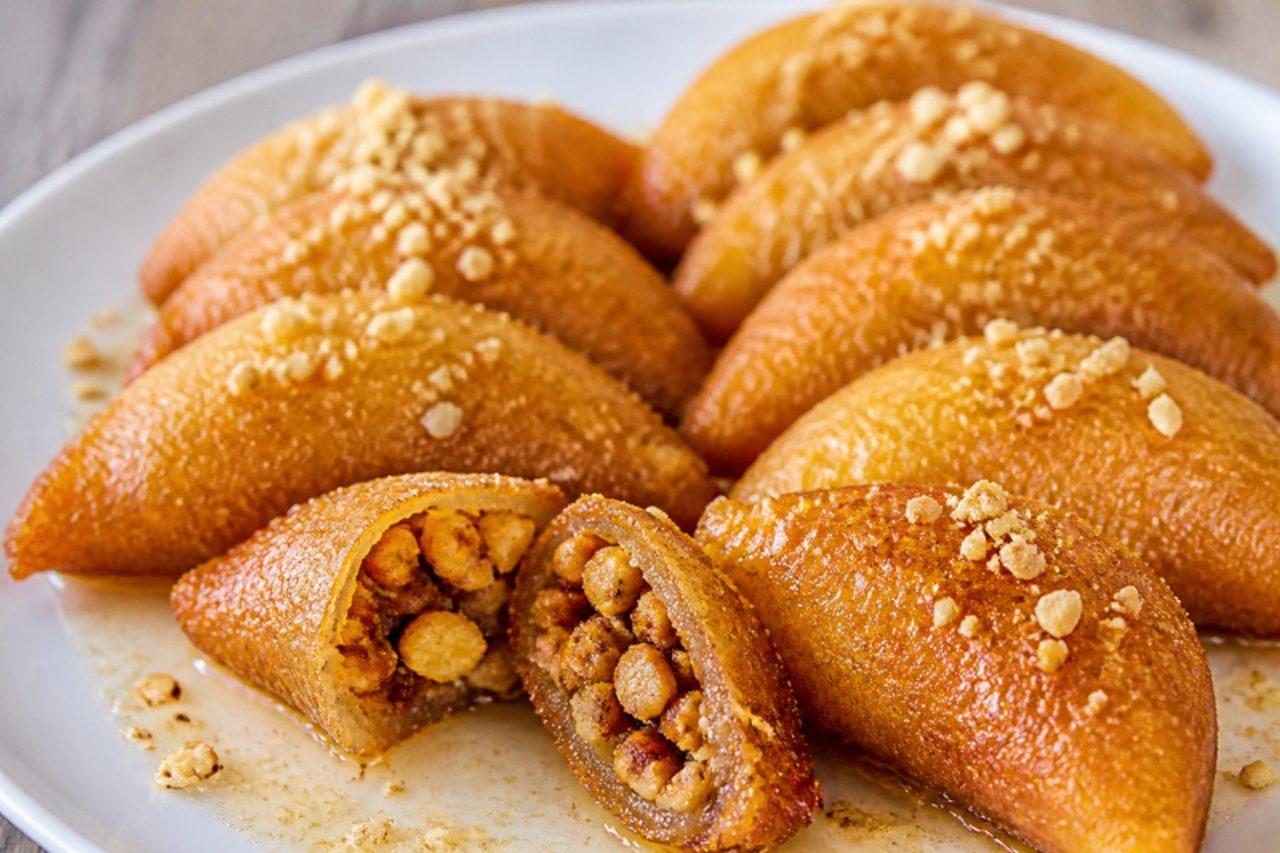
In Erzurum, kadayıf means not shredded pastry but small, spongy pancakes cooked on one side only. For kadayıf dolması they're filled with walnuts, folded into half-moons, fried golden and plunged into syrup, and they are the city's pride on festival days and at weddings. The outside is crisp and syrupy, the inside soft and nutty. Common mistake: cooking the pancakes on both sides; the uncooked, bubbly top is what sticks the edges together. Chef's tip: the syrup must be cold and the dolma hot straight from the oil, so they absorb syrup without going soggy.

by KrazyBadal 0 views

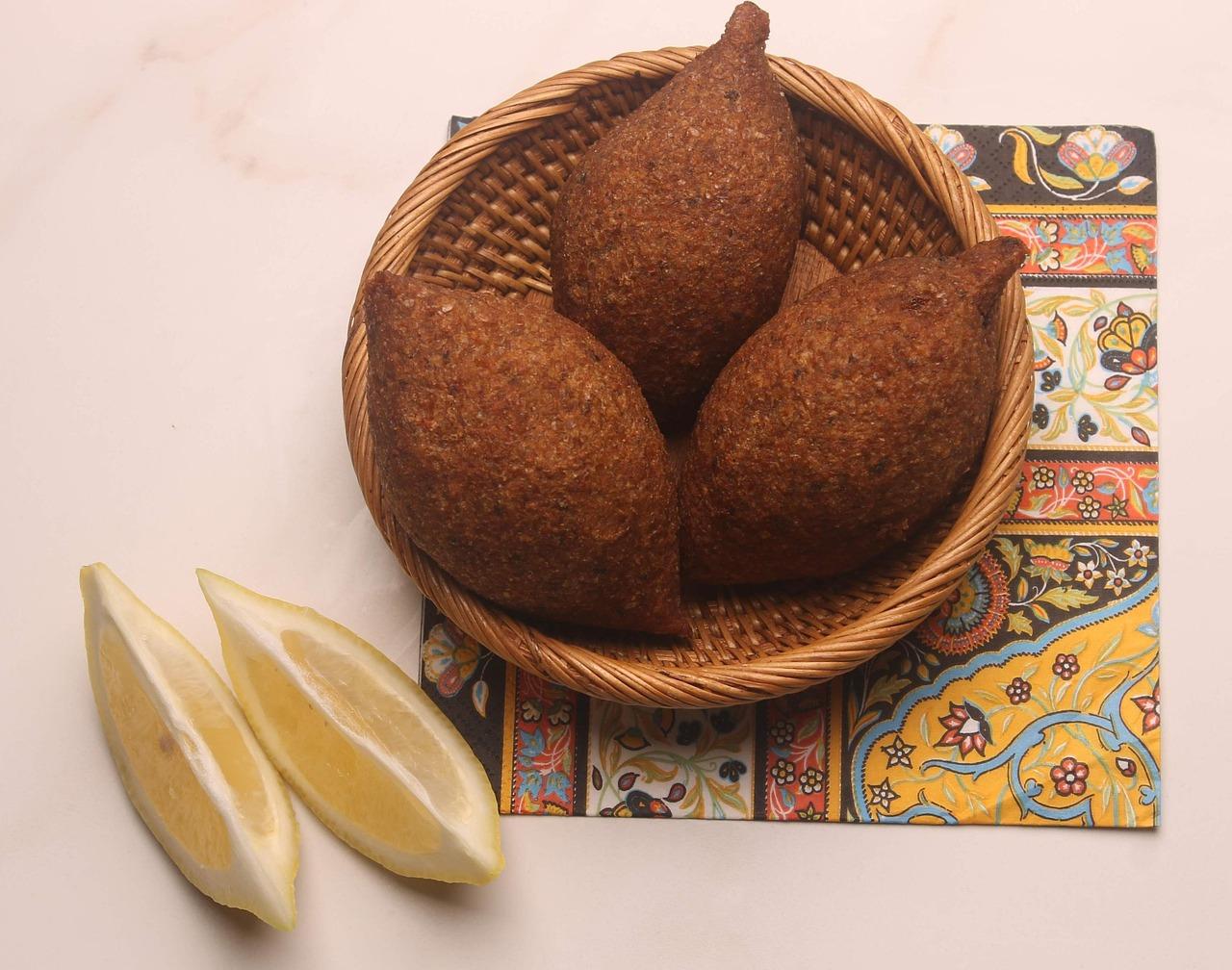
İçli köfte

Making içli köfte is the test of a southeastern Turkish cook: a thin, even shell of bulgur dough is hollowed out on a finger and filled with mince fried with onion, walnuts and spices, then sealed into a pointed torpedo. Families in Mardin, Urfa and Diyarbakır make dozens before bayram, freezing them to fry for guests. Crisp outside, juicy inside, they are served hot with lemon. Common mistake: a thick shell; it cracks in the oil and tastes doughy. Chef's tip: keep a bowl of iced water by you and wet your fingers constantly; the dough becomes smooth and stretches thin without tearing.

115 minTurkishMeat
by KrazyBadal 0 views

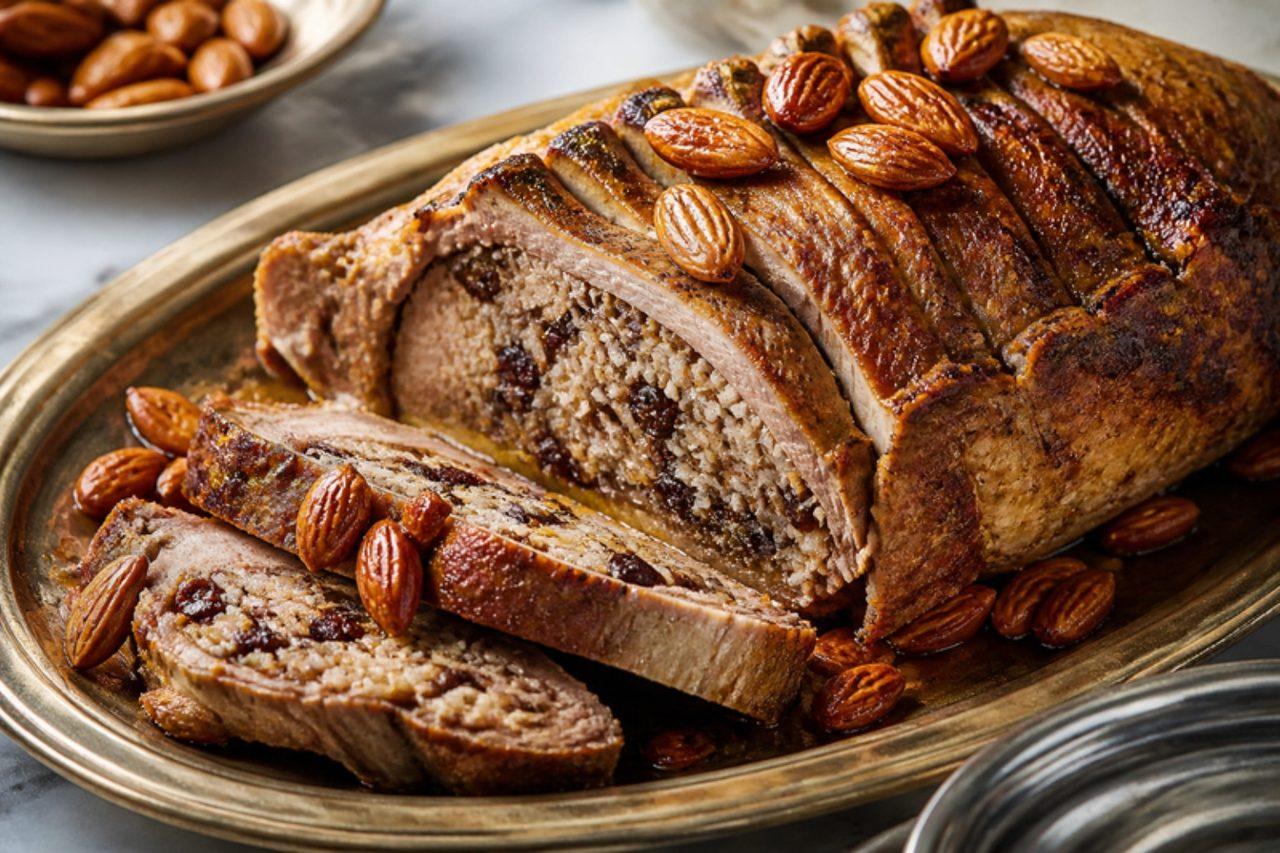
Kaburga dolması

In Mardin and Diyarbakır, a stuffed lamb breast is the centrepiece of bayram and wedding tables: the butcher cuts a pocket between the ribs and the meat, which is filled with rice cooked with almonds, currants, allspice and cinnamon, sewn shut and baked slowly until the meat falls from the bones. The rice inside soaks up all the lamb juices. Ask the butcher to open the pocket for you. Common mistake: packing the rice tightly when it is raw; it needs room to swell or the pocket splits. Chef's tip: roast it covered for most of the time, then uncover and turn the heat up at the end for crackling-crisp fat.

250 minTurkishMeatGluten free
by KrazyBadal 0 views

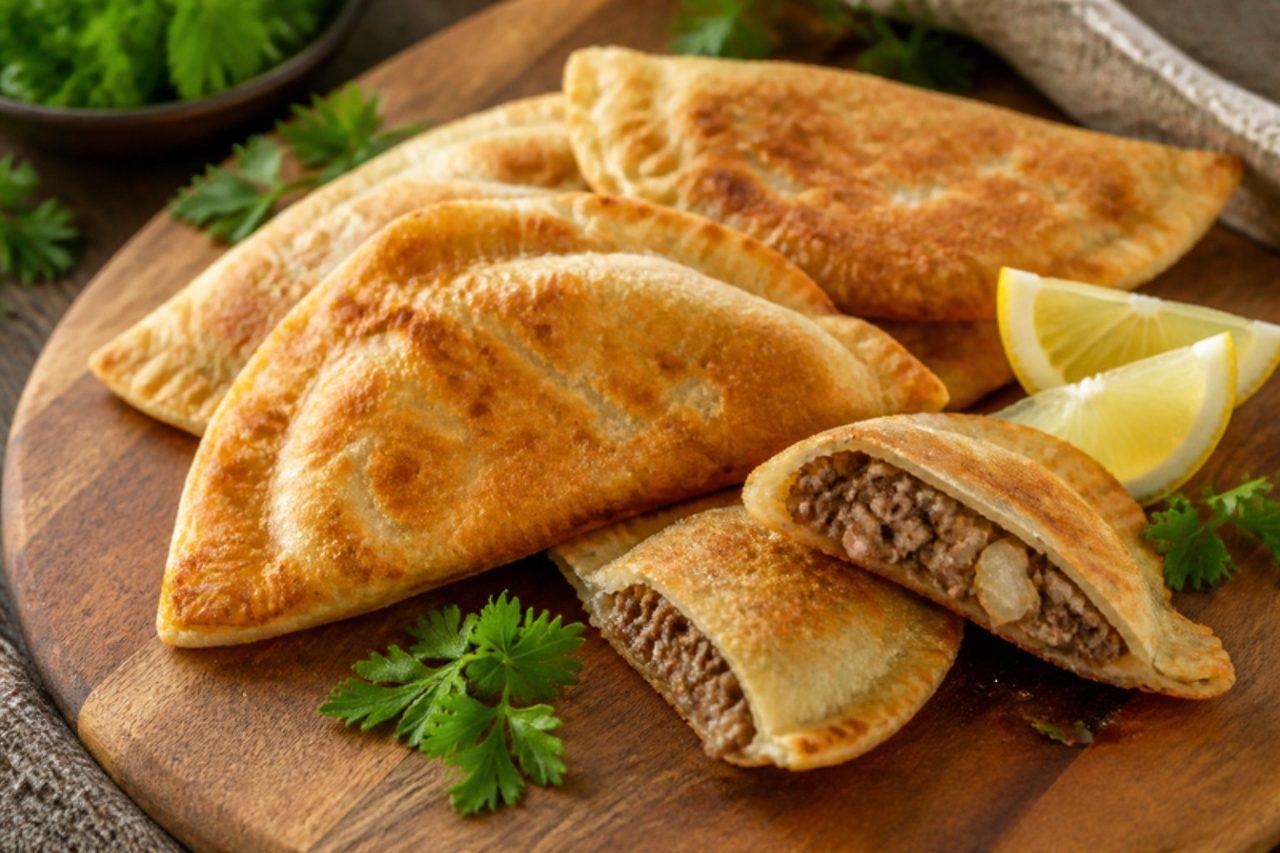
Sembusek

Mardin's stone bakeries fill their ovens with sembusek on weekend mornings: thin rounds of dough folded over a filling of minced meat, onion, parsley and pepper paste, sealed into half-moons and baked until crisp and freckled. Families make big batches for picnics and Ramadan, and eat them warm with ayran or a glass of tea. The meat goes in raw and cooks inside the pastry, so roll the dough thin enough to cook through. Common mistake: a wet filling that makes the base soggy; squeeze the grated onion hard. Chef's tip: brush the tops with a little water and butter as they come out of the oven so they soften just enough to fold over a bite of salad.

by KrazyBadal 0 views

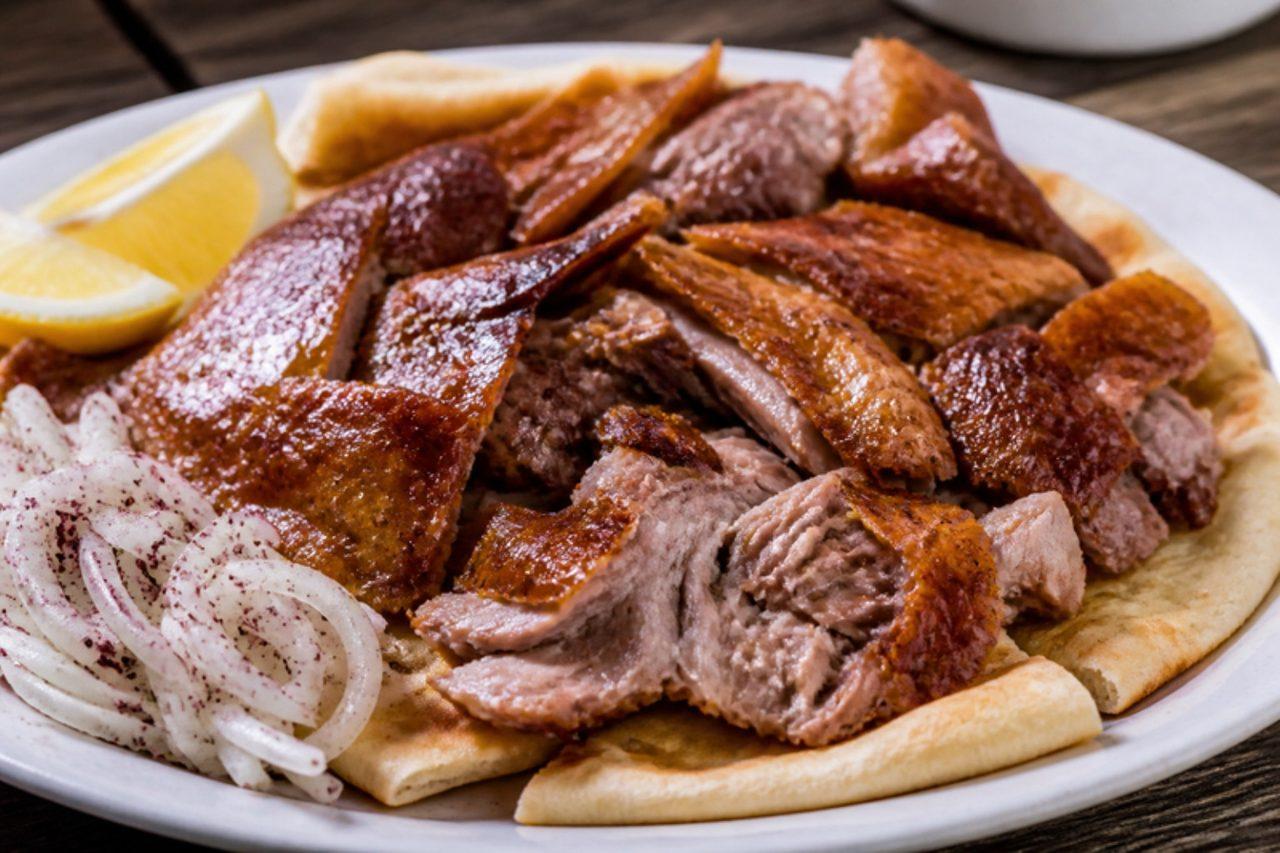
Büryan

In Siirt, büryan is eaten for breakfast: whole sides of young lamb hang for hours in a deep clay pit oven sealed with mud, and by early morning the meat is falling apart with crackling skin, served on thin bread with nothing but salt. This home version uses a bone-in shoulder roasted low and slow, sealed under foil to trap the steam as the pit does, then blasted at the end for the crisp outside. It needs no marinade beyond salt; the flavour is all lamb. Common mistake: lifting the foil to check; every peek lets the steam out and dries the meat. Chef's tip: pull it apart with two forks at the table and pile it straight onto warm lavaş to catch the juices.

280 minTurkishMeat
by KrazyBadal 0 views

Perde pilavı

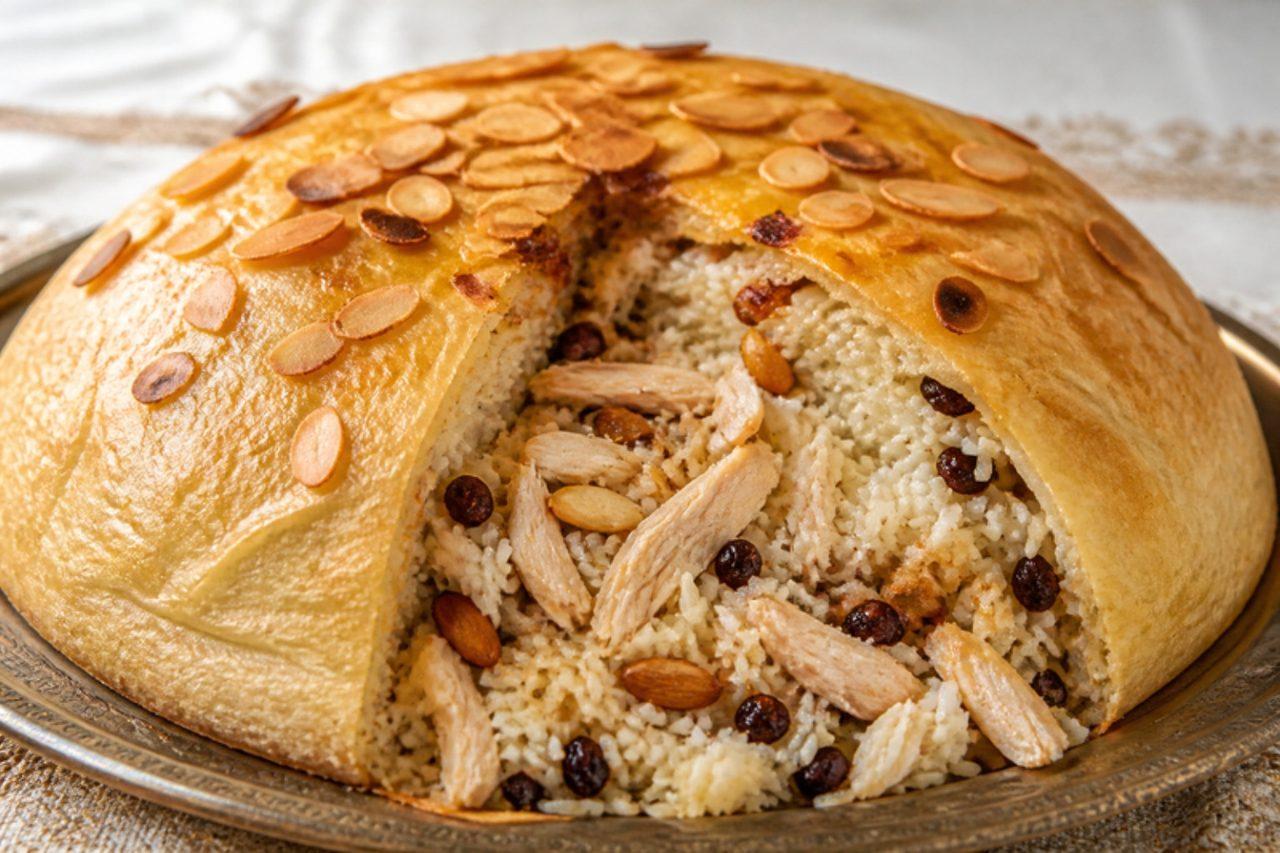
At weddings in Siirt, perde pilavı is carried out whole and cut open at the table: a dome of buttery pastry 'curtain' (perde) hiding rice cooked with shredded chicken, toasted almonds, currants and black pepper. Each part carries a wish for the couple: the rice for plenty, the almonds for children, the pastry for a home that holds together. It makes a spectacular centrepiece for any celebration. Common mistake: a wet filling; the base of the pastry turns soggy, so cook the rice until just dry. Chef's tip: scatter almonds over the buttered tin before the pastry goes in; they become a jewelled top when you turn it out.

by KrazyBadal 0 views

Cağ kebabı

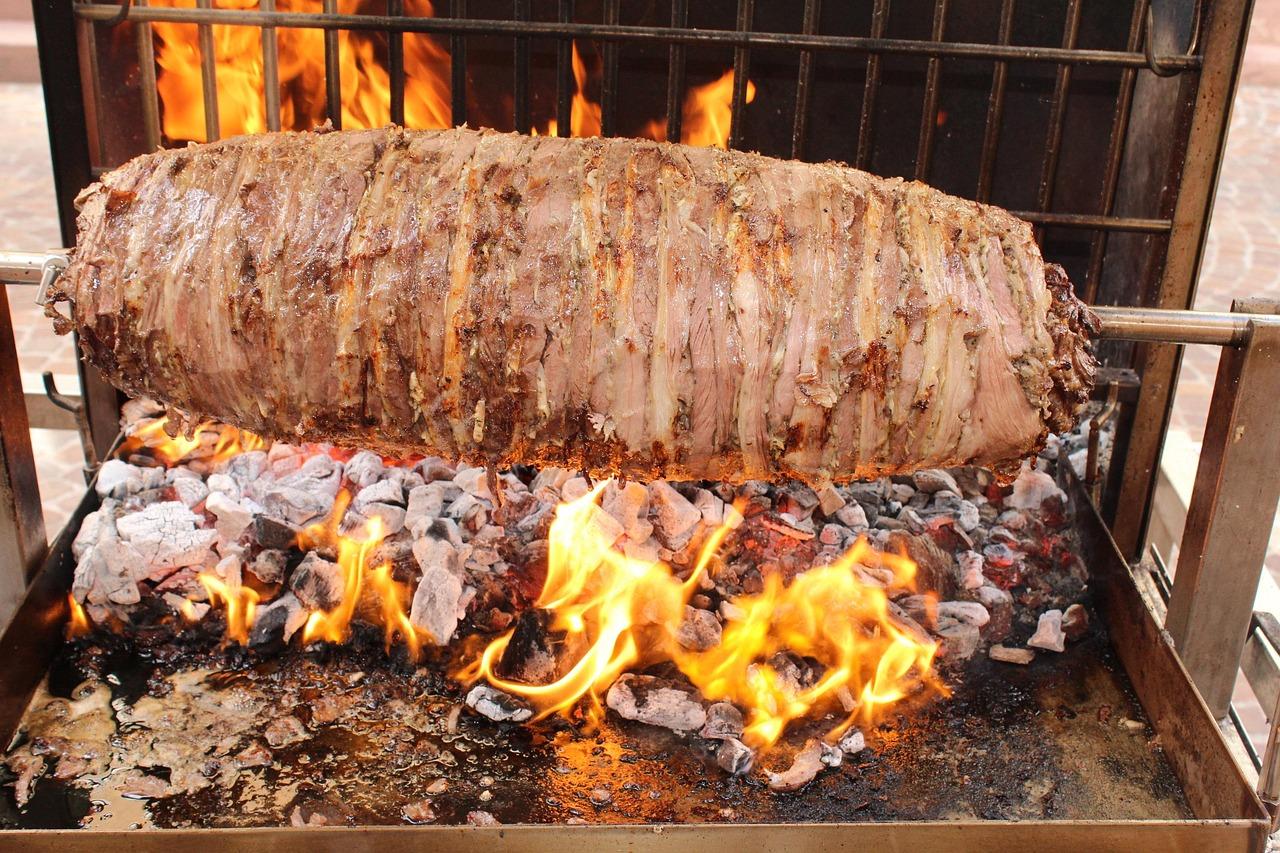
In Erzurum and nearby Oltu, cağ kebabı is cooked on a huge horizontal spit turning beside a wood fire; the cook slices off the charred outer layer onto long flat skewers, and you eat it straight off the metal wrapped in lavaş. At home, thin slices of lamb marinated overnight with grated onion and black pepper, threaded tightly and seared on a very hot grill or griddle pan, capture much of the flavour. Serve with lavaş, sliced onion with sumac and grilled peppers. Common mistake: slicing the meat too thick, so it's tough and chewy; aim for 5 mm. Cook lamb to at least 63 °C with a little pink, or longer if you prefer. Chef's tip: squeeze the grated onion through a sieve and use only the juice; it tenderises without leaving bits that burn.

by KrazyBadal 0 views

Kağıt kebabı

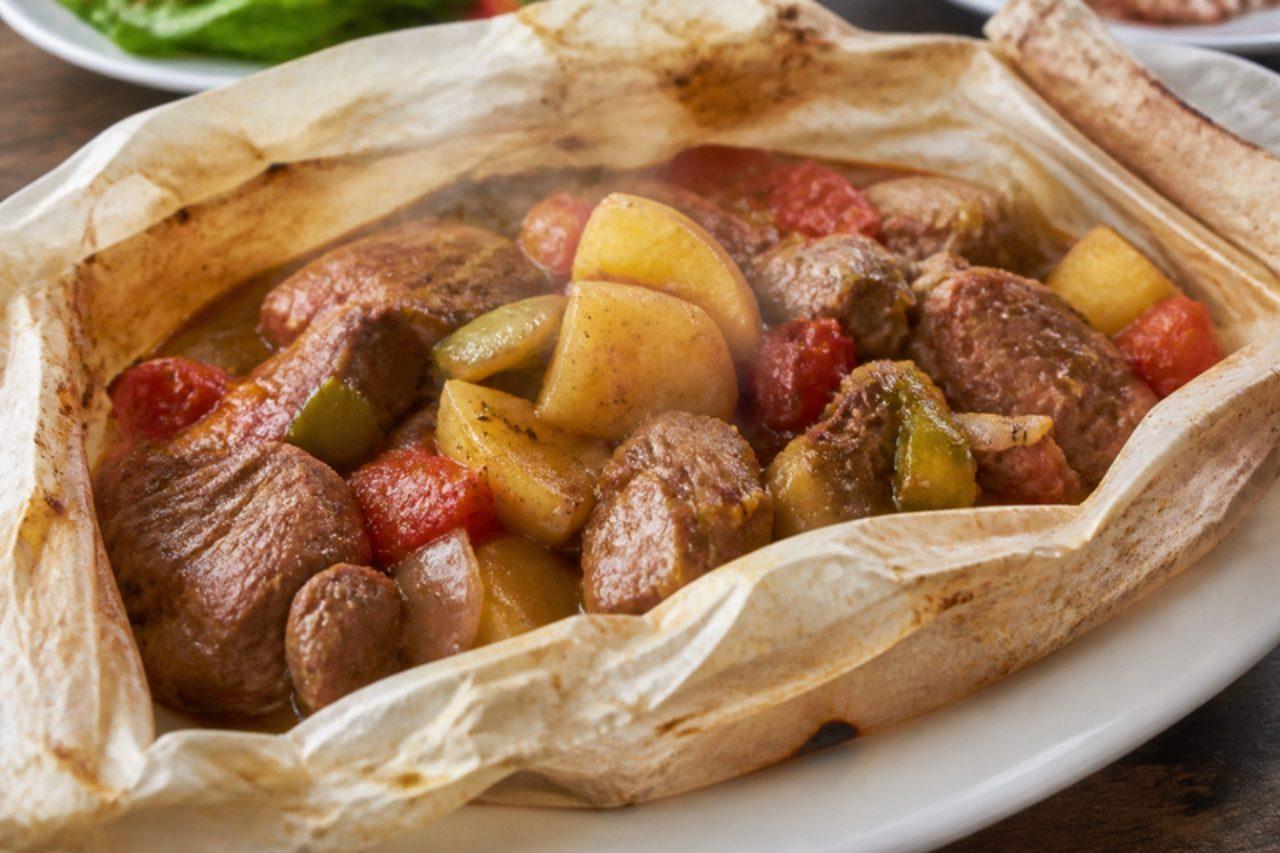
Malatya cooks wrap cubes of lamb with tomatoes, peppers, shallots and garlic in greaseproof paper and bake them slowly, so the meat steams in its own juices and the parcel puffs up like a pillow. At the table each person tears open their own package to a cloud of fragrant steam. It's a festive dish for guests, served with bulgur pilaf and a yoghurt salad. Common mistake: wrapping loosely so the juices leak and the meat dries; fold and crimp the edges tightly. Chef's tip: brown the lamb quickly before wrapping; it gives a deeper flavour than raw meat steamed alone.

120 minTurkishMeatGluten free
by KrazyBadal 0 views

Kars kazı

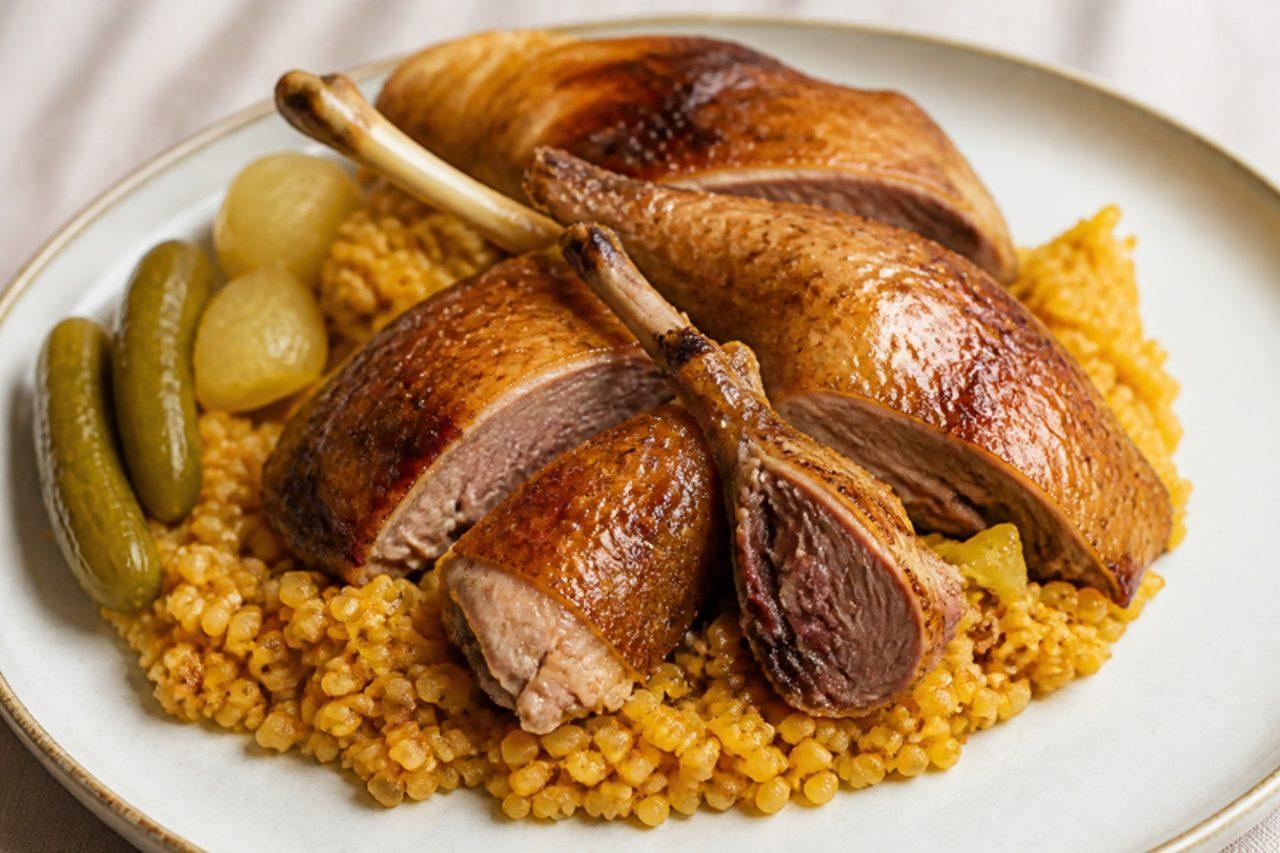
In Kars, geese are raised all summer, slaughtered in the first frosts, salted and hung in the cold air, then roasted through the winter for weddings and long family dinners. The crisp-skinned meat is served on a bed of bulgur pilaf cooked in the goose's rich fat and broth, and nothing else is needed but pickles and ayran. This home version uses a fresh goose, salted for a day in the fridge. Common mistake: not pricking the skin, which traps the fat and leaves the skin flabby. Roast until the thickest part of the thigh reaches 74 °C and the juices run clear. Chef's tip: pour off the fat during roasting and keep it; a spoonful in the pilaf and the rest for roast potatoes.

240 minTurkishMeat
by KrazyBadal 0 views

Harput köftesi

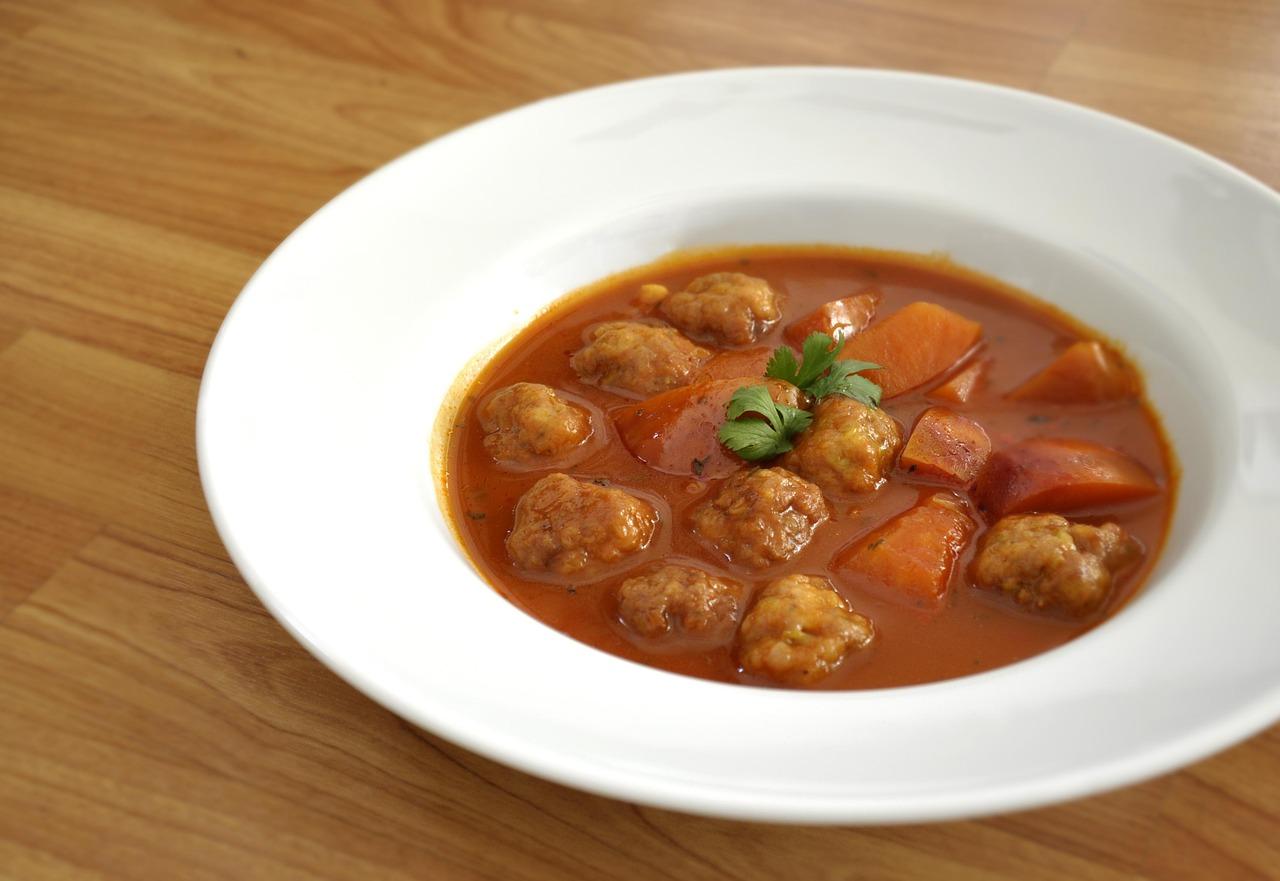
Harput is the old hilltop town above Elazığ, and its köfte are a soup and a main course at once: firm balls of fine bulgur kneaded with lean beef mince and spices, simmered in a tomato and pepper broth with chickpeas. They're eaten at home on winter evenings, the broth mopped up with bread. Common mistake: not kneading long enough; the bulgur and meat need to become a smooth, stretchy paste or the köfte fall apart in the broth. Simmer until the köfte are firm and cooked through to 71 °C. Chef's tip: add a few ice cubes while kneading; cold keeps the meat binding the bulgur together.

by KrazyBadal 0 views

Keşkül

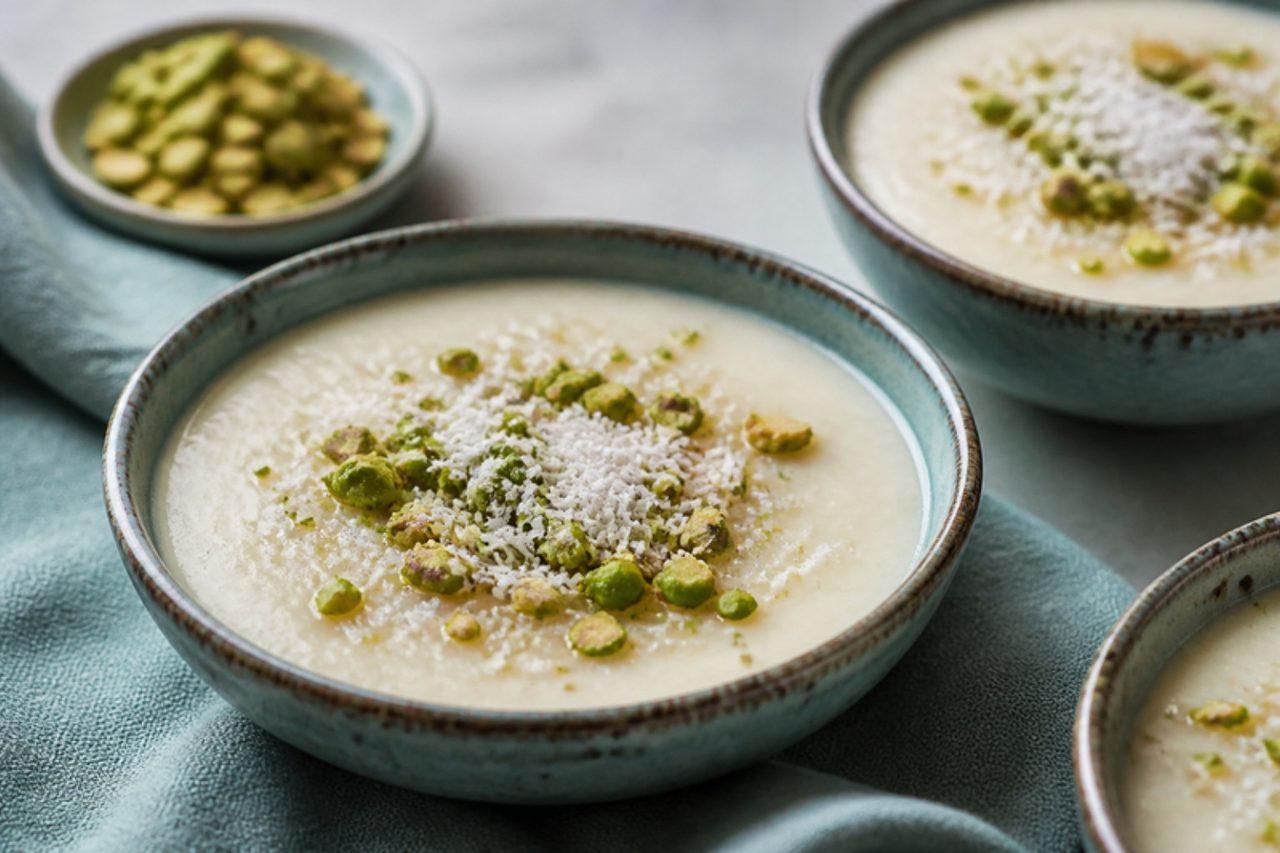
Keşkül takes its name from the bowl that wandering dervishes carried for alms, and it has been on Istanbul pudding-shop counters (muhallebici) since Ottoman times. Ground almonds simmered in milk give it a delicate nutty flavour and a faint grain, set with a little rice flour and cornflour into a soft, spoonable pudding. Turks eat it chilled as an afternoon treat or after a light supper, topped with pistachio and desiccated coconut. The usual mistake is stopping the whisking as it thickens; it catches on the base and tastes scorched. Chef's tip: steep the ground almonds in the warm milk for 15 minutes before you start cooking for a much deeper almond flavour.

by KrazyBadal 0 views

İrmik helvası

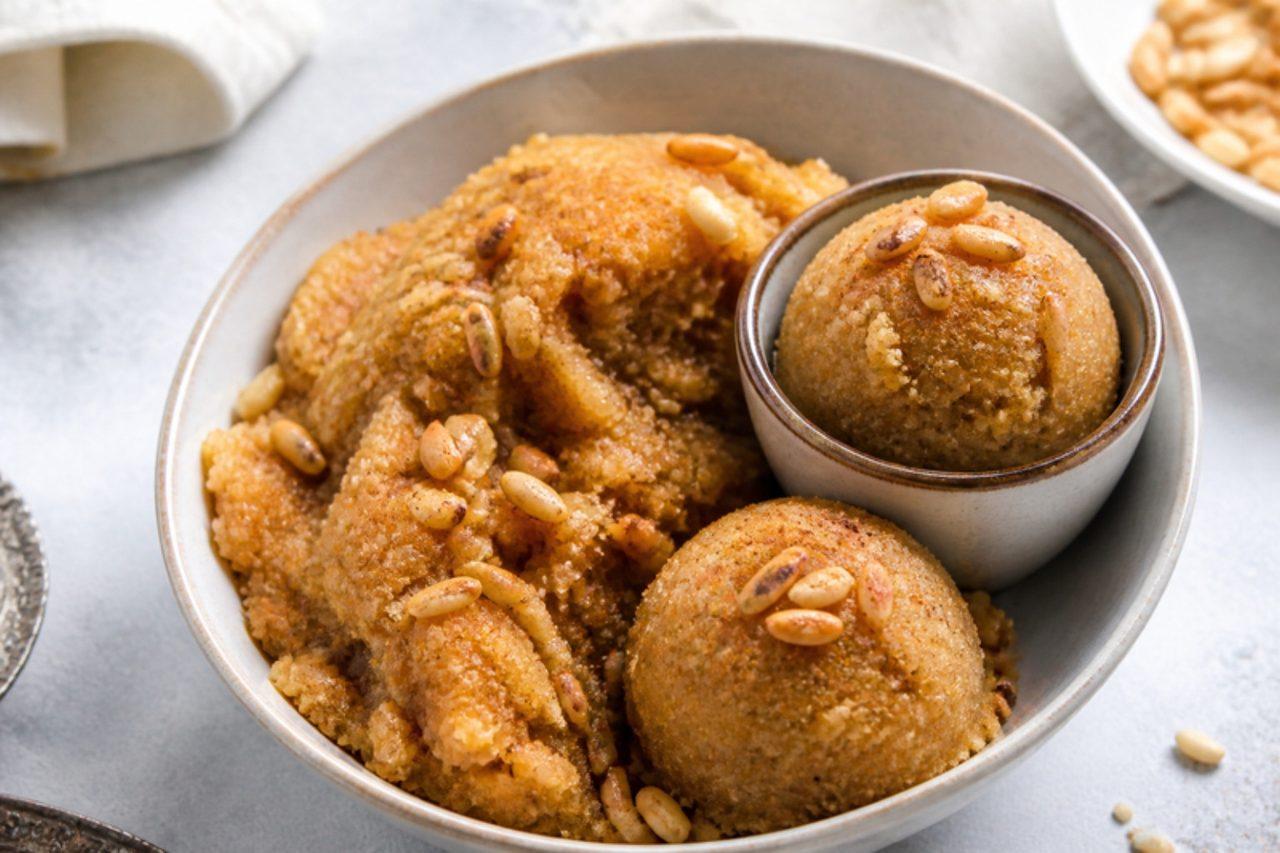
Across Turkey, the smell of semolina toasting in butter means something is happening: a new baby, a mevlit prayer gathering, or the forty days after a funeral, when neighbours are sent plates of warm helva. It is also simply a Friday-night family sweet. The semolina is stirred with pine nuts in butter until it is the colour of hazelnuts, then hissing hot milk and sugar are poured in and the pan rests until every grain swells. Common mistake: rushing the roasting over a high heat; it browns unevenly and tastes raw inside. Chef's tip: press the warm helva into a small cup and turn it out for neat domes, then dust with cinnamon.

by KrazyBadal 0 views

Tulumba tatlısı

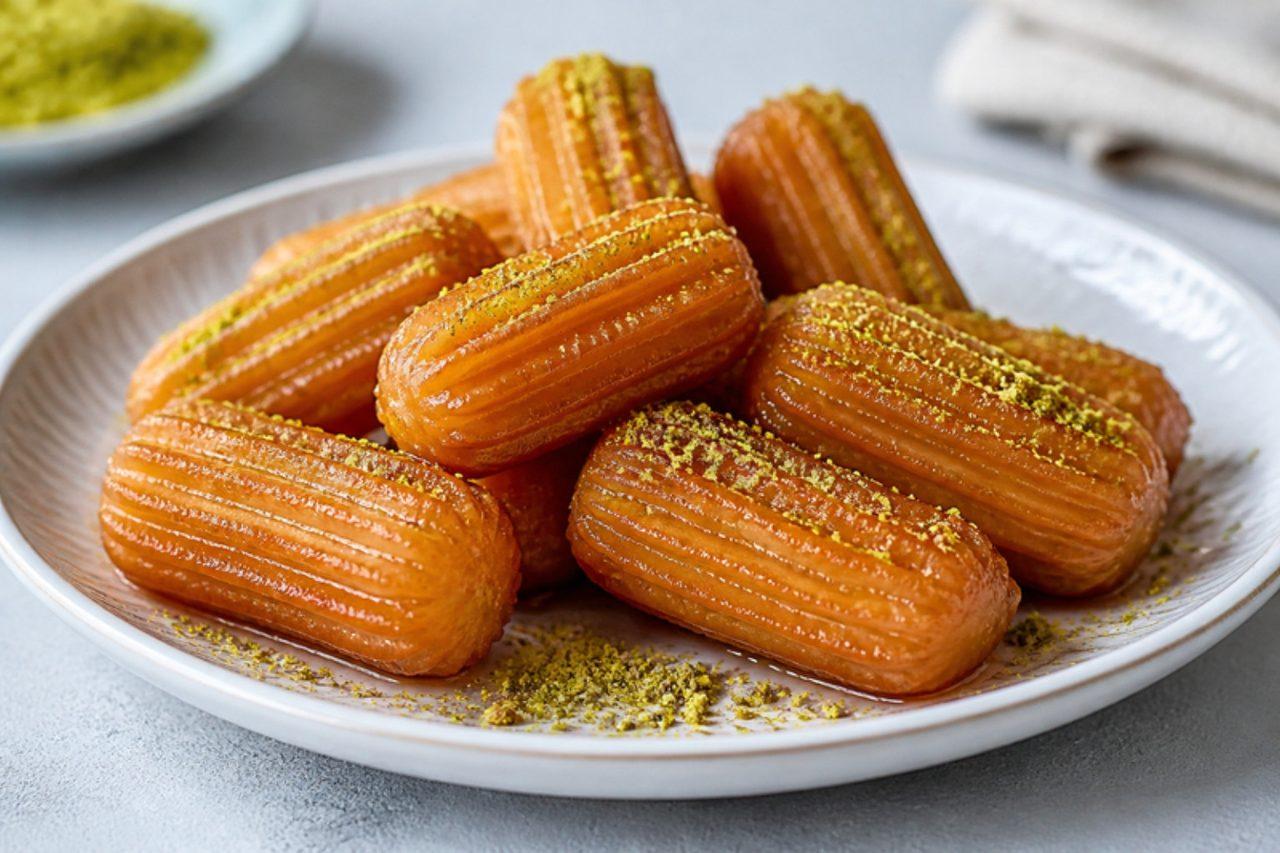
Tulumba is the sweet you buy by the box from Turkish dessert shops for a quick treat or an unannounced visit: ridged fingers of choux-style dough, fried until crunchy, then dropped into cold syrup so they stay crisp outside and soak through within. Street vendors in Istanbul sell them warm in paper cones. A piping bag with a large star nozzle gives the ridges. Common mistake: frying in oil that is too hot; the outside browns before the inside puffs, leaving them raw and gummy. Chef's tip: start the dough in warm, not hot, oil and raise the heat slowly, so they swell and crisp evenly.

by KrazyBadal 0 views

Şekerpare

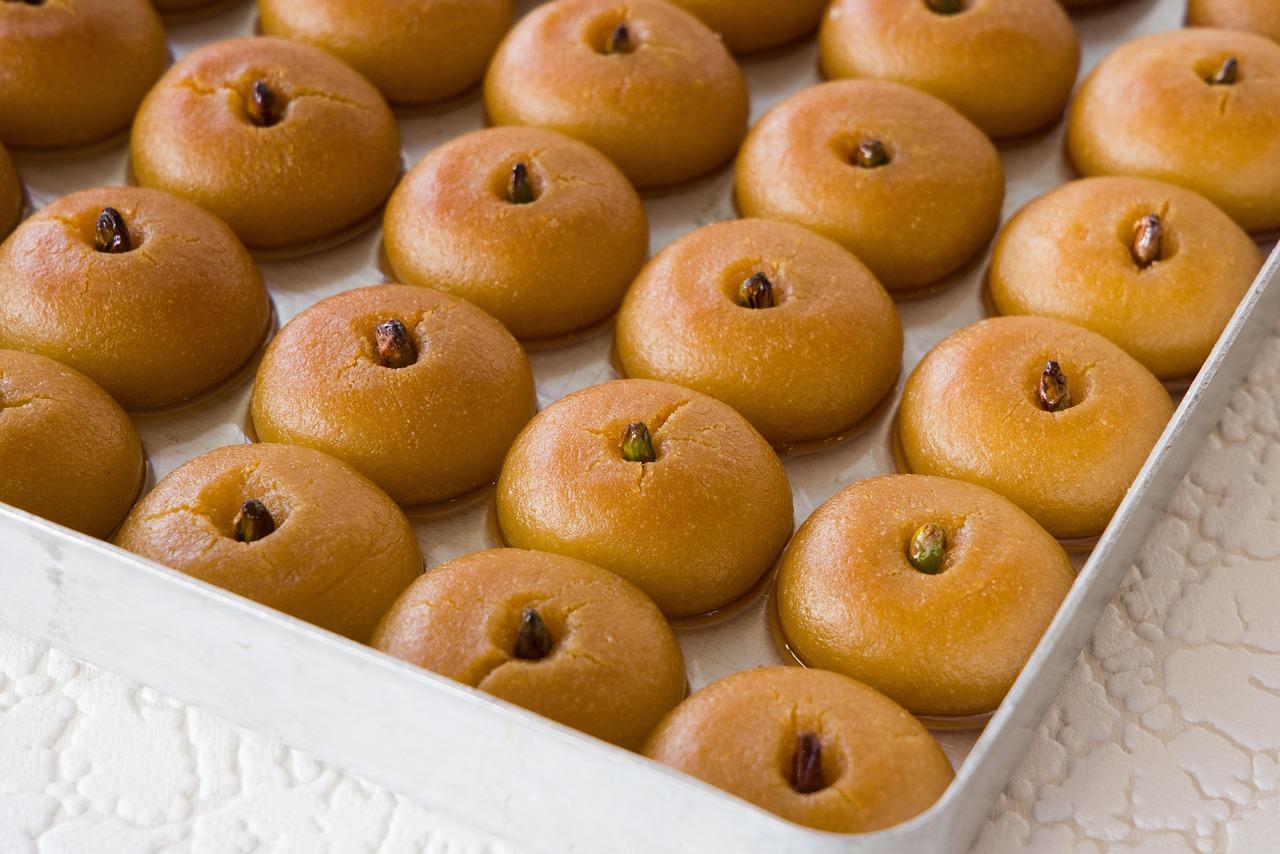
Şekerpare is the cookie that every Turkish household bakes for bayram visits, when trays are passed to relatives and neighbours along with coffee and cologne for the hands. Soft, buttery rounds of semolina dough are each topped with an almond, baked until golden and then soaked in syrup until they are tender all the way through but still hold their shape. They keep for days and taste better on the second. Common mistake: cold syrup on cold cookies, which never soaks in; one of them must be hot. Chef's tip: bake until the bases are properly golden; pale cookies turn mushy when they meet the syrup.

by KrazyBadal 0 views

Pişi

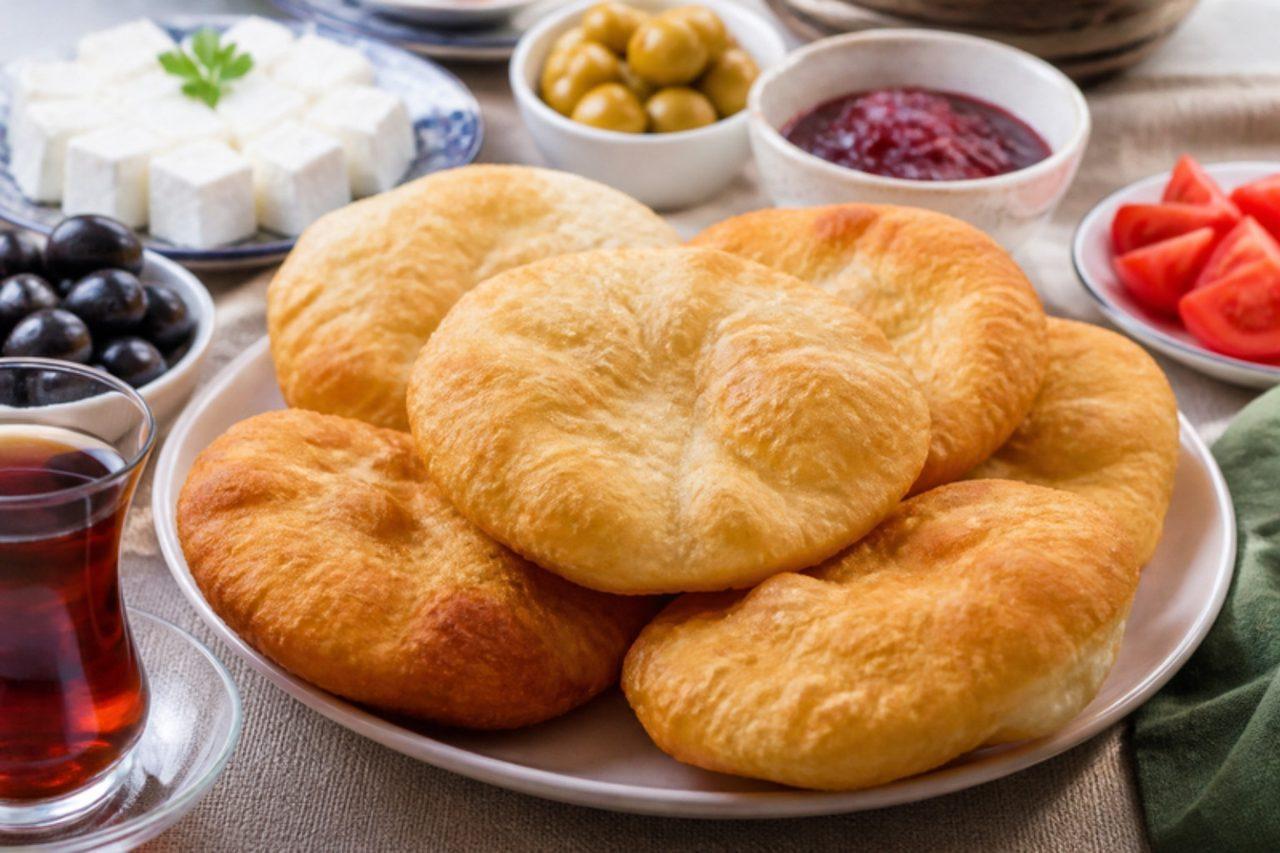
When a Turkish family has time for a long Sunday breakfast, someone stands at the stove frying pişi while the rest of the table fills with white cheese, olives, tomatoes, honey and endless tea. The yeasted dough is stretched thin with oiled fingers and fried until it balloons, golden and crisp outside and chewy inside. In villages across Anatolia it is also the treat made on bread-baking day from the last of the dough. Common mistake: oil that isn't hot enough; the pişi soaks it up and turns greasy. Chef's tip: poke a hole in the middle of each round before frying so it puffs evenly and cooks through.

by KrazyBadal 0 views

Tahin pekmez

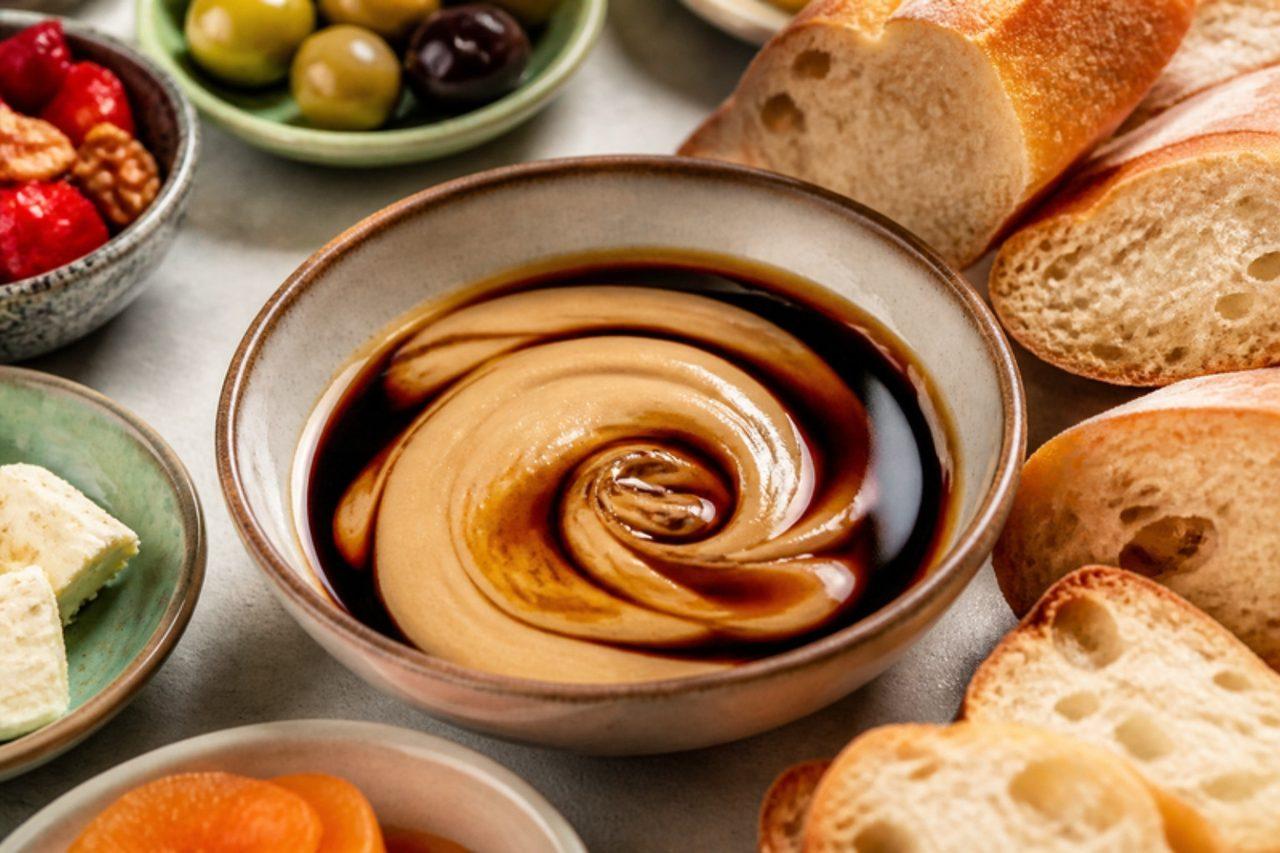
Tahin pekmez is the simplest thing on a Turkish breakfast table and one of the most loved: tahini and dark grape molasses (pekmez) swirled together on a plate and mopped up with bread. In Central Anatolia and the Aegean, where grapes are boiled down each autumn, grandparents swear by it as a warming winter food. Stirred thoroughly, it becomes a thick, glossy spread that tastes of caramel and sesame. Common mistake: using tahini straight from the bottom of the jar; stir it well first or it is stiff and bitter. Chef's tip: add a few drops of lemon juice and keep stirring; the mixture suddenly thickens and lightens like a nut butter.

by KrazyBadal 0 views

Supangle

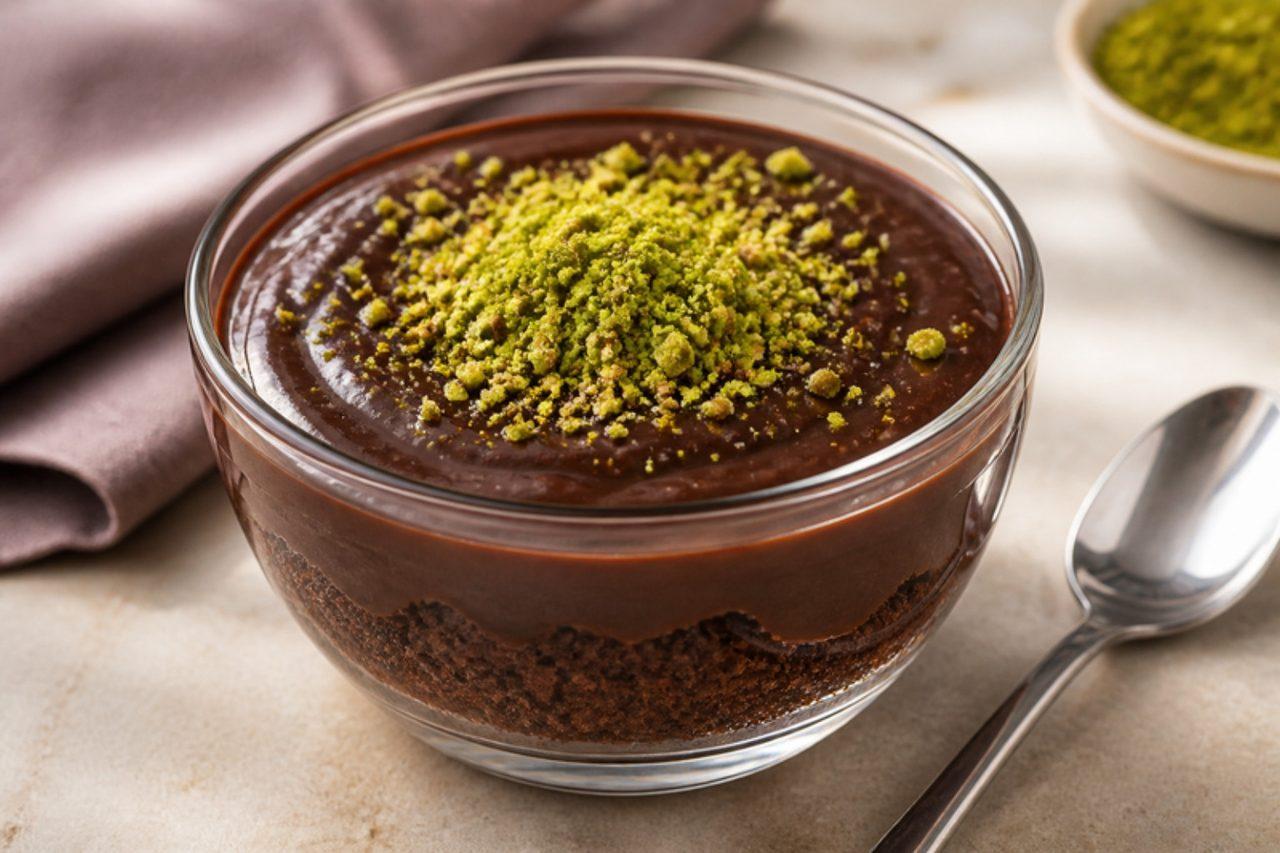
Supangle is the chocolate pudding of Turkish pudding shops and school canteens, a favourite of children from Istanbul to Ankara: a thick, dark cocoa custard set in a bowl, traditionally with a piece of sponge cake or biscuit hidden at the bottom to soak up the edges. Served cold with grated chocolate or pistachios on top, it is rich but not heavy. Use proper dark chocolate as well as cocoa for depth. Common mistake: adding the chocolate before the pudding has thickened; it can seize and turn grainy. Chef's tip: whisk the butter in at the very end, off the heat, for a glossy, almost shiny surface.

by KrazyBadal 0 views

Karışık turşu

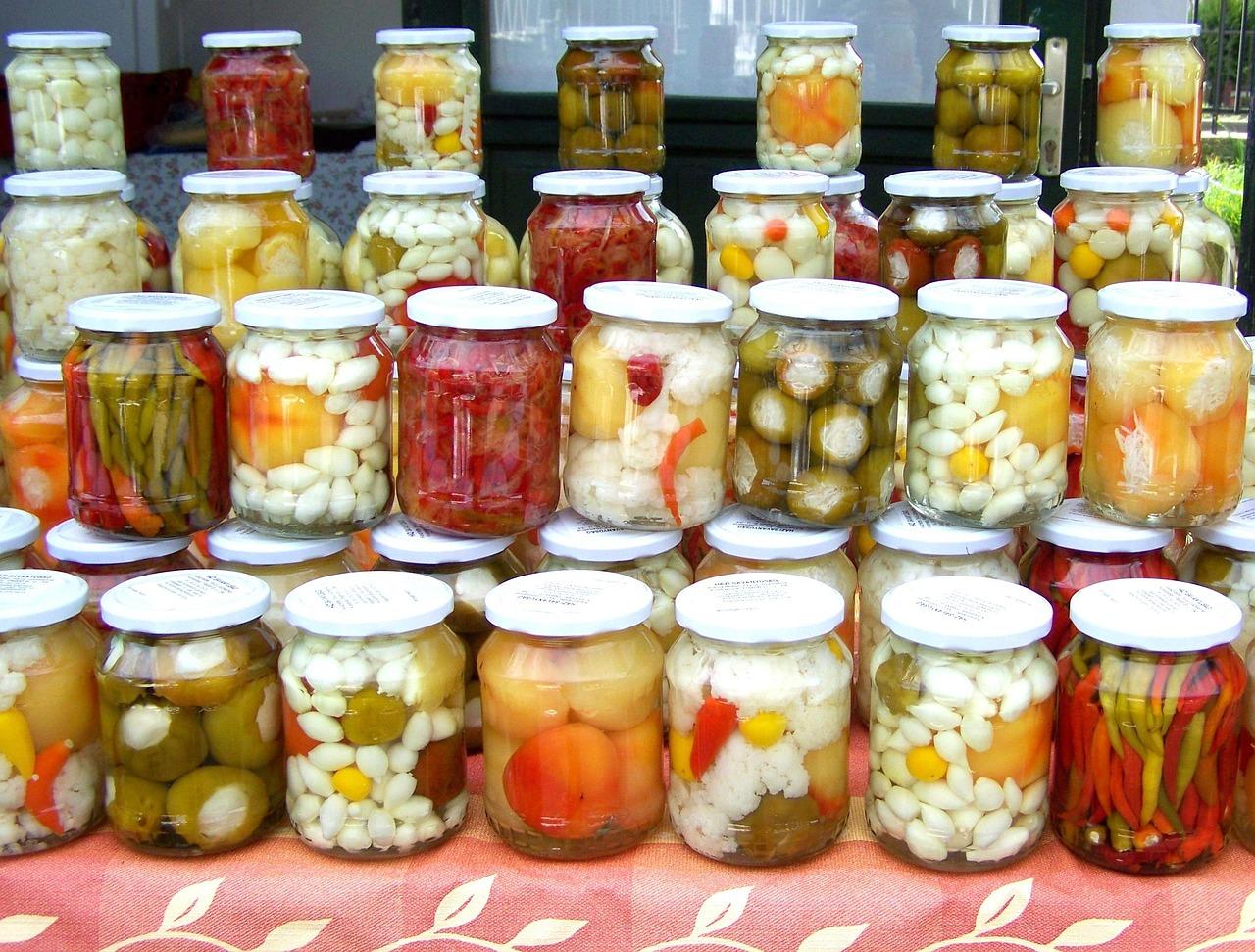
Every autumn Turkish kitchens line up jars of karışık turşu, and in Istanbul pickle shops (turşucu) sell it by the glass with its sour juice to drink. Crunchy cabbage, carrots, cucumbers, green peppers and cauliflower are packed with garlic and chickpeas in a salted, vinegar-spiked brine and left to sour for a couple of weeks. It sits beside bean stews, pilaf and kebab at almost every home meal. Common mistake: iodised table salt, which clouds the brine and softens the vegetables; use rock or pickling salt. Chef's tip: a few dried chickpeas in the jar help the fermentation get going, as Turkish grandmothers swear.

by KrazyBadal 0 views

Türk kahvesi

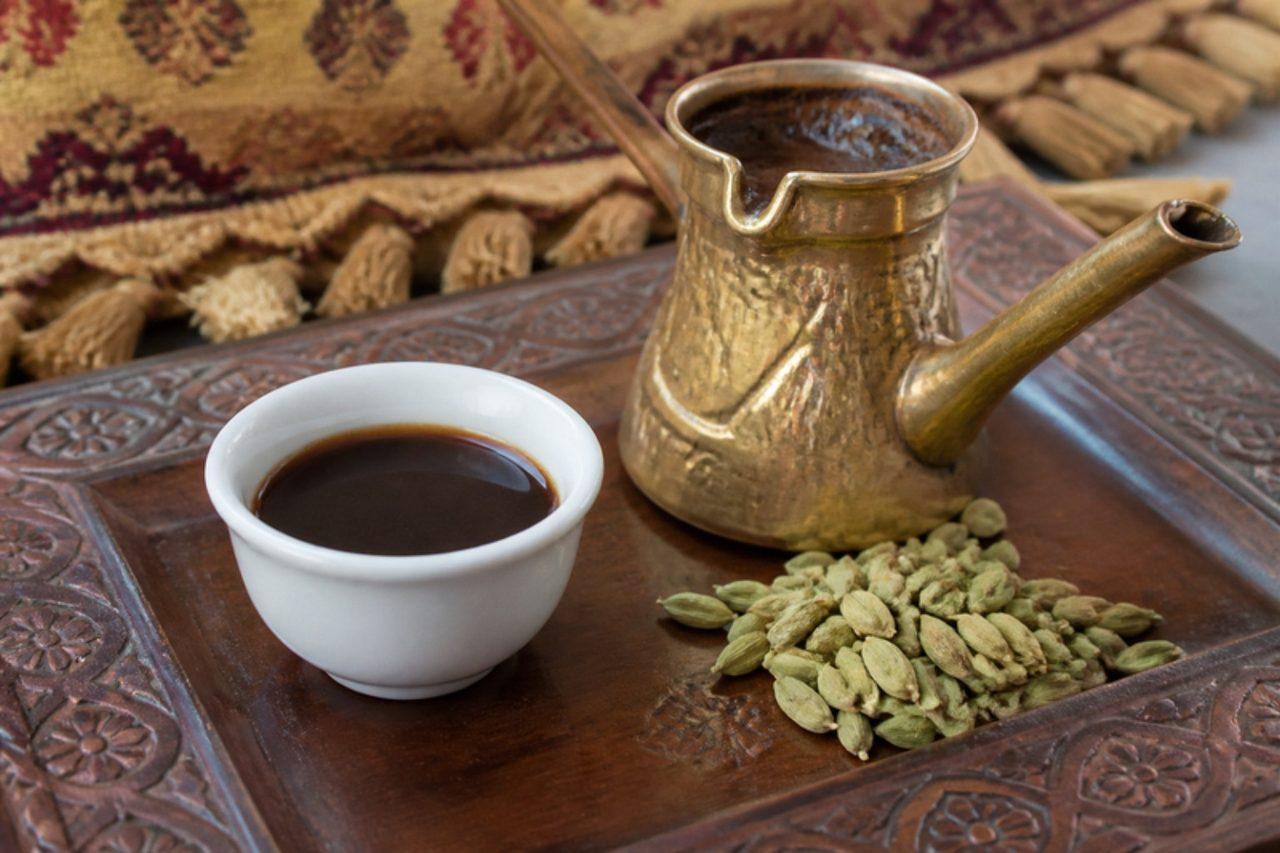
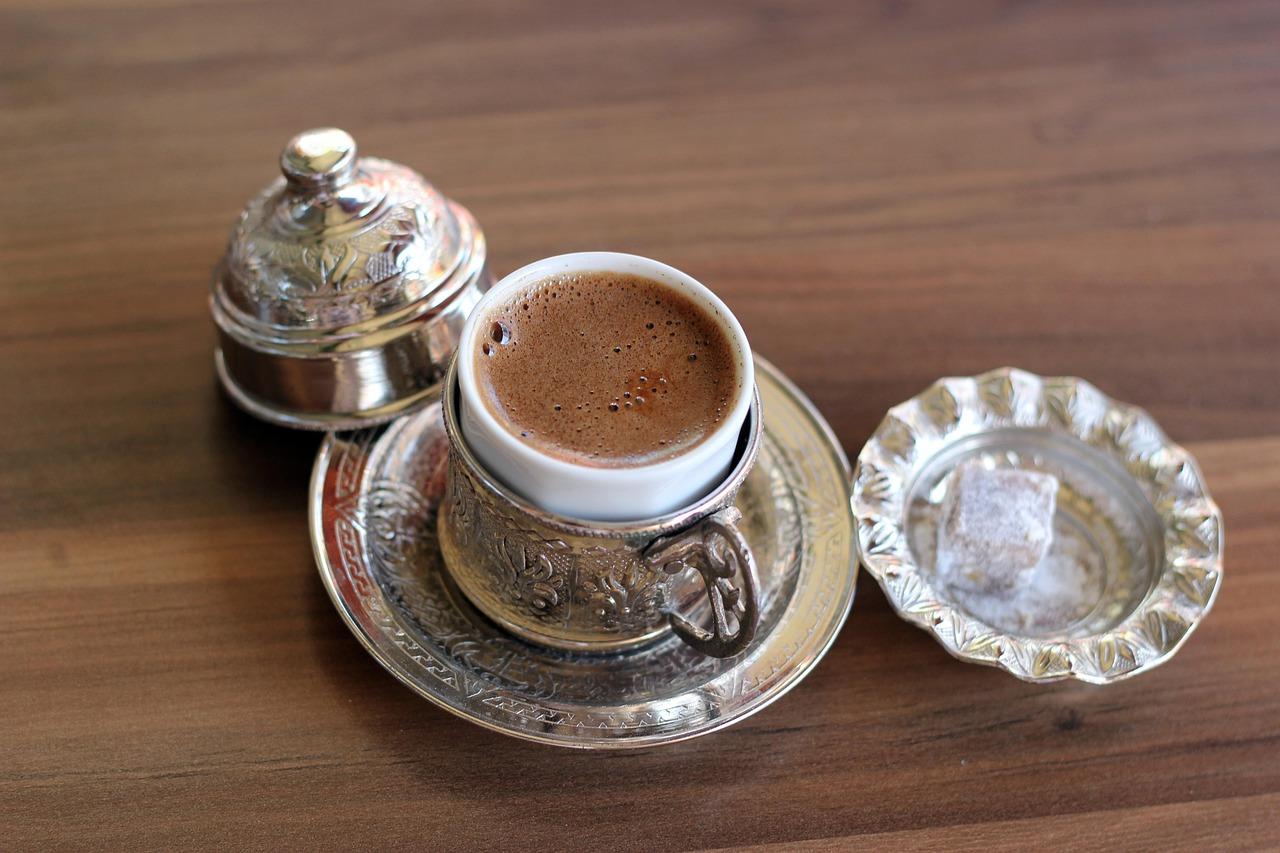
A cup of Türk kahvesi is how Turks welcome guests, end a long meal and, in the old custom, test a suitor: the prospective bride makes his cup and may slip salt into it. Powder-fine coffee is brewed slowly with cold water and sugar to taste in a small long-handled pot (cezve), until a thick foam rises, then poured unfiltered so the grounds settle in the cup. Serve with a glass of water first and a piece of lokum. Order it sade (plain), orta (medium) or şekerli (sweet) and add the sugar before brewing, never after. The usual mistake is letting it boil, which collapses the foam and makes it bitter. Chef's tip: use cold water and a low heat; the slower it rises, the thicker the foam.

by KrazyBadal 0 views

Lokum

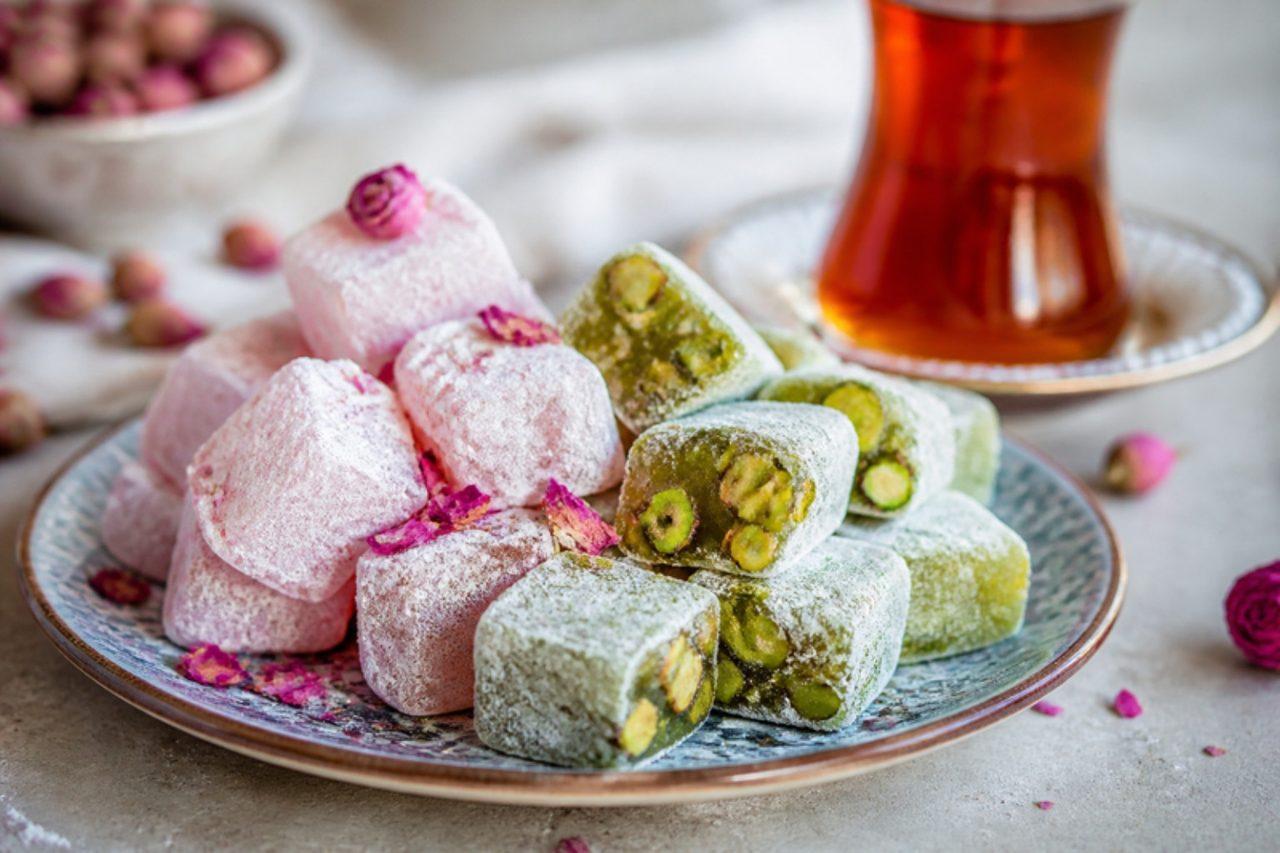
Istanbul's confectioners have been cooking lokum since the 18th century, and boxes of it still go to every host, office and family on holiday visits. Real lokum is nothing more than sugar syrup, lemon and cornflour, stirred for an hour until it turns translucent, firm and springy, then scented with rosewater and studded with pistachios. It is a test of patience, not skill. Common mistake: stopping too soon; undercooked lokum is sticky and never sets cleanly. Chef's tip: it is ready when a little dropped into cold water forms a soft, pliable ball and the mixture is the colour of pale honey.

by KrazyBadal 0 views

Peynir helvası

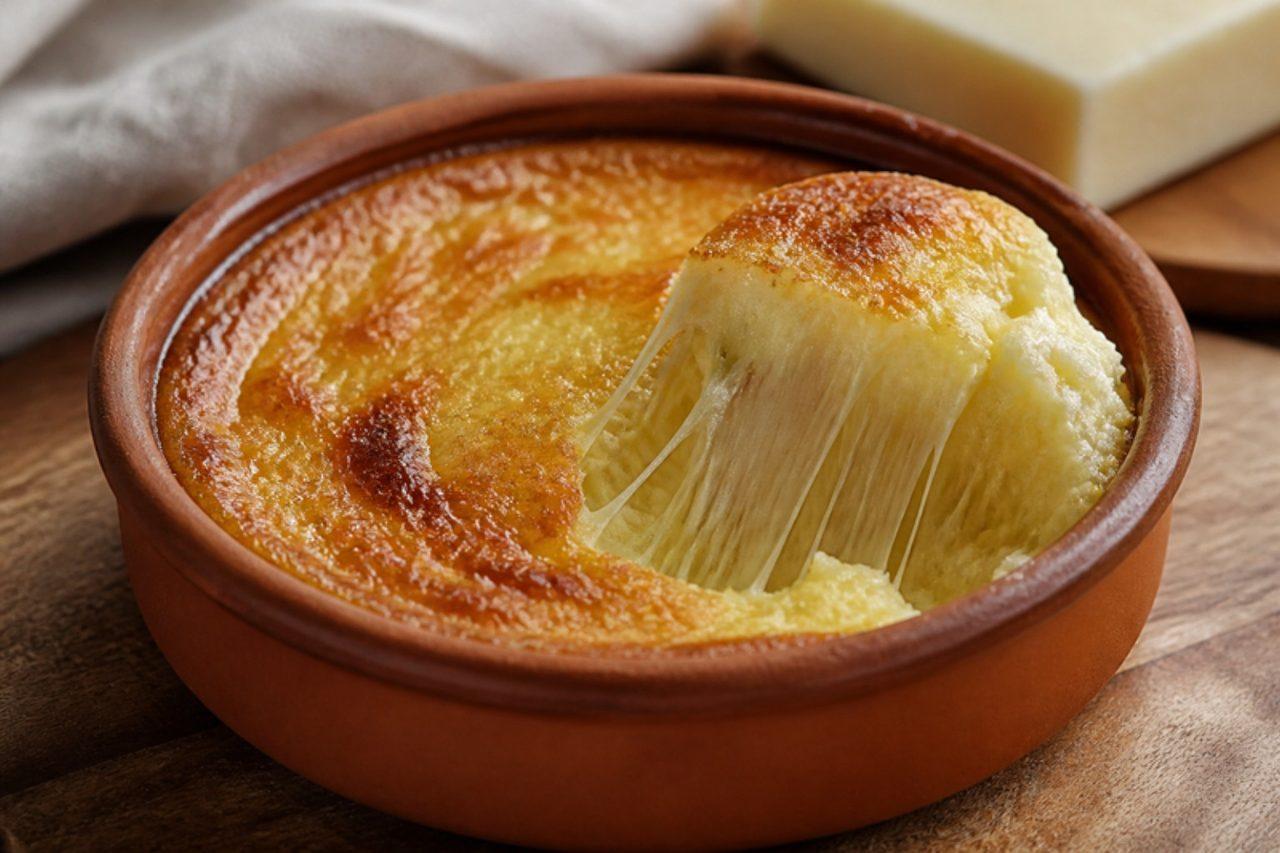
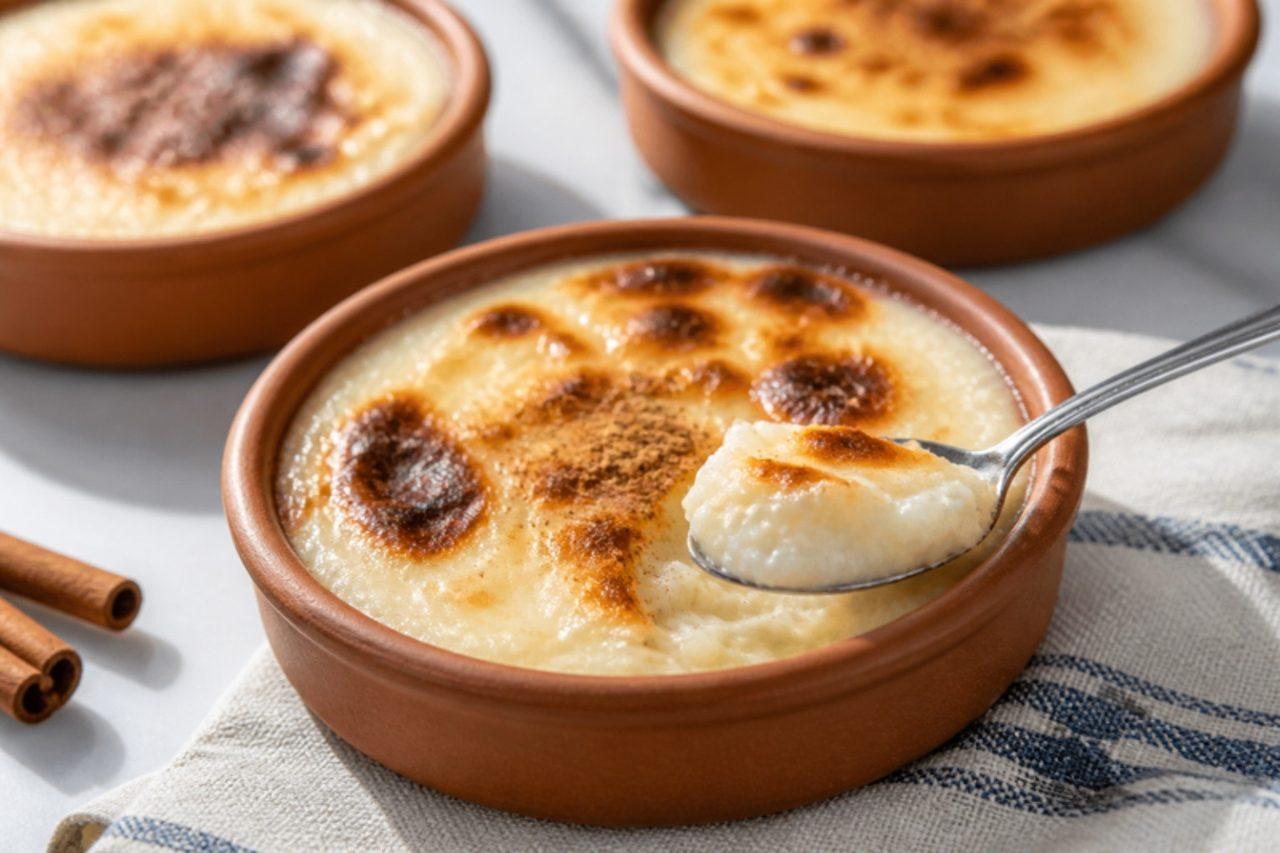
Around Çanakkale and the Dardanelles, peynir helvası is a soft, oven-browned halva made with fresh unsalted cheese, semolina, butter and sugar, sold warm in clay dishes at the market cafés. The top caramelises in spots, the inside stays creamy and stretchy, and the flavour sits somewhere between cheesecake and halva. Eat it warm on its own or with a glass of tea after a fish lunch. Chef's tip: use a mild, fresh, unsalted cheese and squeeze it well; salty or wet cheese gives a sour, runny halva.

by KrazyBadal 0 views

Murtuğa

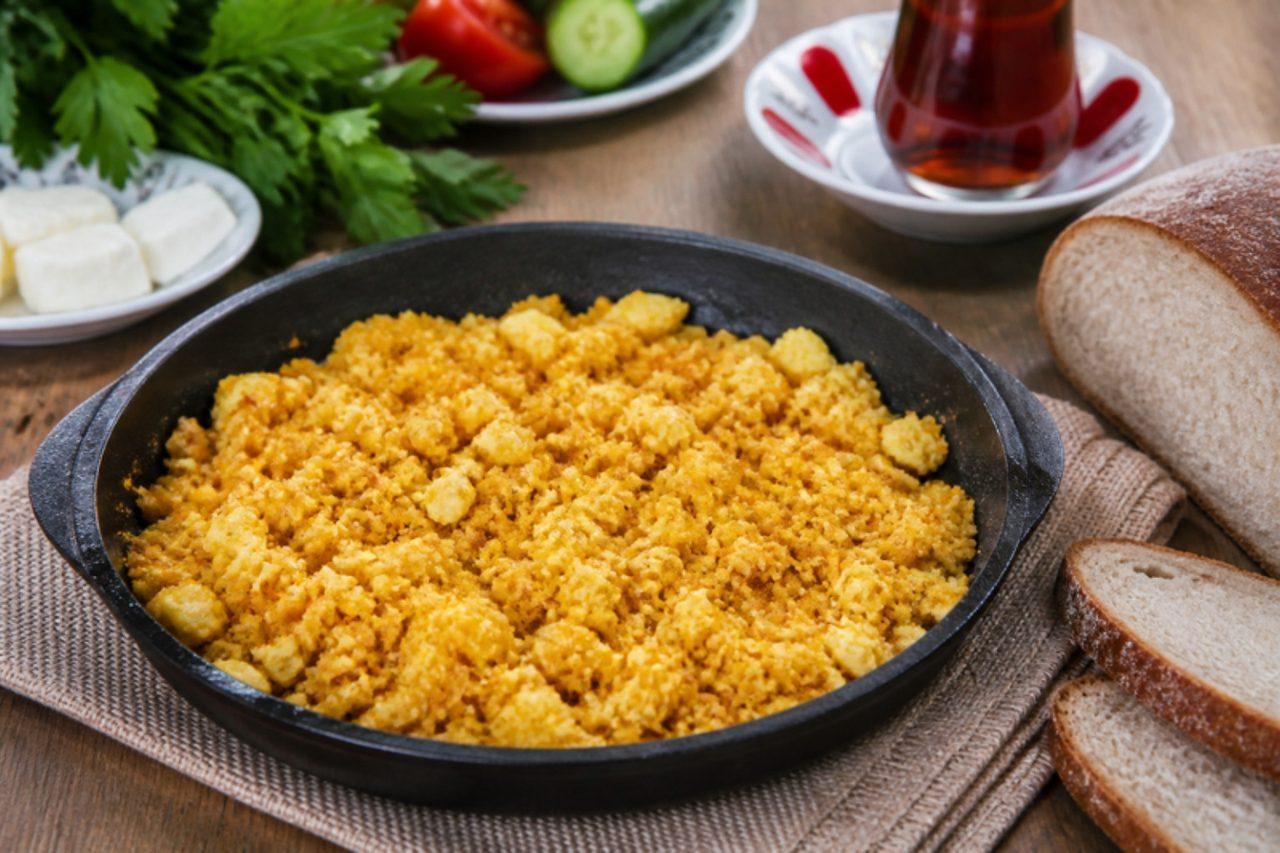
A Van breakfast is famously huge, with herb cheese, honey, kaymak and olives, and in winter it often includes a pan of murtuğa: flour slowly toasted in plenty of butter until golden, then scrambled together with eggs into rich, crumbly nuggets. It's a dish from cold mountain homes where a filling breakfast had to last until evening, eaten hot with bread or on its own with tea. Common mistake: rushing the flour on a high heat so it scorches before it cooks through; keep it low and keep stirring. Chef's tip: beat the eggs with a splash of water before adding them; they spread through the flour more evenly and stay softer.

by KrazyBadal 0 views

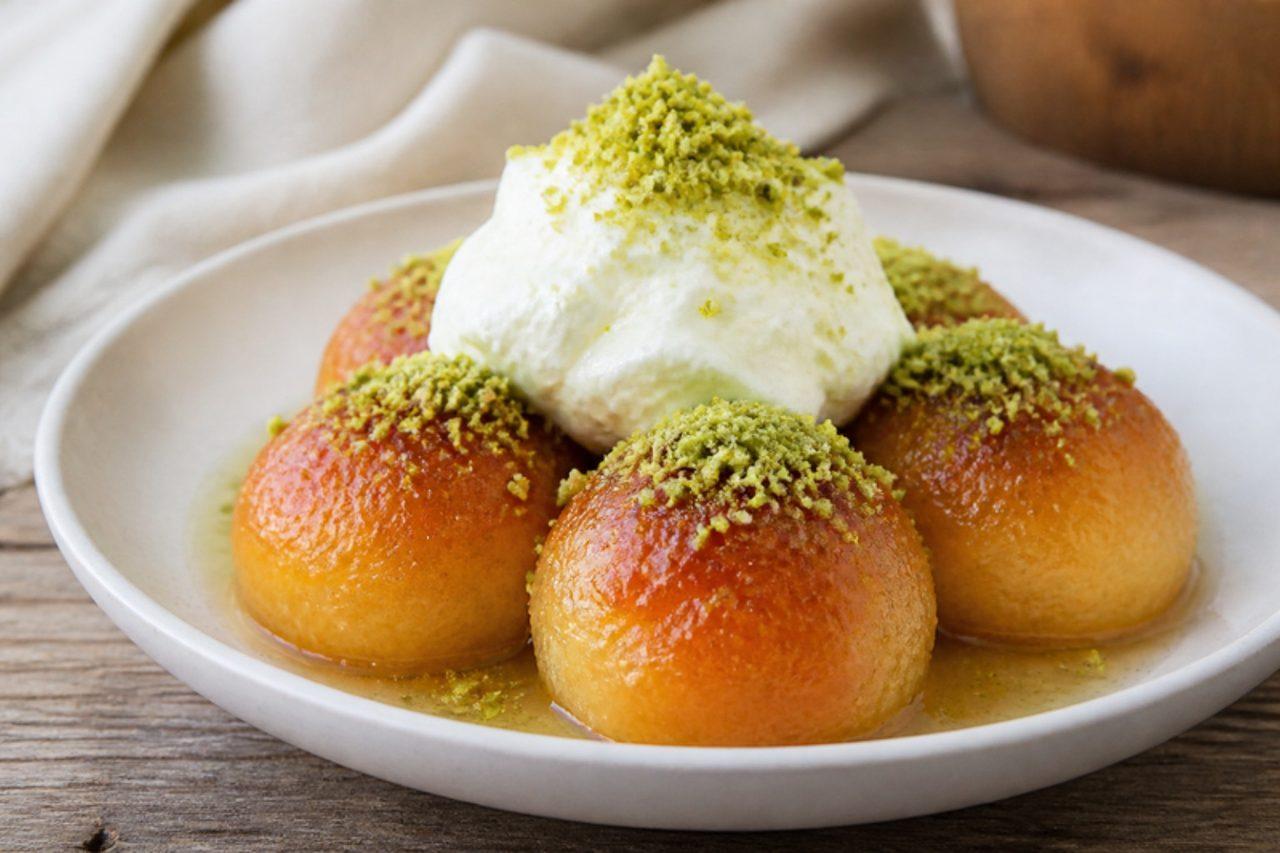
Kayısı tatlısı

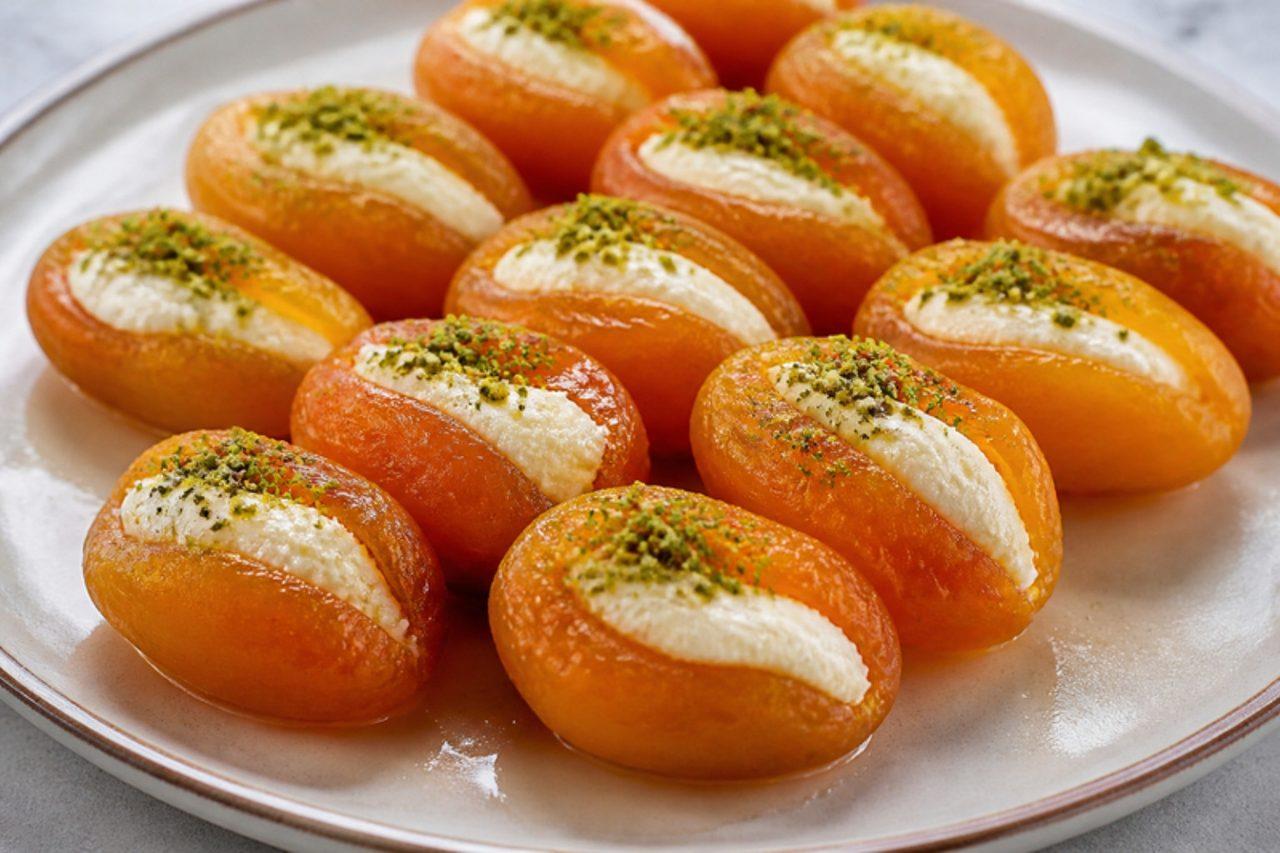
Malatya grows more apricots than anywhere else on earth, and its sweet shops make the most of the sun-dried fruit with kayısı tatlısı: plump dried apricots soaked, poached in a light syrup until glossy, then split and filled with thick kaymak and topped with bright green pistachio. They're served chilled in small dishes at the end of a meal or with coffee. Common mistake: boiling them hard, which bursts the skins; they need only a gentle simmer. Chef's tip: choose the soft, pale, whole dried apricots rather than the sulphured orange halves; they fill neatly and taste of honey.

by KrazyBadal 0 views

Hingel

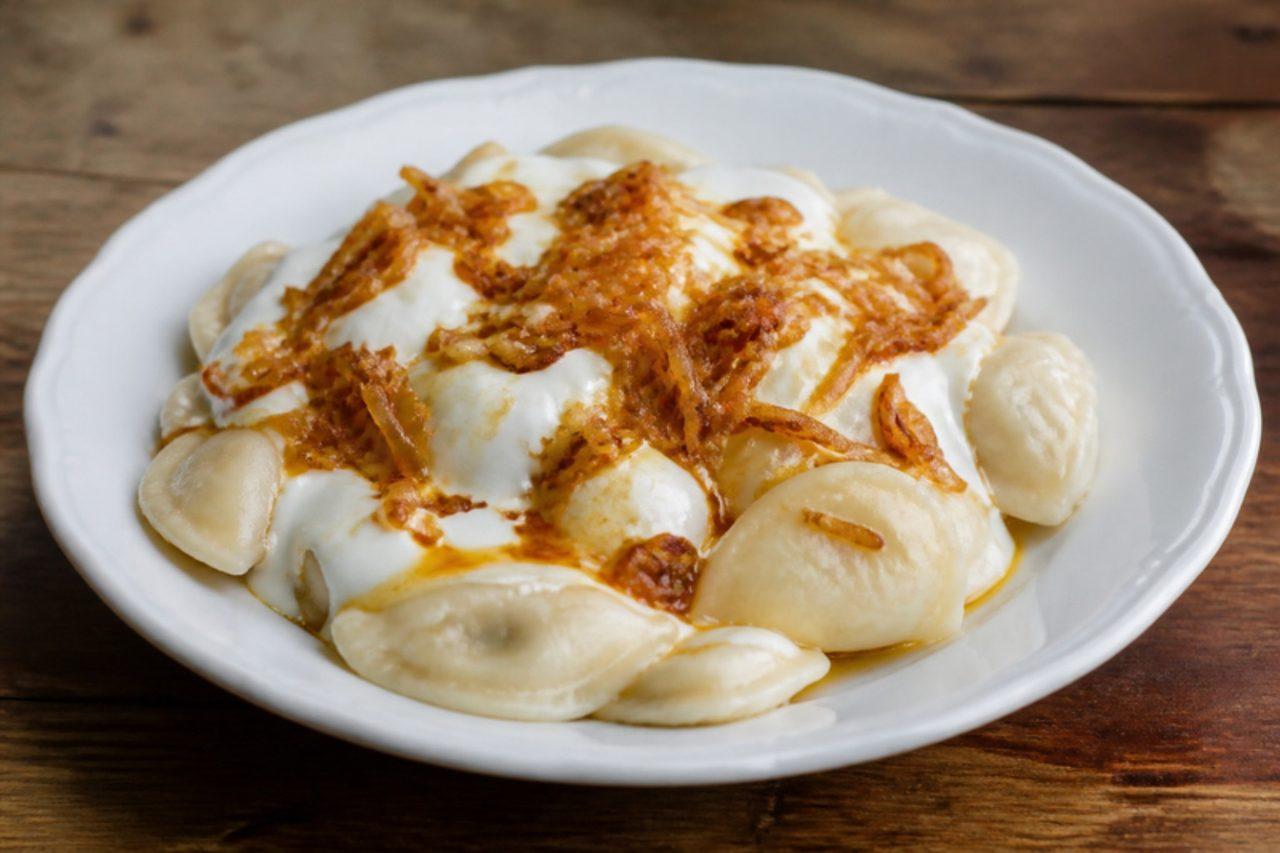
Hingel is the comfort food of Kars and Ardahan, on Turkey's high north-eastern border, where long winters made potatoes and butter everyday staples. Half-moon dumplings are filled with mashed potato and onion, boiled, then smothered in caramelised onions, garlic yoghurt and plenty of browned butter, much like manti but larger and softer. Common mistake: a wet potato filling that leaks through the seams; dry the boiled potatoes in the pan for a minute before mashing. Chef's tip: fry the onions slowly in the same butter you pour over at the end; it picks up their sweetness.

by KrazyBadal 0 views

Ayran aşı

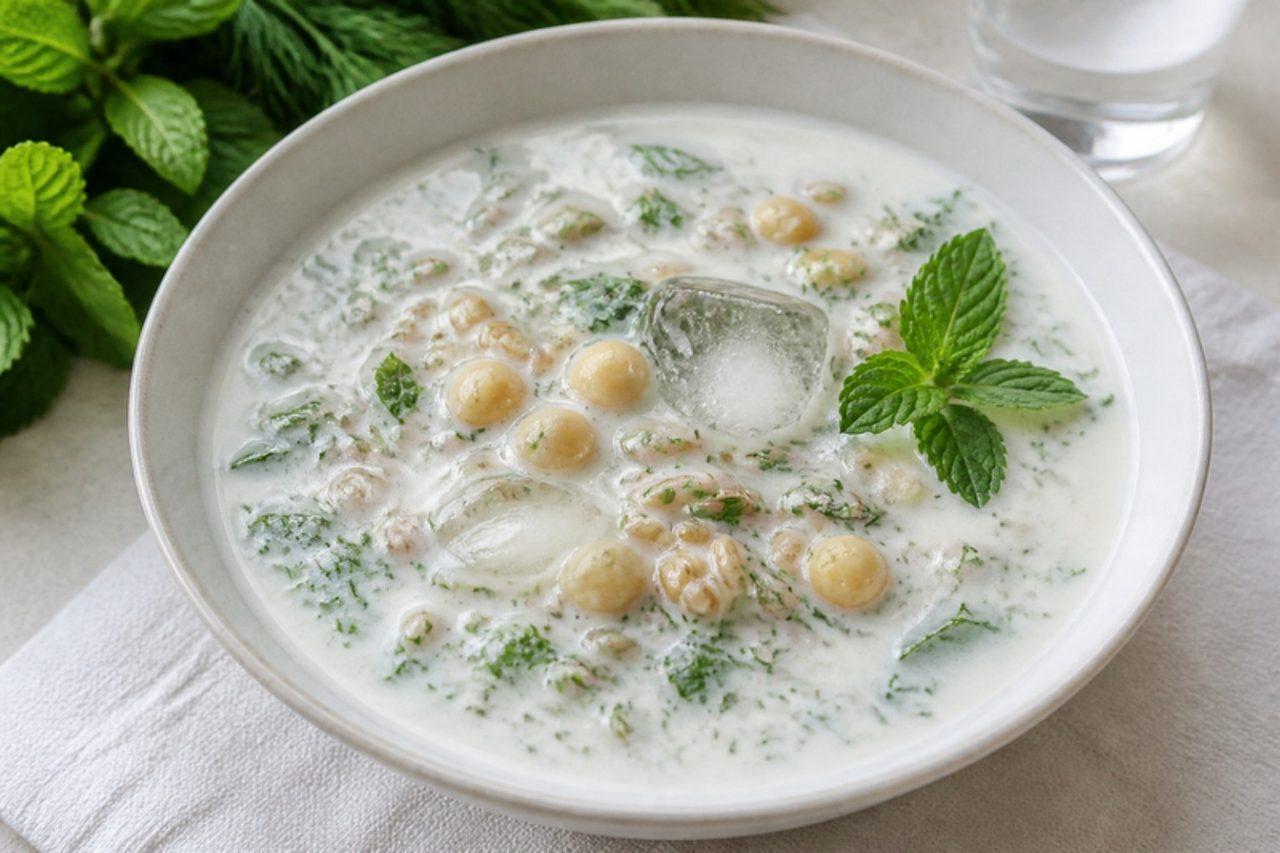
When the summer heat hits the eastern plateau around Erzurum, Erzincan and Sivas, families switch from hot soups to ayran aşı, a cold soup of thinned yoghurt with cooked whole wheat, chickpeas and handfuls of mint, dill and purslane or cucumber. It's ladled from a big bowl at lunch with flatbread, and it's as refreshing as a drink but filling as a meal. Common mistake: adding the grains while still hot, which makes the yoghurt split and turn sour-tasting; cool them completely first. Chef's tip: make it a few hours before serving and chill; the wheat soaks up the yoghurt and the herbs perfume the whole bowl.

by KrazyBadal 0 views

Kalamar tava

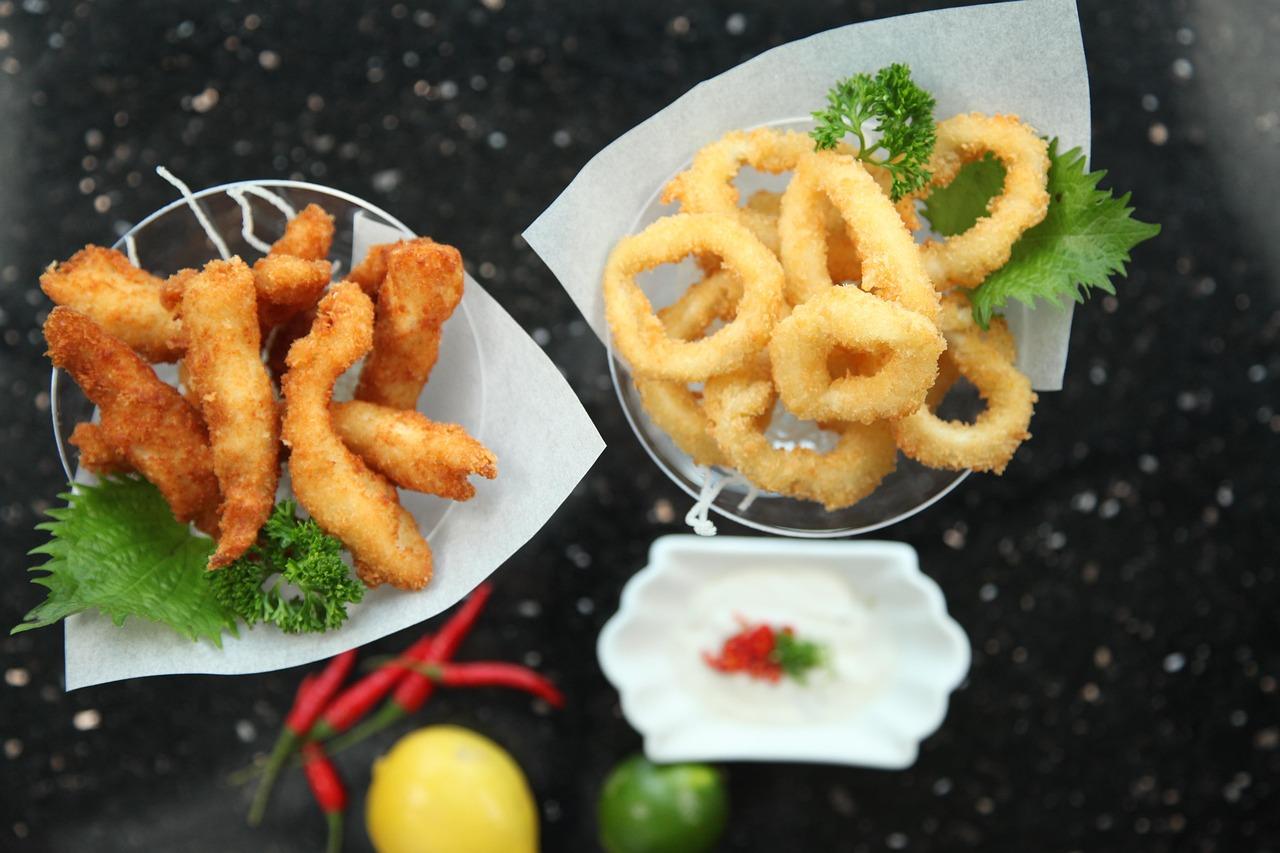
On the waterfront in Bodrum and in every Aegean fish meyhane, a plate of kalamar tava arrives hot among the cold meze: tender rings of squid in a light, crisp coat, with a bowl of tarator, a thick sauce of walnuts, bread, garlic and lemon, for dipping. The trick is speed; squid is tender after a minute or two in the oil and rubbery after five. Chef's tip: soak the rings in milk or fizzy mineral water for half an hour in the fridge; it tenderises them and helps the coating cling.

by KrazyBadal 0 views

Sardalya sarma

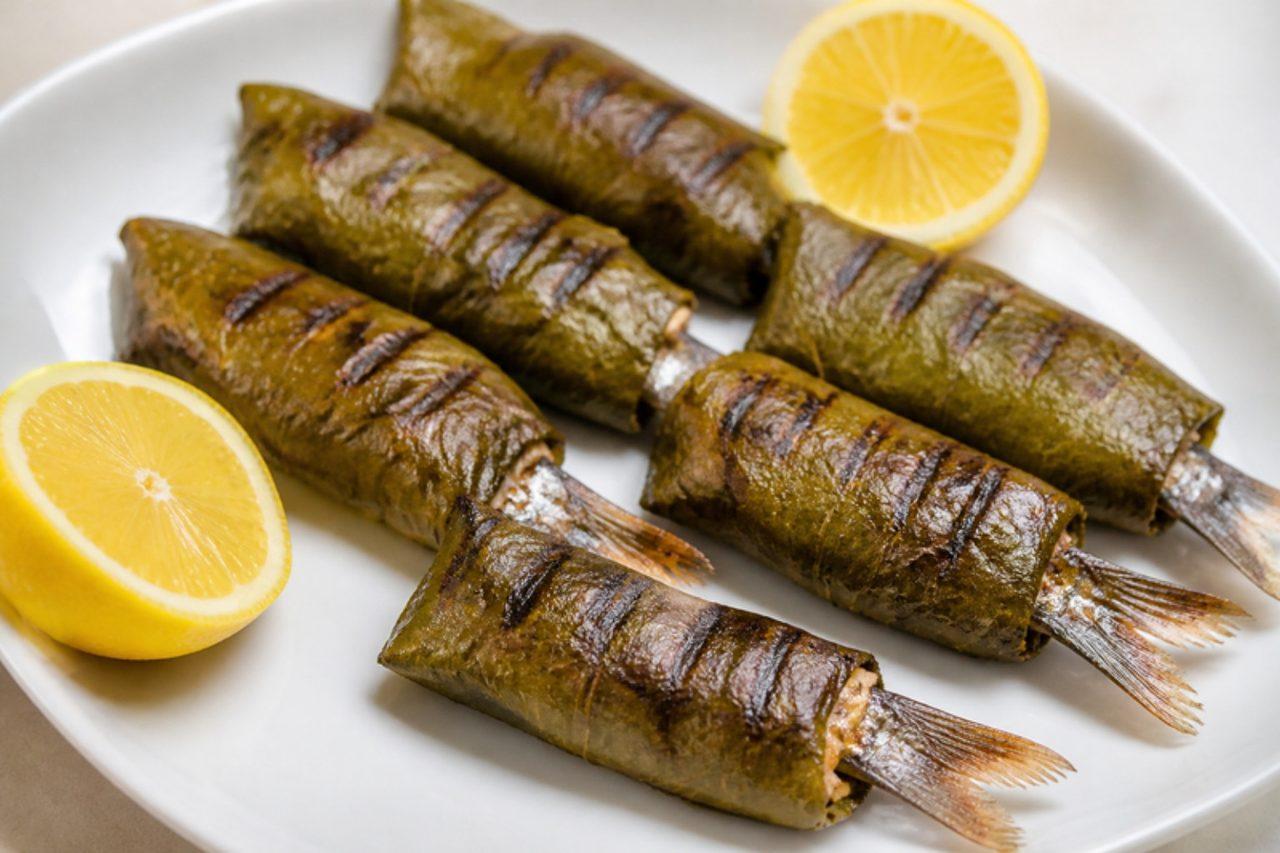
In Ayvalık and on Cunda island, early autumn sardines are wrapped in salted vine leaves and grilled over charcoal, a trick that keeps the oily little fish moist and lets the leaves char and crackle. You peel back the leaf, or eat it too, and finish each with lemon and a drop of olive oil. Serve with a tomato and onion salad and bread. Chef's tip: rinse brined vine leaves well; they already carry salt, so the sardines need only a pinch.

by KrazyBadal 0 views

Muhlama

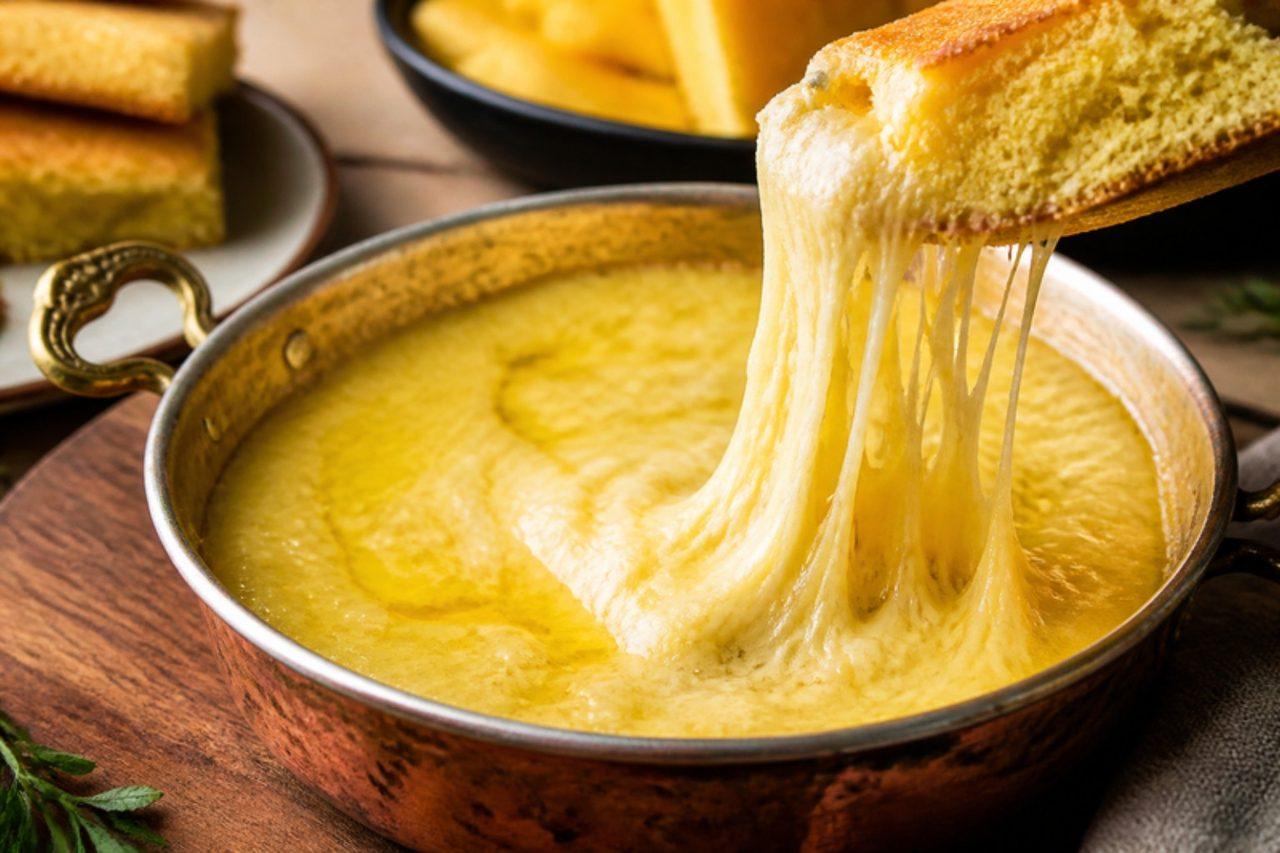
Up in the yayla summer pastures above Trabzon and Rize, breakfast often arrives as one blackened pan set in the middle of the table, with everyone tearing bread and dragging it through. Muhlama is butter, coarse cornmeal and a young stringy cheese stirred together until the cheese melts into long, glossy threads and a pool of golden butter rises to the top. Eat it straight from the pan with cornbread or crusty bread, black tea and a plate of tomatoes and cucumbers. Common mistake: adding the cheese before the cornmeal has toasted in the butter, which leaves a raw, gritty taste and stops the oil separating. The Black Sea cheese (Trabzon or Kolot) and kaşar are usually made with animal rennet; a vegetarian mozzarella-style cheese works well. Chef's tip: don't stir once the cheese has gone in until it has fully melted, then stir in one direction only; that is what gives the long, elastic strands.

by KrazyBadal 0 views

Karalahana çorbası

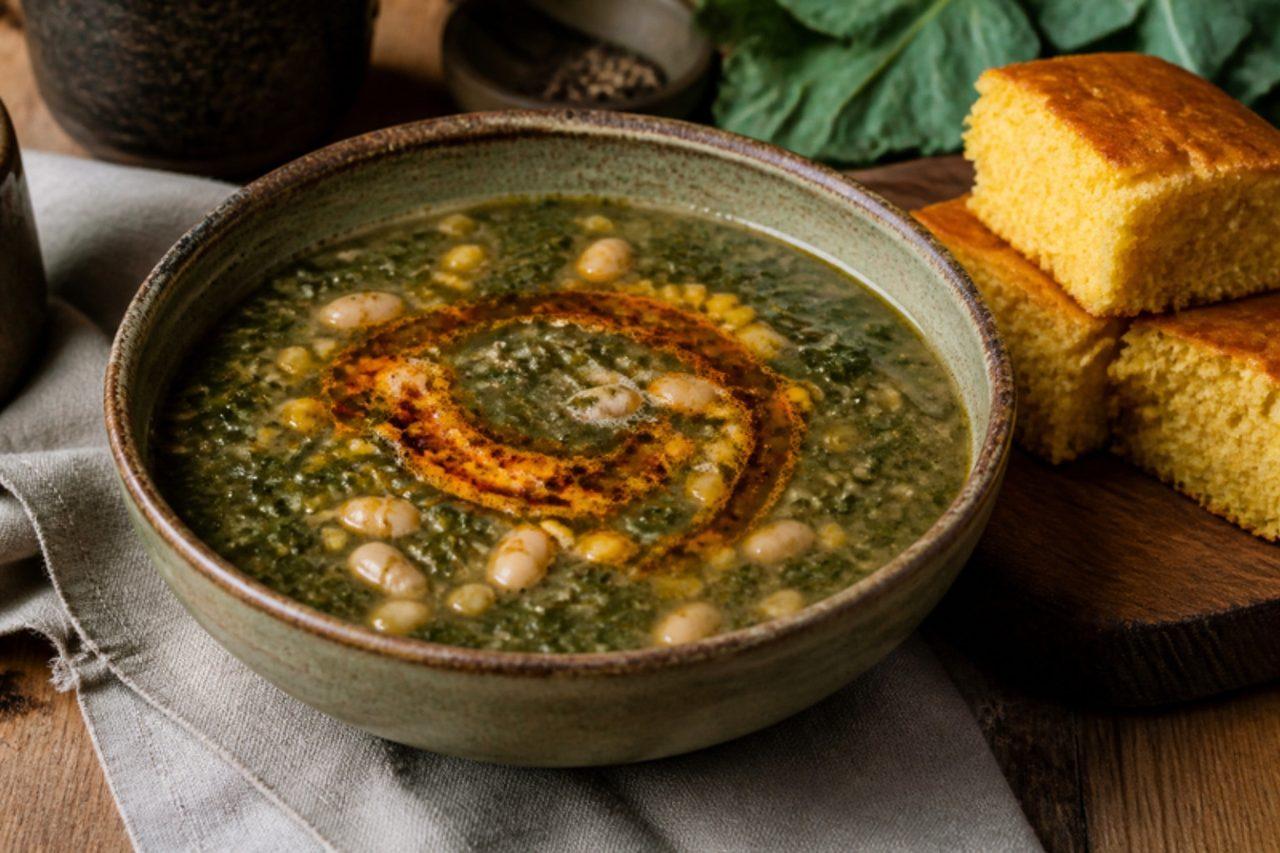
Dark, ribbed karalahana is the cabbage of the eastern Black Sea, and in Trabzon and Rize winter kitchens it goes into a thick soup that is somewhere between a broth and a stew. Shredded leaves simmer with borlotti beans, onion and a spoon of pepper paste, then a handful of cornmeal is whisked in at the end to give the soup body and a gentle sweetness. It is served with cornbread, a wedge of onion and a few chilli pickles. Common mistake: leaving the tough central ribs in; they never soften and make the soup stringy. Chef's tip: the soup is noticeably better the next day, so make it ahead and loosen it with a little hot water when you reheat.

by KrazyBadal 0 views

Laz böreği

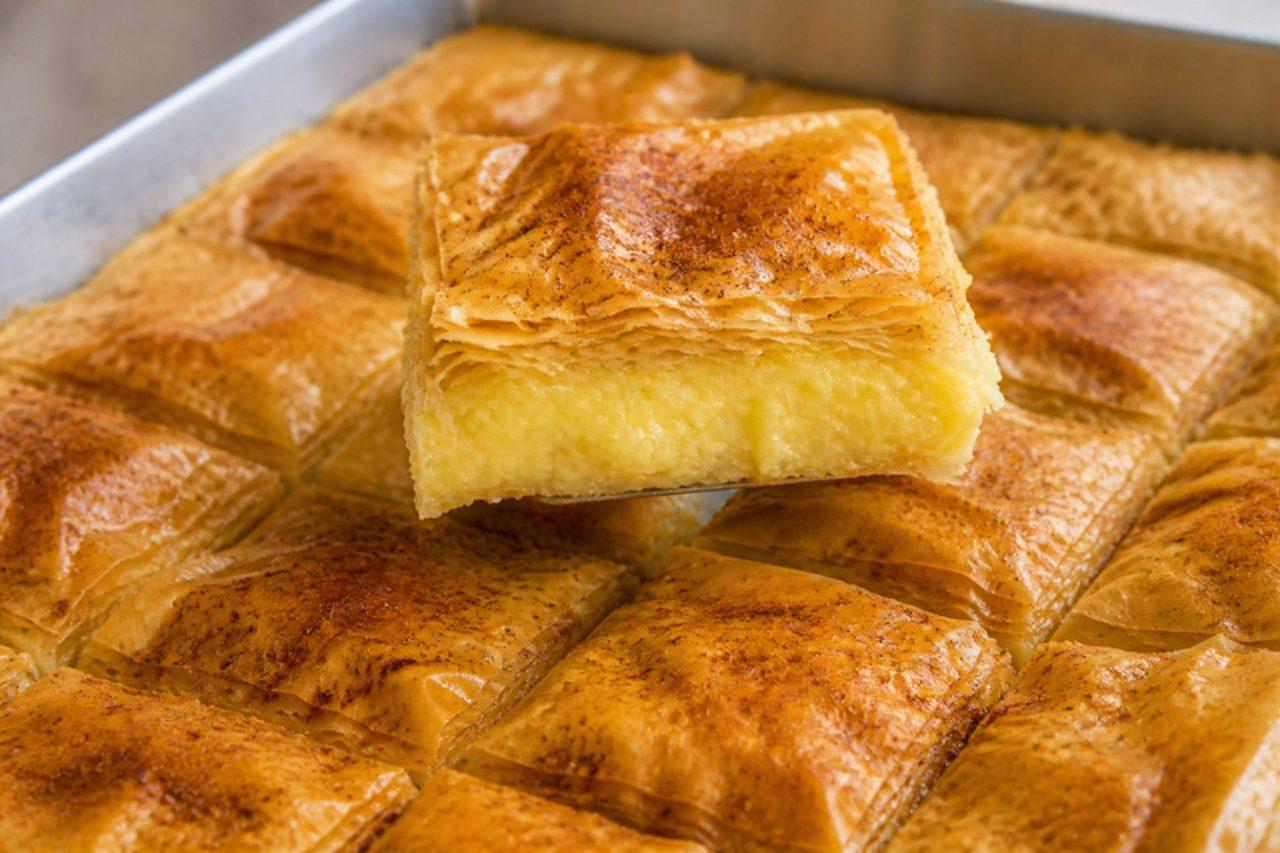
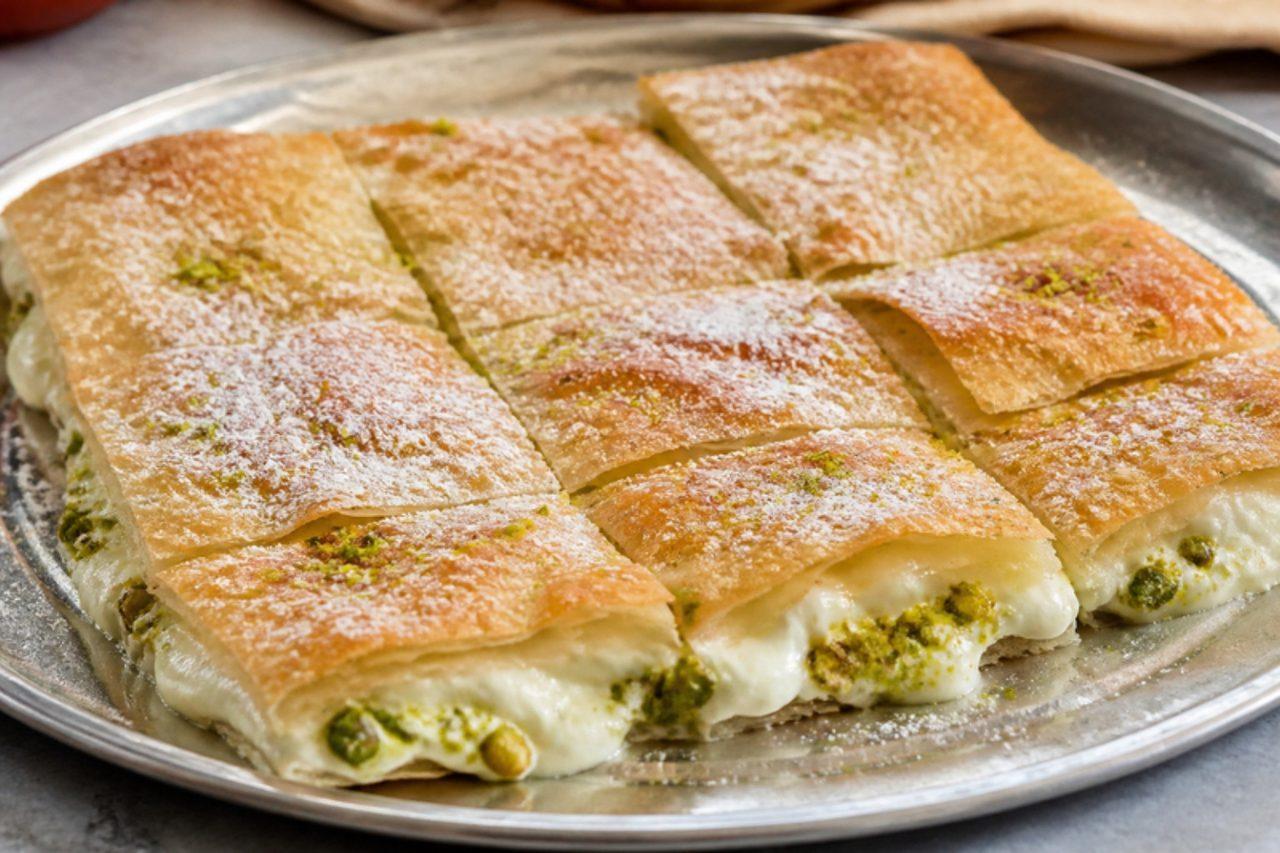
Ask for something sweet in a Rize pastry shop and you are likely to be handed a square of Laz böreği, a crisp filo pie layered with butter and filled with a thick, vanilla-scented milk custard, then drenched in cool syrup as it leaves the oven. It is a wedding and holiday dessert in Laz villages, and an everyday treat with tea in town. The top shatters, the middle is soft and creamy, and the syrup keeps it fresh for a couple of days. Common mistake: pouring hot syrup on a hot pie, which makes the pastry soggy; one of the two must be cool. Chef's tip: cook the custard until it holds a trail for a few seconds, then cover the surface with cling film so no skin forms before you layer it.

by KrazyBadal 0 views

Pirpirim çorbası

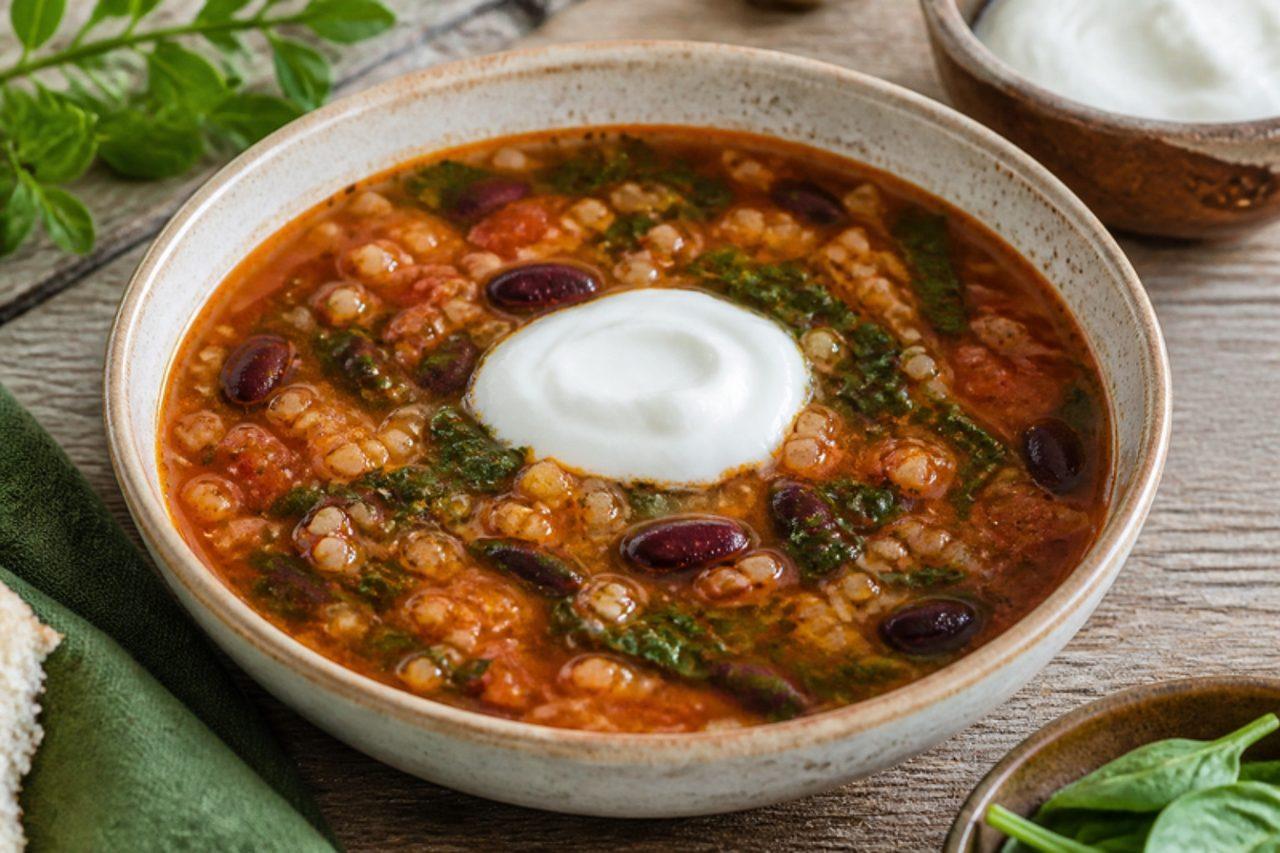
Purslane grows wild between the tea rows and maize fields of Giresun and Ordu, and in high summer it ends up in pirpirim çorbası, a lemony, slightly tangy soup thickened with cracked wheat and soft white beans. Families make it in big pots on hot days because it is just as good served lukewarm as piping hot. The fleshy leaves turn silky, the bulgur gives a gentle chew and a spoon of yoghurt on top makes it a full lunch. Common mistake: adding the purslane too early so it turns slimy and grey; it needs only 10 minutes. Chef's tip: keep a few raw sprigs back and stir them in at the end for crunch and a fresh green colour.

by KrazyBadal 0 views

Kaygana

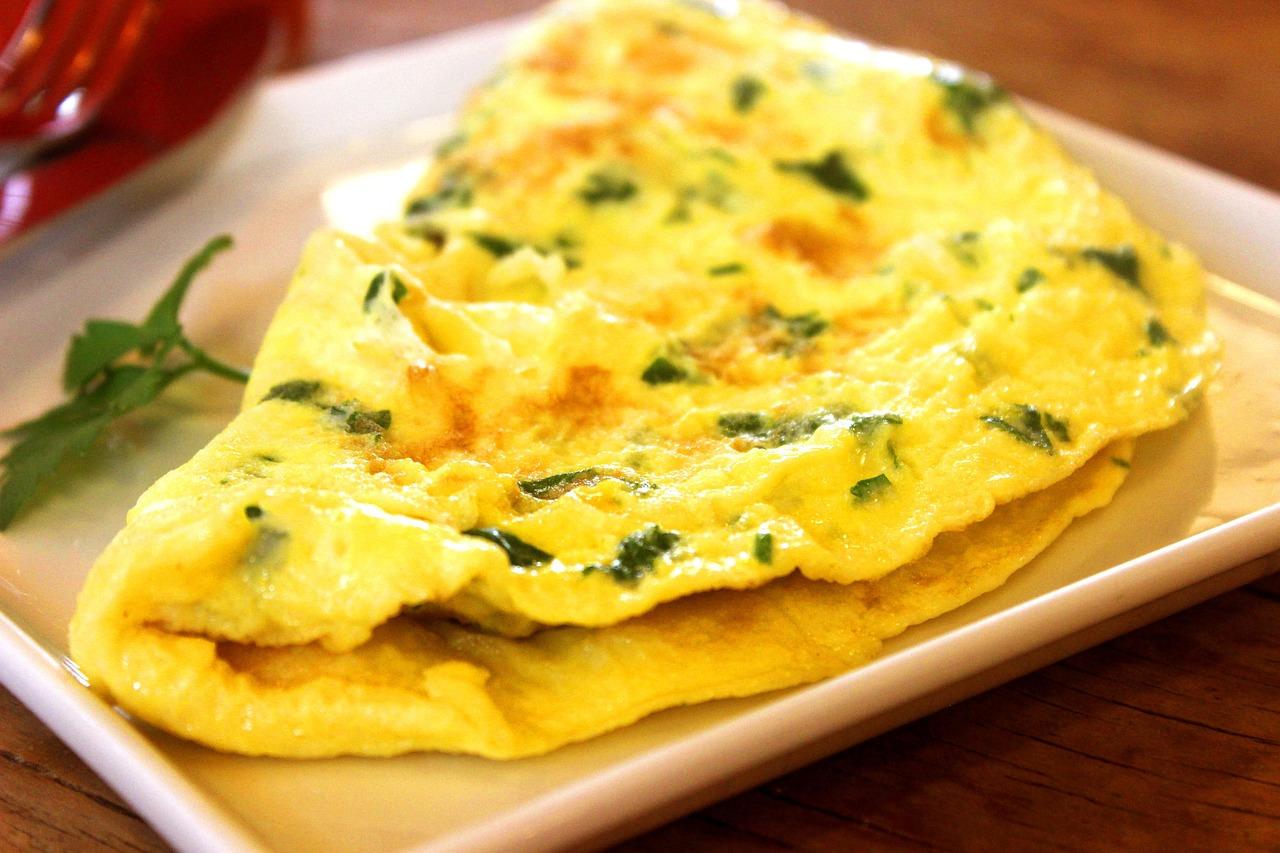
In Trabzon and Rize homes, kaygana is what appears when breakfast needs stretching: eggs beaten with a little flour and milk and a big handful of spring onion, dill and parsley, then poured thin into a buttered pan. It sits halfway between an omelette and a crêpe, soft in the middle with lacy, browned edges. Fold it onto a plate with cheese, olives, tomatoes and tea, or roll it up for a packed lunch. Common mistake: a pan that isn't hot enough, so the batter soaks up butter and turns leathery instead of puffing. Chef's tip: let the batter rest for 10 minutes; the flour hydrates and the kaygana flips without tearing.

by KrazyBadal 0 views

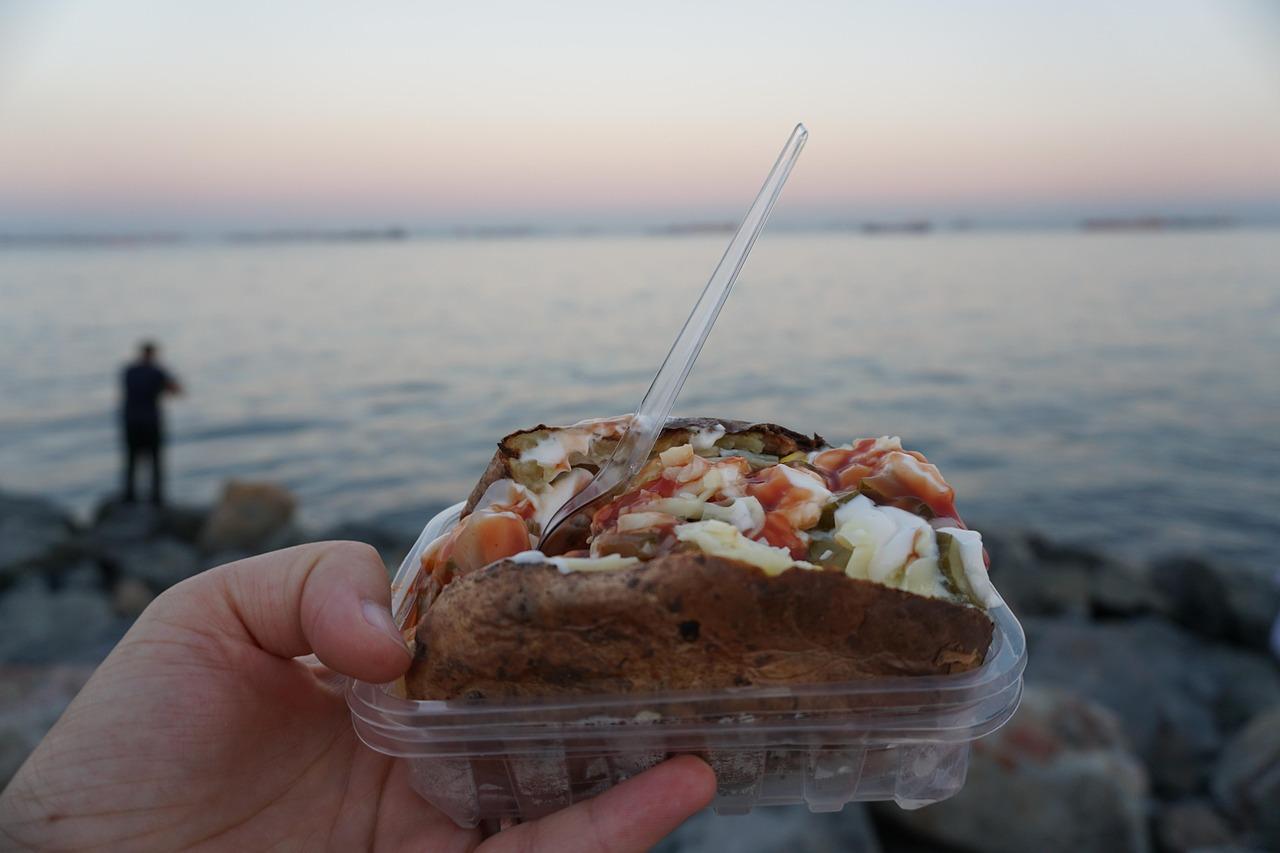
Kumpir

On a warm evening in Ortaköy, under the Bosphorus Bridge, the kumpir stalls line up with trays of toppings and queues of students waiting for a potato the size of a fist and a half. The vendor splits it, beats butter and grated kaşar into the hot flesh right in the skin until it turns stretchy, then piles on whatever you point at: corn, olives, pickles, peppers, Russian salad. At home it makes a filling supper that everyone builds for themselves. Kaşar is usually made with animal rennet, so pick a vegetarian mild melting cheese if that matters to you. Chef's tip: bake the potatoes on a bed of coarse salt; the skins dry and crisp while the inside goes floury, which is what lets the cheese melt into it.

by KrazyBadal 0 views

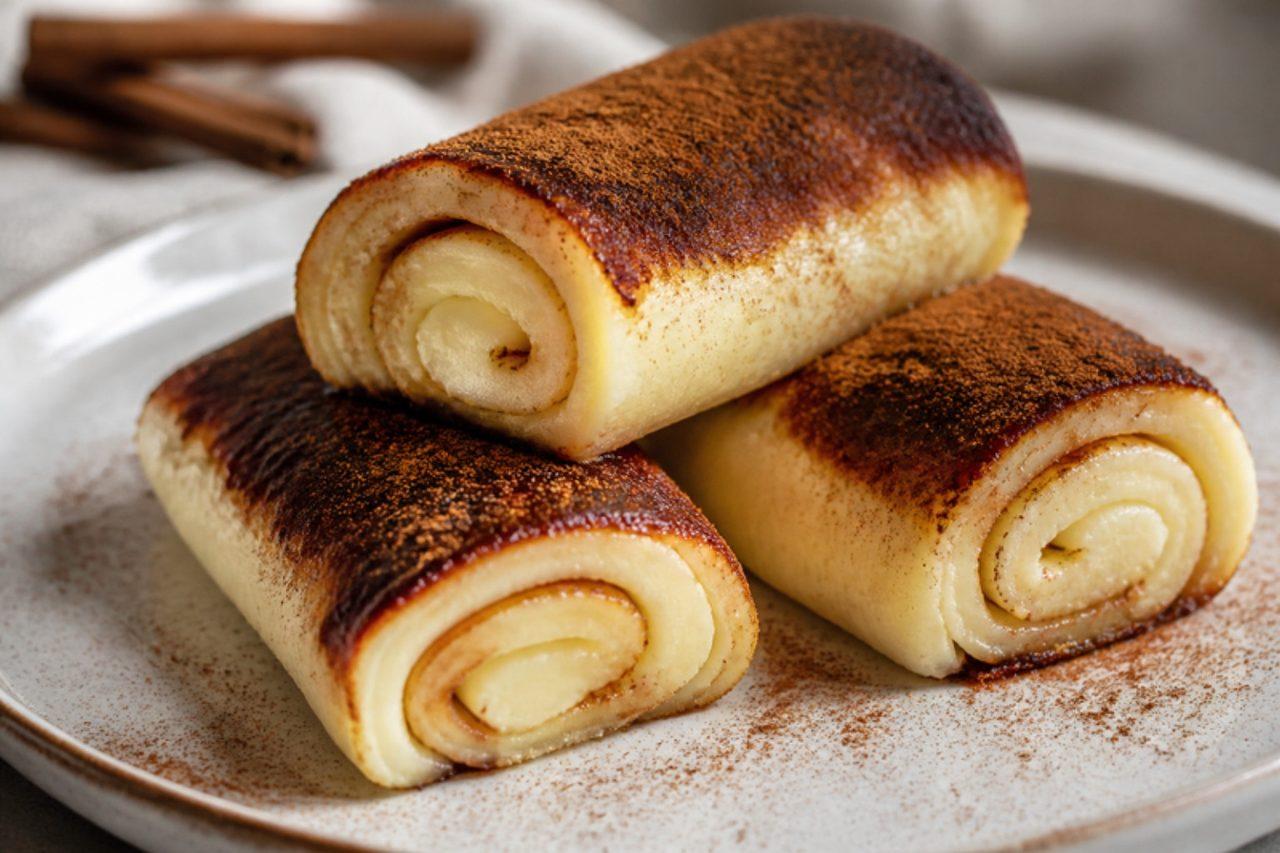
Kazandibi

Kazandibi means 'bottom of the cauldron', and in the old pudding shops of Istanbul's Beyoğlu and Fatih it is cut from a big tray whose base was caramelised on purpose over a flame. The square is rolled up so the burnished, faintly bitter top hides a soft, cool vanilla pudding inside. Serve it chilled with a dusting of cinnamon and a glass of tea. The traditional palace version had shredded chicken in it; this everyday version is purely milk, rice flour and sugar. Chef's tip: use a heavy-based, non-stick pan or tin and give the sugar a full deep amber before the pudding goes in, because pale caramel just tastes sweet rather than toasty.

by KrazyBadal 0 views

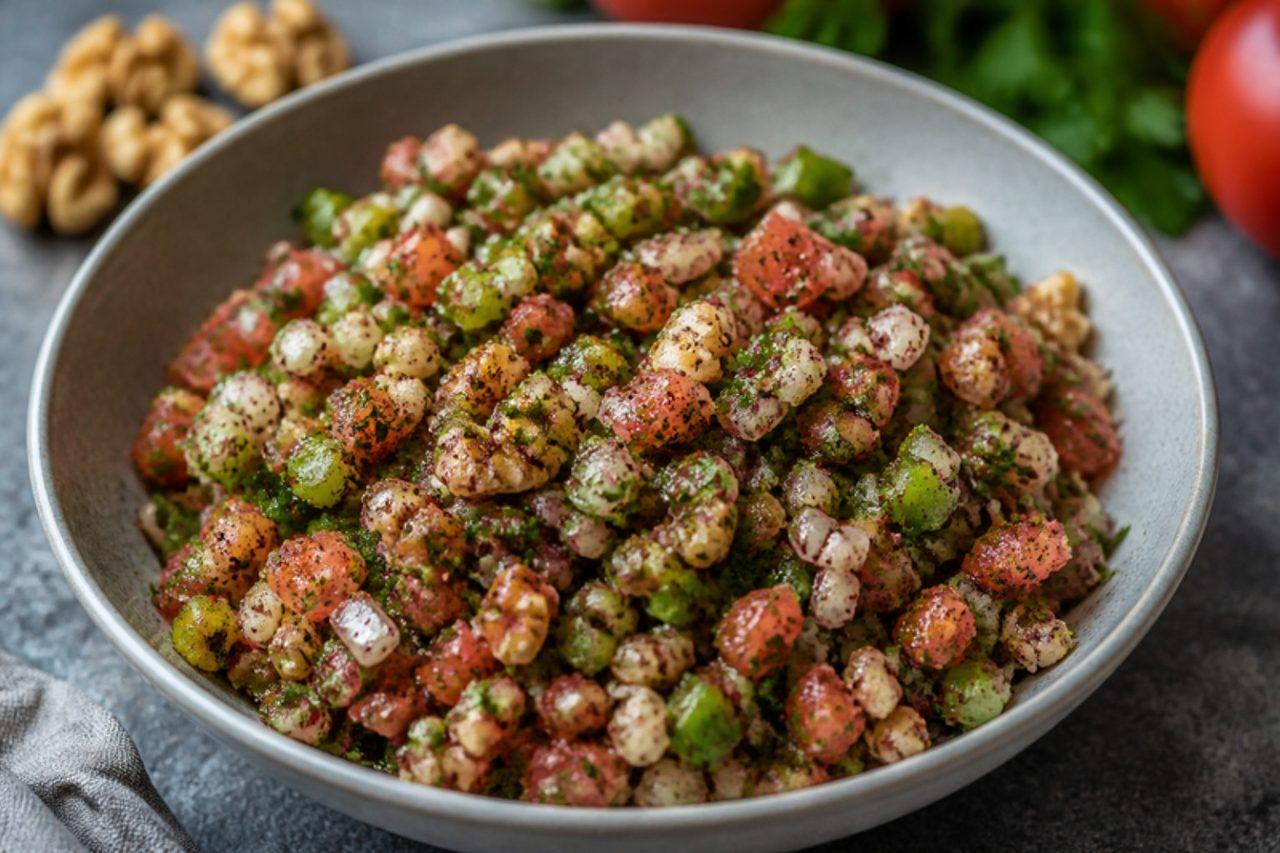
Gavurdağı salatası

Named after the mountains east of Gaziantep, this is the salad that lands on every kebab-house table in the city, chopped so fine it is almost a relish. Tomatoes, onion, green pepper and parsley meet toasted walnuts, sumac and a sour-sweet dressing of pomegranate molasses and olive oil. It cuts through rich grilled meat or bulgur, and is just as good scooped up with flatbread as a meze. Dress it just before serving; if it sits, the salt pulls water from the tomatoes and it swims. Chef's tip: deseed the tomatoes and dice everything to the size of a lentil so each spoonful has a bit of all of it.

by KrazyBadal 0 views

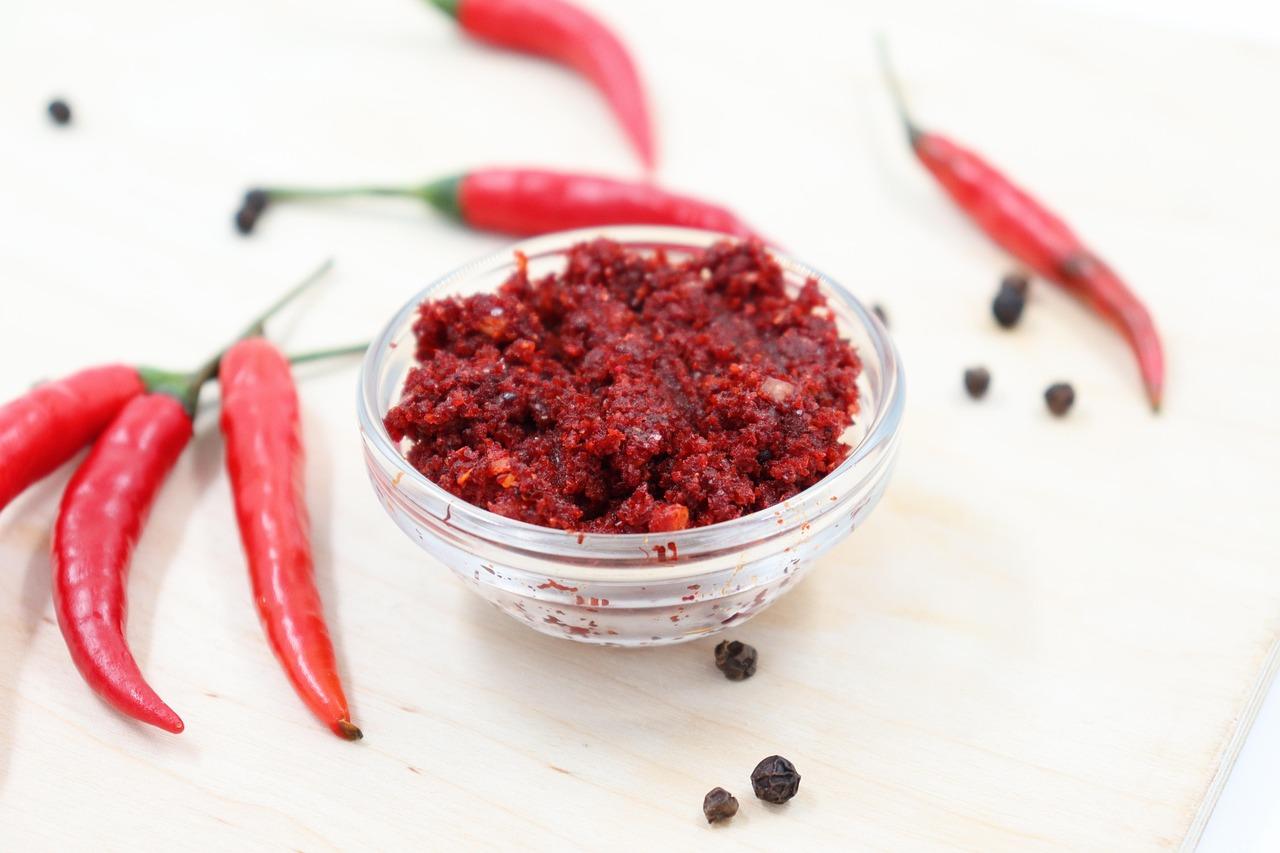
Biber salçası

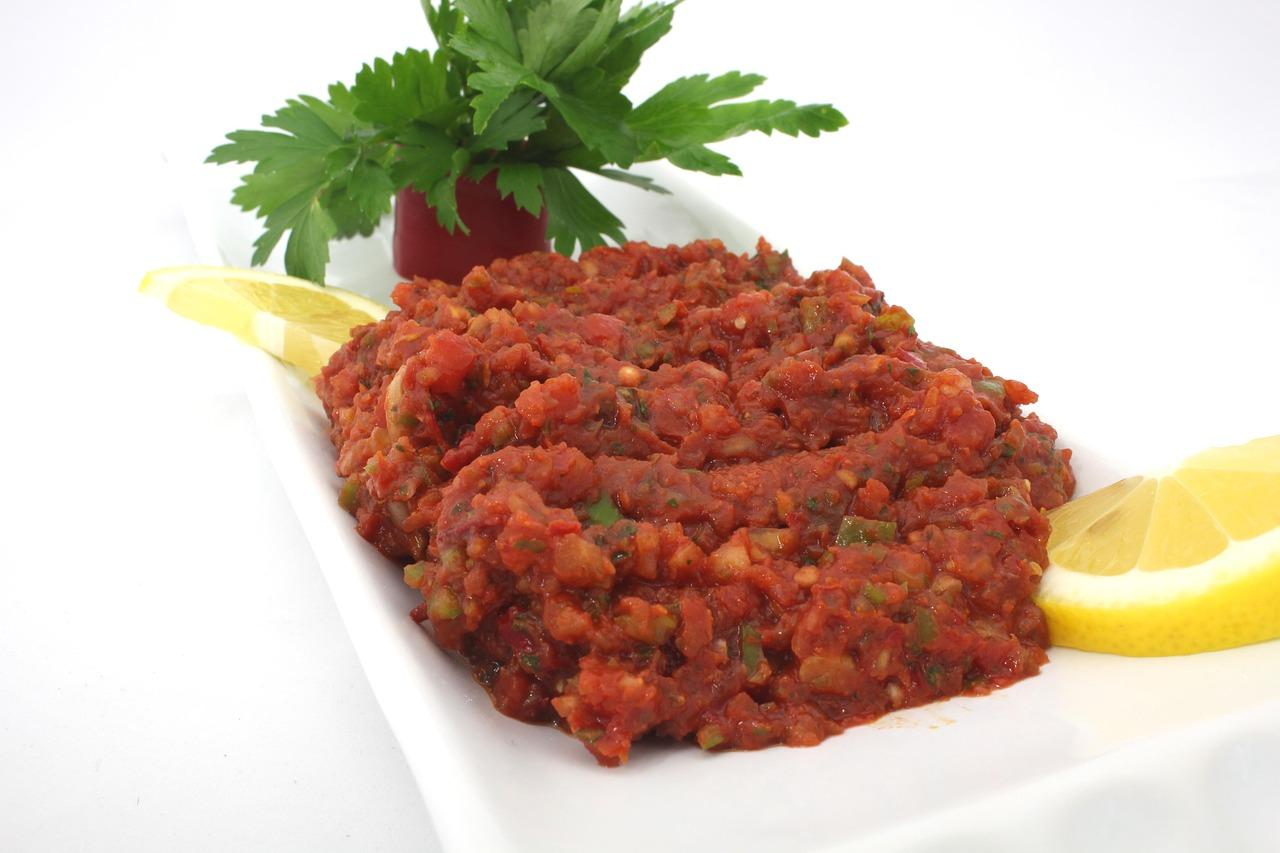
Late every summer, rooftops in Gaziantep, Kilis and Hatay turn red with trays of puréed peppers drying in the sun, and families fill jars that will season soups, köfte, bulgur and lahmacun through the winter. This oven method makes a smaller batch with the same deep, sweet and slightly smoky flavour; use some hot peppers if you like it acı (spicy). Store it under a film of oil in the fridge. The common mistake is a too-hot oven: the edges scorch and turn bitter before the middle thickens. Chef's tip: stir every 20 minutes and scrape the dried rim back in; the paste is ready when a spoon drawn through it leaves a clean trench.

by KrazyBadal 0 views

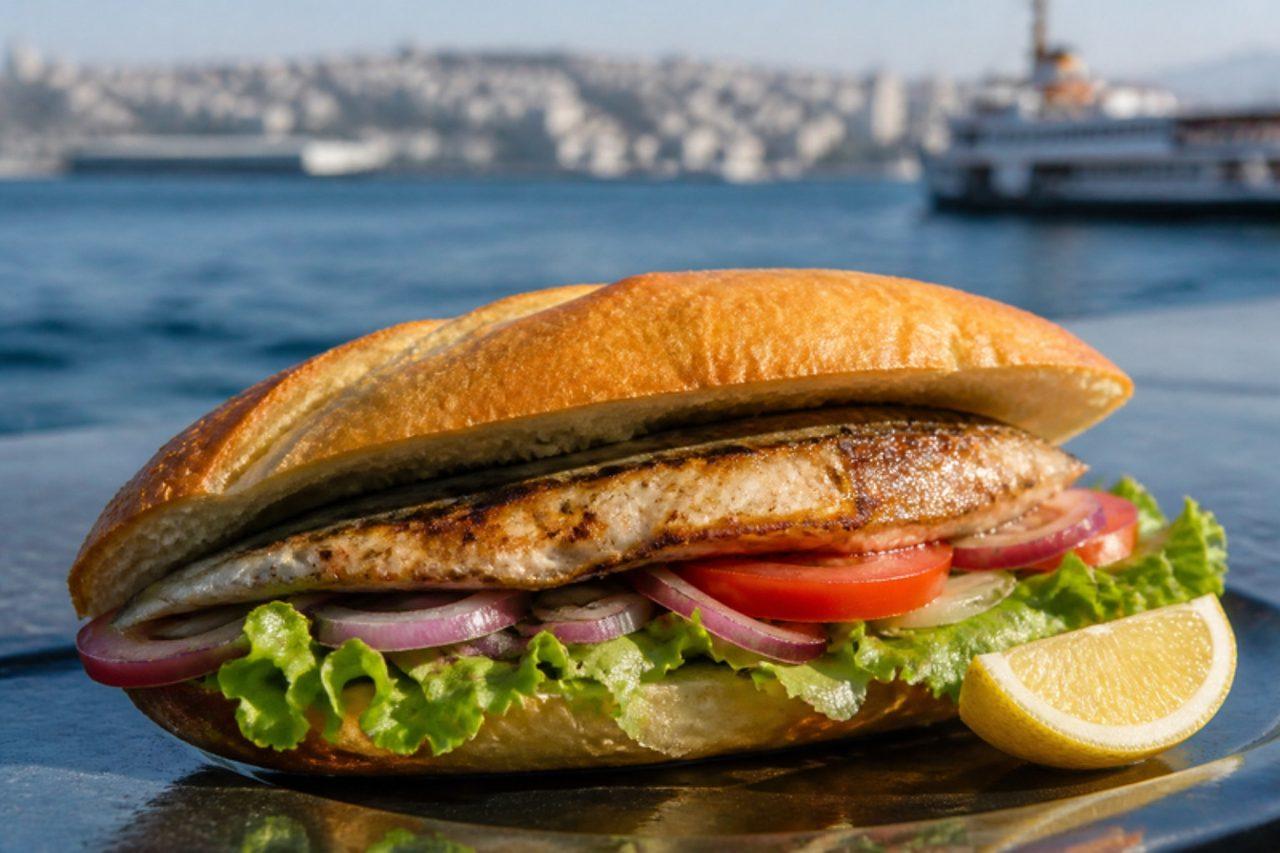
Balık ekmek

At Eminönü, by the Galata Bridge, boats rocking at the quay grill mackerel fillets over charcoal and pass them up in half a loaf with raw onion, lettuce and a squeeze of lemon; you eat it on a low stool with a cup of pickle juice. It is the simplest fish sandwich imaginable and depends entirely on fresh, oily fish and a hot pan. Serve with turşu (pickles) and a salgam or ayran. Chef's tip: grill the fillets skin side down for most of the cooking time; the skin crisps and protects the soft flesh so it doesn't stick and tear.

by KrazyBadal 0 views

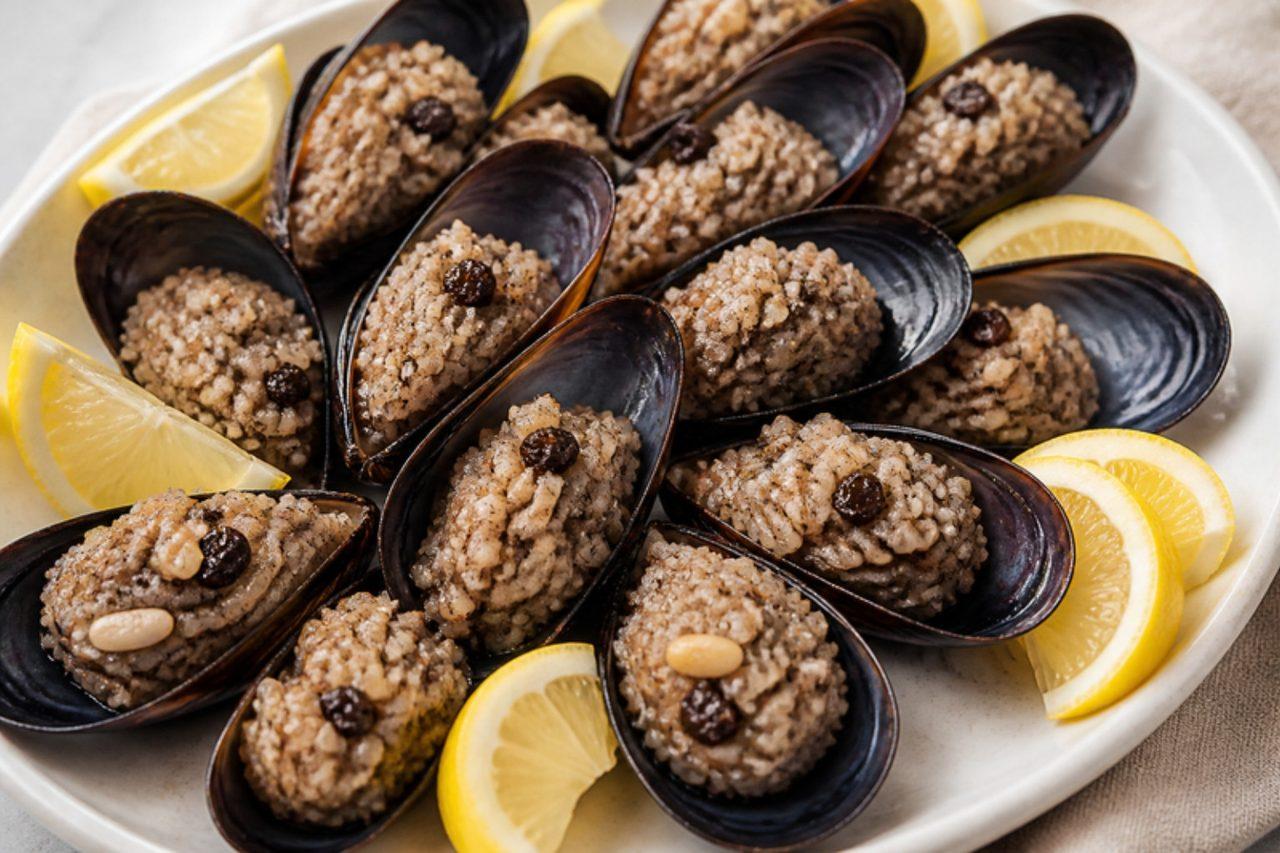
Midye dolma

Late at night along Istanbul's Beşiktaş and Kadıköy streets, vendors walk with trays of shiny black mussels stuffed with fragrant rice, cracking one open, squeezing lemon on it and handing it over until you say stop. The rice is cooked with onion, tomato paste, cinnamon, allspice, currants and pine nuts, then steamed back inside the shells. Make them at home for a meze table and they are safer and fresher than any street tray. Chef's tip: soak the closed mussels in cold salted water first; the shells relax slightly and are much easier to prise open with a small knife.

105 minTurkishFish
by KrazyBadal 0 views
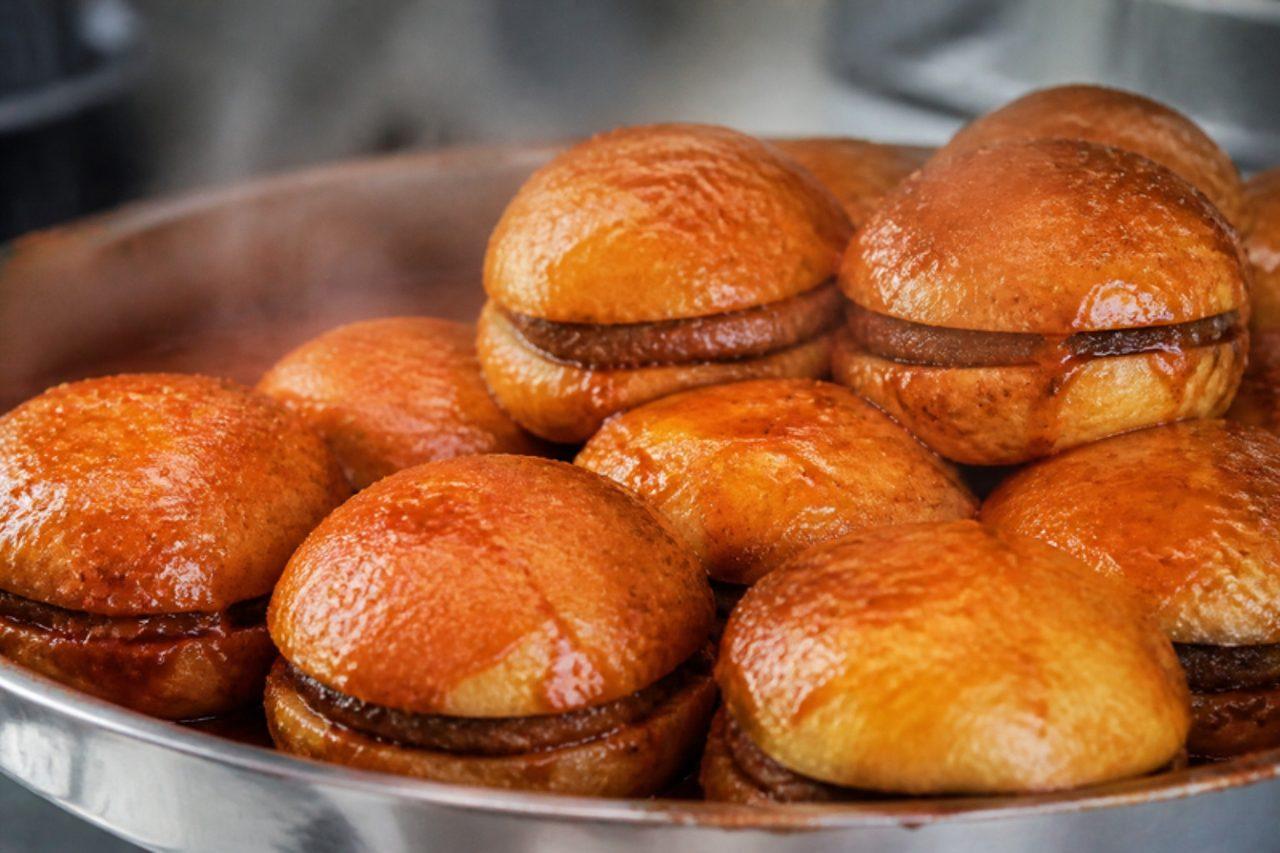
Islak burger

In the windows of the snack bars on Taksim Square, little burgers sit in a steaming glass box, their buns soaked in a garlic and tomato sauce: the ıslak, or 'wet', burger, eaten by the half-dozen at 3 a.m. after a night out on İstiklal. The beef patty is thin and spiced, the bun turns soft and juicy, and the whole thing is gone in four bites. At home a covered pan does the job of the steam box. Chef's tip: use a soft, slightly sweet bun; crusty rolls stay hard and just get soggy at the edges.

by KrazyBadal 0 views

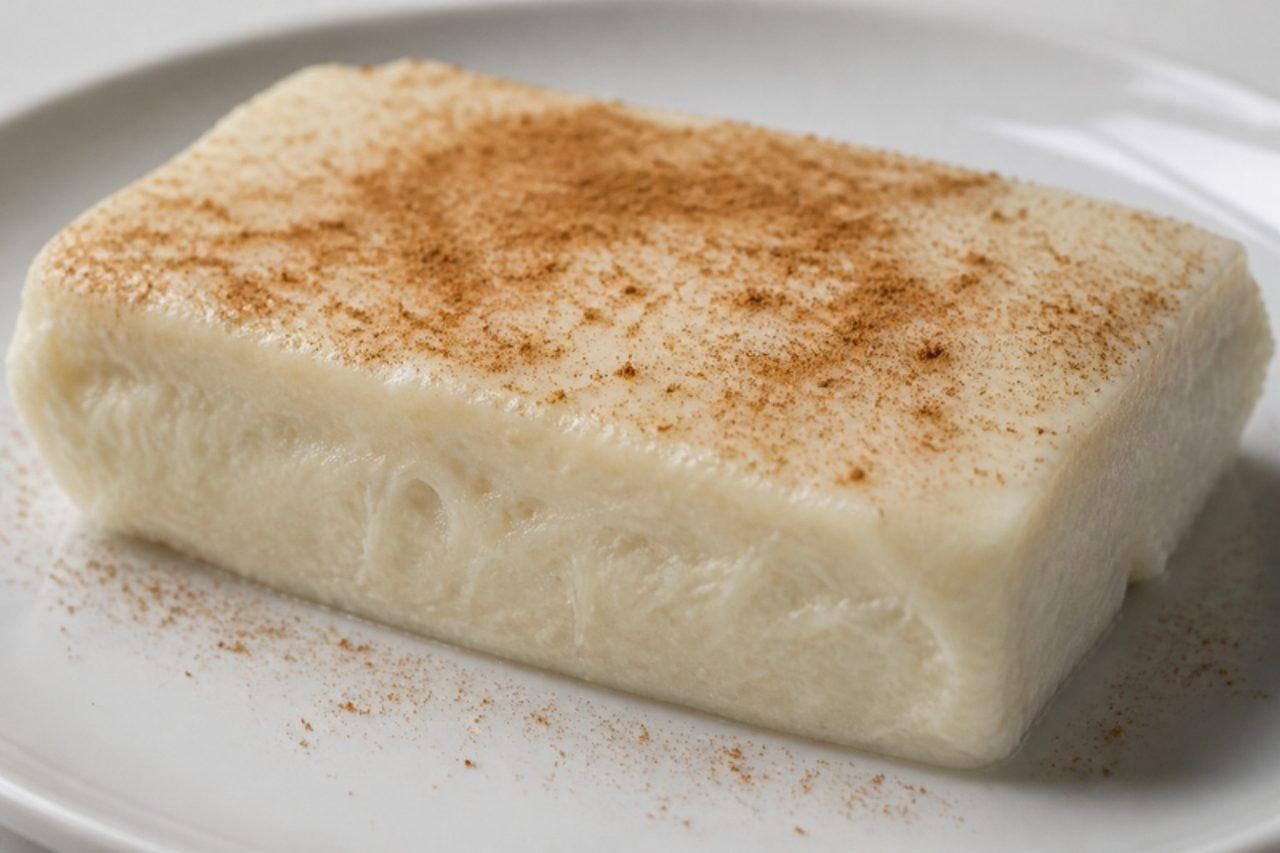
Tavuk göğsü

It surprises everyone the first time, but Istanbul's old muhallebici shops still make this silky milk pudding with chicken breast pounded into fine threads, a recipe from the Ottoman palace kitchens. You cannot taste the chicken; it gives the pudding a stretchy, almost chewy body and a pearly look. Serve it cold with a heavy dusting of cinnamon. This dessert contains meat, so it is not vegetarian. Chef's tip: boil the chicken without salt and rinse the shreds several times in cold water; any savoury taste left behind will show in the finished pudding.

by KrazyBadal 0 views

Açma

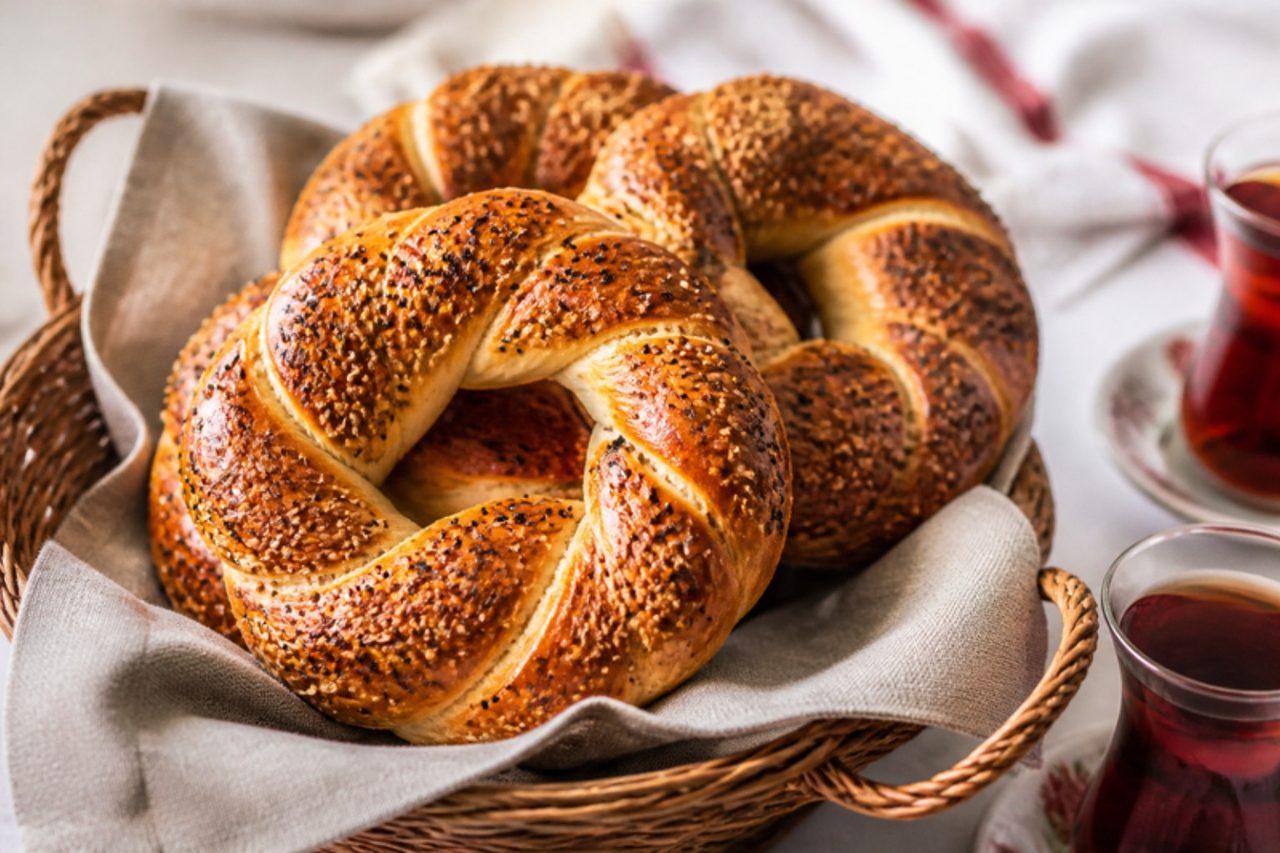
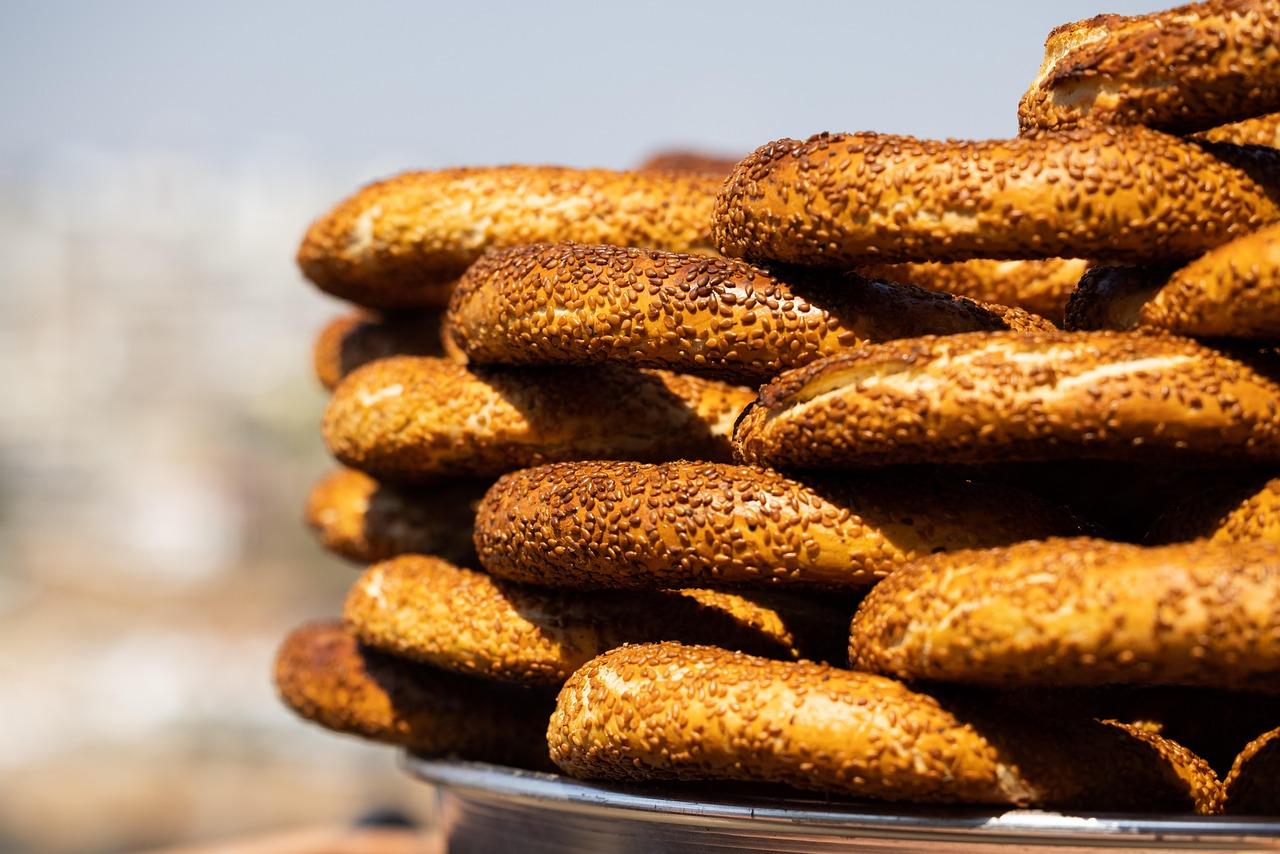
Every simit seller's glass cart in Istanbul has a softer cousin stacked beside the sesame rings: açma, a pillowy, slightly sweet ring of enriched dough that commuters tear apart on the ferry with a glass of tea and a wedge of white cheese. The crumb is close to brioche but lighter, with a shiny golden crust and black nigella seeds on top. Plain ones are best warm; some bakers fold olives or cheese into them. Chef's tip: rest the rolled ropes for ten minutes before shaping, so the gluten relaxes and the rings keep their shape instead of shrinking back.

by KrazyBadal 0 views

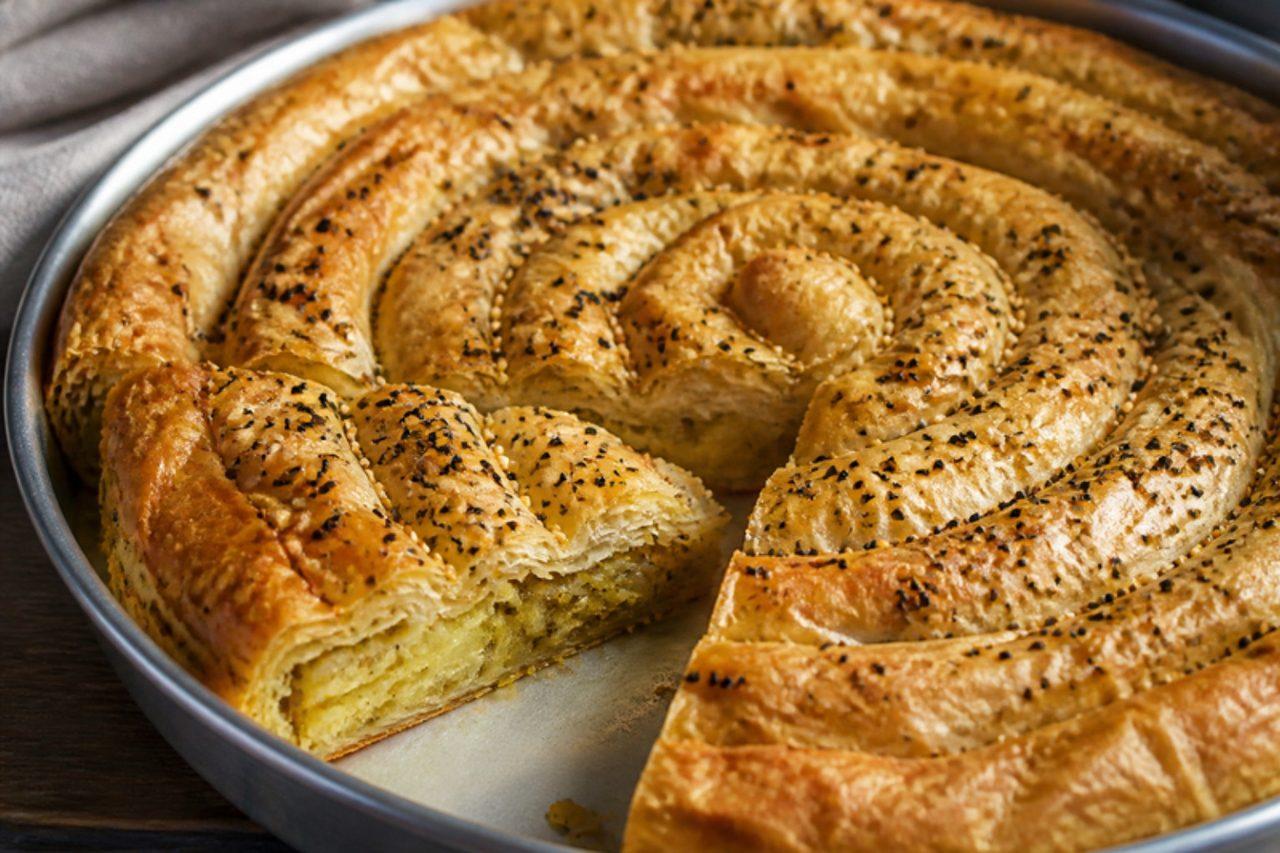
Patatesli kol böreği

Kol böreği is the long 'arm' börek that Istanbul neighbourhood bakeries coil into round trays and sell by weight in the morning, and the potato version is the one home cooks make for guests at five o'clock tea. Thin sheets of yufka are brushed with a milk and oil wash, rolled around a peppery potato and onion filling, then coiled and baked until shatteringly crisp outside and soft within. Serve it warm with tea or ayran. Chef's tip: let the filling cool completely before rolling; warm potato steams the pastry from inside and makes it soggy.

by KrazyBadal 0 views

Zeytinyağlı barbunya

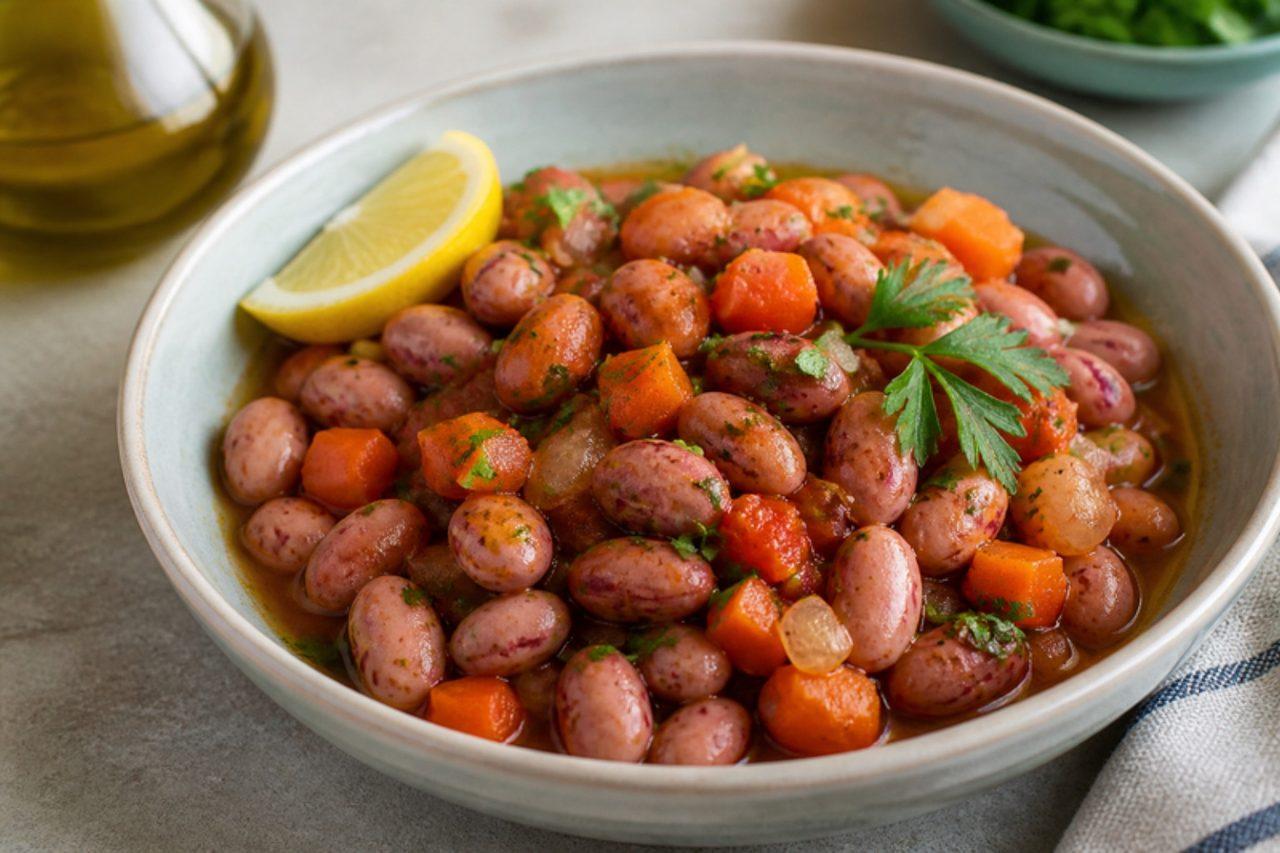
In Istanbul meyhanes and lokanta counters, the zeytinyağlı dishes are the cold olive-oil vegetables served at room temperature, and barbunya is one of the summer favourites when fresh borlotti appear in their speckled pink pods. The beans are braised slowly with onion, carrot, tomato and a little sugar until creamy, then left to cool in their glossy sauce and finished with parsley and lemon. Serve with crusty bread as a meze or a light lunch. Chef's tip: add the salt only once the beans are tender; salting at the start keeps the skins tough.

by KrazyBadal 0 views

Zeytinyağlı kereviz

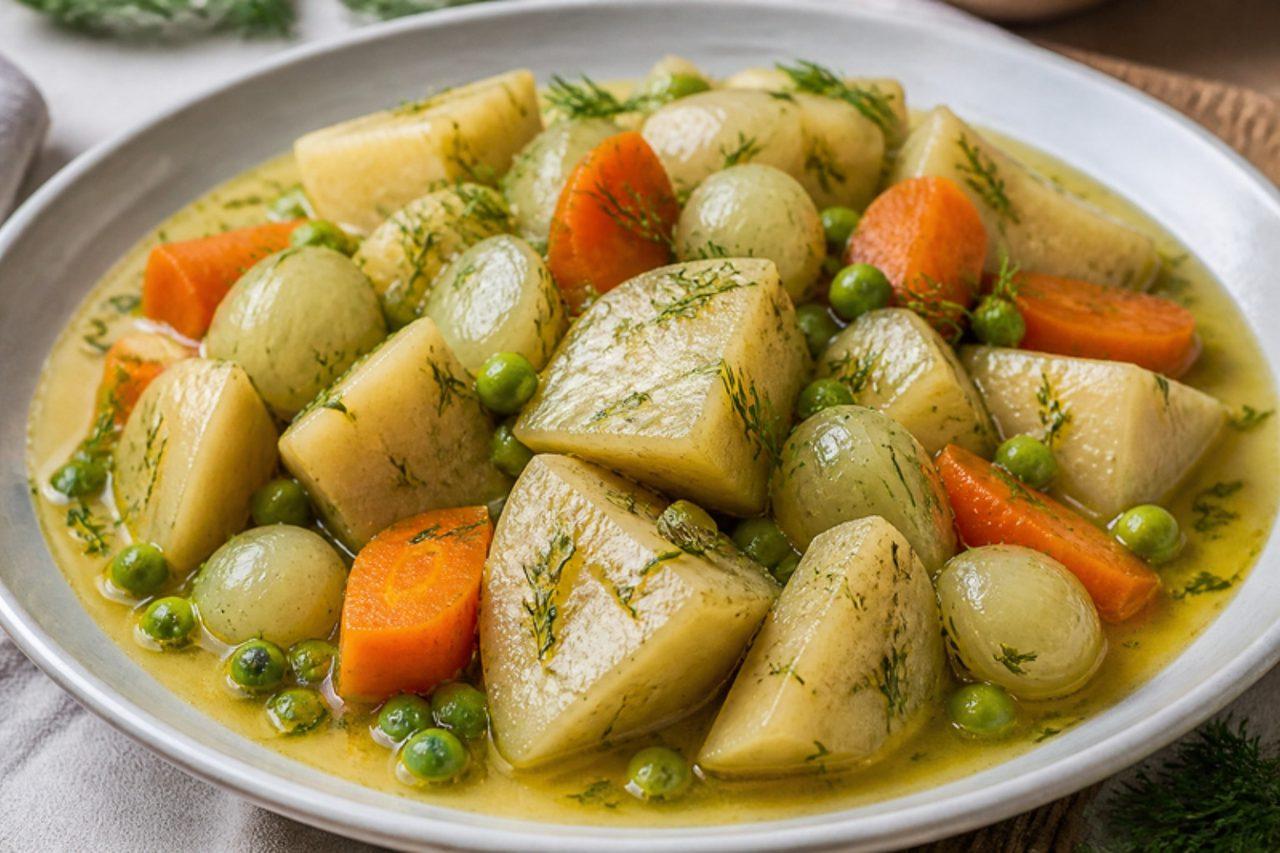
When celeriac fills the Kadıköy market stalls in winter, Istanbul home cooks braise thick slices of it in olive oil with orange juice, carrots and baby onions, then serve it cold the next day as a starter. The root turns silky and sweet, the orange gives it a bright, almost marmalade edge, and a little dill keeps it fresh. It sits happily on a meze table or alongside a bowl of lentil soup. Chef's tip: drop the cut celeriac straight into lemon water, otherwise it greys within minutes and never looks as good on the plate.

by KrazyBadal 0 views

Kemalpaşa tatlısı

Named after the town of Mustafakemalpaşa near Bursa, these small golden rounds are made from a soft unsalted cheese, semolina and flour, baked dry and then simmered in syrup until they swell and soak it up like sponges. In Bursa they are eaten after a plate of İskender, warm with a spoon of clotted cream or a scattering of pistachio. They are lighter than they look, with a faint cheesy tang under the sweetness. Chef's tip: let the syrup cool to lukewarm and the dumplings be at room temperature; if both are hot the dumplings collapse into mush.

by KrazyBadal 0 views

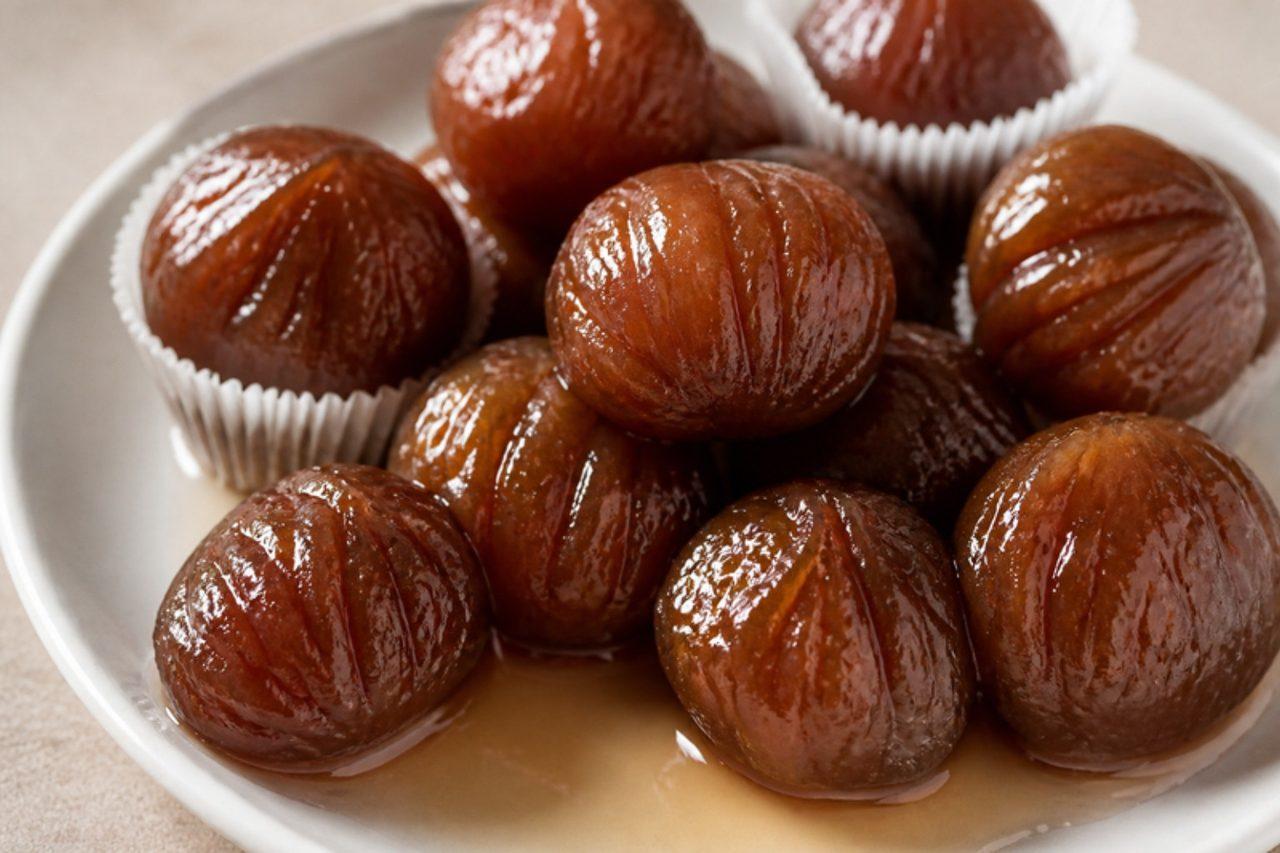
Kestane şekeri

Bursa sits beneath the chestnut forests of Uludağ, and every sweet shop in the old covered market sells kestane şekeri in neat gold boxes, especially as gifts in autumn and at the new year. Peeled chestnuts are poached and then candied over several days in a vanilla syrup until they turn dense, glossy and tender right through. It takes patience rather than skill. Chef's tip: wrap each chestnut in a square of muslin before poaching; it holds the fragile nuts together through the repeated syrup baths.

by KrazyBadal 0 views

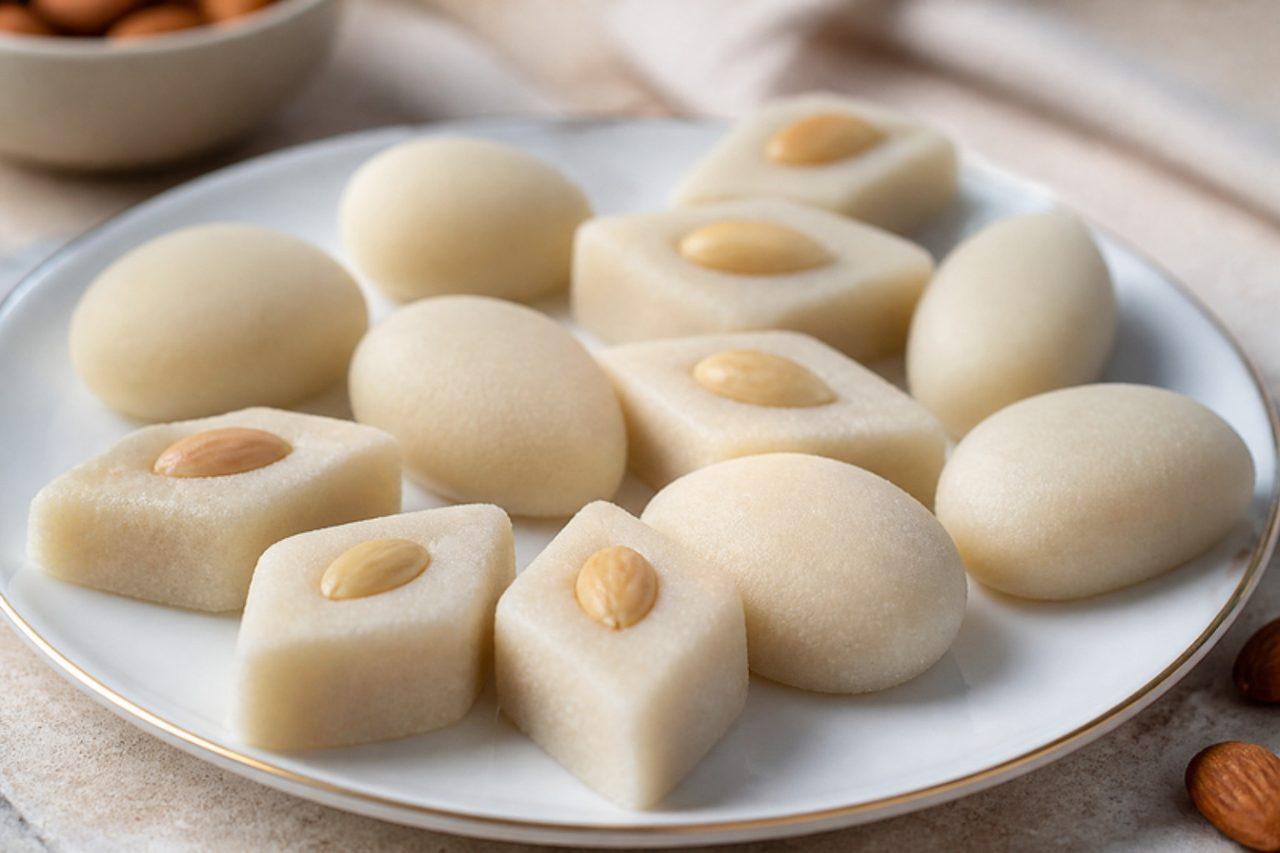
Badem ezmesi

Edirne, on the Thracian border with Greece and Bulgaria, is famous for its badem ezmesi: pale, soft almond paste rolled into logs and sliced, or pressed into little shapes, sold beside the city's fruit-shaped soaps. It is less sugary than northern European marzipan, with blanched almonds ground fine and cooked briefly with syrup, so it stays moist and tastes of fresh nuts. It is served with Turkish coffee and given at bayram. Chef's tip: grind the almonds in short pulses with a spoonful of the sugar; long blending turns them oily and the paste goes greasy.

by KrazyBadal 0 views

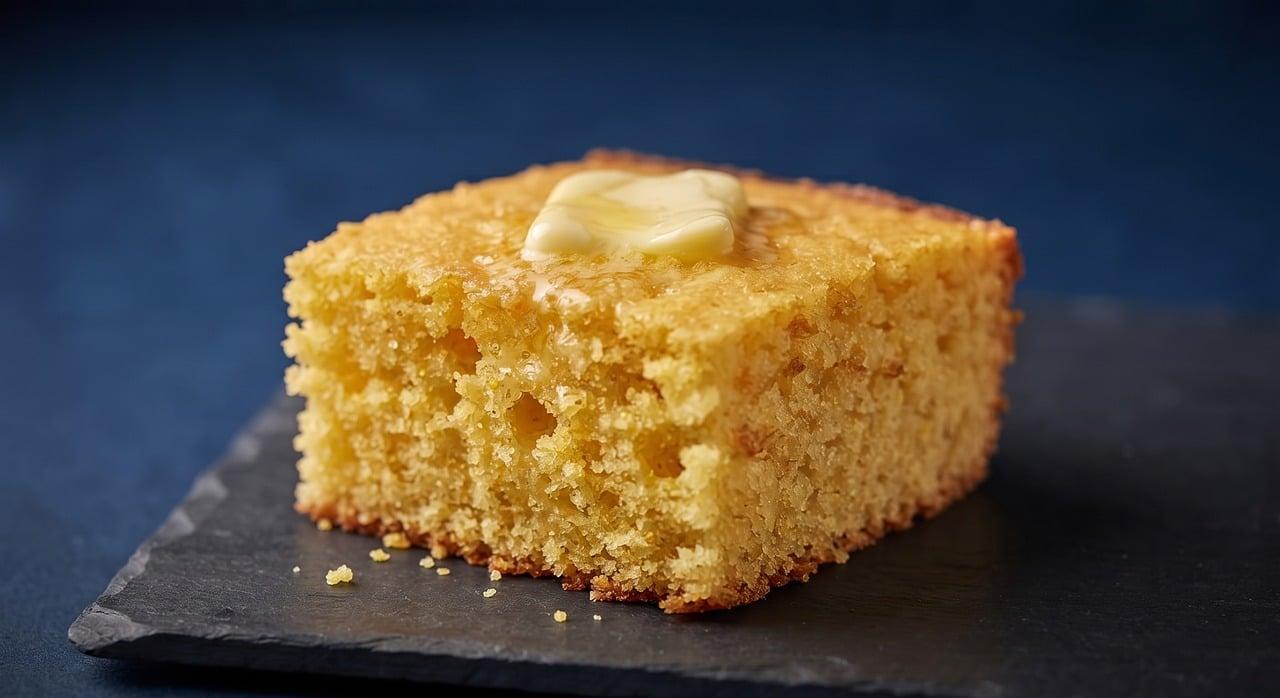
Karadeniz mısır ekmeği

Along the Black Sea coast from Samsun to Artvin, cornbread was the everyday loaf long before wheat bread was common, and it still sits beside bowls of collard soup and plates of fried anchovies. This version is the simple household one: fine cornmeal scalded with hot water and milk, a little wheat flour and egg for lift, baked in a well-oiled pan until the crust cracks and the inside stays moist and slightly sweet. Cut it into wedges and eat it warm with butter, cheese or crumbled into soup. Common mistake: using cold water, which leaves the cornmeal gritty; scalding it first softens the grains. Chef's tip: heat the oiled pan in the oven before the batter goes in, so the base sizzles and forms a crisp, shiny crust.

by KrazyBadal 0 views

Ayva tatlısı

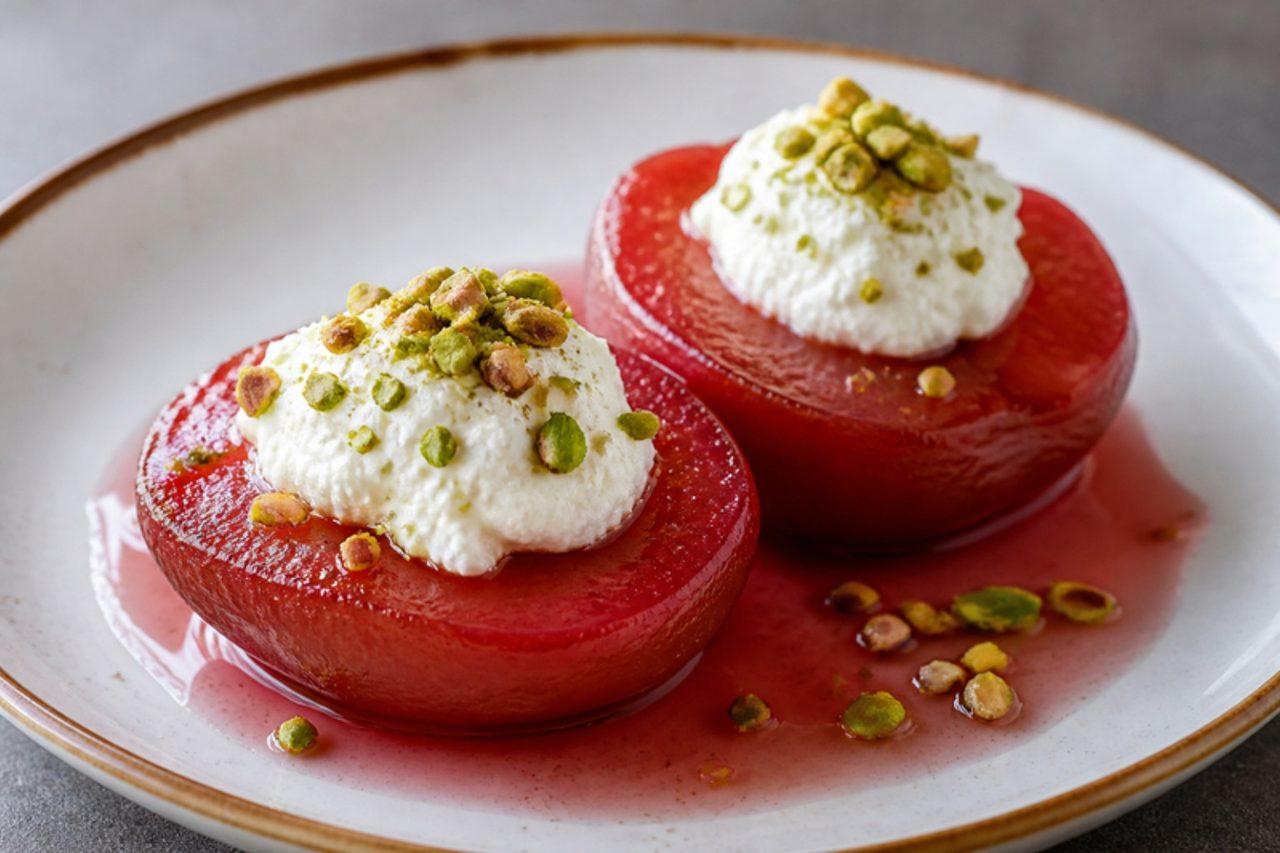
In autumn the market stalls of Ankara and Kayseri are piled with knobbly yellow quinces, and the best-loved thing to make with them is ayva tatlısı: halves poached slowly in syrup with their own seeds and a few cloves until they turn translucent and a deep garnet colour. Each half is filled with thick kaymak or clotted cream and topped with pistachio. Common mistake: rushing it on a high heat; the red colour only comes with long, gentle cooking. Chef's tip: tie the cores and seeds in a little muslin bag and cook them with the fruit; their natural pectin and tannins give the syrup body and that ruby glow.

by KrazyBadal 0 views

Güllaç

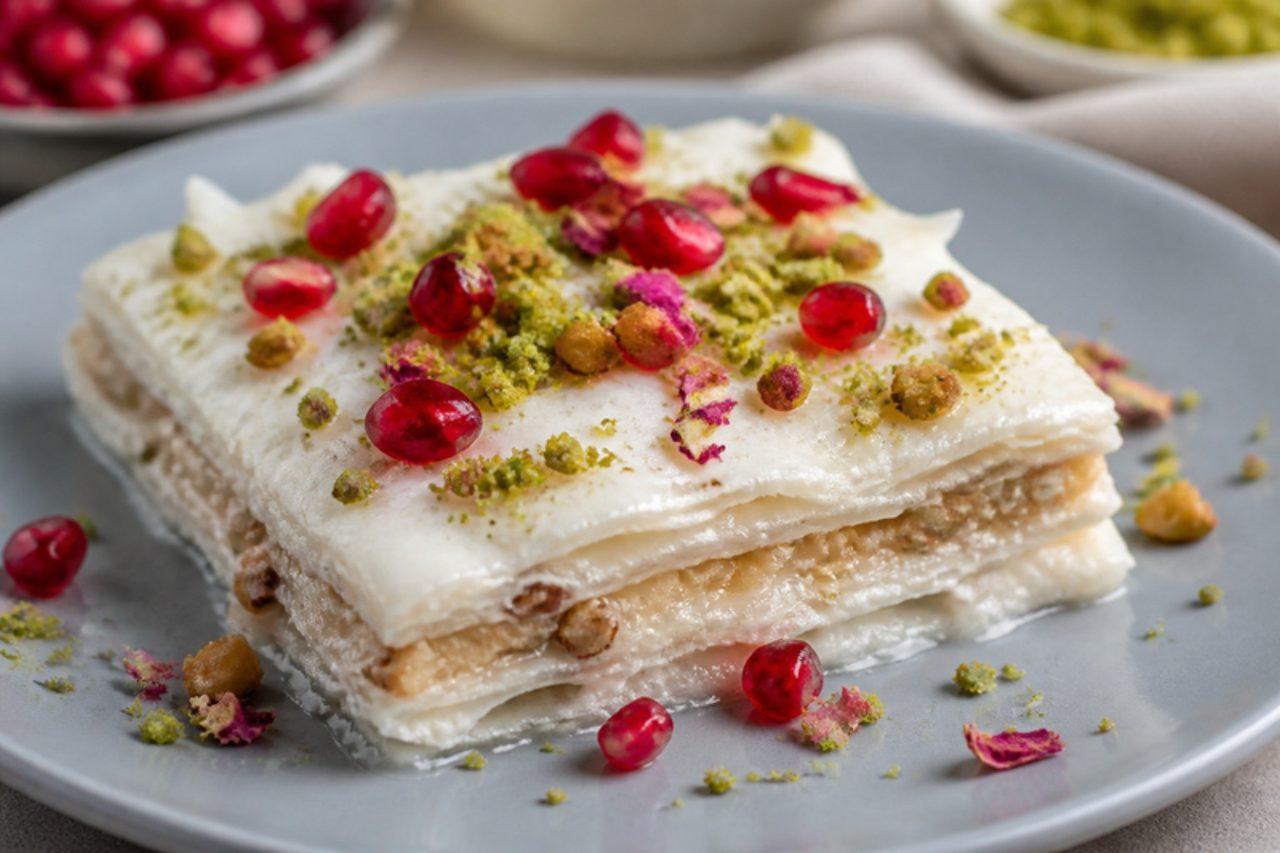
As soon as Ramadan begins, bakeries from Konya to Istanbul stack up packets of güllaç, the dried, almost transparent starch sheets that give this dessert its name. Soaked layer by layer in warm sweetened milk scented with rosewater, then filled with walnuts, the sheets turn soft and silky, and the dessert is served chilled after the iftar meal, often topped with pomegranate seeds. Common mistake: drenching the sheets in hot milk, which makes them dissolve into mush; the milk should be just warm. Chef's tip: make it at least 4 hours ahead, ideally overnight; it firms up enough to cut into clean slices.

by KrazyBadal 0 views

Aşure

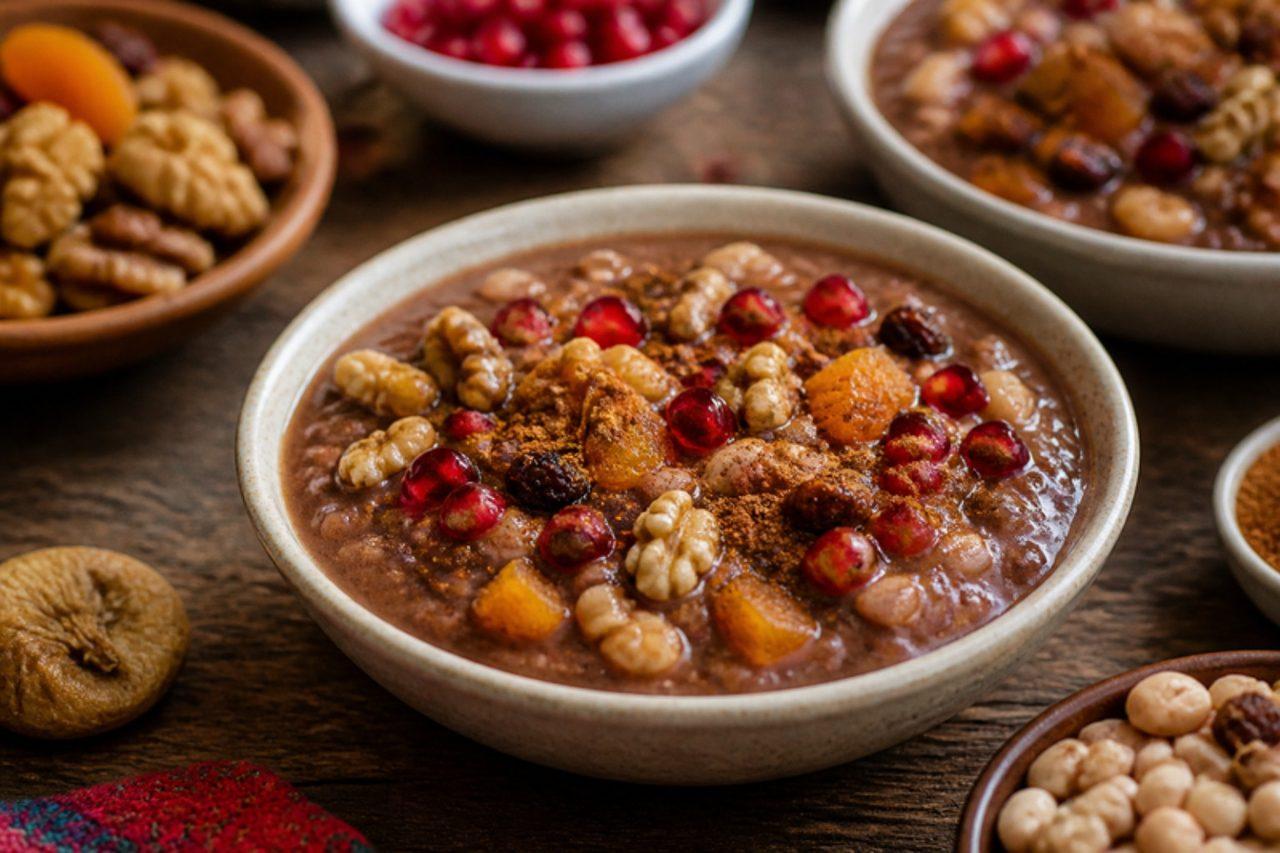
In the month of Muharram, kitchens all over Anatolia, especially in conservative Konya and Sivas, boil great pots of aşure and send bowls to every neighbour, regardless of faith, so the sweet is as much about sharing as eating. Legend says it was cooked on Noah's ark from the last of the stores, which is why it combines whole wheat, chickpeas, white beans, dried apricots, figs and raisins in a thick, gently sweet pudding. It's topped with walnuts, pomegranate and cinnamon. Common mistake: adding sugar before the wheat is fully tender; sugar firms the grains and they never soften. Chef's tip: soak the wheat and pulses overnight and cook the wheat in its soaking water for the creamiest result.

by KrazyBadal 0 views

Kaymaklı ekmek kadayıfı

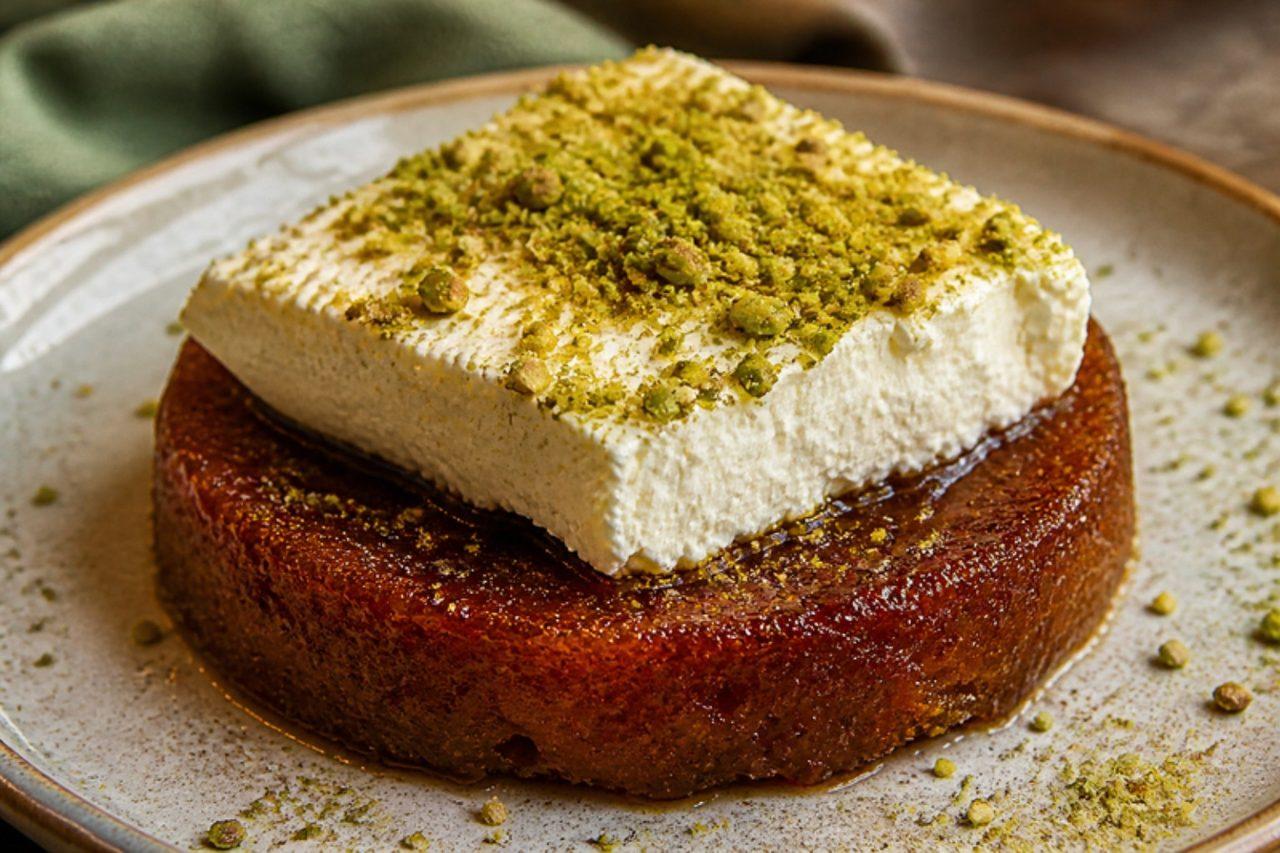
Ekmek kadayıfı is a big disc of dried, airy bread that pudding shops in Istanbul and Afyon soak in syrup until it turns dark, sticky and soft, then top with a thick slab of buffalo-milk kaymak. The contrast is the point: cold, rich cream against the warm, almost caramel-flavoured, juicy bread. At home you can use slices of stale brioche-style bread if you can't buy the ready-made disc. Chef's tip: pour hot syrup over completely dry bread, a little at a time, and wait between pours so every crumb drinks it up evenly.

by KrazyBadal 0 views

Ali nazik

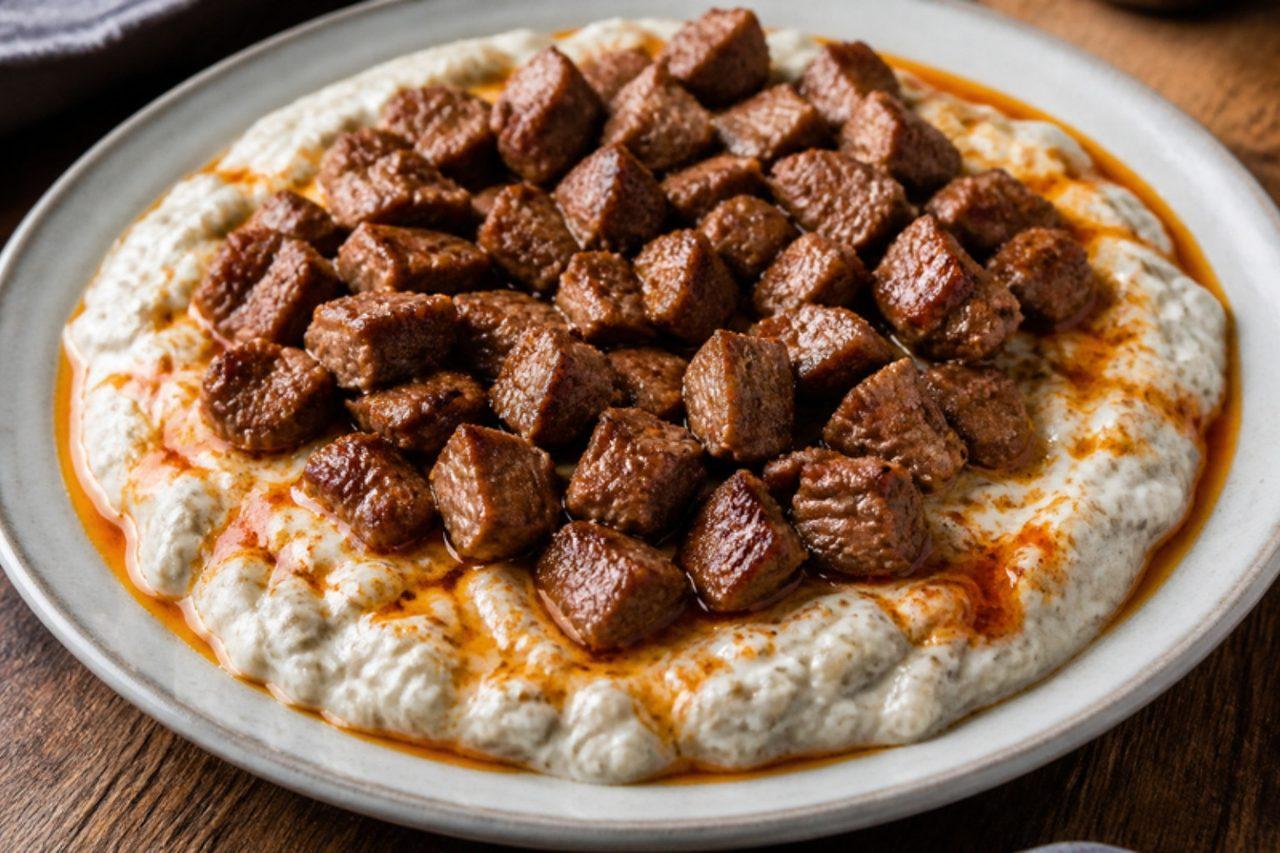
Gaziantep cooks char aubergines over coals until they collapse, mash the flesh with garlicky yoghurt and spoon pan-fried lamb with tomatoes and peppers on top: that is ali nazik, a lunchtime favourite in the city's lokantas. The cool, smoky base and the hot, buttery meat are the whole point, so assemble it just as you serve. A gas flame or a very hot grill gives the same smoky flesh at home. The usual mistake is not draining the aubergine, which makes the yoghurt runny and grey. Chef's tip: stir the yoghurt into the aubergine off the heat with a spoonful of butter; warm, not hot, keeps it from splitting.

by KrazyBadal 0 views

Yuvalama

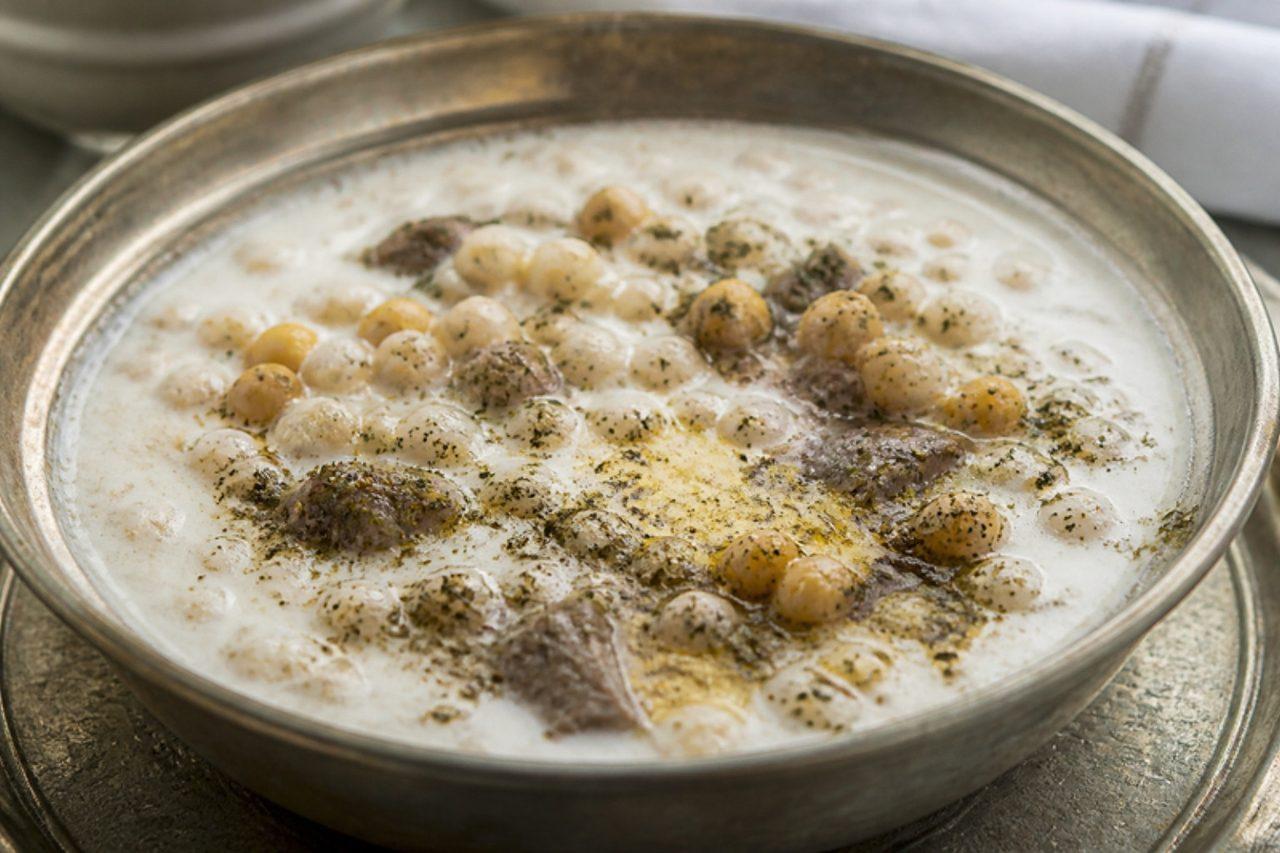
Families in Gaziantep spend the day before Kurban Bayramı rolling thousands of chickpea-sized dumplings for yuvalama, the festive yoghurt soup served on the first morning of the holiday. Little balls of rice dough and tiny lamb meatballs simmer with chickpeas and chunks of lamb in a tangy yoghurt broth, finished with mint butter. It is rich, soothing and very much a feast dish, so make it with friends. The most common mistake is adding the yoghurt straight to a boiling pot: it curdles. Chef's tip: whisk an egg yolk and a spoon of flour into the yoghurt and stir it constantly as it comes up to a simmer.

165 minTurkishMeat
by KrazyBadal 0 views

Etli nohut

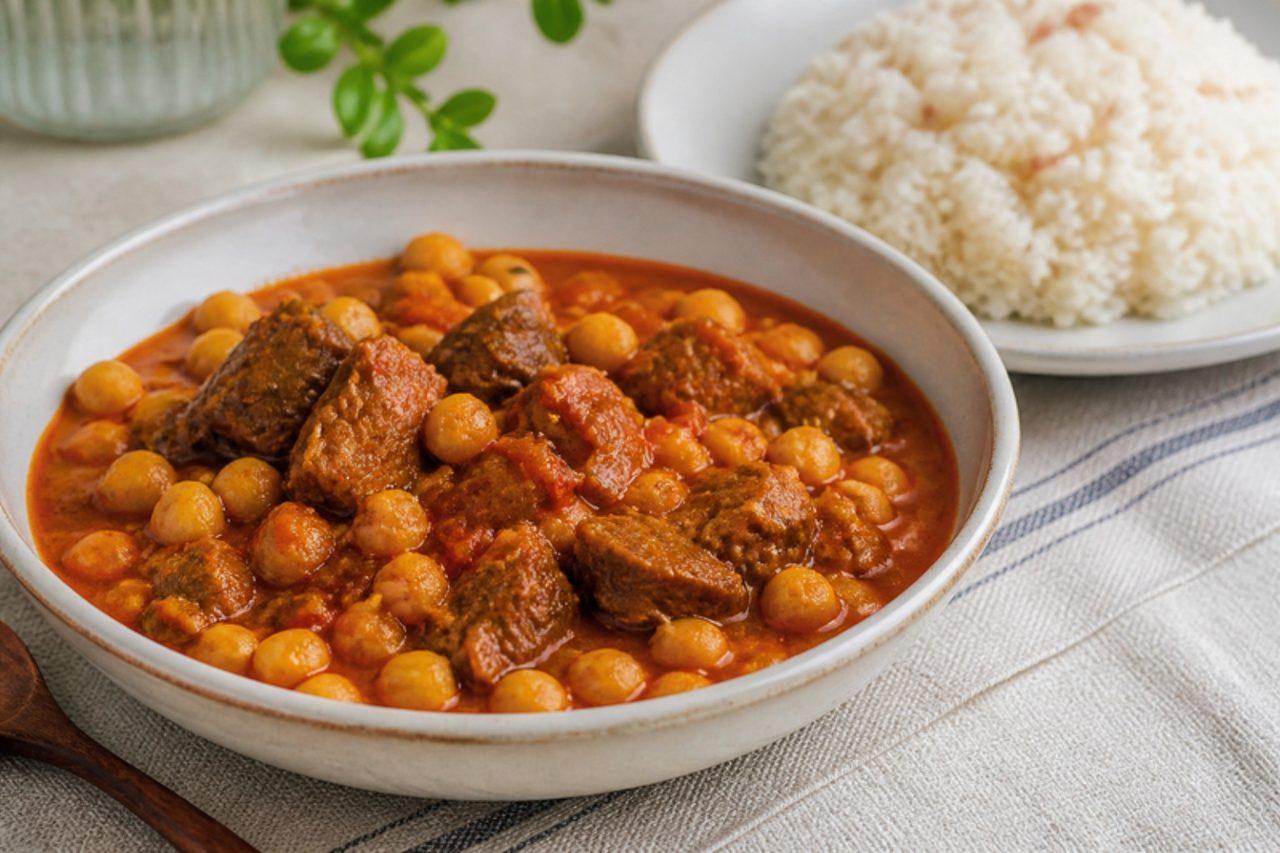
Ask anyone in Turkey for the taste of a school lunch or a lokanta set menu and many will say etli nohut with pilav: chickpeas simmered with cubes of lamb, onion, tomato and pepper paste until the sauce is thick and the chickpeas creamy. Spooned over buttery rice with a few pickles alongside, it is cheap, filling and better the next day. Soaking dried chickpeas overnight makes the biggest difference. Common mistake: adding salt and tomato paste before the chickpeas are tender, which keeps them hard. Chef's tip: brown the lamb in batches so it sears instead of stewing in its own juice; that crust flavours the whole pot.

115 minTurkishMeatGluten free
by KrazyBadal 0 views

Patlıcan musakka

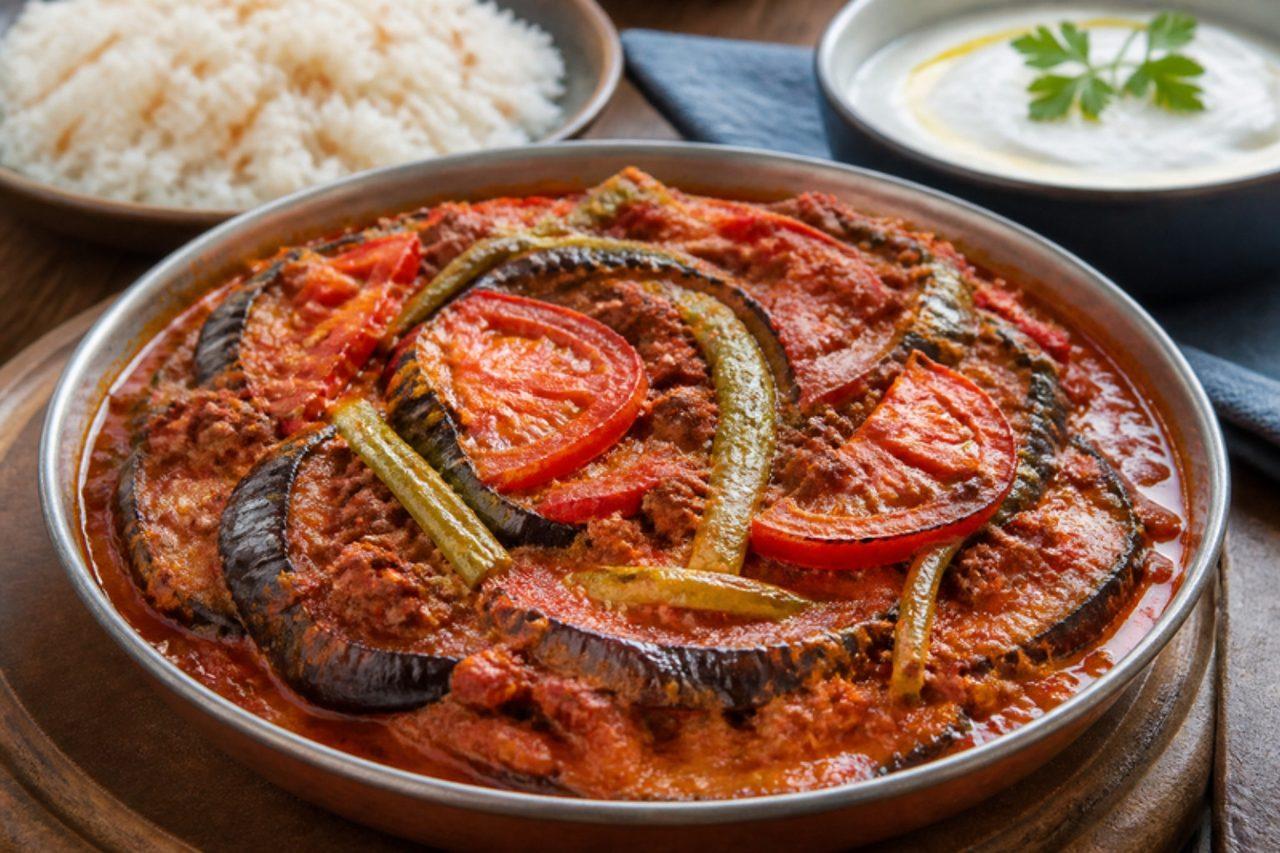
Turkish musakka has little in common with the Greek bake: there is no béchamel and no potato, just fried aubergine and a mince sauce with peppers and tomato, layered in a pan and simmered until the aubergine melts. It is a summer favourite in home kitchens from İzmir to Ankara, served warm with rice pilaf and a bowl of cacık. Salting and draining the aubergine stops it drinking too much oil. Common mistake: frying the aubergine pale; it needs to be properly golden or it turns slimy in the sauce. Chef's tip: bake the aubergine slices brushed with oil at 220 °C instead of frying if you want a lighter dish.

by KrazyBadal 0 views

Tas kebabı

Despite the name, tas kebabı never sees a grill: it is a bowl ('tas') of beef braised slowly with lots of onion, tomato and a little pepper paste until the meat is soft and the sauce is rich and glossy. It is a mainstay of esnaf lokantası, the tradesmen's restaurants where workers eat a hot lunch from steam trays, and is served over buttery rice pilaf or alongside mashed potato. Common mistake: crowding the pan when browning, so the beef boils grey. Chef's tip: cook the onions down until jammy before the tomato goes in; they melt into the sauce and give it body without any flour.

125 minTurkishMeatGluten free
by KrazyBadal 0 views

Sucuklu yumurta

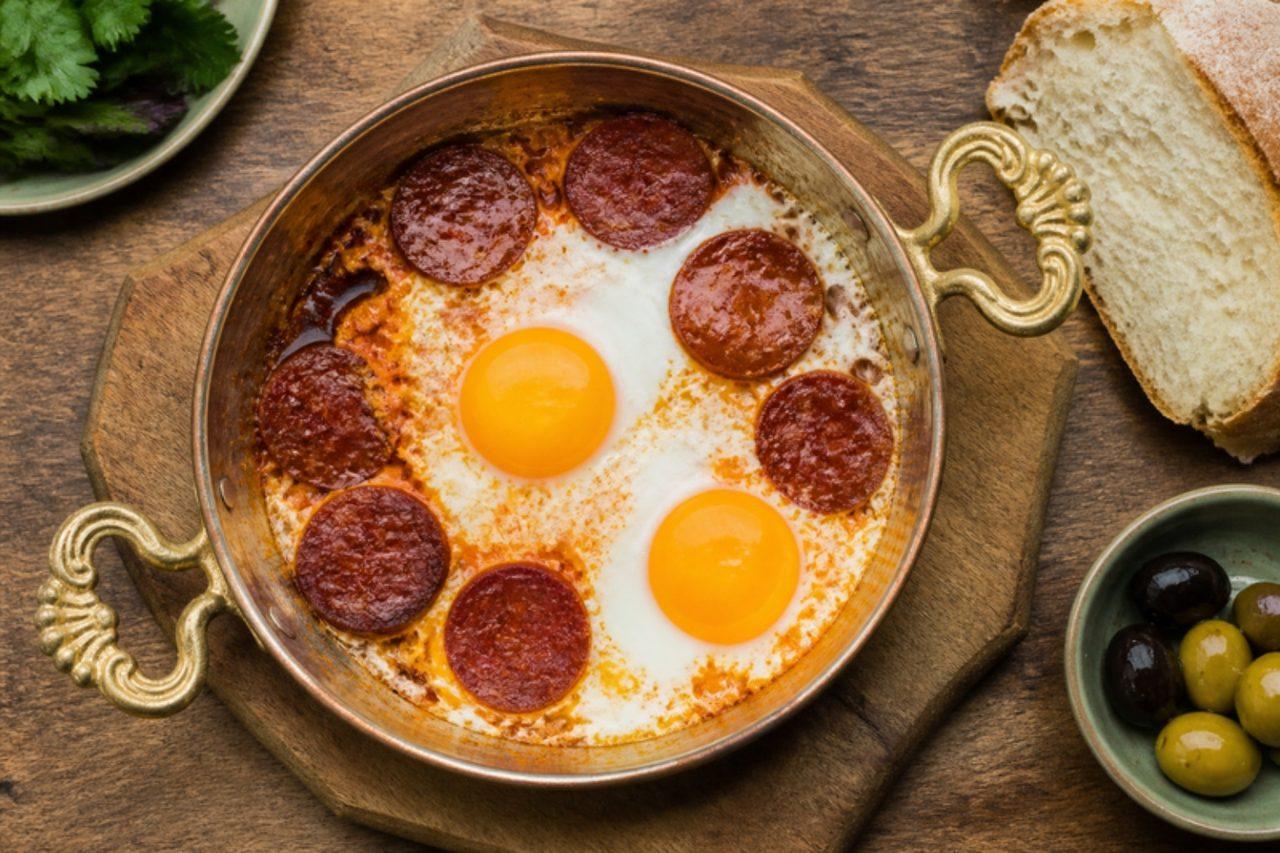
No Turkish weekend breakfast spread feels complete without a sizzling sahan of sucuklu yumurta carried to the table: slices of garlicky, cumin-spiced beef sucuk fried in their own red fat, with eggs cracked over and cooked just until the whites set. Everyone tears bread and dips it straight into the pan, between bites of cheese, olives and tomato. Sucuk is a cured beef sausage; cook it thoroughly. Common mistake: frying the sucuk on high heat, which burns the spices and makes the slices curl and harden. Chef's tip: add a teaspoon of water to the pan once the sucuk has released its fat; it stops the slices burning and helps cook the egg tops.

by KrazyBadal 0 views

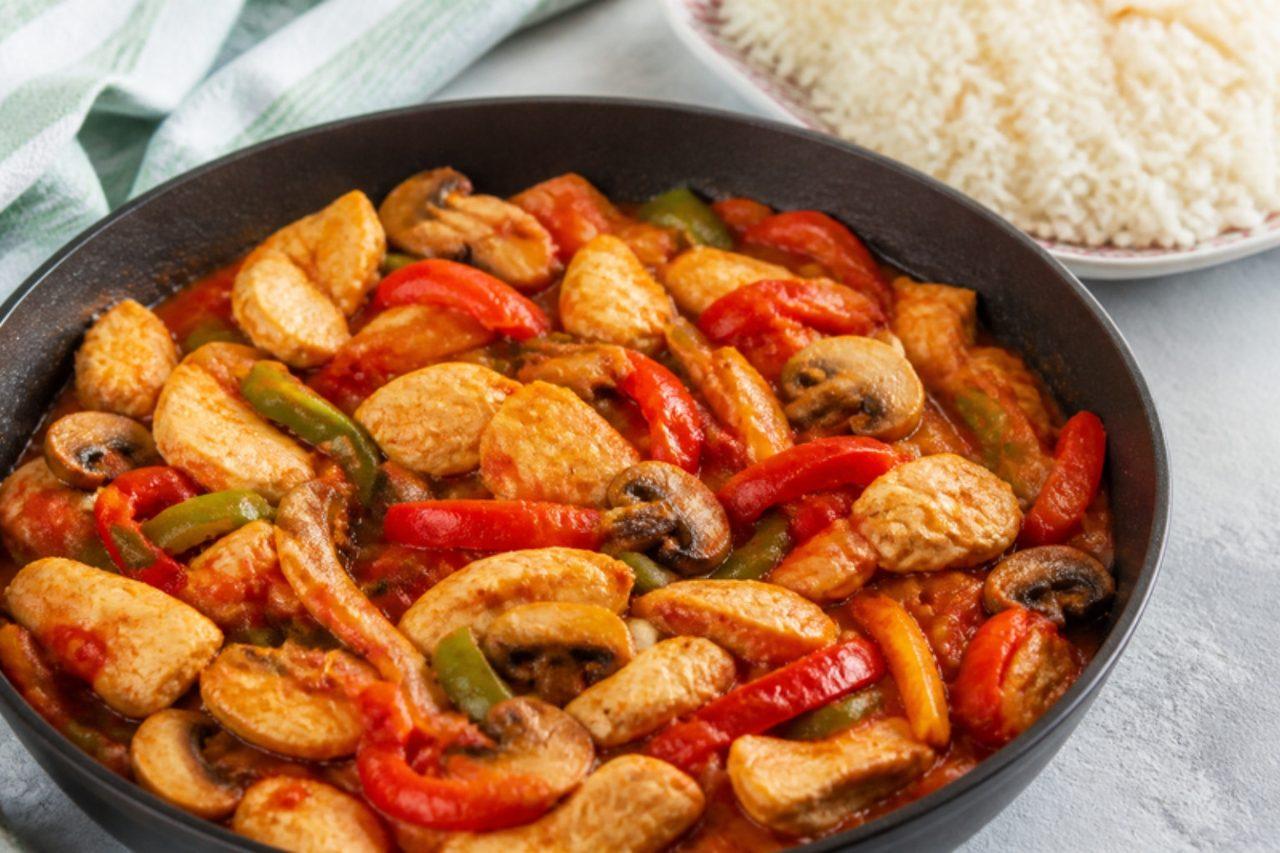
Tavuk sote

Tavuk sote is what Turkish home cooks make on a busy weekday: strips of chicken thigh seared hard, then tossed with green and red peppers, mushrooms, onion, tomato and a spoonful of pepper paste until glossy. It cooks in the time the bulgur or rice takes, and lokantas serve it from the steam tray with a side of yoghurt. Thigh meat stays juicy; breast dries out quickly. Common mistake: adding all the chicken at once, which drops the pan temperature and leaves it pale and watery. Chef's tip: finish with a knob of butter and a pinch of dried thyme off the heat for a glossy, aromatic sauce.

by KrazyBadal 0 views

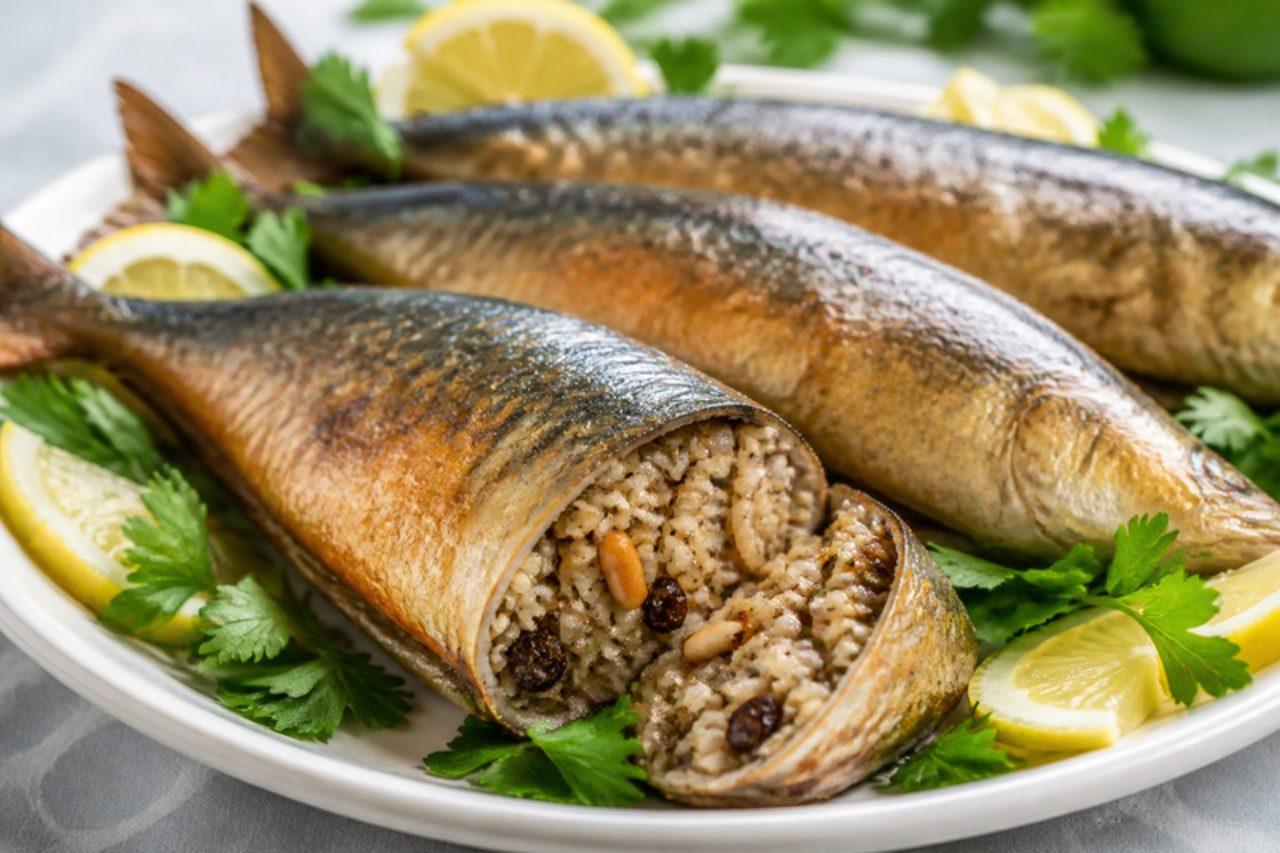
Uskumru dolması

Uskumru dolması is a showpiece of Istanbul's old Armenian and Greek meyhane kitchens, made in autumn when Bosphorus mackerel are fat: the skin is eased off whole, the flesh mixed with spiced rice, walnuts, currants and herbs, then stuffed back in so the fish looks untouched. It is dipped in egg and flour, fried and served at room temperature in slices as a cold meze. It takes time but impresses every guest. Chef's tip: roll and massage the fish firmly before you start; the spine snaps at the head and the skin loosens so you can push the flesh out without tearing it.

105 minTurkishFish
by KrazyBadal 0 views
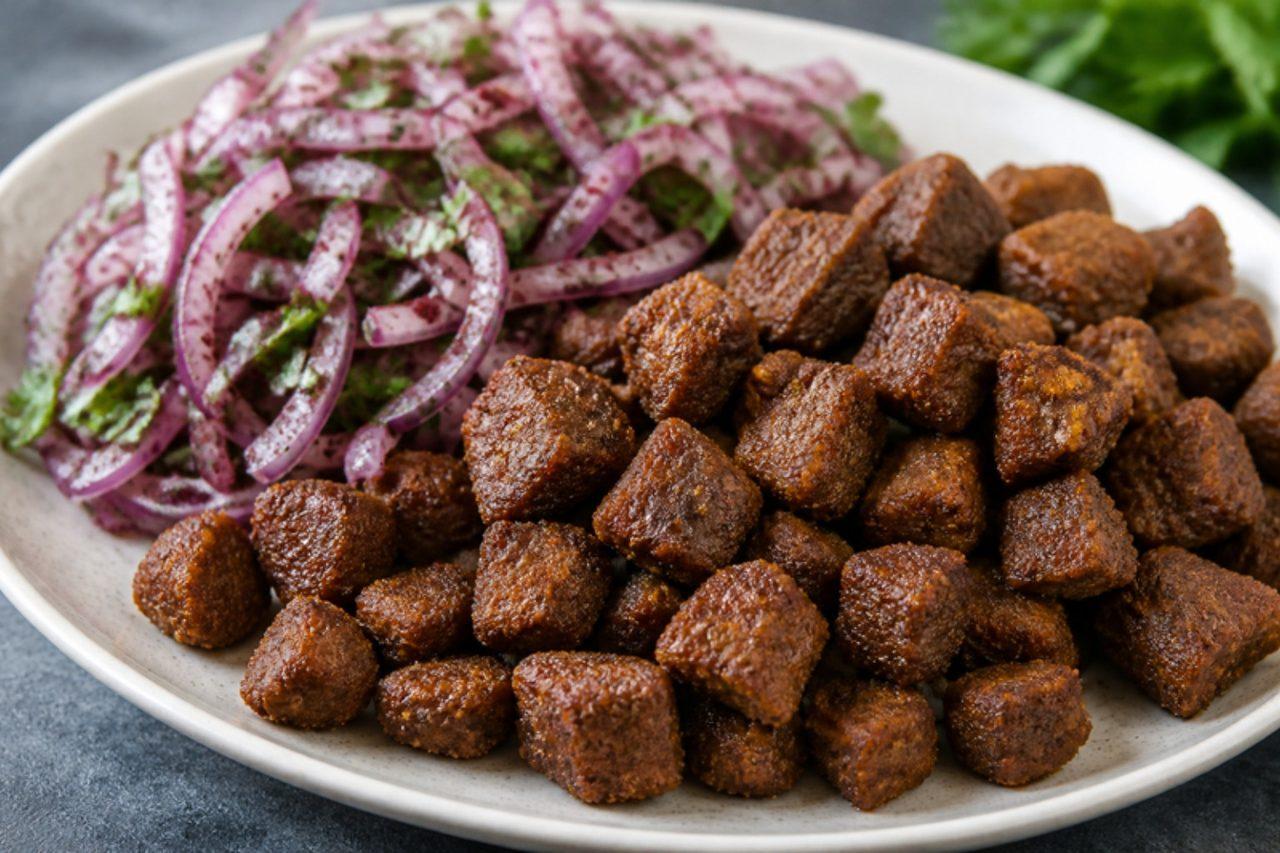
Arnavut ciğeri

No Istanbul meyhane table in Beyoğlu or Kumkapı is complete without a plate of Arnavut ciğeri: small cubes of lamb's liver dusted in paprika flour and flash-fried until crisp outside and just set within, piled on red onion, parsley and sumac. It is served hot among the cold meze, with toasted bread and a glass of something cold; ayran or şalgam work perfectly. Liver is quick to cook and quick to ruin. Chef's tip: shake off every bit of excess flour and fry in small batches in very hot oil, so the cubes crisp instantly instead of stewing.

by KrazyBadal 0 views
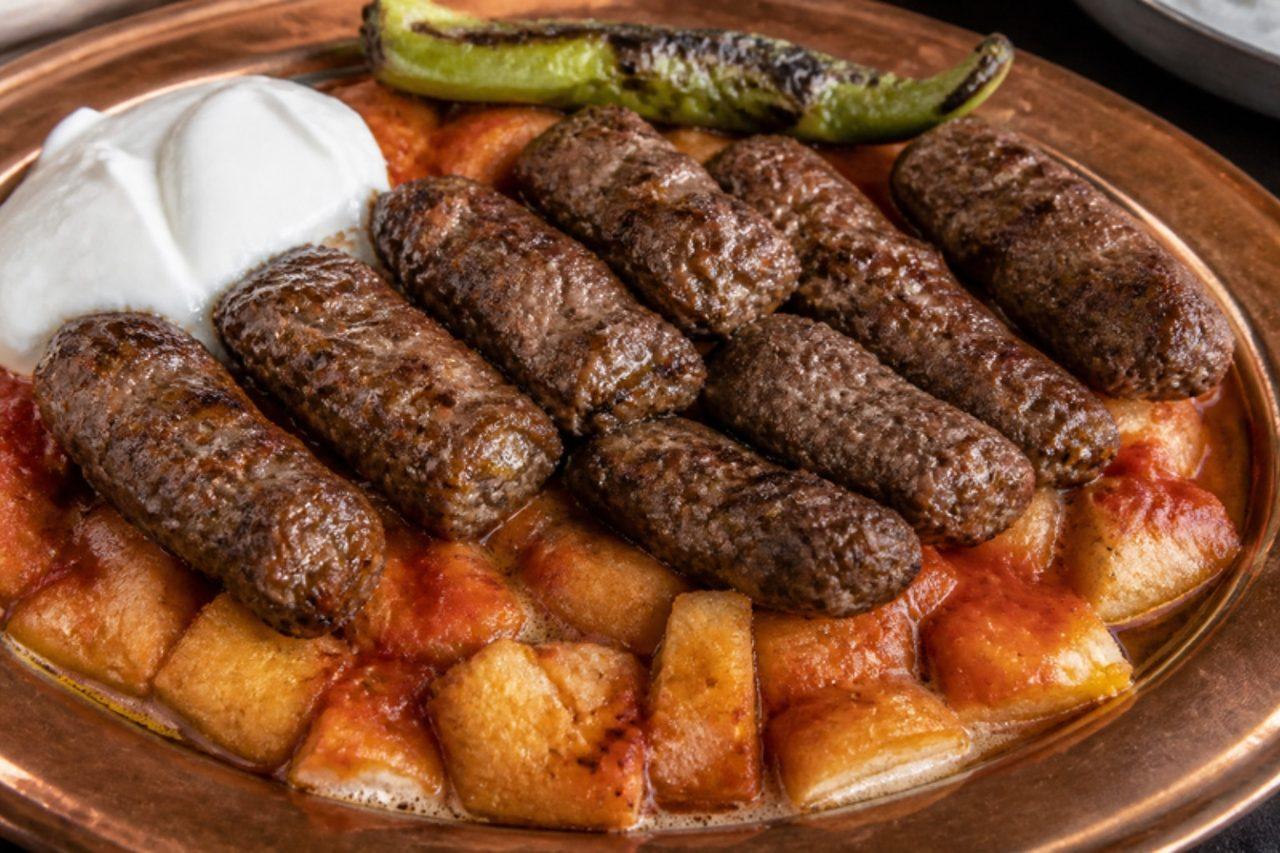
Pideli köfte

Bursa, the city that gave the world İskender, has its own everyday answer for those who don't want doner: pideli köfte, served in workers' lokantas around the Ulu Cami. Small grilled köfte are laid over cubes of soft pide, drenched in a thin tomato sauce, then finished at the table with browned butter poured over so it hisses, with thick yoghurt on the side. It is rich, messy and very satisfying. Chef's tip: warm the pide in the oven before adding the sauce, so it soaks up the juices but keeps some chew.

by KrazyBadal 0 views
Tekirdağ köftesi

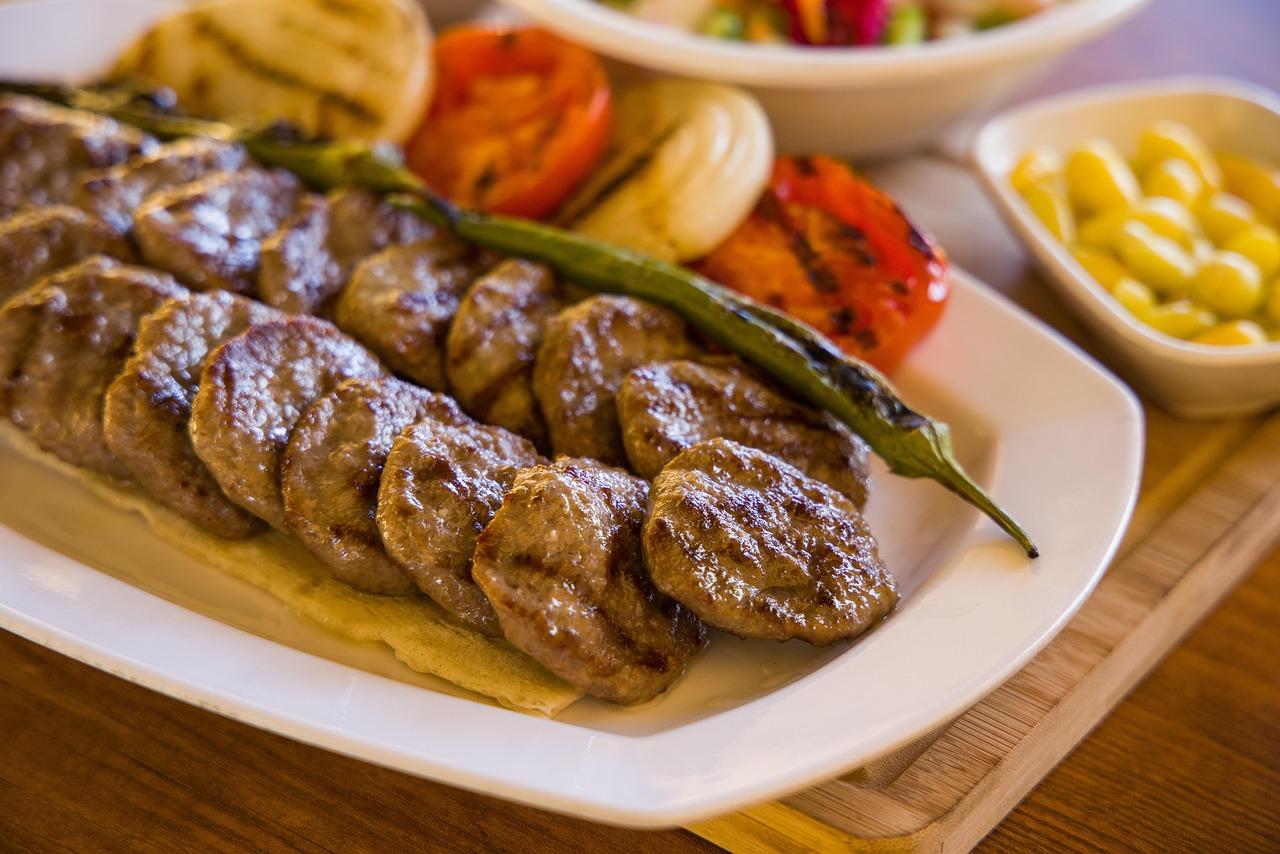
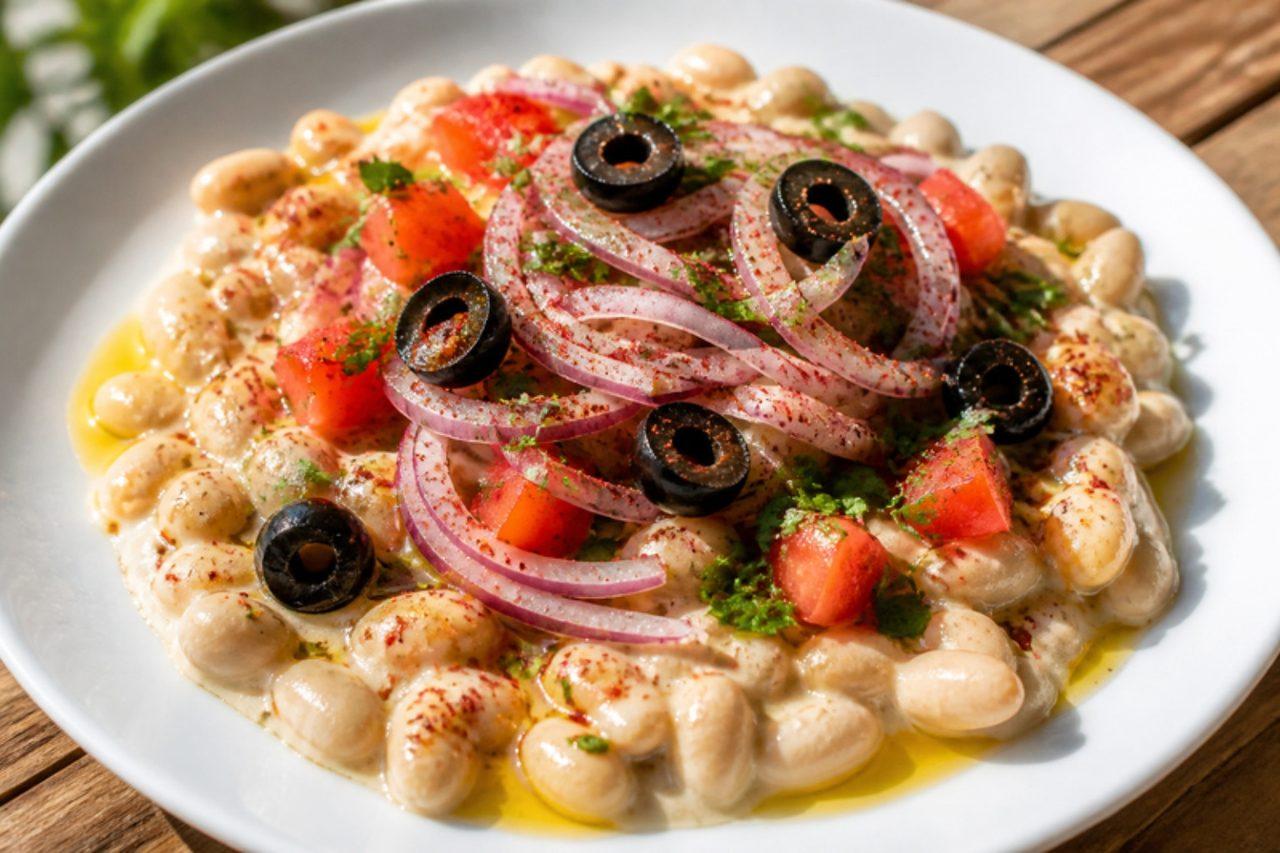
In Tekirdağ, on the Sea of Marmara, köfte houses have been grilling the same small, flat, oval meatballs for a century: beef and a little lamb, bread, cumin and nothing much else, cooked over charcoal and served in rows with white bean piyaz, roasted green peppers and a dusting of chilli. The meat is lightly kneaded, so it stays juicy and tender. Make it on a barbecue in summer or a ridged pan in winter. Chef's tip: knead the mince with the bread and let it rest overnight; the flavours meld and the köfte hold together on the grill without any egg.

by KrazyBadal 0 views
Kadınbudu köfte

The name means 'lady's thigh', a playful Ottoman-era compliment to their plump, tender shape, and these köfte still appear in Istanbul home kitchens and old lokantas for Friday lunch. Half the meat is cooked with onion first, then mixed with raw mince, rice and herbs, so the köfte are unusually soft and moist. They are dipped in egg and fried golden, and served with a simple tomato salad and pilaf or mashed potato. Chef's tip: the rice must be fully cooked and cooled before mixing, or the köfte crack and fall apart in the pan.

by KrazyBadal 0 views
Boyoz

İzmir mornings begin at a boyoz stand in Alsancak or Kemeraltı: a small round pastry of paper-thin, oil-stretched dough, coiled into a snail and baked until the layers shatter, eaten beside a halved hard-boiled egg and a glass of tea. Sephardic Jews brought it to the city centuries ago, and İzmir has guarded it ever since. The dough itself is plain; the magic is in the long rest in oil and the stretching. Chef's tip: let the dough balls sit submerged in oil for a full two hours; they relax so completely that you can stretch them almost transparent without tearing.

by KrazyBadal 0 views
Deniz börülcesi salatası

Along the Aegean coast from Ayvalık down to Bodrum, every meze tray in early summer carries a tangle of deniz börülcesi, the salty, crunchy samphire gathered from the marshes. It is blanched, pulled off its woody cores, then dressed with plenty of garlic, lemon and olive oil and served cold beside grilled fish. It tastes of the sea in the best way. Chef's tip: don't salt the cooking water or the dressing; samphire carries all the salt it needs.

by KrazyBadal 0 views
Kabak çiçeği dolması

In the Aegean villages around Ödemiş and Bodrum, women gather courgette flowers at dawn while they are still open, and by lunchtime they have been stuffed with a fragrant rice of tomato, mint, dill and pine nuts and gently simmered in olive oil. Served at room temperature as part of a summer meze spread, they are delicate and almost sweet. Pick (or buy) the male flowers on long stems, and use them the same day. Chef's tip: twist the petal tips closed rather than folding them; a gentle twist holds the filling better in the pot.

by KrazyBadal 0 views
Zeytinyağlı taze bakla

In April, when the first tender broad beans arrive in İzmir's markets, Aegean cooks braise them whole, pods and all, with onion, dill and olive oil, and serve them cold under a blanket of garlic yoghurt. The pods turn silky and slightly sweet, nothing like the tough shells of older beans. It is one of the true markers of spring on the coast. Chef's tip: rub the pods with lemon and a little flour before cooking; it keeps them green and stops them blackening as they braise.

by KrazyBadal 0 views
Kabak mücver

Mücver are the courgette fritters fried in every Aegean summer kitchen, from Foça to Datça, when courgettes pile up faster than anyone can eat them. Grated courgette is squeezed dry and bound with egg, a little flour, crumbled white cheese and a fistful of dill, mint and spring onion, then fried until lacy and golden. Serve them hot or warm with garlic yoghurt as a meze or a light supper. Beyaz peynir and feta are often made with animal rennet, so look for a vegetarian one if needed. Chef's tip: salt the courgette and squeeze it hard in a cloth; wet courgette makes heavy fritters that never crisp.

by KrazyBadal 0 views
Sakızlı muhallebi

Çeşme looks across the water to Chios, the island where mastic trees weep their resin, and the town's pudding shops have long used it to perfume a simple, wobbly milk pudding. The flavour is hard to describe: piney, a little floral, very fresh against cold creamy milk. It is the dessert to order after a long fish lunch in Alaçatı. Chef's tip: grind the mastic with a teaspoon of sugar in a mortar; on its own it gums up into sticky lumps.

by KrazyBadal 0 views
İncir tatlısı

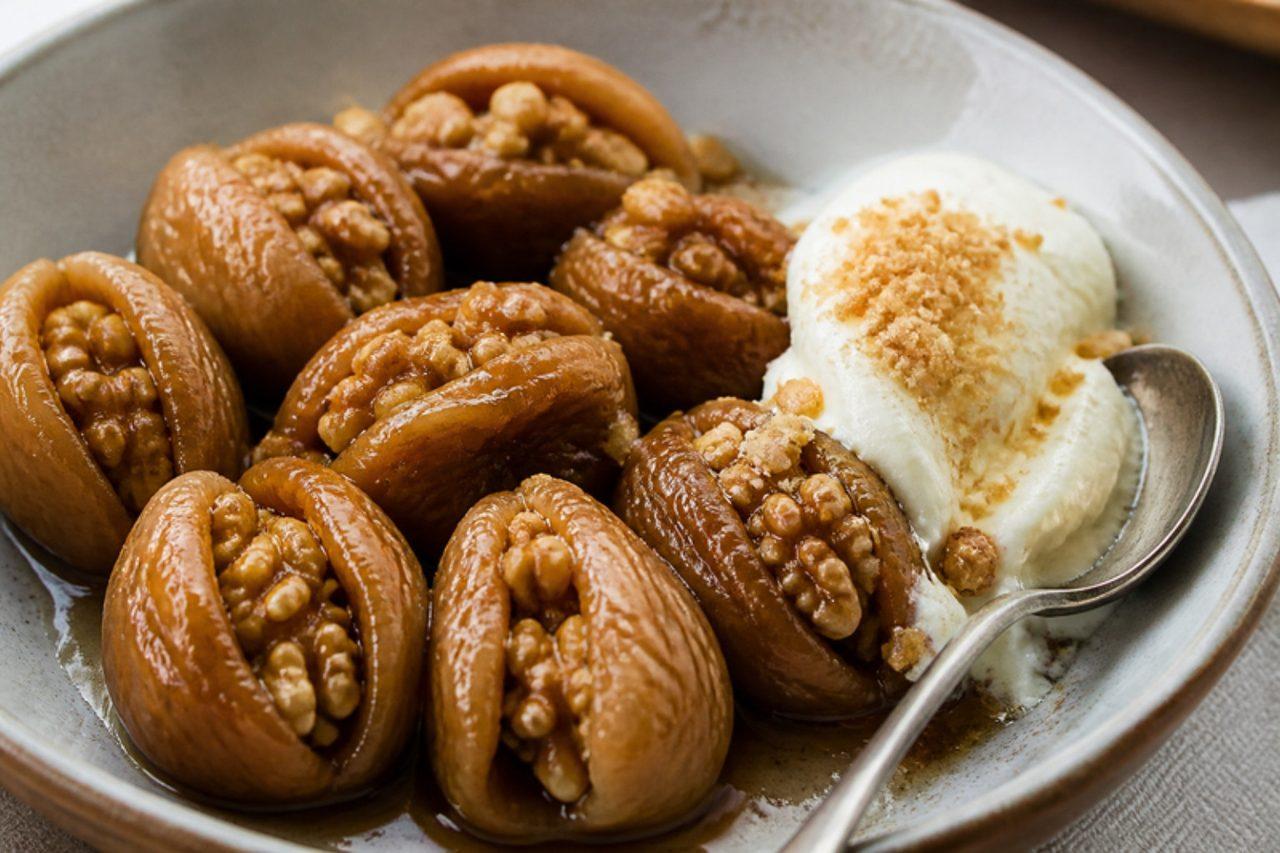
The plain around Aydın grows most of Turkey's figs, and in winter, when only the dried ones remain, local cooks soften them in water, tuck a walnut half inside each, and poach them in a light syrup until they plump up dark and glossy. A spoonful of milk in the pan, an old Aegean trick, gives the syrup a soft caramel note. Serve them cold with kaymak or thick yoghurt. Chef's tip: soak the figs first so they swell before cooking; added dry, they stay leathery in the middle however long they simmer.

by KrazyBadal 0 views
Girit ezmesi

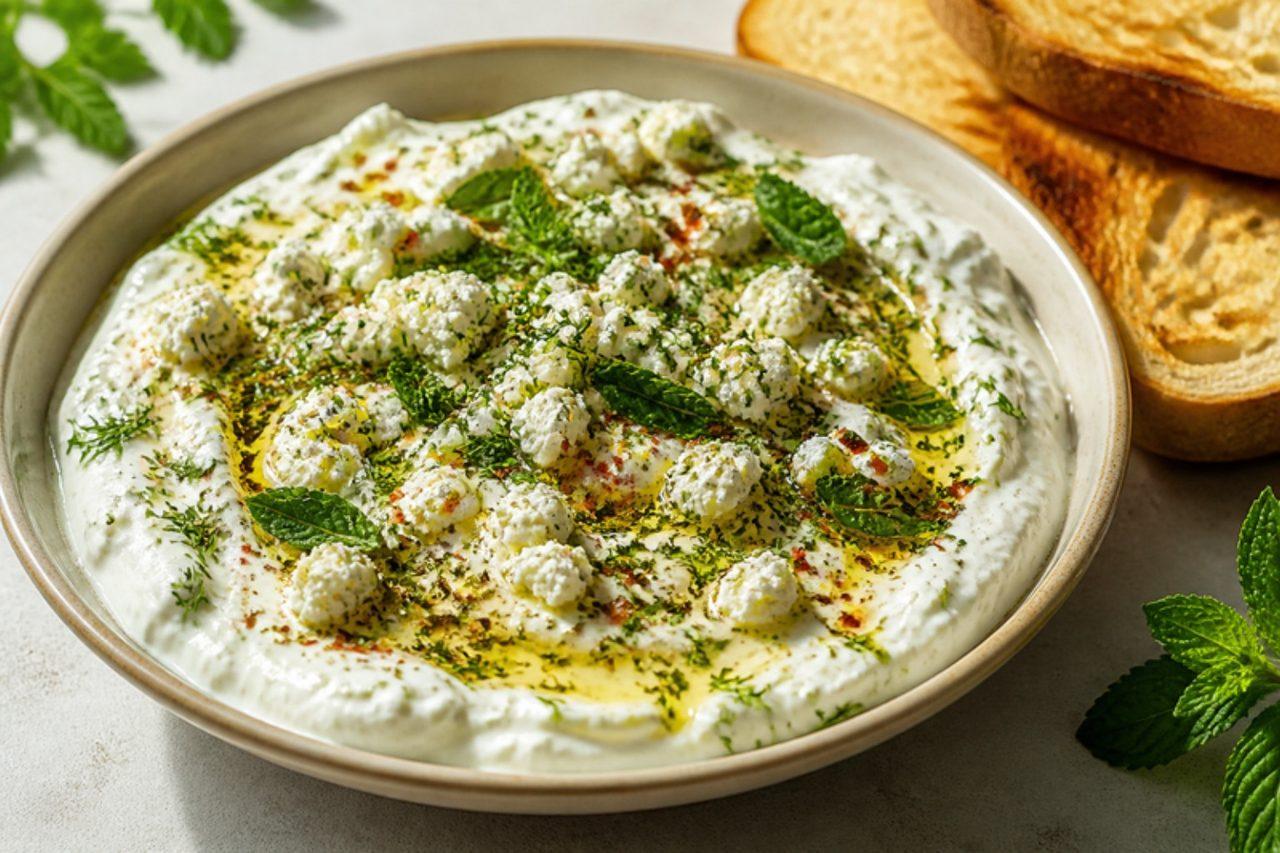
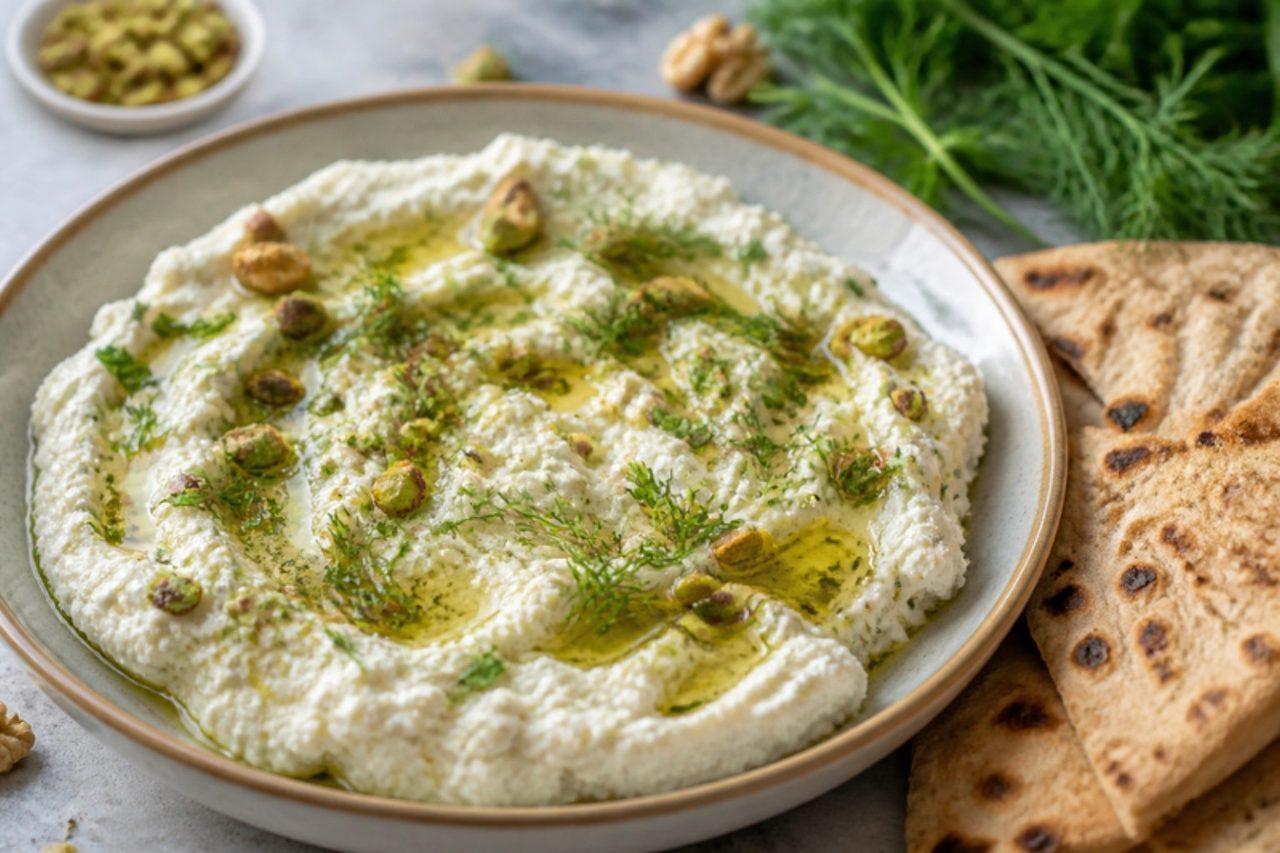
Girit ezmesi takes its name from the Cretan Muslims who settled in Alaçatı and Çeşme a century ago, and it is still a fixture of every meze table in those whitewashed streets. Soft white cheese is mashed with olive oil, walnuts, garlic, plenty of herbs and a dusting of hot pepper into a rough, salty spread that begs for warm bread. Feta and beyaz peynir are often made with animal rennet, so choose a vegetarian one if you need to. Chef's tip: mash by hand with a fork rather than blending; it should stay textured, with visible pieces of walnut and herb.

by KrazyBadal 0 views
Şambali

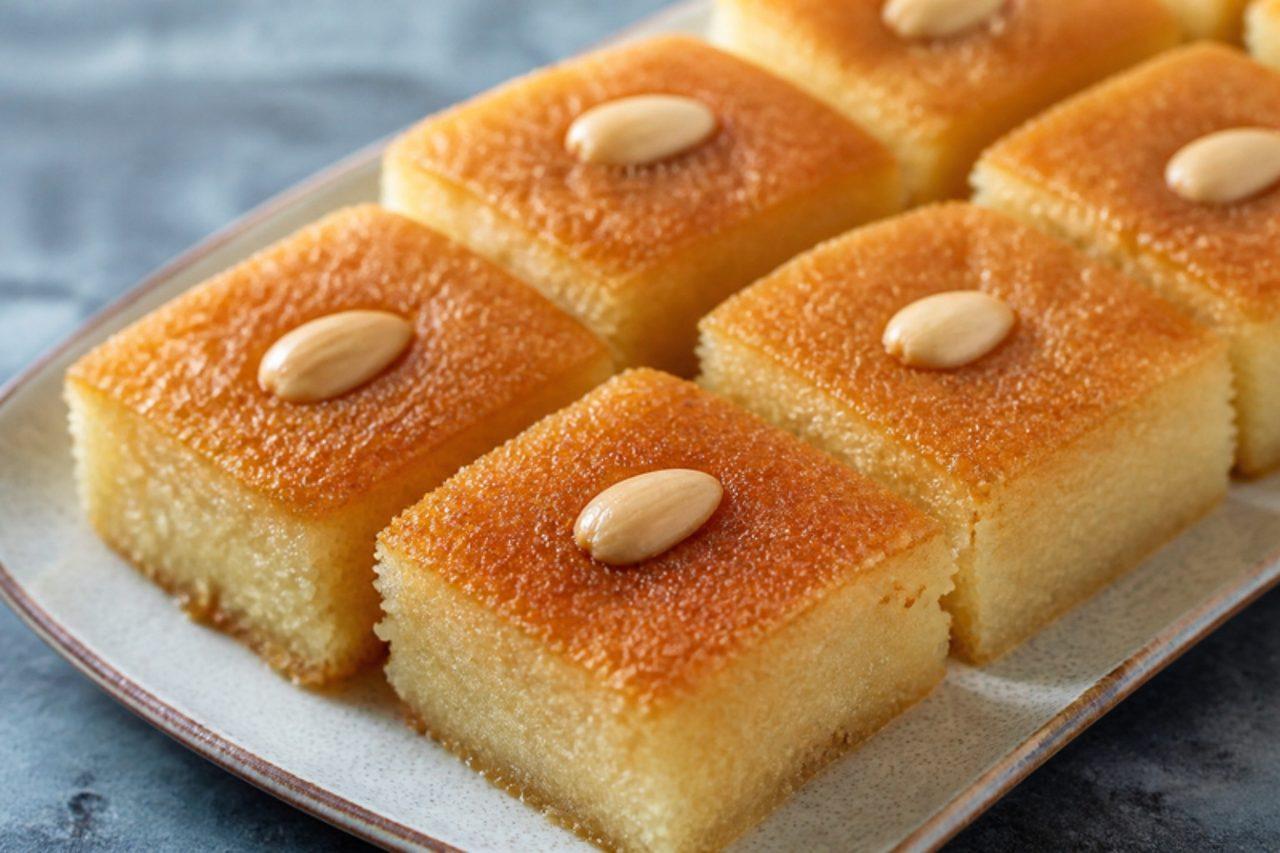
Walk through İzmir's Kemeraltı bazaar and you'll see huge copper trays of şambali, cut into diamonds, each topped with a blanched almond and glistening with syrup. It is a dense, moist semolina cake made with yoghurt, sold by street vendors and old pastry shops, sometimes with a spoon of kaymak on top. Plainer than it looks and dangerously easy to eat. Chef's tip: rest the batter for a few hours, or overnight, so the semolina softens fully; otherwise the cake is gritty.

by KrazyBadal 0 views
Sıkma

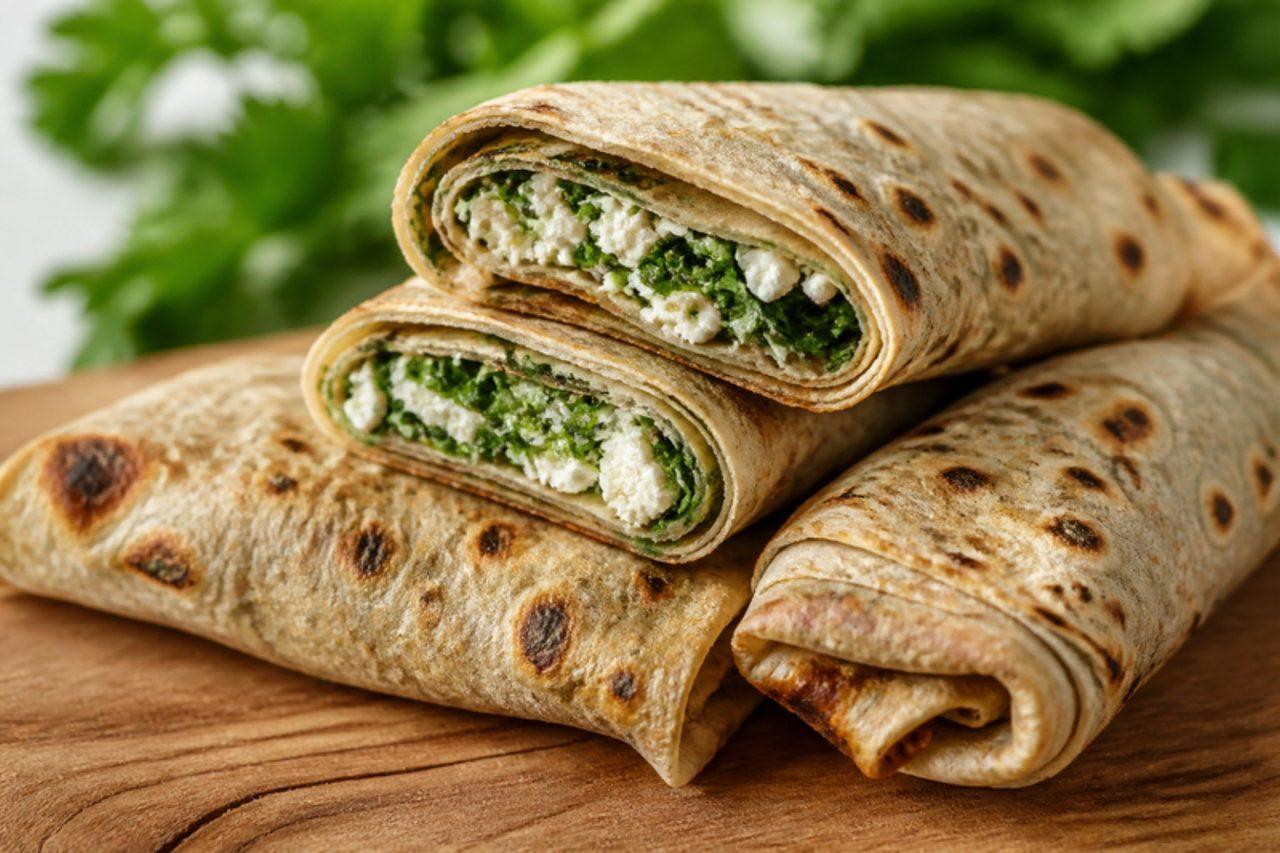
At village markets in the hills behind the Aegean and Mediterranean coasts, women sit at a convex sac griddle rolling out paper-thin dough, cooking it in seconds and 'squeezing' (sıkmak) it around a filling of white cheese and herbs. You eat it rolled up and still hot, with ayran. It is the simplest snack there is and easily done in a large frying pan. Beyaz peynir is often made with animal rennet; choose a vegetarian one if needed. Chef's tip: roll the dough as thin as you can and cook it fast on a very hot, dry pan; slow cooking makes it brittle instead of soft and foldable.

by KrazyBadal 0 views
Ege ot böreği

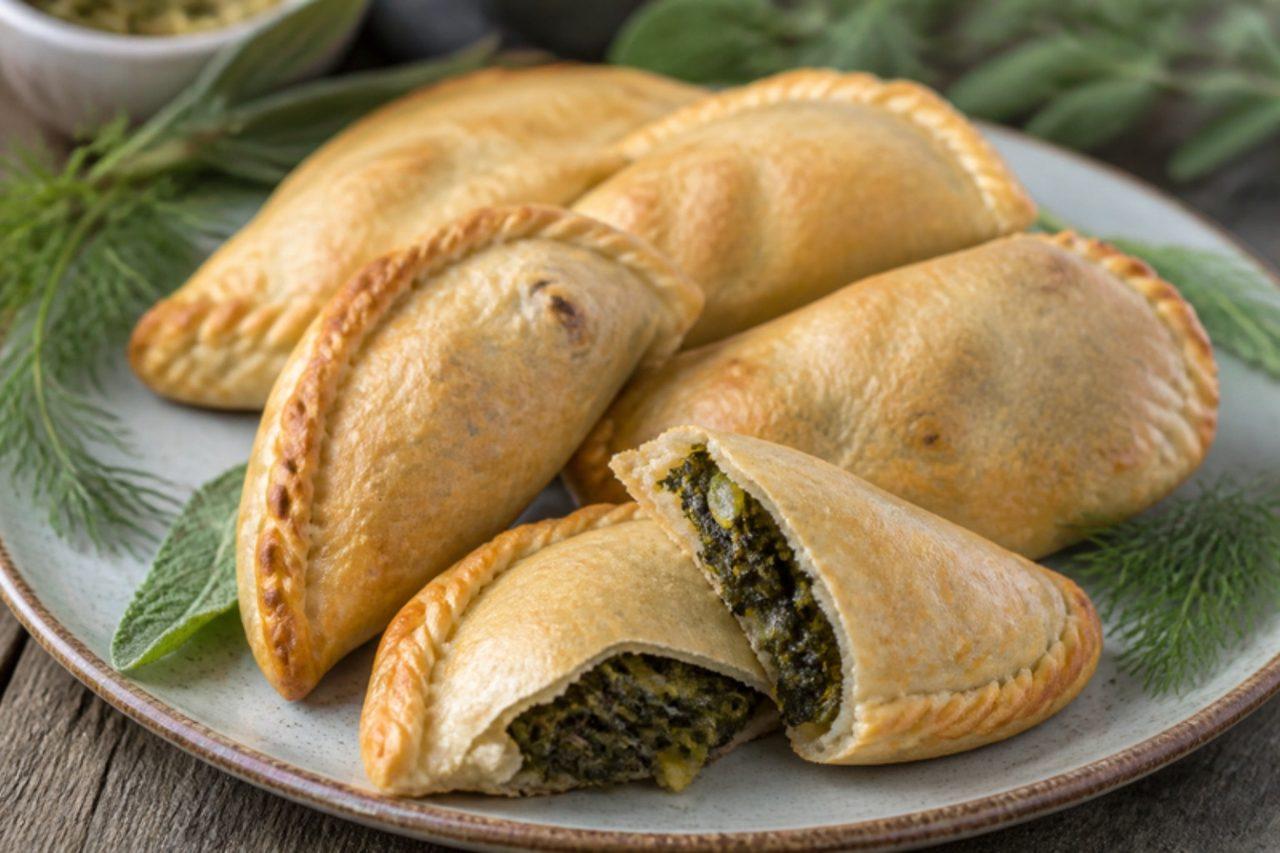
In spring, Aegean women around Urla and Ayvalık forage for wild greens (radika, mallow, wild fennel, chard and sorrel) and fold them into little half-moon pies, fried or baked, for the Hıdırellez spring festival and village picnics. Spinach and chard with lots of dill and mint make a good shop-bought substitute. They are herby, a little sour, and lovely warm or cold with yoghurt. Chef's tip: wilt and squeeze the greens thoroughly; any water left in the filling turns the pastry soggy and makes it burst.

by KrazyBadal 0 views
İzmir köfte

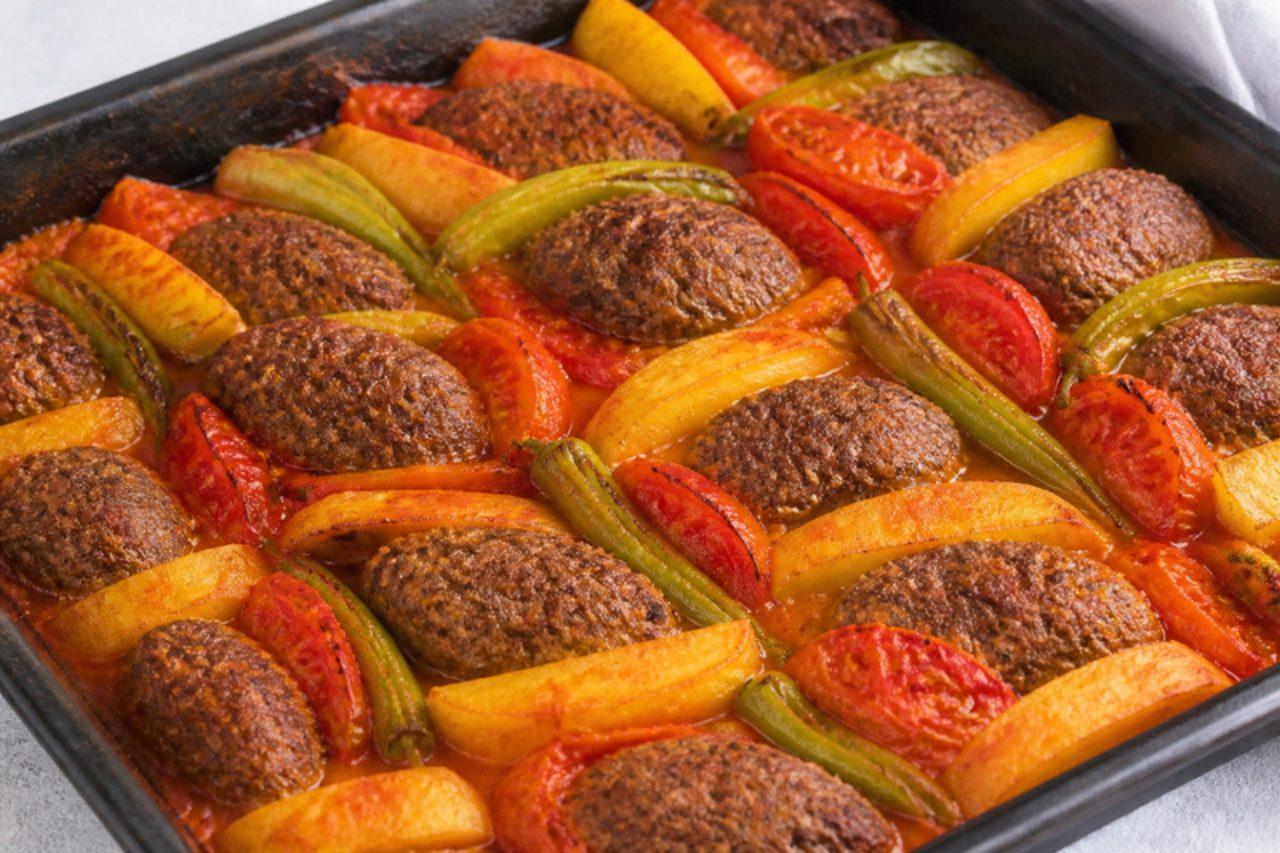
Ask anyone from İzmir what their mother cooked on weeknights and İzmir köfte comes up: fingers of cumin-scented köfte, wedges of potato and long green peppers, lined up in a tray and baked in a thin tomato sauce until everything is soft and the edges catch. It is a one-tray family supper served with rice pilaf, a bowl of cacık and plenty of bread for the sauce. Chef's tip: fry the köfte and potatoes briefly before baking; that quick browning gives depth the oven alone can't.

by KrazyBadal 0 views
Çökertme kebabı

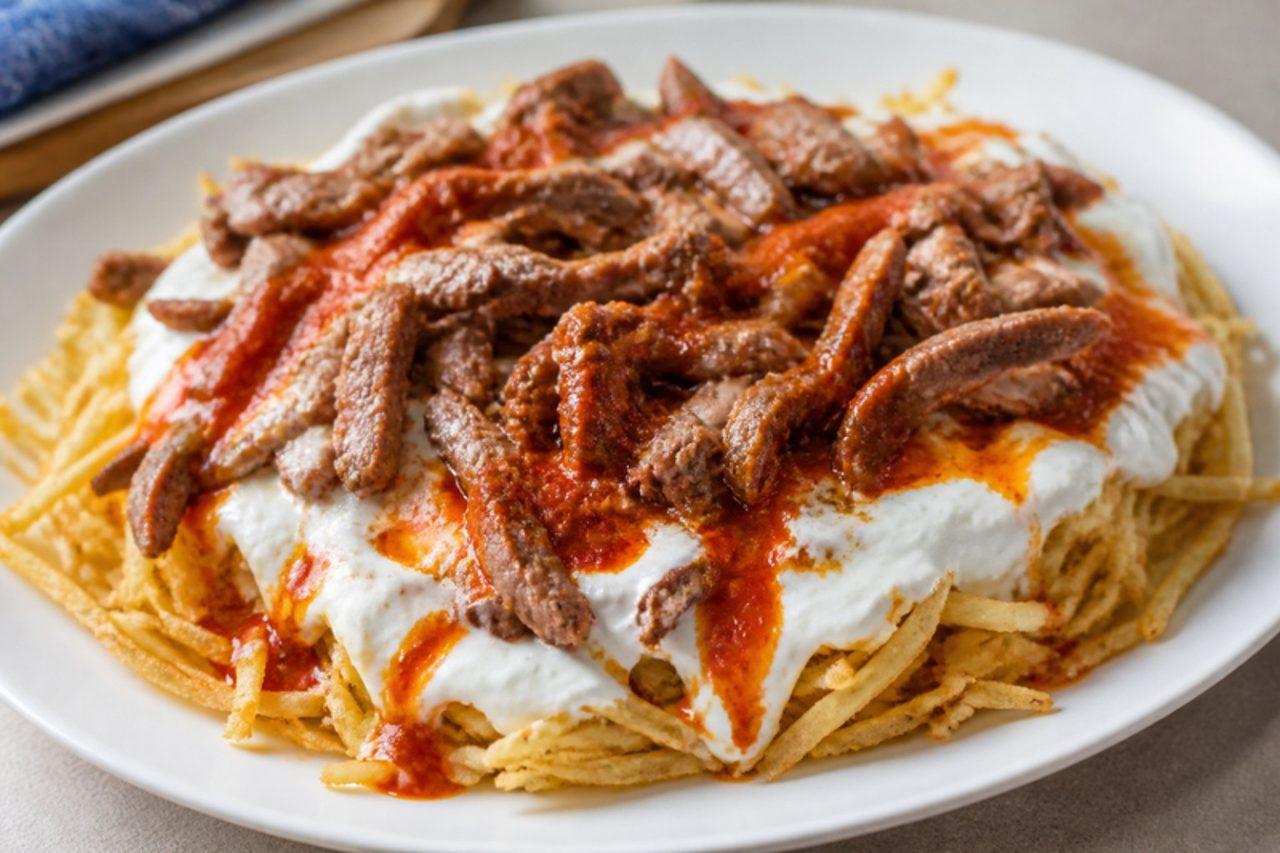
Çökertme is the kebab Bodrum is proud of: a bed of crisp, matchstick-thin fried potatoes, a layer of garlicky yoghurt, then tender strips of sautéed beef on top, finished with tomato sauce and butter. It is restaurant food in the town but easy to make at home for a Saturday lunch, and the contrast of hot, crunchy, cool and creamy is what makes it. Chef's tip: cut the potatoes very thin and fry them in two batches just before serving; made ahead, they go limp under the yoghurt.

by KrazyBadal 0 views
Kumru

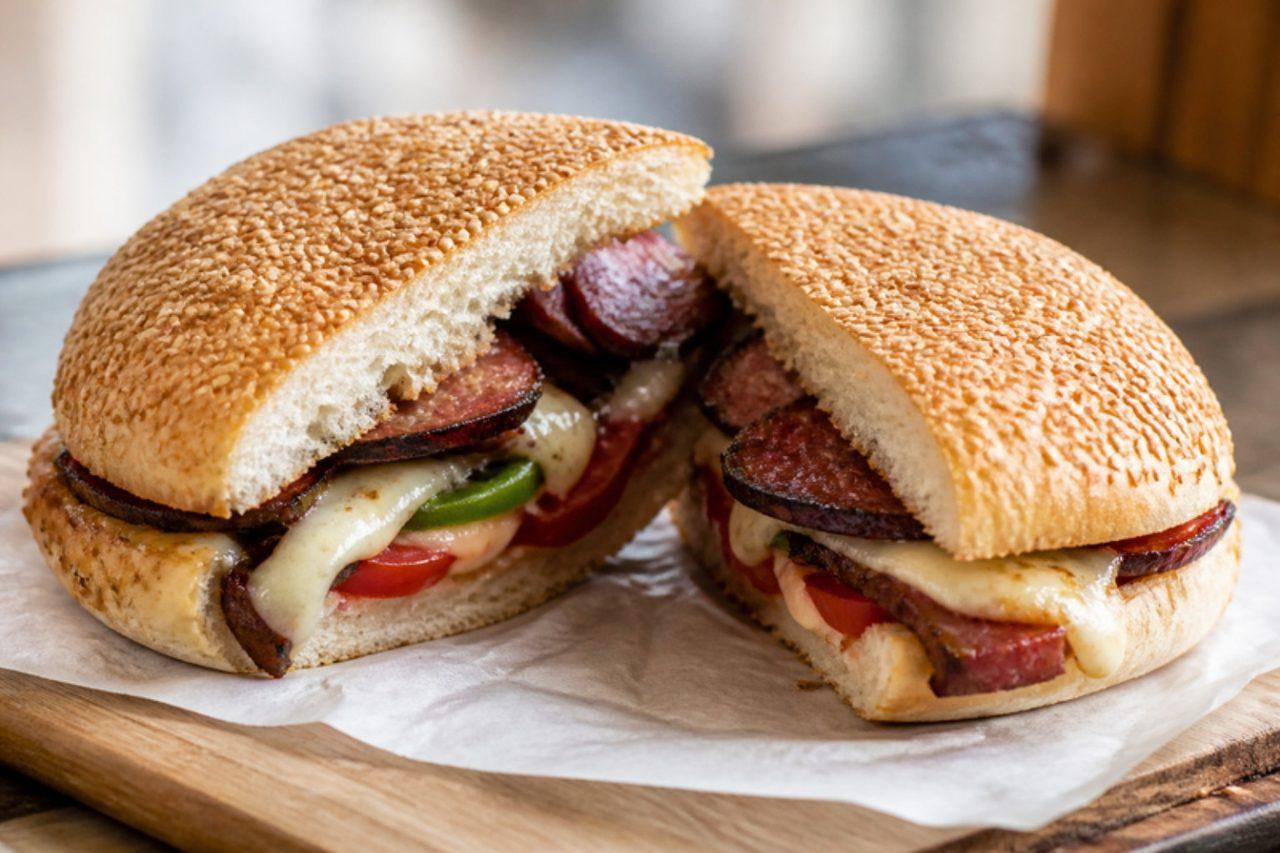
The kumru takes its name from the dove-shaped sesame roll baked in İzmir and is the city's favourite beach snack, especially at the stands of Çeşme. The roll is filled with slices of beef sucuk (spicy Turkish sausage), melting kaşar, tomato and green pepper, then pressed flat in a hot sandwich press until the crust crackles. Eat it with an ayran in the shade. Chef's tip: fry the sucuk slices briefly first so they release their red, spicy fat into the bread before you press it.

by KrazyBadal 0 views
Ayvalık tostu

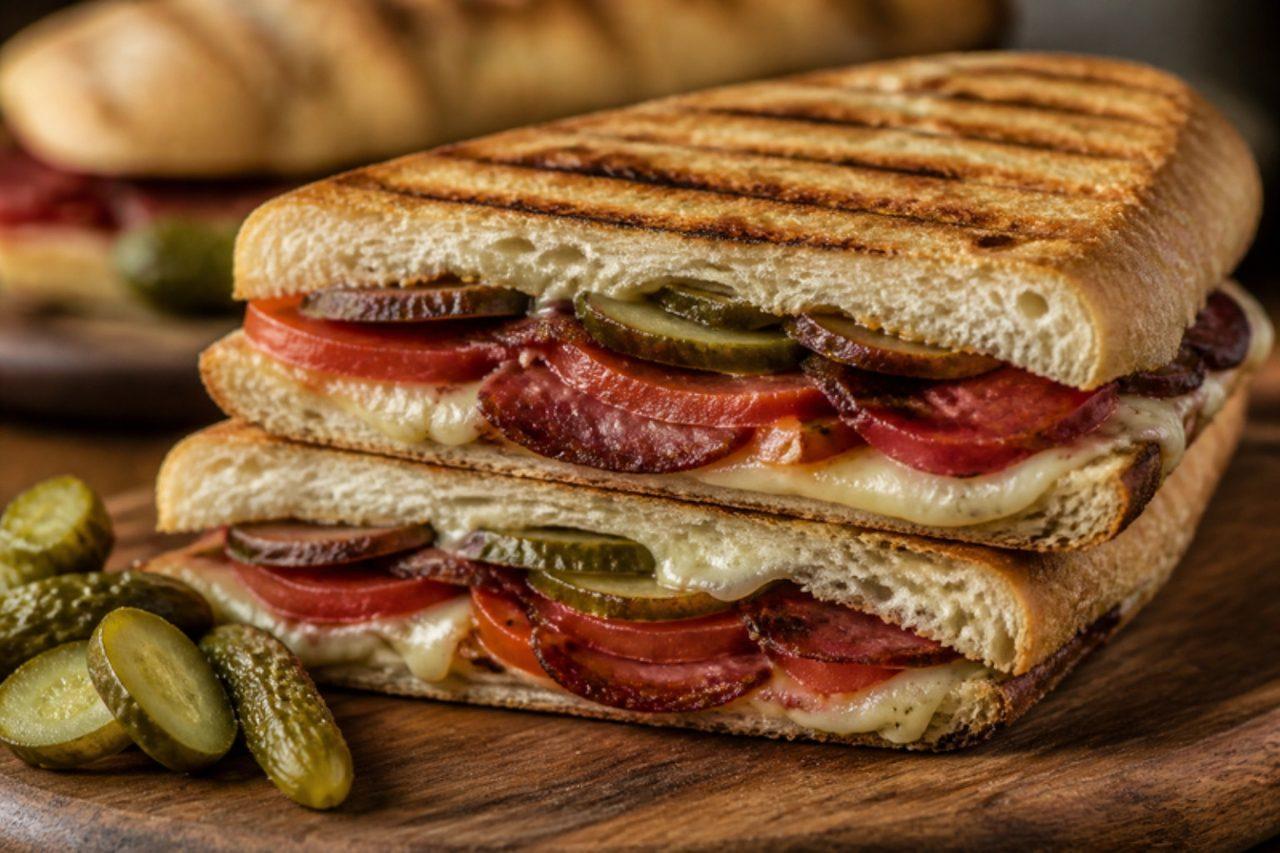
Ayvalık, the olive-oil town on the north Aegean, turned the humble cheese toastie into a feast: a long, soft loaf split and stuffed with kaşar, beef sucuk, beef salami, tomatoes and pickles, pressed hot, then opened up again to be piled with ketchup, mayonnaise and Russian salad. It is eaten for breakfast or as a late snack after a swim. This one has beef sausage and salami, so check the label if you avoid pork. Chef's tip: press it twice, once with the cheese and meats, then again after opening it to add the cold toppings, so the bread stays crisp.

by KrazyBadal 0 views
Levrek buğulama

Buğulama means 'steamed', and in the fish restaurants of Urla and Foça it is how gentle white fish like sea bass are cooked when the cook wants them to taste of themselves: laid over onions, tomatoes and peppers, covered and left to steam in their own juices with a little lemon and bay. The result is soft, moist fish in a light, fragrant broth to mop up with bread. Serve with a green salad and boiled potatoes. Chef's tip: keep the heat low once the lid goes on; the fish should barely tremble, not boil.

by KrazyBadal 0 views
Simit kebabı

In Gaziantep 'simit' means fine bulgur, not the sesame ring, and the city's kebab grills knead it into spicy lamb mince before shaping long flat skewers over charcoal. The bulgur soaks up the juices, so the kebab is tender inside with a crisp, charred crust. Serve on lavaş or thin flatbread with grilled tomatoes, peppers and a heap of sumac onions. Knead the mixture for a full ten minutes; under-kneaded meat falls off the skewer. Chef's tip: chill the shaped skewers for 30 minutes before grilling so they keep their shape over the heat.

by KrazyBadal 0 views
Tepsi kebabı

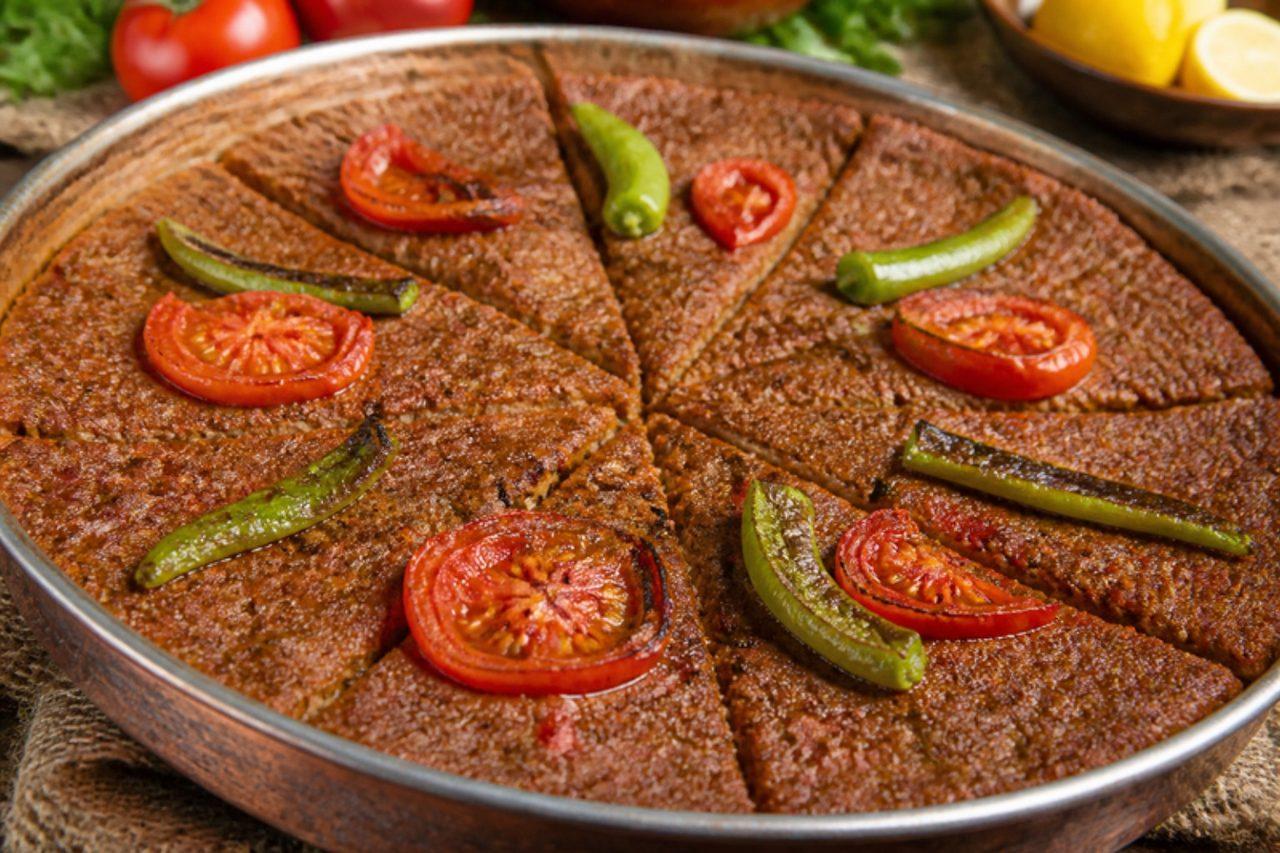
In Antakya people still carry their tepsi kebabı to the neighbourhood bakery: a round copper tray of spiced lamb mince spread thin, scored into wedges and covered with sliced tomatoes, peppers and onions. The bread oven turns it juicy and crusty, and it comes home with a stack of hot flatbread. It is weekend lunch for the family, eaten with a parsley and onion salad and a bowl of yoghurt. Common mistake: pressing the meat more than 2 cm thick; it stews instead of roasting. Chef's tip: add a ladle of tomato water halfway through baking so the juices around the edges turn into a glossy sauce for dipping bread.
by KrazyBadal 0 views
Kuru patlıcan dolması

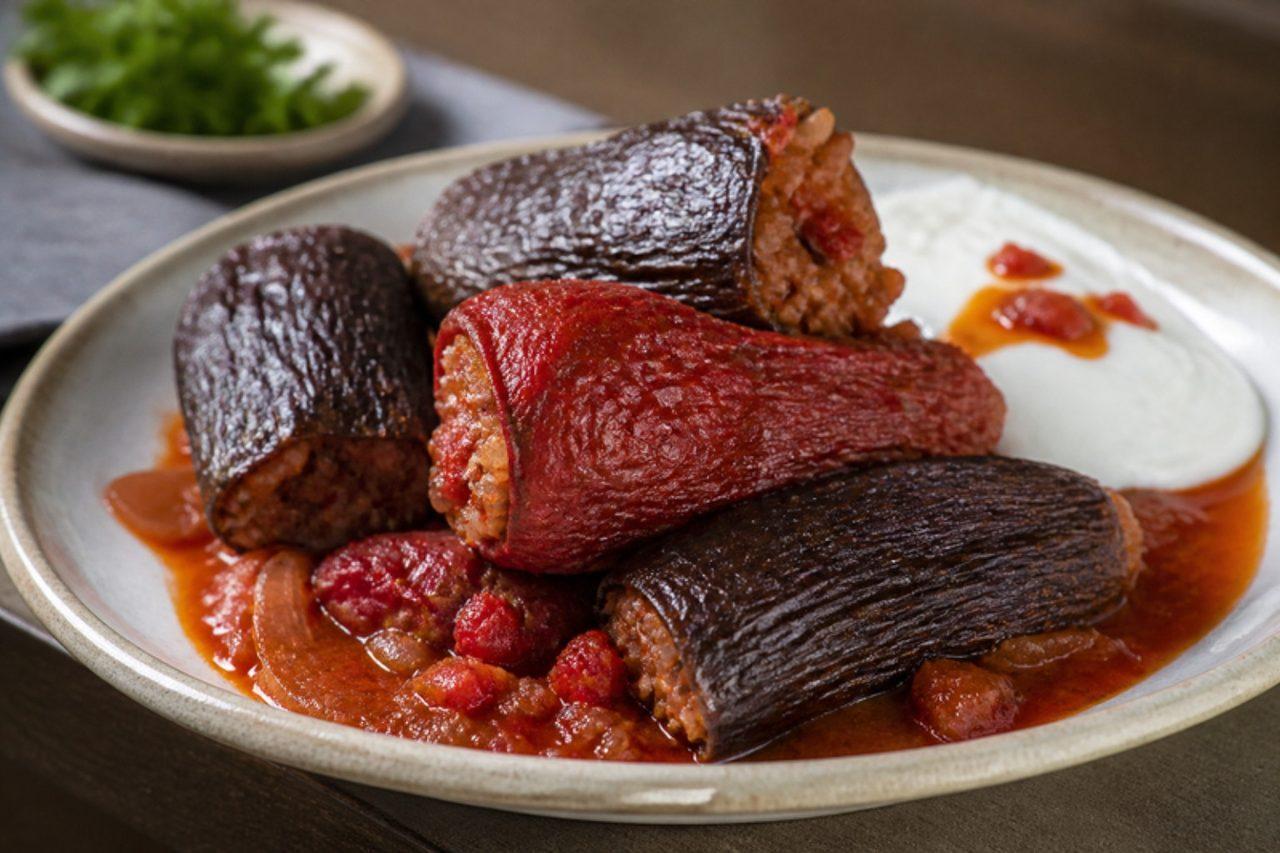
Strings of hollowed, sun-dried aubergines and peppers hang in every Gaziantep market, and in winter they are revived in hot water and stuffed with rice, mince, tomato and pepper paste. Simmered with a sour drizzle of pomegranate molasses and lemon, they become tender, slightly chewy parcels with a deep, almost smoky flavour that fresh vegetables can't match. Serve warm with yoghurt. Look for dried aubergines in Turkish and Middle Eastern shops. Common mistake: overfilling them; the rice swells and splits the delicate skins. Chef's tip: blanch them only until pliable, not soft, so they hold their shape through the long simmer.

by KrazyBadal 0 views
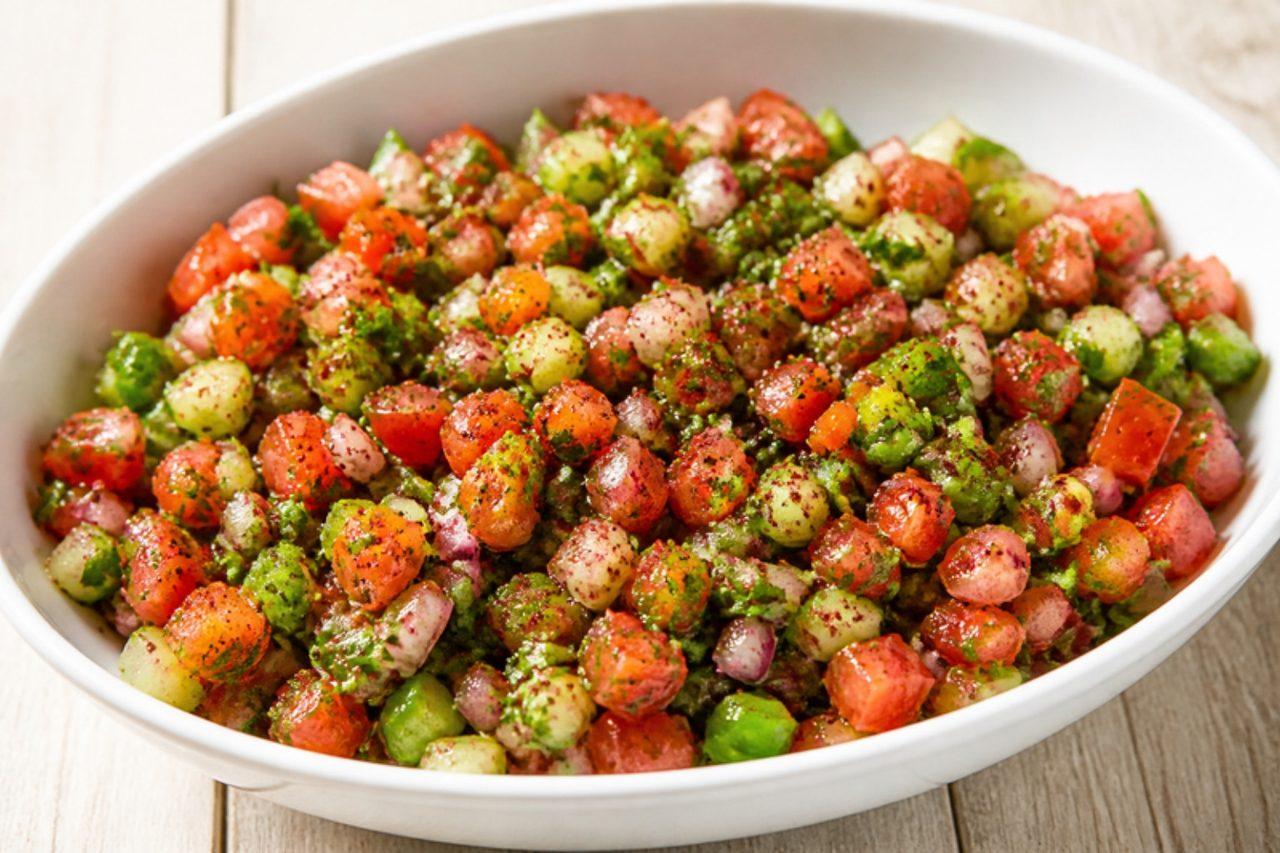
Bostana

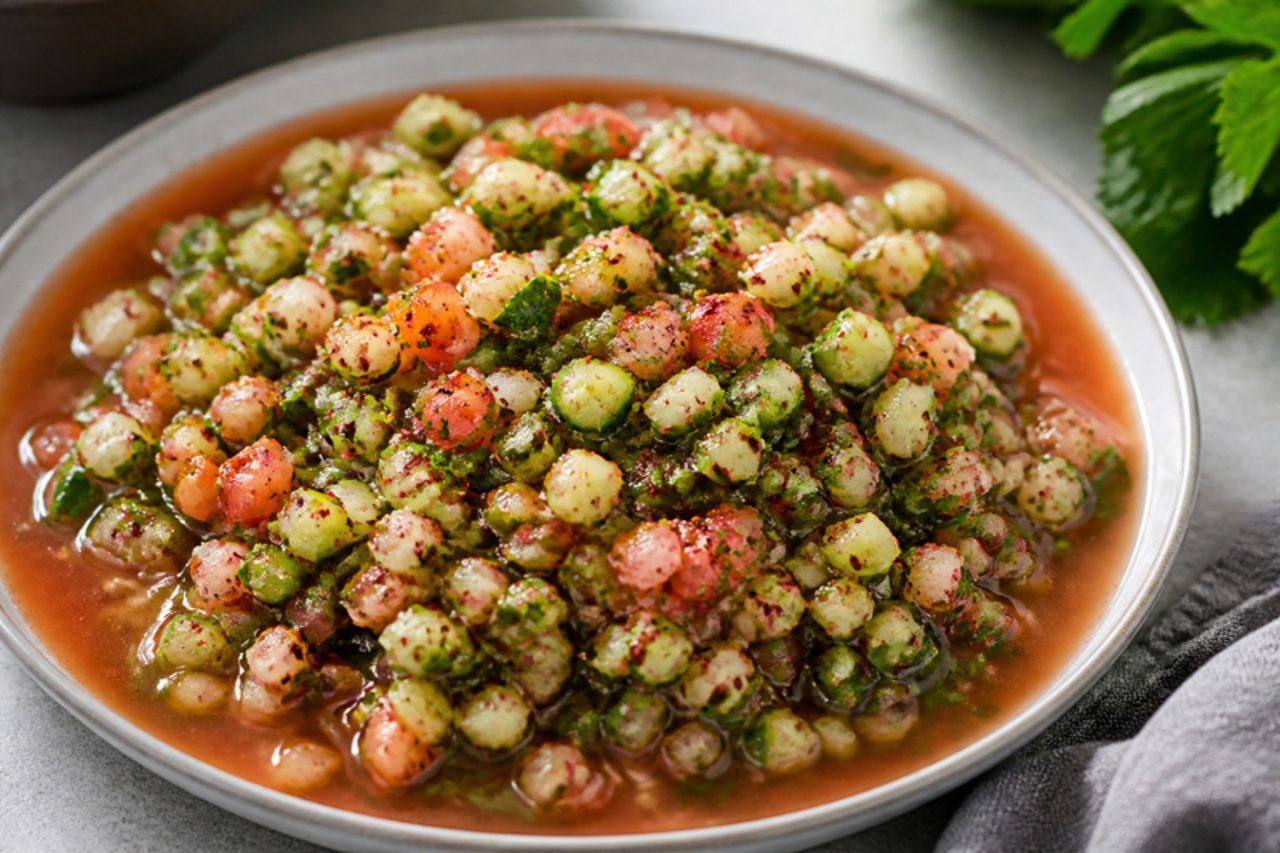
In Şanlıurfa a bowl of bostana goes on the table beside every summer meal of kebab, köfte or bulgur pilaf. Tomatoes, cucumbers, green peppers, onion and fistfuls of parsley and mint are chopped very small, seasoned with isot and drowned in lemon juice and a little water, so you spoon up the juices as well as the vegetables. It is meant to be cold, sour and refreshing in the city's fierce heat. Common mistake: making it hours ahead; the cucumber goes limp. Chef's tip: chill the bowl and add a couple of ice cubes just before serving, as Urfa grandmothers do.

by KrazyBadal 0 views
Şıllık

Şıllık is a home sweet of Şanlıurfa, made for guests and special Fridays: lacy crepes cooked on a hot sac or flat pan, filled with sugared walnuts, rolled up and doused in syrup until soft and sticky. Rich with butter and cut into short logs, it is eaten warm with a tiny cup of bitter mırra coffee to balance the sweetness. The batter should be as thin as single cream; thick batter gives rubbery pancakes. Chef's tip: syrup and crepes should be at different temperatures, so pour cooled syrup over the warm rolls, which drink it up without falling apart.

by KrazyBadal 0 views
Mırra

In the courtyard houses of Mardin and the guest rooms of Şanlıurfa, mırra is poured from a long-spouted pot into tiny handleless cups, just a mouthful each, as a sign of welcome. It is made by boiling dark-roasted coffee for a long time until it becomes thick, bitter and concentrated, then boiling it again and again. Tradition says you never put the cup down empty unless you mean to marry the host's family, so hand it back with a small shake. It is never sweetened: serve it with dates or a sweet. Common mistake: using finely ground Turkish coffee; it turns muddy, so use medium-ground dark roast. Chef's tip: the second boil is where the flavour comes from, so don't rush it.

by KrazyBadal 0 views
Urfa kebabı

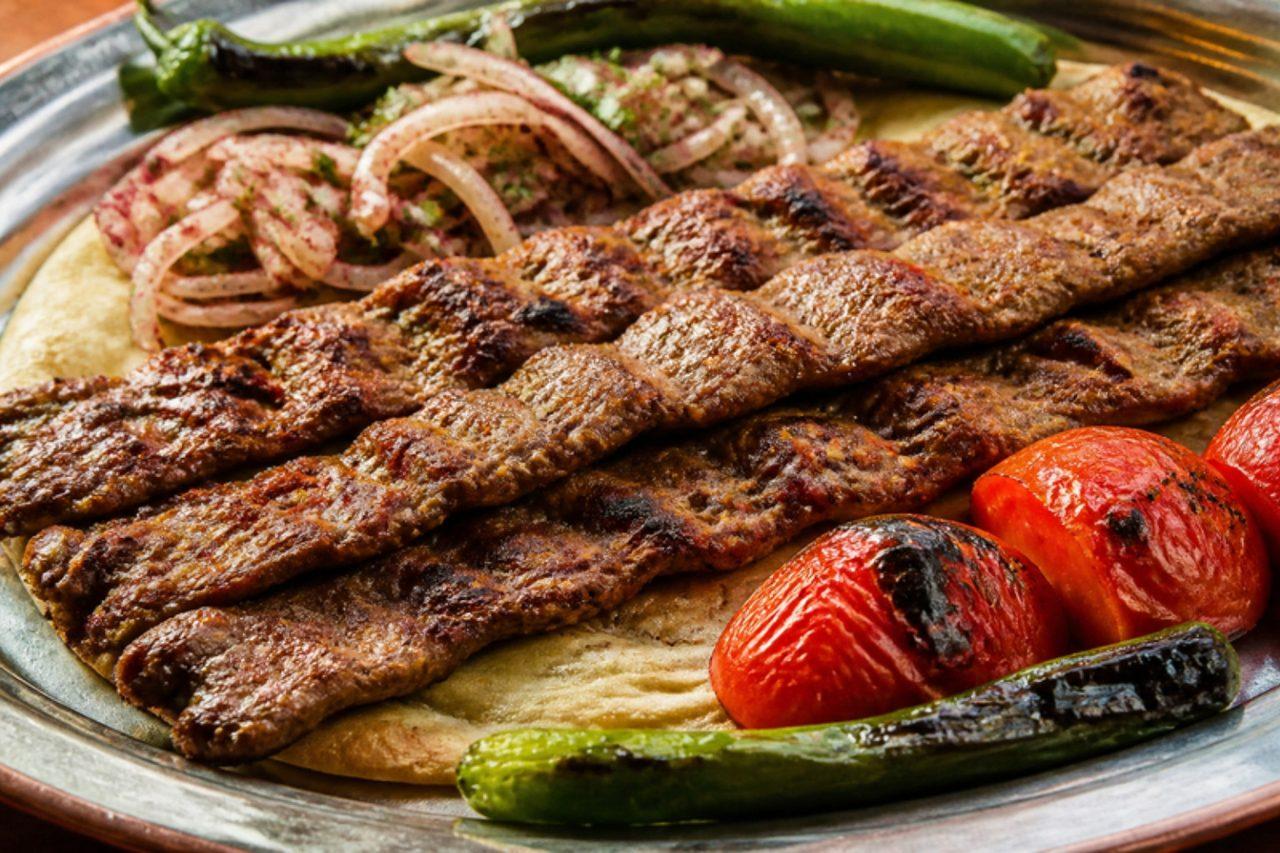
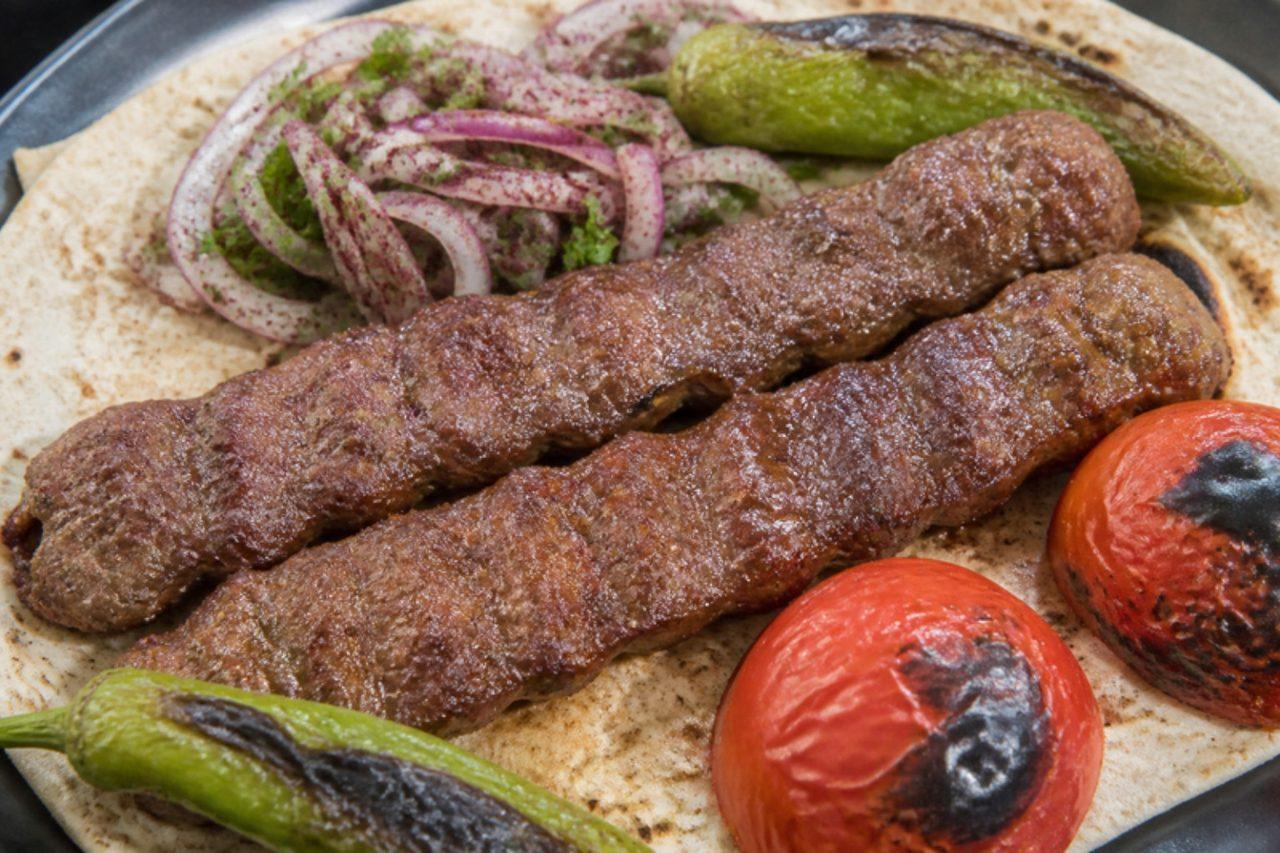
Where Adana's kebab is hot, Şanlıurfa's is gentle: lamb and tail fat chopped by hand with a curved zırh blade, seasoned with salt and a little isot and pressed onto wide skewers. Grill houses around Balıklıgöl serve it on thin lavaş with charred tomatoes, peppers, sumac onions and a bostana salad, and the sweet smoke of the meat is the whole point. Without tail fat, ask your butcher for fatty lamb shoulder mince, around 25% fat, or the kebab will be dry and fall off the skewer. Chef's tip: wet your hands with cold water while shaping; the fat stays firm and the meat clings to the skewer.

by KrazyBadal 0 views
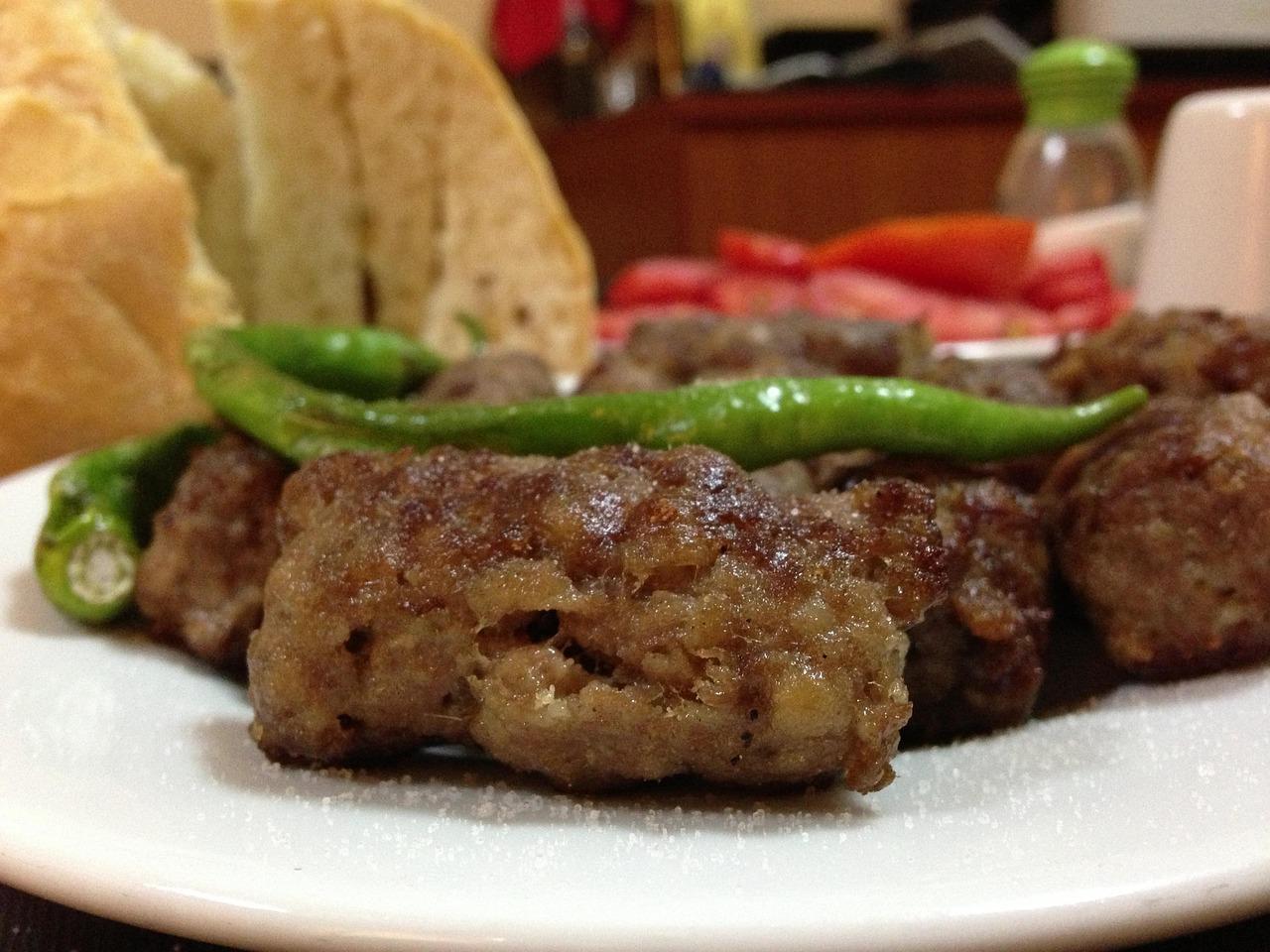
Fasulye turşusu kavurması

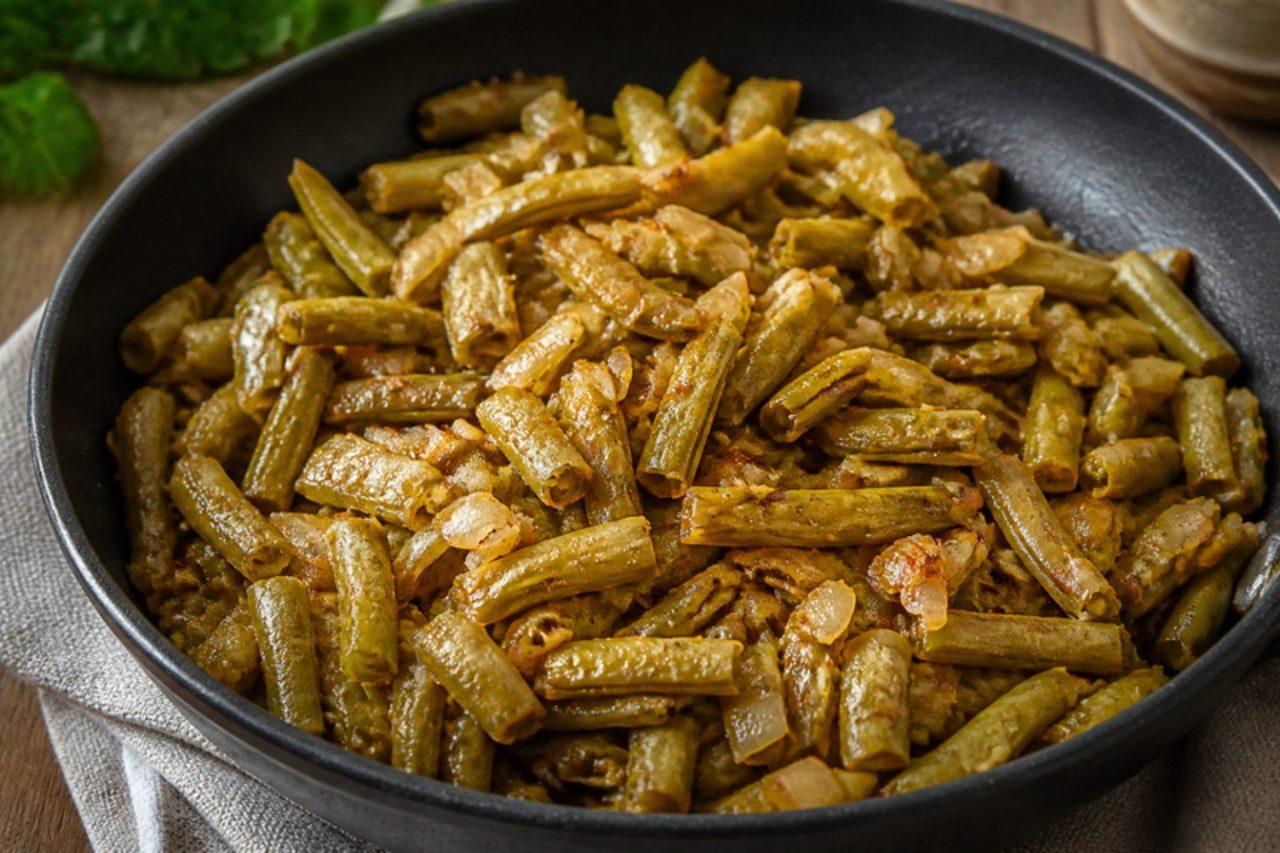
Every autumn, Black Sea households pack crocks with green beans and brine, and through the winter those sour, soft beans are fried with onion and a little butter or oil into one of the region's most loved side dishes. Kavurma means fried, and the beans take on golden edges while keeping their tangy bite; a beaten egg sometimes goes in at the end. Eat it with cornbread, rice pilaf or a bowl of fried anchovies. Common mistake: frying the beans straight from the jar; they spit and taste harshly sour. Chef's tip: soak them in fresh water for half an hour first, tasting as you go, until they are pleasantly sour rather than puckering.

by KrazyBadal 0 views
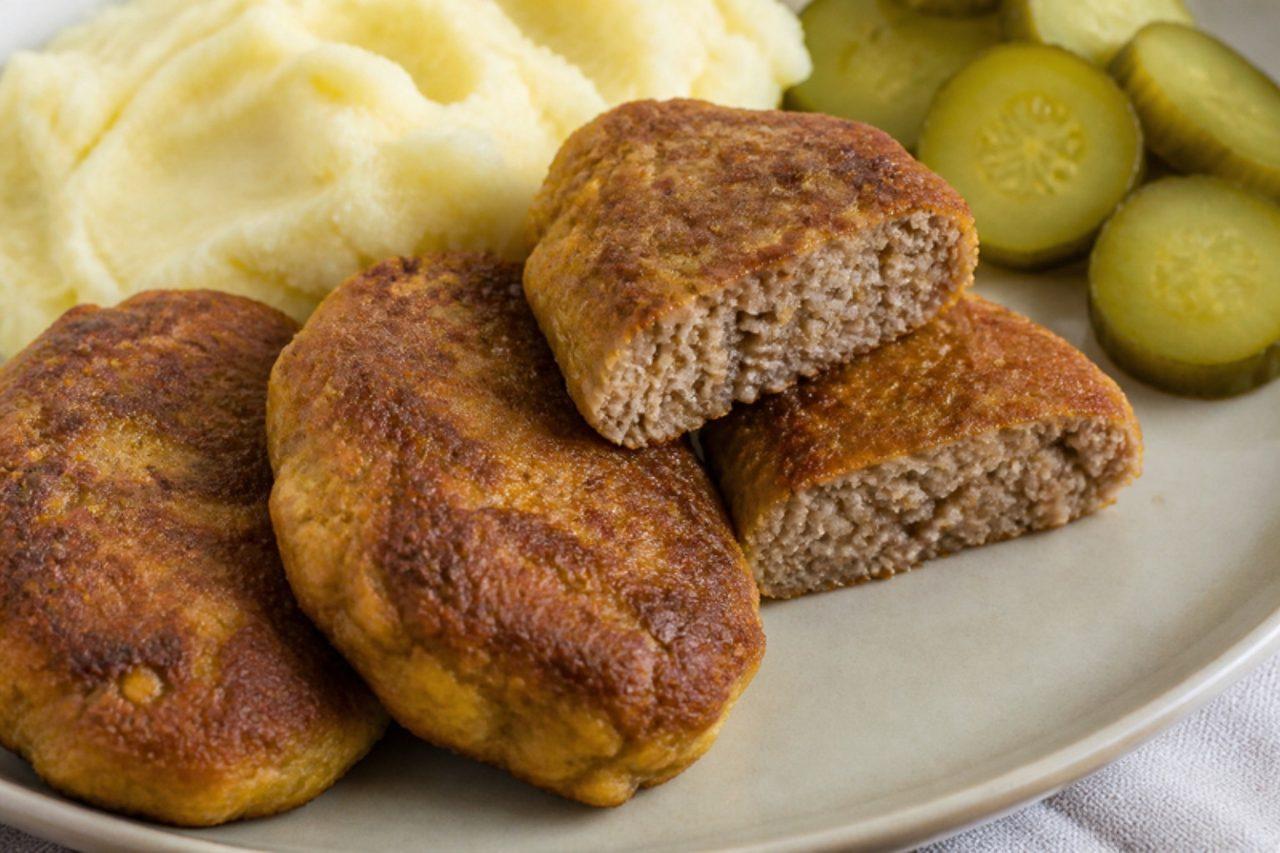
Hamsi tava

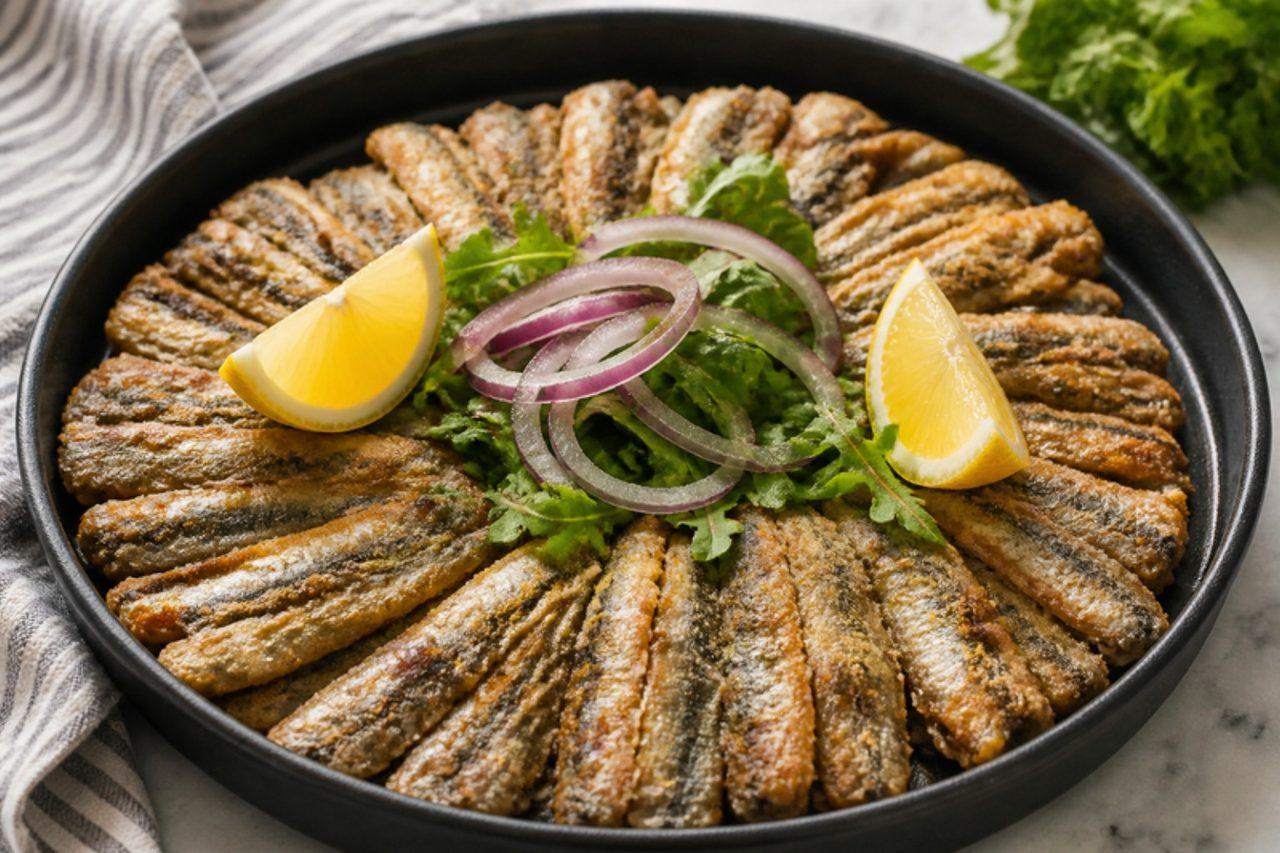
When the first winter storms push shoals of anchovy along the coast, fish markets from Samsun to Hopa are heaped with silver hamsi and the whole region seems to smell of frying. Hamsi tava is the simplest way to eat them: heads off, butterflied, dusted in cornmeal and laid in a hot pan in a neat circle, then flipped like a cake. They come out crisp outside and soft and sweet within, with red onion, rocket, lemon and cornbread alongside. Common mistake: crowding the pan, which steams the fish and leaves the coating soggy. Cook until the flesh is opaque and flakes from the backbone. Chef's tip: shake off every bit of loose cornmeal; a thin coat is what stays crunchy.

by KrazyBadal 0 views
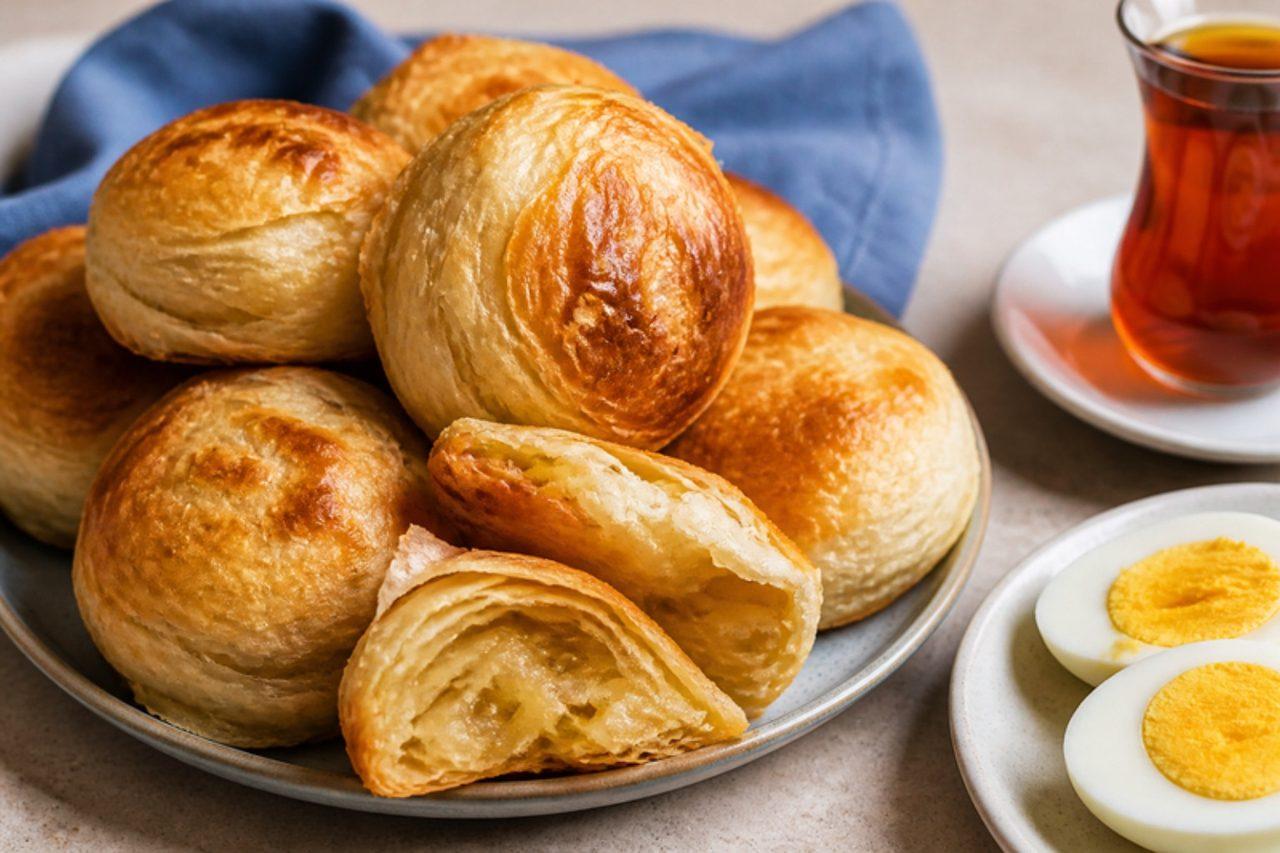
Hamsili pilav

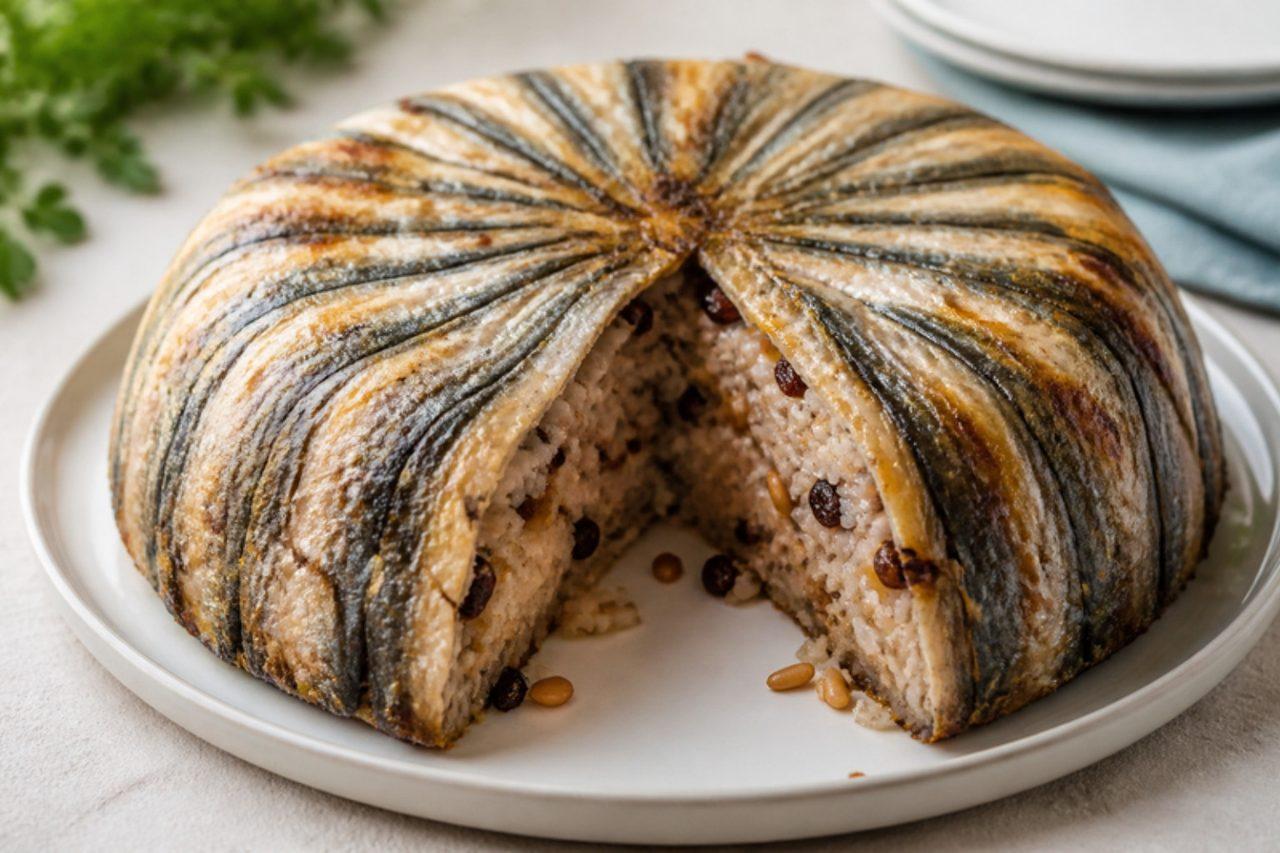
Hamsili pilav is the showpiece of a Trabzon or Rize winter table: a dome of rice cooked with currants, pine nuts, allspice and dill, packed into a tin lined with butterflied anchovies, more fish laid over the top, and baked until the skins turn crisp. Turned out and cut like a cake, it shows silver fish outside and fragrant rice within, and families make it for guests and New Year gatherings. Serve with a sharp salad and lemon. Common mistake: fully cooking the rice before baking, which turns it mushy; it should still have a bite when it goes into the tin. Bake until the fish is opaque and flakes. Chef's tip: lay the anchovies skin side down against the tin, overlapping like roof tiles, so no rice escapes.

100 minTurkishFishGluten free
by KrazyBadal 0 views
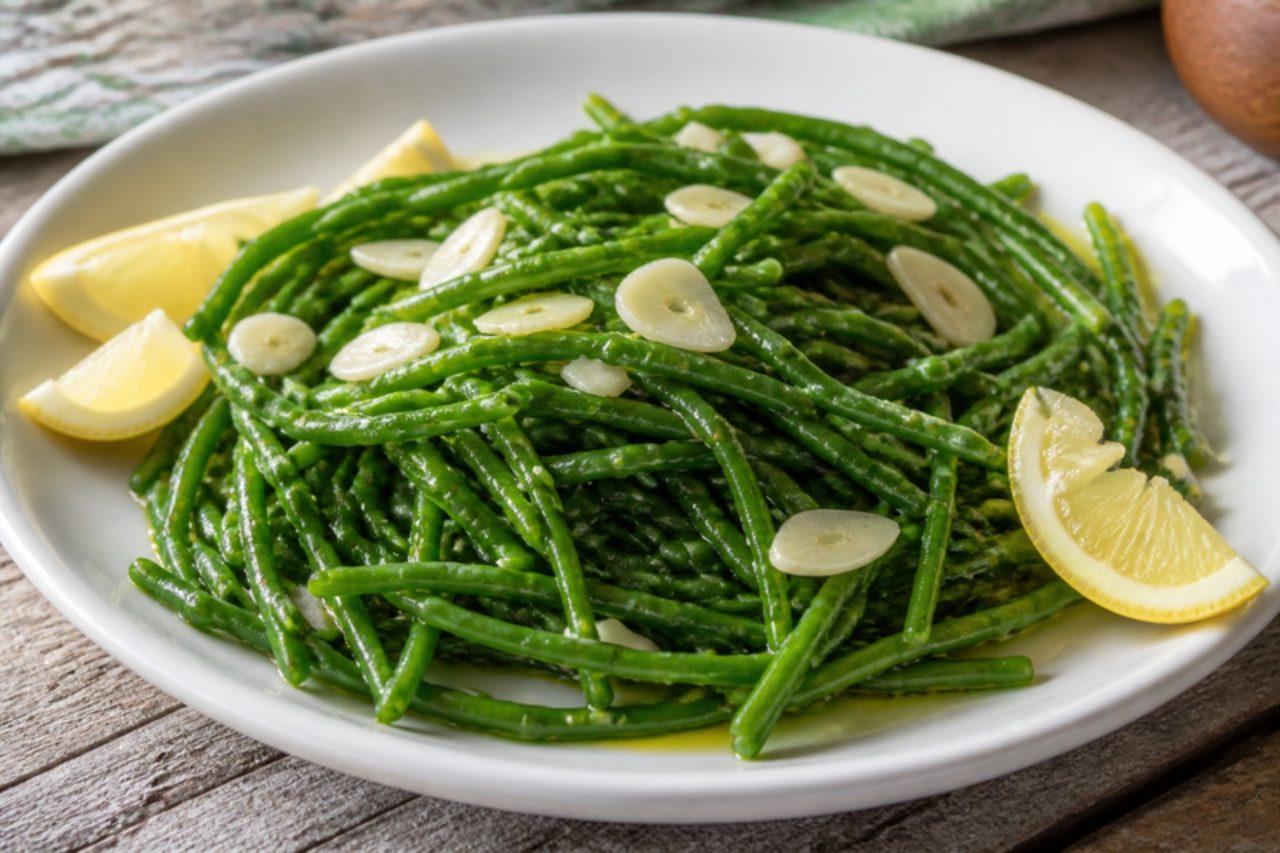
Karadeniz kıymalı pide

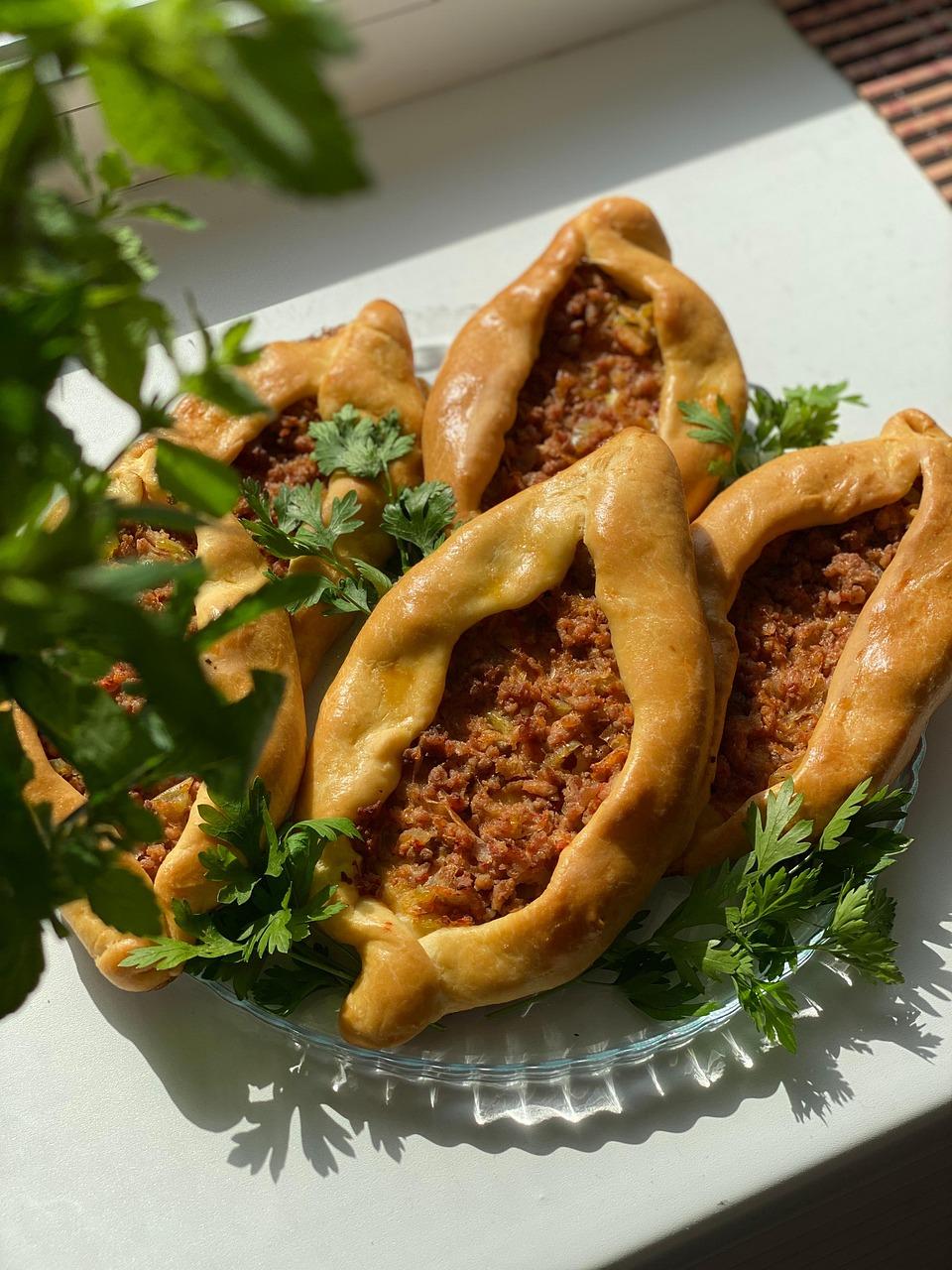
Pide salons in Samsun, Trabzon and Rize stretch their dough into long boats, pinch the ends into points and fill them with minced beef, onion, tomato and peppers, then slide them into a wood oven for a few minutes. At home a very hot oven and a heavy tray get you close: a crisp, chewy rim, a juicy filling and a brush of butter as it comes out. Slice across into strips and eat with ayran and a sharp shepherd's salad. Common mistake: a wet filling, which soaks the base; squeeze the chopped tomato and let the mince sit on the dough raw so its juices cook into the bread. The mince must reach 71 °C. Chef's tip: crack an egg into the middle for the last 3 minutes if you like it the Samsun way.

by KrazyBadal 0 views
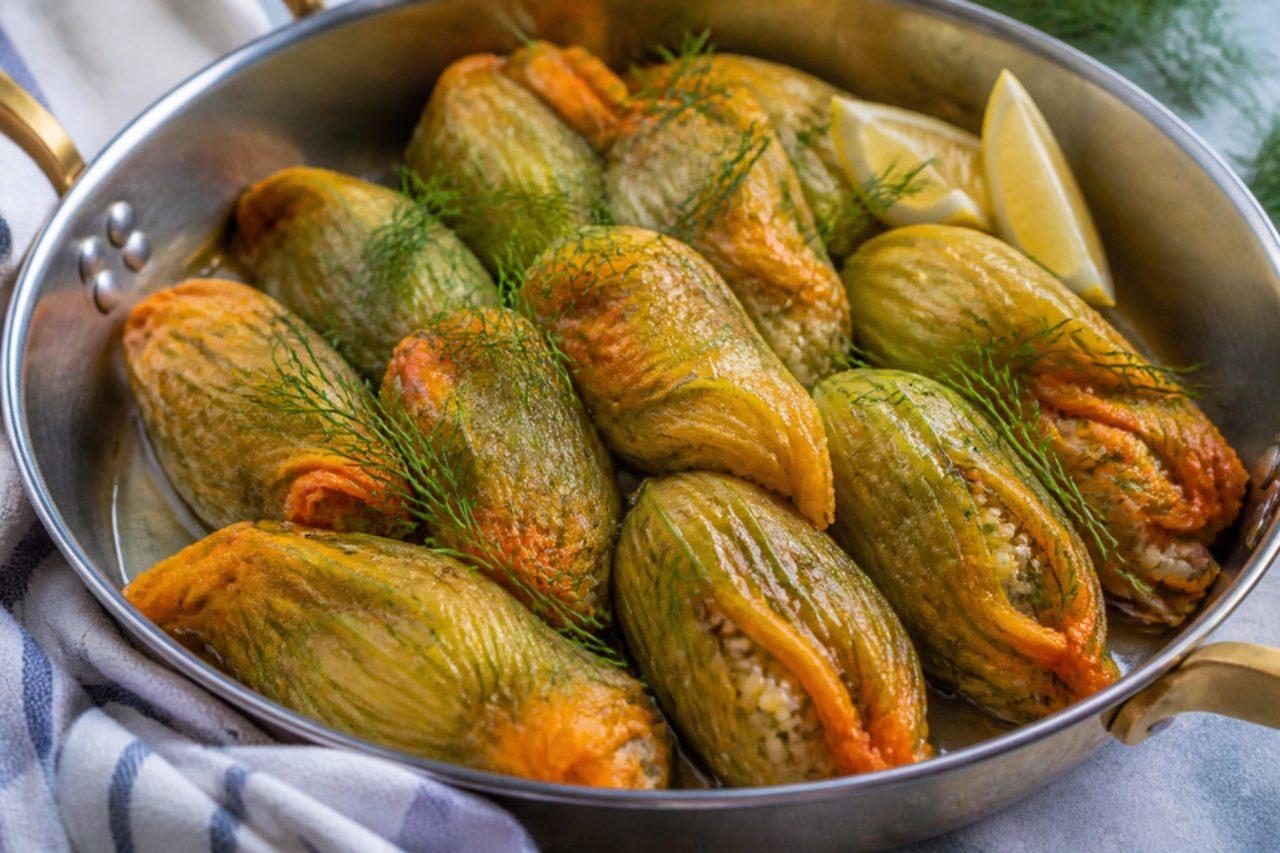
Akçaabat köftesi

The town of Akçaabat, just west of Trabzon, is lined with köfte houses whose grills turn out small, oblong, firm meatballs that taste strongly of garlic. Made from beef mince bound with soaked stale bread, they are seared fast so the outside chars while the inside stays juicy, then served with grilled peppers, a pile of onion and parsley, and a white bean salad. Common mistake: overworking the meat with wet hands after the bread has gone in, which turns them dense; knead hard before adding bread, then mix gently. Cook until the centre reaches 71 °C. Chef's tip: rest the shaped köfte in the fridge overnight; they hold their shape on the grill and the garlic mellows into the meat.

by KrazyBadal 0 views
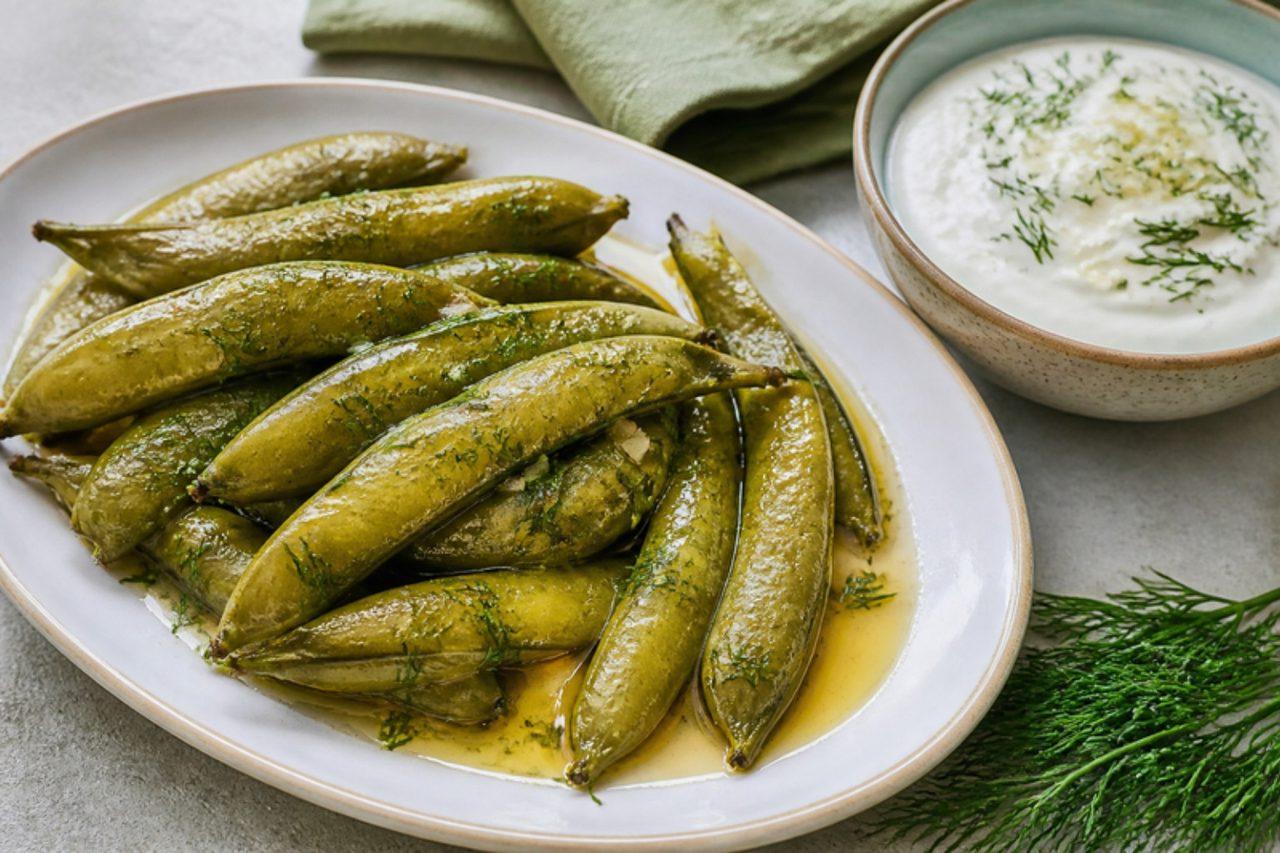
Karalahana sarması

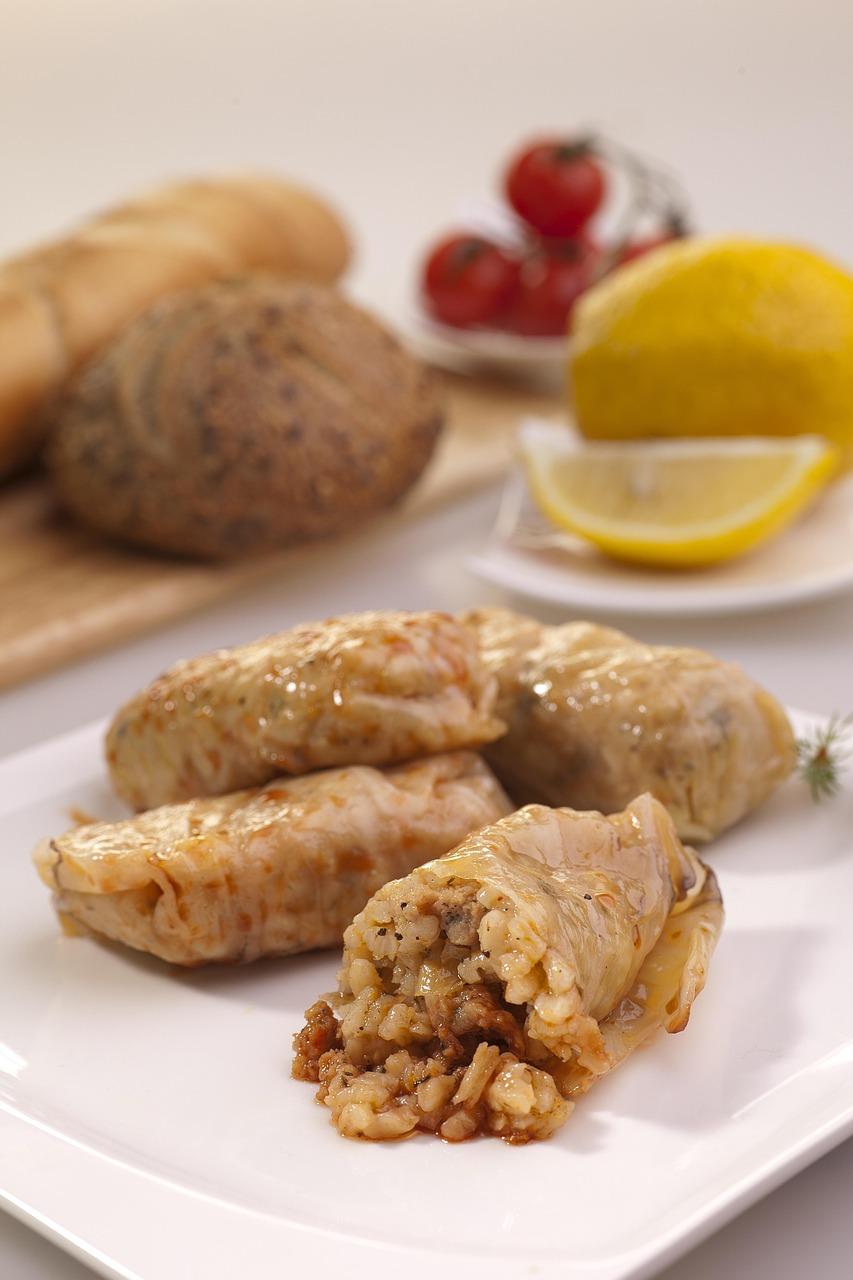
In Trabzon and Artvin kitchens the big dark leaves of karalahana are blanched and wrapped around a filling of minced beef, rice, onion and plenty of mint and dill, then packed into a pot and simmered with a little tomato and butter. The rolls are thicker and chewier than vine-leaf sarma, with an earthy taste that suits cold weather, and they're served with a bowl of garlicky yoghurt. Common mistake: leaving the thick central vein on the leaf; shave it flat with a knife or the rolls split. Simmer until the filling is cooked through to 71 °C and the rice is soft. Chef's tip: lay any torn leaves in the base of the pot so the rolls never touch the bottom and scorch.

100 minTurkishMeatGluten free
by KrazyBadal 0 views
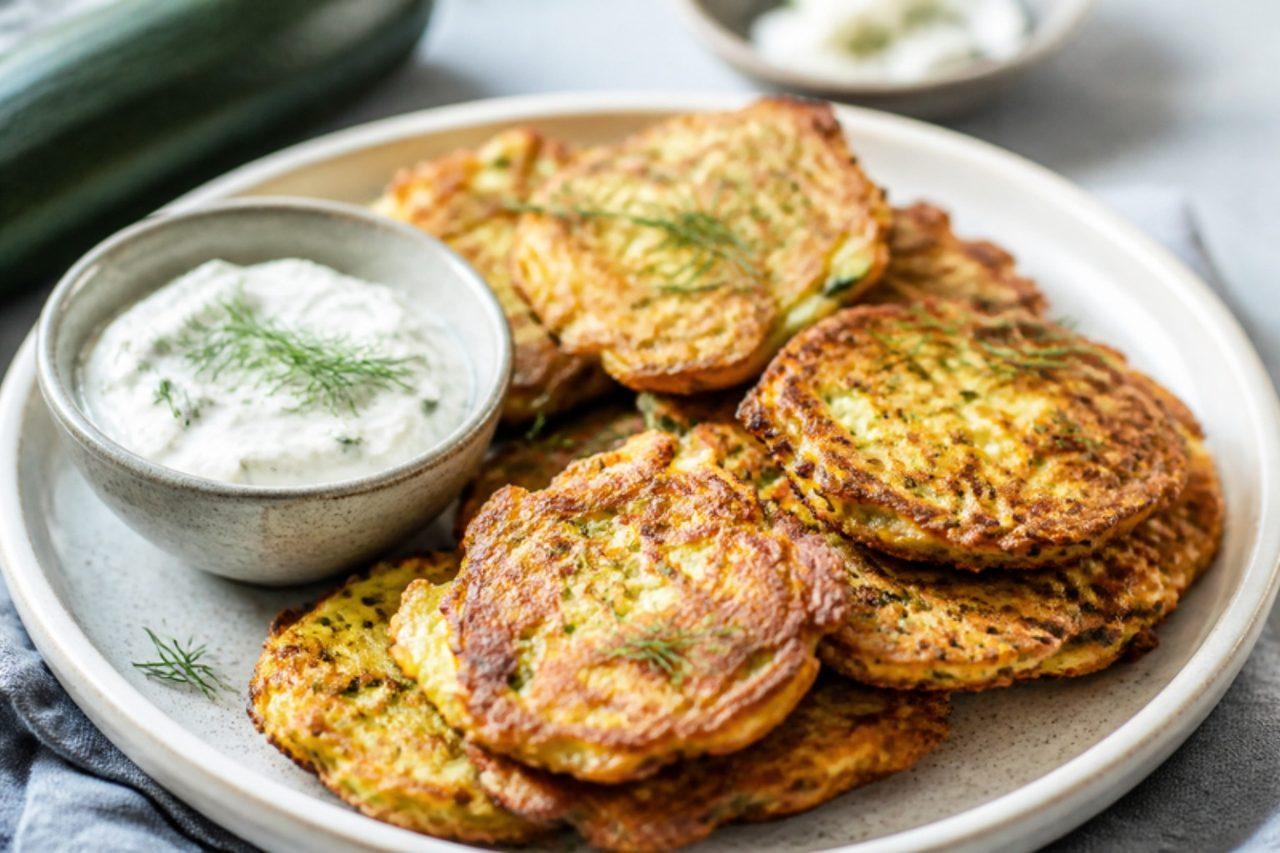
Sinop mantısı

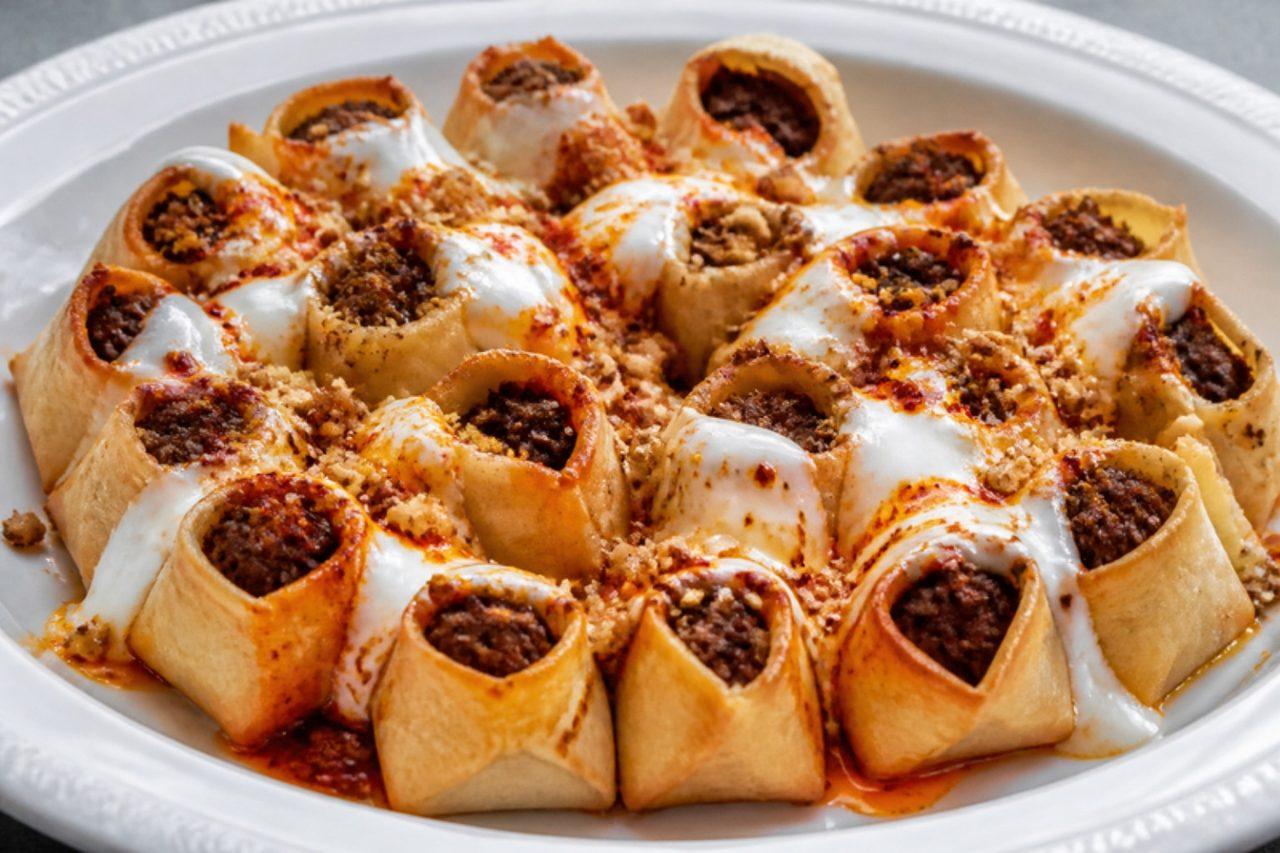
Sinop's mantı are not the tiny sealed parcels of Kayseri but larger squares pinched at the corners, filled with spiced beef mince and served in a deep plate with garlic yoghurt, crushed walnuts and a sizzling spoon of chilli butter. In the port town they are a cold-weather lunch, and the walnuts are what make them Sinop's own. Common mistake: boiling them too hard so they burst; keep the water at a lively simmer and cook until the filling is firm and reaches 71 °C. Chef's tip: let the dough rest a full 30 minutes; a relaxed dough rolls thin without springing back and the dumplings cook evenly.

by KrazyBadal 0 views
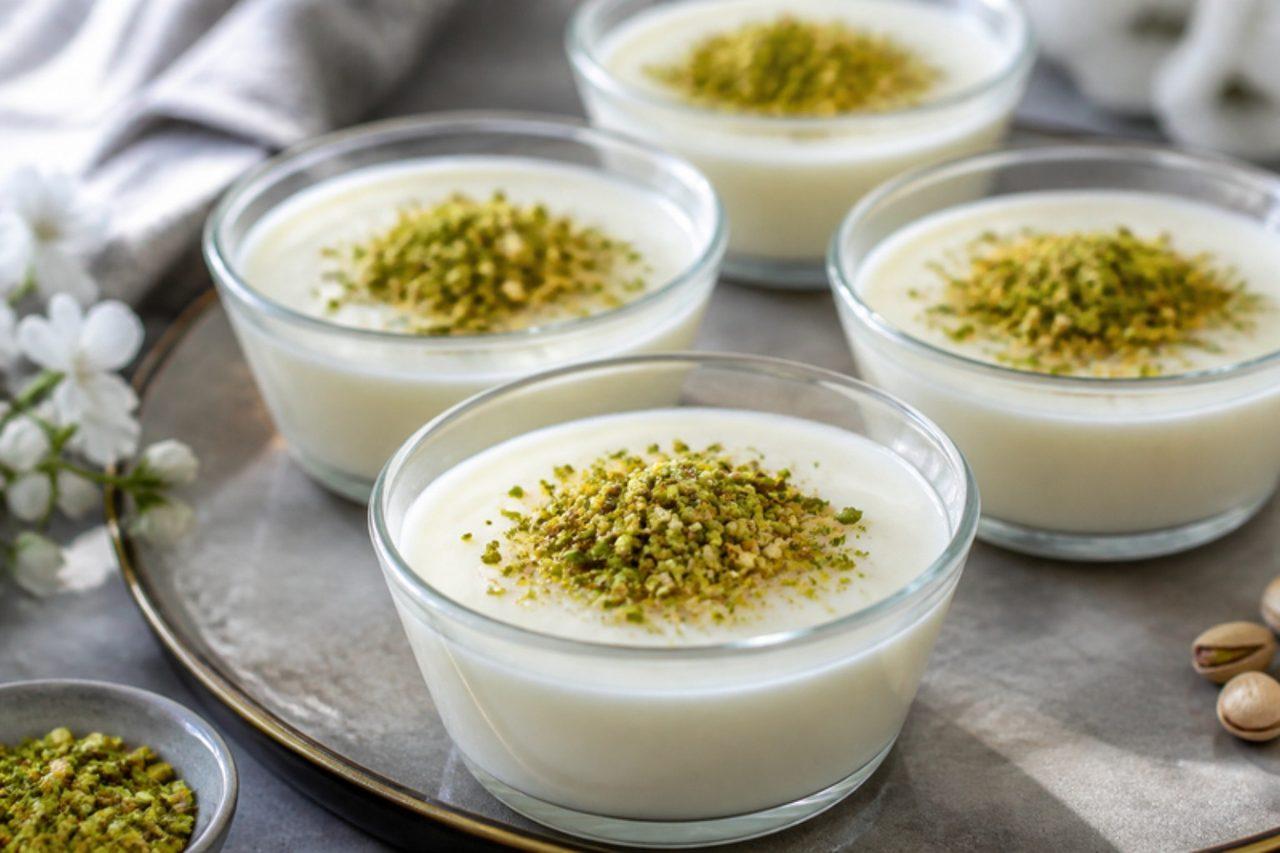
Tarhana çorbası

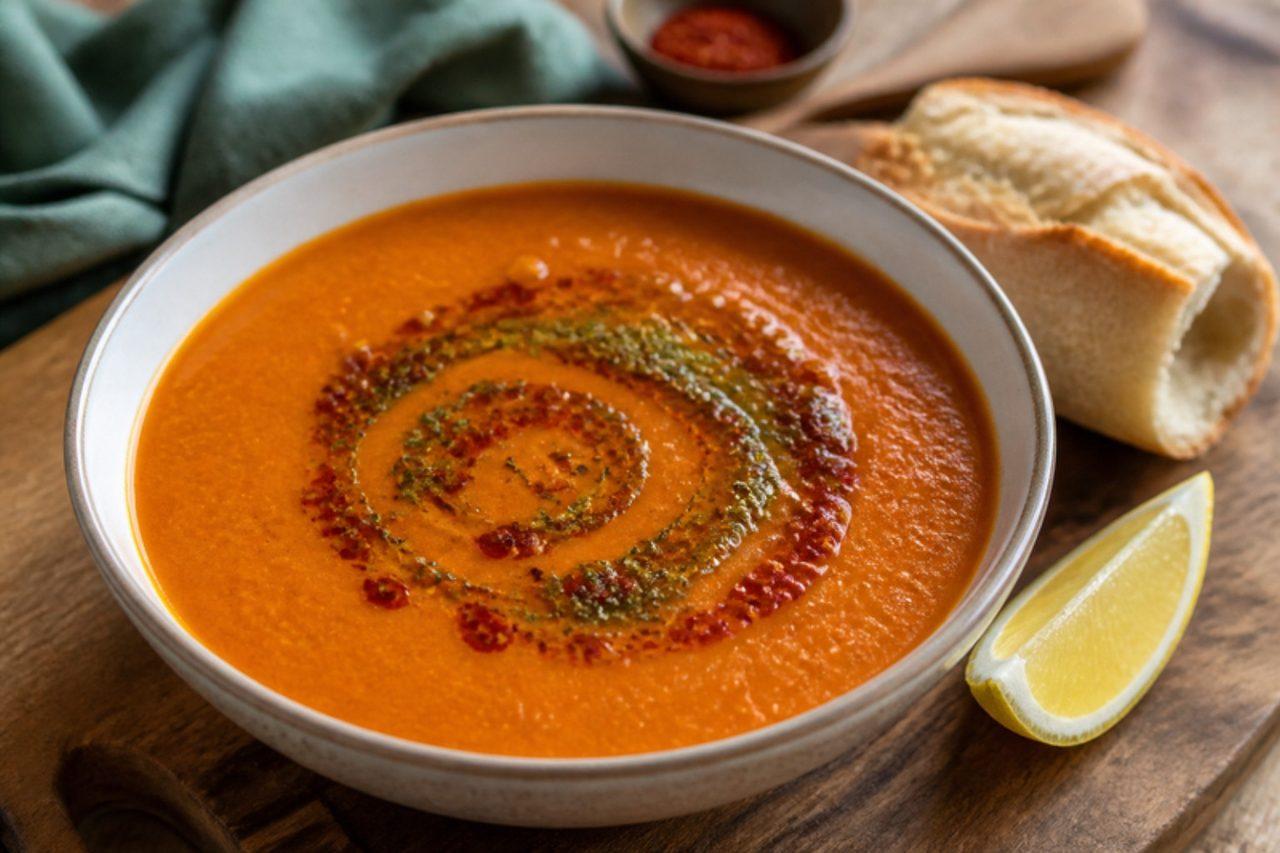
Late every summer, women across Central Anatolia, from Uşak to Konya and Sivas, ferment a dough of yoghurt, flour, tomatoes, peppers and onion, dry it on cloths in the sun and rub it into crumbs. All winter that tarhana becomes a quick, warming soup with a gentle sourness and the sweetness of sun-dried pepper. It is breakfast in villages, a cure for colds in cities, and is eaten with bread and a squeeze of lemon. Common mistake: tipping dry tarhana straight into hot liquid, which forms stubborn lumps; soak it in cold water first. Chef's tip: finish with a spoon of butter sizzled with dried mint and chilli flakes drizzled over each bowl; it lifts the whole soup.

by KrazyBadal 0 views
Yayla çorbası

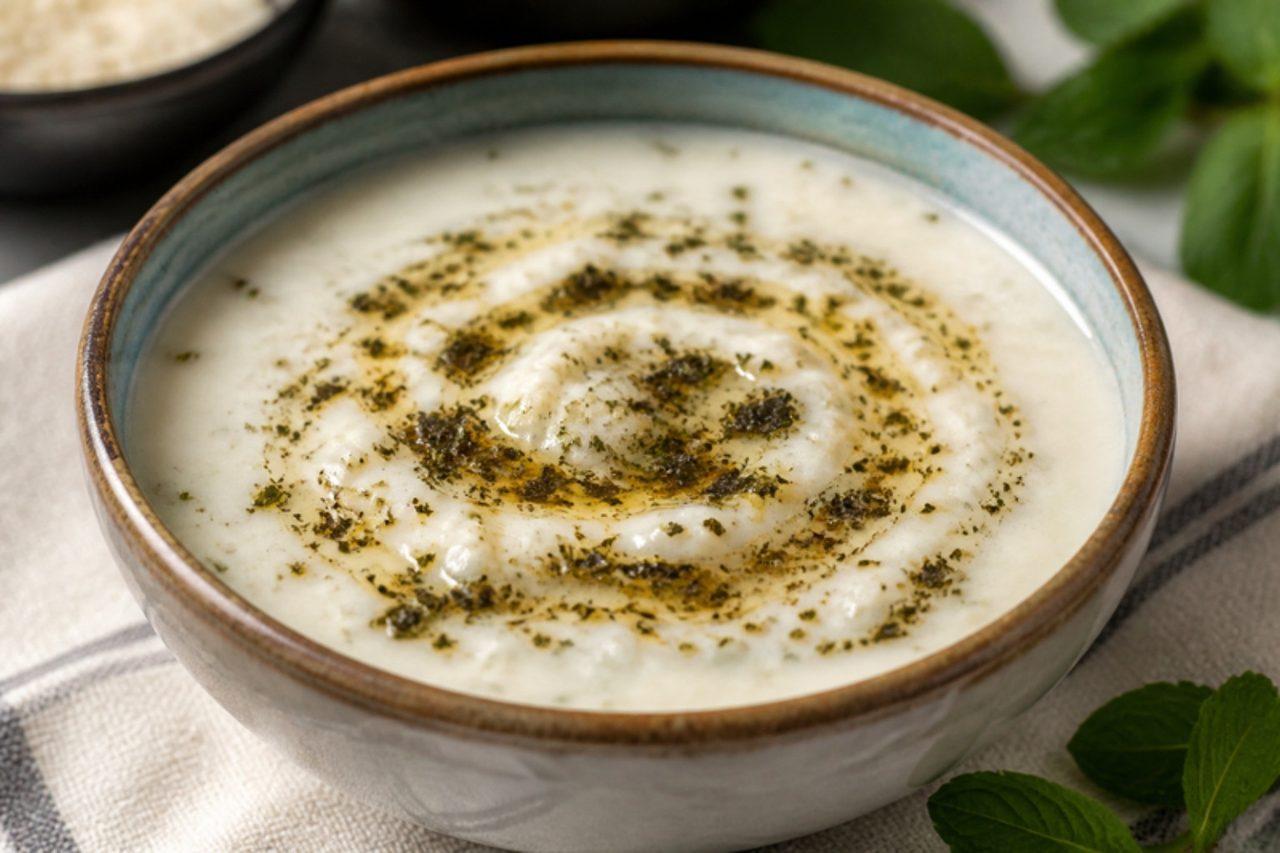
Named for the high summer pastures of Anatolia, yayla çorbası is the soup that tradesmen's restaurants in Ankara and Kayseri ladle out from morning onwards: soft rice in a silky, gently sour yoghurt broth, finished with a slick of mint butter. It is light enough for breakfast yet filling with bread, and many families make it when someone is unwell. Common mistake: pouring cold yoghurt straight into the boiling pot, which splits it into grainy curds; temper it first with hot liquid and keep the soup below a boil afterwards. Chef's tip: whisk an egg yolk and a spoon of flour into the yoghurt; they stabilise it and give a velvety body.

by KrazyBadal 0 views
Bazlama

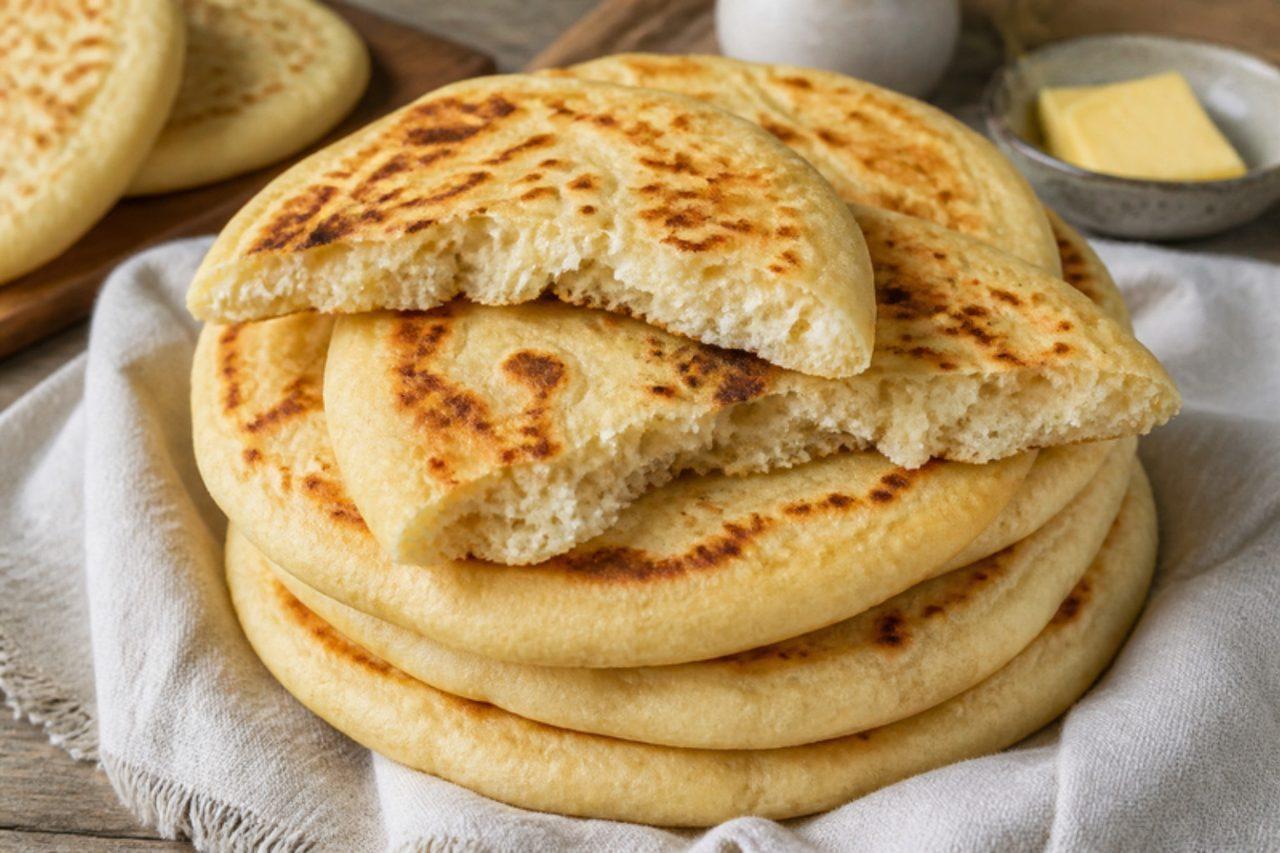
Drive through the villages around Konya or Sivas and you'll see bazlama cooking on a domed sac over a fire: thick rounds of yeasted dough that puff up like pillows and come off freckled brown. A heavy frying pan does the job at home. Warm bazlama is torn and dunked into soups, spread with butter and honey for breakfast, or folded round grilled köfte. Common mistake: rolling the dough too thin; it should be about 1 cm, or it turns into a cracker. Chef's tip: a spoon of yoghurt in the dough keeps the bread soft for a day, and covering the cooked rounds with a cloth traps steam so they stay tender.

by KrazyBadal 0 views
Mercimek köftesi

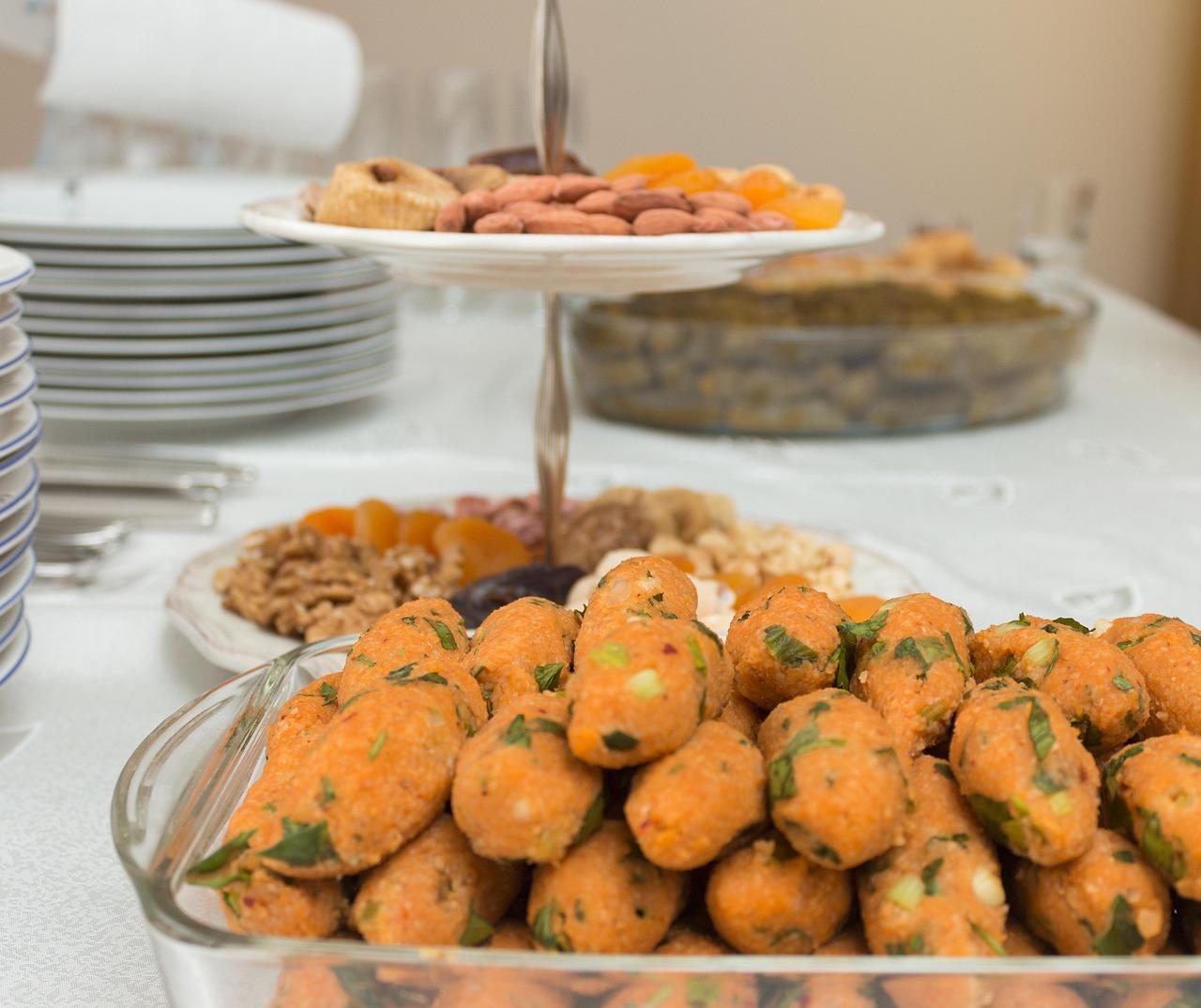
No women's afternoon gathering in Ankara or Kayseri is complete without a platter of mercimek köftesi: little finger-pressed ovals of red lentils and fine bulgur, rich with onion, pepper paste, cumin and a big handful of spring onion and parsley. They're eaten cold, tucked into lettuce leaves with a squeeze of lemon, and they keep well for picnics and lunch boxes. Common mistake: draining the lentils; the bulgur needs all that hot liquid to swell, so cook the lentils until the water is just absorbed. Chef's tip: knead the mixture with wet hands for a few minutes after the bulgur softens; the more you knead, the smoother and less crumbly the köfte.

by KrazyBadal 0 views
Ev eriştesi

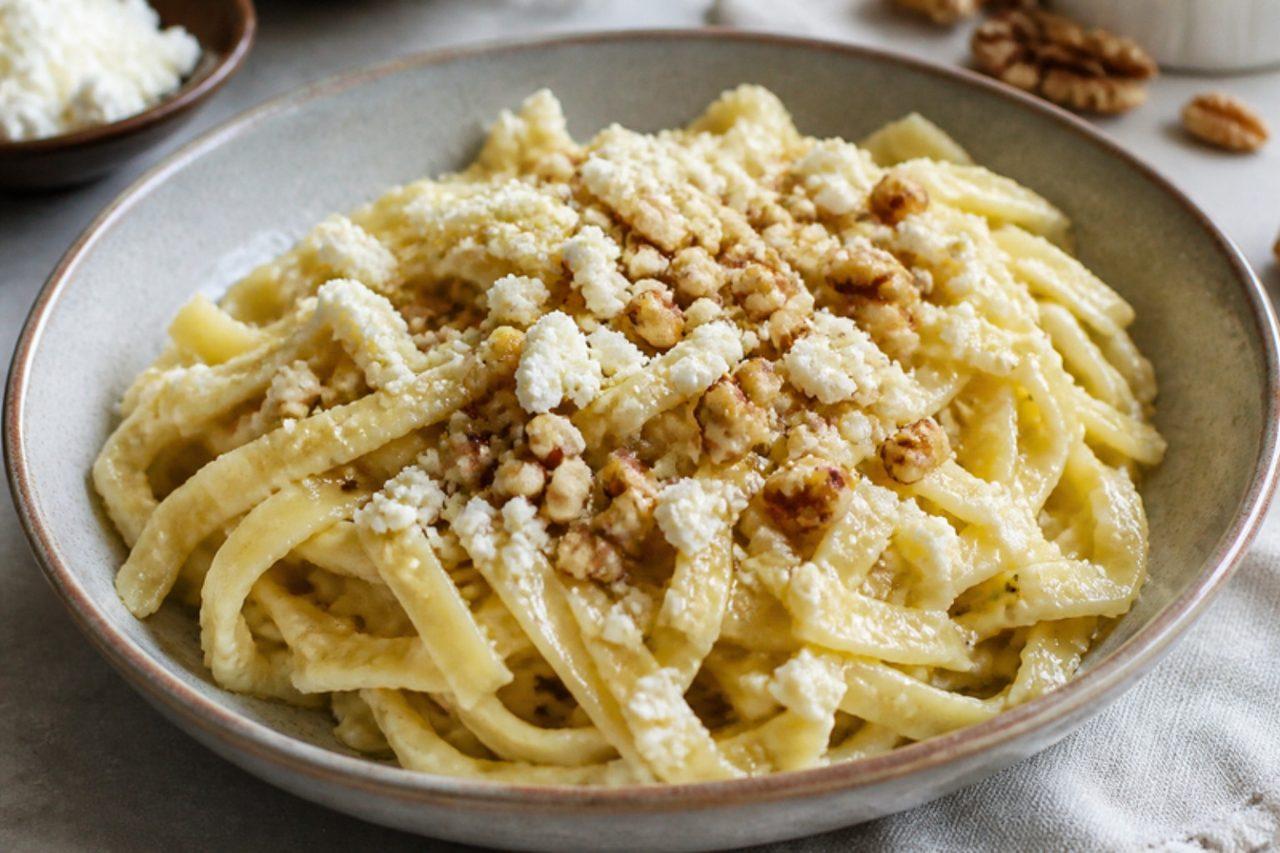
Late summer in Sivas, Tokat and Kayseri villages means erişte days, when neighbours roll out huge sheets of egg dough, cut them into ribbons and dry them on cloths to last the winter. Freshly cut, they cook in minutes and are tossed with browned butter, toasted walnuts and crumbled white cheese, a simple dish that tastes of the farm. Common mistake: cutting the noodles before the rolled sheet has dried a little, so they stick into a clump; let it sit 15–20 minutes until leathery. Feta-style white cheese is often made with animal rennet; use a vegetarian one if needed. Chef's tip: toast a few raw noodles in the butter until golden before the boiled ones go in; they add a lovely crunch.

by KrazyBadal 0 views
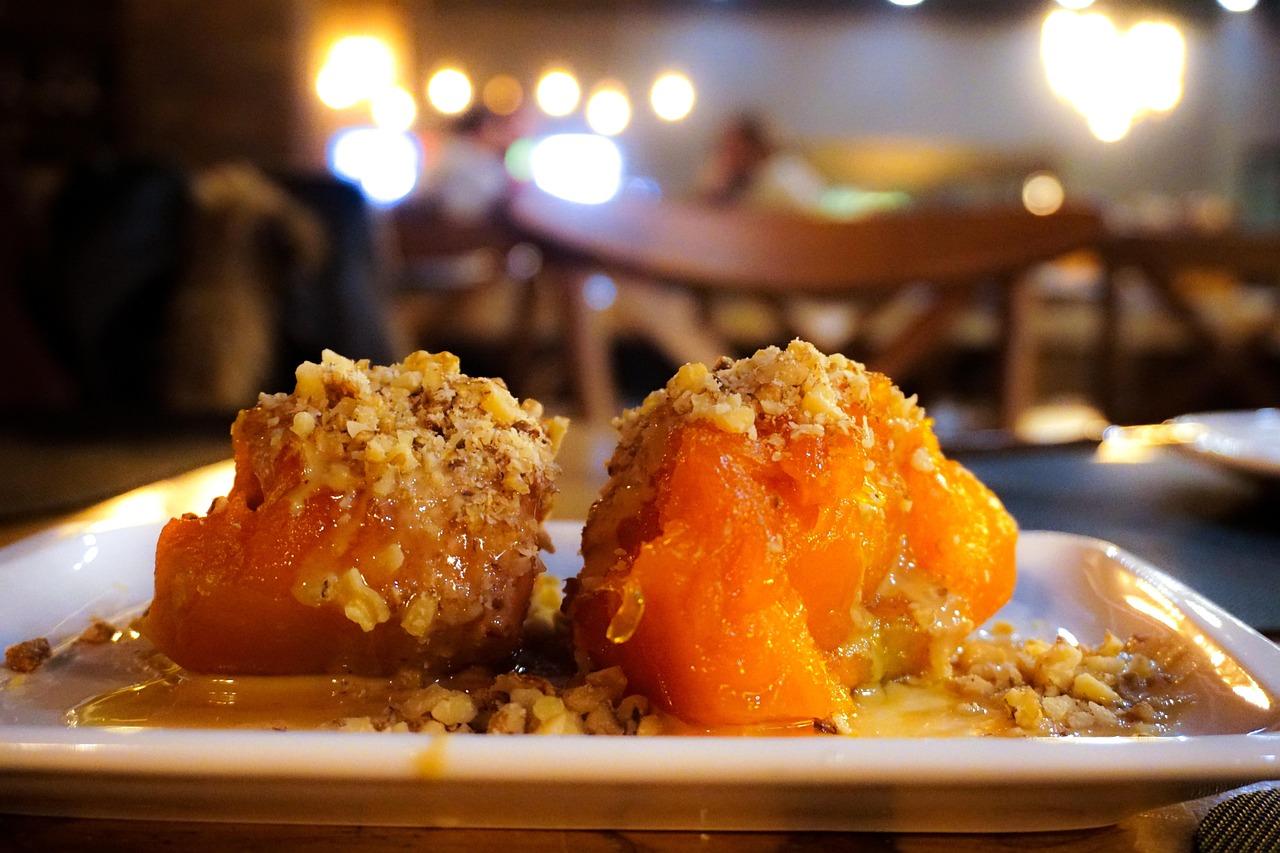
Kabak tatlısı

When the big winter squashes come in from the fields around Konya and Ankara, home cooks cut them into thick wedges, bury them in sugar overnight and let the pumpkin cook slowly in the syrup it releases. The pieces turn glossy, deep orange and tender while holding their shape, and they're served cold with a drizzle of tahini and crushed walnuts. It's one of the few Turkish sweets made without any water at all. Common mistake: stirring the pot, which breaks the wedges; shake the pan gently instead. Chef's tip: cook it lid on for the first half and lid off for the second, so the syrup reduces to a thick glaze.

by KrazyBadal 0 views
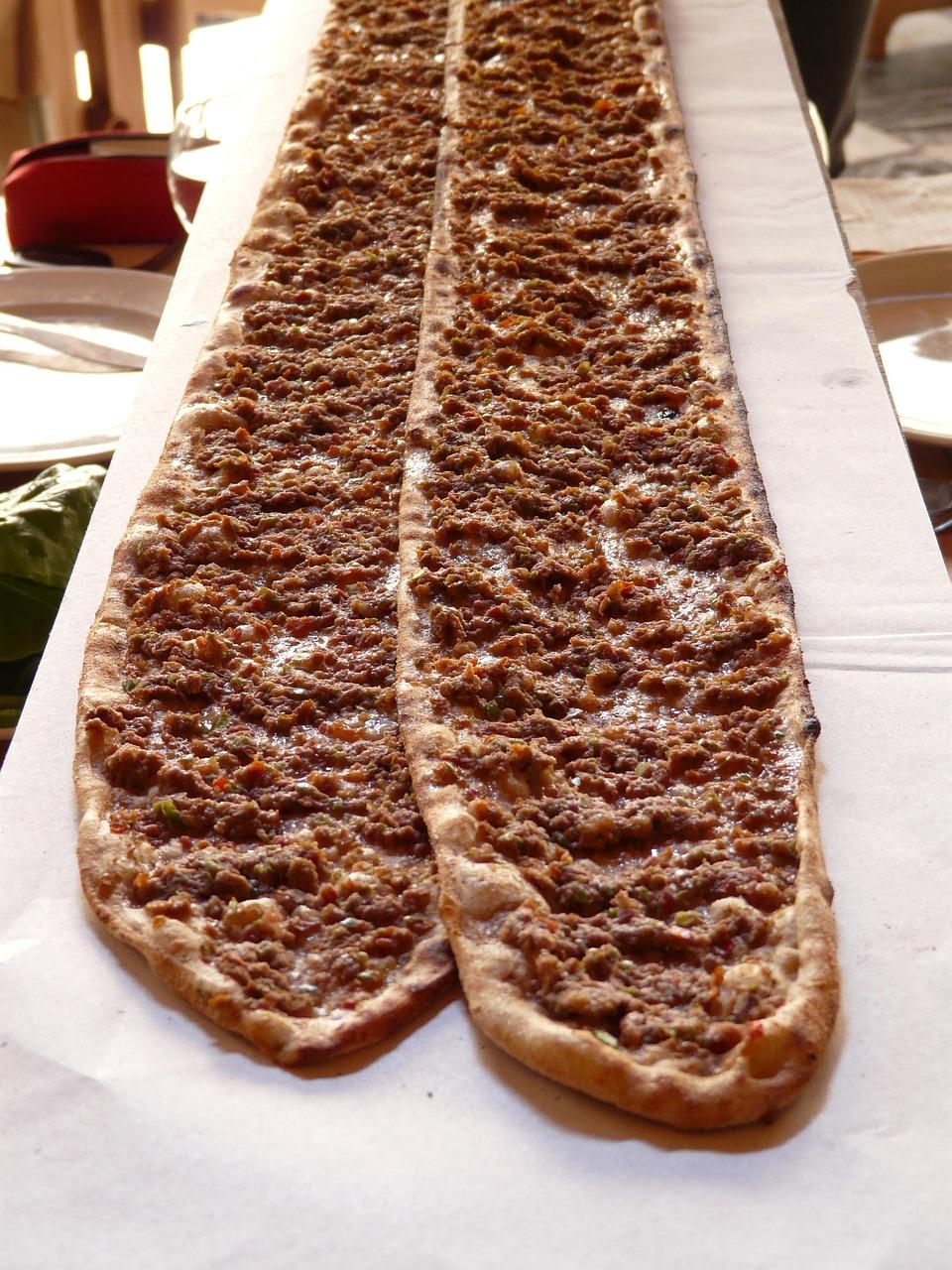
Etli ekmek

In Konya, etli ekmek is the city's own fast food: dough stretched into a strip almost a metre long and thin as card, spread with hand-chopped lamb or beef, onion, tomato and pepper, baked for a few minutes in a stone oven and cut into squares with a pizza wheel. Unlike lahmacun, the topping is generous and the bread is crisp all the way through. At home, make shorter strips on a hot tray and serve with ayran, lemon and a heap of parsley and onion. Common mistake: piling the topping thick, which keeps the base soft; spread it thin right to the edges. The meat must reach 71 °C. Chef's tip: chop the mince again on a board with the onion and peppers; it spreads thinner and cooks faster.

by KrazyBadal 0 views
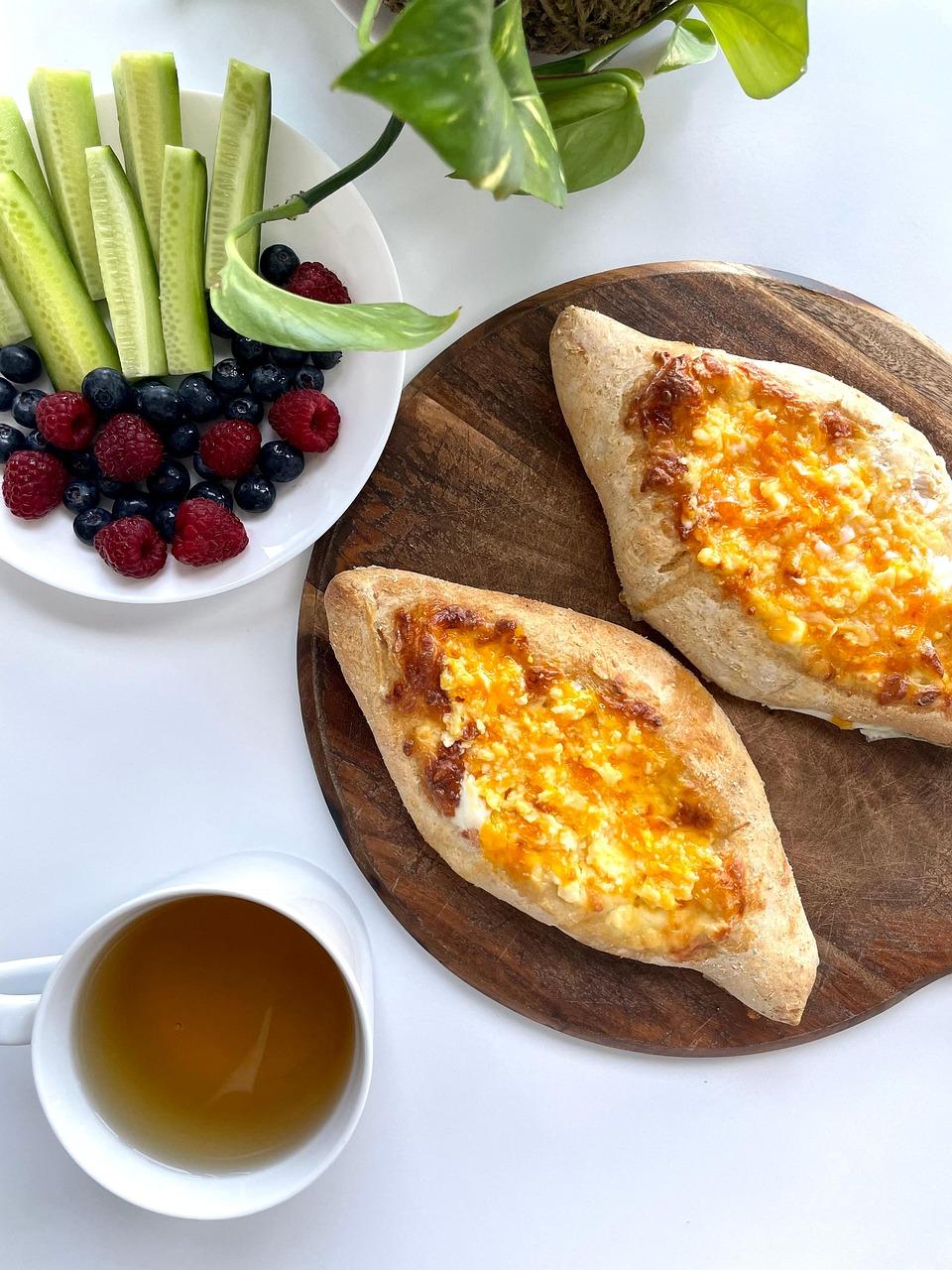
Peynirli pide

Along the Black Sea coast, from Samsun to Trabzon, the pide salon is where families go on a Friday night, and the oven man shapes each boat of dough by hand before sliding it onto the hot stone floor of a wood-fired oven. The Black Sea way is generous: a pool of melted kaşar and white cheese held inside a rim of soft bread, an egg cracked into the middle for the last few minutes and a knob of butter dropped on as it comes out. Children love tearing off the crusty ends to drag through the cheese. Chef's tip: heat a heavy baking tray or pizza stone in the oven for a full 30 minutes; the hot base is what gives a crisp underside rather than a soft one.

120 minTurkishPizza
by KrazyBadal 0 views
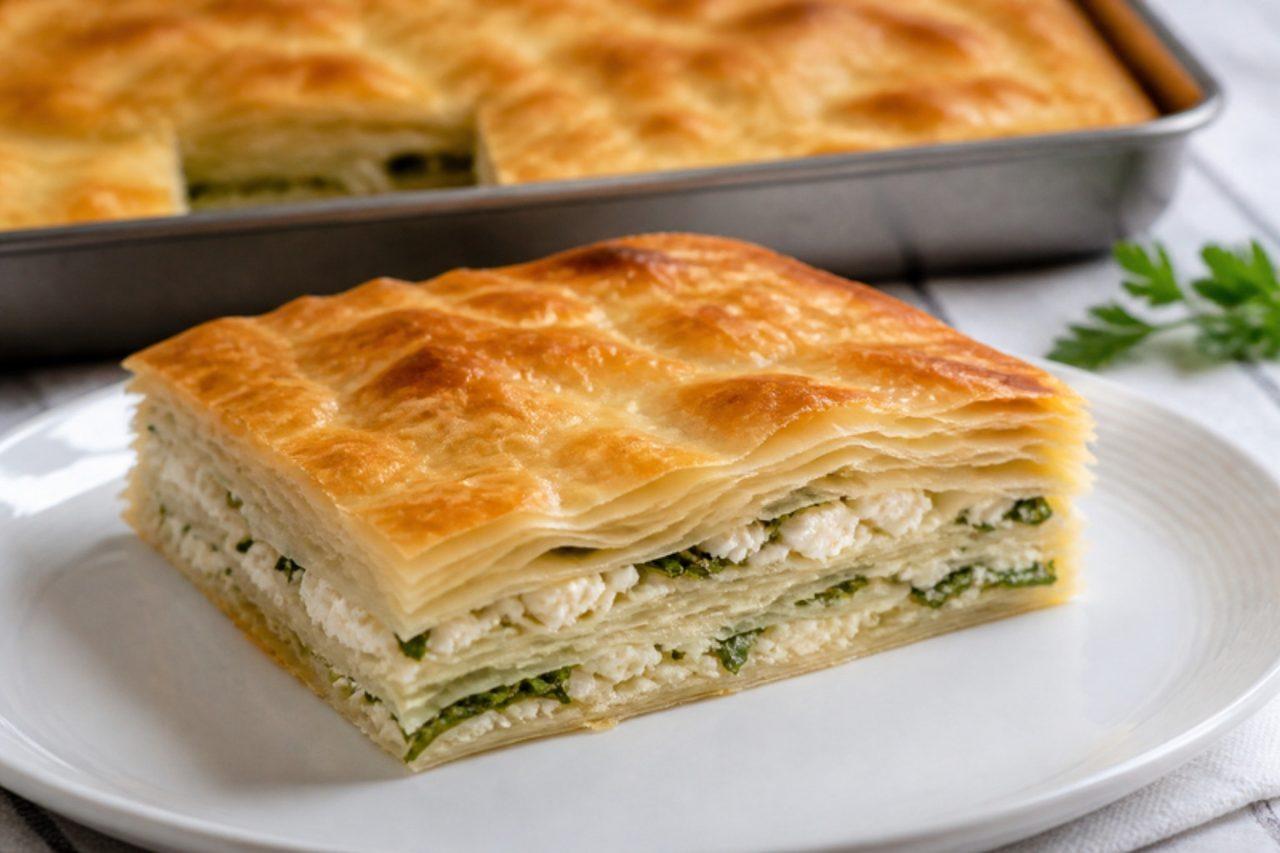
Su böreği

Of all Turkish böreks, su böreği is the one cooks are proudest of. Thin sheets of egg dough are boiled for a moment, then layered with butter and white cheese and baked until the top is crisp and the inside is soft and almost silky, a little like a cheesy lasagne made of pastry. Bakeries in Istanbul and Ankara sell it by weight from huge trays in the morning, and at home it appears at holidays and when guests are expected. It takes time and patience but nothing is difficult. Make it the day before and reheat it. Chef's tip: have a big bowl of iced water ready next to the pan; plunging each sheet straight into it stops it cooking and keeps the layers from sticking together.

by KrazyBadal 0 views
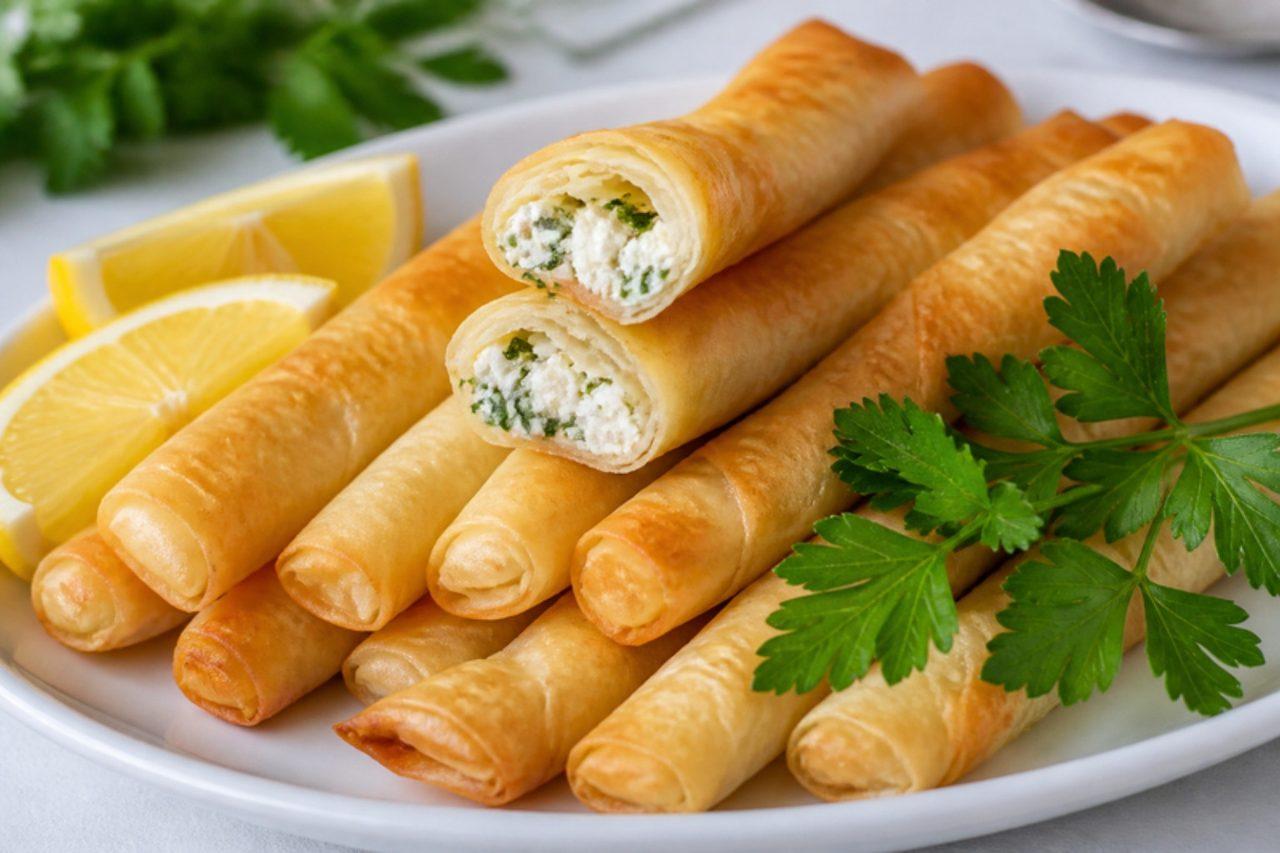
Sigara böreği

These pencil-thin rolls take their name from the cigarettes they resemble, and they are the börek every Turkish child grows up on. Triangles of yufka (thin Turkish pastry) are rolled round a finger of white cheese and parsley and fried until they shatter when you bite them. They turn up at five o'clock tea parties, on the iftar table during Ramadan and in many a school lunchbox. Yufka is sold in Turkish shops; filo works too if you use two sheets brushed with oil. Chef's tip: shape them all, cover with a damp cloth and fry just before eating; they lose their crunch within an hour.
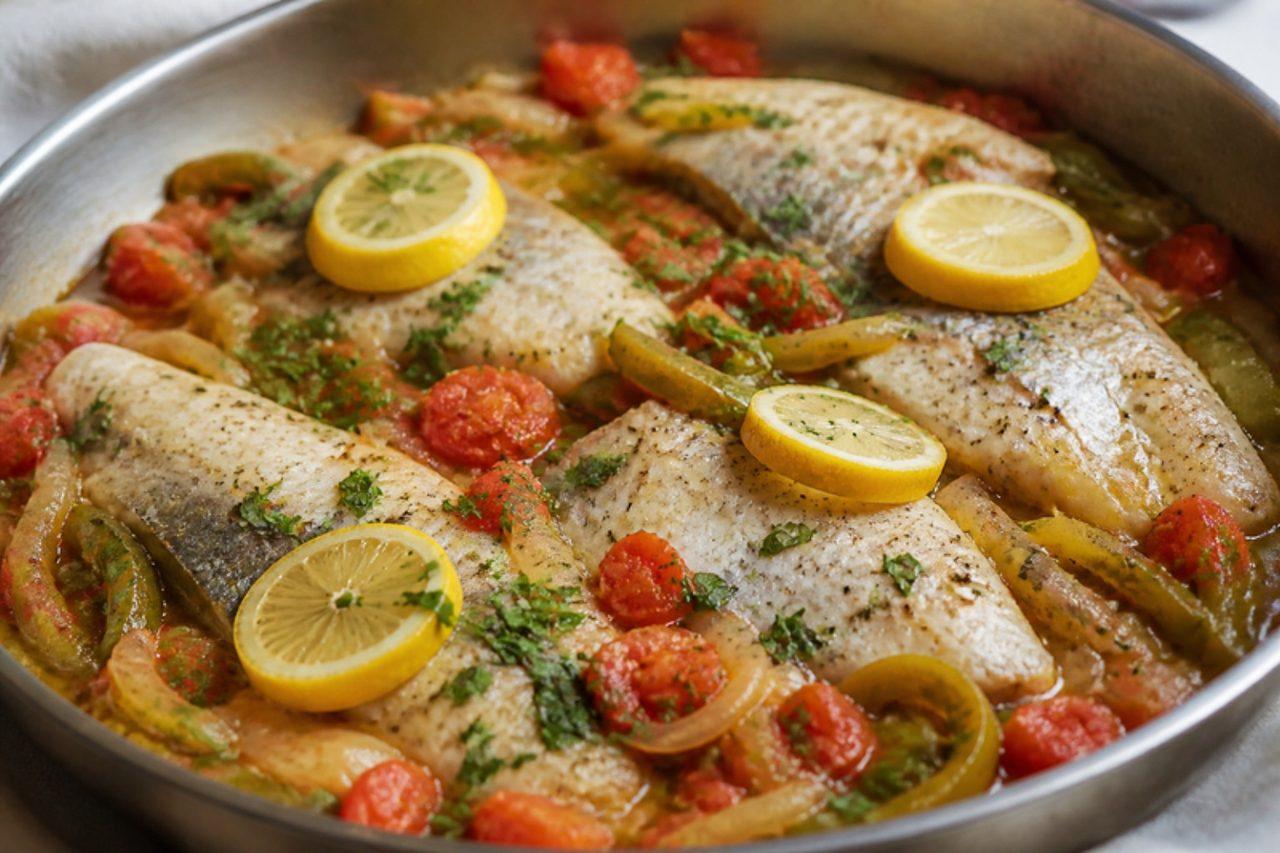
by KrazyBadal 0 views

Mercimek çorbası

If one soup feeds Turkey, it is this. Mercimek çorbası is on the counter of every lokanta (tradesmen's restaurant), in factory and hospital canteens, and it is often what Turks eat for breakfast on a cold morning or to break the fast in Ramadan. Red lentils simmered with onion, carrot and potato are blended until velvety, then each bowl gets a squeeze of lemon and a swirl of butter sizzled with Aleppo pepper and dried mint. It is warming, cheap and filling. Chef's tip: rinse the lentils in several changes of water until it runs clear; it washes off the starch that makes the soup foam and taste dusty.

by KrazyBadal 0 views

Ezogelin çorbası

Gaziantep gave Turkey this hearty soup, named after Ezo, a bride from a village near the city whose sad story is still told in folk songs. Unlike the smooth mercimek soup, ezogelin keeps some texture: red lentils, bulgur and a little rice simmer together with tomato and red pepper paste until thick and soft, and plenty of dried mint goes in at the end. In southeast Turkey it is a winter staple, eaten in the morning and as a light supper with bread and a squeeze of lemon. It thickens as it stands, so add a splash of water when you reheat it. Chef's tip: rub the dried mint between your palms over the pot to release its oils just before you serve.

by KrazyBadal 0 views

Ayran

Ayran is what Turks drink with lunch: a chilled, foamy blend of yogurt, water and a pinch of salt, poured from copper jugs alongside cheese pide, börek, lentil soup and bean stews. In the Susurluk area of Balıkesir it is whisked so hard that it arrives under a thick head of foam, and roadside cafés all over Anatolia serve it in tin cups on hot summer days. It is tangy, refreshing and cooling with spicy food. Make it just before you sit down and drink it ice-cold. Chef's tip: whisk the yogurt alone with the salt until smooth before adding any water, and you'll get a silky drink with no lumps.

by KrazyBadal 0 views

Zeytinyağlı taze fasulye

Along the Aegean coast, from İzmir down to Bodrum, summer lunch often begins with a plate of flat green beans that have been stewed in olive oil and tomato until they are silky, then left to cool to room temperature. It belongs to the zeytinyağlı family: vegetables cooked in olive oil, with no meat, and eaten cold or barely warm with bread to mop up the orange-red juices. Home cooks make a big pan in the morning and serve it over two or three days, because it tastes better after a night in the fridge. The most common mistake is rushing it on a high flame: the beans stay squeaky and the oil never turns glossy. Chef's tip: lay the beans on top of the onions and tomatoes without stirring, cover tightly and let the steam do the work; stirring breaks the beans and turns the sauce muddy.

by KrazyBadal 0 views

Yaprak sarma

Rolling yaprak sarma is a social job in Aegean kitchens around Ayvalık and Manisa, where vineyards supply the leaves: a tray of grape leaves, a bowl of spiced rice and two or three people talking while they roll. This meat-free version is the olive-oil kind, filled with rice, onion, pine nuts, currants, mint and a pinch of cinnamon and allspice, and served cold as a meze or at tea-time gatherings. Good sarma are thin as a finger and hold together when bitten. A common mistake is overfilling: the rice swells as it cooks and splits the leaves. Chef's tip: use only a teaspoon of filling per leaf and roll firmly but not tight, leaving room for the rice to grow.

by KrazyBadal 0 views

Biber dolması

Biber dolması turns up in every corner of Turkey, from Istanbul meyhanes to village kitchens in central Anatolia, and the olive-oil version without meat is the one eaten cold at summer lunches or packed for picnics. Thin-walled green dolma peppers are filled with rice cooked with onion, tomato, pine nuts, currants and warm spices, capped with a slice of tomato and simmered until the peppers slump and wrinkle. A frequent mistake is packing the filling to the top: leave a finger of space so the rice can swell. Chef's tip: let the peppers cool completely in their pot; the filling firms up and the flavours of mint and allspice come through much more clearly than when hot.

by KrazyBadal 0 views

Zeytinyağlı pırasa

Winter in Istanbul brings fat leeks to every neighbourhood market, and zeytinyağlı pırasa is how many households use them: chunks of leek and carrot stewed gently in olive oil with a handful of rice to thicken the juices, finished with lemon. It is served at room temperature on the side of a winter table, or as a light lunch with bread and white cheese, and grandmothers often say it is better the second day. The usual mistake is skipping a proper wash: grit hides between the layers and ruins the whole pot. Chef's tip: cut the leeks on a slant into thick pieces and keep them whole rather than separating the rings, so they hold their shape through the slow braise.

by KrazyBadal 0 views

Zeytinyağlı enginar

In spring, when globe artichokes pile up on stalls in İzmir and Urla, market sellers trim them on the spot into pale hearts kept in lemon water, and families take them home to make zeytinyağlı enginar. The hearts are braised cup-side up with small onions, carrots, potato and peas in olive oil and lemon, then served cold with a shower of dill, often as the first course of a spring dinner. The classic mistake is leaving trimmed artichokes in the air: they turn grey within minutes. Chef's tip: rub every cut surface with lemon as you go and drop the hearts straight into water with lemon juice and a spoonful of flour, which keeps them pale and cream-coloured.

by KrazyBadal 0 views

Acılı ezme

Sit down at a kebab house in Adana or Gaziantep and a small dish of acılı ezme arrives before you have ordered: tomato, pepper, onion and parsley chopped almost to a paste, sharpened with pomegranate molasses and hot pepper flakes. It works just as well at a vegetarian table, spooned onto bulgur pilaf, falafel or grilled vegetables, or scooped up with warm flatbread. The mistake most people make is using a food processor: it turns the vegetables into watery soup instead of a thick, rough relish. Chef's tip: chop everything by hand with a big knife, then drain the tomatoes in a sieve for 5 minutes before mixing, so the ezme stays thick enough to sit on bread.

by KrazyBadal 0 views

Muhammara

Gaziantep, a city on Turkey's southern border famous for pistachios and pepper paste, claims muhammara as its own, and you will find it on breakfast spreads and meze tables throughout the southeast. Roasted red peppers, walnuts and breadcrumbs are pounded with pepper paste, cumin and pomegranate molasses into a thick, brick-red spread that is smoky, nutty and gently hot. Spread it on bread, serve it with crudités or alongside a bowl of lentil soup. A common mistake is blending until completely smooth; it should keep a little bite from the walnuts. Chef's tip: toast the walnuts in a dry pan first until they smell like brown butter, which deepens the flavour far more than raw nuts.

by KrazyBadal 0 views

Çoban salatası

Çoban salatası, the shepherd's salad, is on the table at almost every Turkish meal from Edirne to Van, whether that is a home dinner, a lokanta lunch or a summer barbecue. It is simple by design: small dice of tomato, cucumber, green pepper and onion with parsley, dressed with lemon juice, olive oil and a little sumac. It is eaten alongside pilaf, beans, börek or anything grilled. The common mistake is salting it too early, which draws the water out of the tomatoes and leaves it swimming. Chef's tip: rub the onion slices with salt and sumac and rinse them before adding; the onion stays crunchy but loses its harsh bite.

by KrazyBadal 0 views

Kısır

Kısır comes from southeastern Turkey but is now the dish women across the country bring to 'altın günü', the afternoon gatherings where friends meet at each other's homes over tea. Fine bulgur is softened with hot water and kneaded with tomato and pepper paste until rosy, then mixed with spring onion, parsley, mint, lemon and pomegranate molasses. It is served at room temperature, often wrapped in crisp lettuce leaves. The typical mistake is pouring in too much water, which turns the bulgur mushy; use just enough to cover. Chef's tip: knead the pastes into the warm bulgur with your hands for a full minute so every grain turns red and the flavour goes right through.

by KrazyBadal 0 views

Haydari

Order meze in an Istanbul meyhane and haydari is usually among the first small plates to land: very thick strained yogurt beaten with crumbled white cheese, garlic, dill and mint, then crowned with a drizzle of oil warmed with dried mint and chilli flakes. It is eaten with bread, beside roasted vegetables or with crisp börek, and it takes minutes once you have the yogurt. The mistake to avoid is using thin pouring yogurt, which gives you a runny sauce rather than a dip that holds its shape. Chef's tip: use Greek-style strained yogurt, or hang plain yogurt in a cloth for an hour, and check the beyaz peynir or feta is made with vegetarian rennet.

by KrazyBadal 0 views

Piyaz

Antalya does piyaz its own way. Elsewhere in Turkey the bean salad is dressed with oil and vinegar, but on the Mediterranean coast the beans are folded through a pale, nutty sauce of tahini, lemon and vinegar, then crowned with sumac onions, tomato and parsley. Lunch canteens in the old town serve it on the side of almost everything, and at home it is a filling lunch with bread or a cool side on a hot evening. Tinned beans make it a fifteen-minute dish. Chef's tip: when the lemon hits the tahini it will seize into a stiff, grainy paste; don't panic, just keep beating in cold water a spoonful at a time and it turns silky.

by KrazyBadal 0 views

Menemen

Sunday breakfast in Turkey rarely passes without a sizzling pan of menemen set in the middle of the table, crowded by olives, cheese, cucumber and glasses of tea. Mild green peppers are softened in olive oil, ripe tomatoes are cooked down to a jammy sauce, and then the eggs are broken in and gently stirred so they set into soft, juicy ribbons streaked with red. Everyone eats from the pan, tearing bread to scoop it up. Whether onion belongs in it is a national argument; here it is optional. Chef's tip: let the tomatoes bubble until almost all their liquid has gone before the eggs go in, or the menemen will be watery.

by KrazyBadal 0 views

Çılbır

Çılbır goes back to the Ottoman palace kitchens, and today you are as likely to meet it on a brunch menu in Istanbul's Kadıköy or Cihangir as on a home breakfast table. Two soft poached eggs sit on a bed of thick, garlicky yogurt, and a spoonful of butter fried with Aleppo pepper is poured over the top so it runs red into the white. Break the yolks, mix everything together and mop it up with bread. Chef's tip: take the yogurt out of the fridge 30 minutes ahead, or stand the bowl over warm water for a few minutes; cold yogurt chills the eggs and the dish should be served warm.

by KrazyBadal 0 views

Simit

Stacked high on wooden trays and pushed through Istanbul on red carts, simit is the city's breakfast on the move: commuters tear one apart on the ferry across the Bosphorus, throwing the odd piece to the gulls. The ring is twisted, dipped in diluted grape molasses (pekmez) and pressed into sesame, so it bakes up with a crackly, nutty, deep brown crust and a chewy, close crumb. Unlike a bagel it is never boiled. At home, serve warm with tea, white cheese, olives and tomatoes. Chef's tip: toast the sesame seeds in a dry pan before coating; raw seeds stay pale and taste of very little.

by KrazyBadal 0 views

Gözleme with spinach and feta

On roadsides and at weekly village markets across central Anatolia, women sit cross-legged by a domed iron griddle (saç), rolling dough paper-thin with a long thin rolling pin (oklava), filling it and cooking it to order. This is gözleme: a soft, blistered parcel of unleavened dough wrapped round spinach and salty white cheese, brushed with butter as it comes off the heat. Eat it hot, folded in paper, with a glass of ayran. A big frying pan or flat griddle at home does the job. Chef's tip: roll the dough so thin you can almost see the worktop through it; thick gözleme tastes doughy and the filling stays cold.

by KrazyBadal 0 views

Domatesli bulgur pilavı

Across Turkey, from Anatolian village kitchens to Istanbul lunch counters (esnaf lokantası), a pot of bulgur pilaf sits beside beans, stuffed vegetables and yogurt as reliably as bread does. Coarse bulgur (pilavlık bulgur) is cooked with onion, sweet pepper paste, grated tomato and a green pepper until every grain is separate, tender and lightly reddish. It is nuttier and chewier than rice pilaf and ready in half an hour, which is why so many families make it on weeknights. Spoon it next to kuru fasulye, cacık or a simple salad, or eat a bowl on its own with a dollop of yogurt. Chef's tip: once the water is absorbed, lay a clean tea towel under the lid and let the pilaf rest off the heat for 10 minutes; the towel catches the steam so the grains turn fluffy instead of wet.

by KrazyBadal 0 views

Kuru fasulye

Kuru fasulye is close to a national dish in Turkey: a pot of white beans stewed in a red, paprika-scented sauce, eaten with rice pilaf, pickles (turşu) and raw onion at home and in the bean restaurants of Istanbul's Süleymaniye district. Many versions start with lamb or sucuk; this one leans on good olive oil, sweet and hot pepper paste and slow cooking, so the beans become creamy inside and the sauce silky and rich. It is a winter Friday-night staple for lots of families and tastes even better reheated the next day. Serve with domatesli bulgur pilavı or plain rice, a wedge of onion and crusty bread. Chef's tip: add the salt only once the beans are almost tender; salting at the start keeps the skins tough however long you cook them.

by KrazyBadal 0 views

Fırın sütlaç

In Turkish pudding shops (muhallebici) from Istanbul to Ankara, fırın sütlaç is served chilled in little clay bowls, its surface blistered dark brown under the grill while the rice pudding beneath stays creamy and cool. It is a dessert families make on Sunday or for guests, since it has to set in the fridge for a few hours, and it travels well to neighbours during Ramadan evenings. The flavour is clean milk and vanilla, thickened with rice flour rather than eggs, so it is light compared with Western rice puddings. Eat it cold, plain or dusted with cinnamon or ground hazelnuts. Chef's tip: stand the filled bowls in a tray of cold water before they go under the grill; the water keeps the pudding from boiling up while the top browns.

by KrazyBadal 0 views

Revani

Revani is the syrup cake you meet in Turkish pastry shops and on home tea tables, especially at bayram visits, when trays of it are cut into diamonds and handed round with çay. Unlike a dense eggless semolina bake, it is a light, airy sponge of whisked eggs, semolina and a little flour, which drinks in cold lemon syrup straight from the oven until it is moist right through yet still holds a clean cut. It sweetens with sugar syrup rather than icing and is often finished with desiccated coconut or crushed pistachios. Serve it at room temperature or chilled, with tea or a spoon of kaymak or thick cream. Chef's tip: pour cool syrup over the hot cake (or hot over cool), never hot on hot; that contrast lets the sponge soak up syrup without collapsing into mush.

by KrazyBadal 0 views

Showing 144 of 152 recipes

Show more recipes

Page 6 of 7

More Turkish ideas

Other by country