Skip to content
WhatToEat.Today

Jain recipes: no onion, garlic or root vegetables

2,797

2797 Jain recipes with no onion, garlic, potato, carrot, fresh ginger or other root vegetables, and no mushrooms, eggs or honey. Hing, dry ginger and turmeric powder are fine. Each has photos, step-by-step instructions and cook times. The quickest, Apfelschorle, takes 2 minutes. Most take around 40 minutes.

Filter these by time, diet or cuisine · Make Jain your diet to see only these recipes everywhere on the site.

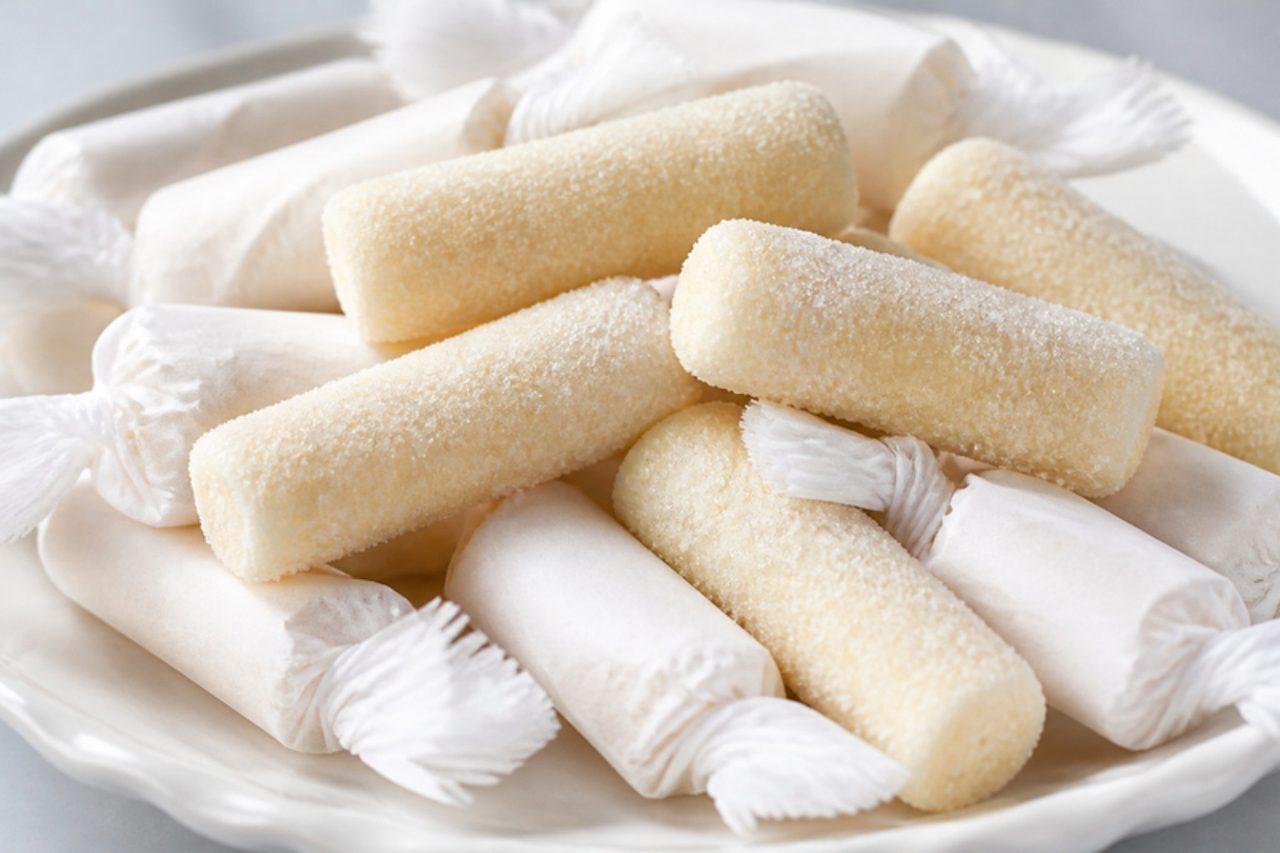
Pastillas de leche (Bulacan milk candy)

San Miguel in Bulacan, north of Manila, has made pastillas de leche from the rich milk of carabao, the water buffalo, for generations, and the town celebrates it every May with a festival. The candies are slow-cooked from little more than milk and sugar, rolled into fingers, coated in sugar and wrapped in coloured paper, often with fringed, cut-paper wrappers for fiestas and Christmas. They taste like a soft, milky fudge that melts on the tongue. Hand them round with coffee or tuck them into gift boxes. Carabao milk is hard to find, so this version uses whole cow's milk boosted with a little milk powder for the same richness. It is naturally egg-free: the milk solids, reduced with sugar, set into a firm paste on their own. Chef's tip: keep the heat at medium-low and scrape the base often. The common mistake is turning the heat up to save time, which scorches the milk and makes the paste grainy.

by KrazyBadal 0 views

Polkagris (Gränna peppermint candy sticks)

Gränna, a small town on the shore of Lake Vättern, has been pulling polkagris since the 1850s, and visitors still stand at shop windows watching the sugar being stretched and twisted on marble tables. The sticks are sold all year but are a favourite in summer, when the town fills with tourists, and again at Christmas. Pulled properly, the white part turns satiny and slightly airy, so the candy is crisp on the outside and almost chalky-soft as it melts, with a clean, cooling peppermint flavour and a thin red spiral. Eat them as they are, crush them over ice cream or hang them on the tree. Polkagris is naturally egg-free: nothing but sugar boiled to the hard-crack stage holds it together, and the pulling, not any added protein, gives the pale, opaque texture. Chef's tip: work in a dry kitchen with oiled gloves and have every tool ready before the sugar reaches temperature; the common mistake is letting the mass cool too far before pulling, at which point it cracks instead of stretching.

by KrazyBadal 0 views

Nerikiri (hand-shaped bean paste flowers)

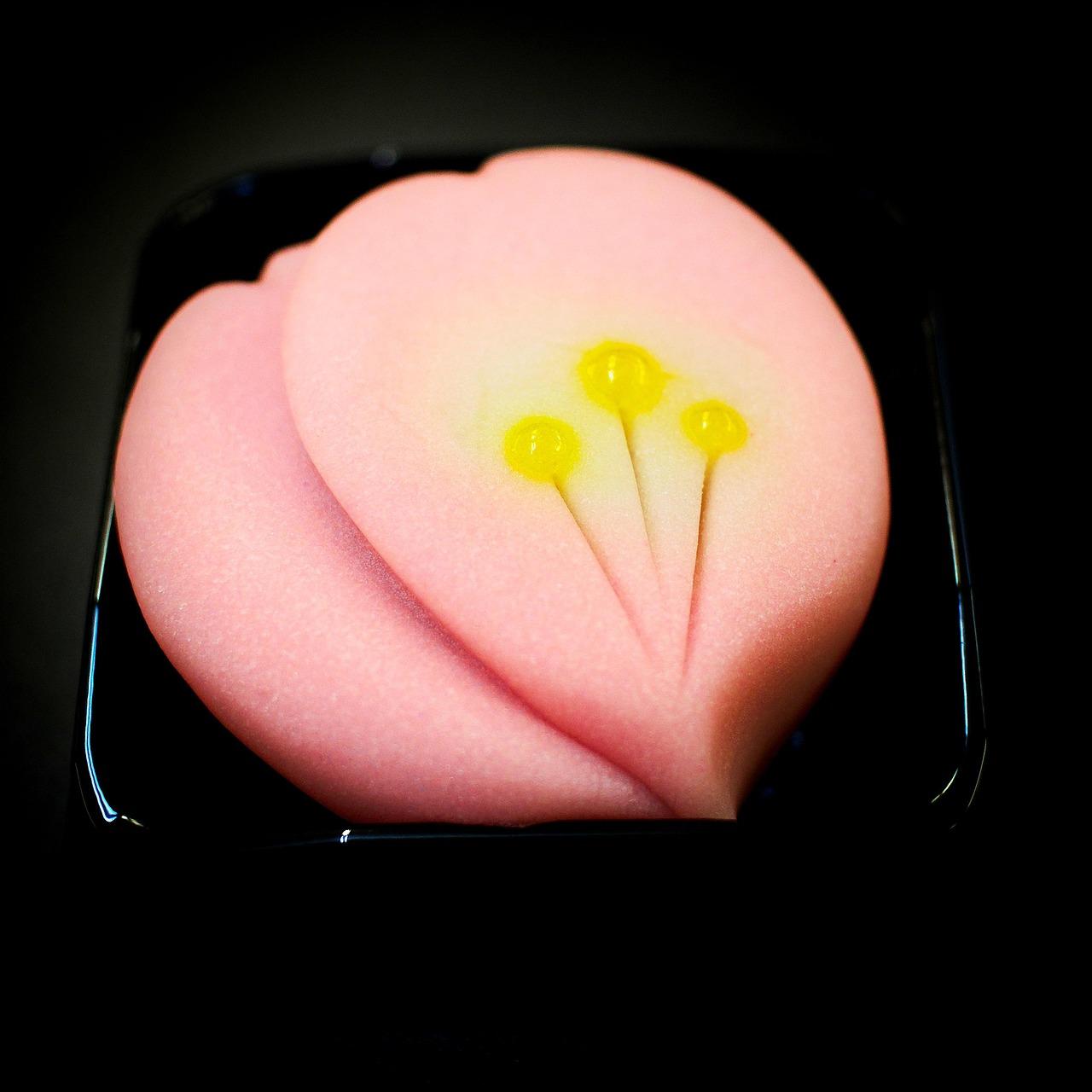
Nerikiri are the jewel-like sweets of the tea ceremony in Kyoto and Tokyo, shaped by hand into the flower, leaf or fruit of the season: cherry blossom in April, hydrangea in June, chrysanthemum in autumn. Each is served alone on a small plate before thick matcha, cut with a pick. The dough is white bean paste kneaded with gyuhi, a soft paste of glutinous rice flour and sugar, and it feels like fine modelling clay, smooth and gently sweet, wrapped around a centre of red bean paste. They are naturally egg-free: the gyuhi gives the bean paste stretch and holds the carved shapes, so no other binder is needed. This simple five-petal flower is a good first shape. Chef's tip: dry the white bean paste well before adding the gyuhi; the common mistake is a soft, wet dough that slumps and loses its petals within minutes.

by KrazyBadal 0 views

Huasheng tang (peanut brittle)

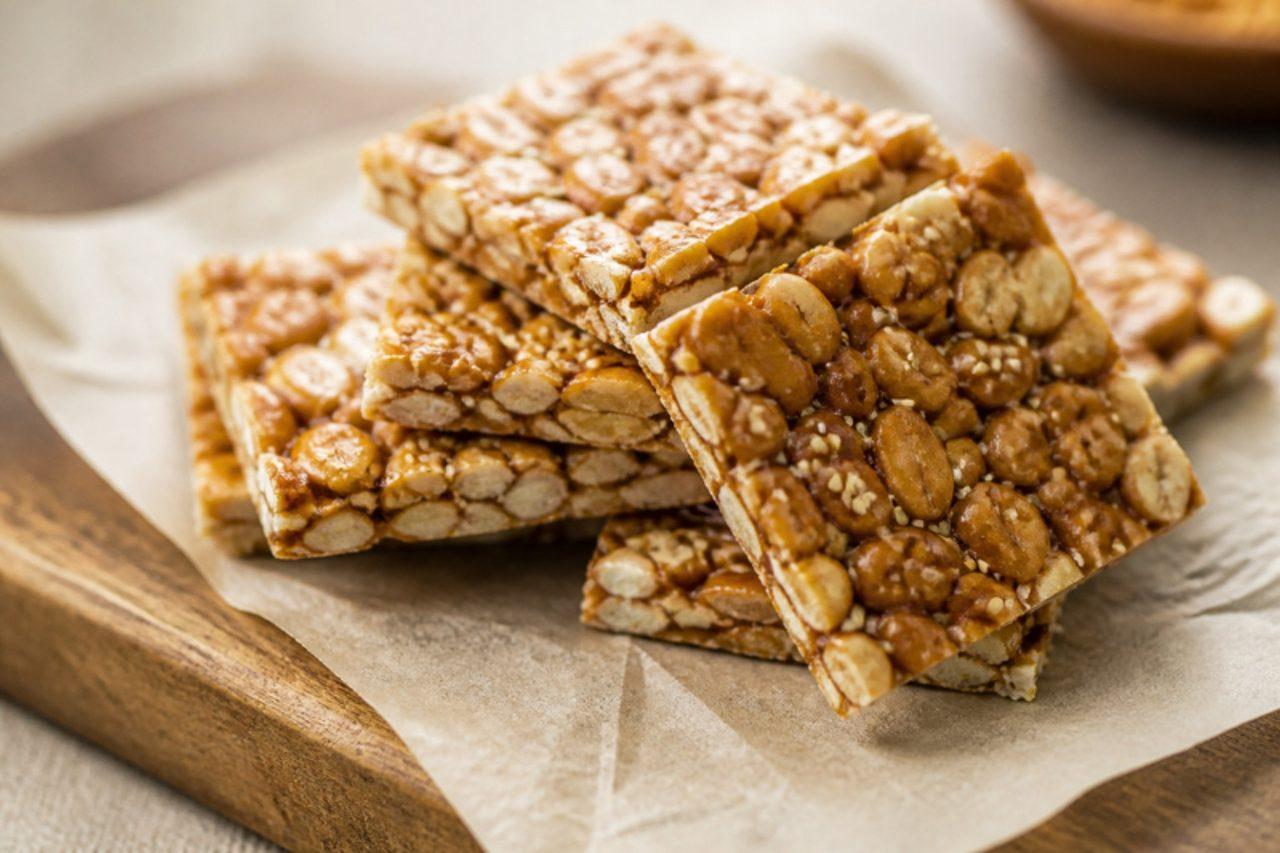
Huasheng tang is a fixture on the Taiwanese New Year candy tray, set out for every visitor who comes to wish the family a happy new year. Peanuts are called 'long-life nuts' in Chinese, so the brittle carries a wish for long life and, with so many nuts in each piece, for many children and a full house. Taiwanese brittle is thinner and less sweet than many, packed with crackly roasted peanuts held together by malt sugar. Serve with oolong tea alongside dried fruit and melon seeds. Chef's tip: cut the slab while it is still warm and pliable; once cold it shatters.

by KrazyBadal 0 views

VörtbrödDark Christmas rye bread

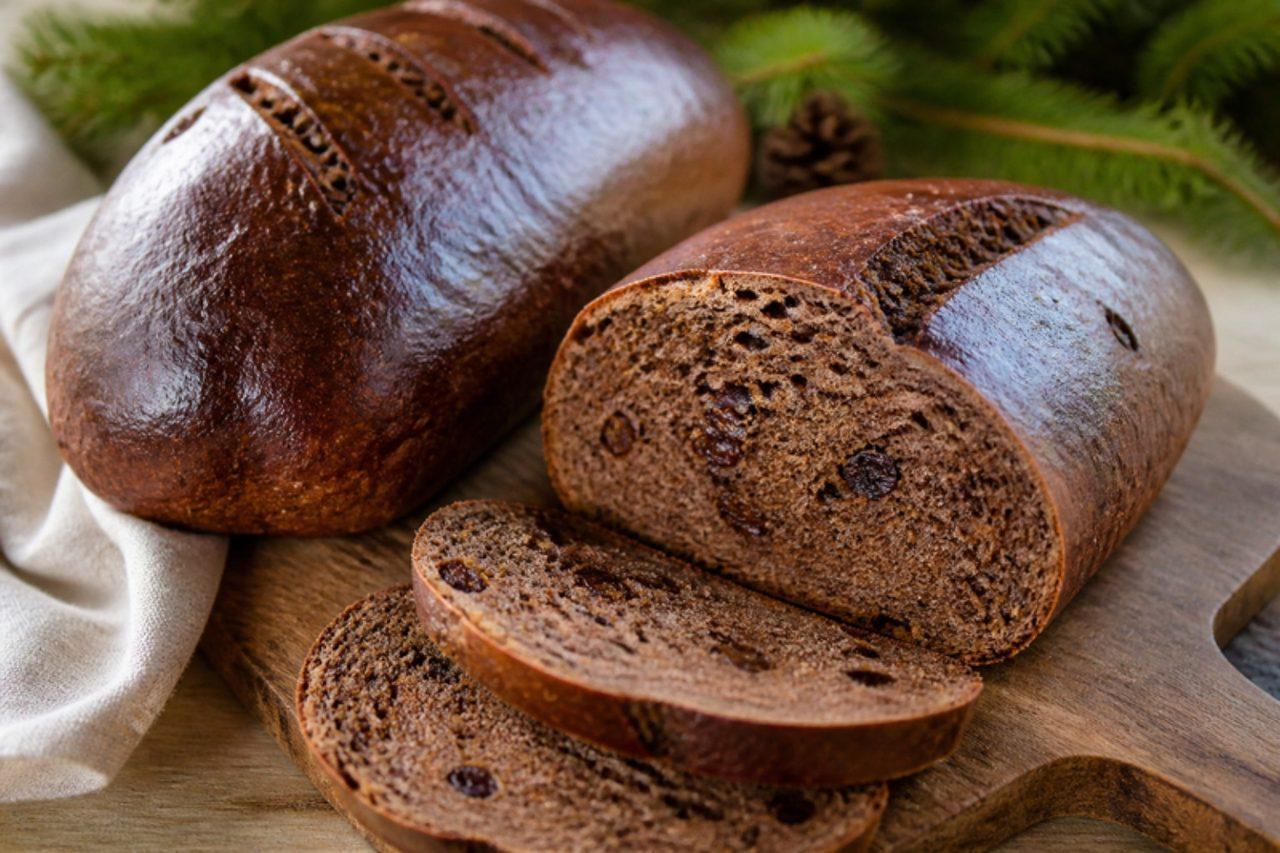
In Sweden the Christmas smörgåsbord (julbord) is never without vörtbröd, a dark, soft, slightly sticky rye loaf flavoured with wort, the sweet malty liquid brewers start beer from, plus dark syrup, orange peel, clove and ginger. It is sliced, buttered and eaten with the Christmas ham or with cheese. Many home bakers use dark beer, which contains alcohol; this recipe uses a non-alcoholic dark malt drink, which gives the same malty depth. It keeps for 4 days, and freezes well. Chef's tip: rye dough is sticky and never feels smooth like wheat; resist adding lots of extra flour or the loaf will be dry.

by KrazyBadal 0 views

Doce de figo verde (Minas green figs in clove syrup)

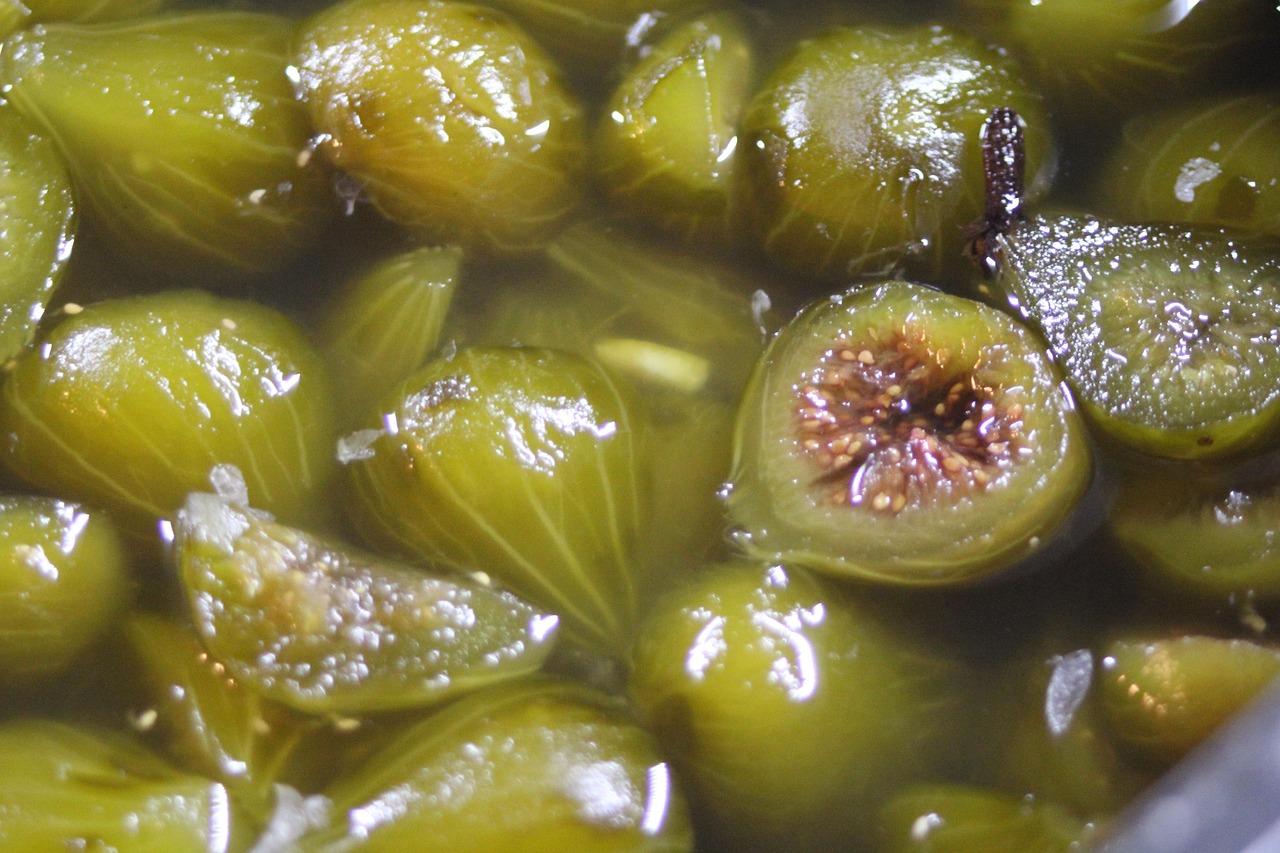
On the farms of Minas Gerais, figs picked hard and green at the start of summer are turned into one of the state's proudest doces, made in big copper pans and set out at Christmas, at Festa Junina and after a long Sunday lunch. The whole figs come out dark olive-green, glossy and tender right through, in a thick syrup fragrant with cloves. They are eaten with a slice of fresh queijo minas, the salty cheese making the sweetness sing, or on their own with a small coffee. Like most Brazilian fruit preserves it is naturally egg-free: the long simmer in sugar syrup preserves and firms the fruit, and the figs' own pectin thickens the syrup. The work is in the repeated blanching, which draws out the bitter milky sap. Chef's tip: wear gloves while scraping the figs, because the sap irritates skin, and keep the syrup at a bare simmer; the common mistake is boiling hard, which bursts the figs and toughens their skins.

by KrazyBadal 0 views

Tang gua (malt sugar candy)

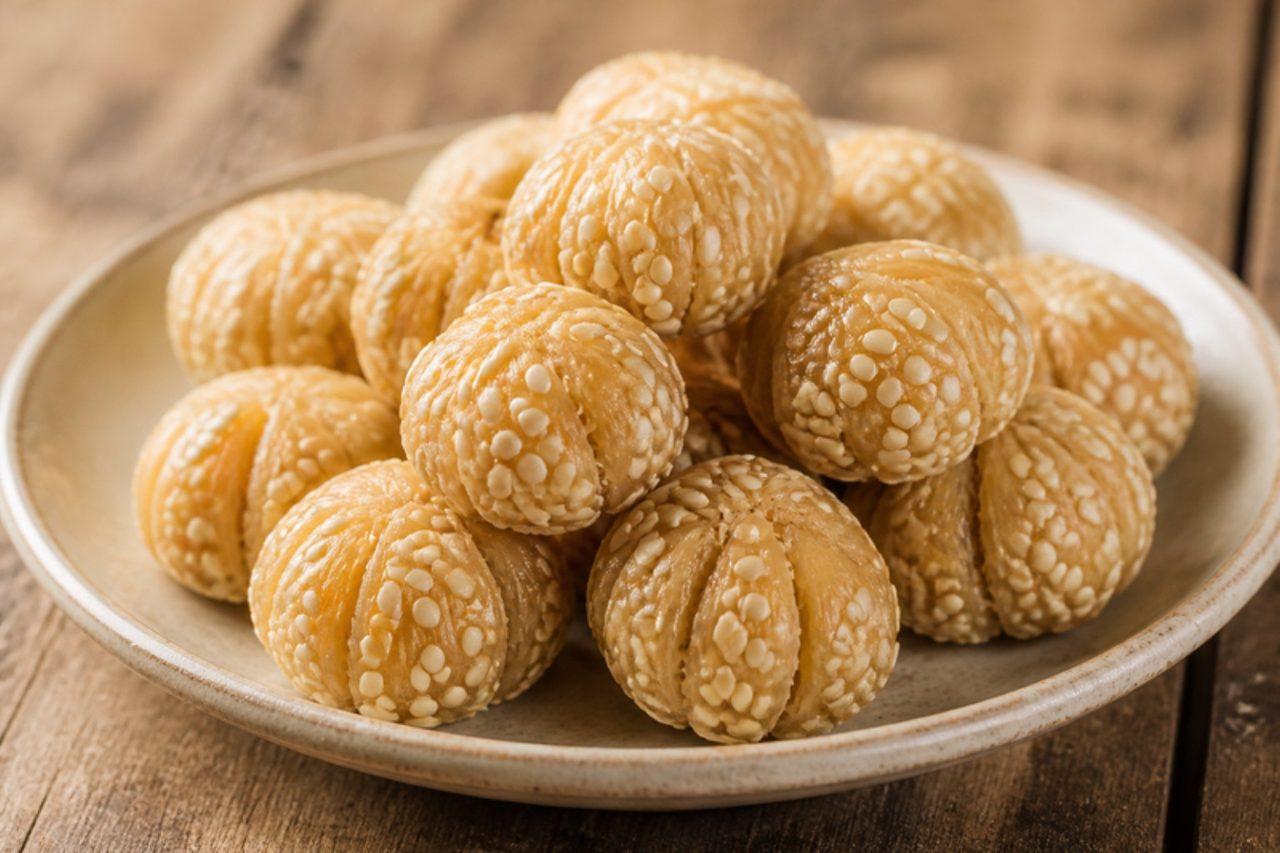
On Xiaonian, the 'little New Year' a week before the Spring Festival, families across northern China offer tang gua to the Kitchen God before he flies up to report on the household: the sticky sweets are meant to glue his mouth shut, or at least sweeten his words. The name means 'sugar melons', after their round, ribbed shape. Pulling the hot maltose over and over turns it from amber glass to a pale, airy candy that shatters and then turns chewy, with a toasty malt flavour and plenty of sesame. Serve them with tea on Xiaonian and keep the rest in a tin for New Year guests. Chef's tip: wear clean rubber or silicone gloves and work on an oiled tray; hot sugar sticks to skin and burns.

by KrazyBadal 0 views

Podsolnechnaya khalva (sunflower seed halva)

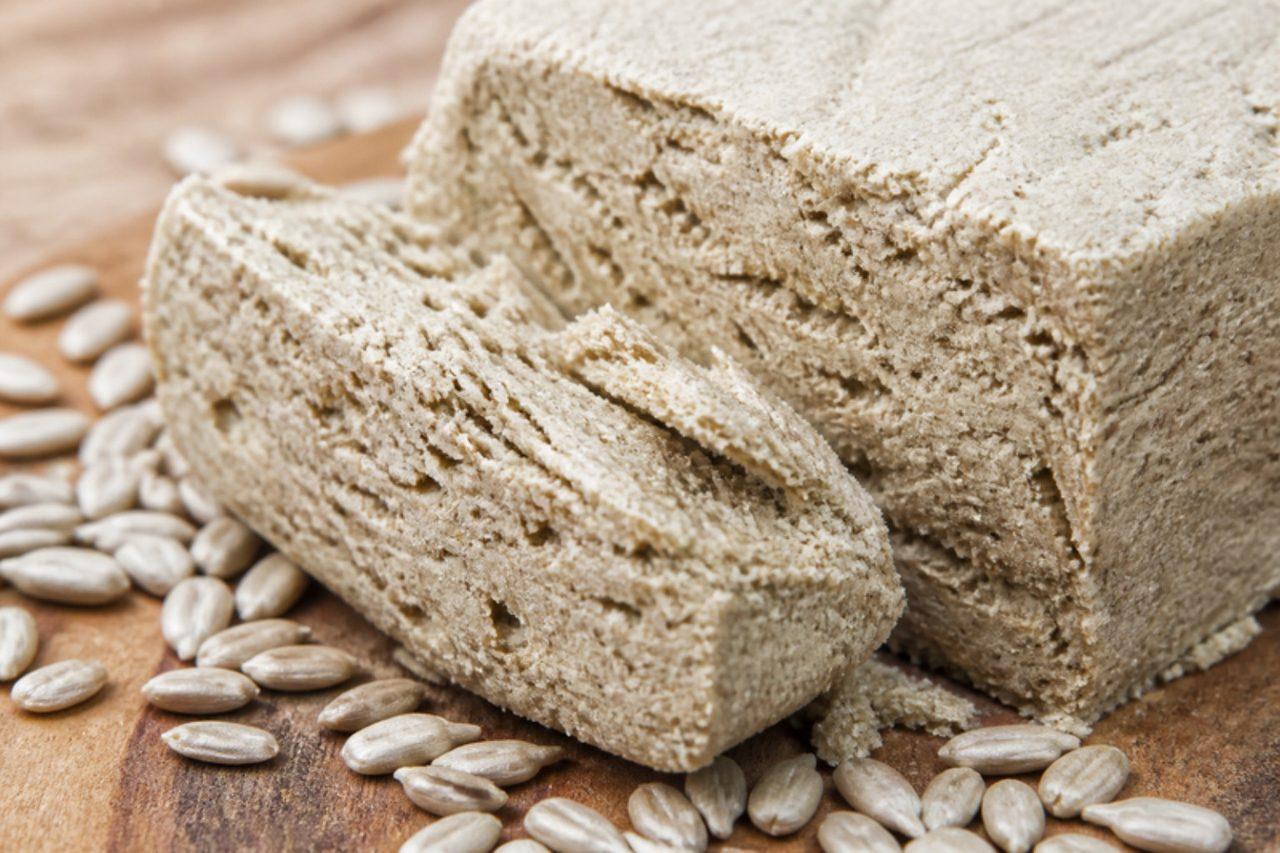
In Russia and Ukraine, where sunflowers cover the southern steppe, halva means sunflower halva rather than the sesame kind: grey-brown, crumbly slabs sold by weight at markets and eaten with tea at any time of day, especially through the long winter. It tastes deeply of toasted seeds, with a sandy, flaky texture that breaks into strands and melts on the tongue. Serve it in small pieces with black tea, crumble it over porridge, or eat it with fresh apple slices. Factory halva is lightened with a foam of soapwort root, and some old recipes use whipped egg white; this home version needs neither. Sugar syrup cooked to the firm-ball stage is beaten straight into warm, finely ground seeds, and as the syrup cools it crystallises and binds the oily seed paste into a sliceable block, naturally egg-free. Chef's tip: grind the seeds until they just start to clump and look oily, not into smooth butter; the common mistake is over-grinding, which gives a dense, fudgy slab instead of crumbly halva.

by KrazyBadal 0 views

PinacaRice flour, jaggery and coconut cakes

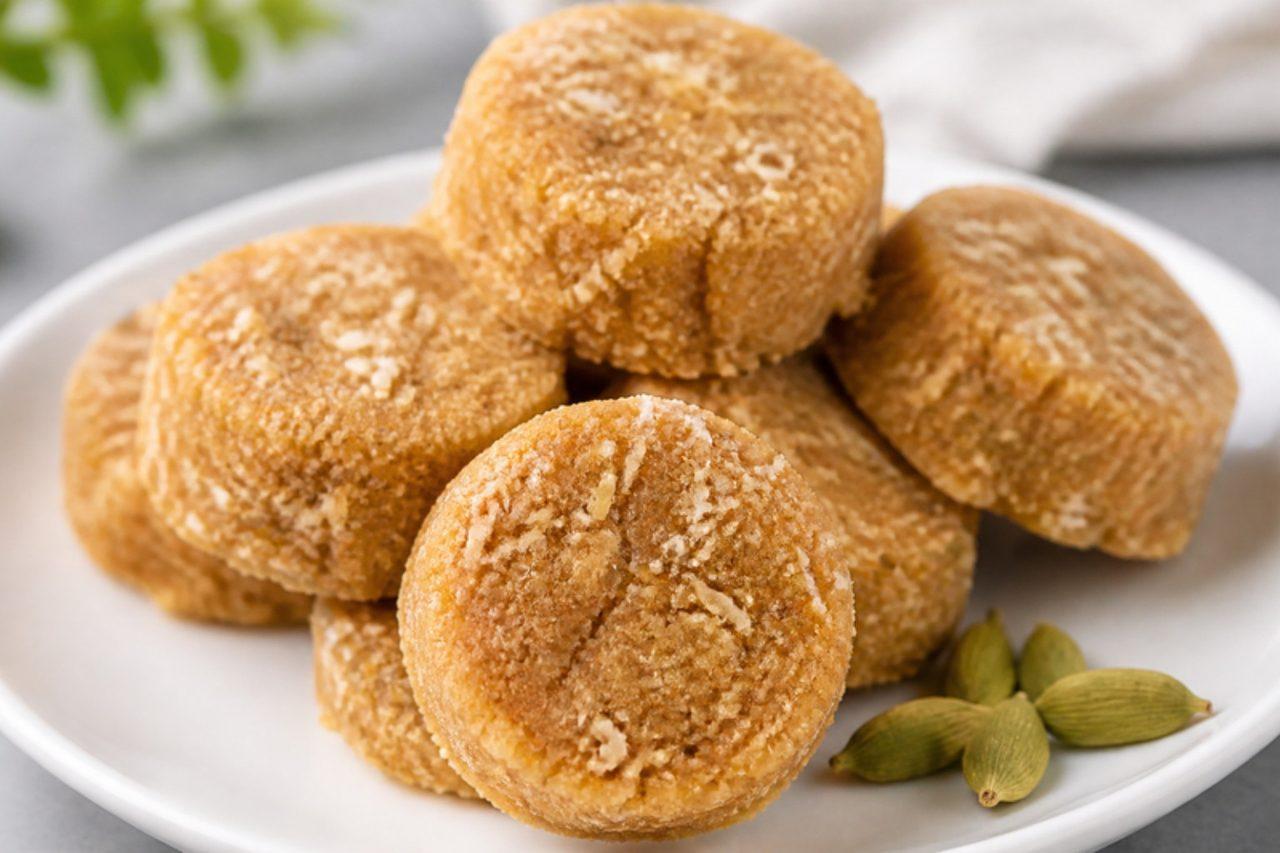
Pinaca is one of the oldest Goan Christmas sweets in the kuswar tray, made in the weeks before Christmas from three things: rice flour roasted until golden and nutty, jaggery and freshly grated coconut. They are pressed into small cakes or squares and have a soft, crumbly, toffee-like bite. They are vegan and gluten free. Chef's tip: take your time roasting the rice flour, as it is the roasting that gives pinaca its flavour, but stir constantly because it burns at the edges.

by KrazyBadal 0 views

Bananada (Brazilian banana paste bars)

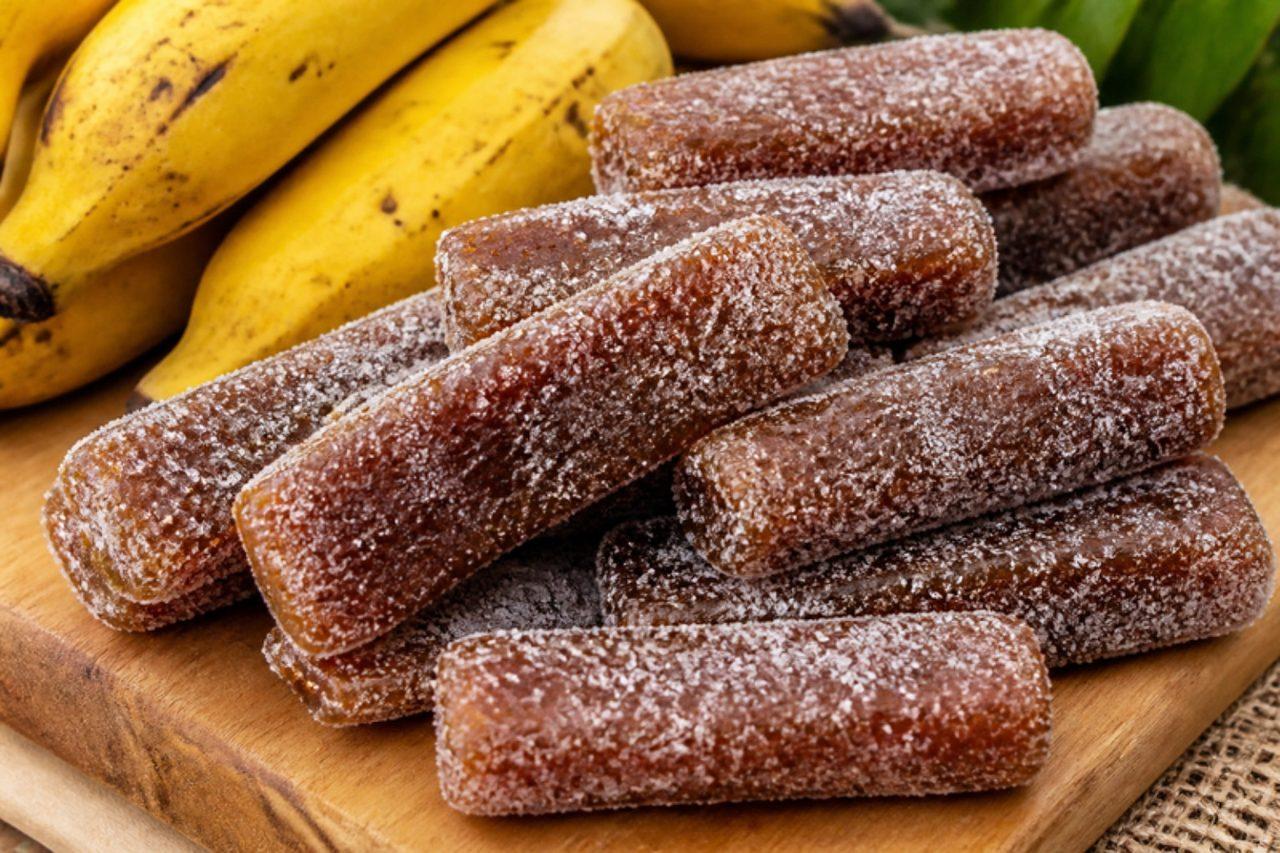
Bananada comes from the banana country of Minas Gerais and the Vale do Ribeira in São Paulo state, where roadside stalls stack it in wrapped bars beside rapadura and goiabada. Children find it in lunchboxes and it turns up on the sweet tables of the June festivals. Cooked slowly, ripe bananas and sugar darken to a reddish brown and set into a dense, chewy paste with a caramel and baked-banana flavour, finished with a sugary crust. Serve the bars with coffee or a piece of fresh cheese. It is naturally egg-free: the starch and pectin in the bananas, concentrated with sugar over a long, slow cook, set the paste firm enough to slice. Very ripe bananas give the sweetest, darkest result. Chef's tip: keep going until you can see the base of the pan for a second when you drag the spoon through; the common mistake is stopping early, which gives a soft jam that won't cut.

by KrazyBadal 0 views

Nian dou bao (sticky bean buns)

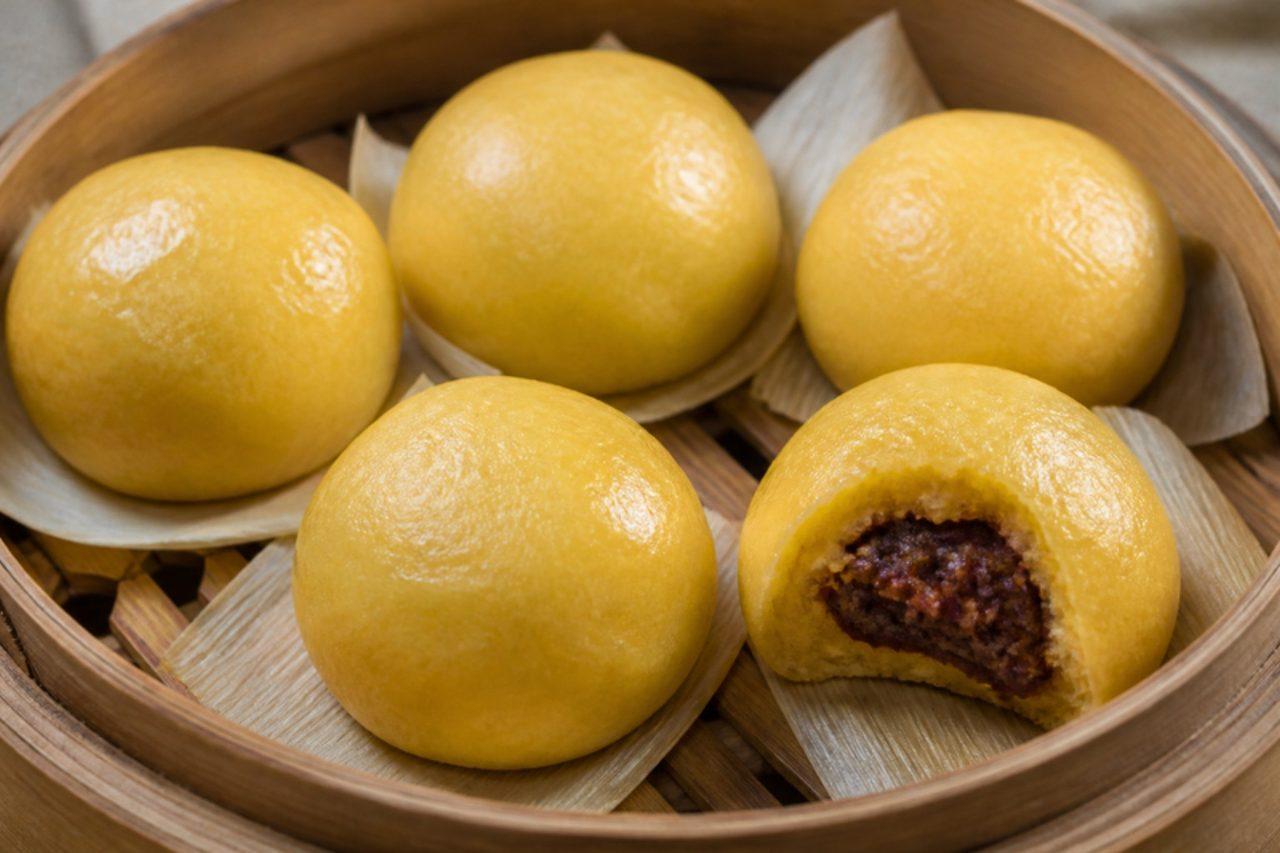
Before the Spring Festival, families in Dongbei make nian dou bao by the hundred, steam them and freeze them outside in the snow so there is a stack ready for every visit of the holiday. The name contains 'nian', sticky, which sounds like the word for year, so they are eaten for a year that holds together and rises higher. The dough, traditionally from glutinous millet that has been lightly fermented, is soft, chewy and gently tangy, wrapped round a smooth sweet red bean filling. This version uses glutinous rice flour and fine cornmeal for the golden colour, with a little yeast for that faint sourness. Serve them warm with tea or plain congee. Chef's tip: wet your hands before shaping; the dough clings to dry hands but behaves perfectly once they are damp.

by KrazyBadal 0 views

Jiaodong hua bobo (festive flower buns)

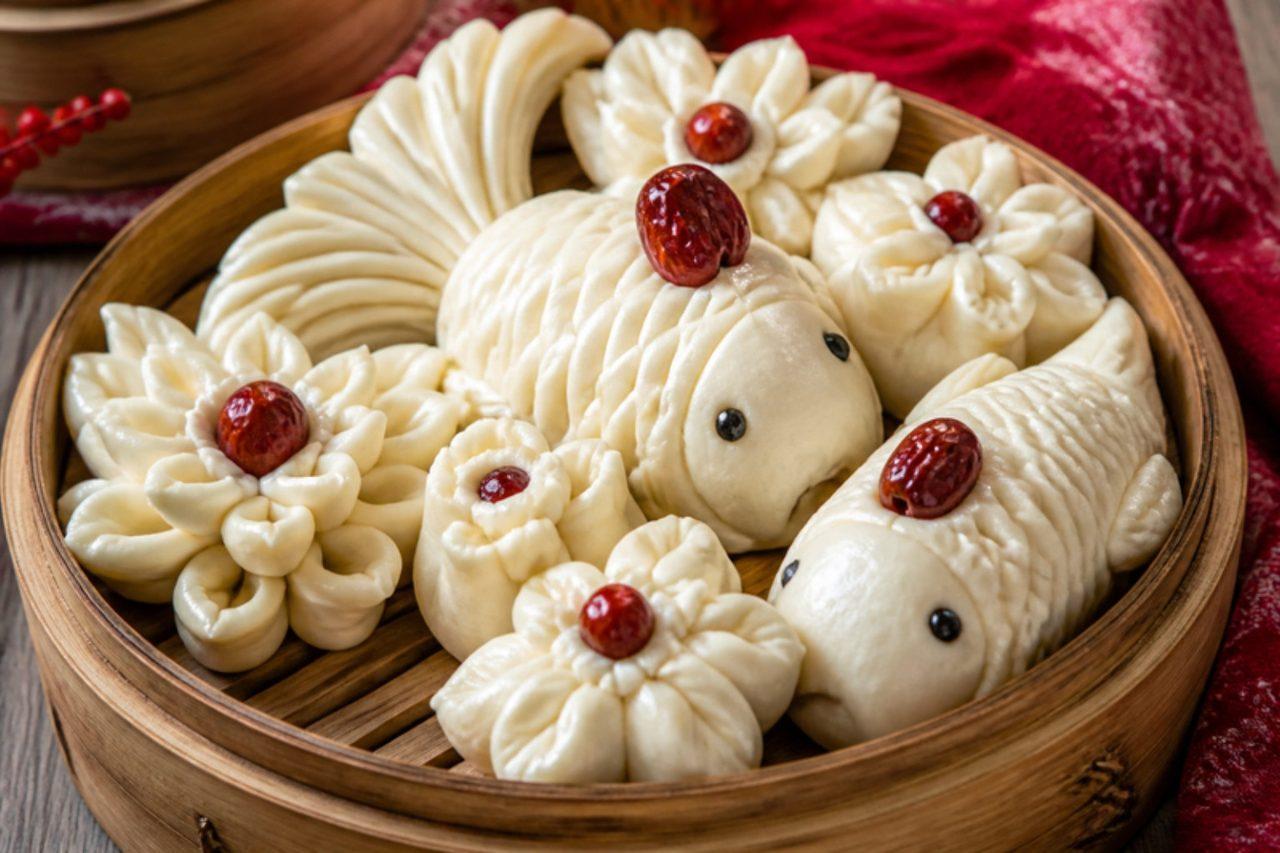
On the Jiaodong peninsula in Shandong, the days before the Spring Festival are spent shaping hua bobo: large steamed wheat buns twisted into fish, flowers and lucky knots and dotted with red jujubes. A fish bun stands for surplus in the year ahead, the dates for sweetness and a prosperous red, and a tall bun stacked high for a family that keeps rising. The crumb is dense, springy and faintly sweet, a world away from fluffy bao, because the dough is worked stiff and kneaded long. Set them on the reunion table, give them to neighbours, then slice and re-steam the rest with soups and braises through the holiday. Chef's tip: keep the dough firm, more like modelling clay than bread dough, or the shapes slump in the steamer.

by KrazyBadal 0 views

Arrowhead chips (nga gu chips)

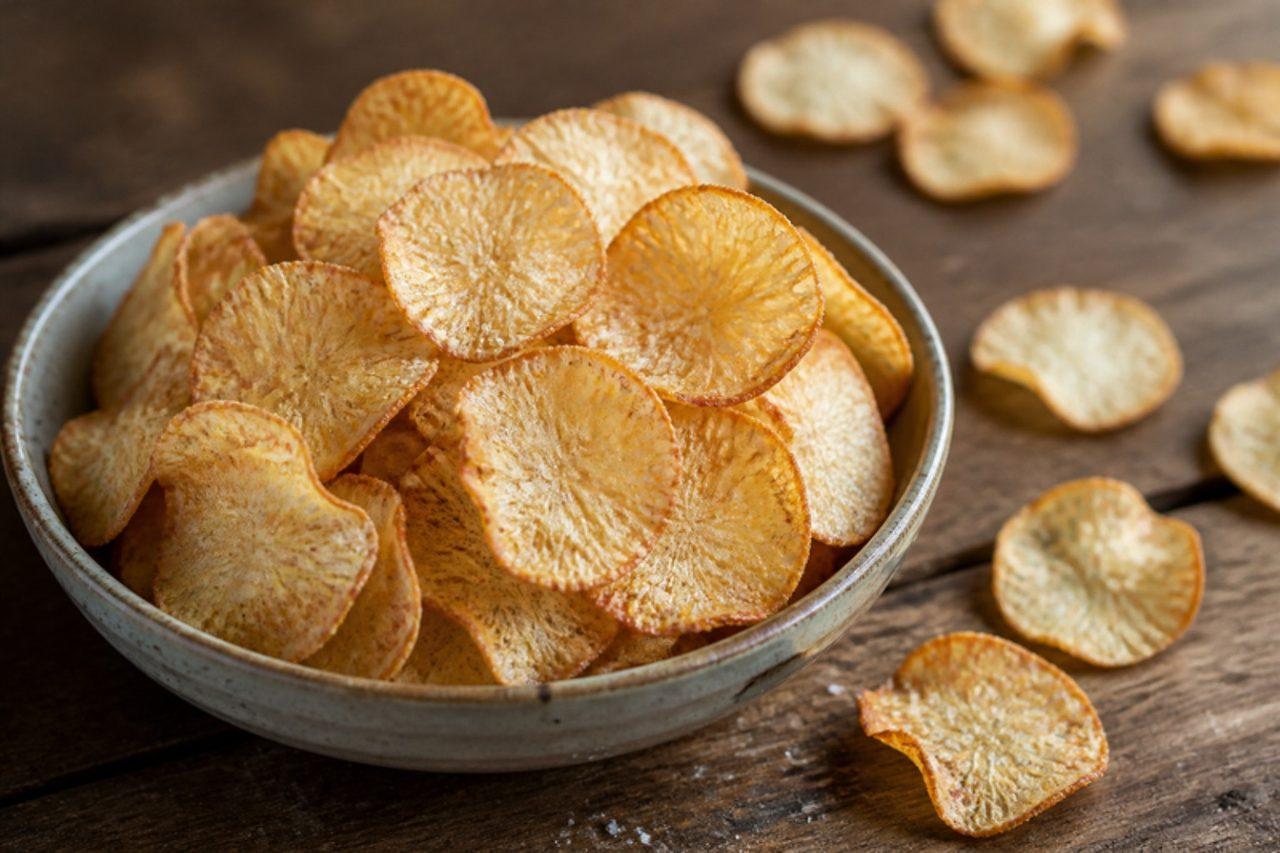
Arrowhead (nga gu, or ngaku) is a small aquatic tuber that only shows up in Malaysian markets in the weeks before Chinese New Year, and frying it into chips is a family job. Its curved sprout looks like a shoot rising from the root, so it stands for growth and many descendants in the year ahead. Sliced thin and fried, the chips are crisp and nutty like potato crisps, with a gentle bitterness that keeps you reaching for more. Put them out in jars with peanuts and love letters for visitors. Chef's tip: soak the slices and dry them very well; wet slices make the oil spit and fry up chewy instead of crisp.

by KrazyBadal 0 views

Alfeñique (Toluca Day of the Dead sugar-paste figures)

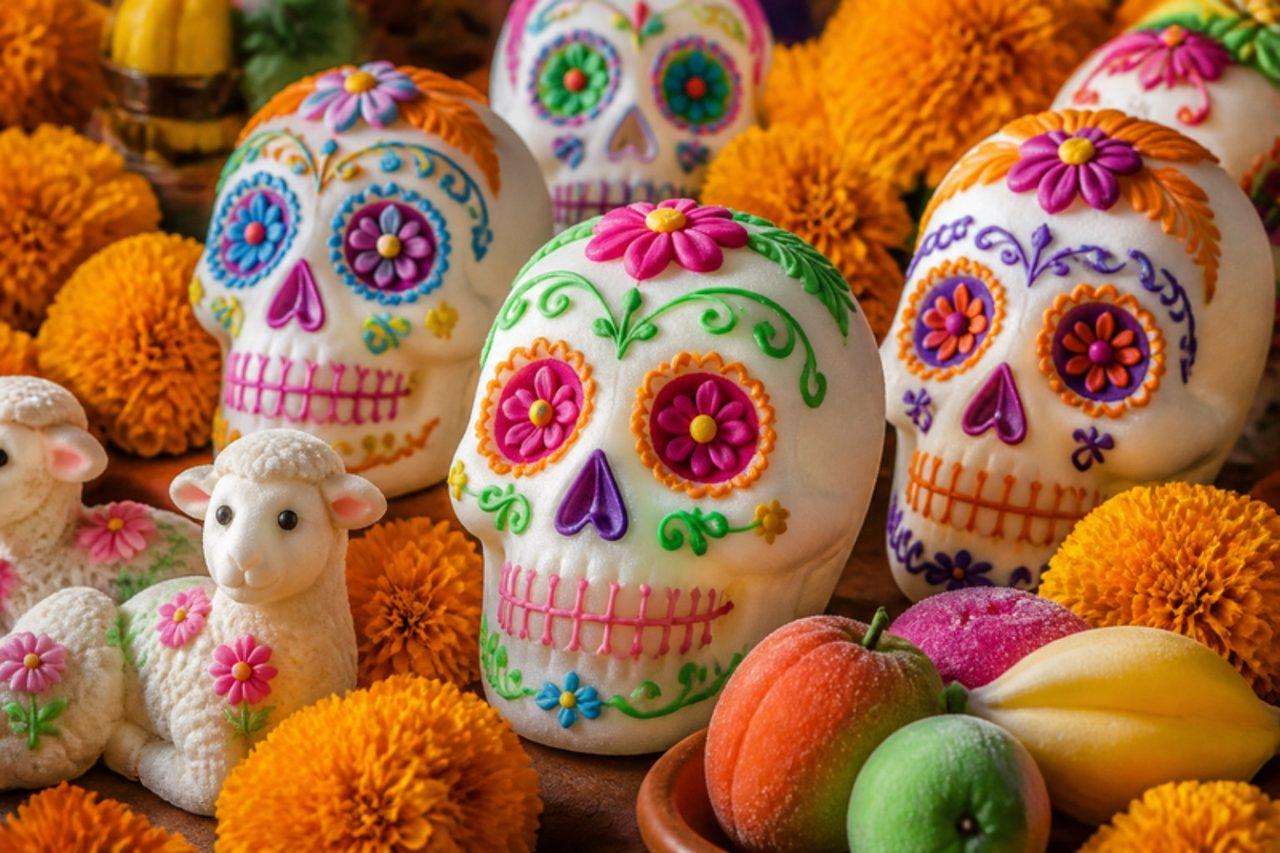
Each October the arcades of Toluca, in the State of Mexico, fill with the Feria del Alfeñique: stalls of little skulls, lambs, coffins, baskets and fruit, all modelled from sugar paste and painted bright colours for the Day of the Dead altars of 1 and 2 November. Children buy a skull with their own name on it; families place them on the ofrenda beside marigolds, candles and pan de muerto. The paste is snow-white, smooth and brittle once dry, with a clean sugar and lime taste. The old Toluca paste is egg-free, kneaded with chautle, a gum from an orchid bulb; here gum tragacanth plays that part, making the paste stretchy enough to model and helping it dry hard. The decorating icing is egg-free too, made from icing sugar, lime juice and a pinch of the same gum. Chef's tip: work the syrup while it is warm and keep the paste wrapped; the common mistake is letting it sit uncovered, so it dries out and cracks as you shape it.

by KrazyBadal 0 views

Rapadura (Brazilian sugarcane blocks)

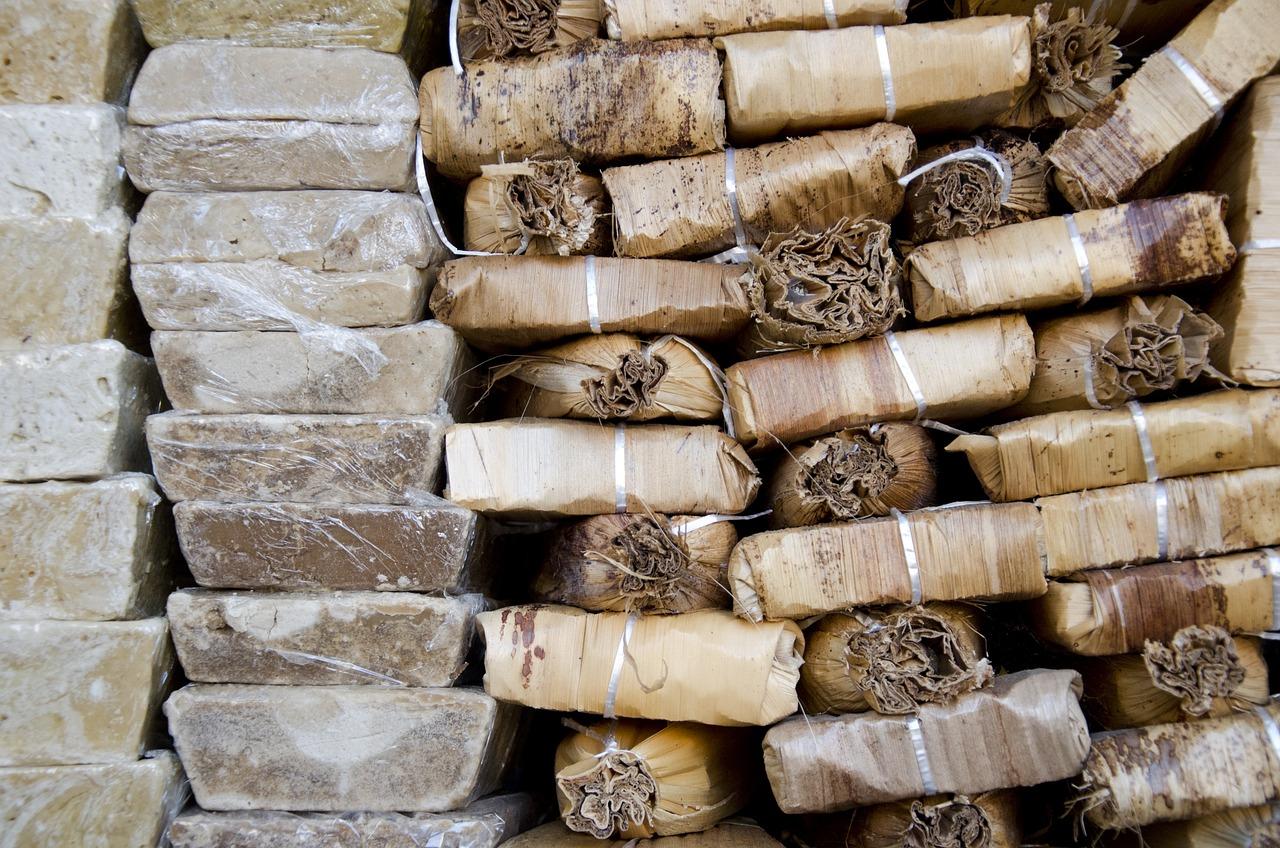
Rapadura is the sweet of the Brazilian Northeast, made since colonial times in the small sugar mills of Pernambuco, Paraíba and Ceará. Fresh cane juice is boiled down for hours and beaten until it sets into dense golden-brown bricks, sold at every feira and roadside stall and carried by farm workers as quick energy. It is eaten after lunch with a cup of coffee, with farinha or a slice of queijo coalho, and chopped onto the tables of the June festivals. The texture is firm but crumbly, like a hard fudge, and the flavour is deep caramel with a faint grassy note of cane. It is naturally egg-free: nothing binds it but sugar, which crystallises as you beat the hot syrup and sets the block. Use fresh or frozen sugarcane juice; peanuts or coconut make popular variations. Chef's tip: beat until the syrup loses its shine and turns thick and opaque; the common mistake is pouring too soon, which leaves a sticky toffee instead of a block.

by KrazyBadal 0 views

Pruneaux d'Agen fourrés (stuffed Agen prunes)

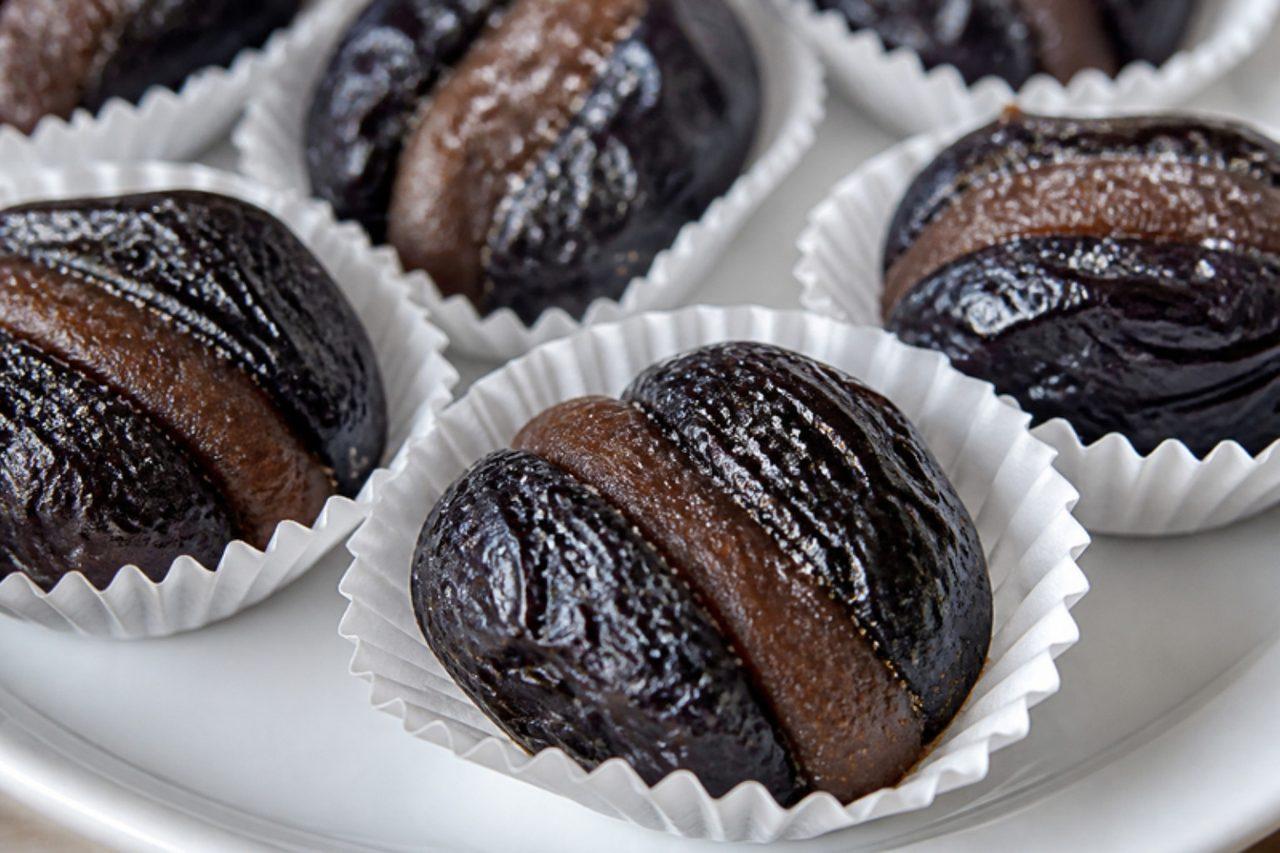
Agen, on the Garonne in south-west France, has dried its plums into prunes for centuries, and its confectioners stuff the best ones with a paste of more prunes and almonds. Boxes of pruneaux fourrés are a Christmas present across the south-west and a speciality of the town's prune festival at the end of August. Each one is glossy and plump, with a soft, sticky skin and a dense, mellow filling that tastes of fruit, almond and a little orange. Serve them with coffee or tea, or as part of a cheese plate. The filling is a kind of almond paste, held together by the sticky prune purée and sugar, so it is egg-free like the rest of the sweet; some versions add a little brandy, and orange juice takes its place here. Chef's tip: if the prunes are dry, steam them for 5 minutes first; the common mistake is forcing filling into stiff prunes, which split.

by KrazyBadal 0 views

Omani halwa (saffron and rose water halwa)

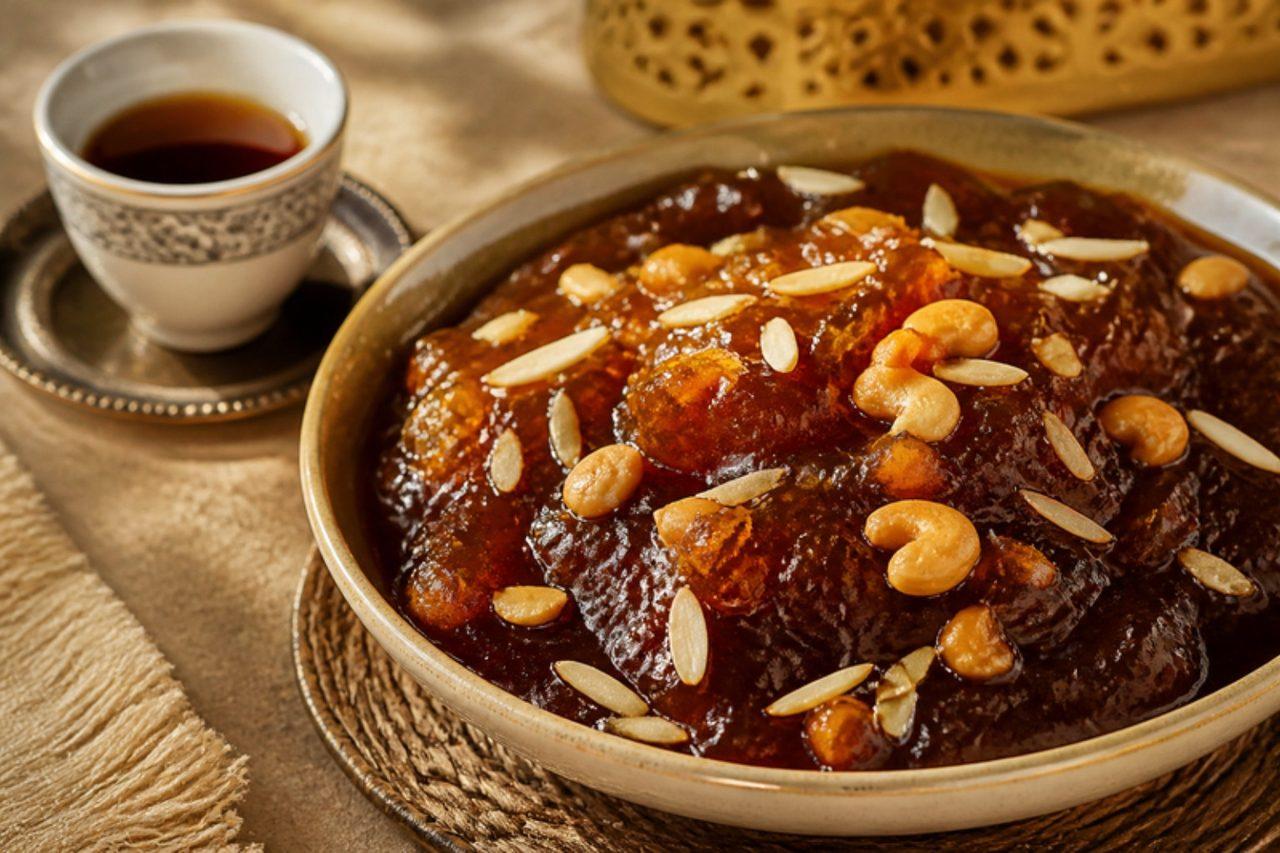
No Omani welcome is complete without a dish of halwa and a cup of cardamom coffee, and in Muscat and Nizwa it is stirred for hours in huge copper pots for Eid, weddings and every family gathering. Sugar is caramelised, then cooked with a cornflour slurry and ghee until it turns dark, glossy and set. It is wobbly and sticky like a very soft fruit jelly, rich with ghee, and fragrant with saffron, cardamom and rose water, with toasted nuts through it. Serve small spoonfuls in little bowls with qahwa, the lightly roasted cardamom coffee. It is naturally egg-free: the starch, cooked slowly with the sugar until it turns clear and thick, does all the setting. Chef's tip: keep stirring and add the ghee a little at a time. The common mistake is stopping, even for a minute, so the halwa catches and burns on the base.

by KrazyBadal 0 views

Surichwi-tteok (Dano wheel rice cakes)

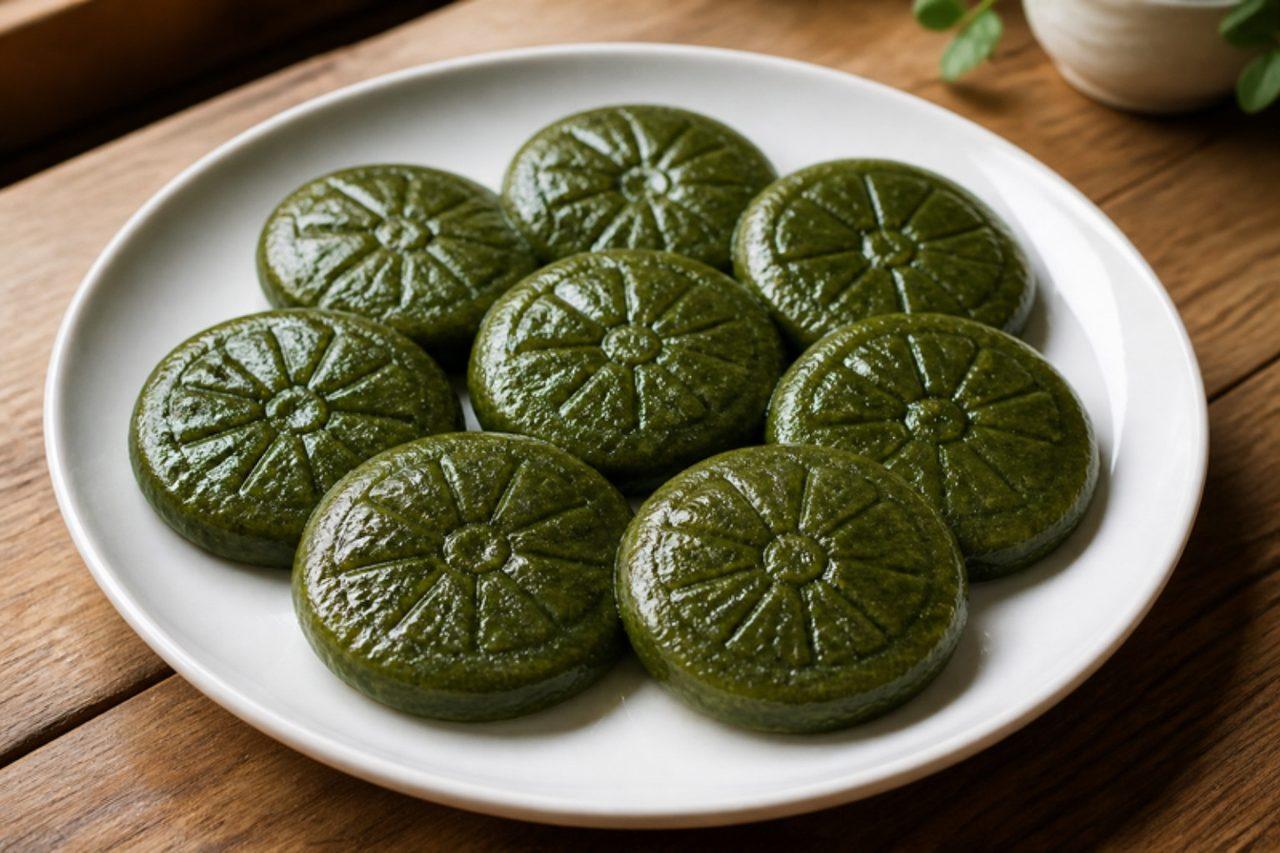
Dano, on the fifth day of the fifth lunar month, was once called surit-nal, and the green surichwi-tteok of Gangwon and the rest of Korea carries that name: the cakes are pounded with surichwi (Korean mountain aster) and pressed with a cartwheel stamp, since 'suri' was read as 'wheel', a wish for the year to roll on smoothly and for good health as summer heat sets in. The leaves give a grassy, faintly bitter scent and a deep green fleck, and the steamed rice is pounded until it turns chewy and bouncy. If you can't find surichwi, mugwort (ssuk) powder or dried mugwort works well; the flavour is a little more herbal and the cakes are just as traditional in spirit. Serve at room temperature with cold omija hwachae or barley tea. Chef's tip: pound the rice while it is still steaming hot; once it cools it tightens and will never go smooth.

by KrazyBadal 0 views

Omija hwachae (five-flavour berry punch)

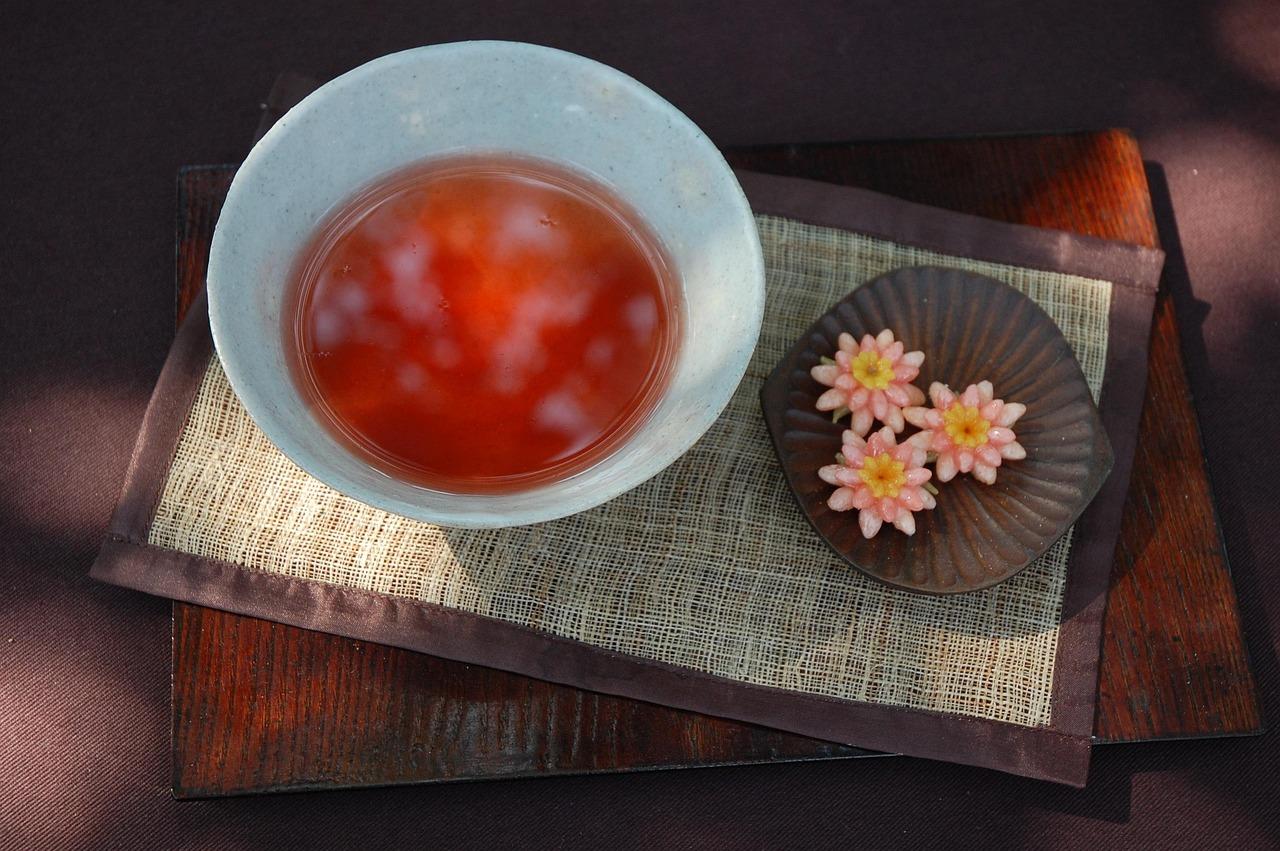
Across Korea, Dano marks the start of the hot season, and a bowl of hwachae is the old way to cool down. Omija means 'five flavours': the dried schisandra berries are sour, sweet, salty, bitter and pungent at once, and steeping them gives a ruby-pink drink that is tart and bright, said to refresh the body against summer fatigue. Honey is the traditional sweetener; sugar syrup keeps this version vegan and entirely alcohol-free. Float thin pear flowers and a few pine nuts on top and serve it beside tteok or yakgwa. Chef's tip: steep the berries in cold water only, because hot water pulls out their bitterness and the colour turns murky.

by KrazyBadal 0 views

Num plae ai (Khmer palm sugar rice balls)

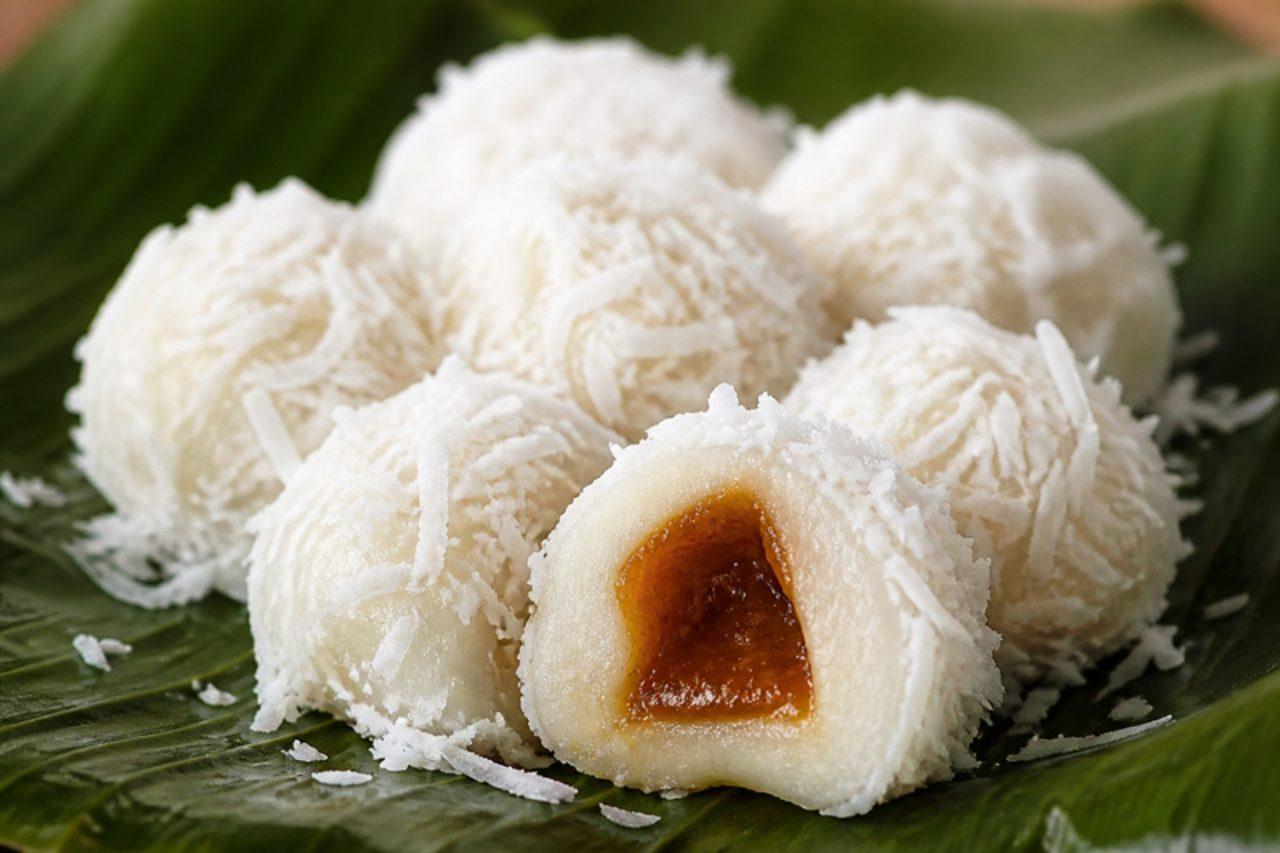
Num plae ai are a favourite Cambodian sweet for Khmer New Year in April, made to share with visiting family and offered at the pagoda, the hidden palm sugar inside standing for a sweet surprise in the year ahead. Small balls of glutinous rice dough are wrapped around a cube of palm sugar, boiled until they float and then rolled in fresh coconut with a pinch of salt. Bite in and the warm sugar bursts out like syrup against the soft, chewy dough. They are best eaten warm, within a few hours of making. Cut the balls in half for young children, as sticky rice dough can be hard to chew. Chef's tip: seal each ball carefully and roll it smooth between your palms, or the sugar leaks out into the water.

by KrazyBadal 0 views

PaimeSteamed cornmeal and pumpkin parcels

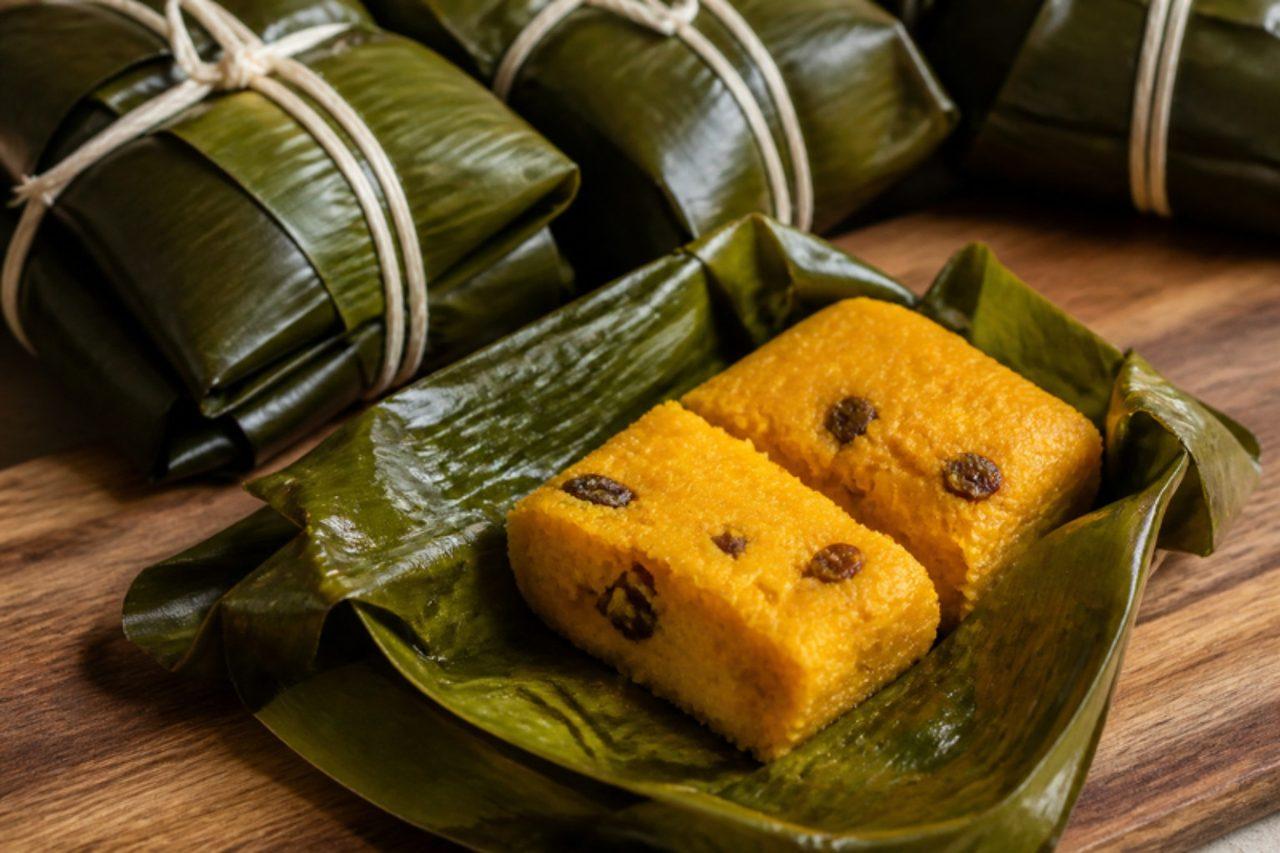
Paime (or pime) is a Trinidad and Tobago Christmas sweet, a cousin of the Venezuelan hallaca brought by the parang tradition, when singers go from house to house at Christmas and are fed at every stop. Cornmeal, grated pumpkin and fresh coconut are mixed with sugar, butter, raisins and warm spices, wrapped in banana leaves and steamed until firm. Paime are eaten warm or cold, and keep for days in the fridge. Chef's tip: soften the banana leaves over a flame or in hot water first, so they fold without splitting.

by KrazyBadal 0 views

Chitose ame (thousand-year candy)

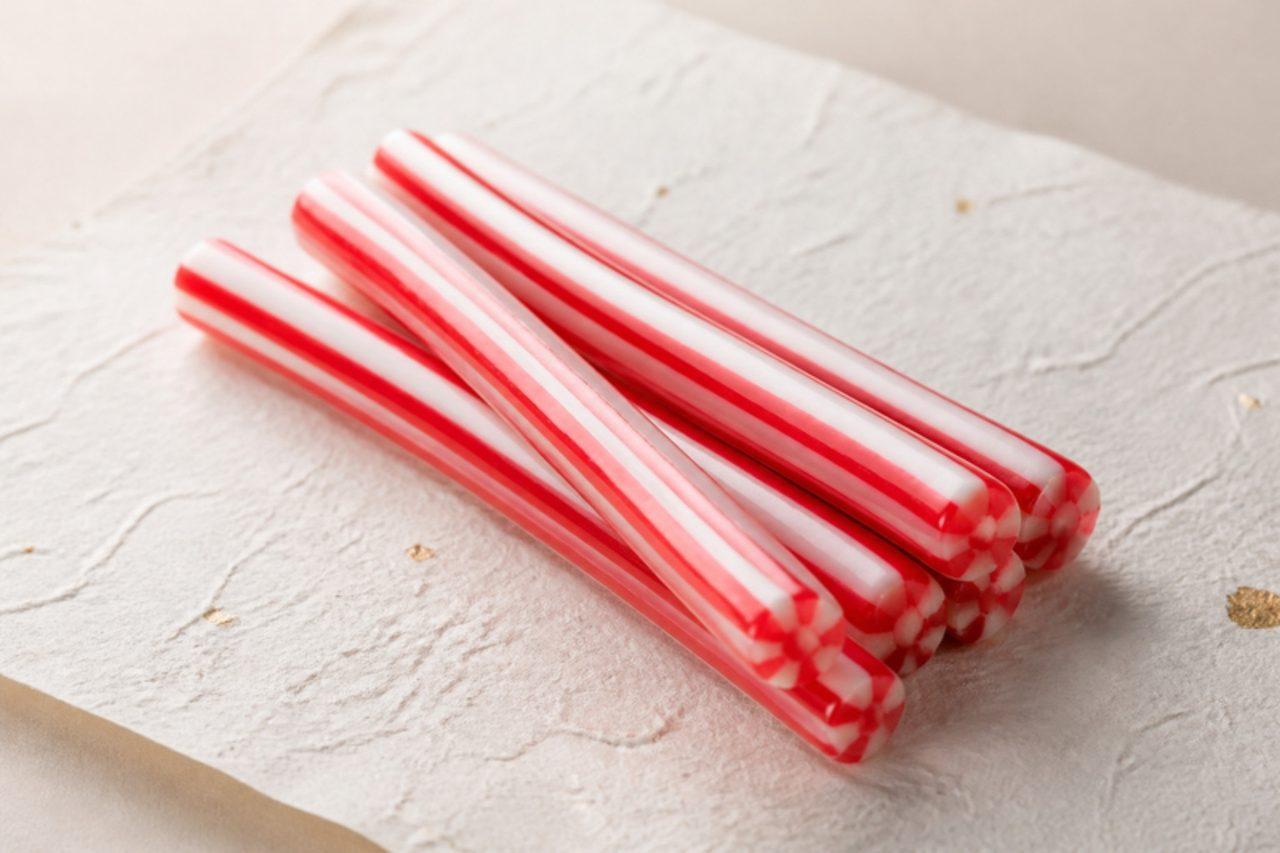
Chitose ame, "thousand-year candy", are the long red and white sugar sticks that children carry home from the shrine at Shichi-Go-San in November, in Tokyo and now right across Japan. The length of the stick is a wish for a long life, and red and white are the colours of celebration. Pulling the cooling sugar fills it with air, turning it from clear to a silky, opaque white with a soft, almost milky crunch. Boiling sugar reaches more than 150 °C, so wear heatproof gloves, work on a heatproof silicone mat, and keep children well away until the candy has cooled; they can admire the finished sticks. Hard sweets are a choking risk for small children, so break off small pieces for them and stay with them while they eat. Chef's tip: oil your gloves lightly and keep pulling until the candy turns satiny and starts to resist; that is when it sets into sticks.

by KrazyBadal 0 views

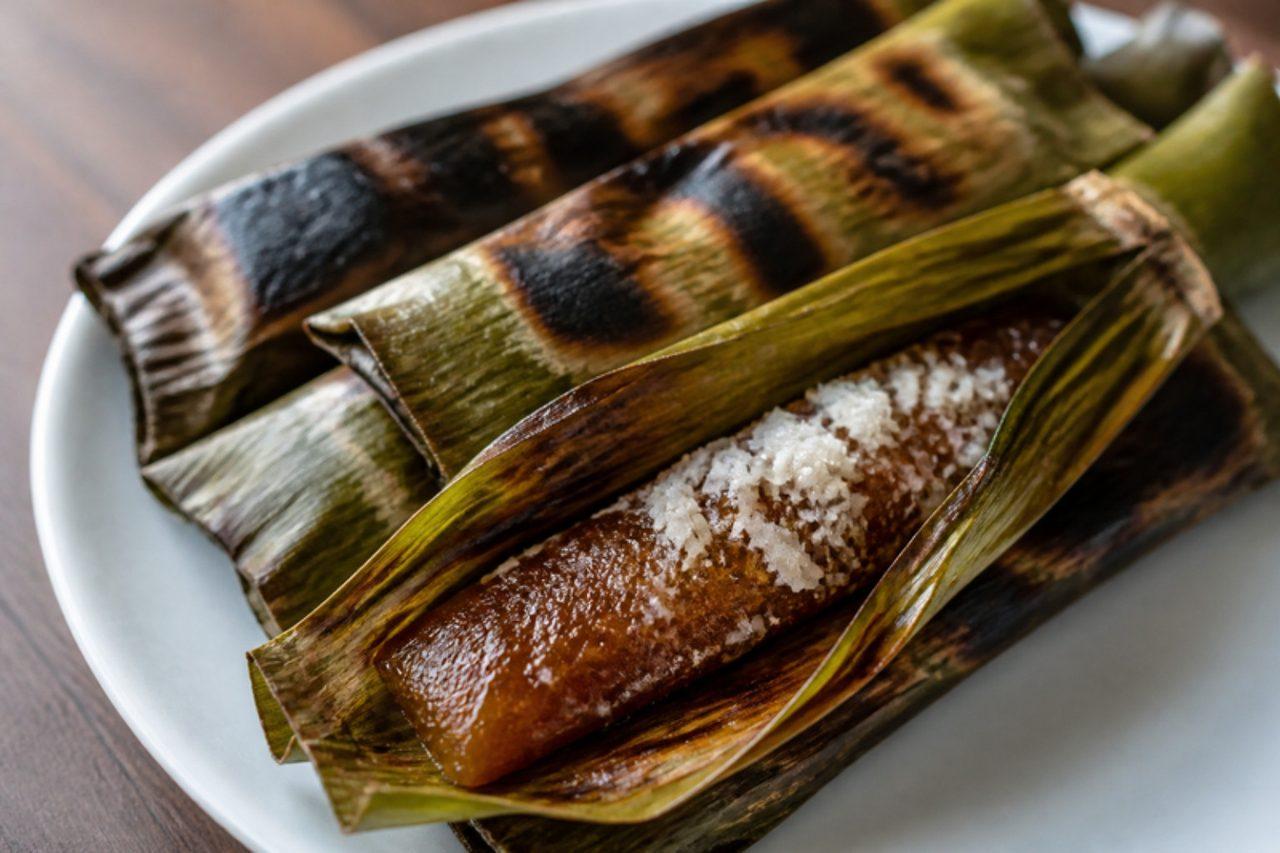
Tupig (grilled sticky rice rolls)

In Pangasinan and the Ilocos provinces, smoky tupig is the snack of Undas, the first days of November when families clean and decorate graves, keep vigil through the night and share food in the cemetery to remember their dead. Sticky rice, coconut milk, shreds of young coconut and dark brown sugar are rolled in banana leaf and grilled until the leaf blackens and the inside turns chewy, caramel-dark and fragrant with smoke. They travel well in a basket, so they are handed round to relatives and visitors, still warm, with coffee or hot ginger tea. Chef's tip: no charcoal? A heavy griddle pan over a medium heat gives a good char on the leaves; just turn the rolls more often.

by KrazyBadal 0 views

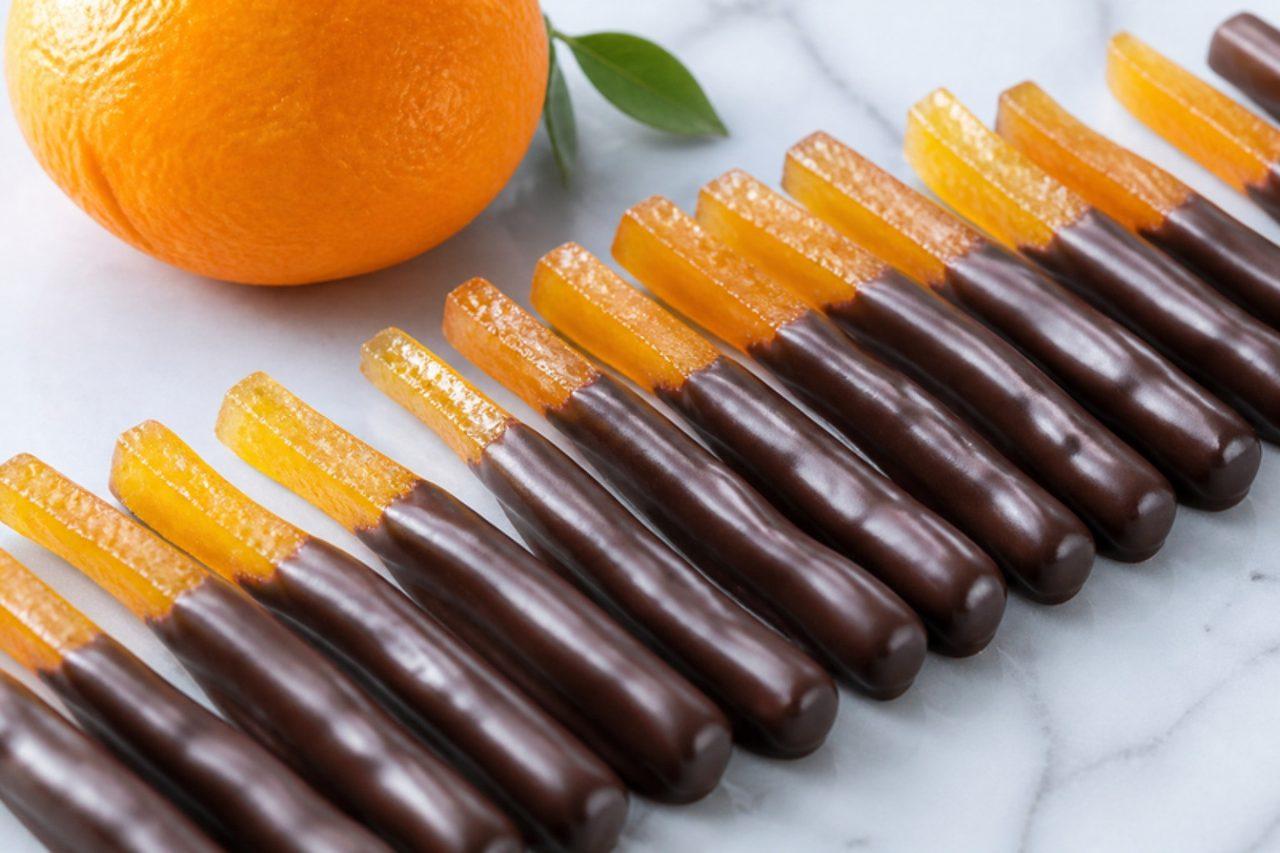
Orangettes (candied orange peel in dark chocolate)

All over France, from Paris chocolatiers to village pâtisseries, orangettes arrive in the shop windows as the days shorten and are a fixture of the Christmas and New Year sweet table. Long strips of orange peel are candied until tender and translucent, then dipped in dark chocolate: chewy and bittersweet inside, with a clean snap of chocolate and a long citrus finish. Serve them with an espresso after dinner, tie them up in a box as a gift, or offer them with a cheese course. They are naturally egg-free: the sugar syrup preserves the peel and stops it going tough, and the tempered chocolate sets into a firm, glossy shell with no other help. For a vegan batch, use a dark chocolate made without milk. Chef's tip: dry the candied peel well before dipping; the common mistake is dipping wet peel, which makes the chocolate seize and turn dull.

by KrazyBadal 0 views

Showing 24 of 2,797 recipes

Show more recipes

Page 13 of 117

More Jain ideas

Other diets