Skip to content
WhatToEat.Today

Jain recipes: no onion, garlic or root vegetables

2,799

2799 Jain recipes with no onion, garlic, potato, carrot, fresh ginger or other root vegetables, and no mushrooms, eggs or honey. Hing, dry ginger and turmeric powder are fine. Each has photos, step-by-step instructions and cook times. The quickest, Apfelschorle, takes 2 minutes. Most take around 40 minutes.

Filter these by time, diet or cuisine · Make Jain your diet to see only these recipes everywhere on the site.

Abekawa mochi (kinako mochi)Mochi with roasted soybean flour

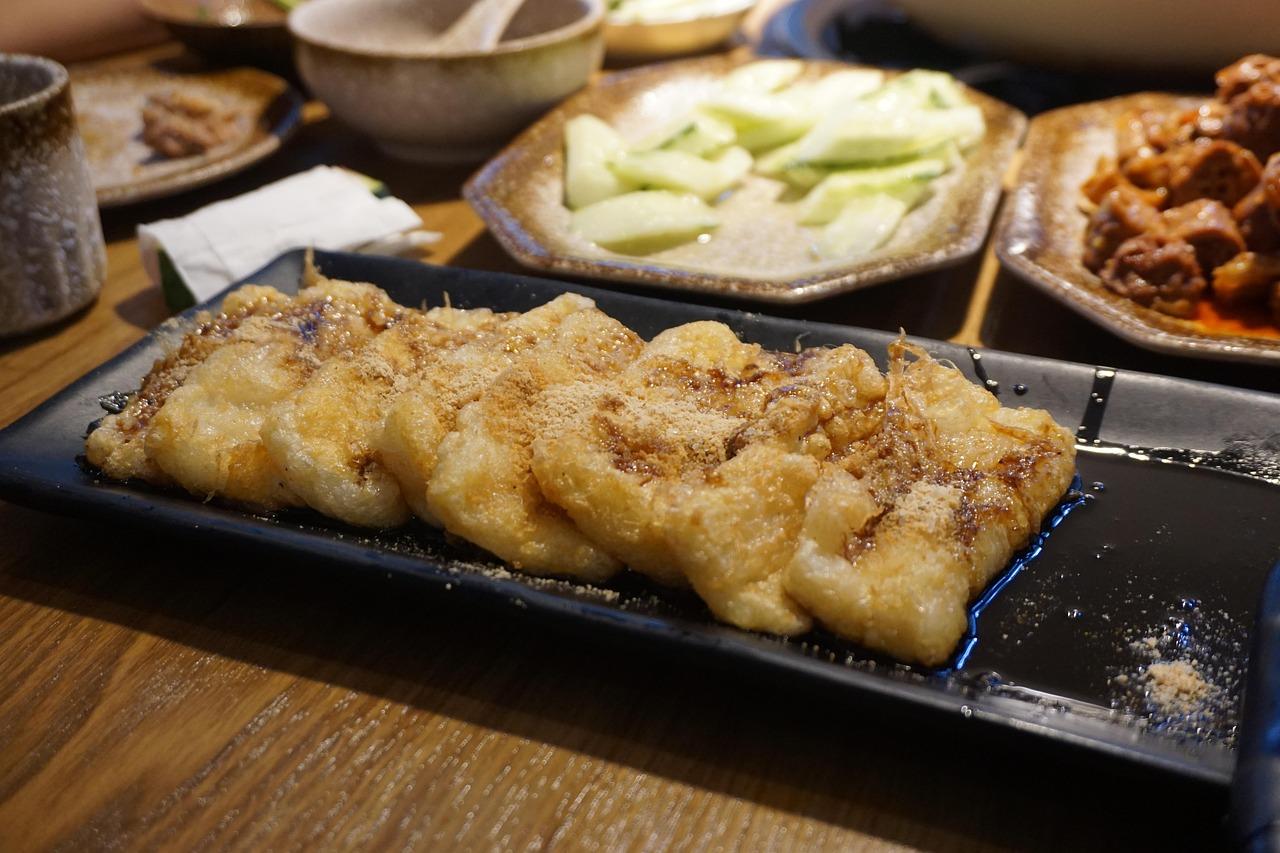
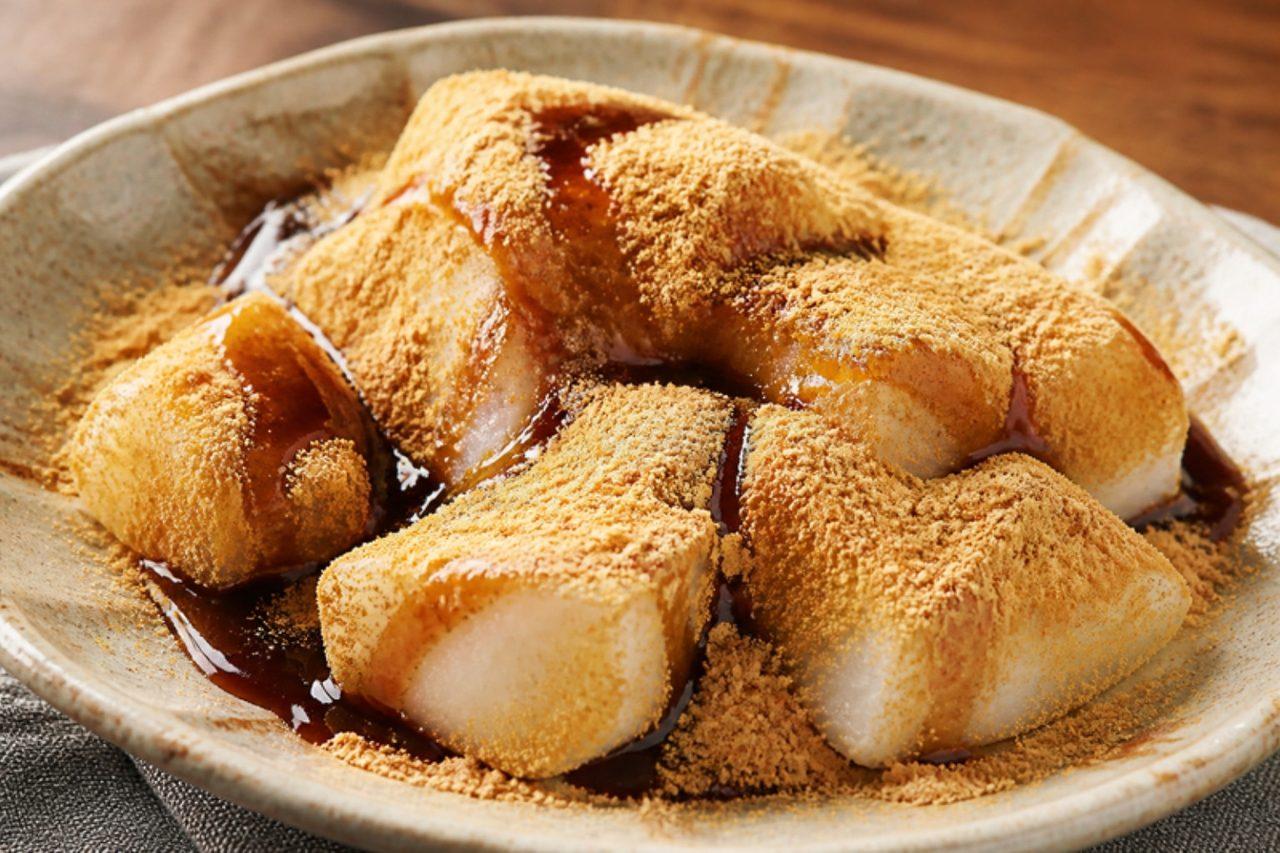
Abekawa mochi comes from the banks of the Abe River in Shizuoka, where teahouses served it to travellers on the old Tōkaidō road, and today families all over Japan make it with leftover New Year mochi and at kagami-biraki on 11 January, when the offering cakes are broken open and shared for good health. Kinako, roasted soybean flour, gives a nutty, toasty sweetness, and its golden colour is said to look like gold dust, a wish for wealth in the year ahead. The mochi underneath is pillowy and stretchy. Serve with hot green tea, with a little black sugar syrup (kuromitsu) poured over if you like. Chef's tip: dunk the cooked mochi in hot water just before rolling, so the kinako sticks in an even, velvety coat.

by KrazyBadal 0 views

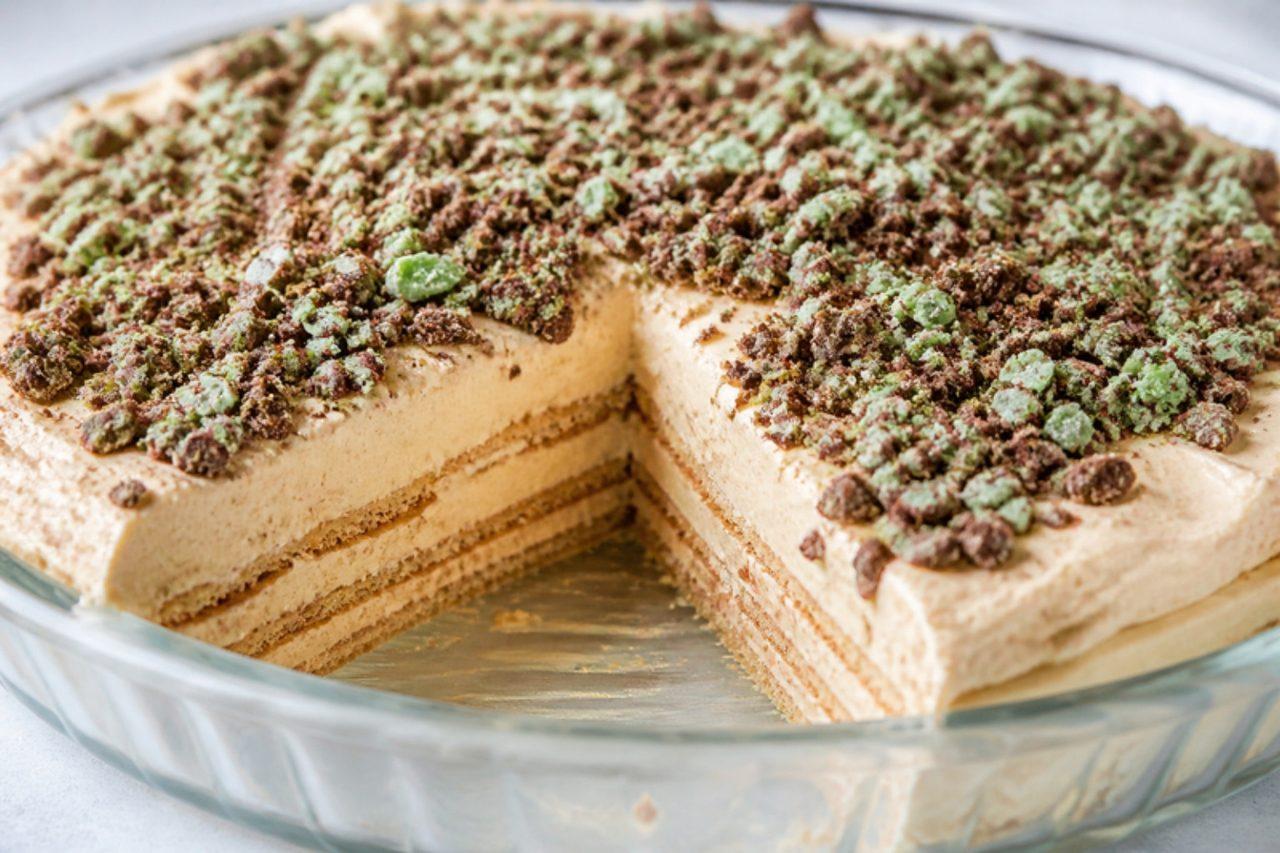
Peppermint crisp tert (South African mint-chocolate fridge tart)

Few desserts say South African Sunday lunch, braai afternoon or church bring-and-share quite like this fridge tart, found on tables from Cape Town to Limpopo and at nearly every Christmas spread. Plain tea biscuits are layered with a thick caramel whipped into cream, then buried under grated mint chocolate with a crunchy centre. Overnight the biscuits soften into something close to sponge, the caramel cream turns silky and the mint gives a cool, crackly finish. Serve it cold, in squares, with strong coffee or rooibos. The tart is egg-free by nature: condensed milk, cooked down into caramel, gives body and binds the cream so it holds its shape when sliced, and chilling does the setting. Many shop biscuits are egg-free, but check the packet and buy eggless tea biscuits. Chef's tip: let the caramel cool until barely warm before it meets the cream; folding in hot caramel is the common mistake that melts the cream into a runny puddle.

by KrazyBadal 0 views

Halawa tahiniya (Egyptian tahini halva)

In Egypt halawa tahiniya is a breakfast and suhoor food more than a dessert: it is eaten in Ramadan before dawn, on Coptic fasting days when animal foods are avoided, and spread in warm aish baladi bread at any time of year. Tahini is mixed with sugar syrup at the firm-ball stage, and the syrup crystallises through the sesame paste to give the halva its fibrous, crumbly strands. It tastes nutty, sweet and toasty, and pairs well with sweet tea. Factory halva often uses soapwort root, whose foam whips the syrup and gives longer strands; this home version offers it as an option, and never uses egg white. It is naturally egg-free: the hot syrup, crystallising as it is folded into the tahini, is what sets it. Chef's tip: stir only until the mixture turns matte and starts to look stringy. The common mistake is over-mixing, which makes the oil separate and the halva greasy.

by KrazyBadal 0 views

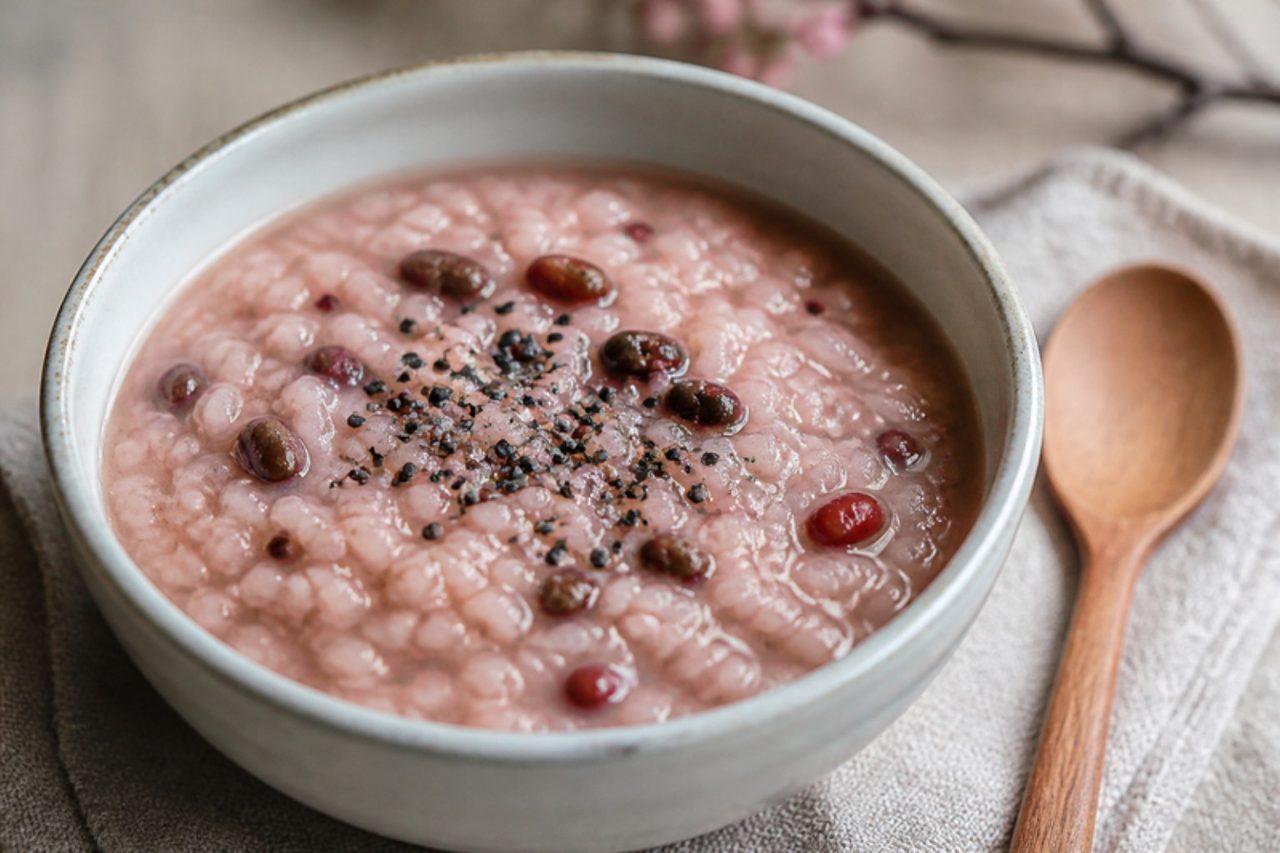
Azuki-gayu (red bean rice porridge)

On Koshōgatsu, the 'little New Year' of 15 January, households across Japan eat a bowl of azuki-gayu in the morning; the red of the adzuki beans has long been thought to drive away evil and illness for the year ahead. It is a plain, comforting dish: rice cooked slowly until the grains burst, stained soft pink by the bean cooking water, with the beans themselves floury and tender. It is lightly salted rather than sweet, as it is traditionally eaten. Serve with umeboshi, a sprinkle of sesame salt or a few toasted mochi pieces dropped in at the end. Chef's tip: throw away the first boiling water of the beans to lose their bitterness, but keep the second; that is where the pink colour comes from.

by KrazyBadal 0 views

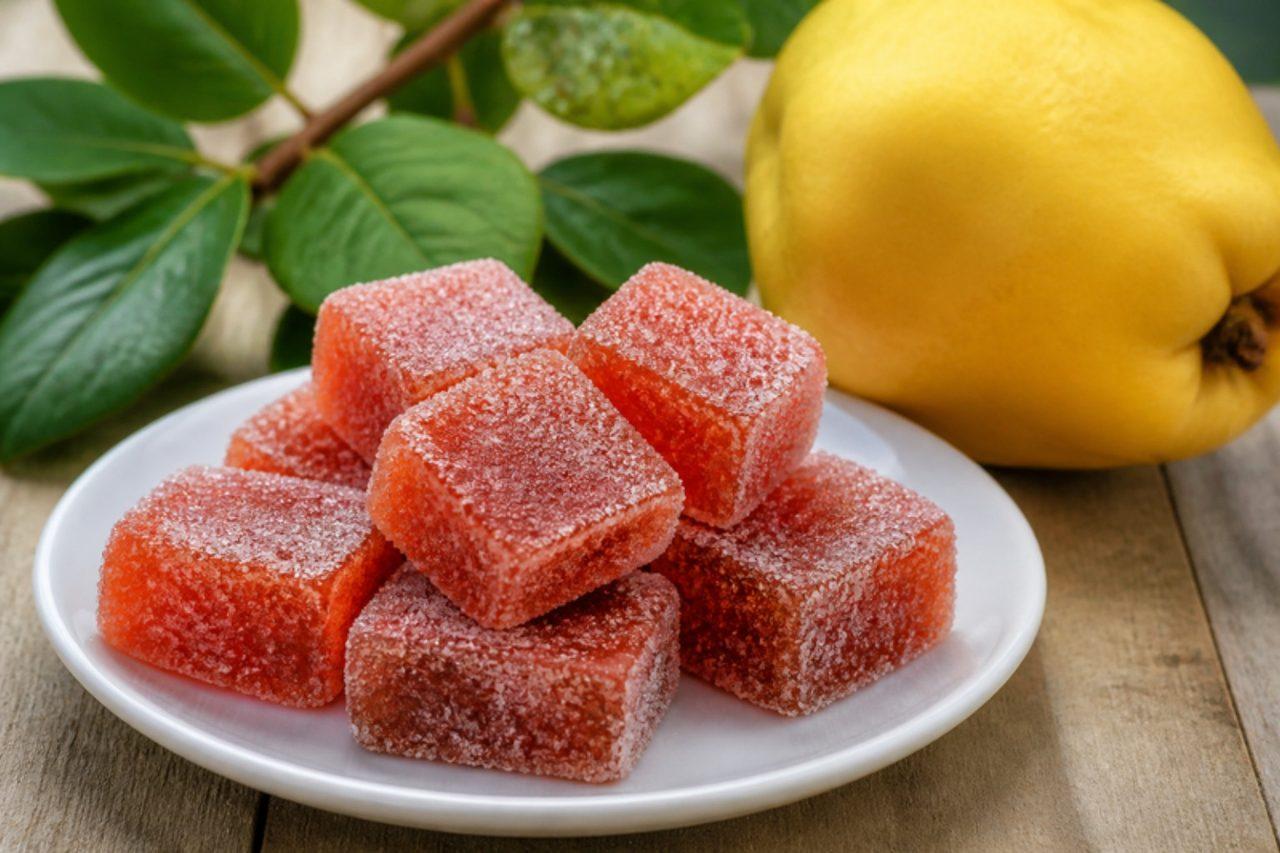
Pâte de coingsQuince paste

On Christmas Eve in Provence the gros souper ends with the treize desserts, thirteen small sweets set out together and left on the table until 27 December. Pâte de coings, a firm, glowing amber quince paste cut into squares and rolled in sugar, is nearly always among them, beside nougat, dried fruit and fougasse. It is simply quince pulp and sugar cooked down slowly until it pulls away from the pan, so it is vegan and gluten free, and it keeps for months. Serve it in small cubes, or with a sharp cheese. Chef's tip: cook the quinces whole with their skins and cores, which hold most of the natural pectin, and only sieve them afterwards.

by KrazyBadal 0 views

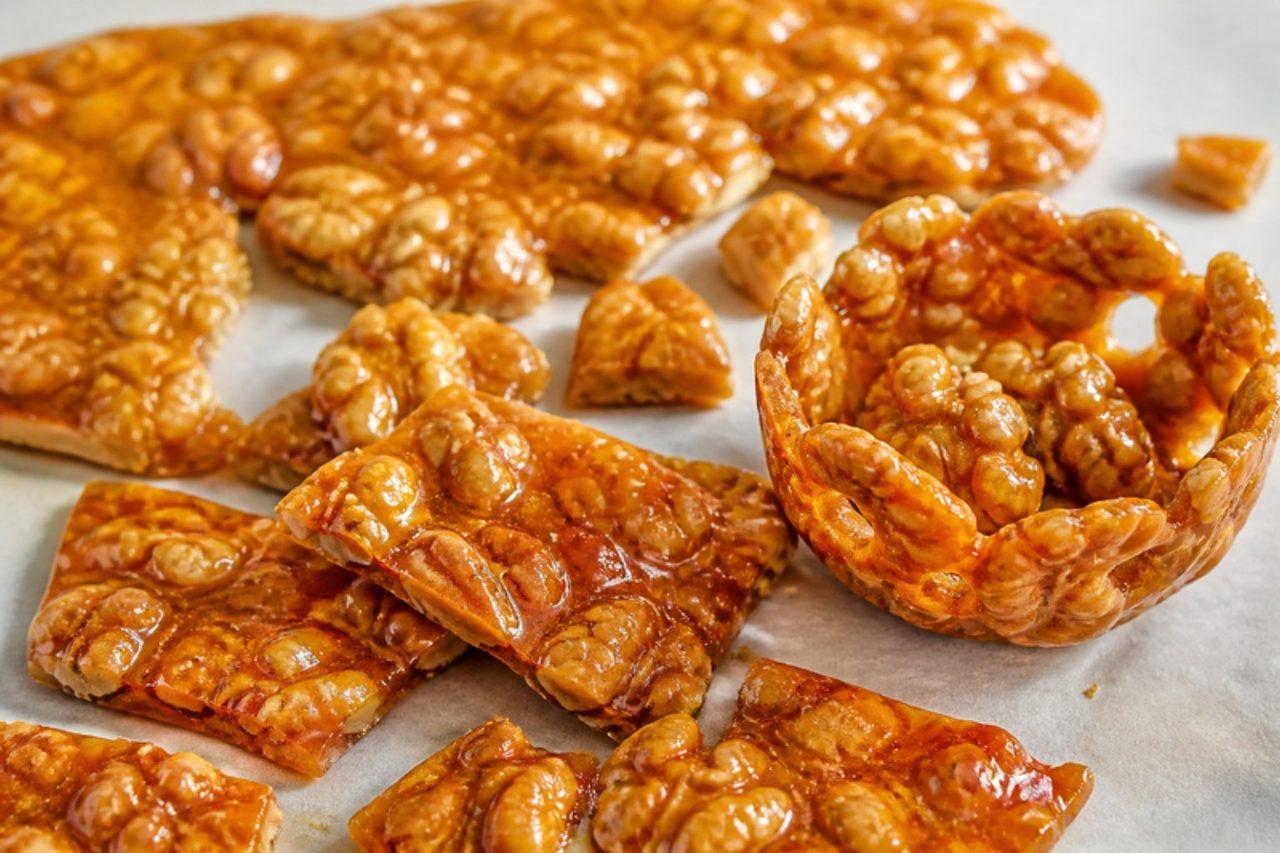
Grillázs (Hungarian walnut brittle)

Grillázs belongs to Hungarian celebrations: it is sold at Christmas fairs and on saints' day markets, and at village weddings a towering grillázs castle or basket is often the centrepiece, broken up and shared at the end of the night. Walnuts are traditional, almonds are the fancier choice. The caramel is cooked to a deep amber, so it tastes rich and slightly bitter-sweet and shatters cleanly, with the toasted nuts giving a softer crunch. Serve shards with coffee, crumble it over ice cream, or press warm sheets over an oiled bowl to make a basket for fruit or sweets. It is naturally egg-free: melted, caramelised sugar sets glass-hard as it cools and holds the nuts together, with a few drops of lemon juice to keep it smooth. Chef's tip: warm the walnuts in the oven before they go in; the common mistake is adding cold nuts, which chill the caramel so it seizes and turns grainy before you can spread it.

by KrazyBadal 0 views

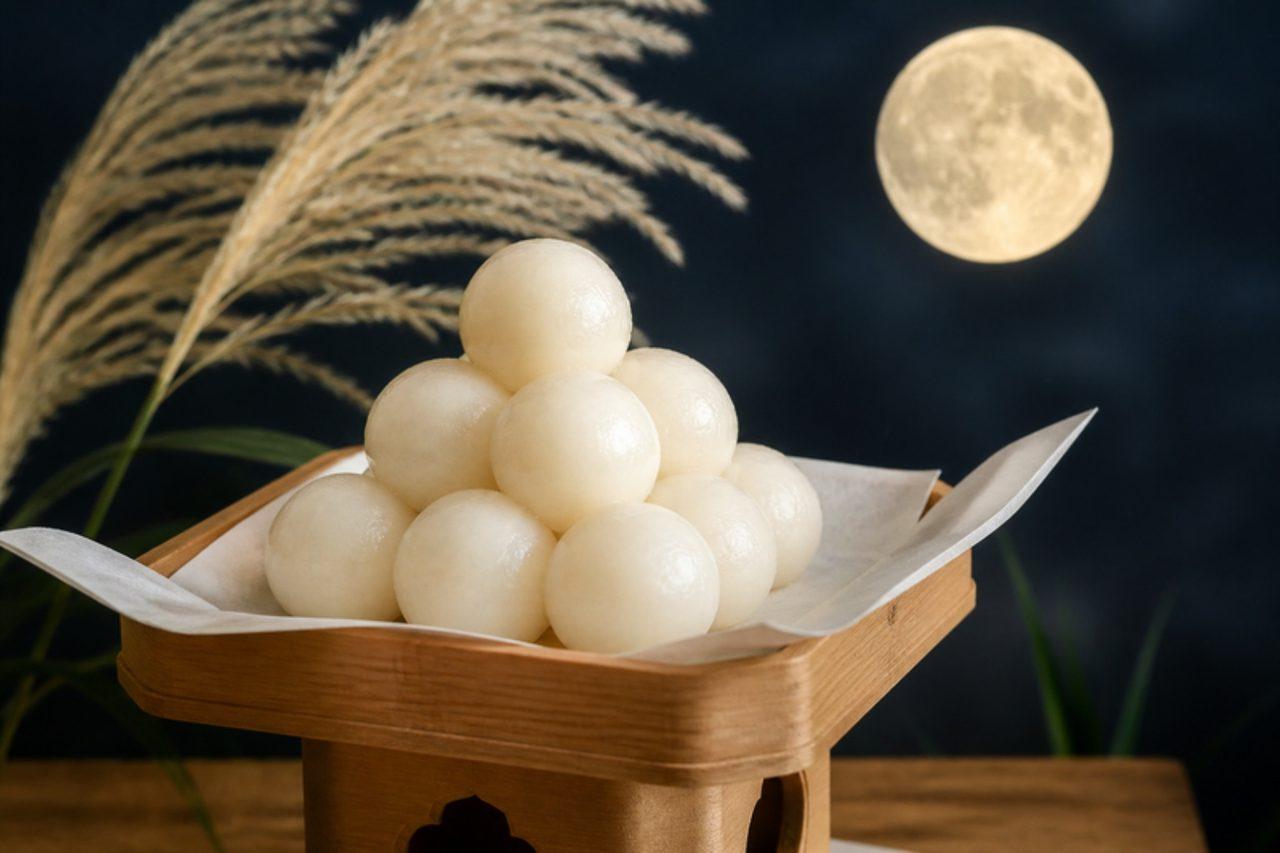
Tsukimi dango (moon-viewing dumplings)

On the night of the harvest moon in September or early October, families across Japan set a tray of plain white dumplings by the window with a vase of pampas grass, as thanks for the harvest and an offering to the full moon. The round white dango stand for the moon itself, and the traditional count is fifteen, for the fifteenth night of the eighth lunar month, stacked nine, four and two. This Kanto-style dough is steamed and then kneaded, which gives a smoother, firmer bite than boiled dango, with a clean rice flavour that loves a dusting of kinako or a spoonful of sweet red bean paste once the moon-viewing is over. Mochi is very sticky: cut the dumplings small for young children and older people, and see that they chew well and eat sitting down. Chef's tip: knead the steamed dough while it is still hot, wrapped in a damp cloth, until it turns satiny.

by KrazyBadal 0 views

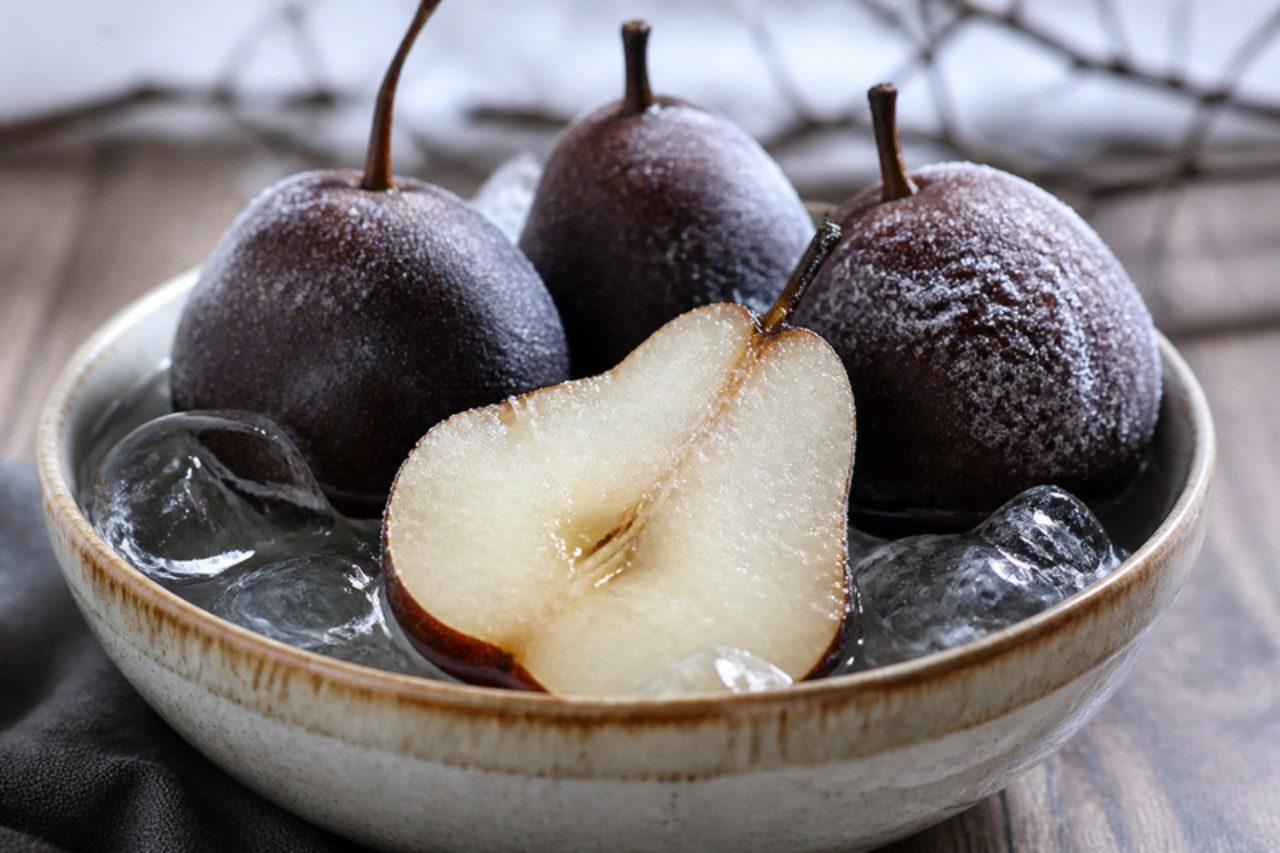
Dong li (Dongbei frozen pears)

In Dongbei, China's far north-east, winter temperatures fall so low that pears left outside freeze rock hard and turn glossy black, and a bowl of dong li thawing in cold water is part of every Spring Festival. They are eaten after the rich New Year's Eve dumplings and meats: cold, very sweet and full of juice, said to soothe a throat dry from heated rooms and to bring a clear, fresh start to the year. Freezing breaks down the flesh so it becomes soft and almost slushy, with a flavour like pear sorbet. You can recreate them in a home freezer; serve them as they are in small bowls, with spoons and napkins. Chef's tip: thaw them in cold water, never warm; the cold water pulls the frost out slowly and leaves an ice shell that cracks away cleanly.

by KrazyBadal 0 views

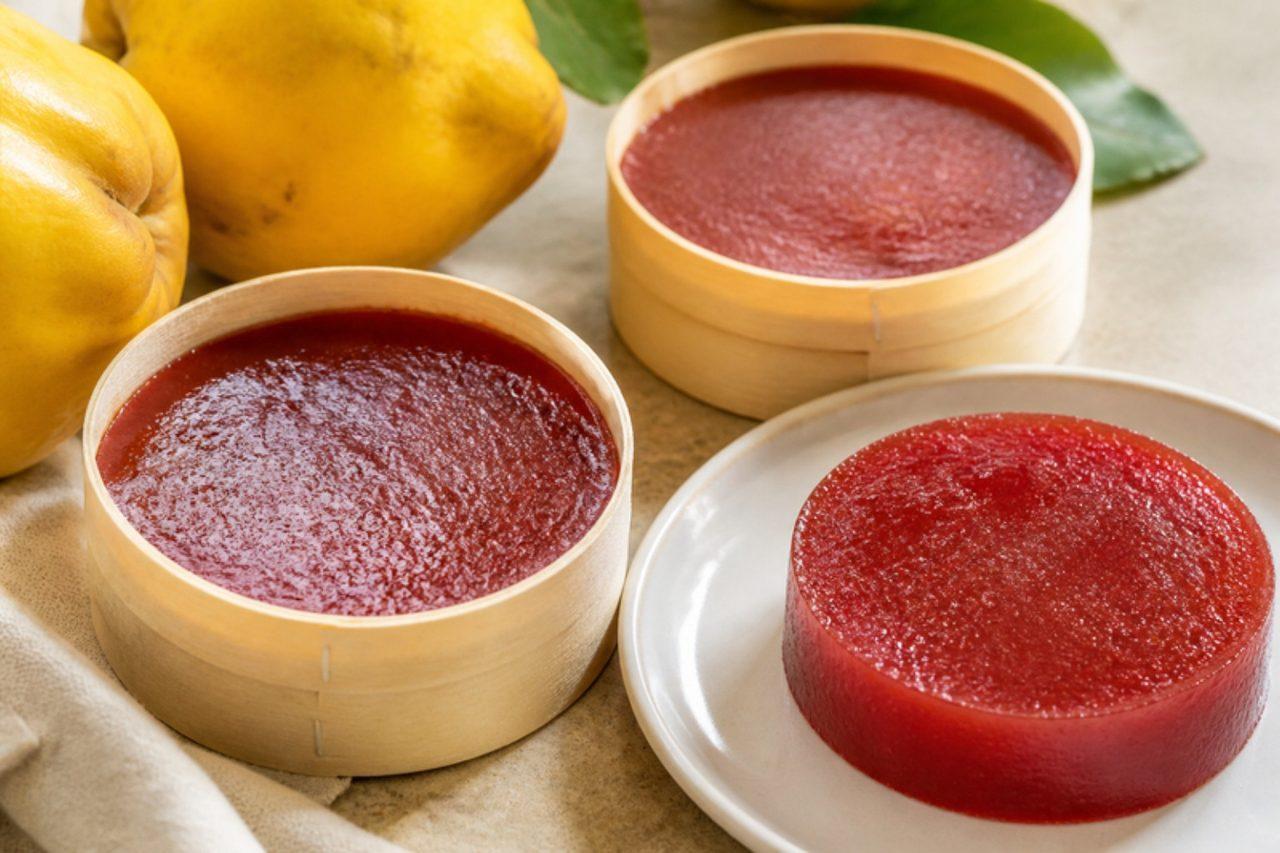
Cotignac d'Orléans (clear quince jelly)

Orléans has made cotignac since the Middle Ages and offered it to visiting kings, and the town still sells it in small round wooden boxes, to be eaten by scraping the jelly out with the edge of the lid. It is a winter sweet, made when the autumn quinces come in and given at Christmas and New Year. The jelly is clear and ruby-red, firm enough to cut but tender on the tongue, with a scented, slightly tart quince flavour. Serve it after dinner with coffee, or with a mild cheese. Nothing but fruit and sugar sets it, so it is naturally egg-free: quinces are among the richest fruits in pectin, and boiling their juice with sugar to the setting point is all it takes. Small ramekins or silicone moulds lined with baking paper stand in for the wooden boxes. Chef's tip: let the cooked quince drip through the cloth without pressing; the common mistake is squeezing it, which clouds the jelly.

by KrazyBadal 0 views

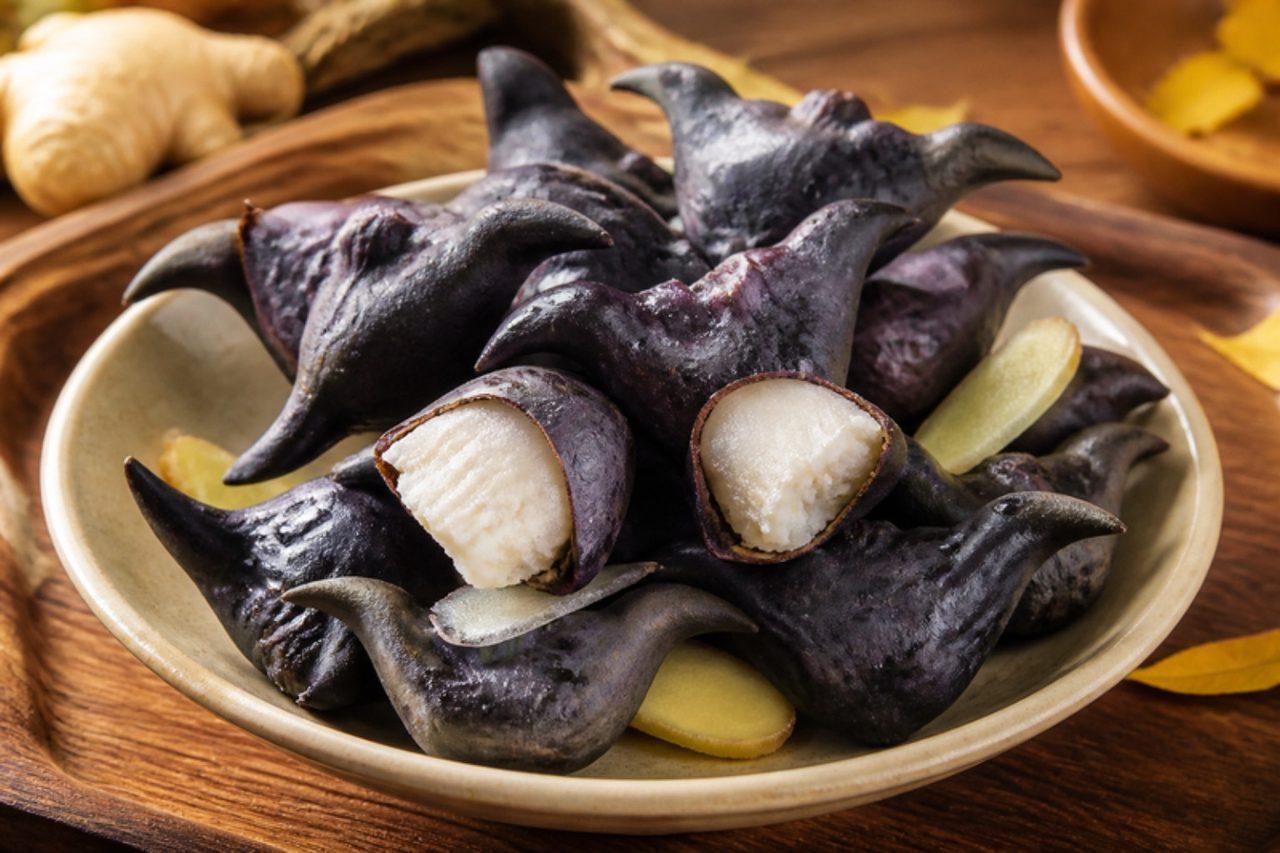
Boiled water caltrops (zhu lingjiao)Boiled water chestnuts in shell

Boiled water caltrops are a Mid-Autumn snack in Jiangnan and Guangdong, piled on the table beside mooncakes and pomelo while the family waits for the moon. The dark, two-horned nuts are harvested in autumn, and their name, ling, sounds like the word for clever, so children are told to eat them to grow bright; some families also say the shape looks like a bat, a symbol of good fortune. Inside the shell the white flesh is floury and sweet, much like a chestnut. Serve them warm in a big bowl with tea and the rest of the moon-watching snacks. Chef's tip: buy them fresh in autumn from Chinese grocers and always cook them through; never eat water caltrops raw, as they grow in ponds and can carry parasites.

by KrazyBadal 0 views

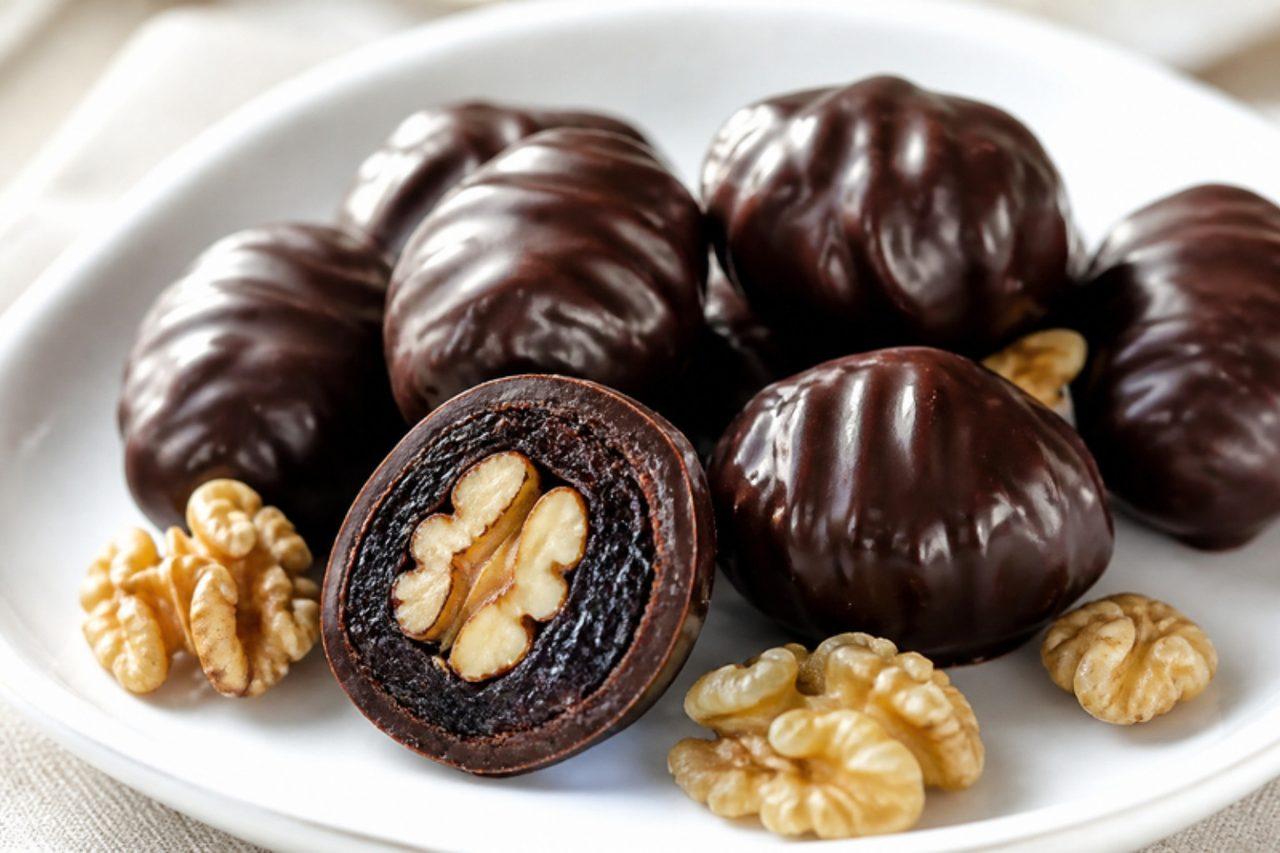
Śliwki w czekoladzie (chocolate-coated prunes with walnuts)

Boxes of chocolate prunes are a classic Polish gift: brought to grandmothers at Christmas, set out on the Wigilia table among the twelve dishes, and passed round on name days. Plump smoked or soft prunes from the south of the country are best. Each one hides a walnut half, so you get chewy, slightly tart fruit, a crunchy bitter nut and a snap of dark chocolate in one bite. Serve them with coffee or tea after a big meal. Nothing here ever needed egg: the prune itself holds the nut, and chocolate sets around it as it cools. Older recipes soak the prunes in spirits; here they are alcohol-free, plumped in warm orange juice instead, which also brightens the flavour. Use a dark chocolate made without milk and the sweets are vegan. Chef's tip: dry the soaked prunes very well before dipping; the common mistake is leaving them damp, and even a few drops of juice will make melted chocolate seize and turn grainy.

by KrazyBadal 0 views

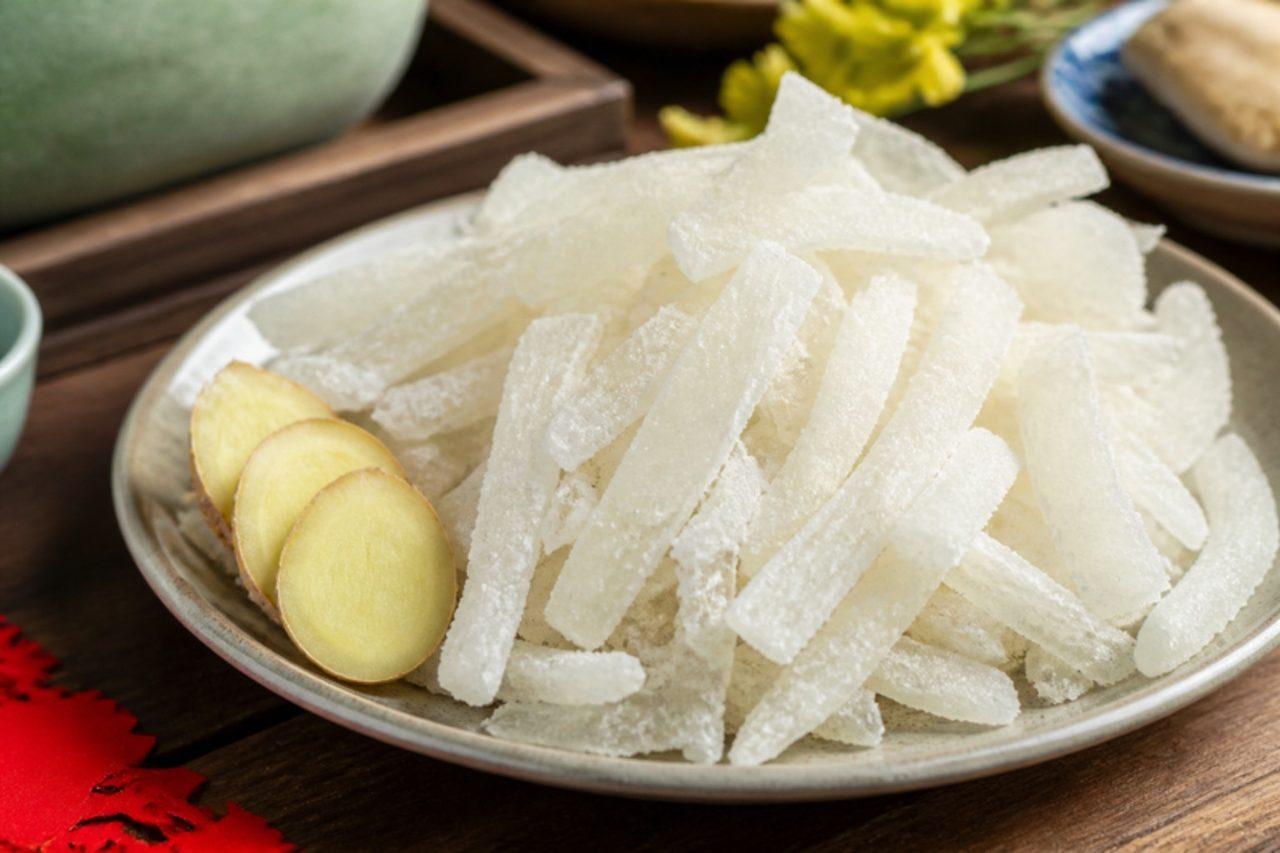
Mứt bí (candied winter melon)

Pale as rice paper and crunchy at the edge, mứt bí is one of the cheapest and best-loved sweets on the Tết candy tray all over Vietnam; its white colour stands for a clean, bright start to the year. The melon is first firmed in clear lime water made with food-grade slaked lime (vôi ăn, calcium hydroxide, sold for pickling), which sets the outside so the batons stay crisp while the sugar soaks in. If you would rather not use lime, a quick blanch and longer drying gives a softer but still delicious result. Serve with green tea, or with candied ginger and coconut. Chef's tip: choose an old, heavy winter melon with a dusty white skin; young ones are watery and collapse in the syrup.

by KrazyBadal 0 views

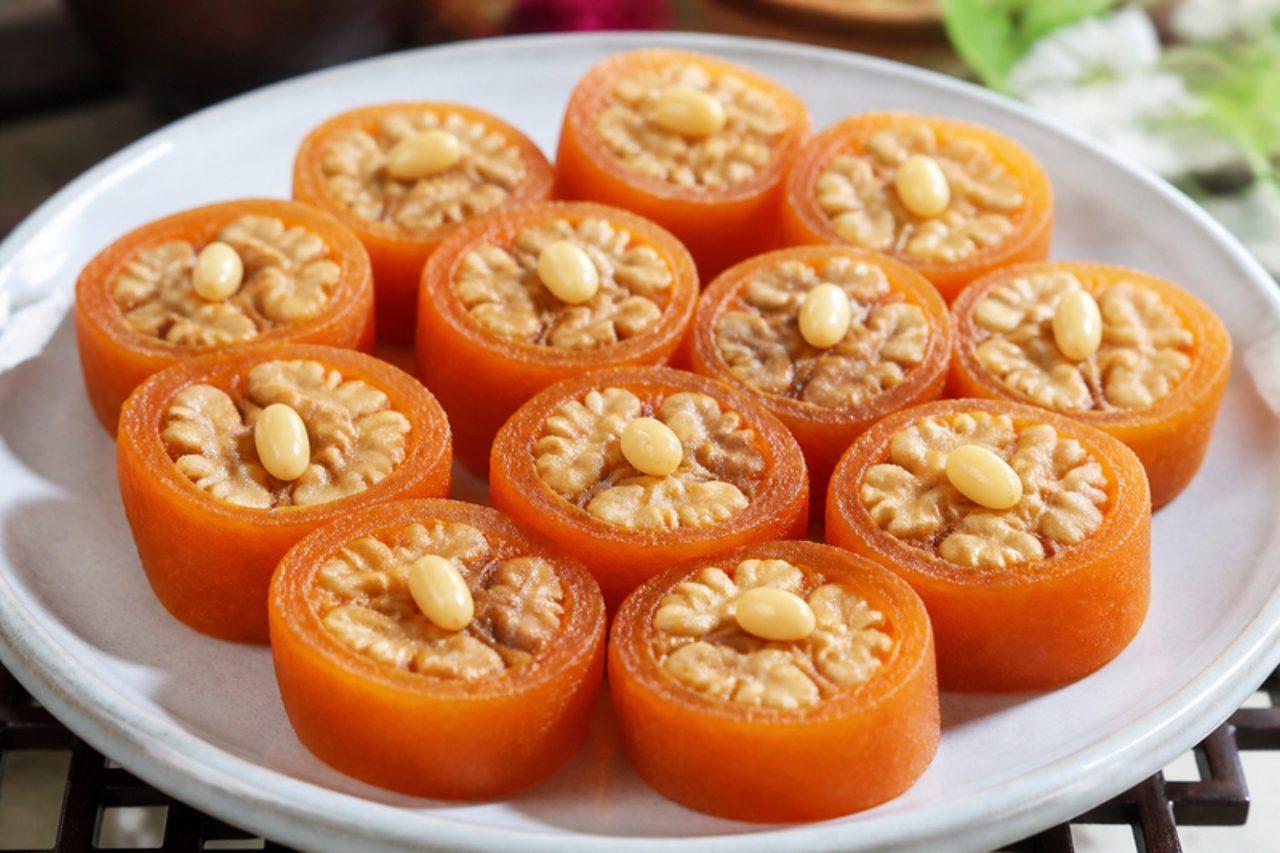
Gotgam-ssam (walnut-stuffed dried persimmon rounds)

Sangju in North Gyeongsang is Korea's dried-persimmon capital, and in Andong and across the region gotgam-ssam is a sweet for Seollal and Chuseok tables and for welcoming guests in winter. Soft dried persimmons are opened out flat, rolled tightly around a row of walnut halves and sliced, so each round shows a pattern like a flower. They are chewy and honeyed from the fruit, with crunchy, slightly bitter walnuts in the middle. Serve them with sujeonggwa, the cinnamon-ginger punch, or with a cup of roasted barley tea. It is naturally egg-free: the sticky dried fruit is its own glue, and a short chill firms the roll so it slices neatly. Chef's tip: wrap the roll tightly in cling film and chill it before slicing; the common mistake is slicing it straight away, which squashes the rounds and lets the walnuts fall out.

by KrazyBadal 0 views

PinacaRice flour, jaggery and coconut cakes

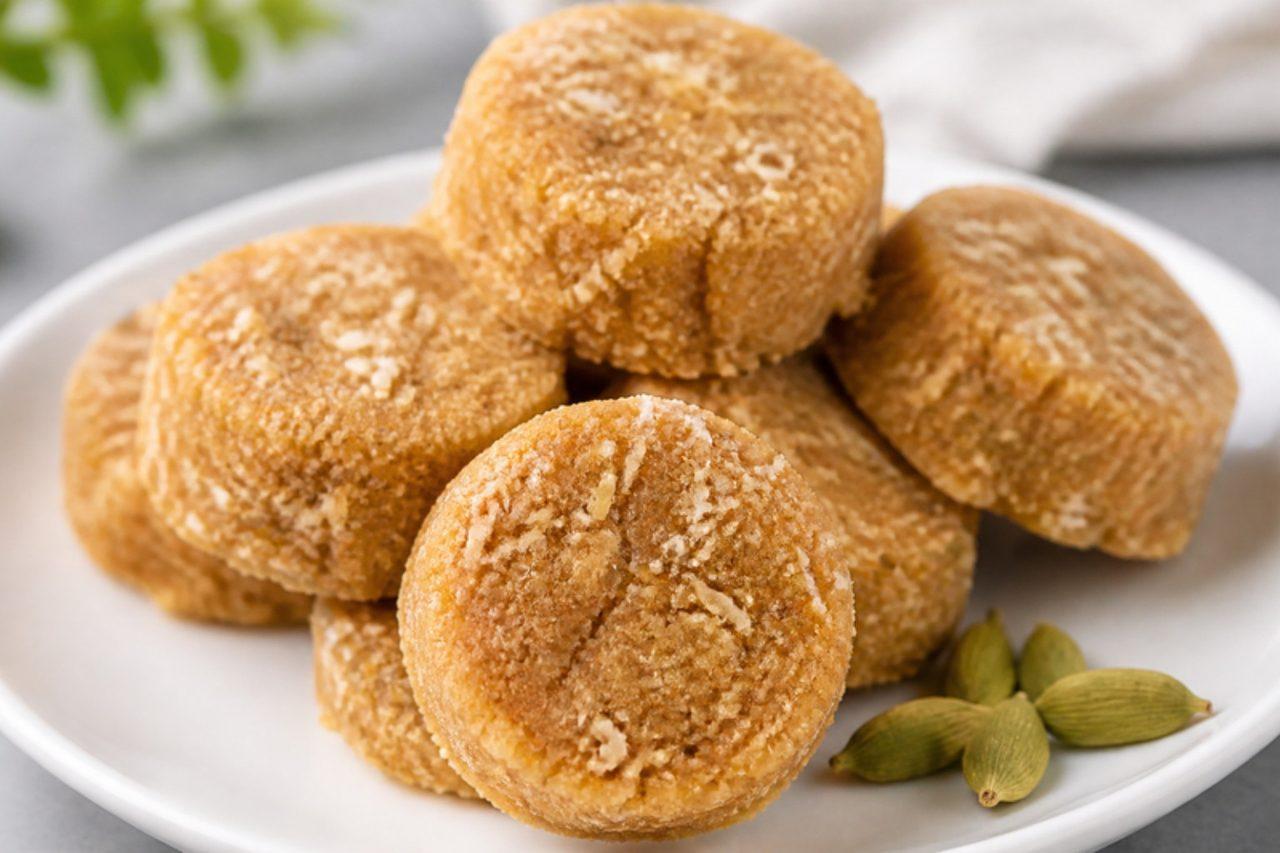
Pinaca is one of the oldest Goan Christmas sweets in the kuswar tray, made in the weeks before Christmas from three things: rice flour roasted until golden and nutty, jaggery and freshly grated coconut. They are pressed into small cakes or squares and have a soft, crumbly, toffee-like bite. They are vegan and gluten free. Chef's tip: take your time roasting the rice flour, as it is the roasting that gives pinaca its flavour, but stir constantly because it burns at the edges.

by KrazyBadal 0 views

Rakugan (pressed dry sweets for tea)

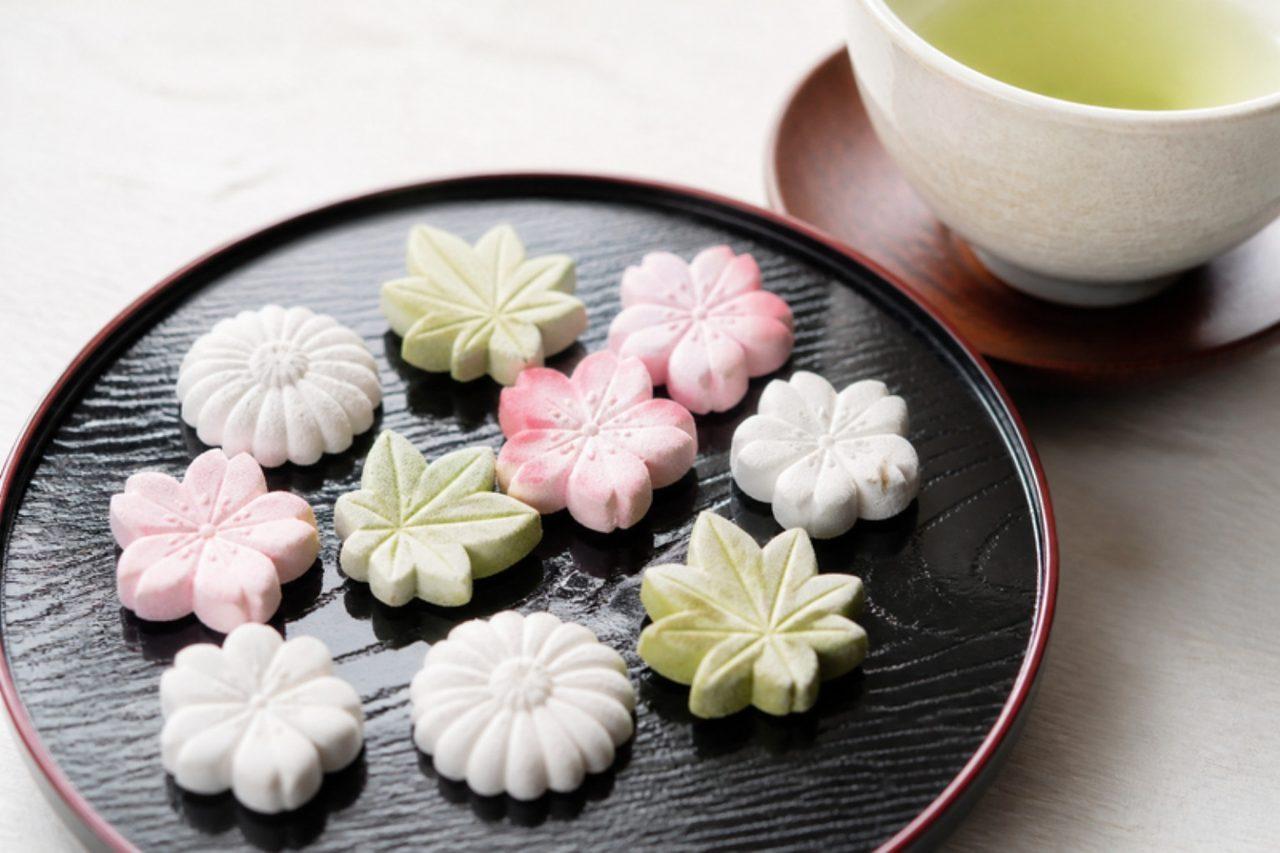
Rakugan are higashi, the dry sweets served before thin matcha at a tea ceremony, and the castle towns of Kanazawa and Matsue, both with a long tea tradition, are famous for them. Fine sugar and roasted rice flour are pressed into carved wooden moulds to make cherry blossoms in spring, maple leaves in autumn and plum flowers in winter; they also appear on Obon altars as offerings. They feel firm in the hand but dissolve on the tongue into a delicate, clean sweetness, which balances the bitterness of the tea. Serve two or three per person with matcha or sencha. They are naturally egg-free: a few drops of water make the fine sugar just damp enough to stick, the roasted rice flour holds the shape, and drying sets it hard. Chef's tip: add water a few drops at a time and stop when the sugar feels like damp sand; the common mistake is too much water, which glues the mixture into the mould.

by KrazyBadal 0 views

Mebos (Karoo salted apricot sweets)

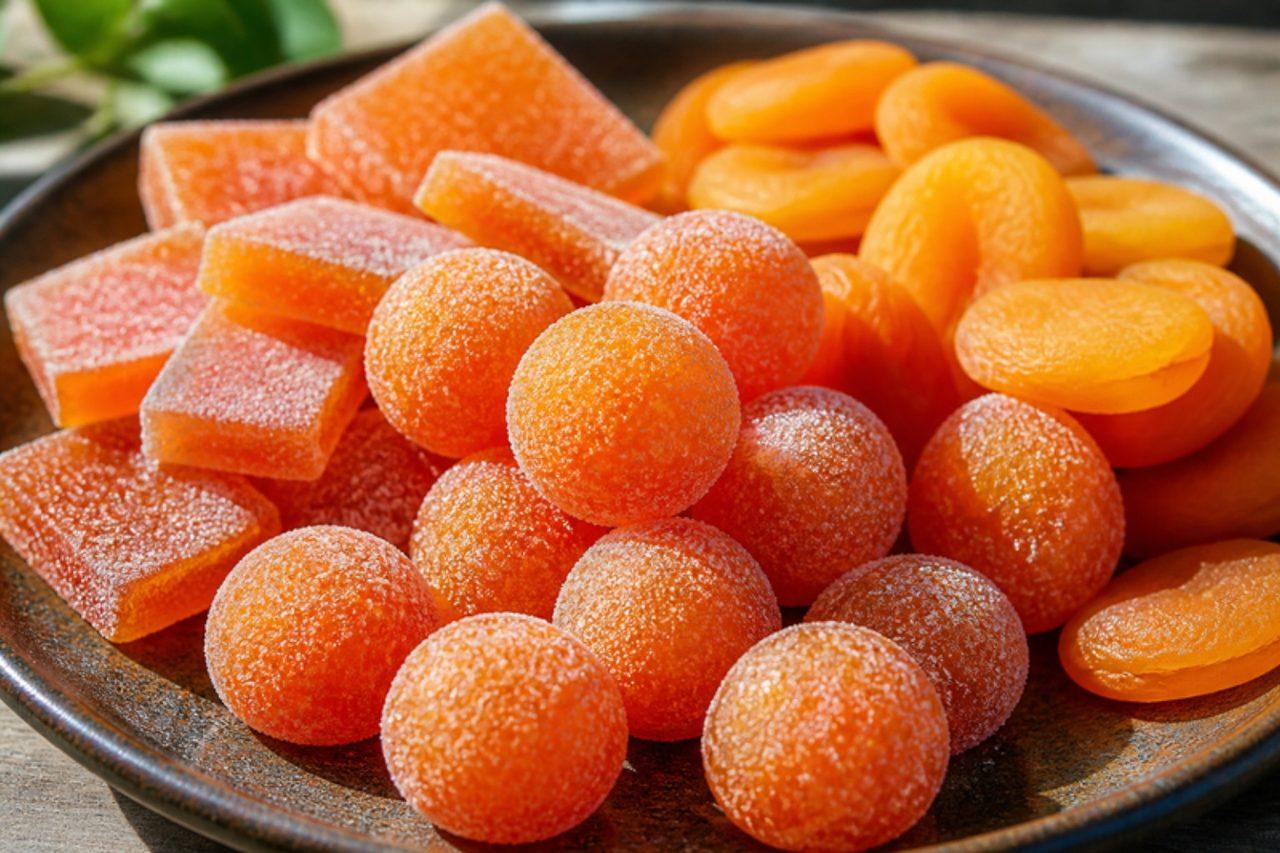
Mebos belongs to the dry Karoo and the orchards of the Western Cape, where summer apricots were salted, sun-dried and pounded into a paste that lasted the year. Today it is a car-trip and school-holiday treat, bought from farm stalls and passed around with afternoon tea. The flavour is bright and tart, then sweet, with a little salt that makes the apricot taste even stronger; the texture is dense and chewy, like a soft fruit leather. Eat it on its own, with a cup of rooibos, or chopped over plain yoghurt. This version starts from dried apricots, so it can be made at any time of year. It is naturally egg-free: the apricots' own pectin and fibre, thickened with sugar in the pan, hold the paste together with no other binder. Chef's tip: measure the salt; the common mistake is adding it by feel, which turns a sweet-sour sweet into a salty one.

by KrazyBadal 0 views

Shanzha gao (hawthorn fruit cake)

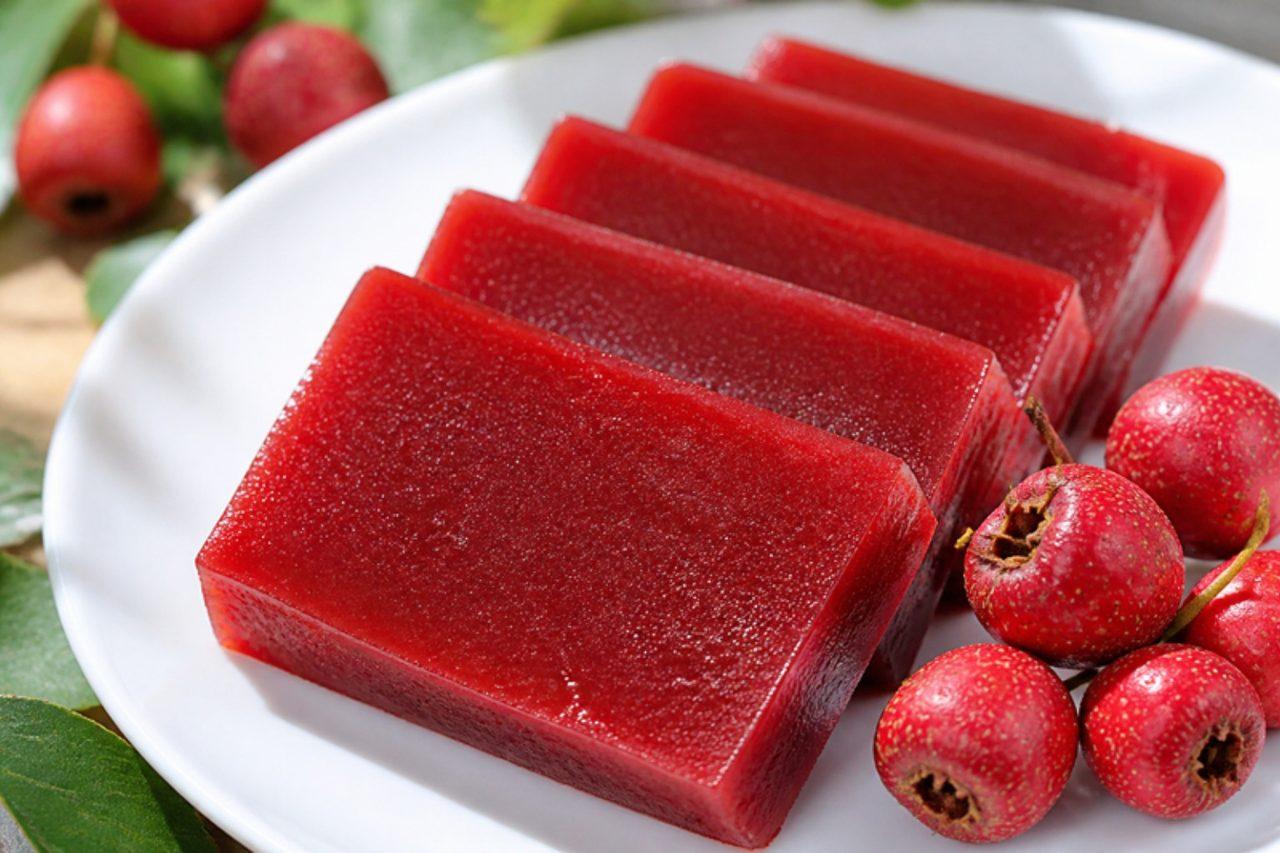
When the hawthorn trees of Hebei and Shandong drop their red berries in late autumn, cooks across northern China, and especially in Beijing, boil them down into shanzha gao, a firm fruit cake cut into ruby slices. It is a winter sweet, eaten after rich meals because people say it helps digestion, and it sits beside candied hawthorn skewers at the New Year fairs. The texture is like a firm fruit jelly that cuts cleanly, and the flavour is bright and sour-sweet, like a cross between crab apple and cranberry. Serve thin slices with jasmine tea, or cubes on a fruit plate. It is naturally egg-free and needs no setting agent at all: hawthorn is so rich in pectin that the cooked purée sets firm as it cools. Chef's tip: the common mistake is stopping too soon, so keep stirring until a spoon drawn across the pan leaves a clear trail that does not close up.

by KrazyBadal 0 views

Berlingots de Carpentras (striped Provençal hard candies)

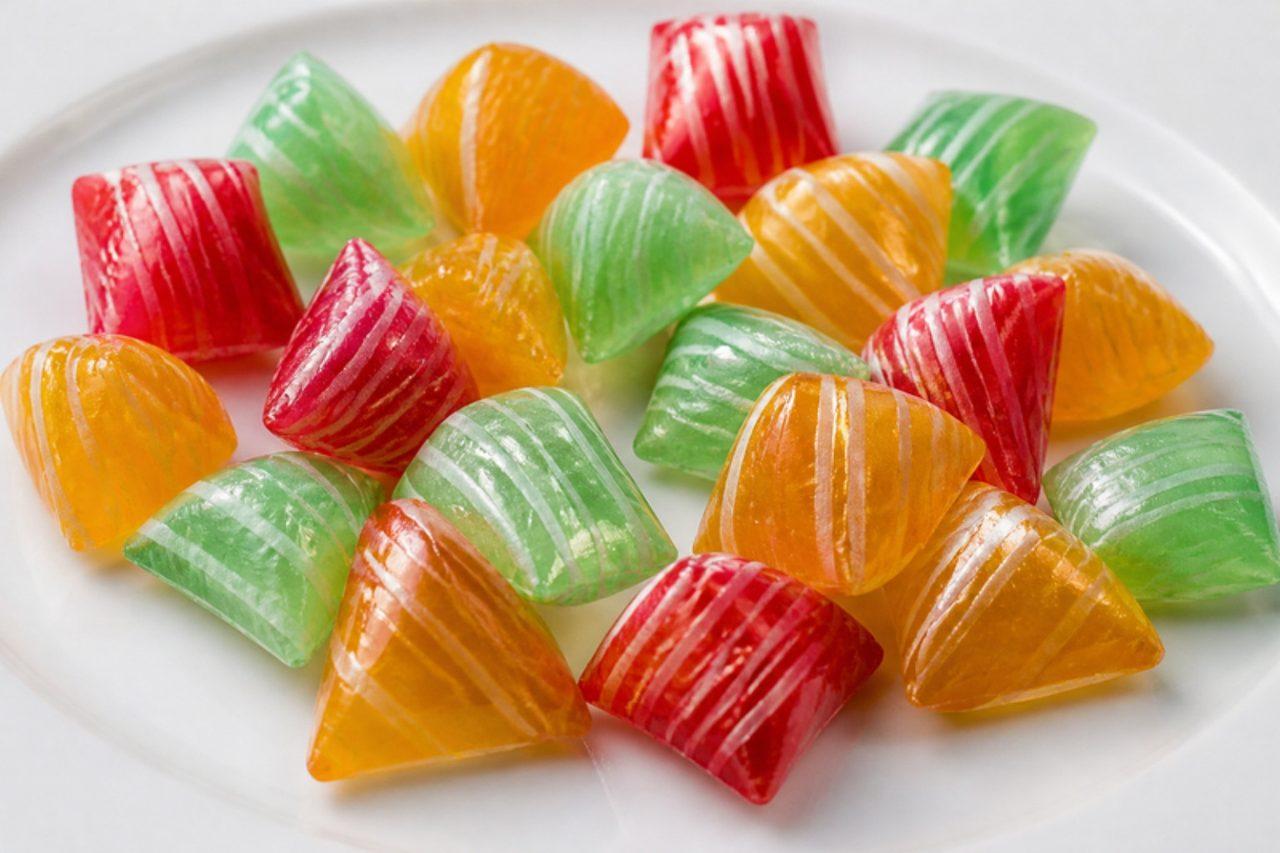
Carpentras, the market town below Mont Ventoux, has made berlingots since the nineteenth century, using the fruit syrups left over from its candied-fruit trade. The little four-sided pyramids are clear and glassy with fine white stripes, and they are sold year round at the Friday market and in paper cones for the Christmas sweet table. They crunch cleanly and dissolve slowly, here with a cool mint flavour; a fruit syrup can take its place. Offer them after a meal with coffee or herbal tea. Hard candy is naturally egg-free: the sugar, cooked to the hard-crack stage, sets glass-hard by itself, and glucose syrup keeps it clear instead of grainy. You will need heatproof gloves, oiled scissors and a warm place to keep the sugar soft while you shape it. Chef's tip: make these on a dry day; the common mistake is cooking sugar in a steamy kitchen, which leaves the berlingots sticky within hours.

by KrazyBadal 0 views

Bánh in (pressed rice-flour cakes)

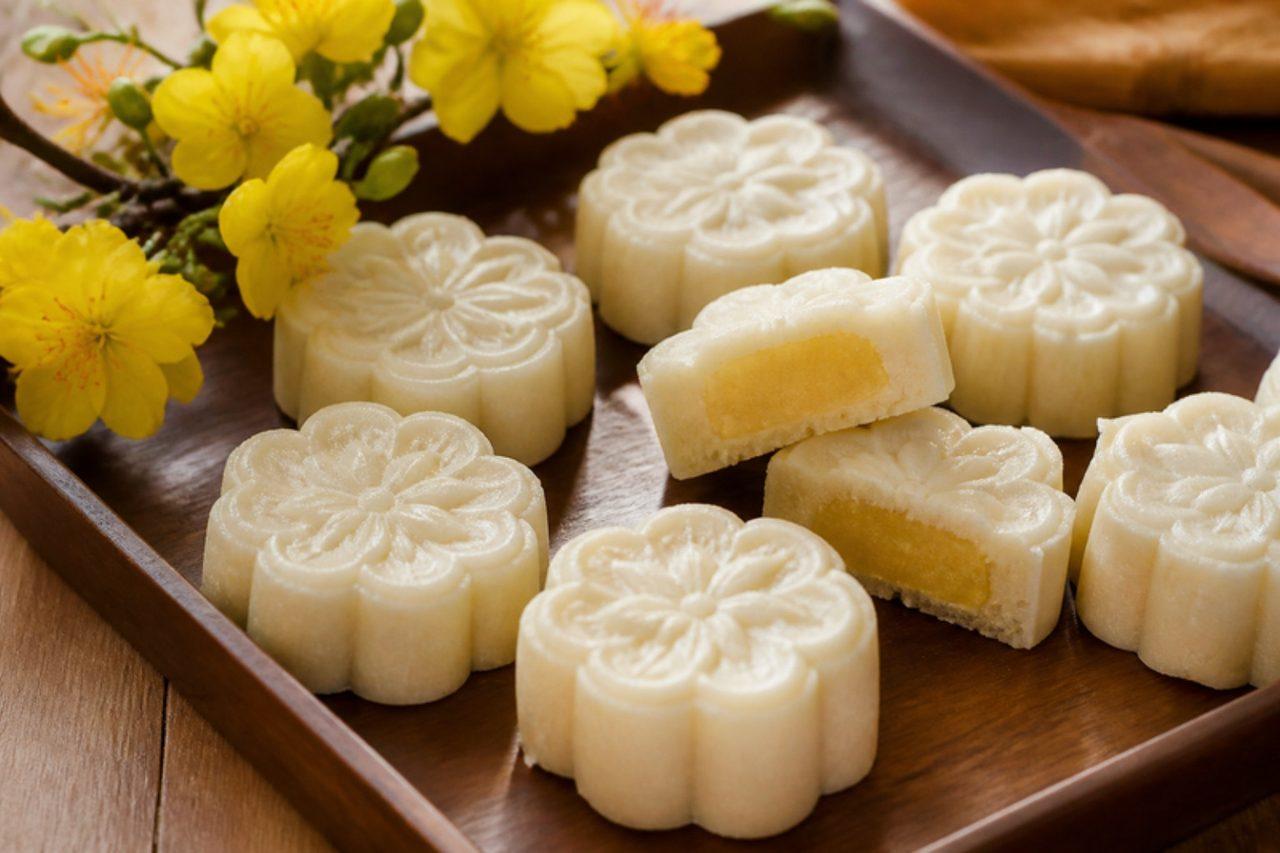
Bánh in, literally 'printed cakes', come from Huế and central Vietnam, where they are stacked on the Tết altar for the ancestors and later shared with guests; the moulds stamp flowers or the characters for luck and longevity into each cake. The dough is just toasted glutinous rice flour bound with fragrant syrup, so the cakes are crumbly-soft, melt in the mouth and taste nutty, with a smooth mung bean heart. Serve them with jasmine or artichoke tea. Any wooden or plastic mooncake mould of about 40 g works. Chef's tip: let the pressed cakes rest overnight in a closed tin; they firm up and the flavour of the toasted flour deepens.

by KrazyBadal 0 views

Mứt sen (candied lotus seeds)

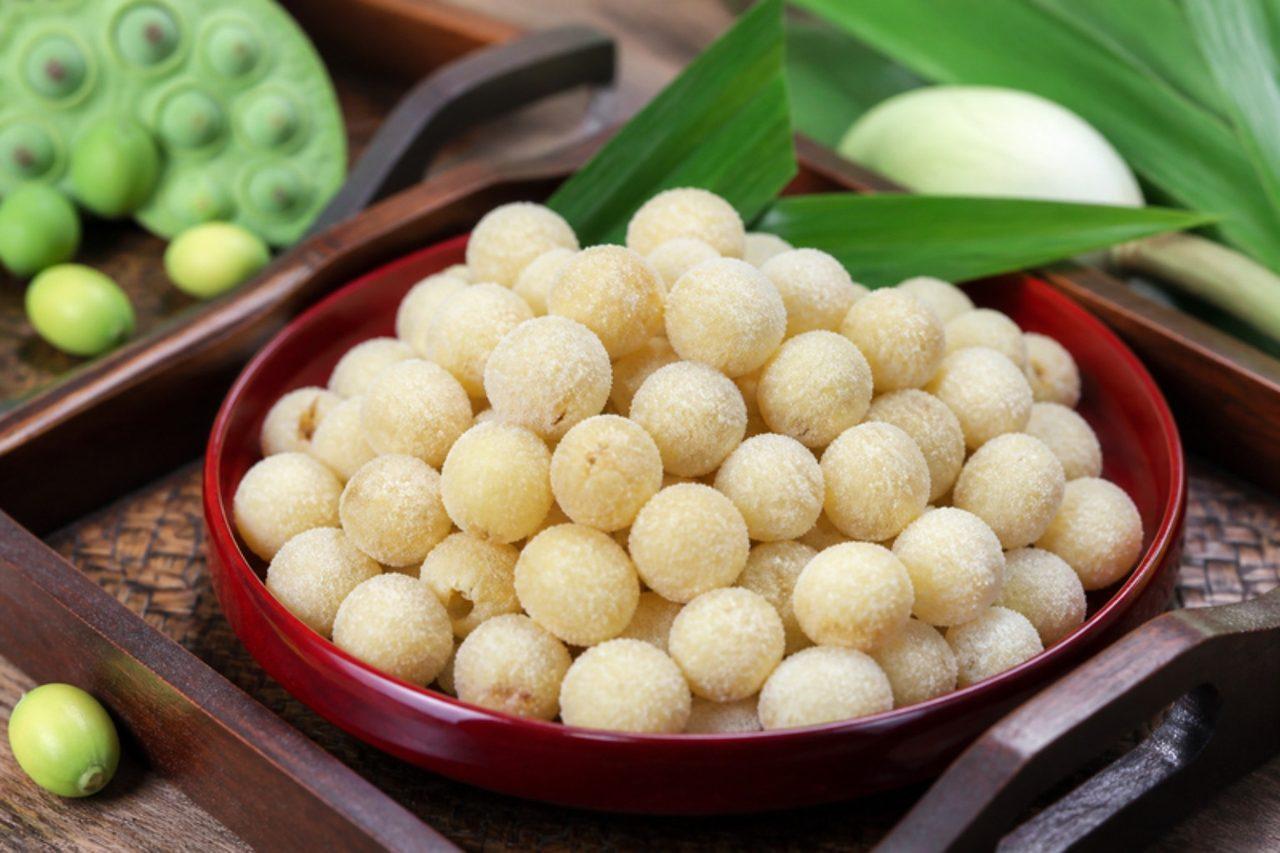
No Tết candy tray in Hanoi or Huế looks complete without a mound of mứt sen, the ivory lotus seeds that stand for purity and, because a lotus pod holds so many seeds, for a family blessed with many descendants. Done well, each seed is soft and floury inside, almost like chestnut, under a dry, sparkling shell of sugar. Guests nibble them with a pot of hot green or lotus tea while they swap New Year wishes. Fresh seeds are best; dried ones from Asian grocers work if soaked overnight first. Chef's tip: pull out every green germ in the centre, because a single bitter heart spoils the sweet mouthful.

by KrazyBadal 0 views

Mont let saung (Burmese sago in coconut milk and jaggery)

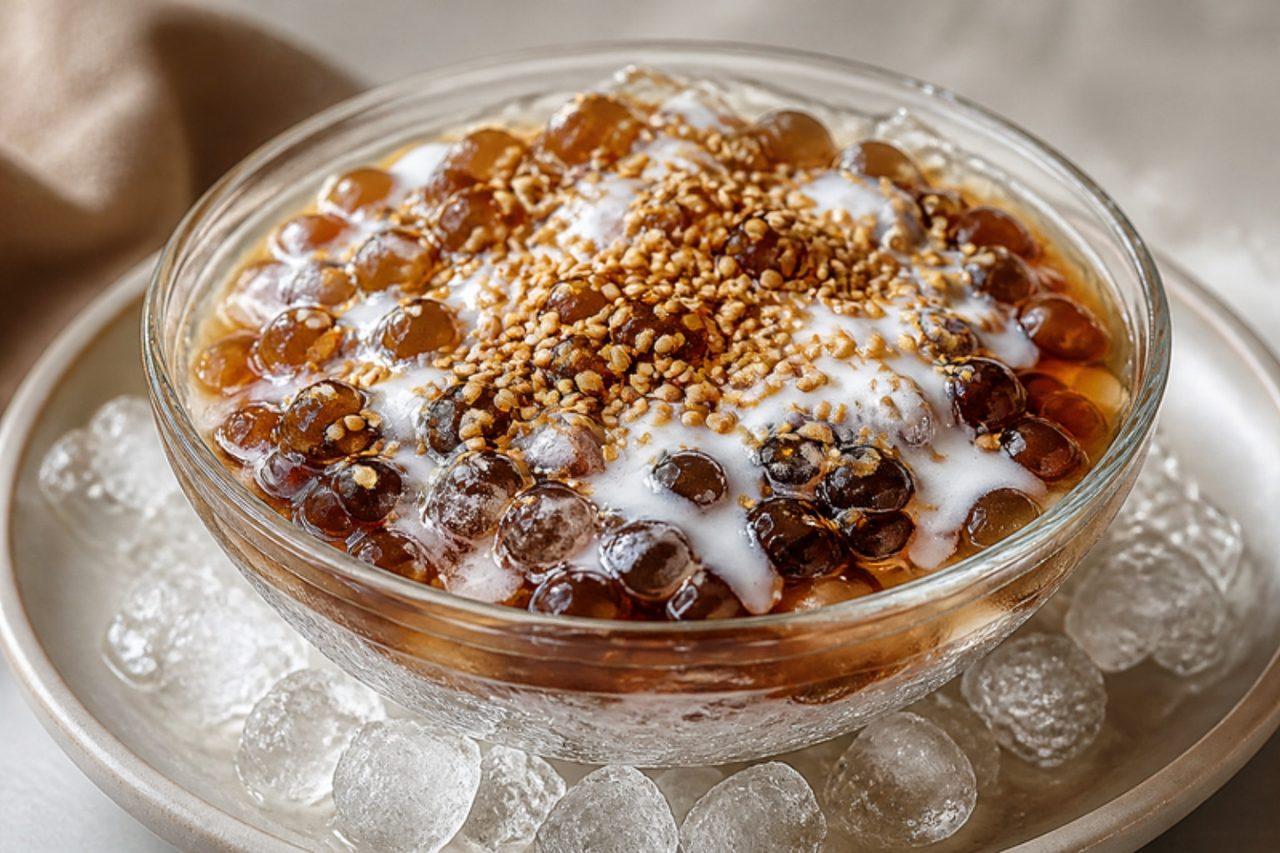
During Thingyan, the Burmese water festival that ends the old year in mid-April, stalls across Myanmar hand out free food and cold drinks as a way of making merit, and mont let saung is one of the best loved. Chewy, glassy sago pearls (or short white rice-flour threads in some towns) sit on crushed ice, soaked in dark jaggery syrup and lightly salted coconut milk, with toasted sesame on top. It is cool, sweet and gently smoky from the jaggery, exactly what you want after a day of being splashed with water. Serve it in glasses or bowls as soon as it is assembled. Chef's tip: a pinch of salt in the coconut milk is what makes the jaggery taste rounder, so don't skip it.

by KrazyBadal 0 views

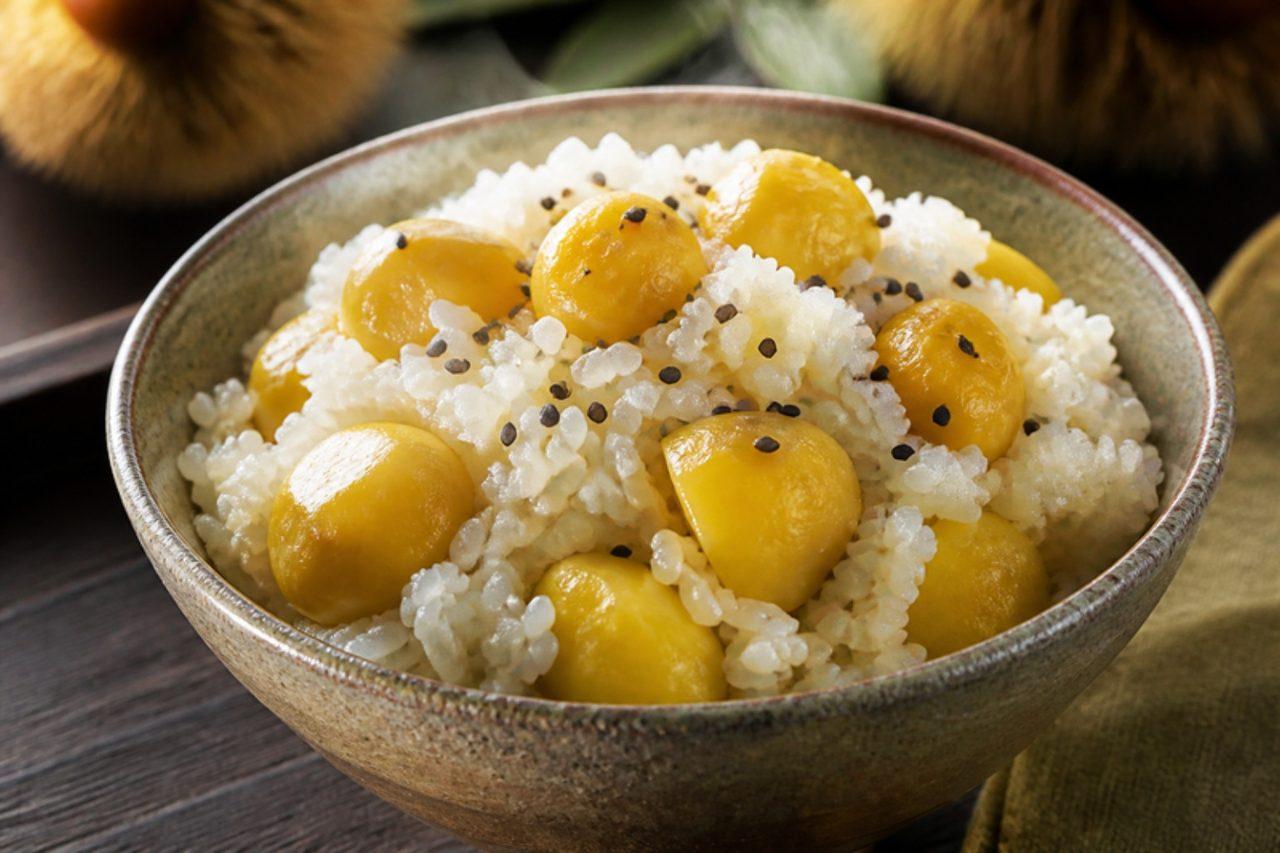
Kuri gohan (chestnut rice)

Kuri gohan is one of the great dishes of the Japanese autumn, made all over the country when fresh chestnuts arrive in September, and it is often eaten around the harvest moon, when chestnuts are offered beside dumplings and taro (the later moon-viewing in October is even nicknamed the "chestnut moon"). Sweet, fluffy chunks of chestnut sit in salty, slightly sticky rice scented with kombu, and the dish is all about the season's bounty. It traditionally uses a spoonful of sake; this is optional, and plain water works perfectly well for an alcohol-free version. Serve with miso soup, pickles and grilled fish, sprinkled with black sesame salt. Chef's tip: soak the chestnuts in hot water for 30 minutes before peeling; the shells soften and the furry inner skin lifts away far more easily.

by KrazyBadal 0 views

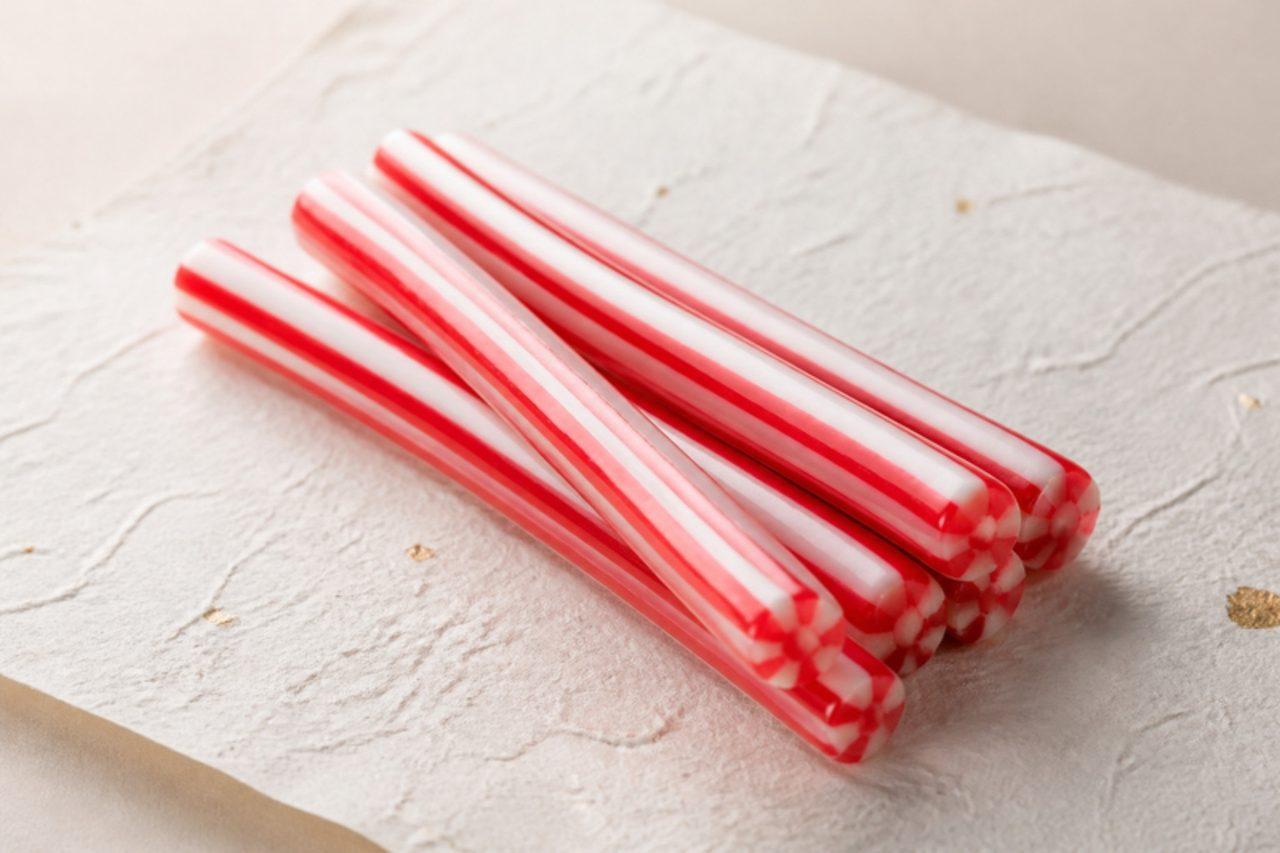
Chitose ame (thousand-year candy)

Chitose ame, "thousand-year candy", are the long red and white sugar sticks that children carry home from the shrine at Shichi-Go-San in November, in Tokyo and now right across Japan. The length of the stick is a wish for a long life, and red and white are the colours of celebration. Pulling the cooling sugar fills it with air, turning it from clear to a silky, opaque white with a soft, almost milky crunch. Boiling sugar reaches more than 150 °C, so wear heatproof gloves, work on a heatproof silicone mat, and keep children well away until the candy has cooled; they can admire the finished sticks. Hard sweets are a choking risk for small children, so break off small pieces for them and stay with them while they eat. Chef's tip: oil your gloves lightly and keep pulling until the candy turns satiny and starts to resist; that is when it sets into sticks.

by KrazyBadal 0 views

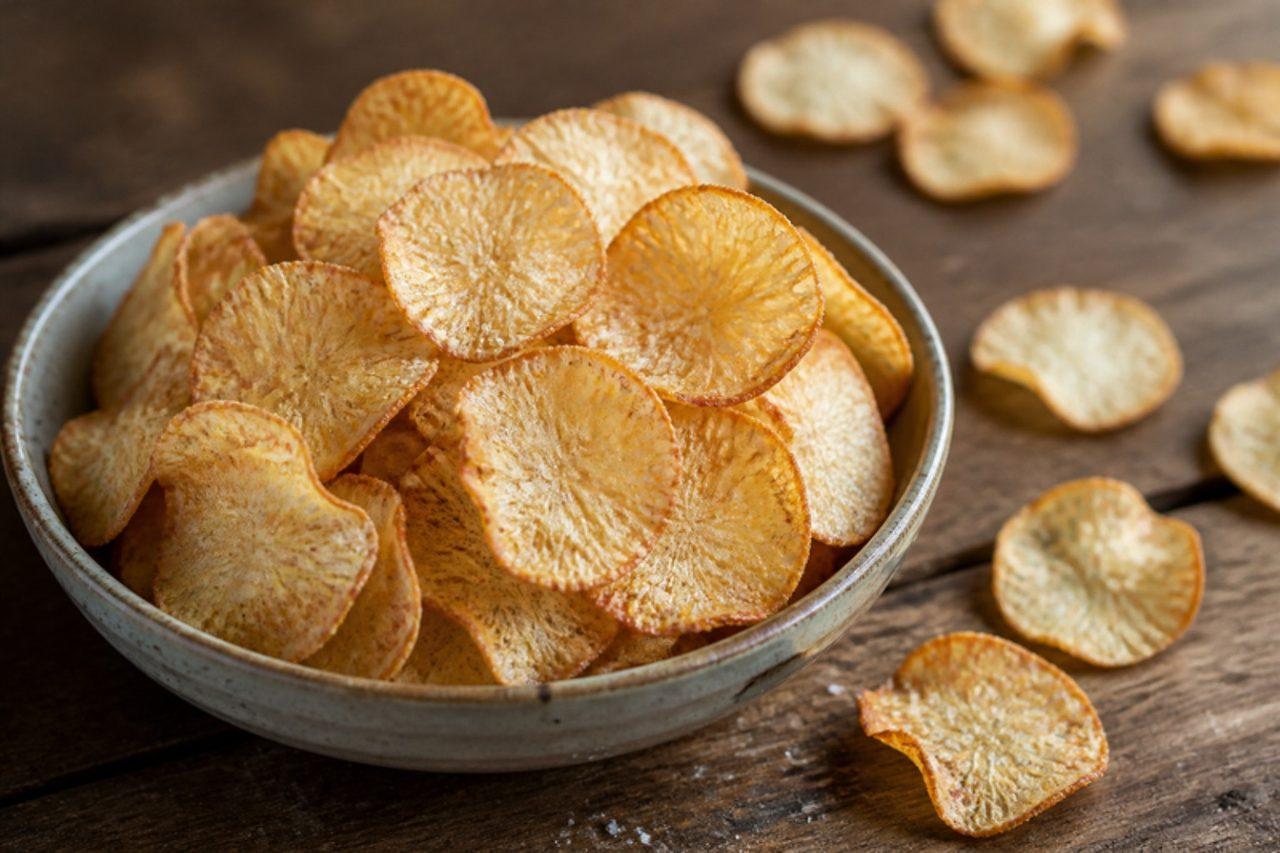
Arrowhead chips (nga gu chips)

Arrowhead (nga gu, or ngaku) is a small aquatic tuber that only shows up in Malaysian markets in the weeks before Chinese New Year, and frying it into chips is a family job. Its curved sprout looks like a shoot rising from the root, so it stands for growth and many descendants in the year ahead. Sliced thin and fried, the chips are crisp and nutty like potato crisps, with a gentle bitterness that keeps you reaching for more. Put them out in jars with peanuts and love letters for visitors. Chef's tip: soak the slices and dry them very well; wet slices make the oil spit and fry up chewy instead of crisp.

by KrazyBadal 0 views

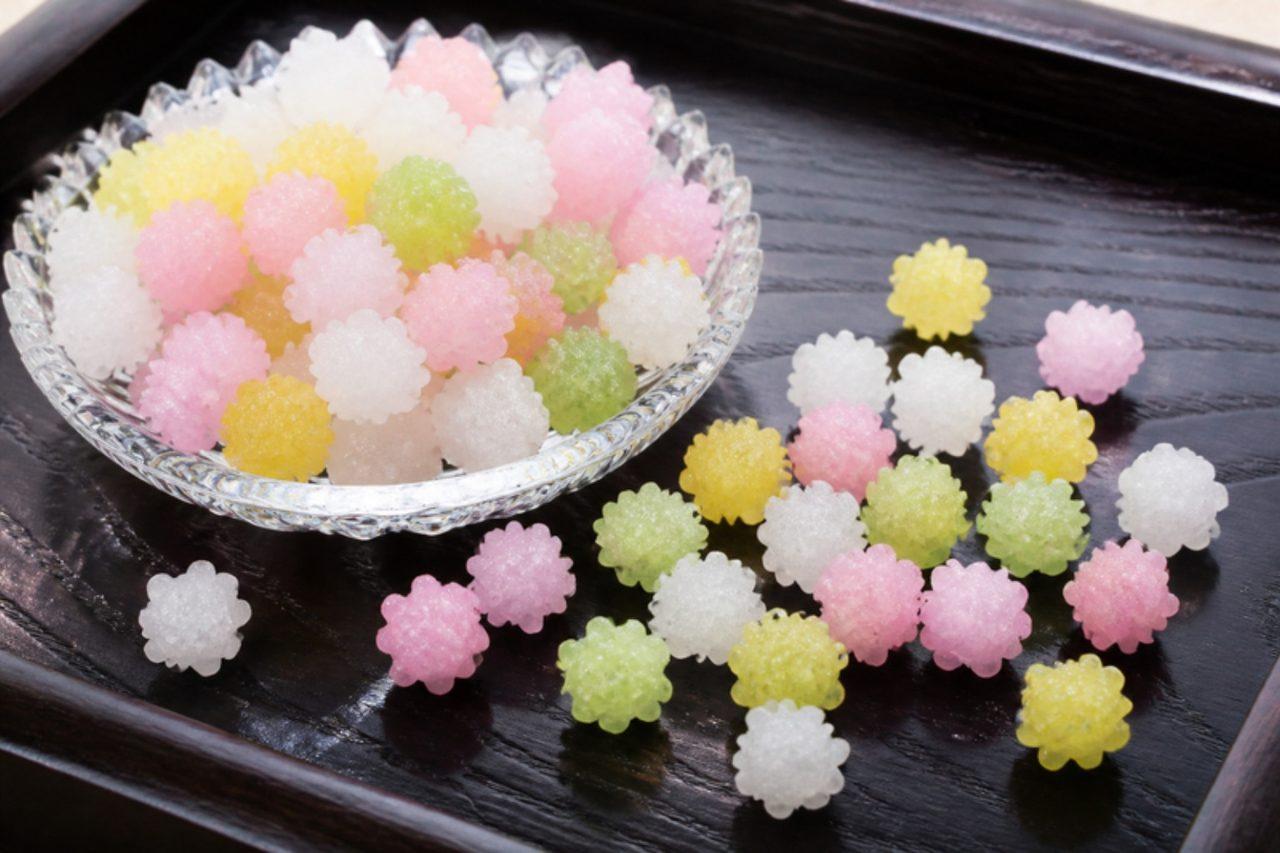
Konpeito (Japanese sugar stars)

Konpeito came to Japan with Portuguese traders in the sixteenth century and became a treasured gift; Kyoto confectioners still make them the old way, rolling them in a tilted, heated pan for two weeks or more. Today the tiny pastel stars are given as wedding and birth favours, slipped into tins of emergency hardtack biscuits, and nibbled with green tea. They crunch like a sugar cube and taste purely of sugar, sometimes with a hint of fruit. This home version uses a wok over the lowest heat and a few patient hours, which gives smaller, knobbly stars rather than the perfect shop ones. They are naturally egg-free: they are made of nothing but sugar, and the setting comes from thin layers of syrup crystallising one after another. Chef's tip: add the syrup a teaspoon at a time and keep the crystals rolling until dry. The common mistake is pouring in too much, which glues everything into one clump.

by KrazyBadal 0 views

Kluay tak (Thai dried bananas, oven method)

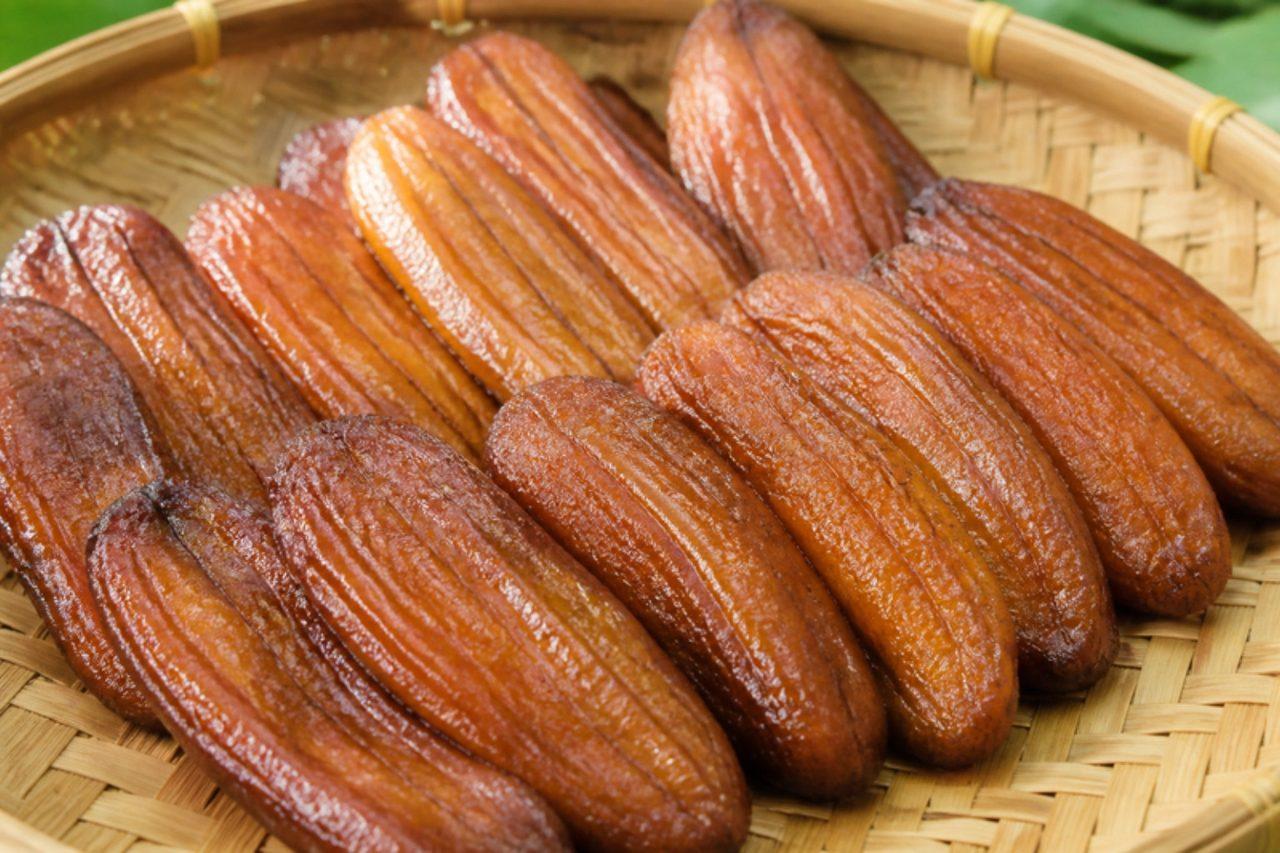
In Bang Krathum, a district of Phitsanulok in lower northern Thailand, small nam wa bananas are peeled and laid out under the sun in glass-roofed drying boxes for several days, then pressed flat to make kluay tak. The district is famous for them, and bags are bought as a gift on the road home and nibbled with tea or coffee in the afternoon. They are dense and chewy like a soft toffee, dark amber, with a deep caramel and honey flavour that comes only from the fruit. As sun-drying takes days and needs steady heat, this version uses a very low oven overnight, then a rest in a jar so the moisture evens out. They are naturally egg-free and need nothing to bind them: the banana's own sugars concentrate and hold it together. Chef's tip: keep the oven low and prop the door open with a wooden spoon; the common mistake is a hot oven, which cooks and blackens the outside while the centre stays wet.

1340 minThaiDessertsVeganGluten free
by KrazyBadal 0 views

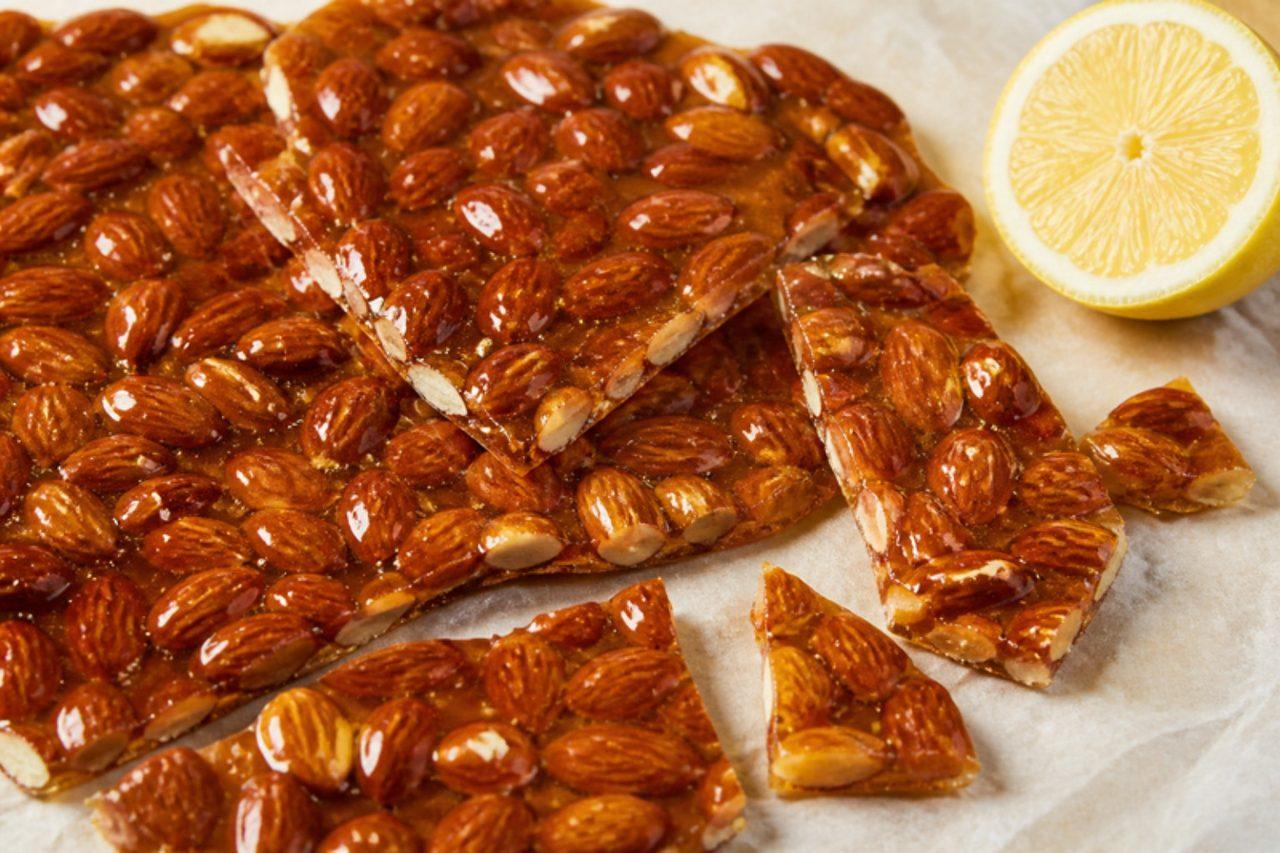
Croccante (southern Italian almond brittle)

Croccante is the sweet of southern Italian feast days: from Naples to Calabria and Apulia it is sold from stalls at the patron saint's festa, set out at Christmas and at Carnival, and in some towns shaped into little baskets for weddings. Whole almonds are toasted and folded into caramel, then pressed thin on marble with the cut side of a lemon, which stops it sticking and leaves a faint citrus scent. It is crisp and glassy with a deep, nutty, slightly bitter caramel. Break it into shards to eat with coffee, or crush it over ice cream. It is naturally egg-free: only caramelised sugar holds the almonds, setting hard as glass as it cools. Chef's tip: keep the almonds warm when they go in; the common mistake is adding cold nuts, which makes the caramel seize into lumps.

by KrazyBadal 0 views

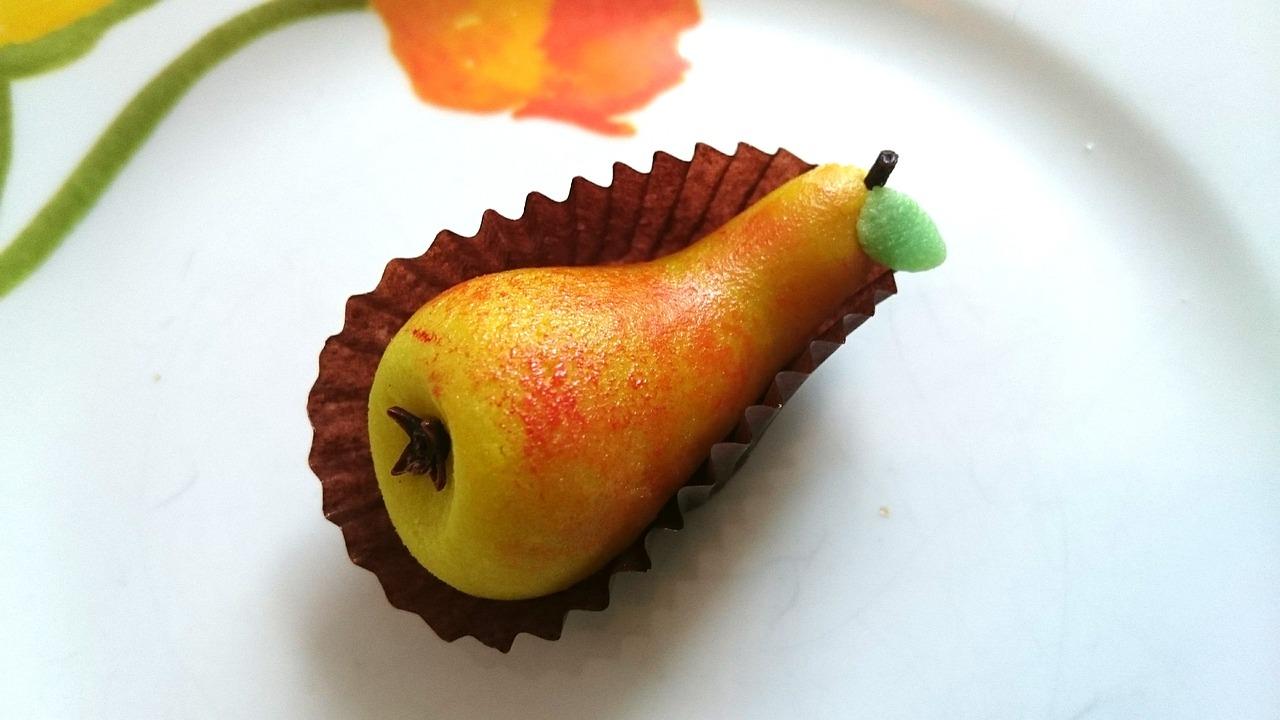
Frutta martorana (Sicilian painted almond-paste fruit)

Palermo's pastry shops fill their windows with frutta martorana in late October, ready for All Souls' Day on 2 November, when Sicilian children wake to find sweets and toys said to be left by the family's dead. The name comes from the nuns of the Martorana convent, who were said to have decorated their bare orchard with almond-paste fruit. Each little fig, prickly pear or orange is so perfectly painted it looks real, and the paste inside is smooth, dense and very sweet, with a pure almond flavour. Serve a few with coffee or a glass of cold almond milk. The paste is egg-free almond paste, made the Sicilian way: ground almonds are stirred into sugar syrup boiled to the soft-ball stage, and the syrup binds them as it cools, unlike some shop marzipan, which is not always egg-free. Chef's tip: let the shapes dry before painting; the common mistake is painting damp paste, so the colours bleed.

by KrazyBadal 0 views

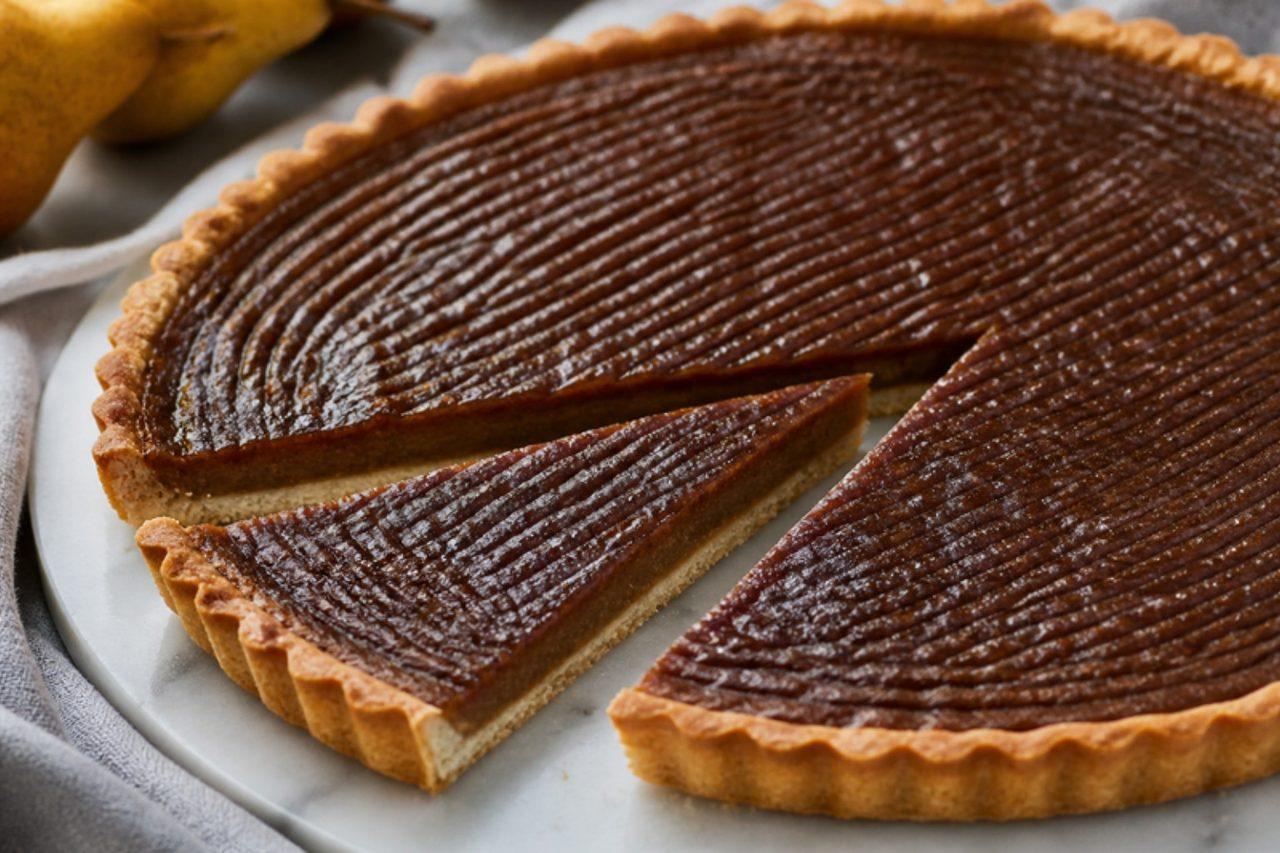
SchlorzifladenDried pear tart

Schlorzifladen comes from the Toggenburg valley in the canton of St Gallen in eastern Switzerland, where dried pears (schlorzi) were a winter staple. The thin, crisp tart is filled with a thick, dark purée of cooked dried pears spiced with cinnamon, and baked for Christmas and village feast days. Some versions have a rice or cream layer on top; this is the simple pear one. Pear brandy is sometimes added, but this version uses lemon juice instead and is alcohol-free. Chef's tip: cook the pear purée until it is stiff enough to hold a spoon upright, or it soaks the pastry.

120 minSwissBaking
by KrazyBadal 0 views

Polkagris (Gränna peppermint candy sticks)

Gränna, a small town on the shore of Lake Vättern, has been pulling polkagris since the 1850s, and visitors still stand at shop windows watching the sugar being stretched and twisted on marble tables. The sticks are sold all year but are a favourite in summer, when the town fills with tourists, and again at Christmas. Pulled properly, the white part turns satiny and slightly airy, so the candy is crisp on the outside and almost chalky-soft as it melts, with a clean, cooling peppermint flavour and a thin red spiral. Eat them as they are, crush them over ice cream or hang them on the tree. Polkagris is naturally egg-free: nothing but sugar boiled to the hard-crack stage holds it together, and the pulling, not any added protein, gives the pale, opaque texture. Chef's tip: work in a dry kitchen with oiled gloves and have every tool ready before the sugar reaches temperature; the common mistake is letting the mass cool too far before pulling, at which point it cracks instead of stretching.

by KrazyBadal 0 views

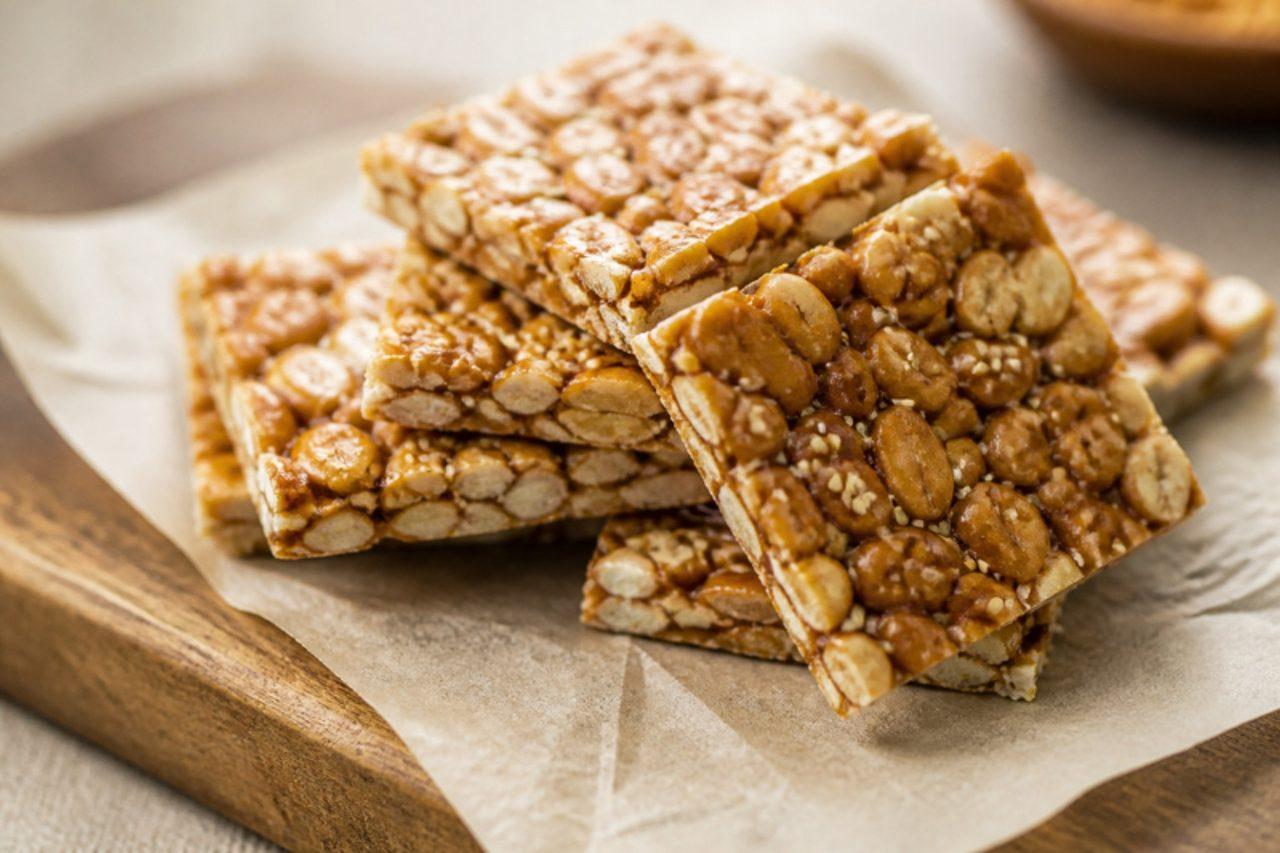
Huasheng tang (peanut brittle)

Huasheng tang is a fixture on the Taiwanese New Year candy tray, set out for every visitor who comes to wish the family a happy new year. Peanuts are called 'long-life nuts' in Chinese, so the brittle carries a wish for long life and, with so many nuts in each piece, for many children and a full house. Taiwanese brittle is thinner and less sweet than many, packed with crackly roasted peanuts held together by malt sugar. Serve with oolong tea alongside dried fruit and melon seeds. Chef's tip: cut the slab while it is still warm and pliable; once cold it shatters.

by KrazyBadal 0 views

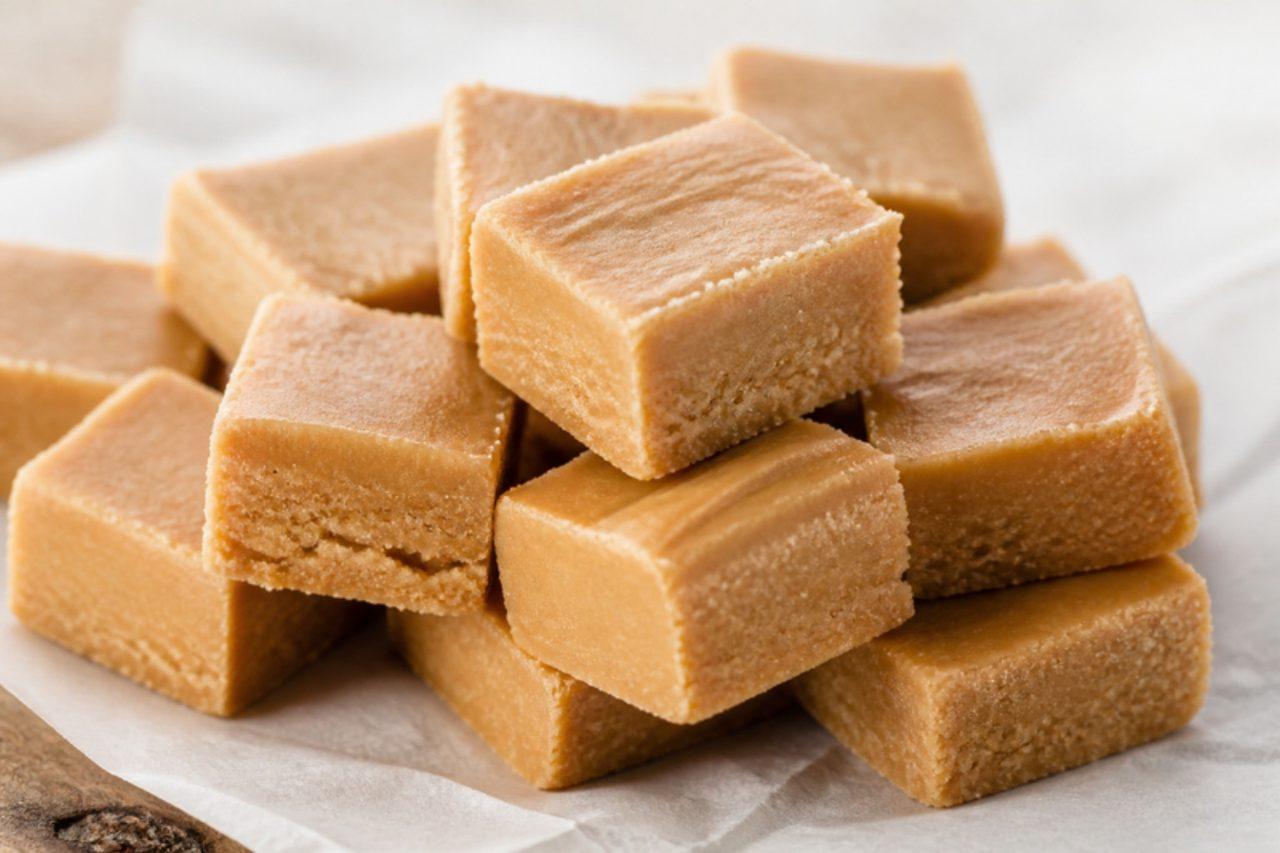
Sucre à la crèmeBrown sugar fudge

In Quebec, sucre à la crème is the sweet that comes out at Christmas: a soft, melting brown-sugar fudge made from brown sugar, cream and butter, cut into squares and shared at the réveillon after midnight Mass and through the Fêtes. Every grandmother's recipe differs a little; this one is the classic stovetop method, gluten free and ready in under an hour. Chef's tip: beat the cooled mixture until it loses its gloss and starts to thicken, then pour it at once; that beating is what makes it creamy rather than toffee-like.

by KrazyBadal 0 views

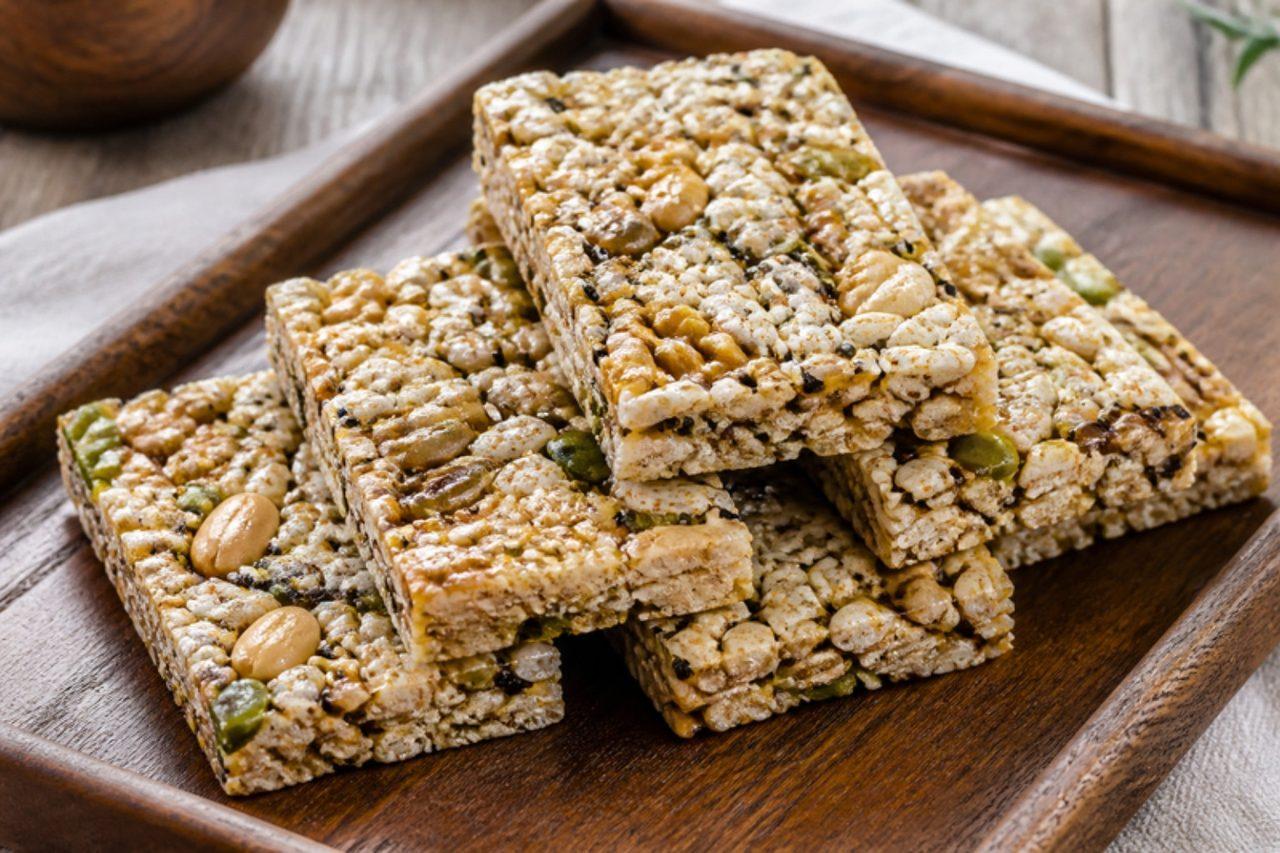
Yeot-gangjeong (nut and sesame bars in rice syrup)

Yeot-gangjeong is a traditional Korean hangwa made all over the country, especially in the weeks before Seollal and Chuseok, when trays of these bars are given as gifts and set out for visitors. Toasted nuts, sesame seeds and puffed rice are folded into hot rice syrup, pressed flat and cut into bars that are crunchy, nutty and only gently sweet, with a faint malty flavour from the syrup. Serve them with green tea or sikhye, the sweet rice drink, or pack them for a lunchbox. They are naturally egg-free: rice syrup, heated until it bubbles, acts as the glue and sets firm as it cools. Chef's tip: cut the slab while it is still warm. The common mistake is waiting until it is cold, when the bars shatter instead of slicing cleanly.

by KrazyBadal 0 views

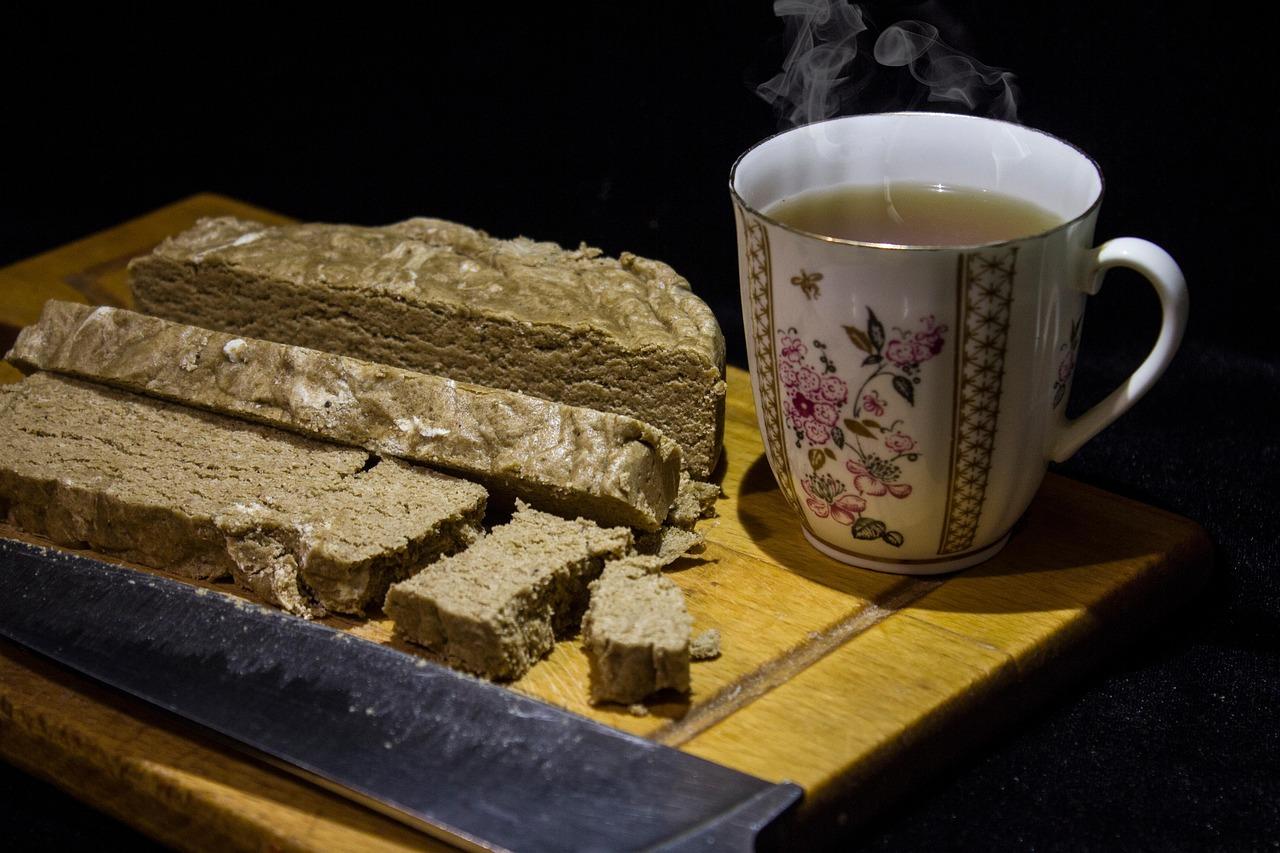
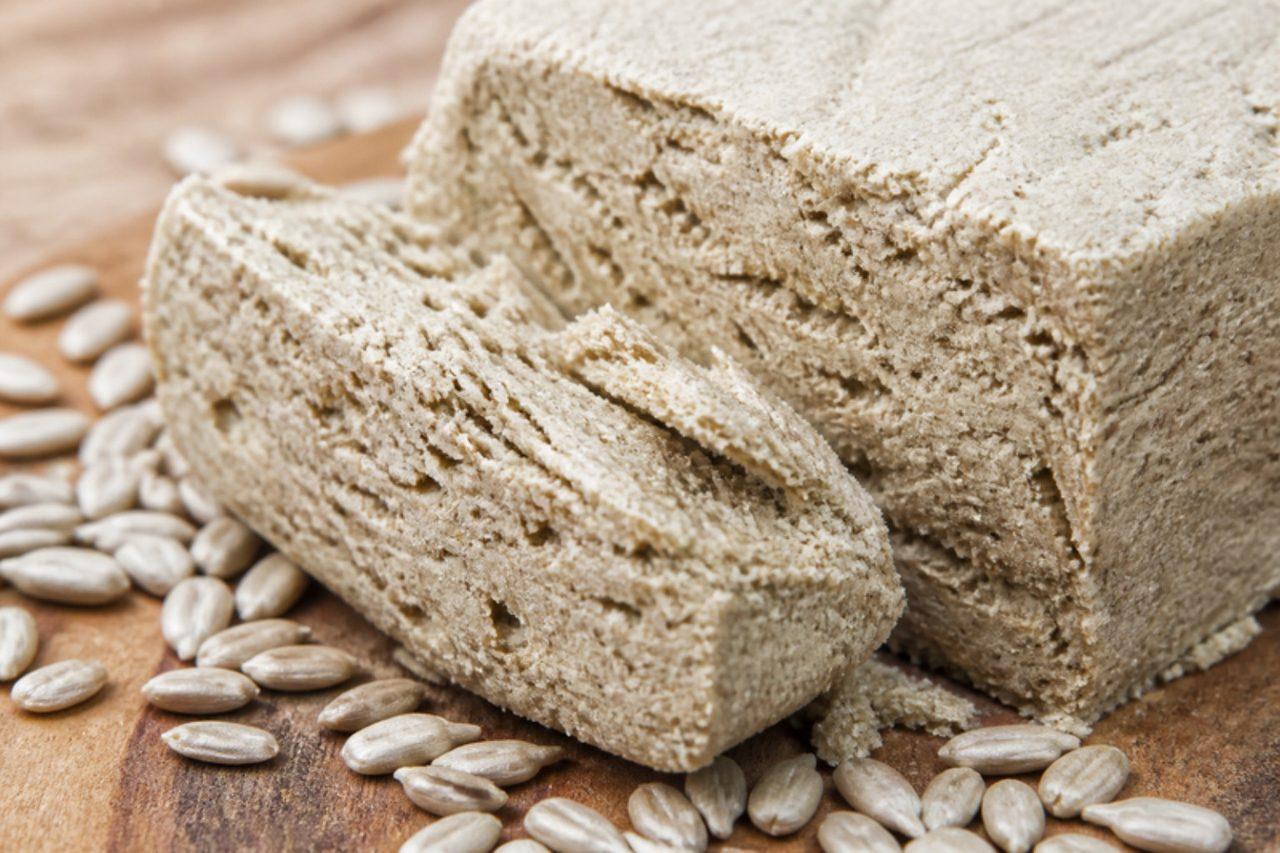
Podsolnechnaya khalva (sunflower seed halva)

In Russia and Ukraine, where sunflowers cover the southern steppe, halva means sunflower halva rather than the sesame kind: grey-brown, crumbly slabs sold by weight at markets and eaten with tea at any time of day, especially through the long winter. It tastes deeply of toasted seeds, with a sandy, flaky texture that breaks into strands and melts on the tongue. Serve it in small pieces with black tea, crumble it over porridge, or eat it with fresh apple slices. Factory halva is lightened with a foam of soapwort root, and some old recipes use whipped egg white; this home version needs neither. Sugar syrup cooked to the firm-ball stage is beaten straight into warm, finely ground seeds, and as the syrup cools it crystallises and binds the oily seed paste into a sliceable block, naturally egg-free. Chef's tip: grind the seeds until they just start to clump and look oily, not into smooth butter; the common mistake is over-grinding, which gives a dense, fudgy slab instead of crumbly halva.

by KrazyBadal 0 views

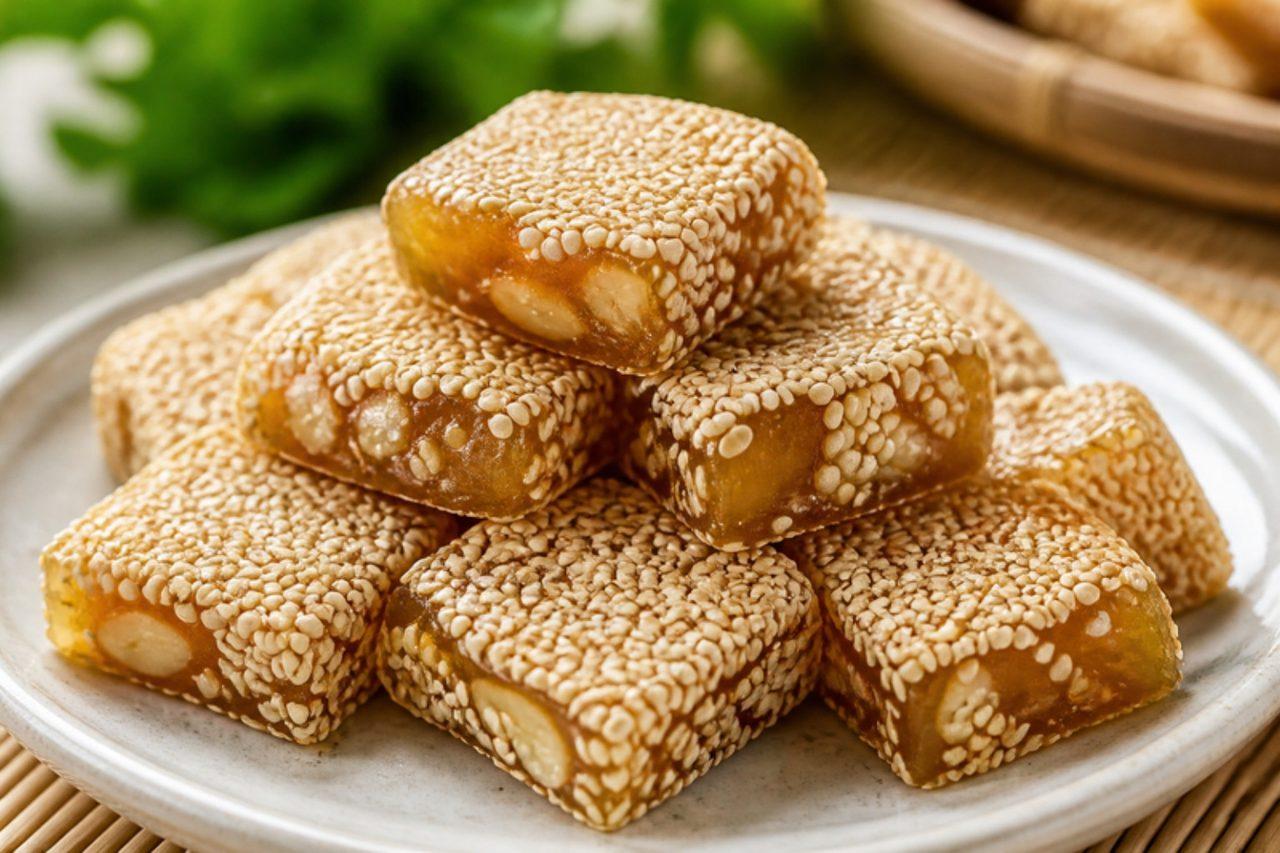
Kẹo mè xửng (Huế sesame peanut chews)

No one leaves the old imperial city of Huế without a box of kẹo mè xửng, the soft sesame chew sold on Đông Ba market stalls and handed out at Tết and on family visits. Rice malt syrup and sugar are cooked with a little tapioca starch into a glossy, stretchy mass, chopped peanuts are folded in, and the slab is pressed between layers of toasted sesame. It chews like a soft toffee, nutty and gently sweet, and the sesame gives every square a roasted fragrance. Serve squares with hot lotus or green tea after dinner. The candy is naturally egg-free: tapioca starch gives it its springy chew and the malt syrup binds it, so nothing else is needed. Chef's tip: oil your knife and cut while the slab is just warm. The common mistake is adding the starch slurry without stirring hard, which leaves white lumps through the candy.

by KrazyBadal 0 views

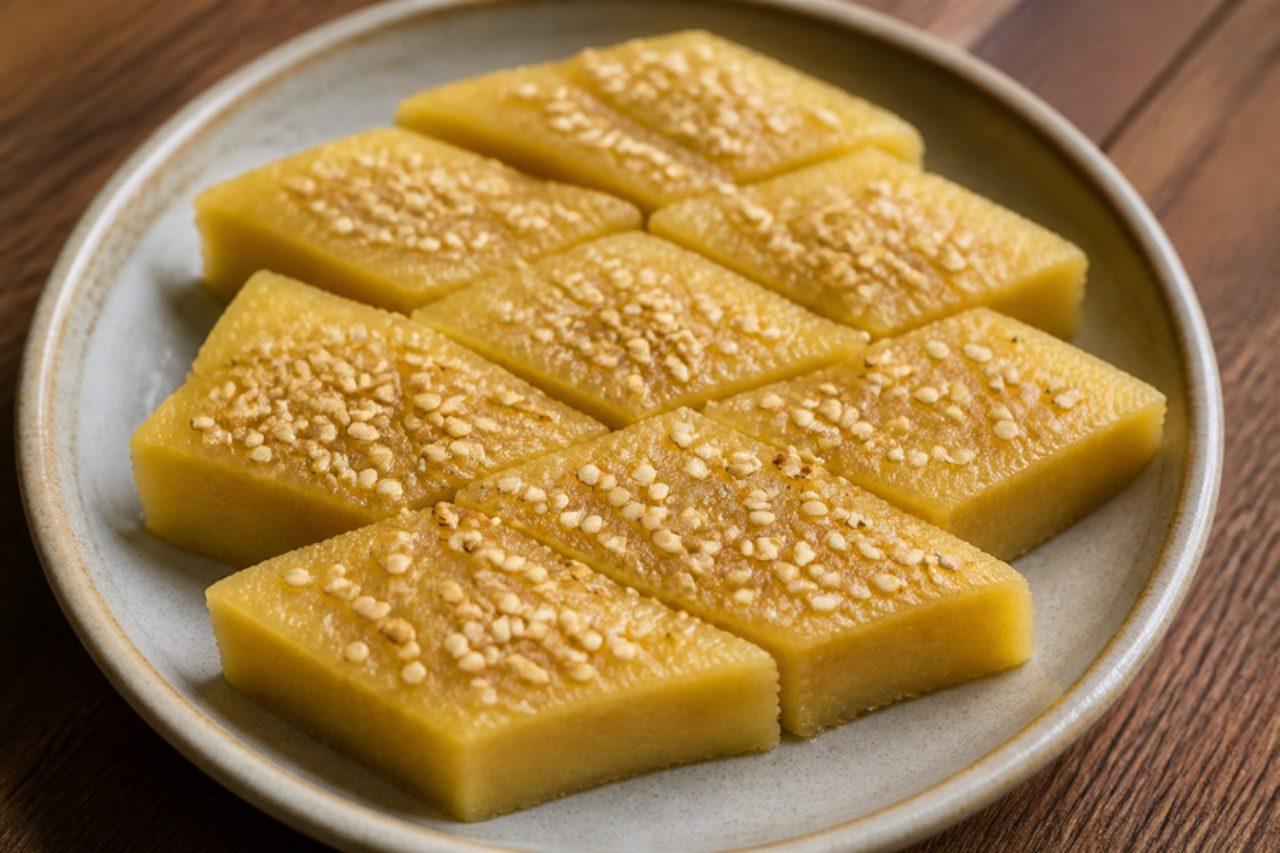
Chè kho (mung bean fudge pudding)

On New Year's Eve and the last days of Tết, Hanoi families place a plate of chè kho on the ancestors' altar: a smooth, golden mung bean fudge whose sweetness asks for a gentle, prosperous year. 'Kho' means cooked down dry, and that is the whole technique, stirring the bean purée with sugar until it becomes a thick, glossy paste that can be cut. It tastes nutty and delicately floral from grapefruit-blossom water, with a crunch of sesame on top. Serve small slices with lotus or green tea. Chef's tip: use a heavy non-stick pan and a wooden spoon, and never leave it; the paste catches in seconds once it thickens.

by KrazyBadal 0 views

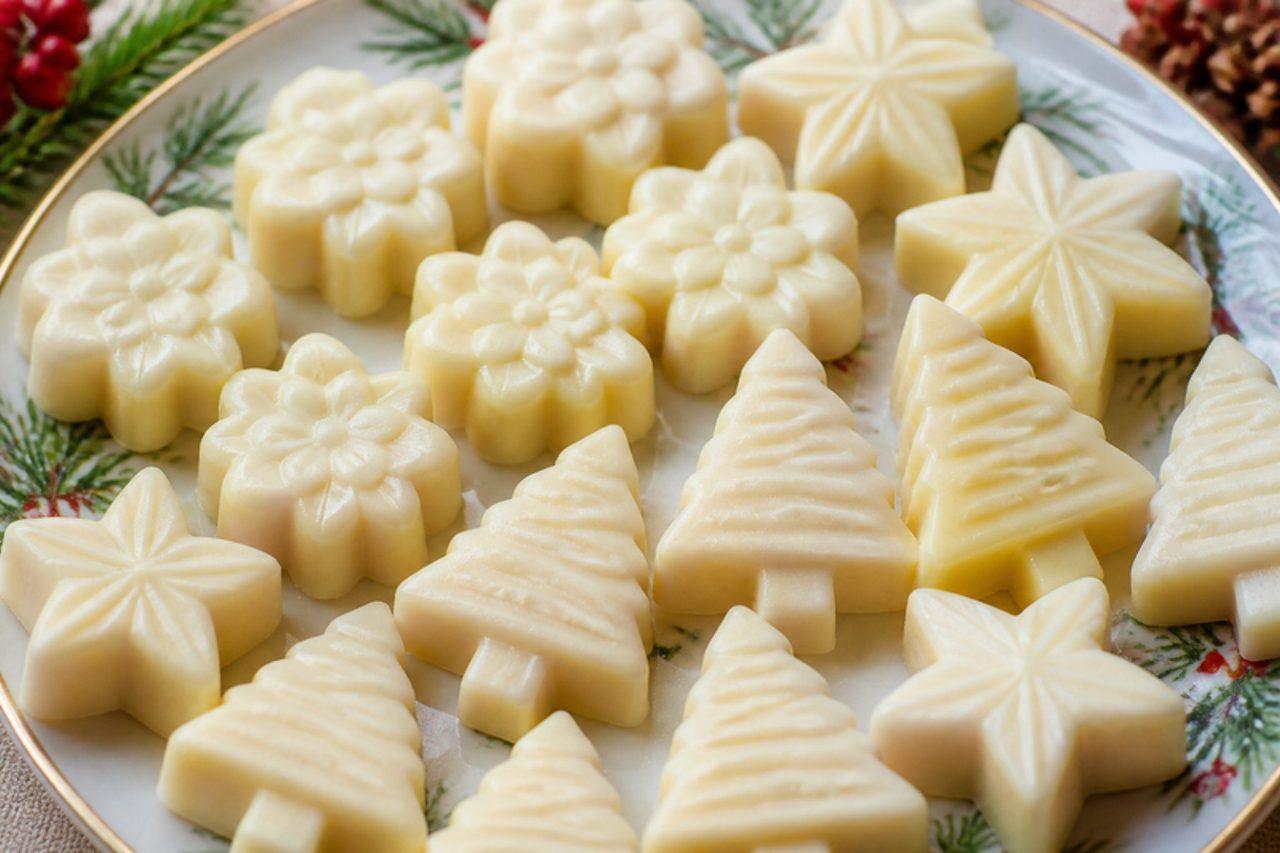
Goan milk creamMilk and cashew sweet

Milk cream is a pale, fudgy Goan Christmas sweet, set in pretty little moulds of flowers, stars and Christmas trees and laid on the kuswar platter beside neureos, bebinca and kulkuls. Whole milk is cooked down with sugar and ground cashews (and sometimes semolina) until it turns into a smooth paste, a little like Indian peda but softer. It is gluten free and very rich, so pieces are small. Chef's tip: dust the moulds with sugar, not flour, so the sweets pop out cleanly with crisp detail.

by KrazyBadal 0 views

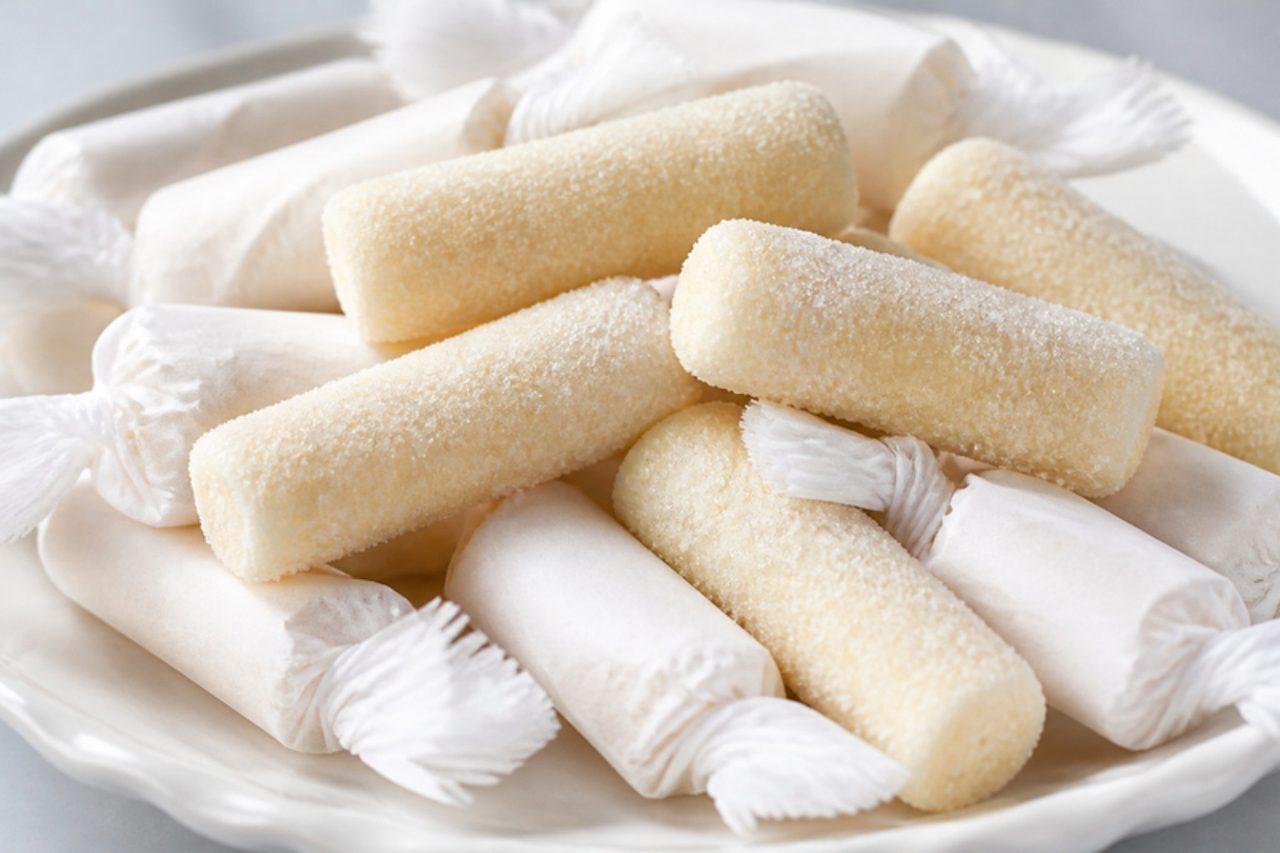
Pastillas de leche (Bulacan milk candy)

San Miguel in Bulacan, north of Manila, has made pastillas de leche from the rich milk of carabao, the water buffalo, for generations, and the town celebrates it every May with a festival. The candies are slow-cooked from little more than milk and sugar, rolled into fingers, coated in sugar and wrapped in coloured paper, often with fringed, cut-paper wrappers for fiestas and Christmas. They taste like a soft, milky fudge that melts on the tongue. Hand them round with coffee or tuck them into gift boxes. Carabao milk is hard to find, so this version uses whole cow's milk boosted with a little milk powder for the same richness. It is naturally egg-free: the milk solids, reduced with sugar, set into a firm paste on their own. Chef's tip: keep the heat at medium-low and scrape the base often. The common mistake is turning the heat up to save time, which scorches the milk and makes the paste grainy.

by KrazyBadal 0 views

Manjar blanco del ValleMilk and rice sweet

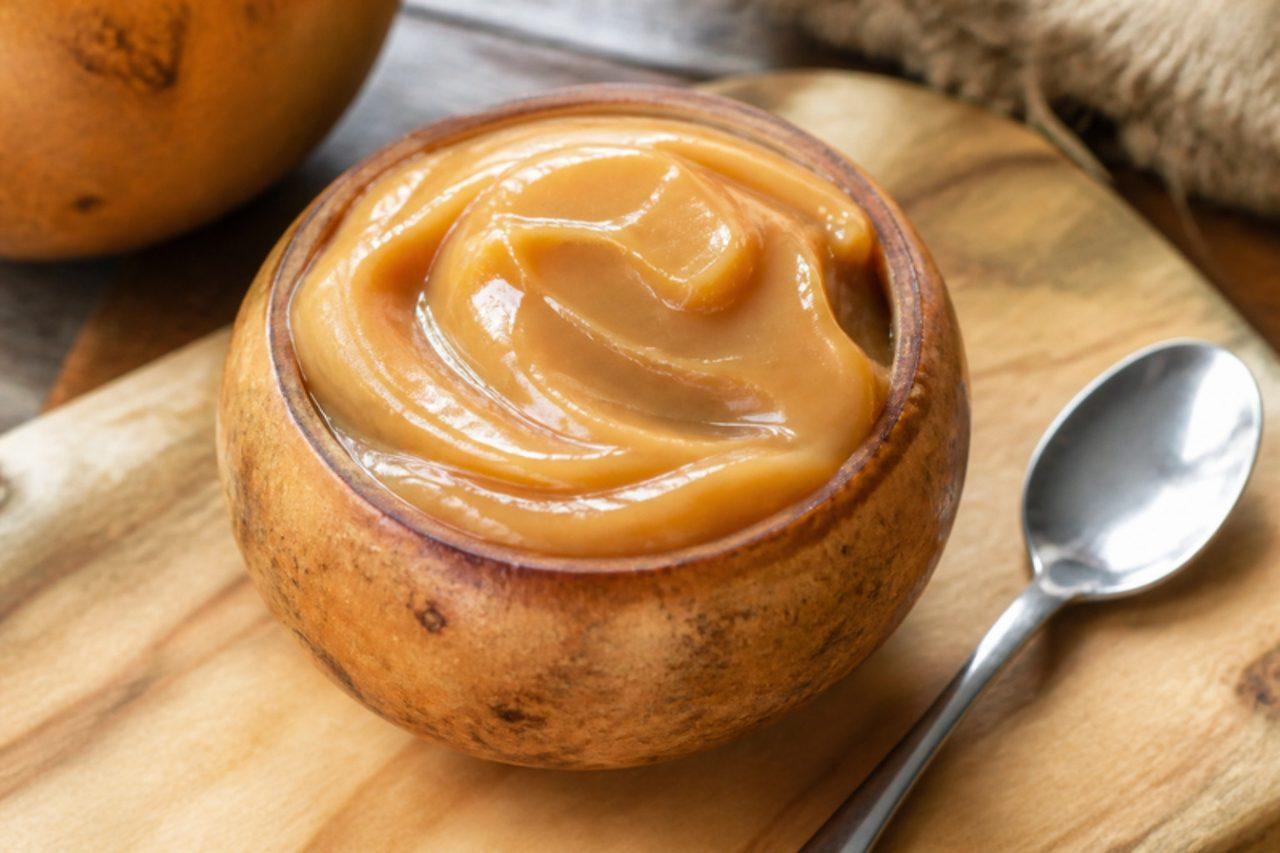
In the Valle del Cauca around Cali, Christmas means stirring manjar blanco: whole milk, sugar and a little ground rice cooked down for hours, traditionally in a big copper pan (paila) over a wood fire, until it turns into a thick, pale-caramel paste. It is served in totumo gourd bowls with buñuelos and natilla, or with a slice of fresh cheese. It is gluten free and keeps a week in the fridge. Chef's tip: soak and blend the rice to a fine paste first, which gives manjar blanco its smooth body without lumps.

by KrazyBadal 0 views

Nerikiri (hand-shaped bean paste flowers)

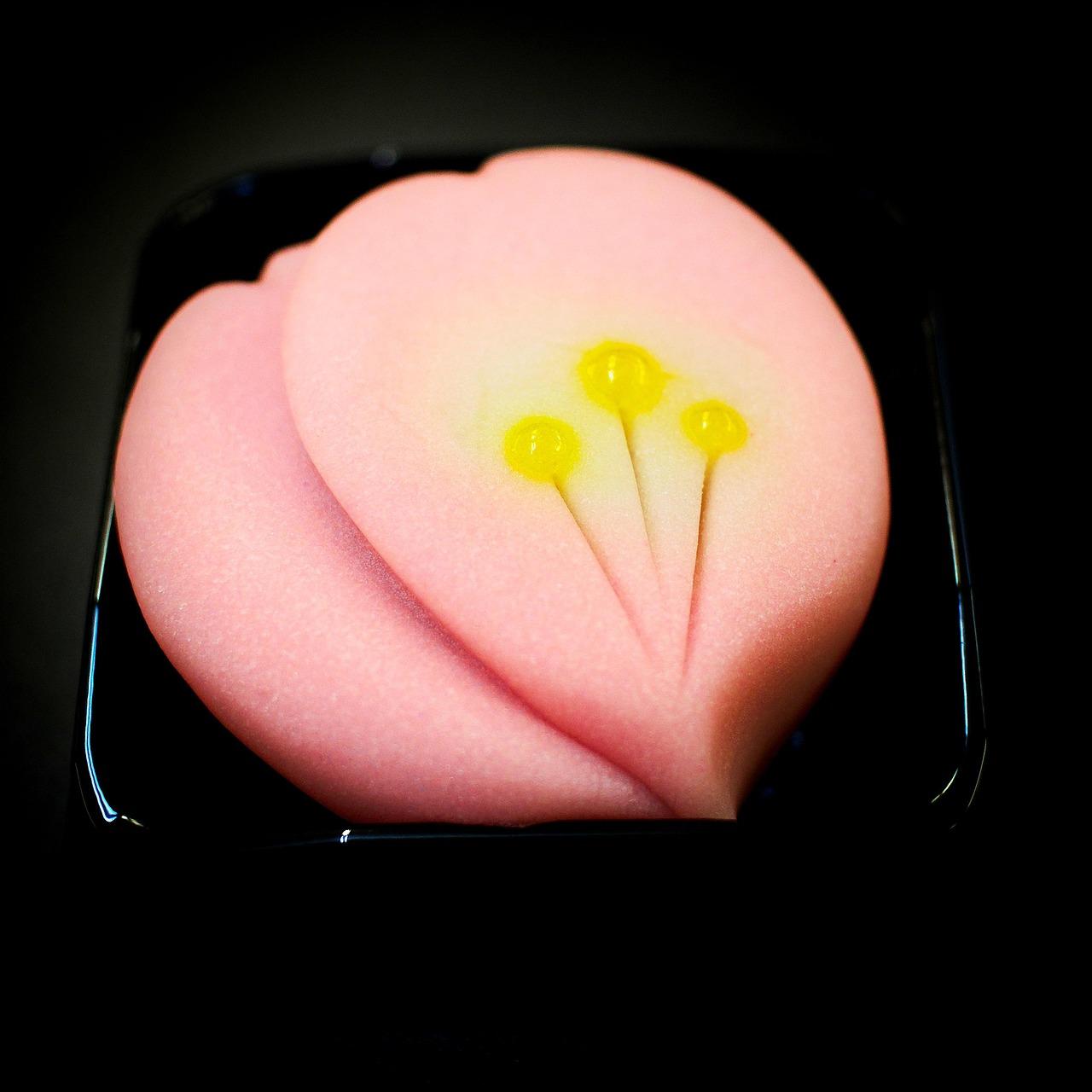
Nerikiri are the jewel-like sweets of the tea ceremony in Kyoto and Tokyo, shaped by hand into the flower, leaf or fruit of the season: cherry blossom in April, hydrangea in June, chrysanthemum in autumn. Each is served alone on a small plate before thick matcha, cut with a pick. The dough is white bean paste kneaded with gyuhi, a soft paste of glutinous rice flour and sugar, and it feels like fine modelling clay, smooth and gently sweet, wrapped around a centre of red bean paste. They are naturally egg-free: the gyuhi gives the bean paste stretch and holds the carved shapes, so no other binder is needed. This simple five-petal flower is a good first shape. Chef's tip: dry the white bean paste well before adding the gyuhi; the common mistake is a soft, wet dough that slumps and loses its petals within minutes.

by KrazyBadal 0 views

Bananada (Brazilian banana paste bars)

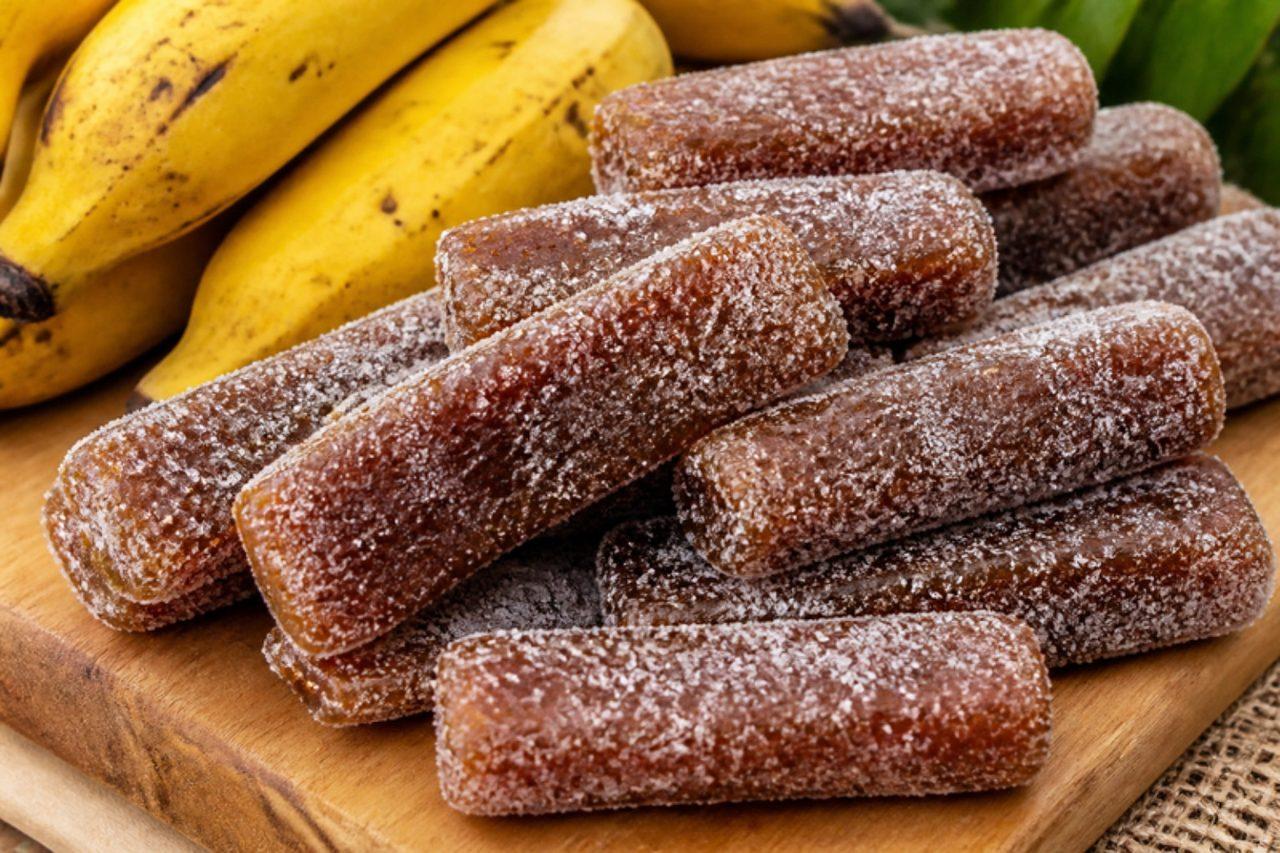
Bananada comes from the banana country of Minas Gerais and the Vale do Ribeira in São Paulo state, where roadside stalls stack it in wrapped bars beside rapadura and goiabada. Children find it in lunchboxes and it turns up on the sweet tables of the June festivals. Cooked slowly, ripe bananas and sugar darken to a reddish brown and set into a dense, chewy paste with a caramel and baked-banana flavour, finished with a sugary crust. Serve the bars with coffee or a piece of fresh cheese. It is naturally egg-free: the starch and pectin in the bananas, concentrated with sugar over a long, slow cook, set the paste firm enough to slice. Very ripe bananas give the sweetest, darkest result. Chef's tip: keep going until you can see the base of the pan for a second when you drag the spoon through; the common mistake is stopping early, which gives a soft jam that won't cut.

by KrazyBadal 0 views

Quinotos en almíbar (Argentine kumquats in syrup)

In Buenos Aires and the river provinces of the Litoral, kumquat trees ripen in the middle of winter, between June and August, and the fruit goes straight into jars of syrup. Grandmothers' pantries held quinotos for the whole year, brought out for birthdays and long Sunday lunches. Each little fruit turns glossy orange and translucent, with a soft, bittersweet skin and a sharp, juicy centre. Spoon them over vanilla ice cream, serve them with a slice of fresh cheese in the style of postre vigilante, or eat them straight from the jar. Many bar menus offer them steeped in spirits; this version keeps only the syrup. Naturally egg-free, the quinotos rely on sugar syrup to preserve them, while pectin from the peel gives the syrup a light, jammy body. Chef's tip: blanch the fruit three times from cold water; the common mistake is skipping this, which leaves the skins tough and bitter.

by KrazyBadal 0 views

Alfeñique (Toluca Day of the Dead sugar-paste figures)

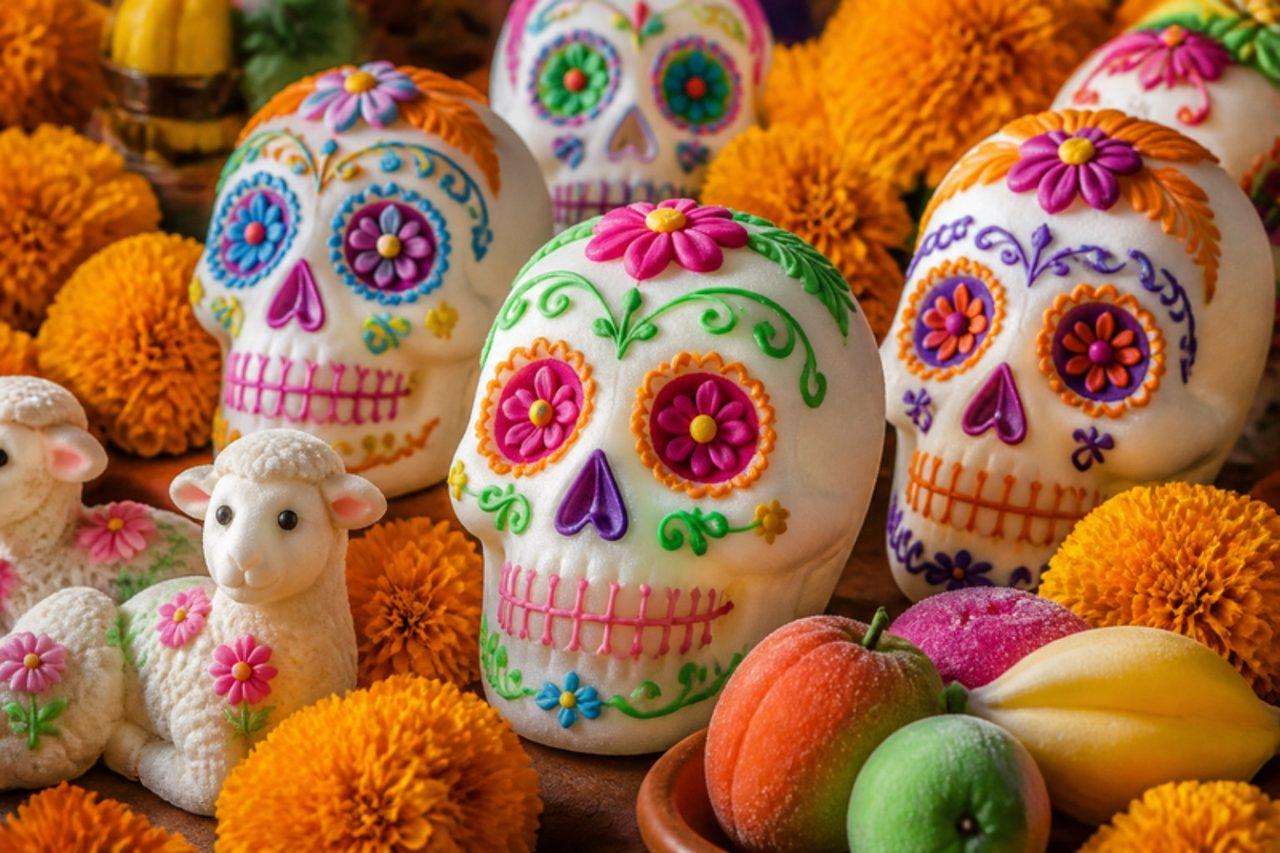
Each October the arcades of Toluca, in the State of Mexico, fill with the Feria del Alfeñique: stalls of little skulls, lambs, coffins, baskets and fruit, all modelled from sugar paste and painted bright colours for the Day of the Dead altars of 1 and 2 November. Children buy a skull with their own name on it; families place them on the ofrenda beside marigolds, candles and pan de muerto. The paste is snow-white, smooth and brittle once dry, with a clean sugar and lime taste. The old Toluca paste is egg-free, kneaded with chautle, a gum from an orchid bulb; here gum tragacanth plays that part, making the paste stretchy enough to model and helping it dry hard. The decorating icing is egg-free too, made from icing sugar, lime juice and a pinch of the same gum. Chef's tip: work the syrup while it is warm and keep the paste wrapped; the common mistake is letting it sit uncovered, so it dries out and cracks as you shape it.

by KrazyBadal 0 views

Doce de figo verde (Minas green figs in clove syrup)

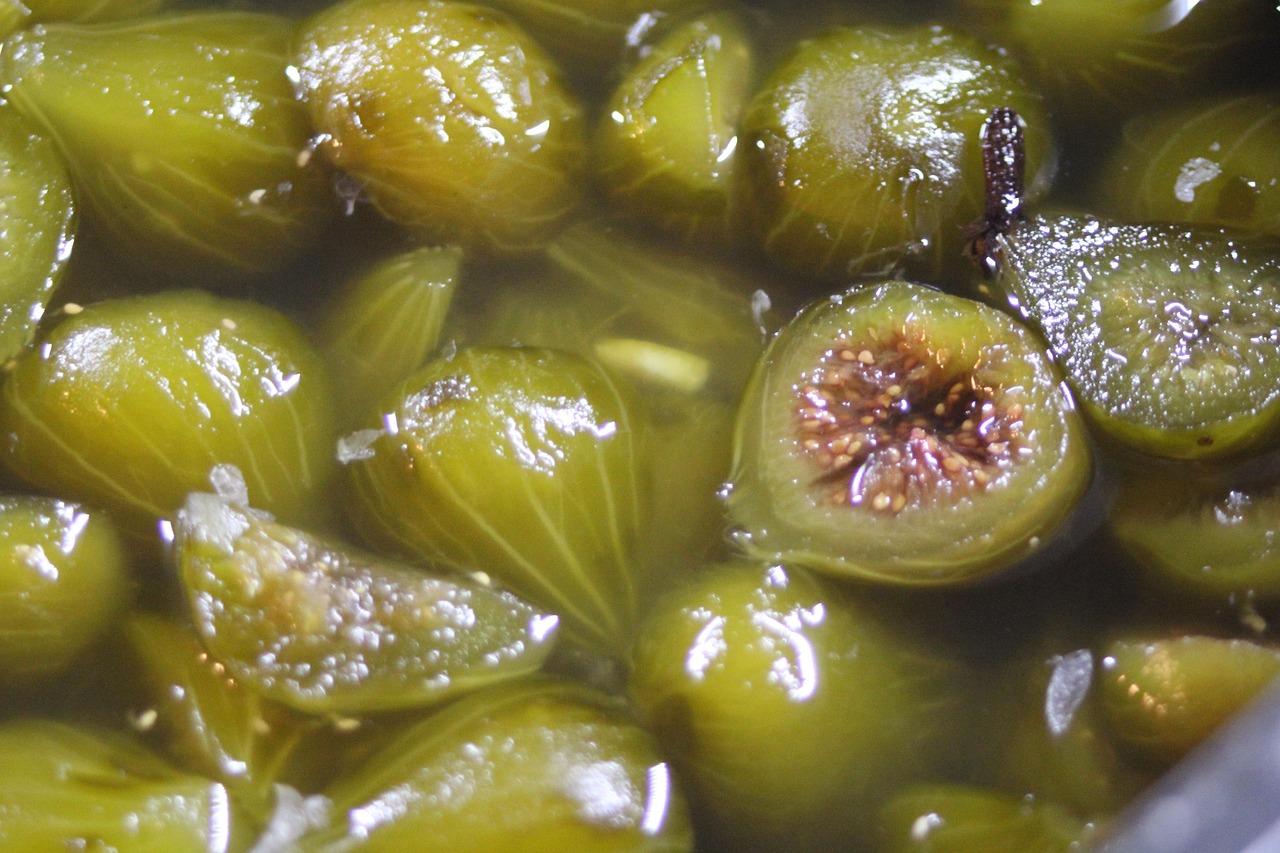
On the farms of Minas Gerais, figs picked hard and green at the start of summer are turned into one of the state's proudest doces, made in big copper pans and set out at Christmas, at Festa Junina and after a long Sunday lunch. The whole figs come out dark olive-green, glossy and tender right through, in a thick syrup fragrant with cloves. They are eaten with a slice of fresh queijo minas, the salty cheese making the sweetness sing, or on their own with a small coffee. Like most Brazilian fruit preserves it is naturally egg-free: the long simmer in sugar syrup preserves and firms the fruit, and the figs' own pectin thickens the syrup. The work is in the repeated blanching, which draws out the bitter milky sap. Chef's tip: wear gloves while scraping the figs, because the sap irritates skin, and keep the syrup at a bare simmer; the common mistake is boiling hard, which bursts the figs and toughens their skins.

by KrazyBadal 0 views

Dulce de papayuelaMountain papaya in spiced syrup

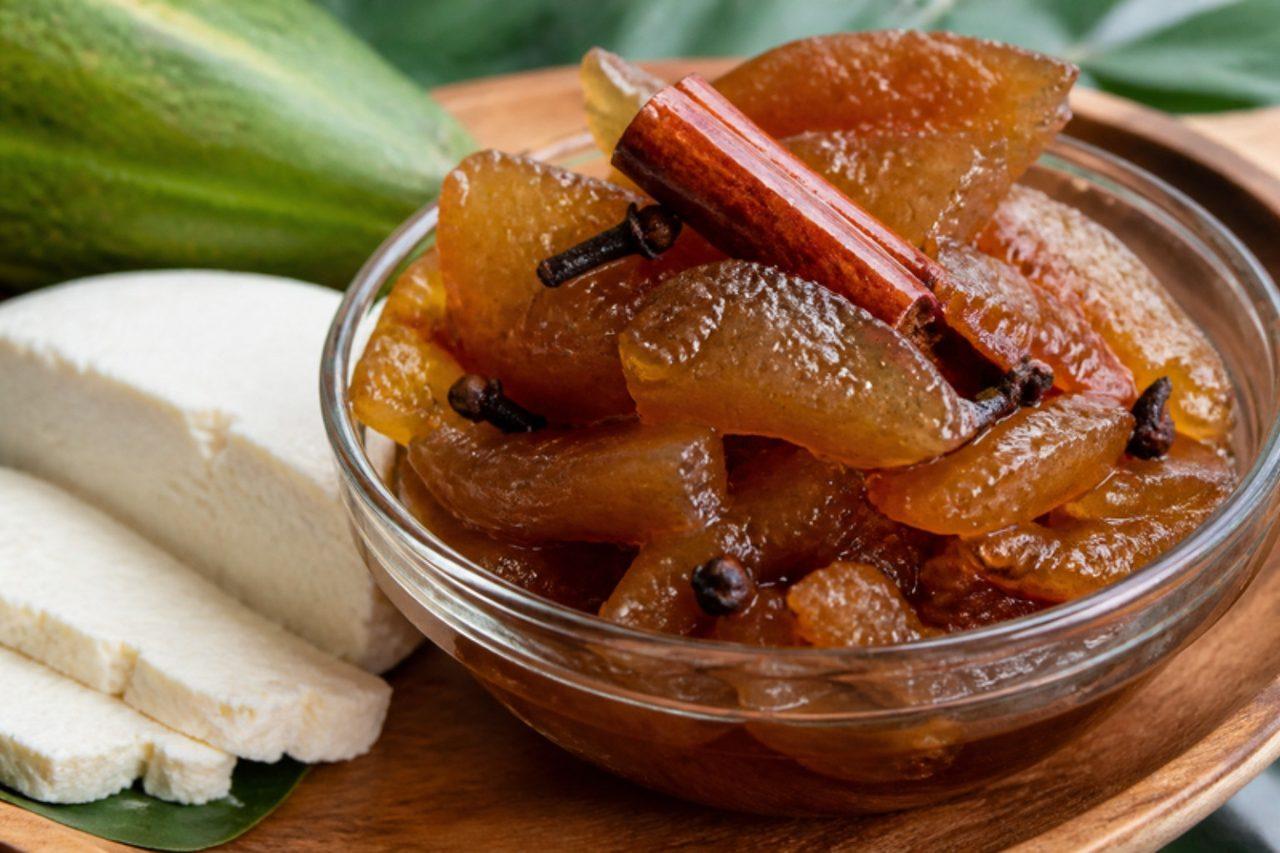
Papayuela is the small, fragrant mountain papaya that grows in the cool highlands of Boyacá in Colombia. Cooked slowly in panela syrup with cloves and cinnamon, it becomes a glossy, amber dulce that Boyacá families set out during Holy Week and again at Christmas, often with a slice of fresh white cheese or cuajada. It is vegan and gluten free. Firm, slightly underripe ordinary papaya, or babaco, makes a good stand-in. Chef's tip: blanch the fruit briefly first, then drain it; this removes the bitter latex and lets it soak up the syrup.

by KrazyBadal 0 views

Hong tang ciba (brown sugar glutinous rice cakes)

Pounded glutinous rice cakes are a Spring Festival essential in Sichuan and Chongqing, where 'ci' sounds like a wish for the family to stay close, as stuck together as the rice itself. Fried and drowned in brown sugar syrup, they turn into hong tang ciba, a dessert that closes many reunion dinners and hotpot nights. Outside they are puffed and crackly, inside soft and stretchy, and the dark syrup and nutty soybean flour make every bite taste like toffee. This home version steams a glutinous rice flour dough instead of pounding whole grains, which gives the same chew in far less time. Serve straight from the pan while still crisp. Chef's tip: let the steamed slab cool and firm up completely before cutting; warm dough smears and bursts in the oil.

by KrazyBadal 0 views

KokadCoconut, jaggery and semolina squares

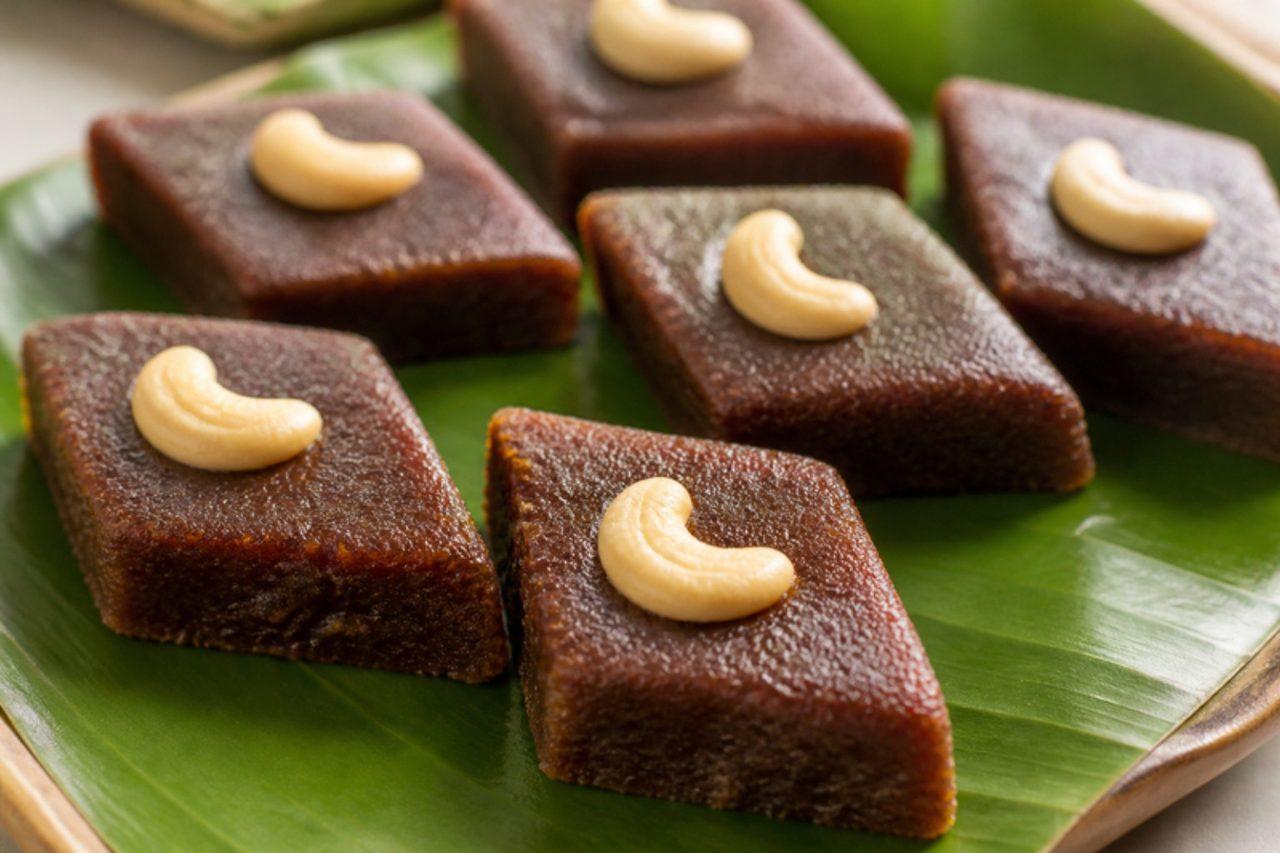
Kokad is one of the sweets in the Goan Christmas kuswar, the tray of homemade sweets Catholic families swap with neighbours in the days around 25 December. Freshly grated coconut is cooked with jaggery, semolina and ghee until it pulls together into a dark, fudgy mass, then pressed into a tray, scored into diamonds and topped with cashews. It is chewy, caramel-sweet and fragrant with cardamom. Chef's tip: roast the semolina in ghee first, until it smells nutty, as raw semolina makes kokad pasty.

by KrazyBadal 0 views

Jiaodong hua bobo (festive flower buns)

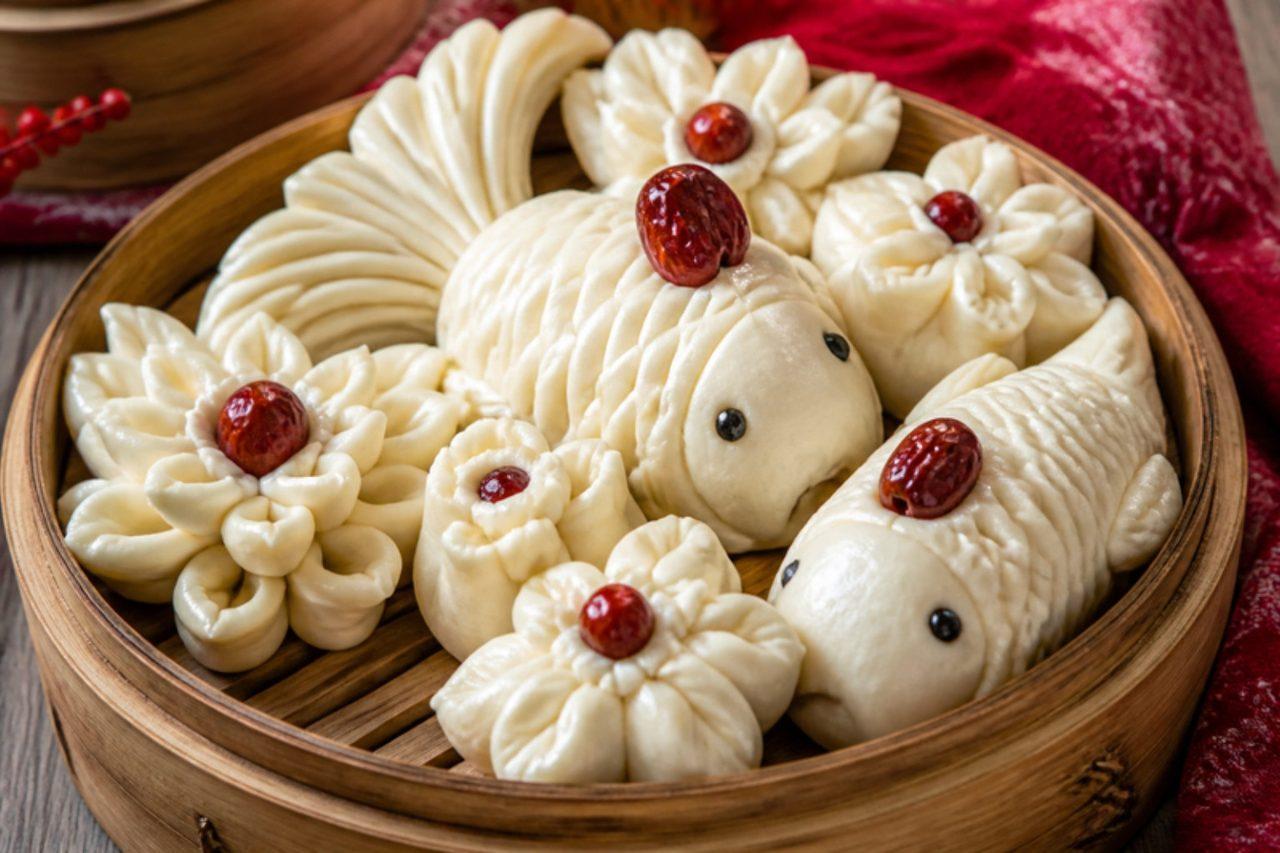
On the Jiaodong peninsula in Shandong, the days before the Spring Festival are spent shaping hua bobo: large steamed wheat buns twisted into fish, flowers and lucky knots and dotted with red jujubes. A fish bun stands for surplus in the year ahead, the dates for sweetness and a prosperous red, and a tall bun stacked high for a family that keeps rising. The crumb is dense, springy and faintly sweet, a world away from fluffy bao, because the dough is worked stiff and kneaded long. Set them on the reunion table, give them to neighbours, then slice and re-steam the rest with soups and braises through the holiday. Chef's tip: keep the dough firm, more like modelling clay than bread dough, or the shapes slump in the steamer.

by KrazyBadal 0 views

Showing 48 of 2,799 recipes

Show more recipes

Page 15 of 117

More Jain ideas

Other diets