Skip to content
WhatToEat.Today

Jain recipes: no onion, garlic or root vegetables

2,797

2797 Jain recipes with no onion, garlic, potato, carrot, fresh ginger or other root vegetables, and no mushrooms, eggs or honey. Hing, dry ginger and turmeric powder are fine. Each has photos, step-by-step instructions and cook times. The quickest, Apfelschorle, takes 2 minutes. Most take around 40 minutes.

Filter these by time, diet or cuisine · Make Jain your diet to see only these recipes everywhere on the site.

SaeujeotSalted shrimp

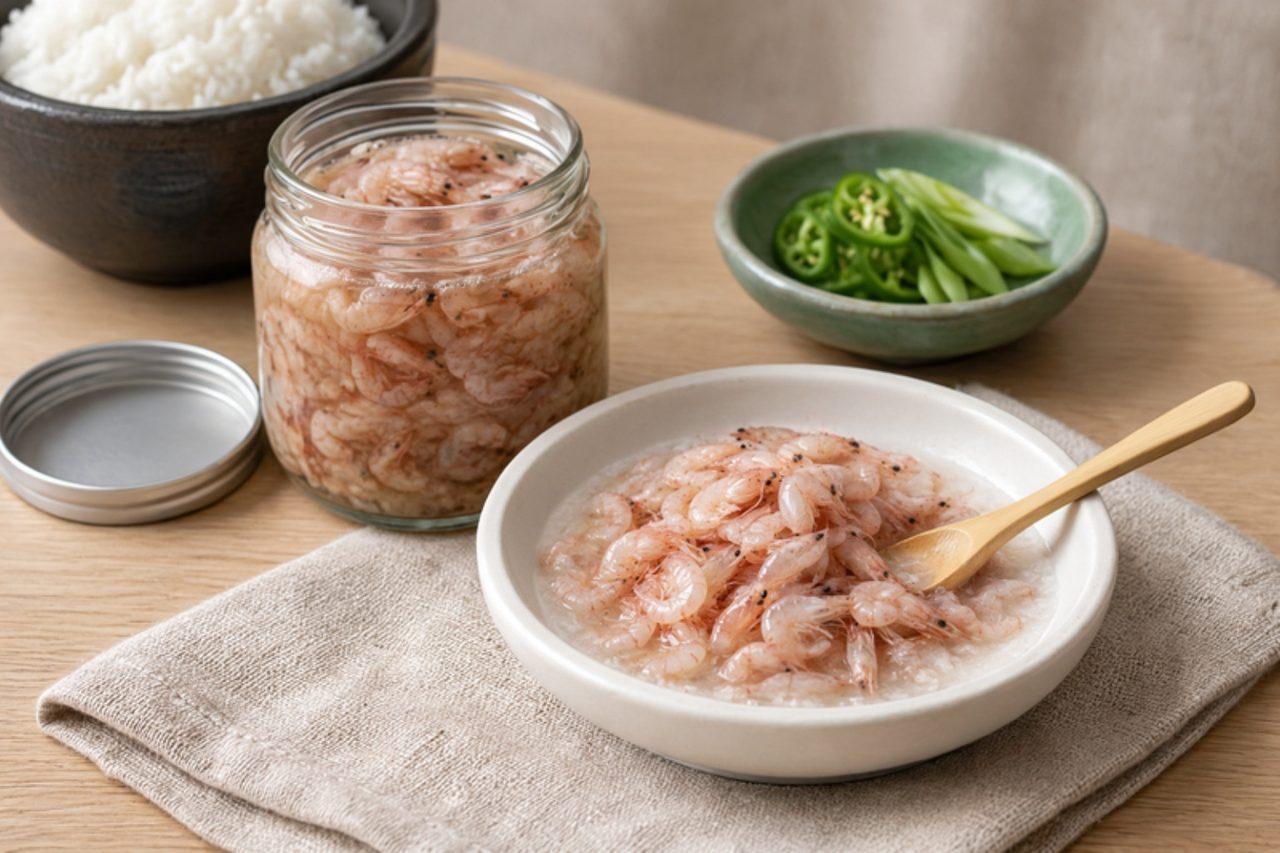
Saeujeot is the quiet backbone of Korean cooking. Tiny shrimp from the west coast are packed in salt at sea or on the quay, and the most famous jars age in the old tunnels of Gwangcheon or come from Ganghwa Island. Shrimp caught in June (yukjeot) are prized for kimjang kimchi in November; autumn shrimp (chujeot) go into everyday cooking. A spoonful seasons steamed eggs, stews and kimchi, and a little dish of it, with chilli and sesame, is set beside boiled pork for bossam. It tastes intensely salty, sweet and oceanic, and the shrimp stay plump and pale pink. This is a raw, salt-cured seafood: pregnant people, babies, older people and anyone with weak immunity should only eat it cooked into a hot dish, never raw in kimchi or dips. The common mistake is skimping on salt; the cure needs 30% salt by weight to stay safe, so weigh everything. It is ready after at least 3 months in the fridge, when the liquid is clear amber and the smell is sweet and briny, never ammonia-like. Chef's tip: buy shrimp sold for making jeot, frozen at sea, and work fast while they are still icy.

by KrazyBadal 1 views

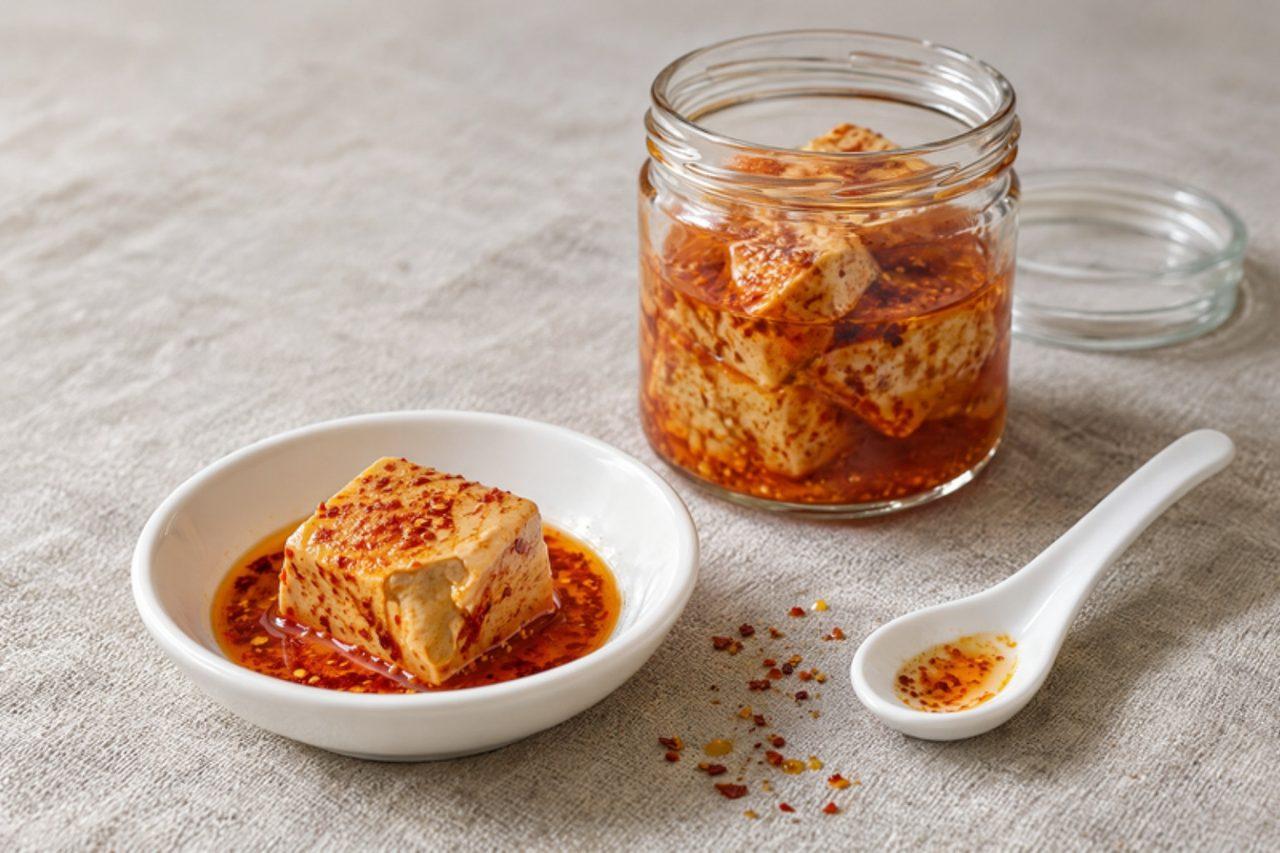
Fermented bean curd

Fu ru is made all over China, from Guilin's chilli-red cubes to Shaoxing's pale ones, and is usually prepared in the cool months between late autumn and early spring, when the moulds grow slowly and cleanly. Firm tofu cubes sit on rice straw or a rack until a soft white fuzz covers them; they are then rolled in salt and chilli and aged in brine until the centre turns custard-soft and the flavour becomes deep, cheesy and savoury. A quarter of a cube is mashed over plain rice congee for breakfast, or stirred into a sauce for stir-fried water spinach. Common mistake: making it in a warm kitchen; above about 20 °C the wrong moulds and bacteria take over. The bloom must be white or greyish-white and fluffy, smelling mildly of mushrooms; throw away any cube with green, black, pink, orange or yellow spots, sliminess or an ammonia or rotten smell, and if many are affected discard the whole batch. Do not reduce the salt: it is what keeps this low-acid soy ferment safe, and the whole ageing happens in the fridge. It is ready after 6–8 weeks, when a cube is soft right through. Chef's tip: press the tofu overnight first, drier cubes grow a cleaner bloom.

by KrazyBadal 1 views

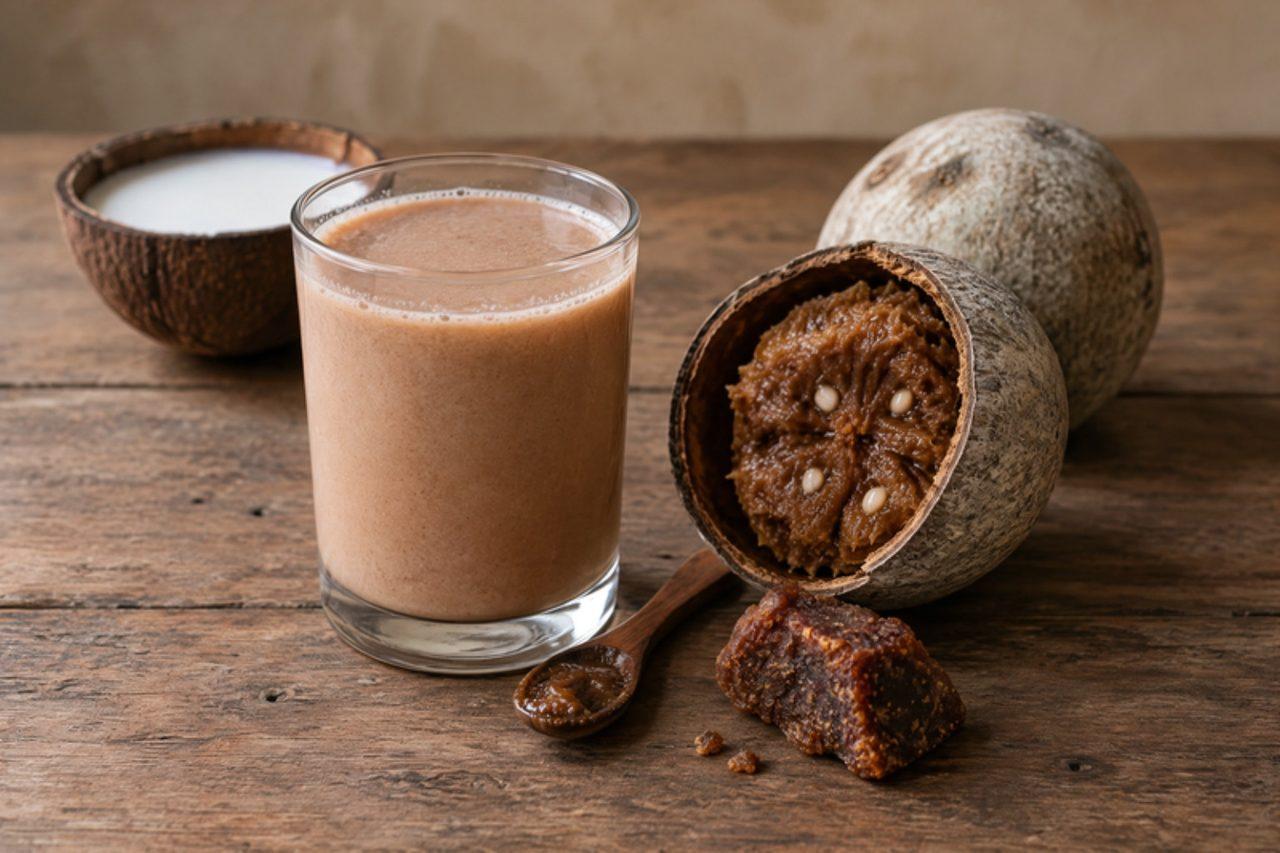
Divul kiri (wood apple drink)

In Sri Lanka's dry zone, around Anuradhapura, Polonnaruwa and down towards Hambantota, wood apple trees fruit through the hot months, and roadside sellers crack the hard grey shells open for you. Divul kiri, wood apple with coconut milk, is what families blend at home in the afternoon heat or offer guests during the Sinhala and Tamil New Year season in April. The pulp is brown, sticky and full of seeds, with a sour, funky smell that turns fruity once it meets creamy coconut milk and dark jaggery. The drink is thick and smooth, tangy-sweet and a little smoky. The common mistake is blending the seeds in: they break and make the drink gritty and bitter. Squeeze the pulp by hand and strain out every seed before blending. It is ready when it is thick enough to coat a glass, pale caramel-brown and tastes clearly sour under the sweetness. Outside Sri Lanka, look for frozen or tinned wood apple pulp in South Asian shops; there is no true substitute, though tamarind pulp with a few soft dates gives a similar sweet-sour idea. Chef's tip: pick a fruit that sounds hollow when tapped and smells strongly when cracked; it is fully ripe.

by KrazyBadal 1 views

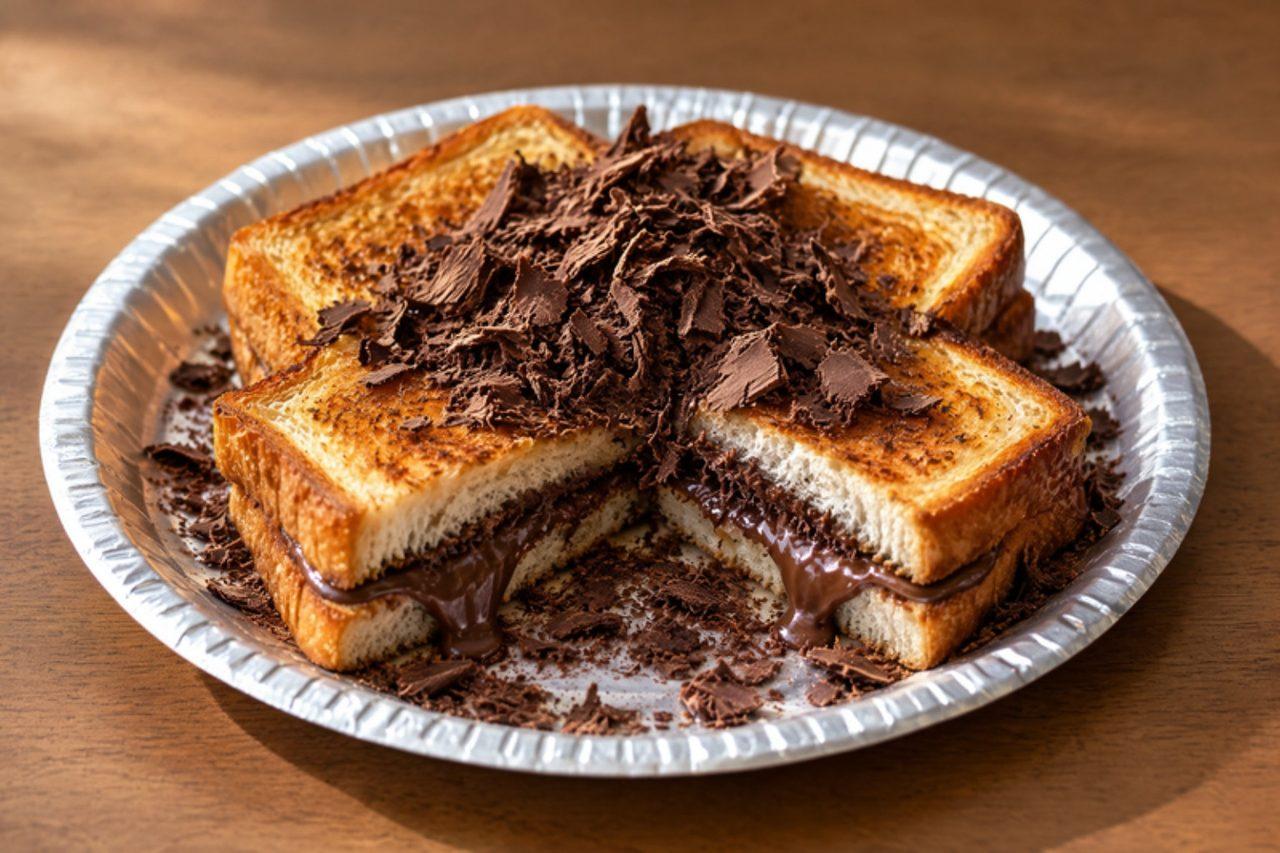
Ahmedabad chocolate sandwich

Manek Chowk is a jewellery market by day; at night its square fills with stalls, and among the pav bhaji and sandwich carts the chocolate sandwich is the one children beg for. Buttered white bread is packed with grated chocolate, sometimes with a layer of grated cheese for a salty edge, then toasted in a long-handled iron until crisp and dripping. Contains wheat and dairy, and the chocolate may contain soya and traces of nuts. If you add cheese, many cheeses are made with animal rennet; pick one labelled vegetarian. Chef's tip: toast it slowly over a medium-low heat, so the chocolate melts before the bread browns.
by KrazyBadal 1 views

Alu chi patal bhajiColocasia leaf curry

No Maharashtrian festive thali, at Ganesh Chaturthi, a wedding or a naming ceremony, feels complete without a bowl of aluchi patal bhaji: chopped colocasia leaves stewed soft with chana dal and peanuts in a thin curry that is sour with tamarind, sweet with jaggery and thickened with a spoon of gram flour. It is eaten mixed into rice or sipped from the thali. Colocasia leaves must be cooked thoroughly with an acid like tamarind; undercooked leaves make the throat itch. The usual mistake is skimping on the cooking time to save the bright green colour; the leaves should be fully soft and olive-green. Chef's tip: soak the peanuts and chana dal for at least 2 hours, so they cook in the same time as the leaves.

by KrazyBadal 1 views

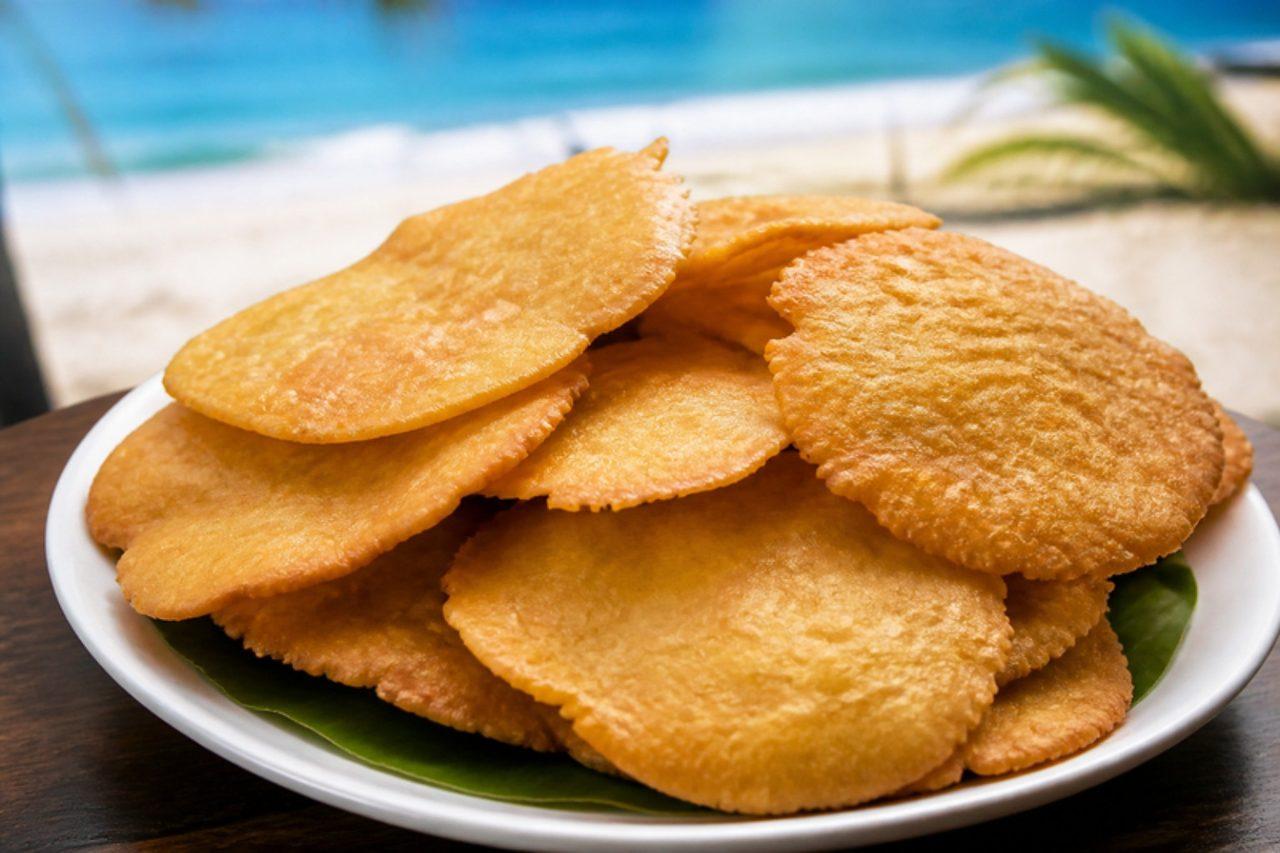
Dominican yaniquequesFried dough discs

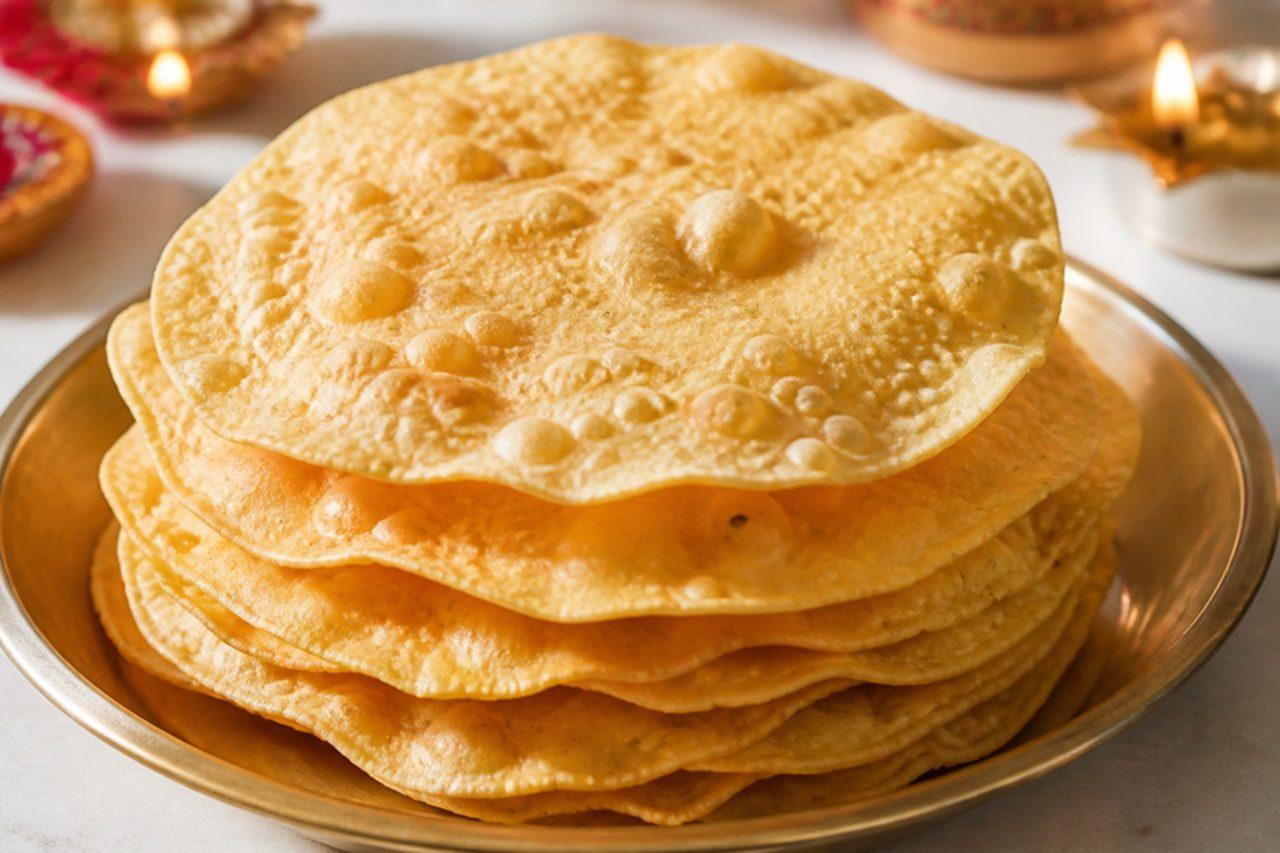
Boca Chica, just east of Santo Domingo, is where vendors walk the sand with trays of yaniqueques (the name comes from "johnny cakes"): wide, thin discs of dough fried until they puff, blister and crack like a cracker, sprinkled with salt or sugar and eaten with fried fish and a cold drink. The dough is just flour, baking powder, salt and water with a spoon of oil. The common mistake is rolling them too thick, which gives a bready fritter instead of a shatter-crisp one. Chef's tip: prick each disc a few times with a fork before frying so it blisters evenly instead of ballooning.

by KrazyBadal 1 views

SalufPuffy flatbread

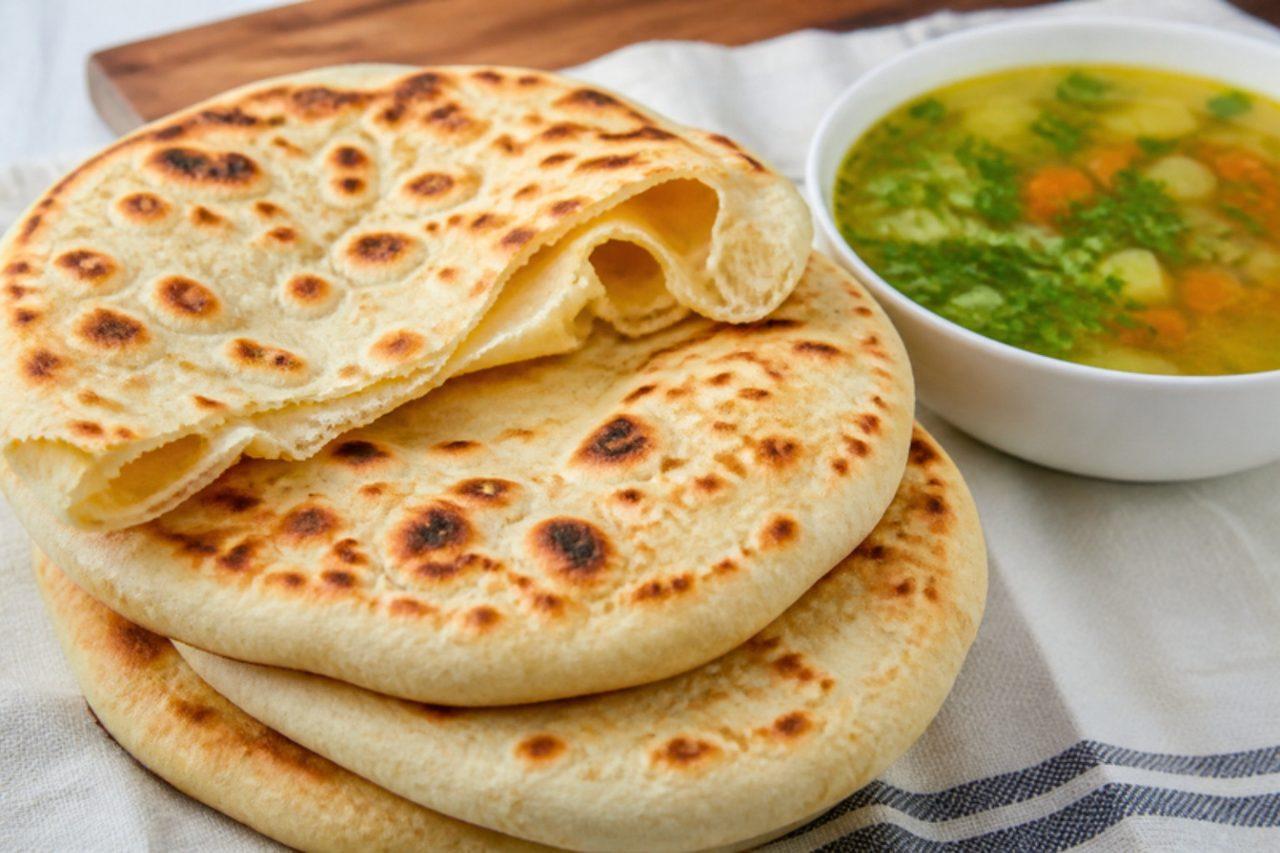
Saluf is the everyday bread of Yemenite Israelis, slapped onto a hot pan or taboon in Rosh HaAyin and Sha'arayim in Rehovot and eaten with marak temani, hilbe and zhug. It is soft and blistered, thicker than pita and with no pocket, made to tear and dunk. Home cooks often roll it too thin, which gives a cracker; it should be about 1 cm thick so it stays pillowy. Chef's tip: cook it under a lid on a very hot dry pan for the first minute, which traps steam and puffs it the way a taboon does.

by KrazyBadal 1 views

MuscatSemolina milk sweet

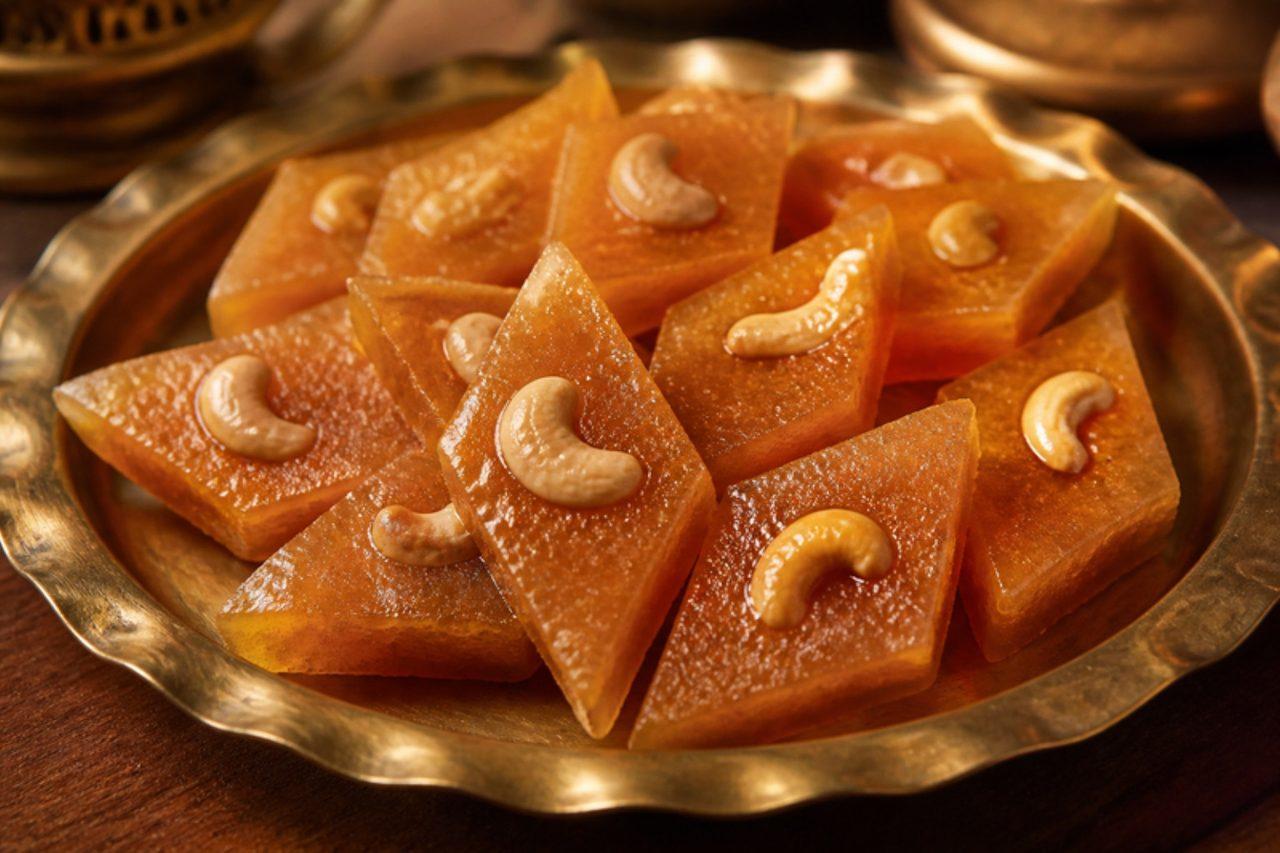
Walk past the Muslim sweet shops of Pettah in Colombo or the old trading streets of Beruwala before Eid and you will see trays of muscat, dense, jewel-like diamonds that are glossy with ghee and studded with cashews. The texture is the whole appeal: firm and chewy, almost like a soft Turkish delight, with a sweet, buttery, cardamom-scented flavour, and it is shared with neighbours at Eid, weddings and the Avurudu table. Traditional cooks extract the starch from wheat flour; this home version soaks and blends semolina, then strains it, which gives the same clear, bouncy set. Most failures come from adding the ghee too quickly, so it pools on top instead of being absorbed; pour it in a spoonful at a time and keep stirring. Chef's tip: the muscat is done when it rolls into a single glossy mass that leaves the pan clean and the ghee starts to seep back out at the edges.

by KrazyBadal 1 views

TejuinoFermented corn drink

On hot afternoons in Guadalajara, vendors ladle tejuino from big clay pots into plastic bags or glasses with ice, a squeeze of lime, a pinch of salt and often a scoop of lime sorbet. It is made from corn masa cooked with piloncillo and left for two or three days to ferment a little, which gives it a tangy, slightly sour taste. The fermentation is light and the drink is sold as non-alcoholic, but a trace of alcohol can form, so keep the fermentation to 2 days and serve it well chilled. Skip the fermenting stage entirely for children: drink it fresh as a sweet atole-style cooler. Chef's tip: taste it each day; take it to the fridge as soon as it tastes pleasantly sour, like a mild yoghurt.

by KrazyBadal 1 views

PingadoHot milk with coffee

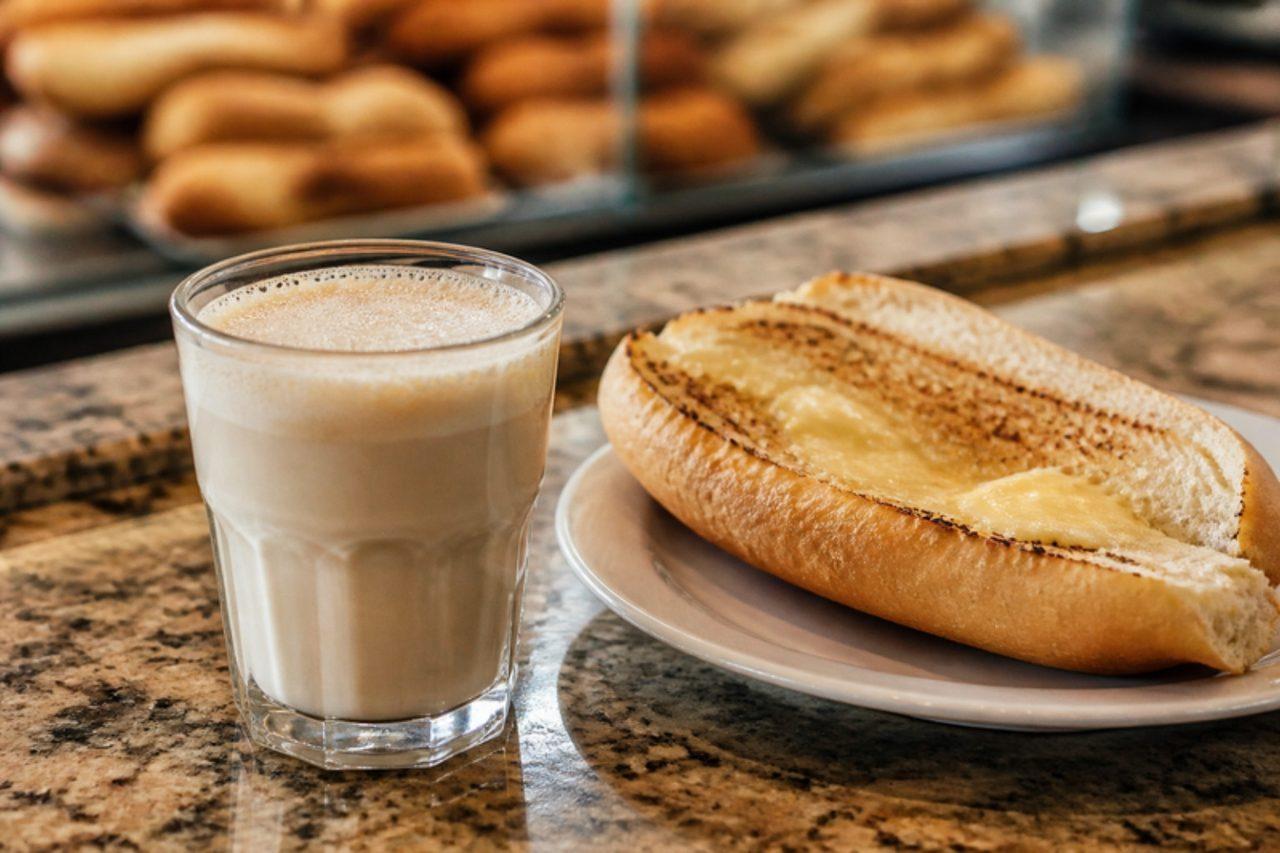
Order 'um pingado' at the balcão of any São Paulo padaria at 7 in the morning and the attendant pours hot milk into a ridged glass tumbler (the copo americano) and 'drips' in a splash of strong coffee, hence the name. It is milkier and gentler than a média (half coffee, half milk), creamy and lightly sweet, usually drunk standing up with a pão na chapa, a toasted buttered roll. At home you need strong filter coffee and milk heated until steaming. Scalding the milk is the frequent mistake, as boiled milk tastes flat and forms a skin. Chef's tip: froth the hot milk for a few seconds with a whisk or by pouring it back and forth between two jugs before adding the coffee, as padaria machines do.

by KrazyBadal 1 views

Maharashtrian aamtiSweet and sour dal

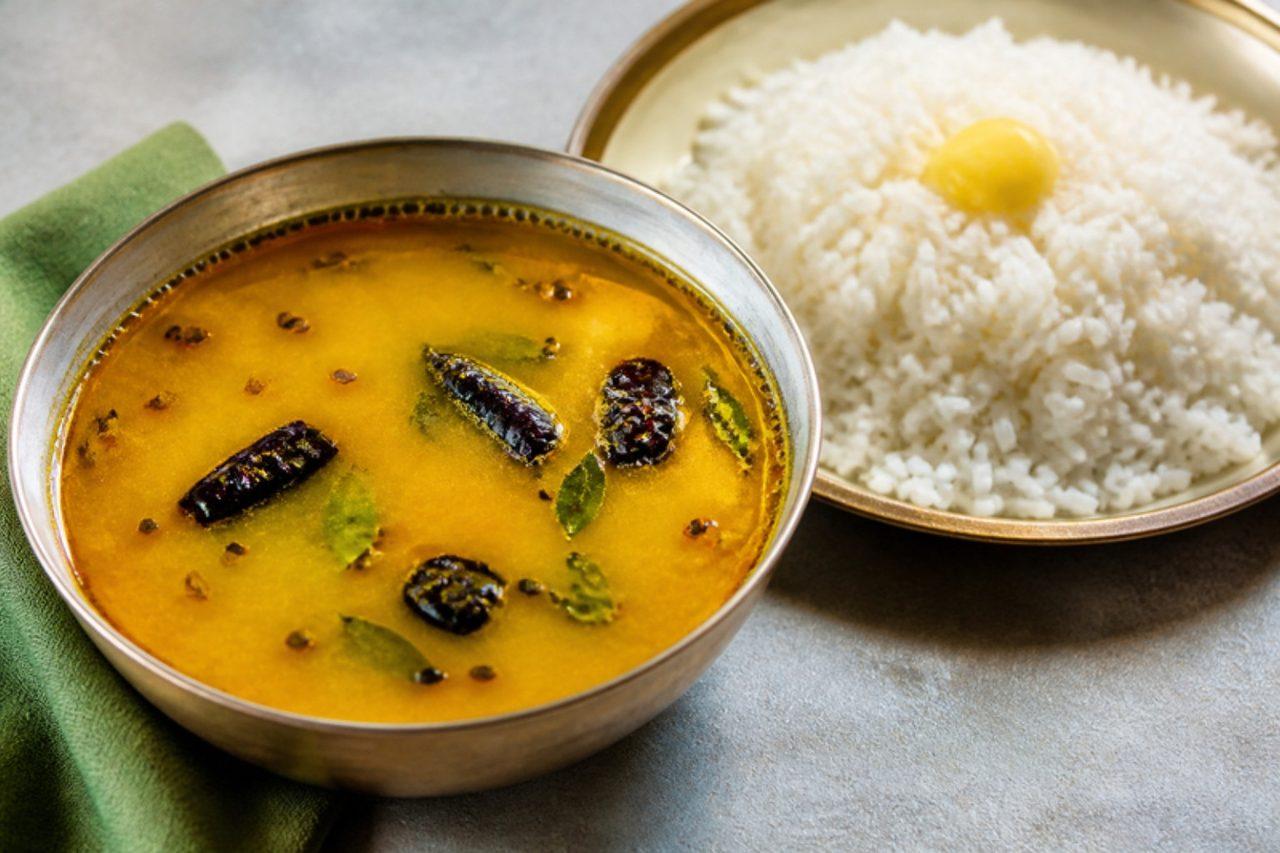
Aamti is the everyday dal of Maharashtrian homes from Pune to Kolhapur: toor dal cooked soft, soured with kokum, sweetened with a little jaggery and seasoned with goda masala, the dark, aromatic spice blend of the state. It's thinner than a Punjabi dal and has a gentle sweet-sour-hot balance. Before the tempering goes in, many cooks scoop out a bowl of the plain cooked dal for varan bhaat, the simple turmeric-yellow dal with rice, ghee and lemon that every Maharashtrian child grows up on and that starts every festive thali. Chef's tip: add the kokum near the end and taste after 5 minutes; it keeps releasing sourness, and it's easy to overshoot.

by KrazyBadal 1 views

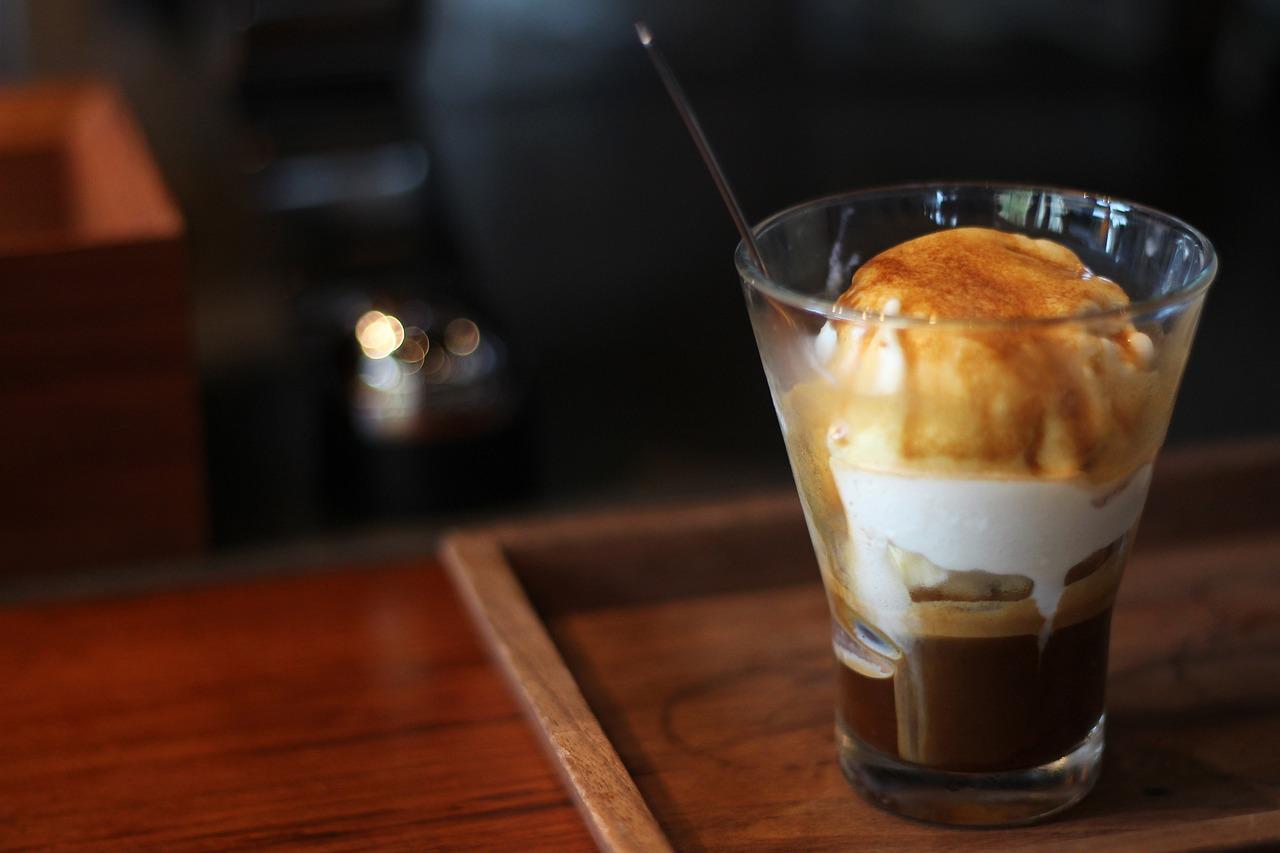
AffogatoIce cream with hot espresso

Affogato means 'drowned': a scoop of vanilla or fior di latte gelato with a shot of hot espresso poured over it at the table. It is served in bars and gelaterie all over Italy as the simplest after-dinner dessert, half drink and half ice cream, eaten quickly with a spoon while the coffee melts into the gelato. It takes five minutes and needs good ice cream and strong coffee. Chef's tip: chill the glasses in the freezer for 10 minutes first, so the gelato melts slowly and you get both hot and cold in each spoonful.

by KrazyBadal 1 views

Puff puffFried dough balls

Puff puff is the snack of Nigerian parties, school gates and roadside stalls: a sweet yeast batter scooped by hand into hot oil, where it swells into soft, chewy, golden balls. Across the border in Ghana the same treat is called bofrot (or 'boflot'), often a little larger and spiced with more nutmeg, and sold in clear bags on Accra's streets; we treat them as one dish here. Eat them warm on their own, or with a dusting of sugar. Chef's tip: the batter is ready only when it has doubled and is full of bubbles; under-proved batter gives heavy, greasy balls.

by KrazyBadal 1 views

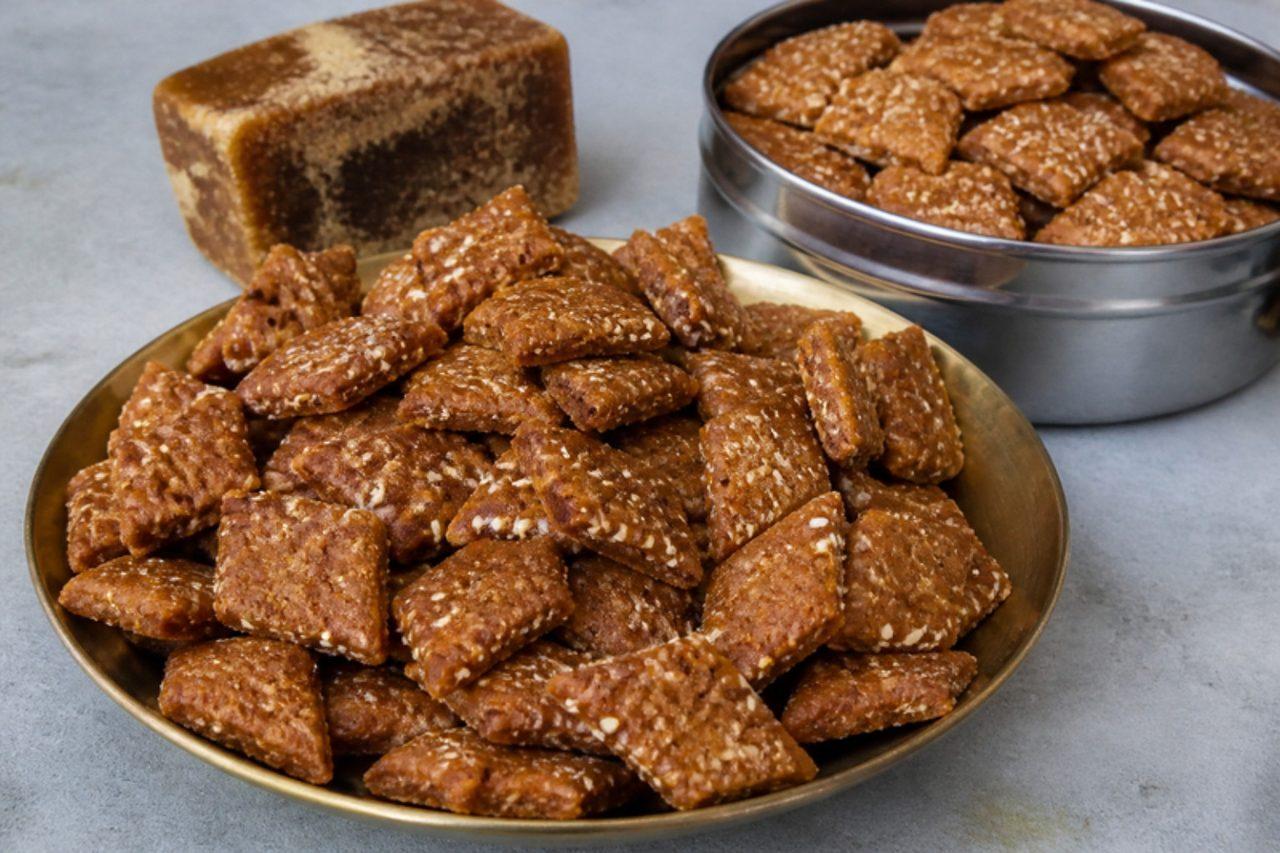
KhurmiWheat and jaggery biscuits

Khurmi are the sweet half of Chhattisgarh's Teeja-Pola festival snacks, made in big batches alongside the salty thethri. The dough is wheat flour and a little semolina bound with melted jaggery, studded with sesame and coconut, then cut into diamonds or pressed into small patterned shapes and fried until dark gold. They have a hard, crunchy bite and a deep caramel flavour, and they last for weeks in a steel dabba, ready for visitors and children back from school. Chef's tip: cool the jaggery water to lukewarm before kneading; hot jaggery makes a slack dough that spreads and soaks up oil.

by KrazyBadal 1 views

Armenian coffee

Armenian coffee, soorj, is boiled in a small long-handled pot called a jazzve and poured unfiltered into tiny cups. It is offered the moment a guest sits down in any Yerevan home and lingers after meals while the grounds settle; when the cup is empty, it is turned upside down on its saucer so someone can read the patterns left in the grounds. The coffee is powder-fine, often scented with a pinch of cardamom, with a velvety foam (kaymak) on top that is a point of pride for the host. Serve with a glass of water and a little gata or dried fruit. Chef's tip: start with cold water and a low flame; the slower the coffee heats, the thicker and longer-lasting the foam.

by KrazyBadal 1 views

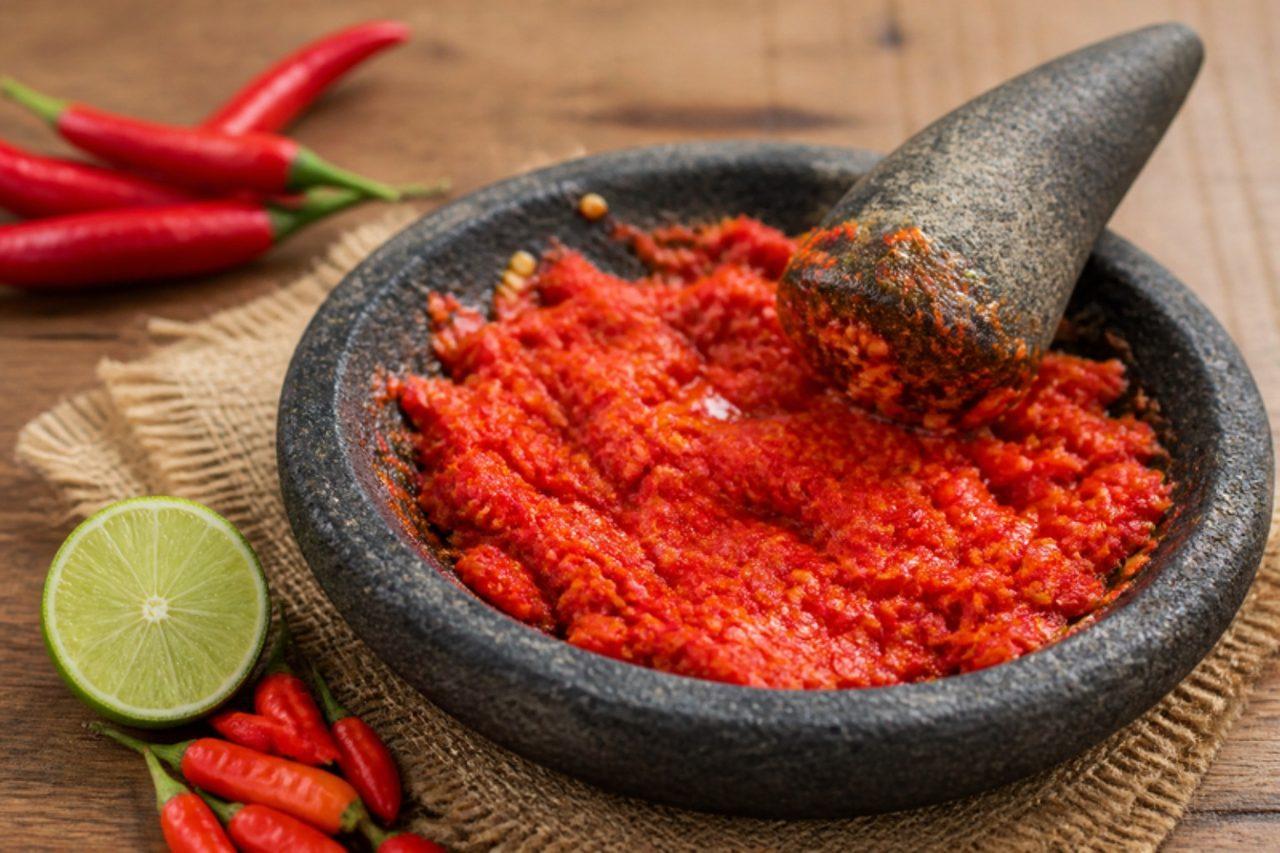
Sambal oelekFresh chilli paste

Every Indonesian kitchen has an ulekan, the flat stone mortar that gives sambal oelek its name, and this is the most basic thing ground in it: fresh red chillies and salt, pounded to a coarse, wet, fiery mash. It's the foundation many cooks start from, stirred into fried rice and soups, spooned beside every meal at warung tables nationwide, and the base for more complex cooked sambals. Making it fresh tastes brighter and fruitier than any jar. Chef's tip: wear gloves and pound rather than blitz if you can — crushing releases the oils and gives a juicier, more fragrant sambal than chopping blades.

by KrazyBadal 1 views

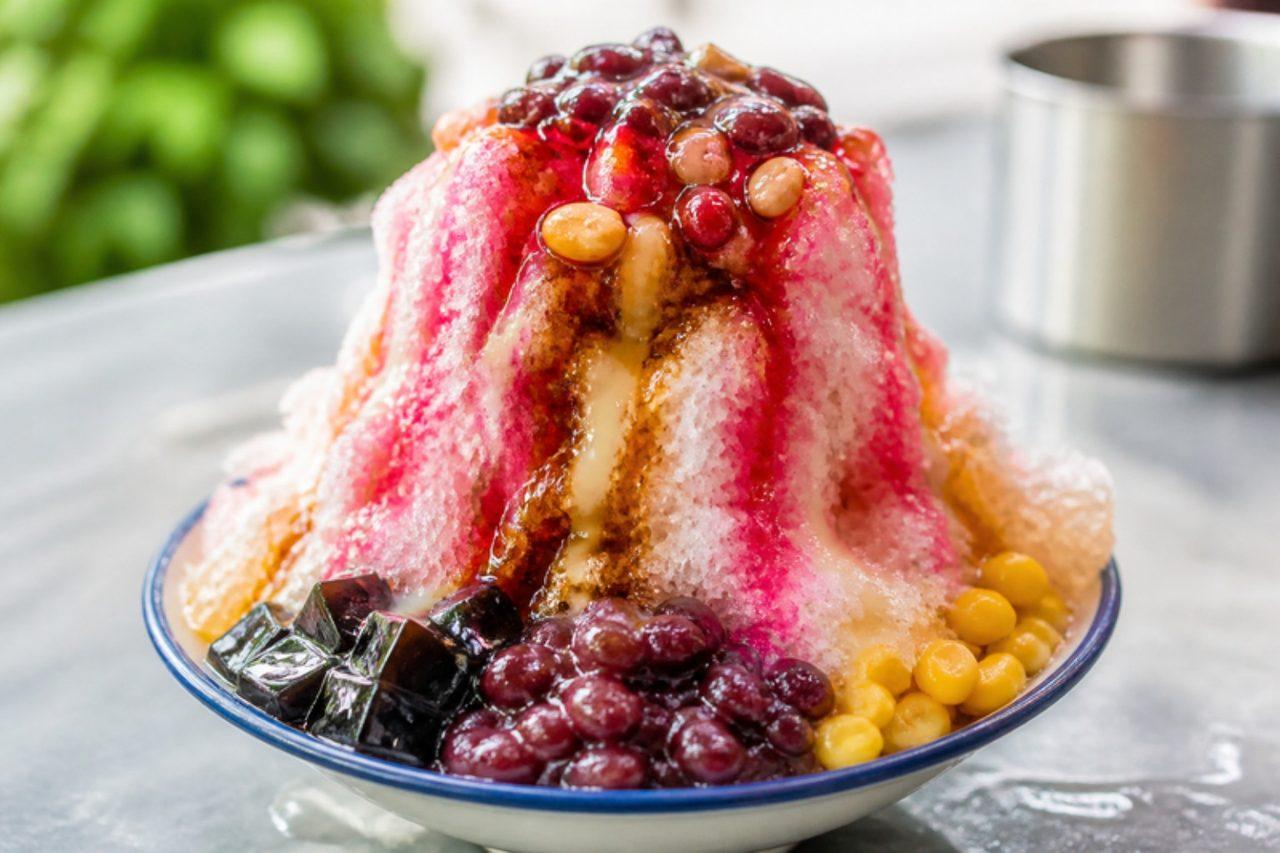
Ais kacangShaved ice with red beans

Ais kacang ('bean ice'), also called ABC for air batu campur ('mixed ice'), is the towering, rainbow-coloured treat Malaysian kids beg for at food courts and hawker centres on hot afternoons. Underneath a snowy dome of shaved ice hide red beans, sweetcorn, cubes of black grass jelly and chopped peanuts; on top go streaks of pink rose syrup, dark palm-sugar syrup and a drizzle of condensed milk. Everyone digs in from the top and mixes it into a sweet, icy slush. Chef's tip: chill the bowls in the freezer for 15 minutes first, so the ice holds its peak long enough to get it to the table.

by KrazyBadal 1 views

Masala ugaliSpiced maize meal porridge

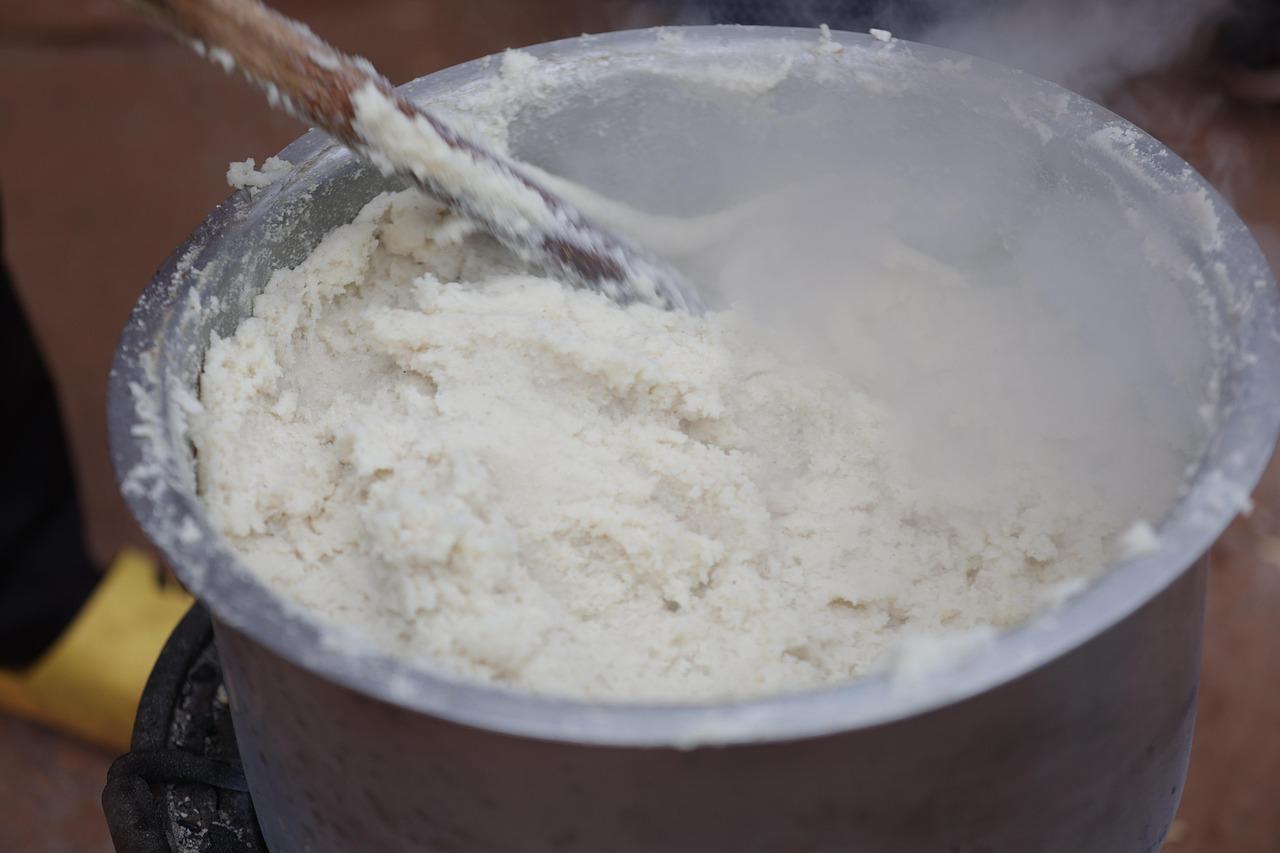
Ugali, East Africa's staple of maize meal cooked into a stiff porridge, given a lift with toasted cumin, butter, fresh coriander and green chilli. Stir it hard and keep it soft. Serve hot with sukumawiki or any stew.

by KrazyBadal 1 views

Horchata de chufaTiger nut milk

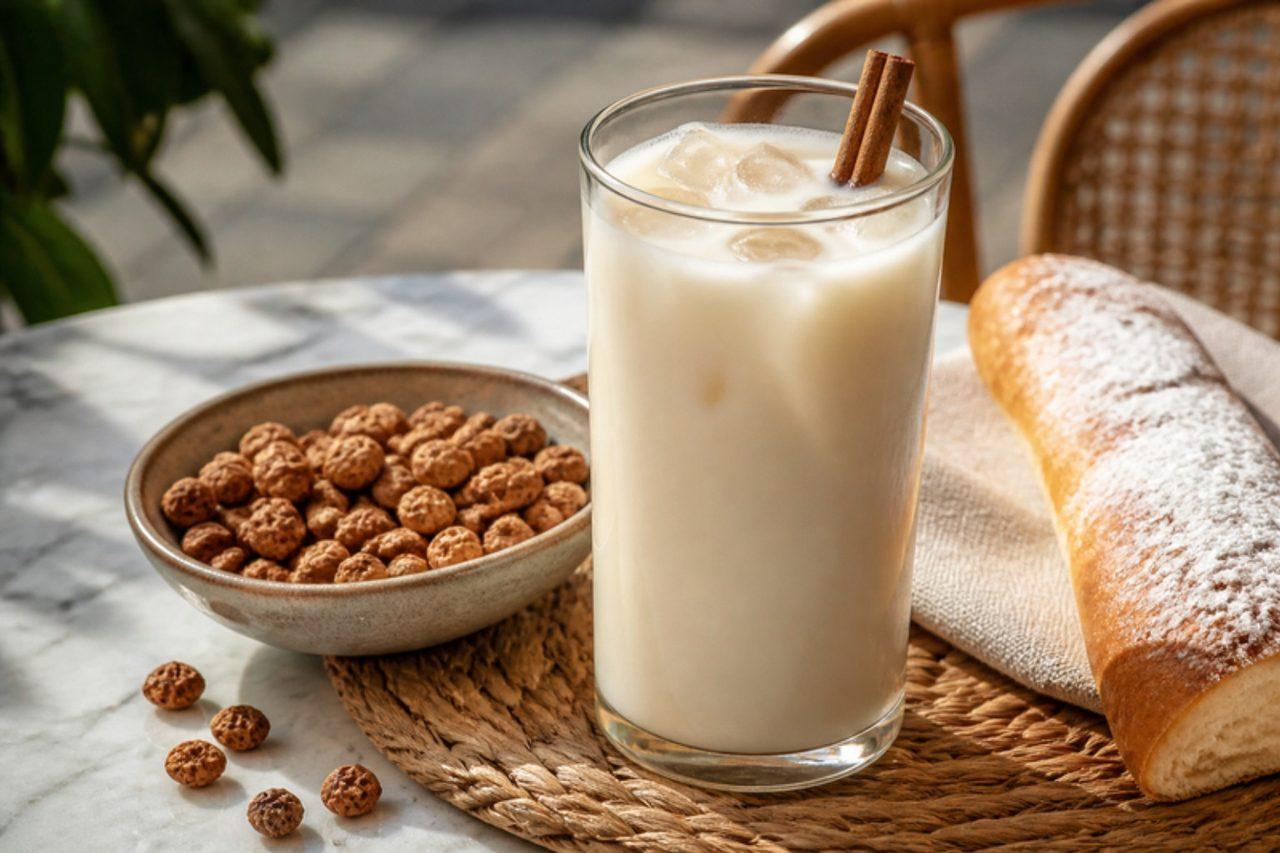
Horchata de chufa is the drink of Valencia's summer, sold ice-cold in the city's horchaterías with long, soft fartons pastries for dipping. It is made from chufas, or tiger nuts: small wrinkled tubers grown around the village of Alboraya just north of Valencia, which have their own protected designation of origin. Soaked, ground with water, strained and sweetened, they give a creamy, nutty, naturally dairy-free milk with a hint of cinnamon. Valencians drink it very cold, or half-frozen as 'granizada'. Chef's tip: soak the tiger nuts for a full 24 hours and change the water once; they must be plump and soft enough to blend into a fine pulp, or the horchata will be thin and taste of raw starch.

by KrazyBadal 1 views

Churros con chocolateChurros with hot chocolate

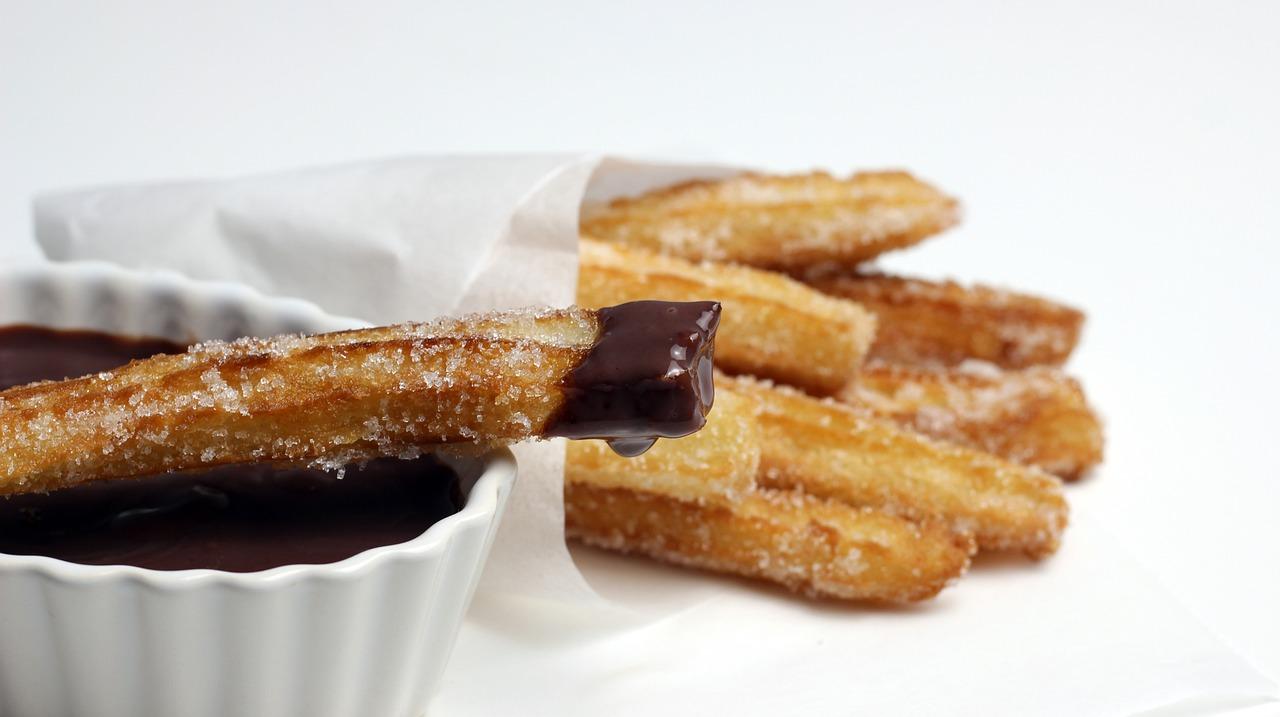
Churros con chocolate is Madrid's most famous treat, eaten at the city's historic chocolaterías for breakfast, as a late-afternoon merienda or at dawn after a night out. Churros are made from a simple dough of flour, water and salt piped straight into hot oil, fried until ridged and crisp, and dunked into a cup of hot chocolate so thick it almost holds the churro up. The dough has no egg or sugar, so the churros are light and crunchy; the sweetness comes from the chocolate and a dusting of sugar. Chef's tip: pipe through a star nozzle; the ridges let steam escape so the churros don't burst in the oil, and they create the extra crunch that makes a good churro.

by KrazyBadal 1 views

Matcha mochiGreen tea rice cakes

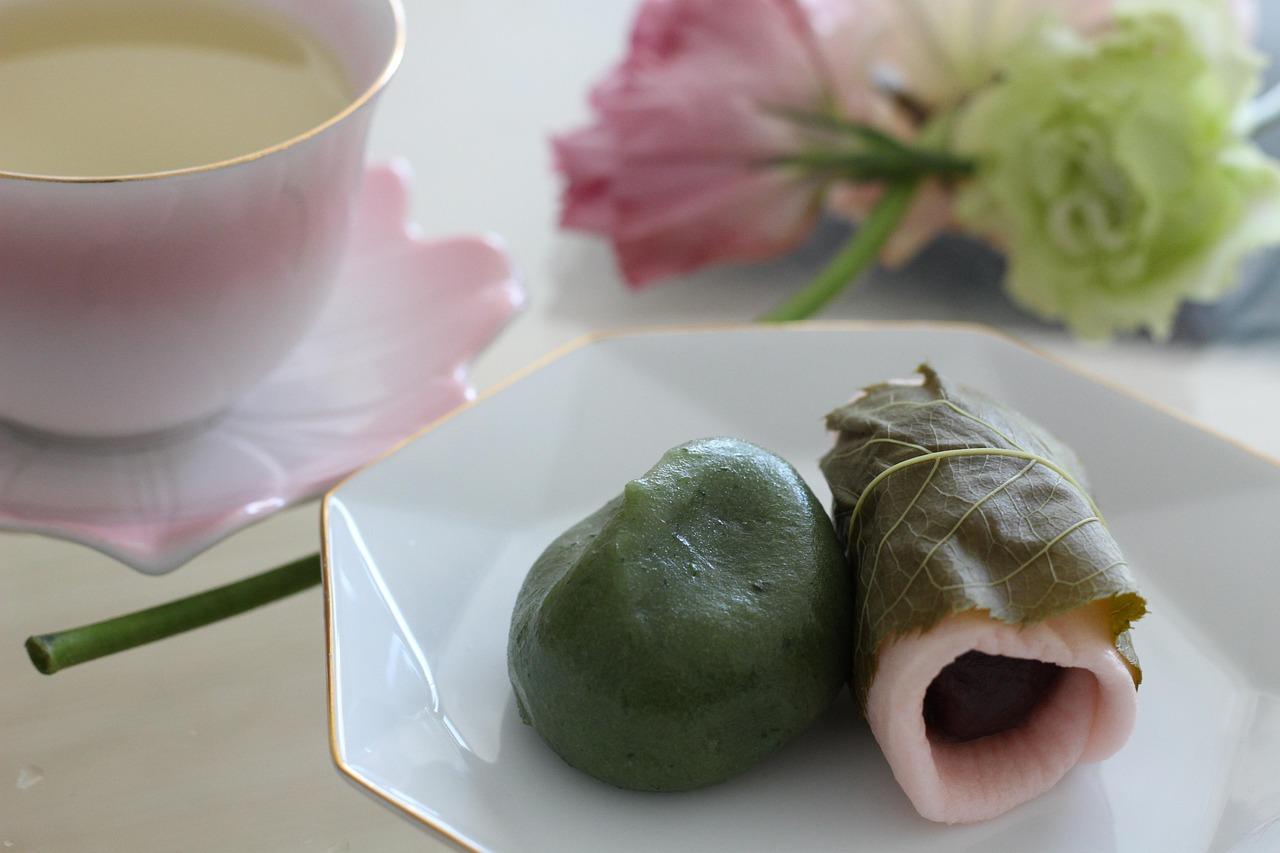
Mochi (もち) are soft, chewy rice cakes made from glutinous rice flour, and Kyoto's confectioners have long flavoured them with matcha from nearby Uji. This quick home version cooks the dough in the microwave rather than pounding steamed rice. Each little green ball is wrapped around a centre of sweet red bean paste and dusted with cornflour. They are best eaten the day they are made, while still soft. Chef's tip: work while the dough is still warm, and keep your hands and the tray well dusted with starch. Warm mochi stretches easily around the filling; once it cools it tears and won't seal.

by KrazyBadal 1 views

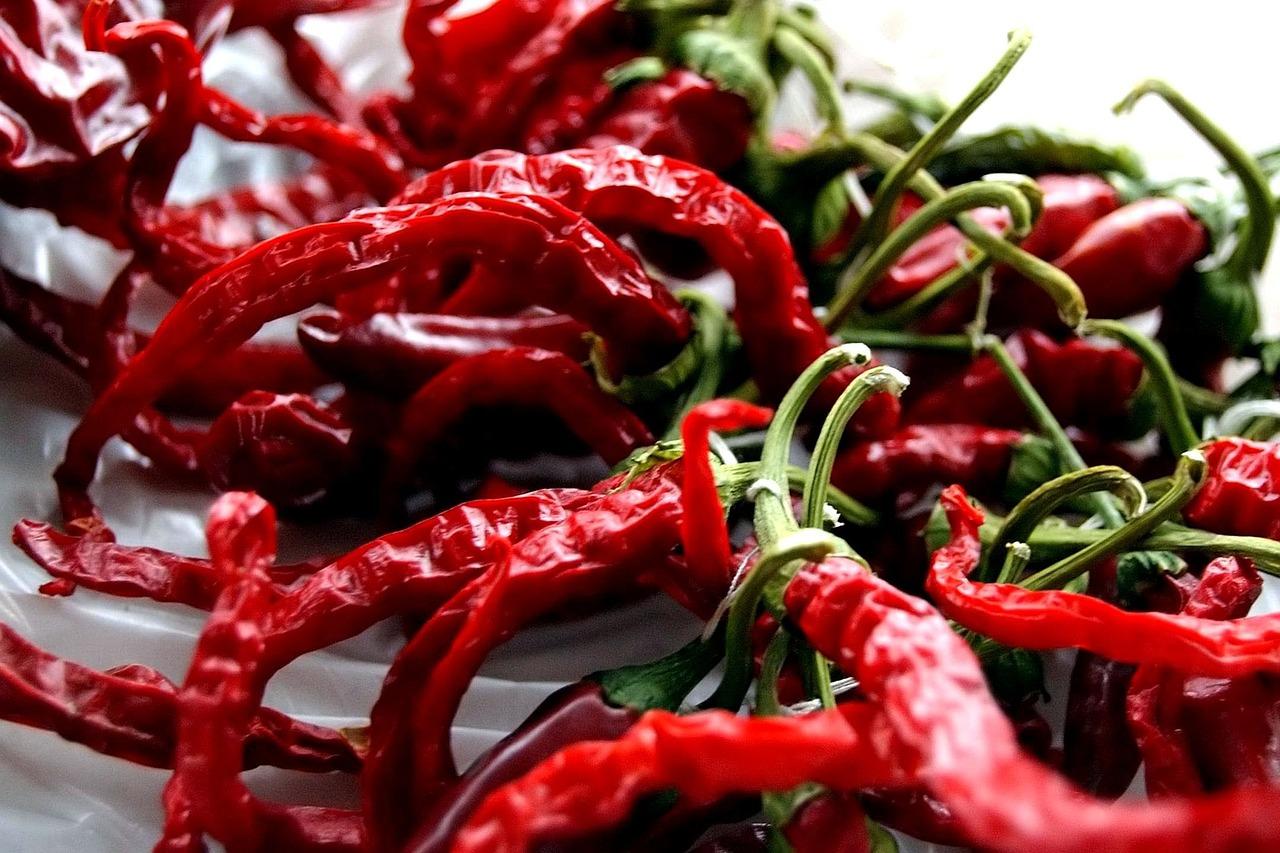
Sun-dried chilliesYogurt-soaked fried green chillies

A traditional Gujarati store-cupboard side: green chillies slit, soaked overnight in salted yogurt and dried in the sun until shrunk and brittle. Fried for a few seconds, they turn crisp, salty and tangy with a gentle heat. Serve one or two alongside farari khichdi, kadhi or any fasting meal. Allow 3–5 days of strong sun for drying. Makes about 300 g.

by KrazyBadal 1 views

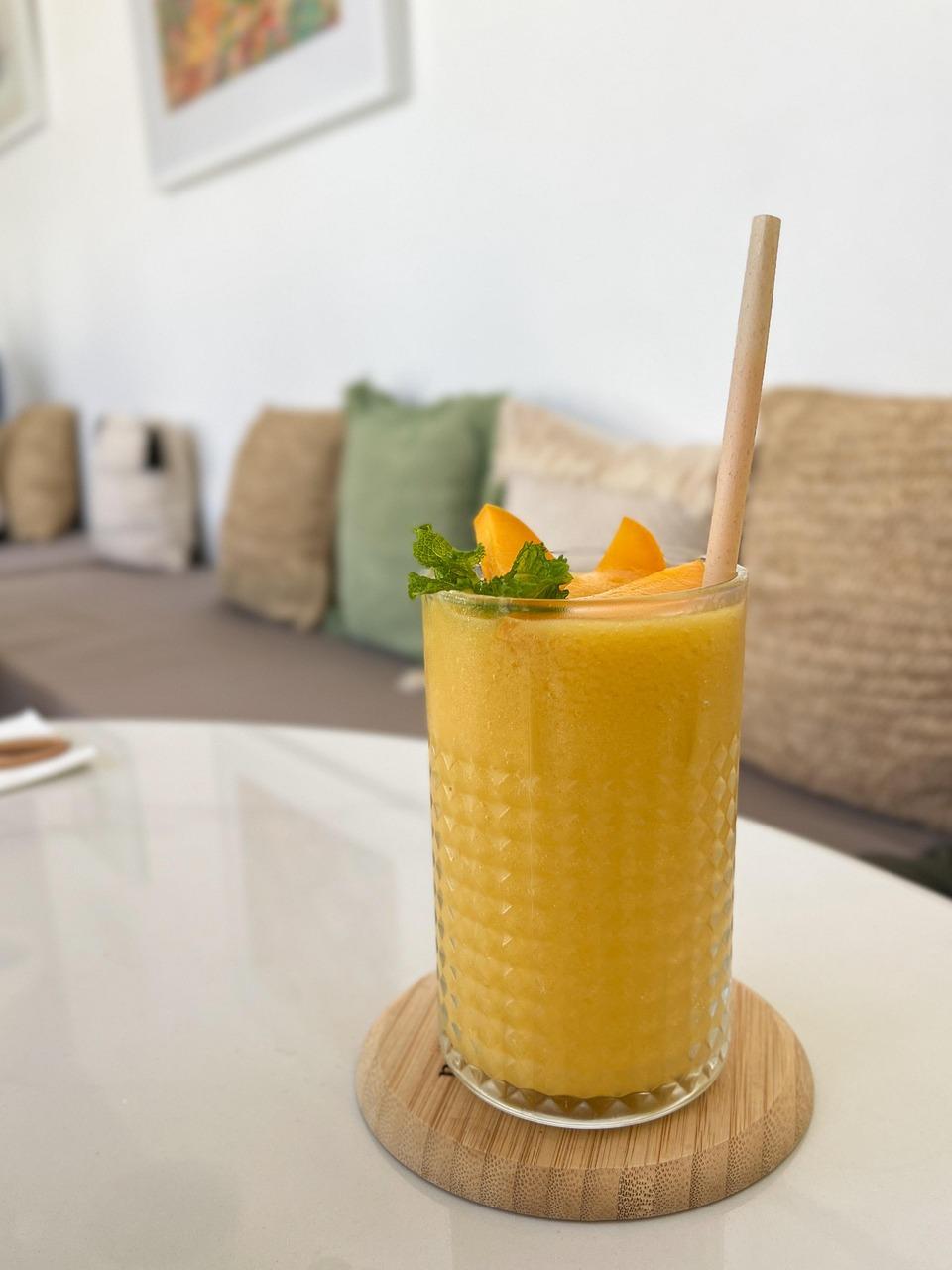
Mango lassi

A refreshing, lighter mango lassi made with low-fat yogurt: ripe mangoes, yogurt, a little sugar and rose water are blended with water until smooth and frothy, chilled and poured over crushed ice. Perfect on a hot day or with a spicy meal.

by KrazyBadal 1 views

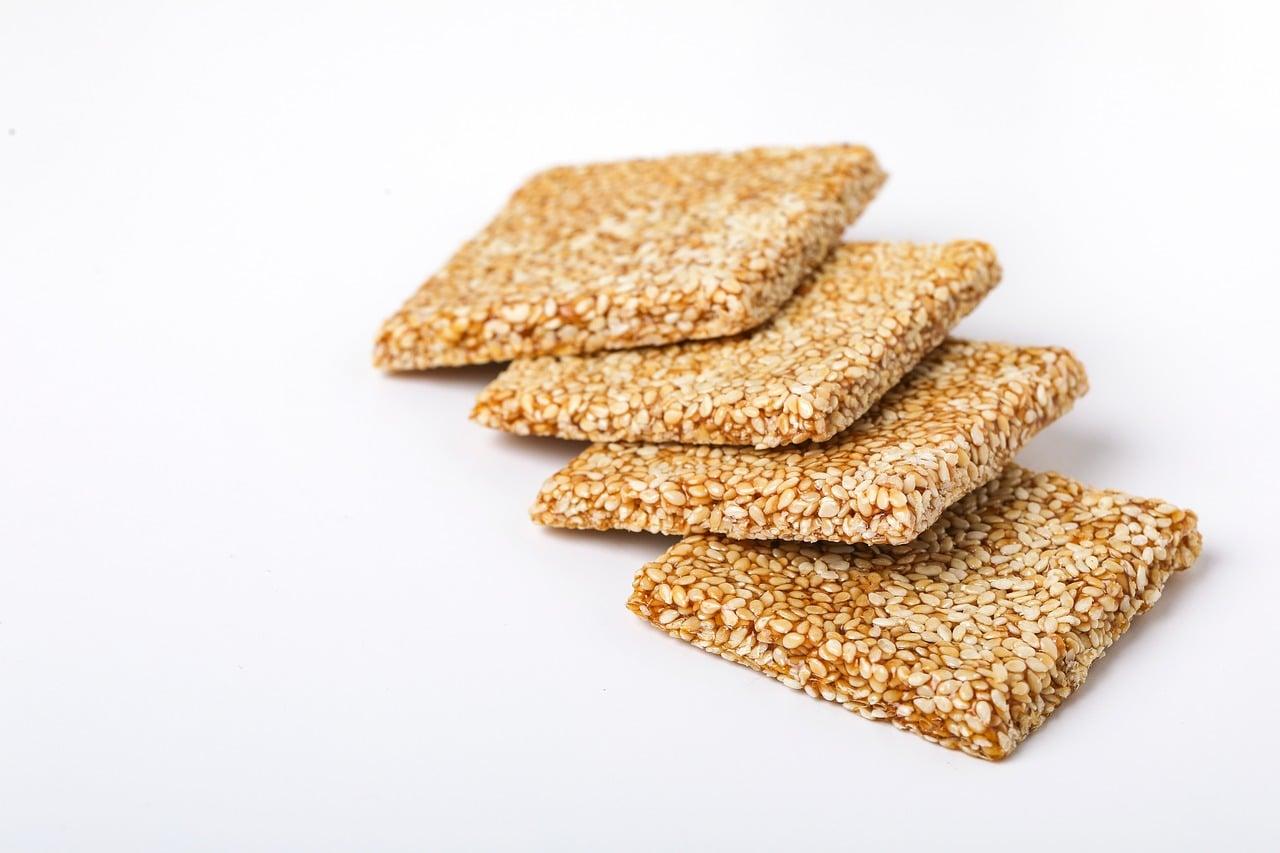
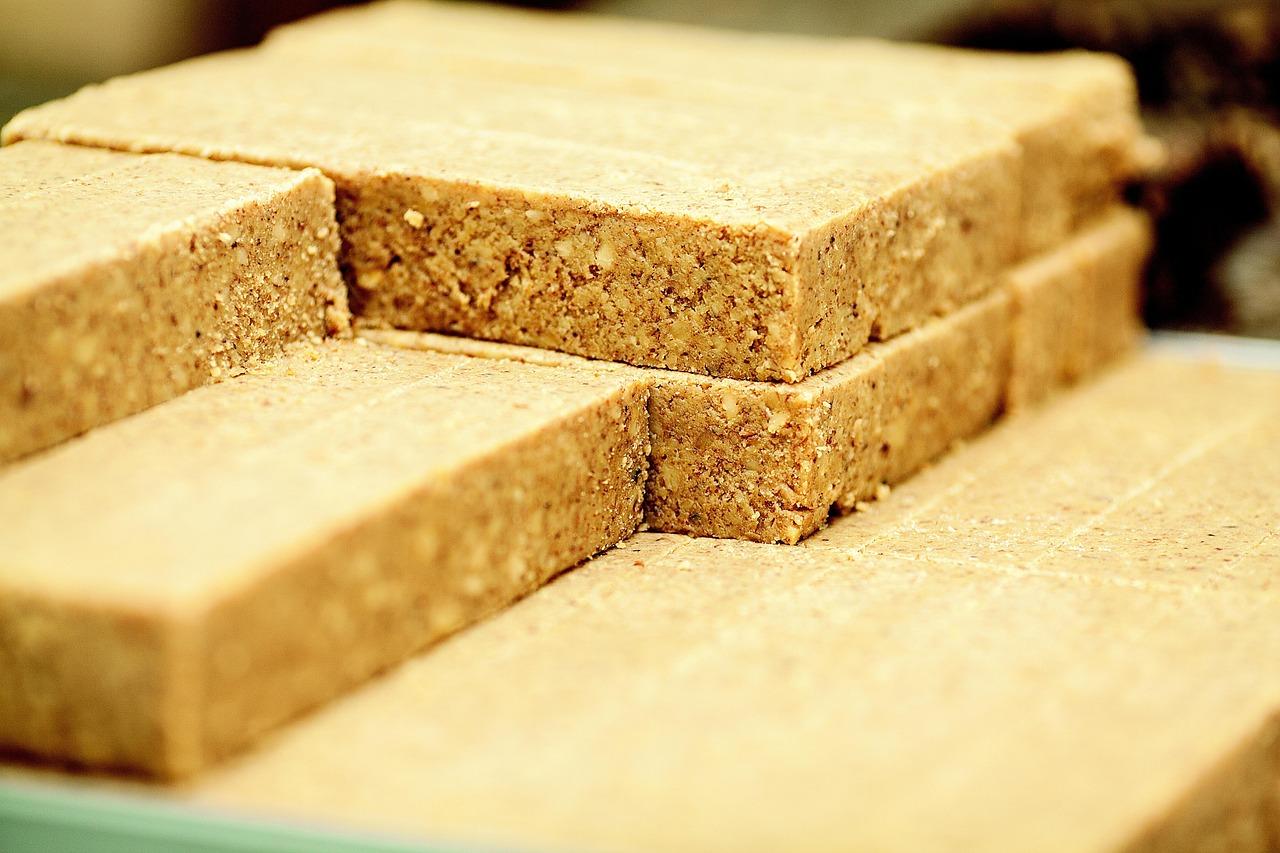
Sesame & peanut barfi

A crunchy, nutty barfi of roasted sesame seeds and ground peanuts set in a two-thread sugar syrup, pressed into a tray and topped with chopped peanuts. It's sweet and toasty, like a soft brittle, and keeps well. Good for fasting days and the winter festivals. Makes 20 pieces.

by KrazyBadal 1 views

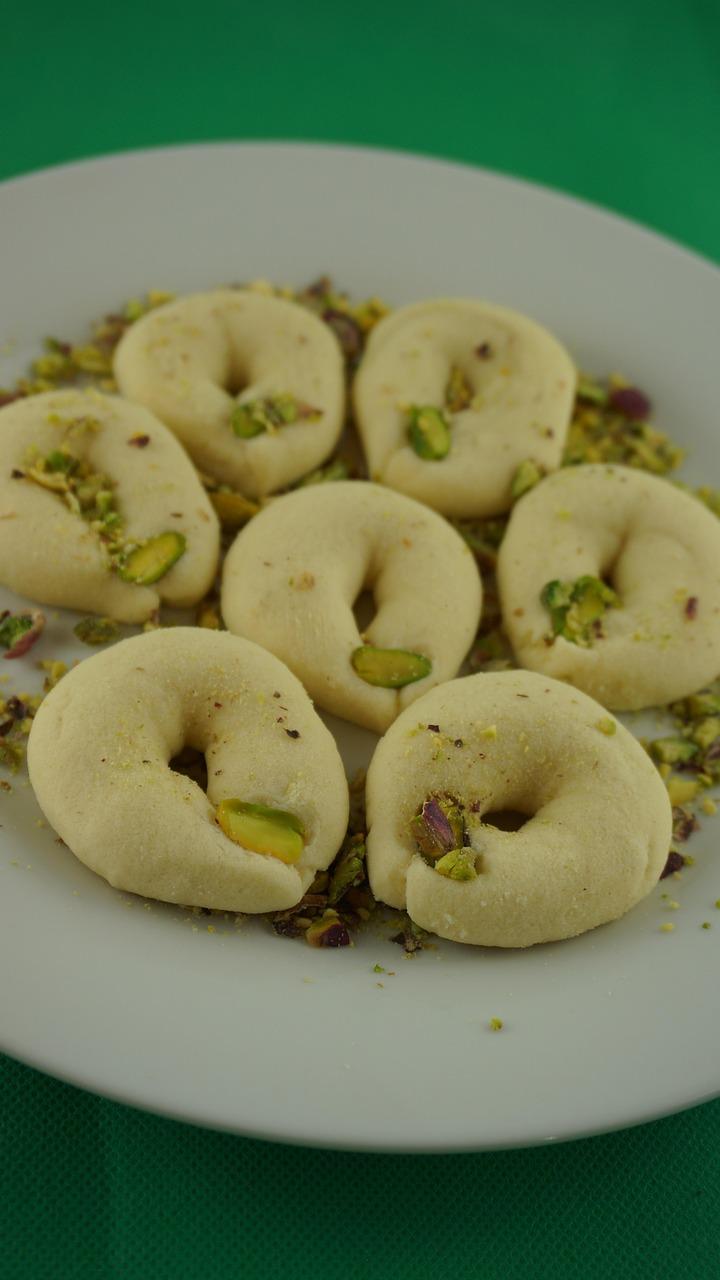
Ma'amoulDate and walnut butter pastries

Ma'amoul are delicate shortbread-like pastries made for Eid and Easter across the Middle East. A soft, rose-scented butter dough is wrapped around a filling of dates, walnuts, almonds and pistachios cooked with cinnamon, marked with a fork, baked pale and dusted with icing sugar. Makes 35; they keep well in a tin.

by KrazyBadal 1 views

MathiaMoong and urad dal wafers

Mathia are thin, crisp, slightly sweet and peppery wafers made from mathia flour, a mix of ground husked moong and urad dal. They are a classic Gujarati Diwali snack. The dough is pounded until pale, rolled very thin between plastic sheets and fried one at a time. They are fragile, so store them gently. To make mathia flour, finely grind 4 parts husked green gram lentils with 1 part husked black gram lentils.

by KrazyBadal 1 views

Patta gathiaThin gram flour ribbons

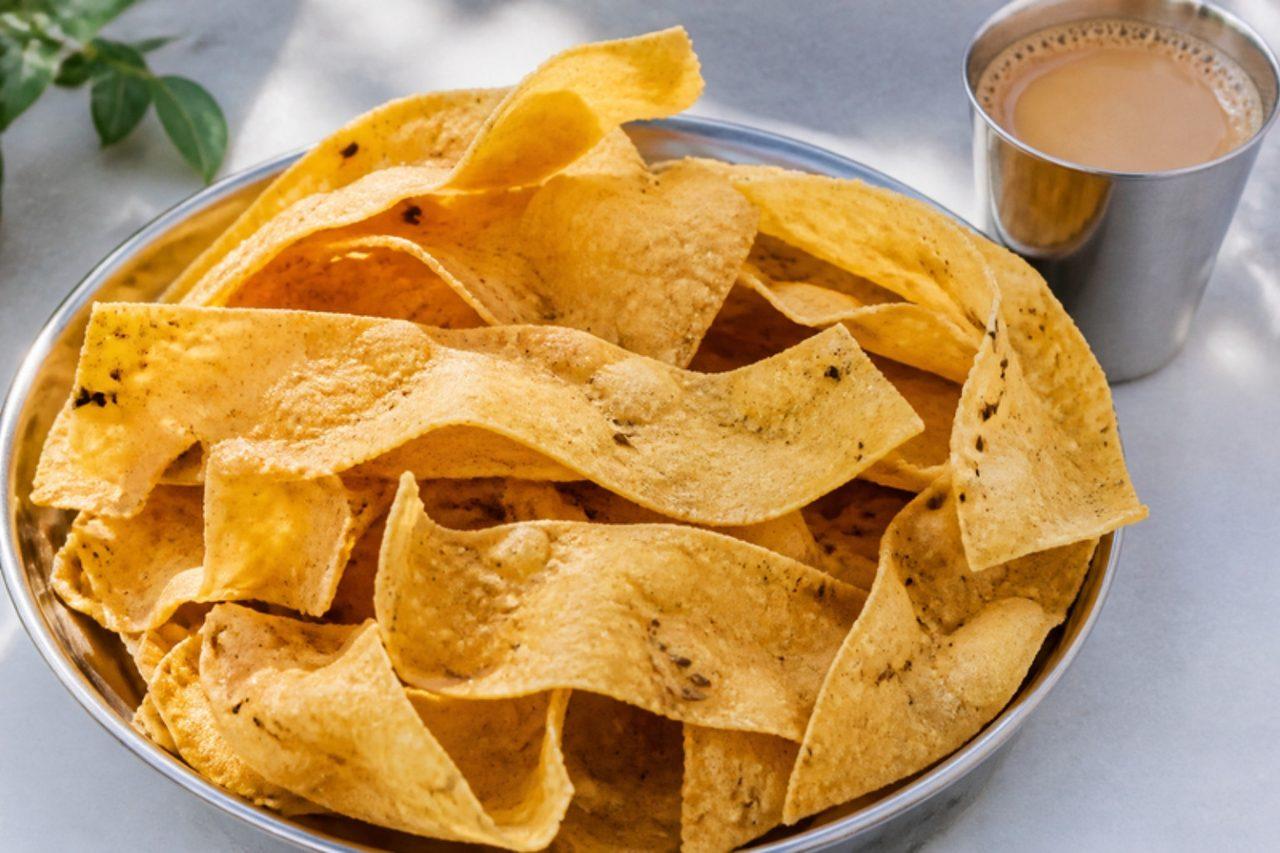
Patta gathia are flat, ribbon-like strips of gram flour dough, rolled paper-thin under the palm on a wooden board and fried until crisp. Black pepper and ajwain give them their flavour. They are a classic Gujarati tea-time snack and are great with fried chillies and papaya sambharo.

by KrazyBadal 1 views

Almond cookiesOat, coconut and almond cookies

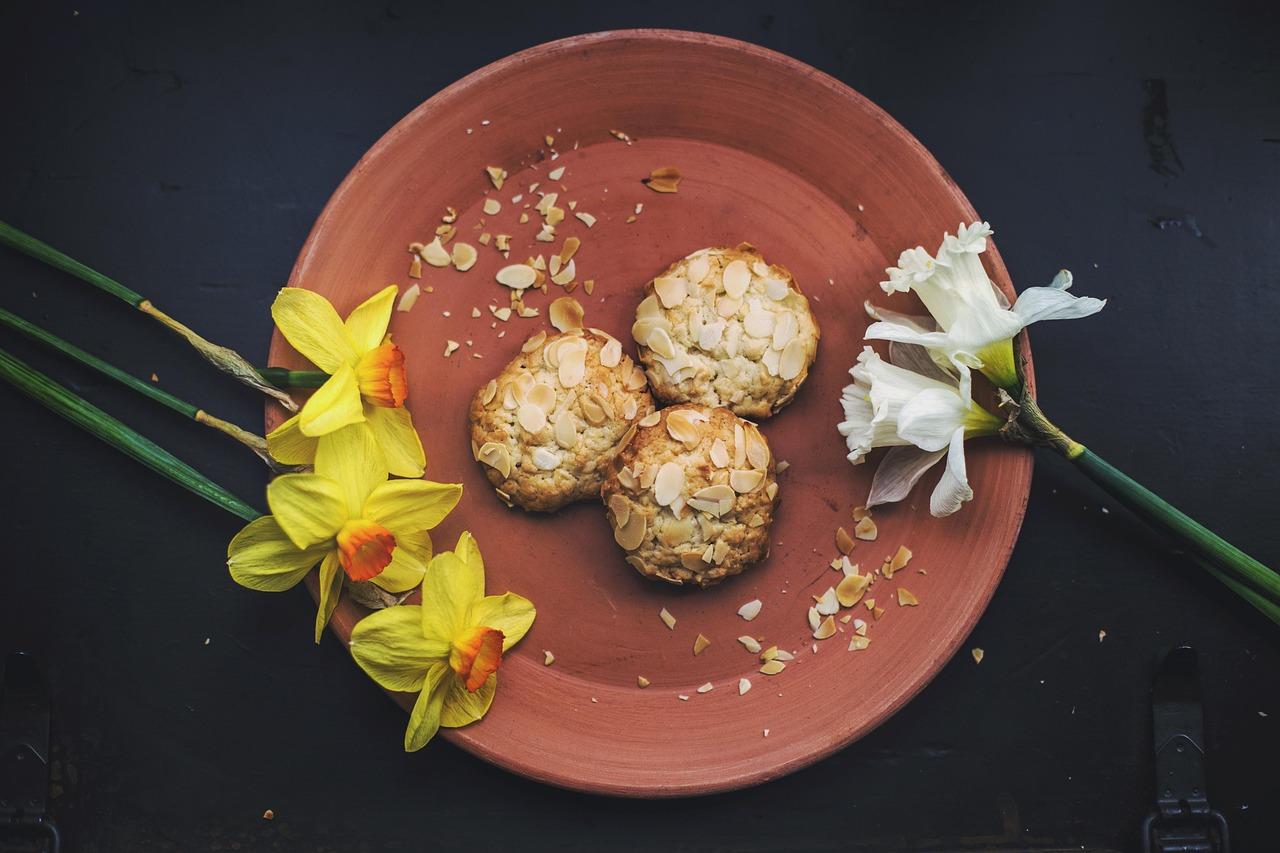
A big batch of crunchy cookies with rolled oats, coconut, chopped almonds and chunks of cooking chocolate. For a change, use cashew nuts instead of almonds.

55 minBaking
by KrazyBadal 1 views

Chocolate icing

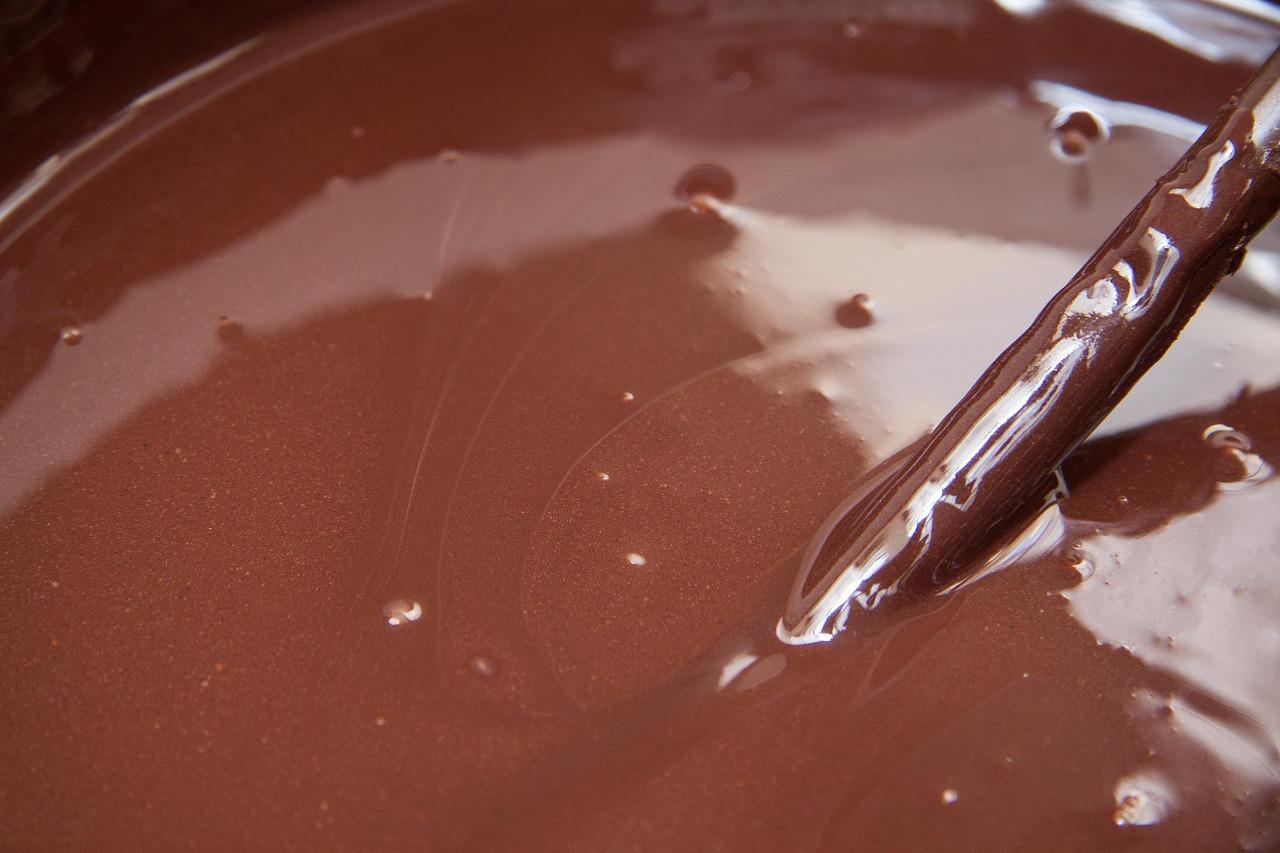
A shiny chocolate coating of melted cooking chocolate and a spoonful of ghee. Melt it gently over hot water or in the microwave; never let any water touch it. Once dry it gives the cake a lovely shine.

by KrazyBadal 1 views

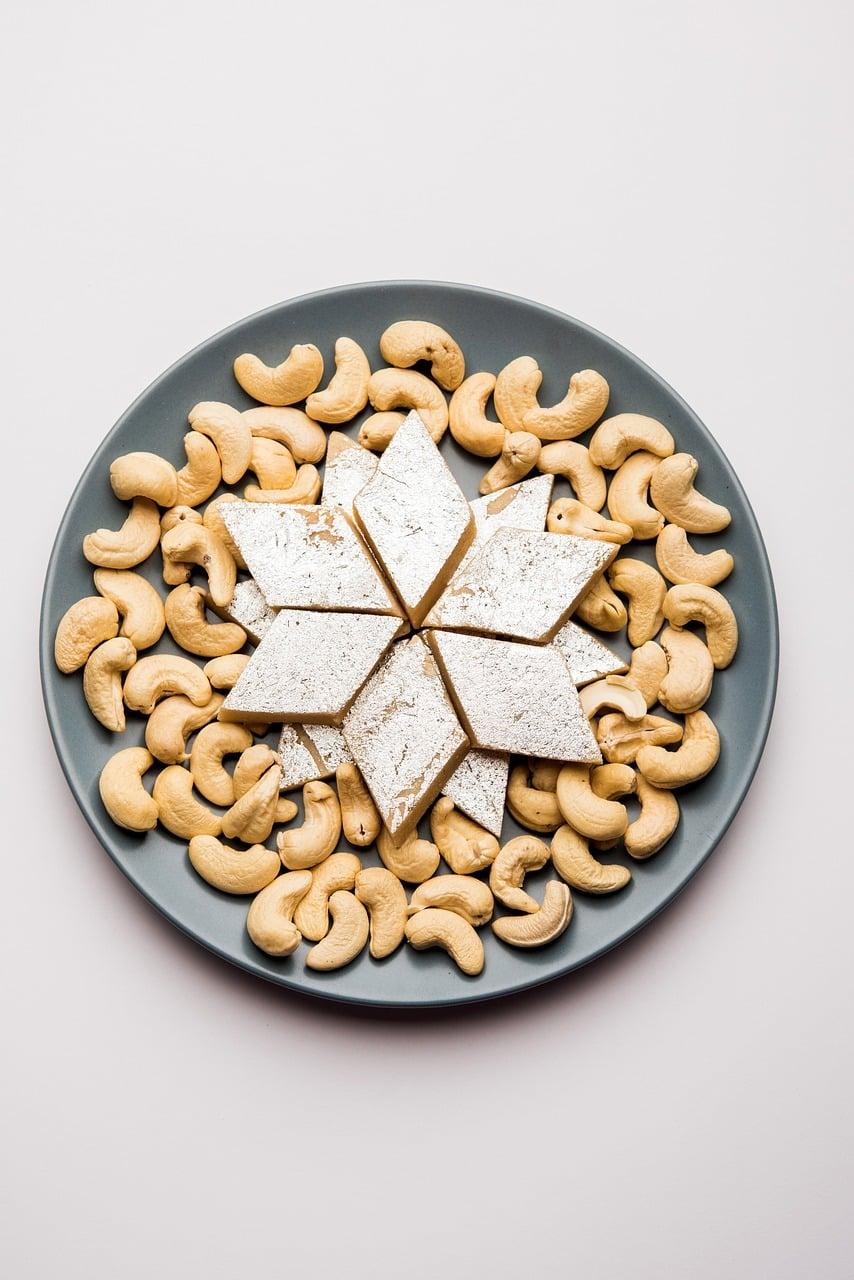
Cashewnut katliCashew fudge diamonds

Kaju katli is one of the best-loved Indian sweets: finely ground cashews bound with a sugar and milk syrup, rolled thin, scattered with nuts and cut into diamonds. It's smooth, dense and delicately sweet with saffron and cardamom. Makes about 40 diamonds; perfect for Diwali boxes and gifts.

by KrazyBadal 1 views

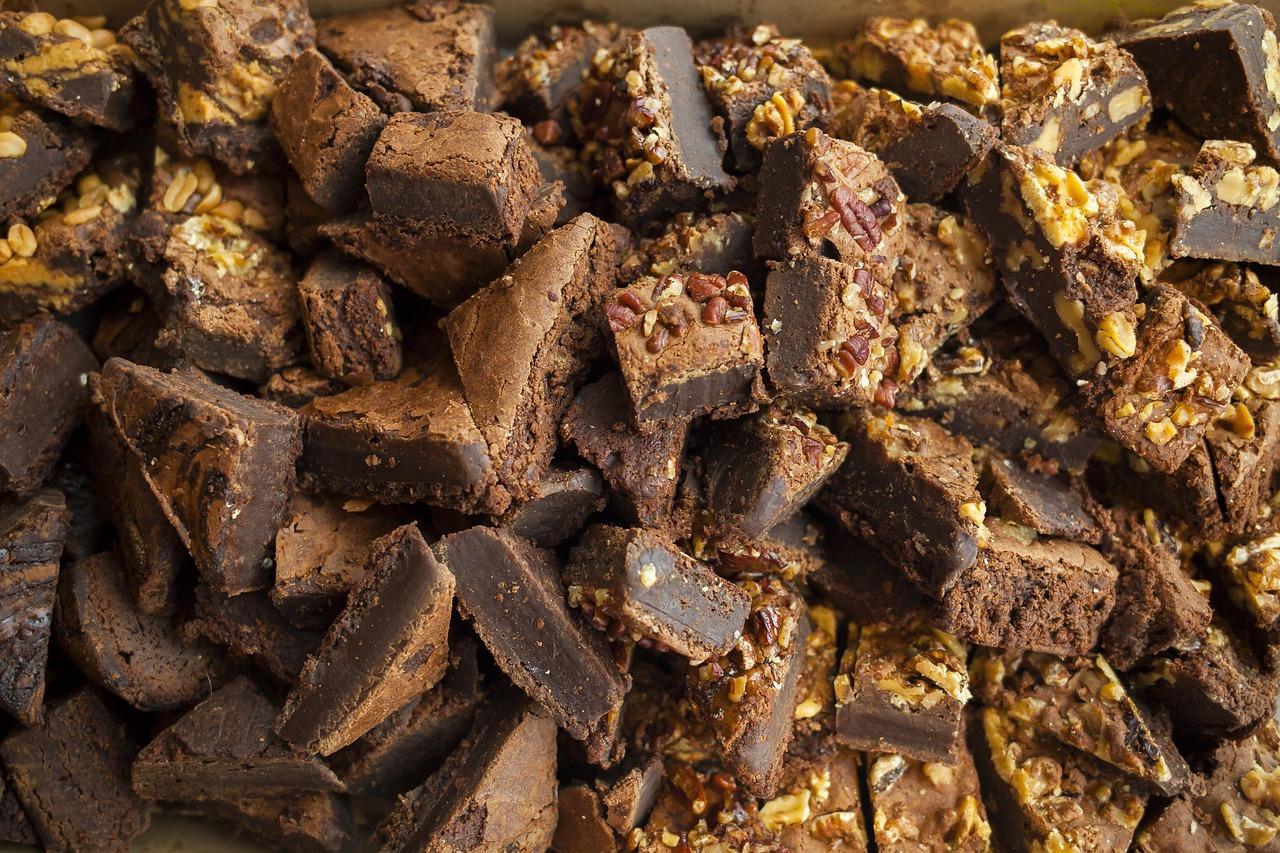
Nutty datesChocolate nut dates

A quick, rich sweet of dates melted down in butter, then mixed with milk chocolate, chopped nuts, coconut and rice krispies and pressed into a tray. It's chewy, chocolatey and crisp. Makes about 30 diamonds; keep them in the fridge and serve cold.

by KrazyBadal 1 views

Aniseed sukhdiWheat and jaggery fudge squares

Sukhdi (gol papdi) is one of the simplest Gujarati sweets: wheat flour roasted in ghee until pink and fragrant, then mixed with jaggery and aniseed and set in a tray. It's soft, crumbly and caramel-sweet, with a gentle liquorice note from the aniseed. Makes about 25 squares and keeps well for travelling.

by KrazyBadal 1 views

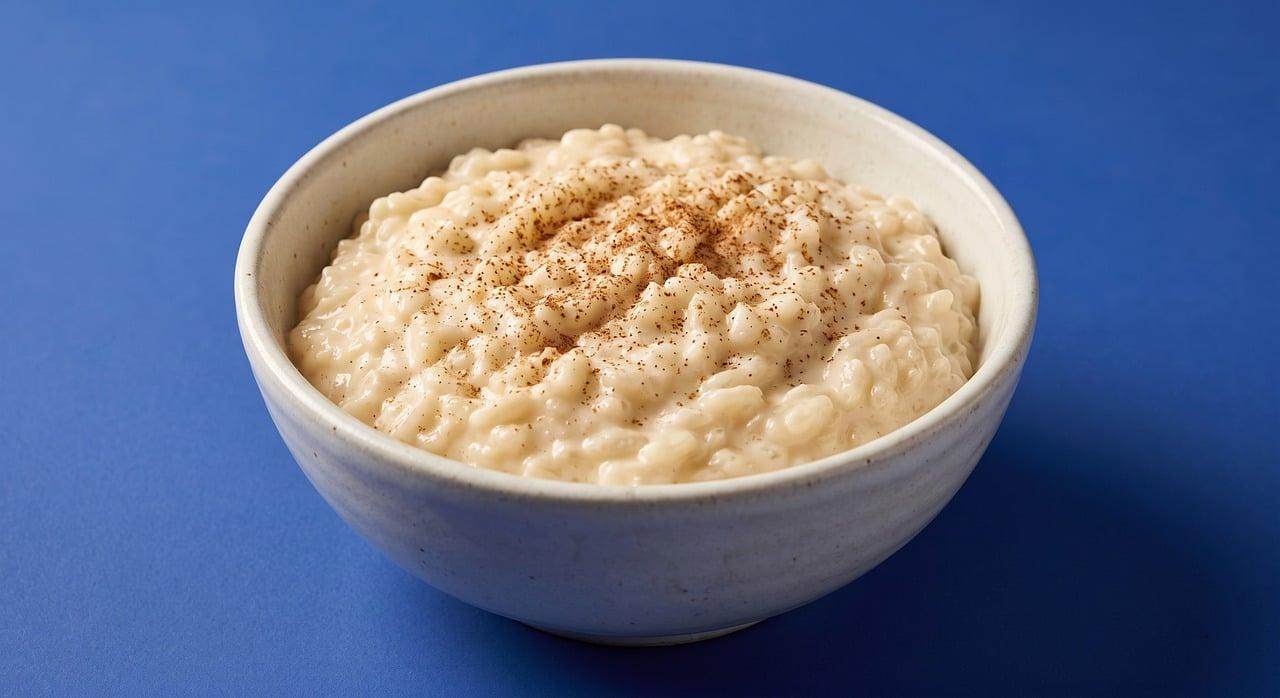
Applejack afternoonerFlaked rice with apple and almond

Flaked rice (pauva) simmered in milk until soft and creamy, then stirred with apple puree and a little ground almond. A comforting afternoon meal for babies of 8–18 months. Almond essence is strong: a tiny drop is plenty.

17 minDessertsGluten free
by KrazyBadal 1 views

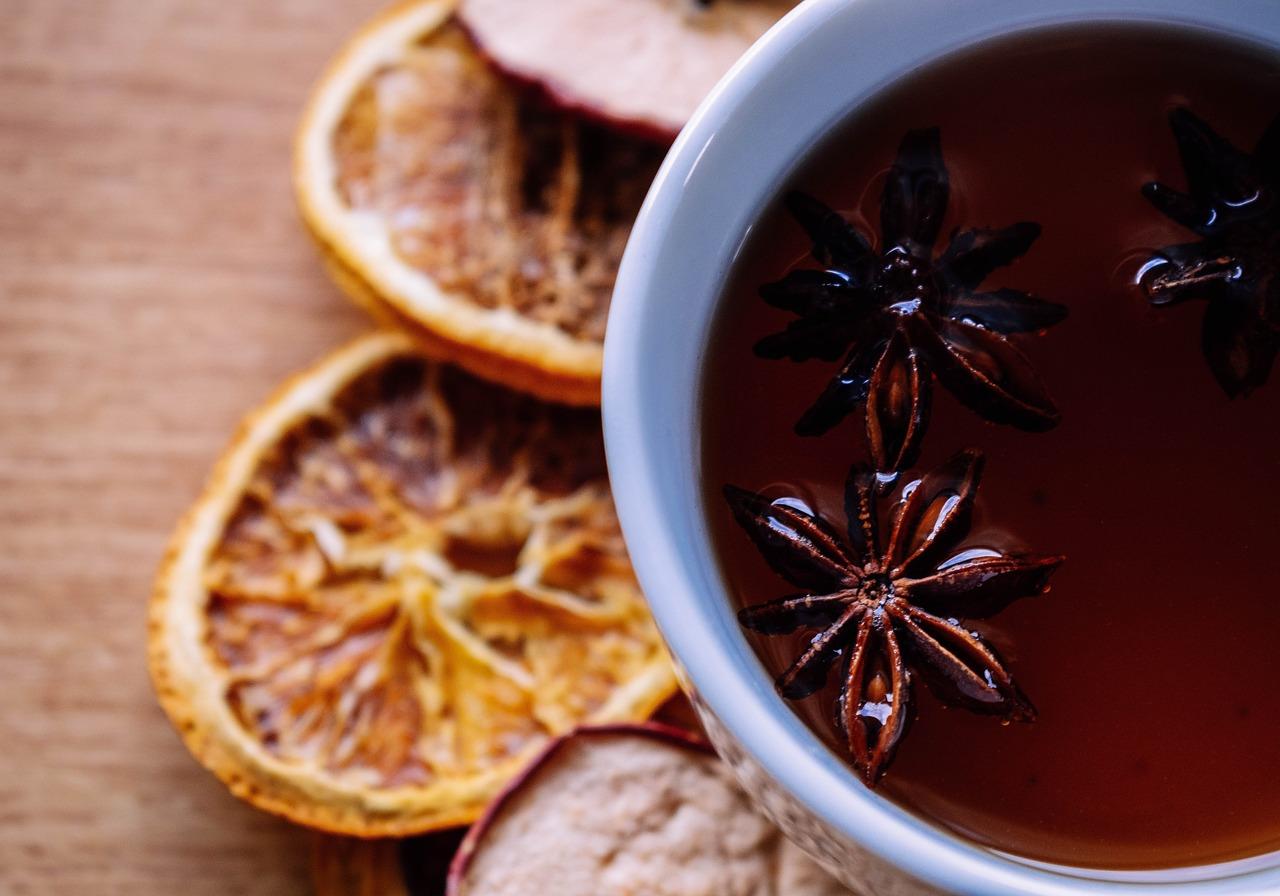
Anti-influenza punchHot citrus and star anise punch

A warming hot punch of black tea, fresh orange and grapefruit juice, star anise and brown sugar: just the thing when you feel a cold coming on. For a sweeter punch, use grape juice instead of grapefruit juice, with 1 teaspoon of lemon juice and honey to taste. Serve hot, decorated with orange peel spirals.

17 minDrinksVeganGluten free
by KrazyBadal 1 views

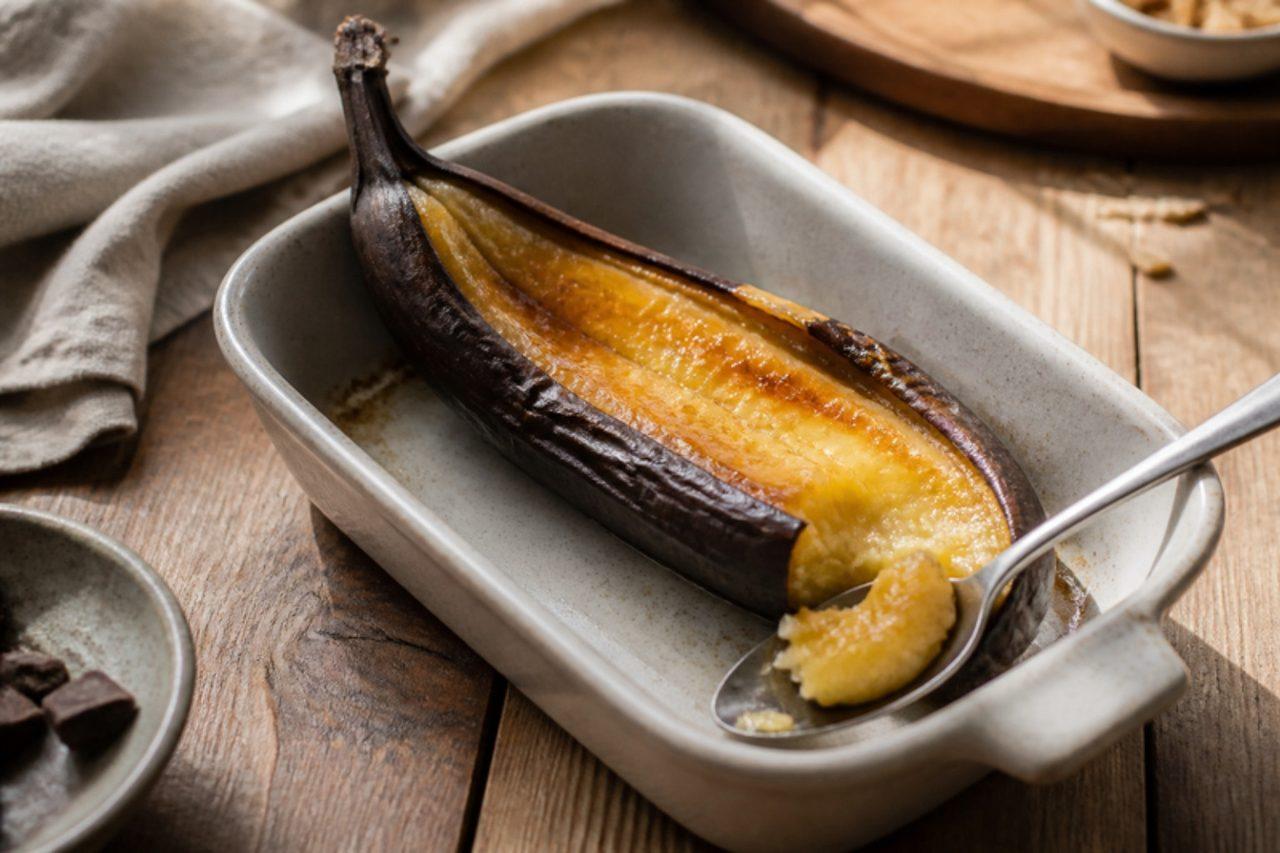
Baked banana

A small banana baked in a foil parcel with butter, lemon, a pinch of sugar and cinnamon until soft and fragrant. A warm, easy pudding for babies of 8–18 months, mashed or left in soft pieces for older babies. Serve warm, not hot.

15 minDessertsGluten free
by KrazyBadal 1 views

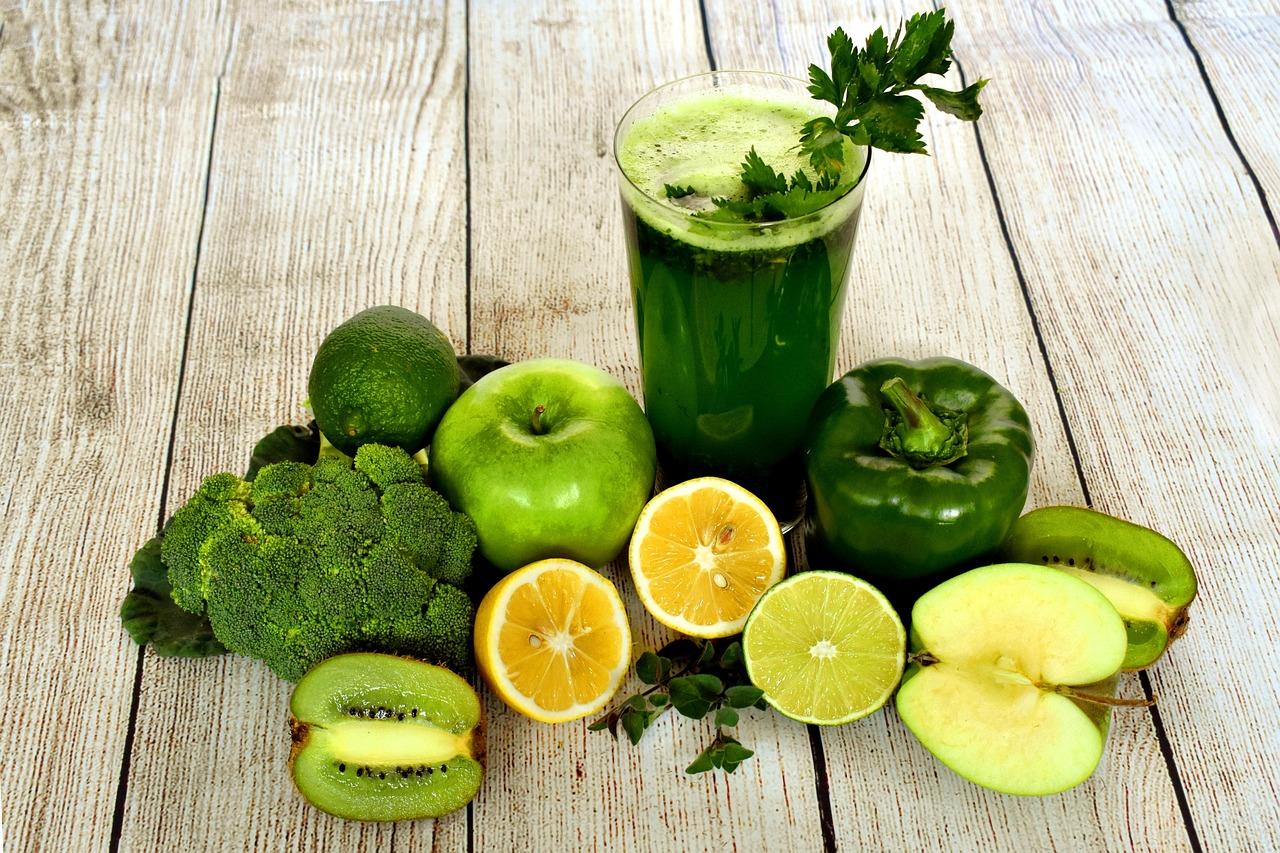
Power packApple, pear, kiwi and celery juice

A sweet, energising juice of apples, pears and kiwi fruit with a stick of celery, all used unpeeled for extra goodness. It's naturally sweet, so it needs no sugar. Serve well chilled.

10 minDrinksVeganGluten free
by KrazyBadal 1 views

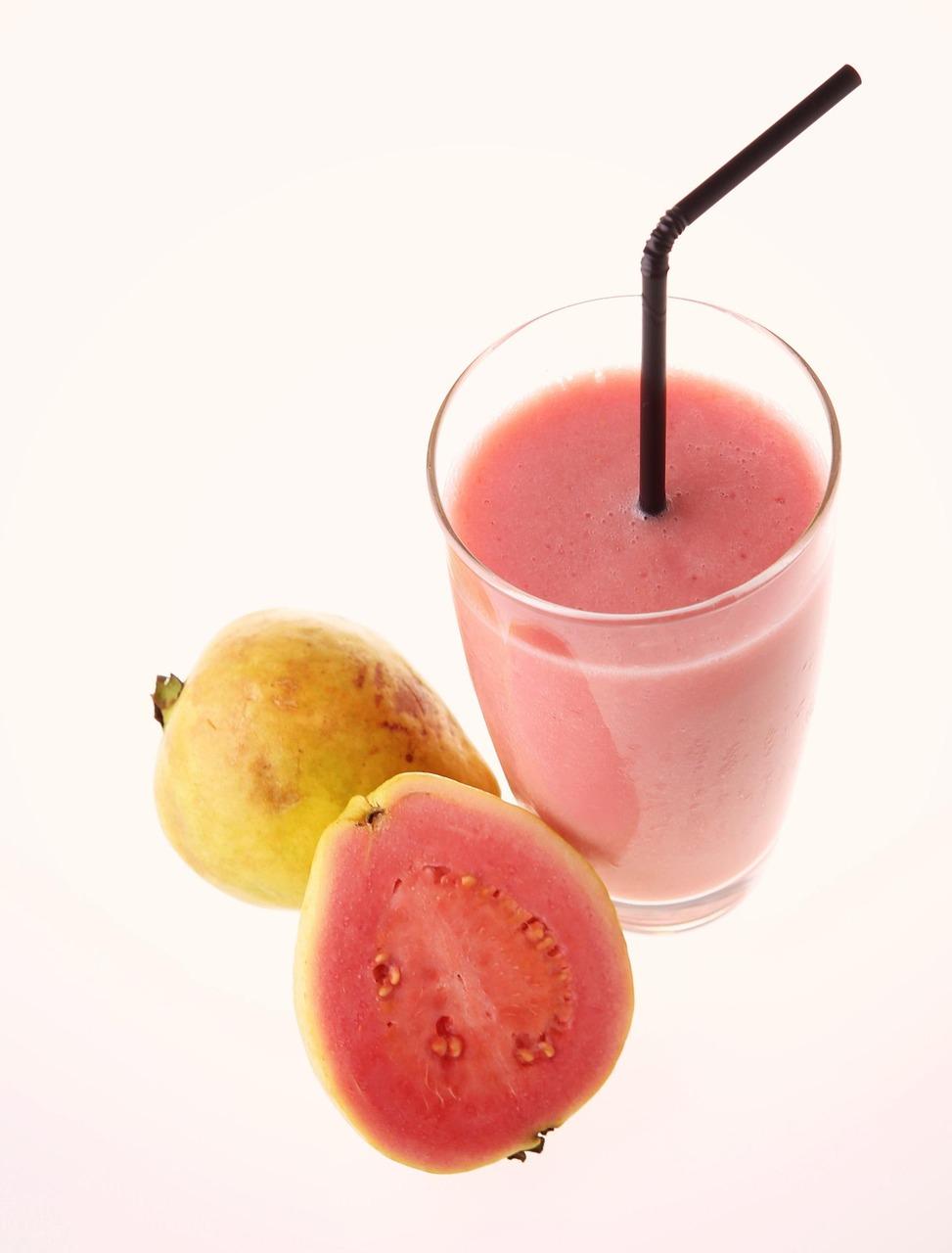
Guava delightGuava, mango and banana drink

A thick, fragrant blend of ripe guava, mango and banana, boosted with a spoonful of guava powder from the health shop. The book calls it a modern-day vitality drink, drawing on guava's long use in traditional Indian medicine. Serve it well chilled; sieve it if you don't like the little guava seeds.

10 minDrinksVeganGluten free
by KrazyBadal 1 views

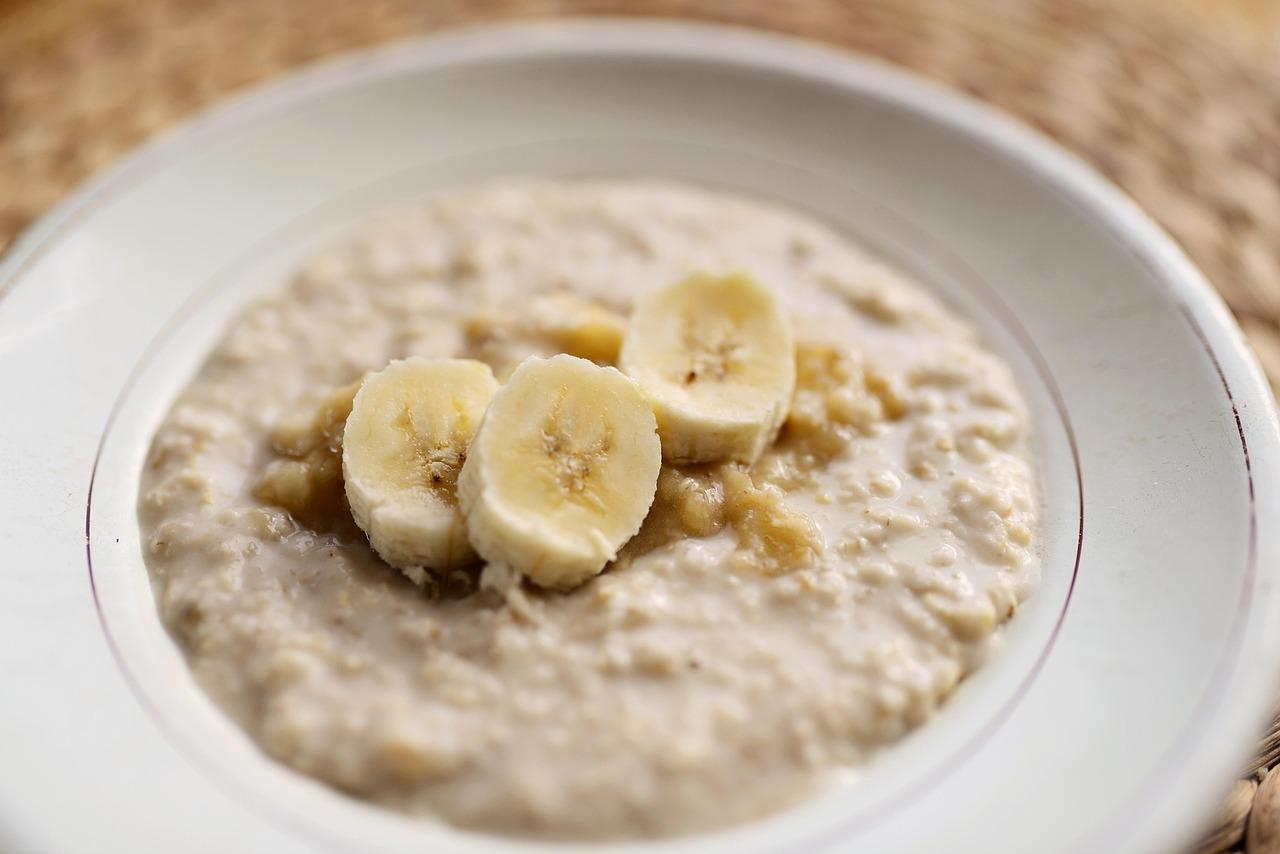
Oat porridge for babies

Finely ground oats cooked in milk and water until smooth and creamy, with a little sieved banana for natural sweetness. A warm, filling breakfast for babies of 4–8 months. Grind a batch of oats in advance and keep it in a jar.

by KrazyBadal 1 views

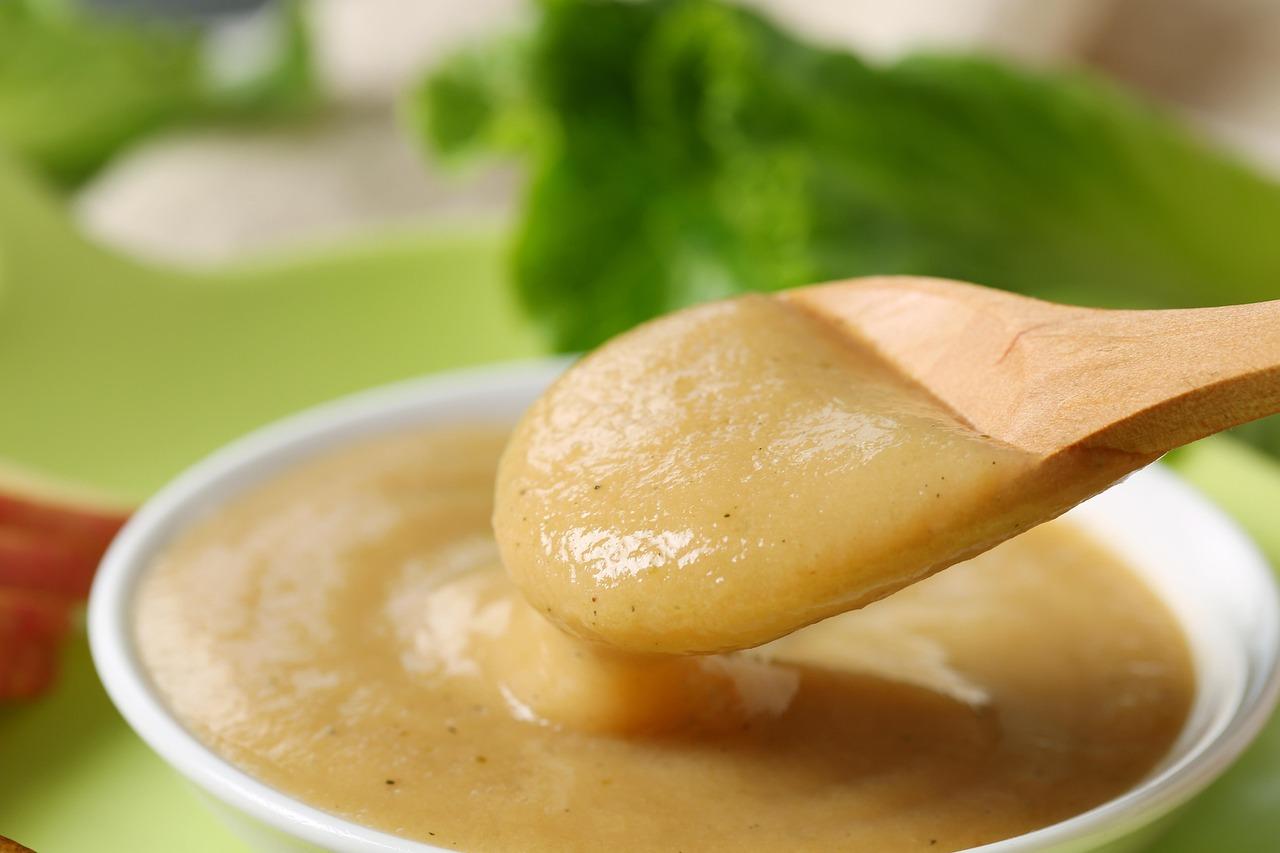
Apple & pear puree

A smooth, naturally sweet puree of gently stewed apple and pear, one of the first foods for babies of 4–8 months. The fruit cooks in a little unsweetened apple juice, so nothing else is needed. Serve it lukewarm; any leftover keeps covered in the fridge for a day, or freezes well in small pots.

11 minDessertsVeganGluten free
by KrazyBadal 1 views

Tutti fruttiMixed fruit juice

A jewel-bright juice of strawberries, peaches, red grapes, kiwi, pomegranate and passion fruit. Sweet, tangy and full of fruit, it's a treat for children and grown-ups alike. Serve cold or at room temperature.

15 minDrinksVeganGluten free
by KrazyBadal 1 views

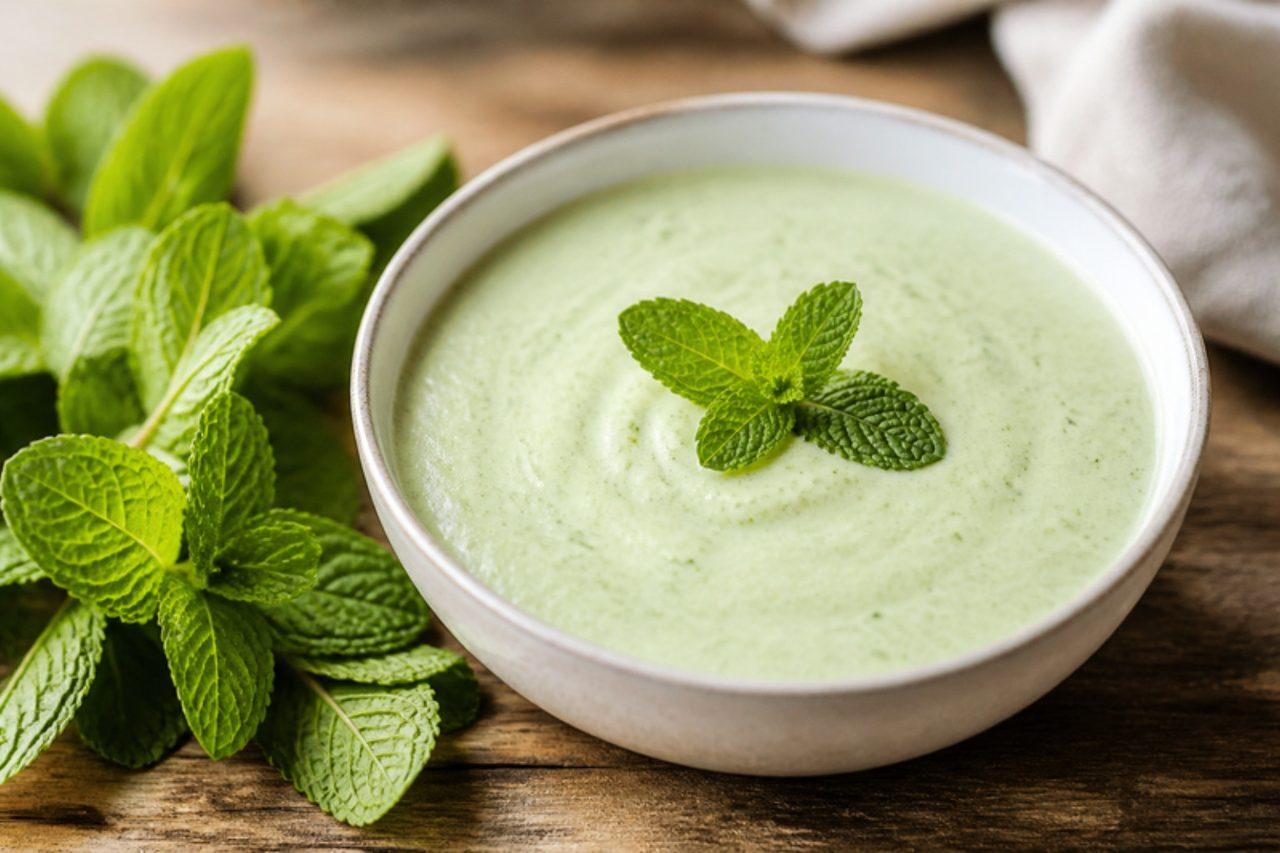
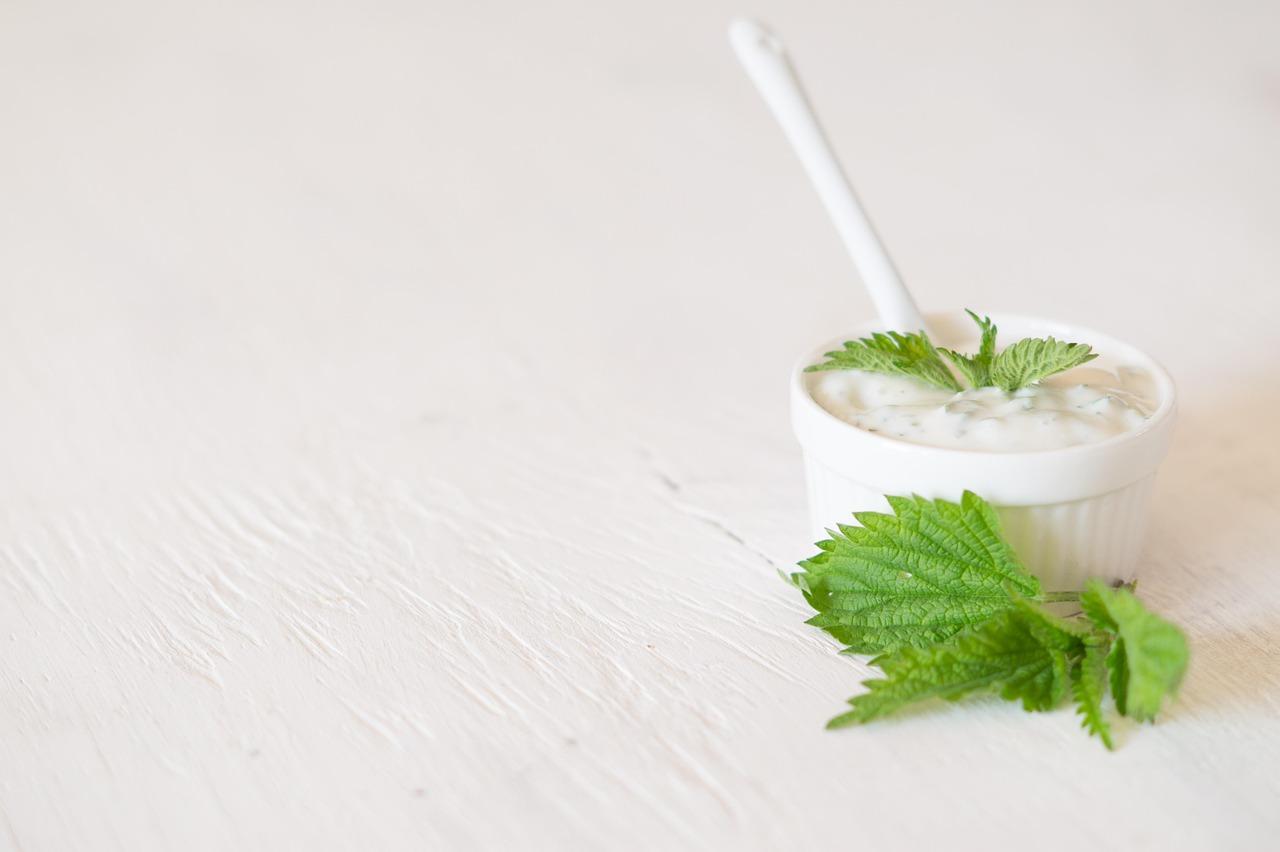
Mint and yogurt chutney

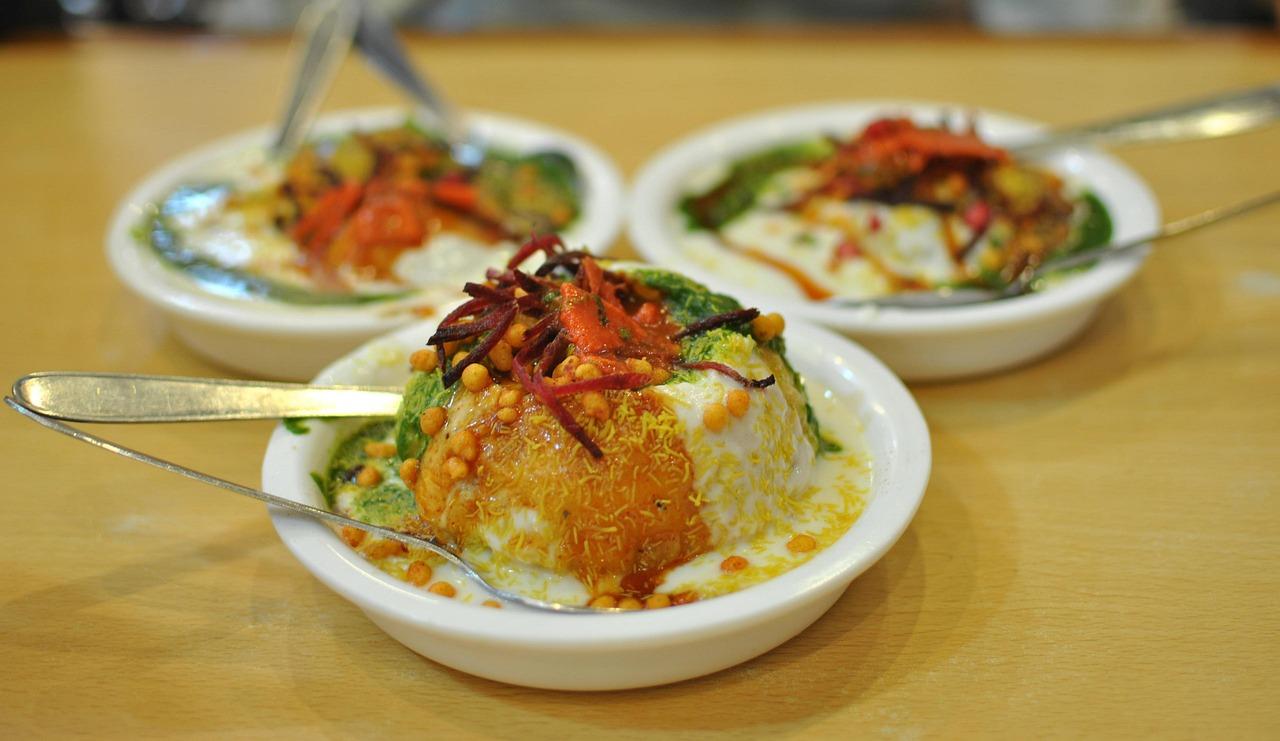
A smooth, cooling green chutney of fresh mint, coriander and green chillies blended into yogurt with a dash of vinegar. It's the classic partner for tikka, kebabs, samosas and pakoras, and also good drizzled over chaat.

by KrazyBadal 1 views

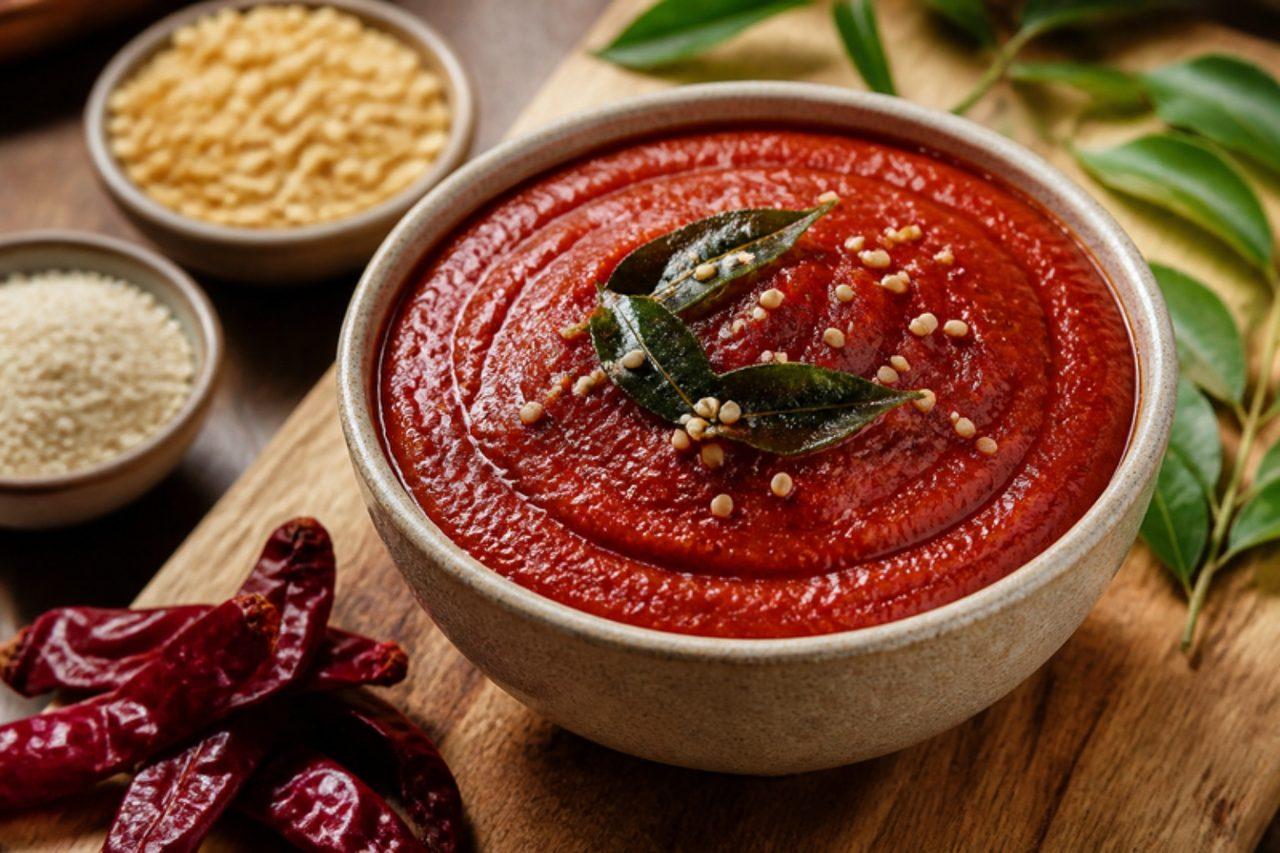
Badshahi chutneyRed chilli and tamarind chutney

A 'royal' chutney of fresh and dried red chillies with toasted urad dal, cumin, coriander and sesame seeds, curry leaves and fresh coriander, ground smooth with tangy tamarind juice. It's hot, sour and nutty, with a little sweetness. Serve a spoonful with idli, dhosa, farsan and rice dishes.

by KrazyBadal 1 views

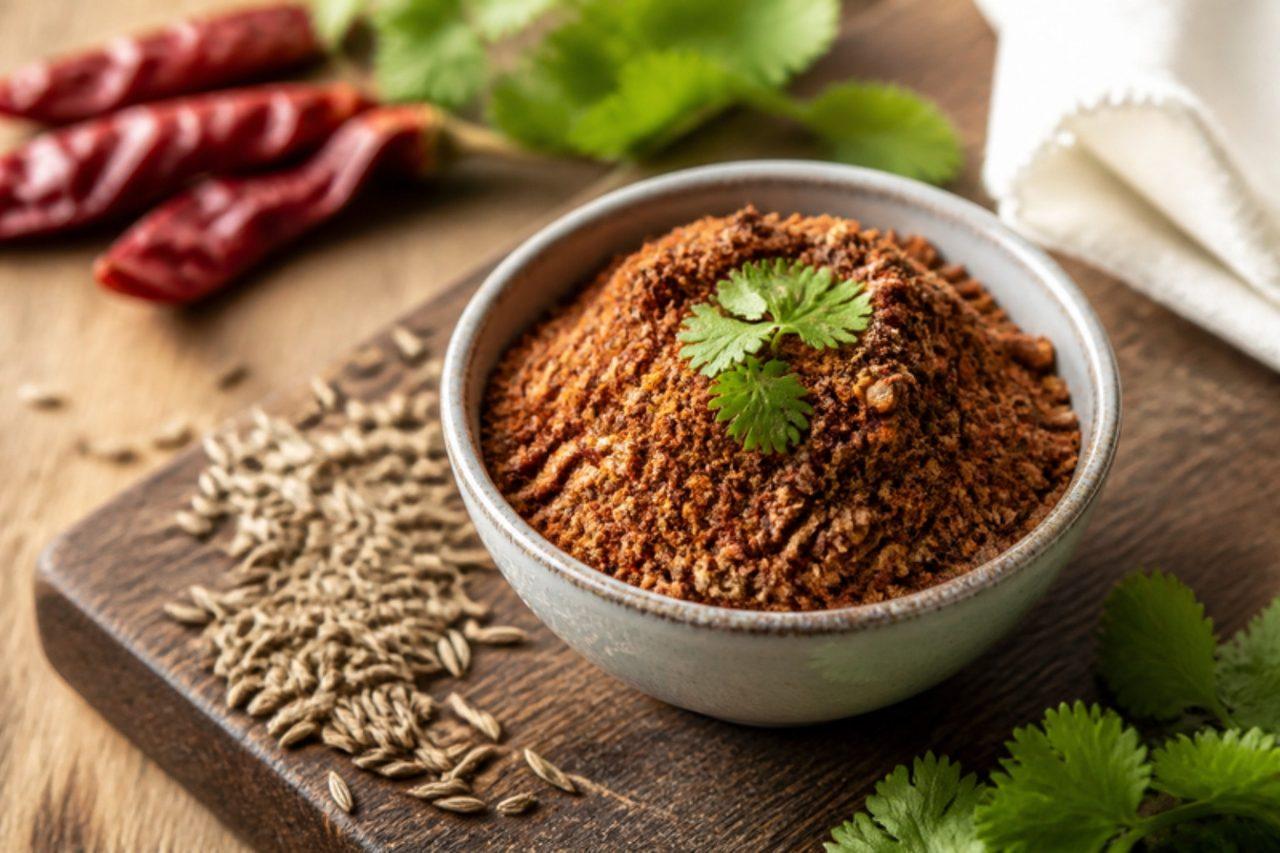
Dry jeera chutneyDry cumin and chilli chutney

A dry, coarse chutney powder of ground cumin, chilli, salt and asafoetida, with a few drops of lemon and oil and some fresh coriander, air-dried for a few days. Sprinkle a pinch over khichdi, dahi, chaat, bhel or buttered toast. Kept airtight, it lasts for weeks.

by KrazyBadal 1 views

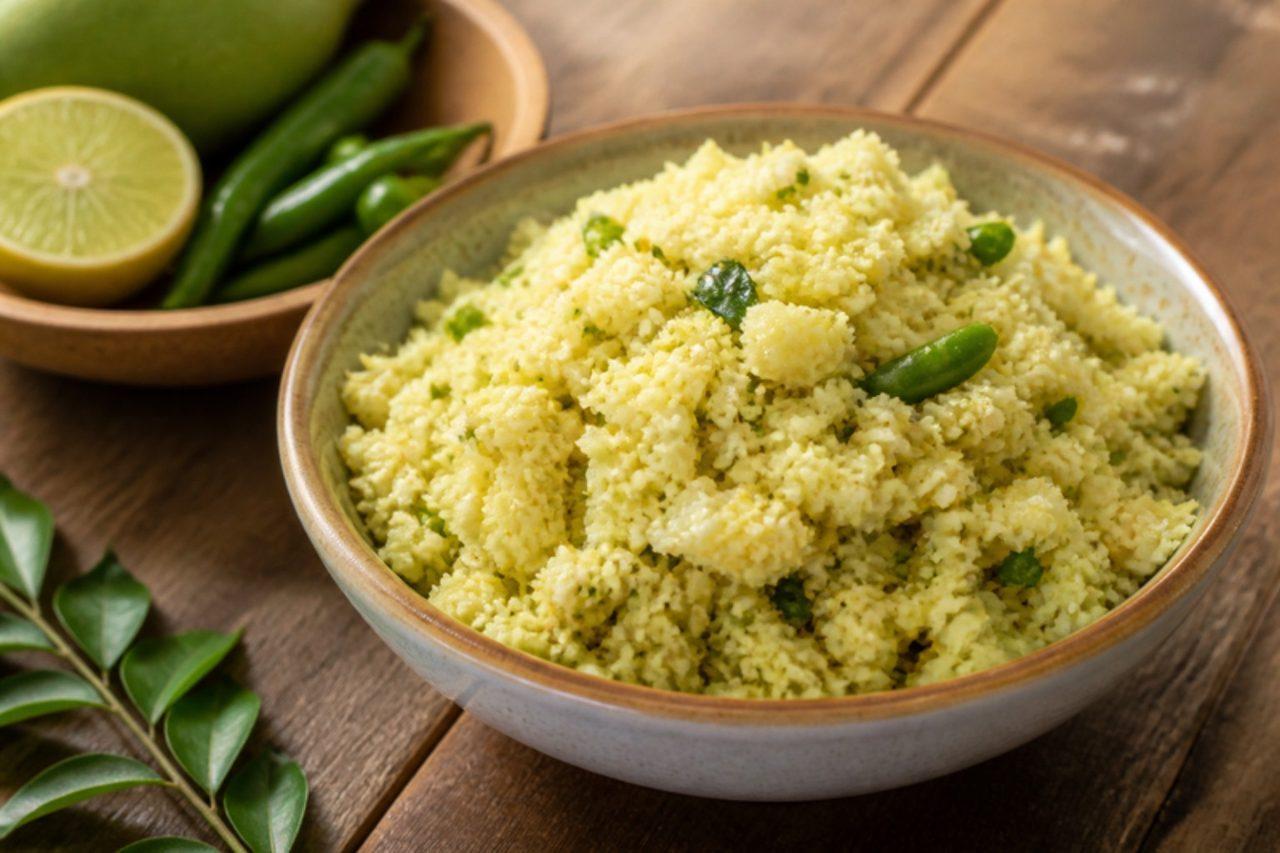
Kachri bateta coconut chutneyCoconut and raw mango chutney

A fresh, crumbly chutney of grated coconut and raw mango with a little chilli paste, sugar and a pinch of turmeric. It's sweet, sour and mildly hot, and is served with kachri bateta, the Gujarati potato snack, as well as with pattice and bhajias.

by KrazyBadal 1 views

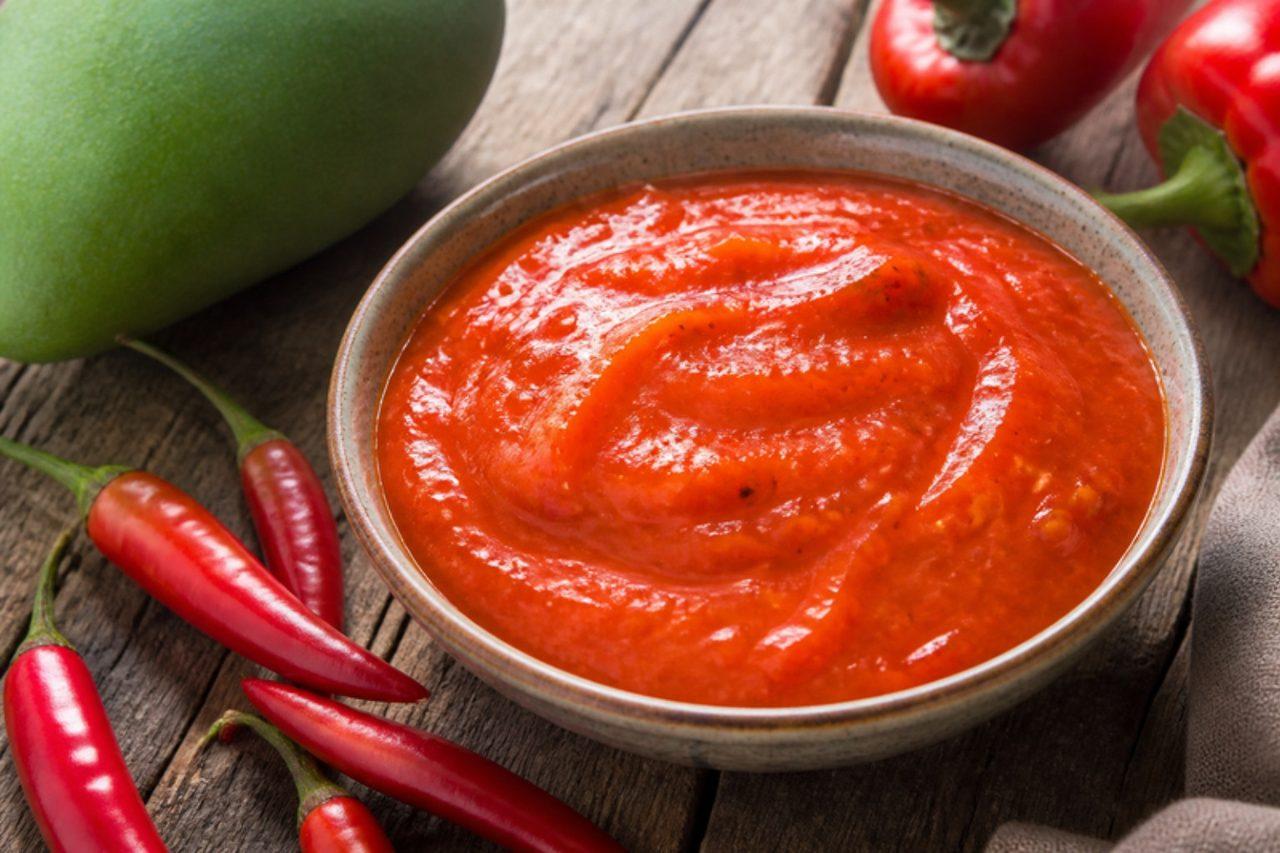
Red mango chutneyRaw mango and red chilli chutney

A smooth, tangy chutney of unripe mango, red pepper and hot red chillies, sweetened with jaggery and flavoured with cumin. It's a no-cook chutney with a lovely bright colour. Serve it with dhokla, bhajias, samosas or as a sandwich spread.

by KrazyBadal 1 views

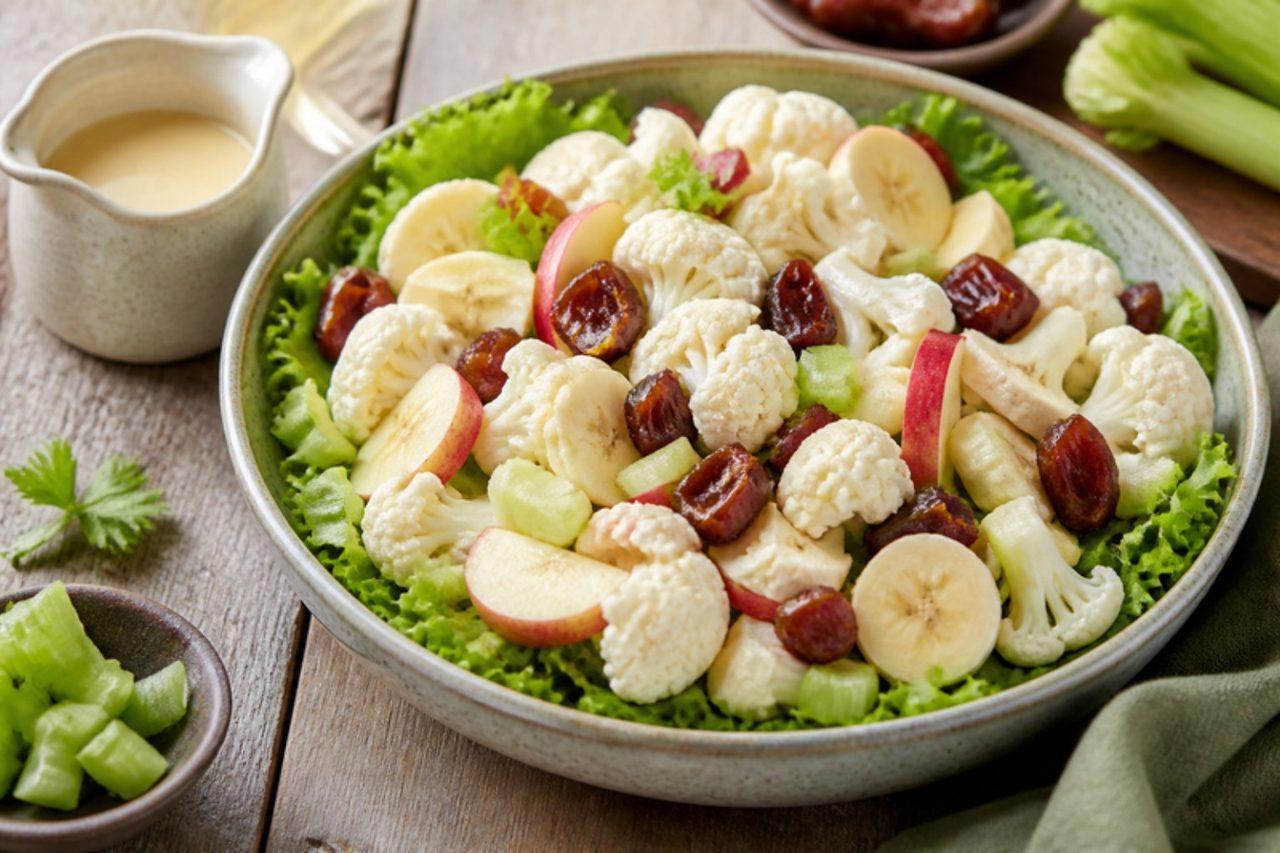
Cauliflower and dates salad

Raw cauliflower florets marinated in a little oil and vinegar, then mixed with sweet dates, banana, crisp red apples and celery on crunchy salad leaves. It is served with a creamy orange and mustard yogurt dressing. The mix of sweet, crunchy and tangy makes it a refreshing side for a summer lunch.

25 minSaladsGluten free
by KrazyBadal 1 views

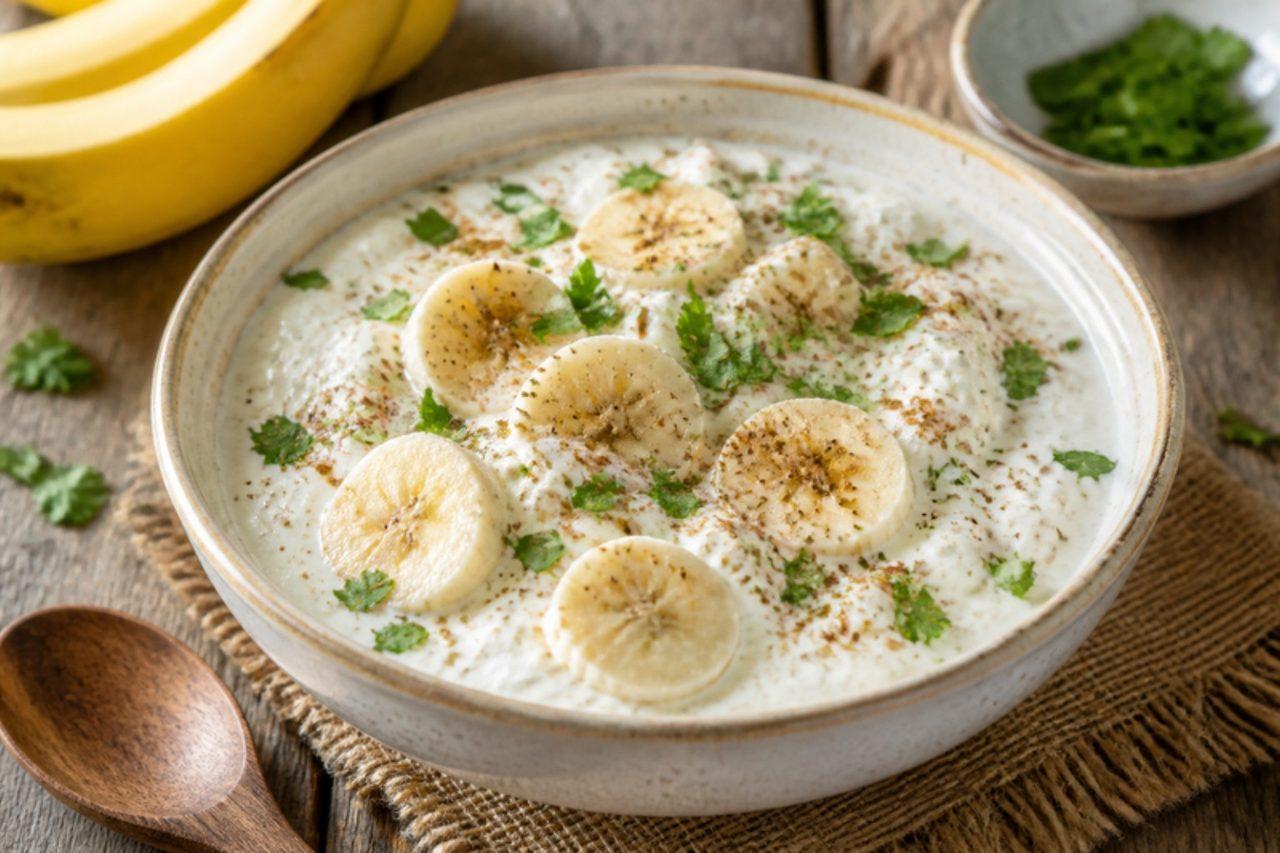
Banana raita

A creamy, sweet-and-tangy raita of chilled yogurt with banana, grated cucumber and pepper, spiced with mustard, cumin and a little chilli. It's cooling next to spicy food: serve it with biryani or dhosa ladoo. For a festive version, add finely chopped apple and pomegranate seeds.

by KrazyBadal 1 views

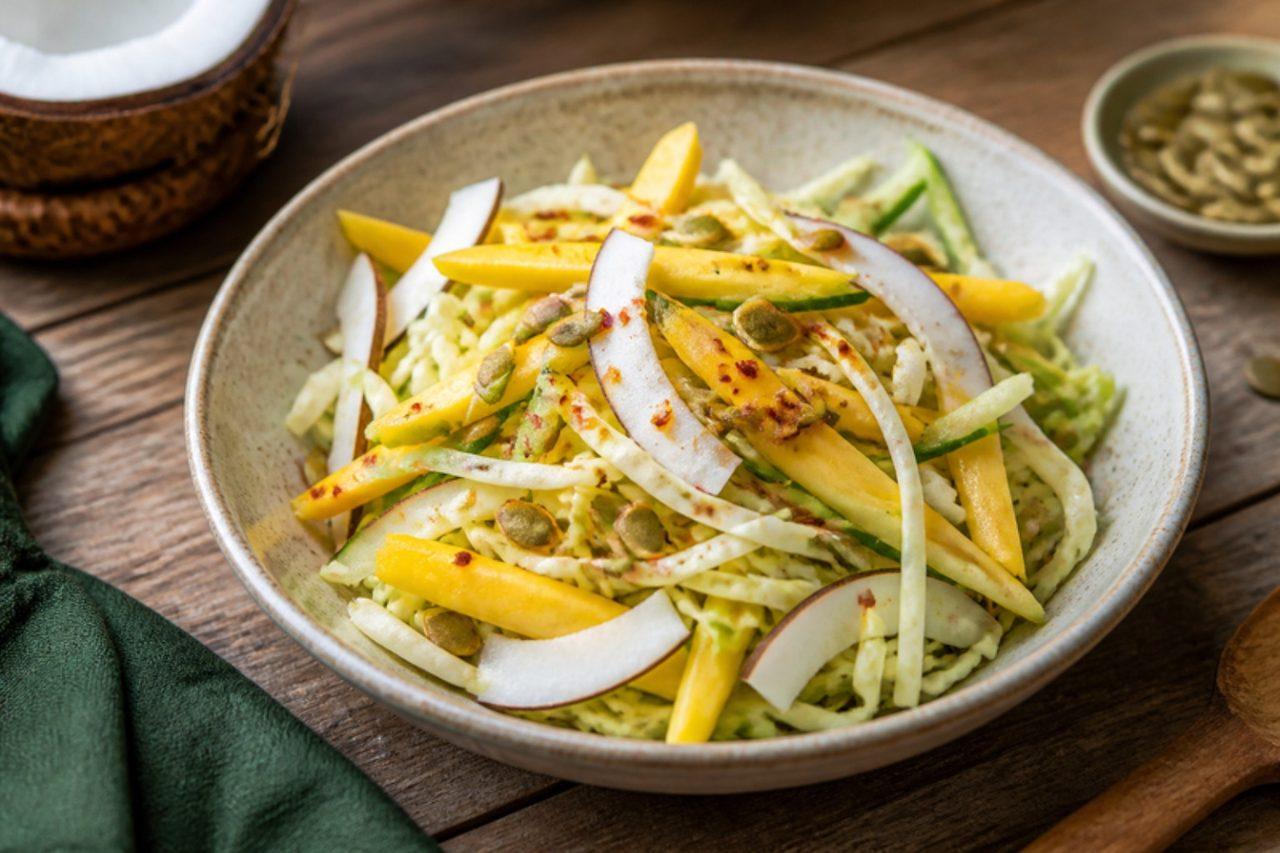
Hawaiian salad

A tropical salad of julienned mango, cucumber and cabbage with thin slices of fresh coconut and toasted pumpkin seeds. The dressing is sweet and hot with chilli flakes and parsley. Choose firm, semi-ripe mangoes so the strips hold their shape, and add them at the last minute.

23 minSaladsVeganGluten free
by KrazyBadal 1 views

Barbeque mint chutneyMint and yogurt dip

A thick, creamy mint chutney made with hung-yogurt cottage cheese, so it clings to grilled food without running. It's fresh with mint and coriander and gently spicy. Serve it with barbecued paneer and vegetable skewers, tikka, kebabs and corn on the cob.

by KrazyBadal 1 views

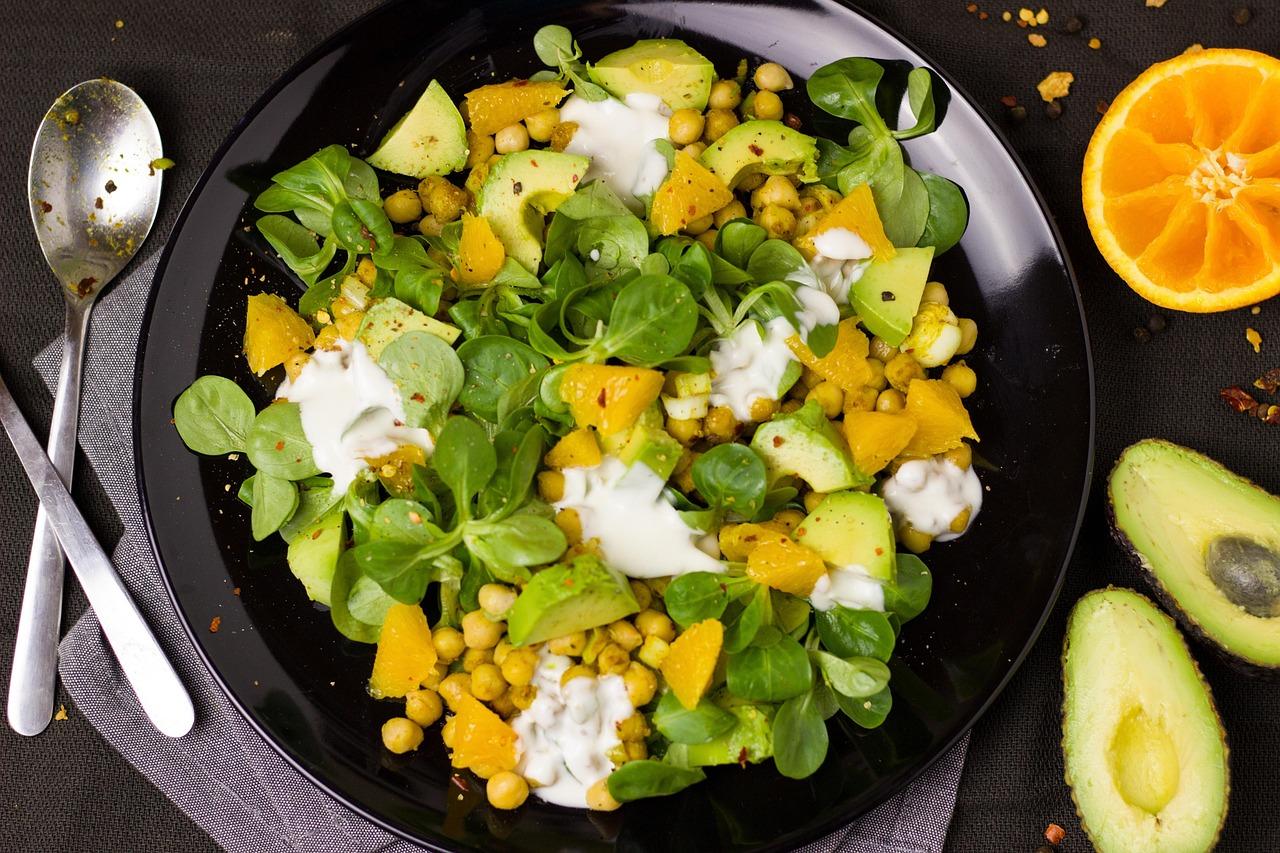
Parmesan and feta cheese salad

Crisp mixed lettuce with creamy avocado, juicy orange segments, cubes of feta and roasted nuts, dressed with olive oil, lemon and herbs and finished with grated parmesan. It's a quick, elegant salad for a dinner party or a light lunch. Toss the avocado in lemon juice first so it stays green.

by KrazyBadal 1 views

Cabbage and coconut salad

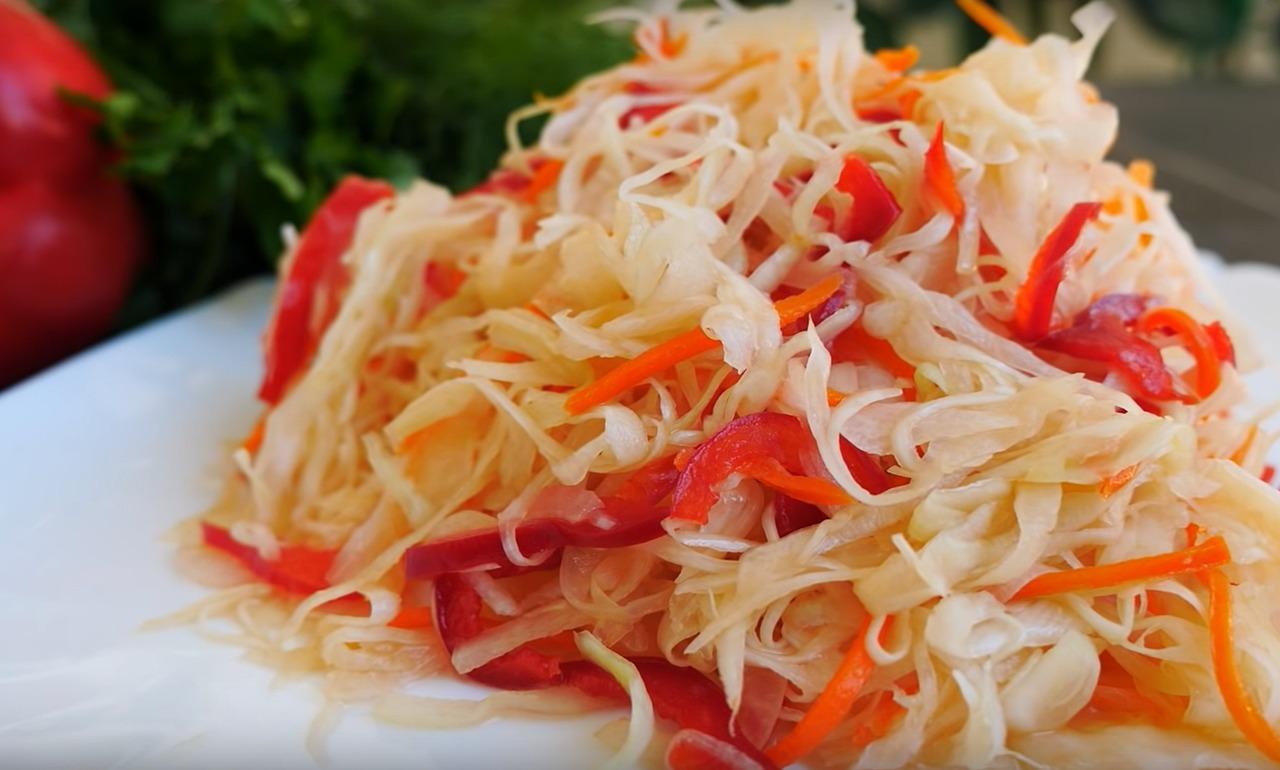
A crunchy Indian-style salad of finely shredded cabbage, fresh coconut, fried red peanuts and cashews, with plenty of chilli. The lemon dressing is tempered: mustard seeds are popped in hot oil first, which gives it a lovely nutty flavour. Serve it as a side with dal and rice, or with any Gujarati meal.

by KrazyBadal 1 views

Cauliflower soup with farfalle

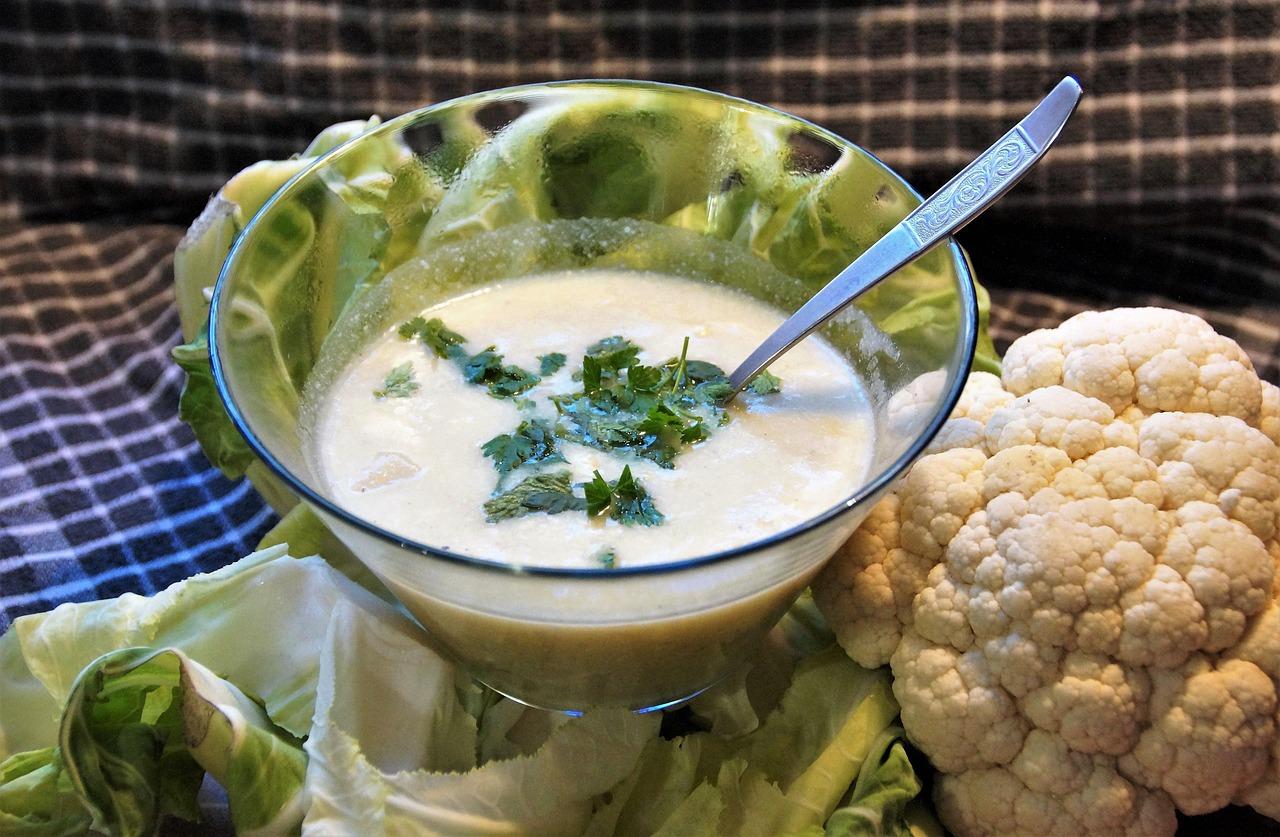
A smooth, creamy cauliflower soup flavoured with nutmeg and Parmesan, with little bow-tie pasta stirred through. It's served with crisp, curled melba toast sprinkled with Parmesan and paprika, so it makes a light meal on its own.

by KrazyBadal 1 views

Nacho triangles (tortilla chips)

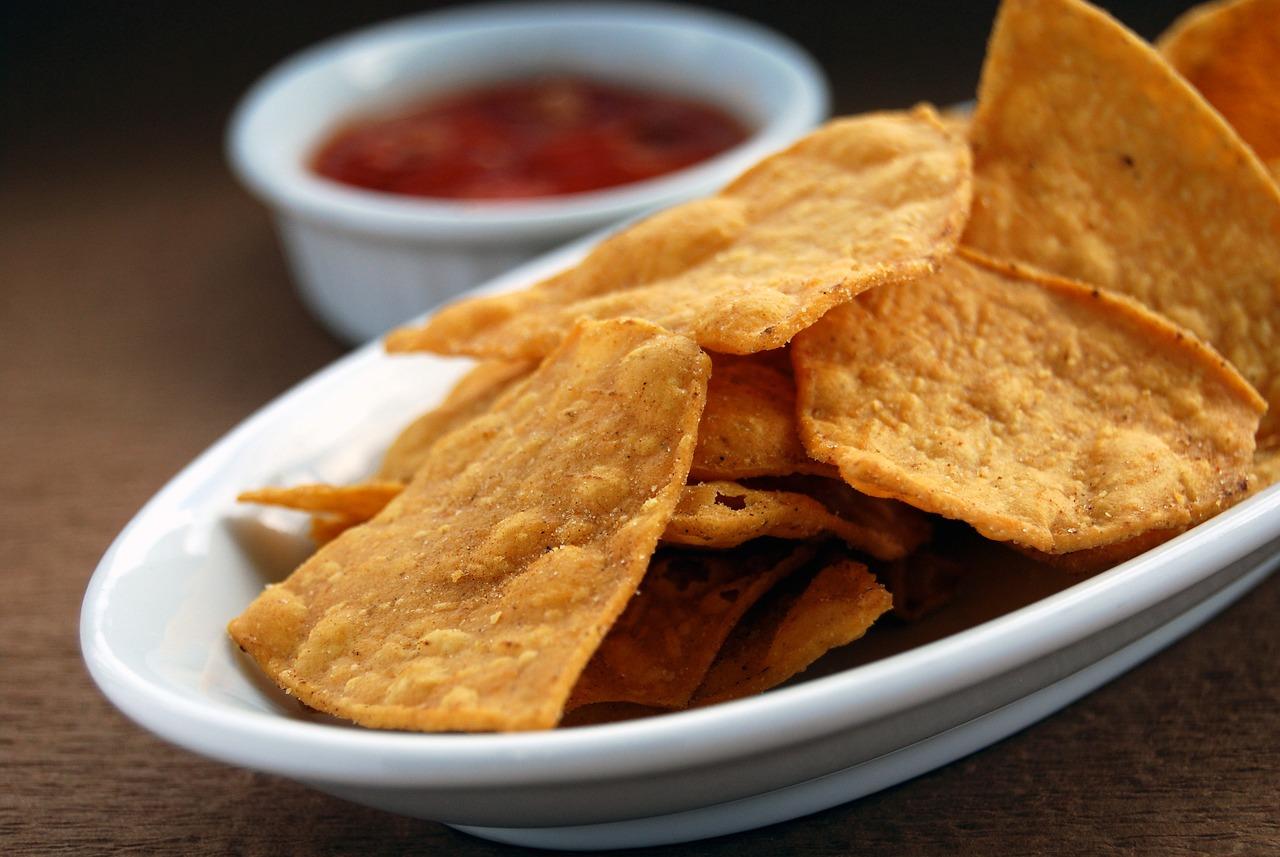
Home-made tortilla chips from a simple maize and wheat dough, rolled thin, cut into triangles and fried until crisp. They're lighter and fresher than packet chips. Serve them with salsa, sour cream dip or avocado dip, or use them for nachos.

by KrazyBadal 1 views

Sugar syrup

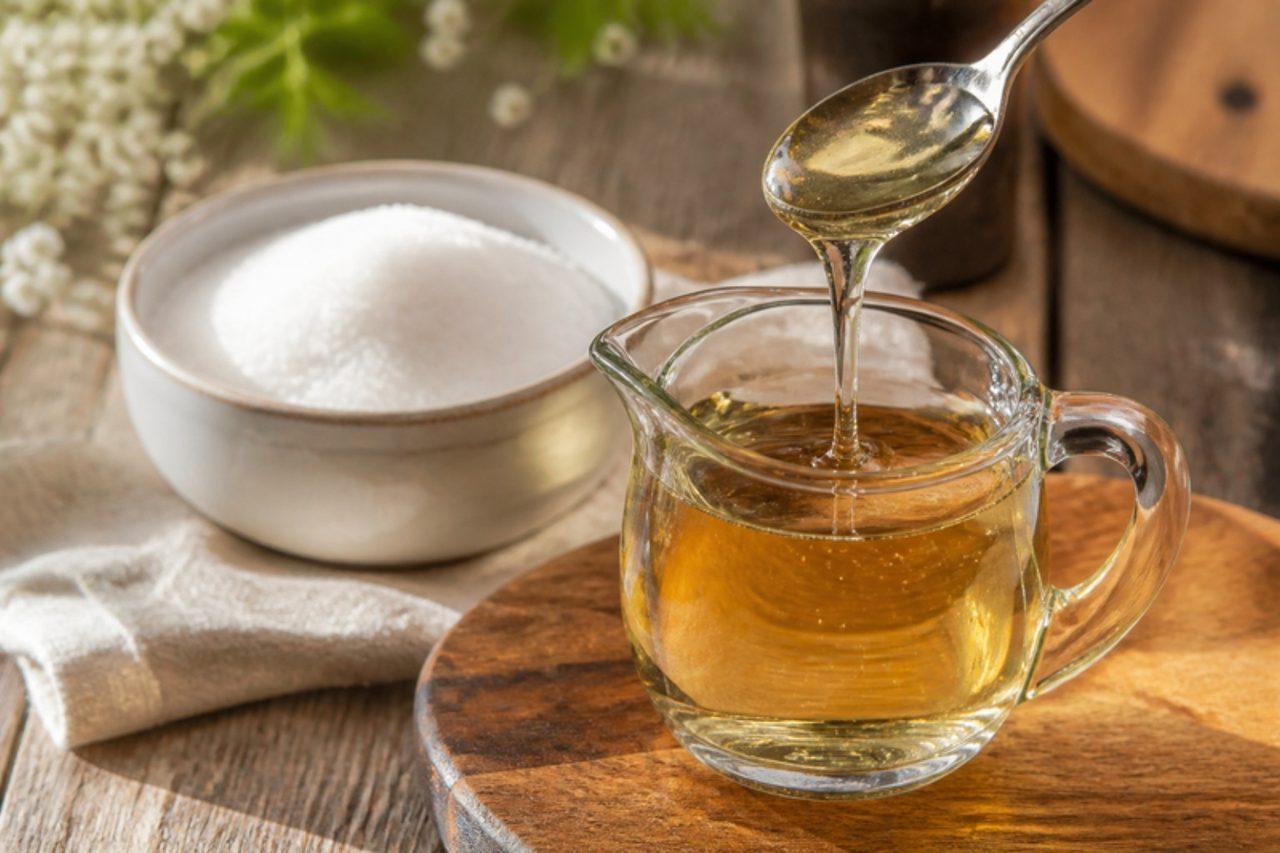
Sugar syrup (chashni) is the base of many Indian sweets, and recipes ask for it at different stages. A light syrup is for soaking sweets and sweetening drinks. One-thread and two-thread syrups are boiled longer so the sweet sets. You can make it with milk instead of water for some sweets.

by KrazyBadal 1 views

Chaat masala

Chaat masala is the tangy, salty, slightly sulphurous sprinkle that makes chaat taste like chaat. Dried mango (amchur) gives the sourness and black salt the distinctive savoury edge. Sprinkle it over fruit, salads, raita, chips and street-food snacks.

by KrazyBadal 1 views

Dal masala

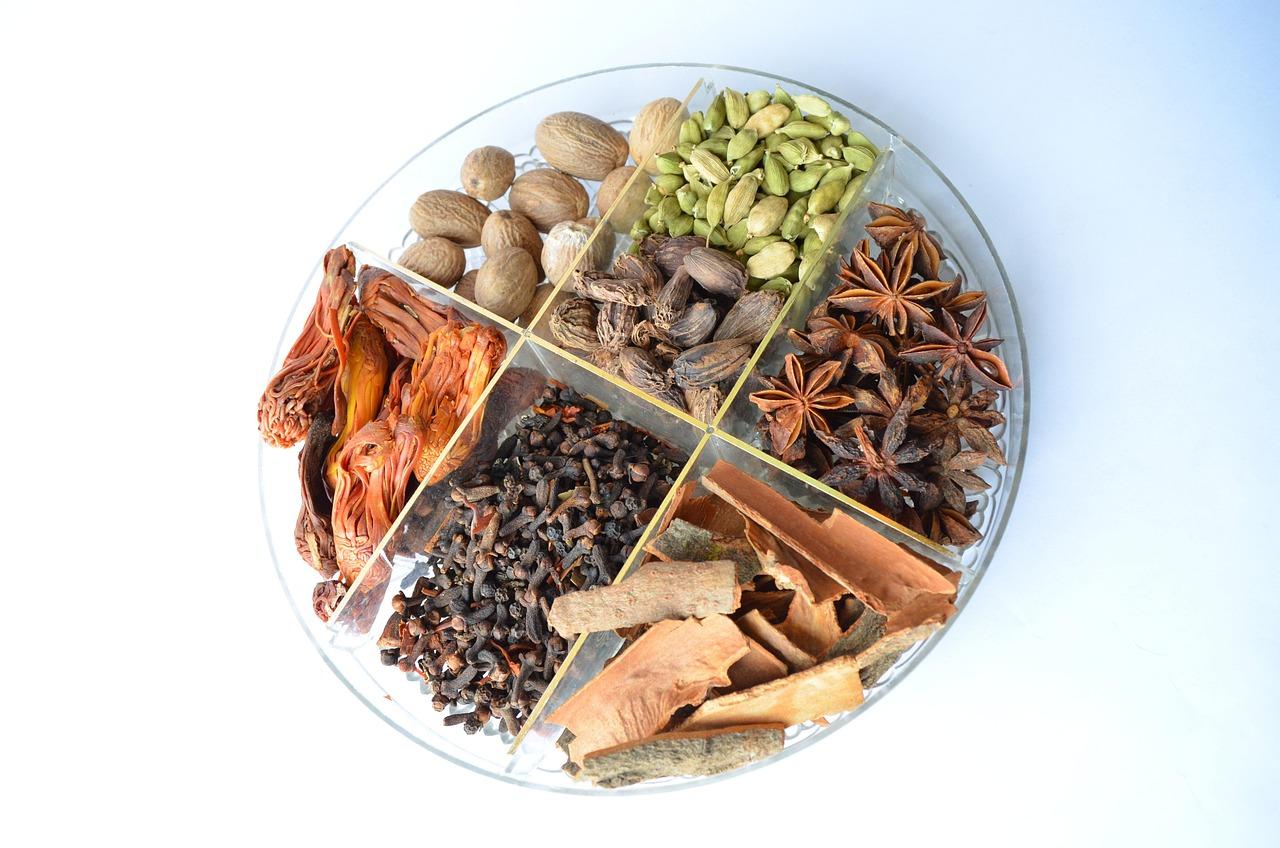
A Gujarati dal masala with whole spices roasted in a little oil, plus star anise, black cardamom and dagad phool (stone flower) for depth. A teaspoon gives dals, kadhi and khichdi a warm, rounded flavour. The recipe makes a big batch, so it's worth making once a season.

by KrazyBadal 1 views

Mild curry masala

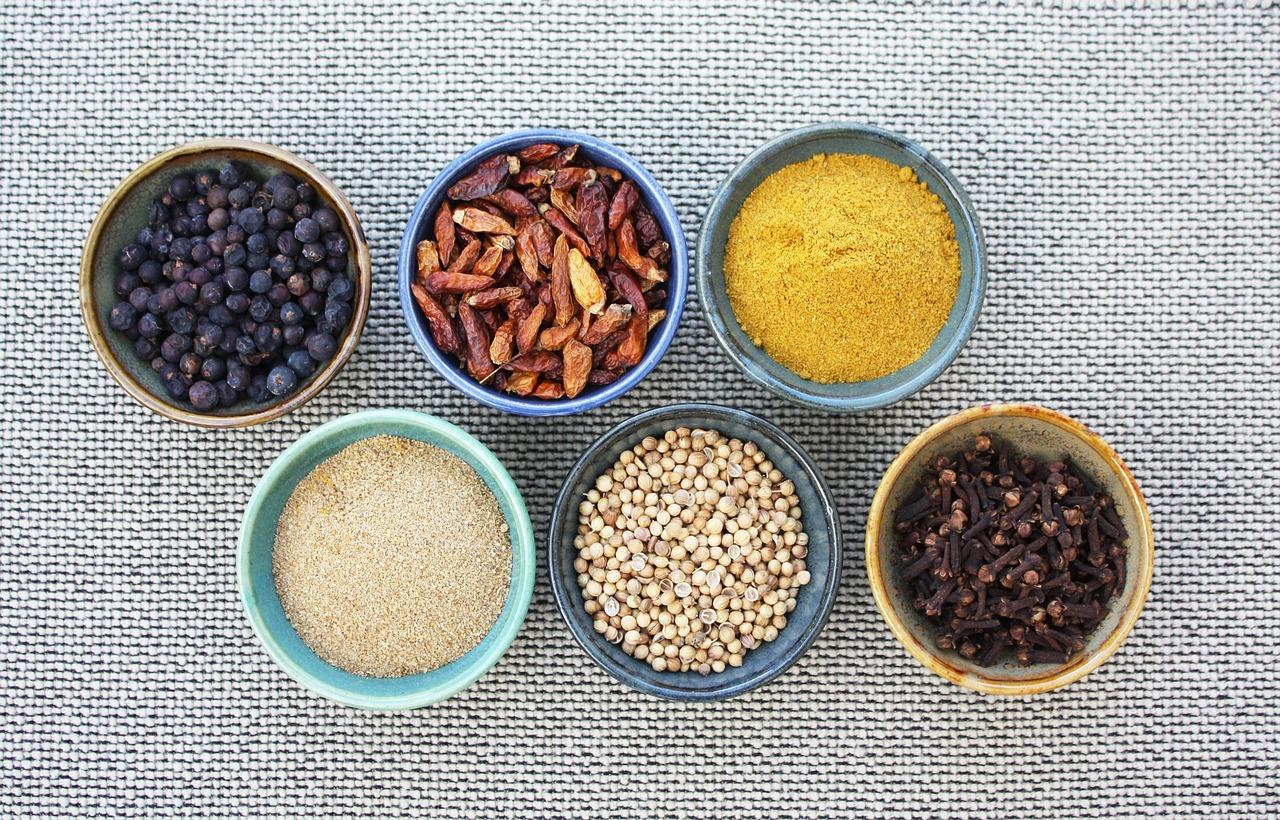
An everyday curry powder that's built on coriander seeds, so it's fragrant rather than fiery. Fennel, star anise and bay give it a sweet warmth, with just two red chillies for heat. Season curries with it when you want flavour without much heat.

by KrazyBadal 1 views

Garam masala

Home-made garam masala is far more fragrant than shop-bought. The whole spices are roasted until crisp, then ground, giving a warm, slightly hot blend with dry ginger and red chilli. Add a pinch to curries, dals and rice dishes towards the end of cooking.

by KrazyBadal 1 views

Home-made golden syrup

A home-made stand-in for golden syrup, from sugar caramelised until amber and boiled with water to a two-thread syrup. Use it in any recipe that needs golden syrup, such as flapjacks, biscuits and treacle tarts.

by KrazyBadal 1 views

MicheladaSpiced lime beer cocktail

The michelada is the weekend drink of Mexico, poured at beach bars in Mazatlán, cantinas in Mexico City and backyard carne asadas on Sunday afternoons, and it is a drink for adults only. A light Mexican-style lager is mixed with plenty of lime, a dash of hot sauce, a little soy sauce and Worcestershire sauce, over ice in a glass rimmed with chilli salt, so it is sour, salty, savoury and very refreshing. Most Worcestershire sauce contains anchovies, so buy a vegetarian Worcestershire sauce. For an alcohol-free version, use alcohol-free lager or sparkling water with a little tomato juice; it tastes almost the same. The common mistake is adding the beer too fast: it foams up over the seasoning and the glass overflows. Tilt the glass and pour slowly. Drink responsibly. Chef's tip: chill the glass in the freezer for 15 minutes; the rim sets crisply and the drink stays cold to the last sip.

by KrazyBadal 0 views

Bahamian johnnycake

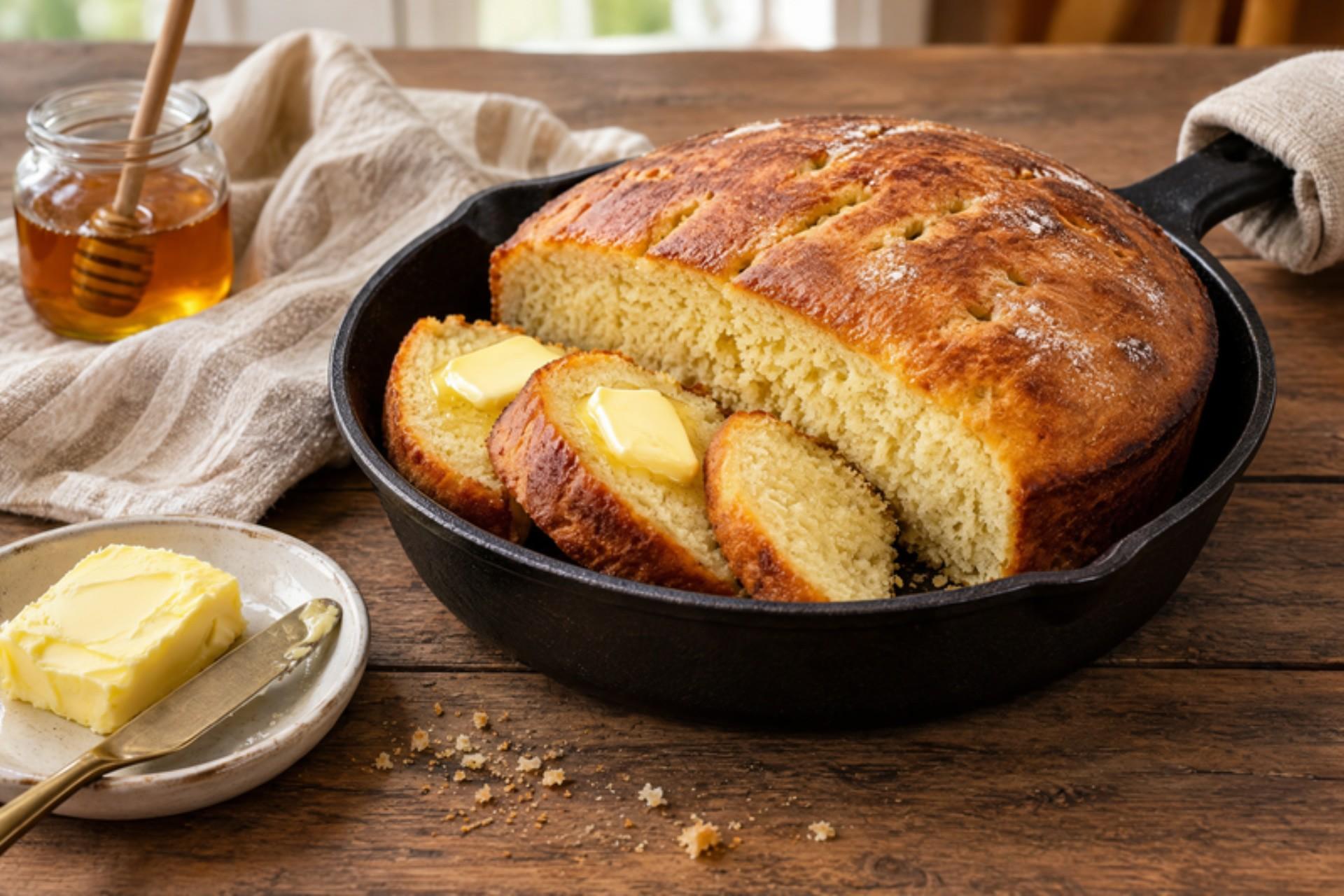
In the Bahamas johnnycake is not a pancake but a golden pan bread, baked in a skillet or tin and sliced warm in Nassau homes and Out Island kitchens, at breakfast with stew fish or alongside conch chowder and peas and rice. The dough is a rich, lightly sweet mix of flour, butter, milk and a little sugar, closer to a soft scone than a yeast bread. It contains wheat and milk. The common mistake is kneading it like bread, which makes it tough; mix just until it comes together. It is done when the top is deep golden and a skewer in the centre comes out clean, and the bottom sounds hollow when tapped. Chef's tip: brush the top with melted butter the moment it comes out of the oven for a soft, shiny crust.

by KrazyBadal 0 views

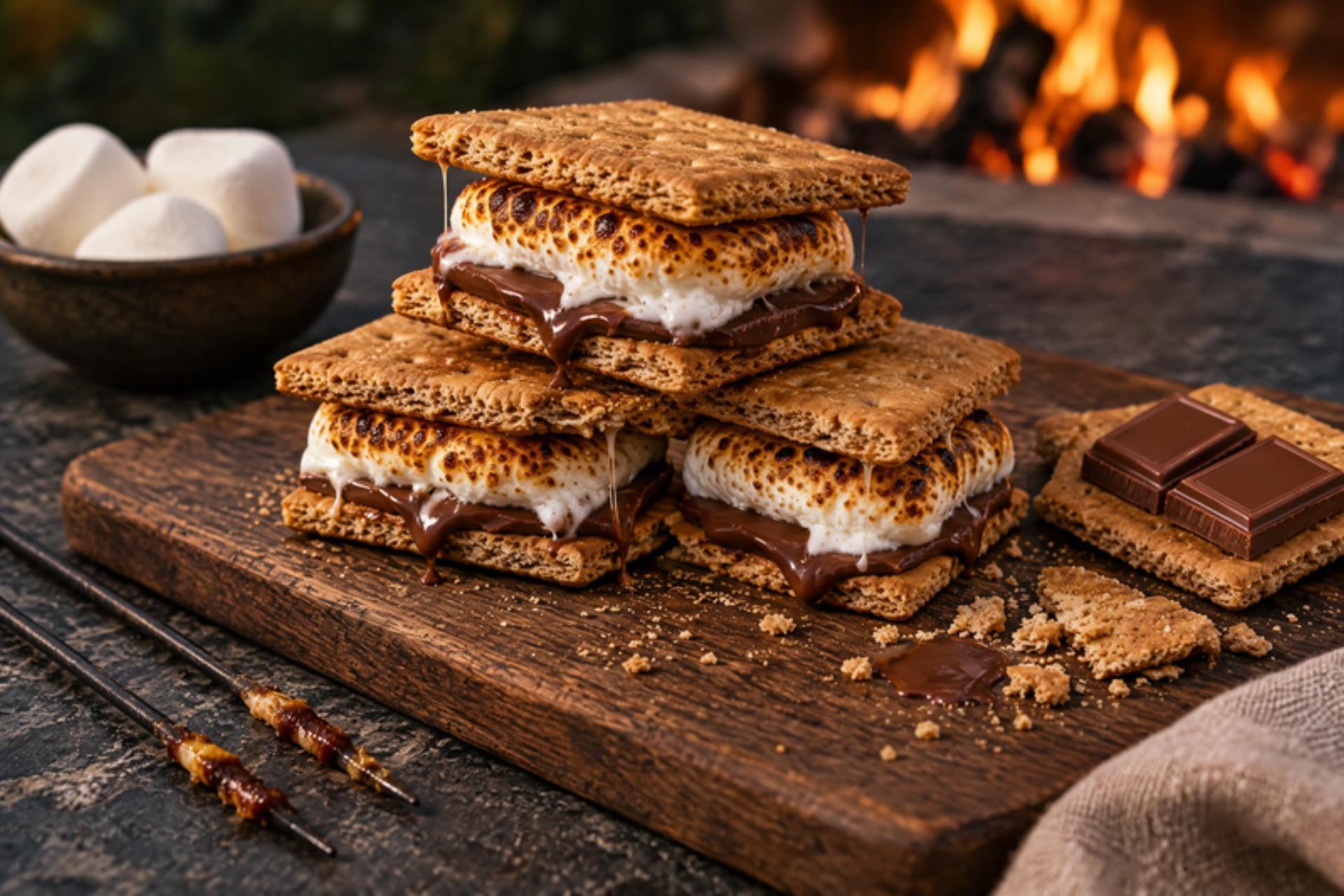
Campfire s'moresToasted marshmallow chocolate cracker sandwiches

S'mores were printed in an American scouts' handbook in the 1920s, and they are still the first thing children learn to make round a summer campfire, from Yosemite campsites to backyard fire pits on the Fourth of July. A marshmallow is toasted on a stick until golden and gooey, then squashed with a square of chocolate between two sweet wholemeal crackers so the heat melts the chocolate. The name is short for 'some more', which is what everyone asks for. Most marshmallows contain gelatine, which is not vegetarian, so buy marshmallows labelled vegetarian or vegan. They contain wheat and milk, and possibly soya. Melted marshmallow is very hot, so supervise children closely. The usual mistake is holding the marshmallow in the flames, where it catches fire and stays cold inside; toast it slowly over glowing embers, turning all the time. Chef's tip: set the chocolate on the bottom cracker near the fire while you toast, so it is already softening when the hot marshmallow lands.

by KrazyBadal 0 views

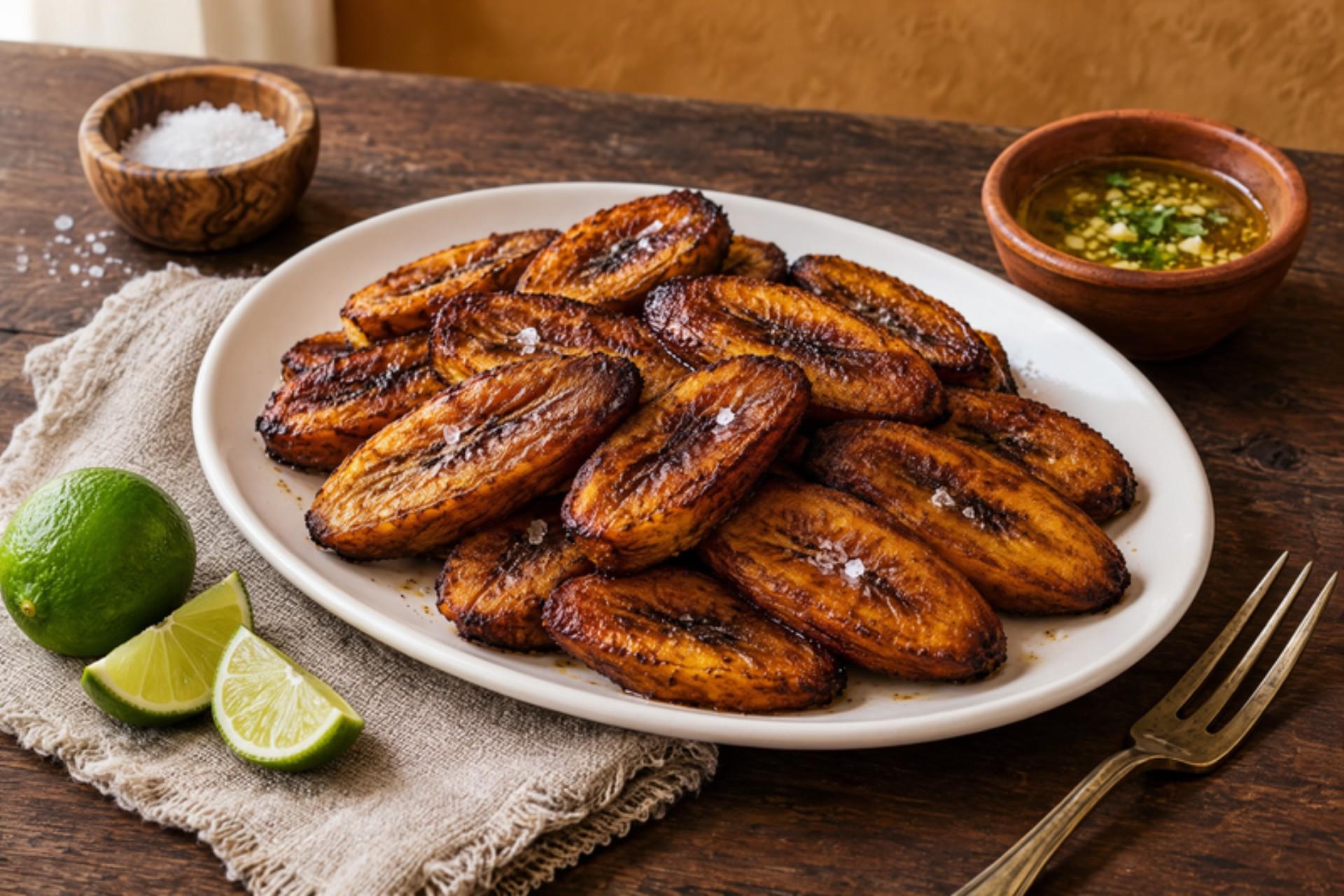
Plátanos maduros fritosFried sweet plantains

No Cuban lunch counter in Havana, Santiago or Miami serves ropa vieja, picadillo or black beans and rice without a few maduros on the side. Plantains are left until the skin is almost completely black, when the flesh turns soft and sugary, then sliced on the diagonal and fried slowly until the edges caramelise and the middle is creamy. The mistake is using yellow plantains: they stay starchy and dry, so wait until the skins are mostly black and the fruit gives when pressed. They are done when deep amber on both sides and a knife slides in with no resistance. Chef's tip: fry over a medium heat, not high; the sugar in ripe plantain burns before the centre softens if the oil is too hot.

17 minCubanSidesVeganGluten free
by KrazyBadal 0 views

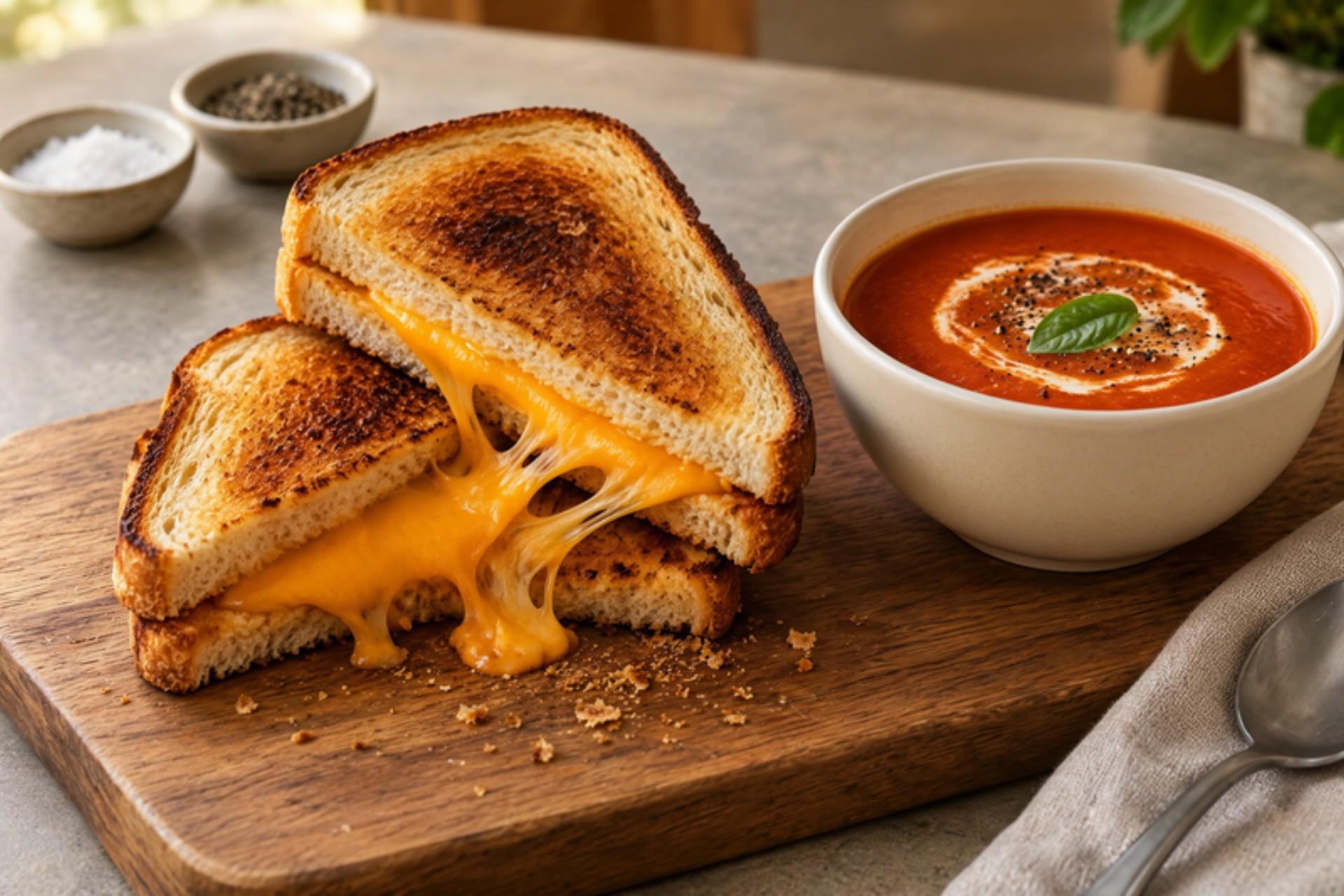
Grilled cheese sandwich

In the United States a grilled cheese is pan-fried, not grilled, and it is the lunch of school canteens, diner counters and snowy days at home, almost always dunked into a bowl of tomato soup. Buttered bread toasts slowly in the pan until deep golden and crisp, while the cheese inside melts into long, gooey strings. It contains wheat and milk. Cheddar is often made with animal rennet, so choose one labelled vegetarian if that matters to you. The usual mistake is a heat that is too high: the bread burns before the cheese has melted. Keep it at medium-low and be patient. Chef's tip: grate the cheese instead of slicing it, and press the sandwich with a lid or a second pan for the first minute; grated cheese melts evenly right to the edges.

by KrazyBadal 0 views

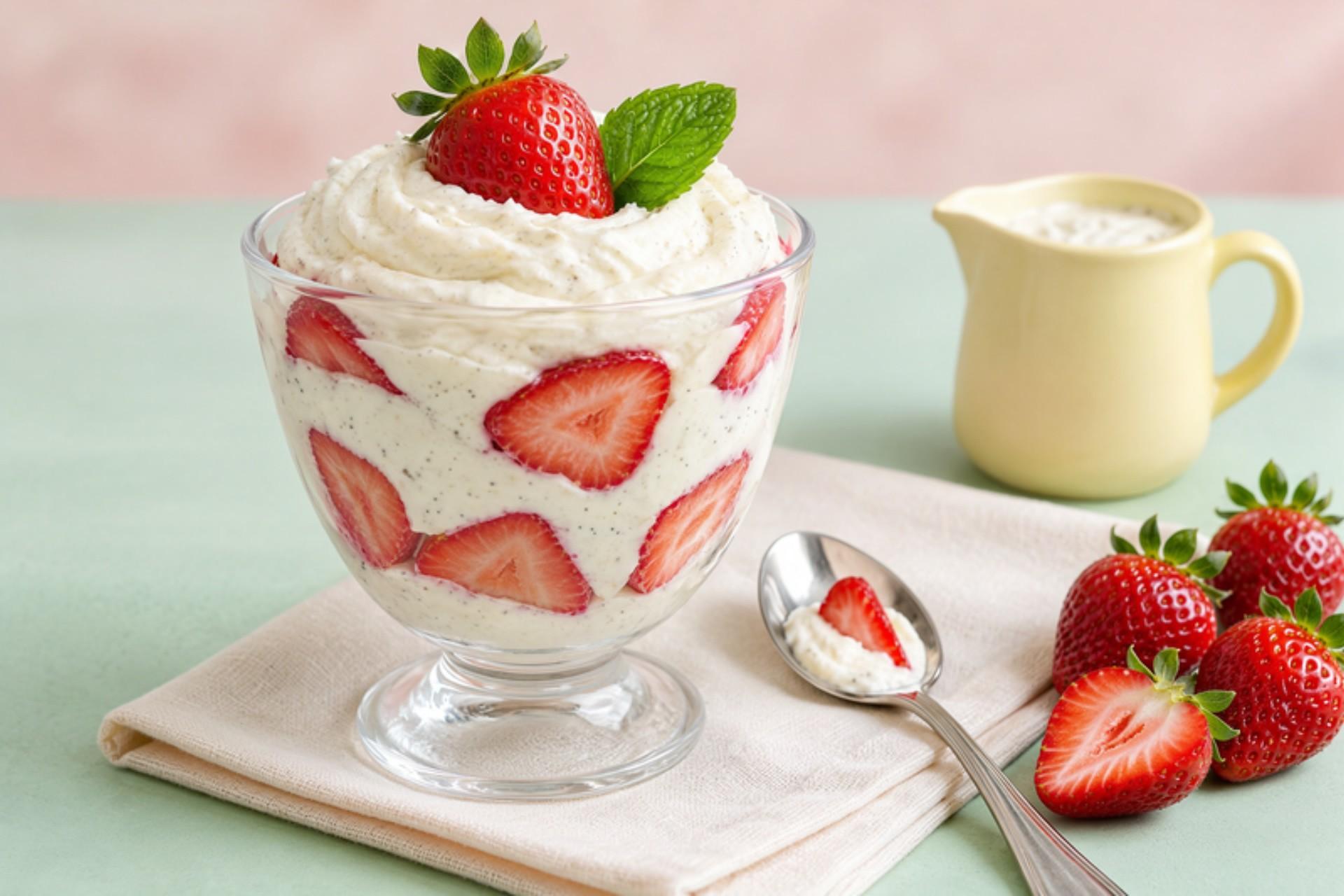
Fresas con cremaStrawberries and cream

Fresas con crema is sold in plastic cups at juice stands, markets and park carts all over Mexico, especially in Irapuato, Guanajuato, the country's strawberry capital, and kids beg for it on hot afternoons and after school. Ripe strawberries are folded through a cold, silky cream sweetened with condensed milk and vanilla, so the juice bleeds pink into the cream. The usual mistake is mixing it too early: after an hour the berries weep and the cream turns thin and watery. Mix it up to 20 minutes before eating. Use the sweetest, reddest berries you can find; pale ones taste sour however much sugar you add. Chef's tip: chill the bowl and both creams for 30 minutes first, then whisk only briefly; cold cream thickens slightly on its own and clings to the fruit.

by KrazyBadal 0 views

Tortillas de maízHomemade corn tortillas

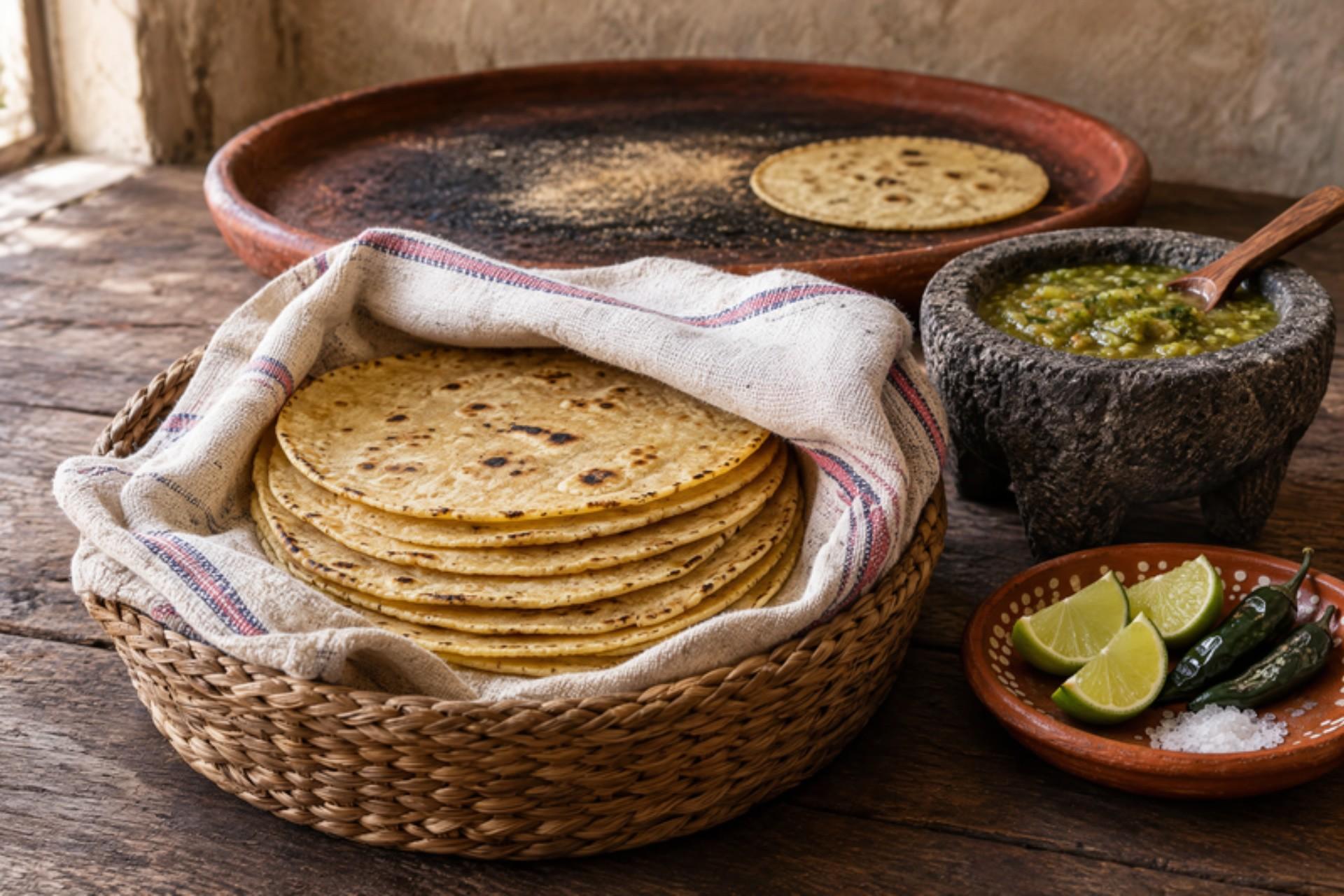
Across Mexico, from Oaxaca market stalls to family kitchens in Guadalajara, warm corn tortillas arrive at every meal of the day, stacked in a cloth-lined basket next to beans, eggs, stews and salsas. Made fresh, they are soft and pliable with a toasty, sweet corn smell that packaged ones never have, and a good one puffs up like a balloon on the comal. You need only masa harina (nixtamalised corn flour, not cornmeal or polenta), warm water and a pinch of salt. The common mistake is a dough that is too dry: the edges crack when pressed and the tortillas turn stiff as cardboard. The dough should feel like soft play dough and not stick to your palm. They are done when both sides have pale brown freckles and the tortilla has puffed. Chef's tip: stack the cooked tortillas in a clean tea towel inside a lidded basket or pot; they steam each other and stay soft for an hour.

by KrazyBadal 0 views

Diós tésztaWalnut and sugar pasta

Diós tészta, walnut noodles, is a sweet main course that Hungarians eat for lunch or a quick dinner, often after a bowl of bean or vegetable soup, and it is a fixture of Budapest school canteens. Hot ribbon pasta is tossed with melted butter, then with ground walnuts and sugar, so the nuts cling in a sweet, toasty coat. Children adore it; it contains nuts, so mind allergies. The common mistake is using old walnuts, which taste bitter and spoil the dish; taste one before you start. Chef's tip: toast the ground walnuts in the dry pan for a minute until they smell rich, and a little lemon zest keeps the sweetness lively.

by KrazyBadal 0 views

Penne al gorgonzolaPenne with blue cheese sauce

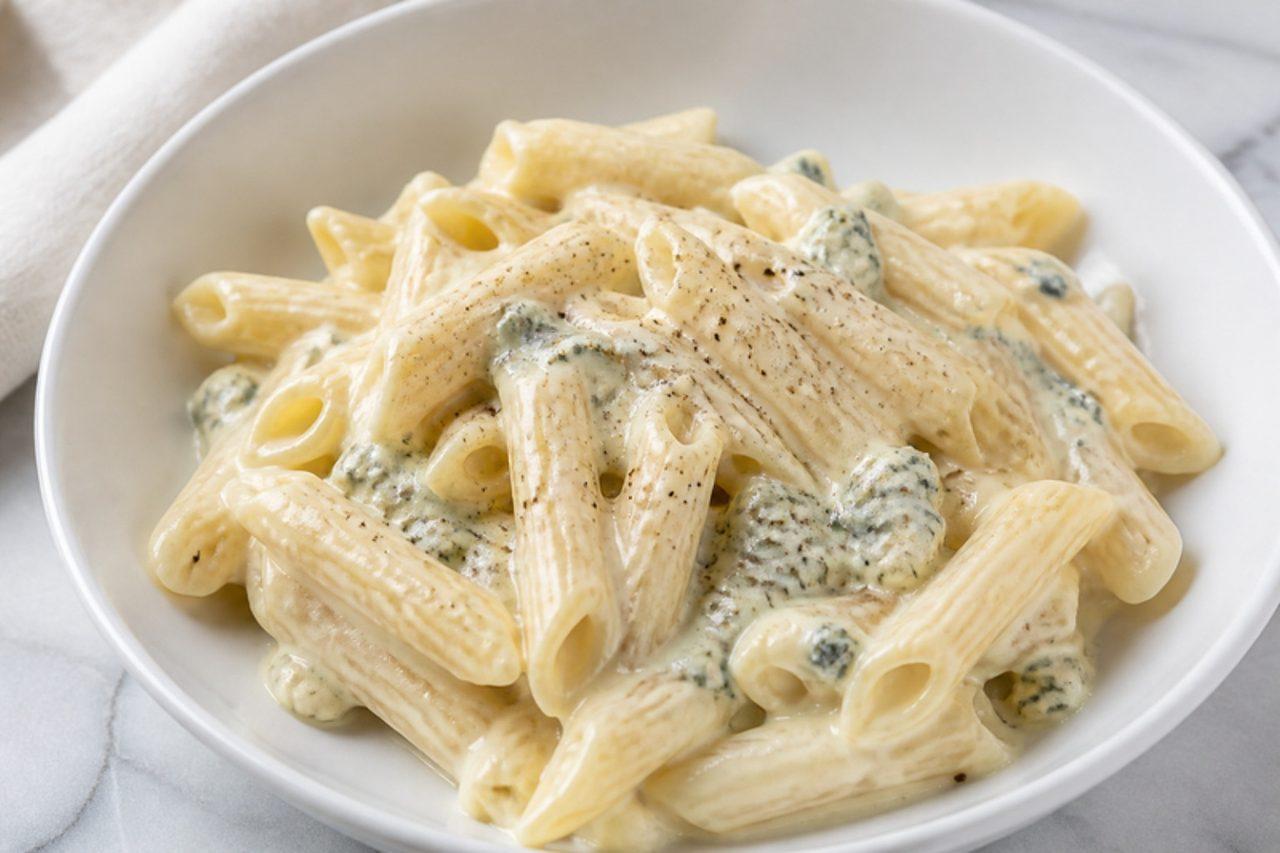
Penne al gorgonzola is the weeknight dinner of Milan and the Piedmontese towns around Novara, where gorgonzola is made: the soft, sweet dolce kind melted with a little butter and milk into a pale, tangy sauce that coats every tube of pasta. It needs only a green salad alongside. Gorgonzola is traditionally made with animal rennet; for a vegetarian dinner choose a soft blue cheese labelled vegetarian. The most common mistake is letting the sauce boil, which splits the cheese into oil and grainy curds. Chef's tip: drain the penne a minute early and let it finish cooking in the sauce, so it drinks up the flavour instead of sitting under it.

by KrazyBadal 0 views

GrießbreiSemolina porridge

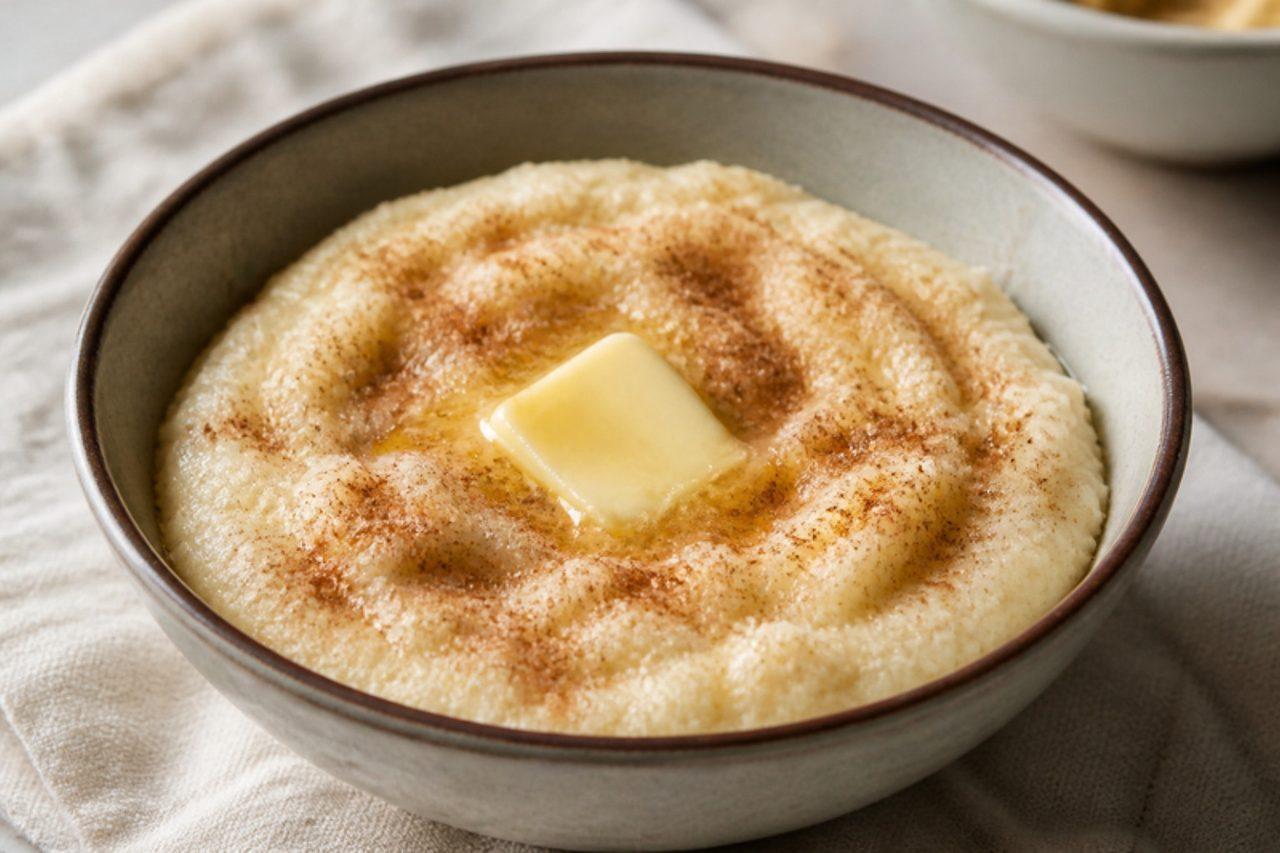
Grießbrei is the soft, sweet semolina pudding that German and Austrian families from Bavaria to Vienna eat warm as a light supper on cold evenings, especially when children are tired or someone is under the weather. Semolina is rained into hot milk and stirred until thick and velvety, then topped with cinnamon sugar, a knob of butter or stewed fruit. The classic mistake is tipping the semolina in all at once, which makes lumps that never smooth out. Chef's tip: take it off the heat while it still looks a little runny, because it keeps thickening on the plate.

by KrazyBadal 0 views

Nombu adaiSweet rice flour and cowpea cakes

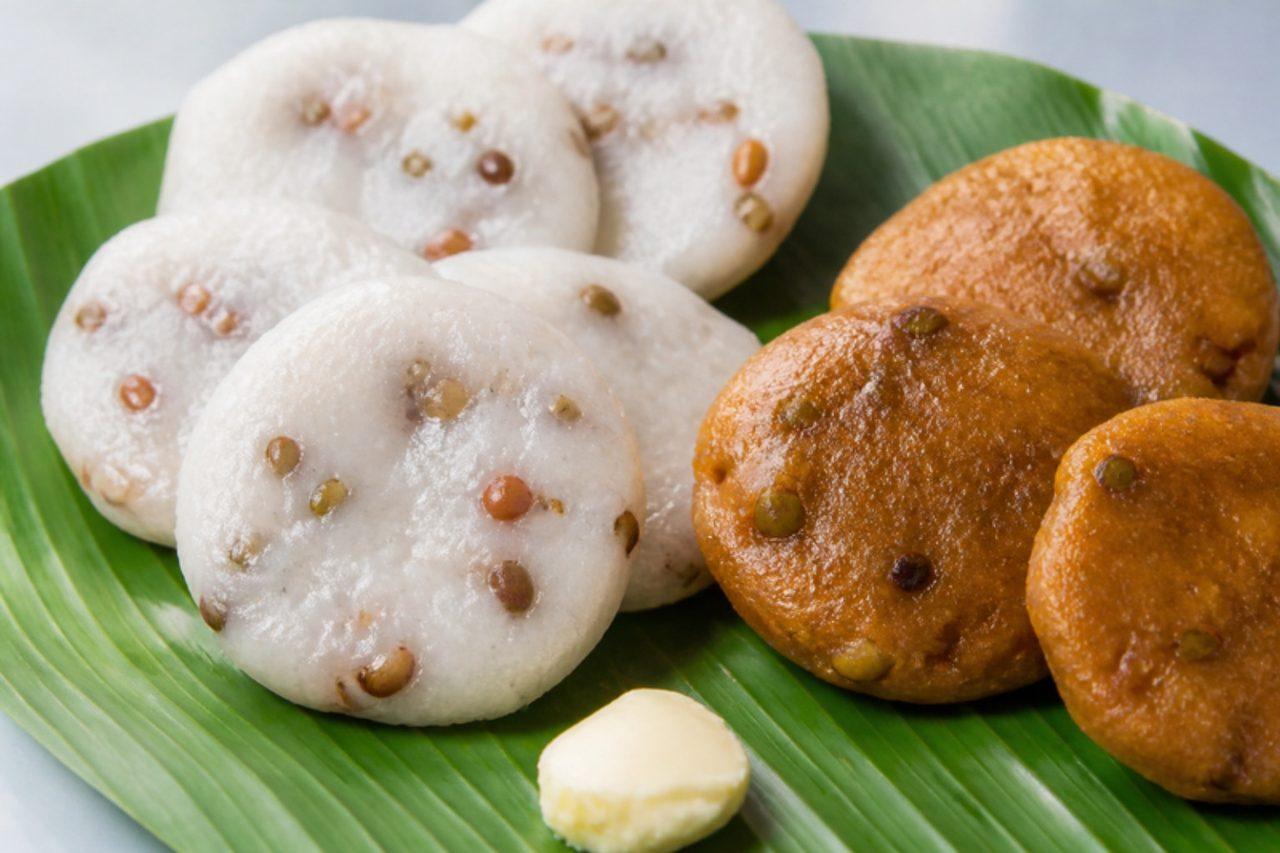
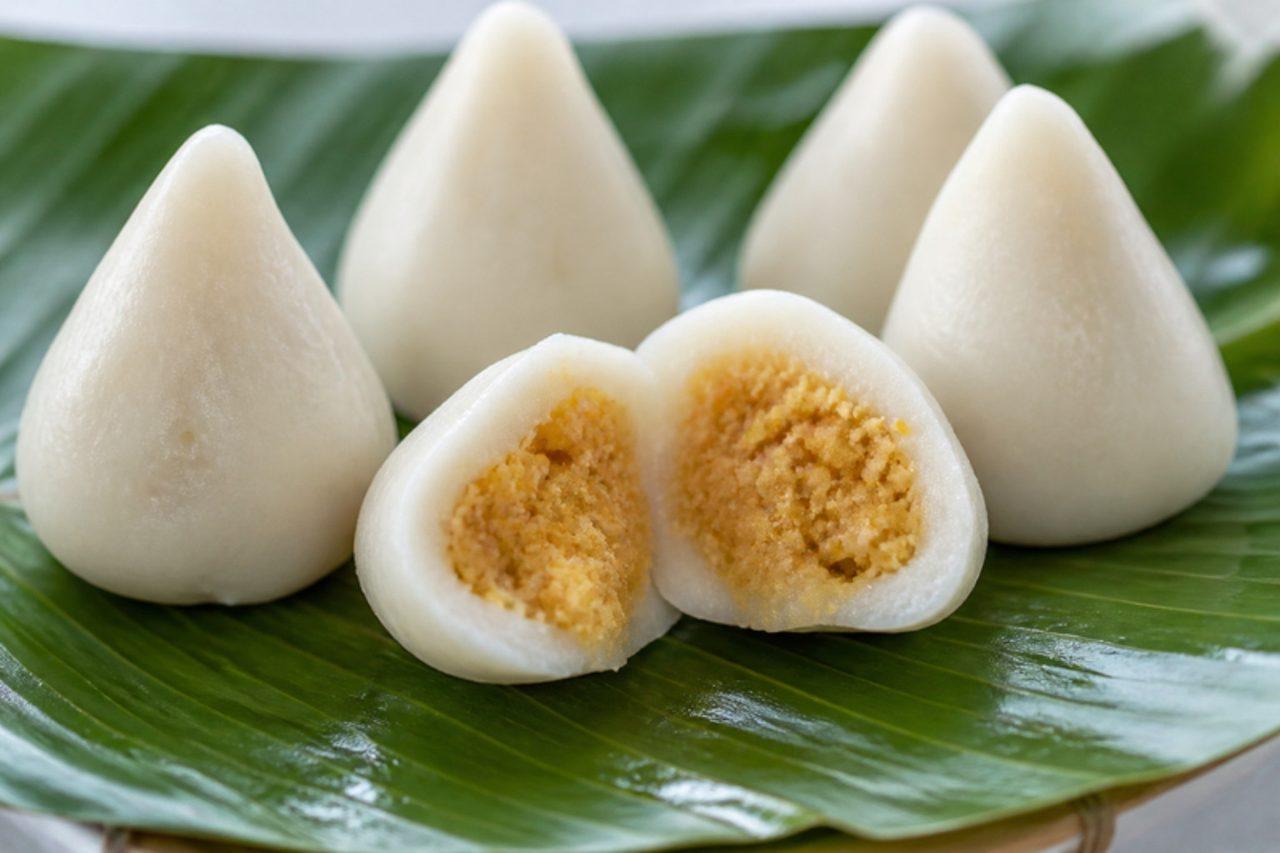
Karadaiyan Nombu falls on the day the Tamil month of Maasi turns into Panguni, and married women in Tamil Nadu fast for their husbands' long life in memory of Savitri, who won her husband back from Yama. The fast is broken at an auspicious minute with these adai, offered with a lump of unmelted butter and tied on with a yellow thread. The rice flour is roasted, cooked into a dough with jaggery, coconut and boiled cowpeas, shaped into small discs with a hole in the middle and steamed. A savoury batch with green chilli, ginger and curry leaves is usually made alongside. Common mistake: using raw rice flour, which makes the adai sticky; roast it until it is warm and flows like sand, and the adai are done when they turn glossy and no longer stick to a wet finger. Chef's tip: for the savoury version, swap the jaggery for 2 chopped green chillies, a little grated ginger and a mustard-seed tempering.

by KrazyBadal 0 views

Nuvvula saddiRice with roasted sesame powder

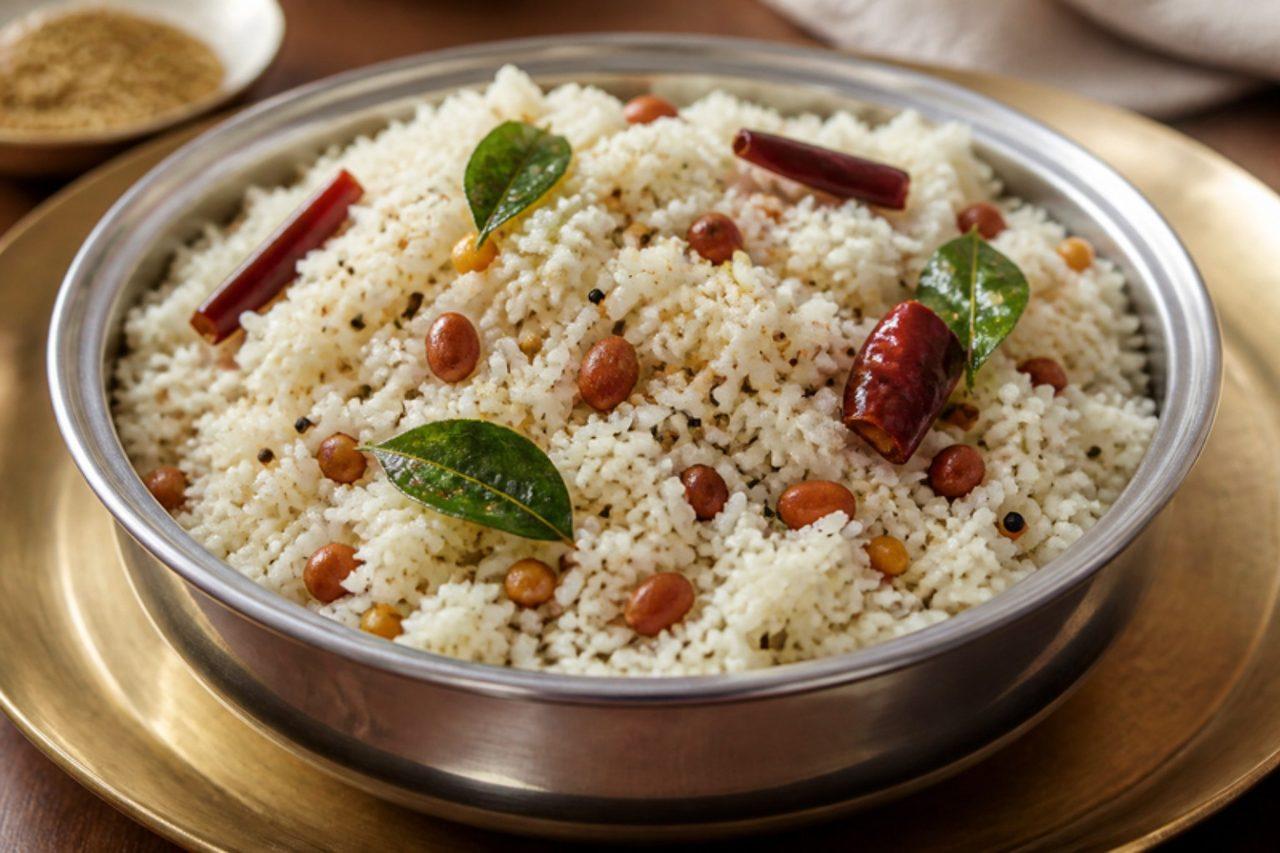
Each family takes several saddulu, flavoured rice dishes, to the lake on Saddula Bathukamma, the last evening of Telangana's flower festival, and swaps them with neighbours after the songs; sesame rice, lemon rice, peanut rice and coconut rice are the usual set. Nuvvula saddi is the nuttiest of them: freshly roasted sesame ground with dried red chilli, tossed through cooked rice with a tempering of mustard seeds, dals, peanuts and curry leaves. It is eaten at room temperature, so the grains must stay separate. Common mistake: grinding the sesame for too long, which turns it to oily paste; pulse only until it looks like coarse sand. The sesame is roasted enough when it crackles, turns light gold and one seed crushes easily between your fingers. Chef's tip: cook the rice a little firm and spread it on a plate to cool before mixing, so it does not break up.

by KrazyBadal 0 views

Rauh di kheerRice in sugarcane juice

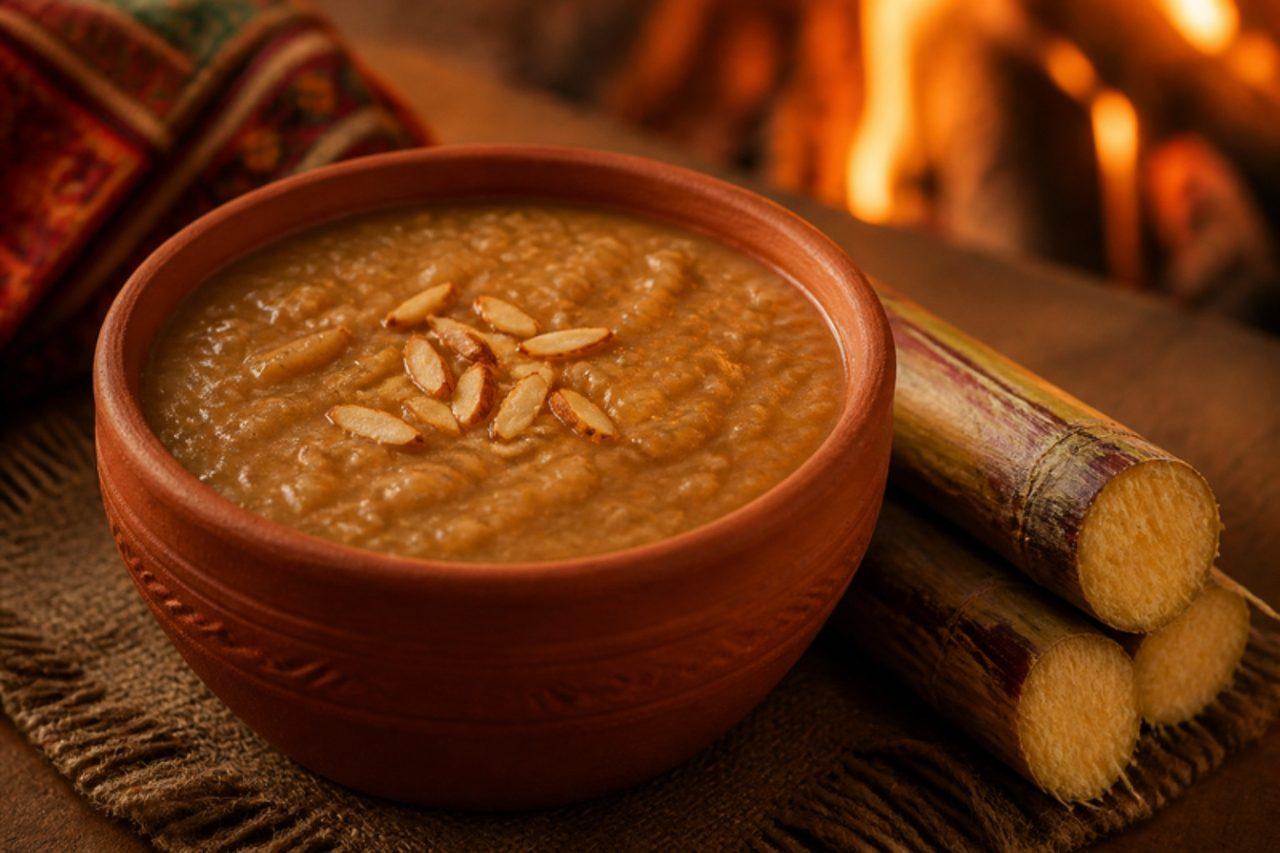
In Punjabi villages the cane harvest is in by Lohri, and on the night of the bonfire a pot of rice is set to cook slowly in fresh sugarcane juice (rauh) with no milk and no added sugar. The custom is to leave it to cool overnight and eat it cold the next morning, on Maghi, so you will often hear 'poh rinni, magh khaadi': cooked in Poh, eaten in Magh. It sets into a soft, brown, gently caramel pudding that tastes of cane. Common mistake: cooking on a high heat; the juice catches and turns bitter, so simmer it low and stir from the bottom, and it is done when the rice is very soft and the kheer coats the back of a spoon thickly. Chef's tip: skim off all the grey scum as the juice first comes to the boil, or the kheer tastes earthy.

by KrazyBadal 0 views

Kholasapori pithaRice pancakes with coconut and jaggery

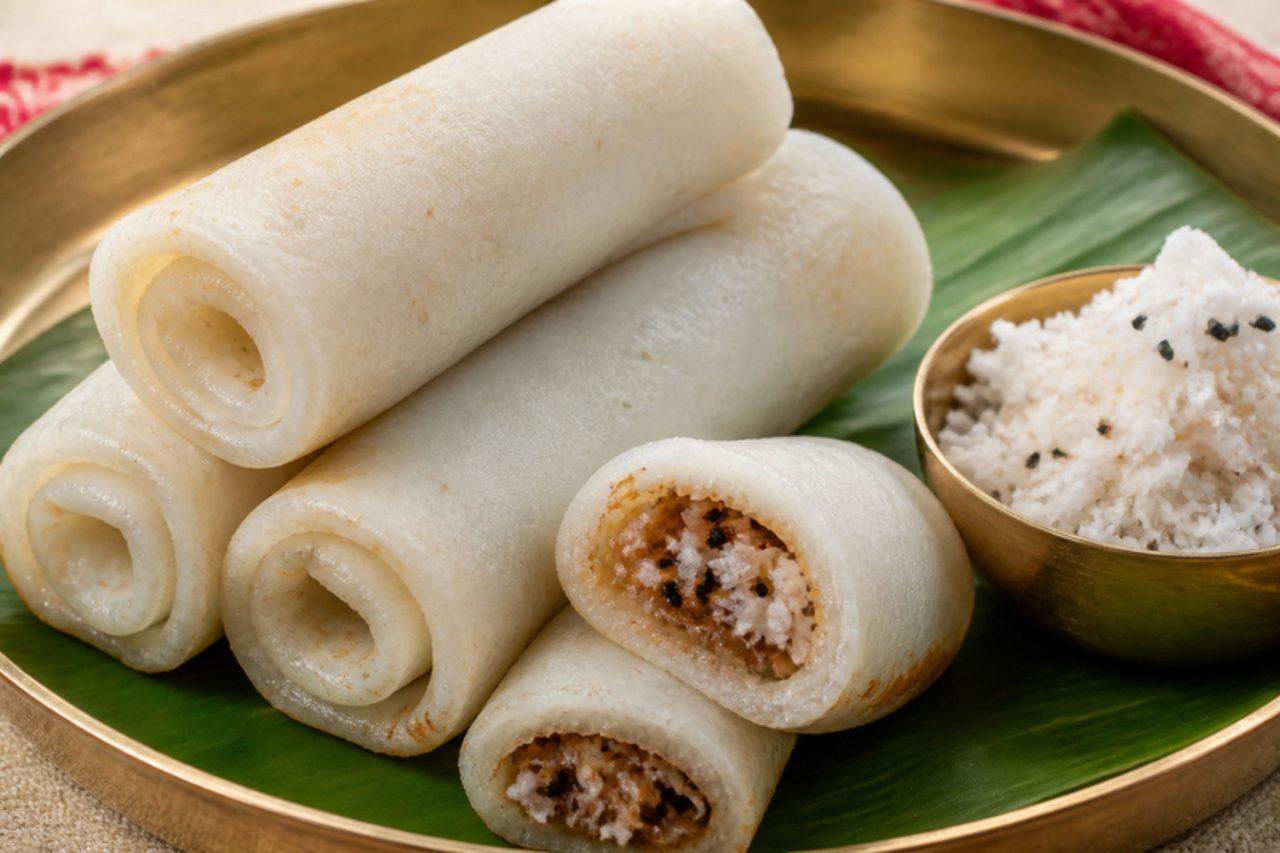
Kholasapori means 'pressed in the khola', the shallow clay pan that every Assamese kitchen brings out for Magh Bihu, when guests are offered a plate of pitha before anything else. These are thicker and softer than the crisp til pitha: a loose batter of sticky rice flour is spread on the hot pan, filled with coconut and jaggery and folded over, so the outside is lightly speckled and the inside chewy and sweet. A heavy cast-iron pan stands in well for the khola. Common mistake: a pan that is too hot; the batter should set slowly with no browning in the first minute, and it is ready to fold when the edges lift and the top no longer looks wet. Chef's tip: wipe the pan with a cloth dipped in oil between each pitha rather than pouring oil in, so they stay pale and even.

by KrazyBadal 0 views

Thavala vadaiMixed dal and rice fritters

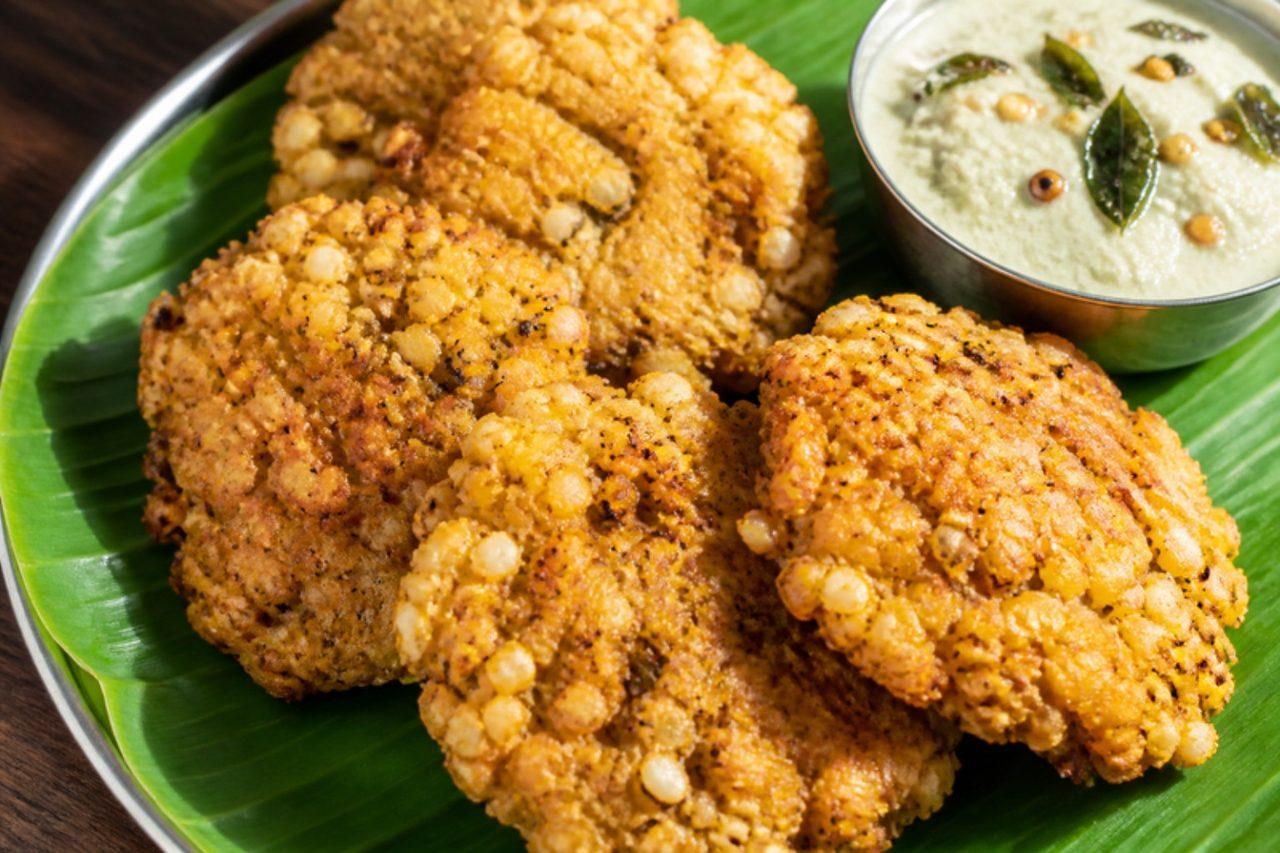
Thavala vadai belongs to the old Brahmin kitchens of Thanjavur and Kumbakonam, where it is fried for the afternoon 'tiffin' or for guests on festival days. Four dals and a little rice are ground coarse with pepper, then studded with tiny coconut cubes, so each vadai is rough and pebbly outside and soft and nutty within. The usual mistake is grinding it as smooth as medu vada batter; thavala vadai wants a gritty, semolina-like texture, so keep the grinder on pulse. Chef's tip: shape them small and thick with a dent in the middle using your thumb, so the centre cooks through before the outside darkens.

by KrazyBadal 0 views

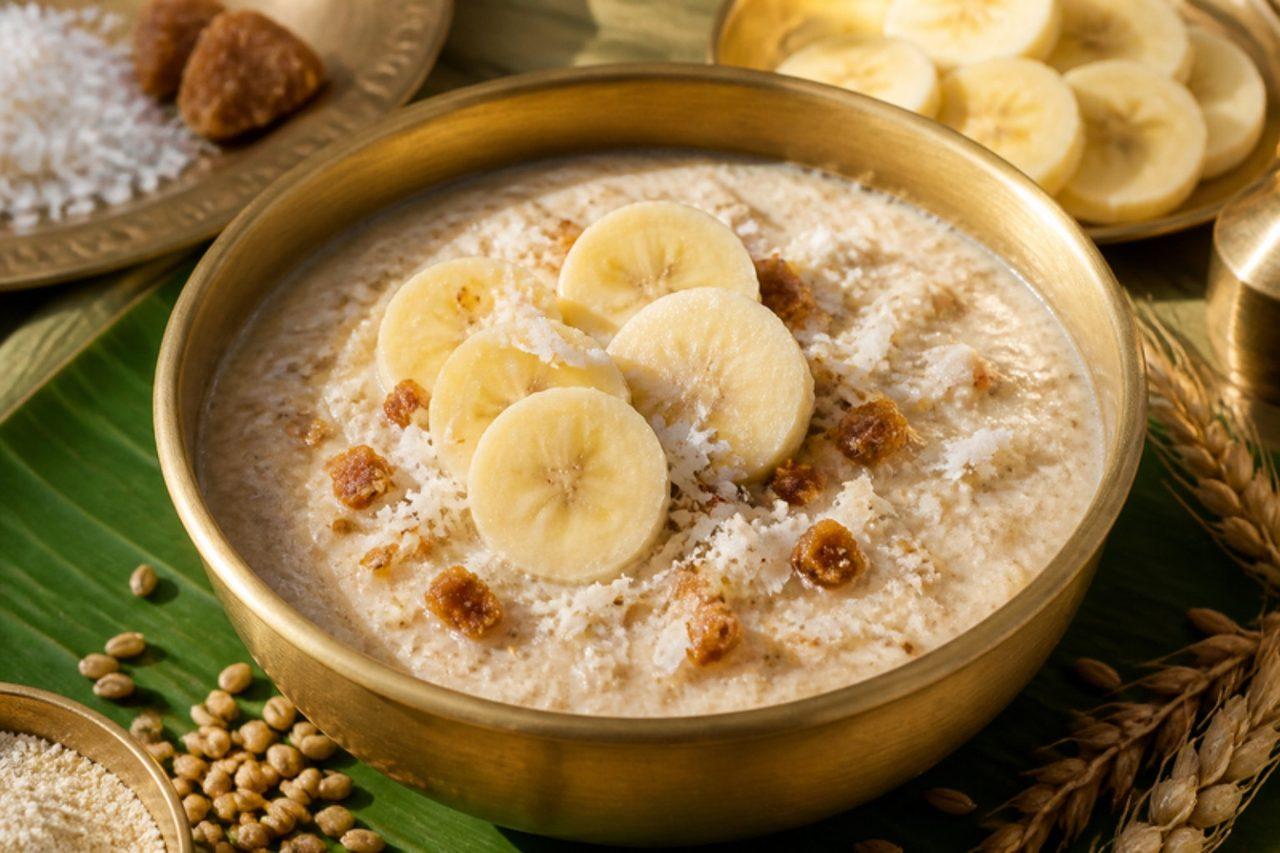
ChhatuaRoasted gram flour with curd

Pana Sankranti, in mid-April, is Odisha's new year and its own version of Baisakhi, and the day is kept with two cooling things: a jug of pana, the sweet bel-fruit drink, and a bowl of chhatua. The chhatua is a mix of roasted flours, usually chana, barley and rice, stirred with curd, ripe banana, jaggery and fresh coconut into a soft, sustaining mash that needs no cooking on a hot day. It is mild, sweet and nutty, and many families offer it first at the household shrine. Common mistake: making it watery; add the curd a little at a time and stop when it is like thick porridge that just holds a spoon. Chef's tip: roast your own flours in a dry pan until they smell of toast; ready-made sattu works, but freshly roasted flour has a far deeper flavour.

by KrazyBadal 0 views

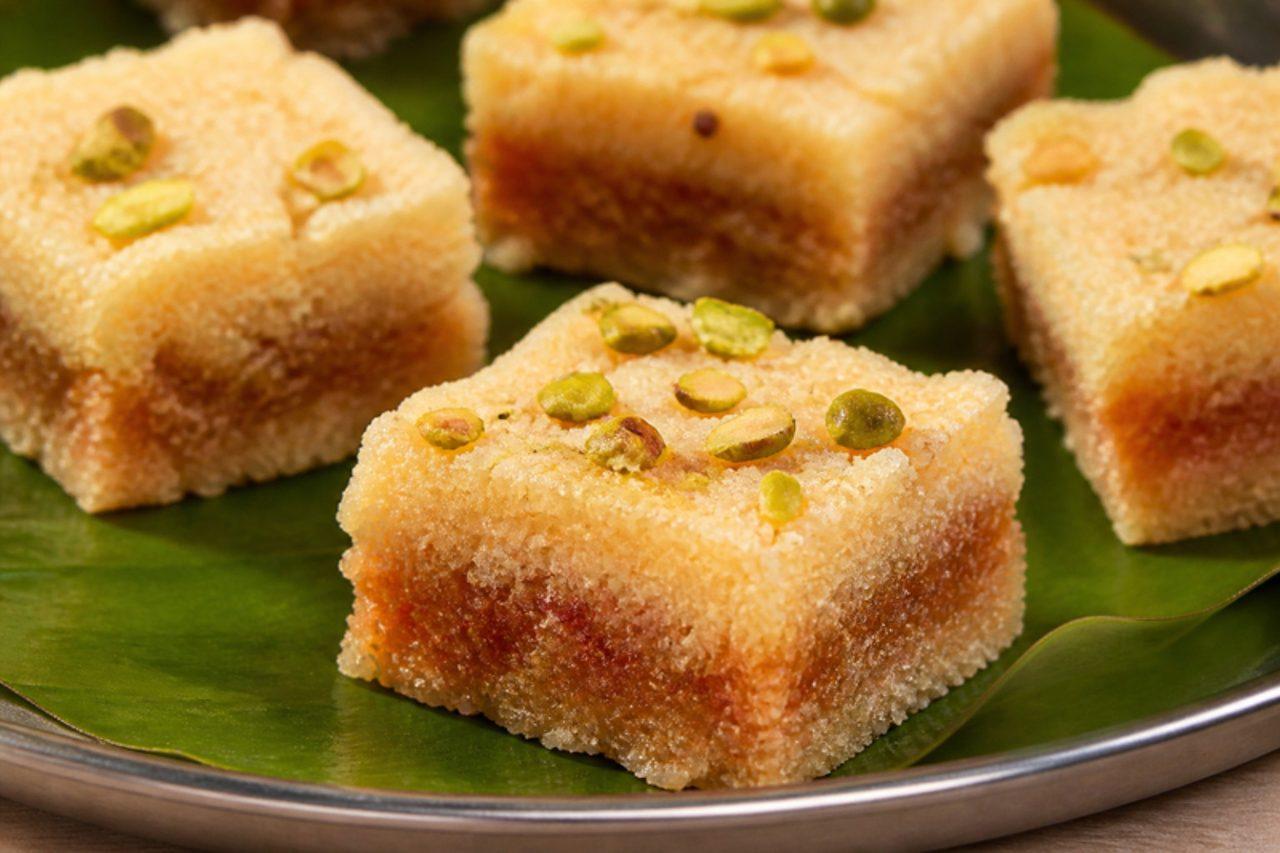
Alwar milk cakeGrainy reduced-milk sweet

Sweet boxes swapped on Raksha Bandhan in Rajasthan very often hold Alwar milk cake: a dense slab of full-fat milk reduced for hours with sugar, then left to set slowly in its own heat so the middle caramelises dark brown while the edges stay pale and grainy. Unlike kalakand, it uses no chhena at all; the grain comes from souring the milk just a little as it reduces, and the colour from long, patient cooking. It is fudgy, milky and toffee-like. Common mistake: hurrying the last stage on a high flame, which scorches the base instead of browning it; the mass is ready when it leaves the sides of the pan as one sticky lump and the ghee starts to show at the edges. Chef's tip: wrap the filled tin in a thick towel and leave it overnight; that slow cooling is what browns the centre.

by KrazyBadal 0 views

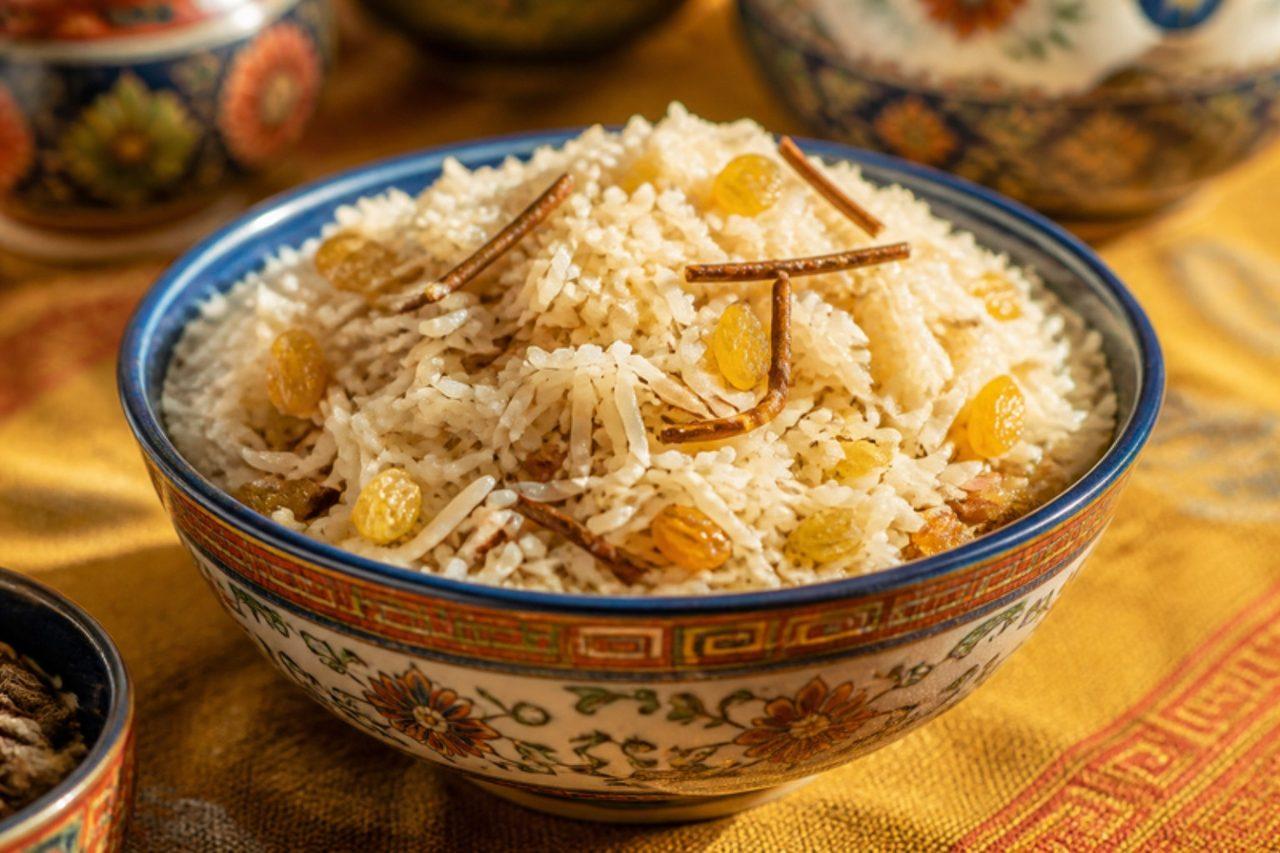
DresilSweet rice with butter and raisins

On the first morning of Losar, Tibetan and Sherpa households in the Himalaya and in Kathmandu greet the year with a bowl of dresil: rice tossed with melted butter, sugar, raisins and droma, the small sweet roots of a wild silverweed gathered on the high pastures. It is eaten with butter tea before visits begin, and a little is offered at the family shrine first. The rice is fluffy and glossy, gently sweet and buttery, with chewy bursts of fruit. The common mistake is cooking the sugar in with the rice, which makes it sticky and likely to catch; cook the rice plain, then fold everything in. It is ready when every grain is coated and separate and the raisins have plumped. Chef's tip: droma is hard to find outside Tibetan shops; chopped dried dates and a few toasted cashews give a similar sweet, earthy chew.

by KrazyBadal 0 views

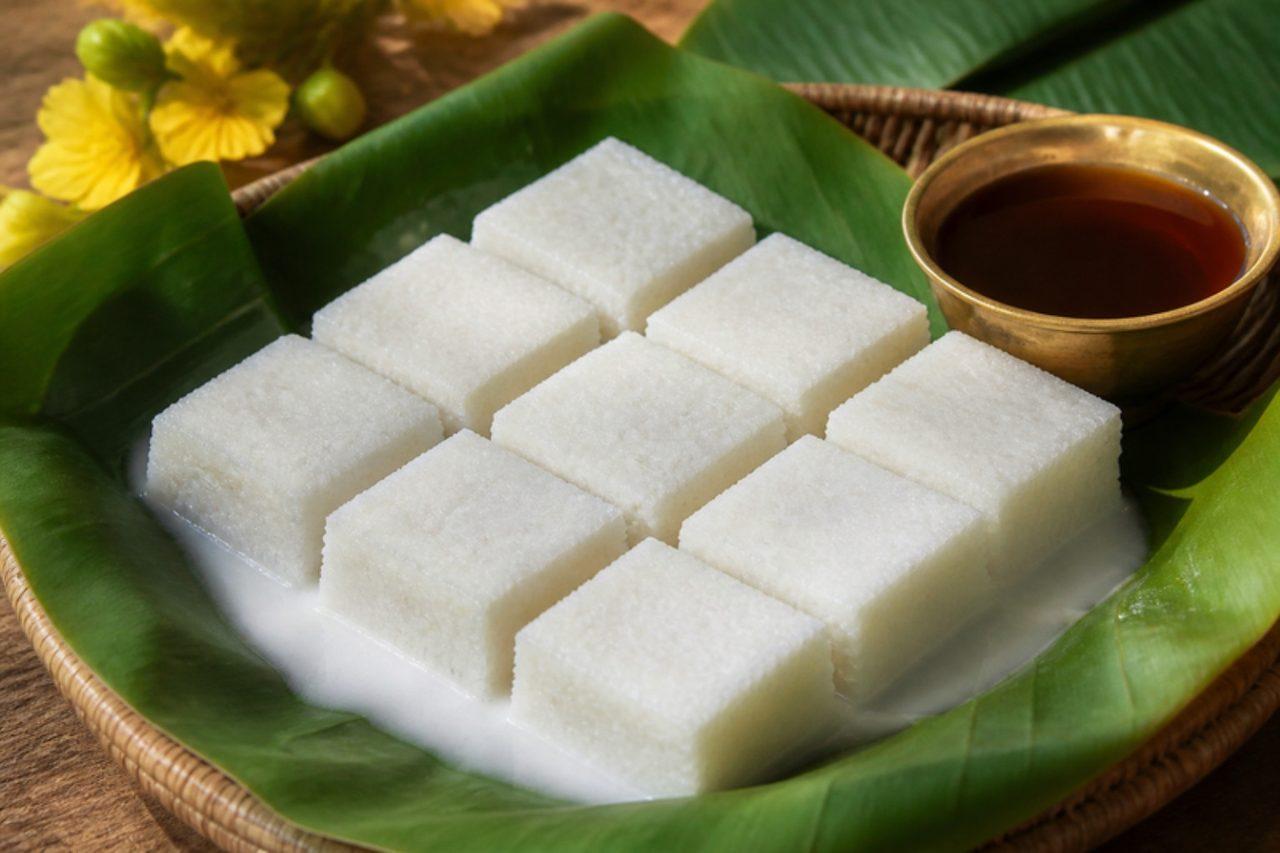
Vishu kattaCoconut milk rice squares

Around Thrissur and Palakkad the Vishu breakfast table is not complete without katta, rice cooked slowly in coconut milk until it can be spread on a plate, set and cut like a cake. Families eat the squares two ways: with a pour of dark jaggery syrup for sweetness, or with a hot, sour curry for those who prefer savoury on a festival morning. Set, it is soft, rich and faintly salty, with the scent of cumin. The common mistake is rushing it on a high flame; the coconut milk splits and the rice catches before it turns creamy. It is ready when the whole mass comes away from the sides of the pan and holds a ridge when you draw a spoon through it. Chef's tip: smooth the top with a piece of banana leaf or the back of a wet spoon, and cut the katta only once it is fully cool, or the squares will tear.

by KrazyBadal 0 views

Chushi pithaRice flour strands in milk

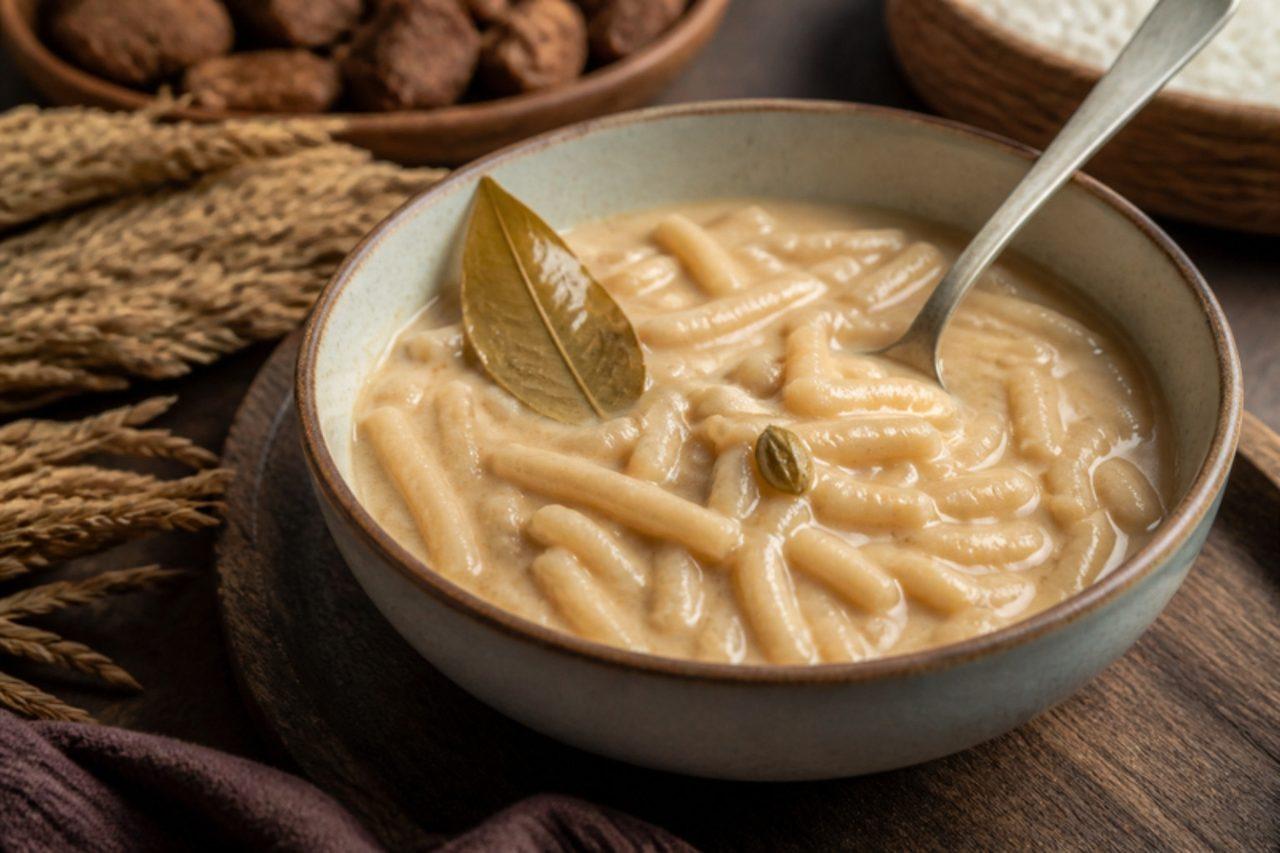
When the new rice is in and the date palms start giving their winter sap, Bangladeshi families make pitha for Nabanna and through the cold months, and chushi pitha is the one grandmothers roll by hand, an evening of small grain-shaped strands rubbed out between the palms. The strands are cooked in reduced milk with bay leaf and cardamom, then sweetened with fresh khejur gur, giving a pale caramel pudding with soft, slightly chewy pieces. The common mistake is adding the jaggery while the milk is still boiling: it can curdle it, so take the pan off the heat and let it cool for a few minutes first. The strands are done when they float, turn translucent at the edges and are soft right through. Chef's tip: let the rolled strands dry on a tray for 15 minutes before cooking; they hold their shape instead of dissolving into the milk.

by KrazyBadal 0 views

KamarkattuCoconut jaggery candy balls

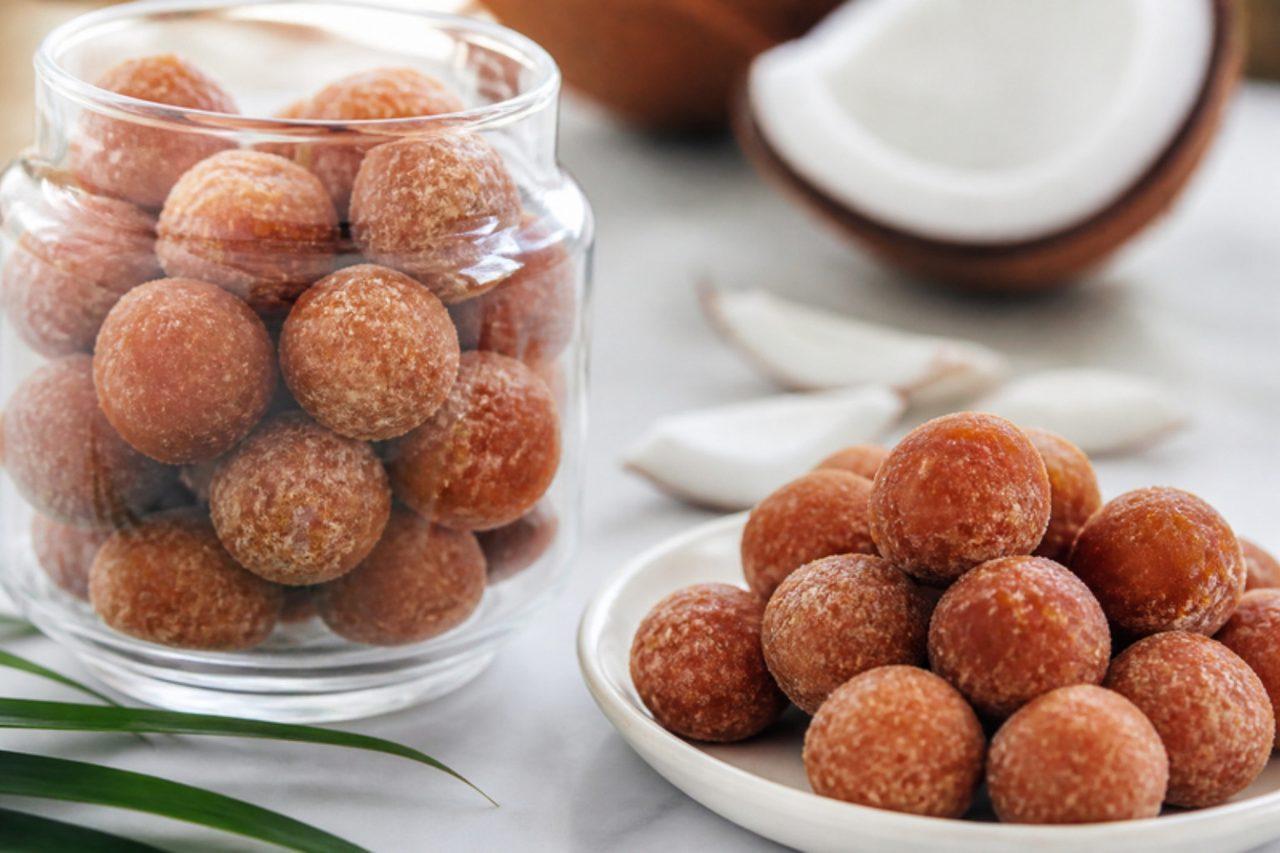
Kamarkattu is the toffee of Tamil village shops, dark, chewy, caramel-scented balls of coconut and jaggery that cost a few paise in the days when children bought sweets one at a time. It's quick to make at home and keeps for a couple of weeks. The mistake is taking the jaggery too far: if the syrup hardens past the soft-ball stage, kamarkattu turns rock hard and pulls fillings. Chef's tip: test a drop in cold water; when it forms a soft ball you can squash, switch off and shape immediately.

by KrazyBadal 0 views

HolanRoasted green chickpeas

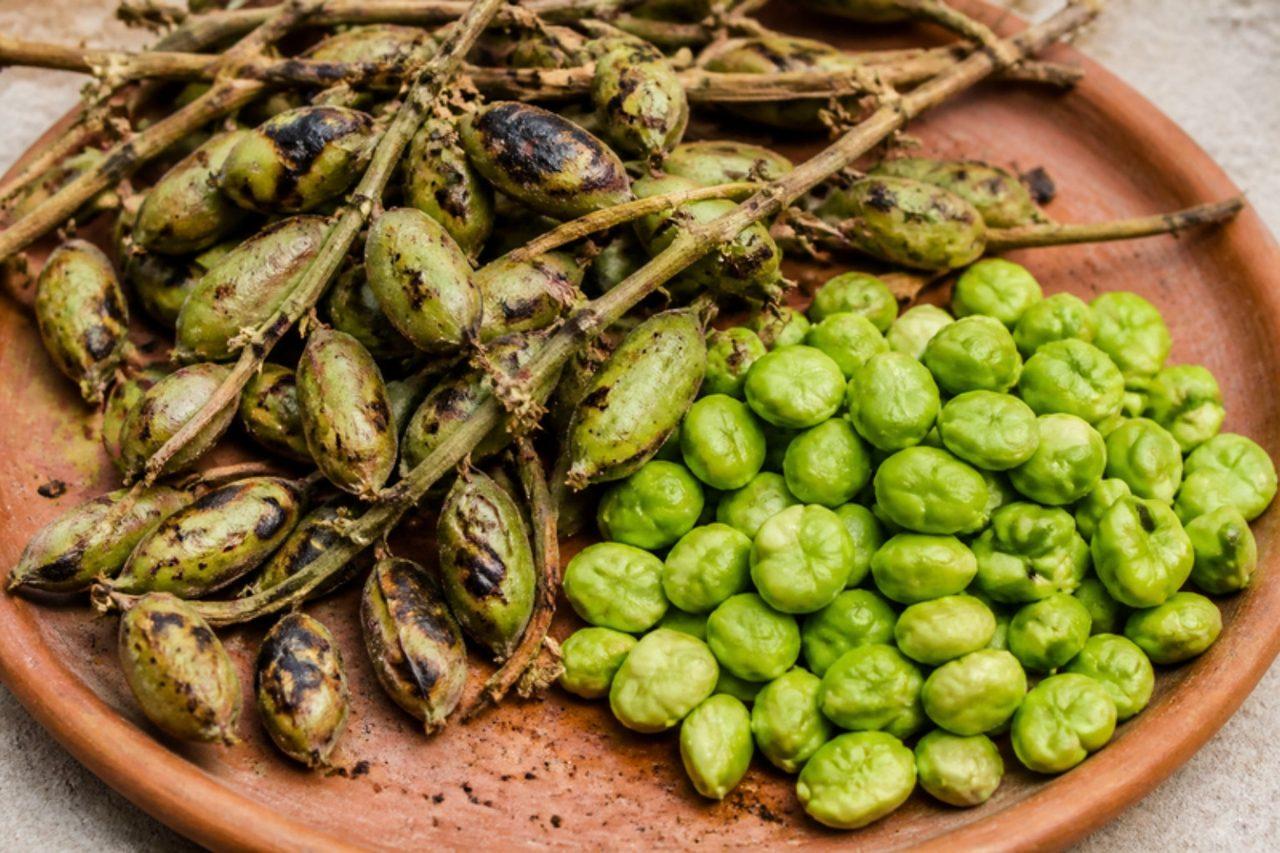
In late winter, around the time of Holi, village children in rural Punjab pull up bunches of green chickpea plants from the edge of the field and throw them onto a small fire of dry stalks. Once the pods blacken they rake them out and shell them hot, blowing on their fingers, and the bright green peas inside taste smoky, sweet and nutty. At home you can do the same in a heavy iron kadai. The mistake is leaving them on until the pods are fully burnt; by then the peas inside are dry and hard. Stop when the pods are blistered black in patches and the peas are just tender. Chef's tip: a pinch of salt and chilli with a squeeze of lemon on the shelled peas turns them into a quick chaat.

by KrazyBadal 0 views

Dahi churaFlattened rice with curd and jaggery

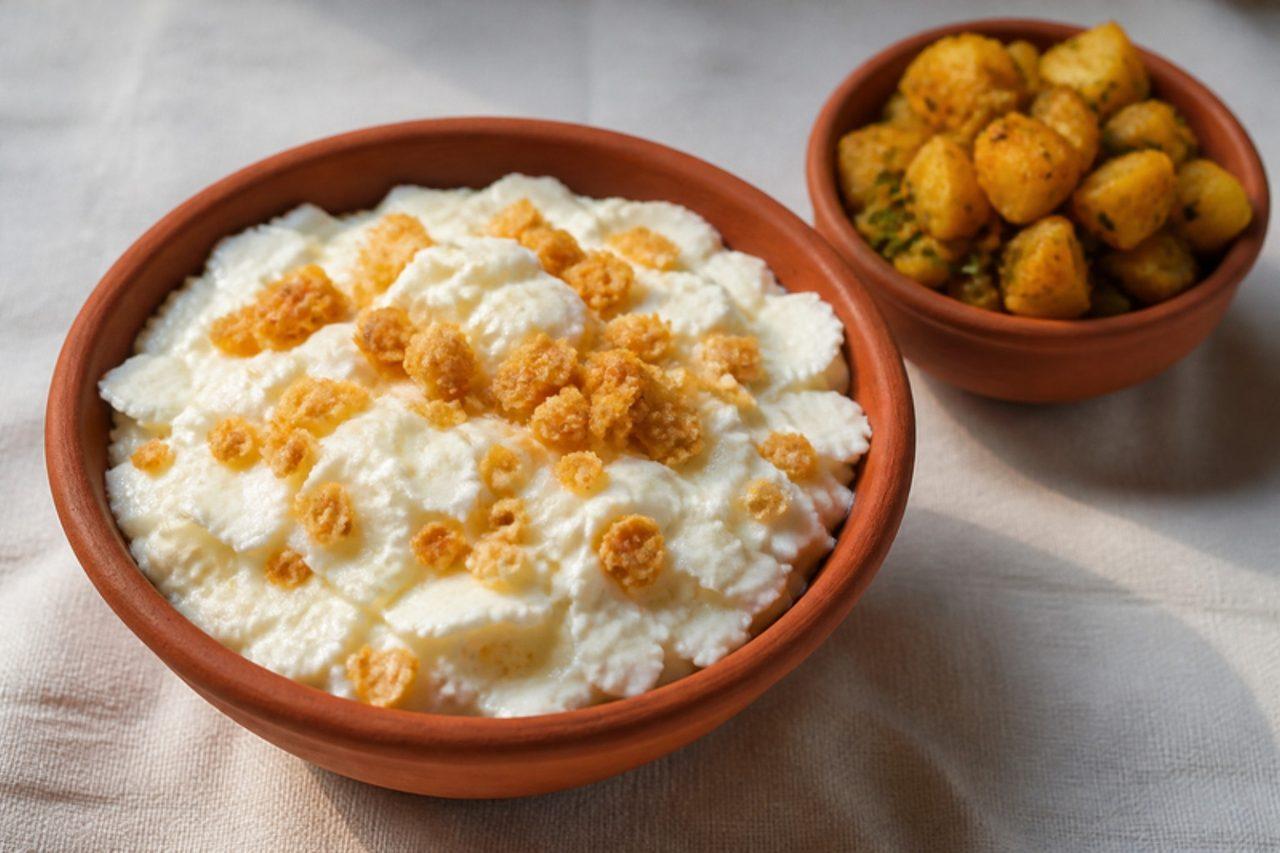
Dahi chura belongs to Bihar and eastern Uttar Pradesh: it is the traditional Makar Sankranti breakfast, but on summer nights in Patna and Gaya it is also the supper that needs no stove at all. Thick chura (flattened rice) is rinsed, mixed with creamy set curd and sweetened with jaggery, then eaten with a spicy potato sabzi or a pinch of pickle alongside. It is cool, mildly sweet and gently chewy. The usual mistake is soaking the chura in water, which leaves it soggy and dilutes the curd. Chef's tip: rinse the chura and let it drain for two minutes so the flakes swell from the water clinging to them, then add the curd.

by KrazyBadal 0 views

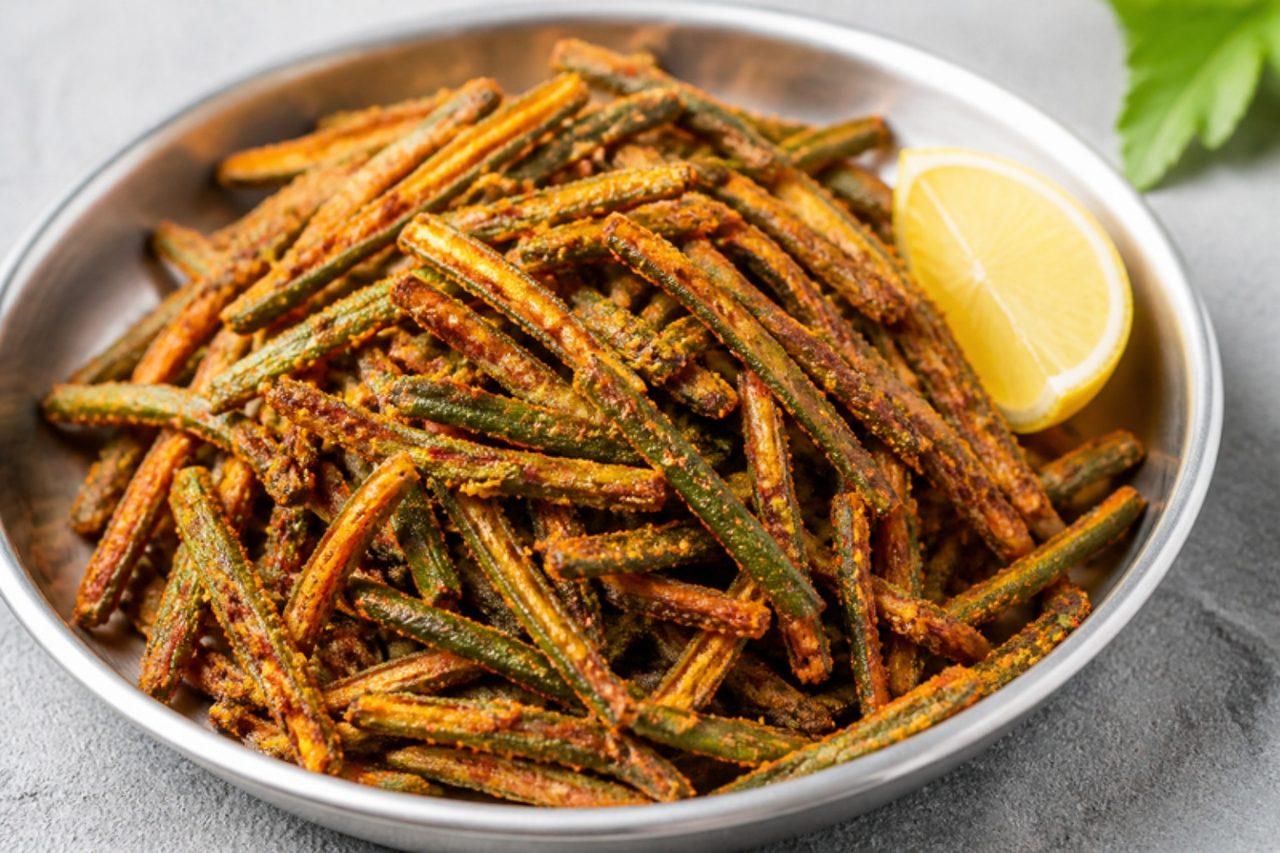
Kurkuri bhindiCrispy fried okra strips

Kurkuri bhindi is the dhaba and wedding-buffet side that disappears first: thin, slivered okra tossed in a dry coat of besan, chilli and amchur and fried until it shatters. In Punjabi and Delhi homes it is served as a tea-time snack, scattered over dal-chawal or eaten by the handful while the rest of dinner cooks. The mistake almost everyone makes once is washing the okra and slicing it while still damp: the coating turns into gluey lumps and the strips go limp. Wash it an hour ahead and dry it completely. Chef's tip: toss the slivers with the spices first and add the flours only just before frying, so the okra cannot release liquid into the coating.

by KrazyBadal 0 views

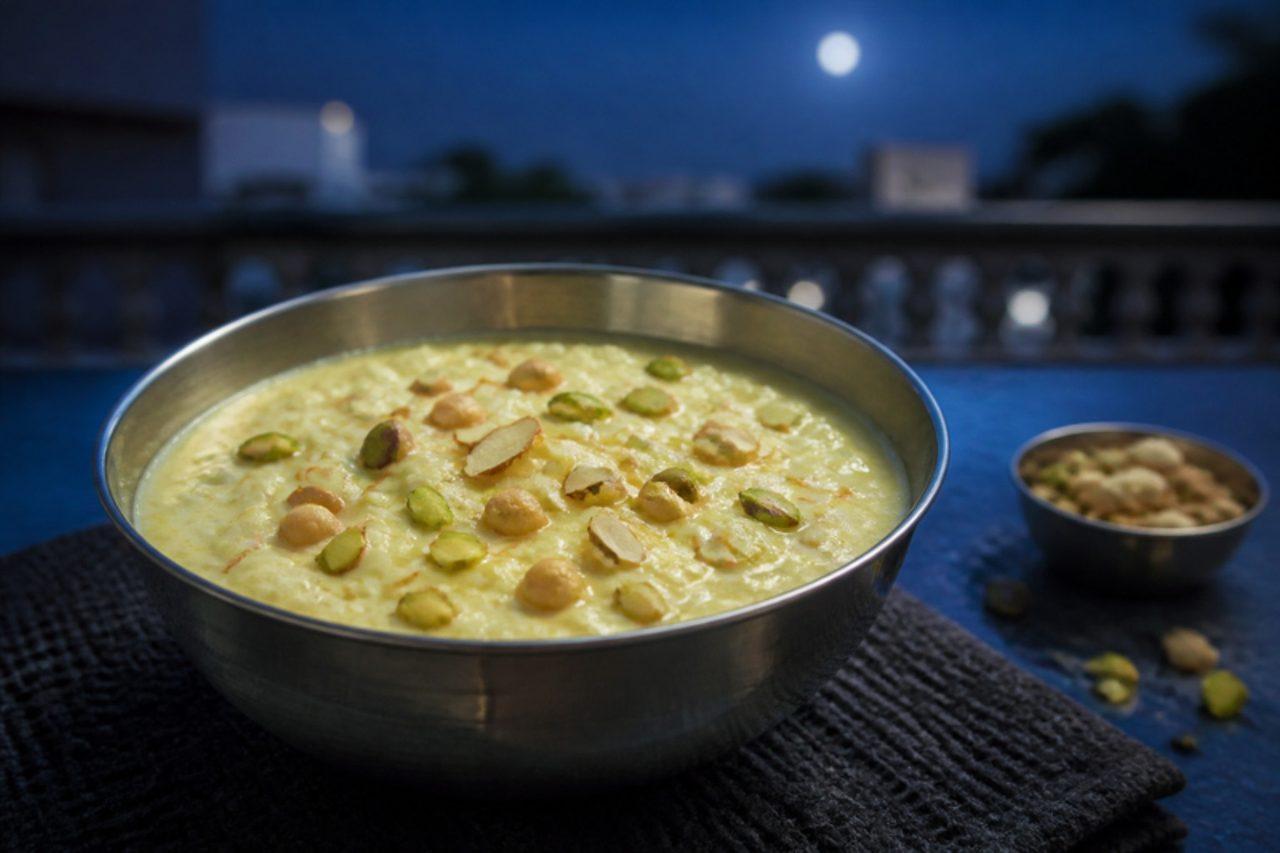
Doodh pauvaChilled saffron milk with flattened rice

Sharad Poonam, the brightest full moon of the year, ends the Navratri season in Gujarat; families sing garba late into the night and leave a bowl of doodh pauva out under the moon, believing its rays make it healing, before eating it cold together. It is thin poha soaked in reduced, sweetened milk with cardamom, saffron and nuts, cooling, soft and lightly creamy, the Gujarati cousin of Maharashtra's Kojagiri masala doodh. Common mistake: adding poha to hot milk or too early, so it turns to porridge; chill the milk first and stir the poha in only 10–15 minutes before eating, when the flakes are soft but still separate. Chef's tip: simmer the milk down by a quarter before chilling; a little reduction gives body without needing cream.

by KrazyBadal 0 views

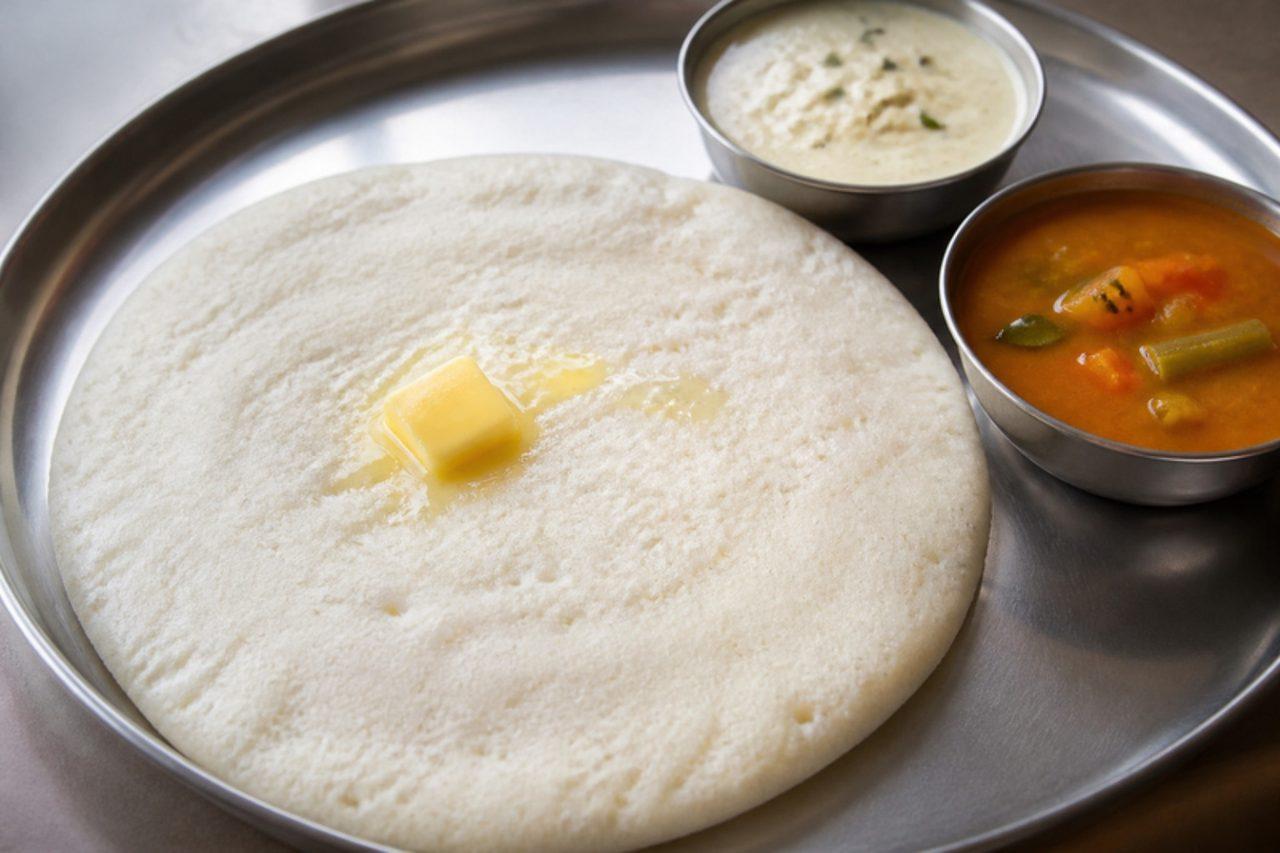
Thatte idliLarge flat plate idli

Thatte idli comes from Bidadi, on the old highway from Bengaluru to Mysuru, where roadside hotels steam plate-sized idlis on round thatte trays from dawn for travellers' breakfast. Poha in the batter makes them soft and spongy, and they are served with a knob of butter melting on top, coconut chutney and a thin sambar or podi. A common mistake is a stiff batter: thatte idlis need a looser, pourable batter than ordinary idli or they turn dense in the wide plate. Chef's tip: grind the urad dal with ice-cold water until it is light and almost doubled; that air carries the whole idli.

by KrazyBadal 0 views

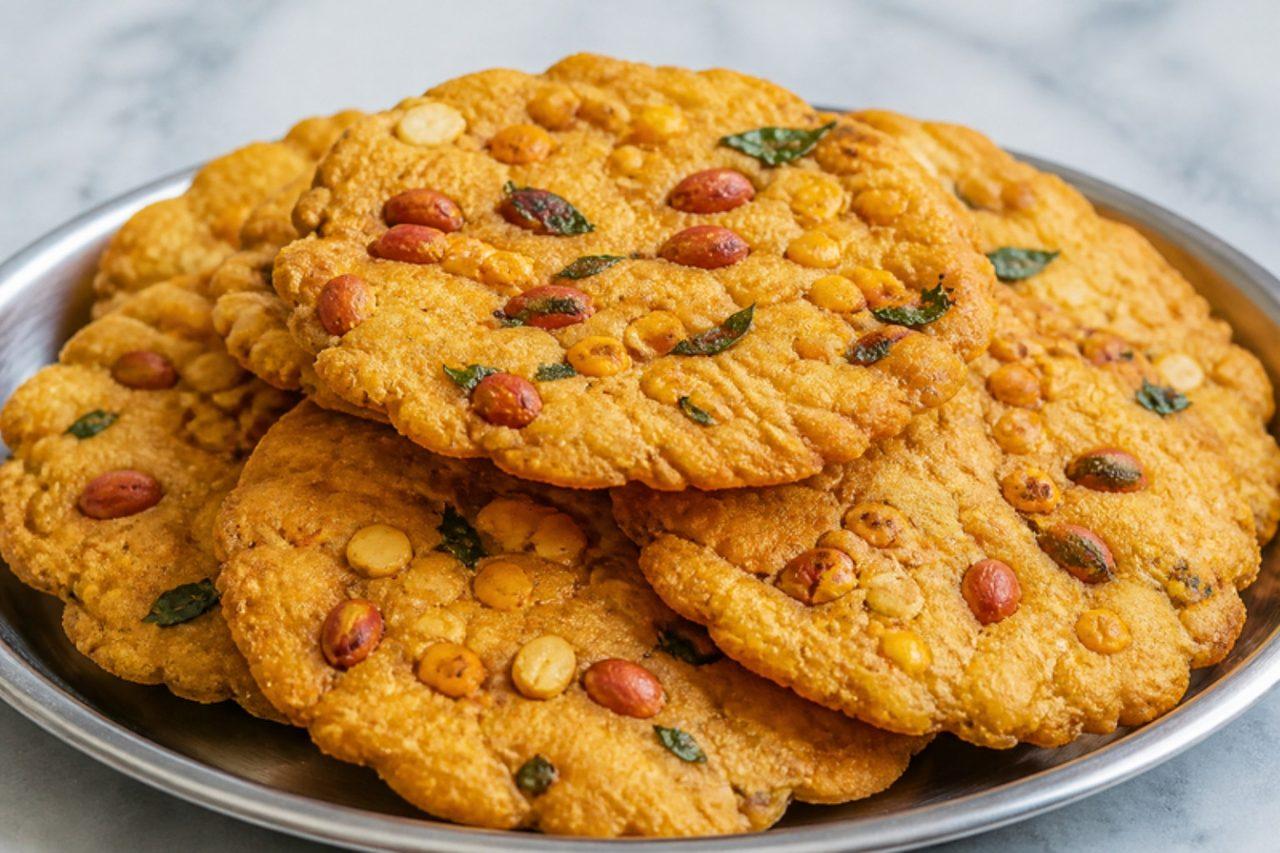
NippattuPeanut rice crackers

Nippattu is the Karnataka tea-time cracker, sold in Iyengar bakeries from Bengaluru to Mysuru and fried at home for Gowri-Ganesha and Deepavali. Unlike the thin, delicate Tamil thattai, nippattu is thicker and chunkier, packed with crushed peanuts and roasted gram (hurigadale) so every bite crunches with nuts. It's spiced with chilli, hing and curry leaves and keeps for weeks. A common mistake is skipping the hot oil rubbed into the flour; without it the crackers turn hard instead of short and crisp. Chef's tip: prick each disc a few times with a fork so it fries flat and crisp right through instead of puffing.

by KrazyBadal 0 views

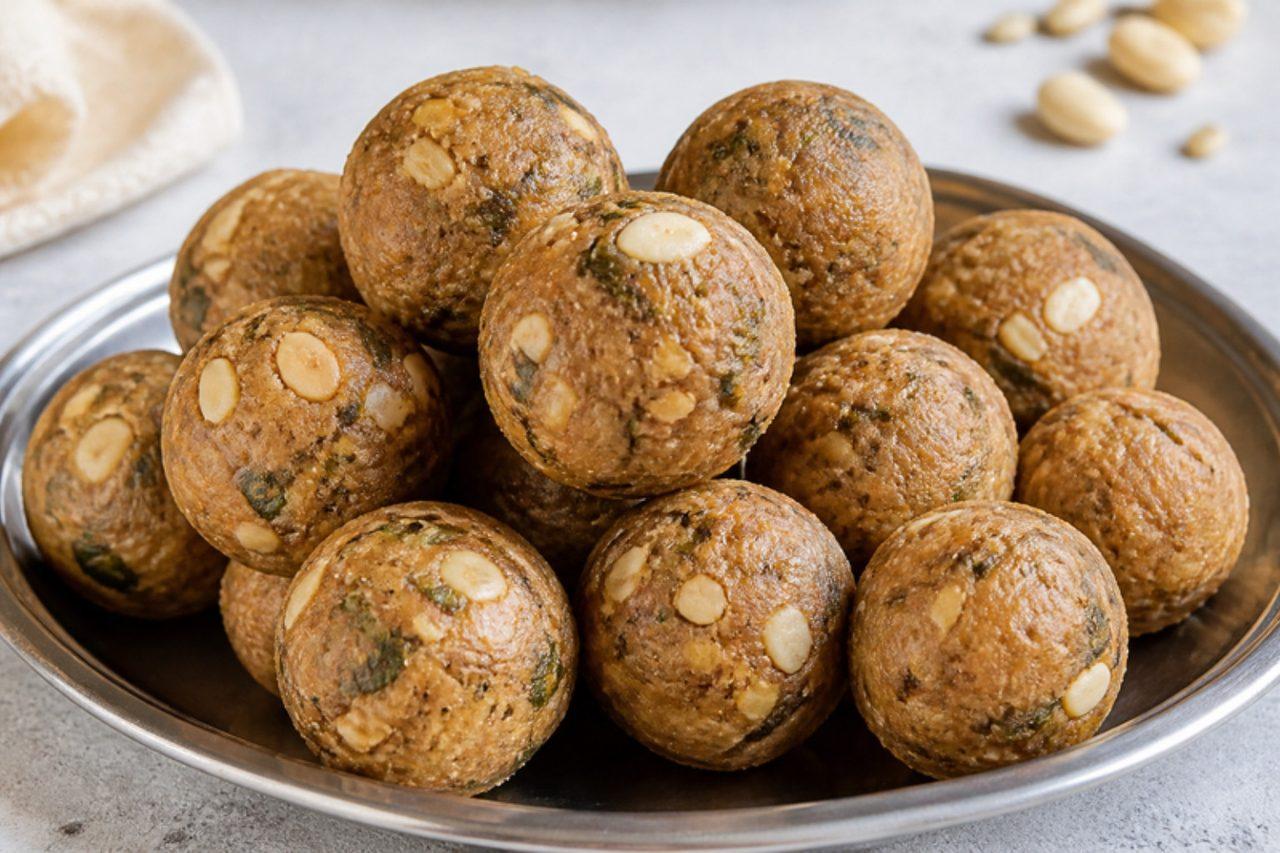
Methi laddooFenugreek and jaggery laddoos

Every Punjabi winter, mothers and grandmothers roast a big batch of methi laddoos and hand out one a day with morning tea or warm milk, for strength and to keep the cold out of the joints. Fenugreek gives a gentle bitterness that the jaggery, ghee and roasted wheat balance into something nutty and warming, with crunch from puffed gond and almonds. The mistake people make is roasting the atta on high heat: it browns outside, stays raw inside and the laddoos taste floury. Keep it low and patient until it smells of biscuits. Chef's tip: soak the fenugreek powder in milk overnight; it softens the bitterness so even children will eat them.

by KrazyBadal 0 views

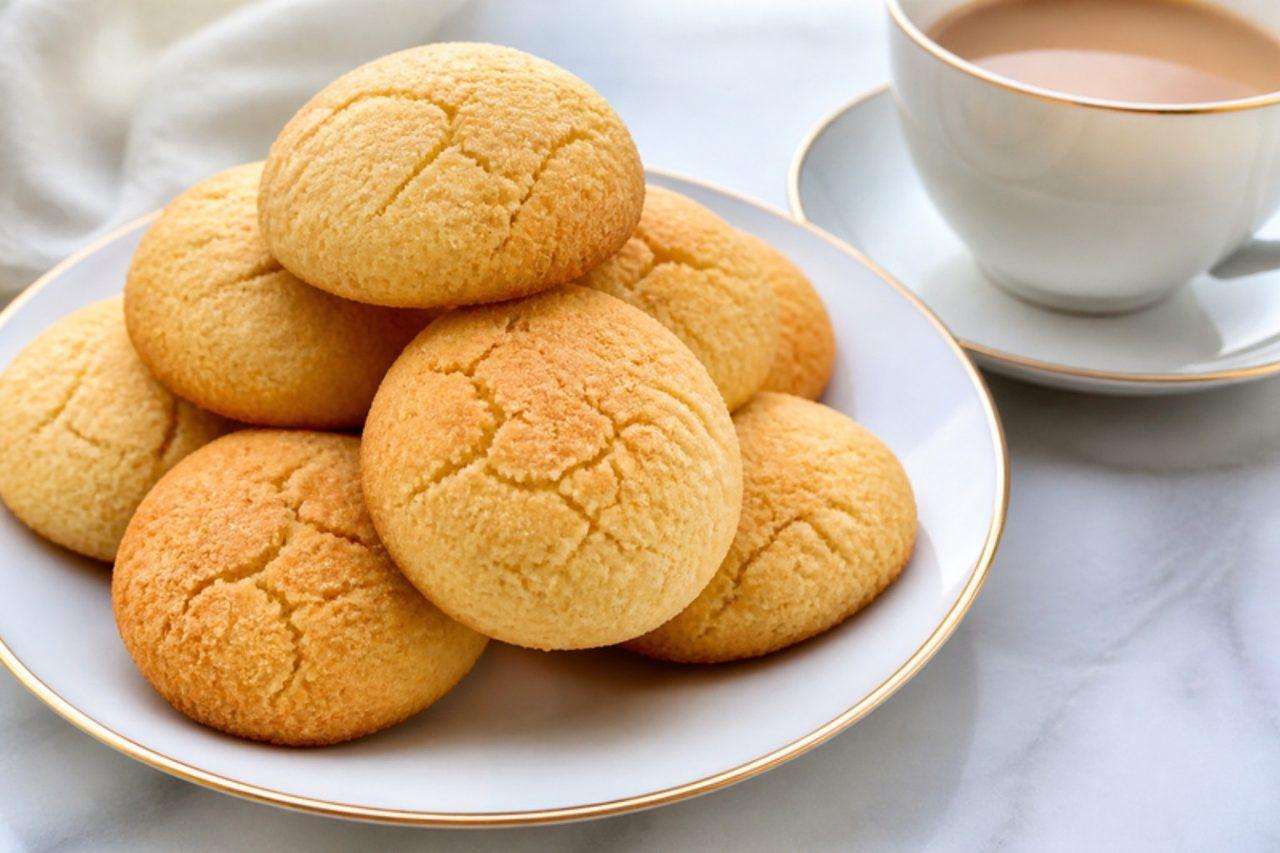
Parsi batasaSalted butter tea biscuits

Batasa come from the wood-fired Parsi bakeries of Navsari, Udvada and Surat, where they are baked low and slow until dry and pale gold, then sold by the tin for morning chai. They are domed, flaky-crumbly and buttery, with just a whisper of salt and sugar, and they are made to be dunked. Bakeries traditionally raise the dough with toddy; this home version uses yogurt and a little baking powder for the same light, short crumb. The usual mistake is baking them hot and fast, which browns the outside while the inside stays soft; batasa need a long, gentle bake to dry right through. Chef's tip: switch the oven off at the end and leave the biscuits inside with the door ajar for 20 minutes so they crisp completely.

100 minIndianBaking
by KrazyBadal 0 views

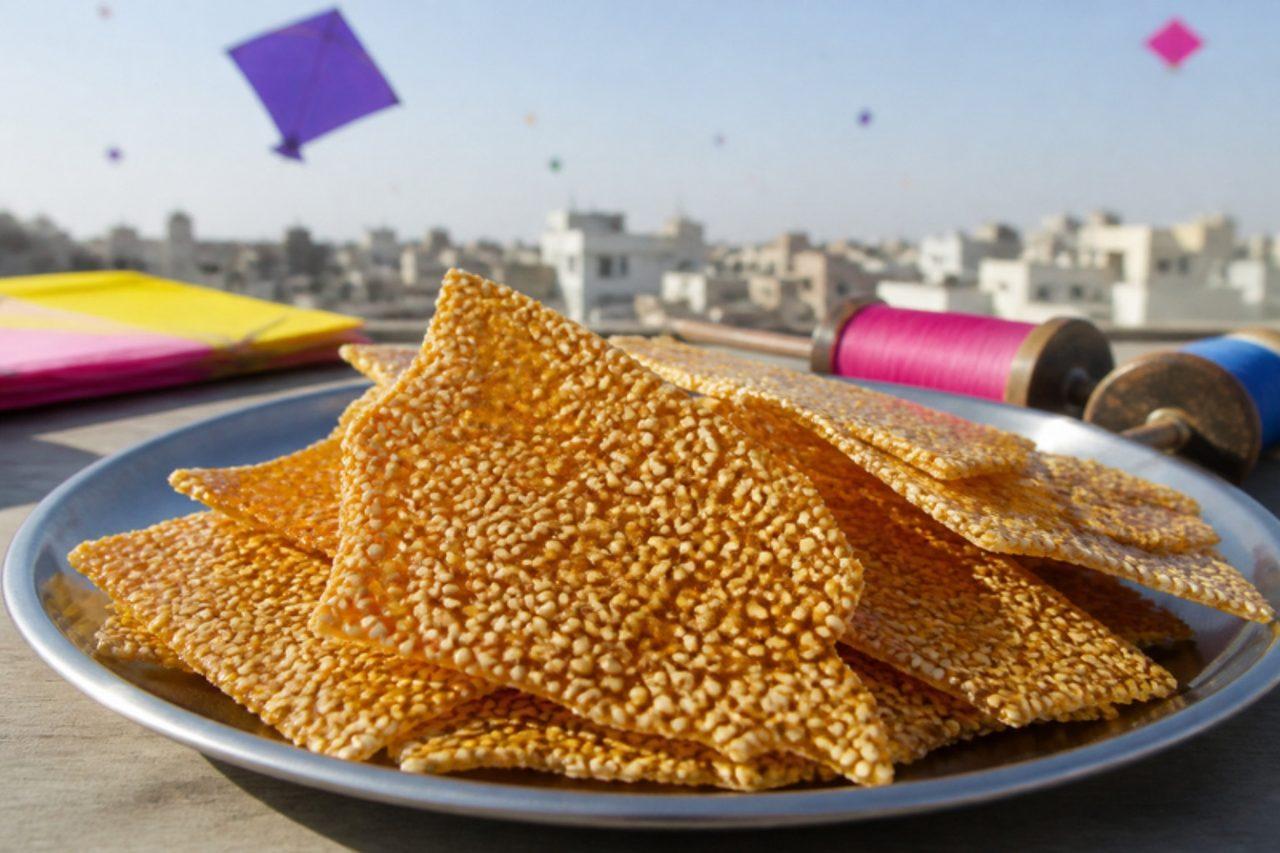
Tal ni chikkiSesame jaggery brittle

On 14 January every Gujarati rooftop fills with kite-flyers, and somewhere between the manja reels there is always a tin of tal ni chikki, broken into shards. The thinnest kind, tal sankli, is rolled out so fine you can almost see through it; it shatters with a snap and tastes of toasted sesame and dark caramel. It is a two-ingredient sweet where everything depends on the jaggery. Common mistake: pulling the jaggery off the heat too soon; it must reach the hard-crack stage, when a drop in cold water sets instantly and snaps cleanly, or the chikki stays chewy and sticks to the teeth. Chef's tip: work fast and roll on the greased back of a steel thali; if it hardens before you finish, warm it in the pan for a few seconds.

by KrazyBadal 0 views

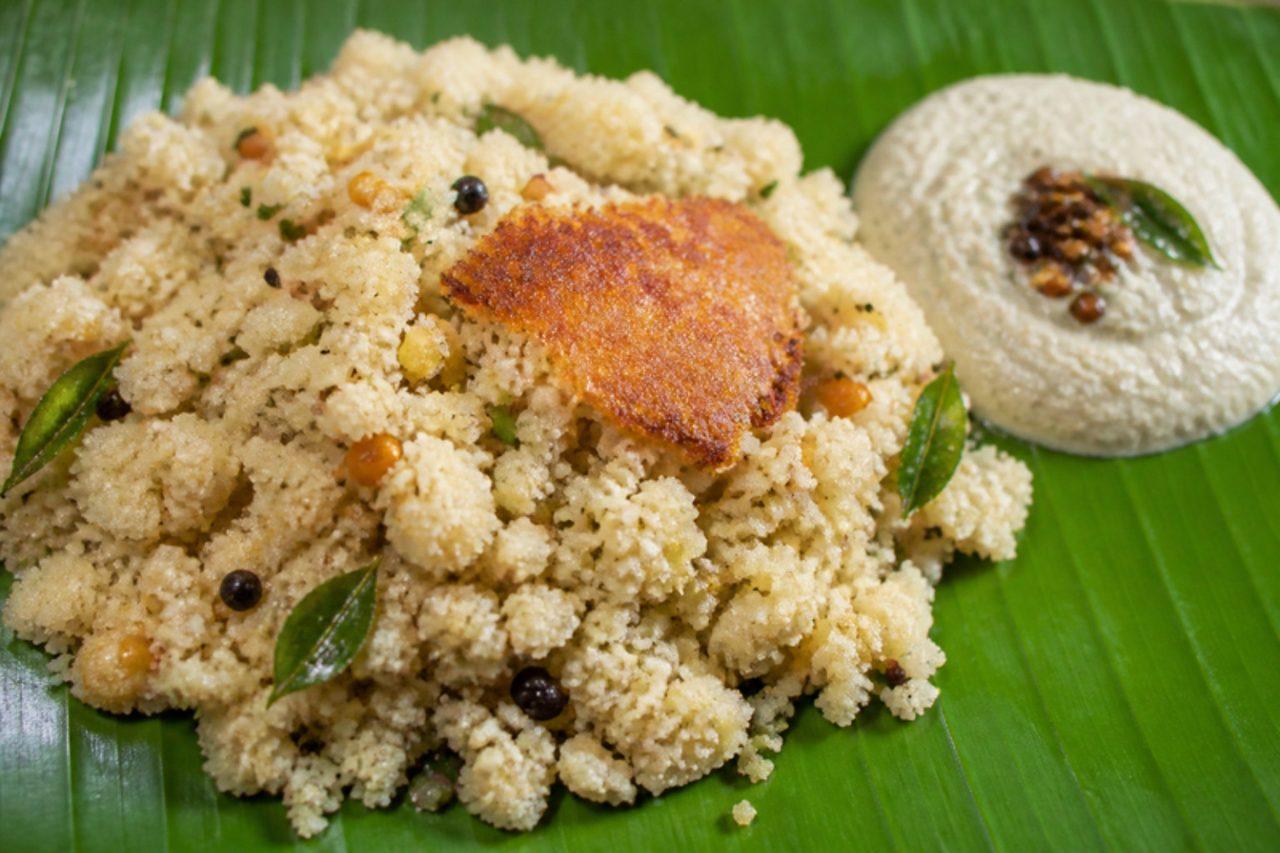
Arisi upmaBroken rice and dal upma

Arisi upma is the old Tamil country breakfast and evening dinner, especially in Tirunelveli and Madurai homes, made from rice and toor dal coarsely broken at home and cooked in a heavy pot. The best part is the 'kaanthal', the crisp golden crust that forms on the bottom, which families fight over. The mistake is too much water, which gives a sticky porridge; use about two and a half times the volume of the broken rice. Chef's tip: once cooked, leave it on the lowest heat with a lid for ten minutes, undisturbed, to build that crust.

by KrazyBadal 0 views

Ulundu kozhukattaiUrad dal-filled rice dumplings

On Vinayaka Chaturthi, Tamil kitchens make two kinds of kozhukattai side by side: sweet ones with coconut and jaggery, and these savoury ulundu kozhukattai, filled with a crumbly, peppery urad dal 'usili'. The thin rice-flour shell turns translucent when steamed, and the filling is soft, savoury and fragrant with curry leaves. The mistake is a wet filling: if the ground dal isn't steamed and then crumbled dry in the pan, it leaks and the shells split. Chef's tip: make the shells as thin as you can while still holding the filling; thick shells taste stodgy.

by KrazyBadal 0 views

Vazhakkai bajjiRaw banana fritters

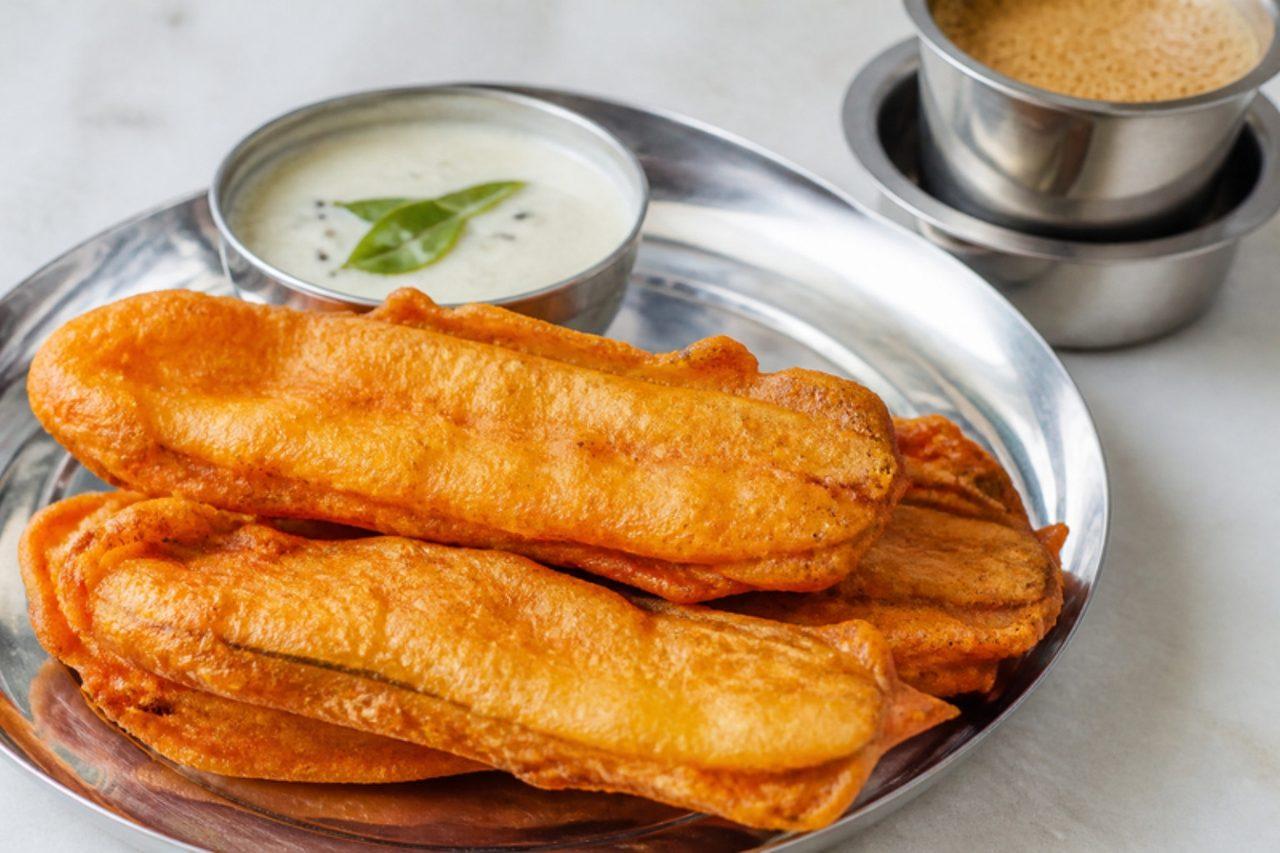
Every Chennai beach stall and every Tamil wedding tiffin has a tray of vazhakkai bajji, long thin slices of raw plantain in a soft, puffy, red-tinged coat. They are best eaten minutes out of the oil around 5 pm, with coconut chutney and a tumbler of coffee. The mistake is slicing too thick: the banana stays starchy and hard while the batter overbrowns, so cut slices 2–3 mm thin, ideally on a mandoline, lengthways. Chef's tip: a spoonful of rice flour and a pinch of hot oil whisked into the batter makes the coating crisp outside and keeps it from going soggy.

by KrazyBadal 0 views

ChuruttuRice wafer cones with coconut filling

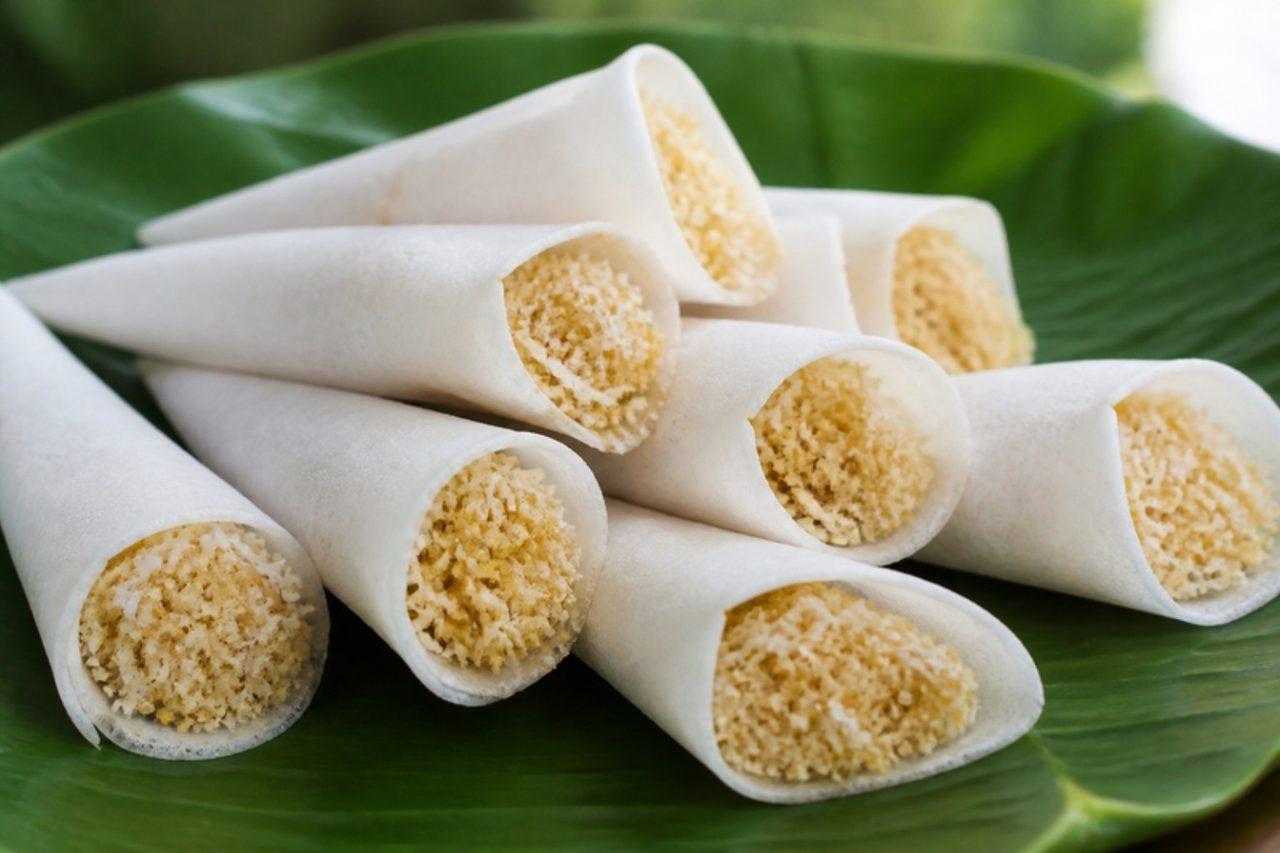
Churuttu, 'the roll', is a wedding sweet of the Syrian Christian families of central Kerala, around Kottayam, Pala and Changanassery, where aunts sit together for a day before the wedding shaping hundreds of these cones for the guests to take home. Paper-thin rice wafers are rolled into cones, filled with a sweet crumble of roasted rice flour, coconut and cardamom, sealed and dried until crisp. They shatter at the first bite and melt to a sweet, toasty dust. The mistake is a wet filling; damp coconut softens the cones within a day, so the filling must be roasted dry. Chef's tip: work with one wafer at a time and keep the rest under a damp cloth; they crack if they dry before rolling.

by KrazyBadal 0 views

Thiruvathirai kaliRice and moong dal with jaggery

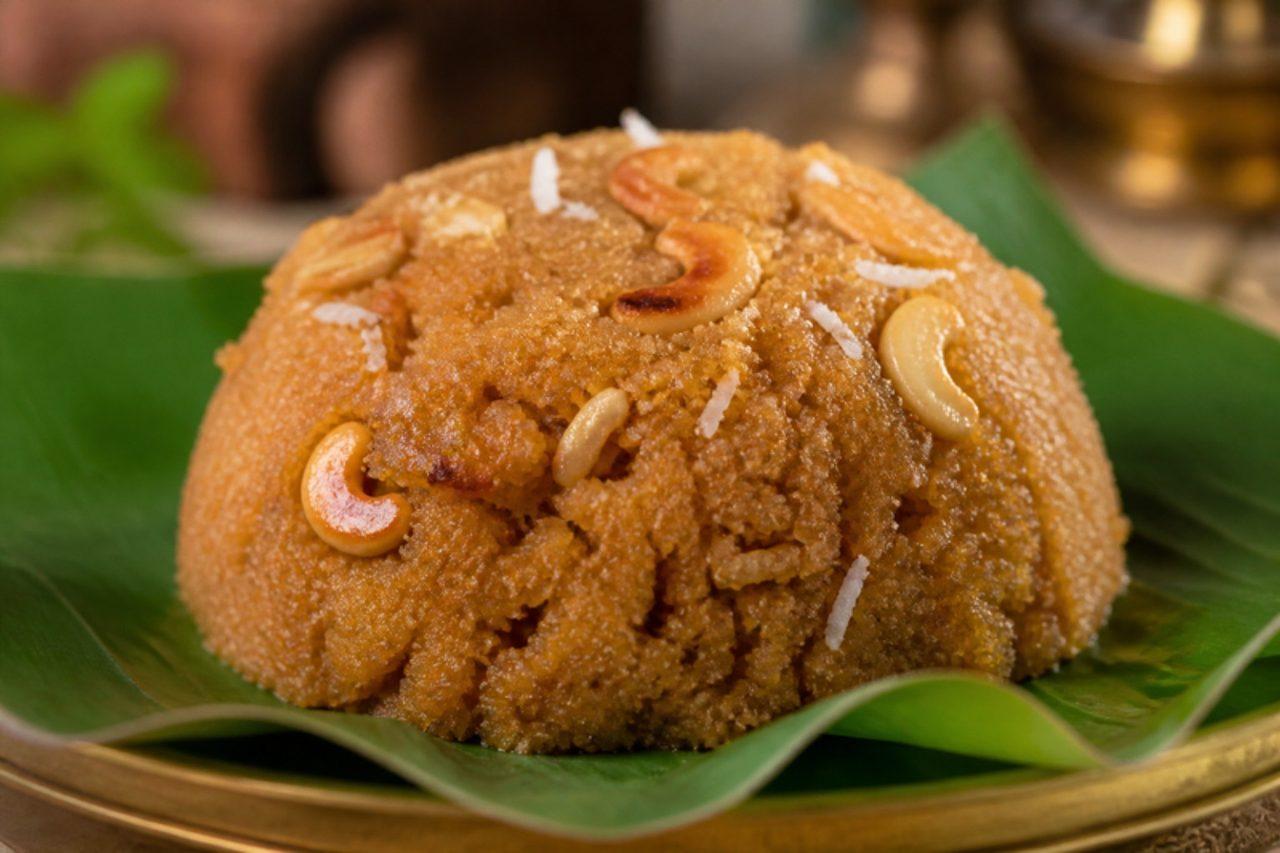
On Arudra Darshan in the Tamil month of Margazhi, temples across Tamil Nadu, Chidambaram above all, celebrate Shiva as Nataraja, and homes offer him kali with ezhu kari kootu at dawn. The rice and a little moong dal are dry-roasted until fragrant, ground to a coarse rava and then cooked in jaggery water until soft and set, a loose, grainy sweet rather than a smooth halwa. Grated coconut, cardamom and plenty of ghee finish it. Common mistake: grinding the roasted rice to a fine flour, which cooks into a sticky paste; you want grains like fine semolina, and the kali is done when it leaves the sides of the pan and the ghee glistens on top. Chef's tip: roast the rice only until it smells like popcorn and turns faintly golden; any darker and the kali tastes bitter.

by KrazyBadal 0 views

Kacha kela na vadaRaw banana fritters

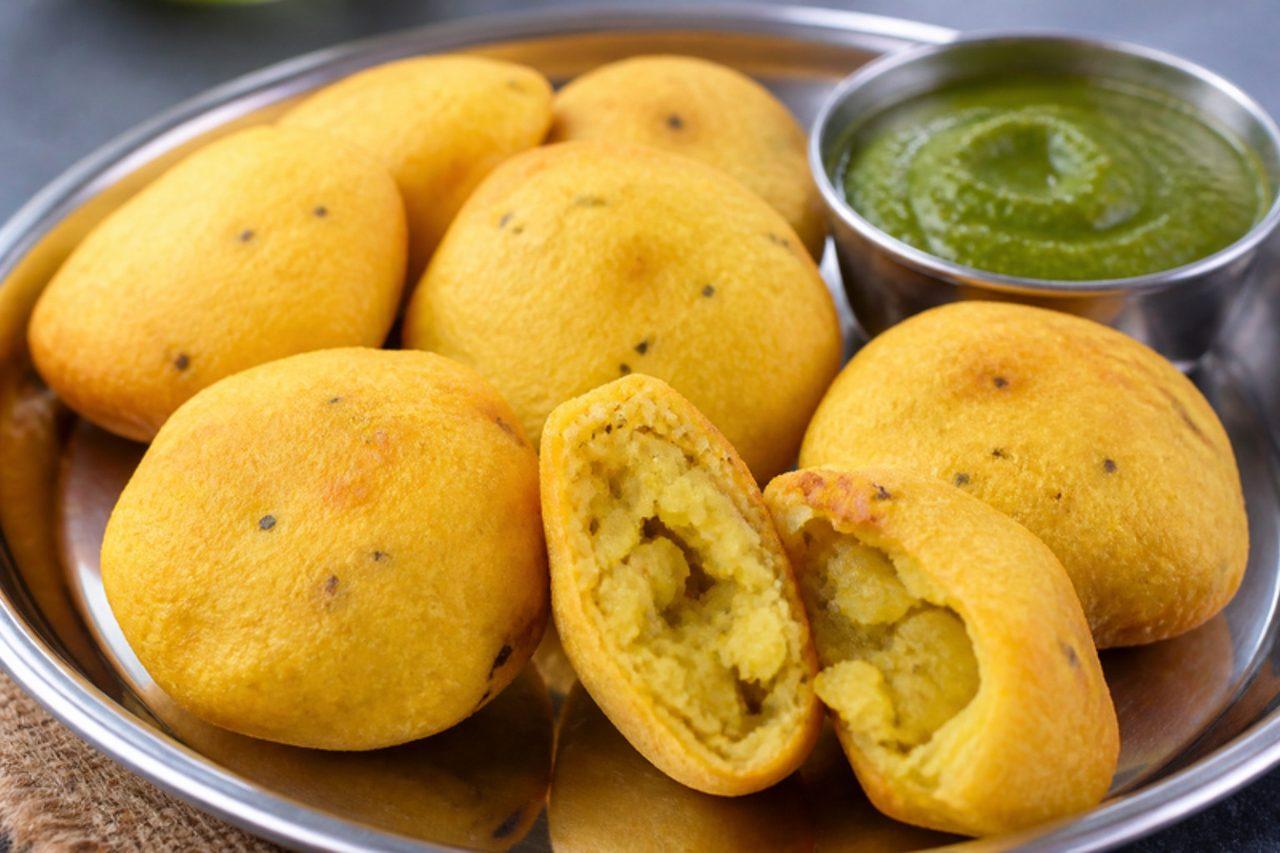
In Jain homes in Ahmedabad, Palanpur and Mumbai's Gujarati neighbourhoods, raw green banana takes the place of potato, so these vada are the Jain answer to batata vada, made for paryushan-season tea and for guests. The bananas are boiled, mashed and spiced with dry ginger, green chilli, lemon and a little sugar, rolled into balls, dipped in gram flour batter and fried. They taste much like batata vada but are slightly firmer, sweeter and fruity. There is no onion, garlic, potato or fresh ginger in this version. The common mistake is overboiling the bananas until they are waterlogged; the filling then goes sticky and the vada split in the oil, so cook them only until a knife slides in. Chef's tip: mash the bananas while warm with a potato masher, not a blender, so the filling stays light.

by KrazyBadal 0 views

Set dosaThick spongy dosas

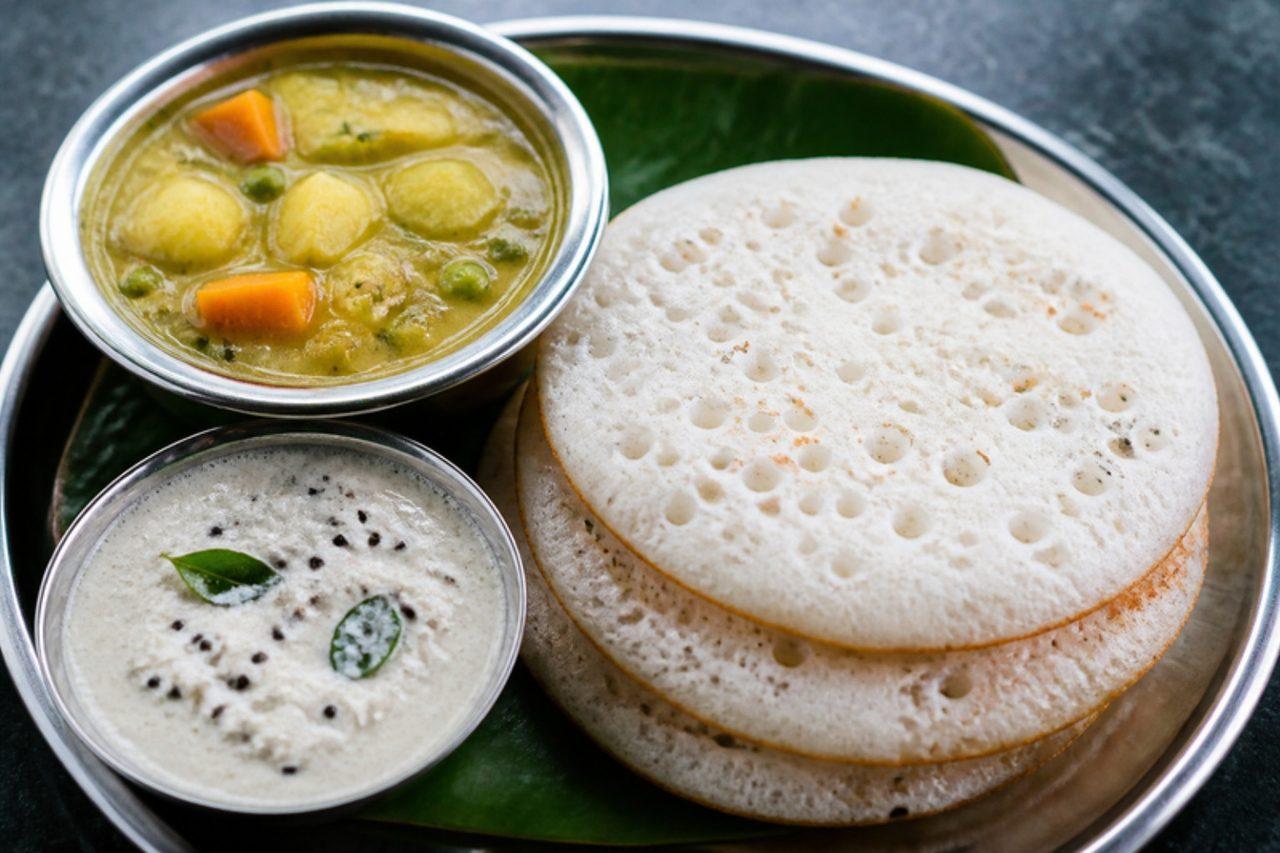
Set dosa is a Bengaluru darshini breakfast, ordered as a 'set' of three small, thick, pancake-soft dosas served with vegetable sagu and coconut chutney, often before the office rush or at a lazy Sunday table. Poha and a high share of rice make the batter rise into a holey, spongy dosa that's cooked on one side only. A common mistake is spreading it thin like a crisp dosa; pour it and just nudge it into a thick round so it stays soft. Chef's tip: cover the dosa for a minute while it cooks so the steam sets the top and the holes stay open.

by KrazyBadal 0 views

Showing 96 of 2,797 recipes

Show more recipes

Page 5 of 117

More Jain ideas

Other diets