Skip to content
WhatToEat.Today

Jain recipes: no onion, garlic or root vegetables

2,799

2799 Jain recipes with no onion, garlic, potato, carrot, fresh ginger or other root vegetables, and no mushrooms, eggs or honey. Hing, dry ginger and turmeric powder are fine. Each has photos, step-by-step instructions and cook times. The quickest, Apfelschorle, takes 2 minutes. Most take around 40 minutes.

Filter these by time, diet or cuisine · Make Jain your diet to see only these recipes everywhere on the site.

Rice atole for babies (atole de arroz)

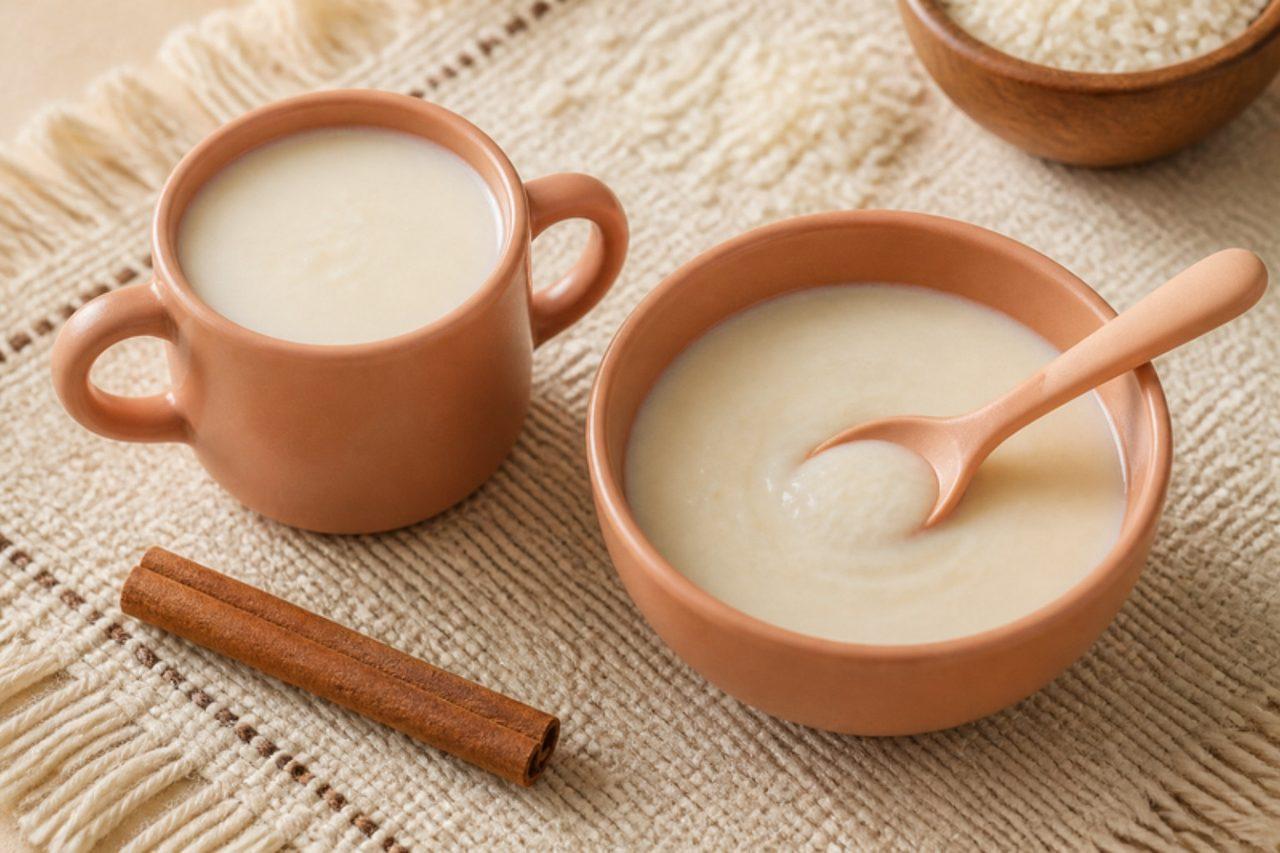
Atole is the warm, thick drink Mexicans have sipped since before the conquest, and in many homes the first version a baby tastes is atole de arroz, ground rice cooked with a stick of true cinnamon. For grown-ups it is sweetened with piloncillo and drunk at breakfast or on cold evenings around Día de Muertos; for babies the sugar stays out and it is thickened enough to eat from a spoon. It contains milk; there is no egg, gluten, nuts, soya, sesame or fish. Chef's tip: grind the rice yourself in a spice grinder; shop-bought rice flour works, but freshly ground rice tastes sweeter.

by KrazyBadal 0 views

Fruit and cereal mash (Obst-Getreide-Brei)

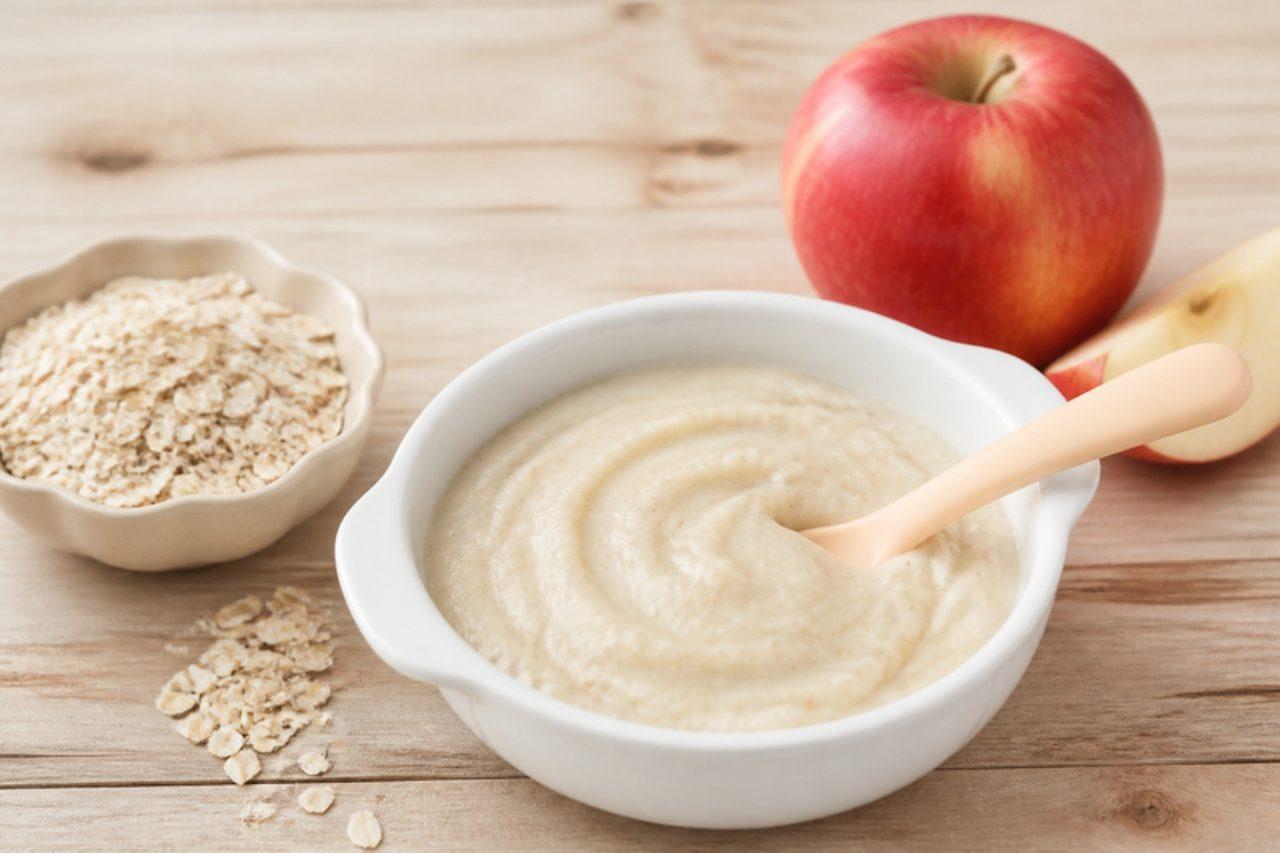
German weaning follows a well-known plan: a vegetable lunch first, then a milk and cereal evening meal, and finally an afternoon Obst-Getreide-Brei, a dairy-free mash of cooked cereal flakes and fruit, usually from around seven months. Fine oat or millet flakes are simmered in water, then stirred into stewed apple or pear with a spoon of rapeseed oil, which German paediatric advice recommends for healthy fats. It is fruity, smooth and naturally sweet. It contains gluten if made with oats (use millet flakes for gluten free); there is no milk, egg, nuts, soya, sesame or fish. Chef's tip: stew the fruit in a little water rather than using juice, which adds sugar.

by KrazyBadal 0 views

Grechka s molokom (buckwheat with milk)

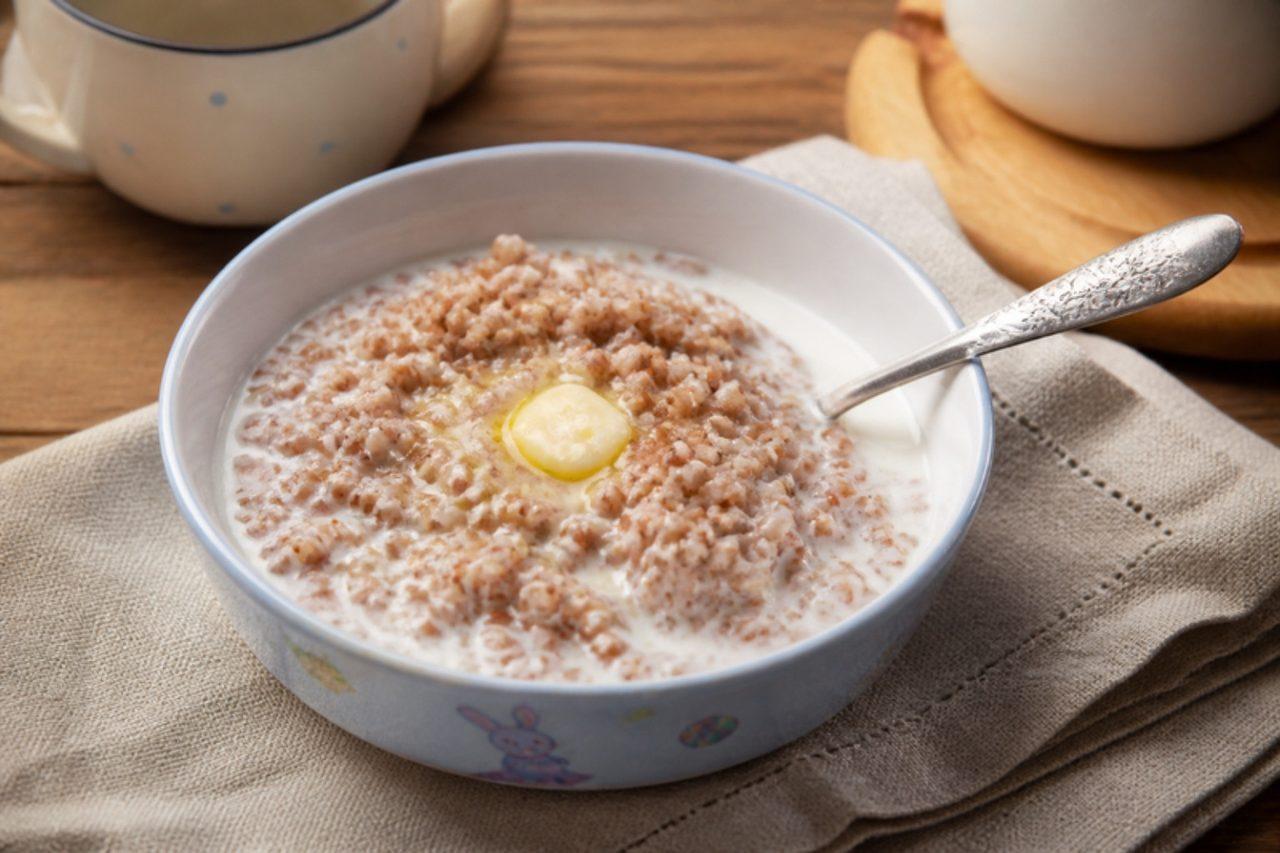
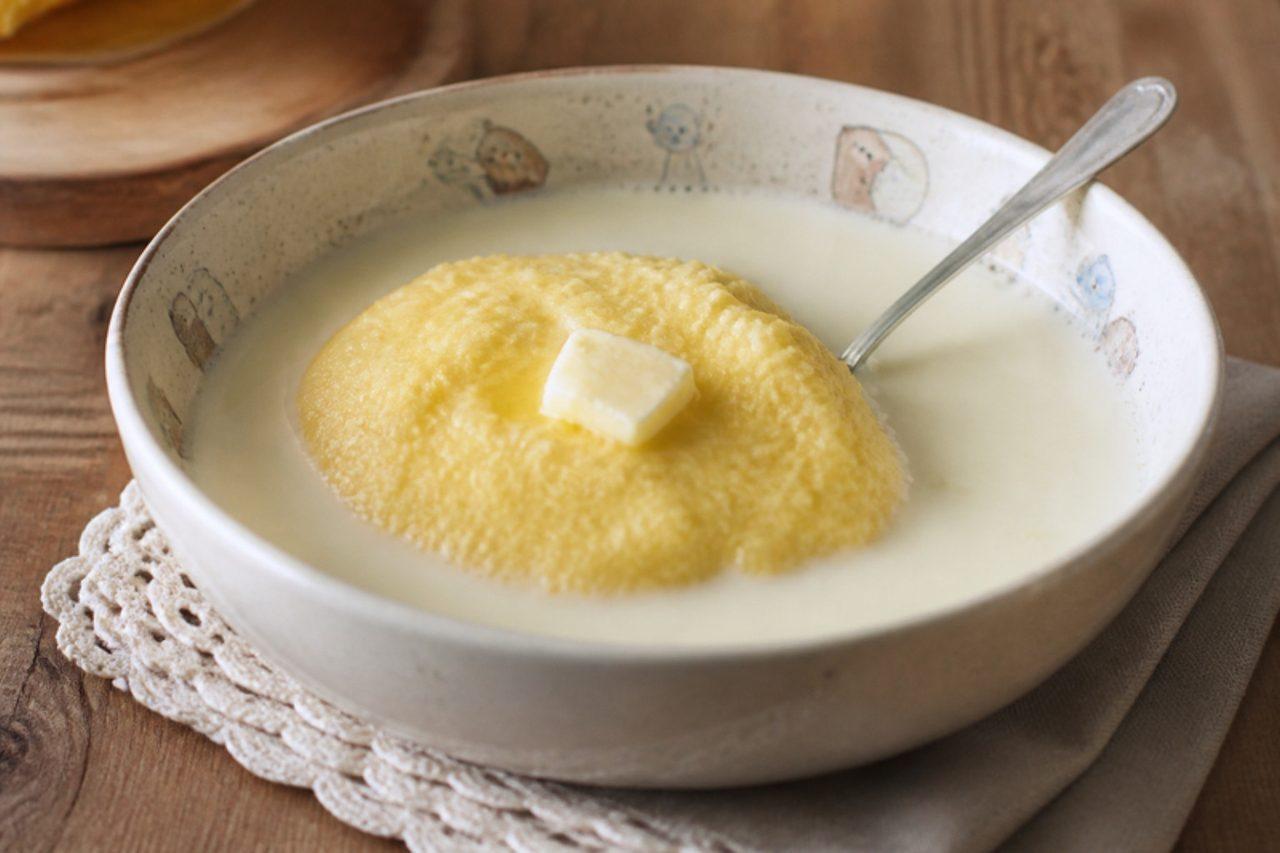
Grechka s molokom, buckwheat groats cooked soft and served in a bowl of warm milk with a little butter, is the breakfast or light supper that generations of Russian children have eaten at home and in nursery school. The groats are earthy and nutty and the milk makes them gentle and sweet-tasting, without any sugar. Buckwheat is naturally gluten free (despite its name); the dish contains milk and has no egg, nuts, soya, sesame or fish. Chef's tip: use toasted buckwheat (the brown kind sold for kasha), which has the rounder, nuttier flavour.

by KrazyBadal 0 views

Bouillie (French baby cereal porridge)

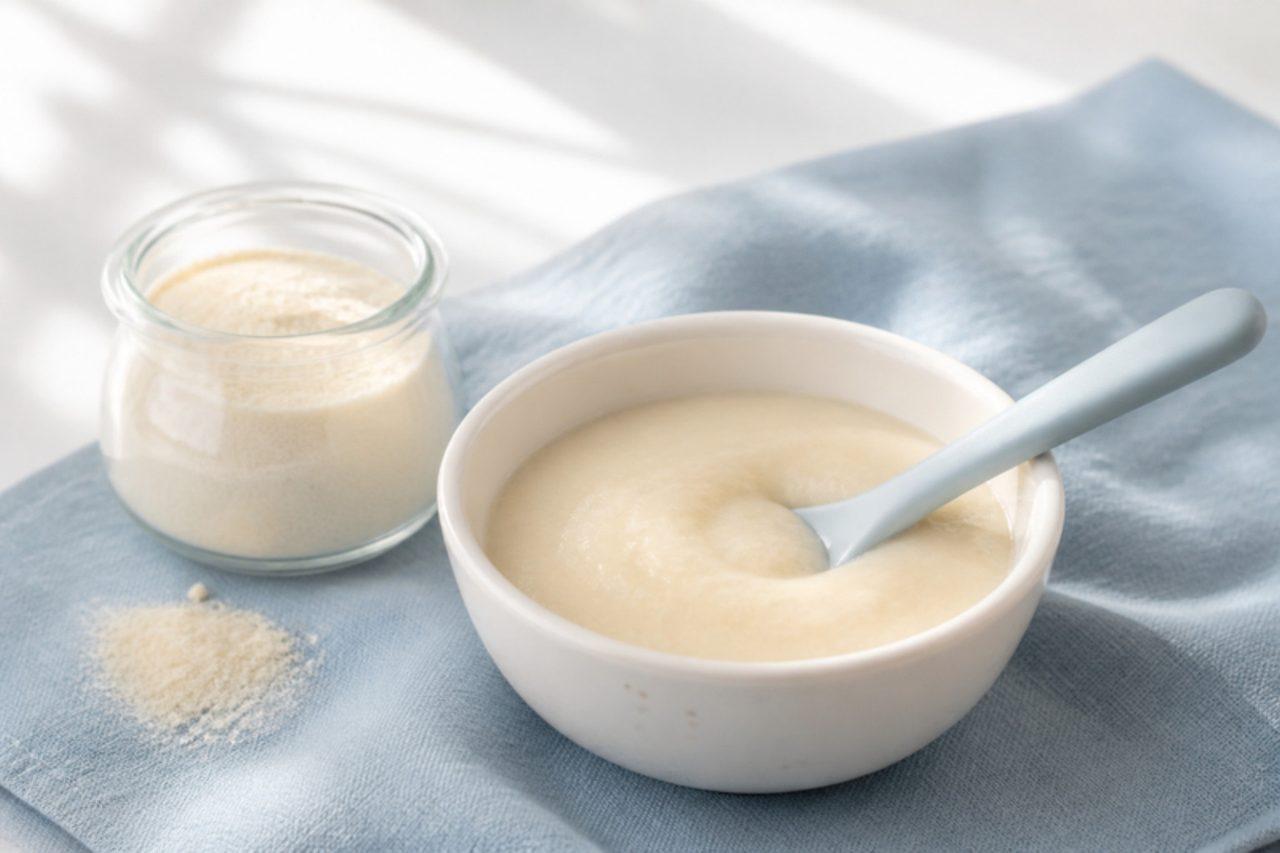
In France, la bouillie is the warm cereal porridge that joins a baby's morning or evening milk at around six months. It is simply the baby's usual milk, breast milk or formula, thickened with plain infant cereal or fine oat or rice flour, and given from a spoon, or thinner from a bottle as many French families do at bedtime. It is creamy and mild. It contains milk from the formula, and gluten if you use oat or wheat cereal; there is no egg, nuts, soya, sesame or fish. Chef's tip: choose a cereal with no added sugar or flavourings; you can add a spoon of fruit purée for sweetness later.

by KrazyBadal 0 views

Välling (Swedish oat and milk drink)

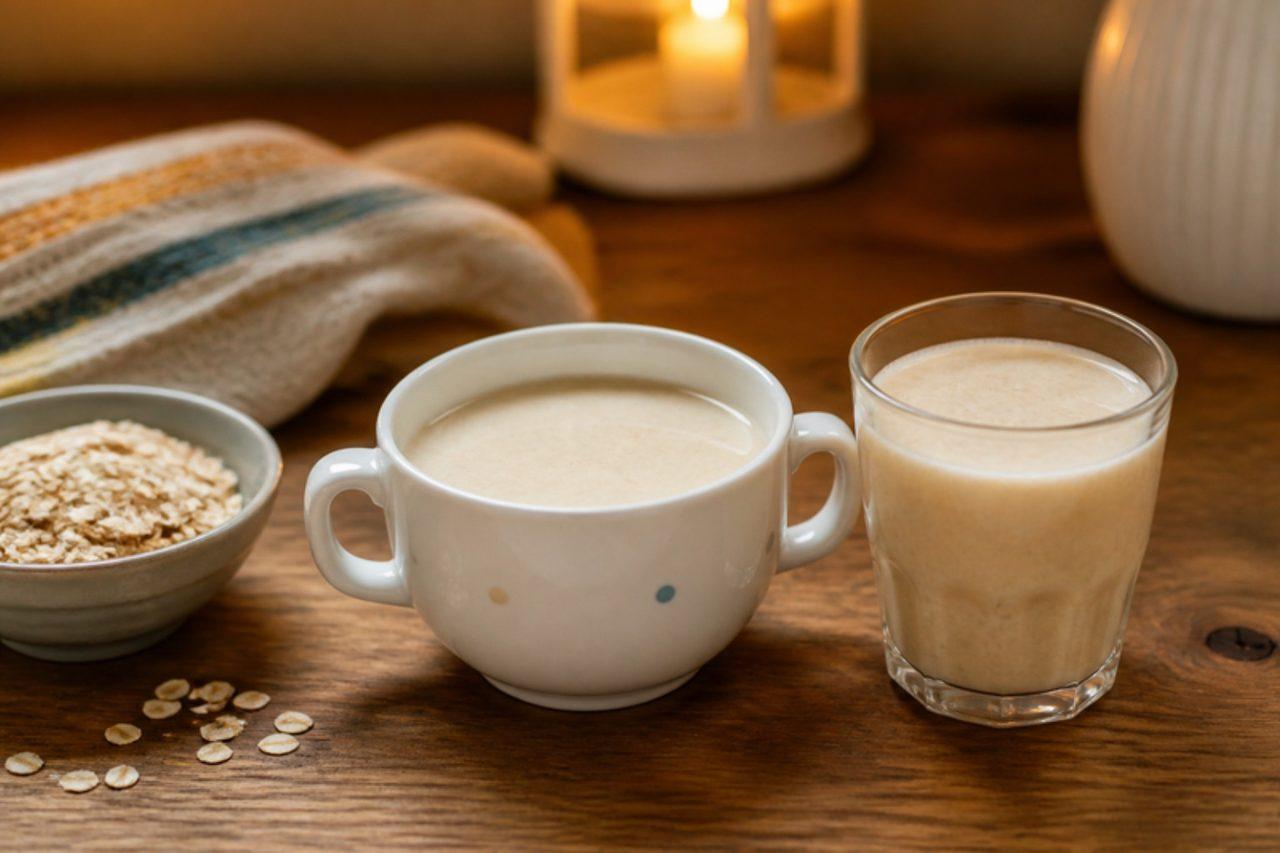
Välling, a thin gruel of cereal and milk, has been the Swedish child's bedtime drink for generations, and many families still make their own for toddlers once they move on to cow's milk at around a year old. It is smooth, warm and lightly oaty, with no added sugar or honey. It contains milk and gluten (oats are often processed with wheat; use certified gluten-free oats if needed); there is no egg, nuts, soya, sesame or fish. Chef's tip: blend the oats to a fine flour first, so the drink is silky and flows easily from a beaker.

by KrazyBadal 0 views

Kisiel (Polish fruit jelly drink)

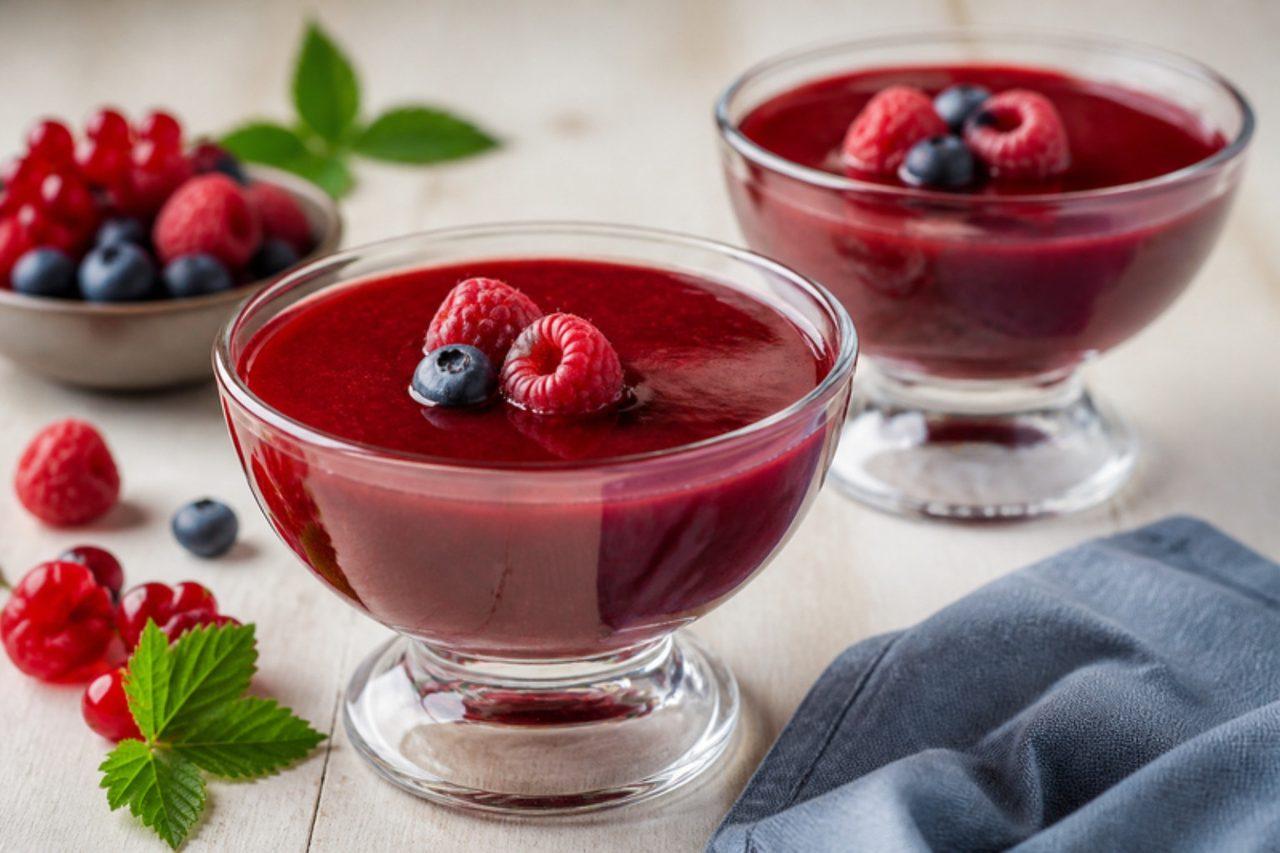
Kisiel is a Polish childhood staple served in school canteens and at home after school, warm in winter and chilled in summer, somewhere between a thick drink and a soft jelly. Home-made versions use fruit or juice thickened with potato starch, without the bright colours of packet mixes. This one uses mixed berries and only a little sugar. None of the common allergens are in it. Chef's tip: always mix the starch with cold water first and pour it into the boiling fruit while stirring; added dry, it forms lumps that never dissolve.

by KrazyBadal 0 views

Bubur merah putih (red and white porridge)

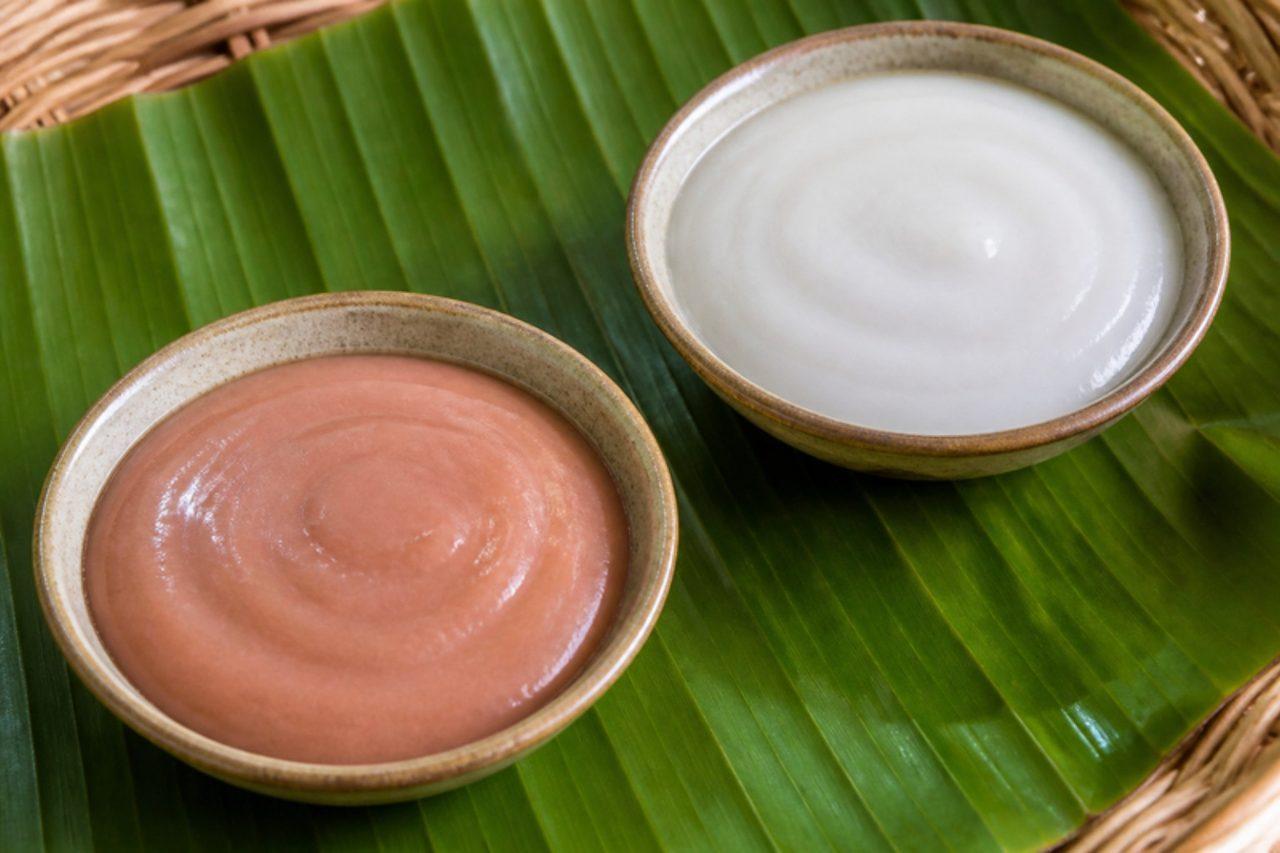
In Java, bubur merah putih is cooked for a baby's naming day, a child's birthday or a new house: a red-brown porridge sweetened with palm sugar and a white one rich with coconut milk, spooned side by side into one bowl. The red is said to stand for courage and the white for purity, and the bowls are shared with neighbours as thanks. The family and older children eat the sweetened red half; it is not for babies under one because of the sugar. Free of milk, egg, gluten, nuts and soya. Chef's tip: tie a pandan leaf in a knot and simmer it in both pots for a gentle vanilla-like scent.

by KrazyBadal 0 views

Indian bakery cream roll

Cream rolls are a sweet memory for children across India, from the Irani cafés of Mumbai to Kerala's small-town bakeries: spirals of flaky puff pastry baked around a cone, glazed with sugar and piped with soft vanilla cream. They turn up on birthday party plates and in after-school bakery treats. This version uses whipped cream rather than the shortening icing of many shops. It contains gluten and milk. Chef's tip: fill them only an hour or two before serving so the pastry stays crisp.

by KrazyBadal 0 views

SomunDimpled flatbread

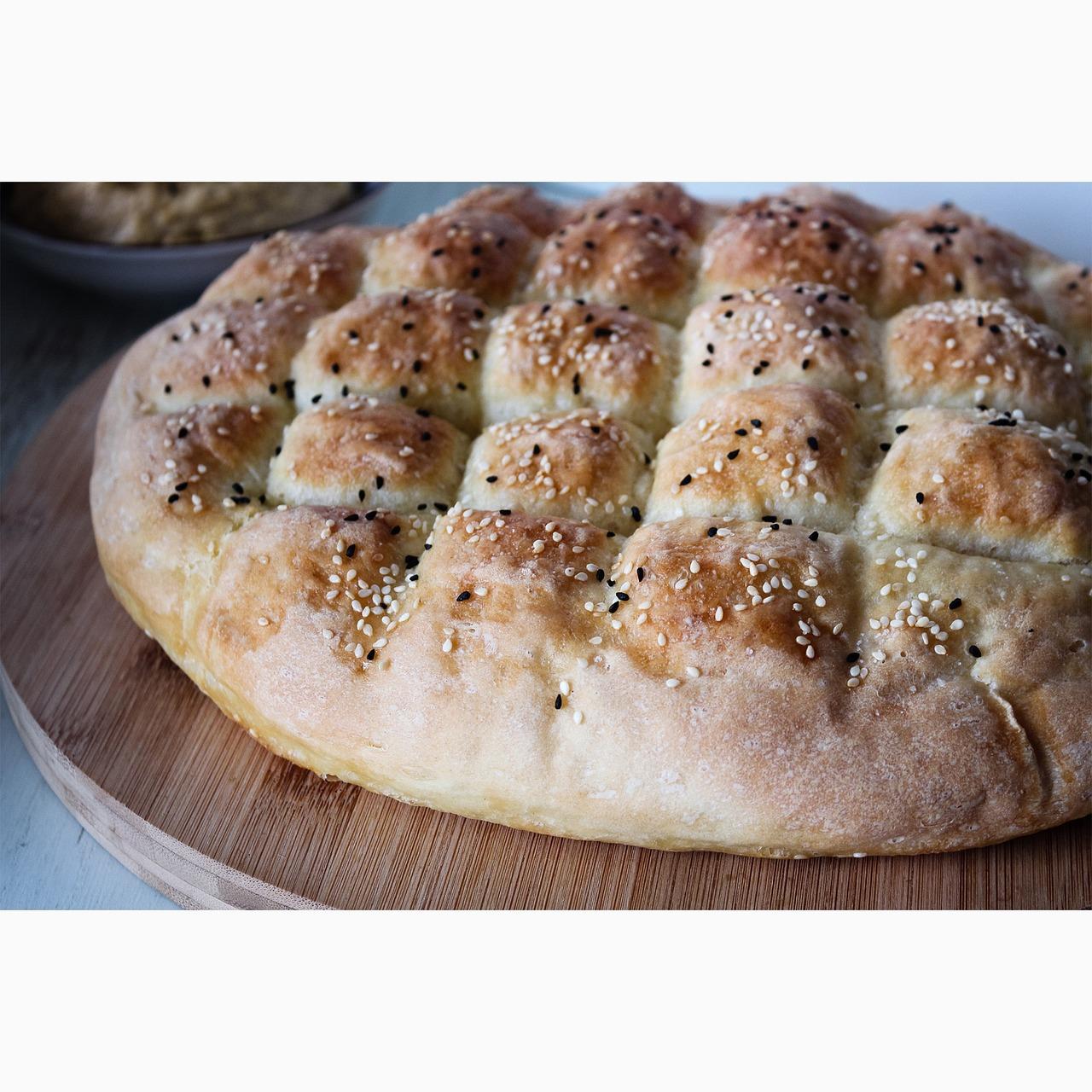
During Ramadan in Sarajevo, queues form outside the Baščaršija bakeries in the last hour before iftar, everyone waiting for somun still warm from the oven. It is a round, pale flatbread about three fingers thick, with a crust so thin it barely crackles and a soft, airy middle, and a criss-cross grid pressed into the top. All year it is split and stuffed with ćevapi and onions at the grill houses; for a meat-free plate, fill it with kajmak, roasted peppers and ajvar or grilled vegetables. Somun should stay pale: leave it in the oven until it is brown and the crust turns hard, which is the commonest mistake. Chef's tip: wrap the loaves in a clean tea towel the moment they come out; the trapped steam softens the crust to that typical pillowy finish.

by KrazyBadal 0 views

Mingau de maisena (cornflour milk porridge)

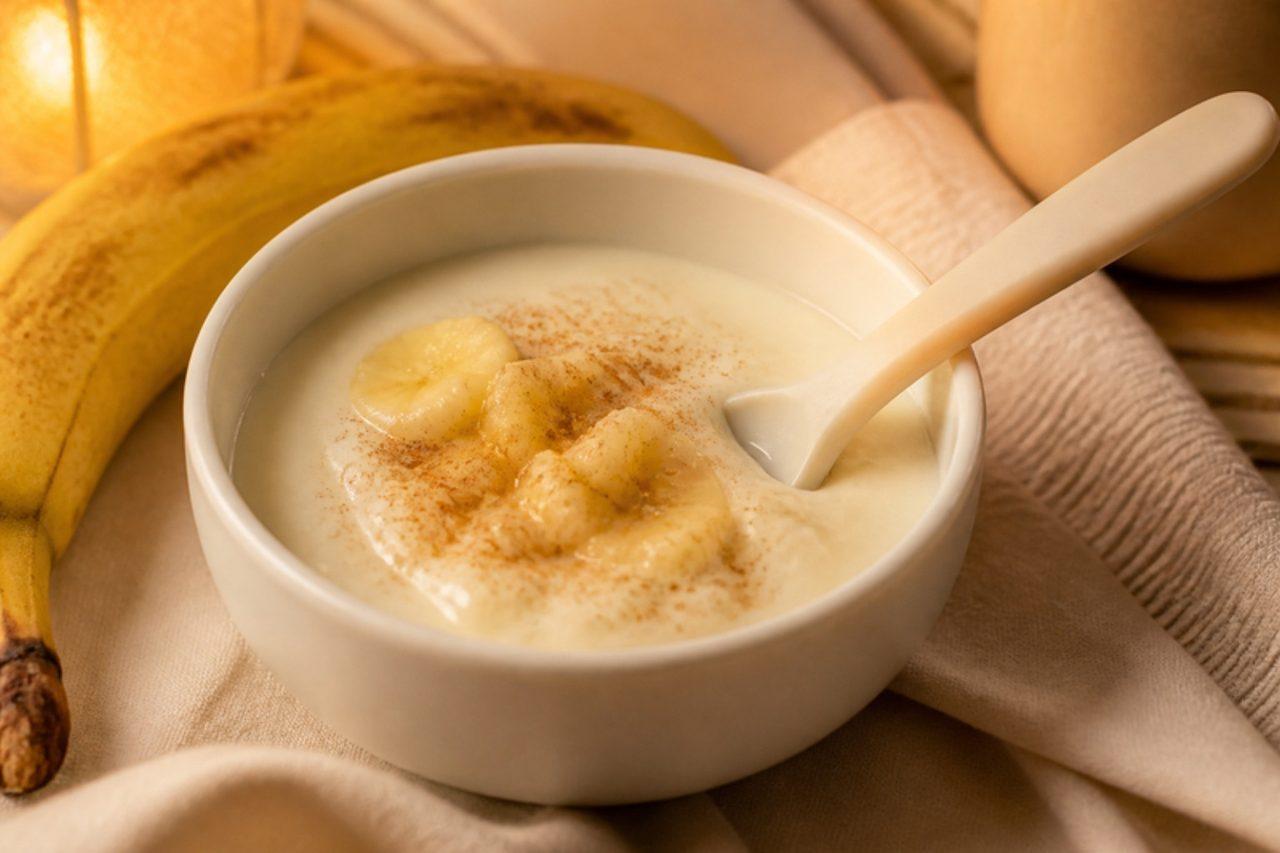
In homes across Brazil, a little bowl of mingau de maisena is the classic supper before bed: milk stirred with cornflour over a low heat until it turns smooth and spoonable, like a thin custard. Grandmothers usually add sugar and cinnamon, but for babies from nine months the sweetness comes from mashed ripe banana instead. It contains milk (cow's milk is fine cooked into food from this age); it has no gluten, egg, nuts, soya, sesame or fish. Chef's tip: mix the cornflour into cold milk before heating, never into hot milk, or it forms lumps at once.

by KrazyBadal 0 views

Mashed nam wa banana (kluay nam wa bod)

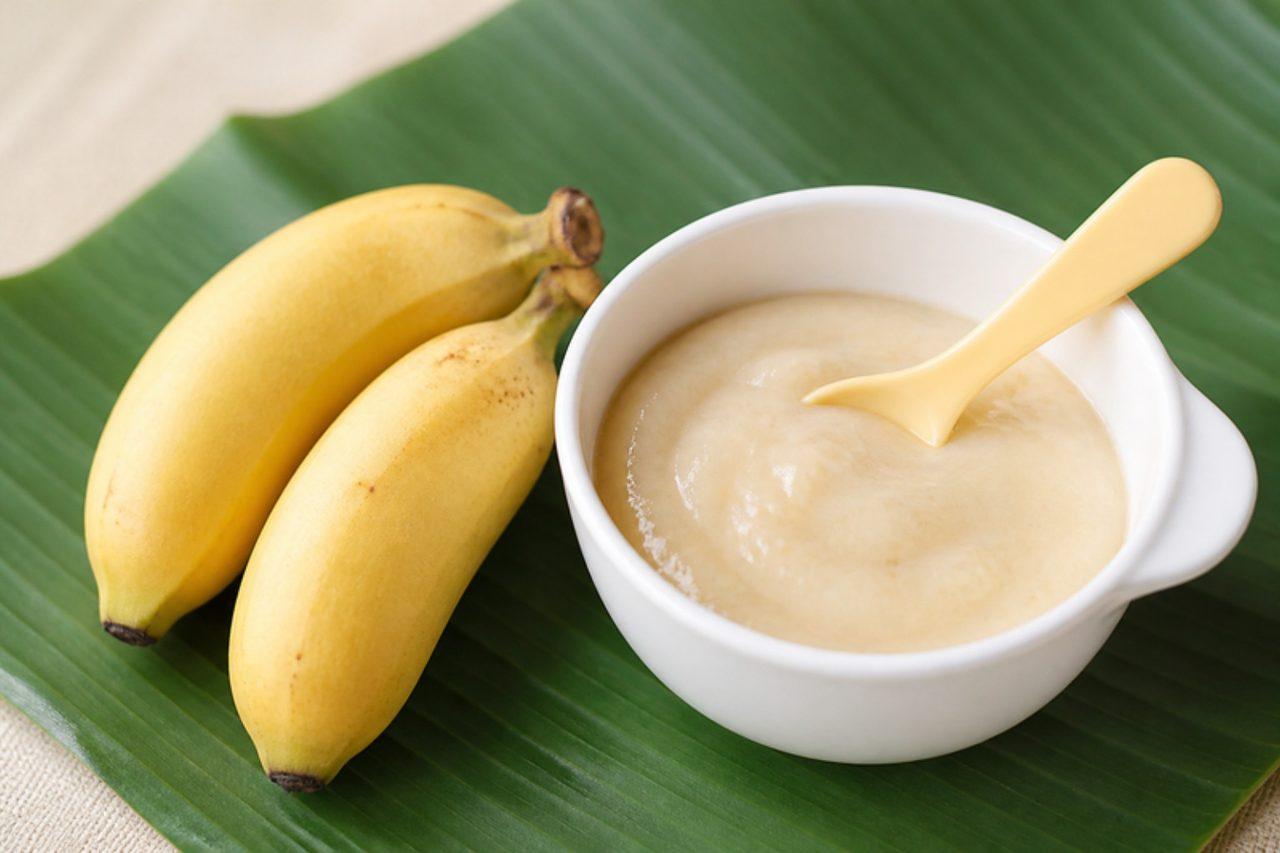
Ask a Thai grandmother about first foods and she will talk about kluay nam wa, the short, plump banana that grows in nearly every garden in Thailand. Ripe ones are steamed, which softens the slightly astringent edge, then scraped and mashed for a baby's first taste, often in the afternoon. It is sweet, creamy and needs nothing added. There are no common allergens (milk, egg, gluten, peanut, tree nuts, soya, sesame, fish). If you can't find nam wa, use a small, very ripe ordinary banana. Chef's tip: steam the banana in its skin; it keeps the flesh moist and stops it browning.

by KrazyBadal 0 views

Polenta e lattePolenta in milk

In farmhouses across Lombardy and the Veneto, the polenta left over from lunch was cut into pieces at night and dropped into bowls of warm milk for the children, and polenta e latte is still remembered fondly as a cosy winter supper. Freshly made polenta works just as well: soft, golden and comforting, with the milk soaking into it. It contains milk; it has no gluten, egg, nuts, soya, sesame or fish. Chef's tip: whisk the polenta into the water in a thin stream, like rain, to keep it smooth.

by KrazyBadal 0 views

Sữa chua (Vietnamese set yogurt)

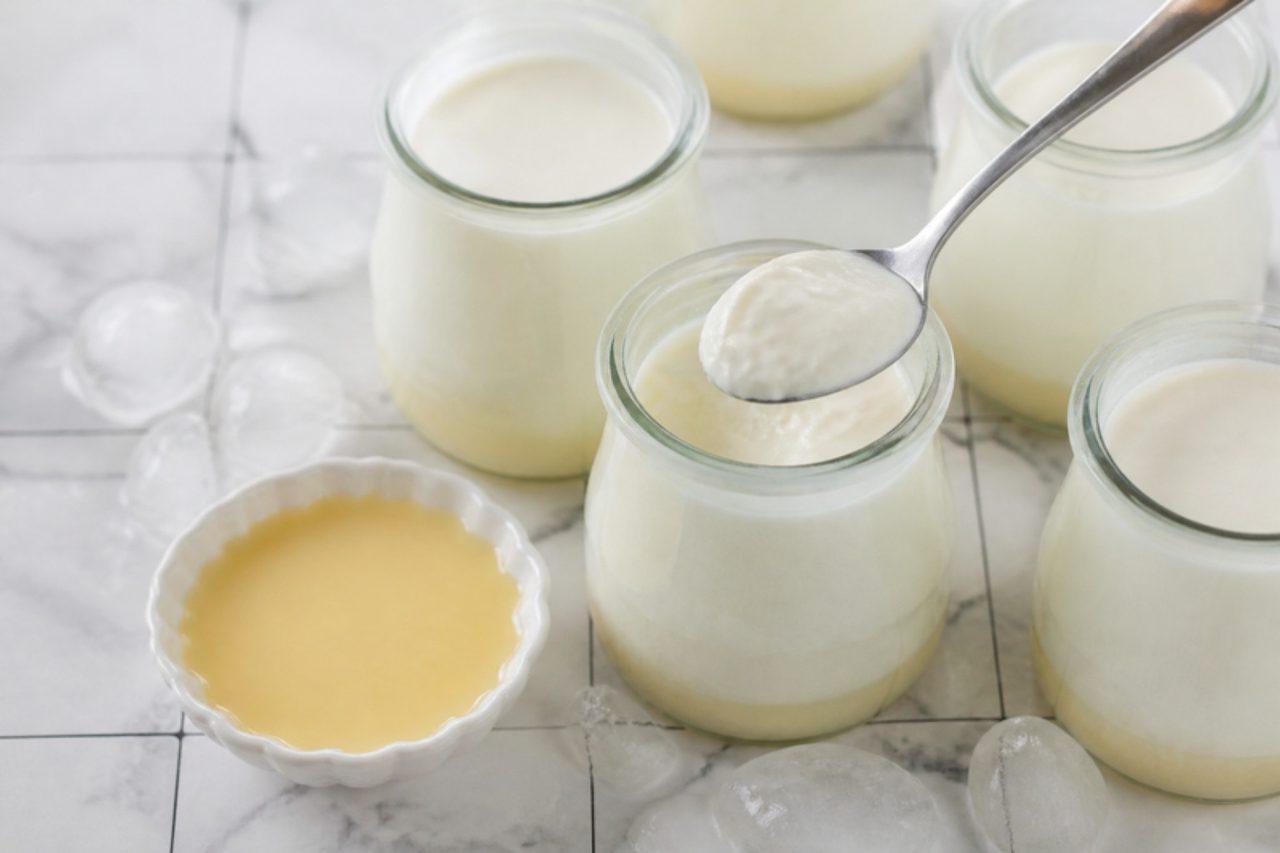
In Vietnamese homes, sữa chua is made in a row of small jars and kept in the fridge or freezer, and children in Hanoi and Saigon eat it after school straight from the cup, sometimes frozen hard like ice cream. The condensed milk gives it a mild caramel sweetness and a smooth, firm set that is less sharp than plain yogurt. It is sweetened, so this version uses less condensed milk than the street-stall kind. It contains milk. Chef's tip: keep the milk at blood heat, about 43 °C; hotter kills the yogurt culture and cooler sets slowly and sour.

by KrazyBadal 0 views

Octopus sausages (tako-san wiener)

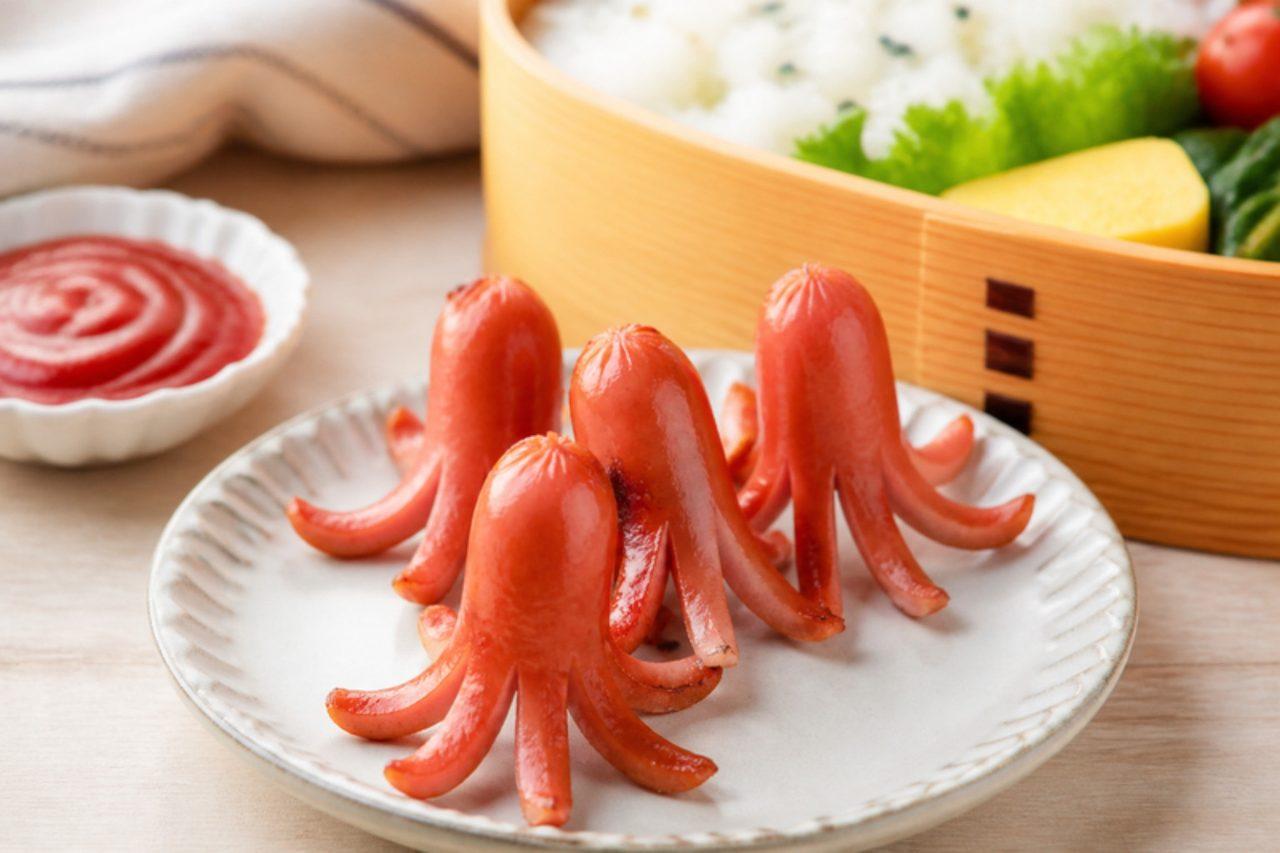
Open a Japanese child's bento almost anywhere in the country and there is a good chance of finding tako-san wiener: small frankfurters with the bottom half cut into legs, which curl out like an octopus when they hit a hot pan. They go in on school-trip days and sports days, often with a tiny sesame-seed face. They contain whatever your sausages contain; check the label for wheat, milk and soya. For children under 5, cut the finished sausages in half lengthwise to avoid a choking risk. Chef's tip: cut the legs only halfway up the sausage, or the head splits off.

by KrazyBadal 0 views

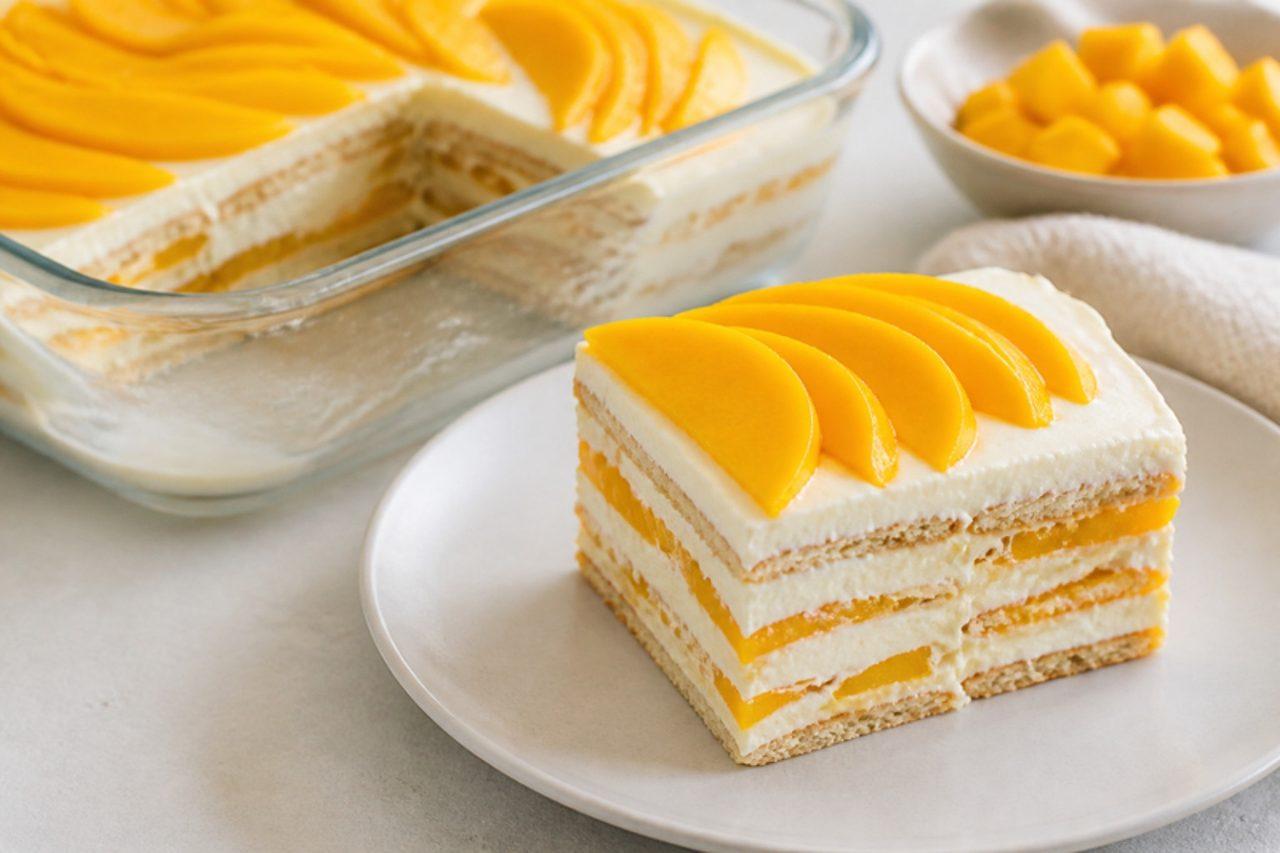
Mango floatMango icebox cake

Mango float is the no-bake party cake of the Philippines, made in a big dish for birthdays, graduations and fiestas when Philippine mangoes are at their sweetest. Layers of crackers soften overnight in sweet cream until they slice like cake, with ripe mango in every forkful. Older children can assemble it themselves. It contains milk and gluten. Chef's tip: use mangoes that are fully ripe and fragrant but still firm enough to slice neatly; stringy, sour mangoes spoil it.

by KrazyBadal 0 views

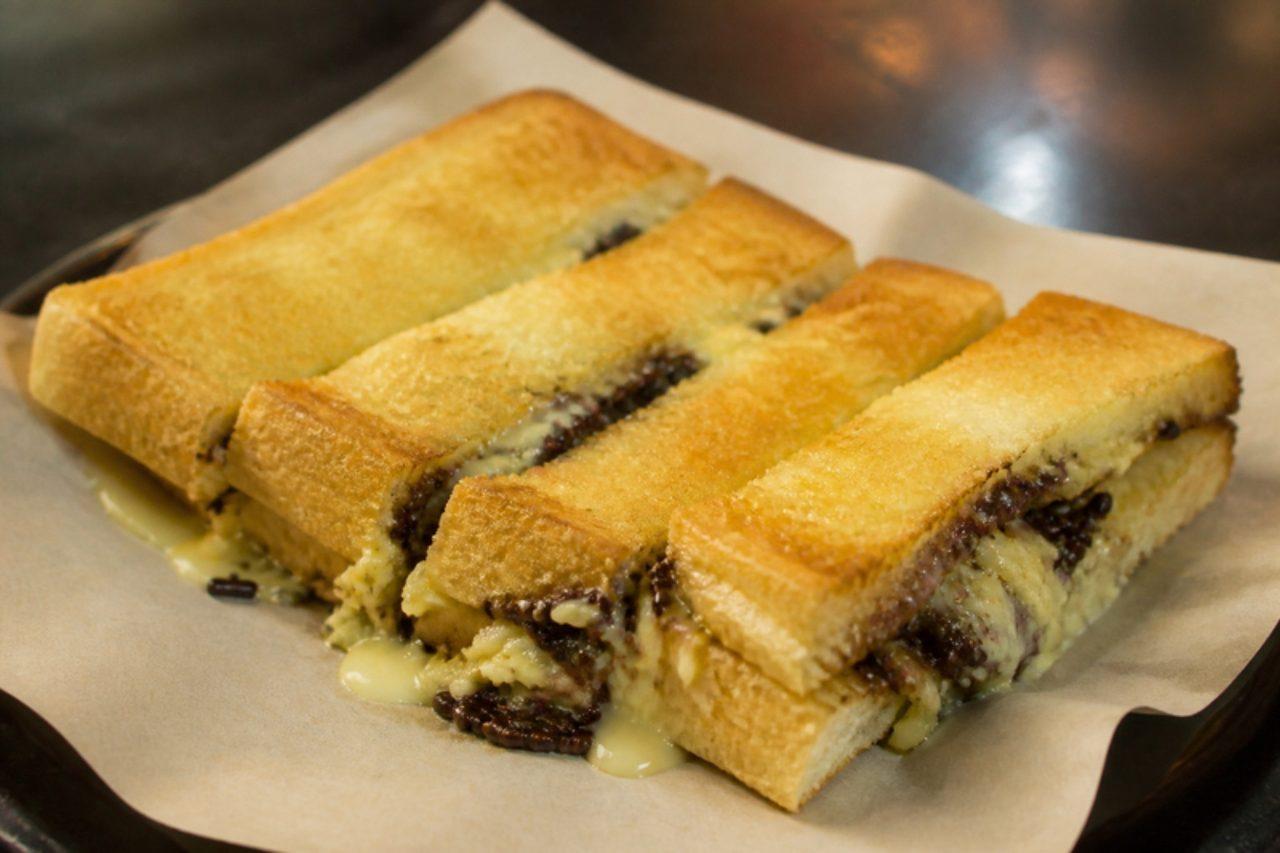
Roti bakar (Indonesian toasted bread)

Roti bakar stalls light up street corners all over Indonesia from late afternoon, and children from Jakarta to Surabaya beg for the classic filling of chocolate sprinkles with grated cheese, an unlikely pairing that works. Thick slices of soft bread are spread with butter, toasted on a hot plate until crisp and golden, filled and cut into fingers. Traditional versions add a lot of condensed milk; here it is an optional drizzle. It contains gluten and milk (and may contain soya in the chocolate). Chef's tip: press the bread flat with a spatula as it toasts so the filling melts into it.

by KrazyBadal 0 views

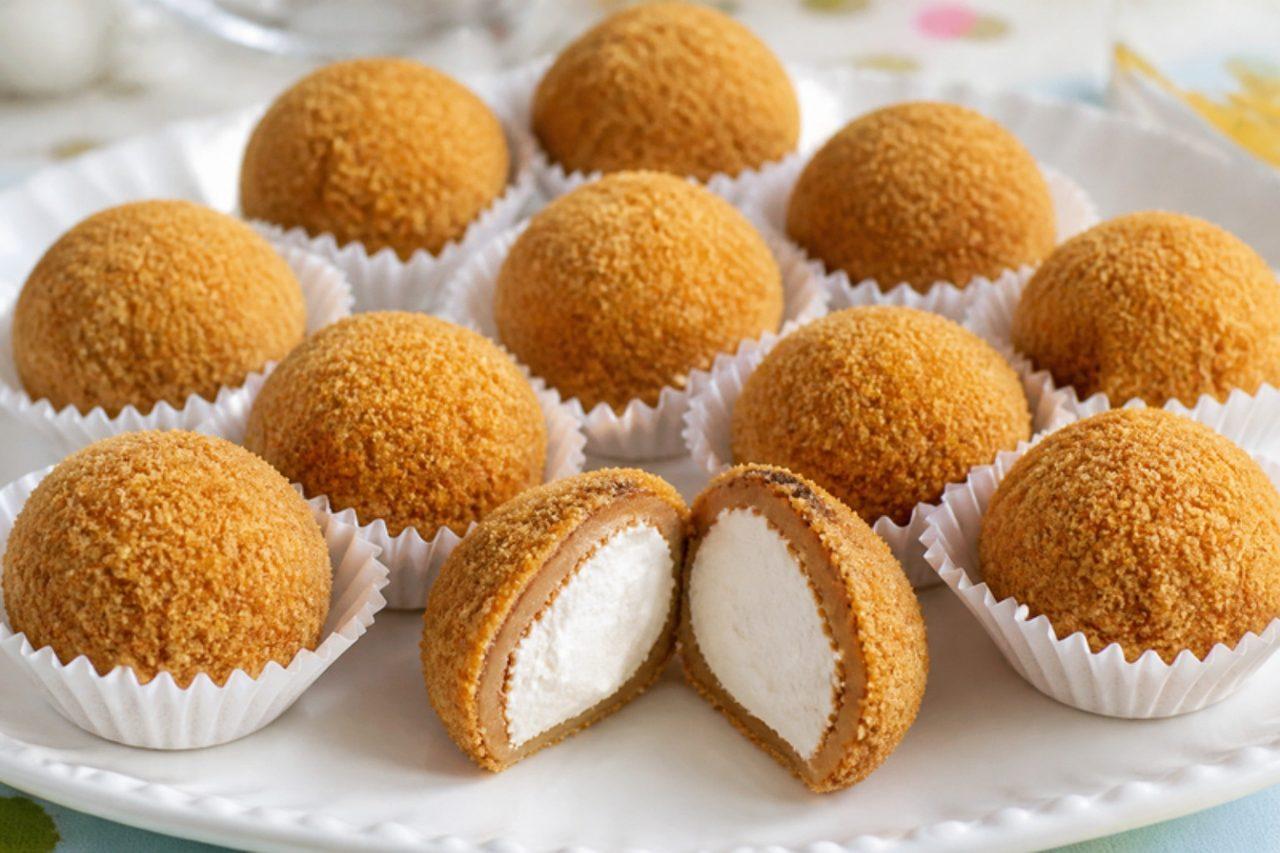
Graham balls

Graham balls are often the first sweet a Filipino child makes, usually for a class party or a cousin's birthday: crushed graham crackers kneaded with condensed milk into a dough, wrapped round a mini marshmallow and rolled in more crumbs, then set in paper cases in the fridge. They need no oven, just clean hands. They contain gluten and milk, and marshmallows usually contain gelatine, so they are not vegetarian unless you use gelatine-free marshmallows or a vegetarian gelling agent version. Graham crackers can be swapped for digestive biscuits. Chef's tip: chill the mixture for 20 minutes before rolling and it stops sticking to your palms.

by KrazyBadal 0 views

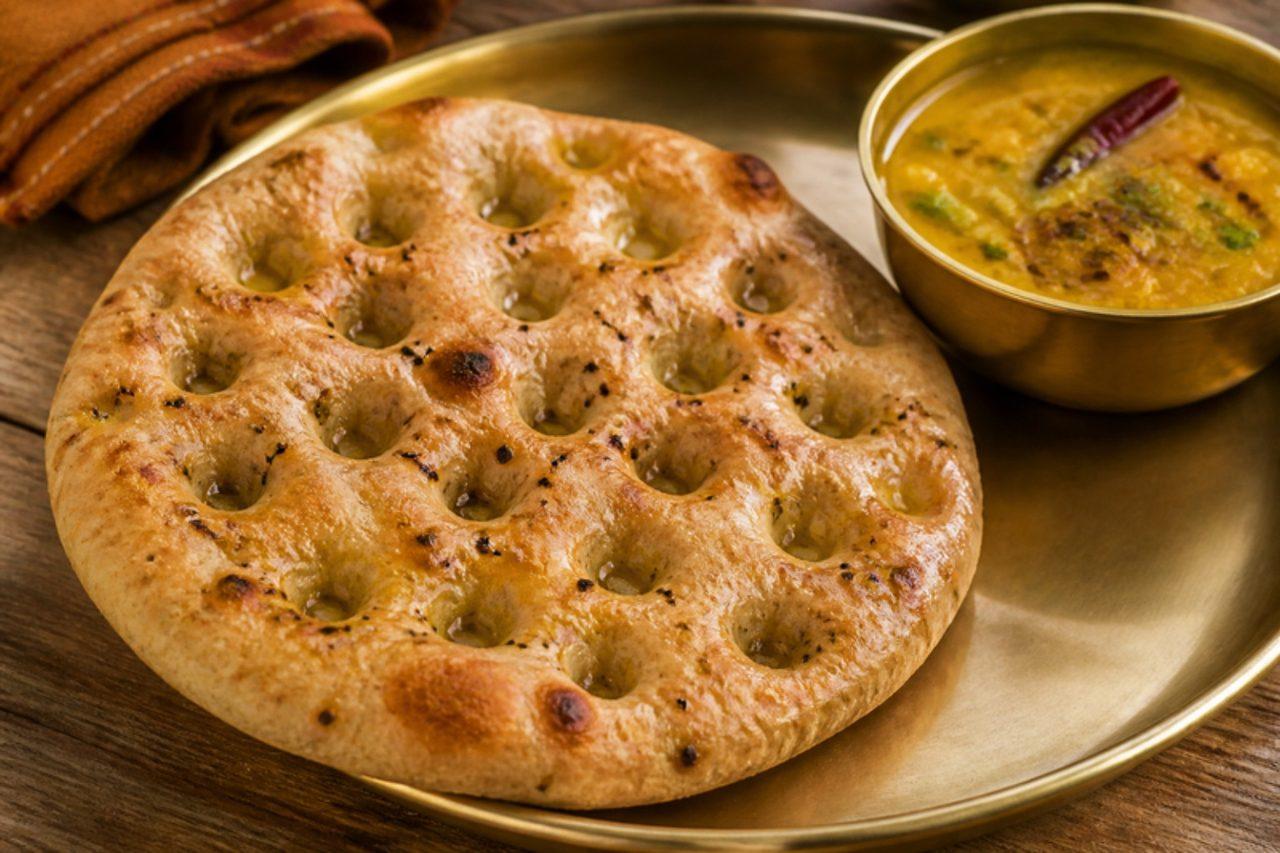
Khoba rotiThick pinched wholewheat flatbread

Pinched by hand into rows of tiny craters, khoba roti is the festive everyday bread of Rajasthan's Marwar and Mewar homes, made when guests come or for a Sunday thali. It is thick, almost a centimetre, with a crisp, toasty crust and a soft, chewy middle, and every hollow on top becomes a little cup for melted ghee. Serve it with panchmel dal, ker sangri, gatte ki sabzi or a fiery garlic chutney. The commonest mistake is a hot tawa: the outside chars while the thick centre stays doughy, so keep the flame low and be patient. Chef's tip: dip your thumb and finger in water between pinches; damp fingertips lift the dough into crisp ridges without tearing it.

by KrazyBadal 0 views

Butterflap breadFolded buttered rolls

Soft, squishy and folded like a little book, butterflap is a Trinidad and Tobago bakery classic, sold by the bag from Port of Spain to San Fernando. Each roll is an oval of milky dough spread with butter and folded over, so it bakes into a tender roll that peels open along a buttery seam. People eat them warm for breakfast with cheese or a hot cup of cocoa tea, split them for a sandwich at lunch, or tear them up beside a pot of stew. Many bakeries use margarine; butter tastes better. Spreading the butter too thick, right to the edges, is where it goes wrong: it leaks out and fries the base, so keep a clean border. Chef's tip: pack the folded rolls snugly in the tin so they rise up rather than out and stay soft at the sides.

by KrazyBadal 0 views

Tabouna breadSemolina clay-oven flatbread

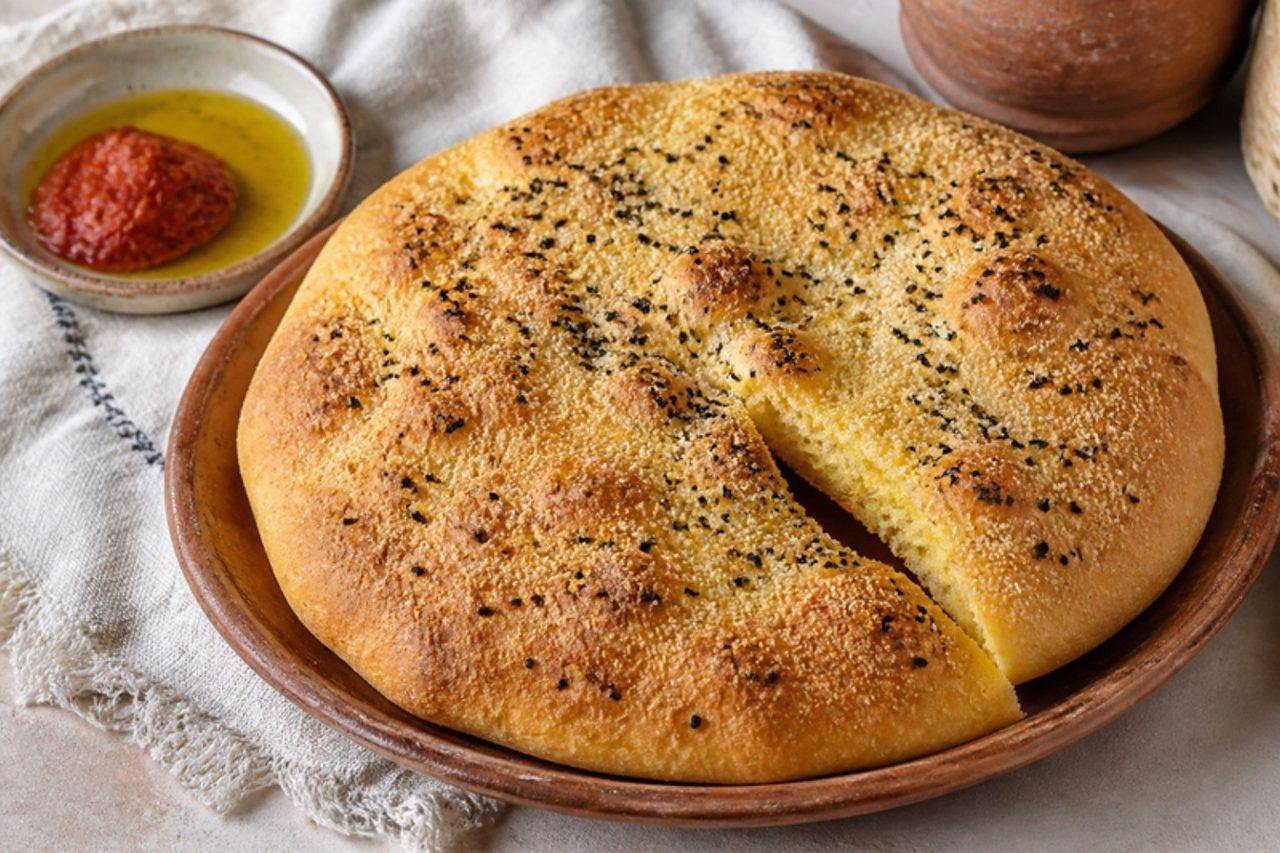
Named after the clay oven it is baked in, tabouna bread is slapped by Tunisian village women against the oven's hot inner wall, where it puffs and blisters in minutes. It is a round semolina bread, golden and slightly gritty outside, tender and yellowish within, with the sweet, nutty taste of durum wheat and a hint of olive oil. Roadside stalls from Kairouan to the Cap Bon sell it warm to wrap around harissa, olive oil and mechouia, the smoky grilled-pepper salad, or to tear into a bowl of lablabi, the garlicky chickpea soup. A hot baking tray does the oven's job at home. Semolina drinks water slowly, and adding extra flour because the dough feels wet at first is the mistake that makes a dry, heavy bread. Chef's tip: shape the rounds with wet hands rather than floury ones; it keeps the dough soft and gives the crust its blistered finish.

by KrazyBadal 0 views

Casadinho (black and white brigadeiro)

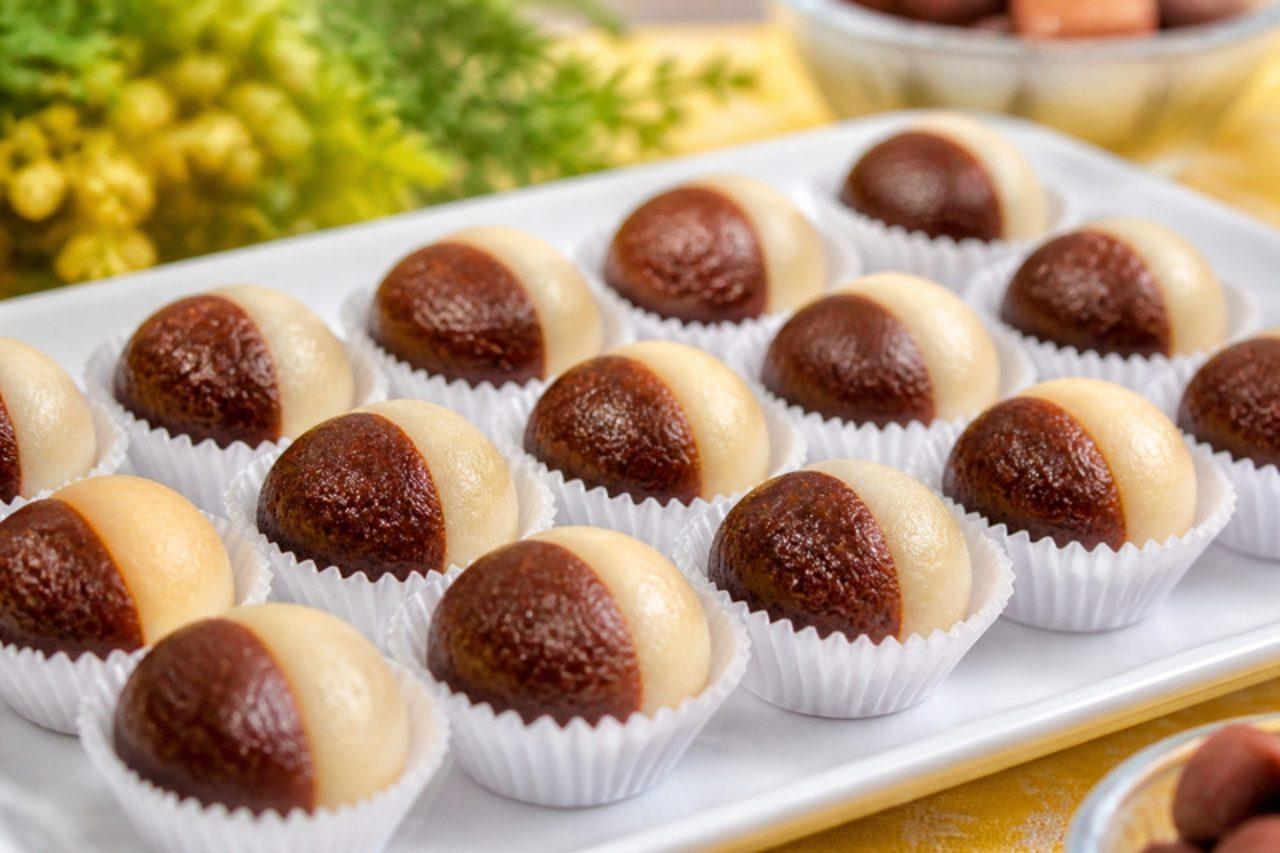
No Brazilian children's birthday is complete without a table of docinhos in little paper cases, and casadinho, the 'little married couple', is the one with two halves: dark chocolate brigadeiro and creamy white beijinho-style fudge rolled together into one ball. Children help roll them the day before the party. It contains milk and is gluten free; check the sprinkles are gluten free if that matters to you. Chef's tip: the fudge is cooked when you can drag a spatula across the pan and see the bottom for two seconds before it closes.

by KrazyBadal 0 views

Mkate wa siniaCoconut and rice tray cake

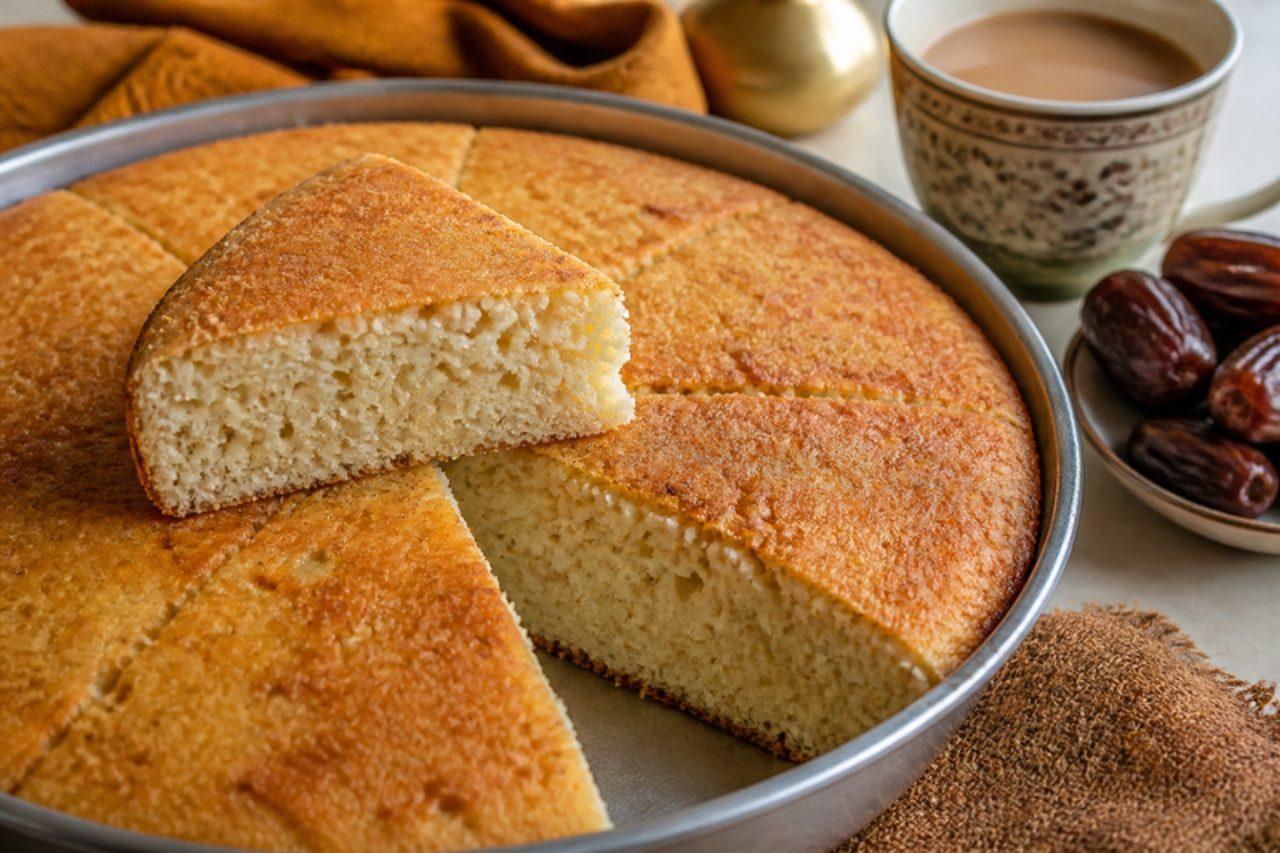
Ramadan evenings in Stone Town and Mombasa bring out trays of mkate wa sinia, cut into wedges and set out for iftar beside spiced chai and dates. Soaked rice is blended with coconut milk, sugar, cardamom and yeast into a pourable batter (hence its other name, mkate wa kumimina, 'poured bread'), left to bubble, then baked in a round metal tray called a sinia. Inside it is spongy and full of holes like a crumpet; the top and base turn golden and slightly chewy. It contains no egg, dairy or wheat. Under-blending is what ruins it: a gritty batter bakes into a sandy cake, so blend until a drop rubbed between your fingers feels completely smooth. Chef's tip: add a couple of spoonfuls of cooked rice to the blender, the way coastal cooks do; it makes the crumb softer and more springy.

by KrazyBadal 0 views

Beschuit met muisjesRusks with aniseed sprinkles

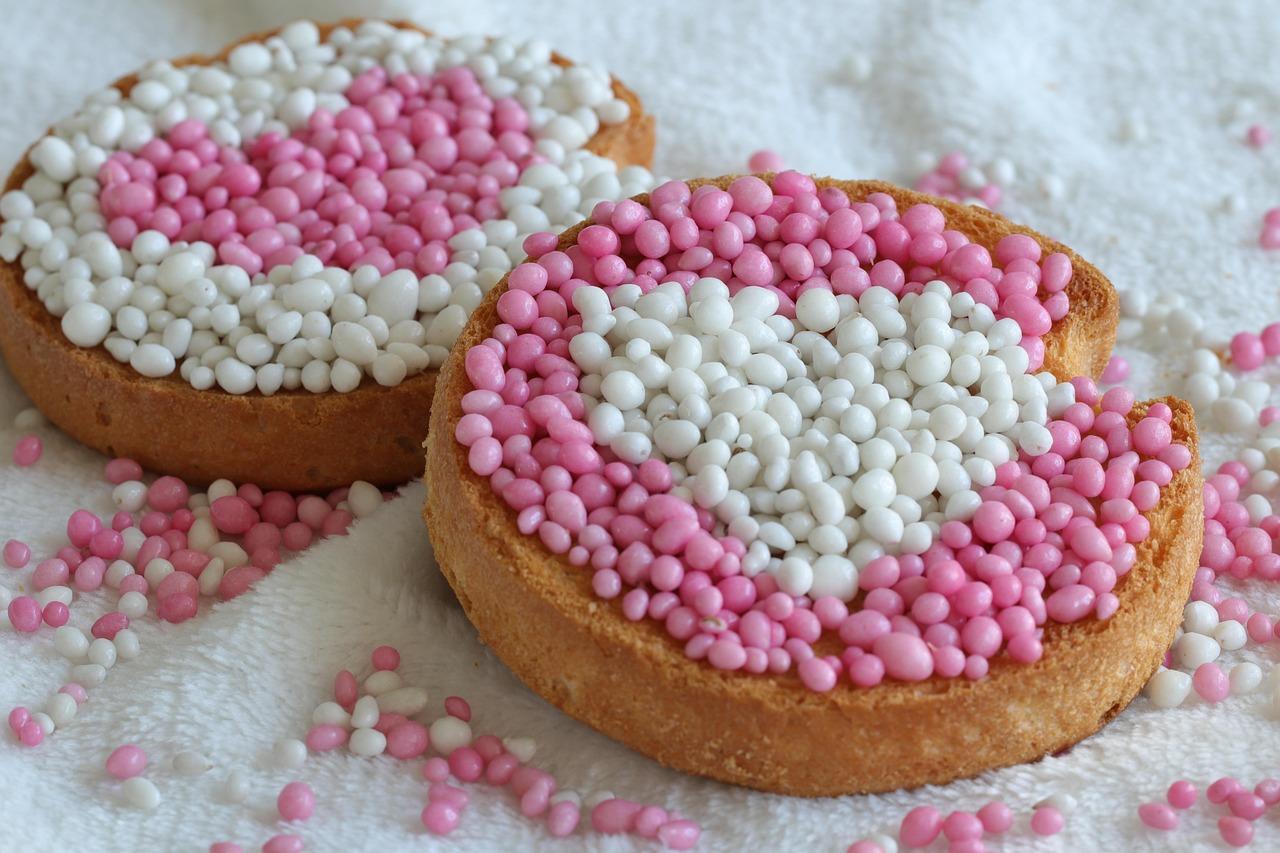
When a baby is born in the Netherlands, visitors are greeted with beschuit met muisjes: round, crisp rusks spread with butter and covered in sugared aniseed sprinkles, pink for a girl, blue for a boy, or the older white-and-pink or white-and-blue mix. Brothers, sisters and school friends love handing them round, and the sprinkles are also a favourite on bread at breakfast. Aniseed was once thought to help new mothers. It contains gluten and milk. Chef's tip: butter the rusks generously right to the edge, or the sprinkles roll off; that is why the Dutch say to 'press, not scatter'.

by KrazyBadal 0 views

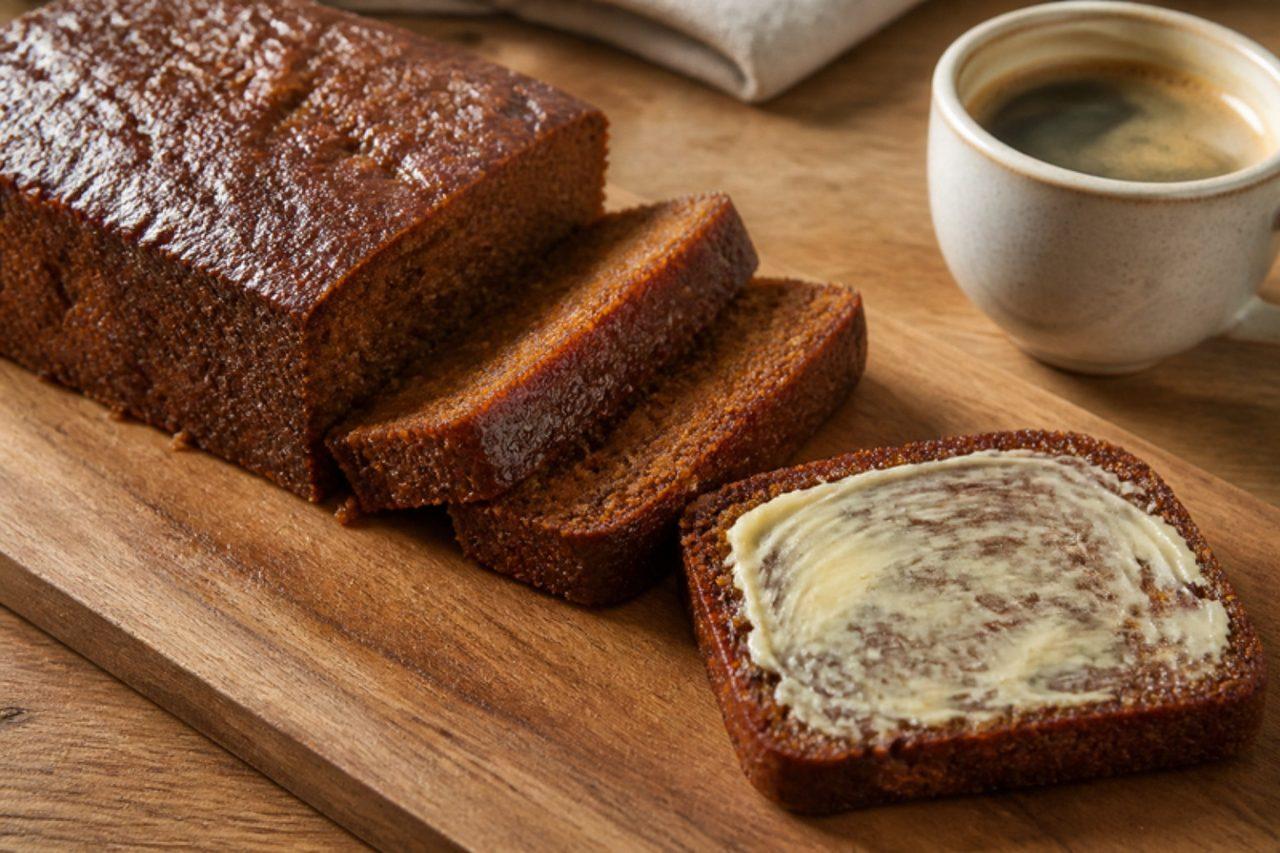
OntbijtkoekSpiced rye breakfast cake

Ontbijtkoek means 'breakfast cake', and in Friesland and Groningen, where the best-loved versions come from, a thick slice spread with butter is still a normal start to the day or a mid-morning snack with coffee. The loaf is dark, sticky and springy, made with rye flour and syrup and scented with the Dutch spice mix koekkruiden: cinnamon, cloves, ginger, nutmeg and cardamom. It contains no egg and no butter in the batter, and it gets better after a day or two wrapped up. Baking it too hot is the usual mistake; the outside goes bitter before the middle sets, so bake it low and slow. Chef's tip: wrap the loaf in cling film while it is still slightly warm and leave it overnight; it softens into the classic tacky, chewy crust.

by KrazyBadal 0 views

Bánh bò hấp (steamed honeycomb rice cake)

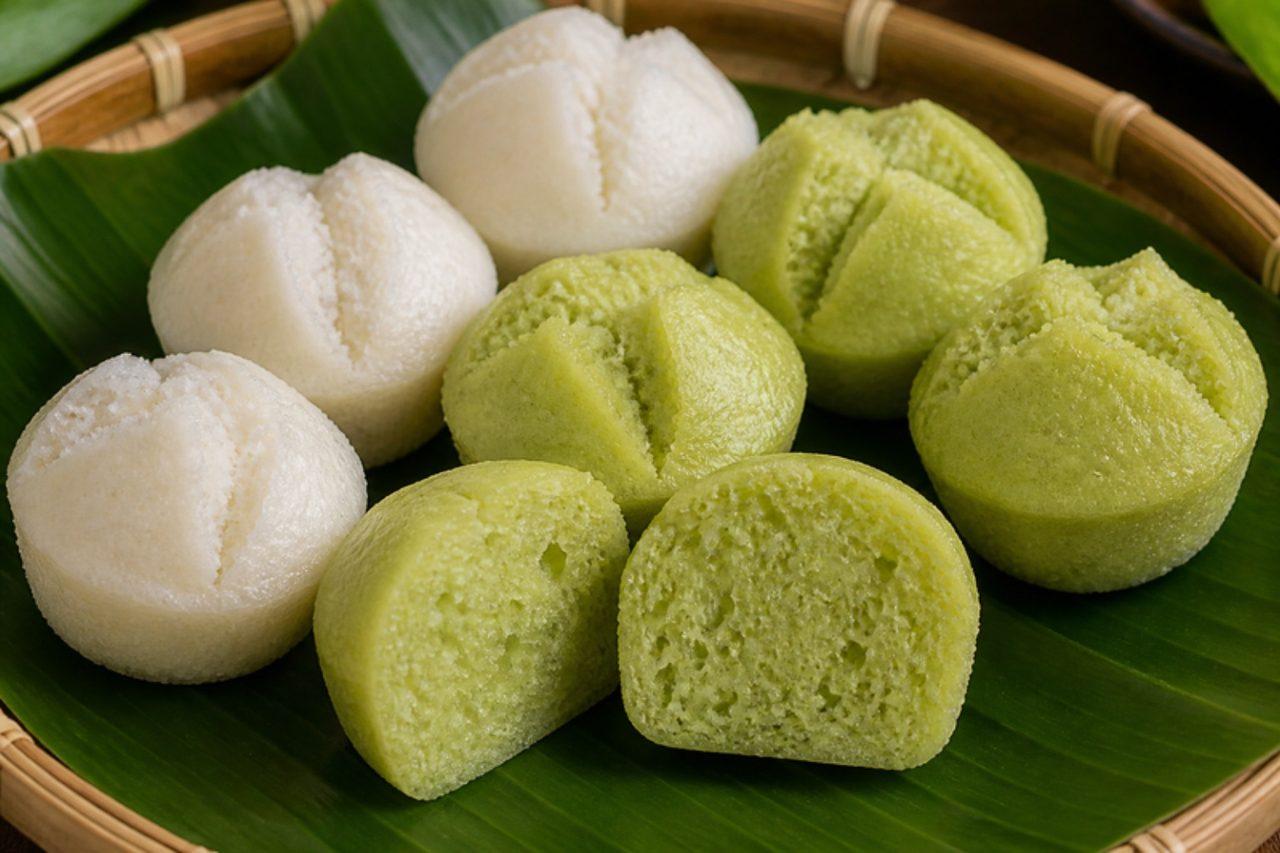
Bánh bò hấp are the soft, puffed rice cakes sold from glass-fronted carts in southern Vietnam, and children in the Mekong Delta pick them up in white, pink or pandan green on the way home from school. The yeasted rice-flour batter is steamed in small cups, so each cake splits open on top like a flower and is chewy and bouncy inside, with a gentle coconut flavour. The sugar here is a little lower than in market versions. None of the common allergens are in it. Chef's tip: steam over fierce, rolling boiling water; a gentle simmer gives flat, dense cakes that don't open.

by KrazyBadal 0 views

Nkatie cake (Ghanaian peanut brittle)

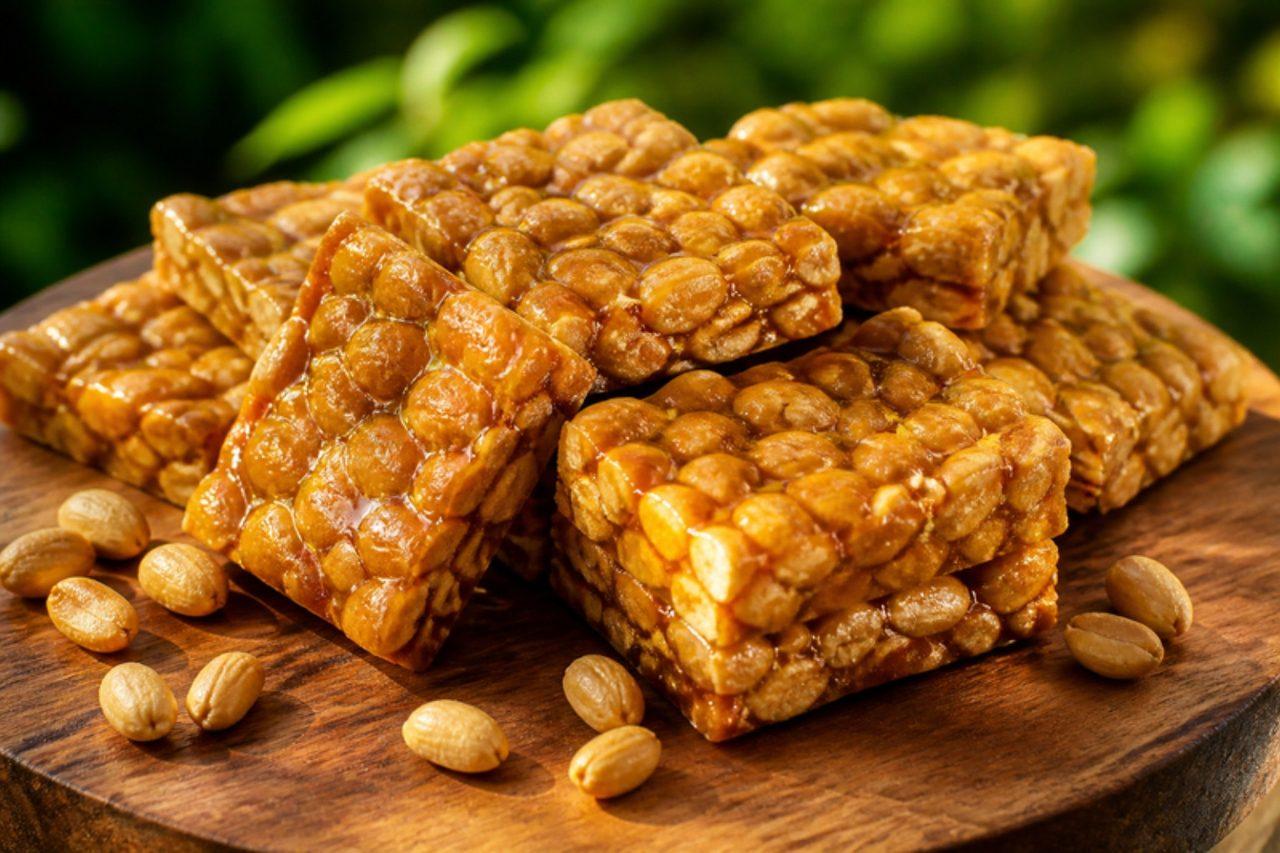
Nkatie cake, from nkatie, the Twi word for groundnut, is the crunchy peanut brittle sold in small squares wrapped in paper by hawkers at school gates and lorry stations all over Ghana, from Accra to Kumasi. Roasted peanuts are stirred into caramelised sugar, spread thin and cut while warm. It is a sweet treat, so cut the pieces small. It contains peanuts. Whole peanuts and hard brittle are a choking risk for under-5s, so it is not for young children. Chef's tip: have everything ready before the sugar melts; once the caramel is amber you have seconds, not minutes.

by KrazyBadal 0 views

Jaffles (Australian toasted sandwiches)

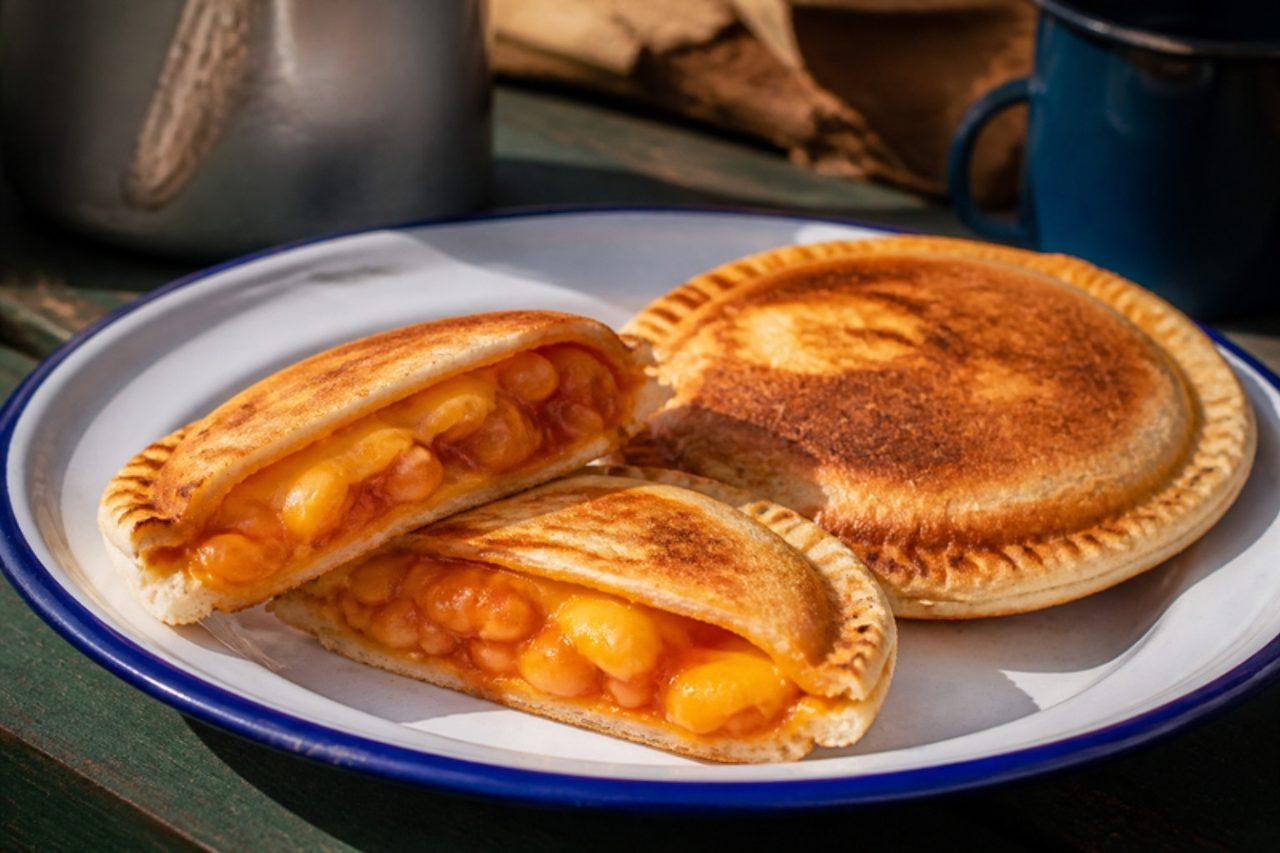
Jaffles are Australian childhood in a sandwich: thick bread sealed around a hot filling in a cast-iron jaffle iron over the campfire, or in an electric sandwich press after school and on rainy weekend lunchtimes. Cheese and baked beans, or cheese and tomato, are the classics, and the sealed edges keep everything molten inside. They contain gluten and milk. Chef's tip: butter the outsides, not the insides, so the bread turns crisp and golden against the iron.

by KrazyBadal 0 views

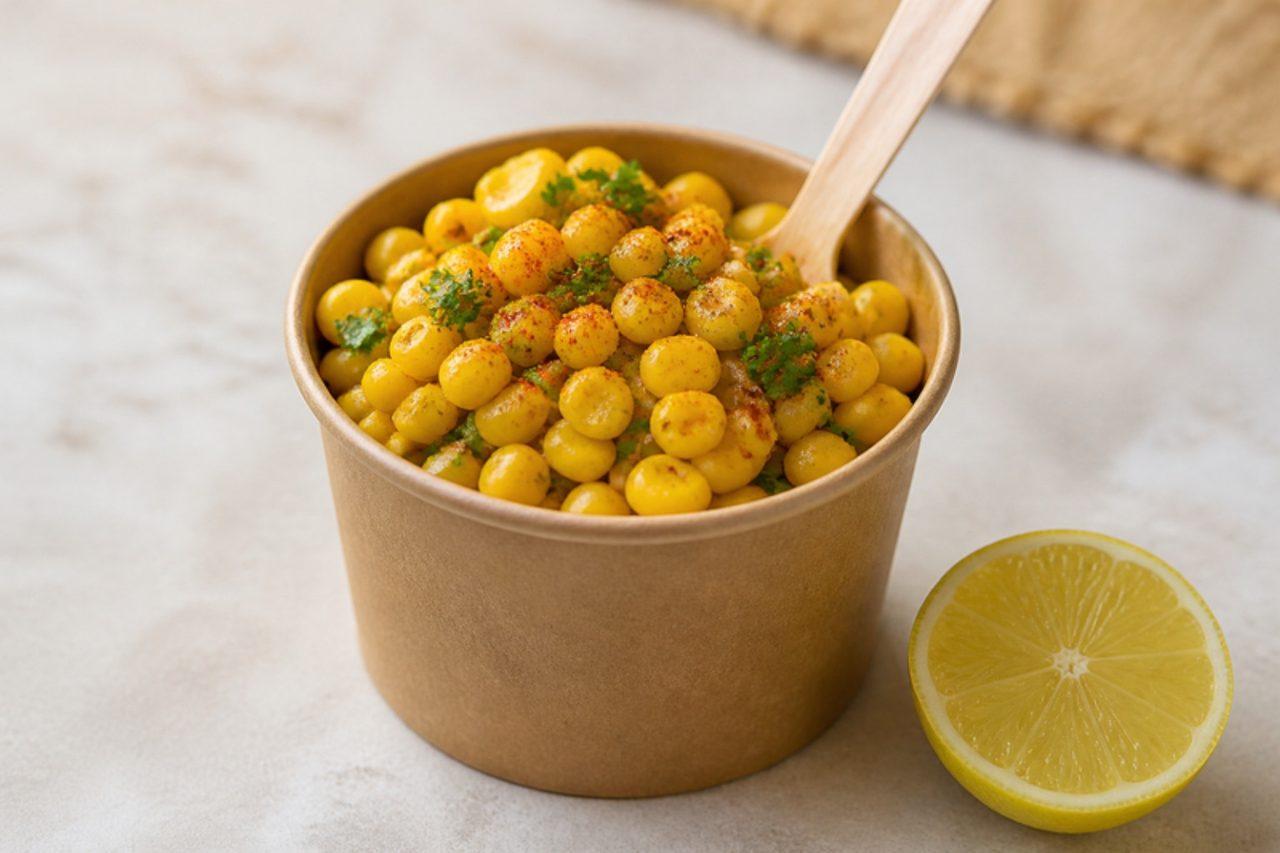
Masala corn cup

In Mumbai and other Indian cities, cups of hot masala corn are sold at beaches, cinema halls and outside tuition classes, and children grab them after school as an easy, savoury snack. Steamed sweetcorn kernels are tossed with butter, a squeeze of lemon and tangy chaat masala, with a little chilli for older children. It is quick and naturally sweet. It contains milk (butter). Chef's tip: add the lemon only at the very end, off the heat, so it stays bright and doesn't make the butter split.

by KrazyBadal 0 views

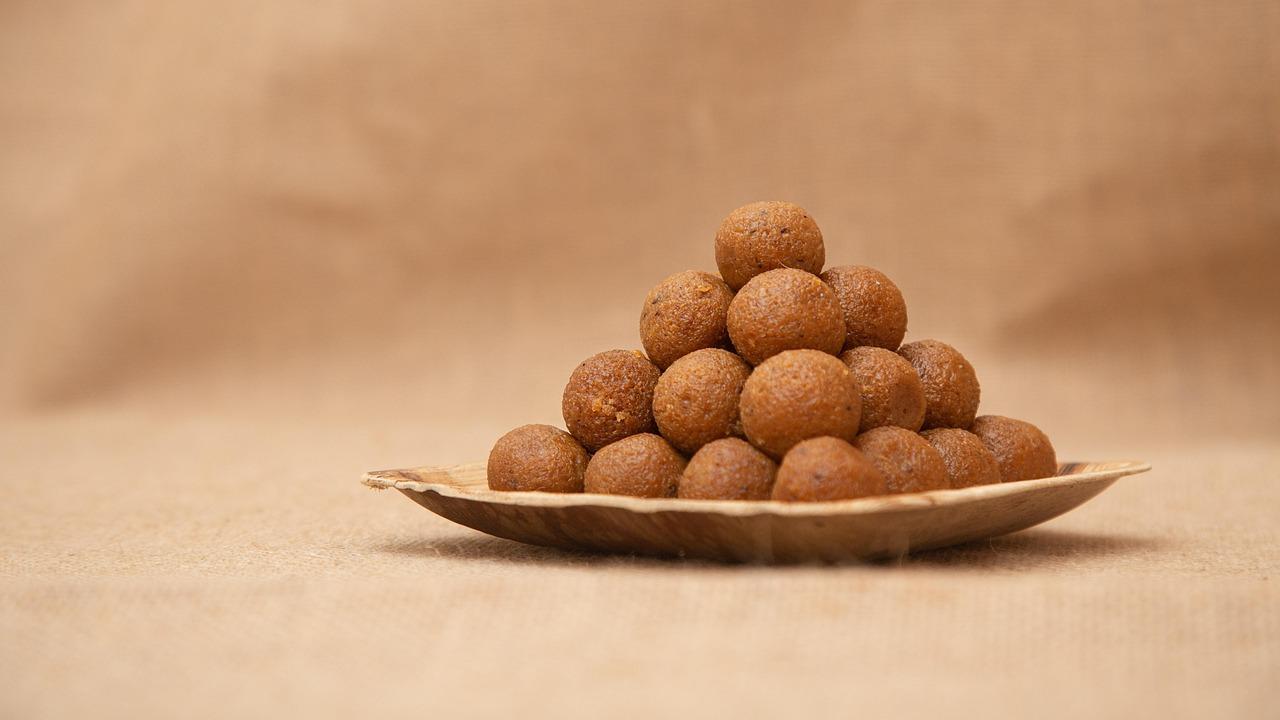
Ragi laddooFinger millet jaggery balls

In Karnataka, ragi (finger millet) is everyday food, and mothers roll ragi laddoos to keep in a tin for after-school snacks and school sports days, because they are filling and keep well. The flour is roasted in ghee until it smells like toasted biscuits, then bound with melted jaggery and sesame into dark, fudgy balls. Jaggery is still sugar, so these are a treat, kept small. They contain milk (ghee) and sesame. Chef's tip: roast the flour slowly until it darkens a shade and smells nutty; under-roasted ragi tastes raw and floury.

by KrazyBadal 0 views

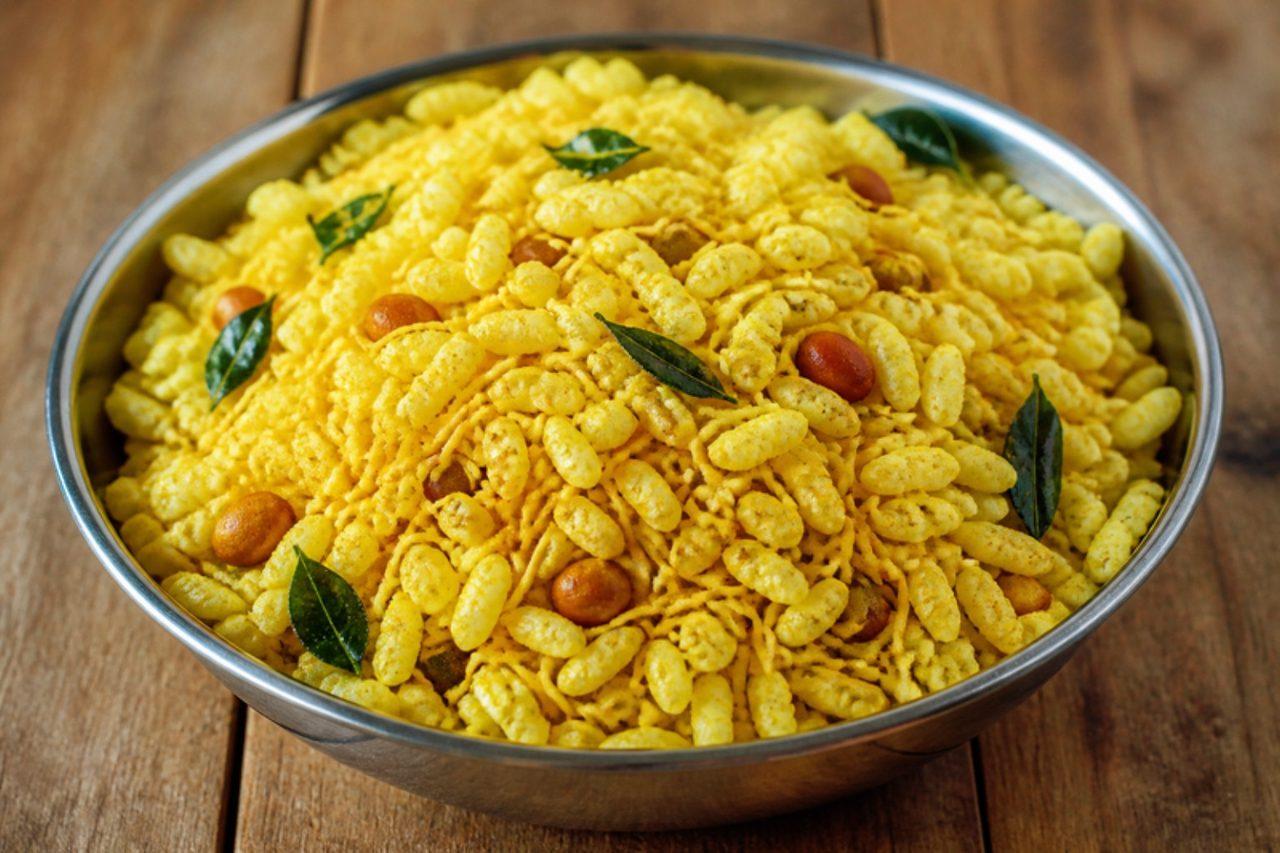
Sev mamraPuffed rice snack mix

In Gujarati homes from Ahmedabad to Surat, a big steel tin of sev mamra is always ready for children coming home from school, unexpected guests and train journeys. Puffed rice is tossed in a little hot oil with turmeric, curry leaves and peanuts until crisp, then mixed with fine gram-flour sev for a savoury, mildly tangy crunch. A pinch of sugar is traditional; it is optional here. It contains peanuts. Whole peanuts are a choking risk for under-5s, so leave them out or crush them for little ones. Chef's tip: warm the puffed rice in the pan for a few minutes first; even slightly stale mamra turns crisp again.

by KrazyBadal 0 views

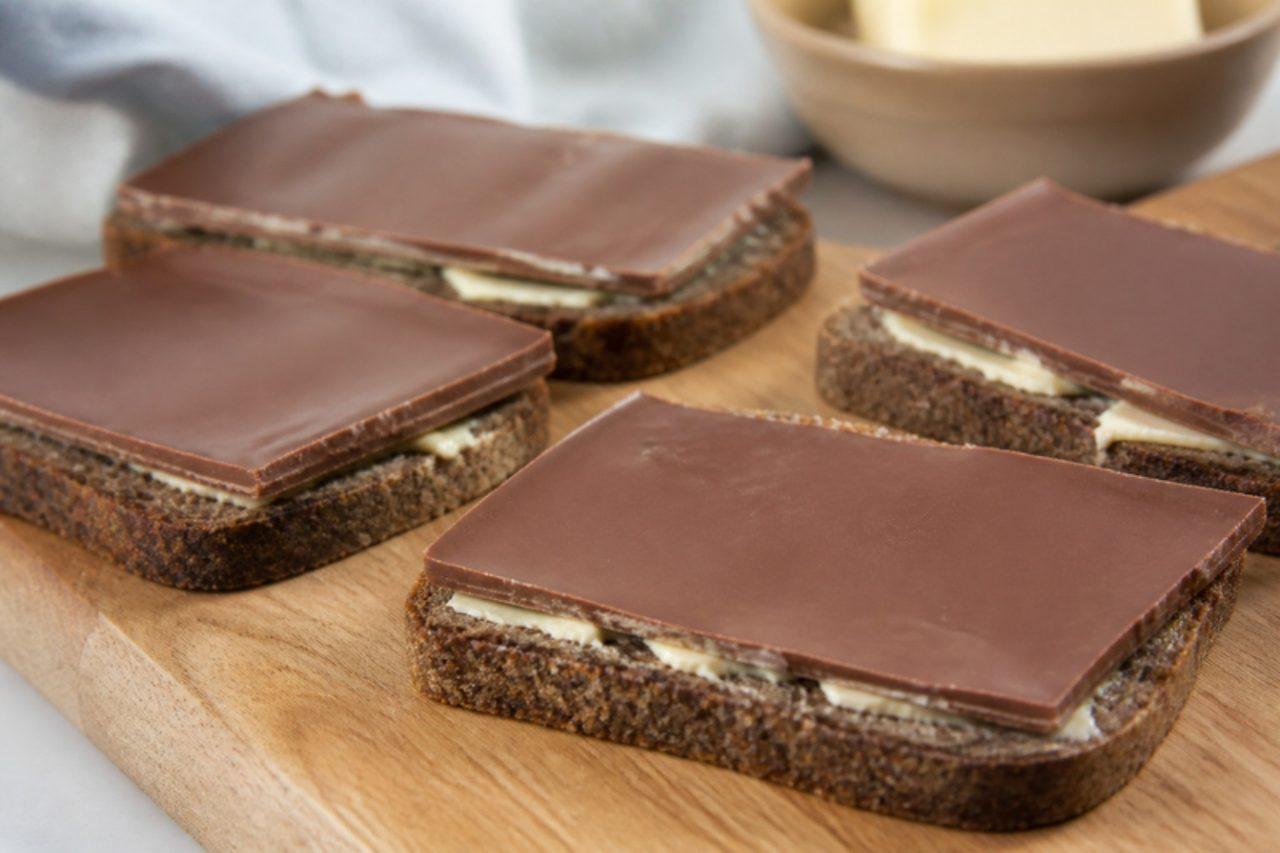
Chocolate slices on rye (pålægschokolade)

Pålægschokolade, wafer-thin slices of chocolate made for laying on bread, is a Danish lunchbox treat, usually saved for Fridays or birthdays: buttered dark rye, a slab of chocolate on top, then cut into fingers. The sour, dense rye and the sweet chocolate are a famous match. Shop slices are thin squares; here you make your own from a bar, which lets you pick dark chocolate with less sugar. It contains gluten (rye and wheat), milk and soya (lecithin in most chocolate). Chef's tip: spread the chocolate as thin as a coin; thick pieces crack and fall off.

by KrazyBadal 0 views

Ghee-shakkar roti roll

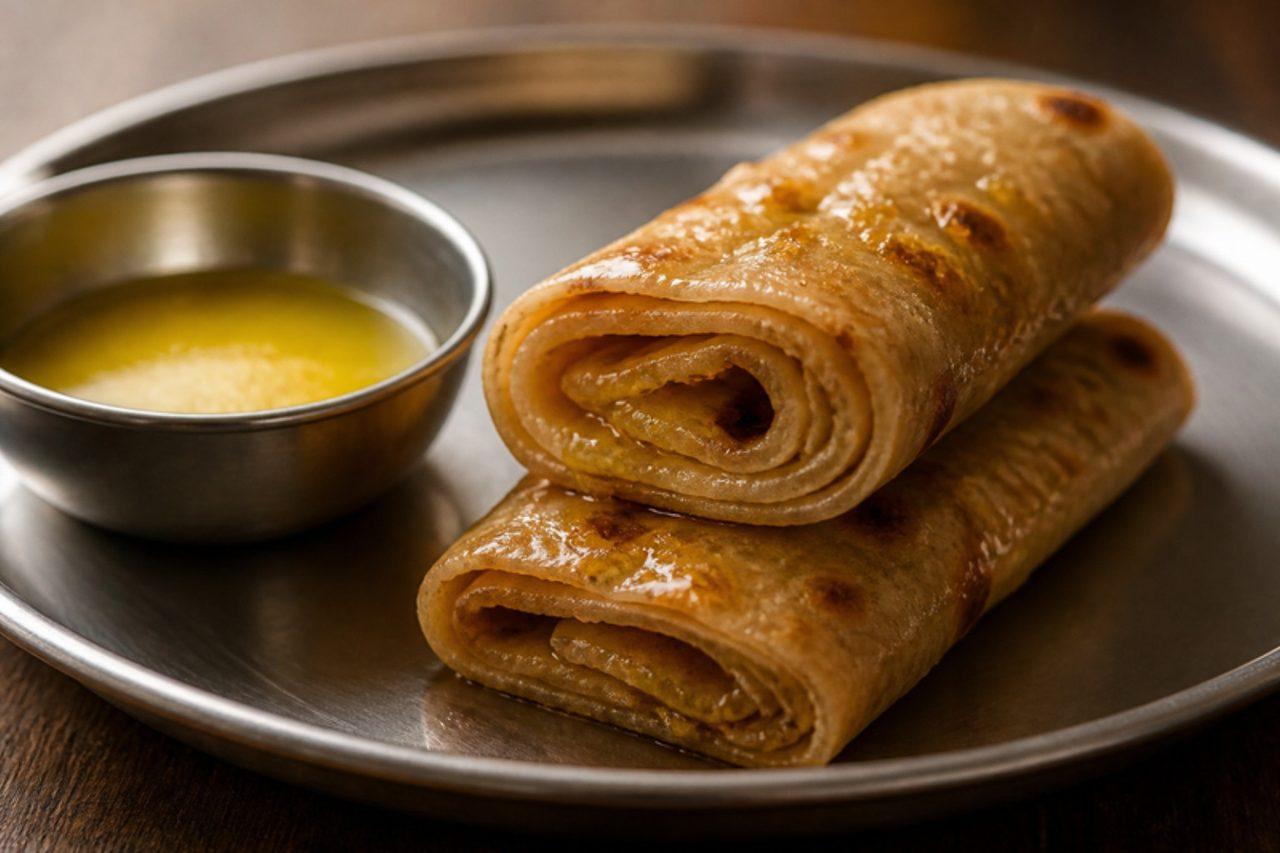
Ask anyone who grew up in north India about school tiffin and the ghee-shakkar roti comes up: a soft, warm chapati brushed with ghee, sprinkled with a little sugar or jaggery powder and rolled like a cigar, made by a parent in the rush before the school bus. It is sweet, buttery and wheaty, and still tastes good cold at the morning break. It contains milk (ghee) and gluten (wheat). Chef's tip: use jaggery powder and a light hand; a teaspoon per roti is plenty, and the ghee carries the flavour.

by KrazyBadal 0 views

Dal paratha

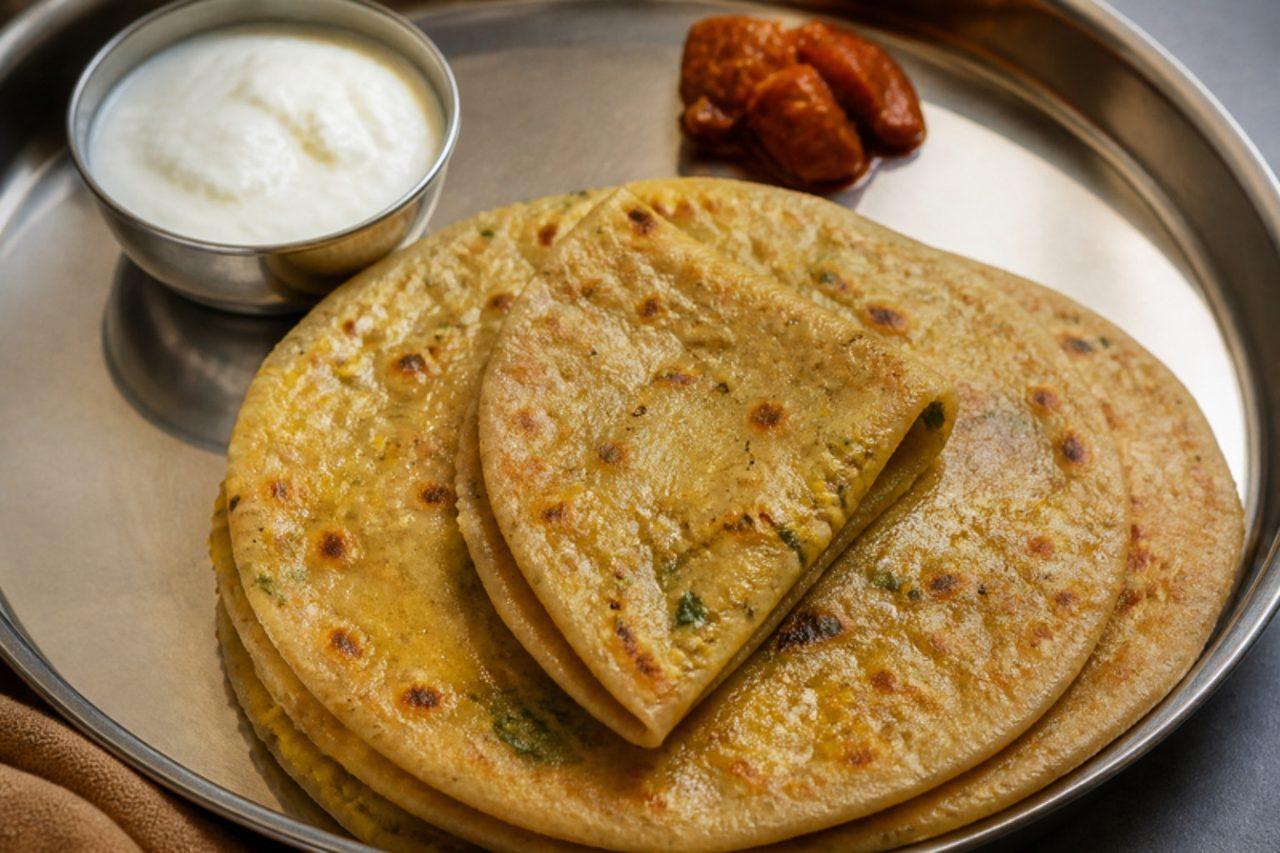
In north Indian kitchens, last night's thick dal rarely goes to waste: the next morning it is kneaded into wholewheat flour with ajwain and coriander and rolled into soft, savoury parathas for breakfast and the school tiffin. They are golden-flecked, faintly spiced and filling, and taste good cold with yoghurt or pickle. They contain gluten (wheat) and milk (ghee); use oil to make them dairy free. Chef's tip: add the dal before any water; it is often all the liquid the dough needs.

by KrazyBadal 0 views

Rice cereal paste (mǐ hú)

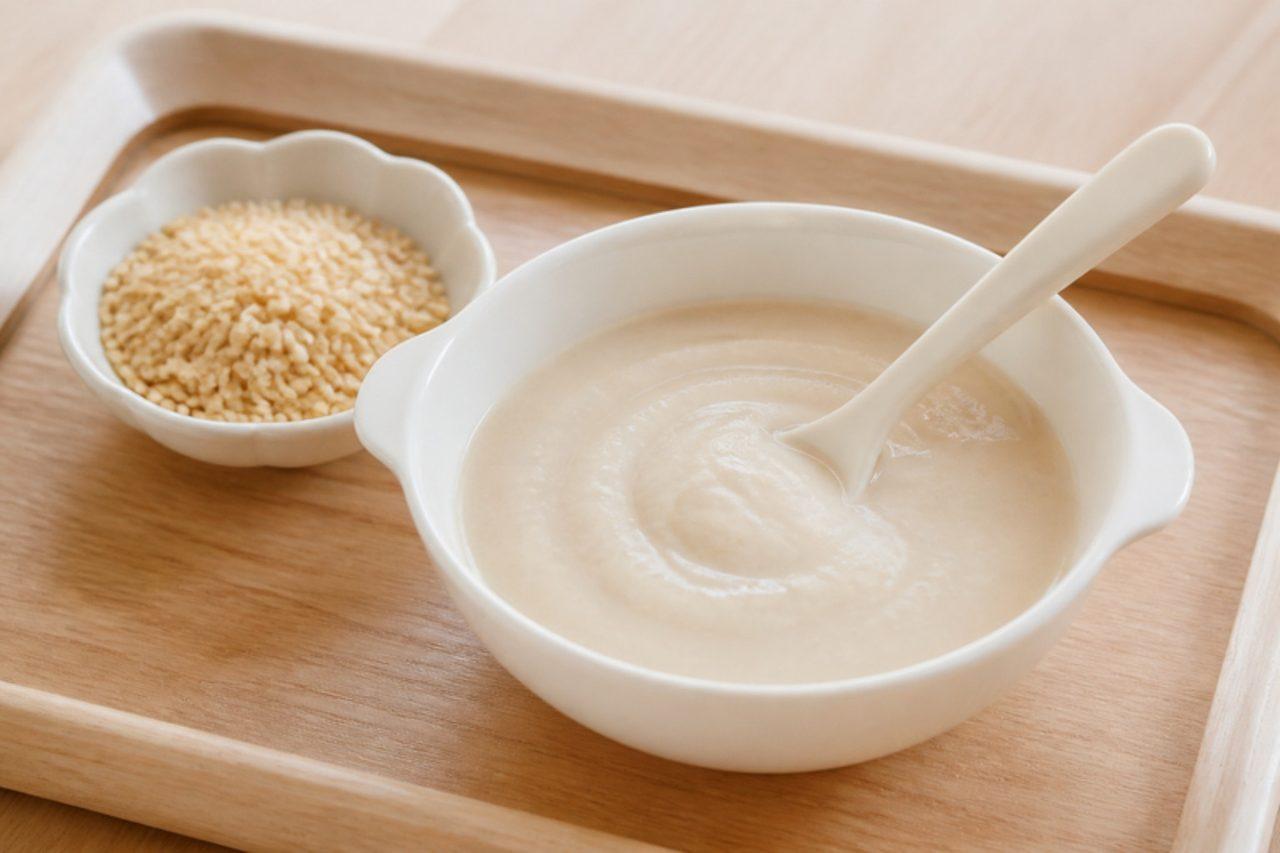
Long before boxed cereals, Chinese mothers made mǐ hú, rice paste, by dry-toasting rice in a wok, grinding it fine and cooking it with water. It is still a favourite first food all over China, often served as the baby's breakfast while the family eats congee. Toasting gives it a gentle, biscuity flavour and makes it cook in minutes. There is no salt or sugar, and none of the common allergens (milk, egg, gluten, peanut, tree nuts, soya, sesame, fish). Chef's tip: toast and grind a larger batch, sieve it, and keep the powder in a clean, dry jar for up to two weeks.

by KrazyBadal 0 views

Semolina in broth (semolino in brodo)

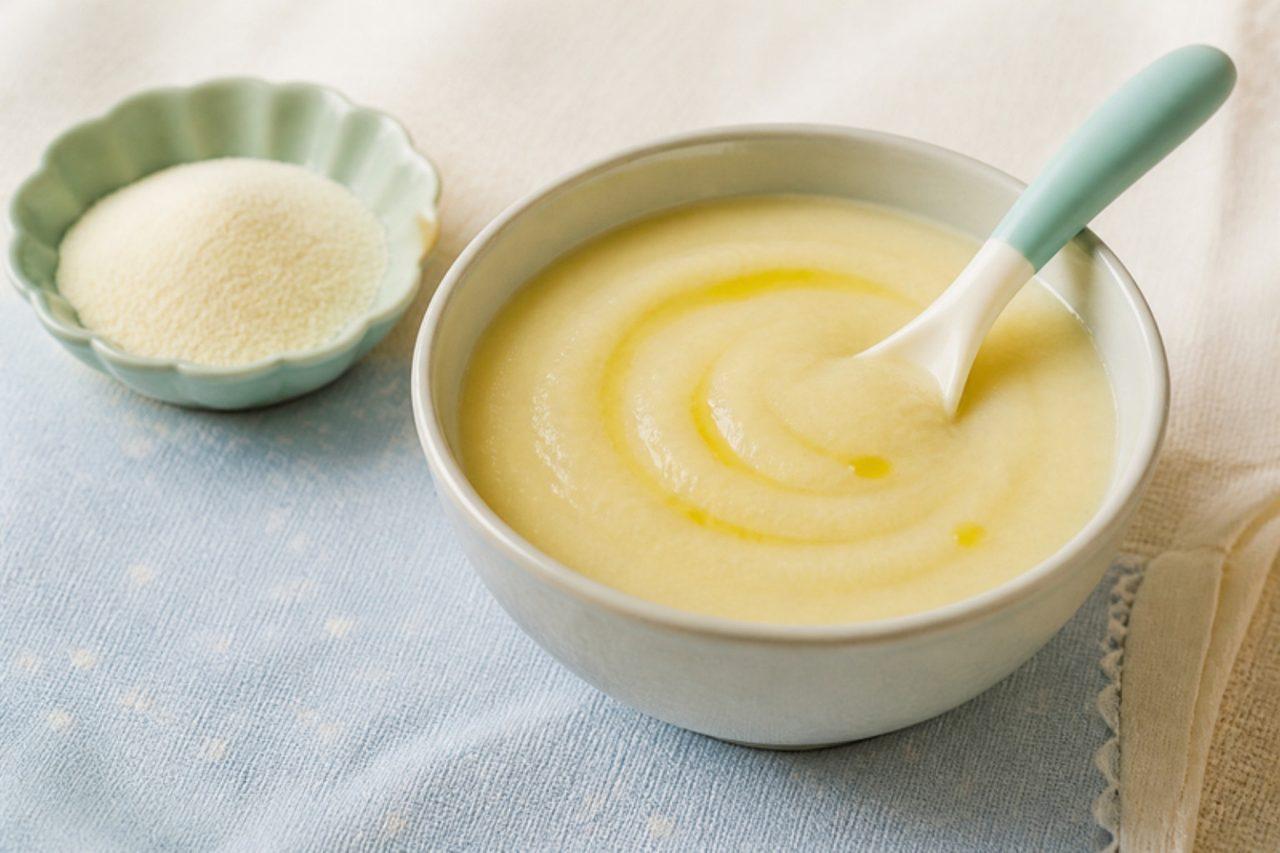
Semolino in brodo is the dish Italian nonne cook for anyone who needs something gentle: babies at the start of weaning and older children with a cold. Fine durum-wheat semolina is rained into hot vegetable broth and stirred into a soft, silky porridge, usually served at supper. For babies the broth is home-made without salt, and the grated parmesan that adults add stays out or is kept to the tiniest pinch, because it is salty. It contains gluten (wheat), and milk if you add parmesan; there is no egg, nuts, soya, sesame or fish. Chef's tip: rain the semolina in from a height while whisking, and you will never get lumps.

by KrazyBadal 0 views

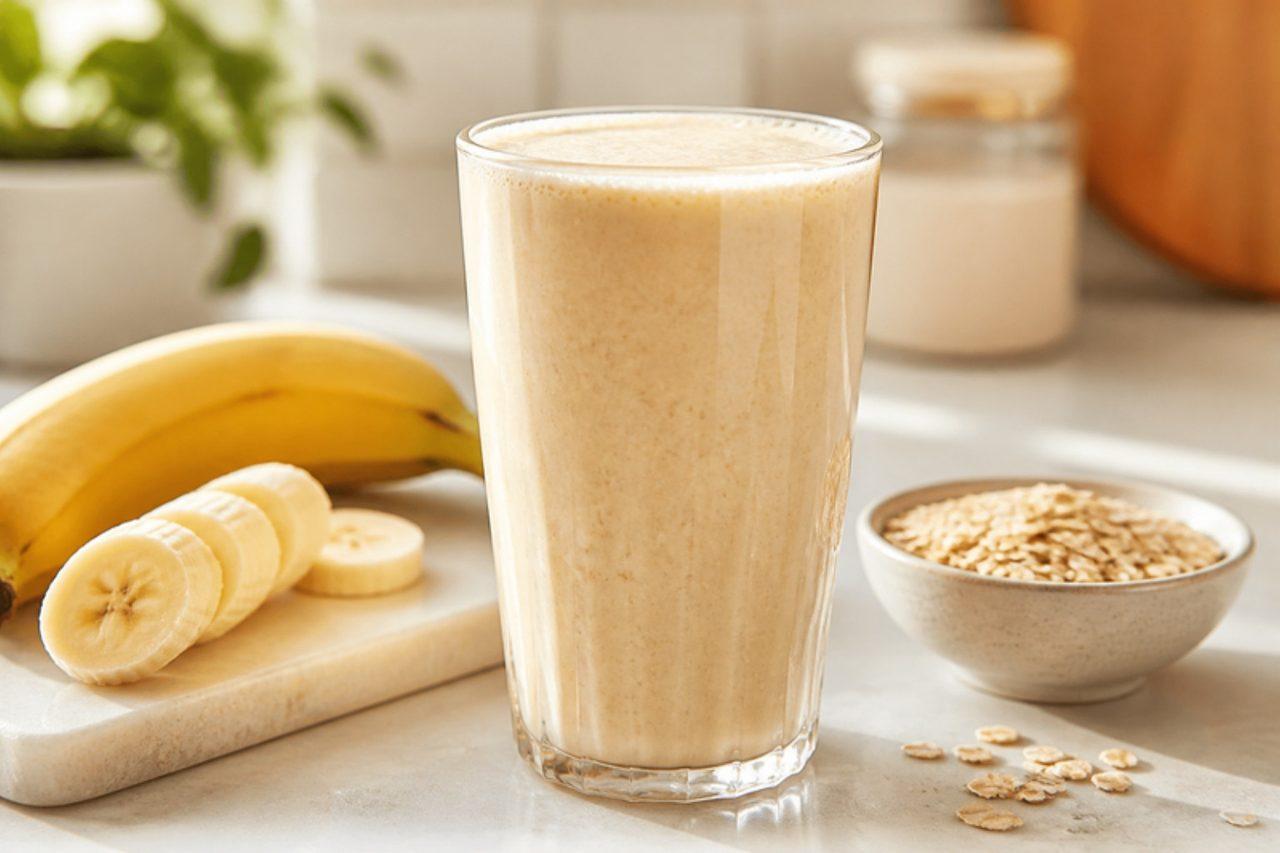
Vitamina de banana (Brazilian banana smoothie)

In Brazil a smoothie is a vitamina, and vitamina de banana is what parents from São Paulo to Recife whizz up for breakfast or when children get home from school hungry. Ripe banana, cold milk and a spoonful of oats make a thick, naturally sweet drink that fills a gap until dinner, so no sugar is needed. It contains milk and gluten (oats, unless labelled gluten free). Chef's tip: use bananas with brown freckles on the skin; they are sweeter and blend creamier than green-tipped ones.

by KrazyBadal 0 views

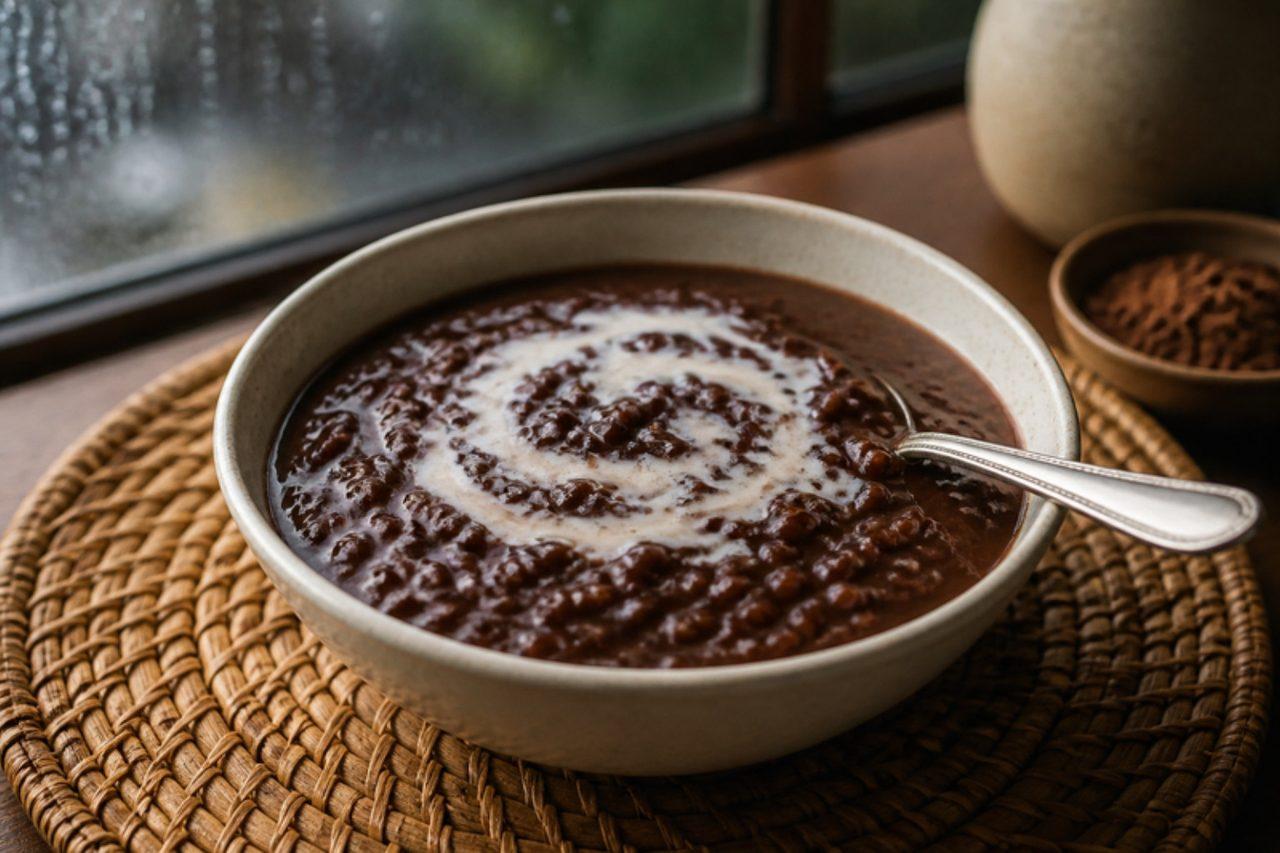
Champorado (Filipino chocolate rice porridge)

Champorado is the Filipino comfort bowl for rainy-season mornings and afternoon merienda, when children come home soaked from school in the monsoon. Glutinous rice is simmered with tablea, the pure roasted cacao tablets from Batangas and Cebu, into a thick, glossy, chocolatey porridge, then swirled with milk at the table. It is sweet, so this version uses less sugar than most and leans on the dark chocolate. It contains milk (and may contain soya in the chocolate). Chef's tip: keep stirring once the rice thickens; glutinous rice catches on the bottom of the pan very quickly.

by KrazyBadal 0 views

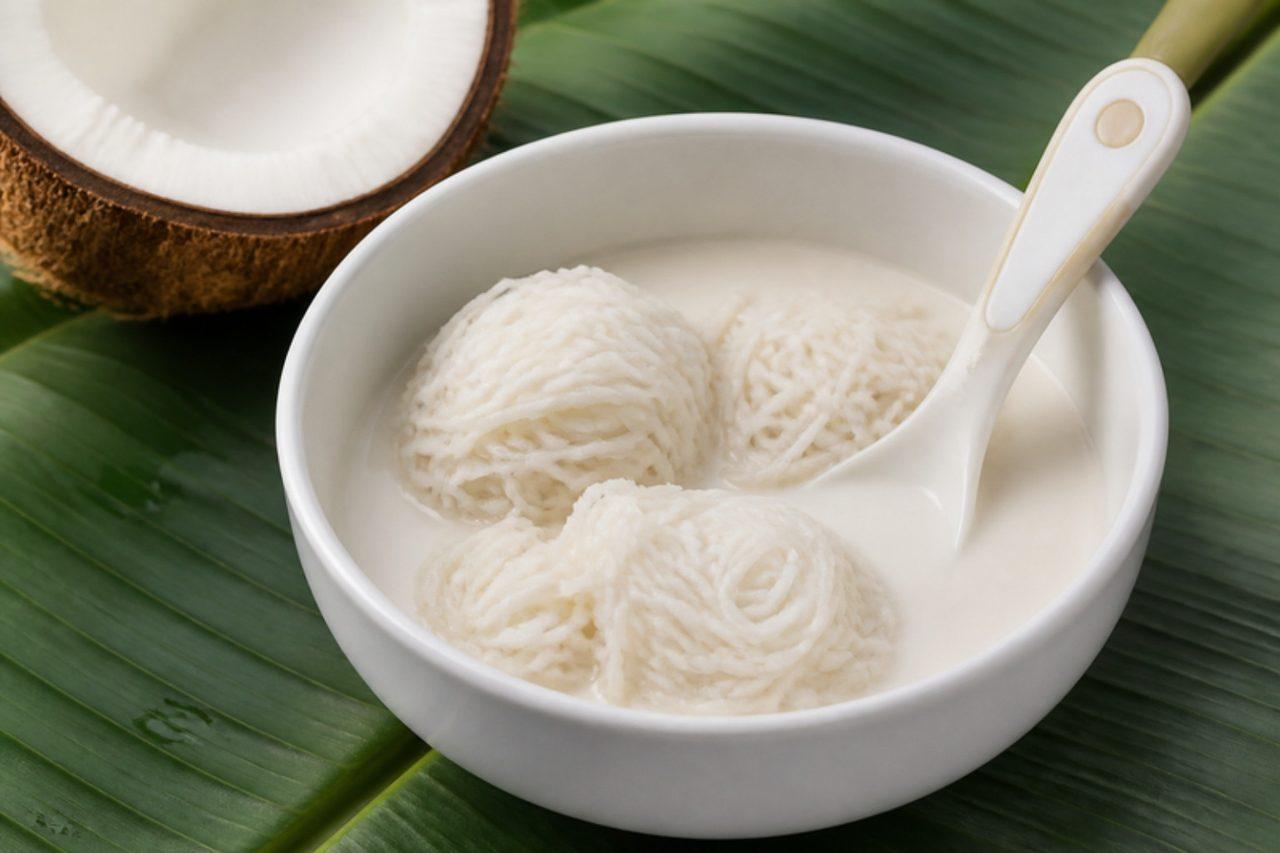
Idiyappam with coconut milk

Idiyappam, lacy nests of rice noodles pressed and steamed, is a breakfast across Kerala and Tamil Nadu, and soaked in fresh coconut milk it is one of the first 'proper' foods many South Indian babies eat, from about nine months. The strands are soft, a little springy and taste of sweet coconut. Grown-ups add salt to the dough and children over one often have a little jaggery stirred into the coconut milk; for babies both are left out. It has none of the common allergens (milk, egg, gluten, peanut, tree nuts, soya, sesame, fish), though coconut can rarely cause a reaction. Chef's tip: the water must be at a rolling boil when it hits the flour, or the dough is crumbly and won't press.

by KrazyBadal 0 views

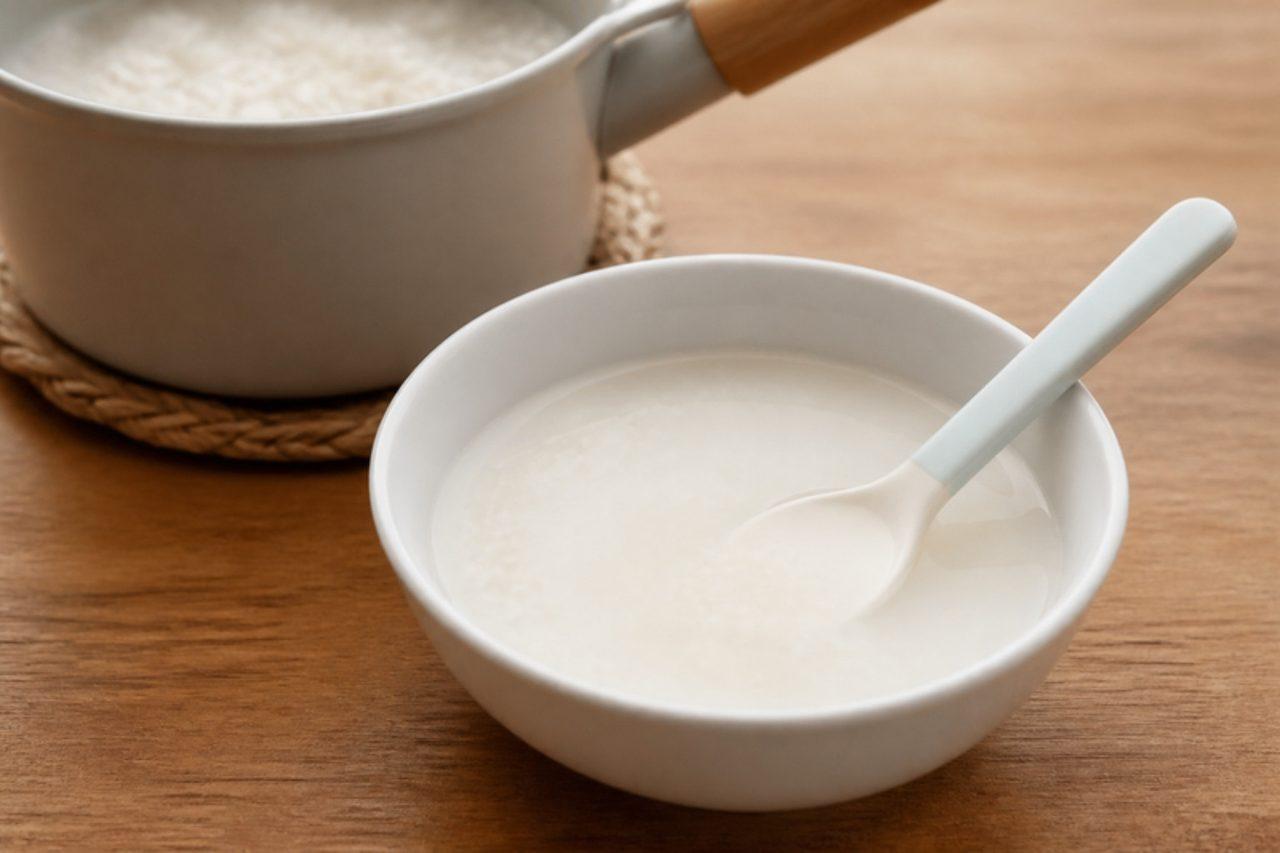
Am (Filipino rice-water first porridge)

Filipino lolas remember giving babies am, the thick, cloudy liquid that rises to the top as rice boils, ladled off and cooled before the rest of the pot is cooked for the family's lunch. Today it is offered as a thin, smooth first porridge, a few spoonfuls alongside other first foods such as mashed squash or banana, rather than on its own. It tastes mild and slightly sweet. It contains none of the common allergens (milk, egg, gluten, peanut, tree nuts, soya, sesame, fish). Chef's tip: use more water than usual and keep the lid off, so the liquid thickens into a creamy am instead of evaporating away.

by KrazyBadal 0 views

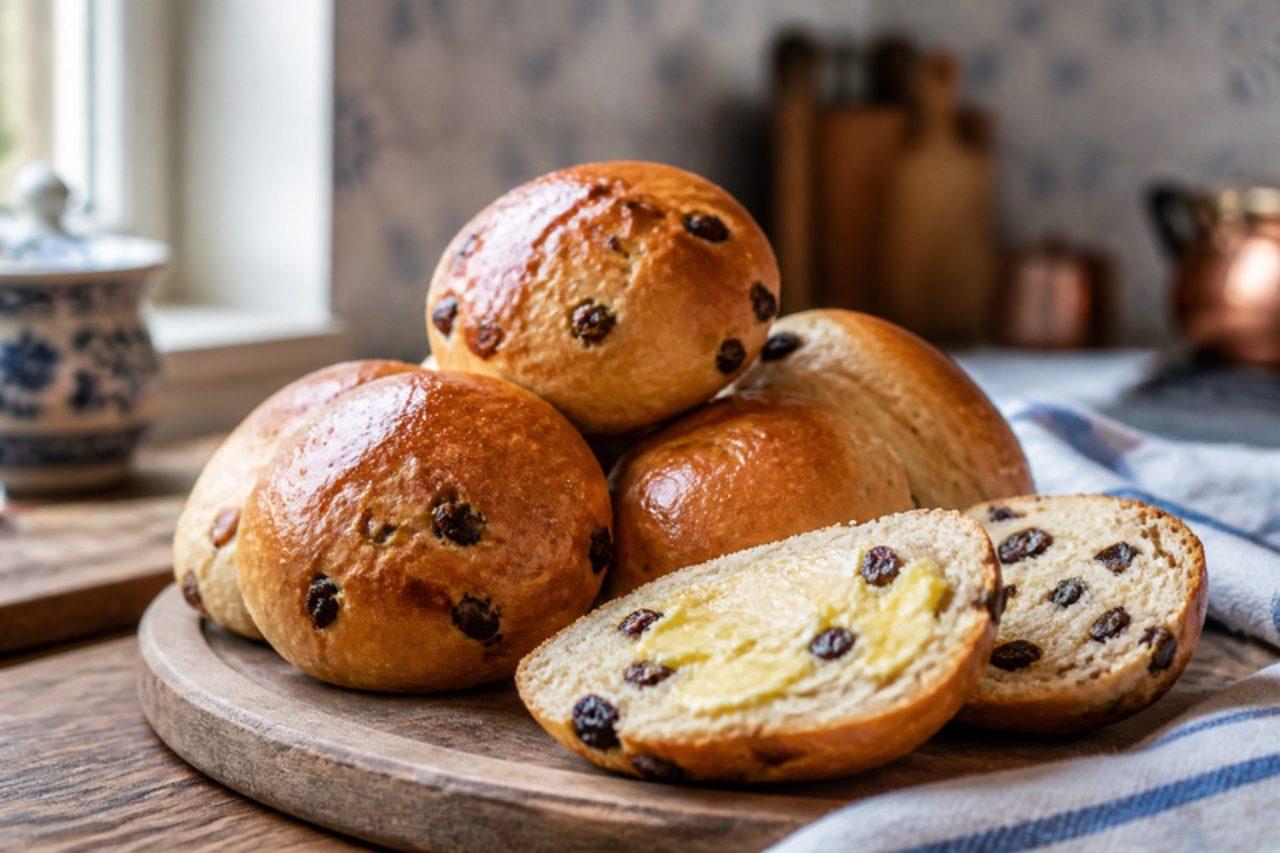
Krentenbollen (Dutch currant buns)

In the Netherlands a krentenbol, buttered and sometimes topped with a slice of Gouda, is packed in schoolbags for the morning break and eaten with milk after school. The buns are soft, slightly sweet and so full of currants and raisins that there is barely room for the bread. This version adds little sugar, letting the dried fruit sweeten it. It contains gluten and milk. Chef's tip: soak the dried fruit in hot water before kneading it in; dry fruit pulls moisture from the dough and burns on the surface.

by KrazyBadal 0 views

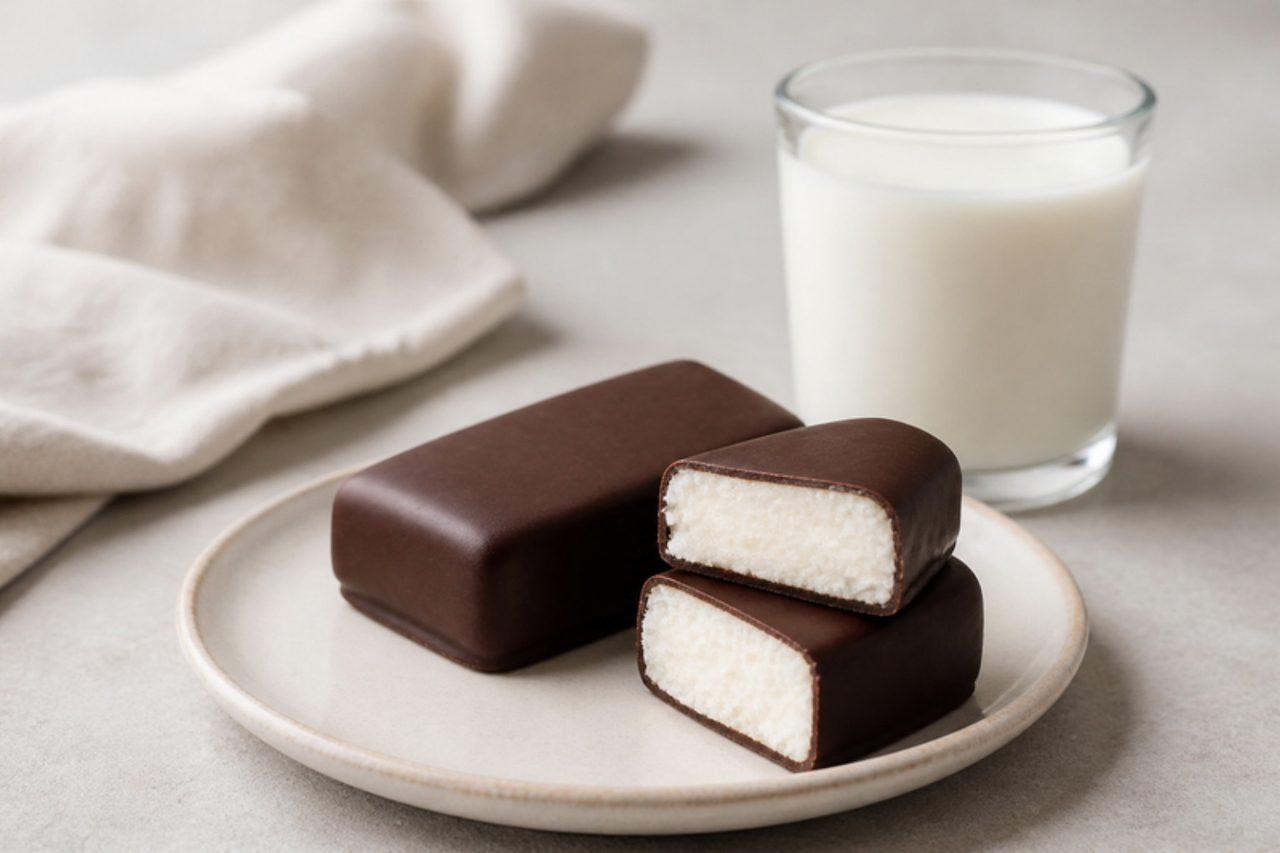
Glazirovanny syrok (chocolate-glazed curd bars)

Glazirovanny syrok, the chocolate-coated curd cheese bar, has been sold in Russian dairy aisles since Soviet times and is still what children across Russia, Ukraine and the Baltics grab after school. Made at home, it is a firm, creamy, gently sweet vanilla tvorog filling under a thin snap of dark chocolate, like a tiny cheesecake bar. This version uses less sugar than shop bars. It contains milk (and may contain soya in the chocolate). Chef's tip: press the tvorog through a sieve first; it is the only way to get the smooth, dense texture of a real syrok.

by KrazyBadal 0 views

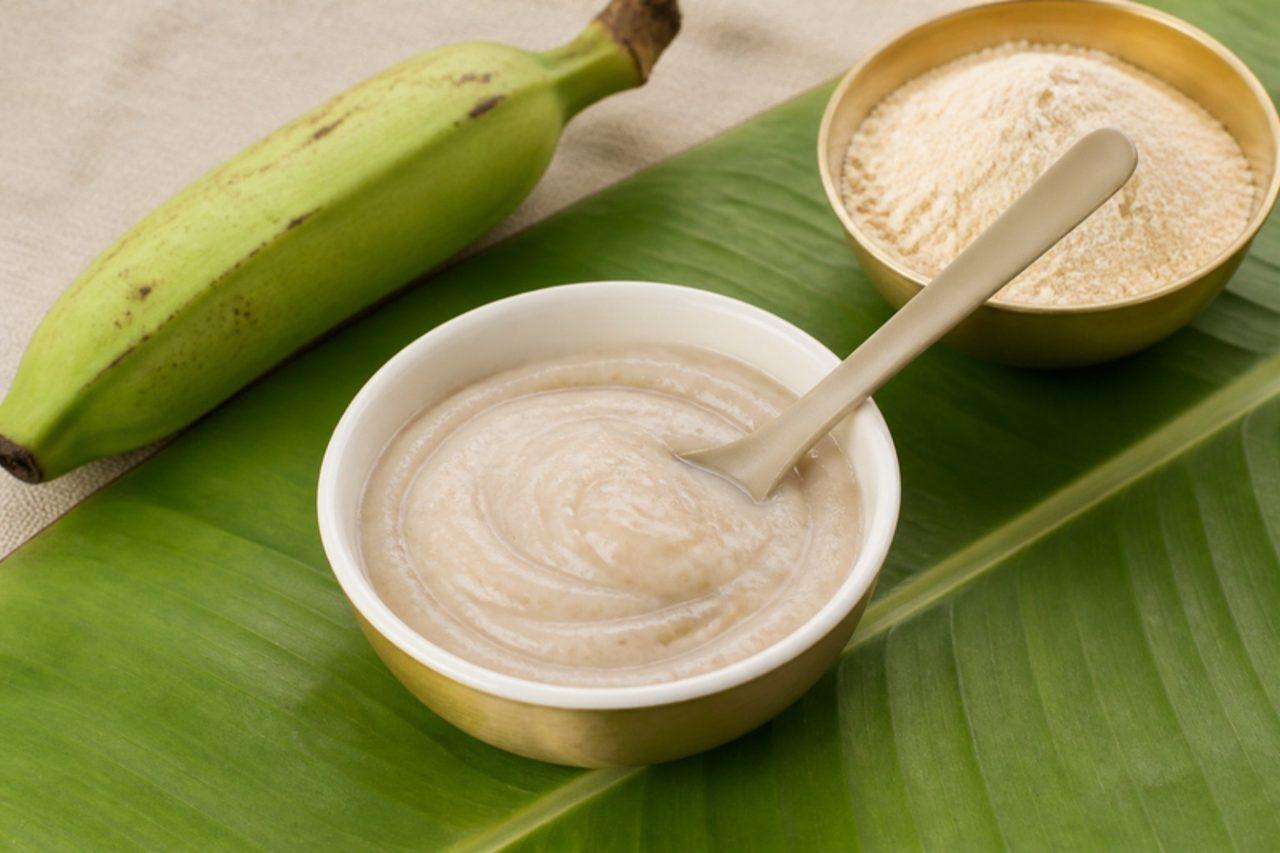
Nendran banana powder kurukku (ethakka podi kurukku)

In Kerala, families dry slices of raw nendran banana in the sun, grind them to a cream-coloured flour and cook it into kurukku, a smooth, thick porridge that has been a baby's first food in the state for generations. It is usually given mid-morning, and grandmothers often keep a jar of home-made ethakka podi for each new grandchild. It tastes gently sweet and slightly earthy. It contains none of the common allergens (milk, egg, gluten, peanut, tree nuts, soya, sesame, fish). Chef's tip: to make the powder at home, peel raw nendran bananas, slice them thinly, dry them in a low oven or the sun until brittle, then grind and sieve.

by KrazyBadal 0 views

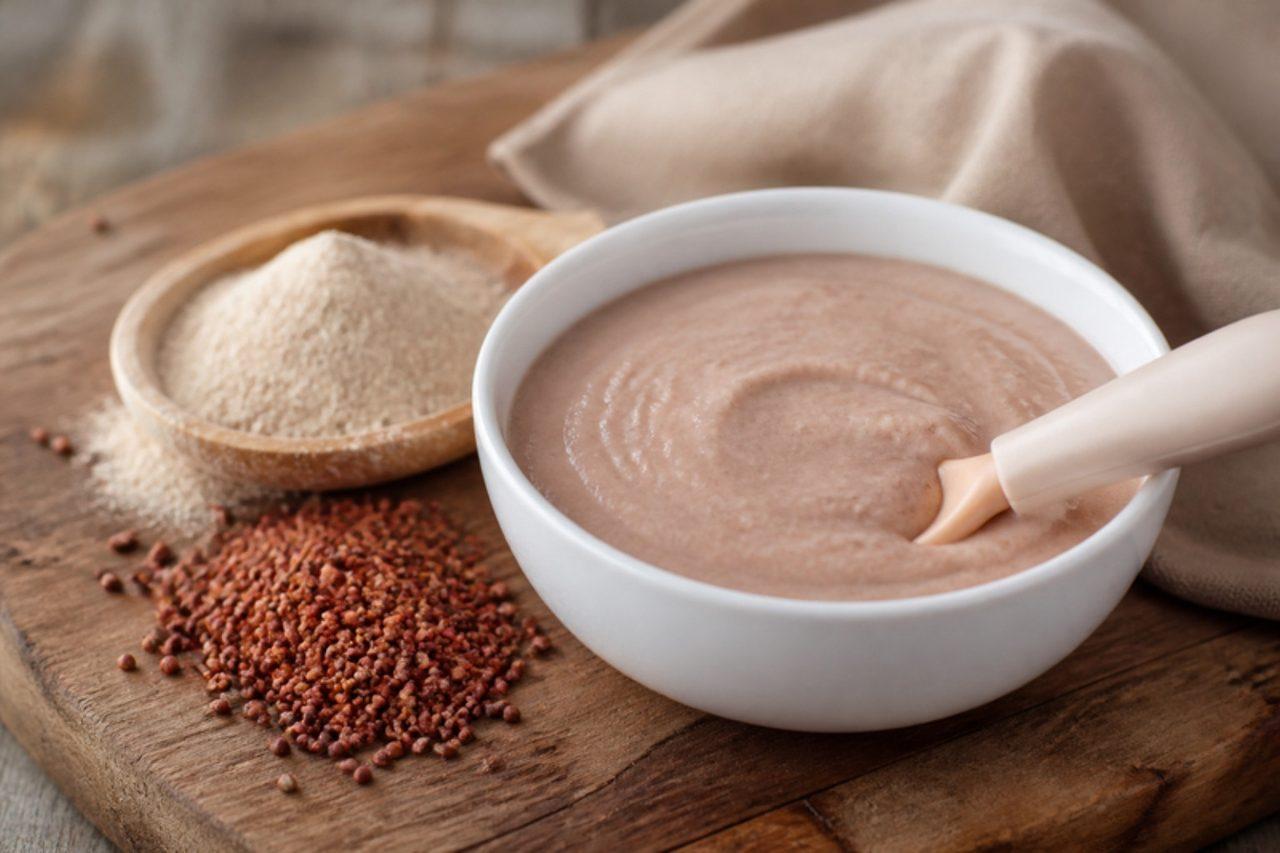
Mabele porridge for babies

Mabele, sorghum meal, has fed families across South Africa, Botswana and Lesotho for centuries, and a smooth, soft version is a traditional first porridge for babies, especially in Sotho and Tswana homes where the grown-ups eat it for breakfast. It is a warm pinkish-brown, with a faintly nutty, slightly sour taste. For under-ones it is cooked plain, without the sugar older children like. Sorghum is naturally gluten free, and the porridge contains none of the common allergens (milk, egg, gluten, peanut, tree nuts, soya, sesame, fish). Chef's tip: mix the meal into cold water first; poured straight into boiling water, it forms lumps that never cook through.

by KrazyBadal 0 views

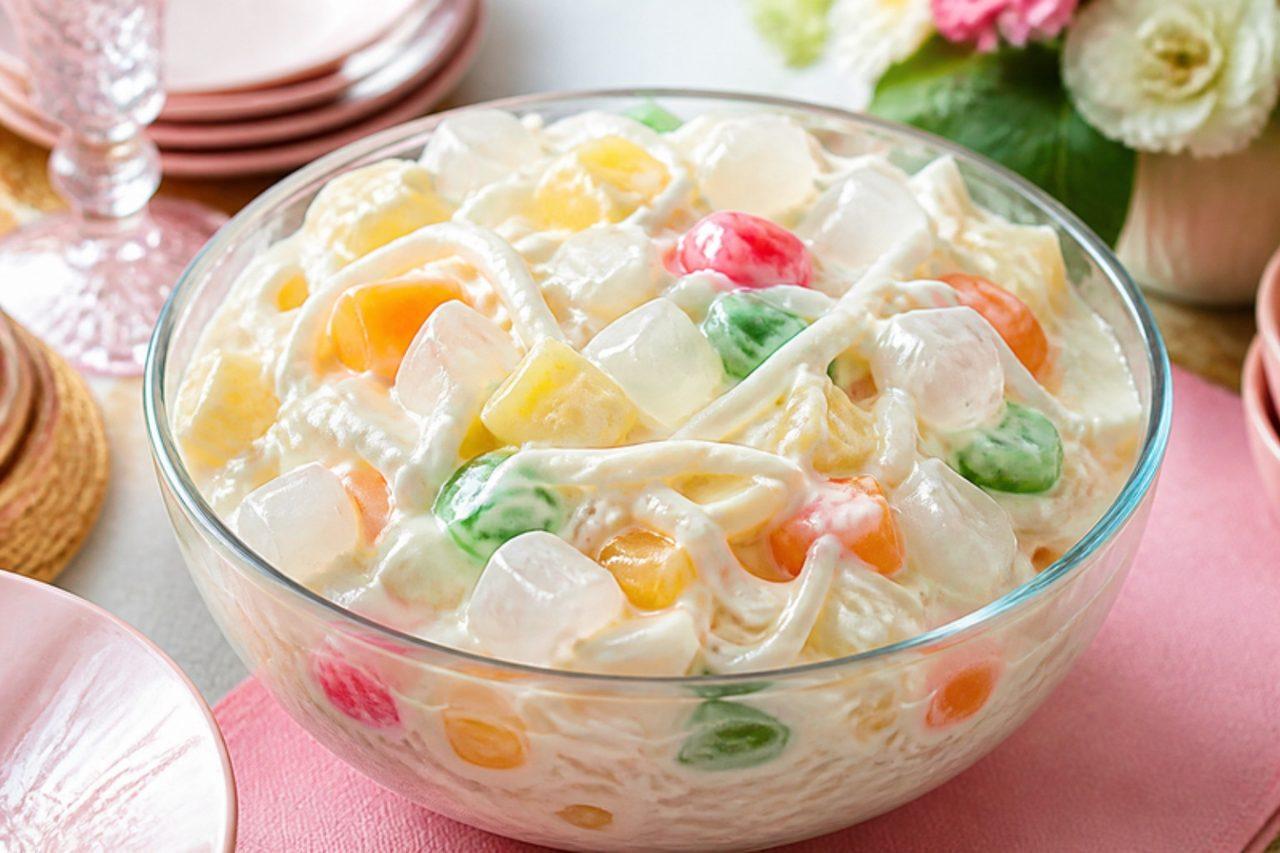
Buko saladYoung coconut fruit salad

Buko salad is the dessert Filipino families bring to every birthday, christening and Christmas Noche Buena: strips of soft young coconut, mixed fruit, chewy nata de coco and sweet cream, chilled until icy cold. Children fish out the cherries first. It is quick to make the day before and is gluten free; it contains milk. Grapes in tinned fruit are already halved, but quarter any whole grapes lengthwise for younger children. Chef's tip: drain the fruit and nata de coco really well in a sieve for 15 minutes, or the salad turns watery overnight.

by KrazyBadal 0 views

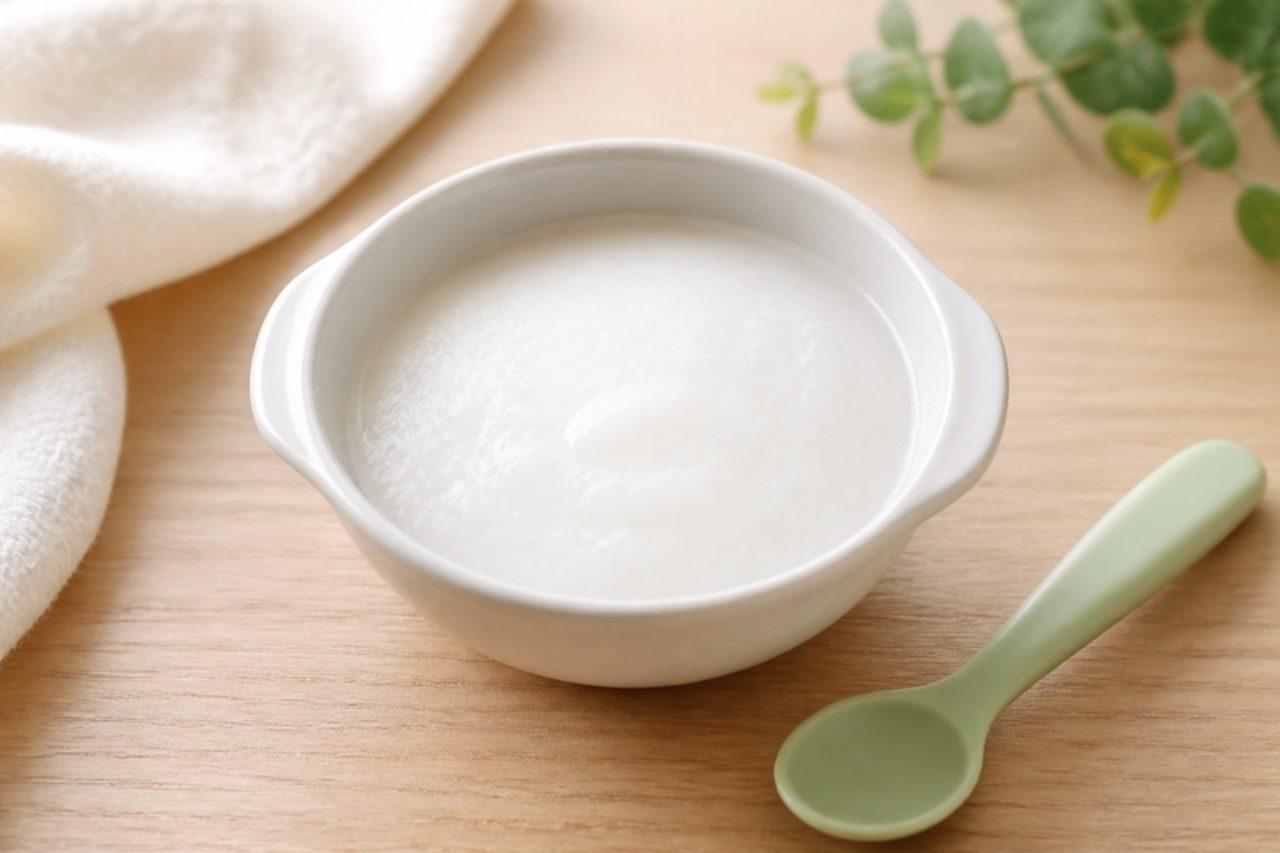
Ten-fold rice porridge (jūbai-gayu)

Across Japan, a baby's first solid food at about five or six months is jūbai-gayu: rice cooked gently in ten times its volume of water until it collapses into a soft, pale porridge, then pressed or blended smooth. It tastes mild and slightly sweet, and parents start with a single spoonful a day before adding mashed vegetables such as pumpkin or carrot. None of the common allergens (milk, egg, gluten, peanut, tree nuts, soya, sesame, fish) are in it, so it is an easy base to build on. Chef's tip: make a full pot and freeze it in ice-cube trays, so one cube can be warmed for each meal.

by KrazyBadal 0 views

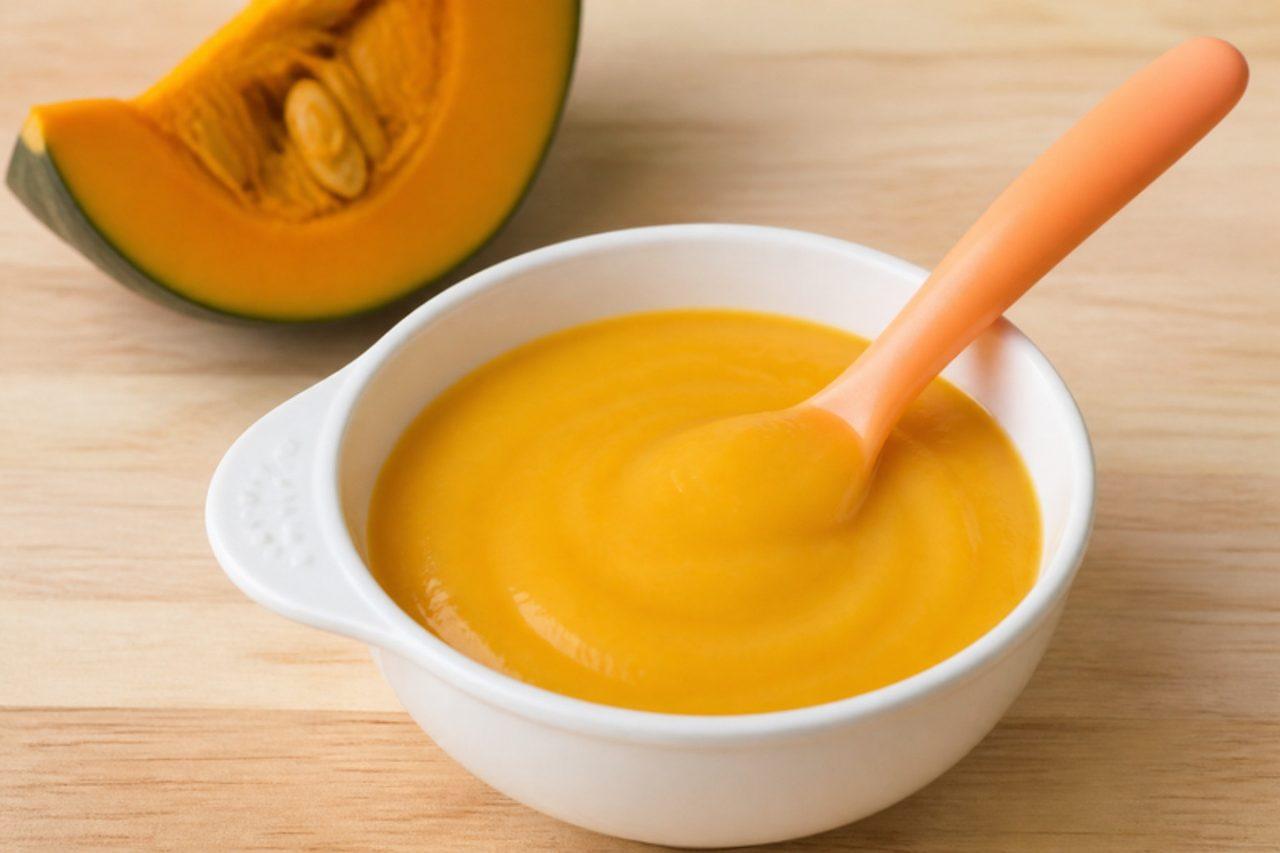
Pumpkin congee for babies (cháo bí đỏ)

Vietnamese grandmothers often make a baby's early bowls of cháo with bí đỏ, the dense orange pumpkin sold in every market from Hà Nội to Cần Thơ. The rice is lightly toasted before simmering, a Vietnamese habit that gives the congee a faint nutty smell, and the pumpkin melts into it, turning it bright gold and naturally sweet. It is a weekday lunch for babies from six months, made without the fish sauce the rest of the family would add. No common allergens are in it (milk, egg, gluten, peanut, tree nuts, soya, sesame, fish). Chef's tip: choose a dry, dense pumpkin such as kabocha; watery squash makes a thin, bland congee.

by KrazyBadal 0 views

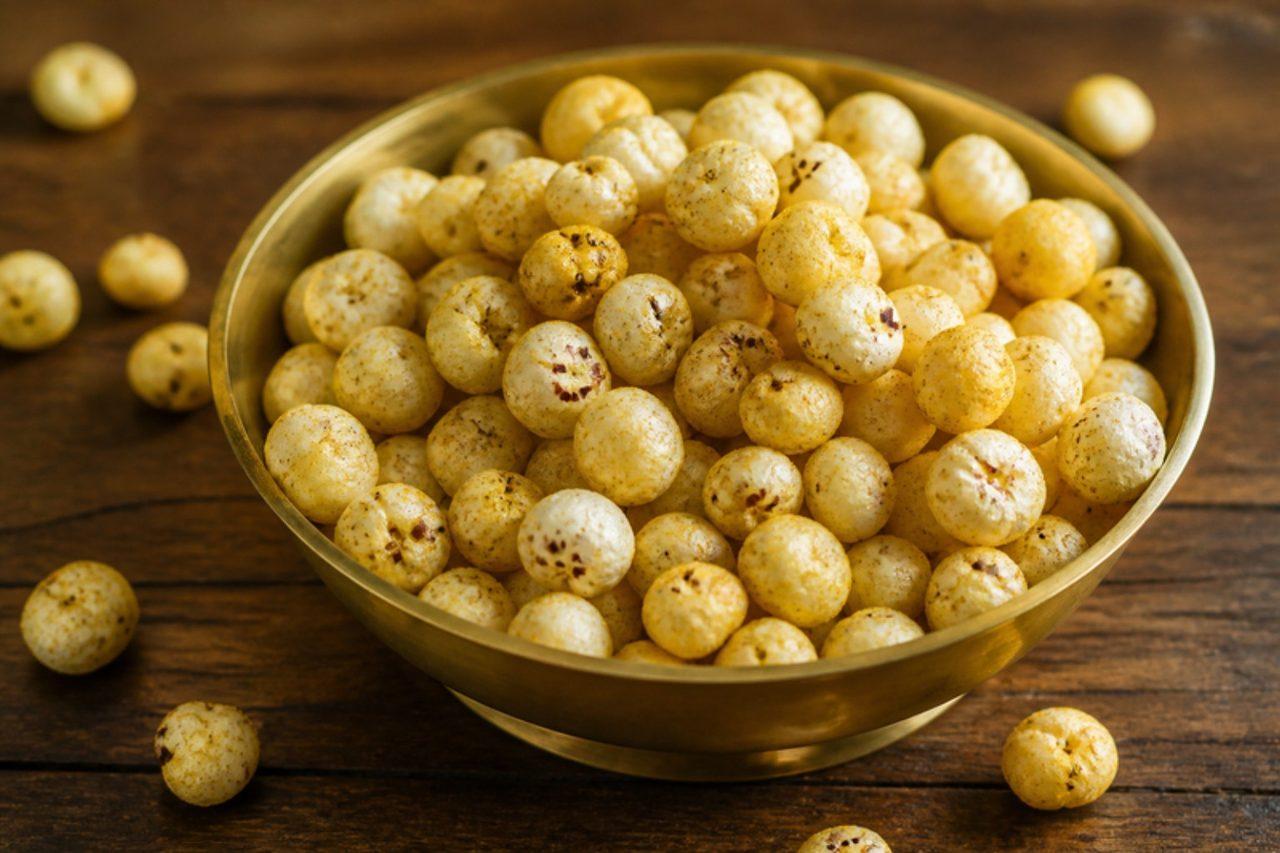
Roasted makhana (crunchy fox nuts)

Across North India, a jar of roasted makhana sits on the kitchen shelf for after-school munching, Navratri fasting days and evening cricket on television. The puffed lotus seeds turn from soft to crisp and light in a few minutes of slow roasting in ghee, like a nutty, savoury popcorn. Rock salt and pepper keep it suitable for fasting; turmeric or chaat masala are everyday variations. It contains milk (ghee). Whole makhana are a choking risk for under-5s, so crush them for little ones. Chef's tip: test one before you season: it should snap with a clean crunch, not bend.

by KrazyBadal 0 views

Moong dal water for babies

In North Indian homes, moong dal ka pani is often the first thing other than milk a baby tastes, spooned from a steel katori at lunchtime while the family eats dal-chawal. Split yellow moong is cooked until it falls apart with a pinch of turmeric, then the thin top liquid is strained off; over the following weeks more of the soft dal is mashed in. It tastes mild and slightly sweet. It is free of the common allergens (milk, egg, gluten, peanut, tree nuts, soya, sesame, fish). Chef's tip: a drop of ghee can be added once your baby is used to dairy, but keep it plain at first.

by KrazyBadal 0 views

Showing 48 of 2,799 recipes

Show more recipes

Page 23 of 117

More Jain ideas

Other diets