Skip to content
WhatToEat.Today

Jain recipes: no onion, garlic or root vegetables

2,799

2799 Jain recipes with no onion, garlic, potato, carrot, fresh ginger or other root vegetables, and no mushrooms, eggs or honey. Hing, dry ginger and turmeric powder are fine. Each has photos, step-by-step instructions and cook times. The quickest, Apfelschorle, takes 2 minutes. Most take around 40 minutes.

Filter these by time, diet or cuisine · Make Jain your diet to see only these recipes everywhere on the site.

Kulukki sarbathShaken lime cooler

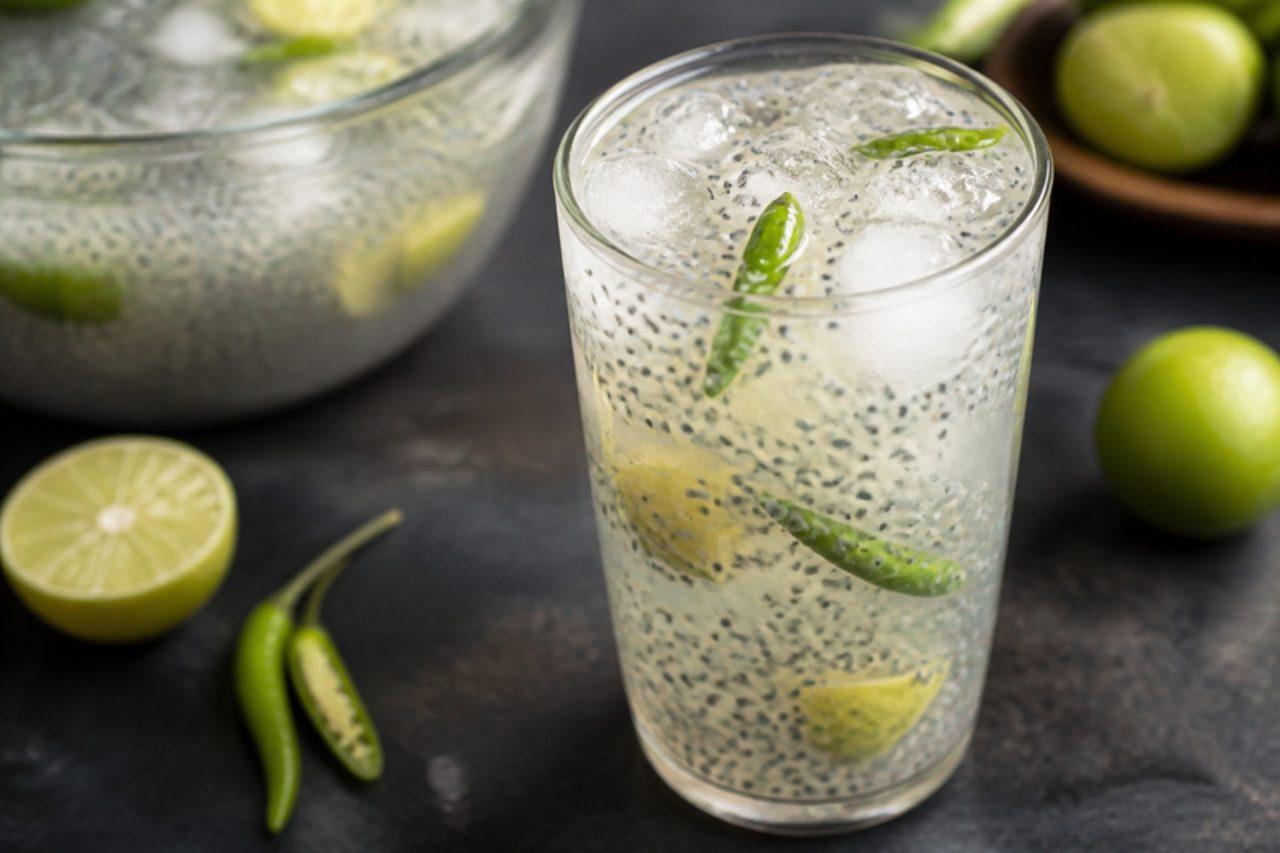
Kulukki means shaken, and the show is half the fun: at roadside stalls in Kozhikode, Kochi and Thrissur, the vendor drops lime, a slit green chilli, basil seeds, syrup and ice into a tall steel tumbler, caps it with another and rattles it furiously before pouring a frothy glass. The drink became a craze across Kerala in the 2010s and is now a beach and festival favourite. It tastes sharp, sweet, salty and then hot as the chilli catches the back of your throat. Some stalls add pineapple or passion fruit. The common mistake is crushing the lime and chilli too hard or leaving them to sit, which makes the drink bitter from the peel and far too fiery; shake briefly and pour at once. Chef's tip: use a jar with a tight lid half filled with ice; the ice does the crushing and makes the foam.

by KrazyBadal 0 views

Nannari sarbathSarsaparilla and lime cooler

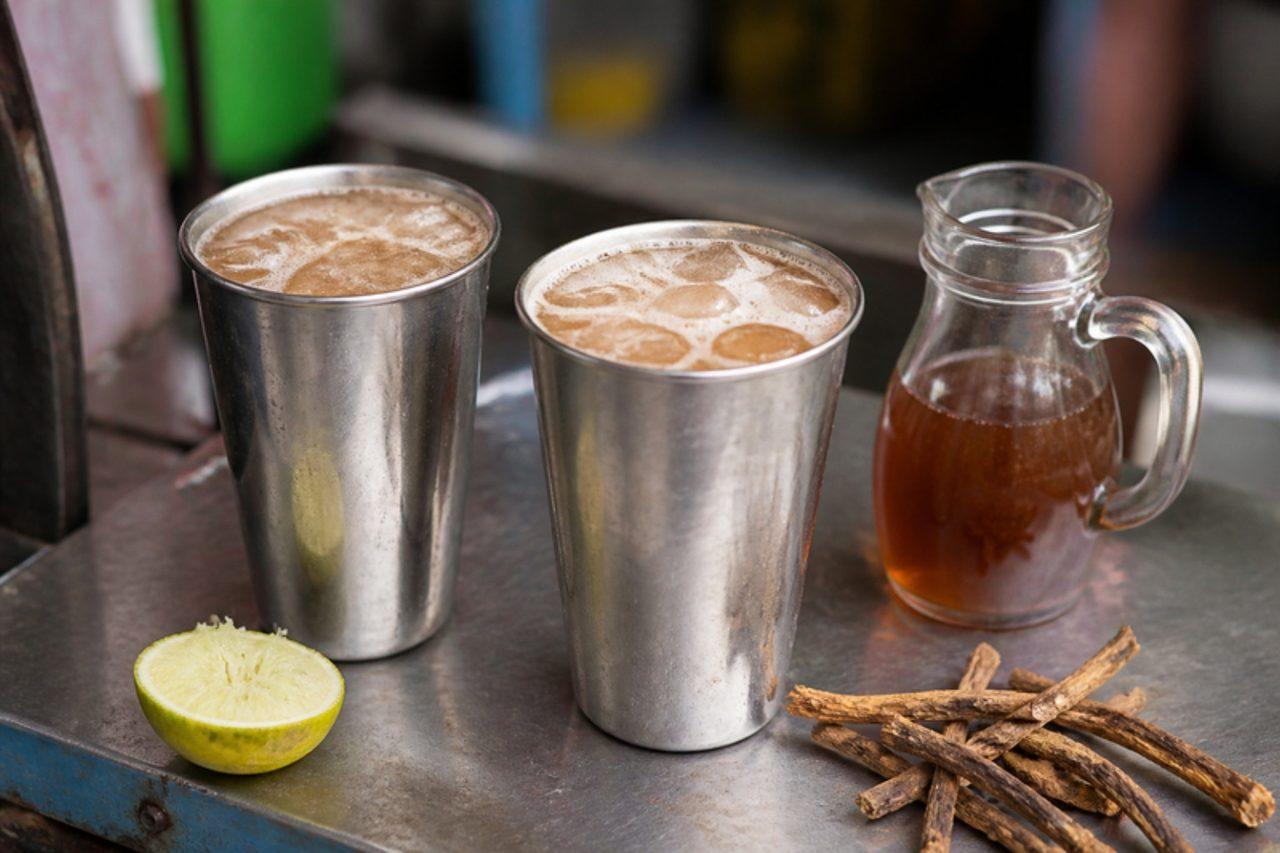
Walk past any sarbath kadai in Madurai, Tiruchi or Chennai's Parry's Corner in summer and you'll hear the clink of a glass being stirred with a long spoon. Nannari, the sweet, woody, vanilla-like root of Indian sarsaparilla, is cooked into a dark syrup; the vendor pours a little into a glass, squeezes in a whole lime, adds a pinch of salt and ice, and tops it with water or a fizz of soda. It is sweet, sharp and earthy all at once, and nothing like the milky jigarthanda made with the same syrup. Many shops add soaked sabja seeds for texture. The common mistake is too much syrup: the root flavour gets lost in sweetness, so start with less and let the lime lead. Chef's tip: squeeze the lime straight into the glass and drop in one squeezed half; a little oil from the peel gives that roadside freshness.

by KrazyBadal 0 views

Gadbad ice creamLayered fruit and ice cream sundae

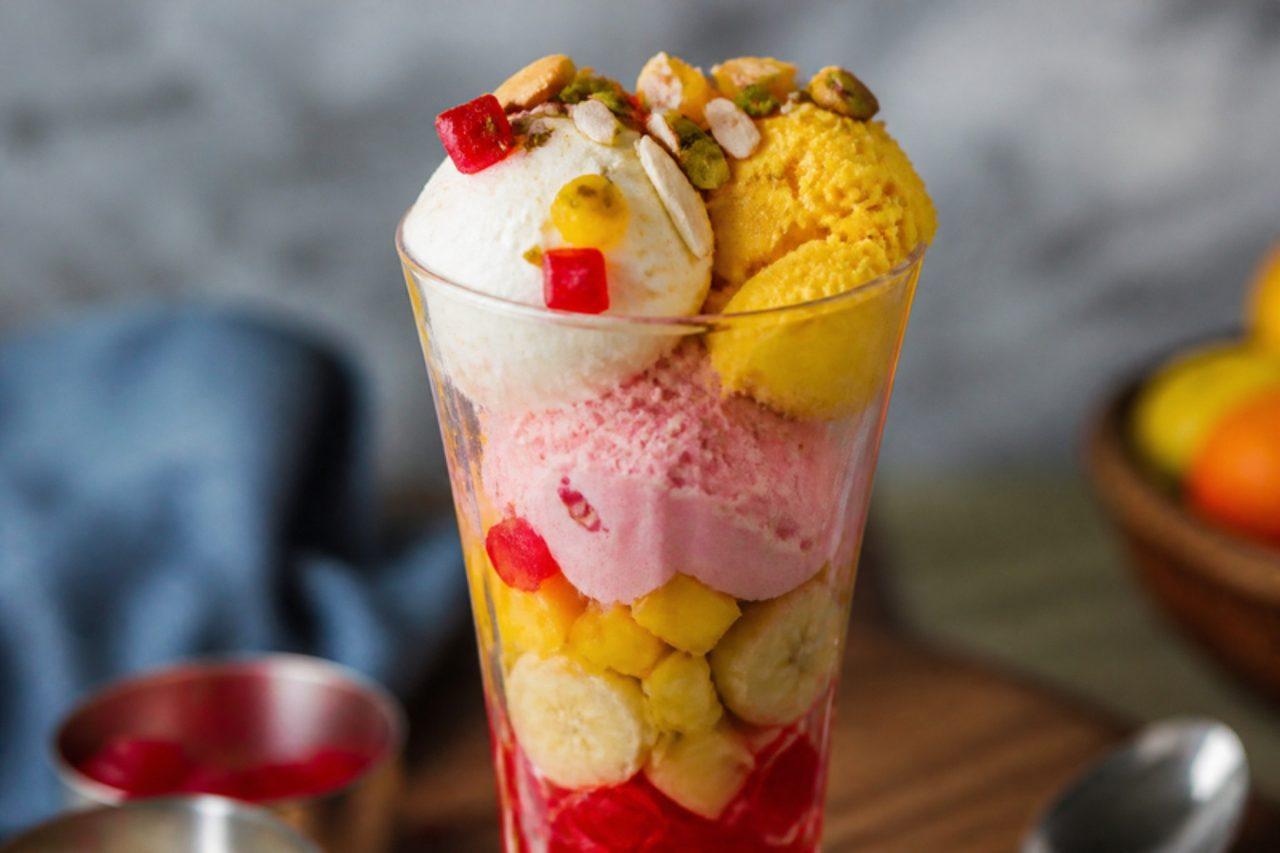
Gadbad means a jumble, and that is exactly what arrives at the table in Udupi and Mangalore ice-cream parlours: a tall fluted glass layered with cubes of jelly, chopped fresh fruit, scoops of vanilla, strawberry and mango ice cream, crushed nuts and a glacé cherry on top, eaten with a long spoon. The sundae is credited to a café in Udupi in the 1970s and is now the treat every coastal Karnataka family orders after a temple visit or a beach evening. It's sweet, cold, fruity and crunchy all at once. Most jelly crystals are set with gelatine, so choose a vegetarian jelly set with agar or carrageenan, and check your ice cream is egg-free and gelatine-free if that matters to you. A common mistake is layering on fruit that is wet from washing; it waters down the ice cream. Chef's tip: chill the glasses in the freezer for 15 minutes so the layers stay distinct.

by KrazyBadal 0 views

Sitaphal ice creamCustard apple ice cream

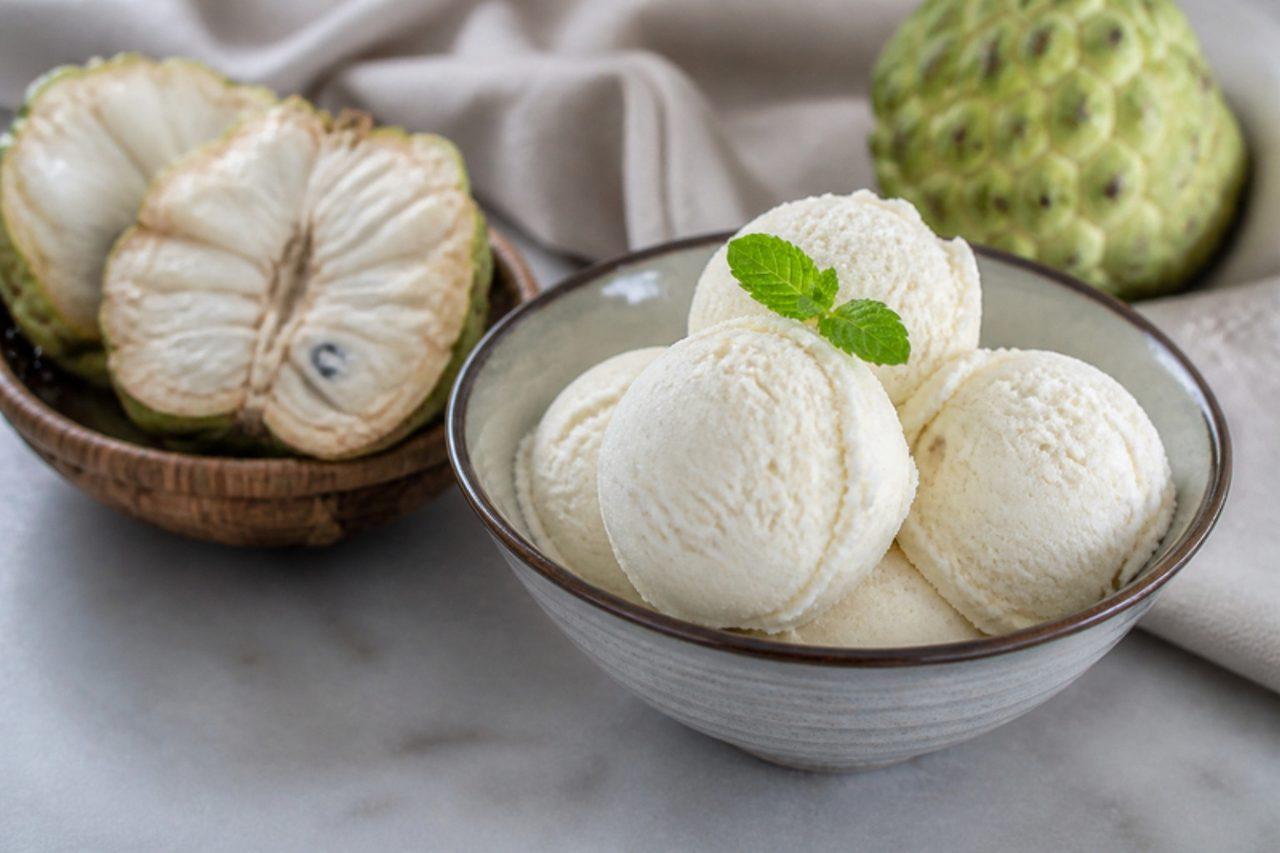
Every October, when custard apples pile up in the markets of Pune and Mumbai, the queues lengthen at the city's natural ice-cream parlours on Juhu and Malabar Hill for one flavour: sitaphal. The fruit tastes of pear, vanilla and cream, and when the pulp is folded into a simple milk-and-cream base, nothing else is needed. The ice cream is pale, soft and full of tiny tender pieces of fruit. It is the dessert of Navratri and Diwali visits in Maharashtra. A common mistake is blending the pulp with the seeds in; cracked seeds make the ice cream bitter, and they are toxic. Seed the segments by hand or rub the pulp through a coarse sieve. Chef's tip: never cook the pulp; heat turns custard apple bitter, so add it only to the fully cooled base.

by KrazyBadal 0 views

JaljeeraTamarind mint cumin drink

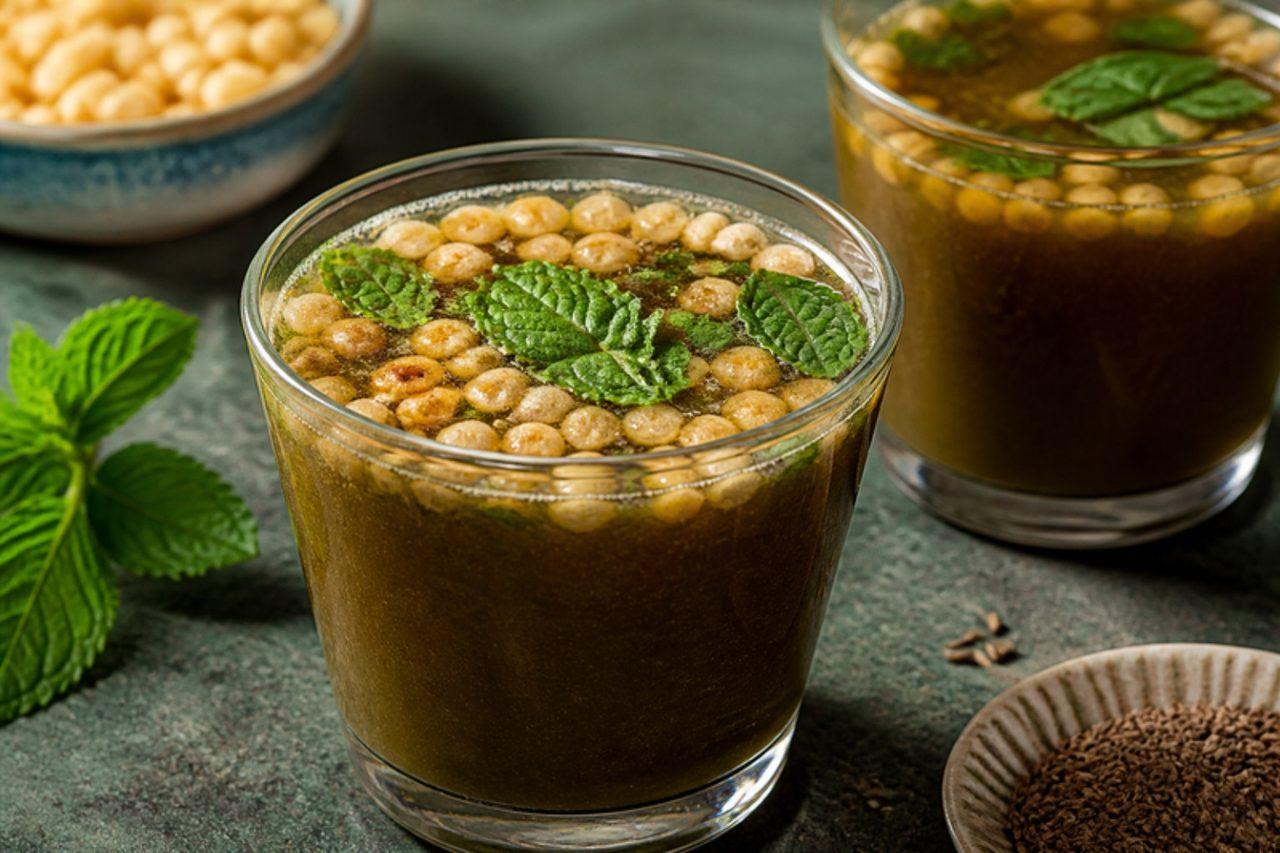
Street vendors in Old Delhi and Varanasi sell jaljeera from big red clay matkas wrapped in wet cloth, ladling it into glasses with a handful of boondi on top. The name simply means cumin water, but the flavour is busier than that: sour tamarind and lemon, a cool rush of mint, the sulphur note of black salt and the warmth of roasted cumin and dry ginger. It is drunk before a heavy Punjabi meal to wake the appetite, at summer weddings, and on long train journeys. Make the masala fresh and the difference shows. The common mistake is using raw cumin powder; it tastes dusty. Dry-roast whole cumin until it darkens a shade and smells toasty, then grind it. Chef's tip: add the boondi only at the table so it stays crunchy for the first sip and softens by the last.

by KrazyBadal 0 views

Luo han guo teaMonk fruit tea

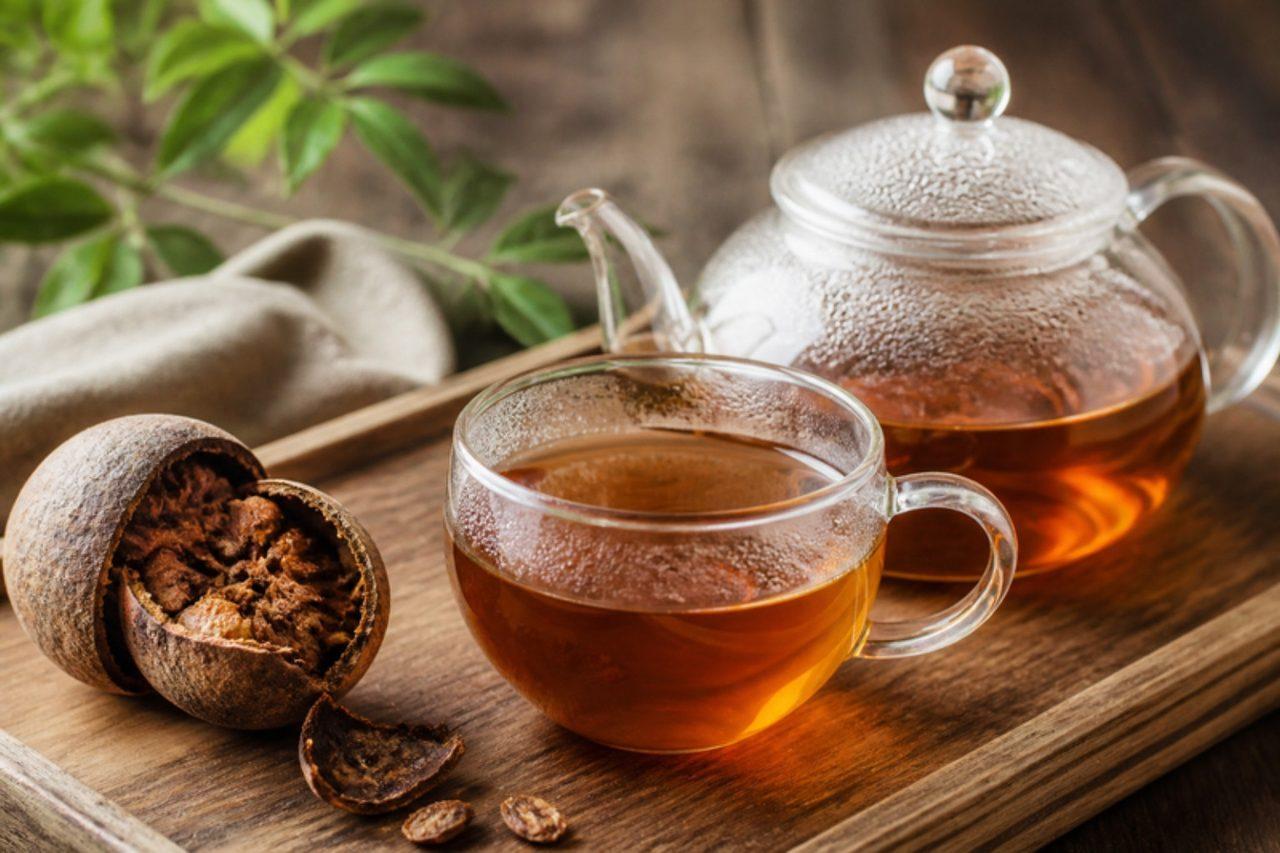
The hills around Guilin in Guangxi grow luo han guo, a small round gourd that is dried until its shell turns brown and brittle. Cantonese and Guangxi households simmer one in water when someone has a scratchy throat or a dry cough, or simply in the heat of summer, and the result is a dark amber tea that tastes of caramel and dried fig with no sugar added at all. Drink it hot in winter or chilled in summer. The mistake most people make is using a whole fruit for a single cup, which is cloyingly sweet; one fruit is enough for a large pot. Chef's tip: crack the shell and tear the pulp into pieces, so the flavour comes out in 15 minutes instead of an hour.

by KrazyBadal 0 views

Paan kulfiBetel leaf ice cream

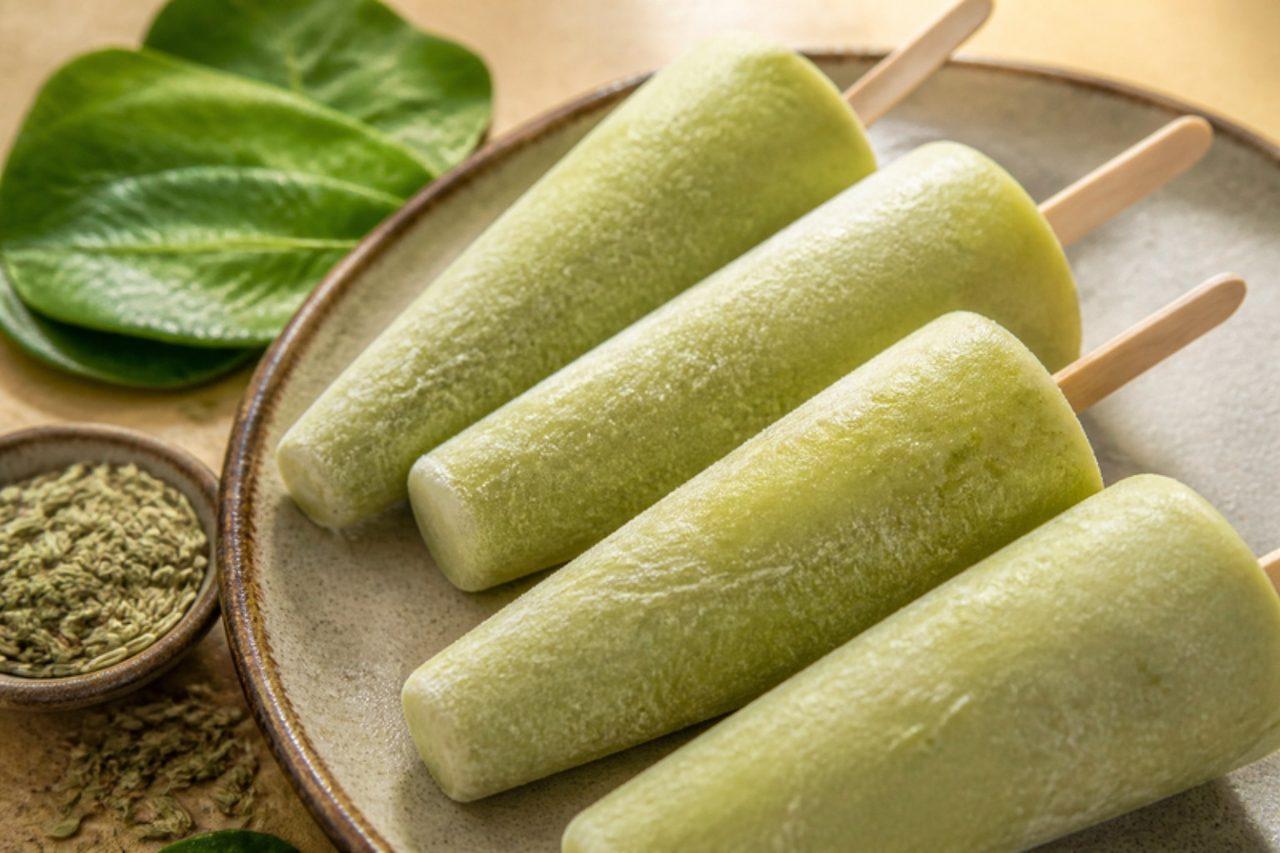
For many Lucknow and Banaras families, dinner ends with a folded meetha paan, and in Mumbai's paan shops and kulfi joints that same flavour turned into kulfi became a cult favourite at weddings and parties. The base is milk reduced by two-thirds; betel leaves, rose petal gulkand, fennel and cardamom go in once it has cooled, so it freezes dense, pale green and fragrant, with little chewy bits of gulkand. It is sweet, floral and leafy-fresh, and cuts through a rich biryani or korma dinner. A common mistake is boiling the betel leaves in the milk: they turn bitter and the colour goes khaki. Grind them raw with cold milk instead. Chef's tip: use the tender, sweet Calcutta or Banarasi leaves sold for meetha paan; the thick Maghai or Kapoori kind can taste peppery.

by KrazyBadal 0 views

PiyushShrikhand buttermilk drink

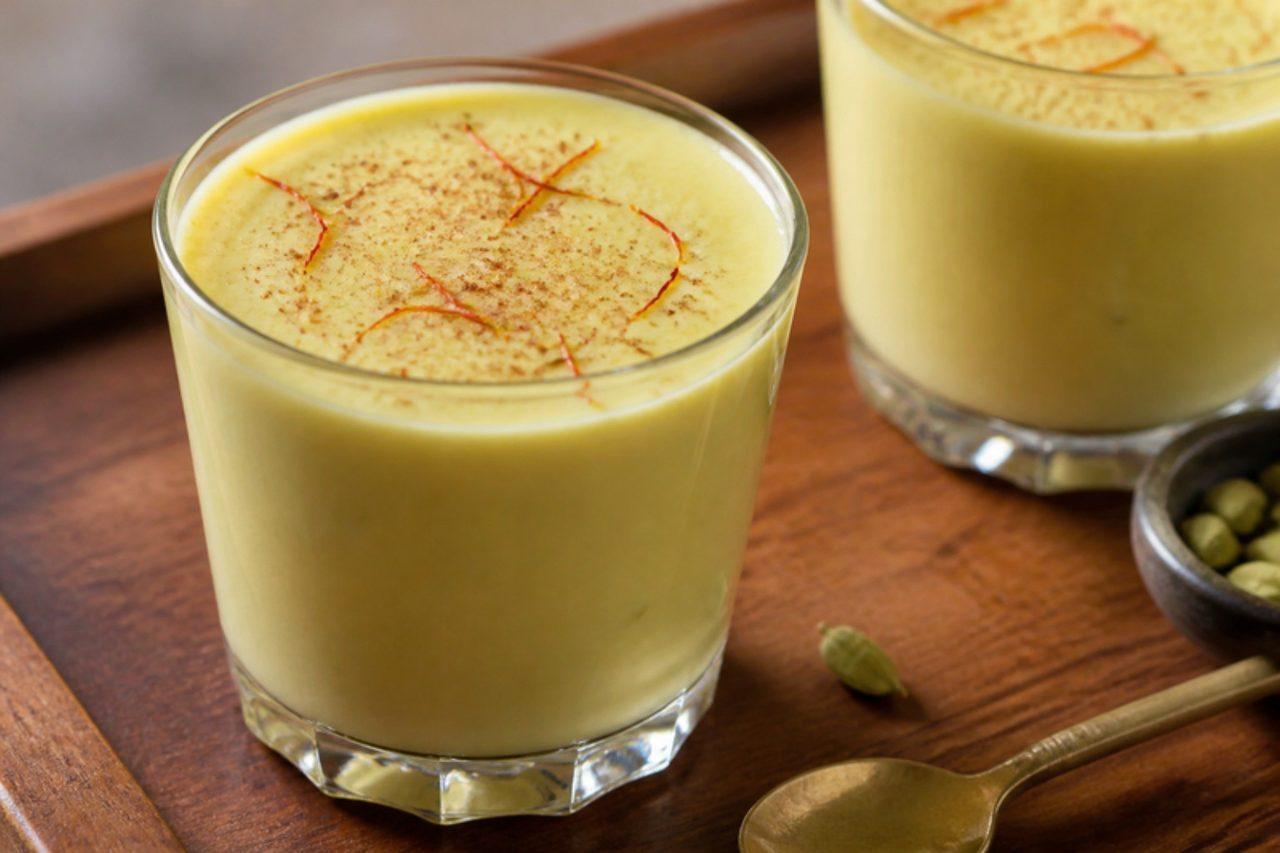
Piyush means nectar, and Pune and Mumbai Maharashtrians drink it on summer afternoons, at Gudi Padwa lunches when there is leftover shrikhand, or from old dairy shops near Dadar and Girgaon where it is sold in glass bottles. It sits between lassi and dessert: thick but pourable, sweet and gently sour, yellow with saffron and scented with cardamom and a whisper of nutmeg. It is lovely with a spicy batata vada or after a puran poli meal. The common mistake is pouring cold buttermilk straight onto stiff shrikhand, which leaves stubborn lumps; loosen the shrikhand with a little buttermilk first, then whisk in the rest. Chef's tip: bloom the saffron in a spoonful of warm milk; cold buttermilk won't pull the colour out.

by KrazyBadal 0 views

Ragi ganjiFinger millet milk porridge

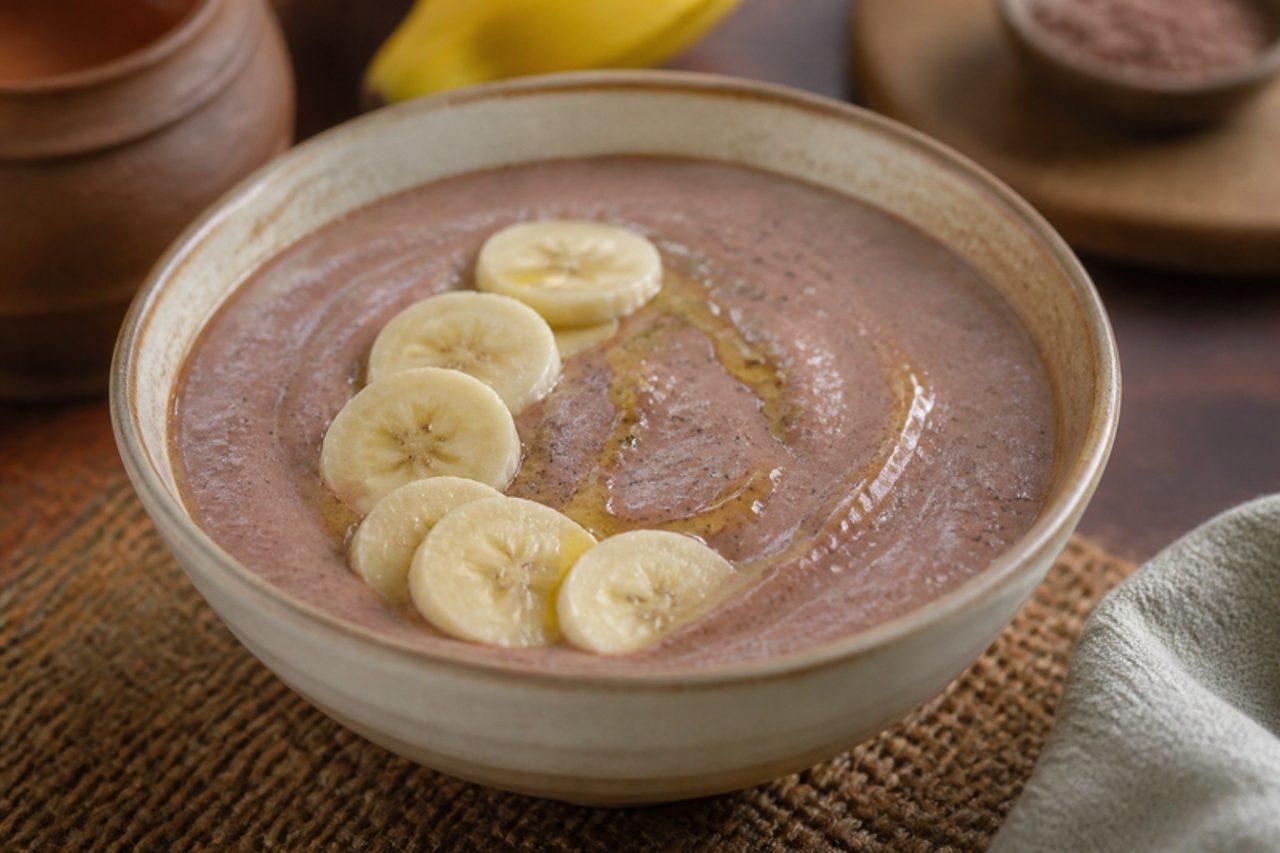
Across Karnataka and the Tamil country, a cup of warm ragi is often the very first grain a child tastes and the same drink a grandfather has before his morning walk. Finger millet (ragi) flour cooks into a silky, cocoa-brown porridge with an earthy, slightly malty taste that jaggery and a whisper of cardamom round off beautifully. Bengaluru mothers pour it into steel tumblers for school mornings; it is filling, naturally gluten-free and gentle on small tummies. Keep it pourable for drinking or cook it a minute longer for a spoonable bowl, and serve it warm with a ripe banana alongside. For children under one, most families leave out the jaggery and use water or the milk the baby already drinks. Chef's tip: always whisk the flour into cold water first; ragi flour dropped into hot liquid seizes into lumps that no amount of stirring will fix.

by KrazyBadal 0 views

Goda masalaMaharashtrian spice blend

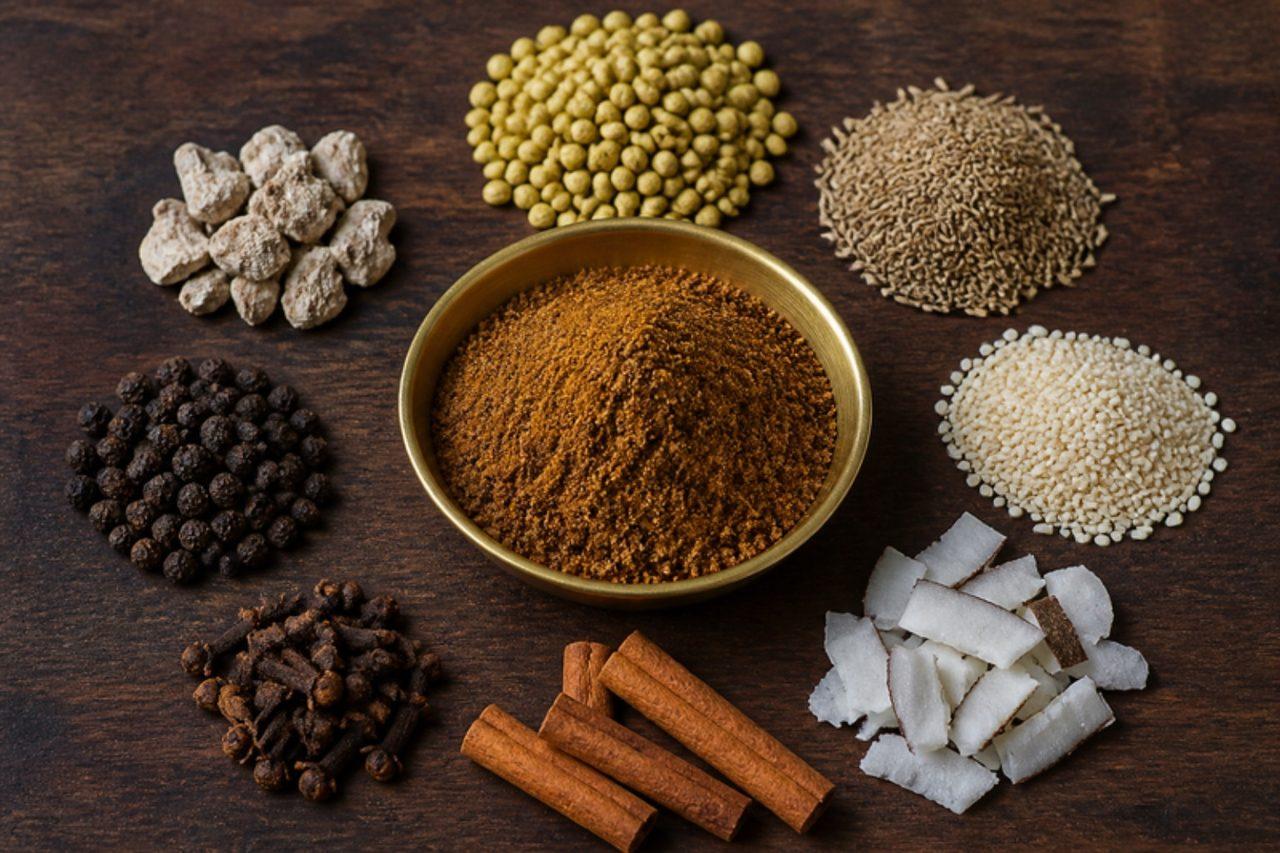
Goda means sweet in Marathi, and the word describes not sugar but the warm, rounded fragrance of this masala, which every Pune and Satara household roasts in small batches. It is the soul of Brahmin Maharashtrian cooking: masale bhaat at weddings, a spoonful in amti (tangy toor dal), bharli vangi (stuffed brinjal), and usal for misal. It is dark and aromatic rather than hot, built on coriander, dry coconut (kopra) and sesame, perfumed with cinnamon, cloves and cardamom, and given its earthy, slightly musky depth by dagad phool (stone flower, a lichen), with nagkesar and maratha moggu if you can find them at a Marathi grocer. Common mistake: roasting the coconut and sesame with the hard spices on a high flame; the coconut burns before the coriander is done and the whole batch tastes bitter. Chef's tip: roast each spice in a drop of oil until a shade darker, because that slow roasting is what gives goda masala its colour.

by KrazyBadal 0 views

Paletas de cocoCoconut ice pops

Coconut pops are a classic of the paleterías of Michoacán and of the beach carts of Acapulco and Veracruz, where fresh coconuts are cracked open to order. They are milky, sweet and chewy with shreds of coconut, more like frozen coconut cream than ice. It contains dairy. Chef's tip: toast a third of the coconut lightly before using, which brings out a deeper flavour without changing the snowy colour much.

by KrazyBadal 0 views

Dadinho de tapiocaFried tapioca cheese cubes

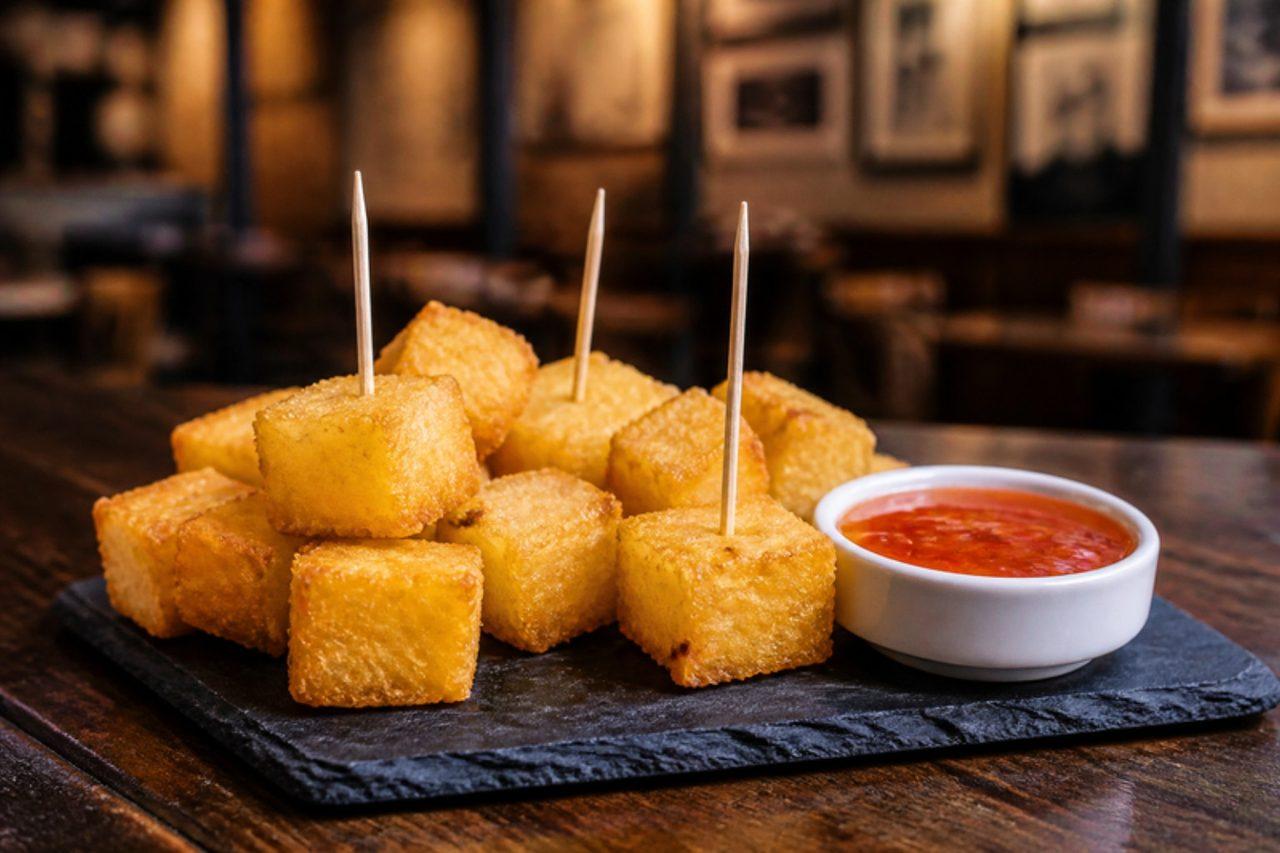
These crisp little cubes started in a Northeastern-style bar in São Paulo's north zone and spread to almost every botequim menu in the city, where they arrive in a paper-lined basket with a pot of sweet chilli sauce and a round of cold drinks. Hot milk is stirred into granulated tapioca and salty grated queijo coalho, the mixture sets overnight, and the cubes are fried until the outside shatters and the inside turns soft and stretchy. Queijo coalho is usually made with animal rennet, so for a vegetarian version look for a firm grilling cheese labelled vegetarian rennet. Chef's tip: let the slab chill until it is completely firm, at least four hours, or the cubes slump in the oil.

by KrazyBadal 0 views

Agua de melónCantaloupe drink

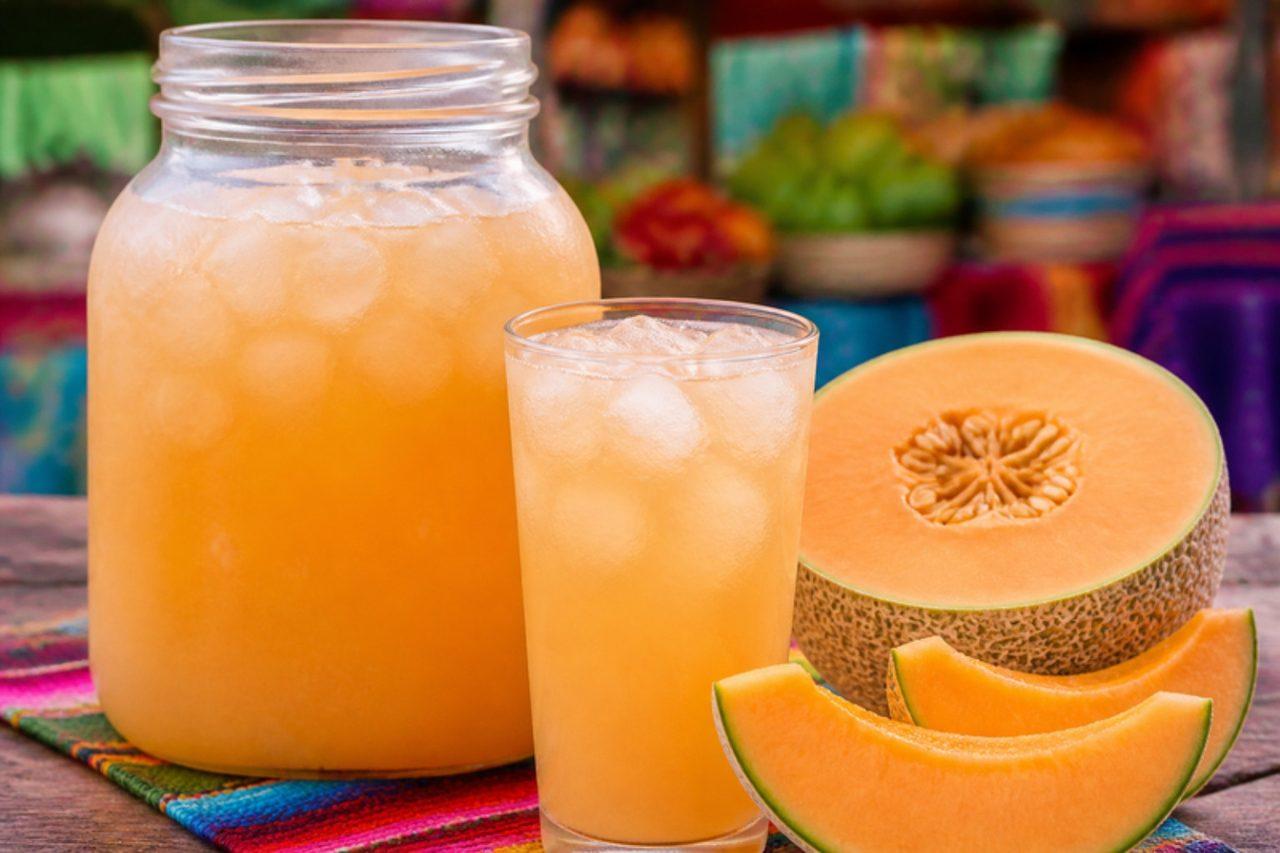
Mexican market juice stalls make agua de melón with the ripest, most fragrant cantaloupes, and many cooks blend in the seeds and the soft pulp around them, which adds a creamy body and a nutty flavour. It's served in tall glasses on hot afternoons from Guanajuato to Veracruz and is a favourite with kids. Chef's tip: smell the stalk end of the melon before you buy it; if it smells sweet, the drink will too.

by KrazyBadal 0 views

Chè bắp (sweet corn pudding)

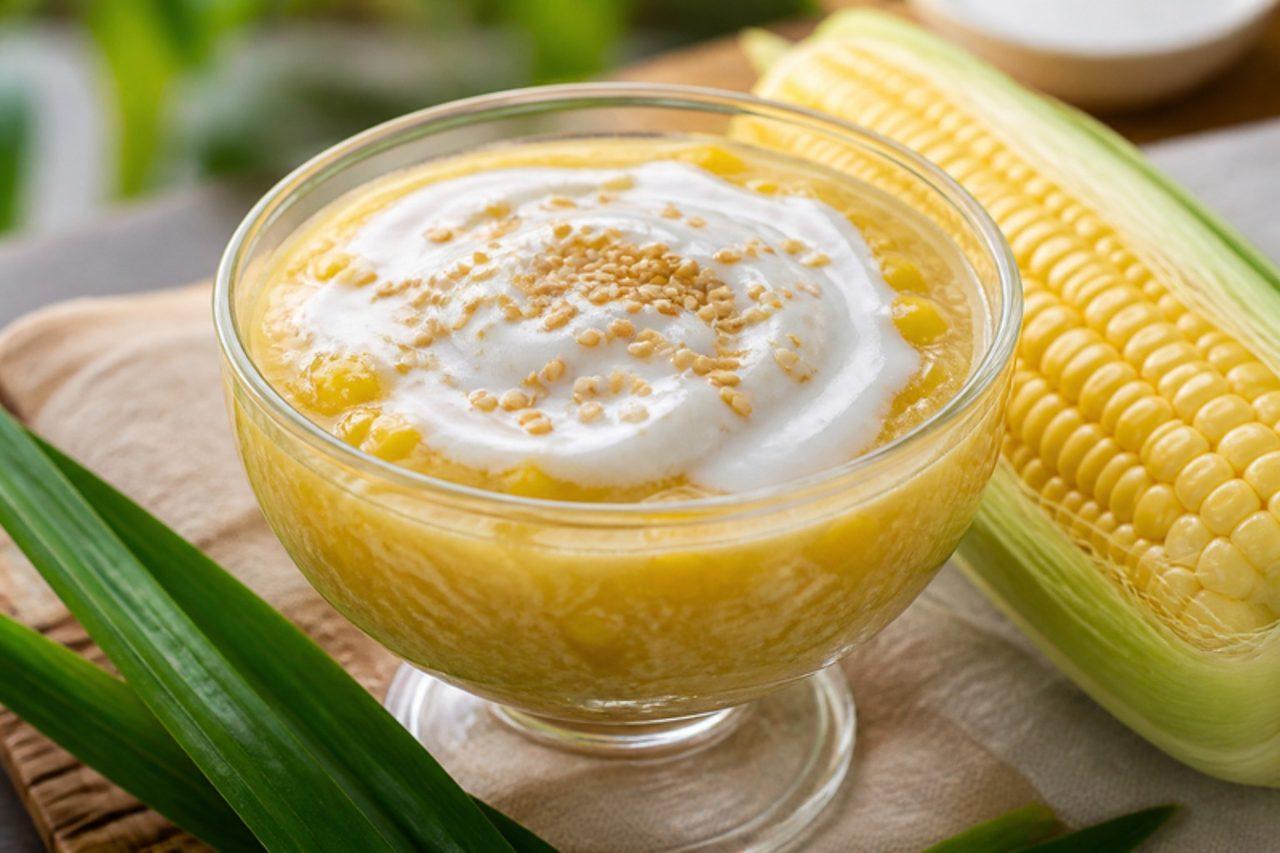
Hội An's riverside villages grow a sticky, sweet local corn, and chè bắp has been sold in its old town for generations; in Saigon it is a summer evening favourite at street stalls. Fresh kernels are cooked with a little glutinous rice until thick and spoonable, sweetened, and topped with a ribbon of salty coconut cream. The cobs simmer in the water first to give the pudding a deep corn flavour. Chef's tip: add the sugar only after the rice is soft; sugar added early stops glutinous rice from swelling and leaves hard grains.

by KrazyBadal 0 views

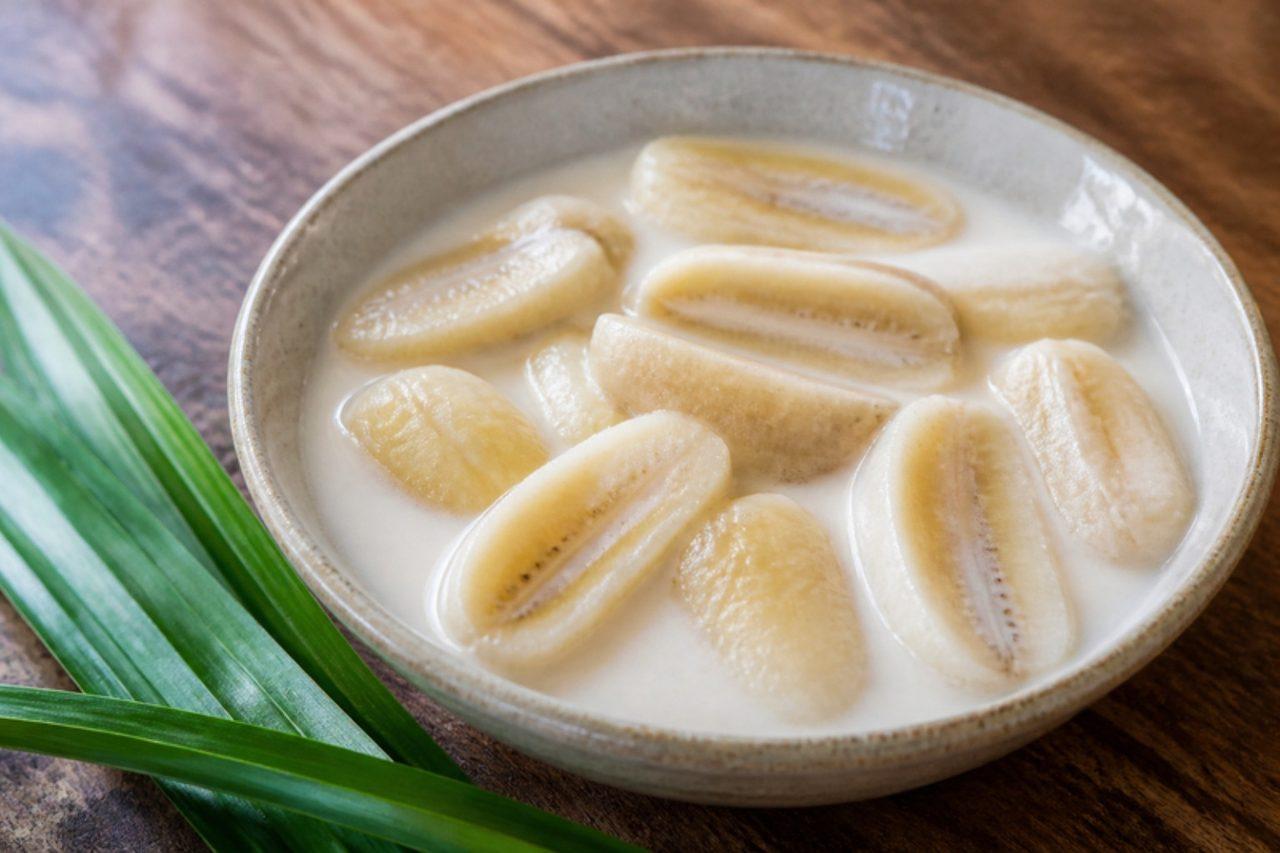
Kluay buat chi (bananas in coconut milk)

Rows of pots of this simple sweet sit on home stoves all over central Thailand, and it is often the first dessert a Thai cook learns. The name compares the pale bananas in white coconut milk to women ordained as nuns in white robes. Small, sweet namwa bananas soften without collapsing, and the milk is seasoned so salt and palm sugar balance. Eat it warm or at room temperature, as an afternoon snack or after a spicy dinner. Chef's tip: boiling the coconut milk hard is the usual error; it splits and turns oily, so keep it at a bare simmer.
by KrazyBadal 0 views

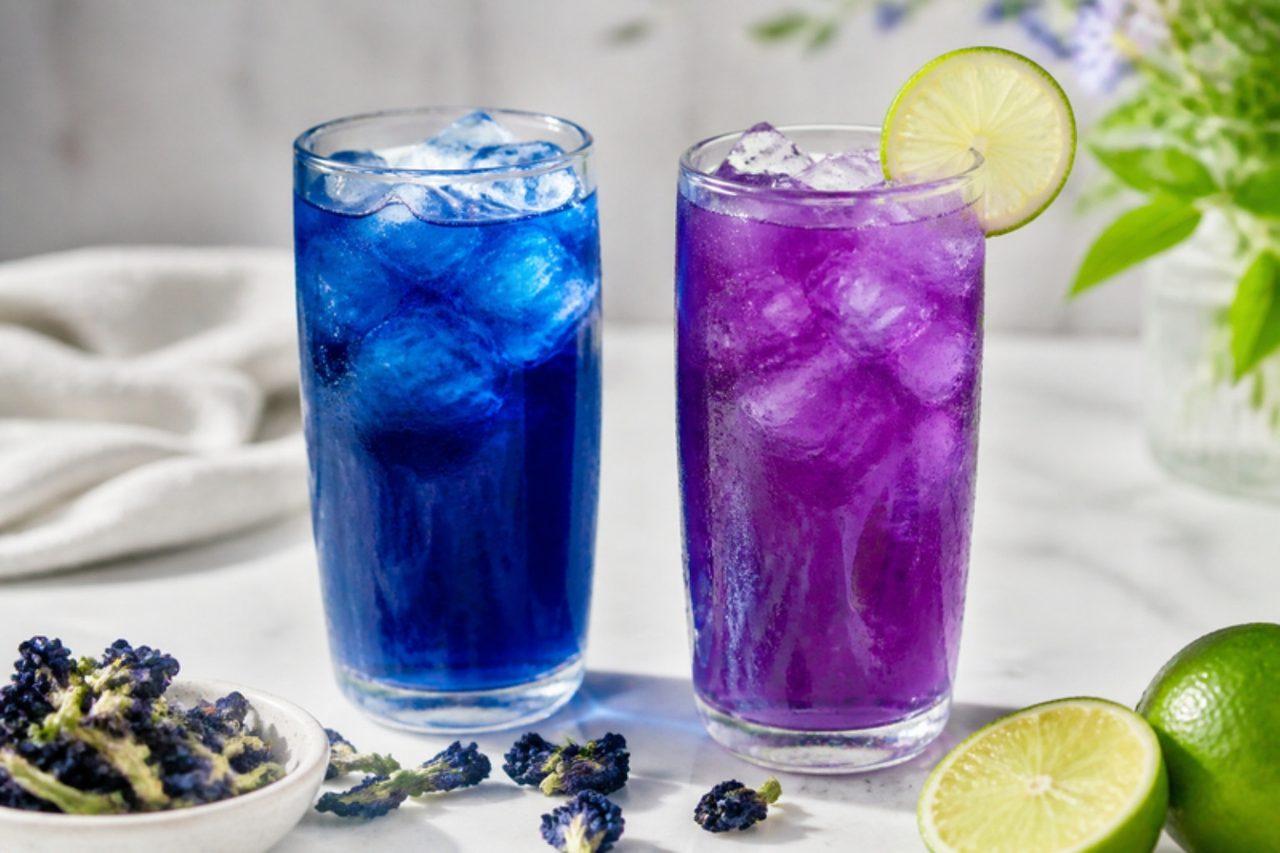
Nam dok anchan (butterfly pea lemonade)

Vines of butterfly pea climb fences in gardens all over Thailand, and cafés from Bangkok to Krabi serve the flowers as an iced drink that changes colour at the table. The tea itself is mild and earthy, blue as ink; stirring in lime juice turns it violet and makes it tangy, which children love to watch. Chef's tip: the common mistake is mixing the lime in beforehand; serve the blue tea and lime separately so the colour change happens in the glass.

15 minThaiDrinksVeganGluten free
by KrazyBadal 0 views

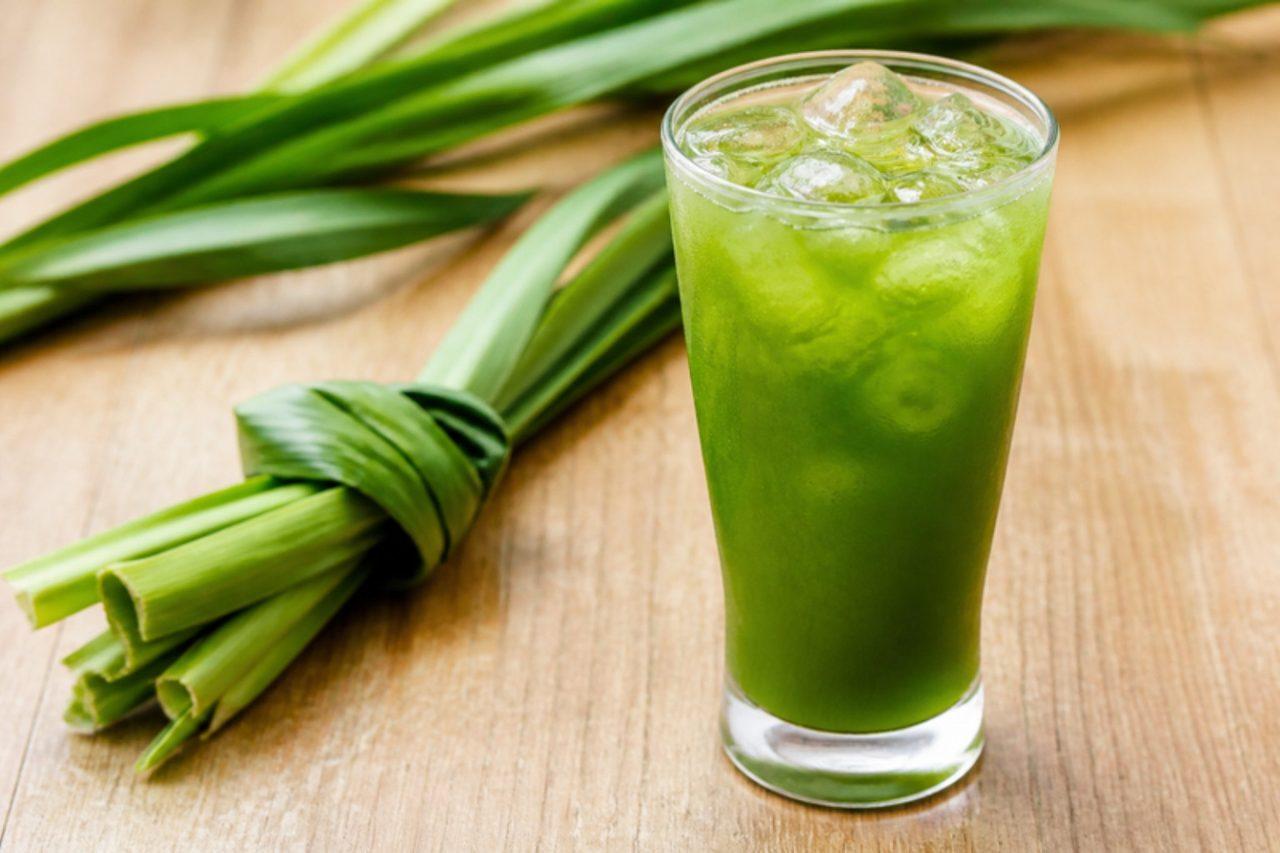
Nam bai toey (pandan drink)

Every Thai garden seems to have a clump of pandan by the tap, and on hot days cooks across the country blitz a handful of leaves into this bright green drink sold at temple fairs and noodle shops. It tastes sweet, grassy and faintly of vanilla and basmati, and is said to cool the body. Fresh leaves give the best colour; frozen ones from Asian shops work well too. Chef's tip: the mistake is serving it unstrained or leaving it for hours; strain it twice through cloth and drink it the same day, as it fades and turns grey.
15 minThaiDrinksVeganGluten free
by KrazyBadal 0 views

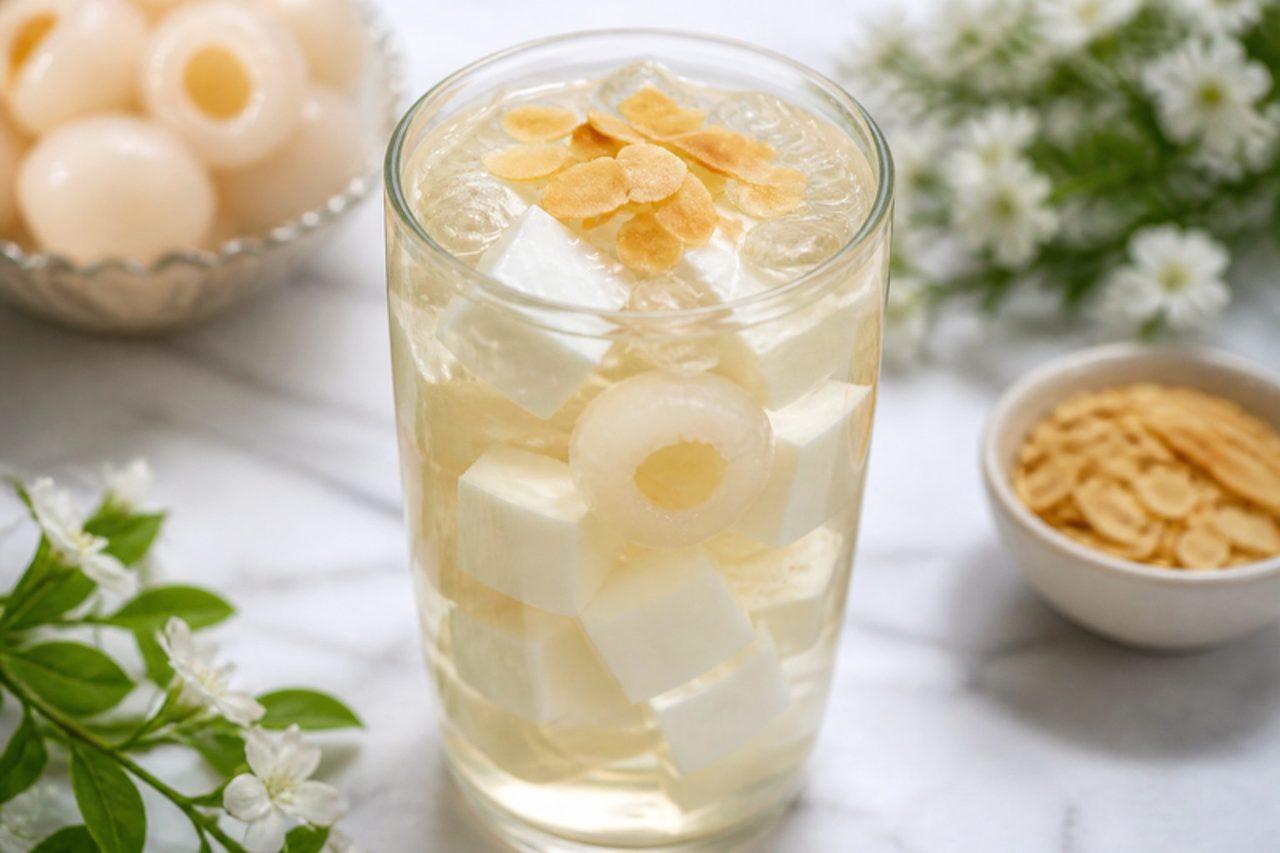
Chè khúc bạch (almond milk jelly with lychees)

Saigon's café-dessert shops made chè khúc bạch a craze in the 2010s, and it is still a cooling order on hot afternoons around Bến Thành. Soft, creamy cubes of almond-scented milk jelly float with lychees in a light lychee syrup, topped with crunchy toasted almonds, all over crushed ice. Gelatin is often used; this version sets with agar so it is vegetarian, and it holds firm even in tropical heat. Chef's tip: boil the agar for a full 2 minutes before adding the milk; agar that is only warmed won't set, which is the usual reason the jelly stays runny.

by KrazyBadal 0 views

Chè bưởi (pomelo pith pudding)

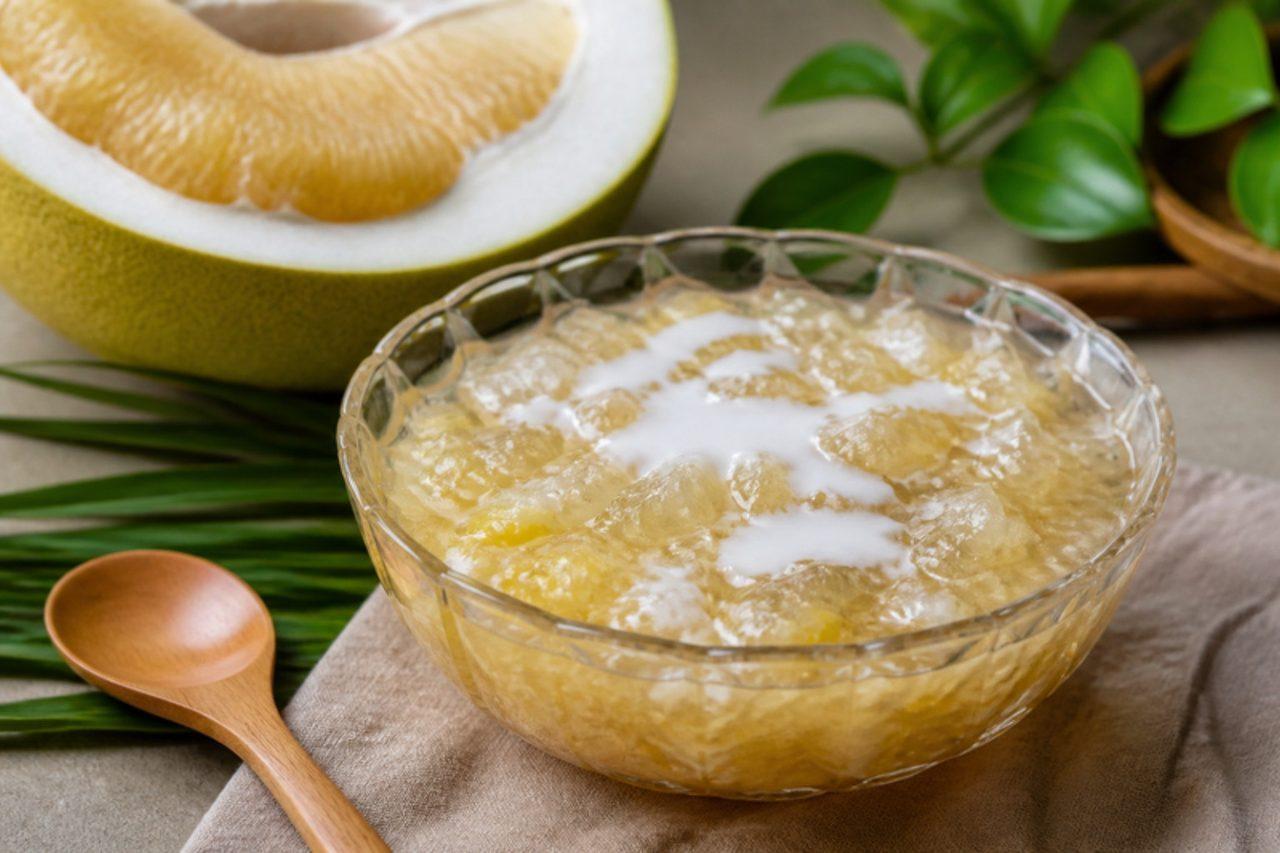
Cần Thơ and Vĩnh Long, deep in the Mekong Delta's pomelo country, turn the thick white pith of the fruit into this thrifty, much-loved sweet soup. After salting and rinsing away its bitterness, the pith is coated in tapioca starch and cooked into clear, crunchy-chewy nuggets, served with soft split mung beans and a swirl of coconut milk. Sold at Saigon chè stalls, it is eaten cold or warm. Chef's tip: wash and squeeze the salted pith in several changes of water until it tastes neutral; one rinse leaves the whole pot bitter.

by KrazyBadal 0 views

Mứt dừa (candied coconut ribbons)

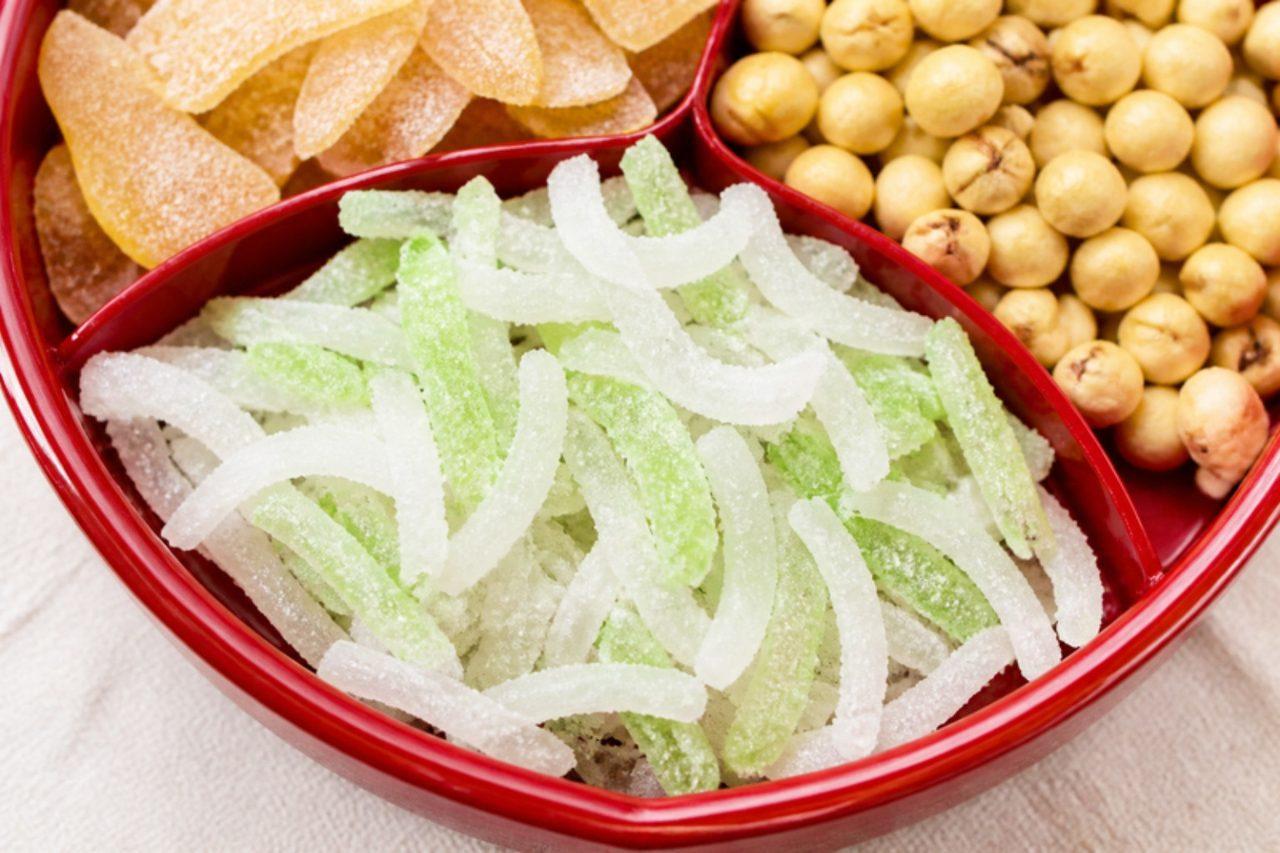
Bến Tre, the coconut province of the Mekong Delta, supplies most of the country's mứt dừa, but plenty of families still make a batch at home for the lacquered khay mứt, the tray of sweets put out for New Year visitors with green tea. The ribbons are chewy-soft in the middle and dry and sugary outside, white or dyed pale green with pandan, pink with dragon fruit or orange with gấc. Chef's tip: keep stirring gently over a low heat as the syrup thickens; high heat browns the coconut and the ribbons break if you stir roughly.

by KrazyBadal 0 views

Pão francêsCrusty bread rolls

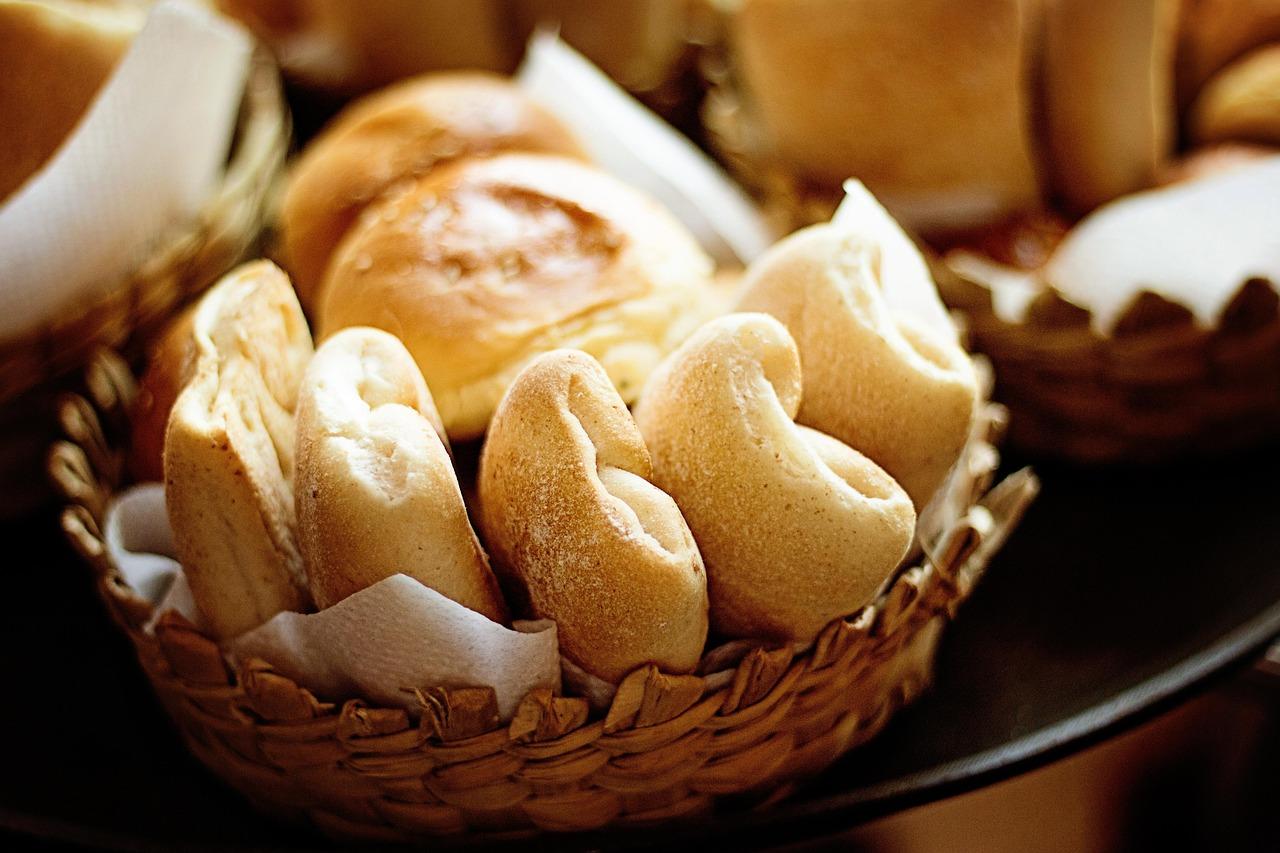
Every neighbourhood padaria in Brazil pulls trays of these small, golden rolls from the oven at dawn and again in the late afternoon, and people buy them by the half-dozen for breakfast with butter and milky coffee or for a pão na chapa on the griddle. The name means French bread, but the roll is Brazil's own: a thin, crackling crust with a raised lip along the cut, called the pestana, around a very light, fluffy crumb. Chef's tip: a tray of boiling water in the oven gives the steam that makes the crust thin and shiny.

by KrazyBadal 0 views

Khanom takoPandan coconut cream jelly cups

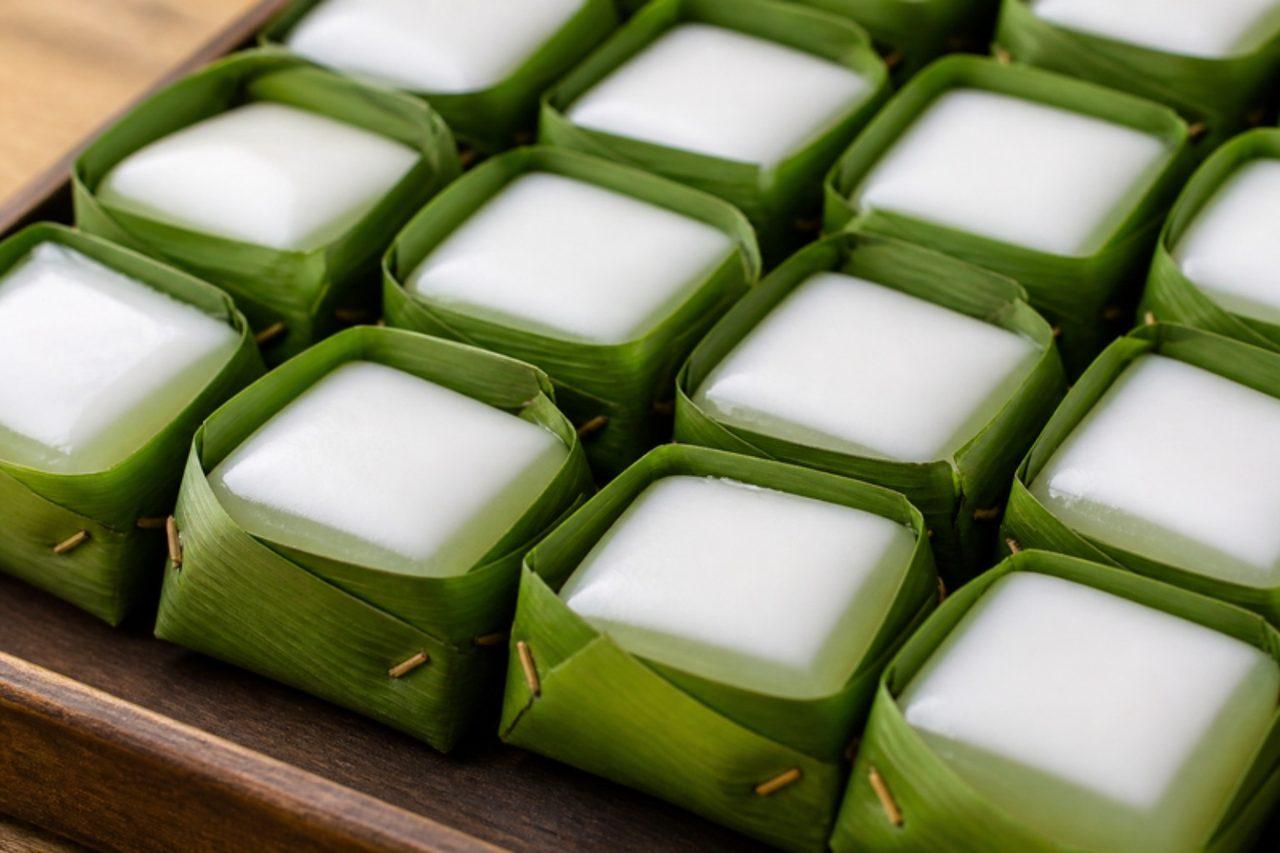
Little boxes of folded pandan leaf filled with jelly sit on the trays of every khanom seller in central Thailand, from Chatuchak's dessert stalls to the morning market in Nakhon Pathom. The base is firm, cool and green with diced water chestnut for crunch; the thick white top is coconut cream set with rice flour and seasoned with a clear note of salt, which is the whole point. They are eaten as a mid-afternoon snack, two or three at a time. Chef's tip: most people undersalt the coconut layer; it should taste lightly salty on its own, so the sweet base underneath sings.

by KrazyBadal 0 views

Nam takrai (lemongrass drink)

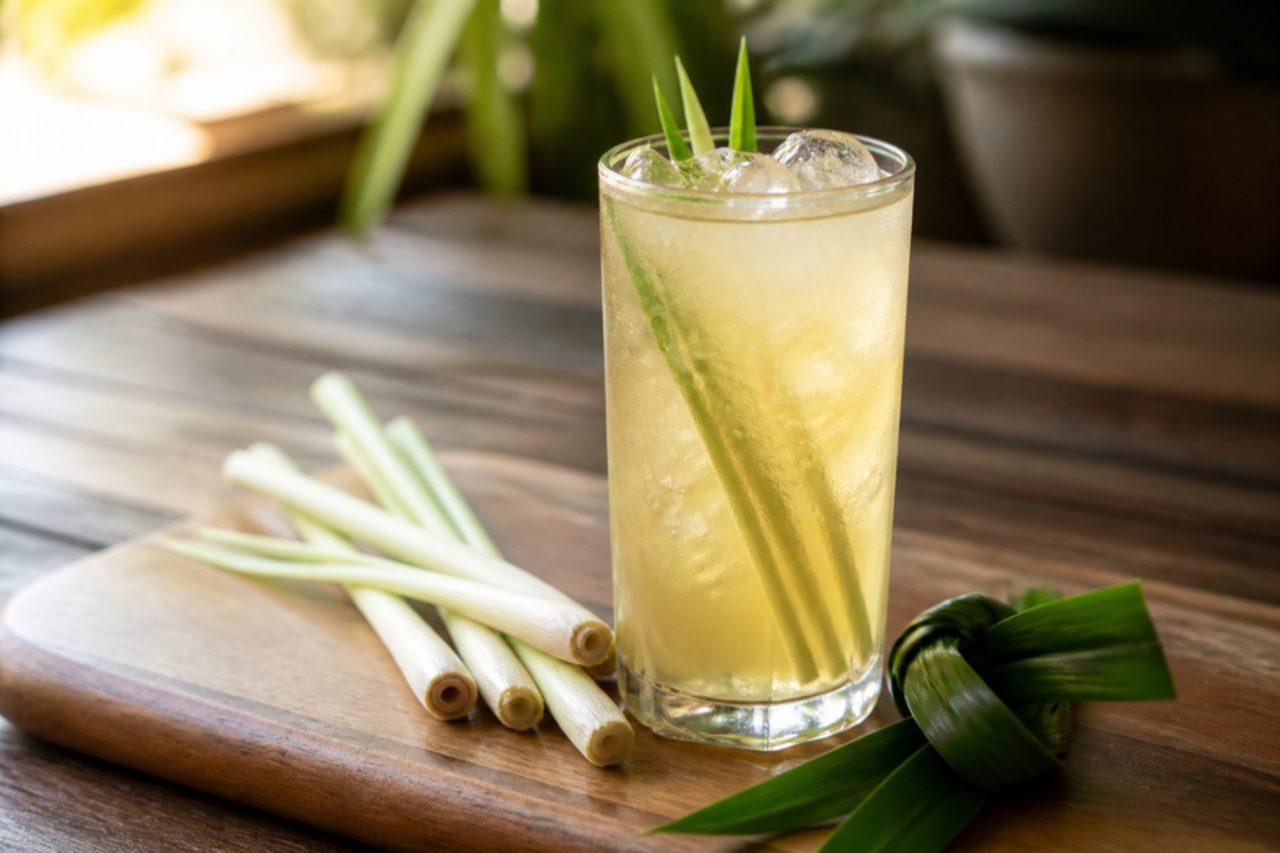
Thai spa receptions and roadside rice shops both pour this from big glass jars, and in Chiang Mai and Bangkok homes a pot is often simmering on hot afternoons. Bruised lemongrass gives a clean, lemony, slightly grassy taste and pandan a soft vanilla note; lightly sweetened, it is refreshing over ice and soothing warm on a rainy-season evening. Chef's tip: the usual mistake is chopping the lemongrass fine and boiling it hard, which makes it bitter; bash the stalks and simmer gently.

20 minThaiDrinksVeganGluten free
by KrazyBadal 0 views

Tamales dulcesSweet tamales

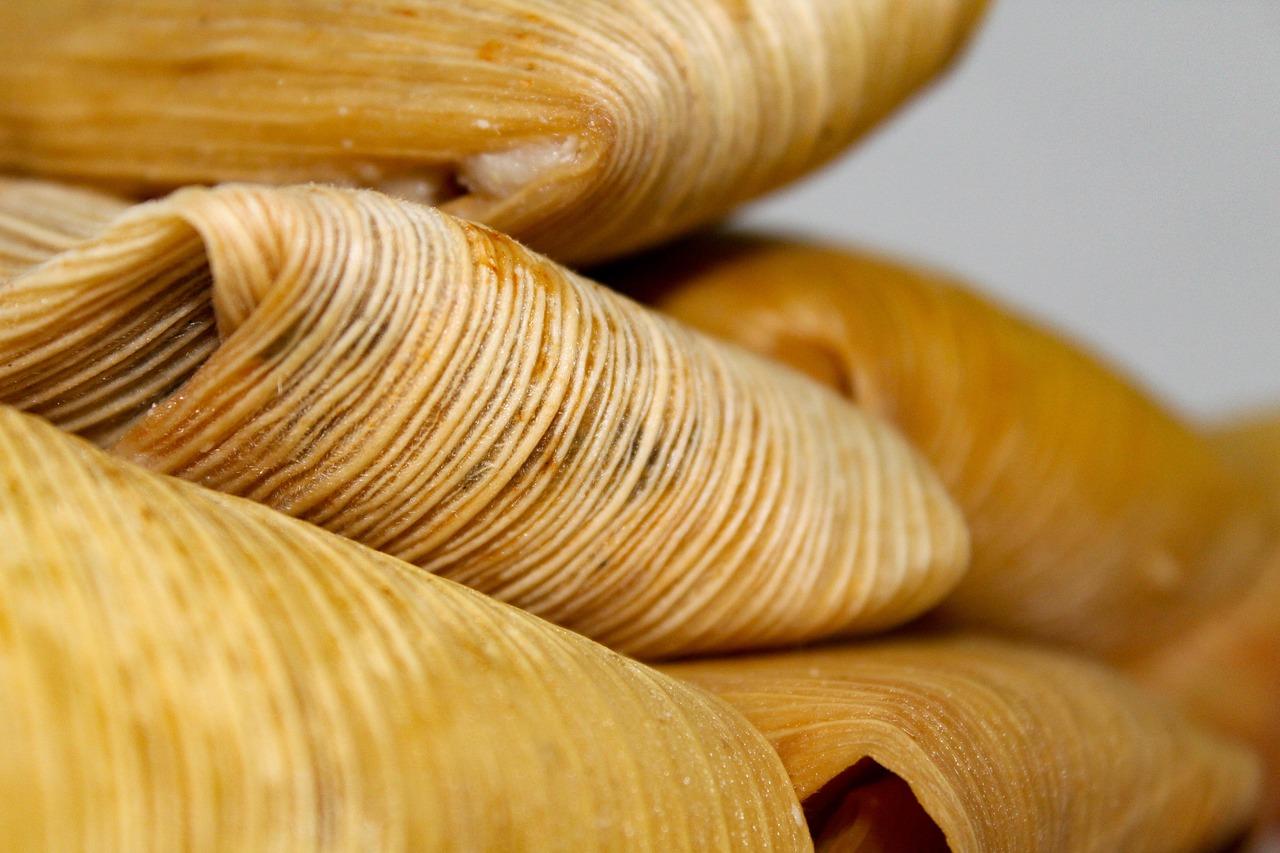
Every tamal tray in Mexico City has a few pink ones tucked in among the green and red, and these sweet tamales are what children reach for first at December posadas and on 2 February, Día de la Candelaria. The masa is beaten with butter and sugar, tinted the colour of a sugared almond and studded with raisins, then steamed in husks until soft and cakey; they are eaten warm with atole or hot chocolate. This version uses butter and vegetable shortening, not lard. Chef's tip: add a few drops of colour at a time; the pink deepens as it steams.

by KrazyBadal 0 views

Chicharrones de harinaPuffed wheat snacks

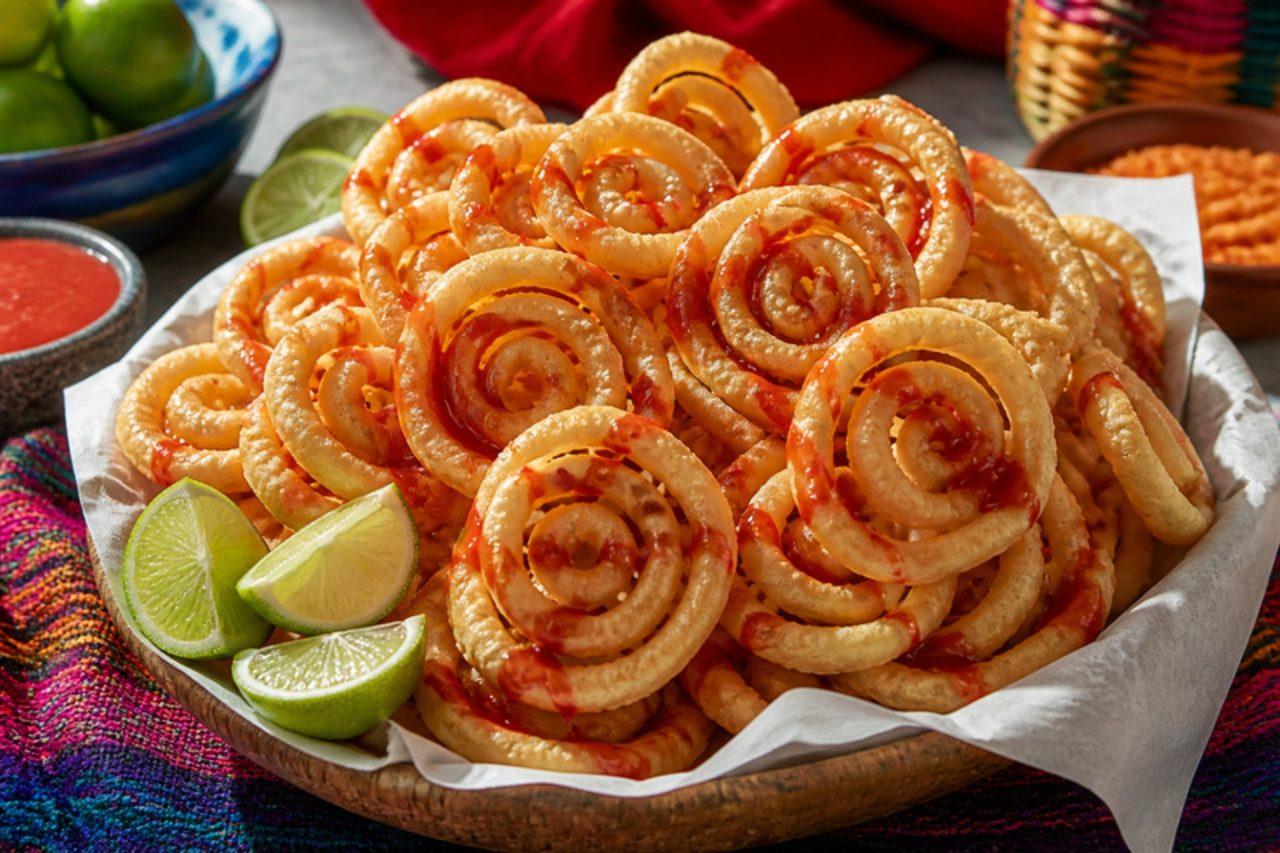
Outside Mexican schools and parks, vendors fry little dried wheels and rectangles of wheat dough until they balloon into airy, crackly chicharrones de harina, also called duritos. They're handed over in a plastic bag drenched in lime juice and bottled hot sauce. At home you can buy the dried pellets (duros) at Latin grocers, and they puff in seconds. Chef's tip: fry just a small handful at a time; they triple in size.

by KrazyBadal 0 views

Nom yen (pink milk)Pink iced milk

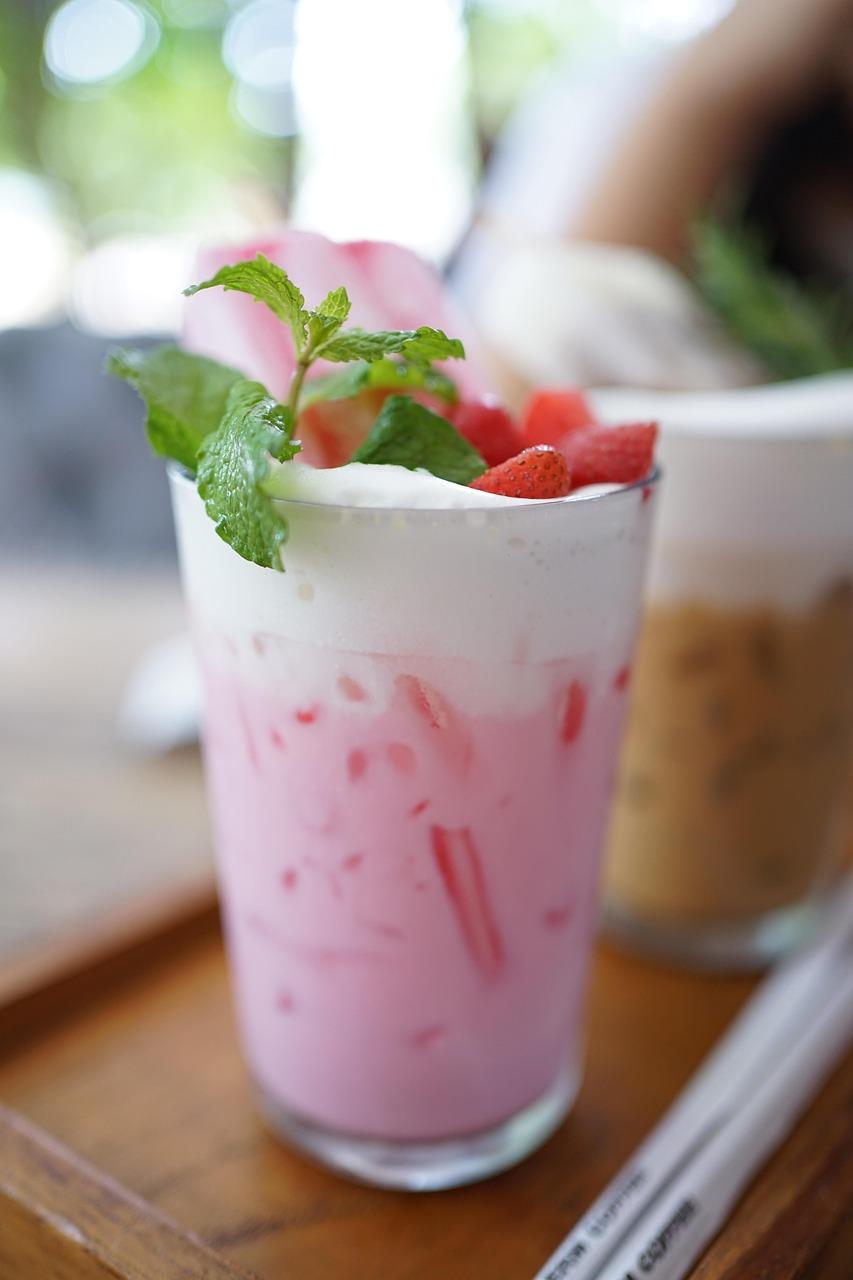
Thai drink stalls outside schools and markets keep a bottle of red sala syrup next to the condensed milk for this sweet, bubblegum-pink milk, a favourite of children from Bangkok to Hat Yai. Sala is a tangy palm fruit, and the syrup tastes of it lightly, almost like cream soda; any red sala-flavoured syrup from an Asian shop works. Shake it with ice until frothy. Chef's tip: the mistake is too much syrup, which turns it lurid and cloying; start with a tablespoon per glass and add more to taste.

by KrazyBadal 0 views

Xôi gấc (red gấc sticky rice)

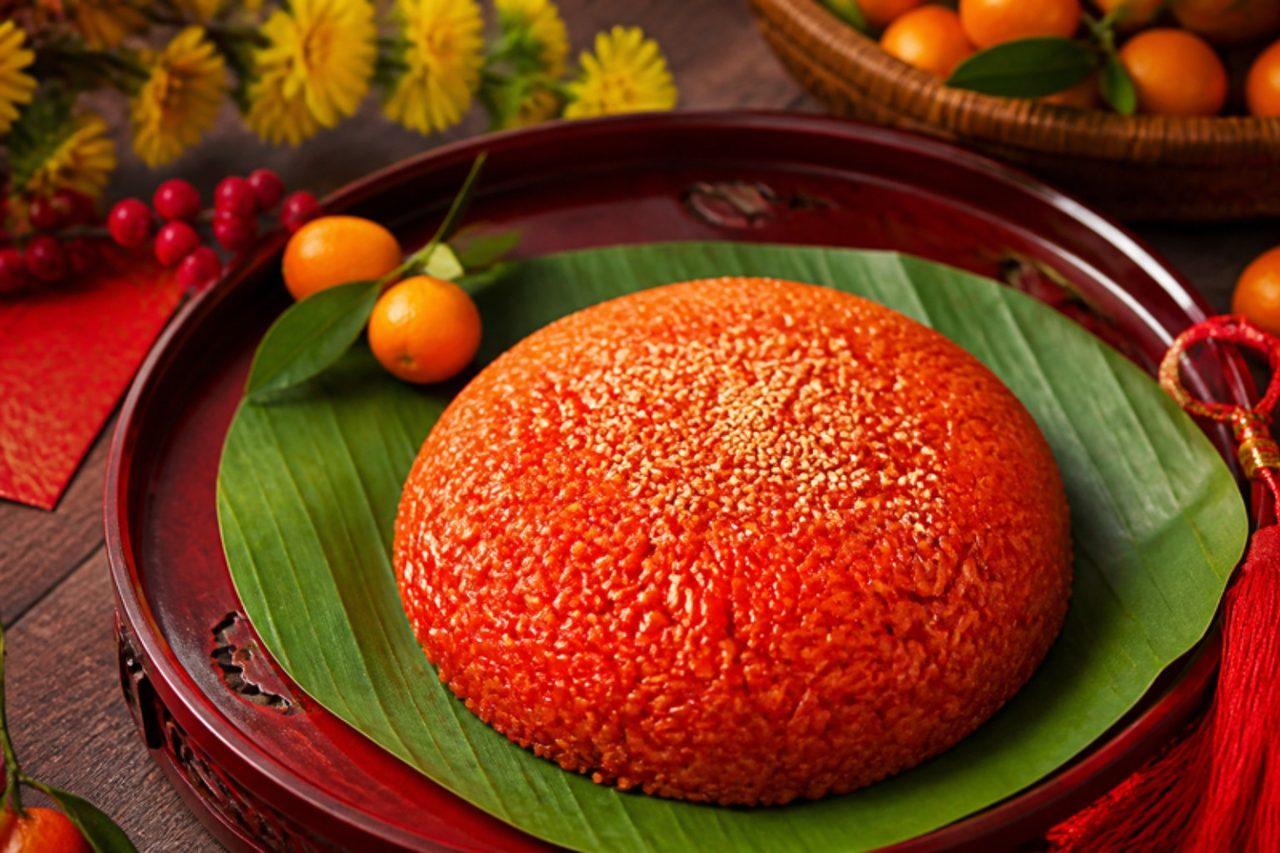
On the first morning of Tết, and again at weddings and ancestor offerings, northern families set a dome of brilliant red xôi gấc on the altar: red for luck, sticky for a family that holds together. The colour comes from the arils of the spiky gấc fruit, which also gives a faint, melon-like sweetness, and coconut milk makes the grains rich and shiny. Frozen gấc pulp from Asian grocers works perfectly. Serve it warm, pressed into moulds, with a little sugar and toasted sesame, or beside giò lụa. Chef's tip: soak the rice for at least 6 hours; unsoaked glutinous rice stays chalky in the middle however long you steam it.

by KrazyBadal 0 views

Chè đậu đen (black bean sweet soup)

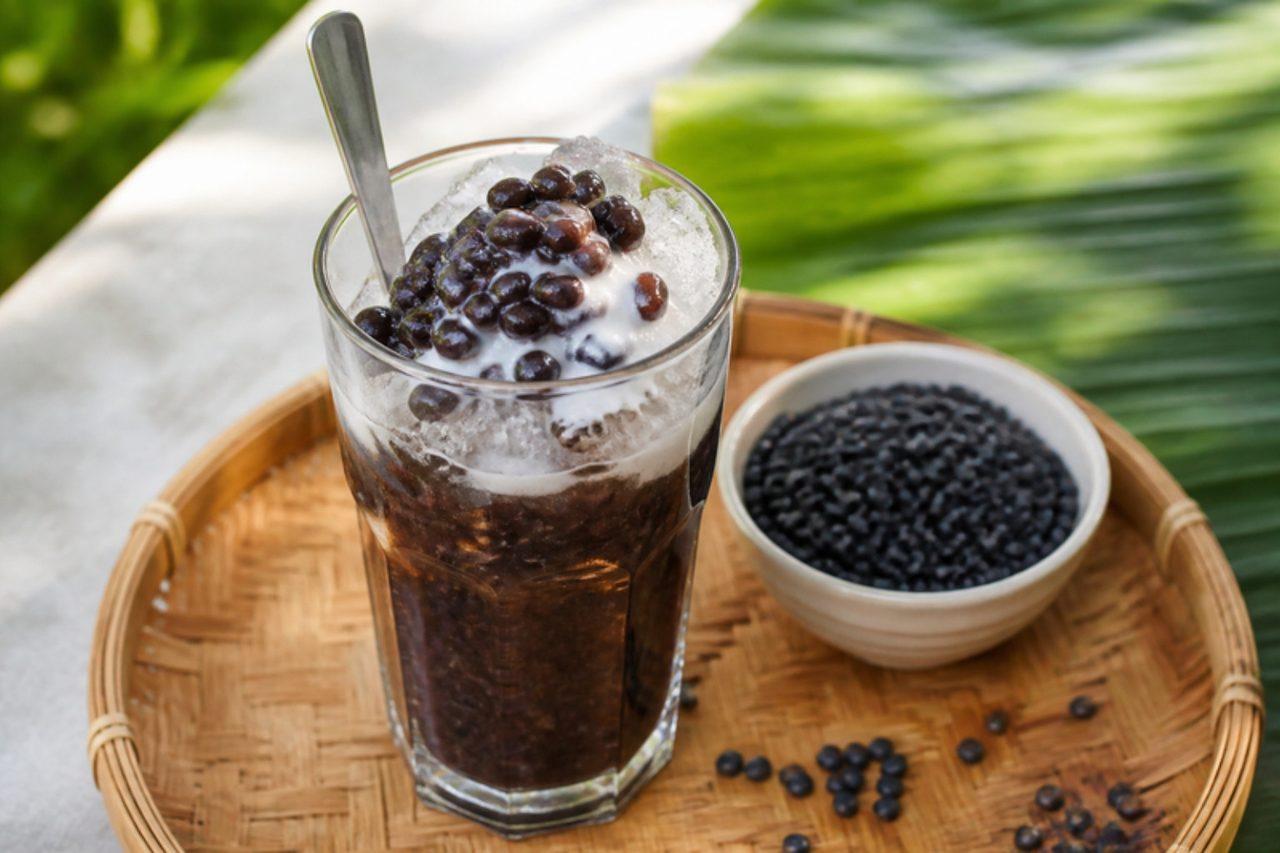
In Hanoi summers, glass after glass of chè đậu đen is poured over crushed ice at pavement stalls, and many families keep a pot in the fridge because the beans are thought to cool the body. The beans are cooked whole until creamy inside but unbroken, then steeped in syrup until they turn dark and glossy; southern versions finish with a little coconut milk. Chef's tip: add the sugar only once the beans are completely tender; sugar too early toughens the skins and the beans never soften.

by KrazyBadal 0 views

Carlota de limónLime icebox cake

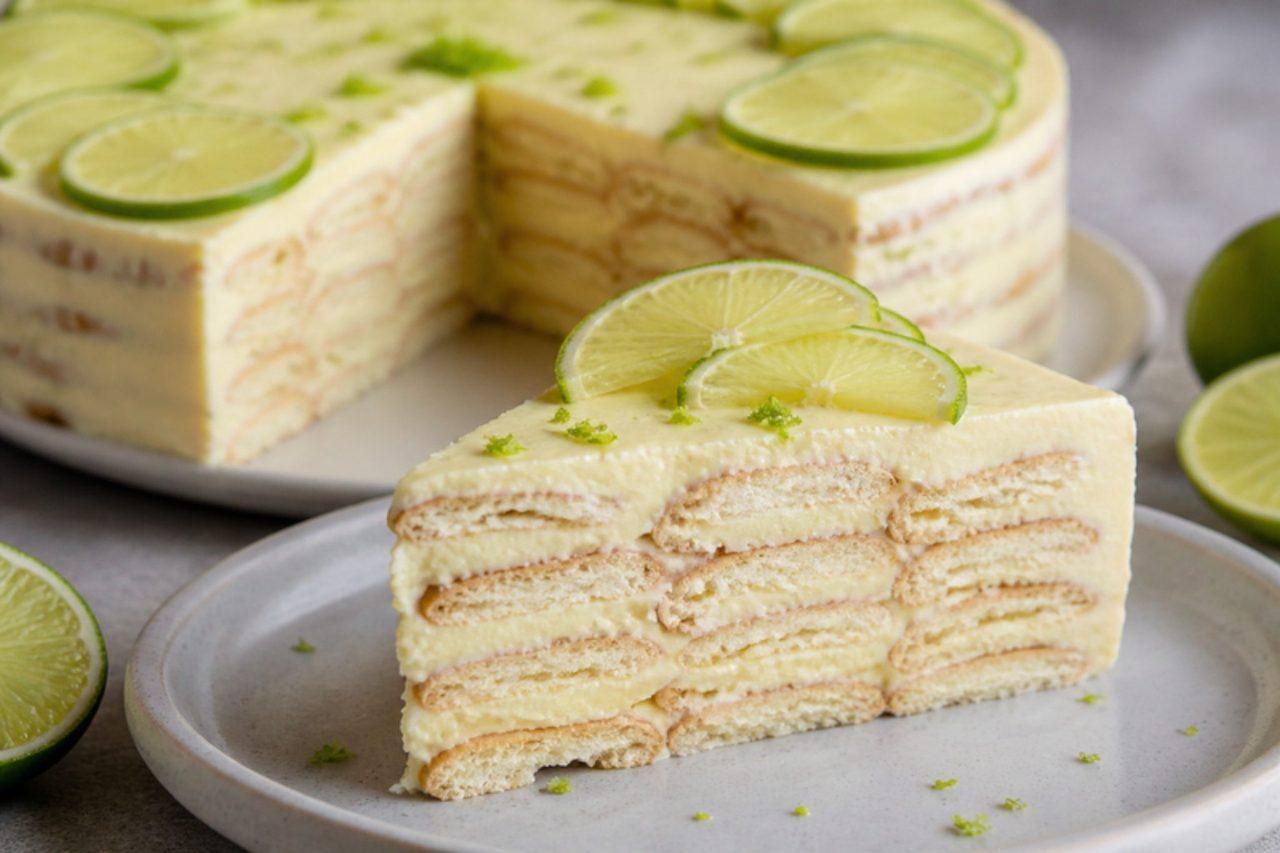
In Mexican home kitchens carlota de limón is the dessert everyone's aunt knows by heart: layers of Marías biscuits and a lime cream whipped from condensed and evaporated milk, chilled until it slices like a cake. It is made on hot afternoons in Sonora and Veracruz and turns up at every children's party. The lime curdles the milk just enough to thicken it, so there's no cooking at all. It contains wheat and dairy. Chef's tip: blend in the lime juice slowly, with the motor running, until the cream thickens visibly.

by KrazyBadal 0 views

ChamoySweet-sour chile sauce

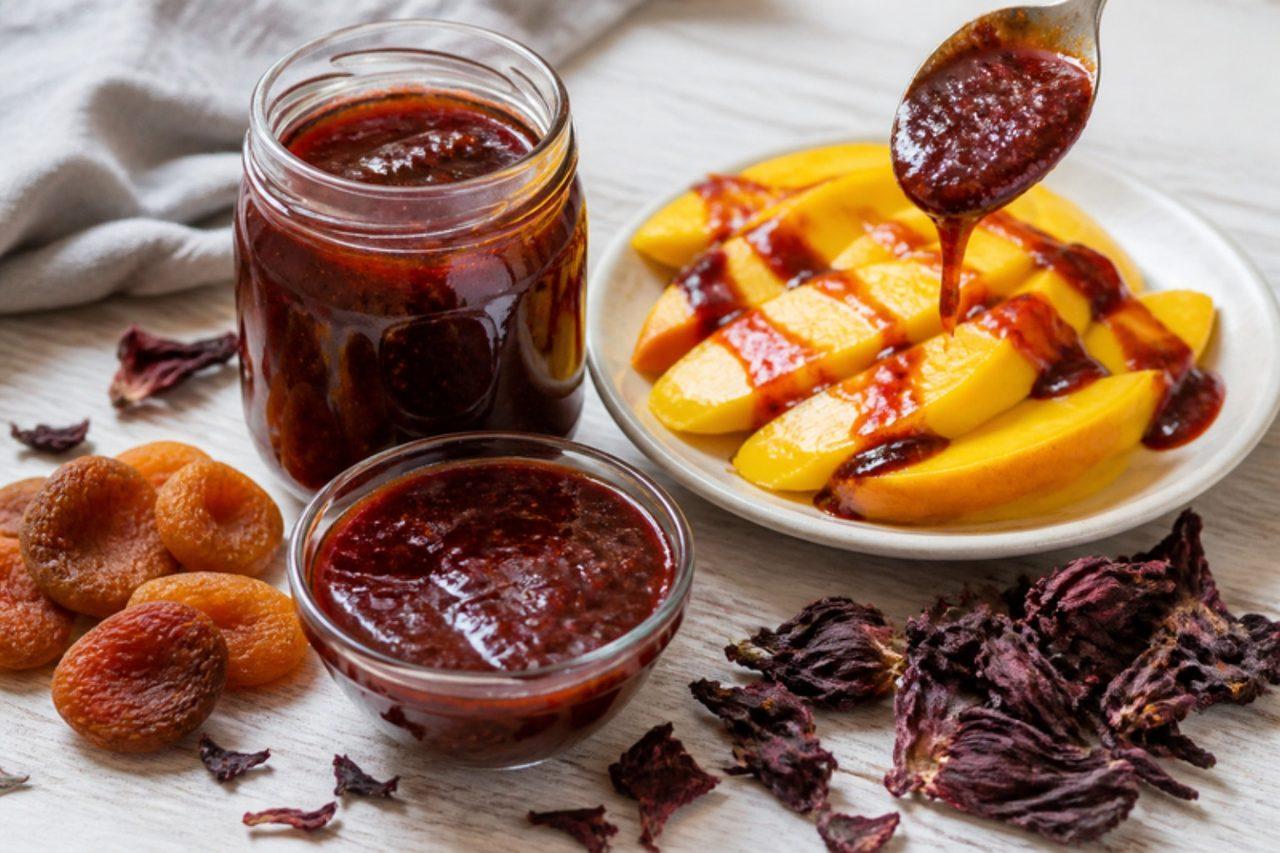
Brick-red and glossy, chamoy is the sauce Mexicans splash over fresh fruit, mango sorbet, crisps and the rim of a michelada glass. It is said to descend from Asian salted plum sauces, but today's version is pure Mexican: dried apricots and hibiscus simmered and blended with chile, lime, sugar and salt. Homemade chamoy is fruitier and less sweet than the bottled kind. Chef's tip: it thickens a lot as it cools, so take it off the heat when it still pours like warm ketchup.

by KrazyBadal 0 views

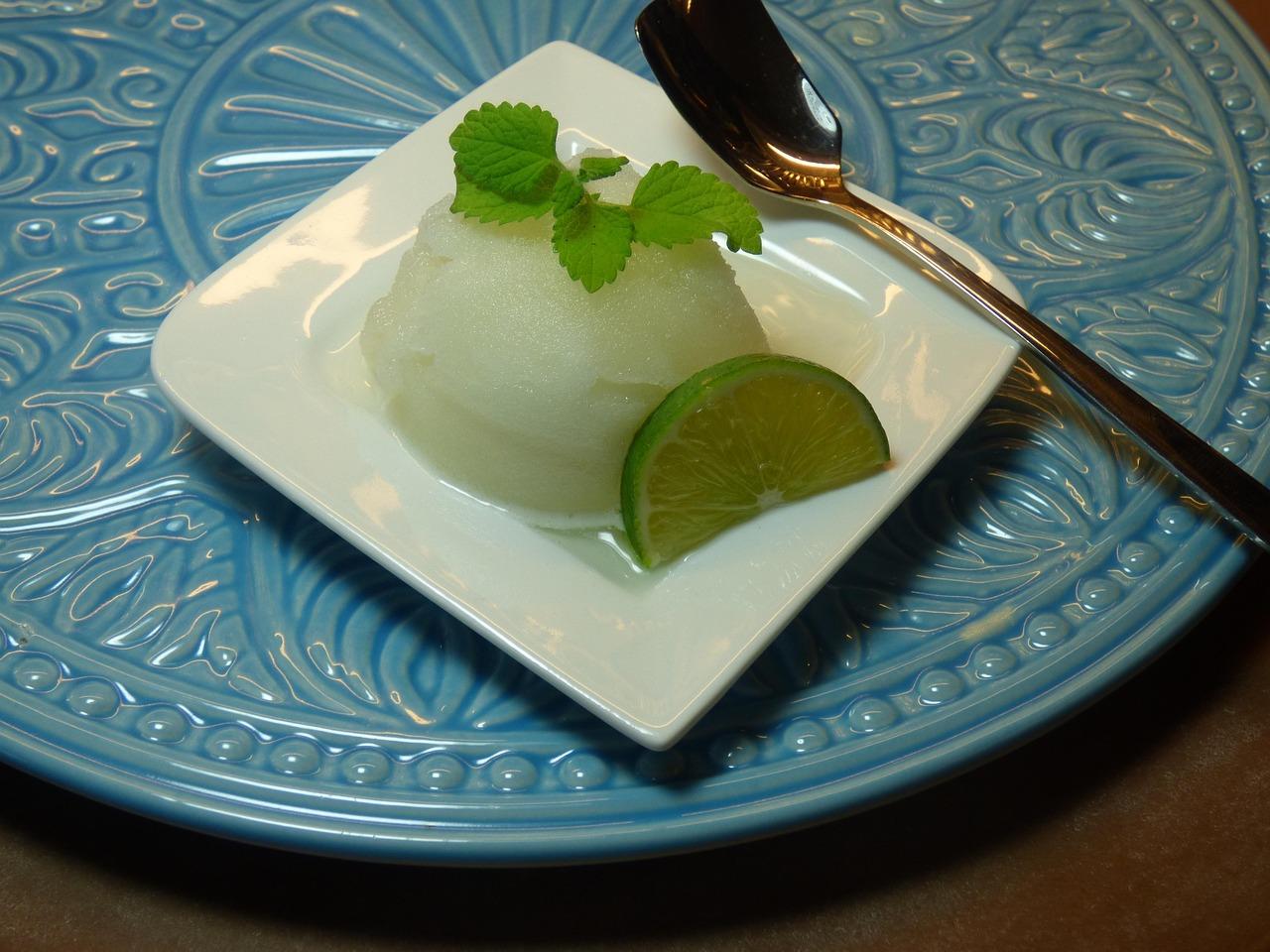
Nieve de garrafa de limónLime water ice

In town plazas from Oaxaca to Guadalajara, neveros still churn nieve de garrafa by spinning a tall metal can in a wooden barrel of ice and rock salt, scraping the frozen walls with a long paddle. Lime nieve is the sharpest and most refreshing, pale green from the zest, and it is eaten in small cups after a hot walk through the market. At home a metal bowl set in ice and salt works the same way. Chef's tip: add the zest at the start but strain it out; that way you get its oils without the bitterness.

by KrazyBadal 0 views

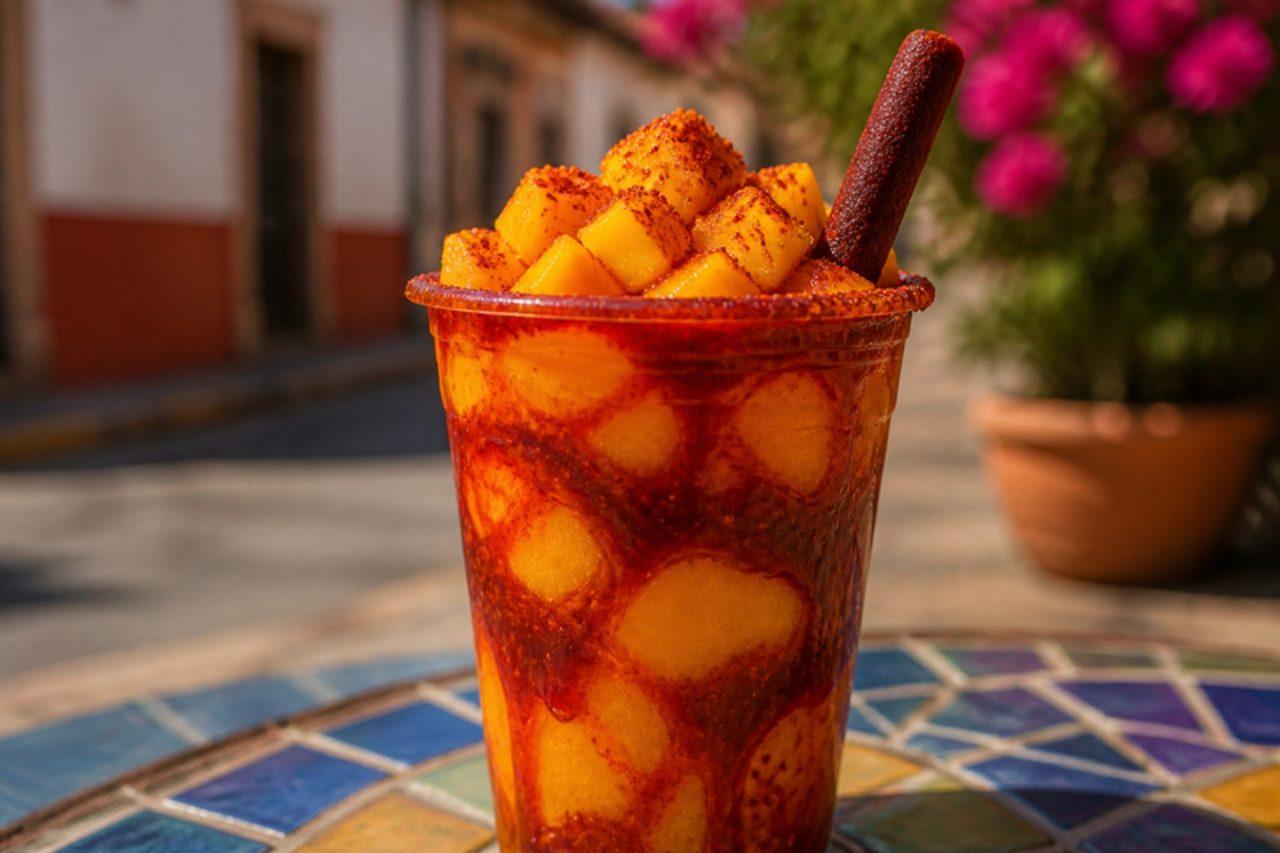
MangonadaMango sorbet with chamoy

Mangonadas, also called chamoyadas, are a Mexican street sweet sold by neverías and fruit stands from Guadalajara to the US border: thick frozen mango blended to a slush, layered in a tall cup with sticky red chamoy and chile-lime salt and crowned with fresh mango cubes. Sweet, sour, salty and hot at once, it comes with a chewy tamarind-candy straw for stirring. Chef's tip: freeze the mango in cubes beforehand, so you get a thick spoonable slush without watering it down with ice.

by KrazyBadal 0 views

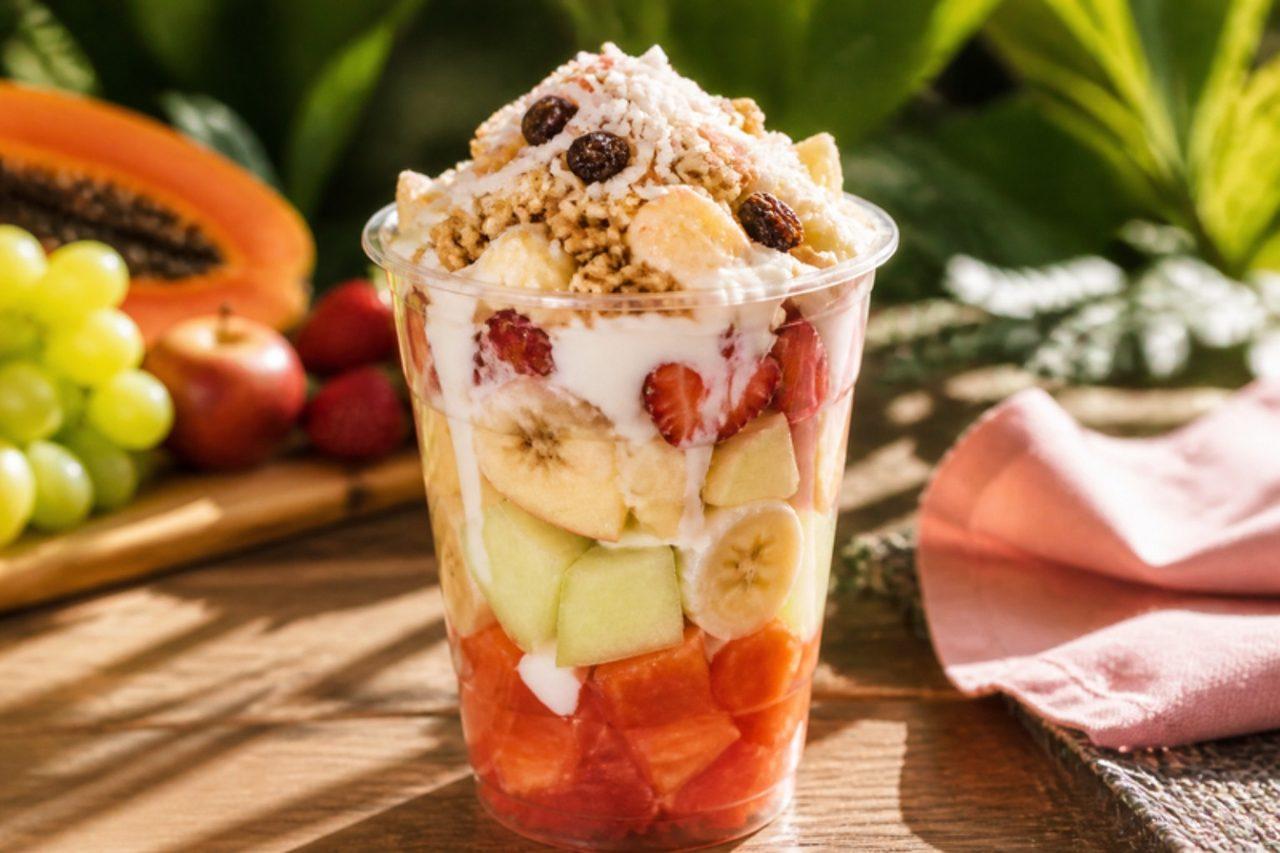
BiónicoFruit cup with cream

Born in the 1990s at a juice stand in Guadalajara, Jalisco, the biónico is now the city's favourite breakfast on the go: a tall cup of chopped papaya, melon, apple, banana and strawberries drenched in a sweet cream of yoghurt, soured cream and condensed milk, then scattered with granola, coconut and raisins. Kids adore it and it takes fifteen minutes. Chef's tip: cut the banana last and fold it straight into the cream, so it stays pale.

by KrazyBadal 0 views

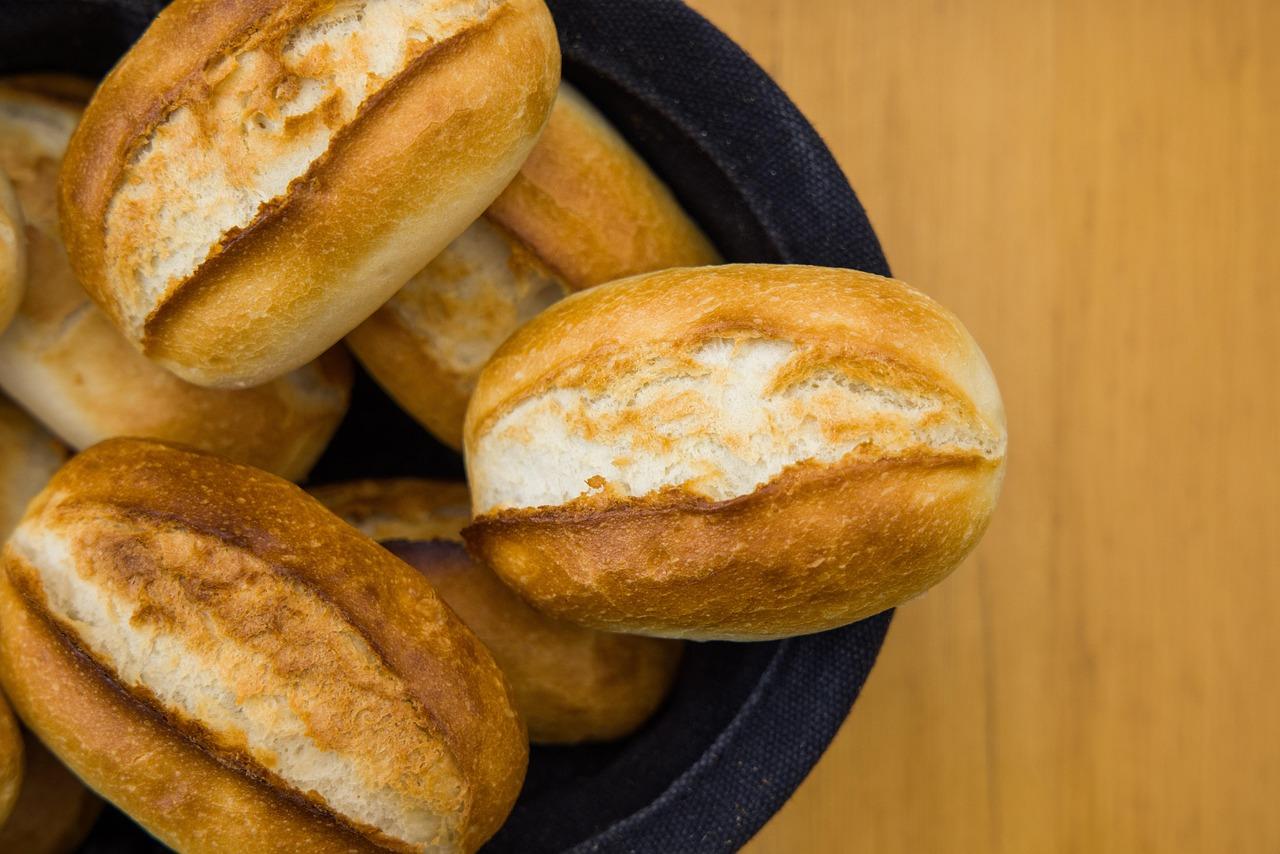
BolilloCrusty Mexican rolls

Before dawn in Mexico City, León or Puebla, neighbourhood bakeries pull trays of bolillos from the oven for tortas, molletes and the morning coffee. The rolls are oval with pointed ends and one deep slash, a thin crackly crust and a light, slightly chewy crumb, born from the French bakers who worked in Mexico in the 1860s. This version is made with no lard or butter, so it is vegan. Chef's tip: a tray of boiling water in the oven for the first ten minutes is what gives the crust its shine and crackle.

by KrazyBadal 0 views

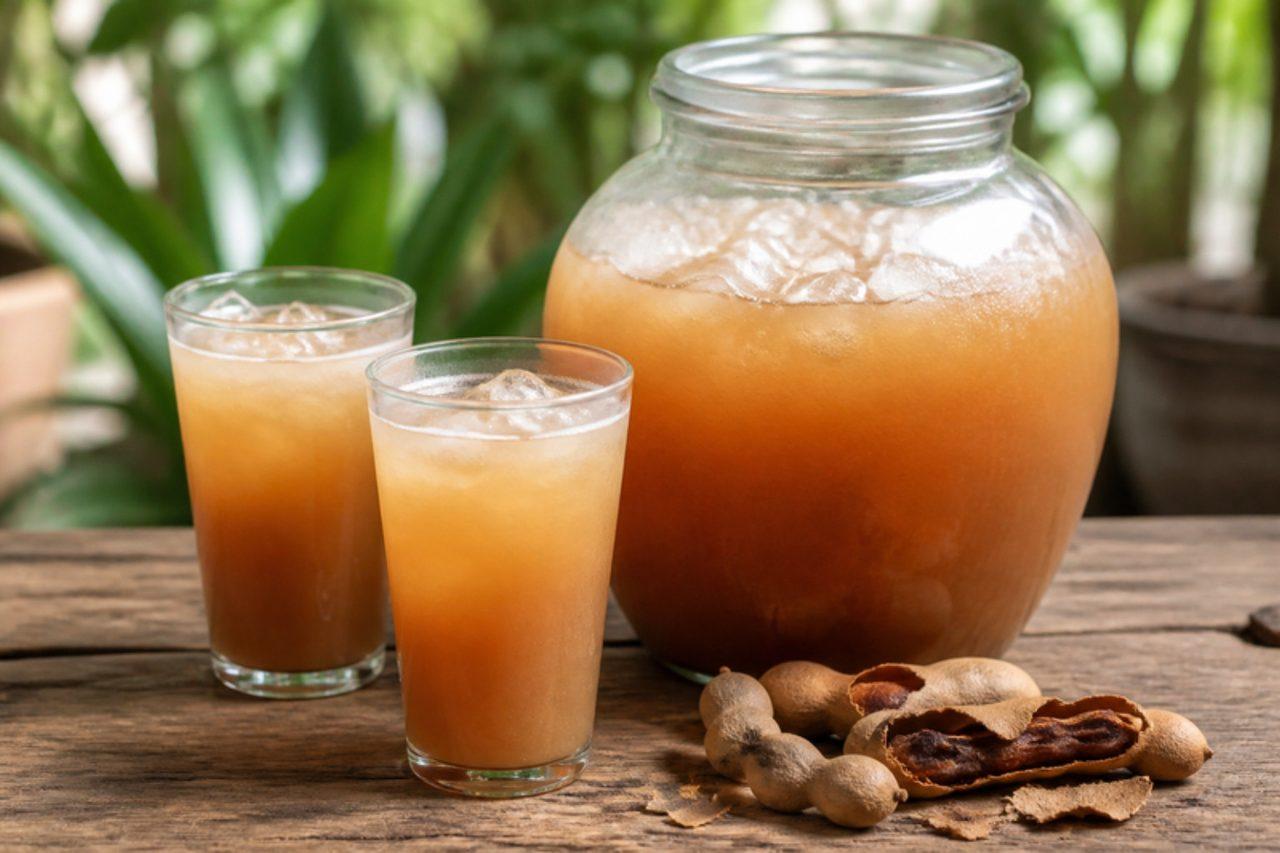
Agua de tamarindoTamarind drink

Brown, cloudy and gloriously tart, agua de tamarindo fills the big glass vitroleros at taquerías and fondas across Mexico, especially in hot Guerrero, Colima and the Yucatán, and it is the drink most people reach for with a plate of tacos de guisado. The pods are peeled, simmered and rubbed through a sieve, so it tastes far fresher than paste or concentrate. Chef's tip: soak the pulp in the hot cooking water before you rub it, which loosens every bit from the seeds.

by KrazyBadal 0 views

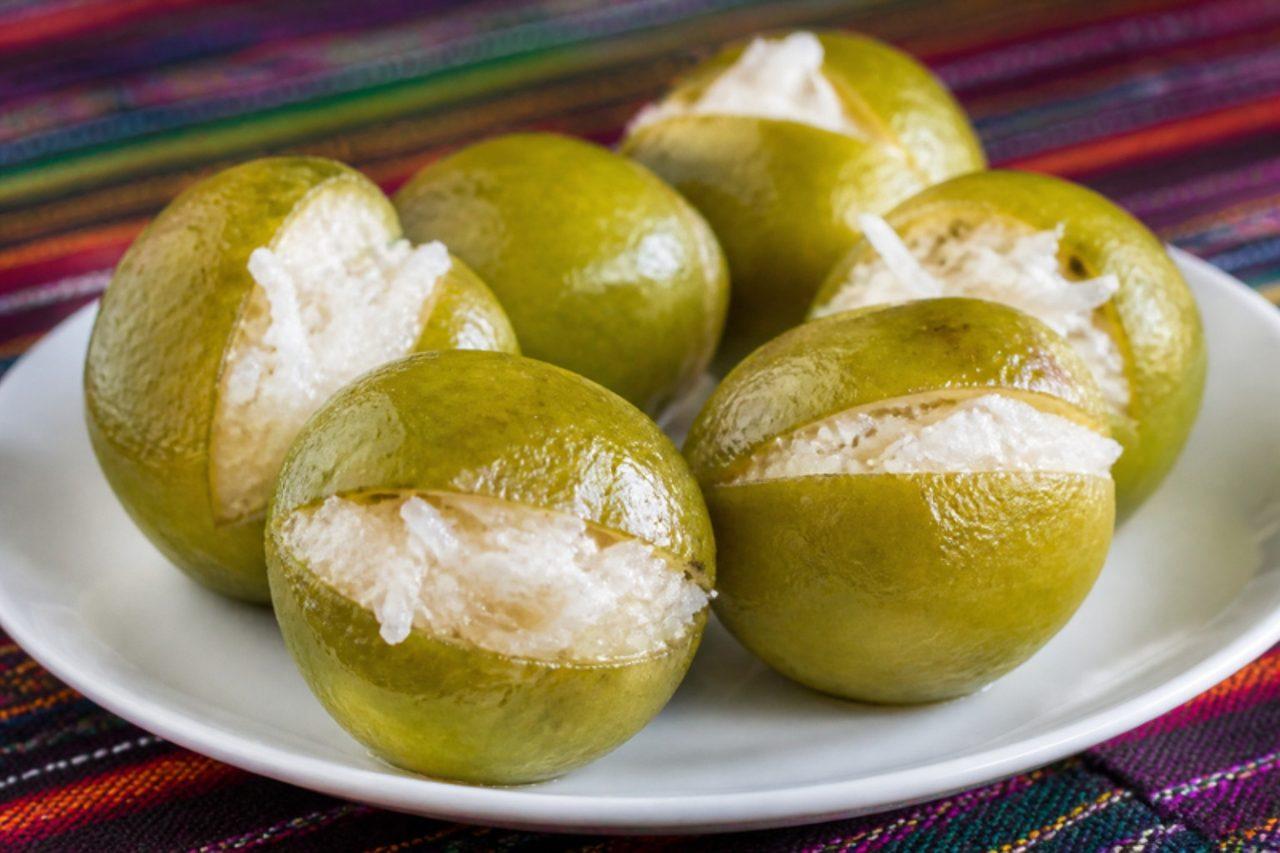
Limones rellenos de cocoCoconut-stuffed candied limes

At the candy stalls of Oaxaca's Mercado 20 de Noviembre and in the towns of Michoacán, bright green candied limes stuffed with snowy coconut are a jewel of traditional dulcería. The limes are scraped, soaked and boiled to take away the bitterness, then candied over two days until glassy, hollowed and filled. They are sweet, chewy and sharp at once, made for weddings and gifts. Chef's tip: change the soaking water every time without fail, as that is what takes away the bitterness of the pith.

by KrazyBadal 0 views

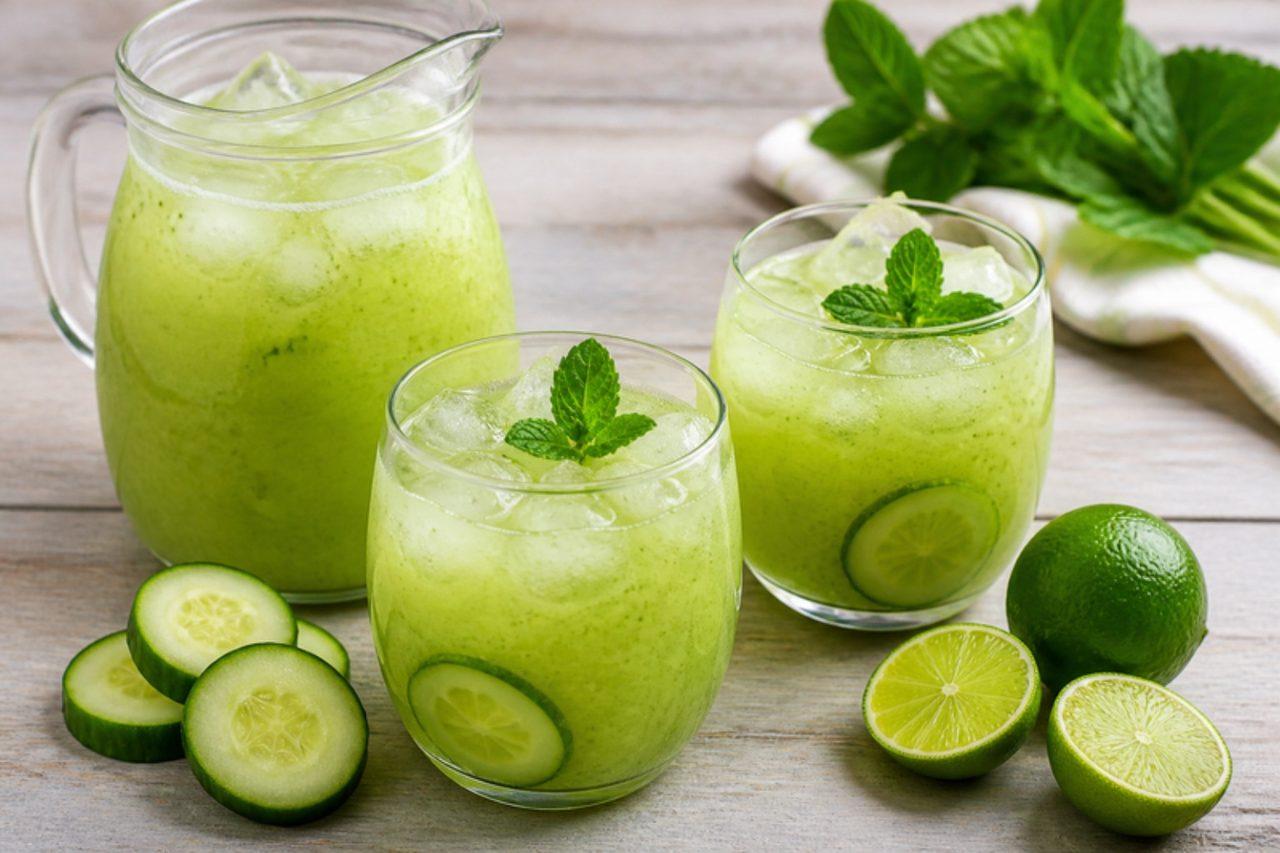
Agua de pepino con limónCucumber lime drink

Pale green and very refreshing, agua de pepino is the cooler sold from market juice stands in Mexico City and Oaxaca when the afternoon heat builds, and families blend a jug for comida on hot days. Cucumber, lime and a few mint leaves give a clean, light taste with very little sugar. Chef's tip: leave some of the peel on the cucumber for colour, but strain the drink so it stays silky.

by KrazyBadal 0 views

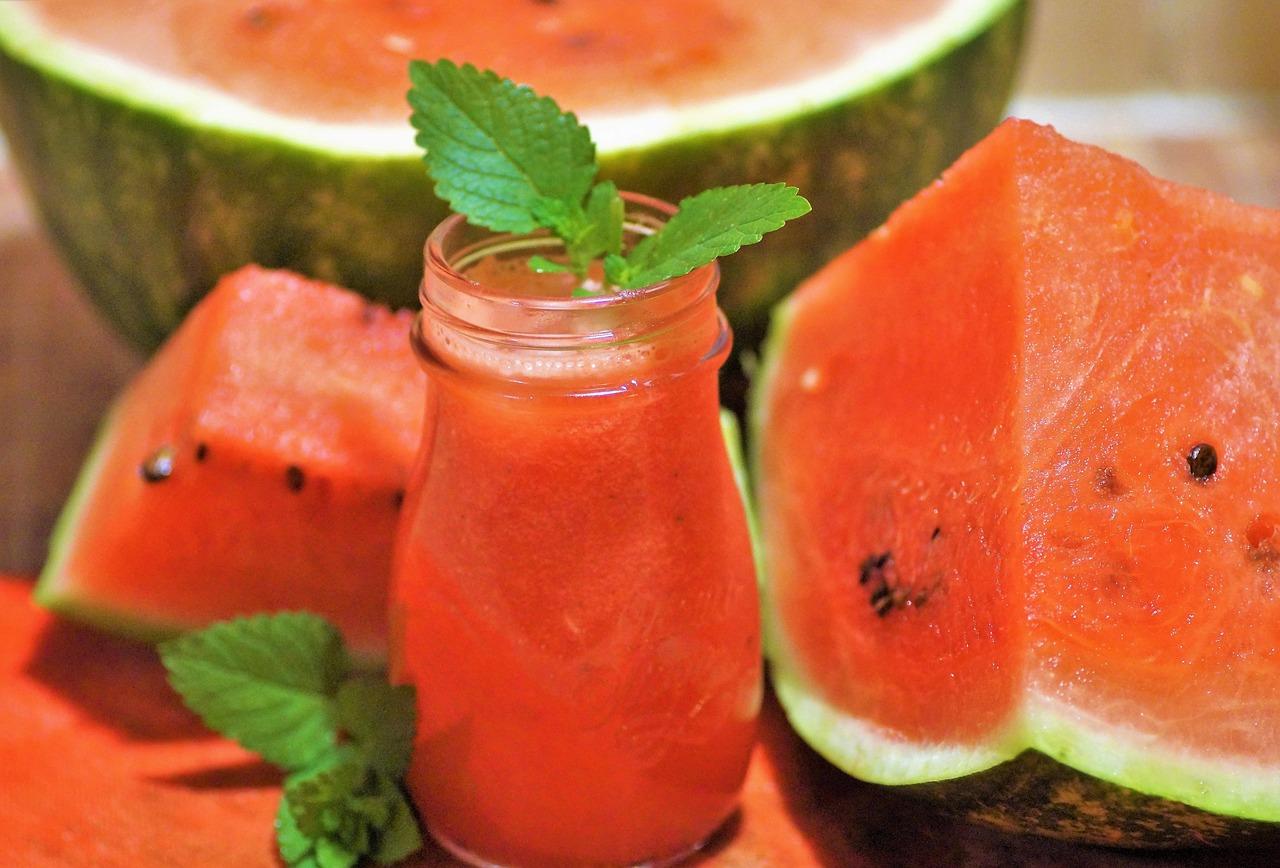
Agua de sandíaWatermelon drink

When watermelons are piled high in the markets of Jalisco and Sonora in summer, almost every taquería has a jar of bright pink agua de sandía next to the horchata. It needs only ripe watermelon, water, a squeeze of lime and a touch of sugar, and children love it. Chef's tip: a very ripe melon may need no sugar at all, so taste before you sweeten.

by KrazyBadal 0 views

Paletas de mango con chileMango ice pops with chile

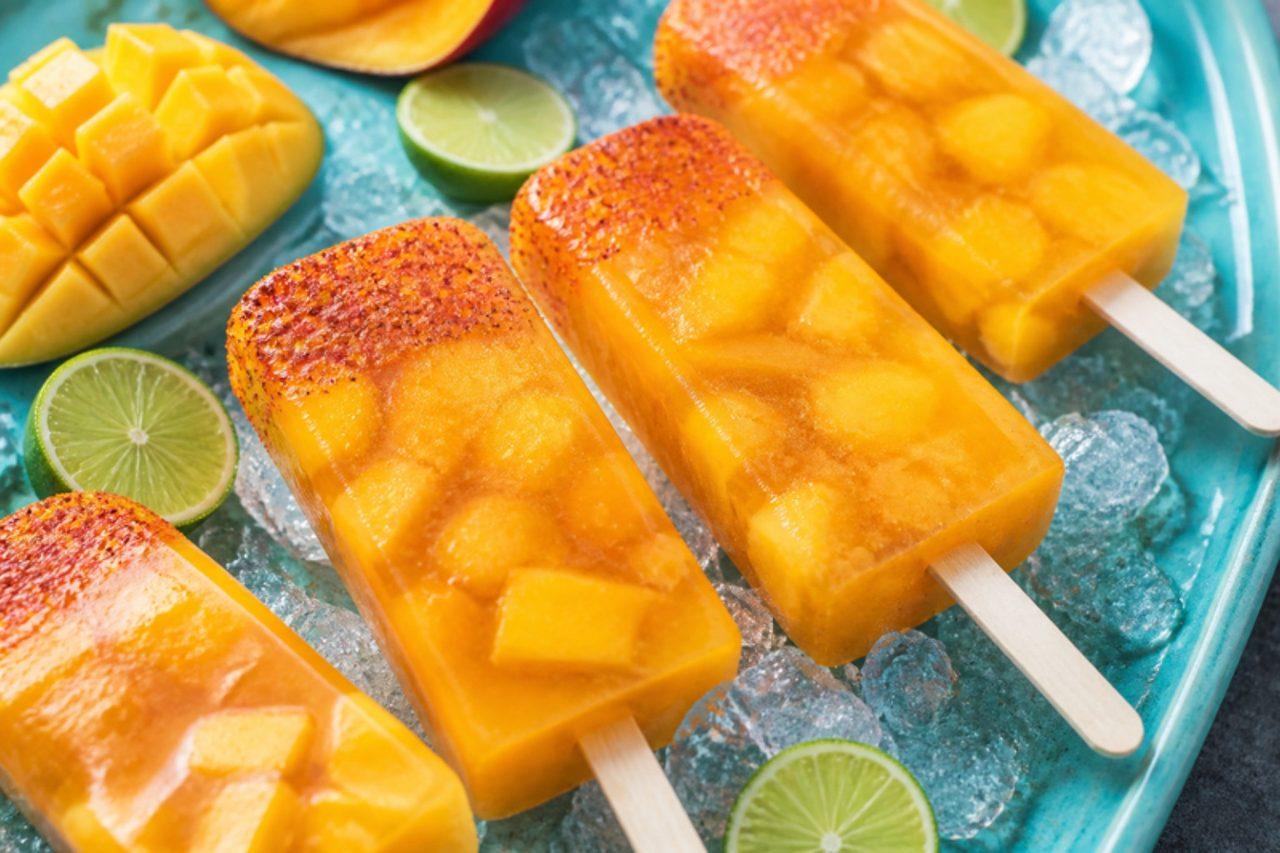
The town of Tocumbo in Michoacán sent paleteros all over Mexico, and their shops, the paleterías michoacanas, sell fruit ice pops from Tijuana to Cancún. Mango con chile is one of the most loved: chunky frozen mango purée, sharp with lime, with a ribbon of chile powder through it and more sprinkled on top. Chef's tip: leave a few small cubes of mango in the purée, so every bite has real fruit.

by KrazyBadal 0 views

Chongos zamoranosMilk curds in cinnamon syrup

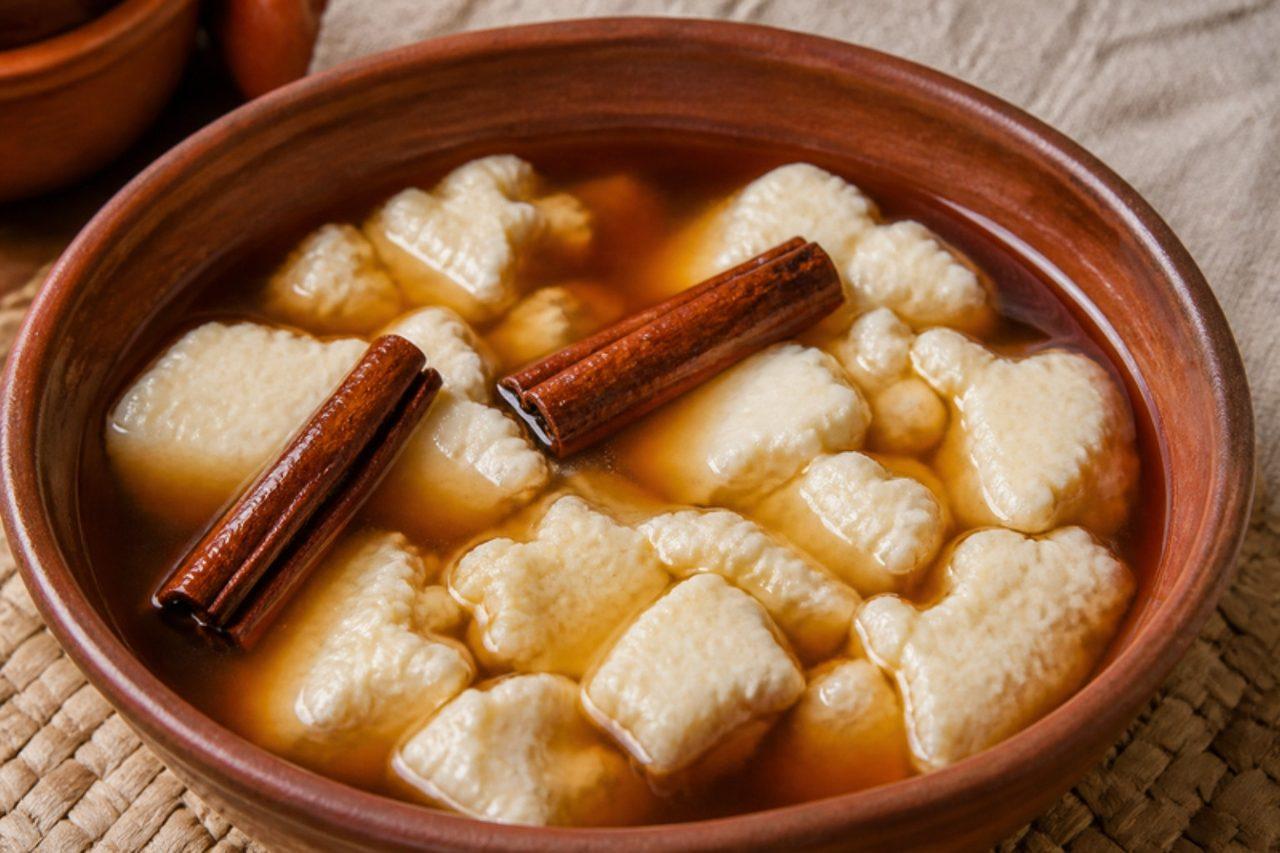
Zamora in Michoacán gave its name to chongos, soft knots of fresh milk curd slowly poached in their own whey with sugar and cinnamon until the syrup turns golden and the curds turn springy. They are served cool in small glass bowls after Sunday lunch, and jars are sold at roadside stands across the Bajío. Traditionally the milk is set with animal rennet; use a vegetarian rennet (microbial or plant-based) to keep it vegetarian. Chef's tip: never stir after the curds form, only tilt the pan, or they break into crumbs.

by KrazyBadal 0 views

Nieve de mameyMamey ice cream

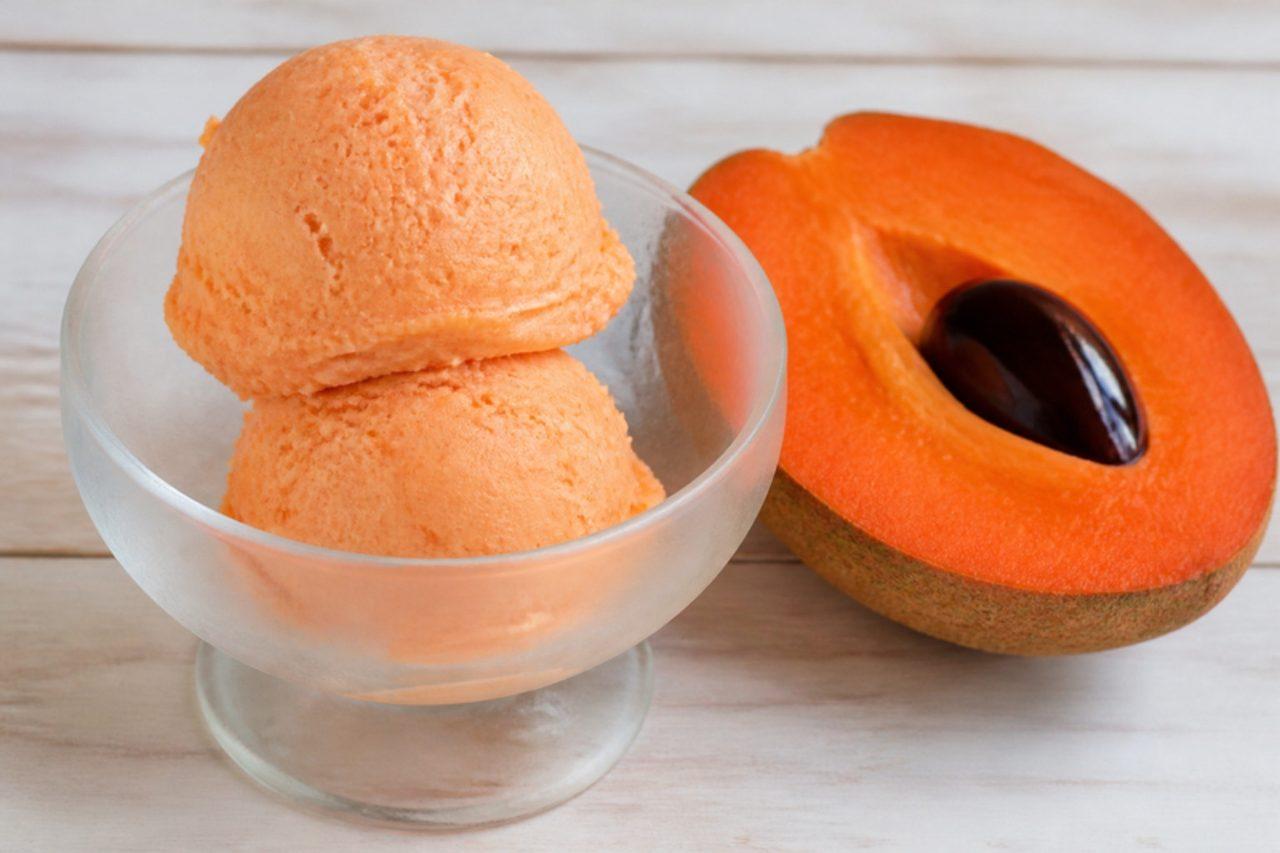
Mamey, the rough brown fruit with salmon-orange flesh that tastes like sweet potato, pumpkin and almond at once, is a favourite in Tabasco, Chiapas, Veracruz and the Yucatán, and its ice cream is a star of the nevería in any southern town. The fruit is naturally so creamy that a little milk and sugar is enough. It contains dairy. Chef's tip: use a mamey that gives like a ripe avocado when pressed; underripe ones taste chalky.

by KrazyBadal 0 views

Atole blancoWarm masa drink

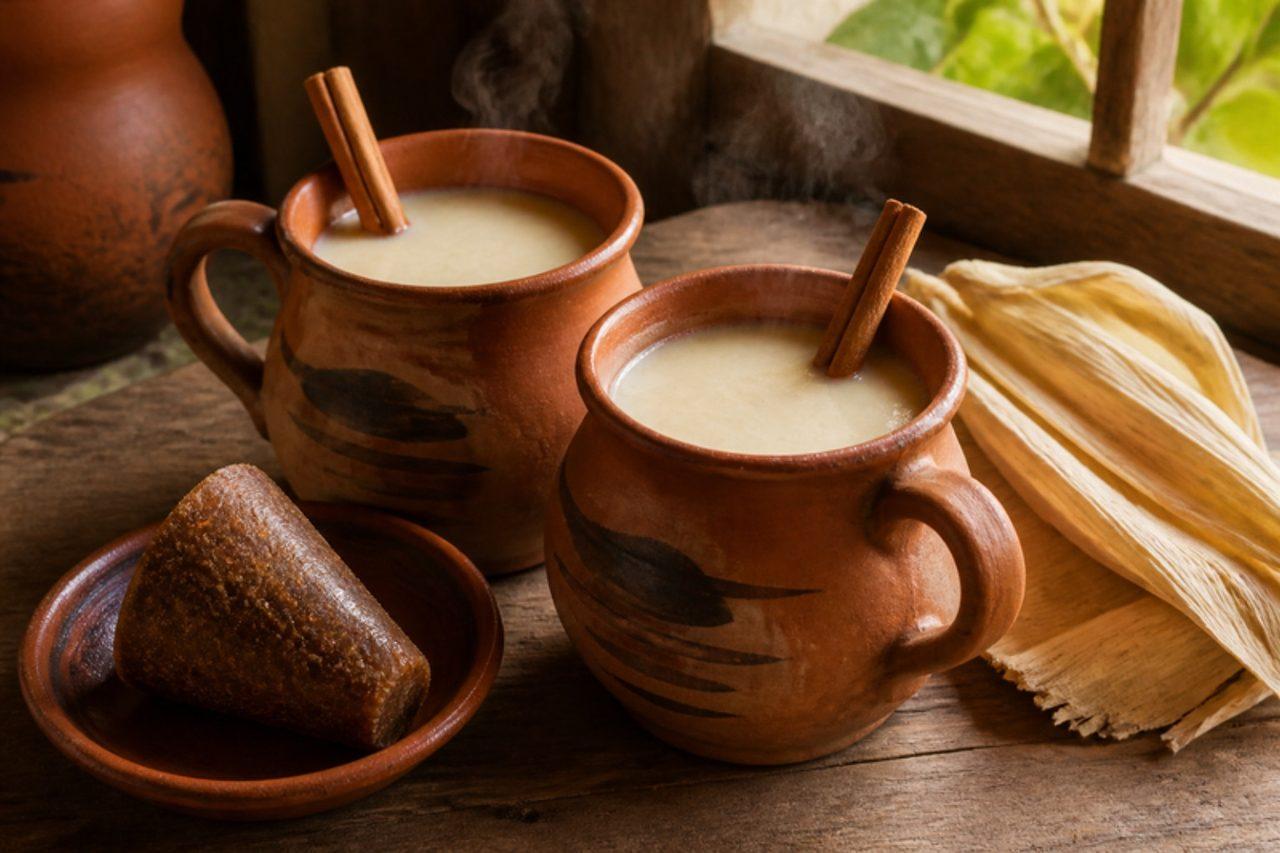
Long before coffee arrived, atole was the morning drink of central and southern Mexico, and in villages of Oaxaca, Puebla and Tlaxcala plain atole blanco is still drunk hot with tamales at breakfast or on cold evenings. Fresh masa is whisked into water and cooked until it thickens to a silky, gently sweet drink with a toasty corn taste. Made with water it is vegan. Chef's tip: strain the masa before cooking, so the atole is smooth with no lumps.

by KrazyBadal 0 views

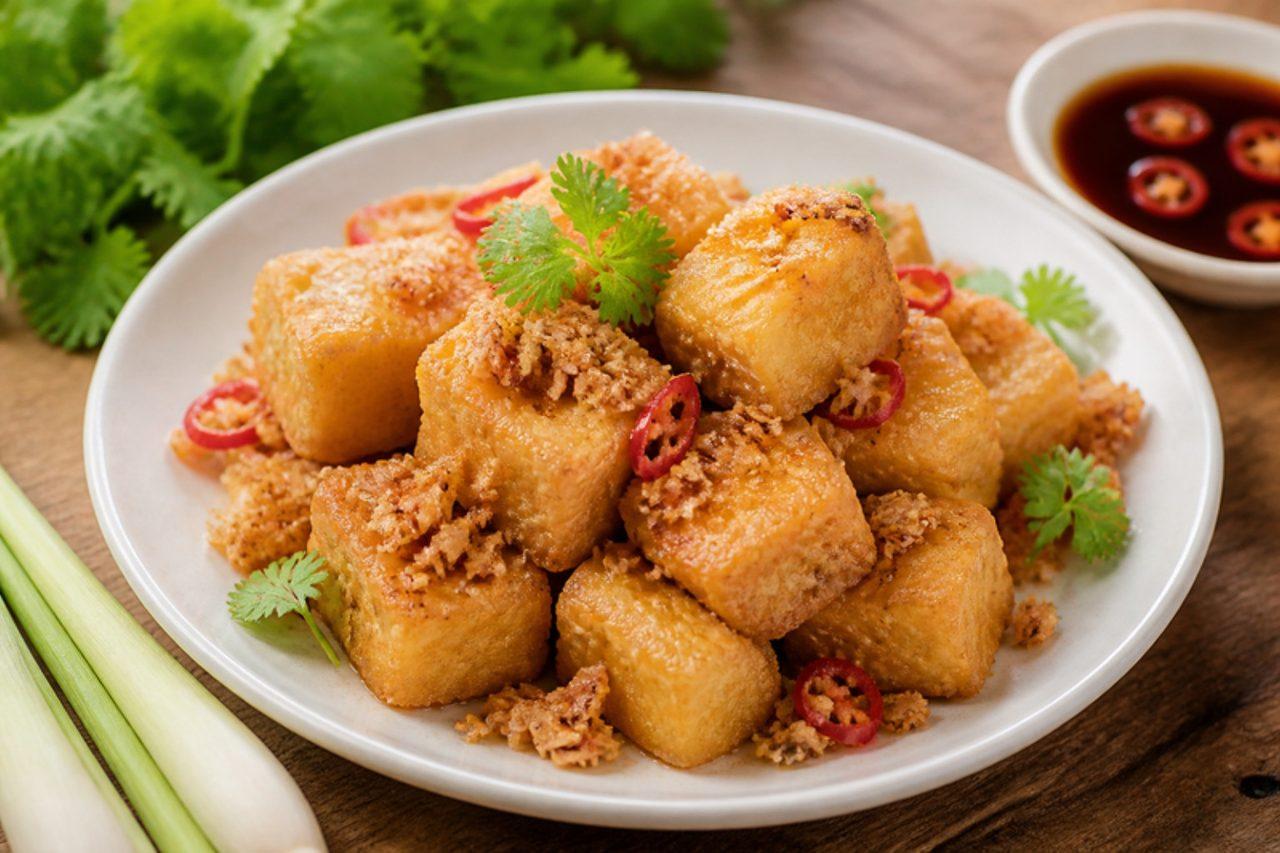
Đậu hũ chiên sả ớt (lemongrass chilli tofu)

Saigon's chay restaurants, the ones tucked beside pagodas that fill up on the 1st and 15th of each lunar month, nearly always have a plate of this on the table: golden tofu cubes buried under a crunchy, fragrant rubble of fried lemongrass and red chilli. The tofu stays soft inside, the lemongrass turns nutty and crisp, and a splash of tamari with a little sugar glazes everything. Eat it with steamed jasmine rice, sliced cucumber and a bowl of clear vegetable soup. Many chay cooks skip garlic and shallot, so this version leaves them out. Chef's tip: mince the lemongrass really finely and fry it on its own until golden; coarse chunks or lemongrass added with the tofu stay woody and chewy.

by KrazyBadal 0 views

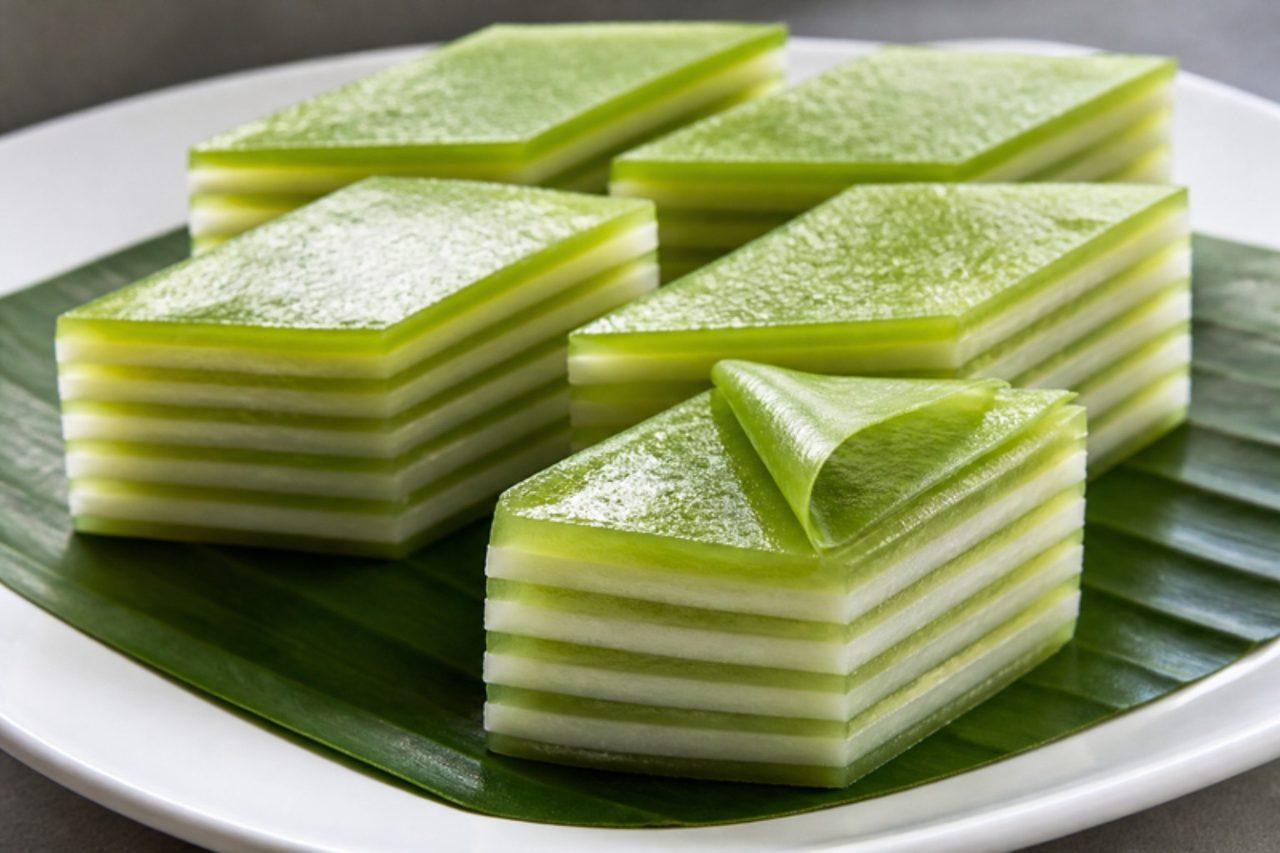
Khanom chan (layered pandan cake)

Bangkok's old dessert shops in Thonburi and the markets around Ayutthaya stack trays of this cake on their counters, and it turns up at weddings and house blessings because 'chan' also sounds like rising a level in life. Each green or white band is steamed on top of the last, so the finished slice is springy, faintly chewy and scented with pandan and jasmine; children eat it by peeling off one layer at a time. Serve it at room temperature with hot jasmine tea. Chef's tip: the classic mistake is pouring the next layer before the one beneath has turned fully translucent, which blurs the stripes; give each layer its full five minutes.

120 minThaiDessertsVeganGluten free
by KrazyBadal 0 views

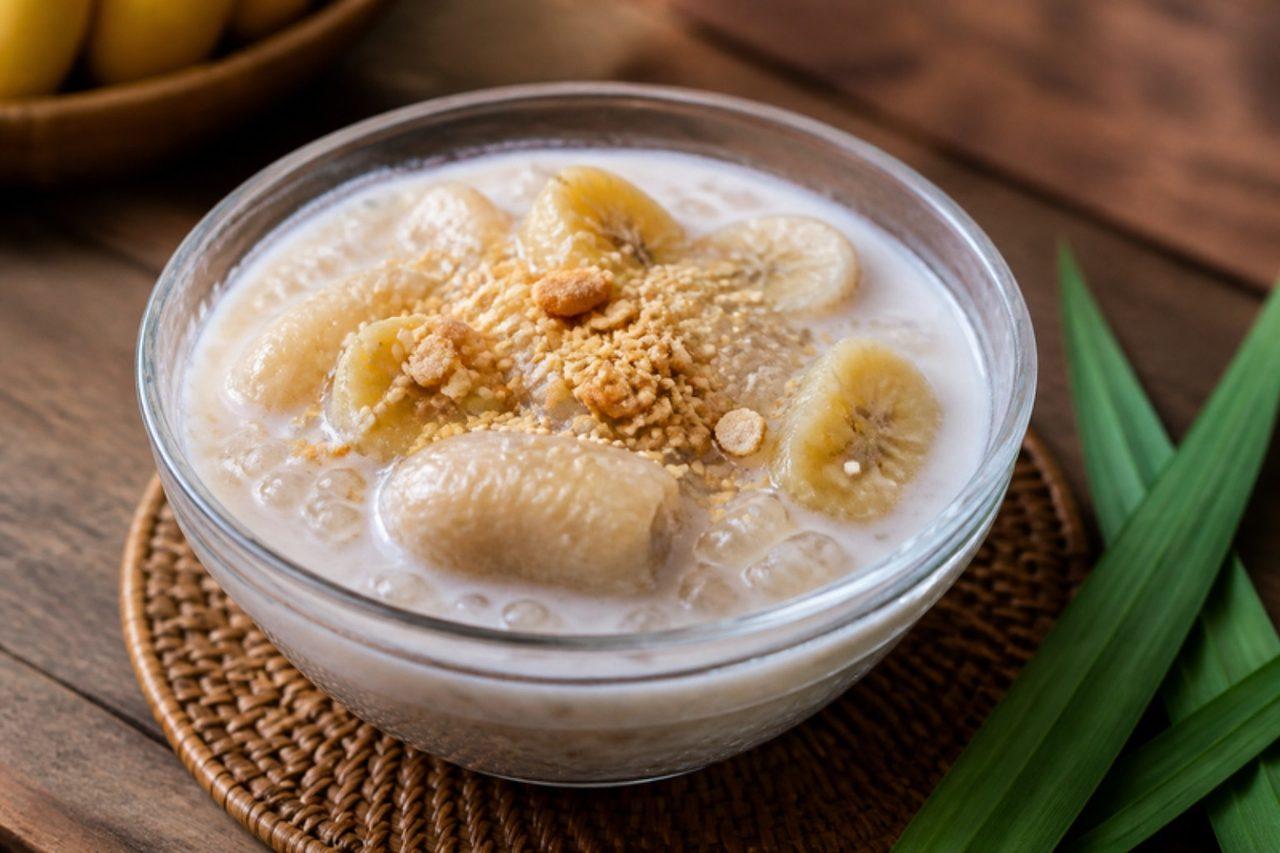
Chè chuối (banana and tapioca in coconut milk)Banana tapioca coconut dessert

Mekong Delta households, where banana trees line every canal, make chè chuối when the fruit is ripe and plentiful, and Saigon sweet-soup stalls sell it warm in the evening. Short, sweet bananas soften in coconut milk thickened with tapioca pearls, turning slightly pink as they cook, and the bowl is finished with toasted sesame and crushed peanuts. It is eaten warm, never iced. Chef's tip: use firm, just-ripe bananas; very soft ones dissolve into mush before the tapioca is cooked.

by KrazyBadal 0 views

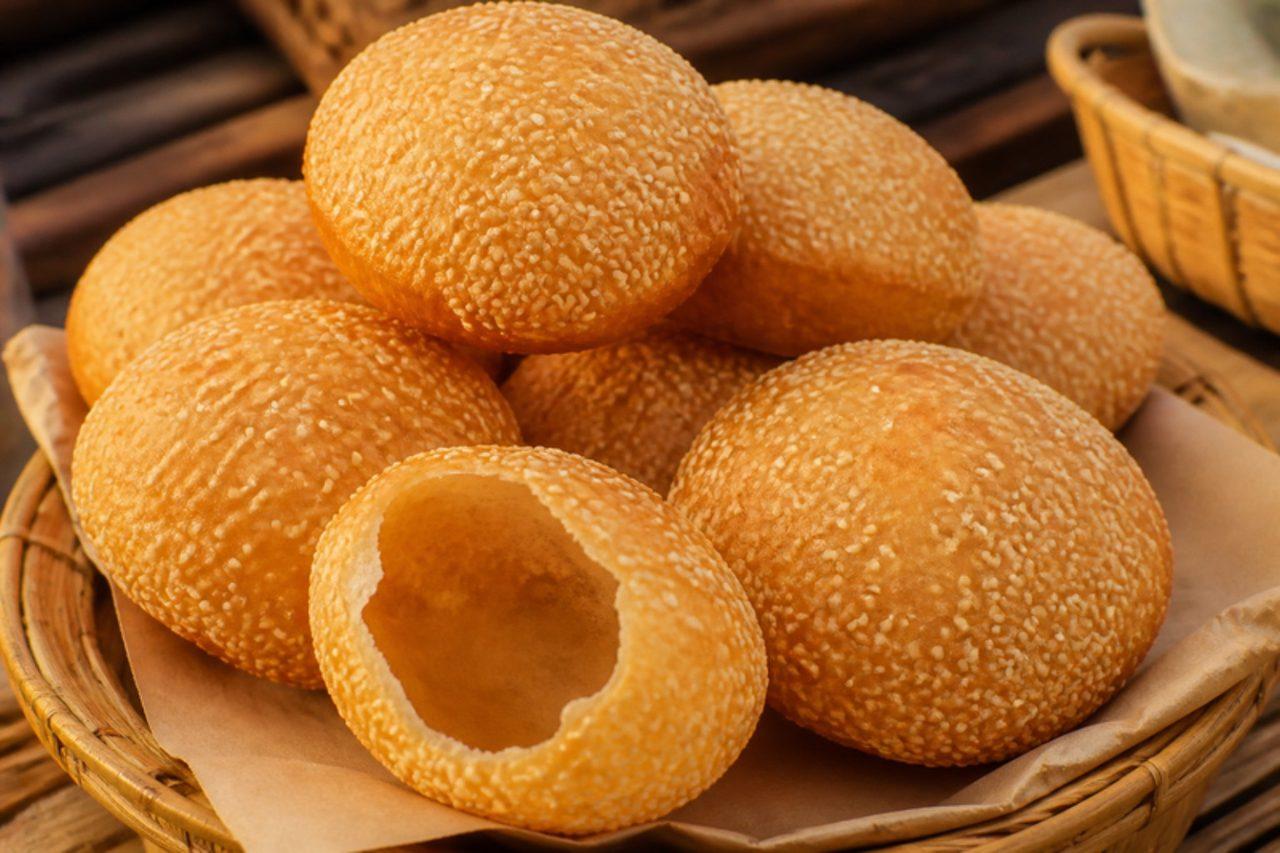
Bánh tiêuSesame doughnuts

In Saigon and the Mekong towns, bánh tiêu are fried in big woks at the edge of the morning market and sold warm in paper bags, often torn open and filled with a stick of quẩy or eaten alongside soy milk. A soft, lightly sweet dough is rolled thin, coated with sesame and dropped into hot oil, where it balloons into a hollow, chewy round with a crackly seeded shell. The dough uses no egg or butter, so the doughnuts are vegan. Chef's tip: roll the rounds evenly thin and keep the oil hot; thick spots or a cool pan give you flat, oily discs that never puff.

by KrazyBadal 0 views

Bánh ít lá gaiRamie leaf sticky rice cakes

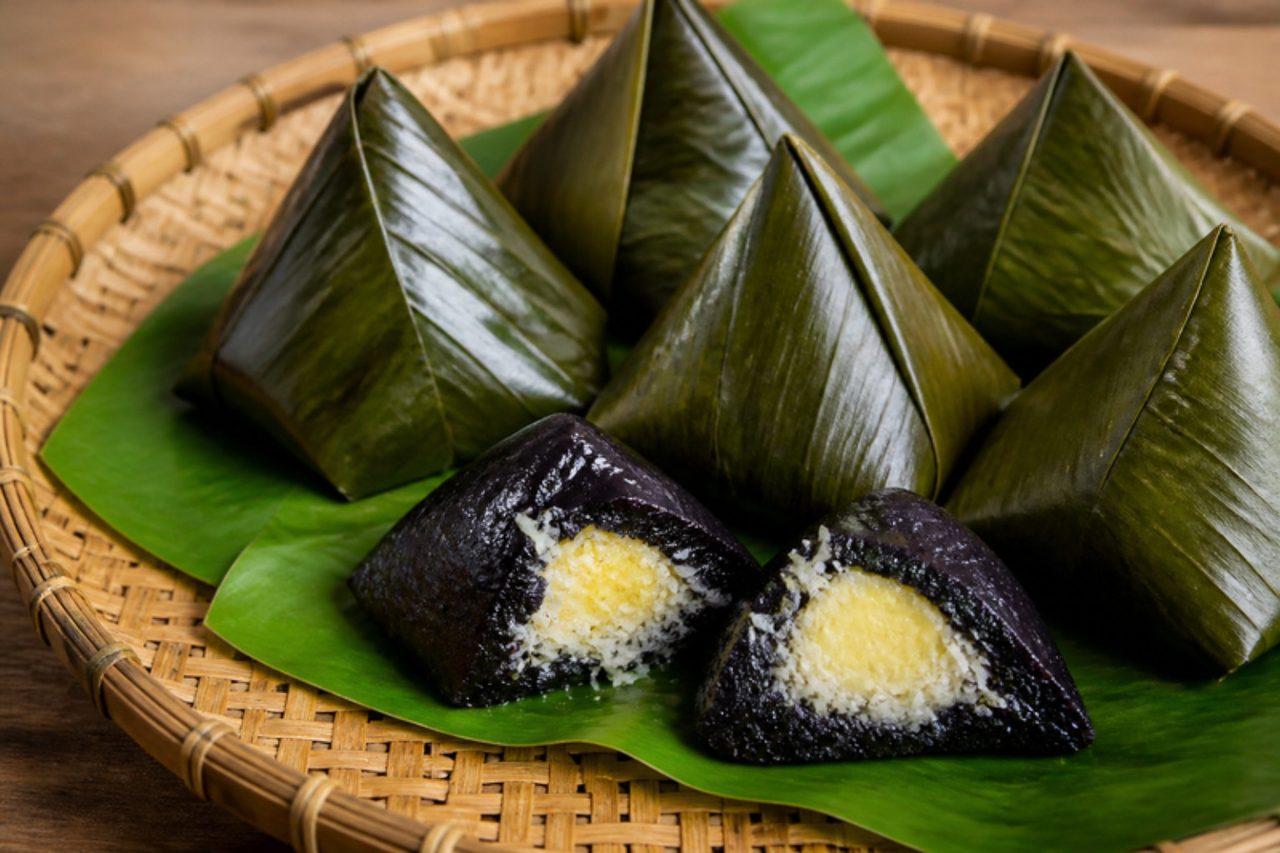
Bình Định and Quảng Ngãi families steam trays of these near-black pyramids for weddings, death anniversaries and the Tết altar, and visitors leave with a string of them as a gift. The colour comes from ramie leaves (lá gai), boiled and pounded into glutinous rice flour with sugar; the dough is chewy and faintly grassy, around a sweet filling of mung bean and grated coconut. Outside Vietnam, look for dried ramie leaf powder or frozen ramie paste in Vietnamese grocers. Chef's tip: oil the banana leaves well and do not under-steam; the dough looks set long before the centre is cooked, and a pale grey core means it needs another 10 minutes.

by KrazyBadal 0 views

Khao tom mat (banana sticky rice parcels)

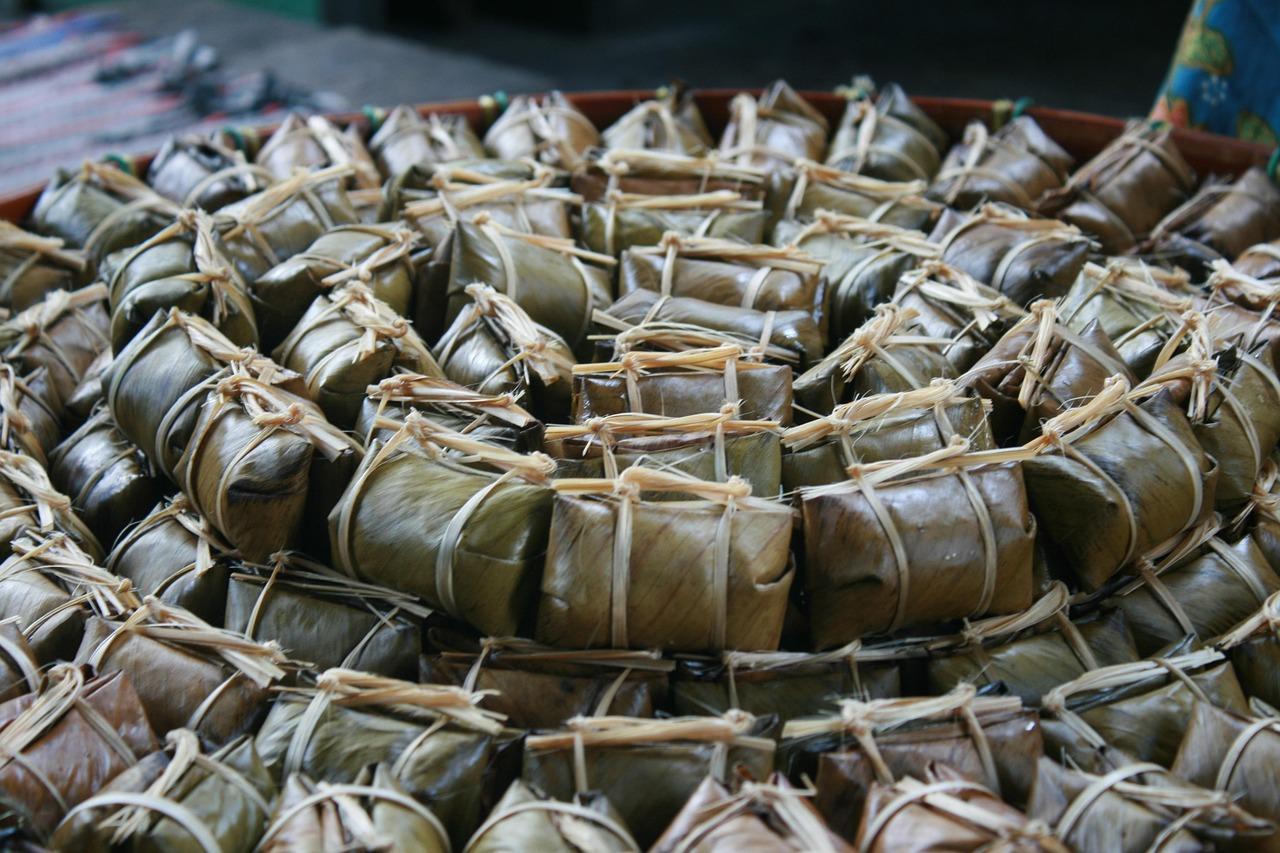
Before dawn on Buddhist holy days and during Ok Phansa at the end of the rains retreat, families in central Thailand tie bundles of these parcels in pairs to give to monks on their alms round. Inside the leaf, glutinous rice cooked first in coconut milk wraps around half a small banana and a few black beans, then steams until the banana turns pink and jammy. Eat them warm or at room temperature for breakfast. Chef's tip: wrapping too tightly is the common mistake; the rice swells as it steams, so leave a little room or the parcels burst.

120 minThaiDessertsVeganGluten free
by KrazyBadal 0 views

Showing 48 of 2,799 recipes

Show more recipes

Page 31 of 117

More Jain ideas

Other diets