Skip to content
WhatToEat.Today

Jain recipes: no onion, garlic or root vegetables

2,889

2805 Jain recipes with no onion, garlic, potato, carrot, fresh ginger or other root vegetables, and no mushrooms, eggs or honey. Hing, dry ginger and turmeric powder are fine. Each has photos, step-by-step instructions and cook times. The quickest, Apfelschorle, takes 2 minutes. Most take around 40 minutes.

Filter these by time, diet or cuisine · Make Jain your diet to see only these recipes everywhere on the site.

OdiiRoasted peanut paste

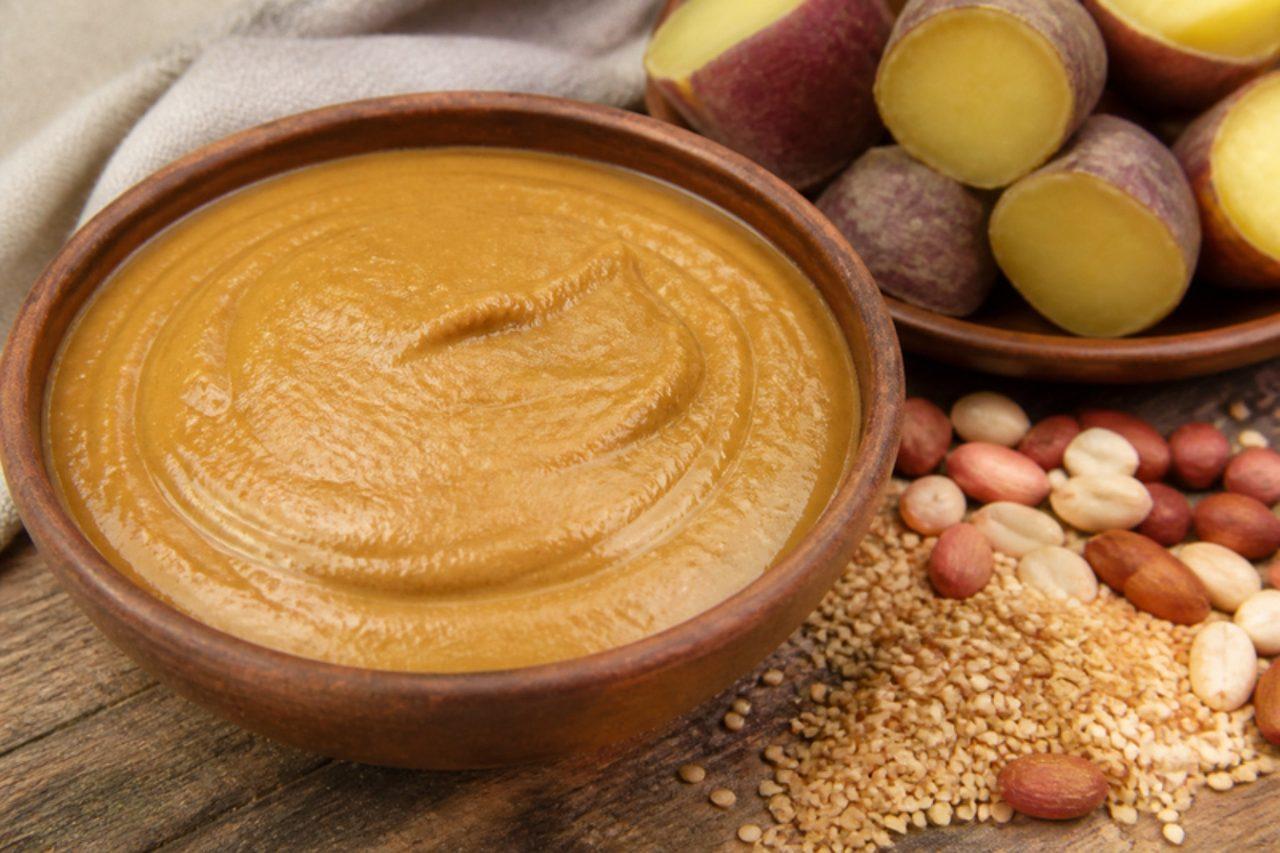
A jar of odii sits in almost every northern Ugandan kitchen, made by roasting groundnuts, often with a handful of sesame, and grinding them to a paste. Thinned with a little salted water, it becomes a smooth, toasty, savoury spread for bread and roasted cassava, a dip for boiled sweet potatoes, or the starting point for malakwang and boo. Freshly made, it tastes far deeper than shop peanut butter. The error to avoid is under-roasting: pale nuts give a flat, beany paste, so take them to an even mid-brown. Chef's tip: add the water a teaspoon at a time while stirring; the paste will first seize and thicken, then turn silky, so keep going past that point.

by KrazyBadal 0 views
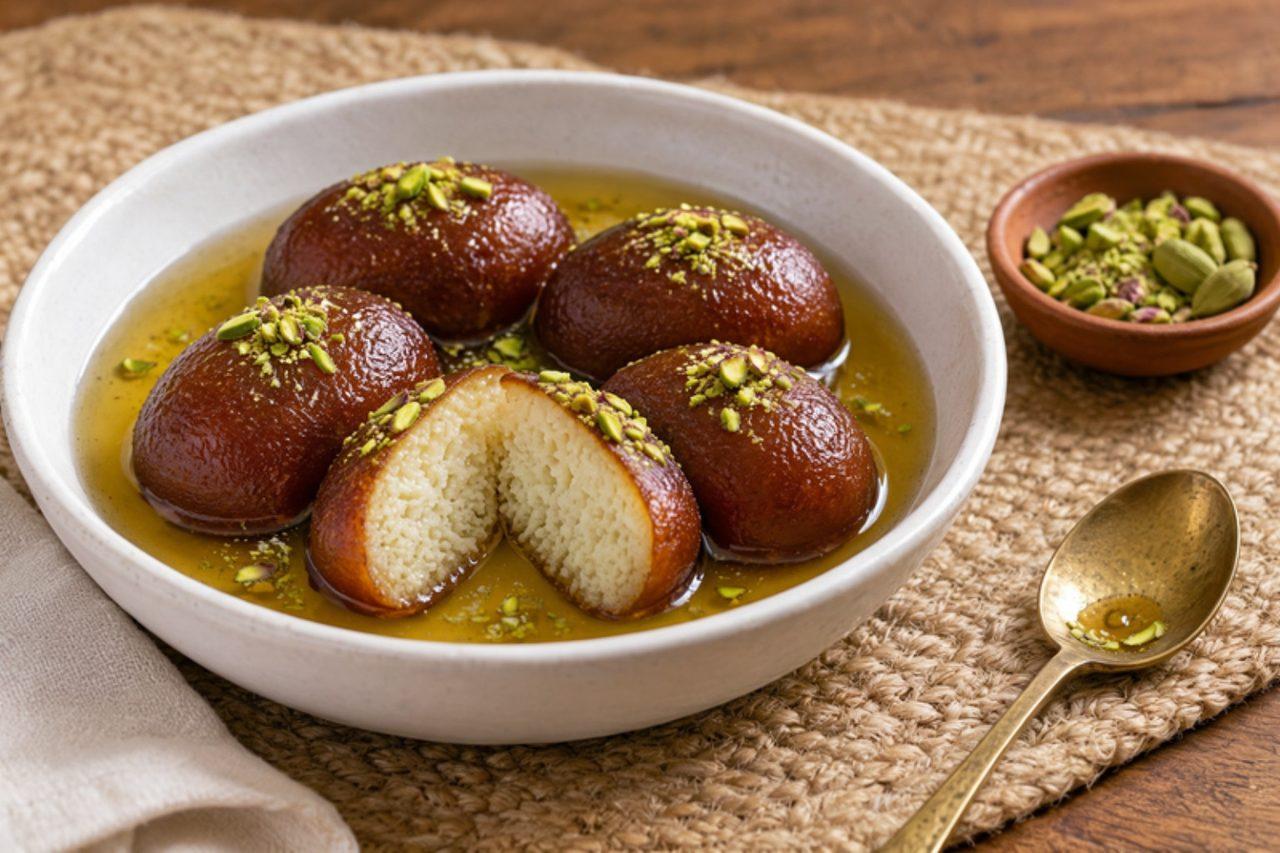
LyangchaFried milk sweets in syrup

Travellers on the road from Kolkata to Bardhaman stop at Shaktigarh for one reason: lyangcha, cylindrical sweets of chhena and khoya fried almost black and soaked in light syrup, sold hot from roadside shops and carried home in clay pots. The outside is caramelised and slightly chewy, the inside soft, juicy and milky. They are a winter and wedding favourite across Bengal. The common mistake is frying on high heat to get the dark colour quickly; the outside burns while the centre stays raw and the sweet splits in the syrup. Low, patient heat gives an even mahogany shell. Chef's tip: a teaspoon of sugar kneaded into the dough helps it darken evenly.

by KrazyBadal 0 views

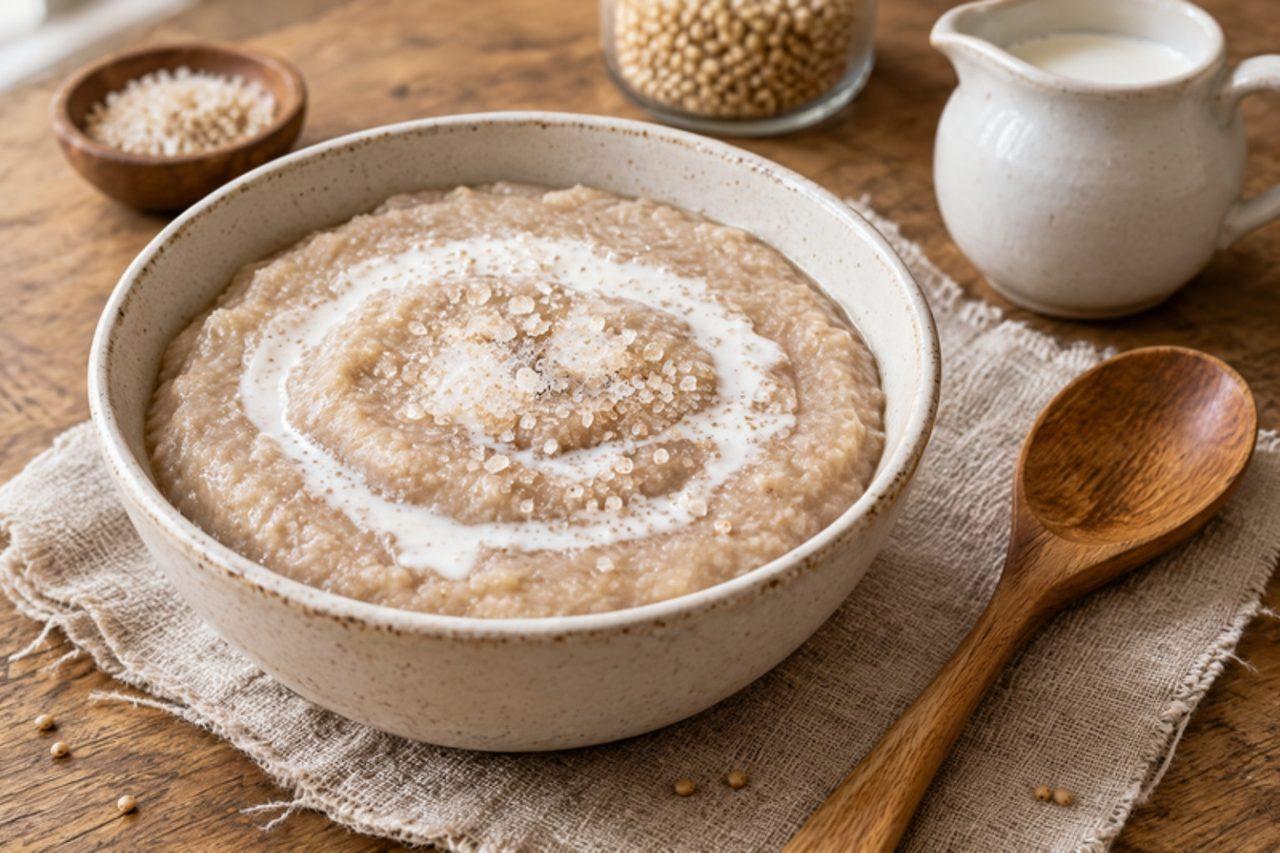
MotogoSoured sorghum porridge

In Botswana, motogo is the soft breakfast porridge made from mabele (sorghum meal), stirred in water until smooth and then soured with a splash of madila or maas, thick cultured milk, and sweetened with sugar. It has a gentle tang and a slightly earthy, nutty flavour, quite unlike oat porridge. The common mistake is adding the sour milk while it is still bubbling, which splits it; take the pot off the heat first. Chef's tip: for an even smoother motogo, soak the sorghum meal in the cold water for 20 minutes before cooking.

by KrazyBadal 0 views

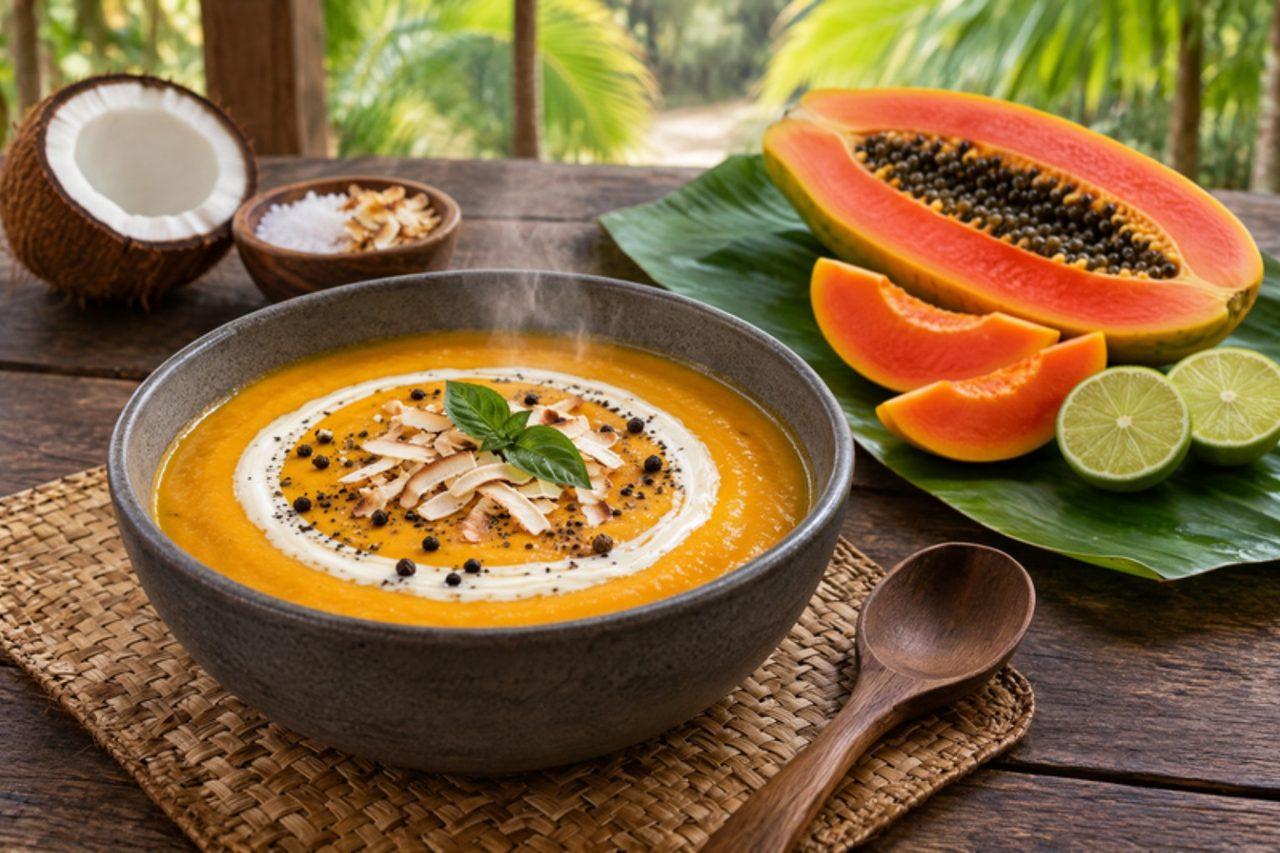
Supo esiPapaya and coconut cream soup

In Samoan villages a big pot of supo esi is a Sunday and everyday breakfast: ripe papaya simmered soft, thickened with tapioca or arrowroot, and enriched with fresh coconut cream (pe'epe'e), served warm with buttered bread or panikeke. It is sweet, silky and tropical, like a warm fruit pudding you drink. The common mistake is boiling it after the coconut cream goes in, which splits the cream into an oily film; add it at the end and only warm through. Chef's tip: a squeeze of lime at the end wakes up the papaya and stops it tasting flat.

by KrazyBadal 0 views

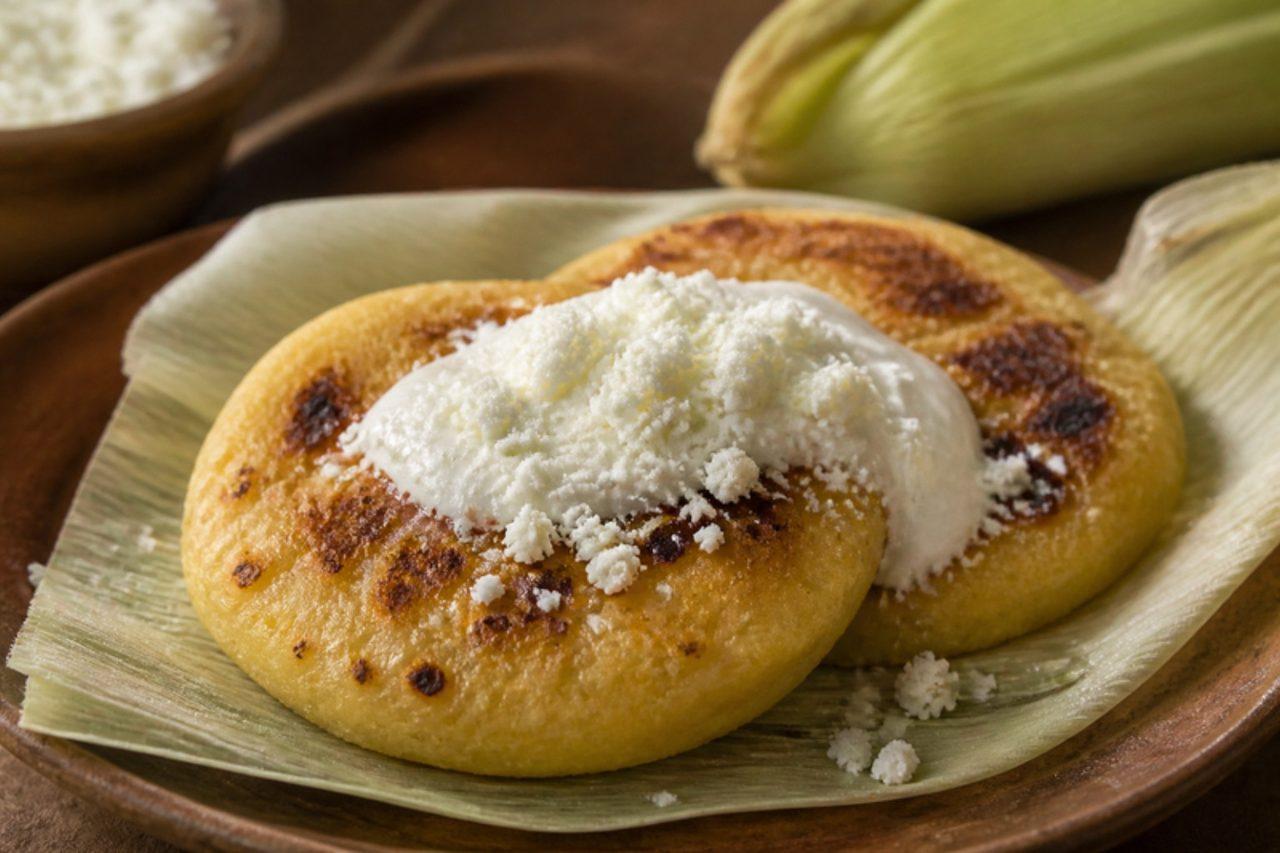
RiguasSweet corn cakes

When the elote harvest comes in around August, roadside stalls between San Salvador and Santa Ana sell riguas: thick little cakes of freshly ground sweet corn cooked on a griddle on corn husks or banana leaf, so the outside caramelises while the middle stays soft and custardy. They are eaten warm for breakfast or merienda with thick cream and crumbled fresh cheese. The most common mistake is using starchy, old corn; the batter must be milky and sweet or the cakes turn dense and dry. Traditional queso fresco is made with animal rennet, so pick a vegetarian fresh cheese if that matters to you. Chef's tip: cook them over a medium-low heat with a lid on for the first few minutes; the steam sets the inside before the husk scorches.

by KrazyBadal 0 views

Ka'i ladrilloPeanut molasses bricks

Ka'i ladrillo — 'monkey brick' in Guaraní — is the sweet sold by vendors on Asunción buses and at country fiestas: roasted peanuts bound in boiled cane molasses and set in brick-shaped blocks, crunchy and dark with a slightly smoky toffee taste. It contains peanuts, so keep it away from anyone with a peanut allergy. The common mistake is taking the syrup off too soon, so the bricks stay sticky and never set. Chef's tip: test the syrup by dropping a little into cold water; it is ready when it sets into a brittle thread that snaps.

by KrazyBadal 0 views

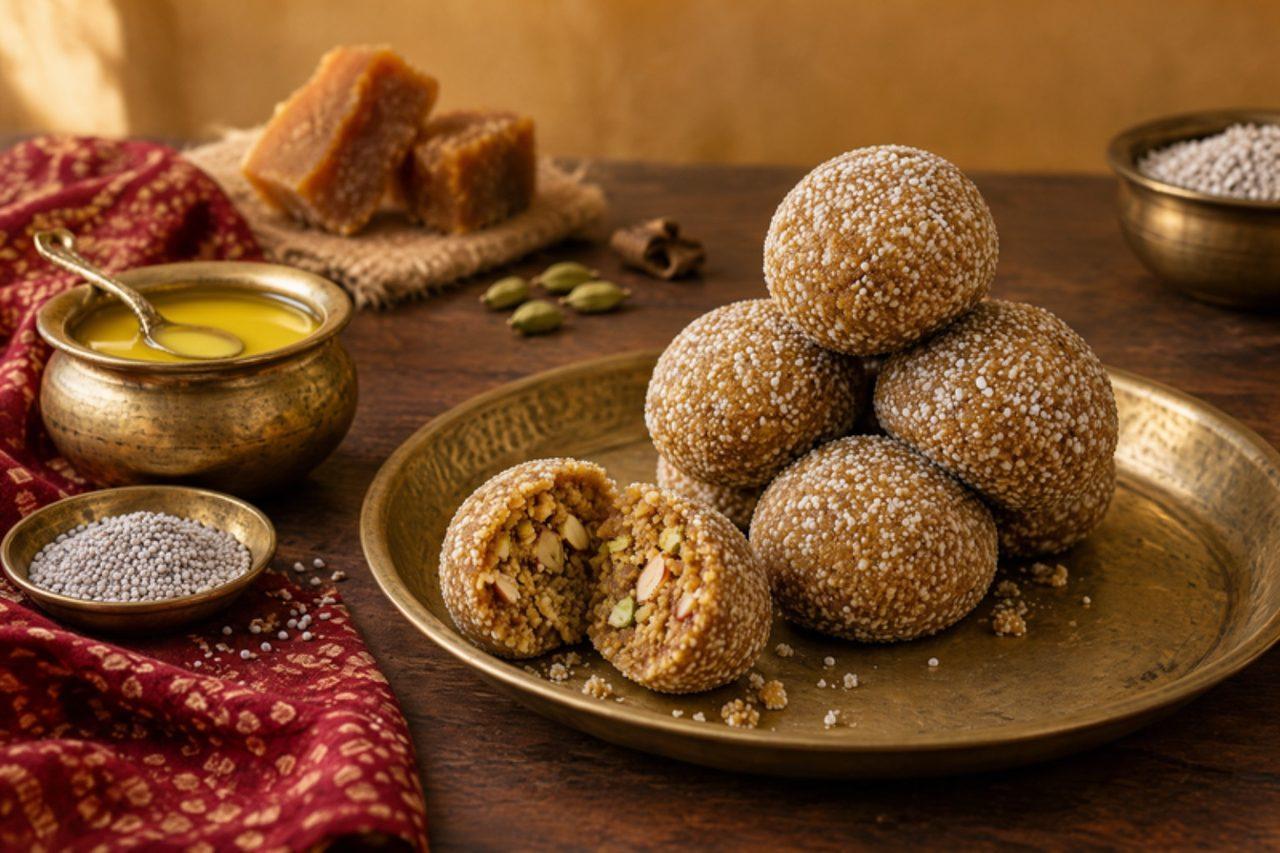
Churma na ladvaWheat crumb and jaggery balls

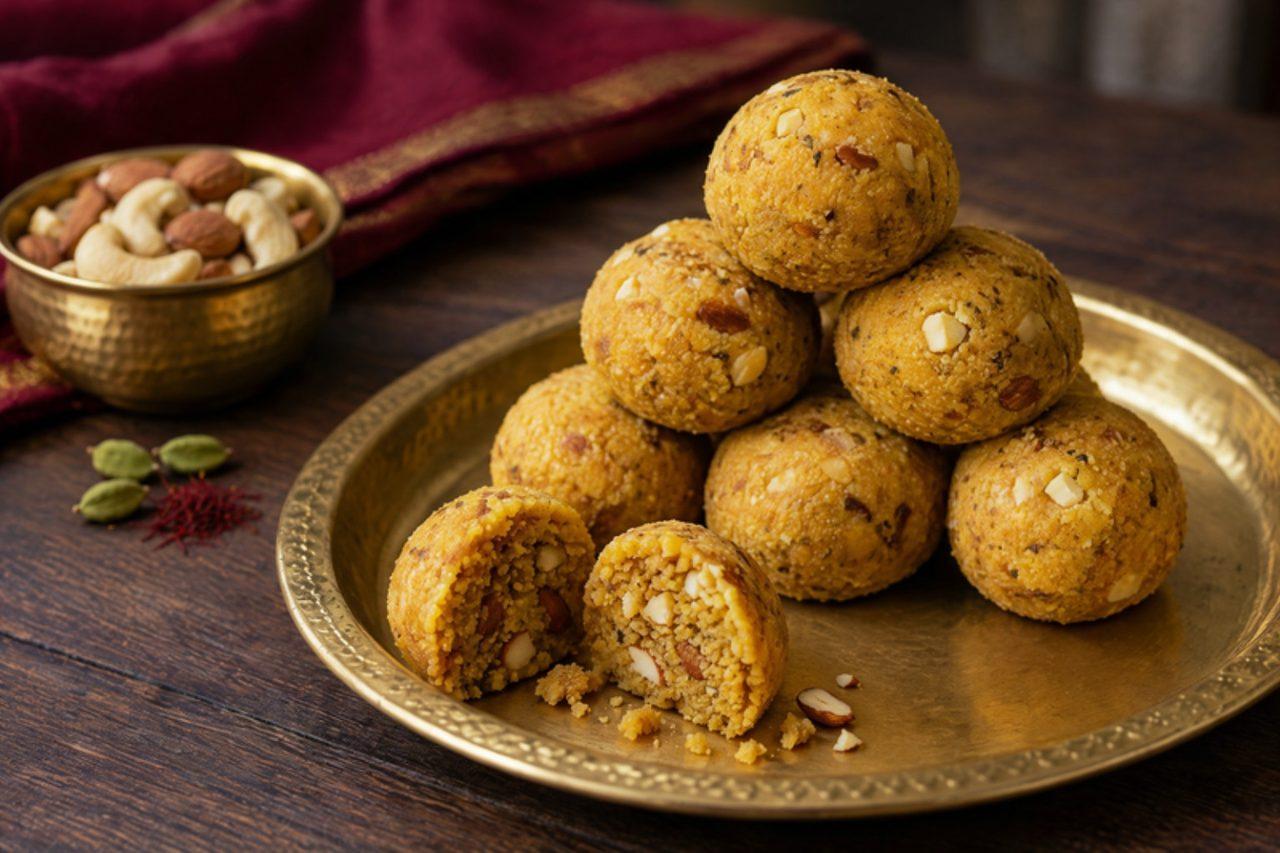
Churma na ladva are the laddus that sit beside Ganesh at Chaturthi in Kathiawad and fill the sweet course at Gujarati weddings, big rough-edged balls with a sandy crumb and a coat of white poppy seeds. Coarse wholewheat dough is shaped into fist-pressed muthiya, fried slowly in ghee until crisp right through, ground to crumbs and bound with jaggery melted in ghee, nutmeg and cardamom. The mistake that ruins them is frying the muthiya too fast: the outside browns while the inside stays doughy and the crumbs turn gummy. Chef's tip: break one muthiya open before you take the batch out; it should be dry and biscuit-like right to the centre.

by KrazyBadal 0 views

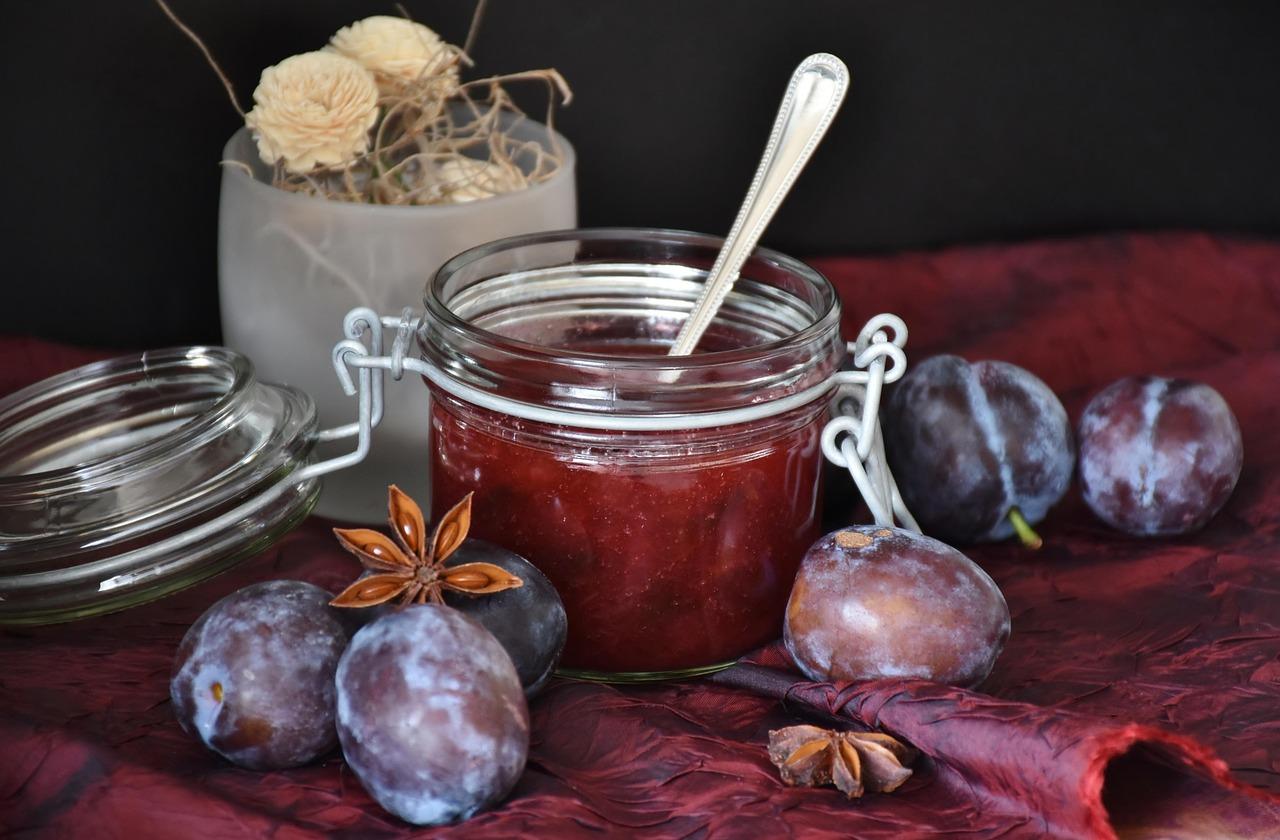
Davidson plum jam

Davidson plums grow on slender trees in the subtropical rainforests of northern New South Wales and south-east Queensland, ripening dark purple in summer. They are far too sour to eat raw but make a stunning deep-crimson jam with a sharp, tangy flavour, sold at farmers' markets around Byron Bay and the Sunshine Coast. Spread it on scones or serve with cheese. A common mistake is boiling it past the set; the plums are high in pectin and set fast. Chef's tip: if you can't find Davidson plums, use dark sour plums and add a squeeze of lemon.

by KrazyBadal 0 views

Piña colada

Two bars in 1950s San Juan claim to have created the piña colada, and Puerto Rico made it the island's official drink in 1978. It is the drink of hot afternoons on the beaches of Condado and Isla Verde, of hotel pools and of family parties where the blender runs all day. The rum version is for adults only, and because it tastes like a dessert it is easy to drink too fast, so keep to one or two and drink responsibly. A good piña colada is thick, frosty and smooth, coconut-sweet but kept fresh by the sharp acidity of pineapple, with the rum warming the finish. The common mistake is using coconut milk or unsweetened coconut cream instead of cream of coconut, the thick sweetened coconut syrup sold in tins and squeeze bottles: the drink comes out bland and splits into icy water and fat. If you only have coconut cream, blend in 2 tbsp sugar. It is ready when the drink is thick enough to hold a straw upright for a moment, has no crunchy ice and has turned a pale, creamy yellow. Chef's tip: freeze half of the pineapple juice into ice cubes the day before; you will need less ice and the colada stays thick to the last sip.

by KrazyBadal 0 views

Laphet yayBurmese milk tea

Burmese teashops, from the busy corners of Yangon to small-town Shan State, run on laphet yay: very strong black tea poured over condensed and evaporated milk, and customers order it by sweetness, from "pan pyar" (less sweet) to "cho seint" (extra sweet and creamy). It comes with samusa, palata or a bowl of mohinga. The mistake is weak tea: it must be brewed long and dark so it stands up to all that milk. Chef's tip: pour the finished tea from one jug to another from a height a few times; it cools slightly and gets the frothy top teashops are proud of.

by KrazyBadal 0 views

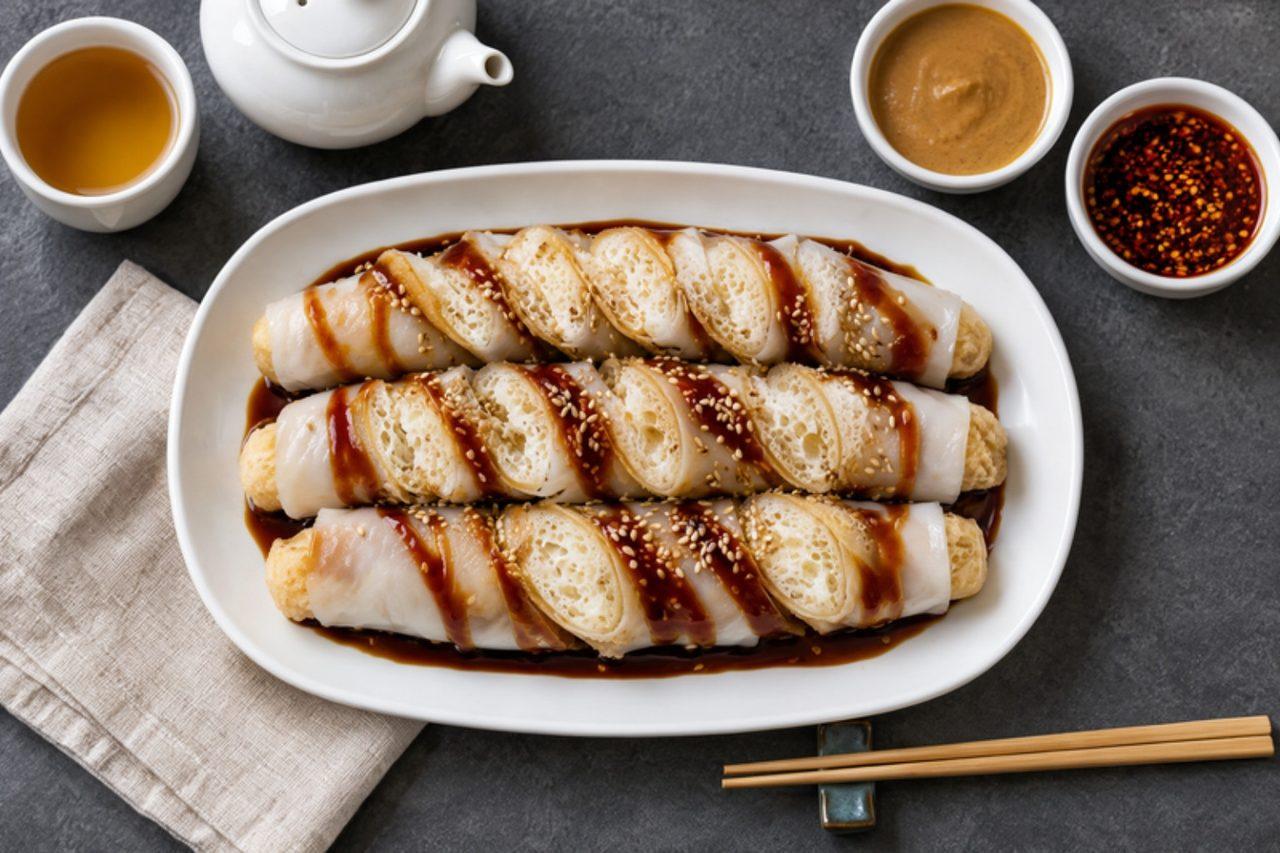
ZhaliangRice noodle roll with fried dough

In Hong Kong dim sum halls and congee shops, zhaliang is a morning favourite: a fried dough stick wrapped in a slippery steamed rice noodle sheet, cut into pieces and doused in sweet soy, with hoisin and sesame paste or seeds on the side. The joy is the contrast between soft and crisp. The mistake is wrapping a stale dough stick; re-crisp it in the oven first, or it turns leathery inside the sheet. Store-bought dough sticks sometimes contain egg or milk, so check the label for a vegan plate. Chef's tip: steam the rice sheets in a lightly oiled tin no thicker than 2 mm, and roll them round the dough stick while still hot so they cling.

by KrazyBadal 0 views

Thabdi pendaCaramelised milk pendas

Rajkot's sweet shops are famous across Gujarat for thabdi, a crumbly, toffee-brown penda that starts as plain milk and sugar and ends, two hours later, as something close to caramel fudge. The milk is boiled down in a wide iron kadai, a spoon of curd splits it slightly to give the trademark grainy texture, and the sugar browns slowly with it until the whole mass is the colour of milky tea. The usual mistake is rushing on high heat: the milk catches and tastes burnt rather than caramelised. Chef's tip: use a wide, heavy pan and a flat wooden spatula, and keep scraping the bottom and sides every minute once the milk is half reduced.

by KrazyBadal 0 views

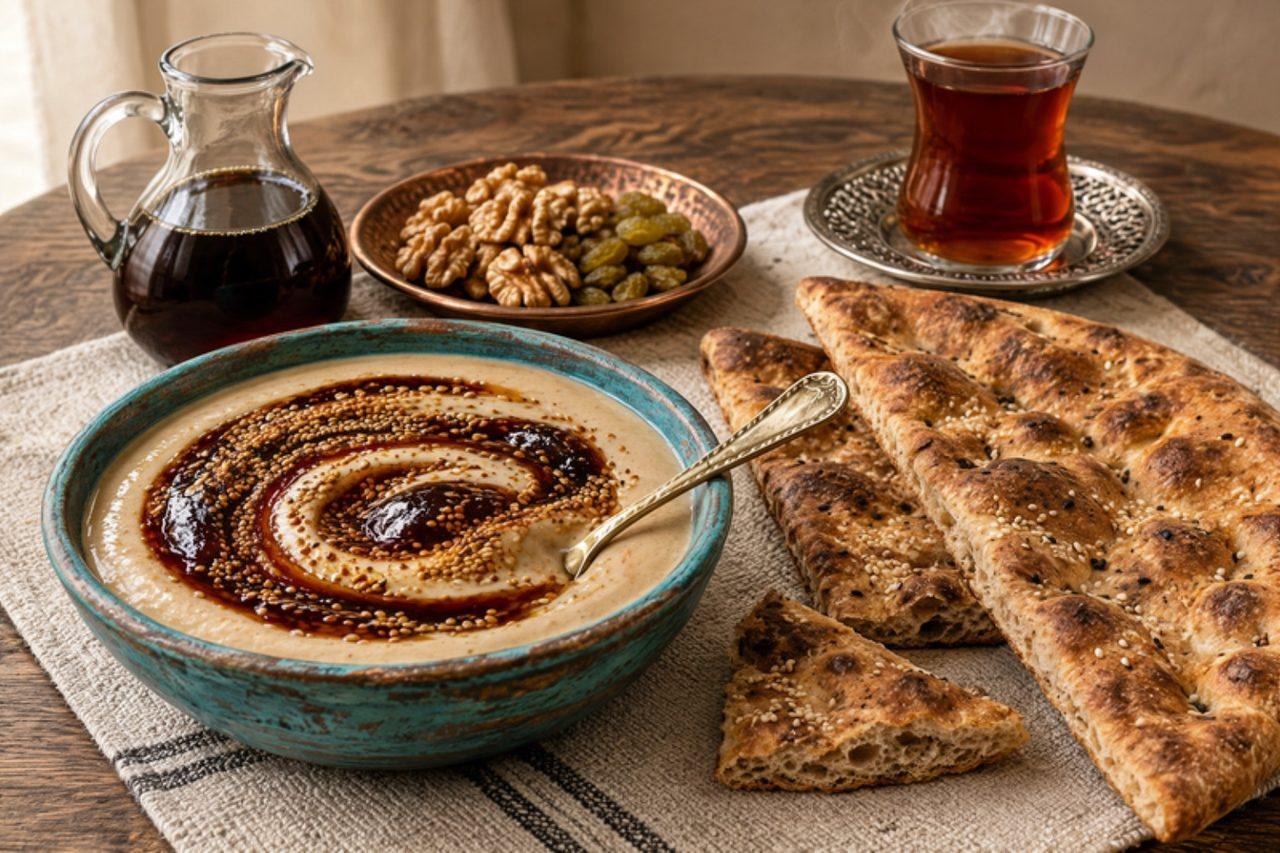
Ardeh shirehTahini and grape molasses spread

In Iranian homes, especially in Yazd and the central provinces, a small dish of ardeh shireh sits on the winter breakfast spread: smooth tahini swirled with dark grape molasses into a marbled, sticky spread that tastes like a grown-up peanut butter and jam. It is mopped up with warm flatbread and washed down with tea. The mistake is beating the two together until uniform; you lose the swirls and the spread turns dull. Fold just a few times. Chef's tip: stir the tahini jar well first, because the oil separates, and use runny, well-stirred tahini for the best ribbons. Serve with flatbread, or gluten-free crackers if you need it gluten free.

by KrazyBadal 0 views

Lubia pokhteSpiced pinto beans

On cold winter mornings in Tehran, steam rises from street carts selling lubia pokhte: pinto beans simmered with a pinch of salt until soft as butter, ladled into a cup with some of their cooking liquid and sprinkled with golpar, the citrusy ground seed of Persian hogweed, plus a squeeze of lemon. It is cheap, warming and filling. The mistake is salting the water at the start; add salt once the beans are tender or the skins stay tough. Chef's tip: skim the foam in the first 10 minutes and keep the beans at a lazy simmer, never a rolling boil, so they stay whole but creamy inside.

by KrazyBadal 0 views

Surti cold cocoaThick chilled cocoa milk

Long after dinner, the lanes around Surat's Chowk Bazaar and Athwa Lines fill with families queueing for cold cocoa, a thick, almost milkshake-like chocolate milk poured from big steel cans into tall glasses. The secret is cooking cocoa and a spoon of cornflour into rich milk first, then chilling it for hours so it thickens and the cocoa flavour deepens, before whisking it frothy to order. The common mistake is stirring cocoa powder straight into cold milk, which leaves bitter, dusty lumps floating on top. Chef's tip: make it the night before and whisk with a hand blender for 30 seconds just before pouring for the classic foamy head.

by KrazyBadal 0 views

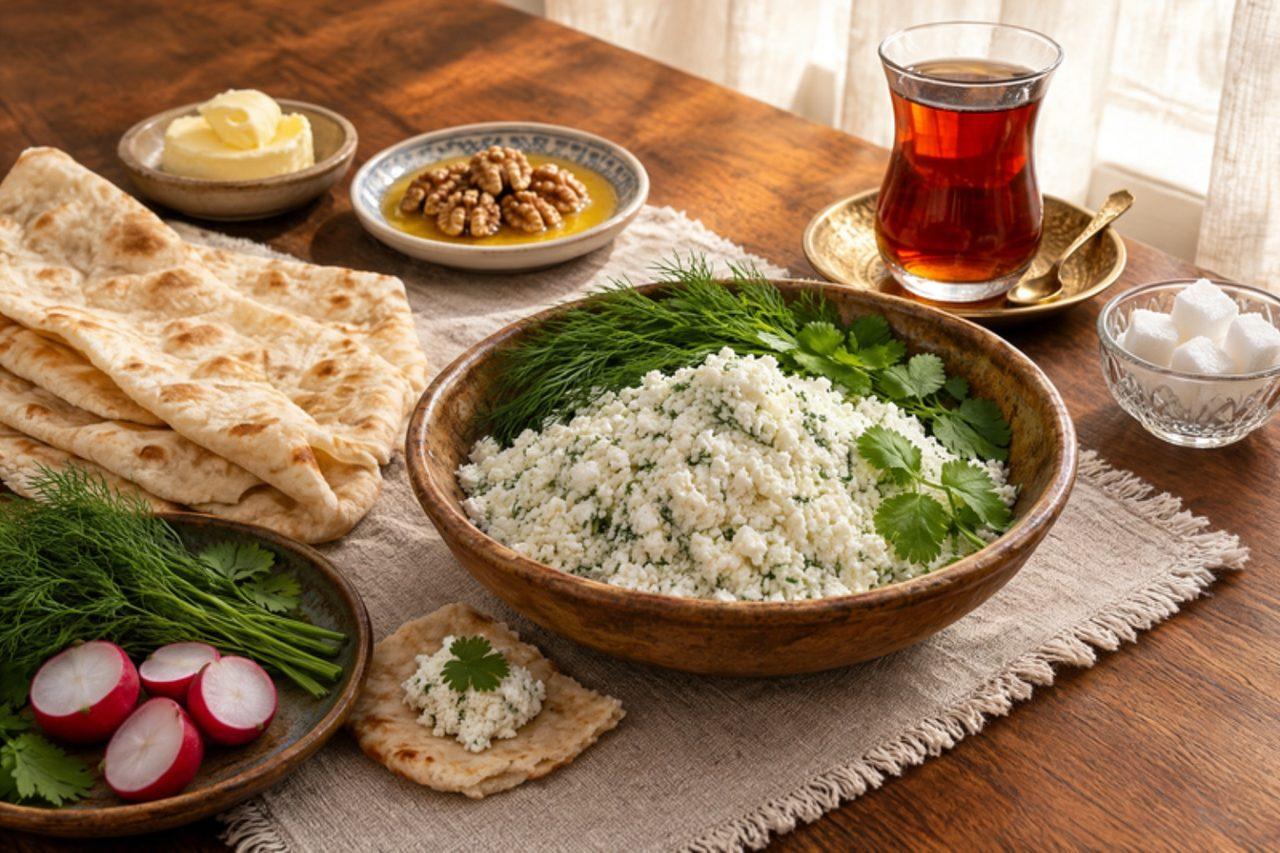
ShorSalted dry curd cheese

In Azerbaijani villages şor is made from what is left after churning butter from soured milk: the curds are heated, drained in a cloth, salted and left to dry into a crumbly, tangy cheese. On the breakfast table in Shaki or Ganja it sits beside fresh herbs, cucumbers, butter and bread, with tea in pear-shaped glasses. This home version uses natural yogurt and milk, and needs about 12 hours to drain and dry. It is set with acid and heat, so no rennet is used. The mistake is boiling the mixture hard, which makes rubbery curds; heat it gently until it just separates. Chef's tip: add the salt after draining, crumbling it through with your fingers, so you can taste and stop when it is pleasantly salty.

by KrazyBadal 0 views

Beijing douzhiFermented mung bean drink

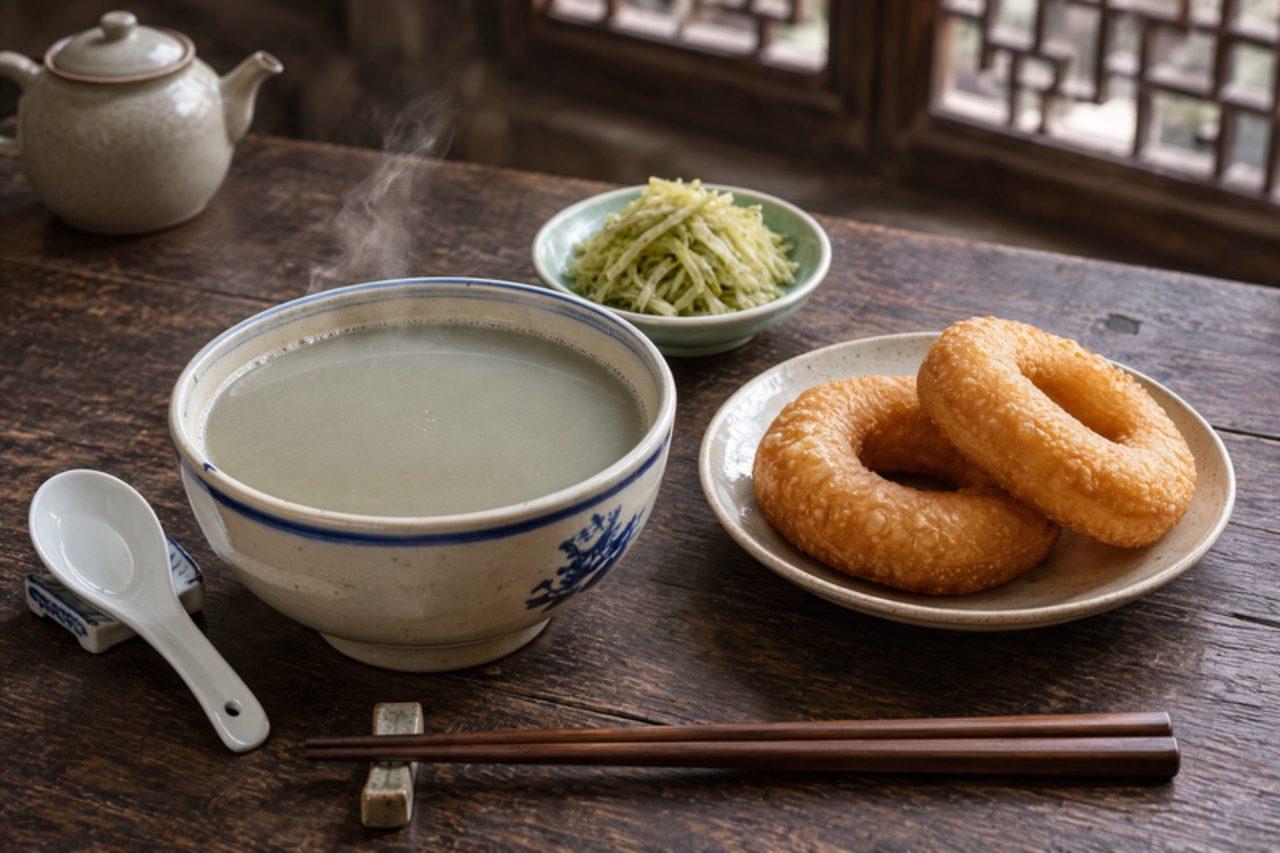
Douzhi is the most famous acquired taste in Beijing: a hot, grey-green, sour drink made from the liquid left when mung beans are ground for starch, then fermented. Old Beijingers sip it at breakfast with crisp jiaoquan rings and shredded salted mustard pickles, and visitors either love it or never try it twice. At home you make a small batch by blending mung beans, settling out the starch and fermenting the cloudy water for a day. The mistake is letting it boil hard: it separates into watery and thick layers, so keep it at a gentle bubble. It must smell cleanly sour like yogurt; throw it away if it smells rotten, has mould, or turns pink or slimy. Chef's tip: stir it continuously as it heats and add a splash of the thinner liquid at the end, which keeps the classic smooth, slightly thick texture.

1440 minChineseDrinksVeganGluten free
by KrazyBadal 0 views

Mag na ladvaMoong dal laddus

Mag na ladva are a Central Gujarat favourite for Diwali and for lunchbox treats, rich with ghee yet light in texture because the moong dal is dry-roasted and ground before it ever meets fat. Cooked slowly in ghee, the ground dal turns sandy and smells of toasted nuts, then powdered sugar, cardamom and chopped nuts bind it into soft, crumbly laddus. The mistake many make is grinding the dal too fine and roasting it too fast, which gives a pasty laddu with a raw, beany aftertaste. Chef's tip: grind the dal to the texture of fine semolina, not flour, for the classic melt-in-the-mouth crumb.

by KrazyBadal 0 views

Roast paanCrusty bakery loaf

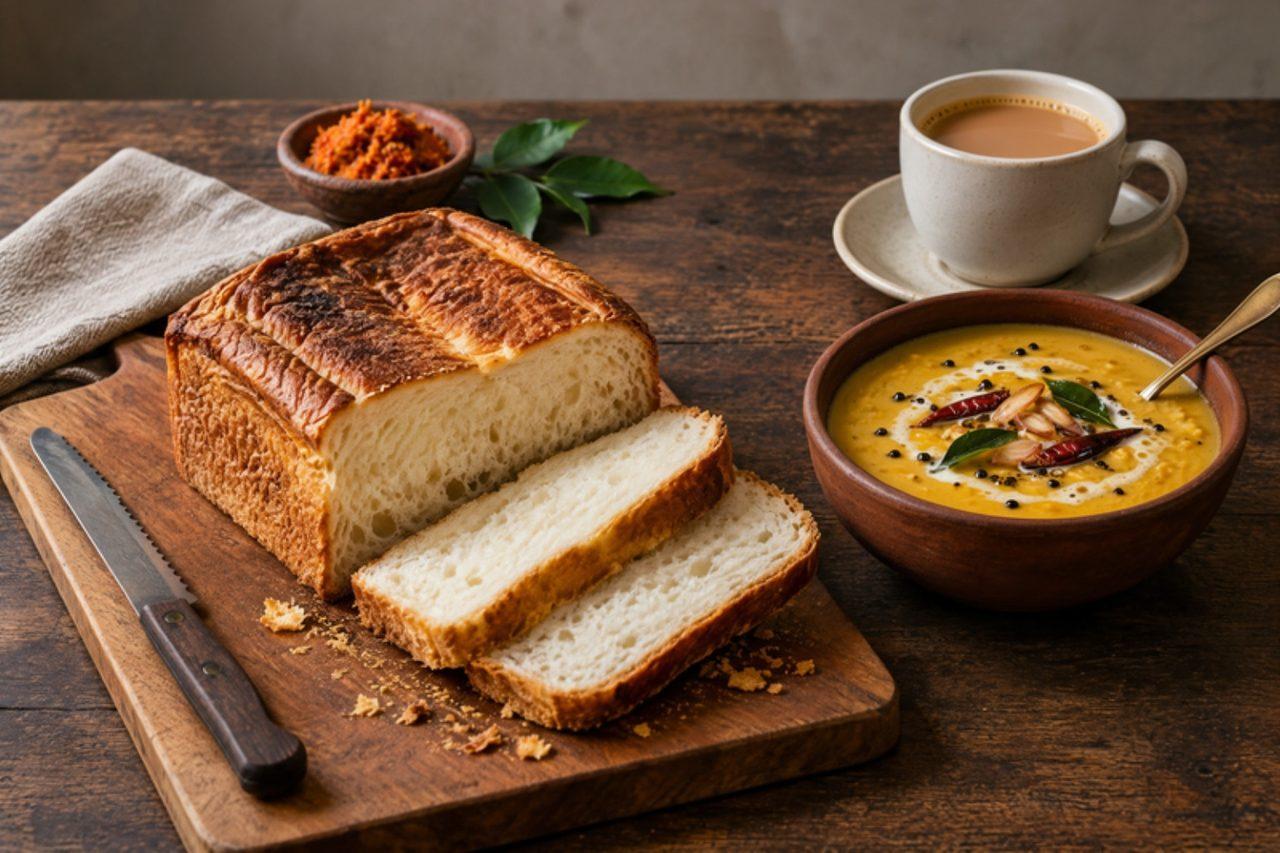
Every Sri Lankan neighbourhood bakery turns out roast paan before dawn: square loaves baked close together in a wood-fired oven until the tops are dark and crusty while the sides stay soft and pull apart. Bought warm, it is torn and eaten with dhal curry, pol sambol, or kiri hodi, the mild coconut milk gravy. The mistake is baking at too low a temperature, which gives a pale, sandwich-style loaf; it needs a really hot oven and a final blast to blister the top. Allow about 2½ hours with rising. Chef's tip: bake the dough as four balls snug in one square tin so they rise into each other; pulling the soft sides apart is half the pleasure.

by KrazyBadal 0 views

Lüdou zhouRice and mung bean congee

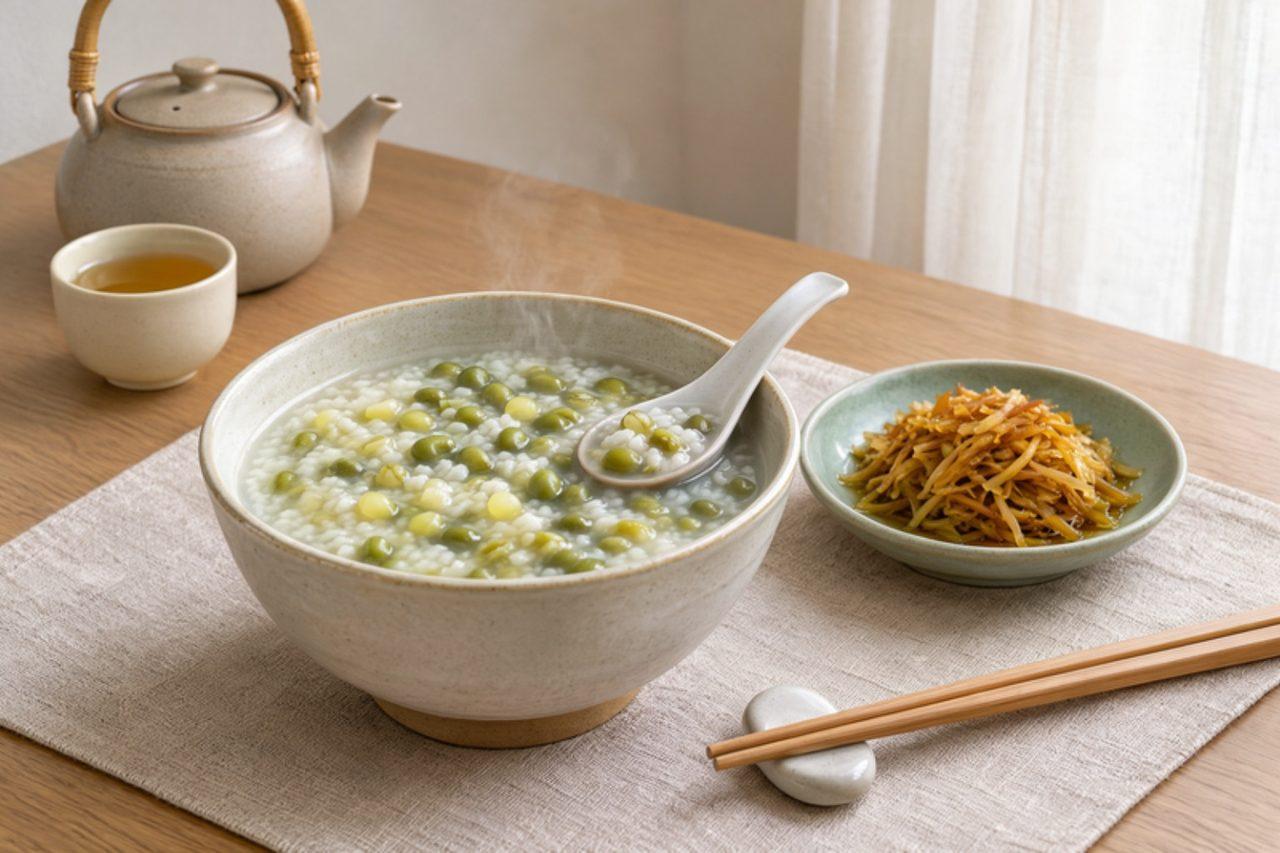
In Beijing and across the north, a pot of lüdou zhou is what families cook on hot summer mornings: plain rice and mung beans simmered until the beans split and the rice turns creamy, believed to cool the body. It is eaten with salty pickled vegetables, a fried dough stick or a spoon of sugar for children. The mistake is putting the rice and beans in together; mung beans need a head start or you get mushy rice with hard beans. Chef's tip: once it is cooked, leave it to stand off the heat with the lid on for 10 minutes; it thickens into a silky congee without extra stirring.

by KrazyBadal 0 views

MocochinchiDried peach and cinnamon drink

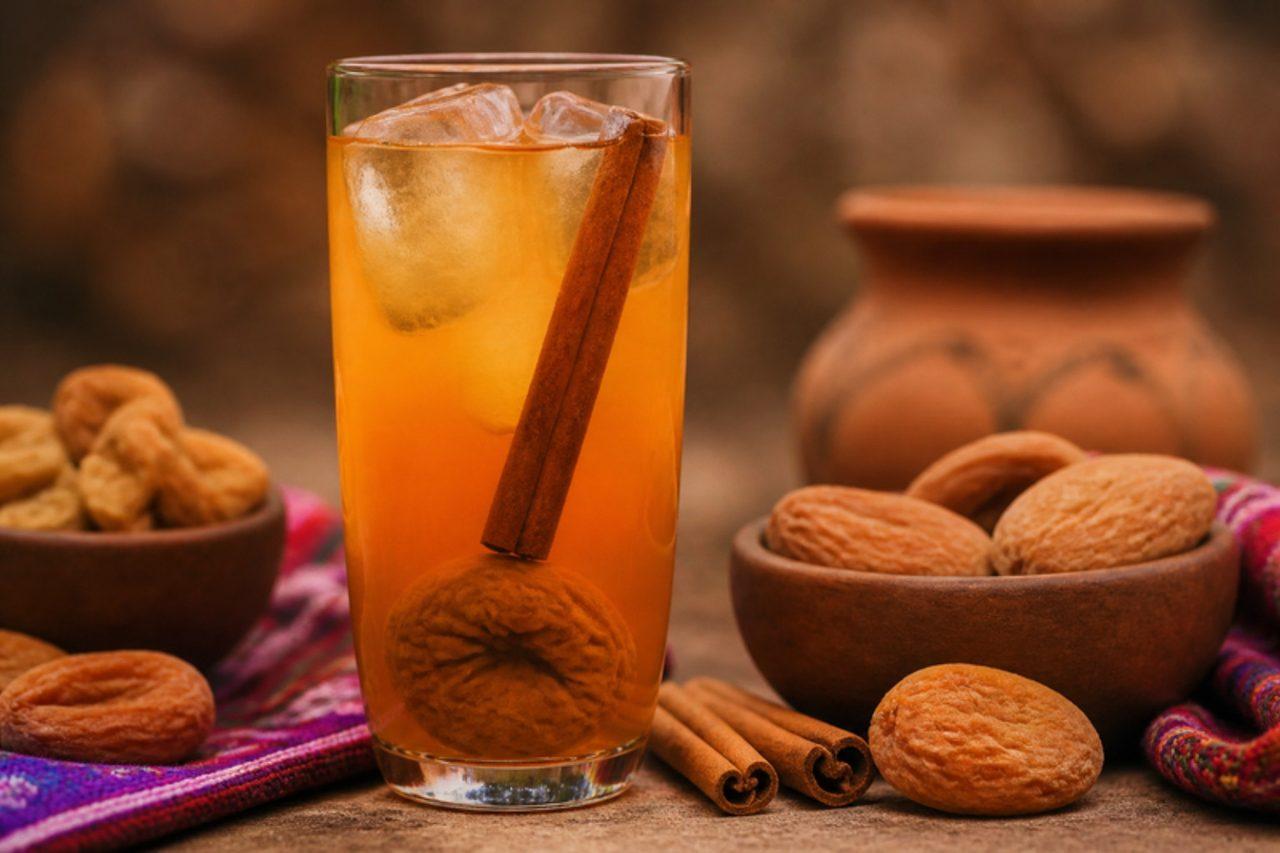
Walk through any Bolivian plaza on a warm afternoon and someone will be selling mocochinchi from a big glass jar: a cool, amber drink of sun-dried peaches simmered with cinnamon and cloves, served with a whole wrinkled peach at the bottom of the glass to eat at the end. It is the classic drink with lunch from Cochabamba to Tarija. People often skip the overnight soak, and then the peaches stay leathery and the drink tastes thin. Chef's tip: rub the soaked peaches between your hands under water to clean off dust and loosen the skins, which also releases more flavour.

by KrazyBadal 0 views

Martín FierroCheese with quince paste

Ask for dessert in a Montevideo bodegón or a country parador and you may be offered a Martín Fierro: a thick slice of fresh, mild cheese laid with an equal slice of dense quince or sweet-potato paste, named after the gaucho of the epic poem. It's salty against sweet, soft against firm, and takes two minutes to assemble. Uruguayan fresh cheese is usually made with animal rennet, so choose one with vegetarian rennet if that matters to you. The mistake is serving it fridge-cold, which dulls both flavours. Chef's tip: cut the cheese and paste to exactly the same thickness, about 1 cm, so every bite has both.

by KrazyBadal 0 views

Karnemelkse papButtermilk porridge

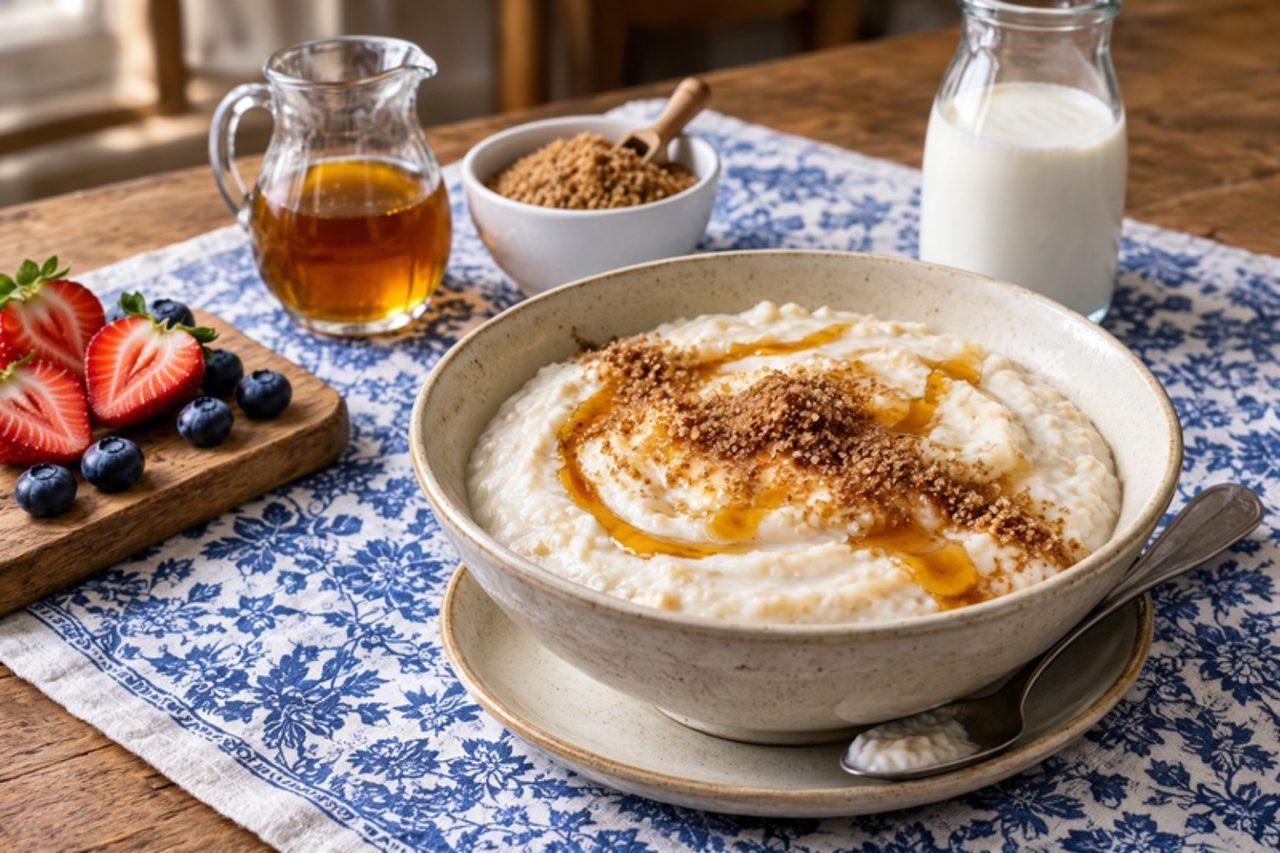
Karnemelkse pap, made with the buttermilk left over from Dutch farm churning, was breakfast and supper in the Netherlands for centuries, and many older Dutch people still remember it on cold winter mornings. Buttermilk is thickened with flour into a smooth, tangy porridge and eaten hot with stroop (syrup) or brown sugar. The common mistake is pouring cold buttermilk on flour and boiling hard, which splits the porridge into grainy lumps; mix a smooth paste first and keep the heat gentle. Chef's tip: stir constantly with a whisk, especially at the bottom of the pan, until it bubbles once, and it stays silky.

by KrazyBadal 0 views

Tibetan fried breadPuffed fried bread

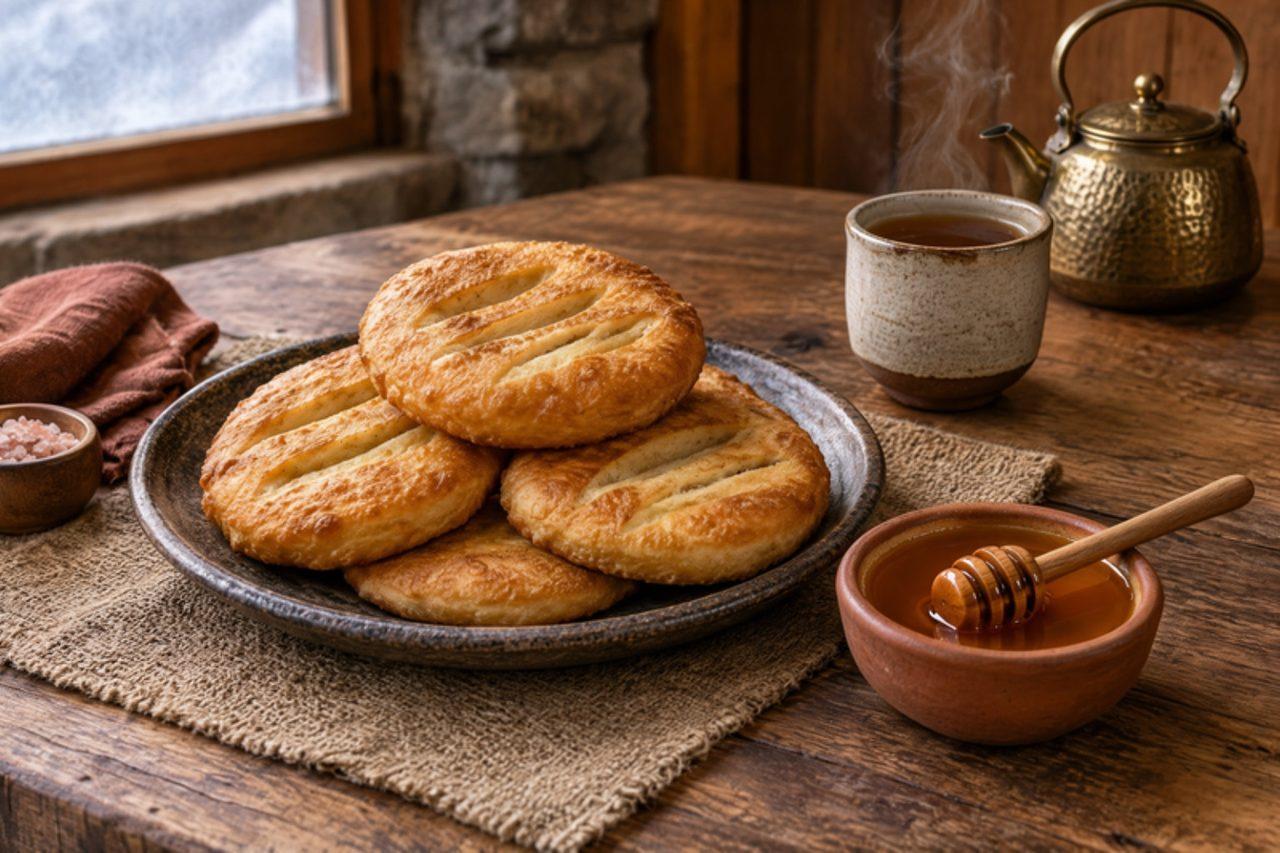
Trekkers in the Everest and Annapurna regions, and early risers in Kathmandu's Boudha neighbourhood, know this bread: rounds of dough slashed down the middle and fried until they puff, golden outside and soft inside. Tibetan families eat it with honey or jam, with a bowl of potato or chickpea curry, and with salty butter tea. The mistake is rolling the dough too thin; at about 1 cm thick it stays tender, while thin dough fries into a hard cracker. Chef's tip: let the shaped rounds rest for 10 minutes before frying so the gluten relaxes and the bread balloons evenly.

by KrazyBadal 0 views

Showing 24 of 2,889 recipes

Show more recipes

Page 60 of 121

More Jain ideas

Other diets