Skip to content
WhatToEat.Today

Jain recipes: no onion, garlic or root vegetables

2,797

2797 Jain recipes with no onion, garlic, potato, carrot, fresh ginger or other root vegetables, and no mushrooms, eggs or honey. Hing, dry ginger and turmeric powder are fine. Each has photos, step-by-step instructions and cook times. The quickest, Apfelschorle, takes 2 minutes. Most take around 40 minutes.

Filter these by time, diet or cuisine · Make Jain your diet to see only these recipes everywhere on the site.

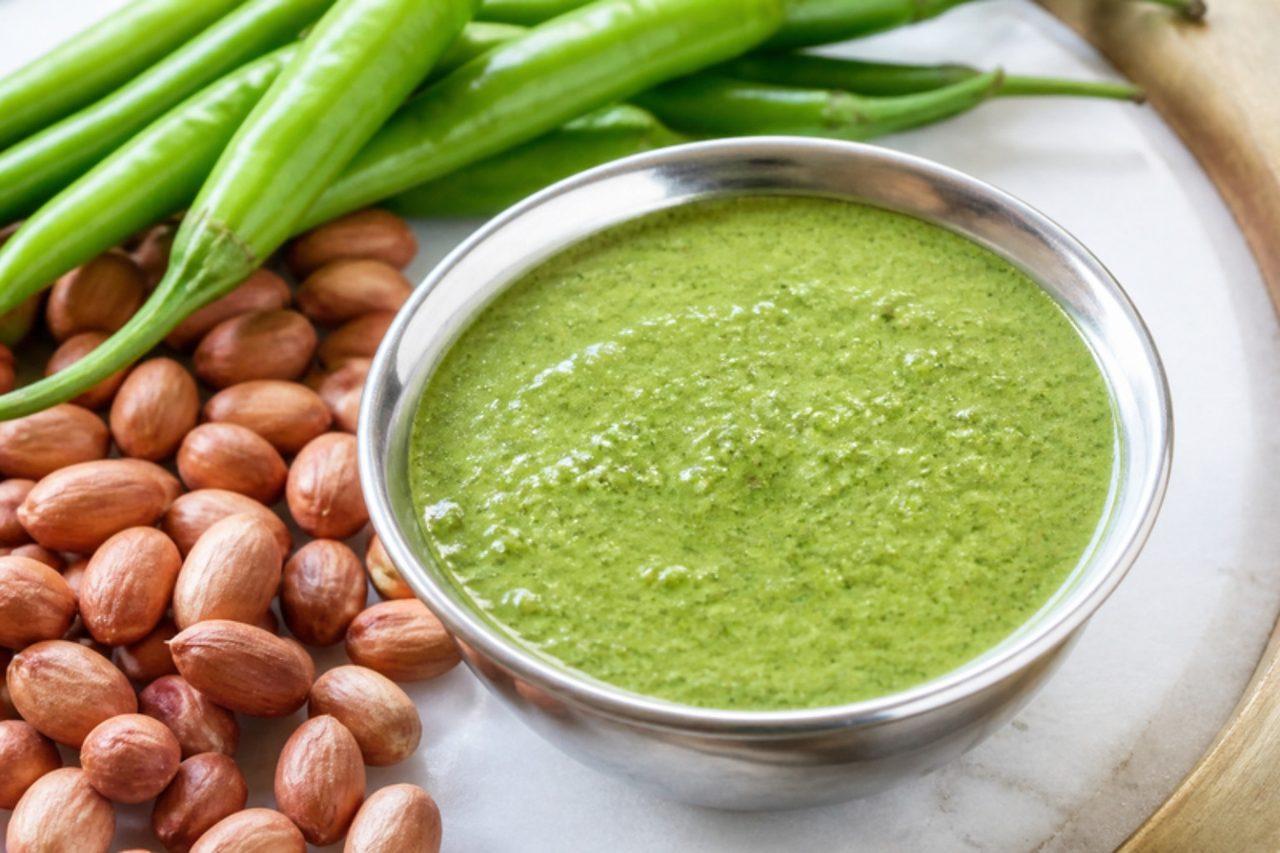
Rajkoti lili chutneyGreen chilli and peanut chutney

Rajkot is known across Gujarat for its green chutney, sold in little pouches by farsan shops and carried home by every visitor: a hot, smooth paste of green chillies and roasted peanuts with lemon, sugar and a pinch of turmeric, and no coriander at all, which is why it keeps a week in the fridge without turning dark. It is spread in sandwiches, spooned over khichiya papad and served with gathiya, dhokla and bhajiya. The common mistake is adding too much water, which dilutes the heat and makes it spoil faster. Chef's tip: grind it in short bursts so the blender doesn't heat the peanuts and turn the chutney oily.

by KrazyBadal 0 views

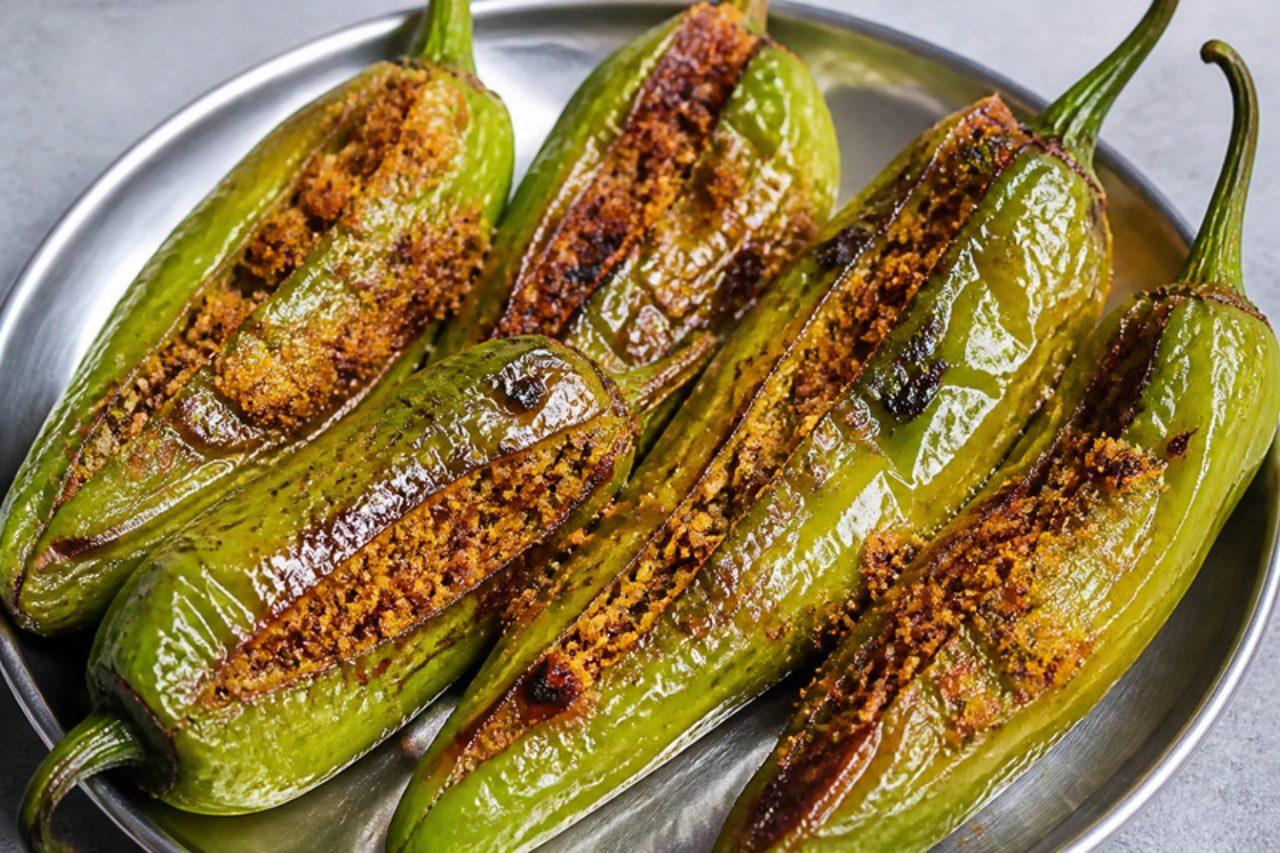
Bharela marchaStuffed green chillies

In Kathiawad, bharela marcha are made with the long, fat and fairly mild bhavnagri chillies that come in every winter, and they sit beside a thali of rotla, kadhi and khichdi as a sweet-sour-hot side. The filling is besan roasted in oil until nutty, mixed with sugar, lemon, turmeric and dhana-jiru, and the chillies are cooked covered on low heat until soft and blistered in patches. A common mistake is using small, very hot chillies; choose large mild ones, or the dish is too fierce to eat. Chef's tip: slit the chillies only on one side and scrape out the seeds and ribs; the heat drops right down and the filling stays inside.
by KrazyBadal 0 views

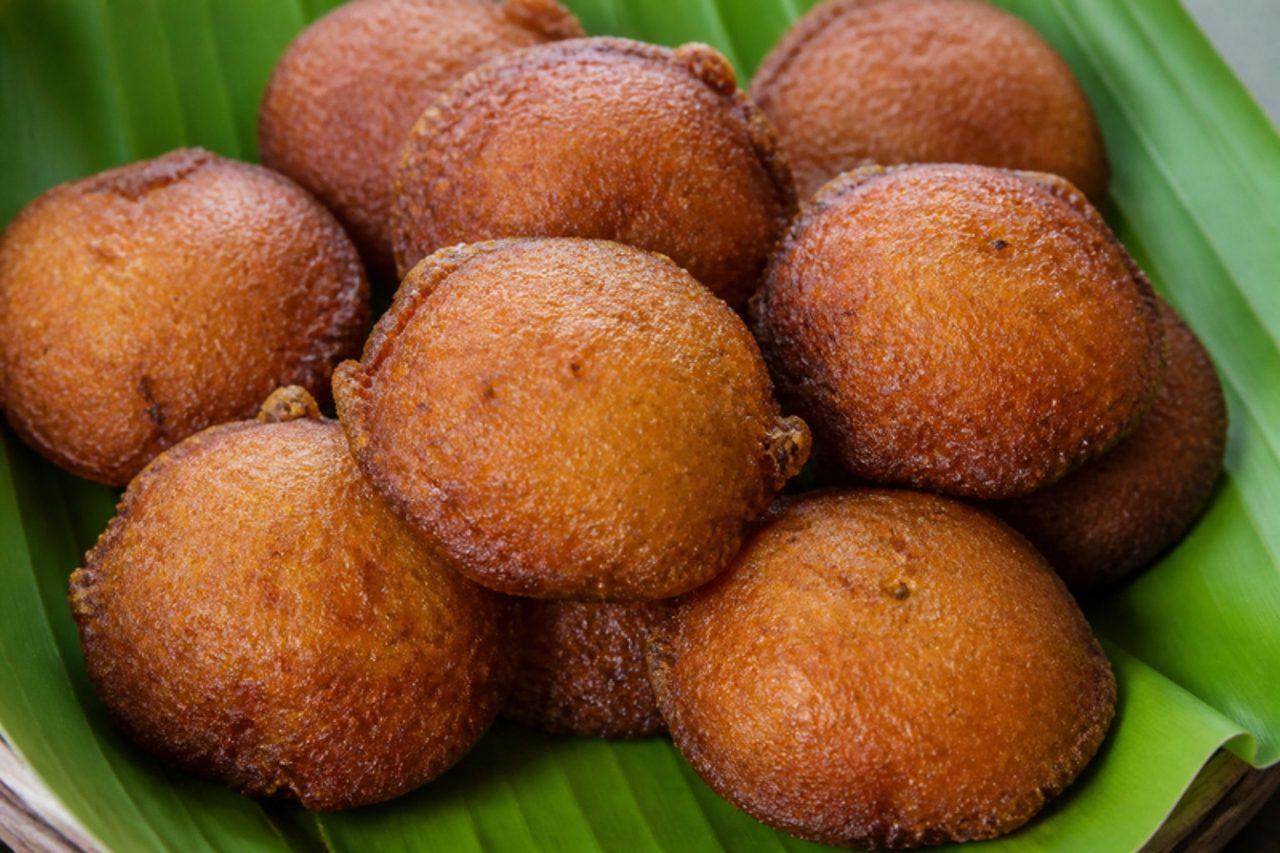
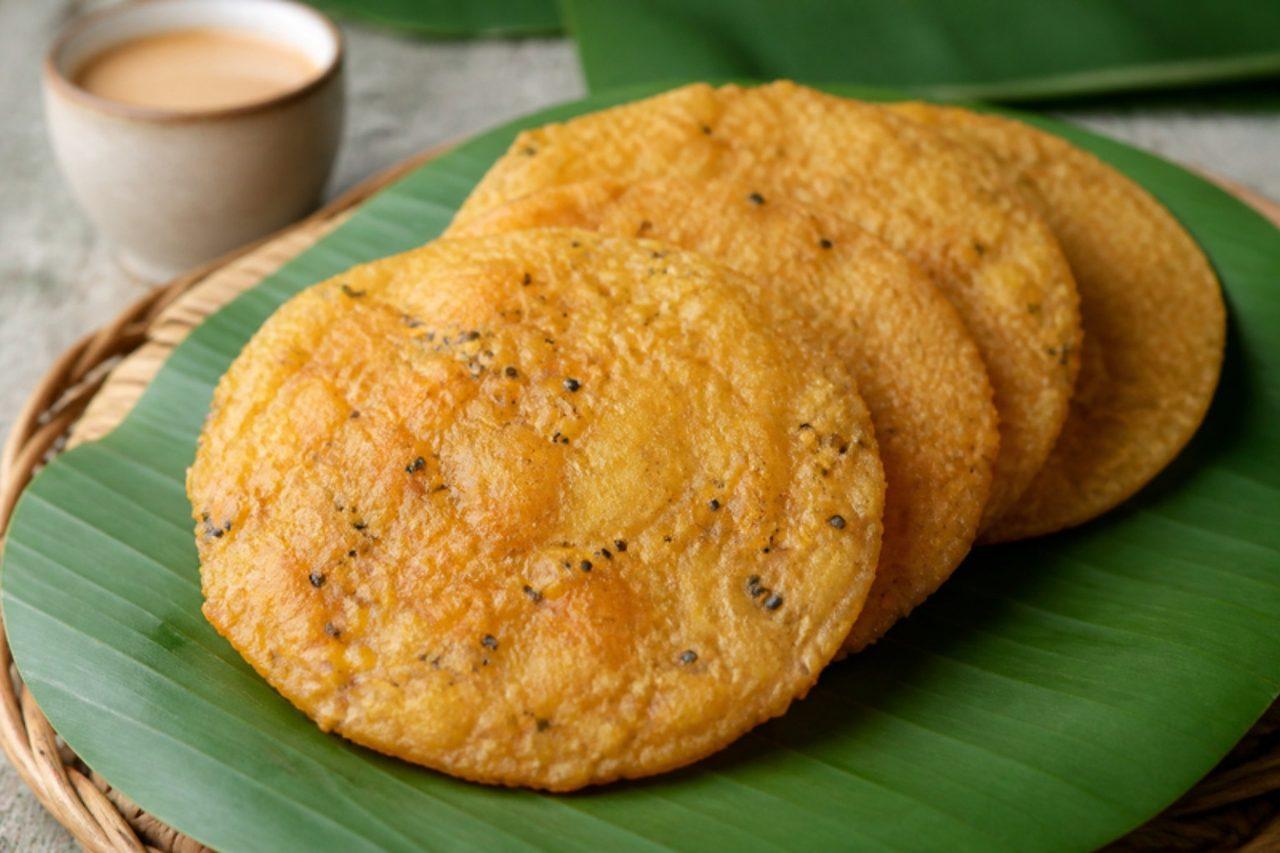
KandarappamPuffed rice, urad and jaggery cakes

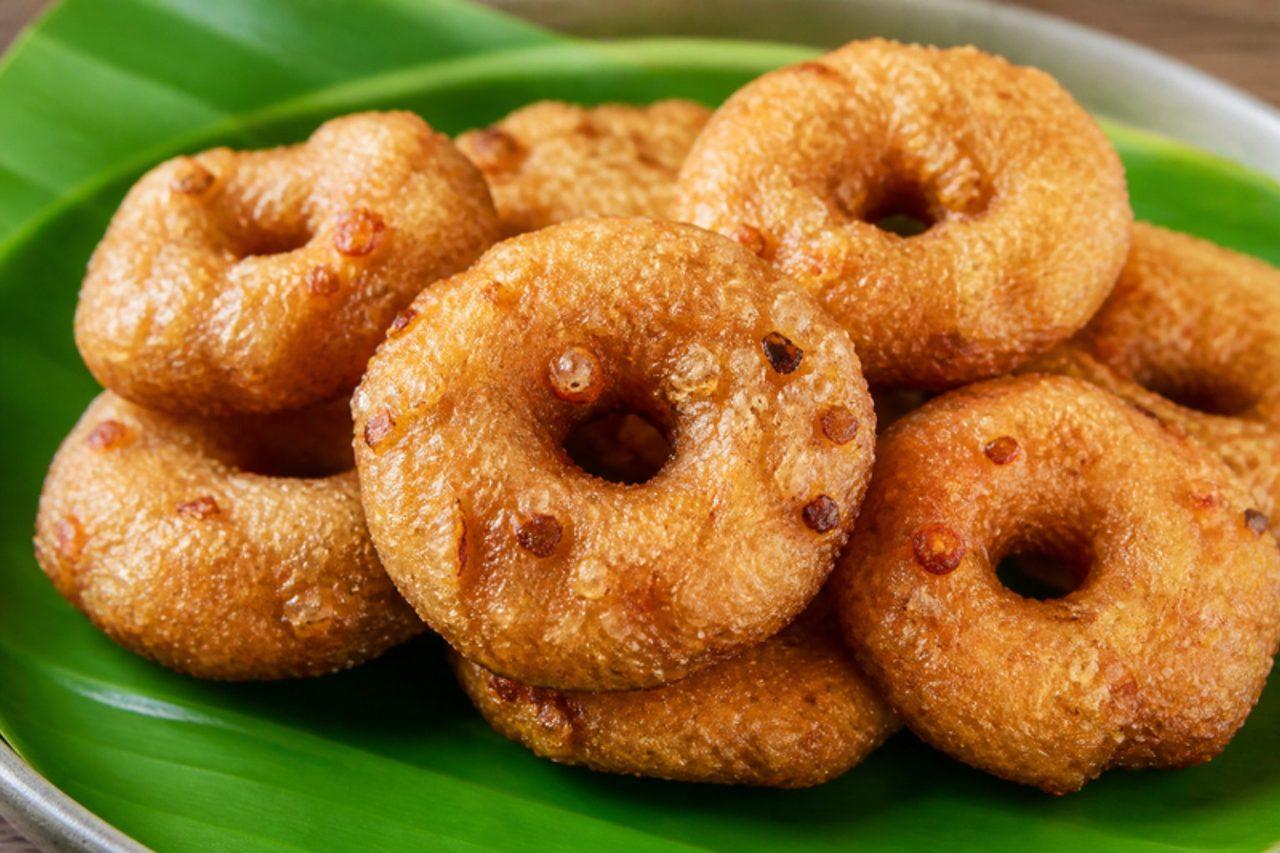
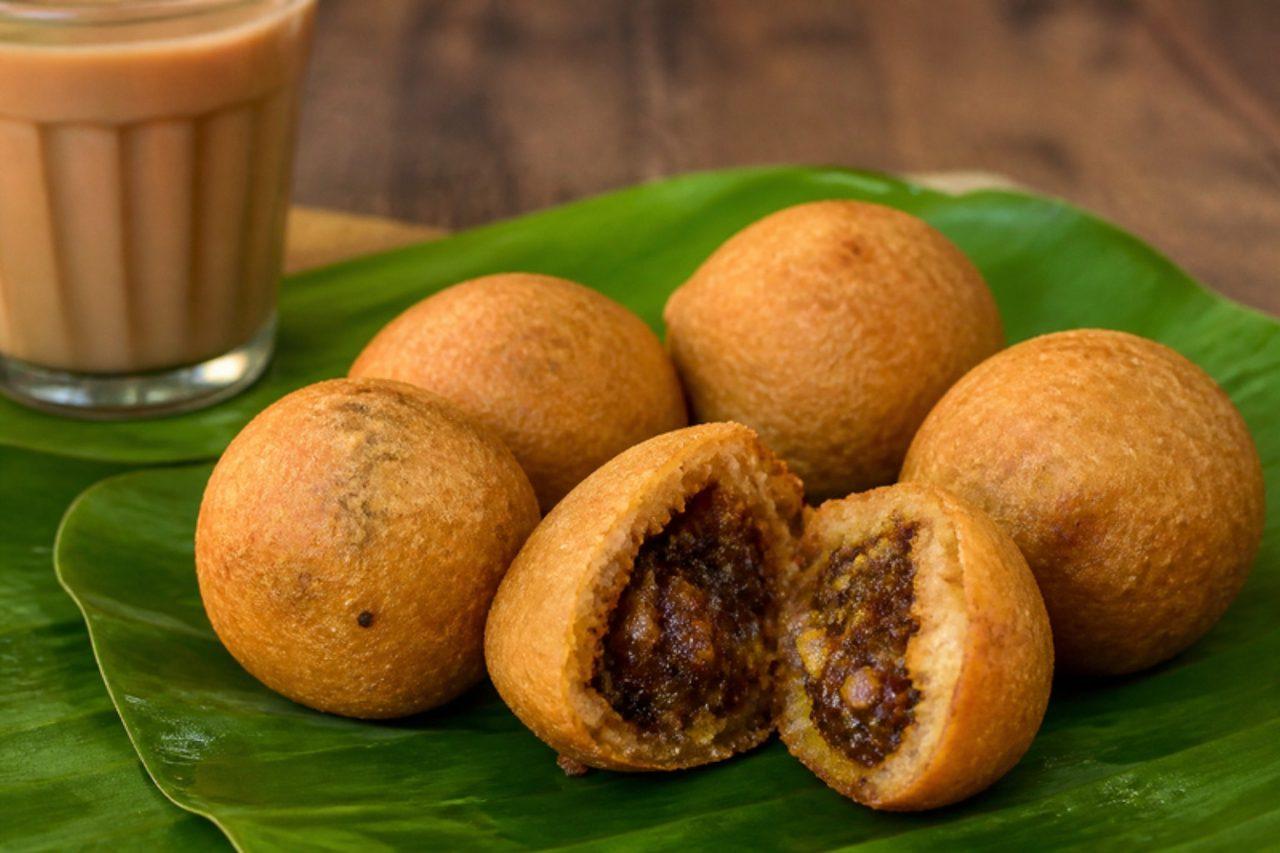
Kandarappam is one of the grand sweets of the Chettiar houses of Karaikudi and Kanadukathan, fried by the dozen for weddings and for Deepavali and kept in big brass tins. A ground batter of raw rice, urad dal and chana dal is sweetened with jaggery and cardamom and ladled into hot oil, where each cake puffs up, turns dark golden and gets a crisp, lacy edge around a spongy middle. They are eaten at room temperature with coffee, often the day after frying, when the flavour has settled. A common mistake is grinding the batter too thin; it spreads into flat discs that soak up oil, so keep it like a thick pancake batter. Chef's tip: fry one test cake first, and if it doesn't puff, add another spoon of rice flour to the batter.

by KrazyBadal 0 views

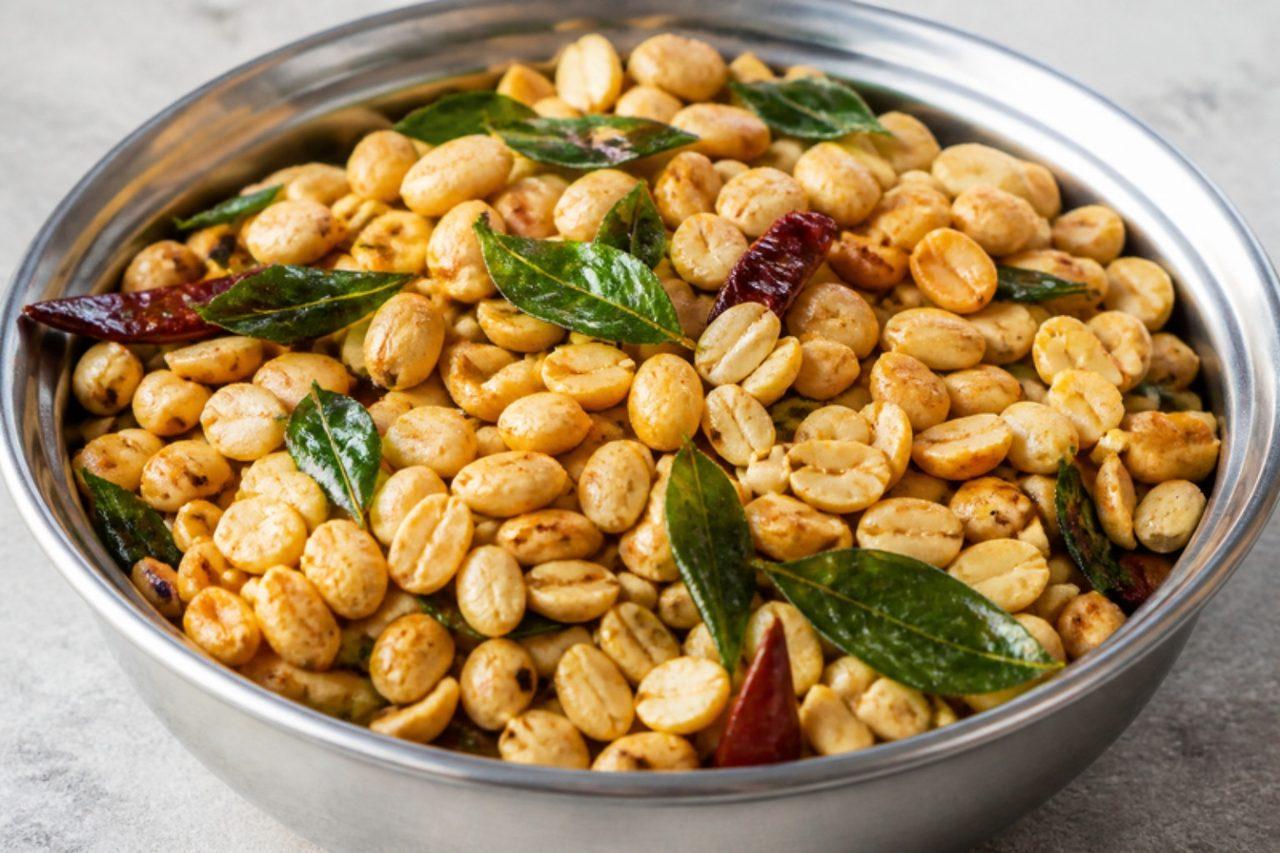
Congress kadlekaiSpiced roasted peanuts

Congress kadlekai is a fixture of Bengaluru's Iyengar bakeries and the Basavanagudi Kadlekai Parishe, the peanut fair held each November. Roasted peanuts are split in half, which is said to be where the name comes from, and tossed in a little hot oil with curry leaves, hing and chilli so the spices cling to the flat sides. It's salty, crunchy and very hard to stop eating with evening coffee. A common mistake is frying the peanuts in the tempering: they're already roasted and burn quickly, so add them off the heat. Chef's tip: rub the warm roasted peanuts in a cloth and blow away the skins; skinless halves take the masala much better.

by KrazyBadal 0 views

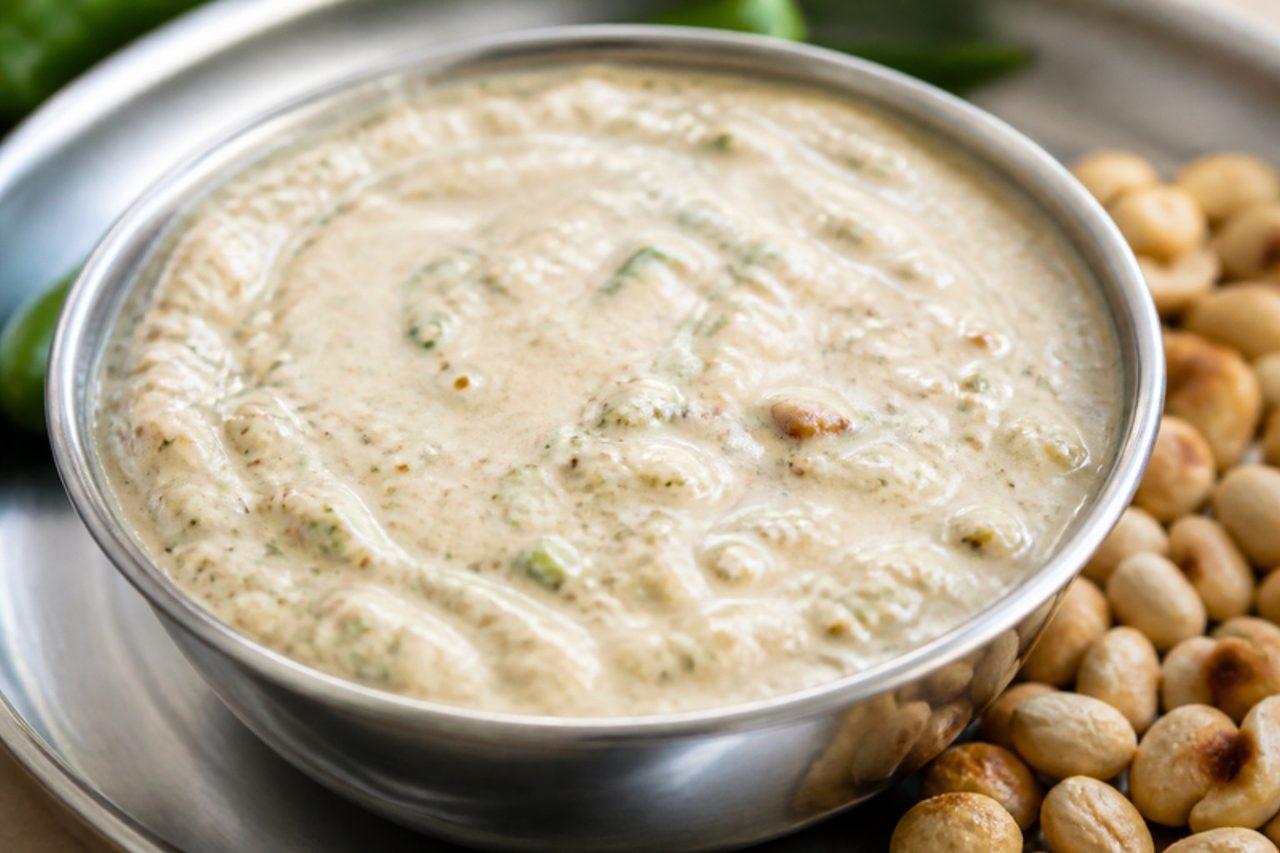
Sing ni chutneyPeanut yogurt chutney

On ekadashi, Shivratri and Navratri fasts, Gujarati homes serve farari pattice, sabudana vada and sweet potato chips with this thick, creamy peanut chutney, and it is just as good the rest of the year with thepla. Roasted peanuts are ground with green chilli, cumin and lemon, then loosened with yogurt into a nutty, tangy dip with a slow chilli warmth. For fasting it is seasoned with rock salt, and it has no onion, garlic or grain. The common mistake is grinding the peanuts with the yogurt from the start; they never break down properly. Chef's tip: grind the peanuts dry first, then add the yogurt and pulse just to mix.

by KrazyBadal 0 views

Halasina happalaJackfruit papads

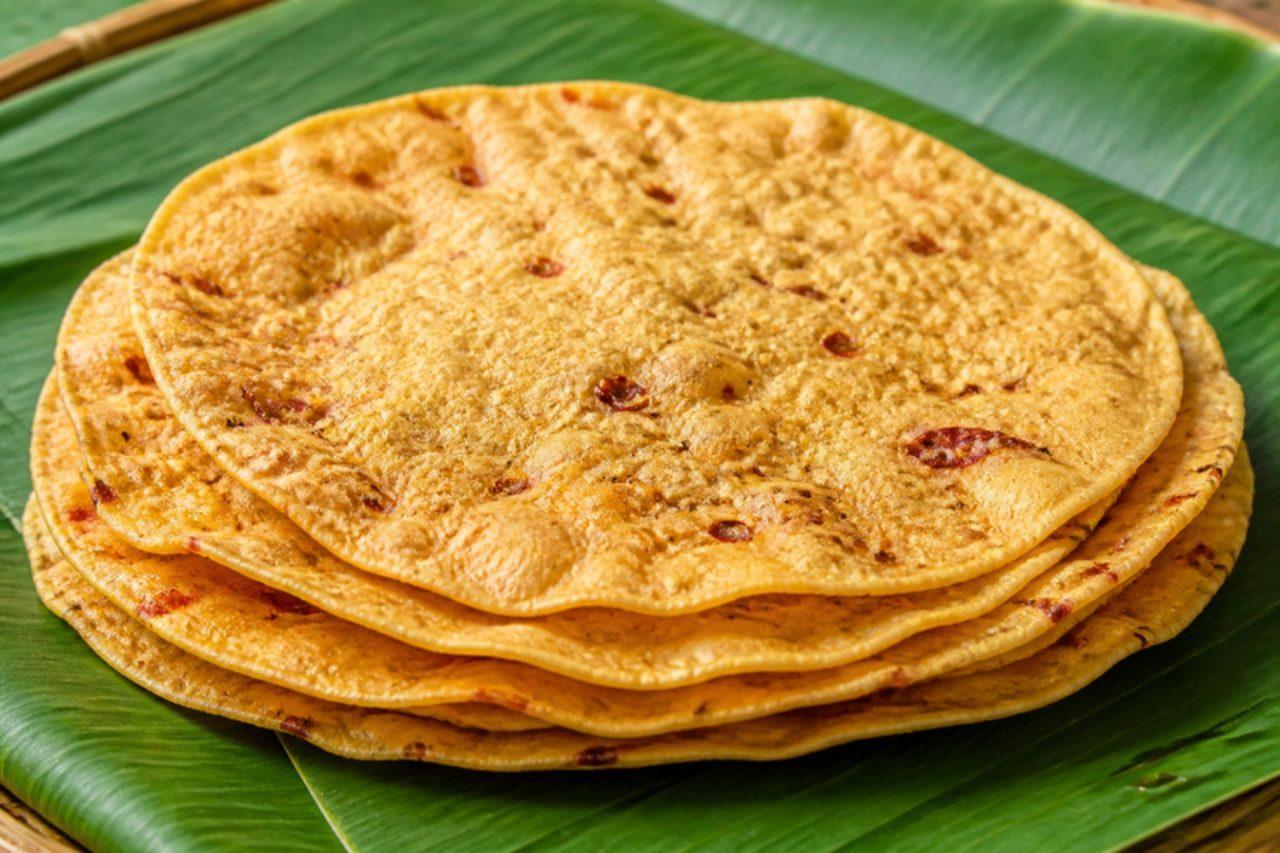
In Udupi and the rainy Malnad hills, families turn the glut of summer jackfruit into happala: raw bulbs cooked soft, ground with chilli and cumin, pressed into thin rounds and dried on the terrace for the monsoon months. Fried in coconut oil they puff into a crisp, earthy papad with a gentle chilli heat, eaten with rice and saaru or on their own with tea. The common mistake is pressing them too thick; they stay leathery and won't puff. Aim for about 2 mm, thin enough to see light through the edges. Chef's tip: oil your hands, the plastic sheets and the press, because raw jackfruit latex is very sticky and will glue everything together.

by KrazyBadal 0 views

Tal ni chikkiSesame jaggery brittle

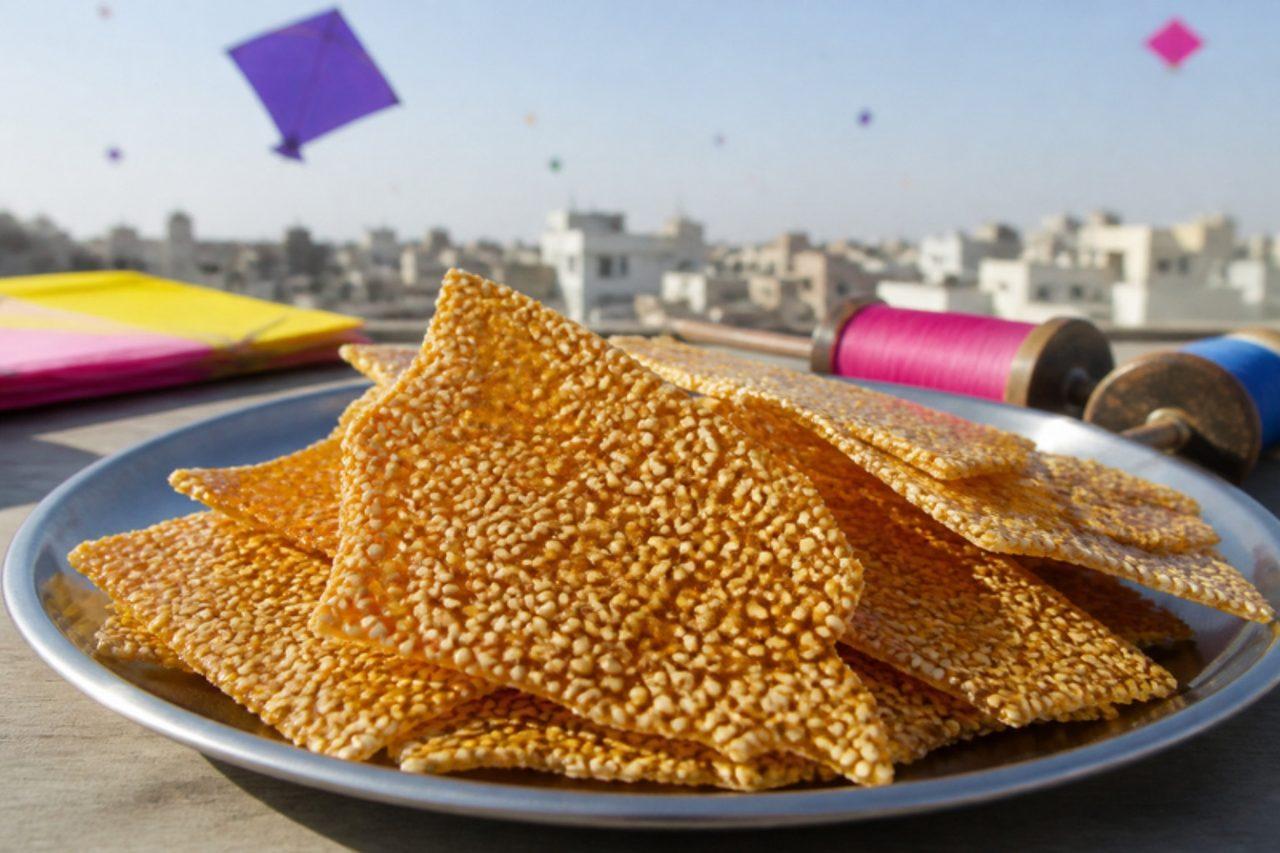
On 14 January every Gujarati rooftop fills with kite-flyers, and somewhere between the manja reels there is always a tin of tal ni chikki, broken into shards. The thinnest kind, tal sankli, is rolled out so fine you can almost see through it; it shatters with a snap and tastes of toasted sesame and dark caramel. It is a two-ingredient sweet where everything depends on the jaggery. Common mistake: pulling the jaggery off the heat too soon; it must reach the hard-crack stage, when a drop in cold water sets instantly and snaps cleanly, or the chikki stays chewy and sticks to the teeth. Chef's tip: work fast and roll on the greased back of a steel thali; if it hardens before you finish, warm it in the pan for a few seconds.

by KrazyBadal 0 views

ManoharamRice flour sticks in jaggery syrup

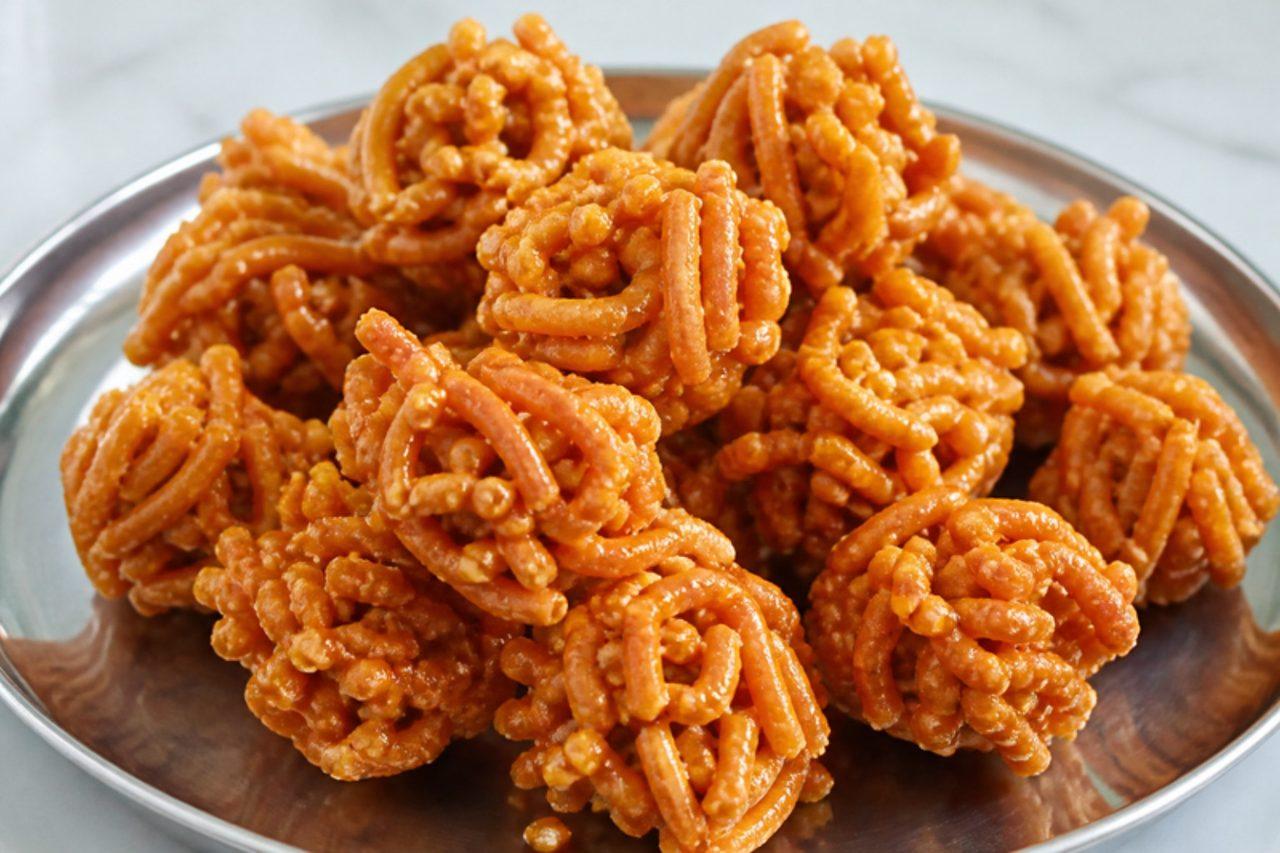
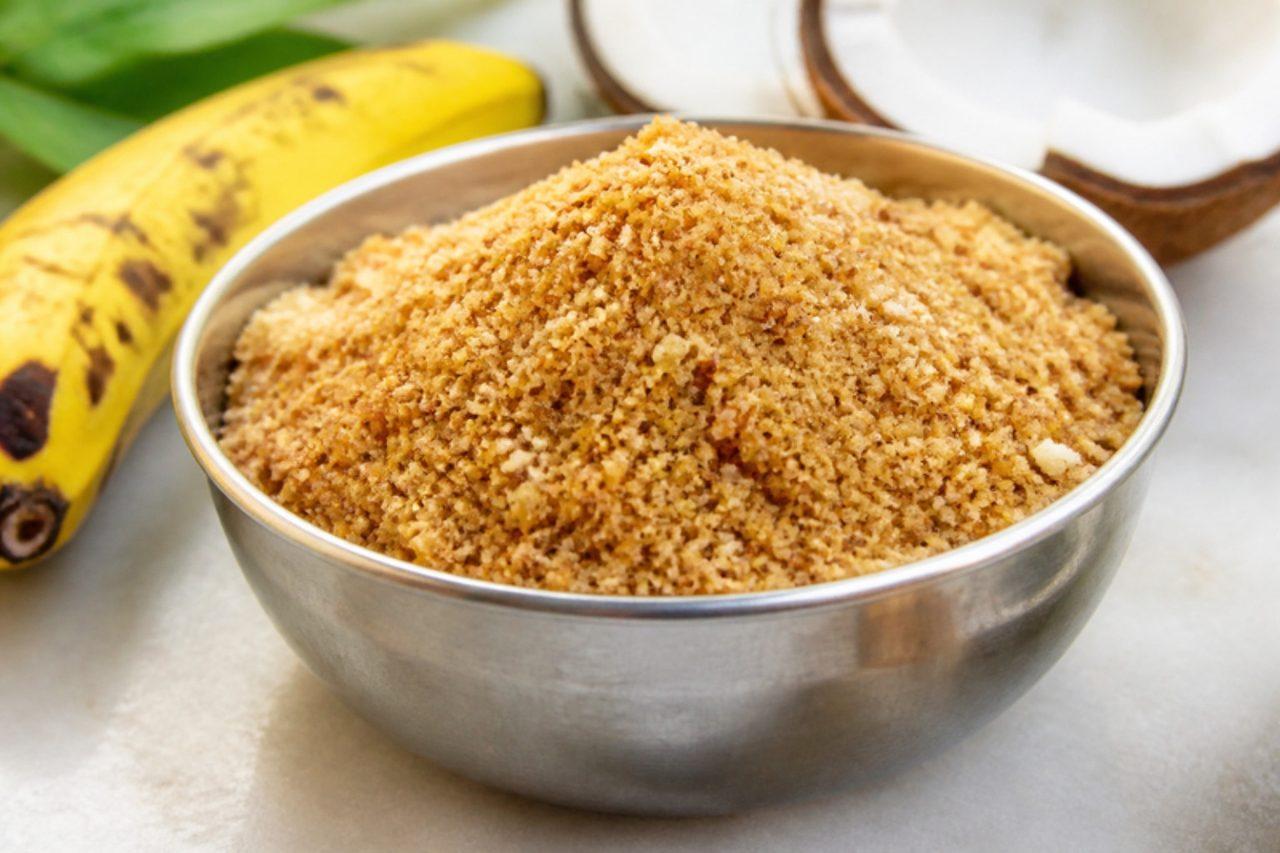
Manoharam is a Chettinad sweet made for weddings and the sweet trays of Deepavali, often shaped into a tall cone for the bridal seer. Short, crisp sticks of rice and moong flour are pressed and fried, then tossed in a jaggery syrup cooked to the hard-ball stage, so the syrup sets around them into a crunchy, molasses-sweet cluster. It is eaten in small pieces with coffee and keeps for weeks. The usual mistake is undercooked syrup, which never sets and leaves the sticks soggy; test it in cold water until it snaps. Chef's tip: have the fried sticks warm and ready in a wide greased bowl before the syrup reaches the right stage, as it starts setting within a minute.

by KrazyBadal 0 views

Poda pithaBaked rice and urad cake

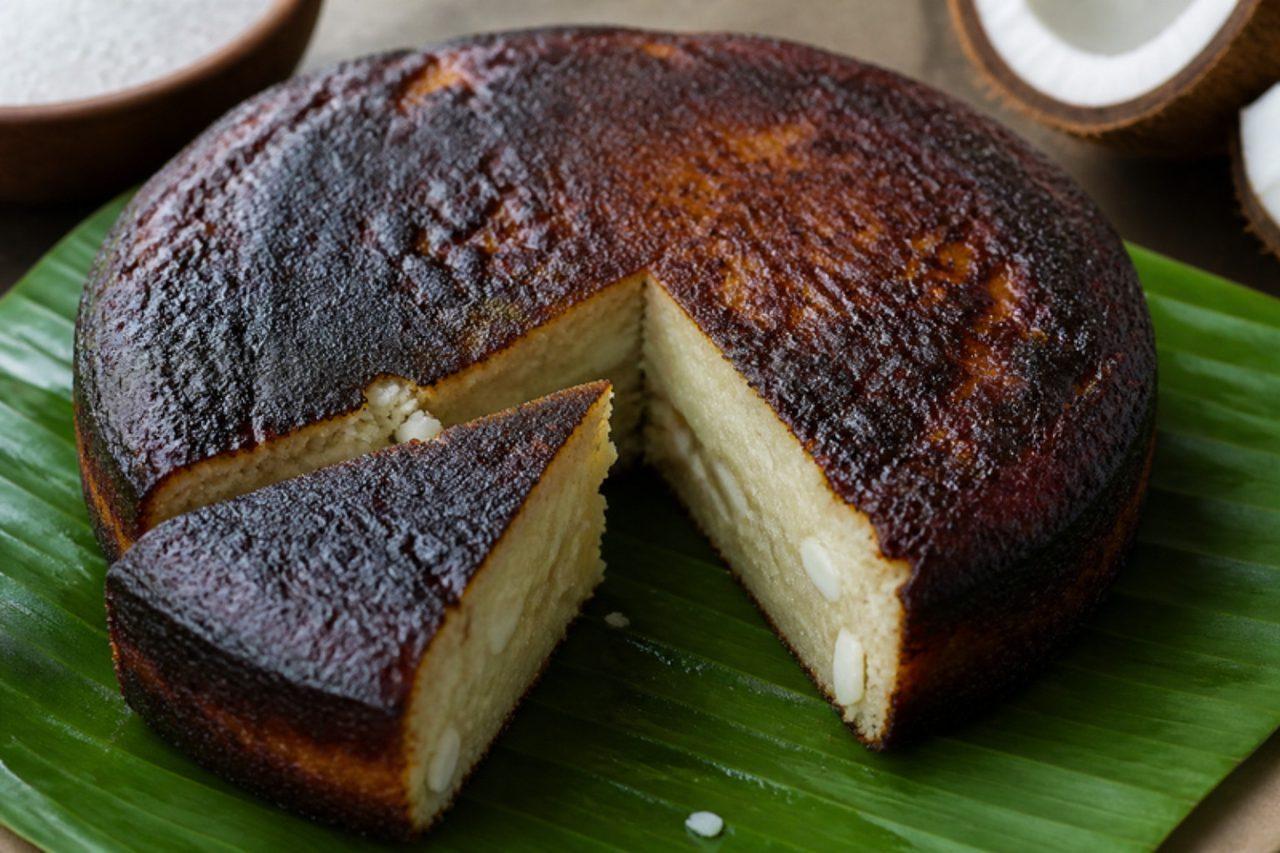
Raja is Odisha's three-day festival in mid-June when the earth is said to rest before the monsoon: farming stops, girls wear new clothes, swing on rope swings under the trees and eat pitha instead of cooking rice. Poda pitha, literally 'burnt cake', is the star. A fermented batter of rice and black gram is mixed with jaggery, coconut, pepper and cardamom and baked very slowly, traditionally in a pot buried in embers, until the outside is dark and crusty and the inside sets moist and springy. This is not chhena poda: there is no cheese, only rice and dal. Common mistake: cutting it hot; it needs to cool fully to set, and it is done when a skewer comes out clean and the top is deep brown. Allow an overnight soak and an 8–10 hour ferment before you start. Chef's tip: line the tin with banana leaf if you can get it; the leaf scorches and gives the cake its smoky, village flavour.

by KrazyBadal 0 views

TambittuRoasted rice flour jaggery laddus

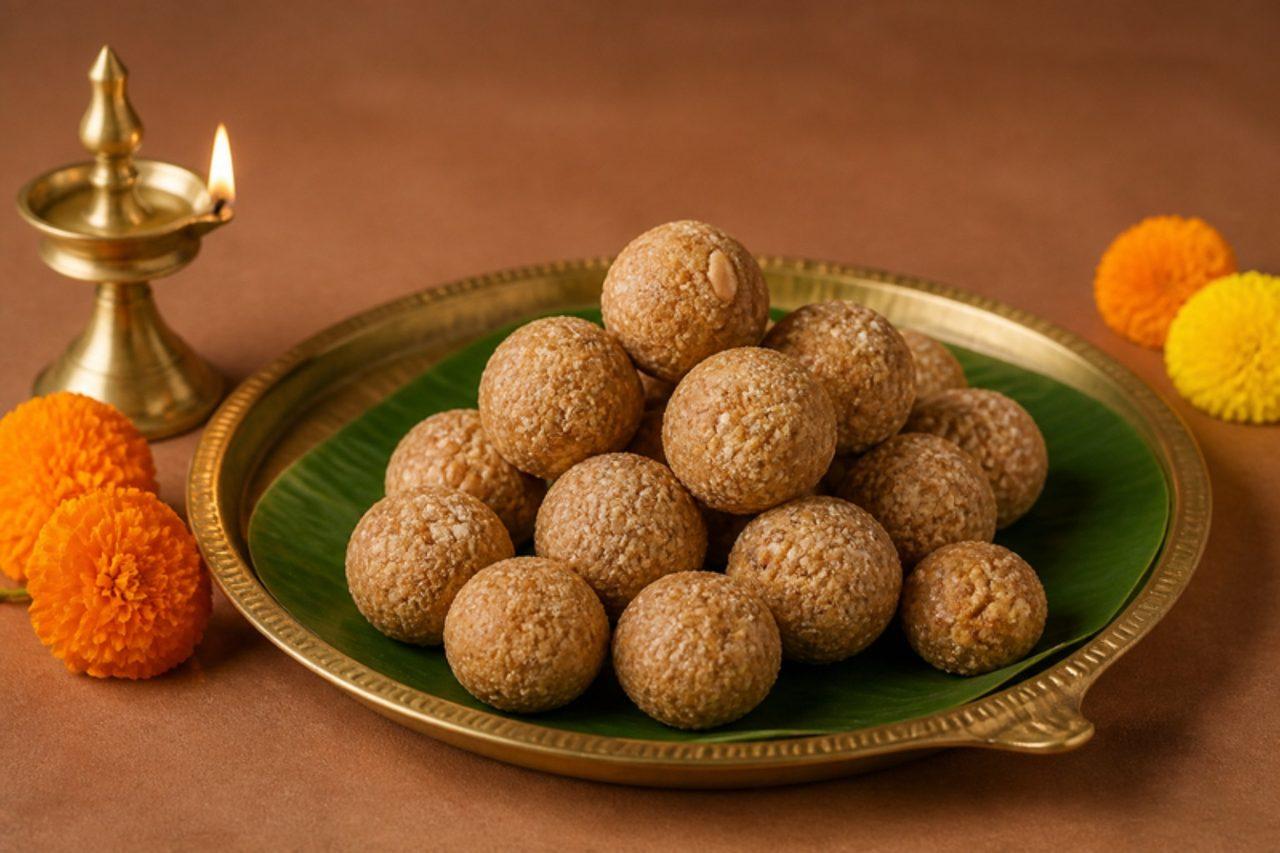
Nagara Panchami in Karnataka is a festival of sisters and brothers as much as of snakes: women offer milk to the stone naga images under peepal trees, and the sweets made at home are tambittu, laddus of roasted rice flour, roasted gram, coconut and sesame bound with jaggery syrup and ghee. They are crumbly-soft and earthy, and a few are also offered at Varamahalakshmi. Common mistake: binding with thin syrup, which leaves the laddus wet and collapsing; boil the jaggery only to a soft-ball stage, when a drop in cold water forms a soft ball you can pick up. Chef's tip: roast the rice flour until it just smells toasty and is barely cream-coloured; too dark and the laddus taste bitter.

by KrazyBadal 0 views

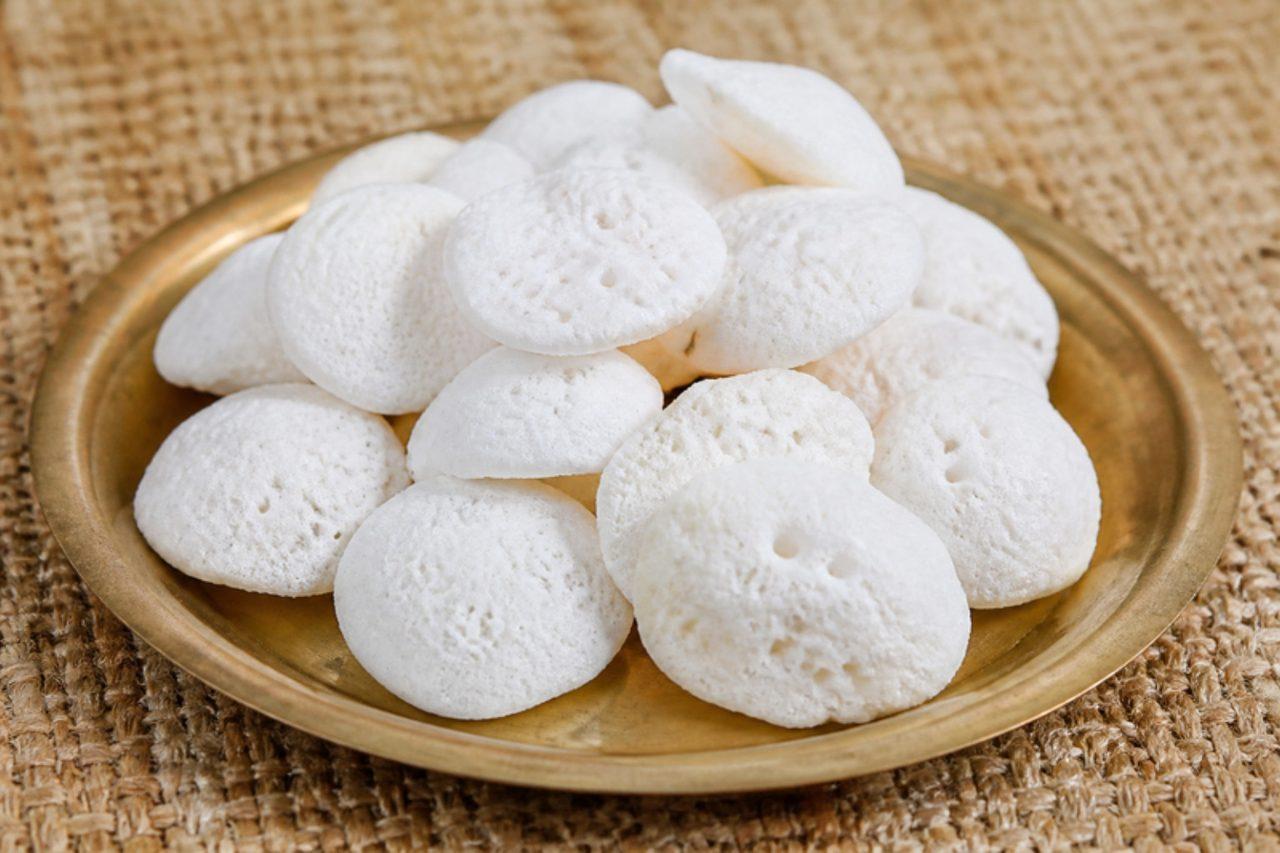
BatashaPuffy sugar drops

On Pohela Boishakh, the Bengali New Year in mid-April, the fairs that spring up in Dhaka, across Bangladesh and in West Bengal sell batasha by the basket, and shopkeepers hand them out with sweets as they open their new account books for halkhata. Temples receive them as offerings, and children crunch them on the way home. They are simply sugar boiled hot, then foamed with a pinch of soda and dropped in coins that set airy, crisp and melt-in-the-mouth. The common mistake is pulling the syrup off too early: below the hard-ball stage the drops spread flat and stay sticky. The syrup is ready at about 125 °C, when a drop in cold water forms a firm ball that keeps its shape. Chef's tip: work fast once the soda goes in, because the syrup sets within a minute; ask someone to help you drop them.

by KrazyBadal 0 views

Vazhakkai bajjiRaw banana fritters

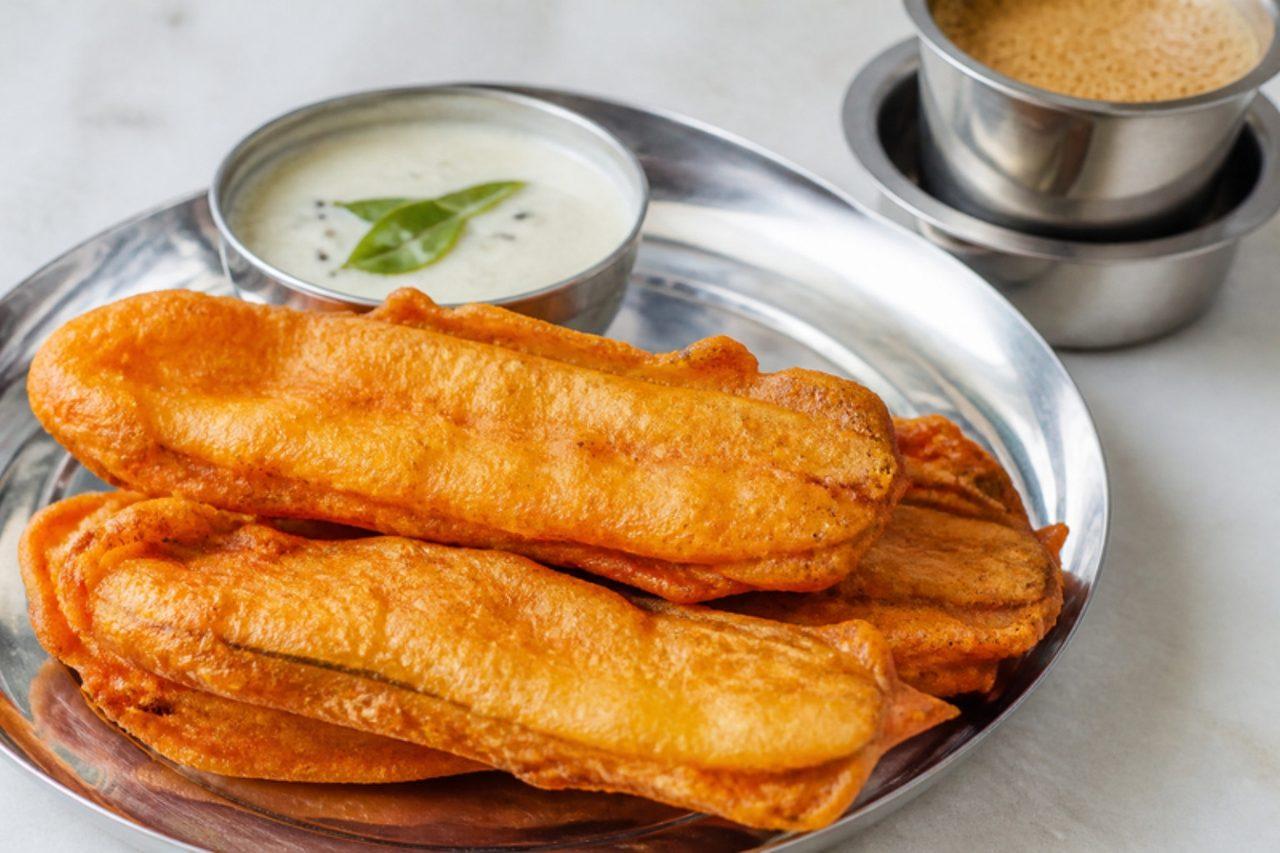
Every Chennai beach stall and every Tamil wedding tiffin has a tray of vazhakkai bajji, long thin slices of raw plantain in a soft, puffy, red-tinged coat. They are best eaten minutes out of the oil around 5 pm, with coconut chutney and a tumbler of coffee. The mistake is slicing too thick: the banana stays starchy and hard while the batter overbrowns, so cut slices 2–3 mm thin, ideally on a mandoline, lengthways. Chef's tip: a spoonful of rice flour and a pinch of hot oil whisked into the batter makes the coating crisp outside and keeps it from going soggy.

by KrazyBadal 0 views

ThenkuzhalRice and urad flour spirals

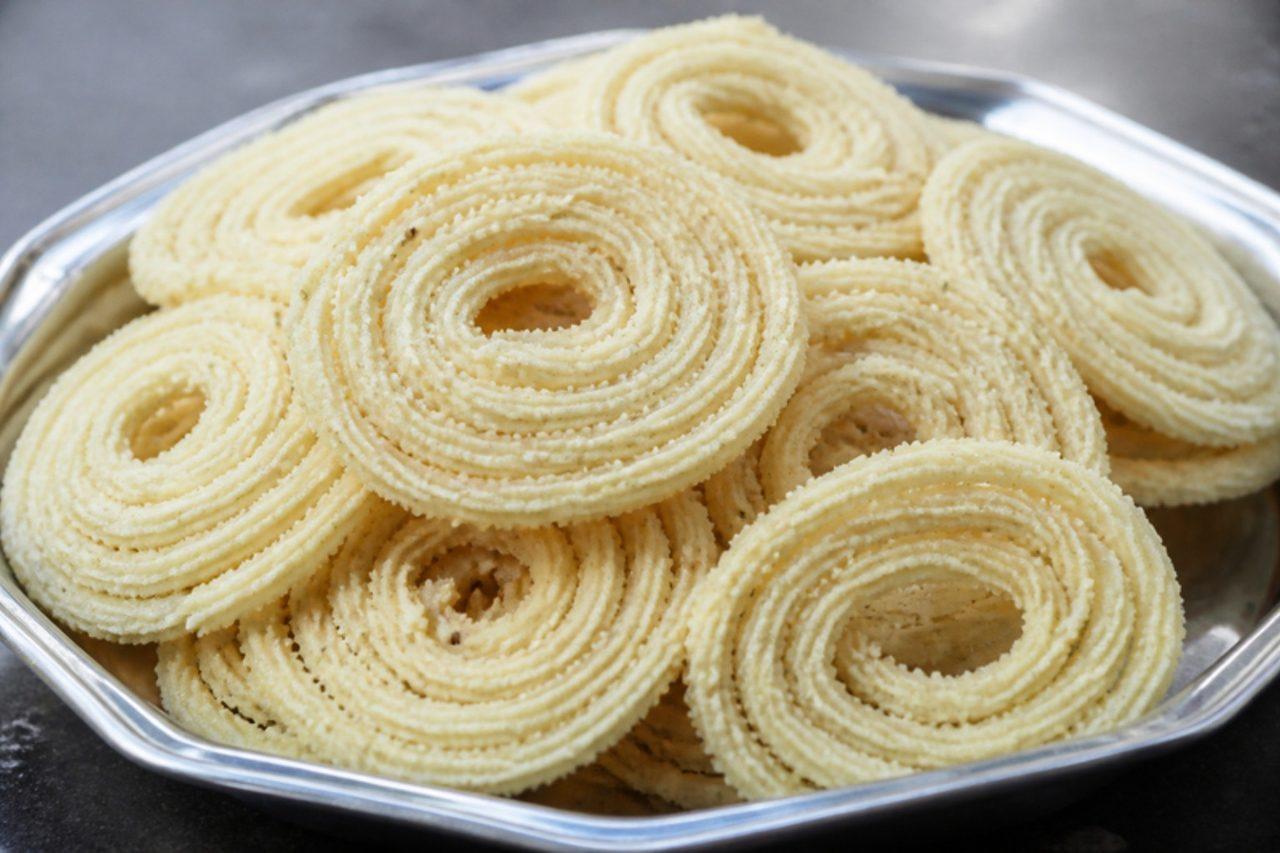
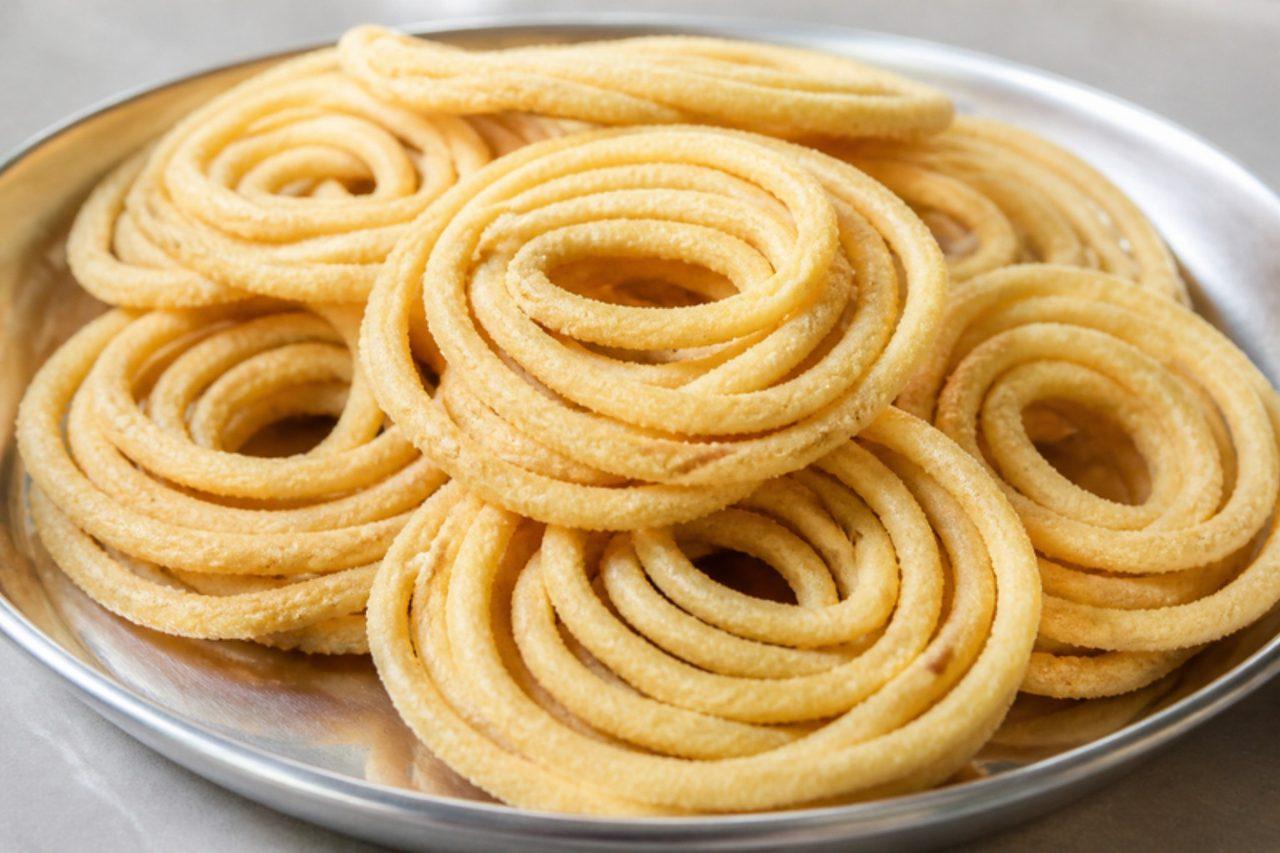
Thenkuzhal is the plain, pale murukku of Tamil Nadu, especially in Chettinad and Thanjavur kitchens, pressed through a single-hole plate into neat spirals for Deepavali and Krishna Jayanthi. Unlike butter murukku, it relies on roasted urad flour and a spoon of hot oil for its crunch, with cumin and a little sesame for flavour, and it should be cream-coloured, smooth and light. It is eaten with coffee and kept in tins for weeks. The common mistake is a dough that is too stiff, which breaks while pressing and gives a rough, cracked surface; it should be soft enough to pipe smoothly. Chef's tip: press the spirals onto the back of an oiled slotted spoon or a square of parchment and slide them into the oil, so they keep their shape.

by KrazyBadal 0 views

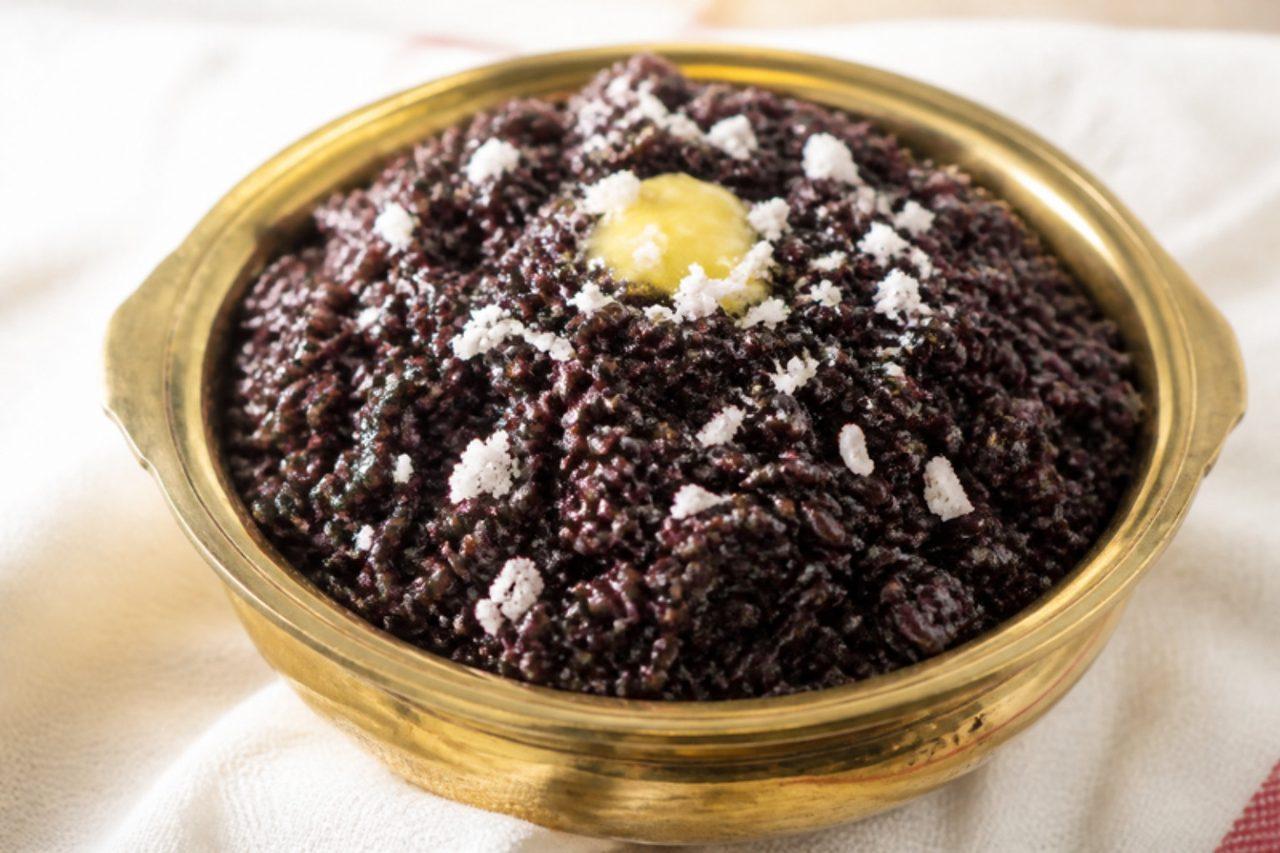
Kavuni arisiBlack rice sweet

Kavuni arisi is the deep purple-black sweet that every Chettiar wedding feast in Karaikudi begins with, a nod to the trading families' old links with Burma, where the black rice came from. The rice is soaked overnight, cooked until soft but still chewy, then mixed with sugar, plenty of fresh grated coconut and a spoon of ghee, so it is nutty, gently sweet and pleasantly sticky. It is eaten warm or at room temperature in small portions. The usual mistake is cooking black rice like white rice; it needs a long soak and a long cook, or the grains stay hard at the centre. Chef's tip: mash a quarter of the cooked rice lightly with the back of a spoon before adding sugar, which makes it hold together the way it does in Chettinad.

by KrazyBadal 0 views

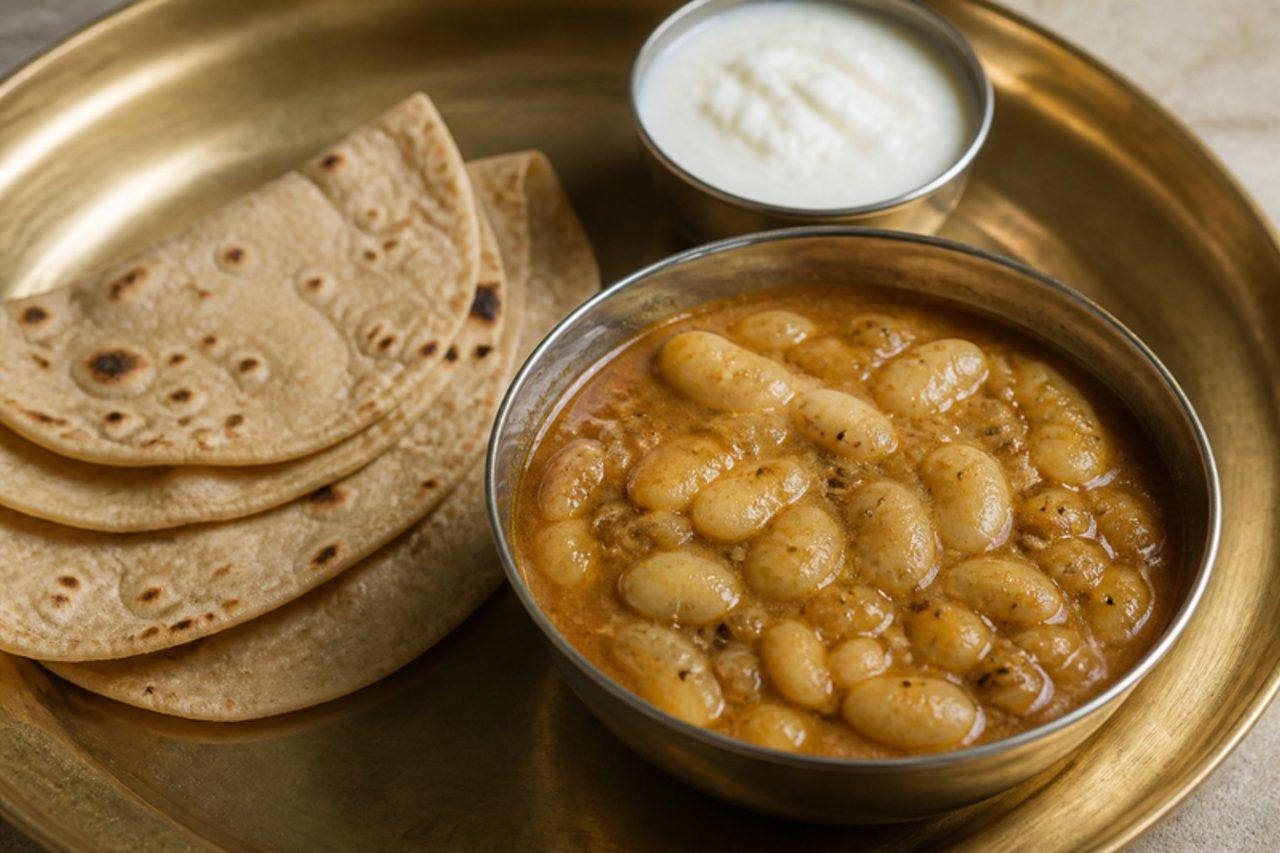
Vaal nu shaakDried field beans with ajwain

During the eight days of Paryushan many Gujarati Jain families stop eating green, leafy and fresh vegetables, so the kitchen turns to dried pulses, and vaal (dried field beans) cooked soft with ajwain and hing is a regular on the thali. This recipe is fully Jain: no onion, no garlic, no fresh ginger and no root vegetables, with dry ginger powder for warmth and amchur instead of tomato for sourness. The beans are creamy and a little bitter-sweet, balanced by jaggery, and are eaten with rotli, rice and kadhi, finished before sunset in strict homes. Common mistake: using beans that have not soaked long enough; they stay hard and split unevenly. Cook them until one squashes easily between your thumb and finger, but not so long that they burst. Chef's tip: ajwain and hing make vaal much easier to digest, so do not skip the tempering; for a gluten-free dish use a gluten-free hing.

by KrazyBadal 0 views

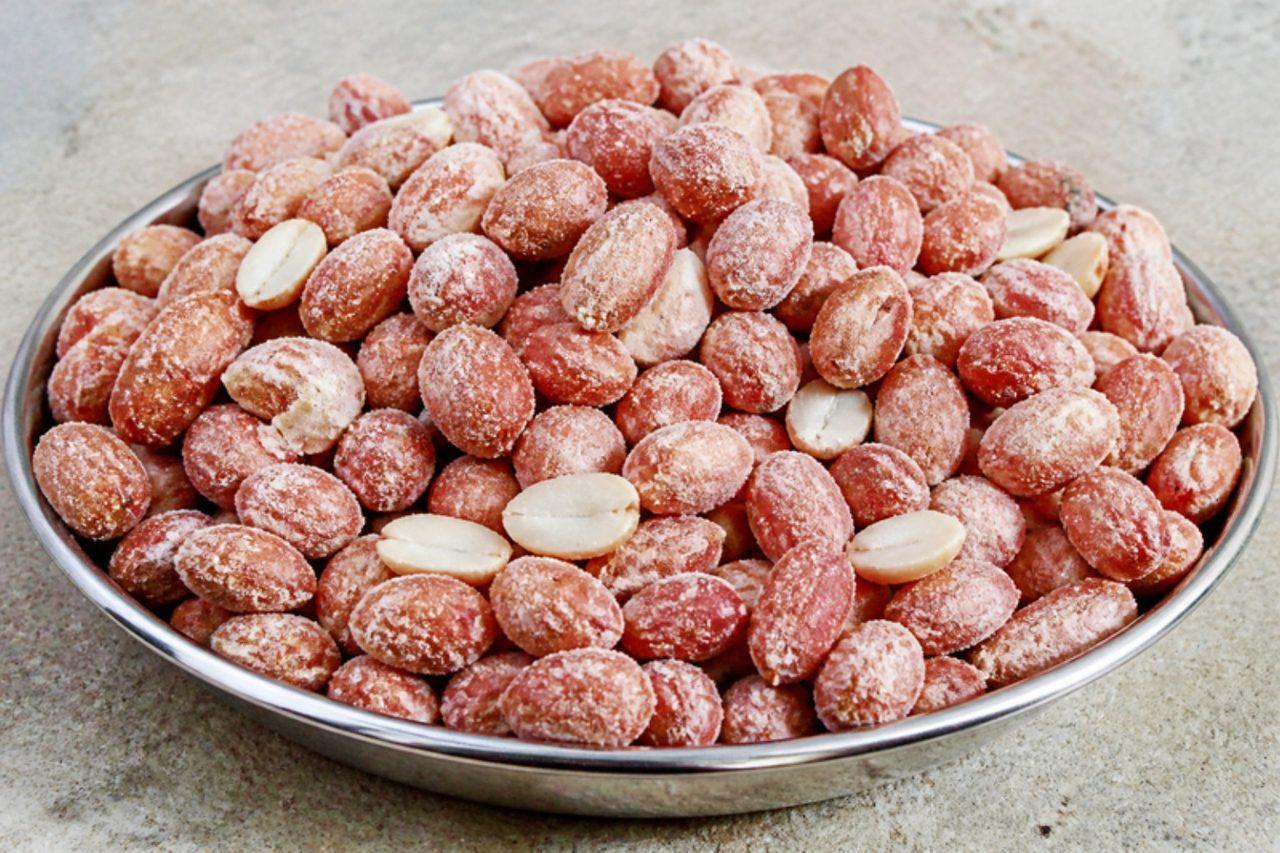
Bharuchi khari singSalt-roasted peanuts

Bharuch on the Narmada is famous across Gujarat for khari sing, salted peanuts sold in paper packets at the station and on the highway, and carried home by every traveller. Whole peanuts are soaked in strong salt water, then roasted in a big iron pan of hot salt (or sand) until the skins crackle and dry to a thin, white, salty crust over a deeply roasted, crunchy nut. They are a travel snack, a tea-time nibble and a fasting-friendly protein. The common mistake is roasting too fast over high heat: the shells char outside while the nut stays chewy inside, so roast steadily over medium-low and taste a nut before you stop. Chef's tip: the roasting salt can be sieved, cooled and kept in a jar for the next batch.

by KrazyBadal 0 views

Pappada vadaFried pappadam fritters

Pappada vada is a Kerala tea-shop snack from the stretch between Thrissur and Palakkad, where a jar of them sits on the counter beside the banana fritters for the four o'clock chai break. Plain urad pappadams are dunked in a thin, chilli-red rice-flour batter with sesame and hing, then fried until the coating turns into a glassy, bubbly crust around the crisp pappadam inside. They are salty, peppery and loud to eat, and they keep in a tin for a week. The usual mistake is a thick batter: it fries into a hard, oily shell, so it should coat the back of a spoon thinly, like single cream. Chef's tip: use the small Kerala pappadams, not the big spiced Punjabi ones, and fry two at a time so the oil stays hot.

by KrazyBadal 0 views

Thatte idliLarge flat plate idli

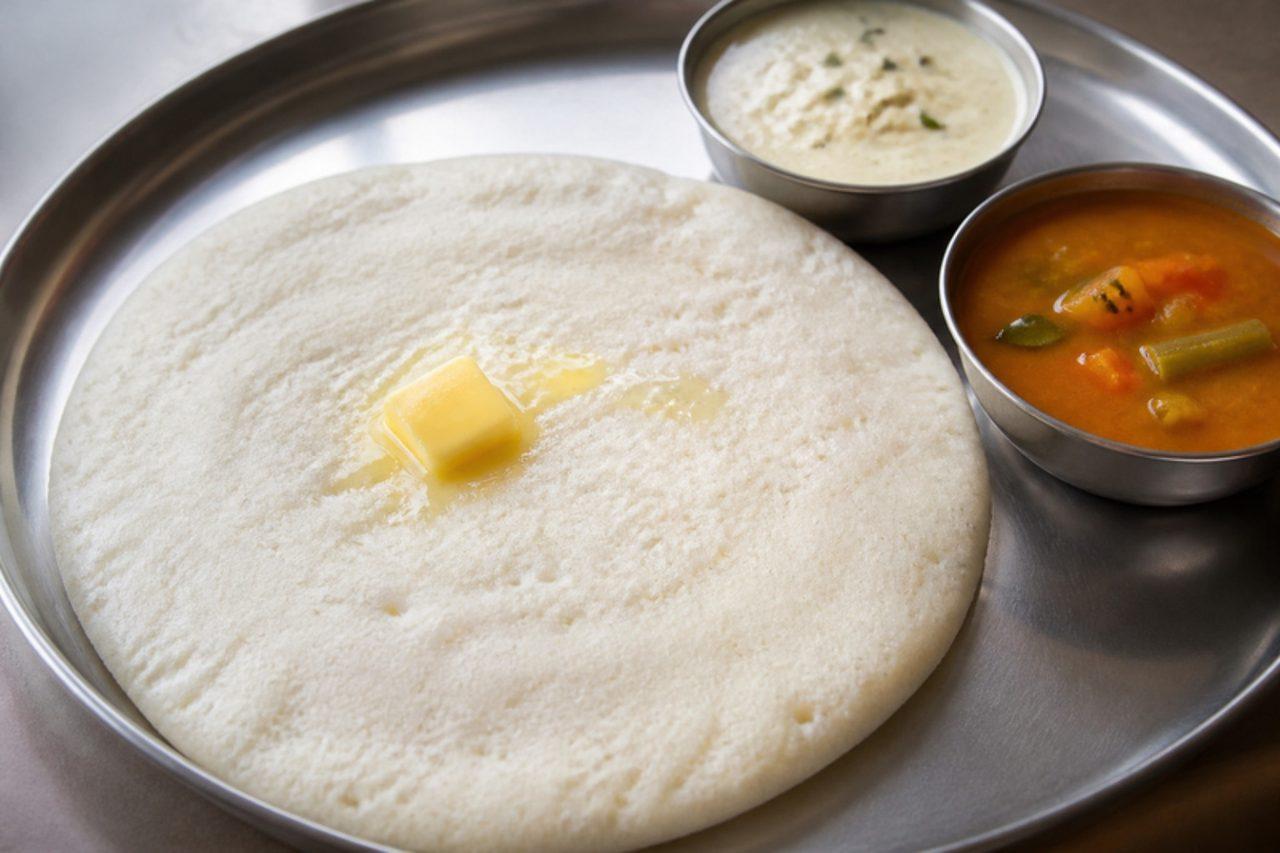
Thatte idli comes from Bidadi, on the old highway from Bengaluru to Mysuru, where roadside hotels steam plate-sized idlis on round thatte trays from dawn for travellers' breakfast. Poha in the batter makes them soft and spongy, and they are served with a knob of butter melting on top, coconut chutney and a thin sambar or podi. A common mistake is a stiff batter: thatte idlis need a looser, pourable batter than ordinary idli or they turn dense in the wide plate. Chef's tip: grind the urad dal with ice-cold water until it is light and almost doubled; that air carries the whole idli.

by KrazyBadal 0 views

Ambe dalChana dal with raw mango

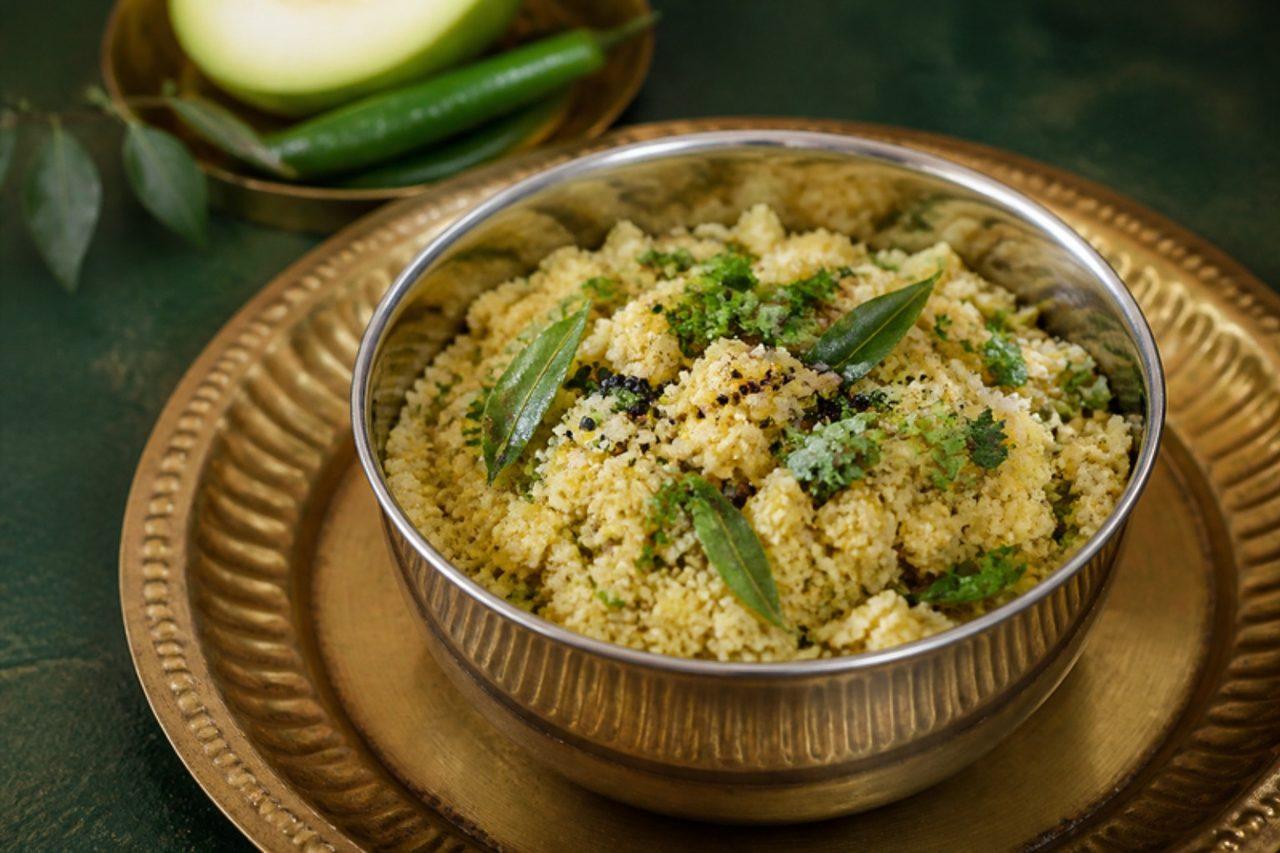
Through the month of Chaitra, which opens with Gudi Padwa, Maharashtrian women invite each other home for haldi-kunku, and the plate they send guests away with nearly always holds ambe dal with a glass of kairi panha. It is not a cooked dal at all but a cool, crunchy salad: chana dal soaked for hours, pulsed coarse with green chilli, then tossed with grated raw mango, coconut and a hot mustard tadka. It tastes sour, fresh and gently hot, and it is filling enough for an afternoon visit. The common mistake is grinding it with water into a paste; the dal must stay in tiny separate grains, like coarse couscous, and feel just tender when you bite one. The long time on this recipe is almost all soaking. Chef's tip: grate the mango only just before mixing and add the salt at the end, or the dal turns watery as it stands.

250 minIndianSaladsVeganGluten free
by KrazyBadal 0 views

Puli avalTamarind flattened rice

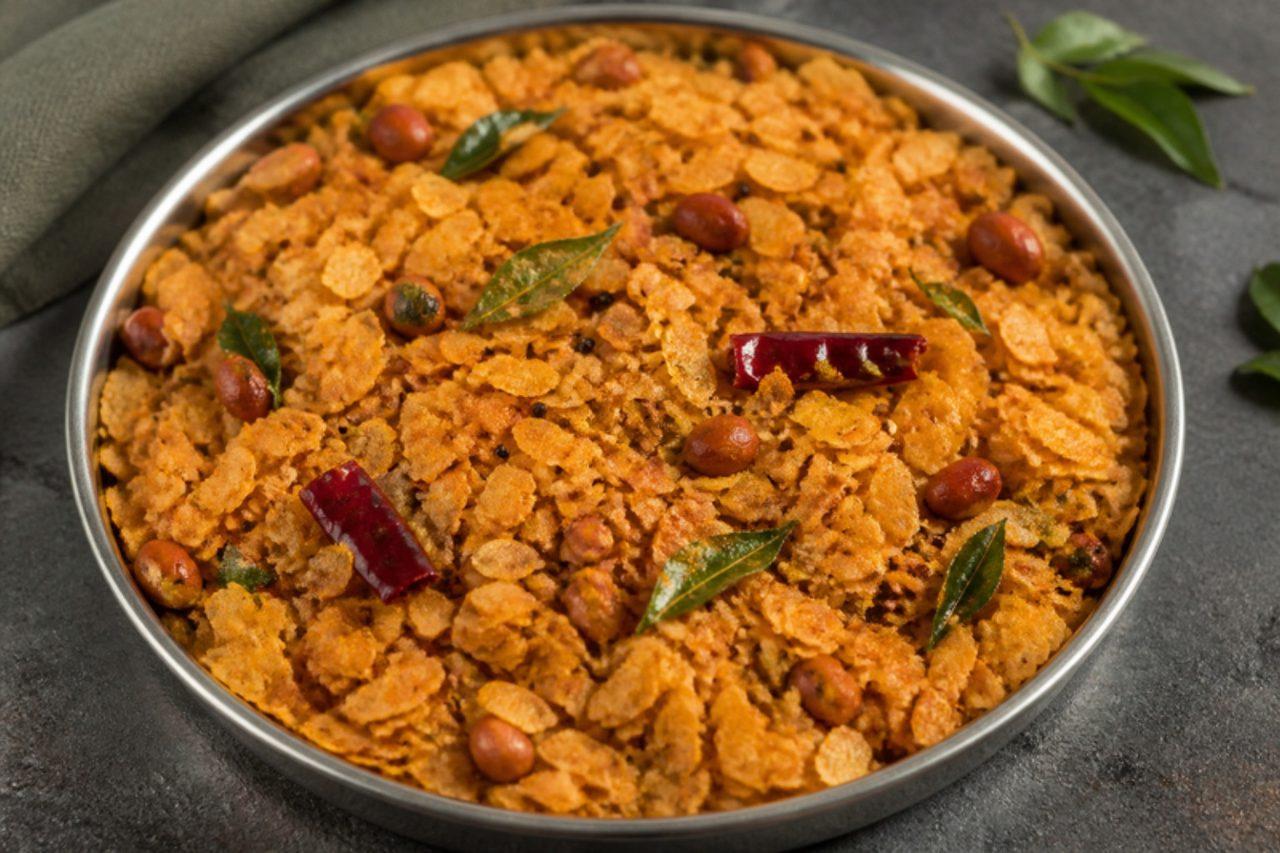
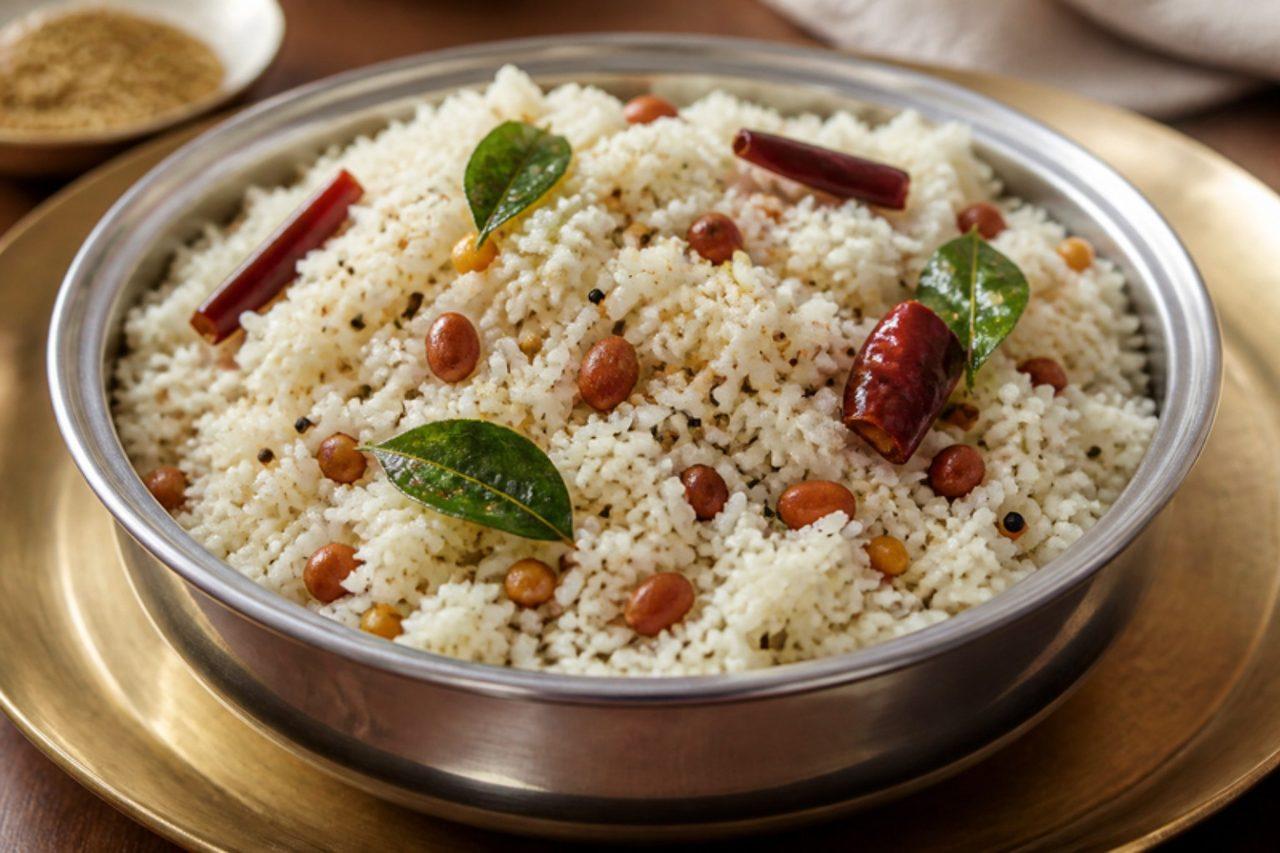
Puli aval is the quick cousin of tamarind rice from Tamil Nadu, cooked in Kumbakonam and Tirunelveli homes as an evening tiffin or a light supper when there's no rice left in the pot. Thick flattened rice is soaked in tamarind water, then tossed into a crackling tempering of mustard seeds, dals, red chilli and peanuts. It tastes tangy, a little sweet and nutty, with soft flakes and crunchy bits. The common mistake is drowning the aval in tamarind water so it turns to porridge; it only needs to be moistened, not soaked. Chef's tip: let the tempered aval sit, covered and off the heat, for 2 minutes before serving so the flakes soften evenly and drink in the tamarind.

by KrazyBadal 0 views

KodubaleSpicy rice flour rings

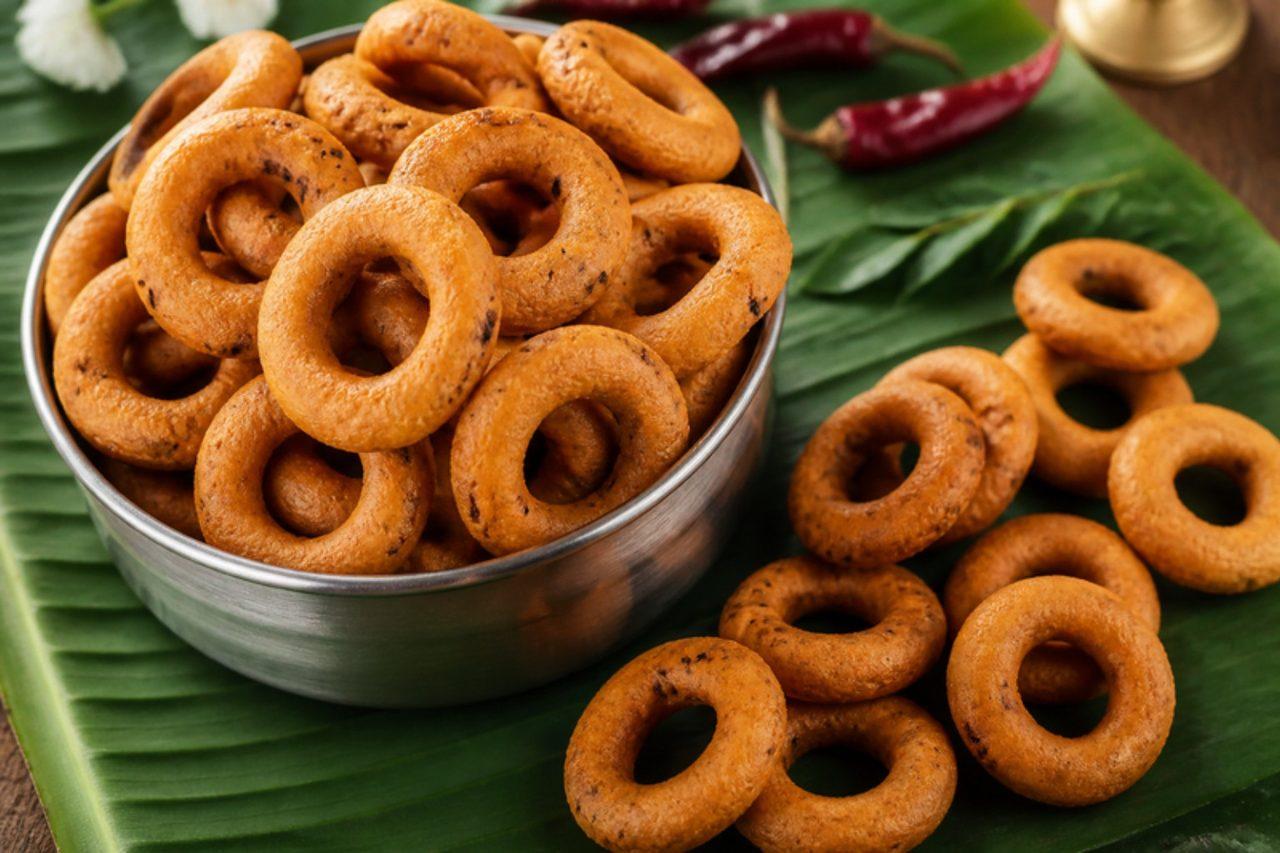
In Karnataka homes the Krishna Janmashtami spread of chakkuli, unde and avalakki always has a tin of kodubale beside it: little rings of rice flour, semolina and coconut ground with dried red chilli and cumin, rolled by hand and fried until they snap. They are spicy, nutty and very crunchy, and also go into Diwali and Gowri festival tins. Common mistake: making the ropes too thick, so the rings stay soft inside; roll them pencil-thin and fry on a medium heat until the sizzling dies down and they feel light. Chef's tip: grind the coconut with the chillies to a dry paste with no water; extra moisture makes the rings oily.

by KrazyBadal 0 views

Kacha kela na vadaRaw banana fritters

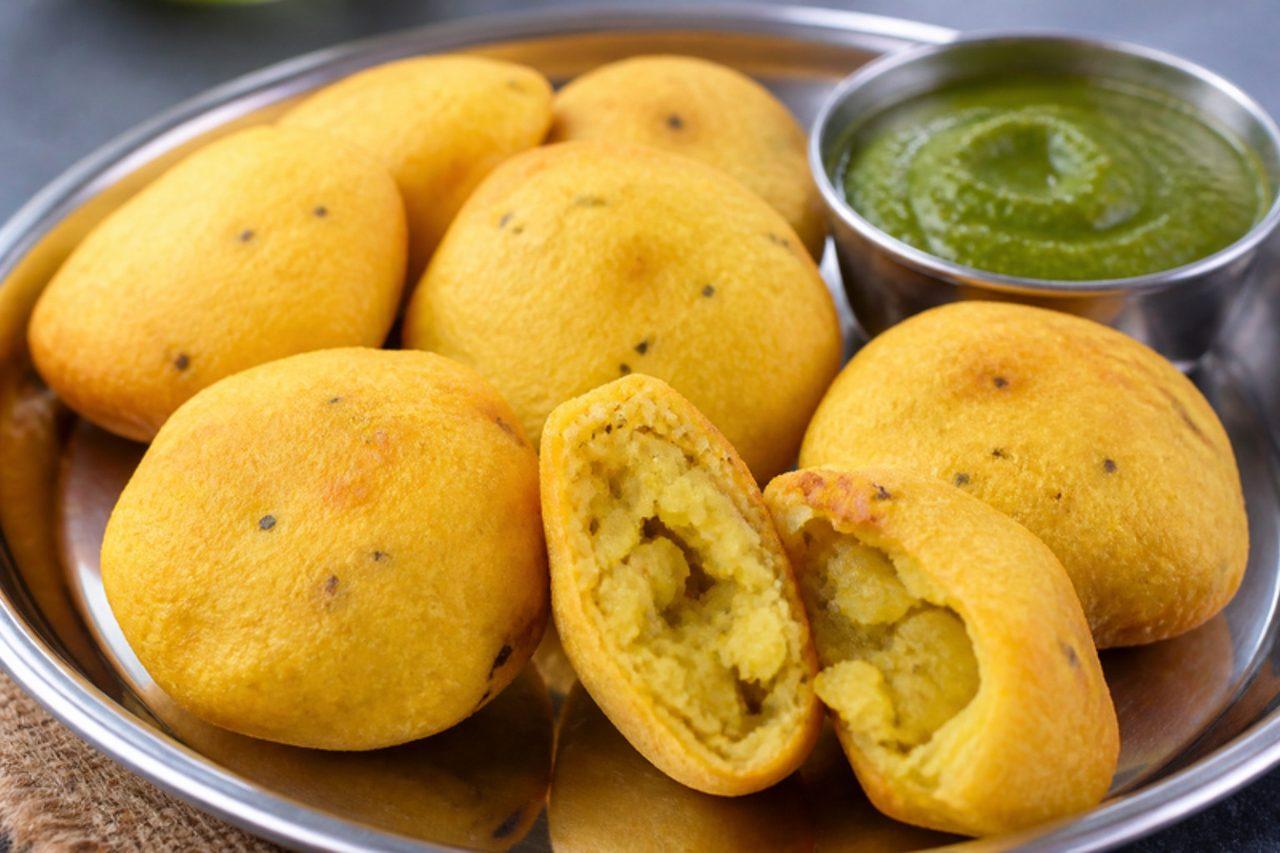
In Jain homes in Ahmedabad, Palanpur and Mumbai's Gujarati neighbourhoods, raw green banana takes the place of potato, so these vada are the Jain answer to batata vada, made for paryushan-season tea and for guests. The bananas are boiled, mashed and spiced with dry ginger, green chilli, lemon and a little sugar, rolled into balls, dipped in gram flour batter and fried. They taste much like batata vada but are slightly firmer, sweeter and fruity. There is no onion, garlic, potato or fresh ginger in this version. The common mistake is overboiling the bananas until they are waterlogged; the filling then goes sticky and the vada split in the oil, so cook them only until a knife slides in. Chef's tip: mash the bananas while warm with a potato masher, not a blender, so the filling stays light.

by KrazyBadal 0 views

KachariyuBlack sesame and date sweet

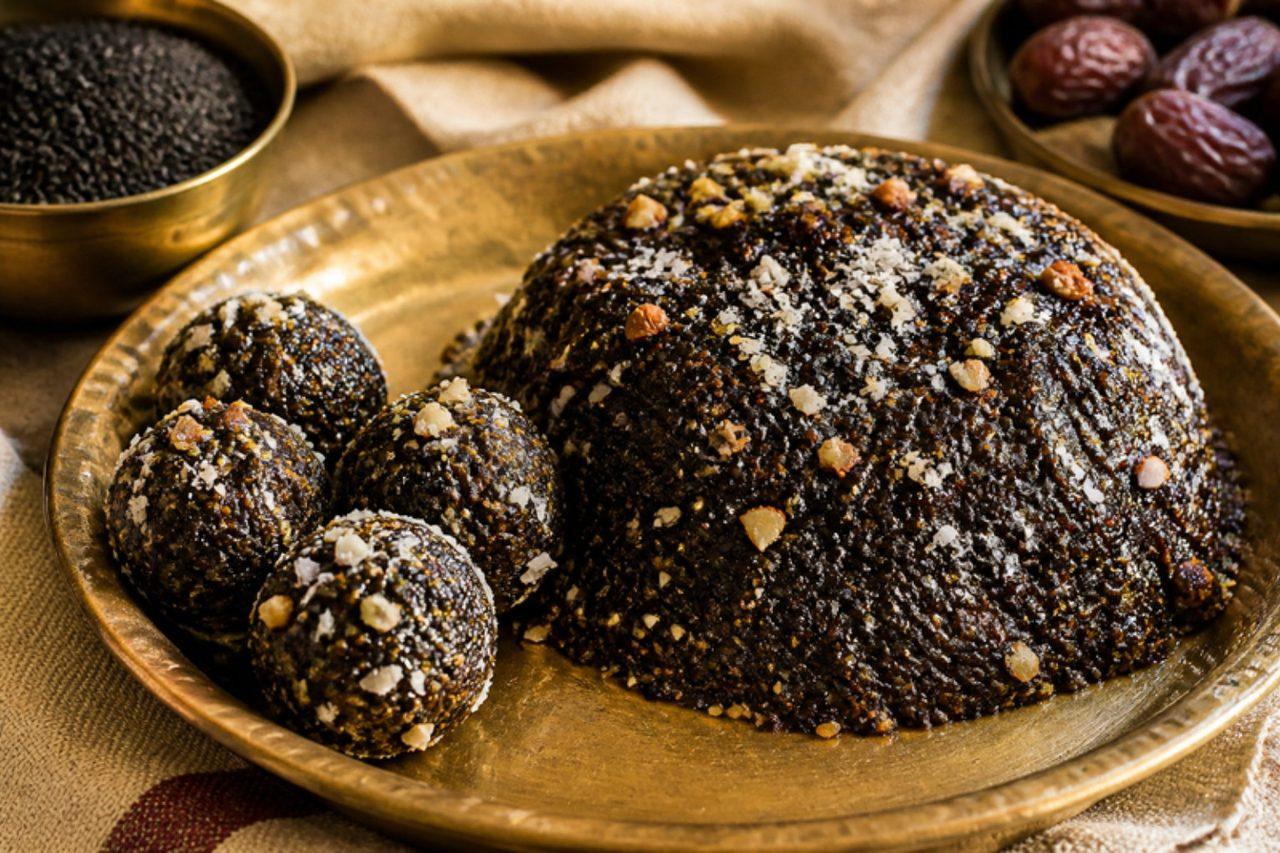
In Saurashtra the oil mills (ghani) run day and night through the Uttarayan season, and the first sesame pressed is mixed with dates and jaggery and sold as kachariyu, a dark, sticky, crumbly sweet that tastes of toasted seeds and spice. Families make it at home too and eat a spoonful every winter morning, and a bowl is always out on kite-flying day. The sesame is crushed until it releases its own oil, so it is rich but not greasy. Common mistake: grinding the sesame to a smooth paste; pulse it only until it turns damp and clumps, which keeps the texture grainy. The seeds are toasted enough when they crackle and a few start to jump out of the pan. Chef's tip: add a little ganthoda (pipli root) powder if you can find it, the traditional warming spice in Kathiawadi kachariyu.

by KrazyBadal 0 views

Jamnagari kachoriDry sweet-spicy kachori

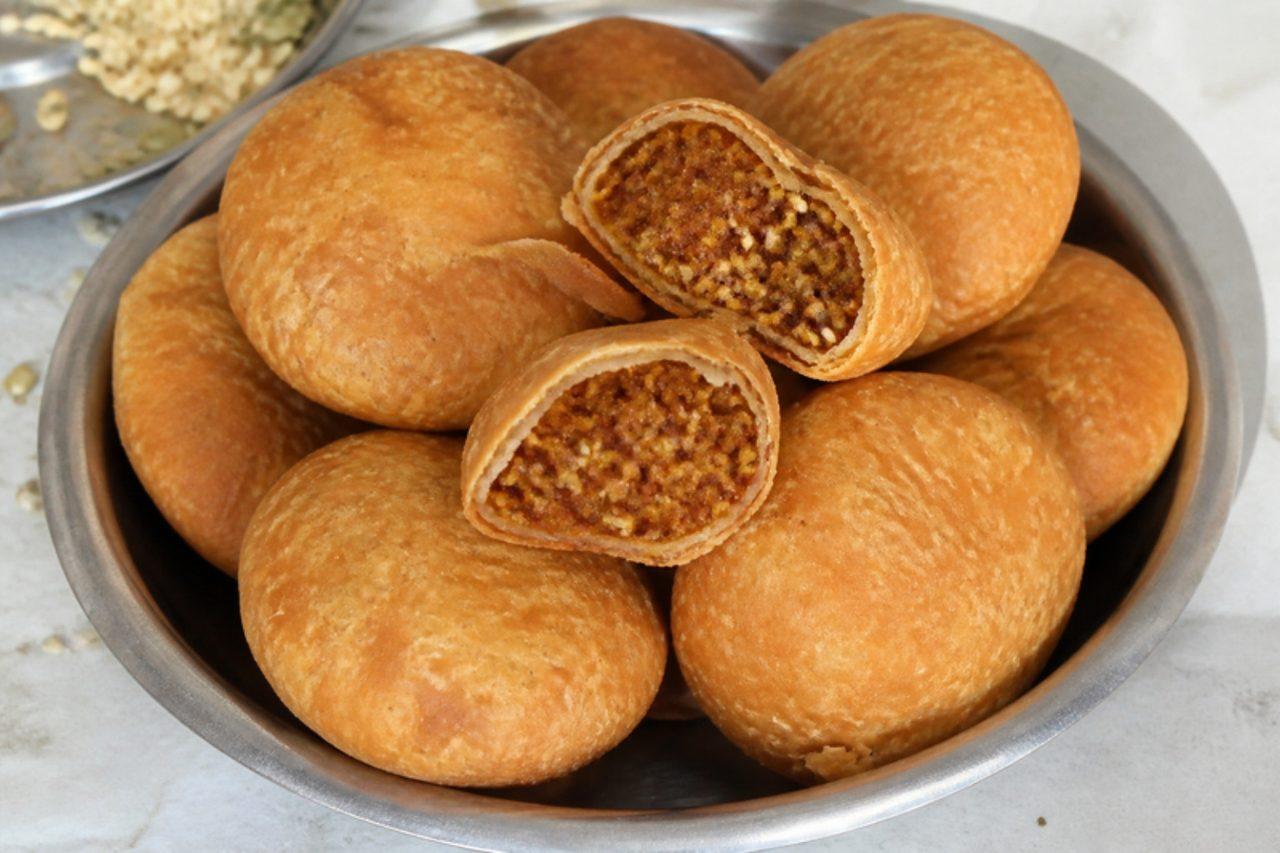
Jamnagari kachori are the little dry kachori that travel: Gujarati families buy them by the box in Jamnagar and carry them abroad, because the filling has no water in it and they keep for a month. The pastry is short and crisp, and the filling is a crumbly mix of roasted besan, dry coconut, sesame, fennel, coriander seed, sugar, raisins and a hit of chilli and dry mango, sweet, sour and hot at once. They are a tea-time snack and part of every Diwali tray. The common mistake is frying them fast; they need a long, slow fry on low heat so the pastry cooks crisp all the way through. Chef's tip: roast the besan for the filling until it smells nutty and just darkens, or the kachori taste raw and floury.

by KrazyBadal 0 views

Bellam gavvaluShell-shaped dough in jaggery syrup

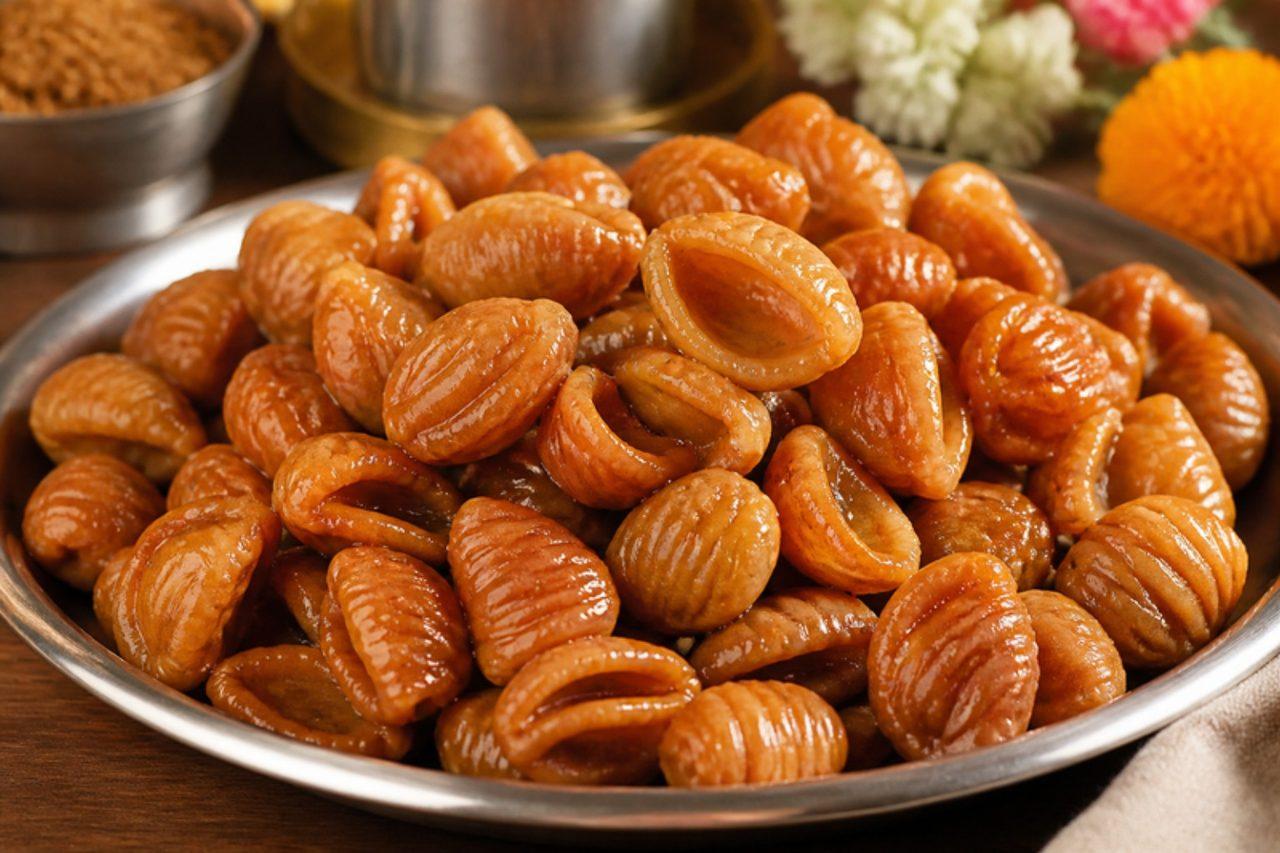
In Andhra Pradesh and Telangana, Sankranti is a three-day harvest festival of muggulu (rangoli) in front of every door, haridasu singers in the lanes and tins of fried sweets, and gavvalu are among the first to be made. Small pieces of dough are rolled over a ridged gavvala board or the back of a fork so they curl into little shells (gavvalu means cowrie shells), fried crisp, then tossed in jaggery syrup until each one is glazed with a dry, sugary crust. Common mistake: syrup that is not cooked far enough; it must reach the hard-ball stage, when a drop in water rolls into a firm ball, or the shells turn sticky instead of crisp-coated. Chef's tip: keep tossing after adding the shells until the syrup turns opaque and dry; that is the moment to tip them out.

by KrazyBadal 0 views

Obbattu saaruSpiced dal water rasam

Gowri Habba, Karnataka's version of Hartalika, comes the day before Ganesha Chaturthi, and the feast centres on obbattu (holige), flatbreads stuffed with chana dal and jaggery. Nothing goes to waste: the water the dal was boiled in, plus a spoon of the sweet filling, becomes obbattu saaru, a thin, sweet-sour-spicy rasam with tamarind, a coconut-spice paste and a mustard tadka, poured over rice beside the holige. Common mistake: boiling it hard after the coconut paste goes in, which dulls the flavour and makes it split; bring it just to a froth on top and switch off. Chef's tip: if you are not making holige, boil 50 g chana dal in 700 ml water, keep the water and mash a spoon of the dal with a little jaggery as the 'filling'.

by KrazyBadal 0 views

Ambalappuzha paal payasamSlow-cooked rice milk pudding

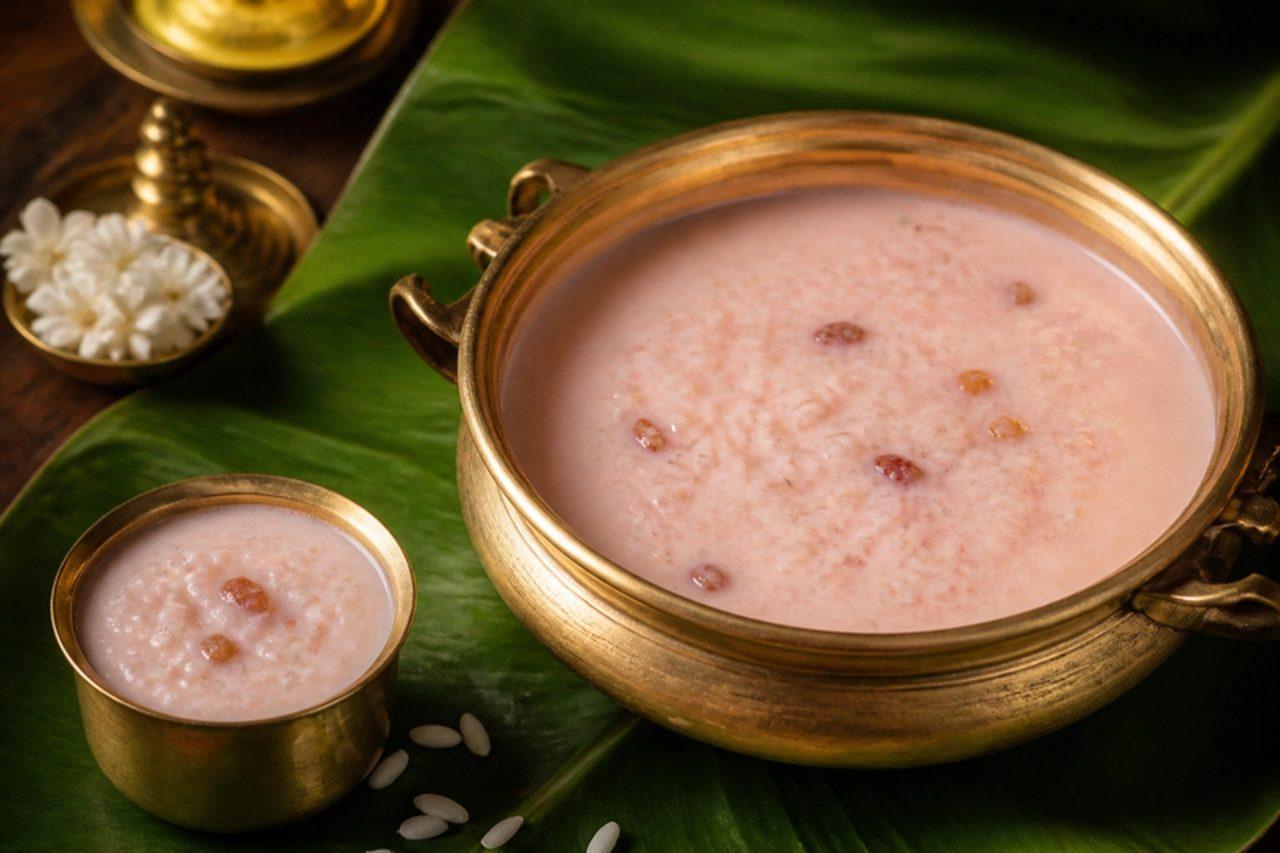
The Krishna temple at Ambalappuzha in Alappuzha is famous for one offering: a paal payasam of rice, milk and sugar boiled in huge bronze vessels until it turns a soft pink. Kerala families make a smaller pot at home for Vishu and Onam, and it is the simplest payasam there is, with no nuts, raisins or spice in the temple style. The colour comes only from long, patient simmering, as the milk sugars slowly caramelise. The common mistake is adding the sugar too early; the rice stays firm and the milk sticks to the base, so wait until a grain crushes to nothing between your fingers. It is ready when it has reduced by about half, coats the spoon thickly and has turned from white to a light rosy beige. Chef's tip: keep it at a steady, lively simmer rather than a low murmur, and stir right across the base every few minutes; the movement is what gives the creamy texture.

by KrazyBadal 0 views

Nuvvula saddiRice with roasted sesame powder

Each family takes several saddulu, flavoured rice dishes, to the lake on Saddula Bathukamma, the last evening of Telangana's flower festival, and swaps them with neighbours after the songs; sesame rice, lemon rice, peanut rice and coconut rice are the usual set. Nuvvula saddi is the nuttiest of them: freshly roasted sesame ground with dried red chilli, tossed through cooked rice with a tempering of mustard seeds, dals, peanuts and curry leaves. It is eaten at room temperature, so the grains must stay separate. Common mistake: grinding the sesame for too long, which turns it to oily paste; pulse only until it looks like coarse sand. The sesame is roasted enough when it crackles, turns light gold and one seed crushes easily between your fingers. Chef's tip: cook the rice a little firm and spread it on a plate to cool before mixing, so it does not break up.

by KrazyBadal 0 views

Vanela gathiyaSoft hand-rolled gram flour ropes

Walk into any farsan stall in Rajkot, Junagadh or Jamnagar before nine in the morning and you will see a man rolling vanela gathiya on a wooden plank with the heel of his hand, sliding each rope straight into the kadai. They are soft and puffy inside rather than crunchy, salty with ajwain and pepper, and are eaten hot with sweet-sour papaya sambharo, fried green chillies and kadhi chutney, with a glass of tea. The hard part is the rolling: the dough is very soft and needs a confident, quick push and drag. The common mistake is under-beating the dough, which leaves the gathiya flat and heavy. Chef's tip: keep a bowl of water with a spoon of oil beside you and wet the board and your palm before every rope.

by KrazyBadal 0 views

Kanchipuram idliSpiced temple idli

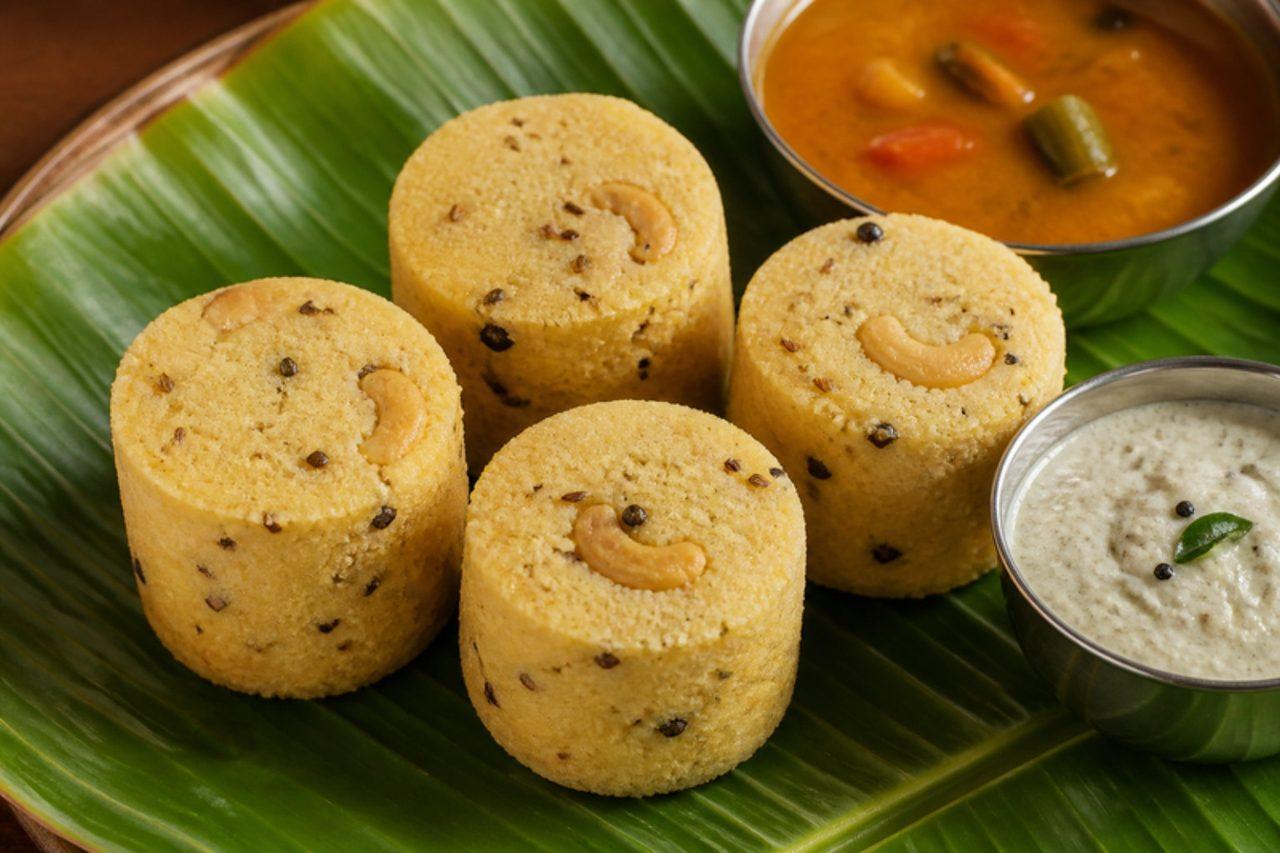
Kanchipuram idli is the temple prasadam of the Varadharaja Perumal temple, where it was traditionally steamed in tall bamboo baskets lined with mandarai leaves. It is coarser and richer than everyday idli, with cracked pepper, cumin, dry ginger and cashews fried in ghee folded through, and it's eaten for breakfast or festival tiffin with coconut chutney and sambar. The mistake is grinding the rice as fine as for plain idli; it should feel like fine semolina so the idli has a crumbly, open bite. Chef's tip: steam in tumblers or small bowls lined with banana leaf for the tall shape and a gentle leaf aroma.

by KrazyBadal 0 views

Kalkandu vadaiSweet urad dal rock sugar vadai

Kalkandu vadai is the sweet cousin of medu vadai, made in Chettinad homes for festivals and for the trays that go to a bride's house. Soaked urad dal and a little rice are ground fluffy and mixed with crushed kalkandu (rock sugar) and coconut, then fried into small golden rounds that are crisp outside, soft inside, with pockets of melted crystal sugar. They are eaten warm with coffee. A common mistake is grinding the rock sugar in with the batter, which turns the batter runny; crush it coarsely and fold it in just before frying. Chef's tip: fry these on slightly lower heat than savoury vadai, because sugar browns fast and burns before the centre cooks.

by KrazyBadal 0 views

Mor kaliButtermilk rice flour cake

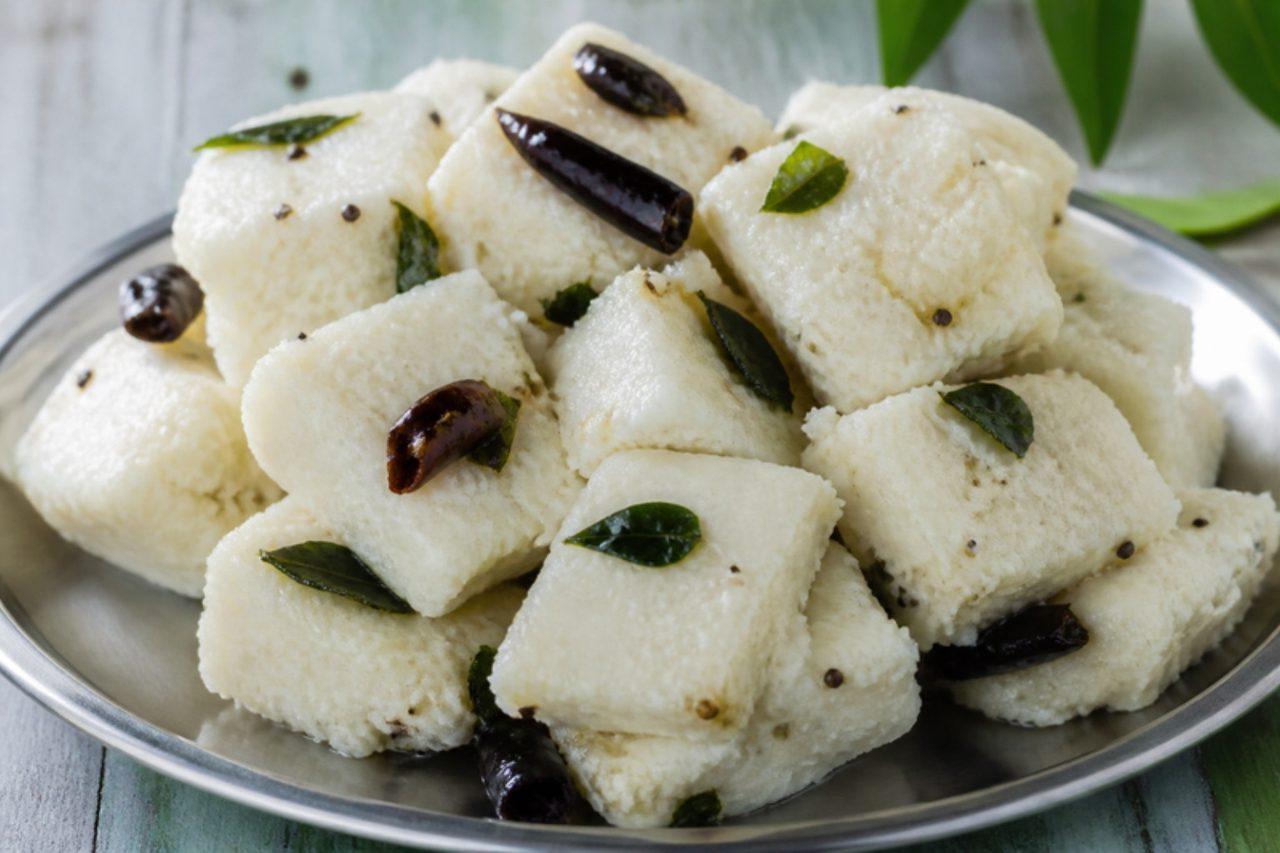
Mor kali is a quick Tamil tiffin of the old style, made in Tirunelveli and Chennai Brahmin homes when there's sour buttermilk to use up. Rice flour is stirred into tempered buttermilk until it turns glossy and leaves the pan, then cut into squares, soft and wobbly with the salty, smoky crunch of fried mor milagai (curd chillies). The mistake is stopping too early: undercooked kali tastes raw and sticks to the teeth, so cook until it rolls into a ball that doesn't stick to a wet finger. Chef's tip: use buttermilk that is properly sour, a day or two old; fresh buttermilk tastes flat here.

by KrazyBadal 0 views

Ulundu kozhukattaiUrad dal-filled rice dumplings

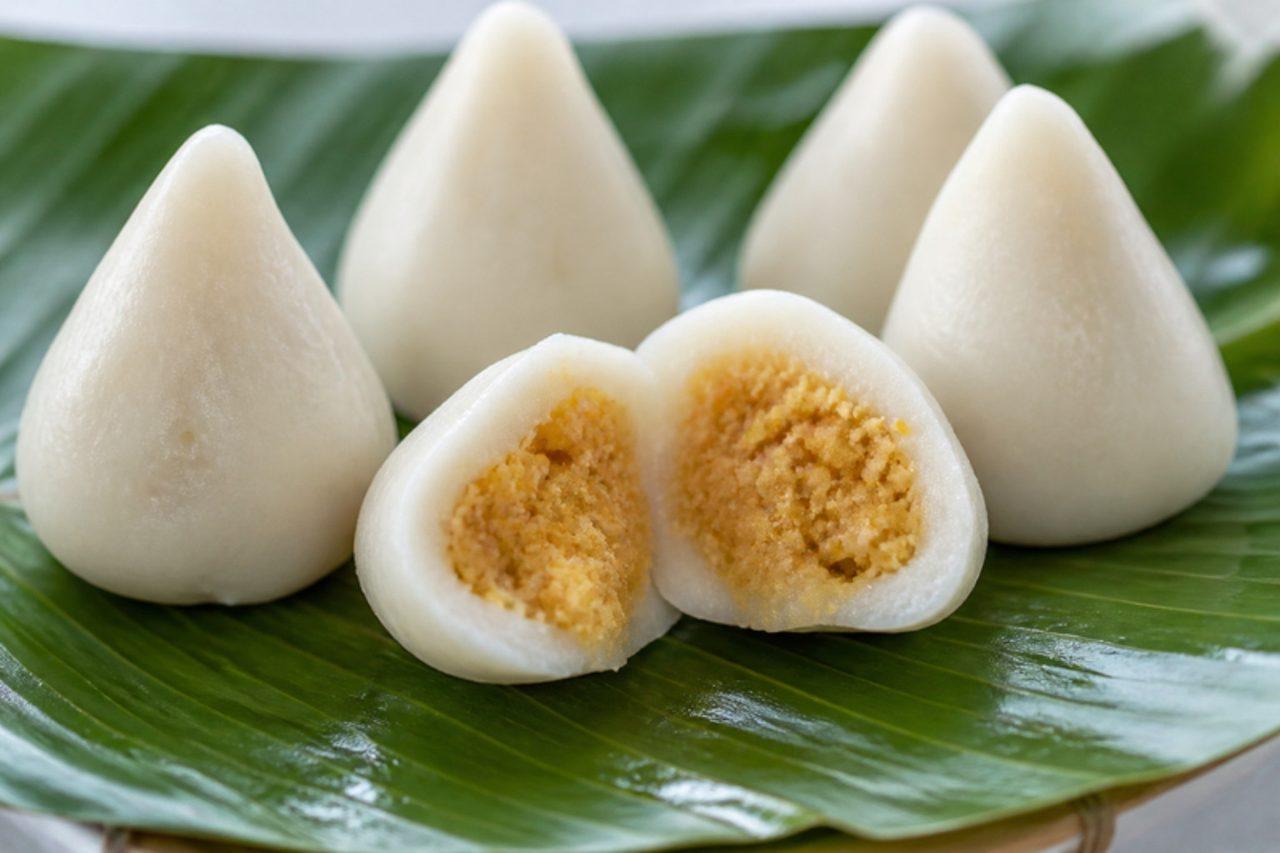
On Vinayaka Chaturthi, Tamil kitchens make two kinds of kozhukattai side by side: sweet ones with coconut and jaggery, and these savoury ulundu kozhukattai, filled with a crumbly, peppery urad dal 'usili'. The thin rice-flour shell turns translucent when steamed, and the filling is soft, savoury and fragrant with curry leaves. The mistake is a wet filling: if the ground dal isn't steamed and then crumbled dry in the pan, it leaks and the shells split. Chef's tip: make the shells as thin as you can while still holding the filling; thick shells taste stodgy.

by KrazyBadal 0 views

ChuruttuRice wafer cones with coconut filling

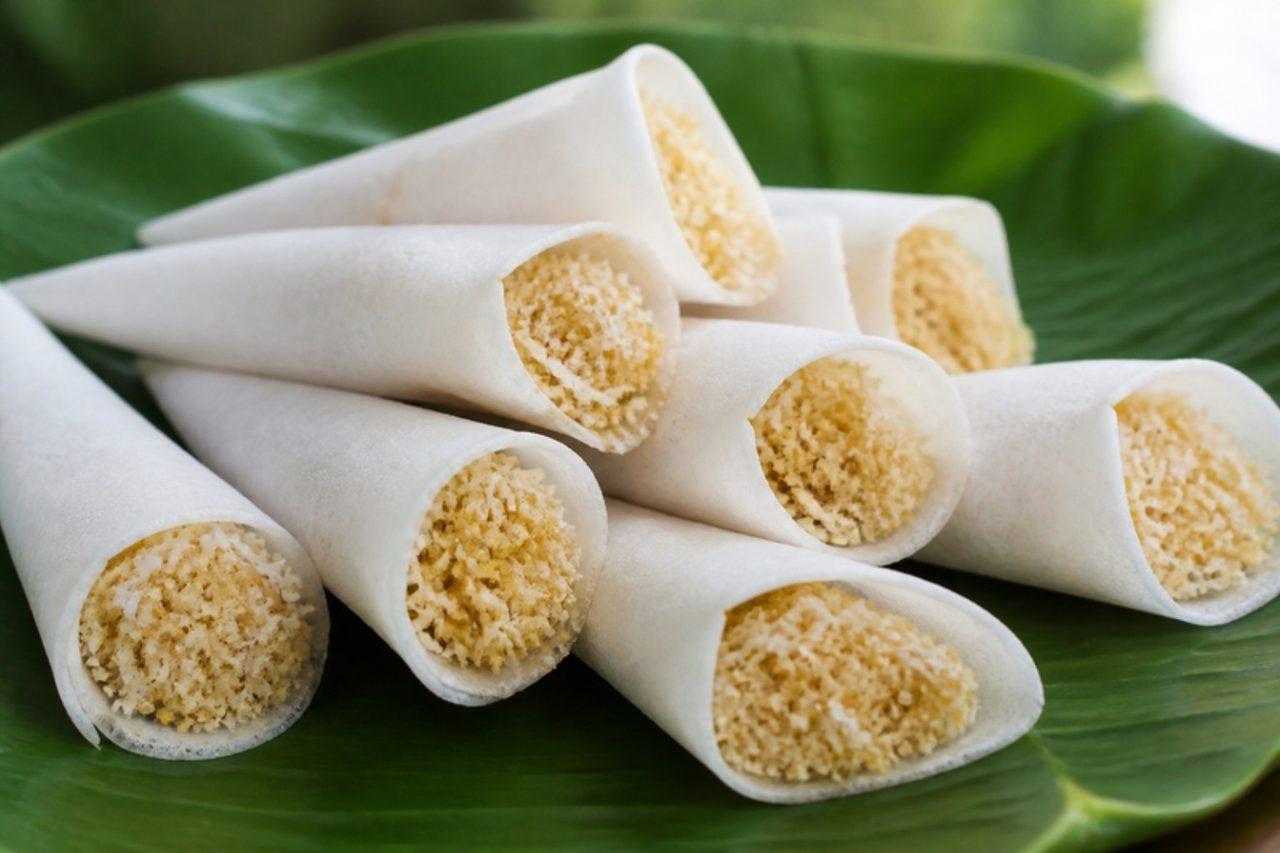
Churuttu, 'the roll', is a wedding sweet of the Syrian Christian families of central Kerala, around Kottayam, Pala and Changanassery, where aunts sit together for a day before the wedding shaping hundreds of these cones for the guests to take home. Paper-thin rice wafers are rolled into cones, filled with a sweet crumble of roasted rice flour, coconut and cardamom, sealed and dried until crisp. They shatter at the first bite and melt to a sweet, toasty dust. The mistake is a wet filling; damp coconut softens the cones within a day, so the filling must be roasted dry. Chef's tip: work with one wafer at a time and keep the rest under a damp cloth; they crack if they dry before rolling.

by KrazyBadal 0 views

Nombu adaiSweet rice flour and cowpea cakes

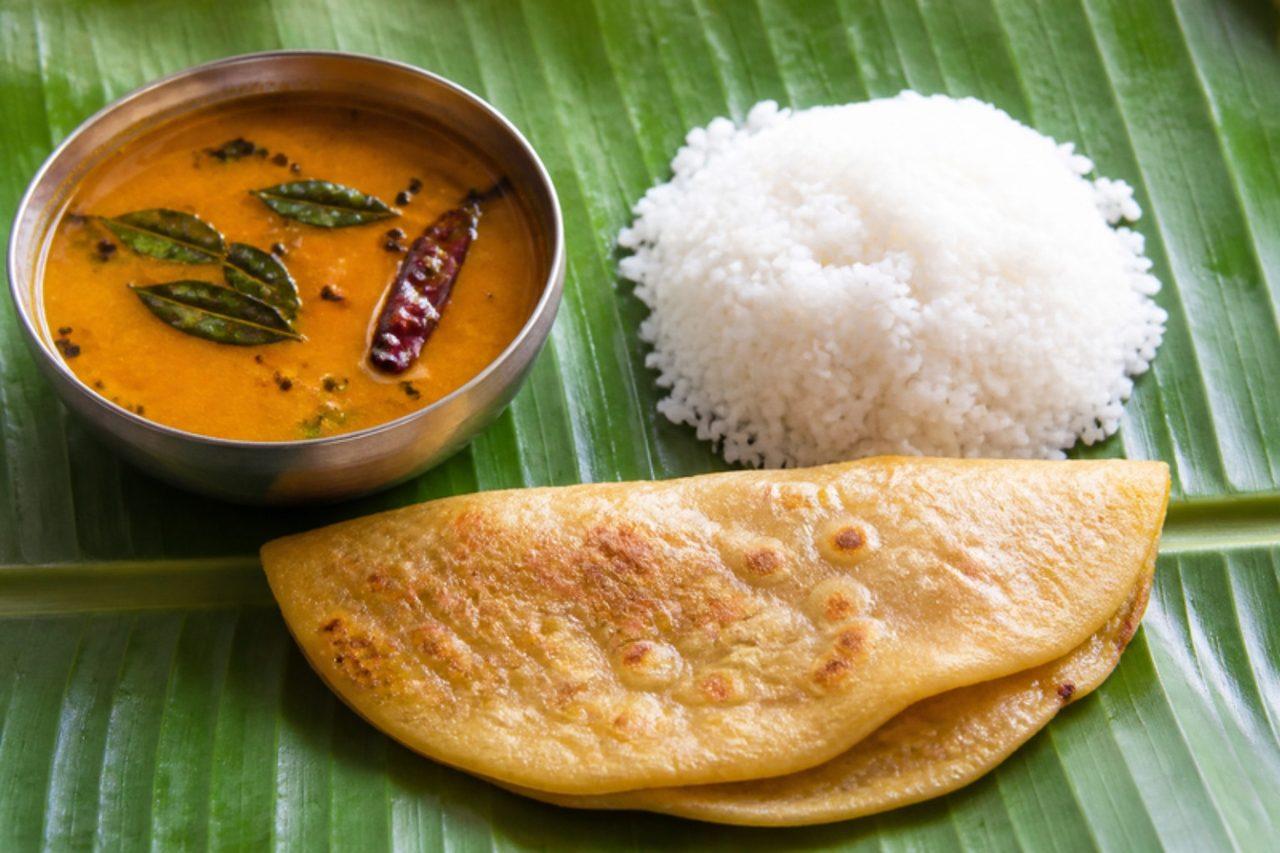
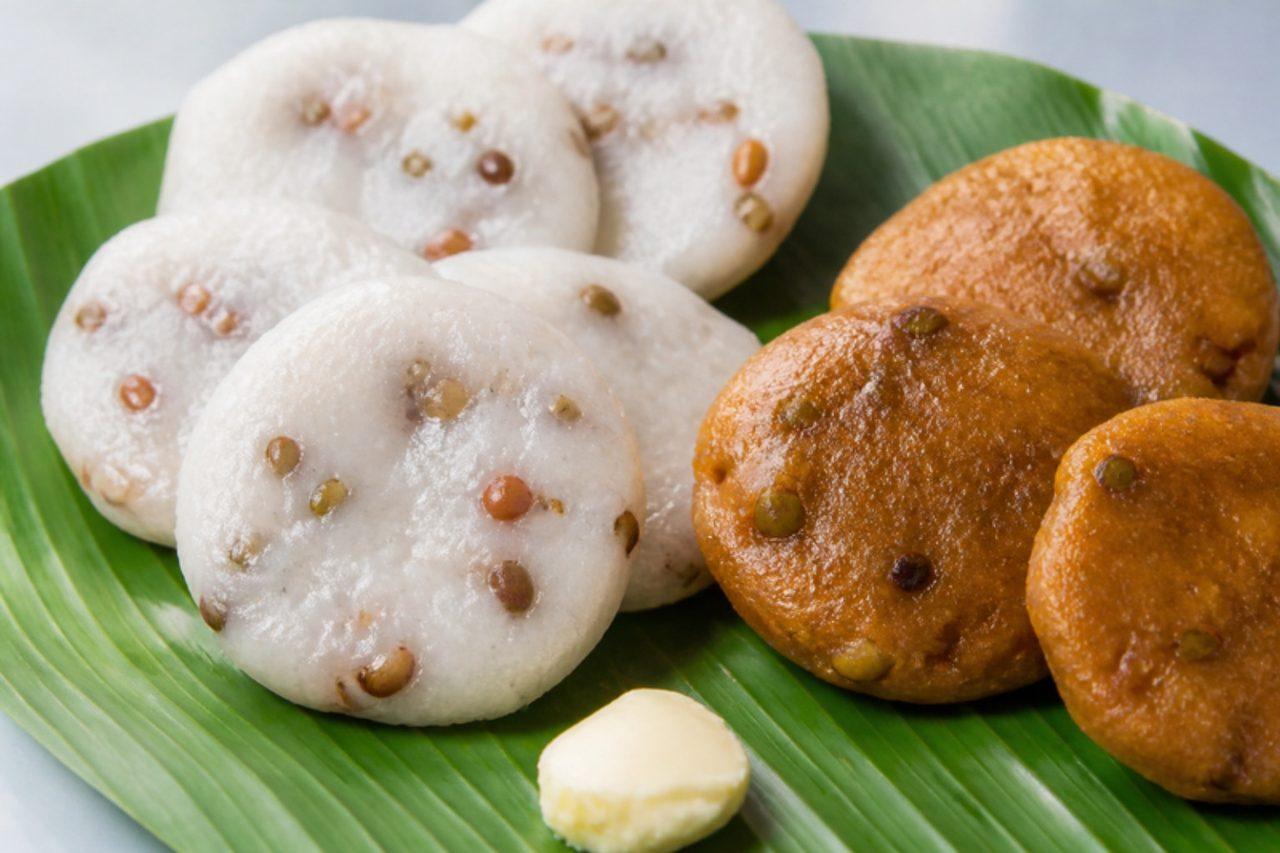
Karadaiyan Nombu falls on the day the Tamil month of Maasi turns into Panguni, and married women in Tamil Nadu fast for their husbands' long life in memory of Savitri, who won her husband back from Yama. The fast is broken at an auspicious minute with these adai, offered with a lump of unmelted butter and tied on with a yellow thread. The rice flour is roasted, cooked into a dough with jaggery, coconut and boiled cowpeas, shaped into small discs with a hole in the middle and steamed. A savoury batch with green chilli, ginger and curry leaves is usually made alongside. Common mistake: using raw rice flour, which makes the adai sticky; roast it until it is warm and flows like sand, and the adai are done when they turn glossy and no longer stick to a wet finger. Chef's tip: for the savoury version, swap the jaggery for 2 chopped green chillies, a little grated ginger and a mustard-seed tempering.

by KrazyBadal 0 views

ChalimidiRice flour and jaggery sweet

Chalimidi is a no-cook-flour sweet from Andhra and Telangana, offered to the goddess at Navaratri and Nagula Chavithi and handed out at naming ceremonies and baby showers. Soaked rice is dried, pounded into fresh flour and stirred into a thick jaggery syrup with coconut, so it sets into a soft, damp, slightly crumbly dough that is shaped into small balls. It tastes of molasses and cardamom and is eaten as it is, at room temperature. The most common mistake is undercooking the syrup: a thin syrup leaves the chalimidi sticky and pasty, so cook it to a firm soft-ball stage. Chef's tip: use freshly ground soaked rice, not shop rice flour; the slightly damp flour is what gives chalimidi its tender bite.

by KrazyBadal 0 views

MoodeSteamed idli in leaf cylinders

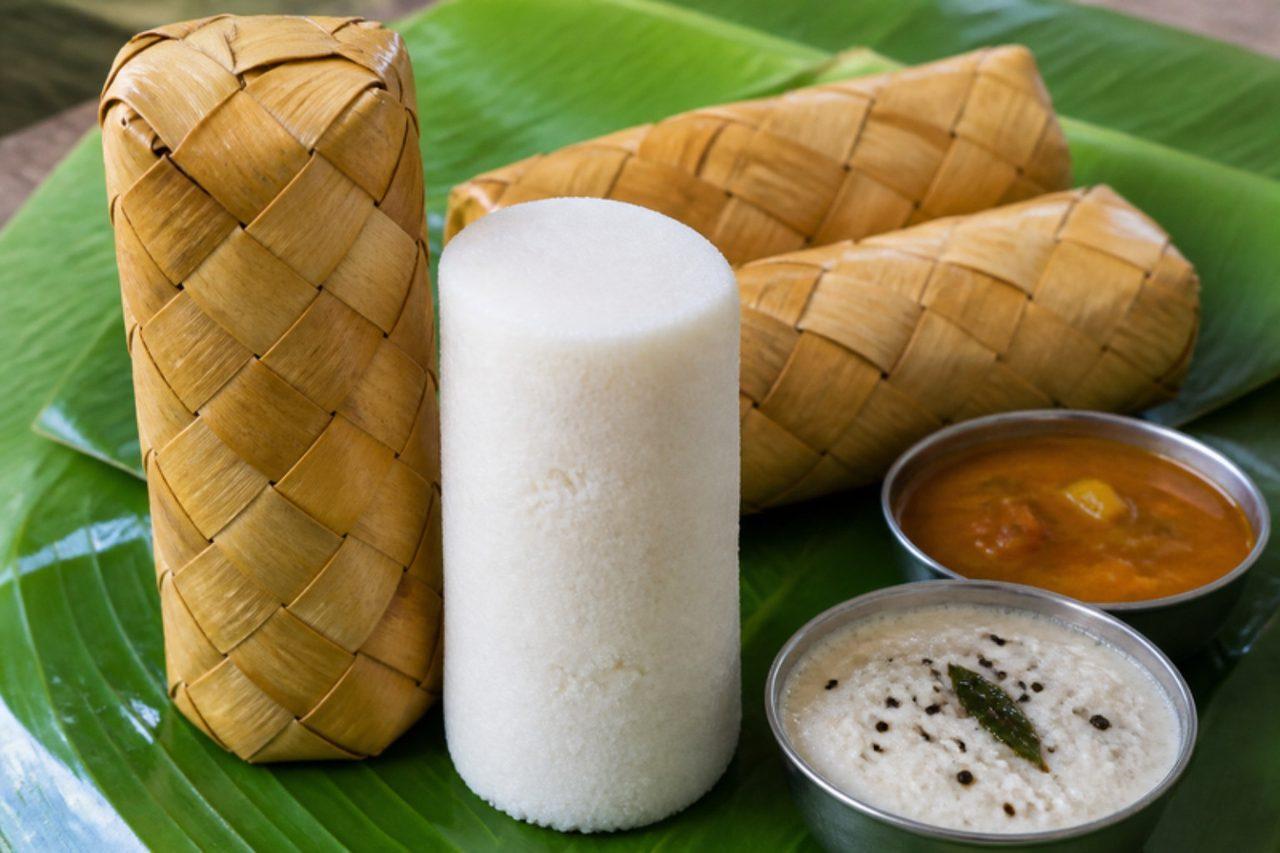
Moode is the festive idli of Mangaluru and Udupi, made for Krishna Janmashtami, Ganesh Chaturthi and big family breakfasts. The batter goes into tall cylinders woven from kedige (screwpine) leaves, which perfume the soft, spongy rice cake with a floral scent you can't get any other way; markets on the coast sell the woven moulds ready to fill. Slice it into thick rounds and serve with coconut chutney, sambar or a spicy chana gassi. The common mistake is filling the leaf moulds to the brim: the batter rises as it steams and spills out, leaving a dense cake. Fill them only two-thirds full. Chef's tip: if you can't find screwpine leaves, roll banana leaves into tight cones and tie them with string; the shape and steaming are the same, only the scent is milder.

by KrazyBadal 0 views

KanikaSweet ghee rice

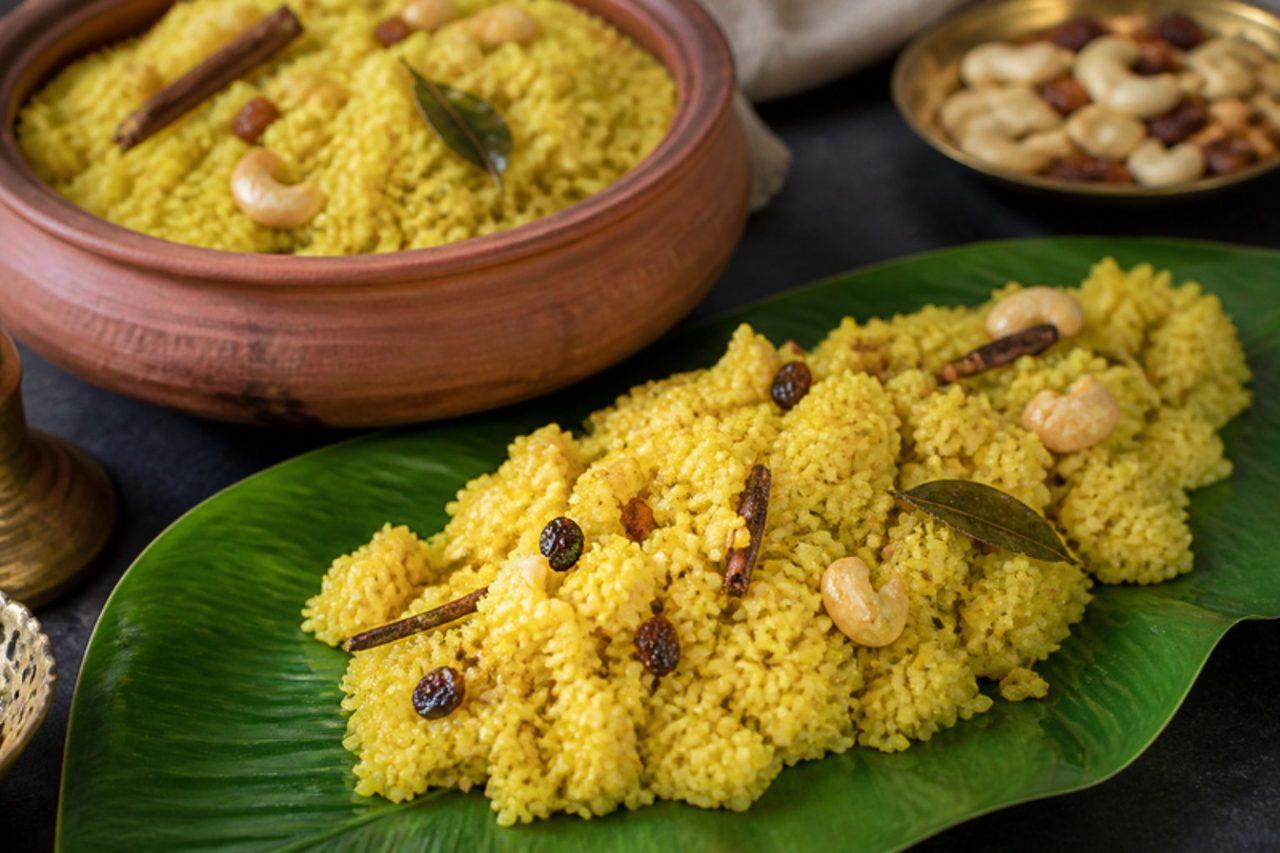
Kanika is one of the dishes of the Jagannath temple's mahaprasad in Puri, cooked in clay pots over wood fires and sold at the Ananda Bazaar to pilgrims, and Odia homes make it for Rath Yatra, when the deities ride their chariots through the town. It is a fragrant, glossy rice sweetened with sugar and perfumed with cinnamon, bay leaf and cloves in plenty of ghee, studded with fried cashews and raisins. It sits halfway between a pulao and a dessert and is eaten with dalma or a temple-style mahura. Common mistake: adding the sugar at the start, which hardens the grains; cook the rice almost through first, then add the sugar, and it is done when the syrup is absorbed and the ghee shines on the surface. Chef's tip: use a short-grain aromatic rice such as gobindobhog or the Odia arua rice for the true temple texture; basmati works but gives separate, longer grains.

by KrazyBadal 0 views

Avalose podiRoasted rice flour and coconut powder

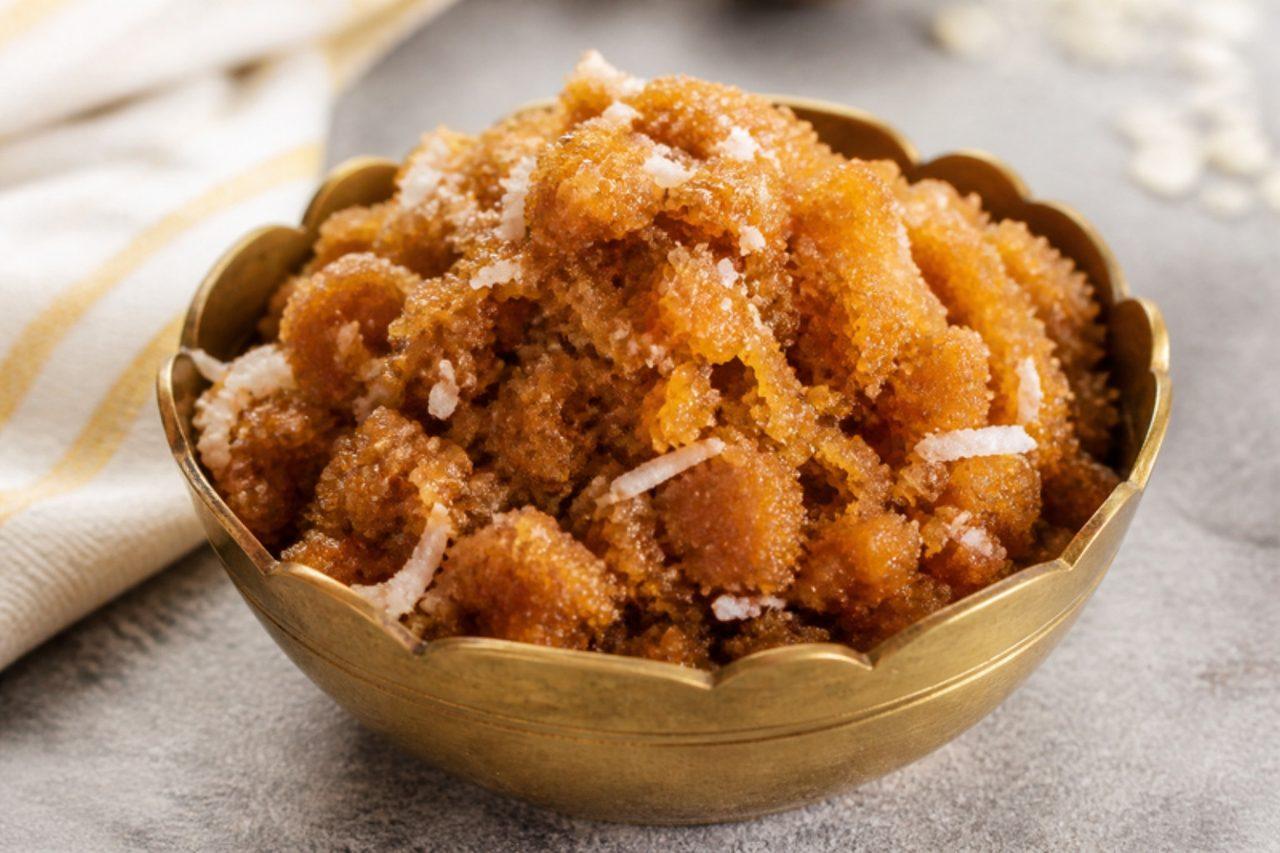
Avalose podi is a keeping snack from central Kerala, especially Syrian Christian homes around Kottayam and Thrissur, made in big batches before Christmas or long journeys. Coconut is rubbed into rice flour and roasted for close to an hour until the mix turns sandy, golden and smells like toasted biscuits. It is eaten by the spoonful with a little sugar and a ripe banana, or with black coffee, and can be bound with jaggery into avalose unda. The mistake is high heat; the coconut browns before the flour is cooked through and the podi tastes raw and bitter. Chef's tip: keep stirring over low heat until a pinch, cooled, falls apart like sand between your fingers.

by KrazyBadal 0 views

SukhiyanGreen gram jaggery fritters

Sukhiyan is one of the old nalumani palaharam, the 'four o'clock' snacks of central Kerala, sold in glass cases in Kottayam and Ernakulam tea shops next to unniyappam and banana fritters. Whole green gram is cooked soft and mashed with melted jaggery, coconut and cardamom, then rolled into balls, dipped in a light batter and fried. The outside is thin and slightly crisp, the inside soft and earthy-sweet, lovely with strong black tea. A common mistake is a wet filling; if the jaggery mix is not cooked until it leaves the pan, the balls crack and leak in the oil. Chef's tip: a pinch of salt and a little turmeric in the batter give the classic golden colour and balance the sweetness.

by KrazyBadal 0 views

Vishu kanjiRice and green gram porridge

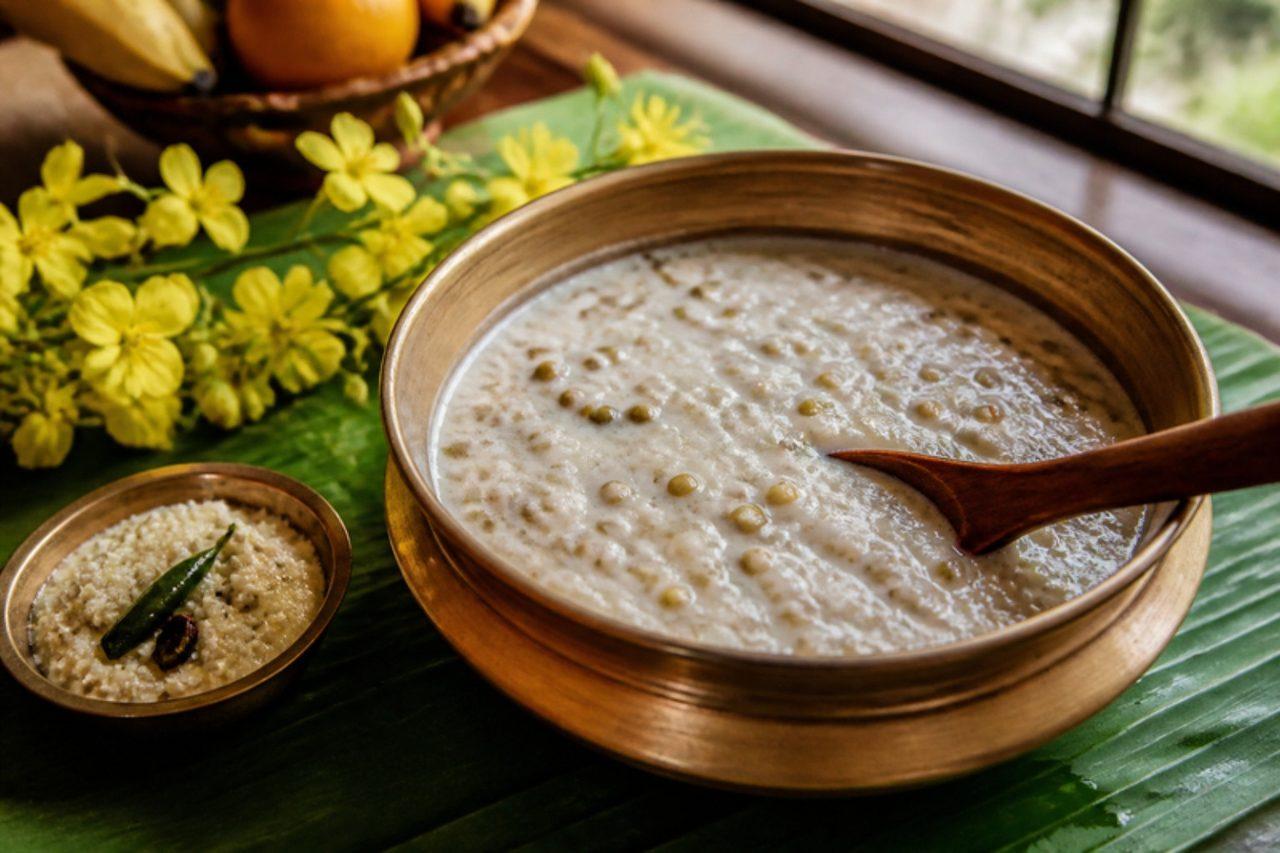
In Kerala, Vishu starts before sunrise with the kani, when each member of the family is led with closed eyes to see a tray of rice, gold-yellow konna flowers, fruit, a mirror and a lamp, so the year begins with something lucky. Breakfast afterwards, in many central Kerala homes, is this kanji: rice and lightly roasted whole green gram cooked soft and finished with coconut milk, eaten with a dry chakka or pumpkin side and pappadam. It is mild, creamy and nourishing, nothing like a plain rice gruel. The common mistake is boiling the thick coconut milk, which splits it and turns the kanji grainy; it goes in at the end, off the boil. It is ready when the gram has burst and the rice falls apart when stirred. Chef's tip: a few crushed cumin seeds and a shallot fried in coconut oil spooned over each bowl make it taste festive.

by KrazyBadal 0 views

Chakka varattiJackfruit jaggery preserve

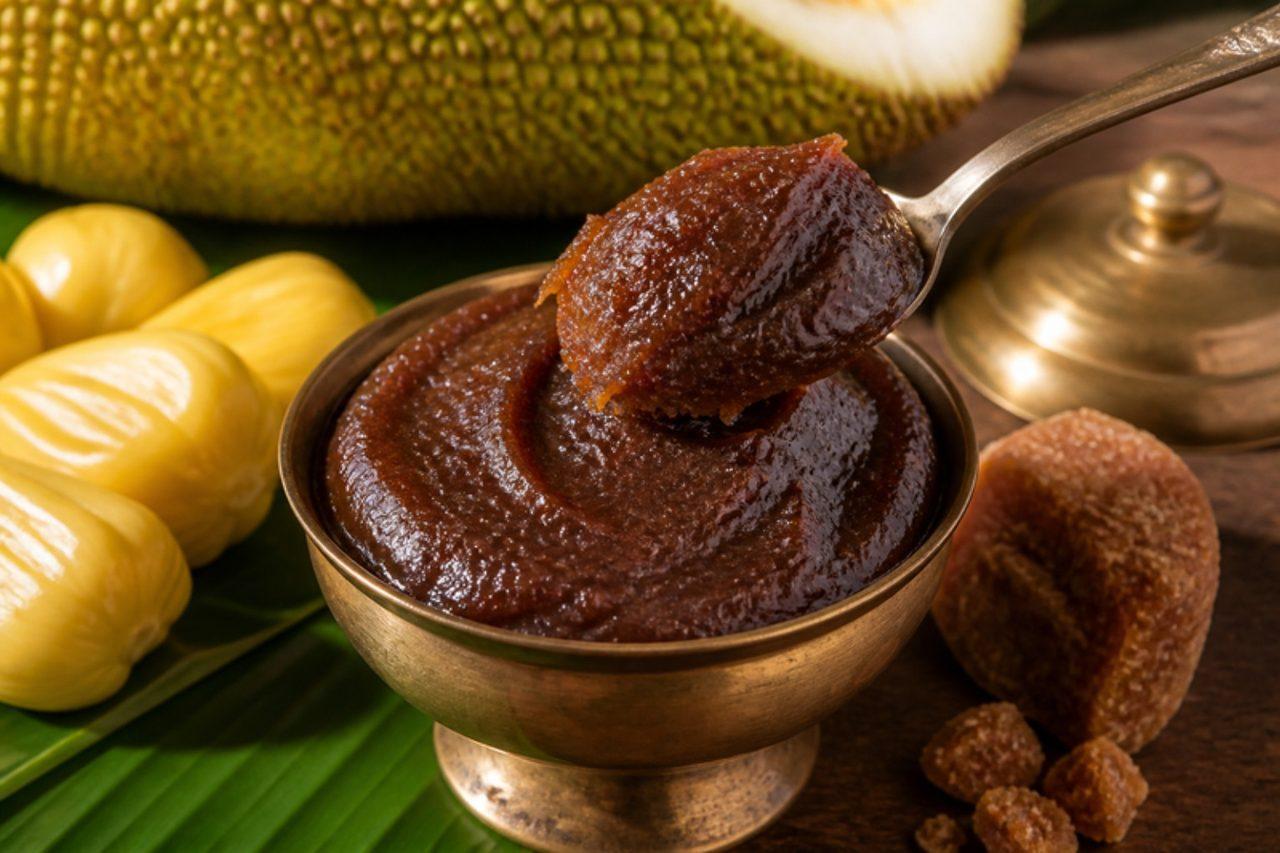
Vishu arrives in April when Kerala's jackfruit trees are heavy, and homes turn the glut into chakka varatti, a dark, glossy jam stirred for well over an hour in a wide uruli. It is eaten by the spoon, spread on dosa, and kept in jars for the payasam and ada made at festivals through the year. The taste is deep and caramel-like, with the floral sweetness of ripe jackfruit. The common mistake is cooking it on a high heat to save time: jaggery burns quickly and turns the whole batch bitter. It is done when the ghee starts to separate and shine at the edges, the colour is a dark mahogany brown, and the mass rolls round the pan as one lump. Chef's tip: use only very ripe, fragrant jackfruit bulbs, and if your jackfruit is the firm varikka type, steam it first so it purées smoothly.

by KrazyBadal 0 views

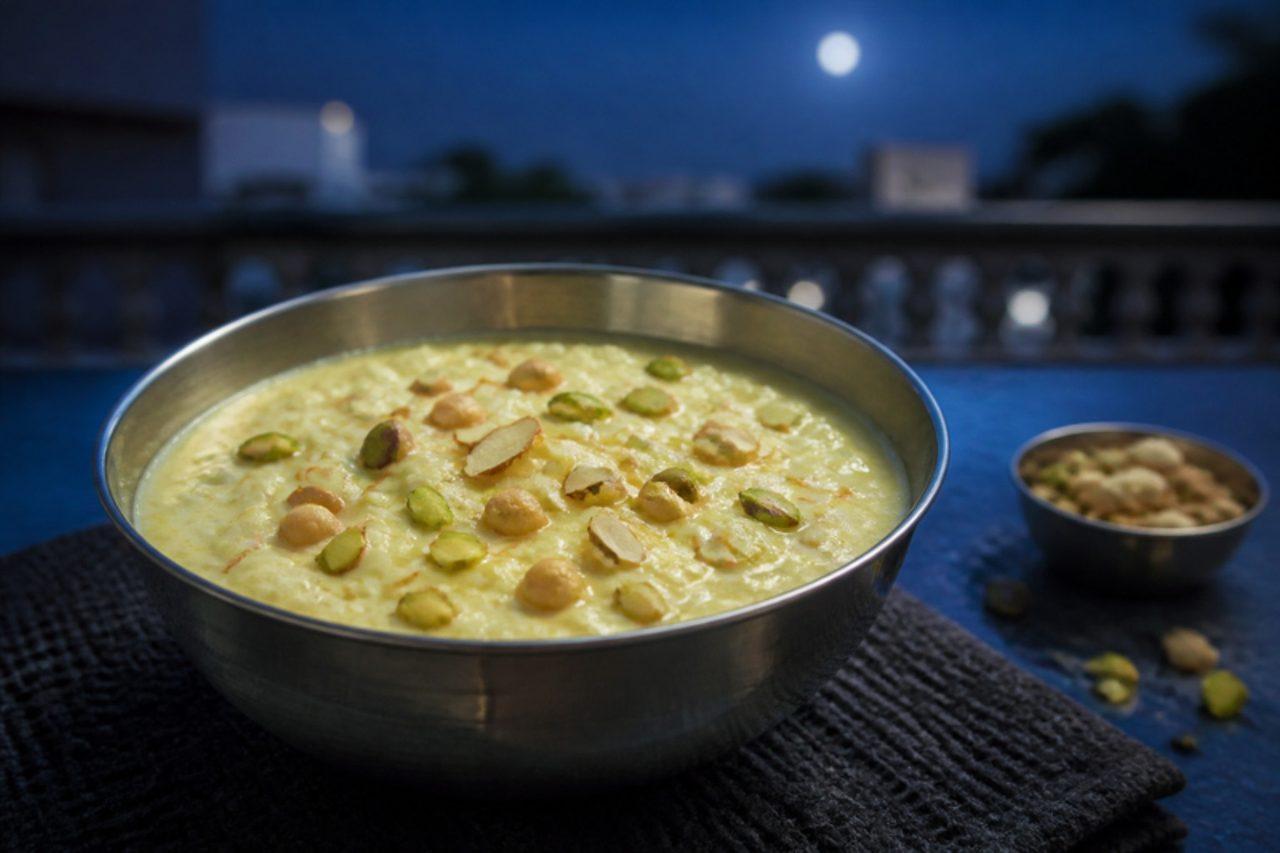
Doodh pauvaChilled saffron milk with flattened rice

Sharad Poonam, the brightest full moon of the year, ends the Navratri season in Gujarat; families sing garba late into the night and leave a bowl of doodh pauva out under the moon, believing its rays make it healing, before eating it cold together. It is thin poha soaked in reduced, sweetened milk with cardamom, saffron and nuts, cooling, soft and lightly creamy, the Gujarati cousin of Maharashtra's Kojagiri masala doodh. Common mistake: adding poha to hot milk or too early, so it turns to porridge; chill the milk first and stir the poha in only 10–15 minutes before eating, when the flakes are soft but still separate. Chef's tip: simmer the milk down by a quarter before chilling; a little reduction gives body without needing cream.

by KrazyBadal 0 views

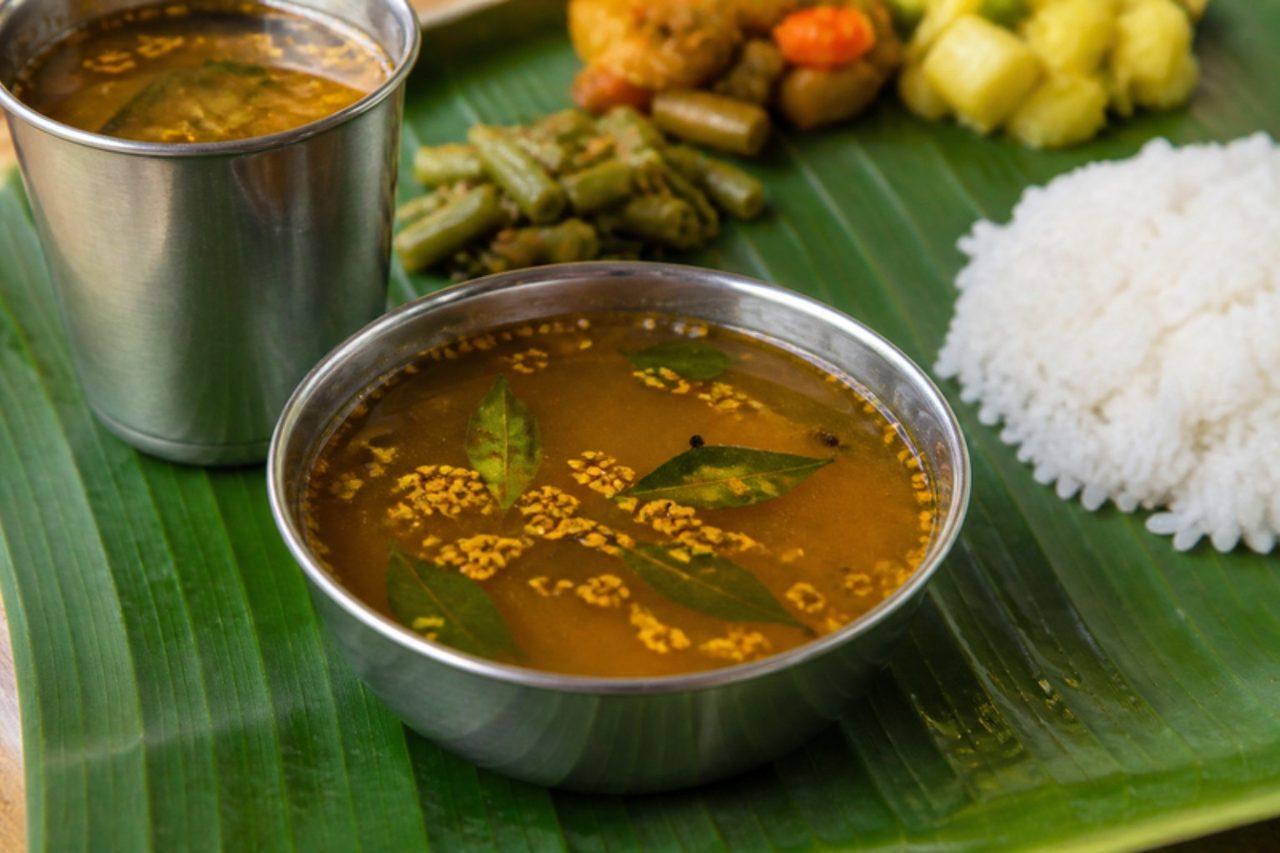
Veppampoo rasamNeem flower rasam

Puthandu, the Tamil New Year in mid-April, falls when neem trees across Tamil Nadu are in flower, and the festive lunch has a little bitterness on purpose, to remind everyone that the year will bring both sweet and bitter. Veppampoo rasam does it gently: dried neem flowers are fried in ghee until crisp and stirred into a light tamarind rasam with pepper and cumin. It is thin, warming and sour, with a toasty bitter finish, and it is poured over rice or sipped from a tumbler. The common mistake is burning the flowers; they turn from golden to black in seconds and taste acrid, so have the rasam ready before you heat the ghee. The rasam is ready when it froths up to the top of the pan; take it off before it reaches a rolling boil. Chef's tip: fry a few extra flowers and scatter them over each serving for crunch.

by KrazyBadal 0 views

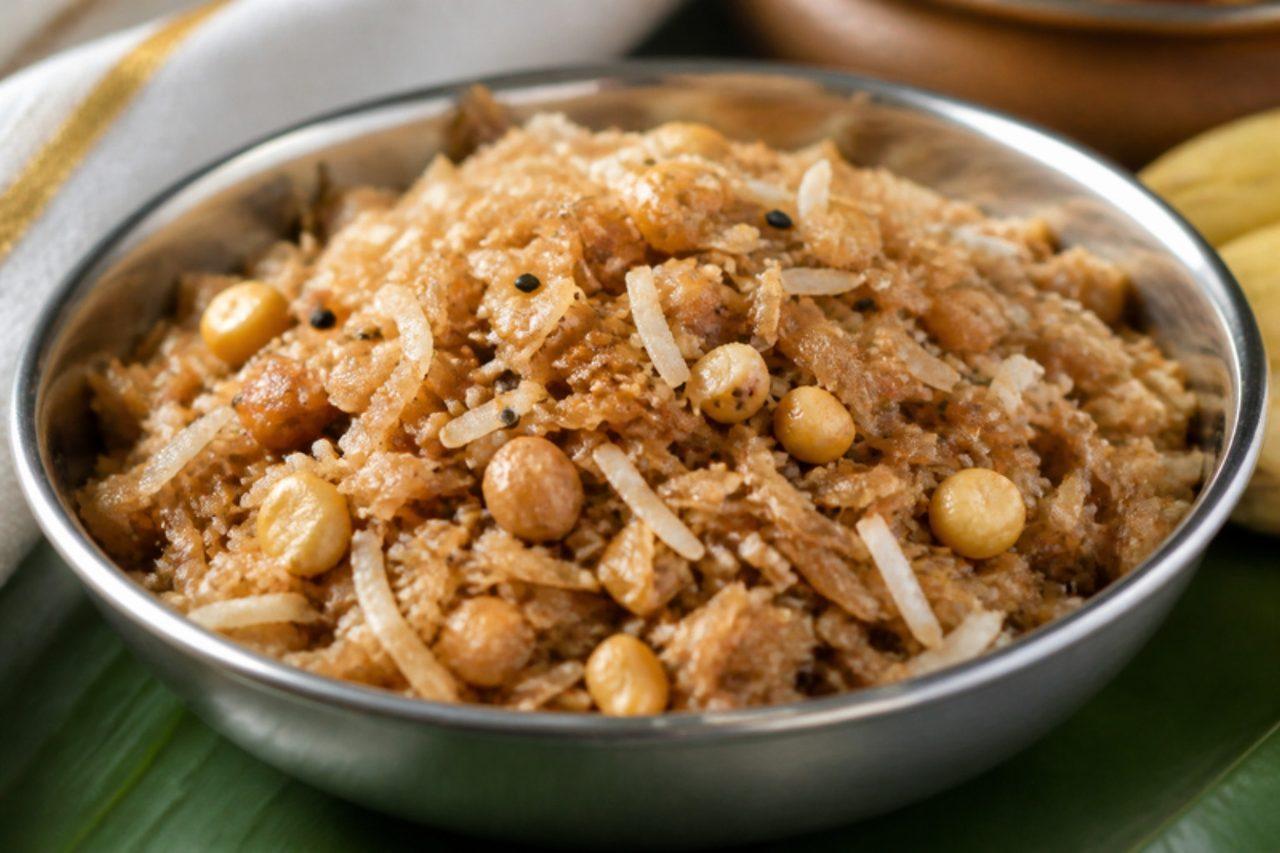
Aval vilayichathuFlattened rice with jaggery and coconut

Aval vilayichathu is the quickest sweet in a Kerala kitchen, made in Palakkad and Thrissur homes for evening tea, for children back from school, or as an offering for Krishna on Janmashtami. Thick beaten rice is stirred into hot jaggery syrup with coconut, then finished with toasted sesame, roasted chana and coconut slivers so it turns chewy, dry and fragrant. A common mistake is adding the aval while the syrup is too thin; the flakes go mushy instead of glazing, so cook the jaggery and coconut until thick first. Chef's tip: use thick red aval if you can find it; it keeps a bite and has a gentle nutty taste.

by KrazyBadal 0 views

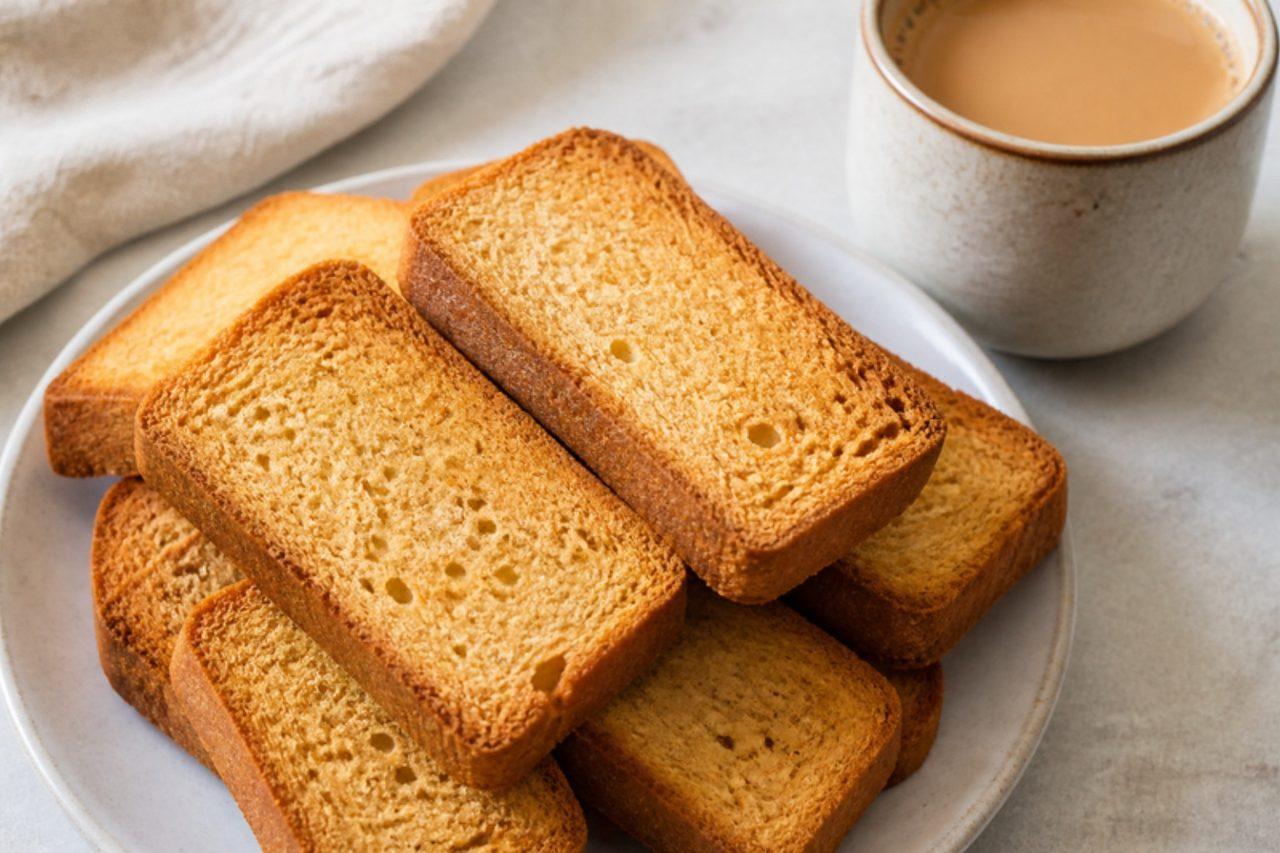
PaapeTwice-baked tea rusks

No Punjabi kitchen is without a tin of paape. They are dunked in the first cup of tea at dawn and again at four o'clock, carried to the fields, and offered to every guest who drops in. Bakeries across Punjab bake a sweet, light loaf, slice it and dry it slowly until it snaps, and this home version does exactly the same. The common mistake is slicing the loaf while it is still warm: it squashes, and the rusks dry out dense and gummy. Let it cool completely, ideally overnight. Chef's tip: dry the slices at a low temperature until the centre snaps cleanly; any softness in the middle and they go stale within days.

by KrazyBadal 0 views

Makhan mishriFresh butter with rock sugar

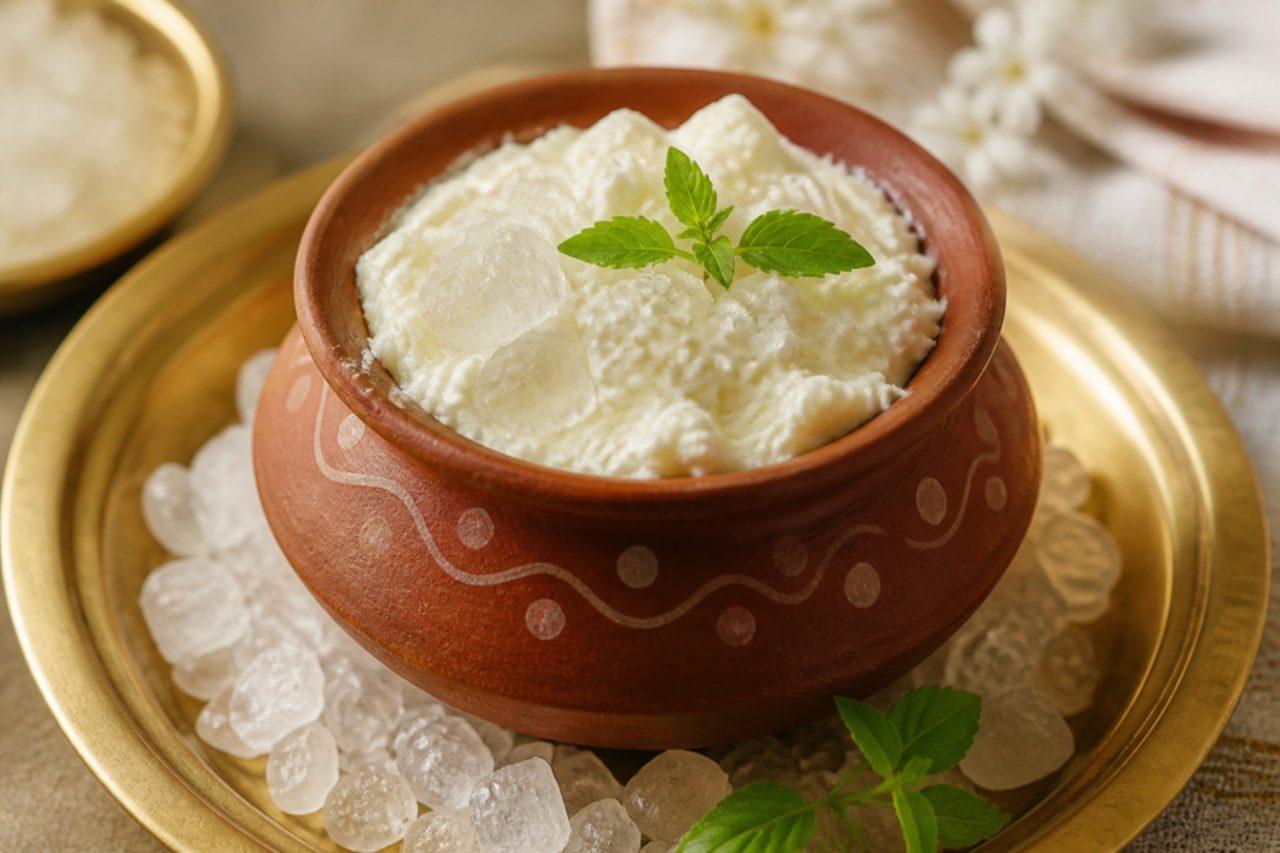
Stories from Mathura and Vrindavan tell of the child Krishna stealing butter from the pots of the cowherd women, so at midnight on Janmashtami the first offering in the temples and at home is a bowl of fresh white butter mixed with mishri, the rock-sugar crystals. The butter is churned from cream at home, so it is soft, cool and lightly tangy, and the sugar crunches against it. It is eaten as prasad in tiny spoonfuls, often with a tulsi leaf on top. Common mistake: churning warm cream, which turns greasy instead of breaking; the cream must be fridge-cold, and the butter is ready when yellow-white clumps separate cleanly from thin buttermilk. Chef's tip: rinse the butter in iced water two or three times and press it with a spoon; washing out the buttermilk keeps it fresh for a day.

by KrazyBadal 0 views

Vella seedaiJaggery-glazed rice flour balls

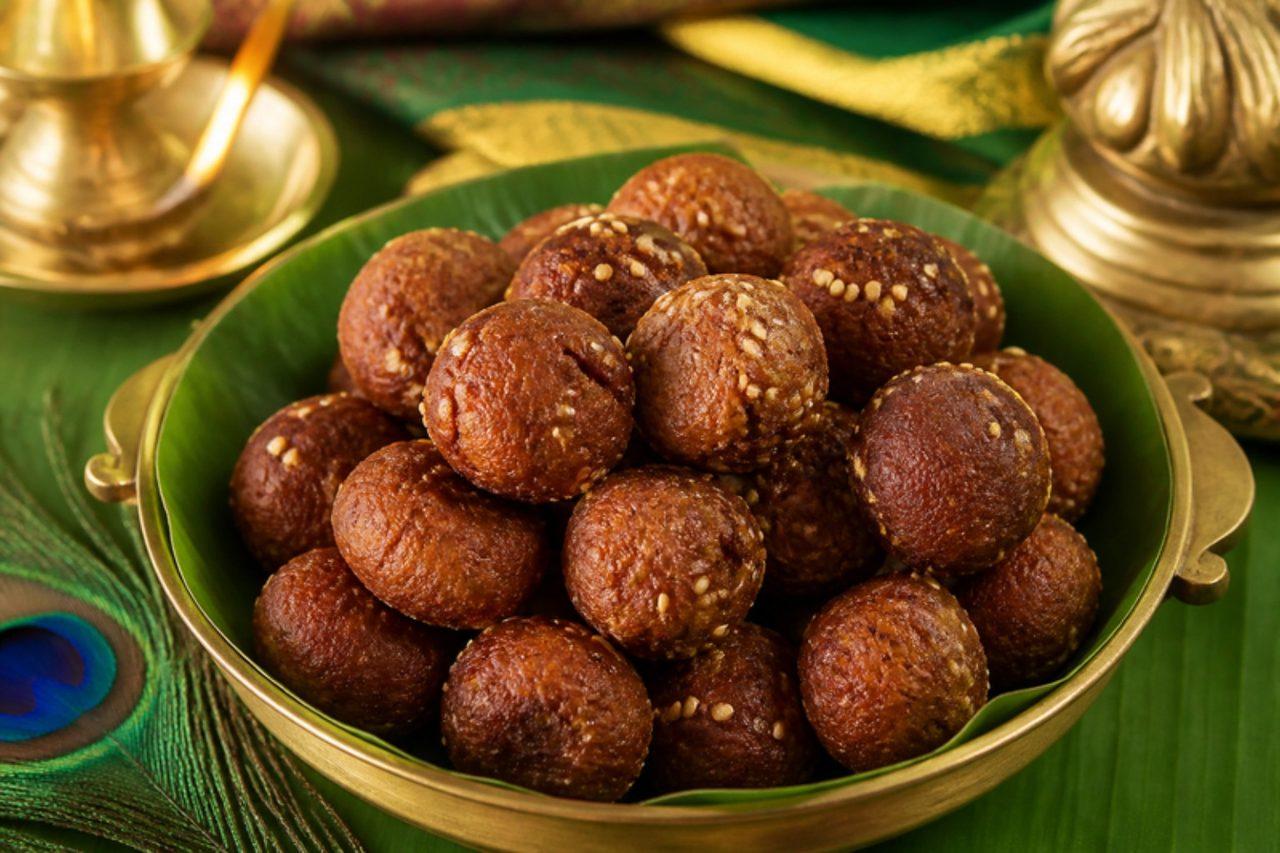
Next to the salty seedai on the Gokulashtami tray in Tamil Nadu sit vella seedai, the sweet twin: rice and urad flour kneaded with jaggery syrup, sesame and cardamom, rolled into slightly larger balls and fried to a deep brown crunch. They are offered to Krishna with butter, aval and fruit, then shared with neighbours. Common mistake: using hot syrup, which cooks the flour into a sticky mass and makes the balls burst; the syrup should be strained, cooled to warm and only cooked to a thin, sticky stage, not to a string. They are fried when the oil goes quiet and they turn deep golden-brown. Chef's tip: let the dough rest covered for 30 minutes before rolling; it firms up and the balls hold their shape.

by KrazyBadal 0 views

Chhanar murkiSugar-coated chhena cubes

In Bangladesh and West Bengal, Hindu families mark Bijoya Dashami at the end of Durga Puja by visiting neighbours with plates of sweets, and chhanar murki is one of the simplest to make at home. Fresh chhena is pressed firm, cut into tiny cubes and cooked in sugar syrup, which is then boiled down until it crystallises and clings to each cube as a white, crunchy coat; inside they stay soft and milky. Common mistake: using soft, wet chhena, which dissolves in the syrup. Press it under a weight until it is firm enough to slice cleanly. When the syrup turns cloudy and grainy, it is about to crystallise onto the cubes, so lower the heat and keep tossing. Chef's tip: toss the cubes off the heat for a full minute as the syrup dries; constant gentle movement gives an even, snowy coating instead of clumps.

by KrazyBadal 0 views

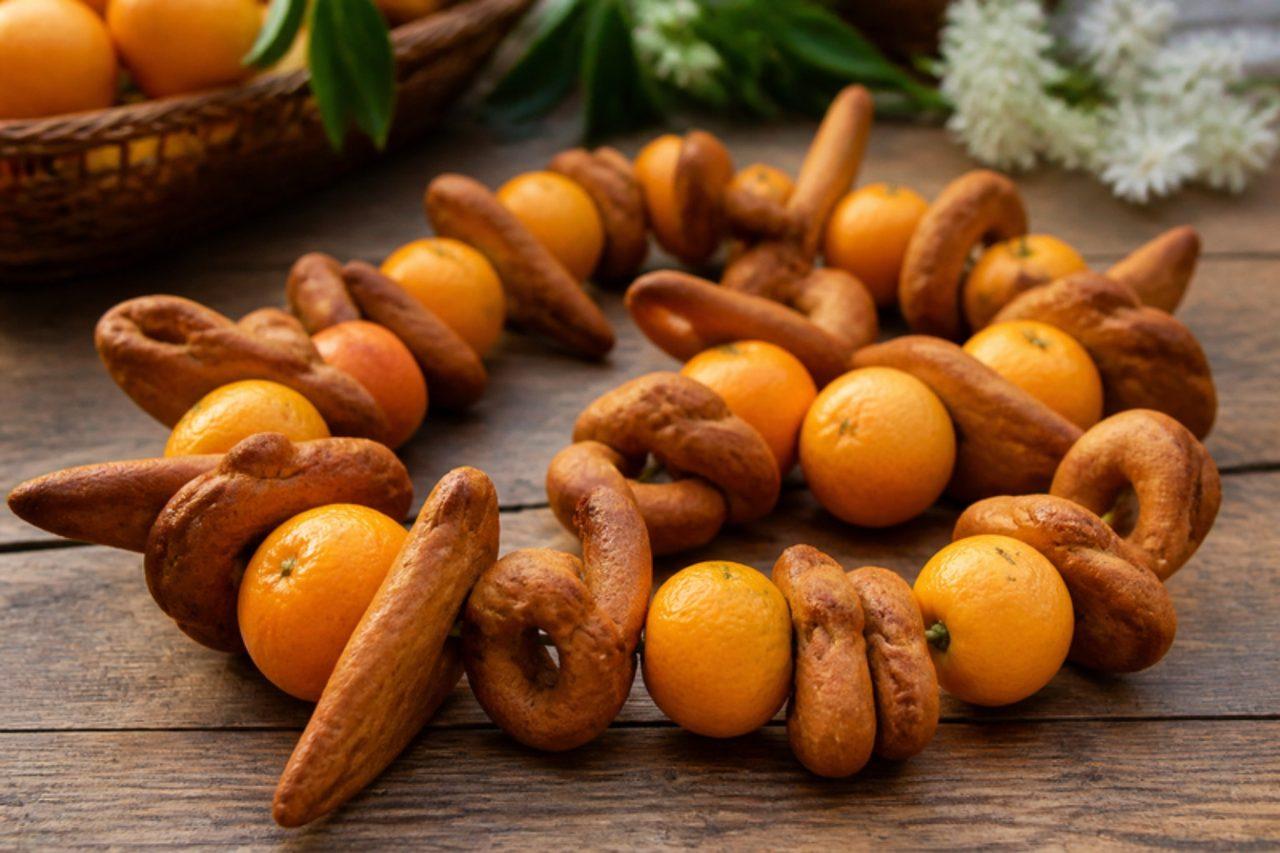
GhughuteFried jaggery dough shapes

In Kumaon, Makar Sankranti is Ghughutiya, and the evening before, families knead wheat flour with jaggery and shape it into little drums (damru), swords, knots and flowers, fry them and thread them into necklaces with an orange in the middle. The next morning children wear the garlands and call the crows: 'kale kale, ghughuti mala khale', offering them the first bites before eating the rest themselves. The ghughute are crisp outside and slightly chewy within, gently sweet with fennel. Common mistake: oil that is too hot; they darken in seconds but stay doughy inside, so fry on a medium heat until they are an even deep gold and sound hollow when tapped. Chef's tip: keep the dough quite stiff, like for mathri; soft dough loses its shapes in the oil.

by KrazyBadal 0 views

MurkiPuffed rice in jaggery

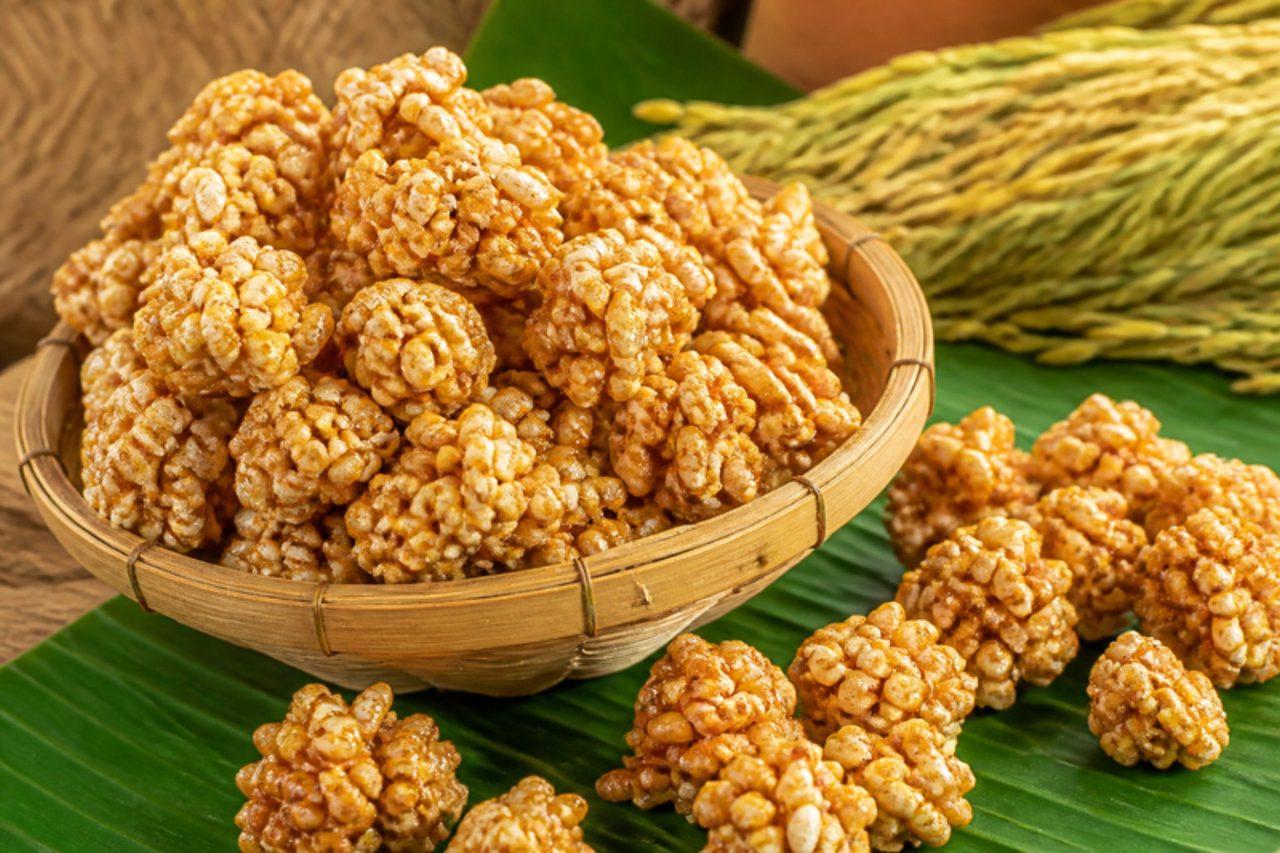
Nabanna, the 'new rice' festival of late autumn in Bangladesh and West Bengal, celebrates the first harvest of aman paddy, and the season's first date-palm jaggery arrives just in time. Murki is the treat every village makes for it: crisp puffed rice tossed in a pan of thick, boiling khejur gur until each grain is coated in a thin, crackly glaze, with a hint of dry ginger. It is offered to guests on Nabanna and on Bijoya and Lakshmi Puja, and children eat it by the handful. The common mistake is undercooking the syrup, which leaves the murki chewy and clumped; overcook it and it tastes burnt. The syrup is ready when large, slow bubbles cover the surface and a drop in cold water sets into a ball you can roll. Chef's tip: toss with two spatulas, lifting from the bottom, and keep going until the grains separate and stop sticking.

by KrazyBadal 0 views

Uppu seedaiCrunchy fried rice flour balls

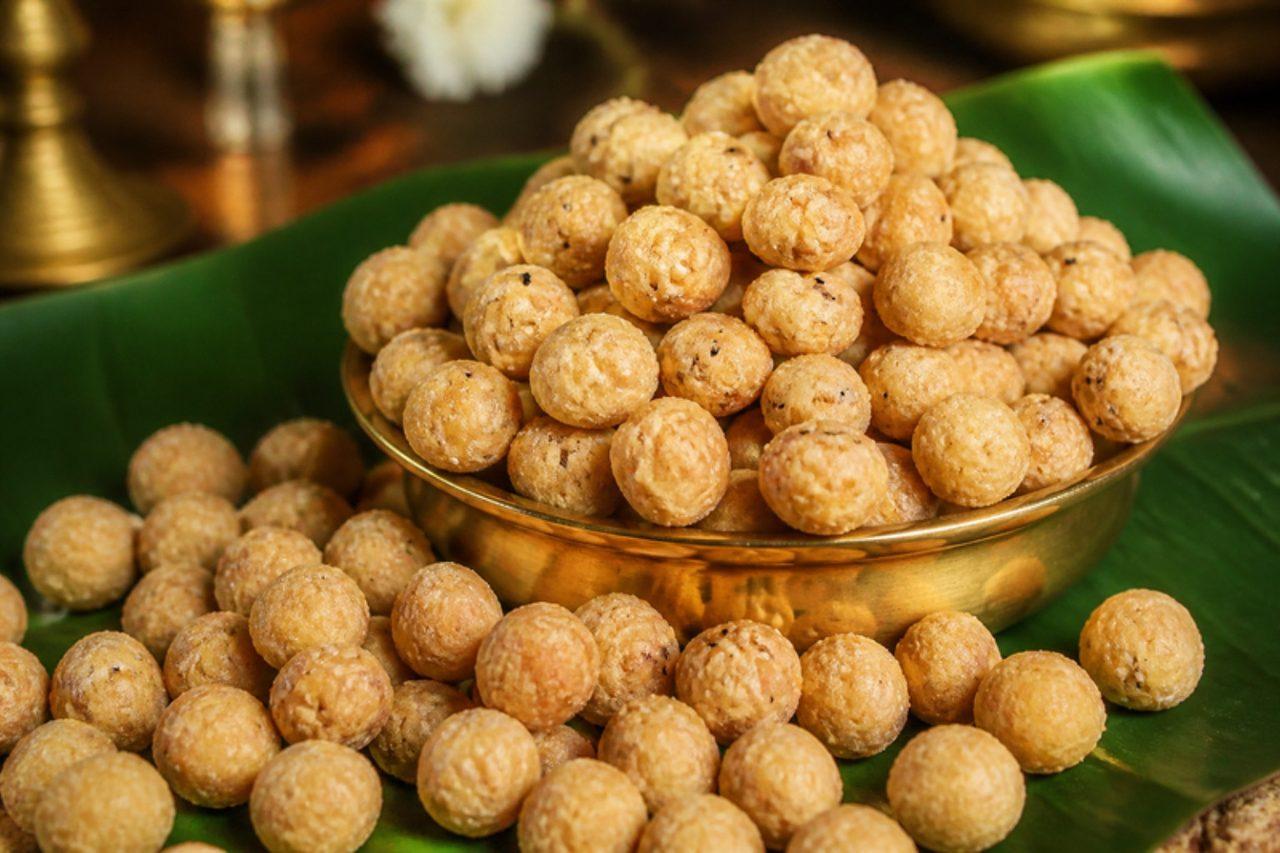
For Gokulashtami, Tamil households draw tiny rice-flour footprints from the doorway to the puja room as if baby Krishna had walked in, and the trays set before him always hold uppu seedai, marble-sized balls of rice and urad flour with coconut, sesame and butter, fried until hard and crunchy. They keep for weeks in a tin. Common mistake, and a famous one: damp flour or trapped air makes seedai burst in the oil, so the rice flour is dried, the coconut squeezed, and each ball rolled smooth without cracks; they are done when the bubbling almost stops and they sound hollow when stirred. Chef's tip: prick each ball once with a needle before frying, and fry the first two alone as a test.

by KrazyBadal 0 views

Kai murukkuHand-twisted rice flour spirals

Manapparai near Tiruchirappalli is famous for kai murukku, hand-twisted spirals made by women who can loop the dough between thumb and finger faster than you can watch. They are fried for Deepavali, weddings and seemantham baskets, and the good ones shatter with a clean crunch and taste lightly of cumin and sesame. The usual mistake is using flour that isn't sifted and roasted dry, which leaves raw-tasting murukku that bubble and burst. Twisting takes practice, so start with a simple three-loop ring. Chef's tip: shape them on a damp cloth and fry from the cloth, so the rings don't stick or tear.

by KrazyBadal 0 views

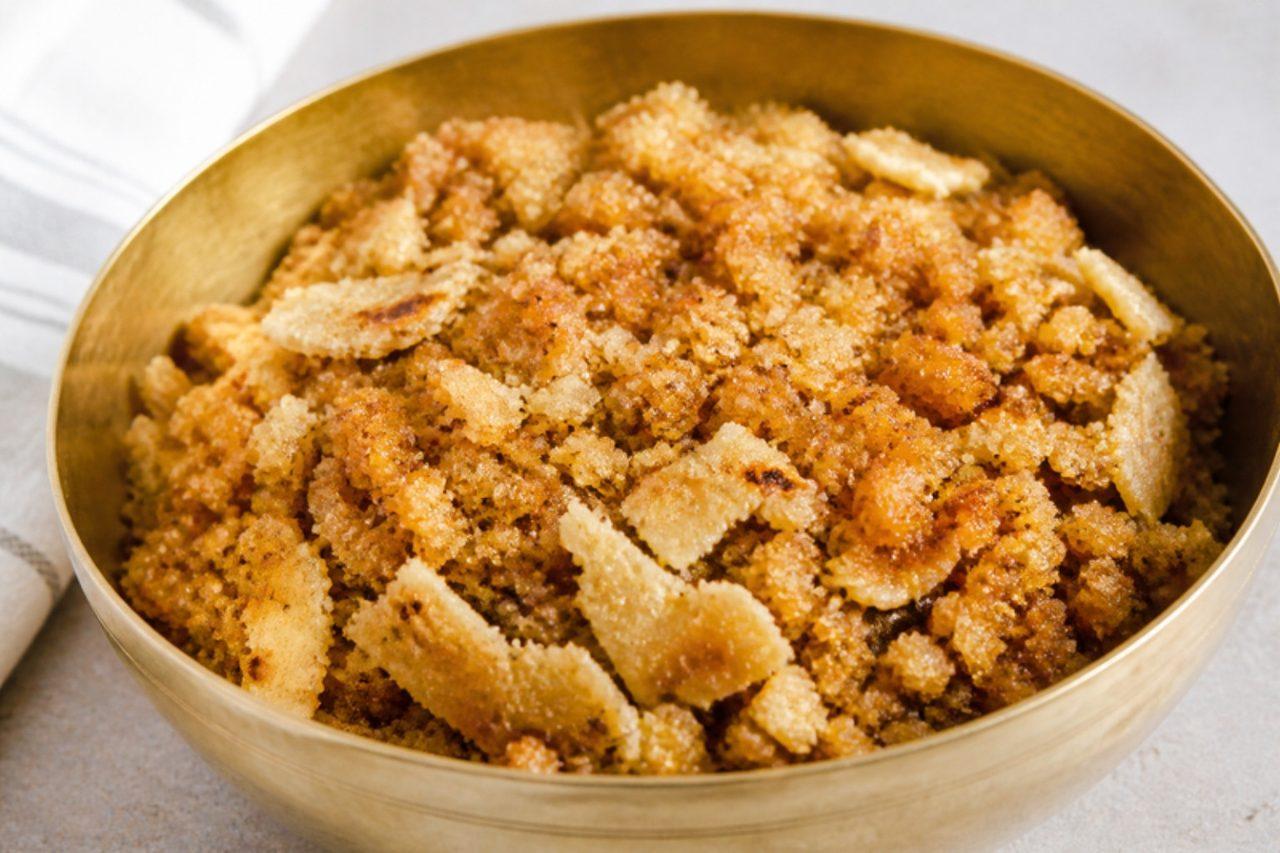
ChooriCrumbled roti with ghee and sugar

In Punjabi villages choori is what a grandmother makes when a child comes home hungry before dinner: a warm roti or leftover paratha crumbled by hand into ghee and shakkar until it turns into soft, sweet, buttery crumbs. It is eaten with a glass of tea or milk in the late afternoon, and in many homes a bowl is set aside as an offering on Sankranti and at the gurdwara. The common mistake is using cold, leathery rotis straight from the box: the ghee won't soak in and the sugar stays gritty. Warm them on the tawa first until they are soft and just crisp at the edges. Chef's tip: a pinch of crushed fennel and some chopped almonds turn it into a little treat for guests.

by KrazyBadal 0 views

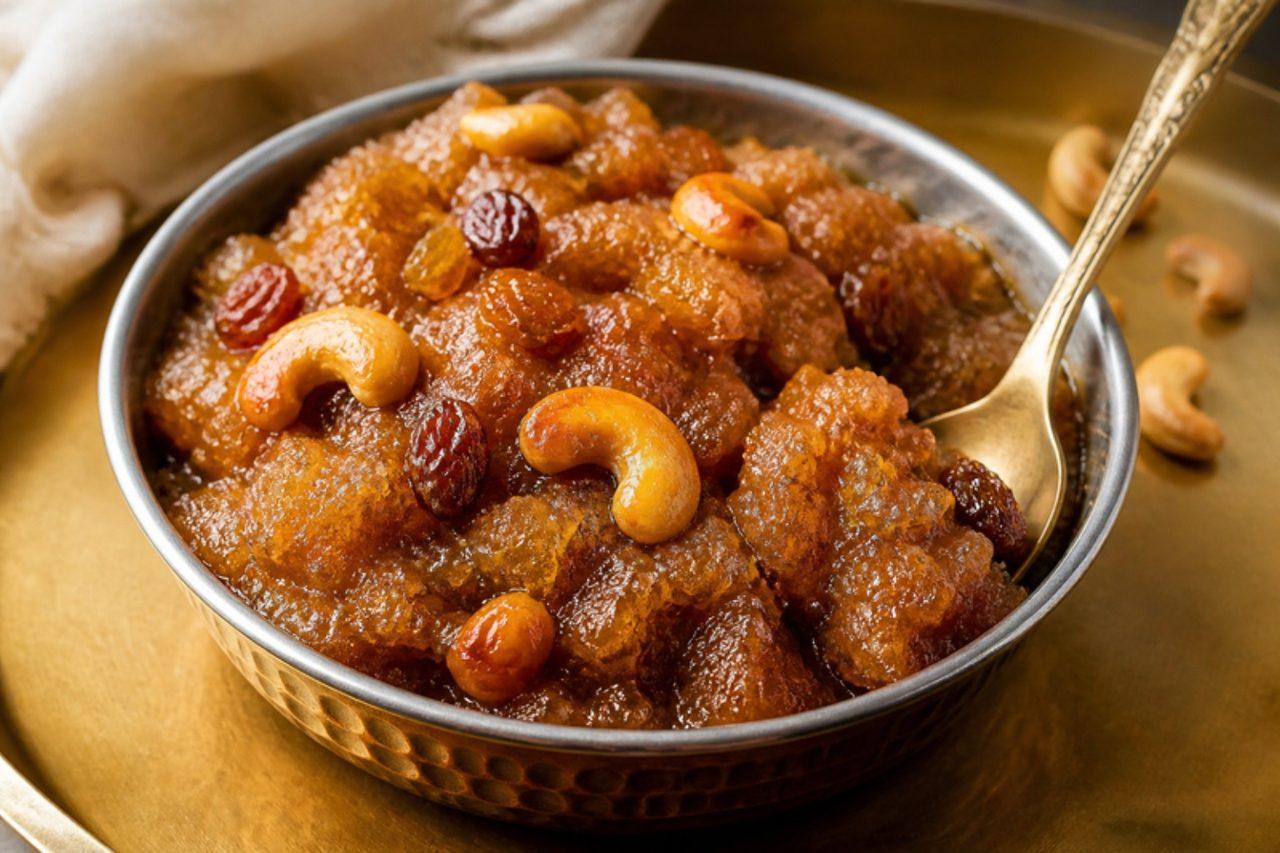
Bread halwaFried bread halwa

At Tamil Muslim weddings and Eid feasts in Chennai and Madurai, the biryani is followed by a spoonful of bread halwa, sticky, golden and glistening with ghee. Cubes of white bread are fried until crisp, then cooked down with milk, sugar and cardamom until they melt into a soft, jammy halwa studded with cashews. Chef's tip: day-old bread fries crisper and soaks up the milk more evenly than fresh.

by KrazyBadal 0 views

SnobrødBonfire stick bread

On Sankt Hans Aften, Danish Midsummer Eve on 23 June, people gather round huge bonfires on beaches and in gardens, sing the Midsummer song and burn a straw witch, and the children twist ropes of dough round sticks and bake snobrød over the embers. The bread comes out crisp and smoky outside and soft inside, ready to fill with jam, or butter for those who eat dairy. It is just as much fun at any garden fire or campfire. Chef's tip: hold the bread over glowing embers, not flames, and keep turning; flames blacken the outside long before the inside is done.

by KrazyBadal 0 views

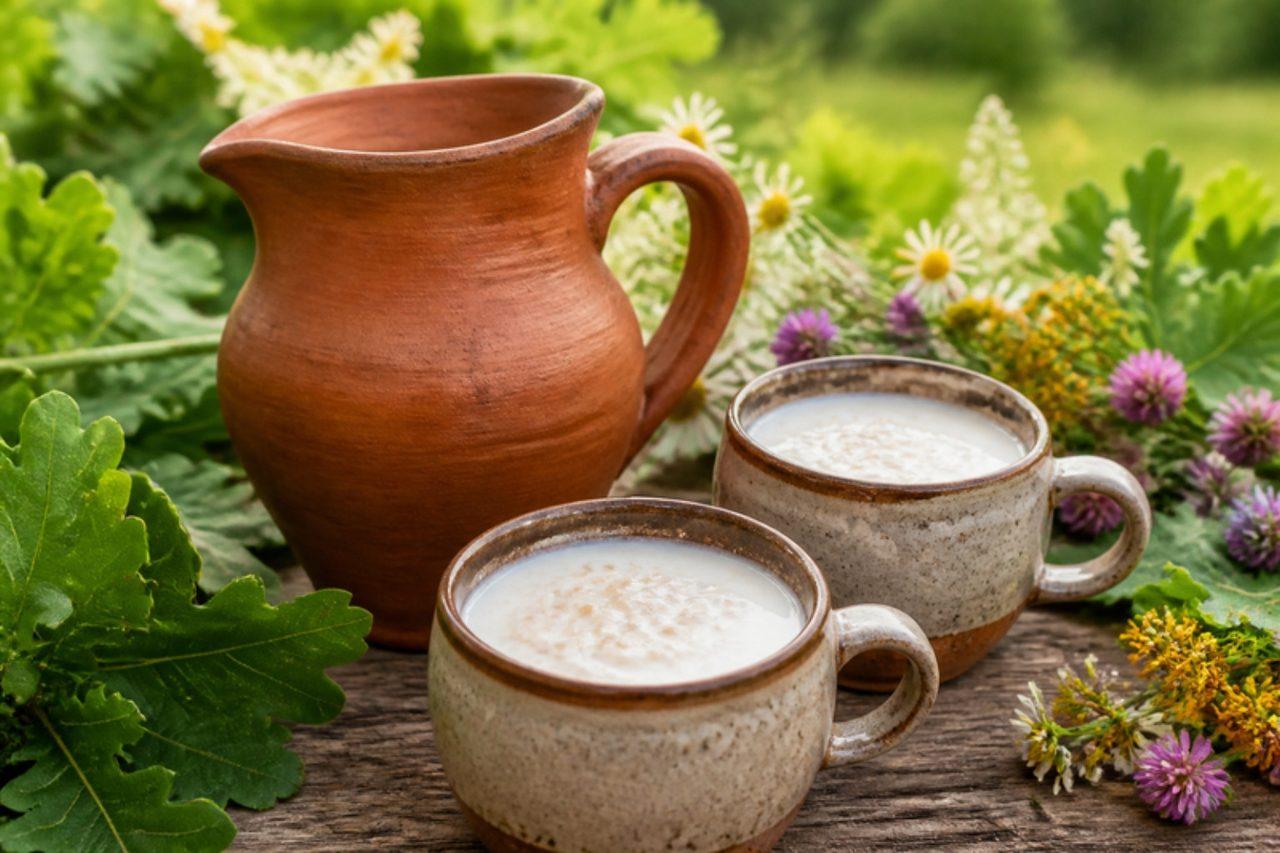
SkābputraSoured barley porridge drink

Skābputra, 'sour porridge', is one of the oldest Latvian foods, and at Jāņi, Midsummer on 23–24 June, it is served cold alongside caraway cheese, pīrāgi and wreaths of flowers. Pearl barley is cooked soft, then soured with buttermilk or kefir for a day or two until it is tangy and fresh-tasting, and it is thinned with milk into a thick, cooling drink sipped or eaten with a spoon on hot summer days. This home version uses bought live buttermilk to start the souring safely. Chef's tip: use clean jars and utensils, and taste it each day; once it is pleasantly sour, chill it so it stops souring.

by KrazyBadal 0 views

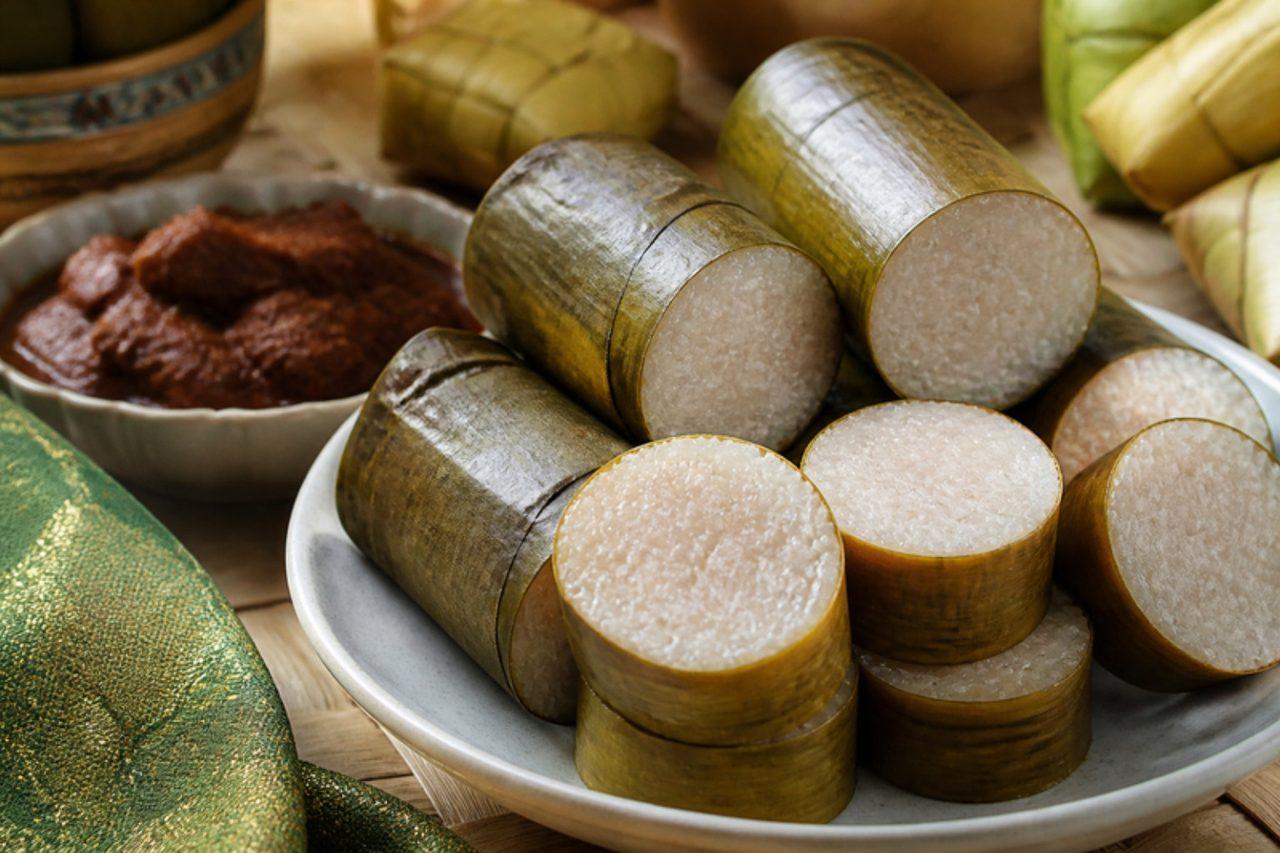
LemangBamboo-cooked coconut sticky rice

On the eve of Hari Raya Aidilfitri, Malay villages across the peninsula fill with smoke as families cook lemang: glutinous rice and coconut milk packed into banana-leaf-lined bamboo poles and turned slowly beside an open fire for hours. The rice comes out rich, salty and faintly smoky, sliced into thick rounds and eaten with rendang or serunding on Raya morning. Few homes have bamboo and a fire pit, so this recipe gives a home oven method in a banana-leaf-lined tin, with the bamboo way described too. Chef's tip: let the cooked lemang cool before slicing, as warm rice is too soft to cut cleanly.

by KrazyBadal 0 views

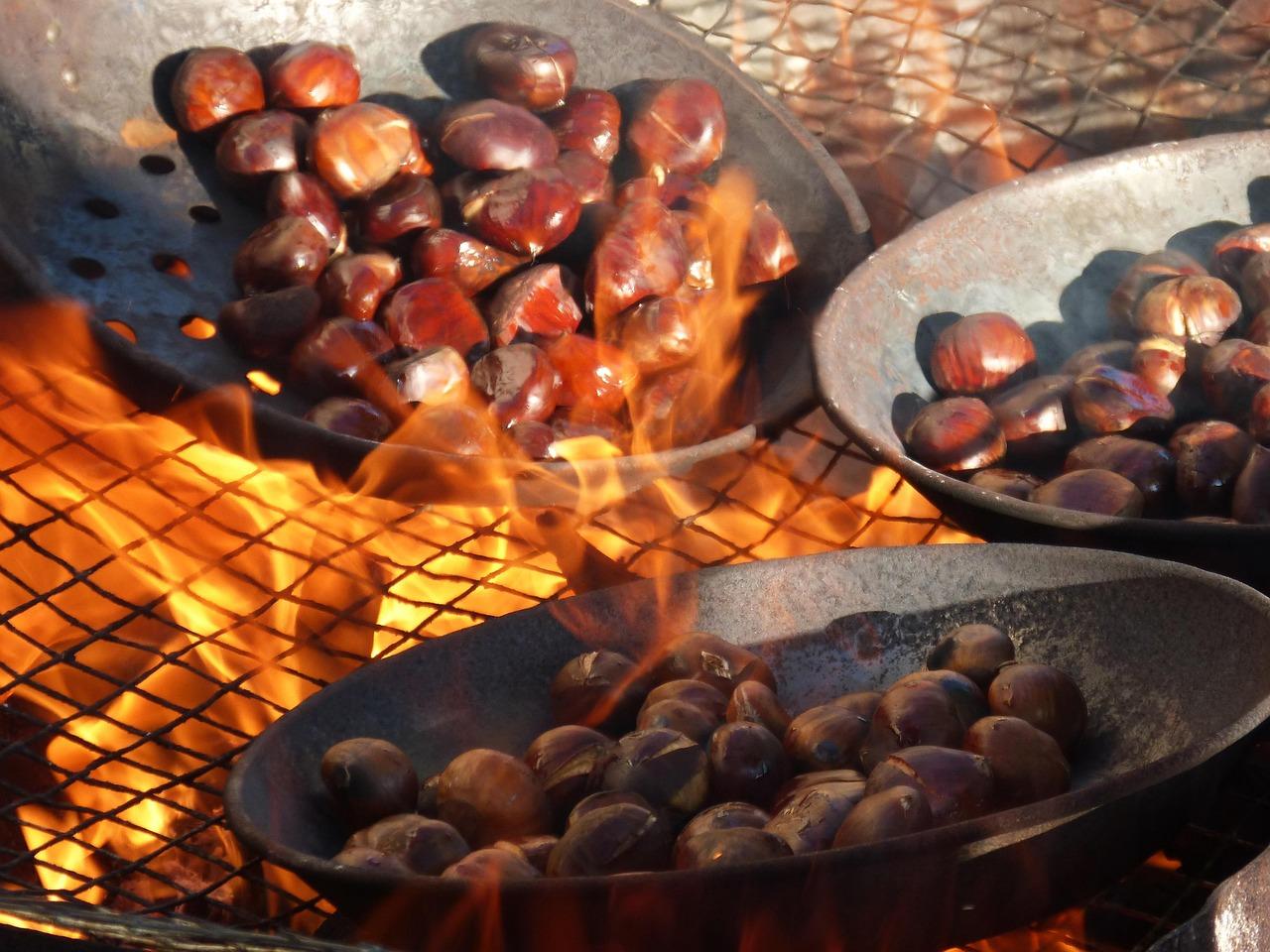
CaldarrosteRoasted chestnuts

From October to St Martin's Day on 11 November, Italian towns hold chestnut festivals, the sagre delle castagne, and the smoke of caldarroste drifts from street braziers where chestnuts are shaken in long-handled pans with holes. At home they are roasted in the same way on the hob or in the oven and eaten hot from a paper cone, sweet, floury and smoky, with a glass of new wine for adults or warm milk for children. Chef's tip: wrap the hot chestnuts in a damp tea towel for 5 minutes; the steam loosens the inner skin so they peel cleanly.

by KrazyBadal 0 views

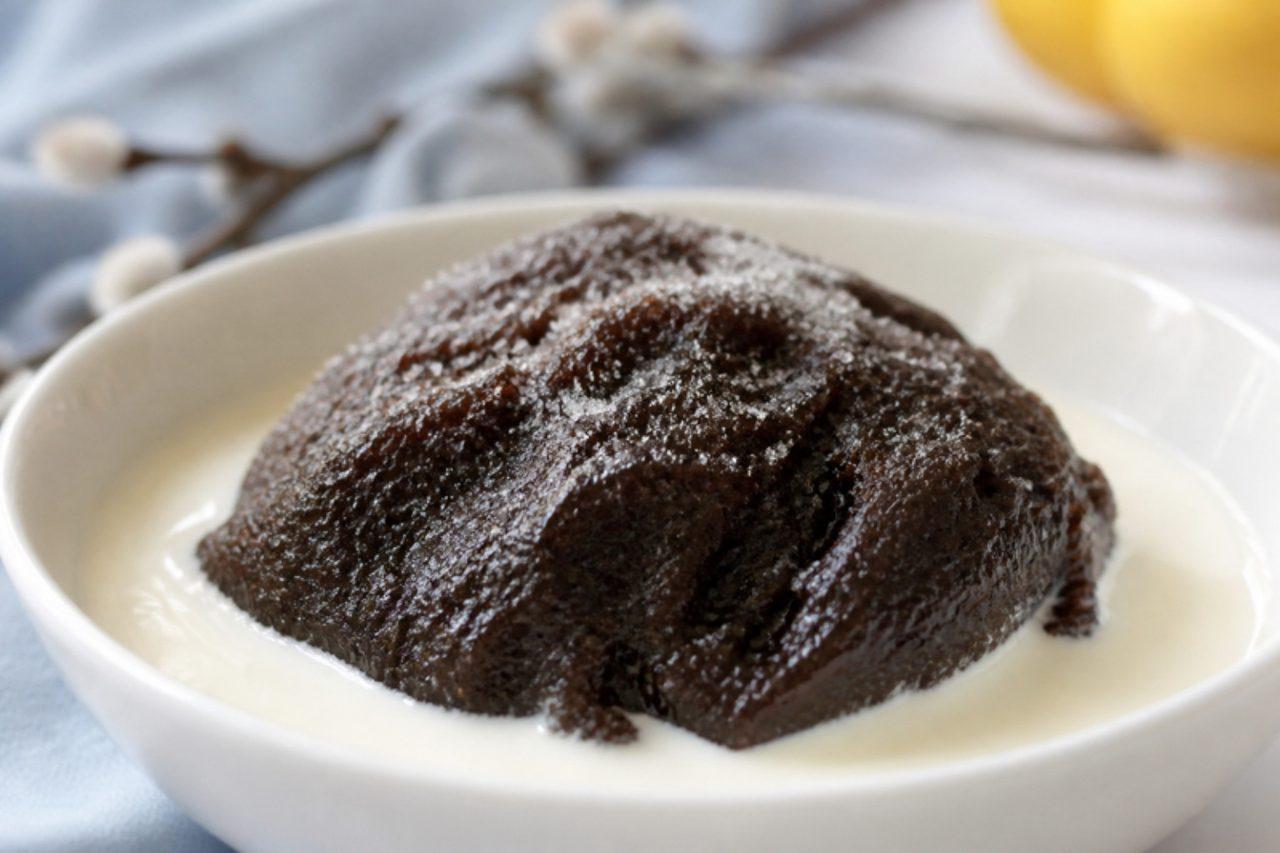
MämmiRye and malt Easter pudding

Mämmi is Finland's Easter dessert, a dark, almost black pudding of rye flour and malted rye, sweetened slowly by the malt's own enzymes and by a little molasses, then baked for hours in birch-bark boxes or small dishes. It looks unusual but tastes mild, malty and gently sweet, and is eaten cold with cream and sugar on Easter Sunday. It is vegan, and it was once eaten through Lent. You need powdered rye malt from a baking supplier or Nordic shop. Chef's tip: keep the porridge warm (around 60 °C) for two hours before baking so the malt can sweeten it; skip this and mämmi tastes bitter.

by KrazyBadal 0 views

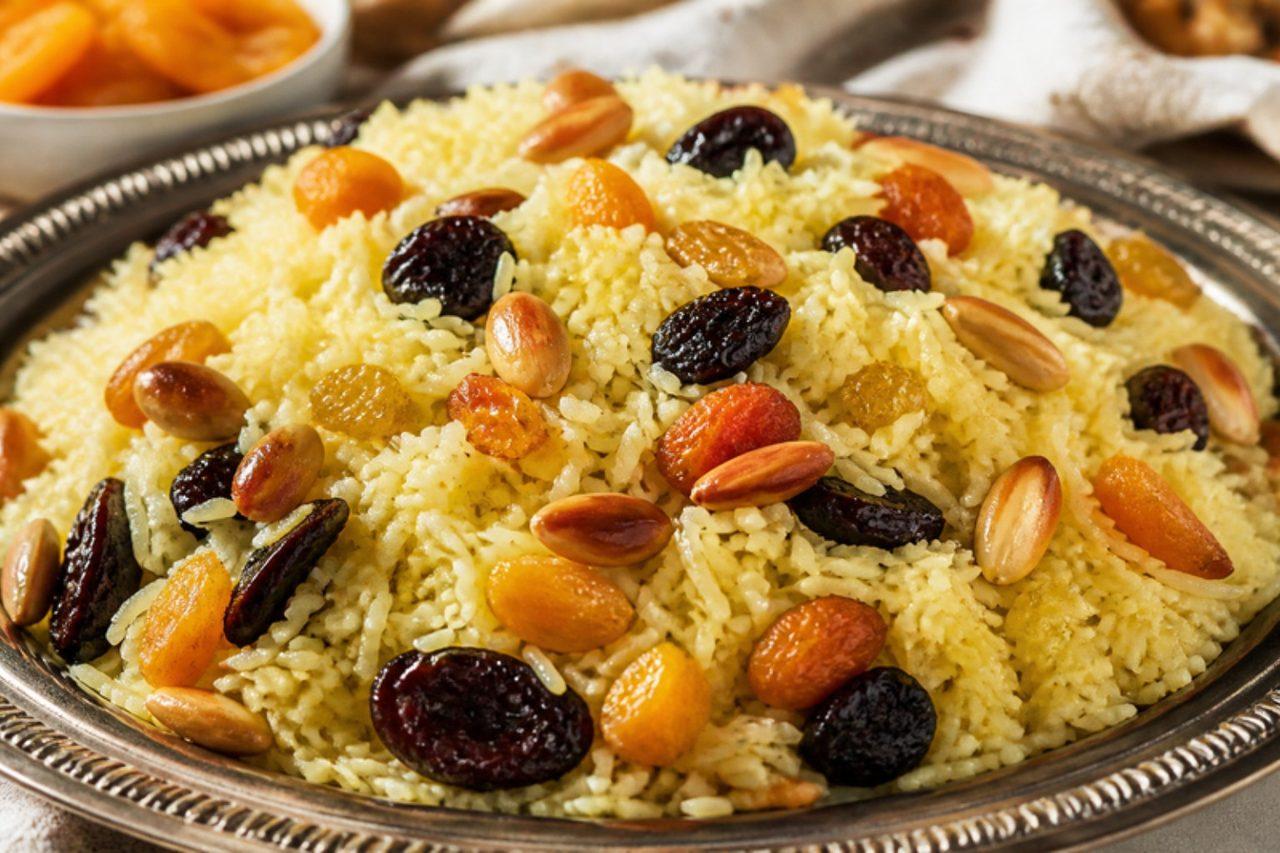
Chirov plavRice pilaf with dried fruit

Chirov plav, rice pilaf with dried fruit ('chir'), is the Armenian Easter dish: after the long Lenten fast, families gather on Easter Sunday to eat this glossy, buttery pilaf, often served beside fried or baked fish and red-dyed eggs. The rice is cooked separately so every grain stays loose, then layered with dried apricots, raisins and prunes warmed in butter, with a golden crust (tahdig-style) at the bottom. Chef's tip: rinse the rice until the water runs clear, and parboil it in plenty of salted water, as that keeps the grains separate.

by KrazyBadal 0 views

AlewaPulled sugar sweets

Alewa is the chewy pulled sugar sweet of Hausa northern Nigeria, cooked from just sugar, water and a squeeze of lime, then stretched by hand until it turns pale and satiny. Pocketfuls are given to children on Sallah, the Eid al-Fitr holiday, as they go from house to house in new clothes. The taste is clean caramel with a little sharpness from the lime. An adult should do the hot pulling. Chef's tip: oil your hands and the worktop well and pull while the sugar is still hot enough to bend; once it cools it sets hard and won't stretch.

by KrazyBadal 0 views

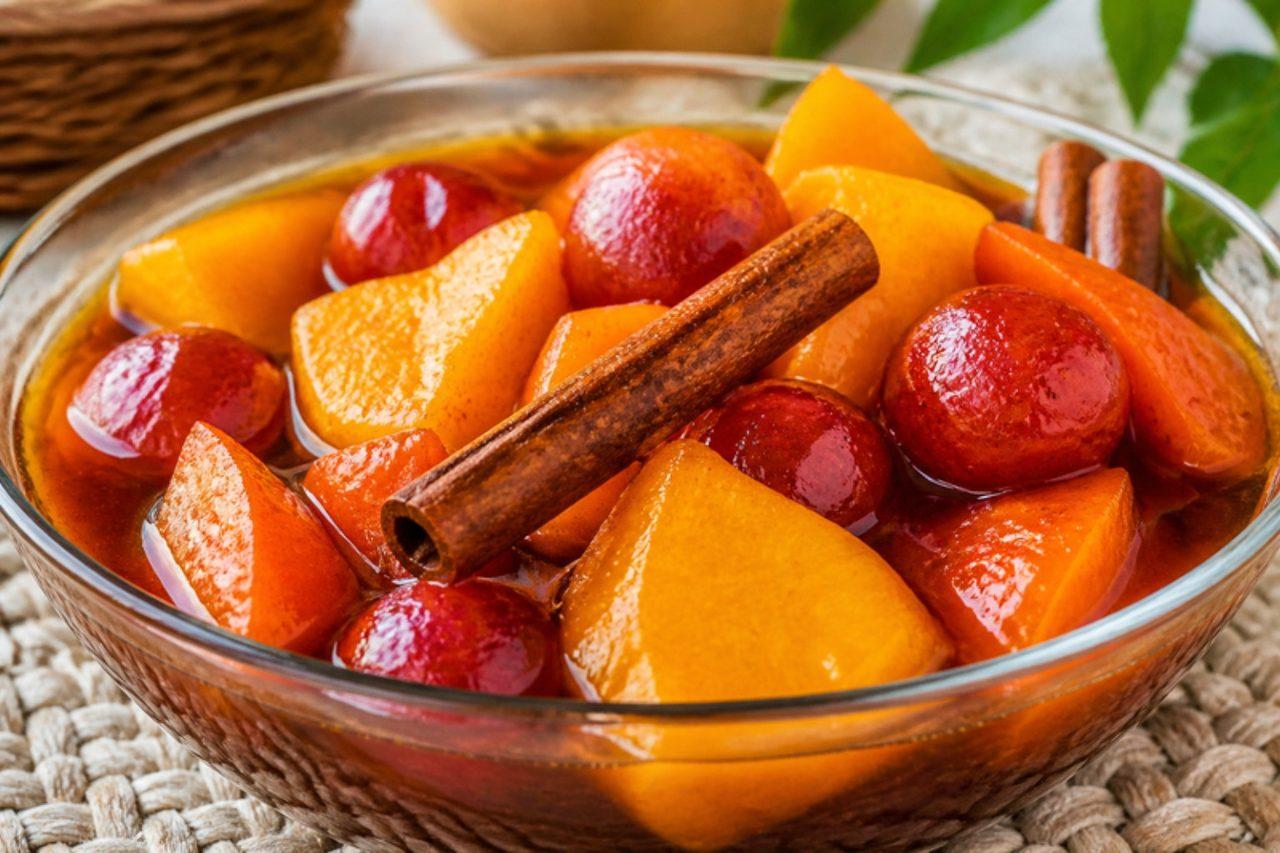
Almíbar nicaragüenseFruit preserve in panela syrup

In Nicaragua, Semana Santa means almíbar: a big pot of mango, papaya, jocote (hog plum) and grosella (gooseberry) simmered for hours in a dark panela syrup with cinnamon, cloves and allspice. Families make it ahead and share it with neighbours, who return the bowl full of their own. It is served cool in small bowls, sometimes with a slice of cheese. Jocotes and grosellas are hard to find abroad; firm plums and cape gooseberries are good stand-ins. It is vegan and gluten free. Chef's tip: add the fruit in order of firmness so everything finishes tender but whole.

by KrazyBadal 0 views

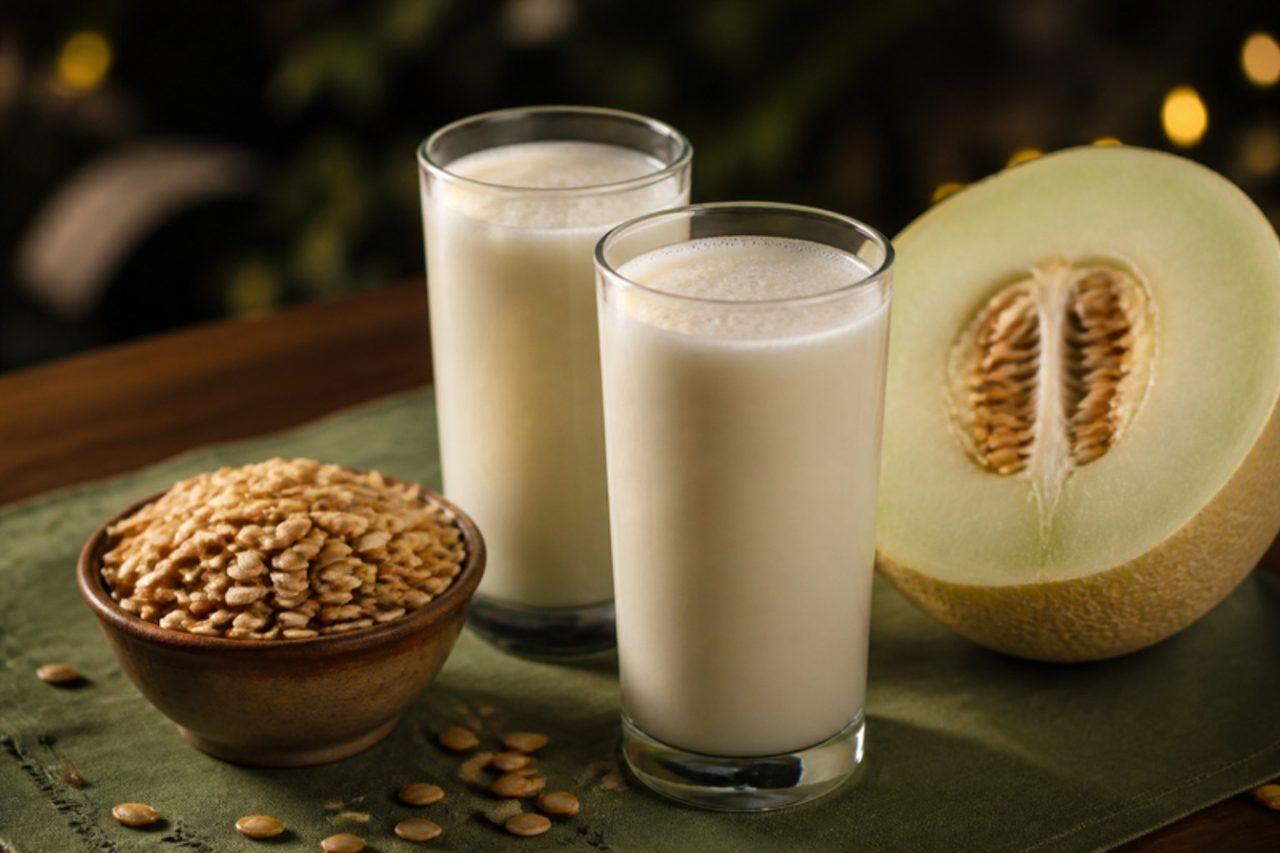
PepitadaToasted melon seed milk

Greek and Turkish Jews end the Yom Kippur fast with a glass of pepitada, a pale, gentle 'milk' made from melon seeds that were saved, washed and dried through the summer. The seeds are toasted, ground, soaked overnight in water wrapped in muslin, then squeezed to give a mild, nutty drink sweetened with a little sugar and scented with rose or orange-blossom water. It is soothing on an empty stomach after a day without food or water. The common mistake is toasting the seeds too dark, which makes the drink bitter. Chef's tip: start the night before; the long soak is what draws out the creamy flavour.

by KrazyBadal 0 views

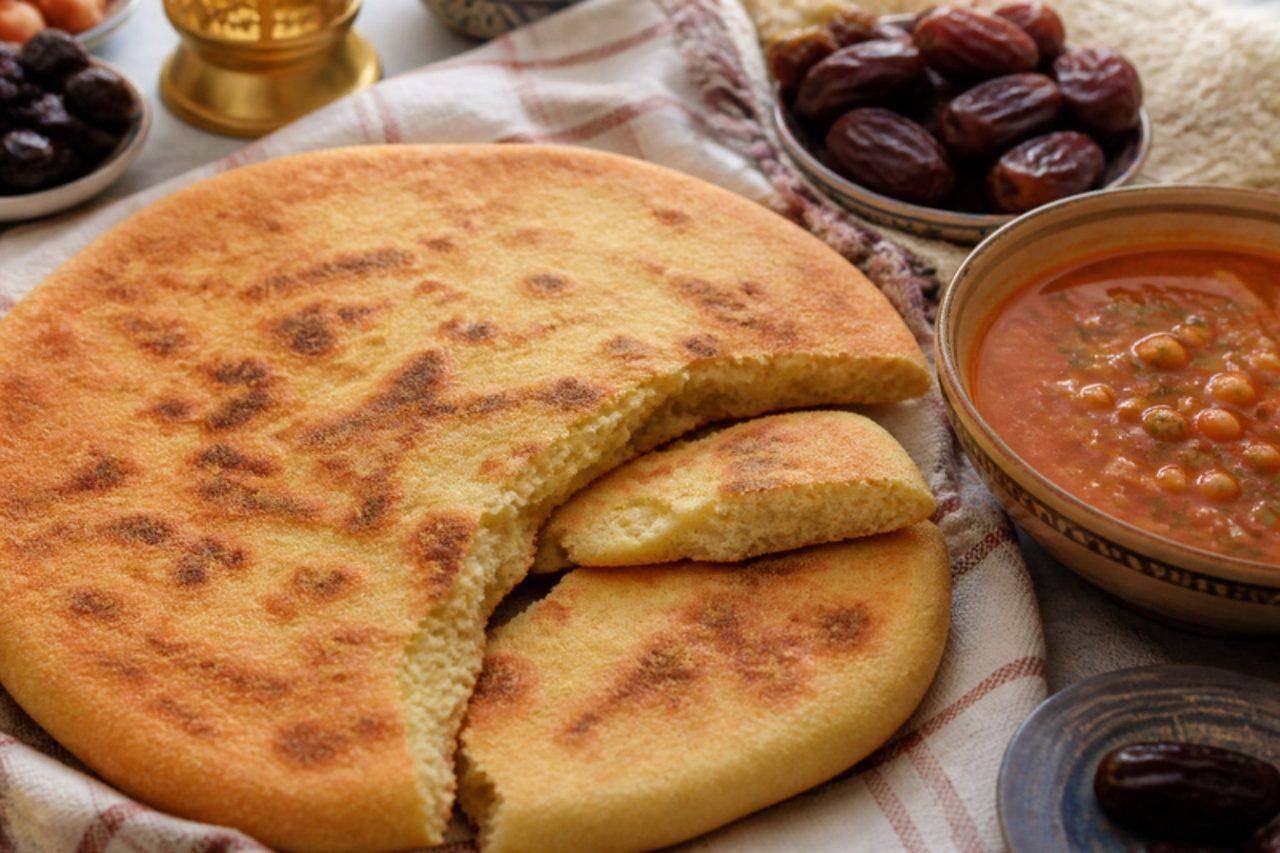
KesraSemolina pan bread

Kesra is the flat semolina bread of Algerian homes, and in Ramadan a fresh round sits on almost every iftar table, cooked on a clay tajine and torn into pieces to dip into hot chorba frik. This unleavened version is a thin, crumbly-edged galette, golden in patches and slightly chewy in the middle, with a nutty taste from the olive oil. It is made in minutes before sunset so it reaches the table still warm. Chef's tip: work the dough only until it holds together; kneading it like a yeast bread makes kesra tough instead of tender.

by KrazyBadal 0 views

Emping melinjoMelinjo nut crackers

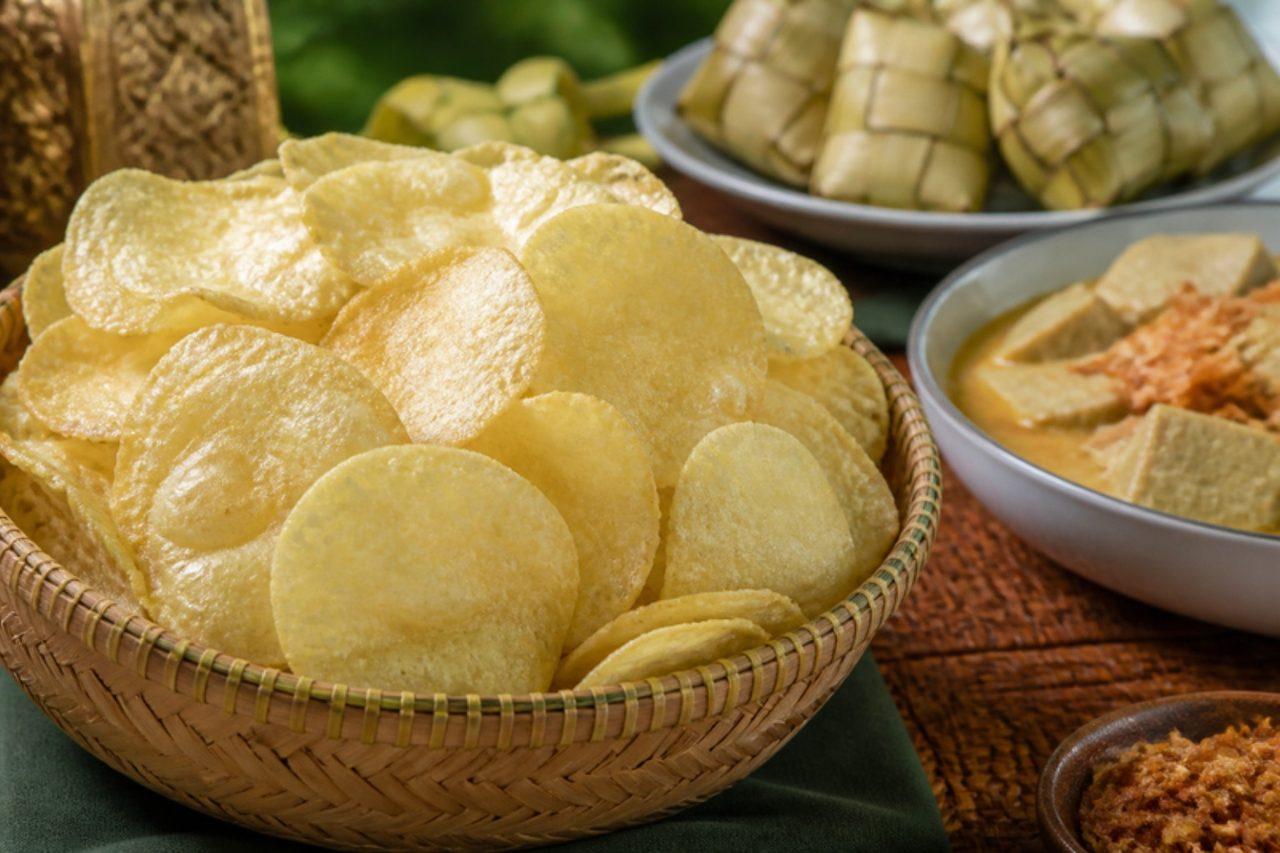
Emping are pale, crisp crackers from Banten and Java, made by cracking melinjo nuts, flattening them with a hammer and drying them; at Lebaran a bowl of fried emping sits beside the opor ayam and ketupat. They taste lightly bitter and nutty, and a sweet-spicy coating is popular for the snack jars. Most cooks buy dried raw emping and fry them at home, which is what this recipe does, with the hand-pressing method for anyone who finds fresh nuts. Chef's tip: fry only a handful at a time and lift them out the moment they puff; emping go from perfect to burnt in seconds.

by KrazyBadal 0 views

VornGreen gram and coconut milk sweet

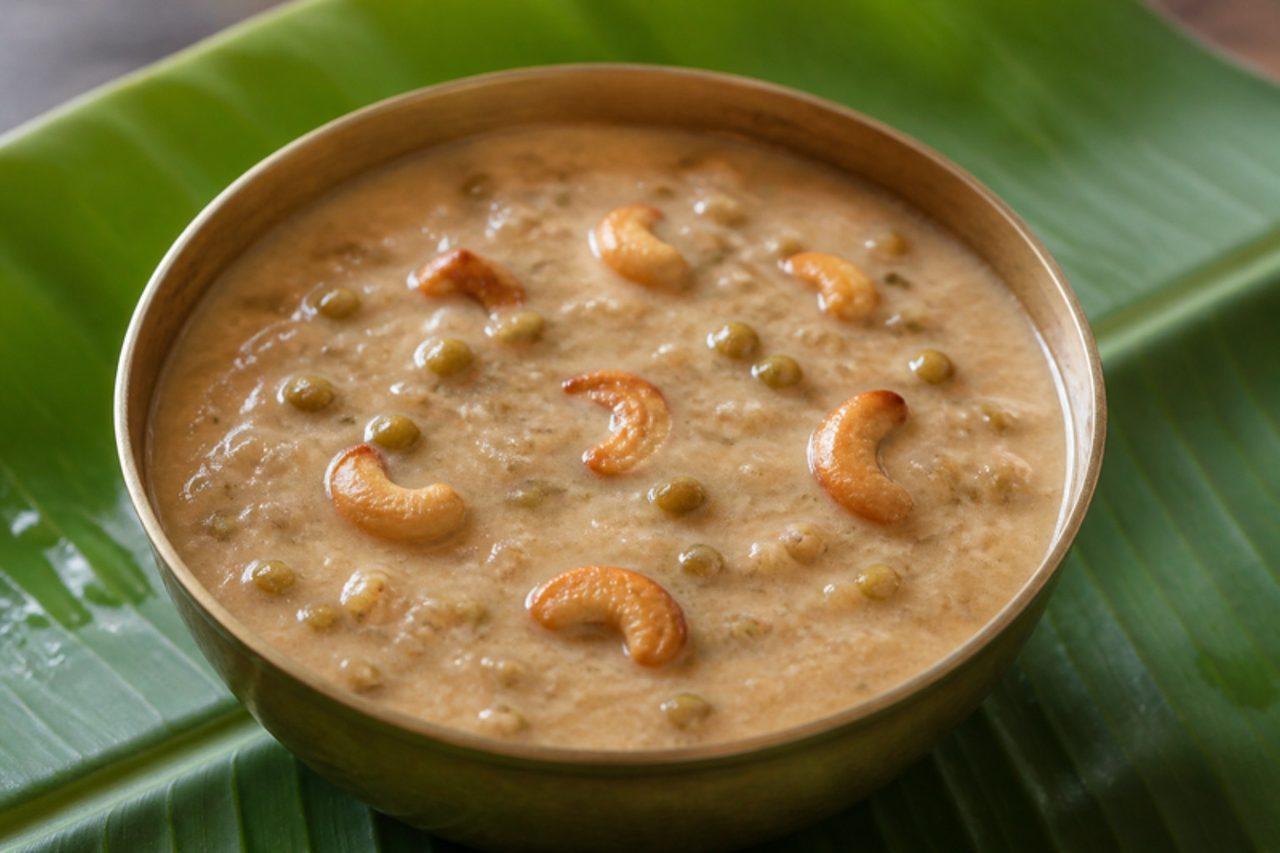
On 8 September, Mangalorean Catholics celebrate Monti Fest, the feast of Mary's Nativity, which is also a harvest festival: new ears of grain are blessed at church and shared at home, and the family eats a vegetarian feast of new-season vegetables. Vorn, a pudding of split green gram (moong) cooked with coconut milk, jaggery and cardamom, is the sweet that ends it. It is like a gentle payasam, vegan and gluten free. Chef's tip: dry-roast the moong dal until fragrant before cooking it, which gives vorn its nutty flavour.

by KrazyBadal 0 views

Kue satuMung bean flour sweets

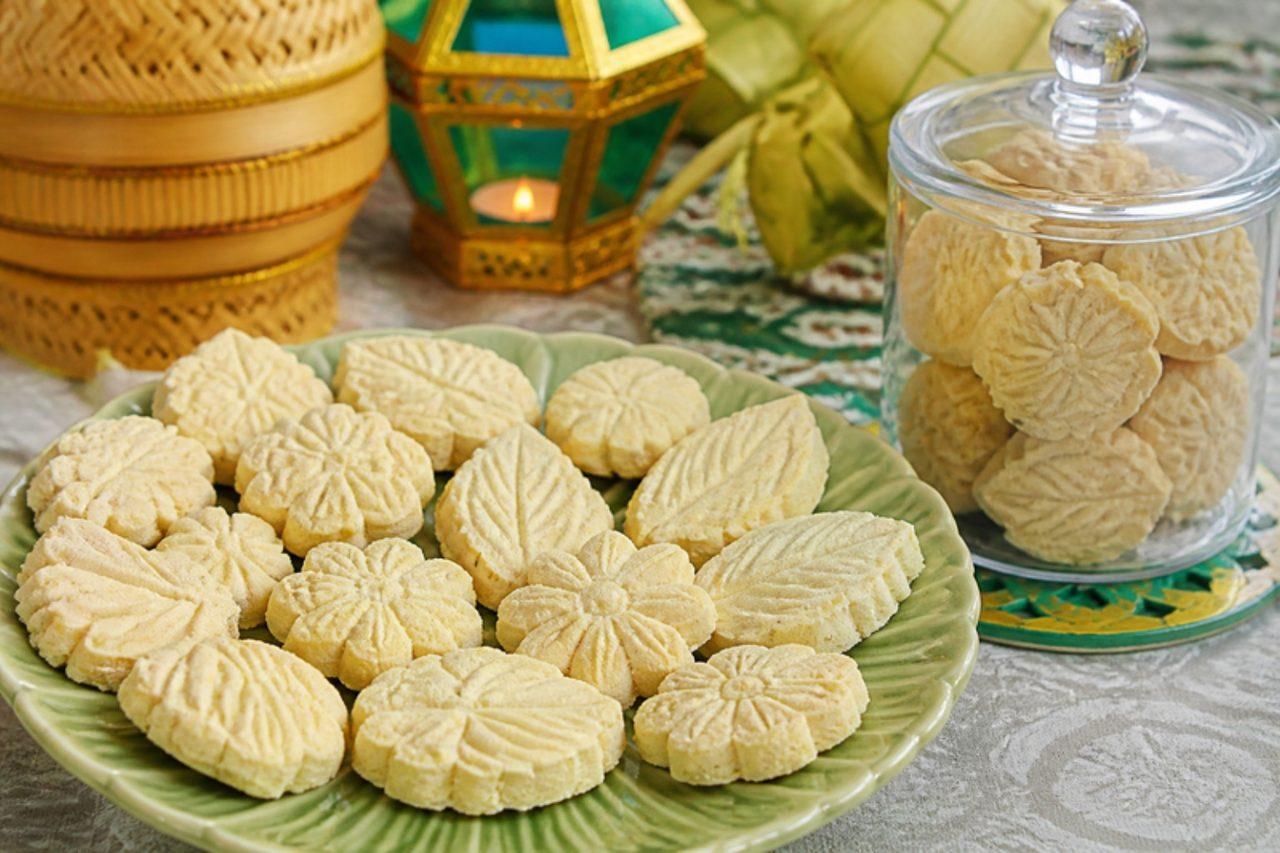
Kue satu are the little pale sweets that fill glass jars on Javanese and Sumatran tables when families open their doors for Lebaran visits at the end of Ramadan. Mung-bean flour is dry-toasted until it smells nutty, mixed with icing sugar and a whisper of pandan, then pressed into carved wooden moulds of flowers and leaves and left to dry until crumbly. They melt on the tongue with a sweet, beany, vanilla-like flavour and are offered with tea to every guest. Chef's tip: toast the flour until it is a shade darker and smells like popcorn, because raw-tasting flour is the most common reason kue satu taste flat.

by KrazyBadal 0 views

Kulche khetayeeCardamom pistachio shortbread

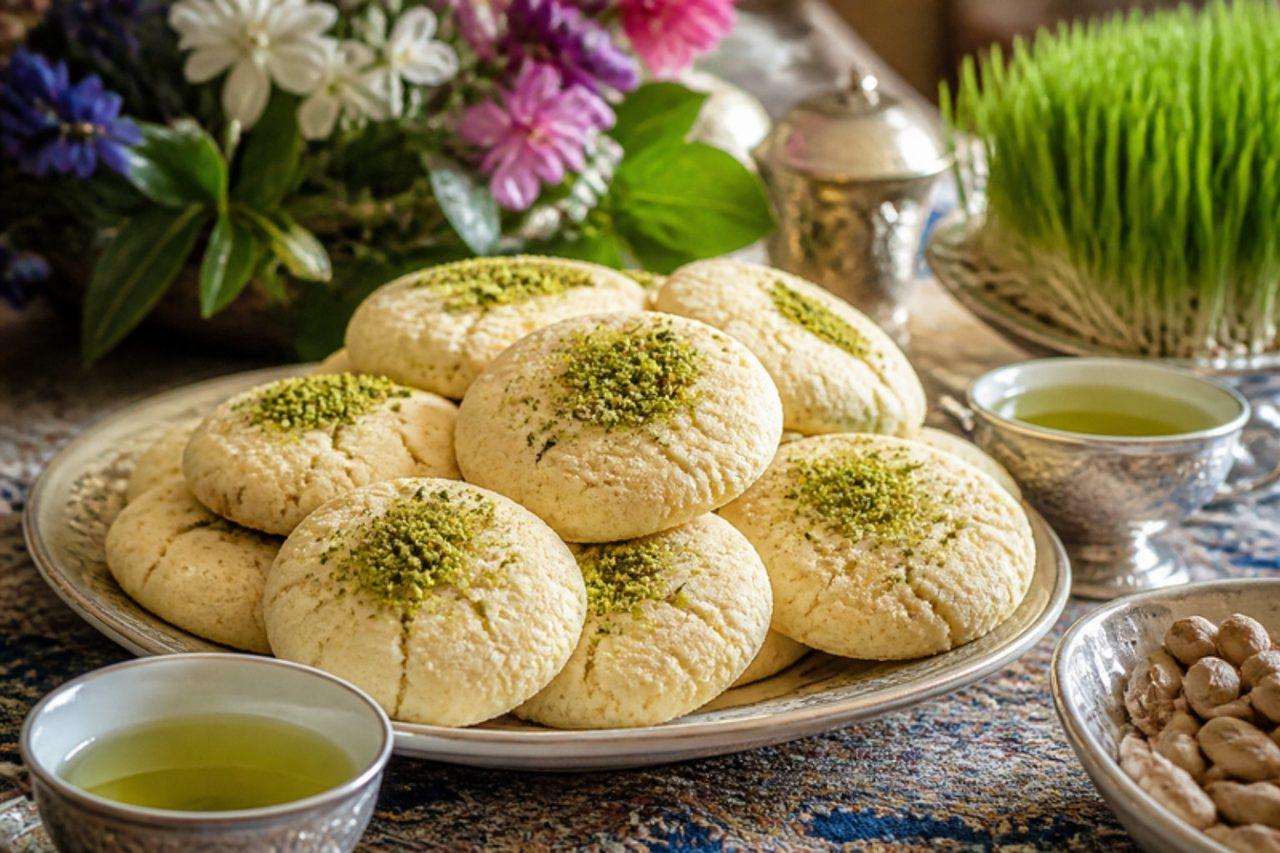
When guests come to an Afghan home over Nowruz or the days of Eid, they are poured green tea and offered a plate of kulche khetayee, crumbly round shortbreads that dissolve on the tongue. In Kabul the dough is made with clarified butter or oil, icing sugar and cardamom, and each biscuit is topped with a pinch of ground pistachio before baking very gently so they stay pale. The common mistake is baking too hot: the biscuits should be cream-coloured, not golden, or they lose their melting texture. Chef's tip: let them cool fully on the tray, because they are too fragile to move while warm.

by KrazyBadal 0 views

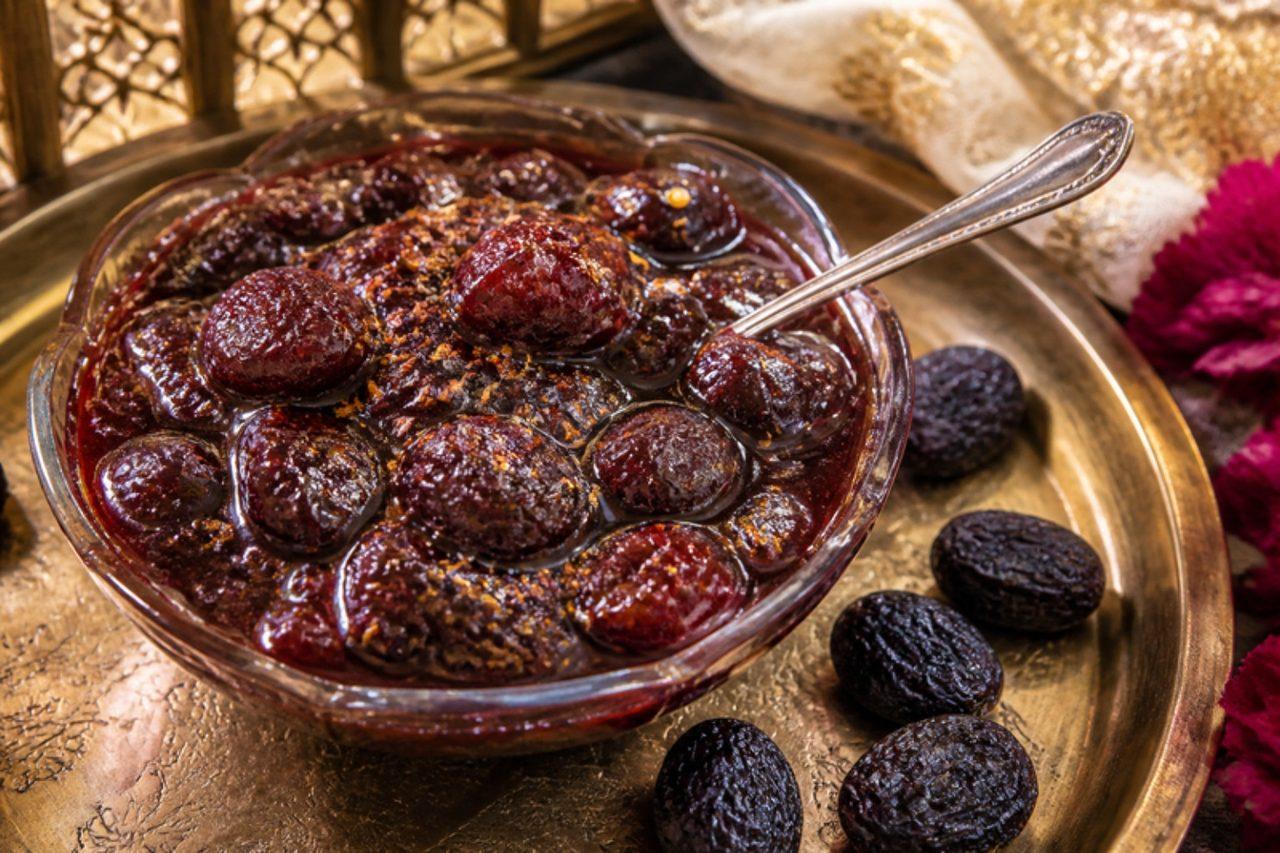
Aloo bukhara chutneyDried plum chutney

Wherever a Pakistani wedding serves biryani and qorma, a little bowl of glossy aloo bukhara chutney sits alongside to cut the richness. Dried sour plums are softened, then cooked with sugar, a touch of vinegar, ginger, chilli and warm spices into a jammy, sweet-sour relish, dark and shining. It keeps for weeks and is made in big jars before the shaadi. Chef's tip: stop cooking while it still looks a little loose; it thickens a lot as it cools.

by KrazyBadal 0 views

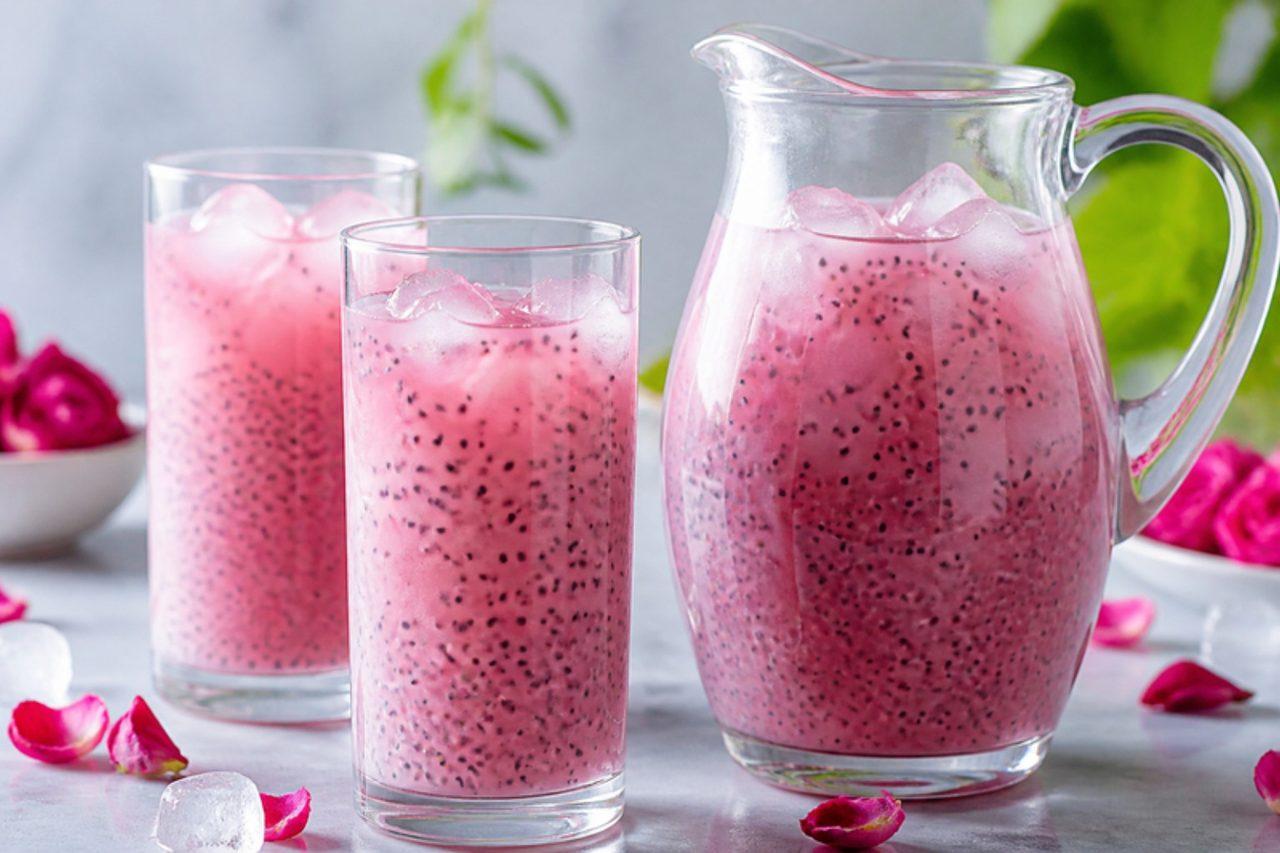
Sabeel sharbatRose milk with basil seeds

In the first ten days of Muharram, and above all on Ashura, volunteers in Pakistani towns set up sabeel stalls at the roadside and pour free cups of cold sweet milk for anyone passing, in memory of the thirst of Imam Husain's family at Karbala. The drink is pale pink, lightly rose-scented and dotted with swollen basil seeds, and it is made in huge steel pots at the stalls; this is the home-sized jug. Chef's tip: soak the basil seeds in water first, never straight in the milk, or they stay hard and clump.

by KrazyBadal 0 views

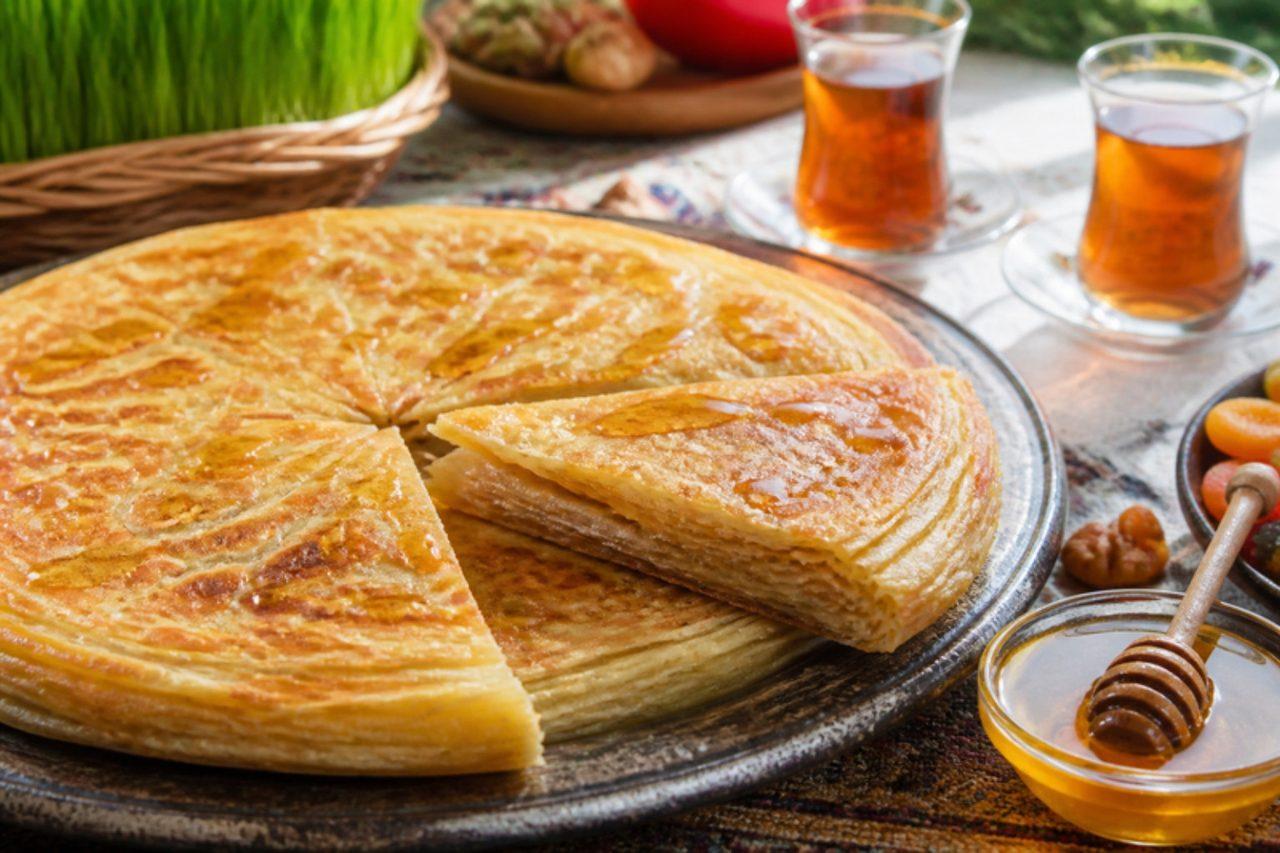
FasaliLayered butter pastry with honey

Fasali is a festive breakfast in Azerbaijan, made on Novruz mornings and other holidays when the house is full: a thin dough is brushed with melted butter, folded again and again into many layers, then cooked slowly in a covered pan until crisp outside and flaky within. It comes to the table cut in wedges with honey, syrup or a glass of sweet tea. The common mistake is cooking over a high heat, which burns the outside before the inner layers have cooked through. Chef's tip: chill the folded parcel for 10 minutes between folds and the butter stays in clean layers.

by KrazyBadal 0 views

Showing 72 of 2,797 recipes

Show more recipes

Page 10 of 117

More Jain ideas

Other diets