Skip to content
WhatToEat.Today

Jain recipes: no onion, garlic or root vegetables

2,799

2799 Jain recipes with no onion, garlic, potato, carrot, fresh ginger or other root vegetables, and no mushrooms, eggs or honey. Hing, dry ginger and turmeric powder are fine. Each has photos, step-by-step instructions and cook times. The quickest, Apfelschorle, takes 2 minutes. Most take around 40 minutes.

Filter these by time, diet or cuisine · Make Jain your diet to see only these recipes everywhere on the site.

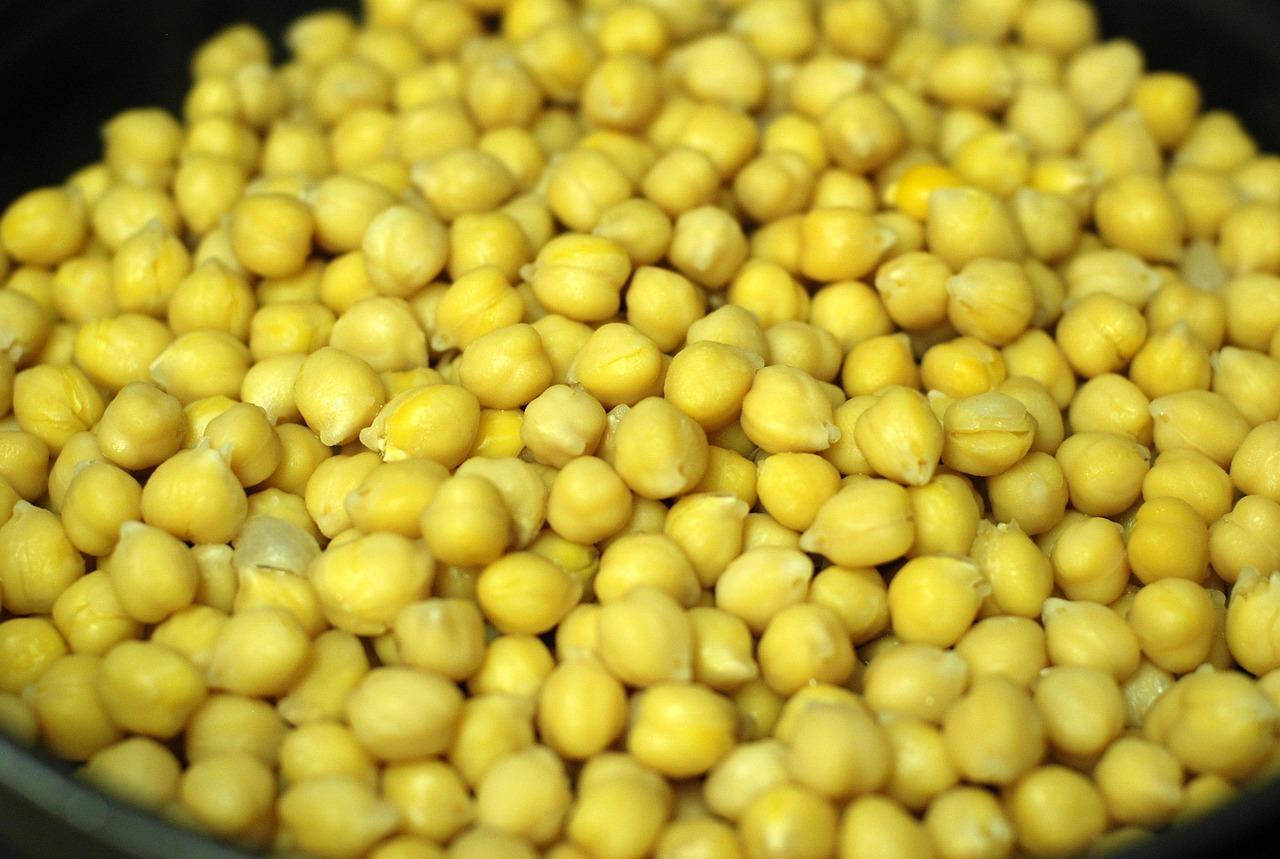
Chickpeas with cumin (hummus bel kamoun)

On chilly evenings, street carts in the medinas steam a great pot of chickpeas and scoop them, piping hot, into paper cones with a shake of cumin, salt and sometimes a little chilli. It is one of the cheapest and most comforting snacks in the country, eaten while strolling, and the chickpeas should be tender and creamy but whole, never mushy. At home they make a lovely warm nibble, a lunchbox protein or something to pick at alongside soups. Dried chickpeas give the best texture and need an overnight soak; tinned ones work in a hurry, just warmed through in salted water. Chef's tip: toss the cumin and salt onto the chickpeas the moment they come out of the water, while they are still steaming and damp, so the seasoning clings.

by KrazyBadal 0 views

Sfenj (Moroccan doughnut rings)

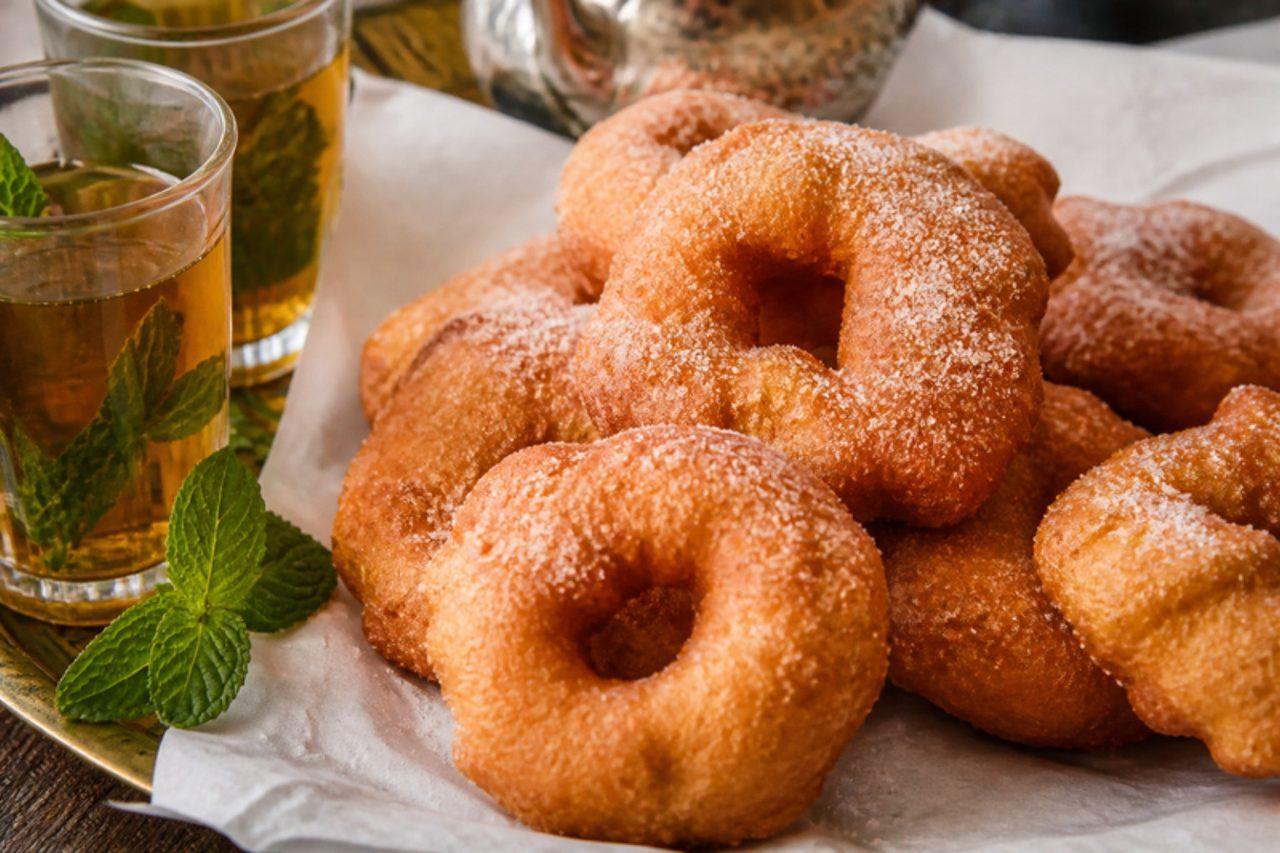
Early in the morning, in medina lanes from Fez to Casablanca, the sfenji pulls handfuls of sticky dough from a bowl, pokes a hole through each with his thumb and drops the rings into a big pan of oil, where they puff into crisp, golden, irregular doughnuts with a chewy, airy inside. Customers carry them away threaded on a strip of palm leaf, to eat hot with mint tea or coffee, plain, dusted with sugar or dipped in honey. The dough is just flour, yeast, salt and water, and deliberately very wet; that is what gives the open, holey crumb. Allow about 1 1/2 hours for it to rise. Where sfenj go wrong is a dough that is too stiff; it should be sticky and slack, or the rings come out bready instead of open and chewy. Chef's tip: keep a bowl of water beside you and wet your hands before every piece, so the sticky dough slides off your fingers instead of clinging to them.

by KrazyBadal 0 views

Tafarnout (pebble-baked Amazigh bread)

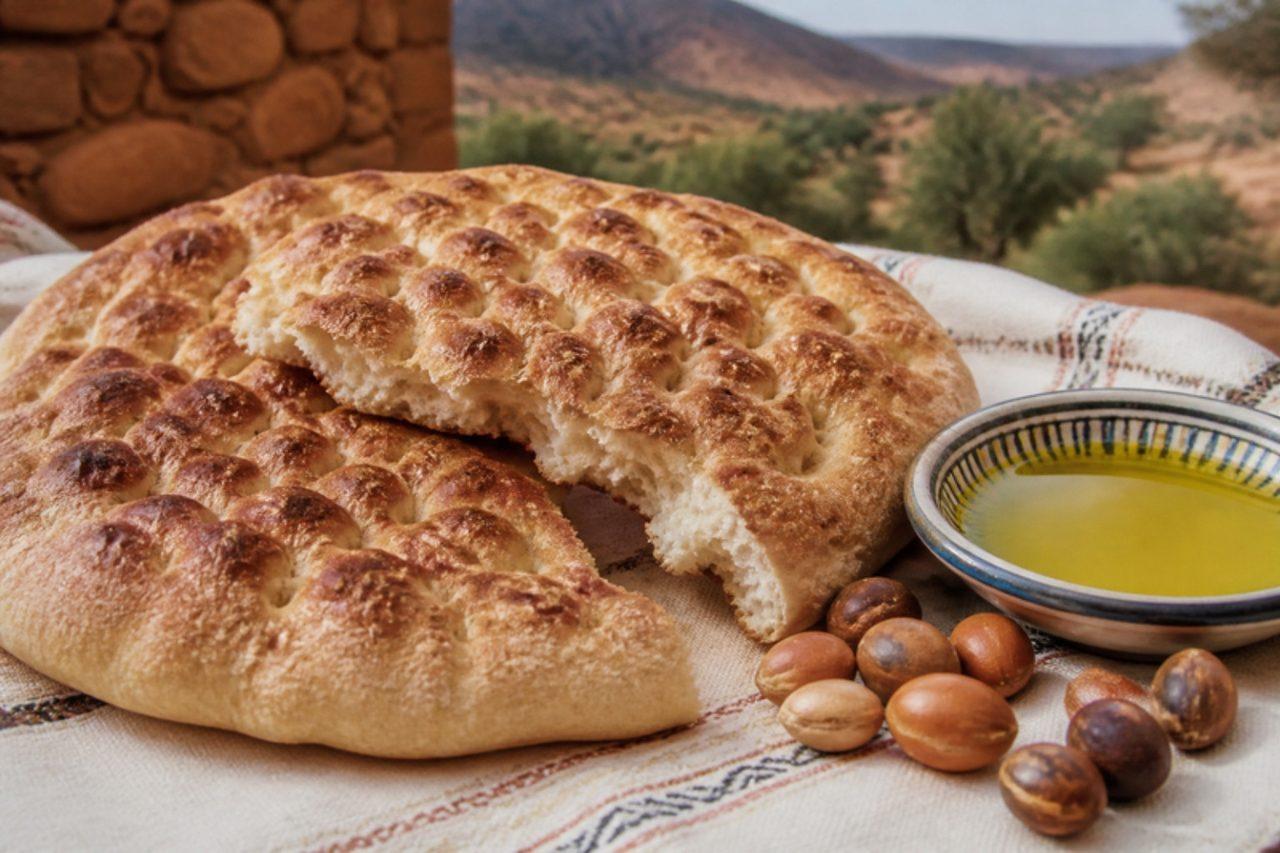
In the villages of the Anti-Atlas and the south, tafarnout is named after the domed clay oven it is baked in, lined with pebbles that are heated by a wood fire until the dough slapped onto them puffs and blisters within minutes. The stones leave the bottom deeply dimpled and charred in spots, while the top stays soft; it is torn and dipped into argan oil, amlou or olive oil, or eaten with tagines. You can come close at home with a tray of clean, smooth river pebbles or a baking stone in a very hot oven. Allow about 1 1/2 hours for the dough to rise. Use only smooth, dense pebbles, scrubbed and dried for an hour in a low oven first: stones with trapped water can crack in the heat. Chef's tip: let the pebbles heat for a full 40 minutes; lukewarm stones make a pale, flat loaf.

by KrazyBadal 0 views

Ras el hanout

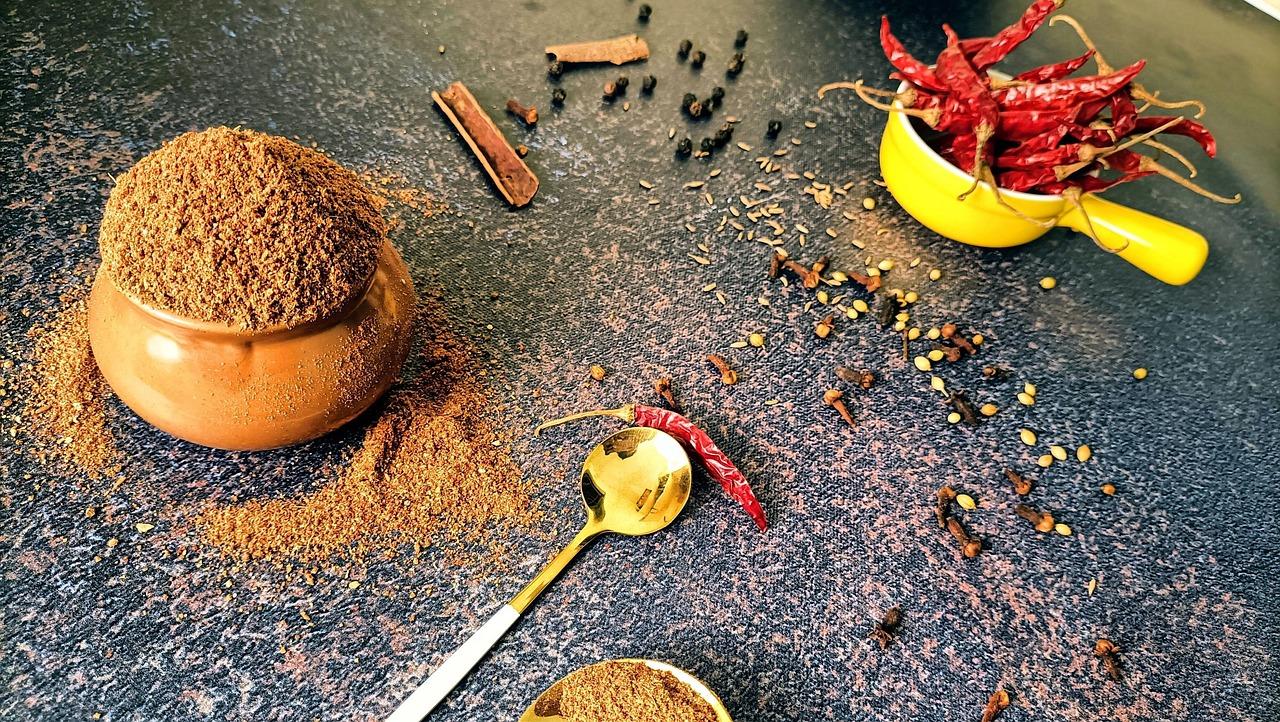
Ras el hanout means 'head of the shop', and every spice seller in the Marrakech souk will tell you theirs is the best: a warm, complex mix of a dozen or more spices that they grind to their own formula. This home version balances earthy cumin and coriander with sweet cinnamon, ginger and turmeric, the perfume of cardamom and dried rosebuds, and the heat of black pepper. Rub it on vegetables before roasting, stir a teaspoon into tagines, lentils or couscous broth, or season chickpeas and roast pumpkin with it. Toasting the whole spices first takes 5 minutes and makes a real difference. Chef's tip: make small batches and store the blend in a sealed jar away from light; it is at its best for about 3 months.

by KrazyBadal 0 views

Hssoua belboula (barley soup with milk)

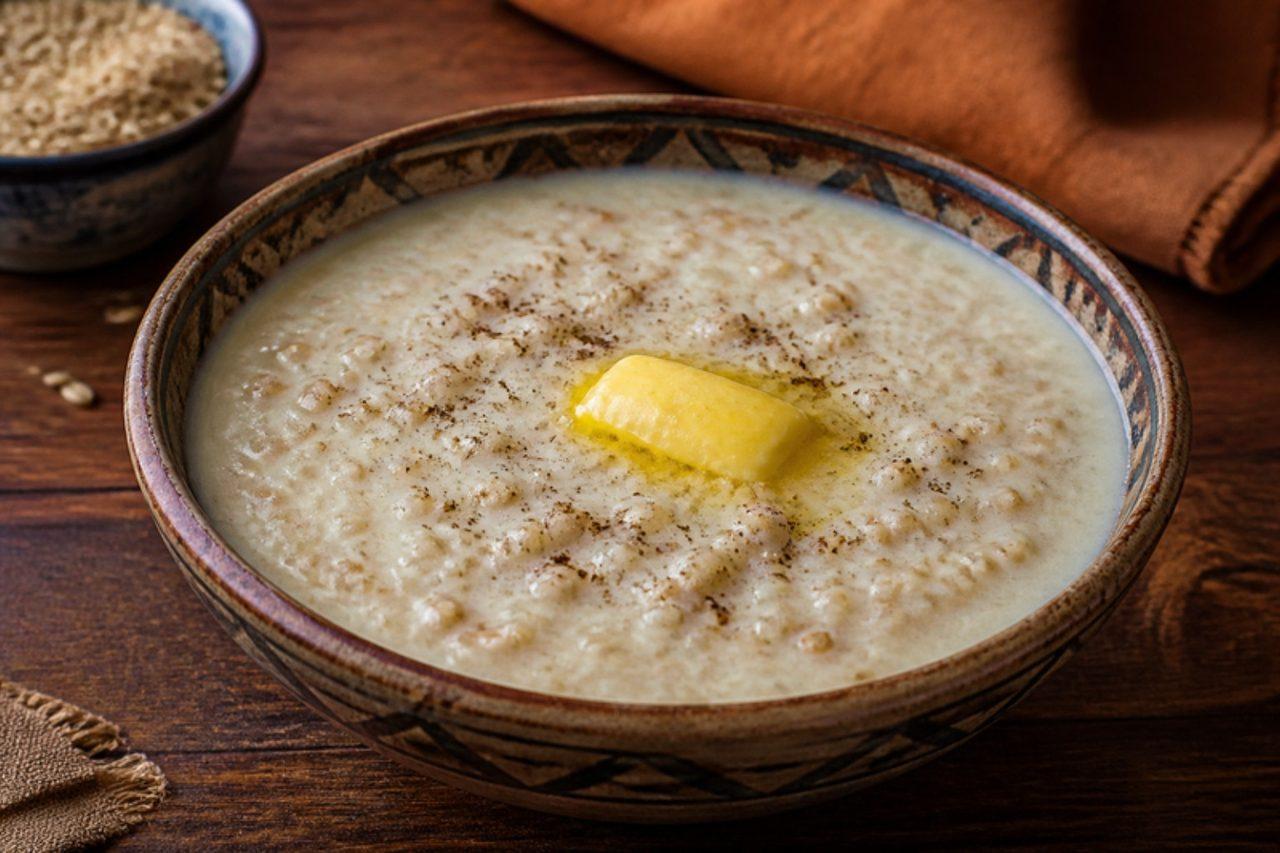
Few things are as soothing on a cold morning in Fez or Marrakech as a bowl of hssoua belboula, the pale, porridge-like soup of cracked barley cooked in water and then milk. Many families eat it for breakfast in winter or as a light supper, and it often appears on the Ramadan table too. It is mild and gently savoury, with a whisper of cumin and a knob of butter melting on top, and the barley grains stay soft but slightly chewy. Serve it piping hot with a little extra cumin to sprinkle, plus dates or bread on the side. A common slip is adding the milk too early and boiling hard, which catches on the bottom and scorches the soup. Chef's tip: rinse the barley grits in a sieve until the water runs almost clear; it washes away loose flour so the soup is creamy rather than gluey.

by KrazyBadal 0 views

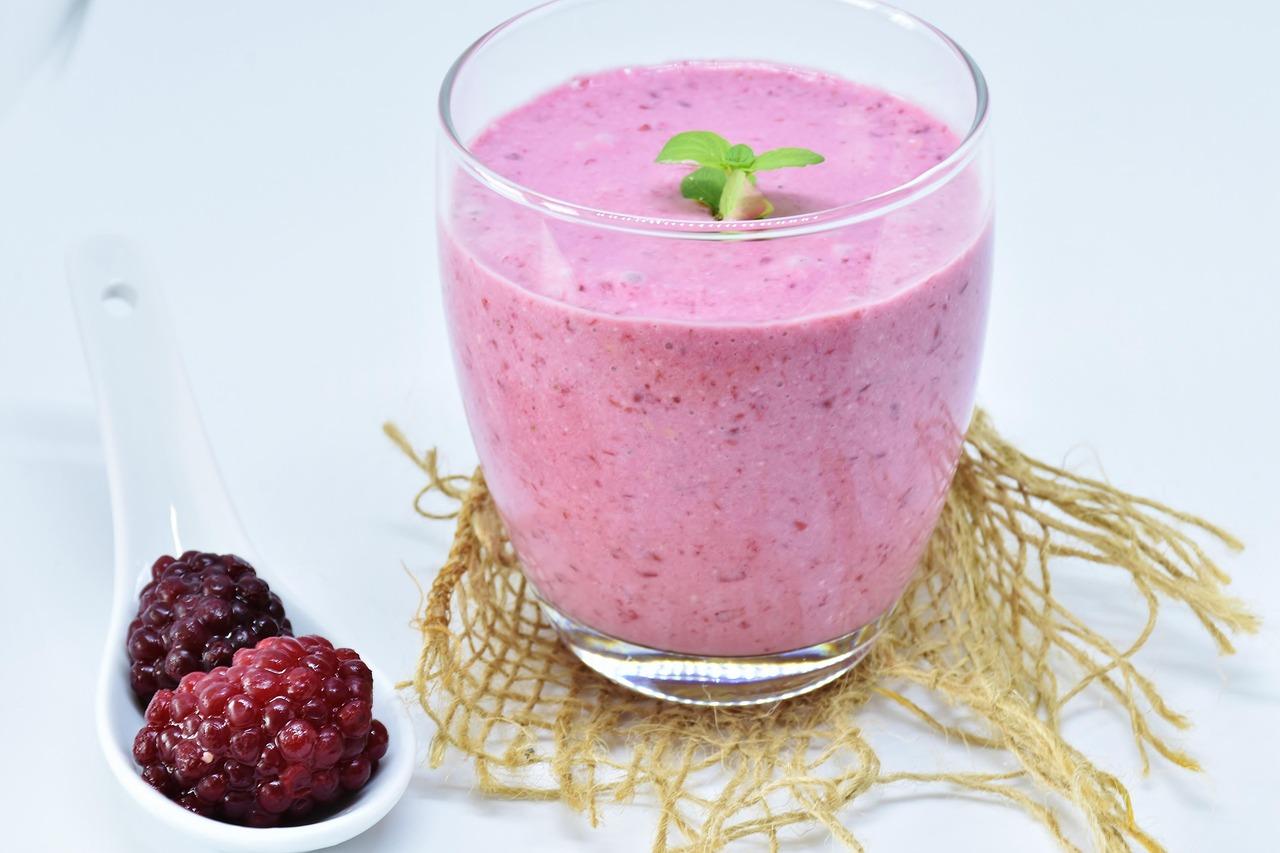
Jugo de moraBlackberry milk juice

Order a juice anywhere in Colombia and the waiter will ask: en agua o en leche? With mora, the tart Andean blackberry, the milk version is the treat: a thick, dusky-purple shake with a sour-sweet berry flavour, served with lunch at corrientazo restaurants and in tall glasses at bakeries. Mora de Castilla is longer and sharper than European blackberries and is sold frozen in Latin shops; ordinary blackberries with a squeeze of lime make a good stand-in. Straining is what makes it smooth, since the seeds are gritty. The mistake many people make is blending the berries with the milk and leaving it to stand: the fruit acid slowly curdles the milk, so blend the fruit with water first, strain, then add cold milk and serve straight away. Chef's tip: very cold milk and a few ice cubes keep the drink thick and frothy.

by KrazyBadal 0 views

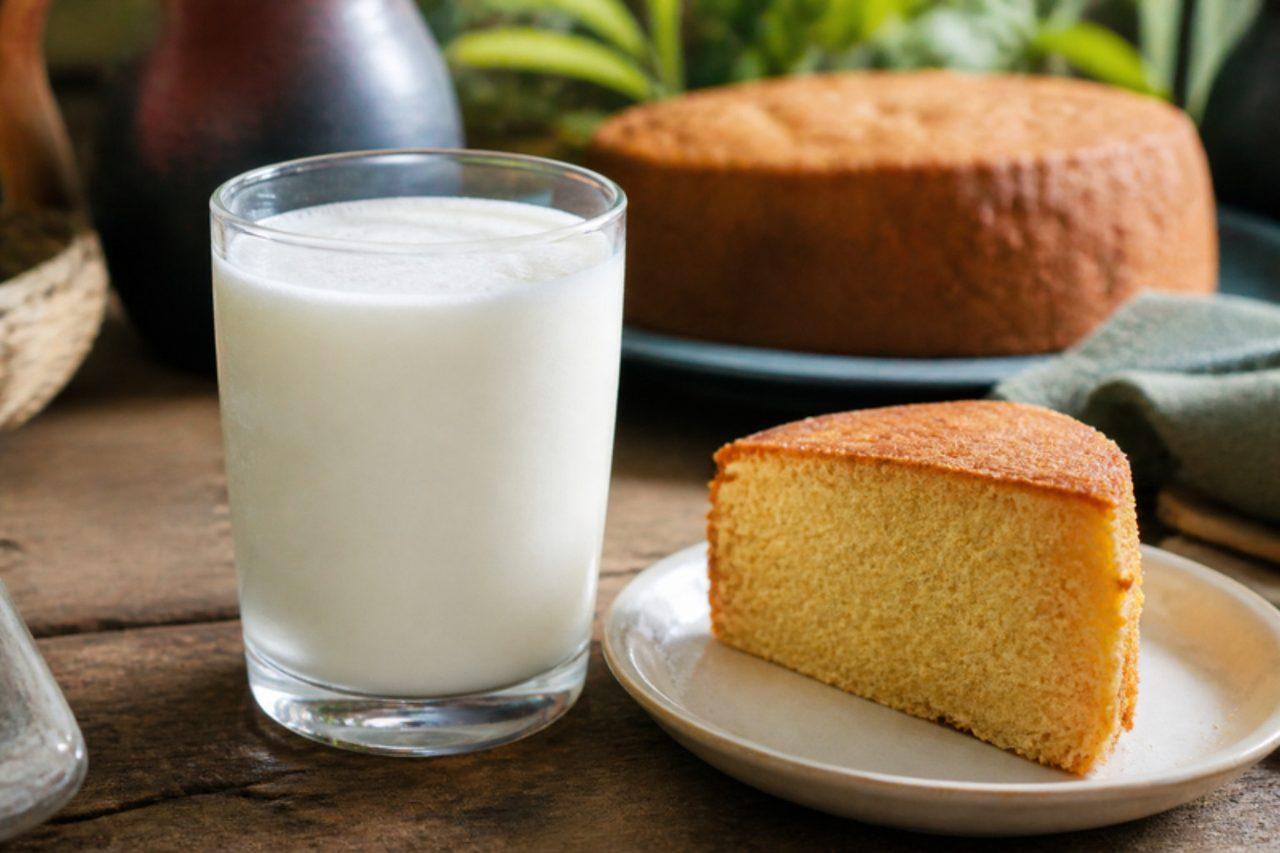
KumisFermented milk drink

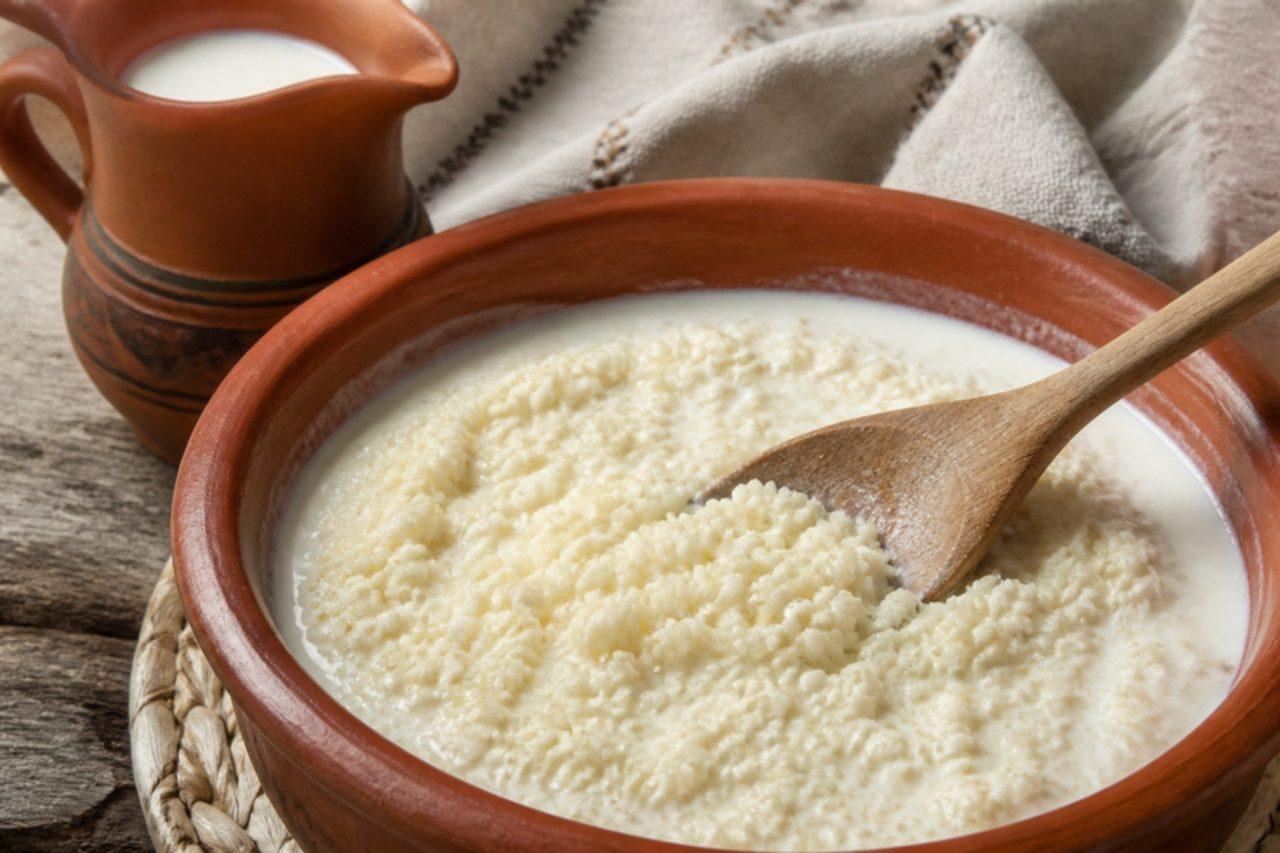
Kumis in Colombia is a thick, sweetened fermented milk, nothing like the Central Asian mare's-milk drink of the same name. Bakeries and cafeterias sell it chilled in glasses with a slice of plain sponge cake, the classic kumis con ponqué, and many families still make it at home. It is cool, tangy and creamy, somewhere between drinking yogurt and buttermilk. Use only pasteurised milk, heat it first, and work with very clean equipment: wash jars and spoons in hot soapy water and scald them with boiling water. The milk ferments at room temperature (20–28 °C, out of direct sun) for 12–24 hours, then goes into the fridge; never leave it out longer. Discard any batch with mould, pink or orange patches, or a rotten rather than sour smell. Adding the starter to milk that is still too hot is the common slip, as heat kills the cultures and nothing sets. Chef's tip: add the sugar after fermenting, then chill well before serving.

by KrazyBadal 0 views

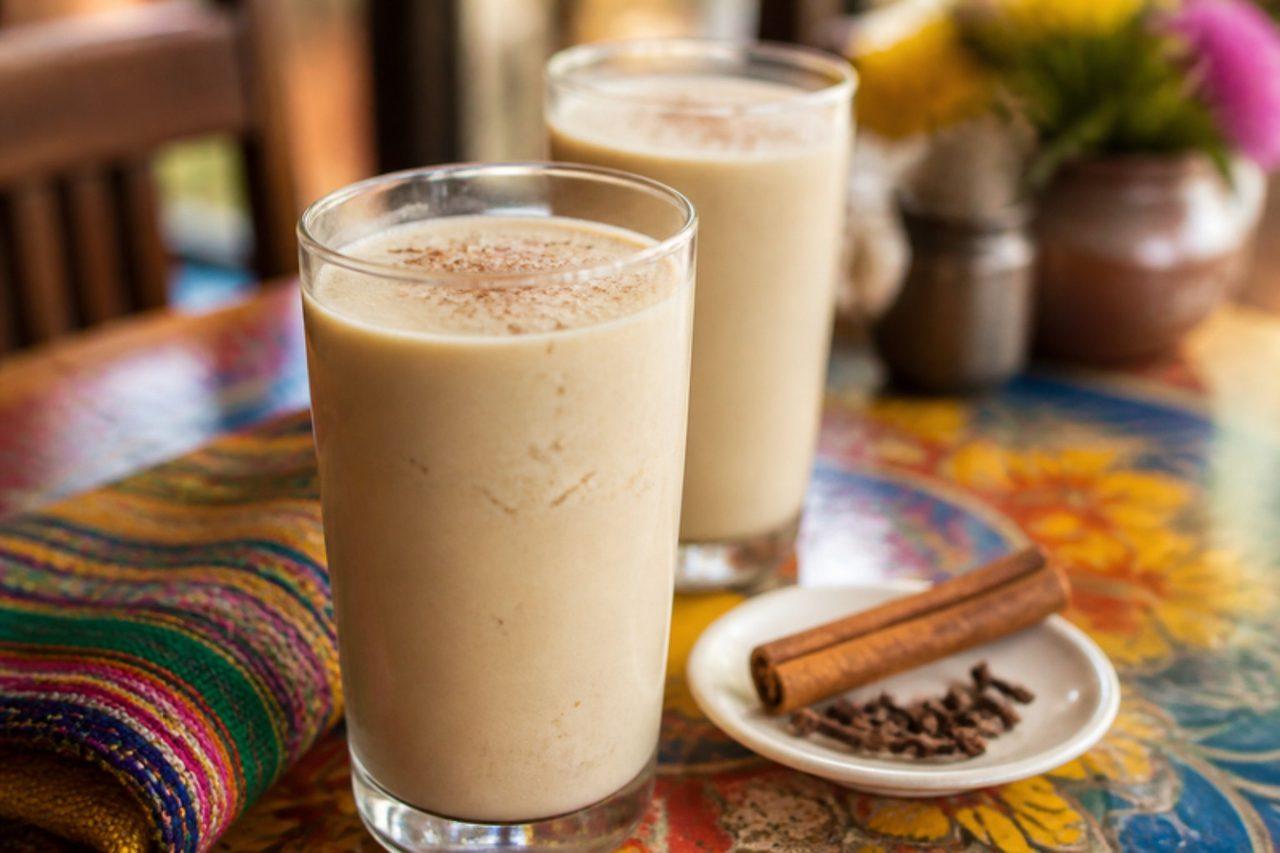
Avena colombianaChilled oat drink

Bakeries all over Colombia keep a fridge of avena in plastic cups, ready to pair with a warm pandebono, buñuelo or almojábana. It is a thick, sweet oat drink cooked in milk with cinnamon and cloves, then blended smooth and chilled until it is creamy and spoonable, somewhere between a milkshake and rice pudding. Children drink it after school, and it is a common mid-morning snack with something baked. Home versions are less sweet and more spiced than shop ones. The thing to watch is texture: if you skip blending or straining, you end up with slimy flecks of oats, so blend thoroughly once it is cooked. It thickens a lot as it chills, so loosen it with cold milk before serving. Chef's tip: toast the oats in the dry pan for 2 minutes first; it gives a nutty, biscuity flavour.

by KrazyBadal 0 views

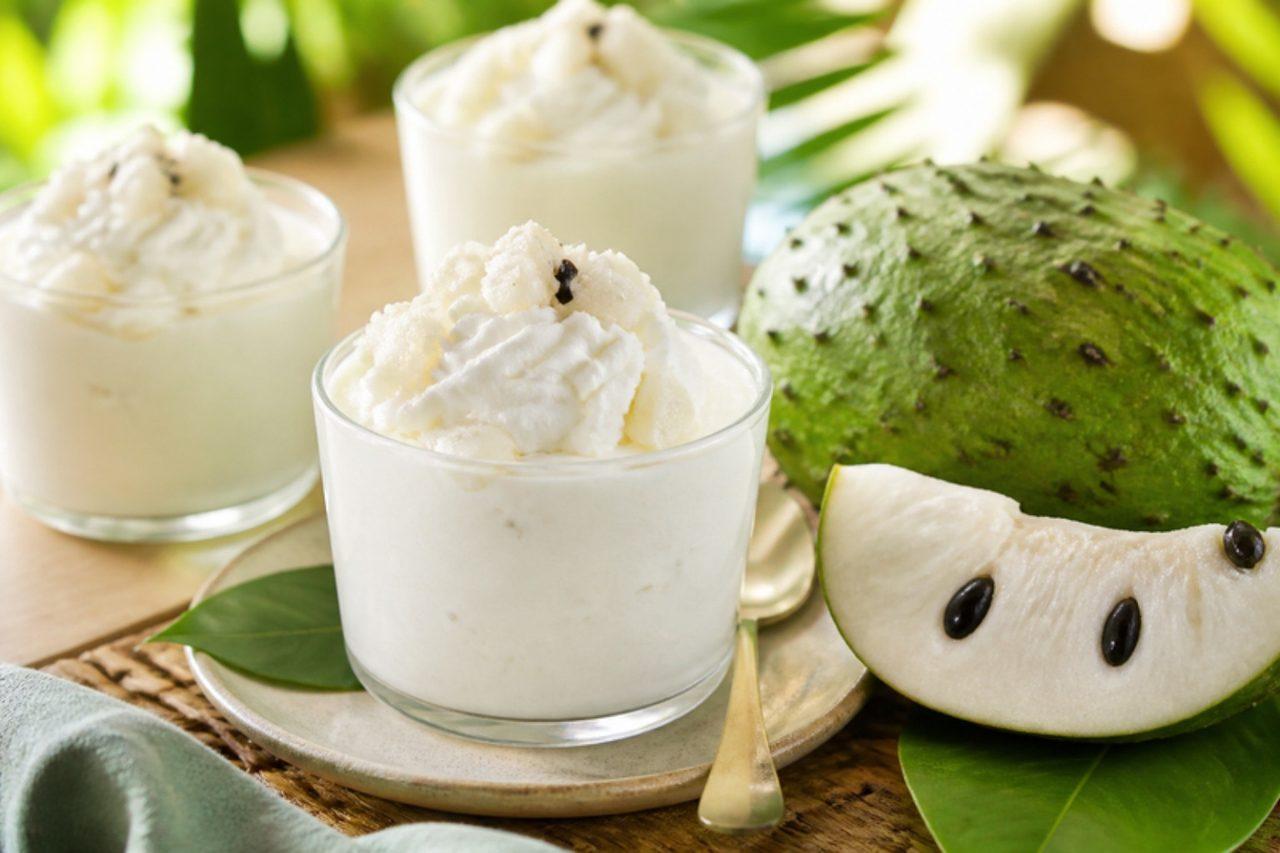
Postre de guanábanaSoursop cream dessert

Soursop has a perfume all its own, somewhere between pineapple, banana and citrus, with a creamy white flesh, and Colombians turn it into this no-bake fridge dessert for birthdays, Sunday lunches and Christmas tables. Soursop pulp is blended with condensed milk and lime, then folded through whipped cream and chilled until it sets into a light, mousse-like cream that is sweet, tangy and fragrant. It is served in glasses or one big dish, sometimes with crumbled biscuits on top; leave them out to keep it gluten free. Frozen soursop pulp is sold in Latin American shops and is easier than fresh fruit. If you start from a whole fruit, the error people make is blending the seeds, which are inedible and add bitterness; pick every one out by hand. Plan for at least 4 hours of chilling. Chef's tip: keep back a few spoonfuls of pulp and swirl them over the top just before serving for a sharper finish.

by KrazyBadal 0 views

Helado de pailaHand-spun blackberry sorbet

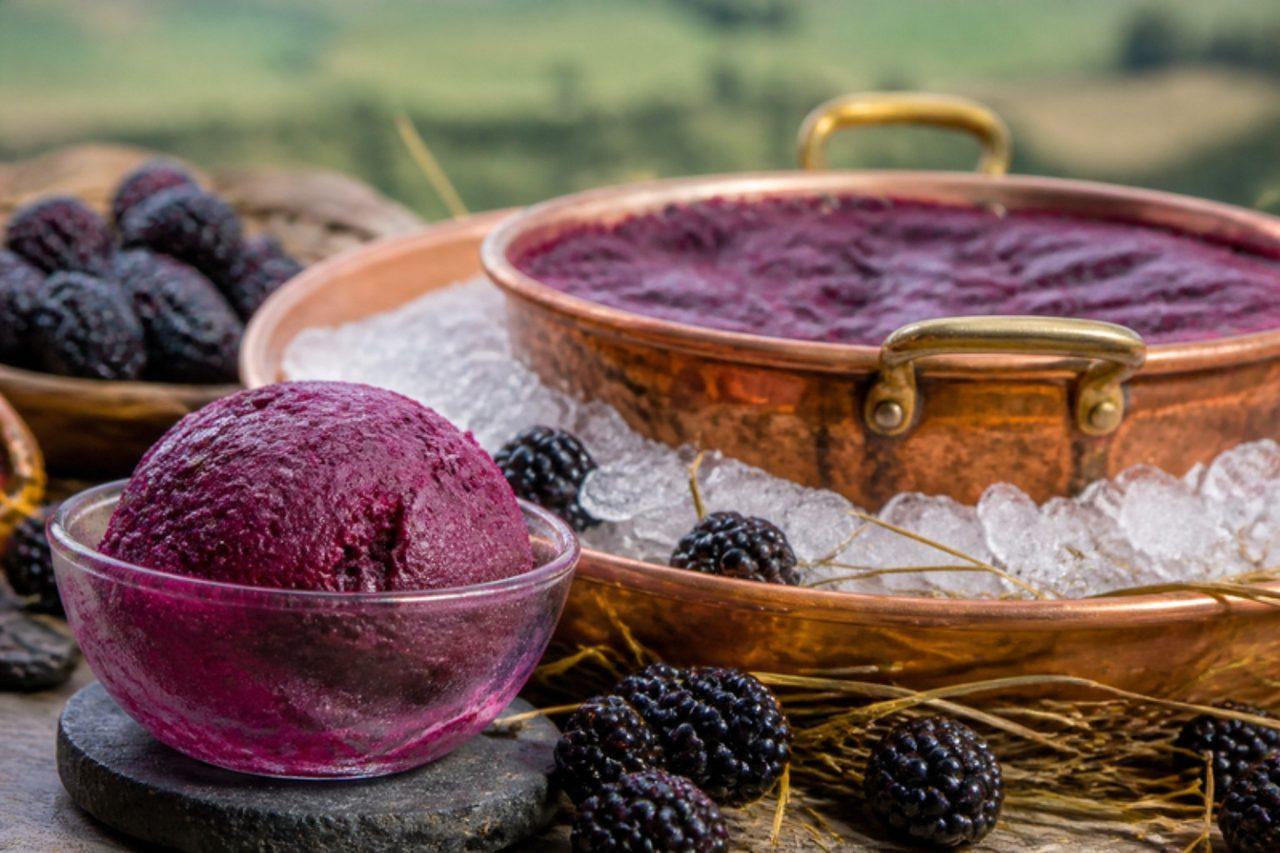
Watching helado de paila being made is half the pleasure. In Pasto and Ipiales, and over the border in Ecuador, a wide copper or steel pan (the paila) spins on a bed of ice and salt in a straw-lined barrel, while the maker scrapes the fruit juice from the sides with a wooden paddle until it turns into a light, intensely fruity sorbet. Mora, lulo and naranjilla are the favourite flavours. At home a wide steel bowl sitting in a larger bowl of salted ice does the same job, and the hand-churning takes about 30 minutes, so get everyone to take turns. The base must be cold before it goes into the bowl; a warm base never freezes properly and turns into slush. Andean blackberries are tart and bright; ordinary blackberries with extra lime work. Chef's tip: keep scraping the frozen layer off the sides and folding it in, every 20–30 seconds; that motion is what makes the texture smooth.

by KrazyBadal 0 views

TintoBlack coffee with panela

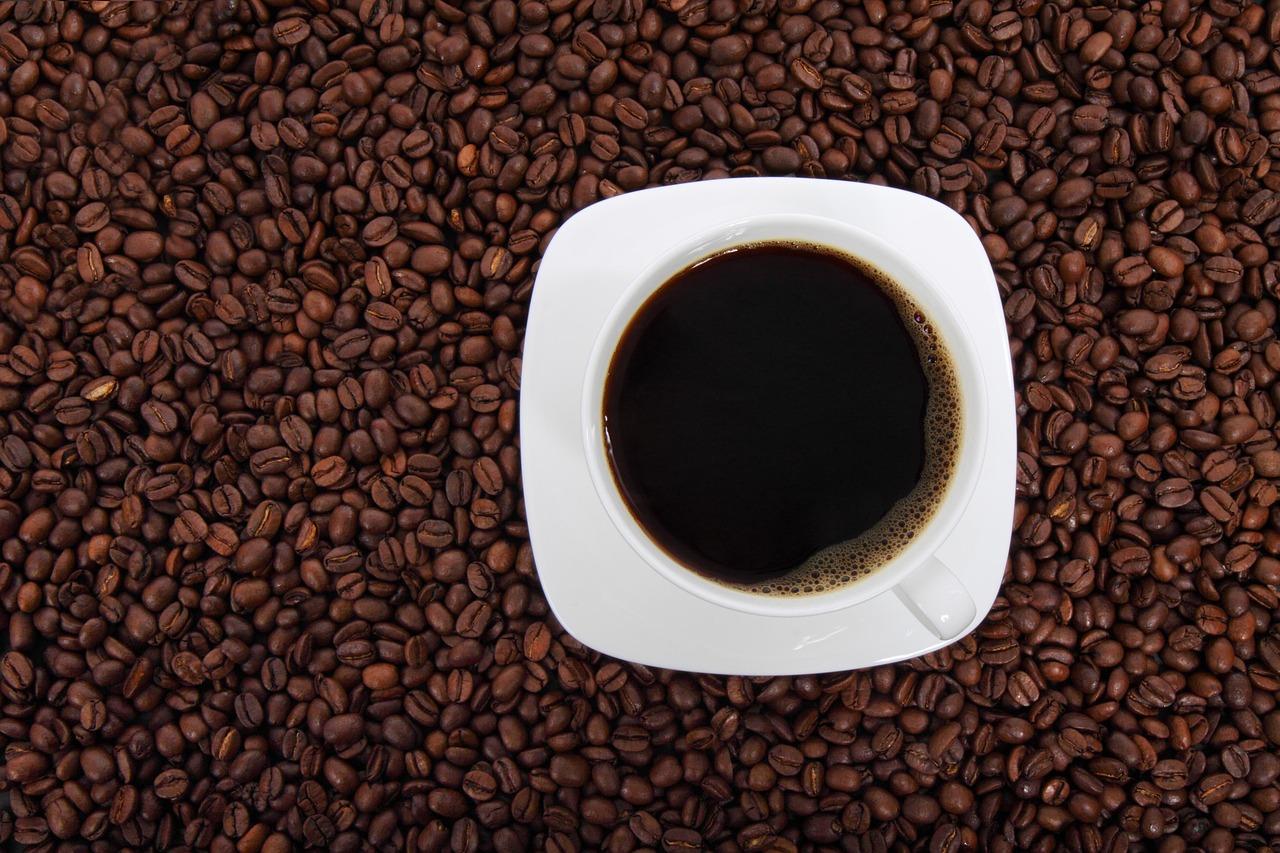
Ask for a tinto anywhere in Colombia and you get a small cup of black coffee, never red wine. Street vendors carry it in thermos flasks through the plazas of Manizales, Pereira and Bogotá, and offices, bus stations and farm kitchens in the coffee region brew pots of it all day. It is light, hot and gently sweet, often made by simmering ground coffee with water and a little panela, then straining it through a cloth bag. The usual error is boiling the coffee hard, which makes it harsh and bitter; let it come to the boil only once. Chef's tip: let the grounds settle for a minute off the heat before straining, so the cup stays clear.

by KrazyBadal 0 views

Mazamorra antioqueñaHulled corn with milk

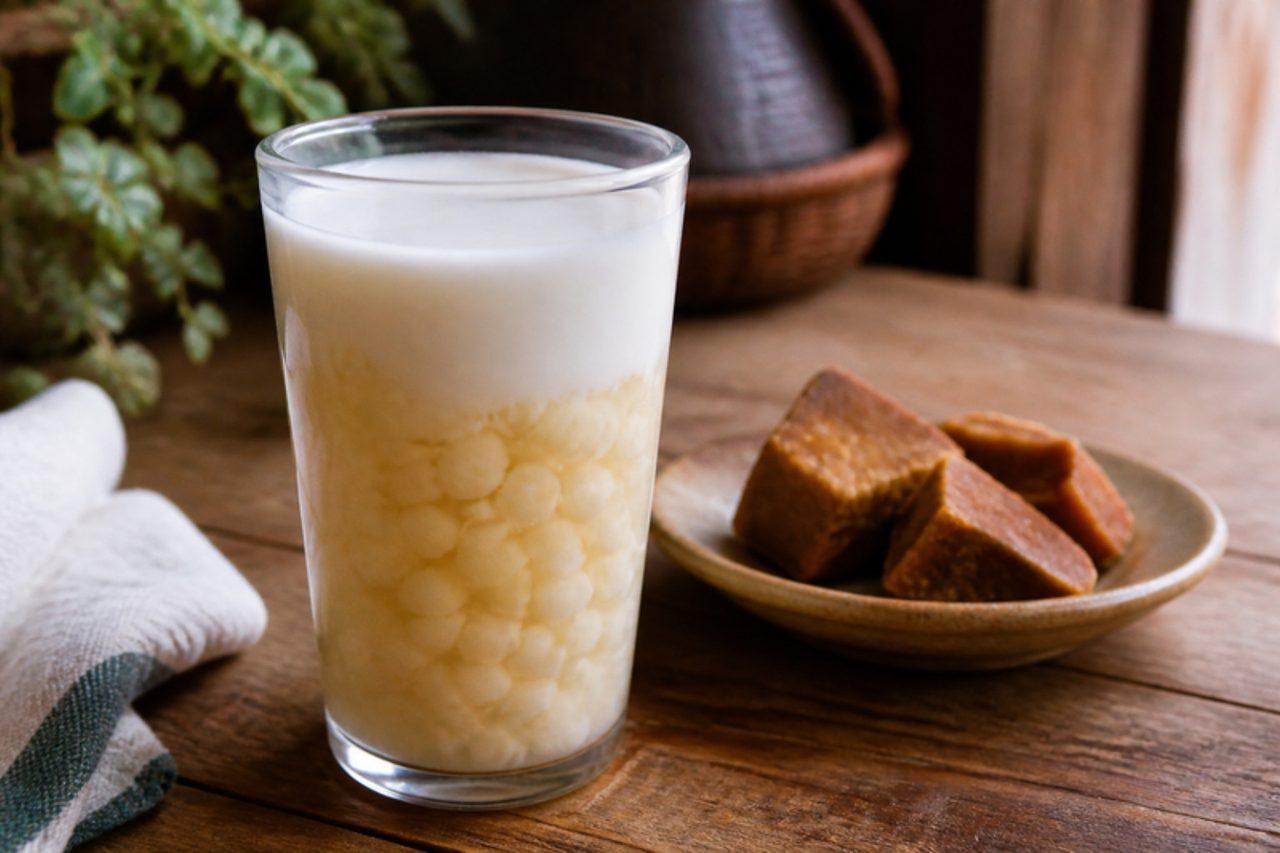
Paisas finish lunch with a glass of mazamorra the way others take dessert: soft, swollen kernels of hulled white corn in their own starchy cooking liquid, topped up with cold milk and eaten with a piece of panela or guava paste to nibble between sips. In Medellín it is sold from carts as well as made in big pots at home for the week, and it is mild, milky and quietly filling. Look for dried hulled white corn (maíz pilado or peto) in Latin American shops. Soak it overnight first. A common mistake is serving it before the corn is fully soft; the kernels should split open and be tender to the bite. Chef's tip: save the thick cooking liquid; it gives the drink its silky body, and the corn keeps in it for 4 days in the fridge.

by KrazyBadal 0 views

Moroccan spiced coffee

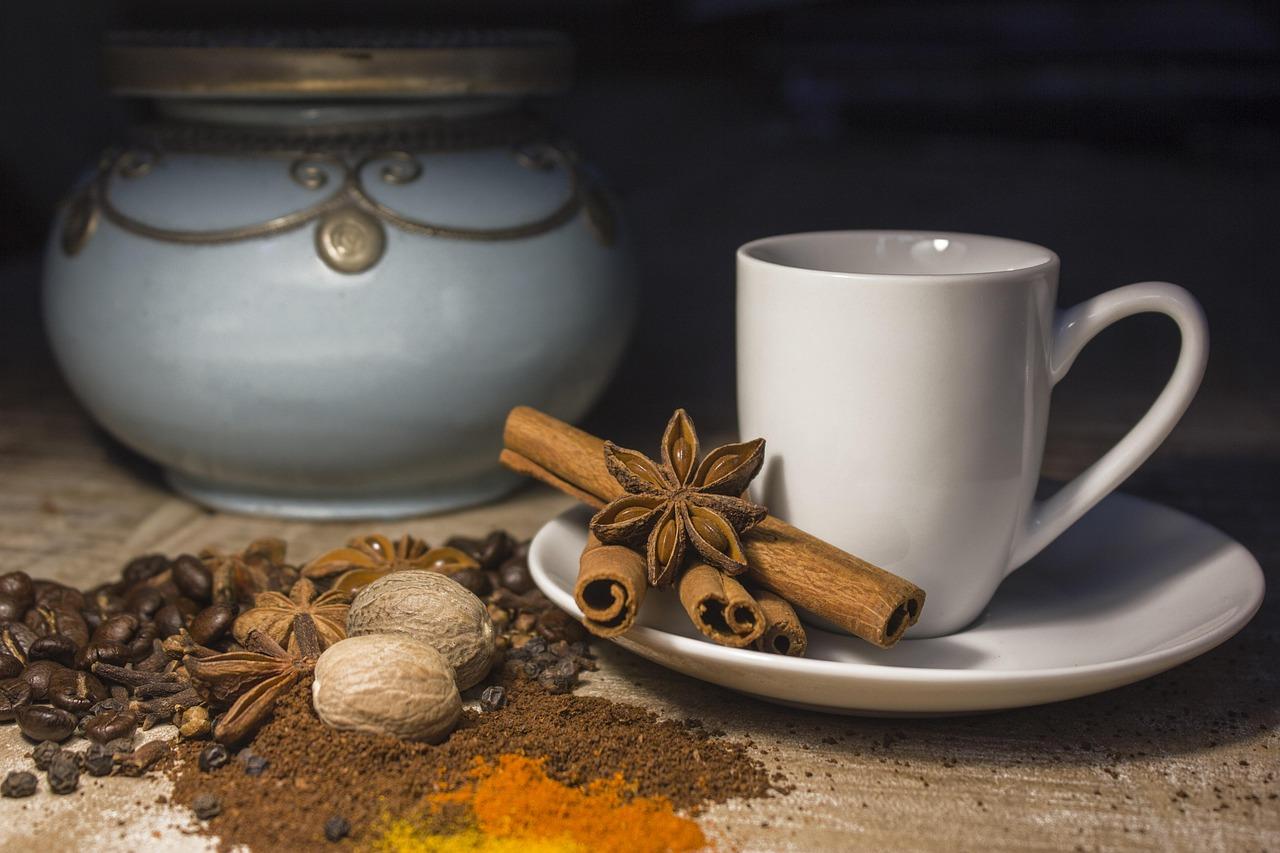
In many Moroccan homes, coffee is bought ready-mixed from the roaster with a spoonful of 'attria', a warm blend of ground spices such as cinnamon, ginger, nutmeg, cardamom, black pepper and toasted sesame, that gives it a rounded, gently peppery aroma. It is brewed in a pan or a pot and sipped black and sweet, or with a splash of milk, after lunch, with pastries for guests, or on cold mornings. The spices soften the bitterness and make the whole kitchen smell wonderful. This home version mixes the spices into ordinary ground coffee. Chef's tip: keep the coffee at a bare simmer and never let it boil hard; vigorous boiling, the usual mistake, extracts bitterness from both coffee and spices.

by KrazyBadal 0 views

Nous-nous (half-half coffee)

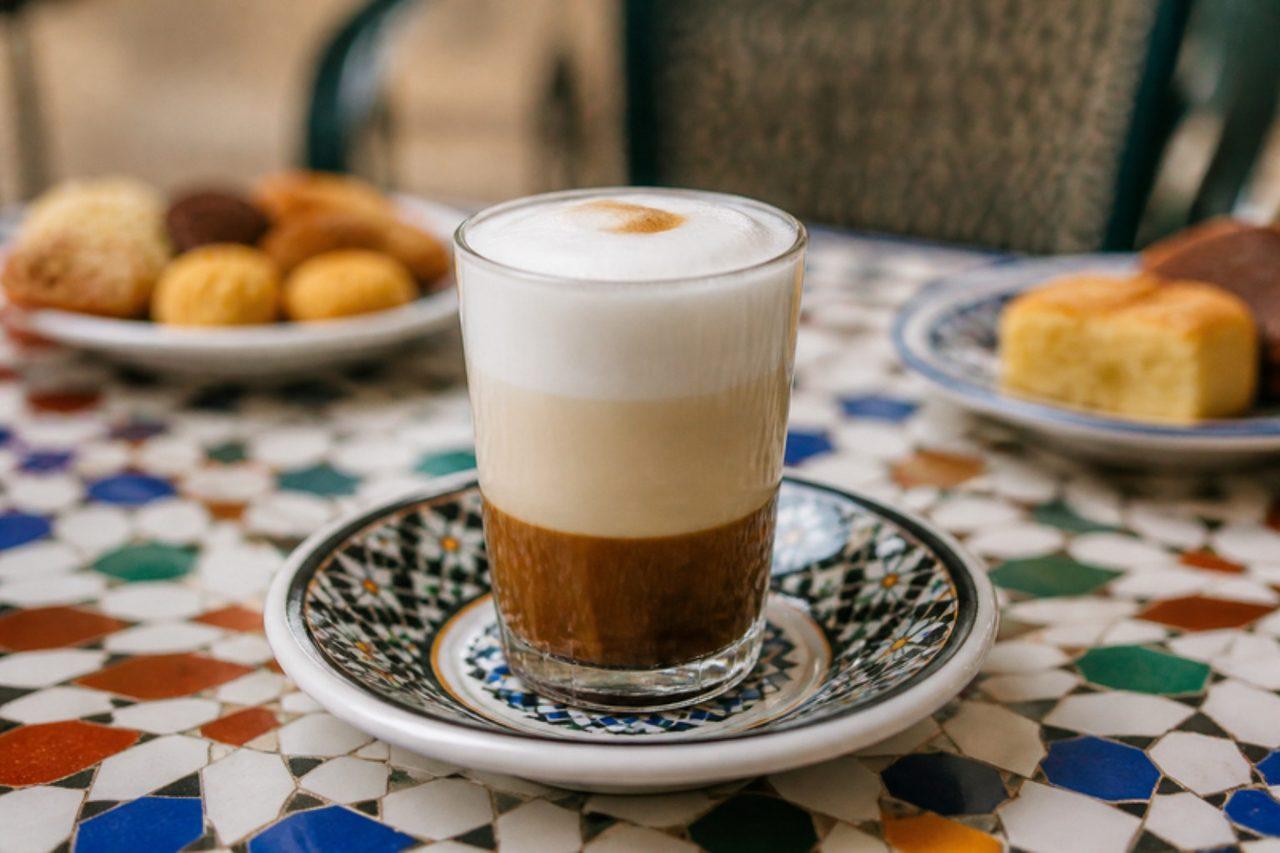
Sit down at a café terrace in Casablanca, Rabat or Marrakech and order a 'nous-nous' (from 'nus', half) and you will get a small glass of half espresso, half steamed milk, often layered so the coffee floats in a dark band over the pale milk with a cap of foam. It is the default morning and afternoon coffee for many Moroccans, sipped slowly while watching the street, usually with a sugar lump or two on the saucer. It is smaller and stronger than a latte and milkier than a macchiato. A moka pot works fine at home if you have no espresso machine. Chef's tip: heat the milk only to 60–65 °C, hot to the touch but not scalding; boiled milk loses its sweetness and the foam collapses, a common mistake.

by KrazyBadal 0 views

Moroccan almond milk (sharbat louz)

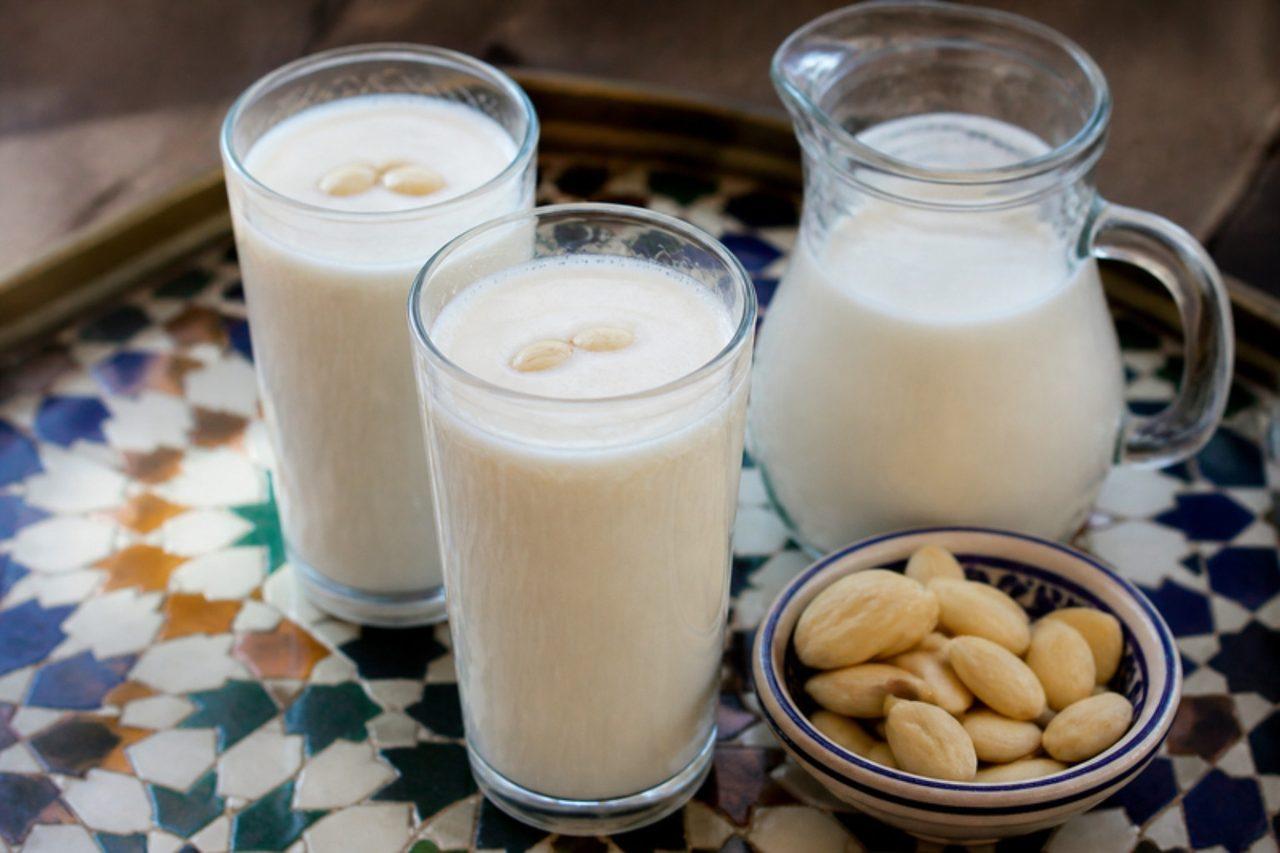
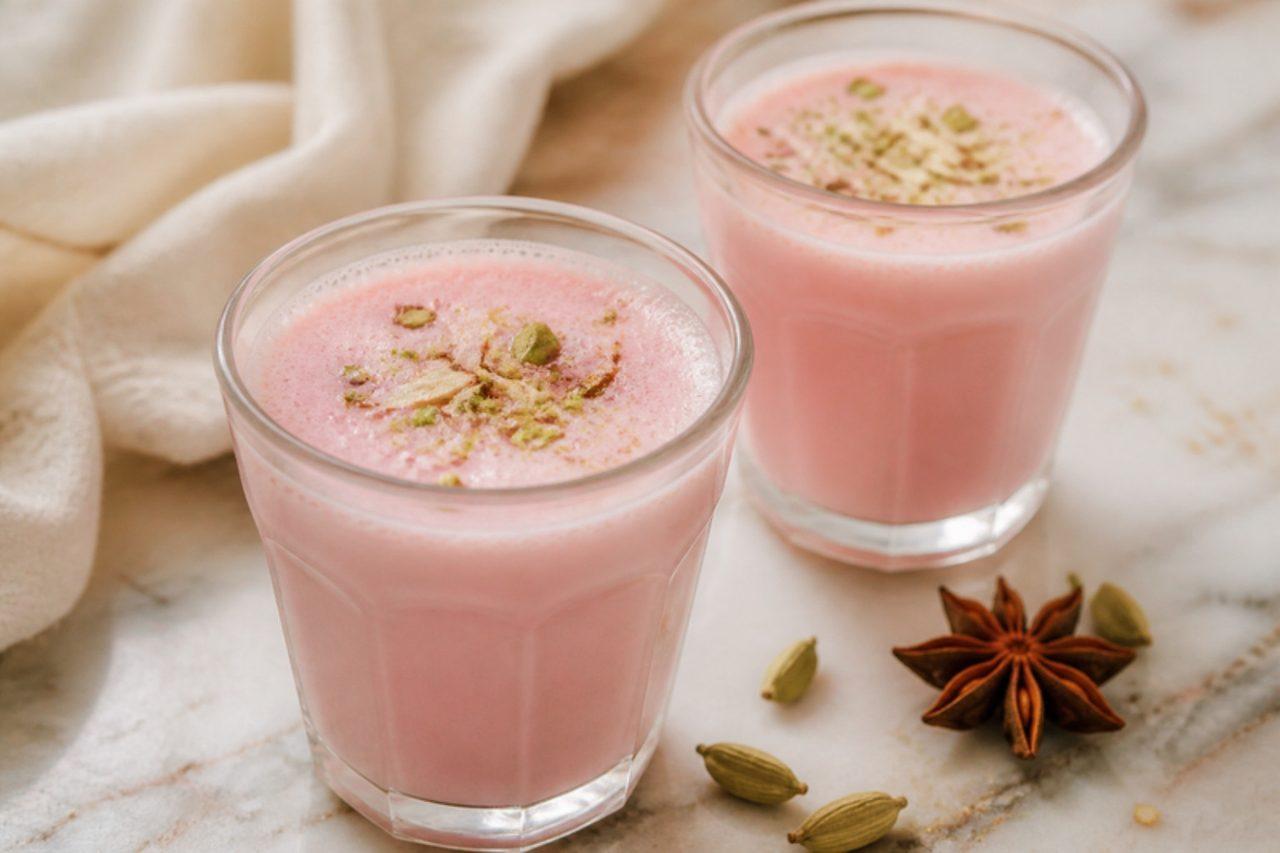
At Moroccan weddings and engagement parties, silver trays of tall glasses filled with sharbat louz are passed among the guests: chilled milk blended smooth with blanched almonds, sugar and a perfume of orange-flower water. It is also a favourite summer drink at home and is often offered to break the fast in Ramadan. The taste is creamy, delicate and nutty, a world away from carton almond milk, since it is real dairy milk enriched with almonds. Serve it very cold, on its own or with sweets. A common mistake is skipping the straining, which leaves a gritty drink instead of a smooth, silky one. Chef's tip: blend the almonds with the sugar and a little milk first, into a fine paste, before adding the rest; that way it ends up silky rather than gritty. Not for anyone with a nut allergy.

by KrazyBadal 0 views

Smen (salted, herbed butter)

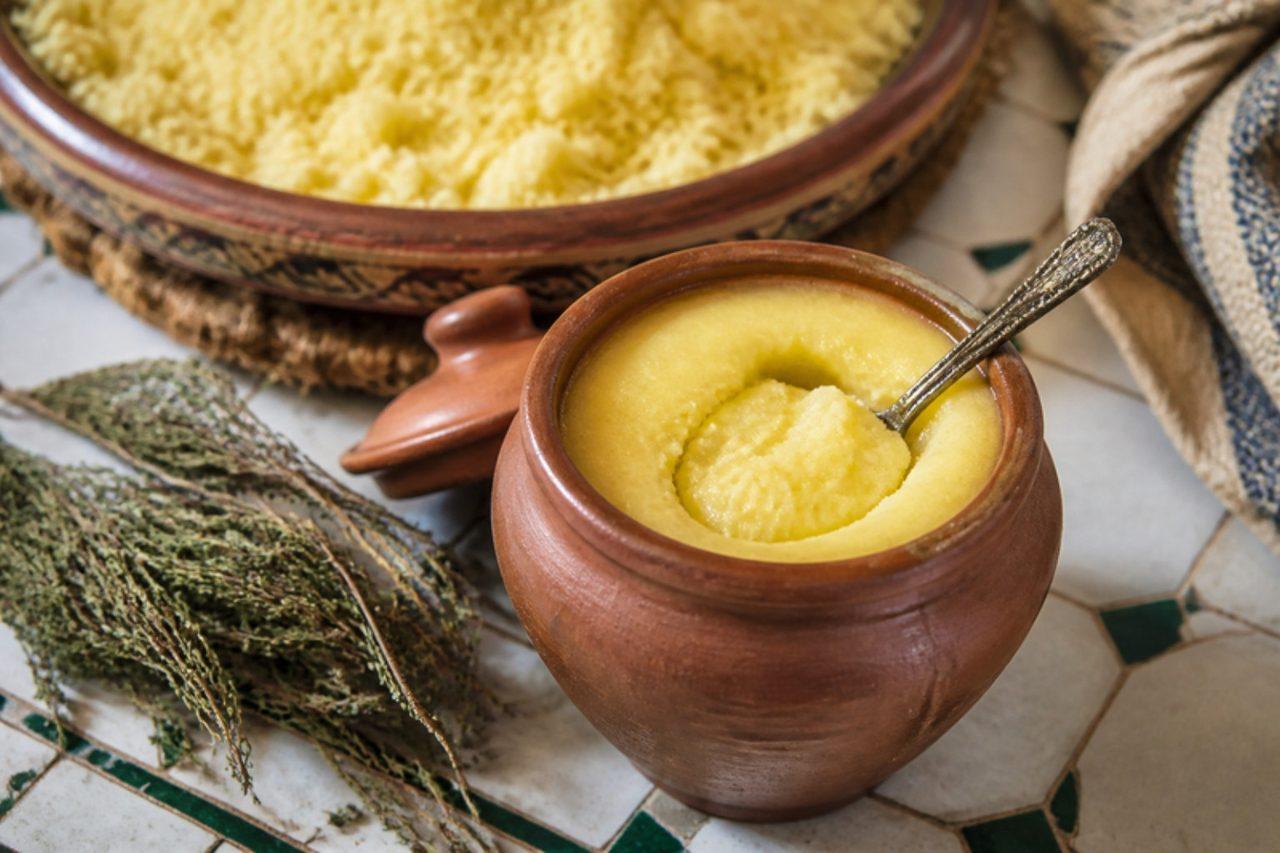
Atlas households once kept jars of smen for months, even years, until the salted butter developed a pungent, almost blue-cheese aroma; a spoonful stirred into couscous, harira or a chicken tagine gives a depth nothing else can. Long ageing at room temperature is risky at home, so this is a safer fridge version: pasteurised unsalted butter is simmered with dried za'atar or oregano, strained, salted and then matured in the fridge for 2–4 weeks, which gives a mellow, nutty, faintly tangy smen rather than the fiercely strong old kind. For the real long-aged flavour, buy smen from a reputable shop. Use it a teaspoon at a time; it is meant as a seasoning, not a cooking fat. The mistake to avoid is leaving any milk solids or water in the butter, as that is what turns it rancid or mouldy rather than pleasantly aged. Chef's tip: strain it through muslin until perfectly clear; any milky bits left in the jar are what turn butter rancid.

by KrazyBadal 0 views

Chocolate santafereñoHot chocolate with cheese

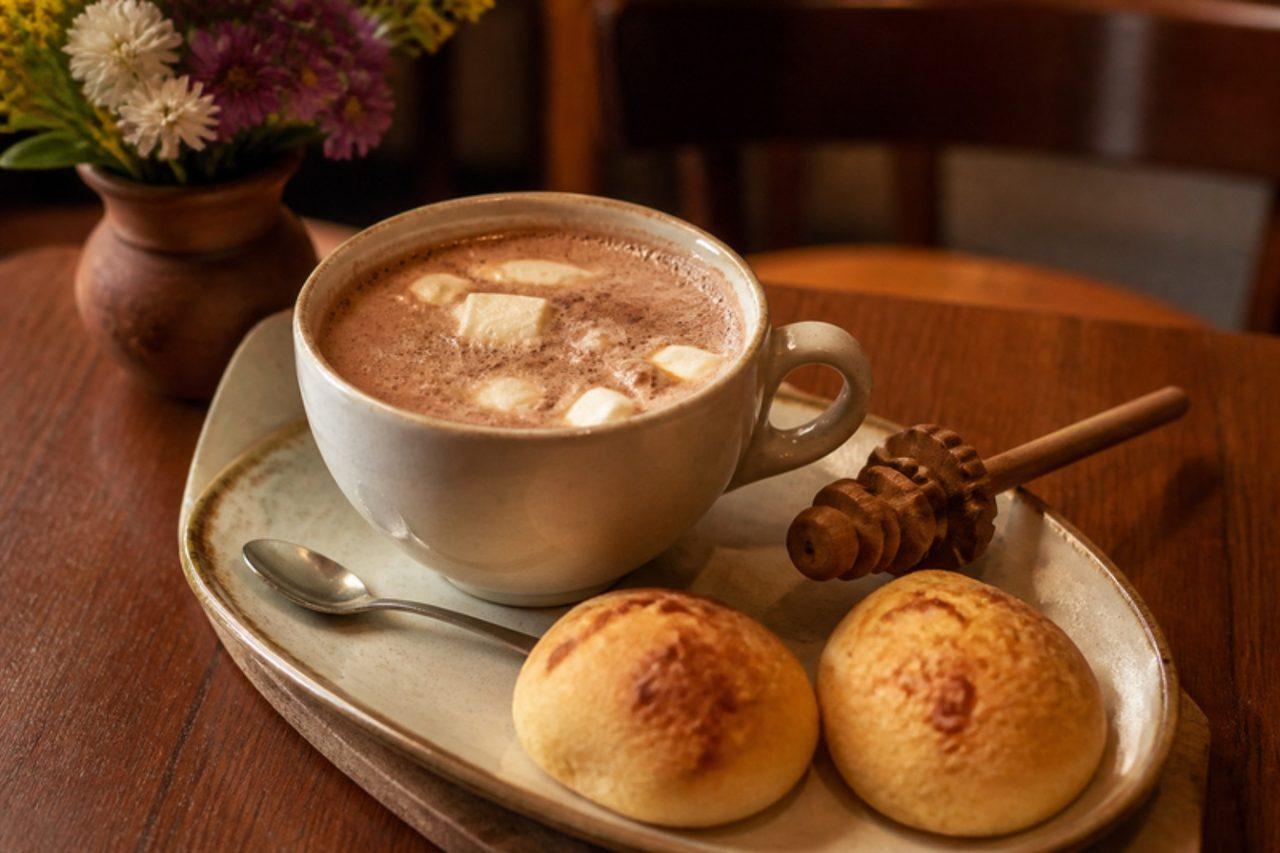
Old Bogotá, once Santafé, built an afternoon ritual around hot chocolate. In the café-restaurants of La Candelaria it comes in a big cup, frothed with a wooden molinillo, with a plate of white cheese, almojábanas and buttered bread on the side. The surprise for visitors is the cheese: cubes go straight into the hot chocolate, softening into stretchy strings that are fished out with a spoon, a salty contrast to the sweet, spiced drink. Colombian table chocolate comes in bars already sweetened and often flavoured with cinnamon and clove; dark chocolate plus sugar and spice is a fair swap. The usual cheese, queso campesino or doble crema, is normally set with animal rennet, so choose a vegetarian (microbial-rennet) mozzarella-style cheese. Boiling the chocolate hard is the misstep that makes it grainy and scorched; keep it at a gentle simmer. Chef's tip: no molinillo? Whisk briskly with a balloon whisk or a milk frother until there's a thick foam.

by KrazyBadal 0 views

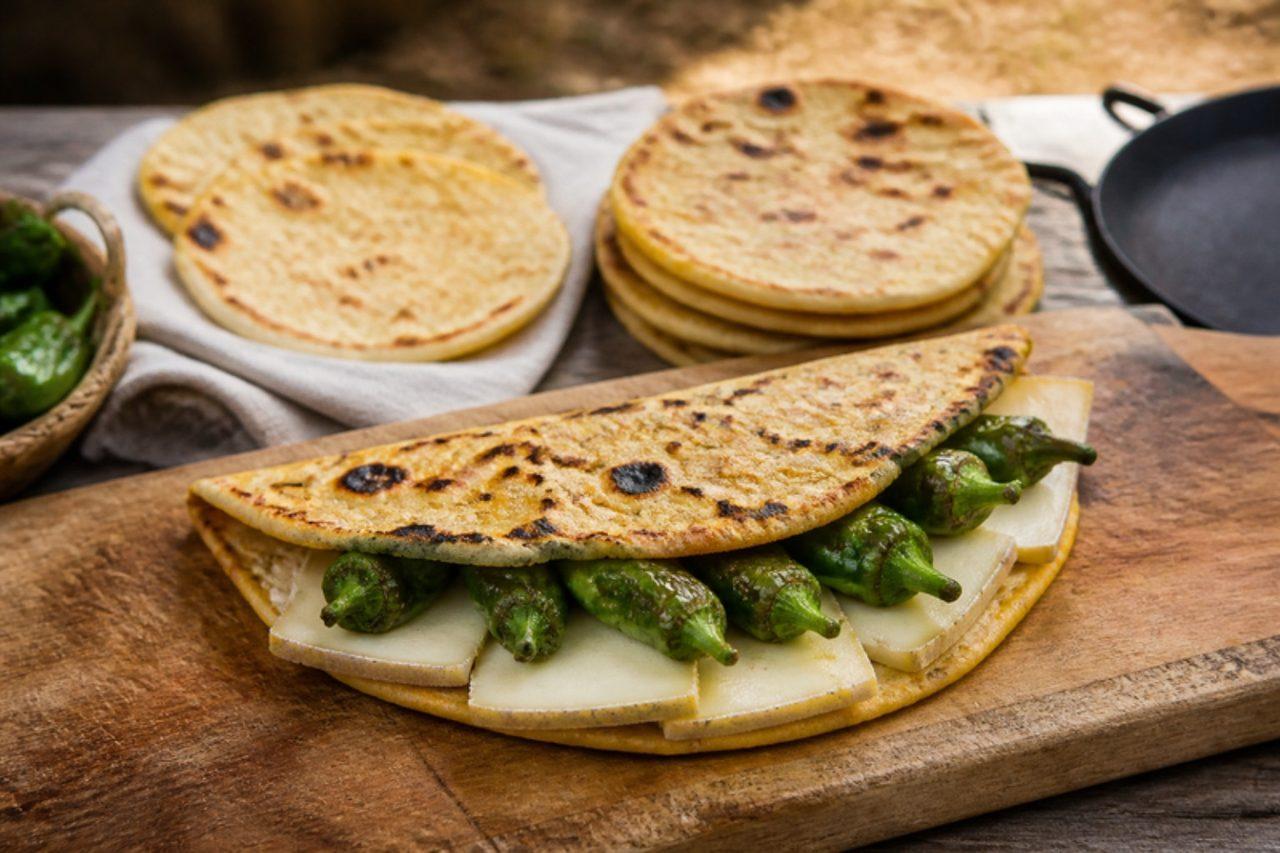
TaloGriddled corn flatbread

At Bilbao's and San Sebastián's Santo Tomás fair each 21 December, queues form at stalls where cooks pat out talos and slap them onto hot iron plates. The dough is nothing more than finely ground maize flour, warm water and salt, and the flatbreads were once the everyday bread of Basque farms. This vegetarian version is folded around melting cheese; Idiazabal, the classic choice, is made with animal rennet, so pick a vegetarian sheep's cheese if you need to. A common mistake is a dough that is too dry, which cracks at the edges when you press it out. Chef's tip: keep your hands wet while shaping, and the discs will come out smooth and round.

by KrazyBadal 0 views

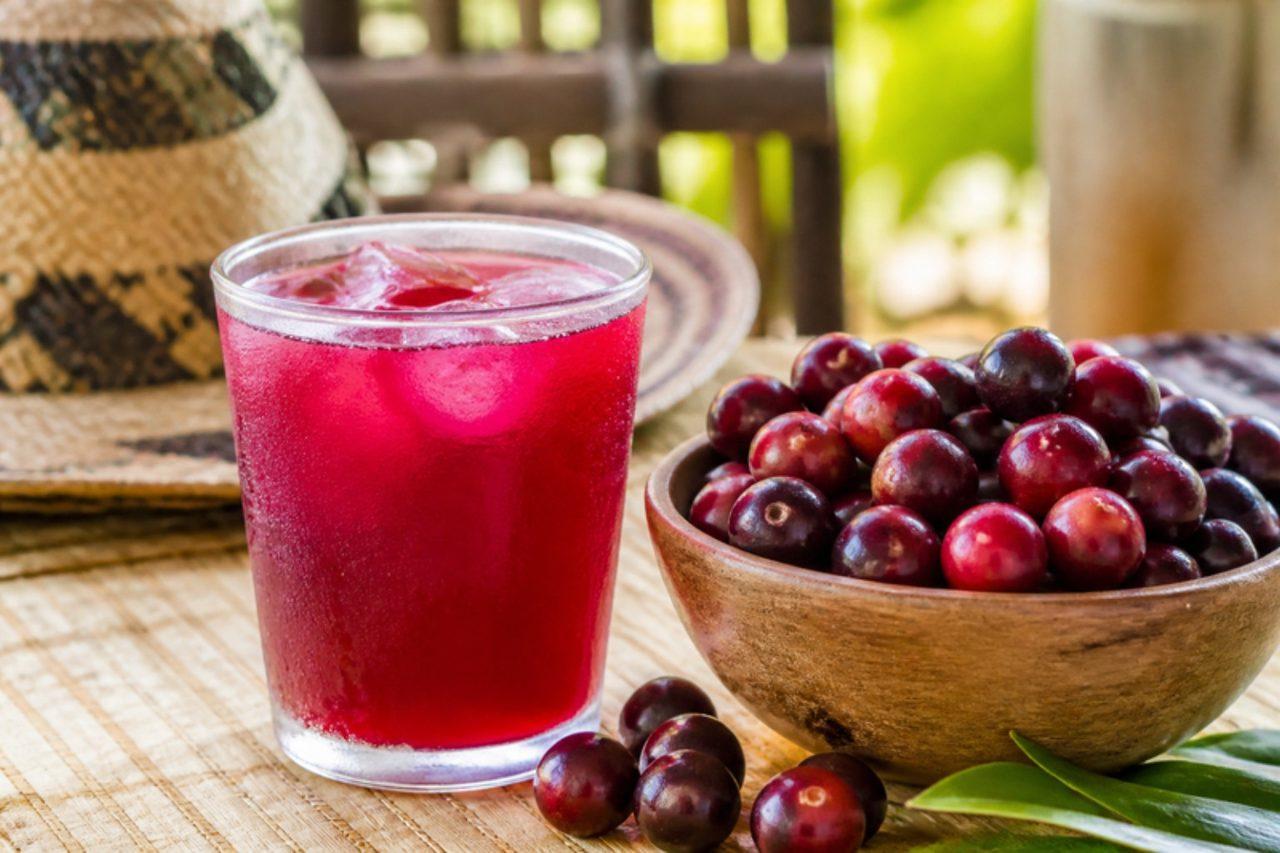
Jugo de corozoCorozo palm fruit juice

Corozo is a tiny, glossy red-black palm fruit that grows wild across Colombia's Caribbean lowlands, and in Sincelejo, Montería and Cartagena it is boiled into a deep wine-red juice that is tart, slightly bitter and very refreshing. It is sold in bags from street coolers and served with lunch at home, especially in the dry season when the fruit is plentiful. The fruit is mostly stone and skin, so it is boiled to release the colour and flavour, then mashed and strained. Blending the whole fruit is the trap here: the hard stones can break a blender and add bitterness, so only mash them. Frozen corozo pulp is sold in some Latin shops; there is no true substitute, but tart cherry juice with a squeeze of lime gives a similar colour and sourness. Chef's tip: dissolve the sugar while the juice is still warm, then chill well; it tastes sharper and brighter cold.

by KrazyBadal 0 views

Limonada de cocoCoconut lime cooler

Cartagena's heat makes limonada de coco almost compulsory: beach kiosks and restaurants in the old walled city blend it to order, and it arrives as a pale, frosty slush, sharp with lime and rich with coconut. It is a drink to sip slowly with fried fish, coconut rice and patacones, or on its own on a hot afternoon. Coconut cream gives the body, sugar balances the lime, and a full load of ice gives the frozen texture. The common slip is blending lime pieces with their peel for too long, which turns it bitter within minutes; use juice plus a little zest instead. Shake the tin of coconut cream before measuring, since it separates. Serve it straight away, before it melts and separates. Chef's tip: freeze some of the coconut cream in an ice-cube tray beforehand and use it in place of half the ice for a thicker, creamier result.

by KrazyBadal 0 views

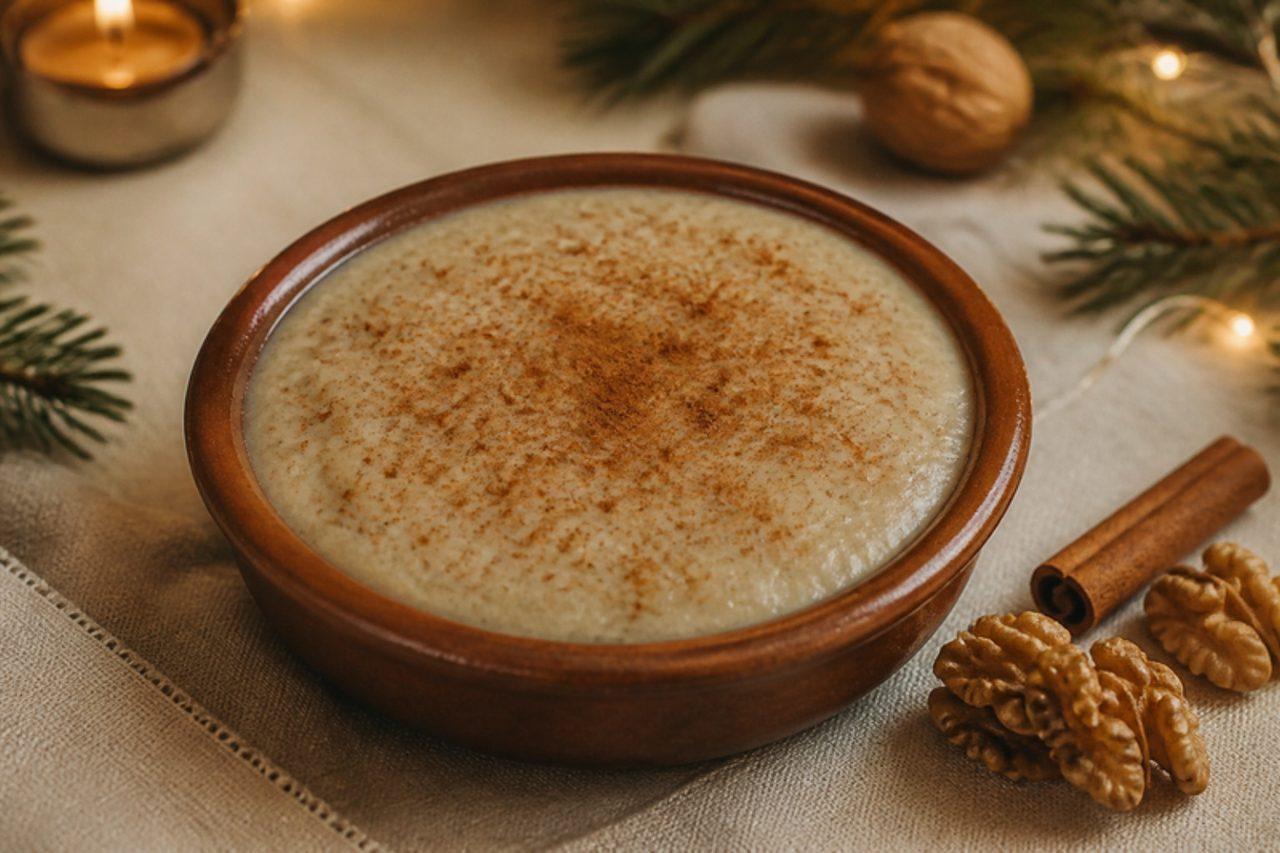
IntxaursaltsaWalnut cream with milk and cinnamon

On Christmas Eve in Gipuzkoa farmhouses, after the sea bream and before midnight, a pot of intxaursaltsa appears: walnuts slowly simmered in milk with sugar and cinnamon until thick and creamy. It was the sweet of the caseríos, made with walnuts from the farm's own trees, and it is eaten warm or cold from small bowls. A common mistake is letting it boil hard, which makes the milk catch and taste scorched; it should only murmur. Chef's tip: grind the walnuts in short pulses so they stay like coarse sand and don't turn into an oily paste.

by KrazyBadal 0 views

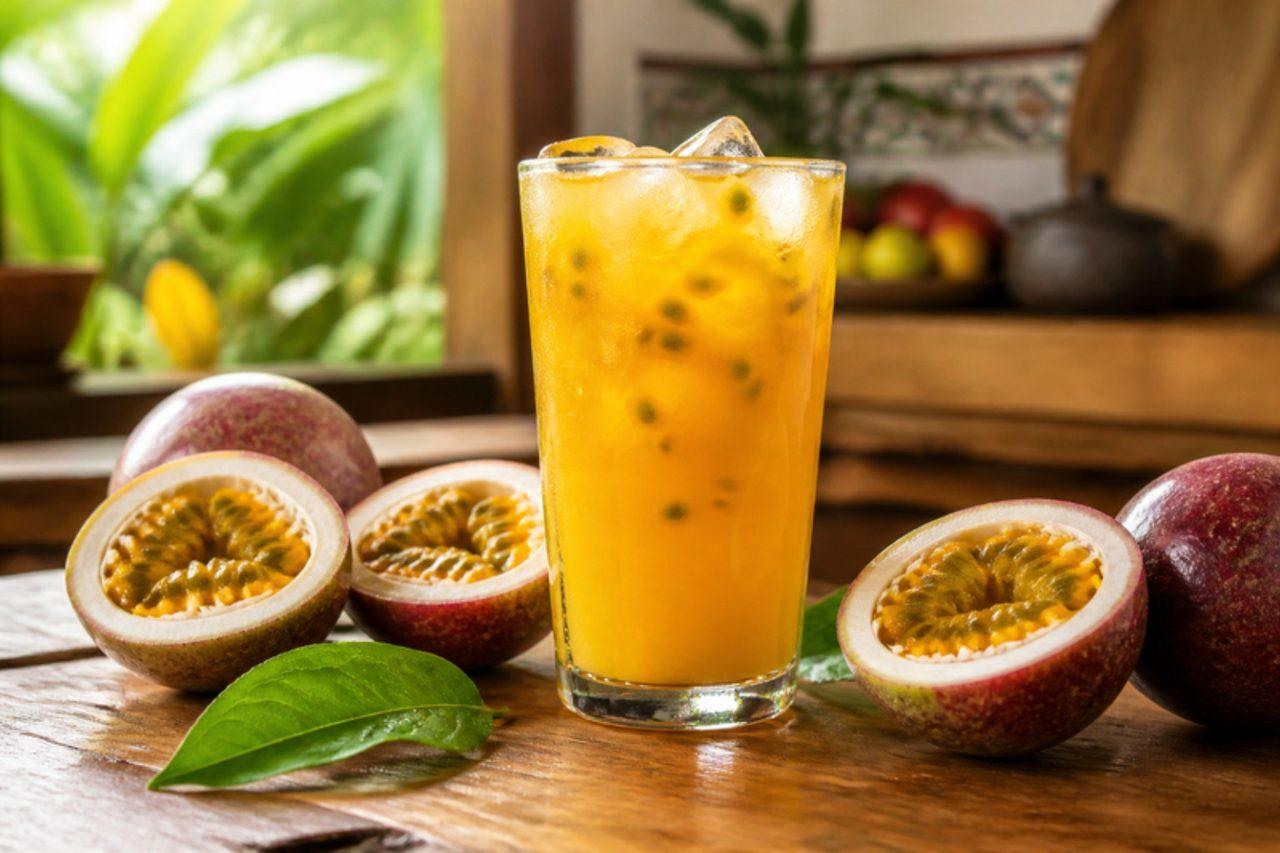
Jugo de maracuyáPassion fruit juice

Passion fruit grows easily in the warm valleys of Colombia, and maracuyá juice is the default glass at many lunch tables, from Huila to the coast. It is intensely aromatic and sharp, so it needs plenty of water and sugar, and it is served over ice; a milk version is made too, but the water one is the more refreshing. Street juice stands blend it fresh all day, and it pairs especially well with fried fish, rice and patacones, or any spicy dish. People tend to over-blend it, crushing the black seeds into gritty, bitter bits; just pulse until the pulp lets go of the seeds, then strain. Frozen passion fruit pulp from Latin shops is a good, cheaper option and needs no straining. Chef's tip: scoop the pulp from wrinkled, heavy fruit; the more wrinkled the skin, the sweeter and more fragrant the fruit inside.

by KrazyBadal 0 views

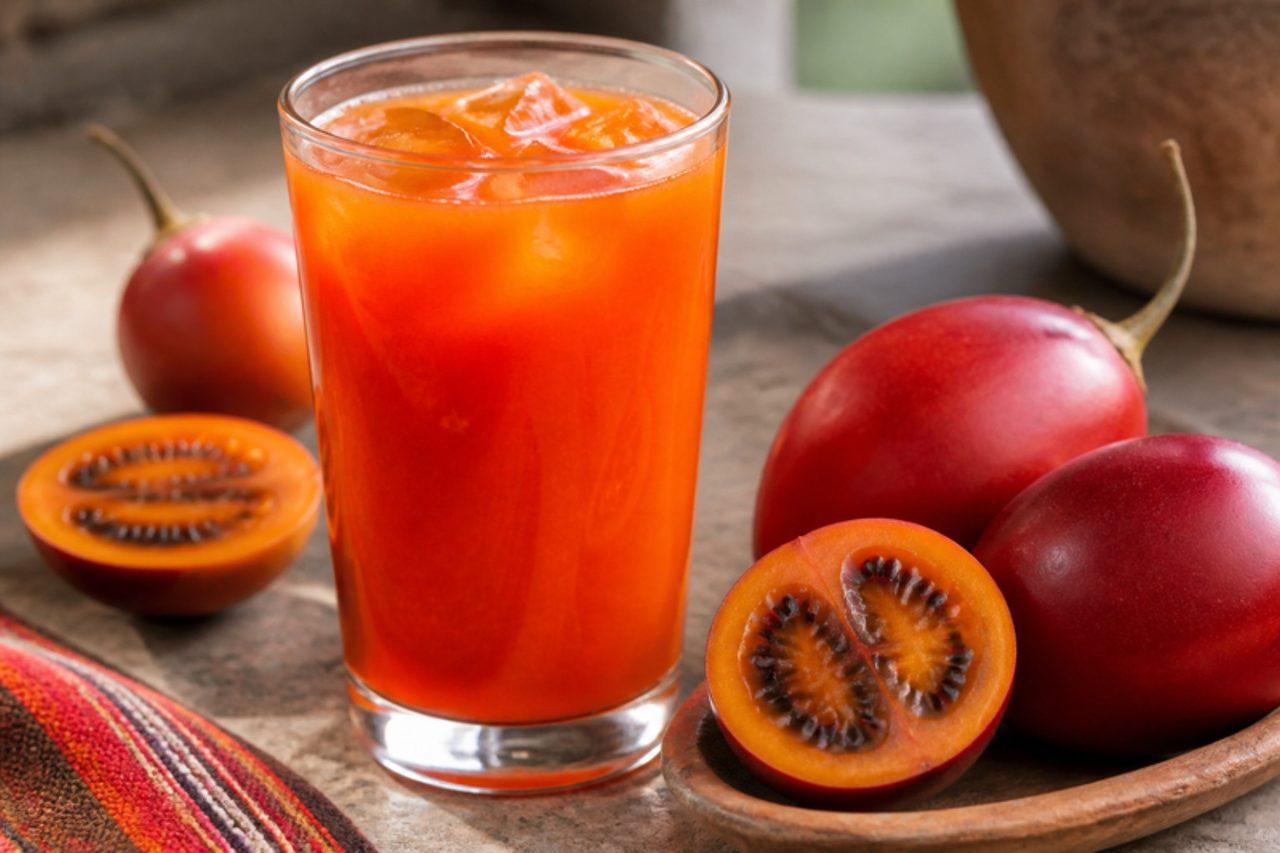
Jugo de tomate de árbolTamarillo juice

Tomate de árbol, the tree tomato or tamarillo, is everywhere in Andean Colombia: in market piles, in ají and above all in juice. Blended with water and sugar, it makes a tangy, deep orange drink with a flavour between passion fruit, tomato and apricot, and it turns up at lunch counters and family tables with almost every meal. Many people blend it with milk instead of water for a creamier glass; this version keeps it vegan. Blending the fruit with its skin is the most common misstep, as the peel is bitter and astringent; a quick blanch makes it slip off easily. Look for tamarillos in good greengrocers, or frozen pulp in Latin shops. Chef's tip: blend only briefly so you do not crush the small seeds, then strain; it stays bright and clean-tasting.

by KrazyBadal 0 views

Agua de fresa cremosaCreamy strawberry drink

In Hidalgo, the pulque country north of Mexico City, the pulquerías serve curados: pulque blended with fruit, and the strawberry one is pink, thick and creamy. Home cooks and taquerías make this alcohol-free cousin for the whole family, a strawberry agua fresca blended with evaporated milk, so it is like a light milkshake that you drink with tacos on a hot afternoon. It contains no pulque or alcohol. Chef's tip: use the ripest, darkest strawberries you can find; pale ones give a thin, sour drink.

by KrazyBadal 0 views

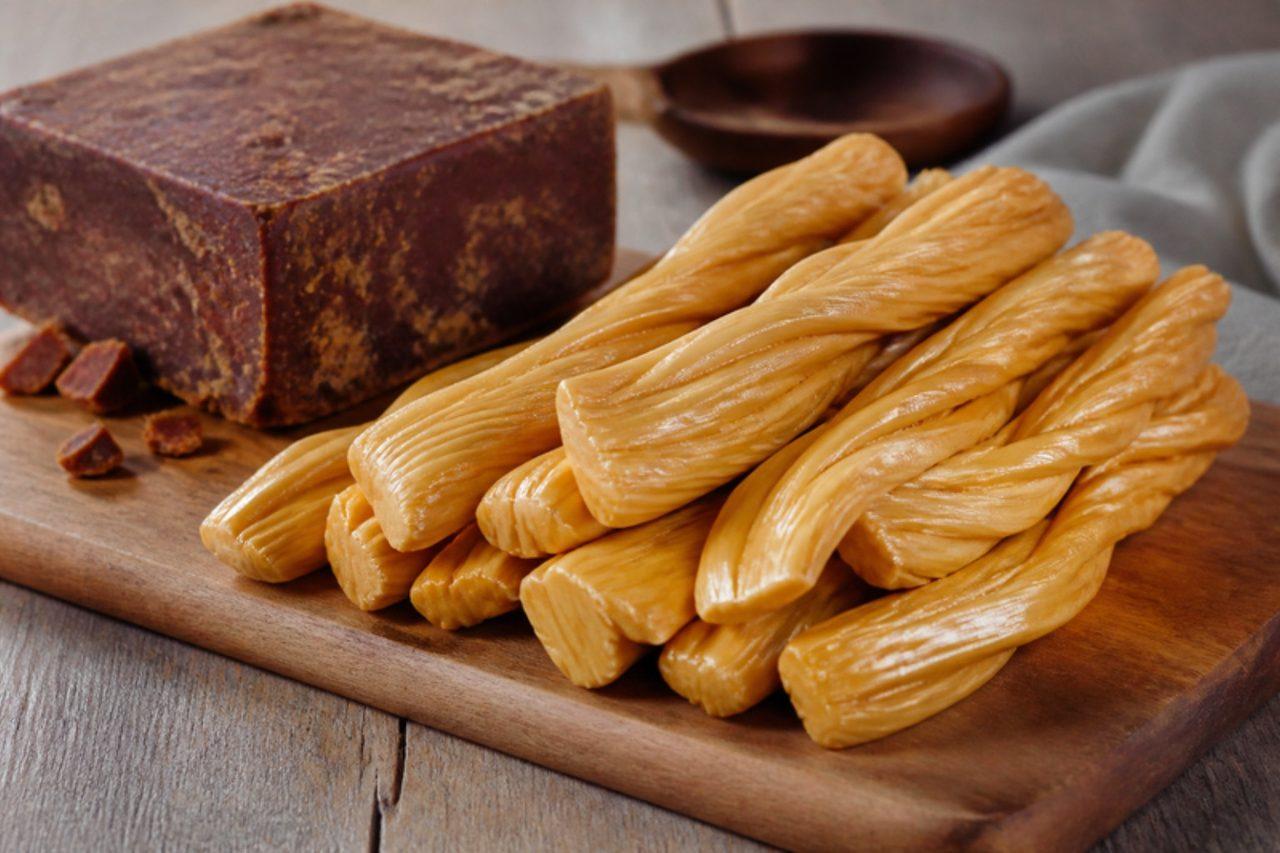
MelcochasPulled panela taffy

Pulling melcocha is a spectacle at roadside stalls in panela country, around Villeta in Cundinamarca and the Santander highlands. A syrup of panela is boiled until thick, cooled just enough to handle, then stretched, folded and stretched again until it turns from dark brown to a pale, satiny gold and becomes chewy. It is twisted into ropes and cut into pieces that taste of caramel and molasses. Kids and adults both buy it in little bags, and it makes a fun kitchen project for a group. Getting the timing wrong is the usual mistake: too hot and it burns your hands and sticks, too cold and it snaps instead of stretching. Work when it feels like warm putty. The syrup is dangerously hot, so keep children well back until it has cooled. Chef's tip: a sugar thermometer takes the guesswork out; take the syrup off at 125 °C for a chewy result.

by KrazyBadal 0 views

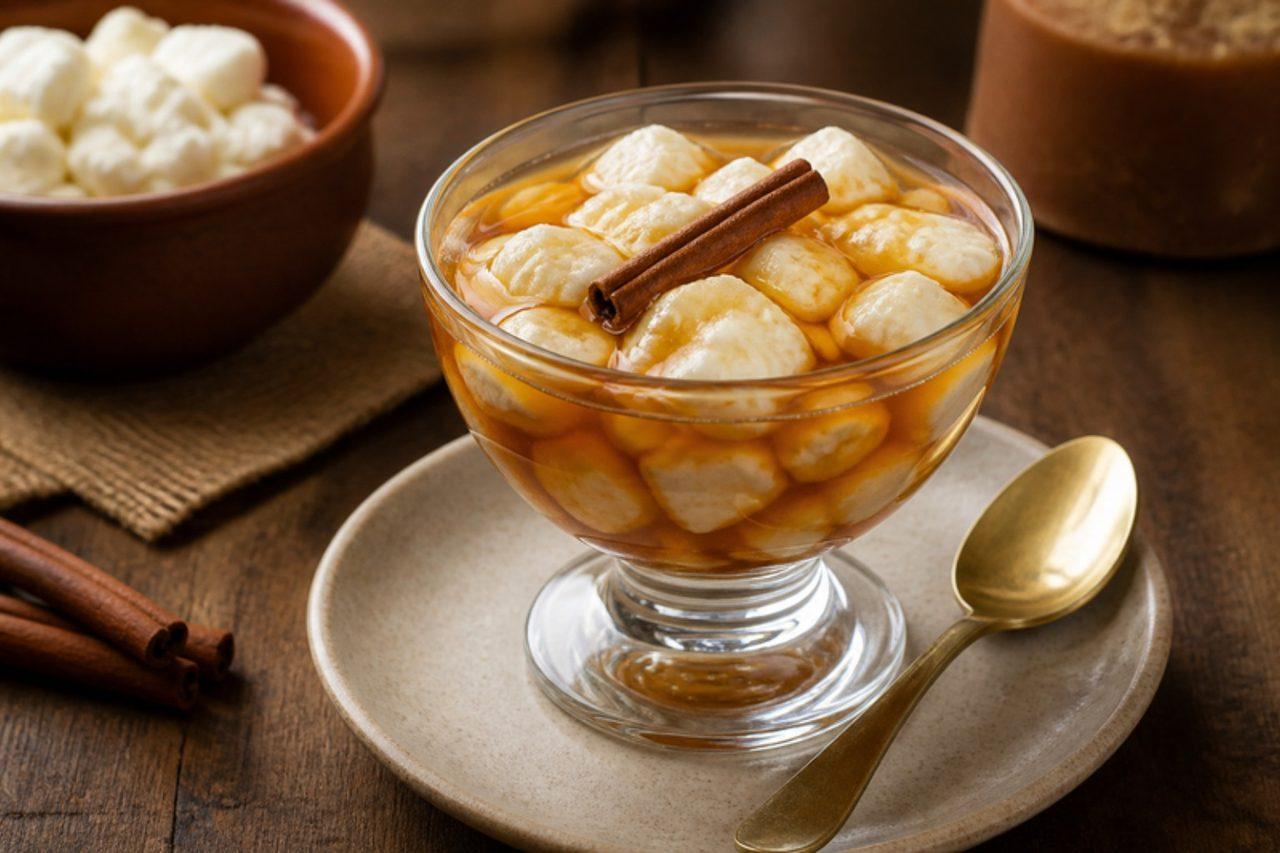
Cortado de lecheCurdled milk in panela syrup

On farms in Antioquia and Santander, when there was more milk than anyone could drink, it became cortado: milk deliberately split with lime juice, then simmered slowly with panela and spices until the curds turn tender and tan and the whey reduces into a thin, molasses-flavoured syrup. It is a country dessert, served warm or cold in small bowls after Sunday lunch, sometimes with a piece of white cheese on the side. The texture is somewhere between a soft ricotta and baked custard, sweet and lightly spiced with cinnamon and clove. Because lime does the curdling, there is no rennet involved. Stirring hard as soon as the lime goes in is the usual mistake; it breaks the curds into grainy specks, so let them form undisturbed and then move the pan gently. Chef's tip: use full-fat milk that is not ultra-heat-treated; UHT milk gives smaller, softer curds.

by KrazyBadal 0 views

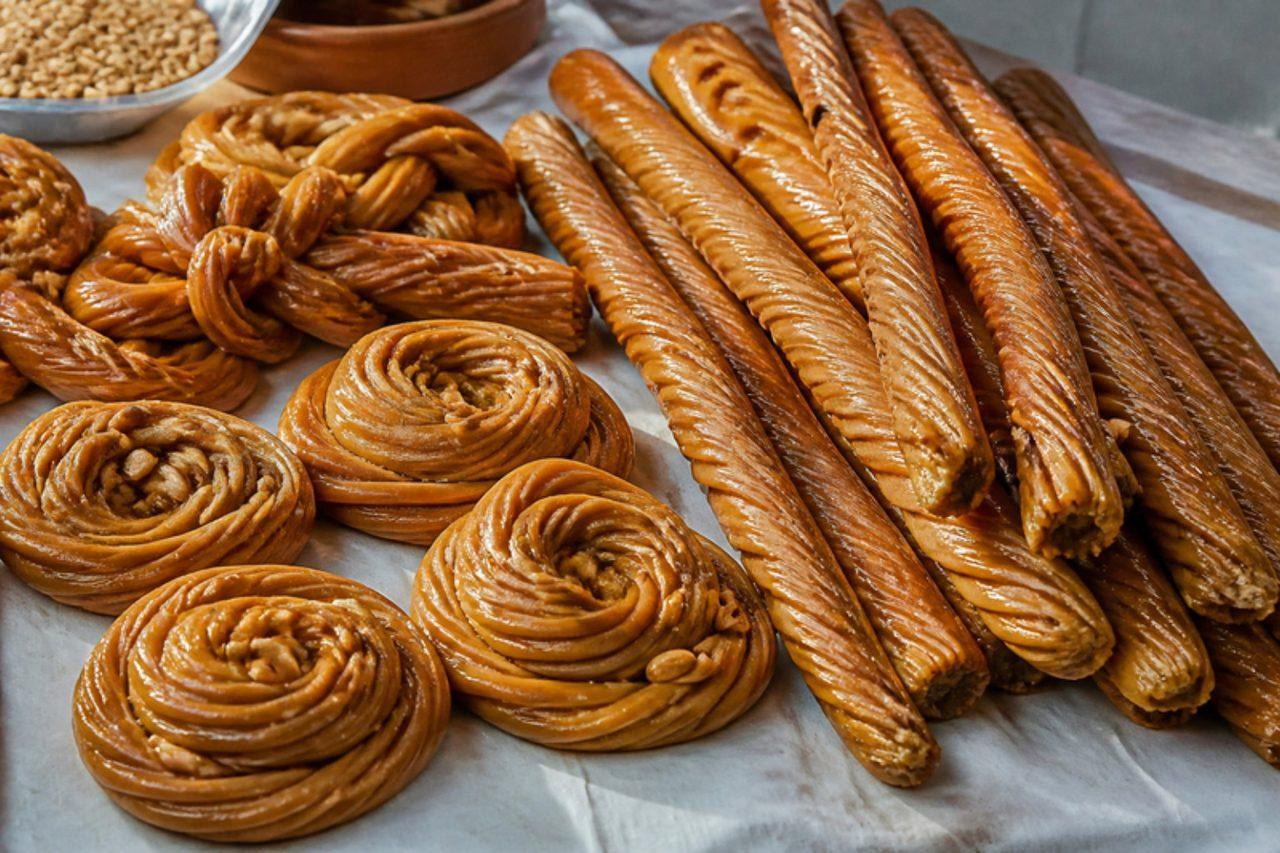
CharamuscasTwisted piloncillo taffy

Around Day of the Dead in Guanajuato city, sweet sellers display charamuscas pulled and shaped into skulls, mummies (a nod to the town's famous museum) and simple twists, glossy amber and wrapped in cellophane. The everyday ones are rope-like spirals of pulled piloncillo, chewy then brittle, with a deep molasses taste. Pulling the hot sugar is a two-person job and great fun with older children; younger ones should watch. Chef's tip: wear clean rubber kitchen gloves rubbed with oil; you can handle the sugar sooner and much more comfortably.

by KrazyBadal 0 views

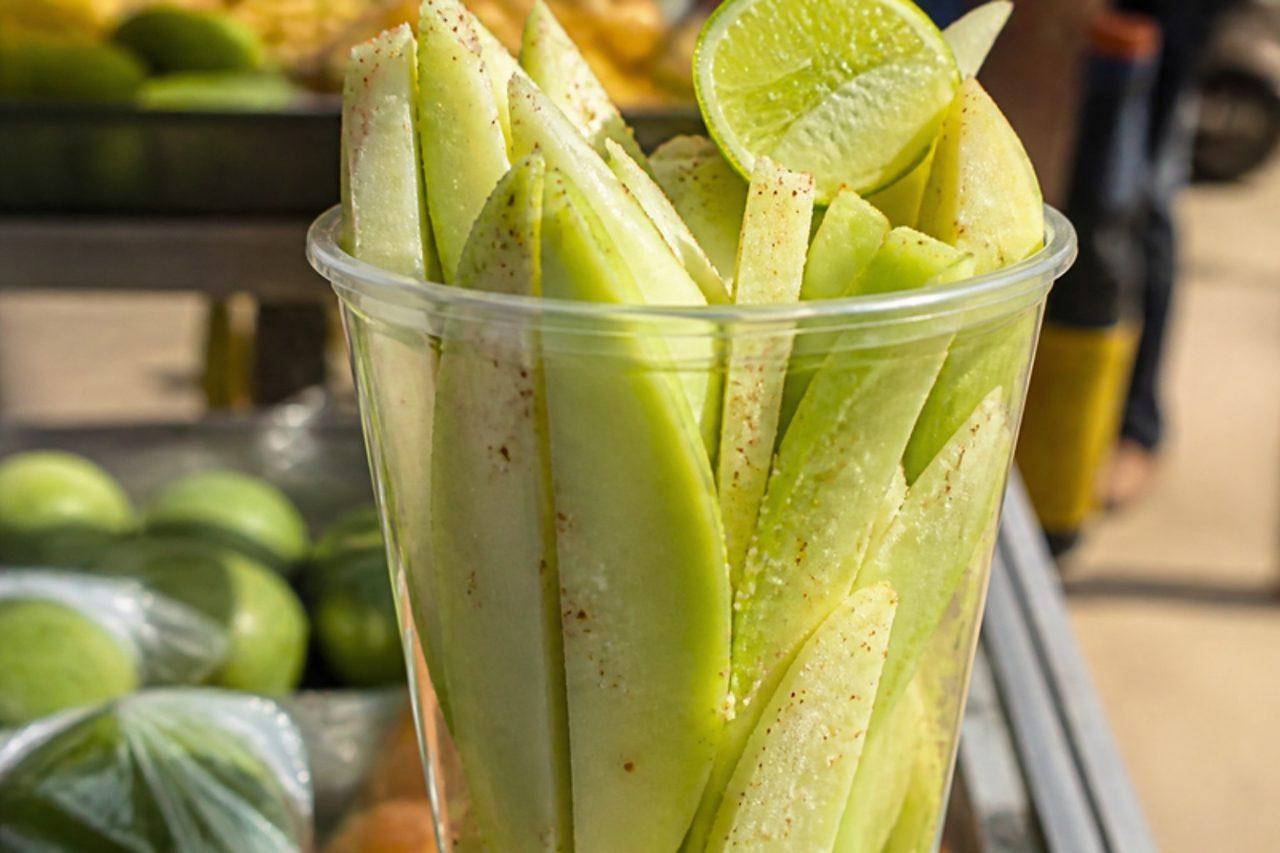
Mango bicheGreen mango with salt and lime

Paper and plastic cones of mango biche are sold from street carts in Cali, Barranquilla and Bogotá, especially around schools, parks and bus stops. Biche means unripe: the mango is still hard and pale green inside, so it is crunchy and mouth-puckeringly sour, and the vendor cuts it into long strips and shakes on salt, lime and black pepper, sometimes a pinch of chilli. It is a refreshing, almost savoury snack, eaten in the afternoon heat. Choosing a mango that has started to ripen is the slip that spoils it: the flesh should be firm and white-green with no yellow, or it turns soft and sweet. Look for green mangoes in Asian and Latin shops. Chef's tip: chill the mango for 30 minutes before cutting; the strips stay crisp and the salt and lime cling better.

by KrazyBadal 0 views

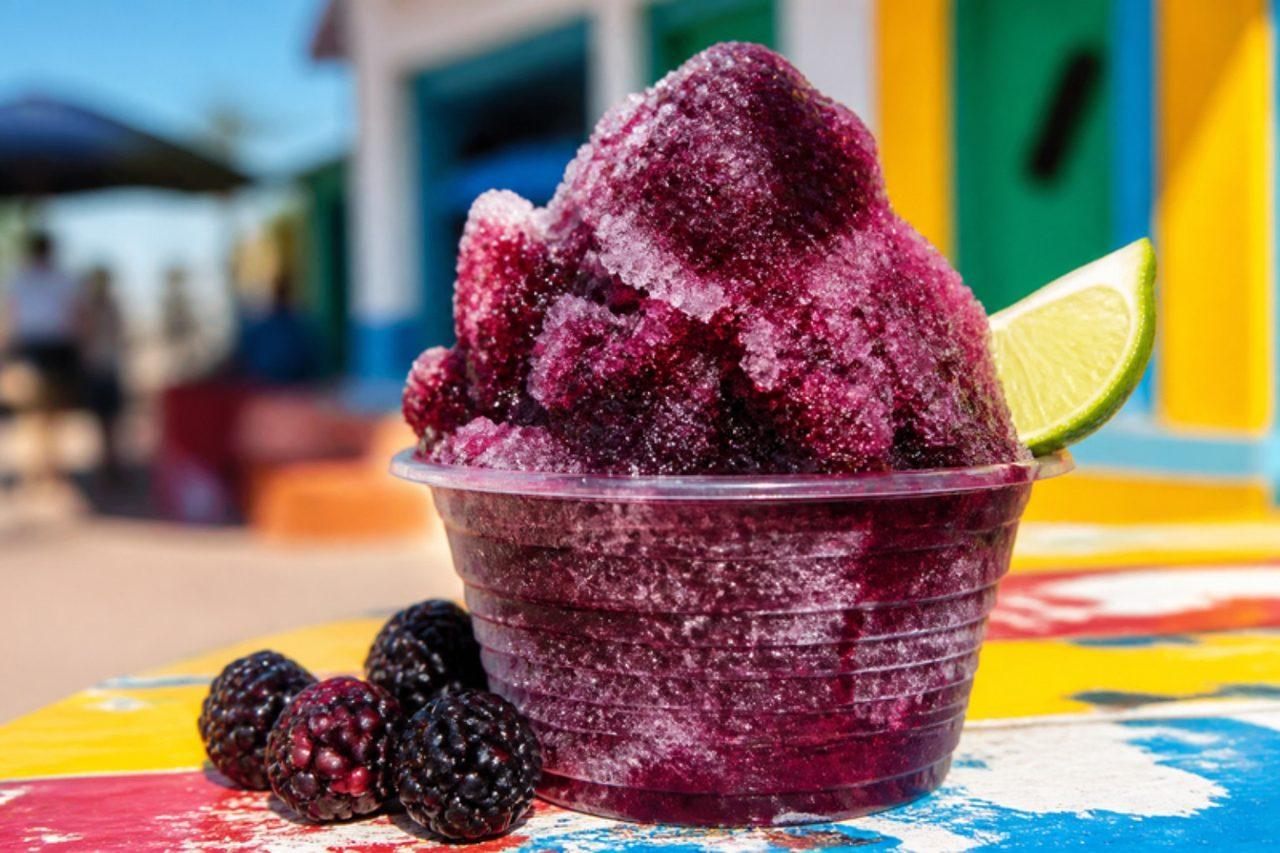
RaspaoShaved ice with blackberry syrup

On a hot Barranquilla afternoon, the raspao cart is the fastest way to cool down. The vendor scrapes a block of ice with a metal plane, packs the snow into a cup and floods it with bright syrups: kola, tamarind, lime, blackberry. Many add a ribbon of condensed milk on top, but this version stays vegan and lets the fruit carry it. Children love it, and it is a fun one to make at home with a blender and a jug of syrup. The usual misstep is pouring warm syrup over the ice, which melts it to slush in seconds, so chill the syrup completely first. Make the syrup a day ahead if you like; it keeps a week in the fridge. Chef's tip: freeze water in a shallow tray, then blitz the slab in pieces with a few pulses for fluffier, snow-like ice than ice cubes give.

by KrazyBadal 0 views

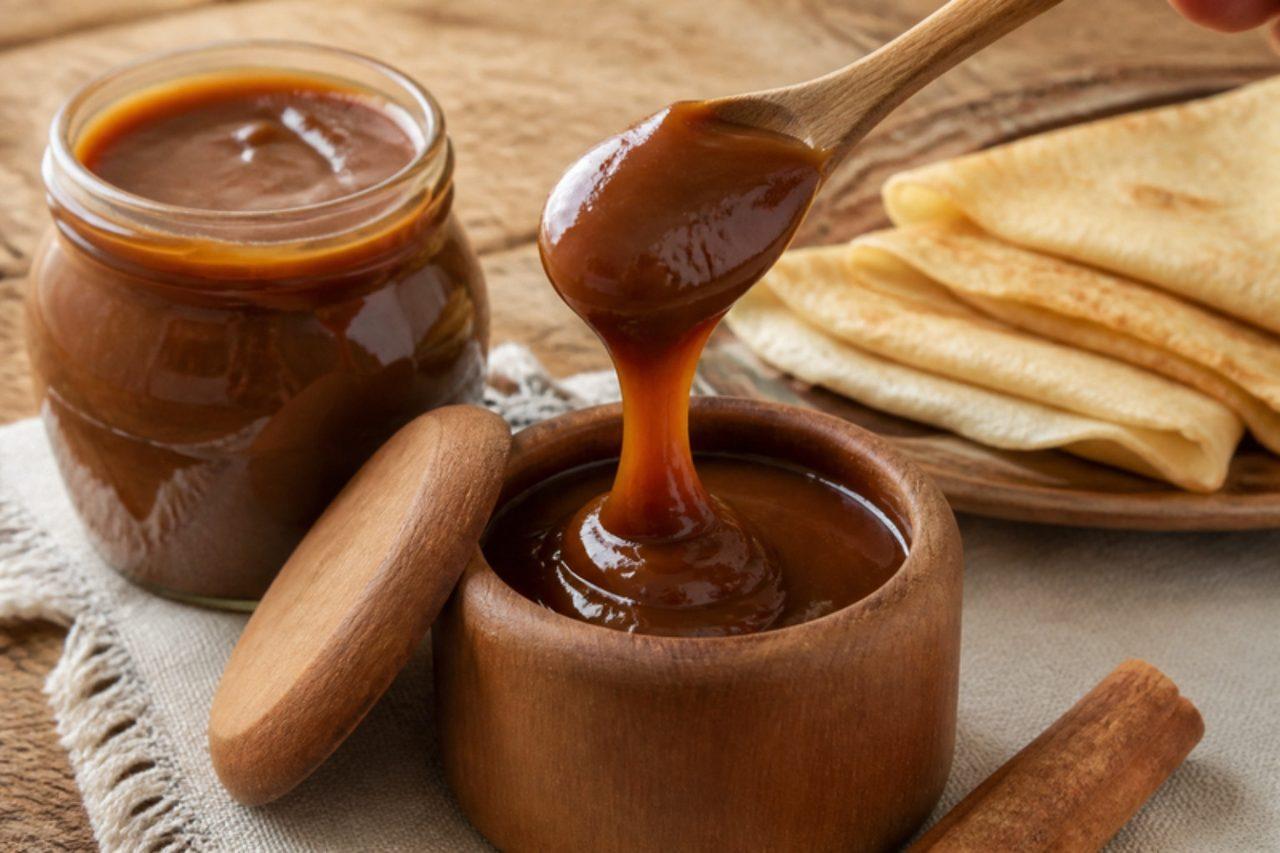
Cajeta de CelayaGoat milk caramel

Celaya, in the Bajío of Guanajuato, has made cajeta for centuries, once packing it into little wooden boxes (cajetes) that gave it its name. It is caramel cooked from goat's milk, so it is looser and has a gentle tang compared with the cow's-milk dulce de leche of Argentina. Mexicans spread it on crêpes and churros, pour it over ice cream, sandwich it between obleas (wafers) and turn it into glorias. A splash of rum-flavoured 'envinada' cajeta exists, but this one is plain and alcohol-free. Chef's tip: use a pan at least three times the volume of the milk; it foams high when the bicarbonate goes in.

by KrazyBadal 0 views

Suero costeñoTangy fermented cream

Market stalls in Montería, Sincelejo and Valledupar sell suero costeño from big tubs, ladled into bags: a sour, salty, spoonable cream that goes onto bollos, arepas, boiled cassava, fried plantain and mote de queso. Traditionally it comes from raw milk left to sour in the heat. This home version keeps the flavour but uses pasteurised cream and milk with live yogurt as a starter, which is far safer. Plan for 12–24 hours of fermenting plus chilling. Hygiene matters: wash the jar and spoon in hot soapy water and scald them with boiling water, never use raw milk, and keep the jar at room temperature (20–25 °C, out of direct sun) for no more than 24 hours before it goes into the fridge. Throw it out if you see mould, pink or orange patches, or it smells putrid rather than pleasantly sour. Leaving it out too long is the big mistake: it goes bitter and separates. Chef's tip: salt only after fermenting, as salt slows the cultures.

by KrazyBadal 0 views

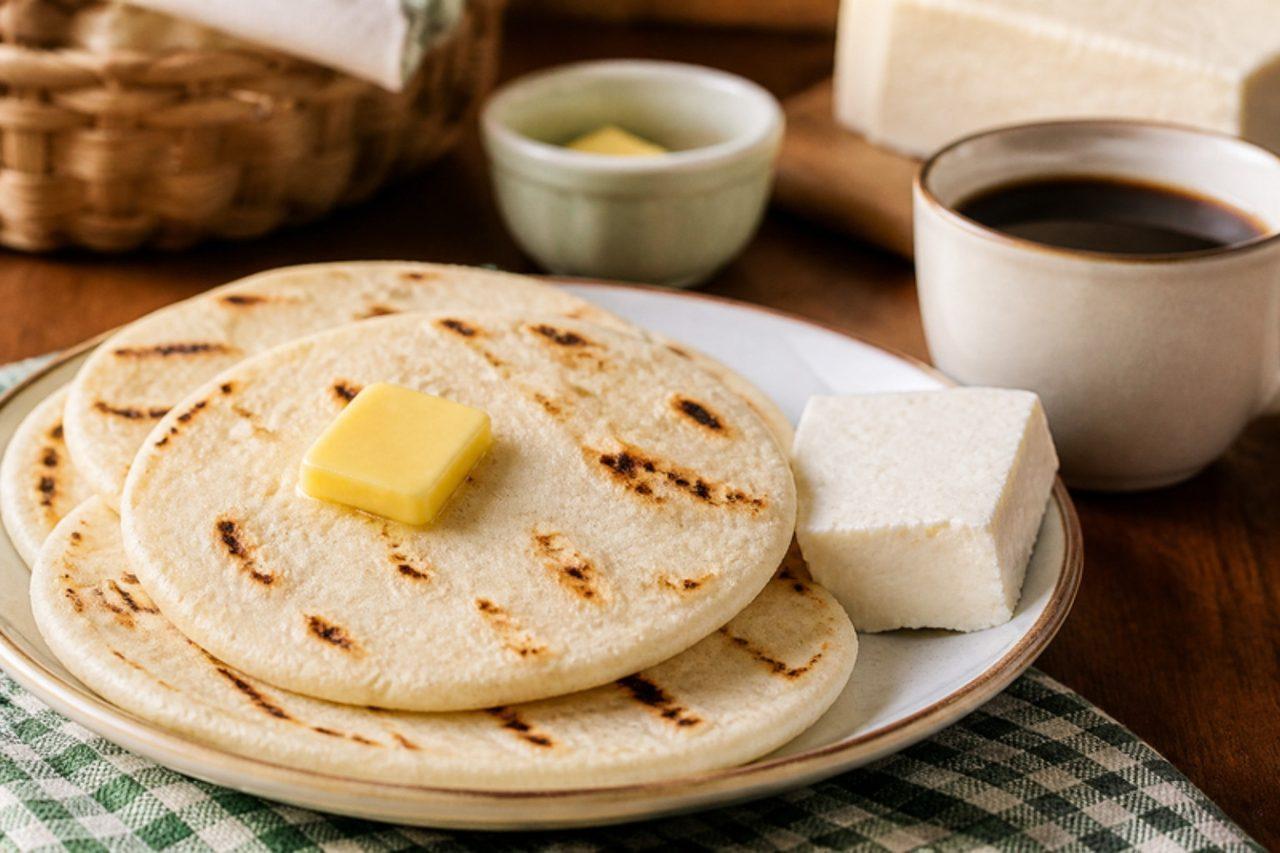
Arepa paisaThin white corn arepa

Antioquia eats arepas the way other places eat bread: a thin, pale disc of white corn sits beside the eggs at breakfast, the bandeja paisa at lunch and the hot chocolate at night. The paisa arepa is deliberately plain, with no salt, cheese or butter in the dough, so it frames whatever comes with it; locals spread it with butter or a slice of quesito at the table. It is chewy and soft inside with a toasted, freckled skin. Traditionally it is made from boiled, ground pilado corn; precooked white corn meal (masarepa) makes an excellent home version. The mistake is a dry dough: the edges crack and the arepas turn hard. Chef's tip: knead in warm water until the dough feels like soft play dough, and rest it 5 minutes before shaping.

by KrazyBadal 0 views

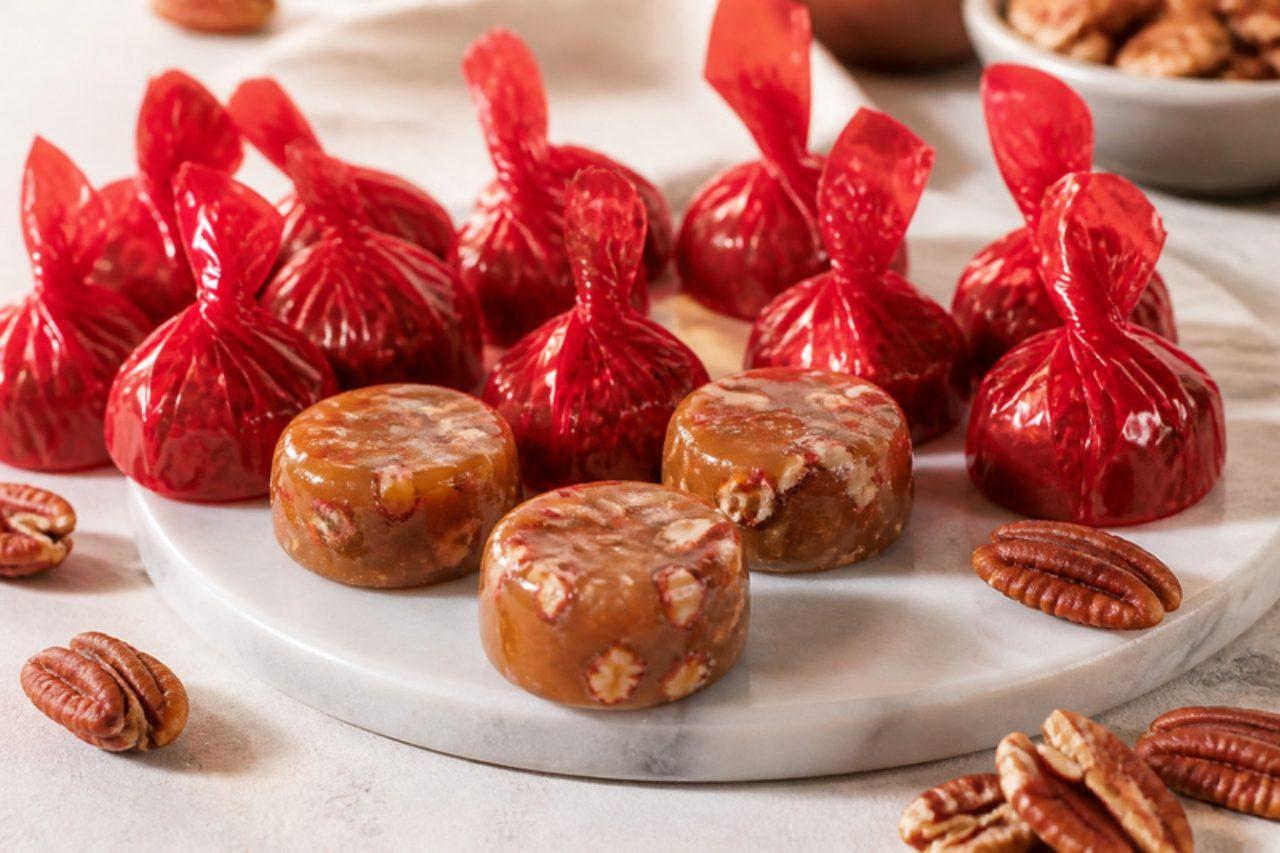
GloriasPecan and goat milk caramels

Linares, a small town in Nuevo León, is famous across Mexico for glorias: soft, chewy balls of goat's milk caramel packed with pecans, each wrapped in a twist of red cellophane. They are bought by the box at roadside sweet shops on the way to Monterrey and handed out at weddings and Christmas. Goat's milk gives them a gentle tang; a mix of goat's and cow's milk is milder. Chef's tip: the last ten minutes need constant stirring, as the caramel thickens and catches fast.

by KrazyBadal 0 views

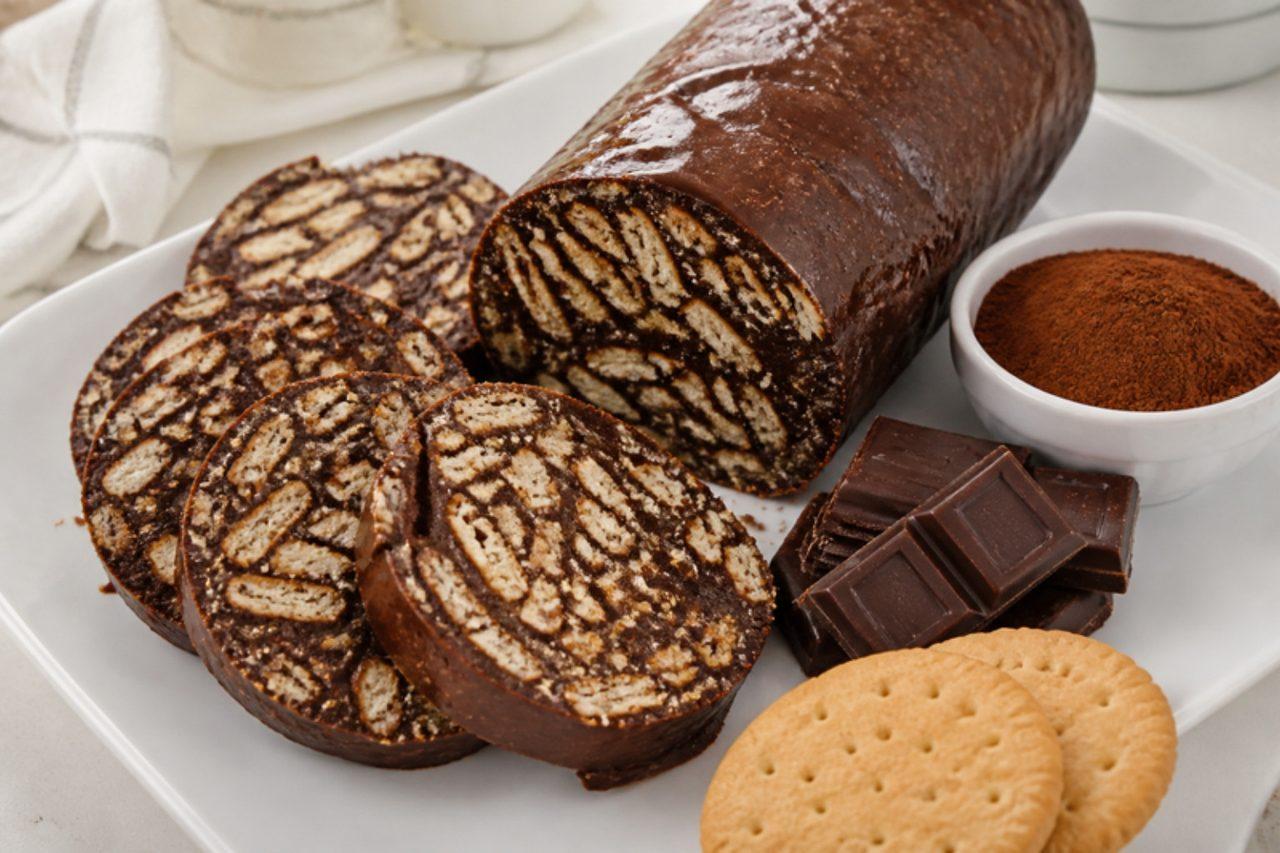
Salame de chocolateNo-bake chocolate biscuit log

Every Portuguese child seems to have helped make one: crushed Maria-style tea biscuits folded through rich chocolate, rolled into a log, chilled and dusted with icing sugar until each slice looks like salami. It turns up at birthday parties, in café display cases around Lisbon and on Christmas dessert tables. The traditional mix uses raw eggs; this version leaves them out and sets with melted chocolate and butter instead, so there is nothing raw in it. A splash of port is often added, which contains alcohol; leave it out or use milk. A common mistake is crushing the biscuits to crumbs; leave some larger pieces, or the slices lose their marbled look. Chef's tip: break the biscuits by hand into pieces the size of a fingernail; crumbs turn it into fudge and you lose the salami look.

by KrazyBadal 0 views

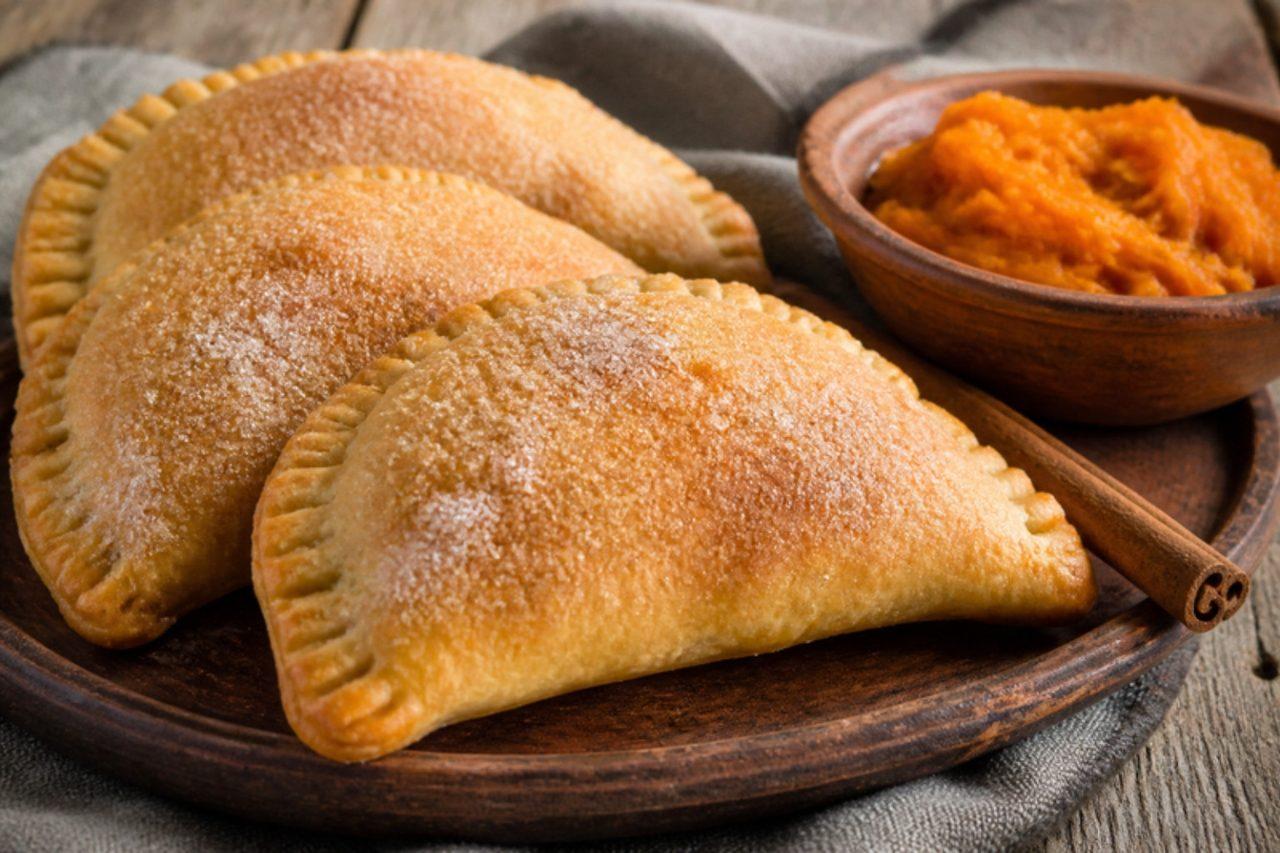
Empanadas de calabazaSweet pumpkin turnovers

When the cold fronts reach Monterrey in November, panaderías start stacking trays of empanadas de calabaza next to the conchas, and families bake them at home for Day of the Dead and Christmas. A tender, lightly sweet pastry is folded around a thick purée of pumpkin cooked with piloncillo, cinnamon and anise, so each half-moon tastes like a spiced pumpkin pie you can hold. They are eaten with café de olla or a glass of milk. Chef's tip: cook the filling until a spoon leaves a trail across the pan; watery pumpkin turns the pastry soggy.

by KrazyBadal 0 views

CoyotasPiloncillo-filled turnovers

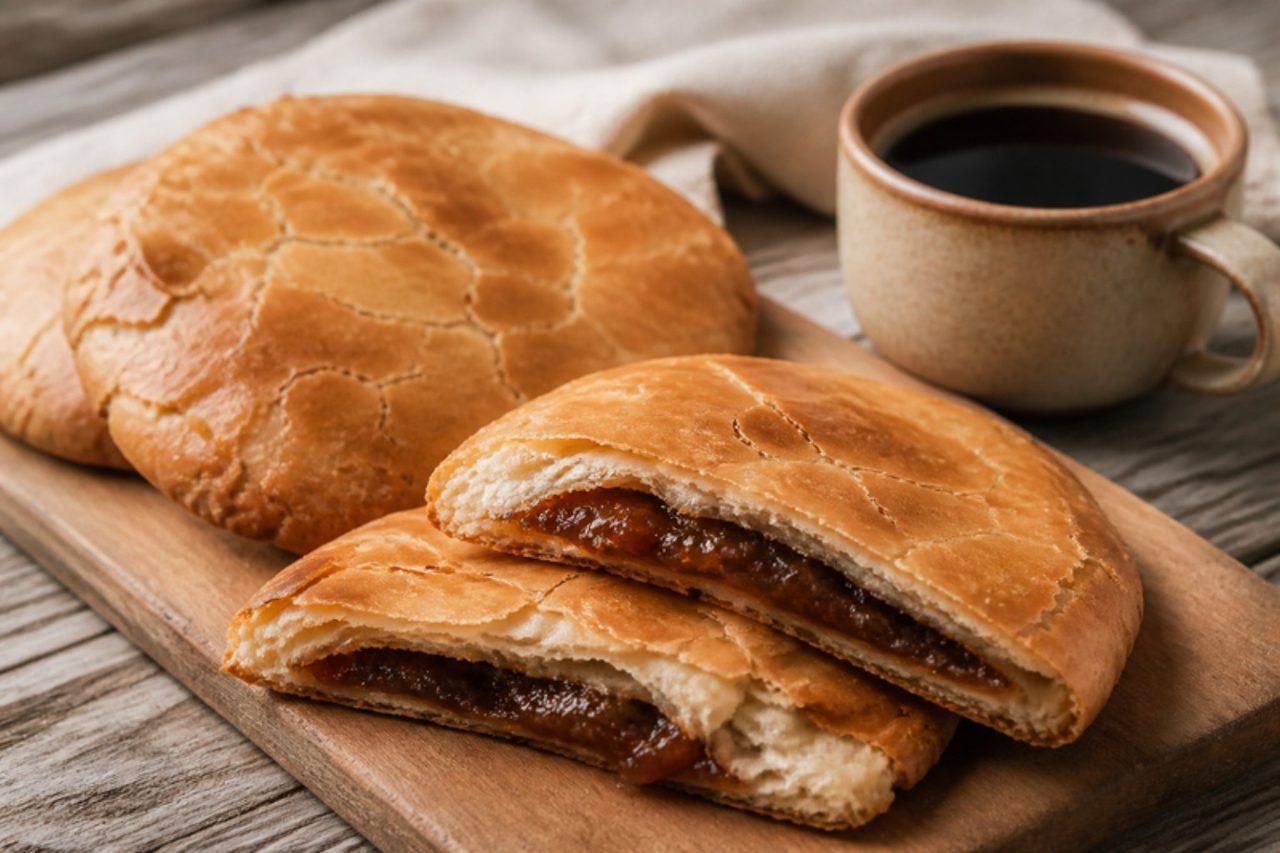
Coyotas were first baked in the Villa de Seris neighbourhood of Hermosillo, and today Sonorans buy them by the dozen in paper bags to eat with morning coffee or take as a gift when they travel. They are flat, round, pale pastries with a crisp, crumbly crust and a thin layer of molten piloncillo inside, like a giant cookie with a toffee middle. Some bakers add guava or cajeta, but brown sugar loaf is the classic. Chef's tip: pinch the edges firmly and prick the tops; otherwise the hot sugar bubbles out and burns on the tray.

by KrazyBadal 0 views

Tortillas de harina sobaquerasGiant flour tortillas

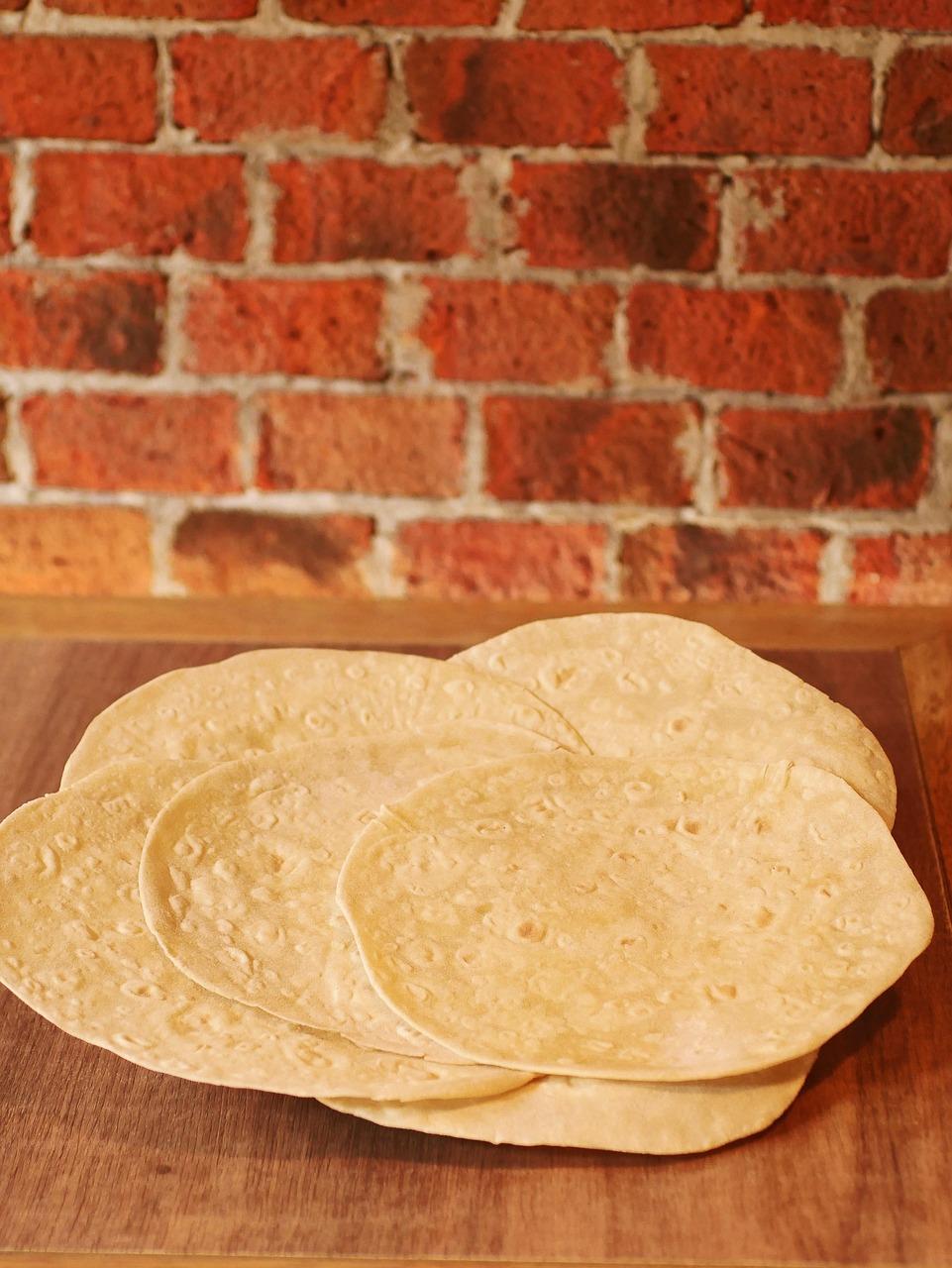
In Sonora, wheat is the grain, and the pride of Hermosillo kitchens is the sobaquera: a flour tortilla stretched over the backs of the hands and arms until it is almost see-through and as wide as a serving tray (the name comes from sobaco, armpit, because it reaches that far). It cooks in seconds on a big comal and is folded around beans, cheese or machaca, or torn and eaten with caldo de queso. Sonoran cooks use lard; vegetable shortening works the same. A 30–35 cm tortilla is a realistic home size. Chef's tip: the long rest is what makes the dough stretch; do not cut it short.

by KrazyBadal 0 views

Brevas con arequipeCandied figs with milk caramel

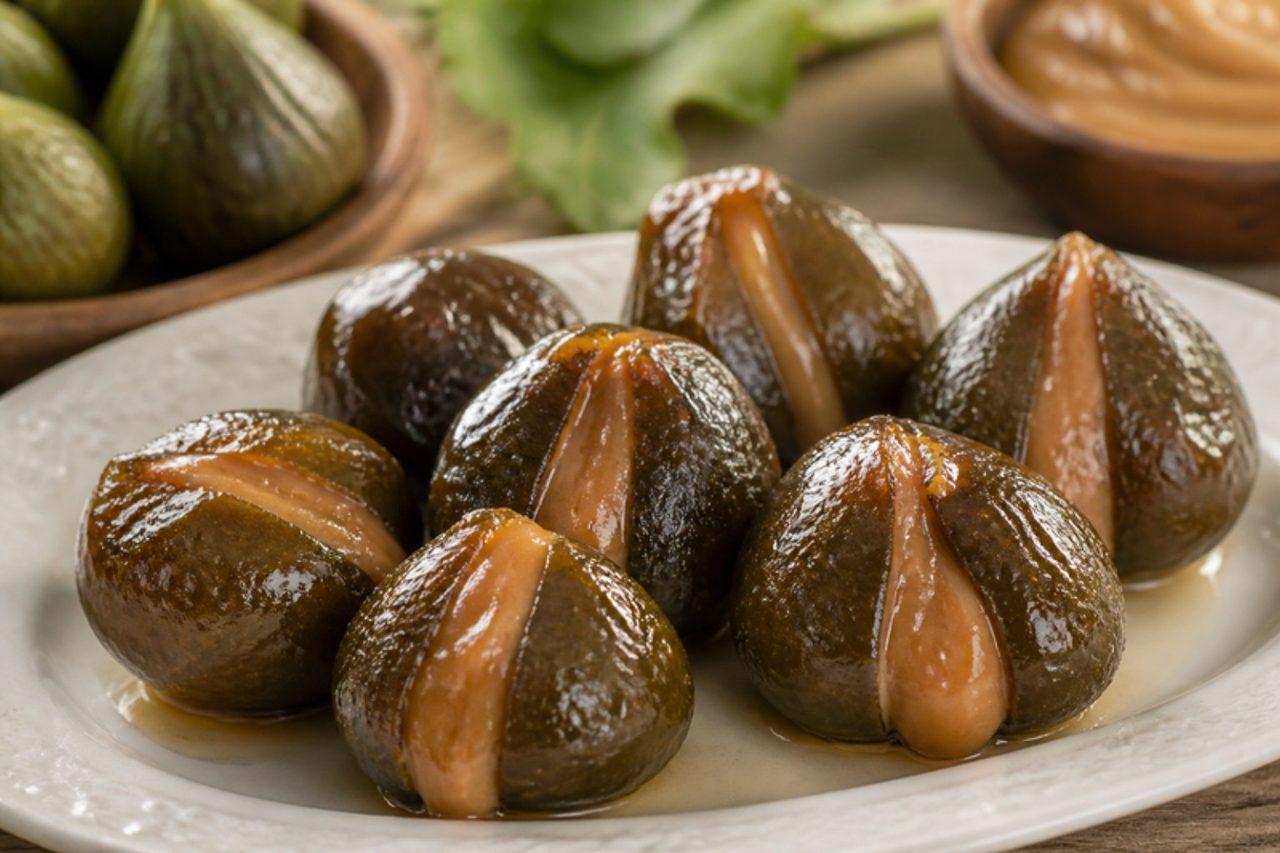
Bogotá's old sweet shops and the dessert counters of Cundinamarca sell brevas caladas, firm green figs cooked for hours in panela syrup until they turn dark, glossy and tender, then split and filled with arequipe. A slice of salty fresh cheese alongside balances all that sugar. They are a classic Christmas and Sunday treat and keep for a week in the fridge, so make them ahead. Use hard, unripe green figs from Middle Eastern or Latin shops; ripe figs fall apart. Arequipe is Colombian milk caramel, the same as dulce de leche. The fresh cheese is usually animal-rennet, so pick a vegetarian one. Skipping the first boils is the common error: the figs keep a bitter, milky sap that spoils the syrup. Chef's tip: cook the syrup slowly and keep the figs just covered; a hard boil splits the skins.

by KrazyBadal 0 views

Saykouk (couscous in cold buttermilk)

On hot evenings in the villages of the Middle and High Atlas, supper is often nothing more than saykouk: steamed couscous, usually barley, cooled and then drowned in ice-cold lben, the tangy buttermilk left after churning butter. It is eaten with spoons from a big shared bowl and is wonderfully cooling, sour and creamy, with the grains soaking up the milk as you eat. Some families sweeten it with a little sugar, others keep it salty; both are right. This quick version uses instant couscous so it is ready in about 20 minutes. Don't pour the buttermilk over warm couscous: it should be fully cool, or the buttermilk splits and the dish loses its refreshing chill. Chef's tip: let the couscous cool completely before the buttermilk goes in, or it turns the buttermilk warm and slightly grainy.

by KrazyBadal 0 views

Jben (fresh Moroccan cheese)

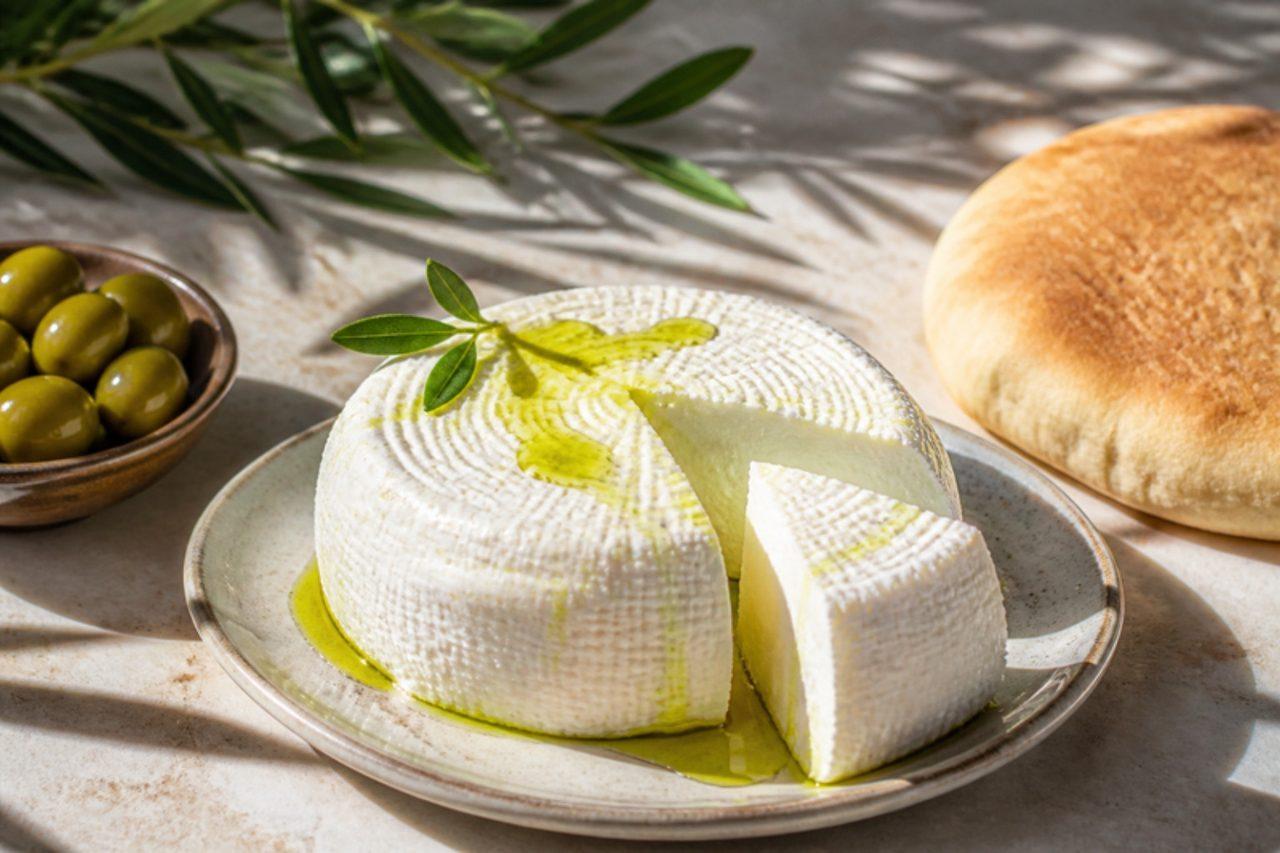
On the road into Chefchaouen, women from the Rif villages sit with rounds of jben wrapped in palm leaves, a fresh, soft, lightly salted cheese with a clean, milky tang. Breakfast in the north often means a slab of it drizzled with olive oil, sprinkled with dried thyme or za'atar, with olives, honey and warm bread. Traditionally jben is curdled with animal rennet (sometimes with thistle or fig sap), so check if you buy it; this home version uses vegetarian (microbial) rennet and pasteurised milk, and is drained in the fridge. Hands-on time is about an hour; the curd then needs 1–2 hours to set and 4–6 hours to drain. Keep it chilled and eat it within 4 days. Chef's tip: avoid UHT and ultra-pasteurised milk, which will not set into a firm curd; ordinary pasteurised whole milk works well.

by KrazyBadal 0 views

Cuajada con melaoCurd cheese with panela syrup

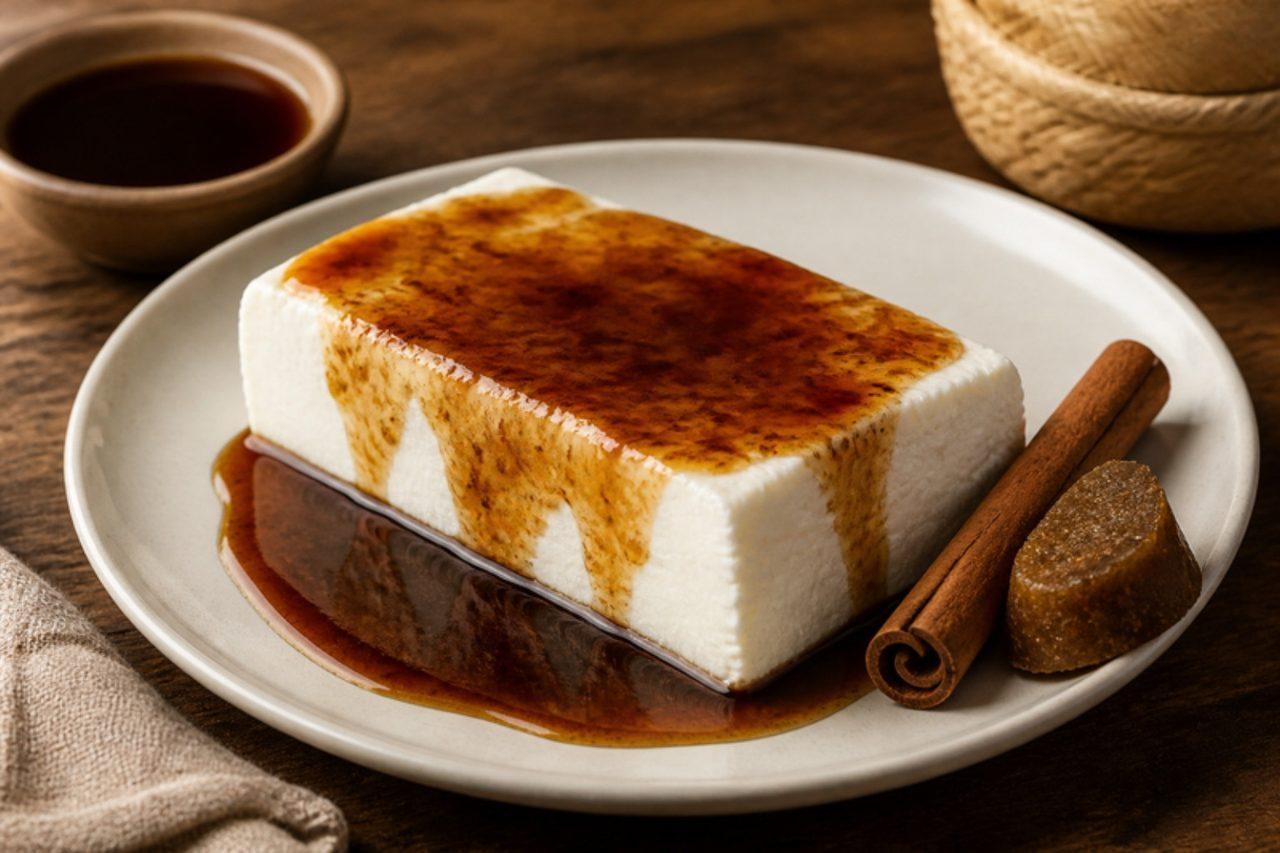
Simplicity is the charm of this Andean dessert: a slab of fresh, milky cuajada, barely salted, with a dark syrup of panela poured over it, still warm. Highland fondas between Bogotá and Boyacá serve it after a lunch of ajiaco or sancocho, and the contrast of cool, squeaky curd with molasses-deep, spiced syrup is the point. Cuajada is set with rennet, traditionally animal; buy a vegetarian curd or fresh ricotta-style cheese, or make cuajada at home with microbial rennet. Panela is unrefined cane sugar; dark muscovado is the closest swap. The mistake is boiling the syrup too long: it turns to toffee as soon as it meets the cold cheese. Take it off when it coats a spoon thinly. Chef's tip: a strip of lime zest in the syrup cuts the sweetness beautifully.

by KrazyBadal 0 views

Arepas boyacensesCheese-stuffed sweet arepas

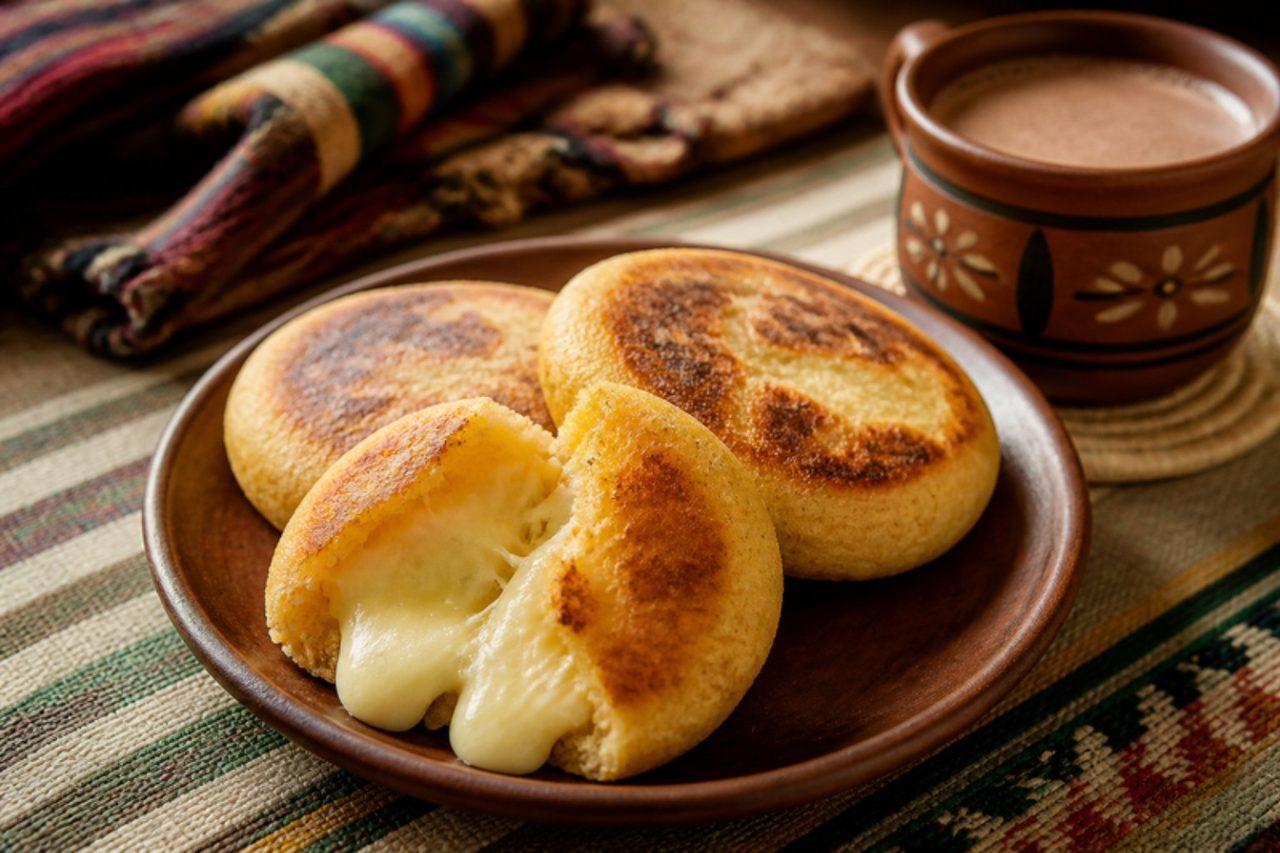
Roadside stalls on the highway from Bogotá to Tunja sell these golden, puffed discs straight off the griddle. Unlike the plain arepas of Antioquia, the boyacense mixes yellow corn with wheat flour, butter and a little sugar, and it hides a layer of fresh cheese that melts as it cooks, so each bite is sweet, salty and buttery at once. Eat them warm with coffee, hot chocolate or a cup of aguapanela. Queso campesino or cuajada is traditionally set with animal rennet; choose a vegetarian mozzarella or other microbial-rennet fresh cheese. The trap is cooking them on a high heat: the sugar browns fast and the middle stays raw and doughy. Chef's tip: keep the griddle at low-medium and give them time; a slow cook gives a thin crisp crust and lets the cheese melt fully.

by KrazyBadal 0 views

Envueltos de mazorcaSteamed corn parcels

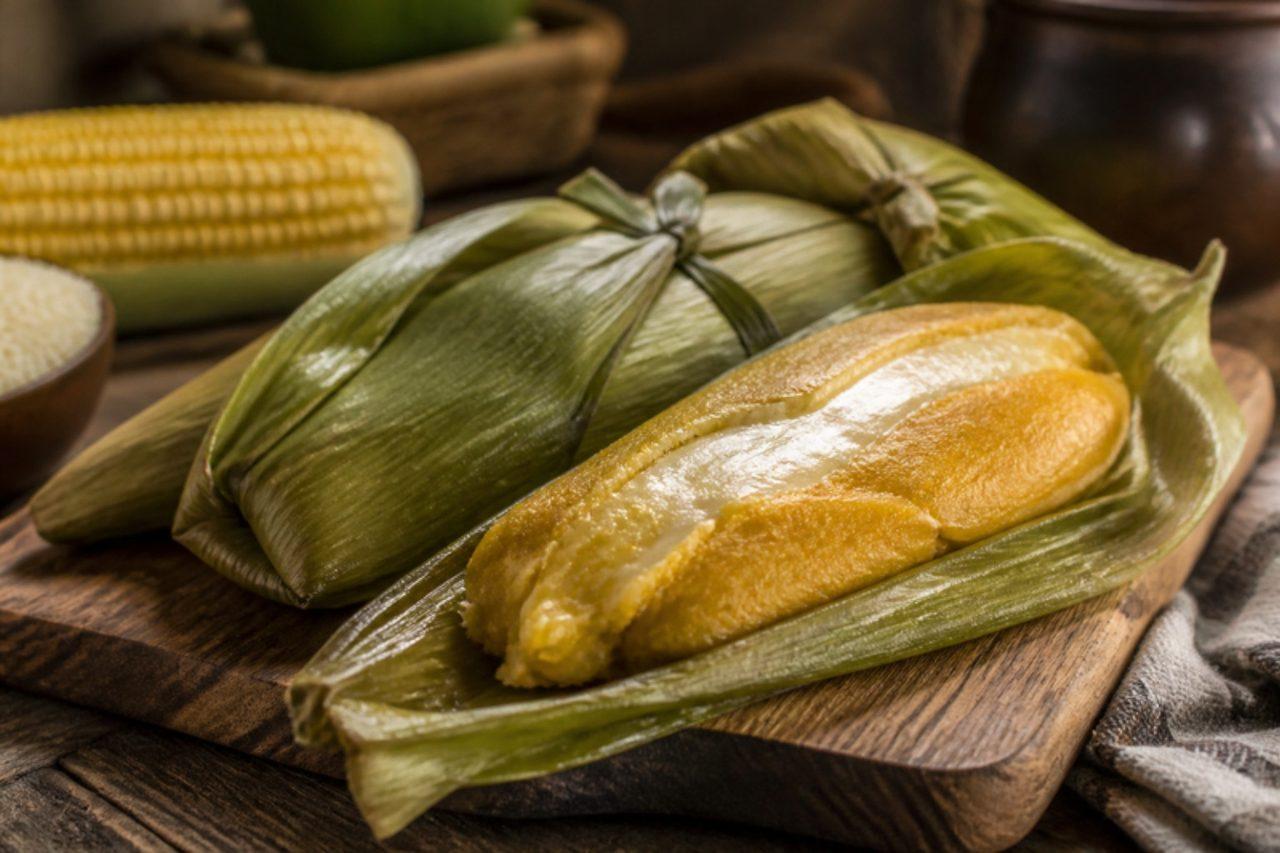
When the maize ripens in the fields of Boyacá, families grind the fresh kernels and steam little husk-wrapped parcels that are sold at Sunday markets in Tunja, Paipa and Duitama. Envueltos are soft, moist and gently sweet, somewhere between a tamal and a corn pudding, with pockets of melted cheese, and they are eaten for breakfast or as an onces snack with hot chocolate or coffee. Use fresh corn on the cob; the starchier, less sugary types are closest to Colombian maíz, and frozen kernels work at a pinch. Fresh campesino cheese is usually made with animal rennet, so pick a vegetarian one. The commonest fault is wrapping the parcels loosely, so water gets in and they turn soggy. Chef's tip: grind the corn coarsely, not to a purée; a little texture lets the envueltos set firm and sliceable.

by KrazyBadal 0 views

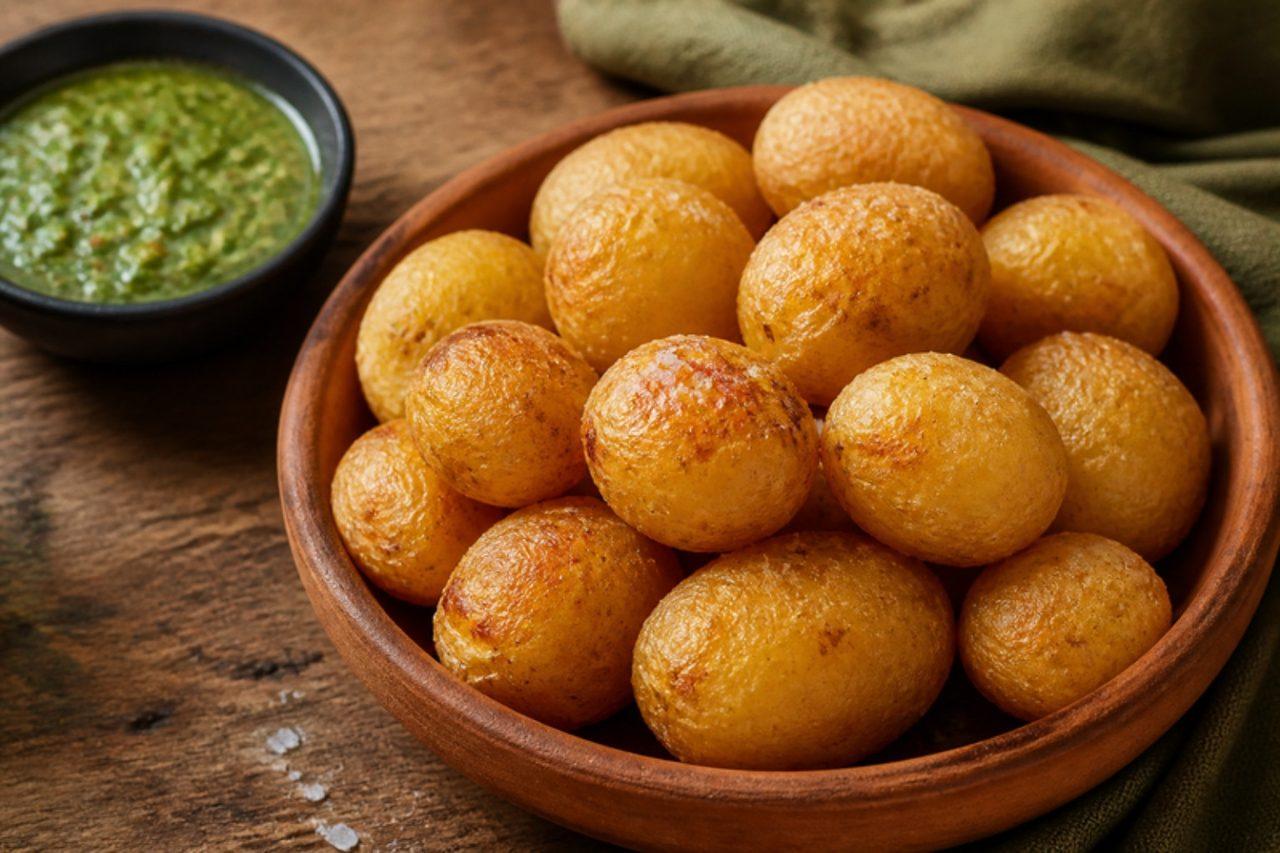
Papas criollas fritasFried small yellow potatoes

Little golden papas criollas are the potato Bogotá loves best: thin-skinned, buttery-yellow and so creamy they almost melt. At the asaderos along the roads out of the capital, and next to every plate of ajiaco or fritanga, they come fried whole, skin on, crackling outside and soft in the middle, with nothing but salt and a bowl of ají. Frozen papas criollas are sold in Latin American shops; otherwise use the smallest waxy yellow potatoes you can find. Frying them raw is the usual mistake: the skins brown before the insides are cooked. A quick boil first fixes that. Chef's tip: let the boiled potatoes steam dry for a few minutes and squash a few slightly with your palm before frying, so the split skins catch extra crunch.

by KrazyBadal 0 views

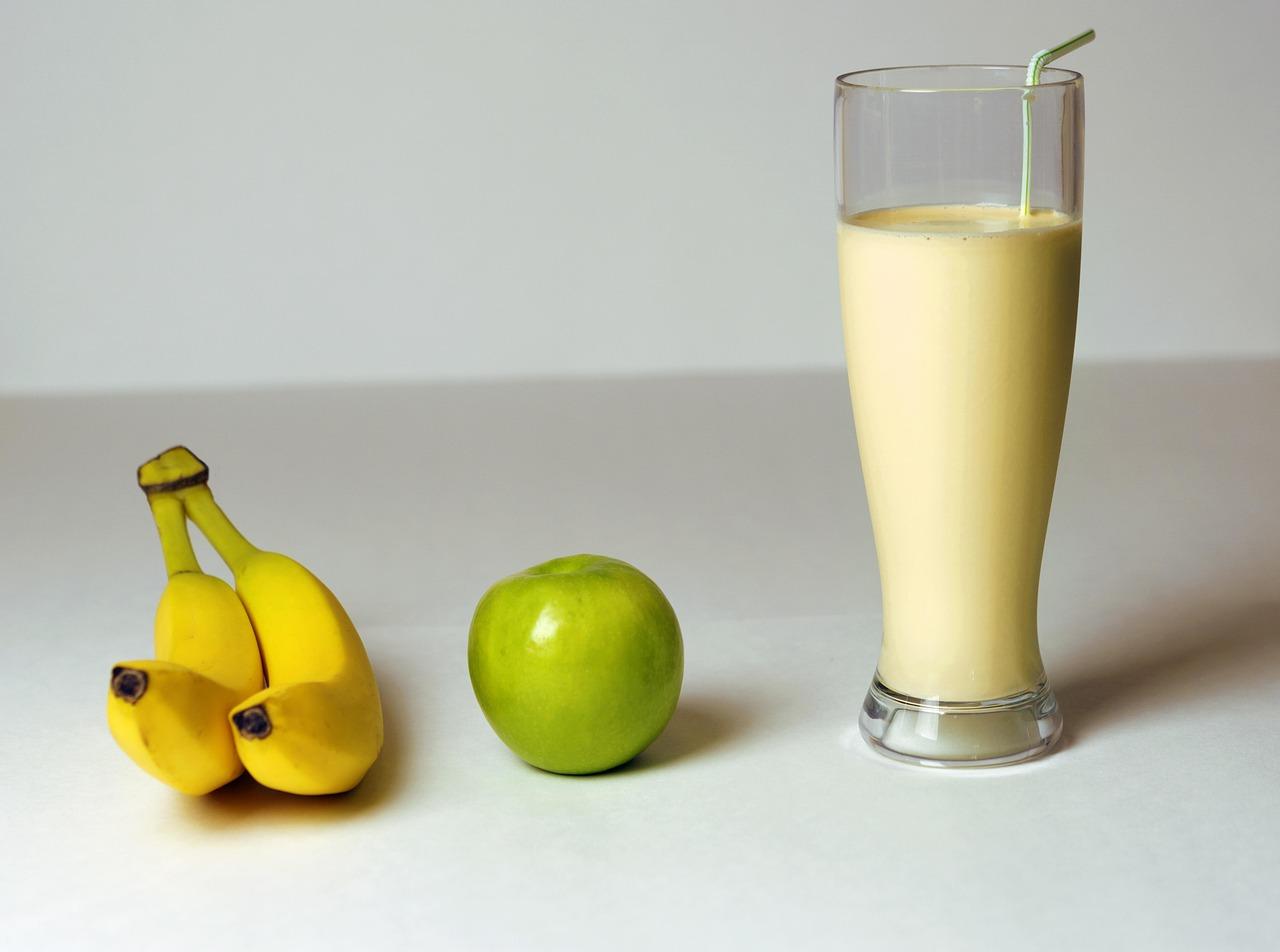
Licuado de bananaBanana milk shake

Order a licuado in any Argentine café or bar and you will get a tall glass of fruit blended with milk (con leche) or water (con agua), and banana with milk is the one nearly everyone grows up on. It is breakfast for teenagers in a hurry, a merienda with tostados, and the drink parents in Buenos Aires make when the fruit bowl has spotty bananas. It should be thick, cold and smooth, with a light froth, sweet mainly from ripe fruit. Using under-ripe bananas is the mistake: they taste chalky and need lots of sugar, so wait for brown freckles. Chef's tip: slice and freeze the bananas the night before and you can skip the ice; the shake comes out colder and thicker without being watered down.

by KrazyBadal 0 views

SubmarinoHot milk with chocolate bar

Café tables in Buenos Aires have their own way with hot chocolate: the waiter brings a tall glass of frothy, steaming milk on a saucer with a slim bar of dark chocolate, and you drop the bar in yourself and watch it sink like a submarine. Stirred with a long spoon, it melts into a rich, not-too-sweet drink, and it is the classic order with medialunas on a cold winter afternoon or after school. At home it takes five minutes, and children love the moment of dropping the bar in. The common letdown is milk that is only warm: the chocolate sits in a lump at the bottom. Heat it until it is steaming and just starting to rise, but not boiling. Chef's tip: froth the hot milk with a whisk or milk frother before pouring; the foam on top is part of the café ritual and keeps the drink hot while the chocolate melts.

by KrazyBadal 0 views

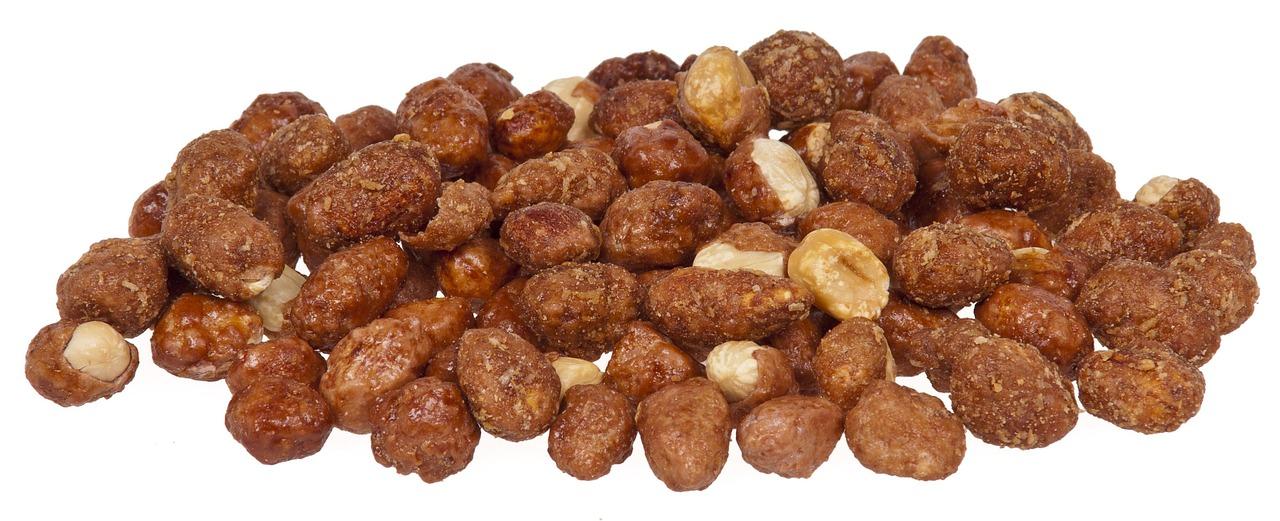
GarrapiñadaCaramelised peanuts

On Florida street, in the plazas of San Telmo and outside every football ground in Buenos Aires, vendors stir copper pans of peanuts over little burners, and the smell of hot caramel reaches you half a block away. Garrapiñada comes in a paper cone, still warm, each peanut wrapped in a rough, sandy, crunchy sugar shell. It takes 20 minutes and three ingredients at home, and it is vegan. The process looks wrong halfway: the syrup turns cloudy and grainy, and that is exactly what you want, because the crystallised sugar is what gives the crunchy coating. The mistake is to stop stirring once it turns sandy; keep going until some of the sugar melts again and glazes the nuts. Chef's tip: use raw, skinned peanuts and a heavy pan, and add a pinch of salt at the end; it lifts the sweetness the way the street carts' slightly smoky pans do.

by KrazyBadal 0 views

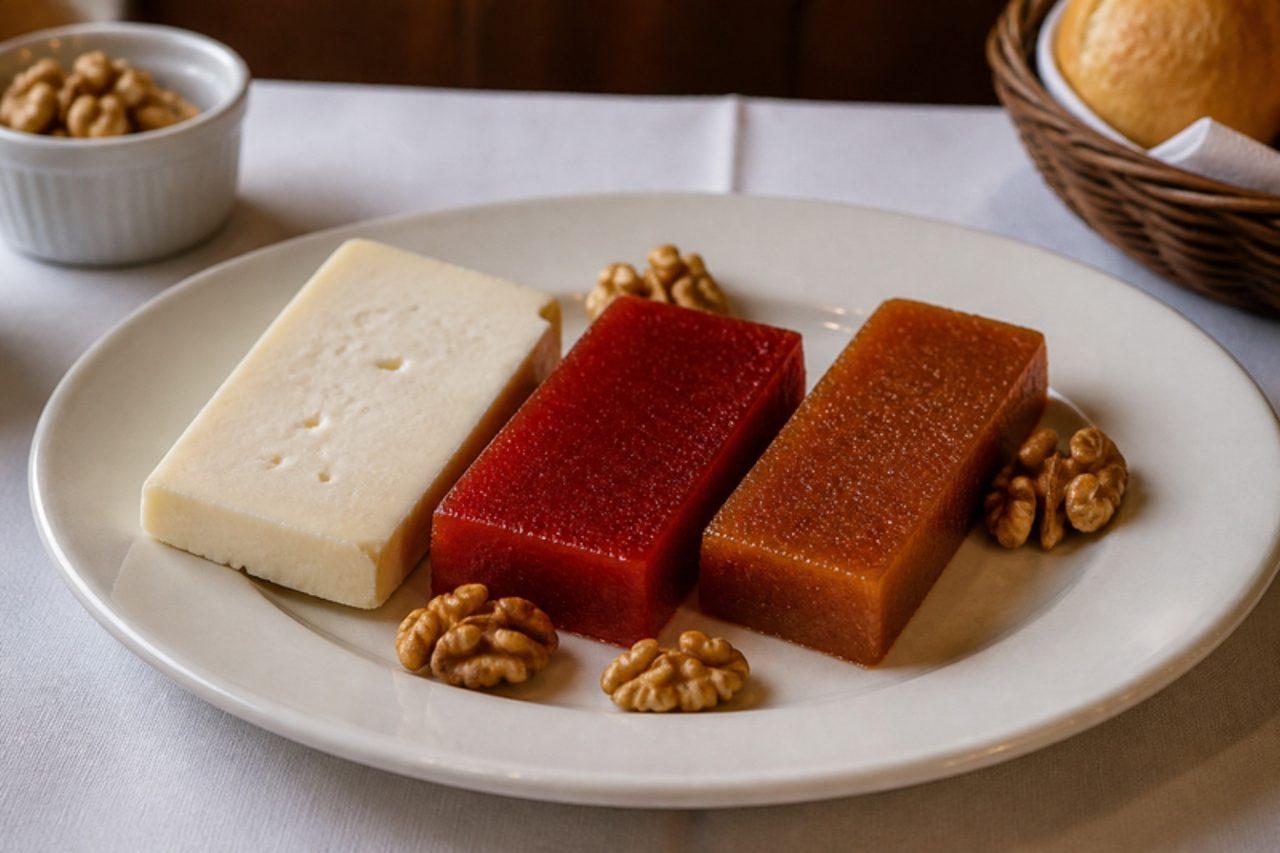
Postre vigilanteCheese with quince paste

Ask for dessert in an old Buenos Aires bodegón and the waiter will rattle off flan, budín and, inevitably, vigilante: a thick slab of soft, mild cheese laid beside an equal slab of dulce de membrillo or dulce de batata. The name, "policeman", is said to come from the beat officers who ordered it as a cheap sweet in early twentieth-century cafés; Uruguayans call the same plate Martín Fierro. It is salty against sweet, creamy against firm, and takes five minutes. The traditional cheese is fresh queso cremoso or cuartirolo, or a firmer port salut; a young Havarti or mild Gouda is the best stand-in abroad. Like many soft cheeses, these are often made with animal rennet, so check the label for a vegetarian (microbial-rennet) cheese. The usual error is cutting the slabs thin like a cheese board; vigilante is about generous, equal bricks. Chef's tip: take the cheese out of the fridge 20 minutes ahead; cold cheese tastes of nothing next to the paste.

by KrazyBadal 0 views

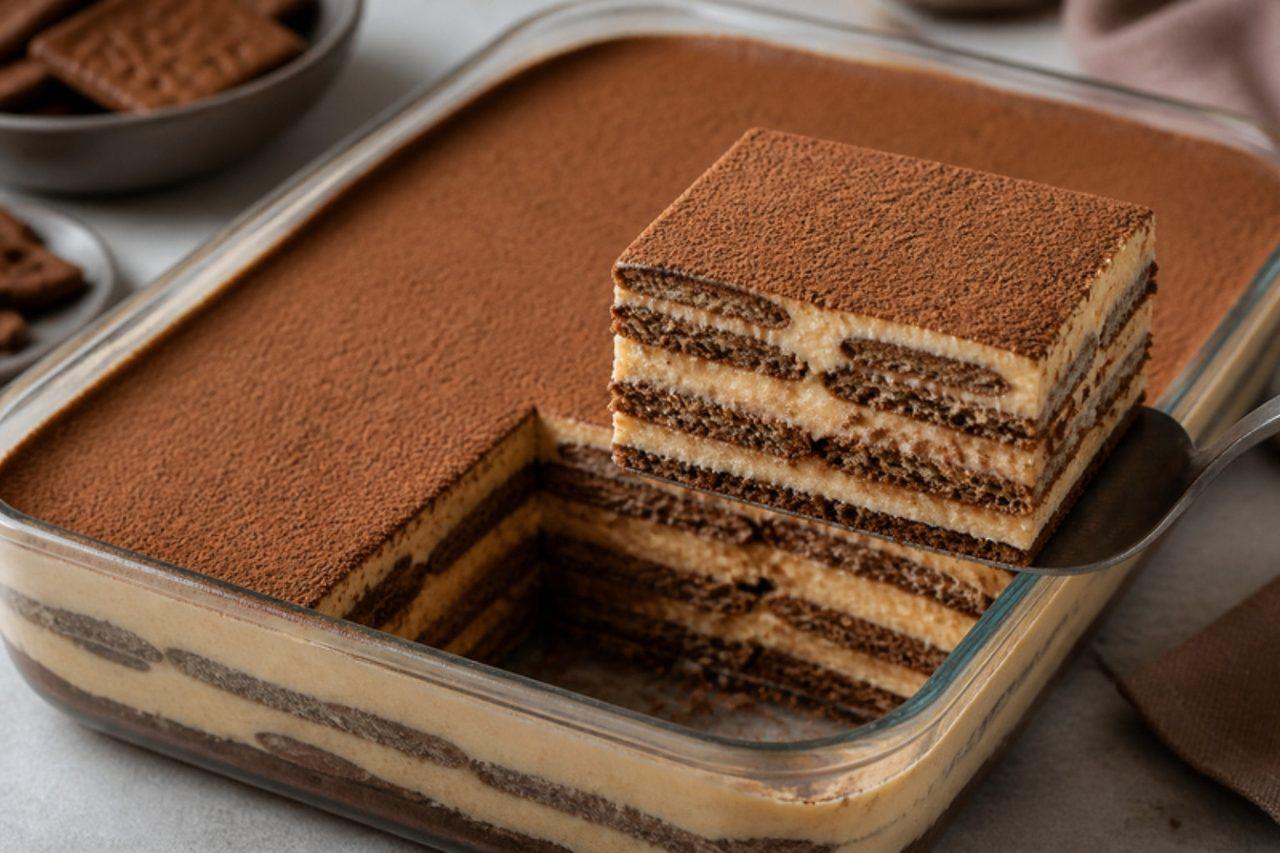
ChocotortaNo-bake chocolate biscuit cake

Born in 1980s Buenos Aires as an advertising idea and adopted by the whole country, chocotorta is the cake children ask for at every birthday and the easiest dessert in the Argentine repertoire. Chocolate biscuits are dipped briefly in milk (adults often use coffee), layered with a cream of dulce de leche beaten with cream cheese, and left overnight until the biscuits turn soft and cake-like. It is rich, sweet and a little tangy, and slices cleanly straight from the fridge. Any plain crisp chocolate biscuit works; rectangular ones make the neatest layers. The mistake to avoid is soaking the biscuits too long: a one-second dip is plenty, or they collapse into mush before you can lay them down. Chef's tip: assemble it a day ahead in a loaf tin lined with cling film; overnight chilling is what turns it from biscuits and cream into cake.

by KrazyBadal 0 views

Pastelitos criollosFried quince pastries

Every 25 May, when Argentina marks the 1810 revolution, bakeries and school kitchens from Buenos Aires to Tucumán turn out trays of pastelitos: two squares of flaky dough stacked into a star, filled with dulce de membrillo or dulce de batata, fried until the layers fan open and then dipped in syrup. They are eaten warm with mate or hot chocolate, shattering crisp outside and sticky in the middle. Lard is the traditional fat in both the dough and the frying pan; this version uses butter or vegetable shortening for laminating and sunflower oil for frying, so it stays vegetarian. Expect a hard but rewarding job: the dough is folded like a quick puff pastry. Oil that is too hot is the classic error, browning the outside before the inner layers have opened, so keep it around 160 °C. Chef's tip: pinch the four corners of the top square down onto the gaps of the bottom one and press with a wet fingertip, or the star unfolds in the oil and the filling leaks.

by KrazyBadal 0 views

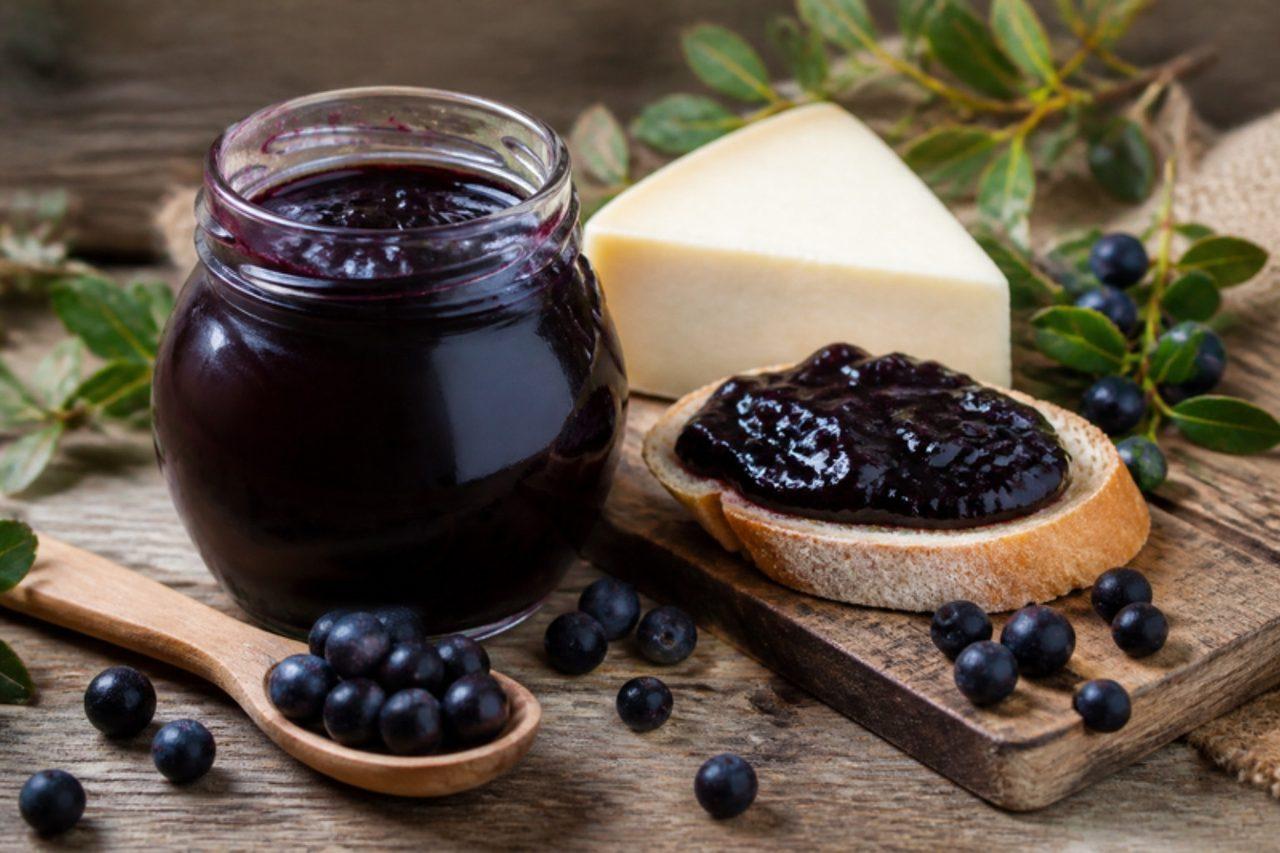
Dulce de calafateCalafate berry jam

Legend says whoever eats calafate will come back to Patagonia, and in El Calafate, the town on Lake Argentino named after the thorny bush, the small blue-black berries turn up in ice cream, sauces, and above all this jam. The fruit ripens in midsummer across Santa Cruz and Tierra del Fuego; it is tart and seedy, somewhere between a blueberry and a blackcurrant, and the jam is dark purple, glossy and gently spiced by the fruit itself. It goes on bread at breakfast, with a slab of cheese after dinner, or with pancakes. Outside Patagonia, frozen calafate is hard to find; blueberries with a handful of blackcurrants or barberries give a similar balance of sweet and sharp. Overcooking is the slip that turns it into a stiff, dull paste, because the berries are naturally high in pectin, so test early. Chef's tip: crush a third of the berries before cooking; you get a jam with body and some whole fruit to bite on.

by KrazyBadal 0 views

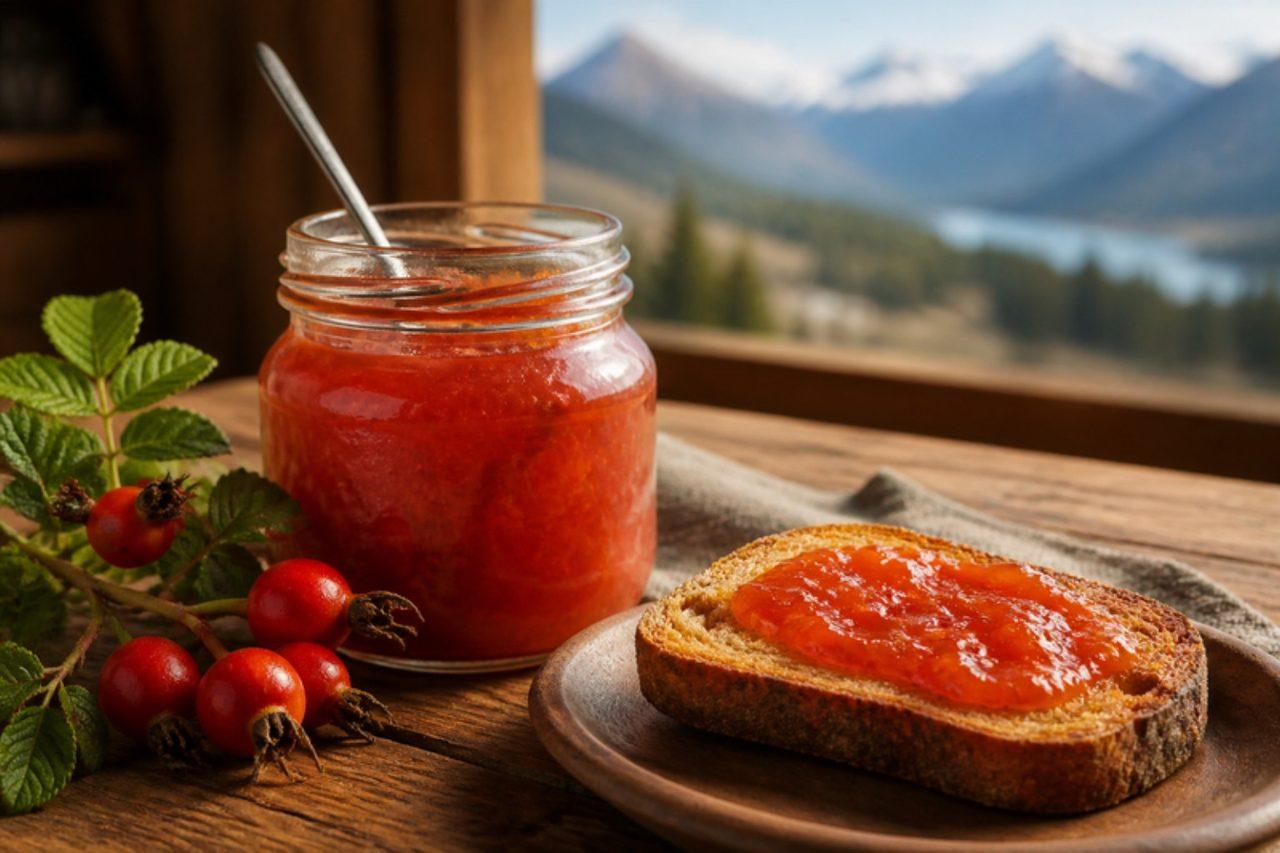
Dulce de rosa mosquetaRosehip jam

Every autumn, from March to May, families along the lakes around Bariloche and El Bolsón and up into Neuquén go out with buckets to strip the wild rose bushes that cover the hillsides, and the shops of the Andean towns fill with jars of this jam. Rosa mosqueta (rosehip) makes a smooth, coral-red preserve with a sharp, fruity, slightly floral flavour and a lot of vitamin C. It is spread on toast with butter, served with fresh cheese, or spooned into yoghurt. Rosehips are full of seeds wrapped in tiny irritating hairs, and not sieving them out properly is the error you will feel in your throat: pass the pulp through a fine sieve or food mill, and then once more. Buy rosehips from a foraging supplier or pick them away from roads, and only if you are sure of the plant. Chef's tip: pick after the first frosts, or freeze the hips overnight; the cold softens them and makes the pulp much easier to sieve.

by KrazyBadal 0 views

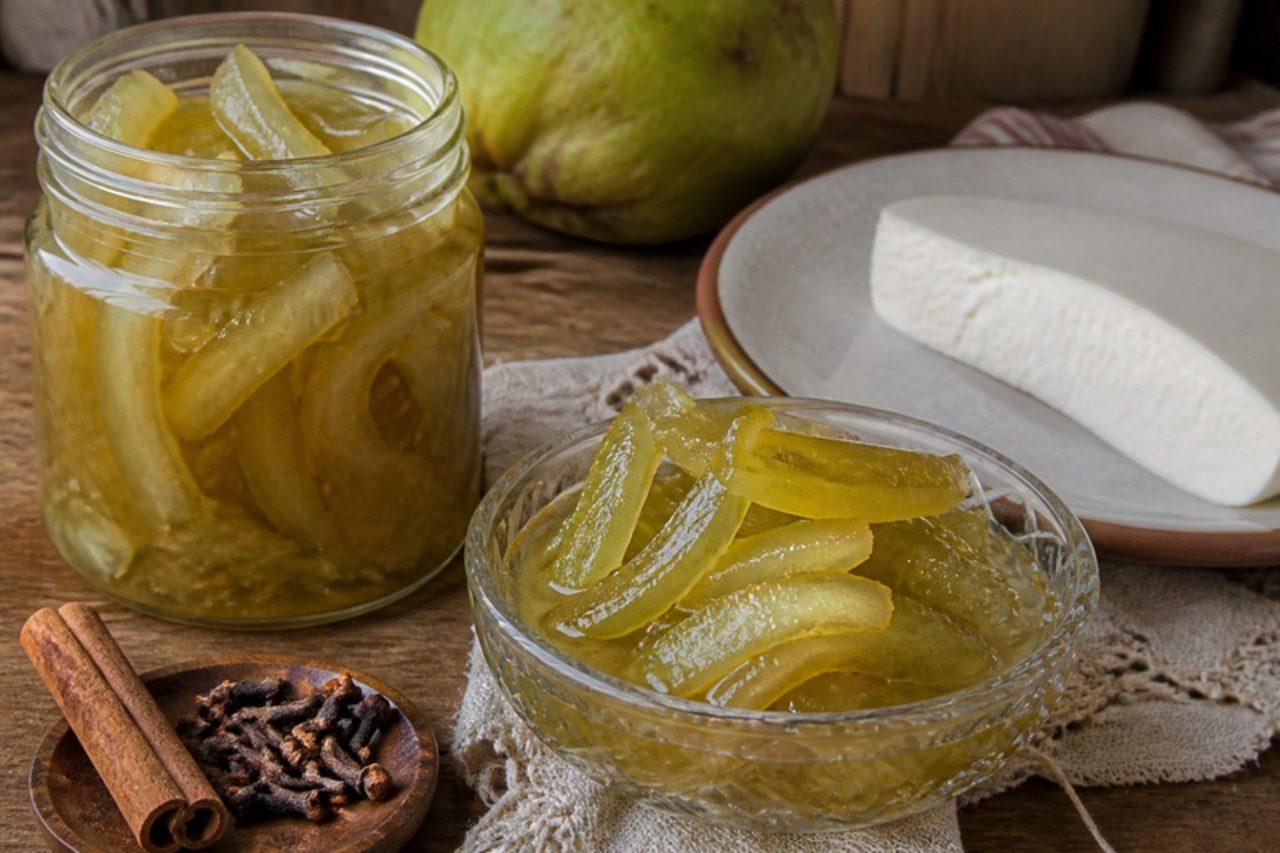
Mamón en almíbarCandied green papaya

Along the subtropical northeast, papaya (mamón) trees grow in backyards from Corrientes to Formosa, and the unripe fruit is turned into this old-fashioned dessert: strips of firm green papaya poached slowly in syrup with cloves and cinnamon until they turn amber and translucent, chewy at the edges and tender inside. It is served cold in little bowls, traditionally next to a slice of fresh cheese for that sweet-and-salty contrast (choose a plant-based cheese to keep it vegan). Rushing the syrup is the misstep that turns the papaya hard and sugary on the outside and raw within, so the heat stays low for well over an hour. Green papaya is sold in Asian and Latin grocers. Wear gloves when peeling; the milky sap can irritate the skin. Chef's tip: soak the strips in water with a teaspoon of bicarbonate of soda for an hour before cooking; it firms the outside so the pieces hold their shape in the syrup.

by KrazyBadal 0 views

Dulce de alcayotaFig-leaf gourd preserve

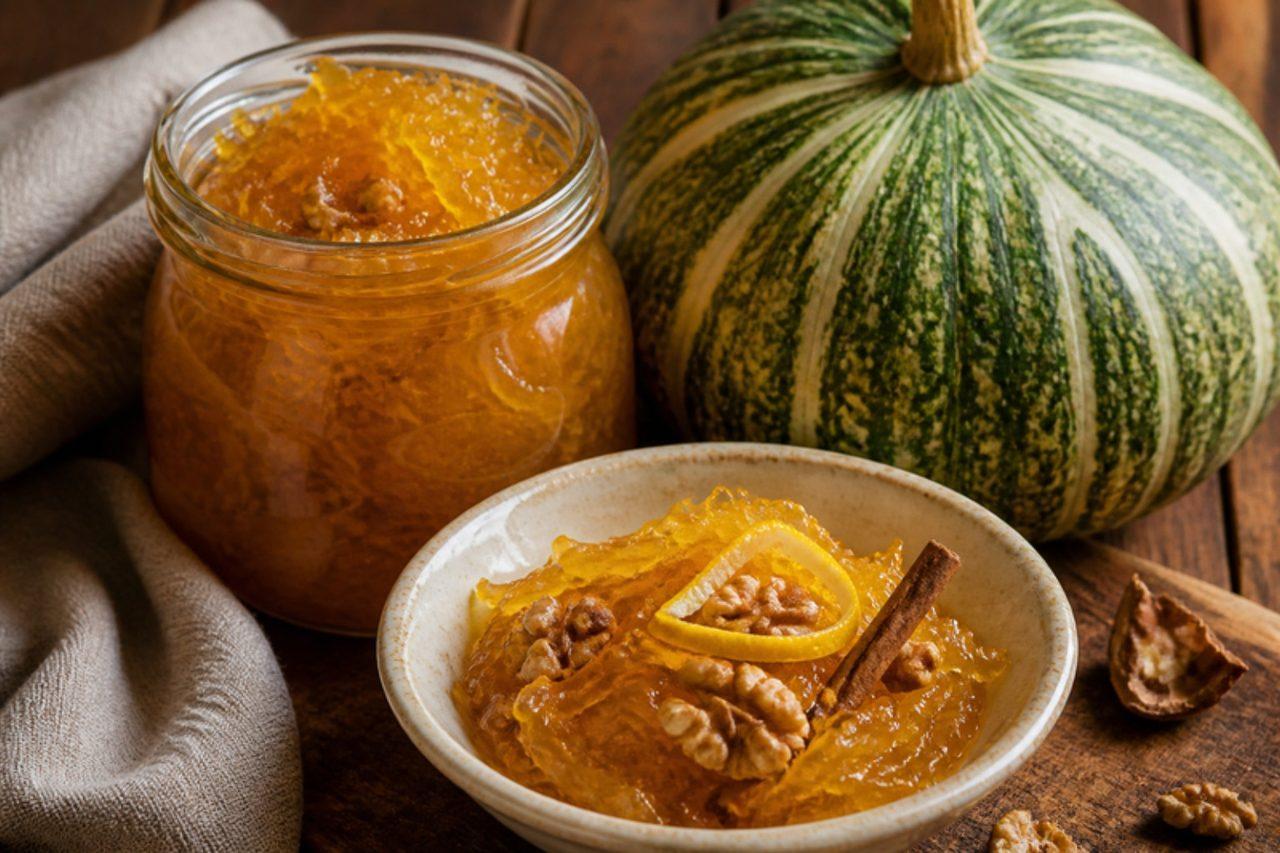
Late autumn in San Juan and Mendoza, the huge striped alcayotas (fig-leaf gourds, Cucurbita ficifolia) are left to cure in the sun, then split open for this preserve: the white flesh separates into long strands like angel hair, which cook in syrup until golden, glossy and translucent, with walnuts and a hint of cinnamon and clove. It is spooned onto bread, eaten with fresh cheese, and used to fill empanadas and pastries. Look for alcayota at Latin American grocers (sometimes sold as chilacayote or cidra); spaghetti squash makes a respectable stand-in. Cooking the syrup too hard is the trap: it caramelises and turns the preserve dark and bitter, so keep it at a gentle bubble. For safe storage, jars must be sterilised and sealed hot. Chef's tip: rinse the cooked strands in cold water before they go into the syrup; it washes off the starch and keeps the threads separate and clear.

by KrazyBadal 0 views

Tortitas mendocinasFlaky round breakfast breads

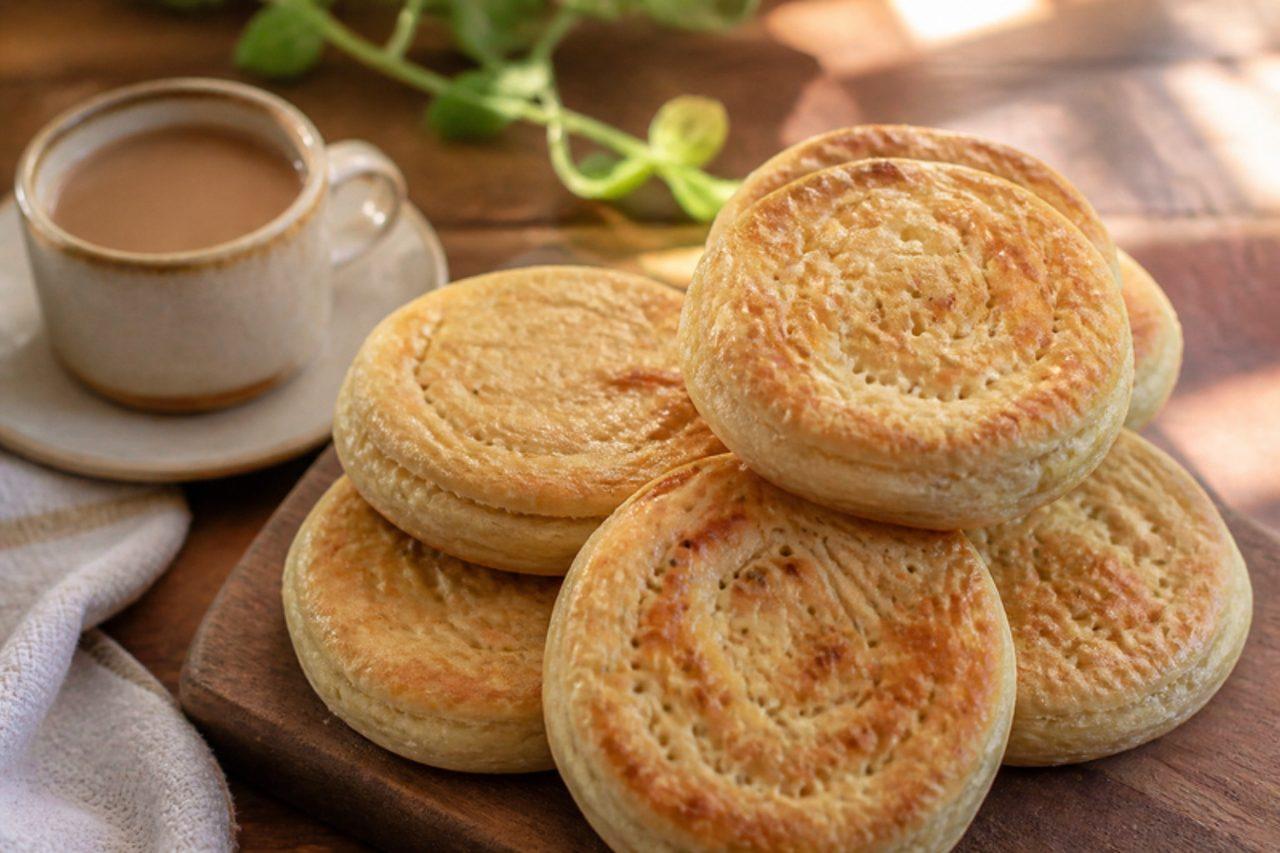
Every panadería in Mendoza fills a tray with tortitas in the early morning, and they go out in paper bags to be eaten warm with mate, split and spread with butter, quince paste or a slice of cheese. They are flat, round, slightly salty breads, soft and layered in the middle and crisp at the edges, with the fork marks that give them away. The traditional fat is beef lard (grasa), which makes them very short; here butter or vegetable shortening takes its place to keep them vegetarian, and both give a good flaky result. The mistake to avoid is rolling them thin like crackers: they should be a generous centimetre thick, or they bake hard and dry. Chef's tip: fold the dough in three twice before the final roll, like a quick puff pastry; those folds give tortitas their layers.

by KrazyBadal 0 views

Quesillo con miel de cañaFresh cheese with cane syrup

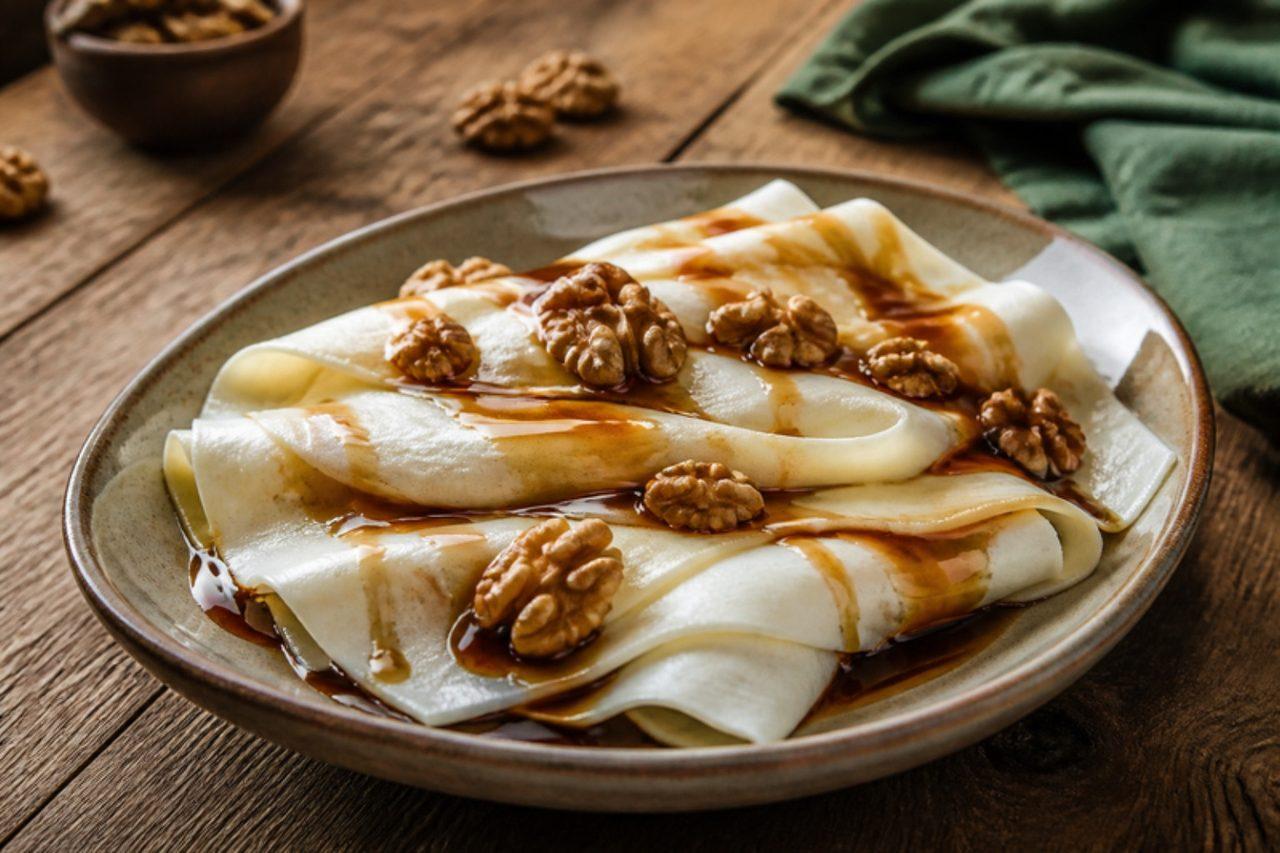
In the Tafí del Valle hills above San Miguel de Tucumán, quesillo is made by stretching hot curd into long, thin, elastic sheets and folding them into flat rounds; along the road up from the city, stalls sell it beside jars of miel de caña, the dark syrup boiled from the juice of Tucumán's sugarcane. Put the two together and you have the province's simplest dessert: mild, milky, slightly squeaky cheese with a pour of syrup that tastes of molasses and caramel, plus walnuts for crunch. It is eaten after lunch or as a merienda with mate. Drowning the cheese is the usual misstep; the syrup is intense, so pour a ribbon, not a puddle. Real quesillo is hard to find abroad: fresh mozzarella, Oaxaca cheese or another fresh stretched-curd cheese is closest, and light cane syrup or a 2:1 mix of golden syrup and black treacle stands in for miel de caña. Most of these cheeses use animal rennet; choose a vegetarian one if needed. Chef's tip: warm the syrup slightly so it runs into the folds of the cheese.

by KrazyBadal 0 views

PatayAlgarroba pod cake

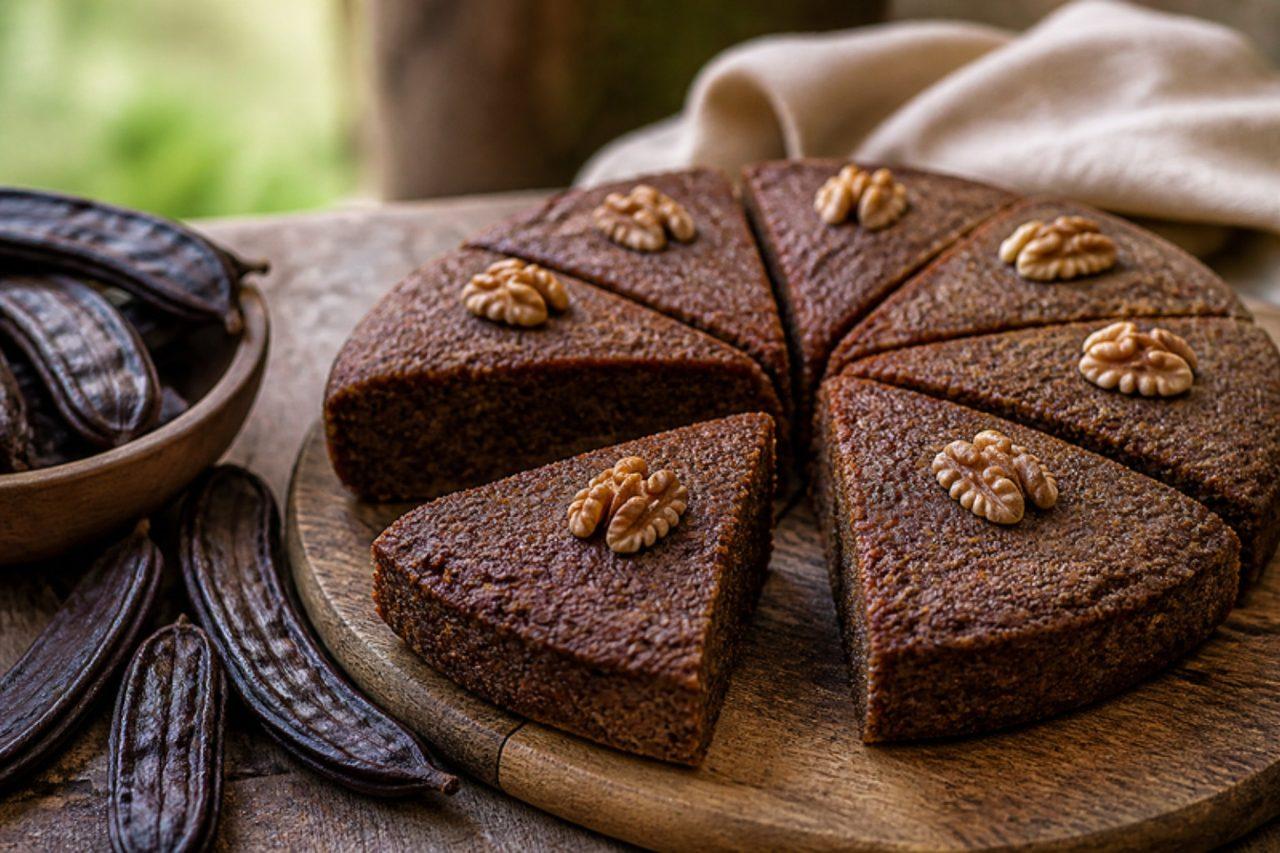
Long before sugar reached the dry northwest, the pods of the algarrobo tree were the region's sweetness, and patay is the oldest way of keeping them: the pods are ground, the flour is moistened and pressed into a cake that dries into something dense, fudgy and naturally sweet, with notes of cocoa, coffee and caramel. In Santiago del Estero you still buy it in round slabs at markets and roadside stalls, to eat with mate or to crumble into milk. Harina de algarroba comes from the South American Prosopis tree; look for it in health-food shops or online, and mesquite flour is the same family and works well. Mediterranean carob flour is different and tastes more bitter. Too much water is the way most first attempts go wrong: the cake should be pressed from a damp, crumbly mix, not a batter, or it bakes up gummy. Chef's tip: sieve the flour twice; algarroba flour clumps, and lumps stay as hard grains.

by KrazyBadal 0 views

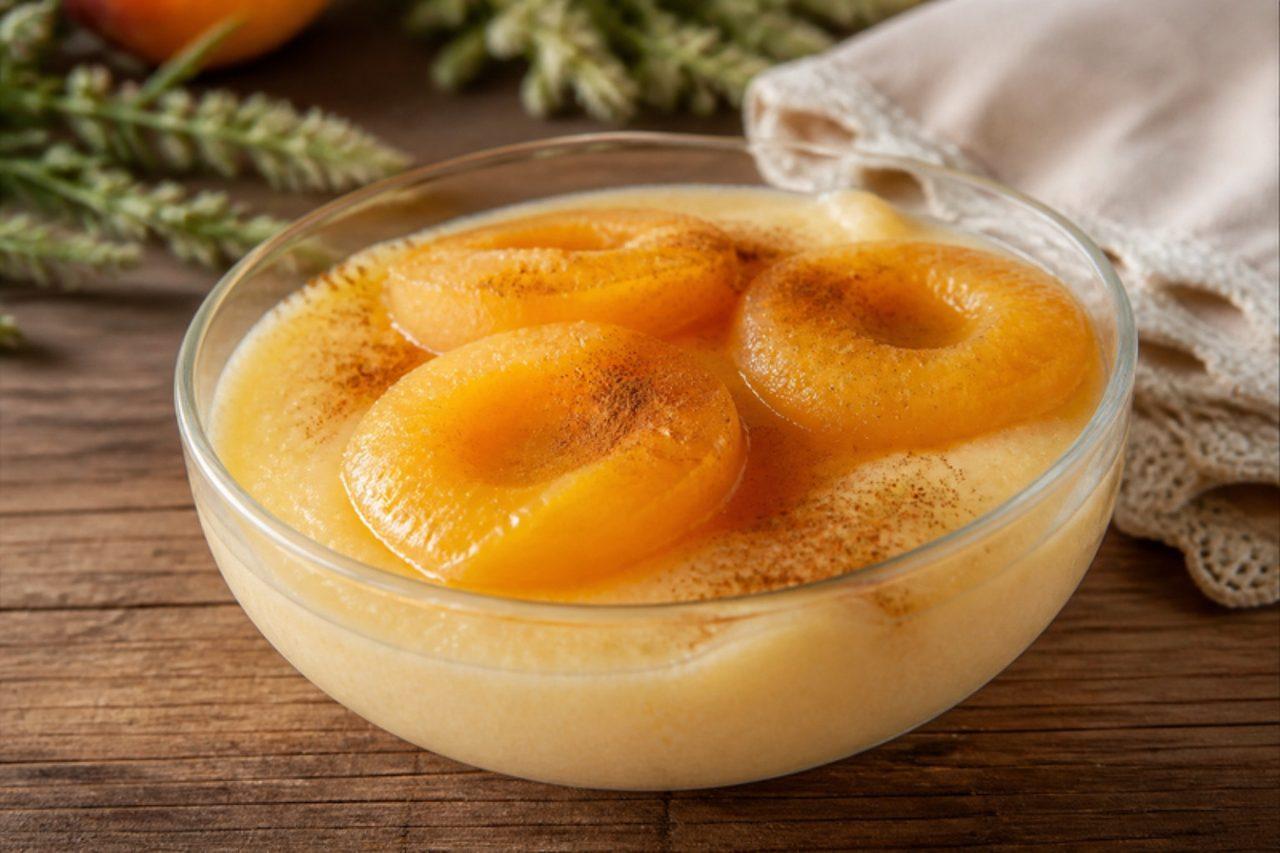
AnchiCorn semolina pudding with peaches

Sold in plastic cups from coolers at Salta's Mercado San Miguel and on village plazas at the end of a hot afternoon, anchi is a thin, sweet pudding of fine maize semolina cooked with water, sugar and plenty of lemon. It sets only softly, so it is half eaten and half drunk, cold and refreshing, often with slices of poached peach or a few rehydrated orejones (dried peaches) on top, and sometimes a dusting of cinnamon. There's no milk or egg in it, which is what keeps it light. Too much semolina is the easy error: anchi should pour slowly from the spoon when cold, not slice like polenta, so stick to the ratio and remember it thickens as it cools. Fine maize semolina is the Salta choice; fine wheat semolina works too. Chef's tip: add the lemon juice off the heat at the end; boiled lemon loses its fresh sharpness.

by KrazyBadal 0 views

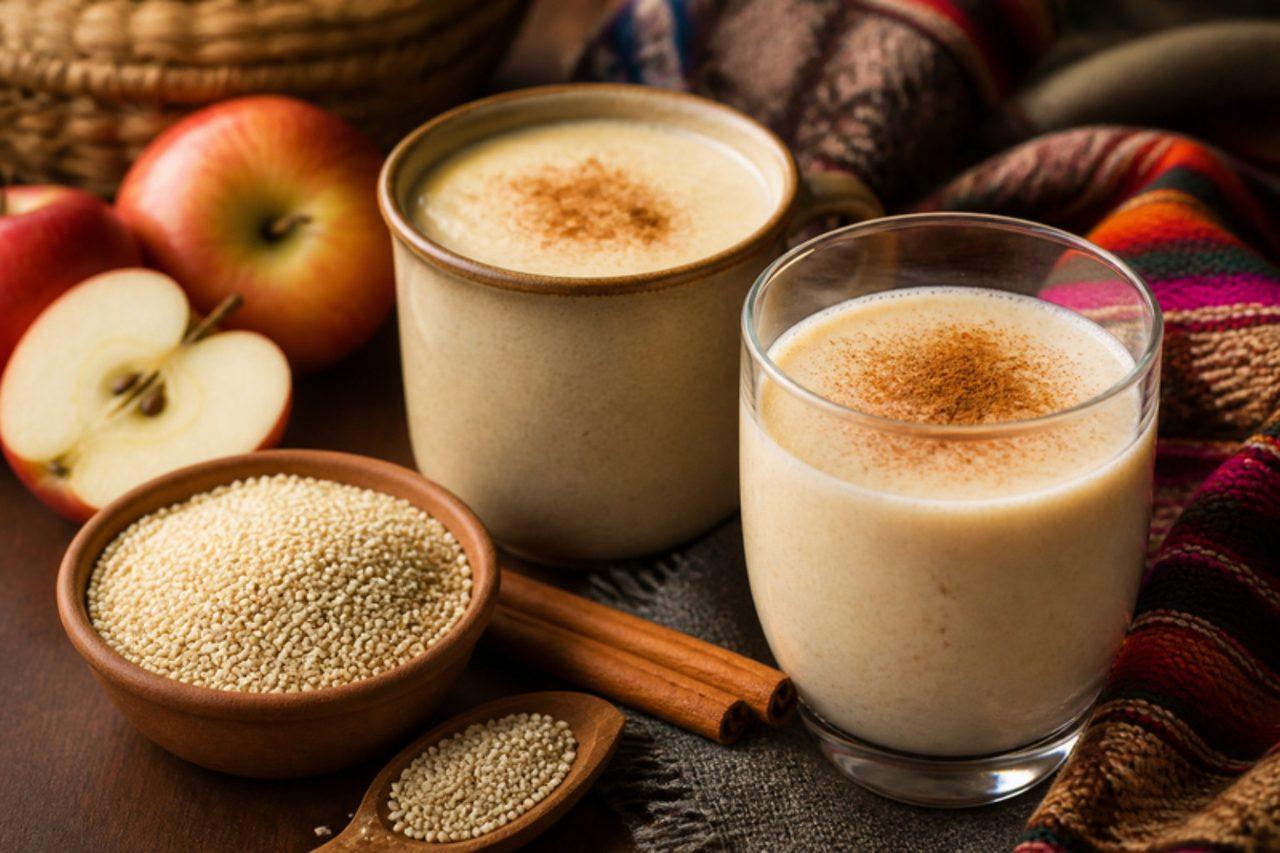
Quinua con manzanaQuinoa and apple drink

Morning market stalls and street carts from Lima to Huancayo ladle quinua con manzana into glasses alongside emoliente and maca, and many people drink it as breakfast on its own, with a bread roll or a sandwich beside it. Quinoa and chunks of apple are simmered with cinnamon and cloves until the grains burst and the liquid thickens, then sweetened and served warm or cold. Some stalls blend it smooth; others leave the grains and soft apple pieces to spoon up. It is mild, fruity and filling, and children usually like it. The mistake that ruins it is skipping the rinse: quinoa's natural coating, saponin, makes the drink bitter and soapy, so rub it under running water until the foam stops. Chef's tip: add a few drops of lime at the end; it lifts the apple and keeps the drink from tasting flat.

by KrazyBadal 0 views

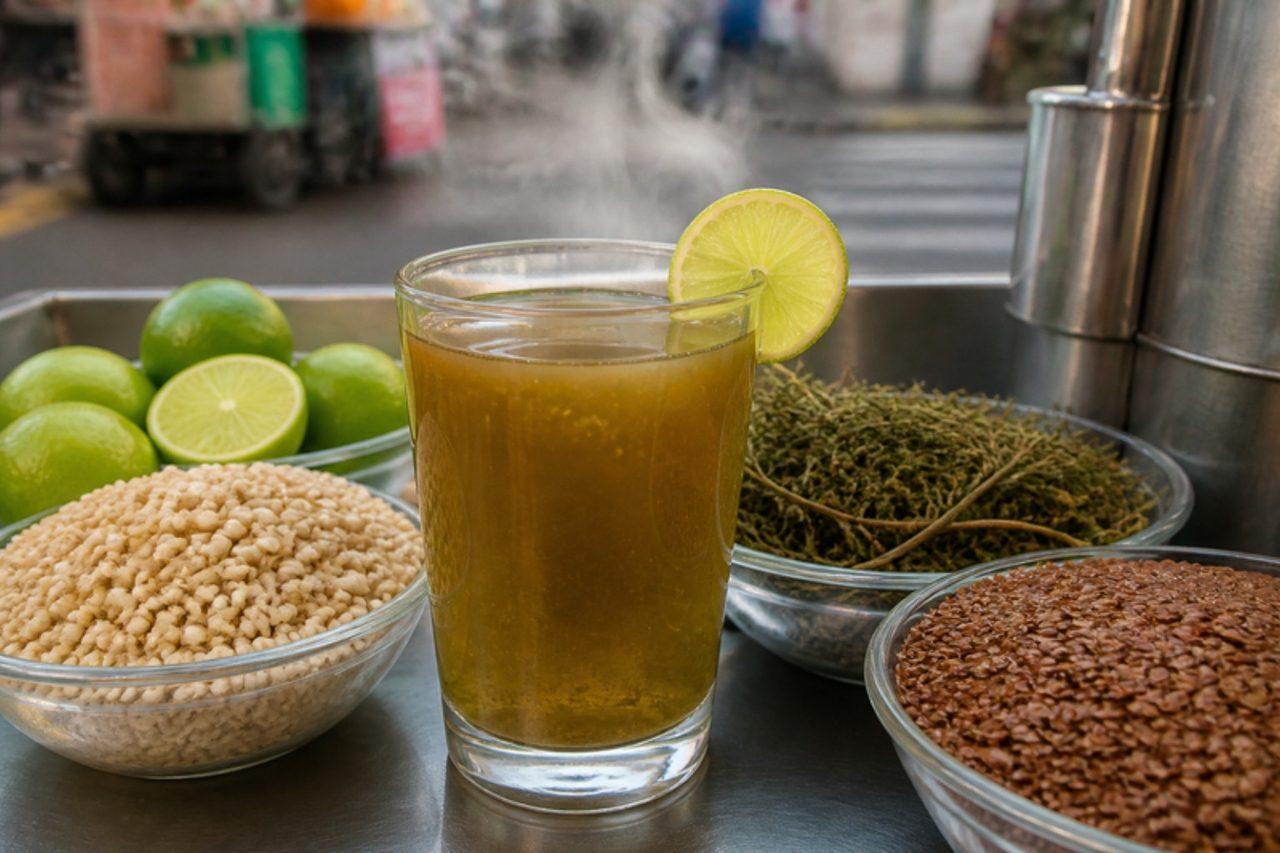
EmolienteBarley and flaxseed herbal drink

Before dawn, all over Peru, emolienteros set up their carts with a row of steaming kettles and jars of herbs, and commuters stop for a glass of emoliente on the way to work. It's a hot infusion of toasted barley, flaxseed and herbs, with lime juice and sugar added to order, and it is drunk for comfort and digestion, especially in Lima's damp winter. The flaxseed gives it a slippery, soothing body; the barley a toasty, almost coffee-like note. Street versions use horsetail, alfalfa, boldo and other herbs; this home version keeps it simple, with horsetail as an option (leave it out if you are pregnant or have kidney problems). The usual error is boiling the flax too long, which makes the drink gloopy; add it for the last 10 minutes only. Serve very hot in glasses, with pan con queso or a sandwich. Barley contains gluten. Chef's tip: toast the barley yourself until it is deep brown; it's what gives emoliente its colour and its roasted flavour.

by KrazyBadal 0 views

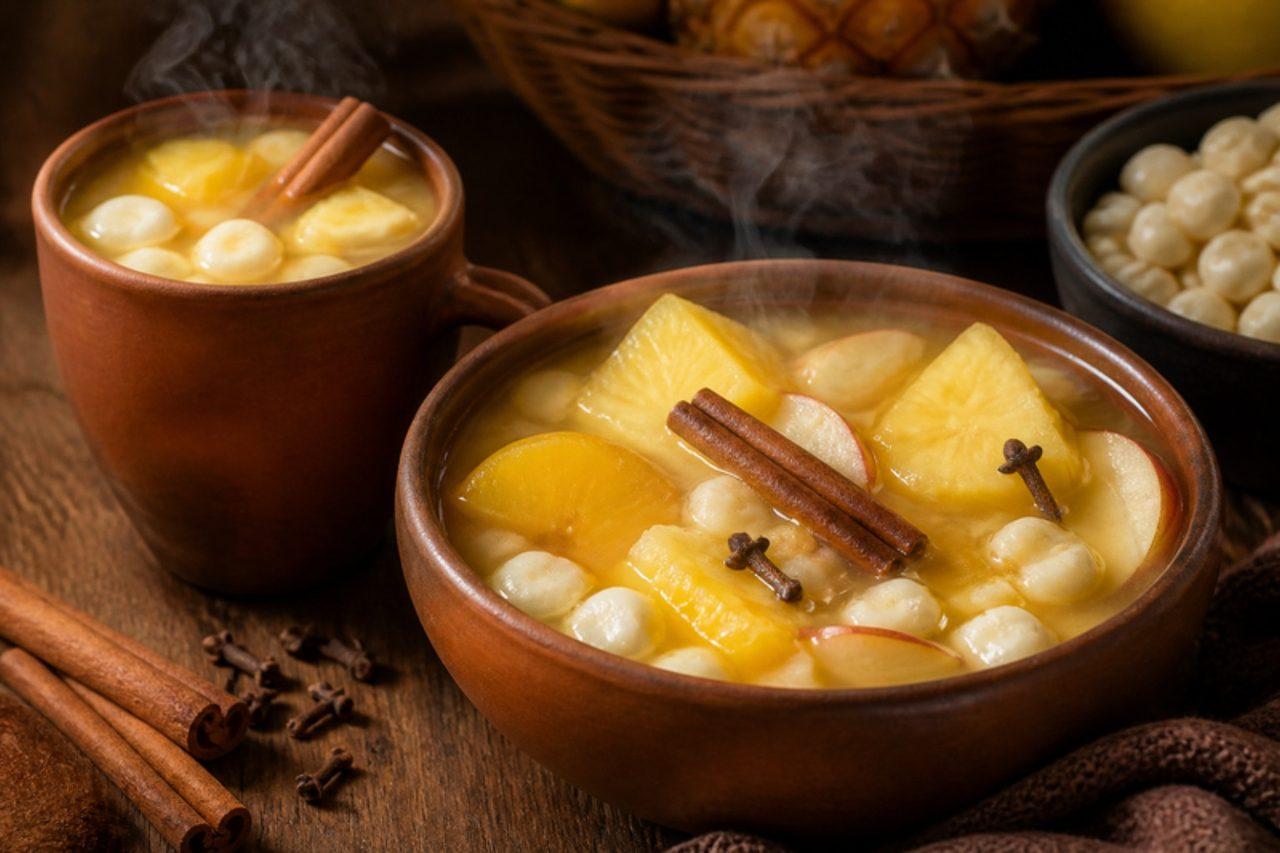
ChampúsMote corn and pineapple drink

When Lima's grey winter sets in, from June to September, champús sellers set up on street corners with big pots of this thick, fruity drink, ladled warm into glasses and eaten as much as drunk. It's made from mote (hulled white corn), simmered with pineapple, quince or apple, soursop, chancaca and warm spices, then thickened lightly with corn flour, so every spoonful has soft fruit and chewy corn in a spiced, molasses-sweet base. It is close in spirit to mazamorra morada but paler and tangier. The mistake people make is adding the thickener straight into the hot pot, where it forms lumps; always slake it in cold water first and pour it in while stirring. Canned or jarred hominy saves hours; frozen soursop (guanábana) pulp is in Latin shops and can be left out. Serve warm in glasses with spoons. Chef's tip: simmer the pineapple peel and core with the spices for the first 20 minutes, then strain them out; they give much of the flavour.

by KrazyBadal 0 views

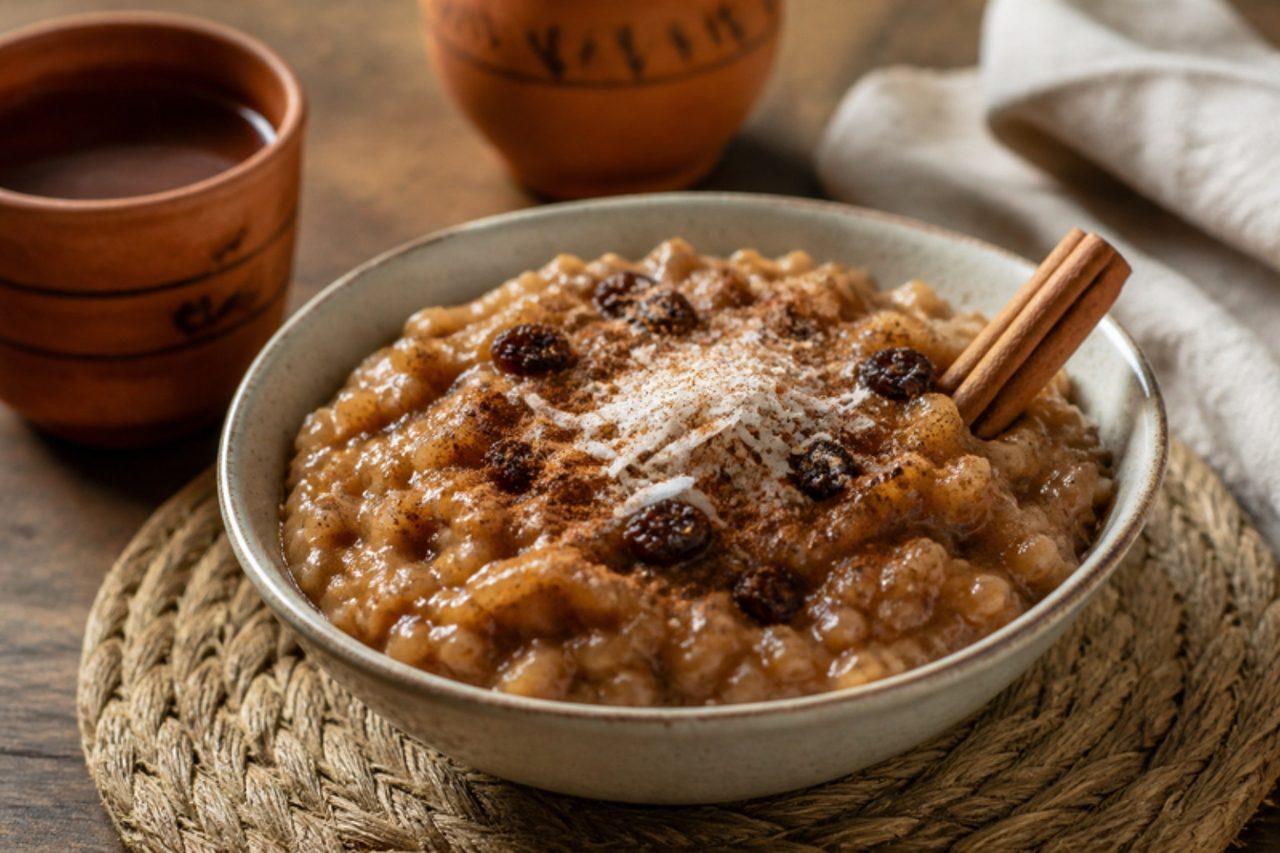
Arroz zambitoRice pudding with chancaca and raisins

Lima's Afro-Peruvian kitchens gave the city arroz zambito, the dark cousin of arroz con leche: rice simmered with cloves and cinnamon, sweetened with chancaca instead of white sugar, and enriched with milk, coconut and raisins. The name refers to its deep brown colour, and it is sold in cups at markets and from carts alongside mazamorra morada, often half and half in the same cup. It tastes of molasses and spice, soft and creamy with chewy raisins and nuggets of coconut. The way it usually goes wrong is adding the chancaca too soon, before the rice is tender; the sugar firms the grains and they never soften. Serve warm or at room temperature, dusted with cinnamon. Chancaca can be swapped for panela or dark muscovado. Chef's tip: melt the chancaca in a little water first and strain it, as the blocks often contain bits of cane fibre.

by KrazyBadal 0 views

ChiflesPlantain chips

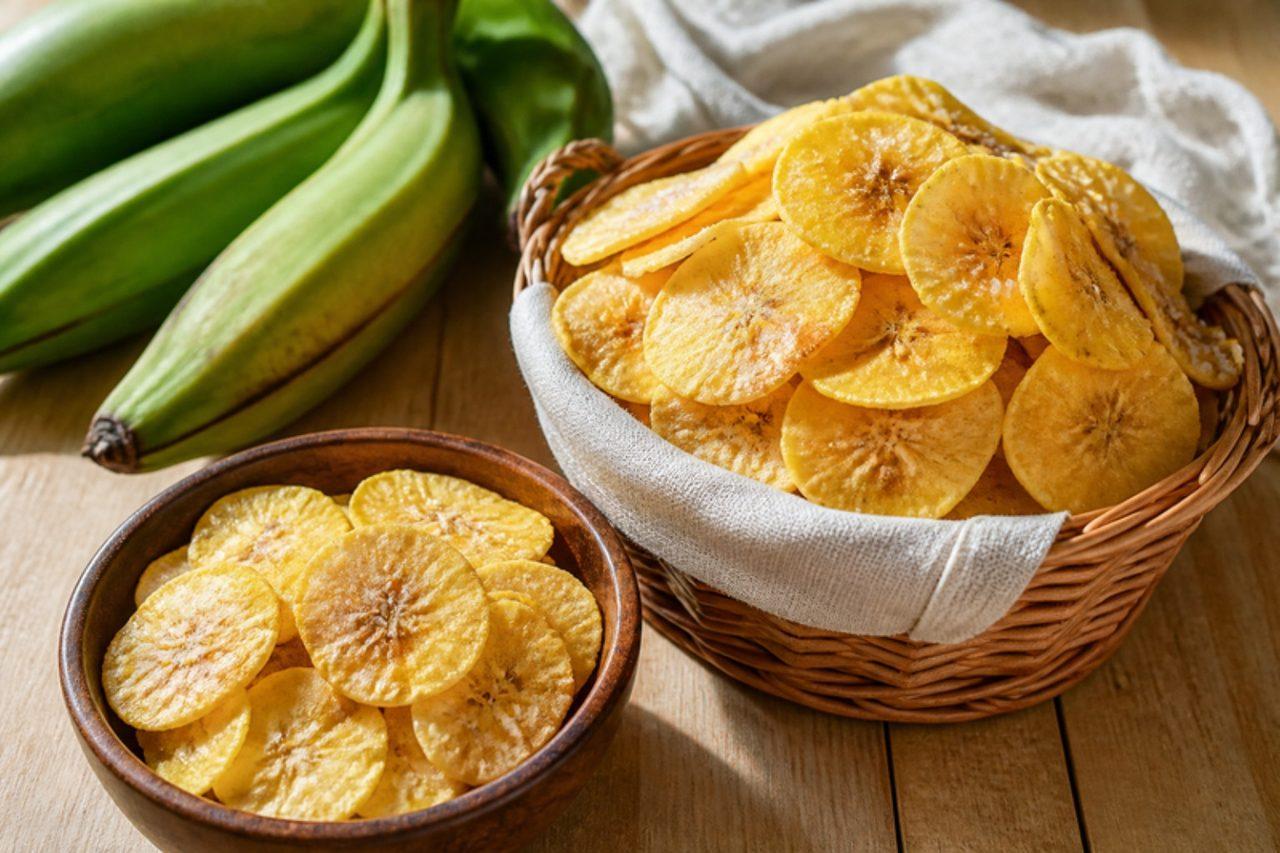
Bags of chifles hang from every shop door in Piura and Sullana, and on the northern coast they come alongside almost everything: ceviche, seco, a cold drink at the beach. They are green plantains sliced paper-thin, lengthwise or in rounds, fried until glassy and crisp, then salted. The flavour is starchy and lightly nutty, the crunch is louder than a potato crisp, and they keep for days in a tin. Getting the slices even is what matters most: thick and thin slices fry at different speeds, and the thick ones end up leathery while the thin ones burn, so use a mandoline set to 1–2 mm. Use firm, fully green plantains; any yellow means sugar, which browns too fast. Chef's tip: soak the slices in salted water for 10 minutes, then dry them completely before frying; they crisp more evenly and stay pale gold.

by KrazyBadal 0 views

Camu camuCamu camu berry juice

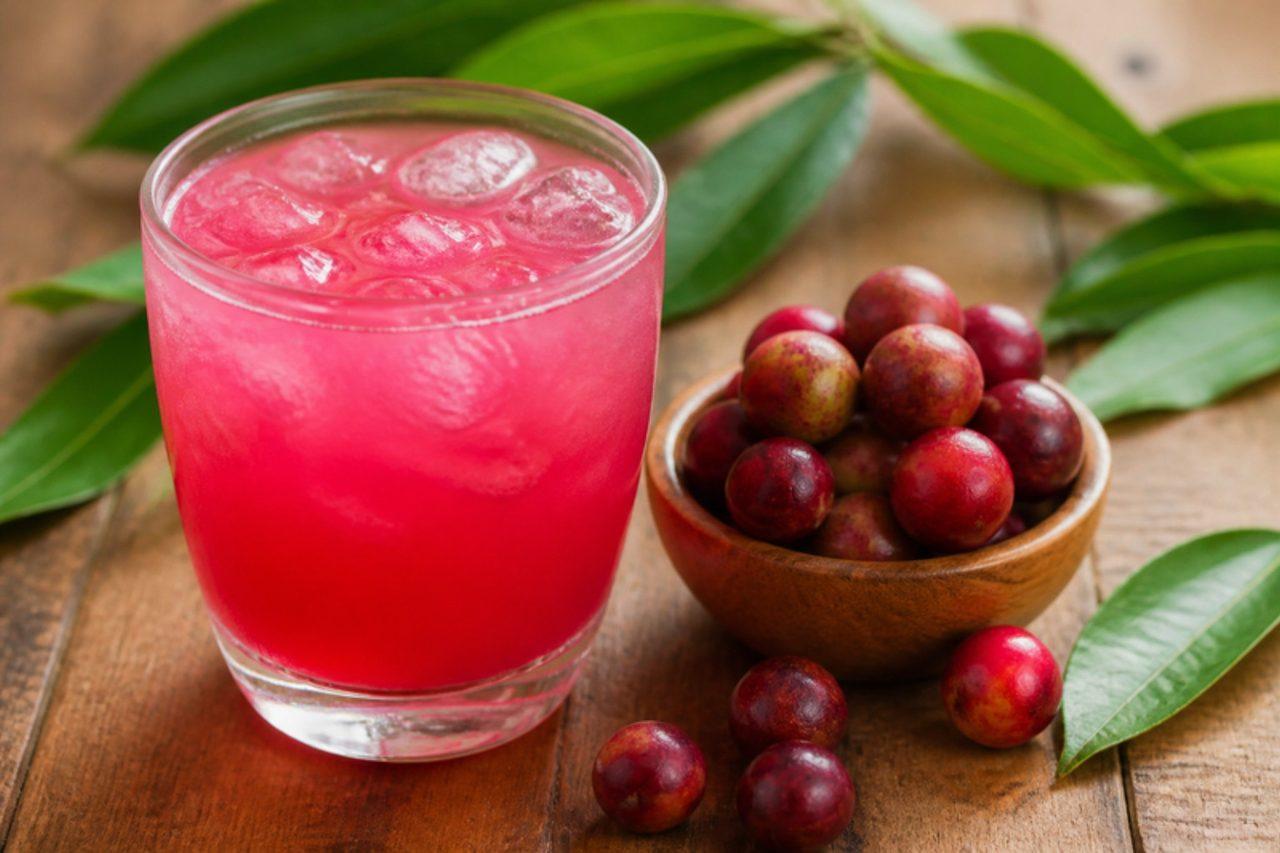
Camu camu are small purple-red berries that grow on bushes along the flooded riverbanks of the Peruvian Amazon, and in Iquitos and Pucallpa they are sold as frozen pulp and blended into a sharp, pink refresco at juice bars and lunch places. The flavour is intensely sour, more than lime, with a faint cherry note, and the berries are famous for containing far more vitamin C than oranges. It is the drink people order with a heavy plate of tacacho or rice. Never boil camu camu or make the juice hours ahead: heat and air quickly fade its colour and much of the vitamin C, so blend it cold and drink it soon. Frozen pulp or freeze-dried powder from health-food and Latin shops are the forms you'll find abroad. Chef's tip: start with half the pulp and add more to taste; it's strong enough that a little goes a long way.

by KrazyBadal 0 views

ChapoPlantain and milk drink

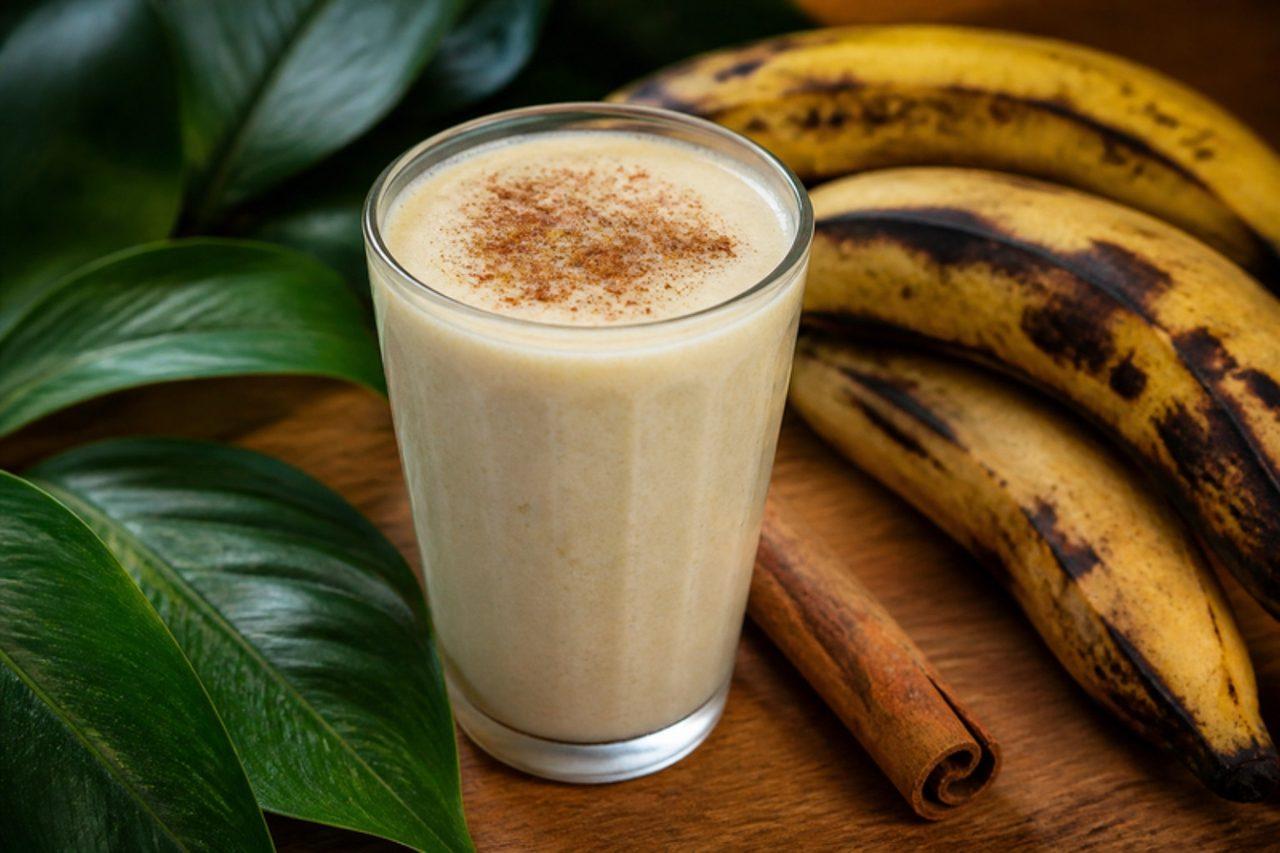
Breakfast stalls in Iquitos and the riverside towns of Loreto pour chapo into glasses from big steaming pots before the heat of the day sets in, and by afternoon the same drink is sold chilled. It is made from plantains left until their skins are black, simmered with cinnamon and cloves until soft, then blended smooth and loosened with milk. The result is thick, naturally sweet and gently spiced, somewhere between a smoothie and a thin custard, and children love it. Some families make it with water only; evaporated milk is the common addition in town. The mistake is using plantains that are still yellow-green: they taste starchy and the drink turns grey and gluey, so wait until the skins are mostly black and the fruit gives when pressed. Serve hot with bread or a tamal, or cold over ice. Chef's tip: strain it through a sieve after blending for a silky drink, and thin it with water if it thickens as it cools.

by KrazyBadal 0 views

CachangaThin fried bread

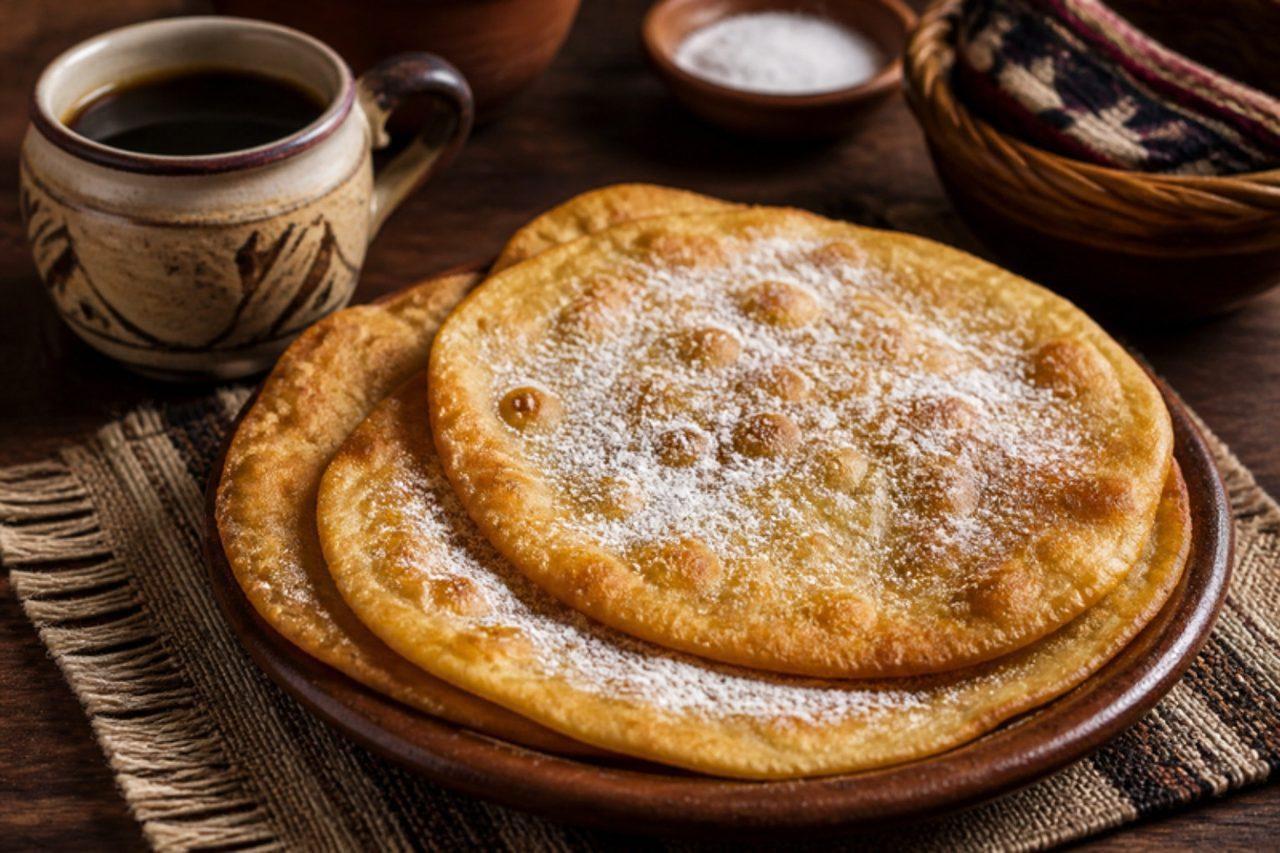
On cold mornings at markets in Puno, Juliaca and Arequipa, women stretch rounds of dough over their knuckles and drop them into big pans of hot oil, and cachangas come out puffed, blistered and golden, to be dusted with sugar and eaten with a cup of coffee, hot chocolate or api. The bread is thin, chewy in the middle and crisp at the edges, a cousin of the sopaipilla. Some cooks leave them plain and eat them with cheese. The commonest problem is oil that isn't hot enough: the dough soaks up fat and turns heavy instead of puffing. Keep it at 180 °C and fry one at a time. The dough uses butter and milk, so it is vegetarian but not vegan; swap both for oil and water if needed. Chef's tip: rest the dough for 20 minutes before rolling so it stretches thin without springing back.

by KrazyBadal 0 views

Habas tostadasFried dried broad beans

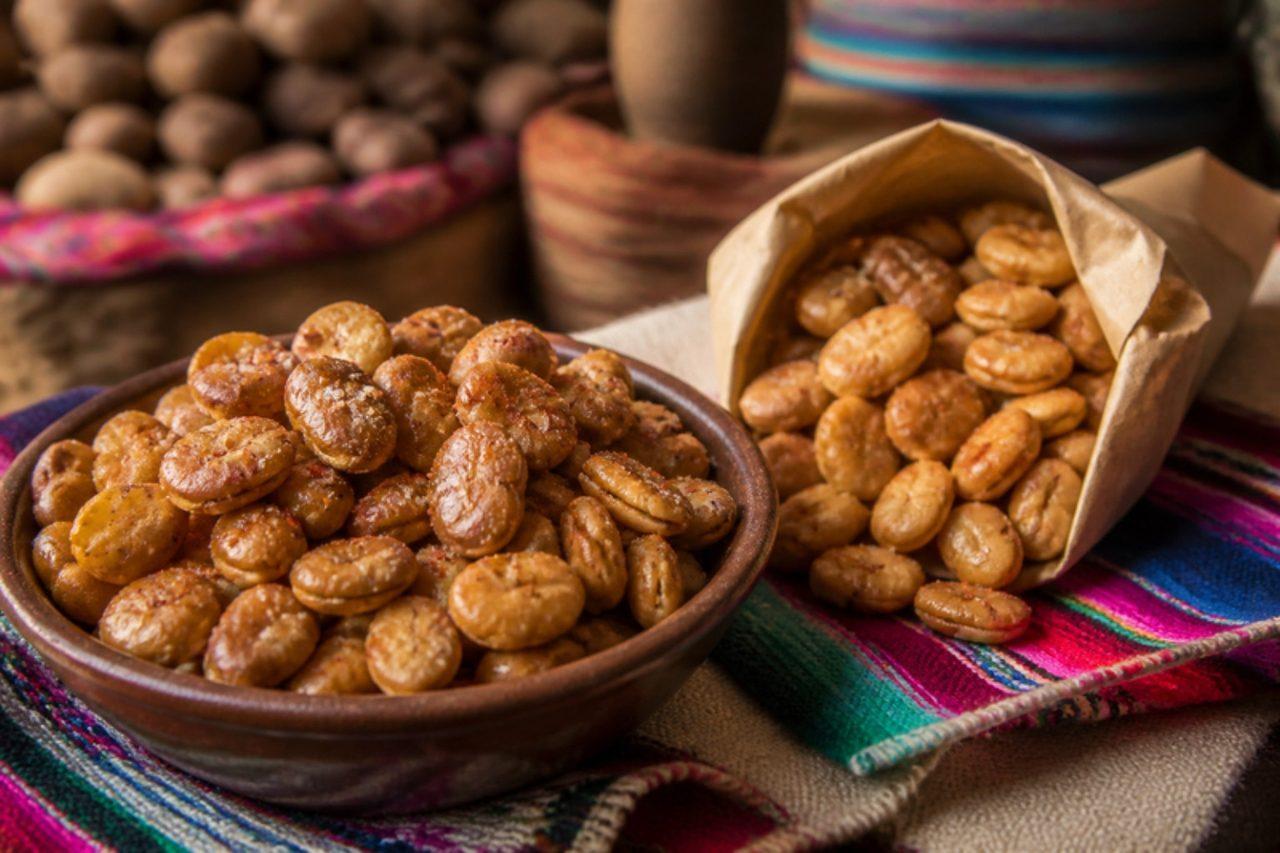
Paper cones of habas tostadas are sold by the scoop at markets from Huancayo to Puno, piled next to cancha and roasted peanuts, and they disappear by the handful at football matches, on long bus rides and with a cold drink in the evening. Dried broad beans are soaked, dried and fried until they crack open, turning golden and crisp outside with a slightly mealy, nutty centre. Most sellers leave the skins on, which gives them their bite. The beans need an overnight soak before you start, so plan a day ahead. The mistake to avoid is frying them still wet from the soak: the oil spits dangerously and the beans steam instead of crisping, so dry them thoroughly on a towel. Eat them on their own or put a bowl out with olives and pickled onions. Chef's tip: fry them twice, first at a lower heat to cook the centre, then hotter for the crunch, and salt them the moment they come out of the oil.

by KrazyBadal 0 views

Choclo con quesoCorn on the cob with cheese

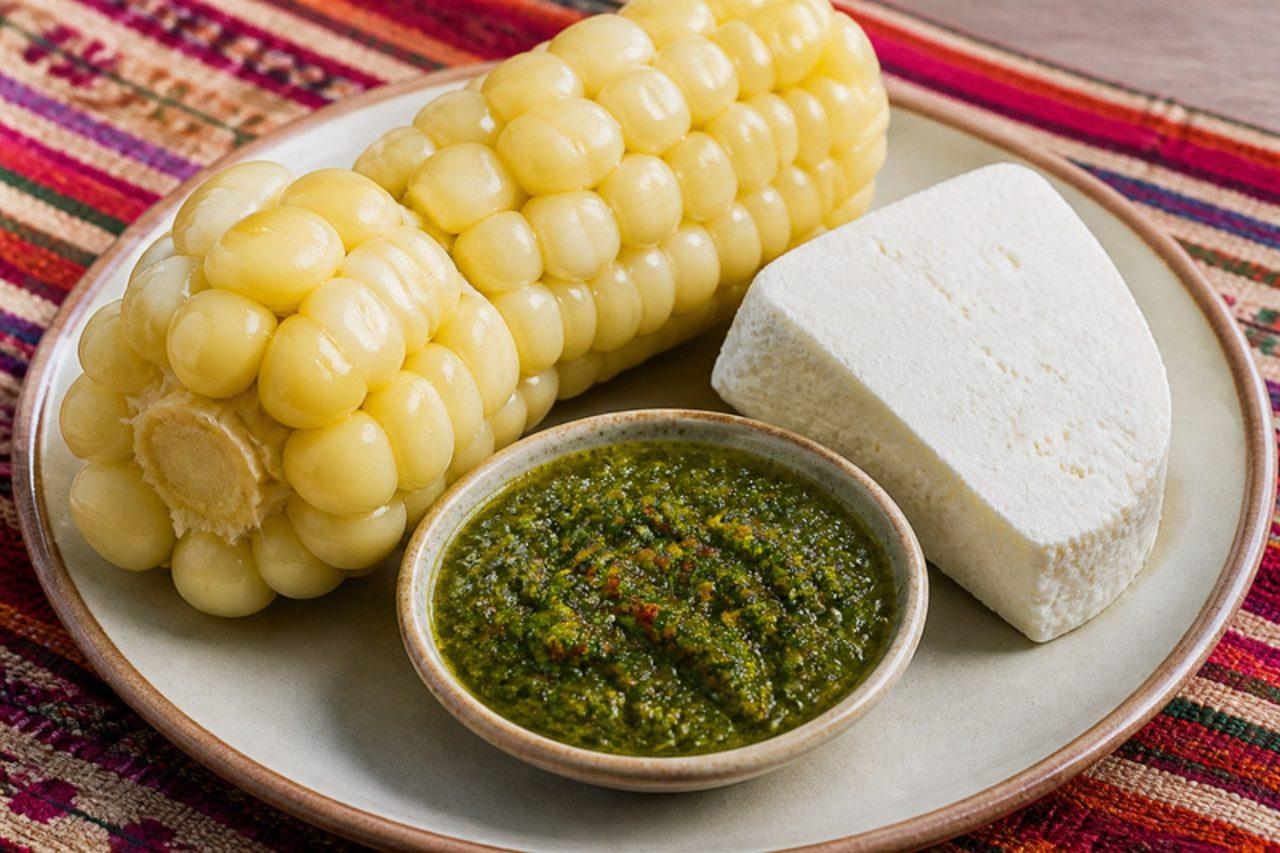
Ride the train or the bus through the Sacred Valley of Cusco and at every stop someone will hold up choclo con queso: a steaming cob of Urubamba's huge white-kernelled corn with a slab of fresh cheese tucked into a corn husk. The kernels are big, chewy and starchy rather than sweet, and the salty, milky cheese is eaten in alternating bites, sometimes with a dab of uchucuta or ají. It's snack food, a market lunch and something to keep children going on a long day. Fresh choclo is sold frozen in Latin American shops; sweet corn works but is sweeter and softer. Adding salt to the cooking water is the usual misstep, as it can toughen the kernels: season the cheese, not the corn. Andean fresh cheese is generally made with animal rennet, so use a vegetarian fresh cheese if needed. Chef's tip: drop a few of the inner husks and a small spoon of sugar into the pot; it brings back some of the sweetness lost after picking.

by KrazyBadal 0 views

Queso heladoCinnamon coconut milk ice

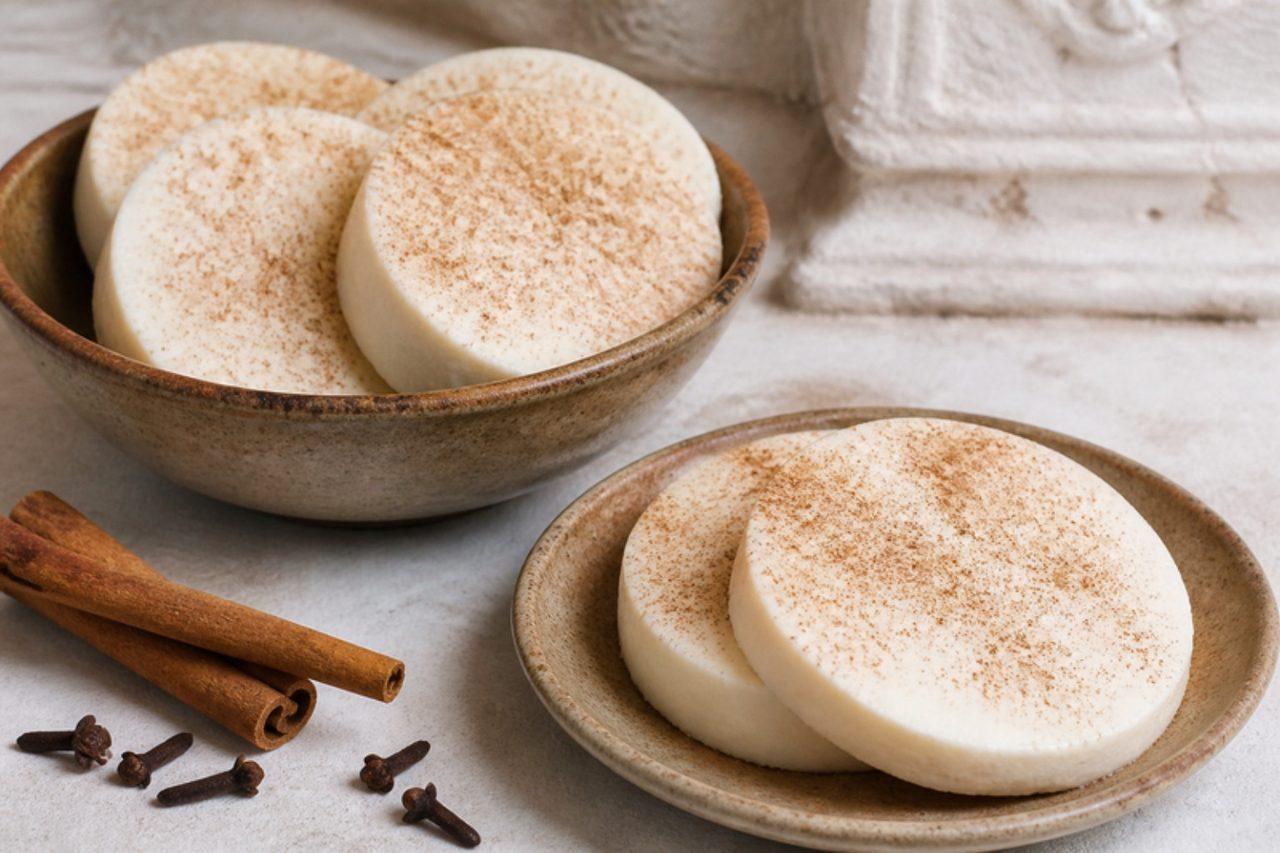
Despite the name, there's no cheese in it: queso helado is Arequipa's old-fashioned frozen milk dessert, cut into thick rounds that look like a slice of fresh cheese and dusted with ground cinnamon. Vendors in white aprons sell it around the Plaza de Armas and at the Yanahuara viewpoint, traditionally churned in a metal pail spun over ice and salt, and every Arequipeño has a favourite stall. It is creamy, mildly milky and fragrant with cinnamon, clove and grated coconut, less rich than ice cream and slightly icy in a pleasant way. Many recipes thicken it with egg yolks; this one uses evaporated and condensed milk with a little cornflour so it stays egg free. The common error is freezing it untouched, which gives one hard block of ice: stir it every 45 minutes for the first few hours. Allow at least 4 hours of freezing on top of the cooking time, or make it a day ahead. Chef's tip: freeze it in a loaf tin lined with cling film, then lift it out and slice it into rounds for that true street look.

by KrazyBadal 0 views

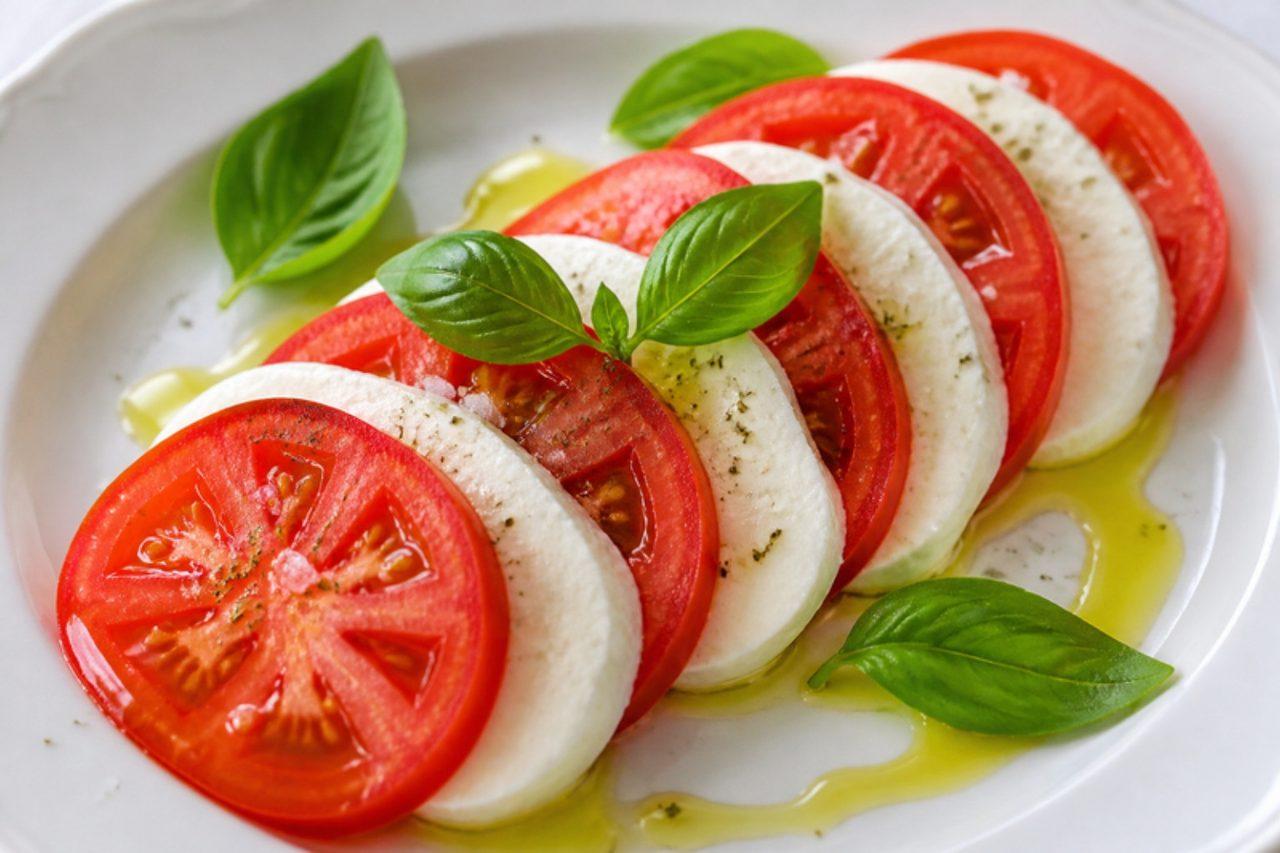
Insalata capreseTomato and mozzarella salad

On the island of Capri this simple plate of red tomatoes, white buffalo mozzarella and green basil is the lunch of hot afternoons, served in beach clubs and piazza cafés. With so few ingredients, everything rests on quality: tomatoes ripe enough to smell sweet, mozzarella made that day so it weeps milk when cut, and fruity olive oil. It needs no vinegar; a pinch of salt and oregano is enough. Chef's tip: take the mozzarella out of the fridge 30 minutes ahead; cold mozzarella tastes of very little and feels rubbery.

by KrazyBadal 0 views

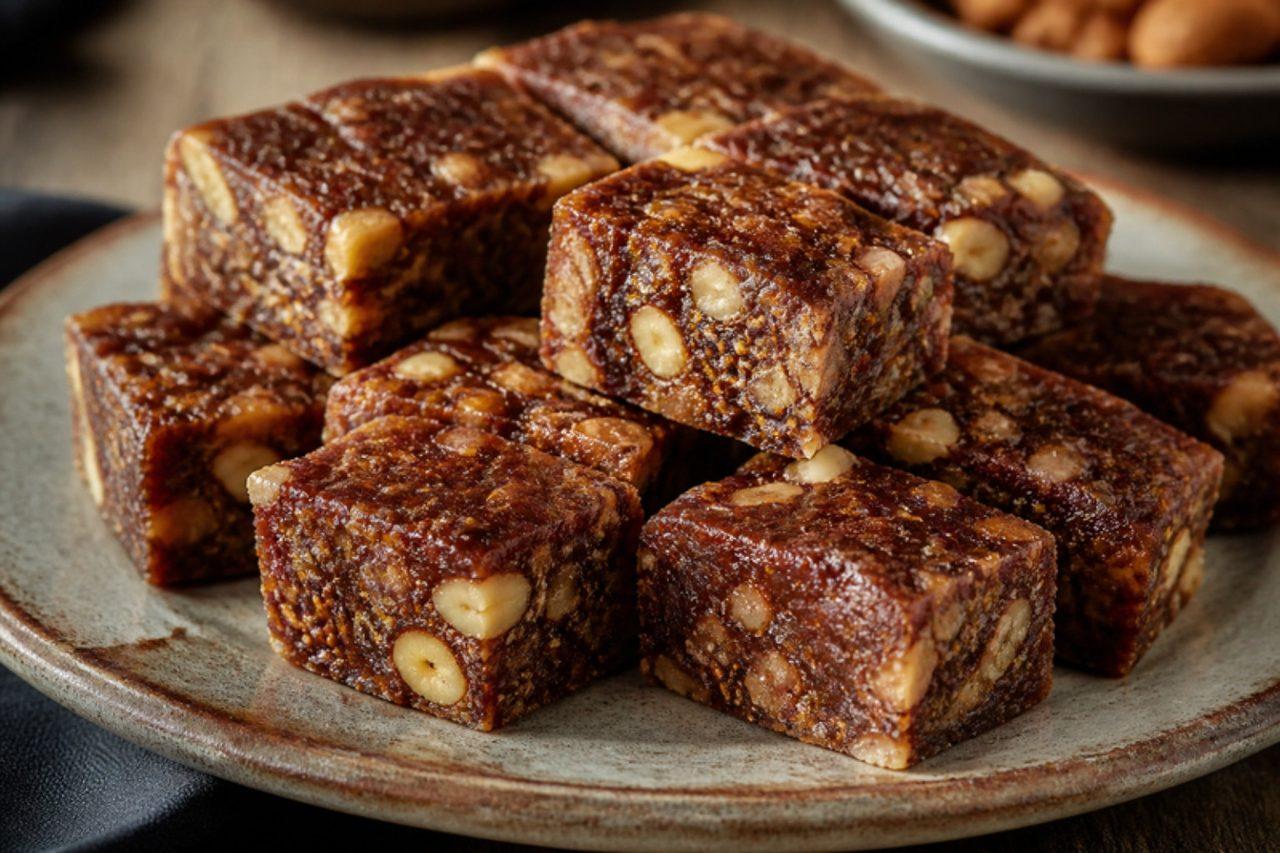
FrustingoFig, nut and cocoa cake

In the Marche, from Ancona down to Ascoli Piceno, frustingo is the dark, dense Christmas cake every family makes its own way, born as a thrifty sweet of dried figs, nuts and stale bread. Chopped figs are soaked and simmered, then mixed with walnuts, almonds, raisins, candied peel, cocoa and coffee, and bound with sapa, the thick cooked grape must of the region. Many recipes also add mistrà, a local aniseed liqueur; this one uses ground anise seed for an alcohol-free cake. It bakes into a fudgy, almost black slab, rich with spice and not too sweet. Chef's tip: let it mature for two days in foil before cutting; it slices cleanly and the flavours come together.

by KrazyBadal 0 views

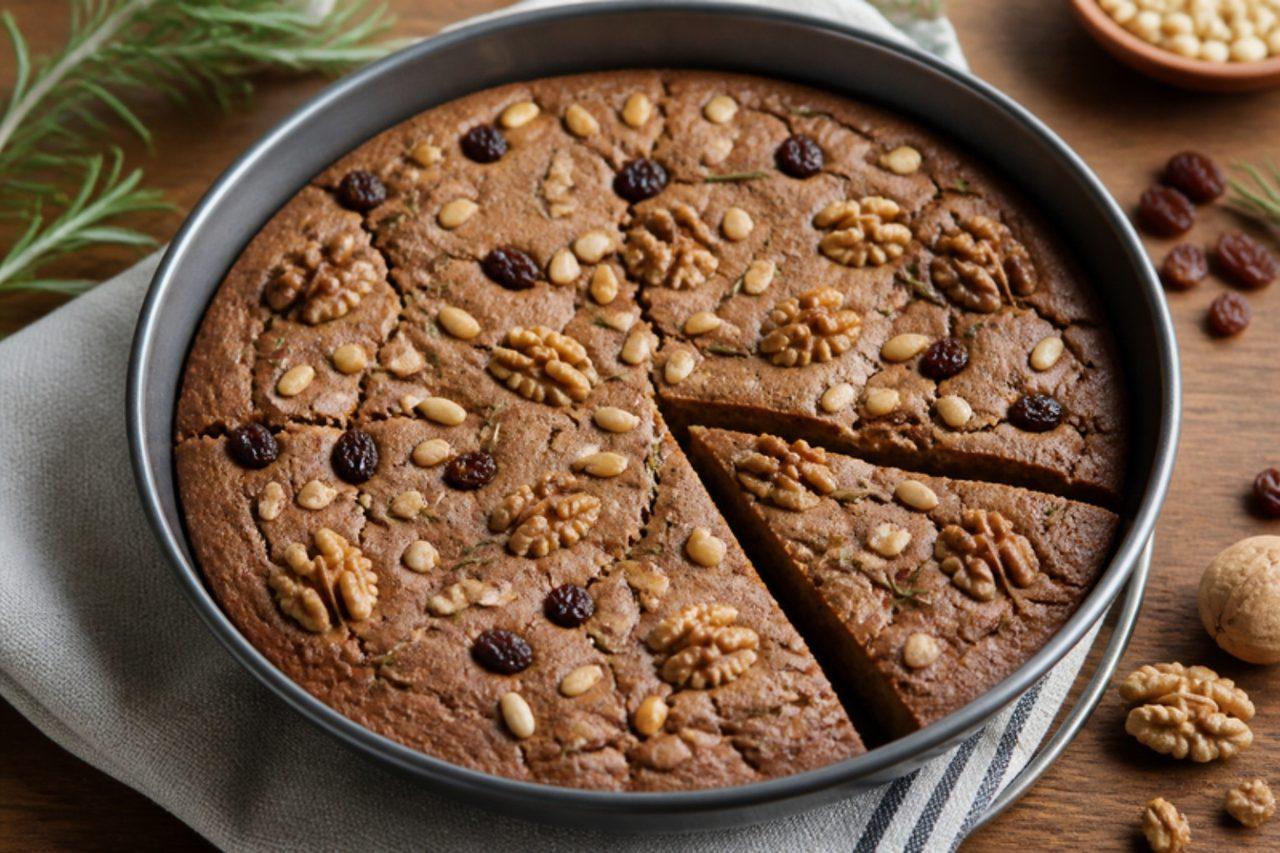
CastagnaccioChestnut flour cake

When the new season's chestnut flour comes down from the Garfagnana, the Casentino and Monte Amiata in late October, Tuscan kitchens bake castagnaccio. It is a thin, dense, unleavened cake with no eggs, butter or sugar: just sweet chestnut flour, water and olive oil, studded with raisins, pine nuts and walnuts and scented with rosemary needles. The top cracks as it bakes, the middle stays moist and fudgy, and the flavour is earthy and gently sweet. Older Tuscans eat it with a glass of something; a spoon of ricotta alongside is lovely too. Chef's tip: sift the chestnut flour; it clumps easily, and lumps stay floury after baking.

by KrazyBadal 0 views

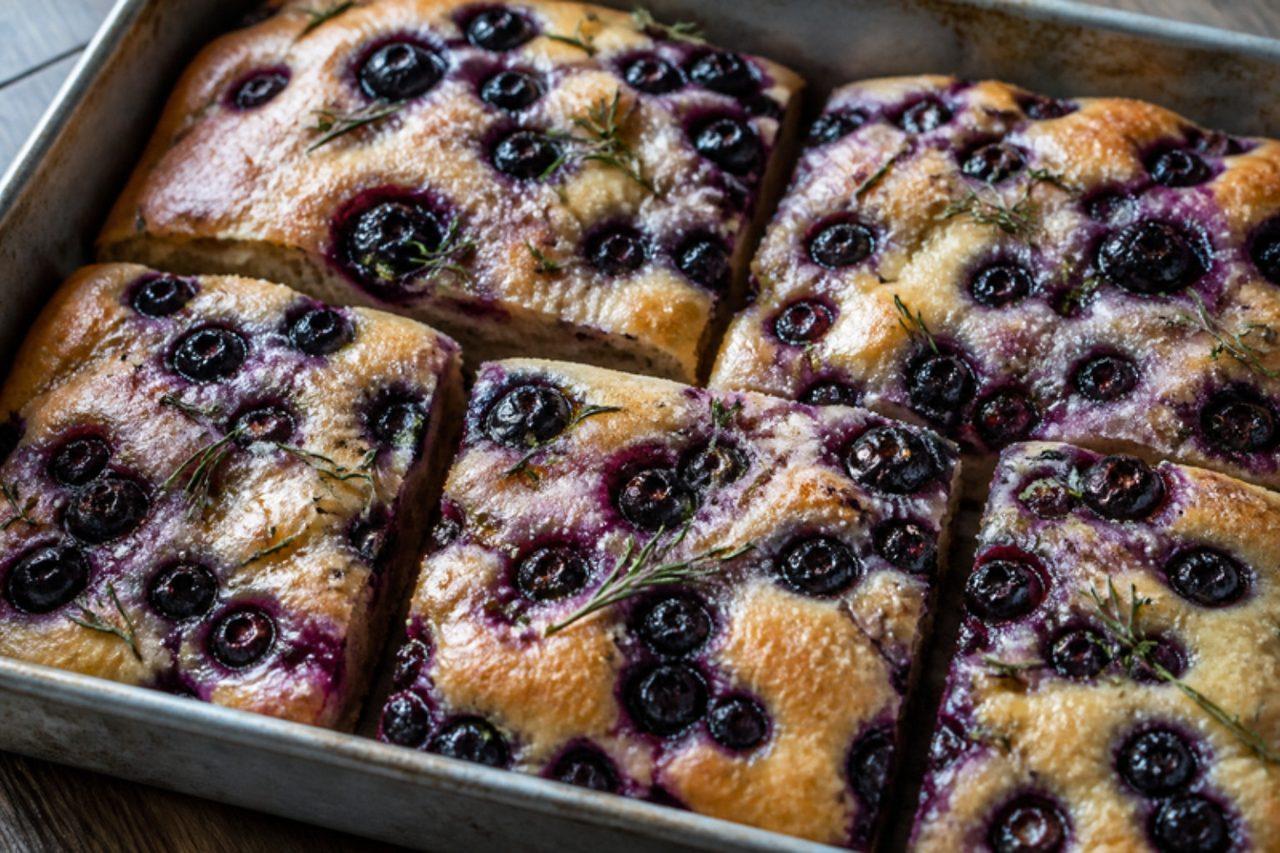
Schiacciata all'uvaGrape flatbread

Each September, when the grape harvest comes in, Florentine bakeries fill their windows with schiacciata all'uva, a thin, oily bread dough layered and topped with small black wine grapes and baked until the juice bubbles purple. It is sold by the slice from big trays and eaten at breakfast or as a mid-afternoon snack for just a few weeks. The traditional Canaiolo grapes have crunchy seeds, which are part of the texture; seedless black grapes work at home. The result is sticky, jammy, crisp at the edges and not too sweet. Chef's tip: squash the grapes slightly as you press them in so the juice runs into the dough and caramelises with the sugar.

by KrazyBadal 0 views

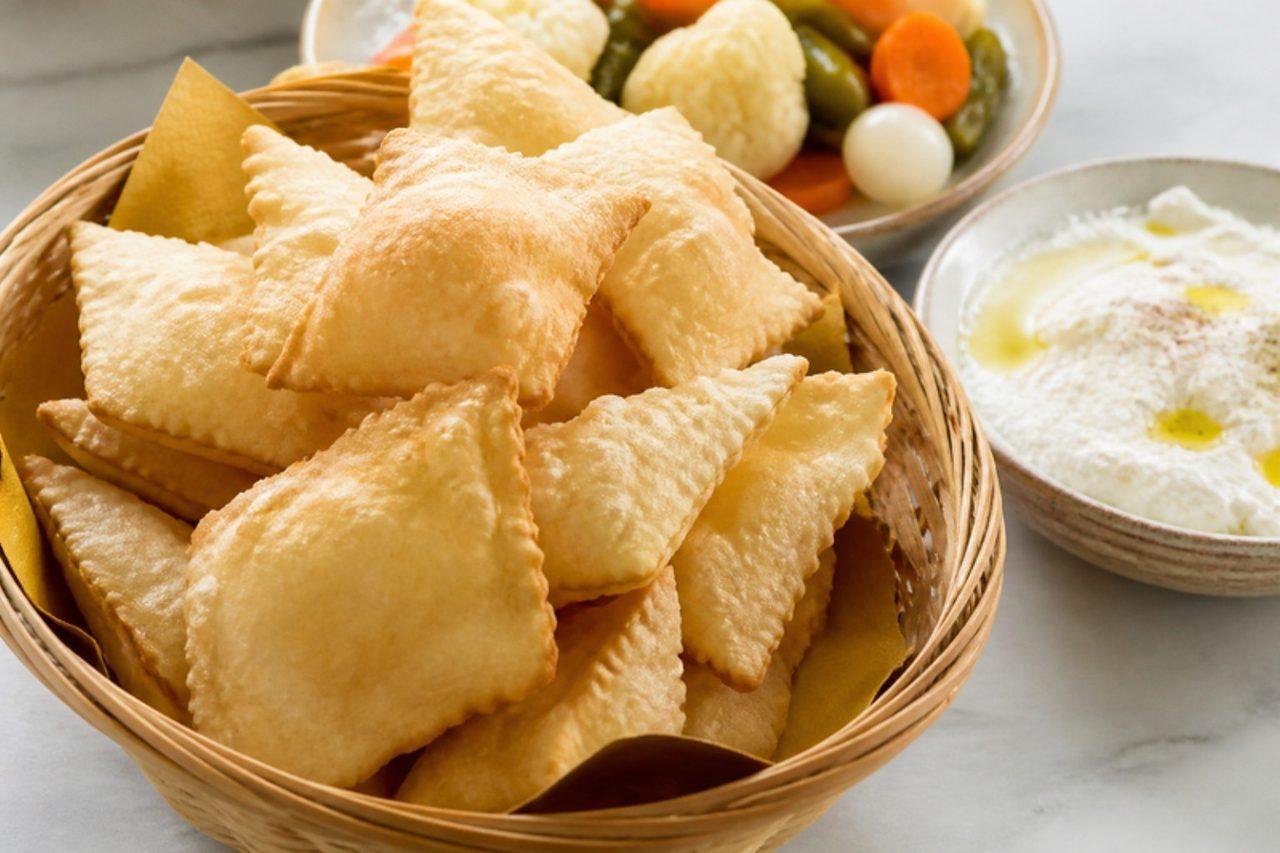
Gnocco frittoPuffed fried dough

Walk into a trattoria around Modena or Reggio Emilia and a basket of gnocco fritto lands on the table before you have ordered: diamonds of dough that balloon in hot fat into hollow, blistered pillows. They are torn open and filled with whatever comes with them, traditionally cured meats; here they go with soft cheeses, Parmigiano shards, grilled vegetables and pickles. The dough was always made with lard; this version uses butter, which keeps the crust tender and golden. Children adore them for breakfast dipped in milky coffee too. Chef's tip: roll the dough really thin, about 3 mm; thick gnocco stays bready and won't puff.

by KrazyBadal 0 views

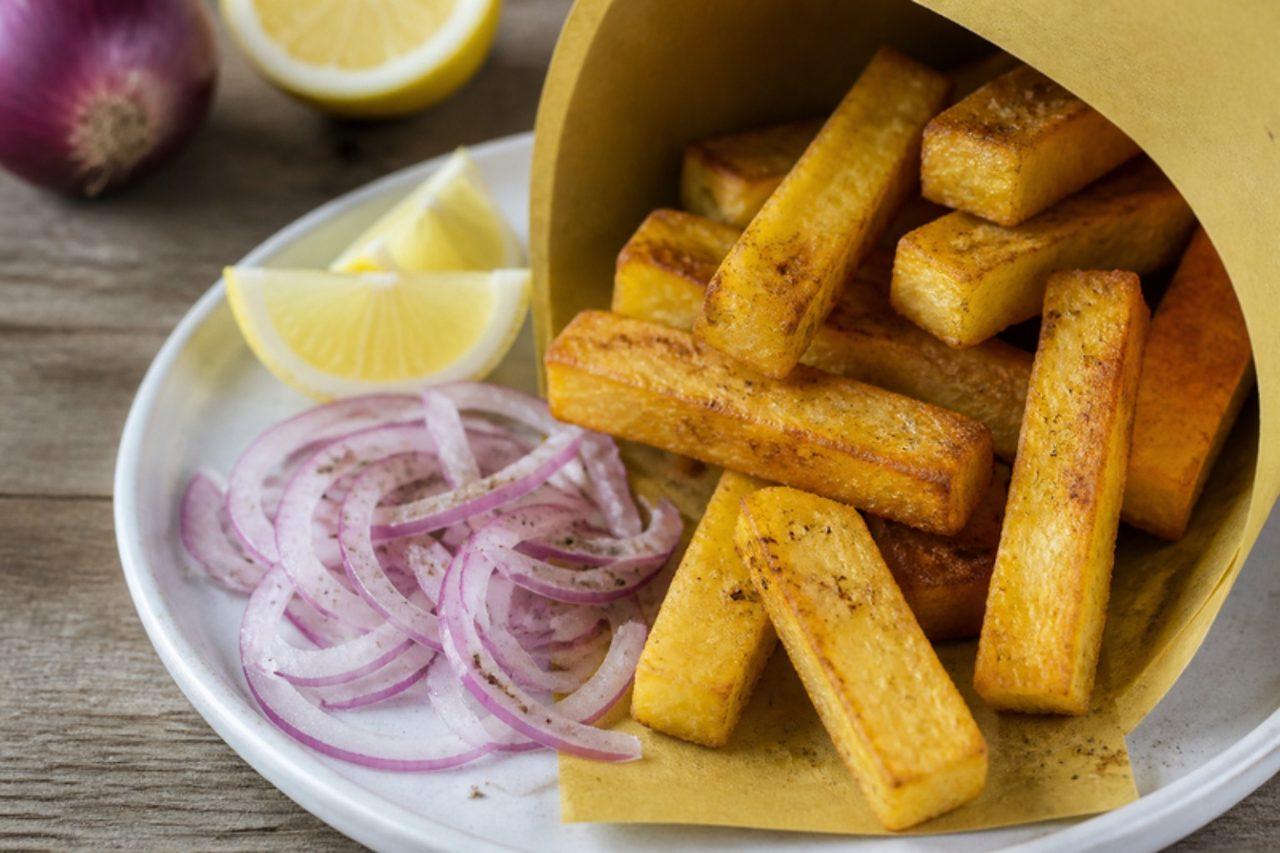
Panissa ligureFried chickpea polenta sticks

Panissa is farinata's quieter sister: the same chickpea flour and water, but stirred on the stove into a thick polenta, poured into a tray and left to set firm. In Genoa and along the Savona coast it turns up at friggitorie, the frying shops by the harbour, as golden sticks in a paper cone with salt and pepper; at home it is just as often cubed cold and dressed with raw onion, olive oil and lemon. Fried, it is crisp outside and creamy within, with a sweet, nutty taste. Chef's tip: make it the day before and chill it overnight; a well-set panissa cuts cleanly and doesn't spit in the oil.

by KrazyBadal 0 views

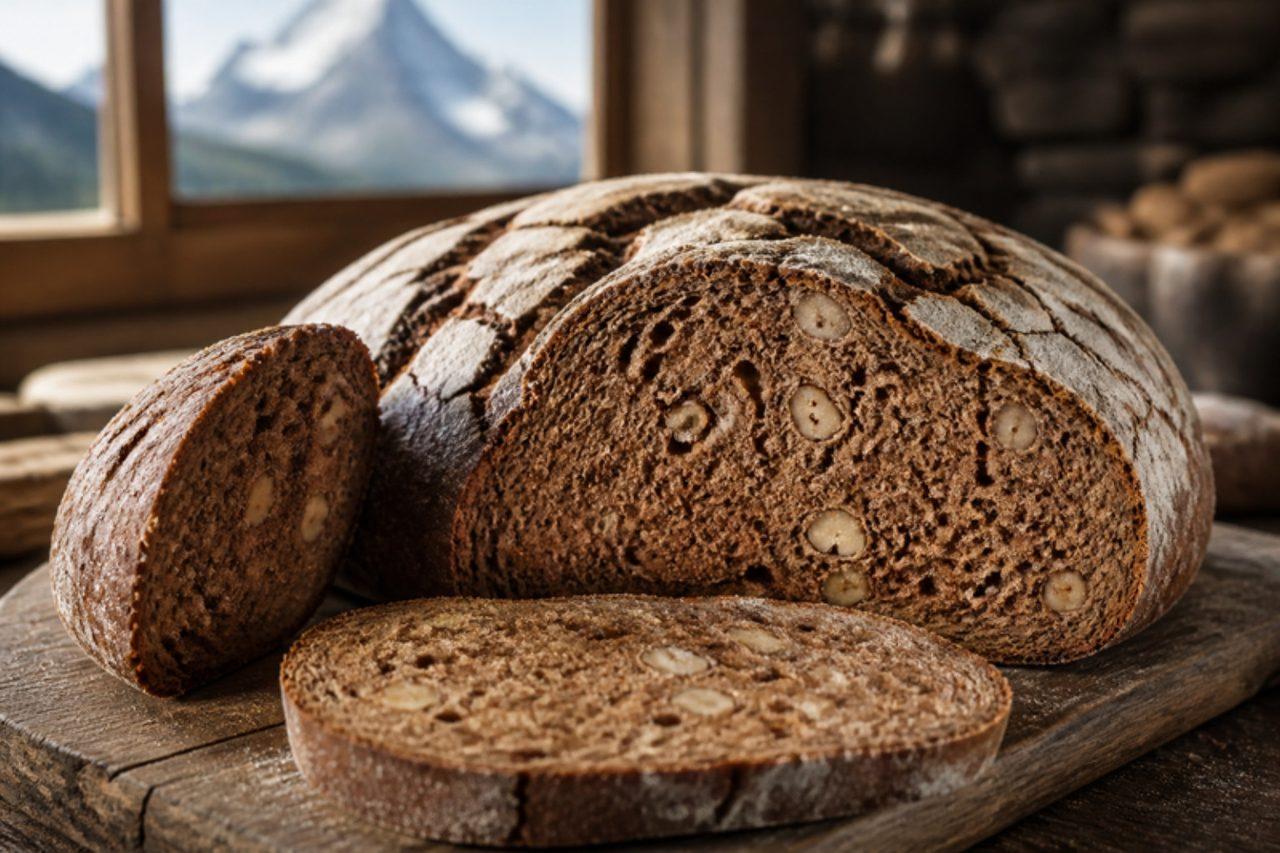
Pane nero di segaleDark rye bread

In the villages of the Valle d'Aosta, rye was the grain that would grow at altitude, and each autumn families took turns at the communal wood-fired oven to bake enough dark loaves to last until spring. Every October the valley still lights those old ovens for a bread festival, and the round, flour-crackled pan ner is sold at markets from Aosta to Gressan. The crumb is dense, moist and slightly sour, with a thick crust; it is eaten with butter, mountain cheese or a bowl of soup. Chef's tip: wait until the loaf is completely cold before slicing, as rye keeps setting as it cools.

by KrazyBadal 0 views

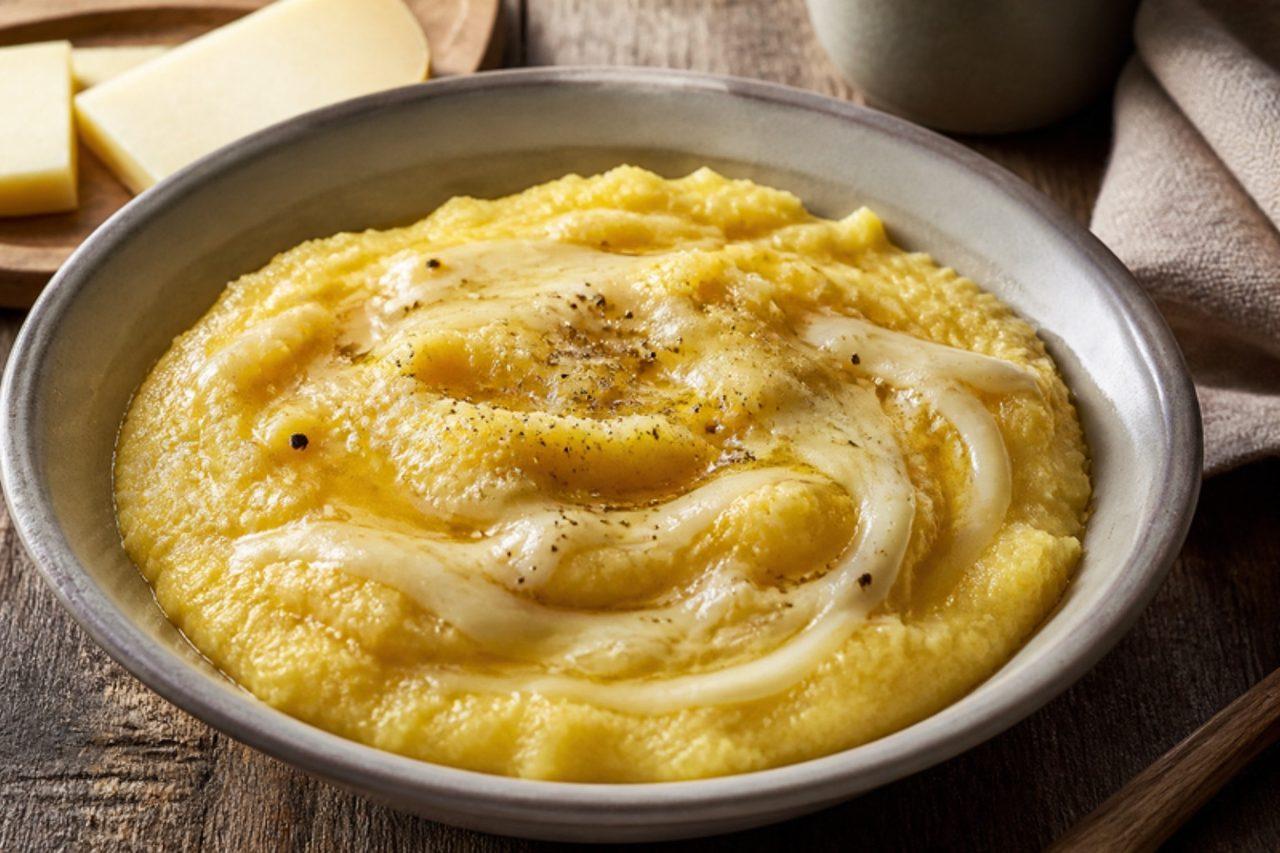
Polenta conciaPolenta with fontina

High in the Valle d'Aosta, polenta concia is what comes out of the kitchen of a mountain refuge after a cold day on the slopes above Cogne or Courmayeur. Soft yellow polenta is layered in a hot dish with cubes of fontina, the valley's own alpine cheese, then drowned in sizzling brown butter until the cheese melts into long, stretchy strings. It is rich, savoury and very filling, best eaten from the dish with a green salad alongside. Chef's tip: cube the fontina while the polenta cooks and keep it at room temperature, so it melts at once instead of staying in cold lumps.

by KrazyBadal 0 views

Grissini torinesiHand-stretched breadsticks

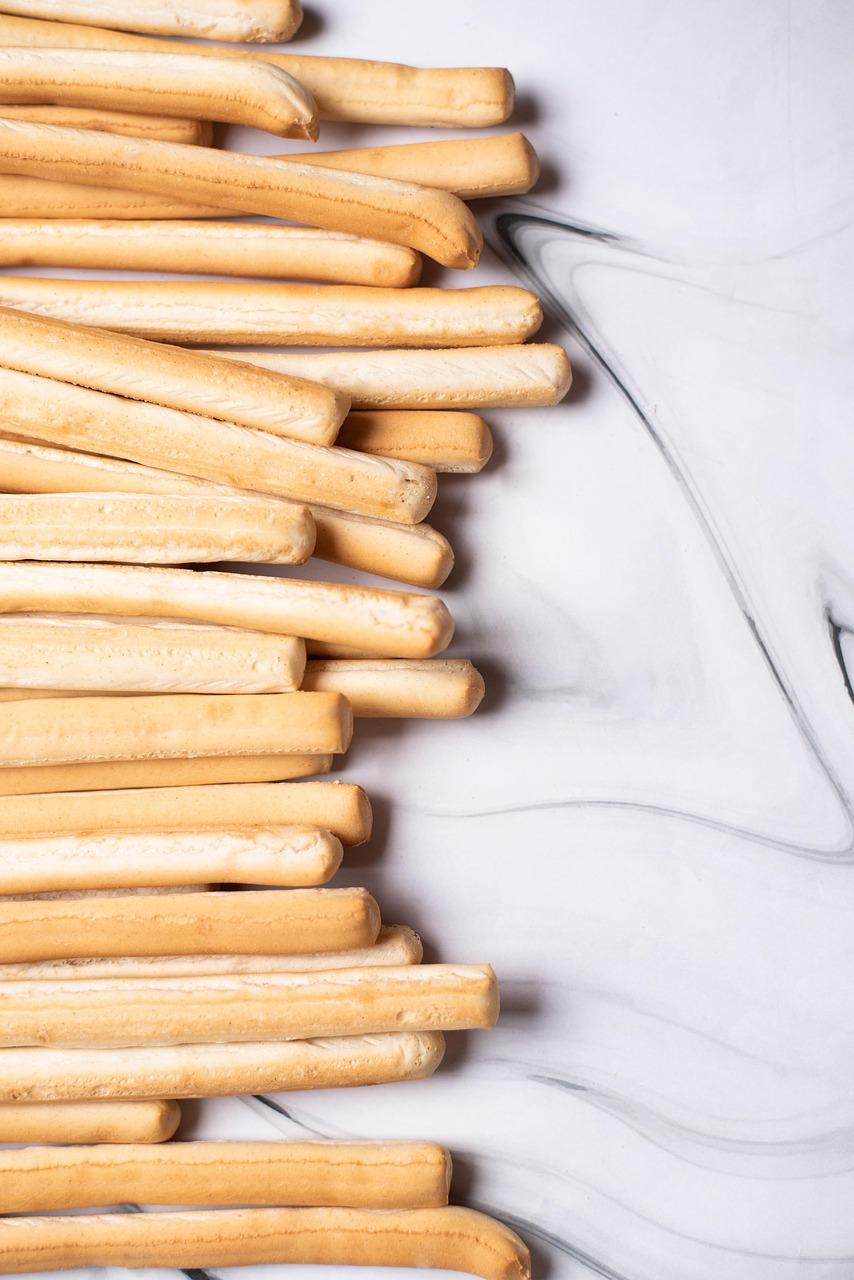
Turin claims grissini as its own: the story goes that a court baker stretched bread into thin, dry sticks in the 1600s for a sickly young Savoy duke who could not digest soft loaves. Today a bundle of long, knobbly grissini stirati sits on nearly every Piedmontese restaurant table, ready to snap with antipasti. Made by hand they are lighter and more uneven than the boxed kind, golden and brittle with a faint taste of olive oil. Children love making them. Chef's tip: stretch each strip by holding both ends and letting it swing as you pull, which gives that rustic, slightly twisted look.

by KrazyBadal 0 views

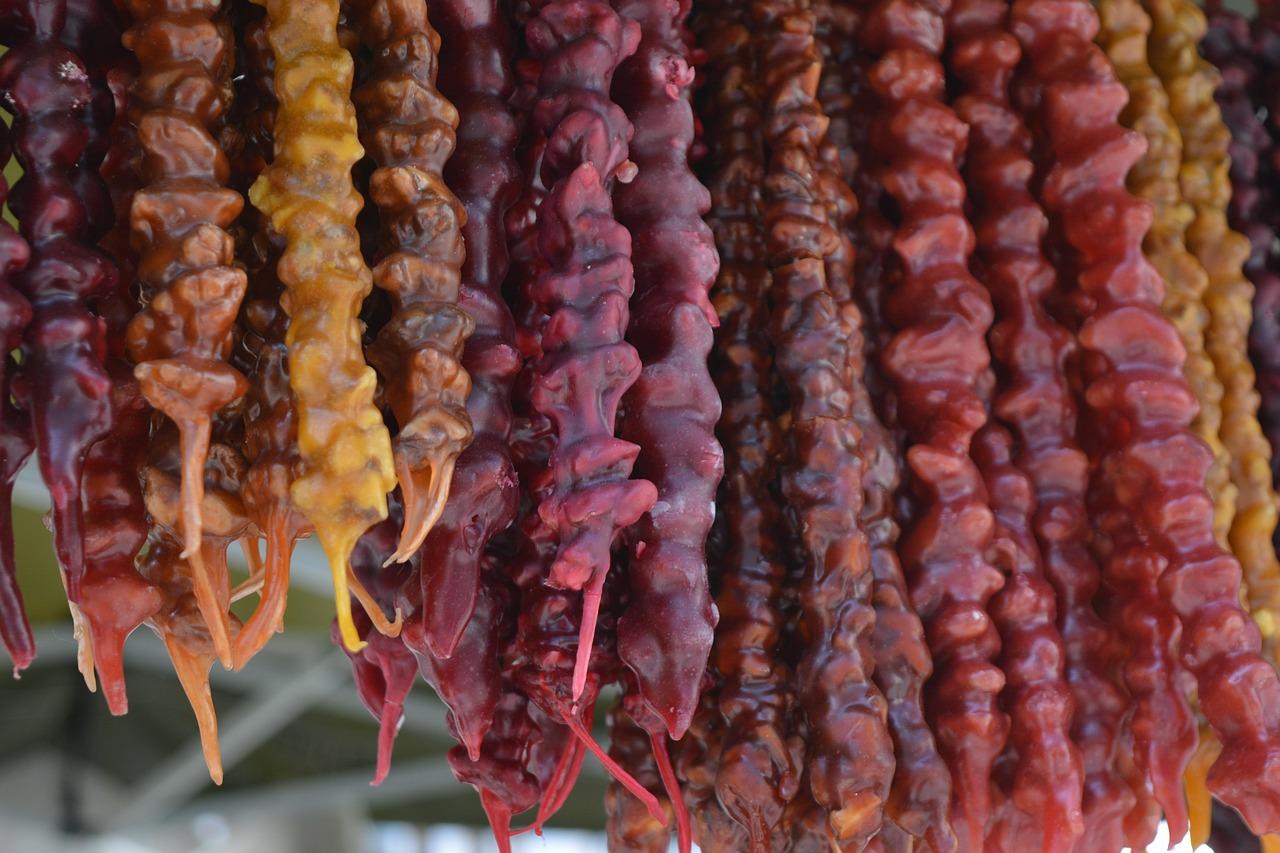
ChurchkhelaWalnuts in grape juice coating

Churchkhela are the candle-shaped sweets you see hanging in bunches at every Georgian market, but they are made at home during rtveli, the grape harvest in Kakheti in September and October. Walnuts are threaded on a string and dipped again and again in tatara, fresh grape must thickened with flour, then hung up to dry for a week, until firm and chewy outside and tender within. They are eaten at New Year and kept for months. A common mistake is a tatara that is too thin, which slides off the nuts; it should coat the back of a spoon thickly and fall in ribbons. Chef's tip: let each coat set for 10–15 minutes before the next dip; three or four thin coats look and keep better than one thick one.

by KrazyBadal 0 views

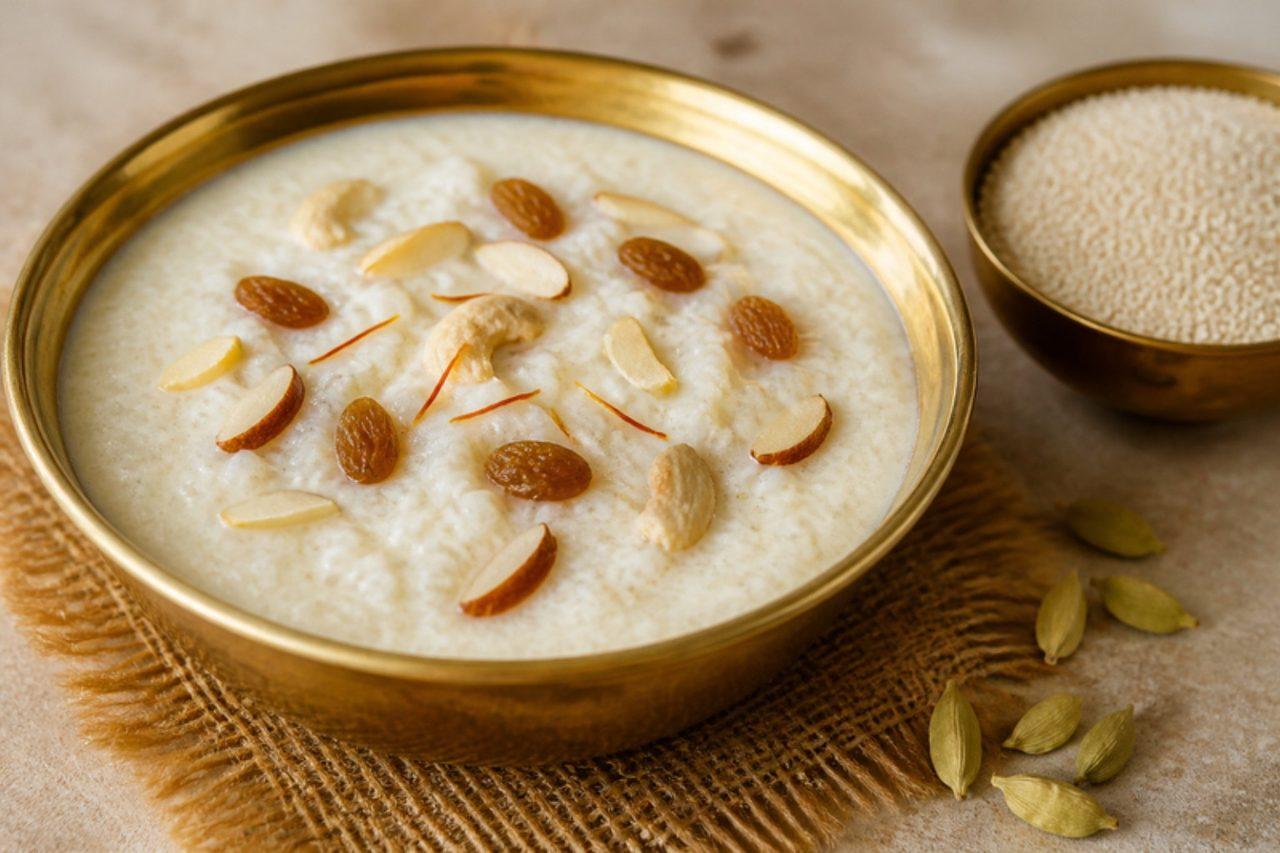
Jhangora ki kheerBarnyard millet pudding

Jhangora is barnyard millet, a hardy grain that grows on the high fields of Garhwal and Kumaon, and this kheer is how most hill families turn it into something special. It cooks faster than rice kheer and ends up softer and silkier, with a light, nutty taste. Because millet isn't a cereal grain, it's eaten on Navratri and Ekadashi fasts, when you'll find bowls of it at temples and in homes from Rishikesh to Chamoli. It is just as good chilled the next day. Chef's tip: soak the millet for 20 minutes before cooking; it softens evenly and you won't be left with hard little grains in the pudding.

by KrazyBadal 0 views

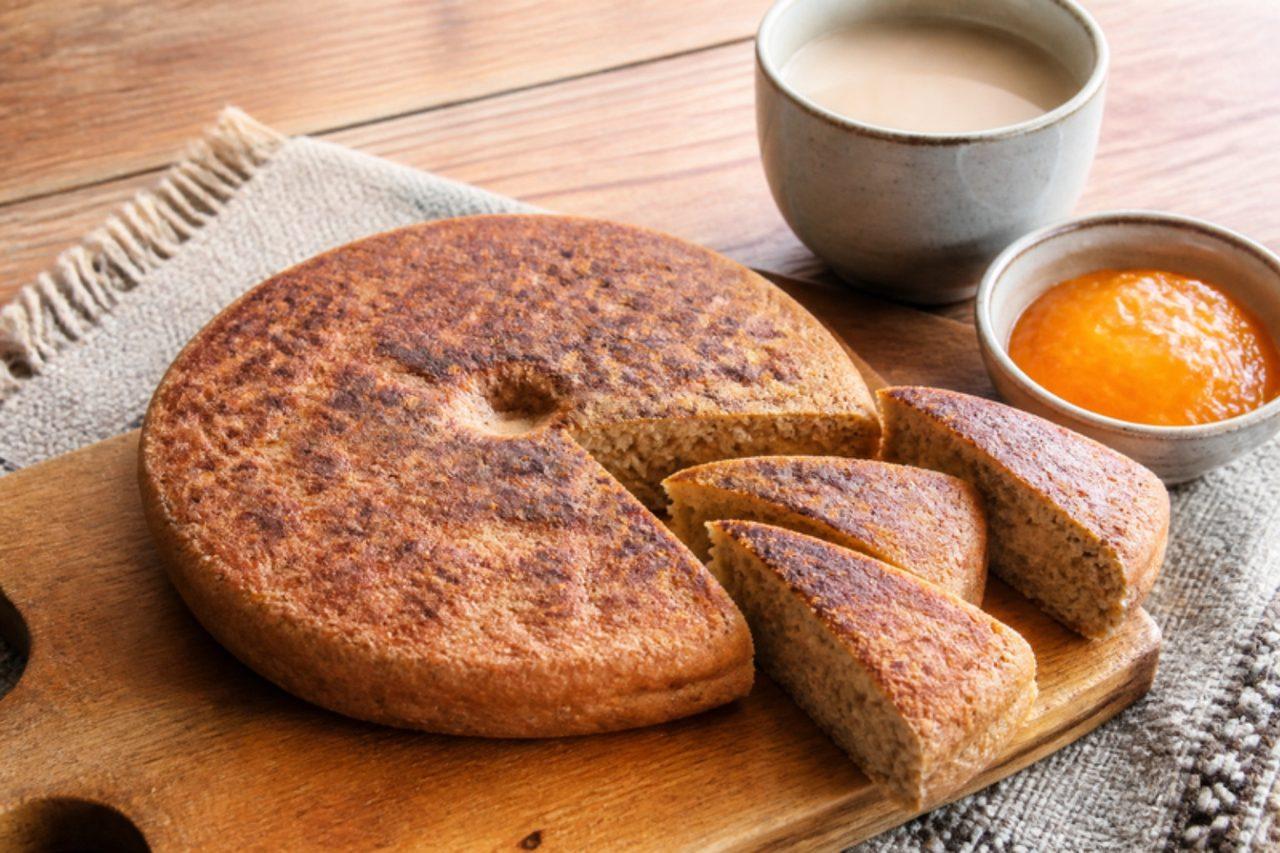
KhambirLeavened wholewheat bread

Khambir is the everyday bread of Ladakh: a thick, round wholewheat loaf with a dent pressed into the middle, browned on a griddle and finished in the heat of the kitchen stove. In homes in Leh and Kargil it appears at breakfast, torn into chunks and dipped into salty butter tea, or spread with apricot jam made from the region's dried apricots. The crust is chewy and toasty, the inside dense and slightly sour. Bakers in Leh's old town still sell it warm in the mornings. Chef's tip: let the dough rise until truly doubled; under-risen khambir is heavy and gummy in the middle.

by KrazyBadal 0 views

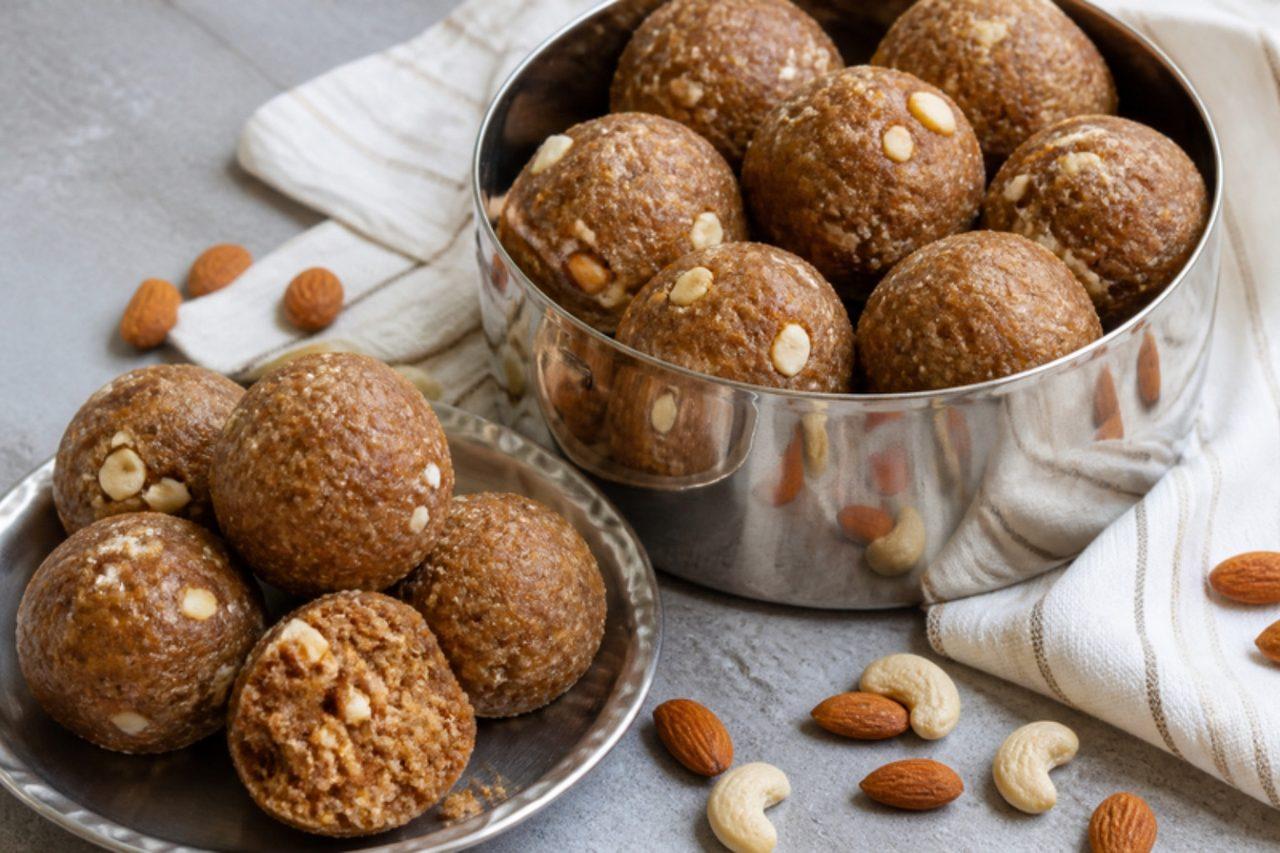
PinniGhee wheat flour sweets

When the fog settles over Punjab in December, kitchens fill with the smell of wheat flour roasting slowly in ghee: pinni season has started. These dense, crumbly balls of roasted atta, jaggery, almonds and fried edible gum are made in big batches for Lohri, packed into tins for relatives and given to new mothers for strength. One pinni with a glass of hot milk is a classic winter breakfast. Chef's tip: let the roasted flour cool until just warm before adding the jaggery; if it is hot, the jaggery melts and the pinni set hard as stone.

by KrazyBadal 0 views

Kashmiri girdaKashmiri round bread

Every neighbourhood in Srinagar has a kandur, a baker working at a pit oven, and before sunrise people queue there for girda: round breads about the size of a side plate, pressed all over with fingertips so the crust sets in ridges and hollows. The outside is lightly crisp, the crumb soft and slightly chewy, and the bread is torn and dunked into salty pink noon chai or spread with butter. A home oven with a heavy tray heated until very hot gets close to the kandur. Chef's tip: wrap the breads in a clean cloth as they come out; the trapped steam keeps the crust tender rather than hard.

142 minIndianBaking
by KrazyBadal 0 views

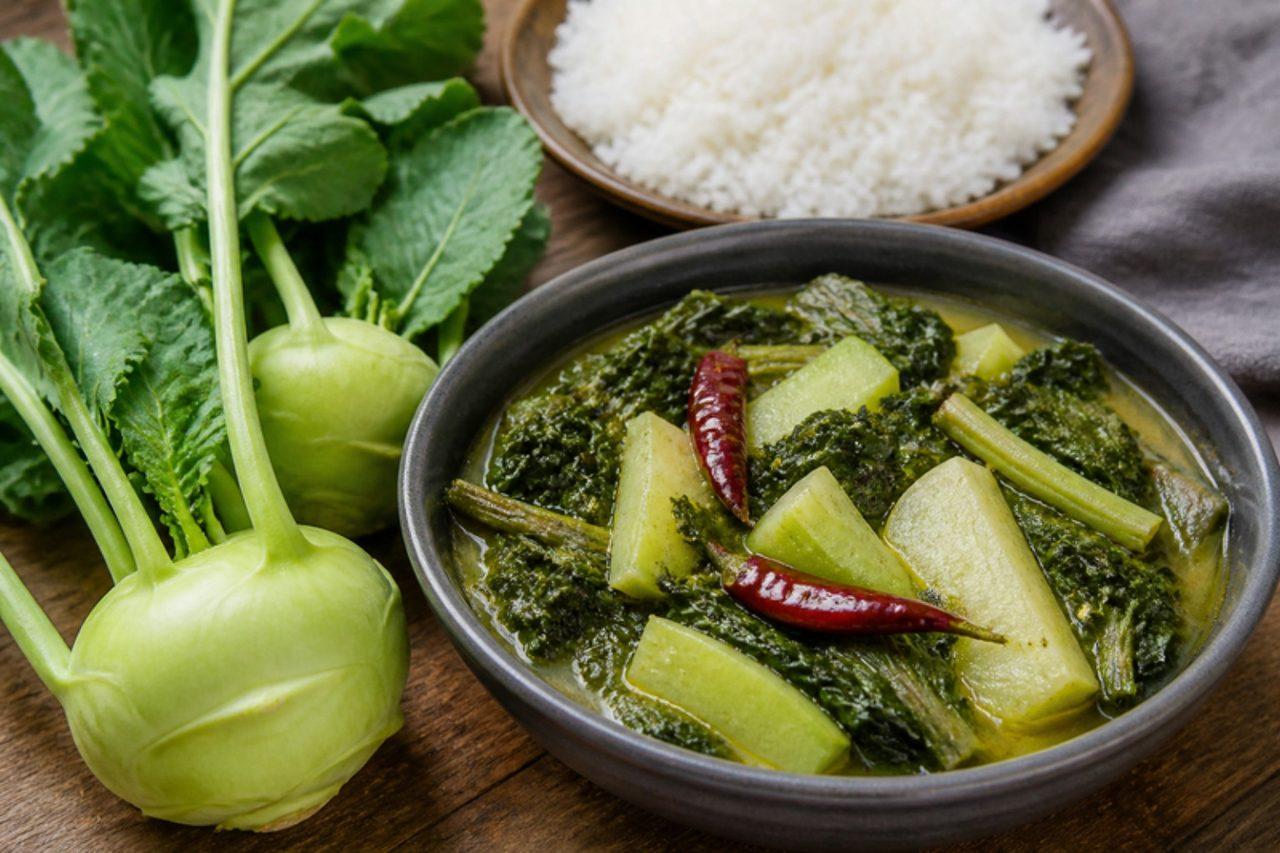
Monji haakKohlrabi and greens in mustard oil

Kohlrabi, monji in Kashmiri, grows in almost every kitchen garden in the Kashmir Valley, and families cook the round bulb and its leaves together in one pot. Like its cousin haak, it is a dish of very few ingredients: mustard oil, dried chilli, a pinch of asafoetida and salt, simmered with a splash of water until the bulb turns sweet and tender. It is eaten through the cold months with plain rice and a bowl of yogurt, and Kashmiris will tell you it tastes best in autumn when the bulbs are young. Chef's tip: buy kohlrabi with fresh, perky leaves attached; if the leaves are tired, add a handful of spinach instead.

by KrazyBadal 0 views

UzvarDried fruit drink

Uzvar is the dark, smoky-sweet drink brewed from dried apples, pears and plums that closes the Holy Supper on Ukrainian Christmas Eve, Sviat Vechir, where it is one of the twelve meatless dishes alongside kutia. In villages across Podillia and the Carpathians the fruit is dried in the oven or over smoke in autumn, which gives uzvar its distinctive campfire note; market stalls sell ready-mixed bags in December. It is drunk warm in winter and chilled in summer, and is naturally vegan when sweetened with sugar instead of honey. Chef's tip: simmer gently, then let it steep for several hours; common mistake is boiling it hard, which turns the fruit to mush and the drink cloudy.

by KrazyBadal 0 views

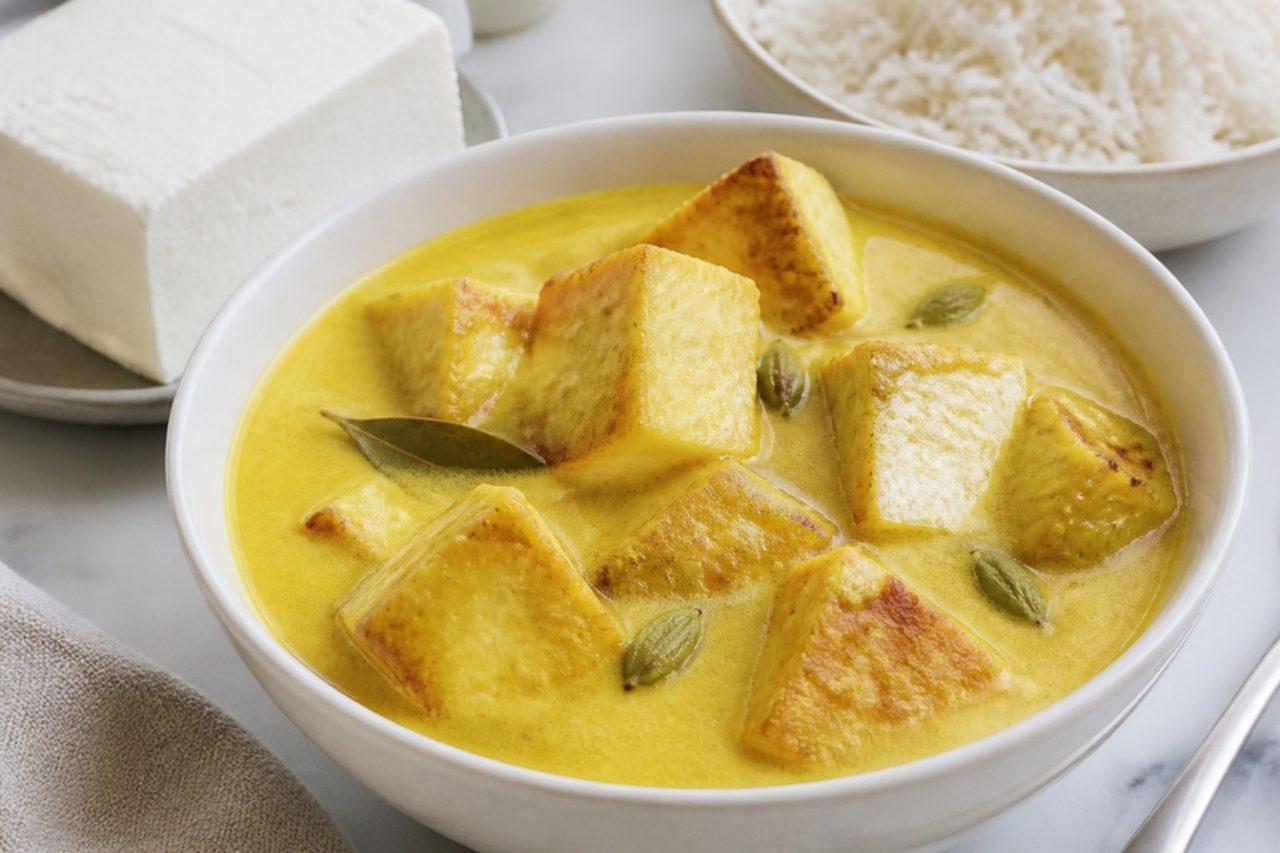
Chaman kaliyaPaneer in turmeric milk gravy

In Kashmir paneer is called chaman, and kaliya is the name for a gravy coloured bright yellow with turmeric rather than red with chilli. Kashmiri Pandit cooks fry thick slabs of paneer, rest them in warm water so they stay spongy, then simmer them in milk with fennel, dry ginger and cardamom. The result is mild, sweet-scented and soothing, a dish that sits beside the fiery ones on a wedding or festival spread and is just as welcome on a weekday with rice. Chef's tip: use a generous spoon of good turmeric; the gravy should glow a deep gold, and the milk mellows any rawness.

by KrazyBadal 0 views

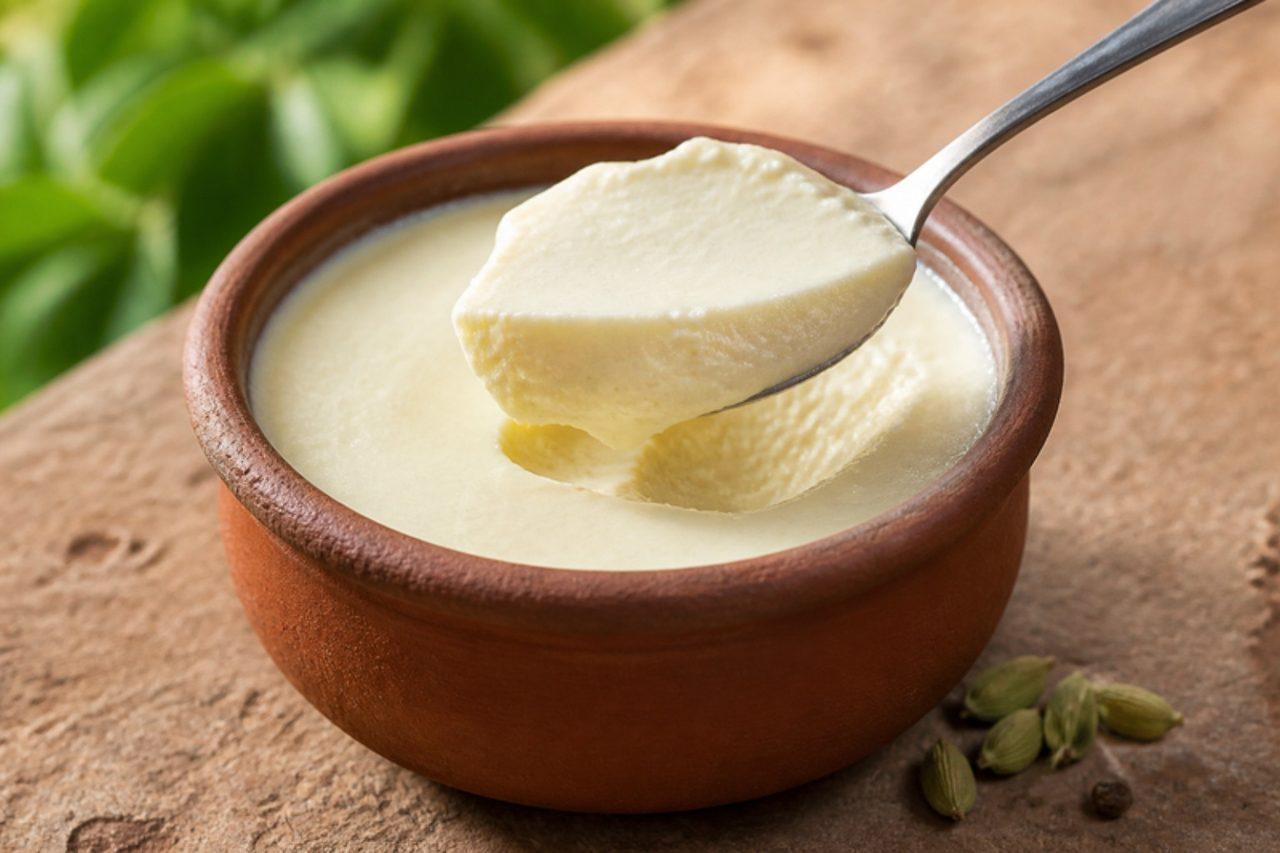
Juju dhauThick sweet curd

Juju dhau means king of curds in the Newar language, and it belongs to Bhaktapur, the old brick-and-temple city east of Kathmandu, where it is sold in round clay bowls from shops around Durbar Square and taken home by the stack. Full-fat milk, traditionally buffalo milk, is boiled down by a third until it is rich and faintly caramel, sweetened, then set overnight in unglazed clay pots that soak up the whey, leaving a custard-thick, creamy yogurt with a pale golden skin. No wedding, festival or important meal in the Valley ends without it, and it is eaten on its own with a small spoon. People often rush the reduction, and the yogurt then sets thin and sour. Chef's tip: if you don't have clay pots, set it in ceramic ramekins and pour off any whey after setting; and keep it warm and undisturbed, wrapped in a blanket, so it sets in one smooth layer.

by KrazyBadal 0 views

Sel rotiSweet rice flour rings

When Tihar, the five-day festival of lights, arrives in late autumn, kitchens all over Nepal fill with the smell of sel roti: big, thin rings of sweetened rice batter fried in hot oil until crisp and russet outside and soft and slightly chewy inside. They are stacked high to offer to the gods, to sisters during Bhai Tika and to every guest, and they are also made at Dashain and for weddings, travelling well and keeping for days. Rice is soaked overnight and ground with sugar into a thick, pourable batter, then poured by hand in one confident circle into the oil. Many families add ghee to the batter, which makes the rings richer but means they are vegetarian rather than vegan; this version uses oil. The common mistake is oil that is not hot enough, so the batter drinks fat and turns greasy. Chef's tip: let the batter rest for an hour after grinding; it thickens and ferments slightly, and the rings puff and hold their shape better.

by KrazyBadal 0 views

YomariSteamed rice flour dumplings

Yomari are the sweet dumplings of the Newars of the Kathmandu Valley, made once a year on Yomari Punhi, the full moon of December that marks the end of the rice harvest. Freshly milled rice flour is kneaded with hot water, pinched into a hollow cone, filled with chaku, a dark, fudgy Newari molasses, and toasted sesame, then shaped with a pointed tail like a fish or a teardrop and steamed. Children go from house to house singing for them, and families offer a few to the gods before anyone eats. The shell is soft and slightly chewy, and the filling melts into warm, smoky caramel. The usual mistake is mixing the dough with lukewarm water: it must be just off the boil so the starch swells and the dough stretches without cracking. Chef's tip: keep a bowl of warm water beside you and dip your fingertips often; damp hands smooth out cracks as you shape.

by KrazyBadal 0 views

Rooh Afza sherbetRose syrup drink

During Ramadan almost every household in Pakistan breaks the fast at sunset with a jug of this bright red sherbet on the table, from Karachi apartments to village courtyards in Punjab. It is made with the herbal rose syrup sold as Rooh Afza (any rose sherbet syrup works), stirred into ice-cold water with a squeeze of lemon and a spoonful of swollen basil seeds (tukh malanga) that are said to cool the body after a long, hot day without water. Some families make it with cold milk instead, which turns it pink and creamy. The mistake people make is adding the basil seeds dry; they clump into hard lumps, so soak them first. Chef's tip: chill the water and syrup well before mixing so you need less ice and the sherbet does not taste watered down.

by KrazyBadal 0 views

Kashmiri chaiPink salted milk tea

Kashmiri chai, called pink tea or gulabi chai across Pakistan, came down from Kashmir to become the winter drink of Lahore, Karachi and Islamabad: it is ladled out at weddings, sold from steaming pots at tea stalls on cold nights and served with nankhatai biscuits at family gatherings. The colour is real chemistry, not food colouring: green tea leaves are boiled hard with a pinch of baking soda until the brew turns deep red, then whisked and splashed to get air into it, and finally cooked with milk until it blushes pink. It is lightly salted in the old Kashmiri way and sweetened in the city way; add as much sugar as you like. The mistake people make is using black tea; only green tea leaves turn pink. Chef's tip: pour in ice-cold water as soon as the brew is reduced, and beat it hard; the shock and the air are what lock in the bright colour.

by KrazyBadal 0 views

Sheer khurmaVermicelli milk pudding

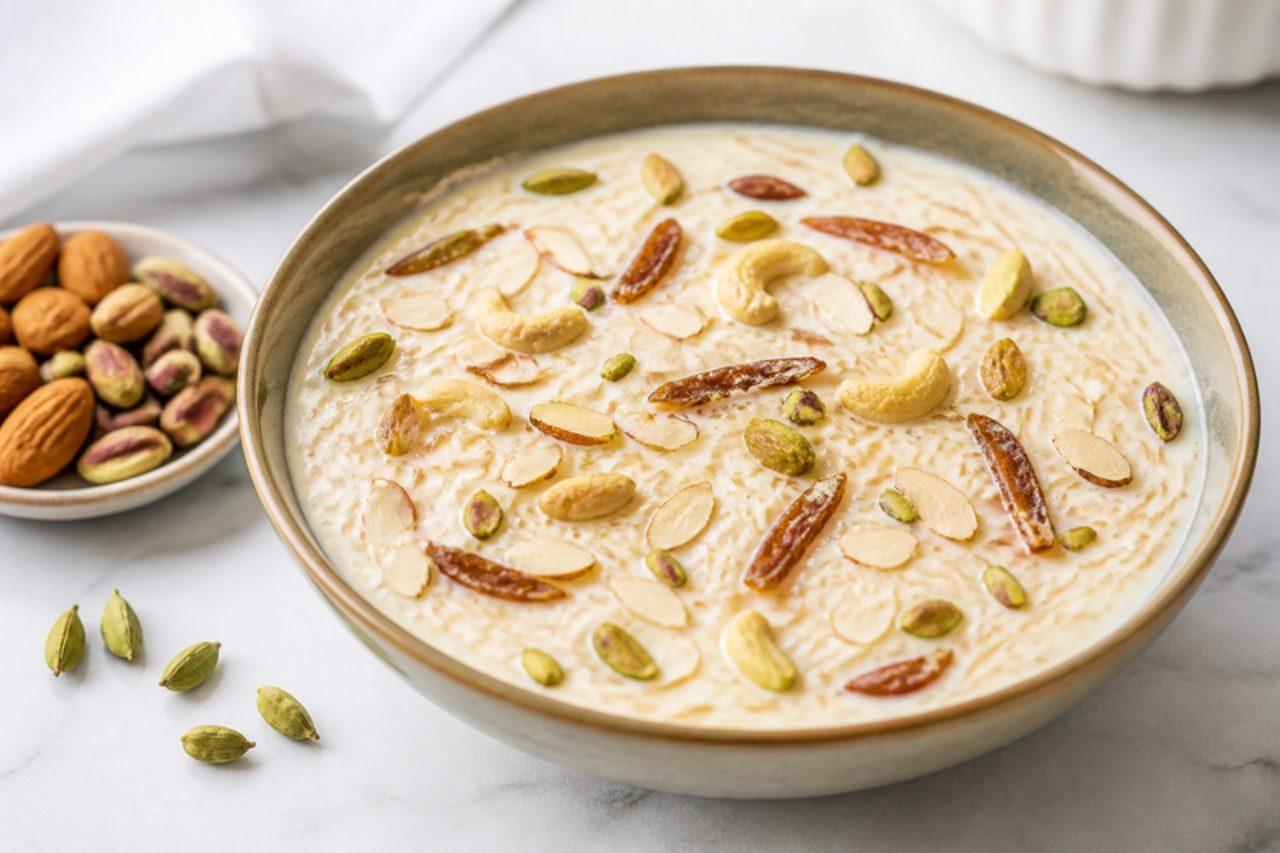
Sheer khurma means milk with dates in Persian, and in Pakistan it is the taste of Eid ul-Fitr morning: after the Eid prayer, families come home and every visitor who knocks that day is handed a small bowl. It is richer and nuttier than everyday seviyan: whole milk is boiled down until creamy, fine vermicelli fried golden in ghee goes in late, and it is loaded with soaked dried dates (chhuhare), almonds, pistachios, cashews, raisins and charoli seeds, scented with cardamom. It is served warm in the morning and thickens to a spoonable pudding when cold. The mistake most people make is adding the vermicelli too early or using too much; it keeps drinking milk as it cools and turns stodgy. Chef's tip: soak the dried dates overnight and slice them thinly; fresh soft dates melt away, but soaked chhuhare stay chewy and sweet in every spoonful.

by KrazyBadal 0 views

Ceylon teaSpiced milk tea

In the misty tea country around Nuwara Eliya, Hatton and Ella, and in every roadside tea kade across Sri Lanka, tea is made strong, sweetened generously and often whitened with milk, then poured from a height between two jugs so it cools a little and wears a frothy cap. Families drink it first thing, again at 'tea time' around four, and with every short eats snack in between. Unlike Indian masala chai there are no spices: the flavour comes from bright, brisk high-grown Ceylon black tea, often a BOP or BOPF grade. If you'd rather have it plain, kahata thé is the same tea with no milk and a bite of jaggery. The common mistake is stewing the leaves too long, which turns it bitter and tannic; three to four minutes is plenty. Chef's tip: pour from jug to jug four or five times; the 'pulled' tea is smoother and creamier.

by KrazyBadal 0 views

Chocolat chaudThick hot chocolate

Paris's grand tearooms have served chocolat chaud since the 1800s, and it is nothing like a powdered cocoa drink: dark chocolate is melted into hot milk and cream until it is thick, glossy and rich enough to coat the cup. Parisians drink it in small cups on cold afternoons, often with a pot of whipped cream on the side and a pastry. It is also a winter treat at home after a walk. Use chocolate you'd enjoy eating. Chef's tip: keep the heat low and whisk; letting it boil is the common mistake and the chocolate can turn grainy and catch on the bottom.

by KrazyBadal 0 views

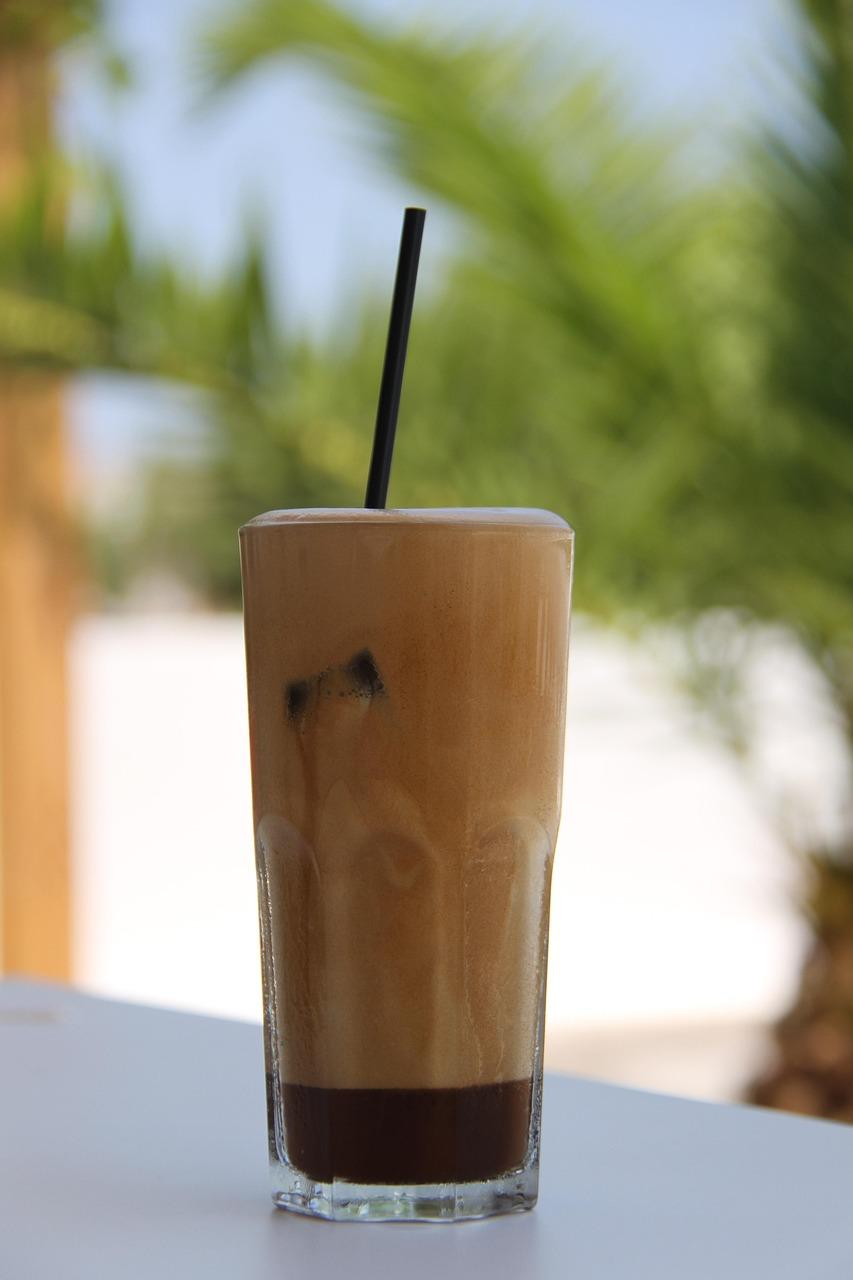
FrappéShaken iced coffee

The frappé was invented by accident at the Thessaloniki International Fair in 1957, when a coffee rep shook instant coffee with cold water because there was no hot water to hand. Within a few years it was the drink of every Greek café and beach bar, sipped slowly through a straw for an hour or more. Instant coffee, sugar and a little water are shaken or frothed into a thick, light-brown foam, then topped up with cold water, ice and, if you like, milk. Order it sketos (no sugar), metrios (medium) or glykos (sweet). Chef's tip: use only a splash of water for the first shake; adding all the water at once is the common mistake and you get thin coffee with no foam.

by KrazyBadal 0 views

Tarte tatinUpside-down apple tart

Tarte tatin is said to have been created at the Hôtel Tatin in Lamotte-Beuvron, in the Sologne, south of Orléans, where the Tatin sisters cooked for hunting parties in the 1880s. The apples are cooked in butter and sugar until they turn amber, covered with pastry, baked, then turned out so the glossy caramelised fruit sits on top of a crisp base. It is the French family dessert of autumn and winter, served warm with crème fraîche. This version uses an all-butter shortcrust made without egg. Chef's tip: pack in more apples than seem possible, as they shrink; using too few is the common mistake and leaves a flat tart with gaps.

by KrazyBadal 0 views

Showing 96 of 2,799 recipes

Show more recipes

Page 94 of 117

More Jain ideas

Other diets