Skip to content
WhatToEat.Today

No onion, no garlic recipes (Swaminarayan and sattvic)

3,468

3468 vegetarian recipes cooked without onion or garlic, as in Swaminarayan and sattvic kitchens, with no meat, fish, eggs or alcohol. Each has photos, step-by-step instructions and cook times. The quickest, Apfelschorle, takes 2 minutes. Most take around 45 minutes.

Filter these by time, diet or cuisine · Make No onion & garlic your diet to see only these recipes everywhere on the site.

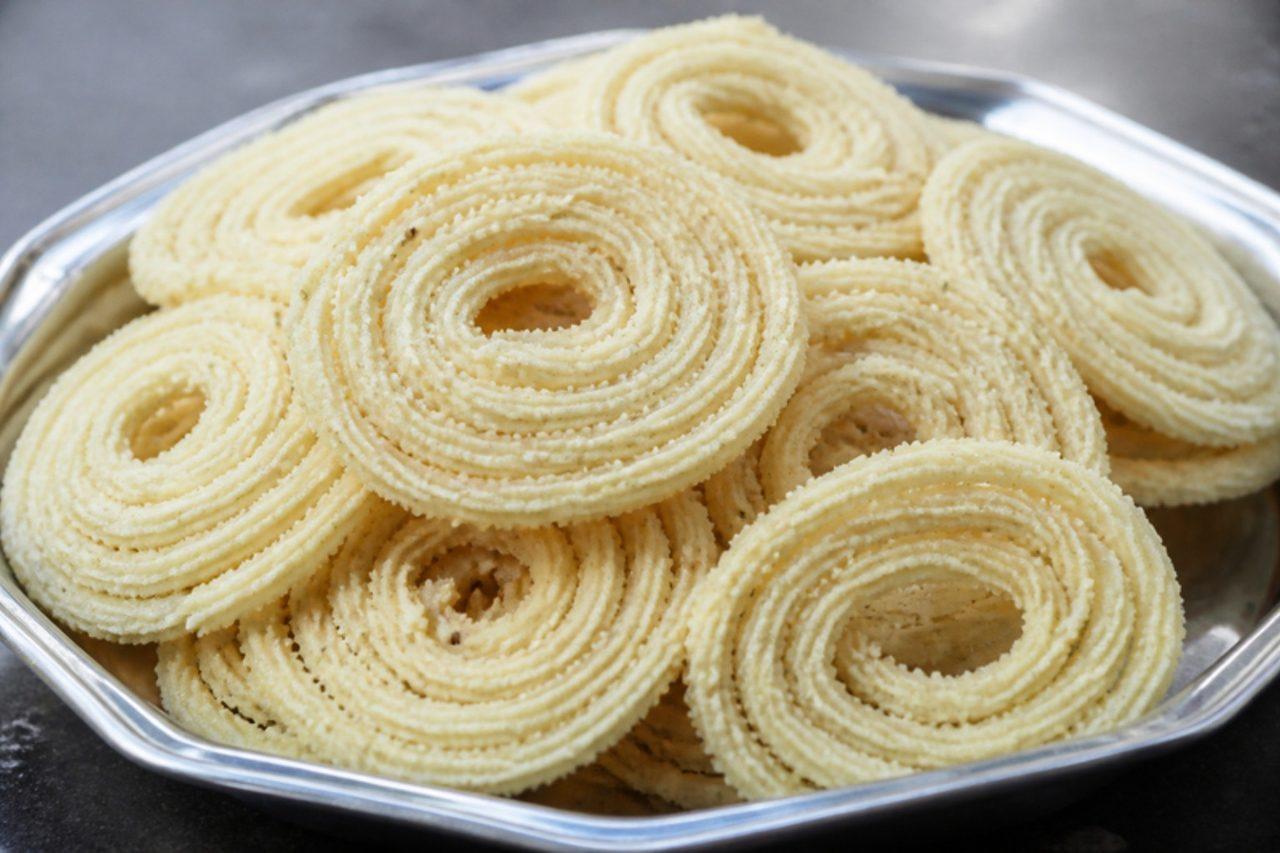
ThenkuzhalRice and urad flour spirals

Thenkuzhal is the plain, pale murukku of Tamil Nadu, especially in Chettinad and Thanjavur kitchens, pressed through a single-hole plate into neat spirals for Deepavali and Krishna Jayanthi. Unlike butter murukku, it relies on roasted urad flour and a spoon of hot oil for its crunch, with cumin and a little sesame for flavour, and it should be cream-coloured, smooth and light. It is eaten with coffee and kept in tins for weeks. The common mistake is a dough that is too stiff, which breaks while pressing and gives a rough, cracked surface; it should be soft enough to pipe smoothly. Chef's tip: press the spirals onto the back of an oiled slotted spoon or a square of parchment and slide them into the oil, so they keep their shape.

by KrazyBadal 0 views
Talela marchaFried green chillies

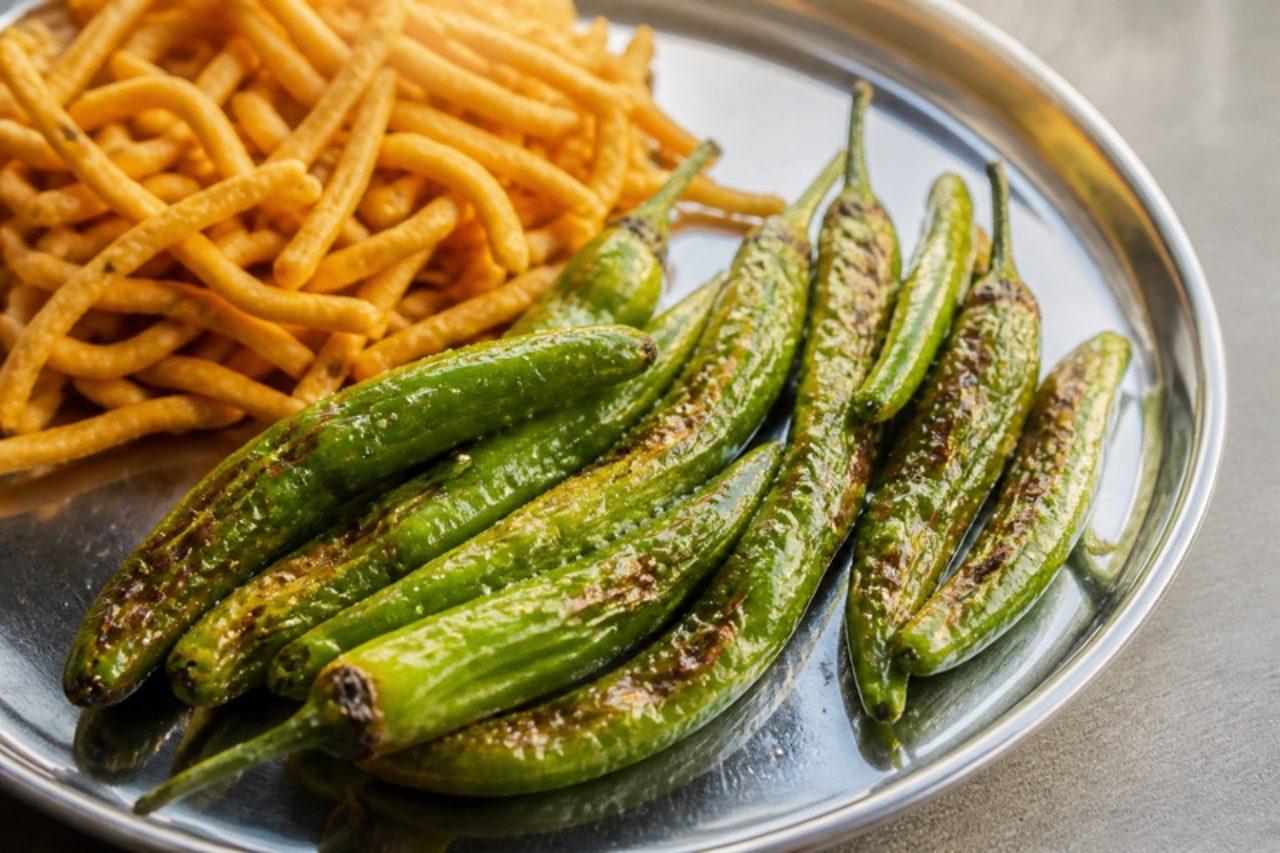
Every plate of gathiya, dalvada or bhajiya sold in Gujarat comes with a little heap of talela marcha, green chillies dropped into the farsan seller's kadai for a few seconds until they blister and turn olive green, then shaken with salt and a squeeze of lemon. Bitten between mouthfuls of farsan they give a fresh, smoky hit of heat. Use thick, fairly mild chillies if you can find them. The common mistake is frying wet chillies: water on the skin makes the oil spit violently. Chef's tip: slit them lengthways first so steam escapes and they don't burst in the oil.

by KrazyBadal 0 views
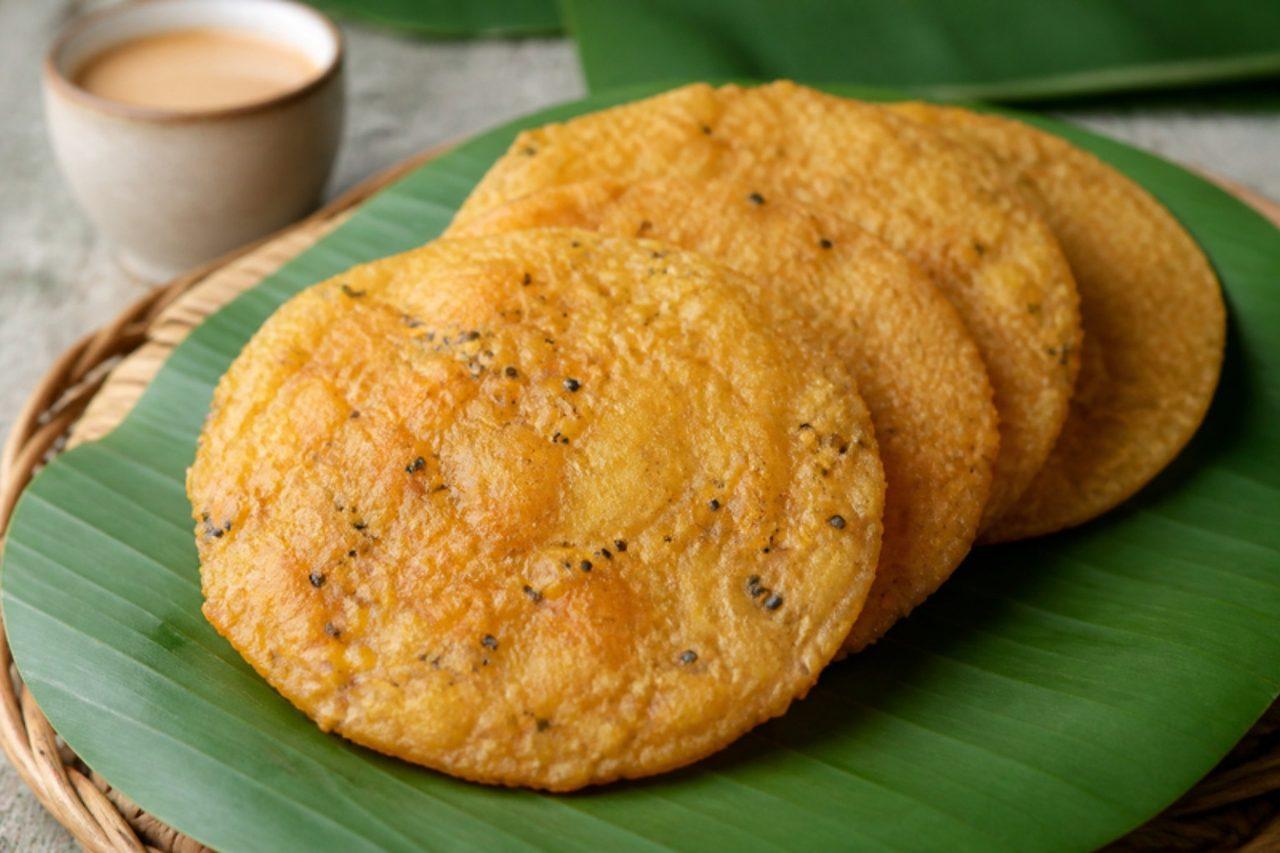
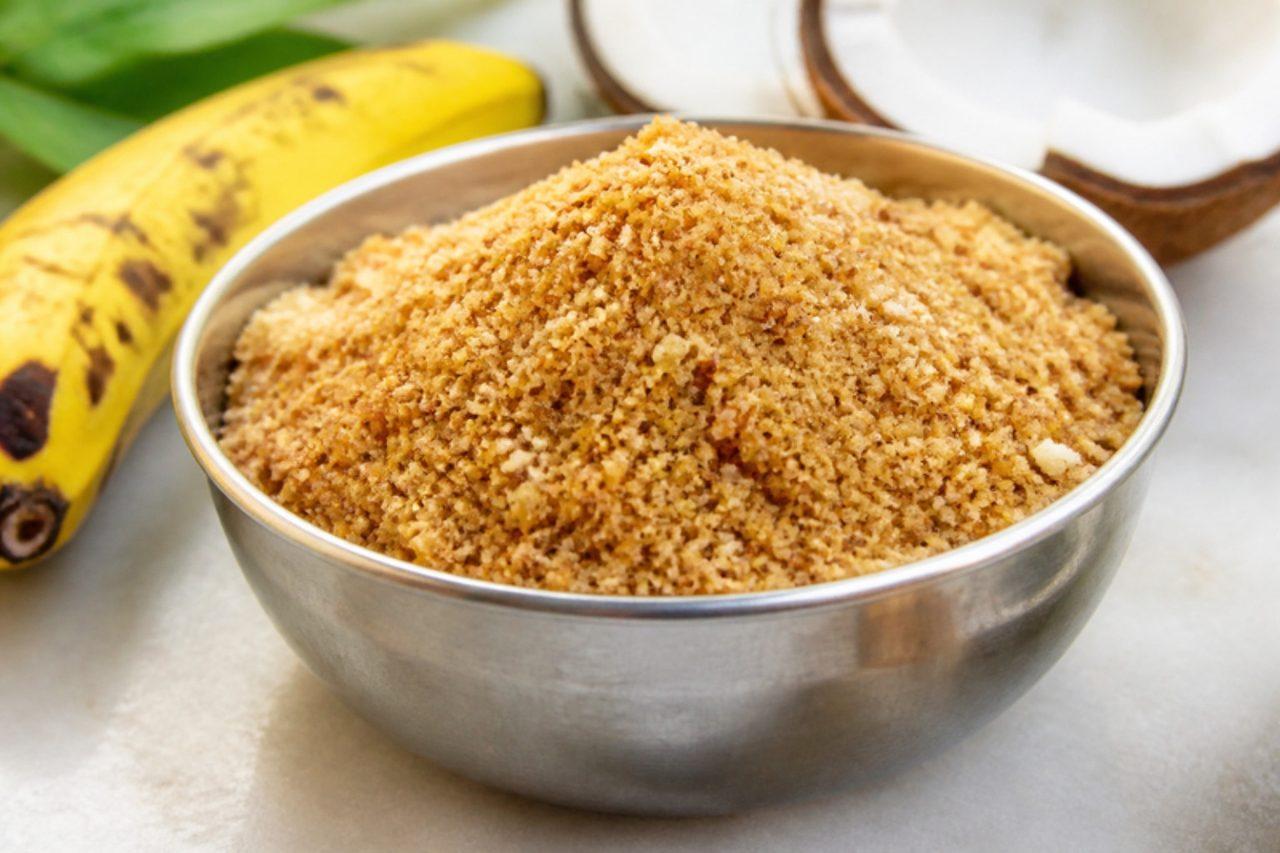
Kakara pithaFried semolina coconut cakes

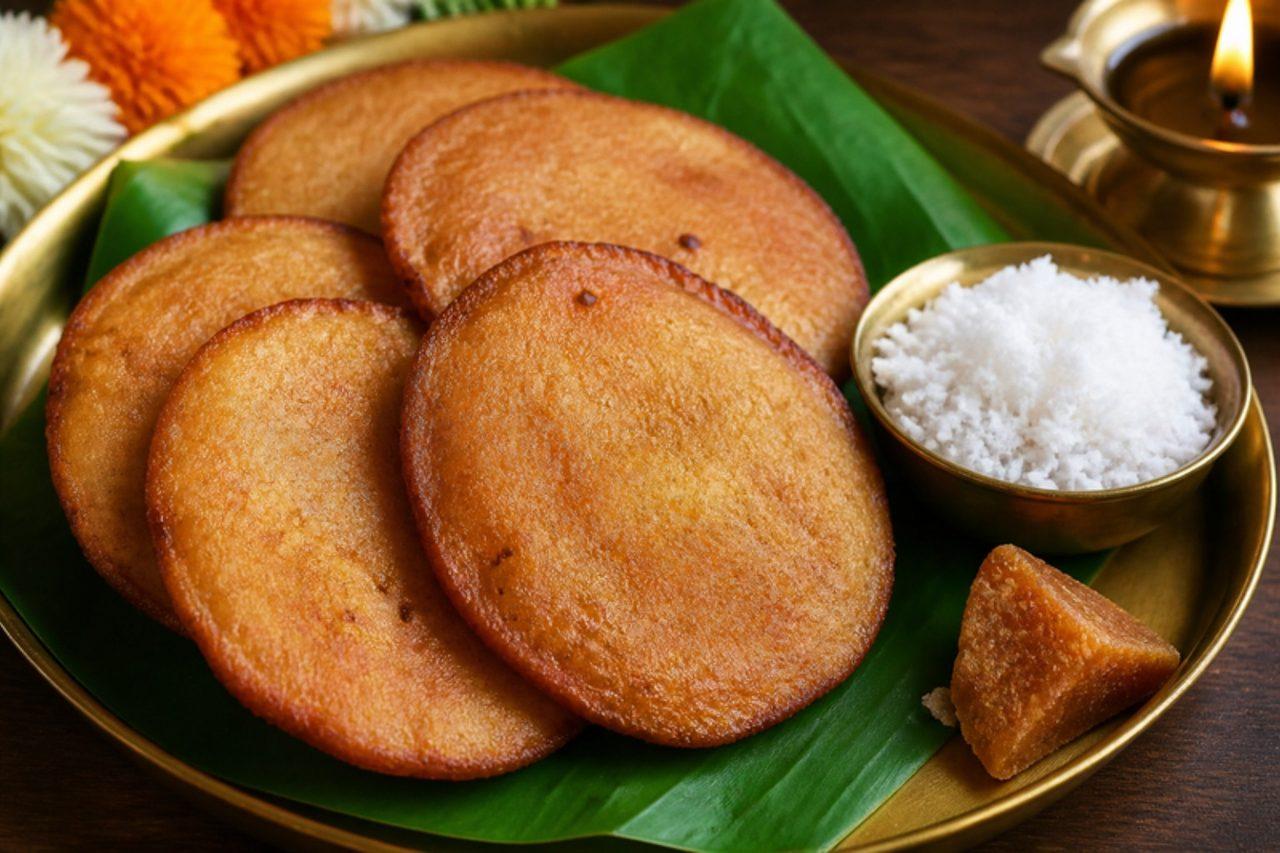
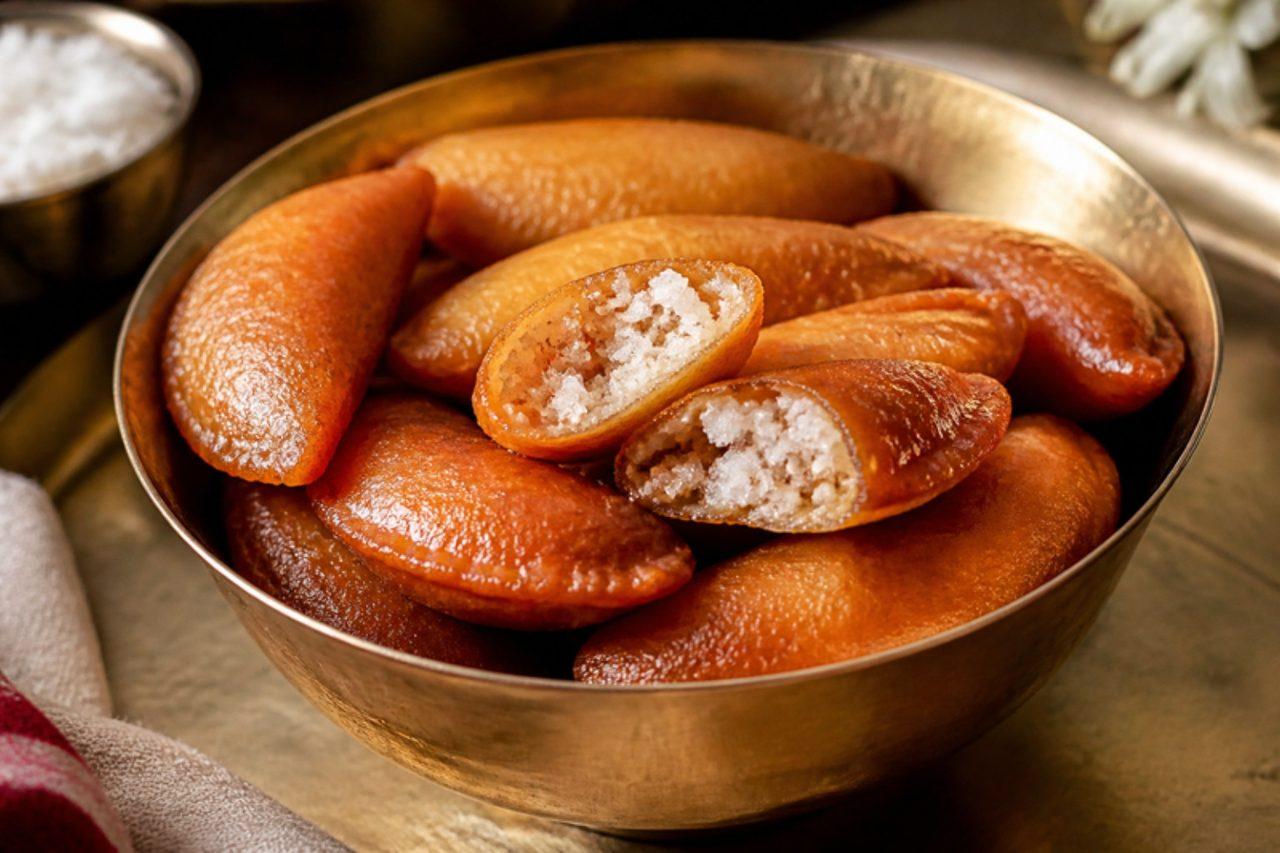
In Odisha no festival plate is complete without kakara pitha, and during Durga Puja (and on Prathamastami and Dussehra) Odia homes fry them by the dozen to offer and share. A soft semolina dough cooked in sweetened milk-water is wrapped around a filling of fresh coconut, jaggery, cardamom and a surprising pinch of crushed black pepper, flattened into discs and fried in ghee until golden. They are crisp outside, soft and chewy within, with a gently spicy sweet centre. Common mistake: letting the jaggery filling stay wet, which makes it leak and burst in the hot fat; cook it until it gathers into a ball that leaves the pan clean. Chef's tip: knead the cooked semolina while it is still warm with a little ghee on your palms; it turns smooth and pliable and will not crack as you shape the pitha.

by KrazyBadal 0 views
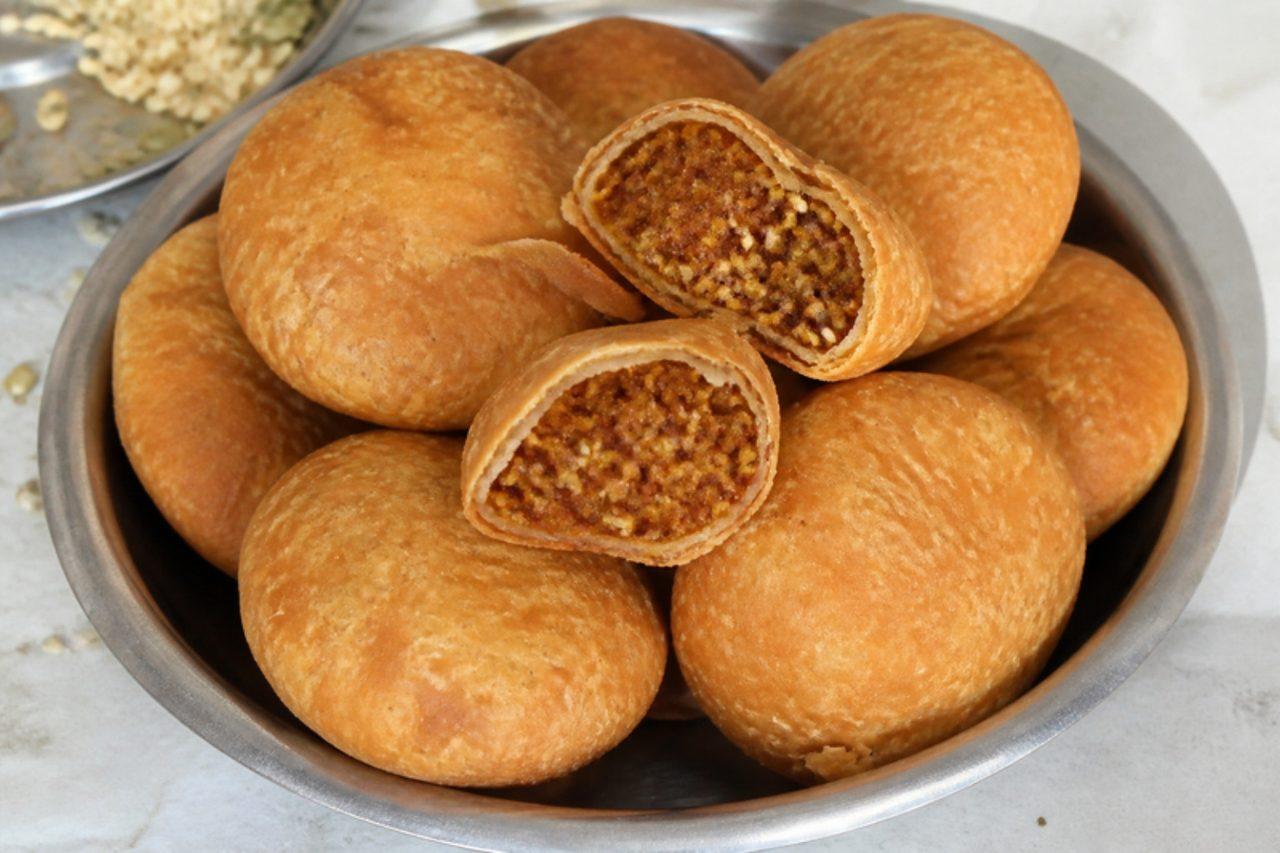
KhichdoWheat, rice and dal porridge

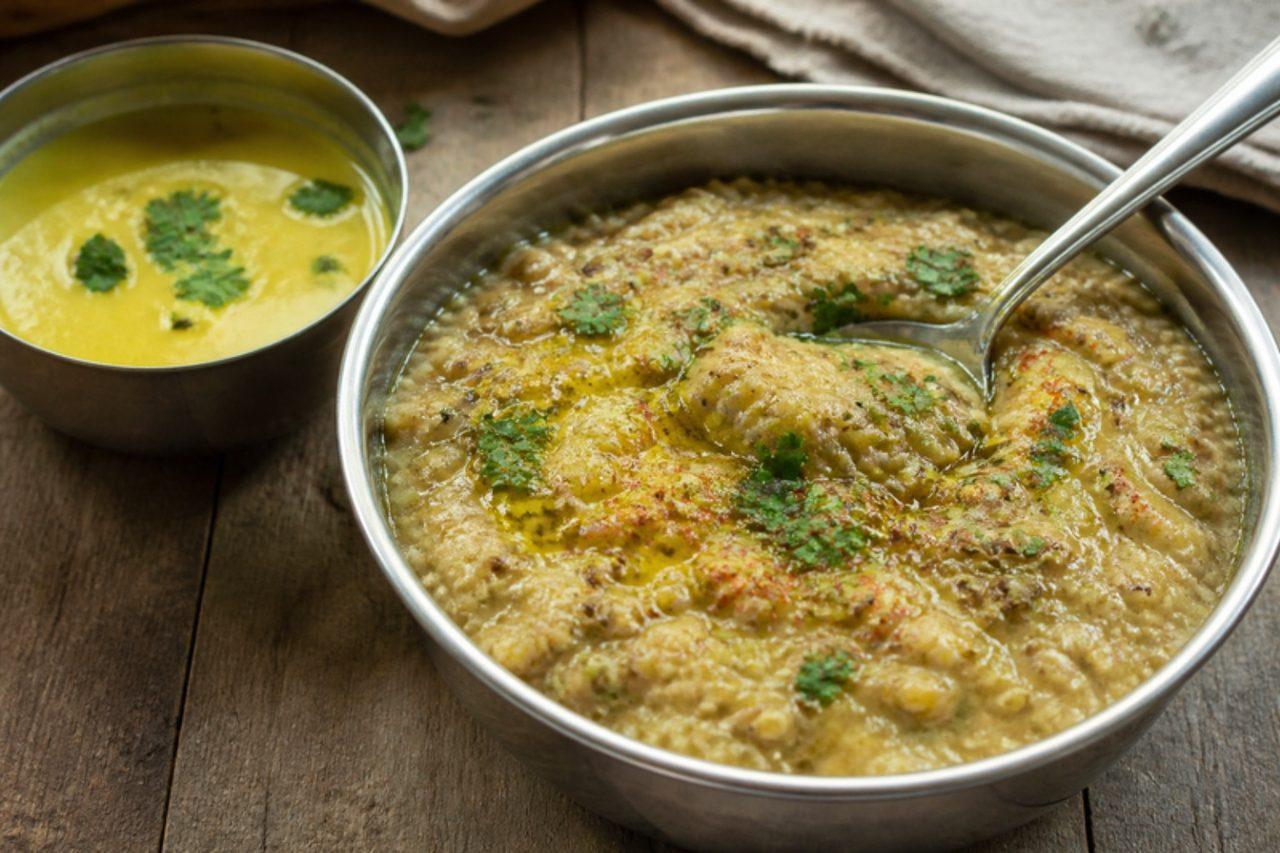
Khichdo is Gujarat's Uttarayan dish of giving: on the morning of the festival big pots of it are cooked and shared with neighbours, cows and anyone in need, because charity on Makar Sankranti is thought to bring blessings. It is a slow, hearty porridge of pounded whole wheat cooked with rice and several dals until everything melts together, finished with a ghee tadka of whole spices, ginger and chilli. Some families make it sweet with jaggery instead. Common mistake: skipping the soaking; the wheat needs a night in water or it never softens, and the khichdo is ready when the grains are bursting and it falls thickly from the ladle. Chef's tip: pounded khichda wheat is sold in Indian shops; cracked whole wheat (not bulgur) also works.

by KrazyBadal 0 views
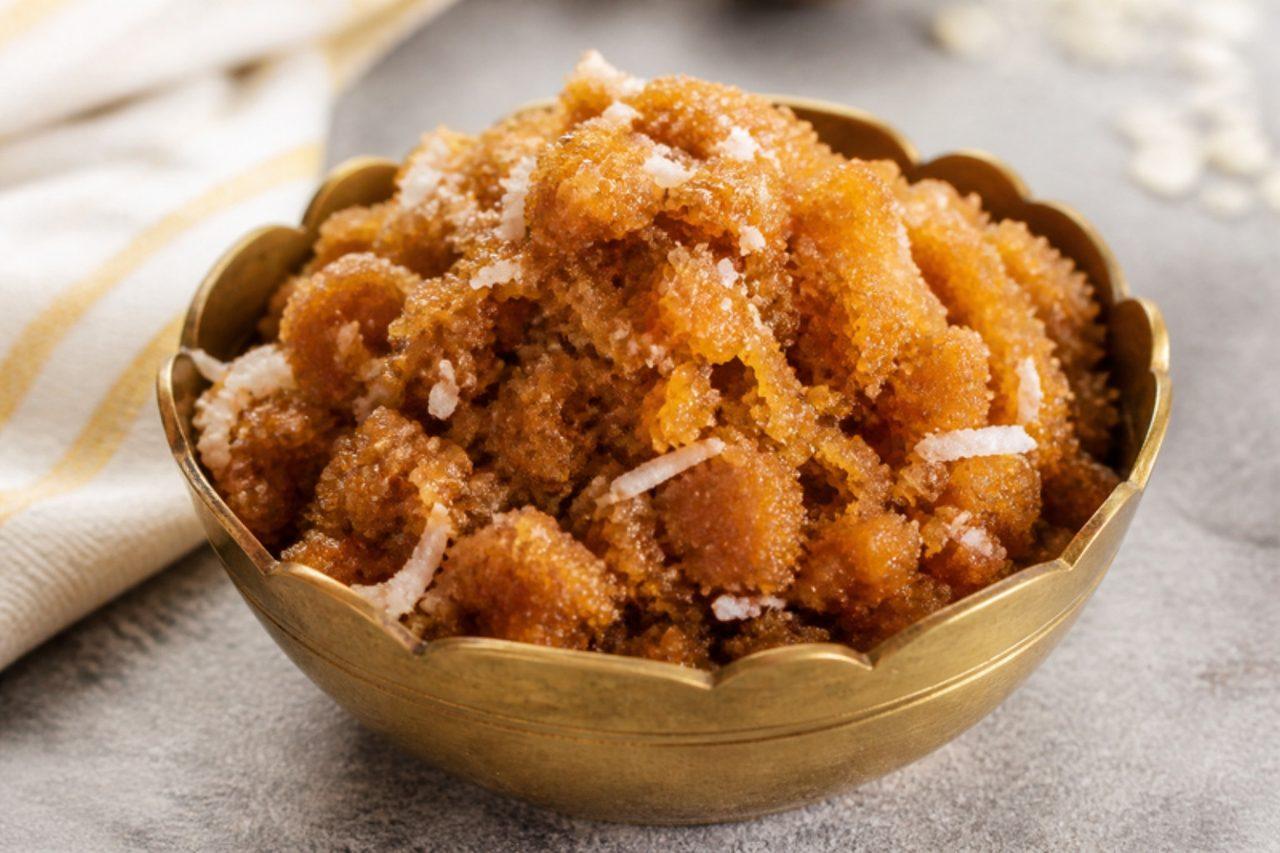
Bharela marchaStuffed green chillies

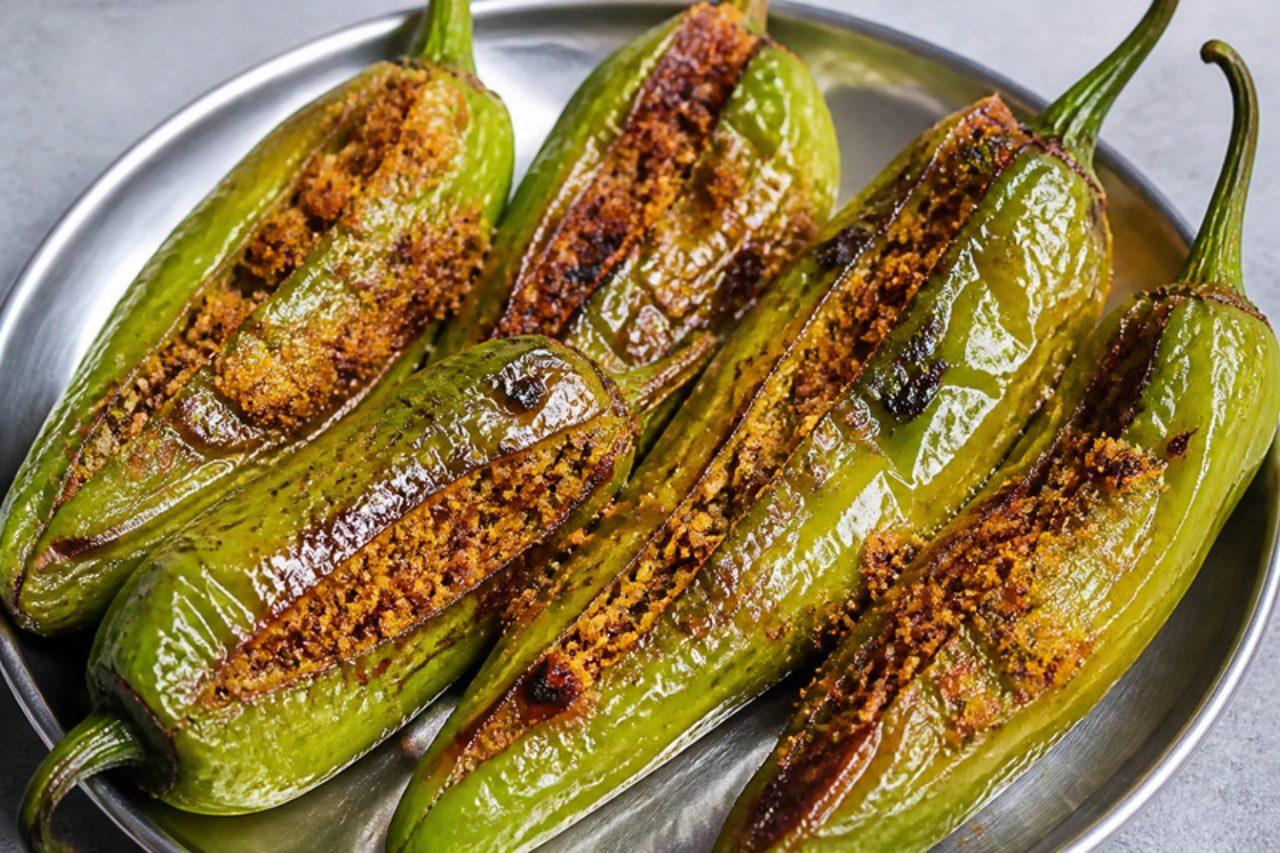
In Kathiawad, bharela marcha are made with the long, fat and fairly mild bhavnagri chillies that come in every winter, and they sit beside a thali of rotla, kadhi and khichdi as a sweet-sour-hot side. The filling is besan roasted in oil until nutty, mixed with sugar, lemon, turmeric and dhana-jiru, and the chillies are cooked covered on low heat until soft and blistered in patches. A common mistake is using small, very hot chillies; choose large mild ones, or the dish is too fierce to eat. Chef's tip: slit the chillies only on one side and scrape out the seeds and ribs; the heat drops right down and the filling stays inside.

by KrazyBadal 0 views
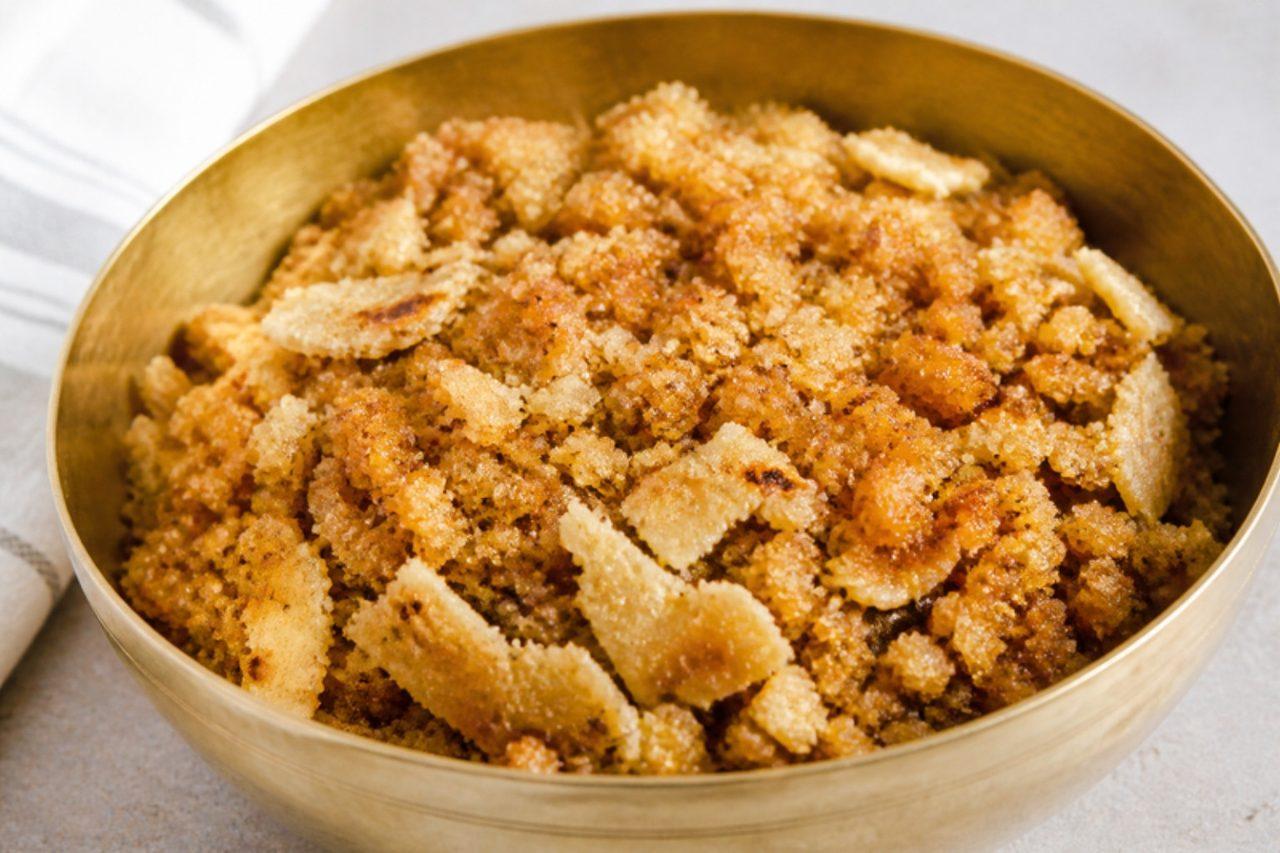
Kolkata vegetable chopCrumbed vegetable croquettes

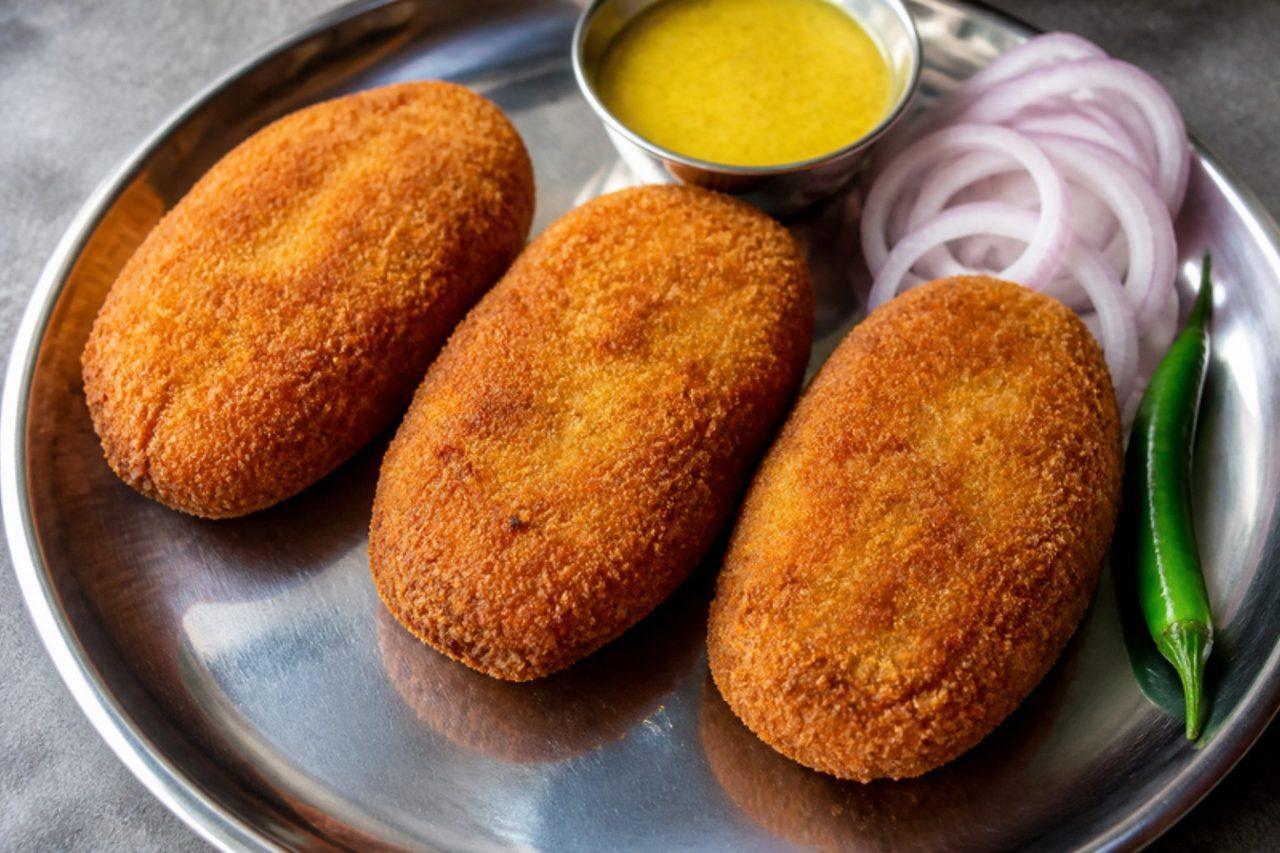
Walk between Kolkata's Durga Puja pandals in the evening and the smell that follows you is of telebhaja stalls frying vegetable chop. These are oval croquettes of mashed potato with grated beetroot, carrot and roasted peanuts, spiced with ginger, chilli and bhaja moshla, coated in a flour-water batter and breadcrumbs and fried until shatteringly crisp; inside they are soft, sweet and a vivid pink. They are eaten hot with kasundi, ketchup or sliced cucumber and onion. Common mistake: leaving the filling wet, which makes the chops split in the oil; cook the beetroot mix until it is dry enough to roll without sticking. Chef's tip: coat the chops twice (batter, crumbs, batter, crumbs) and chill them for 20 minutes before frying; the double coat is what gives the pandal crunch.

by KrazyBadal 0 views
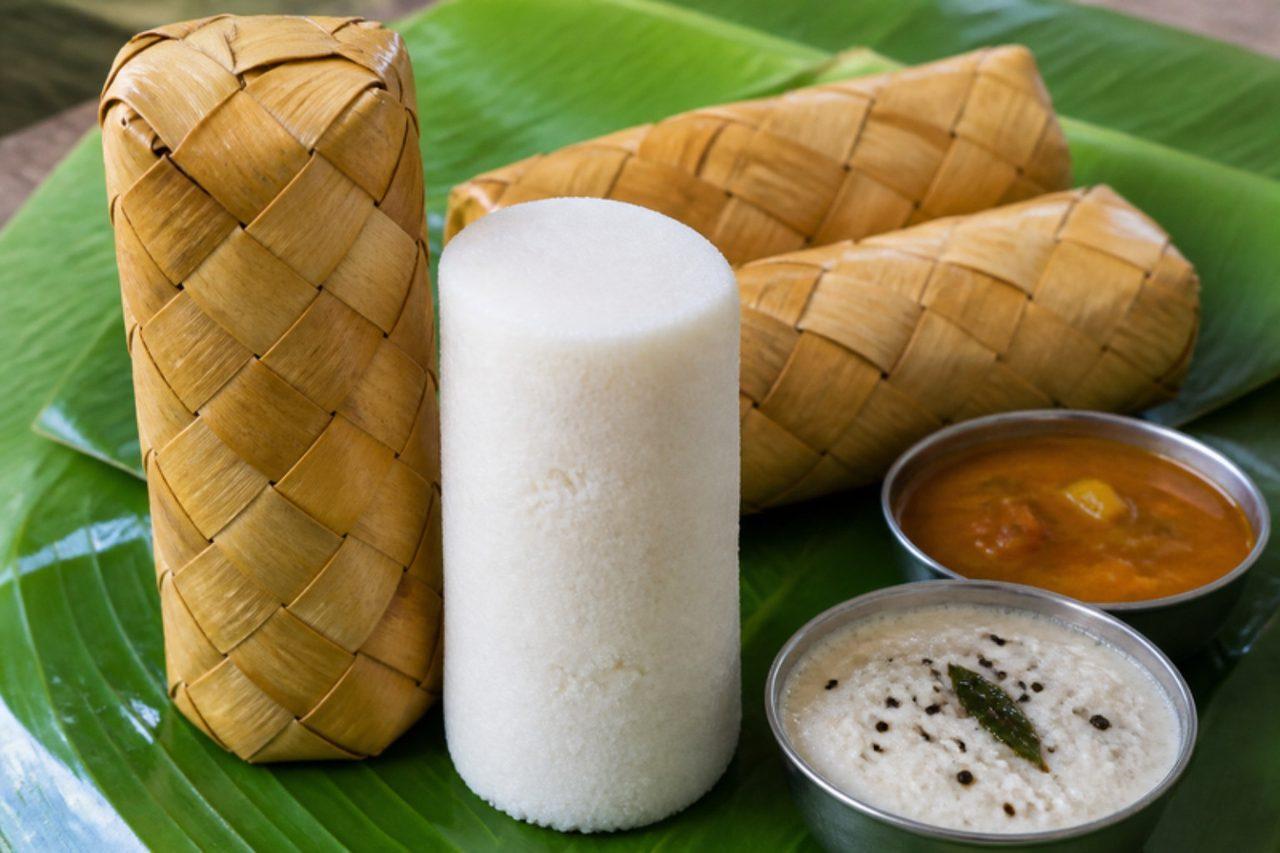
Halasina happalaJackfruit papads

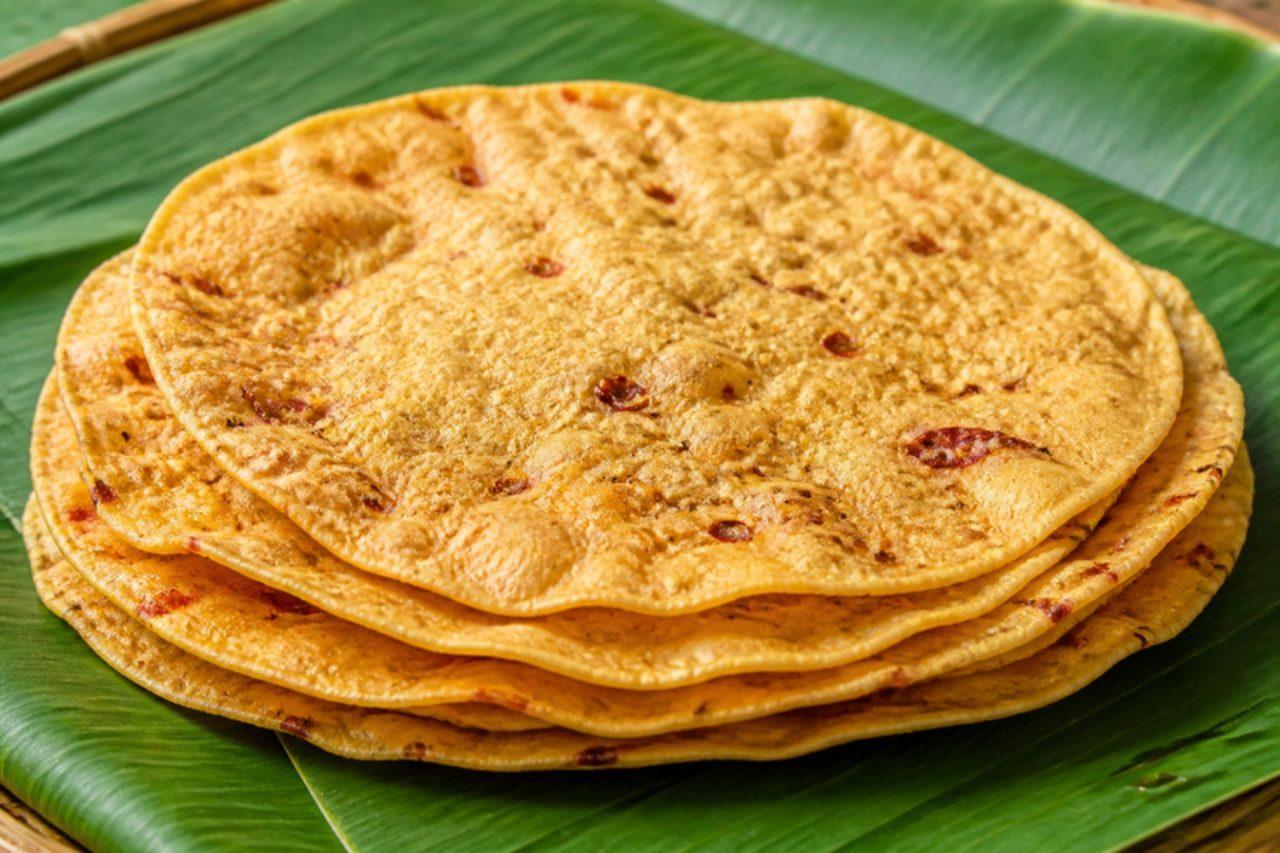
In Udupi and the rainy Malnad hills, families turn the glut of summer jackfruit into happala: raw bulbs cooked soft, ground with chilli and cumin, pressed into thin rounds and dried on the terrace for the monsoon months. Fried in coconut oil they puff into a crisp, earthy papad with a gentle chilli heat, eaten with rice and saaru or on their own with tea. The common mistake is pressing them too thick; they stay leathery and won't puff. Aim for about 2 mm, thin enough to see light through the edges. Chef's tip: oil your hands, the plastic sheets and the press, because raw jackfruit latex is very sticky and will glue everything together.

by KrazyBadal 0 views
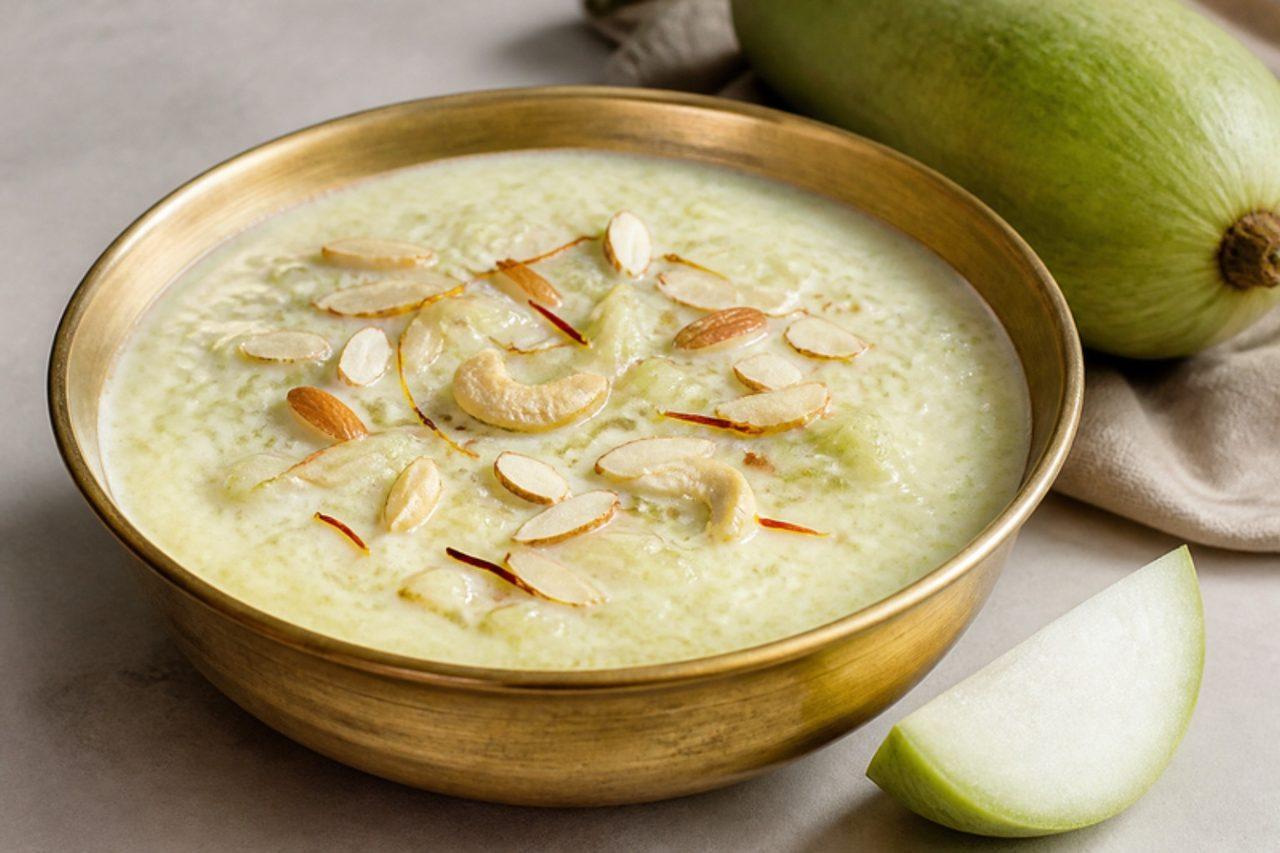
Arisi upmaBroken rice and dal upma

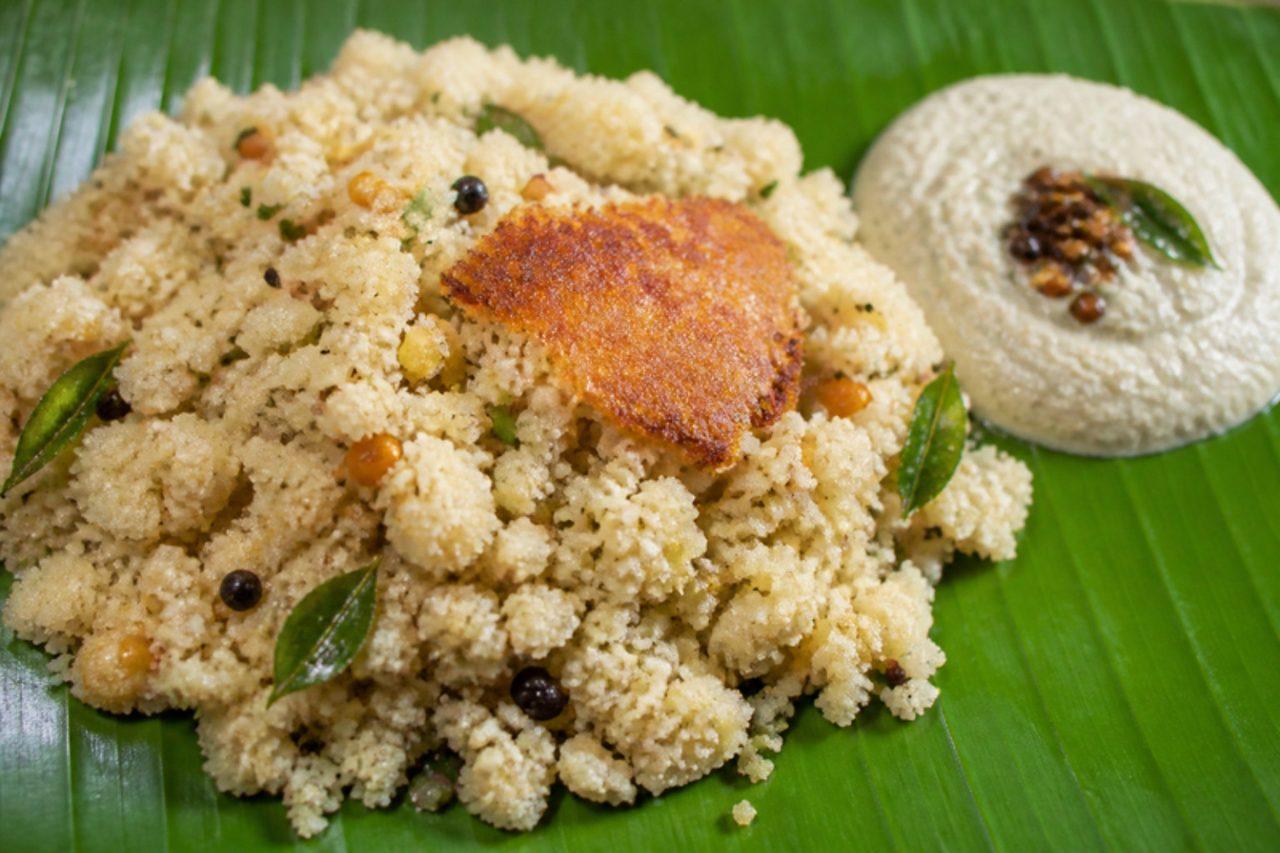
Arisi upma is the old Tamil country breakfast and evening dinner, especially in Tirunelveli and Madurai homes, made from rice and toor dal coarsely broken at home and cooked in a heavy pot. The best part is the 'kaanthal', the crisp golden crust that forms on the bottom, which families fight over. The mistake is too much water, which gives a sticky porridge; use about two and a half times the volume of the broken rice. Chef's tip: once cooked, leave it on the lowest heat with a lid for ten minutes, undisturbed, to build that crust.

by KrazyBadal 0 views
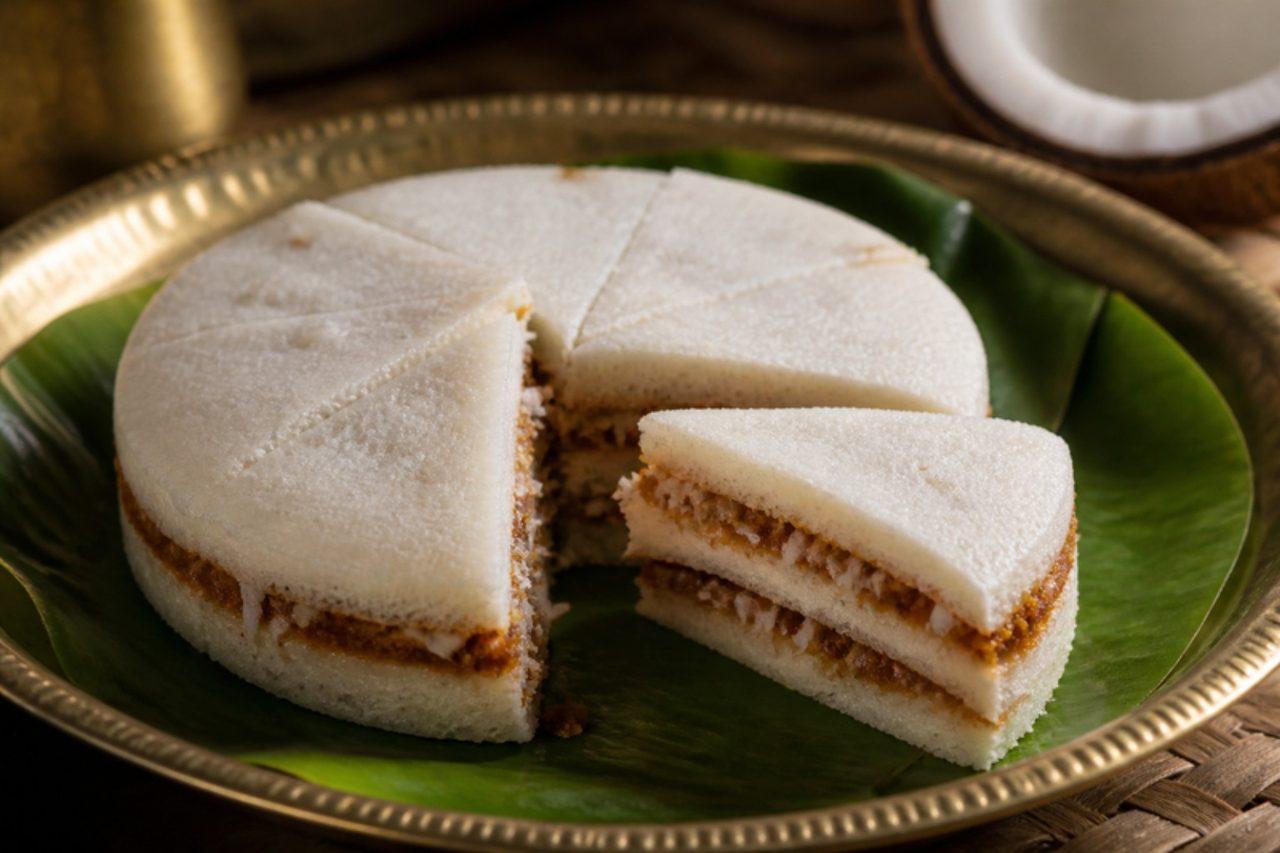
Dahi churaFlattened rice with curd and jaggery

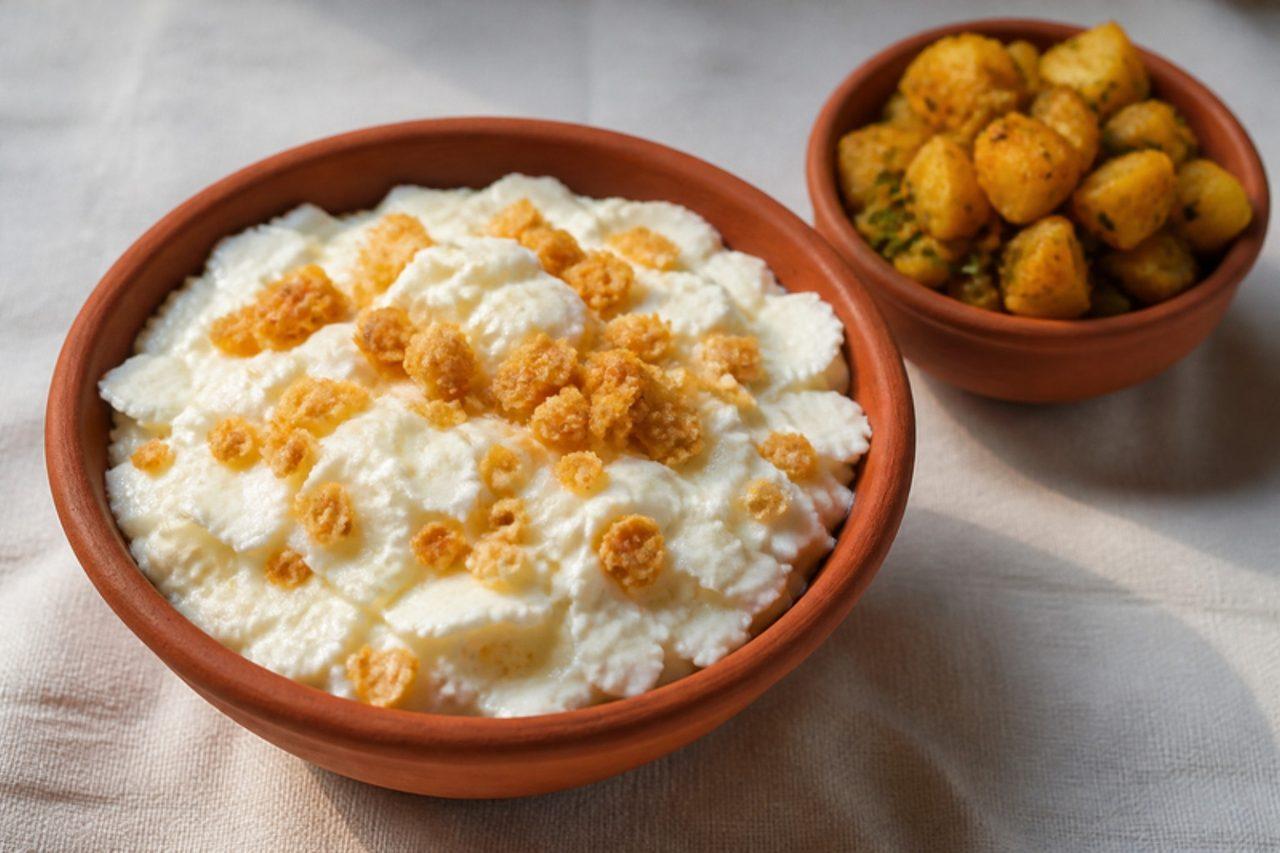
Dahi chura belongs to Bihar and eastern Uttar Pradesh: it is the traditional Makar Sankranti breakfast, but on summer nights in Patna and Gaya it is also the supper that needs no stove at all. Thick chura (flattened rice) is rinsed, mixed with creamy set curd and sweetened with jaggery, then eaten with a spicy potato sabzi or a pinch of pickle alongside. It is cool, mildly sweet and gently chewy. The usual mistake is soaking the chura in water, which leaves it soggy and dilutes the curd. Chef's tip: rinse the chura and let it drain for two minutes so the flakes swell from the water clinging to them, then add the curd.

by KrazyBadal 0 views
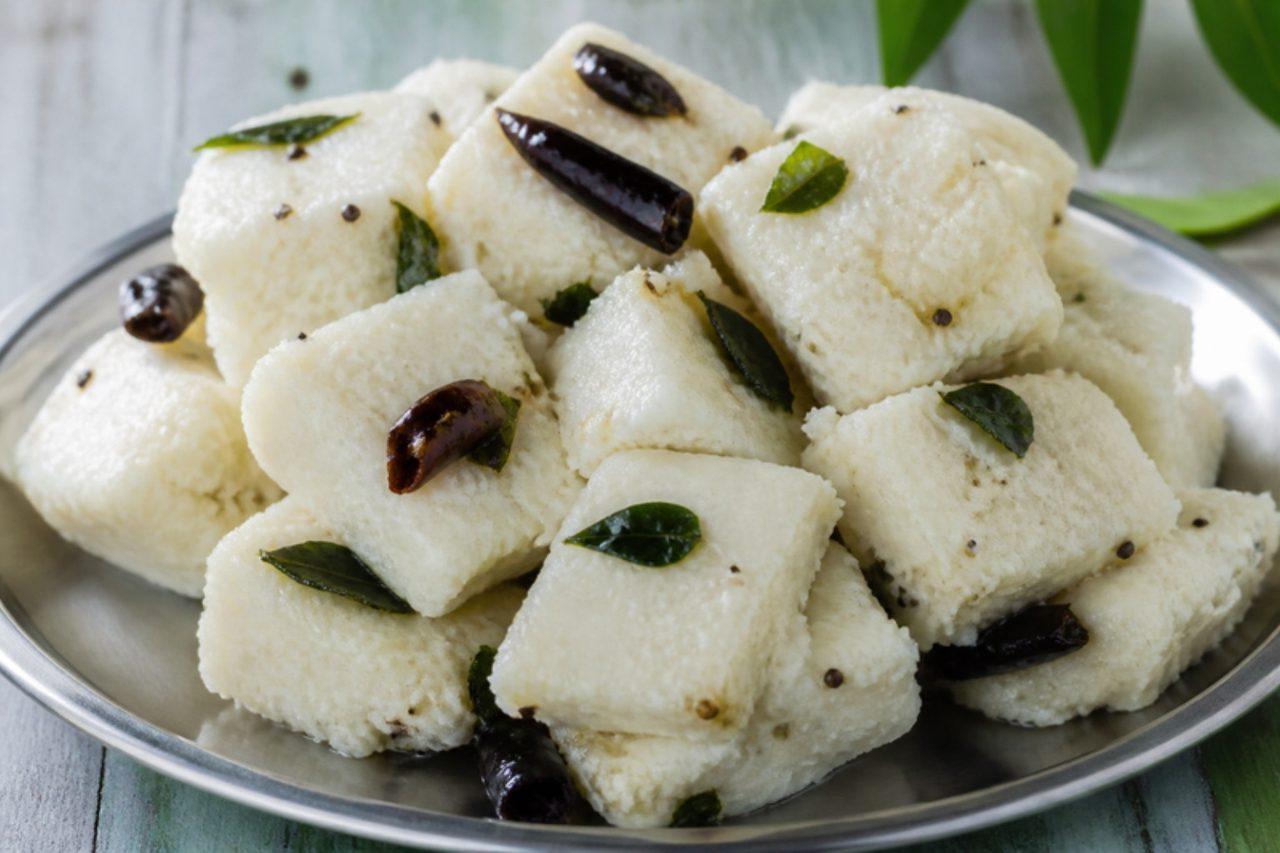
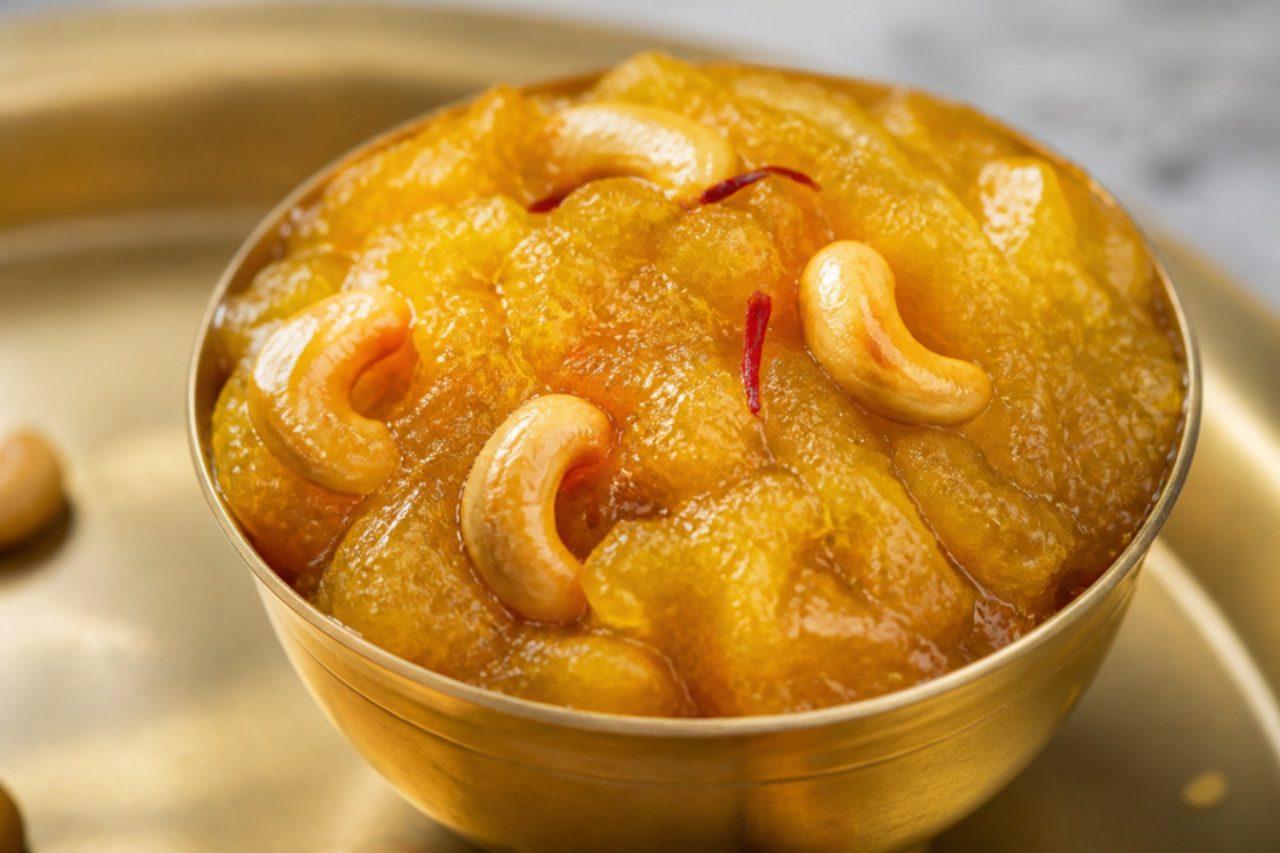
Kashi halwaAsh gourd halwa

Kashi halwa, also called dumrot, is the sweet that ends Udupi and Karnataka wedding feasts, spooned onto the banana leaf next to payasa. Grated white ash gourd cooks down in its own juice with sugar and ghee until it turns glassy and golden, with saffron for colour and cashews for crunch; it tastes delicate and buttery, not vegetal. The mistake most people make is skipping the squeeze: grate the gourd and leave the water in, and the halwa takes an hour to thicken and goes mushy. Squeeze it well, then cook the gourd in that juice. Chef's tip: add the sugar only after the gourd is soft and translucent; sugar added early firms the shreds and they never turn tender.

by KrazyBadal 0 views
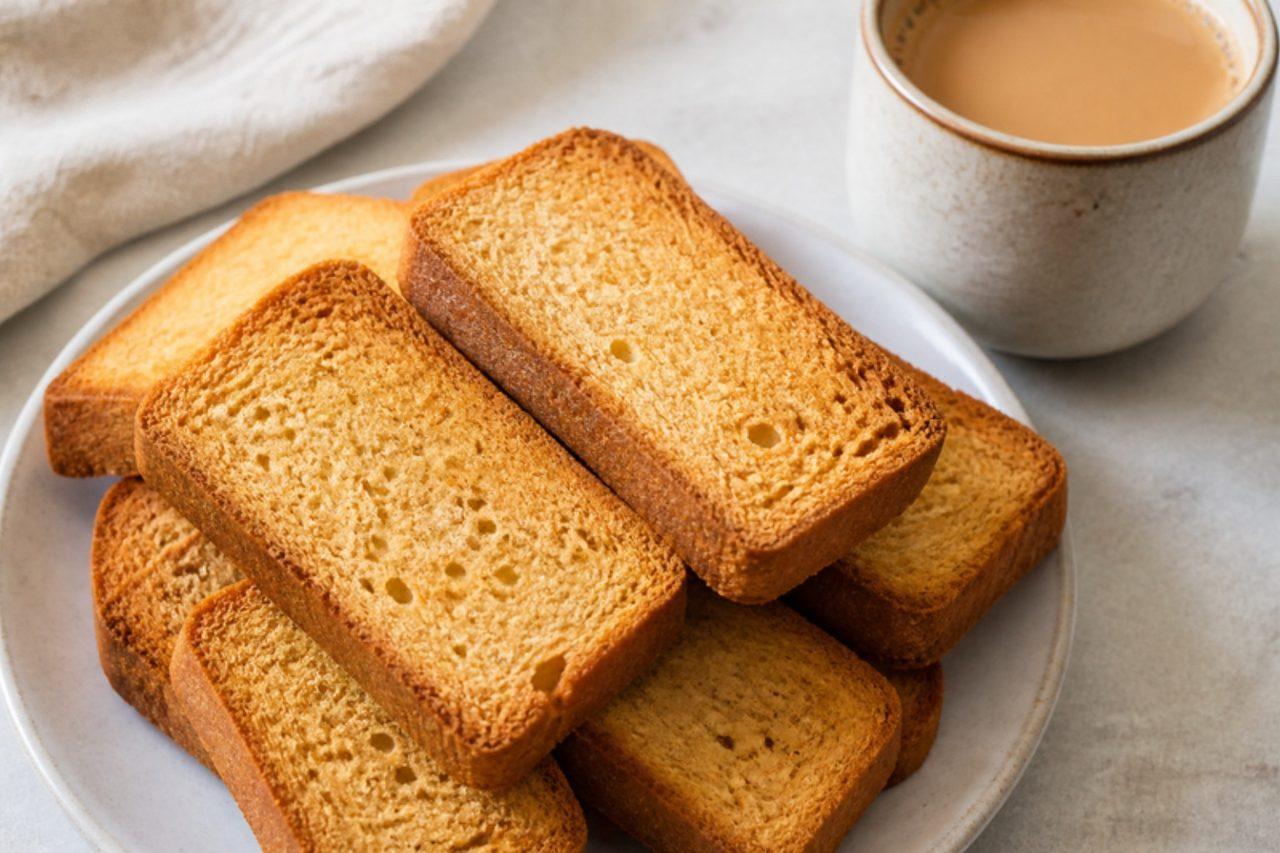
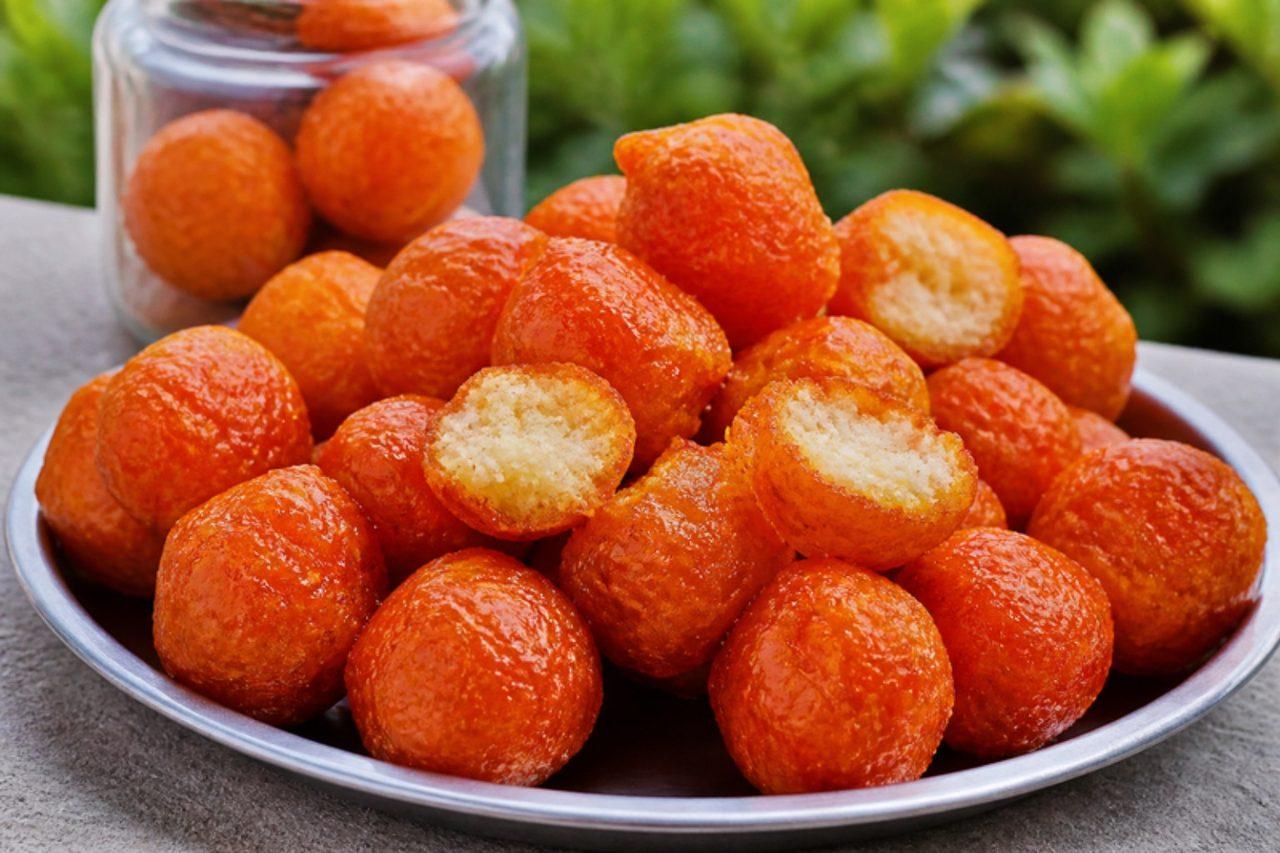
Then mittaiSyrup-soaked rice and urad balls

Then mittai, 'honey sweets', were sold from glass jars at the petti kadai outside every Tamil village school in the 1980s and 90s, glossy red balls that crunch and then squirt sweet syrup. They're nostalgic now and great fun to make at home for children's parties. The mistake is frying too hot, which browns the outside before the centre cooks; they should fry slowly to a crisp shell. Chef's tip: let the fried balls cool for a minute before dropping them into warm, not hot, syrup so they stay crisp instead of going soggy.

by KrazyBadal 0 views
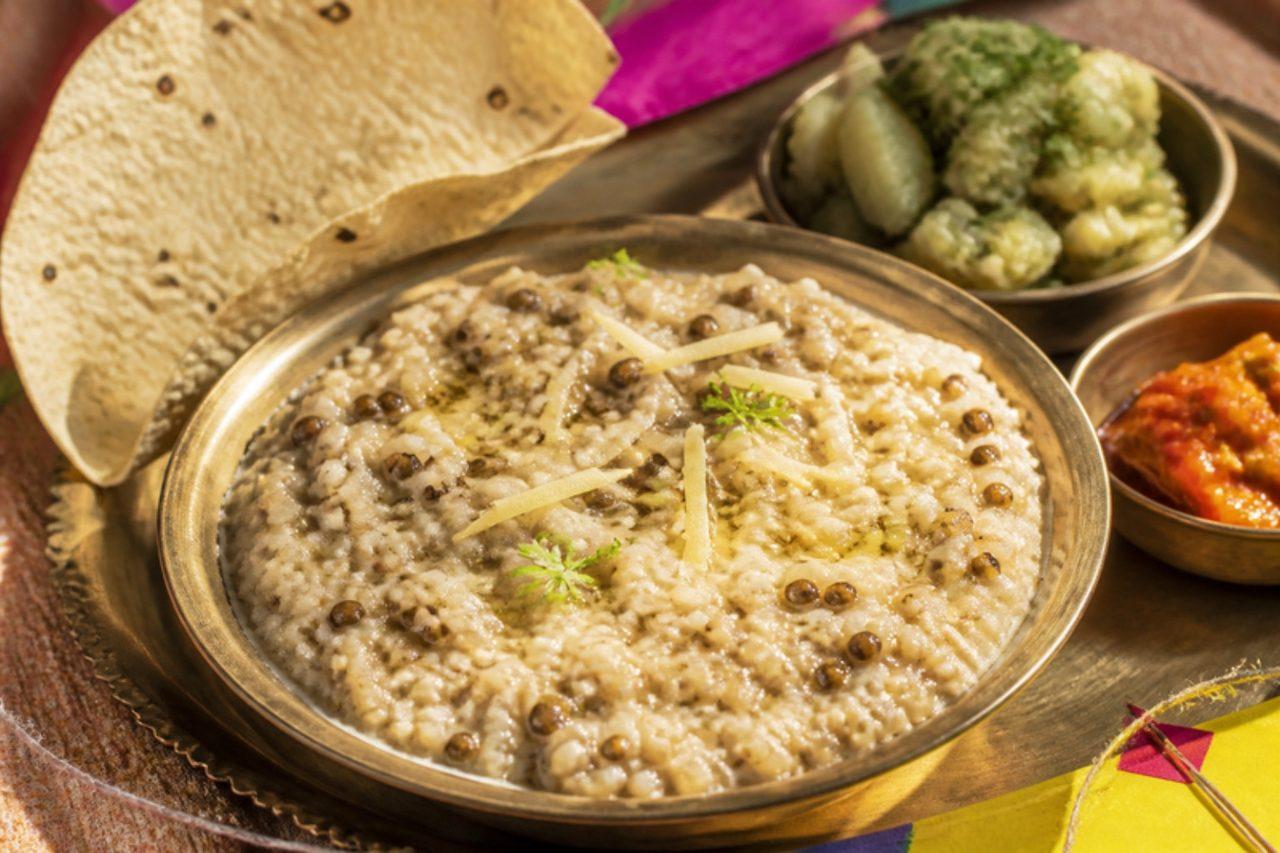
Urad dal khichdiRice and black lentil khichdi

Across Uttar Pradesh and Bihar, Makar Sankranti is simply called Khichdi: after a dip in the Ganga, raw rice and black urad dal are given away as alms, and the same two are cooked at home into this khichdi for lunch. Its four companions are part of the custom: 'khichdi ke chaar yaar, dahi, papad, ghee, achaar', so it comes to the table with curd, roasted papad, a spoon of ghee and pickle, often with aloo or baingan chokha too. The split urad with its black skin gives a creamy, earthy khichdi that is grey-brown and flecked with black. Common mistake: cooking it too dry; urad drinks up water, so it should be soft and loose enough to settle on the plate, and it is done when the dal grains crush easily. Chef's tip: let the cooker release naturally and rest 5 minutes before opening; the khichdi finishes softening in the steam.

by KrazyBadal 0 views
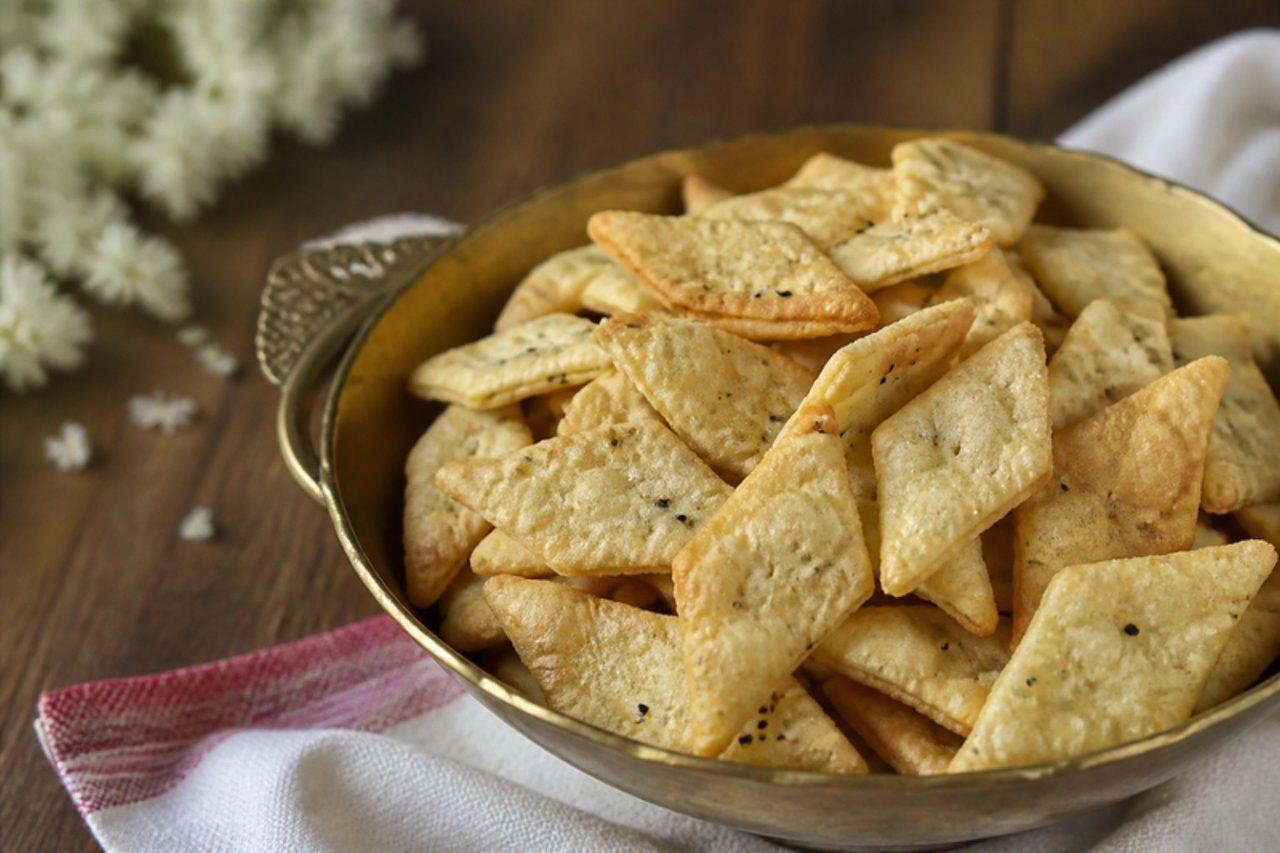
NimkiFlaky fried nigella pastry

On Bijoya Dashami, the last day of Durga Puja, Bengali families visit elders, touch their feet and are fed sweets, and the tin of nimki is always opened alongside the narkel naru and mishti. Nimki are small diamonds of short pastry flavoured with kalonji (nigella seeds), fried slowly until they blister into flaky layers. They are salty, crunchy and very moreish with a cup of tea. Common mistake: frying in oil that is too hot; the outside browns while the inside stays raw and hard. Fry on a low-medium flame until the pieces float, sound hollow and are a pale golden colour. Chef's tip: the dough is ready when a handful pressed in your fist holds its shape (the 'moyan' test); too little ghee gives hard nimki, too much makes them crumble in the oil.

by KrazyBadal 0 views
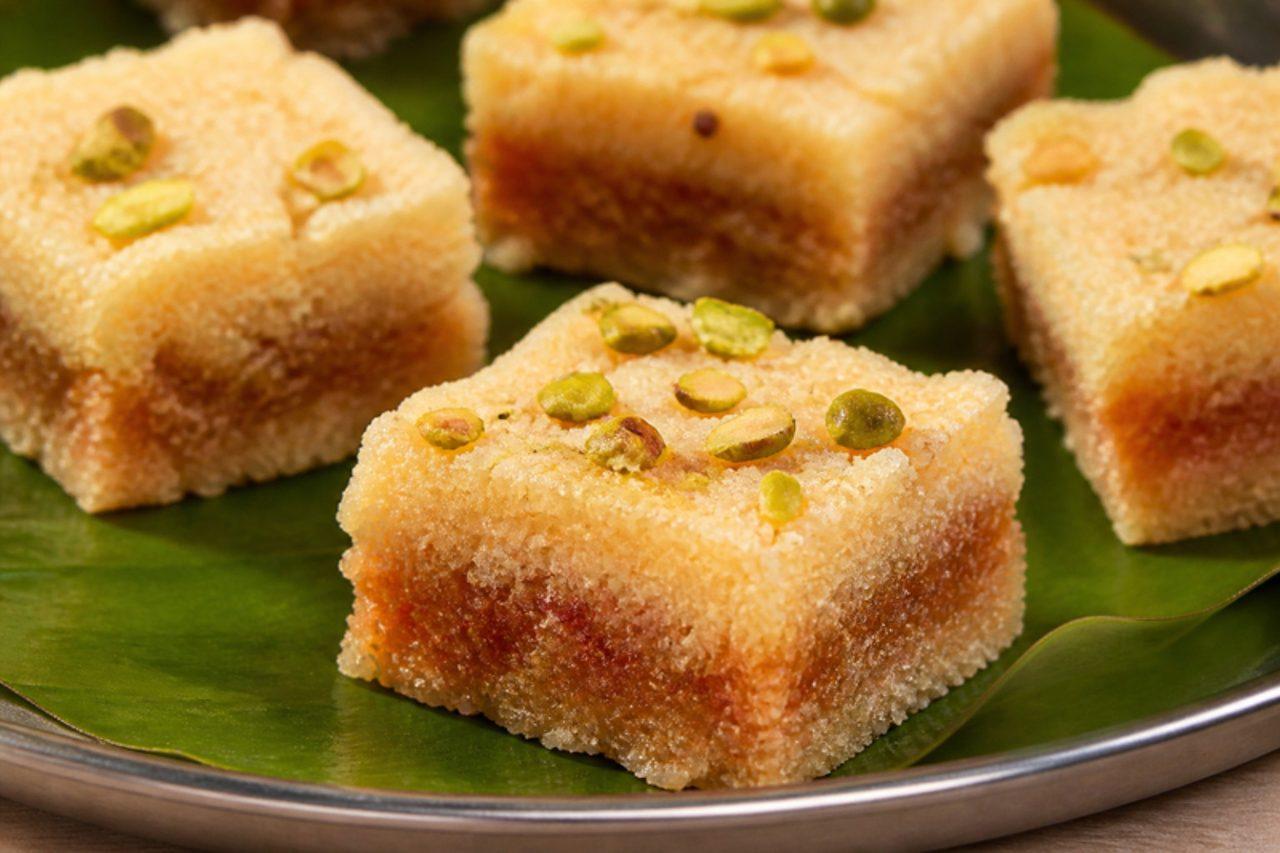
Alwar milk cakeGrainy reduced-milk sweet

Sweet boxes swapped on Raksha Bandhan in Rajasthan very often hold Alwar milk cake: a dense slab of full-fat milk reduced for hours with sugar, then left to set slowly in its own heat so the middle caramelises dark brown while the edges stay pale and grainy. Unlike kalakand, it uses no chhena at all; the grain comes from souring the milk just a little as it reduces, and the colour from long, patient cooking. It is fudgy, milky and toffee-like. Common mistake: hurrying the last stage on a high flame, which scorches the base instead of browning it; the mass is ready when it leaves the sides of the pan as one sticky lump and the ghee starts to show at the edges. Chef's tip: wrap the filled tin in a thick towel and leave it overnight; that slow cooling is what browns the centre.

by KrazyBadal 0 views
Pappada vadaFried pappadam fritters

Pappada vada is a Kerala tea-shop snack from the stretch between Thrissur and Palakkad, where a jar of them sits on the counter beside the banana fritters for the four o'clock chai break. Plain urad pappadams are dunked in a thin, chilli-red rice-flour batter with sesame and hing, then fried until the coating turns into a glassy, bubbly crust around the crisp pappadam inside. They are salty, peppery and loud to eat, and they keep in a tin for a week. The usual mistake is a thick batter: it fries into a hard, oily shell, so it should coat the back of a spoon thinly, like single cream. Chef's tip: use the small Kerala pappadams, not the big spiced Punjabi ones, and fry two at a time so the oil stays hot.

by KrazyBadal 0 views
Avalose podiRoasted rice flour and coconut powder

Avalose podi is a keeping snack from central Kerala, especially Syrian Christian homes around Kottayam and Thrissur, made in big batches before Christmas or long journeys. Coconut is rubbed into rice flour and roasted for close to an hour until the mix turns sandy, golden and smells like toasted biscuits. It is eaten by the spoonful with a little sugar and a ripe banana, or with black coffee, and can be bound with jaggery into avalose unda. The mistake is high heat; the coconut browns before the flour is cooked through and the podi tastes raw and bitter. Chef's tip: keep stirring over low heat until a pinch, cooled, falls apart like sand between your fingers.

by KrazyBadal 0 views
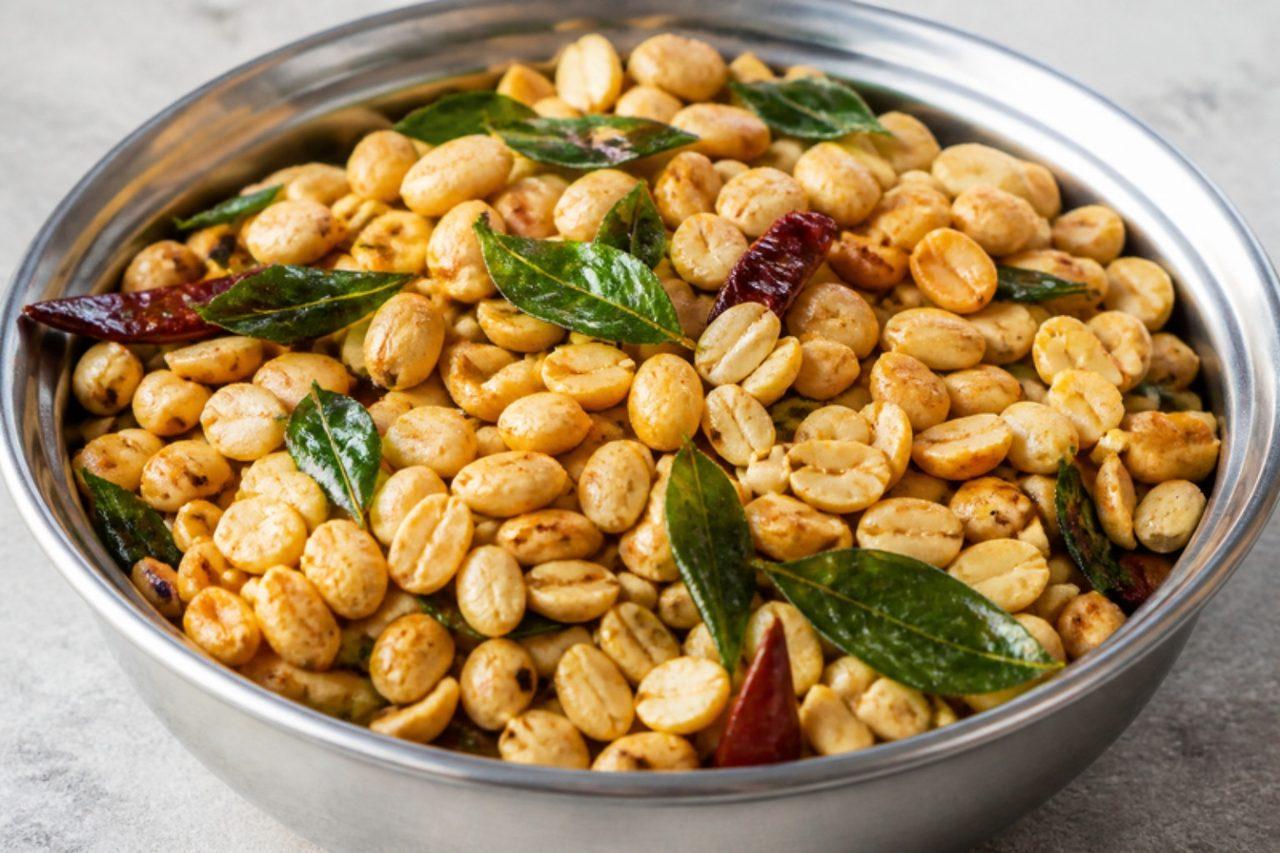
Congress kadlekaiSpiced roasted peanuts

Congress kadlekai is a fixture of Bengaluru's Iyengar bakeries and the Basavanagudi Kadlekai Parishe, the peanut fair held each November. Roasted peanuts are split in half, which is said to be where the name comes from, and tossed in a little hot oil with curry leaves, hing and chilli so the spices cling to the flat sides. It's salty, crunchy and very hard to stop eating with evening coffee. A common mistake is frying the peanuts in the tempering: they're already roasted and burn quickly, so add them off the heat. Chef's tip: rub the warm roasted peanuts in a cloth and blow away the skins; skinless halves take the masala much better.

by KrazyBadal 0 views
Jamnagari kachoriDry sweet-spicy kachori

Jamnagari kachori are the little dry kachori that travel: Gujarati families buy them by the box in Jamnagar and carry them abroad, because the filling has no water in it and they keep for a month. The pastry is short and crisp, and the filling is a crumbly mix of roasted besan, dry coconut, sesame, fennel, coriander seed, sugar, raisins and a hit of chilli and dry mango, sweet, sour and hot at once. They are a tea-time snack and part of every Diwali tray. The common mistake is frying them fast; they need a long, slow fry on low heat so the pastry cooks crisp all the way through. Chef's tip: roast the besan for the filling until it smells nutty and just darkens, or the kachori taste raw and floury.

by KrazyBadal 0 views
ChalimidiRice flour and jaggery sweet

Chalimidi is a no-cook-flour sweet from Andhra and Telangana, offered to the goddess at Navaratri and Nagula Chavithi and handed out at naming ceremonies and baby showers. Soaked rice is dried, pounded into fresh flour and stirred into a thick jaggery syrup with coconut, so it sets into a soft, damp, slightly crumbly dough that is shaped into small balls. It tastes of molasses and cardamom and is eaten as it is, at room temperature. The most common mistake is undercooking the syrup: a thin syrup leaves the chalimidi sticky and pasty, so cook it to a firm soft-ball stage. Chef's tip: use freshly ground soaked rice, not shop rice flour; the slightly damp flour is what gives chalimidi its tender bite.

by KrazyBadal 0 views
ChooriCrumbled roti with ghee and sugar

In Punjabi villages choori is what a grandmother makes when a child comes home hungry before dinner: a warm roti or leftover paratha crumbled by hand into ghee and shakkar until it turns into soft, sweet, buttery crumbs. It is eaten with a glass of tea or milk in the late afternoon, and in many homes a bowl is set aside as an offering on Sankranti and at the gurdwara. The common mistake is using cold, leathery rotis straight from the box: the ghee won't soak in and the sugar stays gritty. Warm them on the tawa first until they are soft and just crisp at the edges. Chef's tip: a pinch of crushed fennel and some chopped almonds turn it into a little treat for guests.

by KrazyBadal 0 views
MoodeSteamed idli in leaf cylinders

Moode is the festive idli of Mangaluru and Udupi, made for Krishna Janmashtami, Ganesh Chaturthi and big family breakfasts. The batter goes into tall cylinders woven from kedige (screwpine) leaves, which perfume the soft, spongy rice cake with a floral scent you can't get any other way; markets on the coast sell the woven moulds ready to fill. Slice it into thick rounds and serve with coconut chutney, sambar or a spicy chana gassi. The common mistake is filling the leaf moulds to the brim: the batter rises as it steams and spills out, leaving a dense cake. Fill them only two-thirds full. Chef's tip: if you can't find screwpine leaves, roll banana leaves into tight cones and tie them with string; the shape and steaming are the same, only the scent is milder.

by KrazyBadal 0 views
Lauki ki kheerBottle gourd milk pudding

Lauki ki kheer is the light pudding many North Indian families make on Mahashivratri, Navratri and Ekadashi, when rice is off the menu: grated bottle gourd stands in for the grain, softens in ghee and then simmers in milk until it turns pale, creamy and almost translucent. It tastes delicate and milky, with cardamom and a crunch of nuts, and is eaten warm after the evening puja or chilled the next day. Taste a sliver of the raw gourd first; a bitter one can make you ill and must be thrown away. Common mistake: adding the sugar too early, which stops the gourd softening and can make the milk split; add it only once the milk has reduced by about a third and the lauki is tender. Chef's tip: squeeze the grated lauki lightly before cooking, but keep the juice and add it to the milk, so none of the flavour is lost.

by KrazyBadal 0 views

Tekeli pithaSteamed coconut jaggery rice cake

In Assamese homes the nights before Magh Bihu are spent making pitha, and tekeli pitha is the one named after the pot it is cooked on: a cloth is tied over the mouth of a tekeli (a small clay water pot), and damp rice flour, coconut and jaggery are piled on top and steamed by the water boiling underneath. It comes off as a soft, crumbly cake, sweet in the middle and plain at the edges, eaten warm with tea on Bihu morning or packed into the bhogali spread. Any narrow-necked pot or saucepan works at home. Common mistake: using dry shop rice flour straight from the packet; it needs to be just damp enough to clump when pressed, or the cake falls apart, and it is done when the top looks matt and a skewer comes out clean, about 10–12 minutes. Chef's tip: soak and grind your own rice flour if you can; flour from soaked rice, dried for an hour, gives the softest pitha.

by KrazyBadal 0 views

Mor kaliButtermilk rice flour cake

Mor kali is a quick Tamil tiffin of the old style, made in Tirunelveli and Chennai Brahmin homes when there's sour buttermilk to use up. Rice flour is stirred into tempered buttermilk until it turns glossy and leaves the pan, then cut into squares, soft and wobbly with the salty, smoky crunch of fried mor milagai (curd chillies). The mistake is stopping too early: undercooked kali tastes raw and sticks to the teeth, so cook until it rolls into a ball that doesn't stick to a wet finger. Chef's tip: use buttermilk that is properly sour, a day or two old; fresh buttermilk tastes flat here.

by KrazyBadal 0 views

PaapeTwice-baked tea rusks

No Punjabi kitchen is without a tin of paape. They are dunked in the first cup of tea at dawn and again at four o'clock, carried to the fields, and offered to every guest who drops in. Bakeries across Punjab bake a sweet, light loaf, slice it and dry it slowly until it snaps, and this home version does exactly the same. The common mistake is slicing the loaf while it is still warm: it squashes, and the rusks dry out dense and gummy. Let it cool completely, ideally overnight. Chef's tip: dry the slices at a low temperature until the centre snaps cleanly; any softness in the middle and they go stale within days.

by KrazyBadal 0 views

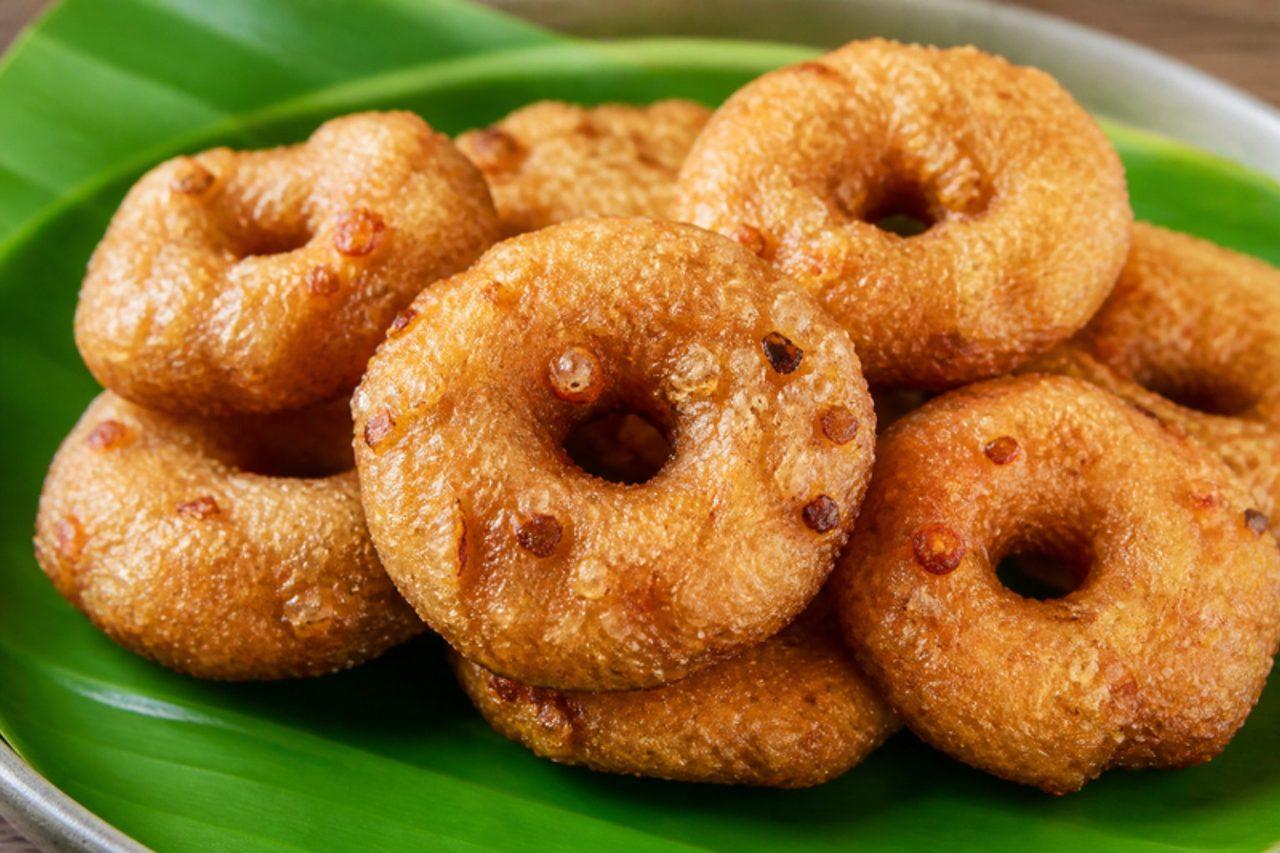
Kalkandu vadaiSweet urad dal rock sugar vadai

Kalkandu vadai is the sweet cousin of medu vadai, made in Chettinad homes for festivals and for the trays that go to a bride's house. Soaked urad dal and a little rice are ground fluffy and mixed with crushed kalkandu (rock sugar) and coconut, then fried into small golden rounds that are crisp outside, soft inside, with pockets of melted crystal sugar. They are eaten warm with coffee. A common mistake is grinding the rock sugar in with the batter, which turns the batter runny; crush it coarsely and fold it in just before frying. Chef's tip: fry these on slightly lower heat than savoury vadai, because sugar browns fast and burns before the centre cooks.

by KrazyBadal 0 views

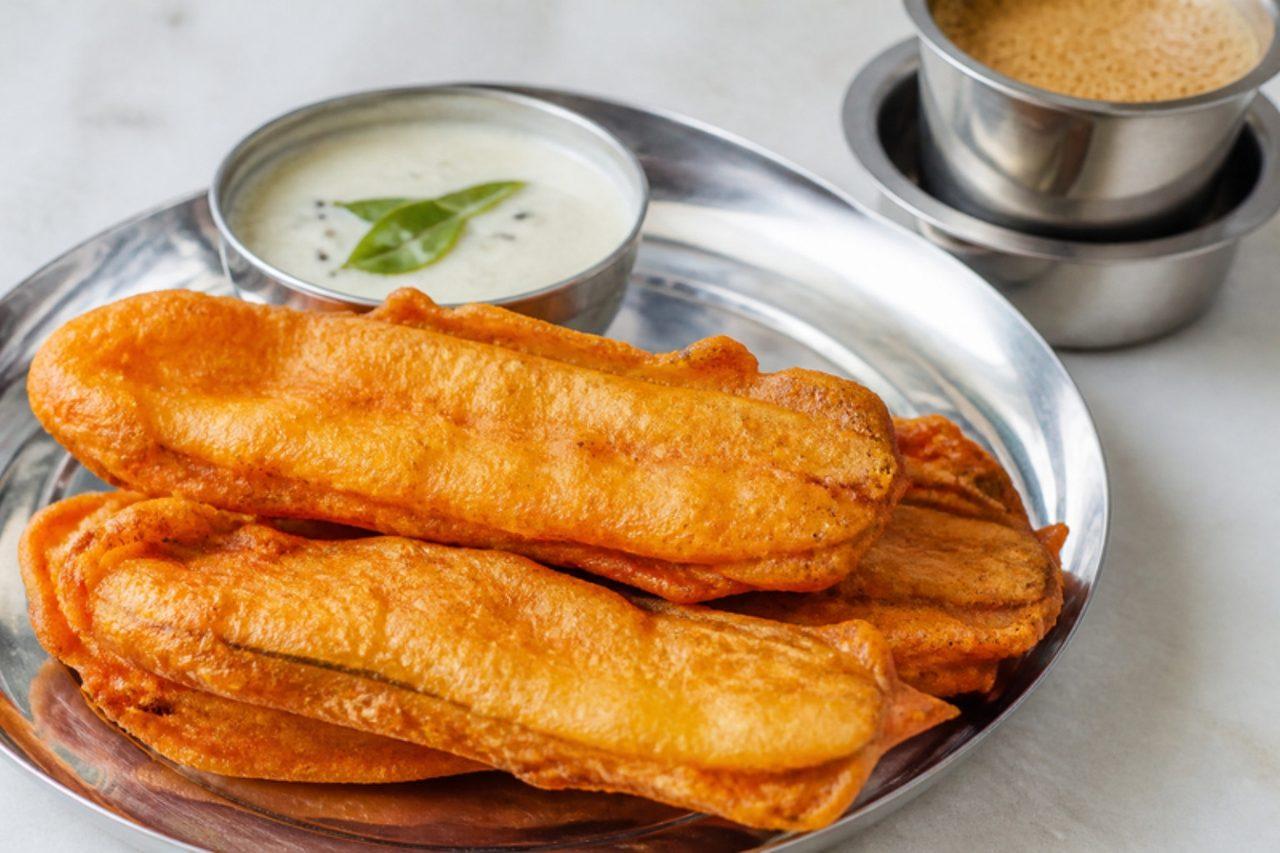
Vazhakkai bajjiRaw banana fritters

Every Chennai beach stall and every Tamil wedding tiffin has a tray of vazhakkai bajji, long thin slices of raw plantain in a soft, puffy, red-tinged coat. They are best eaten minutes out of the oil around 5 pm, with coconut chutney and a tumbler of coffee. The mistake is slicing too thick: the banana stays starchy and hard while the batter overbrowns, so cut slices 2–3 mm thin, ideally on a mandoline, lengthways. Chef's tip: a spoonful of rice flour and a pinch of hot oil whisked into the batter makes the coating crisp outside and keeps it from going soggy.

by KrazyBadal 0 views

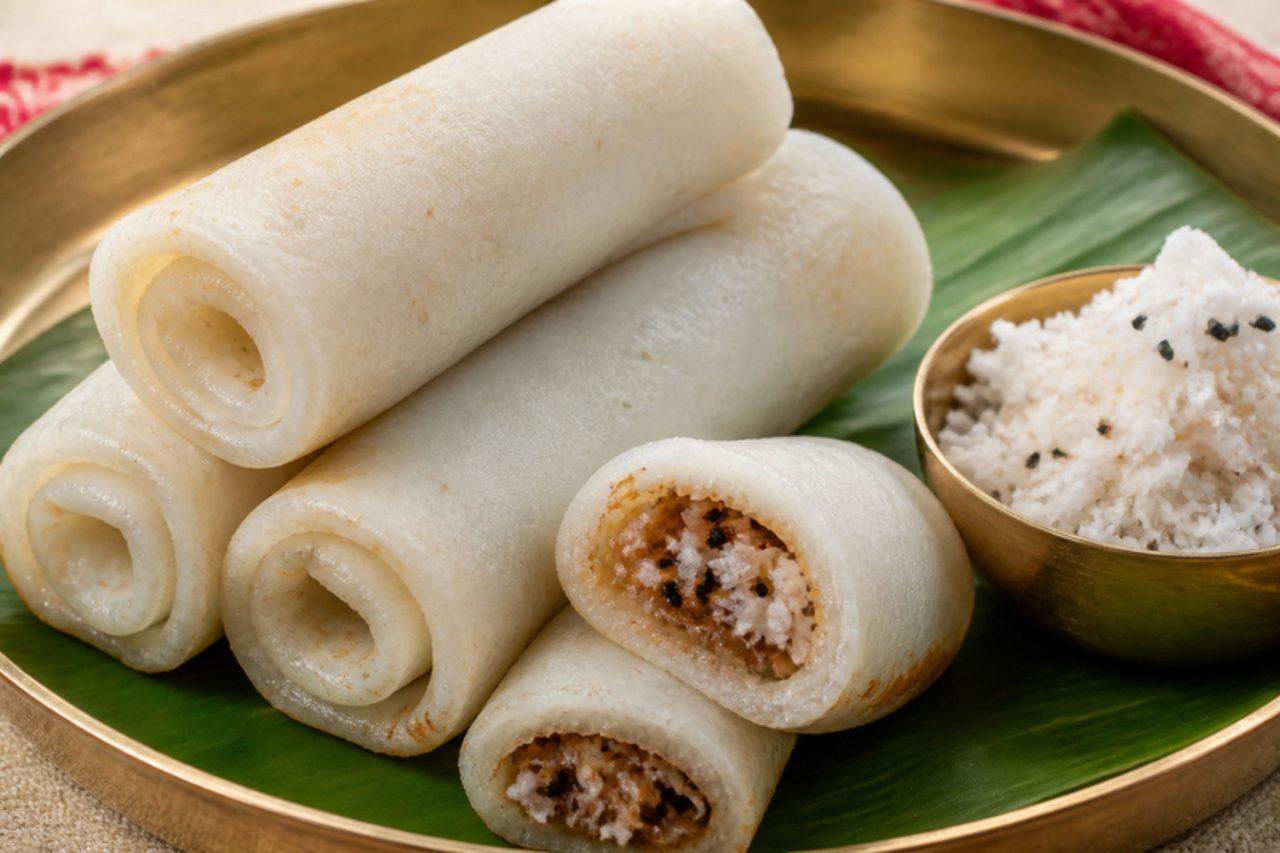
Kholasapori pithaRice pancakes with coconut and jaggery

Kholasapori means 'pressed in the khola', the shallow clay pan that every Assamese kitchen brings out for Magh Bihu, when guests are offered a plate of pitha before anything else. These are thicker and softer than the crisp til pitha: a loose batter of sticky rice flour is spread on the hot pan, filled with coconut and jaggery and folded over, so the outside is lightly speckled and the inside chewy and sweet. A heavy cast-iron pan stands in well for the khola. Common mistake: a pan that is too hot; the batter should set slowly with no browning in the first minute, and it is ready to fold when the edges lift and the top no longer looks wet. Chef's tip: wipe the pan with a cloth dipped in oil between each pitha rather than pouring oil in, so they stay pale and even.

by KrazyBadal 0 views

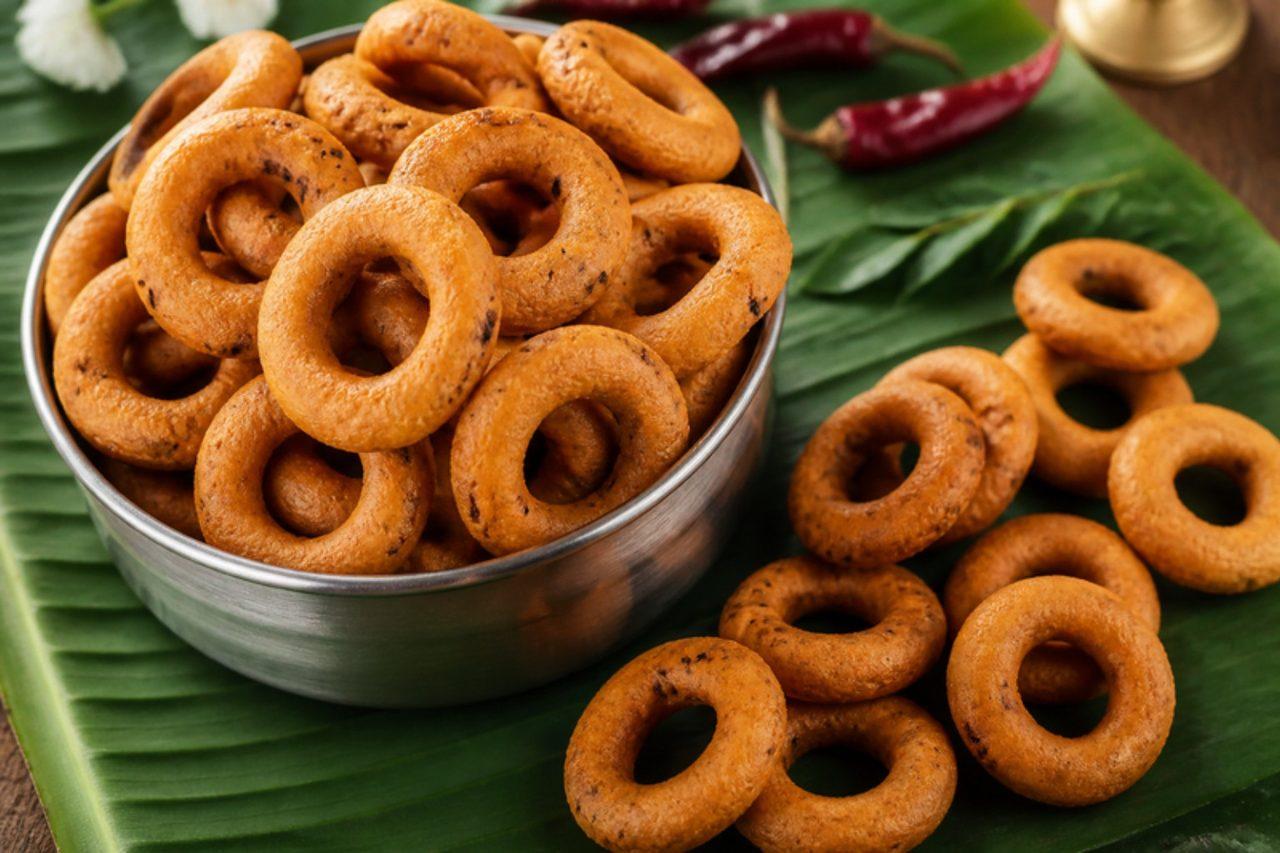
KodubaleSpicy rice flour rings

In Karnataka homes the Krishna Janmashtami spread of chakkuli, unde and avalakki always has a tin of kodubale beside it: little rings of rice flour, semolina and coconut ground with dried red chilli and cumin, rolled by hand and fried until they snap. They are spicy, nutty and very crunchy, and also go into Diwali and Gowri festival tins. Common mistake: making the ropes too thick, so the rings stay soft inside; roll them pencil-thin and fry on a medium heat until the sizzling dies down and they feel light. Chef's tip: grind the coconut with the chillies to a dry paste with no water; extra moisture makes the rings oily.

by KrazyBadal 0 views

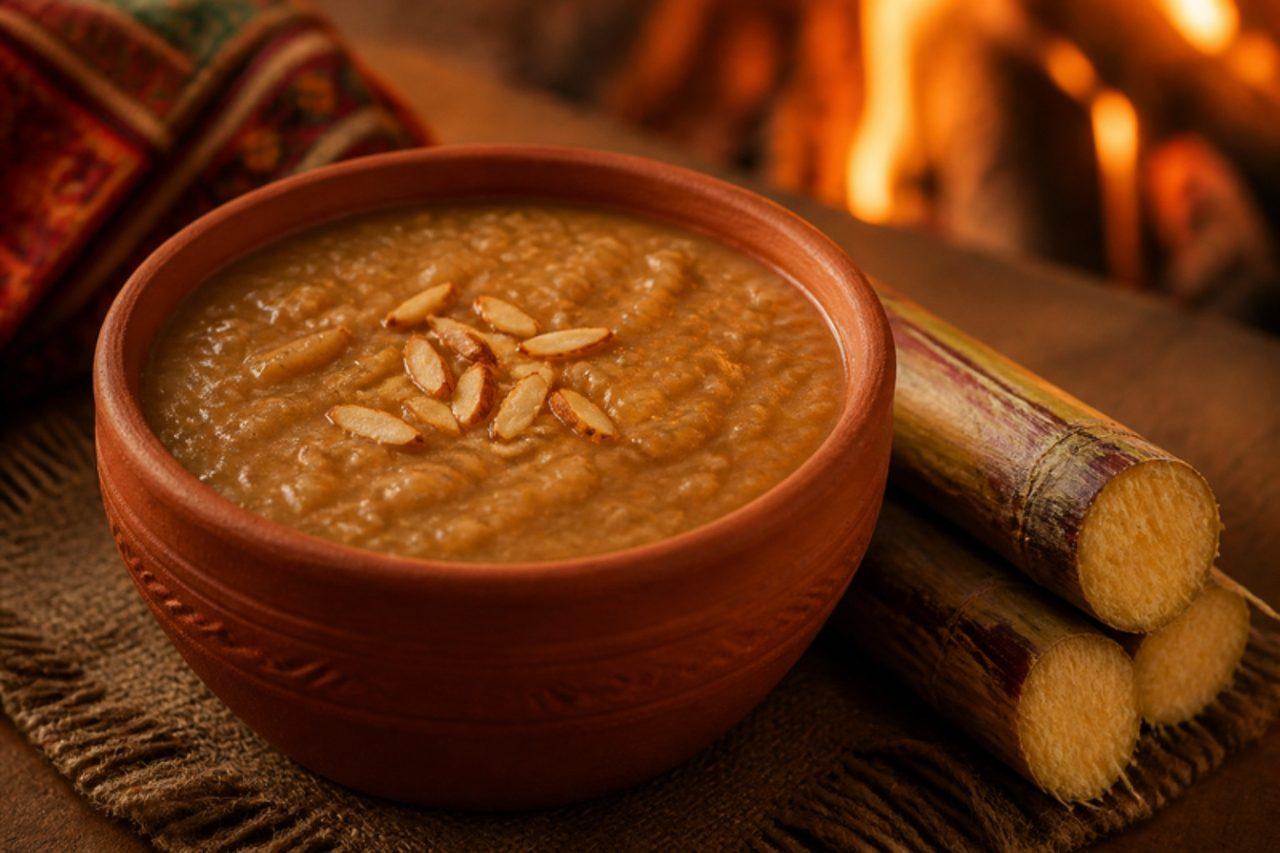
Rauh di kheerRice in sugarcane juice

In Punjabi villages the cane harvest is in by Lohri, and on the night of the bonfire a pot of rice is set to cook slowly in fresh sugarcane juice (rauh) with no milk and no added sugar. The custom is to leave it to cool overnight and eat it cold the next morning, on Maghi, so you will often hear 'poh rinni, magh khaadi': cooked in Poh, eaten in Magh. It sets into a soft, brown, gently caramel pudding that tastes of cane. Common mistake: cooking on a high heat; the juice catches and turns bitter, so simmer it low and stir from the bottom, and it is done when the rice is very soft and the kheer coats the back of a spoon thickly. Chef's tip: skim off all the grey scum as the juice first comes to the boil, or the kheer tastes earthy.

by KrazyBadal 0 views

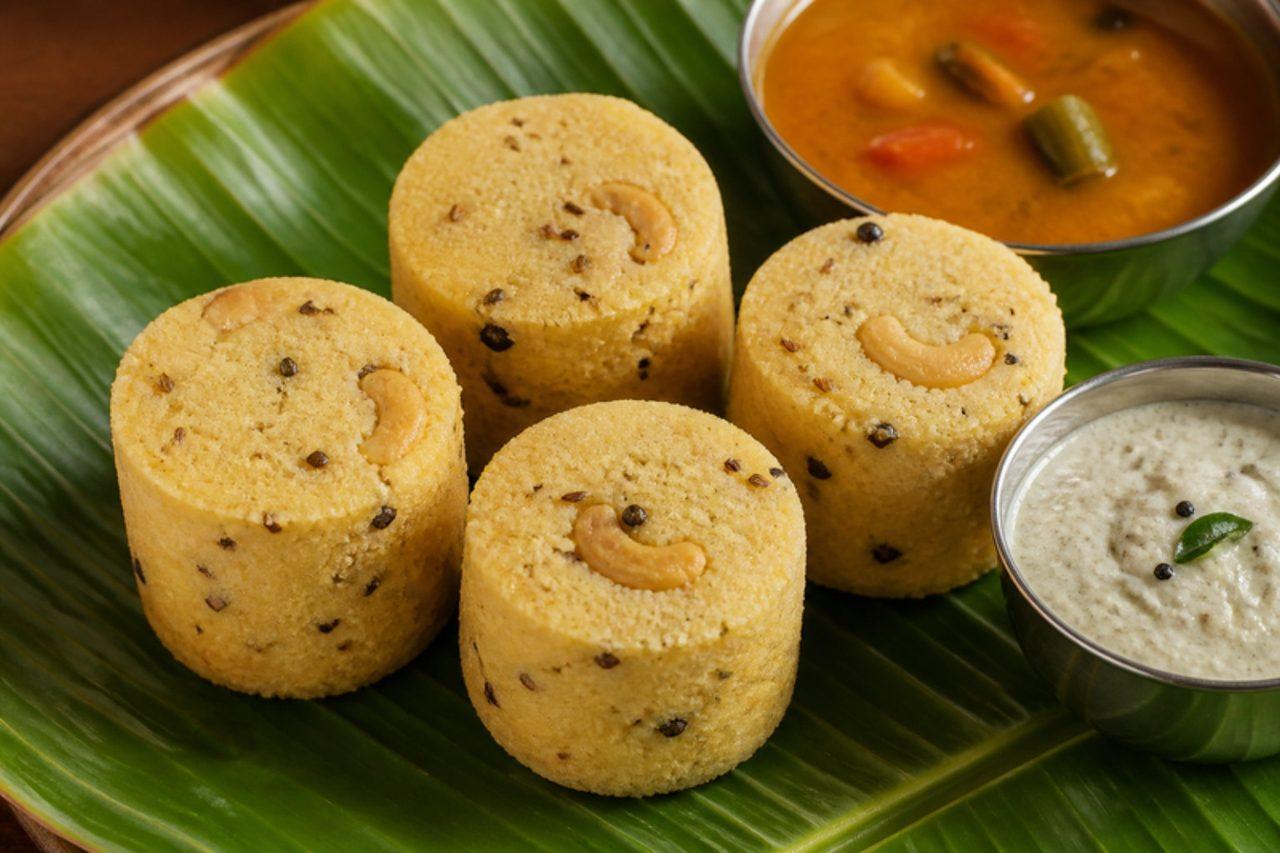
Kanchipuram idliSpiced temple idli

Kanchipuram idli is the temple prasadam of the Varadharaja Perumal temple, where it was traditionally steamed in tall bamboo baskets lined with mandarai leaves. It is coarser and richer than everyday idli, with cracked pepper, cumin, dry ginger and cashews fried in ghee folded through, and it's eaten for breakfast or festival tiffin with coconut chutney and sambar. The mistake is grinding the rice as fine as for plain idli; it should feel like fine semolina so the idli has a crumbly, open bite. Chef's tip: steam in tumblers or small bowls lined with banana leaf for the tall shape and a gentle leaf aroma.

by KrazyBadal 0 views

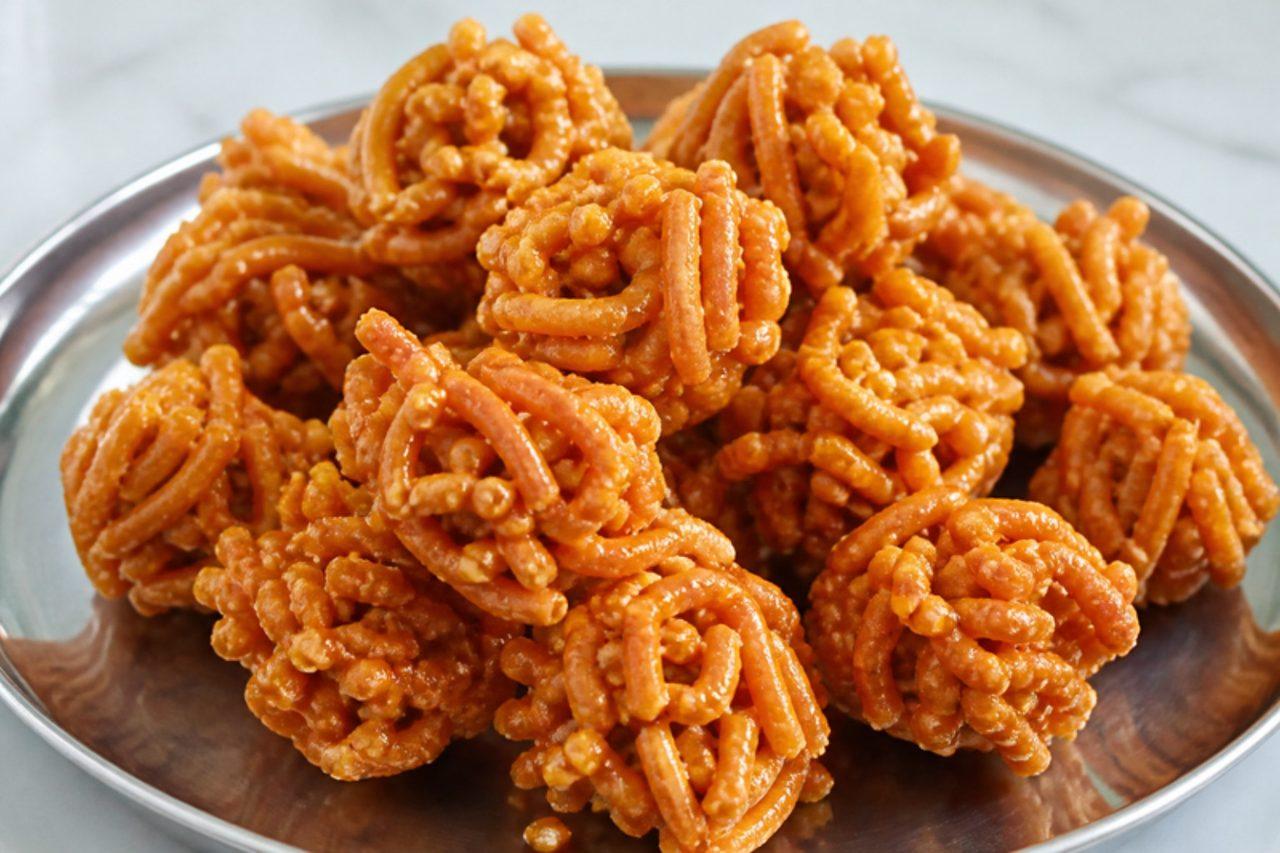
ManoharamRice flour sticks in jaggery syrup

Manoharam is a Chettinad sweet made for weddings and the sweet trays of Deepavali, often shaped into a tall cone for the bridal seer. Short, crisp sticks of rice and moong flour are pressed and fried, then tossed in a jaggery syrup cooked to the hard-ball stage, so the syrup sets around them into a crunchy, molasses-sweet cluster. It is eaten in small pieces with coffee and keeps for weeks. The usual mistake is undercooked syrup, which never sets and leaves the sticks soggy; test it in cold water until it snaps. Chef's tip: have the fried sticks warm and ready in a wide greased bowl before the syrup reaches the right stage, as it starts setting within a minute.

by KrazyBadal 0 views

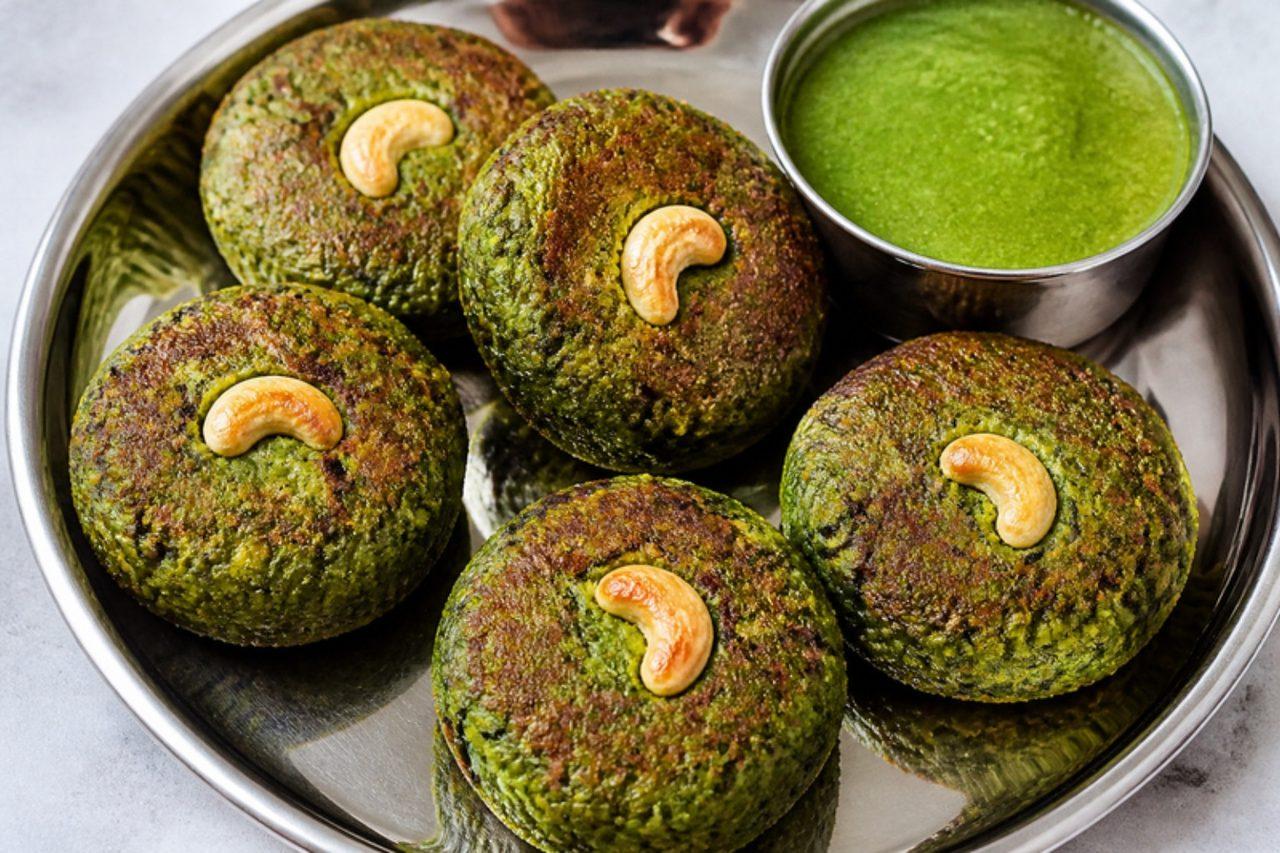
Hara bhara kebabSpinach and pea patties

Hara bhara kebab is the vegetarian starter of Delhi's Punjabi restaurants and every wedding cocktail hour, a bright green patty of spinach, peas and potato with ginger and green chilli, pan-fried until crusty and topped with a single cashew. It is soft inside, crisp outside and mild enough for children, served with mint chutney before a big meal. The usual mistake is not squeezing the blanched spinach dry: the mix turns wet, the patties won't hold and they fall apart in the pan. Wring it out in your fist until no more water comes. Chef's tip: dip the spinach in iced water right after blanching; it keeps the patties a vivid green instead of khaki.

by KrazyBadal 0 views

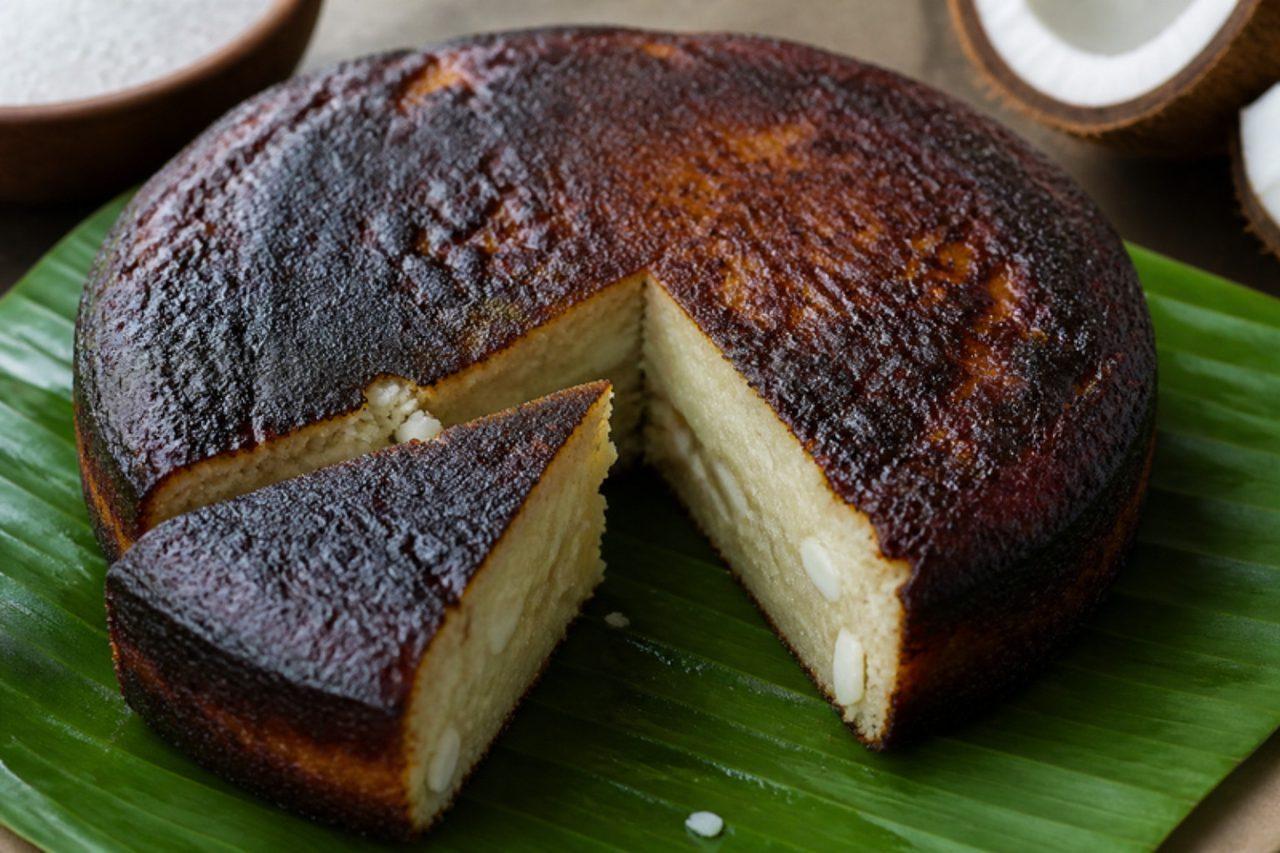
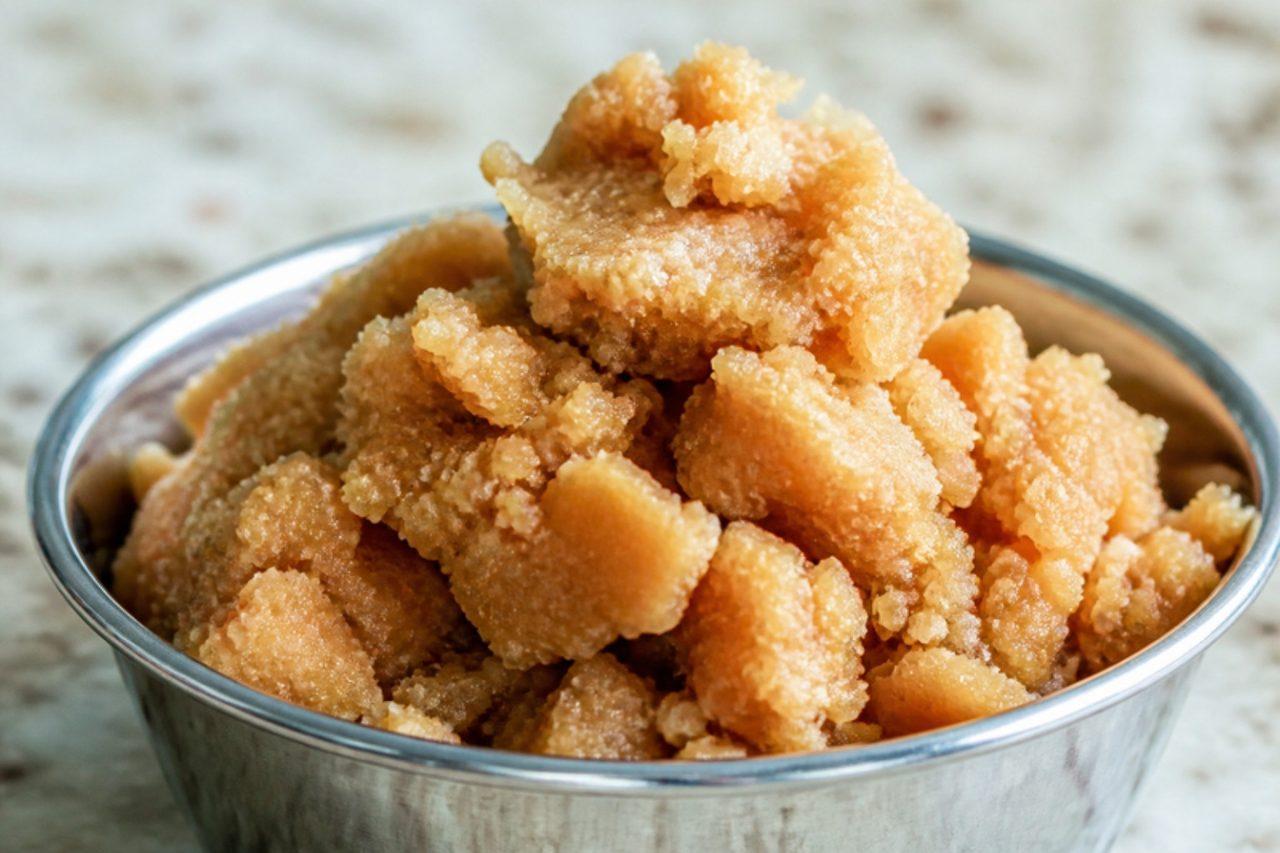
Poda pithaBaked rice and urad cake

Raja is Odisha's three-day festival in mid-June when the earth is said to rest before the monsoon: farming stops, girls wear new clothes, swing on rope swings under the trees and eat pitha instead of cooking rice. Poda pitha, literally 'burnt cake', is the star. A fermented batter of rice and black gram is mixed with jaggery, coconut, pepper and cardamom and baked very slowly, traditionally in a pot buried in embers, until the outside is dark and crusty and the inside sets moist and springy. This is not chhena poda: there is no cheese, only rice and dal. Common mistake: cutting it hot; it needs to cool fully to set, and it is done when a skewer comes out clean and the top is deep brown. Allow an overnight soak and an 8–10 hour ferment before you start. Chef's tip: line the tin with banana leaf if you can get it; the leaf scorches and gives the cake its smoky, village flavour.

by KrazyBadal 0 views

PalkovaMilk fudge

Srivilliputhur, the temple town of Andal near Virudhunagar, is so famous for its palkova that it has a protected geographical name. Local cows' milk is reduced in wide iron pans over a wood fire with sugar until it becomes a soft, grainy, pale caramel-coloured fudge, sold on banana-leaf squares and eaten as a sweet with tea or after meals. The mistake is turning the heat up to save time; the milk scorches, tastes burnt and the texture turns tough. Chef's tip: use full-fat milk and a wide, heavy pan, and stir the bottom and sides constantly in the last twenty minutes.

by KrazyBadal 0 views

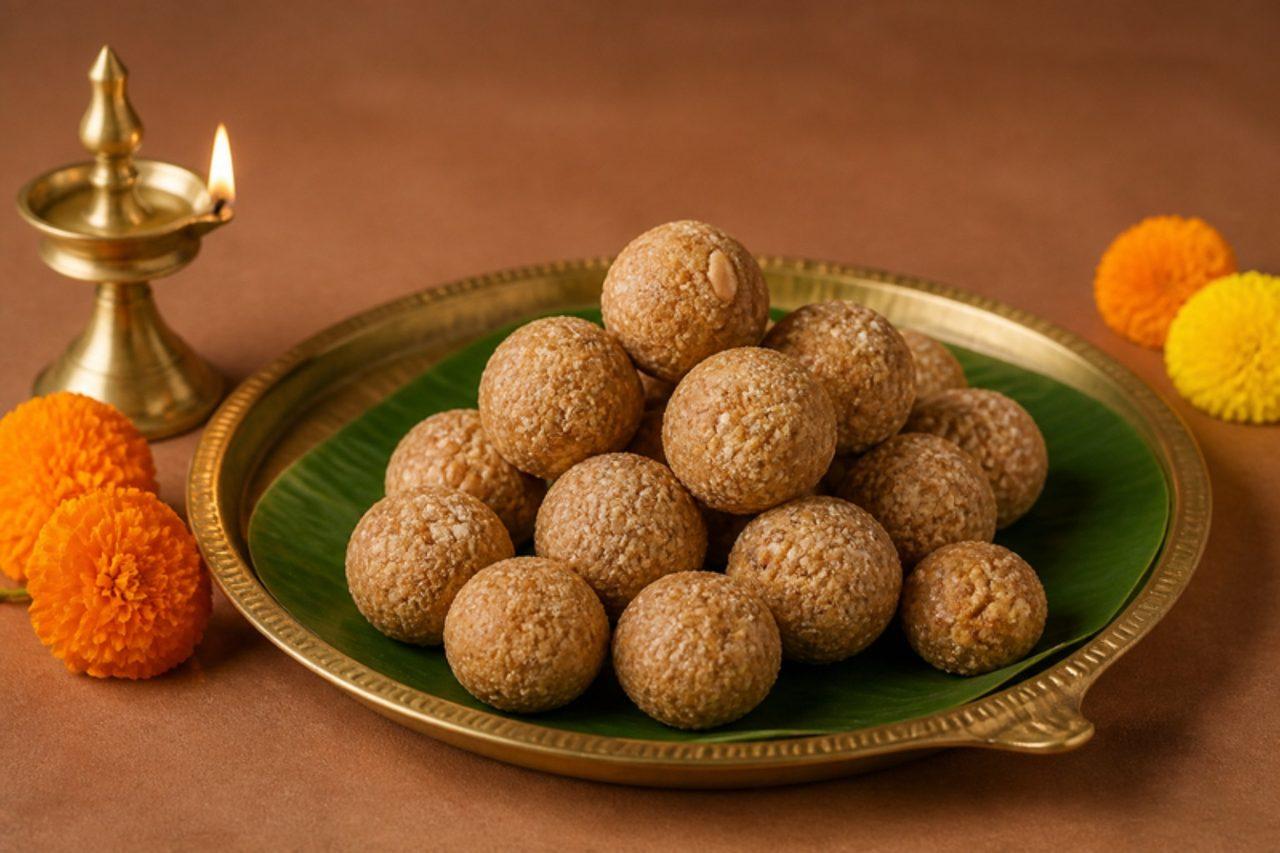
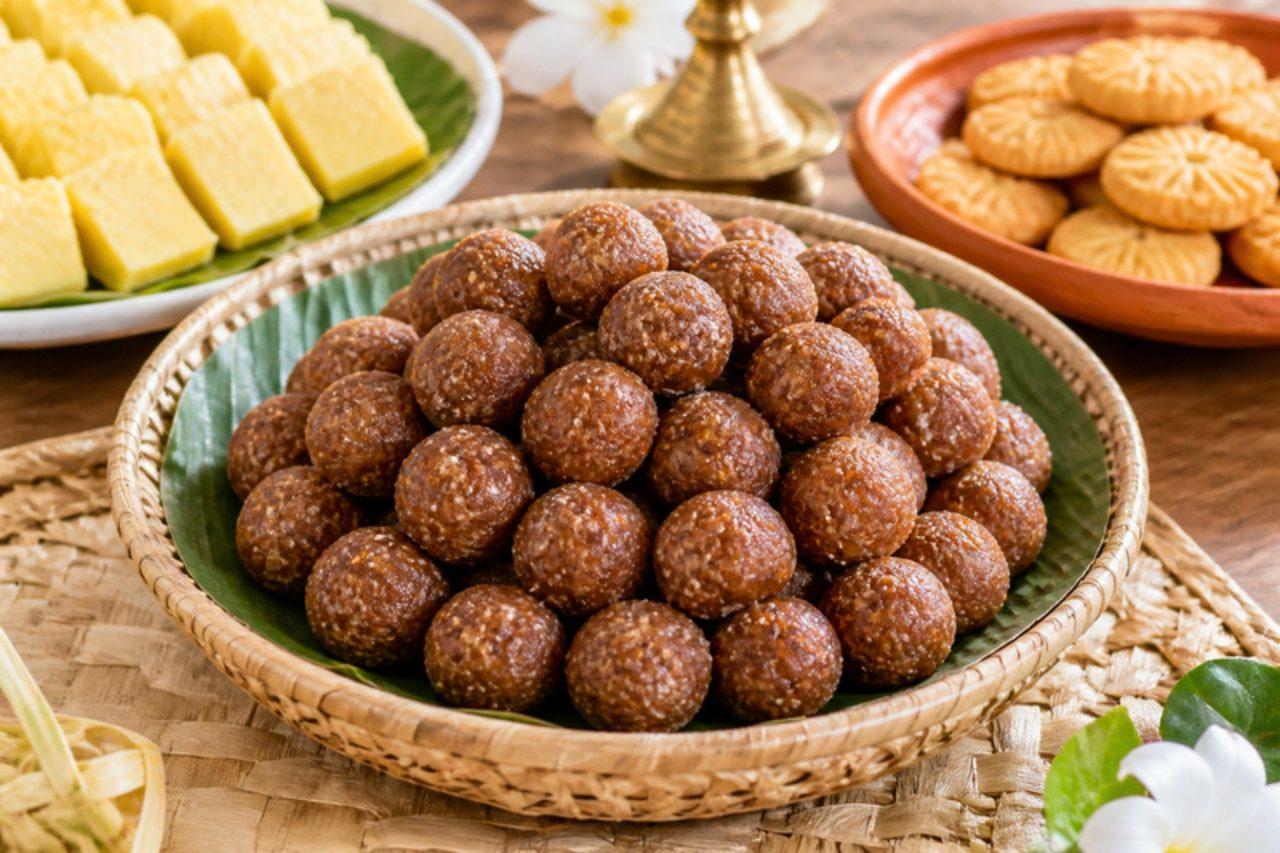
AggalaRice flour and coconut balls

When the astrologers' auspicious hour for Aluth Avurudu, the Sinhala and Tamil New Year, arrives in April, Sri Lankan families light the hearth, boil kiribath and lay out a table of sweets, and small dark aggala balls are one of the easiest to make. Roasted rice flour and toasted coconut are bound with hot kithul treacle and a surprising amount of black pepper, which gives a warm bite after the sweetness. They are dense, soft and slightly crumbly. The common mistake is under-roasting the flour, which leaves a raw, pasty taste; roast it until it smells like biscuits and flows loosely off the spoon. The treacle is ready when it bubbles all over and thickens slightly. Chef's tip: shape them while the mixture is still warm, with lightly oiled palms, because they harden and crack as they cool.
by KrazyBadal 0 views

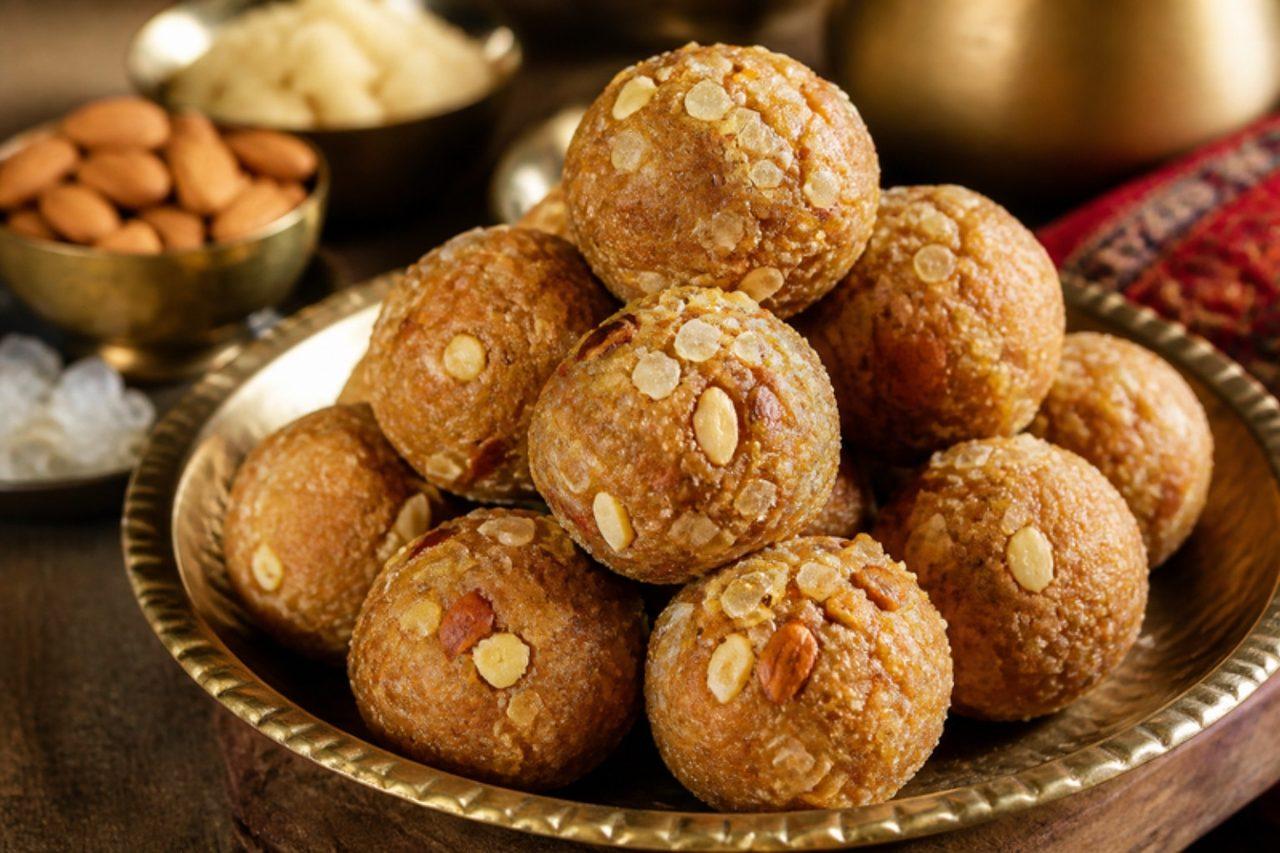
Gond ke ladduEdible gum and flour laddus

When the January cold sets in around Lohri, Punjabi and Marwari kitchens make a tin of gond ke laddu, one of which is eaten each morning with hot milk to keep warm through winter. Edible gum (gond, from the acacia tree) is fried in ghee until it puffs into light crunchy nuggets, then crushed and mixed with ghee-roasted wheat flour, jaggery, dry ginger and plenty of nuts, so the laddus are rich, crumbly and crackle as you bite. Common mistake: frying the gum in oil that is too hot; it browns outside and stays glassy and chewy in the middle, so fry it on a medium heat until each piece swells to twice its size and turns opaque white. The flour is done when it smells nutty, turns golden and the ghee loosens at the edges. Chef's tip: roll the laddus while the mixture is still warm; once it cools it will not bind.

by KrazyBadal 0 views

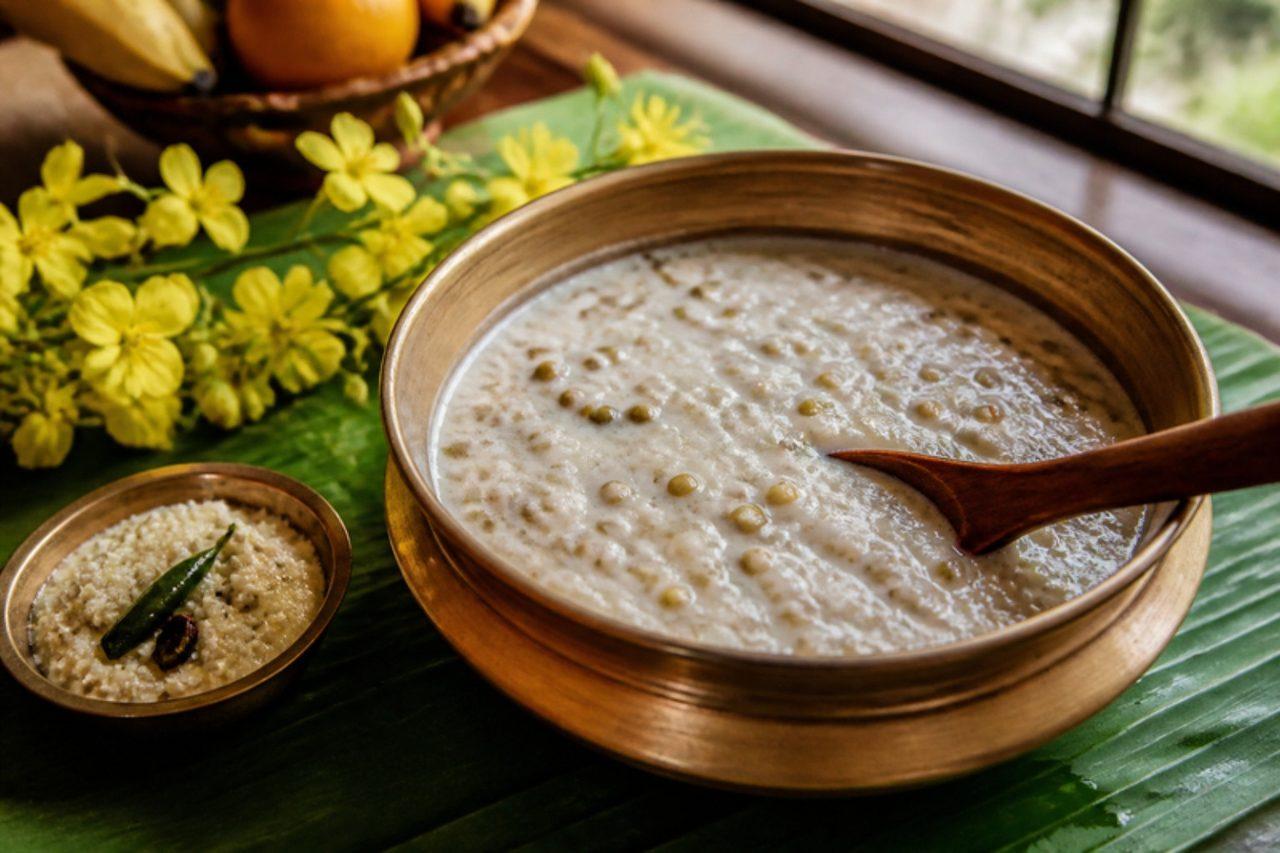
Vishu kanjiRice and green gram porridge

In Kerala, Vishu starts before sunrise with the kani, when each member of the family is led with closed eyes to see a tray of rice, gold-yellow konna flowers, fruit, a mirror and a lamp, so the year begins with something lucky. Breakfast afterwards, in many central Kerala homes, is this kanji: rice and lightly roasted whole green gram cooked soft and finished with coconut milk, eaten with a dry chakka or pumpkin side and pappadam. It is mild, creamy and nourishing, nothing like a plain rice gruel. The common mistake is boiling the thick coconut milk, which splits it and turns the kanji grainy; it goes in at the end, off the boil. It is ready when the gram has burst and the rice falls apart when stirred. Chef's tip: a few crushed cumin seeds and a shallot fried in coconut oil spooned over each bowl make it taste festive.

by KrazyBadal 0 views

TambittuRoasted rice flour jaggery laddus

Nagara Panchami in Karnataka is a festival of sisters and brothers as much as of snakes: women offer milk to the stone naga images under peepal trees, and the sweets made at home are tambittu, laddus of roasted rice flour, roasted gram, coconut and sesame bound with jaggery syrup and ghee. They are crumbly-soft and earthy, and a few are also offered at Varamahalakshmi. Common mistake: binding with thin syrup, which leaves the laddus wet and collapsing; boil the jaggery only to a soft-ball stage, when a drop in cold water forms a soft ball you can pick up. Chef's tip: roast the rice flour until it just smells toasty and is barely cream-coloured; too dark and the laddus taste bitter.

by KrazyBadal 0 views

Chakka varattiJackfruit jaggery preserve

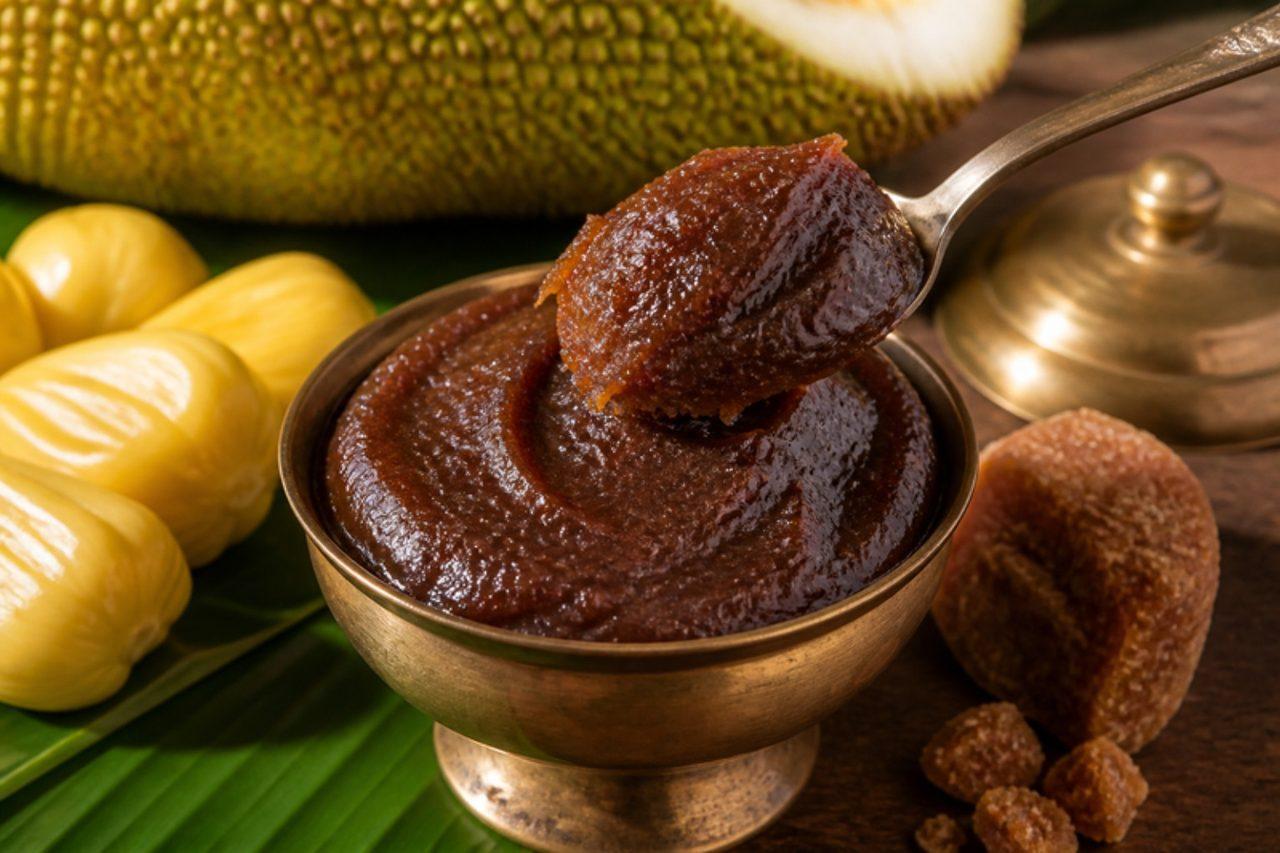
Vishu arrives in April when Kerala's jackfruit trees are heavy, and homes turn the glut into chakka varatti, a dark, glossy jam stirred for well over an hour in a wide uruli. It is eaten by the spoon, spread on dosa, and kept in jars for the payasam and ada made at festivals through the year. The taste is deep and caramel-like, with the floral sweetness of ripe jackfruit. The common mistake is cooking it on a high heat to save time: jaggery burns quickly and turns the whole batch bitter. It is done when the ghee starts to separate and shine at the edges, the colour is a dark mahogany brown, and the mass rolls round the pan as one lump. Chef's tip: use only very ripe, fragrant jackfruit bulbs, and if your jackfruit is the firm varikka type, steam it first so it purées smoothly.

by KrazyBadal 0 views

Dudhi na muthiaBottle gourd steamed dumplings

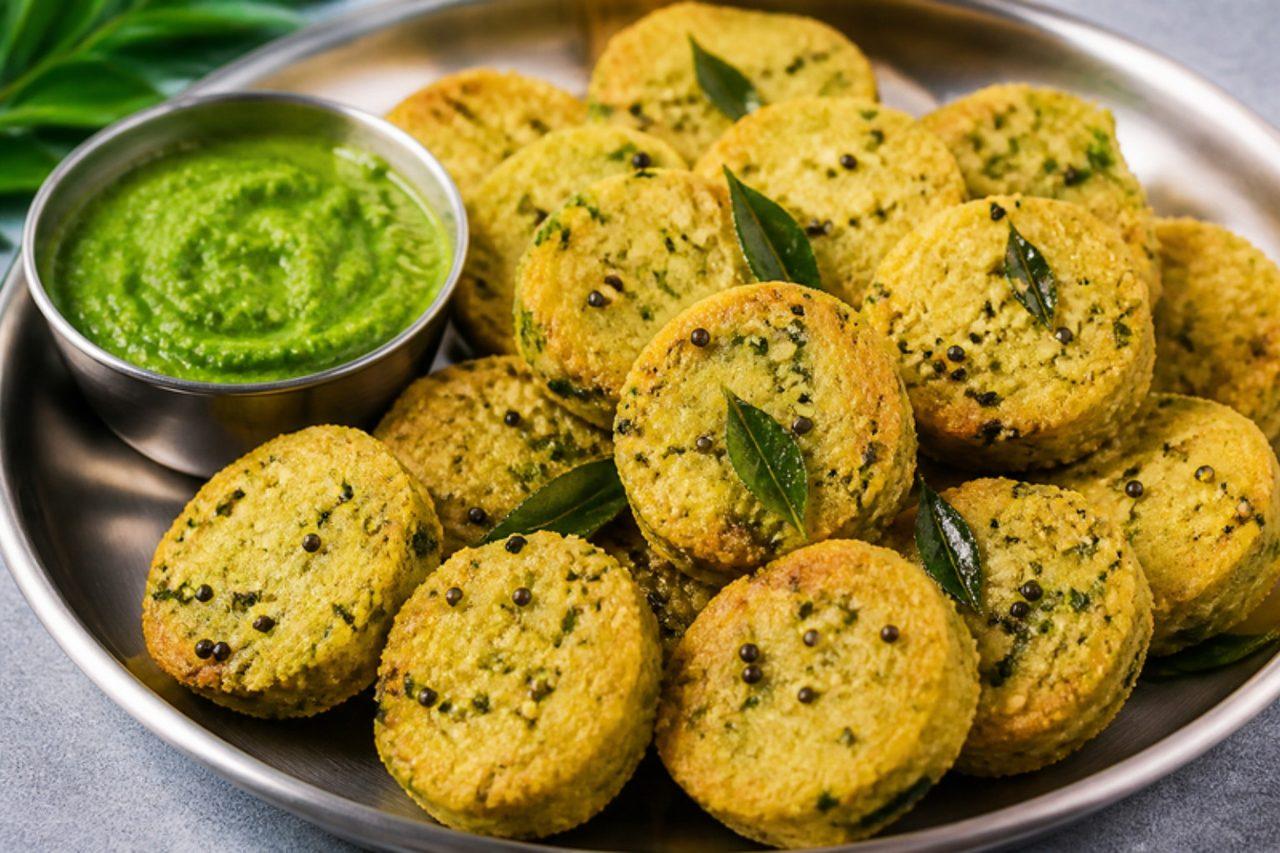
Dudhi na muthia are the everyday steamed farsan of Gujarati kitchens, made on a weekday afternoon for evening tea or packed for the next morning's breakfast. Grated bottle gourd is kneaded with coarse wheat flour, gram flour and spices, shaped by fist (muthi) into logs, steamed, sliced and then crisped in a tempering of mustard and sesame. The slices are soft inside with golden edges, savoury, gently sweet and sharp with lemon. The classic mistake is squeezing out the dudhi juice and then adding water: the juice is the only liquid you need, so add the flours little by little to the undrained gourd. Chef's tip: steam the logs a day ahead and chill them; cold muthia slice cleanly and crisp much better.

by KrazyBadal 0 views

Veppampoo rasamNeem flower rasam

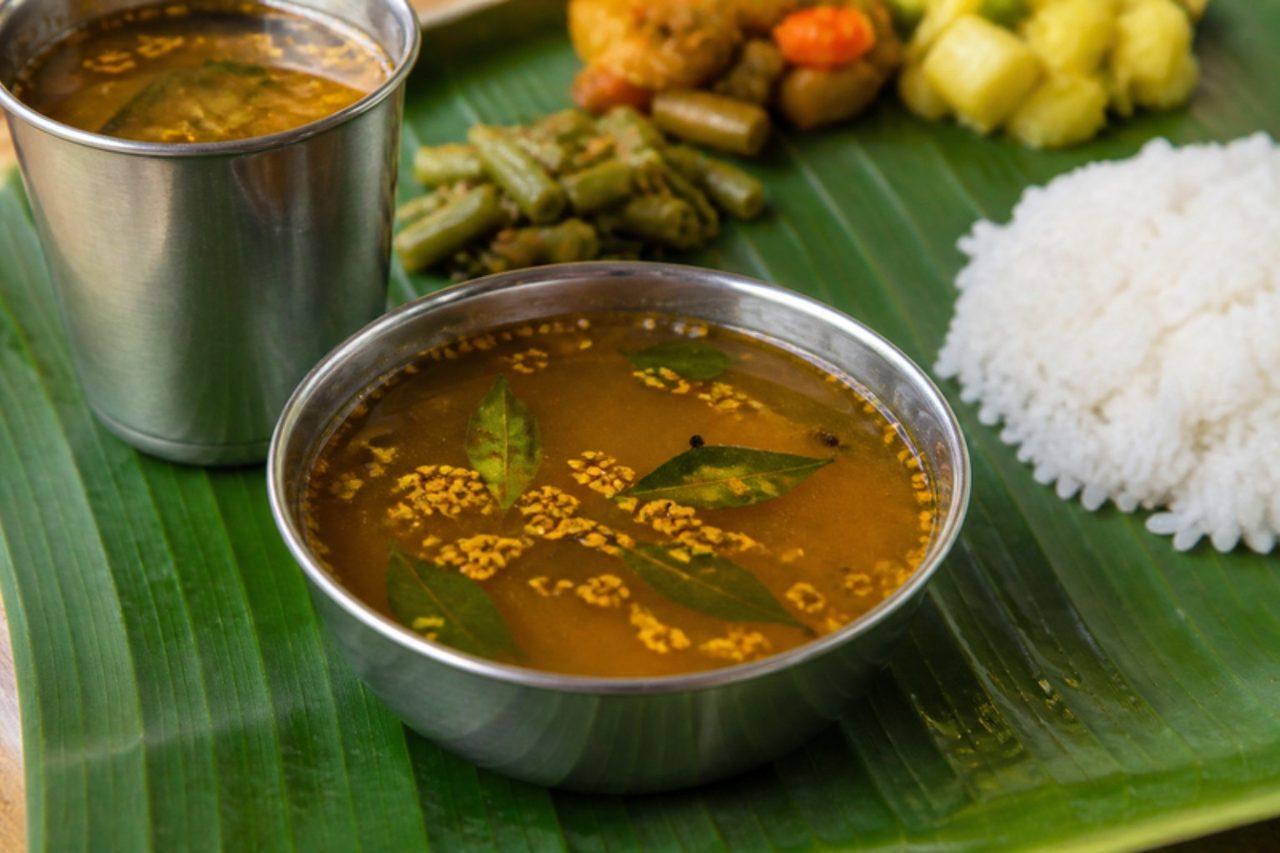
Puthandu, the Tamil New Year in mid-April, falls when neem trees across Tamil Nadu are in flower, and the festive lunch has a little bitterness on purpose, to remind everyone that the year will bring both sweet and bitter. Veppampoo rasam does it gently: dried neem flowers are fried in ghee until crisp and stirred into a light tamarind rasam with pepper and cumin. It is thin, warming and sour, with a toasty bitter finish, and it is poured over rice or sipped from a tumbler. The common mistake is burning the flowers; they turn from golden to black in seconds and taste acrid, so have the rasam ready before you heat the ghee. The rasam is ready when it froths up to the top of the pan; take it off before it reaches a rolling boil. Chef's tip: fry a few extra flowers and scatter them over each serving for crunch.

by KrazyBadal 0 views

Bataka sevFasting potato sev

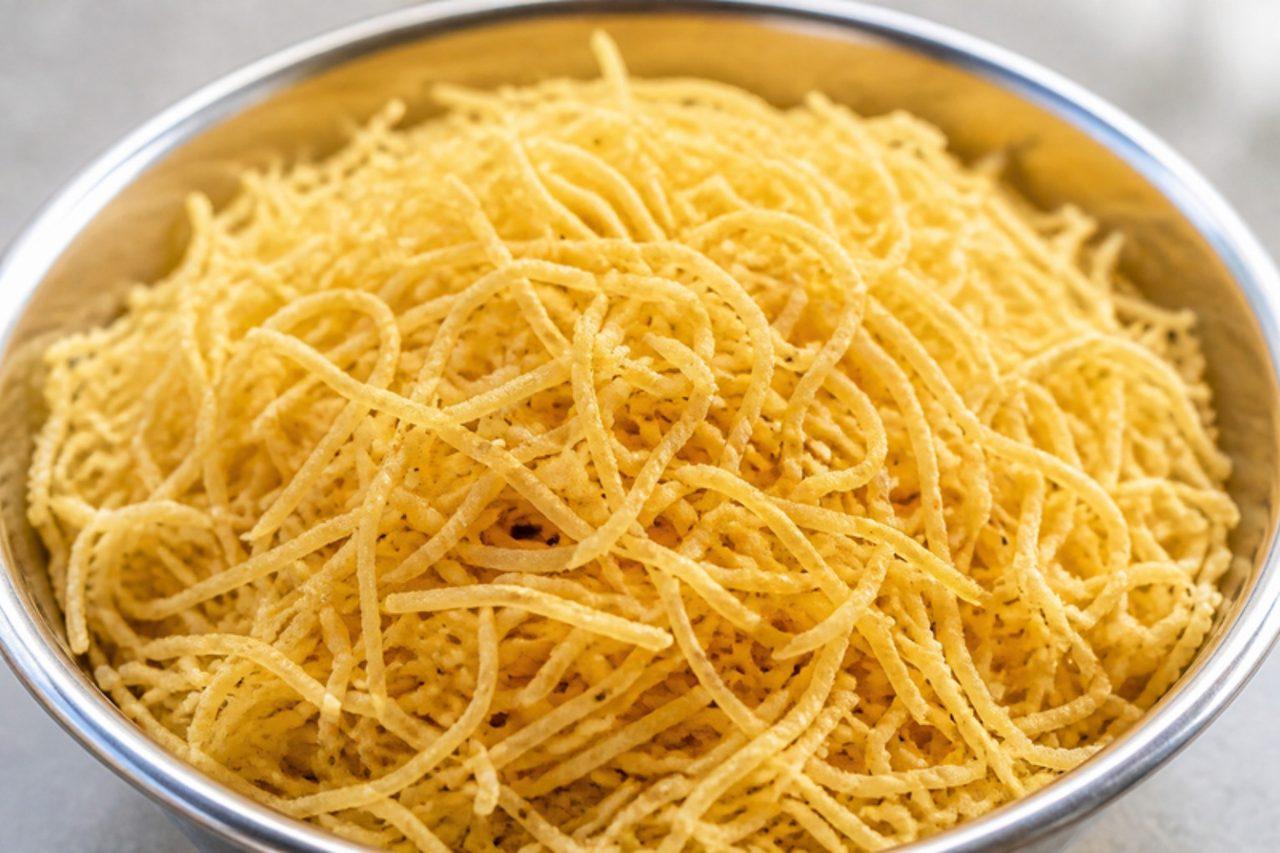
Bataka sev is the sev that Gujarati households can eat on upvas days, from Ekadashi and Shivratri to the Navratri fasts: there is no gram flour, only boiled potato bound with arrowroot, seasoned with rock salt, green chilli and crushed pepper. It fries into pale gold, delicate threads that melt quickly in the mouth, and is eaten on its own, over farari chevdo or on fasting bhel. The common mistake is using warm or watery potatoes, which make a sticky dough that will not pass through the press; boil, peel and cool the potatoes completely, and grate them rather than mashing. Chef's tip: fry in small spirals in moderately hot oil and lift them out while still pale, as they keep colouring for a minute after draining.

by KrazyBadal 0 views

Ratalu puriFried purple yam slices

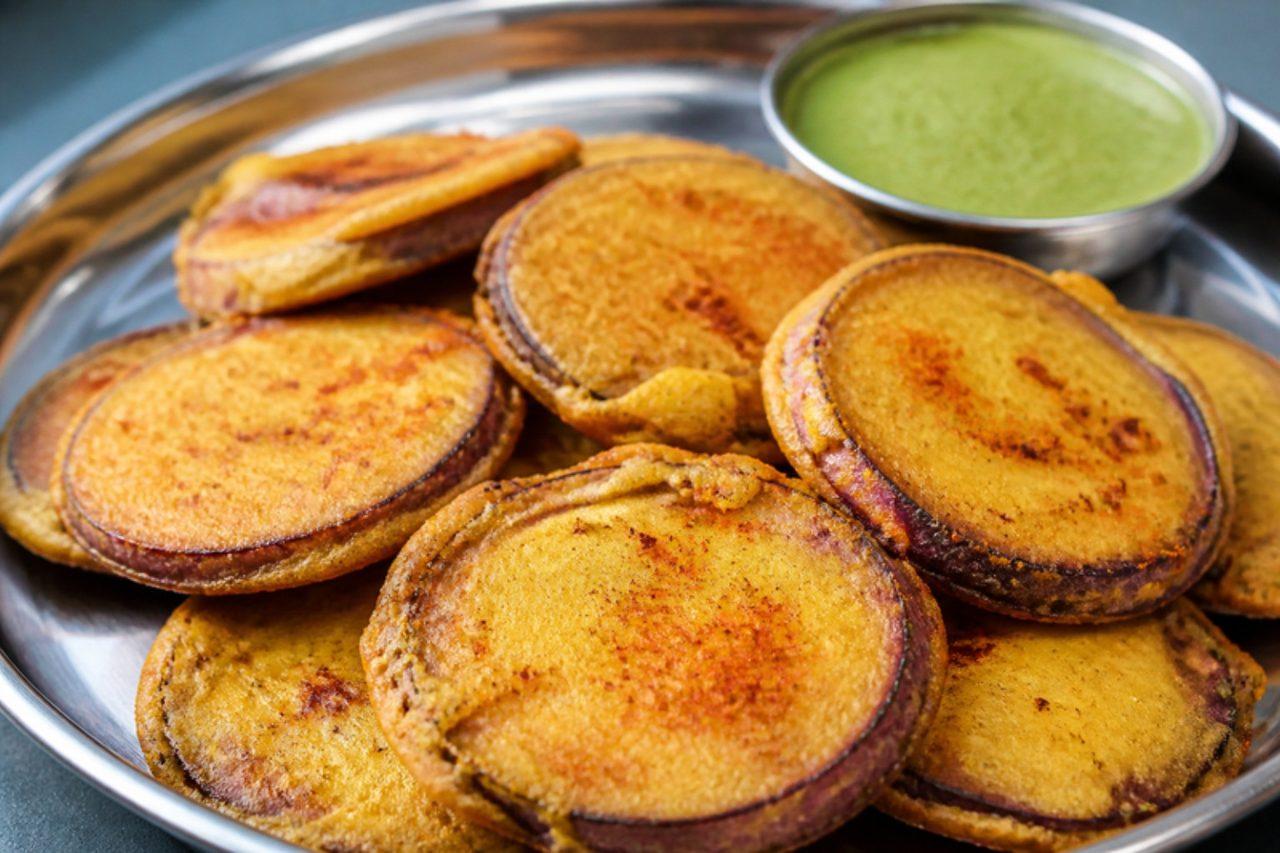
Ratalu puri belongs to Surat's evening snack trail, where farsan sellers on Chowk Bazaar fry purple yam slices to order and shake a tangy masala over them while they are still sizzling. Inside the crisp, golden coat the yam turns creamy and faintly sweet, and the masala of dry mango, black salt and chilli wakes everything up. They are eaten hot with green chutney, usually on cool winter evenings when ratalu is in season. A common mistake is cutting the yam too thick: slices thicker than 3 mm stay raw in the middle by the time the batter browns. Chef's tip: oil your hands before peeling ratalu, as the raw sap can make skin itch.

by KrazyBadal 0 views

GhughuteFried jaggery dough shapes

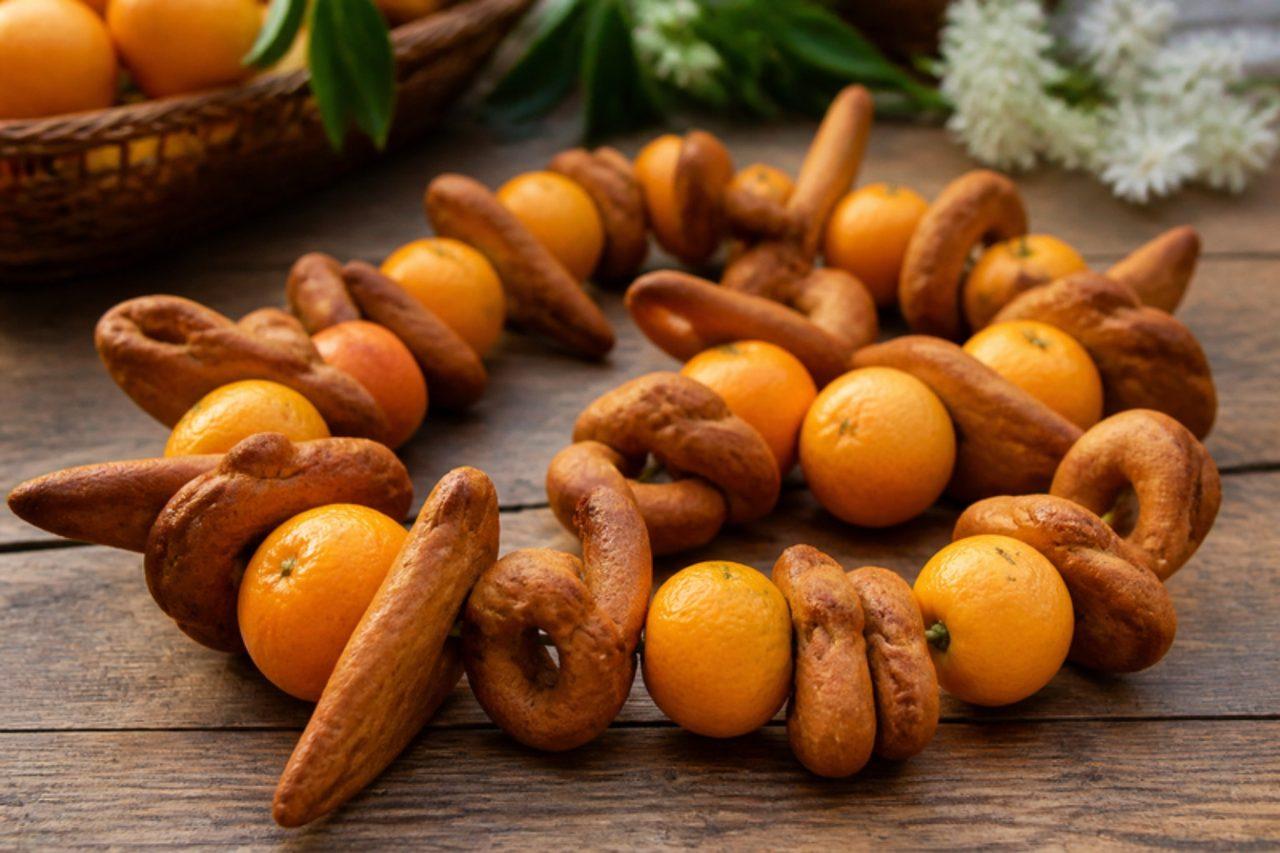
In Kumaon, Makar Sankranti is Ghughutiya, and the evening before, families knead wheat flour with jaggery and shape it into little drums (damru), swords, knots and flowers, fry them and thread them into necklaces with an orange in the middle. The next morning children wear the garlands and call the crows: 'kale kale, ghughuti mala khale', offering them the first bites before eating the rest themselves. The ghughute are crisp outside and slightly chewy within, gently sweet with fennel. Common mistake: oil that is too hot; they darken in seconds but stay doughy inside, so fry on a medium heat until they are an even deep gold and sound hollow when tapped. Chef's tip: keep the dough quite stiff, like for mathri; soft dough loses its shapes in the oil.

by KrazyBadal 0 views

Ranga alur pitheSweet potato coconut parcels

Poush Sankranti in Bengal is the day for pithe, and ranga alur pithe uses the sweet potatoes that come in with the winter harvest. Boiled sweet potato is kneaded with a little flour into a soft dough, wrapped round a coconut and jaggery filling, fried and then dipped in syrup, so you get a crisp shell, a melting orange layer and a sweet, nutty centre. They are eaten warm on the festival evening or the next day once they have soaked up more syrup. Common mistake: watery sweet potato; boil it whole in its skin and let it steam dry, or the dough gets sticky and the pithe burst in the oil. They are fried enough when they are deep golden and float. Chef's tip: the syrup should be warm and at one-string stage, a thread forming between finger and thumb; too thick and it won't soak in.

by KrazyBadal 0 views

Mah-karaiRoasted rice and sesame mix

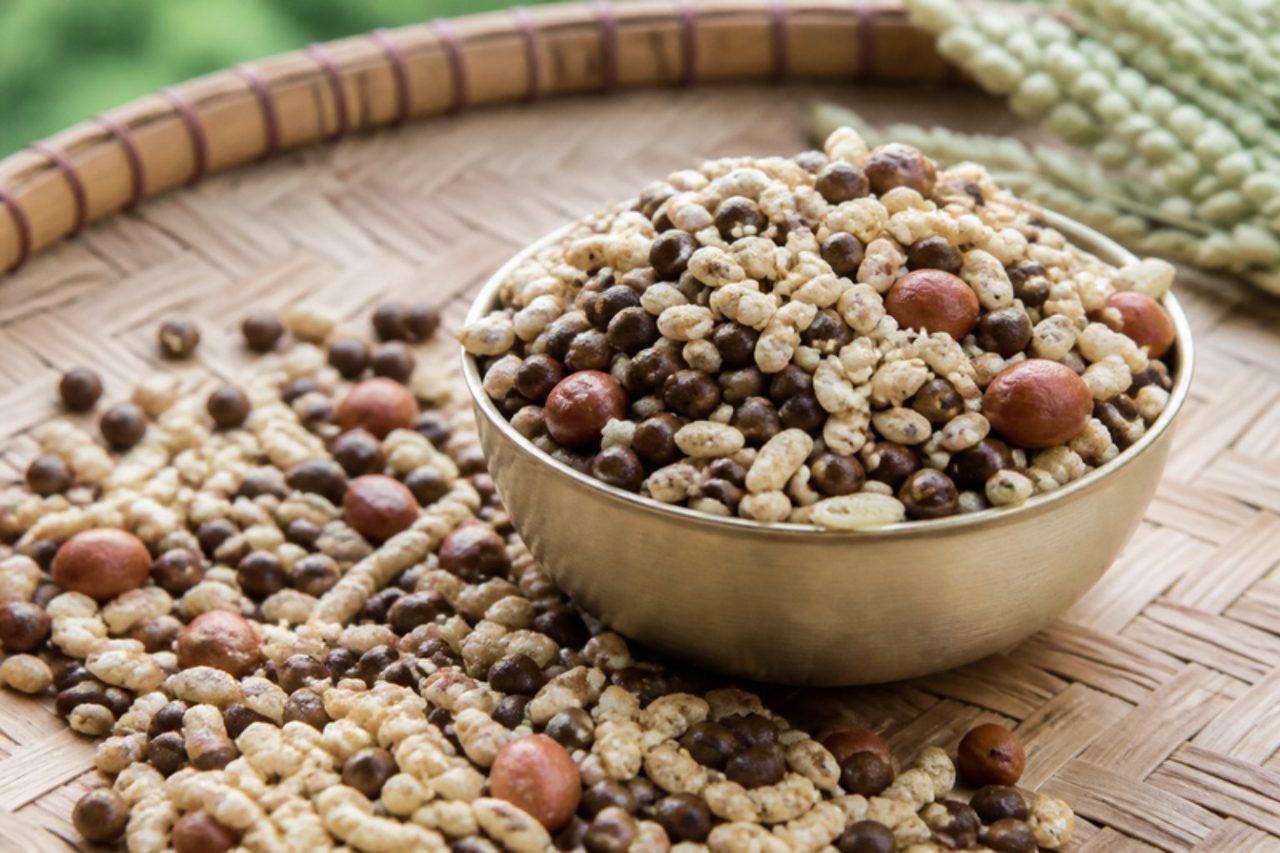
On Goru Bihu, the first day of Bohag Bihu in mid-April, Assamese families bathe the cattle in the river and then sit down to a handful of mah-karai, a crunchy mix of separately roasted grains and seeds that is said to keep the body strong for the year ahead. It is nutty, dry and gently salty, with the odd sharp slice of fresh ginger, and is passed round in a small bowl alongside jolpan and pitha. Common mistake: roasting everything in one pan; each item browns at its own pace, so roast them one by one until they smell toasted and crackle when shaken. Chef's tip: roast the black gram first and longest, until it splits and turns deep brown, because undercooked gram stays hard as gravel.

by KrazyBadal 0 views

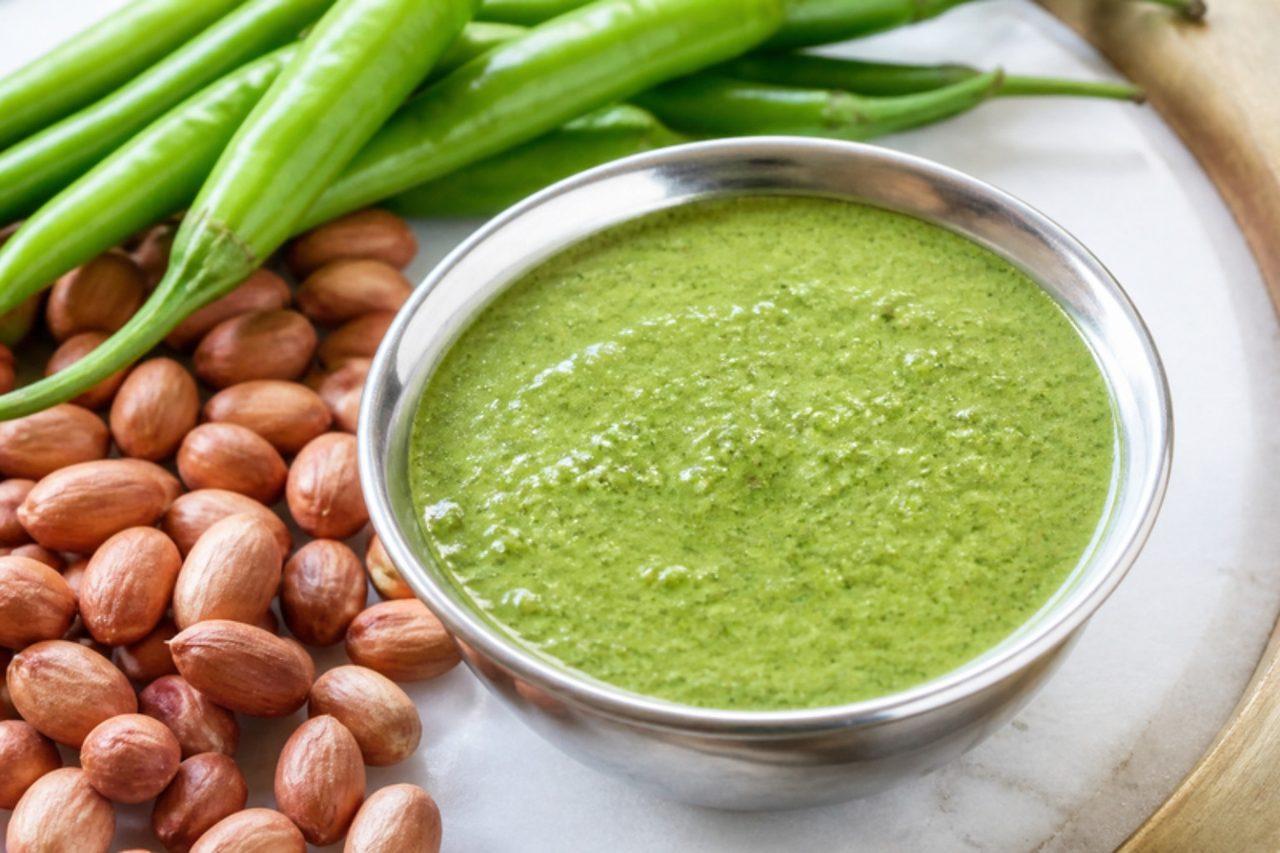
Rajkoti lili chutneyGreen chilli and peanut chutney

Rajkot is known across Gujarat for its green chutney, sold in little pouches by farsan shops and carried home by every visitor: a hot, smooth paste of green chillies and roasted peanuts with lemon, sugar and a pinch of turmeric, and no coriander at all, which is why it keeps a week in the fridge without turning dark. It is spread in sandwiches, spooned over khichiya papad and served with gathiya, dhokla and bhajiya. The common mistake is adding too much water, which dilutes the heat and makes it spoil faster. Chef's tip: grind it in short bursts so the blender doesn't heat the peanuts and turn the chutney oily.

by KrazyBadal 0 views

Showing 48 of 3,468 recipes

Show more recipes

Page 11 of 145

More No onion & garlic ideas

Other diets