Skip to content
WhatToEat.Today

No onion, no garlic recipes (Swaminarayan and sattvic)

3,470

3470 vegetarian recipes cooked without onion or garlic, as in Swaminarayan and sattvic kitchens, with no meat, fish, eggs or alcohol. Each has photos, step-by-step instructions and cook times. The quickest, Apfelschorle, takes 2 minutes. Most take around 45 minutes.

Filter these by time, diet or cuisine · Make No onion & garlic your diet to see only these recipes everywhere on the site.

Kluay chuam (Thai bananas in palm-sugar syrup)

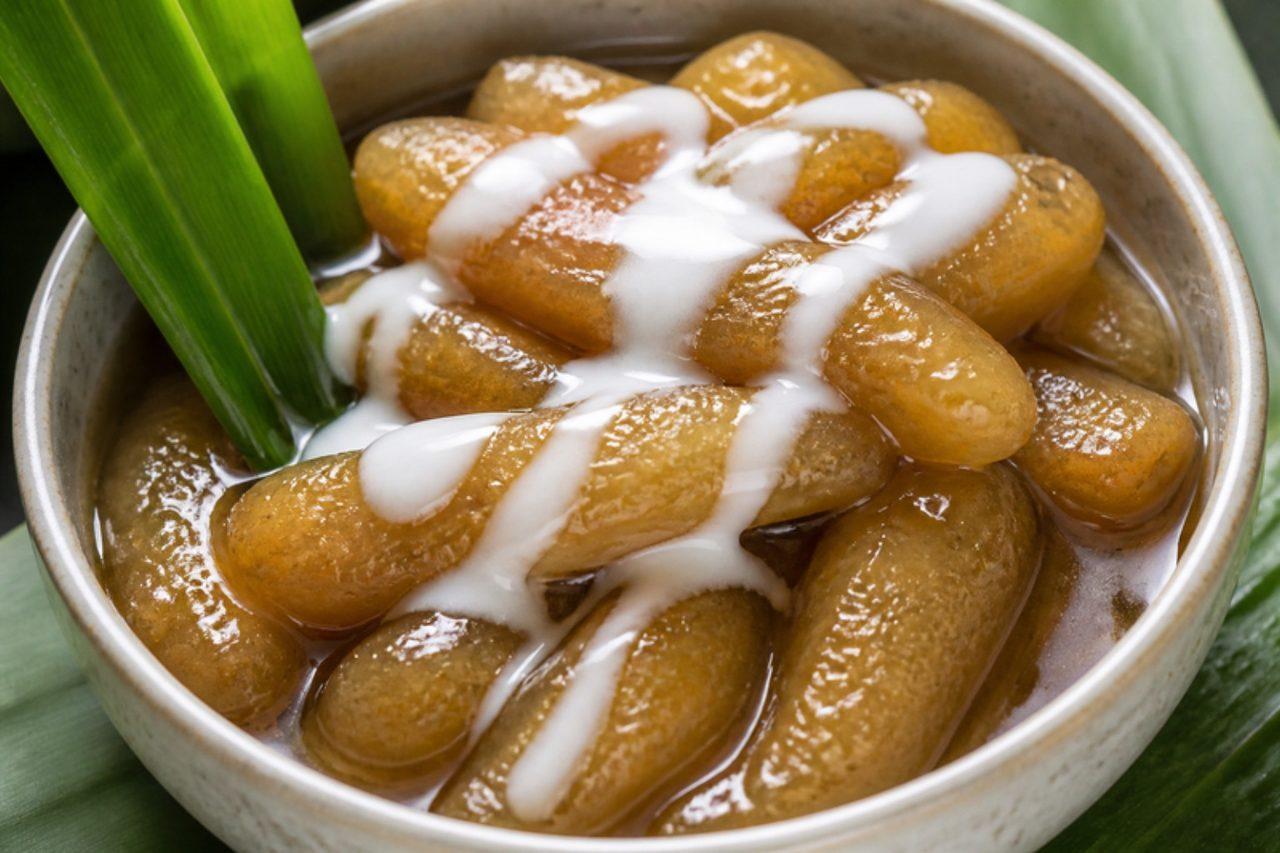
Kluay chuam is a market dessert of central Thailand, cooked in big brass pans and sold by the bag year round, and it is a common sweet to offer monks at merit-making. Small, starchy nam wa bananas are simmered slowly in palm-sugar syrup until they turn translucent and amber, soft and chewy rather than mushy, then served with thick, salty coconut cream poured over. The flavour is deep caramel and banana, cut by the salt. Serve at room temperature in small bowls. Being egg-free by nature, it relies on the long simmer in syrup firms the bananas and a little rice flour thickens the coconut topping. Chef's tip: keep the syrup at the gentlest simmer and don't stir; the common mistake is a fast boil and a spoon, which break the bananas before they have time to turn glassy.

by KrazyBadal 0 views

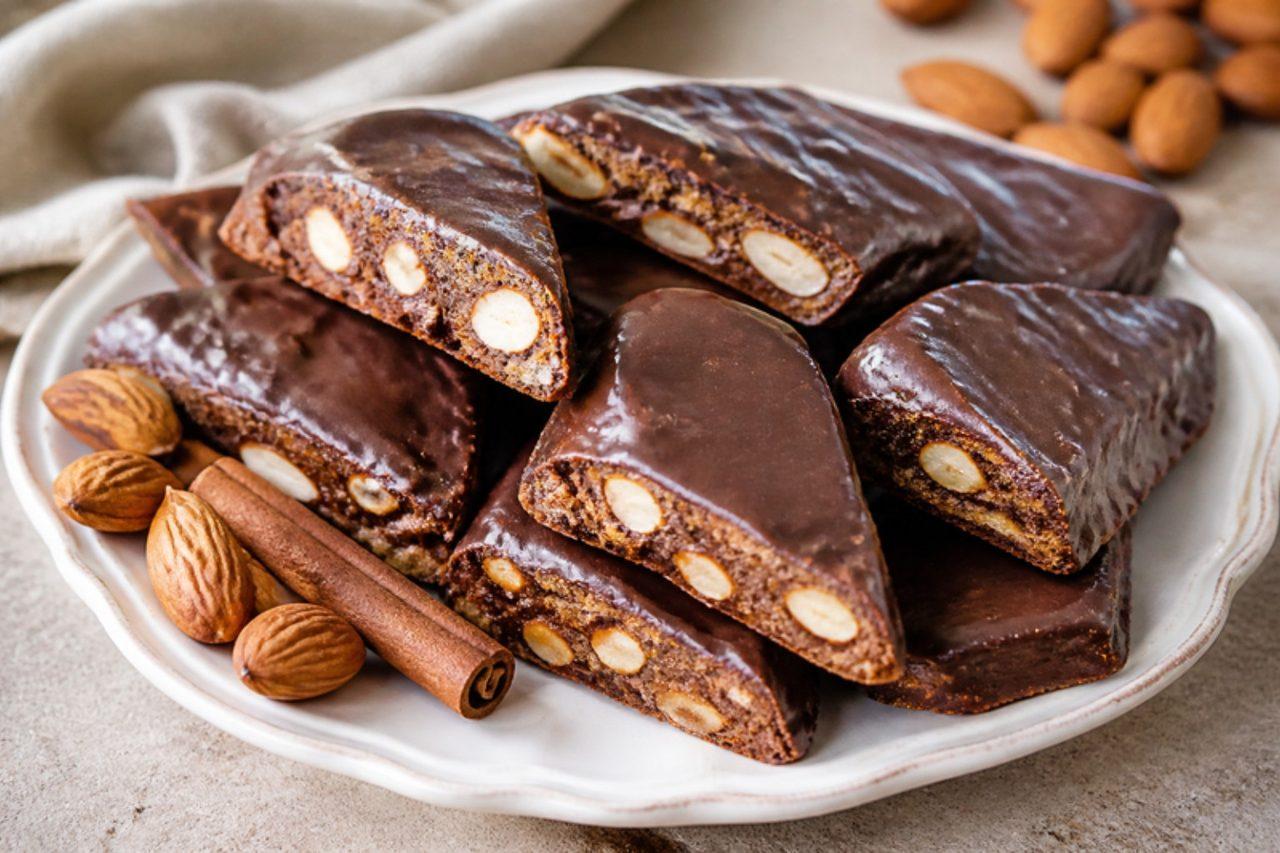
Mustazzoli (Salento almond, cocoa and spice biscuits)Spiced almond biscuits

In Lecce and the towns of the Salento, mustazzoli are baked for Christmas and for the summer saints' feasts, when stalls at the fairs stack them in glossy dark piles. They are diamond-shaped biscuits of toasted almonds, flour, sugar and cocoa, spiced with cinnamon and cloves and brightened with orange zest, then coated in dark chocolate. Inside they are firm and dense, a bit like a soft gingerbread, with a crisp chocolate shell. Eat them with an espresso after lunch or pack them as a gift; they keep for weeks. The dough was always egg-free: water and the sugar bind it, the ground almonds give fat and body, and a little baking powder keeps them from being leaden. Use a dark chocolate with no milk solids and the whole batch is vegan. Chef's tip: let the biscuits cool completely before glazing; the common mistake is dipping them warm, which melts the chocolate into a thin streaky coat that never sets glossy.

by KrazyBadal 0 views

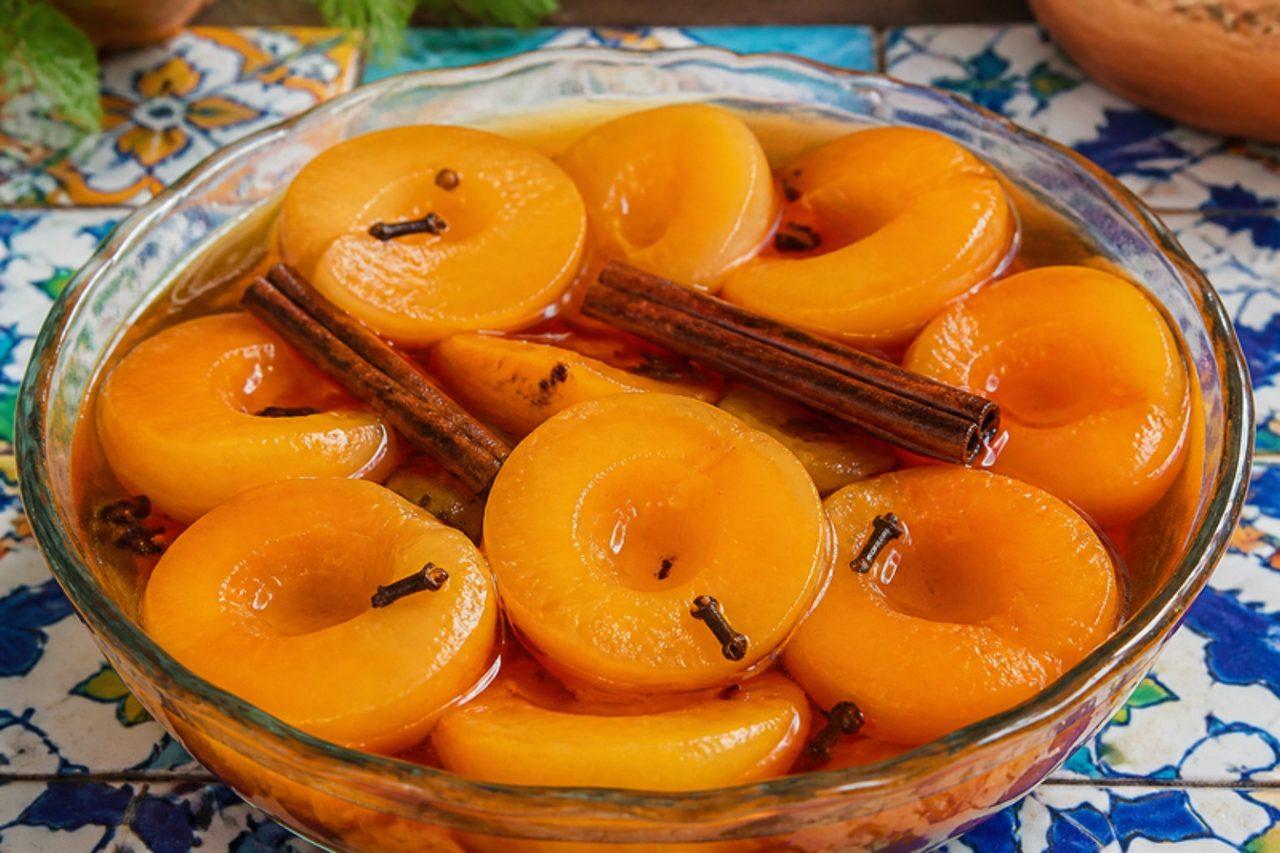
Duraznos en almíbar (Mexican peaches in piloncillo syrup)

Across Mexico, from the orchards of Zacatecas and Puebla to every abuela's pantry, duraznos en almíbar are how the summer peach crop is kept, and a bowl of them chilled from the fridge is a classic Sunday dessert. Peeled peach halves are poached in a syrup of piloncillo, the cone-shaped raw cane sugar, with cinnamon and cloves, so they turn tender and glossy and soak up a warm, molasses-like sweetness. Serve them cold in their syrup, on their own, or with a spoon of crema or thick yoghurt. Nothing needs setting and no egg is involved: the fruit simply poaches in the sugar syrup, which thickens lightly as it cools. Chef's tip: choose ripe but firm peaches and poach them gently; the common mistake is boiling the syrup hard, which turns the halves ragged and stringy.

by KrazyBadal 0 views

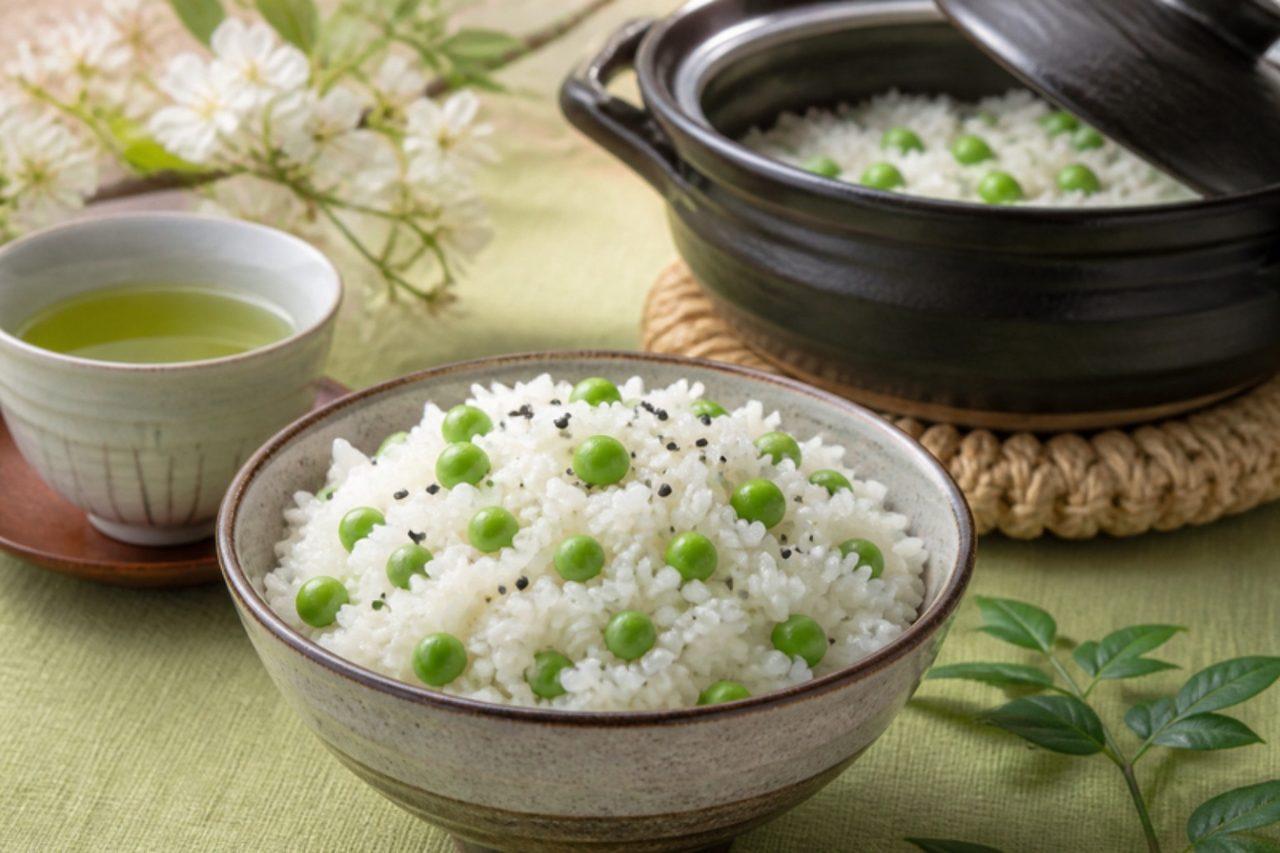
Mame gohanRice with green peas

When the first pea pods arrive in Japanese greengrocers in April and May, home cooks from Kyoto to Tokyo make mame gohan: short-grain rice steamed with a strip of kombu and lightly salted, then folded through with sweet, bright green peas. It is eaten warm with miso soup and pickles, or pressed into onigiri for a spring picnic. A bowl gives about 9 g of protein, from the rice and peas, so serve it with tofu or an egg dish if you want a fuller meal; it is not a high-protein dish on its own. Many recipes add a splash of sake; this version leaves it out, so it is alcohol-free. The common mistake is cooking the peas with the rice from the start: they turn khaki and wrinkled. Here they are boiled separately and added at the end. Chef's tip: let the peas cool in their salted cooking water rather than draining them hot; they stay plump instead of puckering.

by KrazyBadal 0 views

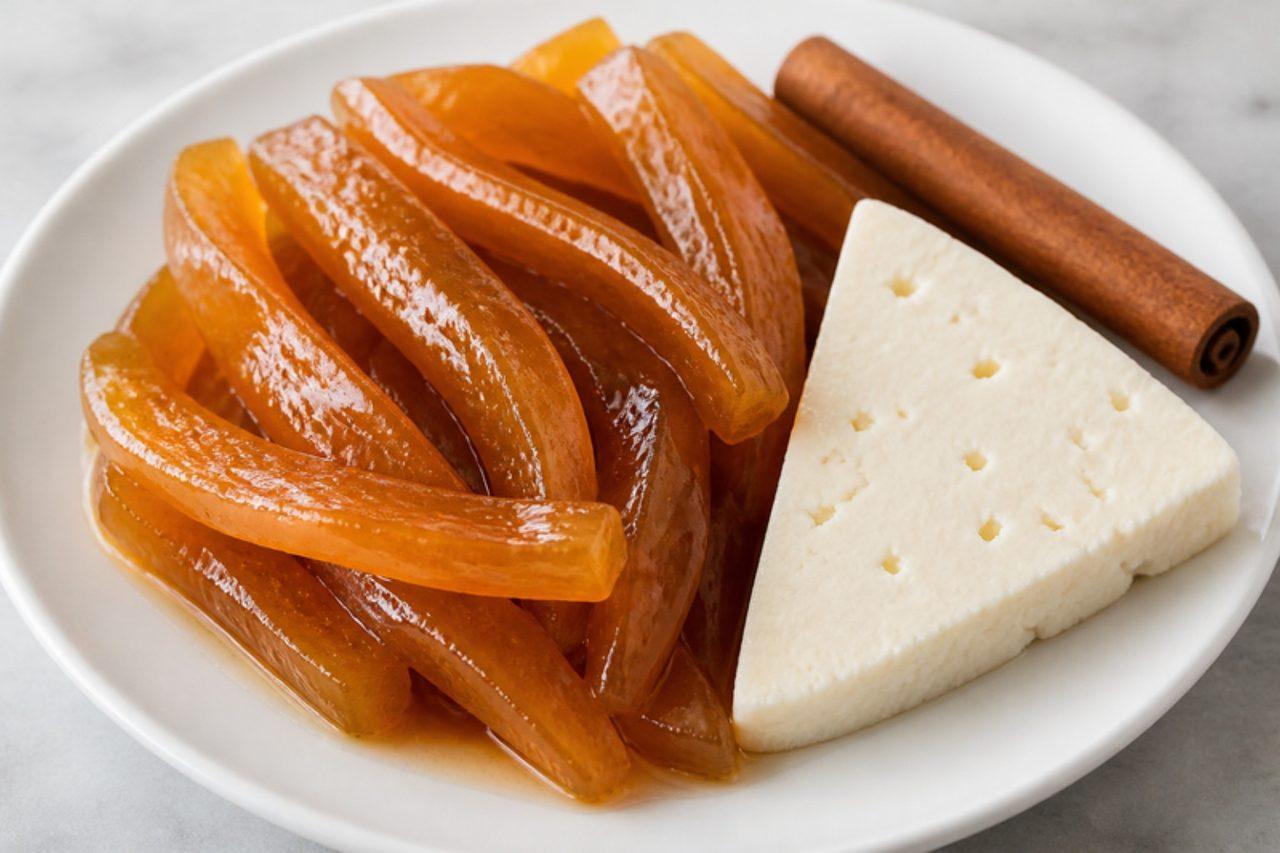
Dulce de fruta bomba (Cuban green papaya in syrup)

In Cuba, papaya is called fruta bomba, and its green, unripe fruit is cooked into this old-fashioned dulce, a fixture of home cooking all over the island and often made in big batches to keep. Strips of firm green papaya are simmered slowly in a cinnamon and lime-peel syrup until they turn translucent and chewy, with a candied, honeyed flavour. The Cuban way to eat it is with a slice of salty, crumbly white cheese, which balances the sweetness; a cup of strong coffee goes alongside. The dulce is egg-free by tradition, with nothing to bind: the papaya candies in the sugar syrup, and a short soak in water with a little bicarbonate of soda helps the strips stay firm. Chef's tip: rinse the strips well after the soak and simmer them gently; the common mistake is boiling the syrup fast, which hardens the outside of the papaya before the syrup can soak in.

by KrazyBadal 0 views

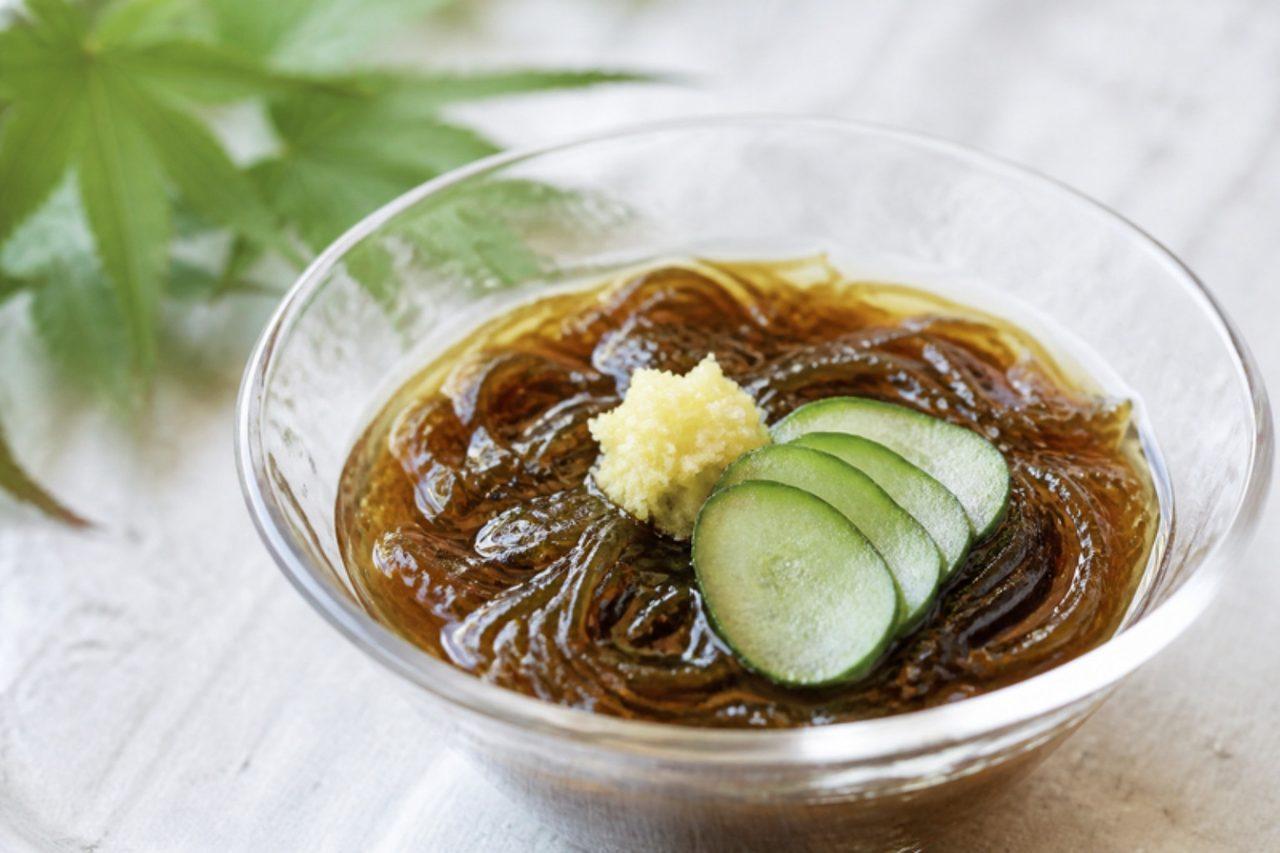
Mozuku-zuSeaweed in sweet vinegar

In Okinawa, where most of Japan's mozuku is farmed, a small bowl of mozuku-zu starts many a home supper and izakaya meal, especially in the hot months. The fine, slippery strands of seaweed are rinsed of their salt and served cold in a gentle dressing of rice vinegar, a little sugar and soy, topped with grated ginger, so it tastes clean, sour and of the sea. Shop versions often use bonito dashi; this one uses kombu dashi, so it is vegan. It is very light, with less than 1 g of protein a portion, so it belongs alongside a tofu dish and rice rather than as a main. The most common mistake is not rinsing salted mozuku enough: it needs two or three changes of water or the dish turns harsh. Chef's tip: chill the dressing and the bowls well; mozuku-zu should be served icy cold.

by KrazyBadal 0 views

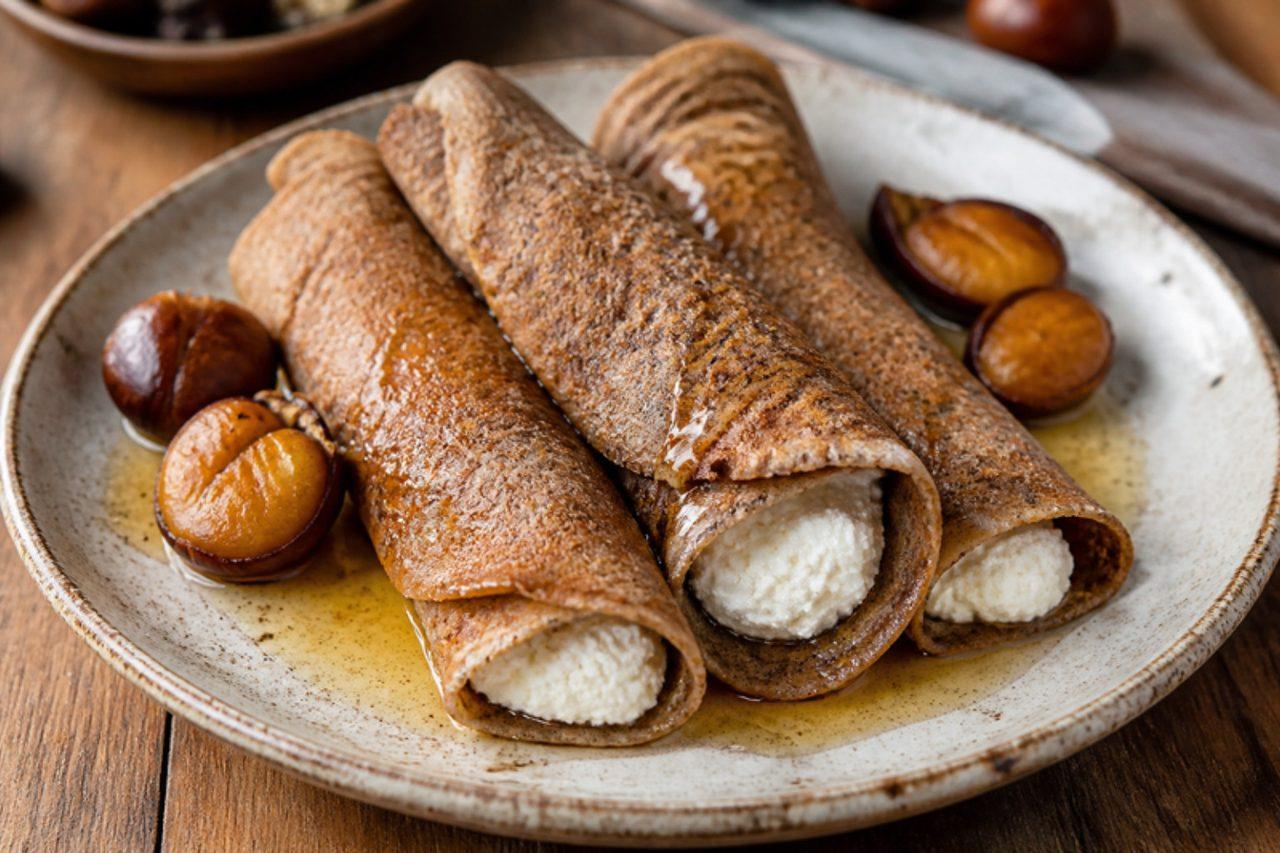
Necci (Tuscan chestnut-flour pancakes with ricotta)

In the chestnut woods of the Garfagnana above Lucca and the hills around Pistoia, necci arrive with the new season's chestnut flour in late autumn and stay through winter, cooked at village fairs and at home as a sweet snack or a light supper. The batter is nothing but sweet chestnut flour, water and a pinch of salt; traditionally it was poured between pairs of hot iron or stone discs lined with chestnut leaves, but a non-stick crêpe pan does the job. The pancakes are soft, faintly smoky and naturally sweet, with an earthy taste, and are rolled around cold fresh ricotta. Serve two or three each, with a drizzle of honey or a cup of coffee alongside. They are naturally egg-free: the fine starch and sugar in chestnut flour set the batter on the heat by themselves, so it holds together without eggs. Chef's tip: sieve the flour and whisk the batter until it is as smooth and thin as single cream; the common mistake is a thick batter, which gives heavy, gummy necci that crack when rolled.

by KrazyBadal 0 views

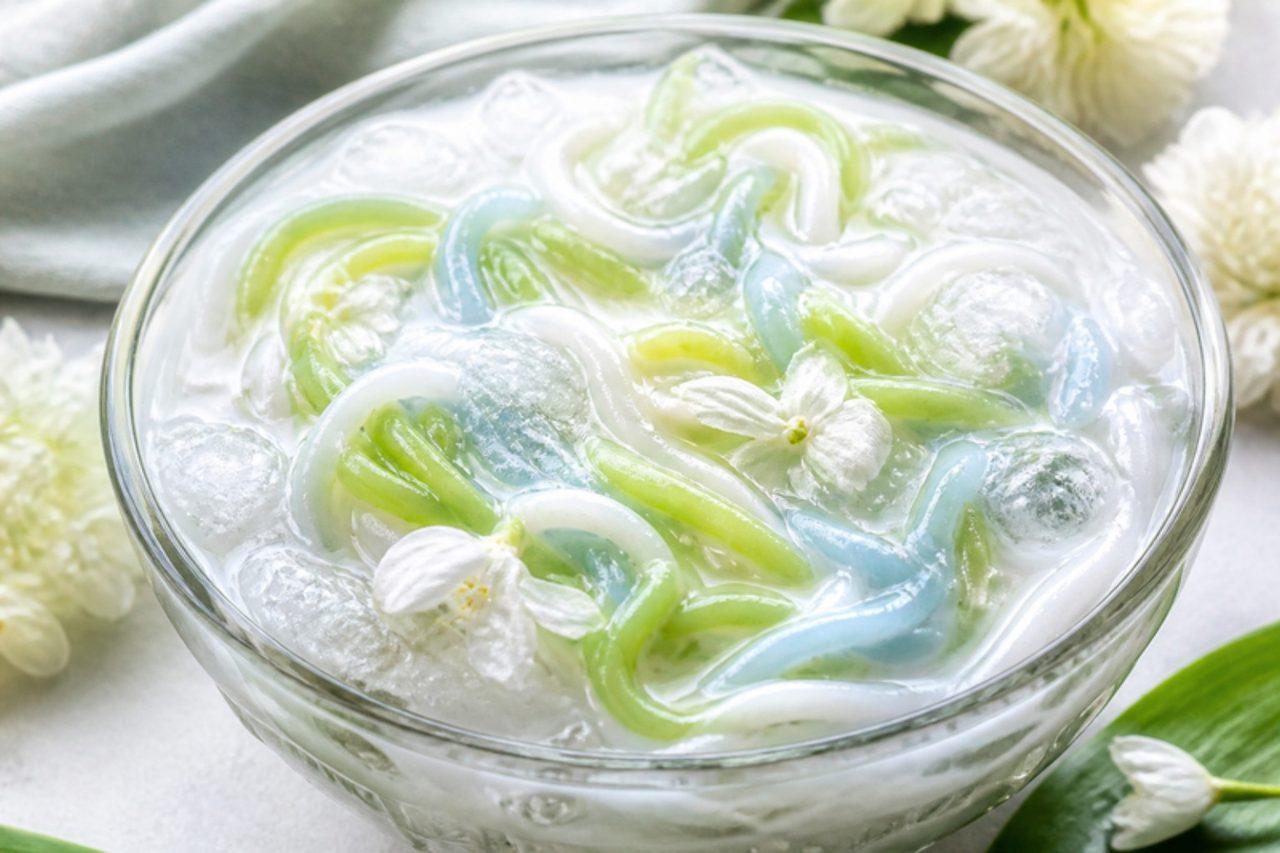
ซาหริ่ม (Sarim, mung bean noodles in coconut syrup)

Sarim is an old dessert of central Thailand, served at temple fairs and in market dessert shops on sweltering afternoons: thin, slippery strands in pastel green, blue and white, floating in a pale coconut syrup over a mound of crushed ice. The strands are almost flavourless and very soft, so the syrup does the work; in Thailand it is scented with jasmine flowers or the smoke of a scented candle, and here with pandan and optional fresh jasmine. It is naturally egg-free: the strands are pure mung bean starch cooked with water into a clear, thick paste, which sets into a soft gel the moment it hits ice water. Pandan juice and butterfly pea flowers give the colours, so there is no need for dyes. Serve it straight away, as a light end to a spicy meal. Chef's tip: cook the paste until it turns fully glossy and see-through; the common mistake is stopping while it is still milky, which gives strands that break and taste floury.

by KrazyBadal 0 views

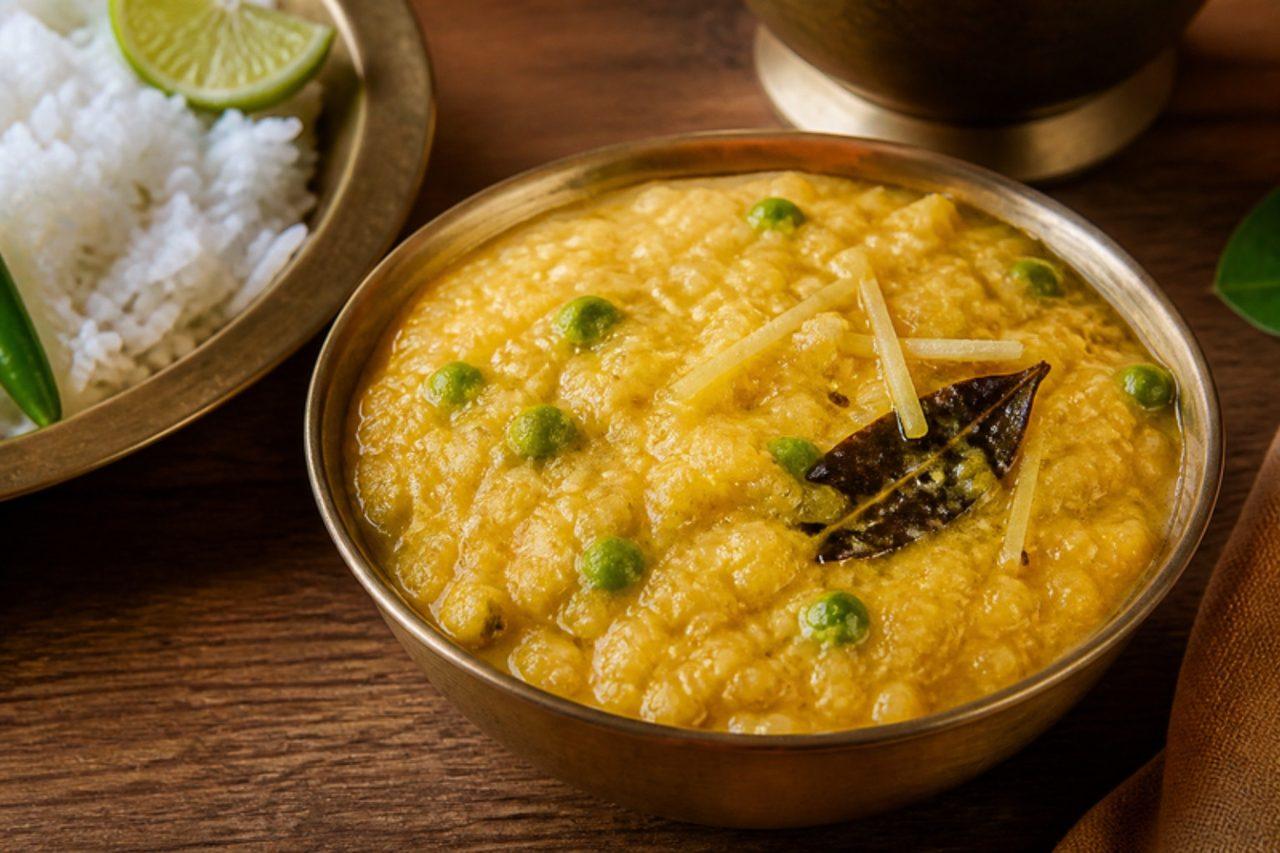
Bhaja muger dalRoasted moong dal with ginger

Bengali households in Kolkata make bhaja muger dal on winter weekdays, and it is a fixture of the vegetarian bhog served at Durga Puja and Saraswati Puja. The moong is dry-roasted in a heavy pan until it smells nutty, then cooked soft with ginger and green peas and finished with ghee, bay leaf and a whisper of sugar. The roasting gives it a toasty, almost sweet depth that plain moong dal never has. A portion gives about 21 g of protein from the moong and peas, for about 360 kcal. Serve it with rice and a fried vegetable such as begun bhaja. The most common mistake is roasting over too high a heat: the outside browns while the inside stays raw, and the dal tastes burnt and never softens evenly. Chef's tip: roast only until the dal is a couple of shades darker, pale gold, and you can smell it from the next room; stop the moment you see the first brown spots.

by KrazyBadal 0 views

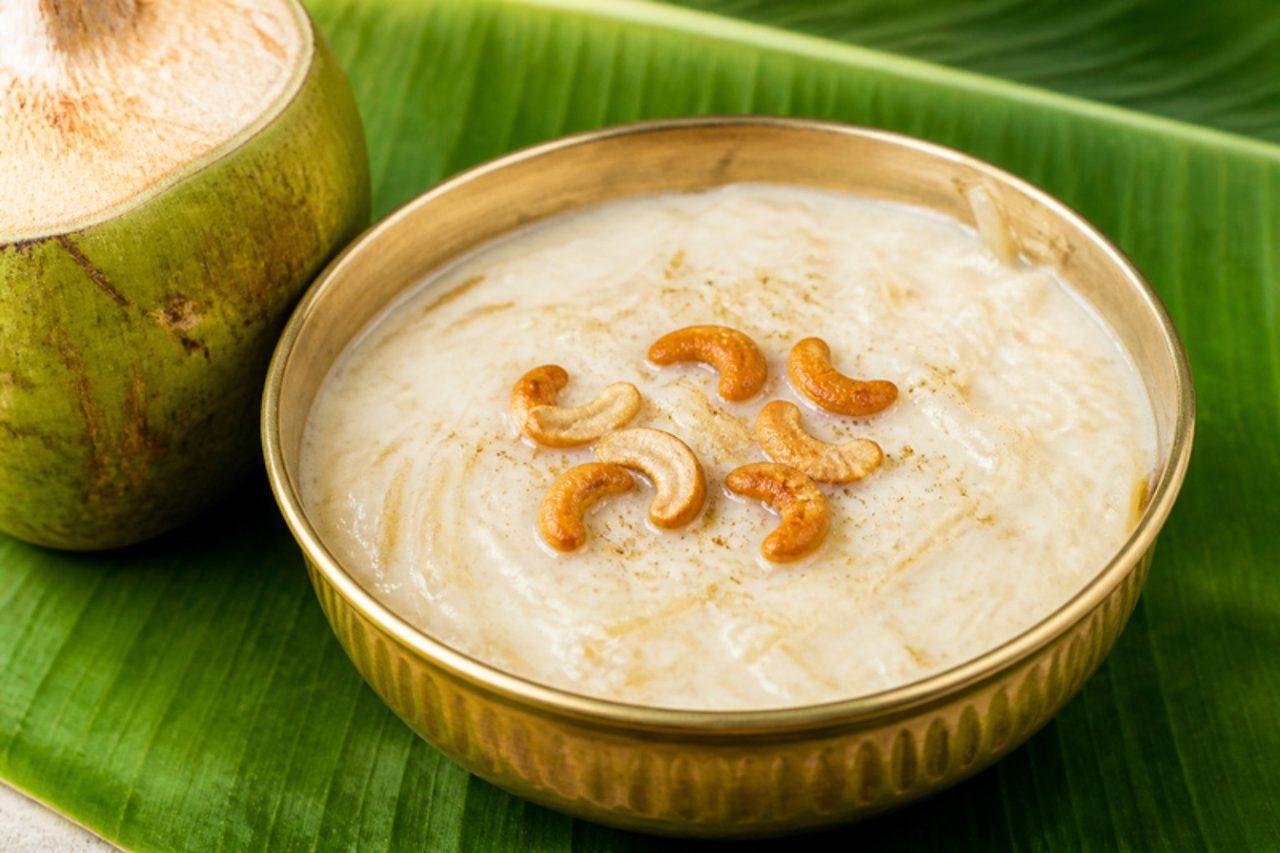
Elaneer payasam (Kerala tender-coconut milk pudding)

In Kerala, where green coconuts are sold by the roadside all summer, elaneer payasam is the cool, delicate cousin of the hot temple payasams. It turns up at Vishu lunches and summer weddings, and on any hot afternoon when someone has opened a few tender coconuts. Milk is boiled down until creamy and faintly caramel, sweetened, chilled, and only then mixed with slippery spoonfuls of young coconut flesh and a little of its water, so the coconut stays fresh and floral rather than cooked. The pudding is pourable, silky and cold, with soft white strands of coconut through it; serve it in small glasses after a meal or alongside banana chips. It is naturally egg-free: the long reduction of the milk, helped by a little condensed milk, gives the body that a custard would get from yolks. Chef's tip: the common mistake is stirring the coconut water into hot milk, which can make it split and taste sour; let the milk cool completely first.

by KrazyBadal 0 views

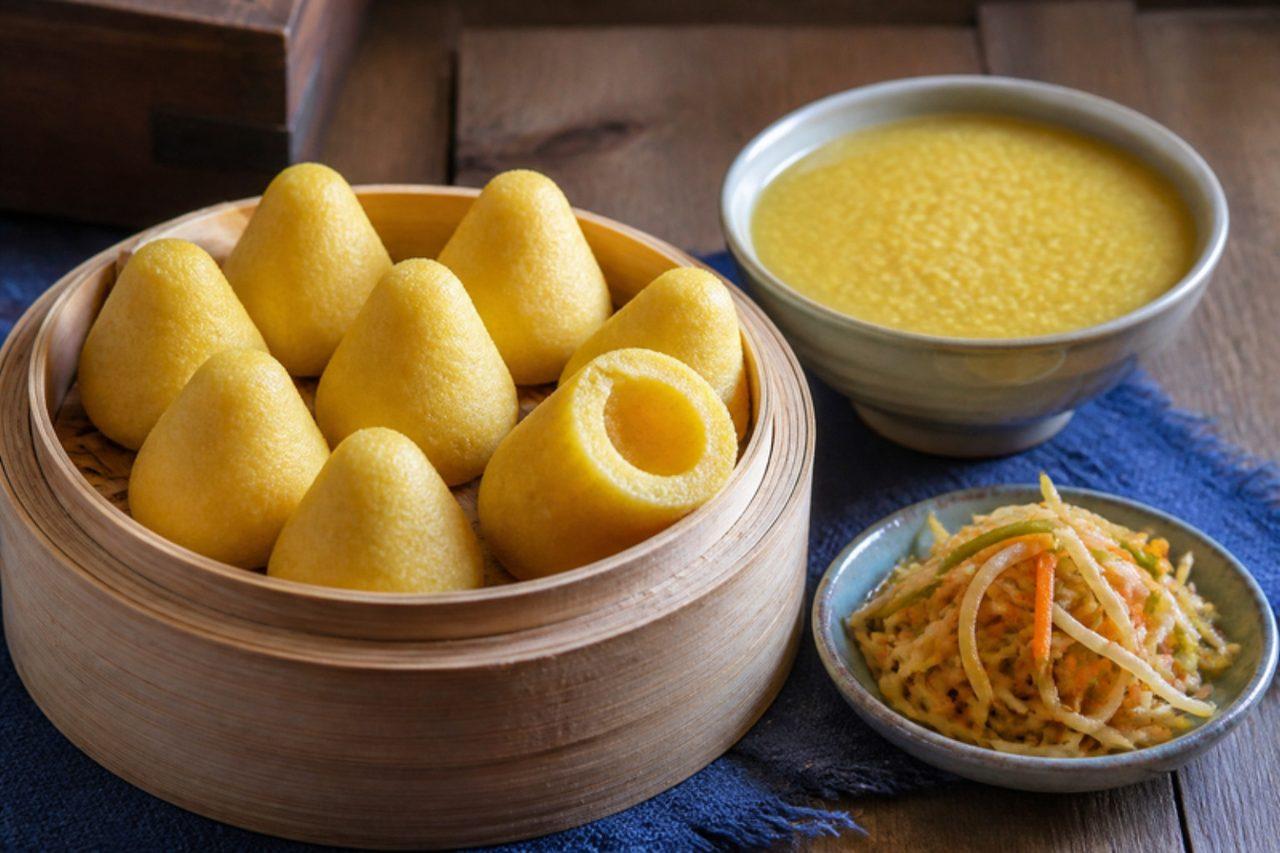
WowotouSteamed cornmeal cone buns

Wowotou are the little golden cones that fed northern China through hard decades, and Beijing restaurants now serve them, made small and slightly sweet, as nostalgic winter food alongside stews and pickles. A hollow is pressed into the base of each with a thumb so they cook through evenly. Soybean flour gives them a nutty taste and about 10 g of protein for three buns, from the soy and corn, so they are not high-protein on their own. They are gluten free if your cornmeal and soy flour are milled where wheat isn't; check the packet. The usual mistake is mixing with cold water: the dough stays crumbly and the cones crack, so scald it with near-boiling water. Chef's tip: wet your hands before shaping each cone; the dough won't stick and the surface steams smooth and shiny.

by KrazyBadal 0 views

Aiskrim potong (Malaysian red bean ice-cream bars)

Aiskrim potong, literally cut ice cream, comes from the days when Malaysian factories froze long blocks of dense ice cream that vendors sliced into bars to order. It is still sold nationwide from motorbike freezers and kampung shops, especially in the afternoon heat after school, in flavours like coconut, sweet corn, yam and durian, with red bean as the classic. It is firmer and denser than scooped ice cream and melts slowly in the hand. There is no egg: the base is cornflour cooked into coconut milk and milk, with a little condensed milk. The cooked starch gives the bars their chewy, close bite and keeps them smooth because it ties up the water before it can form big crystals. Chef's tip: stir the half-frozen block once so the beans don't all sink; the common mistake is pouring and leaving it, which gives a bean-heavy bottom and a plain top.

by KrazyBadal 0 views

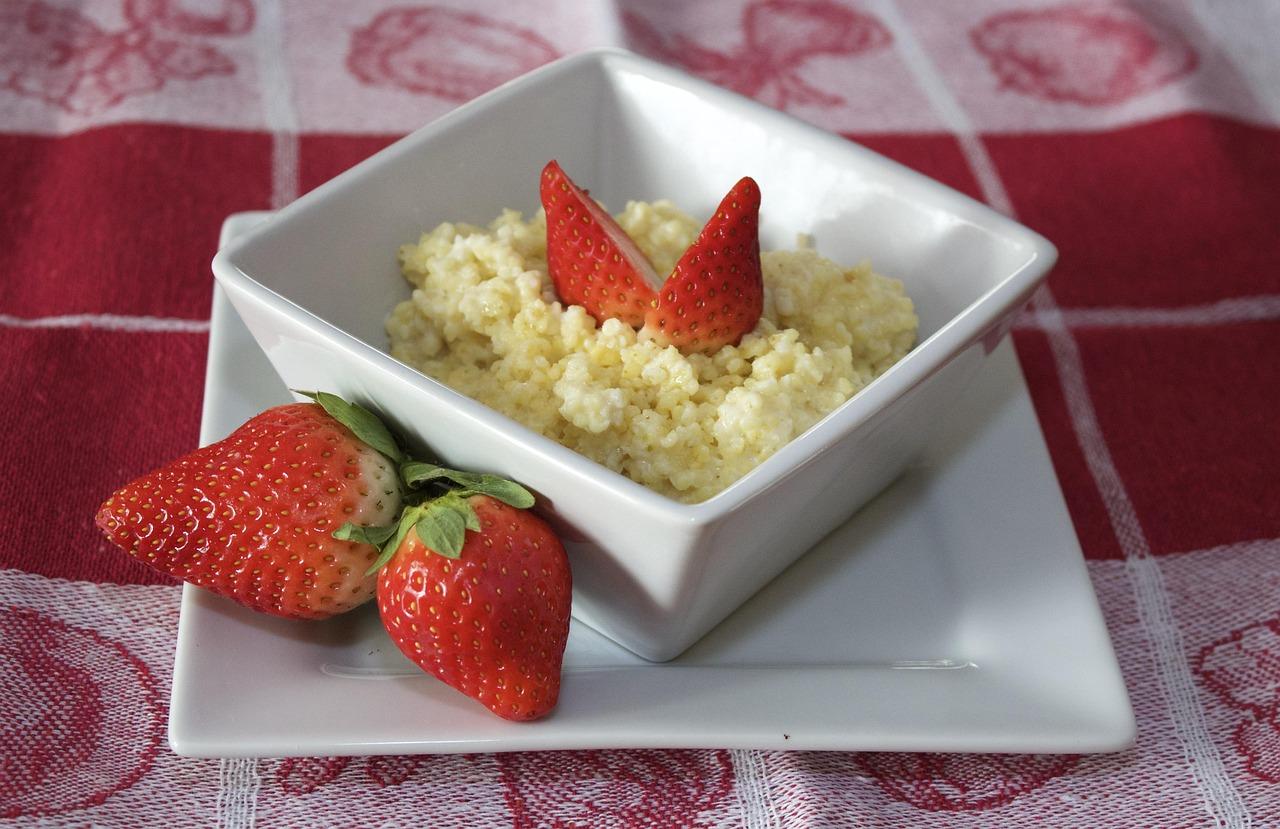
HirsebreiMillet porridge

Hirsebrei is one of the oldest dishes in German cooking, the millet porridge of fairy tales, and it is still made in homes across the country as a warm breakfast or a sweet supper for children on cold evenings. Golden millet is rinsed, then simmered in milk until creamy and soft, and served with stewed apple, berries and a dusting of cinnamon. A bowl gives about 12 g of protein from the milk and millet; stir in a spoon of quark or top with chopped almonds if you want more. The usual mistake is skipping the rinse: unrinsed millet tastes bitter and soapy, so rinse it in hot water until the water runs clear. Chef's tip: toast the rinsed millet in the dry pan for a minute before adding milk; it brings out a lovely nutty flavour.

by KrazyBadal 0 views

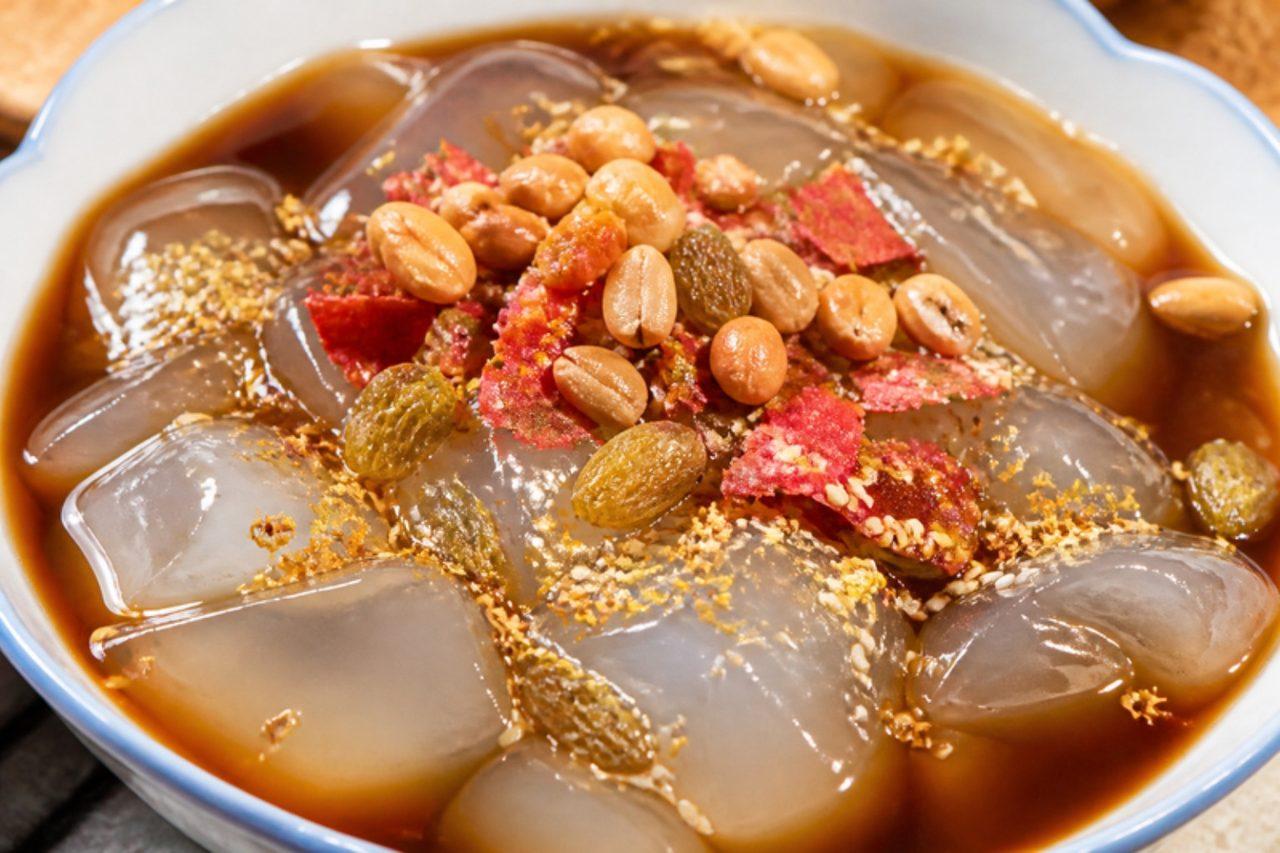
冰粉 (Bingfen, Sichuan ice jelly)Ice jelly with brown sugar syrup

Bingfen is what Chengdu reaches for after a numbing hotpot or on a sticky summer night: a bowl of wobbly, glass-clear jelly, cold from the fridge, splashed with dark brown-sugar syrup and scattered with hawthorn flakes, raisins, peanuts and sesame. It is sold at night markets and hotpot restaurants all over Sichuan and Chongqing, and the jelly itself tastes of almost nothing, just cool and soothing, so the syrup and toppings bring the flavour. It is naturally egg-free and plant-based. The jelly traditionally comes from shoo-fly plant seeds rubbed in water; here it is made with ice-jelly powder, a plant-based setting powder sold in Chinese grocers, which sets clear as it cools. Chef's tip: let the jelly set undisturbed; the common mistake is stirring or moving it while it is half-set, which leaves it cloudy and weeping.

by KrazyBadal 0 views

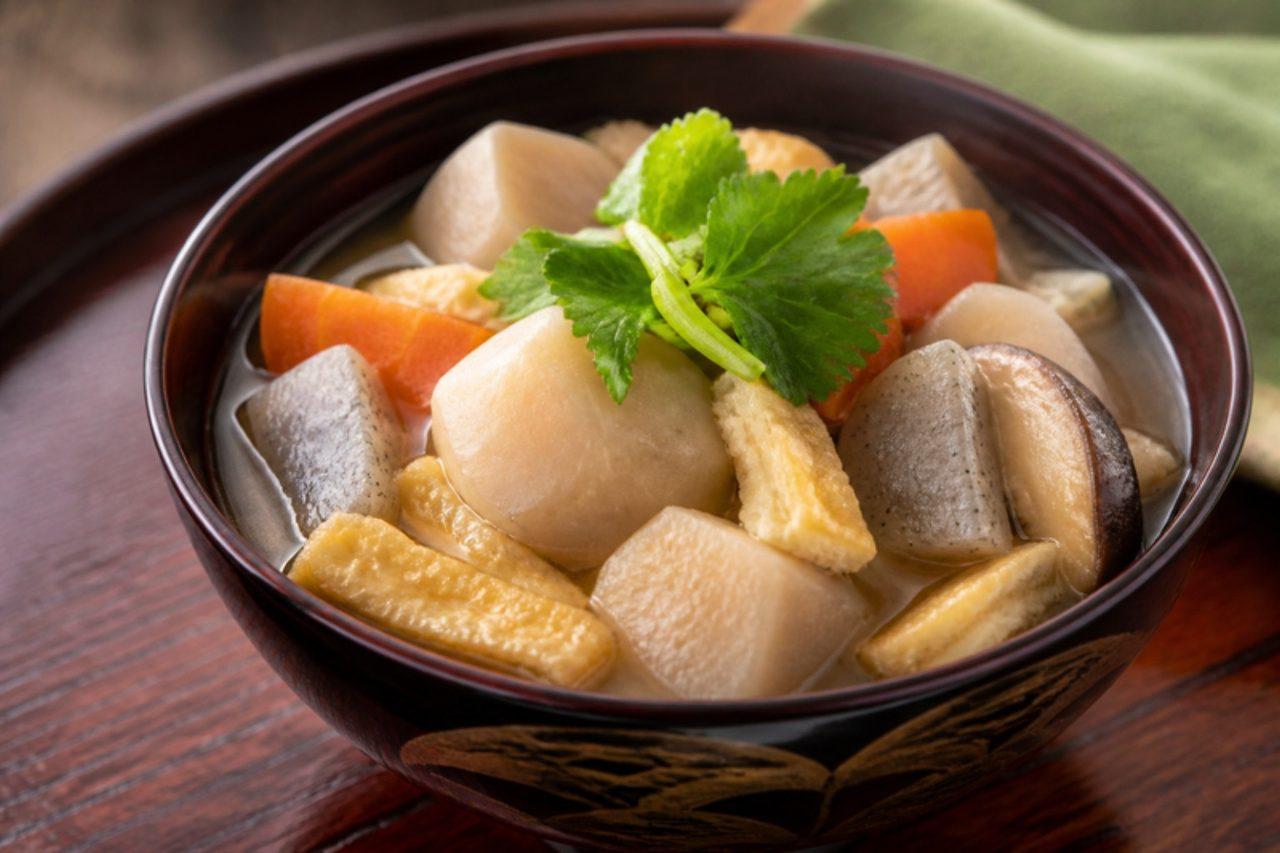
Noppe-jiruTaro and vegetable soup

Noppe-jiru is the everyday and festive soup of Niigata, cooked in big pots for New Year, the Obon holidays and winter family gatherings, and served hot or even cold the next day. Taro, carrot, konnyaku, shiitake and fried tofu are simmered in a soy-seasoned dashi, and the taro's own starch, helped by a little potato starch, gives it a soft, gentle thickness. Many homes use bonito or chicken; this is the vegetarian version with kombu-shiitake dashi. It is warming and earthy, with about 5 g of protein per portion from the fried tofu and shiitake. The usual mistake is skipping the salt rub on the taro, which leaves the broth sticky and gluey rather than silky. Chef's tip: cut all the vegetables to the same small size so every spoonful has a bit of everything.

by KrazyBadal 0 views

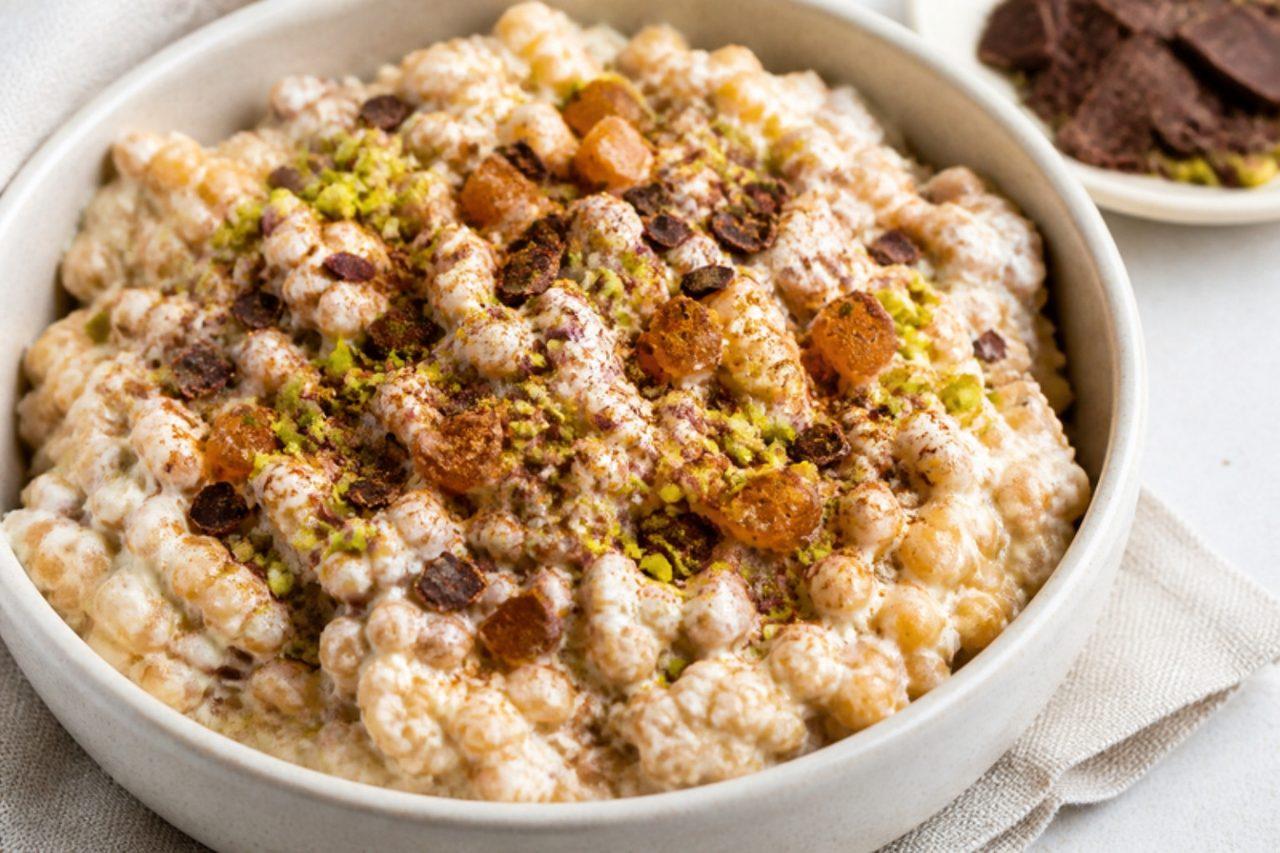
Cuccìa (Palermo wheat berries with sweet ricotta)

On 13 December, the feast of Santa Lucia, Palermo stops eating bread and pasta for a day. The story goes that during a famine a ship of grain arrived on her feast day and people were too hungry to mill it, so they boiled the wheat whole; cuccìa remembers that. The berries are boiled until plump and chewy, then folded into sweetened sheep's ricotta with candied orange, chocolate and cinnamon, so it eats like a cannolo filling with a pleasant bite. Serve it chilled in bowls or glasses, on the day itself or any winter afternoon. Like most Sicilian ricotta sweets it is egg-free by nature: the thick, drained ricotta binds the wheat into a creamy pudding, with nothing to set. Some families make a savoury version with chickpeas and oil, too. Chef's tip: cool the wheat completely before it meets the ricotta; the common mistake is folding in warm grains, which melts the cheese into a runny, grainy mess.

by KrazyBadal 0 views

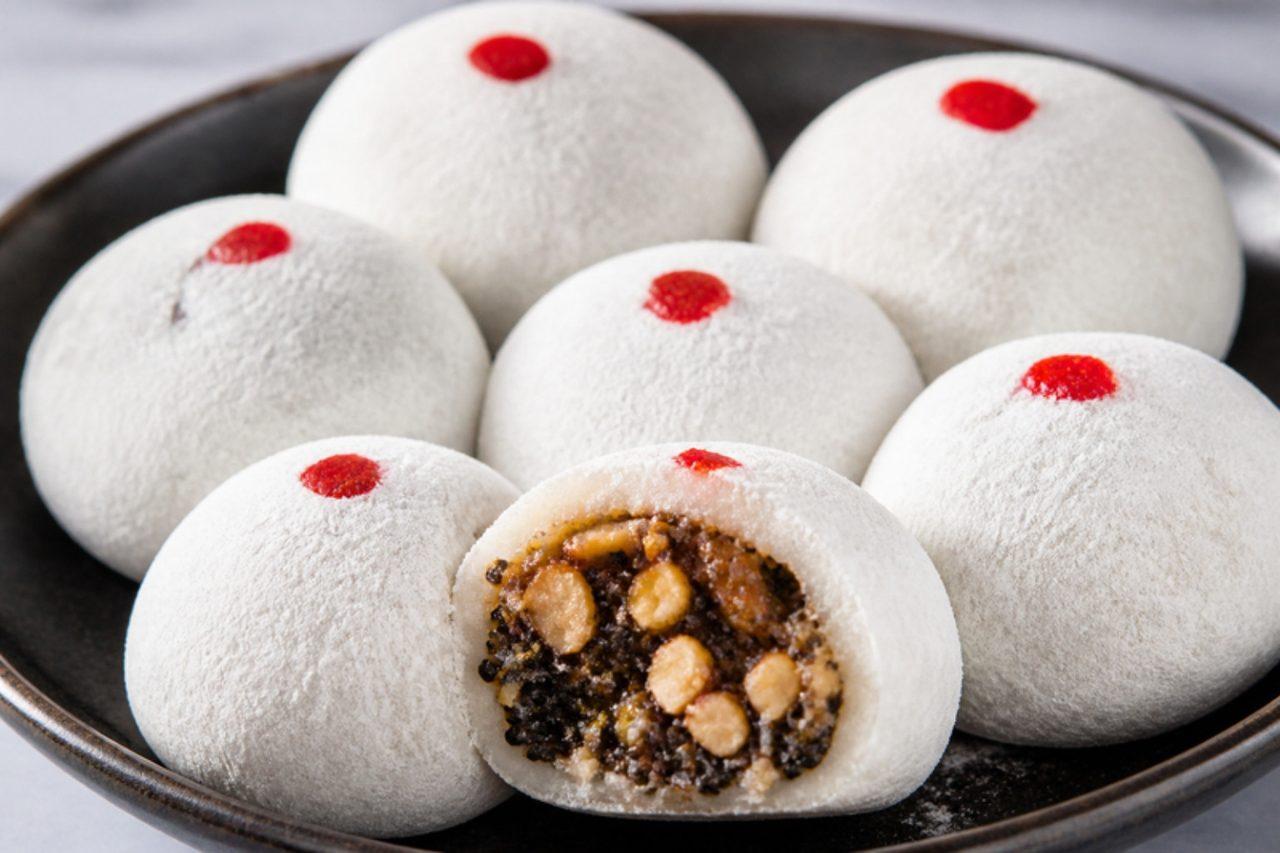
Aiwowo (艾窝窝, Beijing stuffed sticky rice balls)

Aiwowo began as a Hui Muslim snack in Beijing and is now a fixture of old Beijing snack shops from Lunar New Year until summer, eaten cool as a mid-afternoon treat. Steamed glutinous rice is pounded until sticky, wrapped around a crunchy filling of toasted sesame, walnuts, sugar and sugared osmanthus, then rolled in cooked rice flour so the balls look like little snowballs. They are soft and chewy outside, crunchy and fragrant inside, and only lightly sweet. Serve them with jasmine or chrysanthemum tea. Aiwowo is naturally egg-free: pounding the steamed rice releases its sticky starch, which binds the dough and seals in the filling. Chef's tip: the common mistake is dusting with raw flour; steam the flour first, or the coating tastes chalky.

by KrazyBadal 0 views

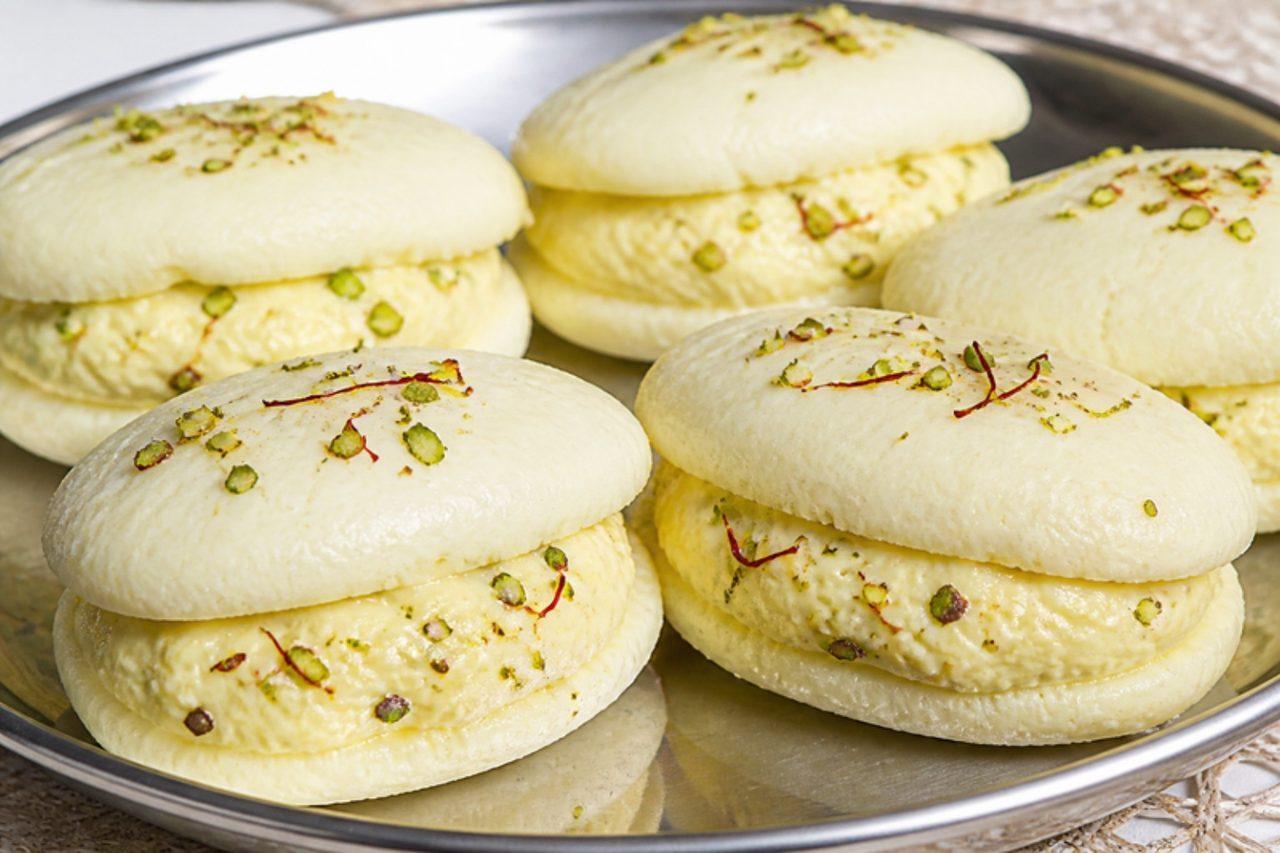
Malai chop (chhana dumplings filled with sweet malai)

Malai chop is a sweet-shop showpiece in Dhaka and Kolkata, bought by the box for weddings, Eid visits, Durga Puja and the arrival of guests. Soft chhana (fresh milk curd) is kneaded, shaped into ovals and boiled in sugar syrup until spongy, then each one is split and filled with thick, sweet reduced-milk malai and topped with pistachios. They're juicy, light and creamy, best served cold, two to a plate. It's naturally egg-free: well-kneaded chhana holds itself together, a little cornflour helps it bind, and the long-reduced milk thickens the filling without any custard. Chef's tip: squeeze the chhana until it's moist but not wet and knead it until your palm feels greasy; chhana that's too wet is the common mistake that makes the dumplings fall apart in the syrup.

by KrazyBadal 0 views

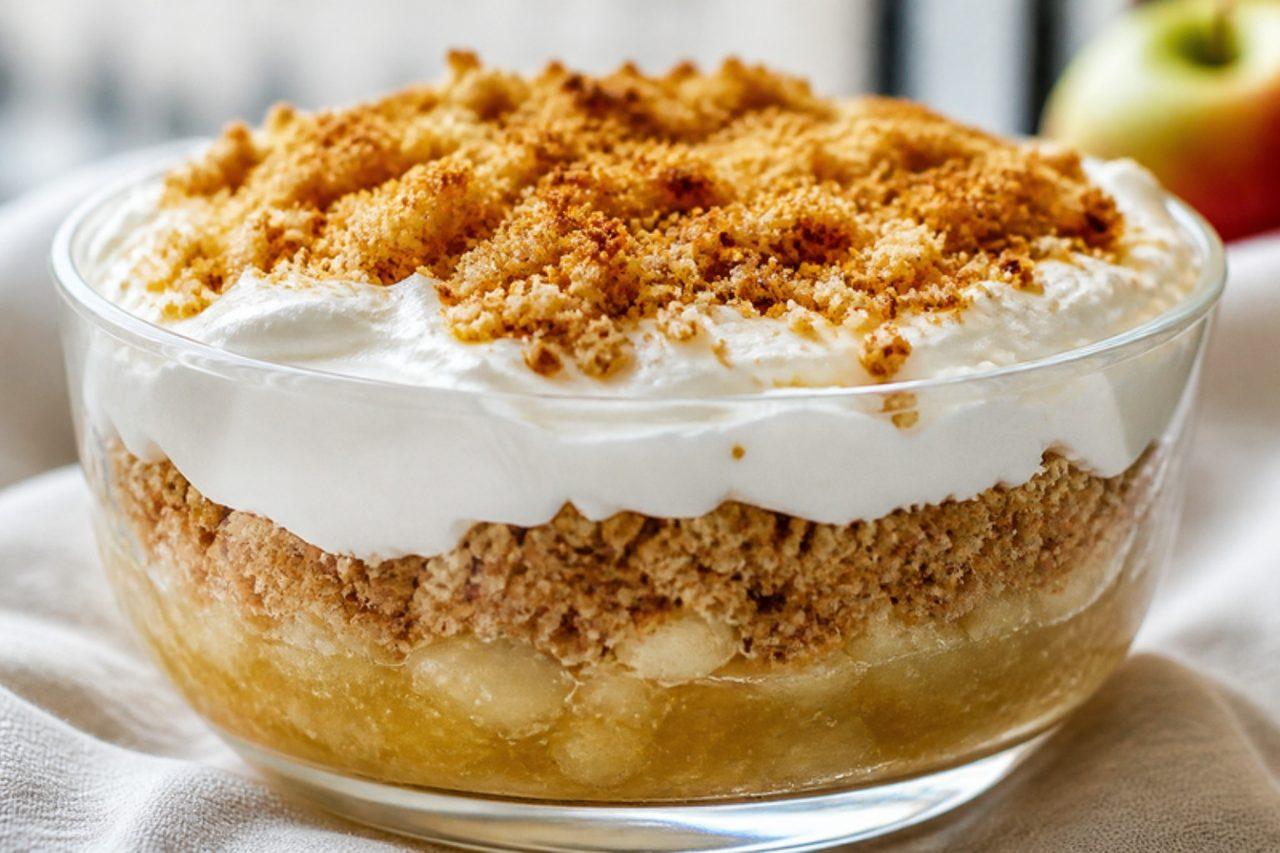
Tilslørte bondepiker (Norwegian veiled farm girls)

Norwegians make tilslørte bondepiker in autumn, when the apple trees in the fjord orchards of Hardanger and Telemark are heavy, and it stays a Sunday-dinner favourite through winter. The 'farm girls' are the layers of tart apple compote, the 'veil' is the whipped cream on top, and between them are crisp breadcrumbs toasted in butter with sugar and cinnamon. It is spooned from a glass bowl: soft fruit, crunchy caramel crumbs and cold cream in each mouthful. Serve it soon after layering, while the crumbs still crunch. No egg is involved anywhere, since the apples cook down into a thick purée on their own, so there is nothing to bind or set; just make the crumbs from an eggless white loaf or plain rusks. Chef's tip: toast the crumbs slowly over a medium-low heat and keep stirring; the common mistake is rushing them over a high heat, so the sugar burns before the crumbs are crisp.

by KrazyBadal 0 views

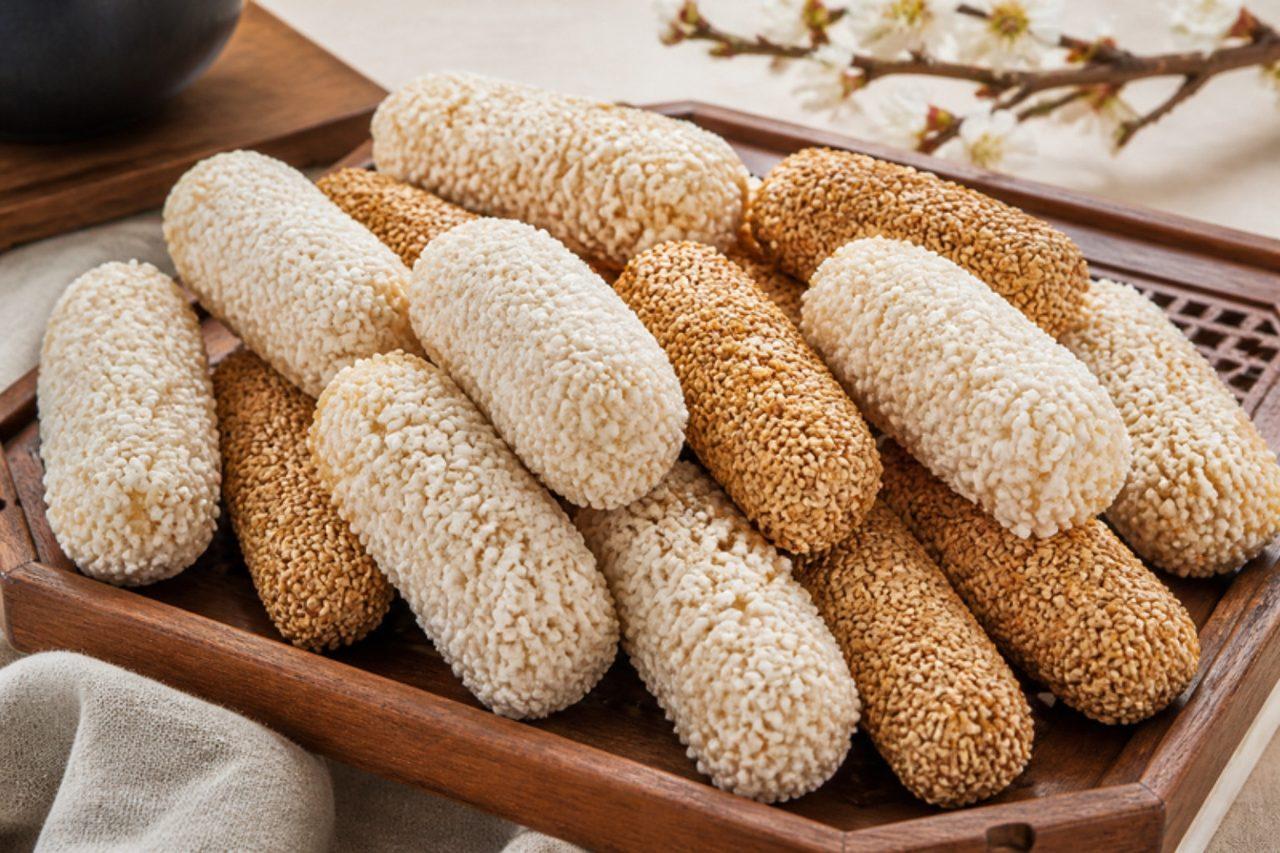
Yugwa (Korean puffed glutinous-rice crackers)

Yugwa are the light, airy crackers piled on trays at Seollal, the Lunar New Year, and given in gift boxes for Chuseok and weddings across Korea. A dough of glutinous rice is steamed and pounded until stretchy, rolled thin, cut and dried until hard, then fried slowly so each piece swells to several times its size into a crisp, hollow puff. A brush of rice syrup and a coating of puffed rice or sesame finish them. They melt on the tongue, crunchy but almost weightless, gently sweet and toasty. Serve with green tea or barley tea. Yugwa never used egg: the sticky starch of glutinous rice, steamed and pounded, traps air and binds the dough, and the rice syrup glues on the coating. Some cooks add rice wine to the dough; this version uses plain water and needs no alcohol. Chef's tip: dry the cut pieces until they snap like a cracker before frying; the common mistake is frying them half-dried, and then they stay flat and chewy instead of puffing.

by KrazyBadal 0 views

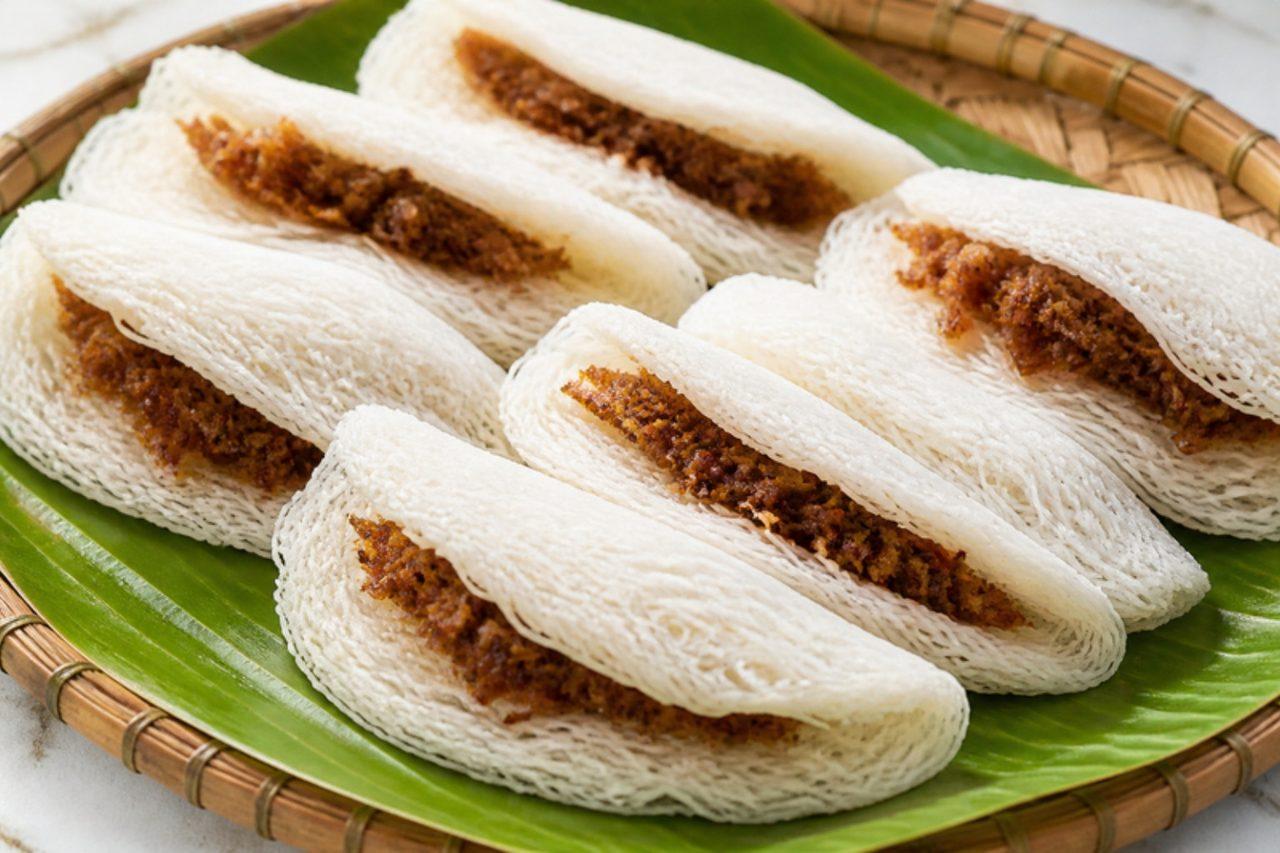
Lavariya (ලැවරියා, string-hopper parcels with coconut treacle filling)

Lavariya turns up on the Sinhala and Tamil New Year table in mid-April, when households across Sri Lanka lay out a spread of sweets after the auspicious hour. It starts as string-hopper dough: roasted rice flour scalded with boiling water and pressed through a mould into fine noodles. Here the noodles are piped in a coil, filled with pani pol, grated coconut cooked down in kithul treacle with cardamom, then folded into a half-moon and steamed. The result is soft, lacy and springy outside, with a sticky, smoky-sweet centre. Serve warm with plain tea or as part of an Avurudu platter with kokis and kavum. It is naturally egg-free: the boiling water cooks and swells the rice starch so the dough holds its shape, and the thick treacle binds the coconut. Chef's tip: the common mistake is using warm rather than boiling water; the dough then crumbles in the press, so pour it straight off the boil and mix with a spoon until cool enough to knead.

by KrazyBadal 0 views

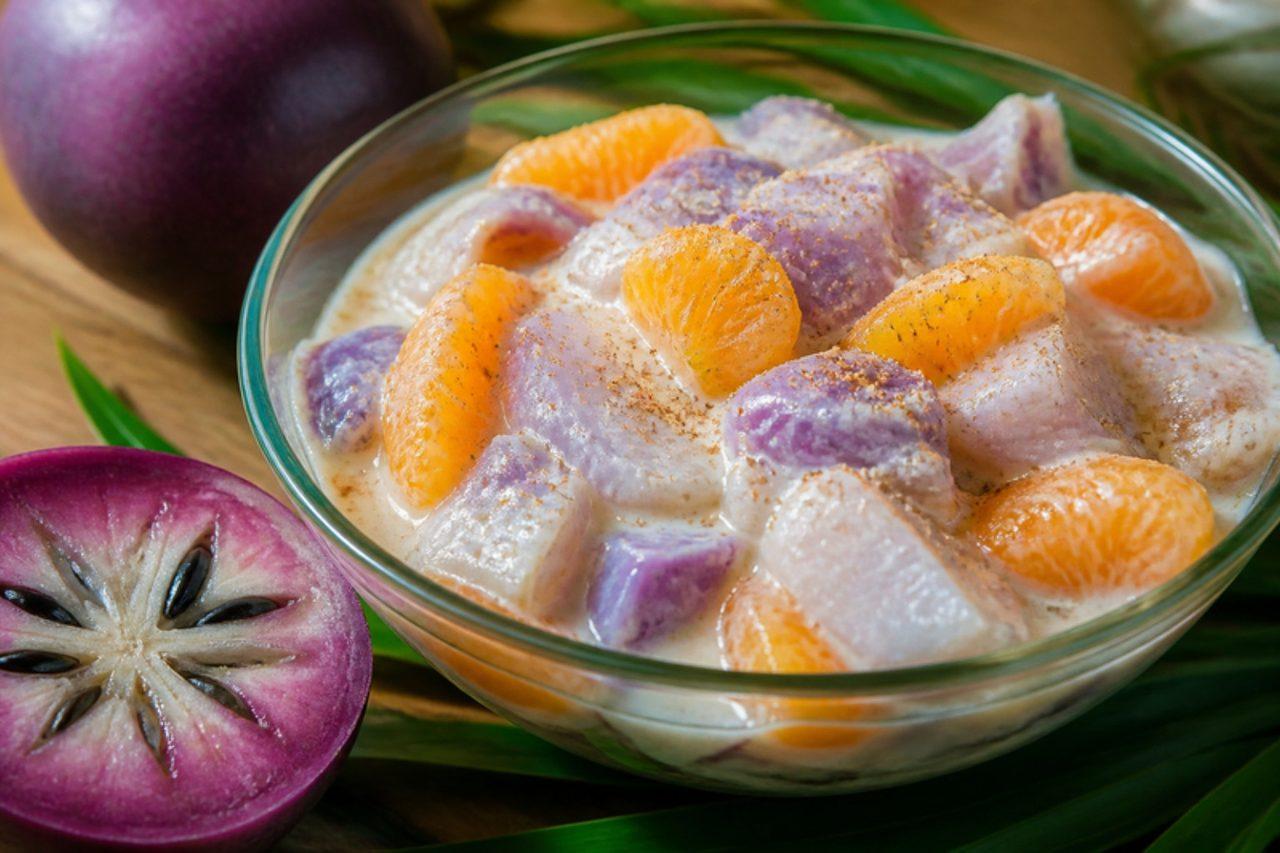
Matrimony (Jamaican star apple and orange with condensed milk)Star apple and orange dessert

Jamaica's star apples ripen in winter, so matrimony, the 'marriage' of star apple and orange, is a Christmas dessert, eaten cold after the big meal on Christmas Day. The purple star apples are scooped from their skins, their sweet, milky, jelly-like pulp mixed with juicy orange segments and dressed with condensed milk and freshly grated nutmeg. It is cool, sweet and fragrant, soft and a little jelly-like from the fruit. Serve it straight from the bowl or in glasses, as the last sweet thing of the Christmas meal. It is naturally egg-free and uncooked: condensed milk gives it body and binds the fruit into a creamy dessert, and nothing needs setting. Chef's tip: scrape the pulp only, never the skin; the common mistake is digging too close to the purple rind, whose sticky latex is bitter and gums up the spoon.

by KrazyBadal 0 views

Bratapfel (German baked apples with almond paste)

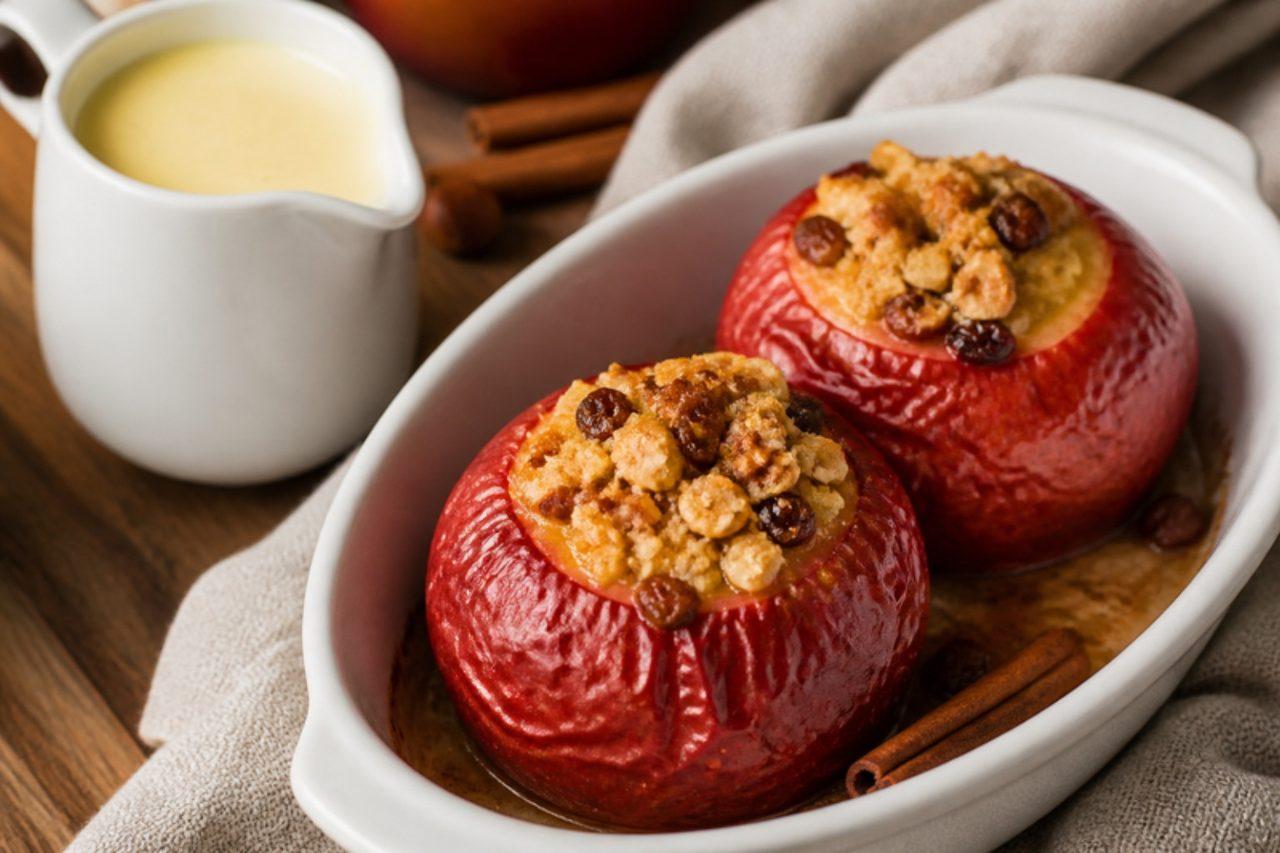
Across Germany, Bratäpfel are the smell of Advent: on cold December afternoons and evenings tart apples go into the oven filled with marzipan, raisins and nuts, and come out puffed, split and bubbling. The skin wrinkles, the flesh turns to a soft, sweet-sour purée and the almond filling melts into the juices. Serve them hot in their dish with the pan juices spooned over, and a plant-based vanilla sauce or a spoon of cold cream if you are not keeping them vegan. Shop marzipan sometimes contains egg white, so here you make a quick egg-free almond paste from ground almonds, icing sugar and a few drops of water, which holds the filling together just as well. The raisins are soaked in apple juice instead of rum. Chef's tip: choose a firm, sharp baking apple and score a ring around its middle; the common mistake is using a sweet eating apple without scoring, which bursts and collapses before the core is tender.

by KrazyBadal 0 views

Bubur gandum (wheat pudding with coconut milk and palm sugar)

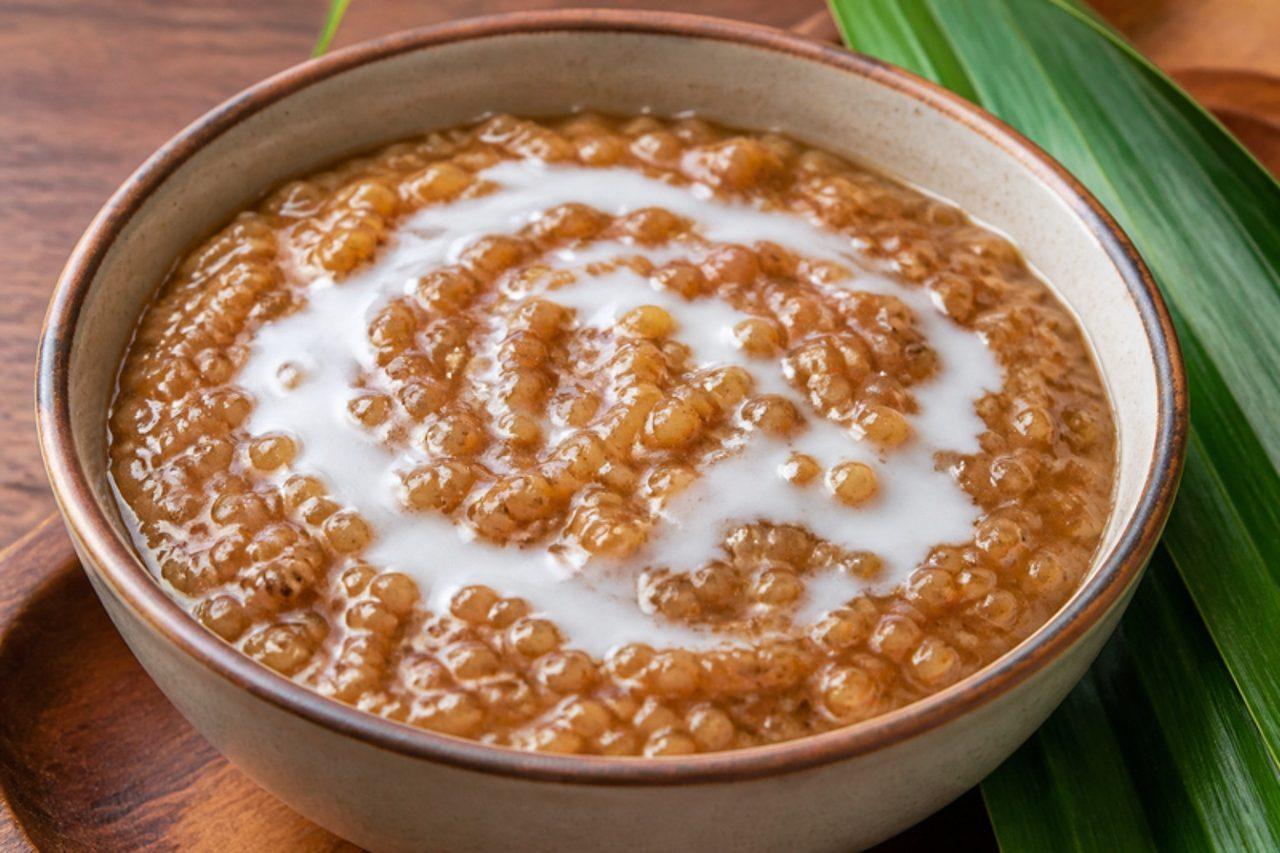
In Malaysia bubur gandum belongs to Ramadan: it is ladled out at the bazaars that open before sunset and cooked in giant pots at mosques for breaking the fast, and it appears again at Hari Raya open houses. Pearled wheat is simmered until the grains burst and turn chewy, then cooked with gula Melaka, pandan and coconut milk into a thick, toffee-brown porridge. The texture is somewhere between rice pudding and soft barley, with a sweet, smoky, coconut flavour. Serve it warm, or at room temperature on a hot evening. The pudding has always been egg-free, because the starch released by the wheat thickens the coconut milk as it simmers, so nothing else is needed to bind it. Chef's tip: cook the wheat in water until fully soft before adding the sugar and coconut milk; the common mistake is adding them too early, which keeps the grains hard however long you cook them.

by KrazyBadal 0 views

Showing 24 of 3,470 recipes

Show more recipes

Page 22 of 145

More No onion & garlic ideas

Other diets