Skip to content
WhatToEat.Today

No onion, no garlic recipes (Swaminarayan and sattvic)

3,470

3470 vegetarian recipes cooked without onion or garlic, as in Swaminarayan and sattvic kitchens, with no meat, fish, eggs or alcohol. Each has photos, step-by-step instructions and cook times. The quickest, Apfelschorle, takes 2 minutes. Most take around 45 minutes.

Filter these by time, diet or cuisine · Make No onion & garlic your diet to see only these recipes everywhere on the site.

Nigerian custard

In homes across Nigeria, from Kaduna to Benin City, custard is a breakfast drink-porridge as much as a pudding: custard powder is mixed to a paste, then set in seconds with a kettle of boiling water and finished with evaporated milk and sugar. Bowls of it are eaten hot with akara or moi moi, the sweet custard against the peppery bean cakes. The mistake is using water that has gone off the boil; it must be furiously boiling or the custard stays thin and floury. Custard powder is mostly cornflour, but check the label if you need it gluten-free. Chef's tip: stir the boiling water in with one hand while you pour with the other, in a steady stream, and the custard sets glossy and lump-free.

by KrazyBadal 0 views

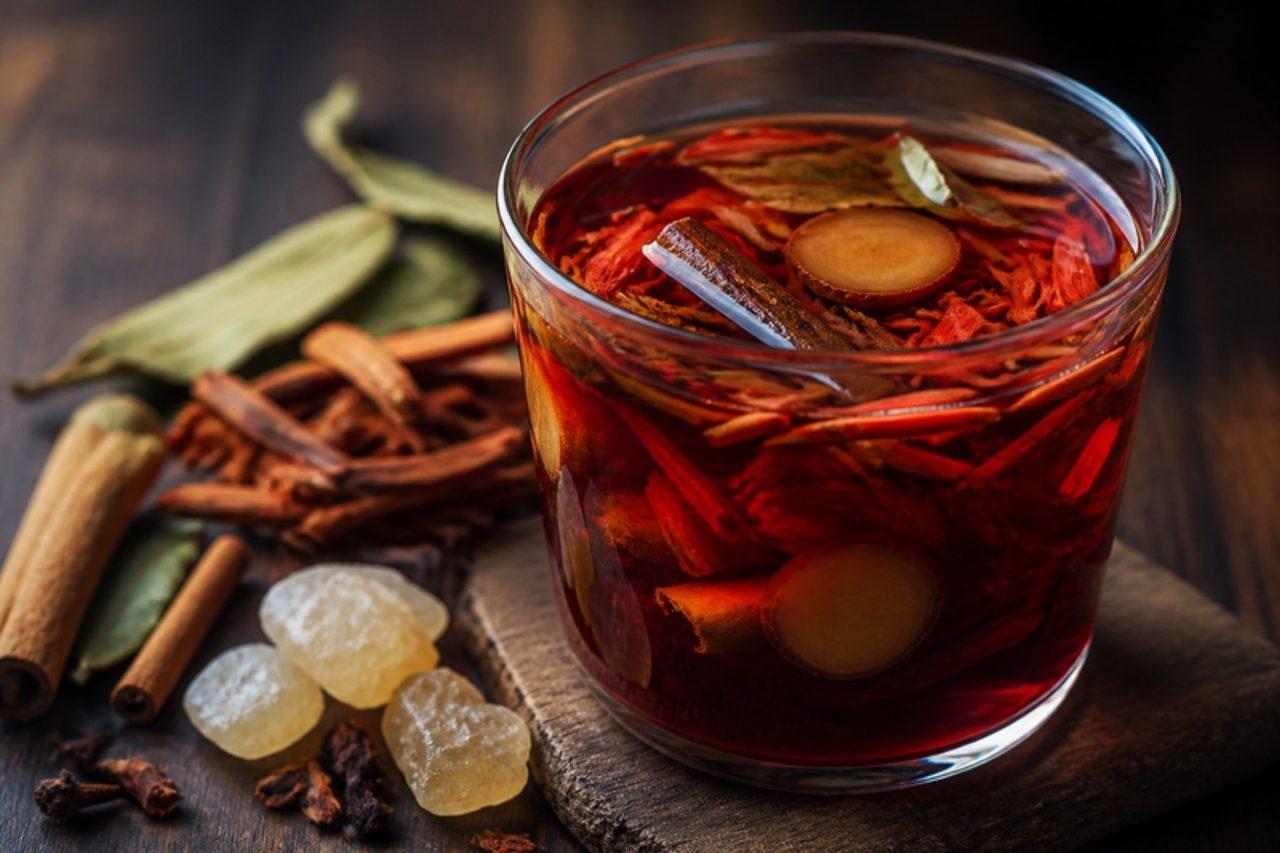
Wedang uwuhSpiced herbal infusion

The name means 'rubbish drink', because a glass looks like a jumble of twigs and leaves, but around the royal tombs at Imogiri, south of Yogyakarta, wedang uwuh is a point of pride. Chips of sappan wood stain hot water a deep ruby red, while ginger, clove, cinnamon, nutmeg leaf and rock sugar give a sweet, woody spice. It is sold by roadside warung as a dry pack to brew at home. Chef's tip: steep it, don't boil it for long; sappan wood turns from red to a muddy brown and tastes tannic if cooked hard.

by KrazyBadal 0 views

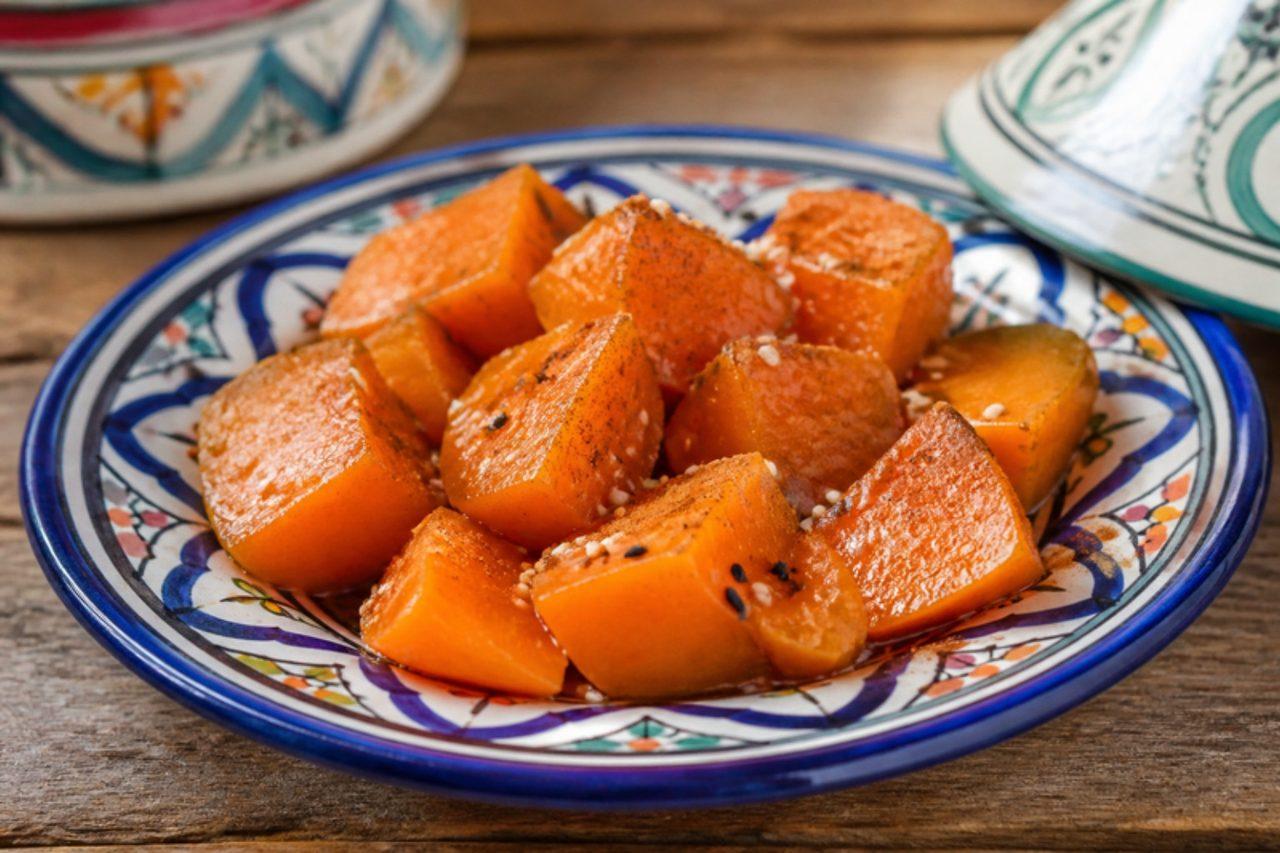
Moroccan sweet pumpkin salad

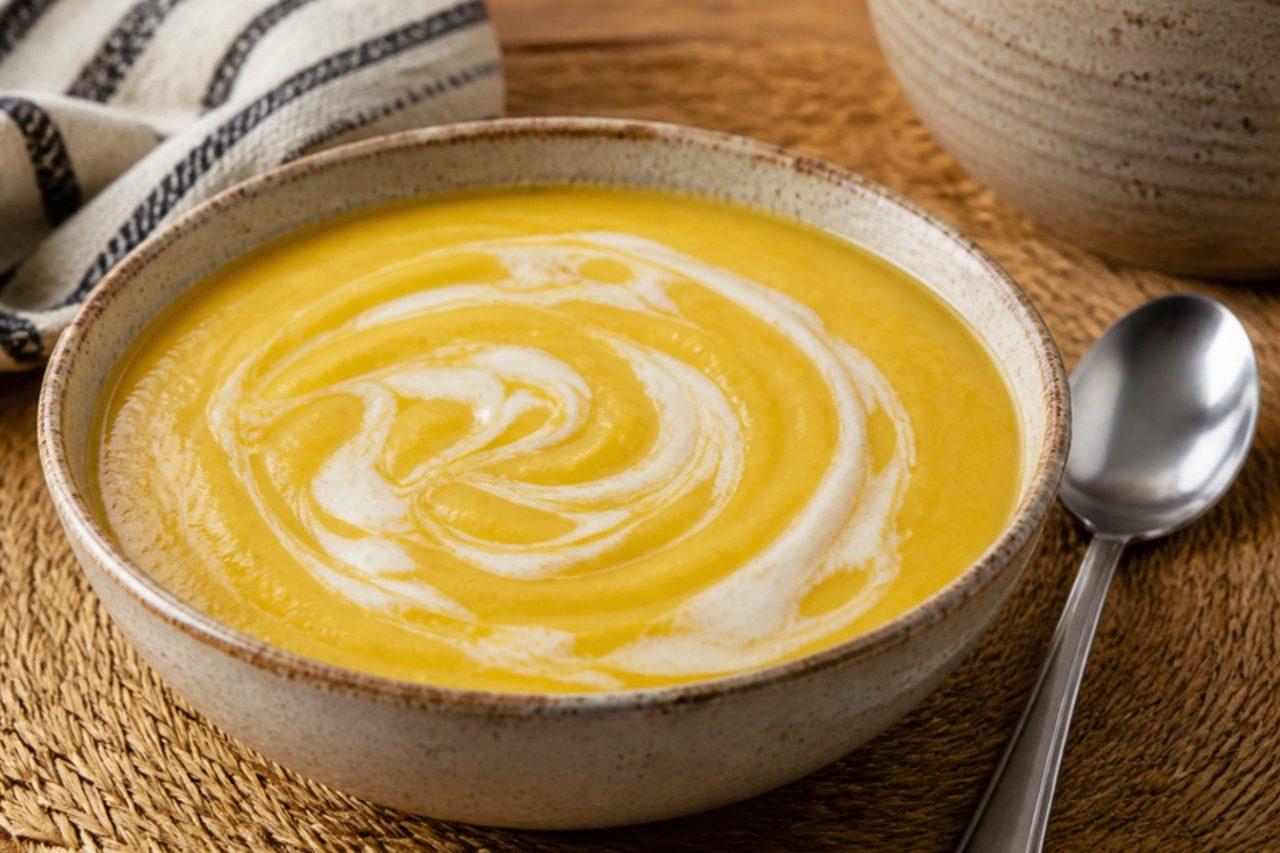
In Fes and Meknes no Friday couscous lunch starts without a ring of little cooked salads, and the sweet red pumpkin one is the children's favourite. Chunks of pumpkin are softened with a little oil, then cooked down with honey, cinnamon and a pinch of ginger until they collapse into a glossy, jammy mash with a few chunks left. Serve it at room temperature with bread, alongside sharper salads like zaalouk or carrots with cumin. Cooks often add too much water and end up with soup; the pumpkin gives off its own juice, so start almost dry. Chef's tip: scatter toasted sesame seeds over just before serving for crunch against the sweetness.

by KrazyBadal 0 views

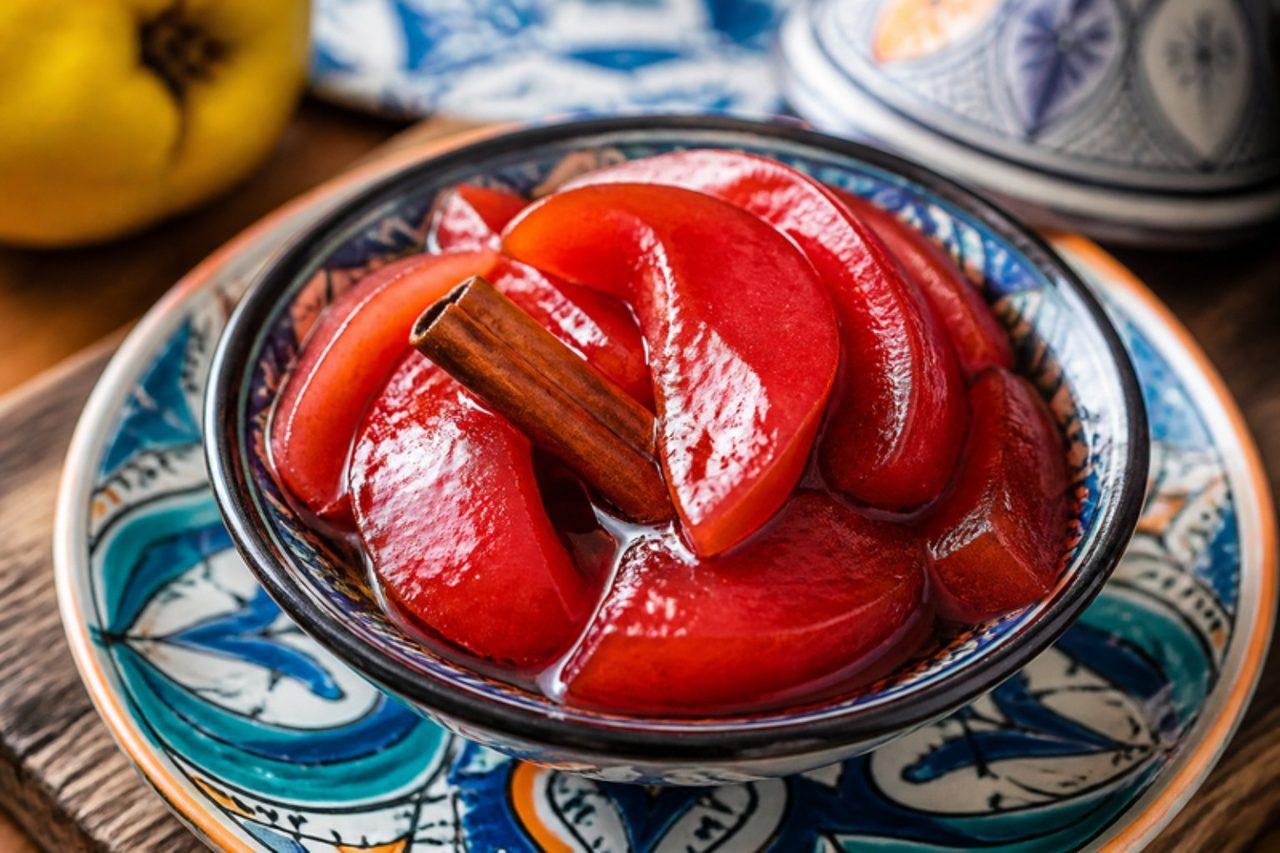
Moroccan quince preserve (mrabba sfarjal)

When quinces fill the market stalls of Fes and Meknes in October, households cook them down into this deep red preserve for winter breakfasts with msemen, baghrir and fresh cheese. The pale fruit turns ruby only with long, gentle cooking, the slices staying whole in a thick, cinnamon-scented syrup. Spread it on bread or serve a spoon next to soft cheese. Impatient cooks boil it hard and get a pale, sticky jam; the colour needs slow simmering. Chef's tip: tie the quince cores and peel in muslin and cook them with the fruit — they hold the pectin that sets the syrup. Store in sterilised jars.

by KrazyBadal 0 views

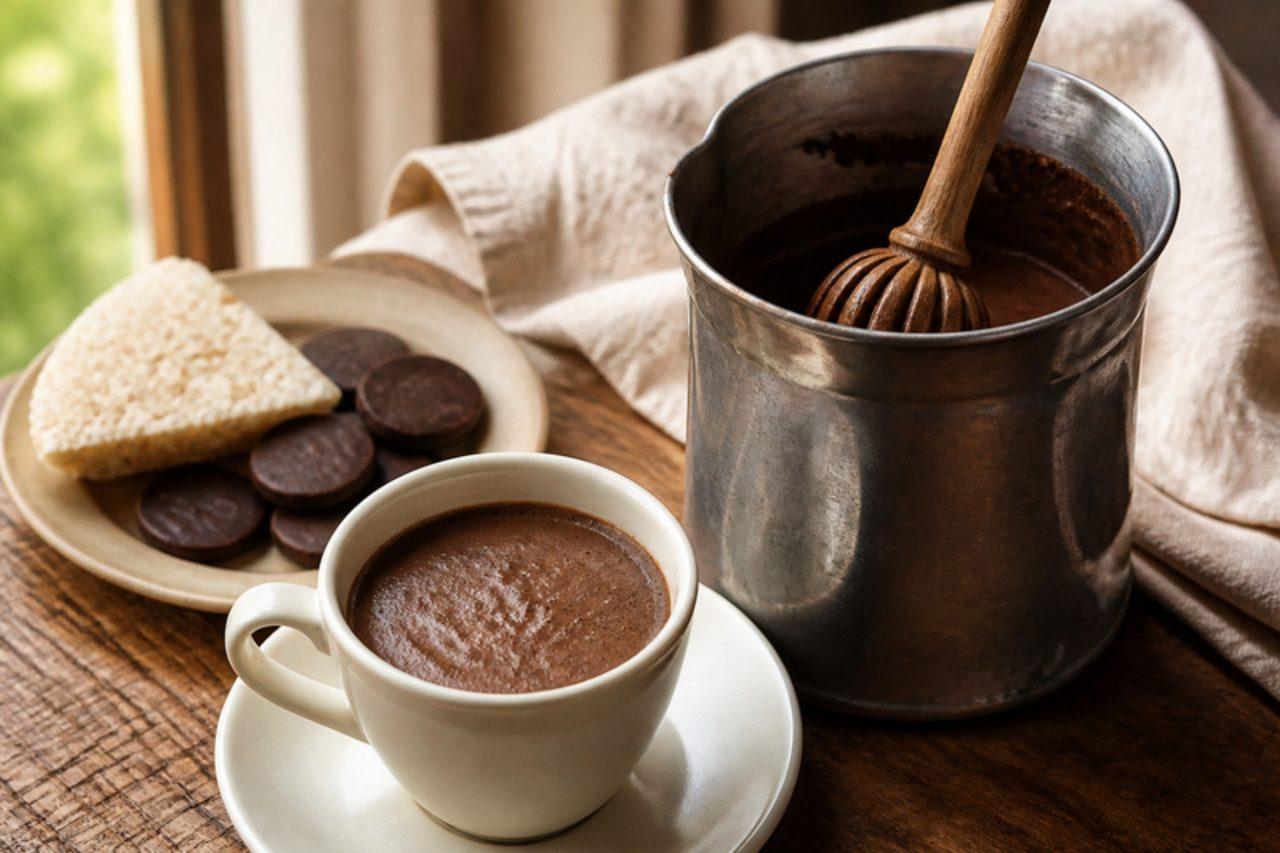
TsokolateThick hot chocolate

Discs of pure roasted cacao called tablea, pressed by hand in Batangas and Cebu, melt into the thick, slightly gritty tsokolate that Filipinos drink on Christmas mornings with puto bumbong or bibingka. It is whisked in a tall pot with a wooden batidor rolled between the palms until it foams, and it tastes deep, bitter-sweet and earthy rather than milky. A little milk softens it; many families drink it with water only. Chef's tip: keep the heat low once the tablea melts; boiling cacao hard makes it scorch and taste burnt.

by KrazyBadal 0 views

Filipino fruit salad

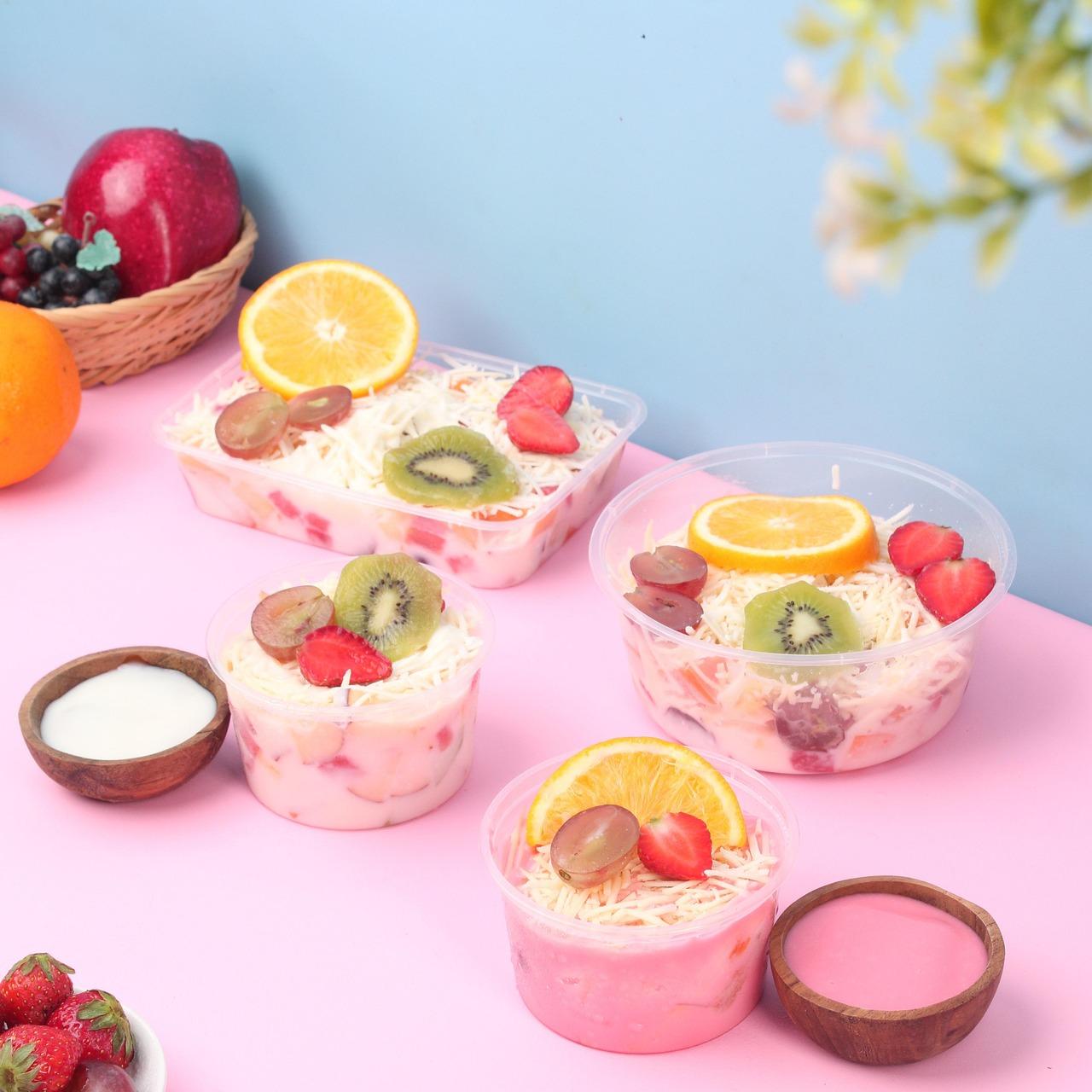
Ask any Filipino family what Christmas tastes like and fruit salad will be near the top of the list: tinned fruit cocktail, chewy nata de coco, sugar-palm kaong and sometimes cubes of cheese, all folded into sweetened cream and chilled until icy. It is made a day ahead for Noche Buena and New Year's Eve and served straight from the coldest corner of the fridge. Chef's tip: drain the fruit really well, even overnight in a sieve; leftover syrup thins the cream into a watery puddle.

by KrazyBadal 0 views

Podina raitaMint yogurt dip

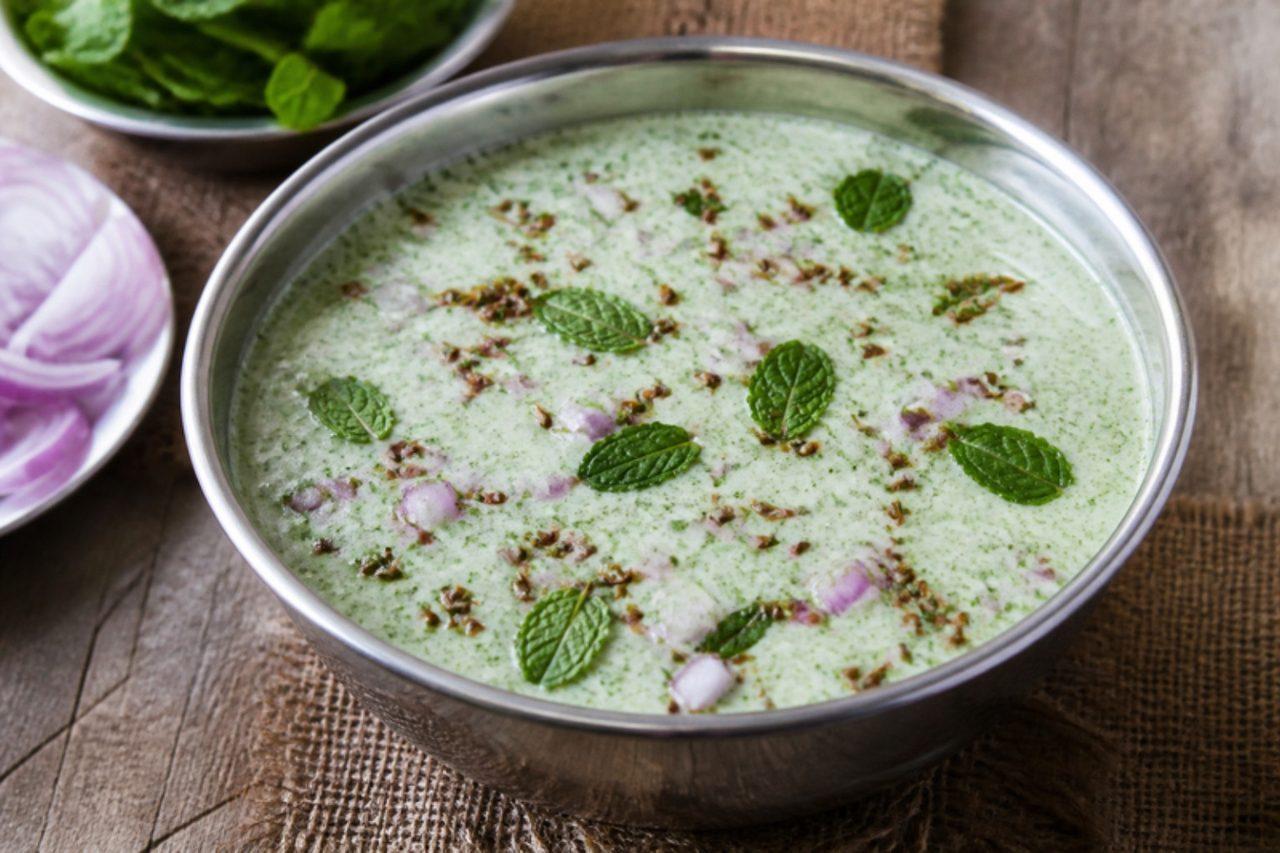
Order a platter of tikka at a Burns Road or Gawalmandi grill and a steel bowl of pale green podina raita lands beside it without asking; it is the cooling counterweight to smoke and chilli, and at home it goes with biryani, pulao and kebab rolls too. Mint, a handful of coriander, one green chilli and freshly toasted cumin are whisked into thick yogurt until it is pourable but still clings to a piece of naan. The usual slip is blitzing the herbs in a blender with the yogurt, which thins it to a watery green drink; pound or chop the herbs separately and fold them in. Contains milk. Chef's tip: dry-roast the cumin seeds yourself and crush them at the last minute: the smoky, toasty smell is what makes a grill-house raita taste like one.

by KrazyBadal 0 views

Kunun tsamiya

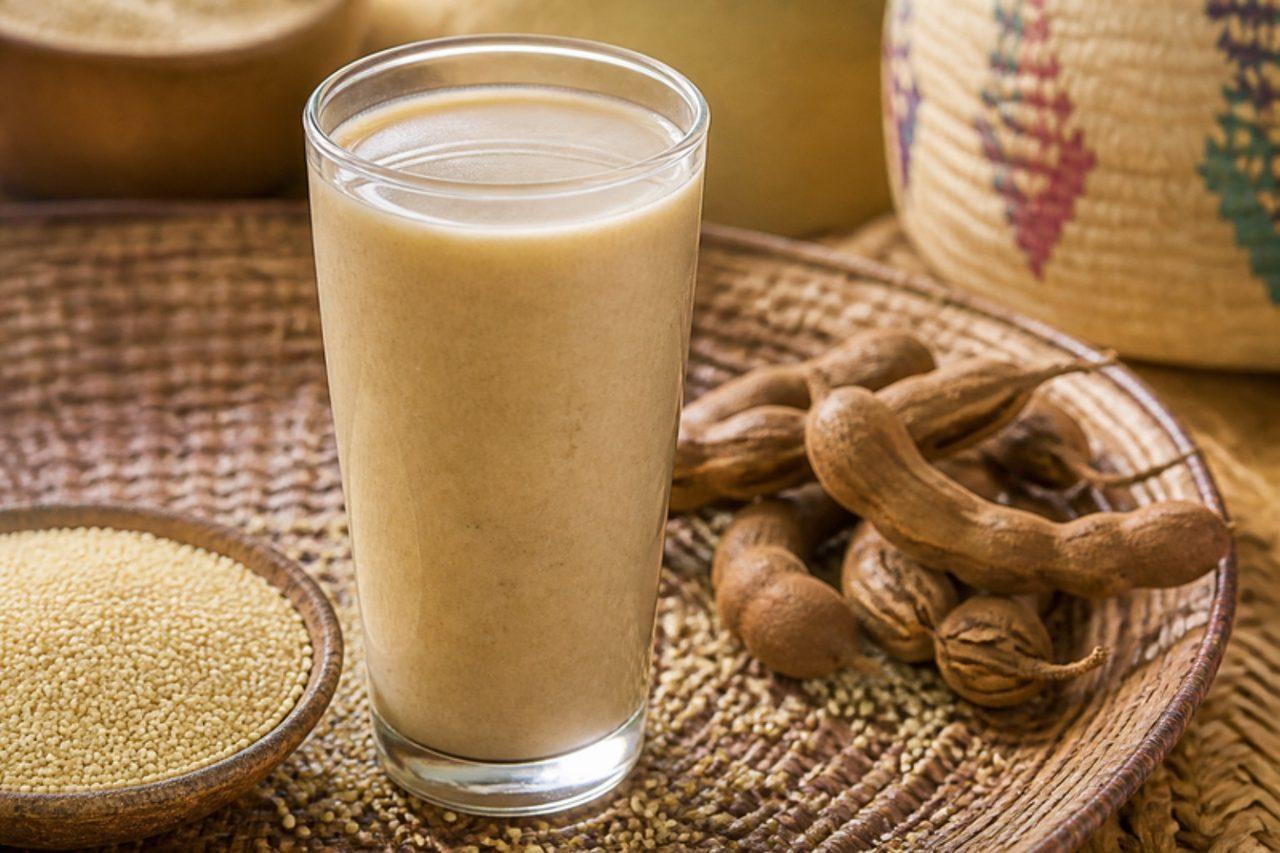
When the Ramadan fast breaks in Kano and Katsina, gourds of warm kunun tsamiya appear on mats beside dates and kosai: a thin, pourable millet porridge-drink, tart from tamarind (tsamiya), warmed with ginger and cloves and sweetened to taste. It is soothing, slightly sour and very filling, and Hausa mothers also give it at breakfast in the cold harmattan months. The mistake is pouring the millet paste into water that isn't boiling, which leaves it raw-tasting and lumpy; it must go into a rolling boil while you stir. Chef's tip: stop when it just coats the back of a spoon; kunun keeps thickening as it cools and should stay drinkable.

by KrazyBadal 0 views

Buko pandanCoconut pandan jelly dessert

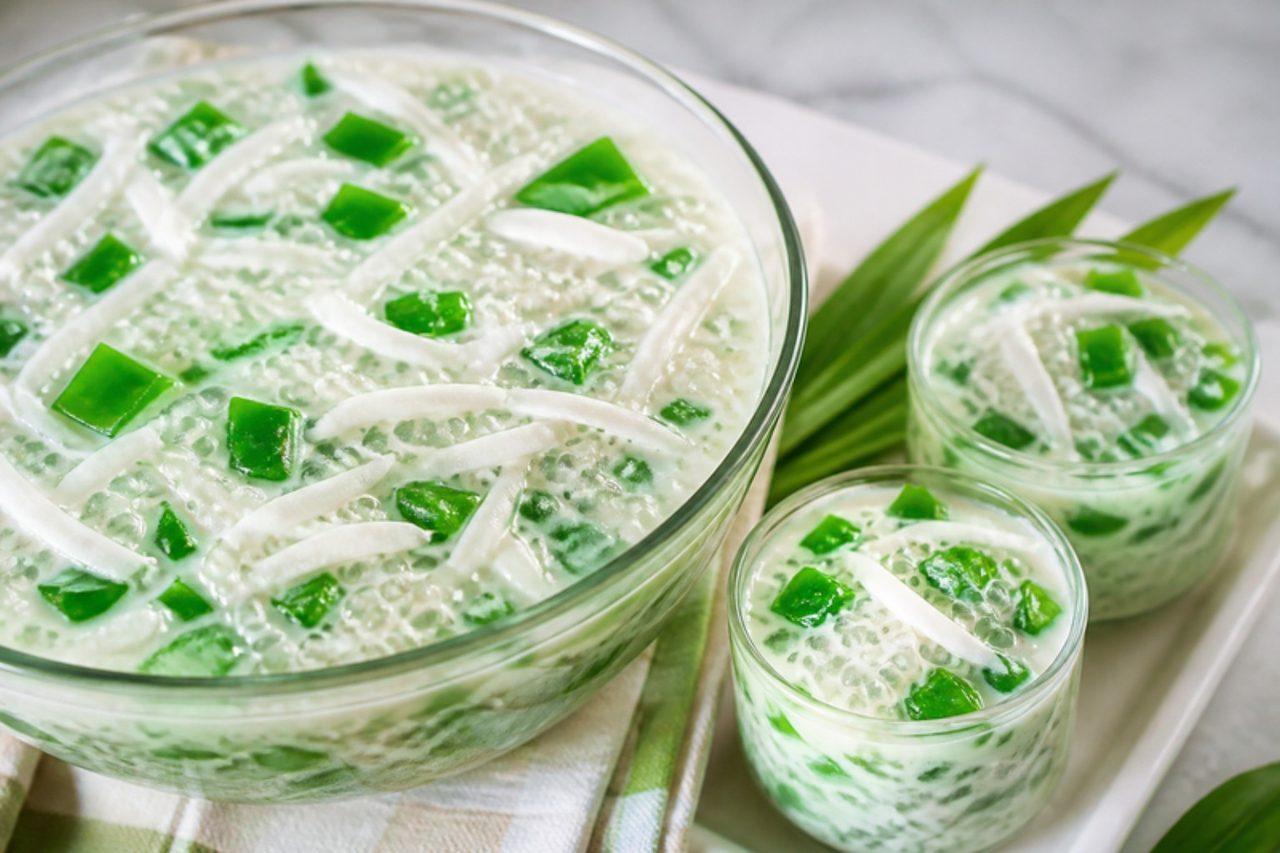
Big bowls of buko pandan come out of Filipino fridges for Christmas, New Year and every family reunion in between. Soft strips of young coconut and cubes of bright green pandan jelly are folded into chilled sweetened cream, so each spoonful is cool, fragrant and slightly chewy. This version sets the jelly with agar (gulaman) rather than gelatin, so it is fully vegetarian. Chef's tip: let the jelly set completely before cutting and folding; half-set agar breaks into mush and turns the cream cloudy green.

by KrazyBadal 0 views

Ose oji

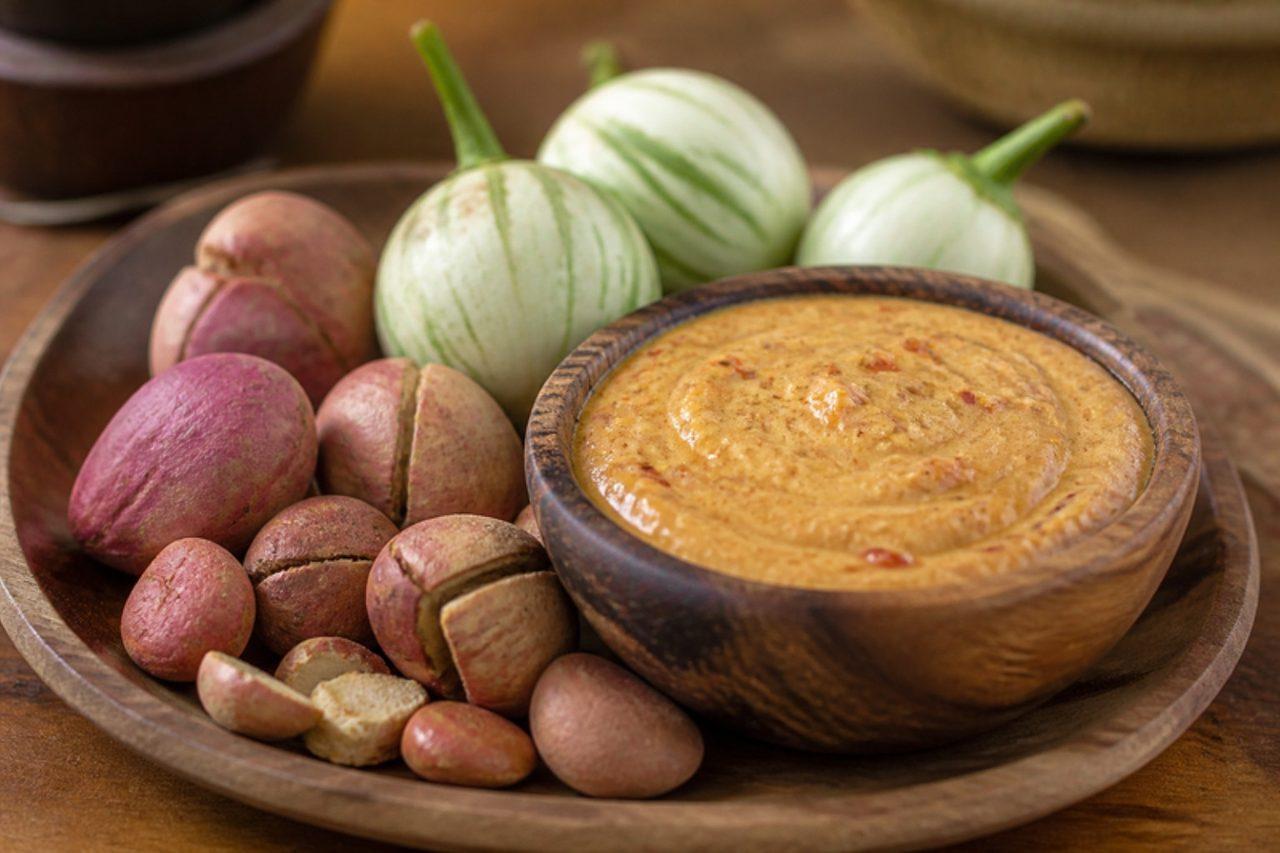
In Igbo homes from Enugu to Owerri a guest is welcomed with kola nut, and the kola is never served alone: beside it sits a saucer of ose oji, peanut butter mashed with ground dried pepper and a little salt, sometimes with uda or ginger. Elders break the kola, pray, and everyone dips. It is equally good with crunchy garden eggs (small white African aubergines) or cucumber. Contains peanut. Kola nut is a strong caffeine stimulant, so it is for adults only, not for children or pregnant women; serve the garden eggs to everyone else. The mistake is making the paste runny with water: it should be thick enough to cling to a slice without dripping, so loosen with oil instead. Chef's tip: toast the dried pepper in a dry pan for 30 seconds before grinding; the smoky heat is what makes ose oji taste right.

by KrazyBadal 0 views

Tibok-tibokMilk pudding with latik

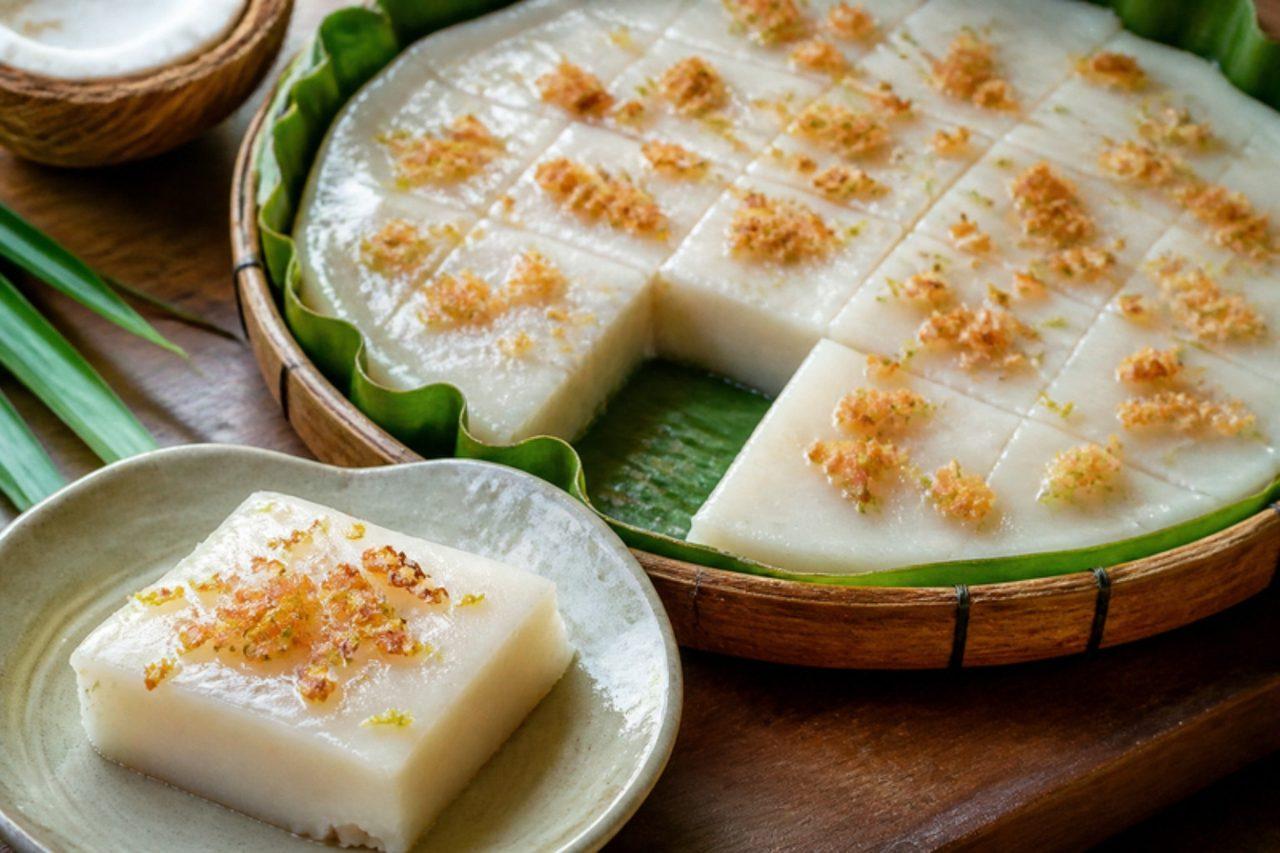
In Pampanga, tibok-tibok is made with rich carabao's milk and served at fiestas in shallow trays lined with banana leaf. Its name means heartbeat, after the slow, pulsing bubbles that rise as it thickens and the gentle wobble when the tray is set down. It is creamy, delicately sweet and scented with dayap (lime) zest, then topped with crunchy latik. Whole cow's milk or buffalo milk makes a good stand-in at home. Chef's tip: grind or blend the soaked rice very fine and strain it; coarse rice leaves a grainy pudding instead of a silky one.

by KrazyBadal 0 views

BikoSweet sticky rice cake

Bring biko to a Tagalog or Visayan gathering, whether a wake, a birthday or a fiesta, and the tray will be scraped clean. Glutinous rice is cooked, then stirred hard in a thick coconut milk and brown-sugar caramel until every grain is coated and the mass is dark, glossy and heavy on the spoon. Pressed into a tray and topped with crisp latik, it is cut into squares that are chewy, sweet and rich. Chef's tip: keep stirring once the rice goes into the caramel; leave it for a minute and the sugar catches and burns on the pan base.

by KrazyBadal 0 views

PalitawSticky rice discs with coconut

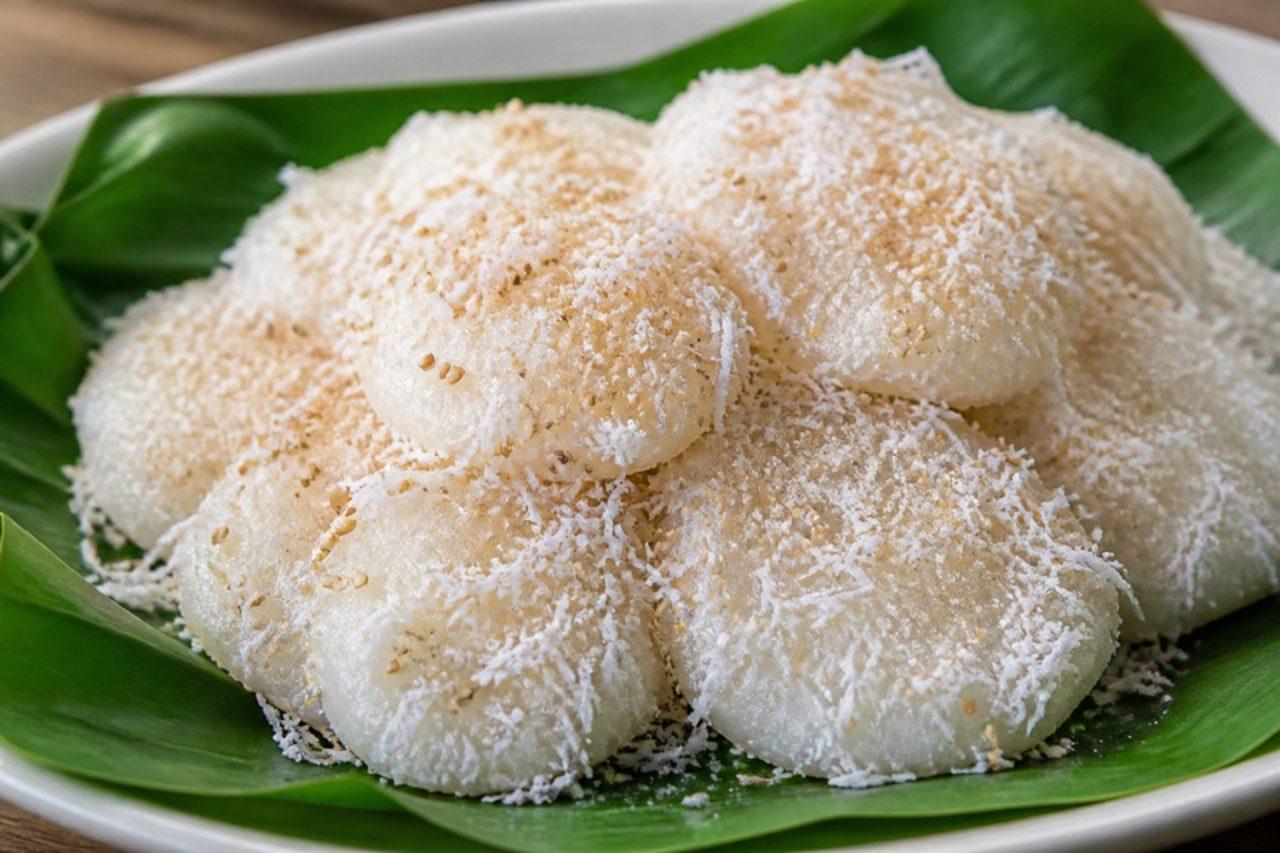
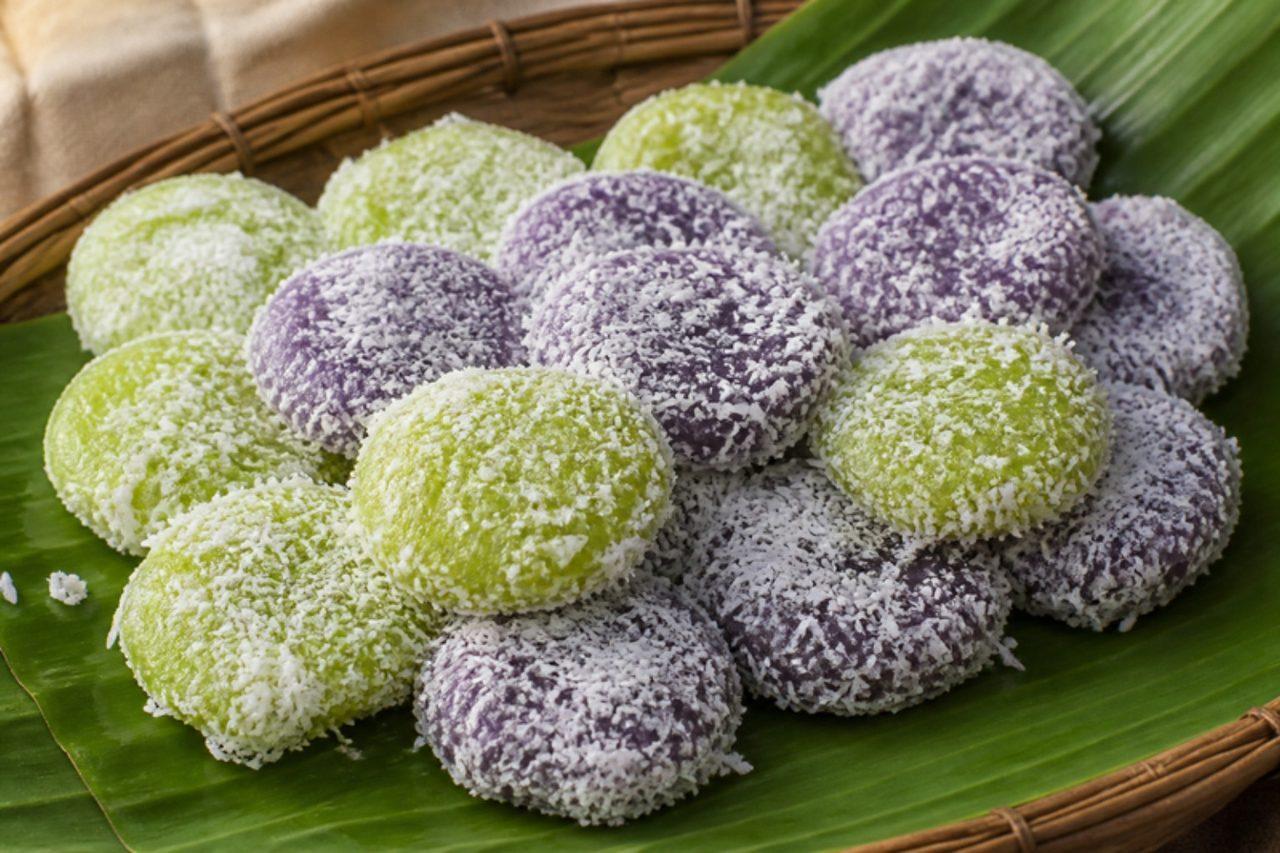
Palitaw comes from the Tagalog word for rising to the surface, which is exactly how you know they are cooked. Flat ovals of glutinous rice dough are dropped into boiling water, sink, then float up a minute later; they are lifted out, rolled in freshly grated coconut and finished with a sprinkle of sugar mixed with toasted sesame. Vendors in Laguna and Batangas sell them warm on banana leaves for merienda. Chef's tip: roll the dough thin, about 5 mm; thick palitaw float before the centre is cooked and stay pasty inside.

by KrazyBadal 0 views

Puto bumbongPurple sticky rice tubes

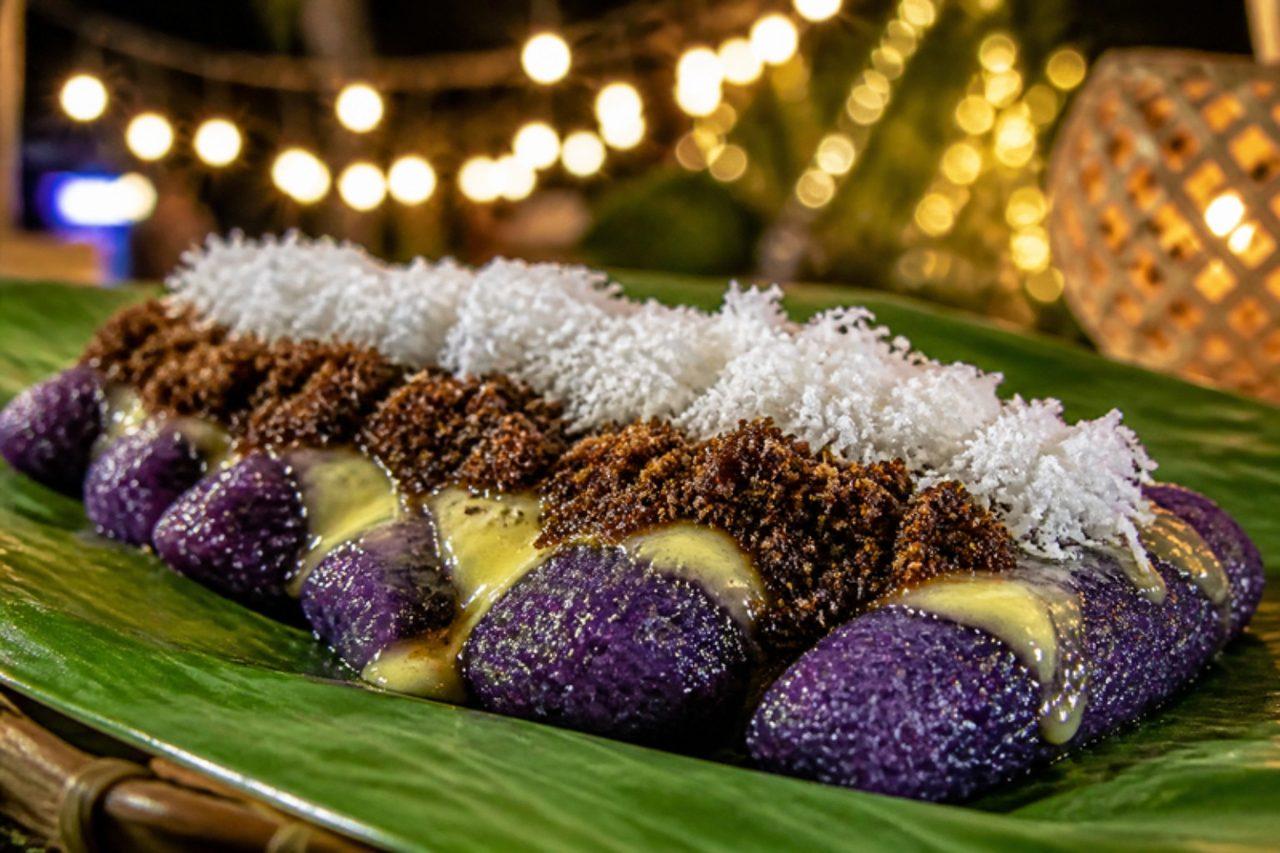
During the nine dawn masses of Simbang Gabi, from 16 to 24 December, vendors outside churches across Luzon steam puto bumbong in bamboo tubes over hissing kettles. The violet logs of ground purple and white glutinous rice are slid onto banana leaf, slathered with butter or margarine and showered with muscovado sugar and grated coconut, then eaten warm in the cold morning air. At home, small heatproof moulds or rolls of banana leaf stand in for the bamboo. Chef's tip: the ground rice must feel like damp sand, not batter; wet dough steams into a heavy paste instead of a loose, fluffy log.

by KrazyBadal 0 views

Pichi-pichiCassava gummies with coconut

Grated cassava, sugar and water steamed in little cups turn into pichi-pichi: soft, translucent, wobbly bites the colour of amber or tinted with ube or pandan, then rolled in grated coconut. They are a party staple across Quezon and Manila, and bakeshops also roll them in grated cheese, though the coconut version keeps them vegan. Served chilled or at room temperature with coffee. Chef's tip: squeeze the grated cassava only lightly; wringing out all the juice gives you dry, crumbly cakes instead of chewy, glossy ones.

by KrazyBadal 0 views

Sapin-sapinLayered sticky rice cake

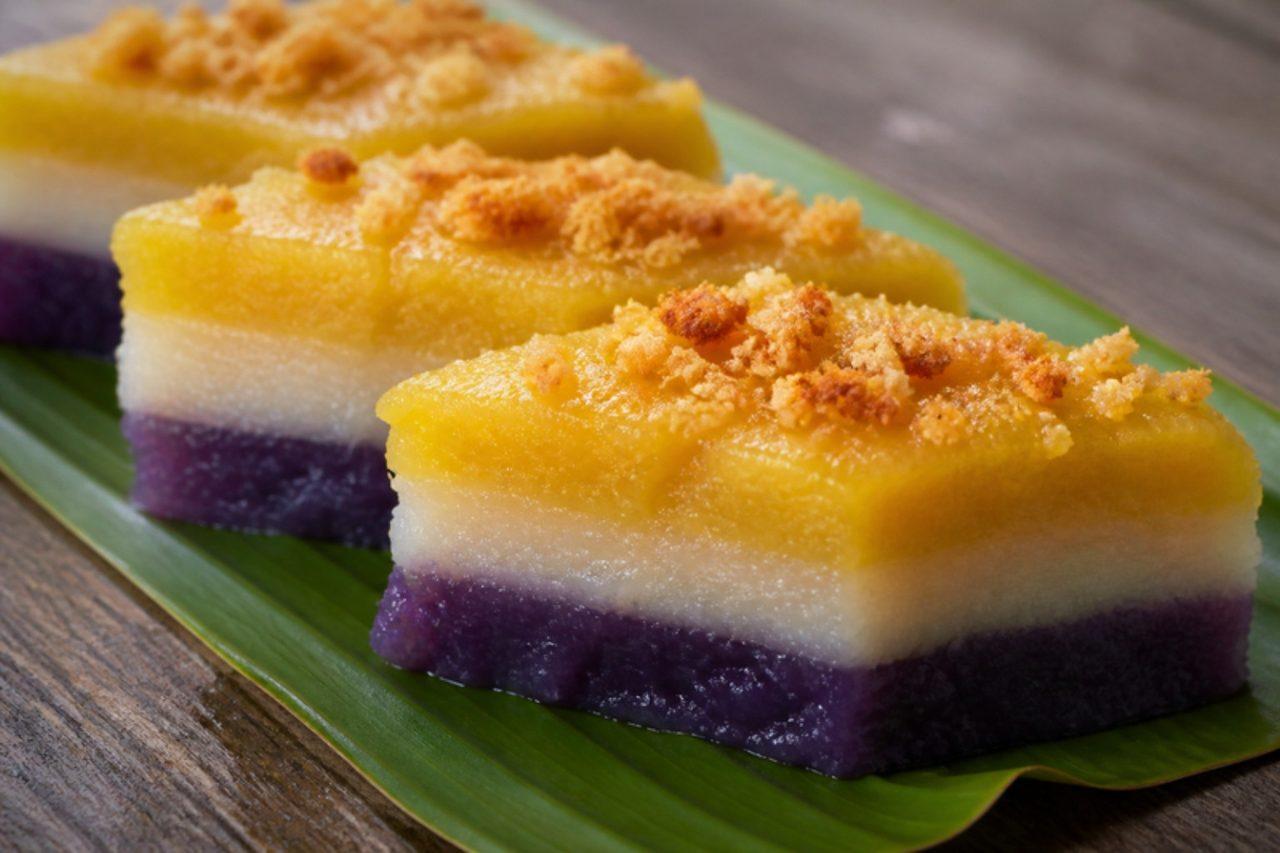
The name means layered, and in Pampanga, the kitchen of the Philippines, sapin-sapin is a showpiece for fiestas and Christmas tables: a steamed glutinous rice and coconut cake built in stripes of purple ube, plain white and golden jackfruit, each set before the next is poured. It is cut in diamonds and scattered with latik, the toasted coconut curds left when coconut cream is cooked down. The texture is soft, sticky and cool. Chef's tip: steam each layer until it is just set before pouring the next; pour too early and the colours bleed into one muddy layer.

by KrazyBadal 0 views

Maja blancaCoconut corn pudding

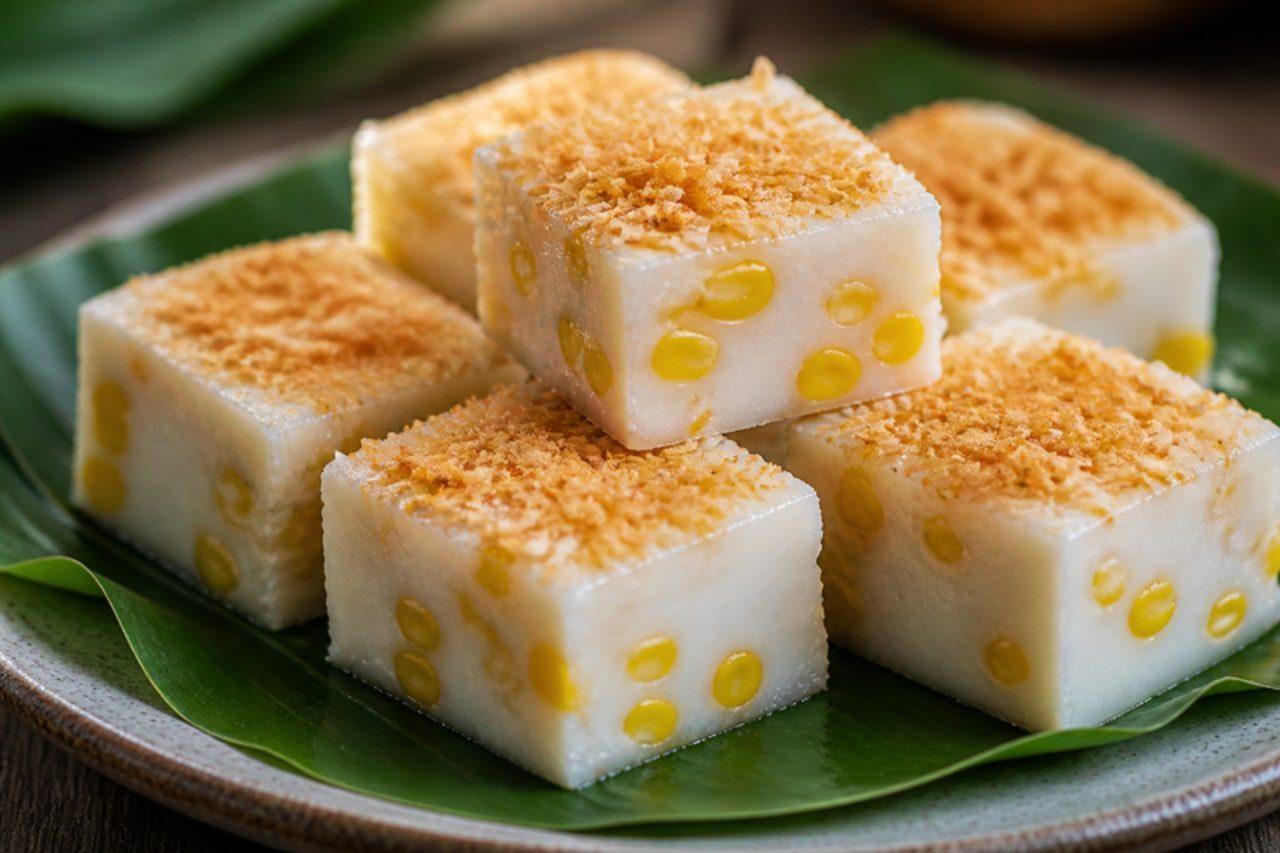
Wobbly squares of maja blanca sit on almost every Filipino Christmas Eve table, beside the leche flan and the fruit salad. Coconut milk and milk are thickened with cornflour into a smooth white pudding studded with sweet corn, poured into a tray and set firm enough to slice, then crowned with latik or toasted coconut. It tastes cool, milky and gently sweet, and kids love it. Chef's tip: whisk the cornflour into cold liquid first and keep stirring as it heats; added to hot milk it seizes into lumps you can't whisk out.

by KrazyBadal 0 views

Banana cueCaramelised fried bananas

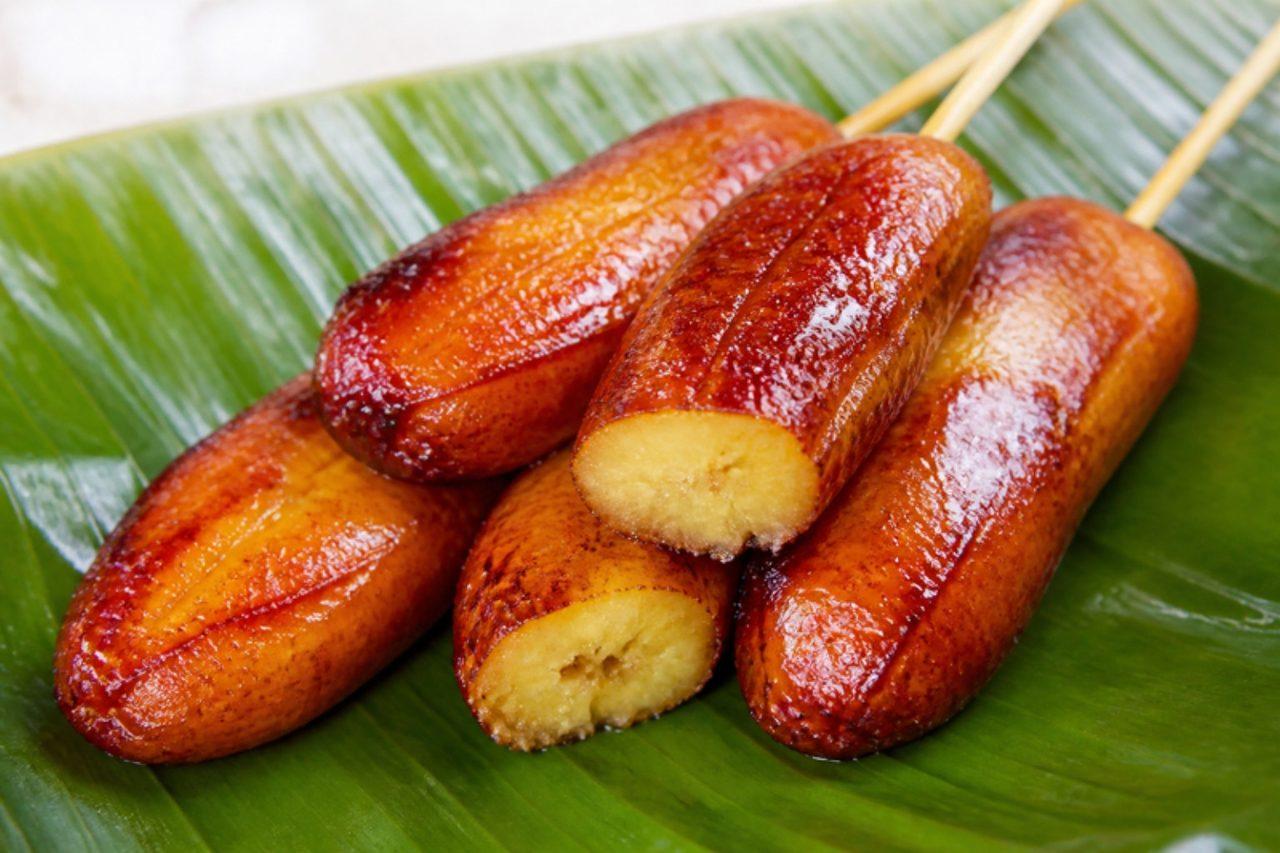
Walk past any Manila school gate or jeepney stop around three in the afternoon and you will find a vendor turning saba bananas in a wok of bubbling oil and brown sugar. The sugar melts and clings to the fruit, setting into a thin, crackly amber shell over soft, slightly tart flesh, and the bananas are sold two or three to a bamboo stick. Sweet potato cooked the same way is called camote cue. Eat them warm with a glass of iced sago't gulaman. Chef's tip: add the sugar only once the bananas are already golden; sugar thrown in at the start burns black before the fruit is cooked through.

by KrazyBadal 0 views

Air mata kucingLongan and winter melon drink

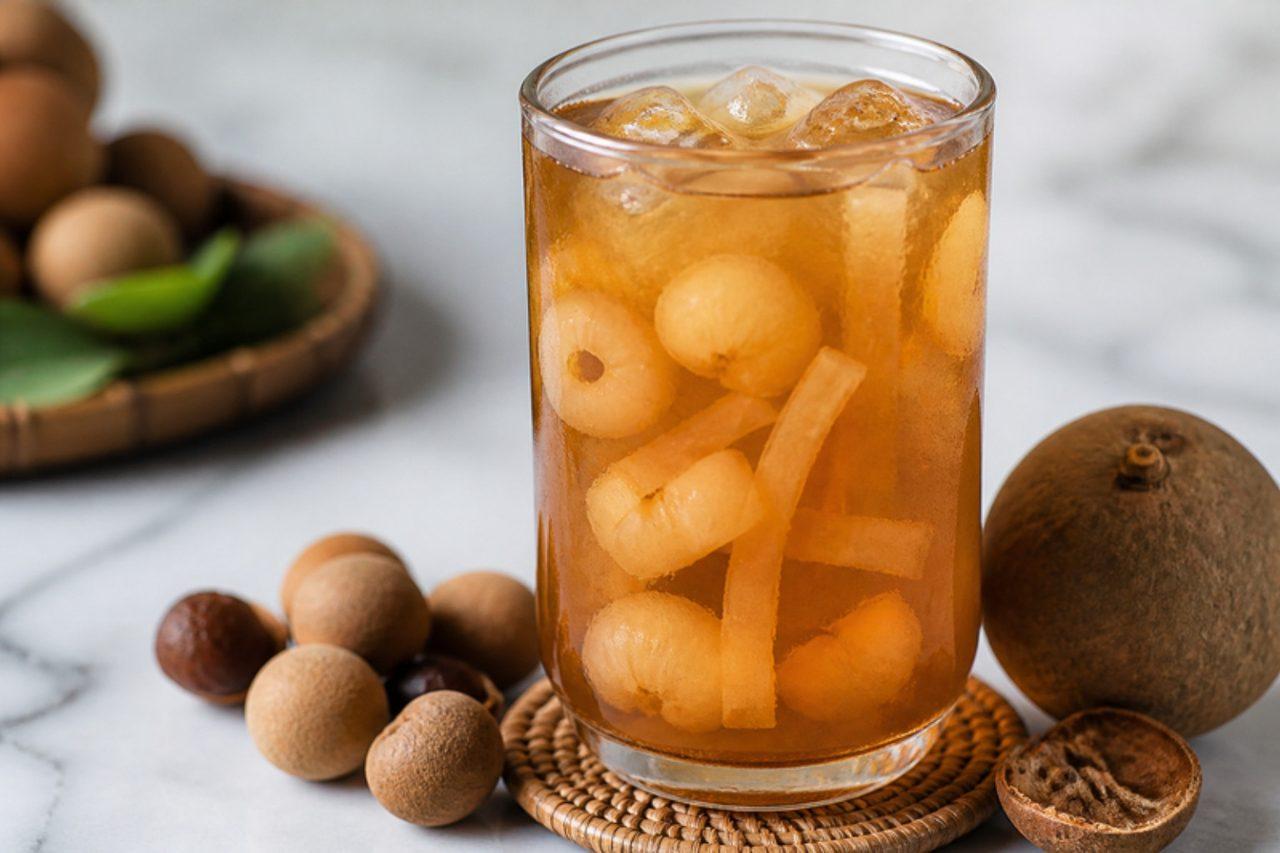
Petaling Street in Kuala Lumpur's Chinatown has a stall that has sold little else for decades, and on a hot afternoon the queue for its iced air mata kucing, 'cat's eye water', stretches down the lane. The 'cat's eyes' are dried longan, simmered with monk fruit, candied winter melon and rock sugar into a sweet, smoky, caramel-like brew that Chinese Malaysians drink to cool the body. Look for the dried ingredients in Chinese grocers. Chef's tip: boiling hard for too long makes it bitter from the monk fruit shell; keep it at a gentle simmer.

by KrazyBadal 0 views

Sago't gulamanTapioca and jelly drink

Tall plastic cups of sago't gulaman are what Manila drinks on hot afternoons, ladled from a big drum at street corners and sold next to fried snacks. Chewy tapioca pearls and cubes of firm agar jelly float in cold water sweetened with a dark, almost caramelised brown-sugar syrup scented with pandan. Kids slurp it through a wide straw; adults buy it with every plate of banana cue. Chef's tip: cook the syrup until it smells of caramel but stop before it smokes; pale syrup tastes only of sugar, burnt syrup tastes bitter.

by KrazyBadal 0 views

Tepung pelitaPandan pudding with coconut cream

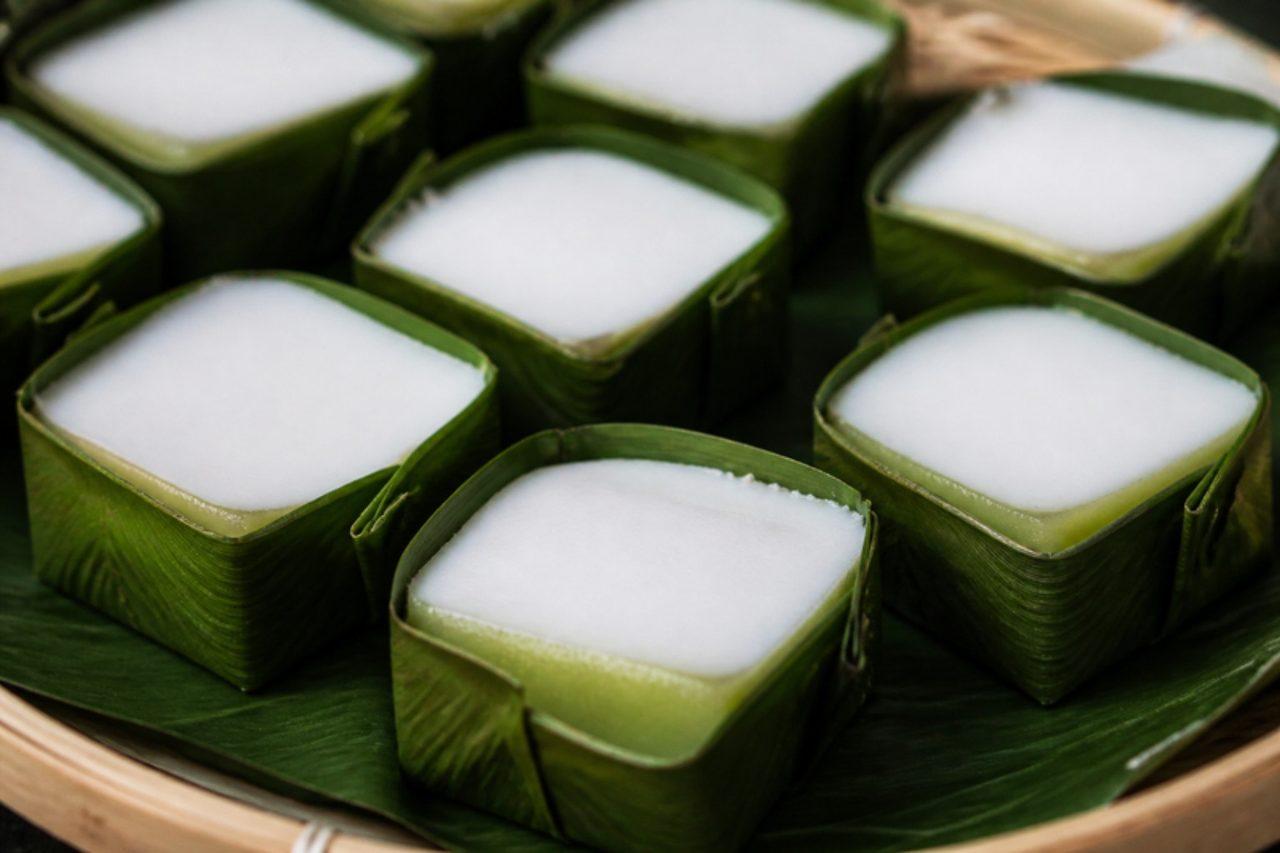
Tepung pelita, 'lamp' kuih, gets its name from the little square banana-leaf boxes it is set in, which look like old oil lamps, and every Ramadan bazaar from Melaka to Penang has trays of them chilling on ice. Each cup holds a soft green pandan layer under a thick, salty-sweet white coconut layer; you eat it with a spoon or straight from the leaf. Small ramekins or silicone cups work if you have no banana leaves. Chef's tip: pour the white layer only once the green one has set a skin, or the two colours bleed into each other.

by KrazyBadal 0 views

SumanCoconut sticky rice rolls

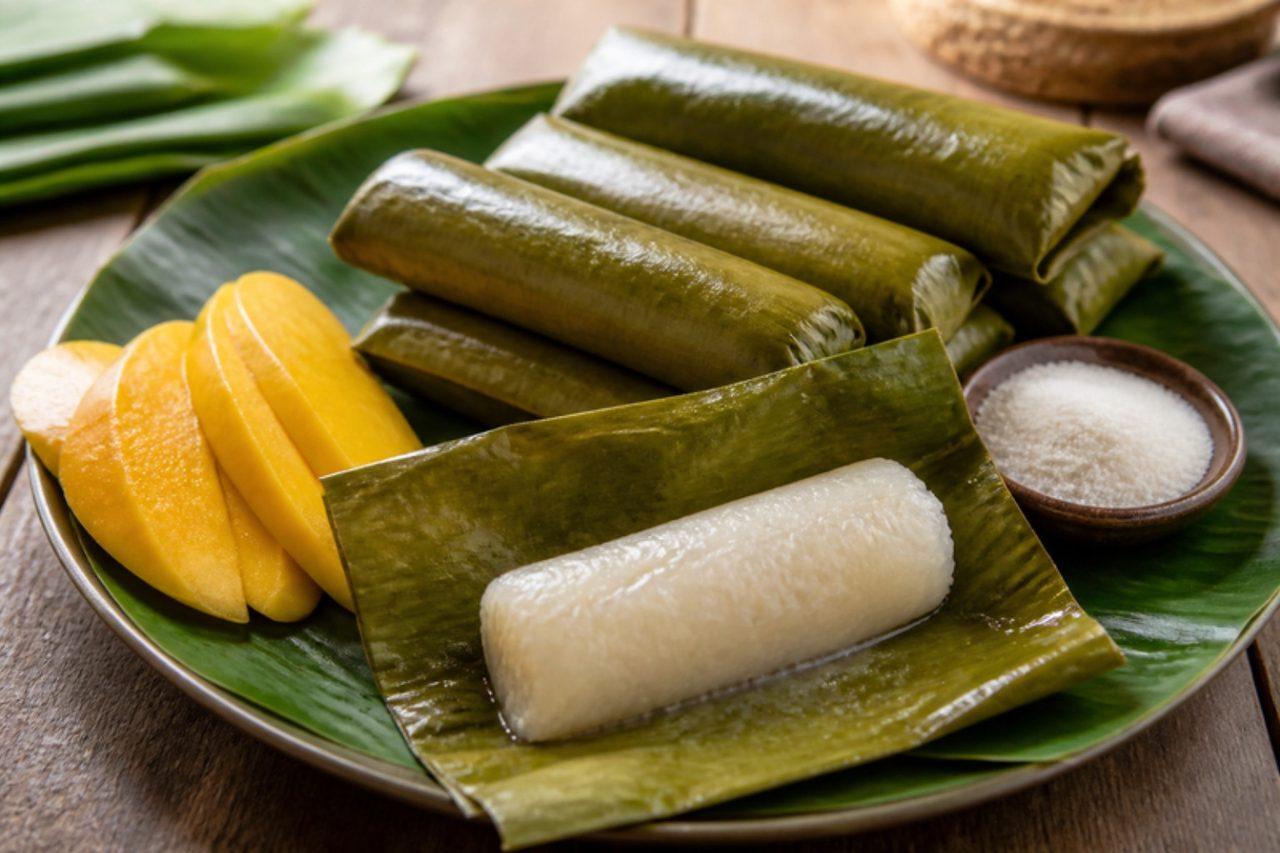
Every province has its own suman, but the everyday one sold in bundles at Antipolo's church steps and on Tagalog breakfast tables is suman sa gata: glutinous rice half-cooked in salted coconut milk, rolled tightly in banana leaf and steamed until dense and chewy. Unwrap one and dip it in sugar, or eat it with ripe mango and hot chocolate in the morning. They travel well and are handed out at fiestas by the dozen. Chef's tip: wilt the banana leaves over a flame or in hot water first; cold leaves crack as you roll and the rice leaks out while steaming.

by KrazyBadal 0 views

KutsintaSteamed brown sugar cakes

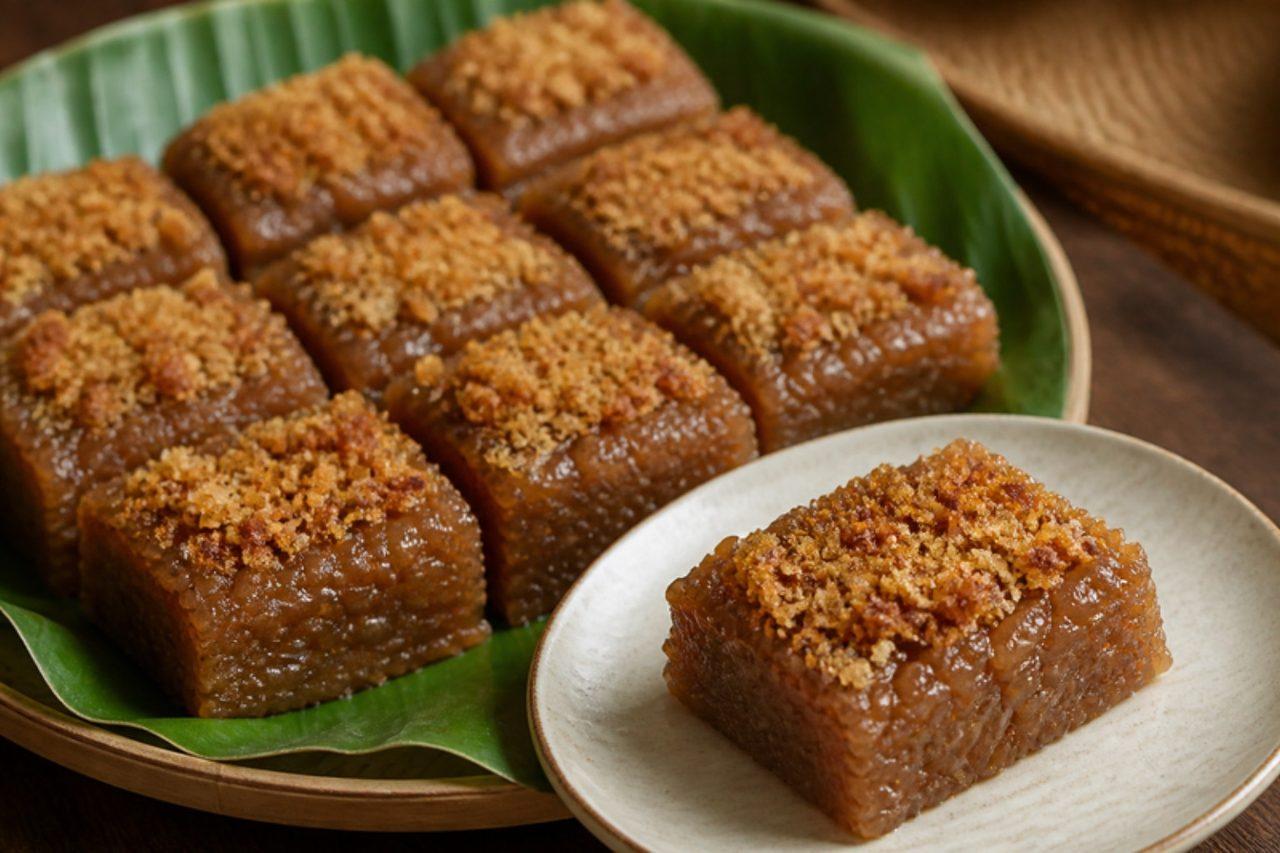
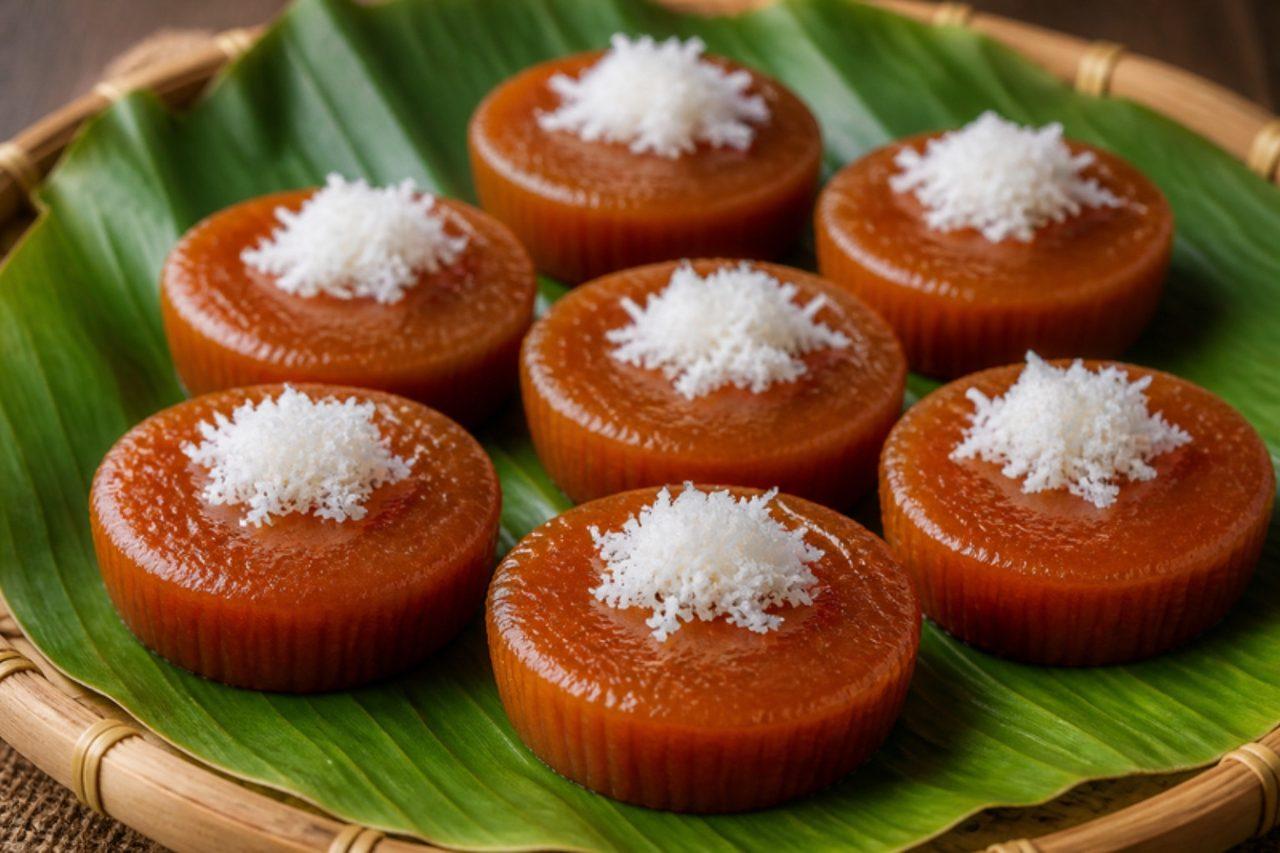
Sold in neat stacks beside puto at every Filipino market and bakery, kutsinta are small, dark amber cakes with a bouncy, jelly-like chew that comes from a few drops of lye water. Steamed in little cups and topped with fresh grated coconut, they are eaten for breakfast or merienda with coffee. Lye water (lihia) is strongly alkaline: buy food-grade only, measure it carefully, keep it away from children and rinse off any splashes on skin at once. Chef's tip: let the batter rest before steaming; skipping the rest gives cakes with a gritty, uneven texture and dark spots of undissolved sugar.

by KrazyBadal 0 views

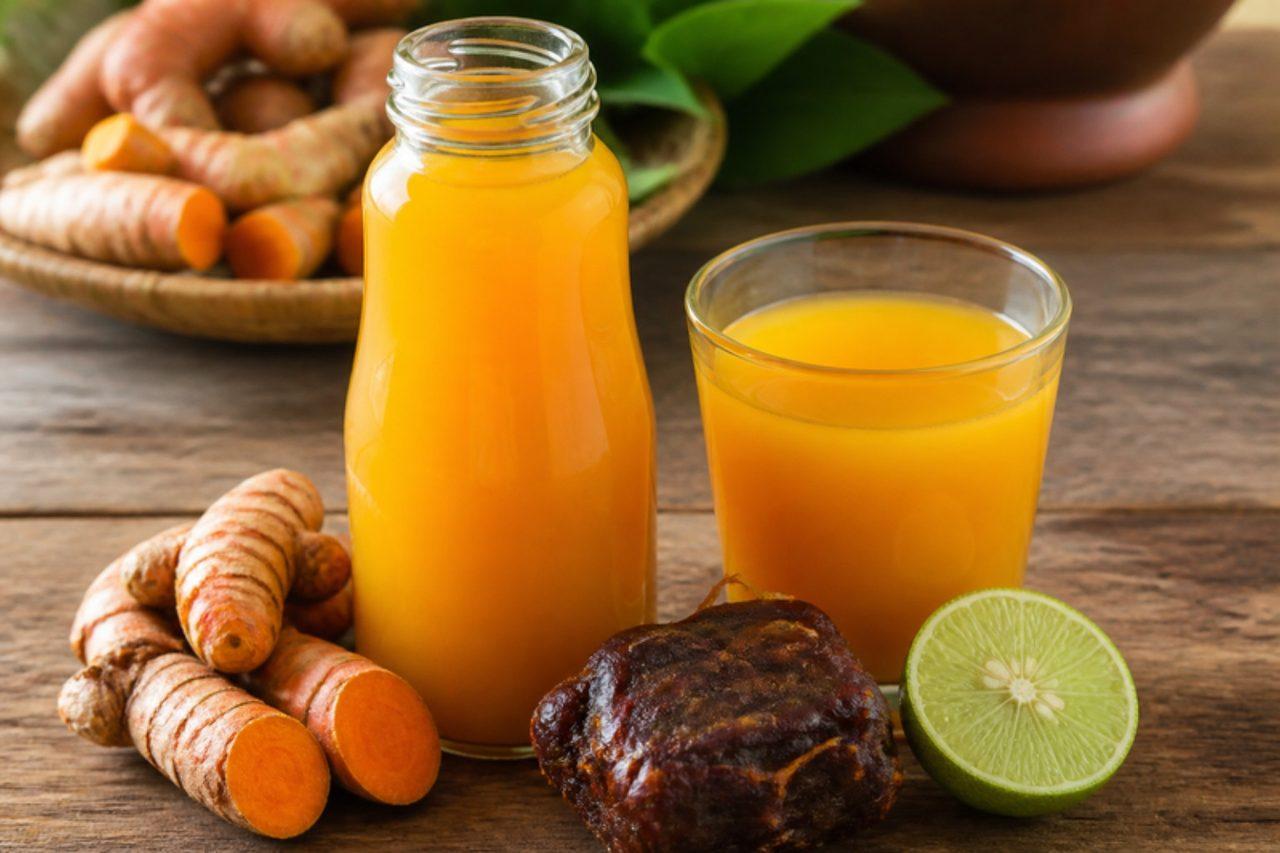
Jamu kunyit asamTurmeric tamarind drink

Jamu gendong women still walk Solo and Yogyakarta lanes in the morning with baskets of bottles on their backs, and kunyit asam is the one most people buy: earthy fresh turmeric and sour tamarind boiled with palm sugar, strained and drunk cool. It tastes bright, tangy and faintly peppery, rather like a spiced lemonade. Families also make big jugs at home for hot afternoons. Chef's tip: wear gloves or scrub the board straight away; fresh turmeric stains hands, wood and plastic bright yellow within minutes.

by KrazyBadal 0 views

Showing 24 of 3,470 recipes

Show more recipes

Page 34 of 145

More No onion & garlic ideas

Other diets