Skip to content
WhatToEat.Today

No onion, no garlic recipes (Swaminarayan and sattvic)

3,470

3470 vegetarian recipes cooked without onion or garlic, as in Swaminarayan and sattvic kitchens, with no meat, fish, eggs or alcohol. Each has photos, step-by-step instructions and cook times. The quickest, Apfelschorle, takes 2 minutes. Most take around 45 minutes.

Filter these by time, diet or cuisine · Make No onion & garlic your diet to see only these recipes everywhere on the site.

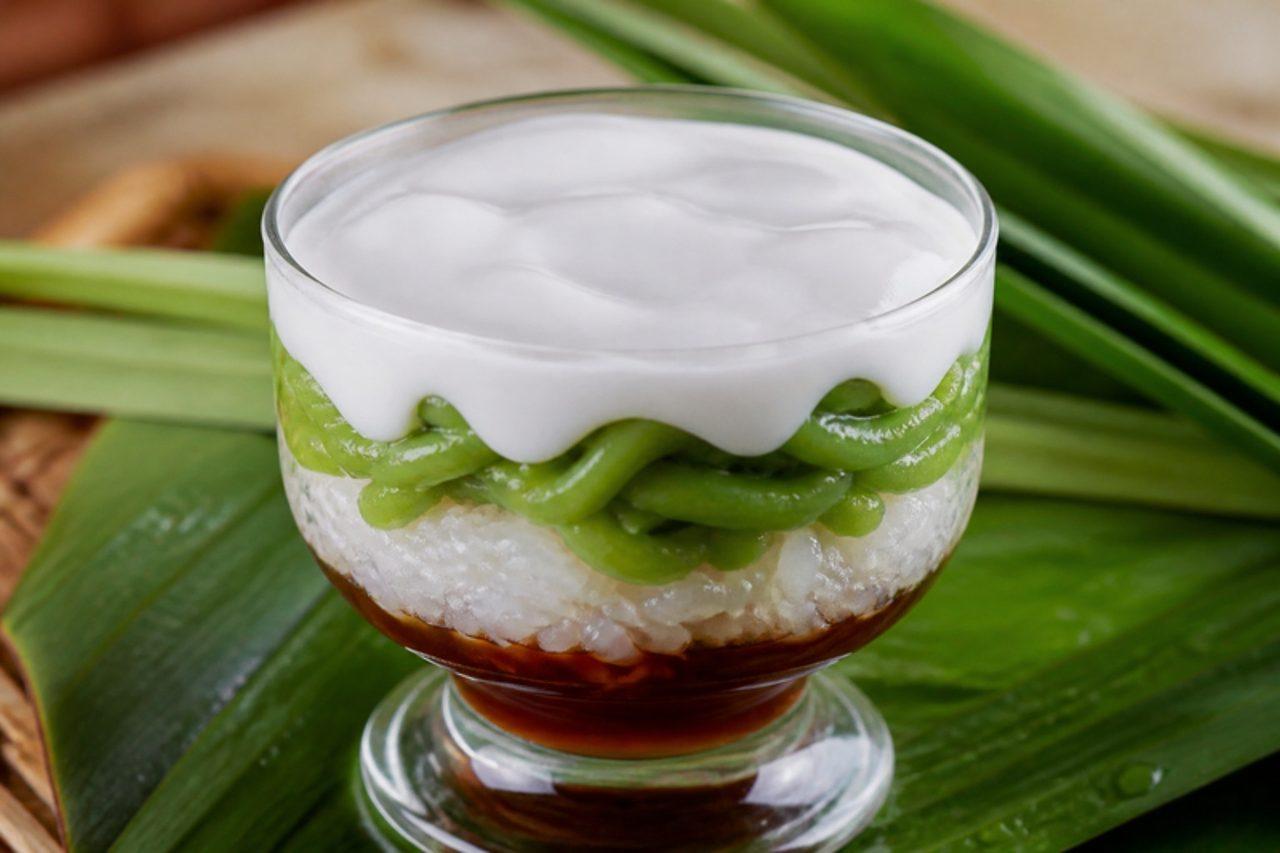
Lompat tikamLayered pandan and coconut sweet

Kota Bharu and Kuala Terengganu Ramadan stalls ladle lompat tikam into plastic bags or cups for the walk home before buka puasa: a pool of dark gula Melaka syrup, chewy strips of green pandan dough, soft glutinous rice and a lid of salted coconut cream. The name means roughly 'jump and stab', and nobody agrees why. It is three small jobs that come together in a glass, so make the parts ahead. Chef's tip: a thin, runny coconut layer is the common disappointment; cook it until it is thick and spoonable so it sits on top instead of sinking into the syrup.

by KrazyBadal 0 views

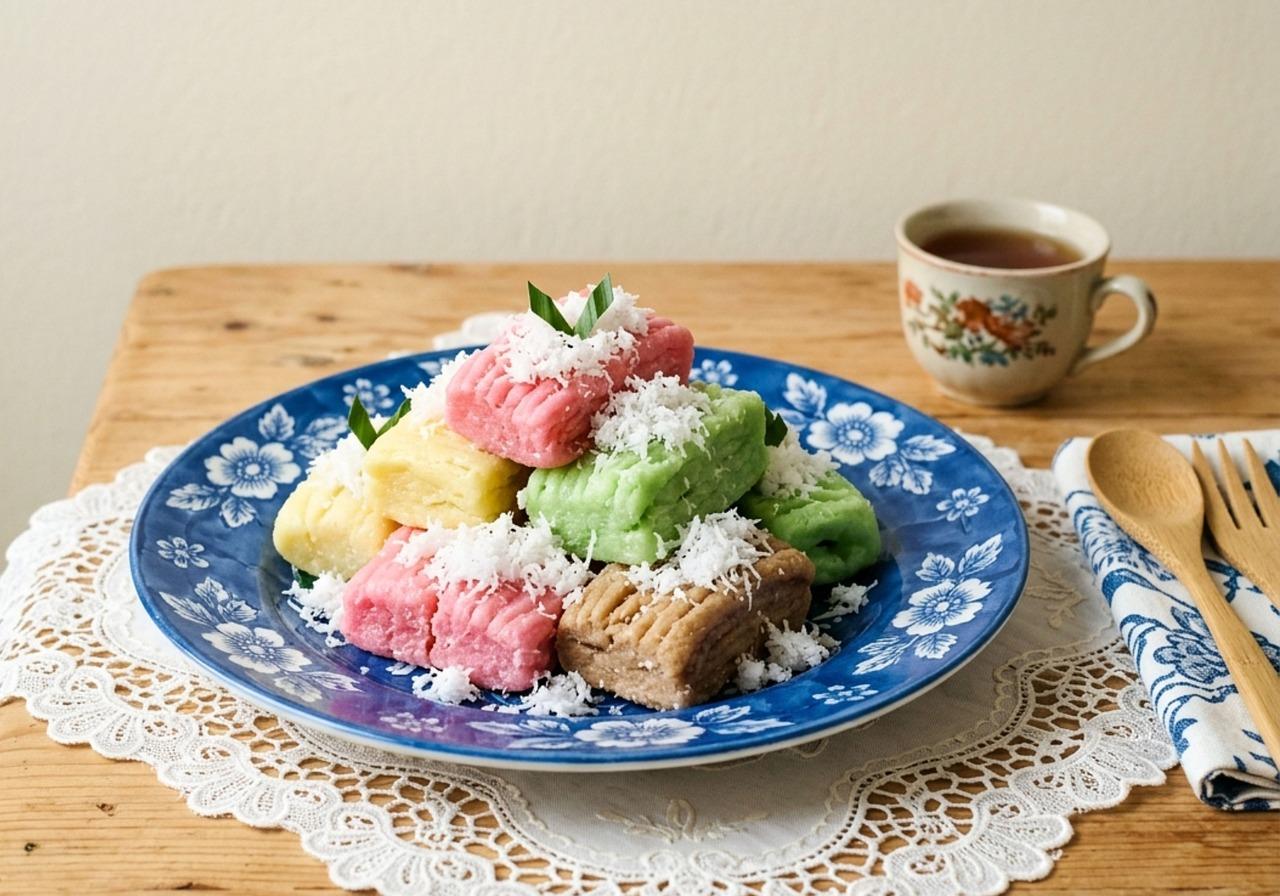
Getuk lindriSteamed cassava sweets

Magelang is the getuk capital of Central Java, and market stalls there pile up these soft cassava cakes in stripes of pink, green and white, cut into slices and showered with grated coconut. Cassava is steamed, pounded with palm sugar or white sugar and a little salt, then pressed through a mincer into ribbons (lindri) or simply rolled into a log. It is eaten in the morning with tea or as an afternoon jajan pasar. Chef's tip: mash the cassava while it is steaming hot and remove every stringy core; cold cassava turns lumpy and won't come together smoothly.

by KrazyBadal 0 views

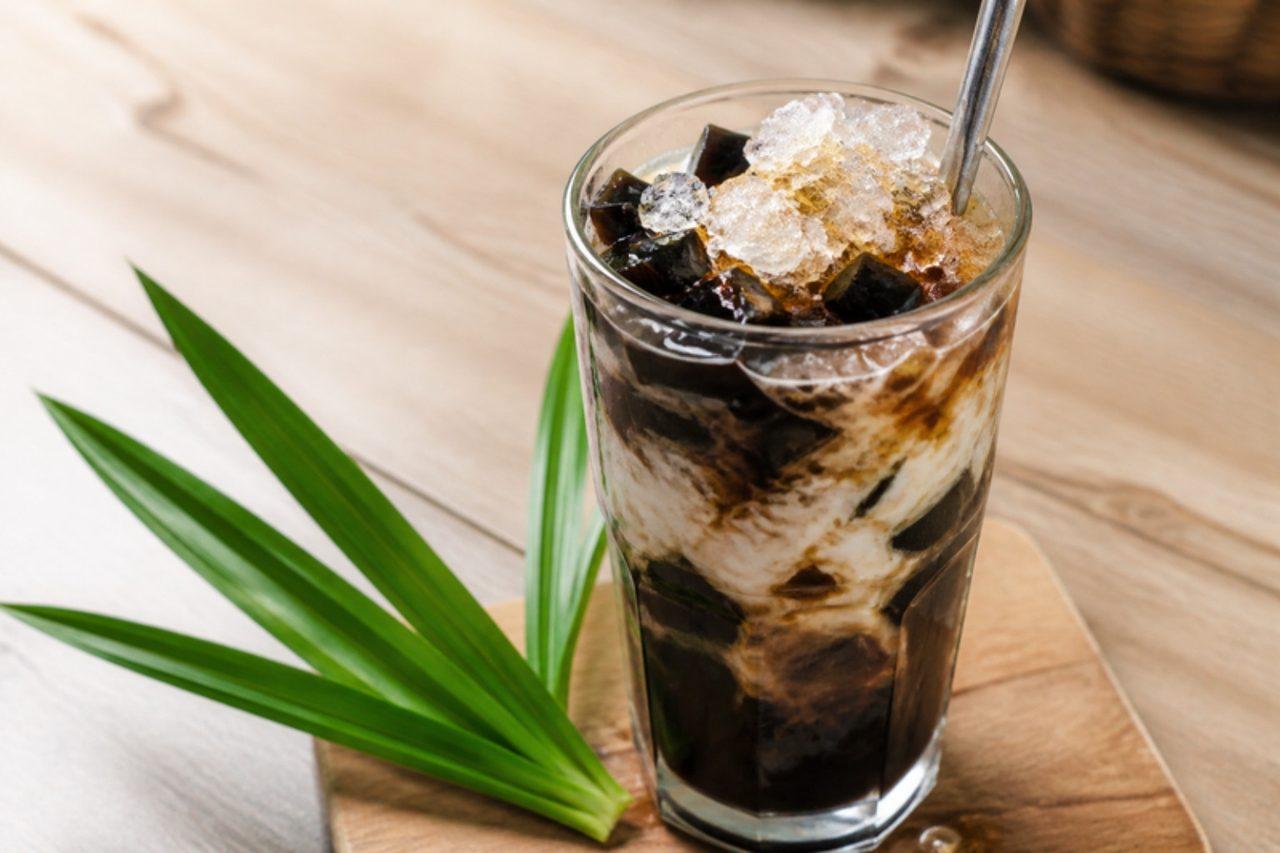
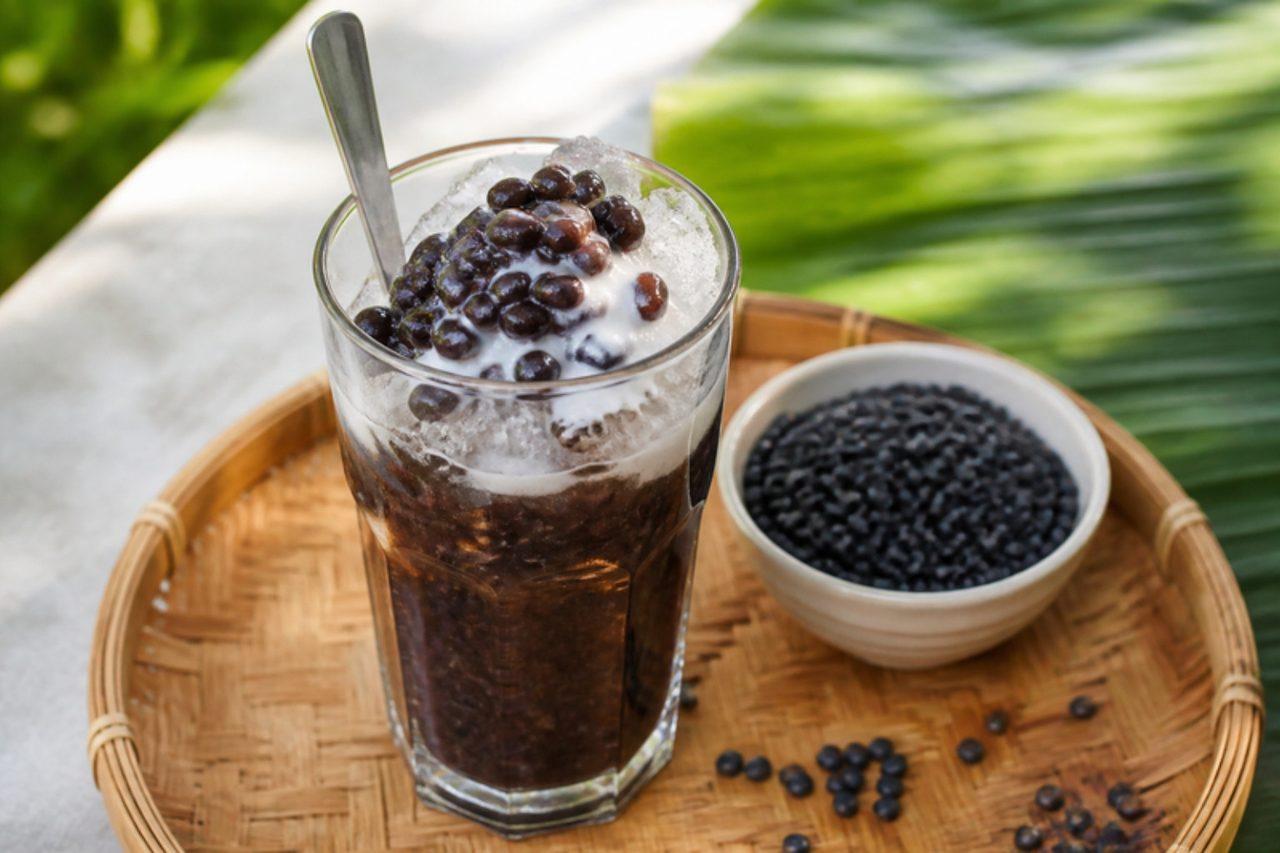
Es cincauGrass jelly drink

Glasses of es cincau are handed out at Ramadan iftar tables across Java and sold from roadside carts all year on hot afternoons. Cubes of black grass jelly, with its slightly bitter, herbal taste, sit in pale coconut milk and dark palm-sugar syrup over crushed ice, and the contrast is the whole joy of it. Ready-made grass jelly in tins is fine; this recipe sets your own from grass jelly powder. Chef's tip: let the jelly set fully and cold before cutting; cut warm, it tears and melts into the drink.

by KrazyBadal 0 views

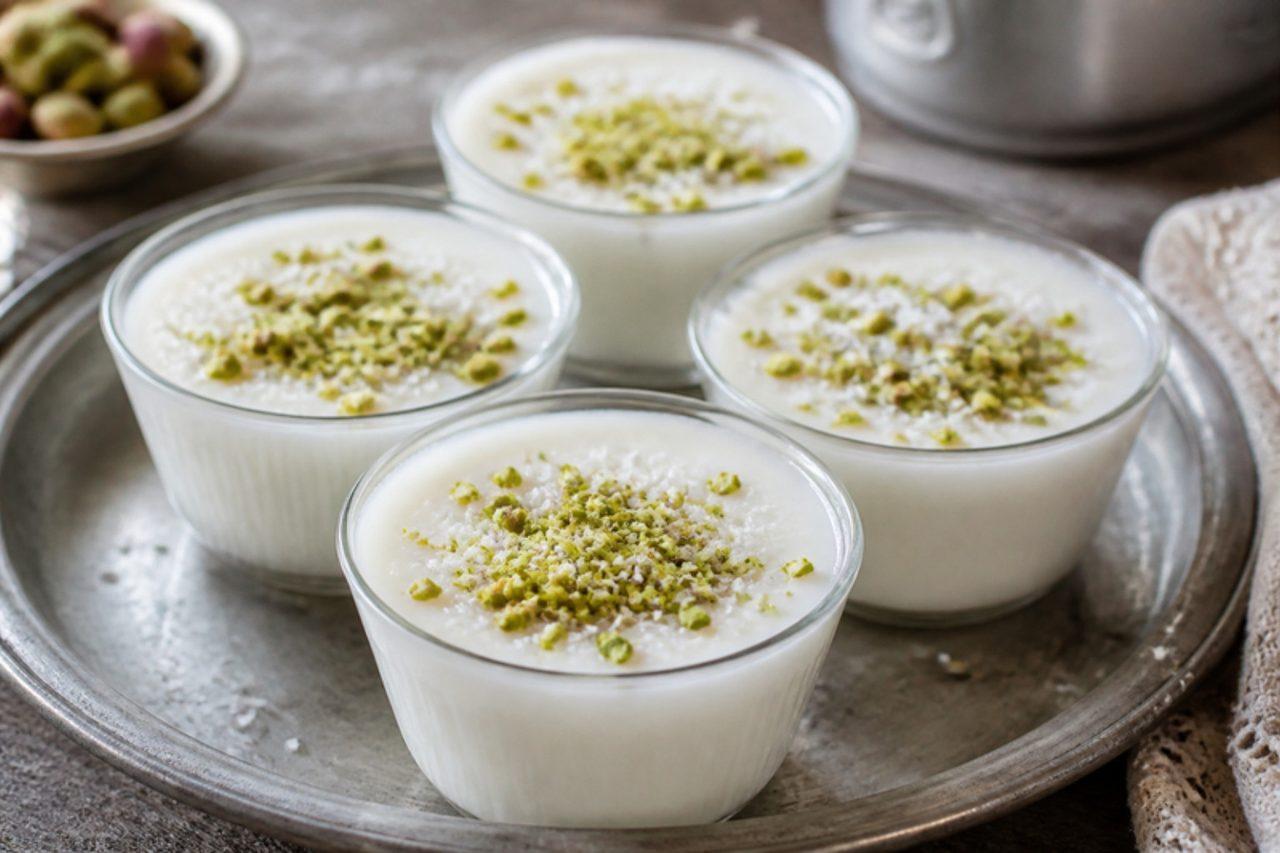
Mahalabeya (Egyptian milk pudding)

Every corner sweet shop in Cairo has trays of mahalabeya cooling in the window, and at home it is the dessert made in ten minutes when guests ring to say they're coming. Milk is thickened with cornflour into a trembling, silky pudding, scented with rose or orange-blossom water and topped with chopped pistachios or coconut. Serve chilled in small glasses. Lumps are the usual complaint: mix the cornflour into cold milk first, never into hot. Chef's tip: stir in the rose water only after the pan comes off the heat; boiling kills its perfume. Contains milk and nuts (pistachio topping).

by KrazyBadal 0 views

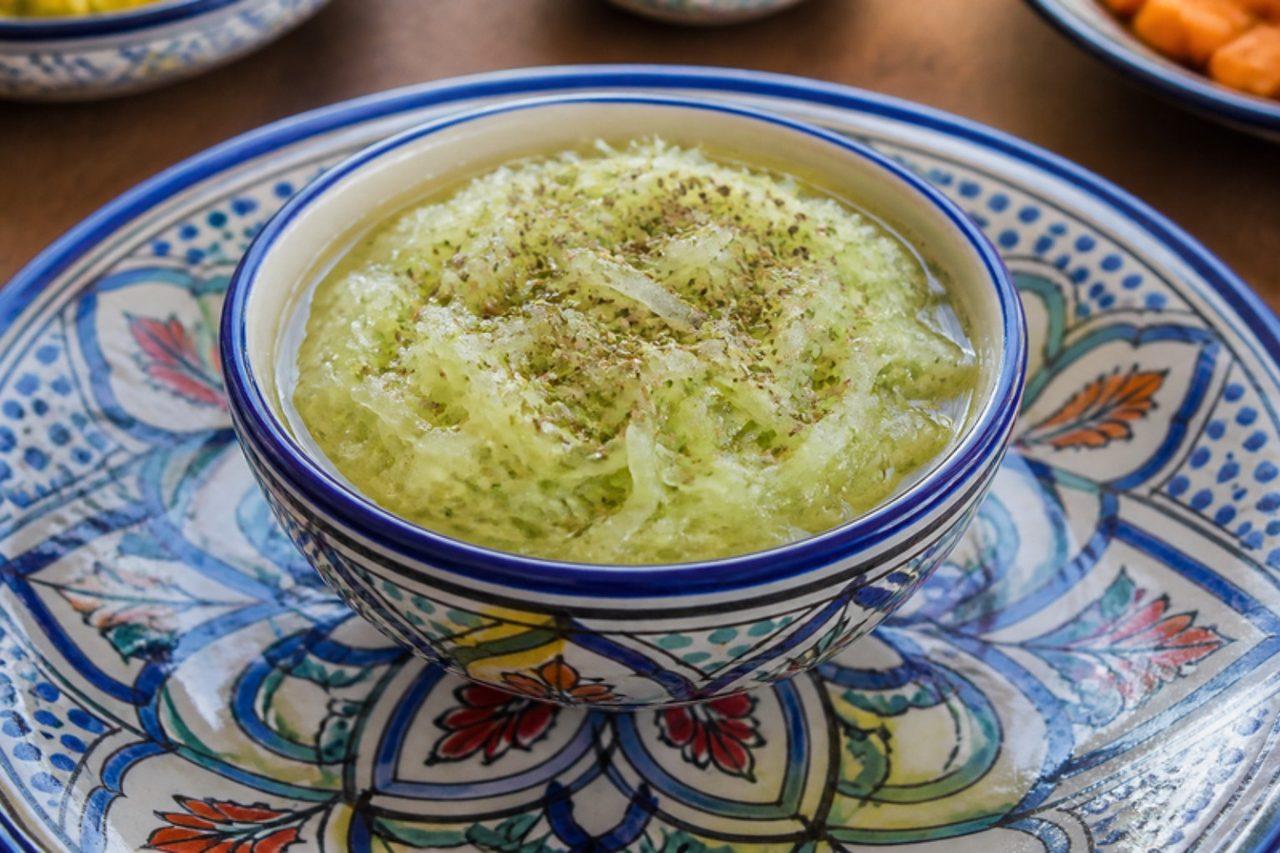
Shlada khiar (grated cucumber salad with oregano)

In the heat of a Fes or Marrakech summer, this ice-cold grated cucumber salad is served in bowls with spoons, half salad, half drink, alongside rich tagines or a plate of fried fish. Cucumber is grated and loosened with water, vinegar and a little sugar, then perfumed with crushed dried oregano or zaatar. Grating ahead and leaving it to sit in salt is the usual slip; the cucumber goes limp and bitter. Chef's tip: rub the oregano between your palms over the bowl to wake its oils.

by KrazyBadal 0 views

Nigerian custard

In homes across Nigeria, from Kaduna to Benin City, custard is a breakfast drink-porridge as much as a pudding: custard powder is mixed to a paste, then set in seconds with a kettle of boiling water and finished with evaporated milk and sugar. Bowls of it are eaten hot with akara or moi moi, the sweet custard against the peppery bean cakes. The mistake is using water that has gone off the boil; it must be furiously boiling or the custard stays thin and floury. Custard powder is mostly cornflour, but check the label if you need it gluten-free. Chef's tip: stir the boiling water in with one hand while you pour with the other, in a steady stream, and the custard sets glossy and lump-free.

by KrazyBadal 0 views

Kuih lopesSticky rice triangles with coconut

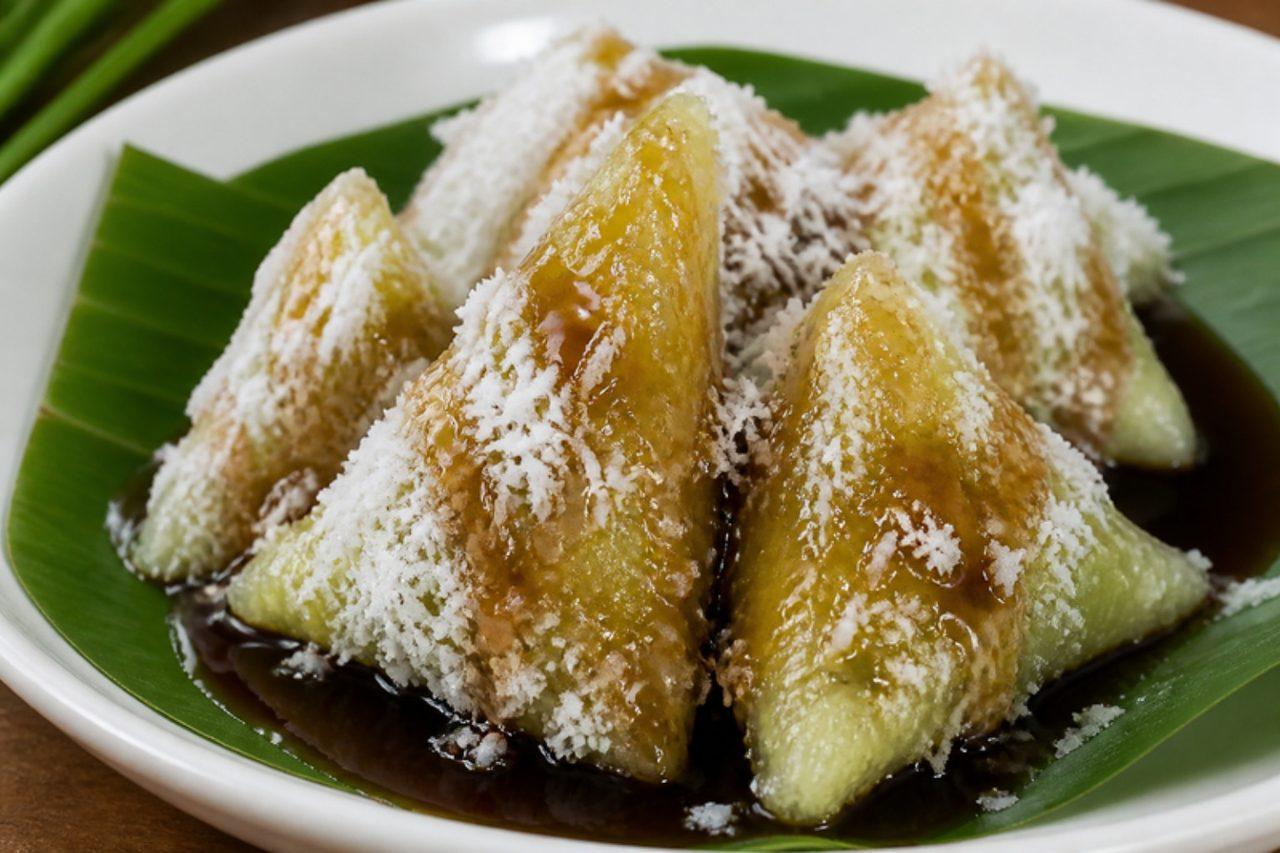
Kuih lopes turn up at Malay breakfast stalls and Ramadan bazaars, especially in Perak and Selangor: dense triangles of soft-cooked glutinous rice rolled in white grated coconut, then flooded with thick gula Melaka syrup at the moment of serving. Cooking the rice wrapped tightly in pandan leaves or foil for a long time is what fuses the grains into one chewy slab. The contrast of salty coconut, smoky syrup and plain rice is the point. Chef's tip: don't skimp on the boiling time; under-cooked lopes stay grainy and fall apart when cut.

by KrazyBadal 0 views

Moroccan quince preserve (mrabba sfarjal)

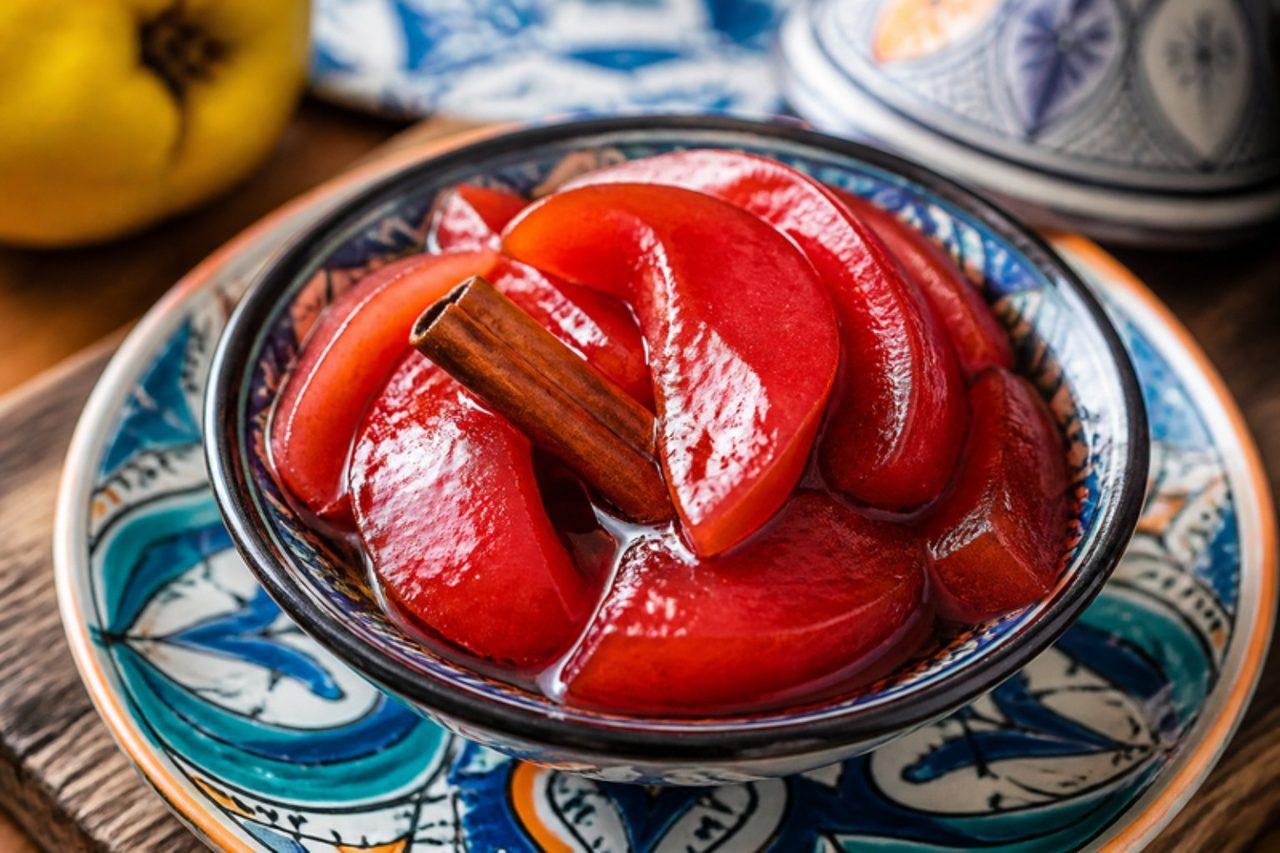
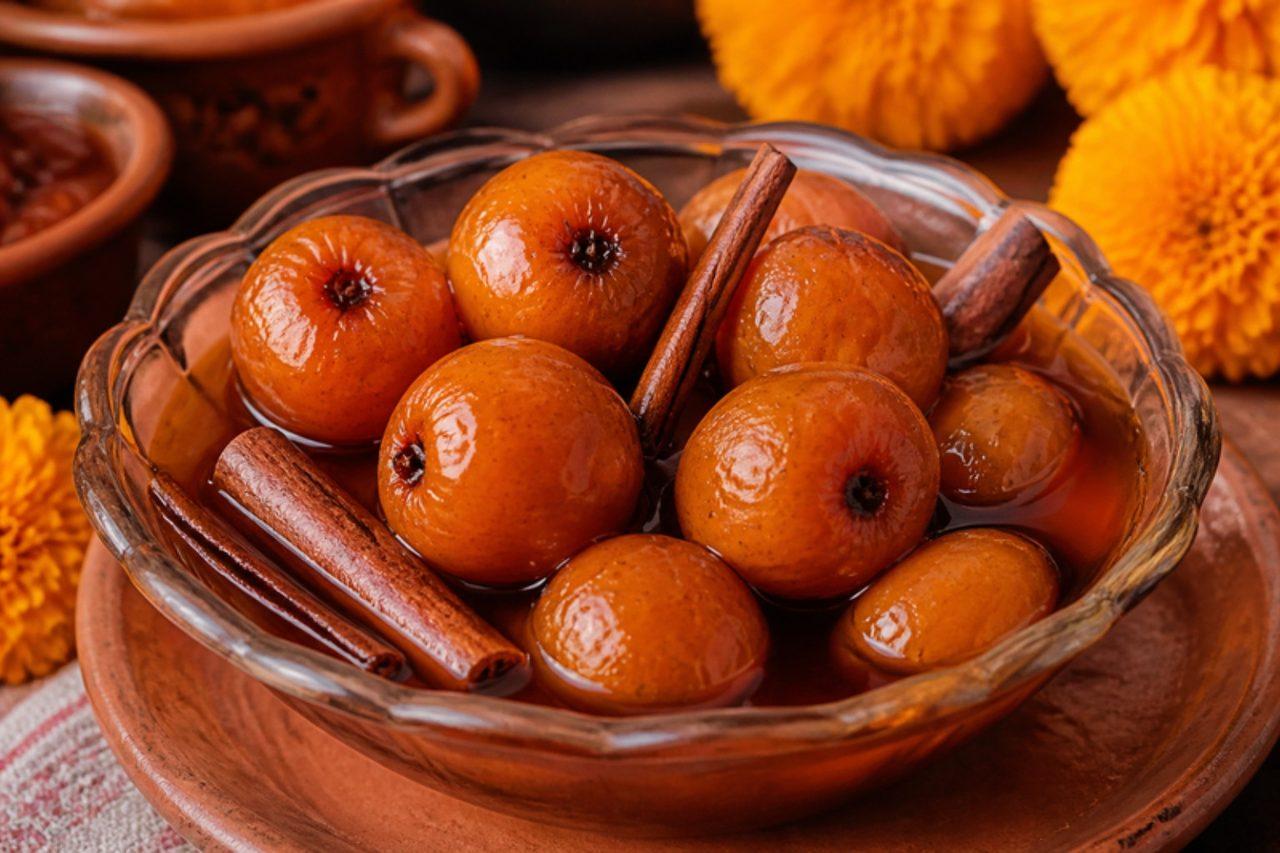
When quinces fill the market stalls of Fes and Meknes in October, households cook them down into this deep red preserve for winter breakfasts with msemen, baghrir and fresh cheese. The pale fruit turns ruby only with long, gentle cooking, the slices staying whole in a thick, cinnamon-scented syrup. Spread it on bread or serve a spoon next to soft cheese. Impatient cooks boil it hard and get a pale, sticky jam; the colour needs slow simmering. Chef's tip: tie the quince cores and peel in muslin and cook them with the fruit — they hold the pectin that sets the syrup. Store in sterilised jars.

by KrazyBadal 0 views

TsokolateThick hot chocolate

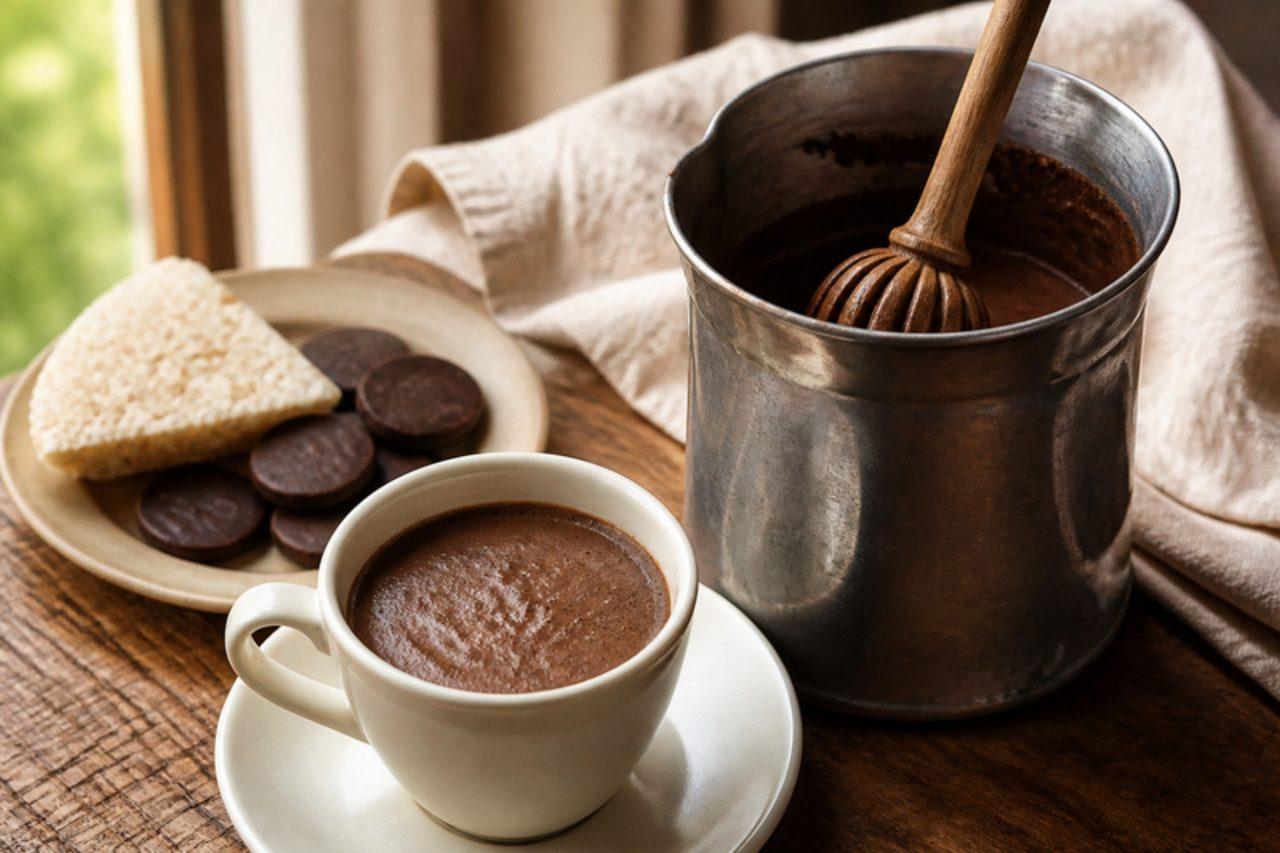
Discs of pure roasted cacao called tablea, pressed by hand in Batangas and Cebu, melt into the thick, slightly gritty tsokolate that Filipinos drink on Christmas mornings with puto bumbong or bibingka. It is whisked in a tall pot with a wooden batidor rolled between the palms until it foams, and it tastes deep, bitter-sweet and earthy rather than milky. A little milk softens it; many families drink it with water only. Chef's tip: keep the heat low once the tablea melts; boiling cacao hard makes it scorch and taste burnt.

by KrazyBadal 0 views

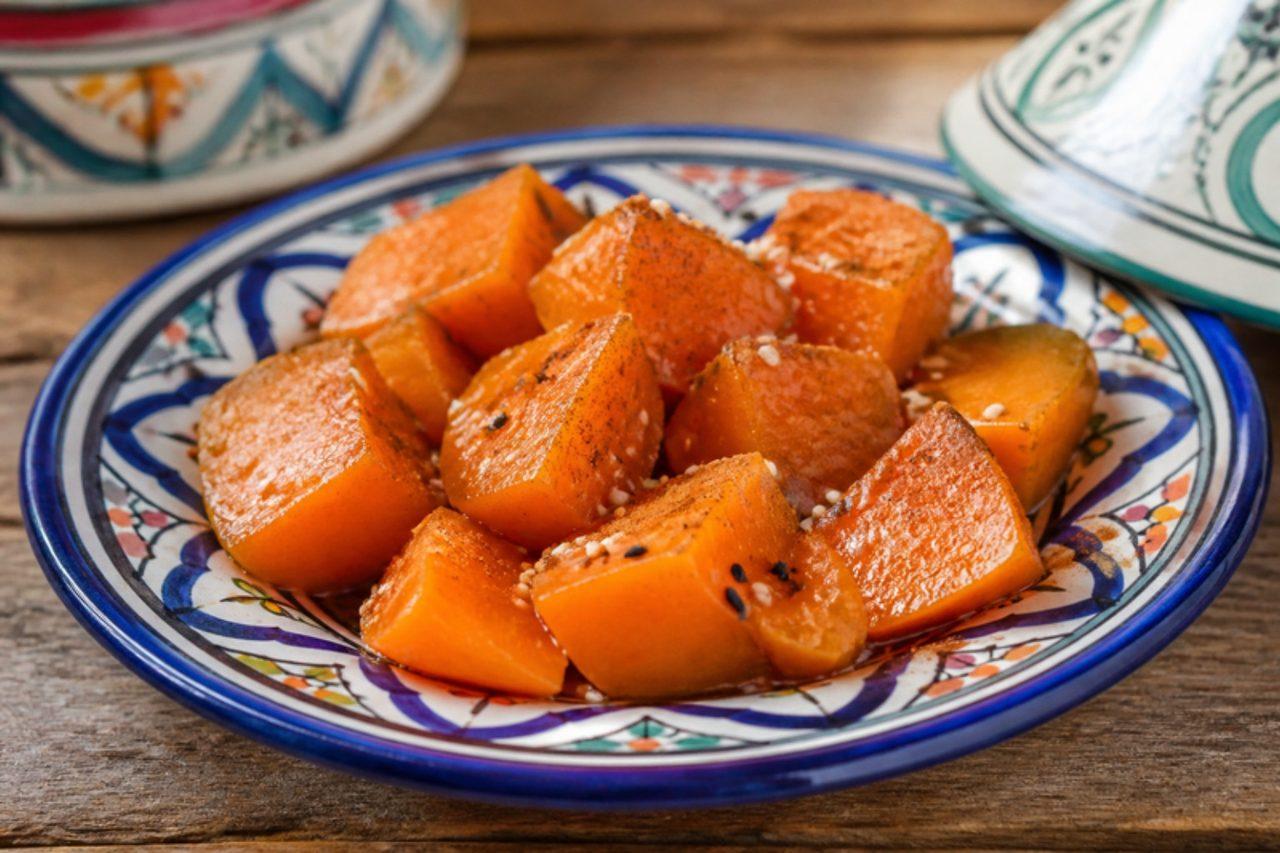
Moroccan sweet pumpkin salad

In Fes and Meknes no Friday couscous lunch starts without a ring of little cooked salads, and the sweet red pumpkin one is the children's favourite. Chunks of pumpkin are softened with a little oil, then cooked down with honey, cinnamon and a pinch of ginger until they collapse into a glossy, jammy mash with a few chunks left. Serve it at room temperature with bread, alongside sharper salads like zaalouk or carrots with cumin. Cooks often add too much water and end up with soup; the pumpkin gives off its own juice, so start almost dry. Chef's tip: scatter toasted sesame seeds over just before serving for crunch against the sweetness.

by KrazyBadal 0 views

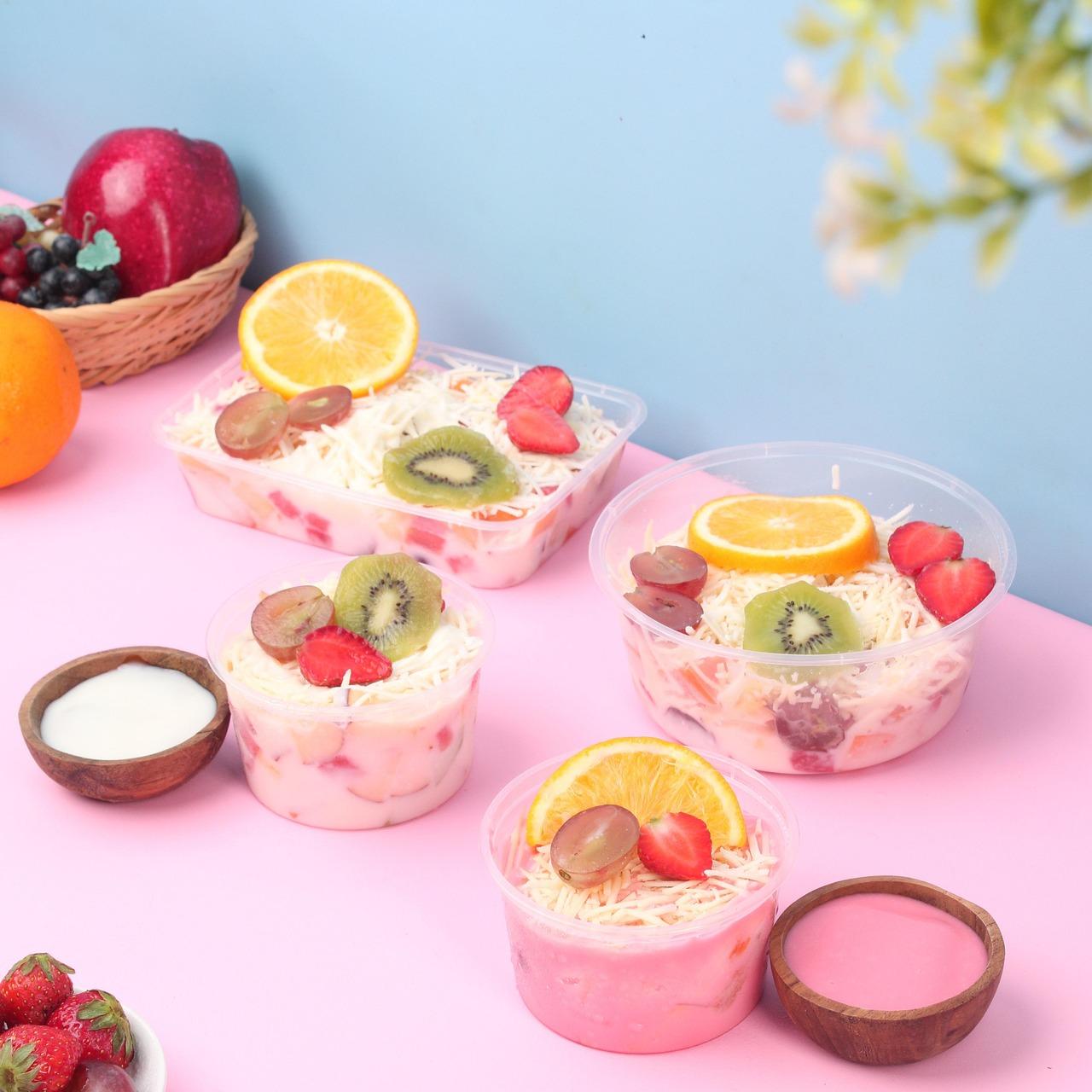
Filipino fruit salad

Ask any Filipino family what Christmas tastes like and fruit salad will be near the top of the list: tinned fruit cocktail, chewy nata de coco, sugar-palm kaong and sometimes cubes of cheese, all folded into sweetened cream and chilled until icy. It is made a day ahead for Noche Buena and New Year's Eve and served straight from the coldest corner of the fridge. Chef's tip: drain the fruit really well, even overnight in a sieve; leftover syrup thins the cream into a watery puddle.

by KrazyBadal 0 views

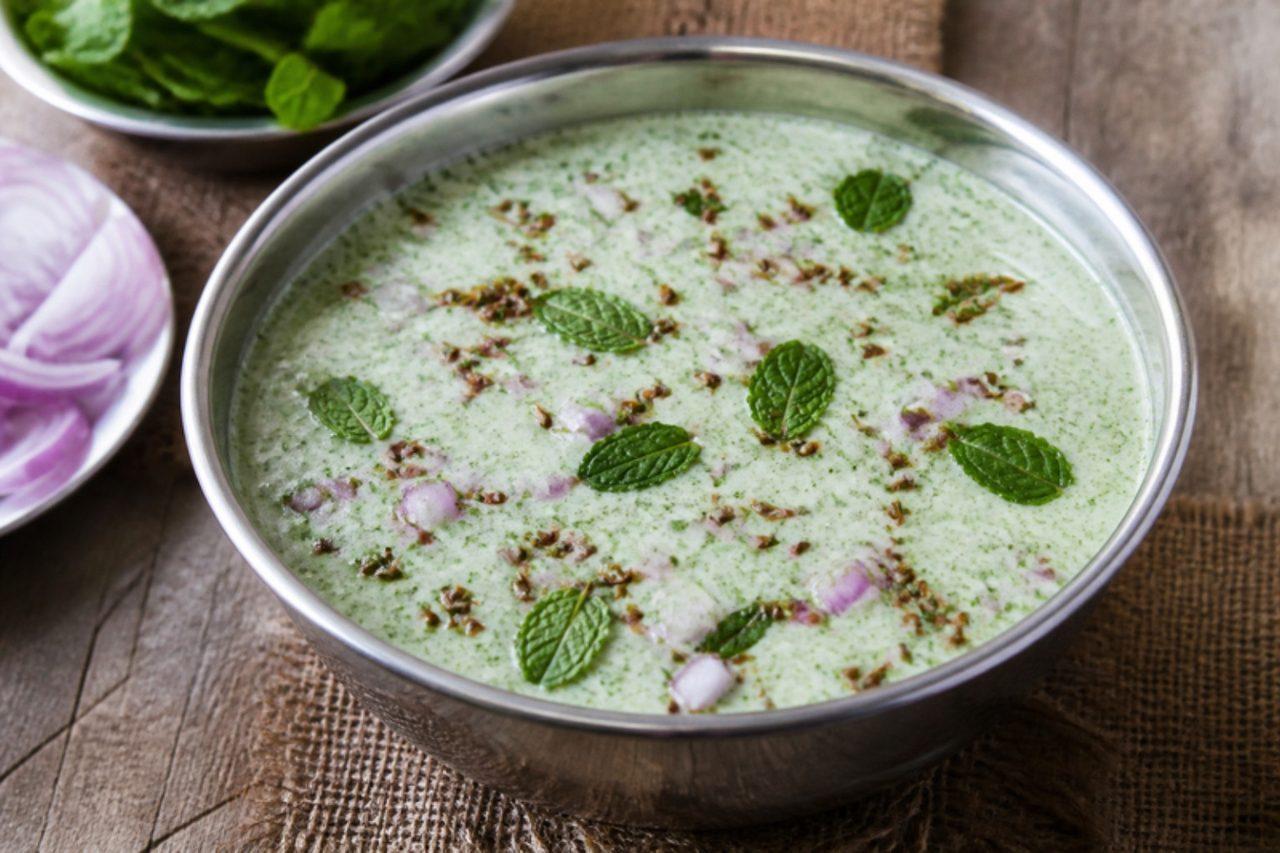
Podina raitaMint yogurt dip

Order a platter of tikka at a Burns Road or Gawalmandi grill and a steel bowl of pale green podina raita lands beside it without asking; it is the cooling counterweight to smoke and chilli, and at home it goes with biryani, pulao and kebab rolls too. Mint, a handful of coriander, one green chilli and freshly toasted cumin are whisked into thick yogurt until it is pourable but still clings to a piece of naan. The usual slip is blitzing the herbs in a blender with the yogurt, which thins it to a watery green drink; pound or chop the herbs separately and fold them in. Contains milk. Chef's tip: dry-roast the cumin seeds yourself and crush them at the last minute: the smoky, toasty smell is what makes a grill-house raita taste like one.

by KrazyBadal 0 views

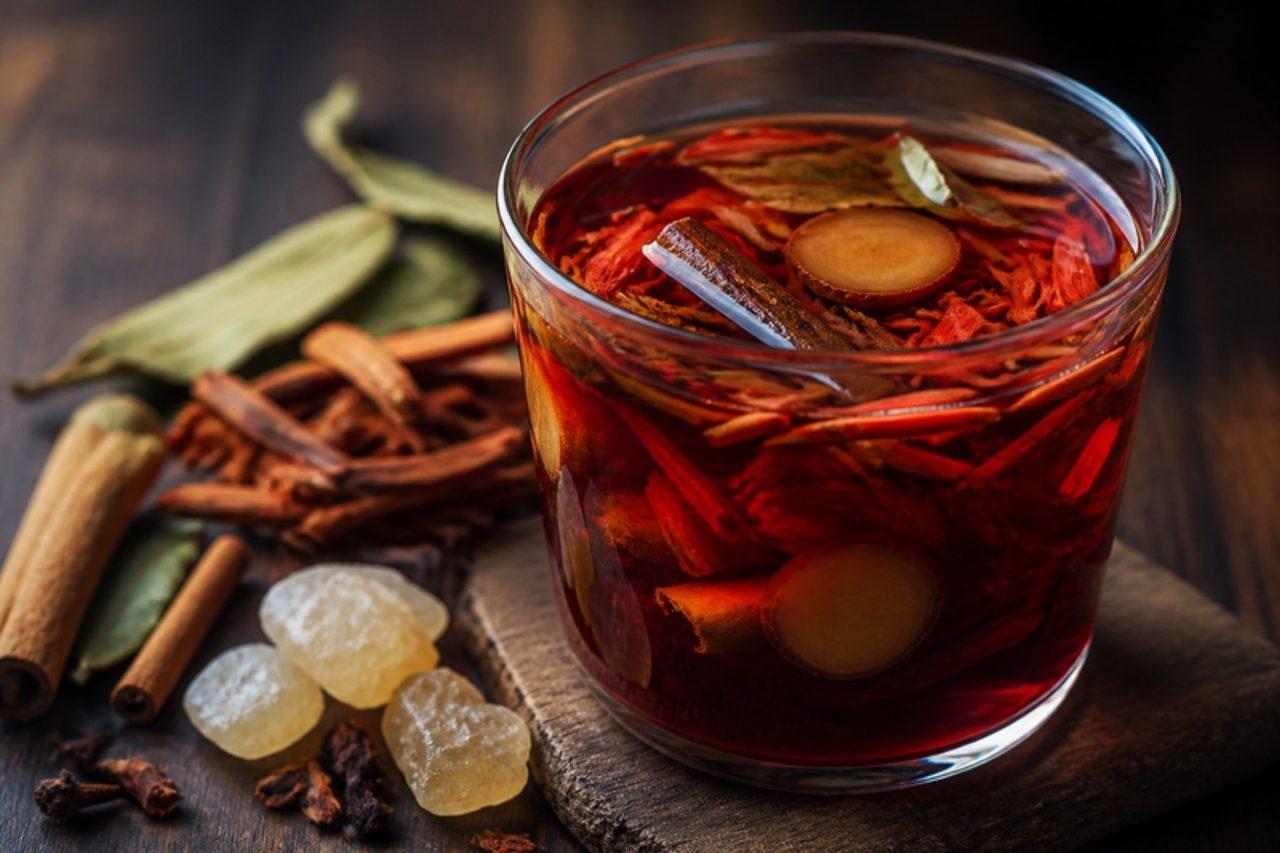
Wedang uwuhSpiced herbal infusion

The name means 'rubbish drink', because a glass looks like a jumble of twigs and leaves, but around the royal tombs at Imogiri, south of Yogyakarta, wedang uwuh is a point of pride. Chips of sappan wood stain hot water a deep ruby red, while ginger, clove, cinnamon, nutmeg leaf and rock sugar give a sweet, woody spice. It is sold by roadside warung as a dry pack to brew at home. Chef's tip: steep it, don't boil it for long; sappan wood turns from red to a muddy brown and tastes tannic if cooked hard.

by KrazyBadal 0 views

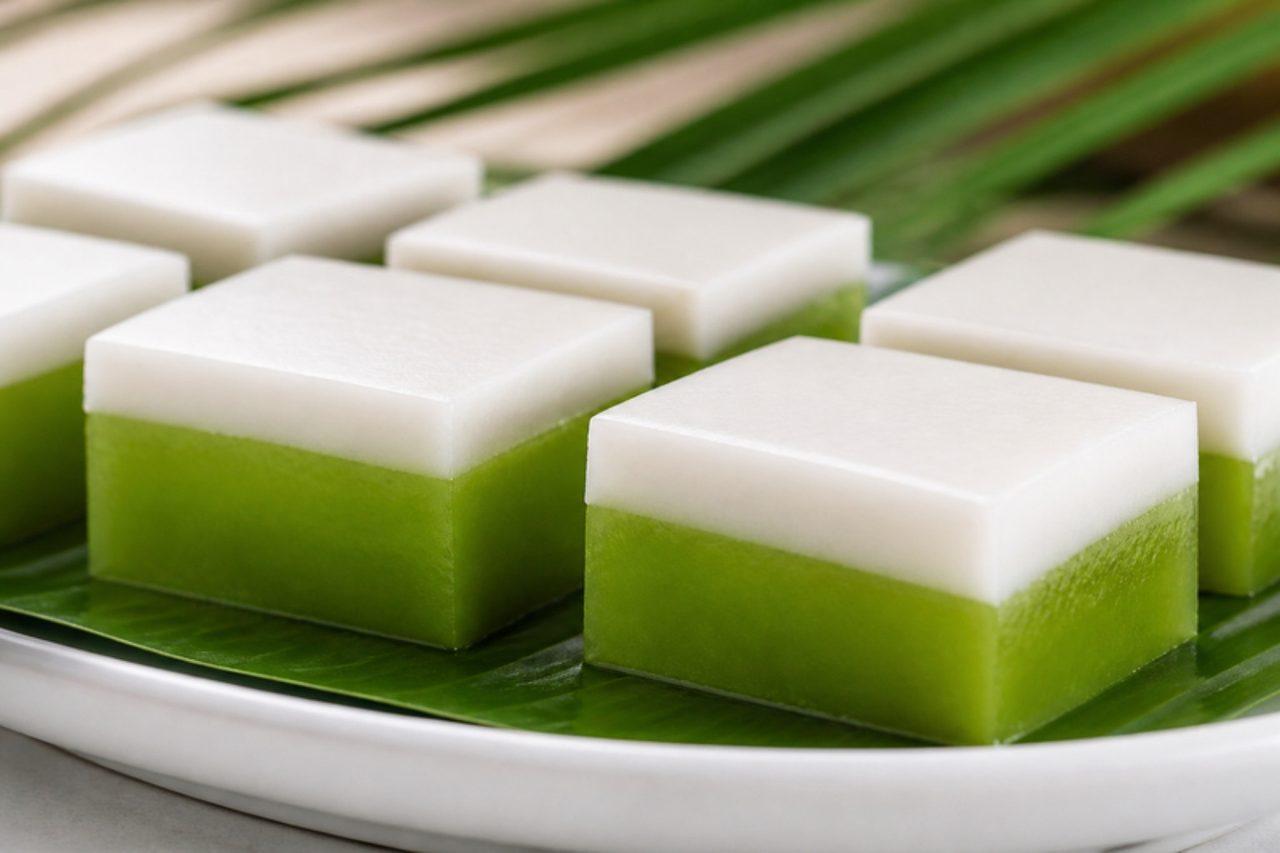
Kuih talamPandan coconut layer cake

Trays of kuih talam sit on almost every kuih stall from Johor Bahru to Alor Setar, cut into neat green-and-white squares that office workers pick up with their morning kopi. The bottom layer is a springy pandan jelly of rice flour and tapioca; the top is a soft, slightly salty coconut layer that melts against it. It needs a 20 cm square tin and a wok or steamer with a lid, and it slices best the next morning. Chef's tip: wrap the steamer lid in a cloth; condensation dripping onto the white layer leaves pockmarks and a watery top.

by KrazyBadal 0 views

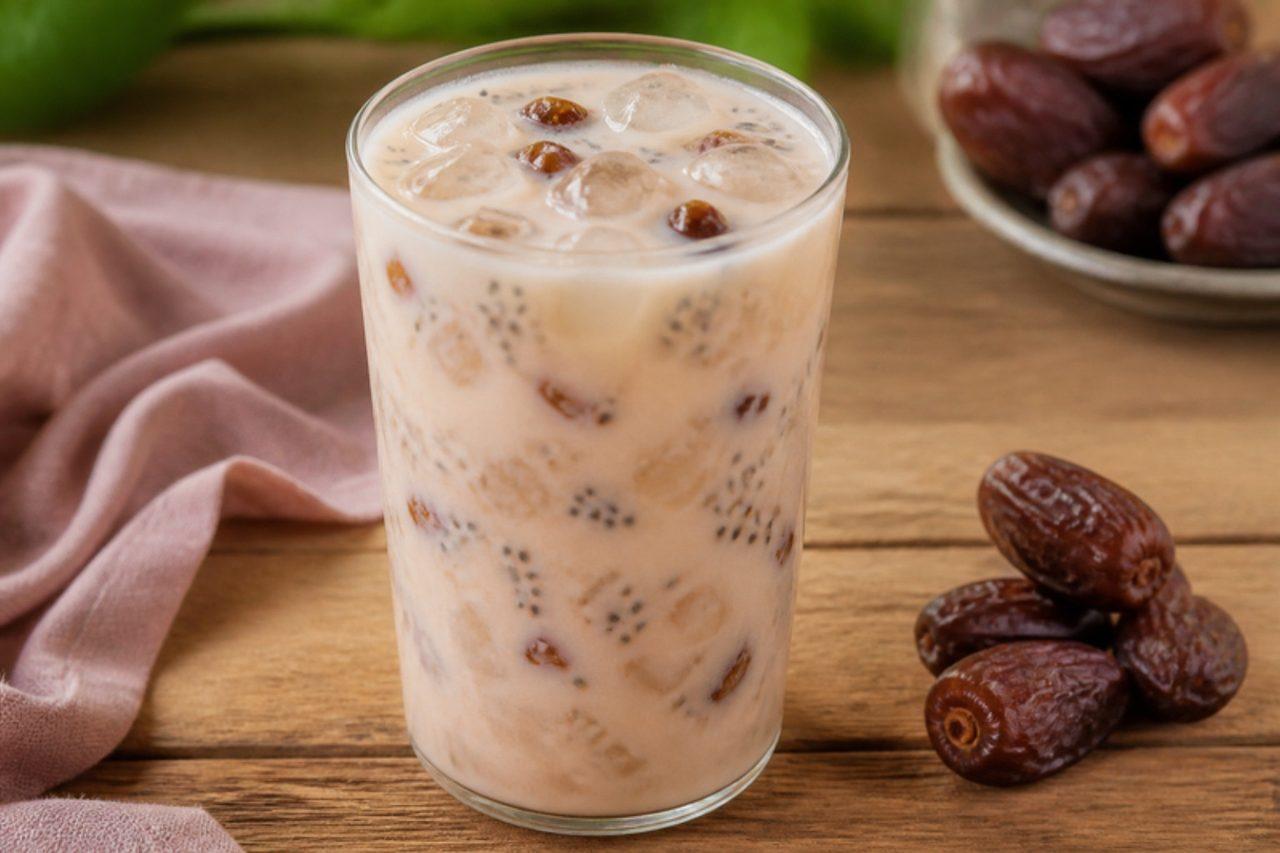
Air katiraBasil seed and gum drink

Air katira comes out at Kelantan's Ramadan bazaars in Kota Bharu, sold in bags of milky drink full of soft, jelly-like katira gum and speckled basil seeds, often with slivers of date. Katira is tragacanth gum, soaked overnight until it swells into translucent, wobbly crystals; it is believed to cool the body after a day of fasting. Find it at Indian or Middle Eastern grocers as 'gond katira'. Chef's tip: not soaking the katira long enough is the usual mistake; hard centres crunch unpleasantly, so give it at least 8 hours in plenty of water.

by KrazyBadal 0 views

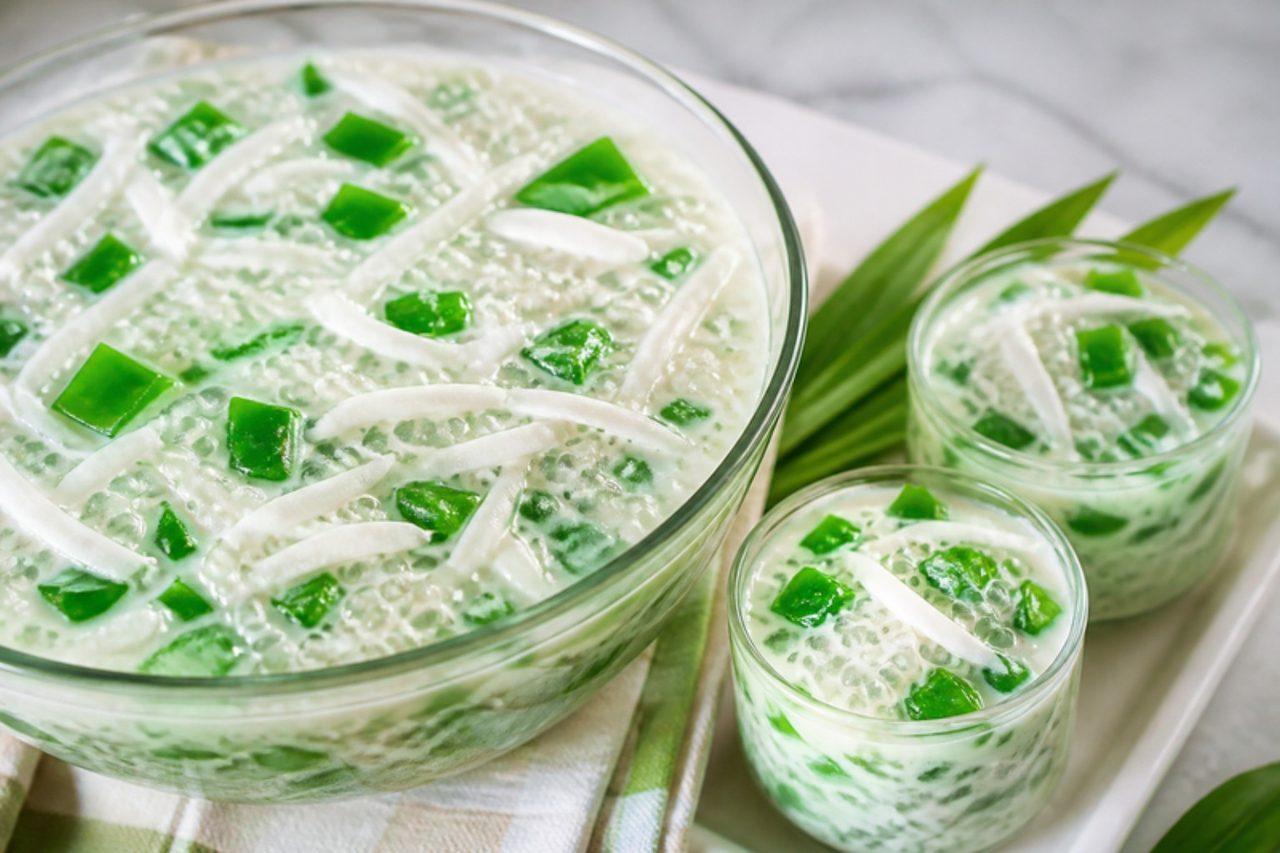
Buko pandanCoconut pandan jelly dessert

Big bowls of buko pandan come out of Filipino fridges for Christmas, New Year and every family reunion in between. Soft strips of young coconut and cubes of bright green pandan jelly are folded into chilled sweetened cream, so each spoonful is cool, fragrant and slightly chewy. This version sets the jelly with agar (gulaman) rather than gelatin, so it is fully vegetarian. Chef's tip: let the jelly set completely before cutting and folding; half-set agar breaks into mush and turns the cream cloudy green.

by KrazyBadal 0 views

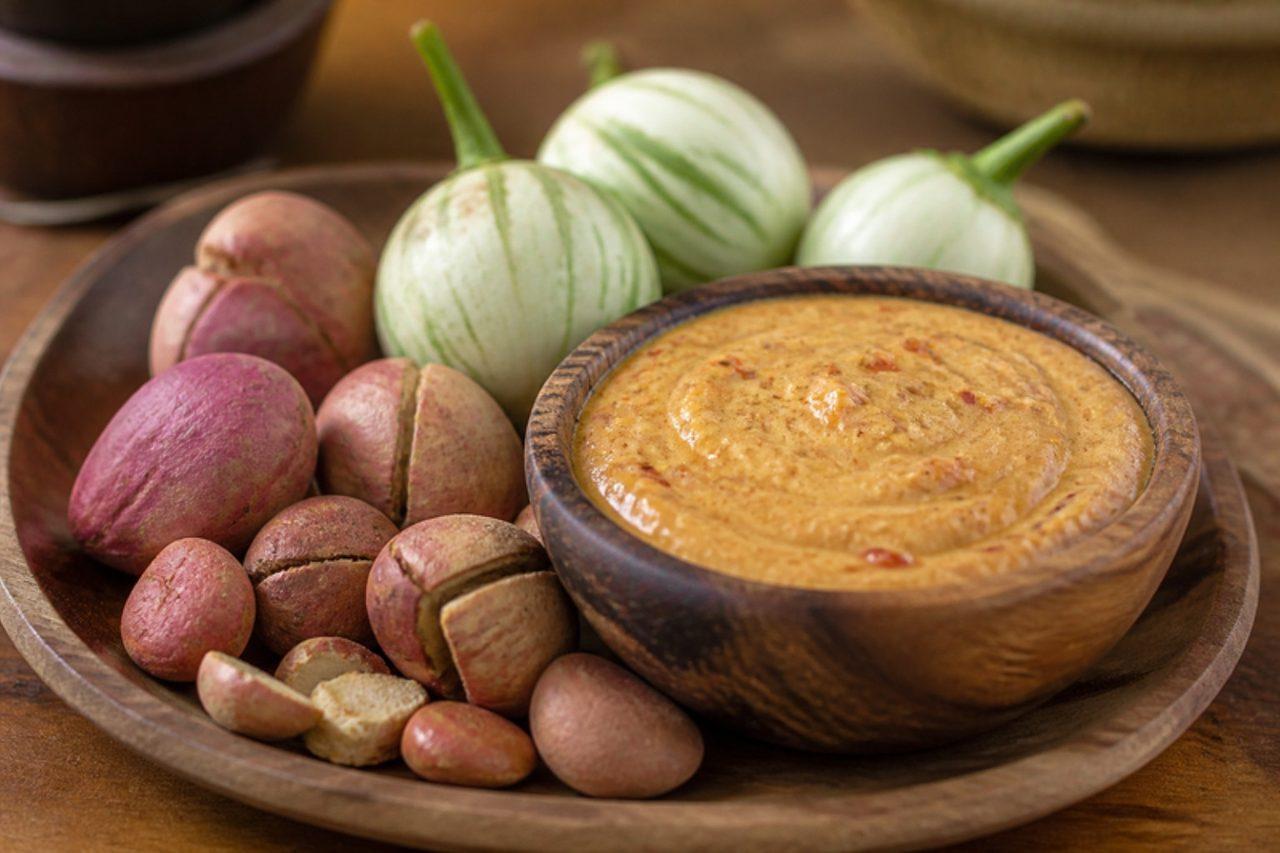
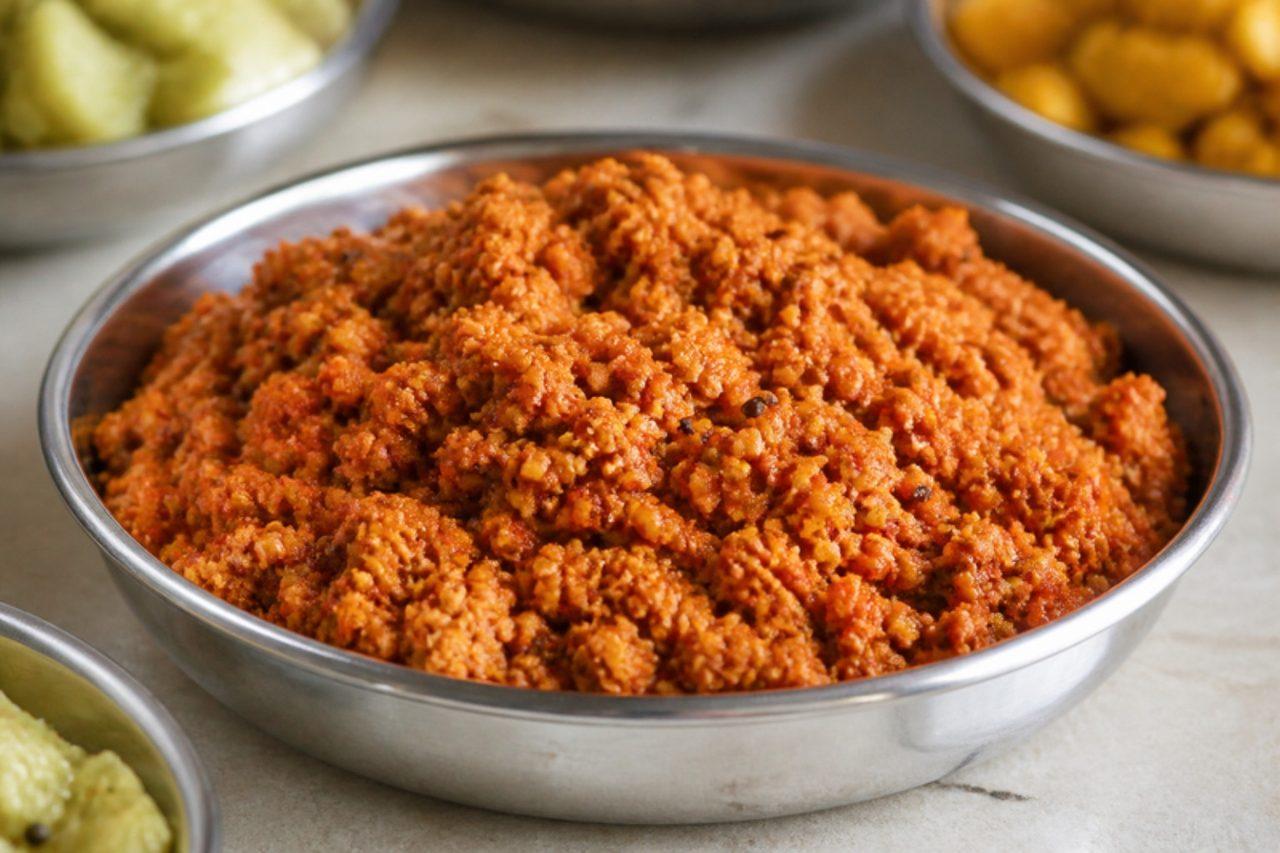
Ose oji

In Igbo homes from Enugu to Owerri a guest is welcomed with kola nut, and the kola is never served alone: beside it sits a saucer of ose oji, peanut butter mashed with ground dried pepper and a little salt, sometimes with uda or ginger. Elders break the kola, pray, and everyone dips. It is equally good with crunchy garden eggs (small white African aubergines) or cucumber. Contains peanut. Kola nut is a strong caffeine stimulant, so it is for adults only, not for children or pregnant women; serve the garden eggs to everyone else. The mistake is making the paste runny with water: it should be thick enough to cling to a slice without dripping, so loosen with oil instead. Chef's tip: toast the dried pepper in a dry pan for 30 seconds before grinding; the smoky heat is what makes ose oji taste right.

by KrazyBadal 0 views

Kunun tsamiya

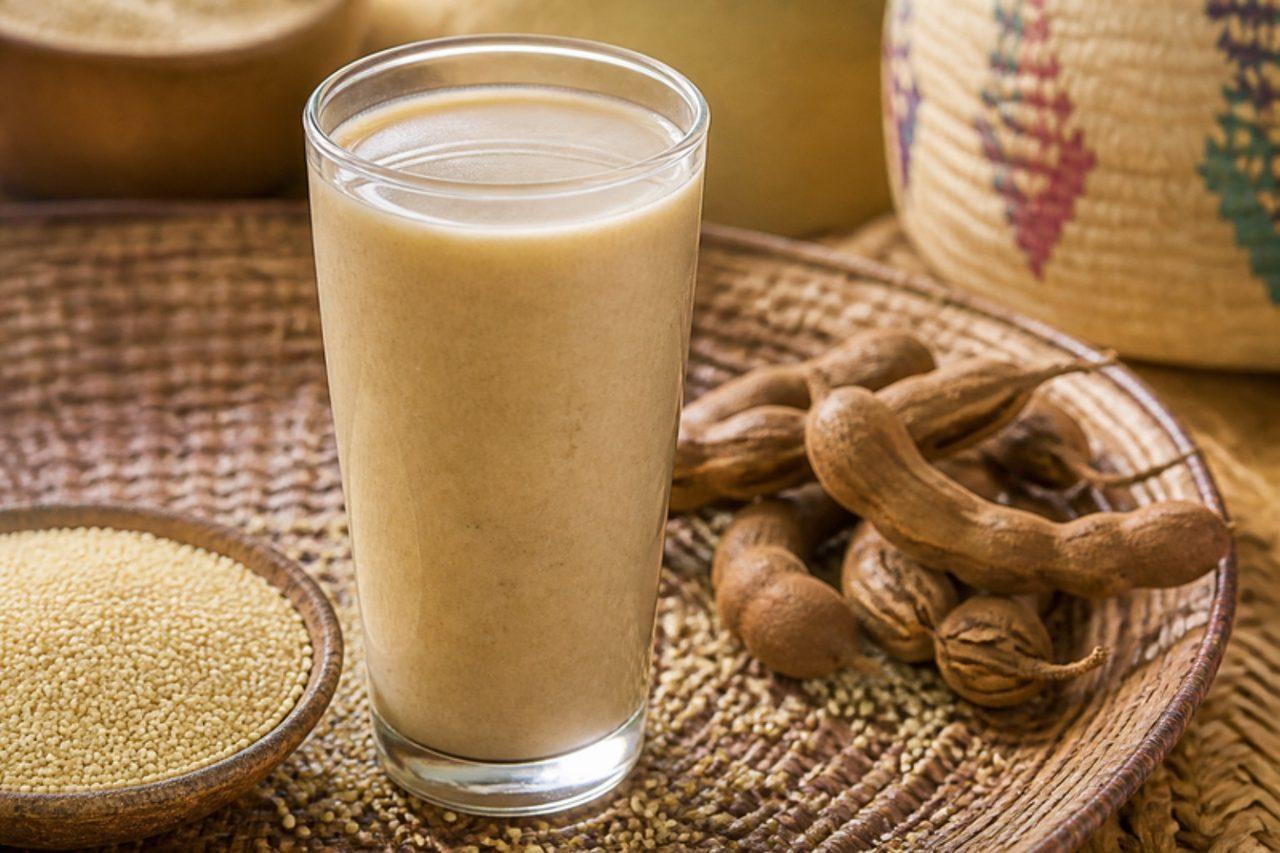
When the Ramadan fast breaks in Kano and Katsina, gourds of warm kunun tsamiya appear on mats beside dates and kosai: a thin, pourable millet porridge-drink, tart from tamarind (tsamiya), warmed with ginger and cloves and sweetened to taste. It is soothing, slightly sour and very filling, and Hausa mothers also give it at breakfast in the cold harmattan months. The mistake is pouring the millet paste into water that isn't boiling, which leaves it raw-tasting and lumpy; it must go into a rolling boil while you stir. Chef's tip: stop when it just coats the back of a spoon; kunun keeps thickening as it cools and should stay drinkable.

by KrazyBadal 0 views

Maja blancaCoconut corn pudding

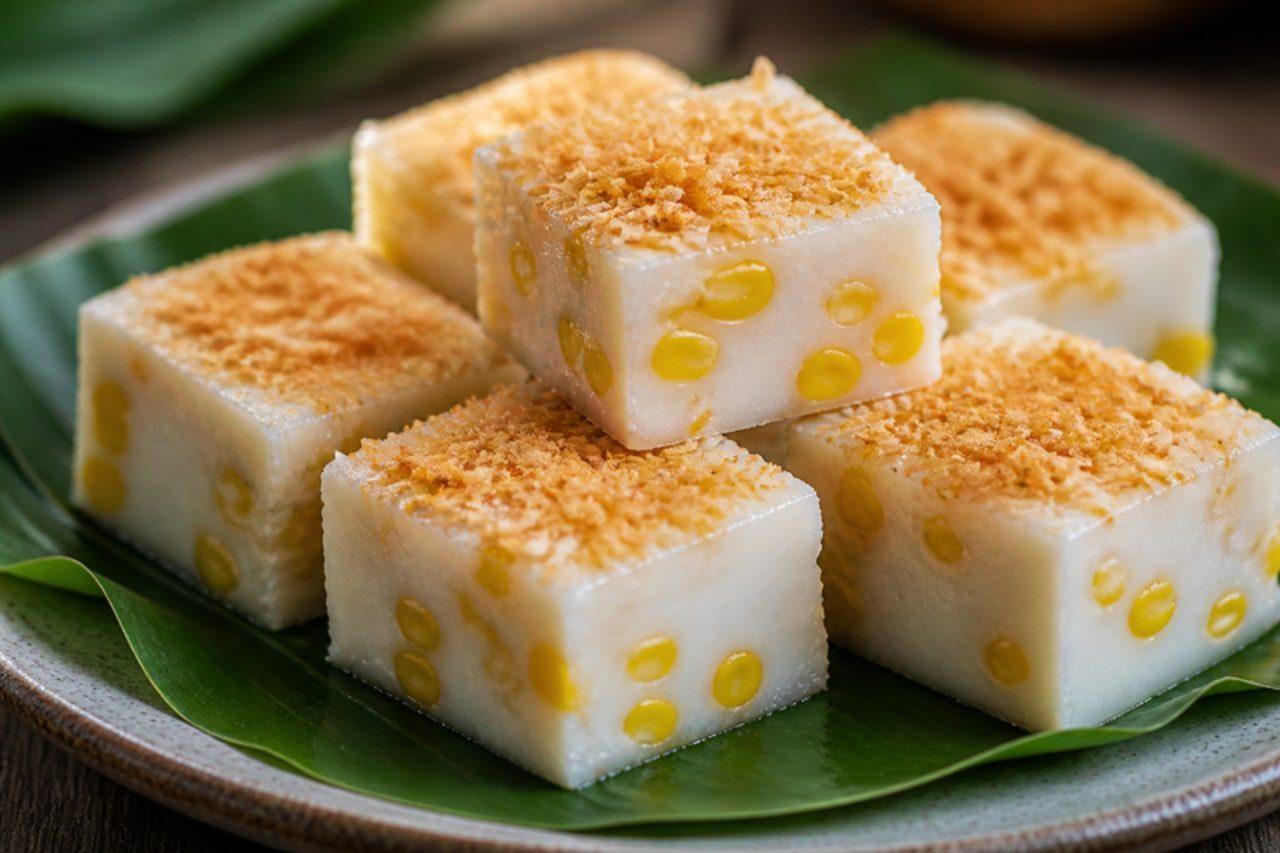
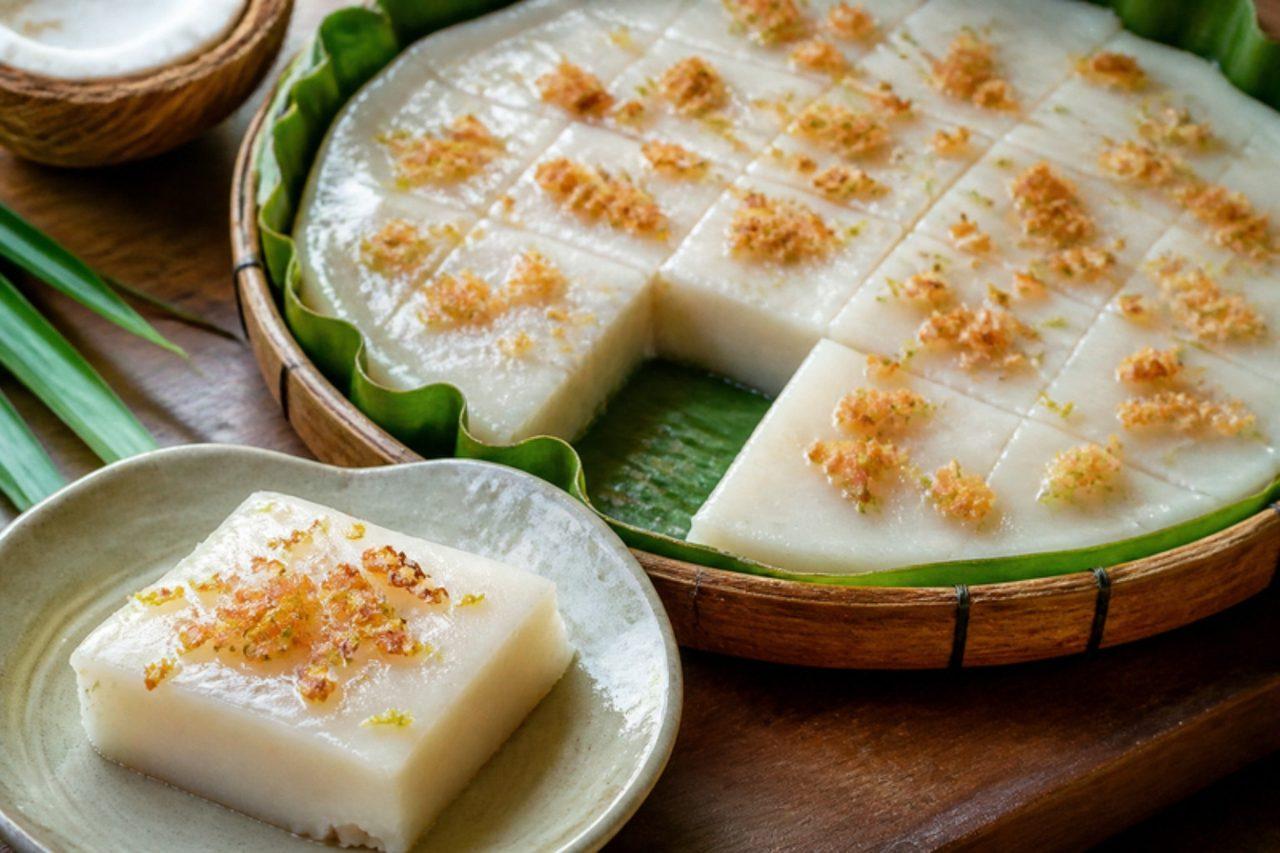
Wobbly squares of maja blanca sit on almost every Filipino Christmas Eve table, beside the leche flan and the fruit salad. Coconut milk and milk are thickened with cornflour into a smooth white pudding studded with sweet corn, poured into a tray and set firm enough to slice, then crowned with latik or toasted coconut. It tastes cool, milky and gently sweet, and kids love it. Chef's tip: whisk the cornflour into cold liquid first and keep stirring as it heats; added to hot milk it seizes into lumps you can't whisk out.

by KrazyBadal 0 views

Pichi-pichiCassava gummies with coconut

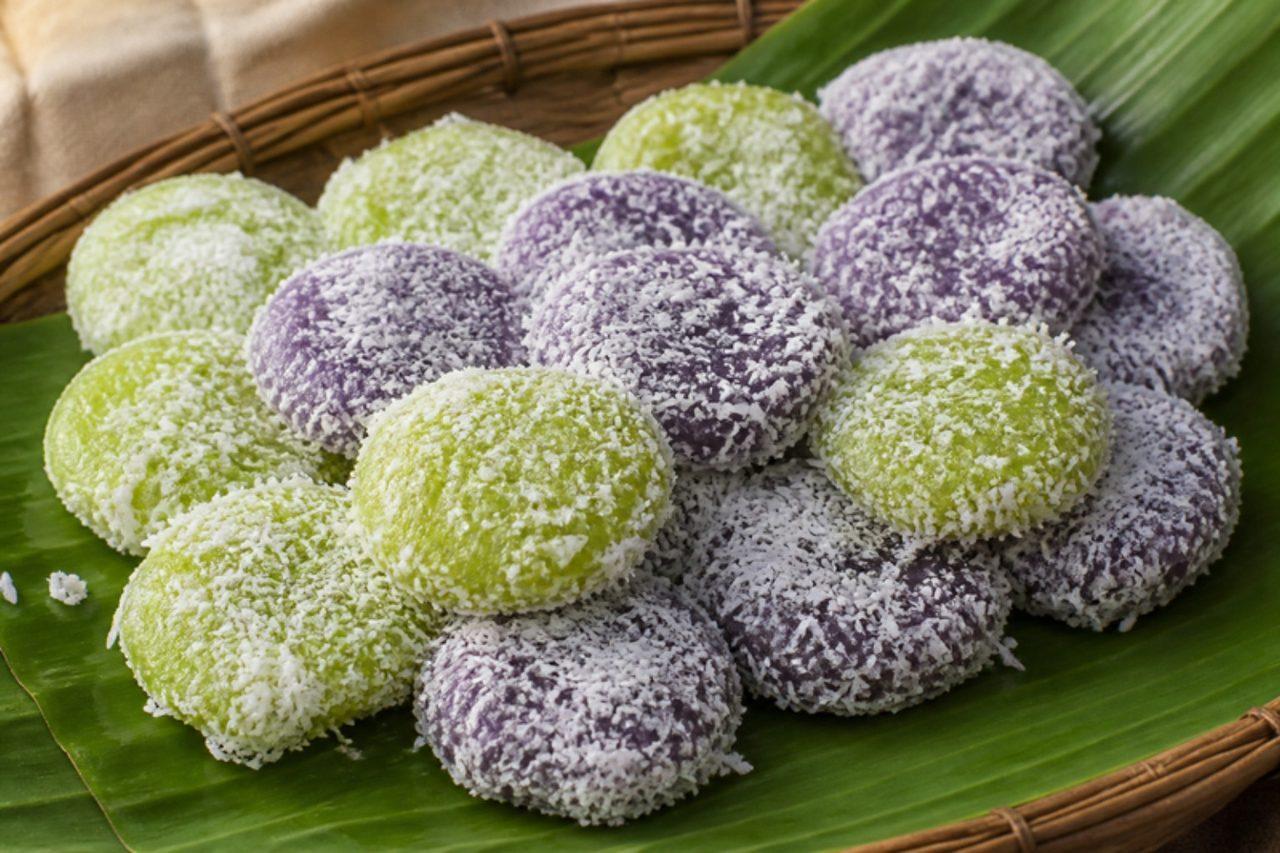
Grated cassava, sugar and water steamed in little cups turn into pichi-pichi: soft, translucent, wobbly bites the colour of amber or tinted with ube or pandan, then rolled in grated coconut. They are a party staple across Quezon and Manila, and bakeshops also roll them in grated cheese, though the coconut version keeps them vegan. Served chilled or at room temperature with coffee. Chef's tip: squeeze the grated cassava only lightly; wringing out all the juice gives you dry, crumbly cakes instead of chewy, glossy ones.

by KrazyBadal 0 views

PalitawSticky rice discs with coconut

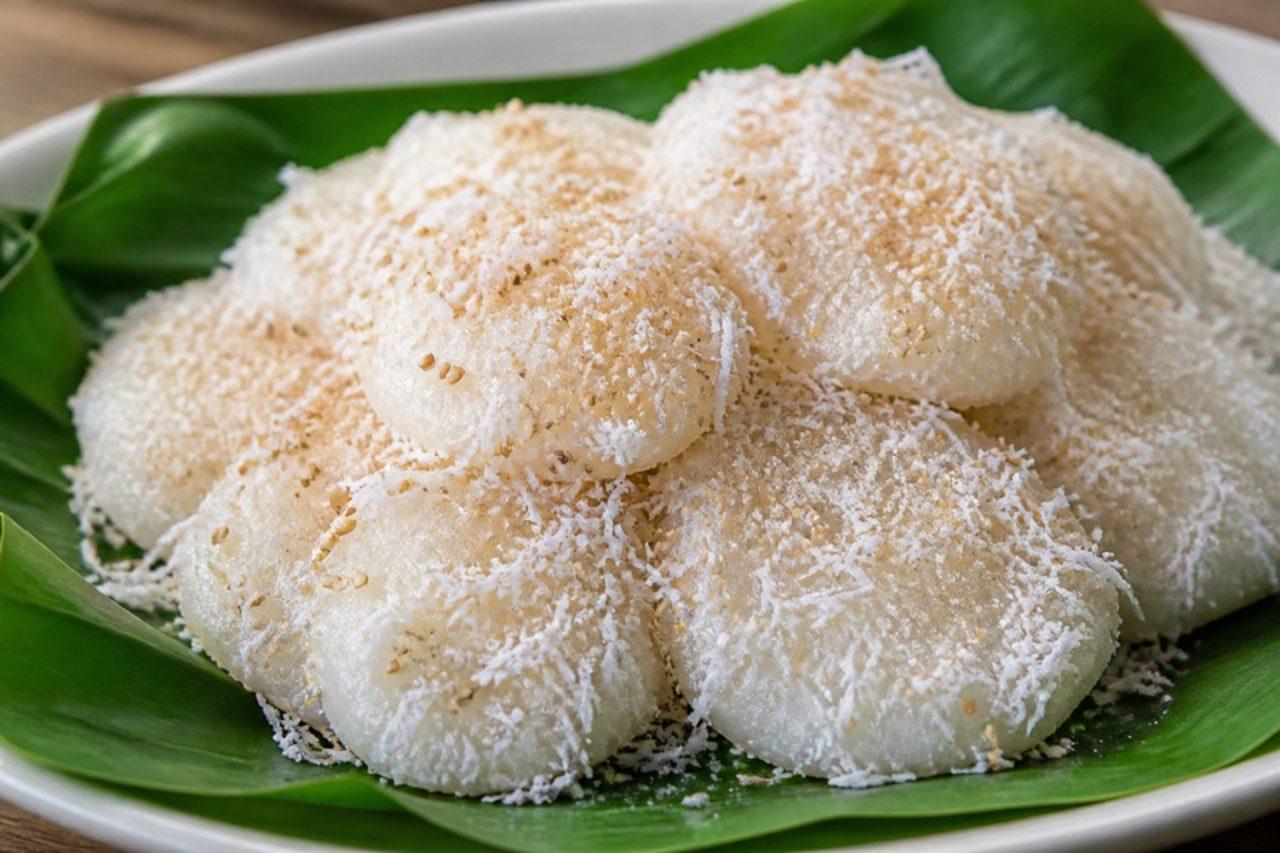
Palitaw comes from the Tagalog word for rising to the surface, which is exactly how you know they are cooked. Flat ovals of glutinous rice dough are dropped into boiling water, sink, then float up a minute later; they are lifted out, rolled in freshly grated coconut and finished with a sprinkle of sugar mixed with toasted sesame. Vendors in Laguna and Batangas sell them warm on banana leaves for merienda. Chef's tip: roll the dough thin, about 5 mm; thick palitaw float before the centre is cooked and stay pasty inside.

by KrazyBadal 0 views

Tibok-tibokMilk pudding with latik

In Pampanga, tibok-tibok is made with rich carabao's milk and served at fiestas in shallow trays lined with banana leaf. Its name means heartbeat, after the slow, pulsing bubbles that rise as it thickens and the gentle wobble when the tray is set down. It is creamy, delicately sweet and scented with dayap (lime) zest, then topped with crunchy latik. Whole cow's milk or buffalo milk makes a good stand-in at home. Chef's tip: grind or blend the soaked rice very fine and strain it; coarse rice leaves a grainy pudding instead of a silky one.

by KrazyBadal 0 views

BikoSweet sticky rice cake

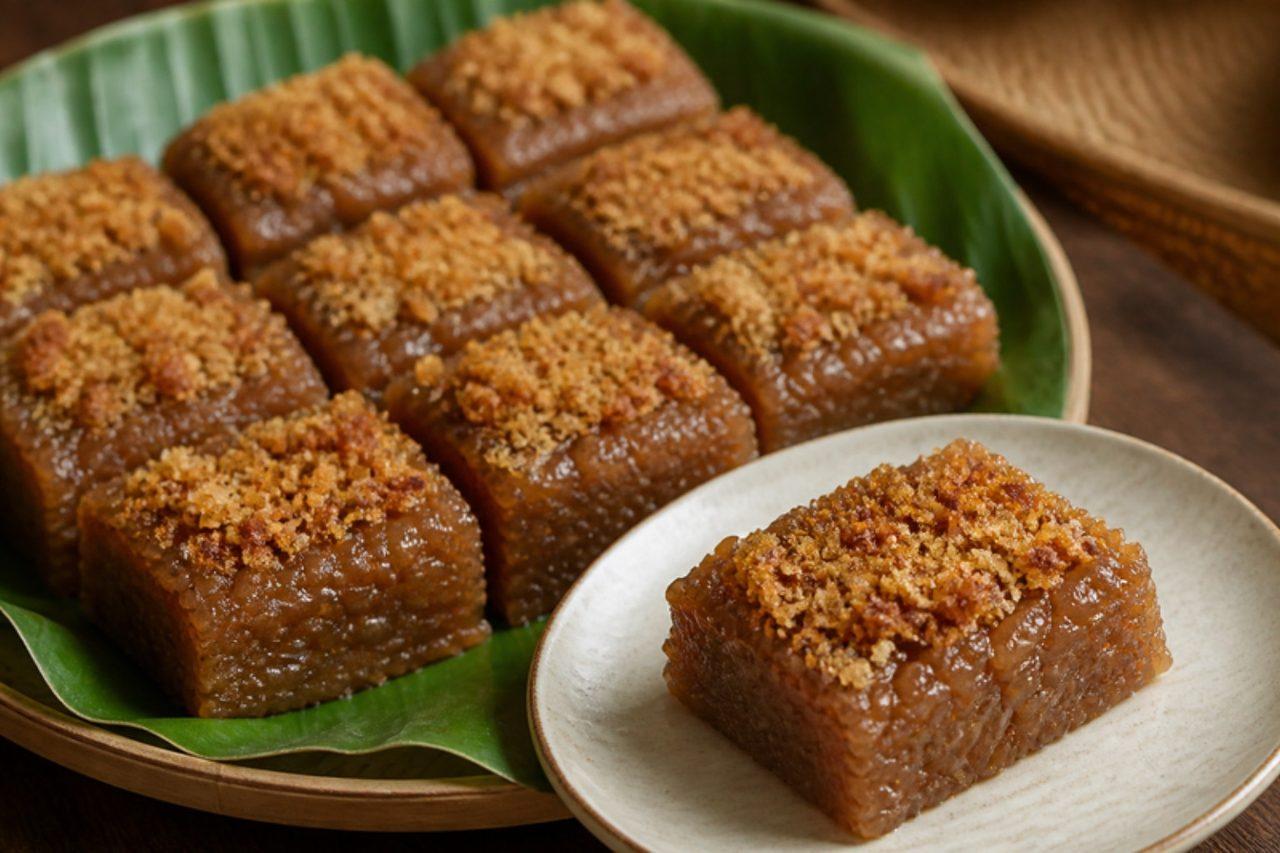
Bring biko to a Tagalog or Visayan gathering, whether a wake, a birthday or a fiesta, and the tray will be scraped clean. Glutinous rice is cooked, then stirred hard in a thick coconut milk and brown-sugar caramel until every grain is coated and the mass is dark, glossy and heavy on the spoon. Pressed into a tray and topped with crisp latik, it is cut into squares that are chewy, sweet and rich. Chef's tip: keep stirring once the rice goes into the caramel; leave it for a minute and the sugar catches and burns on the pan base.

by KrazyBadal 0 views

Chanh muốiSalted lime drink

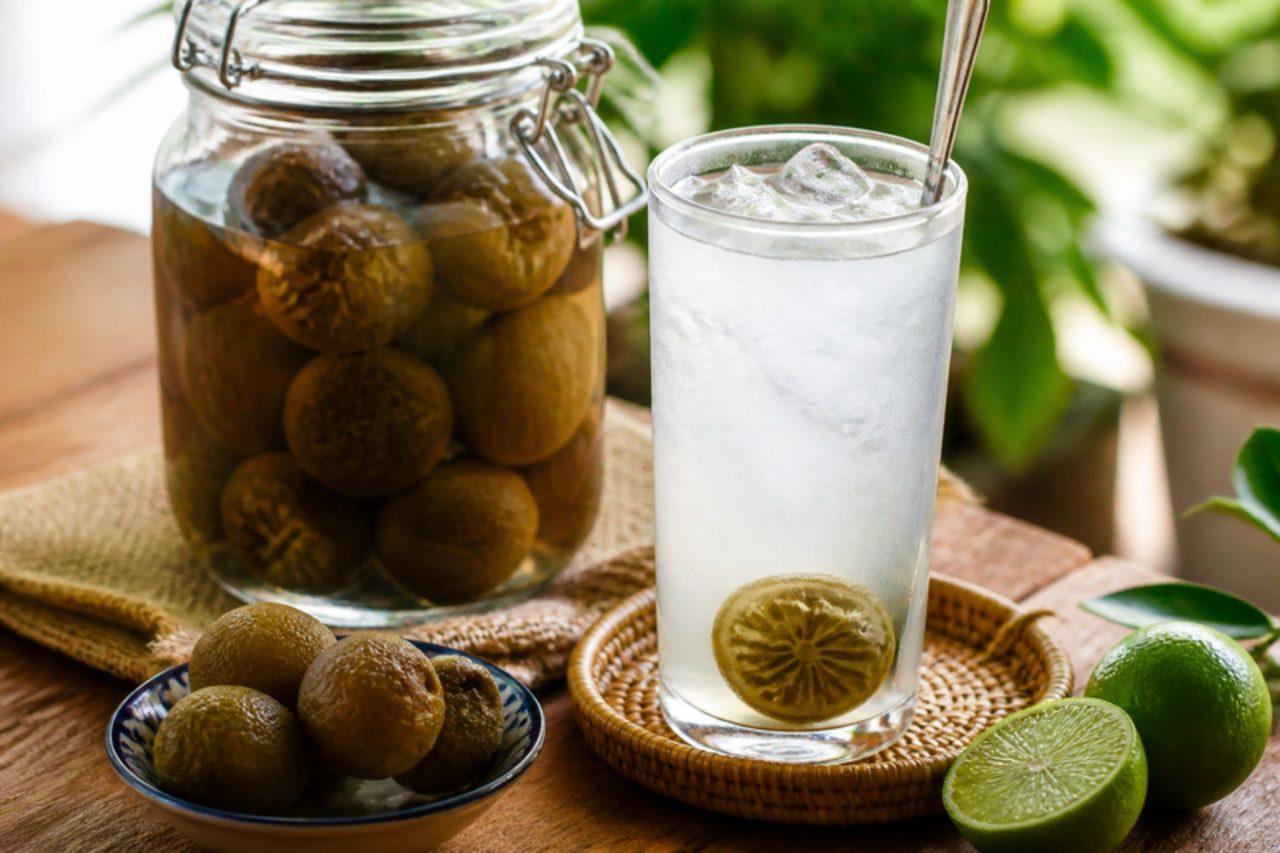
Vietnamese households keep a jar of chanh muối, limes cured in salt until they turn soft and olive-brown, on a sunny shelf for months; on a sweltering day a lime or two is muddled with sugar and topped up with ice water or soda water. The drink is salty, sour and sweet all at once, and grandmothers swear by it for sore throats and after a bout of sun. This recipe makes the jar of cured limes (allow four weeks before the first glass) and then the drink itself. Chef's tip: dry the limes completely after blanching; any water left on the skins lets mould take hold in the jar.
by KrazyBadal 0 views

Puto bumbongPurple sticky rice tubes

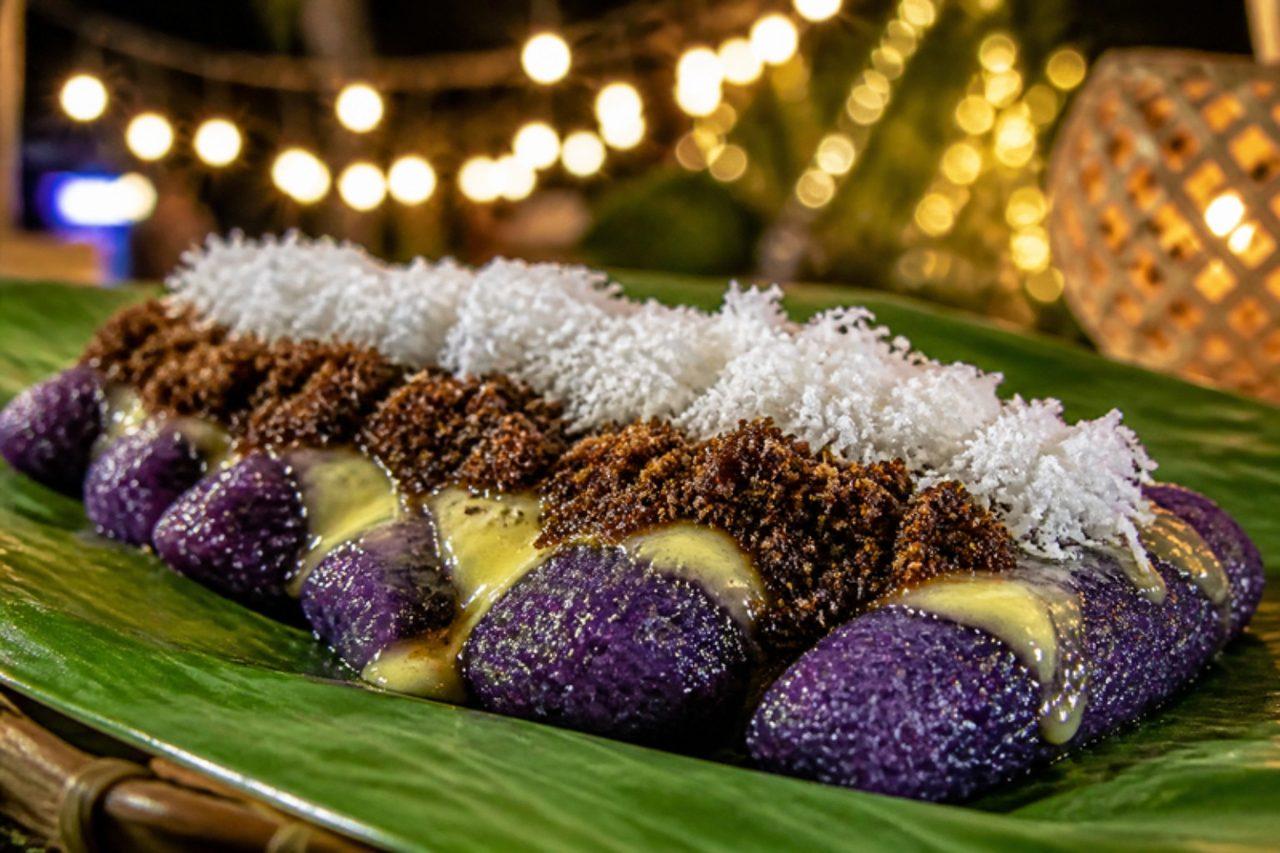
During the nine dawn masses of Simbang Gabi, from 16 to 24 December, vendors outside churches across Luzon steam puto bumbong in bamboo tubes over hissing kettles. The violet logs of ground purple and white glutinous rice are slid onto banana leaf, slathered with butter or margarine and showered with muscovado sugar and grated coconut, then eaten warm in the cold morning air. At home, small heatproof moulds or rolls of banana leaf stand in for the bamboo. Chef's tip: the ground rice must feel like damp sand, not batter; wet dough steams into a heavy paste instead of a loose, fluffy log.

by KrazyBadal 0 views

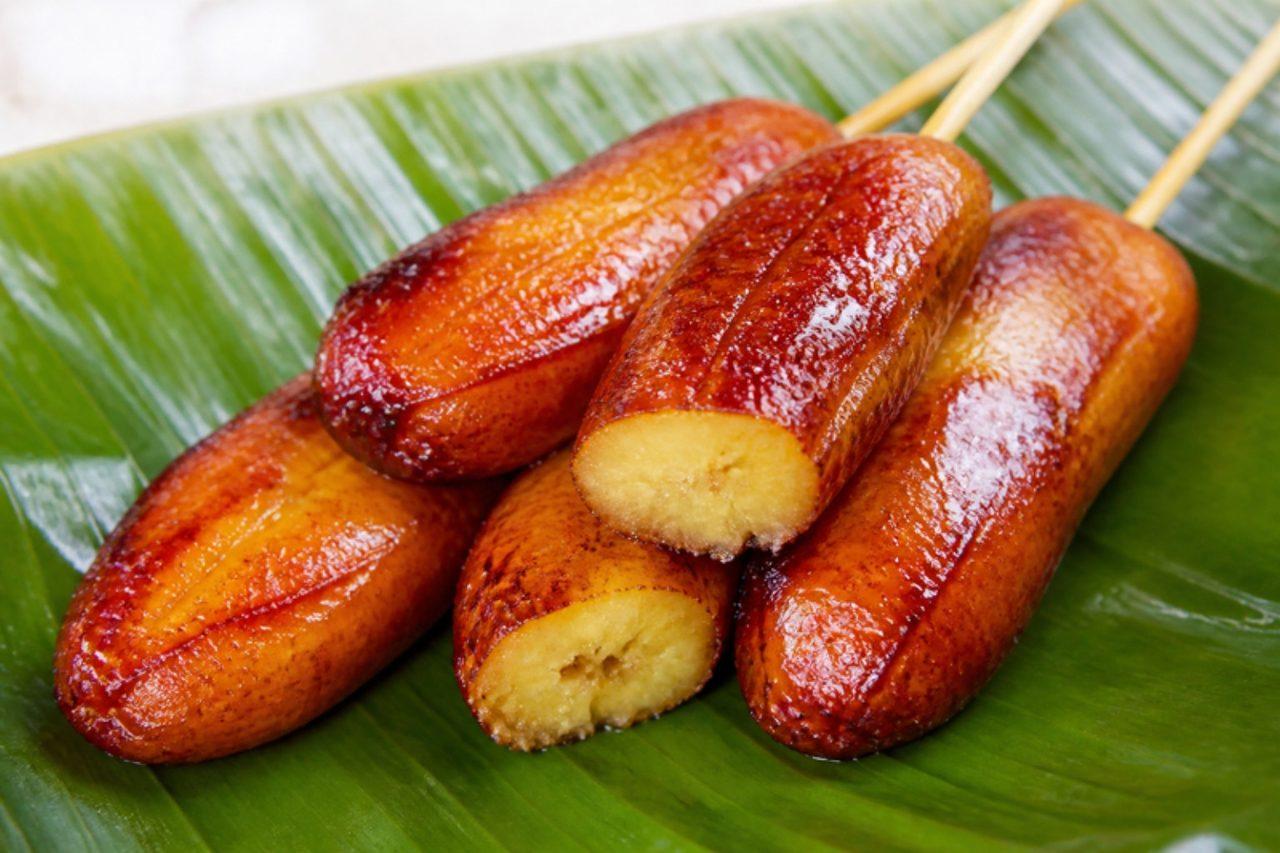
Banana cueCaramelised fried bananas

Walk past any Manila school gate or jeepney stop around three in the afternoon and you will find a vendor turning saba bananas in a wok of bubbling oil and brown sugar. The sugar melts and clings to the fruit, setting into a thin, crackly amber shell over soft, slightly tart flesh, and the bananas are sold two or three to a bamboo stick. Sweet potato cooked the same way is called camote cue. Eat them warm with a glass of iced sago't gulaman. Chef's tip: add the sugar only once the bananas are already golden; sugar thrown in at the start burns black before the fruit is cooked through.

by KrazyBadal 0 views

Sago't gulamanTapioca and jelly drink

Tall plastic cups of sago't gulaman are what Manila drinks on hot afternoons, ladled from a big drum at street corners and sold next to fried snacks. Chewy tapioca pearls and cubes of firm agar jelly float in cold water sweetened with a dark, almost caramelised brown-sugar syrup scented with pandan. Kids slurp it through a wide straw; adults buy it with every plate of banana cue. Chef's tip: cook the syrup until it smells of caramel but stop before it smokes; pale syrup tastes only of sugar, burnt syrup tastes bitter.

by KrazyBadal 0 views

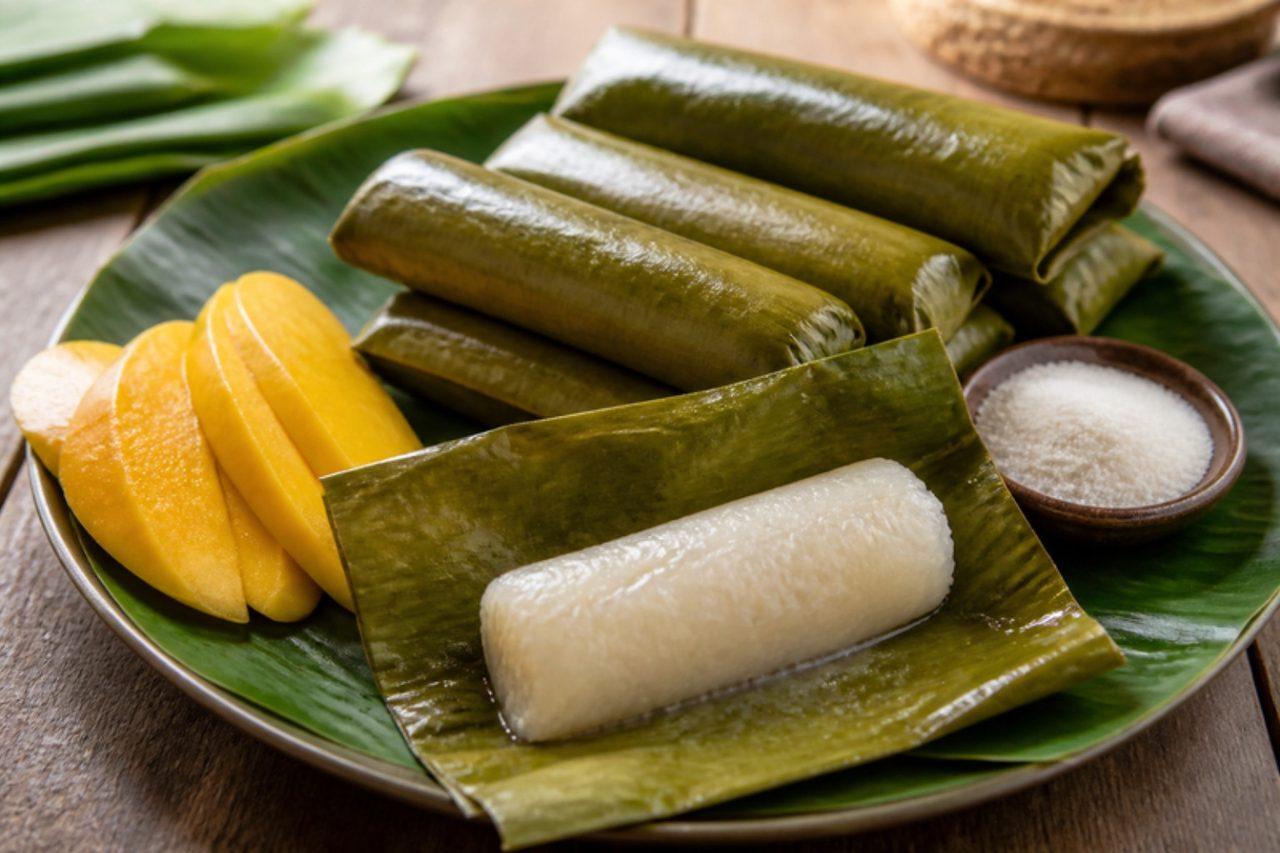
SumanCoconut sticky rice rolls

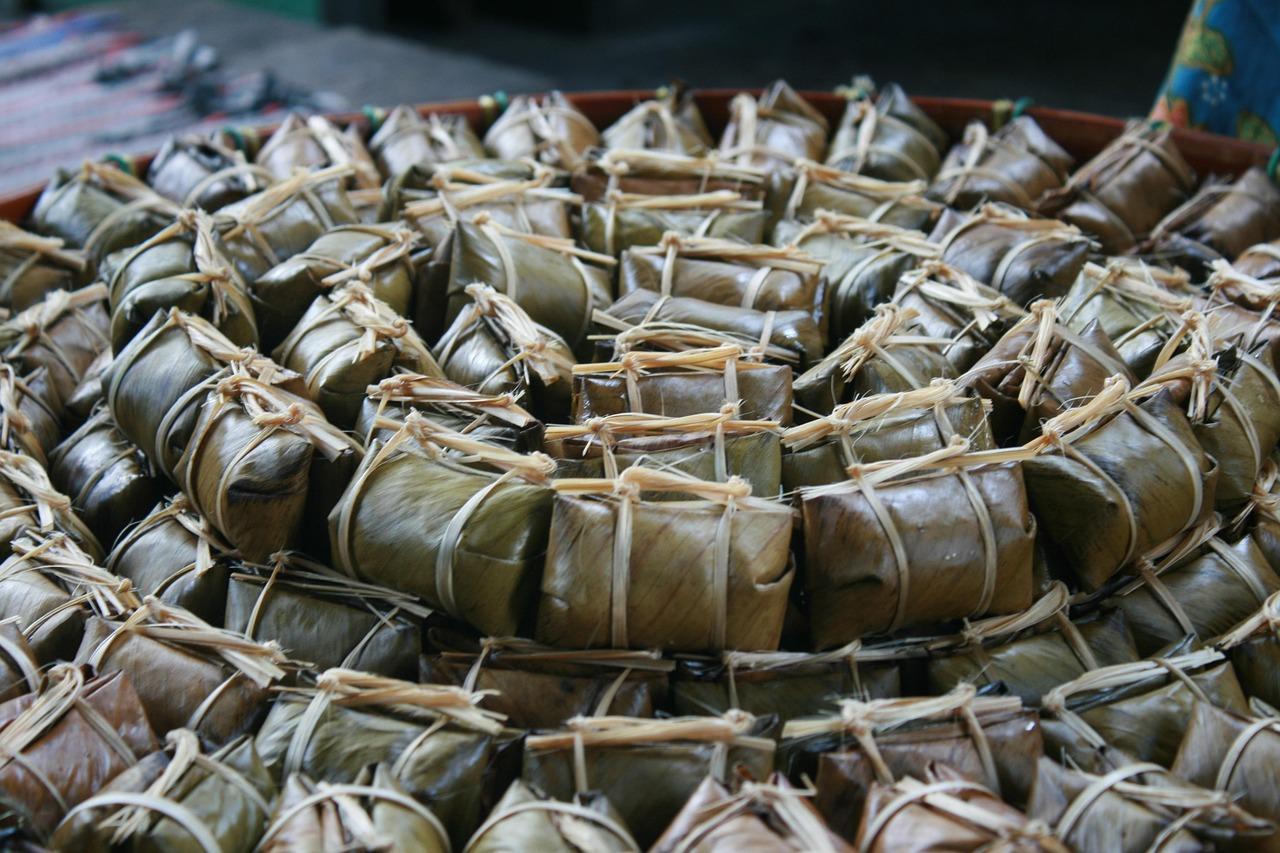
Every province has its own suman, but the everyday one sold in bundles at Antipolo's church steps and on Tagalog breakfast tables is suman sa gata: glutinous rice half-cooked in salted coconut milk, rolled tightly in banana leaf and steamed until dense and chewy. Unwrap one and dip it in sugar, or eat it with ripe mango and hot chocolate in the morning. They travel well and are handed out at fiestas by the dozen. Chef's tip: wilt the banana leaves over a flame or in hot water first; cold leaves crack as you roll and the rice leaks out while steaming.

by KrazyBadal 0 views

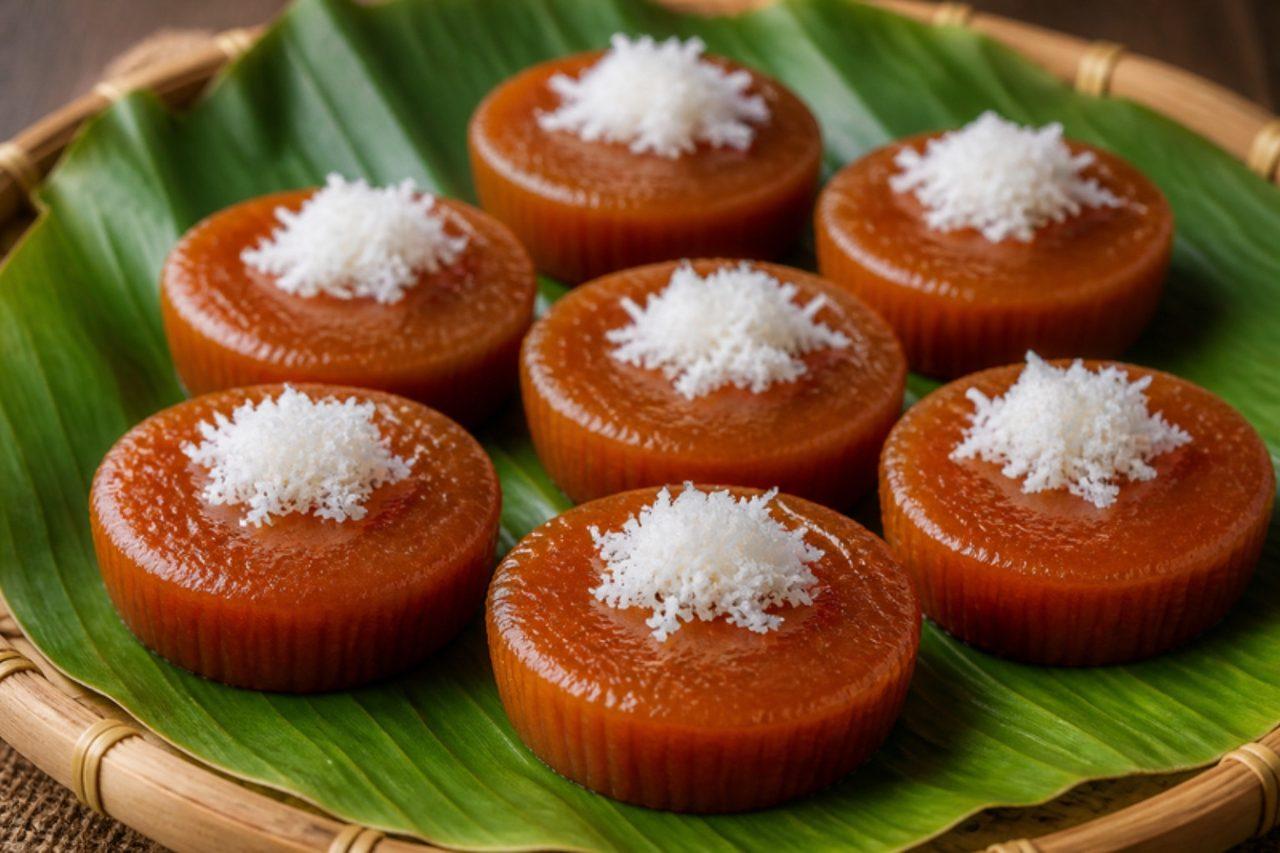
KutsintaSteamed brown sugar cakes

Sold in neat stacks beside puto at every Filipino market and bakery, kutsinta are small, dark amber cakes with a bouncy, jelly-like chew that comes from a few drops of lye water. Steamed in little cups and topped with fresh grated coconut, they are eaten for breakfast or merienda with coffee. Lye water (lihia) is strongly alkaline: buy food-grade only, measure it carefully, keep it away from children and rinse off any splashes on skin at once. Chef's tip: let the batter rest before steaming; skipping the rest gives cakes with a gritty, uneven texture and dark spots of undissolved sugar.

by KrazyBadal 0 views

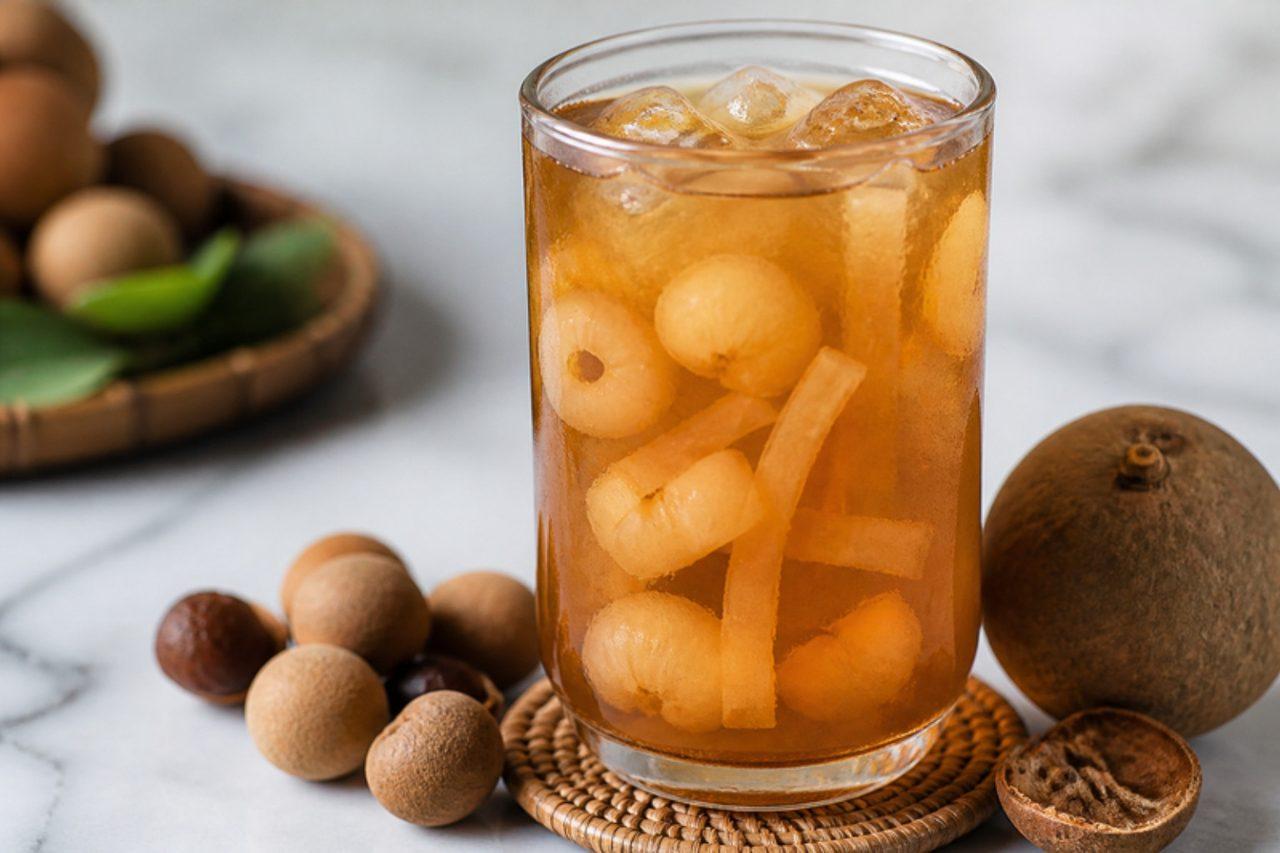
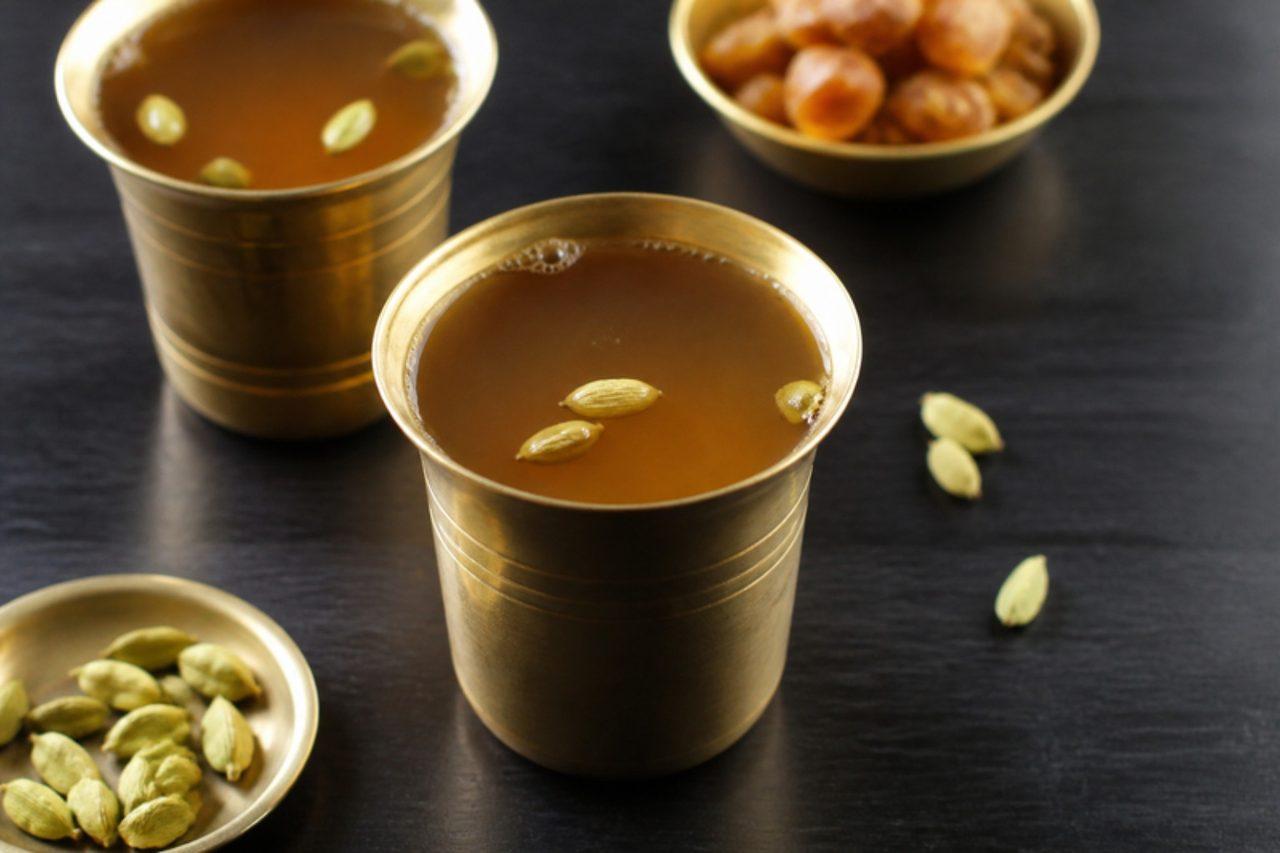
Air mata kucingLongan and winter melon drink

Petaling Street in Kuala Lumpur's Chinatown has a stall that has sold little else for decades, and on a hot afternoon the queue for its iced air mata kucing, 'cat's eye water', stretches down the lane. The 'cat's eyes' are dried longan, simmered with monk fruit, candied winter melon and rock sugar into a sweet, smoky, caramel-like brew that Chinese Malaysians drink to cool the body. Look for the dried ingredients in Chinese grocers. Chef's tip: boiling hard for too long makes it bitter from the monk fruit shell; keep it at a gentle simmer.

by KrazyBadal 0 views

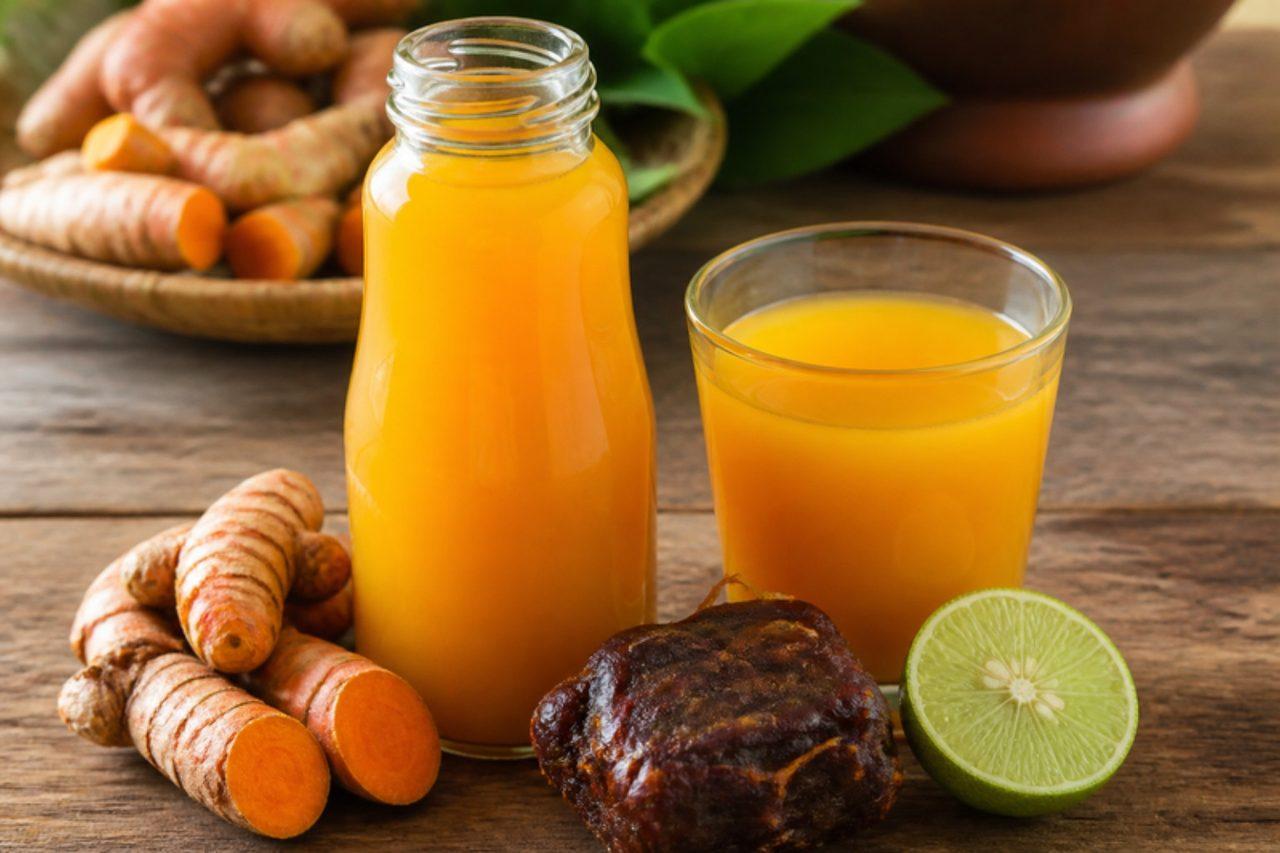
Jamu kunyit asamTurmeric tamarind drink

Jamu gendong women still walk Solo and Yogyakarta lanes in the morning with baskets of bottles on their backs, and kunyit asam is the one most people buy: earthy fresh turmeric and sour tamarind boiled with palm sugar, strained and drunk cool. It tastes bright, tangy and faintly peppery, rather like a spiced lemonade. Families also make big jugs at home for hot afternoons. Chef's tip: wear gloves or scrub the board straight away; fresh turmeric stains hands, wood and plastic bright yellow within minutes.

by KrazyBadal 0 views

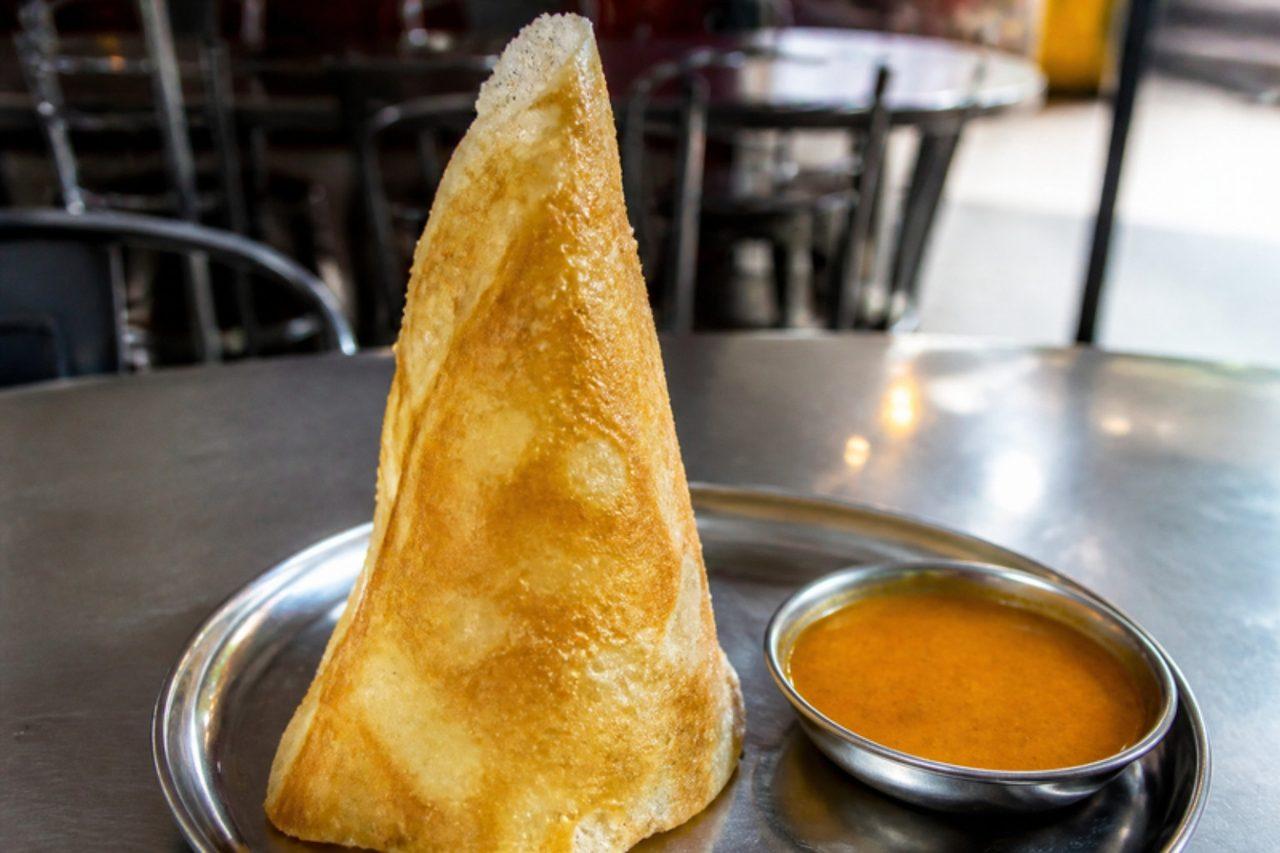
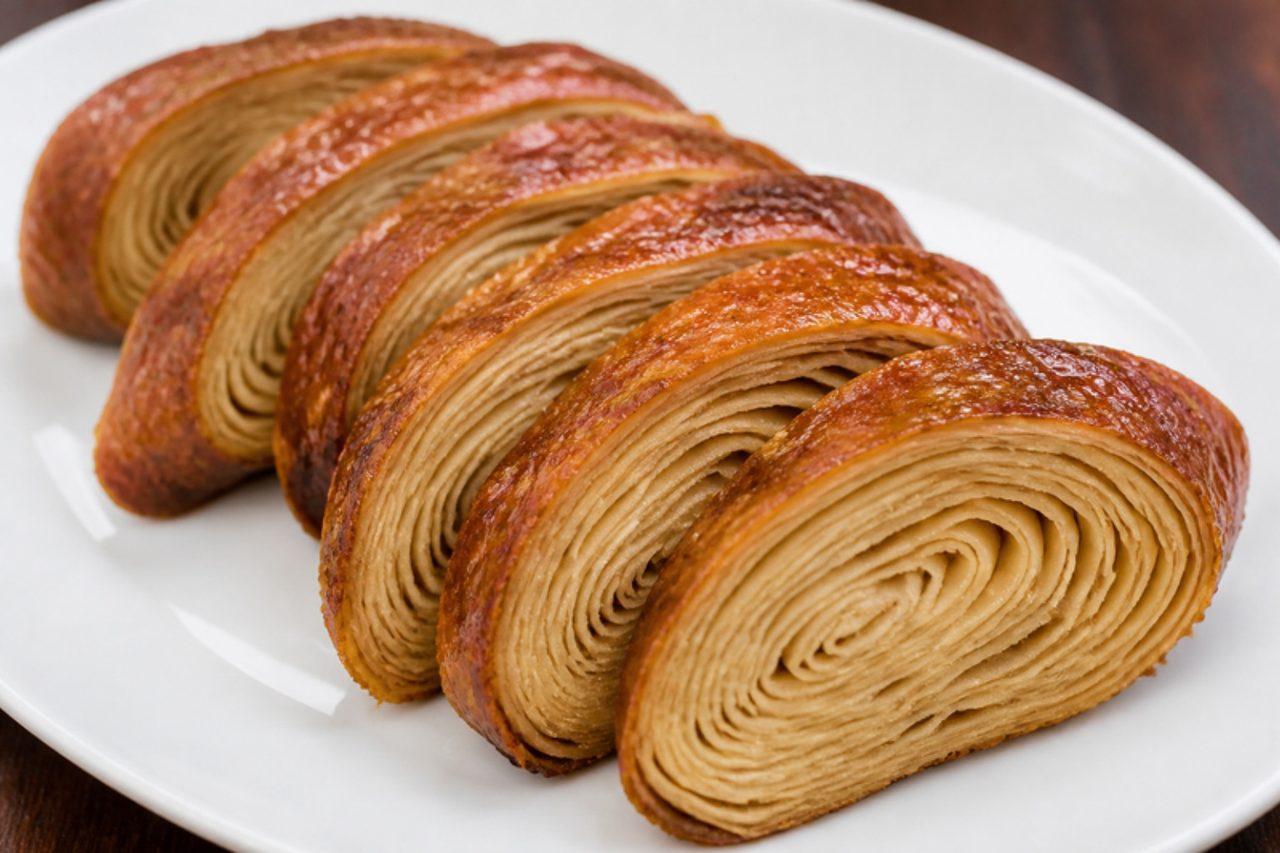
Roti tisuPaper-thin crisp flatbread

Late at night in Kuala Lumpur's 24-hour mamak restaurants, someone at the next table will order roti tisu and a towering golden cone arrives, as tall as a teh tarik glass, brushed with butter and sugar. The dough is the same as roti canai, but stretched on the oiled counter until you can read a newspaper through it, then griddled into a single crisp sheet. Kids break it from the top down; adults dip it in dhal. It takes practice, so expect the first one or two to tear. Chef's tip: the dough must rest at least 6 hours, better overnight, in plenty of oil; rushed dough snaps back and tears instead of stretching thin.

by KrazyBadal 0 views

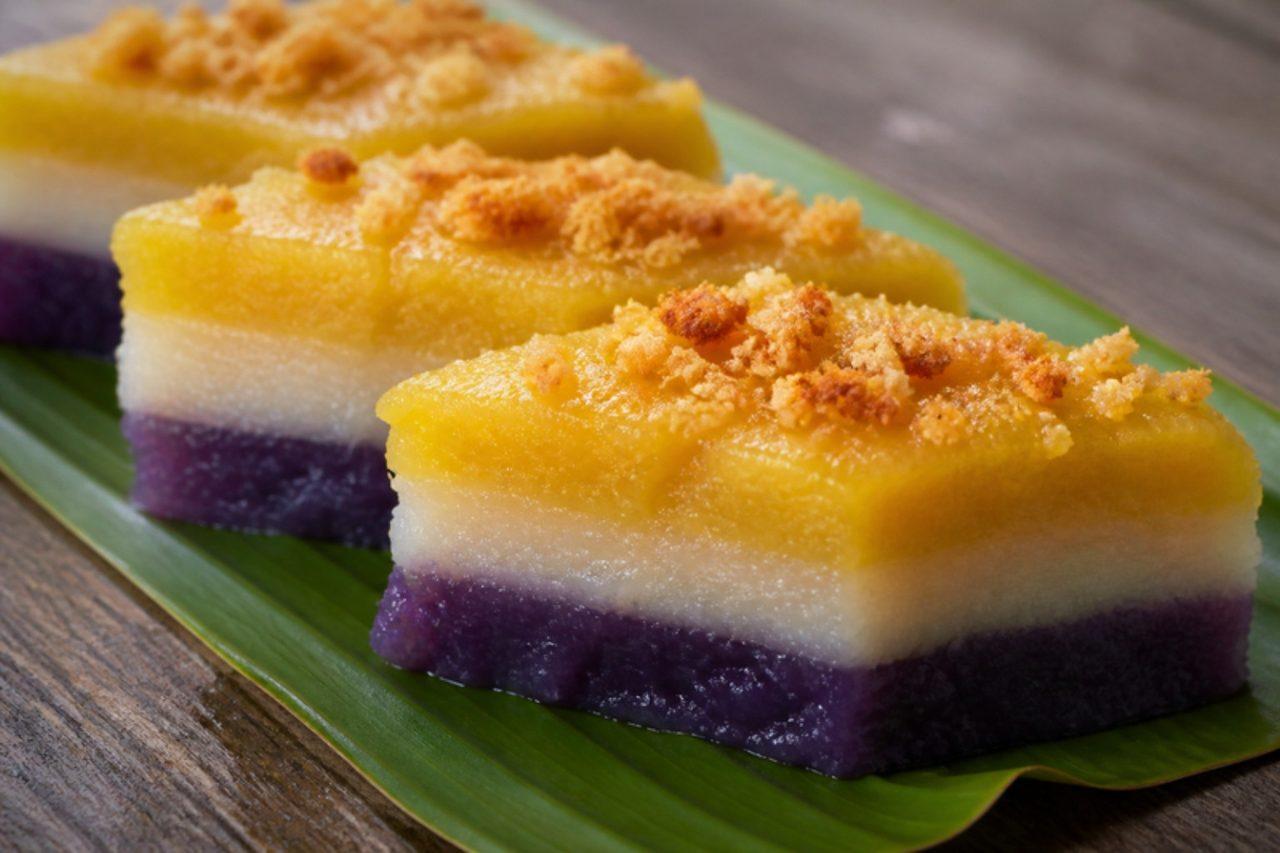
Sapin-sapinLayered sticky rice cake

The name means layered, and in Pampanga, the kitchen of the Philippines, sapin-sapin is a showpiece for fiestas and Christmas tables: a steamed glutinous rice and coconut cake built in stripes of purple ube, plain white and golden jackfruit, each set before the next is poured. It is cut in diamonds and scattered with latik, the toasted coconut curds left when coconut cream is cooked down. The texture is soft, sticky and cool. Chef's tip: steam each layer until it is just set before pouring the next; pour too early and the colours bleed into one muddy layer.

by KrazyBadal 0 views

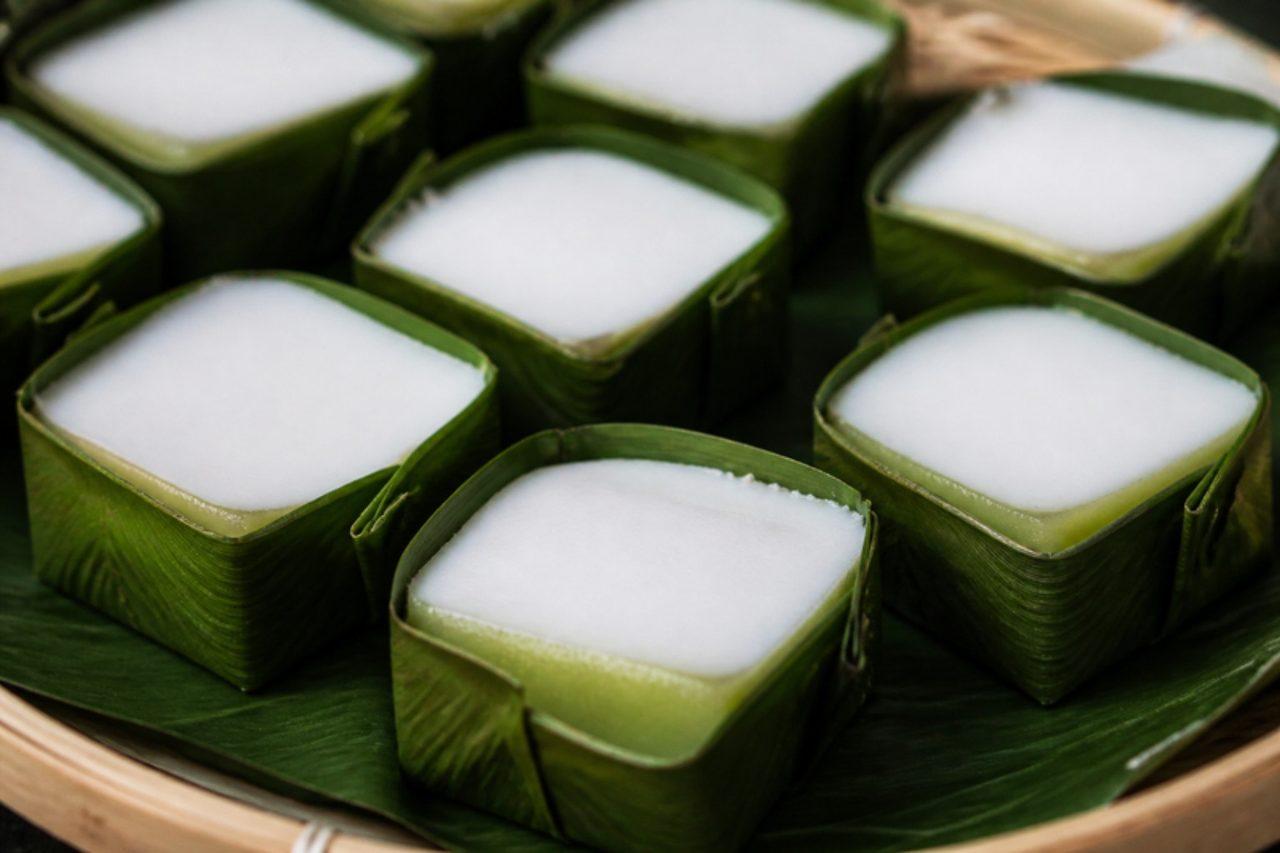
Tepung pelitaPandan pudding with coconut cream

Tepung pelita, 'lamp' kuih, gets its name from the little square banana-leaf boxes it is set in, which look like old oil lamps, and every Ramadan bazaar from Melaka to Penang has trays of them chilling on ice. Each cup holds a soft green pandan layer under a thick, salty-sweet white coconut layer; you eat it with a spoon or straight from the leaf. Small ramekins or silicone cups work if you have no banana leaves. Chef's tip: pour the white layer only once the green one has set a skin, or the two colours bleed into each other.

by KrazyBadal 0 views

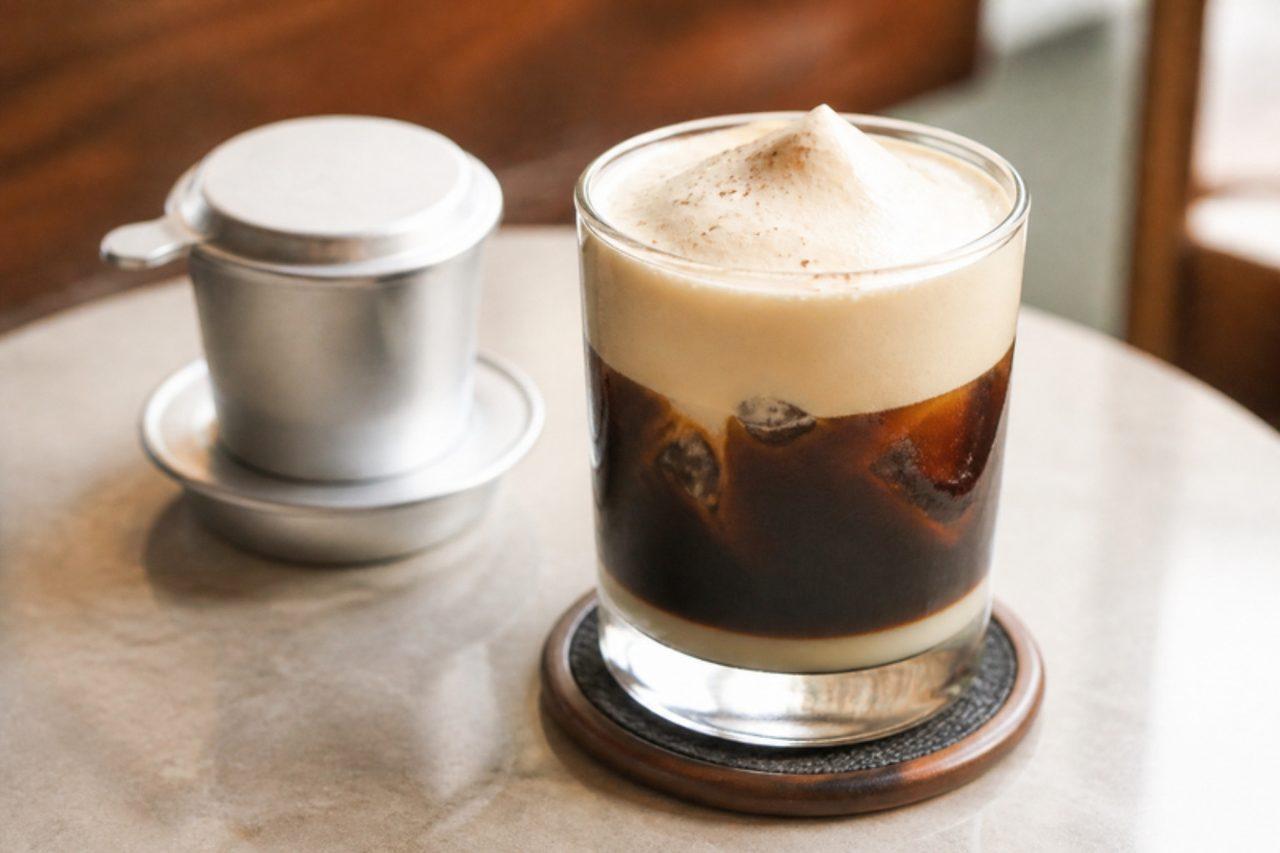
Cà phê muốiSalt coffee

A family café in Huế's citadel quarter began topping its coffee with salted cream, and now cà phê muối is served across central Vietnam and in trendy cafés in Saigon and Hanoi. Sip it without stirring: first the cool, faintly salty cream, then sweet condensed milk and strong phin coffee, the salt rounding off the bitterness much like a pinch in caramel. It is good hot or poured over ice. Chef's tip: use only a small pinch of salt per glass; too much and the drink tastes like seawater rather than salted caramel.

by KrazyBadal 0 views

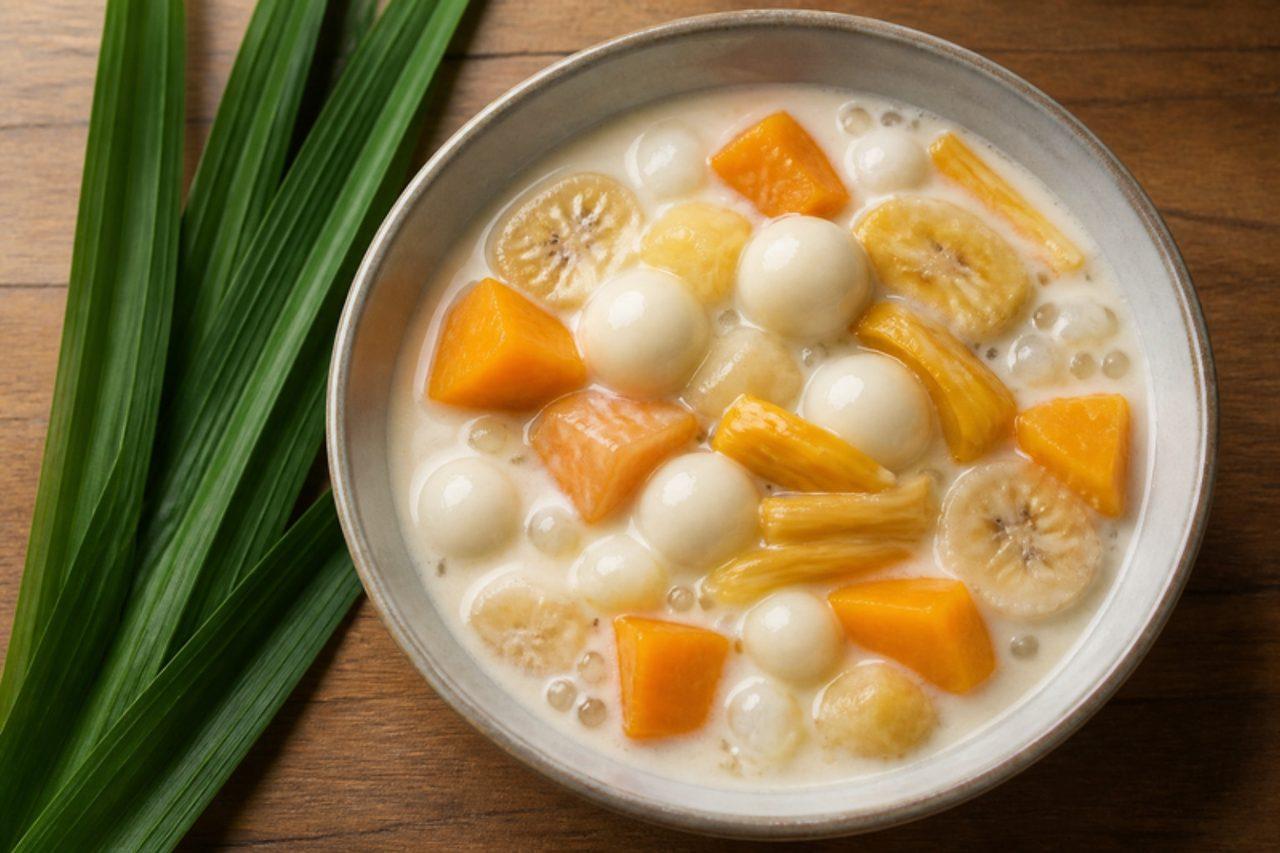
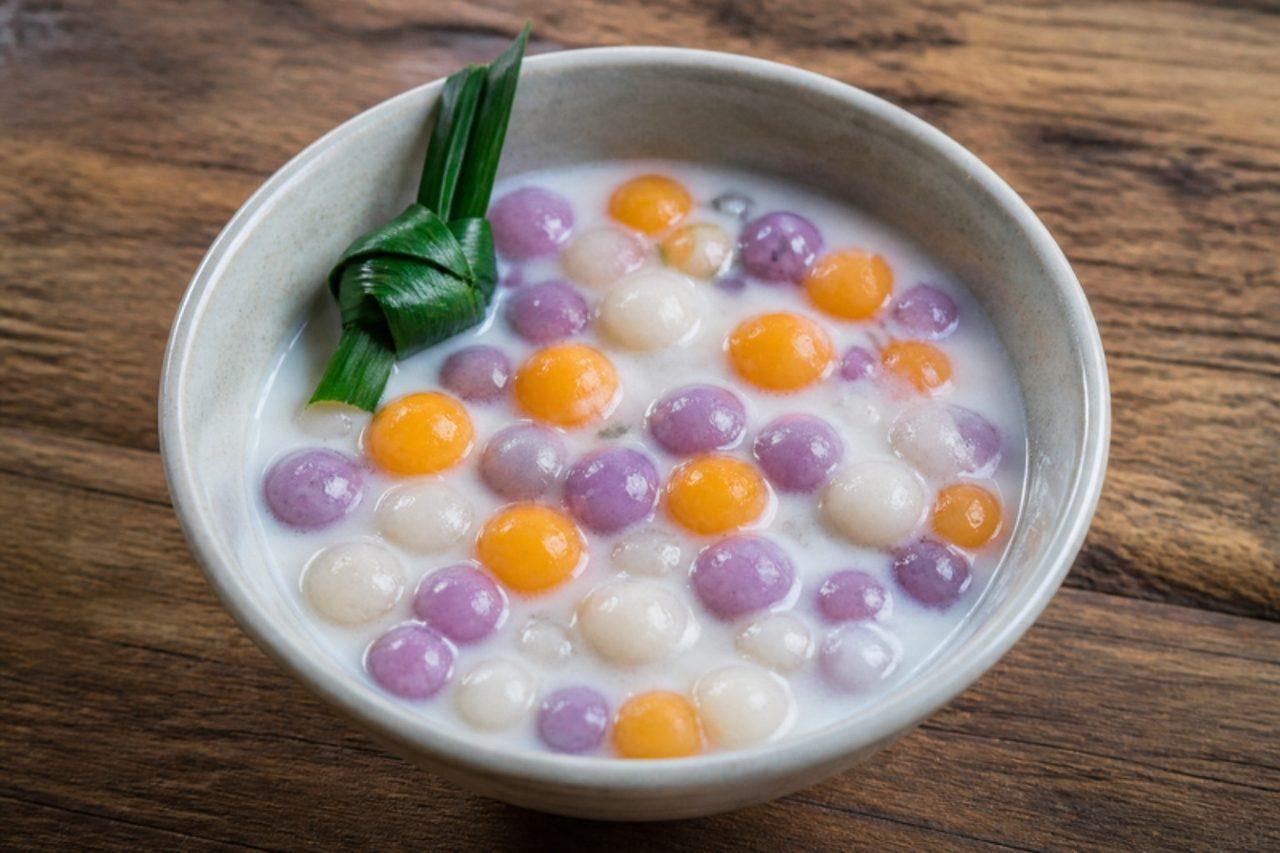
Ginataang bilo-biloRice balls in coconut milk

On rainy afternoons across Luzon, a big pot of ginataan bubbles on the stove and the whole street seems to know about it. Little balls of glutinous rice dough, saba banana, purple and orange sweet potato, strips of ripe jackfruit and sago pearls all simmer together in sweet coconut milk until it thickens into a soft, fragrant soup. Serve it hot in bowls, or cold the next day when it sets almost like pudding. Chef's tip: make the rice balls no bigger than a marble; large ones stay raw and gummy in the middle long after the bananas have collapsed.

by KrazyBadal 0 views

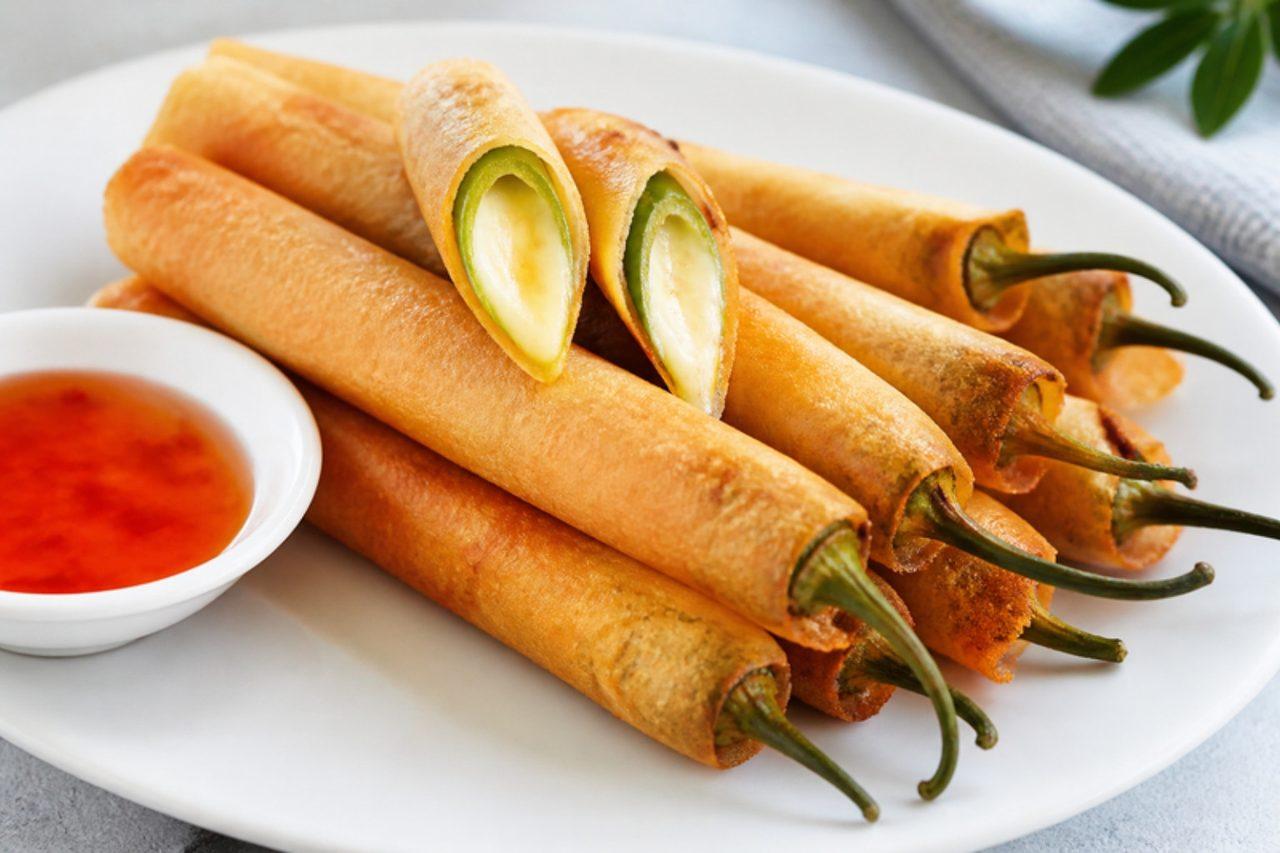
Dynamite lumpiaCheese-stuffed chilli rolls

Bar chow menus in Quezon City and roadside stalls in Pampanga both claim dinamita: a whole long green chilli, seeded, stuffed with a stick of cheese and wrapped tightly in lumpia pastry with its stalk poking out like a fuse. Fried until blistered and crisp, the chilli turns sweet and only mildly hot while the cheese melts into it. A sweet chilli or banana ketchup dip is usual. Many versions add seasoned meat; this one keeps it to cheese. Chef's tip: dry the chillies well inside after seeding; trapped water bursts the wrapper in the hot oil.

by KrazyBadal 0 views

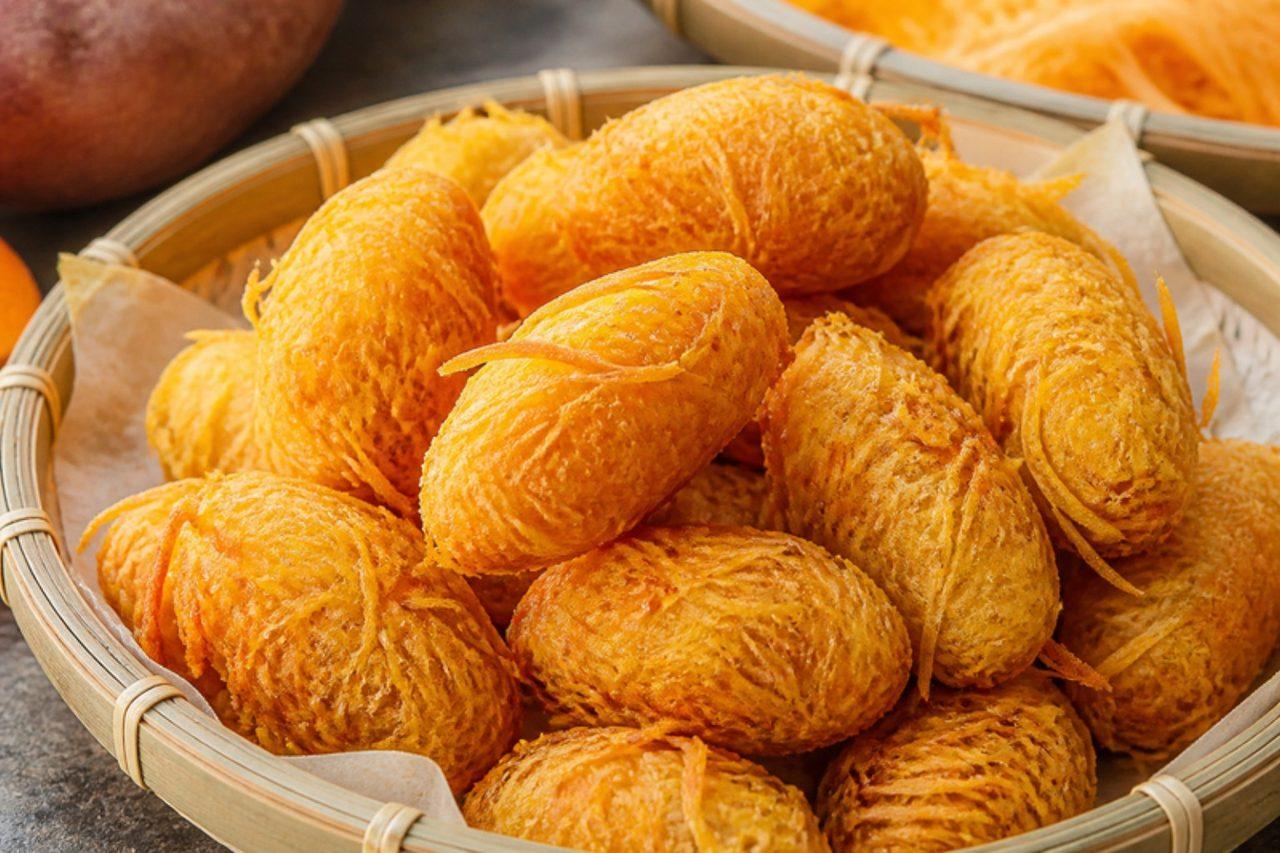
Kuih keriaSweet potato doughnuts

Afternoon kuih sellers in Kuala Lumpur and Ipoh pile kuih keria on trays still warm, each ring wearing a thin white shell of crystallised sugar that crackles when you bite. The dough is mostly mashed sweet potato with just enough flour to hold it, so the inside is soft and almost creamy. Orange-fleshed sweet potato gives a sunny colour; the yellow or purple ones are used too. Chef's tip: adding the sugar to syrup that isn't boiled long enough leaves the doughnuts sticky; it must reach the point where a drop turns cloudy and grainy on a cold plate.

by KrazyBadal 0 views

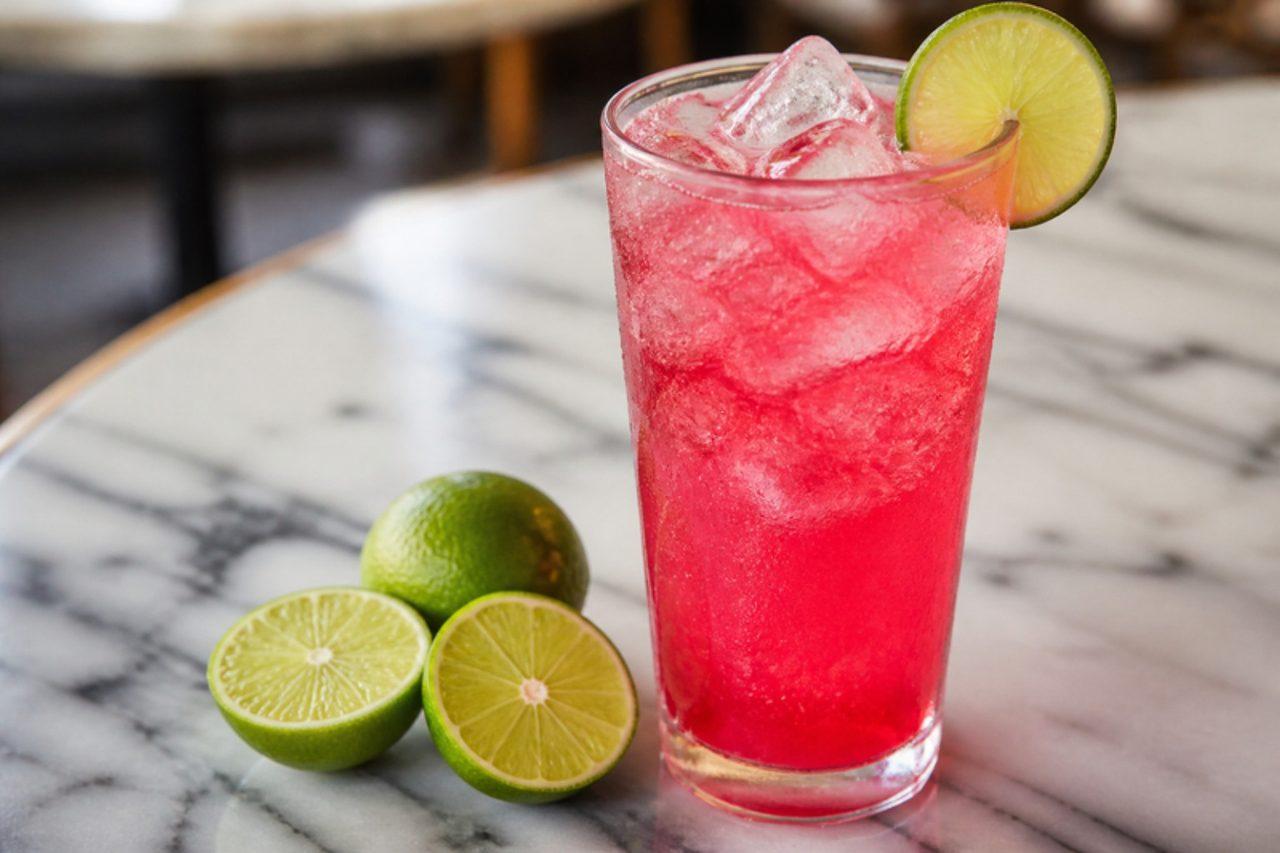
Sirap limauRose syrup lime drink

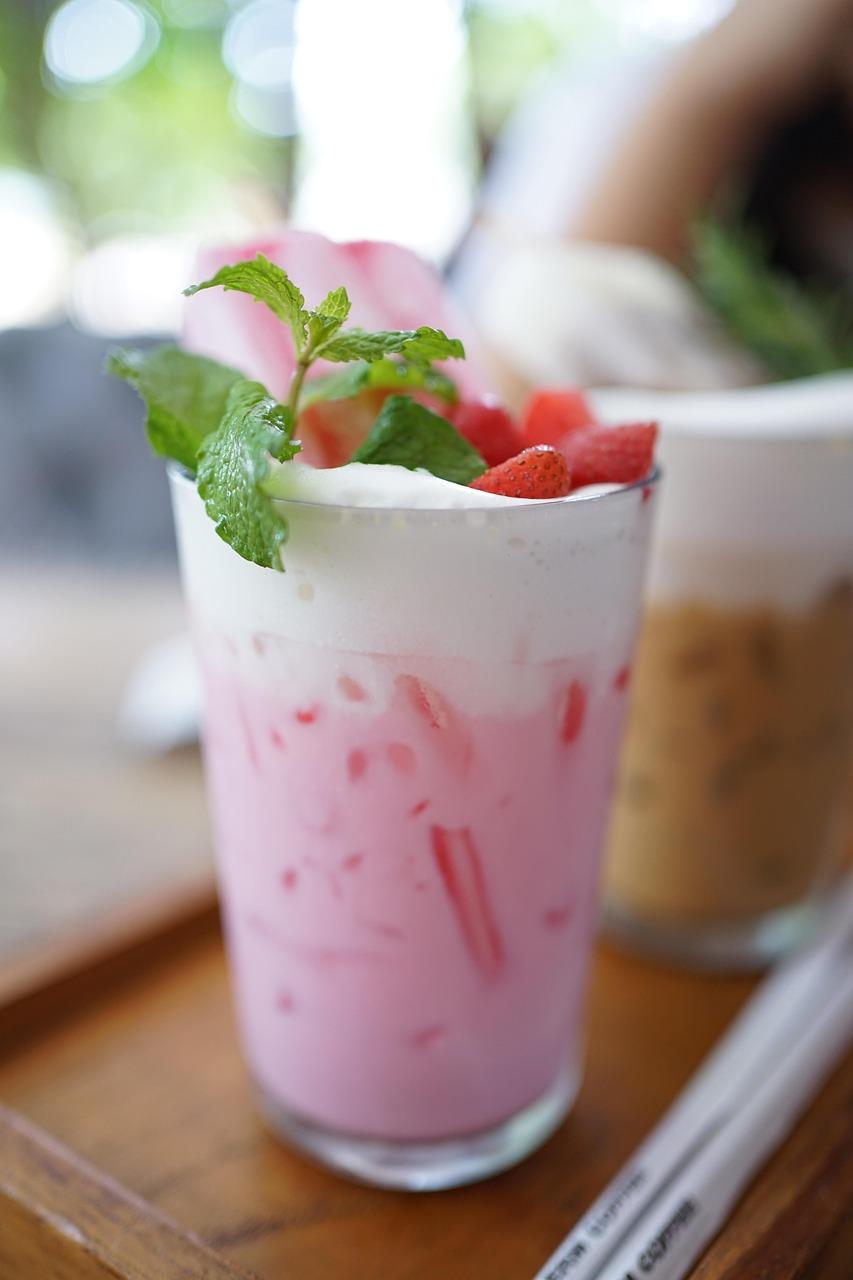
Order a sirap limau at any kopitiam or warung from Johor to Kedah and a tall glass of shocking pink arrives, sweet with rose syrup and sharpened with fresh lime; it is the drink that goes with nasi lemak at lunch and fried snacks after school. The rose syrup, 'sirap', is easy to make at home and keeps for weeks. Chef's tip: squeezing the limes hours ahead makes the drink taste flat and bitter; squeeze them just before you pour.

by KrazyBadal 0 views

Mais con yeloSweet corn shaved ice

The simplest of the Filipino ice desserts, mais con yelo turns up at carinderias and beach stalls from Batangas to Davao in the dry months of March to May. A tall glass is layered with sweet corn kernels and sugar, buried in finely shaved ice and drowned in evaporated milk, and you stir it all into a cold, milky slush with a long spoon. Some add a scoop of vanilla ice cream or crisp rice cereal on top. Chef's tip: shave or crush the ice as finely as you can; chunky ice cubes leave the milk and corn sitting apart instead of blending into a soft slush.

by KrazyBadal 0 views

Kue putuPandan palm sugar cakes

After dark in Yogyakarta and Jakarta you can hear a kue putu seller before you see him: the steam cart whistles as the bamboo tubes cook. Each little cylinder is coarse pandan-green rice flour packed round a nugget of palm sugar, steamed for a few minutes until the sugar melts into a dark syrup, then pushed out and rolled in salted grated coconut. Eat them warm, straight away, as an evening snack. At home, small metal moulds, egg cups or a cut bamboo tube set over a steamer work well. Chef's tip: the rice flour must be damp and crumbly like wet sand, not a dough; pressing it too hard into the mould makes dense, rubbery cakes.

by KrazyBadal 0 views

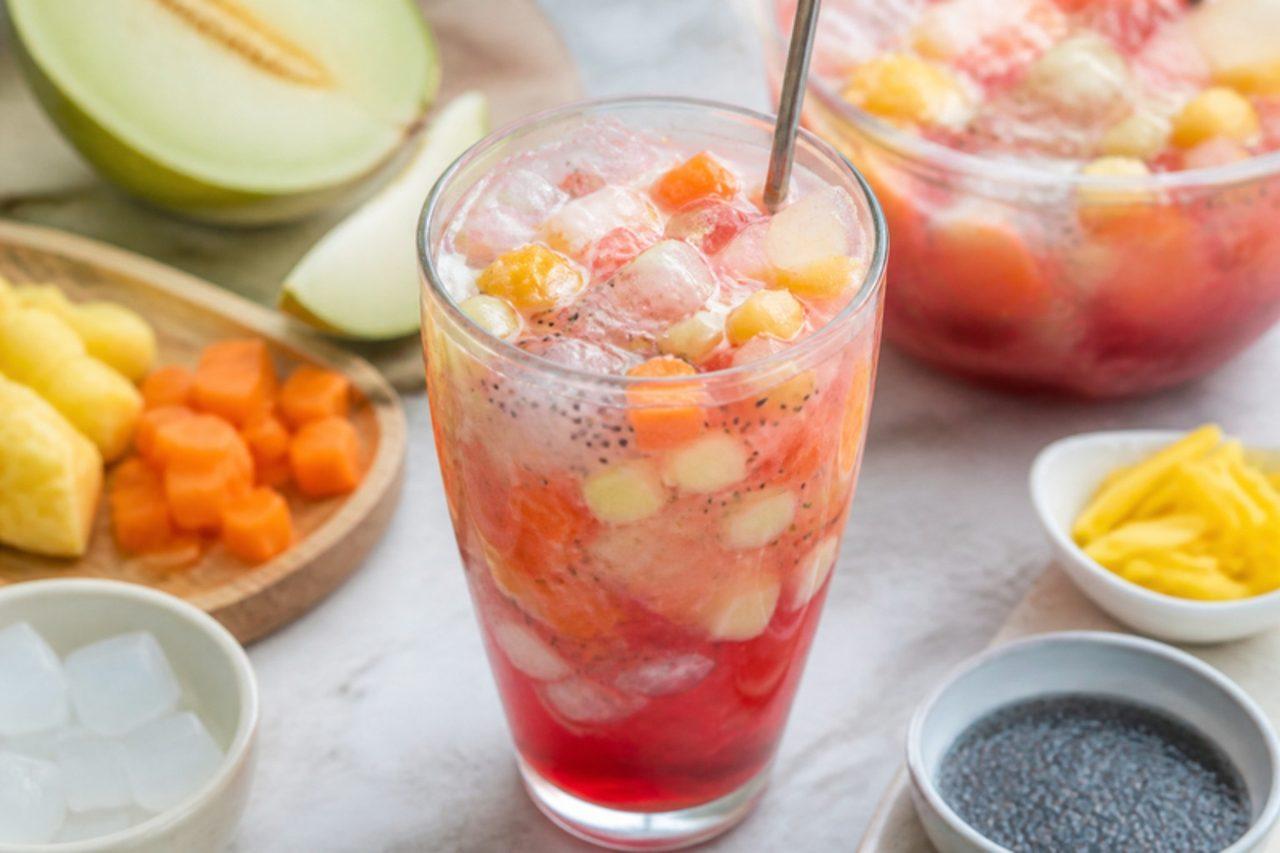
Es buahIced fruit cocktail

Ramadan evenings in Jakarta mean queues at the es buah carts, where melon, papaya, pineapple, jackfruit and nata de coco are scooped into glasses with swollen basil seeds, red rose syrup and a ribbon of condensed milk over crushed ice. It is drunk with a spoon at iftar, after dates, and it is just as welcome on any hot afternoon. Use whatever ripe fruit you have. Chef's tip: soak the basil seeds fully before adding them; dry seeds clump and stay gritty in the cold syrup.

by KrazyBadal 0 views

Beras kencurRice and ginger drink

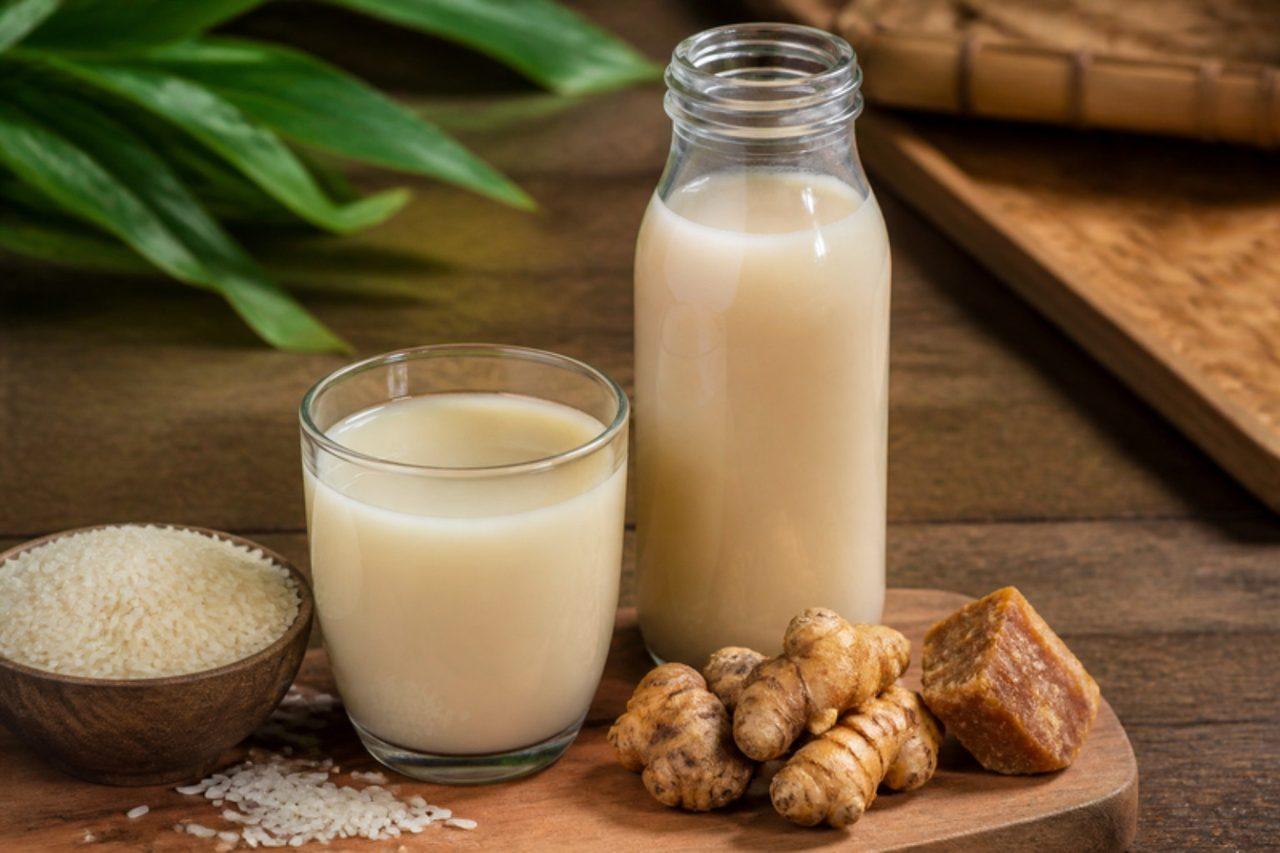
The other half of the jamu seller's basket, beras kencur is milky-white and gently sweet, made from soaked rice blended with kencur, a peppery, camphor-scented relative of ginger, then strained into palm sugar syrup. Javanese children are often given it as their first taste of jamu, and adults drink it mid-morning. Kencur (sometimes sold as aromatic ginger or sand ginger) is found fresh or frozen in Asian shops. Chef's tip: use only a little kencur at first; too much makes the drink medicinal and soapy rather than fresh and spicy.

by KrazyBadal 0 views

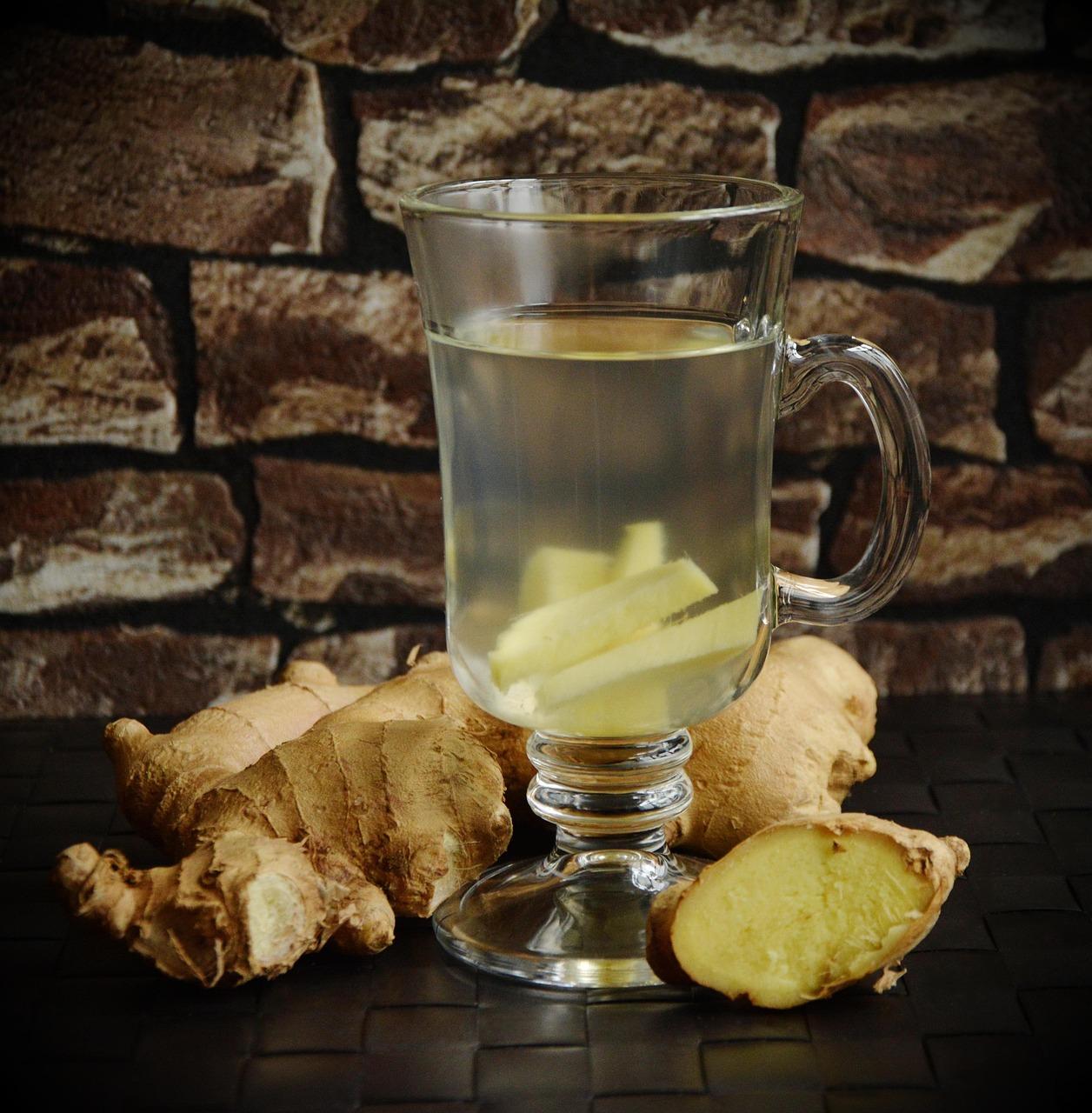
Wedang jaheHot ginger drink

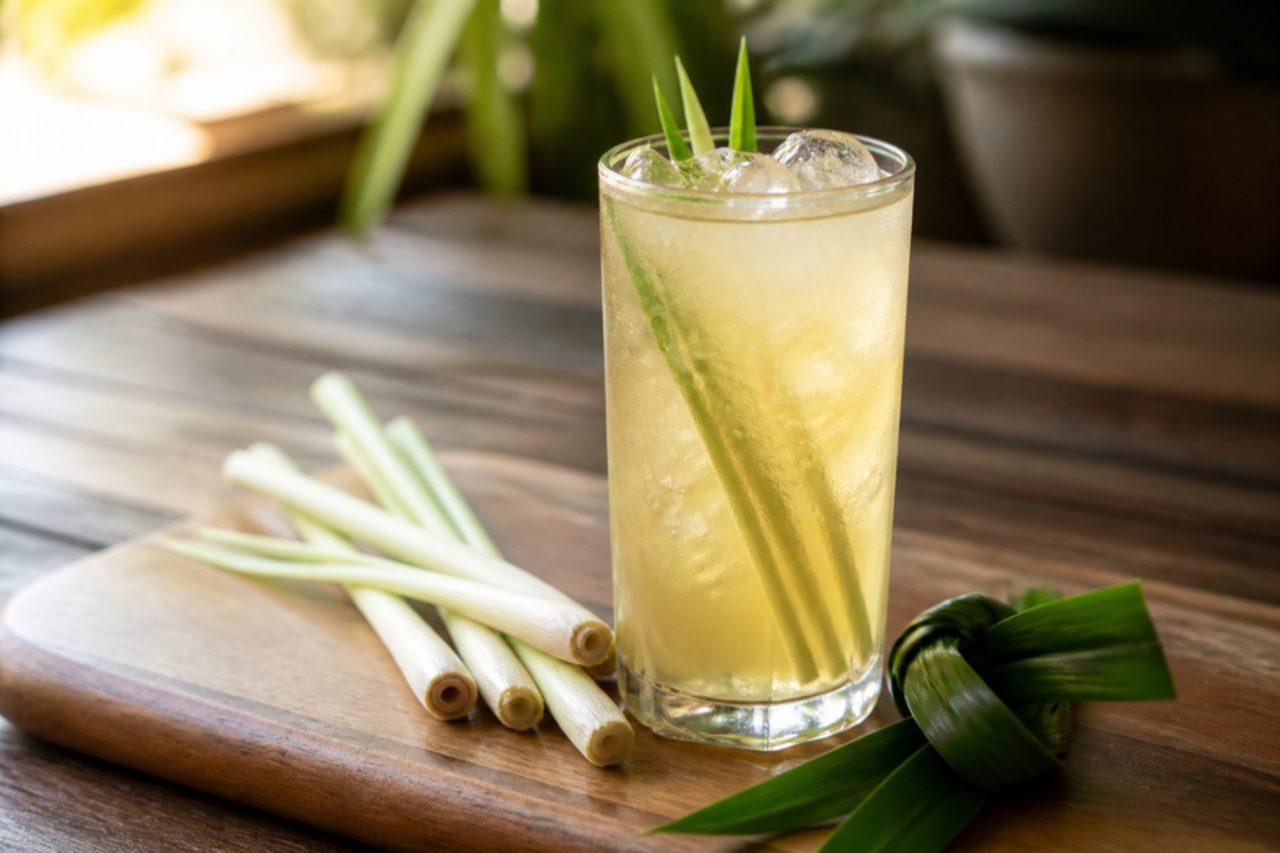
When the evening rain comes in over Yogyakarta, angkringan street stalls start ladling out wedang jahe, a fiery hot drink of grilled, bruised ginger and lemongrass simmered with palm sugar. It is sipped slowly from glasses alongside sticky rice snacks and fried tofu, and families make it at home whenever the weather turns cool. Chef's tip: grill or dry-roast the ginger until scorched before bruising it; raw ginger gives a sharper but flatter drink, without the smoky depth.

by KrazyBadal 0 views

BandrekSpiced ginger drink

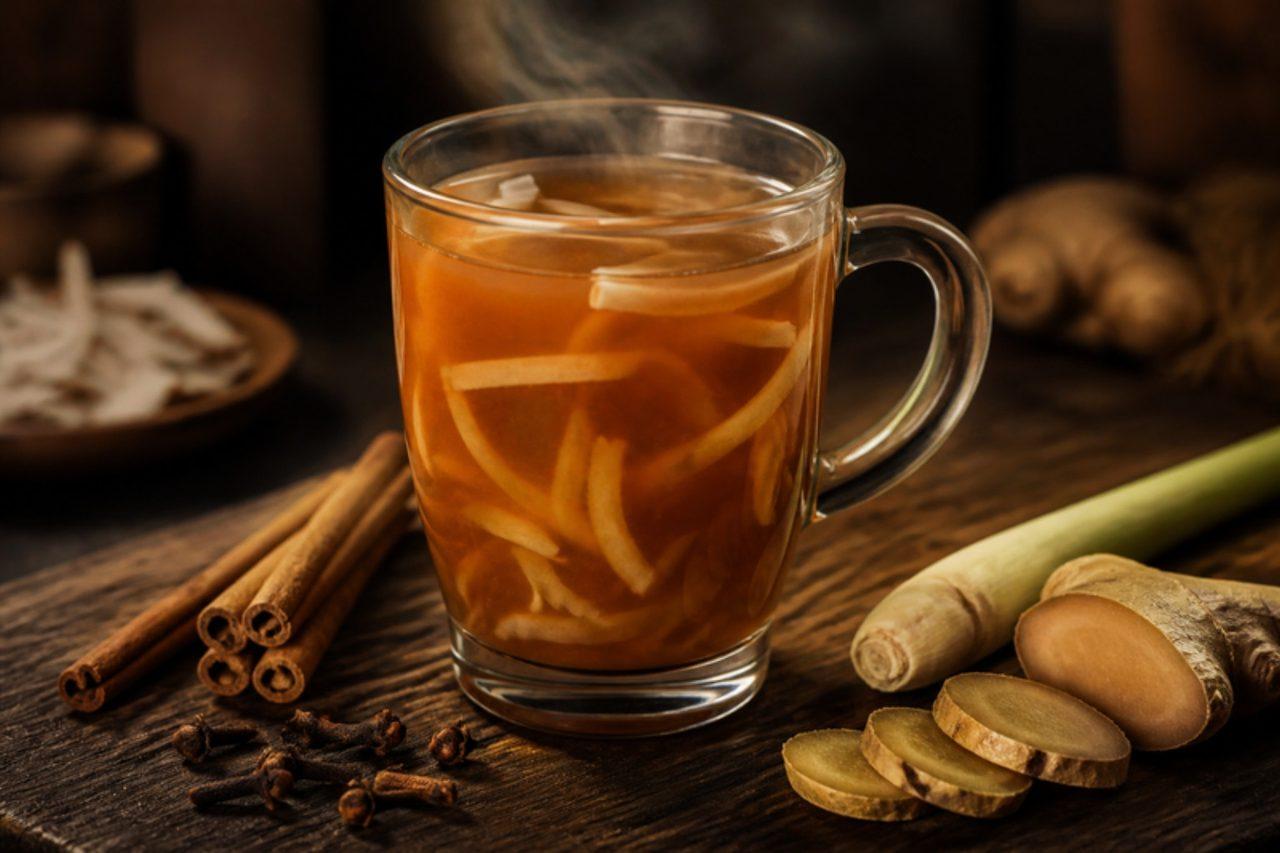
Up in the cool tea highlands around Bandung and Garut, bandrek warms people through damp nights; vendors carry it in big kettles to night markets and football matches. It starts like wedang jahe but goes further, with cinnamon, cloves, pepper and lemongrass, and Sundanese sellers often float slivers of young coconut in each glass. The flavour is sweet, spicy and lingering. Chef's tip: simmer the whole spices, don't boil them hard; a fierce boil draws out bitterness from the clove.

by KrazyBadal 0 views

Kolak pisang ubiBanana and sweet potato dessert

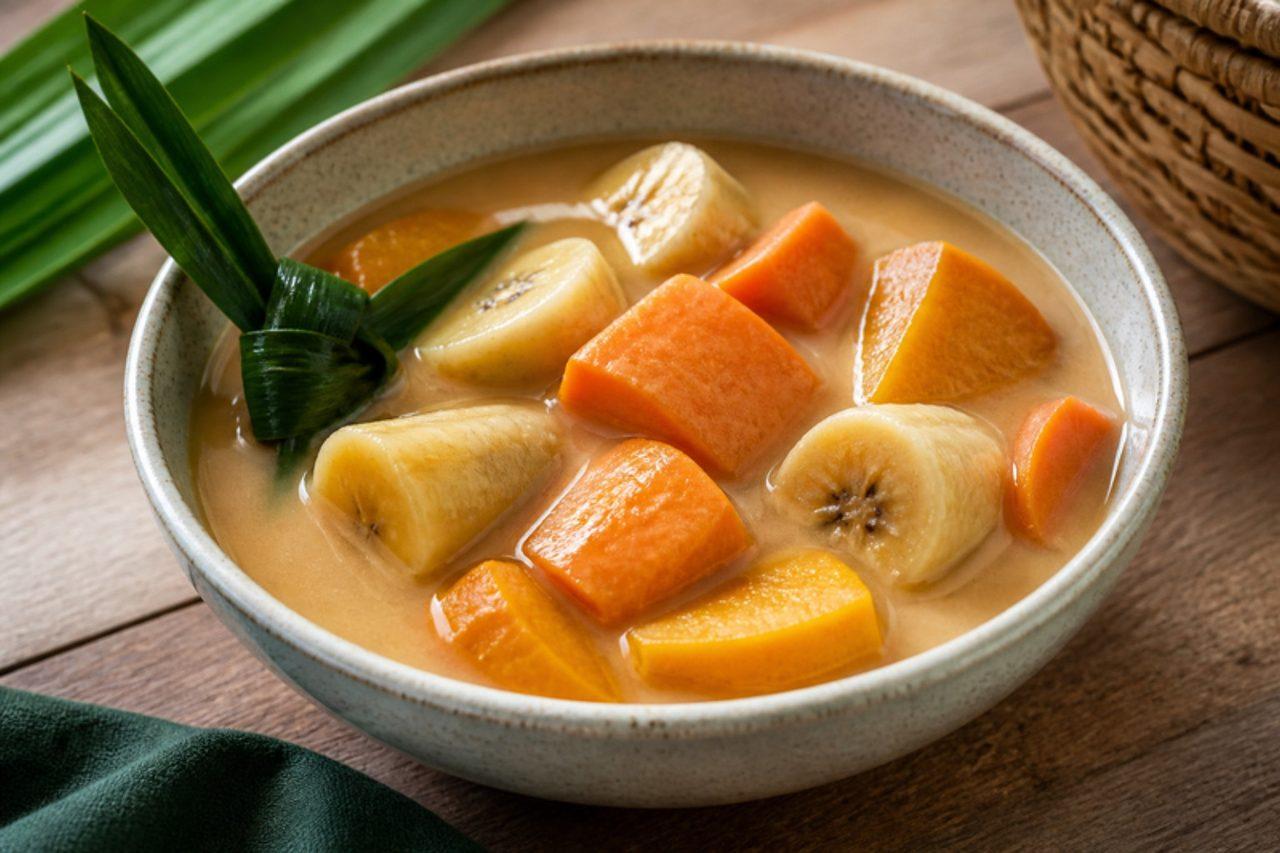
In the last hour before maghrib during Ramadan, Javanese pavements fill with takjil sellers, and a bag of warm kolak is the first thing many families eat when the call to prayer ends the fast. Plantain or ripe saba bananas, sweet potato and pumpkin simmer in palm sugar and pandan until tender, then coconut milk turns the syrup creamy and caramel-brown. Serve warm or chilled. Chef's tip: add the bananas last; they collapse into mush if they cook as long as the sweet potato.

by KrazyBadal 0 views

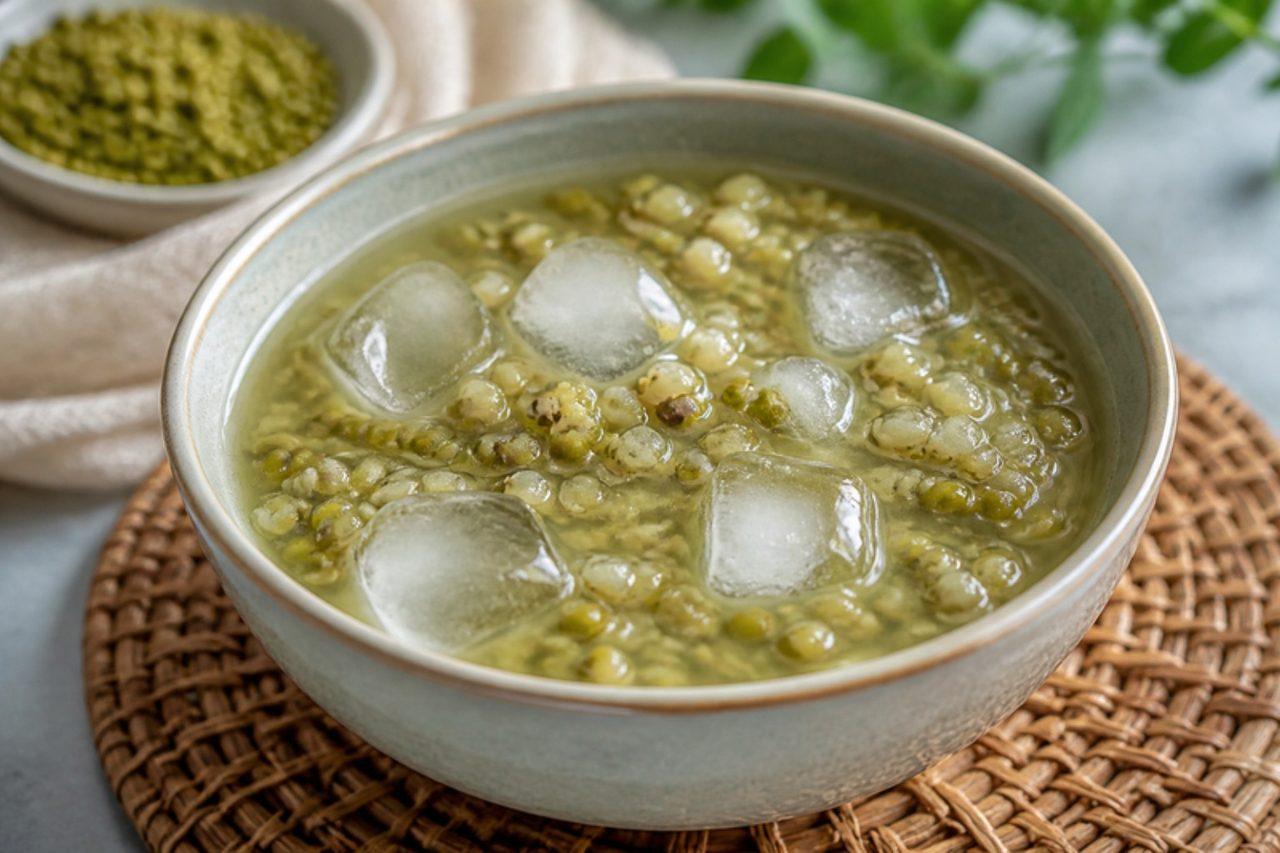
Lü dou tang (chilled mung bean soup)

When the heat settles on Guangzhou, Wuhan or Shanghai in July, families keep a jug of mung bean soup in the fridge, and school canteens and workplaces hand it out by the bowl; traditional medicine calls mung beans 'cooling', a reason to drink it on the hottest days. It is just mung beans simmered with rock sugar until some burst and the liquid turns pale green or soft red, eaten chilled. The common mistake is cooking it in an iron or aluminium pan or leaving it uncovered too long, which turns the soup dark brown-red; a stainless steel pot with the lid on keeps it greener. Chef's tip: for a clear green soup, take a few ladles of the liquid after 10 minutes of boiling, before the beans split, and drink that as a lighter tea.

by KrazyBadal 0 views

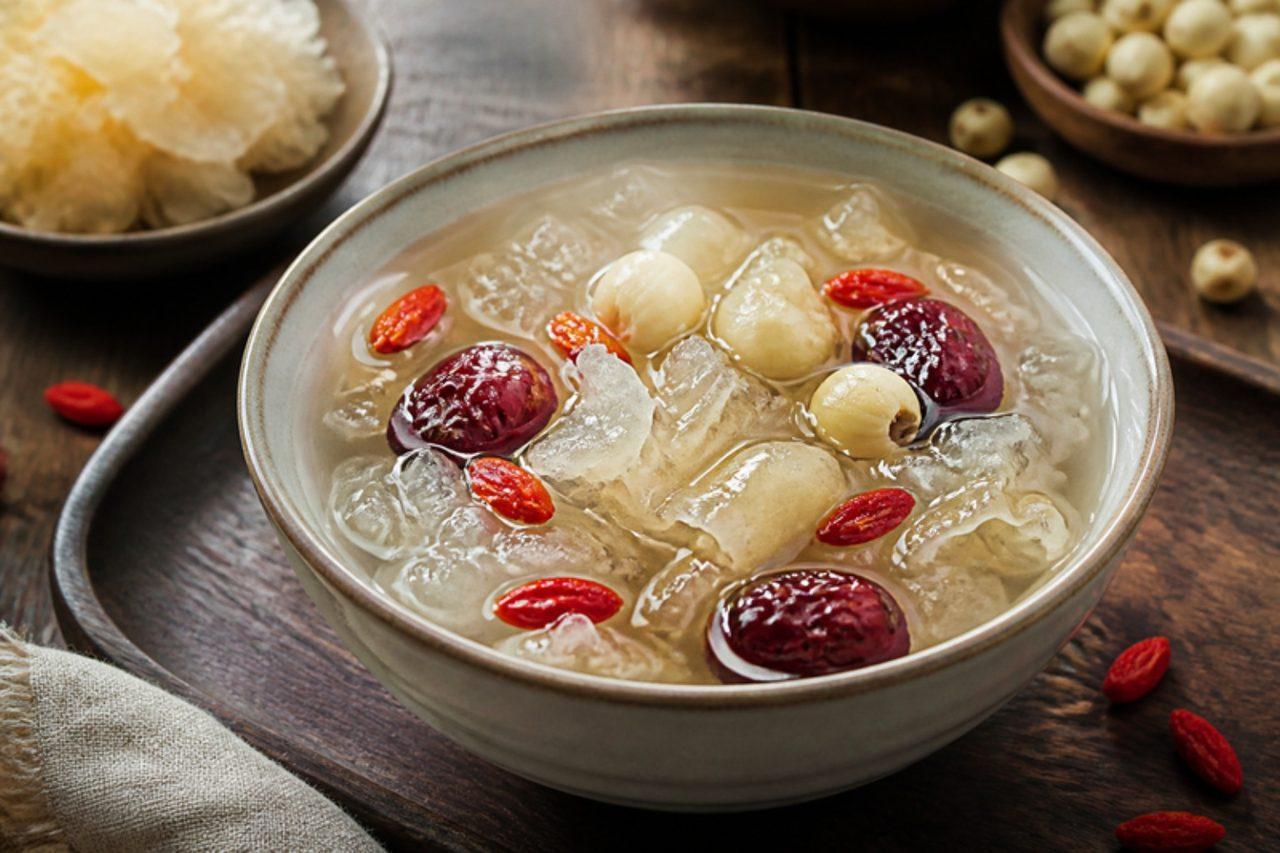
Yin er tang (snow fungus sweet soup)

Gutian county in Fujian grows most of the world's snow fungus, a frilly white dried fungus that softens into a soft, jelly-like tangle when simmered. Mothers across southern China cook it into a lightly sweet soup with red dates, lotus seeds and goji, served warm in winter and chilled in summer, and it is thought good for the skin and for dry autumn coughs. Done well, the liquid turns thick and glossy on its own. The common mistake is not simmering long enough: under an hour the fungus stays crunchy and the soup thin. Chef's tip: tear the soaked fungus into small pieces and cut away the hard yellow base; the smaller the pieces, the more body the soup gets.

by KrazyBadal 0 views

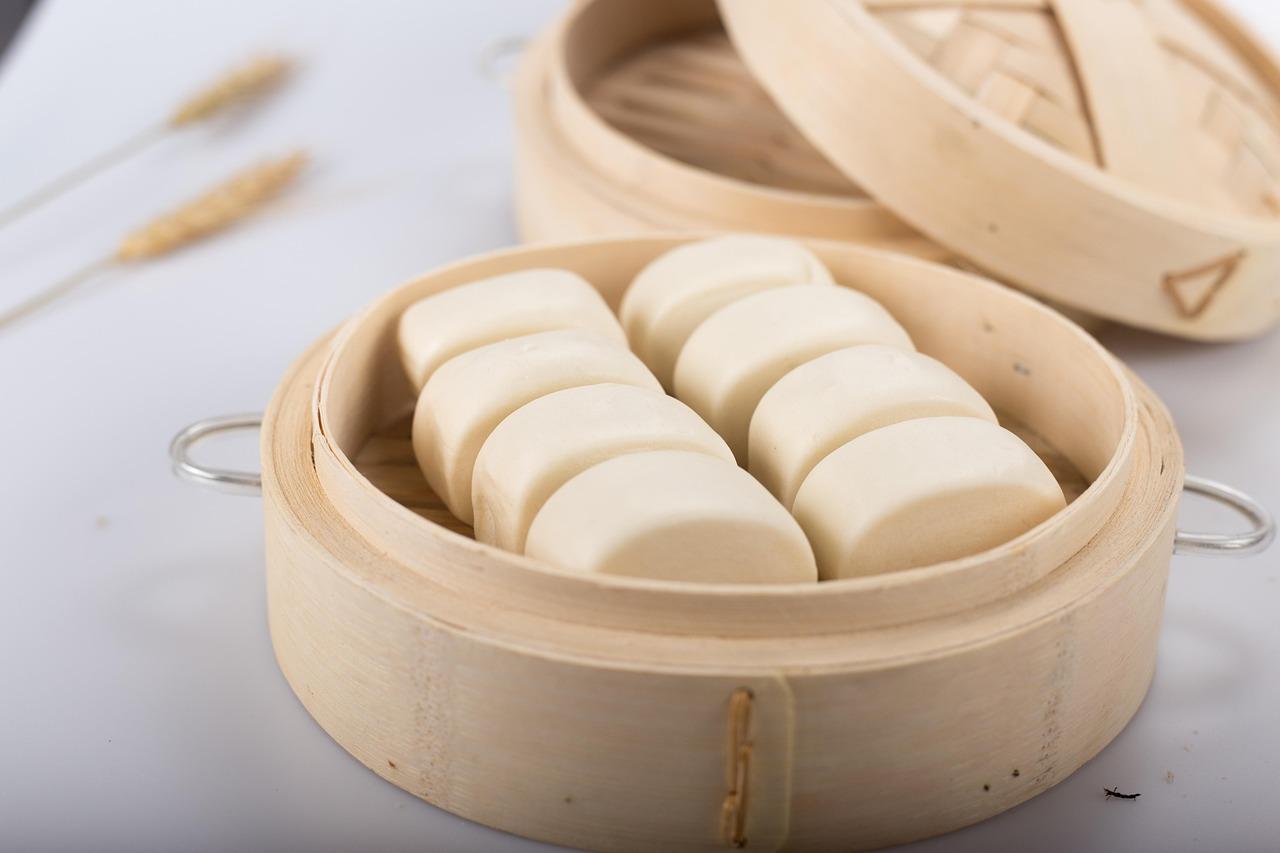
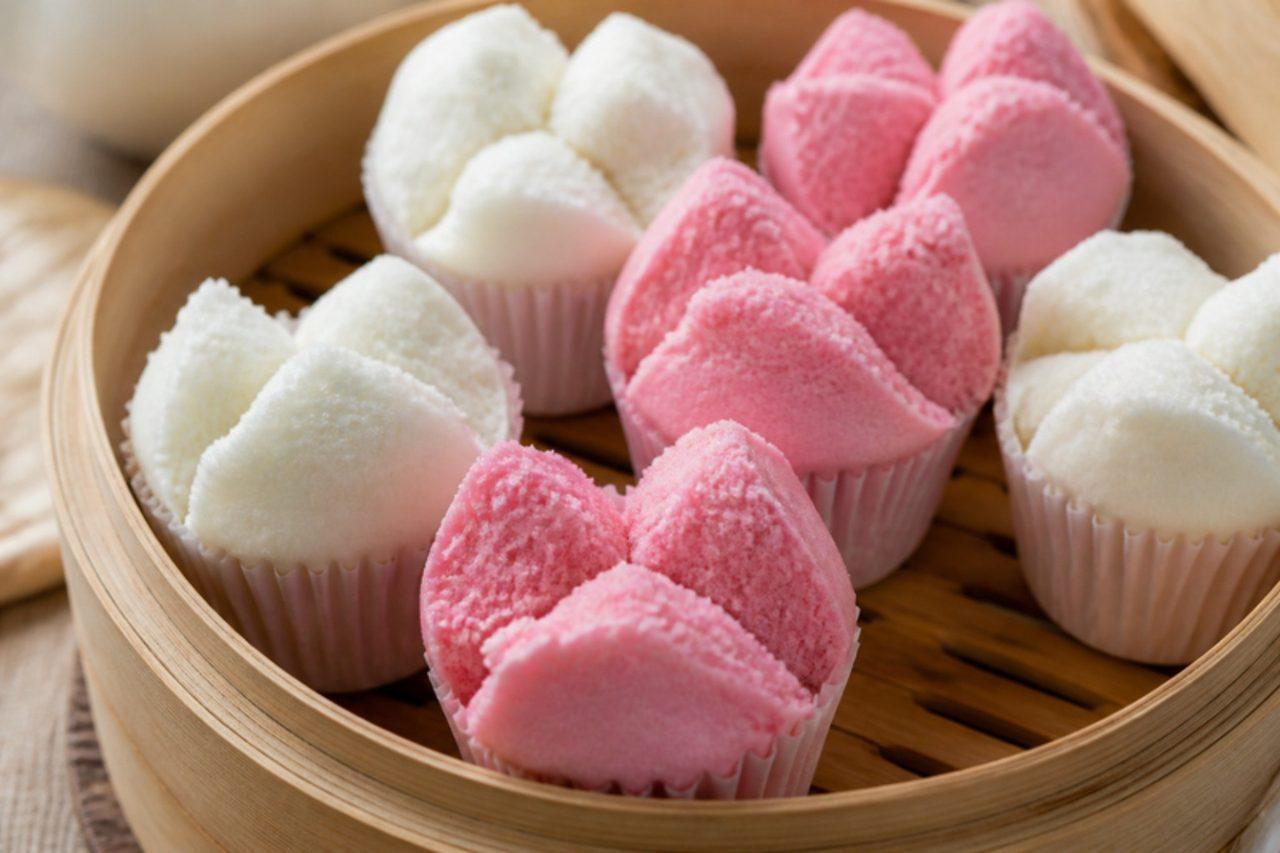
Mantou (plain steamed buns)

From Shandong to Shaanxi, mantou are what bread is elsewhere: plain, slightly sweet steamed wheat buns bought by the bagful each morning and eaten with porridge, pickles, braised dishes or a fried egg. A good one is snowy white, smooth-skinned and springy, with a fine, close crumb that tears in soft layers. The common mistake is lifting the lid the moment the heat goes off: the sudden cold air makes the skins wrinkle and collapse, so let them stand covered for 5 minutes first. Leftovers are sliced and pan-fried, or split and filled with anything from braised tofu to chilli sauce. Chef's tip: knead much longer than you think, then knead again after the rise; the second knead pushes out the big air bubbles and gives that silky skin.

by KrazyBadal 0 views

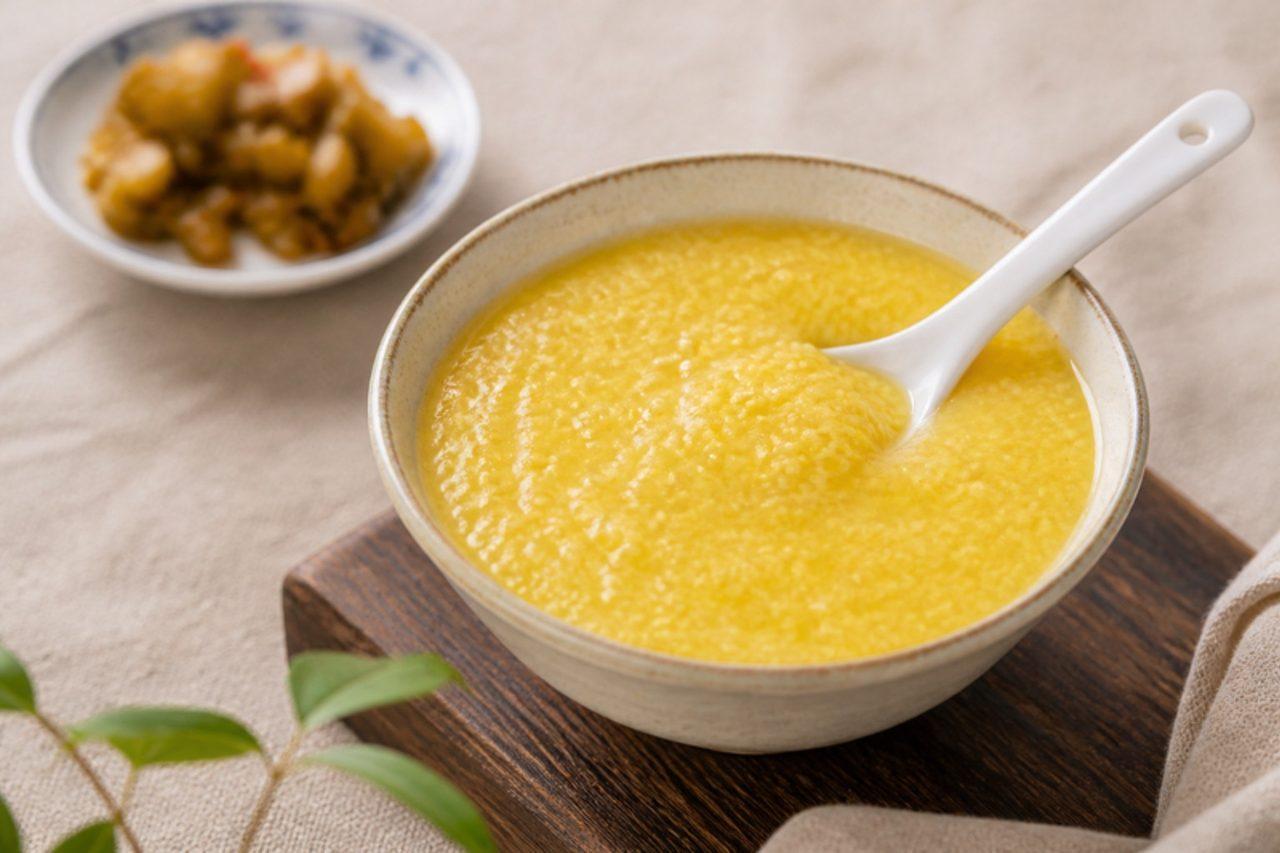
Xiaomi zhou (golden millet porridge)

In Shanxi, Hebei and the rest of the north, where rice was once a luxury, a pot of golden foxtail millet porridge is breakfast with steamed buns and pickles, a light supper, and the first food given to new mothers and anyone who is unwell. It needs just millet and water, cooked until a thin, silky layer called mi you, 'rice oil', forms on top. The common mistake is to stir it constantly or add the millet to cold water; start with boiling water and let it simmer gently and it turns creamy without catching. Serve it plain, or with a few red dates or cubes of pumpkin simmered in. Chef's tip: toast the rinsed millet in a dry pan for a minute before boiling for a deeper, nutty flavour.

by KrazyBadal 0 views

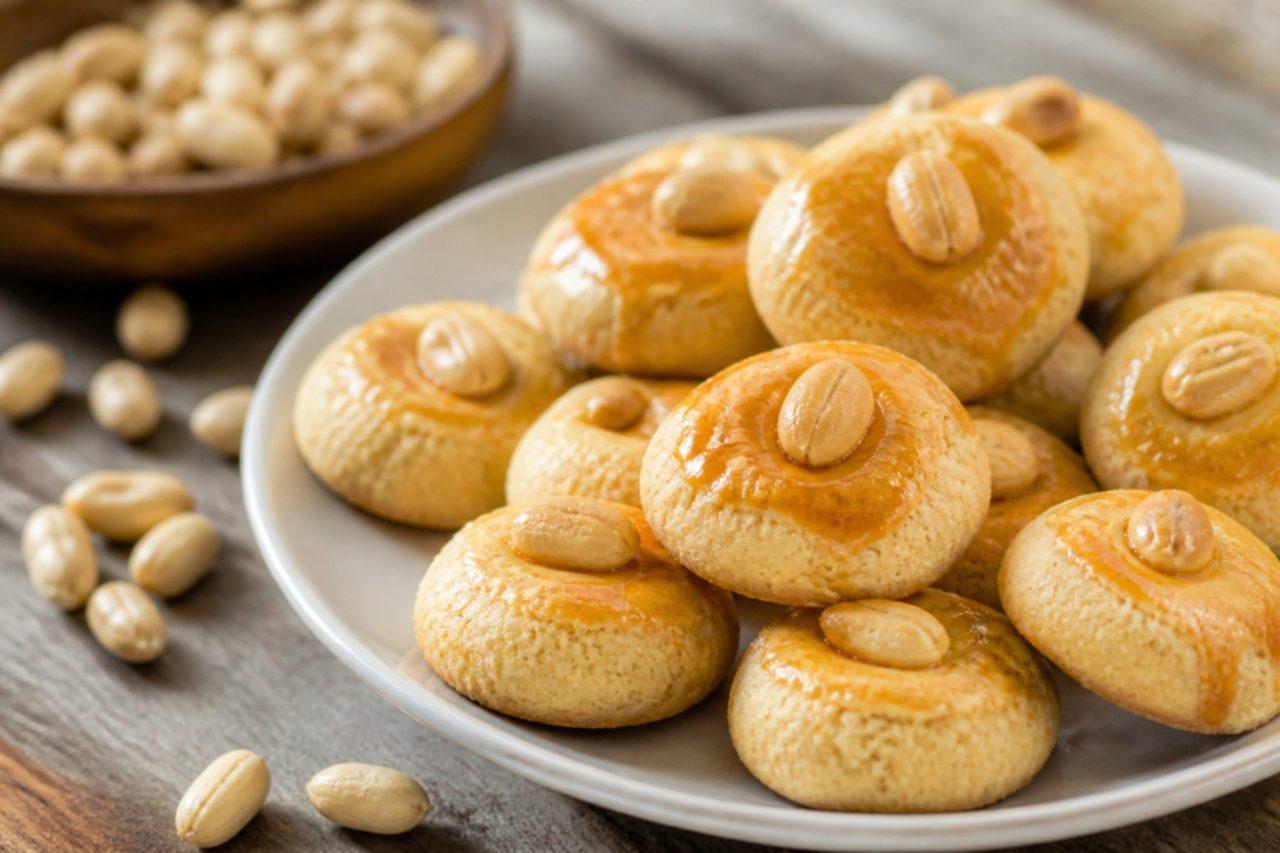
Peanut cookies (hua sheng bing)

Lift the lid on a Chinese New Year snack tray in Guangdong, Penang or Singapore and there will be these pale golden domes, so short they crumble the moment they touch your tongue. They are nothing but roasted peanuts ground fine, flour, icing sugar and oil, and this version skips the usual egg wash, so they are vegan. The mistake is over-grinding the peanuts into a paste, which makes the dough greasy and the cookies flat; stop while it is still a fine powder. Chef's tip: let them cool fully on the tray before moving them, because they are fragile until set.

by KrazyBadal 0 views

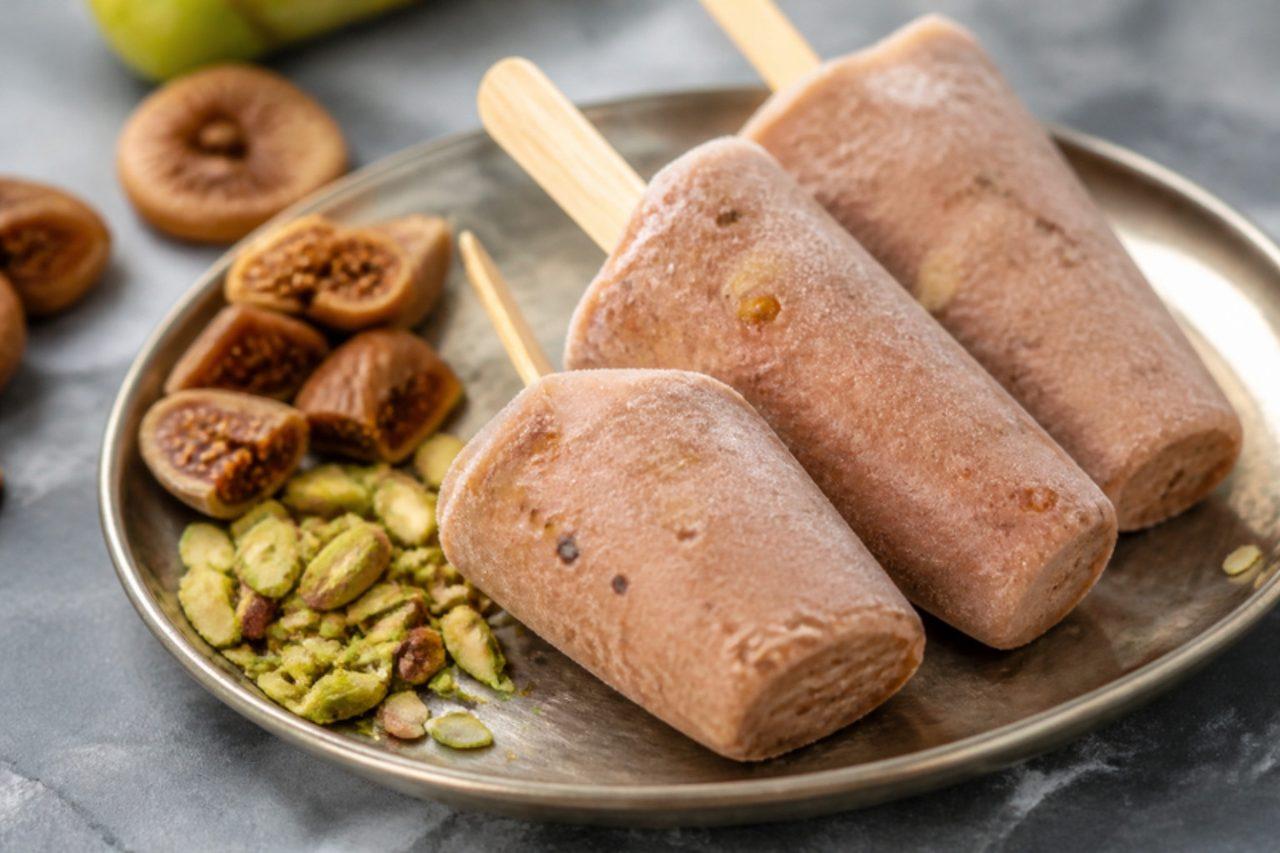
Anjeer kulfiFig ice cream

Dried figs from Afghanistan have been sold in the dry-fruit markets of Delhi's Khari Baoli and Amritsar for centuries, and anjeer kulfi is how North Indian halwais show them off in winter-wedding dessert spreads and Diwali parties. The figs bring natural sweetness, a jammy colour and a gentle crunch of tiny seeds, so less sugar goes in than in plain kulfi. Puréeing half the figs flavours every bite while the chopped half gives chewy pieces. It's lovely after a rich dinner or with a cup of masala chai. A common mistake is skipping the soak: hard dried figs stay leathery and grate on the blades. Soak them in warm milk until plump. Chef's tip: let the reduced milk cool to just warm before adding the fig paste; added while boiling, figs can make the milk look grainy.

by KrazyBadal 0 views

Cheese corn ballsCheesy sweetcorn potato balls

Every children's birthday party in Mumbai, Pune or Bengaluru seems to have a tray of these on the table: crunchy, golden balls of mashed potato and sweetcorn that break open to a stretchy pocket of melted cheese. They are mild enough for little ones (pepper and a pinch of oregano rather than chilli) but grown-ups reach for them too, with tomato ketchup or a green chutney. The mix can be rolled and crumbed hours ahead, so they are handy for parties. Mozzarella and processed cheese are the usual choices; each uses cheese made with animal rennet unless labelled vegetarian, so choose a vegetarian one. The trickiest part is keeping the cheese in: a wet mixture or a gap in the crumb coat lets it leak into the oil. Chef's tip: freeze the crumbed balls for 15 minutes before frying; the cold, firm coat crisps quickly and holds the cheese inside.

by KrazyBadal 0 views

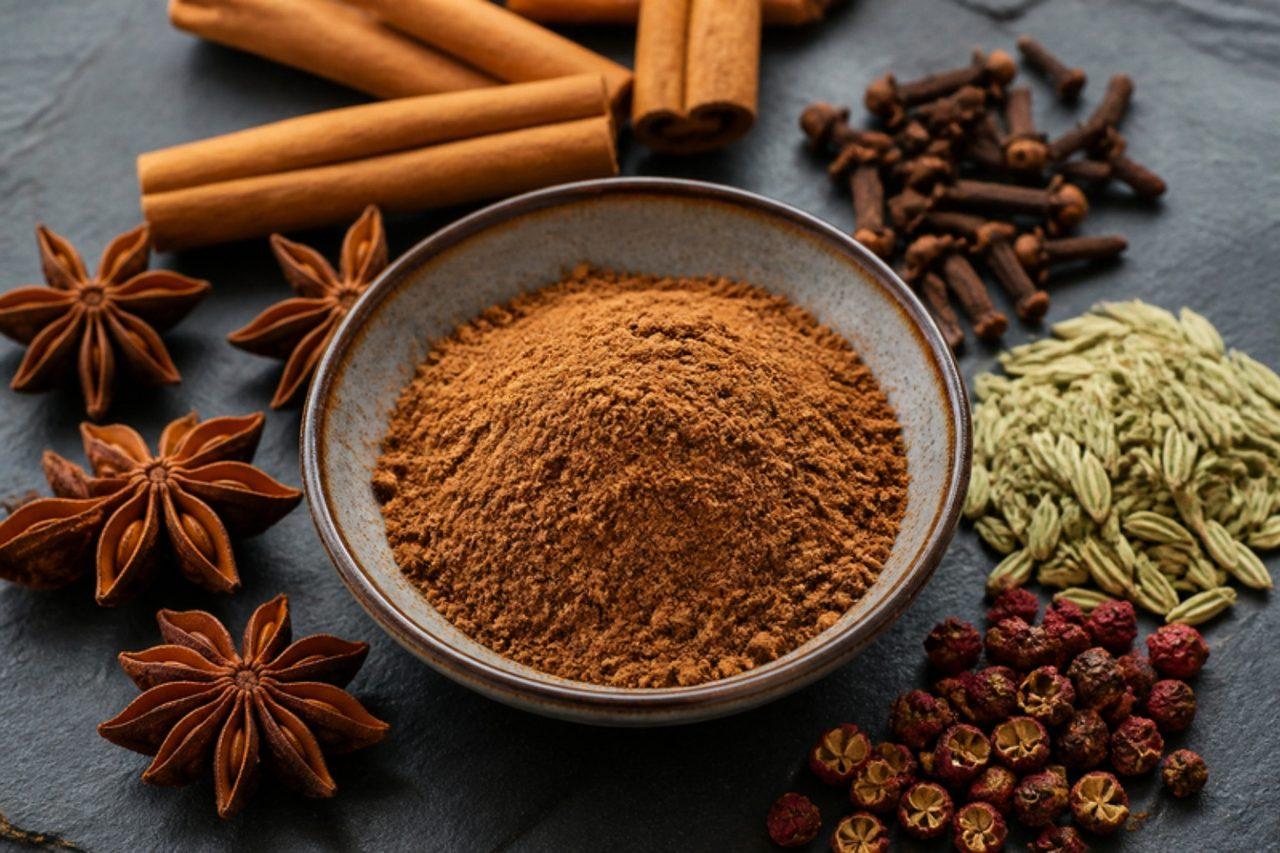
Five-spice powder

Across China, from Cantonese roast meat shops to Sichuan home kitchens, five-spice is the blend that seasons red-braised dishes, tea eggs, roast duck and spiced tofu. Shop-bought powder loses its scent quickly; grinding your own takes ten minutes and gives a sweet, warm aroma with a gentle tingle from the Sichuan pepper. It is used by the pinch, not the spoonful. The classic mistake is grinding the spices raw or toasting them until they smoke; warm them just until fragrant. Chef's tip: pick the black seeds out of the Sichuan peppercorns before toasting, since they are gritty and bitter, and sieve the ground blend so it is silky fine.

by KrazyBadal 0 views

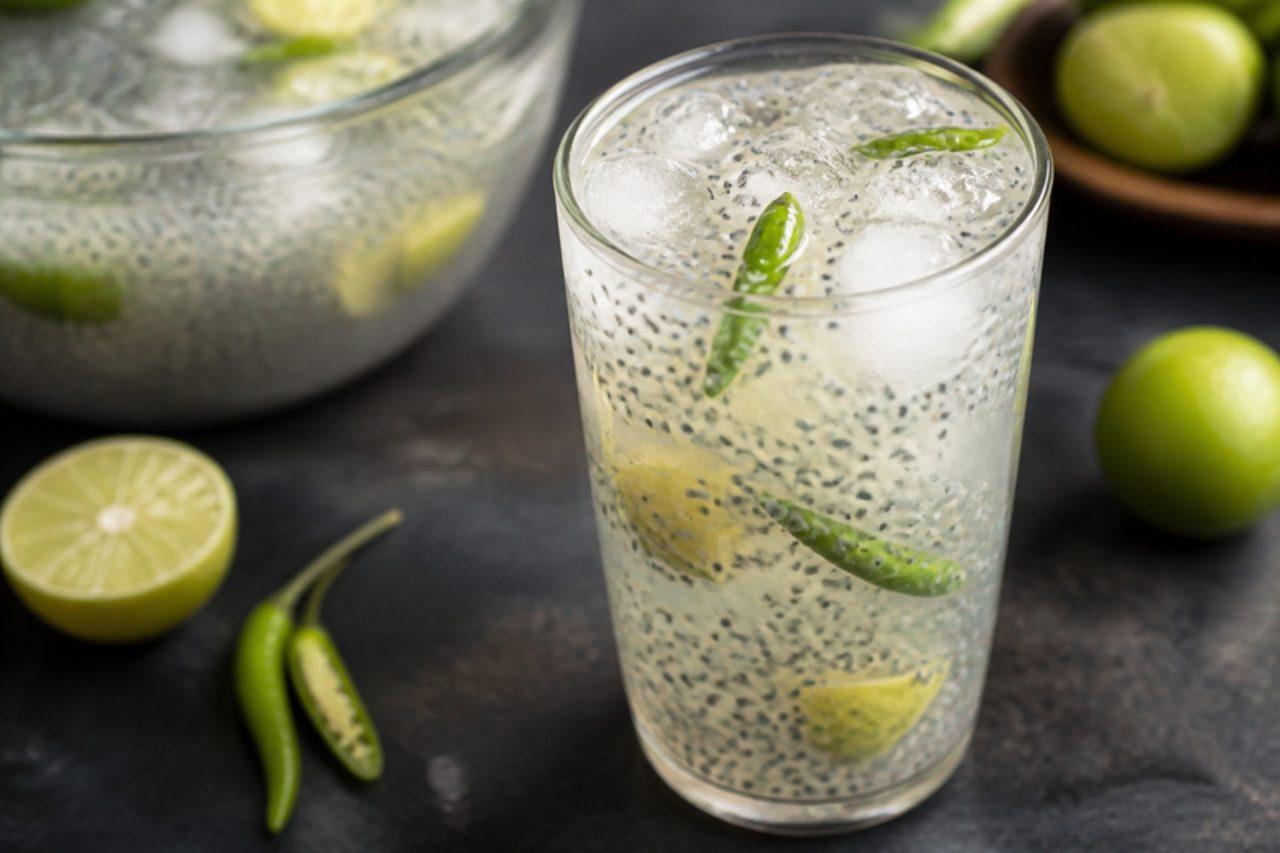
Kulukki sarbathShaken lime cooler

Kulukki means shaken, and the show is half the fun: at roadside stalls in Kozhikode, Kochi and Thrissur, the vendor drops lime, a slit green chilli, basil seeds, syrup and ice into a tall steel tumbler, caps it with another and rattles it furiously before pouring a frothy glass. The drink became a craze across Kerala in the 2010s and is now a beach and festival favourite. It tastes sharp, sweet, salty and then hot as the chilli catches the back of your throat. Some stalls add pineapple or passion fruit. The common mistake is crushing the lime and chilli too hard or leaving them to sit, which makes the drink bitter from the peel and far too fiery; shake briefly and pour at once. Chef's tip: use a jar with a tight lid half filled with ice; the ice does the crushing and makes the foam.

by KrazyBadal 0 views

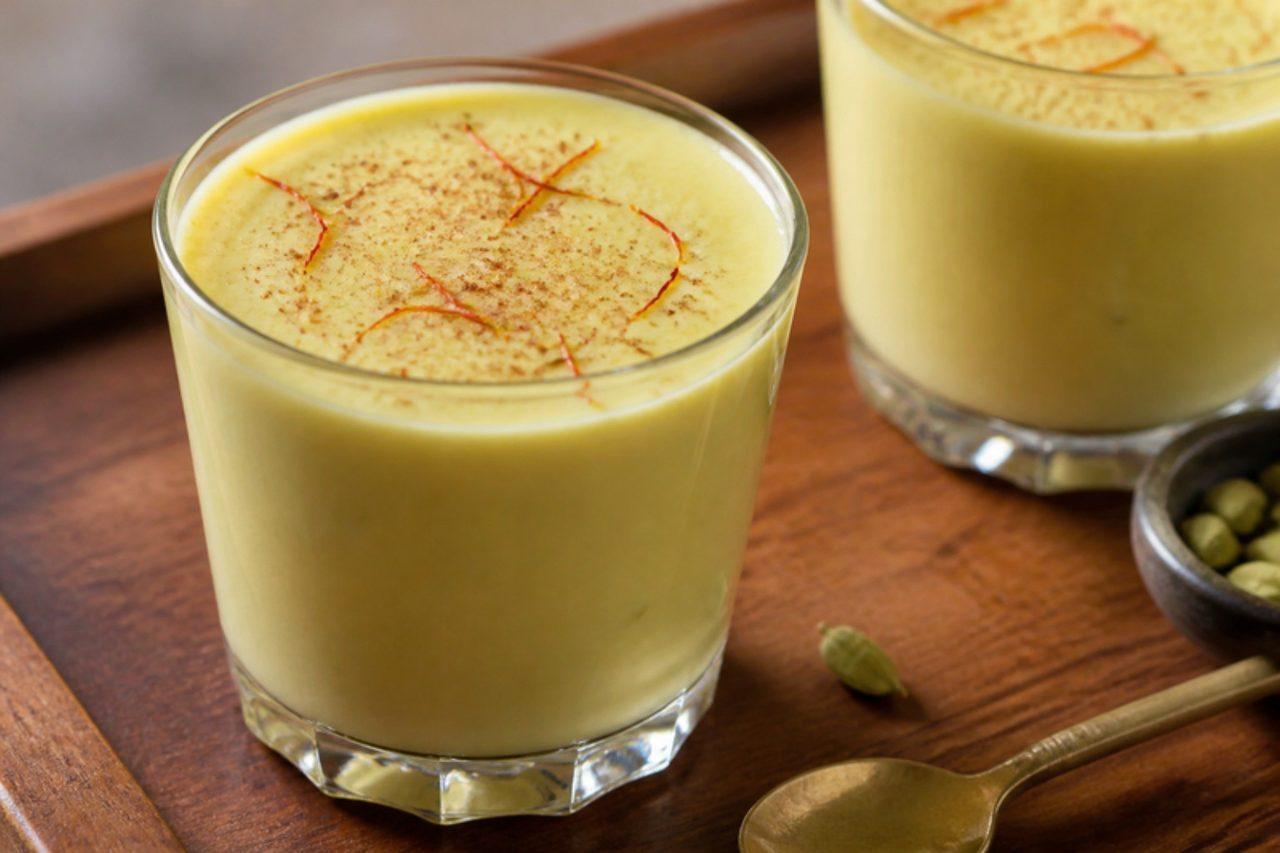
PiyushShrikhand buttermilk drink

Piyush means nectar, and Pune and Mumbai Maharashtrians drink it on summer afternoons, at Gudi Padwa lunches when there is leftover shrikhand, or from old dairy shops near Dadar and Girgaon where it is sold in glass bottles. It sits between lassi and dessert: thick but pourable, sweet and gently sour, yellow with saffron and scented with cardamom and a whisper of nutmeg. It is lovely with a spicy batata vada or after a puran poli meal. The common mistake is pouring cold buttermilk straight onto stiff shrikhand, which leaves stubborn lumps; loosen the shrikhand with a little buttermilk first, then whisk in the rest. Chef's tip: bloom the saffron in a spoonful of warm milk; cold buttermilk won't pull the colour out.

by KrazyBadal 0 views

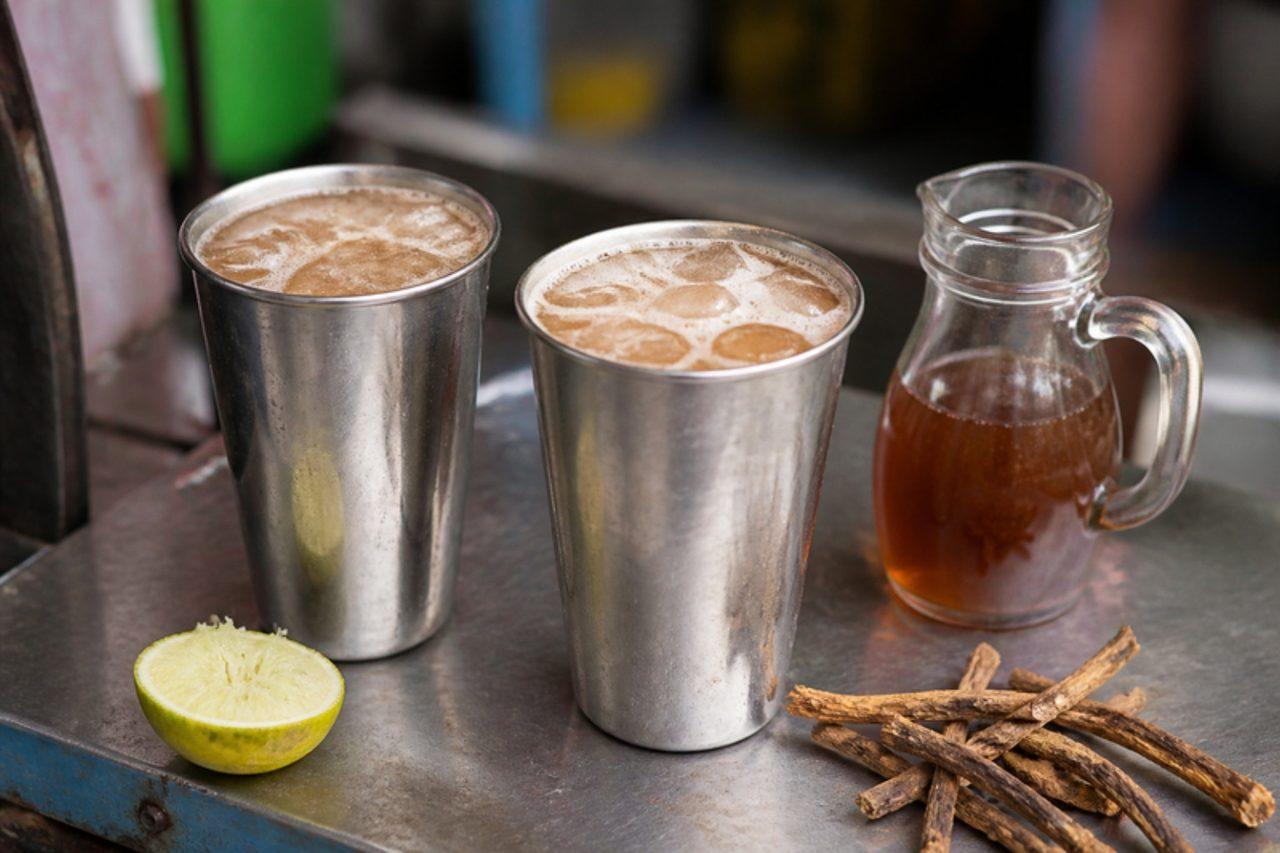
Nannari sarbathSarsaparilla and lime cooler

Walk past any sarbath kadai in Madurai, Tiruchi or Chennai's Parry's Corner in summer and you'll hear the clink of a glass being stirred with a long spoon. Nannari, the sweet, woody, vanilla-like root of Indian sarsaparilla, is cooked into a dark syrup; the vendor pours a little into a glass, squeezes in a whole lime, adds a pinch of salt and ice, and tops it with water or a fizz of soda. It is sweet, sharp and earthy all at once, and nothing like the milky jigarthanda made with the same syrup. Many shops add soaked sabja seeds for texture. The common mistake is too much syrup: the root flavour gets lost in sweetness, so start with less and let the lime lead. Chef's tip: squeeze the lime straight into the glass and drop in one squeezed half; a little oil from the peel gives that roadside freshness.

by KrazyBadal 0 views

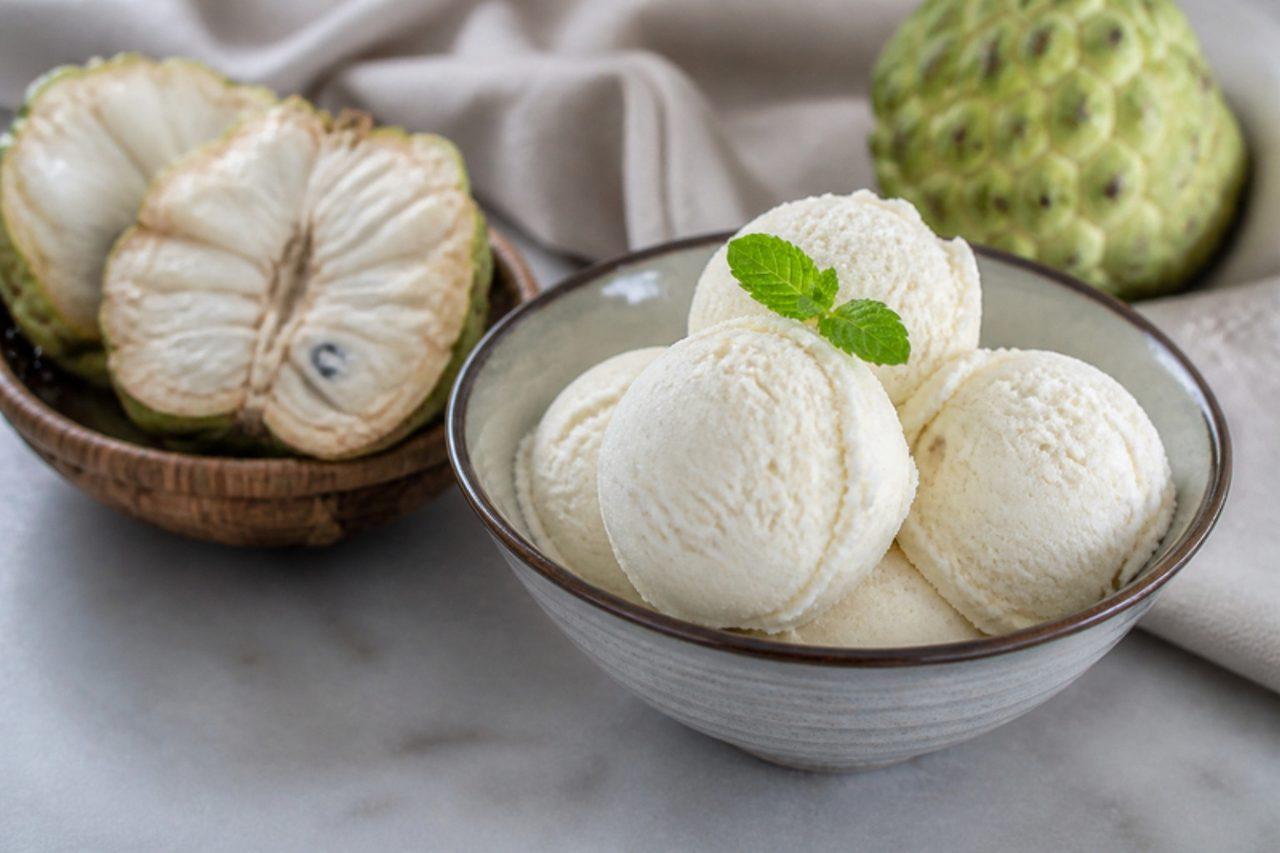
Sitaphal ice creamCustard apple ice cream

Every October, when custard apples pile up in the markets of Pune and Mumbai, the queues lengthen at the city's natural ice-cream parlours on Juhu and Malabar Hill for one flavour: sitaphal. The fruit tastes of pear, vanilla and cream, and when the pulp is folded into a simple milk-and-cream base, nothing else is needed. The ice cream is pale, soft and full of tiny tender pieces of fruit. It is the dessert of Navratri and Diwali visits in Maharashtra. A common mistake is blending the pulp with the seeds in; cracked seeds make the ice cream bitter, and they are toxic. Seed the segments by hand or rub the pulp through a coarse sieve. Chef's tip: never cook the pulp; heat turns custard apple bitter, so add it only to the fully cooled base.

by KrazyBadal 0 views

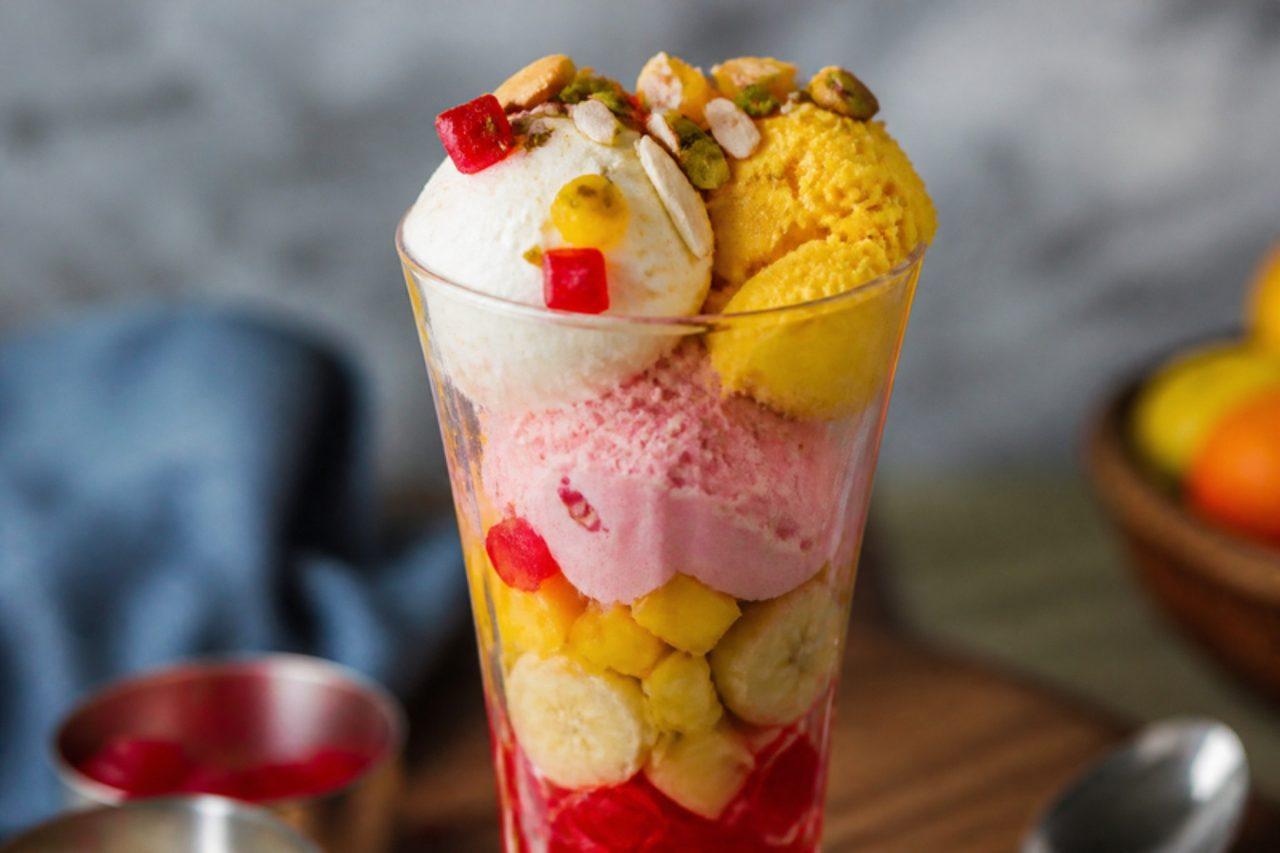
Gadbad ice creamLayered fruit and ice cream sundae

Gadbad means a jumble, and that is exactly what arrives at the table in Udupi and Mangalore ice-cream parlours: a tall fluted glass layered with cubes of jelly, chopped fresh fruit, scoops of vanilla, strawberry and mango ice cream, crushed nuts and a glacé cherry on top, eaten with a long spoon. The sundae is credited to a café in Udupi in the 1970s and is now the treat every coastal Karnataka family orders after a temple visit or a beach evening. It's sweet, cold, fruity and crunchy all at once. Most jelly crystals are set with gelatine, so choose a vegetarian jelly set with agar or carrageenan, and check your ice cream is egg-free and gelatine-free if that matters to you. A common mistake is layering on fruit that is wet from washing; it waters down the ice cream. Chef's tip: chill the glasses in the freezer for 15 minutes so the layers stay distinct.

by KrazyBadal 0 views

Paan kulfiBetel leaf ice cream

For many Lucknow and Banaras families, dinner ends with a folded meetha paan, and in Mumbai's paan shops and kulfi joints that same flavour turned into kulfi became a cult favourite at weddings and parties. The base is milk reduced by two-thirds; betel leaves, rose petal gulkand, fennel and cardamom go in once it has cooled, so it freezes dense, pale green and fragrant, with little chewy bits of gulkand. It is sweet, floral and leafy-fresh, and cuts through a rich biryani or korma dinner. A common mistake is boiling the betel leaves in the milk: they turn bitter and the colour goes khaki. Grind them raw with cold milk instead. Chef's tip: use the tender, sweet Calcutta or Banarasi leaves sold for meetha paan; the thick Maghai or Kapoori kind can taste peppery.

by KrazyBadal 0 views

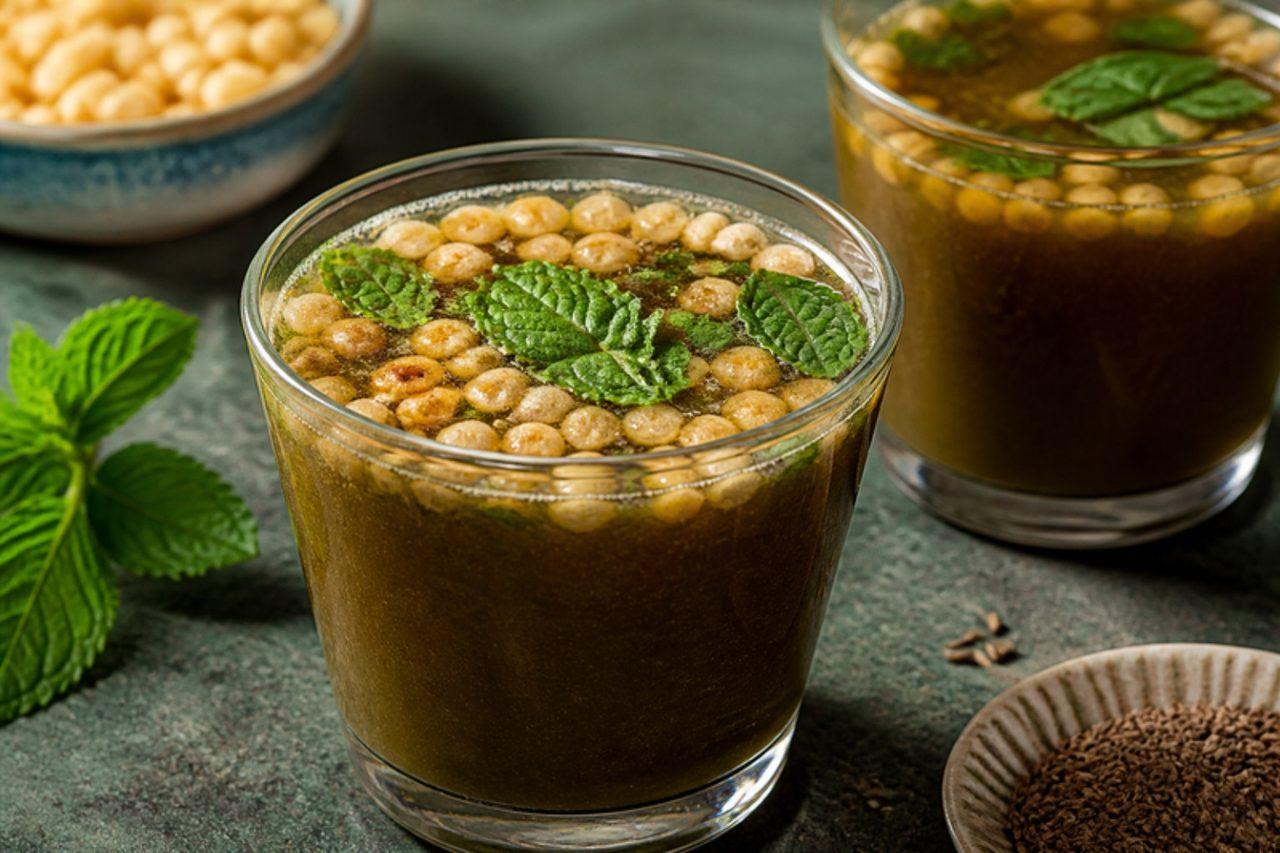
JaljeeraTamarind mint cumin drink

Street vendors in Old Delhi and Varanasi sell jaljeera from big red clay matkas wrapped in wet cloth, ladling it into glasses with a handful of boondi on top. The name simply means cumin water, but the flavour is busier than that: sour tamarind and lemon, a cool rush of mint, the sulphur note of black salt and the warmth of roasted cumin and dry ginger. It is drunk before a heavy Punjabi meal to wake the appetite, at summer weddings, and on long train journeys. Make the masala fresh and the difference shows. The common mistake is using raw cumin powder; it tastes dusty. Dry-roast whole cumin until it darkens a shade and smells toasty, then grind it. Chef's tip: add the boondi only at the table so it stays crunchy for the first sip and softens by the last.

by KrazyBadal 0 views

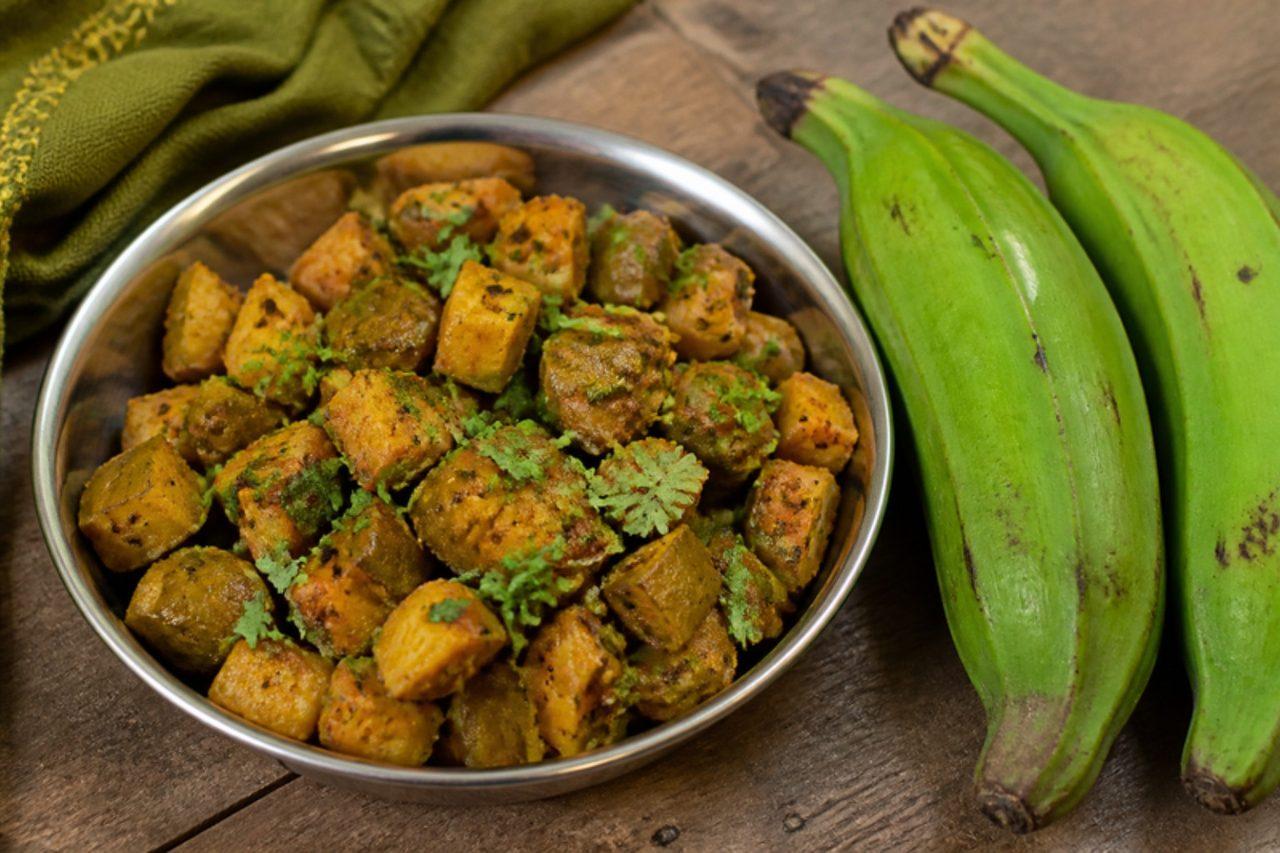
Kacha kela nu shaakRaw banana stir-fry

Jain kitchens leave out potatoes, along with every other root, so in Ahmedabad, Palanpur and Mumbai's Gujarati homes raw green banana steps in, and this dry shaak is the one you'll find in the thali at paryushan and at Jain bhojanshalas year round. The cubes are cooked gently in a vaghar of mustard seed, ajwain and hing, dusted with turmeric, chilli and dhana-jiru, and finished with a pinch of sugar and lemon, so they turn soft and creamy inside with lightly browned edges. It tastes savoury, sweet-sour and peppery from the ajwain. Serve it with rotli, dal-bhaat or puri. The common mistake is stirring too much once the banana softens; the cubes break and turn mushy. Turn them with a flat spatula only two or three times. Chef's tip: drop the cubes into water as you cut them so they stay pale, and drain well before they hit the oil.

by KrazyBadal 0 views

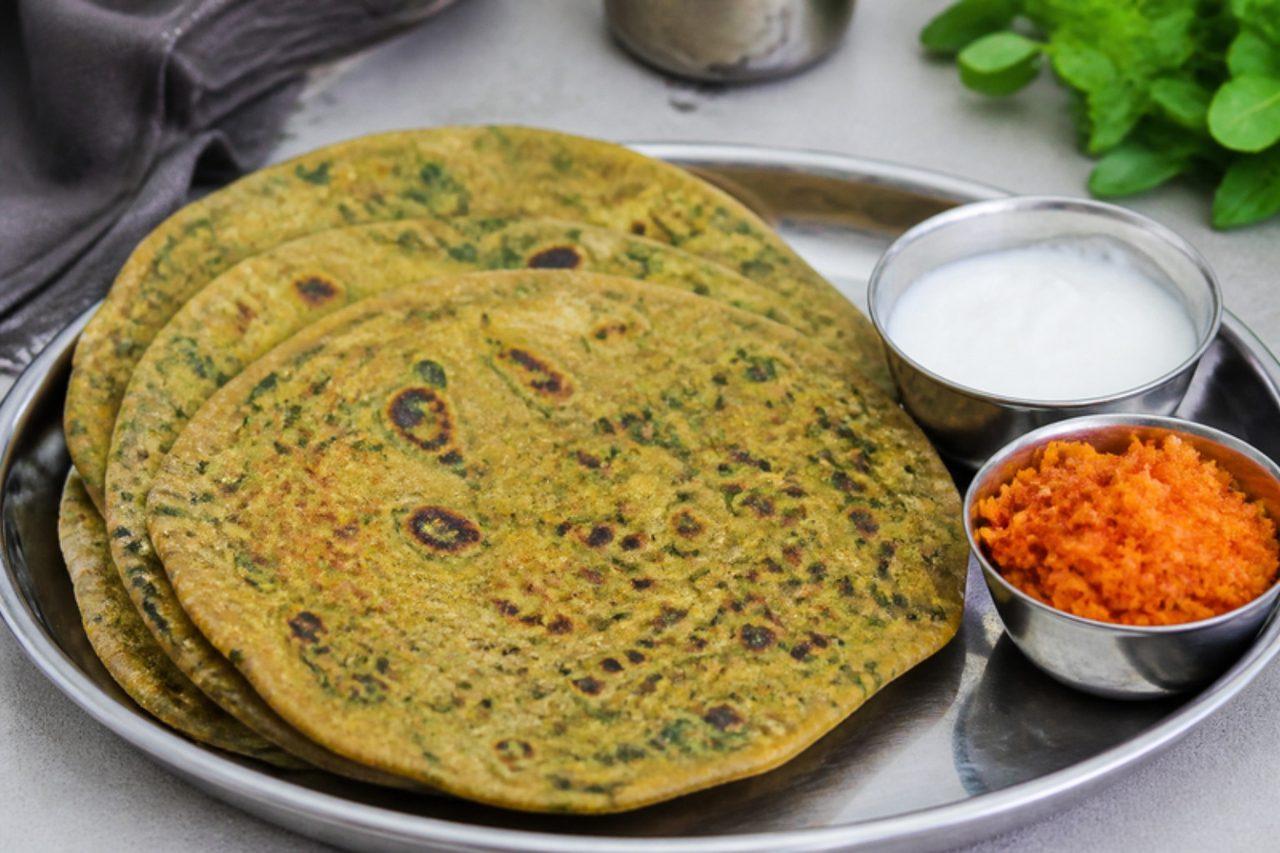
Methi theplaFenugreek flatbreads

Ask any Gujarati family heading for a train, a flight or a yatra what is in the steel dabba and the answer is methi thepla, with a jar of chhundo and some dry garlic chutney. Kneaded with dahi and a little oil rather than water, and spiced with turmeric, chilli, ajwain and sesame, they stay soft and fresh for three or four days without a fridge. Fresh methi gives a gentle bitterness balanced by a pinch of sugar, and the spoonful of besan adds a nutty depth. They are breakfast with masala chai, the school tiffin with dry aloo shaak, and the evening snack with pickle. A common mistake is pouring in water at the start; salt draws juice from the methi and dahi loosens the dough, so it turns sticky. Add water only by the spoonful at the end. Chef's tip: roll them really thin and cook on a medium tawa; thick theplas go leathery once cold.

by KrazyBadal 0 views

Masala chaasSpiced buttermilk

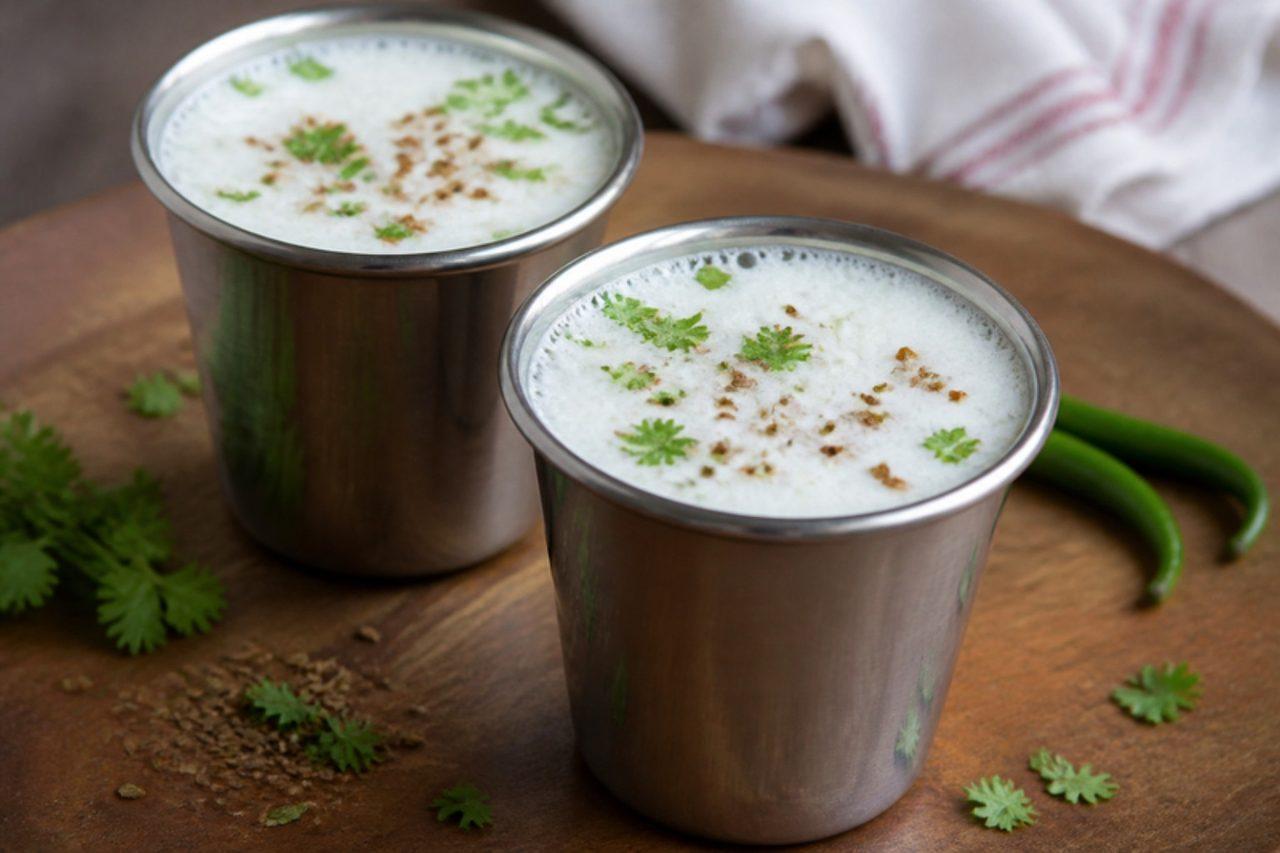
No Gujarati lunch is finished until the steel glass of chaas comes round. From Ahmedabad pols to Kathiyawadi farmhouses, homemade dahi is thinned right down, churned with a wooden ravai or a blender, and seasoned with roasted cumin, black salt, a little ginger and green chilli, then poured ice-cold after dal-bhaat-shaak-rotli. It should be thin enough to drink in one go, salty, gently hot and full of coriander; that is what settles a heavy meal in May. Kerala's sambaram, with shallot and curry leaf, is a close cousin. A common mistake is churning thick, very cold full-fat dahi for too long: the fat clumps into flecks of butter and the chaas turns thin and greasy. Blend the dahi with only part of the water for a few seconds, then stir in the rest. Chef's tip: dahi that is a day old and slightly sour makes the best chaas; very fresh, sweet dahi tastes flat however much masala you add.

by KrazyBadal 0 views

Dhana jiruCoriander and cumin powder

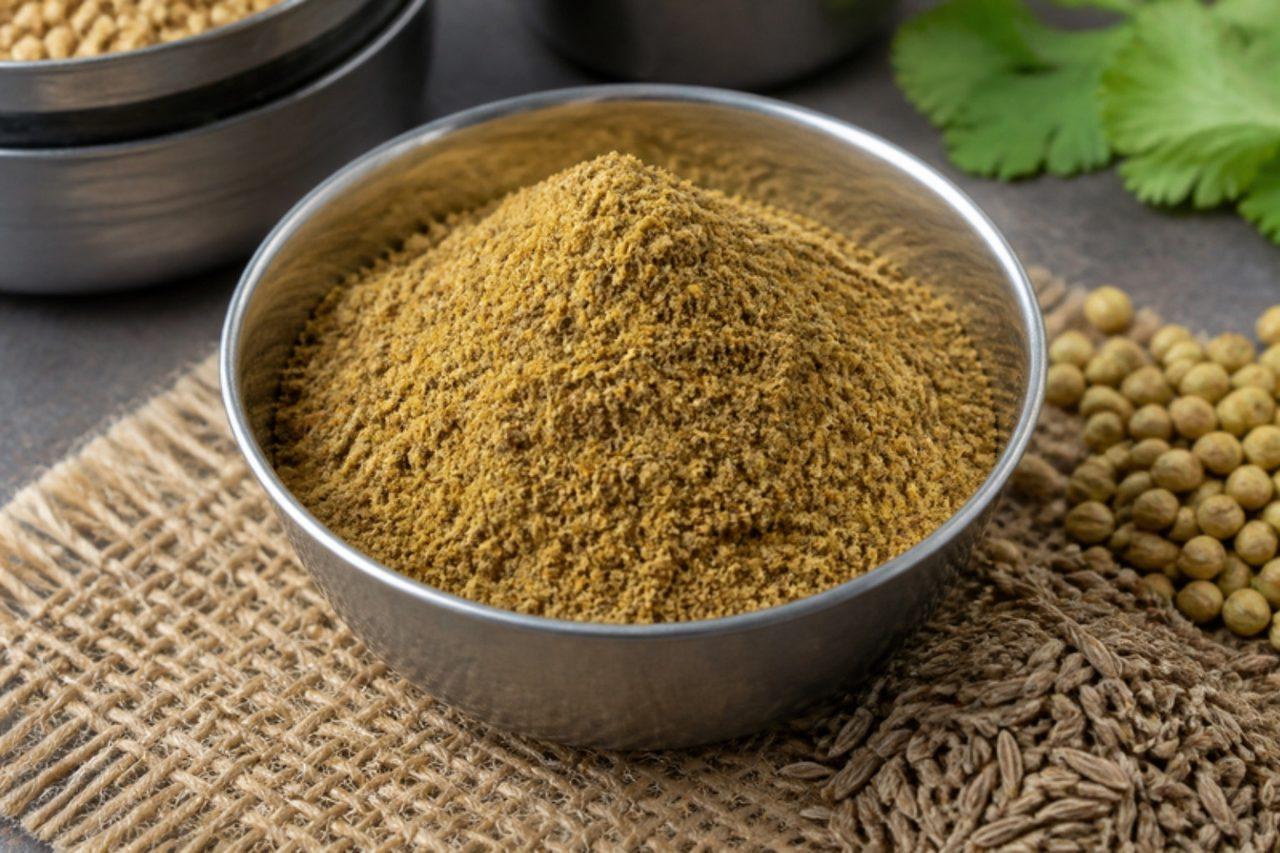
Open the masala dabba in any Gujarati kitchen, from Rajkot to Vadodara, and next to the haldi and marchu there will be a compartment of dhana jiru. It is the spice that goes into almost every shaak, dal and kadhi, often alongside red chilli and turmeric in the same pinch-and-throw rhythm. The ratio is roughly four parts coriander to one of cumin, giving a mild, citrusy, earthy powder that thickens and rounds out a dish rather than heating it. Many families buy it ready-ground, but a fresh home batch is so much more fragrant that it changes a plain potato shaak or tuver dal. Surti and Parsi kitchens roast it darker; most Gujarati homes keep it light. Common mistake: over-roasting, which kills the fresh lemony note of the coriander. Chef's tip: roast just until warm and fragrant, grind, then sift; the coriander husks stay in the sieve and the powder comes out soft and fine.

by KrazyBadal 0 views

Mango mastaniMango milkshake with ice cream

Pune's mastani was born in the city's old peths, and families still queue on summer evenings at the famous shops near Budhwar Peth and Sadashiv Peth for a tall glass so thick you need a spoon. The base is a mango milkshake, made dense with ripe Alphonso pulp and ice cream, then topped with another scoop of mango ice cream, chopped nuts, tutti frutti and a cherry. It is named, people say, after Bajirao Peshwa's beloved Mastani. Rich and fruity, it is dessert and a cool drink in one. A common mistake is adding ice to the blender: it thins the shake and dulls the mango, so chill the milk and pulp well instead. Chef's tip: Alphonso from Ratnagiri or Devgad gives the right colour and fragrance; in the off season use good tinned Alphonso pulp and skip the sugar.

by KrazyBadal 0 views

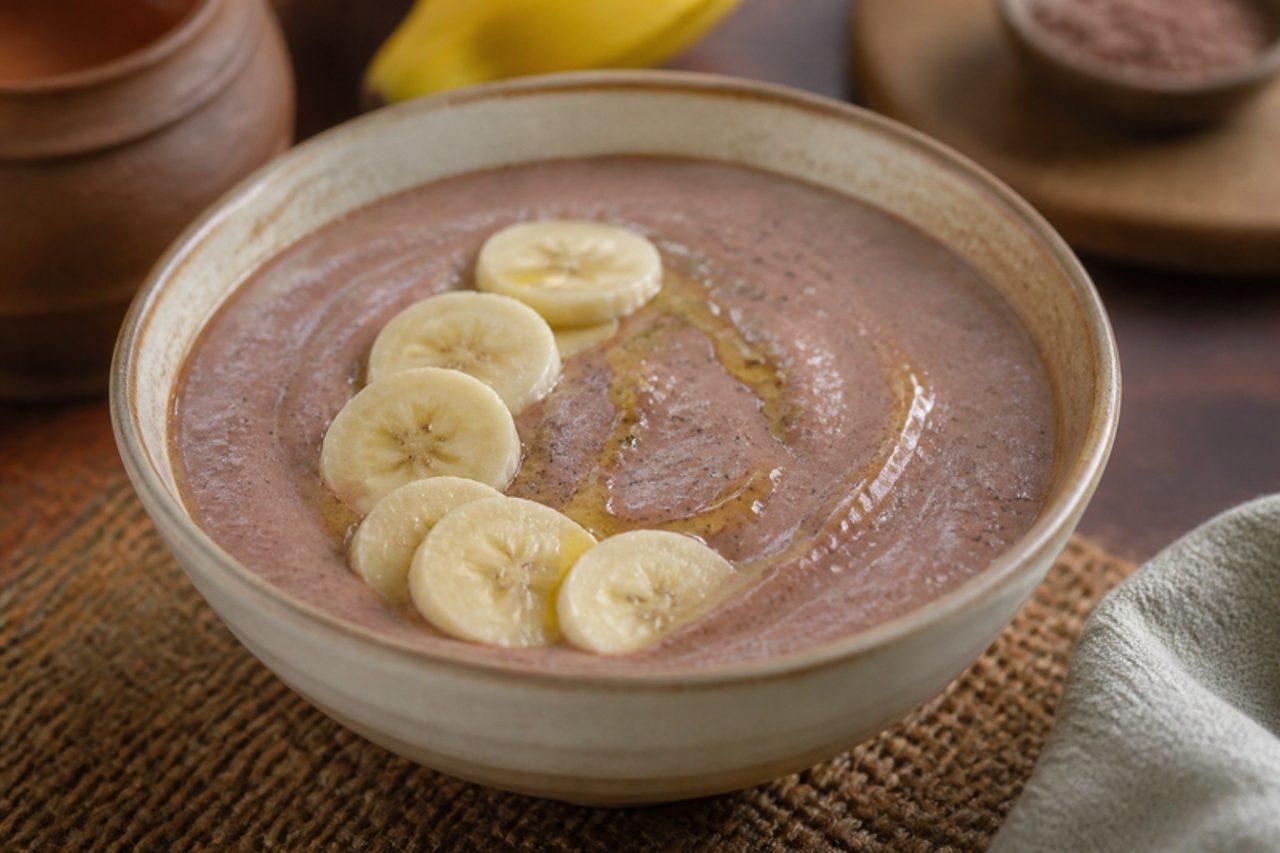
Sathu maavu kanjiSprouted grain and nut porridge

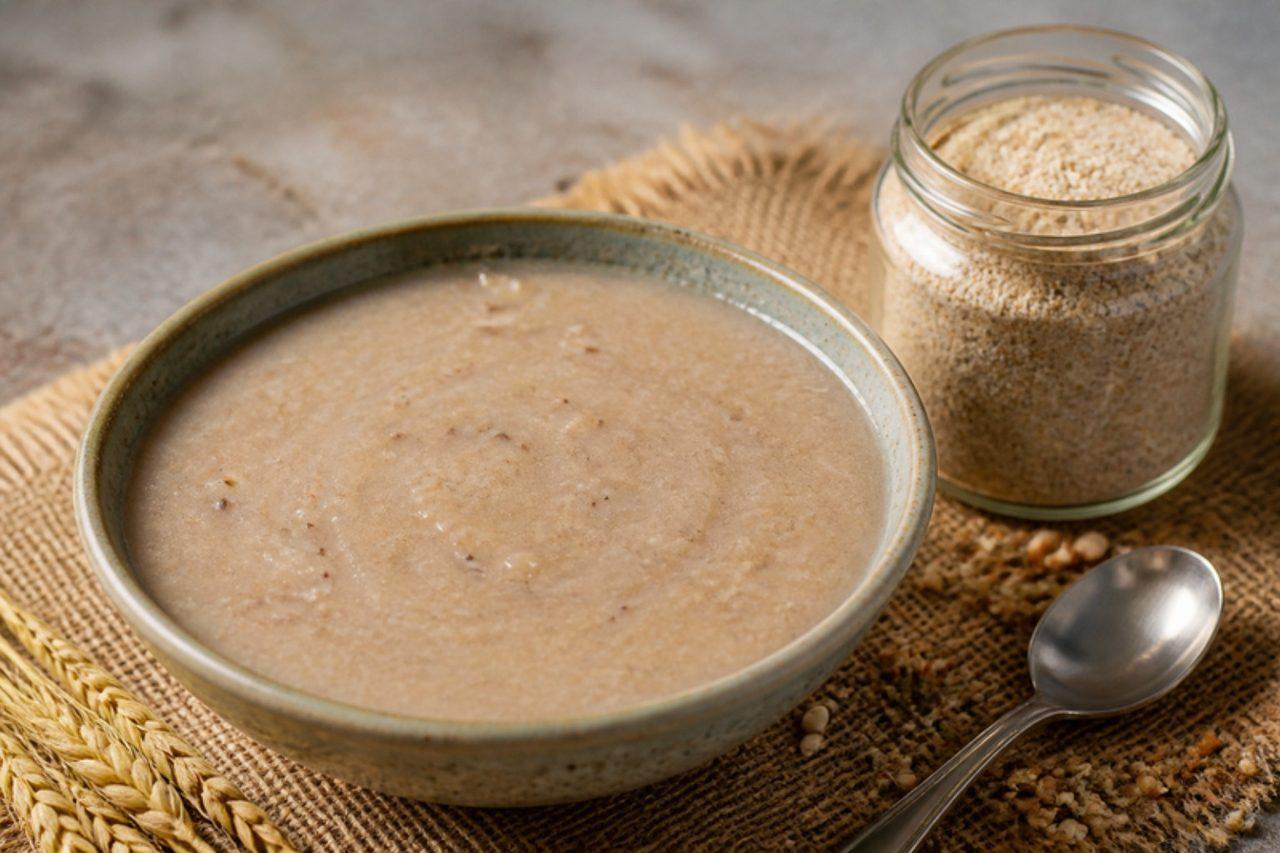
Ask a Tamil grandmother about sathu maavu and she will tell you exactly which grains go into her tin: ragi, kambu (pearl millet), cholam (sorghum), wheat, a little rice, green gram and roasted gram, with almonds and cashews for richness. Each one is dry-roasted until fragrant, cooled and milled into a fine, beige 'health powder' that keeps for weeks. A couple of spoonfuls cooked with water and milk make a nutty, mildly sweet kanji that toddlers in Madurai and Coimbatore eat for breakfast or after their afternoon nap, and older children drink from a tumbler. The texture should be smooth and creamy, never gritty. Sweeten it with jaggery or karupatti (palm jaggery), or make it savoury with buttermilk and salt for grown-ups. This version contains wheat, so it is not gluten-free. Chef's tip: roast every grain separately; small seeds like ragi brown in minutes while wheat and green gram need longer, and roasting them together leaves half burnt and half raw.

by KrazyBadal 0 views

Nangua bing (pumpkin sticky rice cakes)

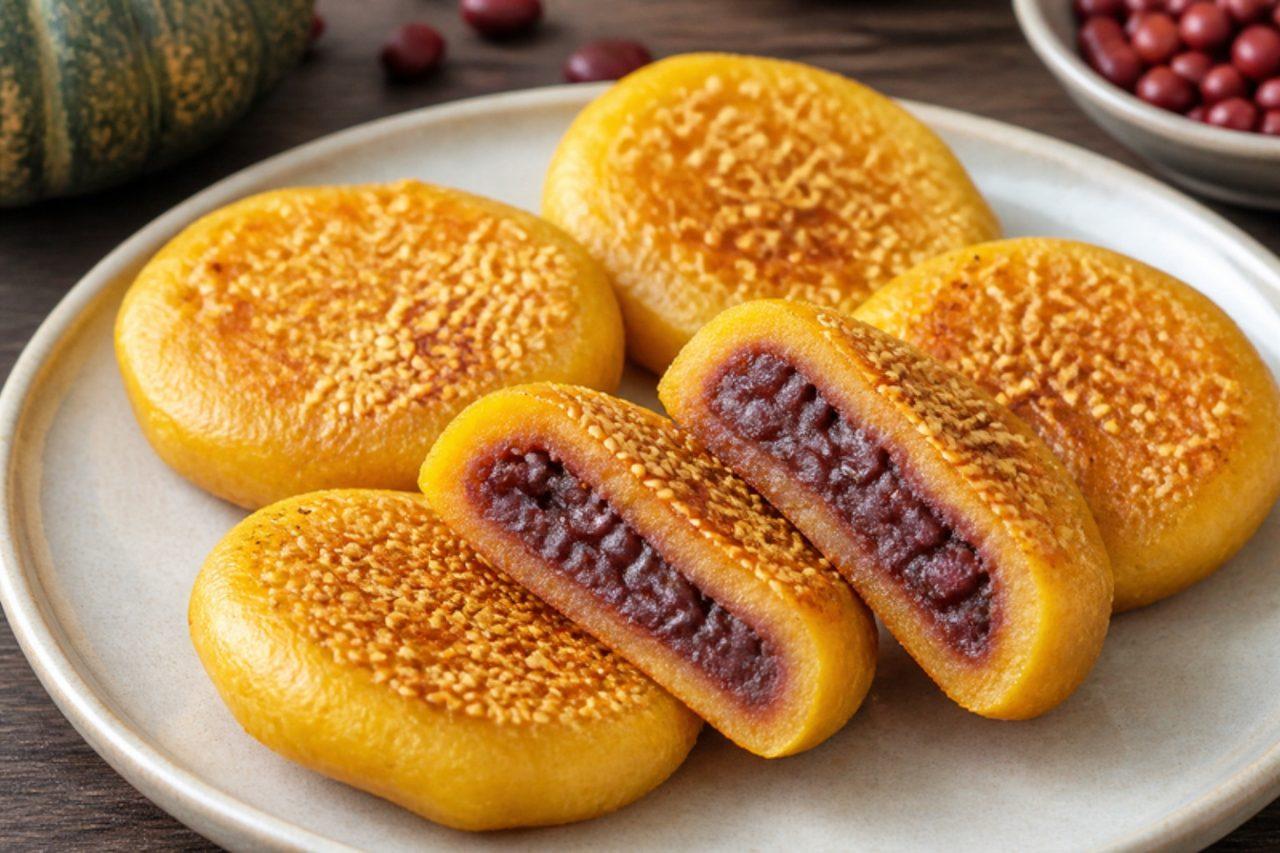
Every family restaurant from Zhejiang to Sichuan has a plate of these little golden pumpkin cakes on the menu, and grandmothers make them at home in autumn when pumpkins pile up at the market: steamed pumpkin is kneaded with glutinous rice flour into a soft orange dough, wrapped round a spoonful of red bean paste, pressed flat and fried until crisp outside and chewy inside. Children love them for dessert or as an afternoon snack. The common mistake is adding all the flour at once; pumpkins vary in moisture, so add it gradually until the dough is soft like earlobes and no longer sticky. Chef's tip: fry them on a medium-low heat with the lid on for the first side, so the centre steams through before the outside darkens.

by KrazyBadal 0 views

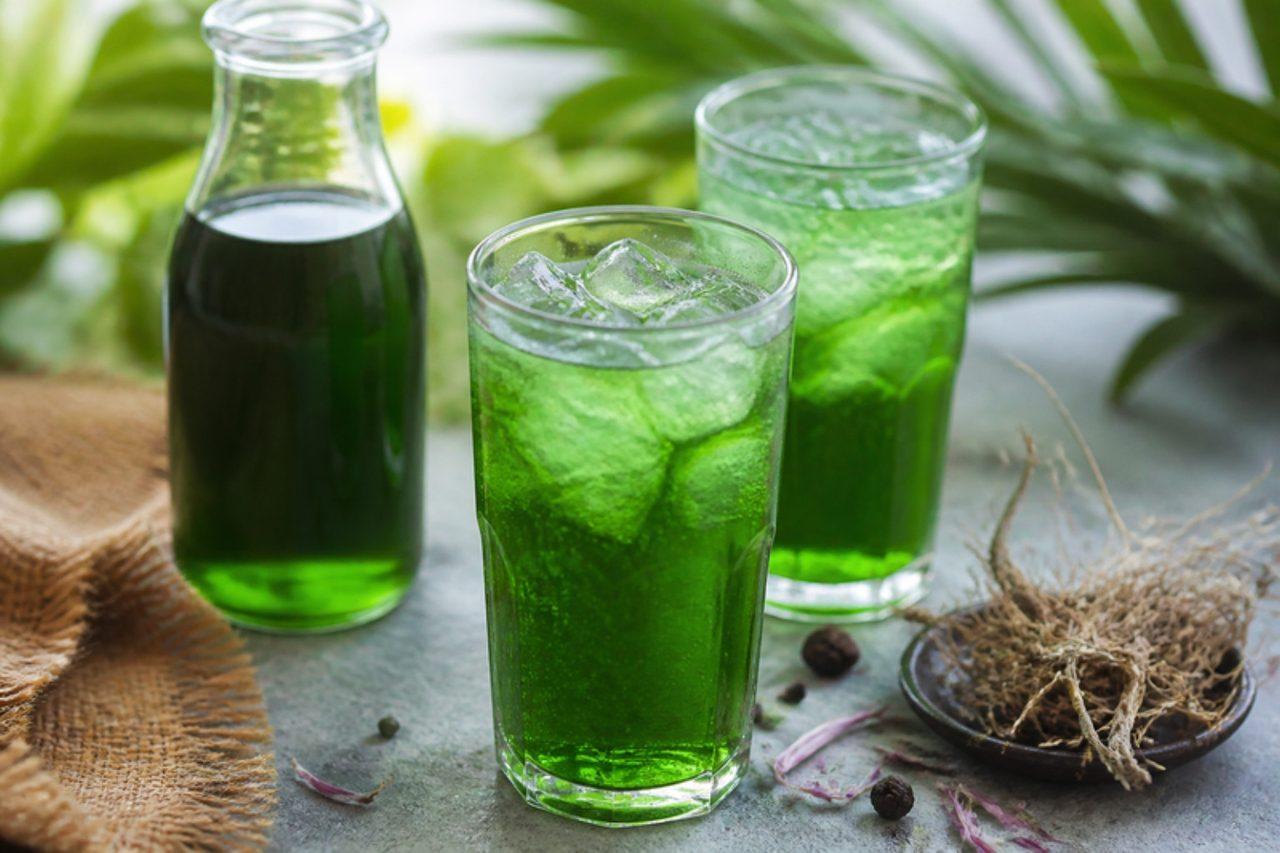
Khus sharbatVetiver root syrup drink

Before air-conditioning, North Indian houses hung wet mats of khus grass over their doors in June, and the breeze through them smelt of damp earth and wood. The same vetiver root flavours this sharbat, a summer staple in Delhi, Rajasthan and Uttar Pradesh. Shop-bought bottles are bright emerald green from colouring; a homemade syrup is pale gold and tastes far more of the root itself, cool and grassy. Families serve it diluted with water to guests arriving from the heat, or with cold milk as a dessert drink at summer parties. The common mistake is boiling the roots hard; the aroma is delicate and cooks off, so infuse them in hot water instead and add the infusion to the syrup off the heat. Chef's tip: if you want the classic green colour for children, a drop of green food colour does no harm, but taste it plain first.

by KrazyBadal 0 views

PanakamJaggery and ginger water

On Sri Rama Navami, temples and homes across Andhra Pradesh, Telangana and Tamil Nadu set out brass pots of panakam beside neer mor (spiced buttermilk) and kosambari. The drink is offered first, then handed to everyone in small steel tumblers. It is nothing more than jaggery dissolved in water, but the dry ginger and black pepper give it a pleasant heat that cuts through the sweetness, and cardamom and a few tulsi leaves make it smell of the festival. It is never boiled; it's stirred until the jaggery melts. The common mistake is not straining: jaggery often carries sand and fibres, so always pour it through a fine cloth. Chef's tip: a squeeze of lemon is not traditional everywhere, but in hot Vijayawada summers many homes add it, and it brightens the drink wonderfully.

by KrazyBadal 0 views

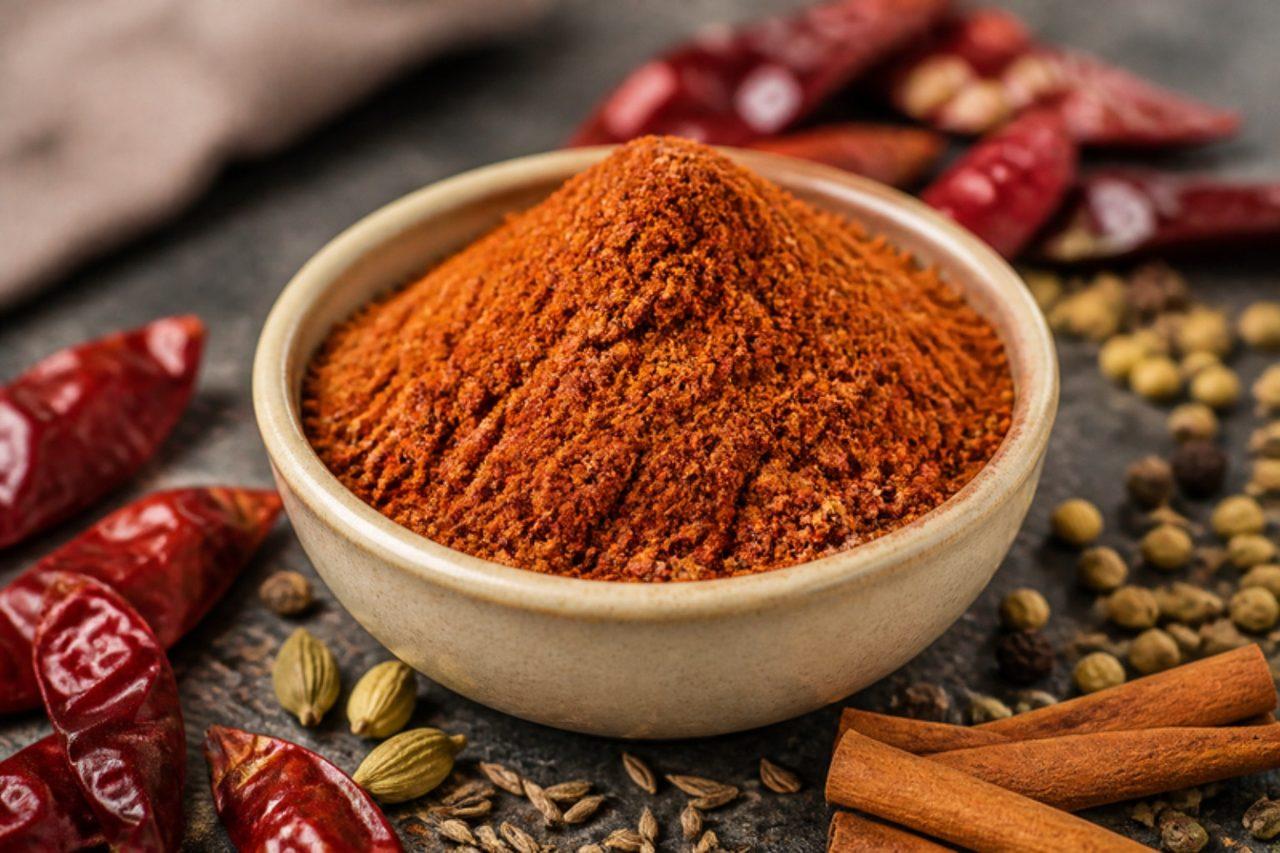
Pav bhaji masalaPav bhaji spice blend

The bhaji at a Juhu Beach or Girgaum Chowpatty stall gets its unmistakable taste from a ready-made masala, but a home-roasted blend smells far brighter and lets you choose the heat. Whole coriander, cumin, fennel, cloves, cinnamon, cardamom and star anise are roasted, cooled and ground with Kashmiri chilli for colour, amchur (dry mango powder) for tang, kala namak (black salt) for that eggy, savoury depth, and dry ginger. A good pav bhaji masala is red, sour-salty and aromatic rather than very hot. It is also the quick way to give tawa pulao, masala toast and Bombay sandwiches their street flavour. Common mistake: stirring the masala into a dry, very hot pan; the amchur and chilli powder scorch in seconds. Chef's tip: add the masala once the tomatoes have broken down into the butter, and keep a spoonful back to sprinkle over the bhaji in the last minute for a fresh hit of aroma.

by KrazyBadal 0 views

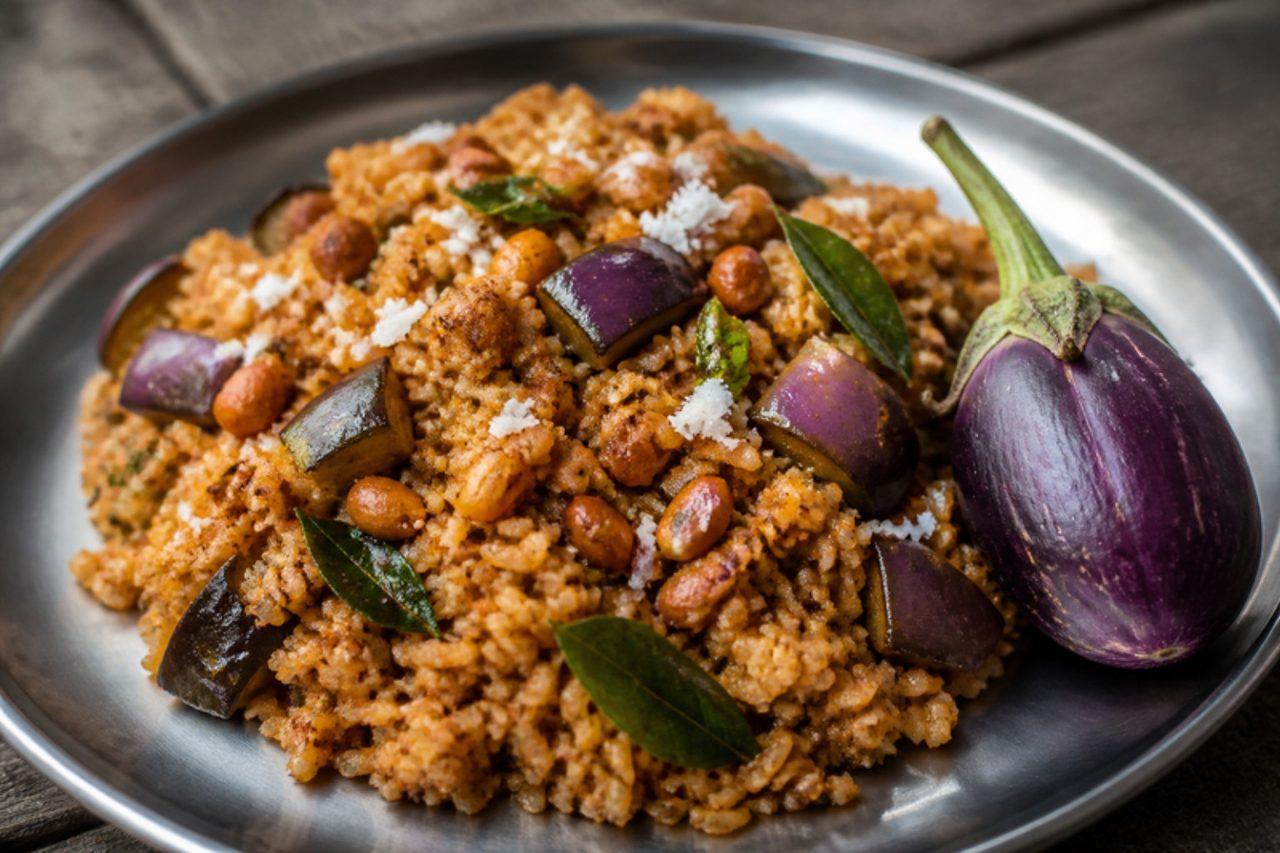
Vangi bathAubergine rice

In Bengaluru and Mysuru, vangi bath is weekend breakfast at a darshini and a favourite for office tiffins, and at Kannada weddings it often appears on the banana leaf. Small purple brinjals are cooked with tamarind, jaggery and a fresh vangi bath powder roasted from dals, coriander seed, byadgi chillies, cinnamon and dry coconut, then folded into cooled rice. The flavour is warm, smoky, tangy and slightly sweet, with peanuts for crunch. Serve it with plain curd or a cucumber raita and a papad. The common mistake is cooking the brinjal to mush; cut it into fingers and cook just until tender, so the pieces hold. Chef's tip: grind the powder fresh and roast each ingredient separately on low heat; burnt dal or coriander turns the whole dish bitter.

by KrazyBadal 0 views

Jeera alooCumin potatoes

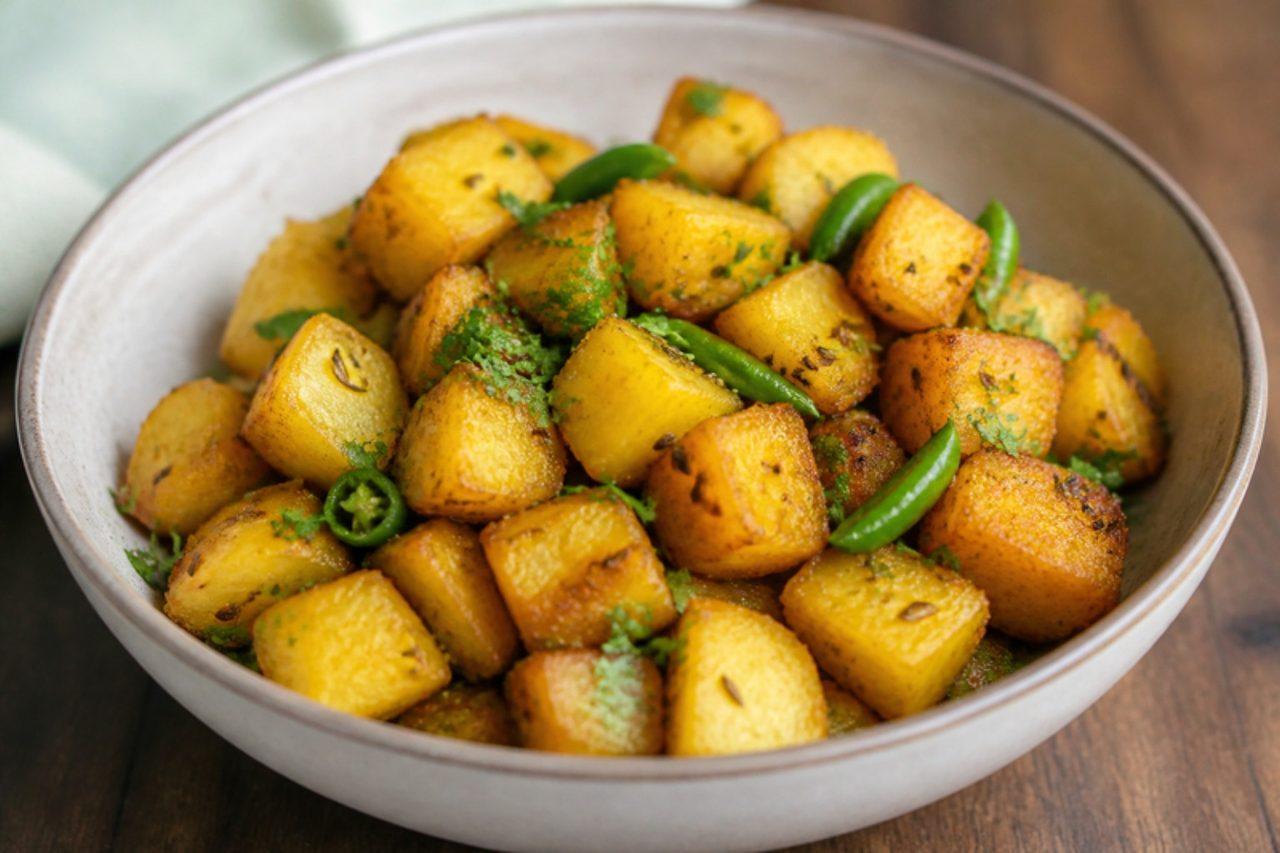
Jeera aloo is what North Indian mothers pack with puri for a train ride, serve with dal and rice on a weeknight, and cook in bulk for Navratri kanjak lunches alongside halwa and chana. Boiled potatoes are cubed and tossed in plenty of cumin that has sizzled until dark and nutty, with green chilli, ginger, a little turmeric and chilli, then soured with amchur. The edges catch and turn golden while the insides stay soft and fluffy. The common mistake is tossing potatoes that are still hot from boiling; they crumble. Cool them completely, ideally in the fridge, so the cubes hold their shape. Chef's tip: let the cumin turn a shade darker before the potatoes go in; pale cumin gives a raw, dusty taste.

by KrazyBadal 0 views

Kokum sharbatKokum cordial

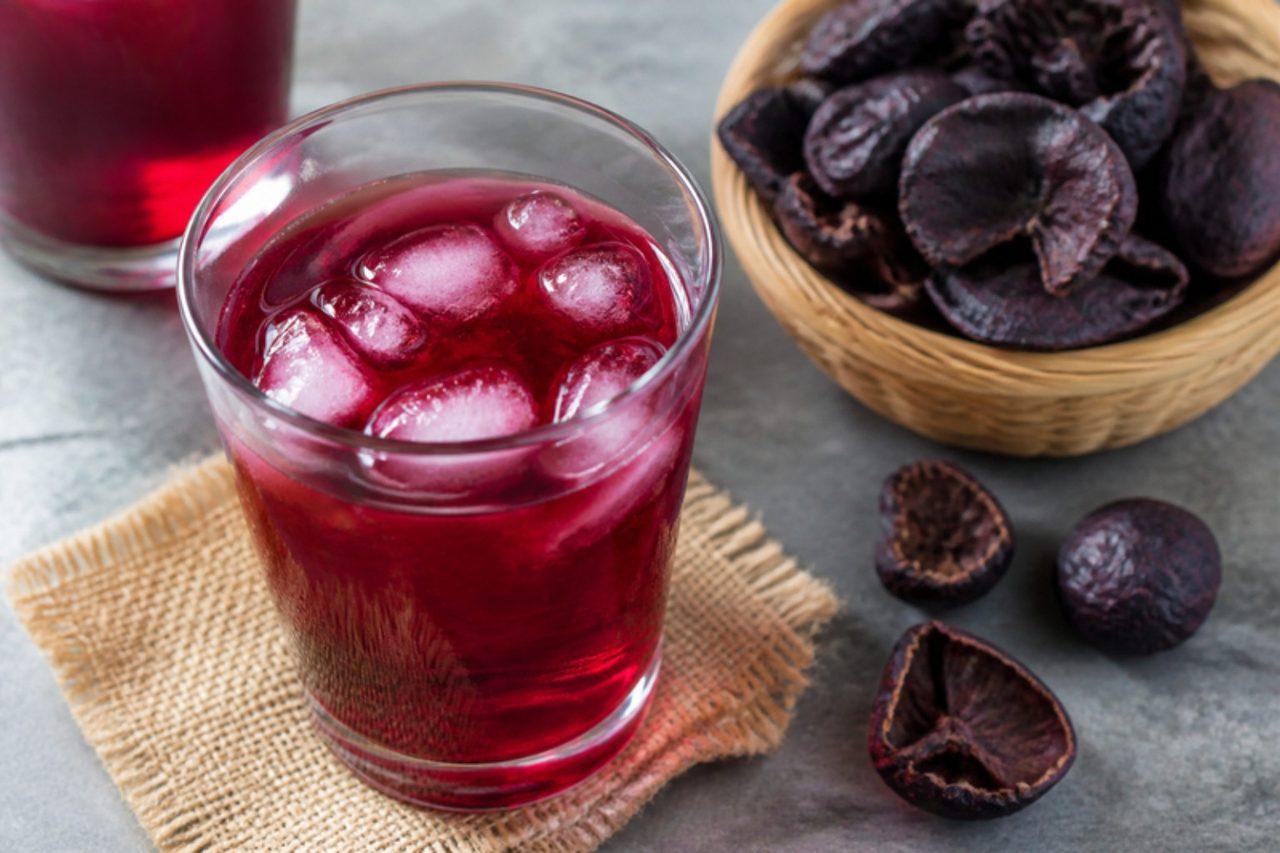
Along the Konkan coast, from Ratnagiri down to Goa, the purple kokum fruit is split and dried in the sun every summer, and the leathery rinds go into curries, sol kadhi and this sharbat. Unlike sol kadhi, there is no coconut milk here: just a clear, deep-red syrup that is fruity, tart and faintly salty, diluted with cold water and drunk after a fish lunch or on a hot afternoon to cool the stomach. Families in Malvan and Sawantwadi still make the concentrate by layering fresh fruit with sugar in jars; this quicker version uses the dried rinds you can buy anywhere. The common mistake is boiling the kokum hard for a long time, which makes the syrup taste stewed and murky; simmer gently just until the colour floods out. Chef's tip: a pinch of roasted cumin and black salt in the glass turns a simple sweet drink into the proper coastal version.

by KrazyBadal 0 views

Mango kulfiMango ice cream

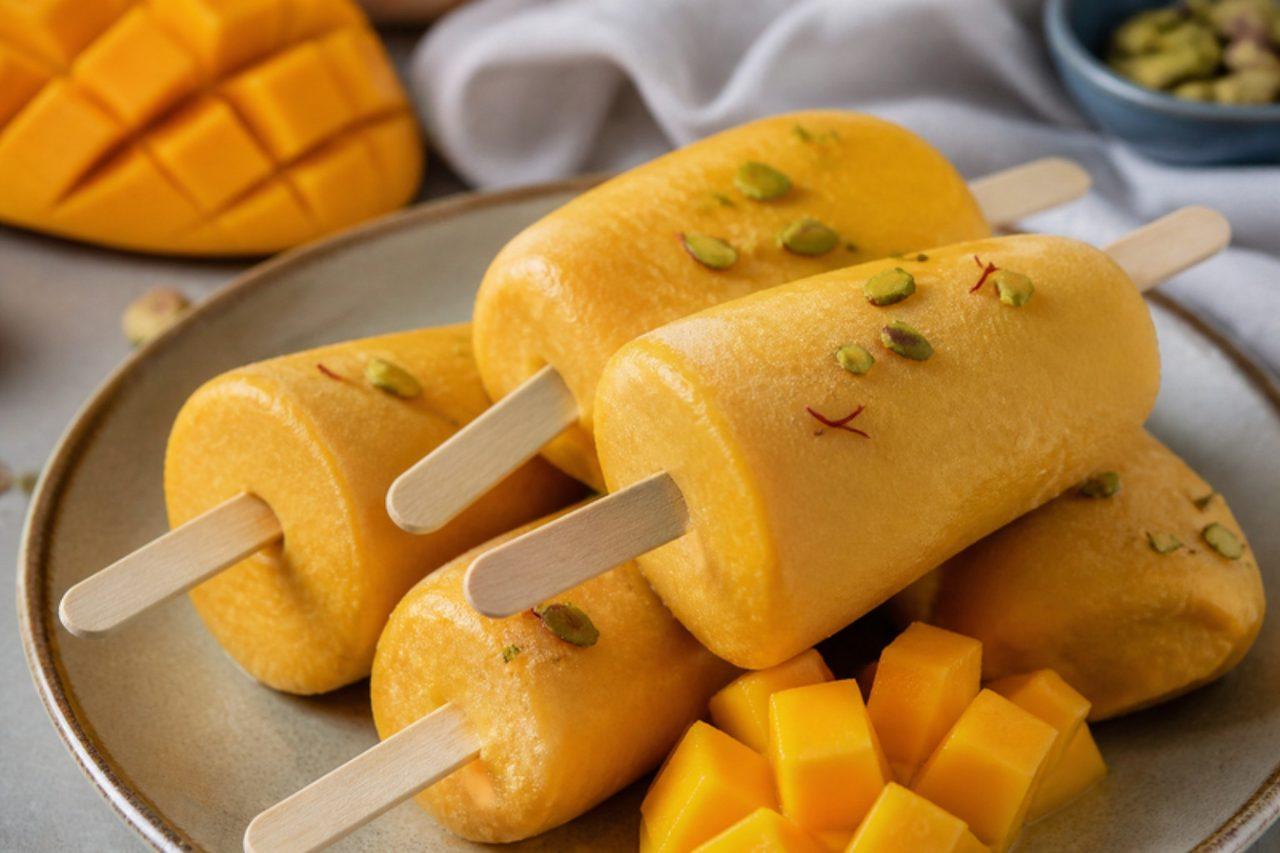
Kulfiwalas in Delhi's Chandni Chowk and Mumbai's Chowpatty freeze their mango kulfi in tall aluminium cones packed in ice and salt, and come May every family wants their own. It is not ice cream: milk is boiled down slowly until it is a third of its volume, rich and faintly caramel, then cooled and mixed with thick mango pulp, so it freezes dense and chewy rather than fluffy. Serve it unmoulded on a stick, or sliced into rounds on a plate, after a summer lunch or at a birthday. The common mistake is stirring the mango into hot milk; the acid can curdle it and heat dulls the fruit, so wait until the rabri is completely cool. Chef's tip: Kesar from Gujarat or Alphonso from Ratnagiri give the colour and perfume; if you use tinned pulp, cut the sugar by half because it is already sweetened.

by KrazyBadal 0 views

Panch phoronFive-seed spice mix

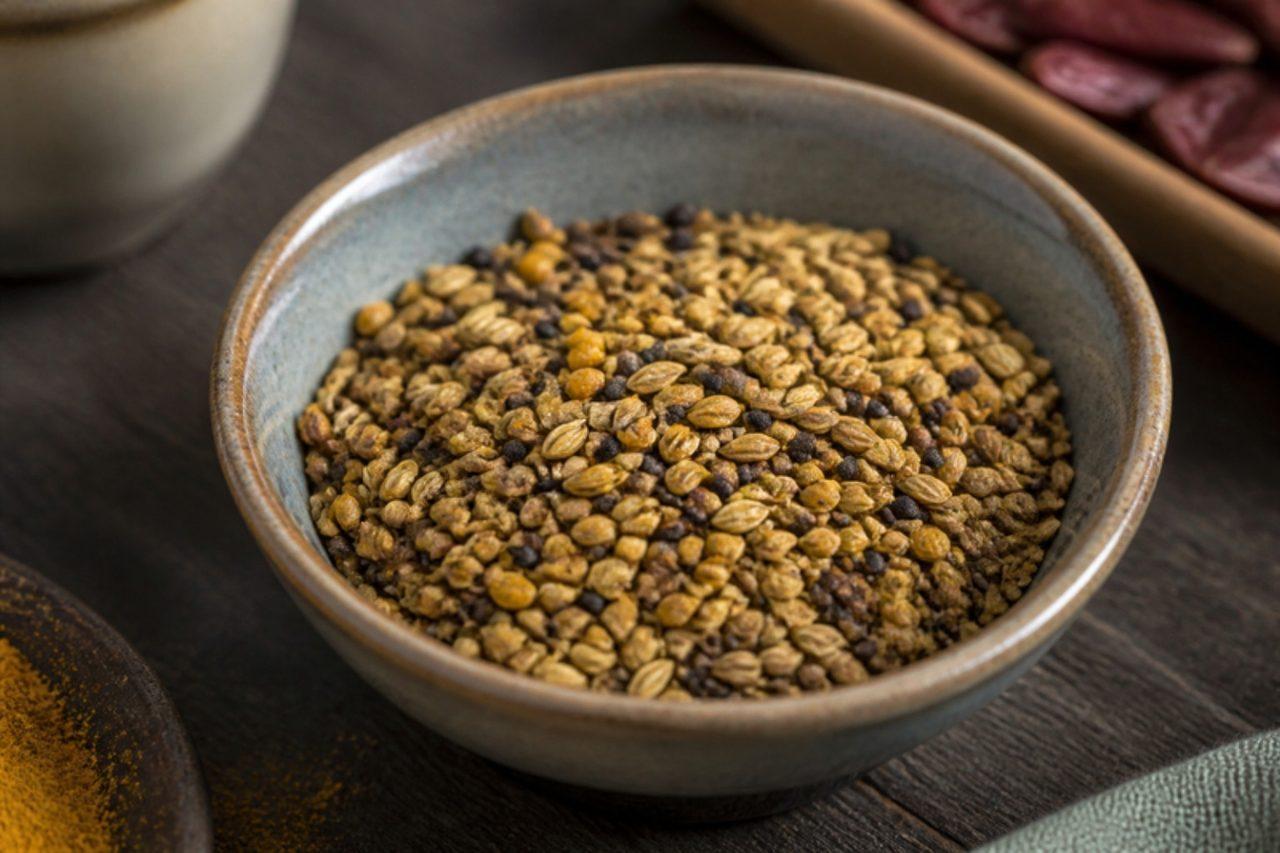
Every Bengali and Odia kitchen keeps a jar of panch phoron within reach of the stove, because so much of the cooking begins with a teaspoon of it crackling in hot mustard oil. The five seeds, in equal measure, are left whole and never roasted or ground ahead: bitter fenugreek, oniony nigella (kalonji), earthy cumin, sharp black mustard and sweet fennel. Together they give a layered, slightly bittersweet aroma that is the signature of tomato chutney, cholar dal, labra, chorchori and the sweet-sour vegetable dishes of a Bengali lunch. In some traditional homes radhuni, a wild celery seed, replaces the mustard. Common mistake: tempering over a high flame. The fenugreek blackens in seconds and the whole dish tastes bitter. Chef's tip: let the oil heat until it just shimmers, add the panch phoron, and the moment the mustard starts popping and the fenugreek is reddish brown, add the vegetables or dal.

by KrazyBadal 0 views

Mag nu shaakDry whole green moong

Wednesday is mag day in many Gujarati homes, and in Jain families this is how it is cooked: whole green moong soaked overnight, pressure-cooked until just soft, then tossed in a vaghar of mustard seed, ajwain and hing with green chilli and dry ginger powder instead of fresh ginger, and no onion or garlic at all. A pinch of jaggery and a squeeze of lemon give it the gentle sweet-sour taste Gujaratis expect. It's a dry shaak, each bean whole and coated, eaten with rotli, or with kadhi-bhaat for a light, very satisfying meal. A common mistake is overcooking the moong until it bursts and turns to mush; two whistles is enough, and the beans should still hold their shape. Chef's tip: save the cooking water; a few spoons loosen the shaak if it looks too dry, and the rest makes a lovely mag nu osaman with a little lemon and vaghar.

by KrazyBadal 0 views

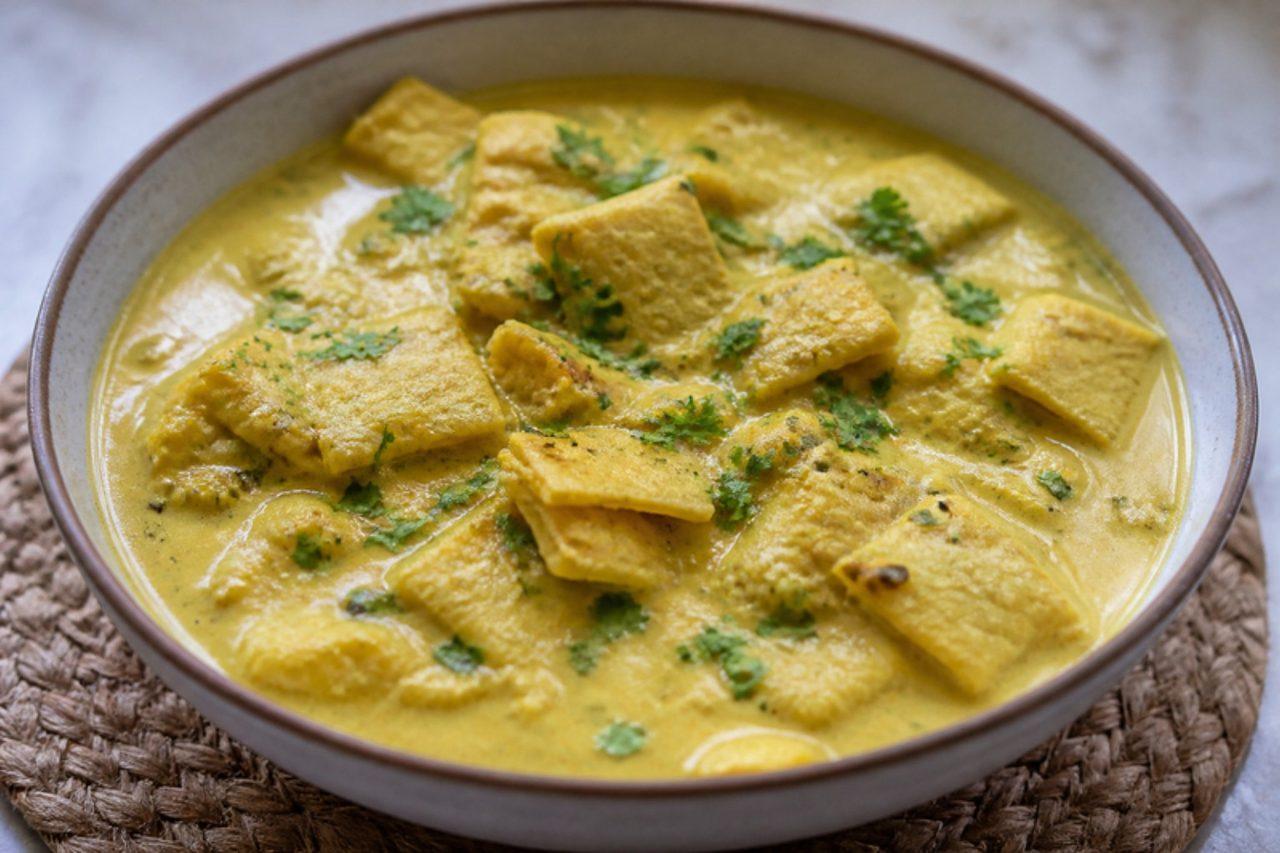
Rabodi ki sabziDried maize wafers in yogurt curry

In the Thar desert towns of Barmer, Jodhpur and Bikaner, green vegetables were scarce for much of the year, so women boiled maize flour with sour buttermilk in summer, spread it in thin rounds on cloth and dried it in the sun. Those rabodi keep for months and become this curry: fried until puffed, then simmered in a spiced yogurt gravy until soft and chewy. It is tangy, savoury and comforting, eaten with bajra roti or rice, and because it has no onion, garlic or fresh ginger, it suits a Jain or Marwari festive thali. A common mistake is letting the dahi gravy boil before it has been stirred to a boil with besan; it curdles. Whisk besan into the dahi and stir constantly until it comes to a boil. Chef's tip: fry the rabodi only until they puff and turn a shade darker; burnt rabodi taste bitter and stay hard in the gravy.

by KrazyBadal 0 views

Karela nu shaakBitter gourd and jaggery curry

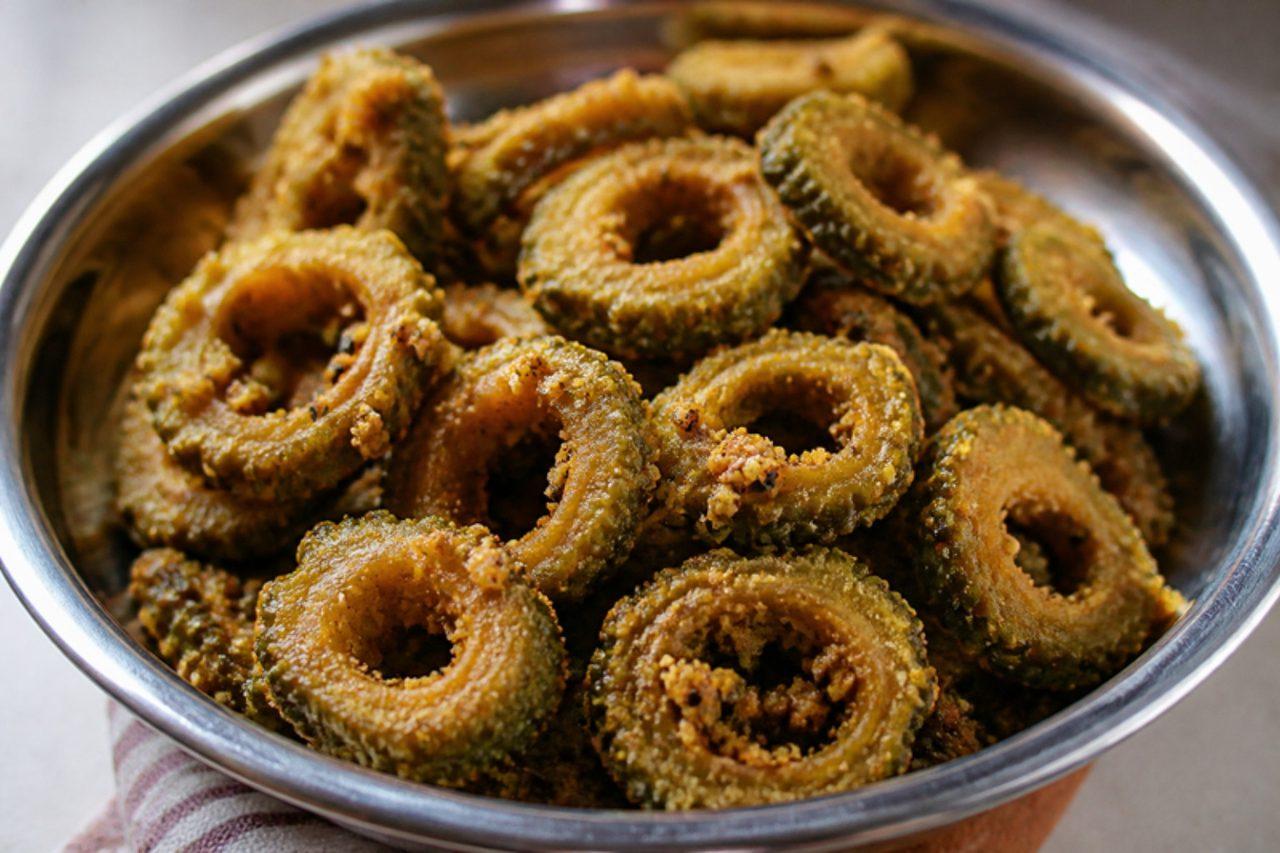
Most children in Gujarat grow up hating karela and end up asking for this version. Bitter gourd is sliced into thin rings, rubbed with salt and turmeric, squeezed, then cooked slowly in a vaghar of mustard seed and hing until soft and browned. A spoonful of besan toasted in the same pan clings to each ring, and jaggery melts into a glossy coating, so it tastes sweet, nutty, spicy and only pleasantly bitter. With no onion or garlic it suits Jain homes, and it's a monsoon favourite with dal-bhaat-rotli. A common mistake is salting the shaak again as if from scratch; the squeezed karela still holds salt, so taste first. Chef's tip: add the besan only once the karela is dry and browned, and stir constantly for a minute; in a wet pan it forms lumps.

by KrazyBadal 0 views

Bingtang xueli (rock sugar stewed pears)

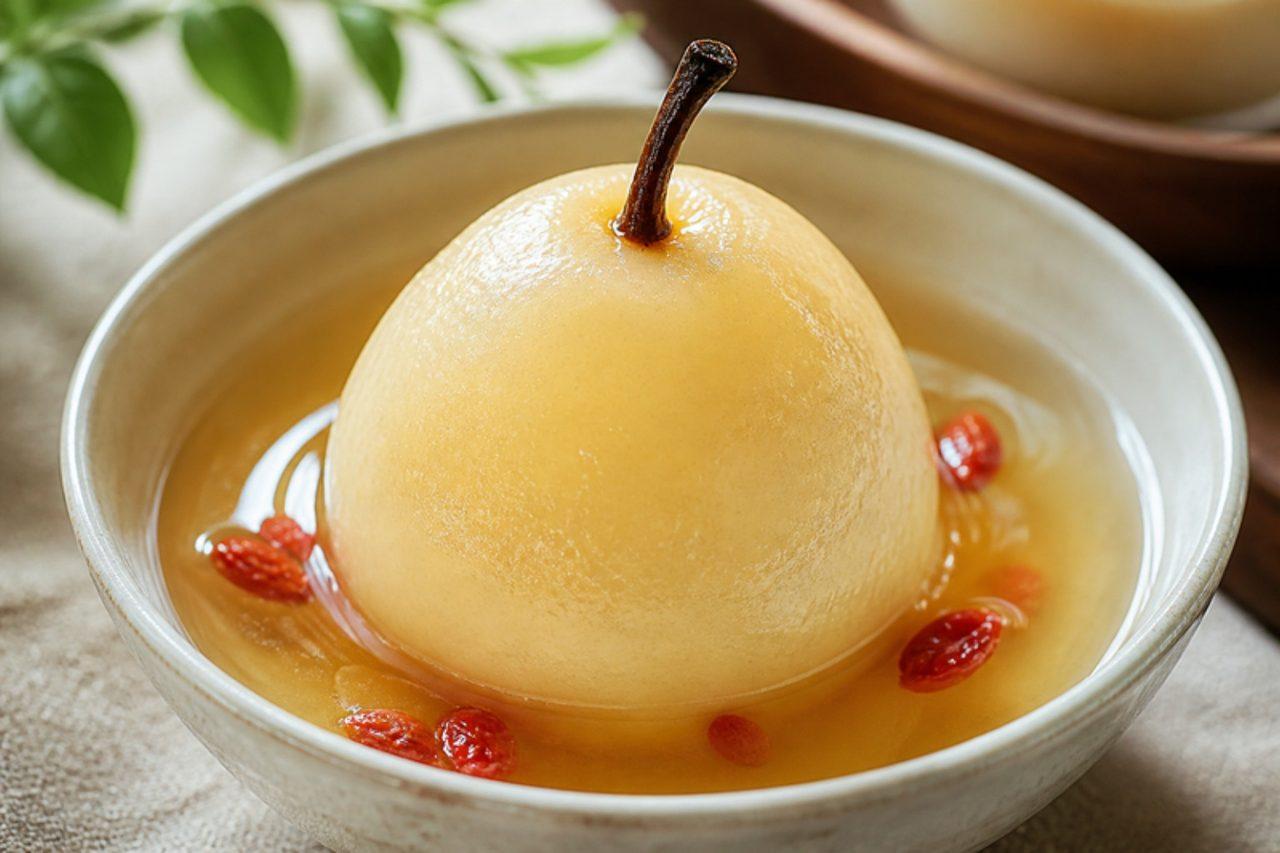
When the dry winds of a northern winter bring on sore throats, grandmothers in Beijing and Shandong set a bowl of pear and rock sugar in the steamer, and it is now served as a soothing dessert all over China. Whole Asian pears, hollowed and filled with rock sugar, are slowly stewed until translucent and swimming in their own light syrup. The common mistake is choosing a Western pear that collapses; crisp Asian (nashi or Ya) pears hold their shape and give plenty of juice. Chef's tip: slice off the top as a lid and stew it with the pear; serving the pear with its lid back on is how it is presented at the table.

by KrazyBadal 0 views

Malvani masalaKonkan spice blend

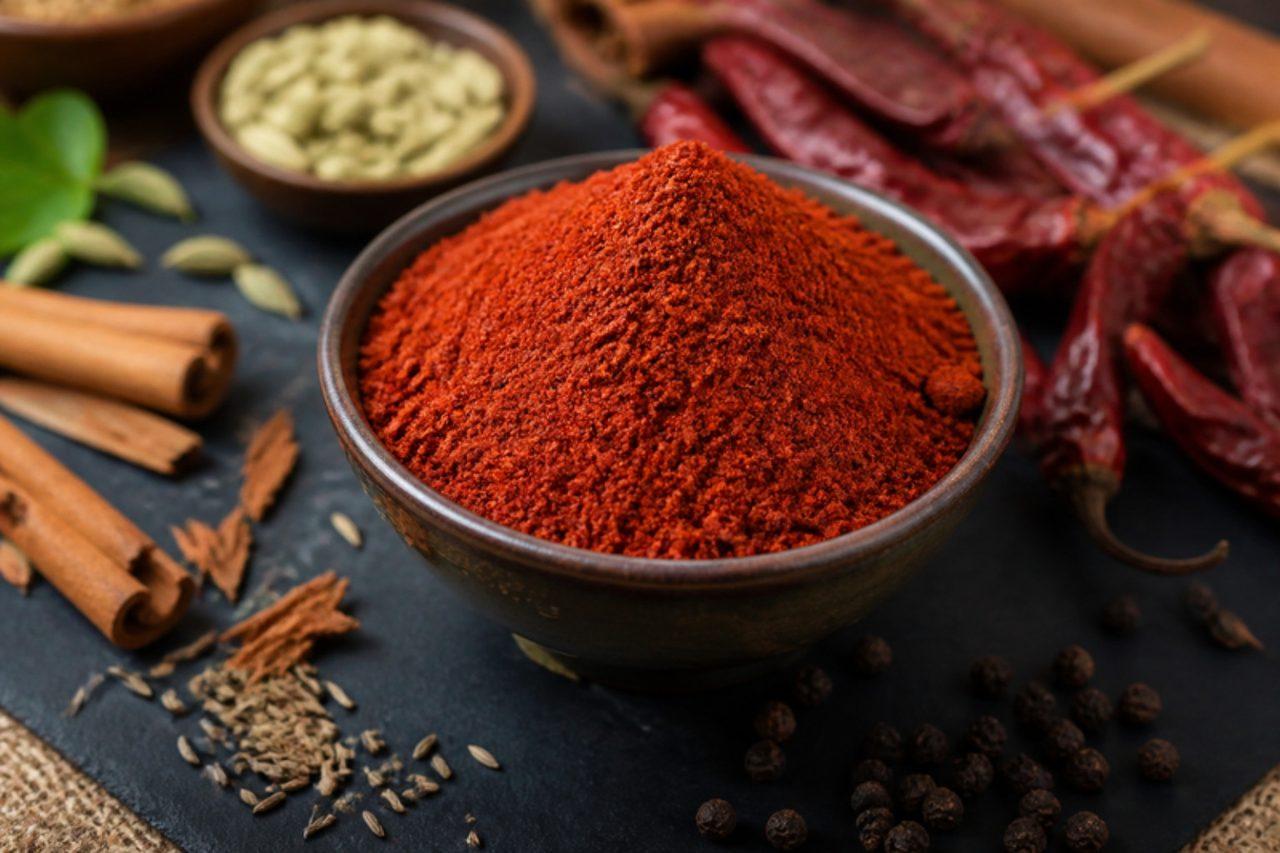
Head down the coast to Malvan, Vengurla or Devgad and every family has its own masala tin, ground in summer when the chillies are crisp and dry. Malvani masala is hotter and more aromatic than goda masala and uses no coconut: it is mostly Bedgi chillies (for a deep red colour and moderate heat) with a handful of fiery Sankeshwari, roasted with coriander and about fifteen whole spices including fennel, star anise, mace, nutmeg and stone flower. Fried in oil with coconut and onion, it becomes the base of kombdi vade (chicken curry with puris), bangda and surmai curries, prawn sukka, and vegetarian dishes like kala vatana usal and Malvani batata bhaji. The blend itself is vegan. Common mistake: leaving the stalks on the chillies; they grind into hard, woody bits and dull the colour. Chef's tip: dry the chillies in the sun or in a barely warm pan first, then roast them separately on low until they crackle, so they grind to a fine, bright powder.

by KrazyBadal 0 views

Guihua nuomi ou (sticky rice lotus root with osmanthus)

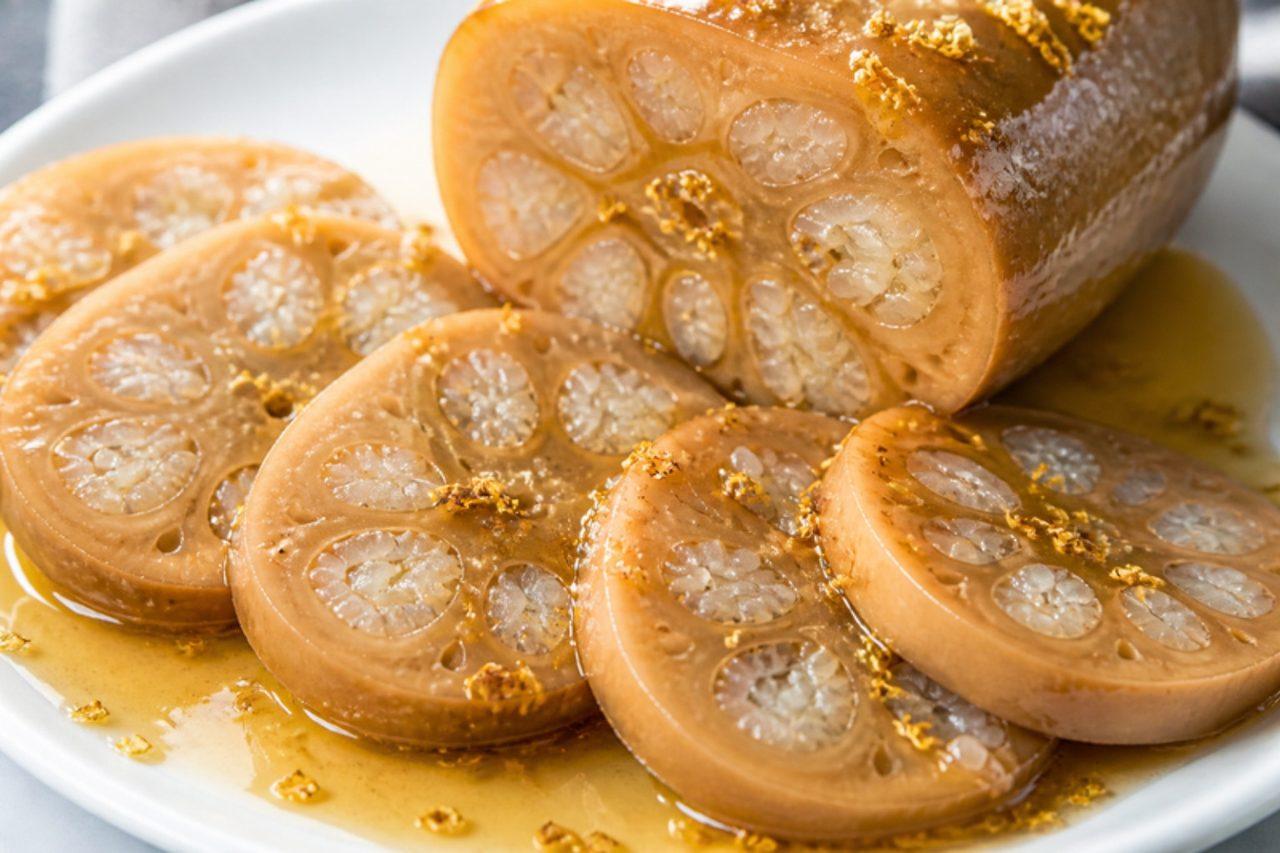
Around West Lake in Hangzhou, lotus roots are pulled from the mud in autumn just as the osmanthus trees bloom, and the two meet in this Jiangnan dessert: the hollow channels of the root are packed with soaked glutinous rice, then the whole root is simmered for hours in brown sugar until it turns rosy brown and soft. It is served cold or warm in slices, the rice showing as white dots, with a drizzle of osmanthus syrup. The common mistake is packing the rice in tight; it swells as it cooks and needs room, or the slices crack and the middle stays hard. Chef's tip: let the root cool in its syrup overnight before slicing; it firms up, cuts cleanly and soaks up more colour.

by KrazyBadal 0 views

Turiya nu shaakRidge gourd curry

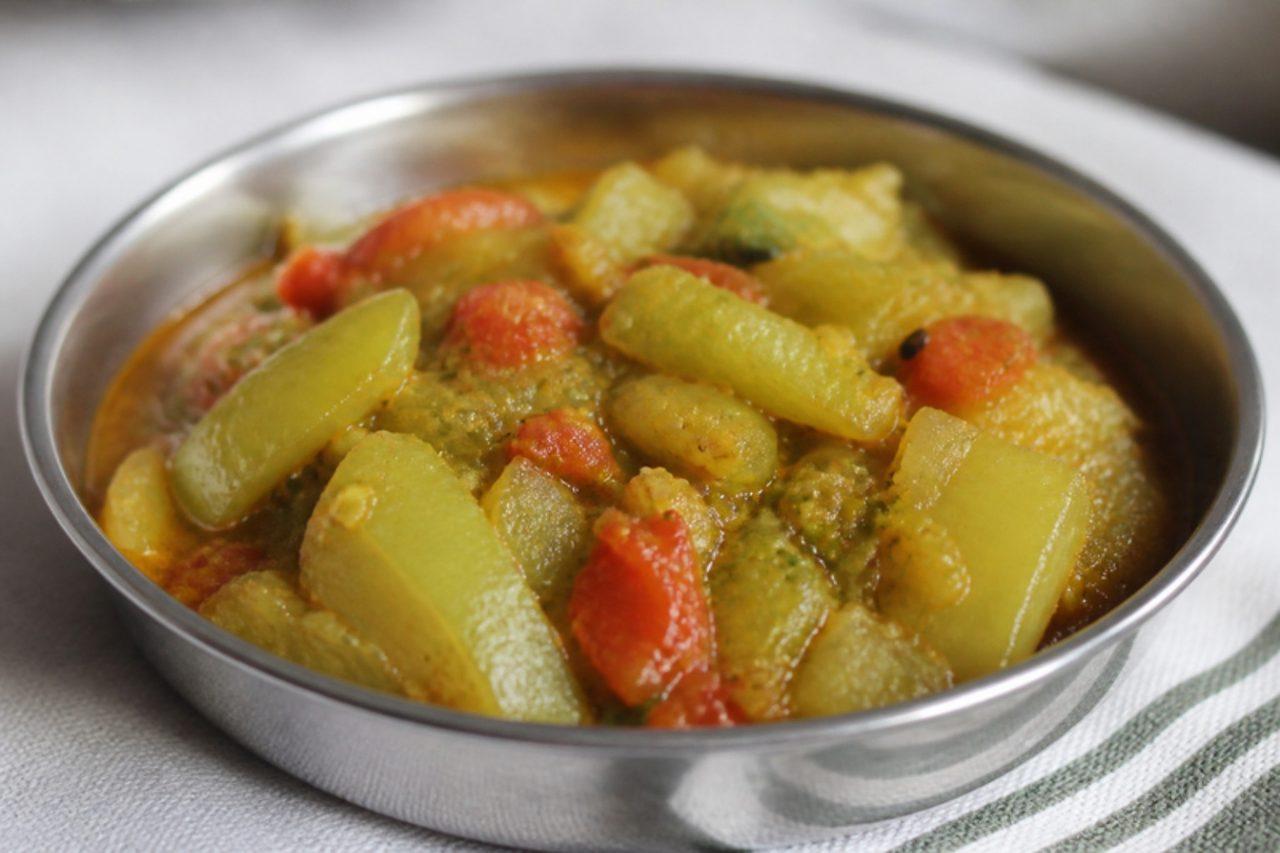
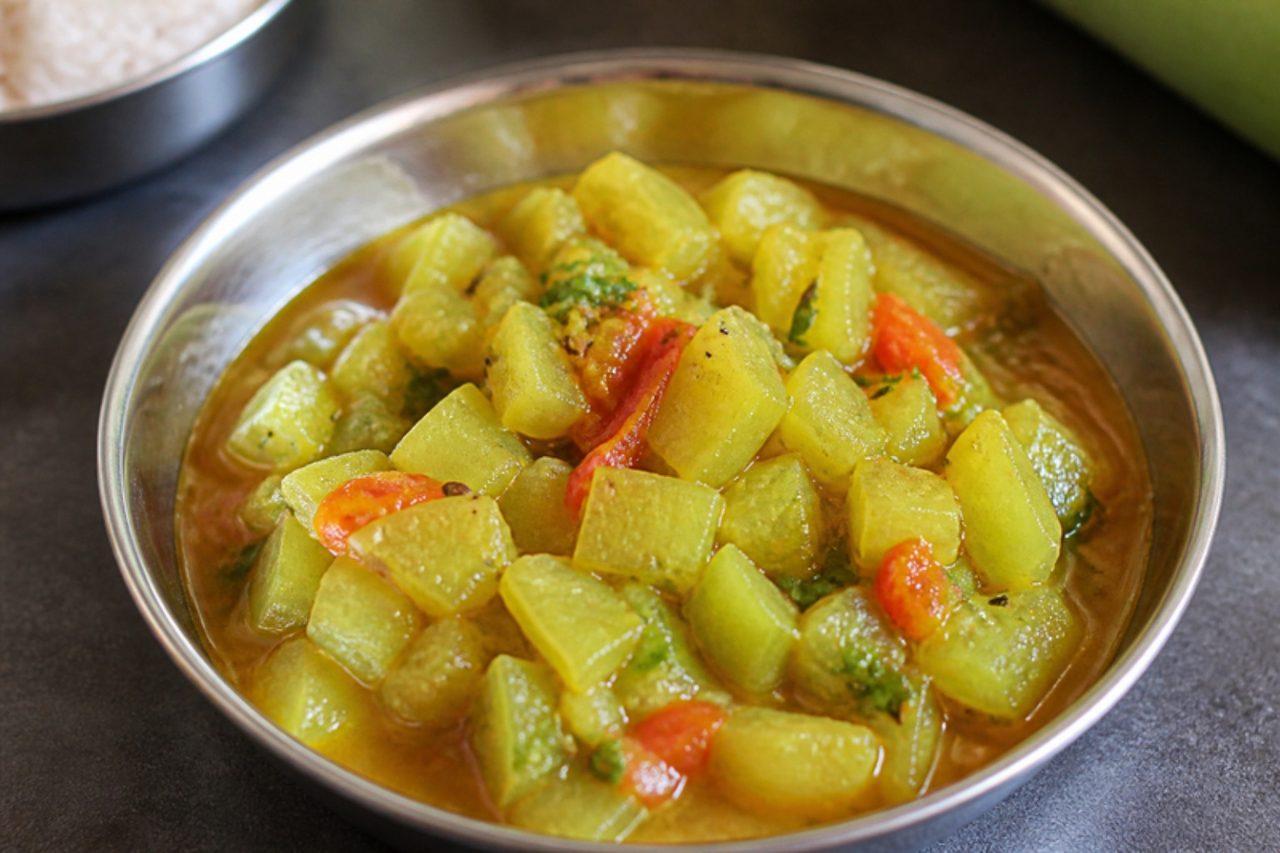
Turiya arrives in Gujarat's markets with the monsoon, and this quick, juicy shaak is a weekday staple from Rajkot to Navsari, eaten with rotli and a dollop of ghee, or with khichdi and kadhi. It is cooked the Jain way, in a vaghar of mustard seed, ajwain and hing with green chilli and dry ginger powder instead of fresh ginger, plus tomato and a pinch of sugar. The gourd turns silky and almost melts, leaving a light, sweetish gravy. A common mistake is overcooking: ridge gourd softens in about eight minutes and turns to mush soon after. Take it off the heat as soon as the pieces are translucent but still hold their shape. Chef's tip: scrape off only the hard ridges and leave the green skin between them; it keeps the pieces together and adds flavour.

by KrazyBadal 0 views

Almond tofu (xingren doufu)

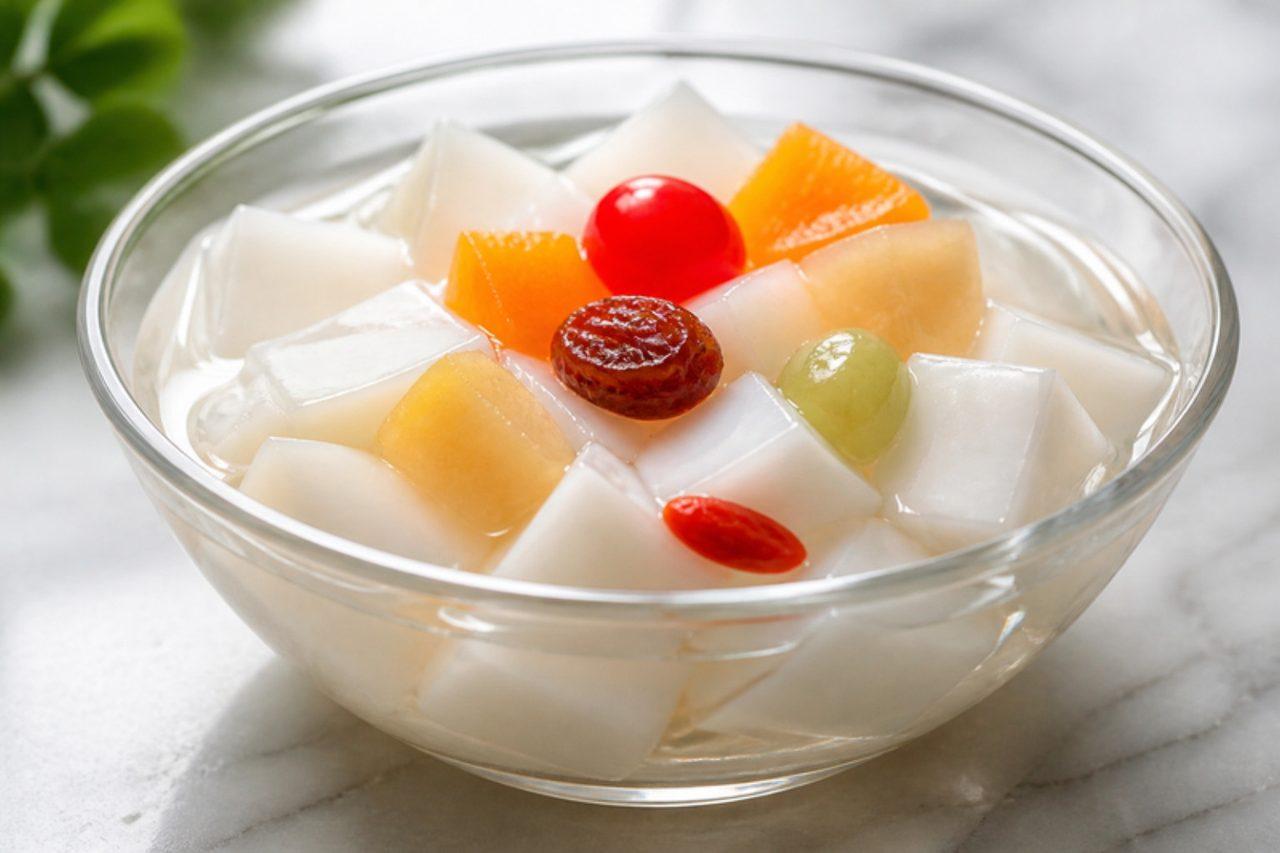
Almond tofu has nothing to do with soybeans: it is a soft, white jelly of sweetened almond milk, cut into cubes like tofu and floated in cold syrup with fruit. It was once a palace dessert in Beijing and is now on dim sum menus in Guangzhou and Hong Kong in summer. The traditional flavour comes from southern apricot kernels (nan xing ren); this home version uses blanched almonds with a few drops of almond extract, and agar, so it is fully vegetarian. The common mistake is using too much agar, which makes it firm and rubbery; it should only just hold its shape and wobble on the spoon. Chef's tip: bring the agar to a full boil for 2 minutes before adding the milk, or it won't set at all.

by KrazyBadal 0 views

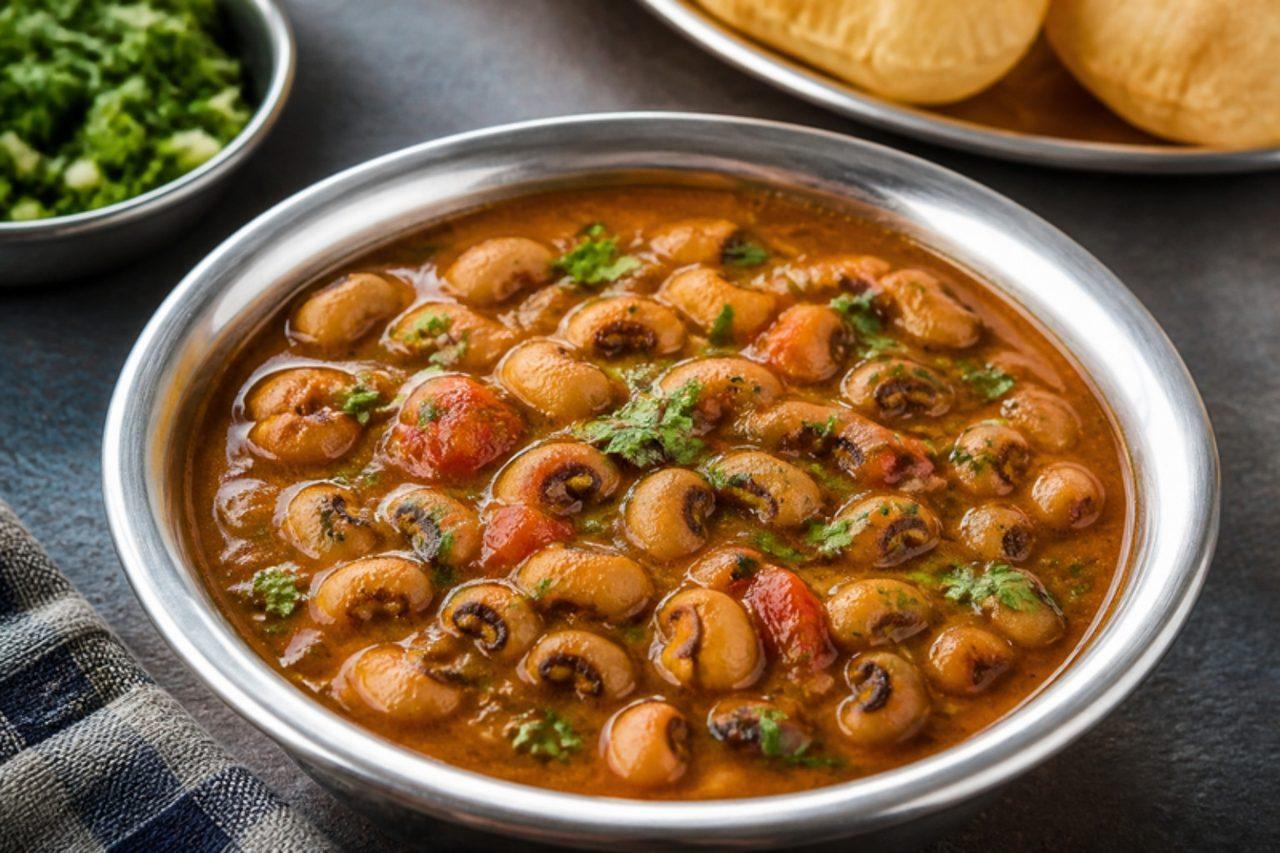
Chora nu shaakBlack-eyed pea curry

Chora nu shaak is a Sunday favourite in Surat and Baroda homes and one of the pulse shaaks that rotate through a Jain kitchen in place of onion-based gravies. Black-eyed peas are cooked soft, then simmered in a thin tomato gravy built on a vaghar of mustard seed, cumin, hing, cloves and dry red chilli, sweetened with jaggery and sharpened with lemon in true Gujarati style. Dry ginger powder replaces fresh ginger, and there is no onion or garlic. The gravy should be loose enough to soak into rotli or rice, with a few beans mashed to give it body. A common mistake is adding tomato and jaggery before the beans are fully soft; acid and sugar keep them hard however long you cook them. Chef's tip: let the shaak rest for 10 minutes before serving; the chora drink up the gravy and the flavours round out.

by KrazyBadal 0 views

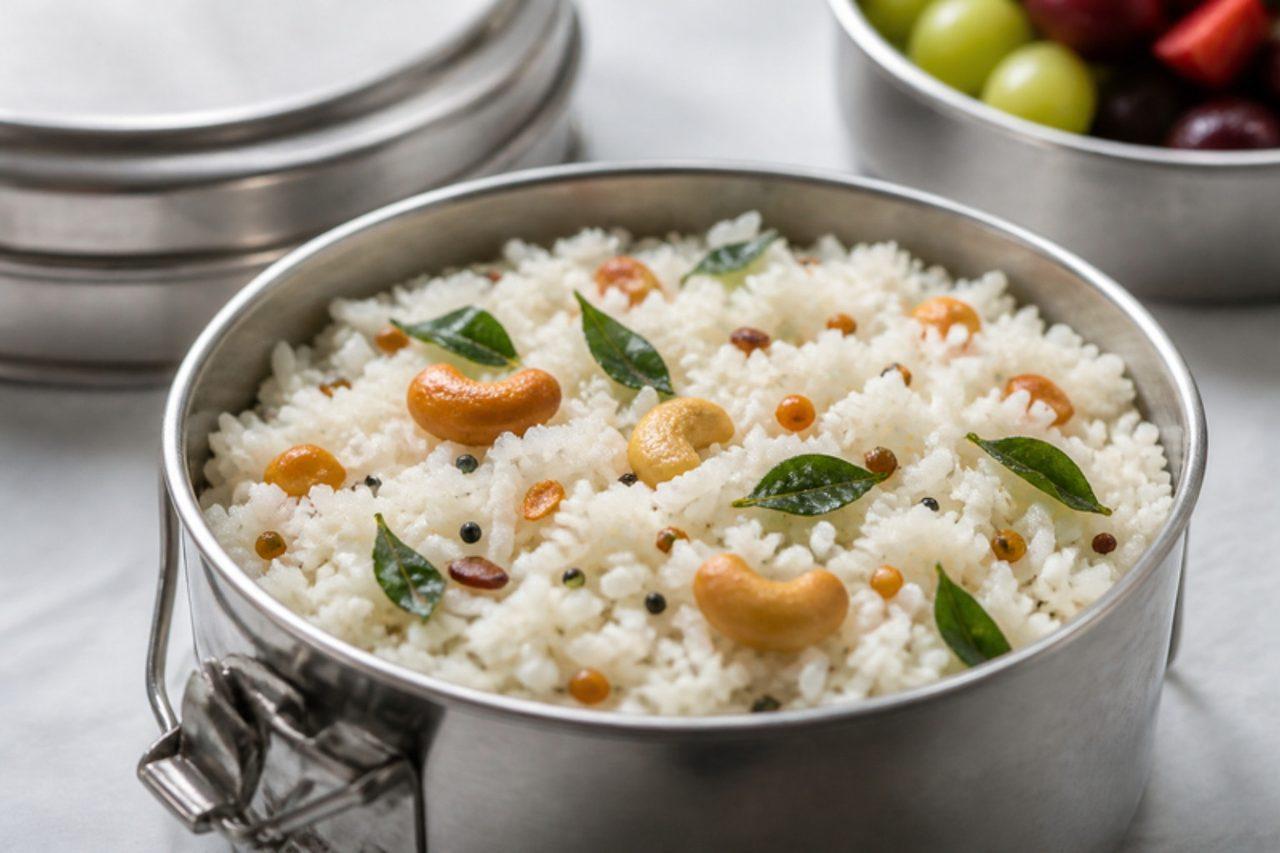
Thengai sadamCoconut rice

Thengai sadam is one of the 'variety rice' dishes that fill Tamil lunchboxes and temple prasadam lines, alongside lemon and tamarind rice. It is made for Aadi Perukku and Varalakshmi Vratam, packed for train journeys to Madurai, and turned out on busy weekdays from leftover rice. Fresh coconut, lightly toasted in coconut oil, clings to every grain; crunchy urad and chana dal, cashews and curry leaves give bite, and a dry red chilli a gentle heat. It tastes mild, sweet from the coconut and very fragrant. Serve it with potato roast, appalam or a spoon of mor kuzhambu. A common mistake is browning the coconut; it should only lose its raw smell and stay snowy white. Chef's tip: spread the rice on a plate to cool fully; warm, freshly cooked rice breaks and turns pasty when tossed.

by KrazyBadal 0 views

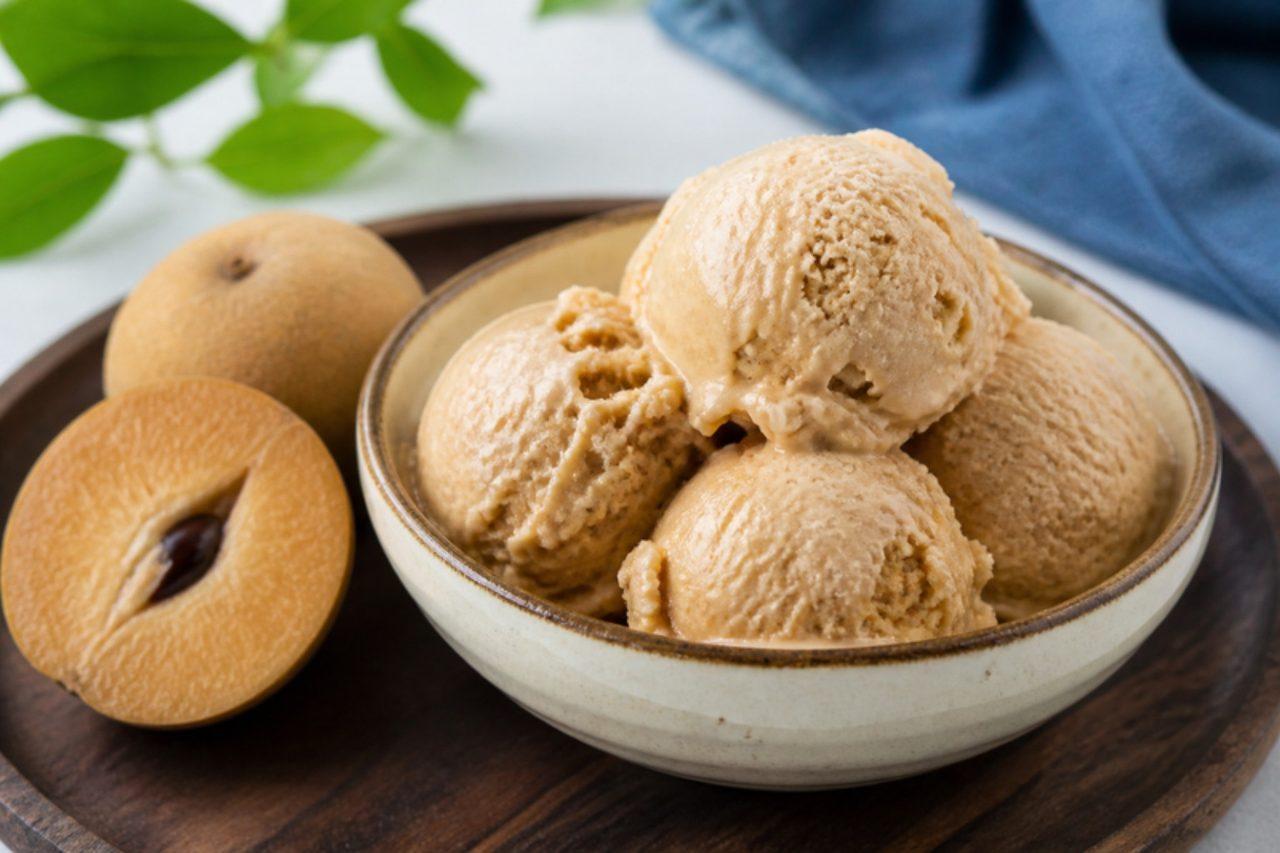
Chikoo ice creamSapodilla ice cream

The coast from Dahanu and Gholvad in Maharashtra up to Navsari and Valsad in South Gujarat is chikoo country, and when the orchards are heavy in winter, every home freezes a tub of this. Ripe chikoo tastes of brown sugar, malt and pear, so the ice cream needs barely any sugar and comes out a soft caramel colour, a little grainy from the fruit in a pleasing way. It's a family dessert after Sunday lunch and a favourite at Uttarayan terrace parties. The common mistake is using chikoos that are not fully soft; underripe fruit is astringent and makes the mouth feel furry. Press each one: it should give like a ripe peach. Chef's tip: blend the chikoo with the milk only just before folding; the pulp browns and turns flat if it sits around.

by KrazyBadal 0 views

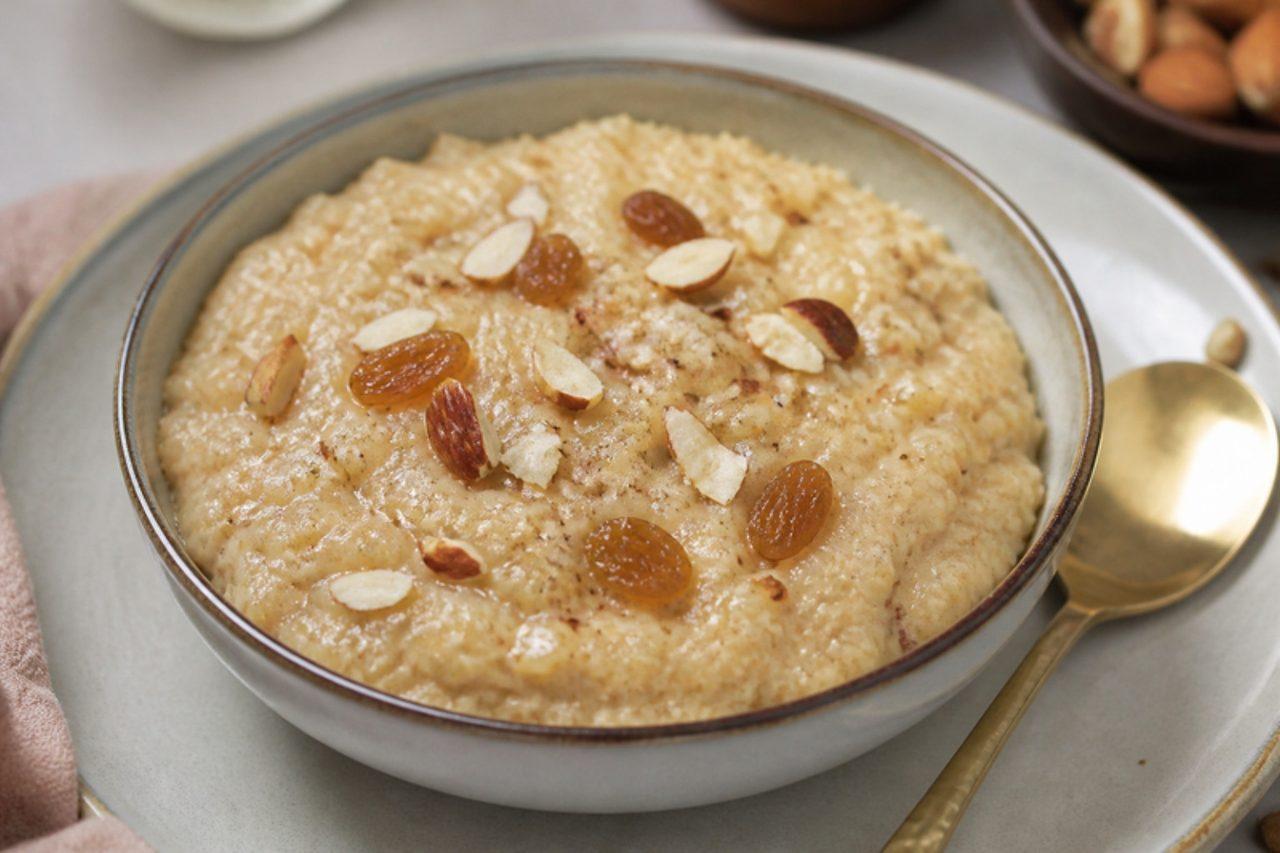
Meetha daliaSweet broken wheat porridge

On cold mornings in Punjab, Haryana and across Uttar Pradesh, a steaming bowl of milky dalia is what gets children out of the door. Fine broken wheat is first toasted in a spoonful of ghee, then cooked soft and finished in milk until it is creamy and loose, closer to a rice kheer than to a thick Gujarati lapsi. Jaggery gives it a gentle caramel sweetness, cardamom and plump raisins do the rest, and chopped almonds or a sliced banana on top make it a proper meal. It travels well in a flask for a tiffin, and toddlers who are already eating family food usually love it. Leftovers thicken in the fridge; loosen them with hot milk. Chef's tip: soak the jaggery in two tablespoons of warm water while the dalia cooks, then strain it in; this catches any grit and the syrup blends in smoothly.

by KrazyBadal 0 views

Osmanthus jelly (gui hua gao)

In Hangzhou and Guilin the sweet osmanthus trees flower around Mid-Autumn, and their tiny golden blossoms are dried to scent teas, wine and this crystal-clear jelly, a light dessert after a mooncake-heavy festival meal. Set with agar instead of gelatine, it is vegan, firm enough to cut into neat squares, and studded with flowers and red goji berries. The mistake is adding all the flowers to hot liquid at once: they float to the top in a crowd, so stir them in once the mix starts to thicken. Chef's tip: a mould with layers of flowers suspended all through looks far prettier than one with all the petals at the top.

by KrazyBadal 0 views

GulguleJaggery and wheat fritters

Rainy afternoons in Lucknow, Varanasi and Patna smell of gulgule frying. These little sweet fritters are made from a thick batter of whole wheat flour and melted jaggery, studded with fennel seeds, and dropped by hand into medium-hot oil, where they puff up and roll themselves over into dark-golden balls. Outside they are thin and crisp; inside they stay soft and cakey with a deep caramel sweetness. They are also made as a prasad for Sheetla Ashtami and on Teej, and children love them warm with a glass of milk. Made with water and fried in oil, as here, they are vegan. Expect about 20 bite-sized fritters. Chef's tip: test the batter by dropping a spoonful into water; if it holds its shape and doesn't spread, it is thick enough to make round gulgule.

by KrazyBadal 0 views

Goda masalaMaharashtrian spice blend

Goda means sweet in Marathi, and the word describes not sugar but the warm, rounded fragrance of this masala, which every Pune and Satara household roasts in small batches. It is the soul of Brahmin Maharashtrian cooking: masale bhaat at weddings, a spoonful in amti (tangy toor dal), bharli vangi (stuffed brinjal), and usal for misal. It is dark and aromatic rather than hot, built on coriander, dry coconut (kopra) and sesame, perfumed with cinnamon, cloves and cardamom, and given its earthy, slightly musky depth by dagad phool (stone flower, a lichen), with nagkesar and maratha moggu if you can find them at a Marathi grocer. Common mistake: roasting the coconut and sesame with the hard spices on a high flame; the coconut burns before the coriander is done and the whole batch tastes bitter. Chef's tip: roast each spice in a drop of oil until a shade darker, because that slow roasting is what gives goda masala its colour.

by KrazyBadal 0 views

Bel sharbatWood apple drink

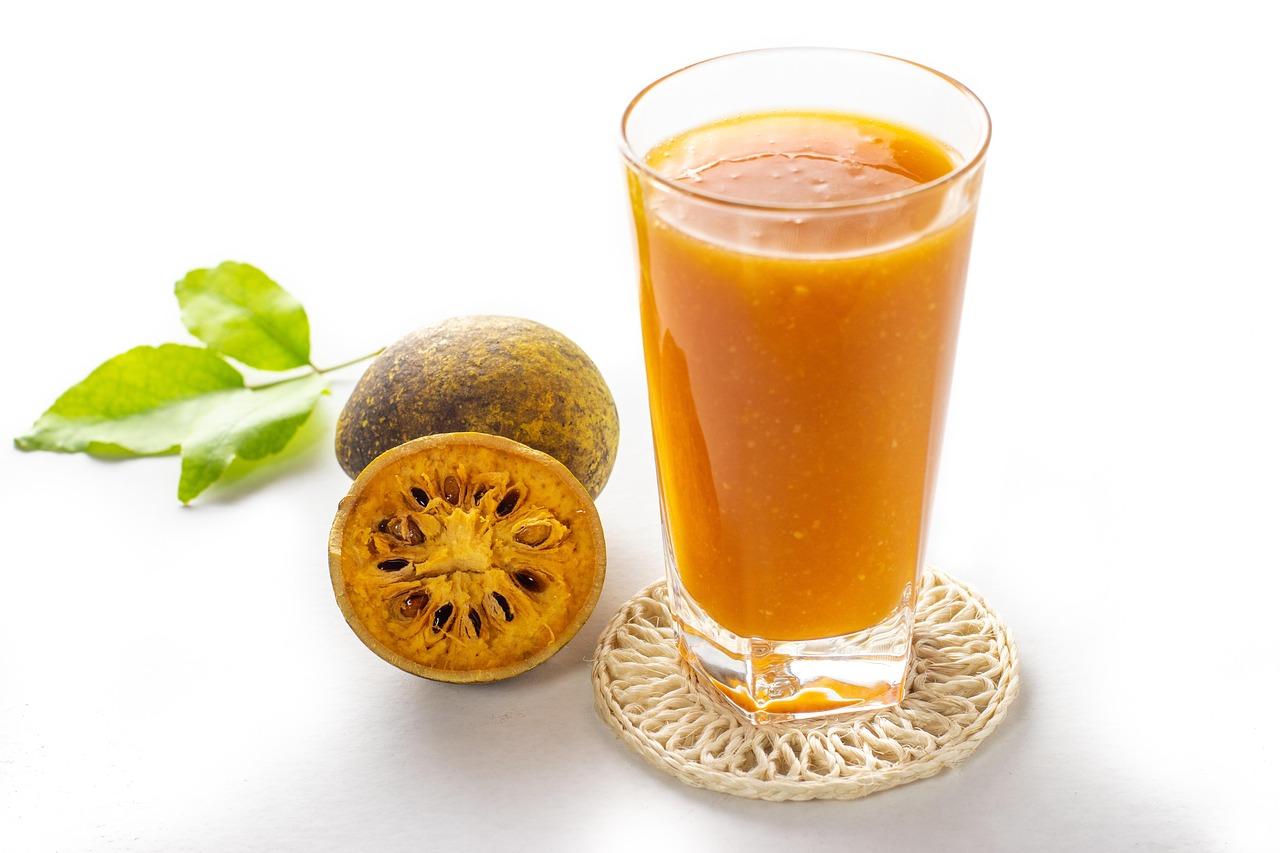
Bael trees grow beside temples across Uttar Pradesh and Bihar, and in May the hard golden fruits are cracked open on the doorstep with a pestle. The orange pulp smells of tamarind, marmalade and rose, and mashed into water it makes a thick, pulpy sharbat that people in Patna, Prayagraj and Gorakhpur drink mid-morning to keep the heat at bay; it is also famously kind to the stomach. Rickshaw stalls sell it from big steel pots. Ripe fruit is essential: it should sound hollow when tapped and smell sweet. The common mistake is blending the pulp in a mixer, which crushes the seeds and sticky fibres and makes the drink bitter and gluey; soak it and mash by hand instead. Chef's tip: let the pulp soak a full 15 minutes before mashing, and it practically falls off the fibres.

by KrazyBadal 0 views

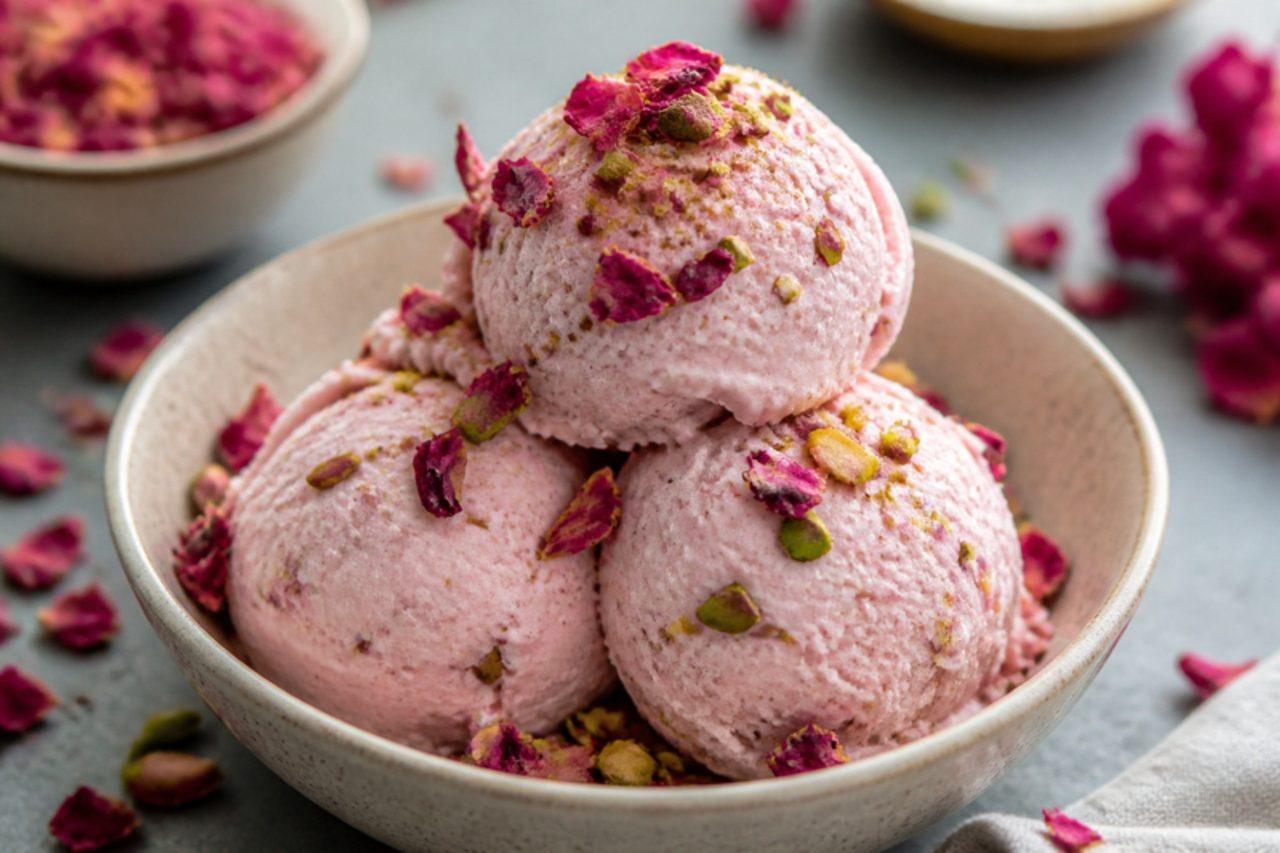
Gulkand ice creamRose petal ice cream

Gulkand, rose petals pounded with sugar and left to mature in the sun, is what gives a meetha paan its sweet floral heart, and Mumbai parlours and Delhi dessert shops have long turned it into a pink-flecked ice cream. This no-churn version needs no machine: whipped cream and condensed milk freeze smooth, and the gulkand stays in soft, jammy ribbons that taste of roses and honey. Serve it after a Mughlai dinner, at a summer party, or between slices of malpua. The common mistake is overwhipping the cream until grainy; then the ice cream feels buttery. Stop at soft, floppy peaks. Chef's tip: loosen the gulkand in the condensed milk before folding; stirred in on its own, it sinks as sticky clumps.

by KrazyBadal 0 views

Methi dana ki sabziSweet-sour fenugreek seed curry

Marwari wedding and festival thalis in Jaipur, Bikaner and the Marwari homes of Kolkata always carry a small bowl of this: fenugreek seeds soaked overnight, boiled to tame their bitterness, then cooked down with jaggery, raisins, amchur and warm spices until sticky and glossy. It is eaten in small spoonfuls with puri, bajra roti or dal-baati, more like a relish than a vegetable, and it's especially loved after childbirth and in winter as a warming food. With no onion, garlic or root vegetables, it suits Jain homes as is. The common mistake is skipping the boil-and-drain; seeds that are only soaked stay unpleasantly bitter. Chef's tip: the sabzi keeps for a week in the fridge and tastes better on day two, so make it a day before a festive meal.

by KrazyBadal 0 views

GanmodokiTofu and vegetable fritters

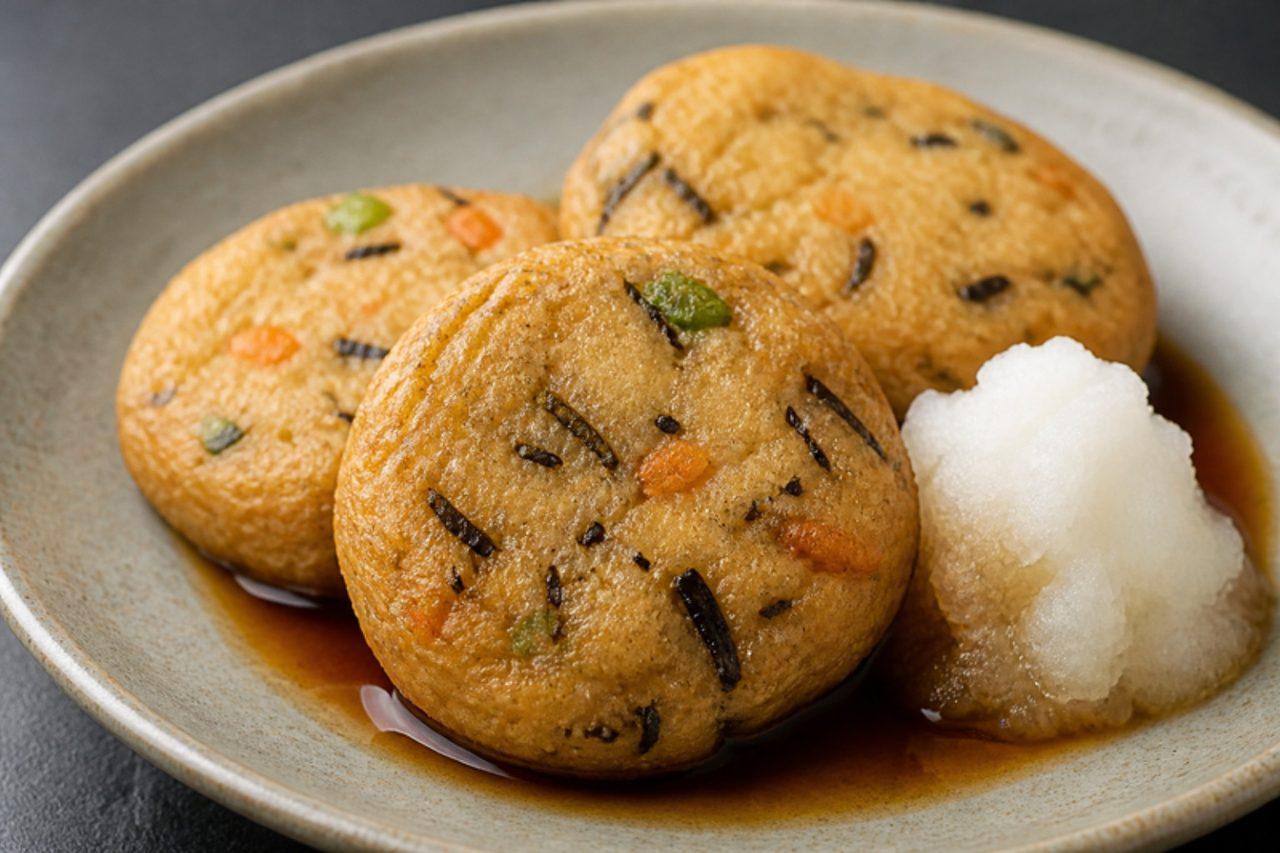
The name means 'mock goose', a hint that these fritters were invented by Buddhist monks who wanted something rich and satisfying without meat; in Kyoto they are called hiryōzu. Firm tofu is pressed, mashed with grated yam, carrot, hijiki and sesame, then fried into golden discs that are crisp outside and soft and springy within. Eat them hot with ginger and soy, or simmer them in oden or sweet dashi on cold days. The common mistake is not pressing the tofu enough; wet tofu makes fritters that split and spit in the oil. Chef's tip: a little grated Japanese mountain yam (nagaimo) binds the mix without egg and makes it fluffier; potato starch alone gives a denser fritter.

by KrazyBadal 0 views

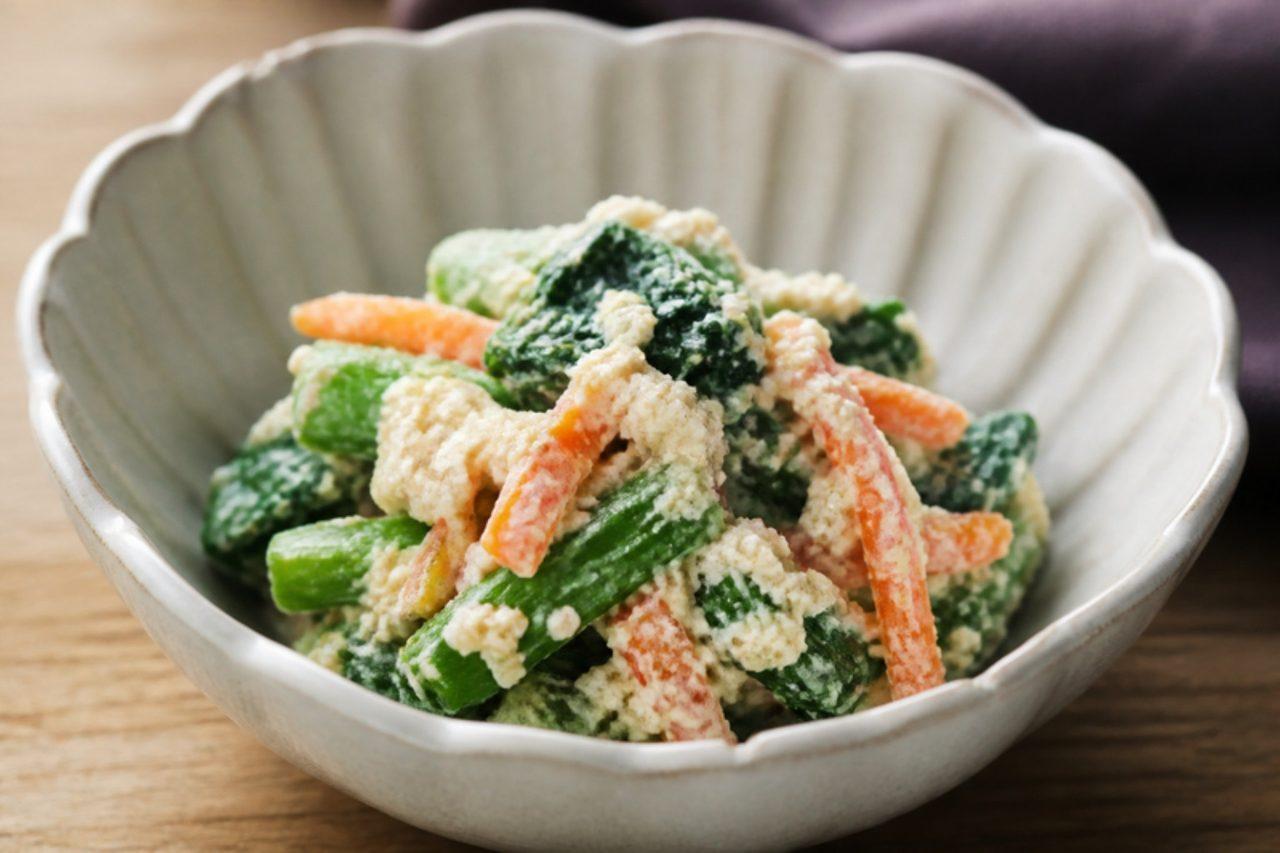
ShiraaeVegetables in tofu dressing

Shiraae, 'white dressing', is one of the oldest dishes of Japanese temple cooking and still a gentle home side today, especially in the Kyoto area: blanched spinach, carrot and konnyaku folded into a creamy paste of tofu, ground sesame and a touch of white miso. It tastes mild, nutty and lightly sweet, rather like a Japanese answer to a dip-dressed salad. The common mistake is leaving the vegetables wet, which turns the dressing grey and runny; squeeze them well and dress just before serving. Chef's tip: for the silkiest dressing, grind the toasted sesame in a suribachi (or mortar) until it starts to turn oily, then mash the tofu straight into it.

by KrazyBadal 0 views

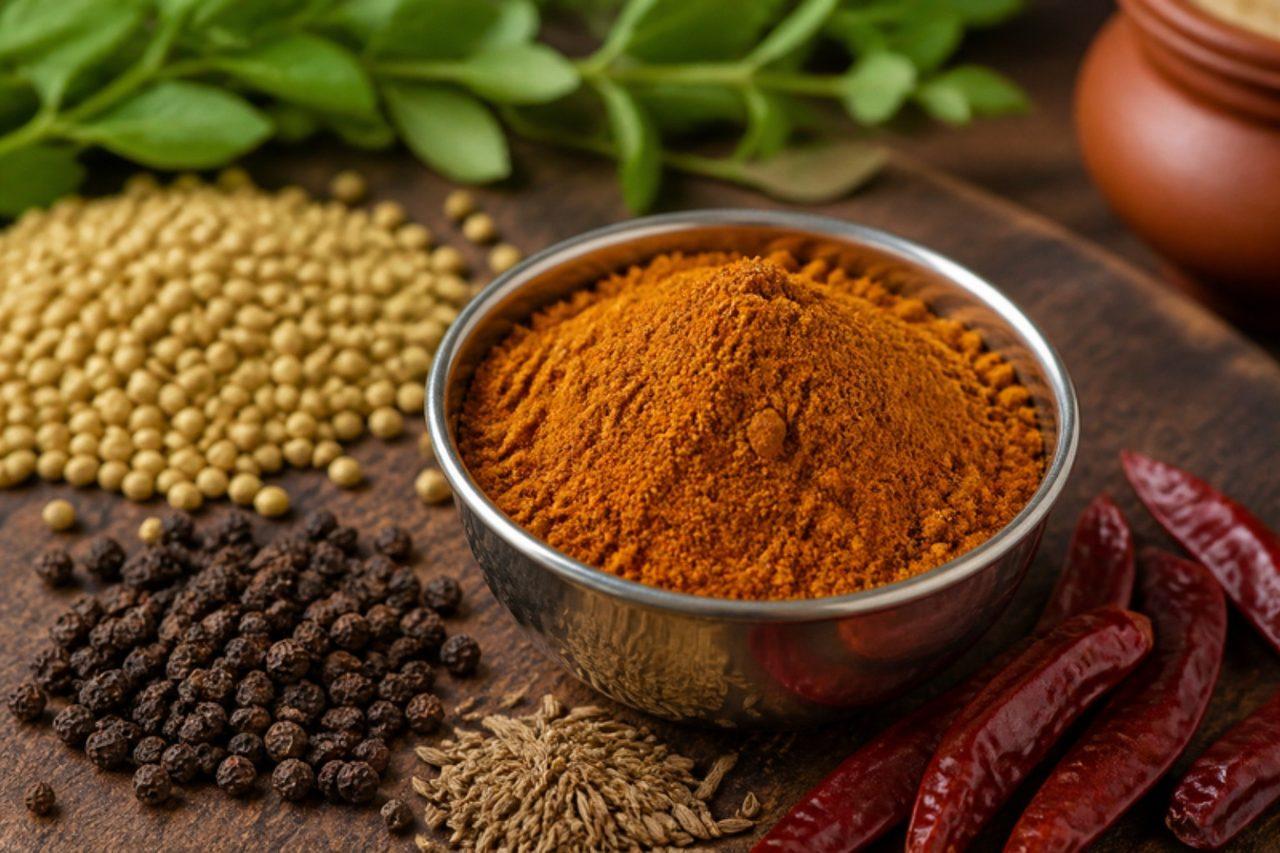
Rasam powderRasam spice powder

A spoon of rasam podi, a lime-sized ball of tamarind, a tomato and a ladle of cooked toor dal: that is lunch in countless Tamil homes, from Thanjavur to Tirunelveli, and the podi is what makes one family's rasam taste unlike the neighbour's. This version is peppery and cumin-forward, as rasam should be, with roasted coriander for body and a little toor dal that thickens the broth slightly and gives it a rounded, nutty base. It is meant for clear, thin rasams: tomato rasam, pepper rasam, lemon rasam, and the one you sip as a soup when you have a cold. Make a small batch, since the aroma fades after a couple of months. Common mistake: roasting the coriander seeds until dark brown; they turn bitter and the rasam tastes burnt. Chef's tip: add rasam powder at the end, when the tamarind water is already boiling, and switch off the heat as soon as the rasam froths; boiling it hard kills the pepper aroma.

by KrazyBadal 0 views

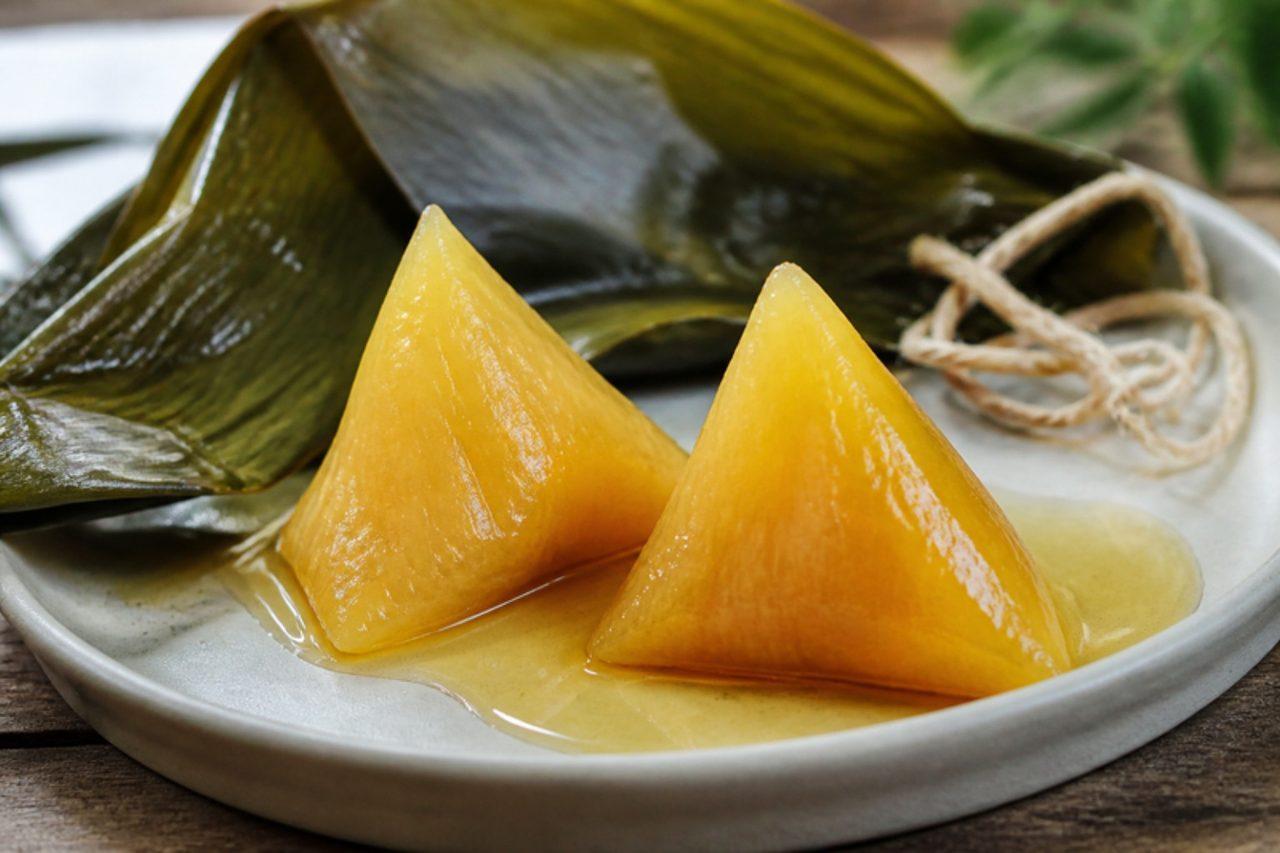
Jianshui zong (alkaline rice dumplings)

When the Dragon Boat Festival comes round in early summer, kitchens in Guangdong and the Jiangnan region boil batches of these plain, amber zongzi in bamboo leaves; they are chilled and eaten with syrup or sugar as a cooling sweet. Alkaline water turns the glutinous rice golden, springy and almost translucent, with a faint mineral taste. Food-grade lye water is strong, so keep it away from children, wear gloves and never taste the raw soaked rice. The mistake is wrapping too tightly: the rice swells a lot, so leave a little room. Chef's tip: boil them fully submerged under a heavy plate the whole time, or the tops stay hard.

by KrazyBadal 0 views

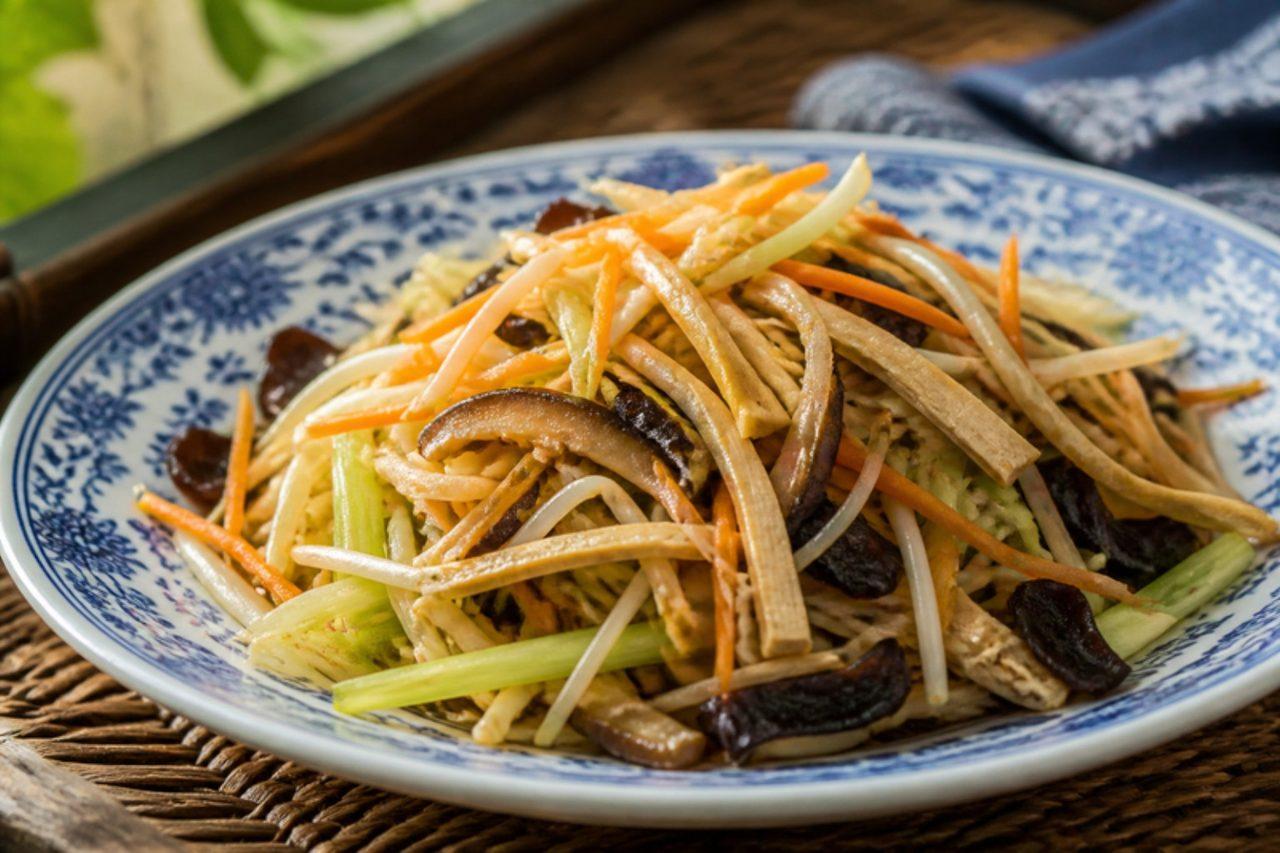
Shi xiang cai (ten-treasure vegetables)

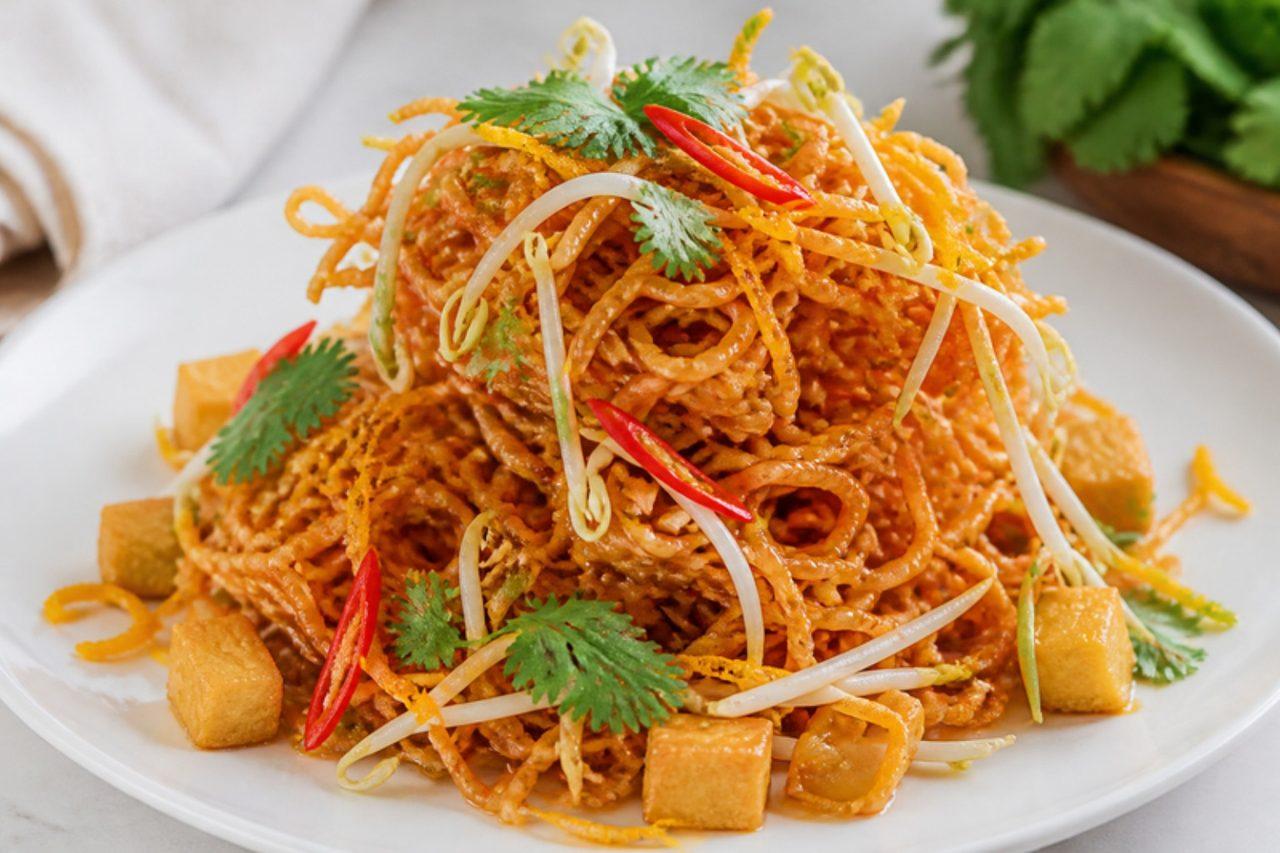
Shanghai families make a big tub of shi xiang cai on the last days of the old year, and it sits on the table, cold, through the first fortnight of New Year as a fresh, crunchy counterweight to all the braised meat. Ten ingredients, each shredded as fine as matchsticks and stir-fried separately, are tossed together with soy, sugar and sesame oil: soybean sprouts, carrot, celery, wood ear, shiitake, lily buds, bamboo, pressed tofu, preserved mustard tuber and red pepper. Throwing everything into the wok at once is the mistake; each vegetable cooks at its own speed, and only separate frying keeps them crisp. Chef's tip: the finer and more even the shreds, the more it tastes like the real thing.

by KrazyBadal 0 views

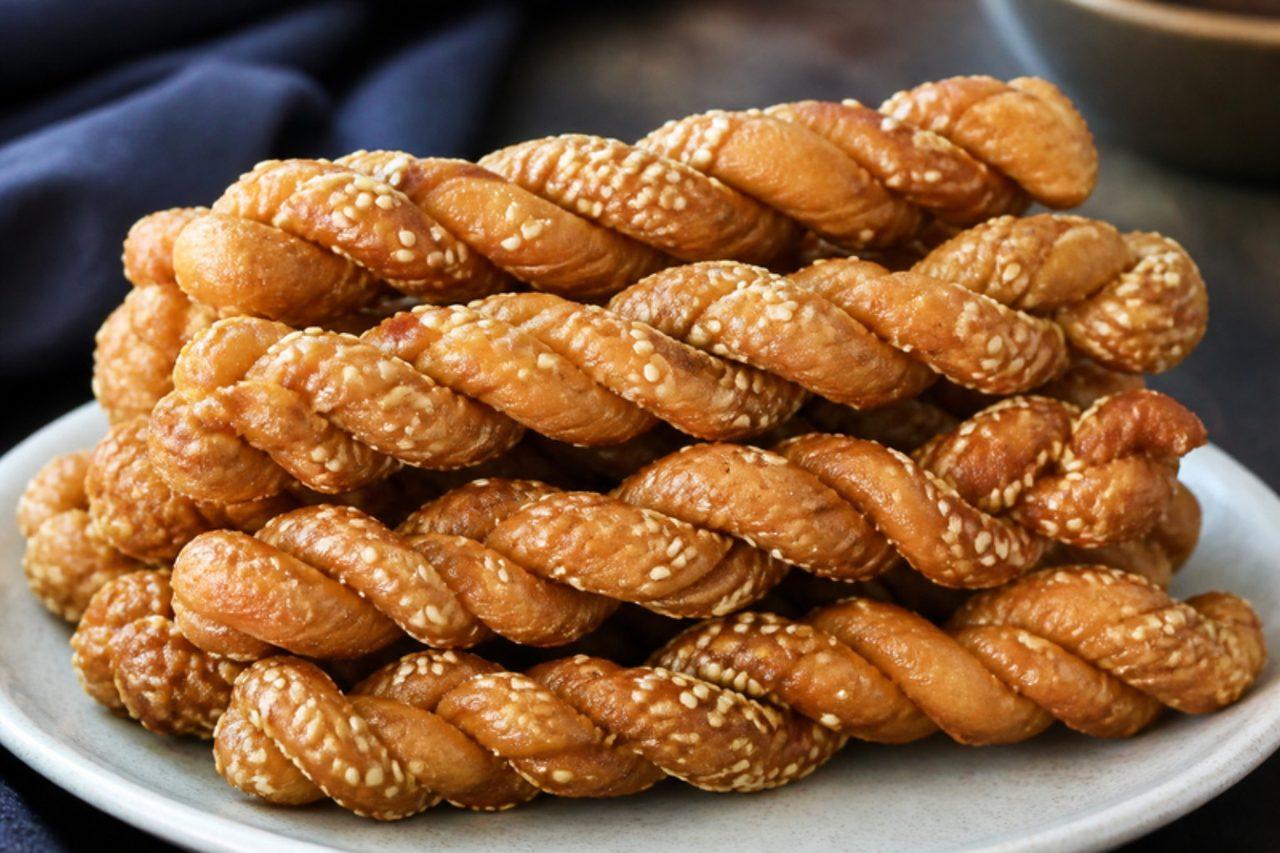
Mahua (crisp fried dough twists)

Tianjin in northern China is famous for mahua, and the shops on Guifaxiang street sell giant ones stuffed with candied fruit; but the everyday kind is a small, hard, golden twist sold in bags in every corner shop and eaten with tea or as a snack on the train. This home version is crisp right through with a little sweetness and toasted sesame. The common mistake is frying too hot: the outside browns while the thick twist stays doughy and raw in the middle. Keep the oil at about 160 °C and give them time. Chef's tip: let the shaped twists rest 10 minutes before frying so the dough relaxes; tight twists spring open in the oil.

by KrazyBadal 0 views

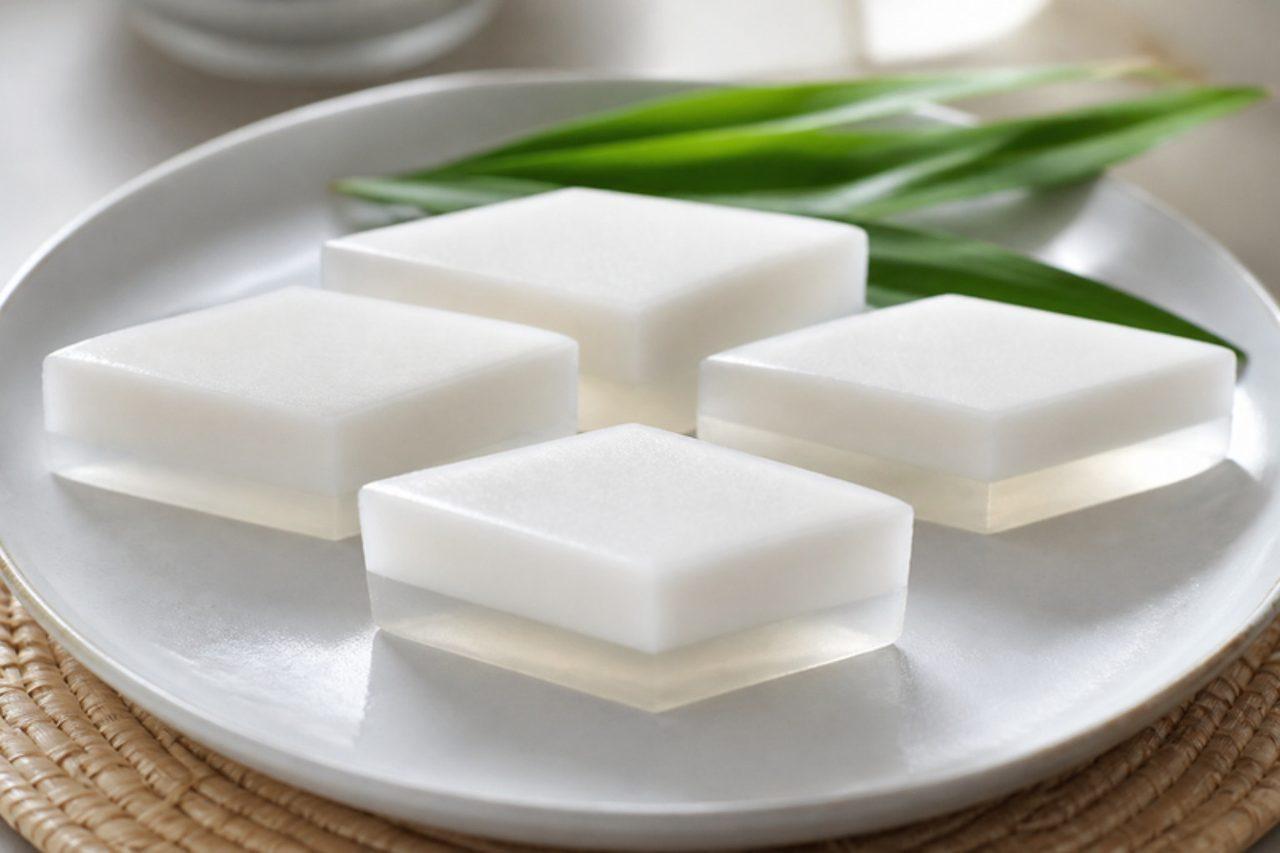
Coconut milk jelly

Hong Kong yum cha halls finish a long Sunday lunch with plates of these cool white-and-clear diamonds, and Guangdong homes set a tray in the fridge for hot summer evenings. The bottom layer is rich coconut milk, the top a clear, gently sweet jelly, both set with agar so it is fully vegan and holds firm even on a warm table. Set the layers too far apart in time and they peel away from each other, which is the usual mistake: pour the second layer while the first is set on top but still warm. Chef's tip: shake the can of coconut milk hard before opening, or the rich cream stays in a lump at the top.

by KrazyBadal 0 views

Methia masalaPickle spice mix

In Gujarati homes, methia masala (also called achar masala or sambhar masala in Kathiawad) is mixed each April before the mango pickling begins, and a jar of it lasts the year. It is built on methi kuria and rai kuria, split fenugreek and split mustard seeds sold at every Gujarati grocer, which are bloomed in smoking-hot groundnut oil with hing so they lose their raw bitterness, then mixed with Kashmiri chilli powder, turmeric and salt. That one masala makes instant pickles of carrot, gunda, raw mango or kerda in minutes, is spooned beside khichu, thepla and dhokla and goes into methia keri, the classic Gujarati mango pickle. Common mistake: pouring the oil over the chilli powder while it is smoking hot; the chilli turns black and bitter. Chef's tip: pour the hot oil over the kuria and hing only, wait until it is just warm, and only then stir in the chilli, turmeric and salt.

by KrazyBadal 0 views

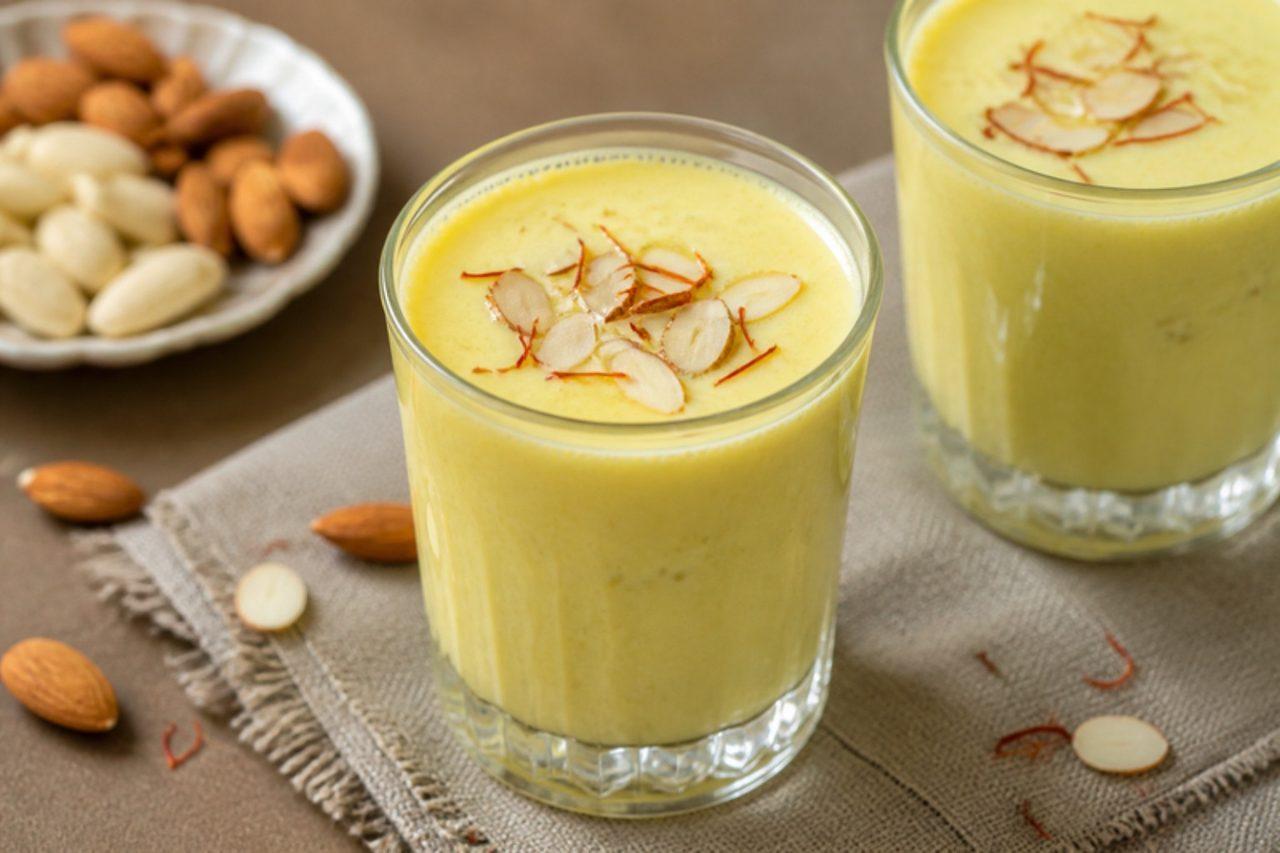
Badam milkAlmond milk

In Hyderabad and Bengaluru, darshinis and Irani cafés sell badam milk from steaming steel urns, while in North Indian homes a hot glass of it is what you get after an exam or on a cold Delhi evening. It is creamy and nutty, tinted pale gold by saffron, and has fine, pleasant flecks of almond rather than being smooth like a shake. Chilled, it is sold in bottles all summer and served at weddings. Soaking and peeling the almonds is what makes it taste clean and sweet. A common mistake is grinding the almonds dry, which turns them oily and gritty; grind soaked almonds with a little milk to a fine paste. Chef's tip: simmer gently after adding the almond paste and keep stirring, because it settles and catches on the bottom of the pan within minutes.

by KrazyBadal 0 views

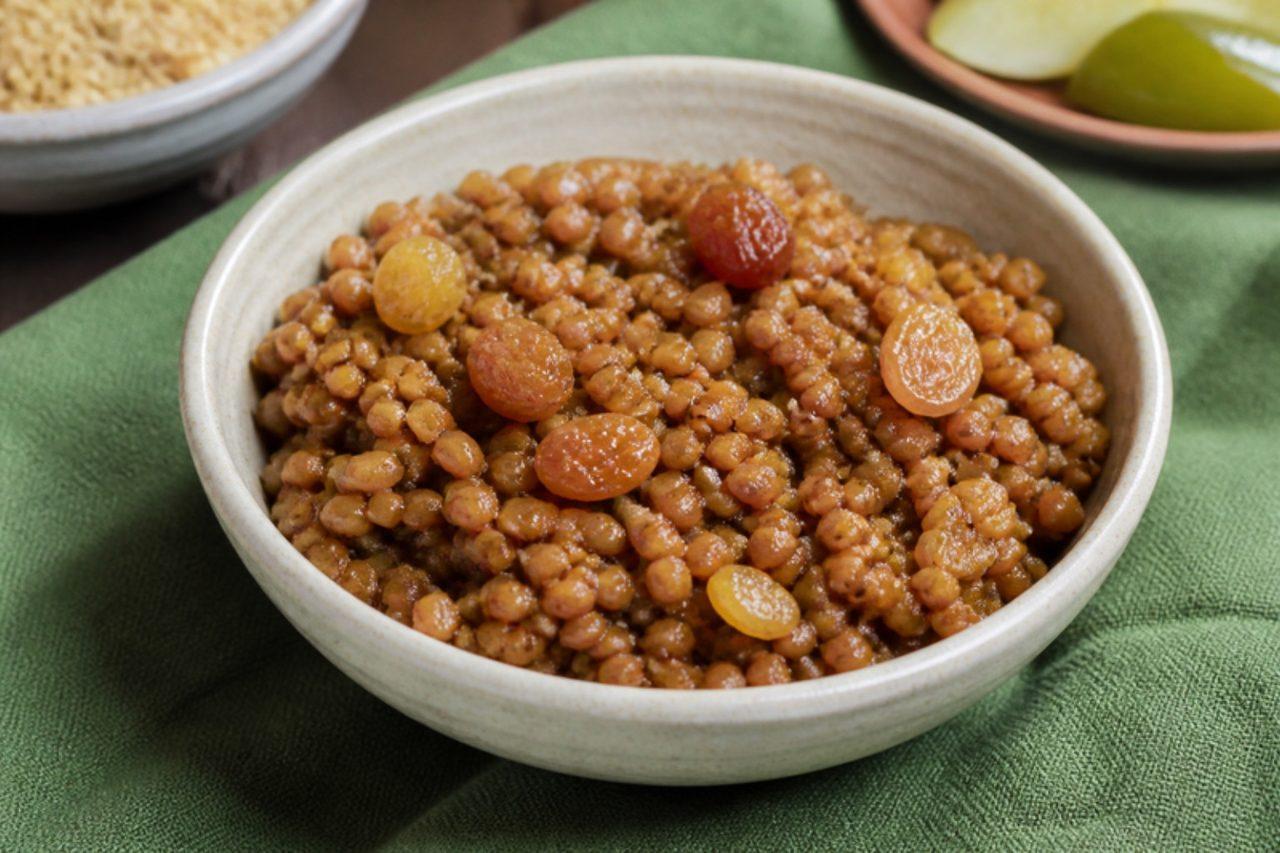
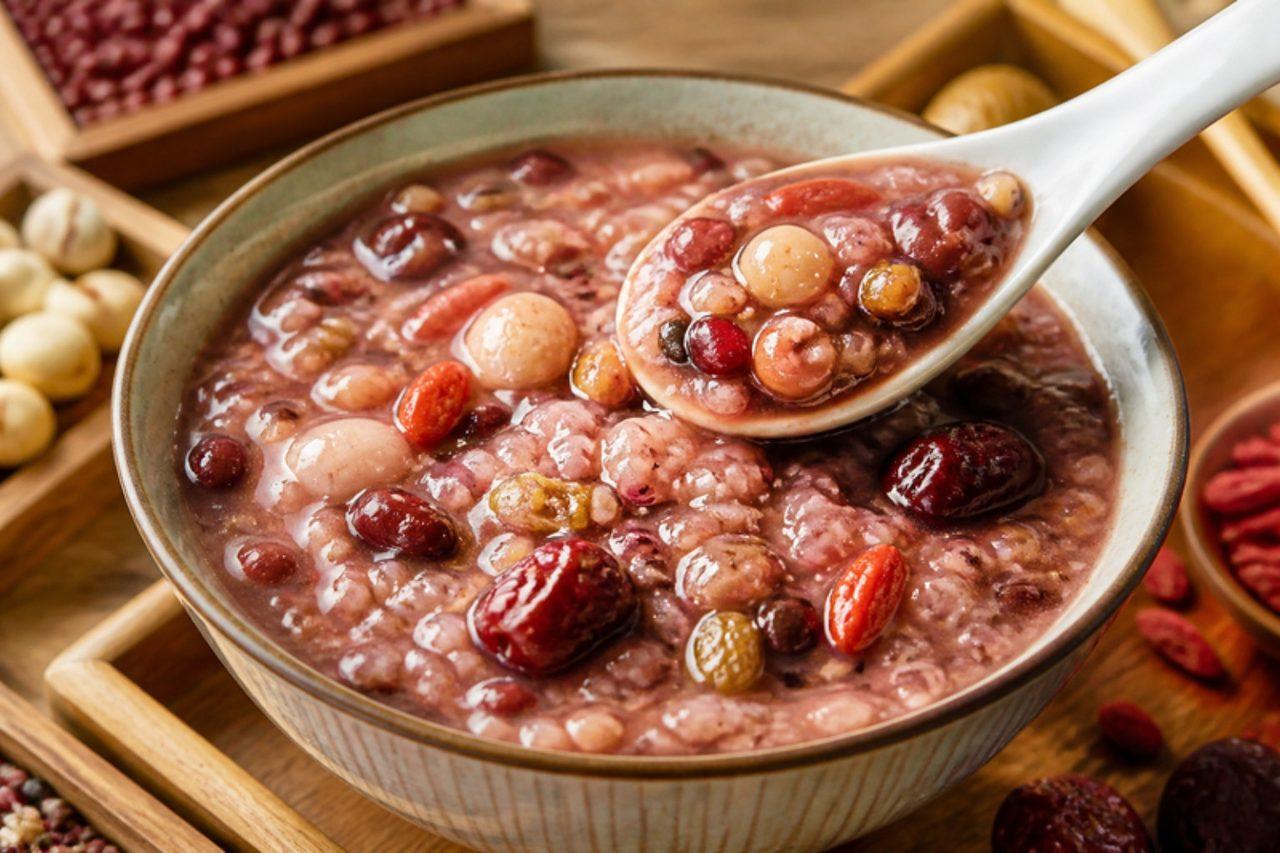
Laba congeeMixed grain and bean porridge

On Laba, the eighth day of the twelfth lunar month, Buddhist temples across China from Beijing's Yonghe Temple to Hangzhou's Lingyin hand out bowls of this porridge to everyone who queues, marking the day the Buddha is said to have reached enlightenment. Families cook it at home the same morning, and it signals that the New Year is on its way. It is thick, gently sweet and full of different textures: chewy black rice, soft red beans, creamy lotus seeds and sticky dates. A common mistake is putting everything in at once; the beans need a head start or they stay hard while the rice turns to glue. Chef's tip: soak the beans and black rice overnight, and cook the porridge low and slow with the lid ajar so it does not boil over.

by KrazyBadal 0 views

Shojin dashiKombu and shiitake stock

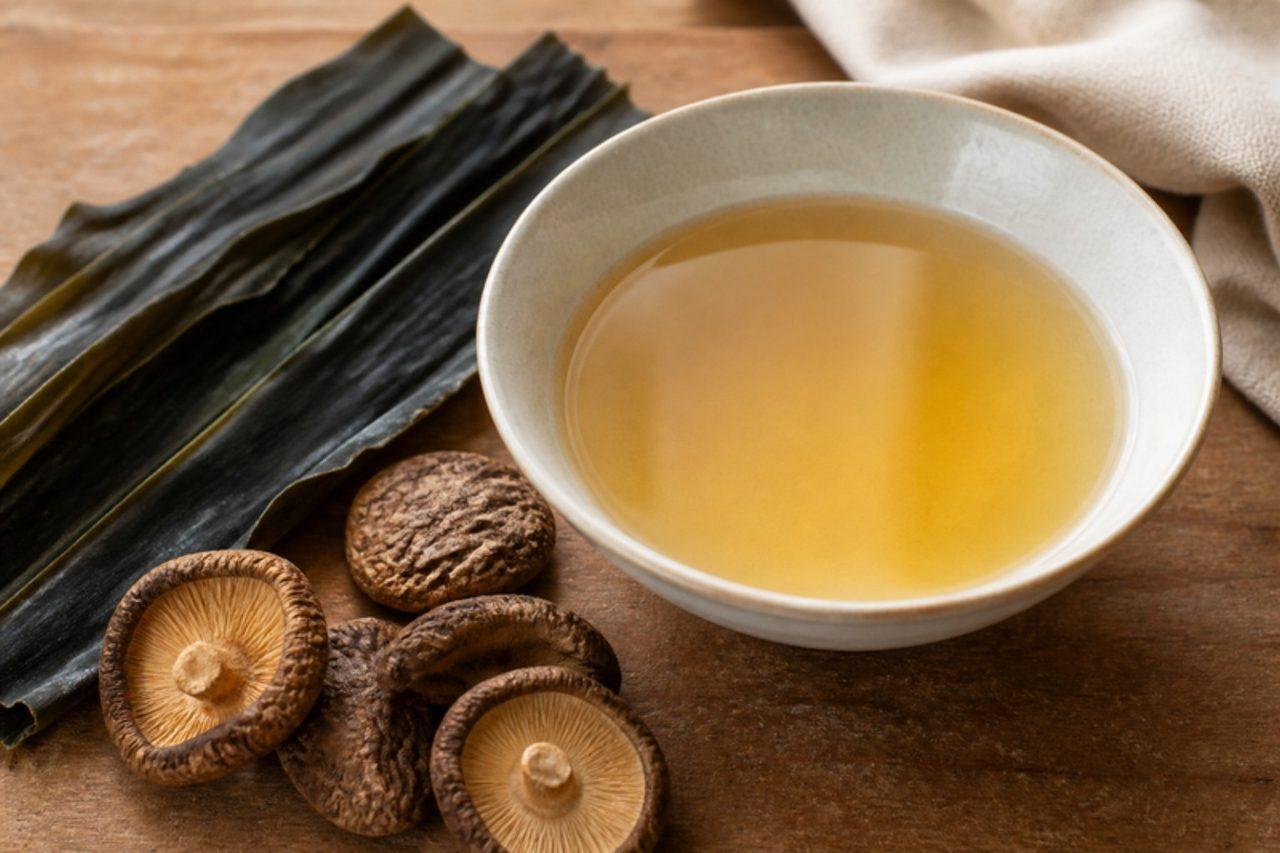
Zen temples in Kyoto and Kamakura build their whole cuisine on this stock: kombu kelp and dried shiitake soaked in cold water until the liquid turns golden and deeply savoury, with no bonito at all. It is the vegan dashi for miso soup, simmered vegetables, noodle broths and dipping sauces, and every vegetarian Japanese recipe on this site can use it. The common mistake is boiling the kombu, which releases slime and bitterness; it should never go beyond a gentle simmer, and taking it out just before boiling gives the cleanest flavour. Chef's tip: soak overnight in the fridge (mizudashi) for the best, roundest flavour with no effort, then keep the softened shiitake for a simmered dish.

by KrazyBadal 0 views

Goma dofuSesame tofu

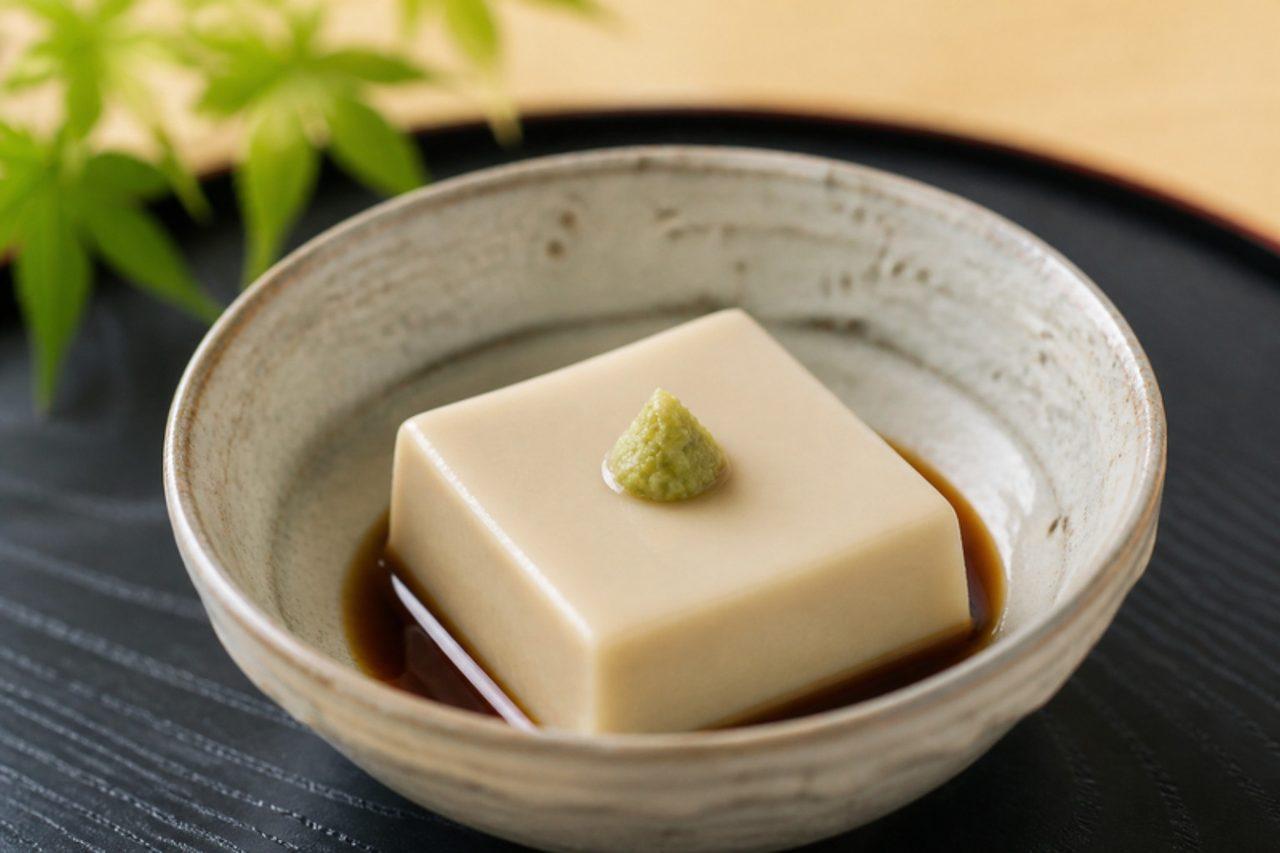
Despite its name, goma dofu contains no soybeans: it is a pale, wobbly block of ground sesame and water, set with kudzu starch, and it is the signature dish of the temple lodgings on Mount Kōya in Wakayama, served at breakfast and at the start of shojin ryori meals. It has a bouncy, almost mochi-like texture and a deep, toasty sesame flavour, eaten with a dab of wasabi and soy. The common mistake is stopping the stirring too soon: it must be beaten hard over the heat for a full 15 minutes, or it sets soft and pasty instead of springy. Chef's tip: use pure white sesame paste (neri goma) rather than tahini if you can; it is more roasted and gives a richer, creamier flavour.

by KrazyBadal 0 views

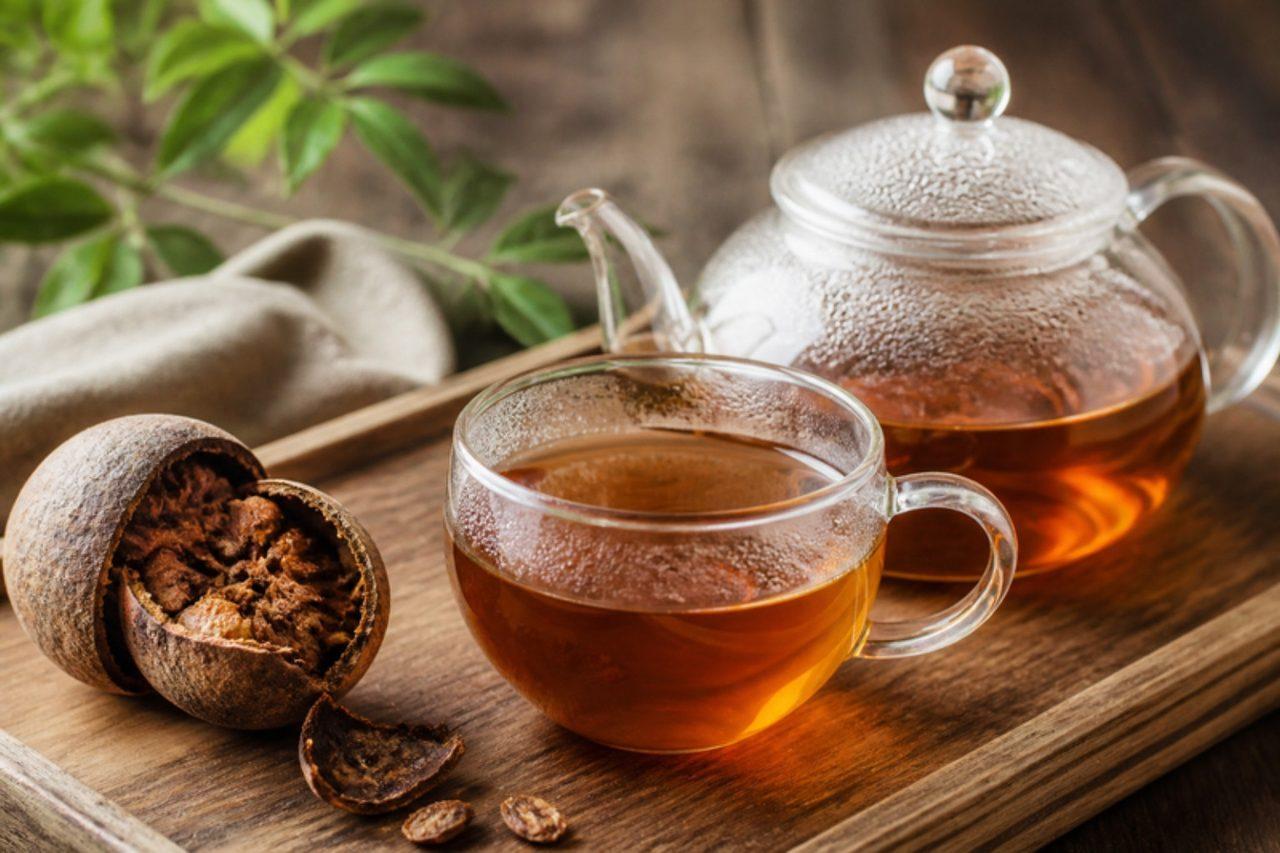
Luo han guo teaMonk fruit tea

The hills around Guilin in Guangxi grow luo han guo, a small round gourd that is dried until its shell turns brown and brittle. Cantonese and Guangxi households simmer one in water when someone has a scratchy throat or a dry cough, or simply in the heat of summer, and the result is a dark amber tea that tastes of caramel and dried fig with no sugar added at all. Drink it hot in winter or chilled in summer. The mistake most people make is using a whole fruit for a single cup, which is cloyingly sweet; one fruit is enough for a large pot. Chef's tip: crack the shell and tear the pulp into pieces, so the flavour comes out in 15 minutes instead of an hour.

by KrazyBadal 0 views

Kao fu (braised wheat gluten)

Every Shanghainese family puts a bowl of kao fu on the table for Chinese New Year, and the city's temple canteens serve it all year as a cold dish. The spongy wheat-gluten cubes drink up a dark, glossy braise of soy and rock sugar, with crunchy wood ear, meaty shiitake and soft peanuts in every mouthful. It tastes better the next day, eaten cold or just above room temperature with rice or congee. Most people get it wrong by cutting the gluten with a knife; tear it by hand so the rough edges soak up more sauce. Chef's tip: squeeze the boiled gluten hard, like a sponge, before frying, or it spits in the oil and stays bland inside.

by KrazyBadal 0 views

Tanghulu (candied hawthorn and fruit skewers)

Tanghulu sellers carrying poles bristling with red skewers are a winter sight in Beijing's hutongs and at the Spring Festival temple fairs at Ditan and Changdian. The classic is hawthorn, tart and mealy under a shell of hard sugar; strawberries, mandarin segments and grapes are the modern favourites. Everything depends on the syrup reaching the hard-crack stage, about 150 °C; the common mistake is stopping too early, which gives a sticky coating that never sets. The syrup is far hotter than boiling water and sticks to skin, so keep children well back while you cook and dip, and let them help only with threading the fruit. Chef's tip: the fruit must be bone dry; any water on the skin makes the sugar slide off and bubble.

by KrazyBadal 0 views

Paruppu sadamMashed rice and toor dal

Long before they can manage rasam or sambar, children in Tamil homes are fed paruppu sadam: rice and toor dal cooked together until very soft, mashed smooth and loosened with a spoonful of ghee. It is plainer and wetter than a khichdi, with no vegetables or spice blend, just turmeric, salt and a light thalippu (tempering) of cumin, curry leaves and a pinch of asafoetida. The same bowl is comfort food for grown-ups, eaten with a crisp potato roast, a fried appalam (urad papad) and a dollop of mango pickle. It also turns up at the start of a festive Tamil meal, where the first course is always dal rice with ghee. The texture should be creamy and spoonable, almost like a thick soup. Chef's tip: mash the rice and dal while they are piping hot; once they cool, the starch sets and the mash turns gluey rather than smooth.

by KrazyBadal 0 views

Eight treasures rice

On New Year's Eve in Shanghai and the towns of Jiangnan, the reunion dinner ends with a dome of sticky rice turned out onto a plate, its top patterned with red dates, raisins, goji berries, walnuts and lotus seeds, and a heart of sweet red bean paste. A glossy syrup goes over just before it reaches the table. Older recipes use lard; this one uses neutral oil, so it is vegan. The usual mistake is undercooking the rice at the first steaming: if it is still chalky before shaping, it never turns tender. Chef's tip: pack the fruit pattern into the bowl first and press the rice firmly over it, so the design comes out sharp.

by KrazyBadal 0 views

Dudhi nu shaakBottle gourd curry

When someone in a Gujarati house is unwell, or it's simply too hot to eat anything heavy, this is the shaak that appears with khichdi or thin rotli. Pale green bottle gourd cubes are cooked in a vaghar of cumin, mustard seed and hing with green chilli, a little tomato and a pinch of jaggery, and they release so much juice that almost no water is needed. With no onion, garlic or fresh ginger, it's everyday Jain food too. It ends up soft, light and gently sweet-sour, with a little thin gravy to soak into rice. The common mistake is adding water; dudhi is mostly water itself, and the shaak goes soupy and bland. Cover and let it stew in its own juice. Chef's tip: always taste a tiny raw piece first; a bottle gourd that tastes bitter can make you ill and must be thrown away.

by KrazyBadal 0 views

Ragi ganjiFinger millet milk porridge

Across Karnataka and the Tamil country, a cup of warm ragi is often the very first grain a child tastes and the same drink a grandfather has before his morning walk. Finger millet (ragi) flour cooks into a silky, cocoa-brown porridge with an earthy, slightly malty taste that jaggery and a whisper of cardamom round off beautifully. Bengaluru mothers pour it into steel tumblers for school mornings; it is filling, naturally gluten-free and gentle on small tummies. Keep it pourable for drinking or cook it a minute longer for a spoonable bowl, and serve it warm with a ripe banana alongside. For children under one, most families leave out the jaggery and use water or the milk the baby already drinks. Chef's tip: always whisk the flour into cold water first; ragi flour dropped into hot liquid seizes into lumps that no amount of stirring will fix.

by KrazyBadal 0 views

Vegetarian gooseTofu-skin roll

Shanghai's Buddhist temple kitchens, and the vegetarian restaurant at Jade Buddha Temple in particular, have long served su e as a cold starter: sheets of tofu skin brushed with sweet soy, rolled tight, steamed to set and then fried until the outside turns bronze and blistered like the skin of a roast bird. Sliced on the diagonal, it shows dozens of thin, savoury layers that are tender inside and faintly chewy at the edge. It is eaten at room temperature with other cold plates before a banquet, or tucked into lunch boxes. The usual mistake is soaking the dried tofu skin until it falls apart; you only need to brush it with the warm seasoning so it softens as you roll. Chef's tip: roll each log as tightly as you can and tie it in a cloth before steaming, because loose rolls separate into strips when you slice them.

by KrazyBadal 0 views

Fa gao (prosperity cakes)Steamed rice flour cakes

Fa gao is the little cake on every Cantonese New Year altar in Guangzhou and in Chinatowns from Kuala Lumpur to London: the word 'fa' means both 'rise' and 'prosper', and the deeper the cross-shaped crack on top, the luckier the year. This quick version uses rice flour, a little wheat flour and baking powder, steamed hard so the tops burst open, and it is egg- and dairy-free. The mistake that stops them smiling is a gentle steamer; the water must be at a fierce rolling boil before the cups go in. Chef's tip: fill the cups right to the brim, so the batter has to split as it rises.

by KrazyBadal 0 views

Sichuan pao cai (brine pickles)Brine-pickled vegetables

Almost every family in Sichuan keeps a glazed pao cai jar with a water-sealed lid, and some brines have been topped up for decades. Vegetables steep in salted water with Sichuan pepper and fresh chillies until they turn crisp, sour and lightly fizzy; they are eaten as a little dish with rice porridge at breakfast in Chengdu, and chopped into fish, beans and stir-fries for that clean sourness. Many cooks add a splash of baijiu to the jar; this version leaves it out, and the pickle ferments perfectly well without it. The mistake that ruins a jar is a wet or oily spoon: any oil or raw water lets white mould grow, so always use a clean, dry spoon. Chef's tip: dry the cut vegetables in the sun or on a rack for a few hours before packing, as slightly wilted vegetables stay crunchier for longer.

by KrazyBadal 0 views

Jícama con chile y limónJícama with chile and lime

Few snacks are as simple or as refreshing as this one, sold in bags from street carts and made at home all over Mexico as an after-school or pre-lunch nibble. Jícama tastes like a cross between apple and water chestnut: crisp, juicy and barely sweet. Lime, salt and chile powder are all it needs. Chef's tip: a short soak in iced water makes the sticks extra crisp.

by KrazyBadal 0 views

Khao tom mat (banana sticky rice parcels)

Before dawn on Buddhist holy days and during Ok Phansa at the end of the rains retreat, families in central Thailand tie bundles of these parcels in pairs to give to monks on their alms round. Inside the leaf, glutinous rice cooked first in coconut milk wraps around half a small banana and a few black beans, then steams until the banana turns pink and jammy. Eat them warm or at room temperature for breakfast. Chef's tip: wrapping too tightly is the common mistake; the rice swells as it steams, so leave a little room or the parcels burst.

120 minThaiDessertsVeganGluten free
by KrazyBadal 0 views

Ensalada de NochebuenaBeetroot and fruit salad

Late on 24 December, families in Mexico City and the central states gather for the cena de Nochebuena, and on the table, next to the romeritos and bacalao, sits this jewel-bright salad. Beetroot stains the crisp jícama pink, sweet oranges and apple balance its earthiness, and roasted peanuts and pomegranate seeds scatter over the top with a little lettuce underneath. It is fresh relief among rich Christmas dishes and children love the colour. Chef's tip: dress the beetroot separately and add it at the last minute, unless you want everything magenta.

by KrazyBadal 0 views

Pad prik khing tao hoo (dry red curry tofu with long beans)Tofu and long bean stir-fry

Unlike soupy curries, prik khing is fried in oil until the paste clings to every bean, and in central Thai homes it is a lunch dish eaten with plenty of rice. For the jay festival the shop-bought paste, which carries garlic, shallot and shrimp paste, is swapped for this quick home paste of dried chilli, lemongrass, galangal and lime zest, so it stays vegan and free of alliums. Palm sugar and torn lime leaves round it off. Chef's tip: adding water to loosen the paste is the classic mistake; fry it in oil until it smells toasty and the dish stays dry and sticky.

by KrazyBadal 0 views

Nam krachiap (roselle drink)

In the dry hot season Thai markets from Isan to Bangkok sell bags of this ruby drink tied with a straw, made from the dried calyces of the roselle plant grown in the northeast. It tastes like cranberry with a floral edge, sharply tart and only lightly sweet, with a pinch of salt to lift it. Drink it very cold; it keeps for days in the fridge. Chef's tip: the mistake is boiling the roselle for a long time, which turns it bitter and dull; simmer briefly and then let it steep off the heat.

20 minThaiDrinksVeganGluten free
by KrazyBadal 0 views

Ponche navideñoHot Christmas fruit punch

During the nine nights of posadas from 16 to 24 December, neighbours in central Mexico walk the streets singing for shelter, and the reward at the last door is a cup of steaming ponche ladled from a clay pot. Whole fruits, tejocotes, guavas, apple, prunes, sticks of sugarcane, simmer with hibiscus, cinnamon and piloncillo until the punch is fragrant and amber, and everyone fishes the soft fruit out with a spoon. This recipe is alcohol-free and good for all ages; some adults add a splash of rum to their own cup, but none is used here. Chef's tip: add the guavas late, as they collapse if cooked too long.

by KrazyBadal 0 views

Bánh ít lá gaiRamie leaf sticky rice cakes

Bình Định and Quảng Ngãi families steam trays of these near-black pyramids for weddings, death anniversaries and the Tết altar, and visitors leave with a string of them as a gift. The colour comes from ramie leaves (lá gai), boiled and pounded into glutinous rice flour with sugar; the dough is chewy and faintly grassy, around a sweet filling of mung bean and grated coconut. Outside Vietnam, look for dried ramie leaf powder or frozen ramie paste in Vietnamese grocers. Chef's tip: oil the banana leaves well and do not under-steam; the dough looks set long before the centre is cooked, and a pale grey core means it needs another 10 minutes.
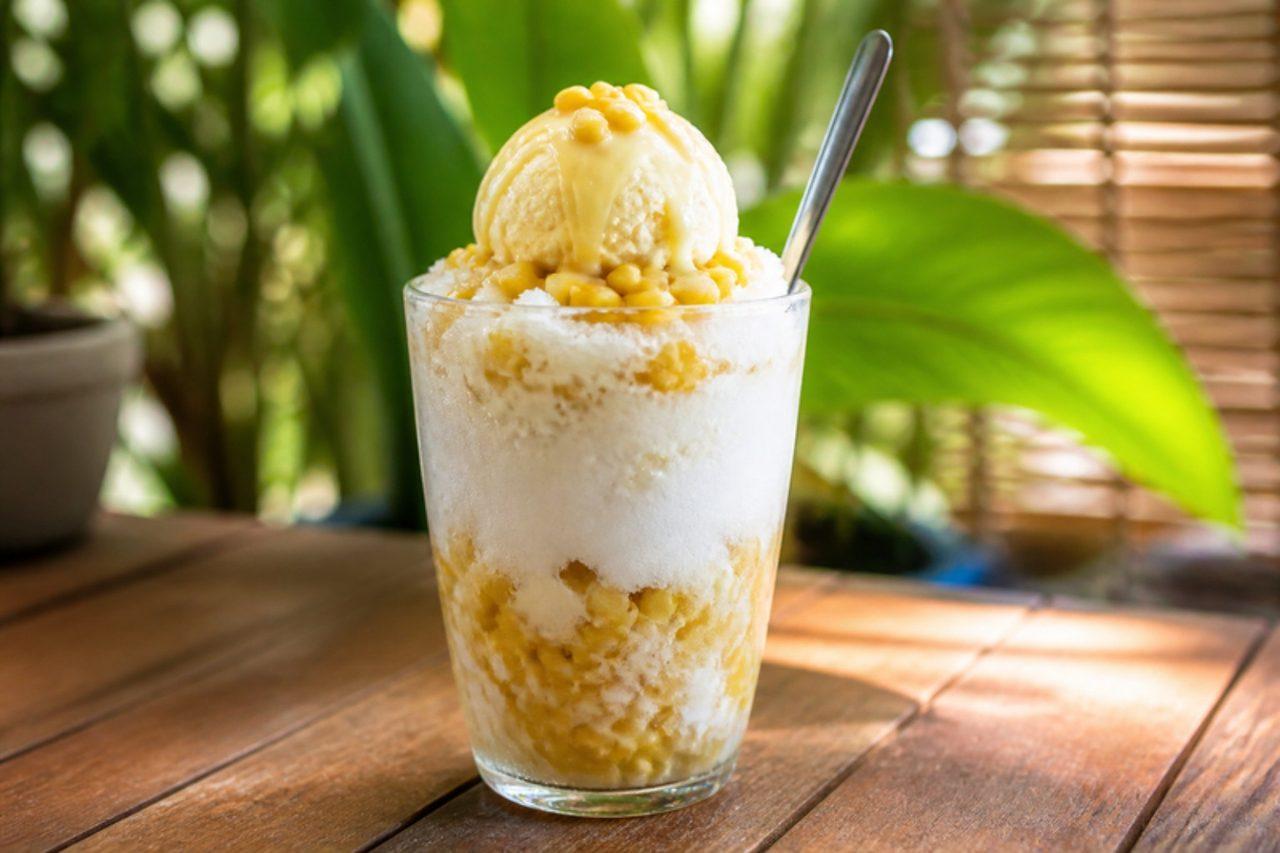
by KrazyBadal 0 views

Bánh tiêuSesame doughnuts

In Saigon and the Mekong towns, bánh tiêu are fried in big woks at the edge of the morning market and sold warm in paper bags, often torn open and filled with a stick of quẩy or eaten alongside soy milk. A soft, lightly sweet dough is rolled thin, coated with sesame and dropped into hot oil, where it balloons into a hollow, chewy round with a crackly seeded shell. The dough uses no egg or butter, so the doughnuts are vegan. Chef's tip: roll the rounds evenly thin and keep the oil hot; thick spots or a cool pan give you flat, oily discs that never puff.

by KrazyBadal 0 views

Calabaza en tachaCandied pumpkin

When the first squash of autumn arrives, kitchens across Puebla, Tlaxcala and Mexico State fill with the dark caramel smell of calabaza en tacha, a sweet that goes on the ofrenda on 1 November and is eaten warm at breakfast with a splash of cold milk. Wedges of pumpkin simmer slowly in piloncillo, the cone-shaped raw cane sugar, with cinnamon bark, orange and a few cloves until the flesh turns glossy amber and the syrup thickens. It is homely, deeply sweet and spiced. Chef's tip: lay the pumpkin skin side down and never stir, just baste, so the pieces stay whole.

by KrazyBadal 0 views

TetelasBean-filled masa triangles

In the Mixteca region between Oaxaca and Puebla, tetelas are folded into neat triangles on the comal and sold at village markets, often filled with black beans scented with avocado leaf and a little stringy quesillo. The masa turns toasty and slightly crisp outside while the filling stays creamy, and they are eaten with salsa as a snack or light supper. Quesillo is traditionally made with animal rennet, so pick a vegetarian stretched-curd cheese or a mozzarella labelled suitable for vegetarians. Chef's tip: fold the third side over last and press the seams with your fingertip so nothing leaks onto the comal.

by KrazyBadal 0 views

Tejocotes en almíbarHawthorn fruit in syrup

Golden tejocotes, small tart hawthorn fruits from the highlands around Puebla and the State of Mexico, appear in market sacks for only a few weeks before Day of the Dead and Christmas. Poached whole in piloncillo syrup with cinnamon and a strip of orange, they turn soft and perfumed, a little like quince crossed with apricot, and are set on the ofrenda or eaten from a bowl with their syrup. Outside Mexico, look for them frozen or in jars at Latin grocers; small crab apples are the nearest swap. Chef's tip: blanch and peel them first, as the skins go tough and bitter in syrup.

by KrazyBadal 0 views

Agua de mangoMango drink

In April and May, when Ataulfo mangoes from Chiapas and Manila mangoes from Veracruz flood the markets, agua de mango becomes the drink of every comida corrida. It is thick, golden and very fruity, sharpened with lime. Chef's tip: use soft, fully ripe yellow mangoes with wrinkled skin; they need far less sugar and give a smooth, fibre-free drink.

by KrazyBadal 0 views

Purê de mandioquinhaArracacha purée

Mandioquinha, also called batata-baroa, is a pale-yellow root that tastes like a cross between parsnip, celery and chestnut. In São Paulo and Minas Gerais it's prized as a gentle, easy-to-digest food, and this buttery purée is what grandmothers make for children, for the sick and as a smart side for picadinho or a roast. It's naturally smooth and sweet. If you can't find it in a Latin grocer, use half parsnip and half floury potato. Chef's tip: mash it by hand, never in a blender.

by KrazyBadal 0 views

Nam bai toey (pandan drink)

Every Thai garden seems to have a clump of pandan by the tap, and on hot days cooks across the country blitz a handful of leaves into this bright green drink sold at temple fairs and noodle shops. It tastes sweet, grassy and faintly of vanilla and basmati, and is said to cool the body. Fresh leaves give the best colour; frozen ones from Asian shops work well too. Chef's tip: the mistake is serving it unstrained or leaving it for hours; strain it twice through cloth and drink it the same day, as it fades and turns grey.

15 minThaiDrinksVeganGluten free
by KrazyBadal 0 views

Chè bắp (sweet corn pudding)

Hội An's riverside villages grow a sticky, sweet local corn, and chè bắp has been sold in its old town for generations; in Saigon it is a summer evening favourite at street stalls. Fresh kernels are cooked with a little glutinous rice until thick and spoonable, sweetened, and topped with a ribbon of salty coconut cream. The cobs simmer in the water first to give the pudding a deep corn flavour. Chef's tip: add the sugar only after the rice is soft; sugar added early stops glutinous rice from swelling and leaves hard grains.

by KrazyBadal 0 views

Nam dok anchan (butterfly pea lemonade)

Vines of butterfly pea climb fences in gardens all over Thailand, and cafés from Bangkok to Krabi serve the flowers as an iced drink that changes colour at the table. The tea itself is mild and earthy, blue as ink; stirring in lime juice turns it violet and makes it tangy, which children love to watch. Chef's tip: the common mistake is mixing the lime in beforehand; serve the blue tea and lime separately so the colour change happens in the glass.

15 minThaiDrinksVeganGluten free
by KrazyBadal 0 views

Pad woon sen jay (vegetable glass noodle stir-fry)

At home in central Thailand, pad woon sen is a quick lunch with egg, garlic and pork; the jay version served during the October Vegetarian Festival leaves all three out and leans on shiitake and soy instead. The noodles turn springy and translucent, catching the dark soy colour, with sweet cabbage and carrot through them and fried tofu for bite. Out of season, scramble in an egg and a clove of garlic. Chef's tip: soaking the noodles too long is the usual mistake; 10 minutes in warm water is enough, or they turn to mush in the wok.

by KrazyBadal 0 views

Tacos dorados de papaFried potato tacos

Crisp potato tacos are a Friday and Lent staple in homes across central Mexico, and a cheap favourite at fondas near schools in Mexico City. Tortillas are rolled around buttery-soft mashed potato, fried until shattering, then buried under cool lettuce, crema, salsa and crumbled cheese. Children love them, and the potato filling is easy to make ahead. Fresh crumbly cheeses here are often set with animal rennet; a vegetarian queso fresco or a microbial-rennet feta keeps the dish meat-free. Chef's tip: mash the potatoes while hot and let them cool before rolling, so the filling is firm and doesn't ooze into the oil.

by KrazyBadal 0 views

Agua de sandíaWatermelon drink

When watermelons are piled high in the markets of Jalisco and Sonora in summer, almost every taquería has a jar of bright pink agua de sandía next to the horchata. It needs only ripe watermelon, water, a squeeze of lime and a touch of sugar, and children love it. Chef's tip: a very ripe melon may need no sugar at all, so taste before you sweeten.

by KrazyBadal 0 views

Tamales dulcesSweet tamales

Every tamal tray in Mexico City has a few pink ones tucked in among the green and red, and these sweet tamales are what children reach for first at December posadas and on 2 February, Día de la Candelaria. The masa is beaten with butter and sugar, tinted the colour of a sugared almond and studded with raisins, then steamed in husks until soft and cakey; they are eaten warm with atole or hot chocolate. This version uses butter and vegetable shortening, not lard. Chef's tip: add a few drops of colour at a time; the pink deepens as it steams.

by KrazyBadal 0 views

Bua loy (rice balls in coconut milk)

The name means 'floating lotus', and on cool evenings in Bangkok's Yaowarat and around temple fairs bowls of these tiny glutinous dumplings are ladled out warm. They are coloured with mashed pumpkin and taro, so they taste faintly of both, and the coconut milk around them is sweet with palm sugar and edged with salt. Some vendors add a soft-cooked egg to the bowl; this version keeps it plant-only. Chef's tip: the usual mistake is making the balls too big; keep them the size of a chickpea so they cook through and stay tender rather than gummy.

by KrazyBadal 0 views

Agua de melónCantaloupe drink

Mexican market juice stalls make agua de melón with the ripest, most fragrant cantaloupes, and many cooks blend in the seeds and the soft pulp around them, which adds a creamy body and a nutty flavour. It's served in tall glasses on hot afternoons from Guanajuato to Veracruz and is a favourite with kids. Chef's tip: smell the stalk end of the melon before you buy it; if it smells sweet, the drink will too.

by KrazyBadal 0 views

Paletas de cocoCoconut ice pops

Coconut pops are a classic of the paleterías of Michoacán and of the beach carts of Acapulco and Veracruz, where fresh coconuts are cracked open to order. They are milky, sweet and chewy with shreds of coconut, more like frozen coconut cream than ice. It contains dairy. Chef's tip: toast a third of the coconut lightly before using, which brings out a deeper flavour without changing the snowy colour much.

by KrazyBadal 0 views

Dadinho de tapiocaFried tapioca cheese cubes

These crisp little cubes started in a Northeastern-style bar in São Paulo's north zone and spread to almost every botequim menu in the city, where they arrive in a paper-lined basket with a pot of sweet chilli sauce and a round of cold drinks. Hot milk is stirred into granulated tapioca and salty grated queijo coalho, the mixture sets overnight, and the cubes are fried until the outside shatters and the inside turns soft and stretchy. Queijo coalho is usually made with animal rennet, so for a vegetarian version look for a firm grilling cheese labelled vegetarian rennet. Chef's tip: let the slab chill until it is completely firm, at least four hours, or the cubes slump in the oil.

by KrazyBadal 0 views

Tub tim grob (red rubies)Water chestnut in coconut milk

On a sticky afternoon in Bangkok, from the food courts of Siam to roadside dessert carts, this is the bowl people order to cool down. Each 'ruby' is a cube of water chestnut wrapped in a chewy, glassy coat of tapioca, so you get crunch inside slipperiness, all floating in jasmine-scented syrup and salted coconut milk with shaved ice. Some shops add jackfruit strips. Chef's tip: shake off excess starch before boiling; a thick coating turns into a gluey lump instead of a thin, see-through skin.

by KrazyBadal 0 views

Mứt dừa (candied coconut ribbons)

Bến Tre, the coconut province of the Mekong Delta, supplies most of the country's mứt dừa, but plenty of families still make a batch at home for the lacquered khay mứt, the tray of sweets put out for New Year visitors with green tea. The ribbons are chewy-soft in the middle and dry and sugary outside, white or dyed pale green with pandan, pink with dragon fruit or orange with gấc. Chef's tip: keep stirring gently over a low heat as the syrup thickens; high heat browns the coconut and the ribbons break if you stir roughly.

by KrazyBadal 0 views

Pad khing jay (ginger mushroom stir-fry)

Ginger does the work garlic usually would in this festival favourite from the jay kitchens of Phuket and Bangkok's Yaowarat, where it is ladled over rice from steel trays under yellow flags. Crunchy wood ear and soft oyster mushrooms soak up a glossy sauce of fermented soybean paste and soy, and fine matchsticks of young ginger give heat and fragrance. No garlic, onion or spring onion go in, as jay rules forbid them. Chef's tip: old, fibrous ginger is the mistake here; choose plump young ginger with thin, pinkish skin so you can eat it by the forkful.

by KrazyBadal 0 views

Chè bưởi (pomelo pith pudding)

Cần Thơ and Vĩnh Long, deep in the Mekong Delta's pomelo country, turn the thick white pith of the fruit into this thrifty, much-loved sweet soup. After salting and rinsing away its bitterness, the pith is coated in tapioca starch and cooked into clear, crunchy-chewy nuggets, served with soft split mung beans and a swirl of coconut milk. Sold at Saigon chè stalls, it is eaten cold or warm. Chef's tip: wash and squeeze the salted pith in several changes of water until it tastes neutral; one rinse leaves the whole pot bitter.

by KrazyBadal 0 views

Kluay buat chi (bananas in coconut milk)

Rows of pots of this simple sweet sit on home stoves all over central Thailand, and it is often the first dessert a Thai cook learns. The name compares the pale bananas in white coconut milk to women ordained as nuns in white robes. Small, sweet namwa bananas soften without collapsing, and the milk is seasoned so salt and palm sugar balance. Eat it warm or at room temperature, as an afternoon snack or after a spicy dinner. Chef's tip: boiling the coconut milk hard is the usual error; it splits and turns oily, so keep it at a bare simmer.

by KrazyBadal 0 views

Chè khúc bạch (almond milk jelly with lychees)

Saigon's café-dessert shops made chè khúc bạch a craze in the 2010s, and it is still a cooling order on hot afternoons around Bến Thành. Soft, creamy cubes of almond-scented milk jelly float with lychees in a light lychee syrup, topped with crunchy toasted almonds, all over crushed ice. Gelatin is often used; this version sets with agar so it is vegetarian, and it holds firm even in tropical heat. Chef's tip: boil the agar for a full 2 minutes before adding the milk; agar that is only warmed won't set, which is the usual reason the jelly stays runny.

by KrazyBadal 0 views

Khanom takoPandan coconut cream jelly cups

Little boxes of folded pandan leaf filled with jelly sit on the trays of every khanom seller in central Thailand, from Chatuchak's dessert stalls to the morning market in Nakhon Pathom. The base is firm, cool and green with diced water chestnut for crunch; the thick white top is coconut cream set with rice flour and seasoned with a clear note of salt, which is the whole point. They are eaten as a mid-afternoon snack, two or three at a time. Chef's tip: most people undersalt the coconut layer; it should taste lightly salty on its own, so the sweet base underneath sings.

by KrazyBadal 0 views

Nam takrai (lemongrass drink)

Thai spa receptions and roadside rice shops both pour this from big glass jars, and in Chiang Mai and Bangkok homes a pot is often simmering on hot afternoons. Bruised lemongrass gives a clean, lemony, slightly grassy taste and pandan a soft vanilla note; lightly sweetened, it is refreshing over ice and soothing warm on a rainy-season evening. Chef's tip: the usual mistake is chopping the lemongrass fine and boiling it hard, which makes it bitter; bash the stalks and simmer gently.

20 minThaiDrinksVeganGluten free
by KrazyBadal 0 views

Khao pad sapparot (pineapple fried rice, jay style)

Served in a hollowed pineapple, this is the fried rice of Thai beach restaurants and Bangkok family dinners alike, usually loaded with prawns and pork floss. The jay festival version swaps those for fried tofu and keeps out the garlic and spring onion, relying on curry powder, toasted cashews and juicy caramelised pineapple for flavour. It is sweet, salty and golden, and children love it. Chef's tip: freshly cooked rice is the mistake; use rice cooked the day before and chilled, or the grains clump and steam instead of frying.

by KrazyBadal 0 views

Chicharrones de harinaPuffed wheat snacks

Outside Mexican schools and parks, vendors fry little dried wheels and rectangles of wheat dough until they balloon into airy, crackly chicharrones de harina, also called duritos. They're handed over in a plastic bag drenched in lime juice and bottled hot sauce. At home you can buy the dried pellets (duros) at Latin grocers, and they puff in seconds. Chef's tip: fry just a small handful at a time; they triple in size.

by KrazyBadal 0 views

Gaeng jued tao hoo (clear tofu soup, jay style)

During the nine days of the Vegetarian Festival in Phuket Town and Bangkok's Chinatown, yellow flags mark the stalls selling food that is jay: no meat, no dairy and none of the pungent alliums. This gentle soup is what people drink alongside their stir-fries, a clear broth of daikon and dried shiitake sharpened with crushed white pepper and coriander root, holding soft silken tofu and slippery mung bean vermicelli. Out of festival season, cooks add garlic oil and minced pork. Chef's tip: don't boil after the tofu goes in; silken tofu breaks into crumbs, so let it warm through at a bare simmer.

30 minThaiSoupsVeganGluten free
by KrazyBadal 0 views

Pão francêsCrusty bread rolls

Every neighbourhood padaria in Brazil pulls trays of these small, golden rolls from the oven at dawn and again in the late afternoon, and people buy them by the half-dozen for breakfast with butter and milky coffee or for a pão na chapa on the griddle. The name means French bread, but the roll is Brazil's own: a thin, crackling crust with a raised lip along the cut, called the pestana, around a very light, fluffy crumb. Chef's tip: a tray of boiling water in the oven gives the steam that makes the crust thin and shiny.

by KrazyBadal 0 views

Khoai lang kén (sweet potato cocoons)Sweet potato fritters

Hồ Chí Minh City street carts fry these little 'cocoons' in big woks, and on rainy evenings a paper bag of them, still too hot to hold, is a favourite with students and children. The inside is soft, sweet mashed sweet potato bound with a little rice flour; the outside is a shaggy, crunchy coat of fine sweet-potato threads that looks like a silkworm's cocoon. Eat them plain, or dip in sweetened condensed coconut milk. Chef's tip: squeeze the shredded sweet potato dry and keep the oil at 170 °C; wet shreds and cool oil give greasy, limp cocoons.

by KrazyBadal 0 views

Mứt gừng (candied ginger)

Hanoi grandmothers hand out mứt gừng in the cold, damp days of Tết as much for warmth as for sweetness: each slice is sugary at first, then hot and spicy. The northern style uses plump young ginger, soaked to tame its fire, then candied until each slice is bright yellow and frosted white. It sits on the New Year tray with candied coconut, lotus seeds and roasted watermelon seeds, and goes with a pot of green tea. Chef's tip: choose young, smooth-skinned ginger and slice it thinly across the grain; old fibrous ginger stays stringy and painfully hot.

by KrazyBadal 0 views

Chè đậu đen (black bean sweet soup)

In Hanoi summers, glass after glass of chè đậu đen is poured over crushed ice at pavement stalls, and many families keep a pot in the fridge because the beans are thought to cool the body. The beans are cooked whole until creamy inside but unbroken, then steeped in syrup until they turn dark and glossy; southern versions finish with a little coconut milk. Chef's tip: add the sugar only once the beans are completely tender; sugar too early toughens the skins and the beans never soften.

by KrazyBadal 0 views

Chè khoai môn (taro and sticky rice in coconut milk)Taro coconut dessert

Southern Vietnamese cooks make chè khoai môn for ancestor offerings and for chilly monsoon evenings, when a warm, creamy bowl is welcome; Saigon stalls sell it hot from big pots. Chunks of taro, some left whole and some crushed into the pot, cook with glutinous rice until the whole thing turns thick and faintly lilac, then coconut milk is poured over. Chef's tip: wear gloves or oil your hands when peeling raw taro; the sap can make skin itch badly.
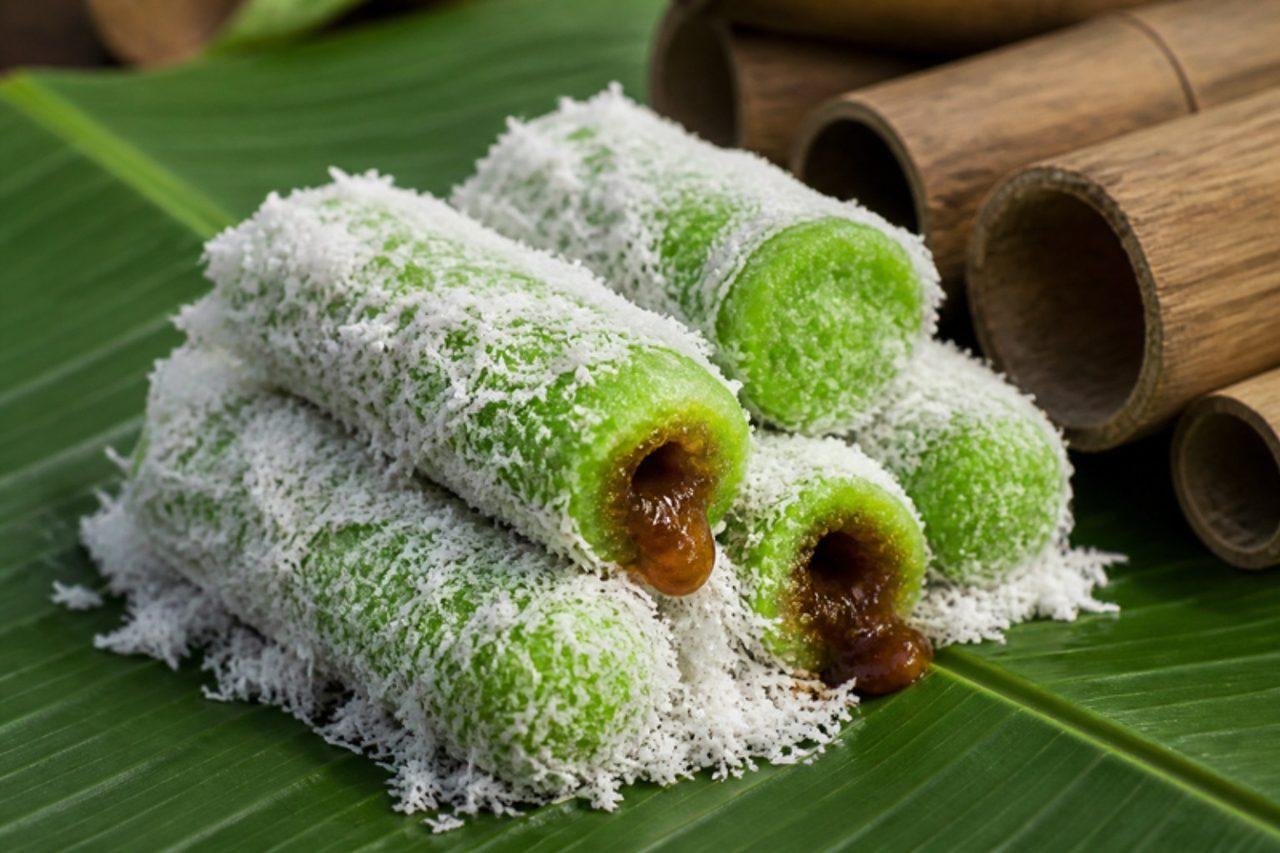
by KrazyBadal 0 views

Mee krob (crispy sweet noodles, jay style)

Old Bangkok's Phra Nakhon district made mee krob famous as a royal-banquet dish, and it still appears at festive Thai Chinese dinners: a tangle of rice vermicelli puffed in hot oil, then tossed in a sticky sweet-sour sauce. Classic shops fold in prawns, egg and pickled garlic; for the jay festival this version uses fried tofu and pickled ginger, with orange zest standing in for the rare som sa citrus. Serve it with fresh bean sprouts and chilli. Chef's tip: the common mistake is a hot glaze, which wilts the noodles; cool the sauce until thick and toss just before serving.

by KrazyBadal 0 views

MangonadaMango sorbet with chamoy

Mangonadas, also called chamoyadas, are a Mexican street sweet sold by neverías and fruit stands from Guadalajara to the US border: thick frozen mango blended to a slush, layered in a tall cup with sticky red chamoy and chile-lime salt and crowned with fresh mango cubes. Sweet, sour, salty and hot at once, it comes with a chewy tamarind-candy straw for stirring. Chef's tip: freeze the mango in cubes beforehand, so you get a thick spoonable slush without watering it down with ice.

by KrazyBadal 0 views

ChamoySweet-sour chile sauce

Brick-red and glossy, chamoy is the sauce Mexicans splash over fresh fruit, mango sorbet, crisps and the rim of a michelada glass. It is said to descend from Asian salted plum sauces, but today's version is pure Mexican: dried apricots and hibiscus simmered and blended with chile, lime, sugar and salt. Homemade chamoy is fruitier and less sweet than the bottled kind. Chef's tip: it thickens a lot as it cools, so take it off the heat when it still pours like warm ketchup.
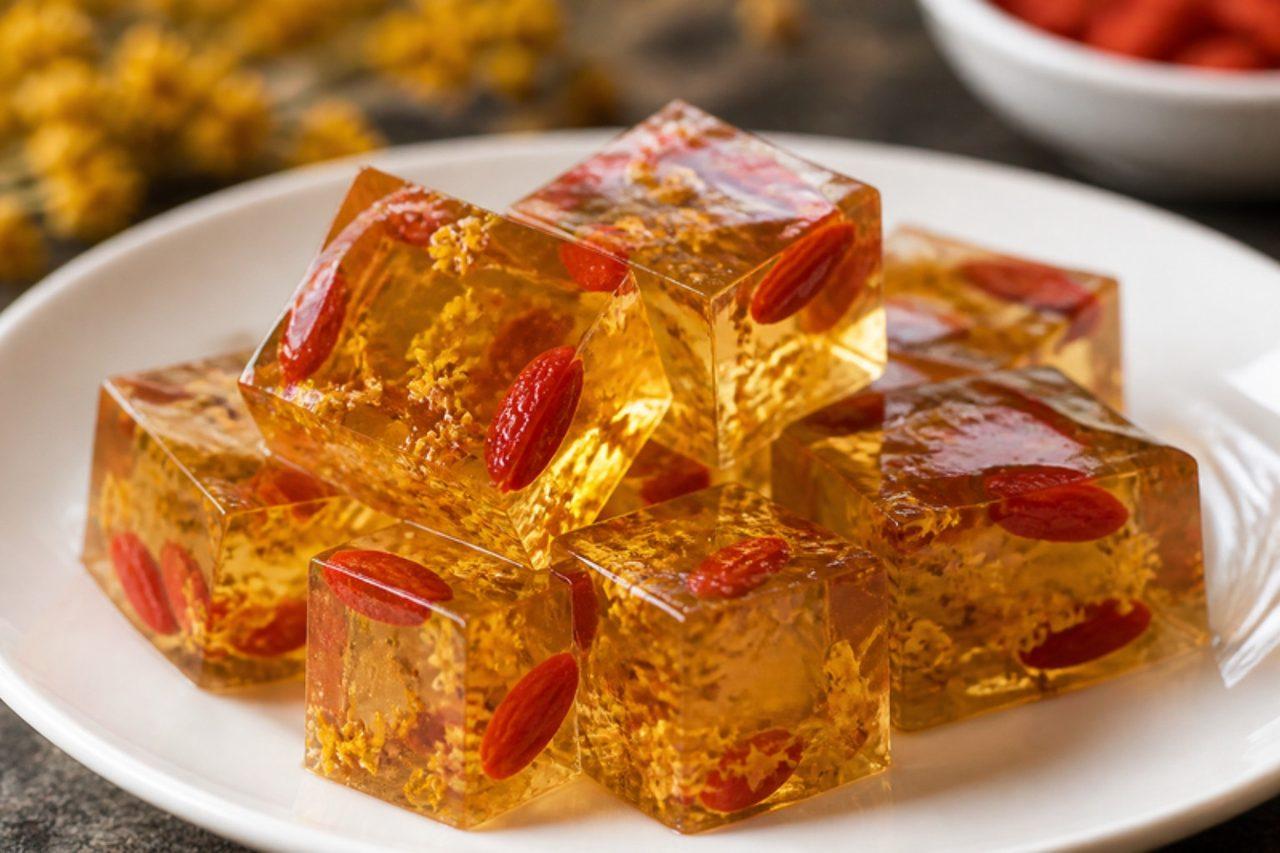
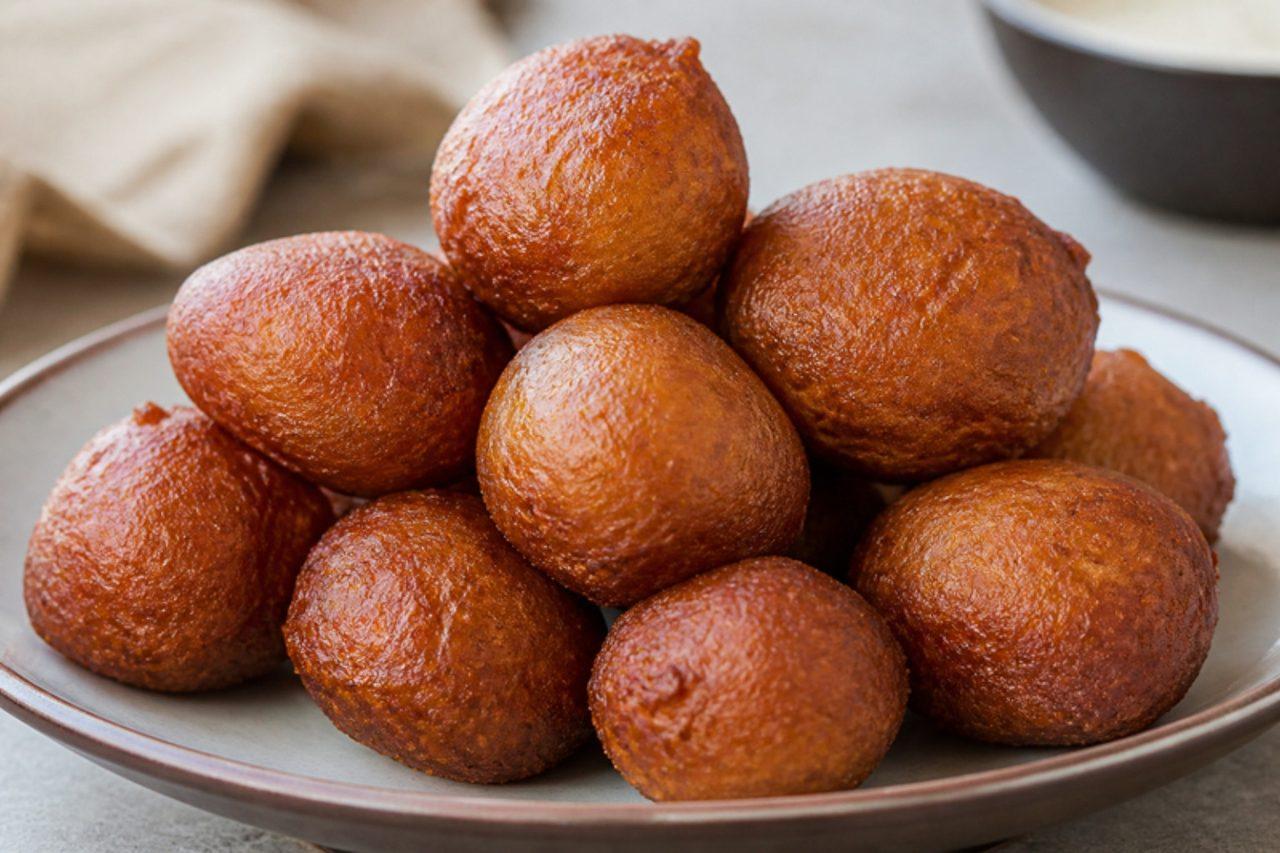
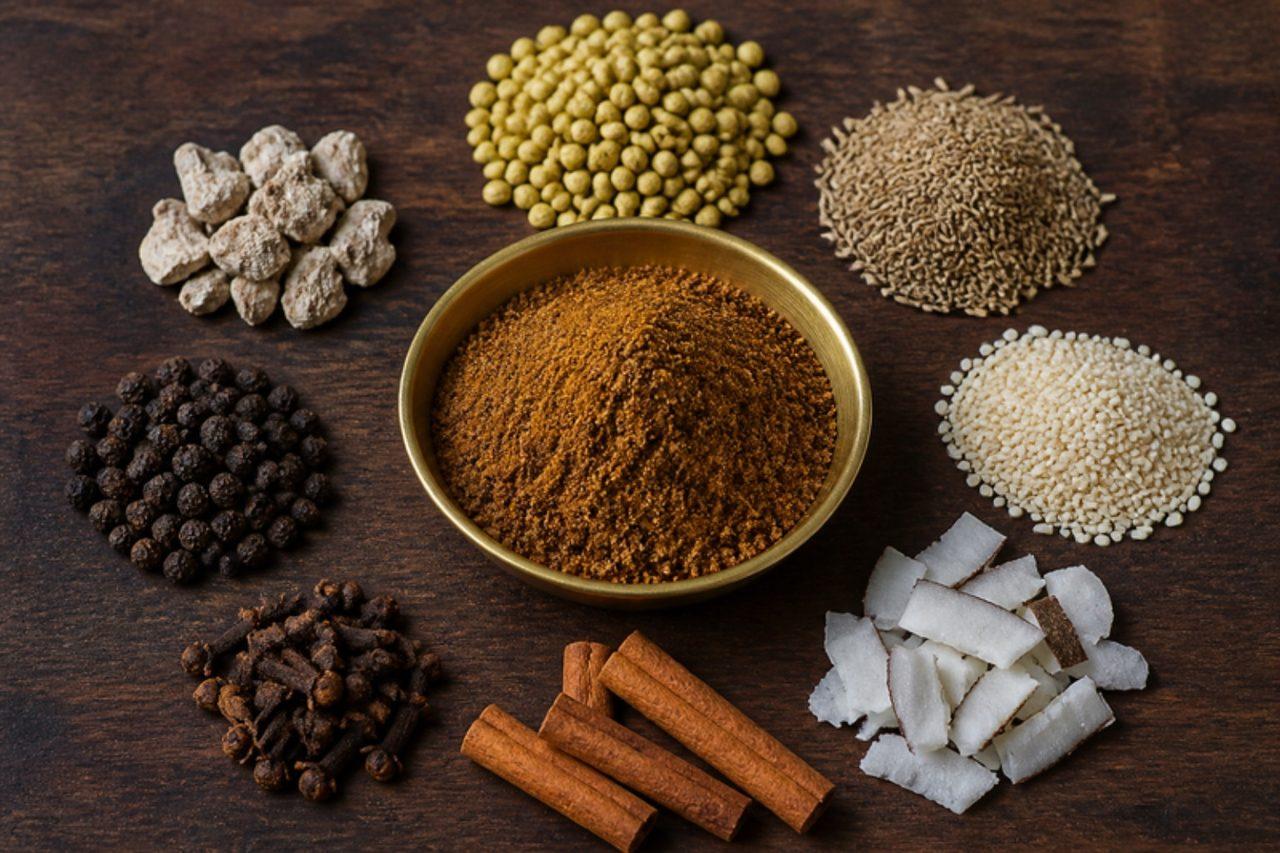
by KrazyBadal 0 views

Nieve de garrafa de limónLime water ice

In town plazas from Oaxaca to Guadalajara, neveros still churn nieve de garrafa by spinning a tall metal can in a wooden barrel of ice and rock salt, scraping the frozen walls with a long paddle. Lime nieve is the sharpest and most refreshing, pale green from the zest, and it is eaten in small cups after a hot walk through the market. At home a metal bowl set in ice and salt works the same way. Chef's tip: add the zest at the start but strain it out; that way you get its oils without the bitterness.

by KrazyBadal 0 views

Nom yen (pink milk)Pink iced milk

Thai drink stalls outside schools and markets keep a bottle of red sala syrup next to the condensed milk for this sweet, bubblegum-pink milk, a favourite of children from Bangkok to Hat Yai. Sala is a tangy palm fruit, and the syrup tastes of it lightly, almost like cream soda; any red sala-flavoured syrup from an Asian shop works. Shake it with ice until frothy. Chef's tip: the mistake is too much syrup, which turns it lurid and cloying; start with a tablespoon per glass and add more to taste.
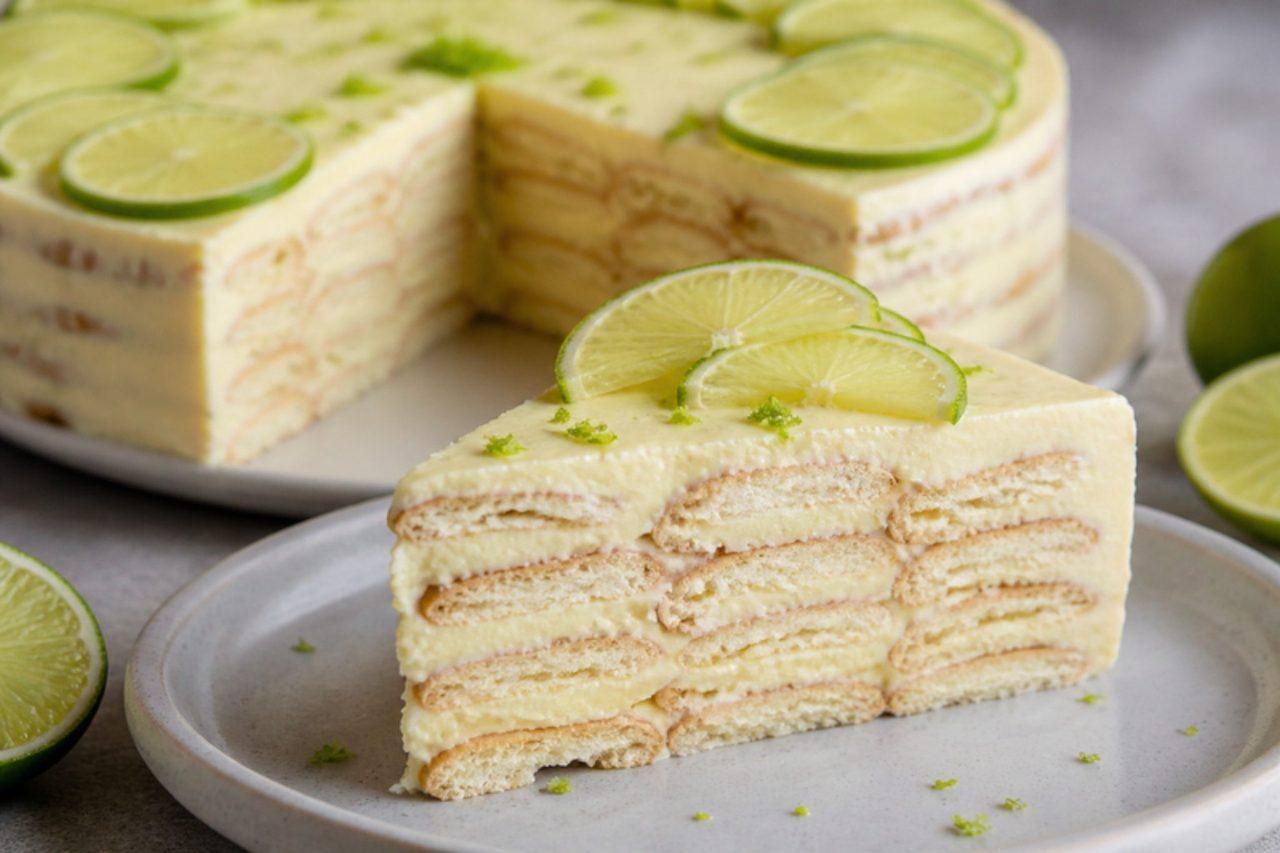
by KrazyBadal 0 views

Xôi gấc (red gấc sticky rice)

On the first morning of Tết, and again at weddings and ancestor offerings, northern families set a dome of brilliant red xôi gấc on the altar: red for luck, sticky for a family that holds together. The colour comes from the arils of the spiky gấc fruit, which also gives a faint, melon-like sweetness, and coconut milk makes the grains rich and shiny. Frozen gấc pulp from Asian grocers works perfectly. Serve it warm, pressed into moulds, with a little sugar and toasted sesame, or beside giò lụa. Chef's tip: soak the rice for at least 6 hours; unsoaked glutinous rice stays chalky in the middle however long you steam it.

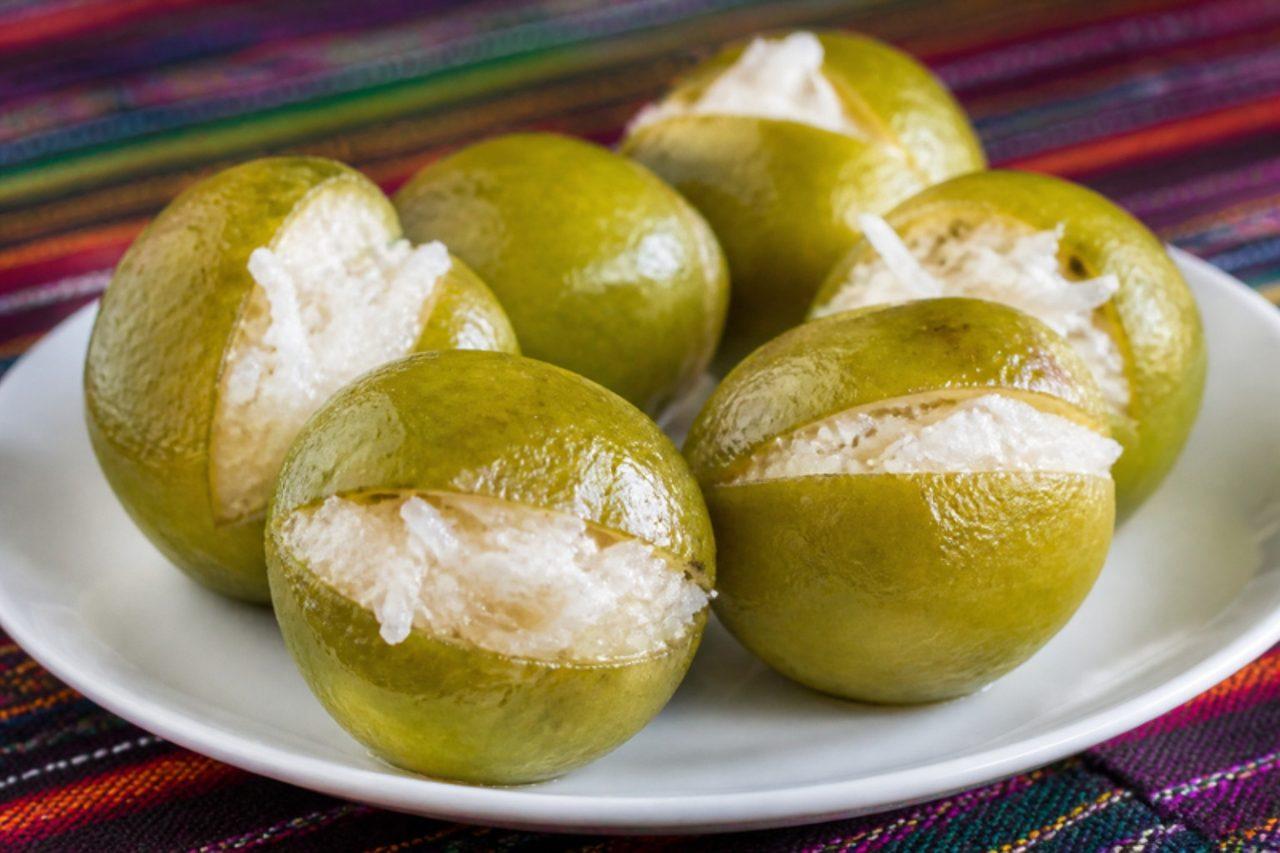
by KrazyBadal 0 views

CapirotadaMexican bread pudding

On the Fridays of Lent and above all on Good Friday, grandmothers from Jalisco to Sonora layer stale bolillo with a dark syrup of piloncillo, cinnamon and cloves, then tuck in raisins, peanuts and crumbled cheese, a sweet-salty pudding that uses up bread when meat is off the menu. It comes out of the oven sticky at the edges and soft in the middle, and is eaten warm or at room temperature. The traditional cheese, queso añejo or cotija, is usually made with animal rennet, so use a vegetarian hard cheese or mild feta if you prefer. Chef's tip: fry or toast the bread until really dry and golden first; soft bread turns to porridge in the syrup.

by KrazyBadal 0 views

BiónicoFruit cup with cream

Born in the 1990s at a juice stand in Guadalajara, Jalisco, the biónico is now the city's favourite breakfast on the go: a tall cup of chopped papaya, melon, apple, banana and strawberries drenched in a sweet cream of yoghurt, soured cream and condensed milk, then scattered with granola, coconut and raisins. Kids adore it and it takes fifteen minutes. Chef's tip: cut the banana last and fold it straight into the cream, so it stays pale.

by KrazyBadal 0 views

BolilloCrusty Mexican rolls

Before dawn in Mexico City, León or Puebla, neighbourhood bakeries pull trays of bolillos from the oven for tortas, molletes and the morning coffee. The rolls are oval with pointed ends and one deep slash, a thin crackly crust and a light, slightly chewy crumb, born from the French bakers who worked in Mexico in the 1860s. This version is made with no lard or butter, so it is vegan. Chef's tip: a tray of boiling water in the oven for the first ten minutes is what gives the crust its shine and crackle.

by KrazyBadal 0 views

Carlota de limónLime icebox cake

In Mexican home kitchens carlota de limón is the dessert everyone's aunt knows by heart: layers of Marías biscuits and a lime cream whipped from condensed and evaporated milk, chilled until it slices like a cake. It is made on hot afternoons in Sonora and Veracruz and turns up at every children's party. The lime curdles the milk just enough to thicken it, so there's no cooking at all. It contains wheat and dairy. Chef's tip: blend in the lime juice slowly, with the motor running, until the cream thickens visibly.

by KrazyBadal 0 views

Paletas de fresa con cremaStrawberry cream ice pops

Pink, creamy and dotted with red fruit, fresa con crema pops are the milky paletas children pick first at any paletería michoacana, and they echo the strawberries and cream sold in cups in Irapuato. Fresh strawberries are folded into a sweet milk-and-cream base that freezes smooth. It contains dairy. Chef's tip: macerate the strawberries in sugar first, as the syrup keeps the fruit soft rather than icy.

by KrazyBadal 0 views

Limones rellenos de cocoCoconut-stuffed candied limes

At the candy stalls of Oaxaca's Mercado 20 de Noviembre and in the towns of Michoacán, bright green candied limes stuffed with snowy coconut are a jewel of traditional dulcería. The limes are scraped, soaked and boiled to take away the bitterness, then candied over two days until glassy, hollowed and filled. They are sweet, chewy and sharp at once, made for weddings and gifts. Chef's tip: change the soaking water every time without fail, as that is what takes away the bitterness of the pith.

by KrazyBadal 0 views

Showing 168 of 3,470 recipes

Show more recipes

Page 40 of 145

More No onion & garlic ideas

Other diets