Skip to content
WhatToEat.Today

No onion, no garlic recipes (Swaminarayan and sattvic)

3,470

3470 vegetarian recipes cooked without onion or garlic, as in Swaminarayan and sattvic kitchens, with no meat, fish, eggs or alcohol. Each has photos, step-by-step instructions and cook times. The quickest, Apfelschorle, takes 2 minutes. Most take around 45 minutes.

Filter these by time, diet or cuisine · Make No onion & garlic your diet to see only these recipes everywhere on the site.

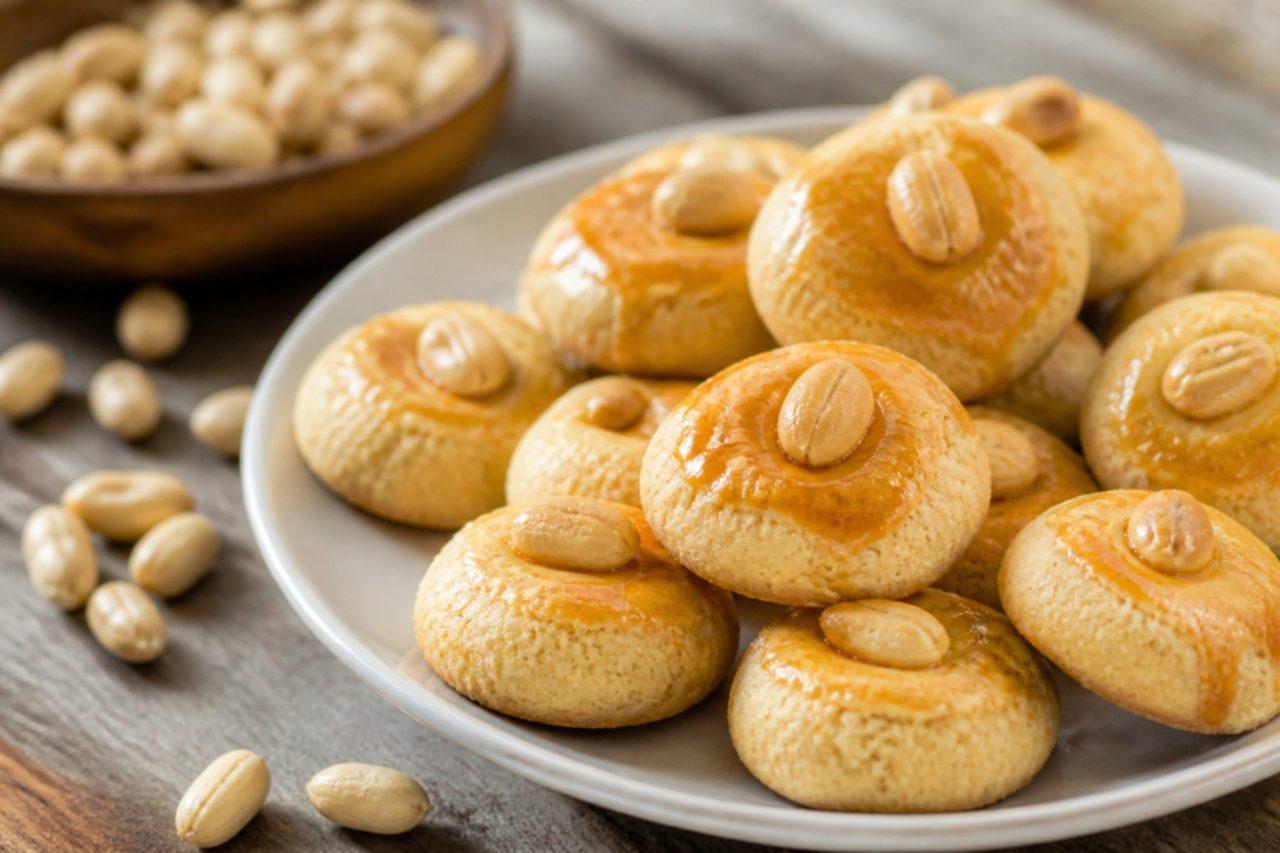
Peanut cookies (hua sheng bing)

Lift the lid on a Chinese New Year snack tray in Guangdong, Penang or Singapore and there will be these pale golden domes, so short they crumble the moment they touch your tongue. They are nothing but roasted peanuts ground fine, flour, icing sugar and oil, and this version skips the usual egg wash, so they are vegan. The mistake is over-grinding the peanuts into a paste, which makes the dough greasy and the cookies flat; stop while it is still a fine powder. Chef's tip: let them cool fully on the tray before moving them, because they are fragile until set.

by KrazyBadal 0 views

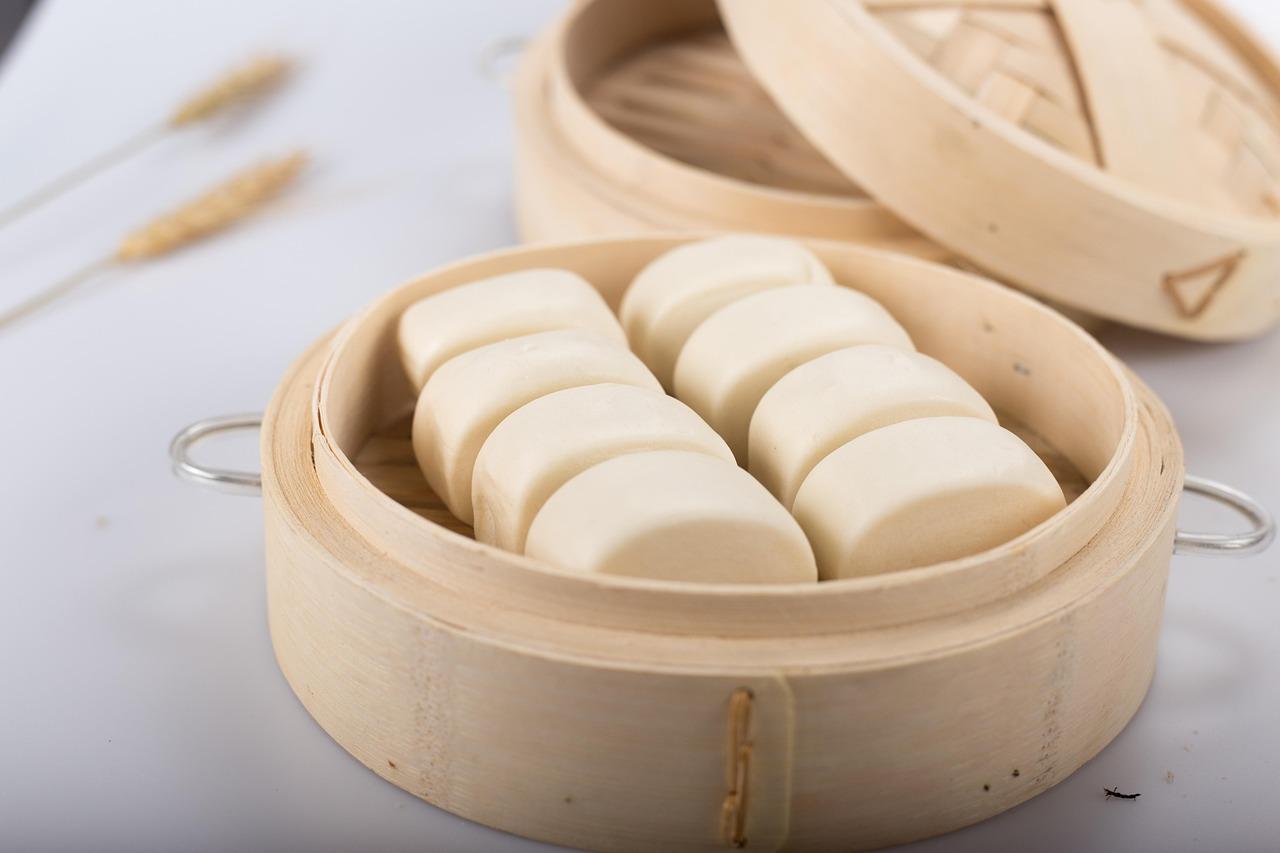
Mantou (plain steamed buns)

From Shandong to Shaanxi, mantou are what bread is elsewhere: plain, slightly sweet steamed wheat buns bought by the bagful each morning and eaten with porridge, pickles, braised dishes or a fried egg. A good one is snowy white, smooth-skinned and springy, with a fine, close crumb that tears in soft layers. The common mistake is lifting the lid the moment the heat goes off: the sudden cold air makes the skins wrinkle and collapse, so let them stand covered for 5 minutes first. Leftovers are sliced and pan-fried, or split and filled with anything from braised tofu to chilli sauce. Chef's tip: knead much longer than you think, then knead again after the rise; the second knead pushes out the big air bubbles and gives that silky skin.

by KrazyBadal 0 views

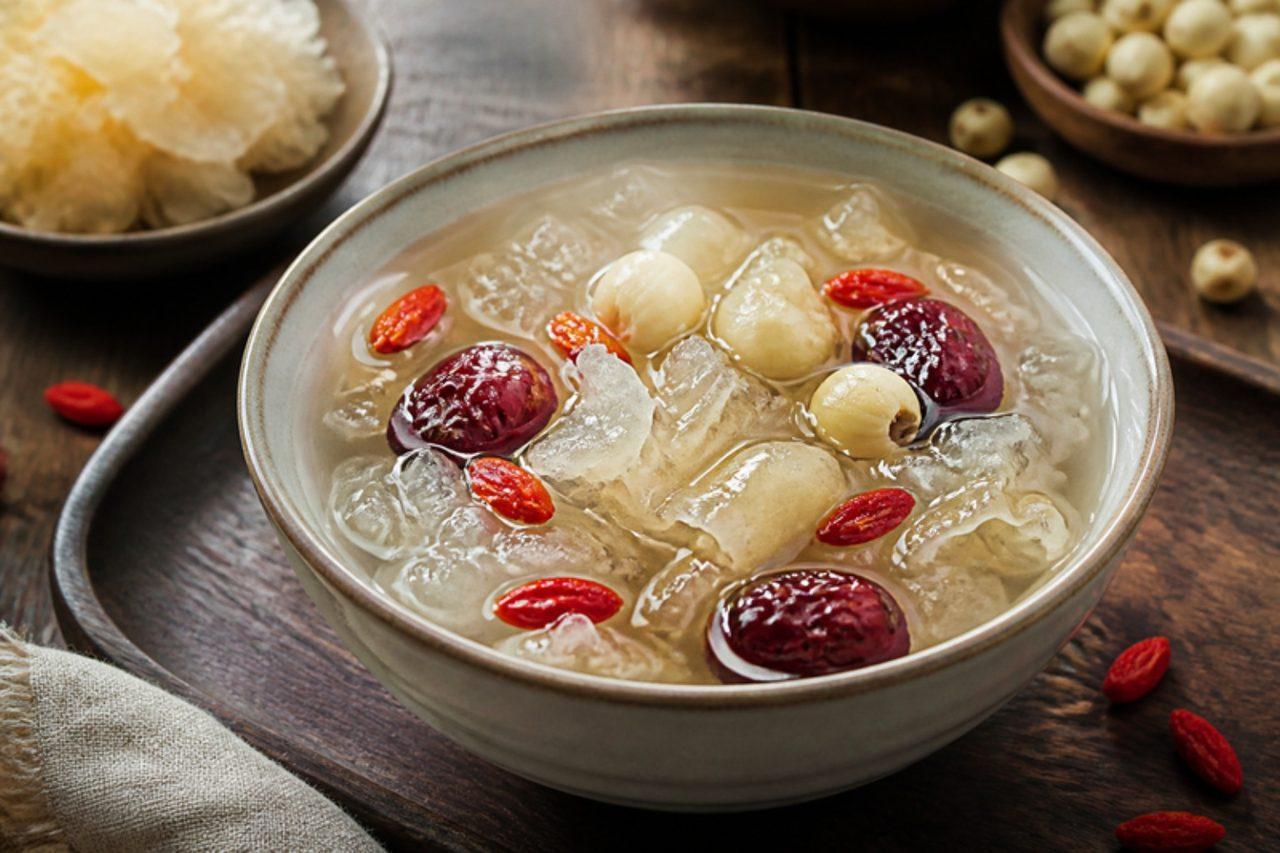
Yin er tang (snow fungus sweet soup)

Gutian county in Fujian grows most of the world's snow fungus, a frilly white dried fungus that softens into a soft, jelly-like tangle when simmered. Mothers across southern China cook it into a lightly sweet soup with red dates, lotus seeds and goji, served warm in winter and chilled in summer, and it is thought good for the skin and for dry autumn coughs. Done well, the liquid turns thick and glossy on its own. The common mistake is not simmering long enough: under an hour the fungus stays crunchy and the soup thin. Chef's tip: tear the soaked fungus into small pieces and cut away the hard yellow base; the smaller the pieces, the more body the soup gets.

by KrazyBadal 0 views

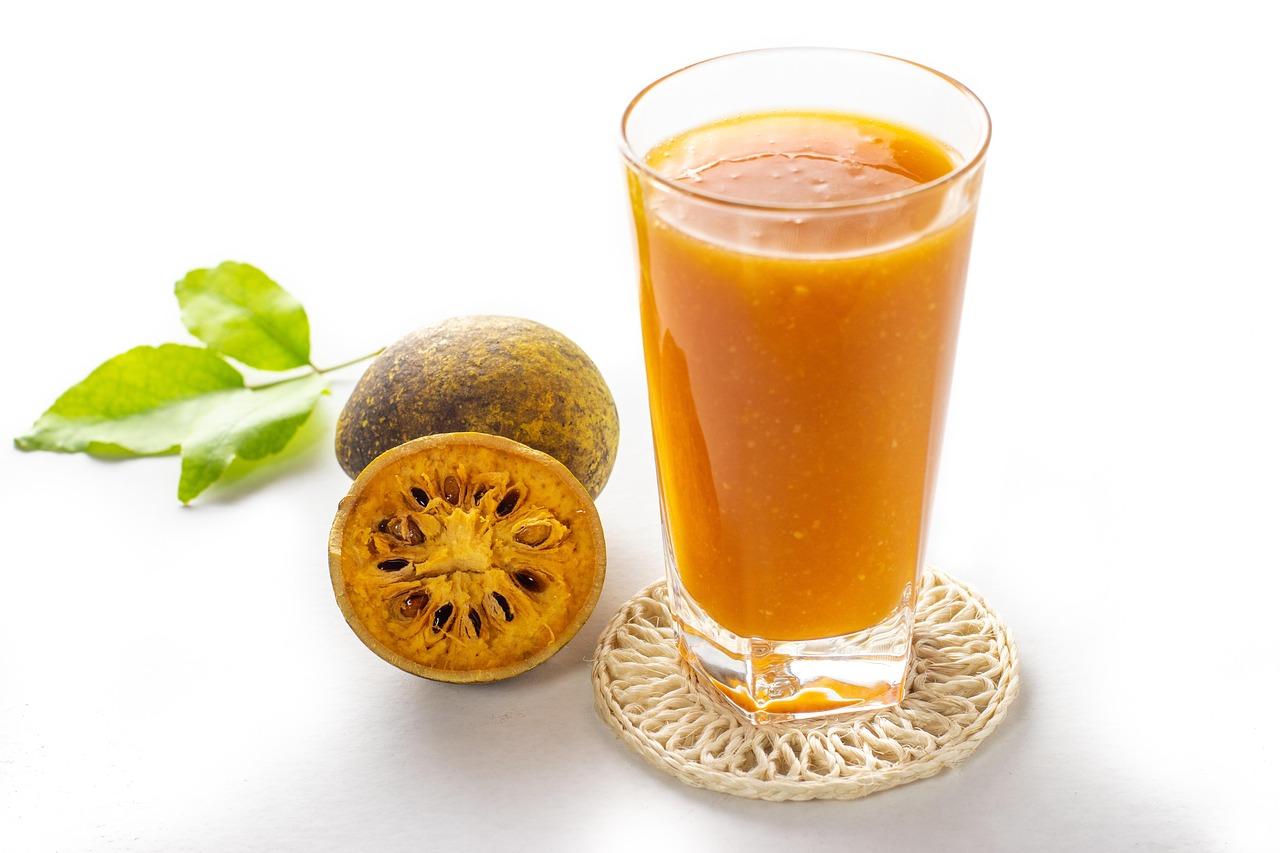
Bel sharbatWood apple drink

Bael trees grow beside temples across Uttar Pradesh and Bihar, and in May the hard golden fruits are cracked open on the doorstep with a pestle. The orange pulp smells of tamarind, marmalade and rose, and mashed into water it makes a thick, pulpy sharbat that people in Patna, Prayagraj and Gorakhpur drink mid-morning to keep the heat at bay; it is also famously kind to the stomach. Rickshaw stalls sell it from big steel pots. Ripe fruit is essential: it should sound hollow when tapped and smell sweet. The common mistake is blending the pulp in a mixer, which crushes the seeds and sticky fibres and makes the drink bitter and gluey; soak it and mash by hand instead. Chef's tip: let the pulp soak a full 15 minutes before mashing, and it practically falls off the fibres.

by KrazyBadal 0 views

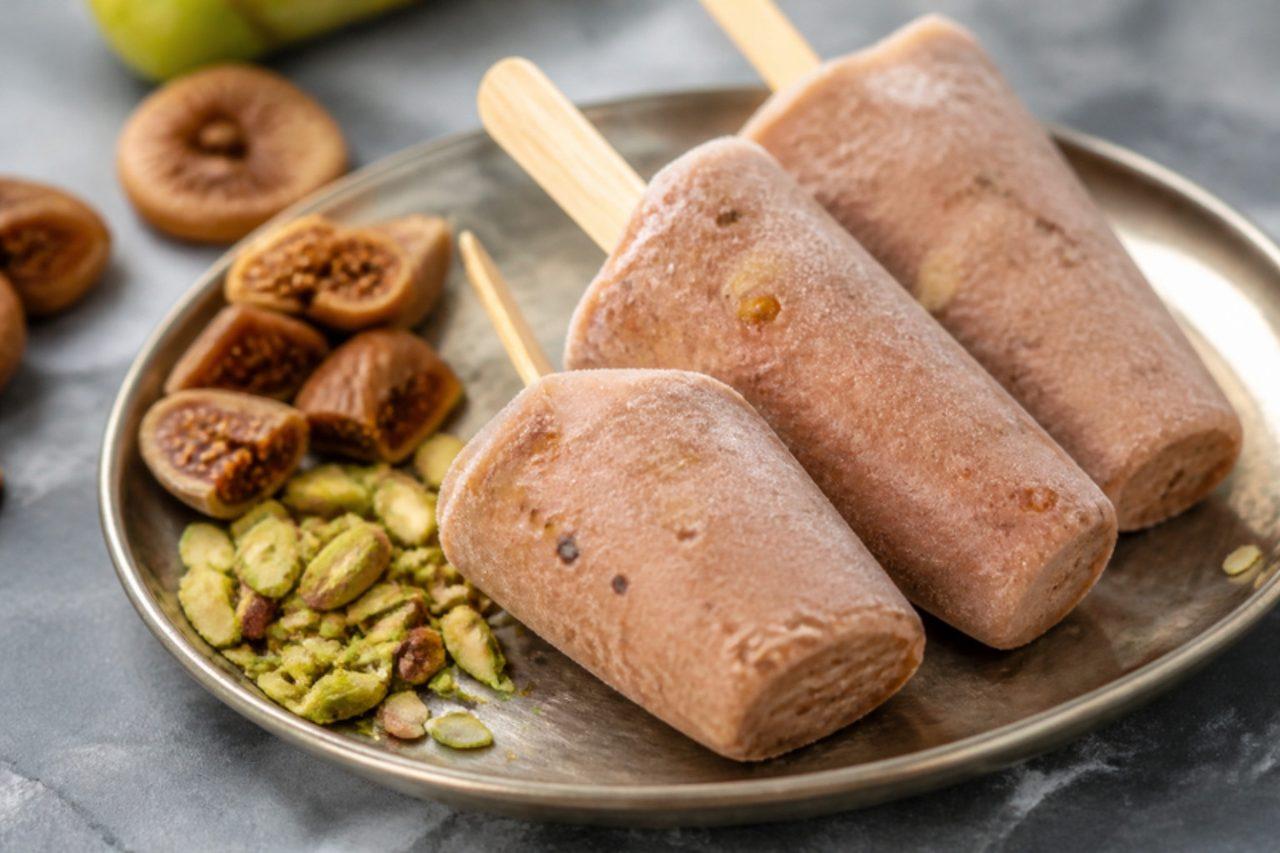
Anjeer kulfiFig ice cream

Dried figs from Afghanistan have been sold in the dry-fruit markets of Delhi's Khari Baoli and Amritsar for centuries, and anjeer kulfi is how North Indian halwais show them off in winter-wedding dessert spreads and Diwali parties. The figs bring natural sweetness, a jammy colour and a gentle crunch of tiny seeds, so less sugar goes in than in plain kulfi. Puréeing half the figs flavours every bite while the chopped half gives chewy pieces. It's lovely after a rich dinner or with a cup of masala chai. A common mistake is skipping the soak: hard dried figs stay leathery and grate on the blades. Soak them in warm milk until plump. Chef's tip: let the reduced milk cool to just warm before adding the fig paste; added while boiling, figs can make the milk look grainy.

by KrazyBadal 0 views

Jeera alooCumin potatoes

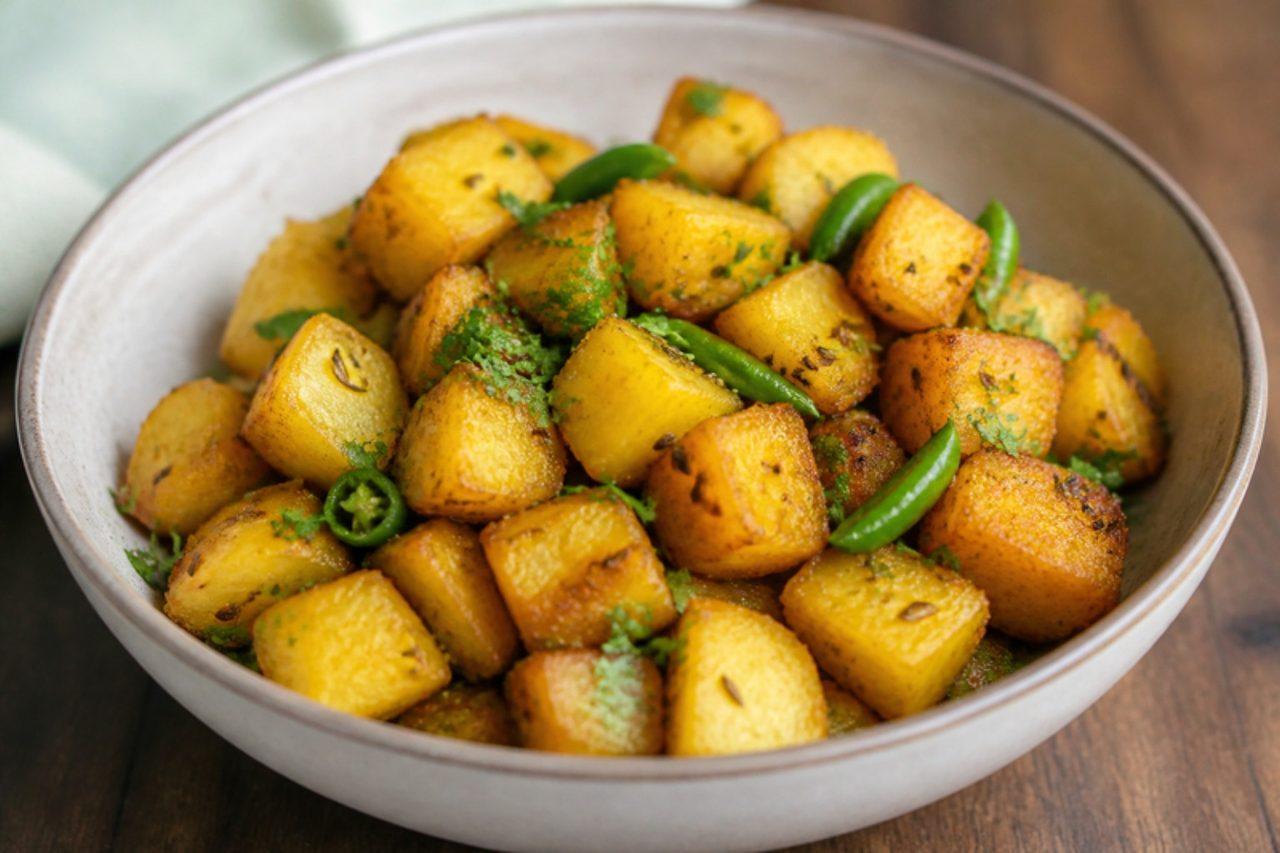
Jeera aloo is what North Indian mothers pack with puri for a train ride, serve with dal and rice on a weeknight, and cook in bulk for Navratri kanjak lunches alongside halwa and chana. Boiled potatoes are cubed and tossed in plenty of cumin that has sizzled until dark and nutty, with green chilli, ginger, a little turmeric and chilli, then soured with amchur. The edges catch and turn golden while the insides stay soft and fluffy. The common mistake is tossing potatoes that are still hot from boiling; they crumble. Cool them completely, ideally in the fridge, so the cubes hold their shape. Chef's tip: let the cumin turn a shade darker before the potatoes go in; pale cumin gives a raw, dusty taste.

by KrazyBadal 0 views

PiyushShrikhand buttermilk drink

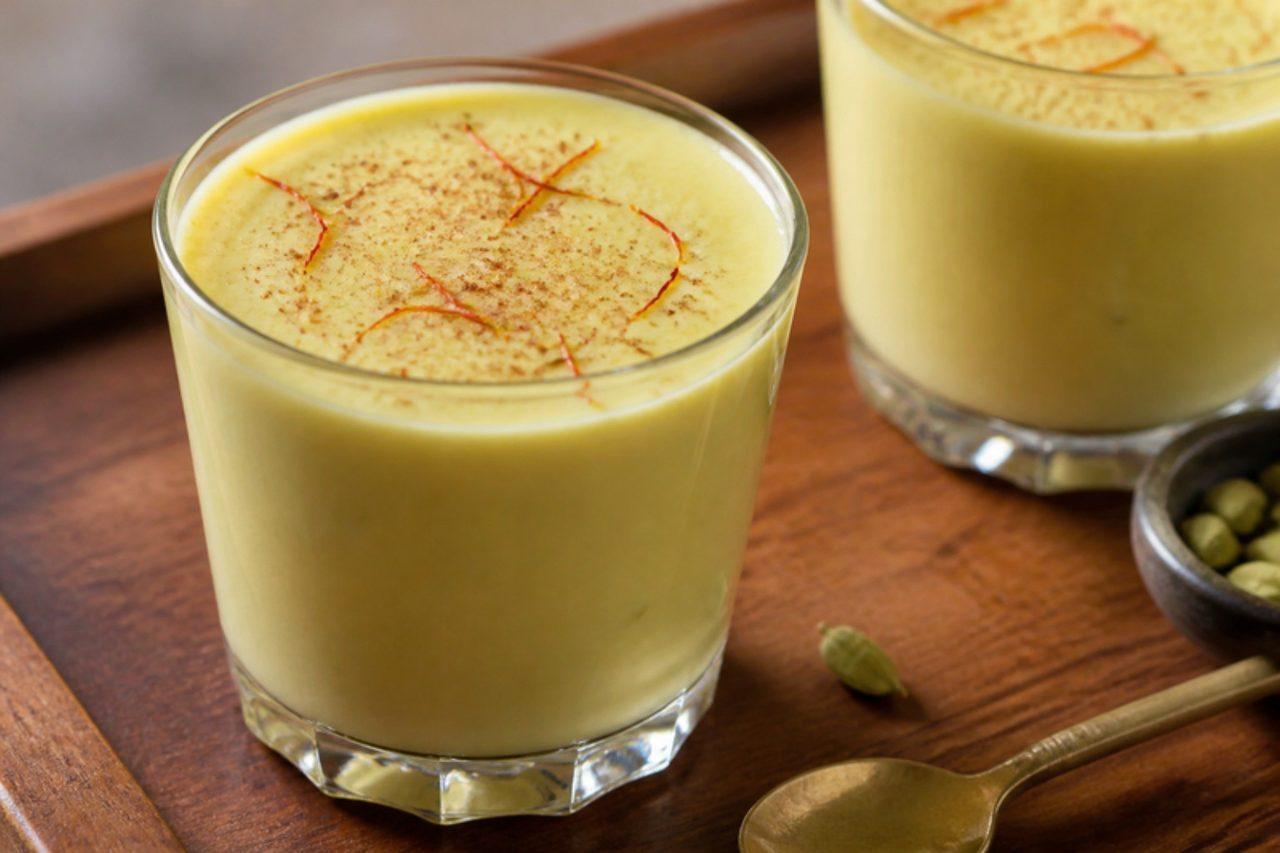
Piyush means nectar, and Pune and Mumbai Maharashtrians drink it on summer afternoons, at Gudi Padwa lunches when there is leftover shrikhand, or from old dairy shops near Dadar and Girgaon where it is sold in glass bottles. It sits between lassi and dessert: thick but pourable, sweet and gently sour, yellow with saffron and scented with cardamom and a whisper of nutmeg. It is lovely with a spicy batata vada or after a puran poli meal. The common mistake is pouring cold buttermilk straight onto stiff shrikhand, which leaves stubborn lumps; loosen the shrikhand with a little buttermilk first, then whisk in the rest. Chef's tip: bloom the saffron in a spoonful of warm milk; cold buttermilk won't pull the colour out.

by KrazyBadal 0 views

Cheese corn ballsCheesy sweetcorn potato balls

Every children's birthday party in Mumbai, Pune or Bengaluru seems to have a tray of these on the table: crunchy, golden balls of mashed potato and sweetcorn that break open to a stretchy pocket of melted cheese. They are mild enough for little ones (pepper and a pinch of oregano rather than chilli) but grown-ups reach for them too, with tomato ketchup or a green chutney. The mix can be rolled and crumbed hours ahead, so they are handy for parties. Mozzarella and processed cheese are the usual choices; each uses cheese made with animal rennet unless labelled vegetarian, so choose a vegetarian one. The trickiest part is keeping the cheese in: a wet mixture or a gap in the crumb coat lets it leak into the oil. Chef's tip: freeze the crumbed balls for 15 minutes before frying; the cold, firm coat crisps quickly and holds the cheese inside.

by KrazyBadal 0 views

Sitaphal ice creamCustard apple ice cream

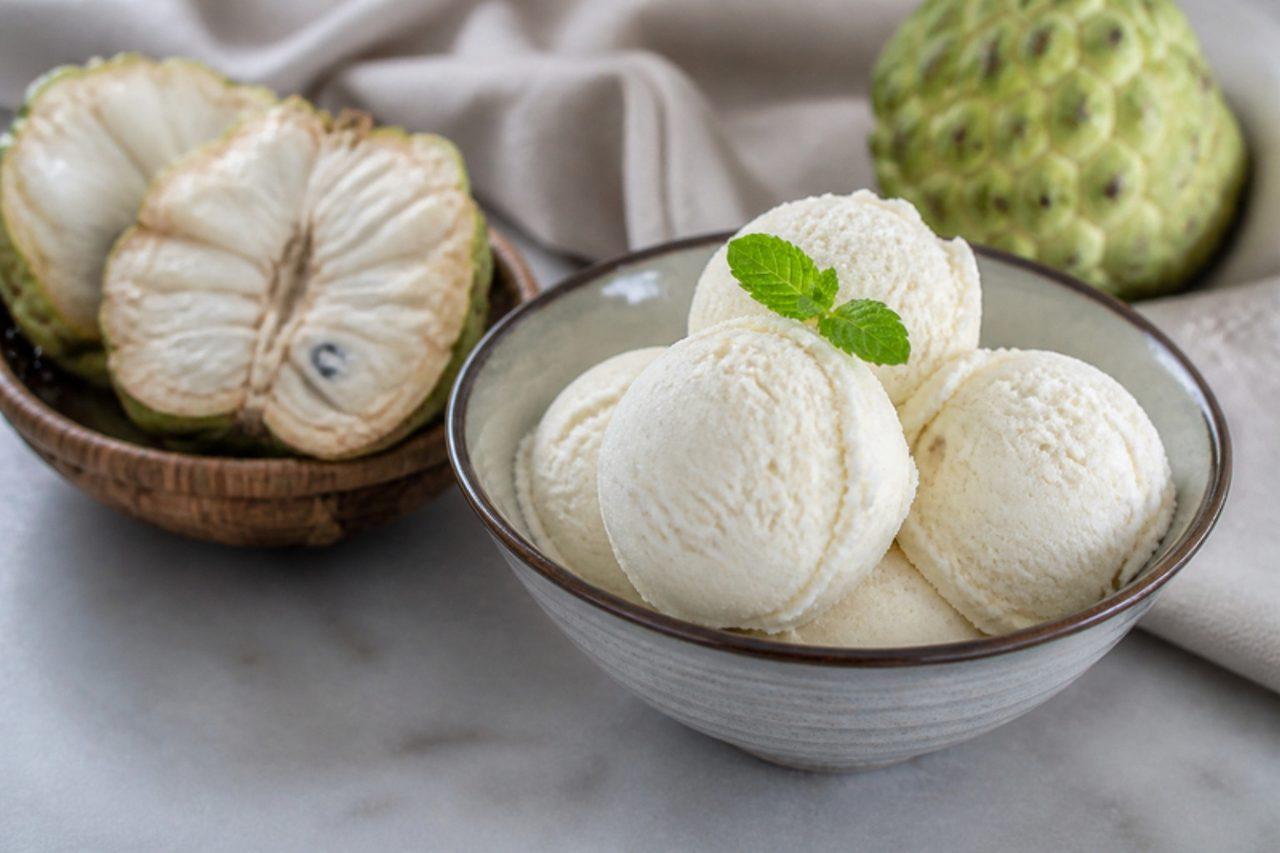
Every October, when custard apples pile up in the markets of Pune and Mumbai, the queues lengthen at the city's natural ice-cream parlours on Juhu and Malabar Hill for one flavour: sitaphal. The fruit tastes of pear, vanilla and cream, and when the pulp is folded into a simple milk-and-cream base, nothing else is needed. The ice cream is pale, soft and full of tiny tender pieces of fruit. It is the dessert of Navratri and Diwali visits in Maharashtra. A common mistake is blending the pulp with the seeds in; cracked seeds make the ice cream bitter, and they are toxic. Seed the segments by hand or rub the pulp through a coarse sieve. Chef's tip: never cook the pulp; heat turns custard apple bitter, so add it only to the fully cooled base.

by KrazyBadal 0 views

Gadbad ice creamLayered fruit and ice cream sundae

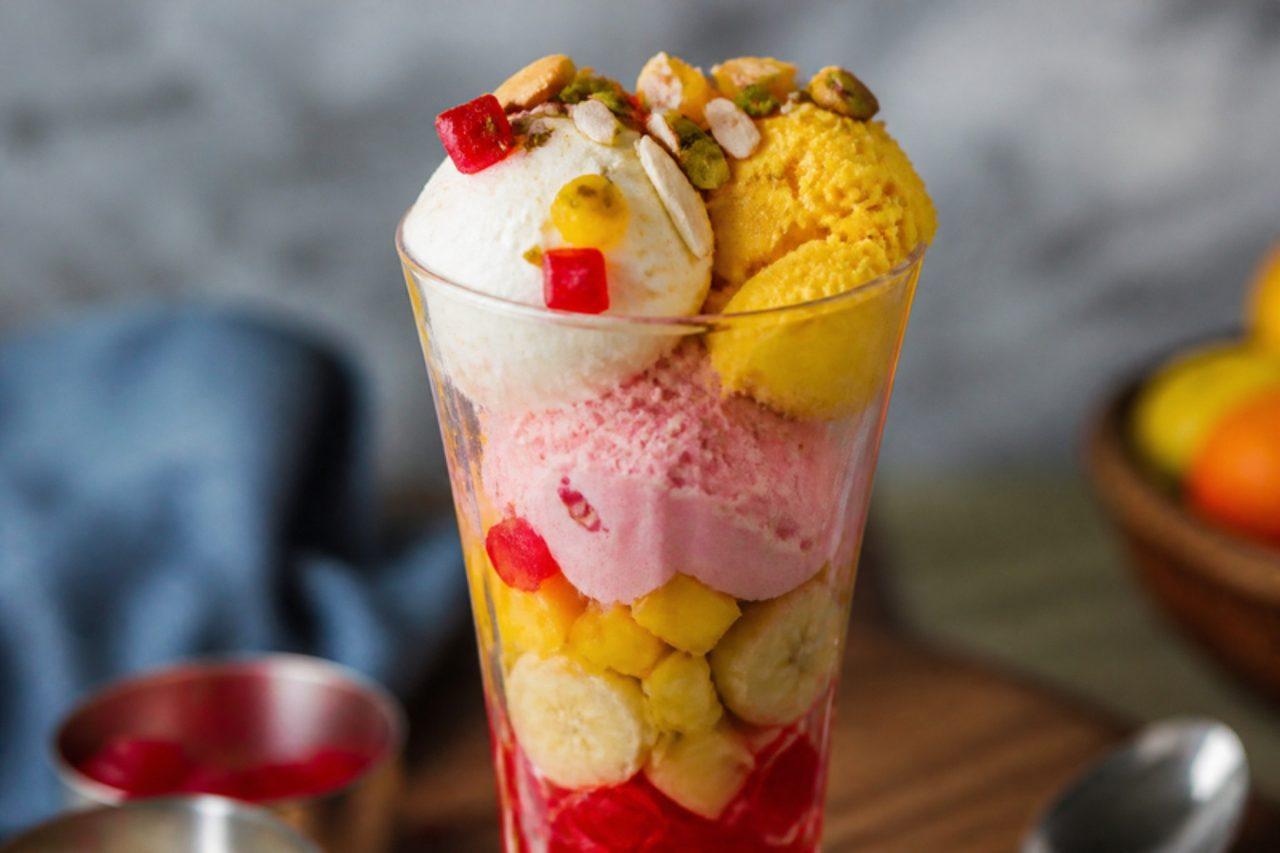
Gadbad means a jumble, and that is exactly what arrives at the table in Udupi and Mangalore ice-cream parlours: a tall fluted glass layered with cubes of jelly, chopped fresh fruit, scoops of vanilla, strawberry and mango ice cream, crushed nuts and a glacé cherry on top, eaten with a long spoon. The sundae is credited to a café in Udupi in the 1970s and is now the treat every coastal Karnataka family orders after a temple visit or a beach evening. It's sweet, cold, fruity and crunchy all at once. Most jelly crystals are set with gelatine, so choose a vegetarian jelly set with agar or carrageenan, and check your ice cream is egg-free and gelatine-free if that matters to you. A common mistake is layering on fruit that is wet from washing; it waters down the ice cream. Chef's tip: chill the glasses in the freezer for 15 minutes so the layers stay distinct.

by KrazyBadal 0 views

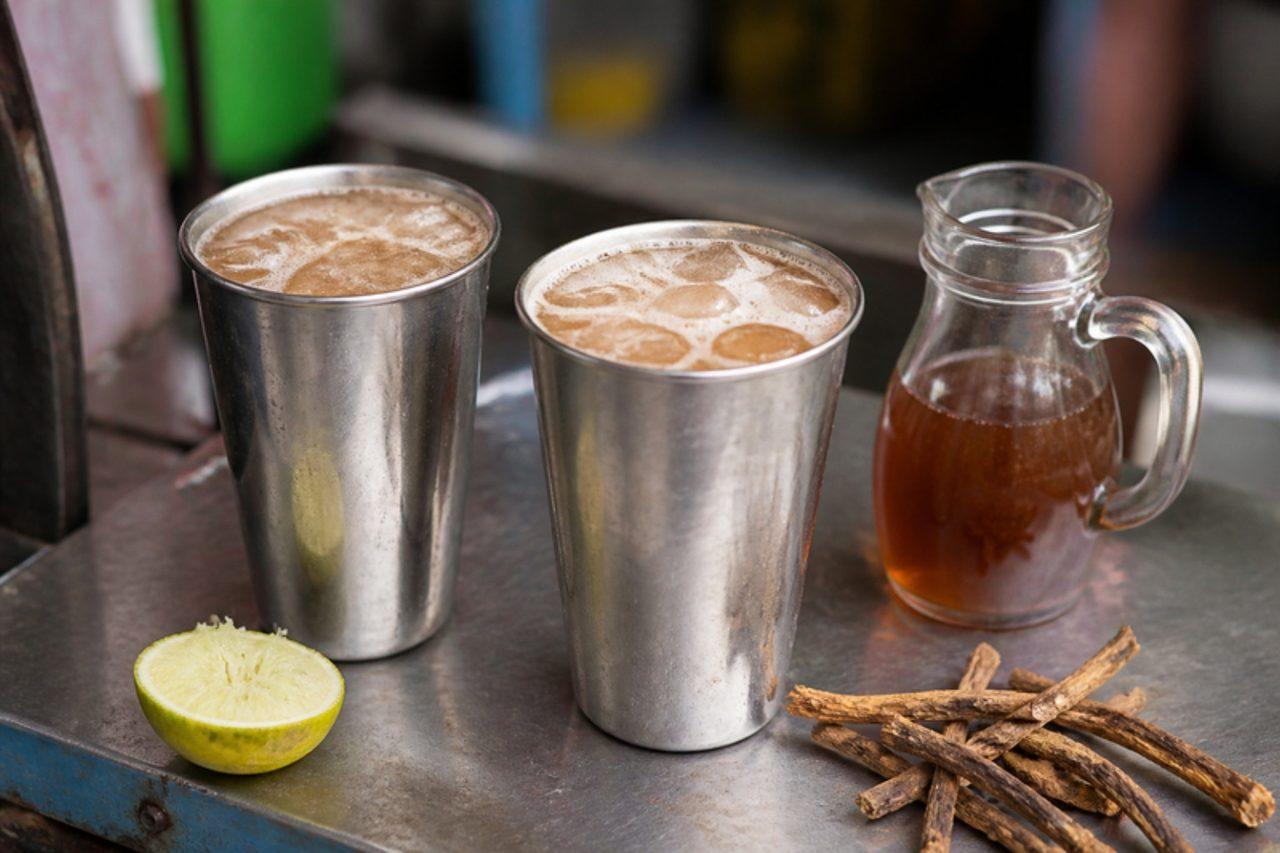
Nannari sarbathSarsaparilla and lime cooler

Walk past any sarbath kadai in Madurai, Tiruchi or Chennai's Parry's Corner in summer and you'll hear the clink of a glass being stirred with a long spoon. Nannari, the sweet, woody, vanilla-like root of Indian sarsaparilla, is cooked into a dark syrup; the vendor pours a little into a glass, squeezes in a whole lime, adds a pinch of salt and ice, and tops it with water or a fizz of soda. It is sweet, sharp and earthy all at once, and nothing like the milky jigarthanda made with the same syrup. Many shops add soaked sabja seeds for texture. The common mistake is too much syrup: the root flavour gets lost in sweetness, so start with less and let the lime lead. Chef's tip: squeeze the lime straight into the glass and drop in one squeezed half; a little oil from the peel gives that roadside freshness.

by KrazyBadal 0 views

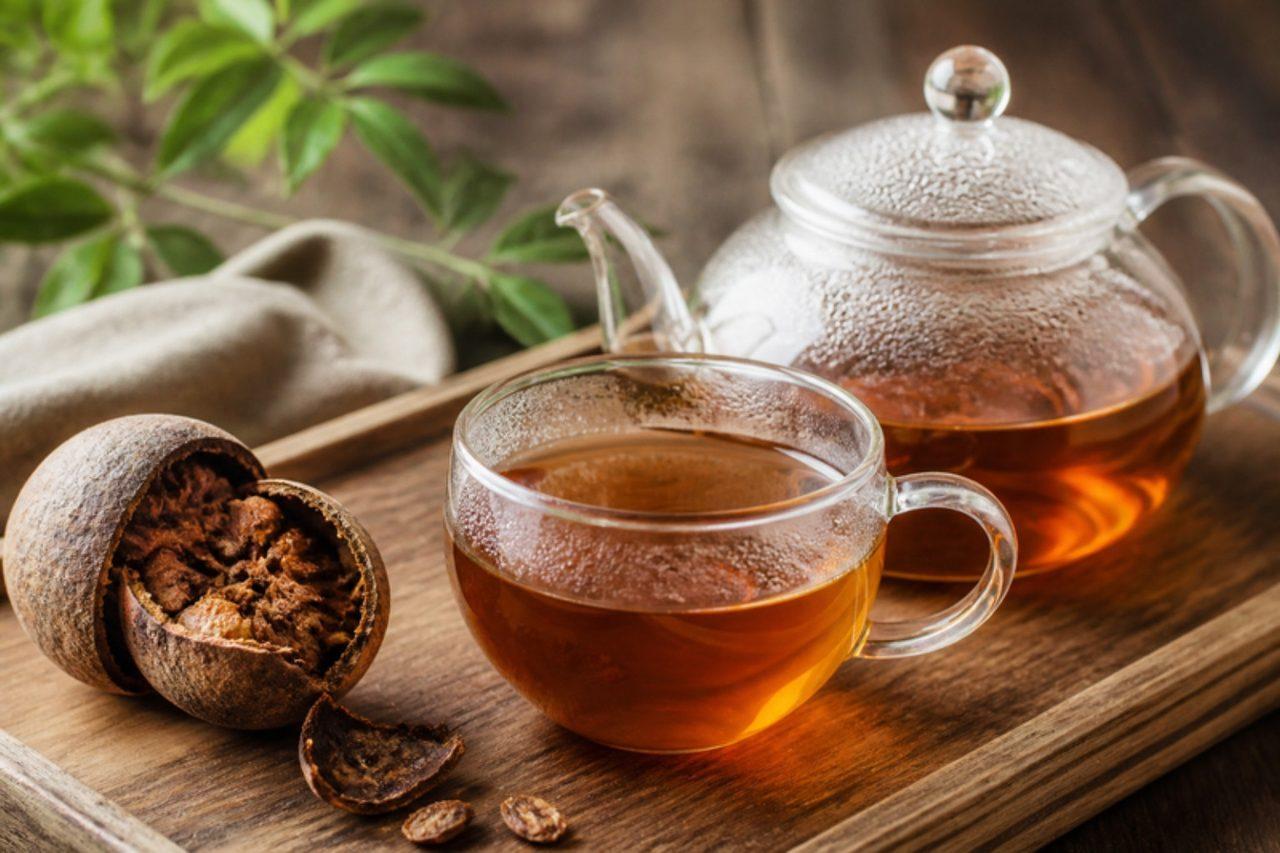
Luo han guo teaMonk fruit tea

The hills around Guilin in Guangxi grow luo han guo, a small round gourd that is dried until its shell turns brown and brittle. Cantonese and Guangxi households simmer one in water when someone has a scratchy throat or a dry cough, or simply in the heat of summer, and the result is a dark amber tea that tastes of caramel and dried fig with no sugar added at all. Drink it hot in winter or chilled in summer. The mistake most people make is using a whole fruit for a single cup, which is cloyingly sweet; one fruit is enough for a large pot. Chef's tip: crack the shell and tear the pulp into pieces, so the flavour comes out in 15 minutes instead of an hour.

by KrazyBadal 0 views

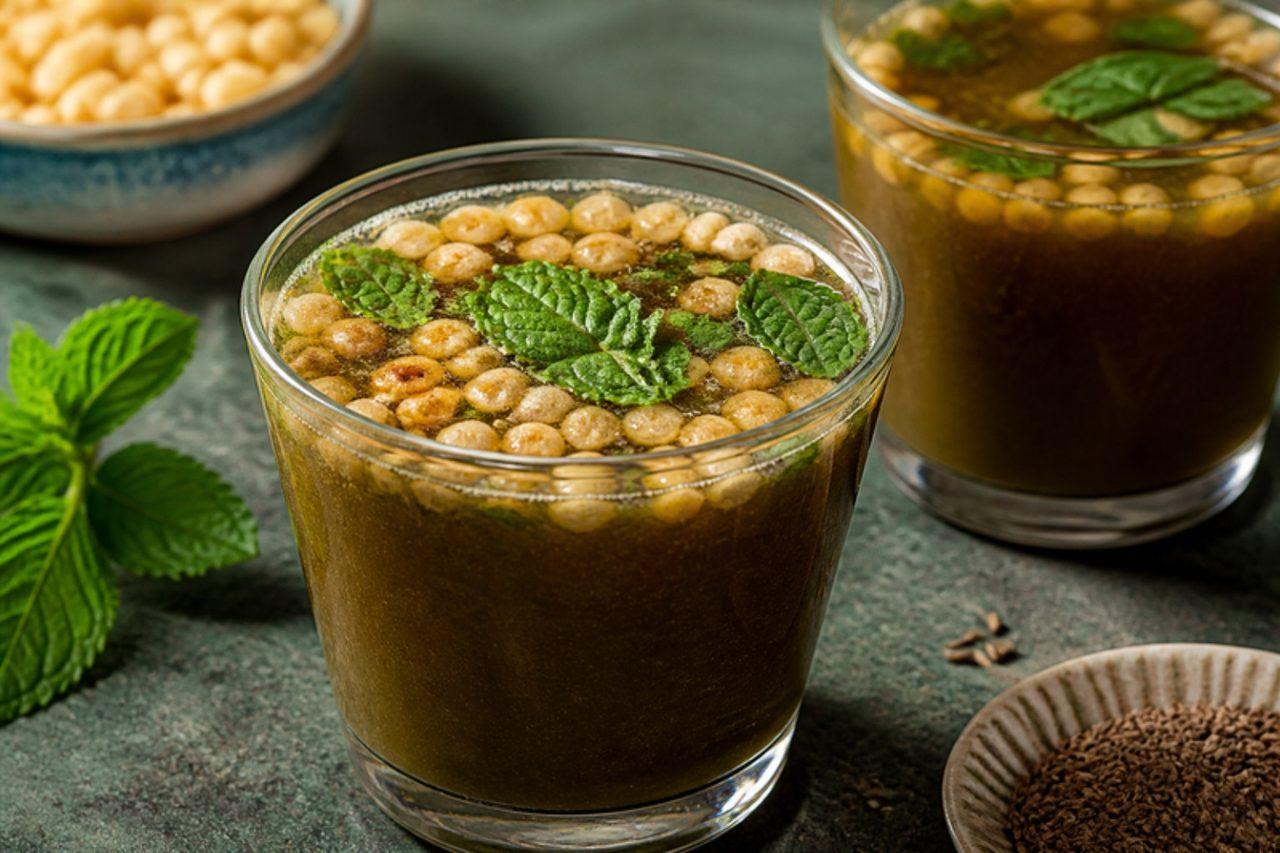
JaljeeraTamarind mint cumin drink

Street vendors in Old Delhi and Varanasi sell jaljeera from big red clay matkas wrapped in wet cloth, ladling it into glasses with a handful of boondi on top. The name simply means cumin water, but the flavour is busier than that: sour tamarind and lemon, a cool rush of mint, the sulphur note of black salt and the warmth of roasted cumin and dry ginger. It is drunk before a heavy Punjabi meal to wake the appetite, at summer weddings, and on long train journeys. Make the masala fresh and the difference shows. The common mistake is using raw cumin powder; it tastes dusty. Dry-roast whole cumin until it darkens a shade and smells toasty, then grind it. Chef's tip: add the boondi only at the table so it stays crunchy for the first sip and softens by the last.

by KrazyBadal 0 views

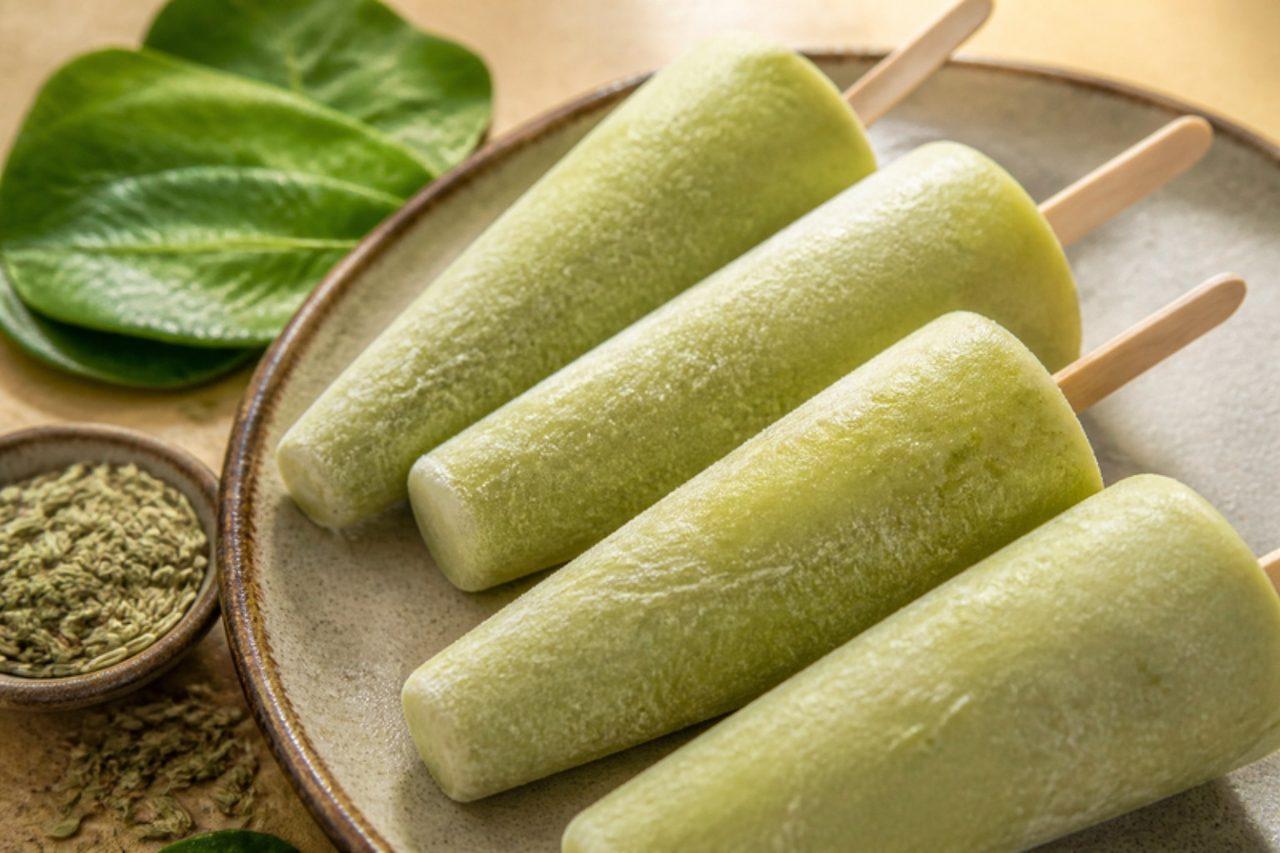
Paan kulfiBetel leaf ice cream

For many Lucknow and Banaras families, dinner ends with a folded meetha paan, and in Mumbai's paan shops and kulfi joints that same flavour turned into kulfi became a cult favourite at weddings and parties. The base is milk reduced by two-thirds; betel leaves, rose petal gulkand, fennel and cardamom go in once it has cooled, so it freezes dense, pale green and fragrant, with little chewy bits of gulkand. It is sweet, floral and leafy-fresh, and cuts through a rich biryani or korma dinner. A common mistake is boiling the betel leaves in the milk: they turn bitter and the colour goes khaki. Grind them raw with cold milk instead. Chef's tip: use the tender, sweet Calcutta or Banarasi leaves sold for meetha paan; the thick Maghai or Kapoori kind can taste peppery.

by KrazyBadal 0 views

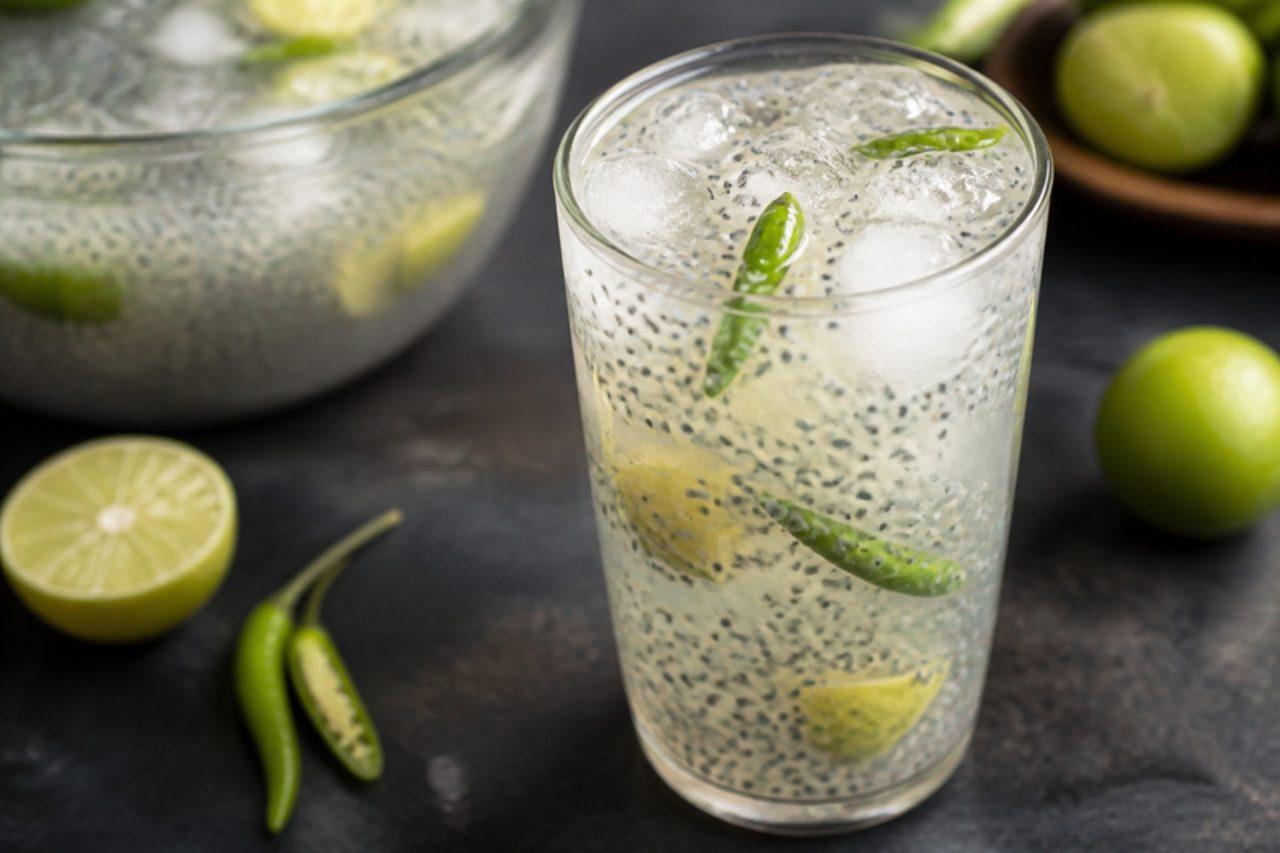
Kulukki sarbathShaken lime cooler

Kulukki means shaken, and the show is half the fun: at roadside stalls in Kozhikode, Kochi and Thrissur, the vendor drops lime, a slit green chilli, basil seeds, syrup and ice into a tall steel tumbler, caps it with another and rattles it furiously before pouring a frothy glass. The drink became a craze across Kerala in the 2010s and is now a beach and festival favourite. It tastes sharp, sweet, salty and then hot as the chilli catches the back of your throat. Some stalls add pineapple or passion fruit. The common mistake is crushing the lime and chilli too hard or leaving them to sit, which makes the drink bitter from the peel and far too fiery; shake briefly and pour at once. Chef's tip: use a jar with a tight lid half filled with ice; the ice does the crushing and makes the foam.

by KrazyBadal 0 views

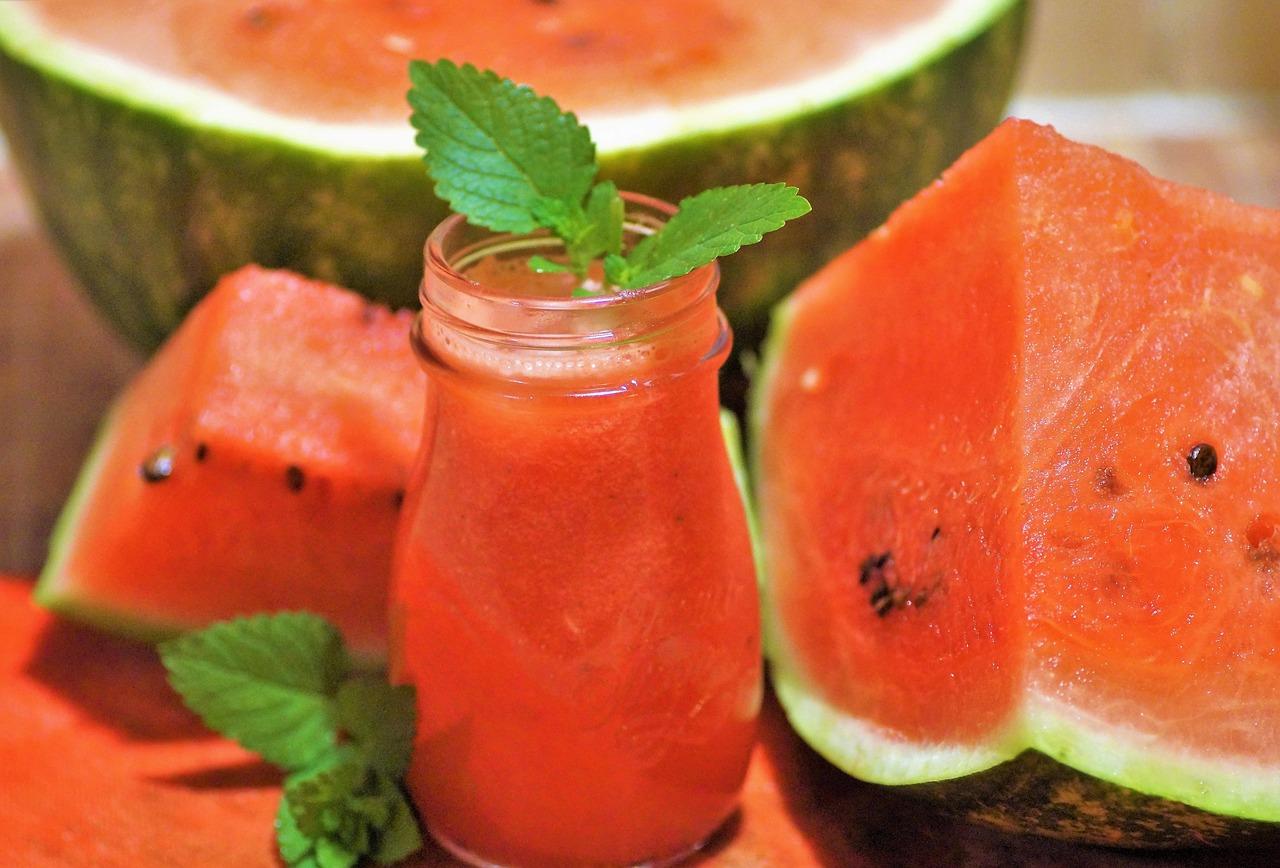
Agua de sandíaWatermelon drink

When watermelons are piled high in the markets of Jalisco and Sonora in summer, almost every taquería has a jar of bright pink agua de sandía next to the horchata. It needs only ripe watermelon, water, a squeeze of lime and a touch of sugar, and children love it. Chef's tip: a very ripe melon may need no sugar at all, so taste before you sweeten.

by KrazyBadal 0 views

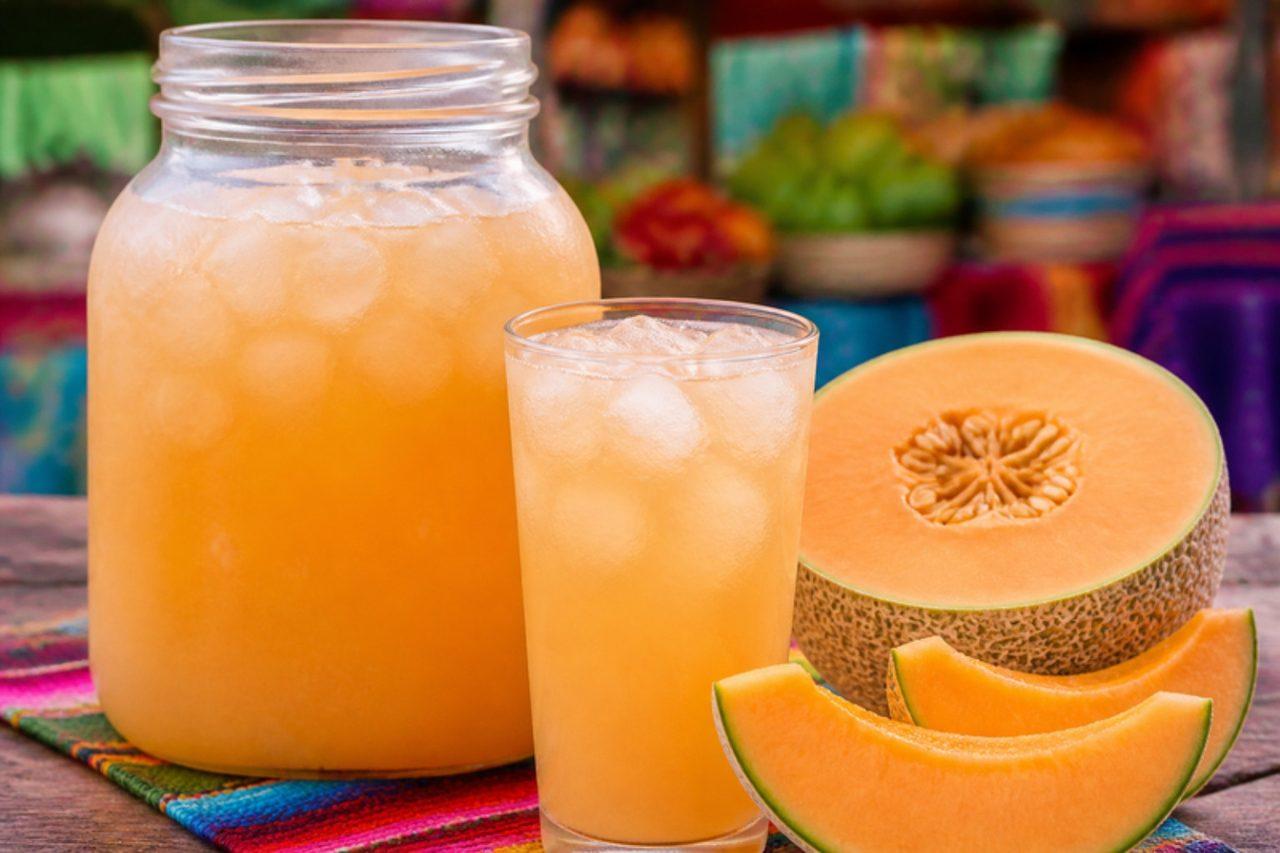
Agua de melónCantaloupe drink

Mexican market juice stalls make agua de melón with the ripest, most fragrant cantaloupes, and many cooks blend in the seeds and the soft pulp around them, which adds a creamy body and a nutty flavour. It's served in tall glasses on hot afternoons from Guanajuato to Veracruz and is a favourite with kids. Chef's tip: smell the stalk end of the melon before you buy it; if it smells sweet, the drink will too.

by KrazyBadal 0 views

Paletas de cocoCoconut ice pops

Coconut pops are a classic of the paleterías of Michoacán and of the beach carts of Acapulco and Veracruz, where fresh coconuts are cracked open to order. They are milky, sweet and chewy with shreds of coconut, more like frozen coconut cream than ice. It contains dairy. Chef's tip: toast a third of the coconut lightly before using, which brings out a deeper flavour without changing the snowy colour much.

by KrazyBadal 0 views

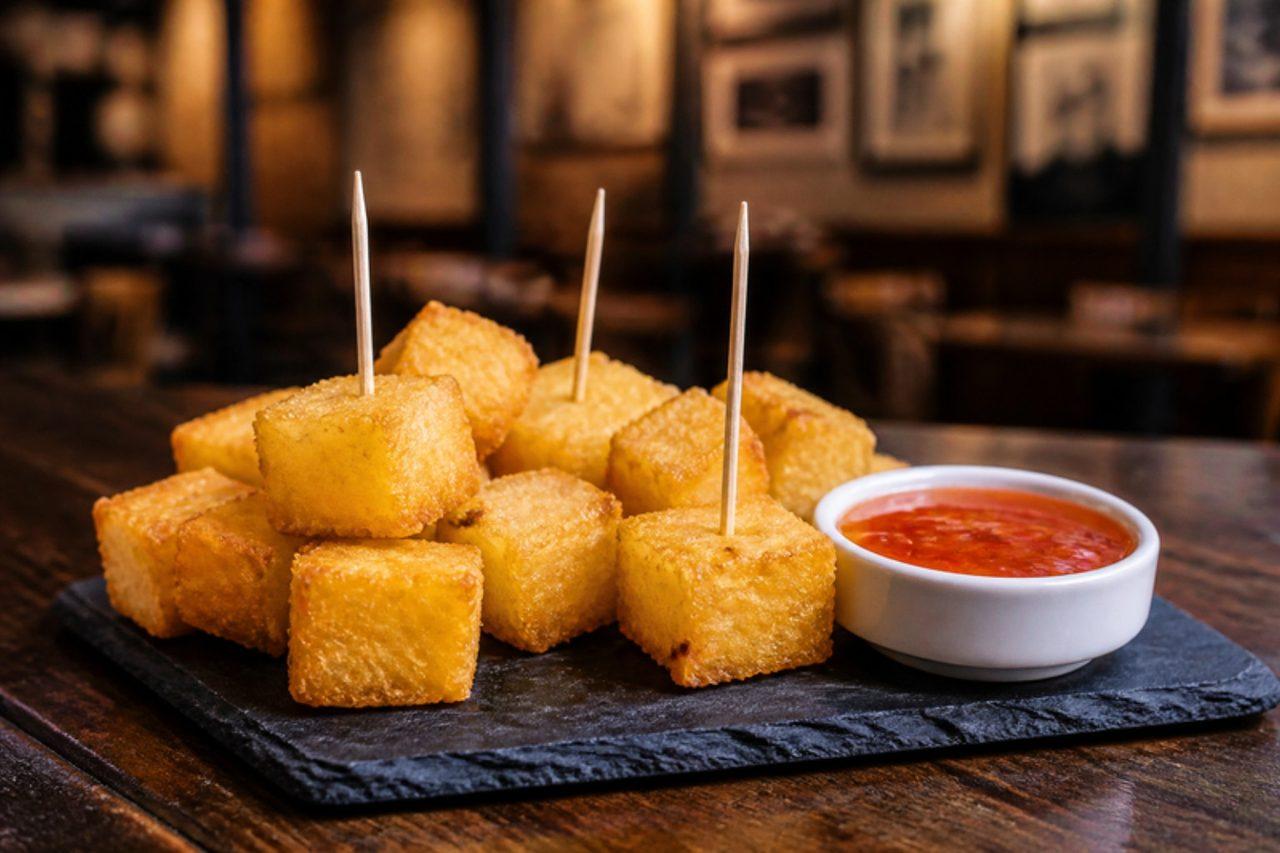
Dadinho de tapiocaFried tapioca cheese cubes

These crisp little cubes started in a Northeastern-style bar in São Paulo's north zone and spread to almost every botequim menu in the city, where they arrive in a paper-lined basket with a pot of sweet chilli sauce and a round of cold drinks. Hot milk is stirred into granulated tapioca and salty grated queijo coalho, the mixture sets overnight, and the cubes are fried until the outside shatters and the inside turns soft and stretchy. Queijo coalho is usually made with animal rennet, so for a vegetarian version look for a firm grilling cheese labelled vegetarian rennet. Chef's tip: let the slab chill until it is completely firm, at least four hours, or the cubes slump in the oil.

by KrazyBadal 0 views

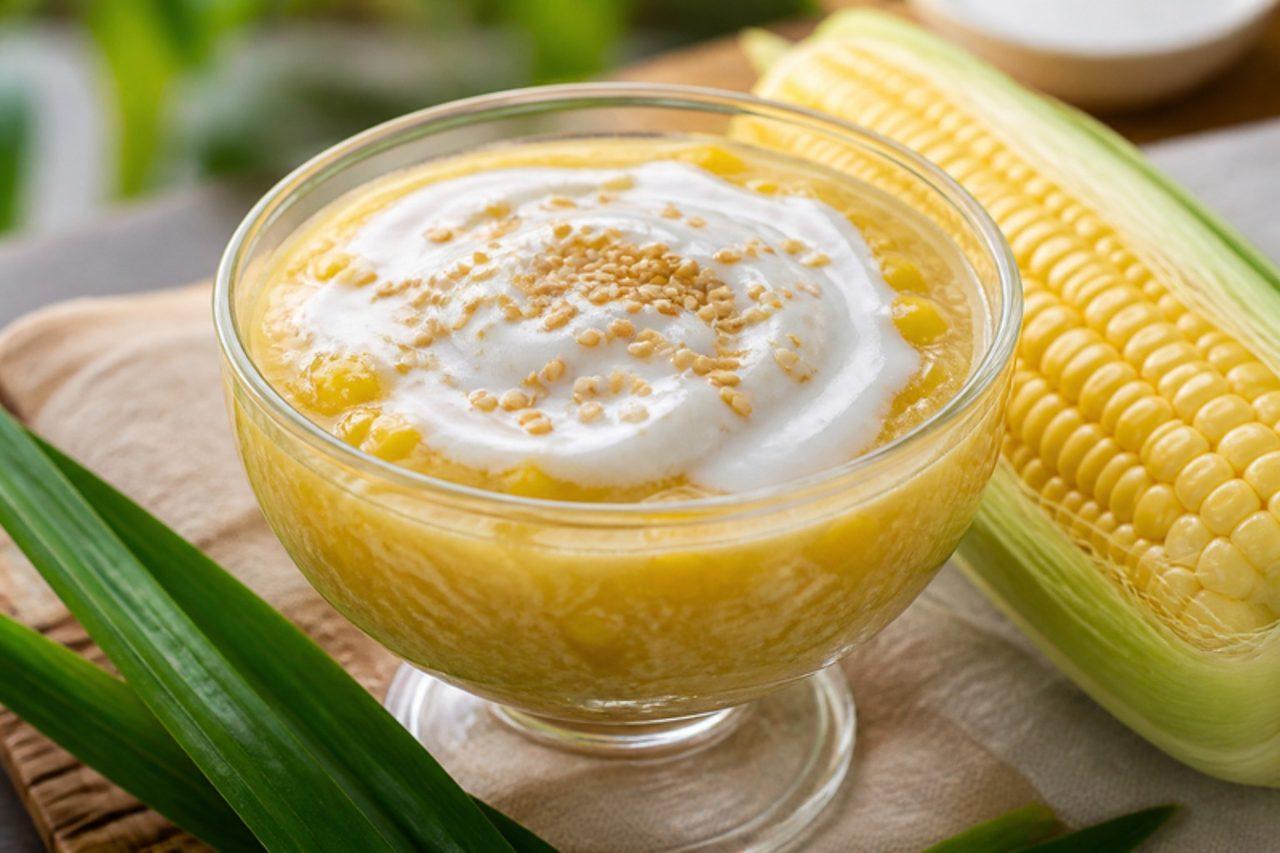
Chè bắp (sweet corn pudding)

Hội An's riverside villages grow a sticky, sweet local corn, and chè bắp has been sold in its old town for generations; in Saigon it is a summer evening favourite at street stalls. Fresh kernels are cooked with a little glutinous rice until thick and spoonable, sweetened, and topped with a ribbon of salty coconut cream. The cobs simmer in the water first to give the pudding a deep corn flavour. Chef's tip: add the sugar only after the rice is soft; sugar added early stops glutinous rice from swelling and leaves hard grains.

by KrazyBadal 0 views

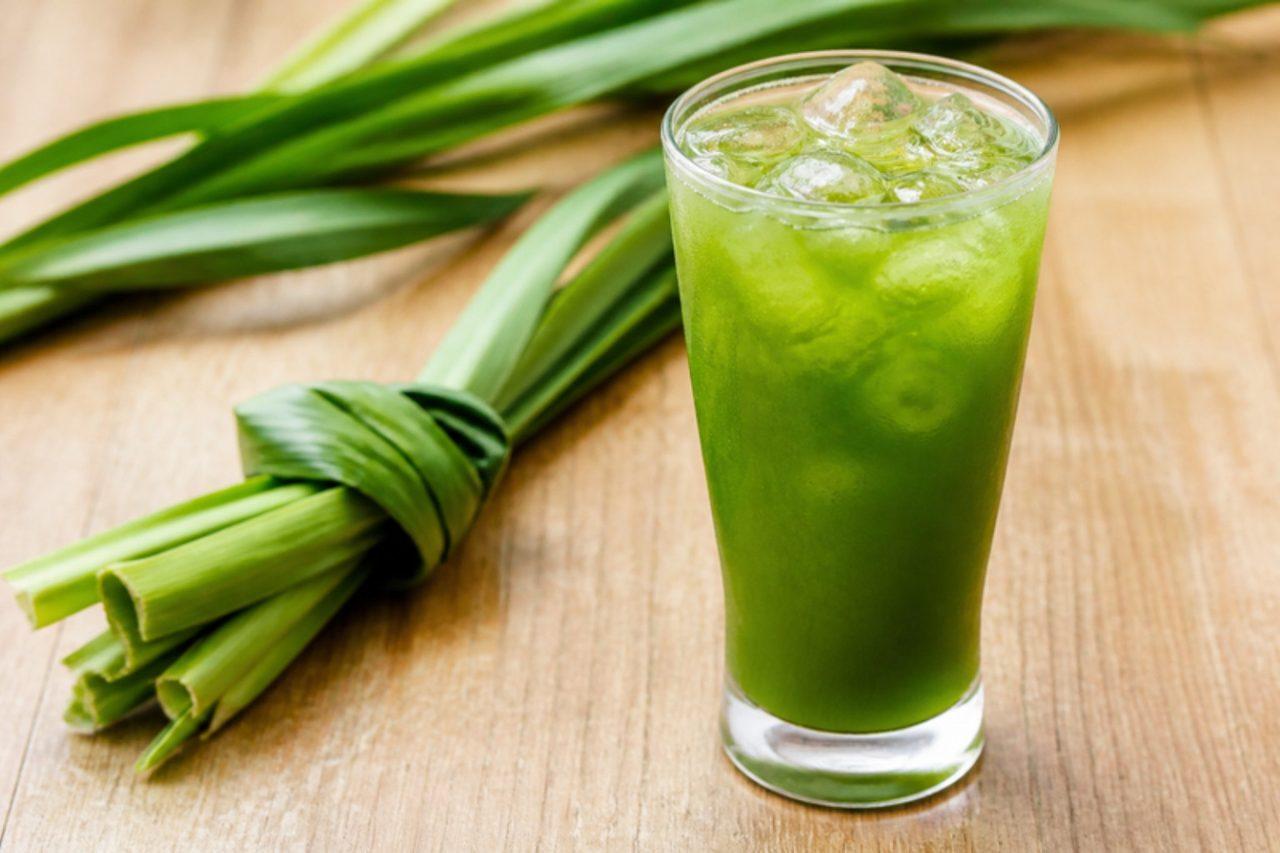
Nam bai toey (pandan drink)

Every Thai garden seems to have a clump of pandan by the tap, and on hot days cooks across the country blitz a handful of leaves into this bright green drink sold at temple fairs and noodle shops. It tastes sweet, grassy and faintly of vanilla and basmati, and is said to cool the body. Fresh leaves give the best colour; frozen ones from Asian shops work well too. Chef's tip: the mistake is serving it unstrained or leaving it for hours; strain it twice through cloth and drink it the same day, as it fades and turns grey.

15 minThaiDrinksVeganGluten free
by KrazyBadal 0 views

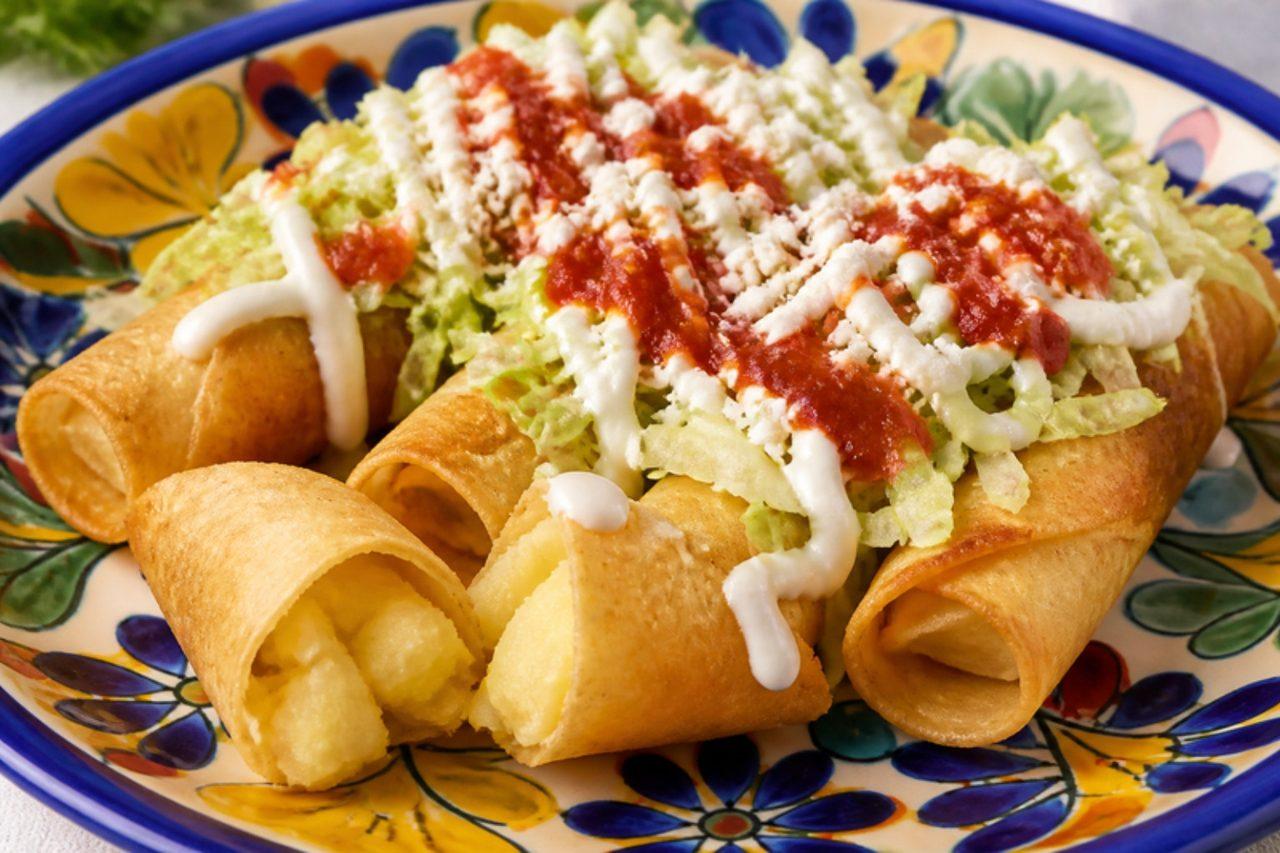
Tacos dorados de papaFried potato tacos

Crisp potato tacos are a Friday and Lent staple in homes across central Mexico, and a cheap favourite at fondas near schools in Mexico City. Tortillas are rolled around buttery-soft mashed potato, fried until shattering, then buried under cool lettuce, crema, salsa and crumbled cheese. Children love them, and the potato filling is easy to make ahead. Fresh crumbly cheeses here are often set with animal rennet; a vegetarian queso fresco or a microbial-rennet feta keeps the dish meat-free. Chef's tip: mash the potatoes while hot and let them cool before rolling, so the filling is firm and doesn't ooze into the oil.

by KrazyBadal 0 views

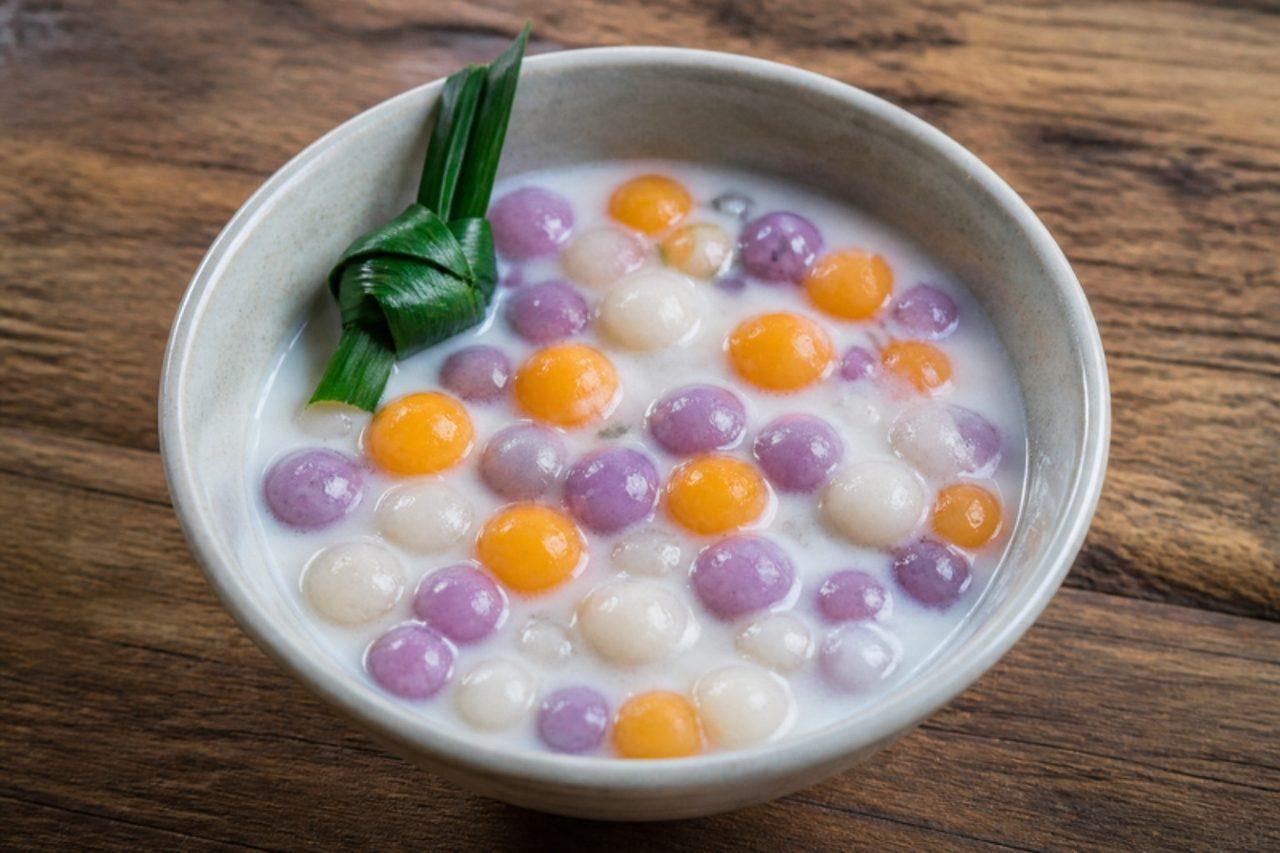
Bua loy (rice balls in coconut milk)

The name means 'floating lotus', and on cool evenings in Bangkok's Yaowarat and around temple fairs bowls of these tiny glutinous dumplings are ladled out warm. They are coloured with mashed pumpkin and taro, so they taste faintly of both, and the coconut milk around them is sweet with palm sugar and edged with salt. Some vendors add a soft-cooked egg to the bowl; this version keeps it plant-only. Chef's tip: the usual mistake is making the balls too big; keep them the size of a chickpea so they cook through and stay tender rather than gummy.

by KrazyBadal 0 views

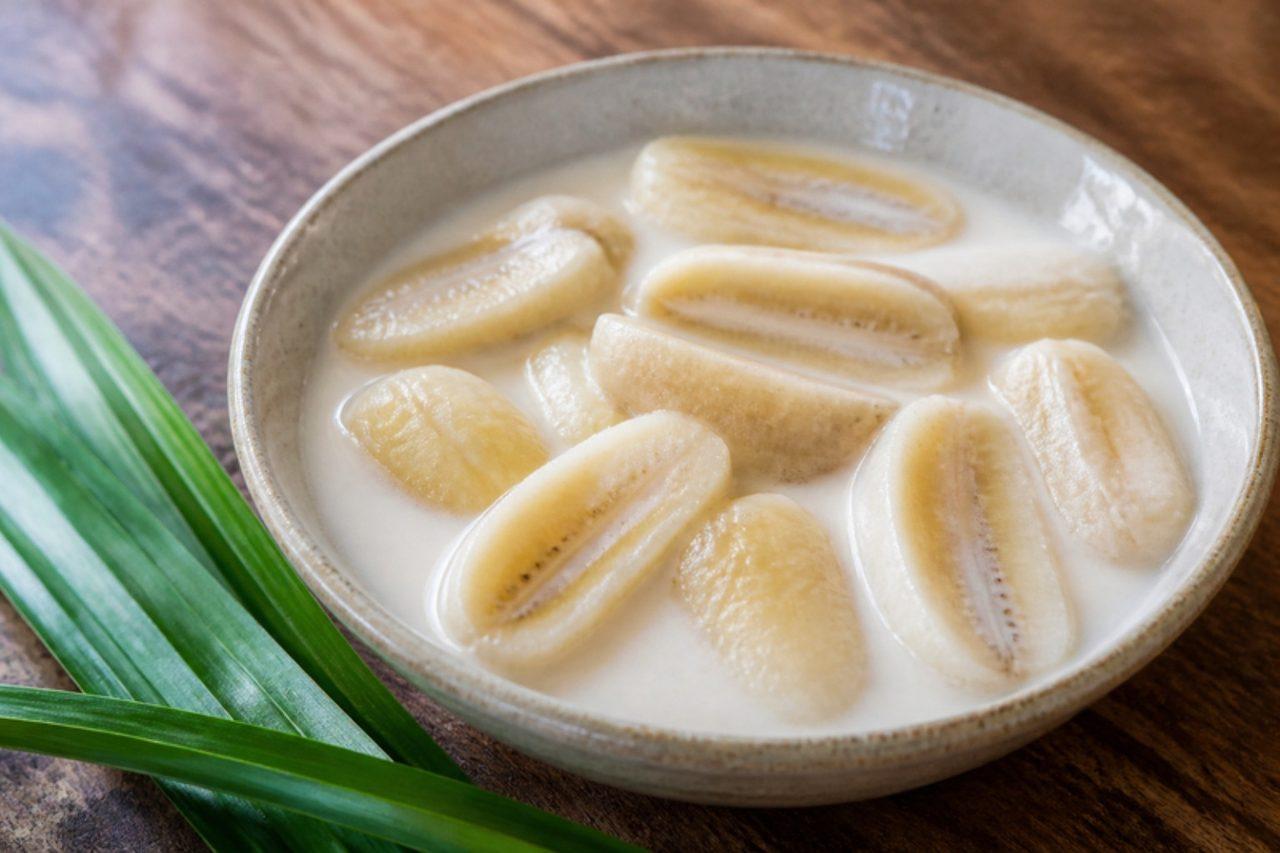
Kluay buat chi (bananas in coconut milk)

Rows of pots of this simple sweet sit on home stoves all over central Thailand, and it is often the first dessert a Thai cook learns. The name compares the pale bananas in white coconut milk to women ordained as nuns in white robes. Small, sweet namwa bananas soften without collapsing, and the milk is seasoned so salt and palm sugar balance. Eat it warm or at room temperature, as an afternoon snack or after a spicy dinner. Chef's tip: boiling the coconut milk hard is the usual error; it splits and turns oily, so keep it at a bare simmer.

by KrazyBadal 0 views

Showing 24 of 3,470 recipes

Show more recipes

Page 38 of 145

More No onion & garlic ideas

Other diets