Skip to content
WhatToEat.Today

No onion, no garlic recipes (Swaminarayan and sattvic)

3,470

3470 vegetarian recipes cooked without onion or garlic, as in Swaminarayan and sattvic kitchens, with no meat, fish, eggs or alcohol. Each has photos, step-by-step instructions and cook times. The quickest, Apfelschorle, takes 2 minutes. Most take around 45 minutes.

Filter these by time, diet or cuisine · Make No onion & garlic your diet to see only these recipes everywhere on the site.

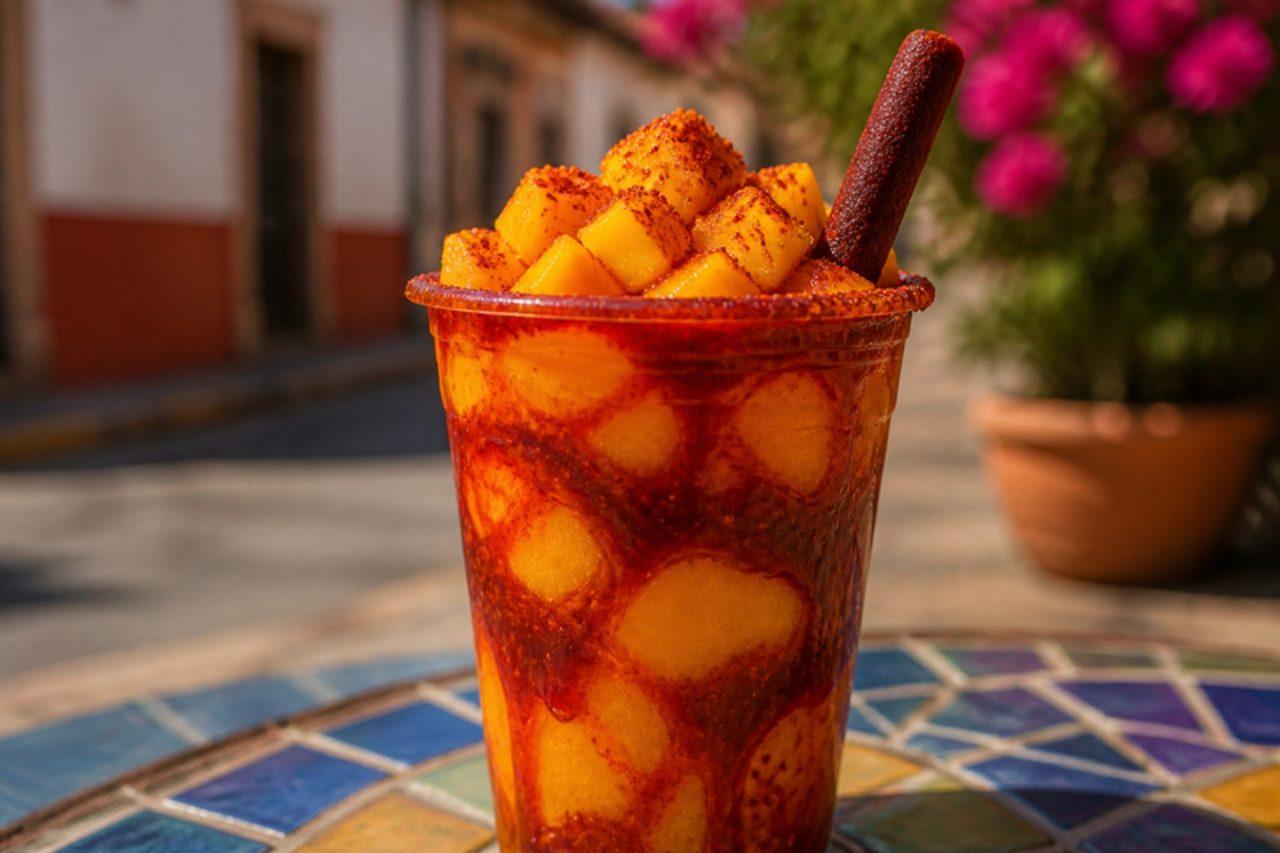
MangonadaMango sorbet with chamoy

Mangonadas, also called chamoyadas, are a Mexican street sweet sold by neverías and fruit stands from Guadalajara to the US border: thick frozen mango blended to a slush, layered in a tall cup with sticky red chamoy and chile-lime salt and crowned with fresh mango cubes. Sweet, sour, salty and hot at once, it comes with a chewy tamarind-candy straw for stirring. Chef's tip: freeze the mango in cubes beforehand, so you get a thick spoonable slush without watering it down with ice.

by KrazyBadal 0 views

ChamoySweet-sour chile sauce

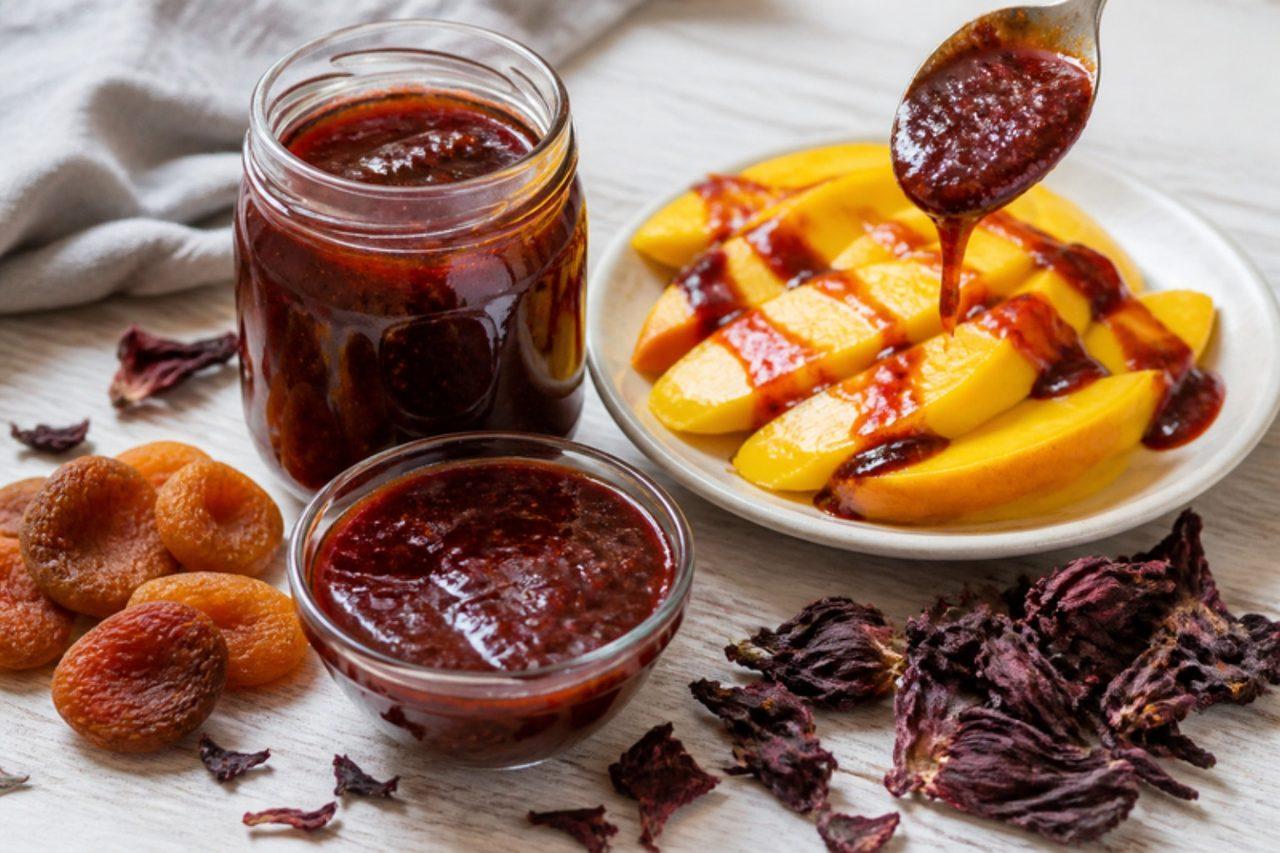
Brick-red and glossy, chamoy is the sauce Mexicans splash over fresh fruit, mango sorbet, crisps and the rim of a michelada glass. It is said to descend from Asian salted plum sauces, but today's version is pure Mexican: dried apricots and hibiscus simmered and blended with chile, lime, sugar and salt. Homemade chamoy is fruitier and less sweet than the bottled kind. Chef's tip: it thickens a lot as it cools, so take it off the heat when it still pours like warm ketchup.

by KrazyBadal 0 views

BolilloCrusty Mexican rolls

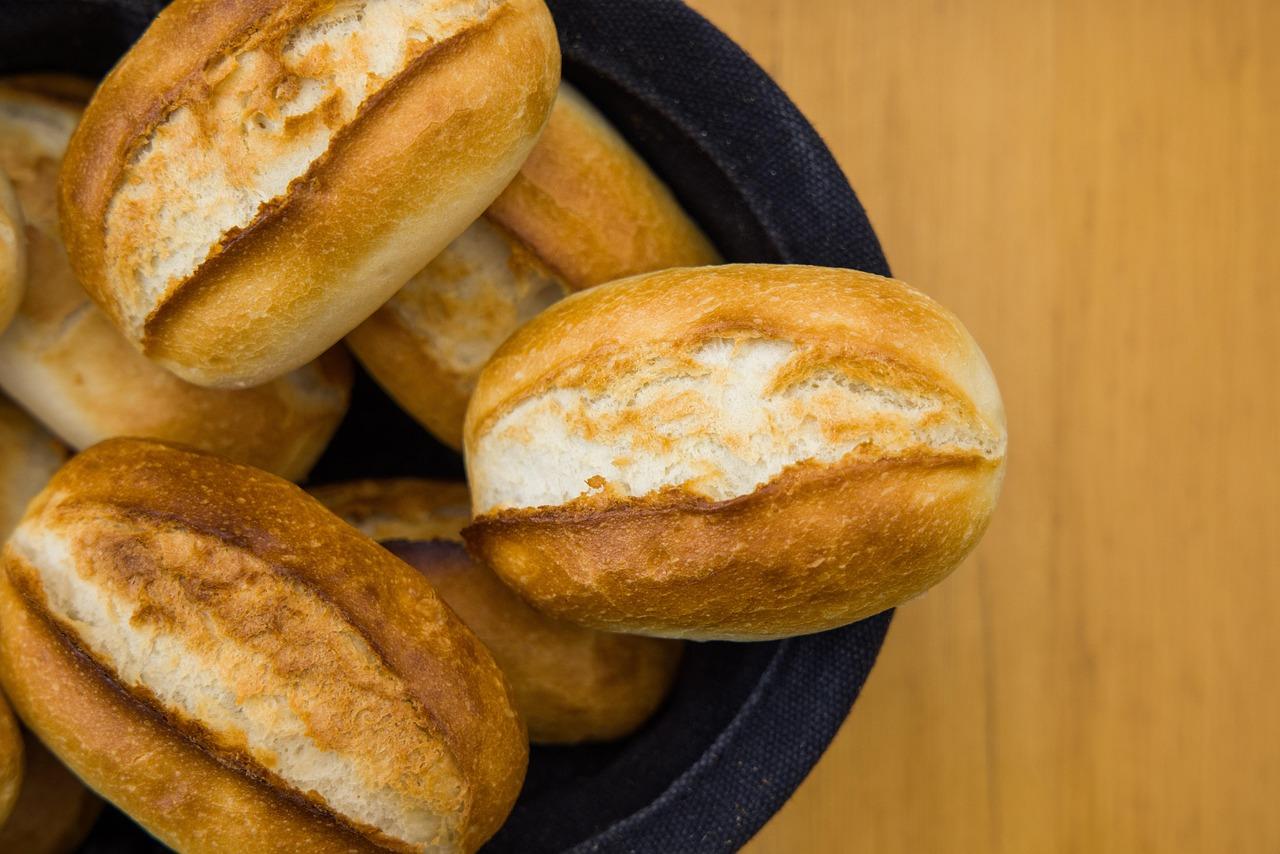
Before dawn in Mexico City, León or Puebla, neighbourhood bakeries pull trays of bolillos from the oven for tortas, molletes and the morning coffee. The rolls are oval with pointed ends and one deep slash, a thin crackly crust and a light, slightly chewy crumb, born from the French bakers who worked in Mexico in the 1860s. This version is made with no lard or butter, so it is vegan. Chef's tip: a tray of boiling water in the oven for the first ten minutes is what gives the crust its shine and crackle.

by KrazyBadal 0 views

Carlota de limónLime icebox cake

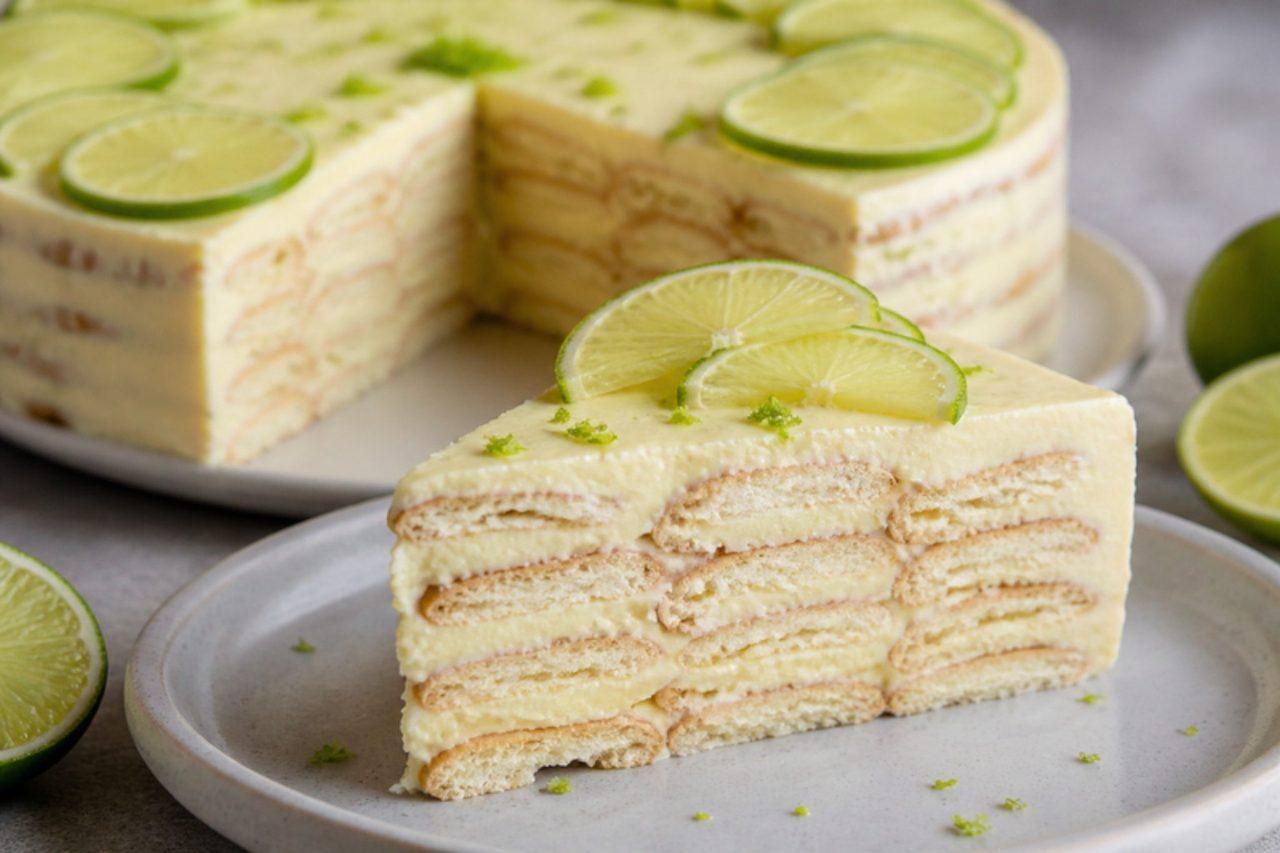
In Mexican home kitchens carlota de limón is the dessert everyone's aunt knows by heart: layers of Marías biscuits and a lime cream whipped from condensed and evaporated milk, chilled until it slices like a cake. It is made on hot afternoons in Sonora and Veracruz and turns up at every children's party. The lime curdles the milk just enough to thicken it, so there's no cooking at all. It contains wheat and dairy. Chef's tip: blend in the lime juice slowly, with the motor running, until the cream thickens visibly.

by KrazyBadal 0 views

Paletas de mango con chileMango ice pops with chile

The town of Tocumbo in Michoacán sent paleteros all over Mexico, and their shops, the paleterías michoacanas, sell fruit ice pops from Tijuana to Cancún. Mango con chile is one of the most loved: chunky frozen mango purée, sharp with lime, with a ribbon of chile powder through it and more sprinkled on top. Chef's tip: leave a few small cubes of mango in the purée, so every bite has real fruit.

by KrazyBadal 0 views

Agua de pepino con limónCucumber lime drink

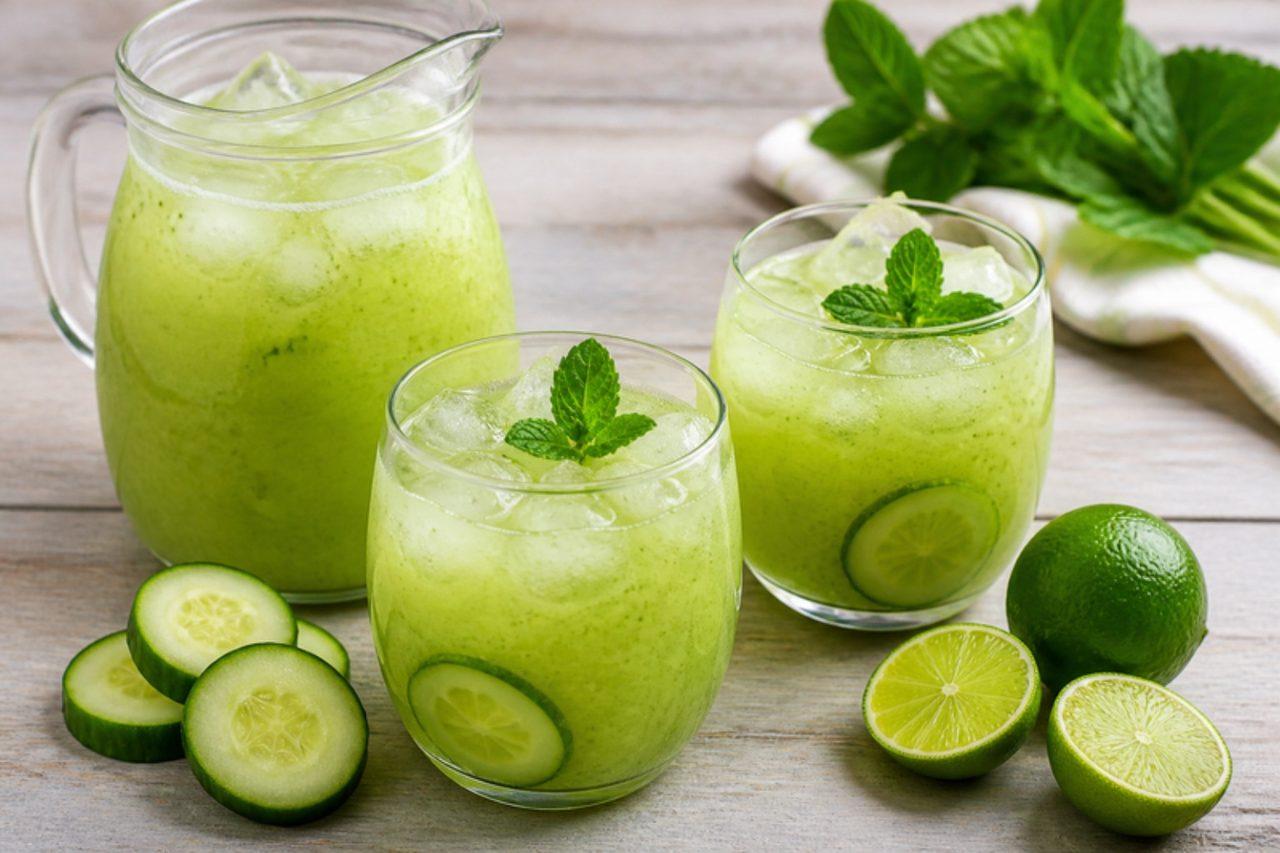
Pale green and very refreshing, agua de pepino is the cooler sold from market juice stands in Mexico City and Oaxaca when the afternoon heat builds, and families blend a jug for comida on hot days. Cucumber, lime and a few mint leaves give a clean, light taste with very little sugar. Chef's tip: leave some of the peel on the cucumber for colour, but strain the drink so it stays silky.

by KrazyBadal 0 views

Limones rellenos de cocoCoconut-stuffed candied limes

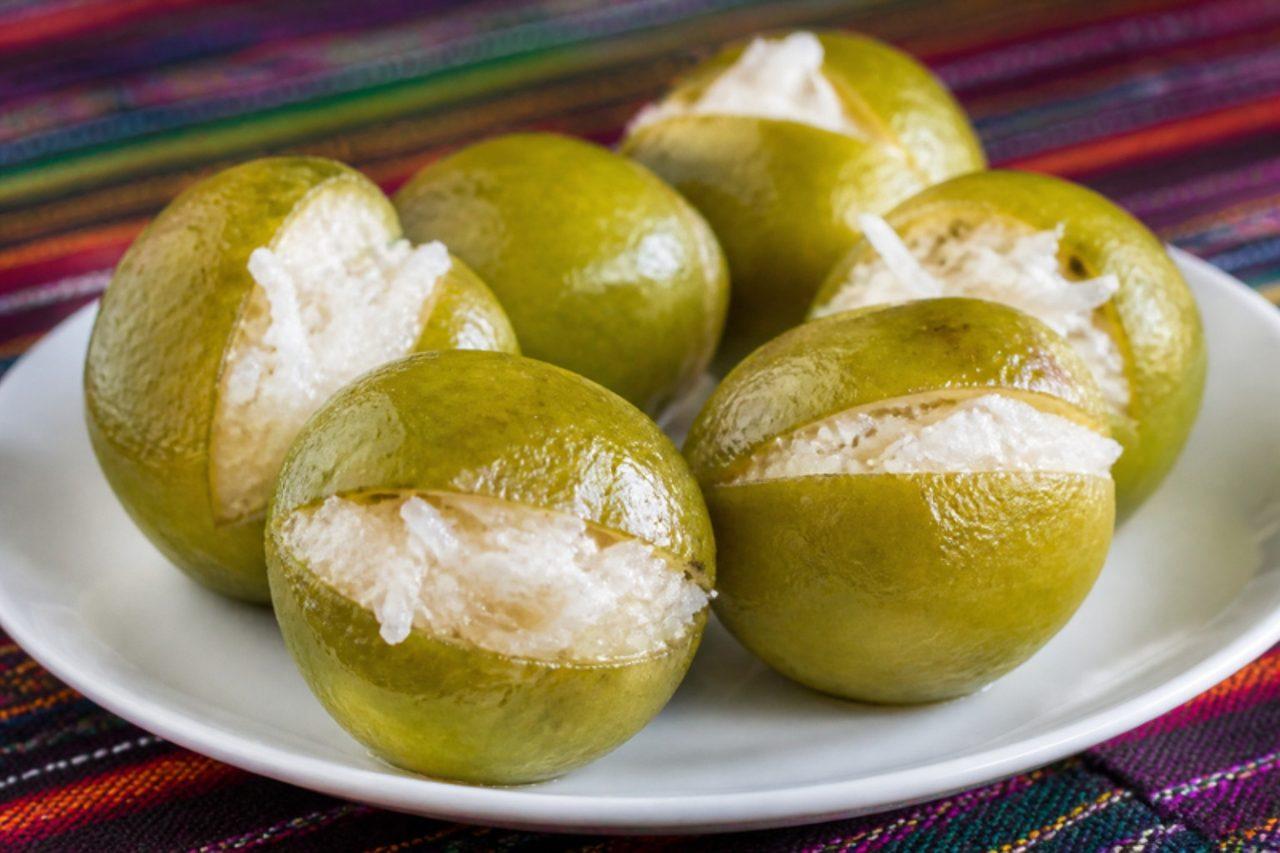
At the candy stalls of Oaxaca's Mercado 20 de Noviembre and in the towns of Michoacán, bright green candied limes stuffed with snowy coconut are a jewel of traditional dulcería. The limes are scraped, soaked and boiled to take away the bitterness, then candied over two days until glassy, hollowed and filled. They are sweet, chewy and sharp at once, made for weddings and gifts. Chef's tip: change the soaking water every time without fail, as that is what takes away the bitterness of the pith.

by KrazyBadal 0 views

Agua de tamarindoTamarind drink

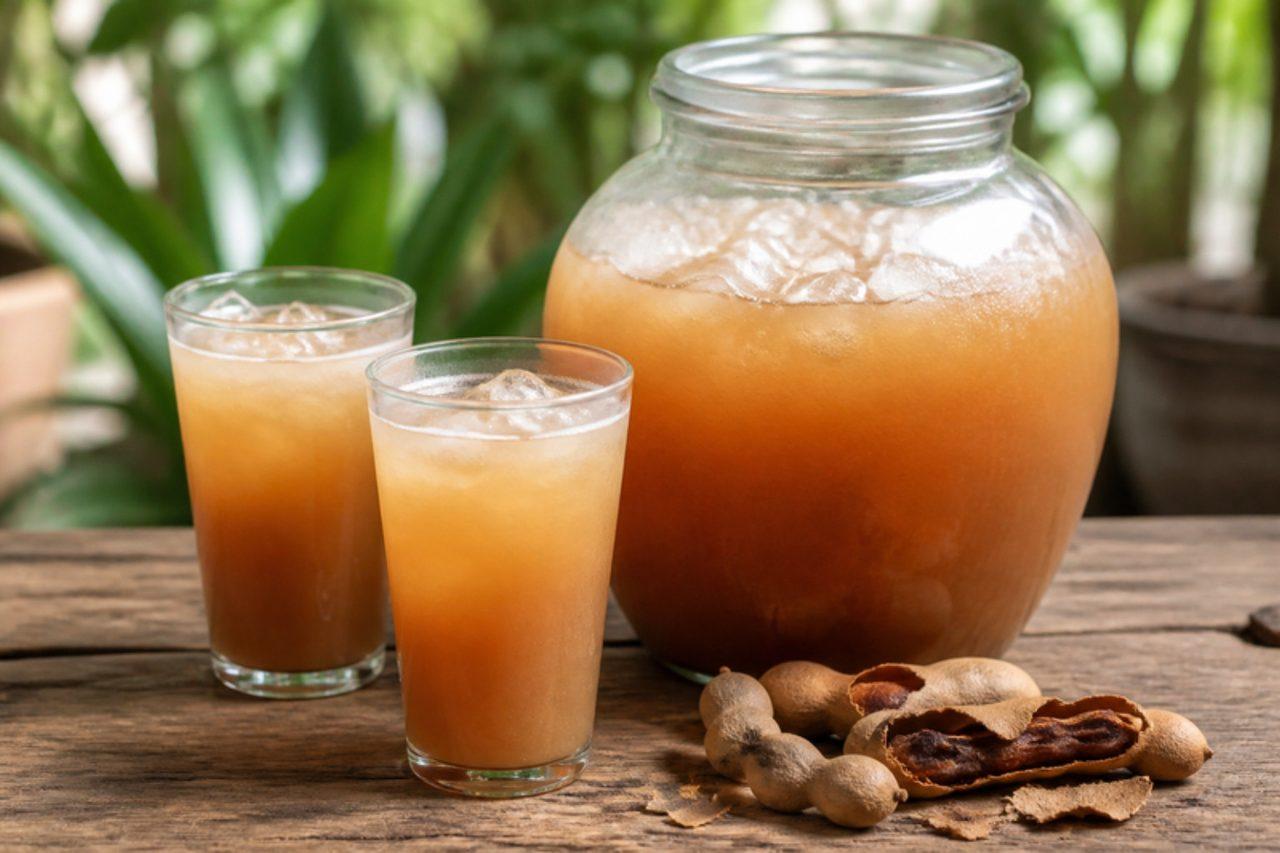
Brown, cloudy and gloriously tart, agua de tamarindo fills the big glass vitroleros at taquerías and fondas across Mexico, especially in hot Guerrero, Colima and the Yucatán, and it is the drink most people reach for with a plate of tacos de guisado. The pods are peeled, simmered and rubbed through a sieve, so it tastes far fresher than paste or concentrate. Chef's tip: soak the pulp in the hot cooking water before you rub it, which loosens every bit from the seeds.

by KrazyBadal 0 views

Nieve de mameyMamey ice cream

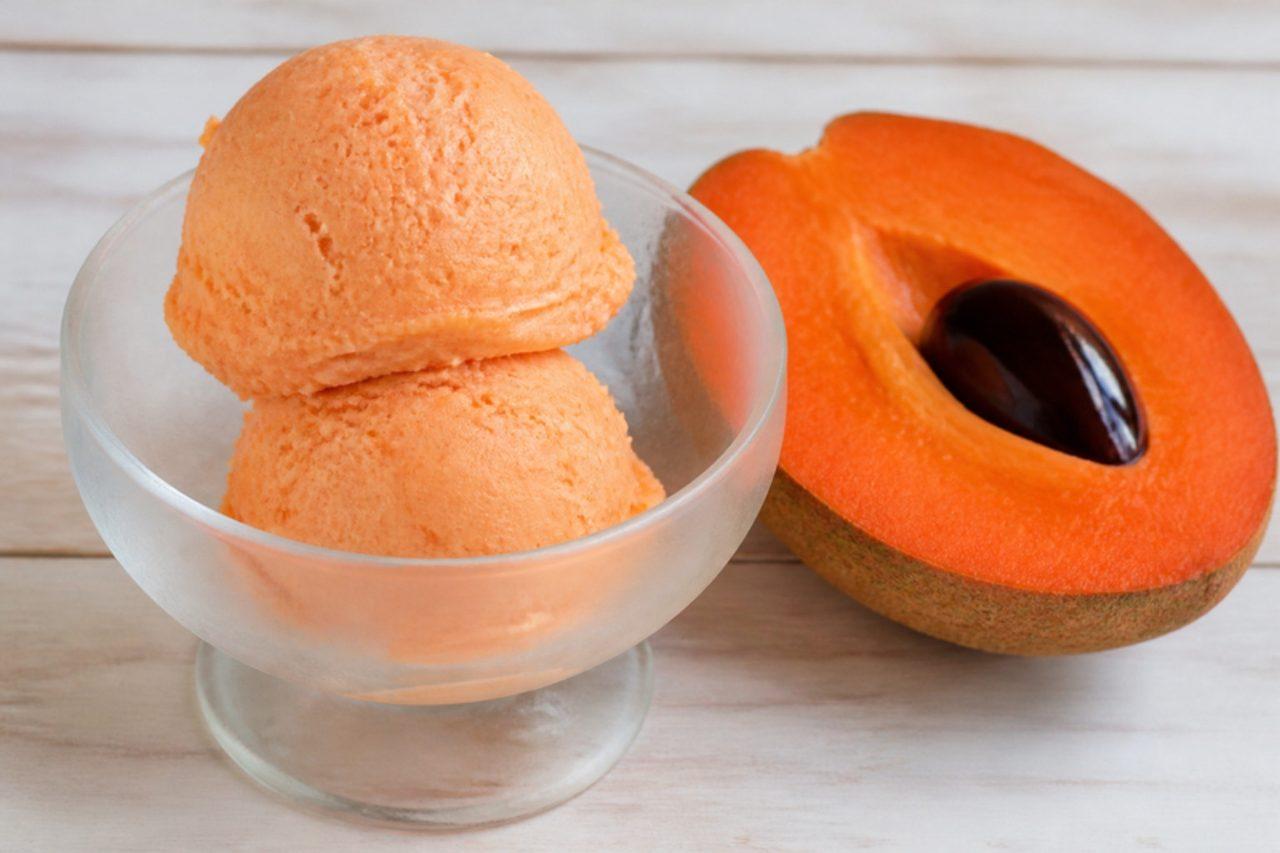
Mamey, the rough brown fruit with salmon-orange flesh that tastes like sweet potato, pumpkin and almond at once, is a favourite in Tabasco, Chiapas, Veracruz and the Yucatán, and its ice cream is a star of the nevería in any southern town. The fruit is naturally so creamy that a little milk and sugar is enough. It contains dairy. Chef's tip: use a mamey that gives like a ripe avocado when pressed; underripe ones taste chalky.

by KrazyBadal 0 views

Chongos zamoranosMilk curds in cinnamon syrup

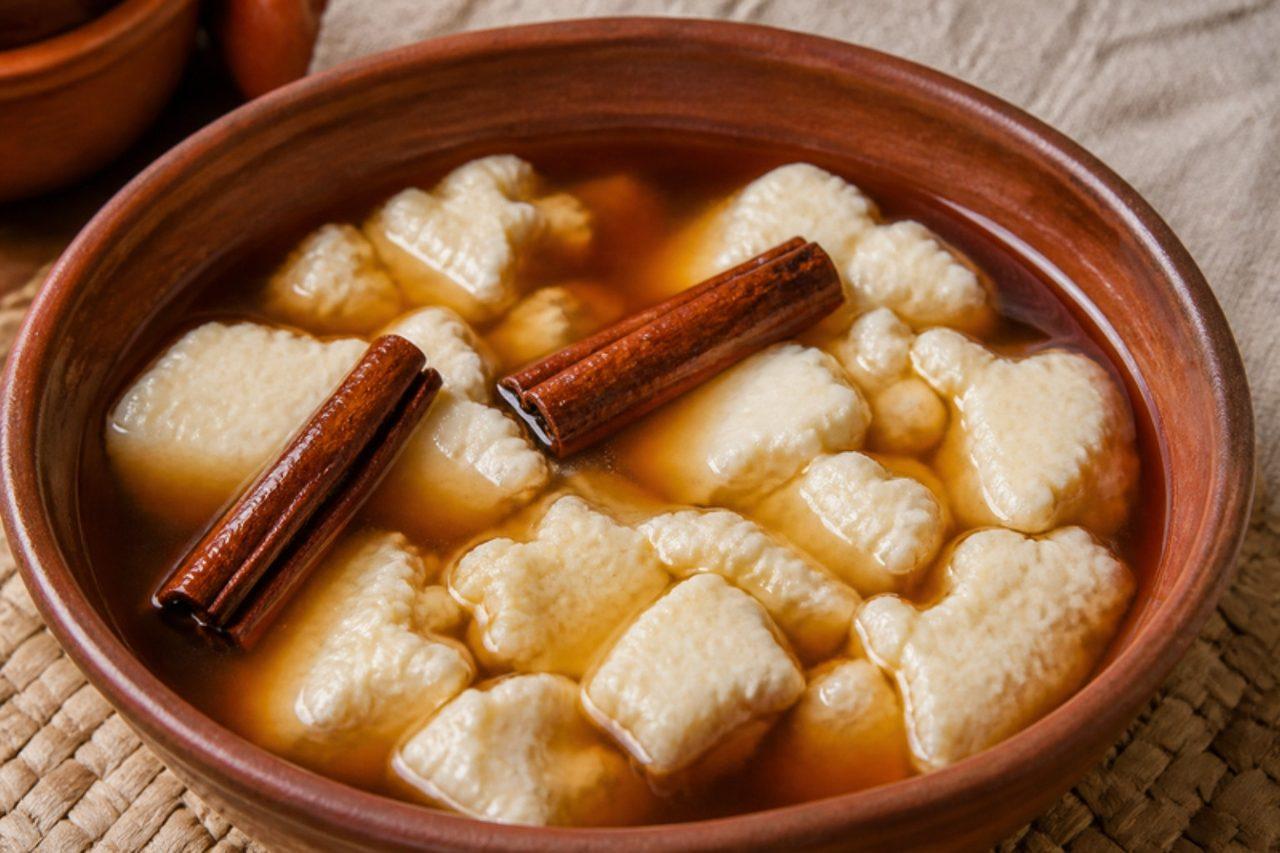
Zamora in Michoacán gave its name to chongos, soft knots of fresh milk curd slowly poached in their own whey with sugar and cinnamon until the syrup turns golden and the curds turn springy. They are served cool in small glass bowls after Sunday lunch, and jars are sold at roadside stands across the Bajío. Traditionally the milk is set with animal rennet; use a vegetarian rennet (microbial or plant-based) to keep it vegetarian. Chef's tip: never stir after the curds form, only tilt the pan, or they break into crumbs.

by KrazyBadal 0 views

Dưa món chay (Tết pickled vegetables)

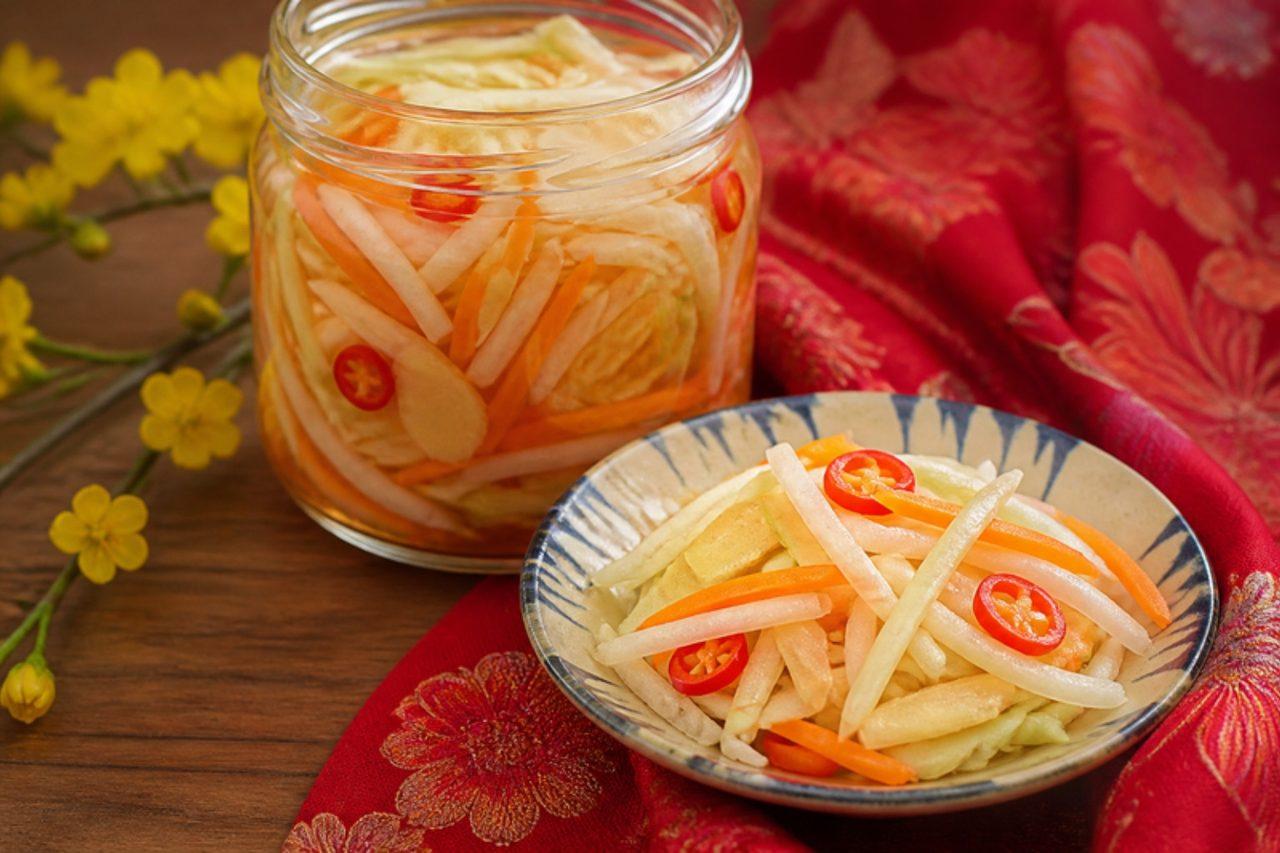
In the Mekong Delta, the week before Tết means trays of papaya, daikon and carrot strips drying in the sun on every balcony, to be packed into jars for dưa món. The drying makes the vegetables wonderfully crunchy and lets them drink up a sweet, salty brine. Families eat a little alongside thịt kho trứng and bánh tét to cut the richness over the holiday. The classic brine uses fish sauce; this one uses tamari, which keeps it vegan and gives a deep amber colour. Chef's tip: dry the strips until they bend like leather; damp vegetables go soft and cloudy in the jar.

by KrazyBadal 0 views

Chè chuối (banana and tapioca in coconut milk)Banana tapioca coconut dessert

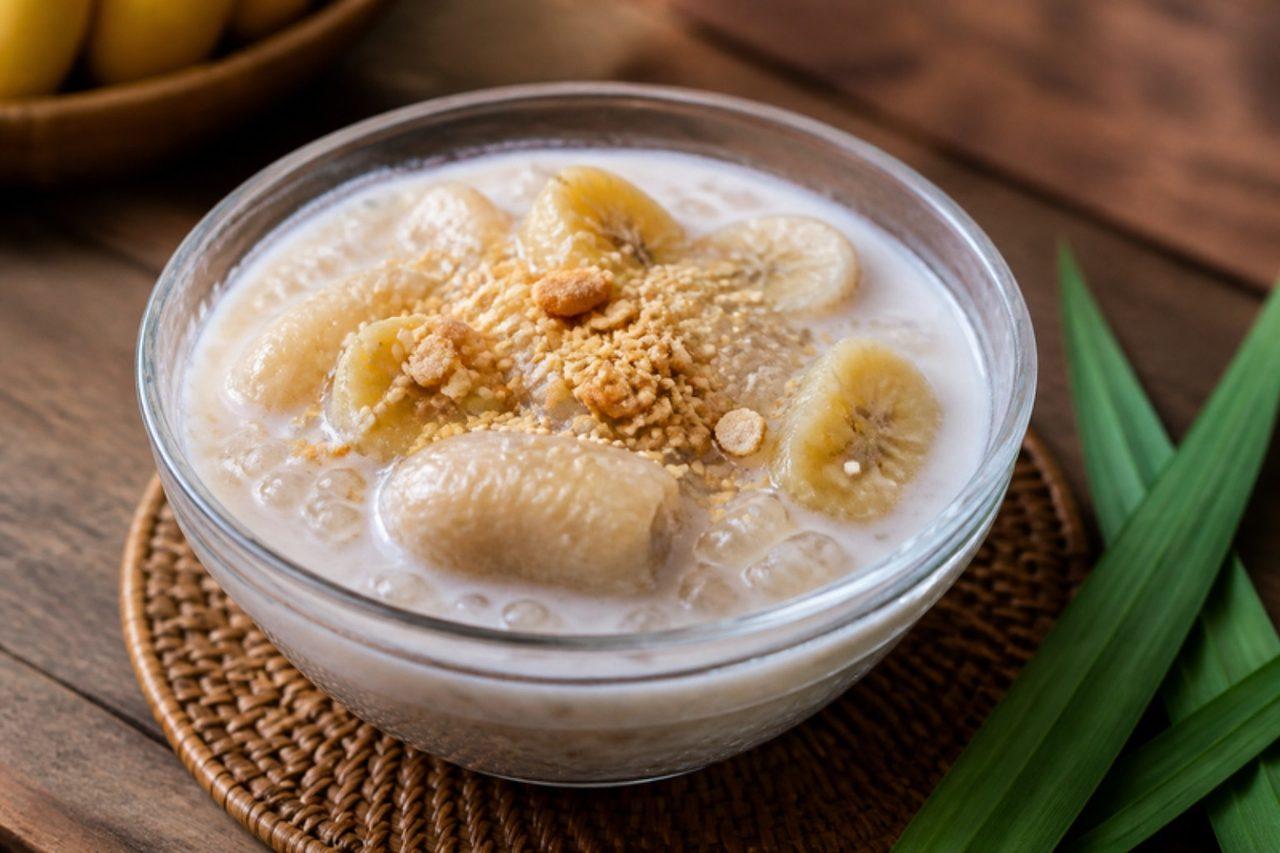
Mekong Delta households, where banana trees line every canal, make chè chuối when the fruit is ripe and plentiful, and Saigon sweet-soup stalls sell it warm in the evening. Short, sweet bananas soften in coconut milk thickened with tapioca pearls, turning slightly pink as they cook, and the bowl is finished with toasted sesame and crushed peanuts. It is eaten warm, never iced. Chef's tip: use firm, just-ripe bananas; very soft ones dissolve into mush before the tapioca is cooked.

by KrazyBadal 0 views

Lẩu nấm chay (vegetarian mushroom hotpot)Mushroom hot pot

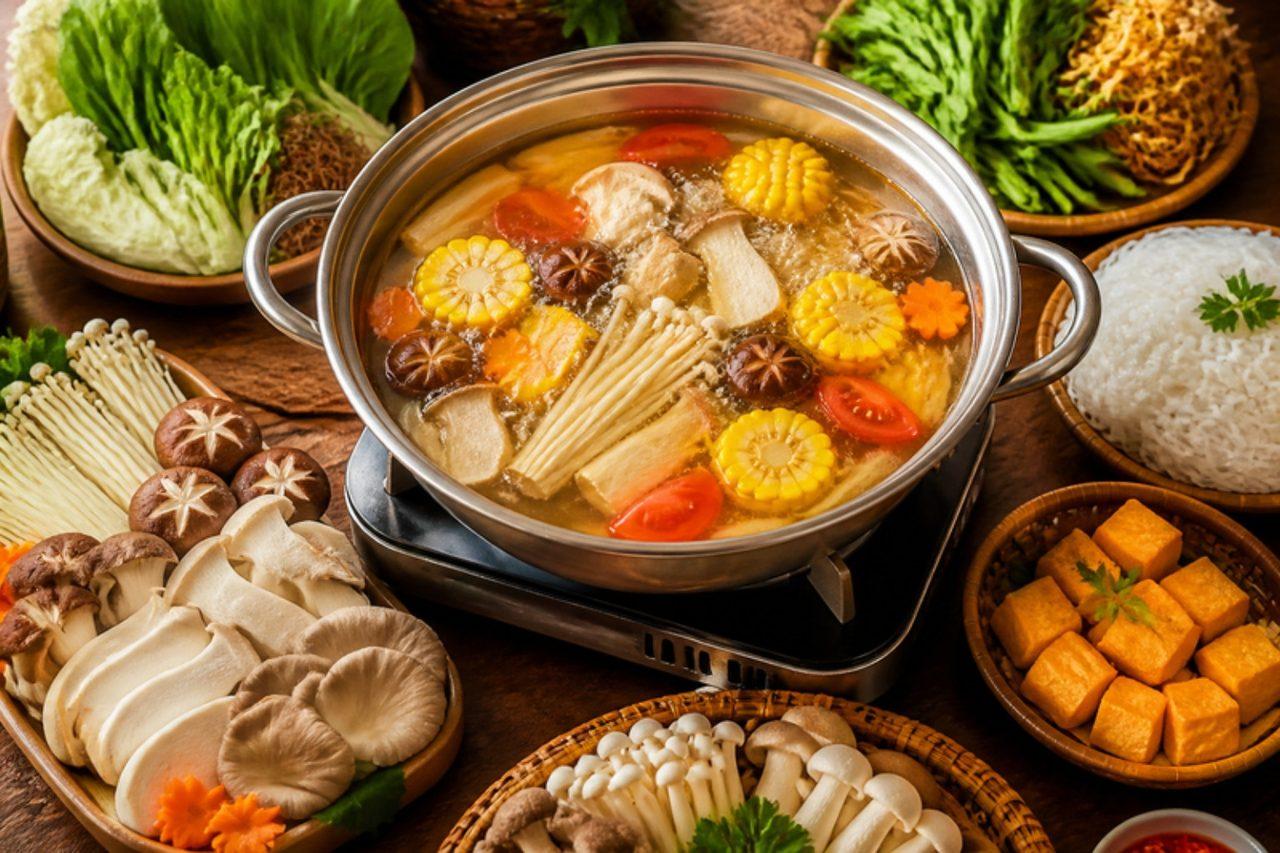
Đà Lạt, cool and misty, made the mushroom hotpot famous, and vegetarian lẩu restaurants in Hanoi and Saigon now fill up with groups on cold or rainy evenings. A clear broth sweetened with daikon, corn cobs, carrot and apple sits on a burner in the middle of the table; everyone drops in mushrooms, tofu and greens, fishes them out a minute later and spoons them over rice noodles. Expect to top up the pot and keep eating for an hour. Chef's tip: simmer the broth vegetables gently and never boil hard; a rolling boil clouds the broth and dulls its natural sweetness.

by KrazyBadal 0 views

Khanom chan (layered pandan cake)

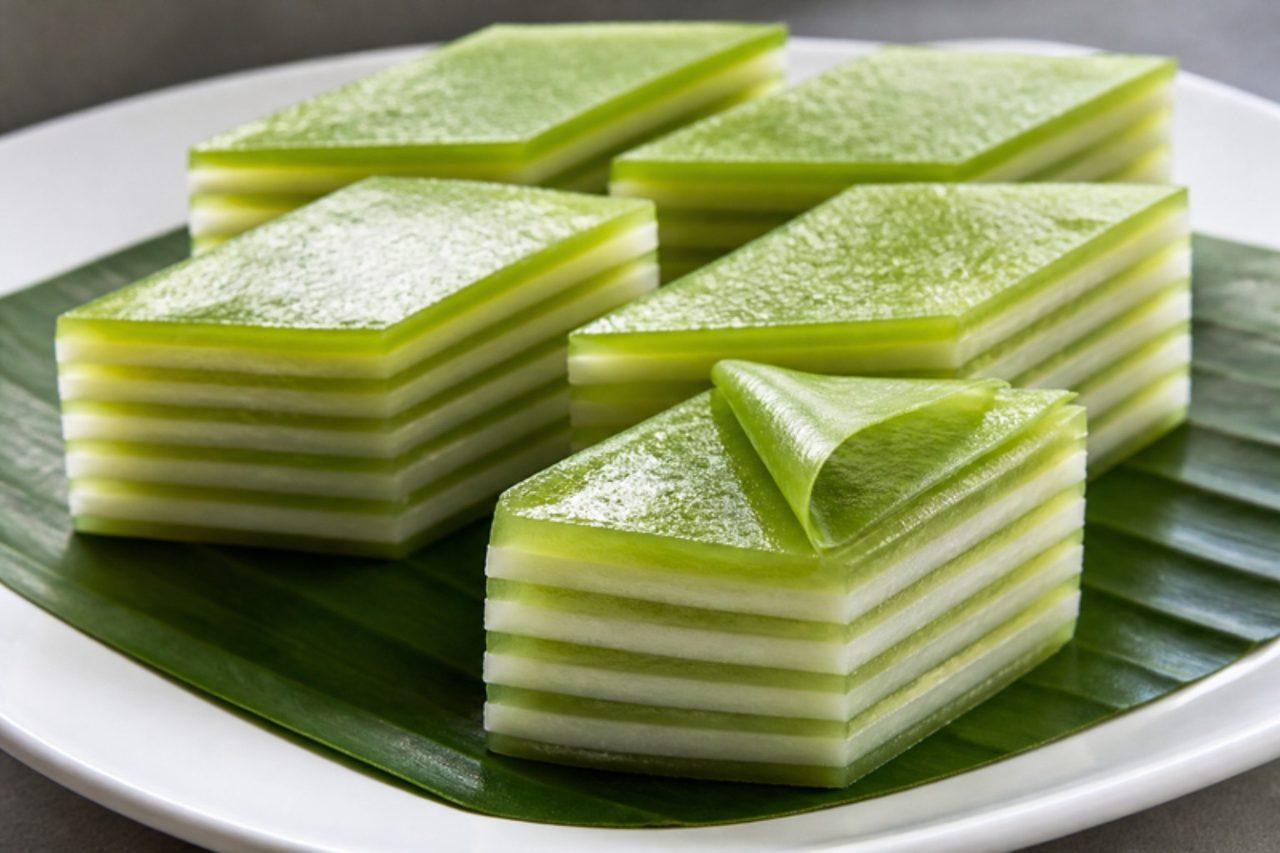
Bangkok's old dessert shops in Thonburi and the markets around Ayutthaya stack trays of this cake on their counters, and it turns up at weddings and house blessings because 'chan' also sounds like rising a level in life. Each green or white band is steamed on top of the last, so the finished slice is springy, faintly chewy and scented with pandan and jasmine; children eat it by peeling off one layer at a time. Serve it at room temperature with hot jasmine tea. Chef's tip: the classic mistake is pouring the next layer before the one beneath has turned fully translucent, which blurs the stripes; give each layer its full five minutes.

120 minThaiDessertsVeganGluten free
by KrazyBadal 0 views

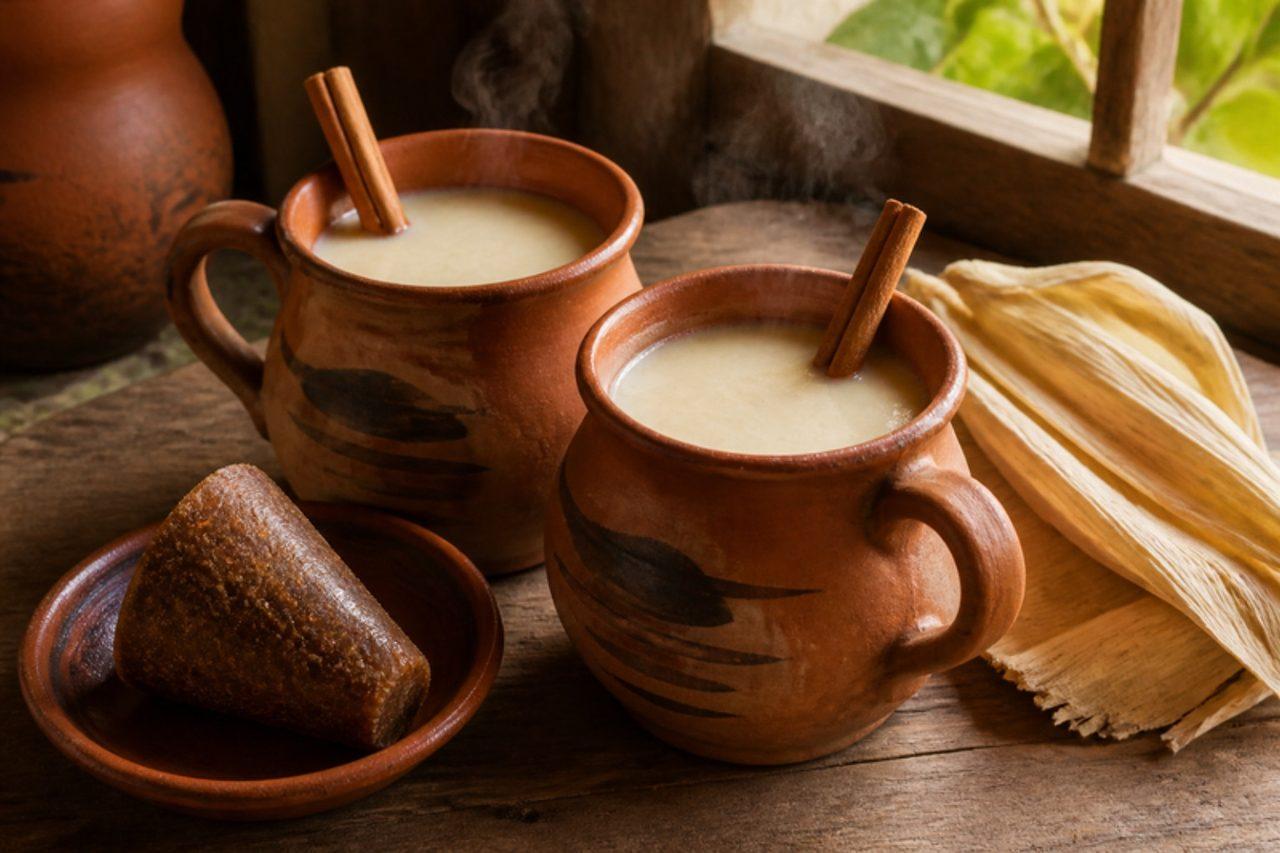
Atole blancoWarm masa drink

Long before coffee arrived, atole was the morning drink of central and southern Mexico, and in villages of Oaxaca, Puebla and Tlaxcala plain atole blanco is still drunk hot with tamales at breakfast or on cold evenings. Fresh masa is whisked into water and cooked until it thickens to a silky, gently sweet drink with a toasty corn taste. Made with water it is vegan. Chef's tip: strain the masa before cooking, so the atole is smooth with no lumps.

by KrazyBadal 0 views

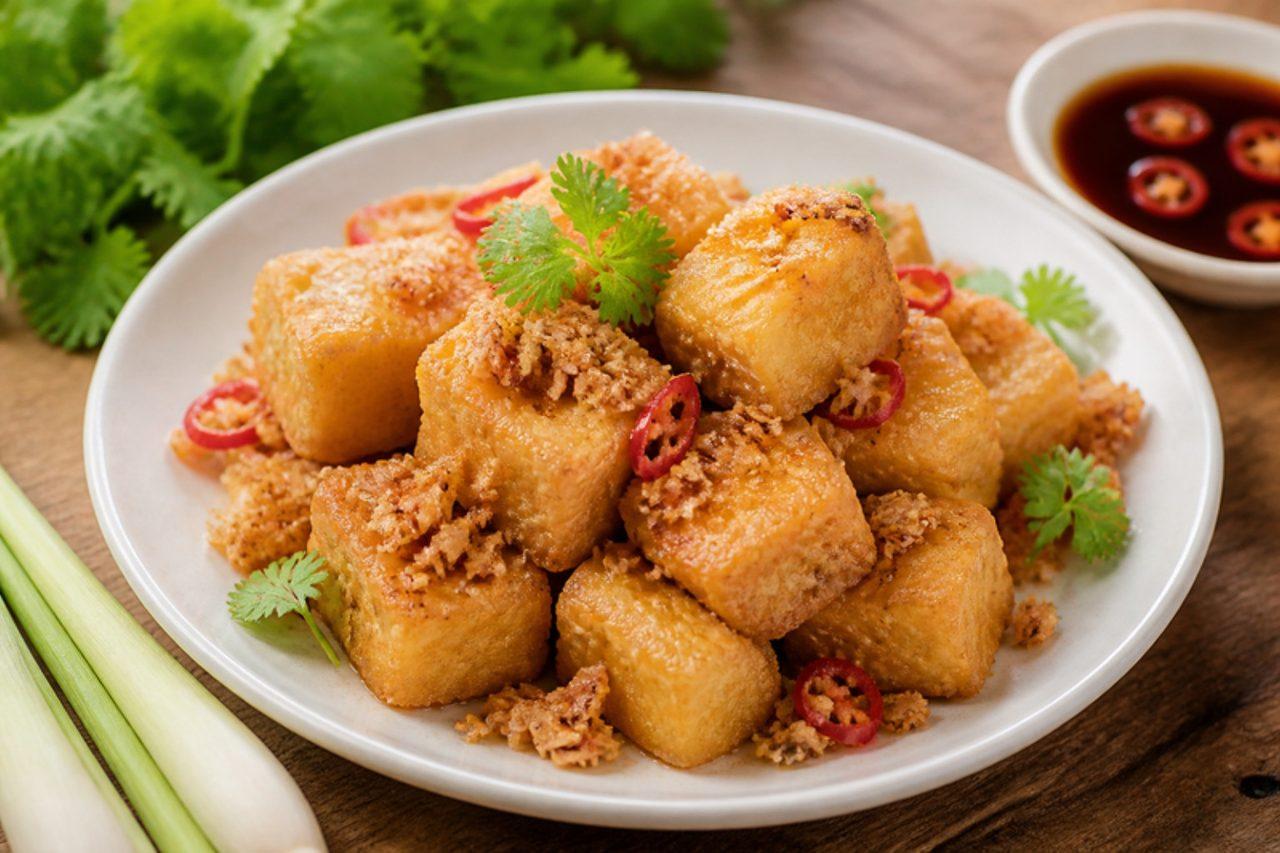
Đậu hũ chiên sả ớt (lemongrass chilli tofu)

Saigon's chay restaurants, the ones tucked beside pagodas that fill up on the 1st and 15th of each lunar month, nearly always have a plate of this on the table: golden tofu cubes buried under a crunchy, fragrant rubble of fried lemongrass and red chilli. The tofu stays soft inside, the lemongrass turns nutty and crisp, and a splash of tamari with a little sugar glazes everything. Eat it with steamed jasmine rice, sliced cucumber and a bowl of clear vegetable soup. Many chay cooks skip garlic and shallot, so this version leaves them out. Chef's tip: mince the lemongrass really finely and fry it on its own until golden; coarse chunks or lemongrass added with the tofu stay woody and chewy.

by KrazyBadal 0 views

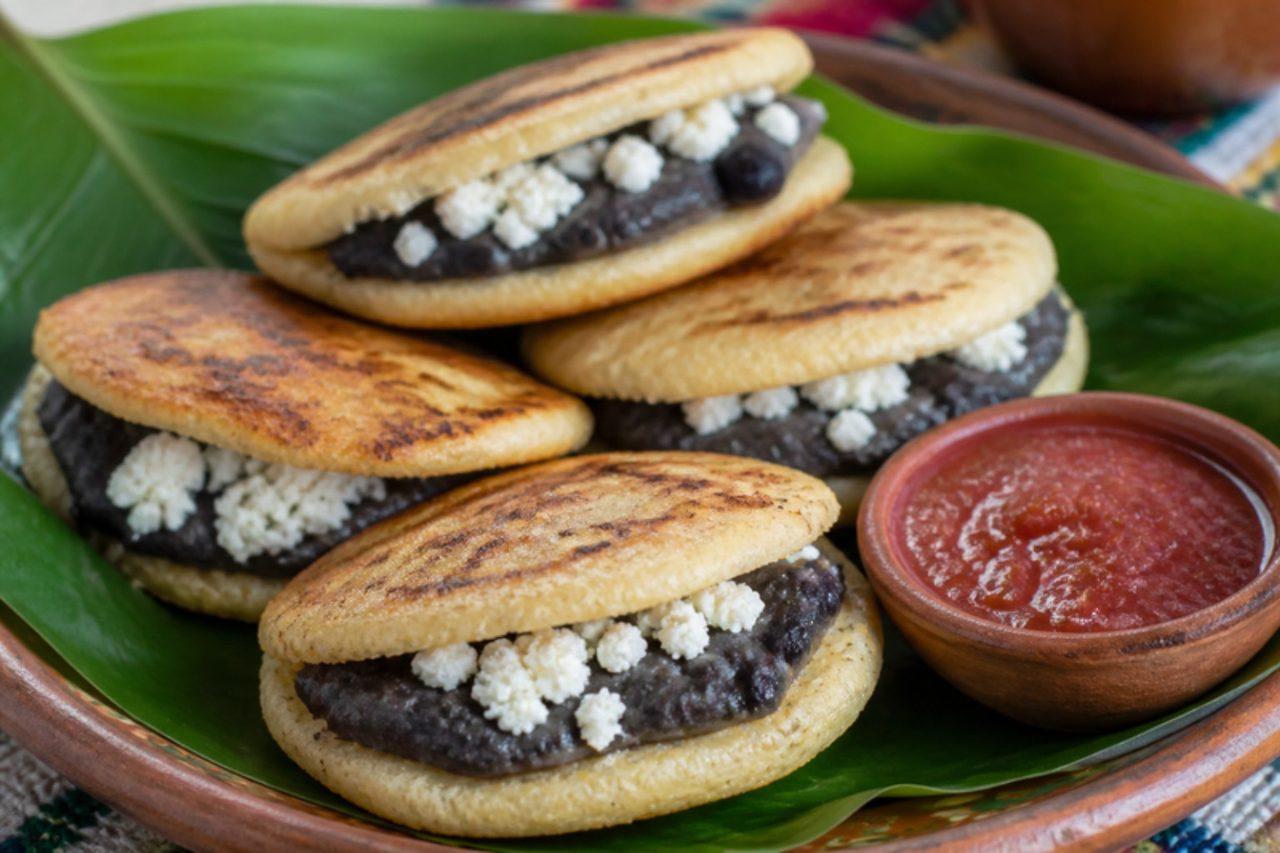
BocolesFilled masa cakes

Bocoles are breakfast across the Huasteca, the green hill country shared by Veracruz, San Luis Potosí and Tamaulipas, where they come off the comal at dawn to be split open and stuffed. The masa is enriched with fat (traditionally pork lard; vegetable shortening here keeps them vegetarian) so the cakes are tender and slightly crumbly. Fill them with beans, cheese and salsa, or with scrambled egg. If you keep a vegetarian kitchen, note that ranch-style fresh cheese is usually set with animal rennet; a vegetarian queso fresco or feta does the same job. Chef's tip: cook them slowly over a medium-low heat so the thick centre cooks through before the outside burns.

by KrazyBadal 0 views

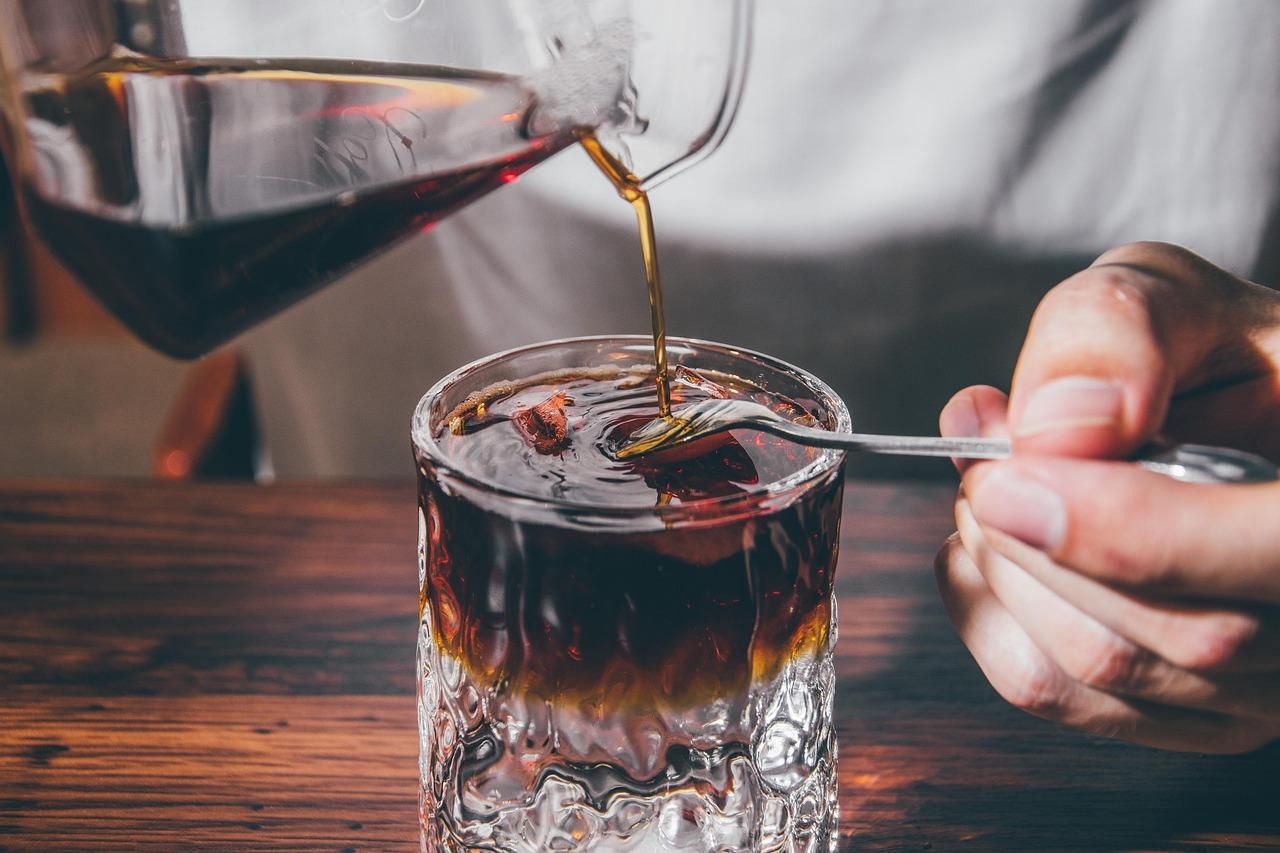
Oliang (Thai black iced coffee)

Old Bangkok coffee shops in Chinatown and Bang Rak still brew oliang through a long cotton sock, using a dark blend of coffee roasted with corn, soybeans, rice and sesame that gives it a toasty, almost cocoa-like flavour. It is served black, heavily sweetened and poured over crushed ice in tall glasses, a mid-morning pick-me-up for market traders. Look for any Thai 'oliang powder' blend in Asian shops, or mix dark coffee with roasted grains as below. It contains caffeine, so it is not one for children. Chef's tip: adding sugar after chilling is the mistake; dissolve it while the coffee is hot, or it stays gritty.

15 minThaiDrinksVeganGluten free
by KrazyBadal 0 views

Look chupMung bean fruit sweets

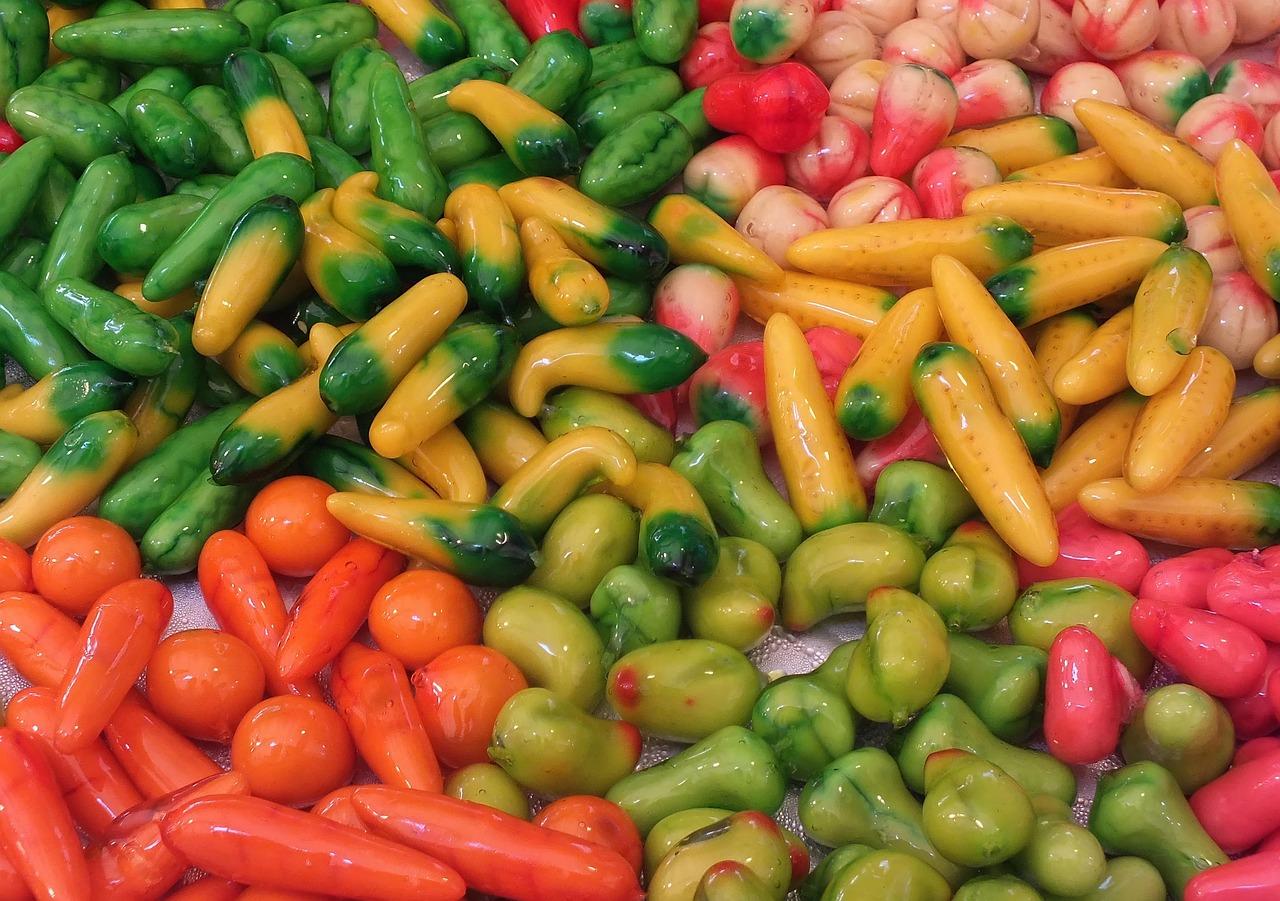
Once made in the palace kitchens of Ayutthaya, these miniature chillies, mangosteens and mangoes now fill gift boxes in Bangkok bakeries for weddings, merit-making and Mother's Day. The inside is a smooth, sweet paste of mung beans and coconut milk; the outside is a thin, shiny skin of jelly, so each one tastes a little like marzipan in a glass coat. Making them is an afternoon project best shared. Chef's tip: a paste that is too wet won't hold a shape and slides off the stick; cook it until it pulls away from the pan in one soft ball.

150 minThaiDessertsVeganGluten free
by KrazyBadal 0 views

Ensalada de manzana navideñaCreamy apple salad

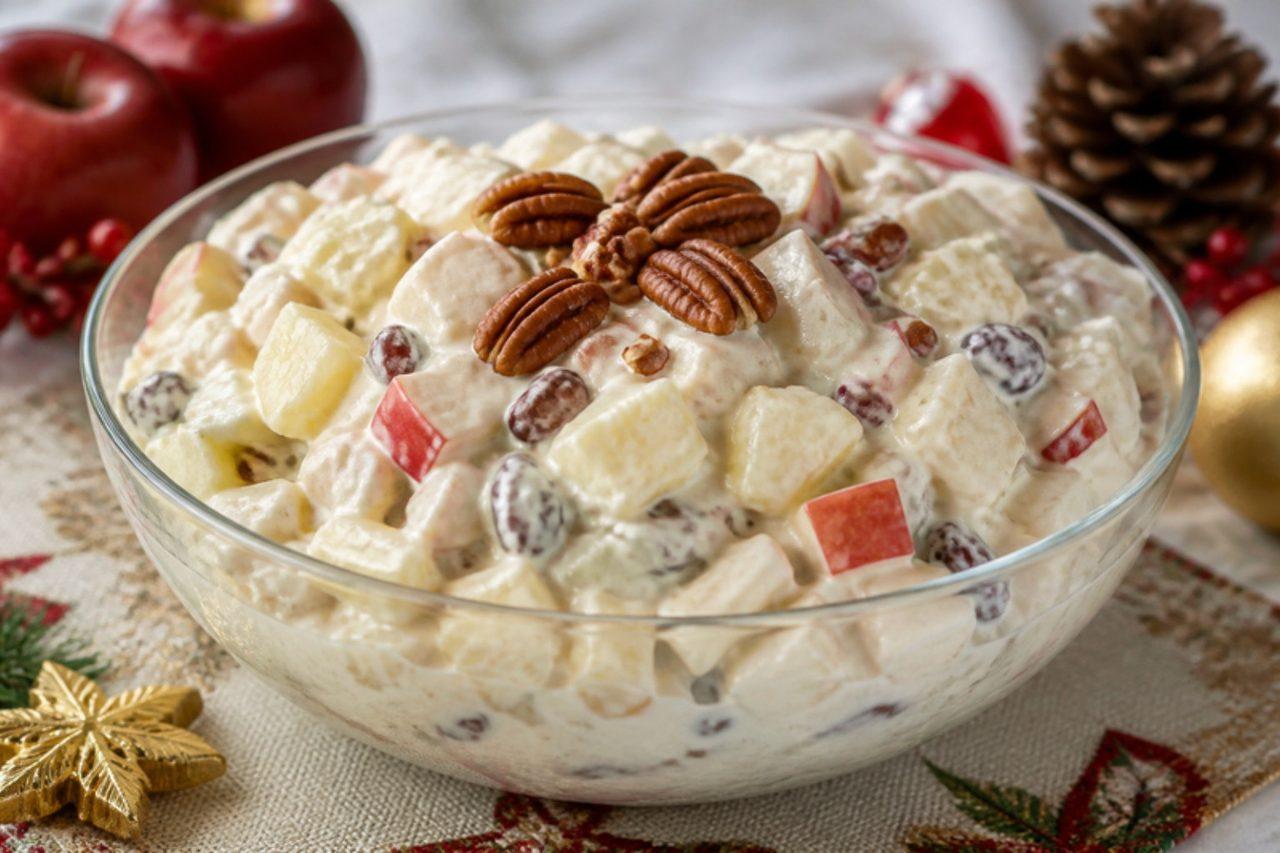
In homes from Monterrey to Guadalajara, a big bowl of creamy apple salad is chilling in the fridge on Christmas Eve, ready to sit alongside roast pork or turkey, and the kids usually go back for seconds as dessert. Crisp diced apple, juicy pineapple, celery for crunch, raisins and toasted pecans are folded into a sweet dressing of cream, condensed milk and a little soured cream. Many versions add marshmallows, but most contain gelatine, so they are left out here. Chef's tip: chill it for an hour before serving; the dressing thickens and the flavours marry.

by KrazyBadal 0 views

Chè khúc bạch (almond milk jelly with lychees)

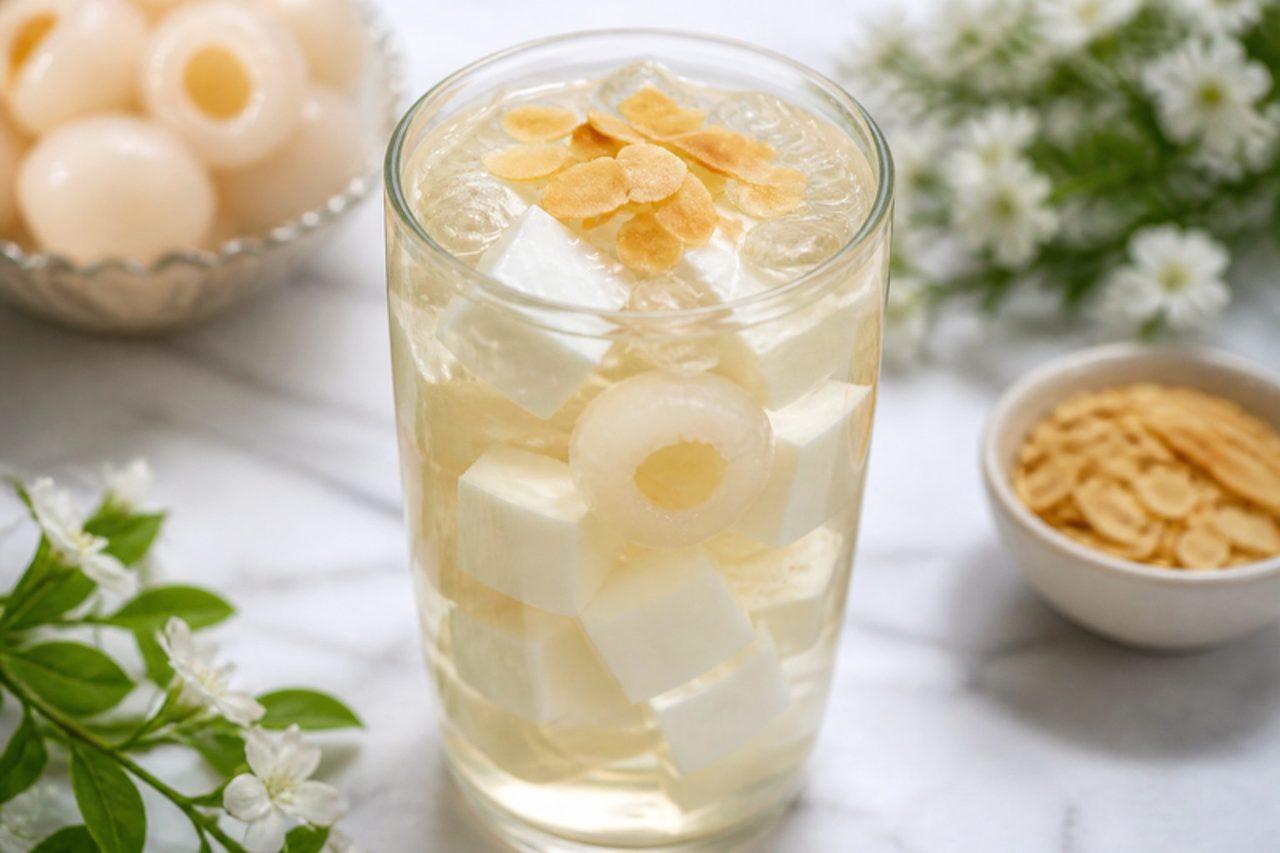
Saigon's café-dessert shops made chè khúc bạch a craze in the 2010s, and it is still a cooling order on hot afternoons around Bến Thành. Soft, creamy cubes of almond-scented milk jelly float with lychees in a light lychee syrup, topped with crunchy toasted almonds, all over crushed ice. Gelatin is often used; this version sets with agar so it is vegetarian, and it holds firm even in tropical heat. Chef's tip: boil the agar for a full 2 minutes before adding the milk; agar that is only warmed won't set, which is the usual reason the jelly stays runny.

by KrazyBadal 0 views

PalmiersPuff pastry palmiers

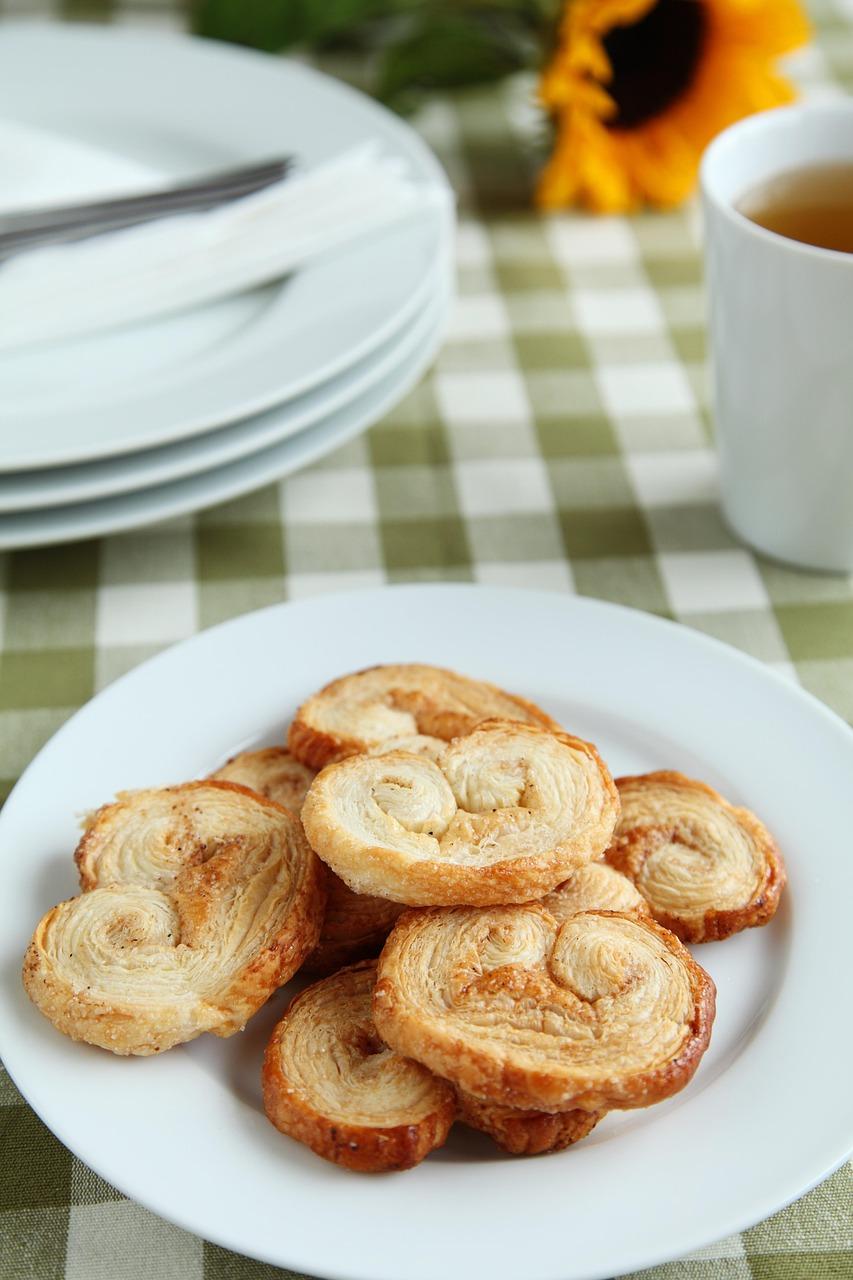
Palmiers, "palm leaves", are the crisp, sugar-glazed puff pastry hearts sold by the bag in French bakeries and eaten with coffee or by children at goûter. Puff pastry is rolled in sugar instead of flour, folded towards the centre from both sides, sliced and baked until each heart is caramelised and glassy. The common mistake is underbaking, which leaves them soft and pale. Chef's tip: turn them over halfway through baking so both sides caramelise.

by KrazyBadal 0 views

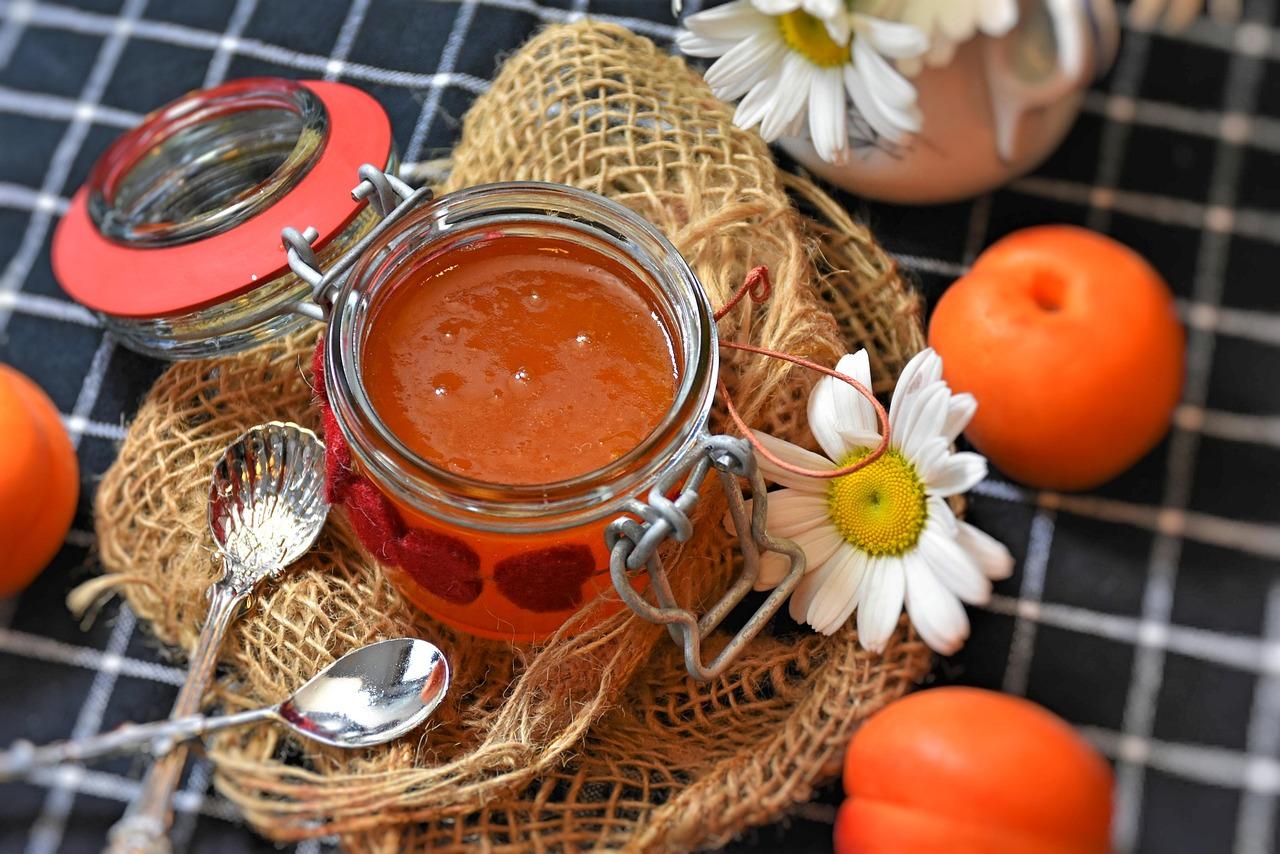
Confiture d'abricotsApricot jam

Apricot jam is the most loved jam in France, made in July with the apricots of the Roussillon and the Rhône valley and used for breakfast, for glazing fruit tarts and for filling croissants. Halved apricots are macerated with sugar, then boiled quickly so they keep their bright orange colour. The common mistake is stirring too hard, which breaks up the fruit. Chef's tip: add a few drops of almond extract at the end for the taste of the kernels; do not add the kernels themselves, which are not safe to eat in quantity.

by KrazyBadal 0 views

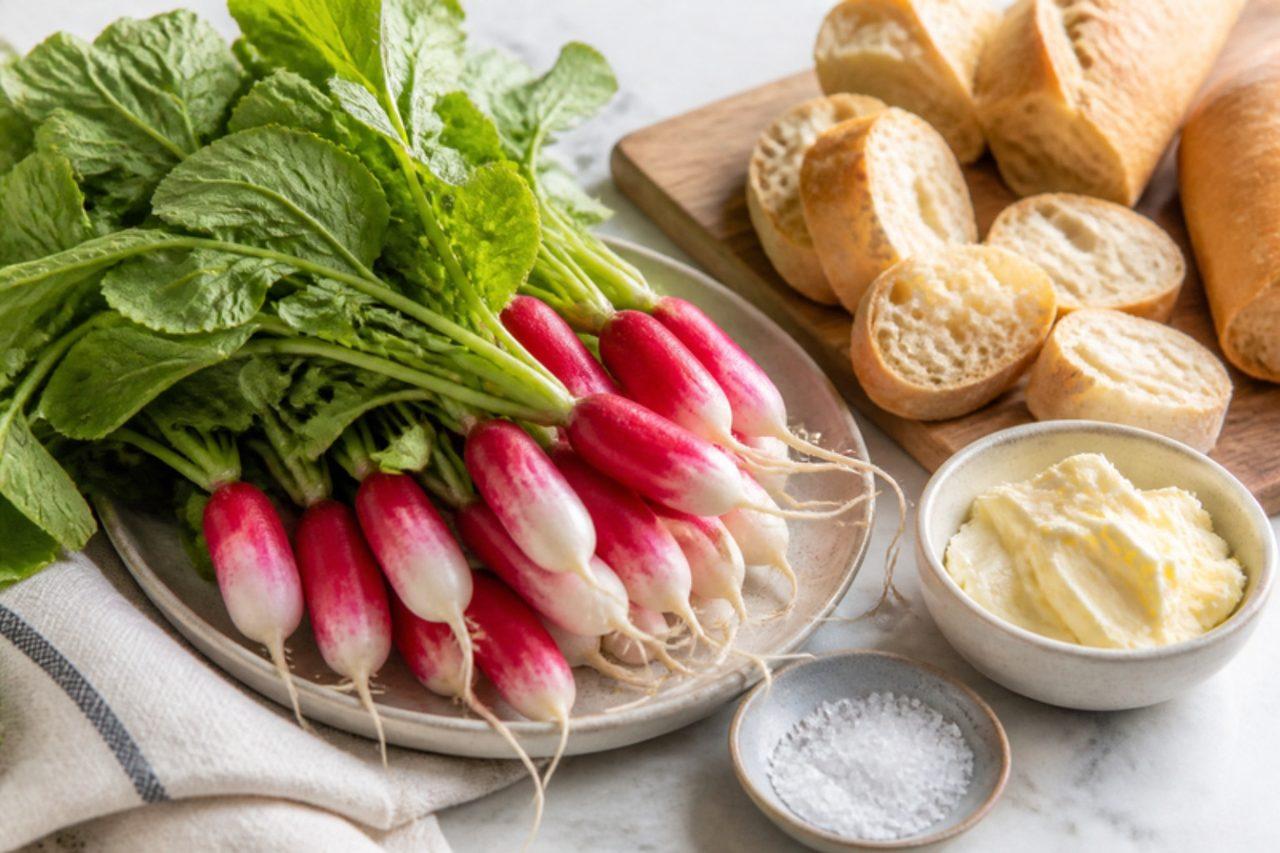
Radis beurreRadishes with butter

Radis beurre is the simplest and most French of apéro snacks and bistro starters: crisp pink French breakfast radishes from the spring market, served with cold, good butter and flaky salt, often with a baguette. It is how Parisians welcome the first radishes in April. The common mistake is using old, woolly radishes; they must be firm and peppery. Chef's tip: soak the radishes in iced water for 30 minutes to make them extra crisp, and leave a little of the green tops on to hold them by.

by KrazyBadal 0 views

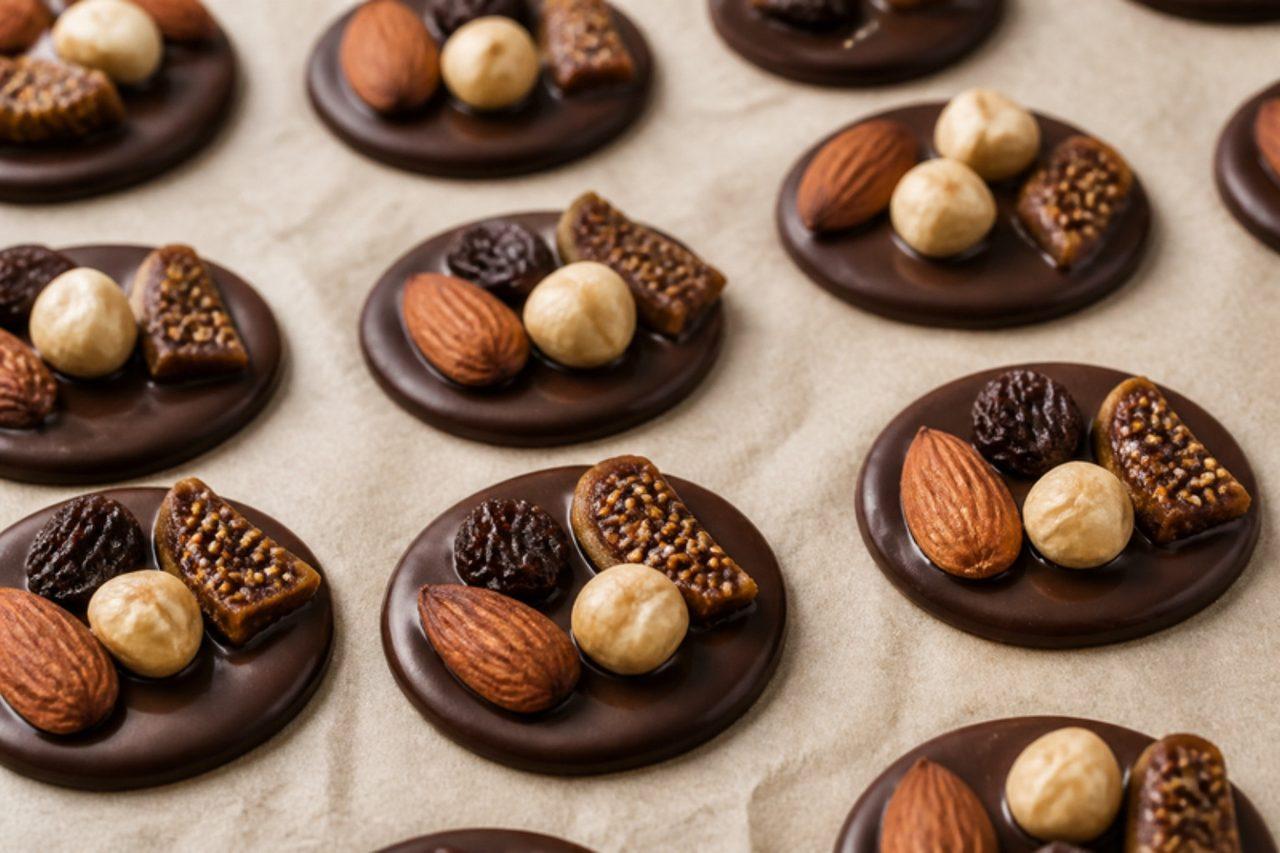
MendiantsChocolate nut and fruit discs

Mendiants are little discs of chocolate topped with an almond, a hazelnut, a raisin and a dried fig, the four "beggars" of the Provençal Christmas, whose colours were said to match the robes of the four mendicant orders of monks; they are part of the thirteen desserts and a favourite home-made Christmas gift. The common mistake is letting the chocolate set before adding the toppings, so they fall off. Chef's tip: pipe only six discs at a time and top them straight away.

by KrazyBadal 0 views

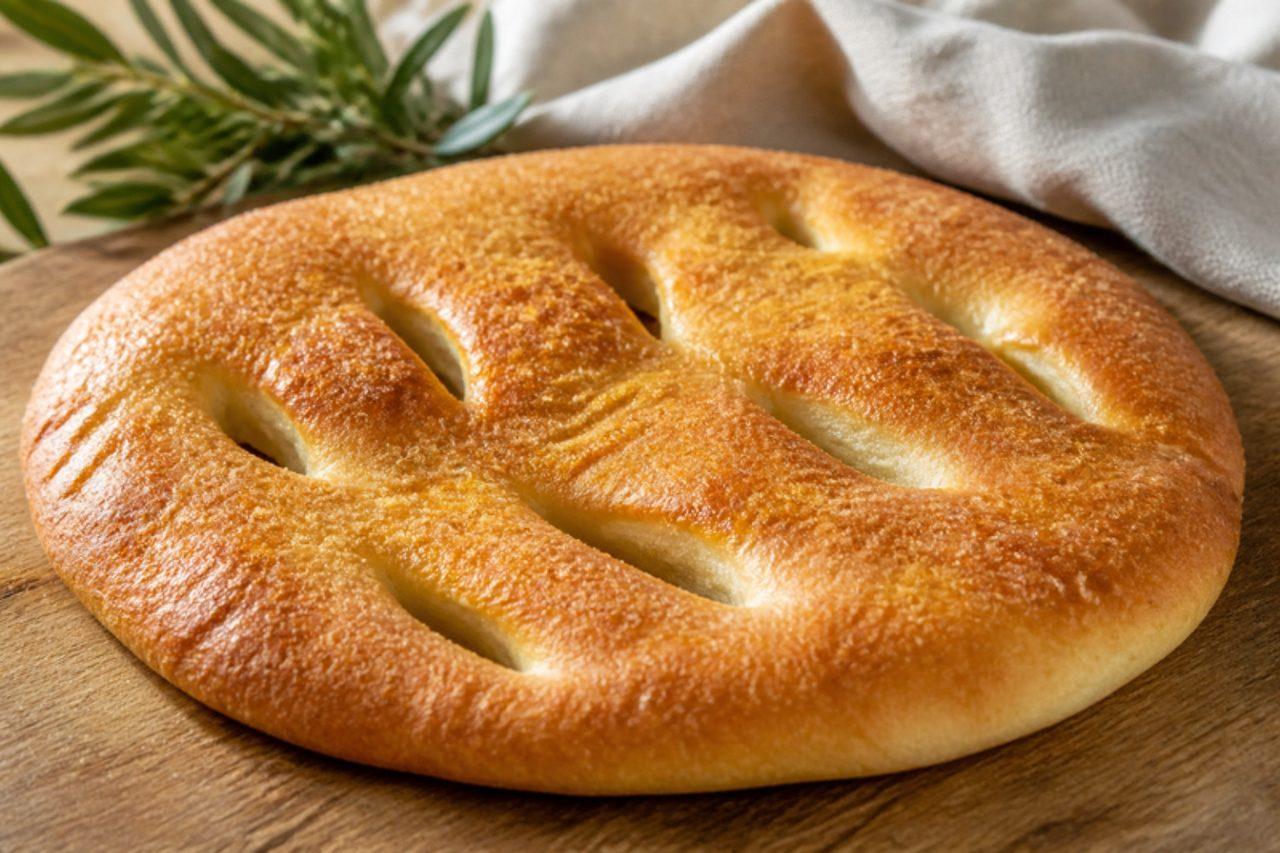
Pompe à l'huileOlive oil orange flatbread

The pompe à l'huile is the centrepiece of the thirteen desserts of Christmas Eve in Provence, a flat, slashed sweet bread made with olive oil and scented with orange-blossom water. Tradition says it must be torn by hand, never cut, or you will be ruined in the year to come, and it is eaten after the gros souper on 24 December. The common mistake is using a harsh, peppery olive oil, which overpowers it. Chef's tip: use a mild, fruity olive oil and brush more over the warm loaf.

170 minFrenchBakingVegan
by KrazyBadal 0 views

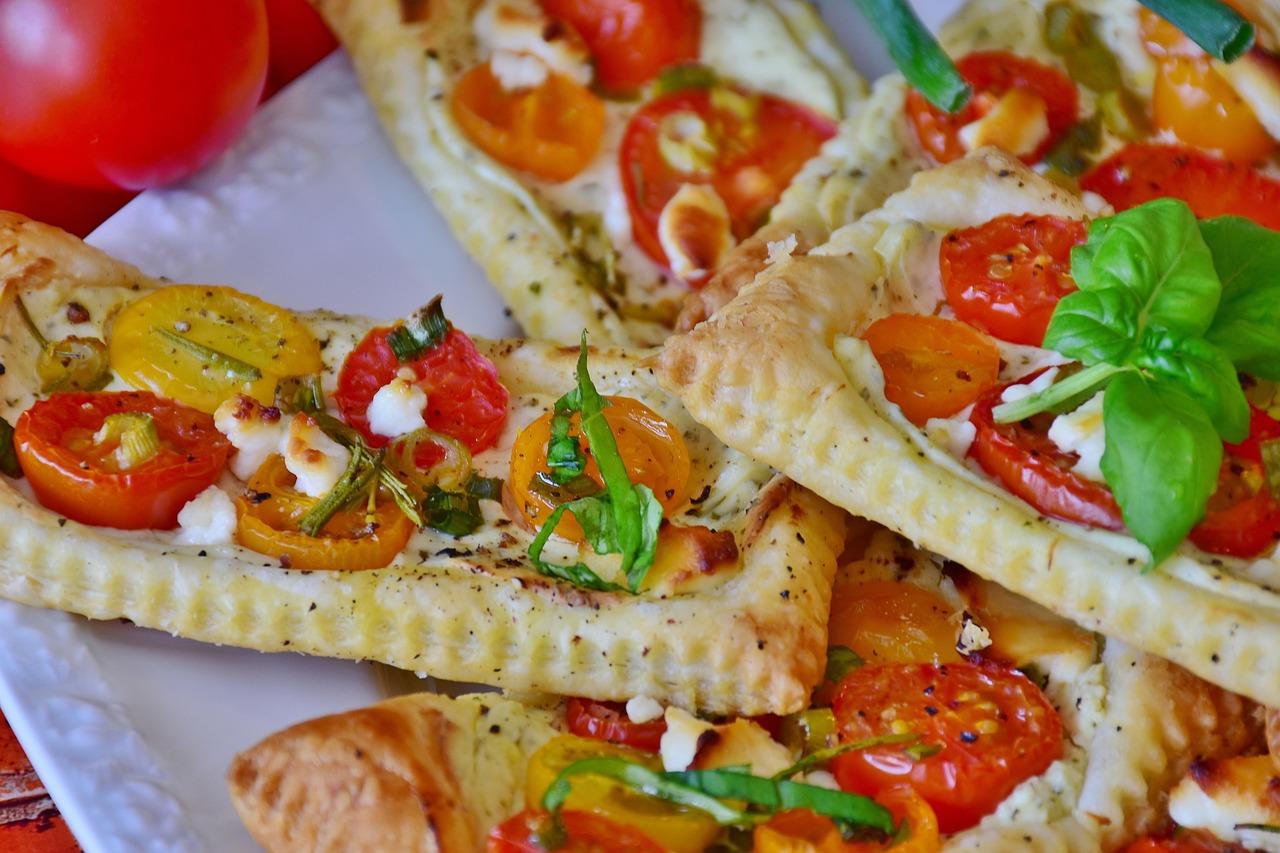
Tarte à la tomate et à la moutardeTomato and mustard tart

Tarte à la tomate is a summer favourite all over Burgundy, home of Dijon mustard, made from July to September for picnics, light lunches and apéritif. A crisp shortcrust case is spread thickly with mustard and grated cheese, covered with overlapping tomato slices and herbs and baked until the tomatoes are jammy; the mustard mellows into a warm, tangy layer. Comté and Gruyère are usually made with animal rennet; use a vegetarian hard cheese if you prefer. The common mistake is using watery tomatoes, which make the pastry soggy. Chef's tip: salt and drain the tomato slices on kitchen paper for 15 minutes before laying them on the tart.

by KrazyBadal 0 views

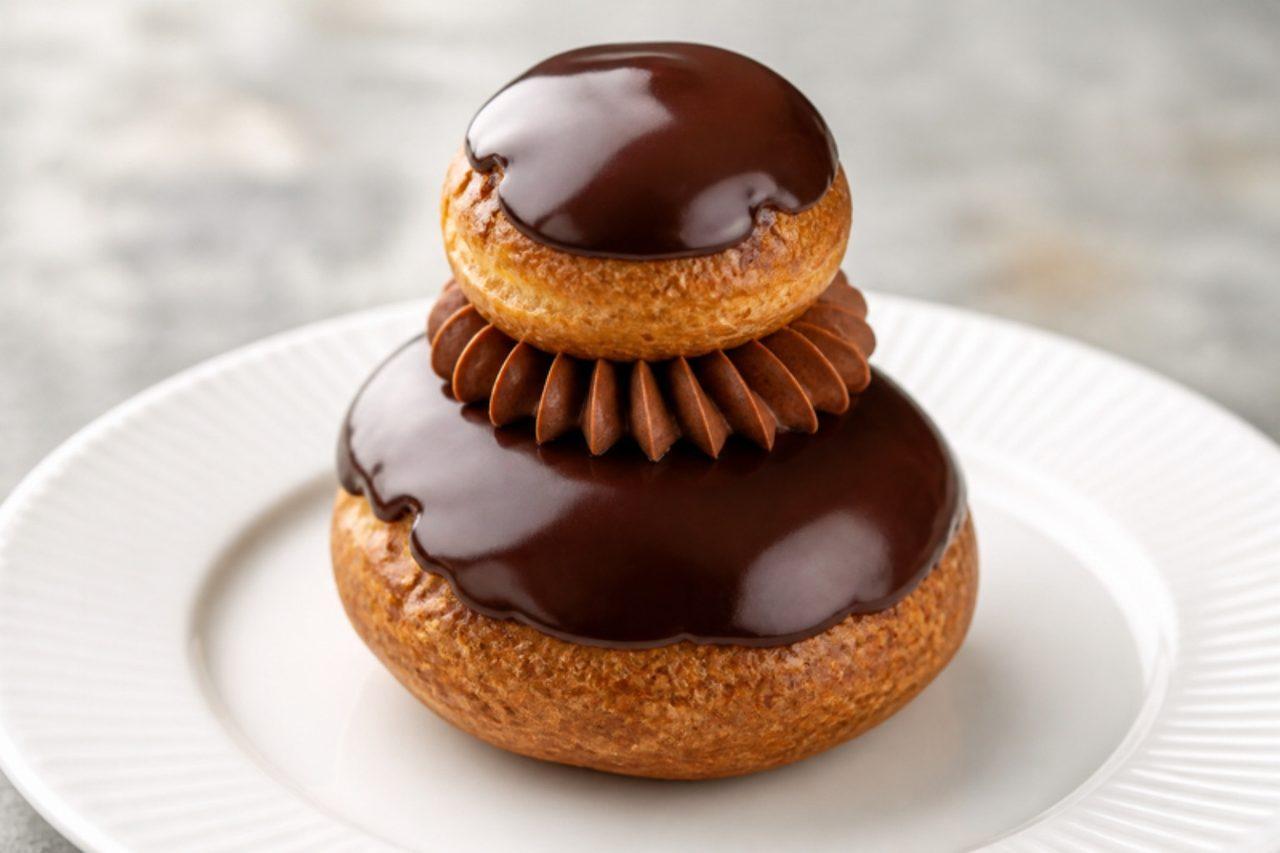
ReligieuseDouble choux bun

The religieuse, "nun", is a Parisian pâtisserie classic invented in the 1850s, so called because the two stacked choux buns, glazed in brown icing with a little ruff of buttercream, look like a nun in her habit. It is still a treat bought at weekend bakeries in Paris for a special goûter. The common mistake is underbaking the choux, which collapse when filled. Chef's tip: once baked, prop the oven door open with a wooden spoon and leave the choux inside for 10 minutes to dry out.

by KrazyBadal 0 views

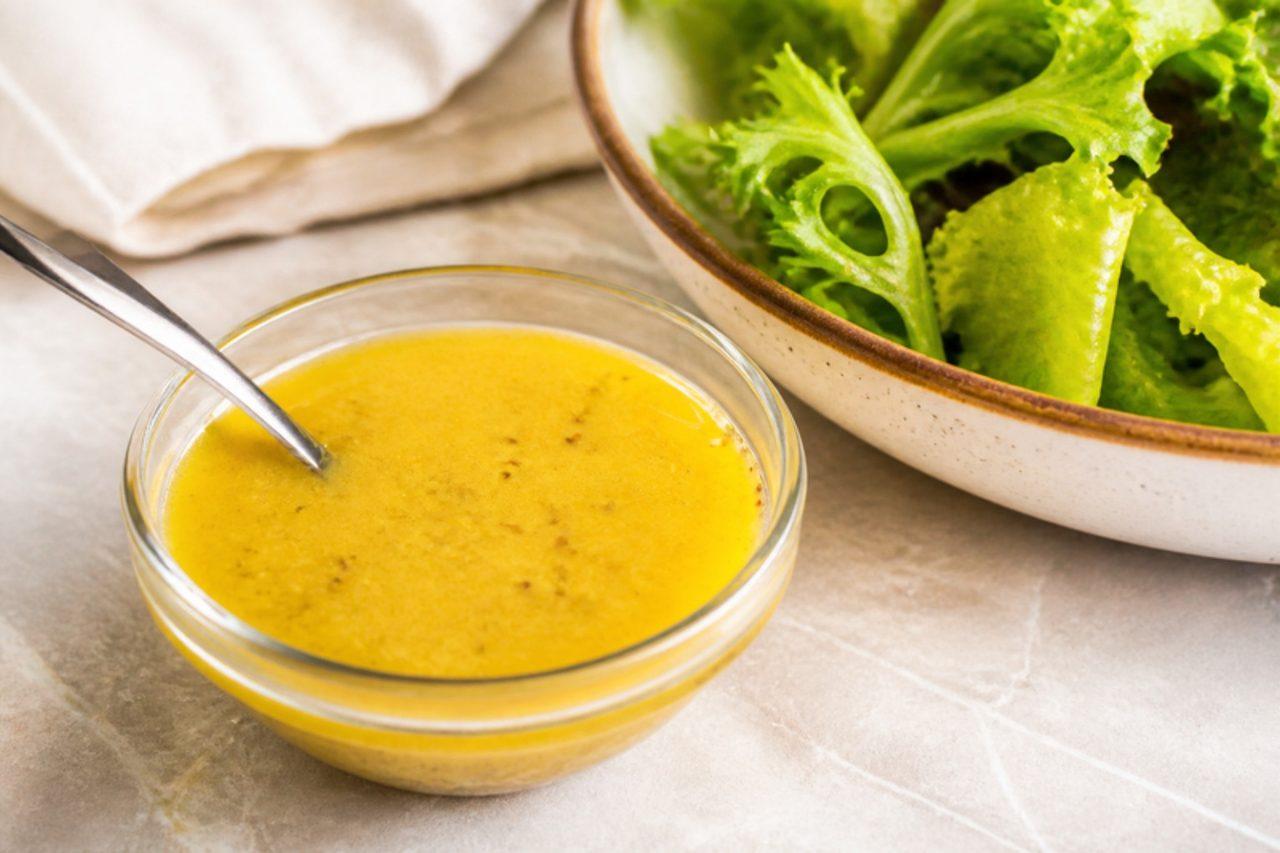
Vinaigrette à la moutardeMustard vinaigrette

The mustard vinaigrette is made fresh in every French kitchen before dinner, often right in the bottom of the salad bowl, and spooned over butter lettuce served after the main course and before the cheese. The classic ratio is one part vinegar to three of oil, with a spoonful of Dijon mustard to hold it together into a thick emulsion. The common mistake is dissolving the salt in the oil, where it stays gritty; it must go in the vinegar first. Chef's tip: dress the leaves just before serving and toss with your hands, so every leaf is coated but not soggy.

by KrazyBadal 0 views

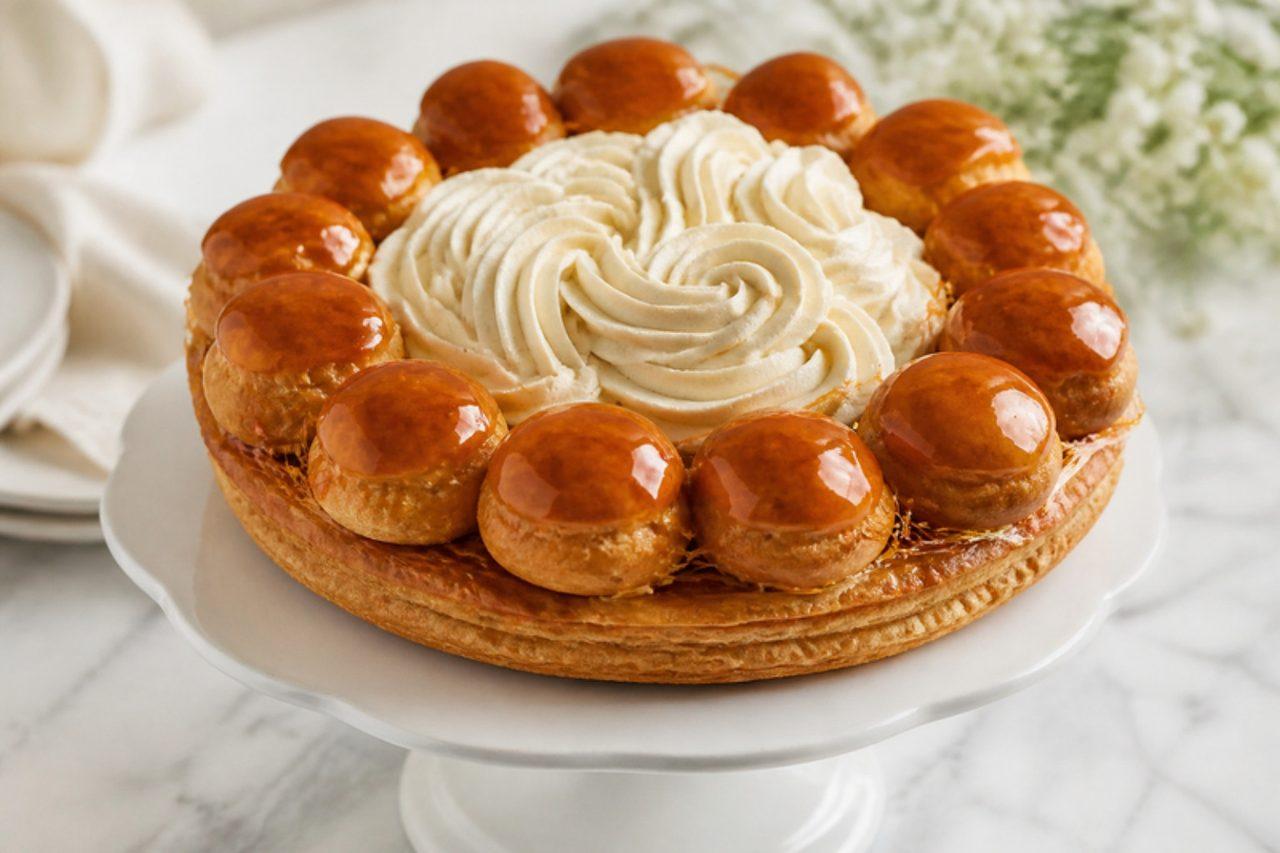
Saint-HonoréChoux and caramel cream cake

The Saint-Honoré, named after the patron saint of bakers and created in a pâtisserie on the rue Saint-Honoré in Paris around 1850, is a celebration cake for christenings and saints' days: a puff pastry disc ringed with choux, a crown of caramel-dipped cream puffs and a centre of piped vanilla cream. It is a project, but each part is simple. The common mistake is touching the caramel, which burns badly. Chef's tip: dip the puffs top-down into the caramel and set them upside down on baking paper, so the tops dry flat and glassy.

by KrazyBadal 0 views

Puits d'amourCustard puff pastry wells

The puits d'amour, "well of love", is an 18th-century Parisian pastry still made by old-fashioned pâtisseries in the capital, especially the famous one on the rue Montorgueil: small puff pastry cases filled with vanilla cream and finished with a crackling caramelised sugar top, like a crème brûlée in pastry. The common mistake is overfilling the cases, so the cream bubbles out under the grill. Chef's tip: fill just level and use a blowtorch for the sugar, in two thin layers.

by KrazyBadal 0 views

Tarte fine aux pommesThin apple tart

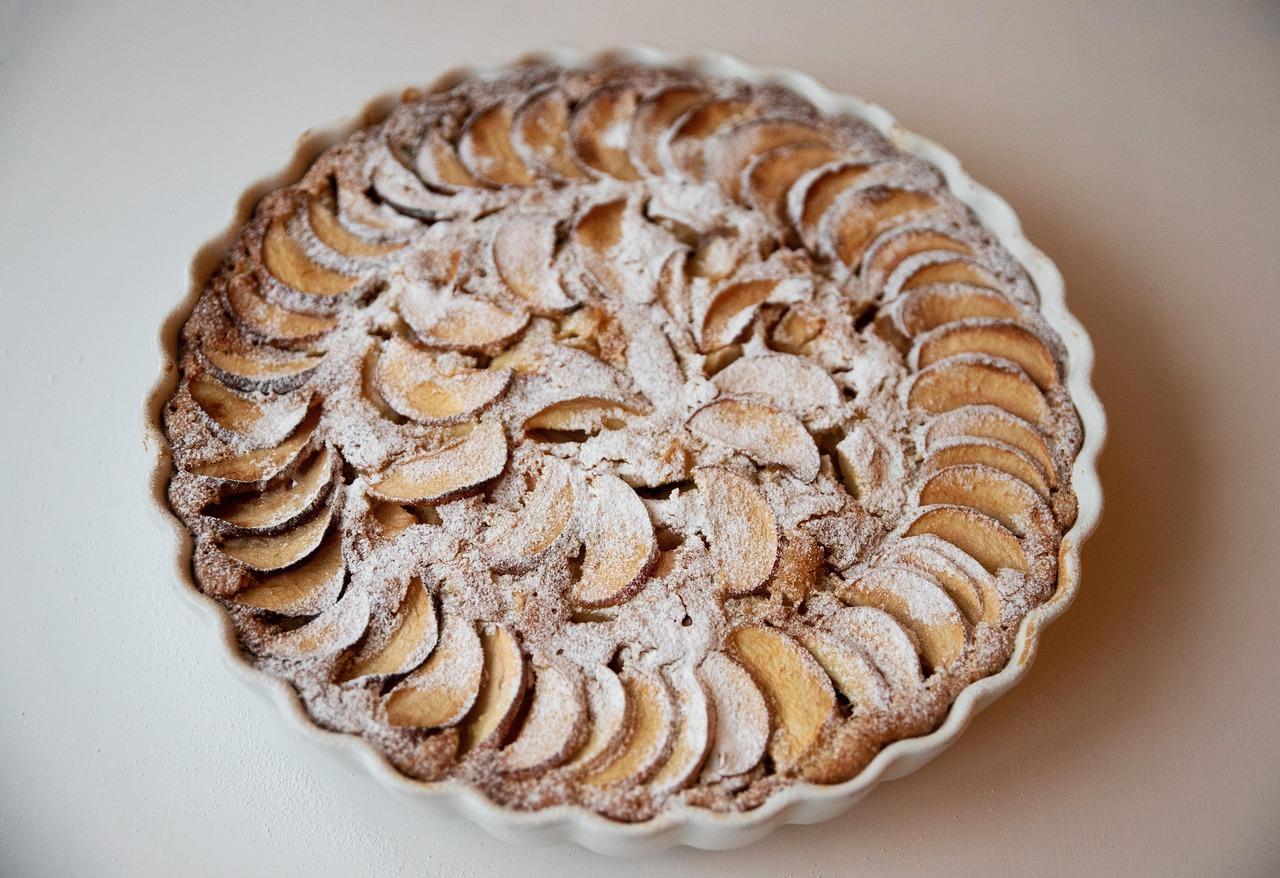
The tarte fine aux pommes is the elegant, wafer-thin apple tart of Parisian brasseries, ordered after lunch and served warm, sometimes with a scoop of vanilla ice cream. Paper-thin slices of apple are overlapped on a disc of puff pastry, brushed with butter and sugar and baked until the edges caramelise. The common mistake is letting the pastry puff, which pushes the apples off. Chef's tip: bake the pastry with a second tray on top for the first 10 minutes to keep it flat and crisp.

by KrazyBadal 0 views

Nougat noirDark honey almond nougat

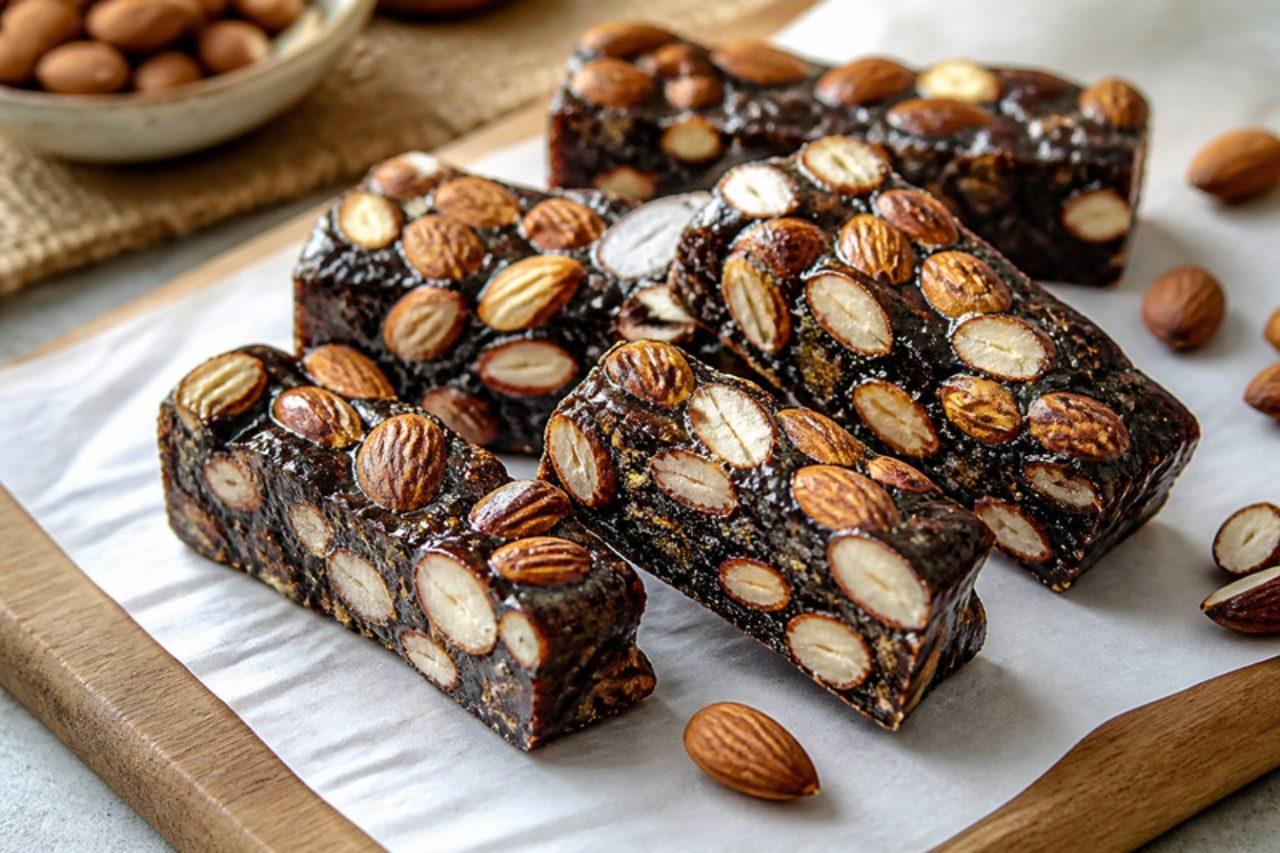
Nougat noir is the dark, crunchy sister of white nougat, made of just honey and almonds cooked until caramelised, and in Provence both are placed on the Christmas Eve table as part of the thirteen desserts, the white for purity and the black for the shadows. The common mistake is cooking it too far, so it tastes burnt and bitter. Chef's tip: stop as soon as the honey turns a deep amber and the almonds start to crackle.

by KrazyBadal 0 views

Tarte BourdalouePear and almond tart

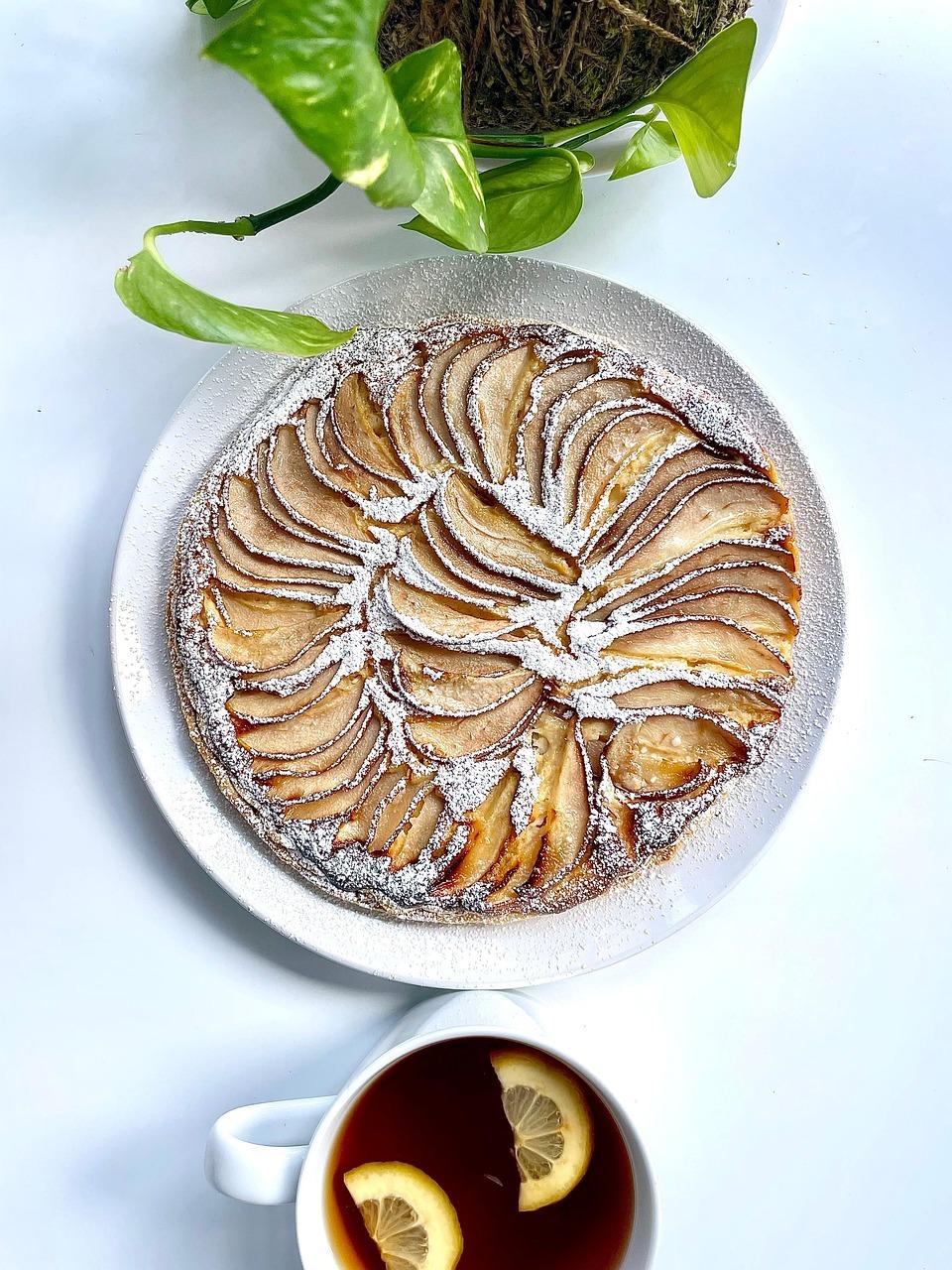
The tarte Bourdaloue was created in the 19th century by a Parisian pâtissier on the rue Bourdaloue, behind the church of Notre-Dame-de-Lorette, and it is still a classic autumn and winter tart in Paris bakeries. Poached pear halves are fanned over almond cream in a sweet pastry case and baked until the cream puffs up golden around the fruit. The common mistake is using wet pears, which make the almond cream soggy. Chef's tip: pat the pears dry on kitchen paper and slice them thinly crosswise, keeping each half together, so they fan out neatly.

by KrazyBadal 0 views

Crème chantillySweetened whipped cream

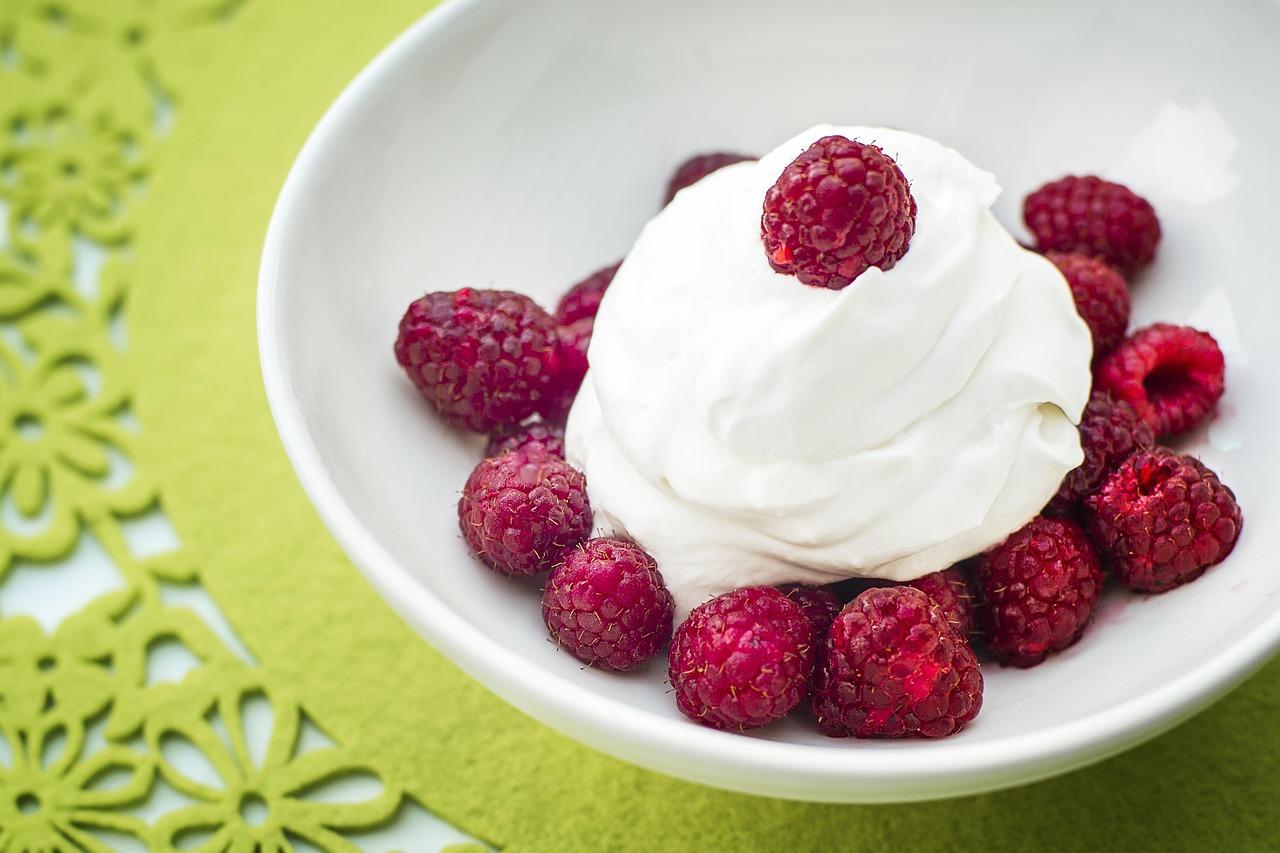
Crème chantilly is named after the Château de Chantilly north of Paris, where the 17th-century steward Vatel is said to have served it, and today it crowns waffles, crêpes, fruit tarts and hot chocolate in cafés across France. Cold cream is whipped with a little icing sugar and vanilla to soft, billowy peaks, light rather than stiff. The common mistake is over-whipping, which turns the cream grainy and then into butter. Chef's tip: chill the bowl and whisk for 15 minutes first, and stop as soon as the cream holds soft peaks that just flop over.

by KrazyBadal 0 views

Pommes puréeSmooth mashed potatoes

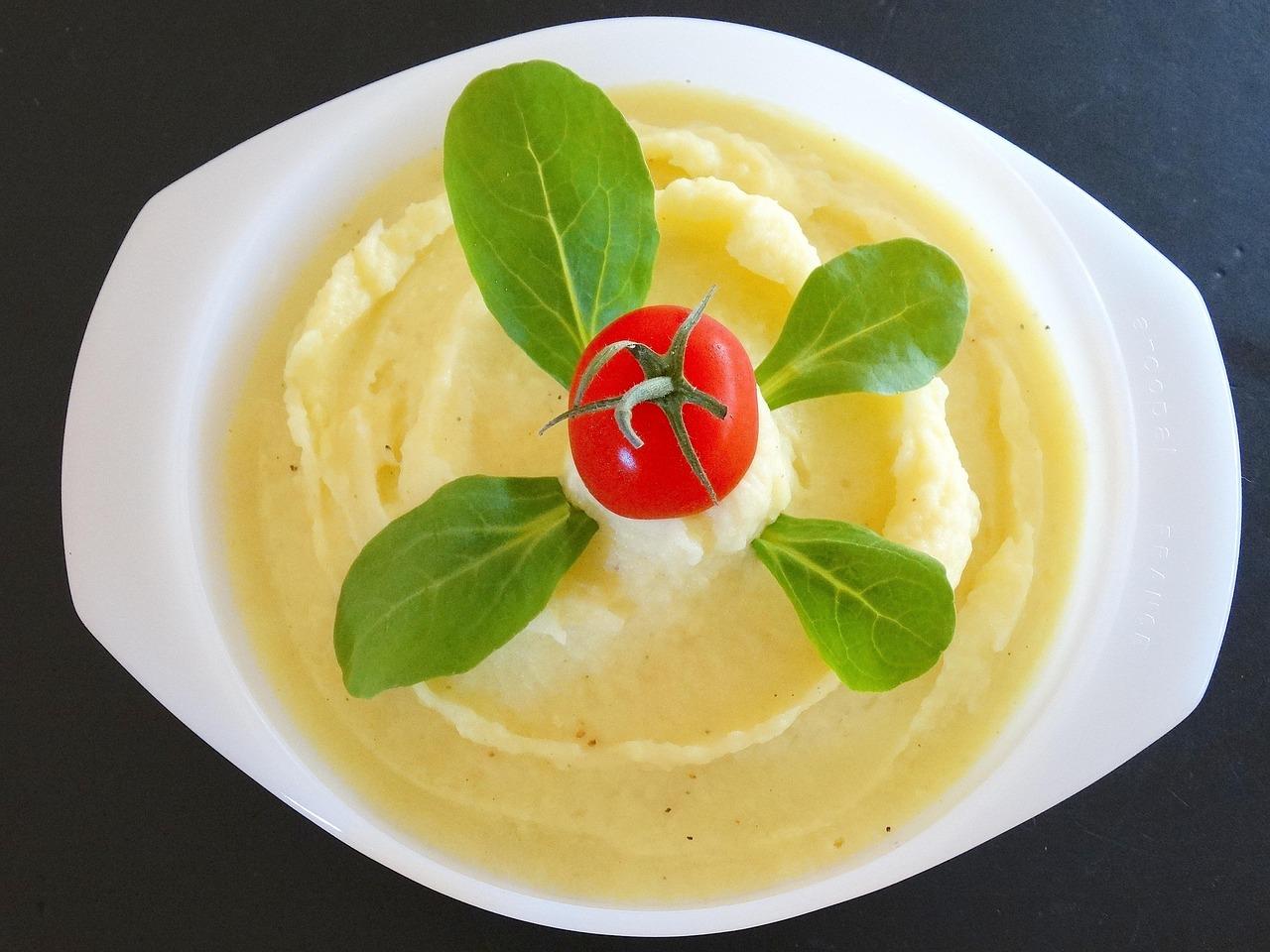
Pommes purée is the smooth, rich mash served all over France with roast chicken, sausages or a Sunday daube, and made famous in Paris restaurants where chefs beat in almost as much butter as potato. Floury potatoes are boiled whole in their skins, peeled hot, pressed through a ricer or sieve and beaten with hot milk and cold butter until silky. The common mistake is mashing in a food processor or with a blender, which turns the starch gluey. Chef's tip: dry the riced potato over a low heat for a minute before adding the butter; drier potato takes in more butter and tastes richer.

by KrazyBadal 0 views

Cioccolata caldaThick hot chocolate

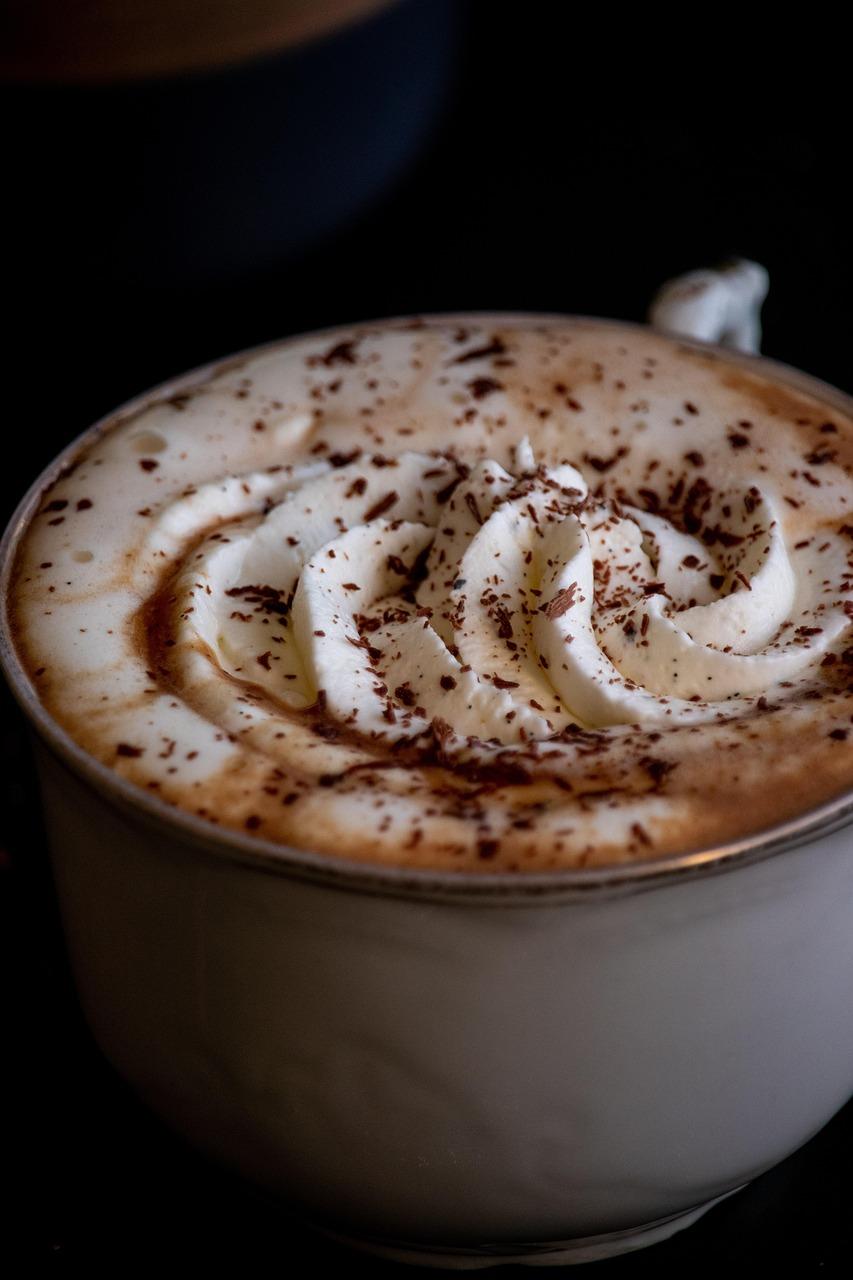
Italian hot chocolate is not a milky drink but almost a pudding: thick enough to coat a spoon, made with real dark chocolate and cocoa thickened with a little starch. On cold winter afternoons in Turin, Florence and Perugia, families sit in historic cafés with a cup topped with whipped cream (con panna), dipping biscuits into it. Children love it. Chef's tip: mix the cornflour and cocoa with a little cold milk to a smooth paste first; dropped straight into hot milk, they form lumps.

by KrazyBadal 0 views

Budino al cioccolatoChocolate pudding

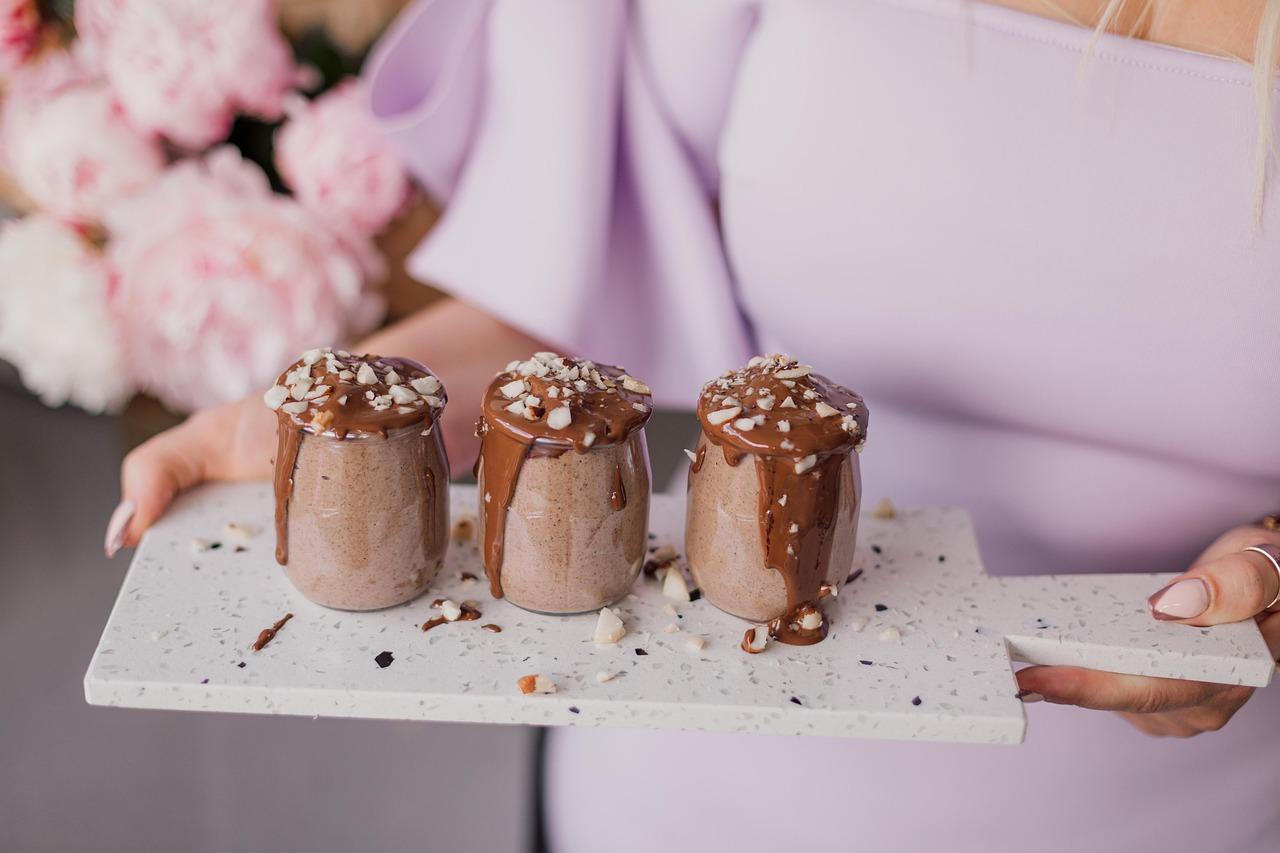
Budino is the dessert Italian children find in the fridge on a Sunday afternoon: a soft, wobbly milk pudding flavoured with cocoa and set with cornflour, poured into little cups or a mould and chilled. It is the kind of thing nonna makes in ten minutes for the grandchildren's merenda (afternoon snack), and it is gluten free and egg free. Chef's tip: whisk the cocoa, sugar and cornflour together before adding the milk; mixed dry, they don't form lumps.

by KrazyBadal 0 views

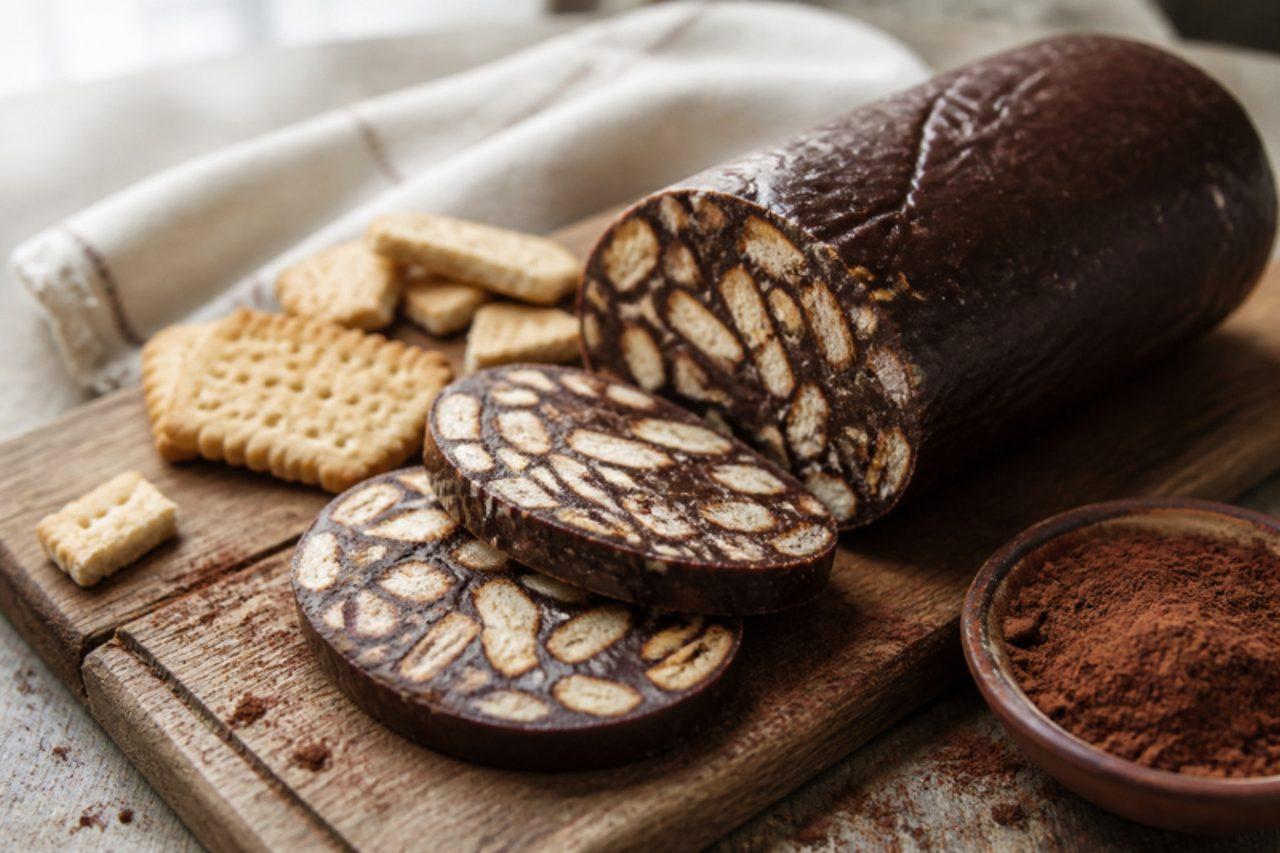
Salame di cioccolatoChocolate biscuit log

Salame di cioccolato is the sweet that Italian children help to make: crushed biscuits mixed with melted chocolate, butter and cocoa, rolled into a log, chilled and dusted with icing sugar so that, when sliced, it looks just like a salami with "fat" spots of biscuit. It is served at birthday parties and Christmas, and some families add rum for adults. This version uses no raw eggs and no alcohol, so it is safe for everyone. Chef's tip: break the biscuits by hand into pieces the size of a fingernail; crumbs make it look like a plain chocolate log.

by KrazyBadal 0 views

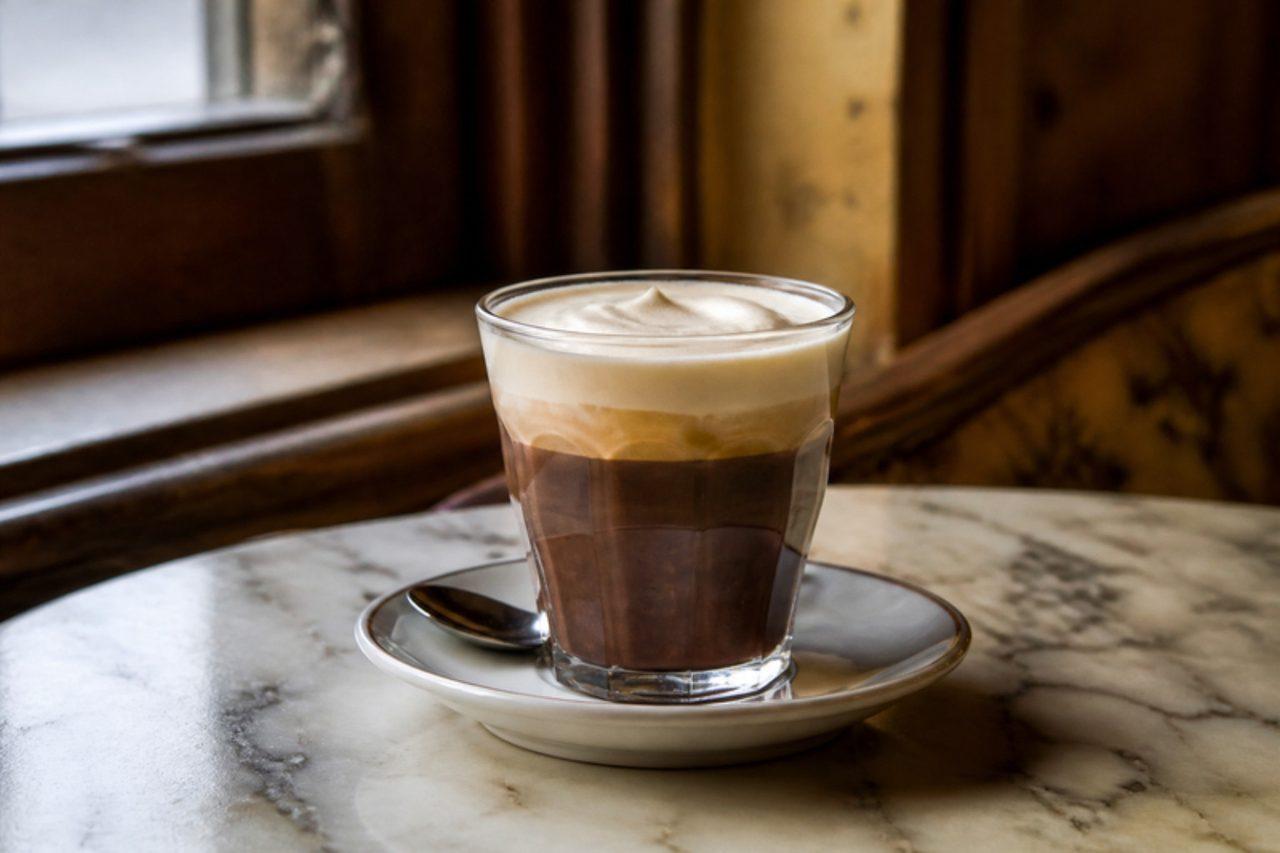
BicerinLayered chocolate and coffee drink

The bicerin ("little glass" in Piedmontese dialect) has been served since 1763 at the tiny Caffè al Bicerin opposite the Consolata church in Turin, where it was the drink that churchgoers had after fasting before Mass. It is three layers in a small glass: thick hot chocolate at the bottom, espresso in the middle and cold, lightly whipped cream on top, not stirred, so you taste each layer in turn. Contains caffeine. Chef's tip: pour the coffee and then the cream slowly over the back of a spoon so the layers sit on top of each other instead of mixing.

by KrazyBadal 0 views

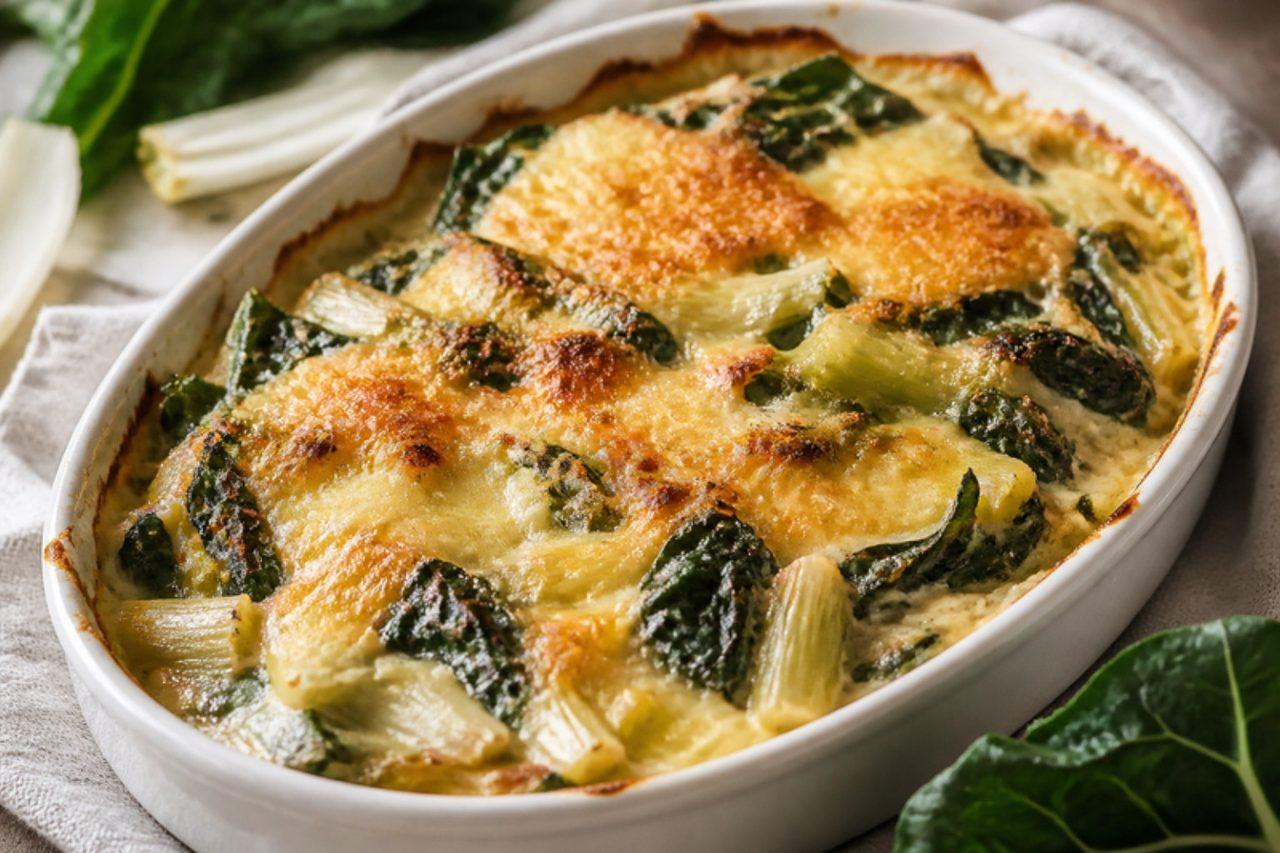
Gratin de blettesSwiss chard gratin

Gratin de blettes is a thrifty winter favourite in Lyon and across Provence, where Swiss chard is a staple of every market garden and both the white ribs and the green leaves are used. The stalks are boiled until tender, the leaves wilted, and everything is folded into a nutmeg béchamel and baked under crisp breadcrumbs. It is served as a side with roasts or on its own for supper. The common mistake is not cooking the stalks long enough, which leaves them stringy. Chef's tip: peel the strings off the backs of the wide stalks like celery; the gratin will be silky.

by KrazyBadal 0 views

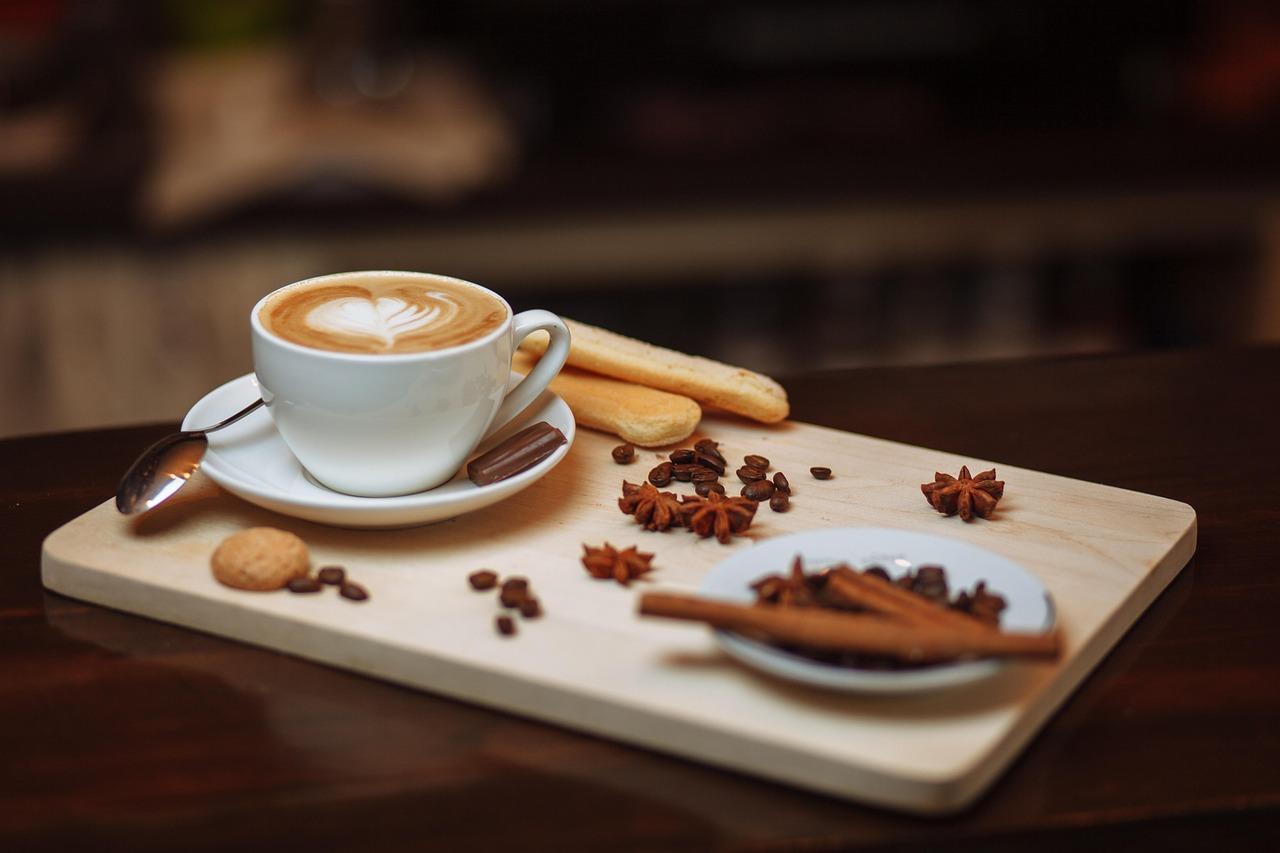
Cappuccino

In Italy the cappuccino is strictly a breakfast drink, ordered at the bar counter with a cornetto before 11 in the morning, never after a meal. It is a single espresso topped with an equal amount of hot milk and a thick cap of velvety foam, named after the brown habits of Capuchin friars. Baristas in Turin and Trieste are famous for their thick, glossy microfoam. Contains caffeine, so it's not for children. Chef's tip: heat the milk only to about 65 °C, when the jug is too hot to hold for more than a second; hotter milk tastes cooked and the foam collapses.

by KrazyBadal 0 views

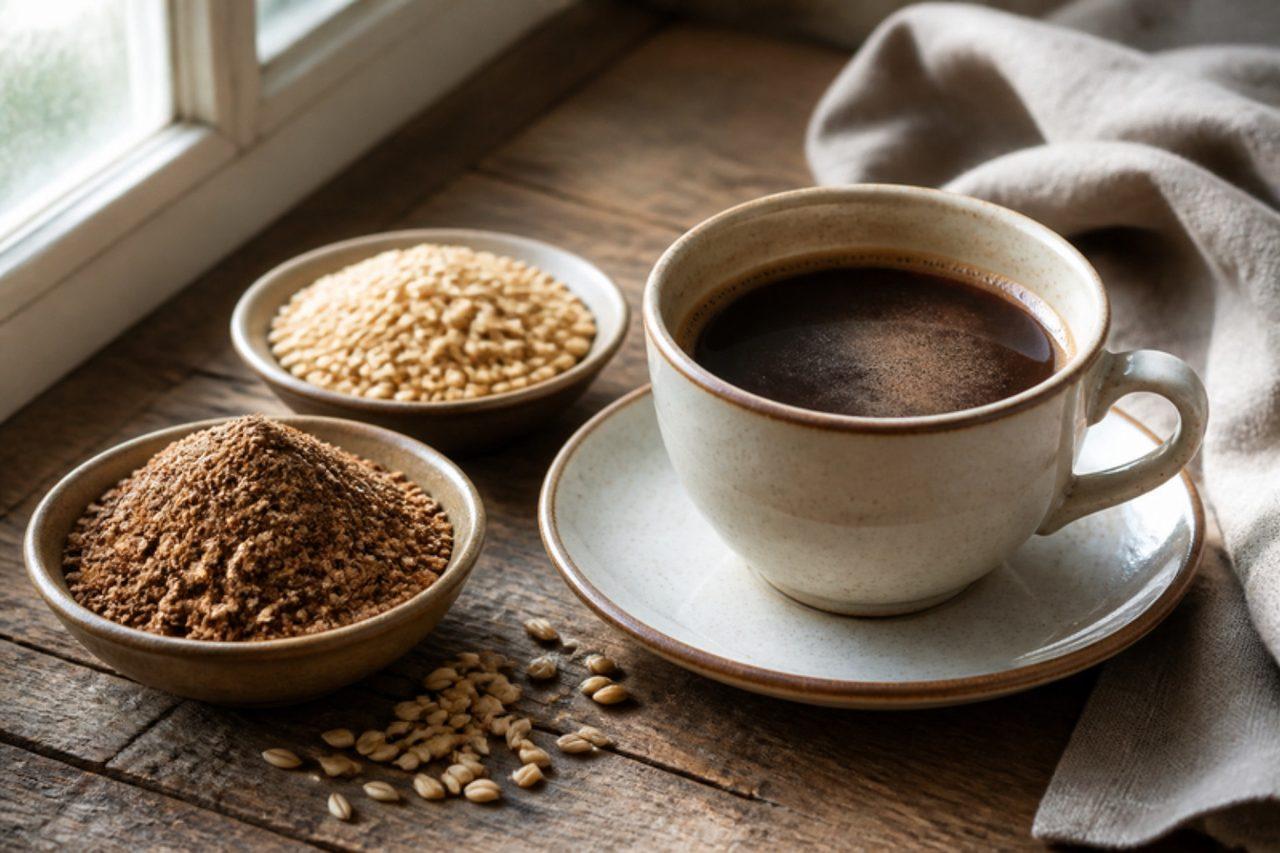
Caffè d'orzoBarley coffee

In Italian bars you can always ask for "un orzo": a hot drink made from roasted barley that looks like coffee and has a toasty, slightly sweet taste but no caffeine. During the war, when coffee was scarce, families drank it every morning, and today it is given to children, pregnant women and anyone avoiding caffeine. It can be made in a moka pot, served in a small cup like espresso or in a large one with milk. Barley contains gluten. Chef's tip: don't press the barley into the moka basket like coffee; packed tightly, it blocks the water and the pot hisses.

by KrazyBadal 0 views

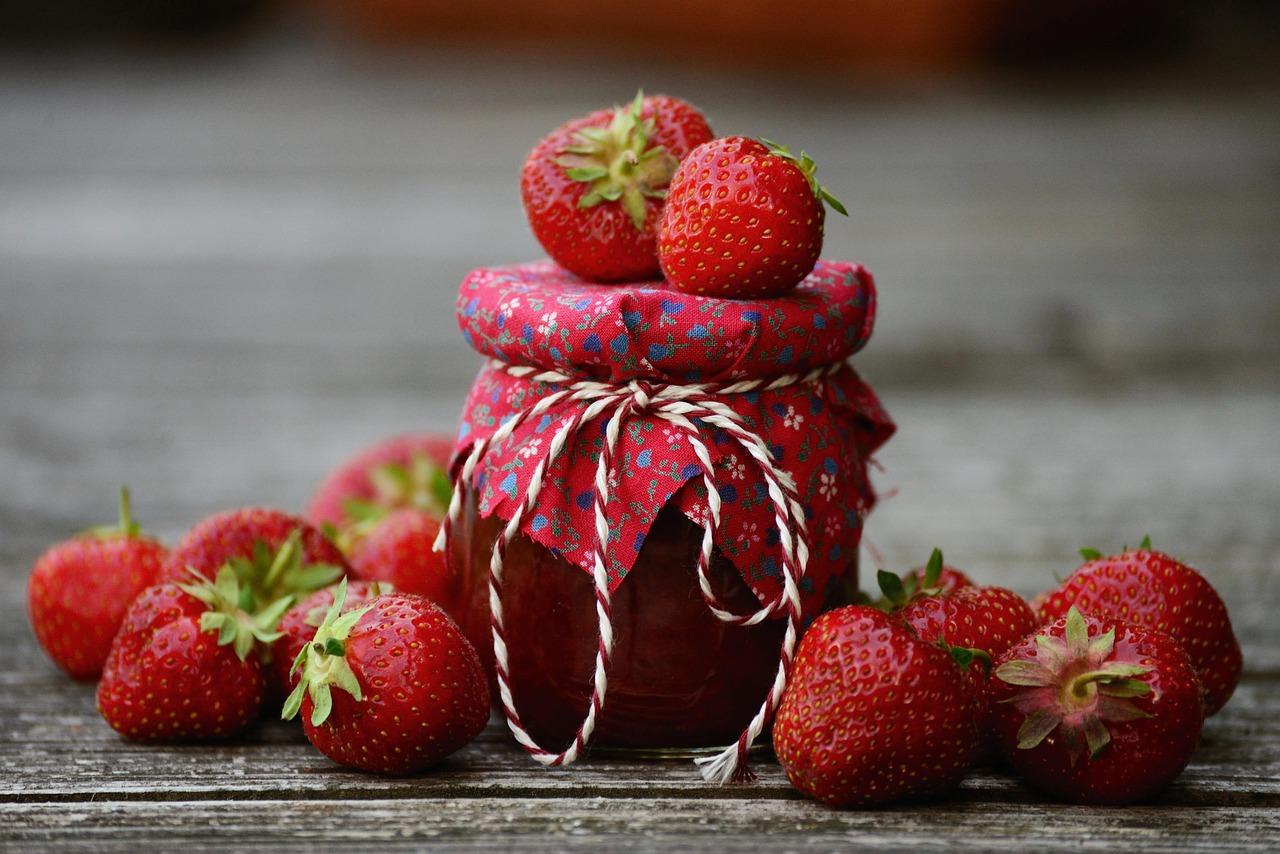
Confiture de fraisesStrawberry jam

Strawberry jam is the jam of French breakfasts, spread on buttered baguette or tartines and stirred into fromage blanc, and families make it in early summer when the Plougastel and Carpentras strawberries are cheap at the market. Macerating the fruit overnight in sugar keeps the berries whole. The common mistake is cooking too long, which darkens it and loses the fresh taste. Chef's tip: test for a set on a cold saucer; when you push it with a finger, it should wrinkle.

by KrazyBadal 0 views

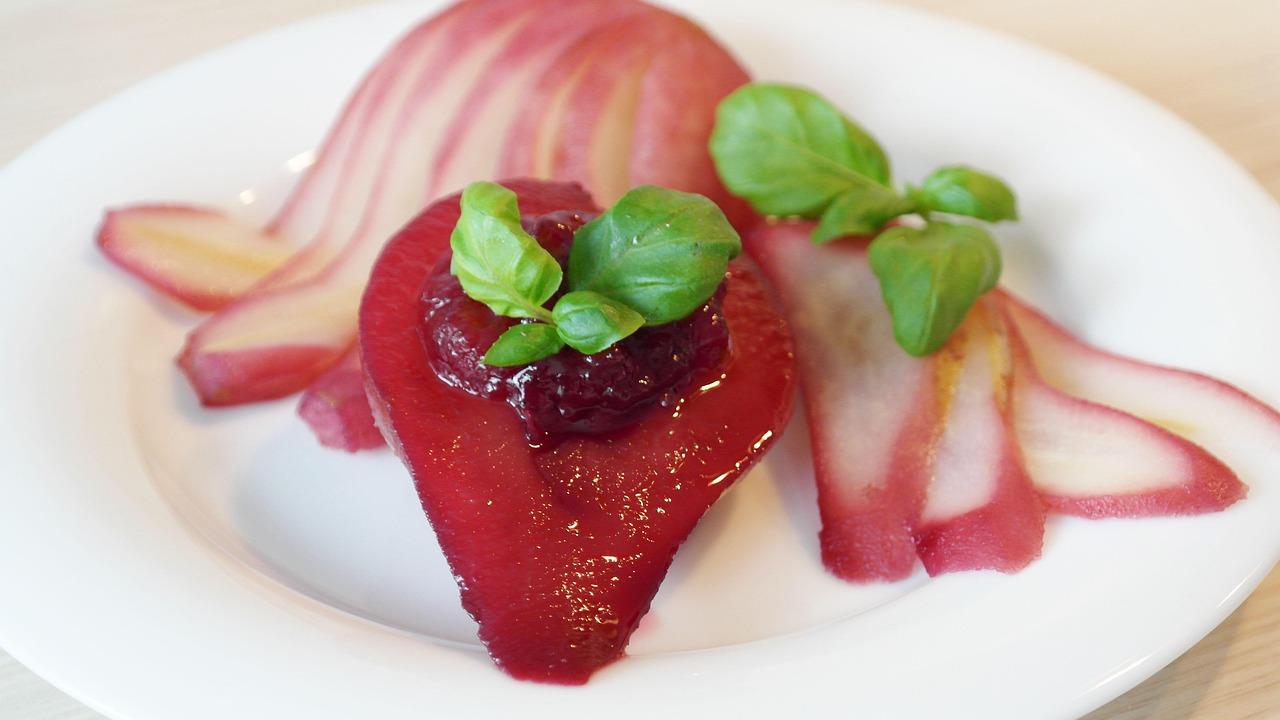
Poires au vinPears in red wine

Poires au vin are a simple winter dessert from Burgundy and the Loire, whole pears poached in red wine with sugar, cinnamon, orange and cloves until they turn a deep ruby, then served cold in their reduced syrup. The red wine version is made with alcohol, and most but not all of it cooks off; for children, pregnant guests or anyone avoiding alcohol, use red grape juice with less sugar and a squeeze of lemon. The common mistake is not turning the pears, so they colour unevenly. Chef's tip: leave the pears in the syrup overnight for the deepest colour.

by KrazyBadal 0 views

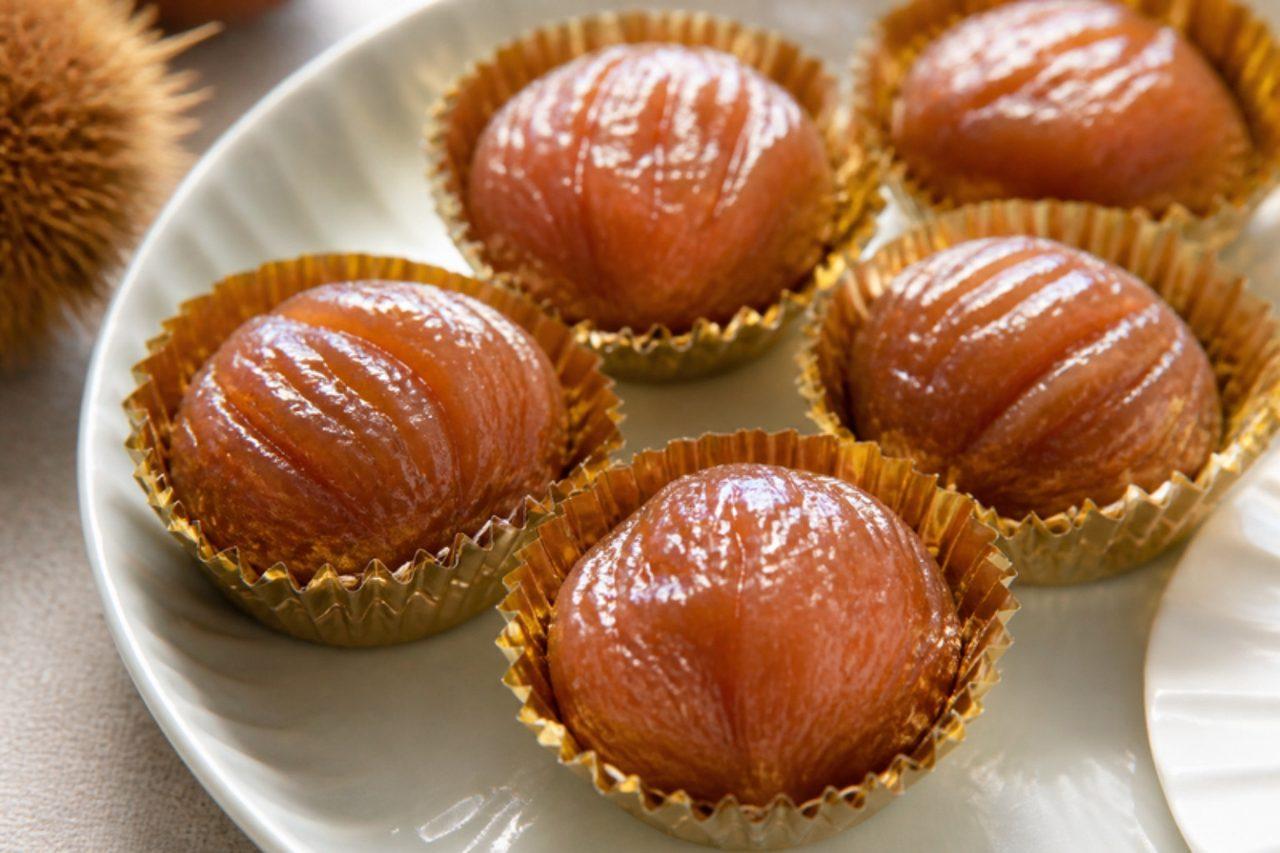
Marrons glacésCandied chestnuts

Marrons glacés are the luxurious Christmas sweet of the Ardèche and Privas, whole chestnuts candied slowly in vanilla syrup and finished with a thin sugar glaze, given as gifts in December and served with coffee after the Christmas meal. Home versions use cooked, peeled chestnuts, which saves the hardest work. The common mistake is stirring, which breaks the chestnuts. Chef's tip: wrap the chestnuts in muslin, or set them in a steamer basket, so you can lift them in and out of the syrup without touching them.

by KrazyBadal 0 views

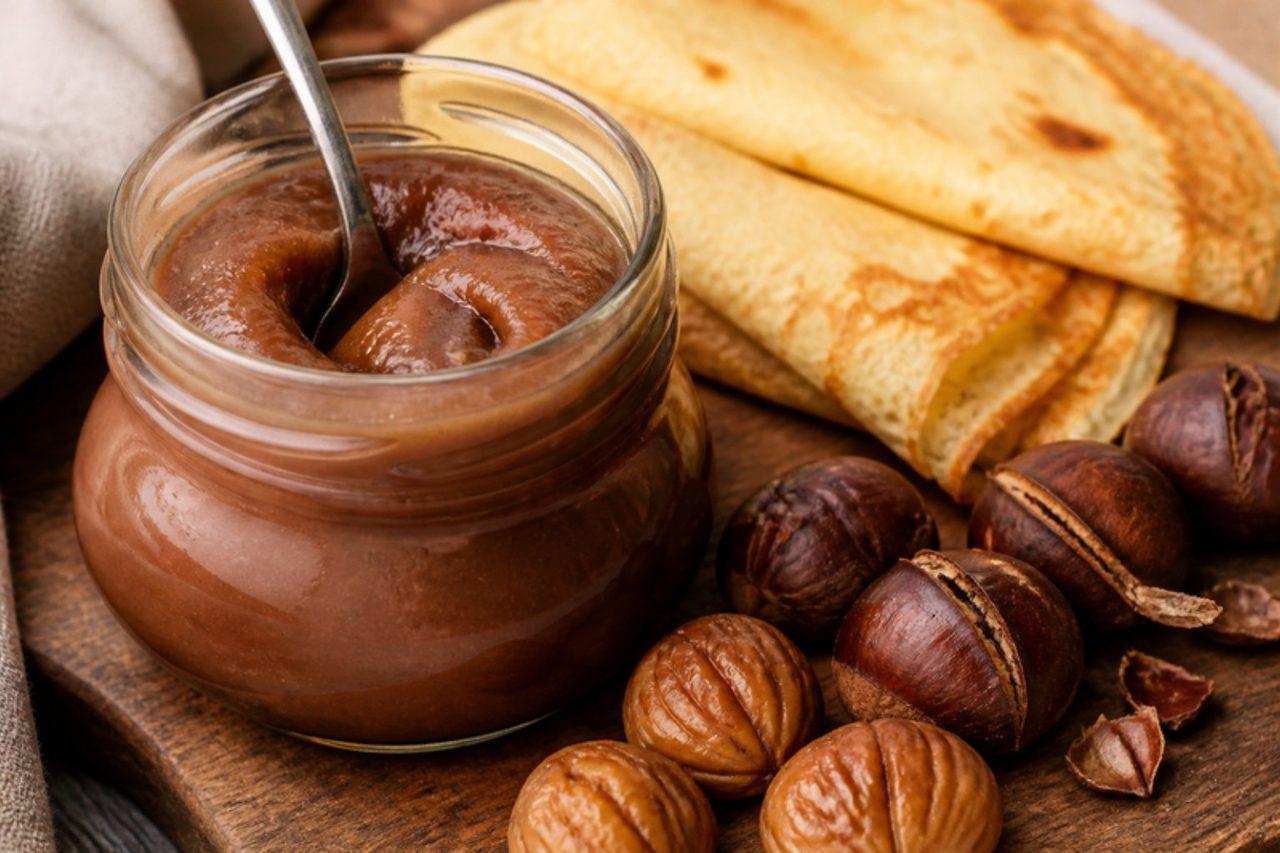
Crème de marronsSweet chestnut spread

Crème de marrons, sweet chestnut cream, was invented in Privas in the Ardèche in the 1880s to use up broken chestnuts from making marrons glacés, and it is now a French store-cupboard classic: spread on crêpes at Candlemas, stirred into fromage blanc, or piled into a Mont Blanc dessert. This home version uses cooked, peeled chestnuts. The common mistake is not blending it smooth enough. Chef's tip: blend while still warm, and push it through a sieve for a silky finish.

by KrazyBadal 0 views

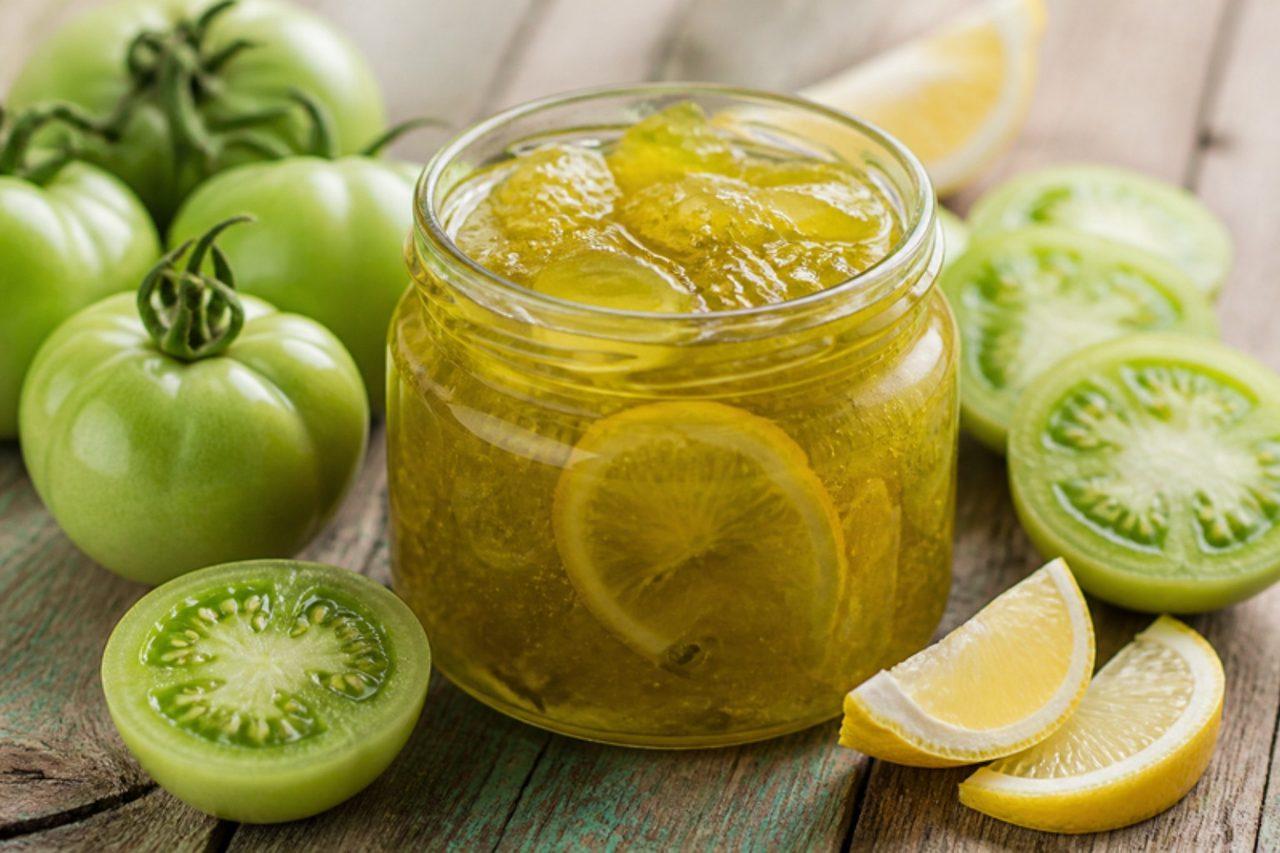
Confiture de tomates vertesGreen tomato jam

Green tomato jam is the thrifty end-of-summer preserve of French kitchen gardens, made in October in the south-west and Provence with the tomatoes that will never ripen before the frost; it tastes surprisingly like a mix of melon and lemon and is served with breakfast or with cheese. The common mistake is cutting the tomatoes too big, so they stay hard. Chef's tip: slice them thinly and leave them overnight in the sugar; they turn translucent when cooked.

by KrazyBadal 0 views

Showing 48 of 3,470 recipes

Show more recipes

Page 42 of 145

More No onion & garlic ideas

Other diets