Skip to content
WhatToEat.Today

No onion, no garlic recipes (Swaminarayan and sattvic)

3,470

3470 vegetarian recipes cooked without onion or garlic, as in Swaminarayan and sattvic kitchens, with no meat, fish, eggs or alcohol. Each has photos, step-by-step instructions and cook times. The quickest, Apfelschorle, takes 2 minutes. Most take around 45 minutes.

Filter these by time, diet or cuisine · Make No onion & garlic your diet to see only these recipes everywhere on the site.

Neer mor (spiced buttermilk)

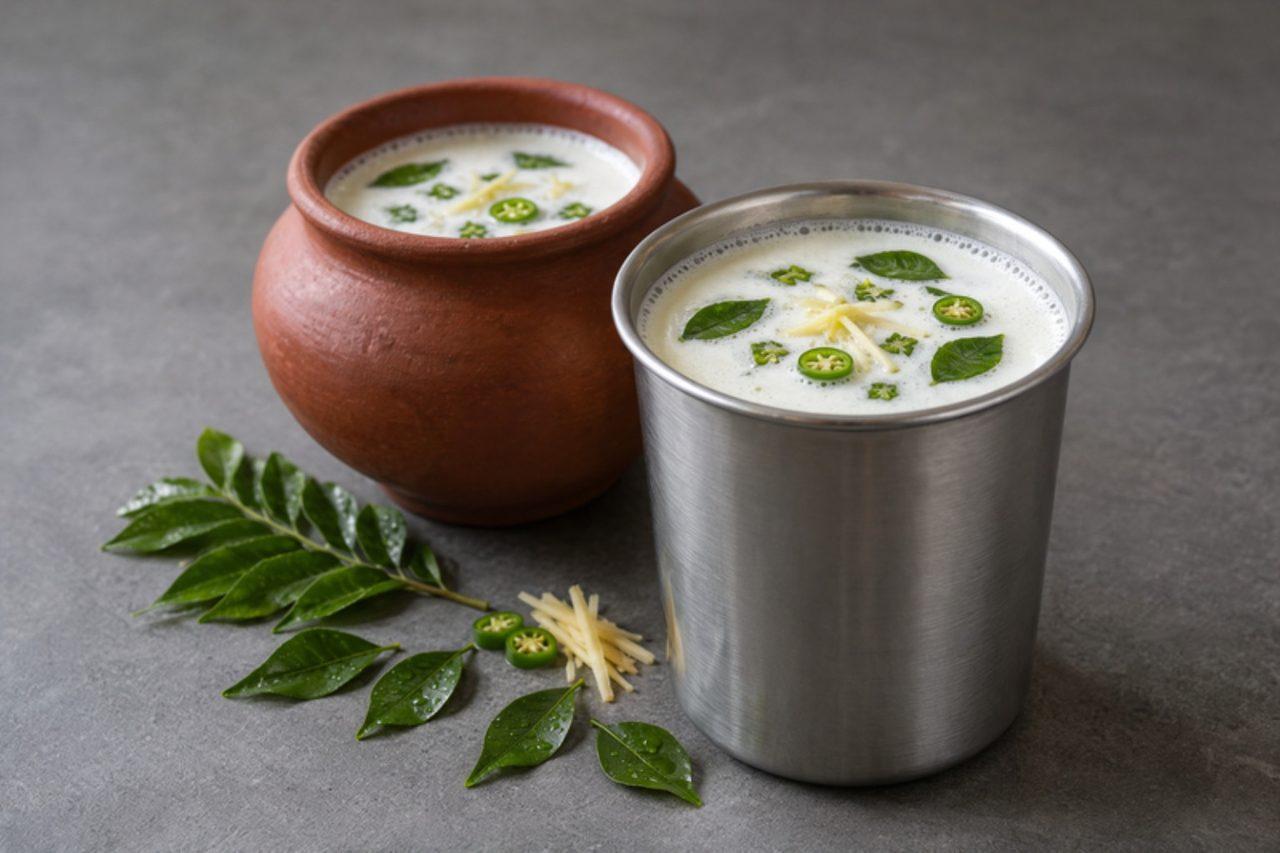
From April to June, when Chennai and Madurai bake at forty degrees, temples, shops and political parties set up 'thaneer pandhal' sheds by the roadside, offering free neer mor to every passer-by from great clay pots. At home it comes after a rice meal of sambar and rasam, or in the middle of the afternoon. The curd is churned and thinned with water until barely white, then seasoned with green chilli, ginger, curry leaves, coriander and a pinch of asafoetida, sometimes finished with a tempering of mustard seeds. It should be very thin, salty, tangy and herby, with a little chilli heat and a lingering savoury scent. The common mistake is using too little water: it then drinks like a heavy lassi rather than a thirst-quencher. Aim for about one part curd to four parts water. It is ready when the buttermilk is smooth, cold and pale green-flecked, and smells of curry leaf. It keeps a day in the fridge. Chef's tip: crush the ginger, chilli and curry leaves rather than chopping them; bruising releases far more flavour into the thin liquid.

by KrazyBadal 0 views

Mupunga unedoviPeanut butter rice

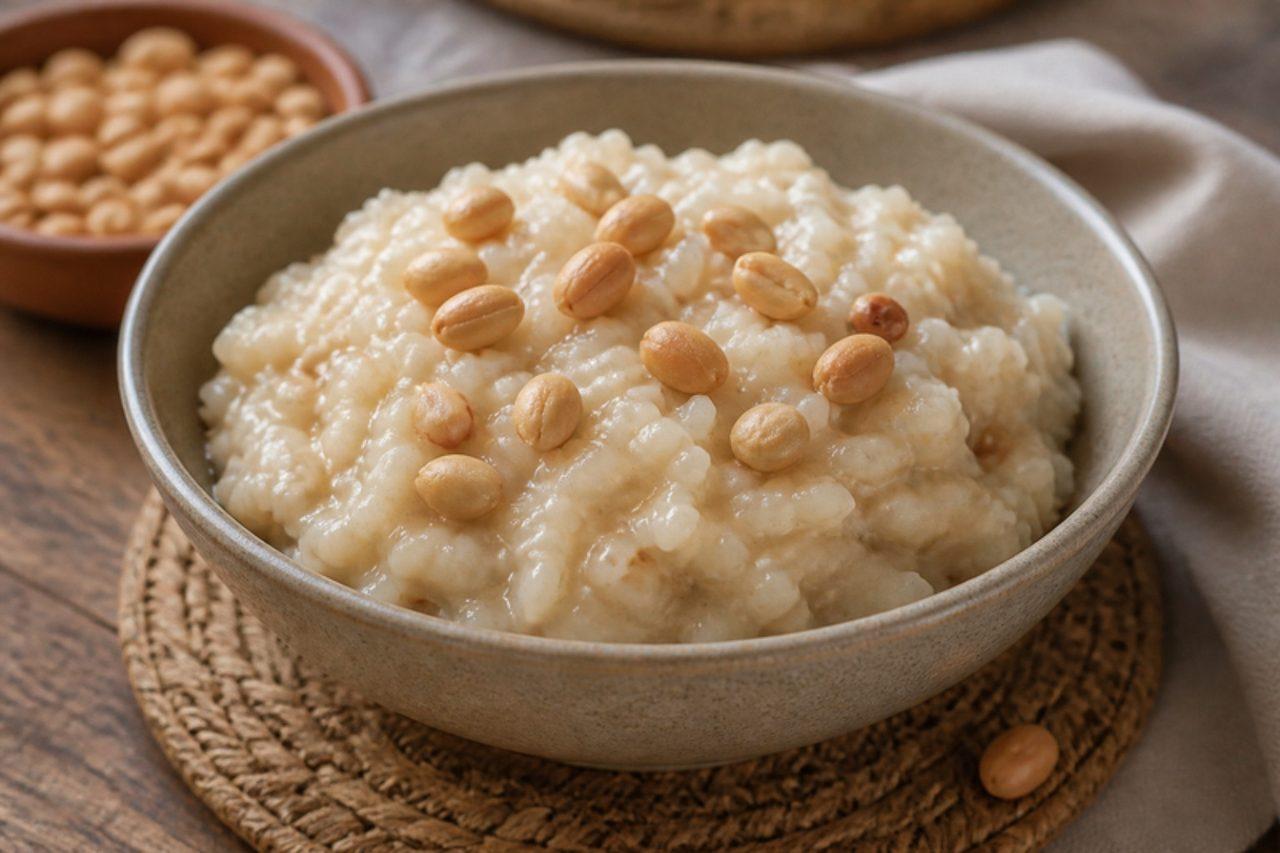
Ask someone who grew up in Masvingo or a Harare township about Sunday rice and many will describe mupunga unedovi: white rice cooked a little past fluffy, then beaten with dovi, the peanut butter that sits in every Zimbabwean kitchen. The grains turn creamy and almost risotto-like, savoury and nutty with a whisper of salt, and it is what a grandmother makes when there is no meat in the house. Eat it from a bowl on its own, or spoon it beside a tomato and onion relish, covo greens or a pot of sugar beans. The usual mistake is adding the peanut butter while the rice is still boiling hard, so it catches on the base of the pot and tastes scorched. Chef's tip: loosen the peanut butter with a ladle of the hot rice water first, so it melts into the grains instead of sitting in lumps.

by KrazyBadal 0 views

GodrogodroCoconut rice flour sweet

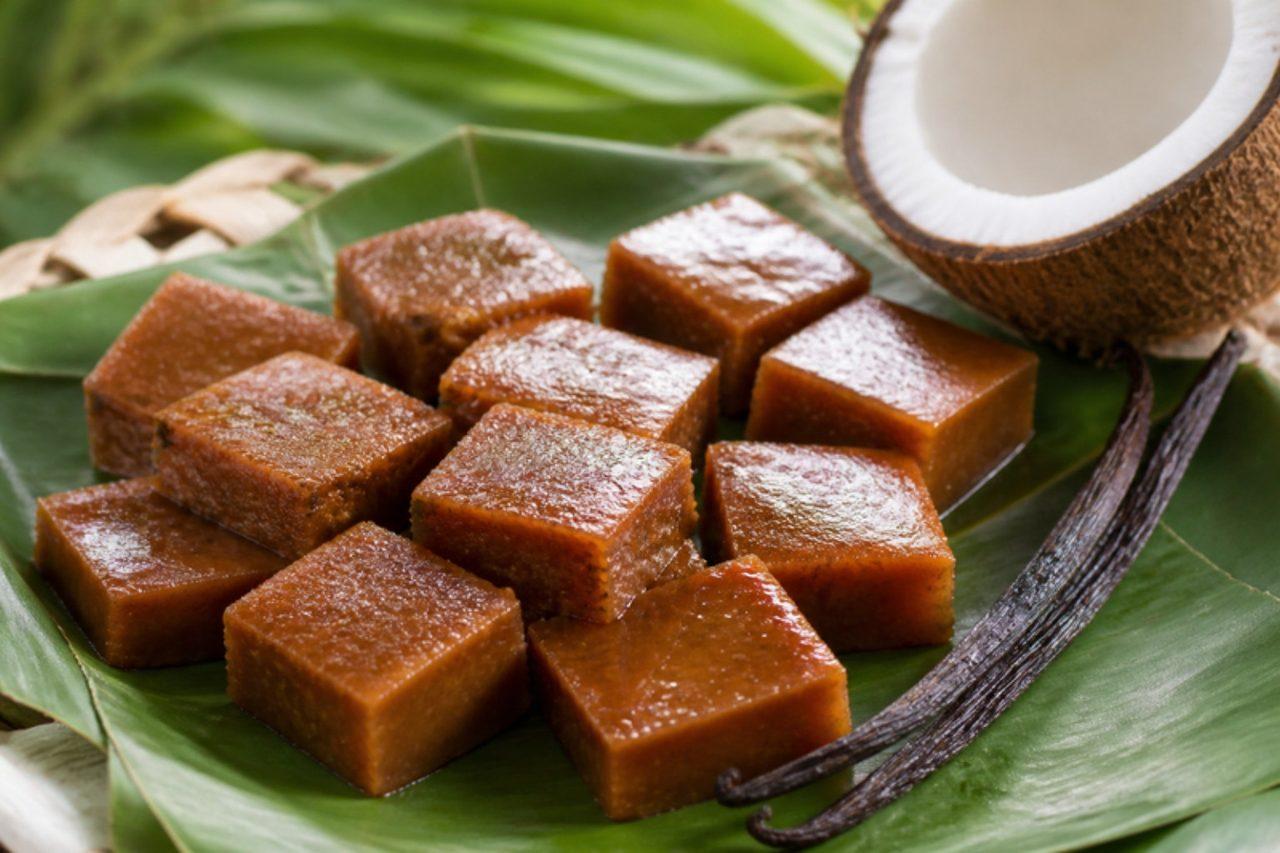
Along the northern coast around Antsiranana, and down to Mahajanga, godrogodro is a festival and family-celebration sweet, cut into diamonds and passed round at weddings, circumcision ceremonies and the New Year. Coconut milk, rice flour and dark sugar are stirred for the best part of an hour until the mixture thickens, darkens and pulls away from the pan, then it sets into a dense, sliceable fudge-like block, fragrant with vanilla and cardamom. It is rich, so small squares with a cup of tea are plenty. Stopping too early is the mistake to avoid: undercooked godrogodro stays sticky and pale and will not hold a clean edge. Chef's tip: use a heavy, non-stick pan and a flat wooden spatula that scrapes the whole base, and keep stirring as it thickens, as the bottom scorches easily.

by KrazyBadal 0 views

Kadle manoliBlack chickpea and coconut curry

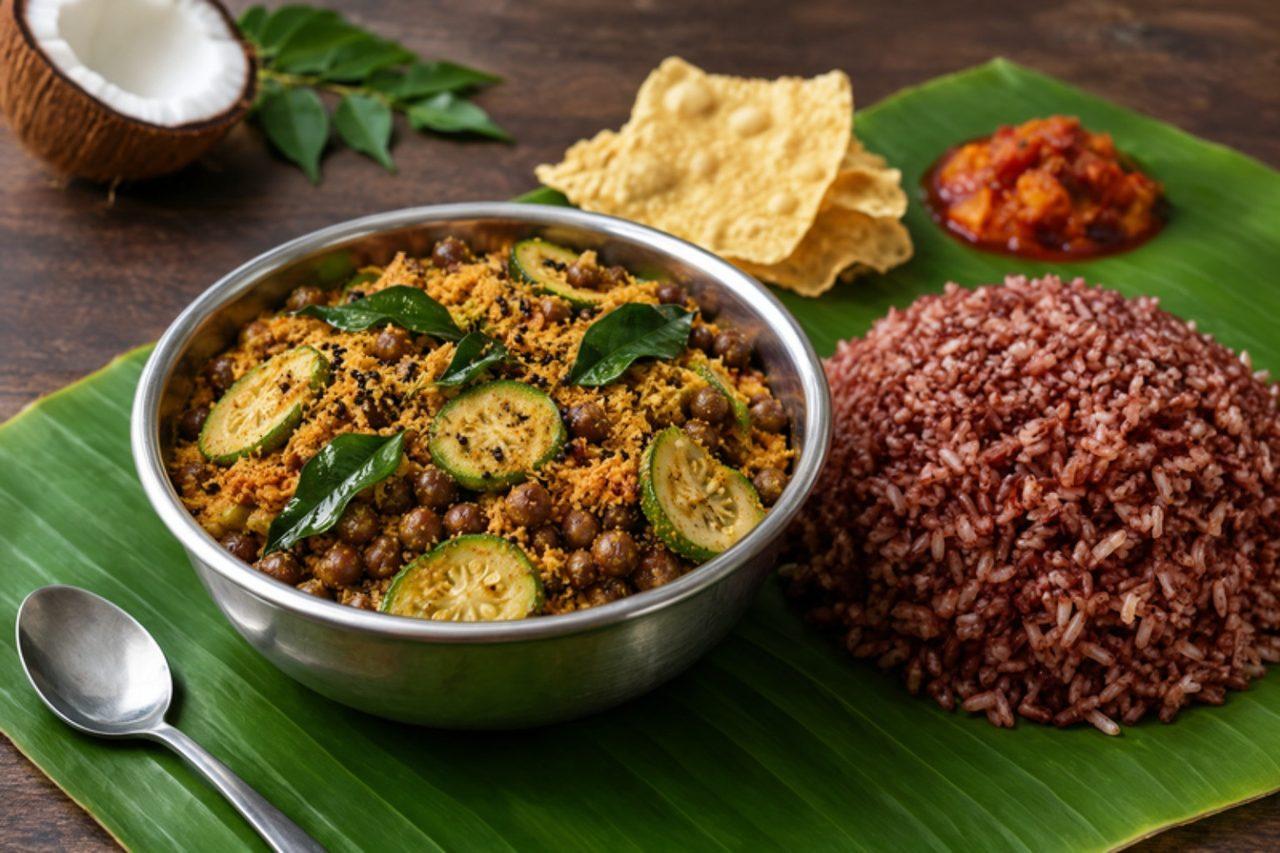
Kadle manoli is a Konkani dish from Mangaluru and Udupi, cooked for festive meals, Saturday temple days and family gatherings, where it sits beside rice, dalitoy and papad. Black chickpeas and quartered ivy gourd are cooked together, then tossed in a coarse, roasted masala of coconut, byadgi chillies and coriander, a little tamarind and a coconut-oil tempering. It is dry-ish, coating each piece rather than swimming in gravy. The usual mistake is cutting the ivy gourd into rounds; slice it lengthwise into quarters so it stays crunchy-tender. Slow-cooker: cook the soaked chana and gourd with 500 ml water on low for 7 hours, then stir in the masala and heat through. Chef's tip: grind the masala coarse, with very little water, so it clings to the chickpeas and stays fragrant.

by KrazyBadal 0 views

Atol shucoSour black corn drink

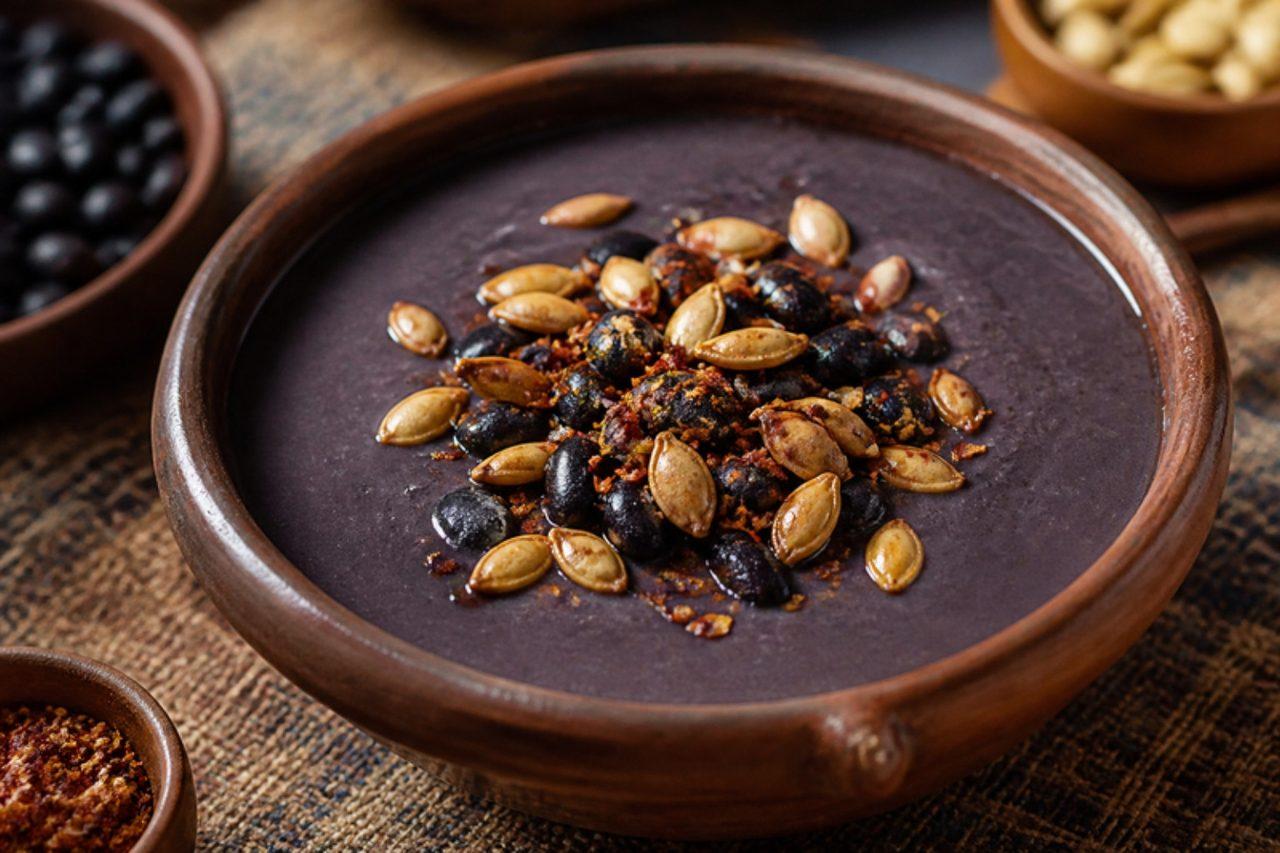
In San Salvador's Plaza Libertad and outside churches on cool mornings, atol shuco is ladled from steaming clay pots into gourd bowls. Shuco means 'dirty', for its dusky purple-grey colour: it is made from fermented black corn, so it tastes slightly sour and earthy, topped with ground toasted pumpkin seeds, a few whole black beans and a pinch of chilli salt. It is savoury and filling rather than sweet. The usual mistake is leaving the masa to ferment too long in a hot kitchen; check it after a day and use it as soon as it smells pleasantly tangy. Throw it away if you see mould or it smells unpleasant. Chef's tip: if you can't wait for fermentation, a squeeze of lime at the end gives a similar tang.

by KrazyBadal 0 views

Pane toscanoUnsalted Tuscan bread

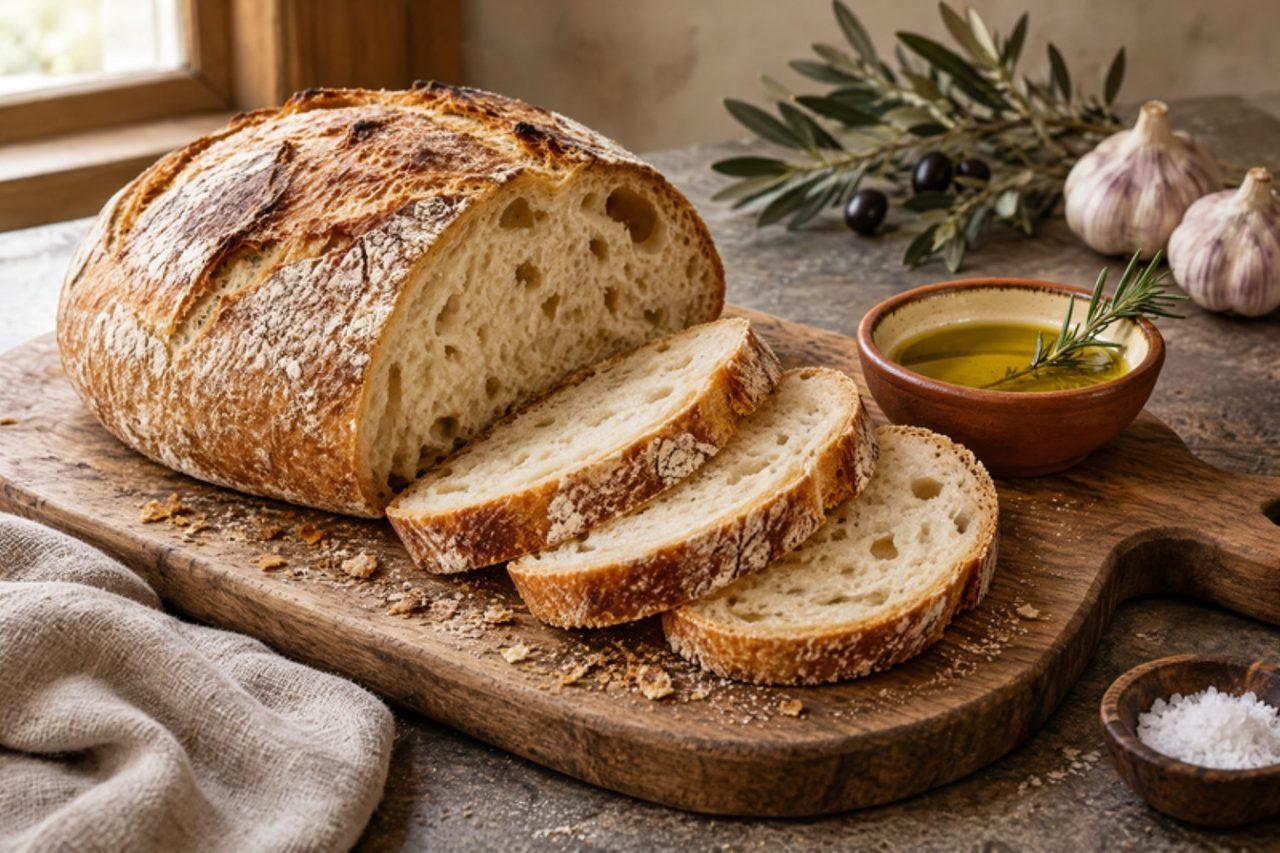
Pane toscano, called pane sciocco ('foolish' or 'bland' bread) in Florence and Siena, is the saltless loaf that Tuscans have eaten for centuries; legend blames a medieval salt tax. It has a thick, crackly crust and an open, chewy crumb, and it is made to be eaten with salty prosciutto, pecorino and ribollita, or soaked in panzanella and pappa al pomodoro. There is no salt in the dough: about 0.0 g salt per slice. The usual mistake is under-proving: without salt the dough rises fast, and with too little rest it tastes floury; a starter and a slow rise give it flavour. Chef's tip: bake with steam (a tray of boiling water in the oven) for the first 15 minutes, which is what gives the crust its proper Tuscan crunch.

by KrazyBadal 0 views

Vazhakkai podimas (raw banana podimas)

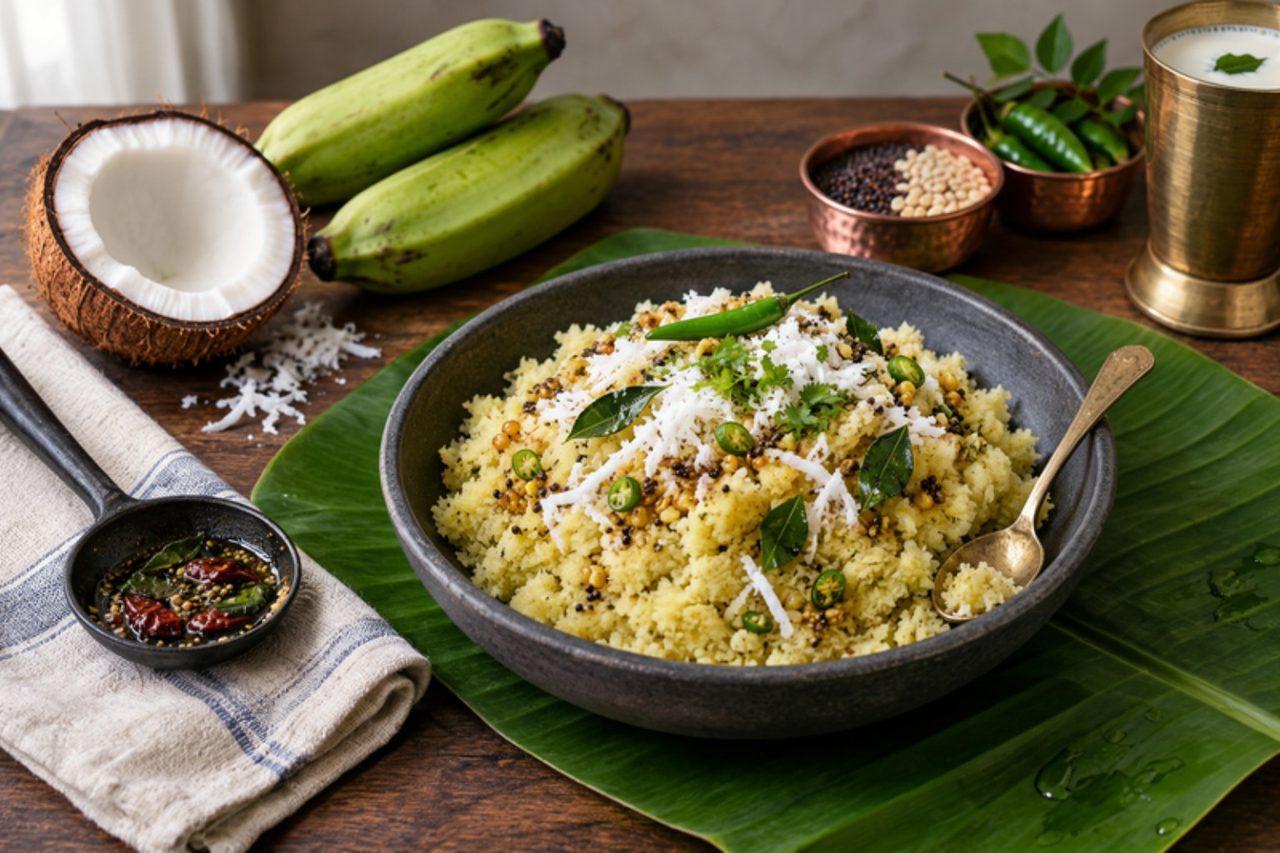
Podimas comes from Tamil Brahmin kitchens in Thanjavur and Chennai, where green plantain is boiled whole, grated into soft crumbs and tossed with a tempering of mustard, dal, ginger, green chilli and coconut, then sharpened with lemon. It is light and fluffy, and it sits happily next to sambar rice or rasam rice in a tiffin. The mistake is overboiling the plantain: it turns sticky and will not grate into crumbs. Pull it out as soon as a knife slides in with a little resistance. Chef's tip: grate it on the large holes of a box grater while still warm, then let it cool before tossing, so the shreds stay separate.

by KrazyBadal 0 views

Sem ki sabzi (flat beans with potato)

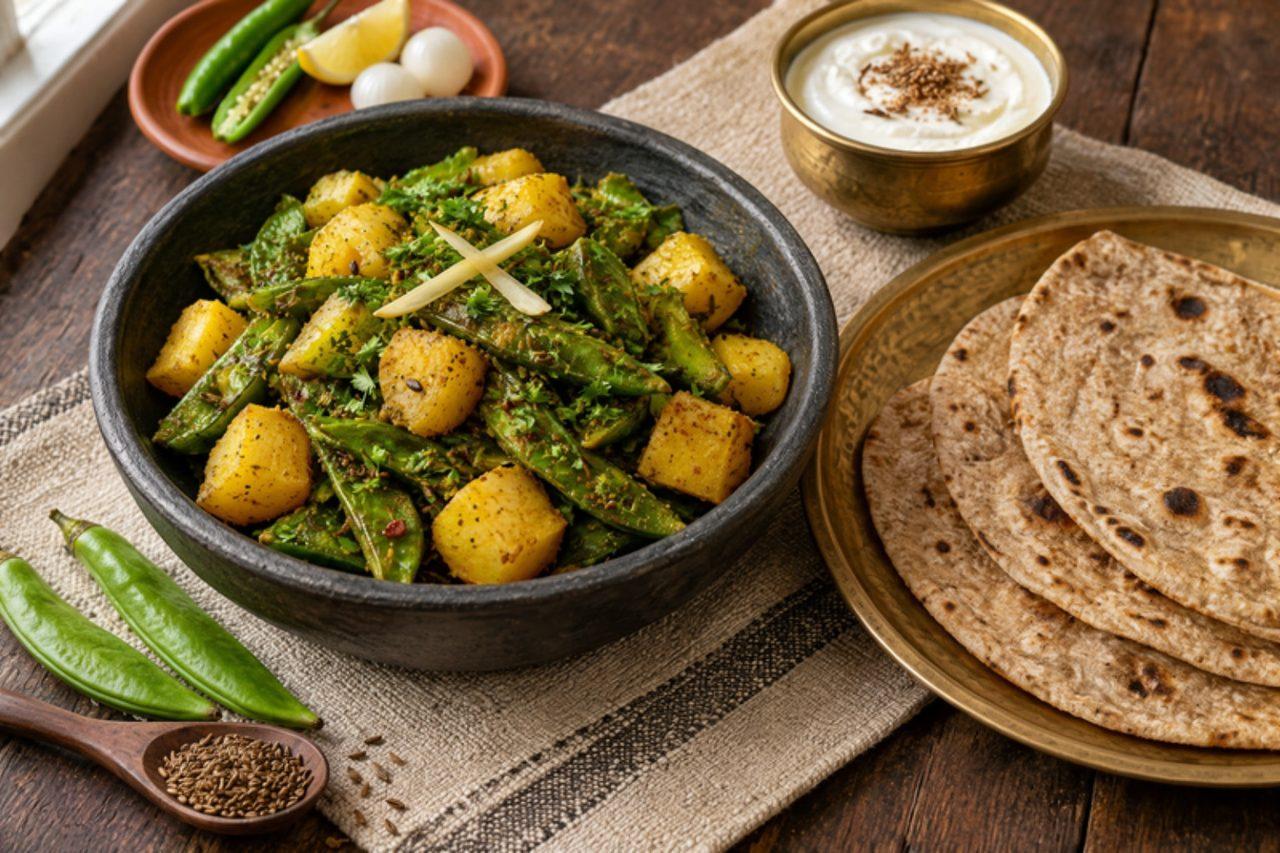
When flat green sem pods fill the sabzi carts in Lucknow and Jaipur in winter, they go into this dry stir-fry with potato and a crackle of ajwain, the classic partner for paratha in an office dabba. The beans stay a little firm and sweet, the potato soaks up the spices, and nothing drips into the roti. The mistake is leaving the stringy edges on the pods; they never soften. Snap the tip and pull the string down each side before chopping. Chef's tip: cook covered for the first half to steam the beans tender, then uncover and turn up the heat so the potatoes catch and brown.

by KrazyBadal 0 views

Capsicum rice (capsicum bath)

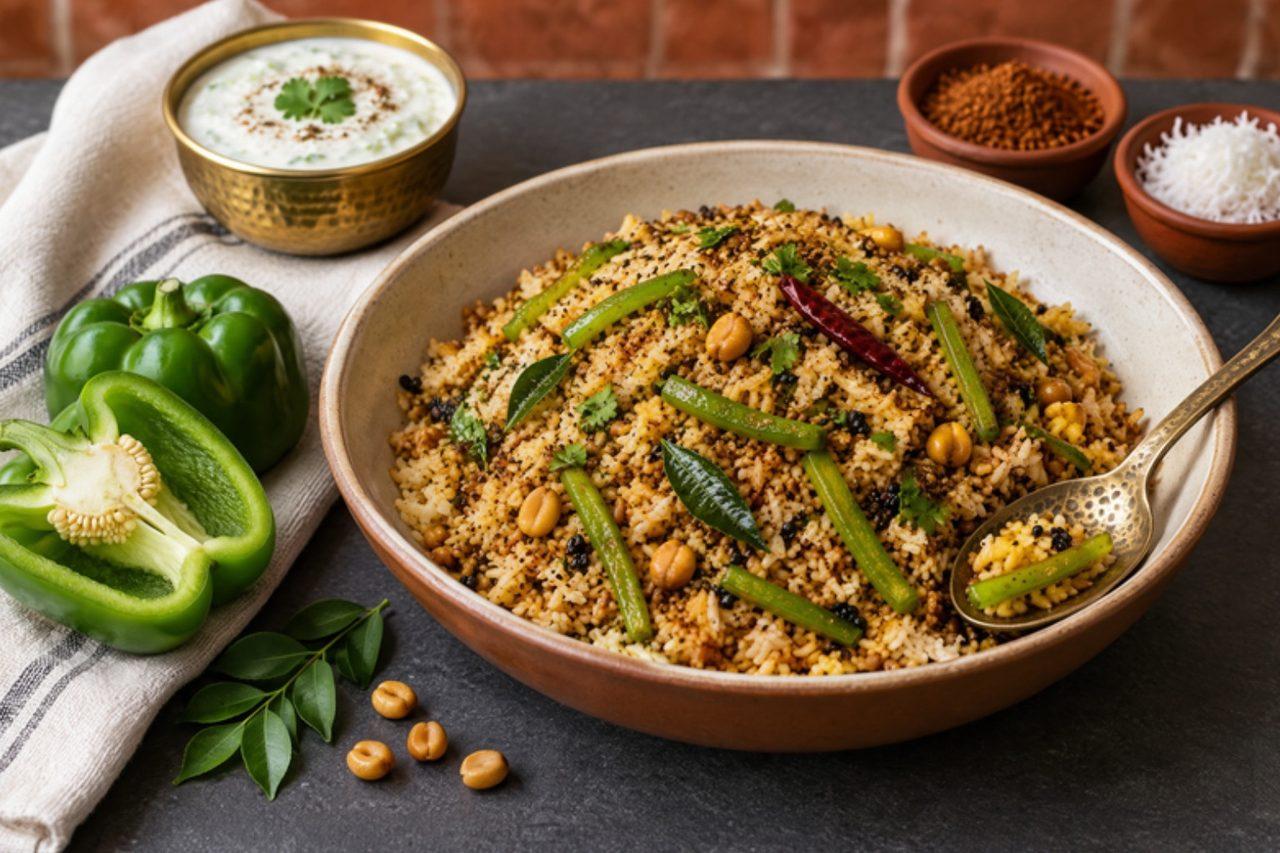
Every Bengaluru darshini has its own capsicum bath, and at home it is a favourite for office lunch boxes because the peppers stay crunchy until noon. Green peppers are sautéed just until glossy, then tossed with rice and a freshly roasted powder of coriander seeds, chana dal, dry coconut and red chillies. The mistake is cooking the peppers until soft; they release water and the rice turns soggy, so keep them bright and crisp. Chef's tip: add the powder to the hot oil off the heat for a few seconds before the rice goes in; it blooms the spices without burning the coconut.

by KrazyBadal 0 views

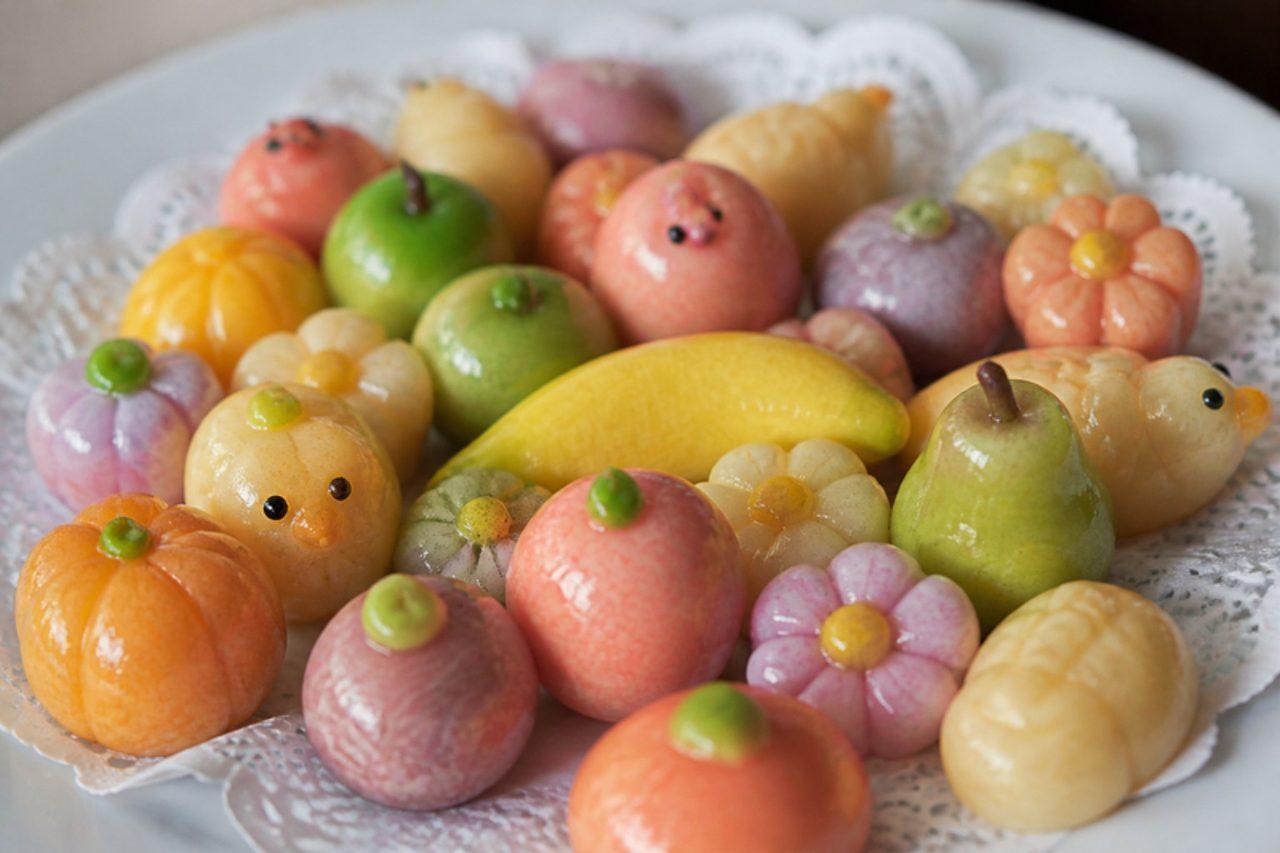
Dulces abrillantadosGlazed milk fudge figures

Walk through the old centre of Mérida and you'll pass windows full of tiny shiny sweets shaped like fruit, flowers and animals: dulces abrillantados, made from milk and sugar cooked down to a fudge, hand-moulded and dipped in syrup that dries to a glassy crust. Families buy boxes to take home from the Andes. They need patience: the shaping is fun, but the milk must be cooked until it truly pulls away from the pan. The common mistake is stopping too early, so the figures flatten. Chef's tip: dust your hands with icing sugar while shaping, and dry the figures overnight before glazing.

by KrazyBadal 0 views

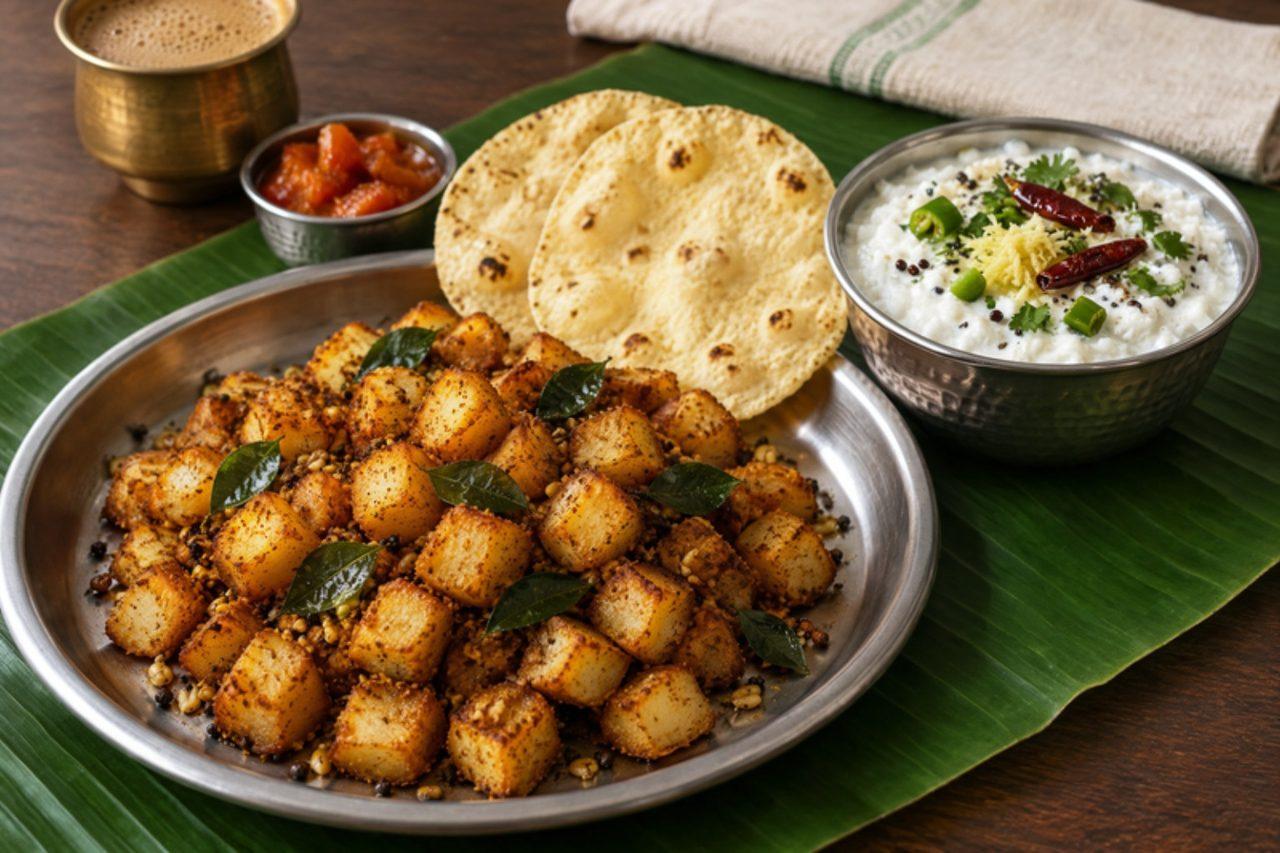
Urulaikizhangu roast (Tamil potato roast)

In Tamil lunch boxes, curd rice almost always comes with this: small cubes of boiled potato roasted slowly in a cast-iron pan with sambar powder, chilli and curry leaves until they are dark, crusty and chewy at the edges. It is a dry side, so it does not leak into the rice, and it tastes as good cold as hot. The mistake is stirring all the time; the potatoes need to sit undisturbed against the hot pan for a few minutes at a time to build the crust. Chef's tip: a teaspoon of rice flour scattered over in the last few minutes makes the coating even crisper.

by KrazyBadal 0 views

Gobi matar (cauliflower and peas)

In Punjab and Uttar Pradesh, winter means cauliflower and fresh peas, and gobi matar is what fills countless school and office dabbas between November and February. It is cooked dry, so the florets brown a little at the edges, sweetened by the peas and sharpened by plenty of ginger. The mistake is cooking the cauliflower covered with water until it is soft and smells of cabbage; steam it briefly in its own moisture, then fry it uncovered. Chef's tip: cut the florets so they have one flat side; that face sits on the pan and browns while the rest steams tender.

by KrazyBadal 0 views

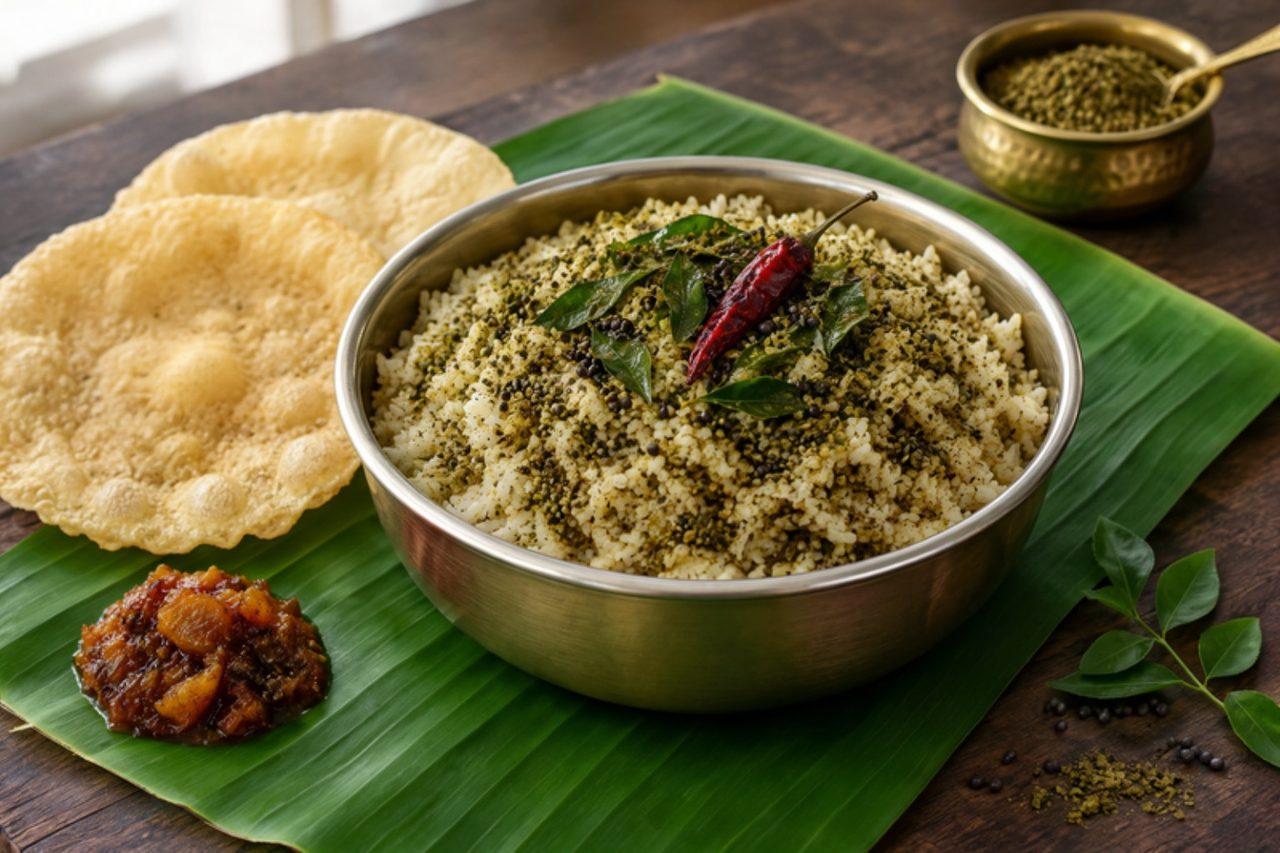
Karuveppilai sadam (curry leaf rice)

Around Madurai and Tiruchirappalli this dark, peppery rice comes out when there is a big handful of curry leaves and very little else in the kitchen, and it keeps so well that it goes into lunch boxes and onto long bus journeys. The leaves are roasted until crisp with chana and urad dal, black pepper, cumin and red chilli, then ground into a fragrant podi. The common mistake is roasting wet leaves: they steam instead of crisp, and the powder clumps. Dry them well on a towel first. Chef's tip: grind a double batch of the podi and store it airtight; it keeps for two weeks and makes lunch in five minutes.

by KrazyBadal 0 views

Kothamalli sadam (coriander rice)

Chennai mothers turn a big bunch of coriander into this bright green rice when they want a lunch box that looks fresh and smells of the market. The leaves and stems are ground with green chilli, coconut, ginger and a little tamarind, then fried in oil until the raw grassy smell goes and the paste turns a deeper green. The mistake is adding the paste and the rice together: the paste stays raw and the rice goes dull and sour. Cook the paste first until it leaves the sides of the pan. Chef's tip: keep the coriander stems; they carry more flavour than the leaves and grind into a smoother paste.

by KrazyBadal 0 views

Mangai sadam (raw mango rice)

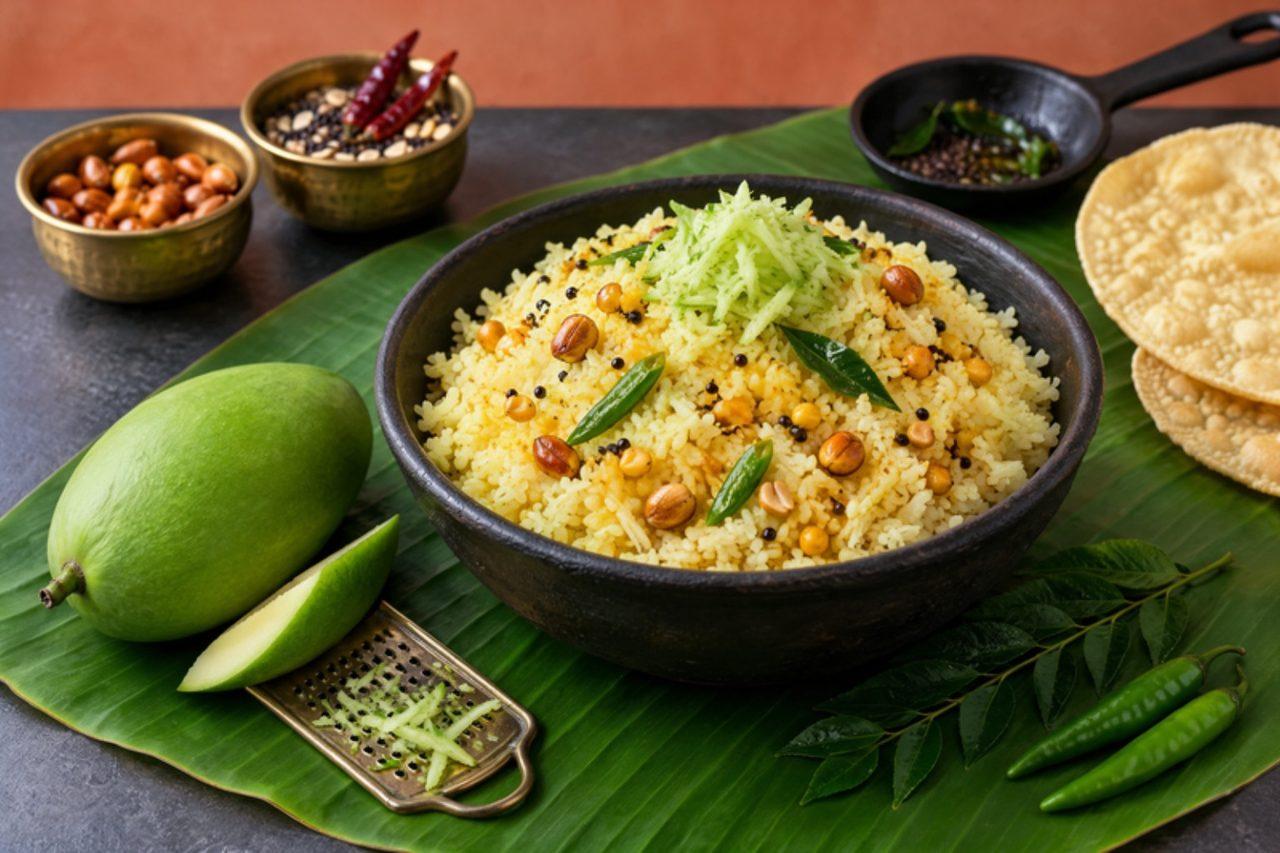
When hard green mangoes pile up at the markets of Tamil Nadu in April and May, school lunch boxes fill with mangai sadam, sour and fresh like lemon rice but with a fruitier bite. Grated raw mango is cooked only briefly in a mustard, chana dal and curry leaf tempering so it softens but keeps its tang. The mistake is overcooking the mango into mush, which makes the rice sticky; two or three minutes is enough. Chef's tip: taste the mango first. A very sour one needs a pinch of sugar, and a half-ripe one needs a squeeze of lemon at the end.

by KrazyBadal 0 views

Pan bonDark spiced fruit and cheese bread

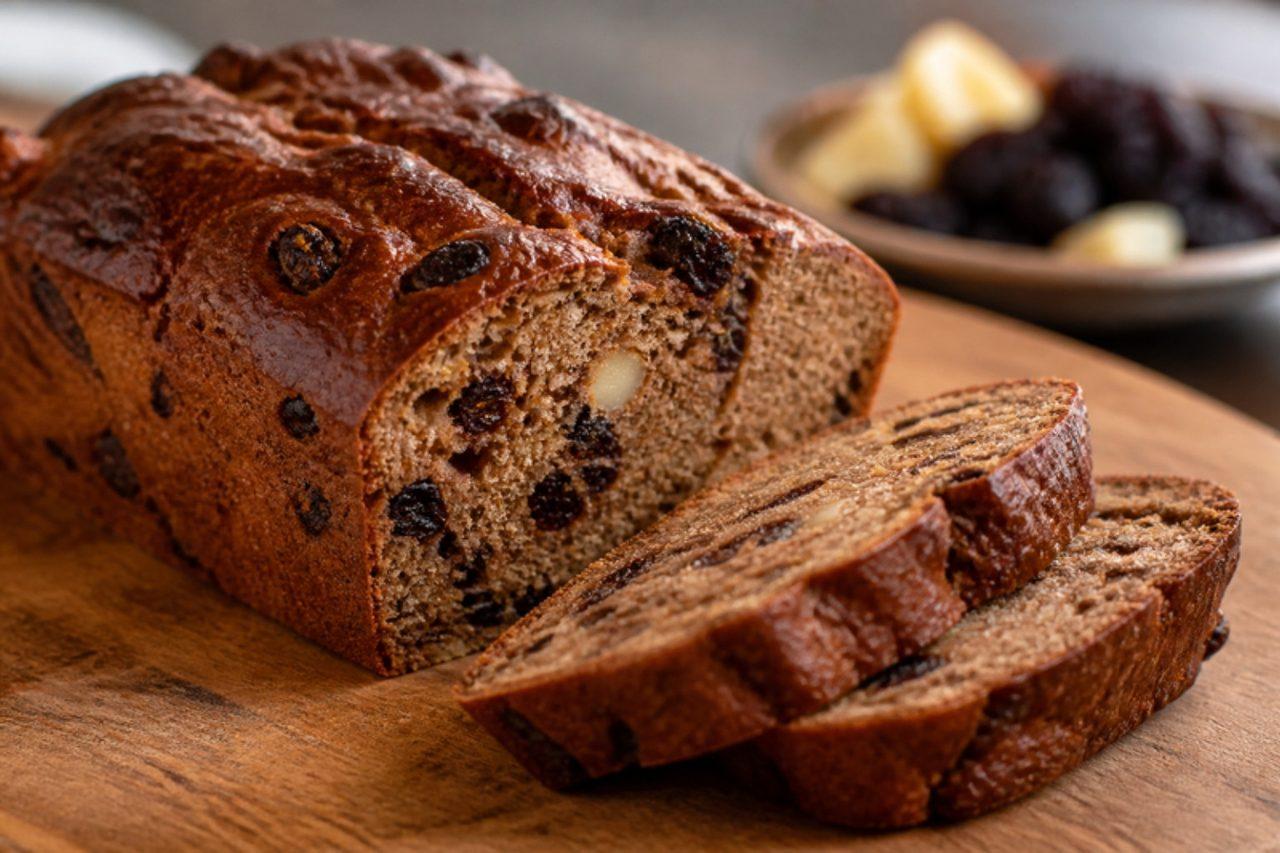
On Costa Rica's Caribbean coast, the Afro-Caribbean families of Limón and Cahuita bake pan bon for Easter, Christmas and any big gathering, a recipe brought by Jamaican railway workers in the late 1800s. The loaf is dark and fragrant with molasses and burnt-sugar syrup, studded with raisins, candied peel and little cubes of salty cheese that melt into pockets. It is sliced thick and eaten with coffee. Dense, heavy loaves usually come from adding the fruit and cheese too early; knead them in only after the dough is smooth. Hard cheese is often made with animal rennet, so pick a vegetarian one if needed. Chef's tip: brush the warm loaf with the burnt-sugar syrup straight from the oven for its signature sticky, shining crust.

by KrazyBadal 0 views

CafungaBanana coconut cake in leaves

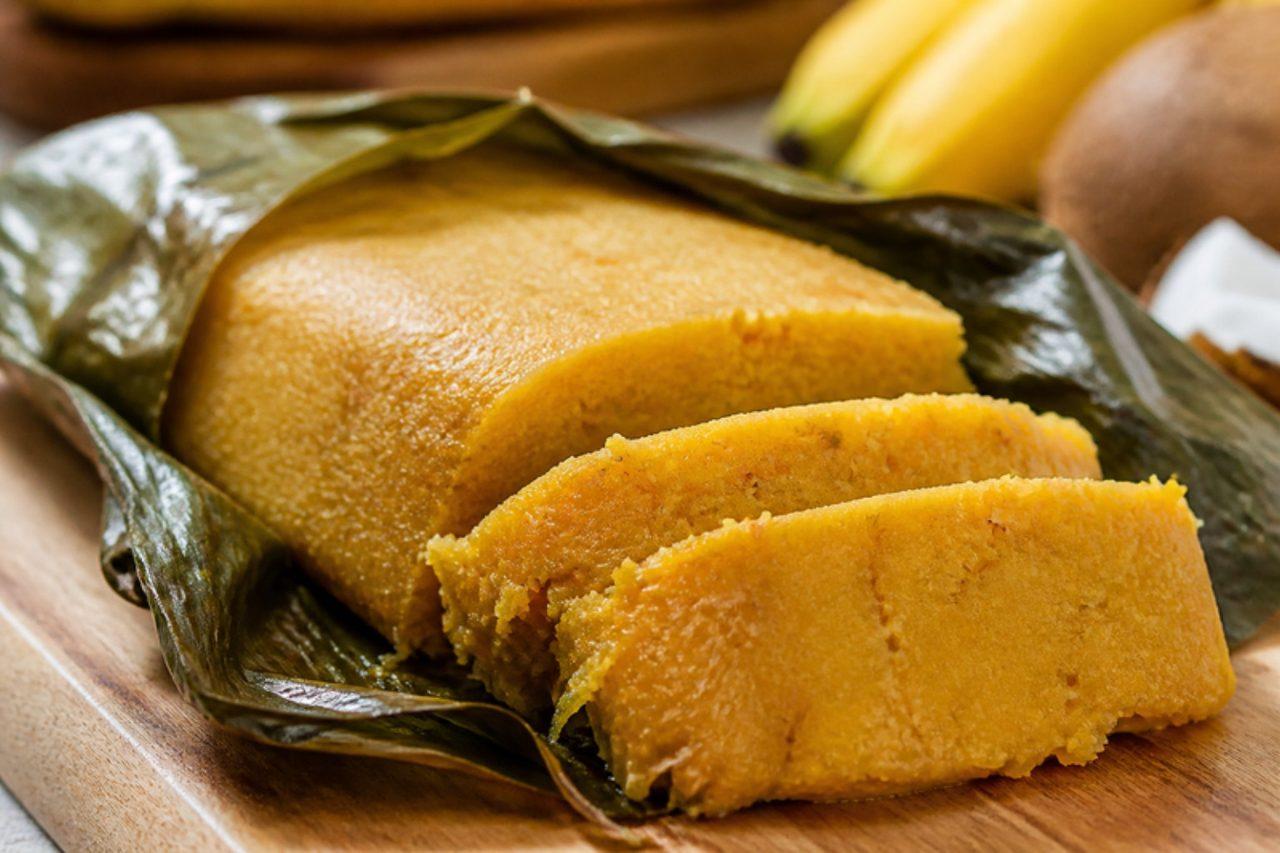
Cafunga belongs to Venezuela's eastern coast, in Sucre and the Afro-Venezuelan villages of Barlovento, where ripe bananas, coconut and panela are wrapped in banana leaves and baked until fragrant. It comes out dense and moist, somewhere between a pudding and a cake, and is sold in its leaf at fiestas and village markets. The common mistake is not softening the leaves first, so they crack and leak. Chef's tip: pass each leaf over a gas flame or dip it in boiling water until it turns glossy and pliable.

by KrazyBadal 0 views

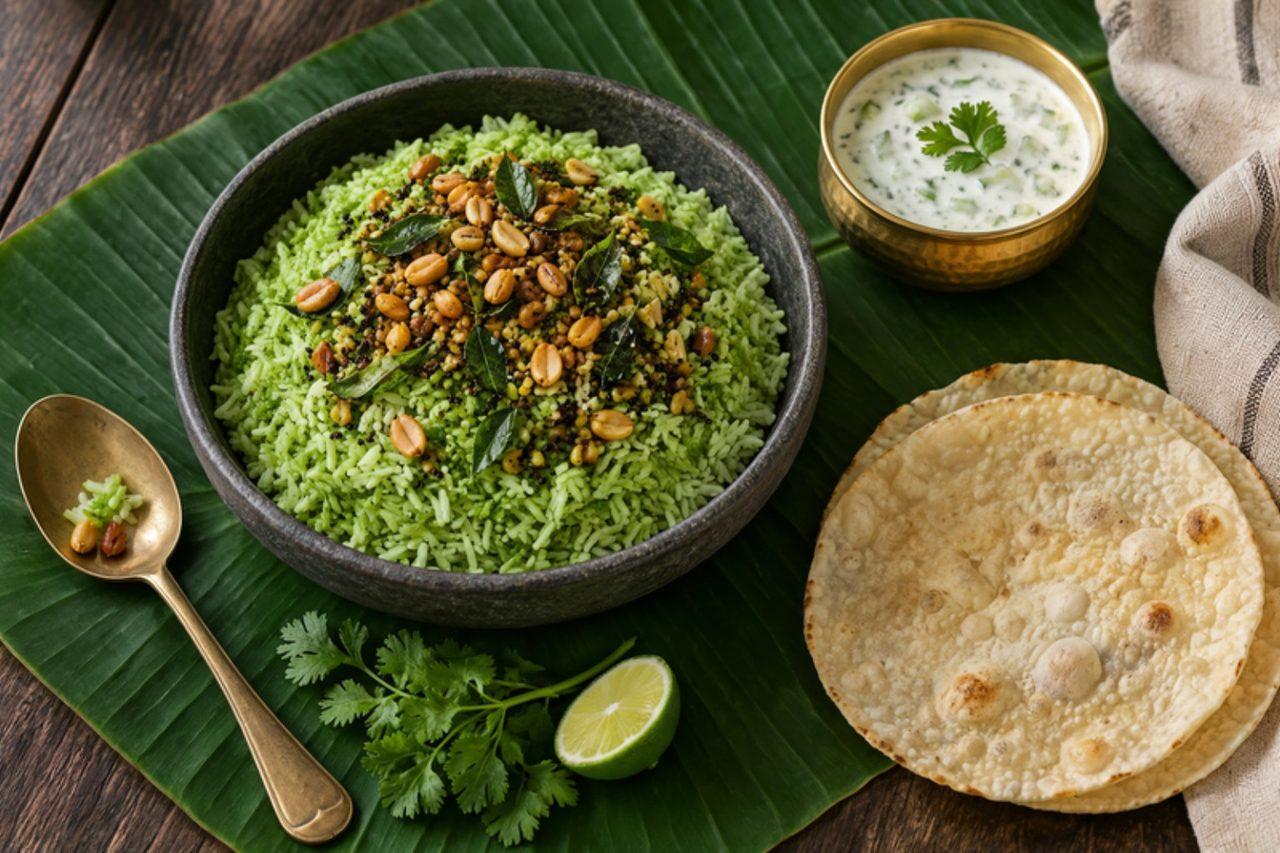
Verkadalai sadam (peanut rice)

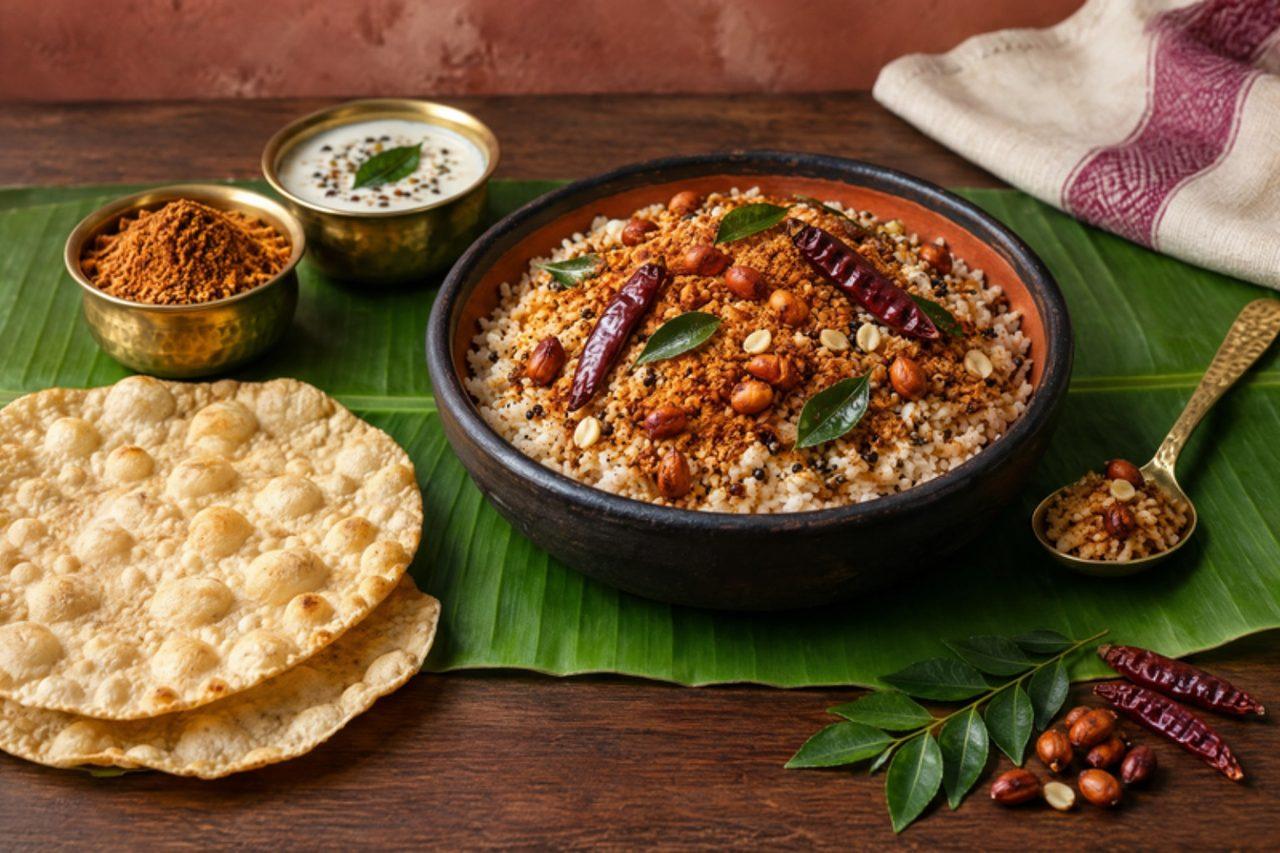
Peanut rice is the filling variety rice that Tamil and Kannada parents send when the school day ends with games: roasted peanuts, dry coconut, sesame and red chillies are ground into a coarse powder and tossed through rice in a curry leaf tempering. It tastes a little like a savoury peanut brittle, and it stays good at room temperature for hours. The mistake is grinding the peanuts too long; they turn into peanut butter and the rice clumps. Pulse in short bursts and stop while it is still sandy. Chef's tip: keep a few whole roasted peanuts aside and add them at the end for crunch.

by KrazyBadal 0 views

Dousha bao (red bean buns)

All over China, from Beijing breakfast stalls to Shanghai school bags, dousha bao are the sweet buns people grab in the morning and tuck into a lunch box for later: fluffy white yeasted dough wrapped around smooth red bean paste and steamed until springy. They freeze beautifully, so families make a big batch on Sunday. The mistake is opening the steamer lid as soon as the timer goes; the sudden cold makes the buns wrinkle and collapse. Turn off the heat and wait five minutes before lifting the lid. Chef's tip: chill the bean paste and roll it into balls before wrapping; a firm filling is much easier to seal neatly.

by KrazyBadal 0 views

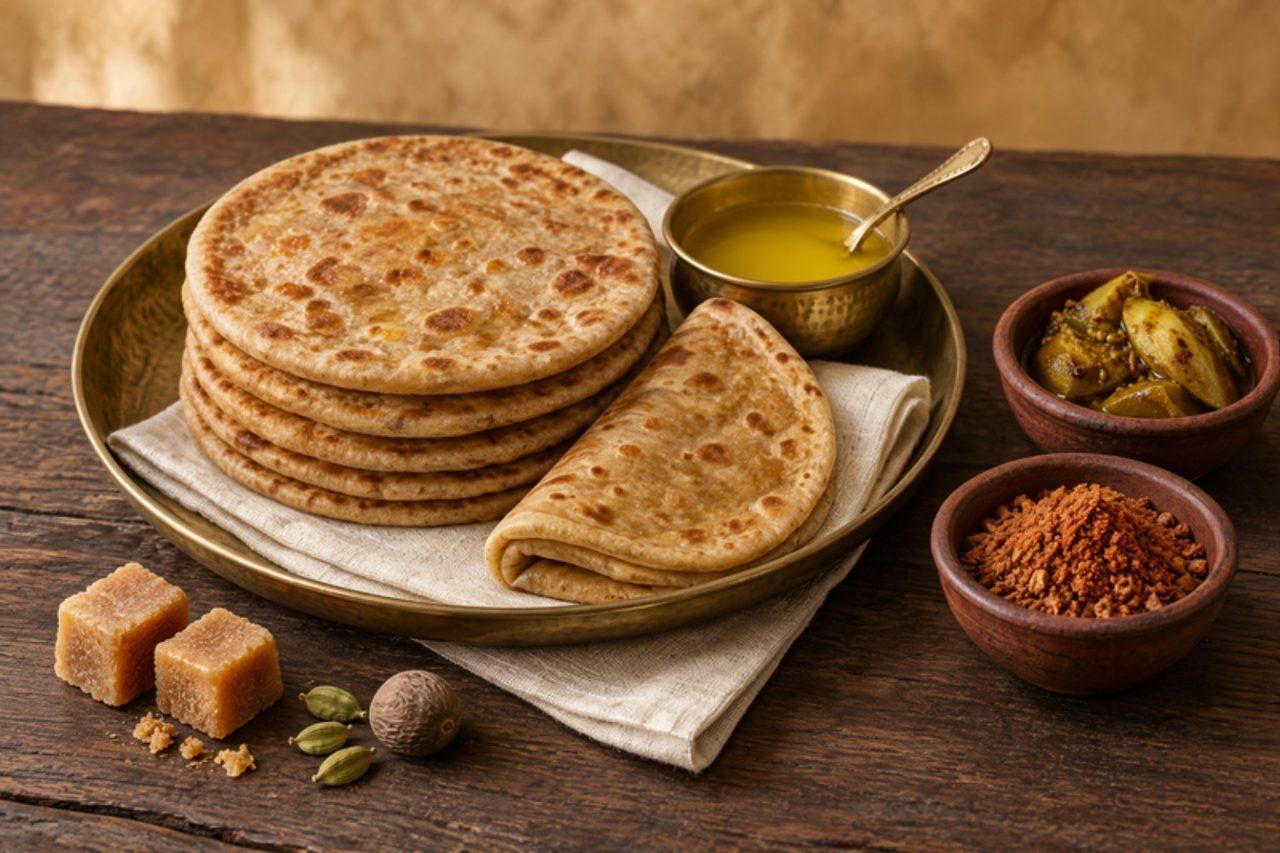
DashmiMilk and jaggery flatbread

Dashmi is the bread Maharashtrian mothers make for pilgrimages, school trips and the first days of a long journey: wholewheat dough kneaded with warm milk instead of water and sweetened with jaggery, cooked on a tawa until soft and spotted. Milk and ghee keep it tender for two or three days without a fridge in cool weather, and children eat it plain or with pickle. The common mistake is rolling it too thin and cooking it on a fierce tawa, which makes it crisp like a khakhra; it should stay soft and pliable. Chef's tip: stack the dashmis in a cloth as they come off the tawa, so the trapped steam softens them further.

by KrazyBadal 0 views

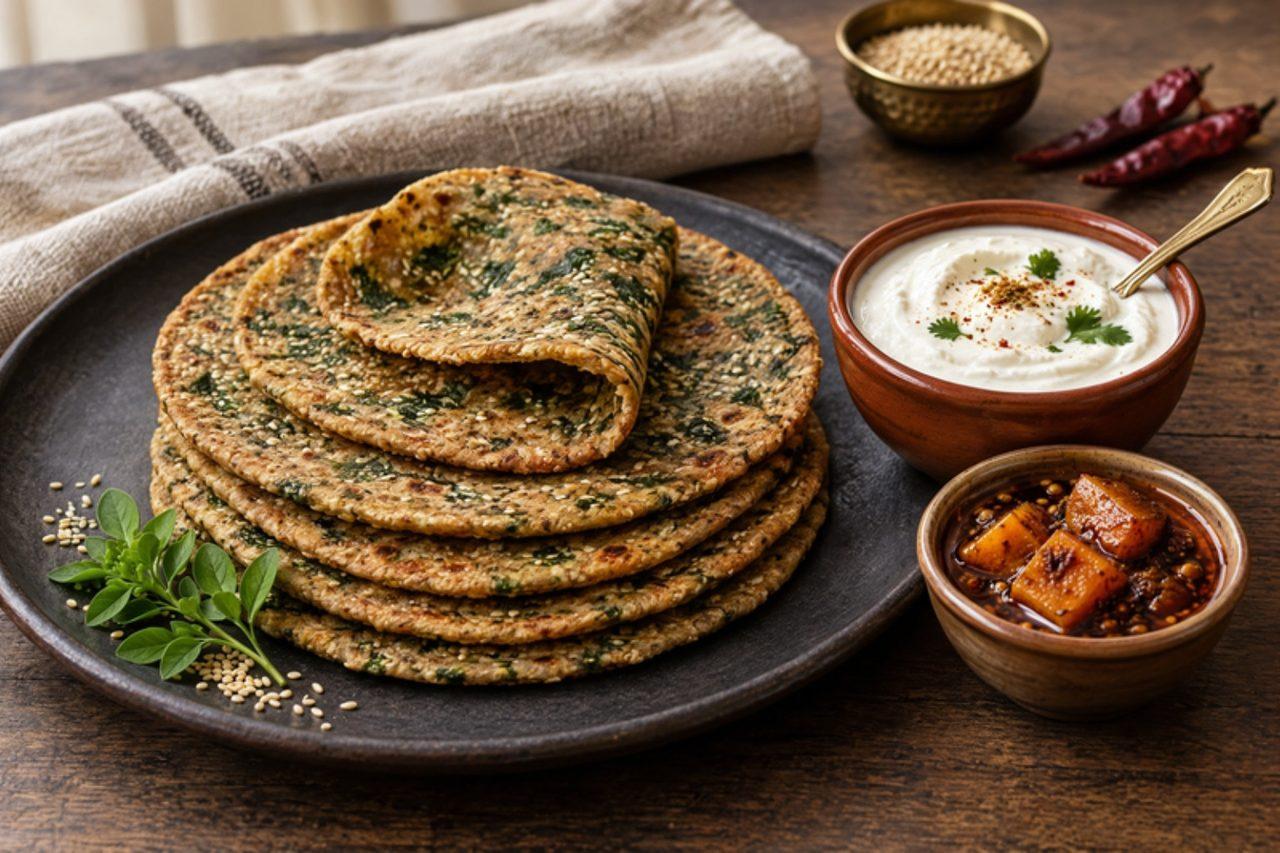
DhebraPearl millet flatbreads

Gujarati families pack a stack of dhebra for every train journey, picnic and tiffin box, because the yogurt and oil in the dough keep these spicy millet and fenugreek flatbreads soft for two or three days. They are thicker than a thepla and earthy from the bajra, and they are eaten with pickle, chhundo or a cup of tea. The common mistake is adding too much water at once: the yogurt and fenugreek release moisture as you knead, and a slack dough sticks and tears. Chef's tip: pat them out on a damp cloth or between two sheets of plastic rather than rolling, the way Gujarati kitchens do, so the delicate millet dough does not crack.

by KrazyBadal 0 views

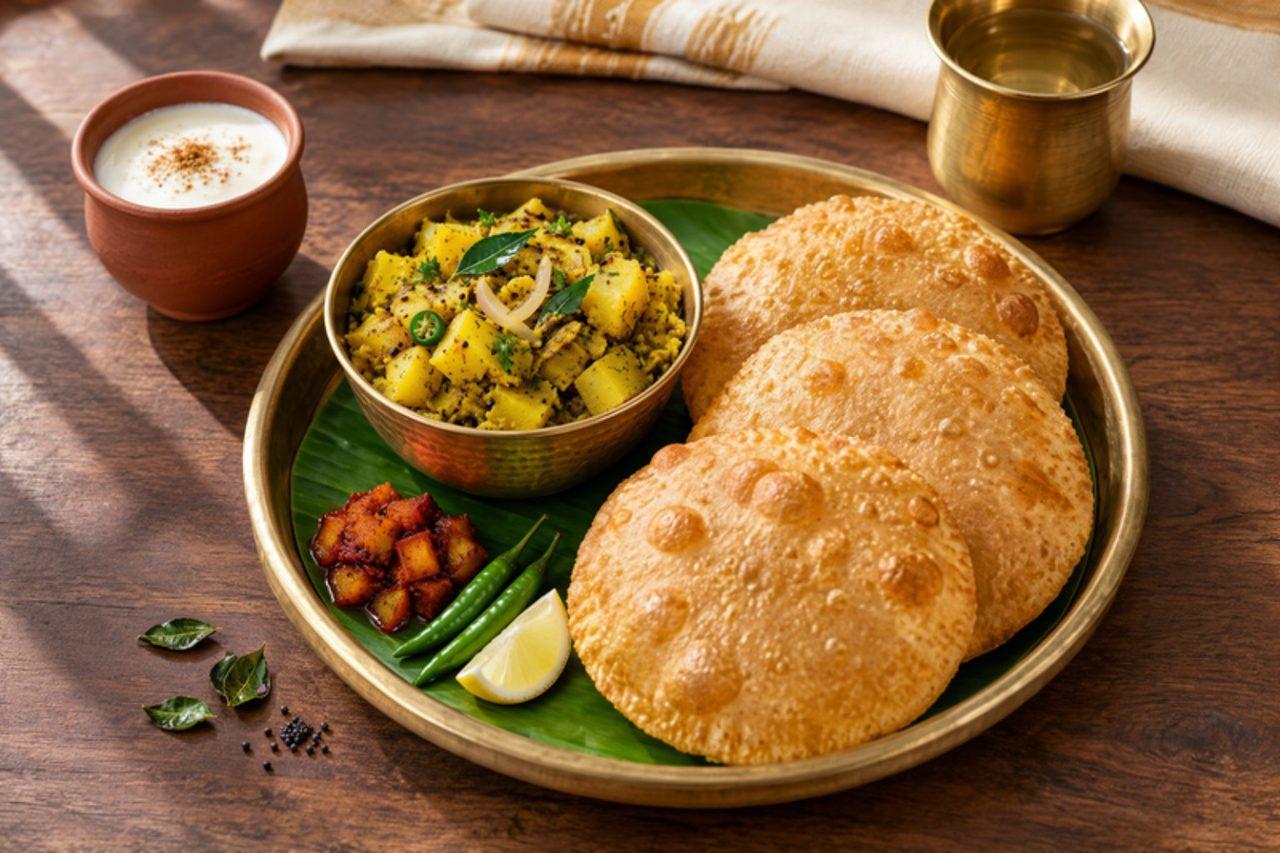
Puri bhajiPuffed bread with potato curry

In Mumbai, Pune and across Gujarat, puri bhaji is what goes into the steel dabba on exam days and into the bag for a long train ride: small puffed puris and a dry, sunny-yellow potato bhaji spiked with mustard seeds, green chilli and curry leaves. Because the bhaji is dry, it never soaks the puris, and both taste good at room temperature by lunchtime. The common mistake is a soft dough, which drinks oil and gives flat, greasy puris; knead it stiff, like a firm chapati dough. Chef's tip: mash only a third of the potatoes and leave the rest in rough chunks, so the bhaji clings together in the box without turning to paste.

by KrazyBadal 0 views

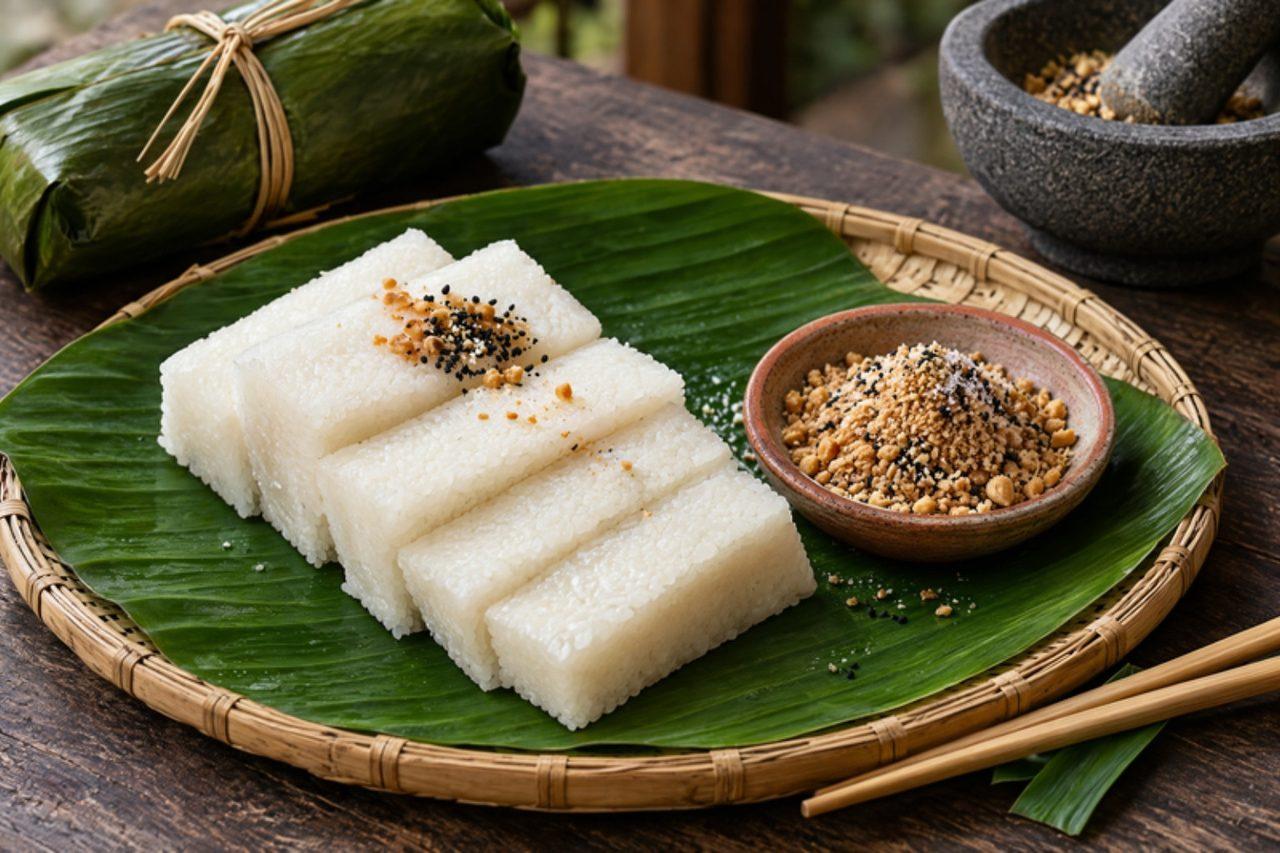
Cơm nắm muối vừngRice blocks with sesame salt

Before trains, buses and school trips, families in northern Vietnam press warm rice into firm, dense blocks and wrap them in banana leaf or paper with a twist of muối vừng, toasted sesame and peanut salt, for dipping. It is humble, filling and keeps its shape for a whole day's journey. Peanuts and sesame are both allergens. The common mistake is using cold or loose rice, which will not stick; it must be pressed hot. Chef's tip: mix a handful of sticky rice into ordinary jasmine rice before cooking, and the blocks hold together firmly without being gluey.

by KrazyBadal 0 views

Wakame gohanWakame rice

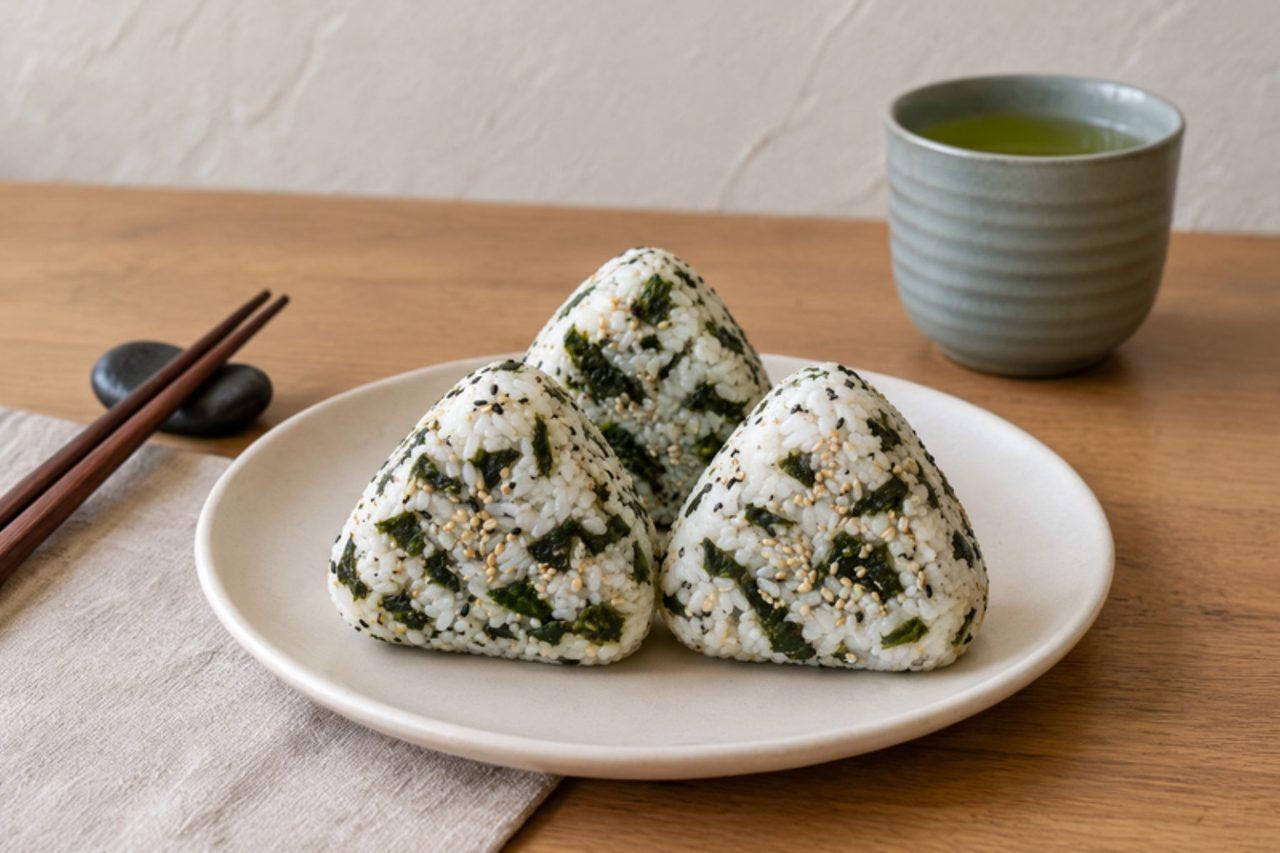
Wakame gohan is the green-flecked rice that turns up in Japanese school lunches and convenience-store onigiri: plain rice mixed with salted, toasted wakame flakes and sesame. At home you make your own seasoning in five minutes from a pack of dried cut wakame. The common mistake is soaking the wakame first, which gives slimy rice; it should go in dry and crisp so it softens only with the rice's steam. Chef's tip: shape onigiri with wet, salted hands while the rice is hot, then cool them fast on a plate before wrapping for the lunchbox.

by KrazyBadal 0 views

Showing 24 of 3,470 recipes

Show more recipes

Page 52 of 145

More No onion & garlic ideas

Other diets