
Skip to content
WhatToEat.Today

No onion, no garlic recipes (Swaminarayan and sattvic)

3,480

3480 vegetarian recipes cooked without onion or garlic, as in Swaminarayan and sattvic kitchens, with no meat, fish, eggs or alcohol. Each has photos, step-by-step instructions and cook times. The quickest, Apfelschorle, takes 2 minutes. Most take around 45 minutes.

Filter these by time, diet or cuisine · Make No onion & garlic your diet to see only these recipes everywhere on the site.

Carato de maízChilled corn drink

Out on the hot plains of the Llanos, a jug of carato is kept cold for the afternoon: white corn cooked until soft, blended with its water, strained and sweetened with panela, cinnamon and clove. It is thick, creamy and filling enough to be a snack in a glass. Keep it in the fridge, because left out it starts to ferment. The common mistake is skipping the straining, which leaves it gritty. Chef's tip: strain through a fine sieve and then once more through a clean cloth for the silkiest drink.

by KrazyBadal 0 views

GodrogodroCoconut rice flour sweet

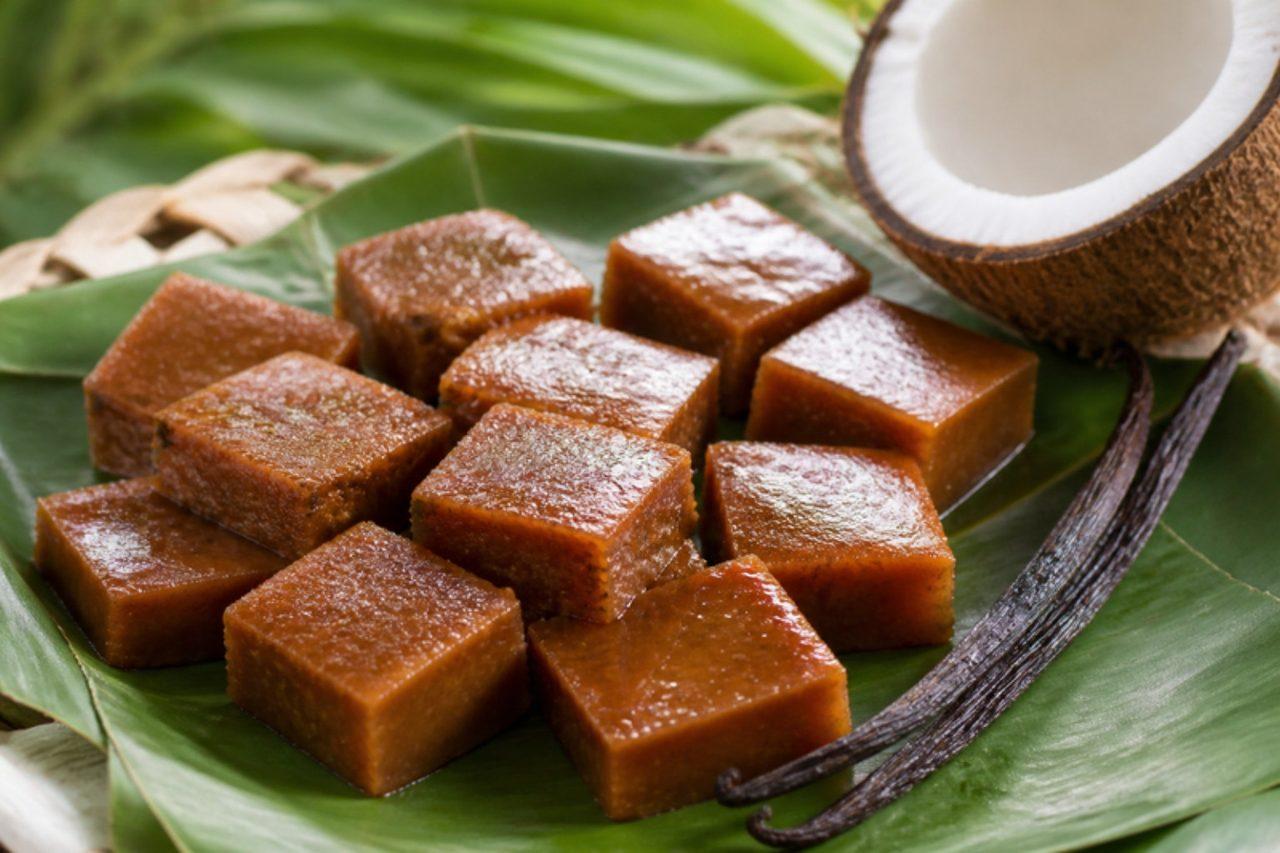
Along the northern coast around Antsiranana, and down to Mahajanga, godrogodro is a festival and family-celebration sweet, cut into diamonds and passed round at weddings, circumcision ceremonies and the New Year. Coconut milk, rice flour and dark sugar are stirred for the best part of an hour until the mixture thickens, darkens and pulls away from the pan, then it sets into a dense, sliceable fudge-like block, fragrant with vanilla and cardamom. It is rich, so small squares with a cup of tea are plenty. Stopping too early is the mistake to avoid: undercooked godrogodro stays sticky and pale and will not hold a clean edge. Chef's tip: use a heavy, non-stick pan and a flat wooden spatula that scrapes the whole base, and keep stirring as it thickens, as the bottom scorches easily.

by KrazyBadal 0 views

MerkénSmoked chilli seasoning

Merkén comes from the Mapuche kitchens of Araucanía: cacho de cabra chillies are dried, smoked over a wood fire, then ground with toasted coriander seed and salt into a brick-red powder that is smoky, warm and lightly hot. In Temuco and across the south it is shaken over potatoes, eggs, sopaipillas, grilled fish and soups. Outside Chile, use dried smoked red chillies, or plain dried red chillies plus smoked paprika. The mistake to avoid is scorching the chillies in the pan: if they blacken, the whole jar is bitter. Chef's tip: grind it a little coarse, as it is sold in Temuco's market, so the coriander seeds stay noticeable.

by KrazyBadal 0 views

OmajowaButter-fried mushrooms

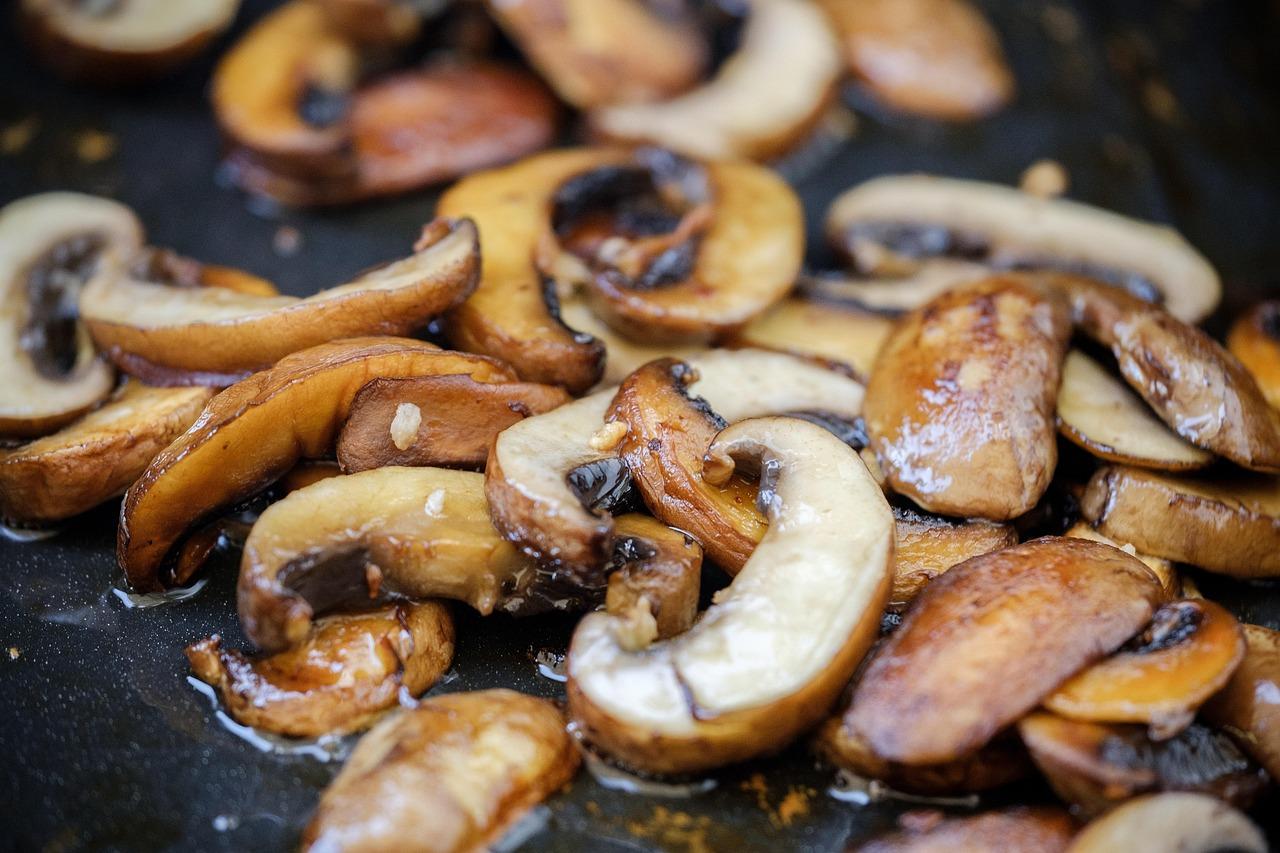
For a few weeks after good summer rains, people sell enormous omajowa caps by the roadside between Okahandja and Otjiwarongo, each one pushed up through the side of a termite mound, and families fry them that evening in butter with nothing more than salt and pepper. They are meaty and firm with a nutty, almost chicken-like richness. Never forage for them or any wild mushroom: here we use shop-bought king oyster and portobello mushrooms, which take the same treatment very well. Pile them onto toast, serve beside pap or eat them straight from the pan. The classic error is crowding the pan, which stews the mushrooms in their own water instead of browning them. Butter is used here, so it is vegetarian but not vegan. Chef's tip: press the slices down with a spatula for the first minute so they sear golden before you season them.

by KrazyBadal 0 views

Bunelos agaBanana fritters

Bunelos aga are the banana fritters of Guam, sold at fiesta food tables and church fundraisers in Hagåtña and made at home whenever the bananas over-ripen. Mashed sweet bananas are mixed into a soft batter, fried in spoonfuls and rolled in sugar, so they're crisp outside and custardy within. A common mistake is frying at too low a temperature, which makes them greasy. Chef's tip: use the small, sweet local bananas or the ripest regular ones you can find.

by KrazyBadal 0 views

Pane toscanoUnsalted Tuscan bread

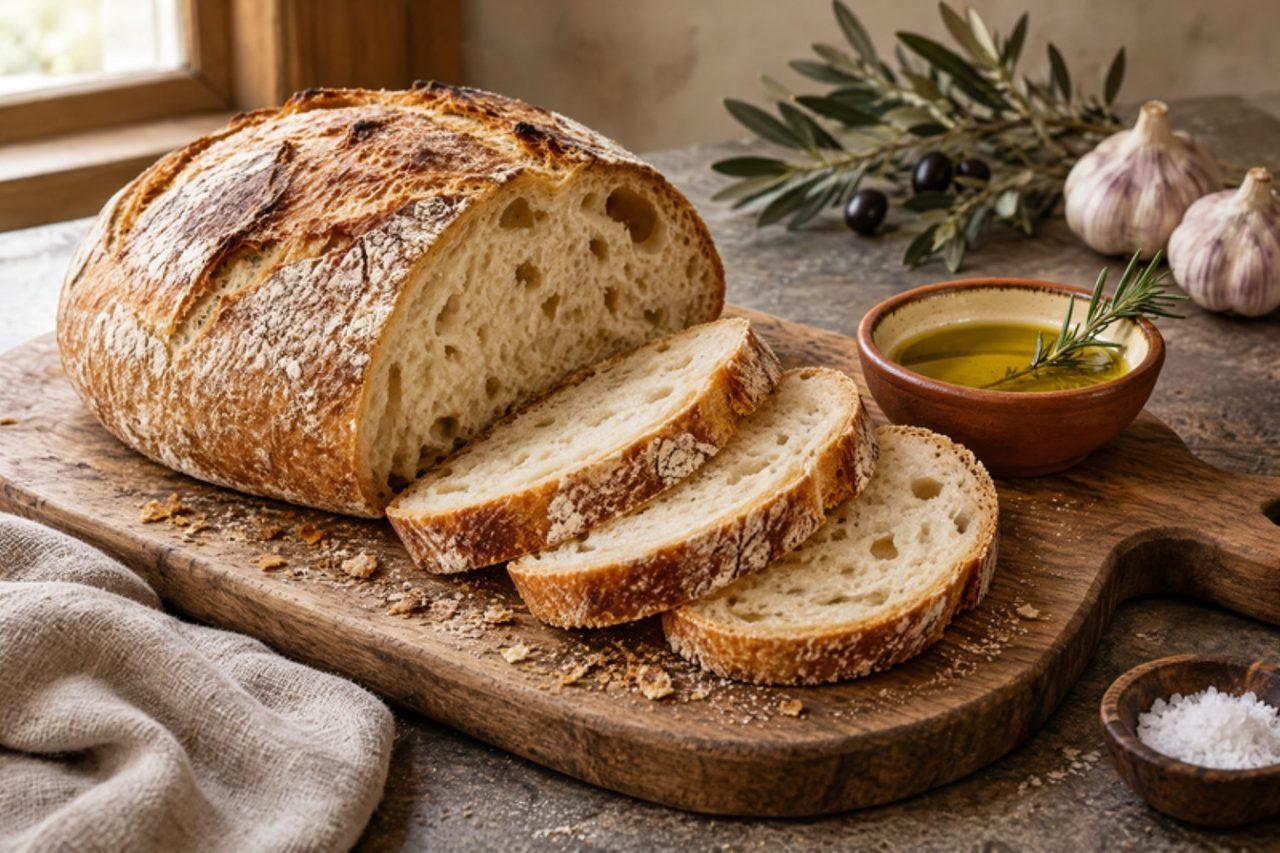
Pane toscano, called pane sciocco ('foolish' or 'bland' bread) in Florence and Siena, is the saltless loaf that Tuscans have eaten for centuries; legend blames a medieval salt tax. It has a thick, crackly crust and an open, chewy crumb, and it is made to be eaten with salty prosciutto, pecorino and ribollita, or soaked in panzanella and pappa al pomodoro. There is no salt in the dough: about 0.0 g salt per slice. The usual mistake is under-proving: without salt the dough rises fast, and with too little rest it tastes floury; a starter and a slow rise give it flavour. Chef's tip: bake with steam (a tray of boiling water in the oven) for the first 15 minutes, which is what gives the crust its proper Tuscan crunch.

by KrazyBadal 0 views

Neer mor (spiced buttermilk)

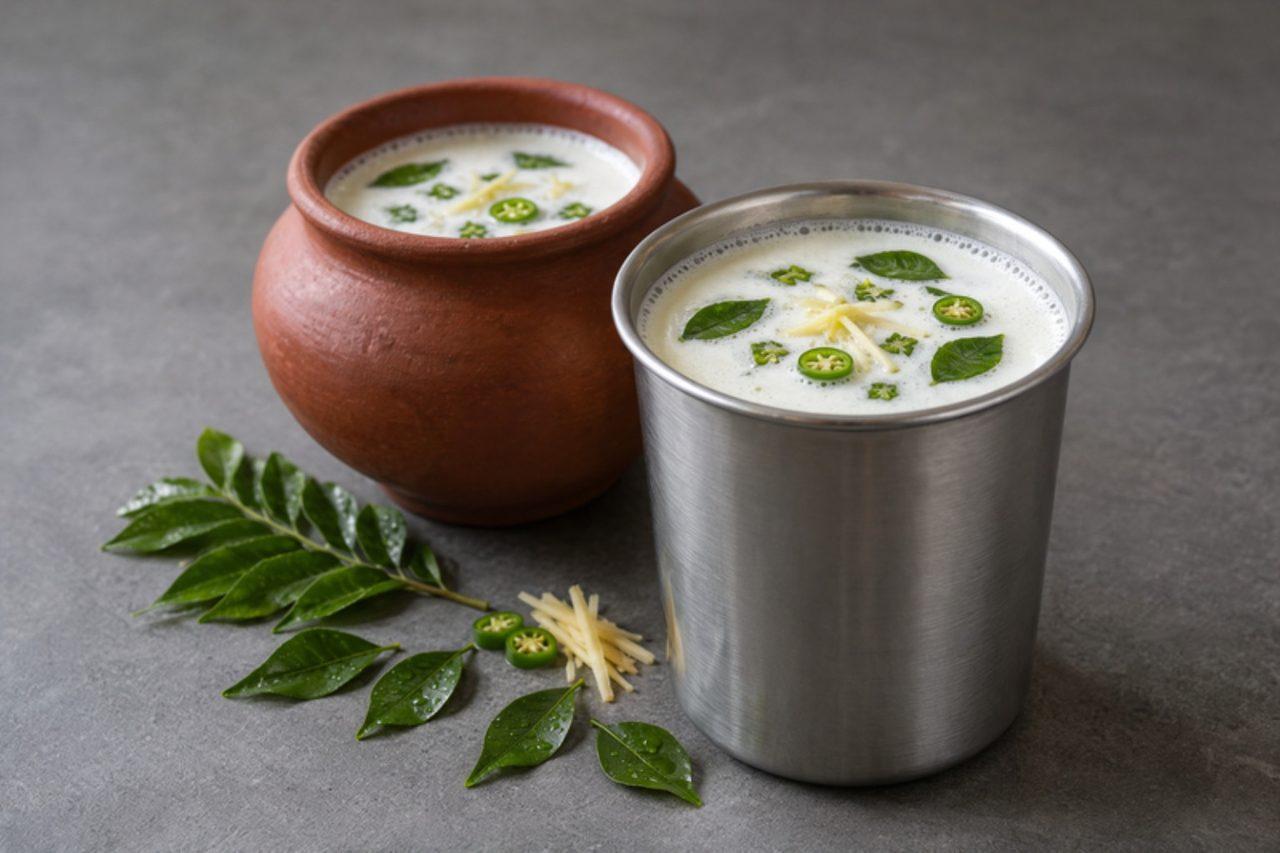
From April to June, when Chennai and Madurai bake at forty degrees, temples, shops and political parties set up 'thaneer pandhal' sheds by the roadside, offering free neer mor to every passer-by from great clay pots. At home it comes after a rice meal of sambar and rasam, or in the middle of the afternoon. The curd is churned and thinned with water until barely white, then seasoned with green chilli, ginger, curry leaves, coriander and a pinch of asafoetida, sometimes finished with a tempering of mustard seeds. It should be very thin, salty, tangy and herby, with a little chilli heat and a lingering savoury scent. The common mistake is using too little water: it then drinks like a heavy lassi rather than a thirst-quencher. Aim for about one part curd to four parts water. It is ready when the buttermilk is smooth, cold and pale green-flecked, and smells of curry leaf. It keeps a day in the fridge. Chef's tip: crush the ginger, chilli and curry leaves rather than chopping them; bruising releases far more flavour into the thin liquid.

by KrazyBadal 0 views

Mupunga unedoviPeanut butter rice

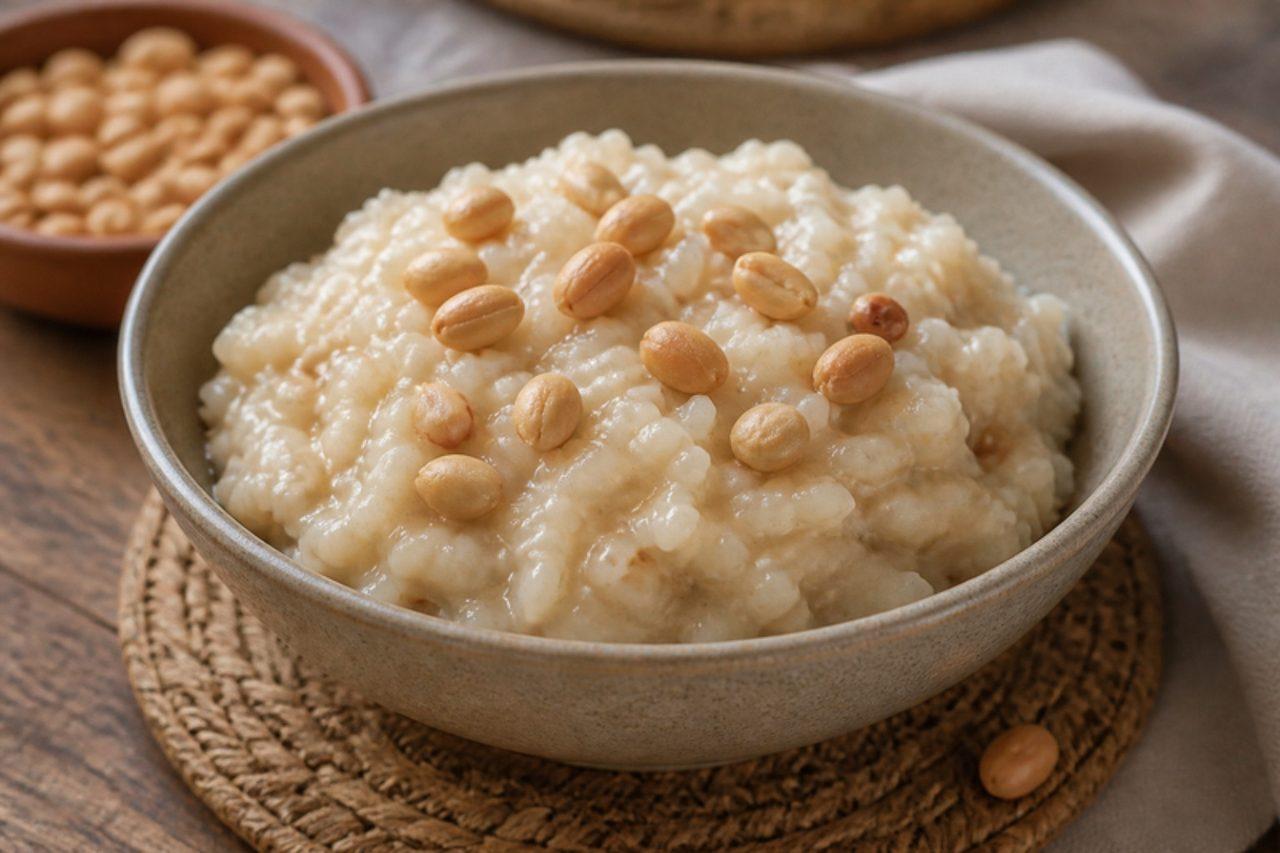
Ask someone who grew up in Masvingo or a Harare township about Sunday rice and many will describe mupunga unedovi: white rice cooked a little past fluffy, then beaten with dovi, the peanut butter that sits in every Zimbabwean kitchen. The grains turn creamy and almost risotto-like, savoury and nutty with a whisper of salt, and it is what a grandmother makes when there is no meat in the house. Eat it from a bowl on its own, or spoon it beside a tomato and onion relish, covo greens or a pot of sugar beans. The usual mistake is adding the peanut butter while the rice is still boiling hard, so it catches on the base of the pot and tastes scorched. Chef's tip: loosen the peanut butter with a ladle of the hot rice water first, so it melts into the grains instead of sitting in lumps.

by KrazyBadal 0 views

ChochocaPotato flatbread

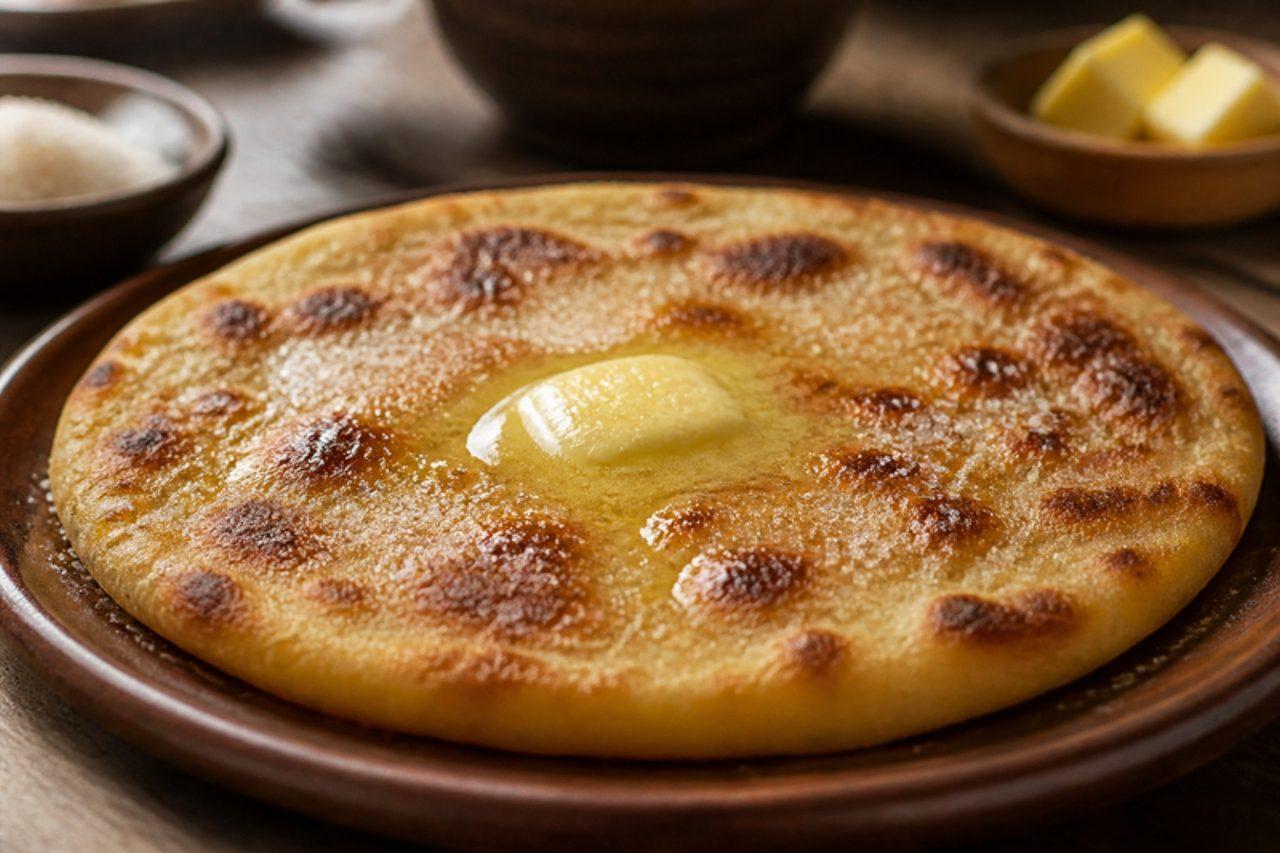
On Chiloé, chochoca is a feast-day sight: potato dough wrapped round a thick wooden pole and turned slowly in front of the fire until it browns, then sliced off, filled and rolled up. Islanders often fill it with pork crackling; this vegetarian version uses butter and sugar, or cheese. Without a fire pit, roll the dough into thin rounds and cook them on a hot griddle, which gives the same chewy, toasty bread. The usual mistake is a wet dough: squeeze the grated potato really dry or the sheets tear. Chef's tip: if you have a barbecue, wrap the dough round a foil-covered rolling pin or thick metal pipe and turn it over glowing coals for the true smoky crust.

by KrazyBadal 0 views

MaputiPopped maize

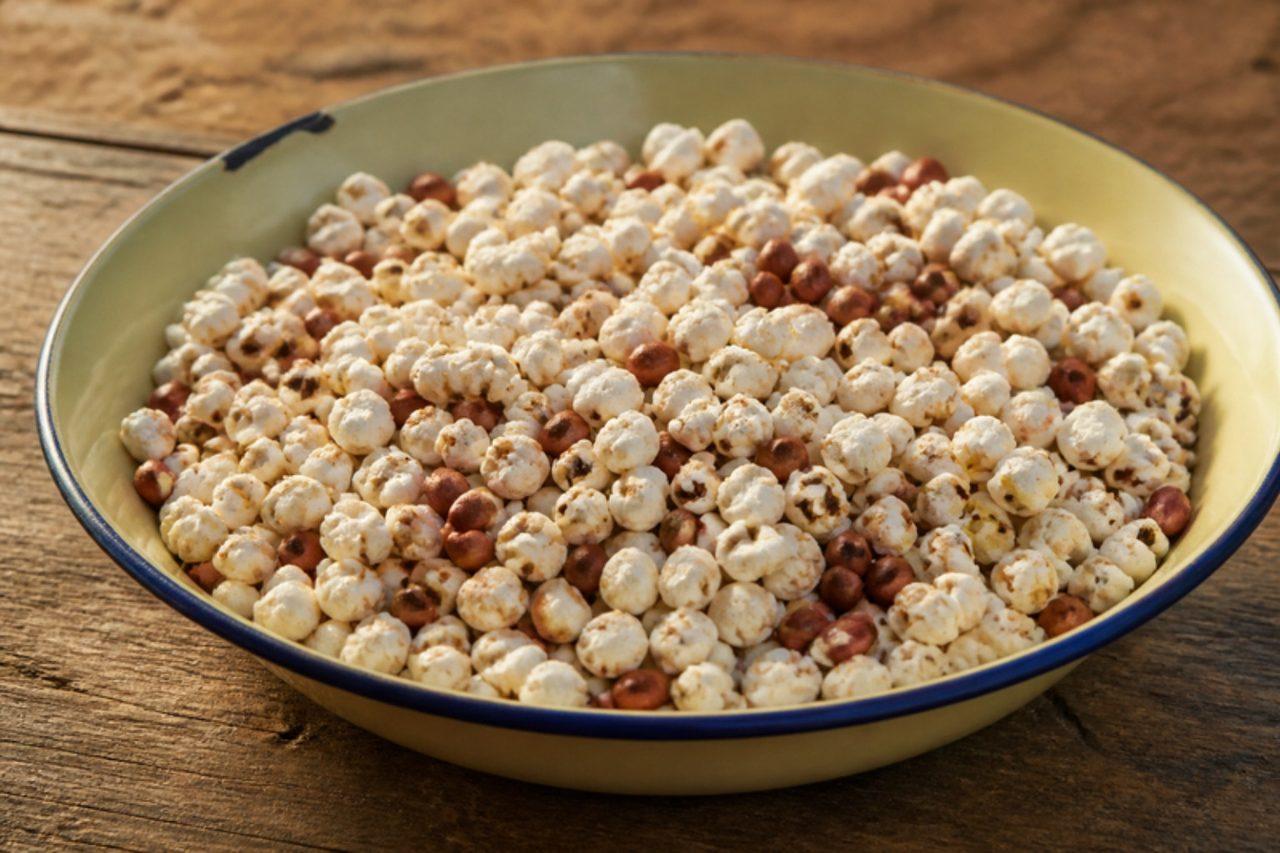
Sold by the cupful from enamel basins at Mbare bus terminus and passed around at rural beer-hall gatherings and funerals alike, maputi is maize popped in a dry, lidded pot until the kernels split into white, crunchy clouds. It tastes plainer and more of corn than cinema popcorn, with just salt and sometimes a few roasted peanuts tossed through. Children carry pockets of it to school; adults eat it with a mug of sweet tea in the afternoon. Abroad, popping corn gives the most reliable result; dried field maize from African grocers pops less, with more half-open kernels, which some people prefer. The mistake to avoid is lifting the lid while the kernels are still popping, which lets the heat escape and leaves a pot of hard duds. Chef's tip: shake the pot constantly over the flame so no kernel sits on the hot base long enough to burn.

by KrazyBadal 0 views

Val valMixed vegetables in coconut gravy

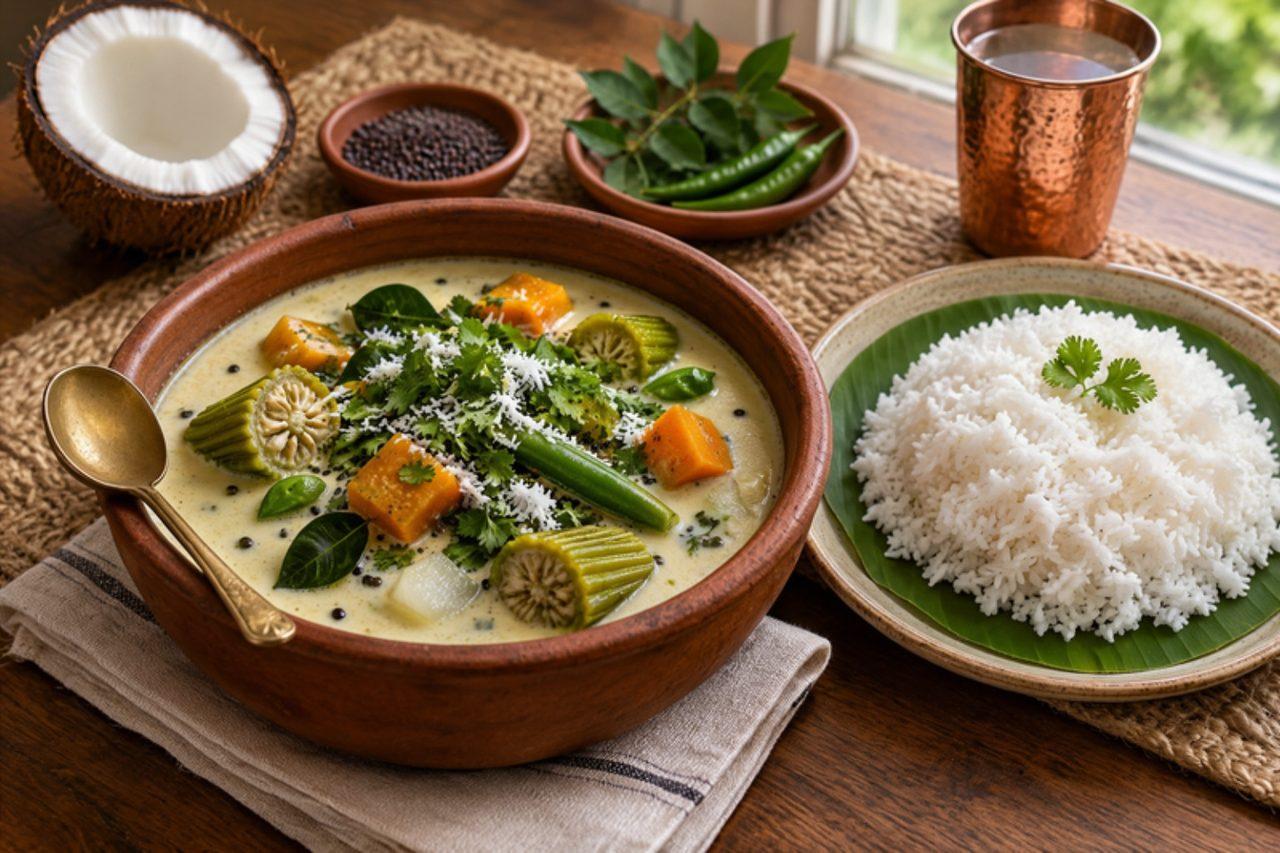
Val val is a gentle Goan Saraswat stew of mixed vegetables in coconut milk, cooked for festive meals at Ganesh Chaturthi, weddings and temple feasts in Ponda and Margao, where it balances hot curries and fried fish-free starters on the plate. Drumsticks, pumpkin, green beans and potato cook in thin coconut milk with green chilli and cumin, then thick coconut milk is stirred in at the end for a creamy, pale, mildly sweet sauce. Eat it with rice, or with puris for a feast. The usual mistake is boiling it after the thick coconut milk goes in, which splits it into oily curds. Chef's tip: grind the cumin with the green chillies and a spoon of coconut milk; it gives a fresh warmth without colouring the white sauce.

by KrazyBadal 0 views

Dousha bao (red bean buns)

All over China, from Beijing breakfast stalls to Shanghai school bags, dousha bao are the sweet buns people grab in the morning and tuck into a lunch box for later: fluffy white yeasted dough wrapped around smooth red bean paste and steamed until springy. They freeze beautifully, so families make a big batch on Sunday. The mistake is opening the steamer lid as soon as the timer goes; the sudden cold makes the buns wrinkle and collapse. Turn off the heat and wait five minutes before lifting the lid. Chef's tip: chill the bean paste and roll it into balls before wrapping; a firm filling is much easier to seal neatly.

by KrazyBadal 0 views

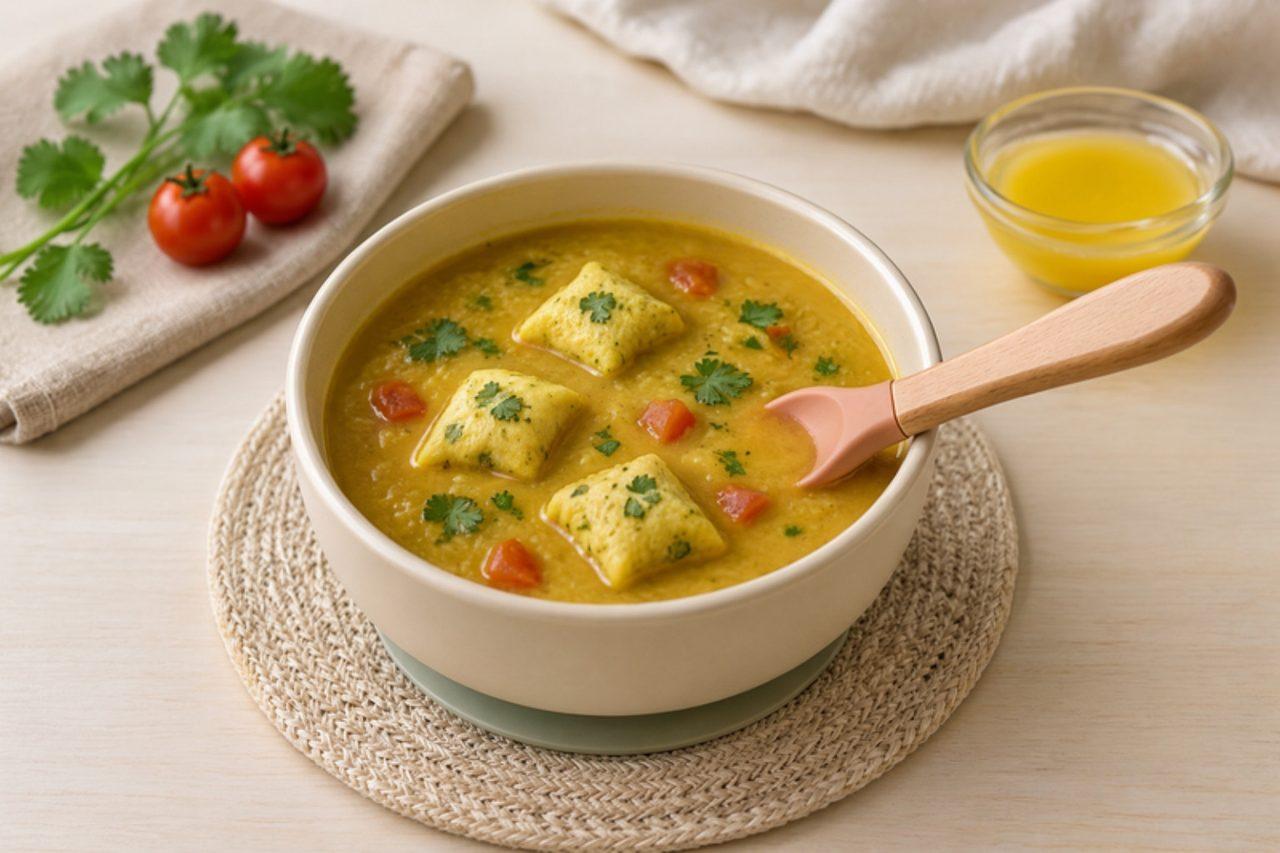
Dal dhokli for toddlersWheat dumplings in dal for toddlers

In Ahmedabad pols and Surat kitchens dal dhokli is the Sunday one-pot lunch: diamonds of spiced wheat dough cooked straight in tangy toor dal. This toddler version, for children from 12 months, keeps the soft pasta-like pieces small, leaves out the chilli, peanuts and cloves, and uses only a pinch of jaggery so the dal stays sweet-sour the way Gujarati families like it. It is cooked in oil, so it is dairy free and vegan. It contains wheat (gluten); there is no milk, egg, nuts or soya. Chef's tip: roll the dough thin, about 2 mm; thick dhokli stay chewy in the middle.

by KrazyBadal 0 views

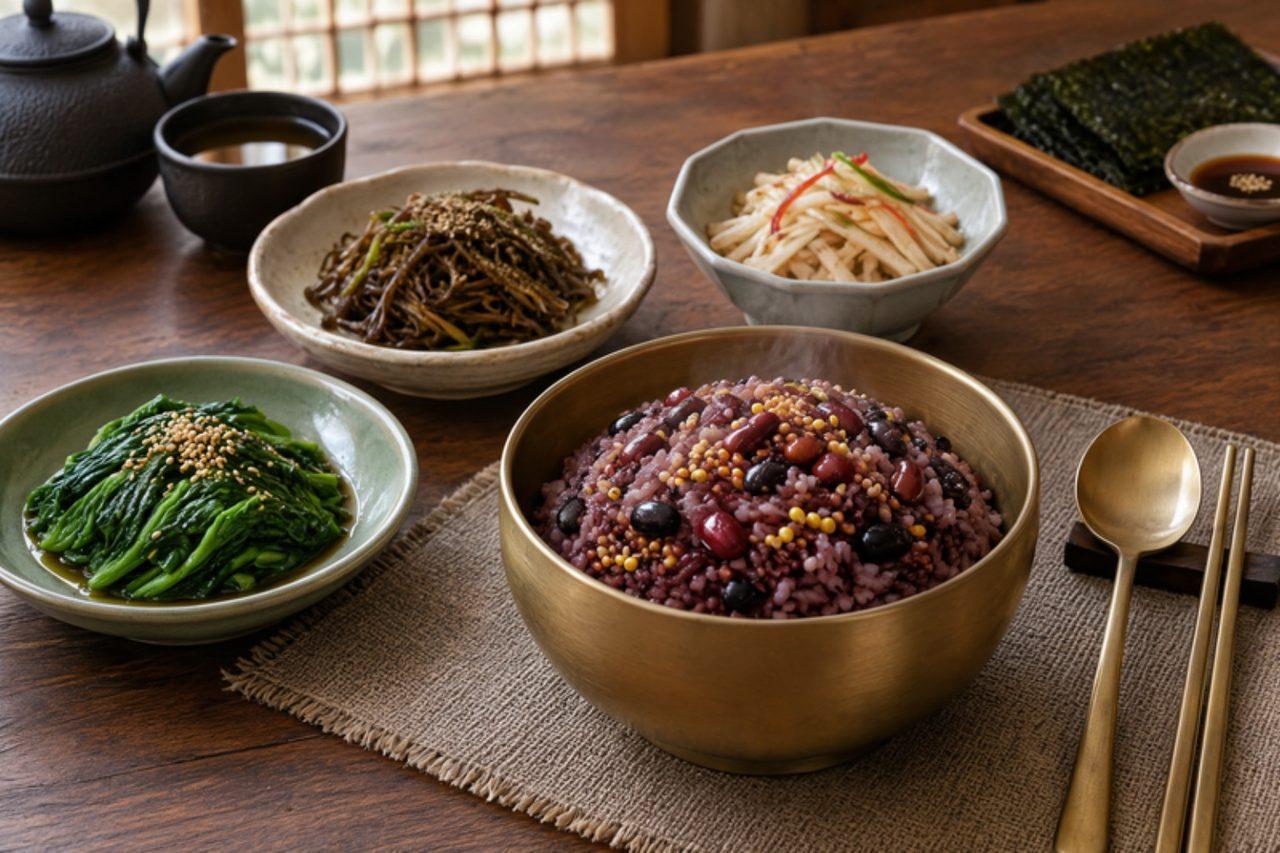
OgokbapFive-grain rice

Ogokbap is cooked across Korea for Jeongwol Daeboreum, the first full moon of the lunar year, when families share five-grain rice with nine kinds of dried namul and crack nuts to wish for good health. Sticky rice, millet, sorghum, black soybeans and adzuki beans cook together into a chewy, purple-tinged rice with a nutty, gently sweet flavour. It is good any time of year beside soup and banchan. The usual mistake is putting the adzuki beans in raw with the rice: they stay hard while the rice turns soft, so parboil them first. Chef's tip: keep a little of the adzuki cooking water for the rice, as it gives ogokbap its lovely rosy colour.

by KrazyBadal 0 views

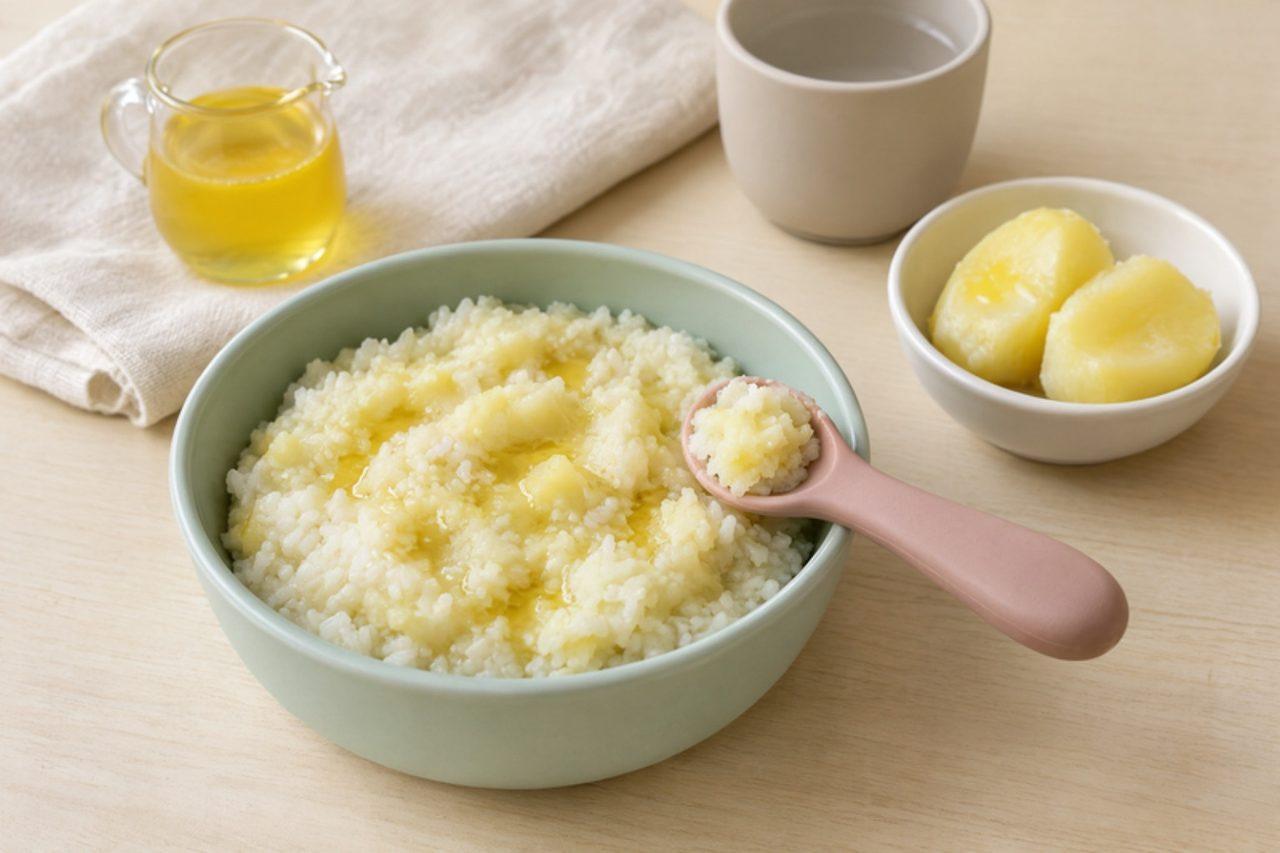
Aloo seddho bhaat for toddlersRice and potato mash for toddlers

In Kolkata homes, from north Kolkata's old paras to the flats of Salt Lake, aloo seddho bhaat is what you cook when someone is tired, ill or very small: a potato boiled right in the rice pot, mashed with hot rice. Grown-ups add raw mustard oil, green chilli and onion; for toddlers from 12 months it is mashed instead with a spoon of ghee, so it's soft, buttery and mild. Gobindobhog rice gives it a lovely fragrance. It contains milk (ghee); there is no gluten, egg, nuts or soya. Chef's tip: mash the potato and rice with a fork or your fingers, never a blender, or it turns gluey.

by KrazyBadal 0 views

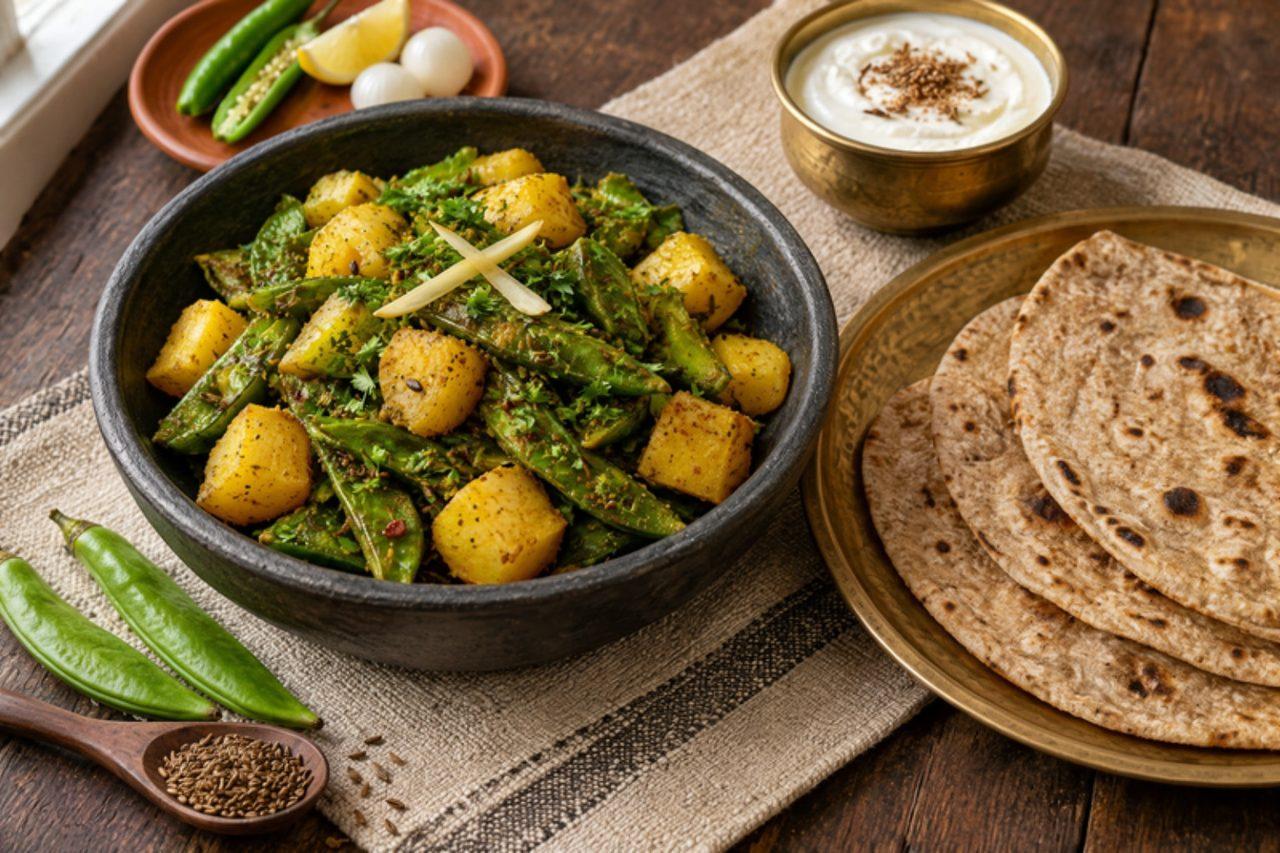
Sem ki sabzi (flat beans with potato)

When flat green sem pods fill the sabzi carts in Lucknow and Jaipur in winter, they go into this dry stir-fry with potato and a crackle of ajwain, the classic partner for paratha in an office dabba. The beans stay a little firm and sweet, the potato soaks up the spices, and nothing drips into the roti. The mistake is leaving the stringy edges on the pods; they never soften. Snap the tip and pull the string down each side before chopping. Chef's tip: cook covered for the first half to steam the beans tender, then uncover and turn up the heat so the potatoes catch and brown.

by KrazyBadal 0 views

Gobi matar (cauliflower and peas)

In Punjab and Uttar Pradesh, winter means cauliflower and fresh peas, and gobi matar is what fills countless school and office dabbas between November and February. It is cooked dry, so the florets brown a little at the edges, sweetened by the peas and sharpened by plenty of ginger. The mistake is cooking the cauliflower covered with water until it is soft and smells of cabbage; steam it briefly in its own moisture, then fry it uncovered. Chef's tip: cut the florets so they have one flat side; that face sits on the pan and browns while the rest steams tender.

by KrazyBadal 0 views

Verkadalai sadam (peanut rice)

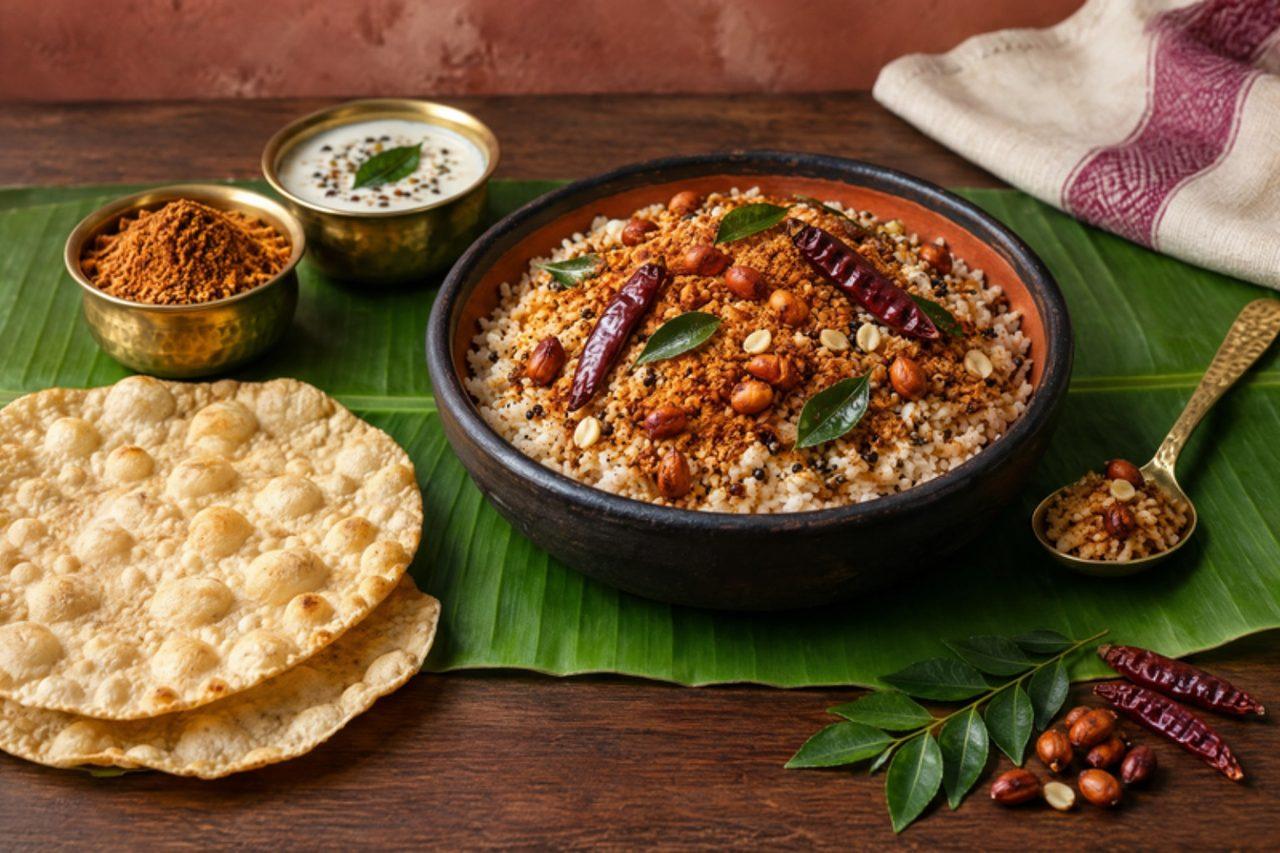
Peanut rice is the filling variety rice that Tamil and Kannada parents send when the school day ends with games: roasted peanuts, dry coconut, sesame and red chillies are ground into a coarse powder and tossed through rice in a curry leaf tempering. It tastes a little like a savoury peanut brittle, and it stays good at room temperature for hours. The mistake is grinding the peanuts too long; they turn into peanut butter and the rice clumps. Pulse in short bursts and stop while it is still sandy. Chef's tip: keep a few whole roasted peanuts aside and add them at the end for crunch.

by KrazyBadal 0 views

Aval kanji for babiesRice flake porridge for babies

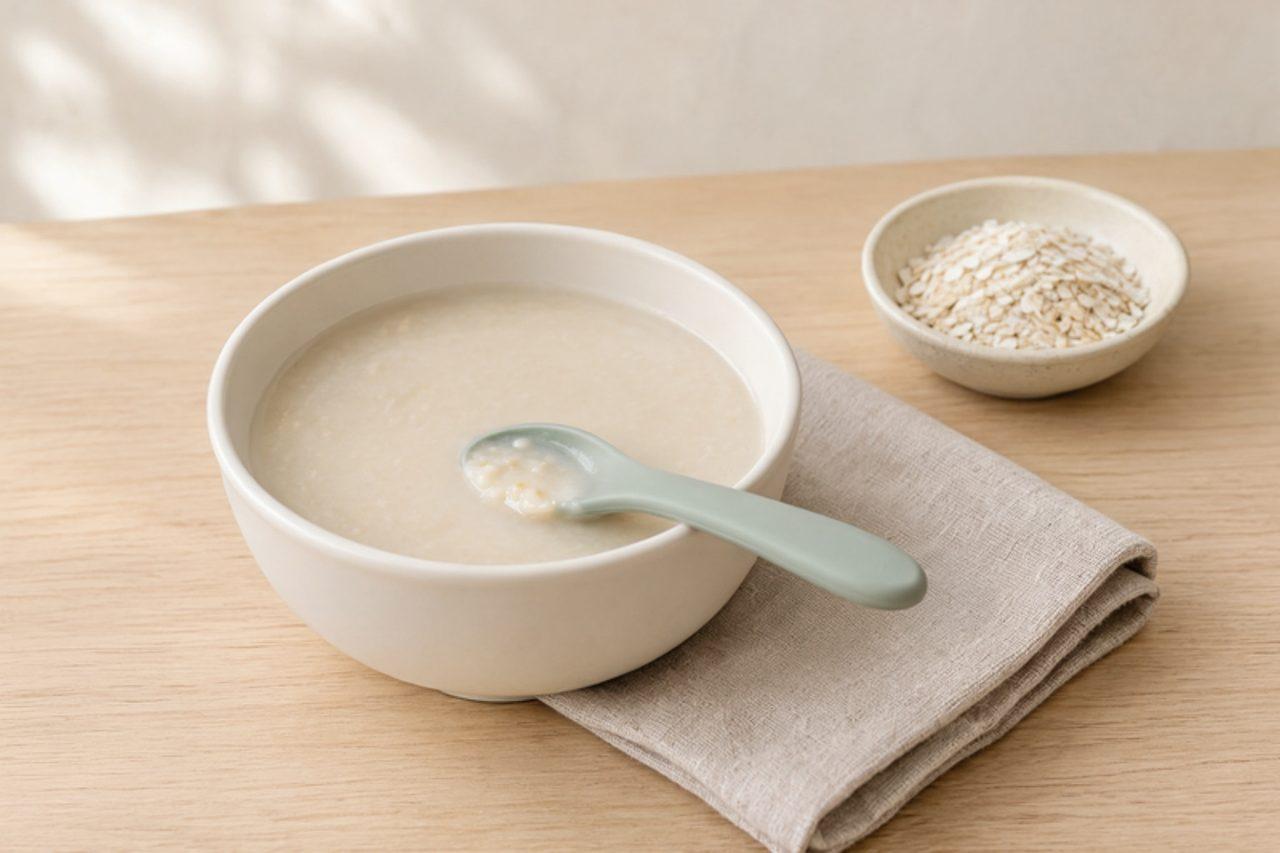
In Tamil homes from Madurai to Chennai, aval (flattened rice, the same poha sold in every kirana shop) is one of the first grains a grandmother reaches for when a baby turns six months. The flakes are dry-roasted until they smell like puffed rice, ground to a fine powder and simmered with water into a thin, pale porridge with a gentle toasted flavour, usually given as a mid-morning feed. For babies it is made with no salt, sugar, jaggery or honey. It is free of the major allergens: no milk, egg, gluten, nuts, soya, sesame or fish. Chef's tip: roast a whole cup of aval at once, grind it and keep the powder in a dry jar for up to two weeks, so each feed takes five minutes.

by KrazyBadal 0 views

Capsicum rice (capsicum bath)

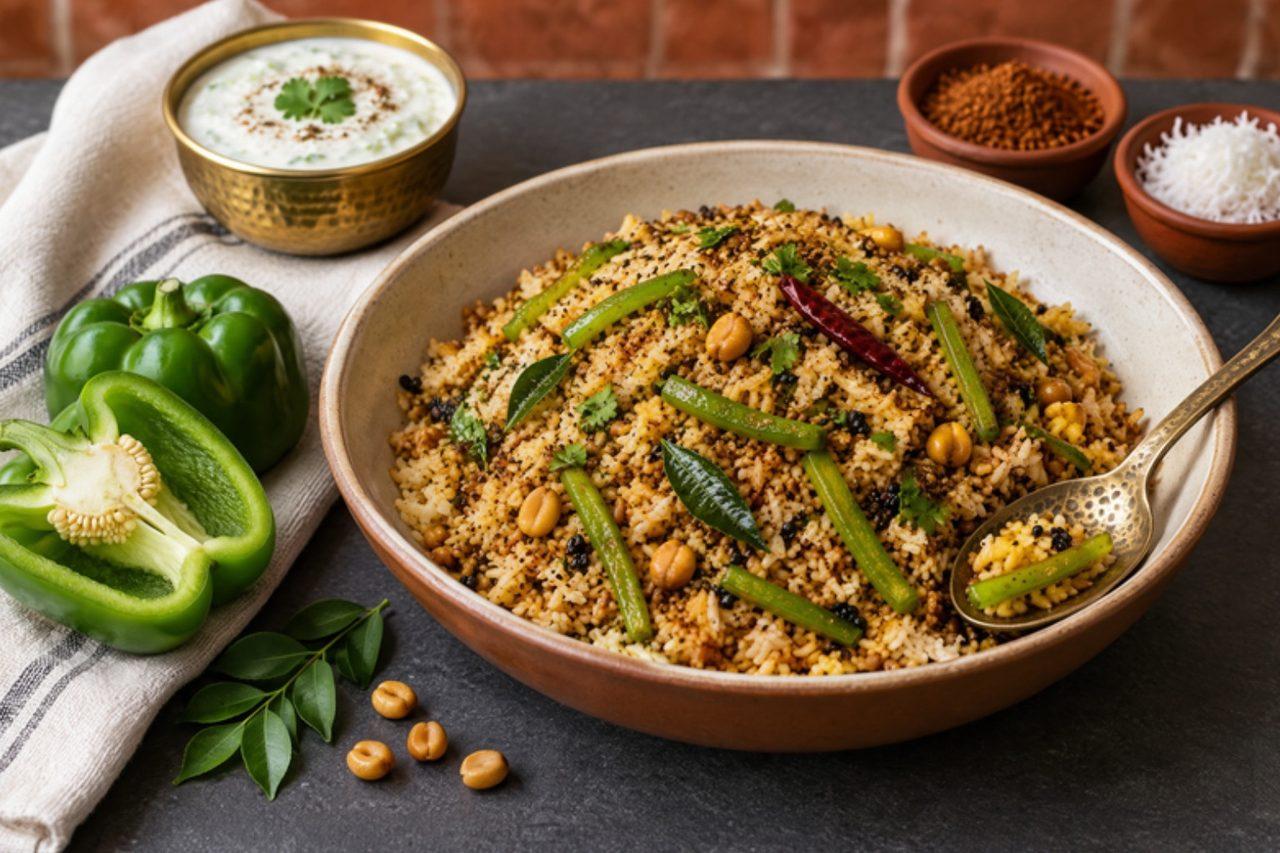
Every Bengaluru darshini has its own capsicum bath, and at home it is a favourite for office lunch boxes because the peppers stay crunchy until noon. Green peppers are sautéed just until glossy, then tossed with rice and a freshly roasted powder of coriander seeds, chana dal, dry coconut and red chillies. The mistake is cooking the peppers until soft; they release water and the rice turns soggy, so keep them bright and crisp. Chef's tip: add the powder to the hot oil off the heat for a few seconds before the rice goes in; it blooms the spices without burning the coconut.

by KrazyBadal 0 views

Jaulo for babiesRice porridge for babies

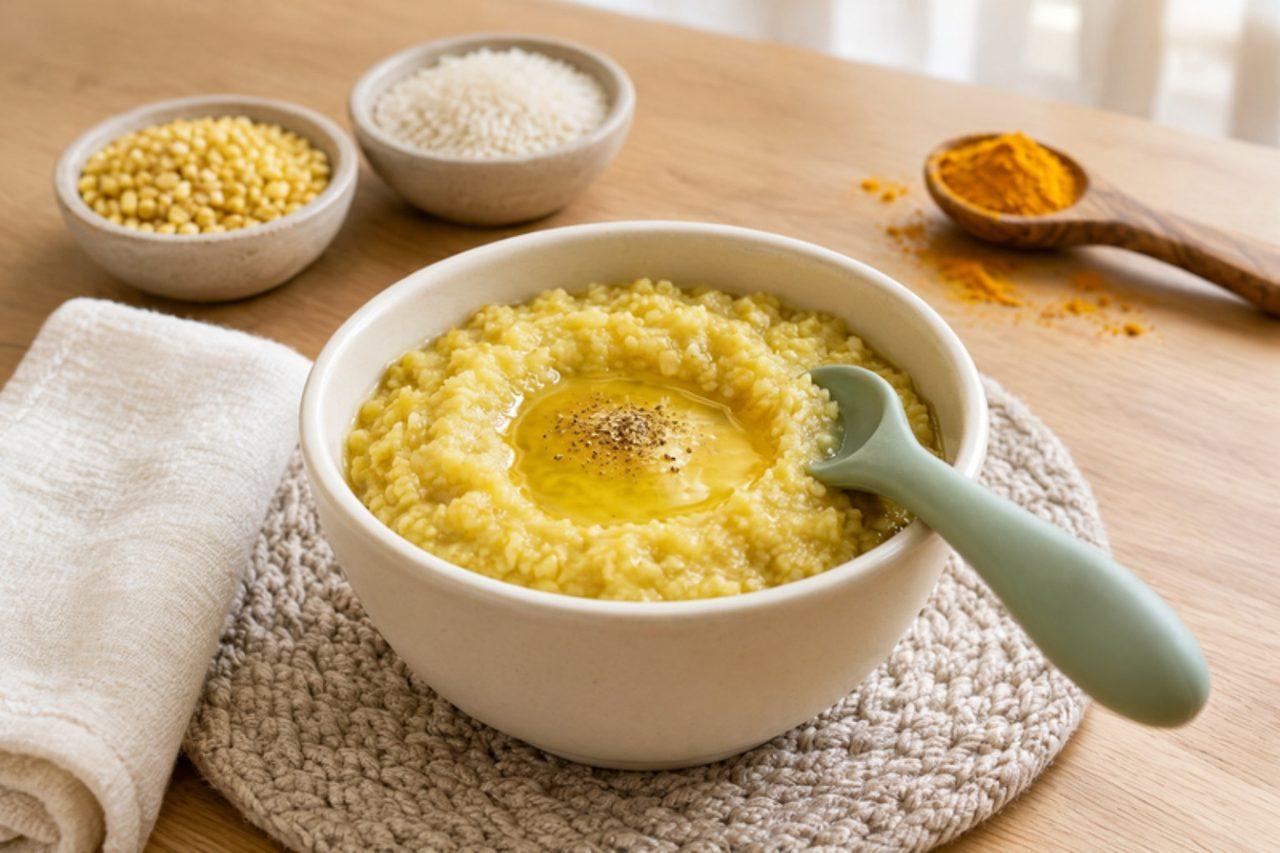
Jaulo is the soft rice and lentil porridge Nepali families in Kathmandu and the hills turn to for anyone small, tired or getting over a cold. After a baby's pasni, the rice-feeding ceremony held at five or six months, it soon becomes a regular lunch, and from about nine months it is mashed lumpy rather than smooth. This version keeps the ghee, cumin and turmeric for gentle flavour but leaves out the usual salt, garlic and ginger. It is warm, buttery and comforting. It contains milk (ghee) and is free of gluten, egg, nuts, soya and sesame. Chef's tip: fry the cumin only until it smells toasty and is a shade darker; burnt cumin turns the whole pot bitter.

by KrazyBadal 0 views

Mangai sadam (raw mango rice)

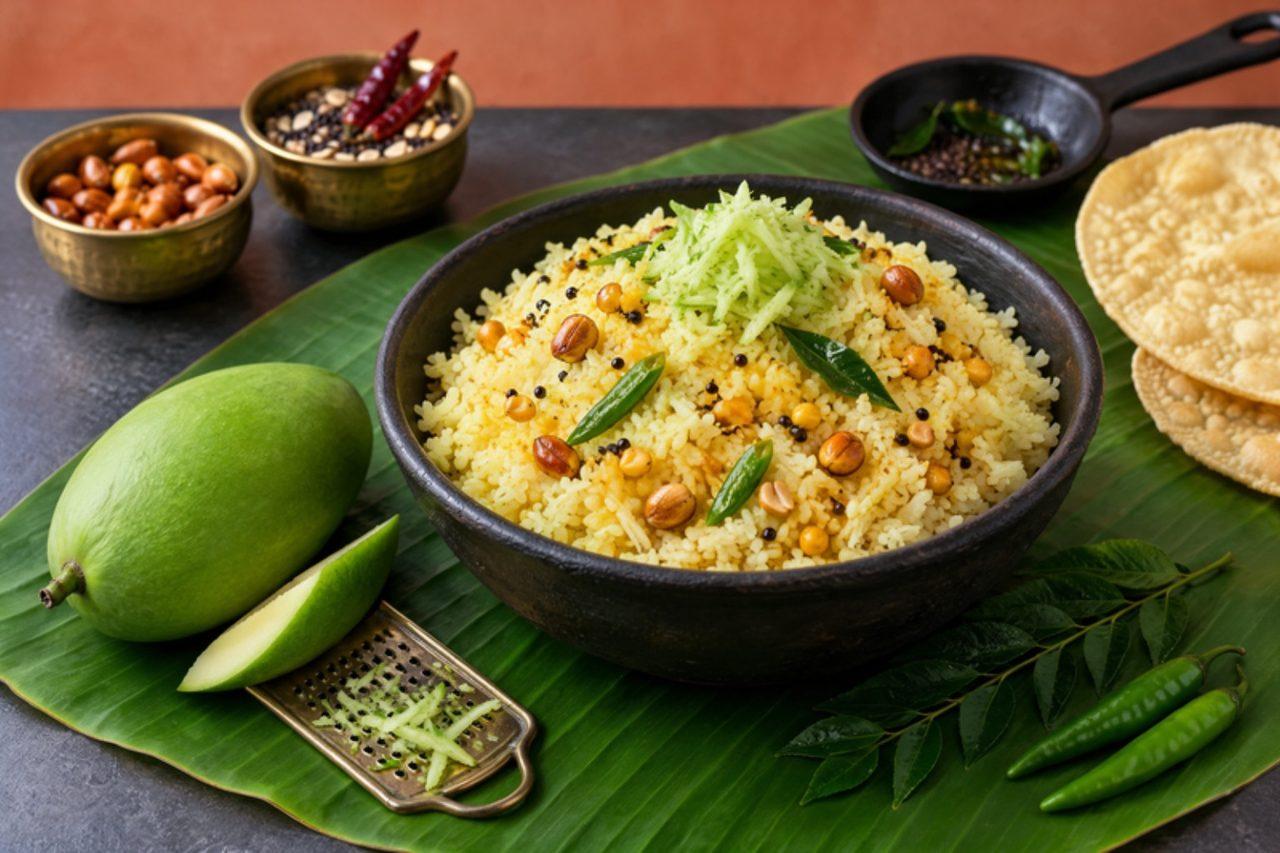
When hard green mangoes pile up at the markets of Tamil Nadu in April and May, school lunch boxes fill with mangai sadam, sour and fresh like lemon rice but with a fruitier bite. Grated raw mango is cooked only briefly in a mustard, chana dal and curry leaf tempering so it softens but keeps its tang. The mistake is overcooking the mango into mush, which makes the rice sticky; two or three minutes is enough. Chef's tip: taste the mango first. A very sour one needs a pinch of sugar, and a half-ripe one needs a squeeze of lemon at the end.

by KrazyBadal 0 views

Urulaikizhangu roast (Tamil potato roast)

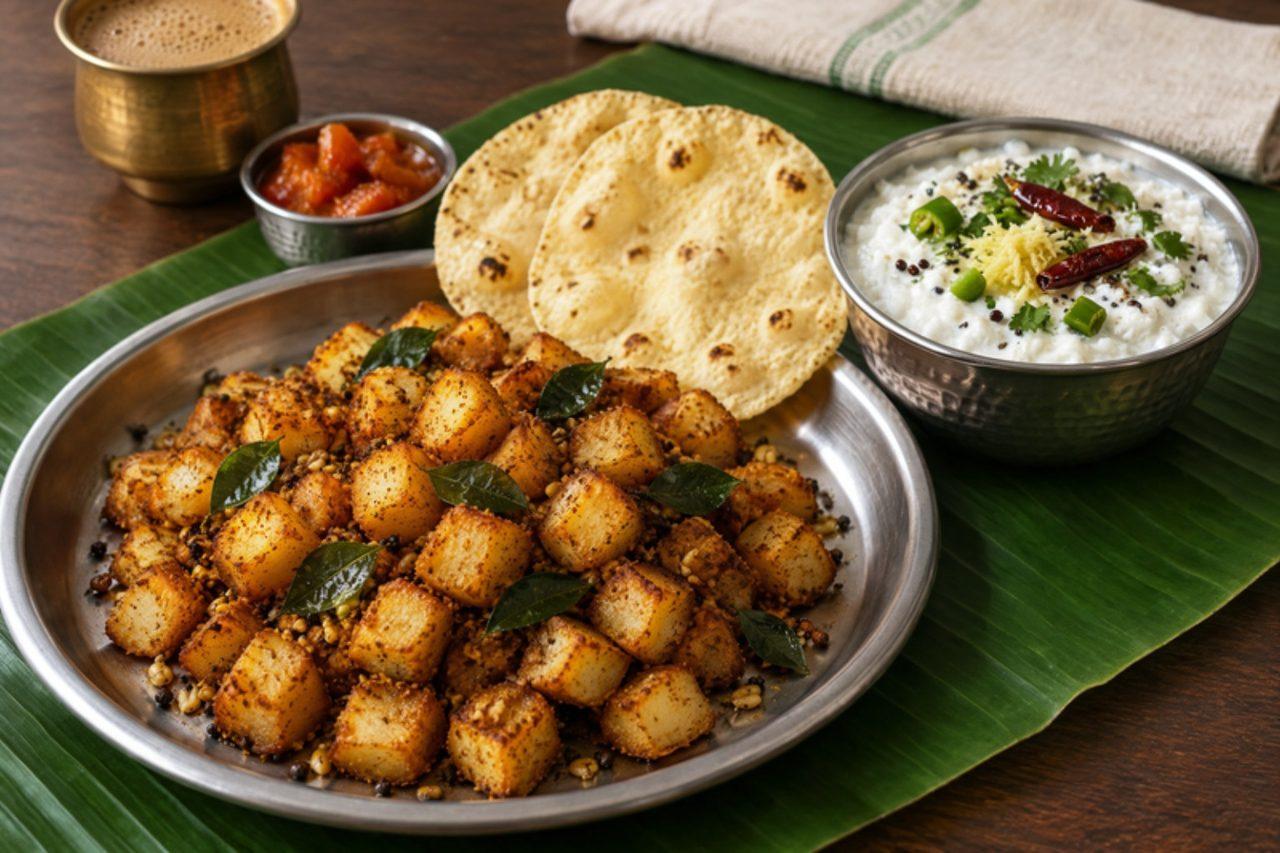
In Tamil lunch boxes, curd rice almost always comes with this: small cubes of boiled potato roasted slowly in a cast-iron pan with sambar powder, chilli and curry leaves until they are dark, crusty and chewy at the edges. It is a dry side, so it does not leak into the rice, and it tastes as good cold as hot. The mistake is stirring all the time; the potatoes need to sit undisturbed against the hot pan for a few minutes at a time to build the crust. Chef's tip: a teaspoon of rice flour scattered over in the last few minutes makes the coating even crisper.

by KrazyBadal 0 views

Metkut bhaatRice with lentil powder and ghee

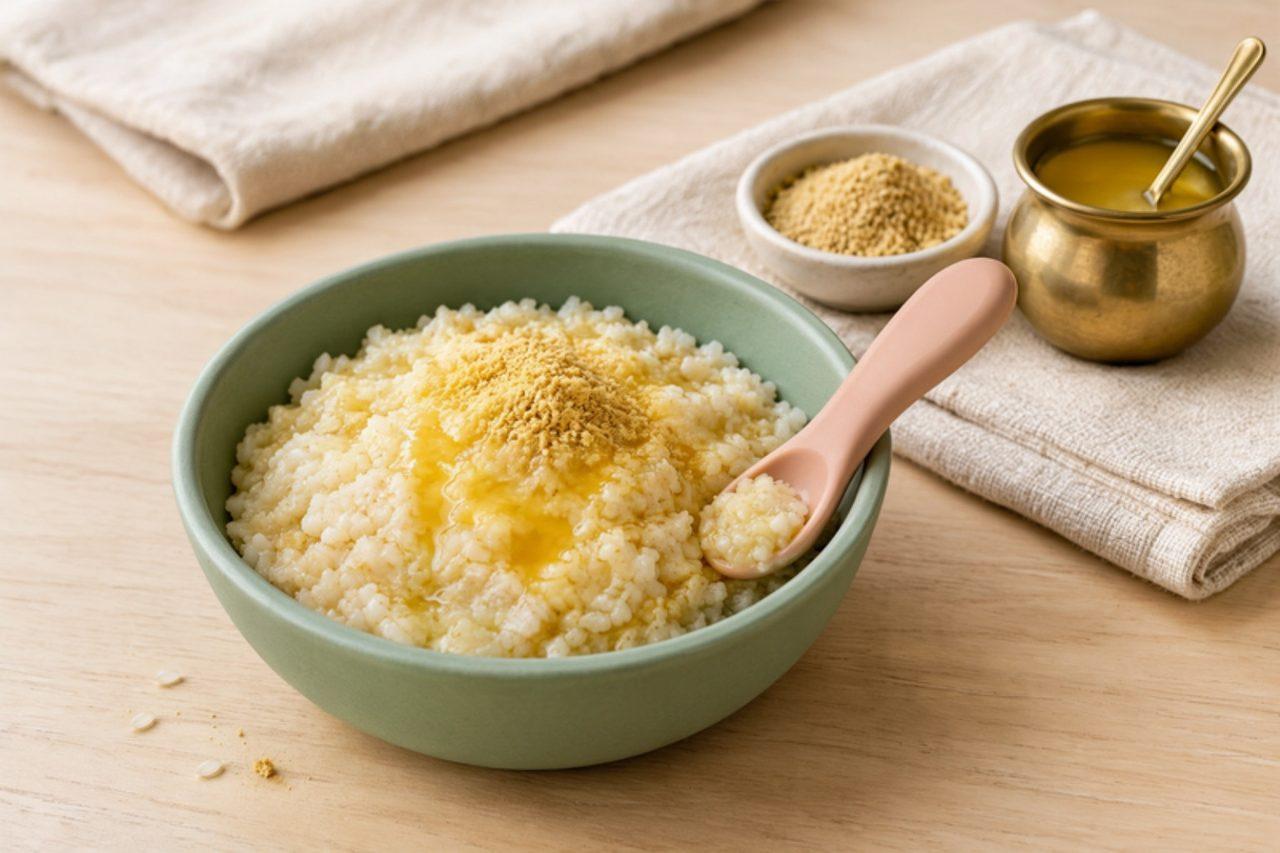
Ask anyone who grew up in Pune or Mumbai's Dadar about their first proper meal and many will say metkut bhaat: soft hot rice, a spoon of melted ghee and a sprinkle of metkut, a roasted powder of chana dal, urad dal and rice with turmeric and cumin. It is the bowl grandmothers make on lazy evenings and for toddlers from 12 months, nutty, savoury and gentle without any chilli. Shop metkut usually contains salt and asafoetida (which often has wheat), so this recipe roasts a small salt-free batch at home. It contains milk (ghee); the home-made powder has no gluten, egg, nuts or soya. Chef's tip: roast the dals slowly until they smell like popcorn; pale dal gives a raw, floury powder.

by KrazyBadal 0 views

Showing 24 of 3,480 recipes

Show more recipes

Page 57 of 145

More No onion & garlic ideas

Other diets