Skip to content
WhatToEat.Today

No onion, no garlic recipes (Swaminarayan and sattvic)

3,477

3477 vegetarian recipes cooked without onion or garlic, as in Swaminarayan and sattvic kitchens, with no meat, fish, eggs or alcohol. Each has photos, step-by-step instructions and cook times. The quickest, Apfelschorle, takes 2 minutes. Most take around 45 minutes.

Filter these by time, diet or cuisine · Make No onion & garlic your diet to see only these recipes everywhere on the site.

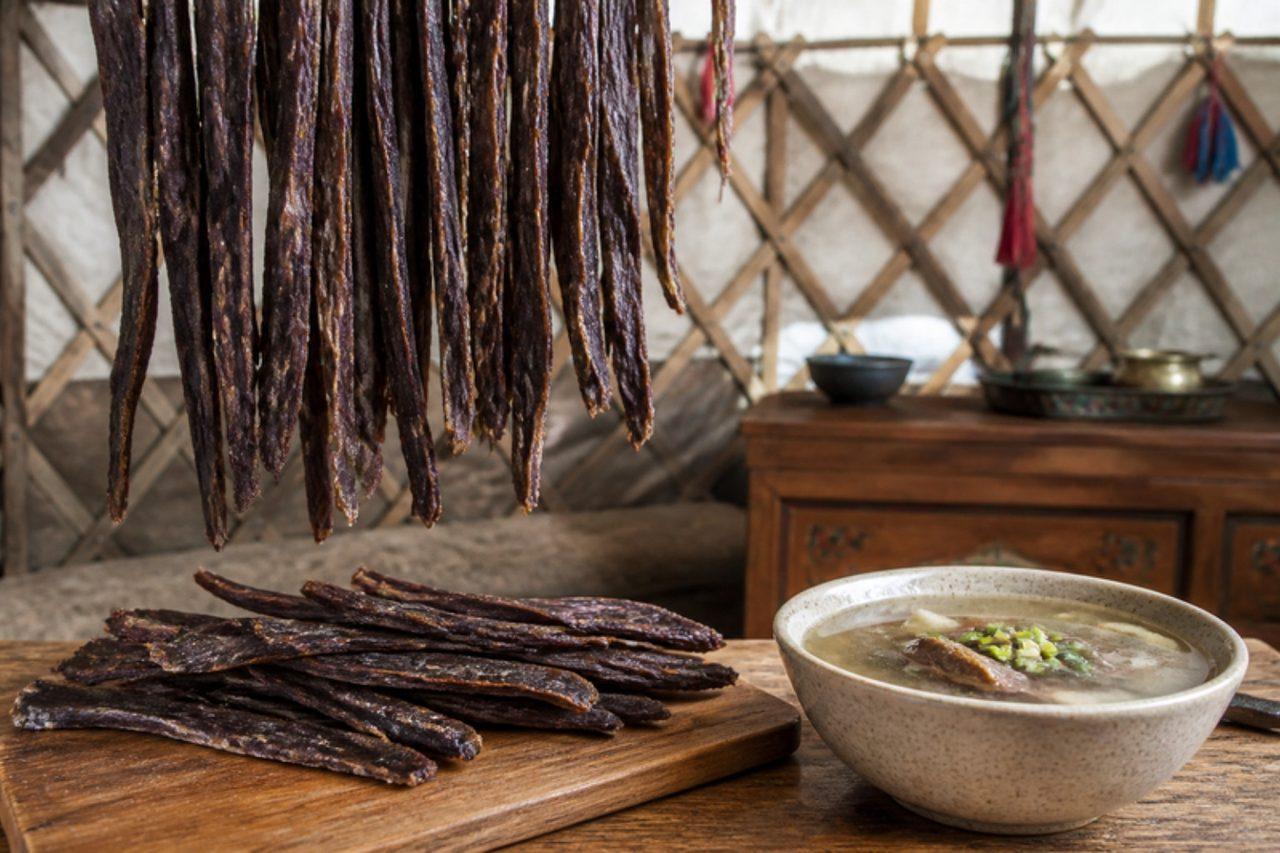
BortsAir-dried beef strips

Borts is the winter-dried meat of Mongolian herding families: in the cold, dry air of late autumn, strips of beef are hung inside the ger until they shrink to hard, dark sticks, then pounded and stored in a bag to last until spring. A handful of borts dropped into hot water makes an instant soup, and nomads carry it on long journeys. In Mongolia it is also made from horse or camel meat; this recipe uses beef. Home kitchens don't have the steppe's freezing dry air, so here the meat is heated to a safe temperature first and dried in a low oven. A common mistake is leaving fat on the strips; fat turns rancid, so trim it all. Chef's tip: slice the meat while half-frozen to get thin, even strips.

by KrazyBadal 0 views

Cà phê cốt dừa (coconut coffee)

Hanoi takes its coffee seriously, and in the last fifteen years coconut coffee has become one of the city's signatures, sold from Old Quarter cafés, lakeside balconies around Hoàn Kiếm and tiny stools on the pavement. It is a hot-weather drink, at its best on a sticky afternoon between May and September, eaten half with a spoon. Strong Vietnamese robusta drips slowly through an aluminium phin, then is poured over a pale slush of thick coconut cream, sweetened condensed milk and crushed ice, so you get bitter, dark coffee against something rich and cold that tastes like coconut ice cream. The common mistake is blending the slush too long or with too much ice, which leaves it thin and watery, and pouring the coffee in boiling hot so the slush collapses. Blend just until it looks like soft snow, and let the coffee cool for a minute or two. It is ready when the slush holds a spoon upright and the coffee sits in a dark layer on top. Robusta is high in caffeine and this is a strong drink, so it is not for children and one glass is plenty. Chef's tip: chill the coconut cream overnight; cold, thick cream gives a fluffier slush.

by KrazyBadal 0 views

Cerasee teaBitter melon vine tea

Cerasee grows wild on fences and roadsides all over Jamaica, a thin vine with lacy leaves, yellow flowers and small warty orange fruit. It is the best known of the island's bush teas: generations of Jamaican children were given a cup at the end of the summer holidays, before going back to school, as a wash-out, and adults still drink it now and then as a cleansing and cooling tonic, or for the skin. The tea is pale green-gold and seriously bitter, with a grassy, slightly vegetal taste; some add sugar or lime. The common mistake is boiling the vine hard for a long time, which makes the tea far harsher than it needs to be. Pour boiling water over it and let it steep instead, and leave out any ripe fruit and seeds. It is ready when the water is light green-gold and smells green and herbal. Do not drink it if you are pregnant, breastfeeding or trying to conceive, do not give it to young children, and check with a doctor if you have diabetes or take medication, as it may lower blood sugar. Chef's tip: dried cerasee from Caribbean shops works well; use a little less.

by KrazyBadal 0 views

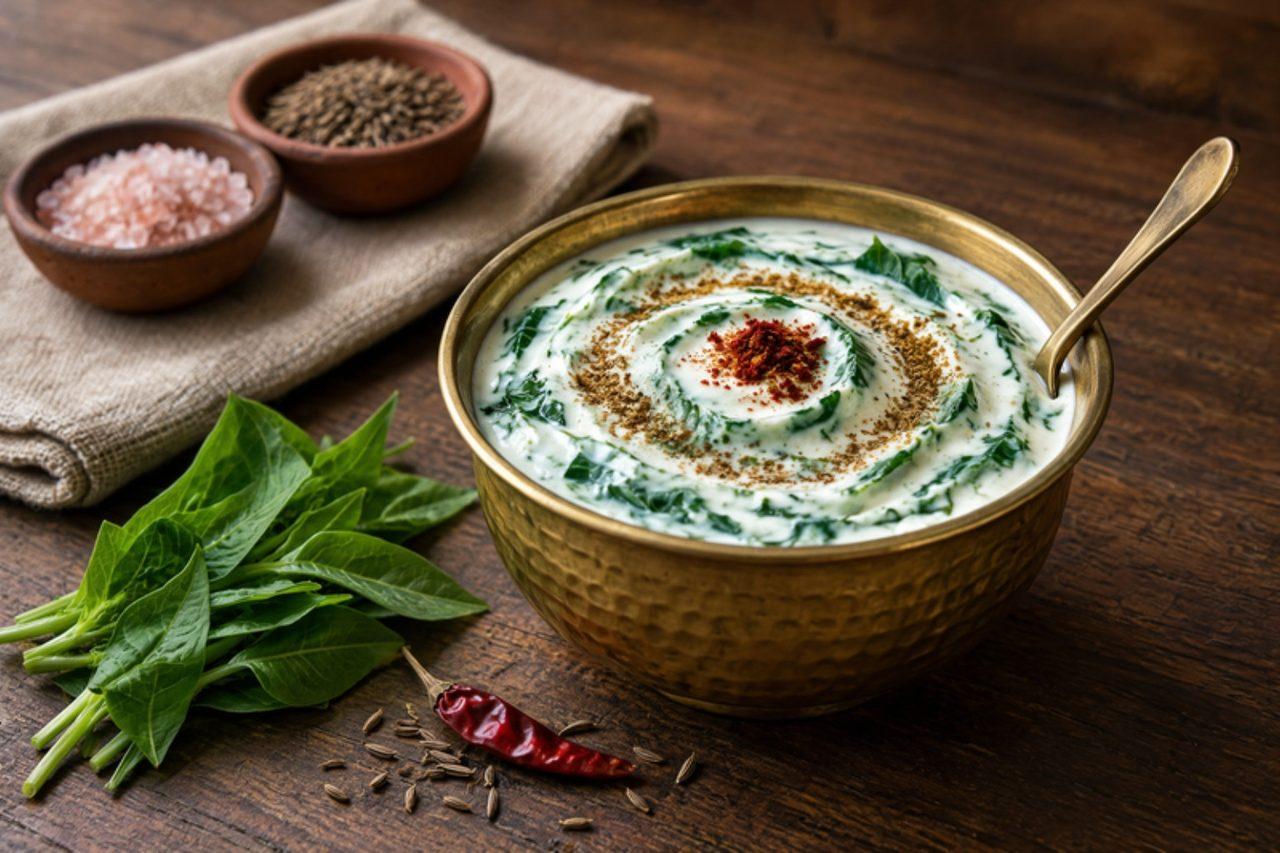
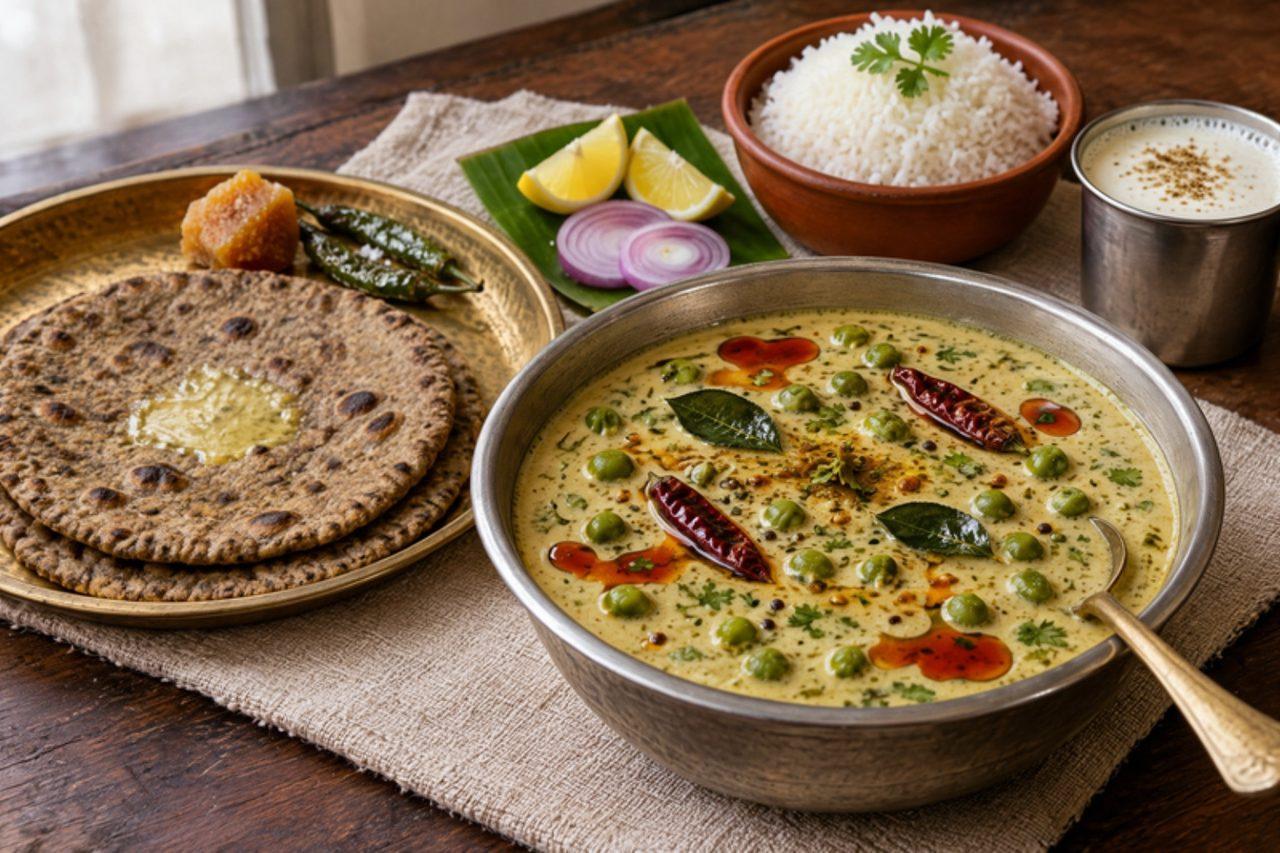
Bathua raitaChenopodium leaf yogurt

Bathua (chenopodium or lamb's quarters) grows wild in the wheat fields of western Uttar Pradesh and Haryana in winter, and from December to February families blanch it and stir it into yogurt as a cooling raita beside paratha, dal or bajra roti. The leaves are boiled briefly, chopped and folded into whisked yogurt with roasted cumin, black salt and a little green chilli, so it tastes earthy, tangy and fresh. It is suitable as part of a balanced diet. About 90 kcal and 7 g carbohydrate per portion. The usual mistake is adding the greens while they are still hot or wet, which makes the yogurt thin and grainy; squeeze them dry and cool them first. Chef's tip: grind half the blanched leaves to a paste so the raita turns an even pale green.

by KrazyBadal 0 views

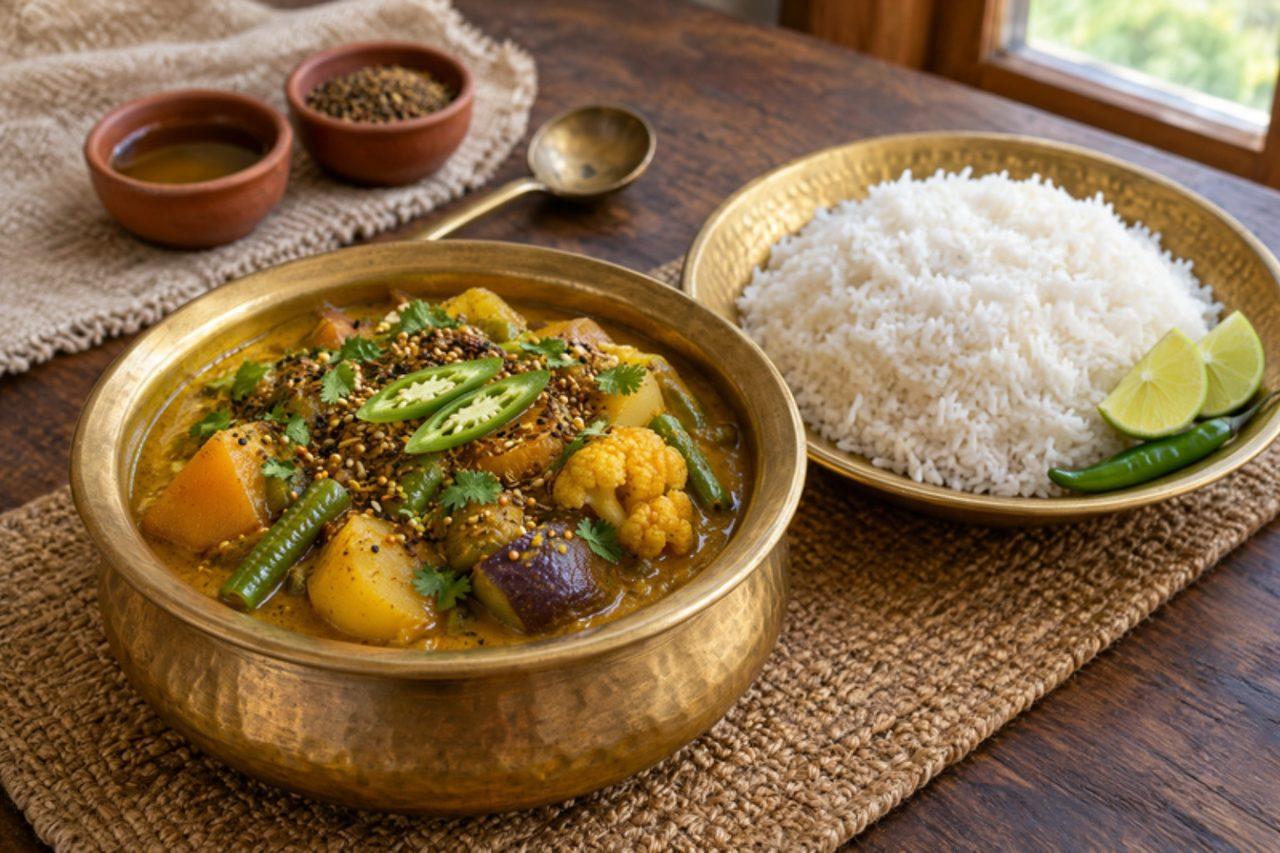
Panch mishali tarkariMixed vegetable curry

Panch mishali means 'five mixed', and in Bangladeshi homes from Sylhet to Khulna it is the weekday tarkari made from the odds and ends of the vegetable basket, eaten with rice and a thin dal. Potato, pumpkin, aubergine, green beans and green papaya or bottle gourd are cooked down with panch phoron, turmeric and green chilli until soft and gently sweet. The usual mistake is adding water at the start: the vegetables steam beautifully in their own juice and a splash later is all they need. Chef's tip: finish with a teaspoon of raw mustard oil drizzled on top; its sharp aroma is the Bengali signature.

by KrazyBadal 0 views

Mauritian vanilla tea

In Mauritius the kettle goes on for dité at breakfast and again at four, when the heat of the day breaks and someone brings out gato piment, a packet of biscuits or a slice of gato patate. The tea is grown on the island's central plateau, around Curepipe and the Bois Chéri hills, and the local favourite is black tea perfumed with vanilla, the same vanilla that grows on the neighbouring islands. It is drunk strong, very sweet and milky, often with evaporated or condensed milk: a round, creamy cup with a soft caramel-vanilla scent and no bitterness. The common mistake is boiling the tea leaves with the milk until they stew; brew the tea in water first, then add hot milk. It is ready when the tea is the colour of milky caramel and the kitchen smells of vanilla. A cup has about as much caffeine as ordinary black tea. If you cannot find vanilla-scented Mauritian tea, a strong black tea and a split vanilla pod do the job well. Chef's tip: dry the used vanilla pod and bury it in your sugar jar; next time the sugar alone will scent the tea.

by KrazyBadal 0 views

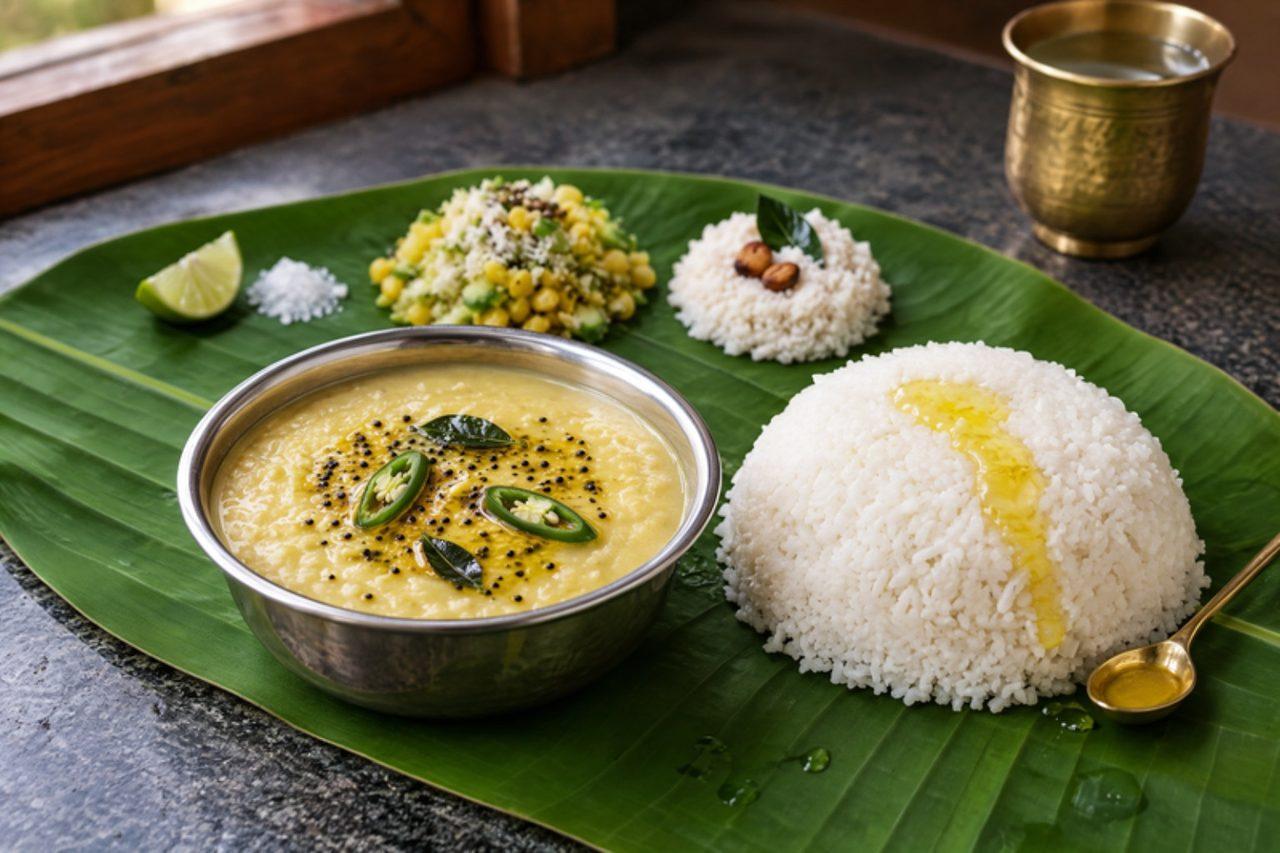
TovveToor dal with green chilli

Tovve is the plainest dal of the Udupi temple kitchens and of Kannada homes along the coast: toor or moong cooked soft, seasoned with green chilli and ginger and finished with a sizzling ghee tempering. There is no tomato, no onion and no masala, so it is the first dal children eat and what families cook for a light dinner or after a fast, with rice, a spoon of ghee and a lemon pickle. Its flavour depends on a well-cooked dal, so it must be soft enough to fall apart when stirred. The usual mistake is adding salt before the dal is tender, which keeps it grainy. Chef's tip: whisk the cooked dal hard for 30 seconds before tempering; the smooth, creamy texture is what makes tovve taste of more than its few ingredients.

by KrazyBadal 0 views

Ssanghwa-cha (herbal tonic tea)

Ssanghwa-cha is the strongest thing on the menu of an old Korean dabang. From the 1960s these smoky tea rooms served it in thick ceramic cups, dark as coffee, with pine nuts, slivered jujube and walnut floating on top; in winter some still slide a raw egg yolk in, which this recipe leaves out. The brew comes from Korean herbal tradition, where ssanghwa-tang is drunk to warm up and recover from tiredness after hard work or a cold. It tastes earthy and bitter at first, then sweet from licorice and jujube, with warmth from cinnamon and ginger and a celery-like perfume from angelica. Herbal shops sell the roots in pre-measured packs. The common mistake is boiling it hard: the liquid reduces too fast and turns harsh. Keep a gentle simmer with the lid ajar for two hours. It is ready when it is very dark brown, reduced to about a third and smells of cinnamon and roots. Because it contains licorice and angelica, skip it if you are pregnant or breastfeeding, have high blood pressure, or take blood thinners or other medicines unless your doctor agrees. Chef's tip: a second, lighter brew from the same roots is good with honey.

135 minKoreanDrinksVeganGluten free
by KrazyBadal 0 views

Bunelos agaBanana fritters

Bunelos aga are the banana fritters of Guam, sold at fiesta food tables and church fundraisers in Hagåtña and made at home whenever the bananas over-ripen. Mashed sweet bananas are mixed into a soft batter, fried in spoonfuls and rolled in sugar, so they're crisp outside and custardy within. A common mistake is frying at too low a temperature, which makes them greasy. Chef's tip: use the small, sweet local bananas or the ripest regular ones you can find.

by KrazyBadal 0 views

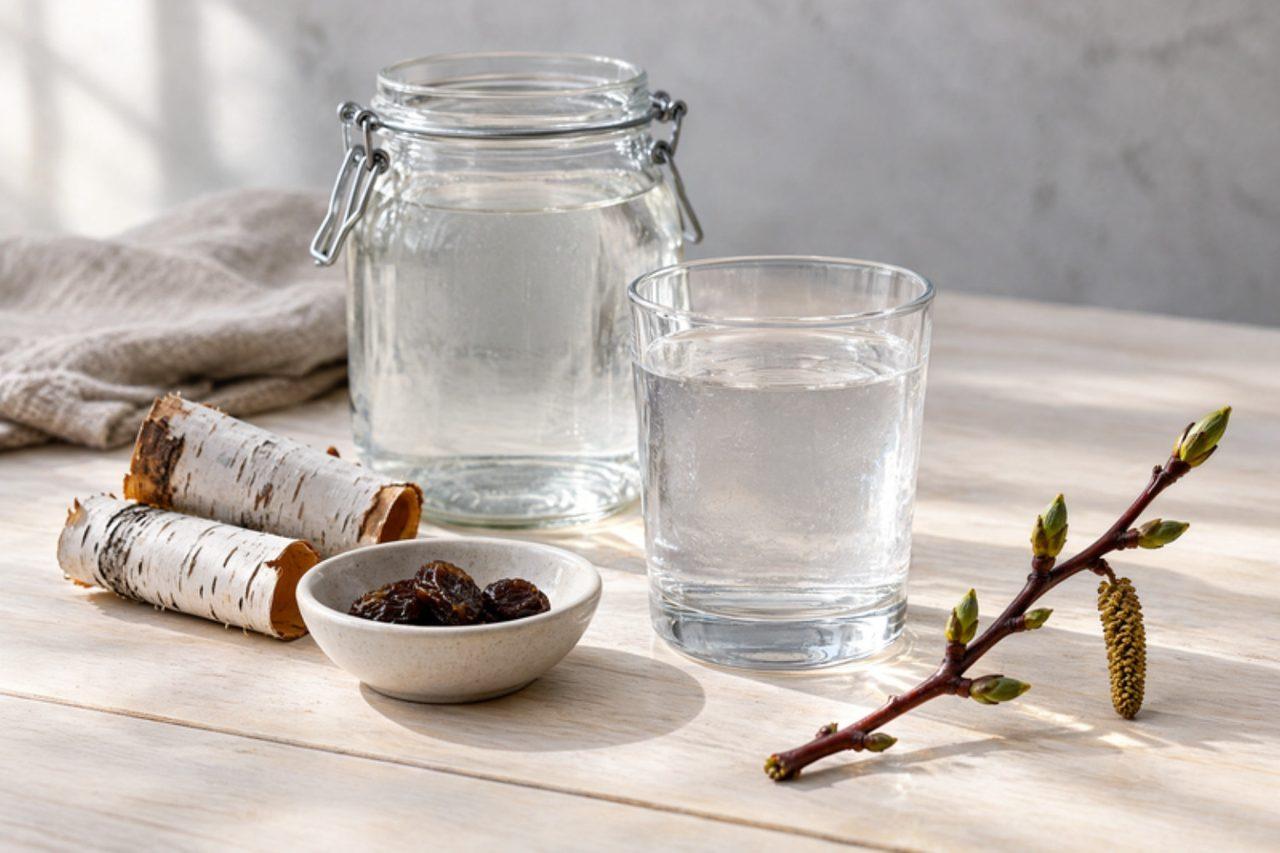
Berezovy sok (birch sap)

For two or three weeks at the end of March and into April, while there is still snow under the trees and before the buds open, the birches around Moscow, Tver, Vologda and across the north start to run. Families tap a few trees at the dacha and drink the sap straight from the jar: clear, cold, very faintly sweet, tasting of rainwater and fresh wood. Because it spoils within two or three days, villagers bottled the rest with sugar, raisins and lemon zest, letting it ferment slightly into a sparkling drink that kept into early summer; like any ferment it makes a trace of alcohol, well under 1% if drunk young. Only tap with the owner's permission, choose trees thicker than 20 cm, drill one small hole and plug it with a wooden peg afterwards so the tree heals. The common mistake is sealing the bottles tight at warm room temperature, which can make them burst; keep them cool and open the caps daily. The bottled sap is ready when the raisins float, a ring of fine bubbles forms on top and it tastes gently sparkling. Chef's tip: drink the first glass straight from the tree; it is never quite as good again.

by KrazyBadal 0 views

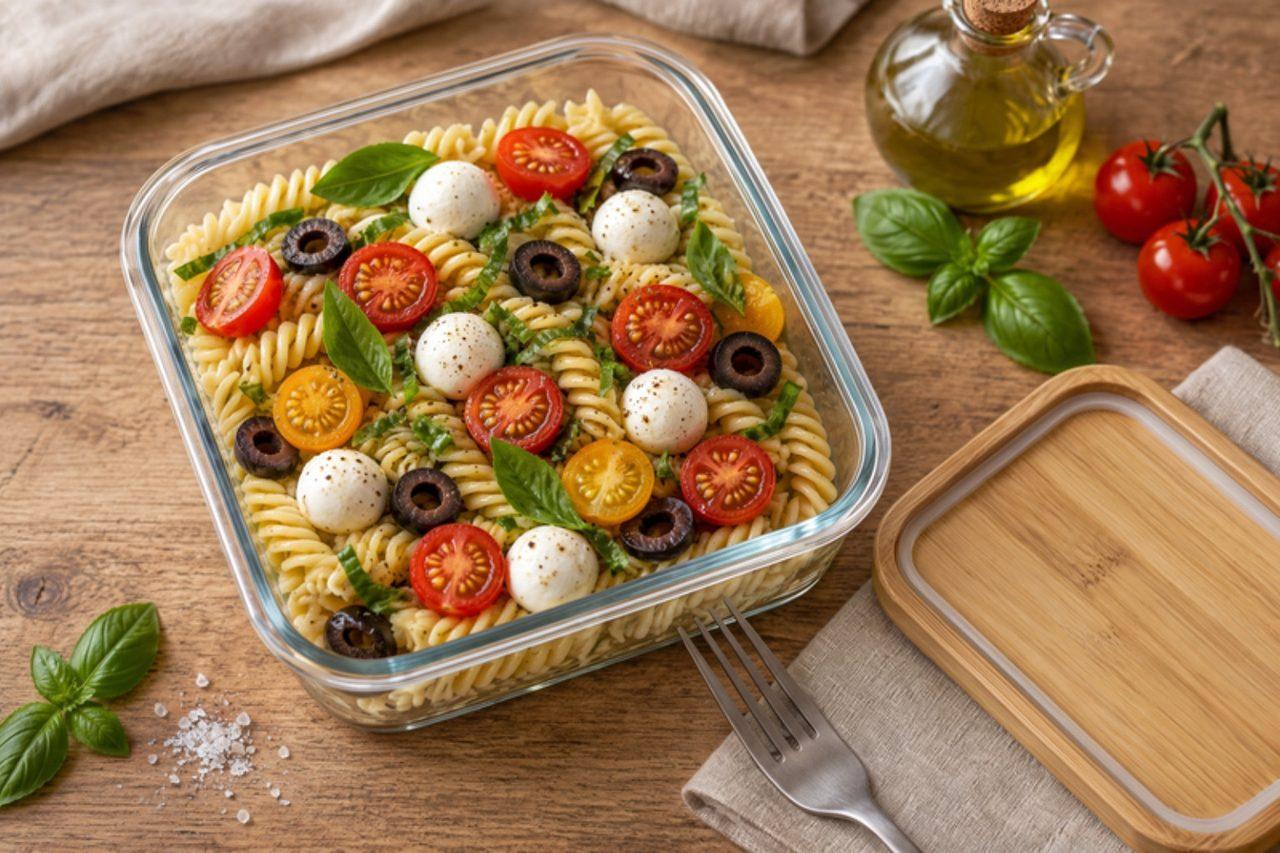
Insalata di pastaCold pasta salad

When Milan's offices empty onto park benches in July, the schiscetta (the Milanese word for a packed lunch tin) usually holds pasta fredda: short pasta dressed with olive oil, sweet cherry tomatoes, little mozzarella balls, black olives and torn basil. It is made the night before and tastes best at cool room temperature, never fridge-cold. The common mistake is rinsing the cooked pasta under the tap until it is icy and then dressing it: the starch closes up, the oil slides off and the salad tastes flat. Many mozzarellas are made with animal rennet, so look for one labelled vegetarian, or use cubes of a vegetarian cheese. Pack it with an ice pack and take it out of the bag 20 minutes before eating. Chef's tip: toss the drained, still-warm pasta with half the oil and the salted tomatoes straight away so it drinks up their juice.

by KrazyBadal 0 views

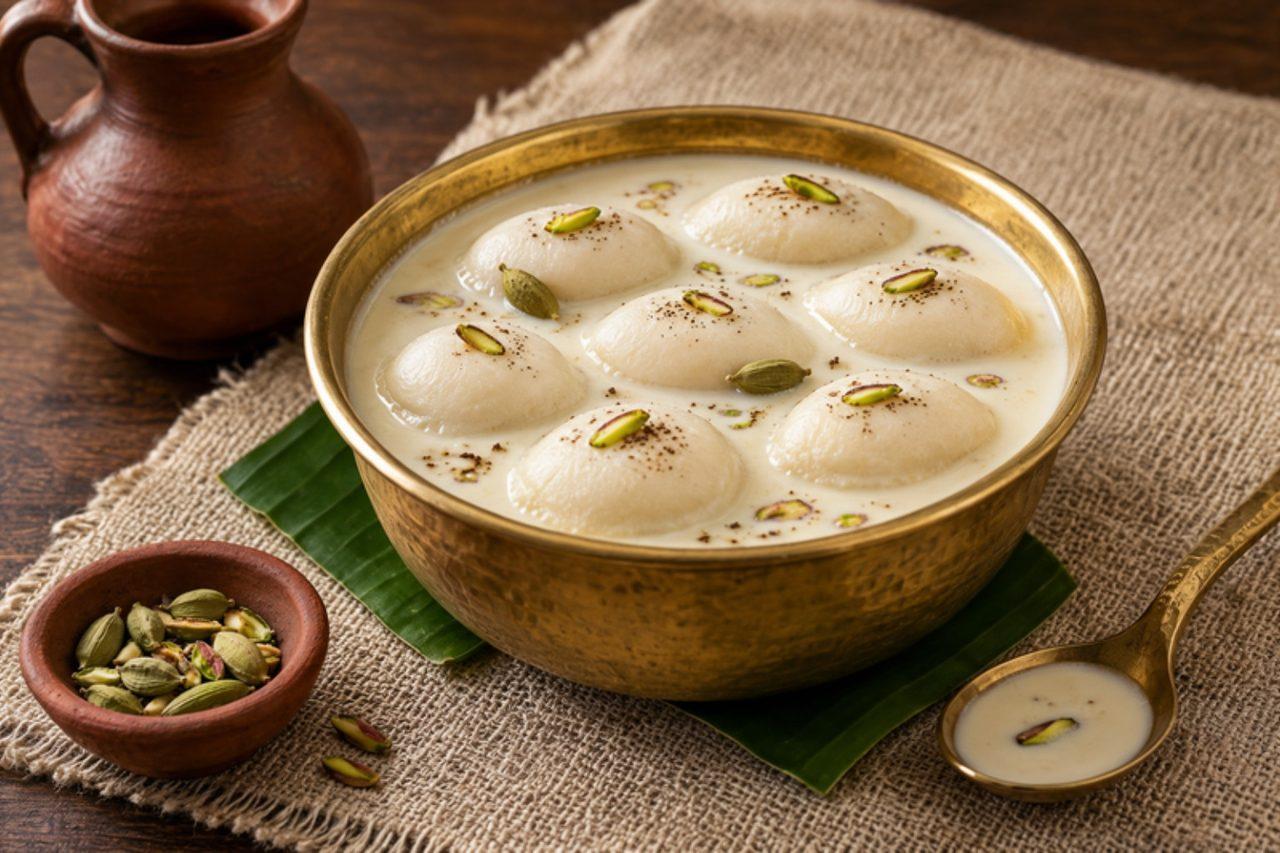
Dudh pithaRice dumplings in milk

Dudh pitha is made in Jharkhand and Bihar for Makar Sankranti, Sohrai and winter evenings, when the new rice is milled: small rice-flour dumplings are stuffed with coconut and jaggery (some families use spiced chana dal instead) and simmered in milk until it thickens around them. It is eaten warm from a bowl with a spoon. The common mistake is adding jaggery straight to boiling milk, which can curdle it; sweeten the milk with sugar and keep the jaggery inside the dumplings. Chef's tip: shape the dumplings while the dough is warm and keep your palms greased, so the edges seal without cracking.

by KrazyBadal 0 views

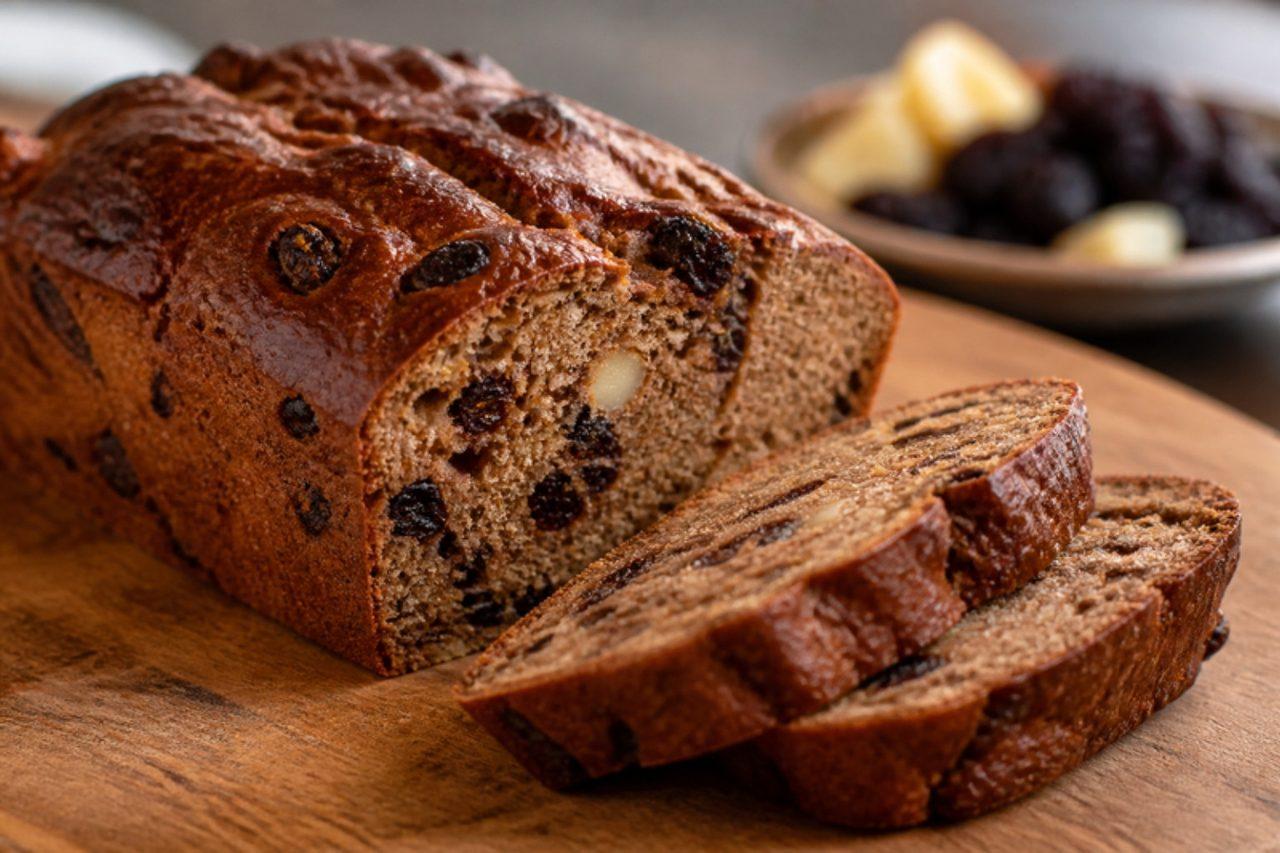
Pan bonDark spiced fruit and cheese bread

On Costa Rica's Caribbean coast, the Afro-Caribbean families of Limón and Cahuita bake pan bon for Easter, Christmas and any big gathering, a recipe brought by Jamaican railway workers in the late 1800s. The loaf is dark and fragrant with molasses and burnt-sugar syrup, studded with raisins, candied peel and little cubes of salty cheese that melt into pockets. It is sliced thick and eaten with coffee. Dense, heavy loaves usually come from adding the fruit and cheese too early; knead them in only after the dough is smooth. Hard cheese is often made with animal rennet, so pick a vegetarian one if needed. Chef's tip: brush the warm loaf with the burnt-sugar syrup straight from the oven for its signature sticky, shining crust.

by KrazyBadal 0 views

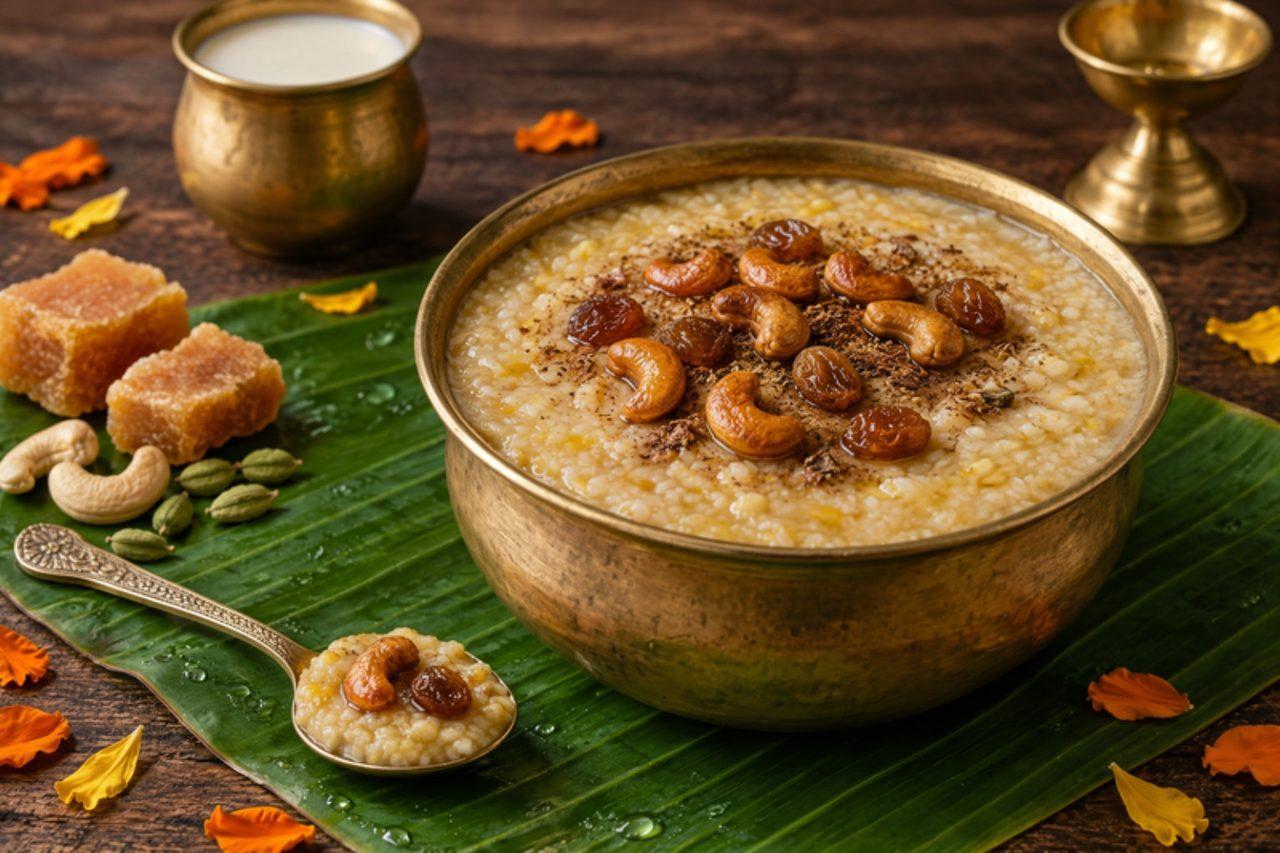
Bellam paramannamRice and moong dal jaggery pudding

Bellam paramannam is the naivedyam of Telangana and Andhra homes, cooked for Sankranti, Ugadi, Varalakshmi Vratam and almost any puja, a soft rice-and-moong pudding sweetened with jaggery and glossed with ghee. Its colour is a warm caramel and its taste deeper than a sugar kheer. The classic mistake is adding jaggery to milk that is still on a high boil, which can split it; take the pot off the heat, let it stop bubbling, then stir the jaggery in. Chef's tip: roast the moong dal in a spoon of ghee until it smells toasty before cooking; it gives the paramannam its homely flavour.

by KrazyBadal 0 views

Dulces abrillantadosGlazed milk fudge figures

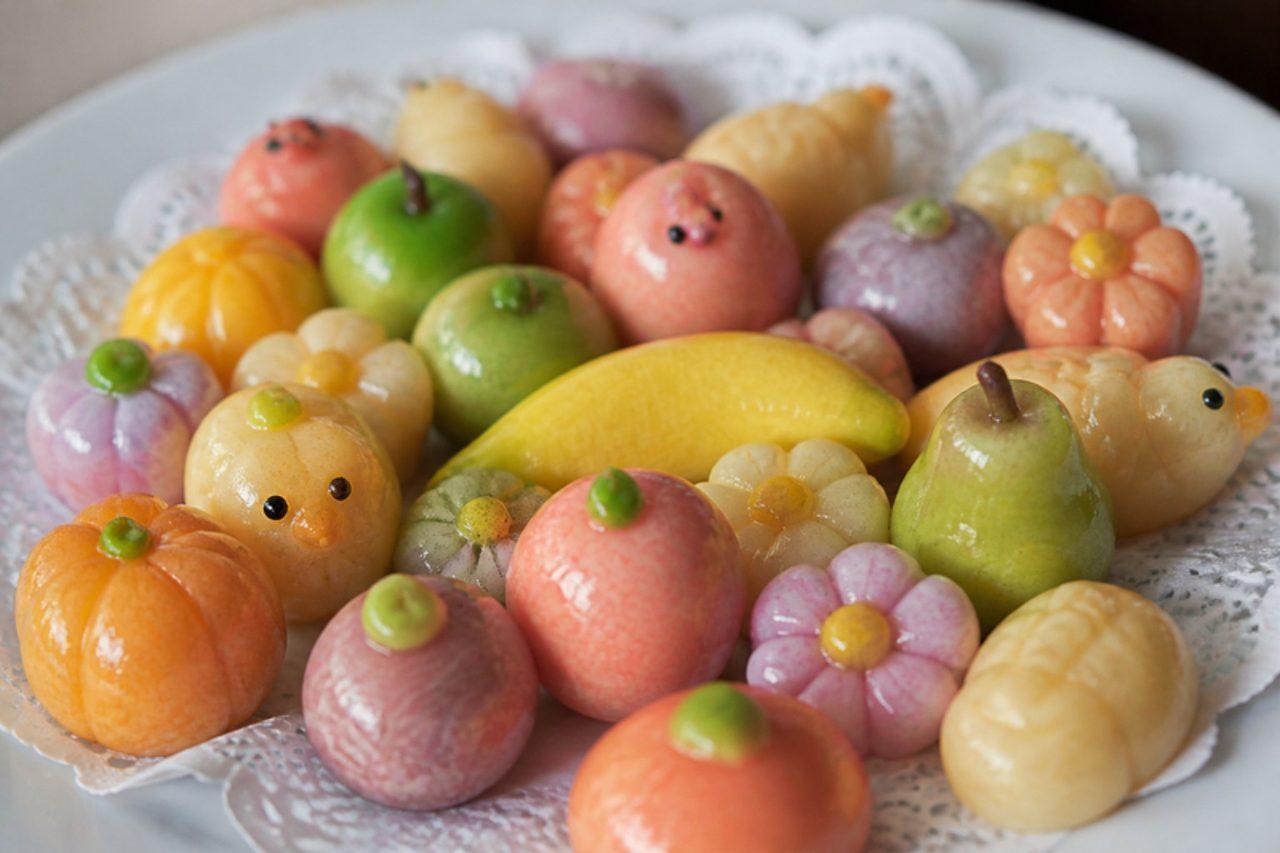
Walk through the old centre of Mérida and you'll pass windows full of tiny shiny sweets shaped like fruit, flowers and animals: dulces abrillantados, made from milk and sugar cooked down to a fudge, hand-moulded and dipped in syrup that dries to a glassy crust. Families buy boxes to take home from the Andes. They need patience: the shaping is fun, but the milk must be cooked until it truly pulls away from the pan. The common mistake is stopping too early, so the figures flatten. Chef's tip: dust your hands with icing sugar while shaping, and dry the figures overnight before glazing.

by KrazyBadal 0 views

Chhena kheeriFresh cheese in sweet milk

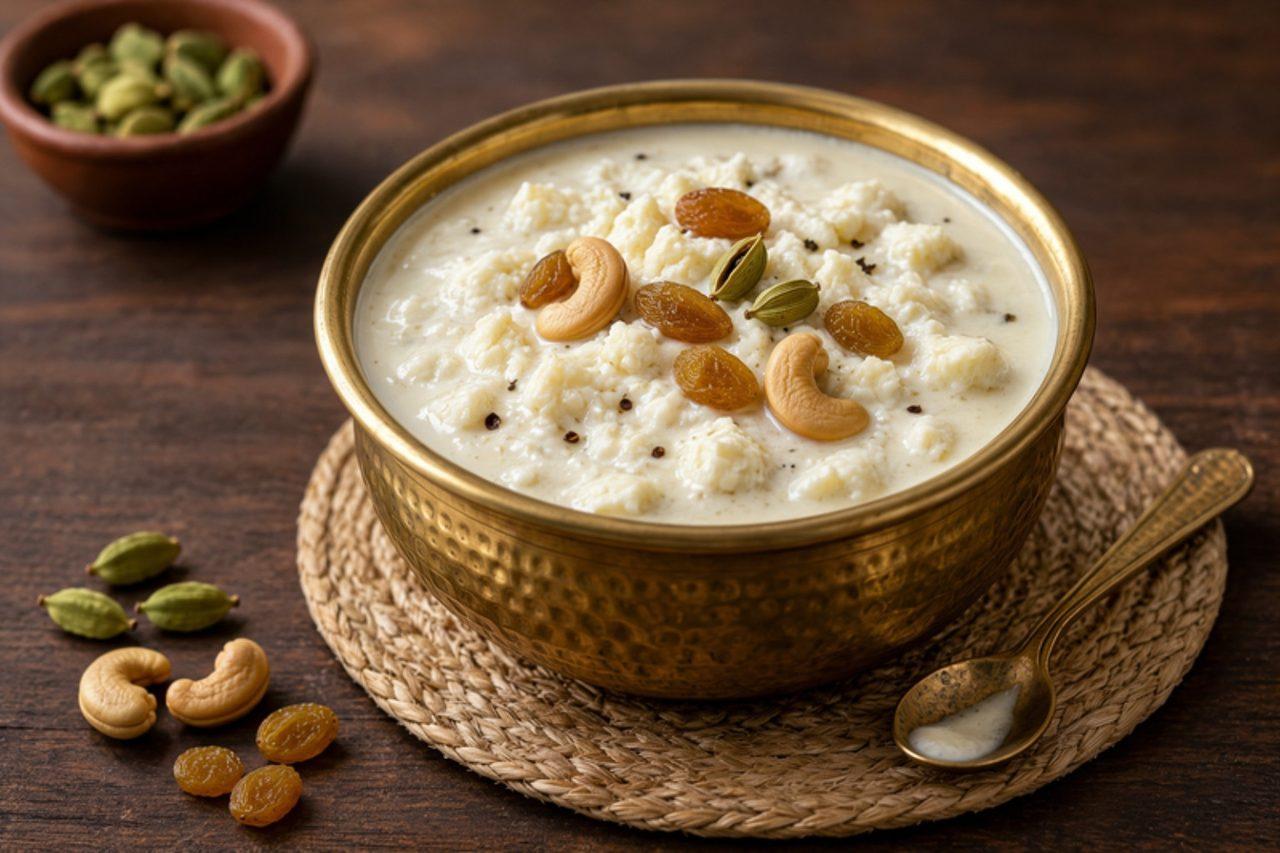
Chhena kheeri is one of the dishes of the Jagannath temple's chhappan bhog in Puri, and Odia households make it for festivals, birthdays and the evening Rath Yatra meal. Soft, freshly made chhena is crumbled into milk that has been simmered down until creamy and sweet, then scented with cardamom and a little camphor in temple style, or simply nutmeg at home. The common mistake is adding the chhena too early and boiling it hard, which makes it rubbery; it should go in at the end and simmer only briefly. Chef's tip: crumble the chhena by hand into pieces the size of rice grains, so every spoonful has some.

by KrazyBadal 0 views

ChigumuBanana maize cake

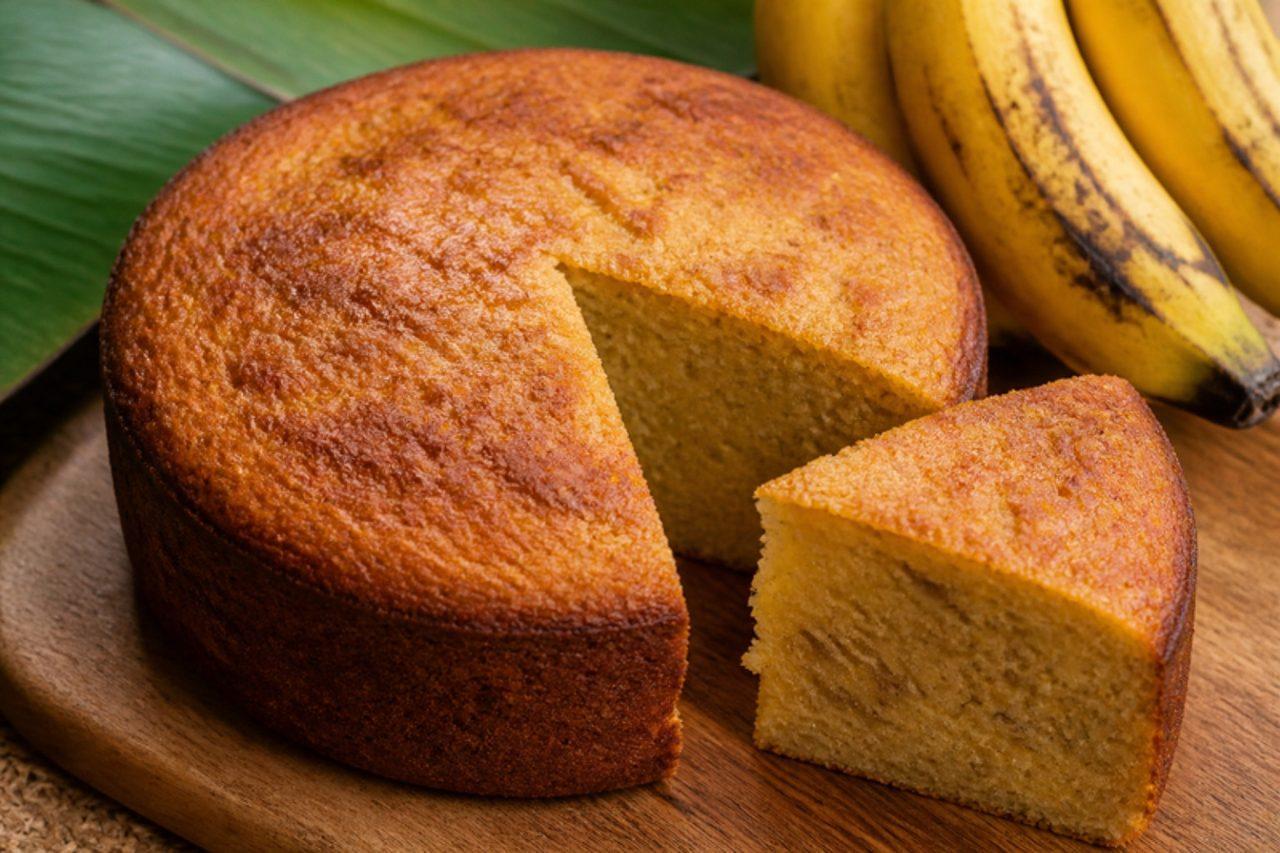
Chigumu is village baking from the Shire Highlands and the lakeshore near Mangochi: a thick batter of maize flour, overripe bananas and sugar poured into a greased pot, set on embers with more coals heaped on the lid, and left to bake slowly. The result is a dense, moist, golden loaf with a slightly gritty, cornbread-like crumb and a deep banana sweetness, cut into wedges for children after school or carried on journeys. An oven and a loaf tin give the same result at home. The usual mistake is using under-ripe bananas, which leave the cake dry and bland. Chef's tip: pick bananas with skins more black than yellow, and mash them to a liquid before adding the maize flour.

by KrazyBadal 0 views

BotaMaize porridge with peanut butter

Before school buses leave Bulawayo and Gweru, pots of bota are already ticking on the stove: a thin, pourable porridge of white maize meal, much looser than the stiff sadza eaten later in the day. A good spoonful of peanut butter turns it pale gold and gives it a toasty, slightly savoury richness, and a little sugar makes it a favourite with children. Some families stir in lacto, the Zimbabwean sour milk, or squeeze in lemon for tang; this version keeps it plant-based. Lumps are the classic fault, and they come from tipping dry meal into boiling water. Chef's tip: always whisk the maize meal into cold water first, then heat it, and the porridge stays velvet-smooth.

by KrazyBadal 0 views

KusliSemolina-filled Diwali pastries

Kusli are the crimped half-moon pastries that fill tins in Chhattisgarhi homes before Diwali and Chhath, close cousins of the gujiya and karanji but filled with semolina roasted in ghee, dry coconut and sugar rather than mawa. They keep for a fortnight and are handed to visitors with thethri and khurmi. The common mistake is frying them in very hot oil; they blister and brown outside while the pastry stays raw within. Chef's tip: seal the edges with a dab of milk and a firm pinch-and-fold twist so not a crumb of filling leaks into the oil.

by KrazyBadal 0 views

Neem begunNeem leaves with aubergine

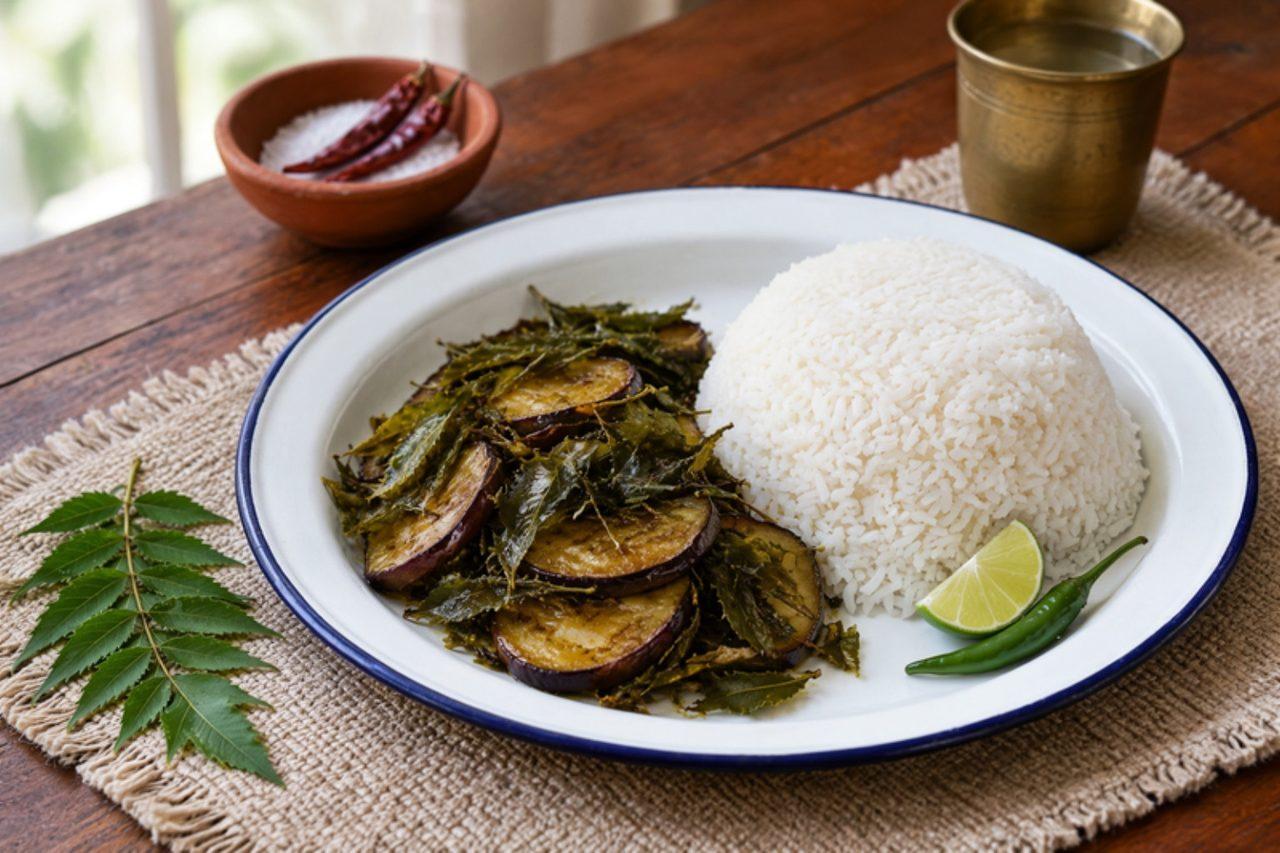
Neem begun opens a traditional Bengali lunch in spring, especially around Poila Baisakh, when the neem trees of West Bengal put out soft new leaves. A few tender leaves are fried crisp in mustard oil, then tossed with small cubes of fried aubergine so the bitterness is softened by the creamy brinjal. Eat a spoonful or two with the first mouthfuls of rice, before the dal. It is suitable as part of a balanced diet and is meant to be eaten in small amounts, as Bengali cooks always have. About 110 kcal and 7 g carbohydrate per portion. The usual mistake is frying the neem too long, which turns it black and acrid; it needs only seconds. Chef's tip: dry the leaves completely on a cloth before they go into the oil, or they spit and steam instead of crisping.

by KrazyBadal 0 views

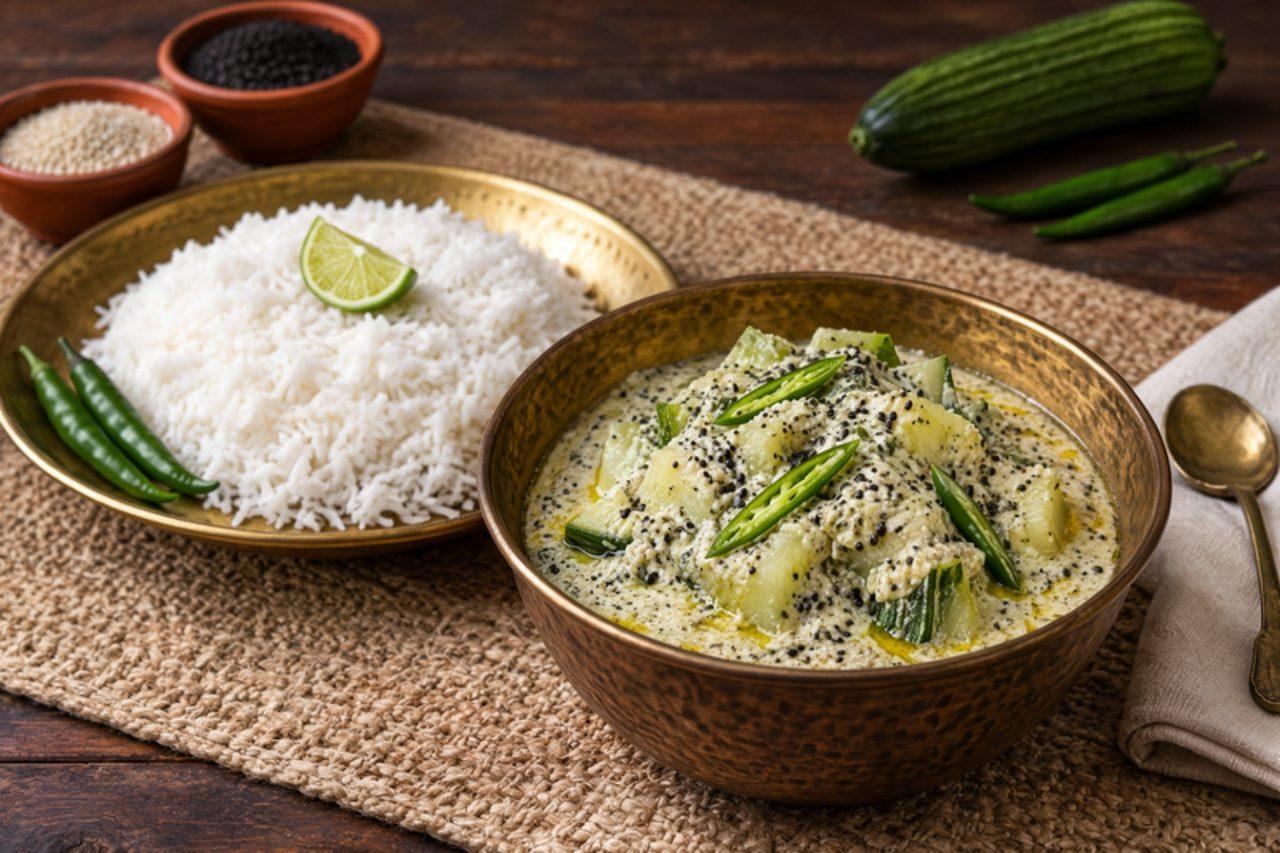
Jhinge postoRidge gourd with poppy seeds

Jhinge posto is a summer staple of West Bengal and especially the Bankura and Birbhum districts, where poppy seed (posto) goes into almost every everyday lunch. Ridge gourd is cooked in its own juices with nigella seeds and green chilli, then coated in a creamy paste of ground white poppy seeds, giving a mild, nutty, slightly sweet dish. Serve it with rice and dal, or with a millet roti for a lower-GI plate. It is suitable as part of a balanced diet. About 150 kcal and 9 g carbohydrate per portion. The usual mistake is adding water: the gourd releases plenty, and extra water makes the posto runny. Chef's tip: soak the poppy seeds in hot water for 20 minutes before grinding so the paste is smooth, not gritty.

by KrazyBadal 0 views

Khatta magGreen moong in sour yogurt

Khatta mag is weekday comfort across Gujarat, from Ahmedabad flats to Saurashtra farmhouses: whole green moong cooked soft and simmered in a tangy, kadhi-like gravy of yoghurt and gram flour with ginger, green chilli and a clove-and-cinnamon tempering. It is ladled over rice or eaten with bajra rotla, and many families cook it on Wednesdays, the day for moong. A little jaggery is optional. The usual mistake is pouring cold yoghurt into the hot pot without whisking it with gram flour first, which makes it split into curds. Slow-cooker: cook the soaked moong with 600 ml water on low for 5 hours, then stir in the yoghurt mix and cook on high for 30 minutes. Chef's tip: slightly sour, day-old yoghurt gives the best khatta flavour.

by KrazyBadal 0 views

Gogji razmaKidney beans with turnips

In the Kashmir valley, gogji razma is a winter comfort dish, made in heavy pots when turnips are sweet after the first snow and dried beans from Bhaderwah fill the store. Red kidney beans and turnip chunks simmer in a thin, red gravy flavoured with mustard oil, ground fennel, dried ginger and Kashmiri chilli, without any onion or tomato. Serve with a modest bowl of rice or a millet roti and a green salad. It is suitable as part of a balanced diet. About 300 kcal and 38 g carbohydrate per portion. The usual mistake is slow-cooking dried kidney beans without boiling them hard first; raw kidney beans are unsafe, so soak them overnight and boil hard for 10 minutes before simmering. Chef's tip: add the turnips only when the beans are almost soft, so they keep their shape and sweetness.

by KrazyBadal 0 views

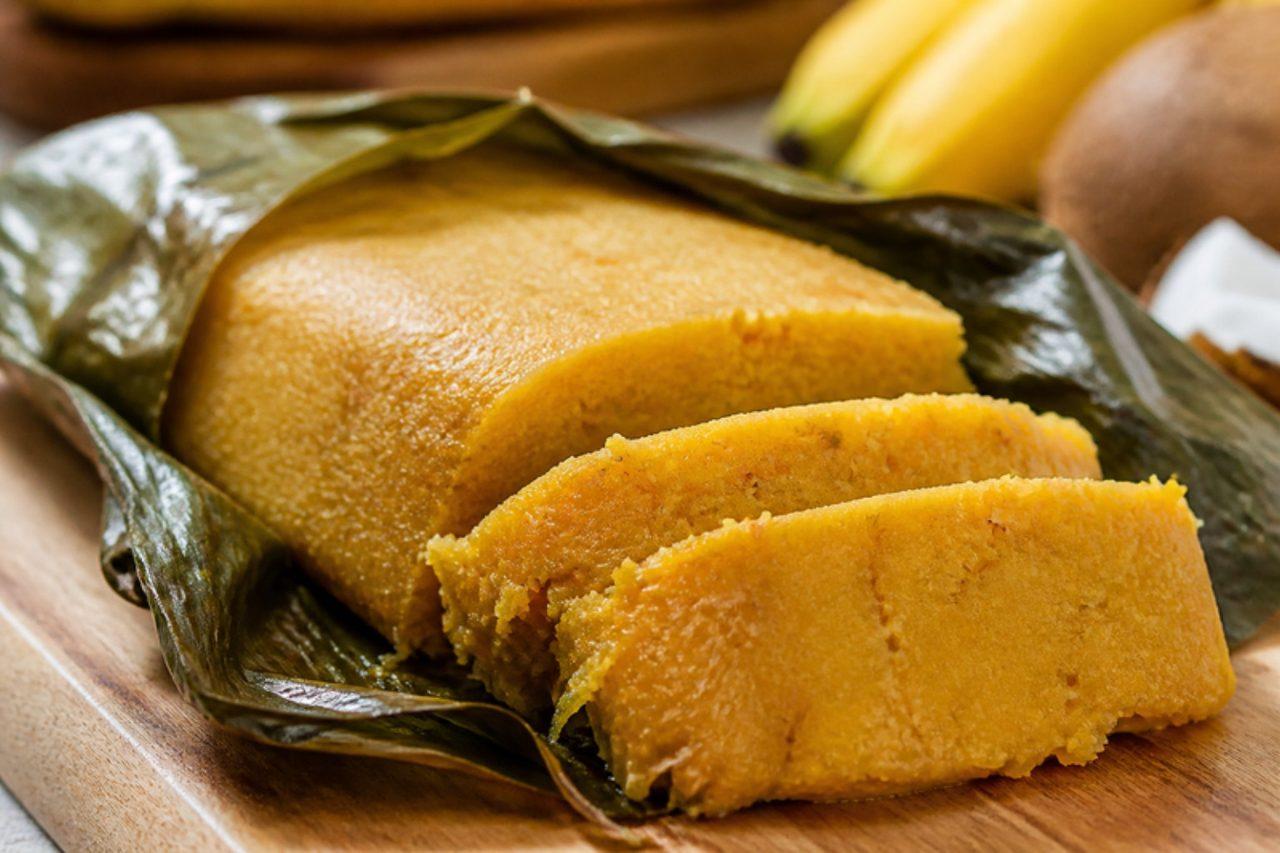
CafungaBanana coconut cake in leaves

Cafunga belongs to Venezuela's eastern coast, in Sucre and the Afro-Venezuelan villages of Barlovento, where ripe bananas, coconut and panela are wrapped in banana leaves and baked until fragrant. It comes out dense and moist, somewhere between a pudding and a cake, and is sold in its leaf at fiestas and village markets. The common mistake is not softening the leaves first, so they crack and leak. Chef's tip: pass each leaf over a gas flame or dip it in boiling water until it turns glossy and pliable.

by KrazyBadal 0 views

Showing 24 of 3,477 recipes

Show more recipes

Page 60 of 145

More No onion & garlic ideas

Other diets