Skip to content
WhatToEat.Today

No onion, no garlic recipes (Swaminarayan and sattvic)

3,468

3468 vegetarian recipes cooked without onion or garlic, as in Swaminarayan and sattvic kitchens, with no meat, fish, eggs or alcohol. Each has photos, step-by-step instructions and cook times. The quickest, Apfelschorle, takes 2 minutes. Most take around 45 minutes.

Filter these by time, diet or cuisine · Make No onion & garlic your diet to see only these recipes everywhere on the site.

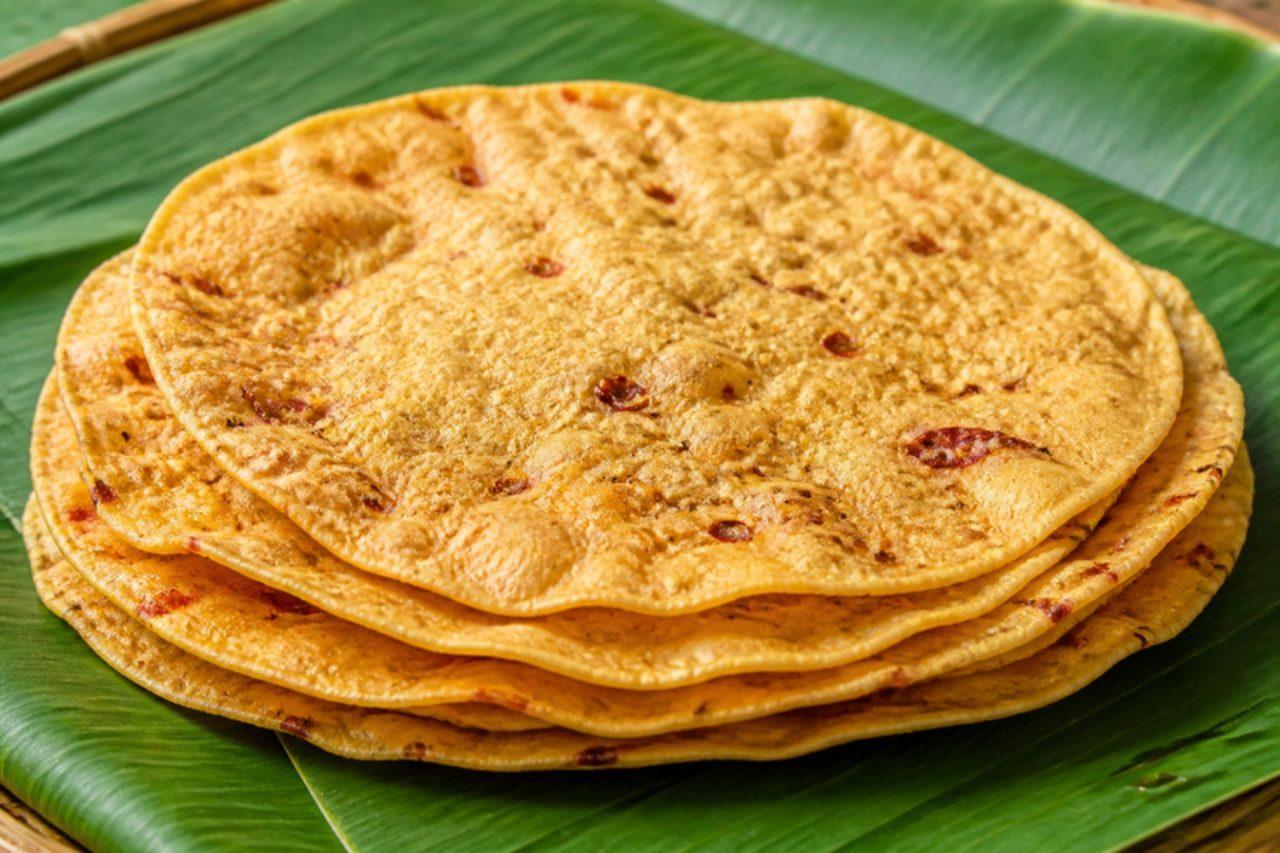
Halasina happalaJackfruit papads

In Udupi and the rainy Malnad hills, families turn the glut of summer jackfruit into happala: raw bulbs cooked soft, ground with chilli and cumin, pressed into thin rounds and dried on the terrace for the monsoon months. Fried in coconut oil they puff into a crisp, earthy papad with a gentle chilli heat, eaten with rice and saaru or on their own with tea. The common mistake is pressing them too thick; they stay leathery and won't puff. Aim for about 2 mm, thin enough to see light through the edges. Chef's tip: oil your hands, the plastic sheets and the press, because raw jackfruit latex is very sticky and will glue everything together.

by KrazyBadal 0 views

Kashi halwaAsh gourd halwa

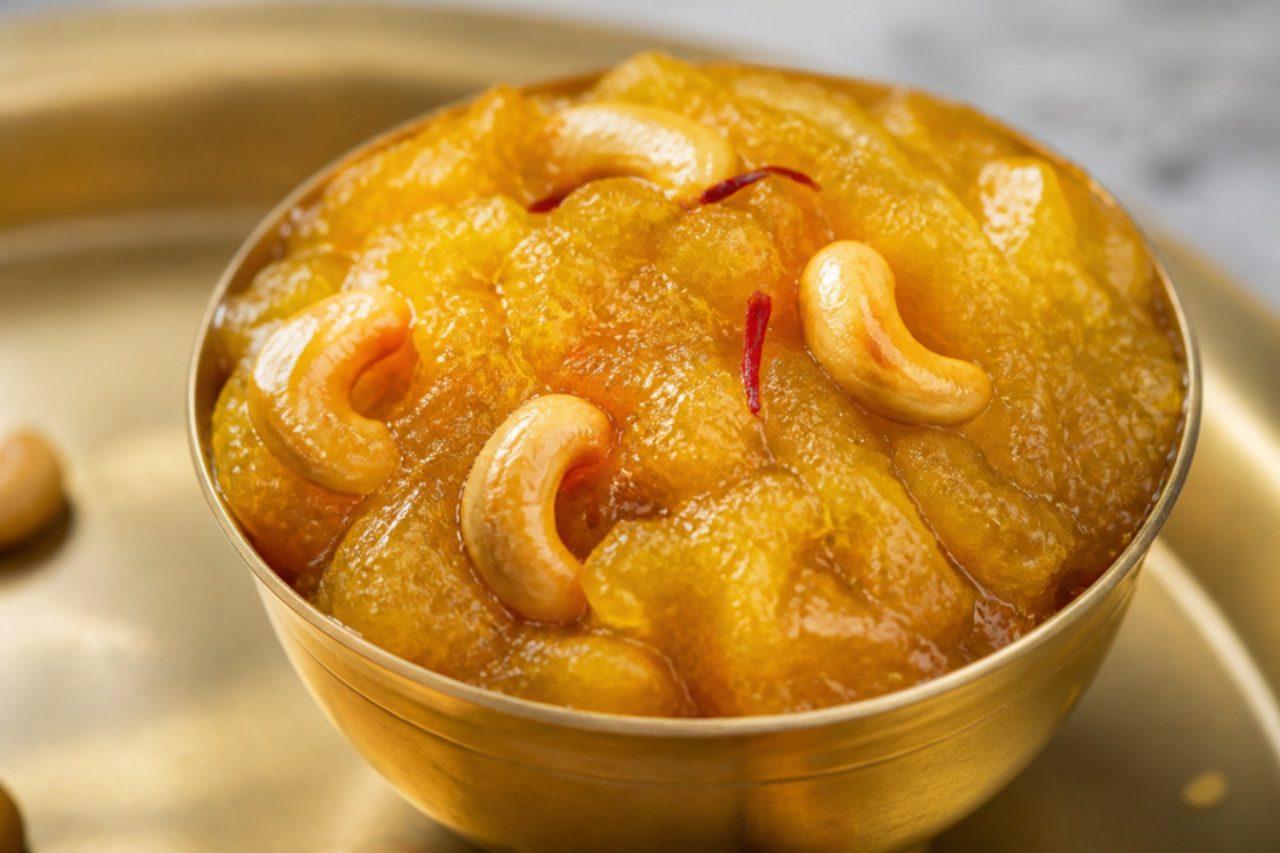
Kashi halwa, also called dumrot, is the sweet that ends Udupi and Karnataka wedding feasts, spooned onto the banana leaf next to payasa. Grated white ash gourd cooks down in its own juice with sugar and ghee until it turns glassy and golden, with saffron for colour and cashews for crunch; it tastes delicate and buttery, not vegetal. The mistake most people make is skipping the squeeze: grate the gourd and leave the water in, and the halwa takes an hour to thicken and goes mushy. Squeeze it well, then cook the gourd in that juice. Chef's tip: add the sugar only after the gourd is soft and translucent; sugar added early firms the shreds and they never turn tender.

by KrazyBadal 0 views

Gato moutailleFried dough ropes in cardamom syrup

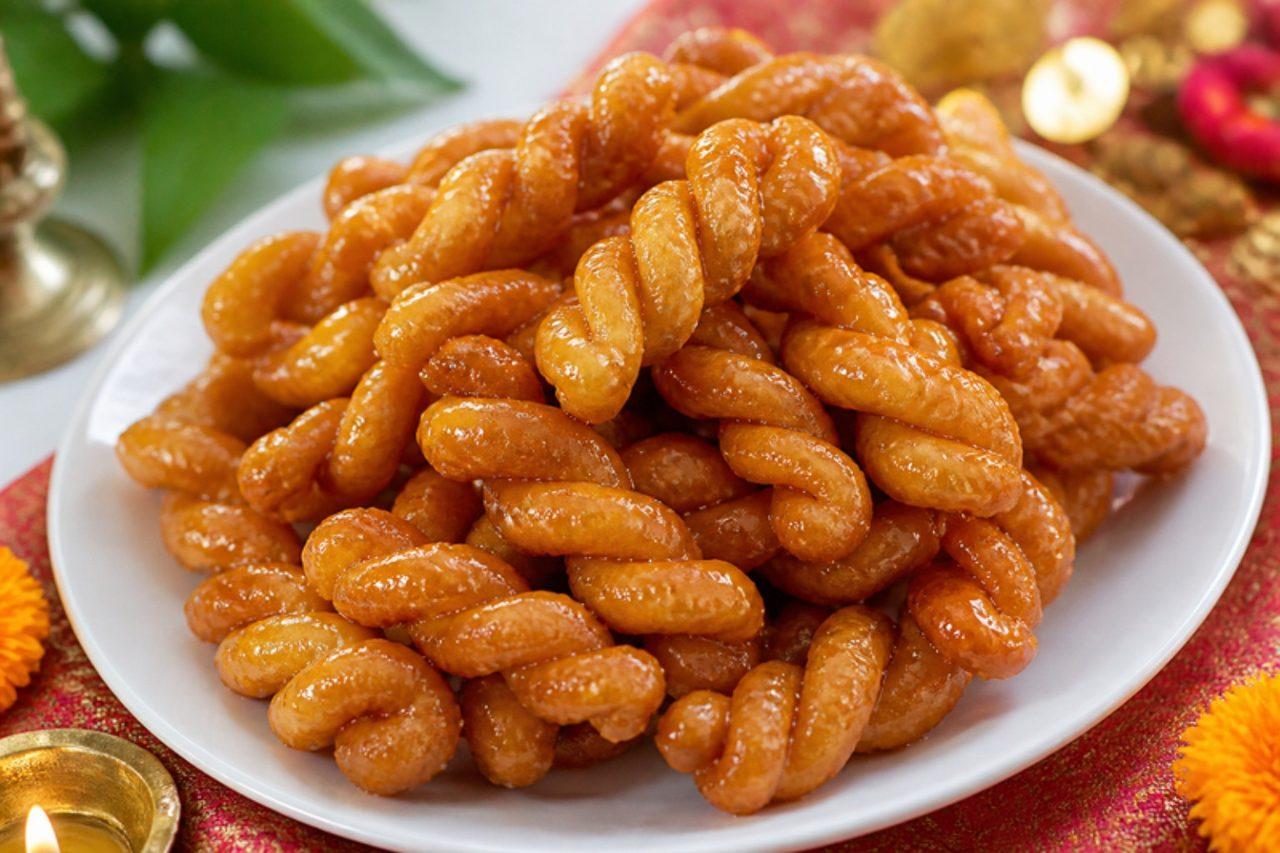
On Divali evening in Mauritius, Hindu households set out clay lamps and then walk plates of sweets round to their neighbours, Hindu, Muslim, Creole and Chinese alike; gato moutaille, gato cravate and gato zinzli are almost always on the plate. Moutaille (from the Bhojpuri mithai) are short ropes of soft dough twisted into knots or spirals, fried until crisp and soaked in a cardamom syrup so the outside is sticky and the inside stays slightly chewy. Common mistake: syrup that is too thick, which crystallises into a white crust; cook it only to one-string consistency, when a drop pulled between finger and thumb makes a single thread. Chef's tip: dip the moutaille while they are hot and the syrup is warm, then lift them out after a minute so they stay crisp.

by KrazyBadal 0 views

Bread pakoraStuffed bread fritters

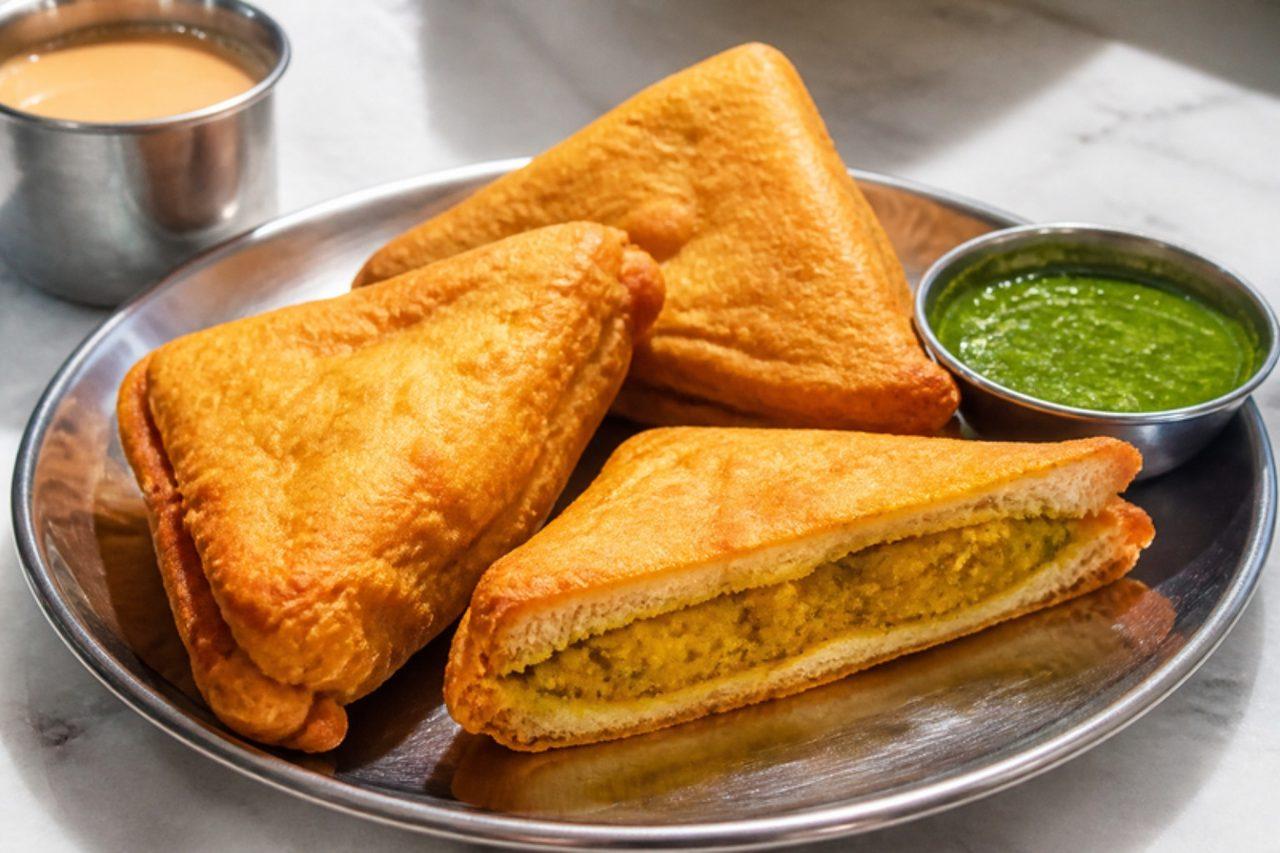
Every tea stall from Ludhiana to Delhi's Kamla Nagar has a tray of bread pakoras by ten in the morning, and school children and office clerks eat them standing up, squashed into a paper plate with ketchup and fried green chillies. Two slices of soft white bread hold a layer of green chutney and spicy aloo, and the whole sandwich is cut into triangles, dunked in a thick besan batter and fried until it puffs and crisps. The common mistake is a thin, watery batter: it soaks straight into the bread and the pakora comes out heavy and oily. Keep the batter as thick as idli batter and dip quickly. Chef's tip: use bread that is a day old, which holds its shape in the batter far better than fresh.

by KrazyBadal 0 views

Alwar milk cakeGrainy reduced-milk sweet

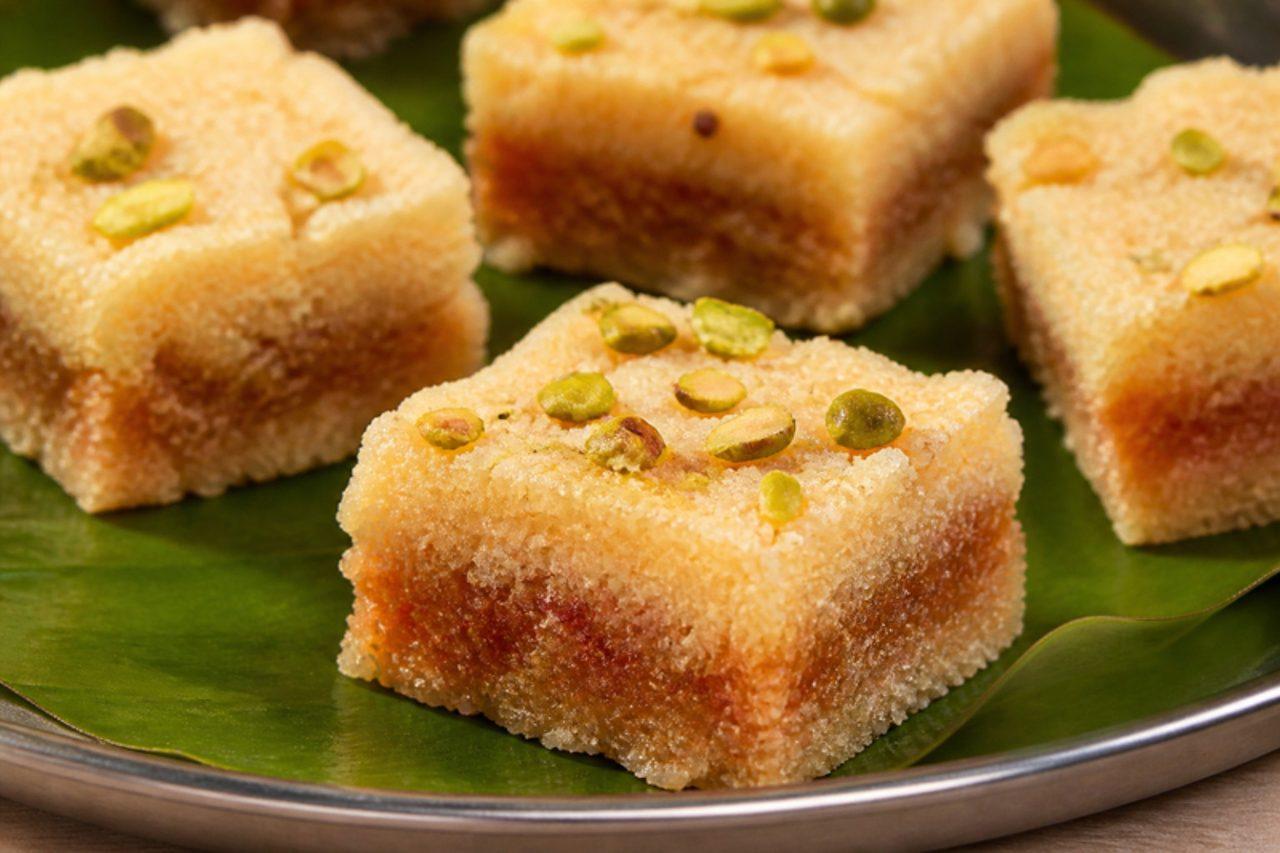
Sweet boxes swapped on Raksha Bandhan in Rajasthan very often hold Alwar milk cake: a dense slab of full-fat milk reduced for hours with sugar, then left to set slowly in its own heat so the middle caramelises dark brown while the edges stay pale and grainy. Unlike kalakand, it uses no chhena at all; the grain comes from souring the milk just a little as it reduces, and the colour from long, patient cooking. It is fudgy, milky and toffee-like. Common mistake: hurrying the last stage on a high flame, which scorches the base instead of browning it; the mass is ready when it leaves the sides of the pan as one sticky lump and the ghee starts to show at the edges. Chef's tip: wrap the filled tin in a thick towel and leave it overnight; that slow cooling is what browns the centre.

by KrazyBadal 0 views

Doodh pauvaChilled saffron milk with flattened rice

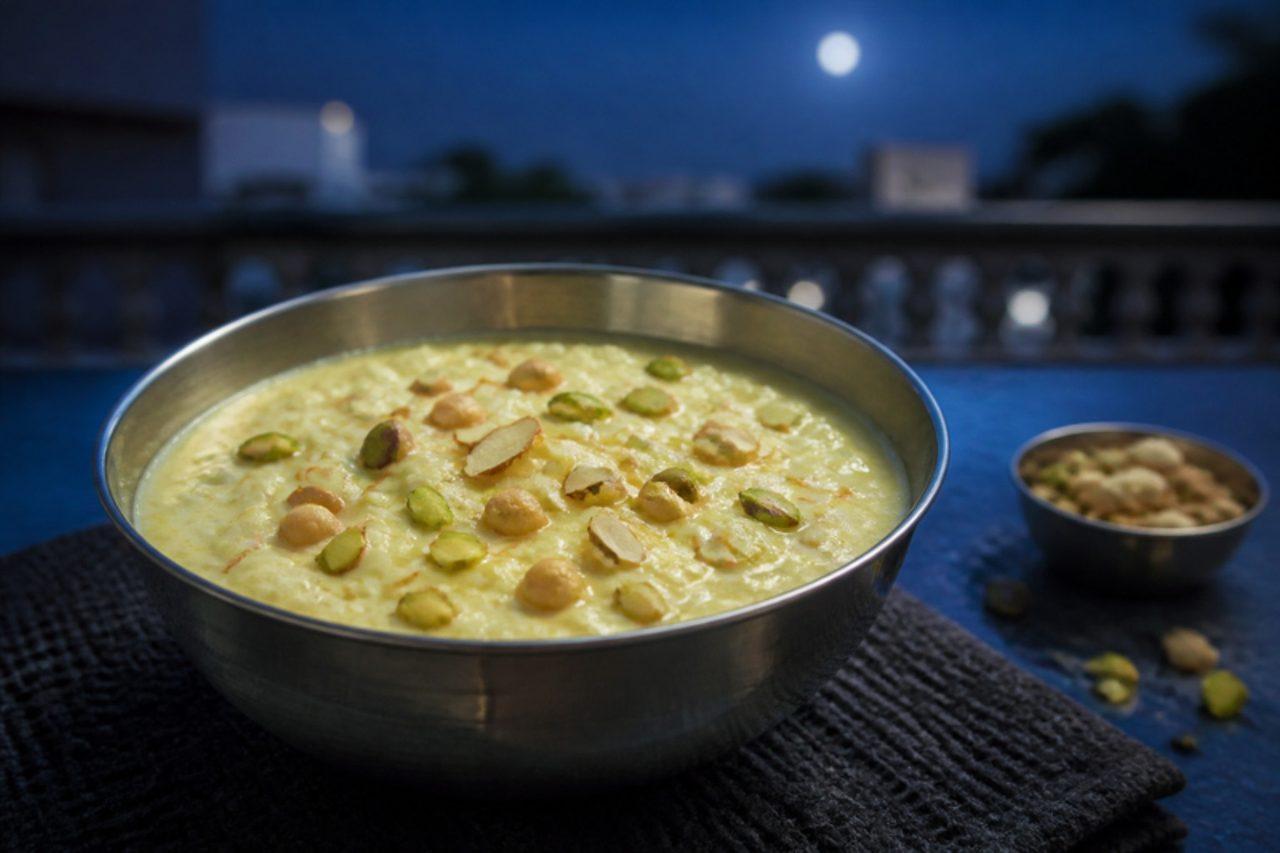
Sharad Poonam, the brightest full moon of the year, ends the Navratri season in Gujarat; families sing garba late into the night and leave a bowl of doodh pauva out under the moon, believing its rays make it healing, before eating it cold together. It is thin poha soaked in reduced, sweetened milk with cardamom, saffron and nuts, cooling, soft and lightly creamy, the Gujarati cousin of Maharashtra's Kojagiri masala doodh. Common mistake: adding poha to hot milk or too early, so it turns to porridge; chill the milk first and stir the poha in only 10–15 minutes before eating, when the flakes are soft but still separate. Chef's tip: simmer the milk down by a quarter before chilling; a little reduction gives body without needing cream.

by KrazyBadal 0 views

GojhaSweet coconut half-moon pastries

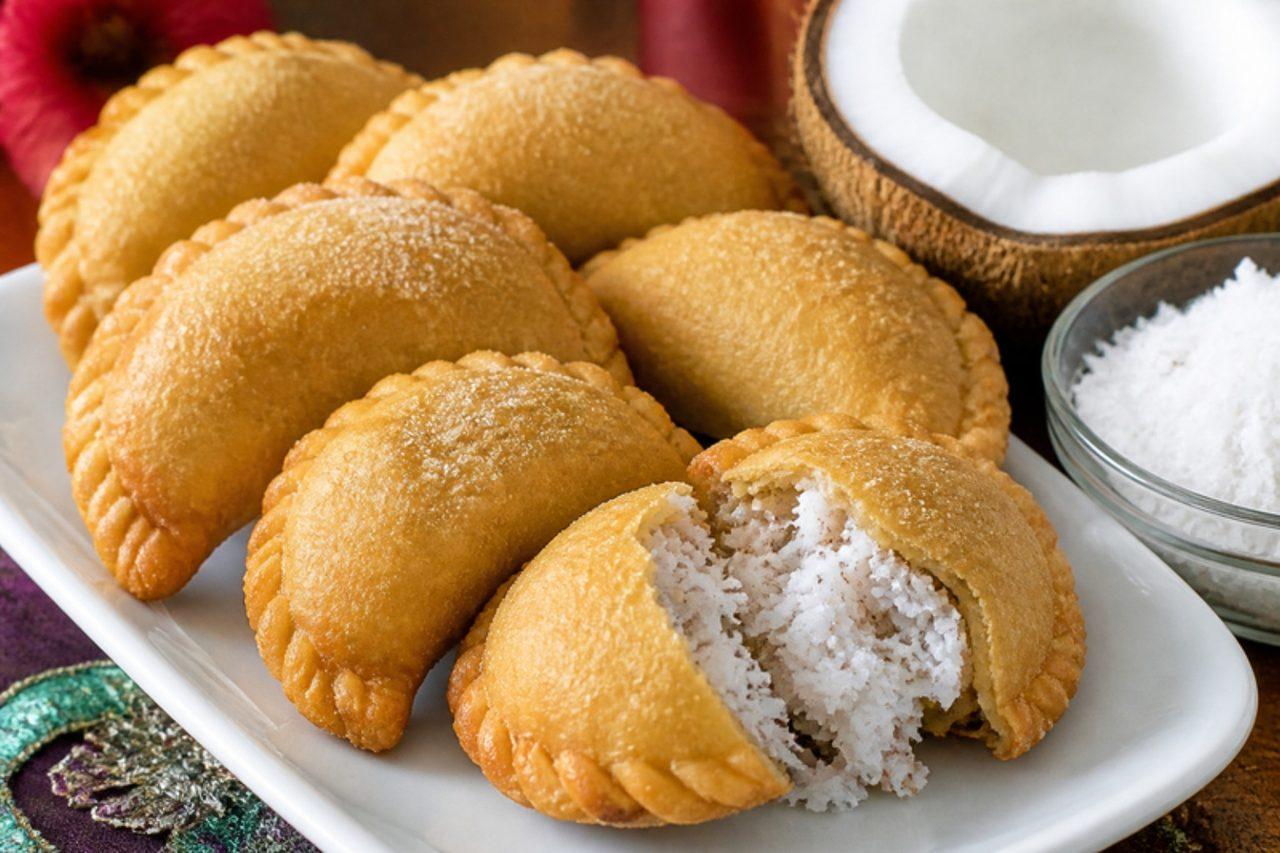
When Divali comes to Trinidad, Hindu families light rows of clay deyas along bamboo frames, and the kitchen fills up with sweets to share with neighbours of every faith: kurma, parsad, barfi and gojha. Gojha are the Caribbean cousin of the North Indian gujiya: a short dough rolled thin, filled with grated coconut cooked with brown sugar, cinnamon, nutmeg and ginger, folded into half-moons, crimped and fried golden; the same tray reappears at Phagwah, the spring colour festival. Common mistake: frying in oil that is too hot, which browns the outside while the pastry stays raw; keep the oil at about 170 °C and fry until the bubbles slow and the gojha are evenly golden. Chef's tip: seal the edges with a dab of water and crimp them tightly, or the filling leaks and spits in the oil.
by KrazyBadal 0 views

Vishu kanjiRice and green gram porridge

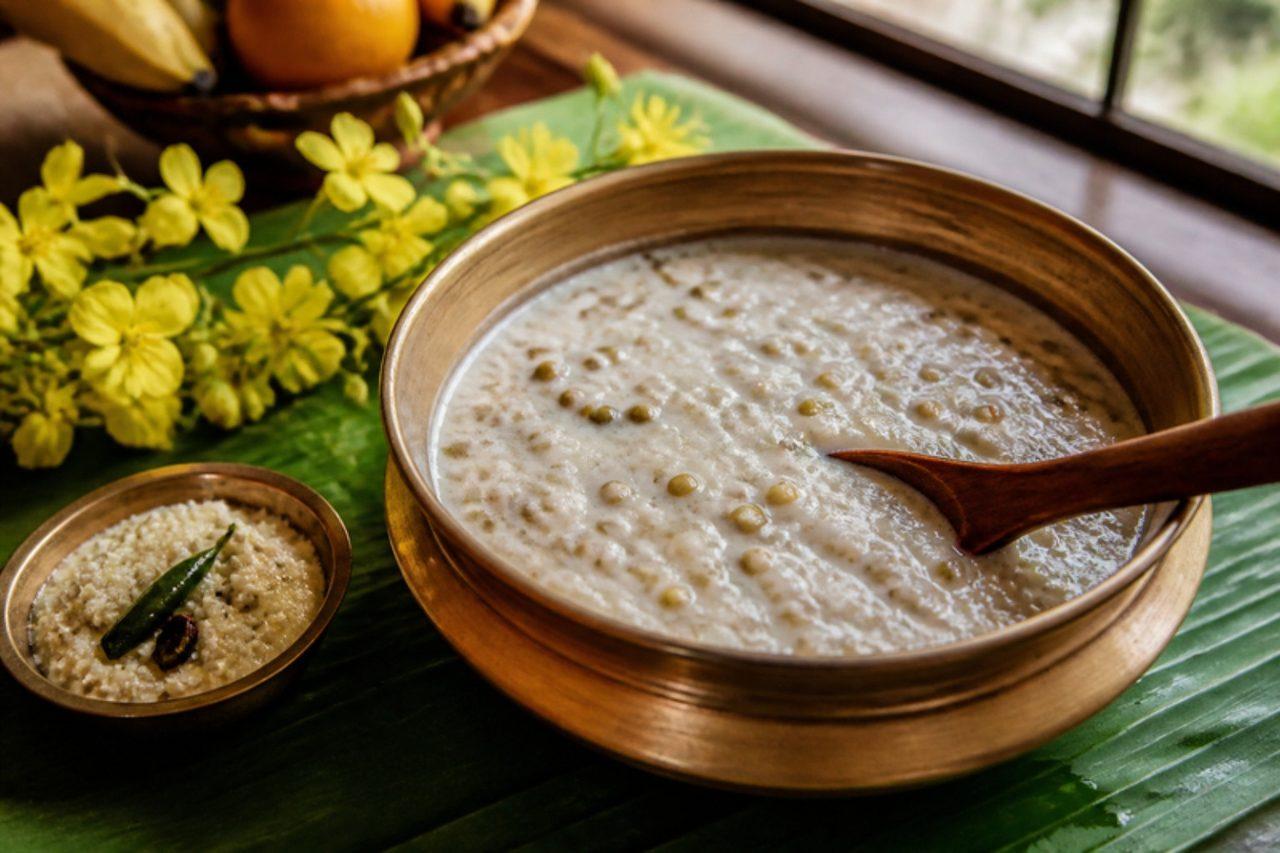
In Kerala, Vishu starts before sunrise with the kani, when each member of the family is led with closed eyes to see a tray of rice, gold-yellow konna flowers, fruit, a mirror and a lamp, so the year begins with something lucky. Breakfast afterwards, in many central Kerala homes, is this kanji: rice and lightly roasted whole green gram cooked soft and finished with coconut milk, eaten with a dry chakka or pumpkin side and pappadam. It is mild, creamy and nourishing, nothing like a plain rice gruel. The common mistake is boiling the thick coconut milk, which splits it and turns the kanji grainy; it goes in at the end, off the boil. It is ready when the gram has burst and the rice falls apart when stirred. Chef's tip: a few crushed cumin seeds and a shallot fried in coconut oil spooned over each bowl make it taste festive.

by KrazyBadal 0 views

PaapeTwice-baked tea rusks

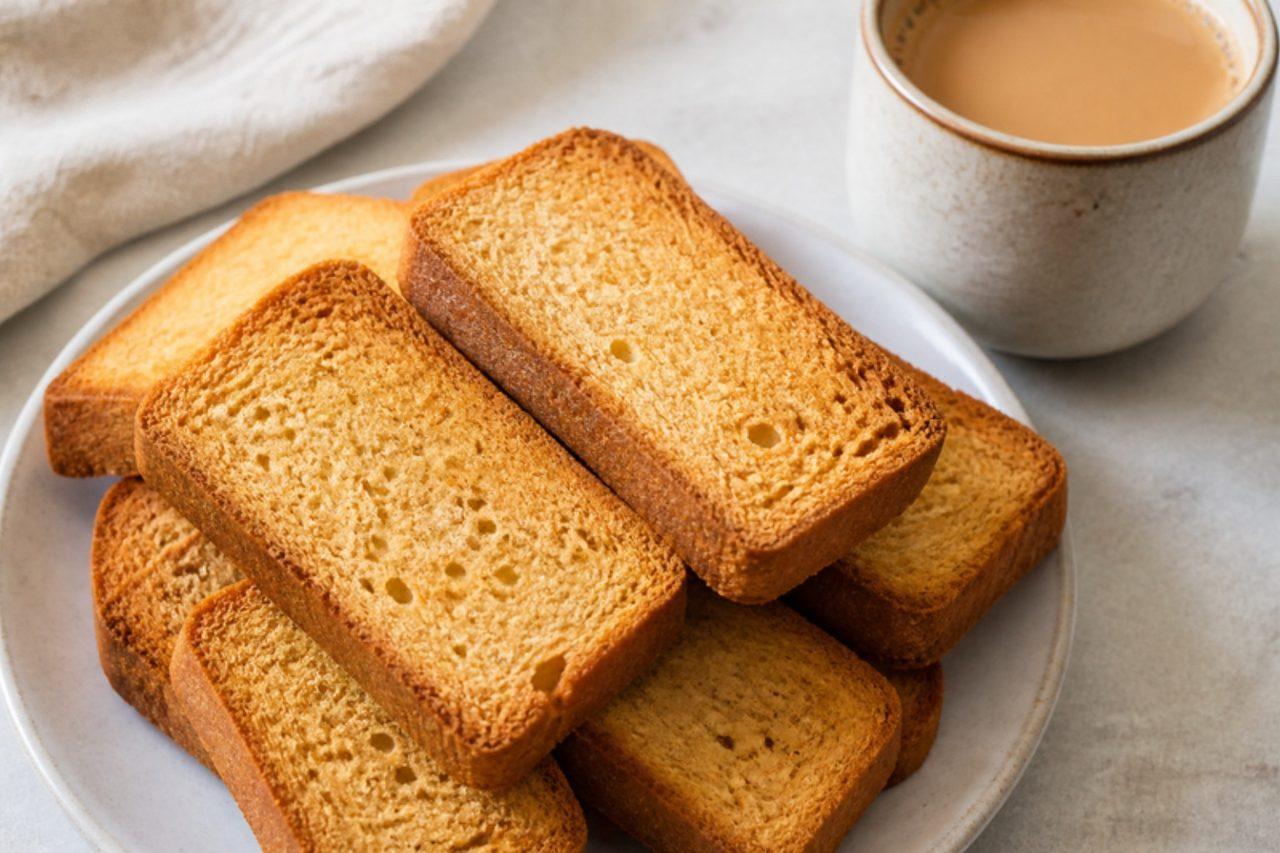
No Punjabi kitchen is without a tin of paape. They are dunked in the first cup of tea at dawn and again at four o'clock, carried to the fields, and offered to every guest who drops in. Bakeries across Punjab bake a sweet, light loaf, slice it and dry it slowly until it snaps, and this home version does exactly the same. The common mistake is slicing the loaf while it is still warm: it squashes, and the rusks dry out dense and gummy. Let it cool completely, ideally overnight. Chef's tip: dry the slices at a low temperature until the centre snaps cleanly; any softness in the middle and they go stale within days.

by KrazyBadal 0 views

Talela marchaFried green chillies

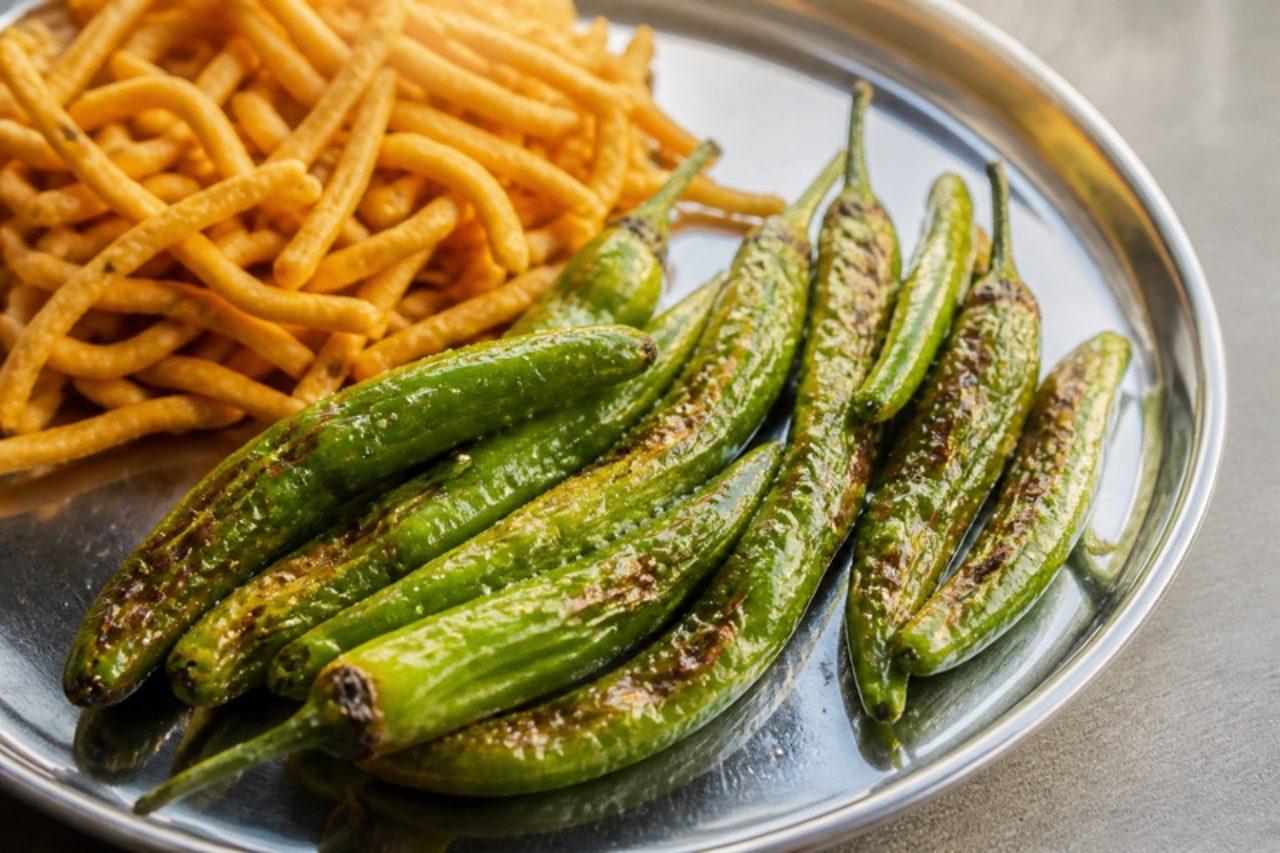
Every plate of gathiya, dalvada or bhajiya sold in Gujarat comes with a little heap of talela marcha, green chillies dropped into the farsan seller's kadai for a few seconds until they blister and turn olive green, then shaken with salt and a squeeze of lemon. Bitten between mouthfuls of farsan they give a fresh, smoky hit of heat. Use thick, fairly mild chillies if you can find them. The common mistake is frying wet chillies: water on the skin makes the oil spit violently. Chef's tip: slit them lengthways first so steam escapes and they don't burst in the oil.

by KrazyBadal 0 views

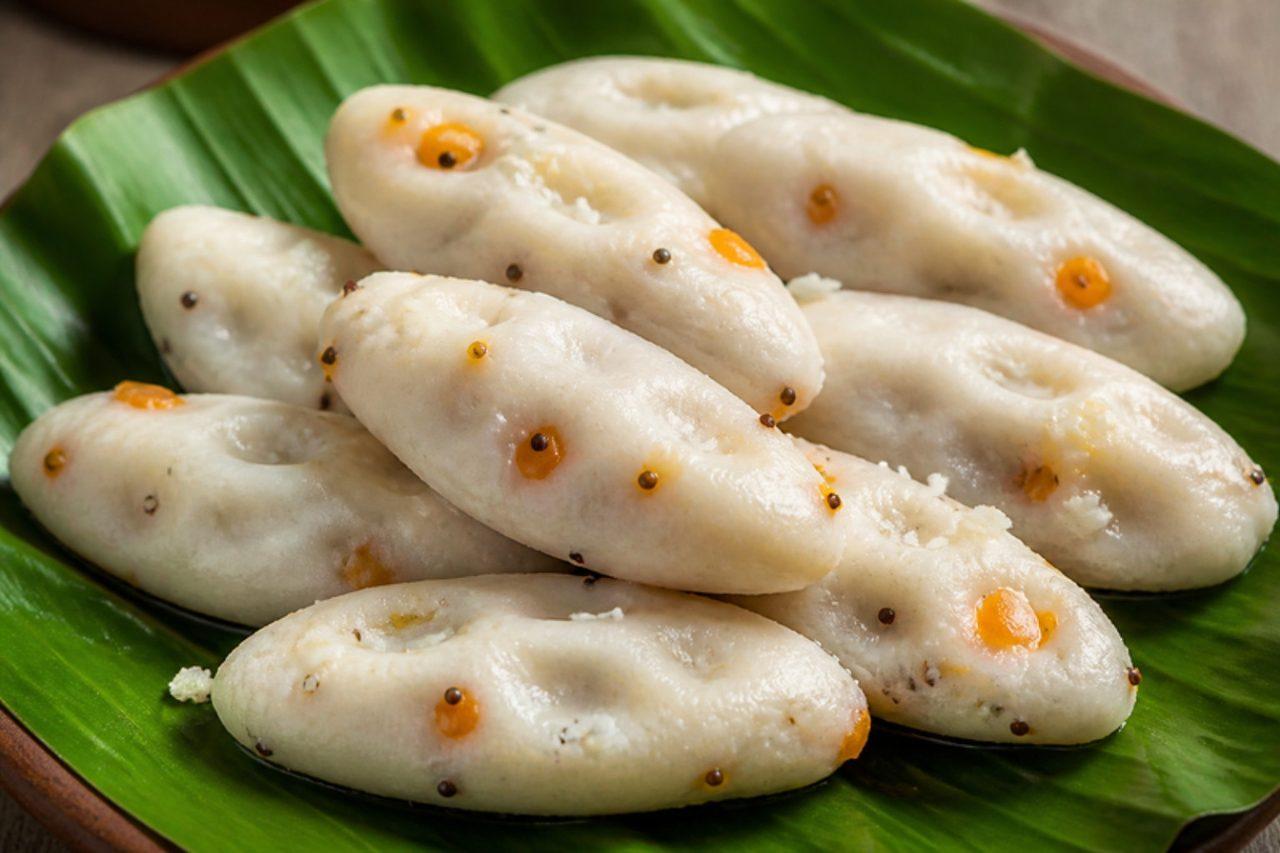
NuchinundeSteamed dal and dill dumplings

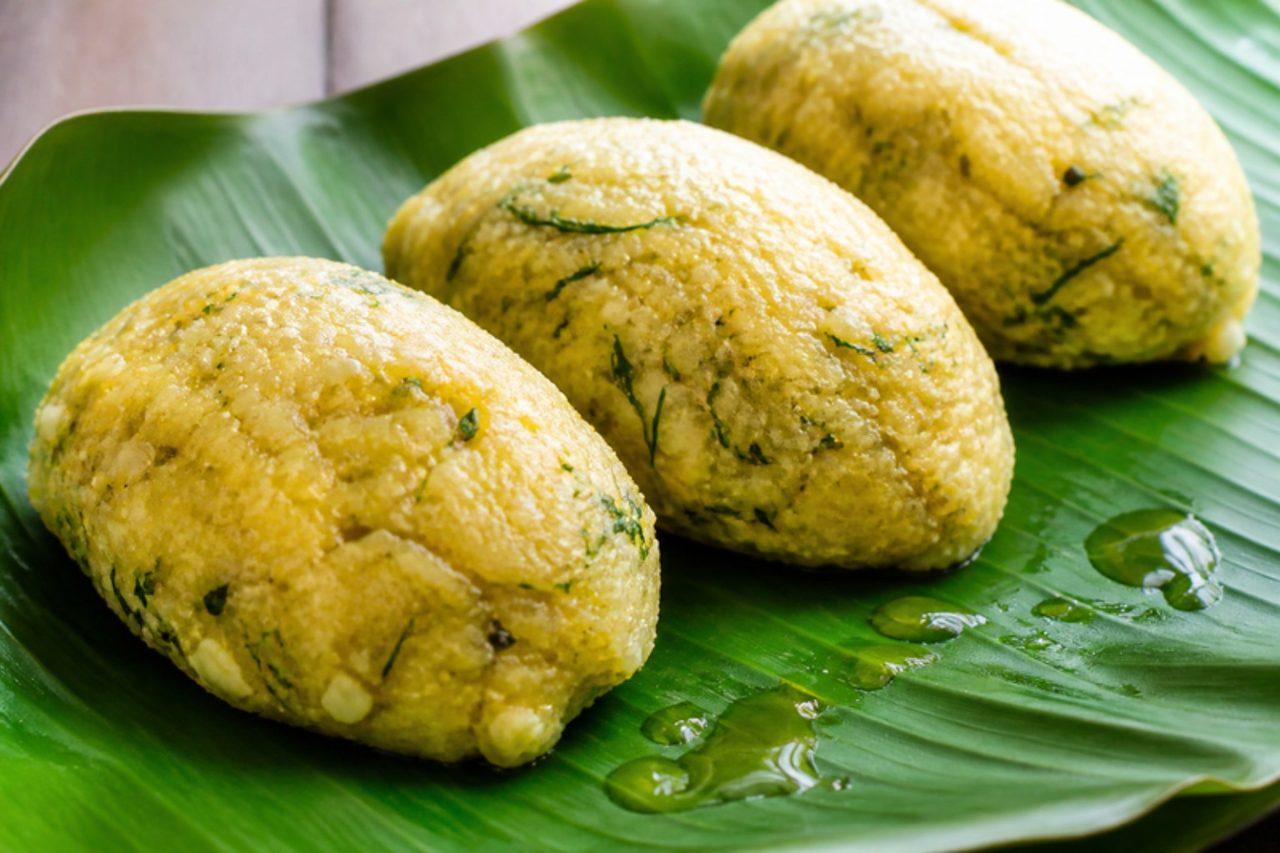
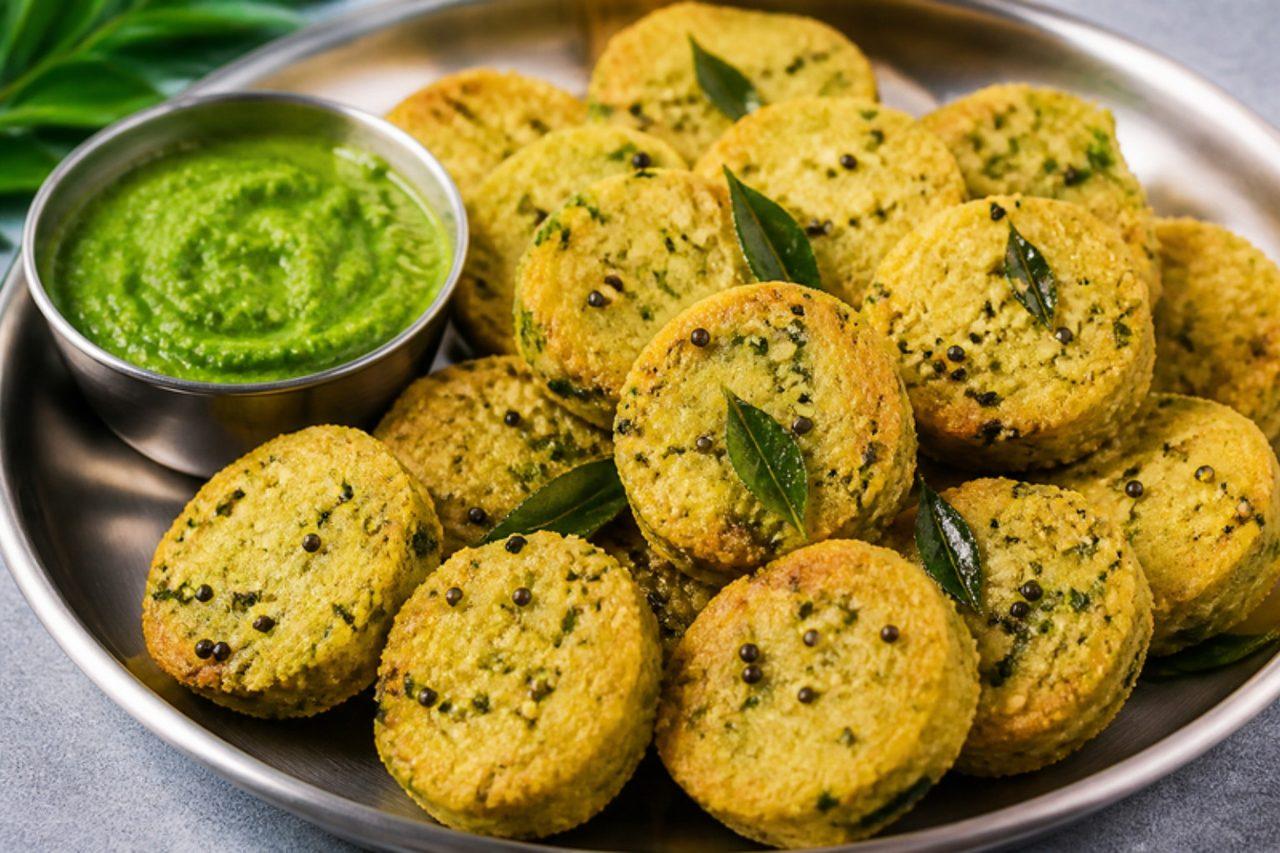
Nuchinunde are steamed lentil dumplings from old Mysuru and Bengaluru homes, made for breakfast or an evening tiffin and often offered for Ganesha Chaturthi. Toor and chana dal are ground coarse with green chilli and ginger, mixed with fresh dill (sabsige soppu), coconut and curry leaves, shaped into ovals and steamed, so they come out soft but crumbly, herby and protein-rich with no oil. A common mistake is grinding the dal to a paste; it should stay grainy like coarse semolina or the dumplings turn rubbery. Chef's tip: drain the soaked dal for a full 15 minutes; extra water makes the mix too loose to hold its shape.

by KrazyBadal 0 views

PalkovaMilk fudge

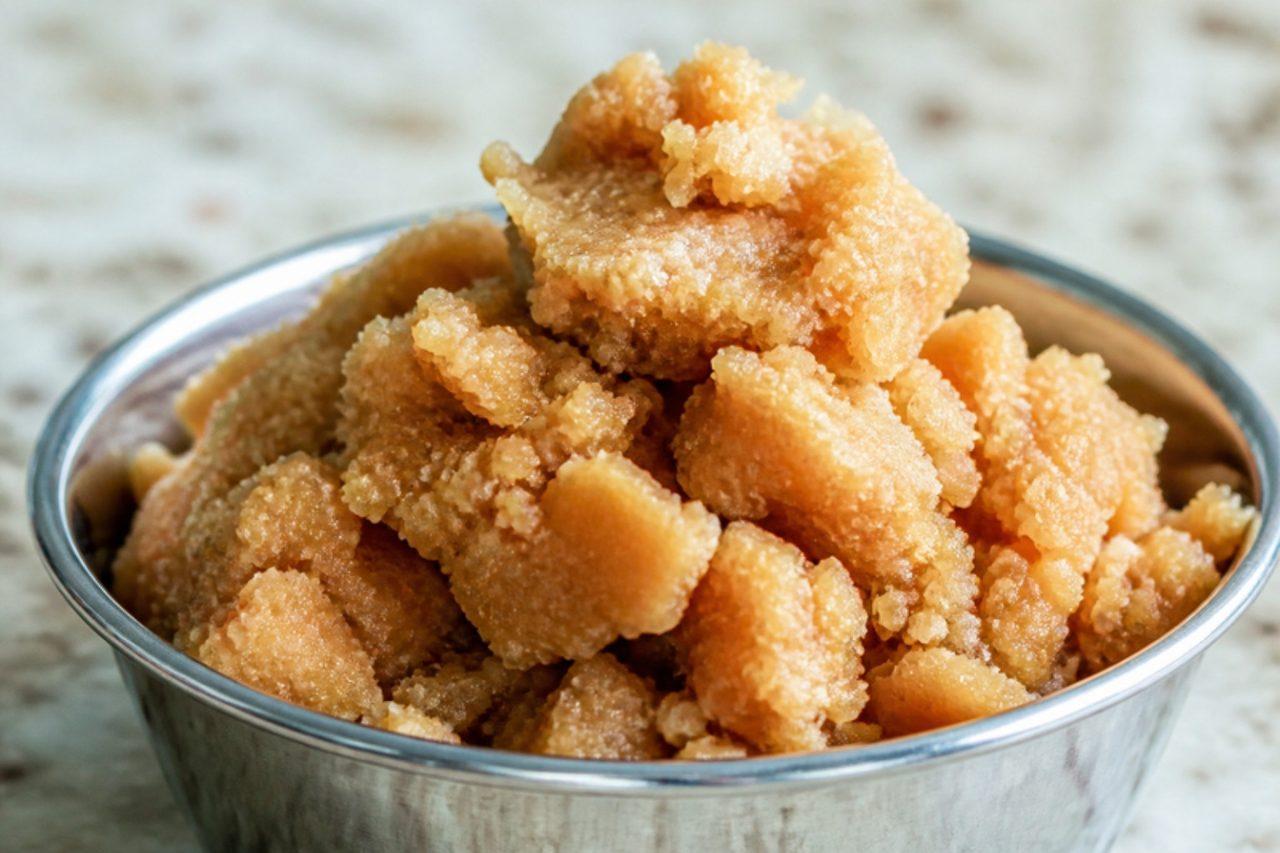
Srivilliputhur, the temple town of Andal near Virudhunagar, is so famous for its palkova that it has a protected geographical name. Local cows' milk is reduced in wide iron pans over a wood fire with sugar until it becomes a soft, grainy, pale caramel-coloured fudge, sold on banana-leaf squares and eaten as a sweet with tea or after meals. The mistake is turning the heat up to save time; the milk scorches, tastes burnt and the texture turns tough. Chef's tip: use full-fat milk and a wide, heavy pan, and stir the bottom and sides constantly in the last twenty minutes.

by KrazyBadal 0 views

TambittuRoasted rice flour jaggery laddus

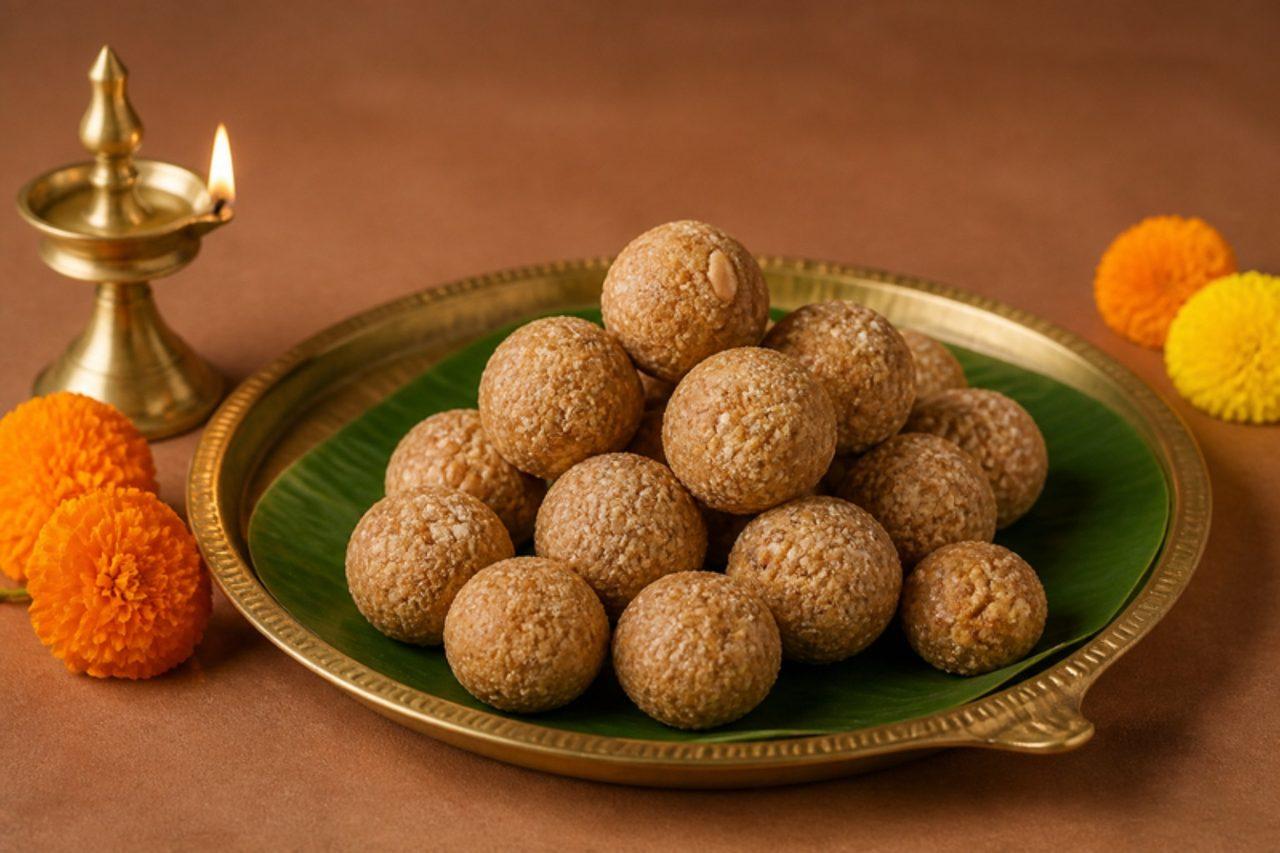
Nagara Panchami in Karnataka is a festival of sisters and brothers as much as of snakes: women offer milk to the stone naga images under peepal trees, and the sweets made at home are tambittu, laddus of roasted rice flour, roasted gram, coconut and sesame bound with jaggery syrup and ghee. They are crumbly-soft and earthy, and a few are also offered at Varamahalakshmi. Common mistake: binding with thin syrup, which leaves the laddus wet and collapsing; boil the jaggery only to a soft-ball stage, when a drop in cold water forms a soft ball you can pick up. Chef's tip: roast the rice flour until it just smells toasty and is barely cream-coloured; too dark and the laddus taste bitter.

by KrazyBadal 0 views

ChooriCrumbled roti with ghee and sugar

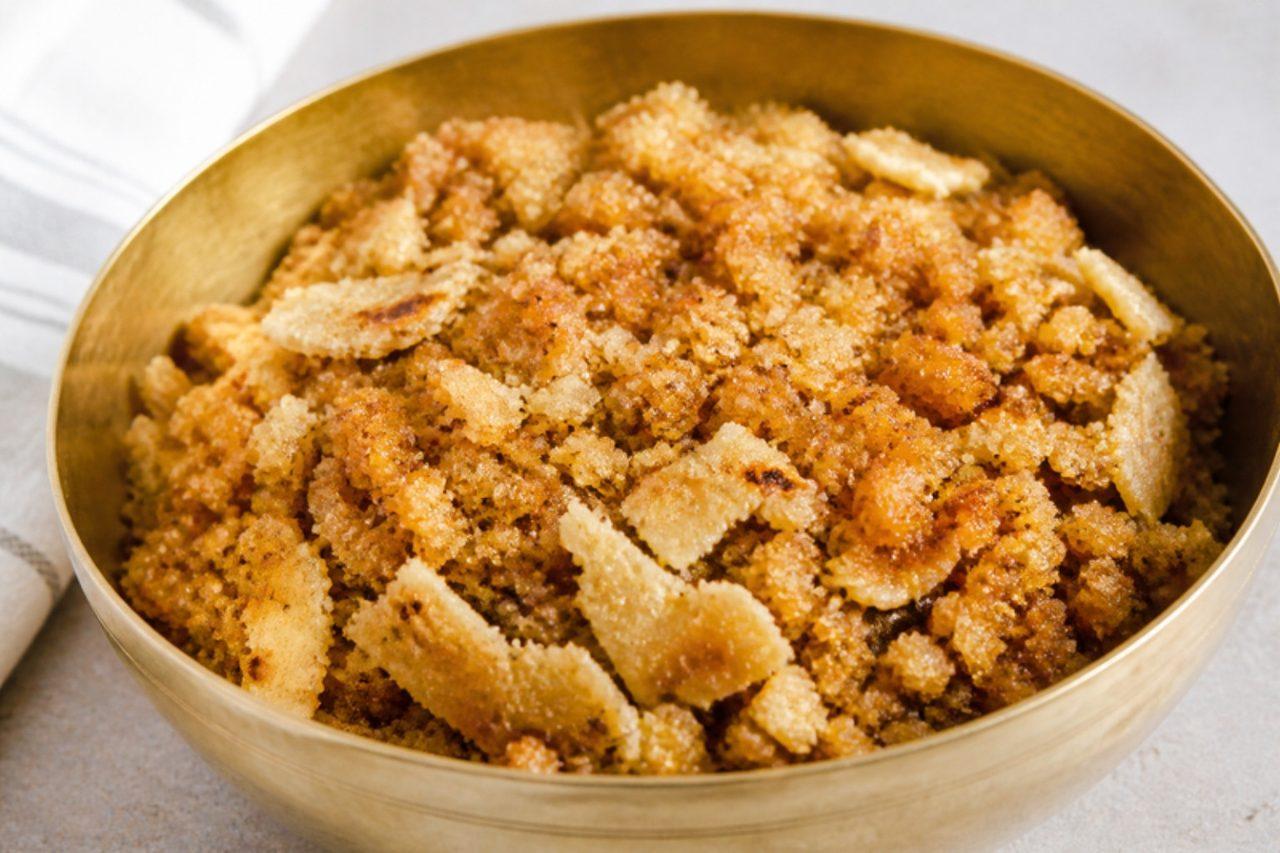
In Punjabi villages choori is what a grandmother makes when a child comes home hungry before dinner: a warm roti or leftover paratha crumbled by hand into ghee and shakkar until it turns into soft, sweet, buttery crumbs. It is eaten with a glass of tea or milk in the late afternoon, and in many homes a bowl is set aside as an offering on Sankranti and at the gurdwara. The common mistake is using cold, leathery rotis straight from the box: the ghee won't soak in and the sugar stays gritty. Warm them on the tawa first until they are soft and just crisp at the edges. Chef's tip: a pinch of crushed fennel and some chopped almonds turn it into a little treat for guests.

by KrazyBadal 0 views

Parsi batasaSalted butter tea biscuits

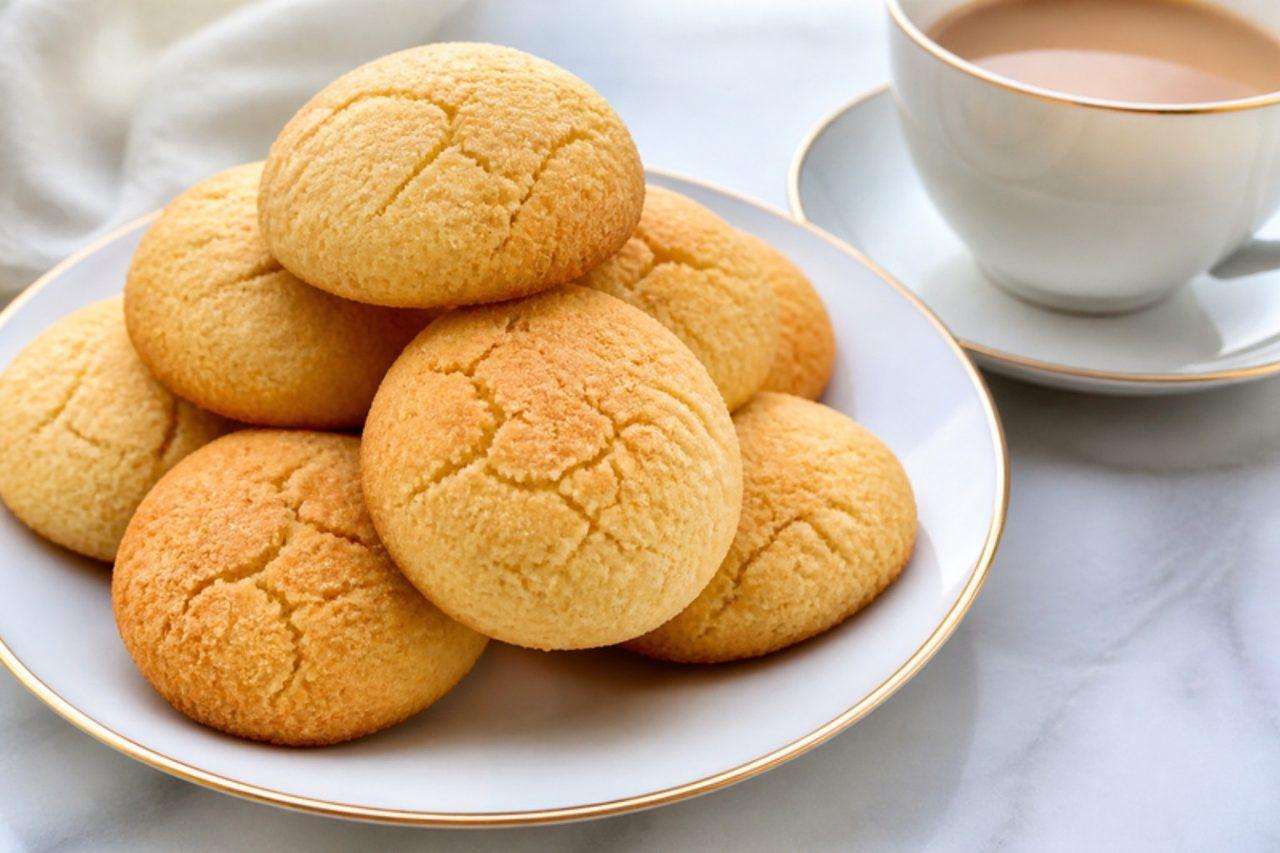
Batasa come from the wood-fired Parsi bakeries of Navsari, Udvada and Surat, where they are baked low and slow until dry and pale gold, then sold by the tin for morning chai. They are domed, flaky-crumbly and buttery, with just a whisper of salt and sugar, and they are made to be dunked. Bakeries traditionally raise the dough with toddy; this home version uses yogurt and a little baking powder for the same light, short crumb. The usual mistake is baking them hot and fast, which browns the outside while the inside stays soft; batasa need a long, gentle bake to dry right through. Chef's tip: switch the oven off at the end and leave the biscuits inside with the door ajar for 20 minutes so they crisp completely.

100 minIndianBaking
by KrazyBadal 0 views

Tala methi na muthiaFried fenugreek dumplings

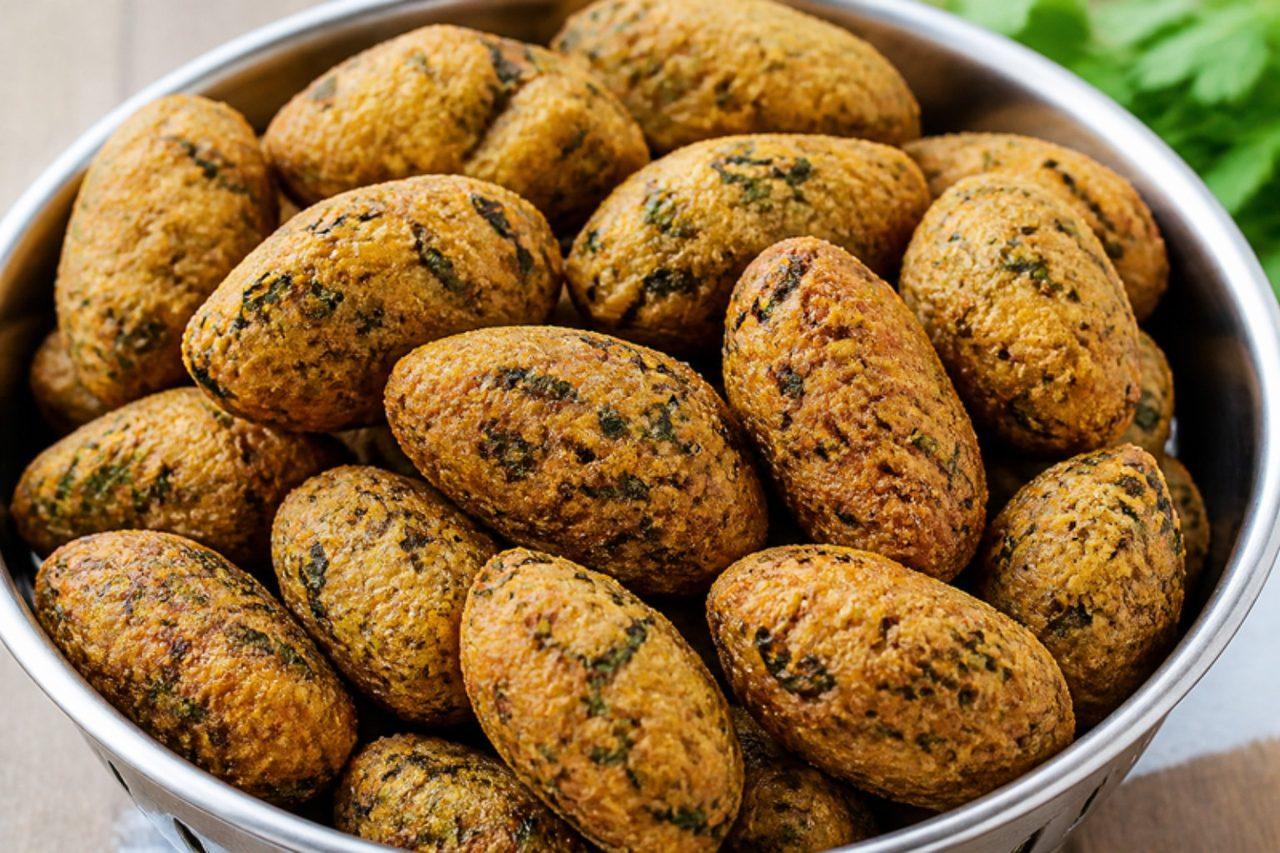
In Surat and the towns of South Gujarat, winter means undhiyu, and undhiyu means a big batch of fried methi muthia. These little finger-shaped dumplings of fresh fenugreek, gram flour and coarse wheat flour are crisp outside and soft inside, sweet-sour from sugar and lemon, with the pleasant bitterness of methi. Many families fry extra to eat as a snack with tea or with green chutney. The common mistake is frying in oil that is too hot; the outside browns while the centre stays raw and pasty, so fry them at a steady medium heat. Chef's tip: a little hot oil rubbed into the flour (moyan) is what makes them crumbly-crisp rather than hard.

by KrazyBadal 0 views

Bharela marchaStuffed green chillies

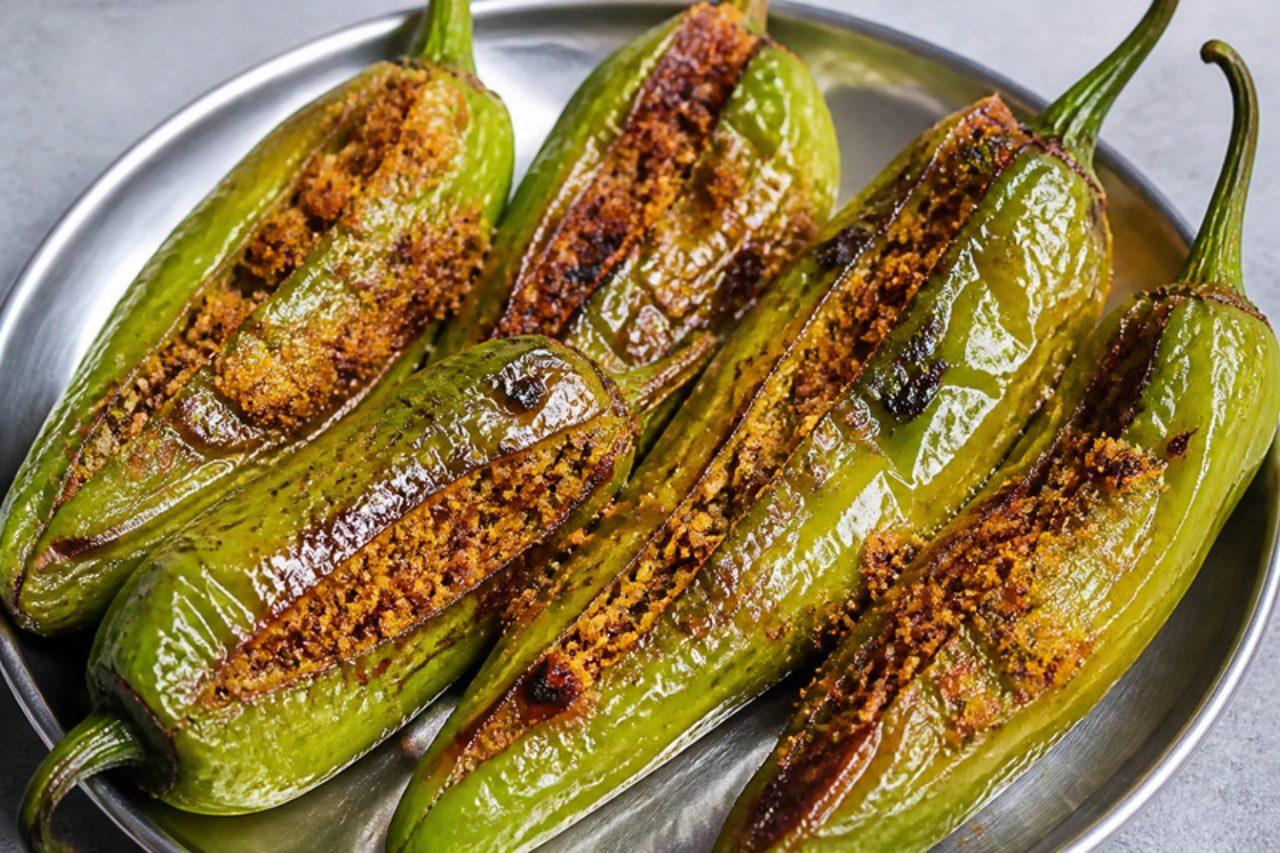
In Kathiawad, bharela marcha are made with the long, fat and fairly mild bhavnagri chillies that come in every winter, and they sit beside a thali of rotla, kadhi and khichdi as a sweet-sour-hot side. The filling is besan roasted in oil until nutty, mixed with sugar, lemon, turmeric and dhana-jiru, and the chillies are cooked covered on low heat until soft and blistered in patches. A common mistake is using small, very hot chillies; choose large mild ones, or the dish is too fierce to eat. Chef's tip: slit the chillies only on one side and scrape out the seeds and ribs; the heat drops right down and the filling stays inside.

by KrazyBadal 0 views

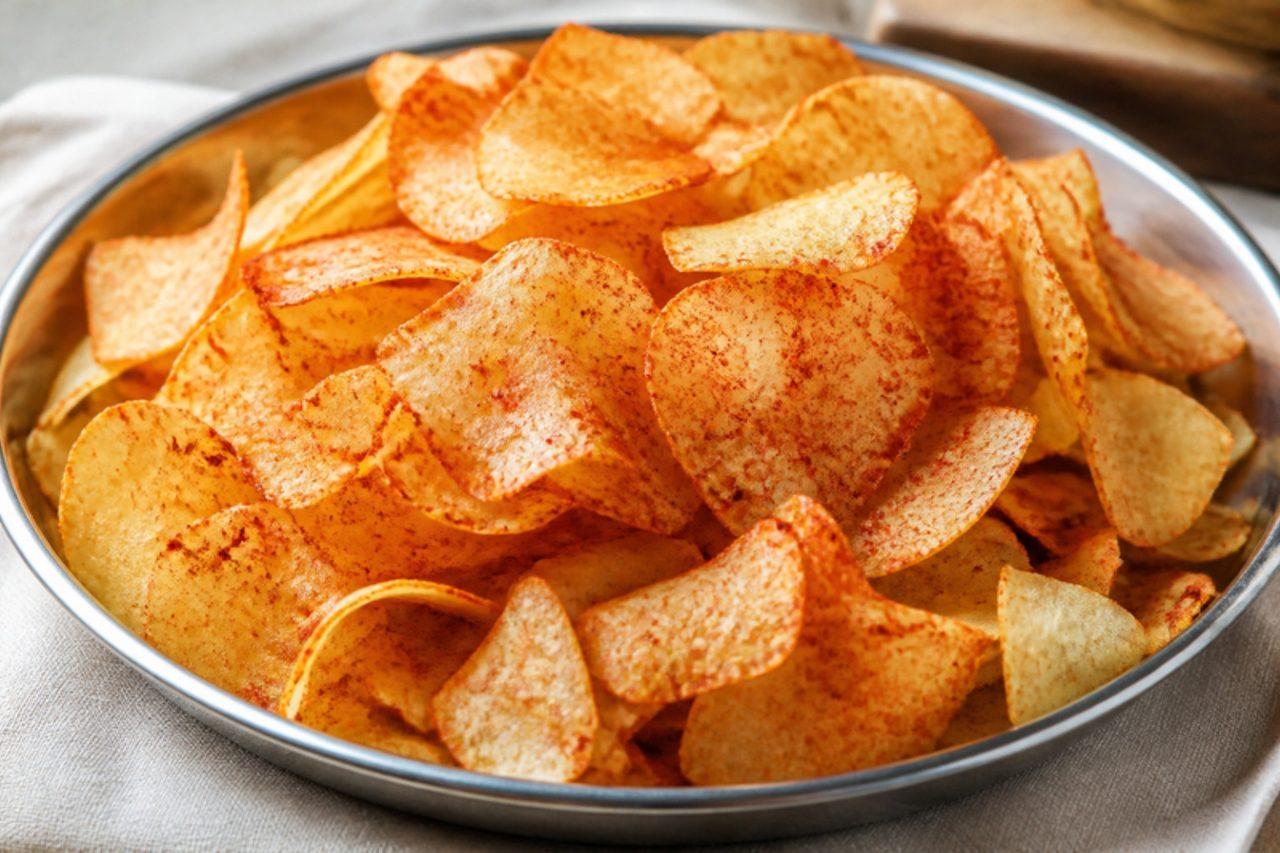
Kappa varuthathuTapioca chips

Kappa varuthathu, crisp tapioca chips, are sold by weight in Kerala bakeries from Thiruvananthapuram to Kozhikode and fried at home whenever fresh tapioca is cheap after the monsoon. Peeled roots are shaved very thin, fried in coconut oil with a splash of salt water, and dusted with chilli powder while still hot. They are lighter and crunchier than banana chips, with a faint sweetness under the heat. A common mistake is crowding the pan: the slices stick together and steam instead of crisping, so fry a single handful at a time. Chef's tip: soak the slices in cold water for 10 minutes and dry them thoroughly; it washes off surface starch so the chips stay pale and separate.

by KrazyBadal 0 views

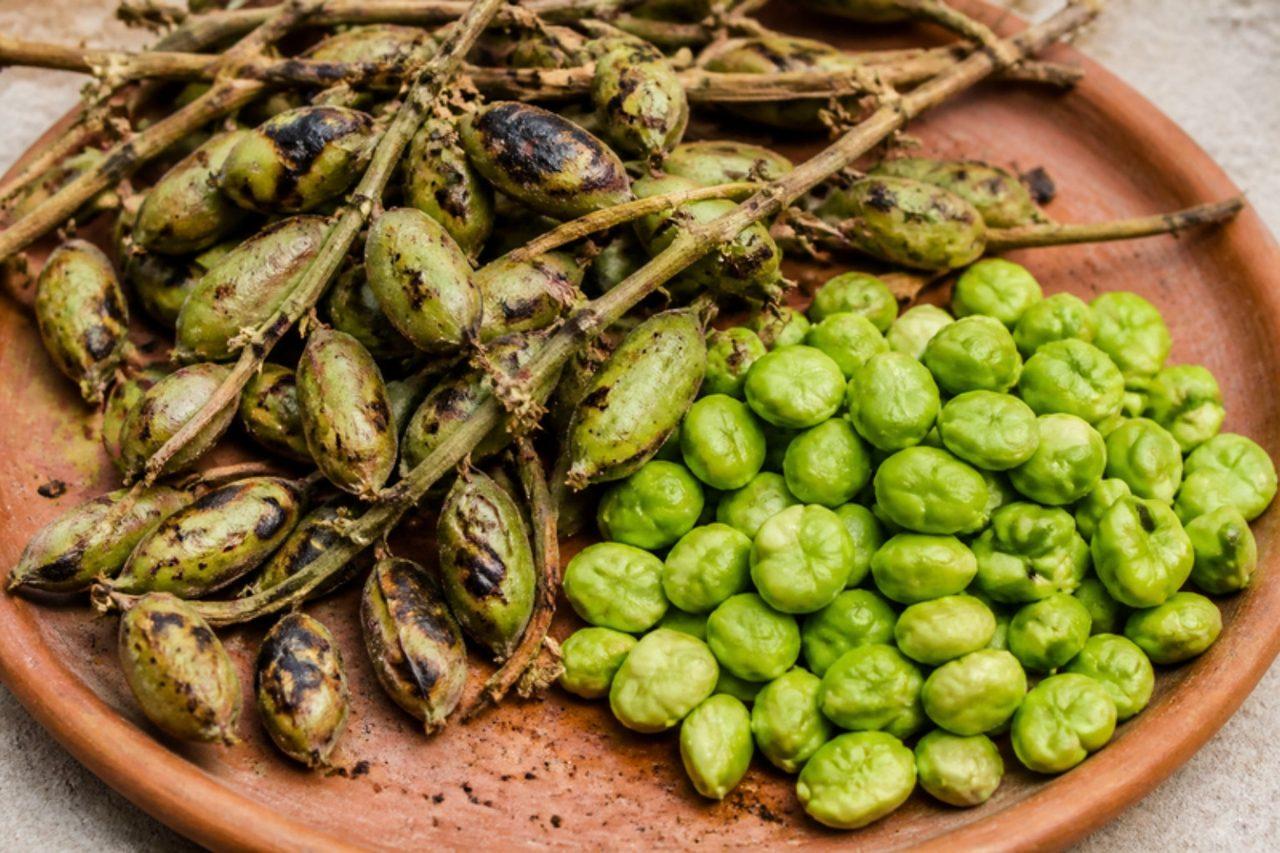
HolanRoasted green chickpeas

In late winter, around the time of Holi, village children in rural Punjab pull up bunches of green chickpea plants from the edge of the field and throw them onto a small fire of dry stalks. Once the pods blacken they rake them out and shell them hot, blowing on their fingers, and the bright green peas inside taste smoky, sweet and nutty. At home you can do the same in a heavy iron kadai. The mistake is leaving them on until the pods are fully burnt; by then the peas inside are dry and hard. Stop when the pods are blistered black in patches and the peas are just tender. Chef's tip: a pinch of salt and chilli with a squeeze of lemon on the shelled peas turns them into a quick chaat.

by KrazyBadal 0 views

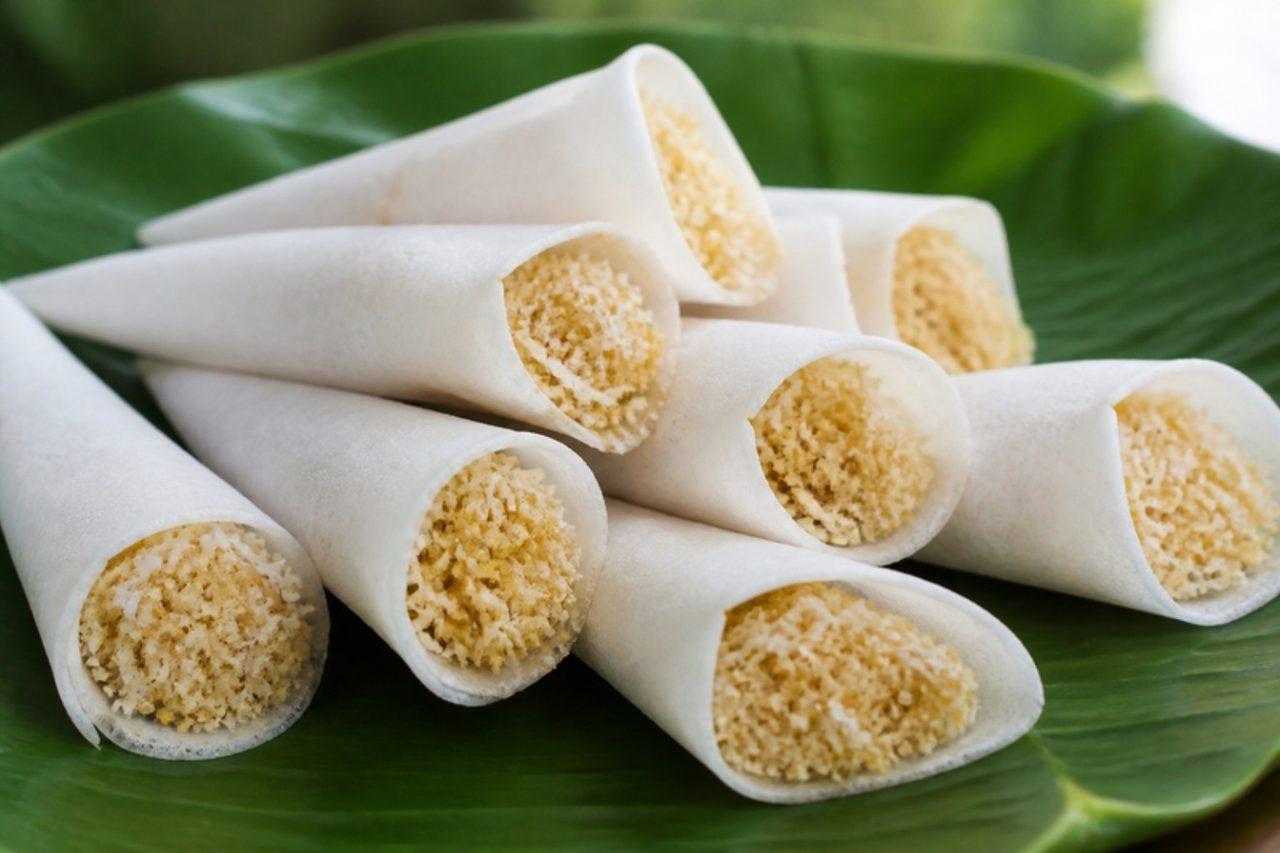
ChuruttuRice wafer cones with coconut filling

Churuttu, 'the roll', is a wedding sweet of the Syrian Christian families of central Kerala, around Kottayam, Pala and Changanassery, where aunts sit together for a day before the wedding shaping hundreds of these cones for the guests to take home. Paper-thin rice wafers are rolled into cones, filled with a sweet crumble of roasted rice flour, coconut and cardamom, sealed and dried until crisp. They shatter at the first bite and melt to a sweet, toasty dust. The mistake is a wet filling; damp coconut softens the cones within a day, so the filling must be roasted dry. Chef's tip: work with one wafer at a time and keep the rest under a damp cloth; they crack if they dry before rolling.
by KrazyBadal 0 views

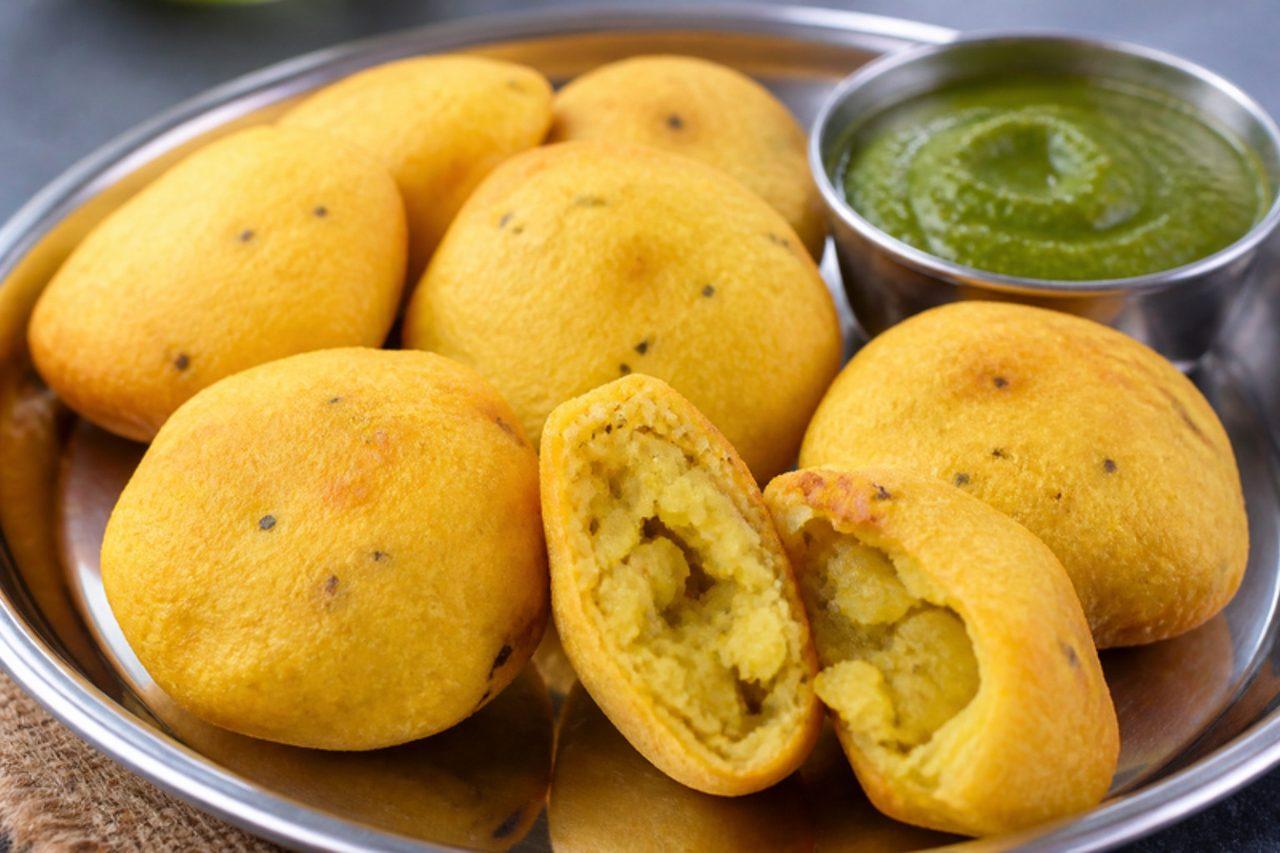
Kacha kela na vadaRaw banana fritters

In Jain homes in Ahmedabad, Palanpur and Mumbai's Gujarati neighbourhoods, raw green banana takes the place of potato, so these vada are the Jain answer to batata vada, made for paryushan-season tea and for guests. The bananas are boiled, mashed and spiced with dry ginger, green chilli, lemon and a little sugar, rolled into balls, dipped in gram flour batter and fried. They taste much like batata vada but are slightly firmer, sweeter and fruity. There is no onion, garlic, potato or fresh ginger in this version. The common mistake is overboiling the bananas until they are waterlogged; the filling then goes sticky and the vada split in the oil, so cook them only until a knife slides in. Chef's tip: mash the bananas while warm with a potato masher, not a blender, so the filling stays light.

by KrazyBadal 0 views

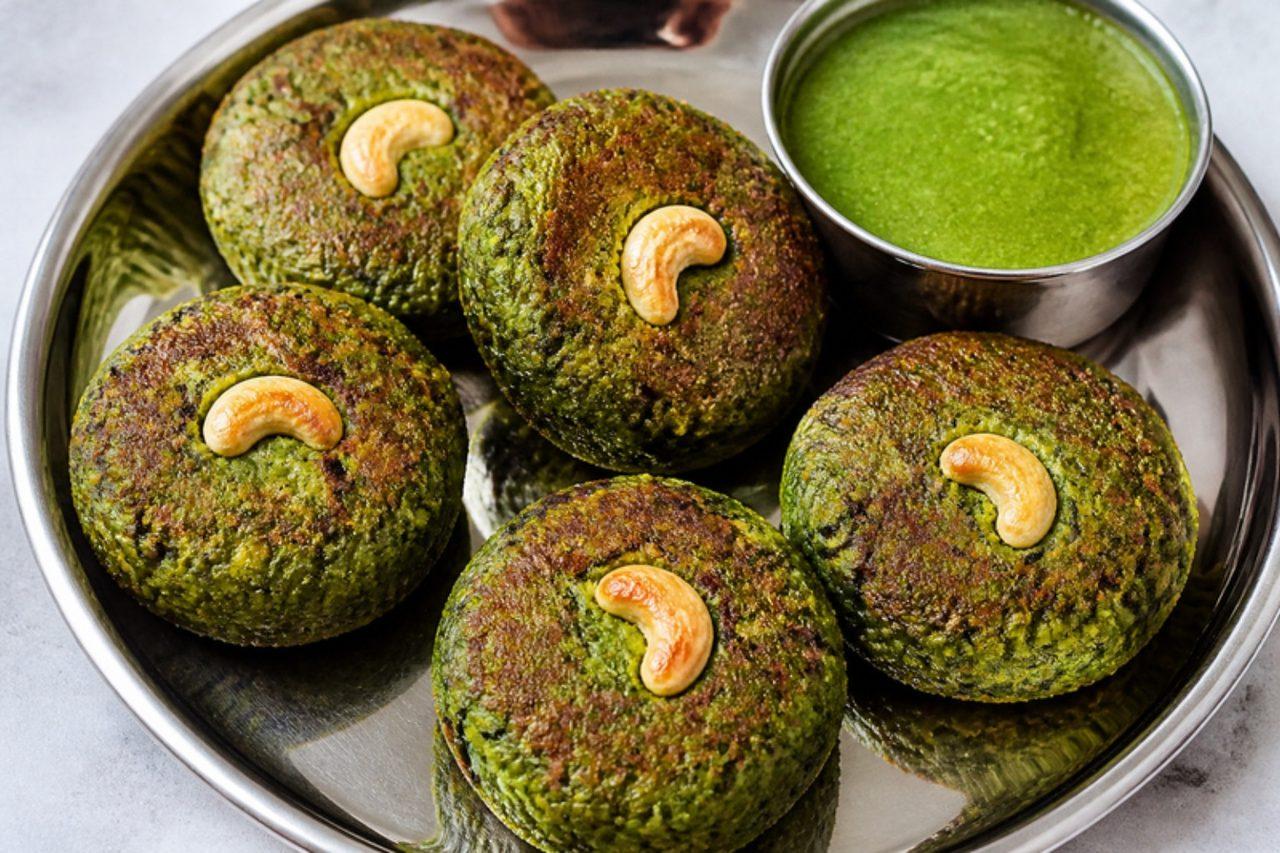
Hara bhara kebabSpinach and pea patties

Hara bhara kebab is the vegetarian starter of Delhi's Punjabi restaurants and every wedding cocktail hour, a bright green patty of spinach, peas and potato with ginger and green chilli, pan-fried until crusty and topped with a single cashew. It is soft inside, crisp outside and mild enough for children, served with mint chutney before a big meal. The usual mistake is not squeezing the blanched spinach dry: the mix turns wet, the patties won't hold and they fall apart in the pan. Wring it out in your fist until no more water comes. Chef's tip: dip the spinach in iced water right after blanching; it keeps the patties a vivid green instead of khaki.

by KrazyBadal 0 views

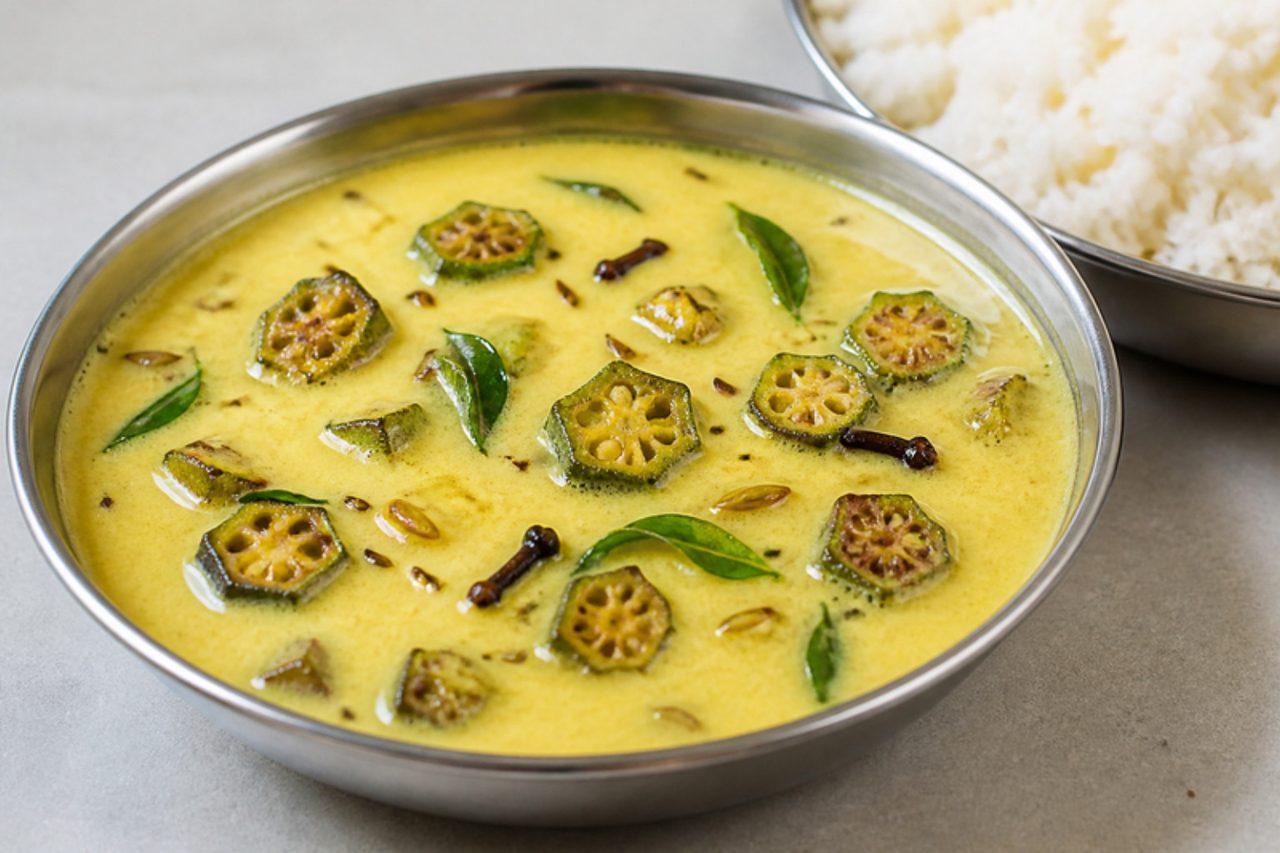
Bhinda ni kadhiYogurt kadhi with fried okra

Bhinda ni kadhi is a summer and monsoon favourite in Gujarati homes from Ahmedabad to Surat, when okra is cheap: the familiar sweet, tangy yogurt kadhi gets a handful of okra rounds fried until crisp at the edges, which soak up the sauce and add body. It is poured over steamed rice or khichdi for a light lunch. Frying the okra first keeps it from going slimy. The common mistake is boiling the kadhi fast before it has thickened, which curdles the yogurt; keep stirring and keep the heat low until it reaches a simmer. Chef's tip: add the okra only in the last few minutes so the rounds stay whole and a little crisp.

by KrazyBadal 0 views

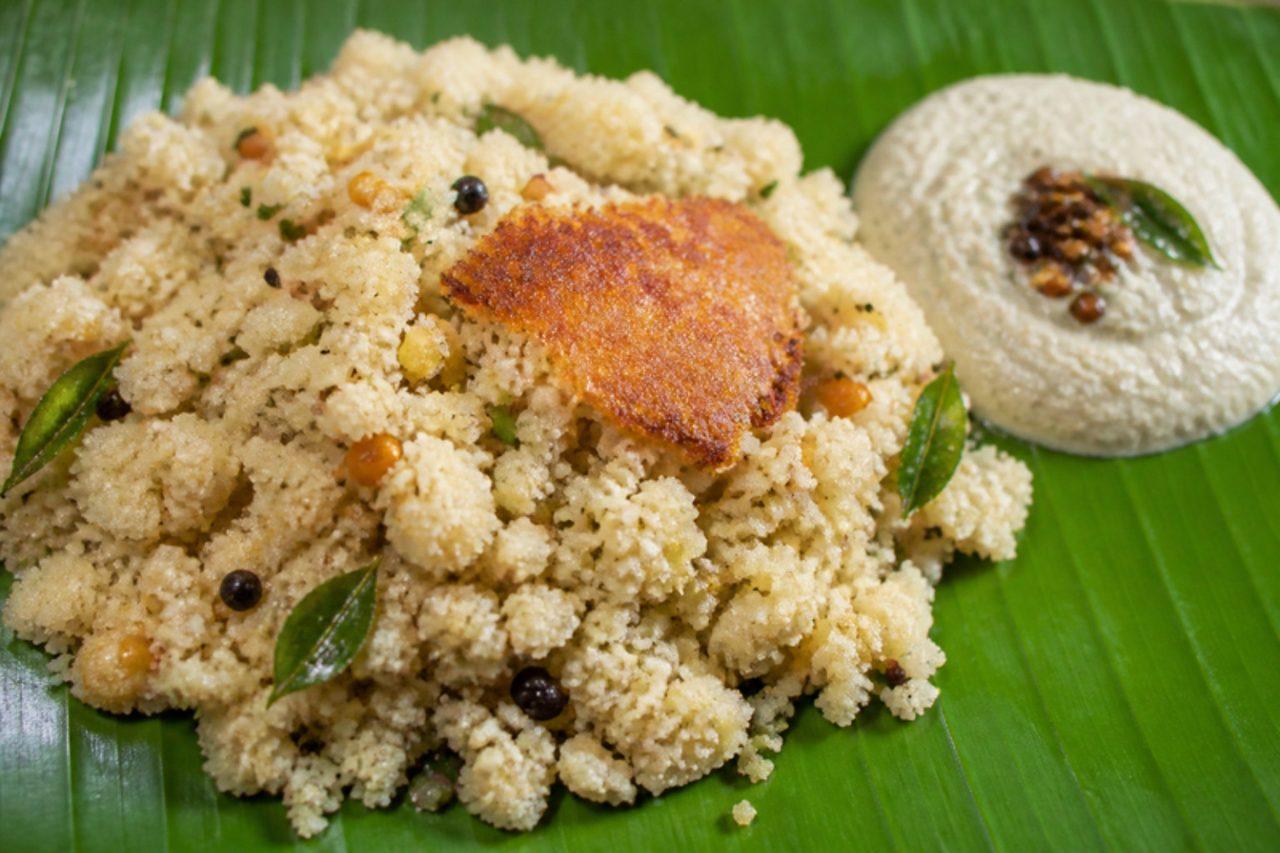
Arisi upmaBroken rice and dal upma

Arisi upma is the old Tamil country breakfast and evening dinner, especially in Tirunelveli and Madurai homes, made from rice and toor dal coarsely broken at home and cooked in a heavy pot. The best part is the 'kaanthal', the crisp golden crust that forms on the bottom, which families fight over. The mistake is too much water, which gives a sticky porridge; use about two and a half times the volume of the broken rice. Chef's tip: once cooked, leave it on the lowest heat with a lid for ten minutes, undisturbed, to build that crust.

by KrazyBadal 0 views

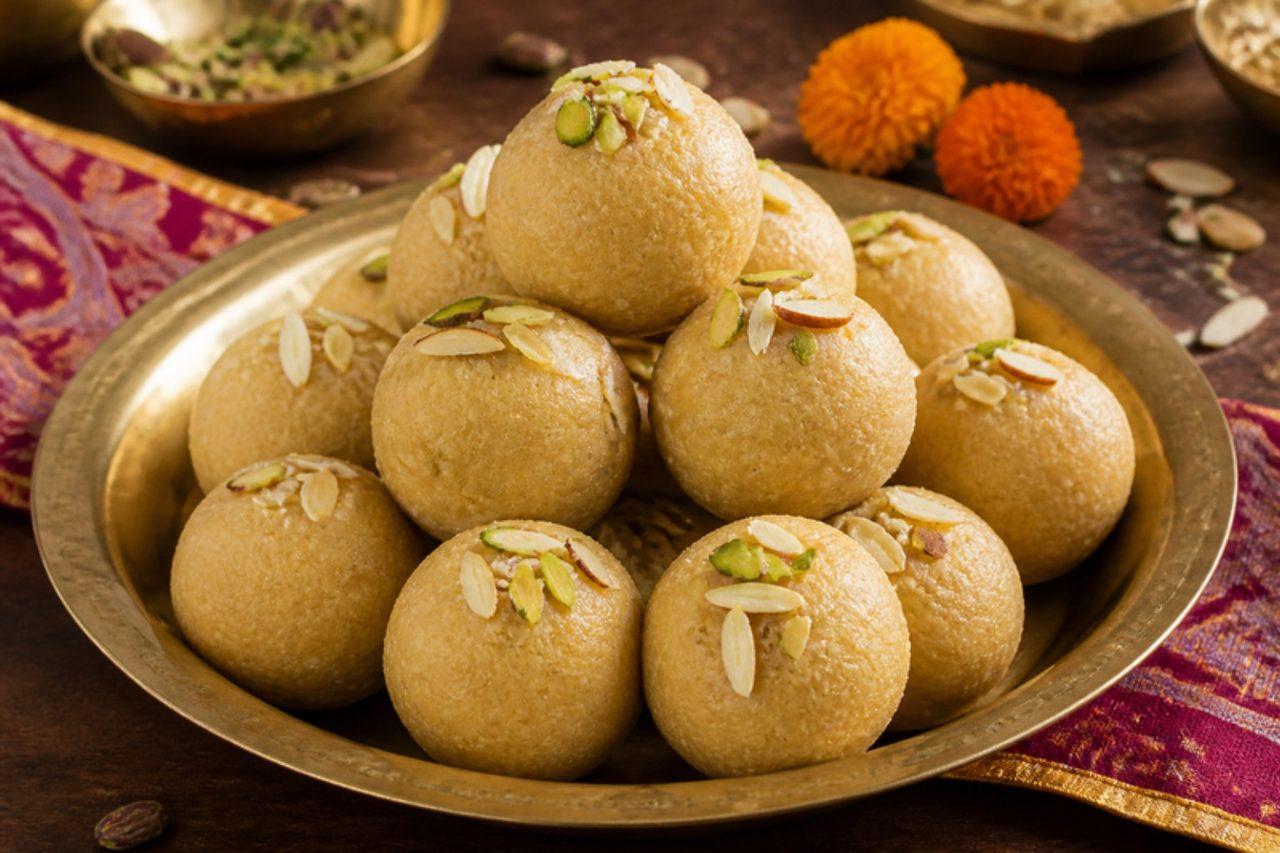
Sattu ke ladduRoasted gram laddus

Kajli Teej in Bundi, Rajasthan, falls in the dark fortnight of Bhadrapad, when women fast for their husbands and break the fast in the evening by moonrise with sattu: roasted gram flour mixed with ghee, sugar and nuts and pressed into laddus or one large decorated cake called a sattu pinda. The laddus are nutty, soft, powdery and very filling. Common mistake: using plain besan instead of sattu, or under-roasting the sattu, which tastes raw; roast gently in ghee until it smells biscuity and the ghee starts to separate at the edges. Chef's tip: shape while the mix is warm but cool enough to hold, and press each laddu firmly in your palm so it does not crumble.

by KrazyBadal 0 views

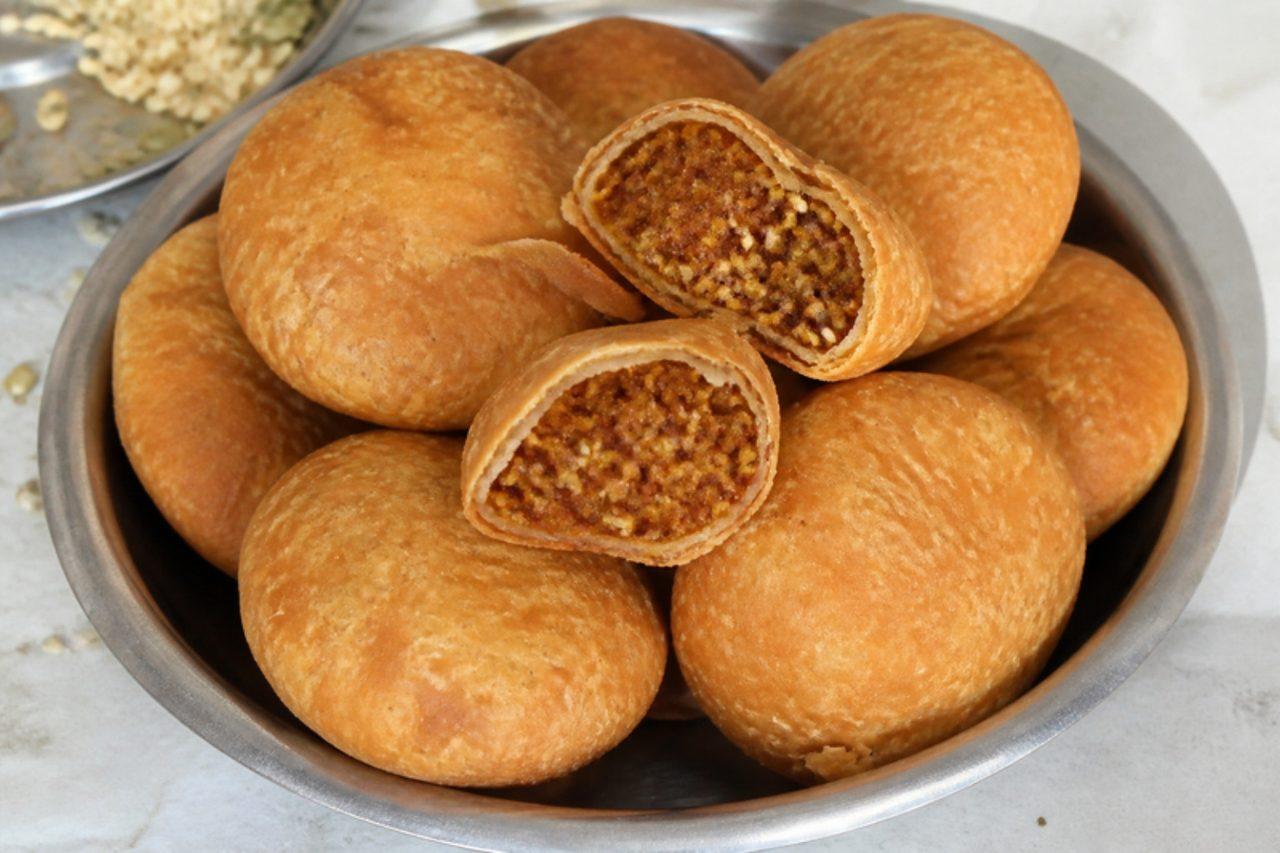
Jamnagari kachoriDry sweet-spicy kachori

Jamnagari kachori are the little dry kachori that travel: Gujarati families buy them by the box in Jamnagar and carry them abroad, because the filling has no water in it and they keep for a month. The pastry is short and crisp, and the filling is a crumbly mix of roasted besan, dry coconut, sesame, fennel, coriander seed, sugar, raisins and a hit of chilli and dry mango, sweet, sour and hot at once. They are a tea-time snack and part of every Diwali tray. The common mistake is frying them fast; they need a long, slow fry on low heat so the pastry cooks crisp all the way through. Chef's tip: roast the besan for the filling until it smells nutty and just darkens, or the kachori taste raw and floury.

by KrazyBadal 0 views

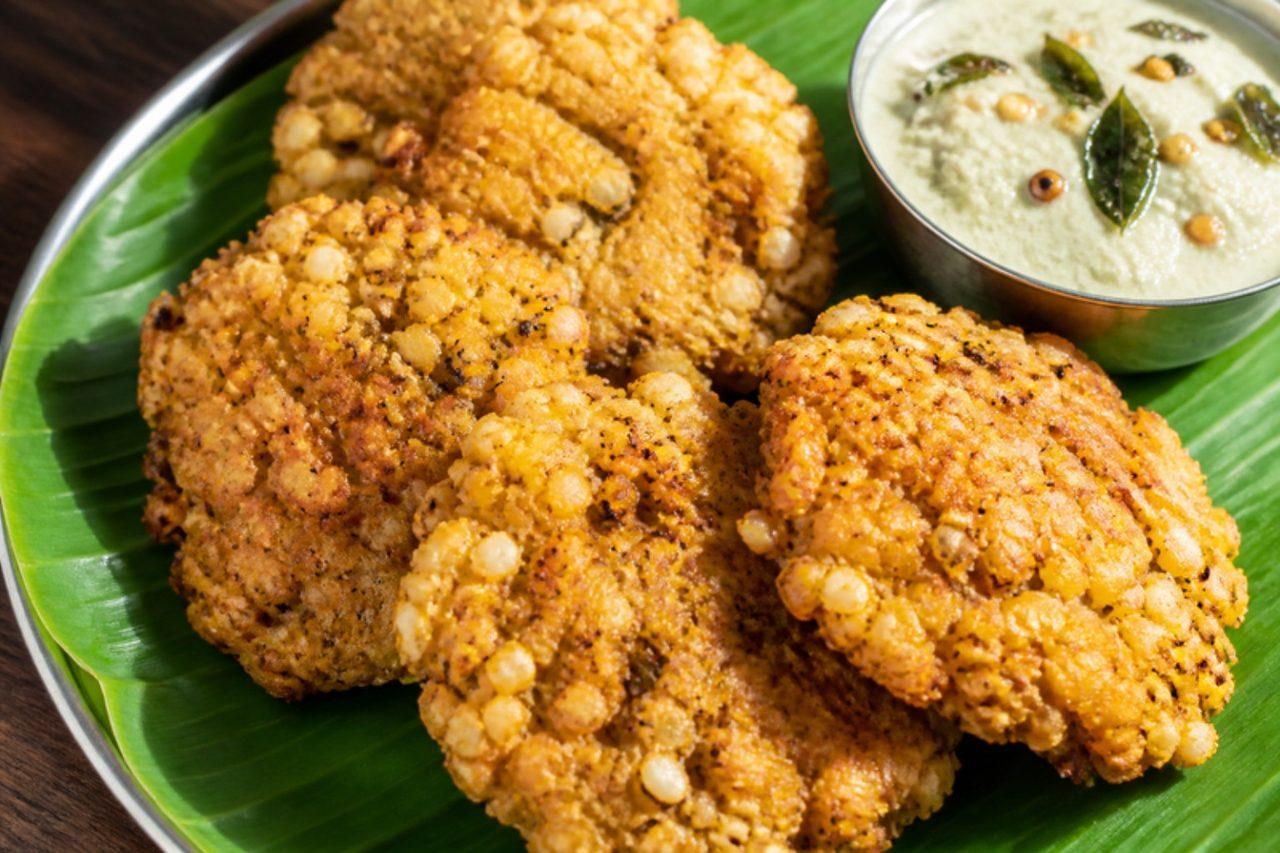
Thavala vadaiMixed dal and rice fritters

Thavala vadai belongs to the old Brahmin kitchens of Thanjavur and Kumbakonam, where it is fried for the afternoon 'tiffin' or for guests on festival days. Four dals and a little rice are ground coarse with pepper, then studded with tiny coconut cubes, so each vadai is rough and pebbly outside and soft and nutty within. The usual mistake is grinding it as smooth as medu vada batter; thavala vadai wants a gritty, semolina-like texture, so keep the grinder on pulse. Chef's tip: shape them small and thick with a dent in the middle using your thumb, so the centre cooks through before the outside darkens.

by KrazyBadal 0 views

Pidi kozhukattaiSavoury rice flour dumplings

Pidi kozhukattai, literally 'fist dumplings', is a Tamil evening tiffin and a Vinayaka Chaturthi offering in homes that make both sweet and savoury kozhukattai. The rice flour is cooked in tempered, spiced water until it forms a dough, then squeezed in your fist so each piece carries the print of your fingers, and steamed to a soft, light bite. The mistake is adding all the flour at once to cold water; it lumps and never cooks evenly, so stir it into boiling water in a stream. Chef's tip: shape them while the dough is still warm, with oiled palms; cold dough cracks.

by KrazyBadal 0 views

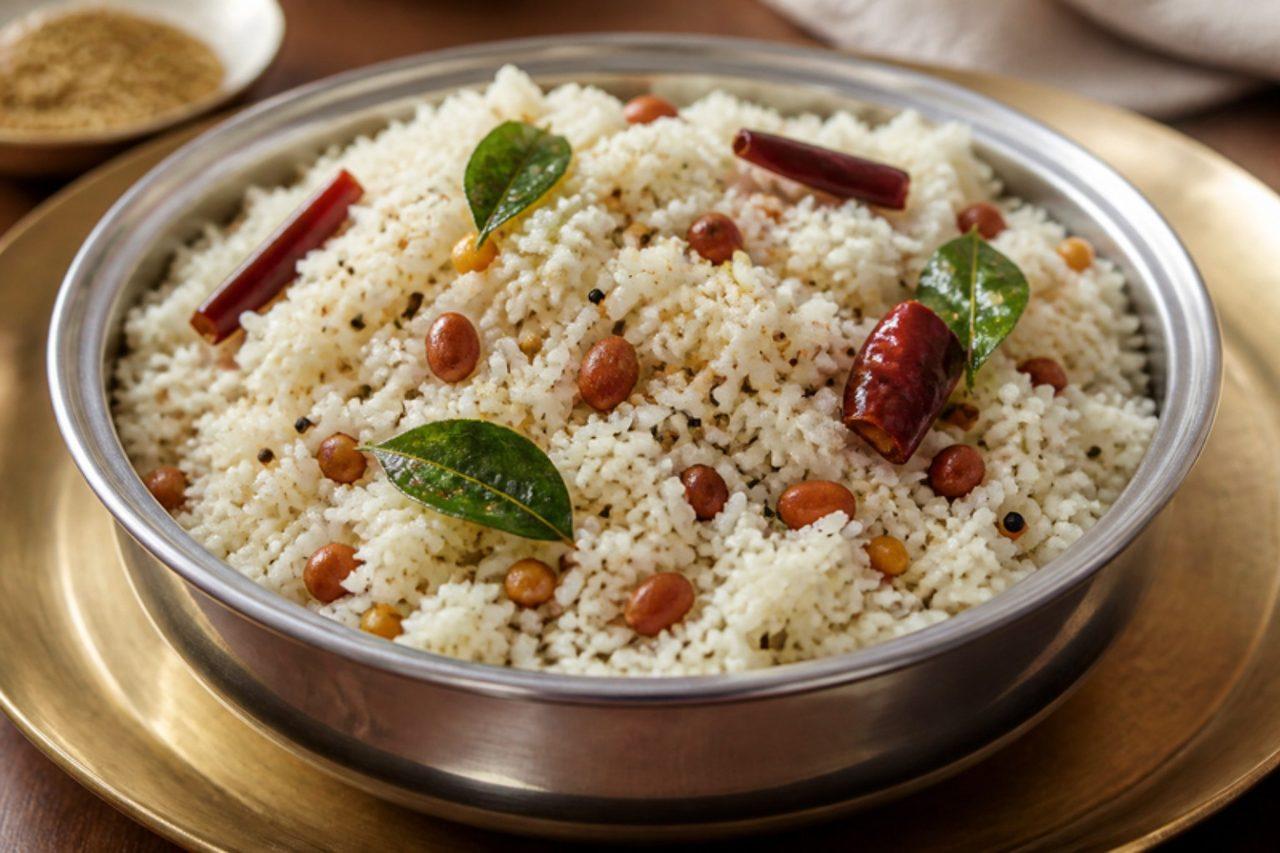
Nuvvula saddiRice with roasted sesame powder

Each family takes several saddulu, flavoured rice dishes, to the lake on Saddula Bathukamma, the last evening of Telangana's flower festival, and swaps them with neighbours after the songs; sesame rice, lemon rice, peanut rice and coconut rice are the usual set. Nuvvula saddi is the nuttiest of them: freshly roasted sesame ground with dried red chilli, tossed through cooked rice with a tempering of mustard seeds, dals, peanuts and curry leaves. It is eaten at room temperature, so the grains must stay separate. Common mistake: grinding the sesame for too long, which turns it to oily paste; pulse only until it looks like coarse sand. The sesame is roasted enough when it crackles, turns light gold and one seed crushes easily between your fingers. Chef's tip: cook the rice a little firm and spread it on a plate to cool before mixing, so it does not break up.

by KrazyBadal 0 views

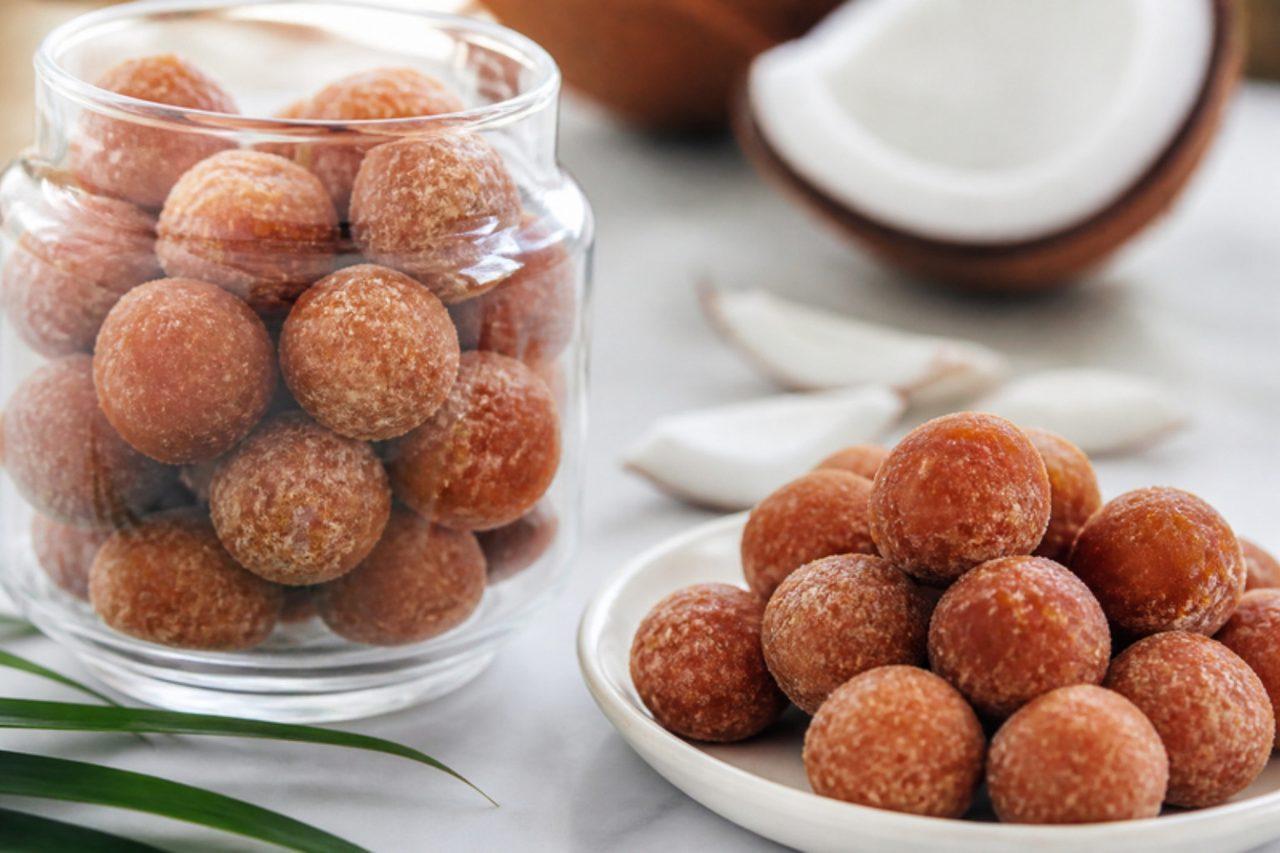
KamarkattuCoconut jaggery candy balls

Kamarkattu is the toffee of Tamil village shops, dark, chewy, caramel-scented balls of coconut and jaggery that cost a few paise in the days when children bought sweets one at a time. It's quick to make at home and keeps for a couple of weeks. The mistake is taking the jaggery too far: if the syrup hardens past the soft-ball stage, kamarkattu turns rock hard and pulls fillings. Chef's tip: test a drop in cold water; when it forms a soft ball you can squash, switch off and shape immediately.

by KrazyBadal 0 views

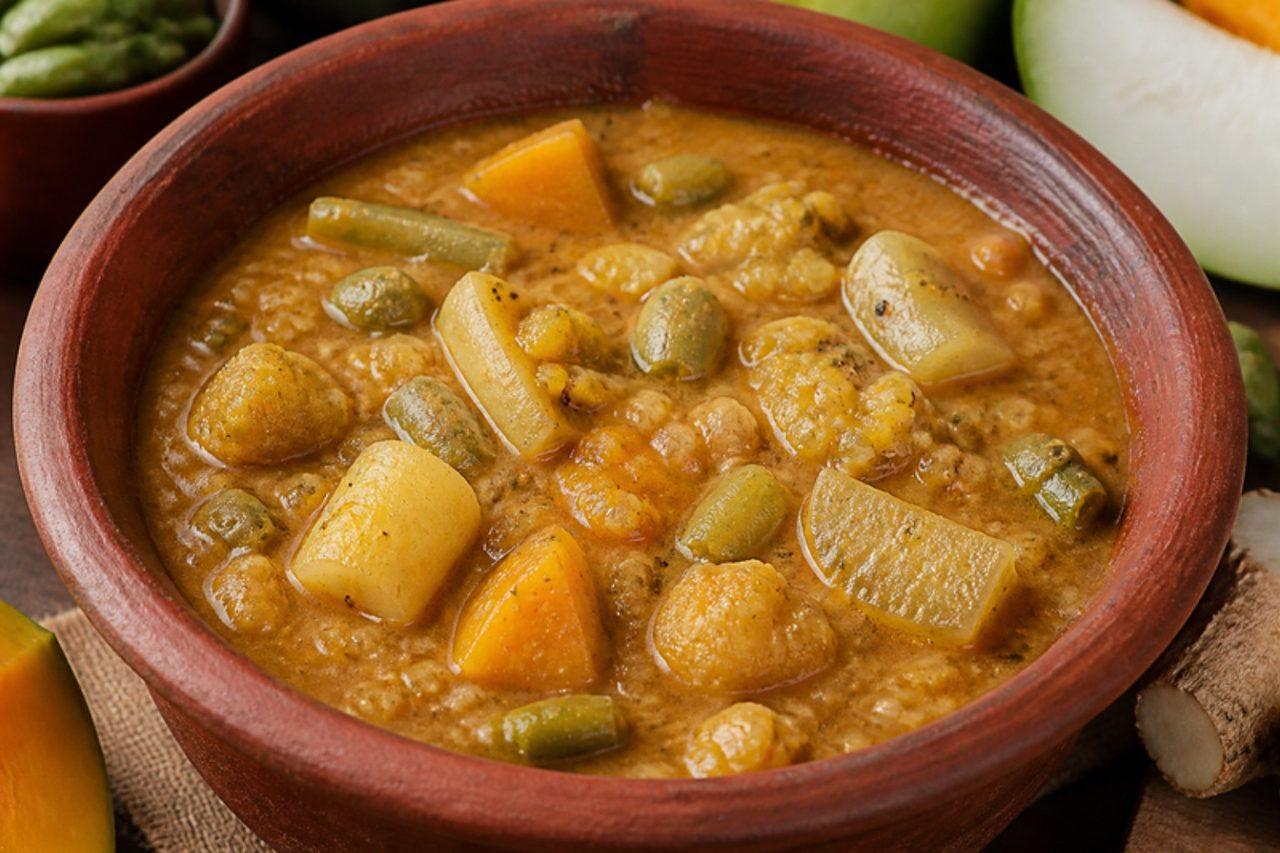
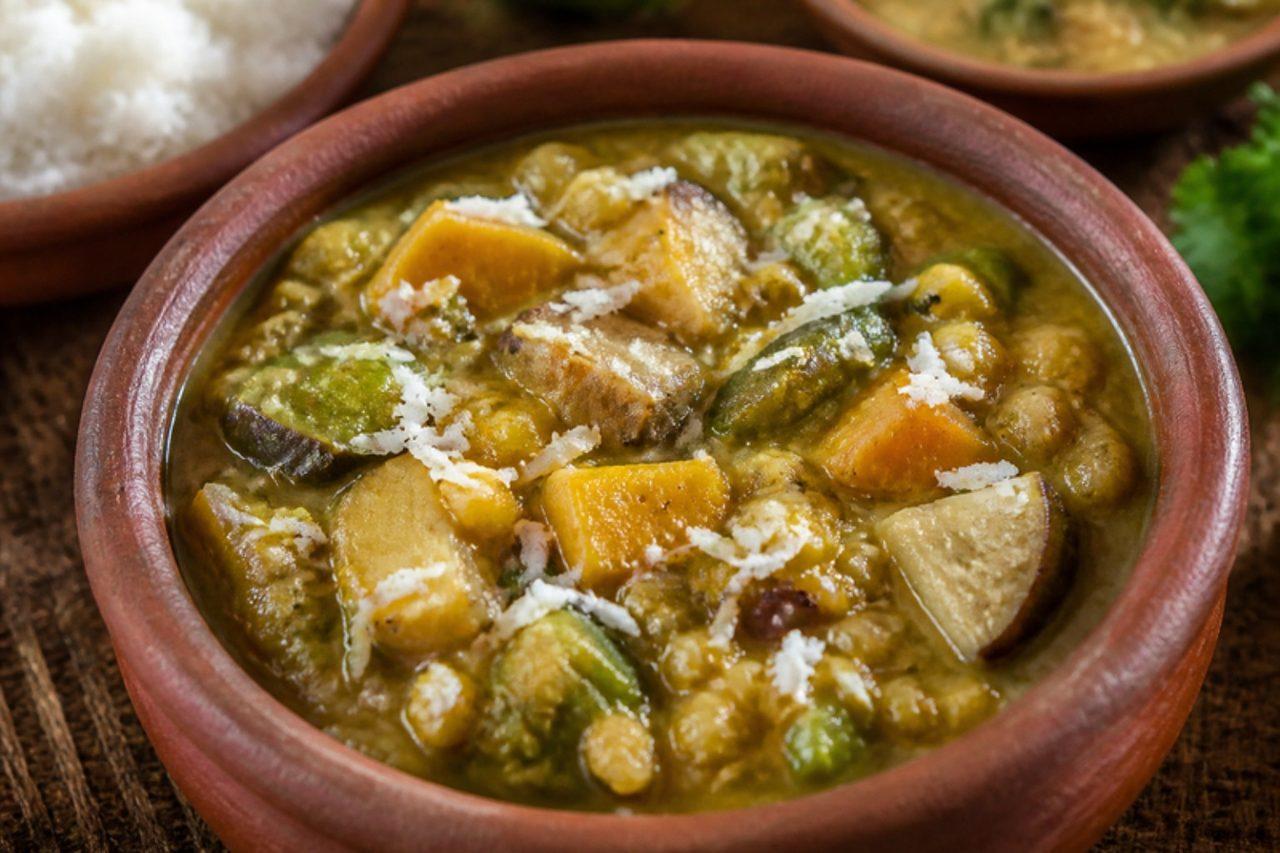
Ezhu kari kootuSeven vegetable and dal curry

The partner to kali on Arudra Darshan morning is a kootu of seven (ezhu) vegetables, an old Tamil Brahmin custom that uses whatever native winter produce is at the market: pumpkin, ash gourd, raw plantain, sweet potato, broad beans, colocasia and chow-chow are a typical set, and no onion, garlic, tomato or 'English' vegetables go in. They simmer in tamarind water with soft toor dal and a paste of roasted coriander, chana dal, red chillies and coconut, giving a thick, tangy, gently hot stew that cuts the sweetness of the kali. Common mistake: adding tamarind before the vegetables are cooked, which keeps them hard; cook them first in plain water until a knife goes in easily, then add the tamarind and boil until its raw smell has gone. Chef's tip: roast the paste spices until the chana dal turns golden-red, which gives the kootu its depth.

by KrazyBadal 0 views

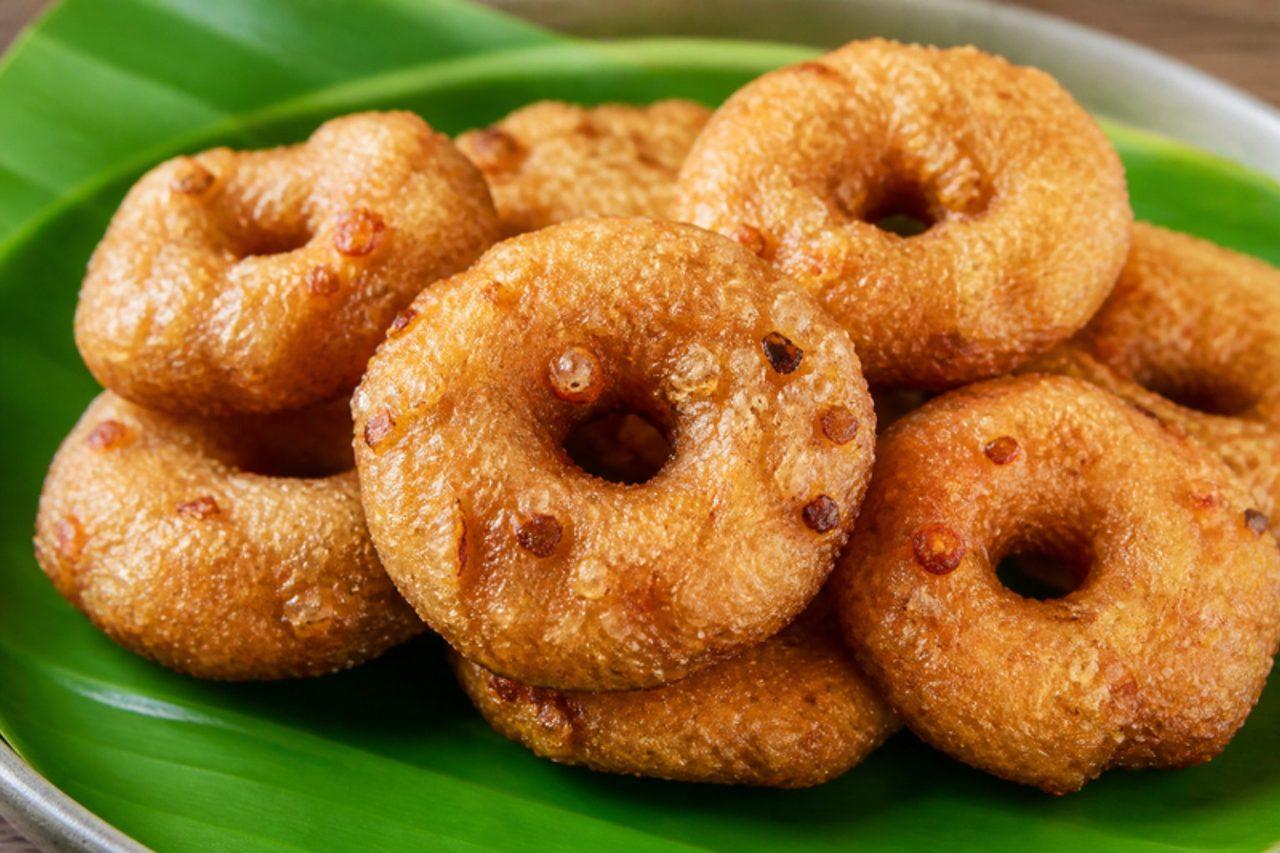
Kalkandu vadaiSweet urad dal rock sugar vadai

Kalkandu vadai is the sweet cousin of medu vadai, made in Chettinad homes for festivals and for the trays that go to a bride's house. Soaked urad dal and a little rice are ground fluffy and mixed with crushed kalkandu (rock sugar) and coconut, then fried into small golden rounds that are crisp outside, soft inside, with pockets of melted crystal sugar. They are eaten warm with coffee. A common mistake is grinding the rock sugar in with the batter, which turns the batter runny; crush it coarsely and fold it in just before frying. Chef's tip: fry these on slightly lower heat than savoury vadai, because sugar browns fast and burns before the centre cooks.

by KrazyBadal 0 views

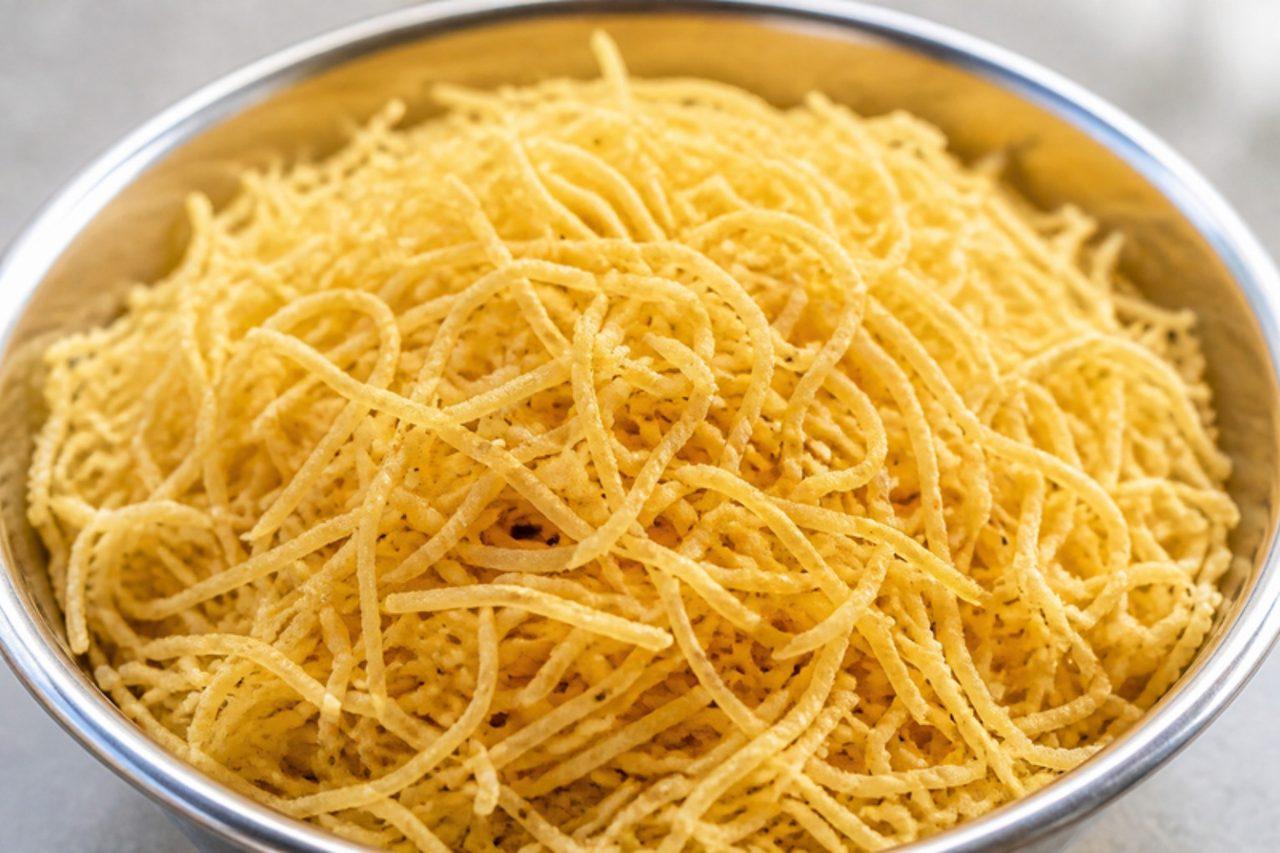
Bataka sevFasting potato sev

Bataka sev is the sev that Gujarati households can eat on upvas days, from Ekadashi and Shivratri to the Navratri fasts: there is no gram flour, only boiled potato bound with arrowroot, seasoned with rock salt, green chilli and crushed pepper. It fries into pale gold, delicate threads that melt quickly in the mouth, and is eaten on its own, over farari chevdo or on fasting bhel. The common mistake is using warm or watery potatoes, which make a sticky dough that will not pass through the press; boil, peel and cool the potatoes completely, and grate them rather than mashing. Chef's tip: fry in small spirals in moderately hot oil and lift them out while still pale, as they keep colouring for a minute after draining.

by KrazyBadal 0 views

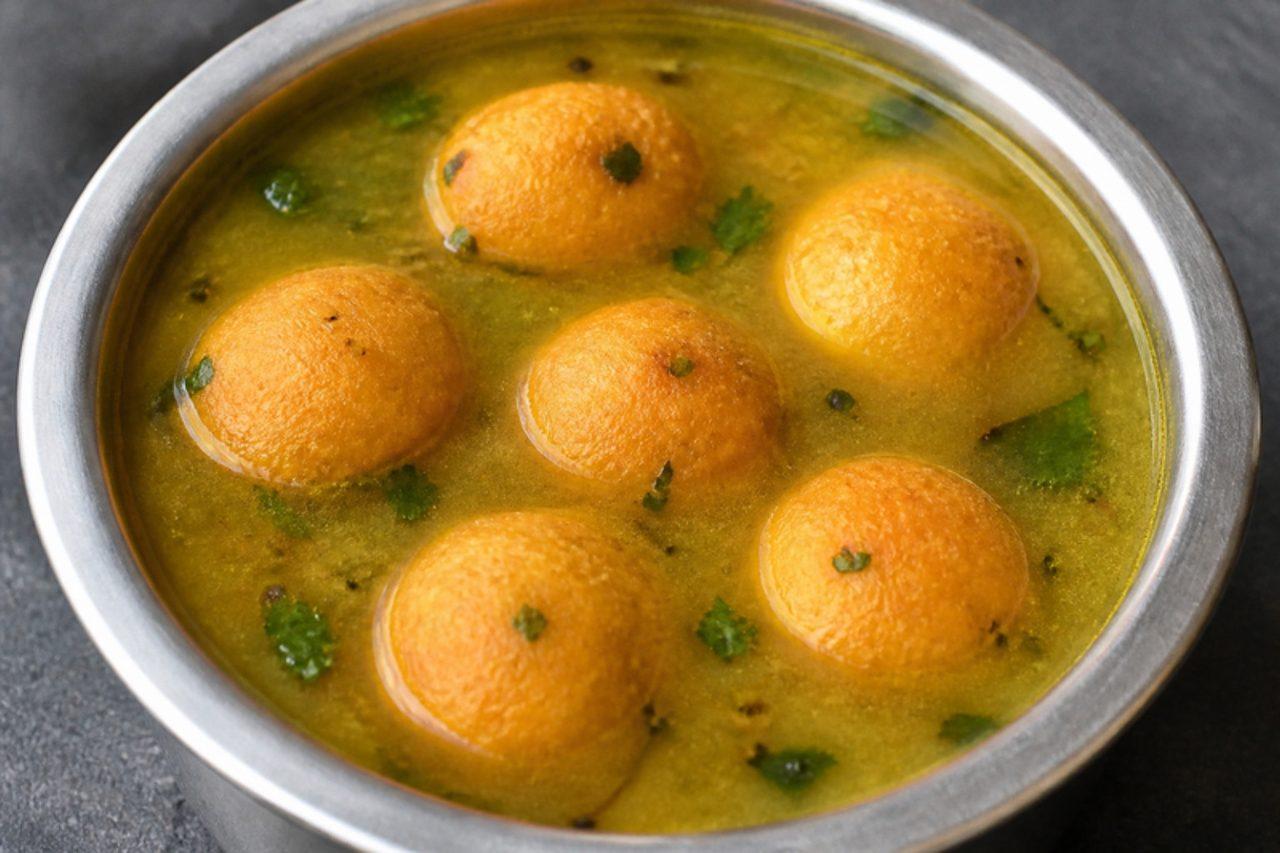
Bonda soupUrad dal fritters in moong soup

Bonda soup is a Bengaluru original, served in the old vegetarian hotels of Basavanagudi and Malleshwaram as a mid-morning or rainy-evening snack. Fluffy urad dal bondas are fried and dropped into a bowl of thin, tempered moong dal soup with pepper and lemon, so they soak up some of it and stay crisp in places. It's comforting, peppery and filling. A common mistake is a runny batter; it should hold a peak, or the bondas soak oil and fall apart in the soup. Chef's tip: pour the soup only when serving, not before, so the bondas still crunch at the first spoonful.

by KrazyBadal 0 views

MahuraMixed vegetables with dal

Mahura is the vegetable curry of the Jagannath temple tradition in Odisha and a fixture on Rath Yatra lunches at home: pumpkin, raw banana, yam, aubergine and sweet potato cooked soft with a little dal and a paste of roasted cumin, ginger, coconut and a touch of jaggery. Like all temple food it uses no onion, garlic, tomato, chilli powder or New World vegetables, so it tastes gentle, earthy and faintly sweet. It is thicker and more vegetable-heavy than dalma, with the dal only binding the vegetables. Common mistake: stirring too much once the pumpkin softens, which melts it into the gravy; the mahura is done when the yam is tender, the vegetables hold their shape and the gravy coats them. Serve with kanika or plain rice. Chef's tip: finish with a pinch of roasted cumin and dry red chilli powder ground together (bhaja masala), which Odia cooks add right at the end.

by KrazyBadal 0 views

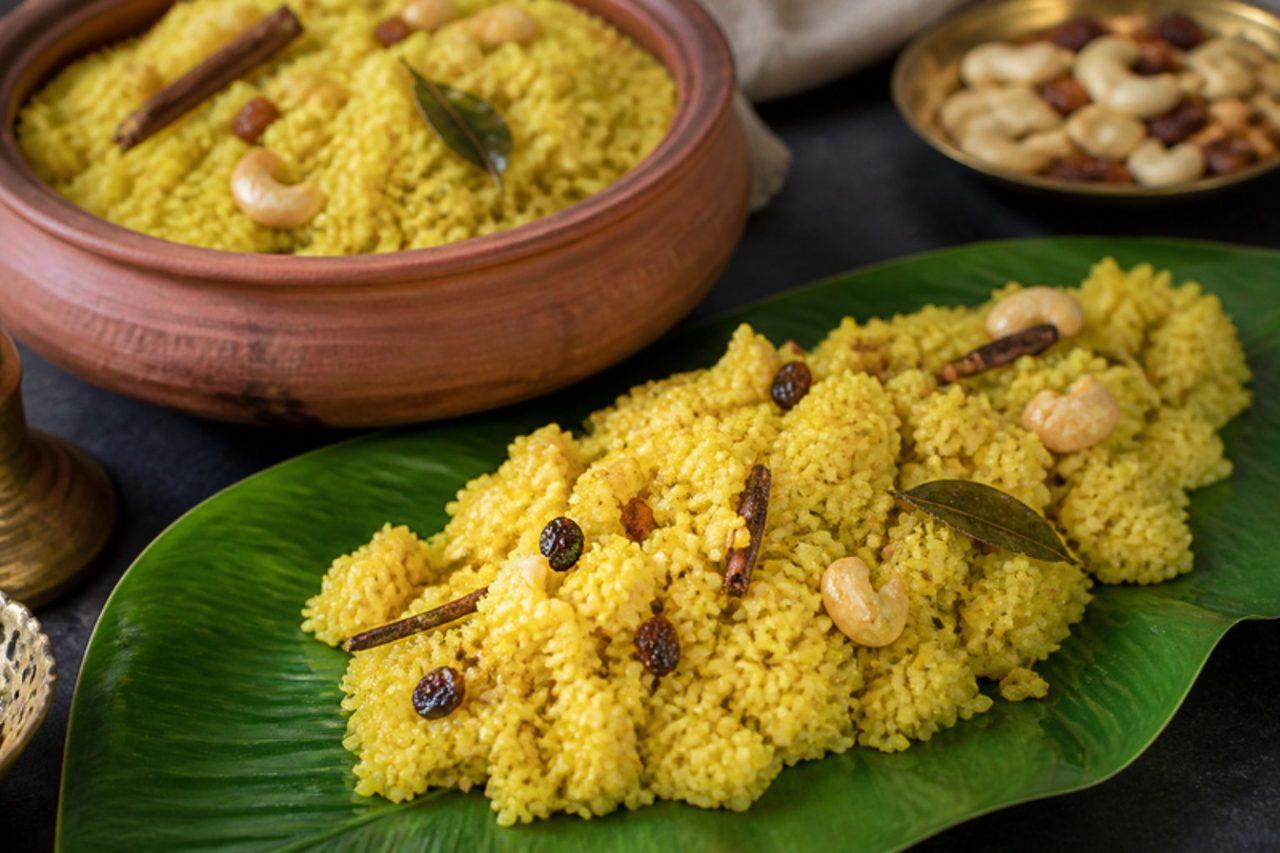
KanikaSweet ghee rice

Kanika is one of the dishes of the Jagannath temple's mahaprasad in Puri, cooked in clay pots over wood fires and sold at the Ananda Bazaar to pilgrims, and Odia homes make it for Rath Yatra, when the deities ride their chariots through the town. It is a fragrant, glossy rice sweetened with sugar and perfumed with cinnamon, bay leaf and cloves in plenty of ghee, studded with fried cashews and raisins. It sits halfway between a pulao and a dessert and is eaten with dalma or a temple-style mahura. Common mistake: adding the sugar at the start, which hardens the grains; cook the rice almost through first, then add the sugar, and it is done when the syrup is absorbed and the ghee shines on the surface. Chef's tip: use a short-grain aromatic rice such as gobindobhog or the Odia arua rice for the true temple texture; basmati works but gives separate, longer grains.

by KrazyBadal 0 views

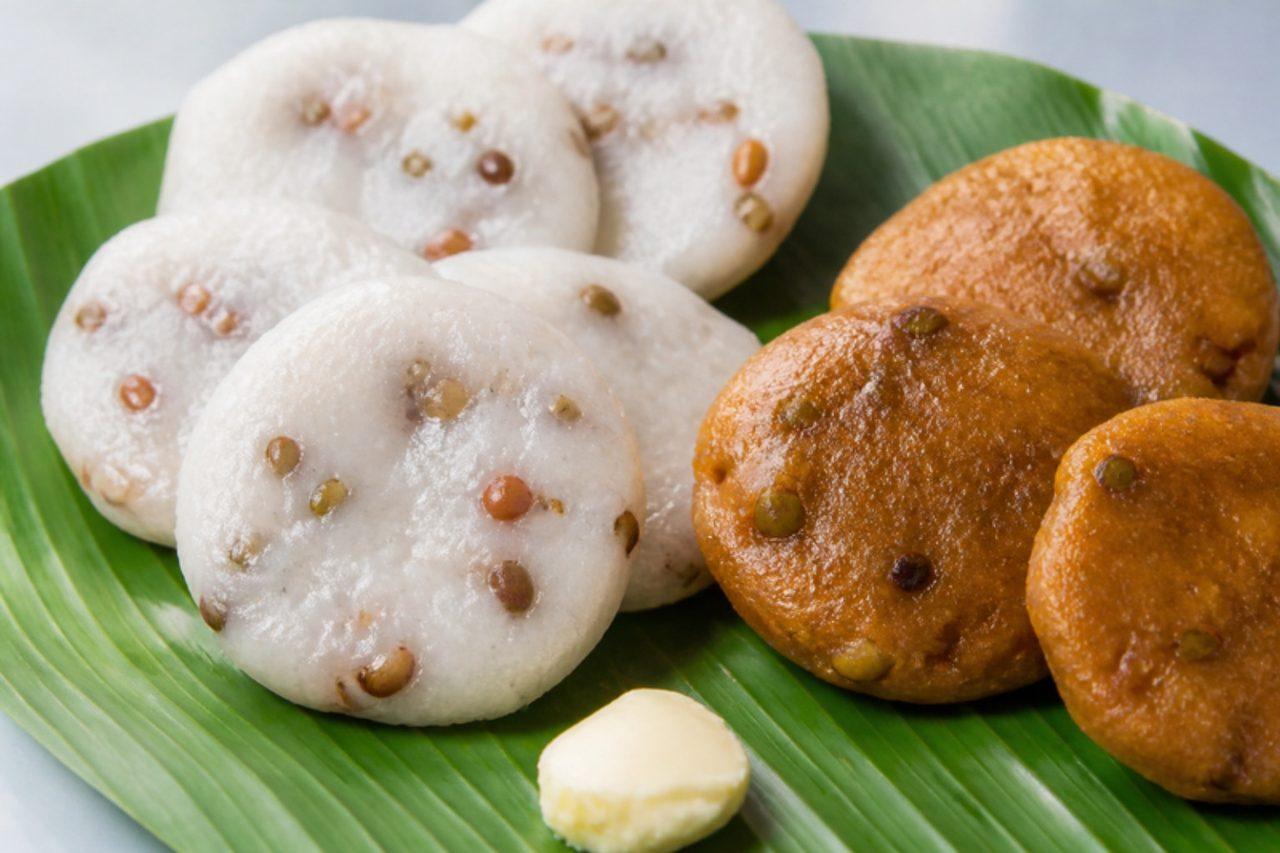
Nombu adaiSweet rice flour and cowpea cakes

Karadaiyan Nombu falls on the day the Tamil month of Maasi turns into Panguni, and married women in Tamil Nadu fast for their husbands' long life in memory of Savitri, who won her husband back from Yama. The fast is broken at an auspicious minute with these adai, offered with a lump of unmelted butter and tied on with a yellow thread. The rice flour is roasted, cooked into a dough with jaggery, coconut and boiled cowpeas, shaped into small discs with a hole in the middle and steamed. A savoury batch with green chilli, ginger and curry leaves is usually made alongside. Common mistake: using raw rice flour, which makes the adai sticky; roast it until it is warm and flows like sand, and the adai are done when they turn glossy and no longer stick to a wet finger. Chef's tip: for the savoury version, swap the jaggery for 2 chopped green chillies, a little grated ginger and a mustard-seed tempering.

by KrazyBadal 0 views

Bhavnagari gathiyaCrunchy gram flour sticks

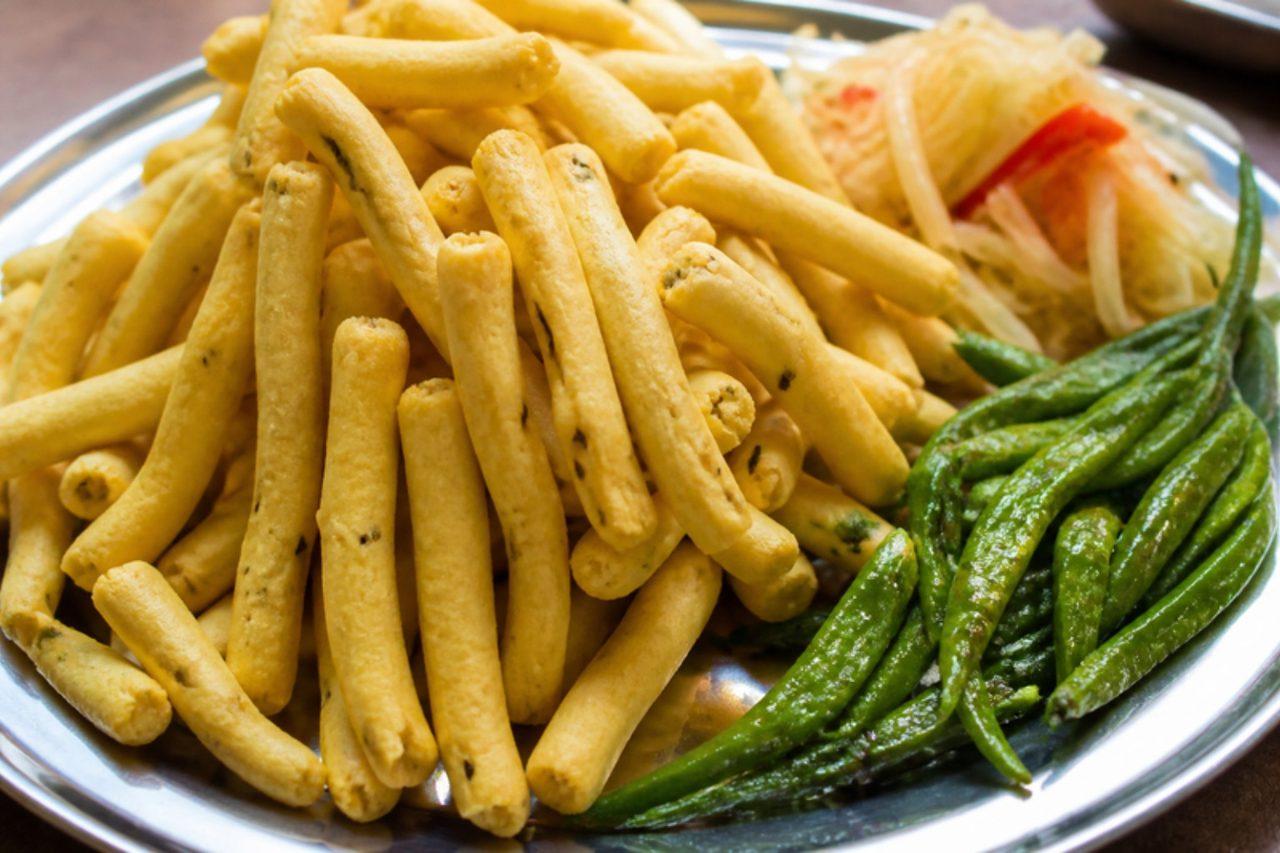
Bhavnagar is Gujarat's gathiya town, and its namkeen shops sell these thick, knobbly sticks by the kilo, warm in the morning with fried chillies and papaya sambharo, and boxed up for relatives abroad. They are thicker than any sev, with a rough, bubbly surface from being rubbed through a flat perforated gathiya jharo (or pressed through the largest disc of a sev press), and the dough is beaten with oil and soda so they stay light and crunchy rather than hard. Ajwain and coarse black pepper give them their warmth. The common mistake is a stiff dough: it will not pass through the holes and the gathiya come out dense. Chef's tip: beat the oil, water and soda together until white and frothy before adding the flour; that is what makes them airy.

by KrazyBadal 0 views

NippattuPeanut rice crackers

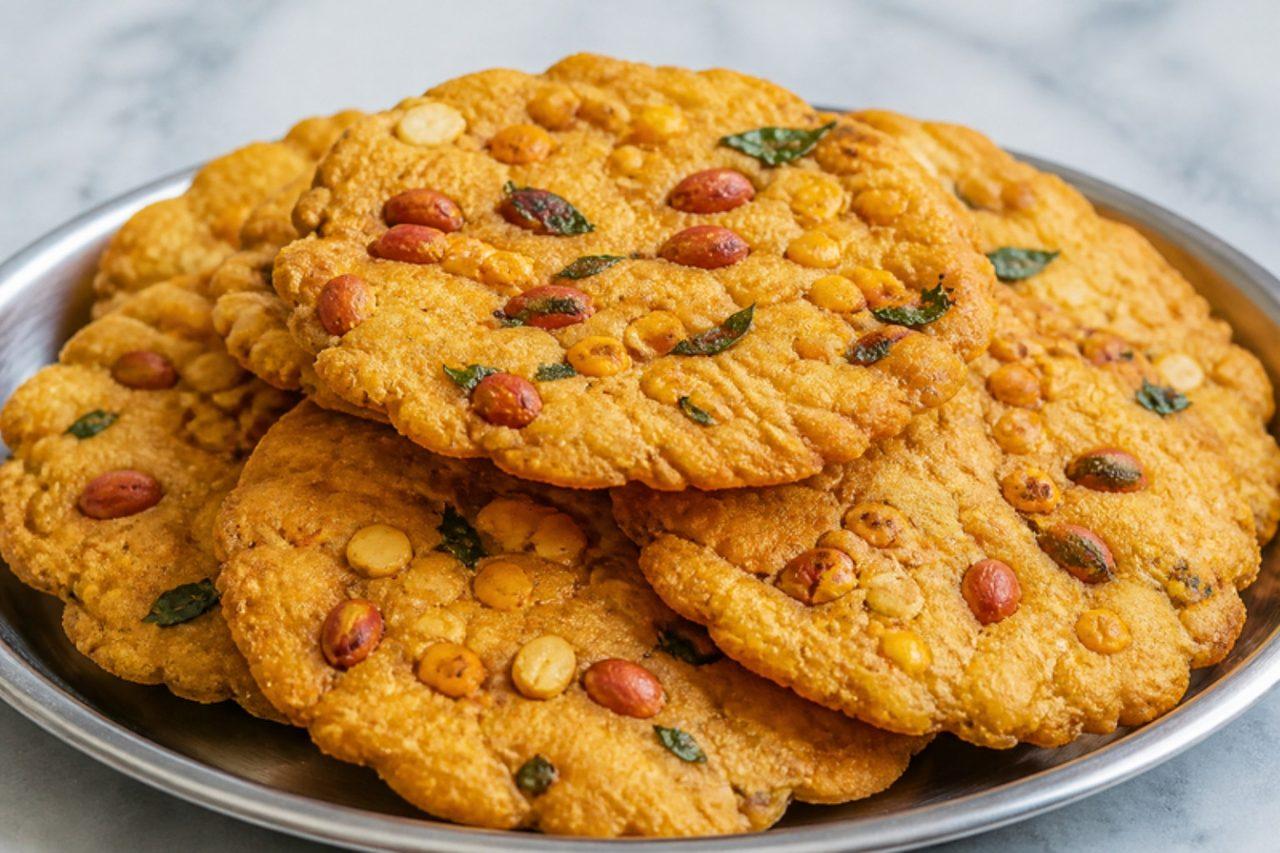
Nippattu is the Karnataka tea-time cracker, sold in Iyengar bakeries from Bengaluru to Mysuru and fried at home for Gowri-Ganesha and Deepavali. Unlike the thin, delicate Tamil thattai, nippattu is thicker and chunkier, packed with crushed peanuts and roasted gram (hurigadale) so every bite crunches with nuts. It's spiced with chilli, hing and curry leaves and keeps for weeks. A common mistake is skipping the hot oil rubbed into the flour; without it the crackers turn hard instead of short and crisp. Chef's tip: prick each disc a few times with a fork so it fries flat and crisp right through instead of puffing.

by KrazyBadal 0 views

ManoharamRice flour sticks in jaggery syrup

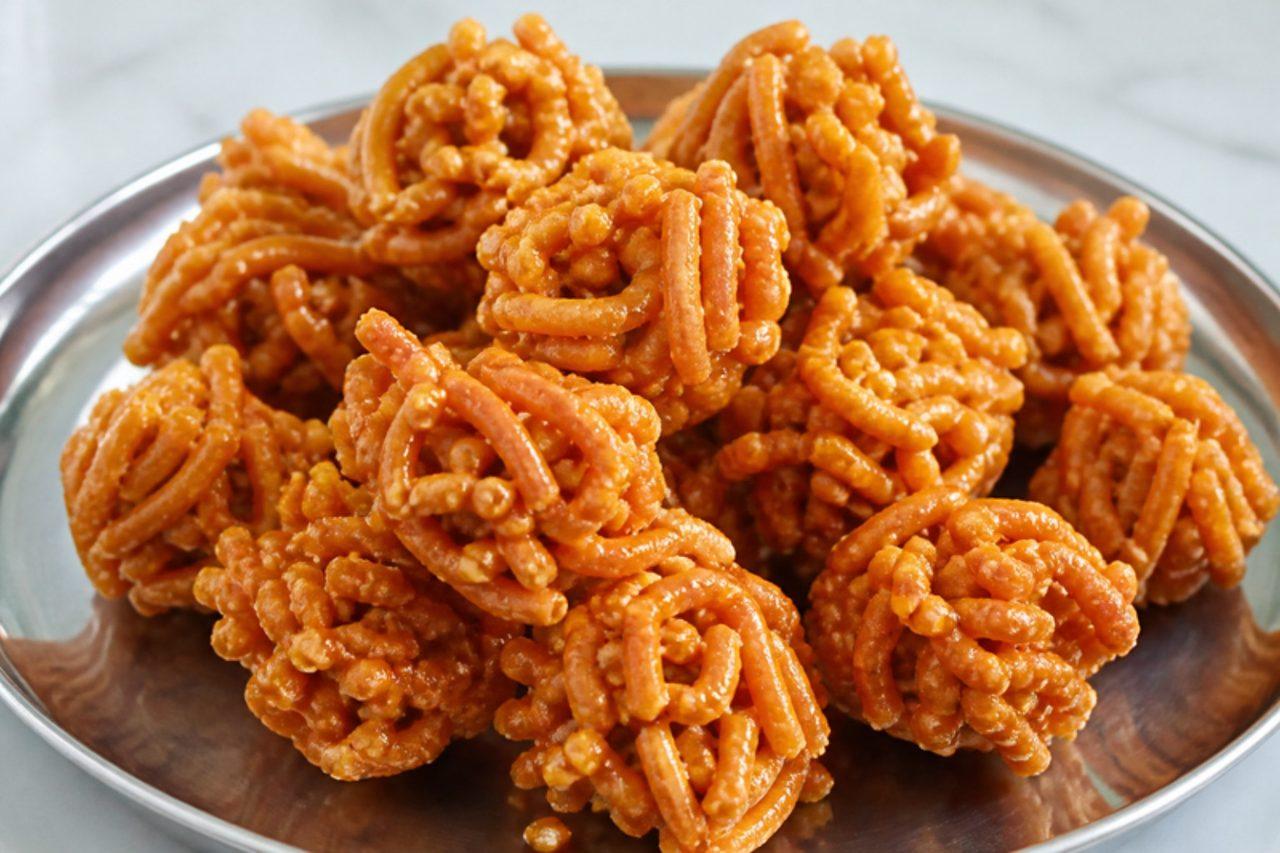
Manoharam is a Chettinad sweet made for weddings and the sweet trays of Deepavali, often shaped into a tall cone for the bridal seer. Short, crisp sticks of rice and moong flour are pressed and fried, then tossed in a jaggery syrup cooked to the hard-ball stage, so the syrup sets around them into a crunchy, molasses-sweet cluster. It is eaten in small pieces with coffee and keeps for weeks. The usual mistake is undercooked syrup, which never sets and leaves the sticks soggy; test it in cold water until it snaps. Chef's tip: have the fried sticks warm and ready in a wide greased bowl before the syrup reaches the right stage, as it starts setting within a minute.

by KrazyBadal 0 views

ThenkuzhalRice and urad flour spirals

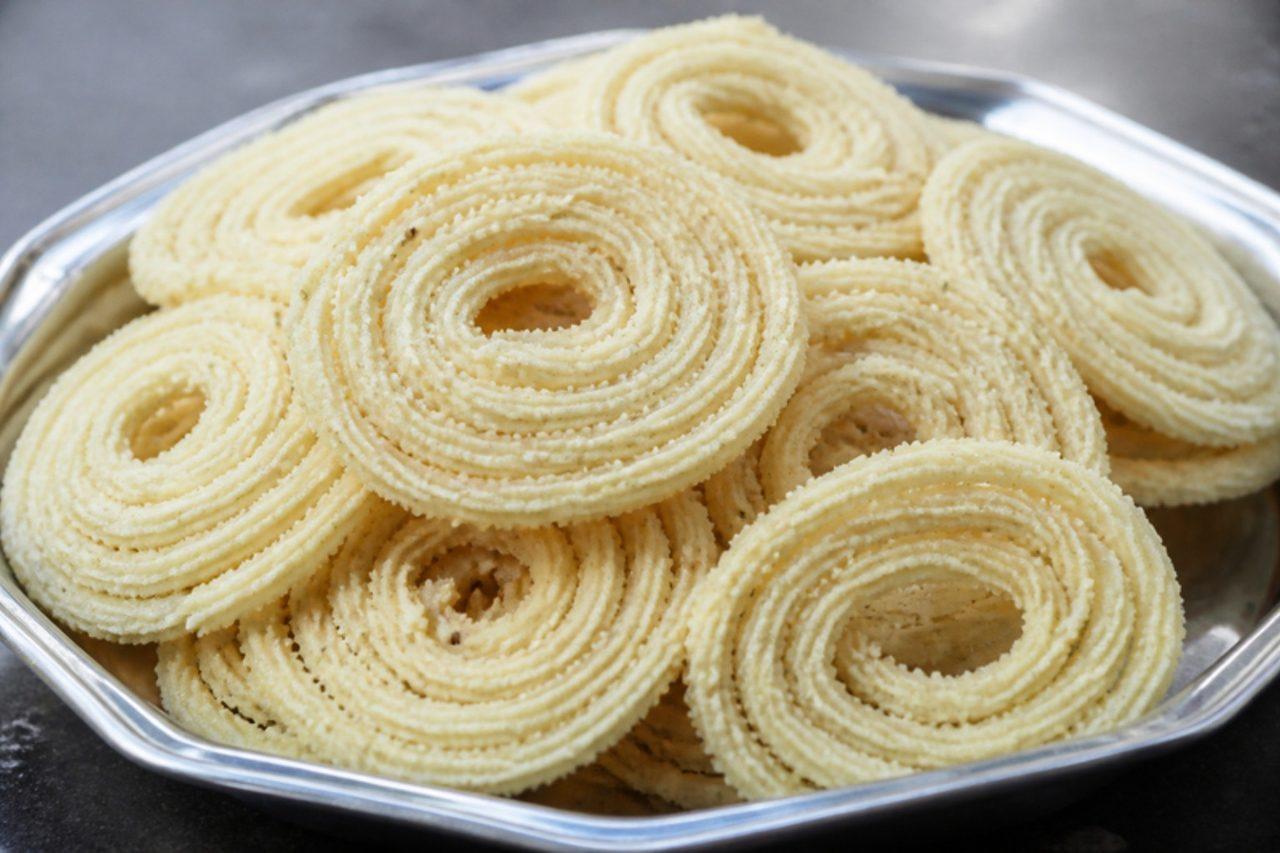
Thenkuzhal is the plain, pale murukku of Tamil Nadu, especially in Chettinad and Thanjavur kitchens, pressed through a single-hole plate into neat spirals for Deepavali and Krishna Jayanthi. Unlike butter murukku, it relies on roasted urad flour and a spoon of hot oil for its crunch, with cumin and a little sesame for flavour, and it should be cream-coloured, smooth and light. It is eaten with coffee and kept in tins for weeks. The common mistake is a dough that is too stiff, which breaks while pressing and gives a rough, cracked surface; it should be soft enough to pipe smoothly. Chef's tip: press the spirals onto the back of an oiled slotted spoon or a square of parchment and slide them into the oil, so they keep their shape.

by KrazyBadal 0 views

Dudhi na muthiaBottle gourd steamed dumplings

Dudhi na muthia are the everyday steamed farsan of Gujarati kitchens, made on a weekday afternoon for evening tea or packed for the next morning's breakfast. Grated bottle gourd is kneaded with coarse wheat flour, gram flour and spices, shaped by fist (muthi) into logs, steamed, sliced and then crisped in a tempering of mustard and sesame. The slices are soft inside with golden edges, savoury, gently sweet and sharp with lemon. The classic mistake is squeezing out the dudhi juice and then adding water: the juice is the only liquid you need, so add the flours little by little to the undrained gourd. Chef's tip: steam the logs a day ahead and chill them; cold muthia slice cleanly and crisp much better.

by KrazyBadal 0 views

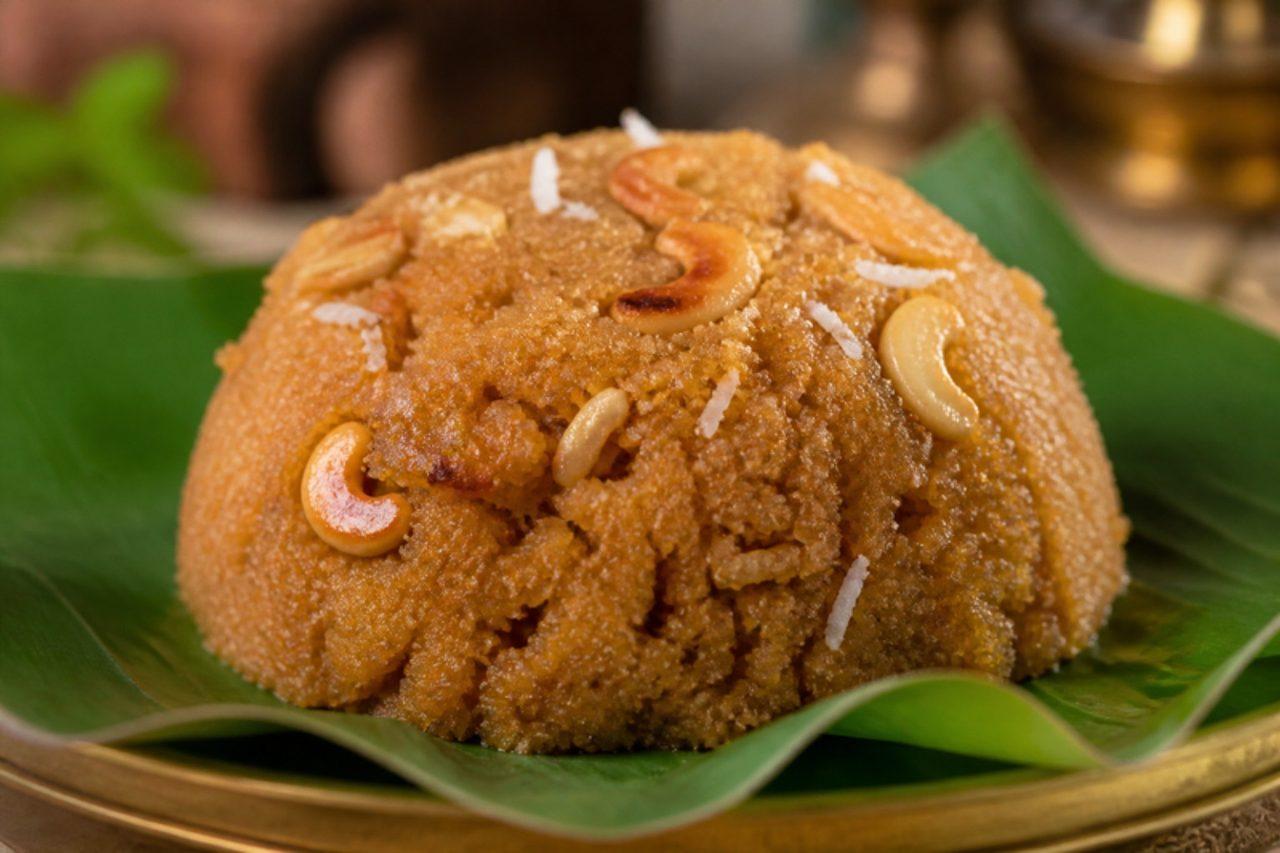
Thiruvathirai kaliRice and moong dal with jaggery

On Arudra Darshan in the Tamil month of Margazhi, temples across Tamil Nadu, Chidambaram above all, celebrate Shiva as Nataraja, and homes offer him kali with ezhu kari kootu at dawn. The rice and a little moong dal are dry-roasted until fragrant, ground to a coarse rava and then cooked in jaggery water until soft and set, a loose, grainy sweet rather than a smooth halwa. Grated coconut, cardamom and plenty of ghee finish it. Common mistake: grinding the roasted rice to a fine flour, which cooks into a sticky paste; you want grains like fine semolina, and the kali is done when it leaves the sides of the pan and the ghee glistens on top. Chef's tip: roast the rice only until it smells like popcorn and turns faintly golden; any darker and the kali tastes bitter.

by KrazyBadal 0 views

ChhatuaRoasted gram flour with curd

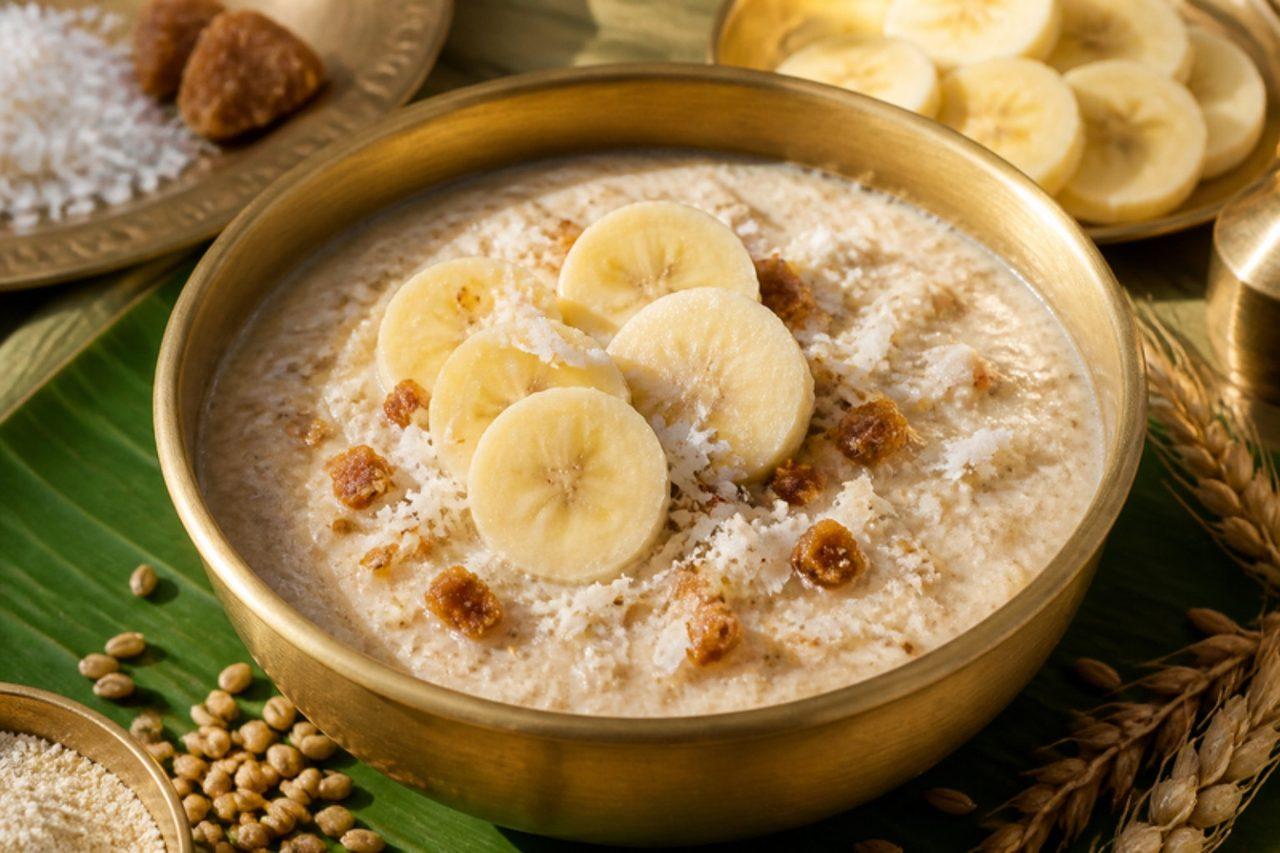
Pana Sankranti, in mid-April, is Odisha's new year and its own version of Baisakhi, and the day is kept with two cooling things: a jug of pana, the sweet bel-fruit drink, and a bowl of chhatua. The chhatua is a mix of roasted flours, usually chana, barley and rice, stirred with curd, ripe banana, jaggery and fresh coconut into a soft, sustaining mash that needs no cooking on a hot day. It is mild, sweet and nutty, and many families offer it first at the household shrine. Common mistake: making it watery; add the curd a little at a time and stop when it is like thick porridge that just holds a spoon. Chef's tip: roast your own flours in a dry pan until they smell of toast; ready-made sattu works, but freshly roasted flour has a far deeper flavour.

by KrazyBadal 0 views

SaruchakliThin rice and urad dal crêpes

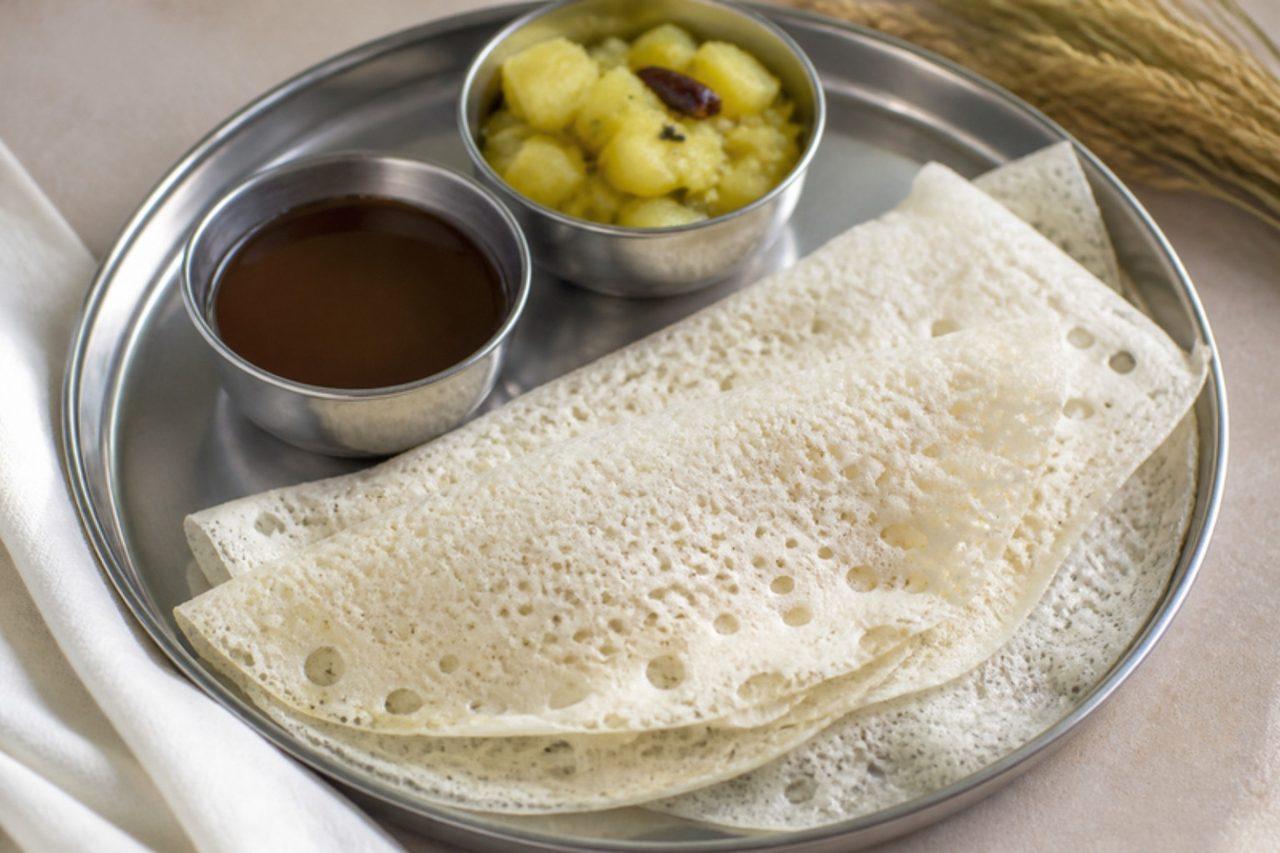
In Bengal, Poush Sankranti in mid-January is pithe-puli day, when the new rice and the first nolen gur (date-palm jaggery) of winter turn into a table of pithas, and saruchakli is the plain, savoury-leaning one that starts the meal. A thin batter of soaked rice and urad dal is spread on a hot pan to make delicate, lacy crêpes with crisp edges and a soft centre, eaten rolled with nolen gur or with a light potato curry. Common mistake: a batter that is too thick; it should pour like single cream so it spreads thin, and the crêpe is ready when the edges lift and turn golden and the top looks dry. Chef's tip: brush the pan with a cut half potato dipped in oil between each saruchakli; it greases evenly and stops sticking.

by KrazyBadal 0 views

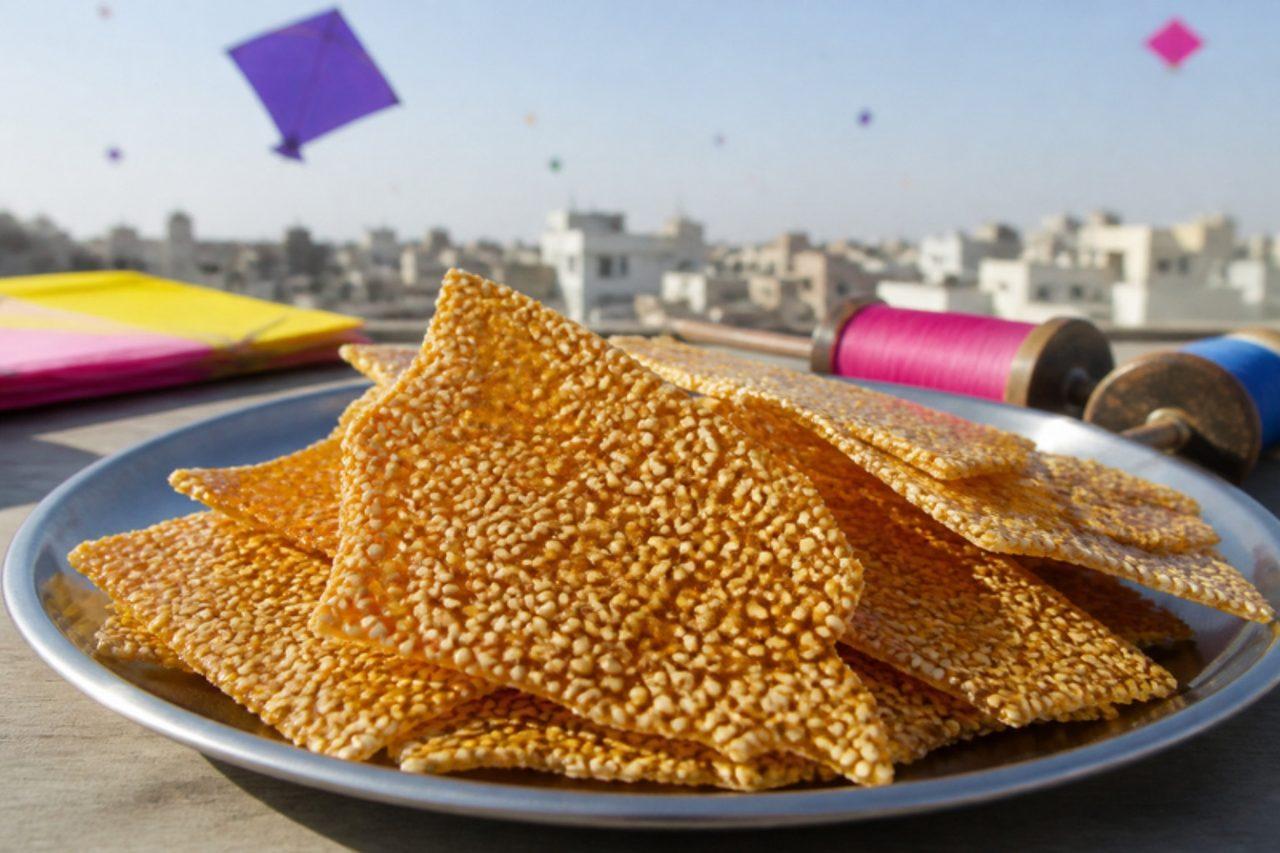
Tal ni chikkiSesame jaggery brittle

On 14 January every Gujarati rooftop fills with kite-flyers, and somewhere between the manja reels there is always a tin of tal ni chikki, broken into shards. The thinnest kind, tal sankli, is rolled out so fine you can almost see through it; it shatters with a snap and tastes of toasted sesame and dark caramel. It is a two-ingredient sweet where everything depends on the jaggery. Common mistake: pulling the jaggery off the heat too soon; it must reach the hard-crack stage, when a drop in cold water sets instantly and snaps cleanly, or the chikki stays chewy and sticks to the teeth. Chef's tip: work fast and roll on the greased back of a steel thali; if it hardens before you finish, warm it in the pan for a few seconds.

by KrazyBadal 0 views

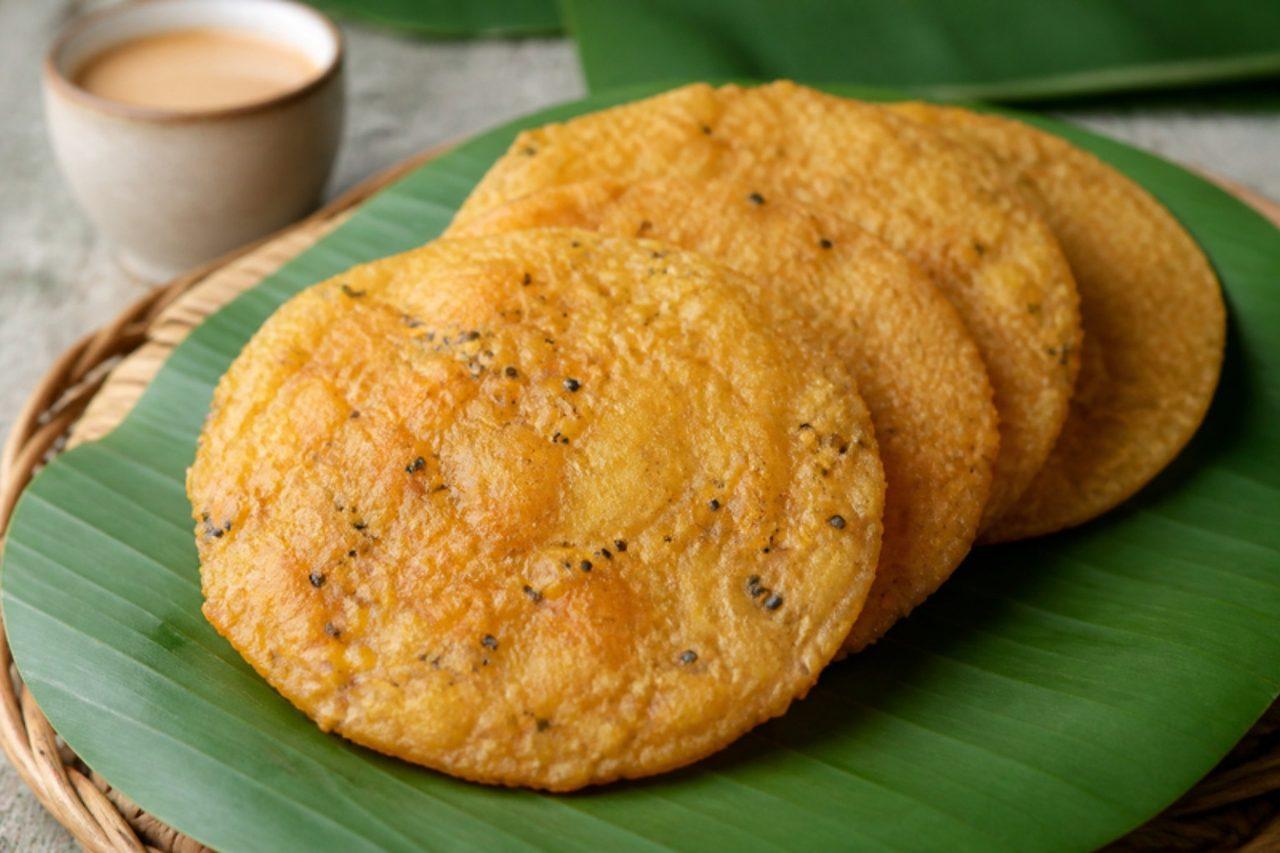
Pappada vadaFried pappadam fritters

Pappada vada is a Kerala tea-shop snack from the stretch between Thrissur and Palakkad, where a jar of them sits on the counter beside the banana fritters for the four o'clock chai break. Plain urad pappadams are dunked in a thin, chilli-red rice-flour batter with sesame and hing, then fried until the coating turns into a glassy, bubbly crust around the crisp pappadam inside. They are salty, peppery and loud to eat, and they keep in a tin for a week. The usual mistake is a thick batter: it fries into a hard, oily shell, so it should coat the back of a spoon thinly, like single cream. Chef's tip: use the small Kerala pappadams, not the big spiced Punjabi ones, and fry two at a time so the oil stays hot.

by KrazyBadal 0 views

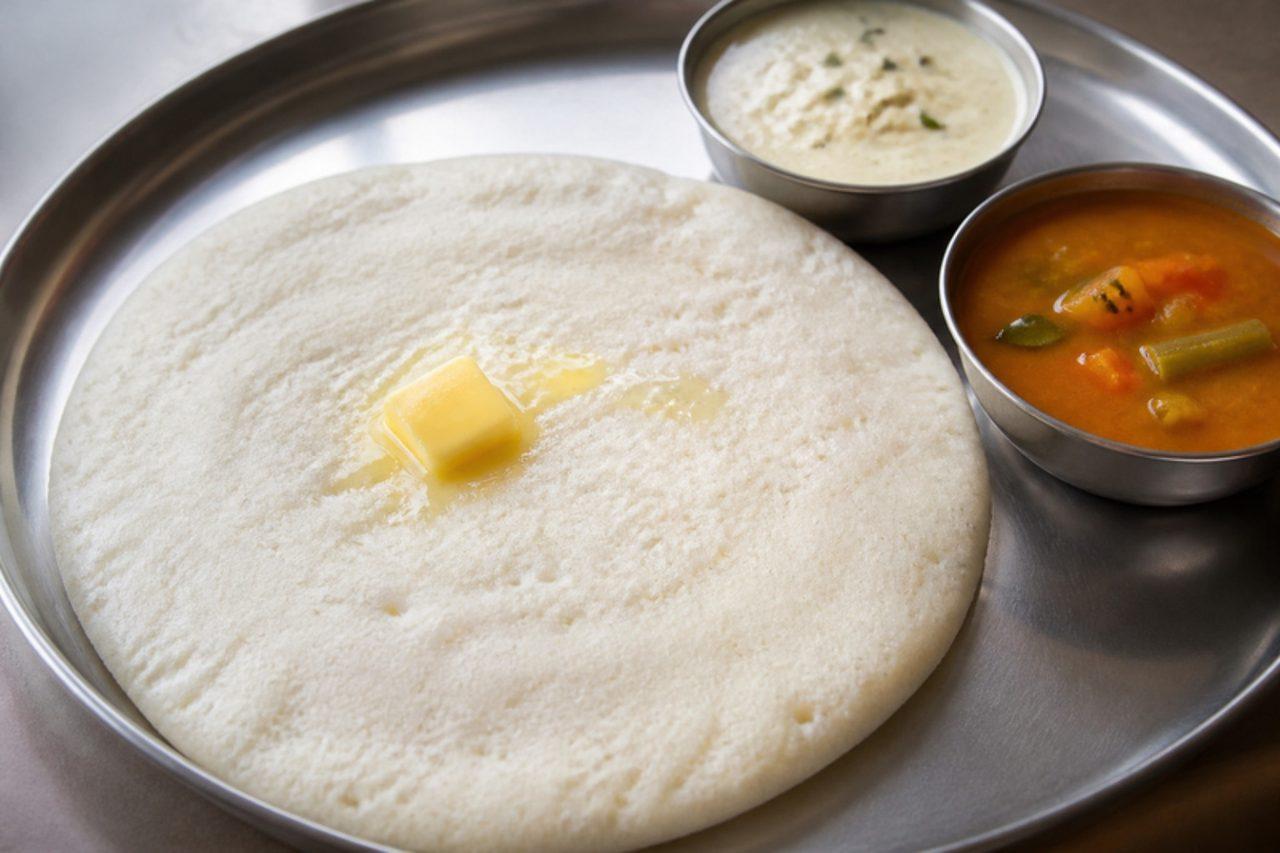
Thatte idliLarge flat plate idli

Thatte idli comes from Bidadi, on the old highway from Bengaluru to Mysuru, where roadside hotels steam plate-sized idlis on round thatte trays from dawn for travellers' breakfast. Poha in the batter makes them soft and spongy, and they are served with a knob of butter melting on top, coconut chutney and a thin sambar or podi. A common mistake is a stiff batter: thatte idlis need a looser, pourable batter than ordinary idli or they turn dense in the wide plate. Chef's tip: grind the urad dal with ice-cold water until it is light and almost doubled; that air carries the whole idli.

by KrazyBadal 0 views

Showing 48 of 3,468 recipes

Show more recipes

Page 8 of 145

More No onion & garlic ideas

Other diets