Skip to content
Neko manma
Featured recipe

Neko manma

Rice with bonito flakes and soy

Neko manma means 'cat's rice', a joking name for the bowl that people all over Japan make late at night or on the evening the fridge is empty: steaming rice, a handful of dried bonito flakes (katsuobushi) and a little soy sauce, stirred together. The flakes wilt and curl in the heat and give the rice a smoky, savoury flavour; some homes splash over the last of the miso soup instead. The mistake is drowning it in soy, which turns the flakes soggy and the rice salty; a teaspoon is plenty. Chef's tip: crumble the bonito between your fingers over the rice so the finer flakes melt into every grain.

Read more 0 views

What to eat today?

Around the world

Today's trip: Peruvian

A new country every day, from every cuisine on the site.

Peruvian

Tacacho

Mashed roasted green plantain balls 35 minMore from Peruvian (111) →

This week's collection

Kid-friendly dinners
772 recipes · a new collection every Monday

Coming up

All occasions →

Latest recipes

Nasi dagangCoconut rice with tuna curry

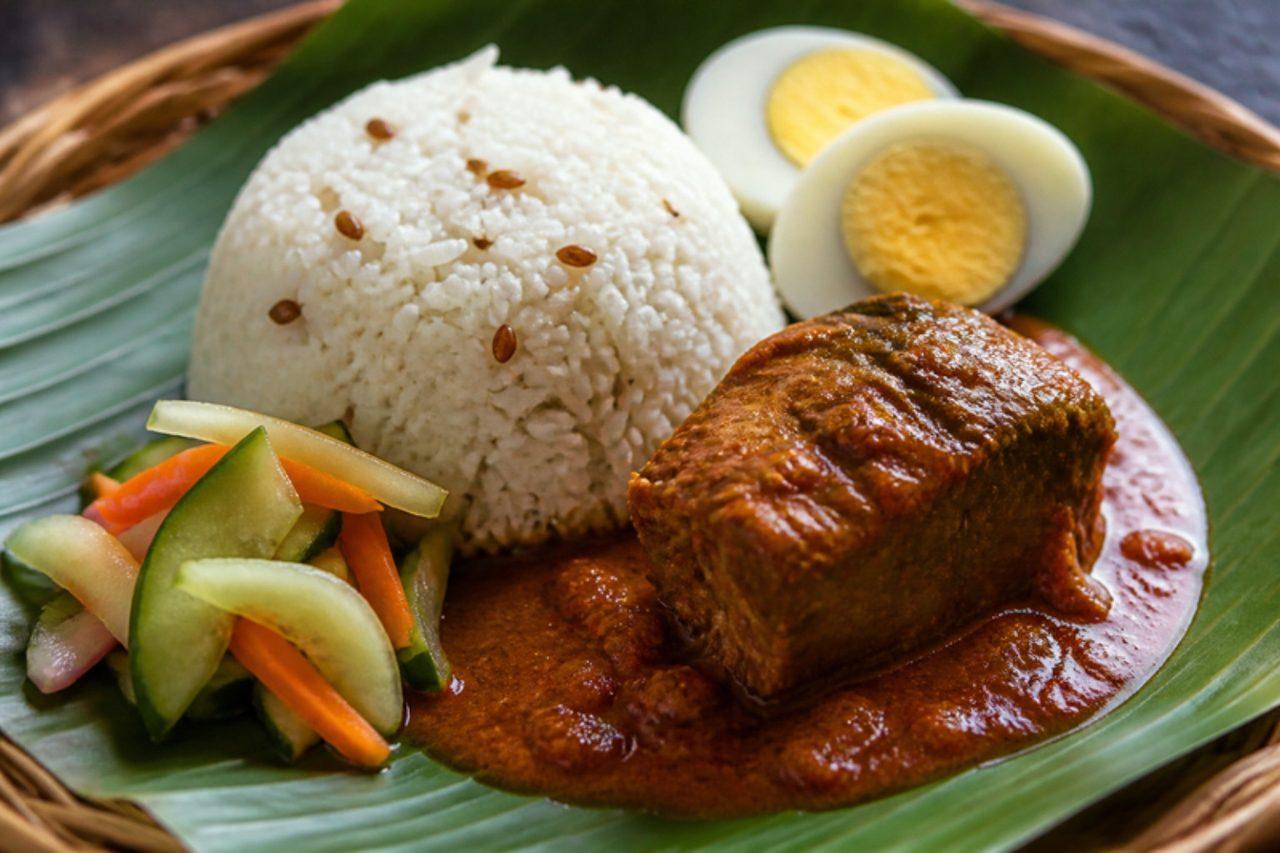
Breakfast on the east coast, in Kuala Terengganu and Kota Bharu, very often means nasi dagang: soft, slightly sticky rice steamed twice with coconut milk, ginger and fenugreek seeds, wrapped in paper with a ladle of gulai ikan tongkol, a gentle tuna curry. The rice is fragrant and a little chewy from the glutinous grains mixed in, while the curry is mellow, coconutty and sour from dried tamarind slices. Stalls sell it from dawn, with hard-boiled eggs and cucumber pickle on the side. It also makes a fine weekend brunch at home. Chef's tip: soak the two kinds of rice overnight so the grains steam evenly and turn plump rather than chalky.

by KrazyBadal 0 views

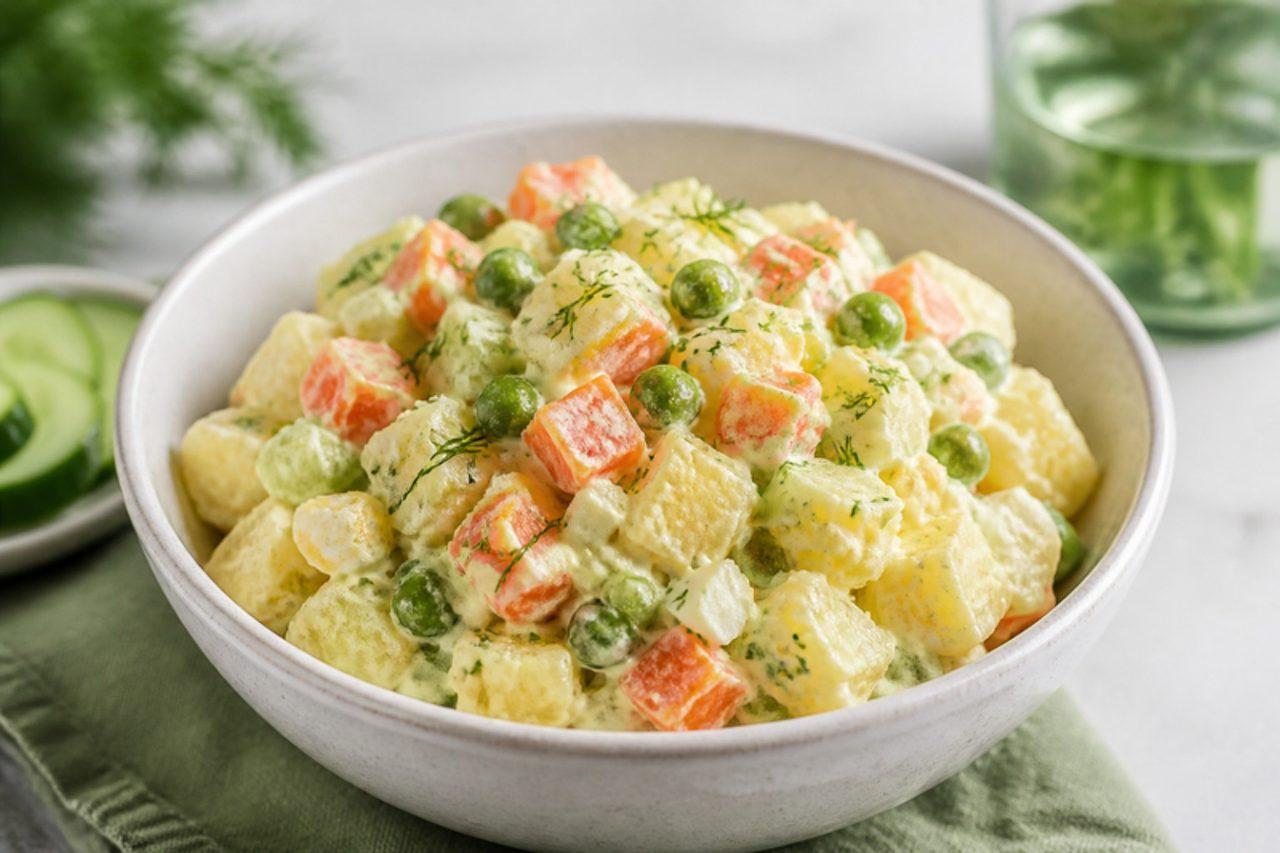
Niislel saladPotato and egg salad

Niislel means 'capital', and this creamy salad is the one served across Ulaanbaatar at Tsagaan Sar (Lunar New Year), birthdays and in every canteen. It descends from the Russian Olivier salad of the Soviet era, made Mongolian with plenty of cucumber and sometimes apple; it usually includes ham or sausage, left out here and replaced with extra egg. It's cool and comforting next to hot buuz (dumplings) or tsuivan. Chef's tip: cut everything into small, even cubes the size of a pea; that uniform dice is what makes it niislel and not just potato salad.

by KrazyBadal 0 views

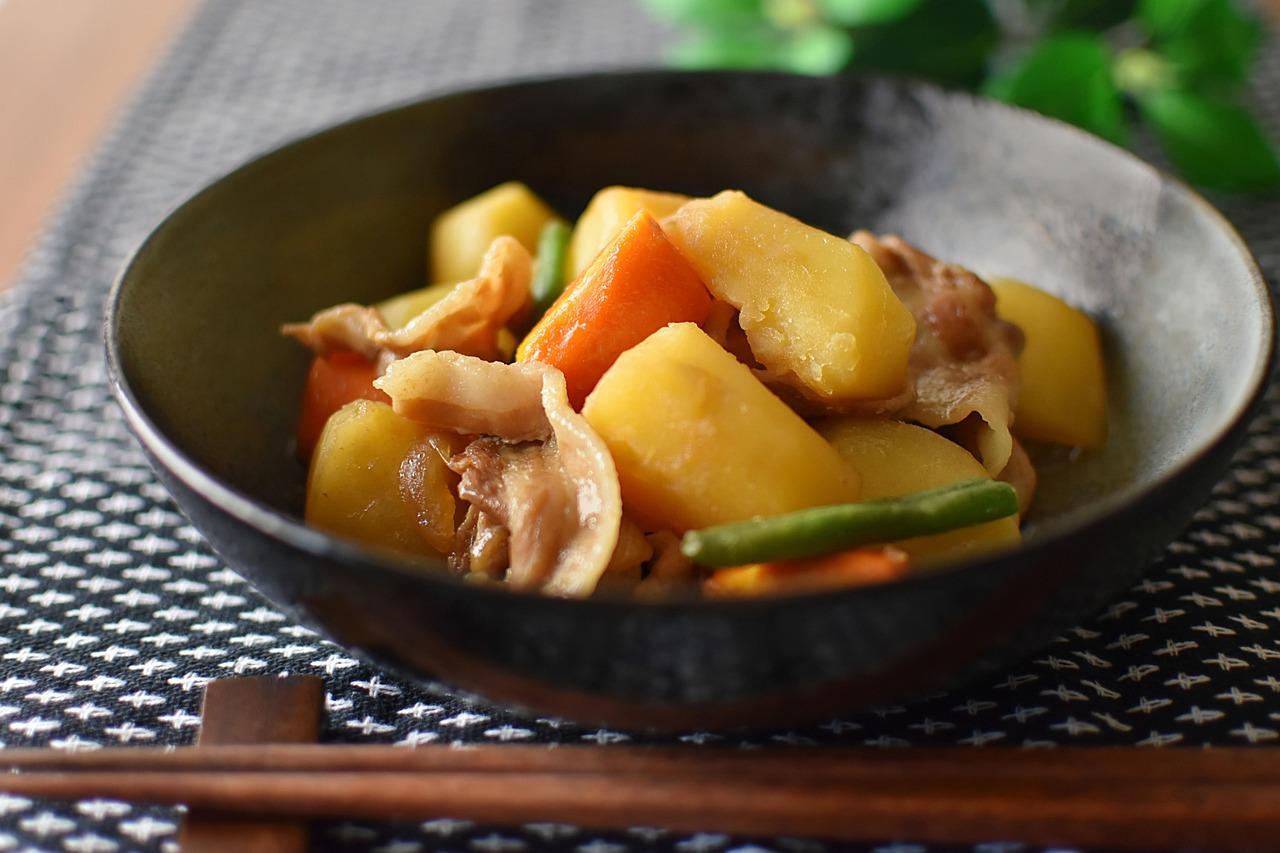
NikujagaBeef and potato stew

Two naval port towns, Maizuru near Kyoto and Kure near Hiroshima, both claim nikujaga was first cooked in their navy galleys. Whatever its start, it became the dish many Japanese people think of as mum's cooking, simmered on autumn and winter evenings and served with rice and miso soup. Thin slices of beef, chunks of potato, onion and carrot cook gently in dashi seasoned with soy and sugar until the potatoes are tender and soaked with flavour. Families in eastern Japan often use pork; in the west, beef is usual. Chef's tip: cover the stew with a circle of baking paper with a small hole in the middle (an otoshibuta, or drop lid), so the small amount of liquid bastes everything evenly.

by KrazyBadal 0 views

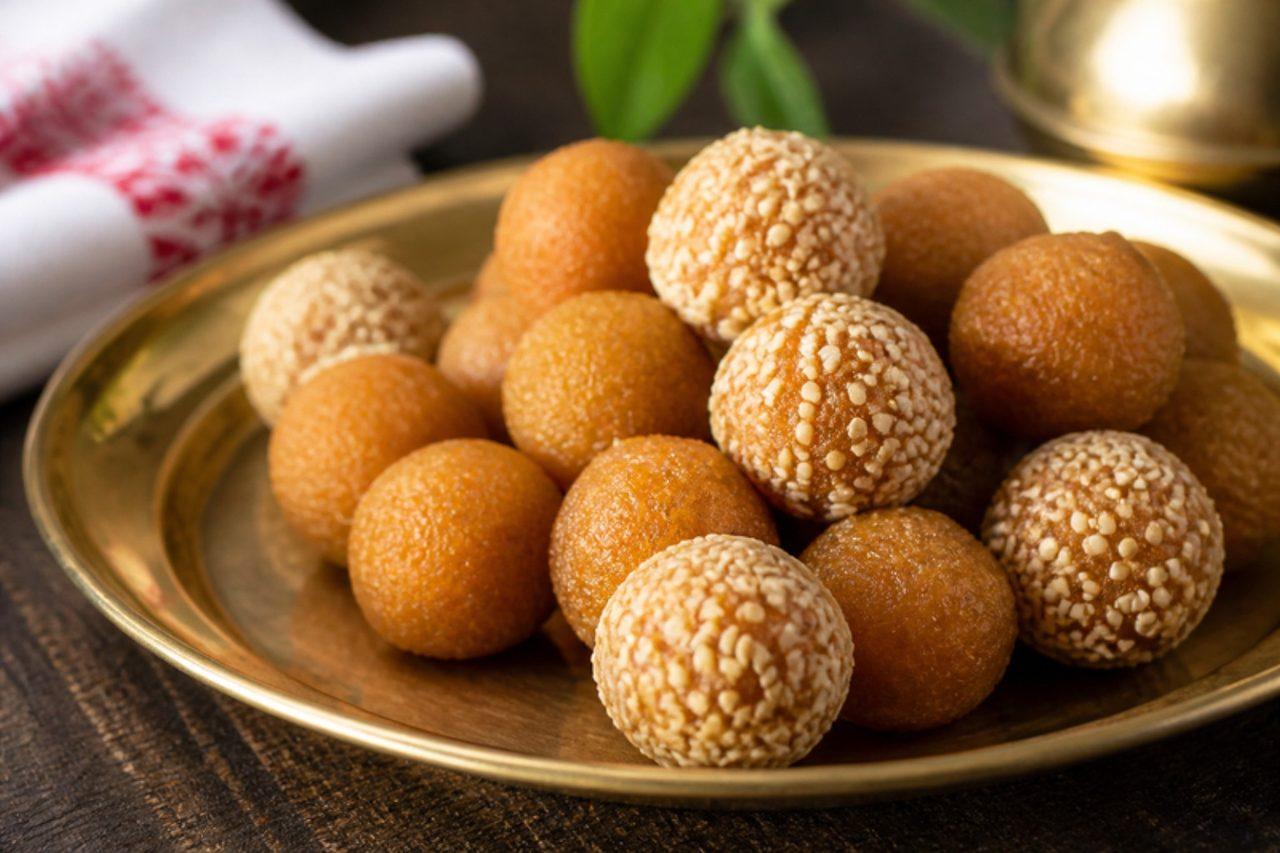
Narikol laruCoconut and jaggery balls

Narikol laru are the small, chewy coconut balls that sit next to til pitha on every Bihu plate in Assam, offered to visitors with tea and jolpan. Fresh coconut is cooked with jaggery until it binds, flavoured with cardamom and rolled warm. They are soft and moist, not dry like desiccated-coconut ladoos, and are made in big batches the night before the festival. Chef's tip: roll them while still warm with damp palms; once cold, the mixture won't hold.

by KrazyBadal 0 views

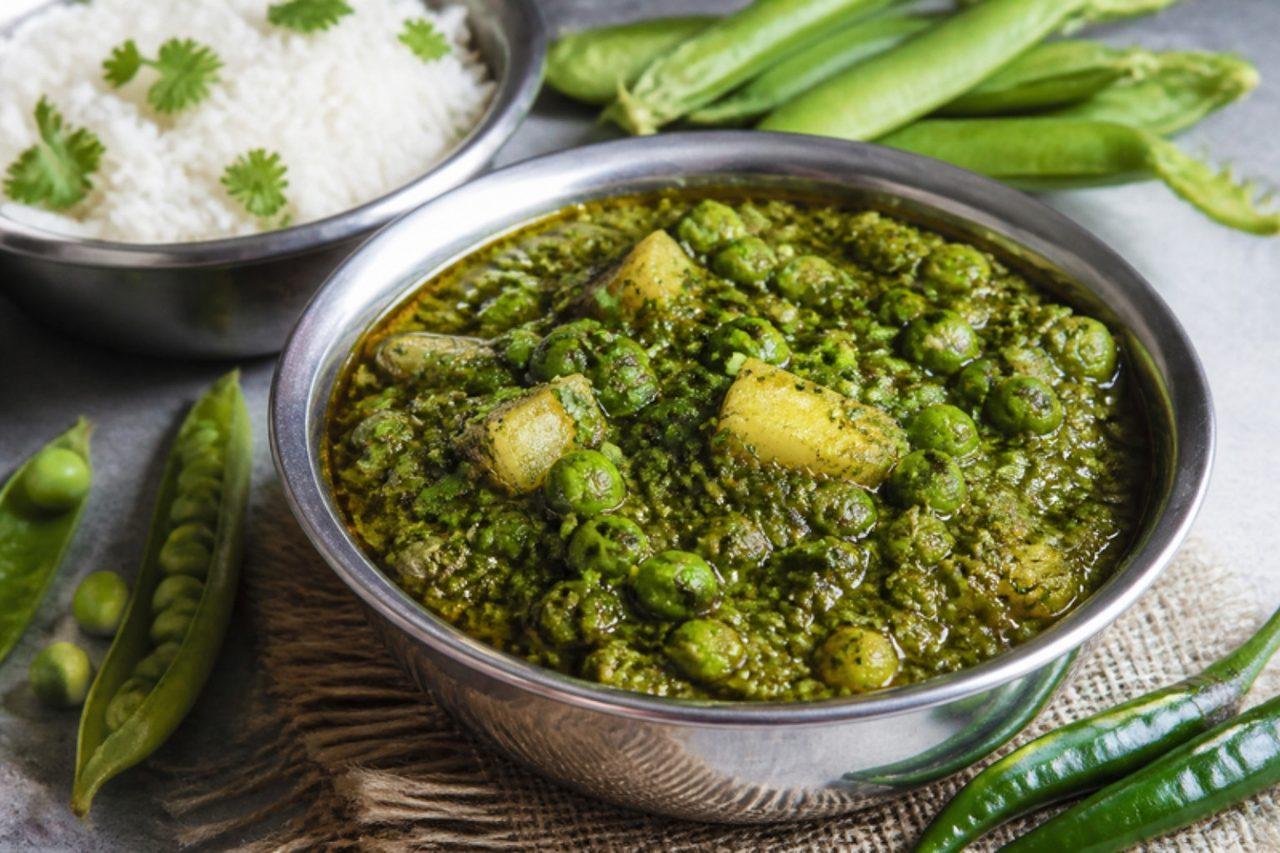
NimonaFresh green pea curry

When fresh peas fill the markets of Varanasi and Gorakhpur in December, almost every household makes nimona. The peas are coarsely ground and fried in mustard oil until they lose their raw smell and turn a darker, nutty green. Potatoes are then added and everything simmers in a thin, spicy gravy. It is eaten with plain rice on a winter afternoon, and some families add fried moong dal vadis for extra bite. The most common mistake is grinding the peas into a smooth paste; nimona should have texture, like crushed peas rather than soup. Chef's tip: pulse the peas with the green chillies, ginger and garlic in short bursts, and stop as soon as they look like coarse, wet crumbs.

by KrazyBadal 0 views

Niter kibbehSpiced clarified butter

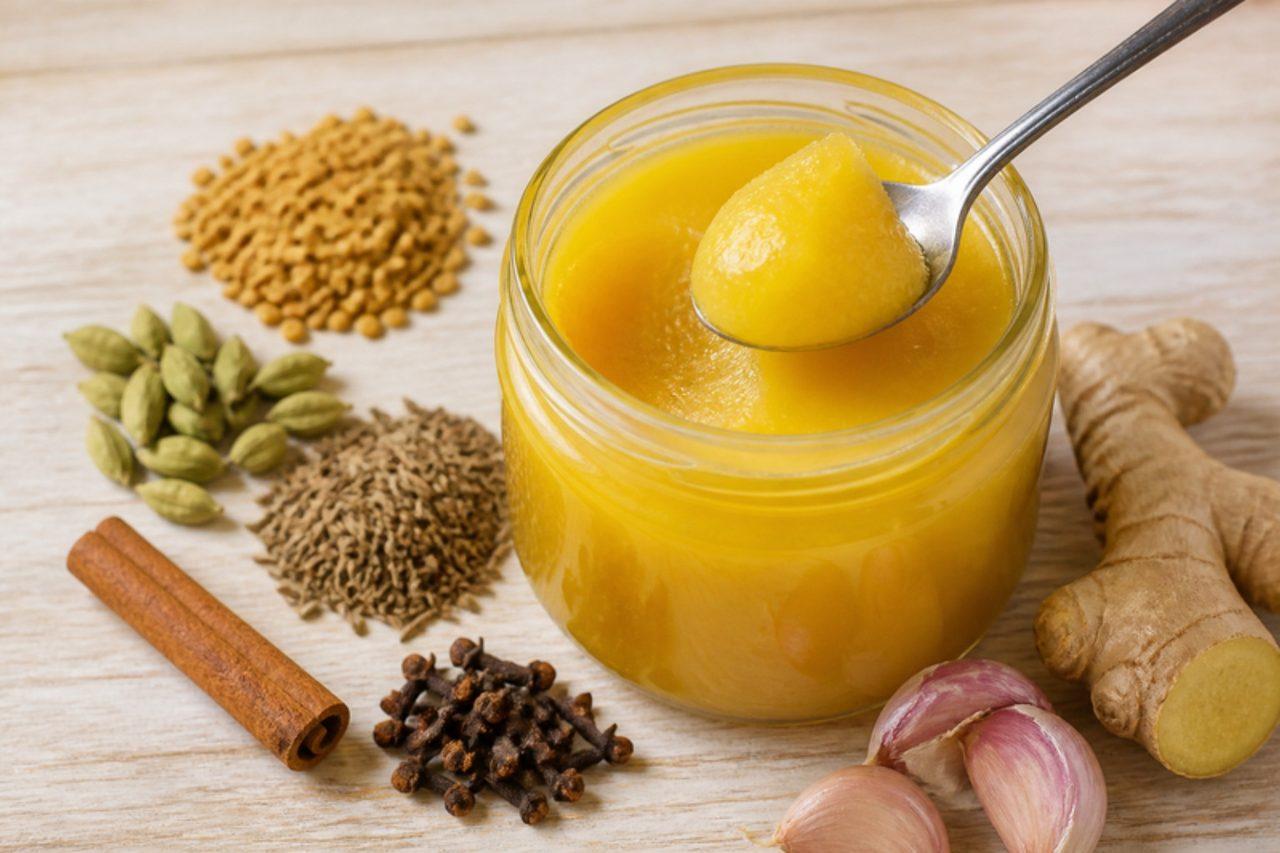
Niter kibbeh is the golden spiced butter used across the Ethiopian highlands on non-fasting days, when a spoonful goes into doro wat, kitfo, genfo or a simple pan of scrambled eggs. Butter is melted slowly with onion, garlic, ginger, fenugreek, cardamom, sacred basil (besobela) and other spices, then strained, leaving a fragrant, nutty fat that keeps for months. Because it is dairy it is never eaten during fasts; for those dishes, Ethiopians use plain oil, or you can warm 250 ml vegetable oil with the same spices for 15 minutes and strain it for a vegan spiced oil. Chef's tip: keep the heat very low; the butter should barely shiver, and if the milk solids burn the whole batch tastes acrid.

by KrazyBadal 0 views

Nam tok neuaGrilled beef salad

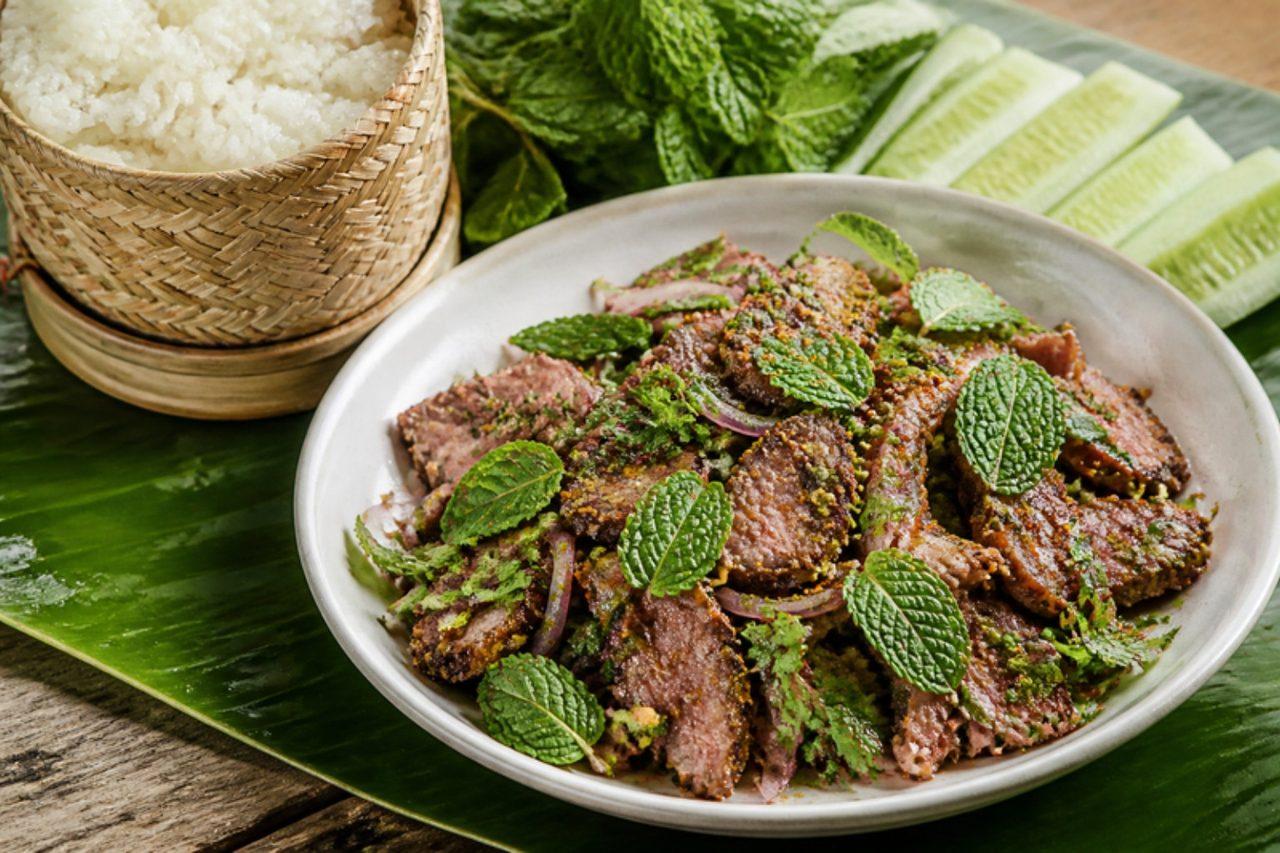
The name means 'waterfall', after the juices that drip from the beef onto the coals, and this salad is what Isan drinking spots and family barbecues serve when there is good meat on the grill. Smoky slices of pink steak are tossed while still warm with lime, fish sauce, chilli flakes, shallots and mint, then dusted with toasted rice powder for crunch. The meat soaks up the dressing like a sponge, so every bite is juicy, sour and hot. Pile it on a plate with sticky rice, cabbage, cucumber and long beans. Chef's tip: choose a steak with some marbling, such as sirloin or rump; very lean cuts turn dry and chewy once sliced thin.

30 minThaiSaladsGluten freeSpicy
by KrazyBadal 0 views

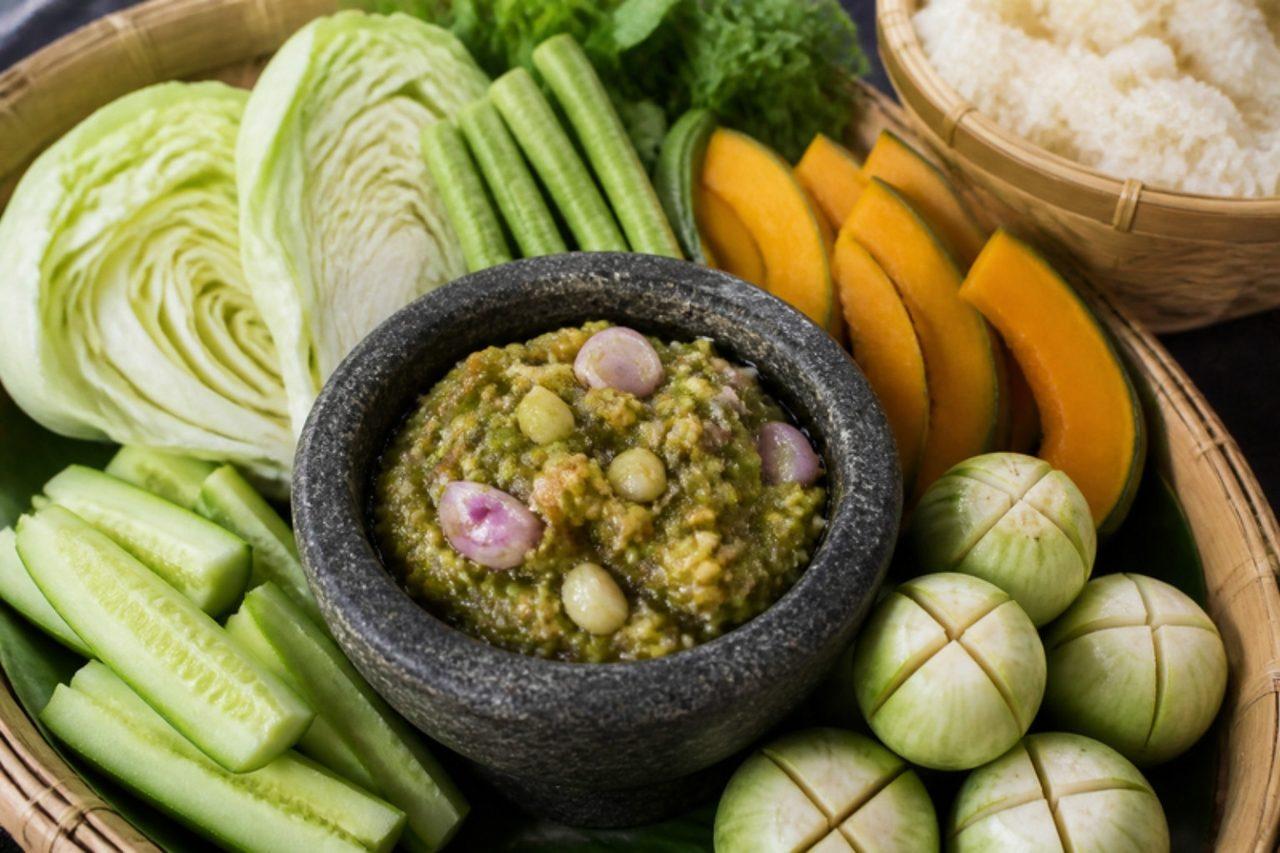
Nam prik ongTomato and pork chilli dip

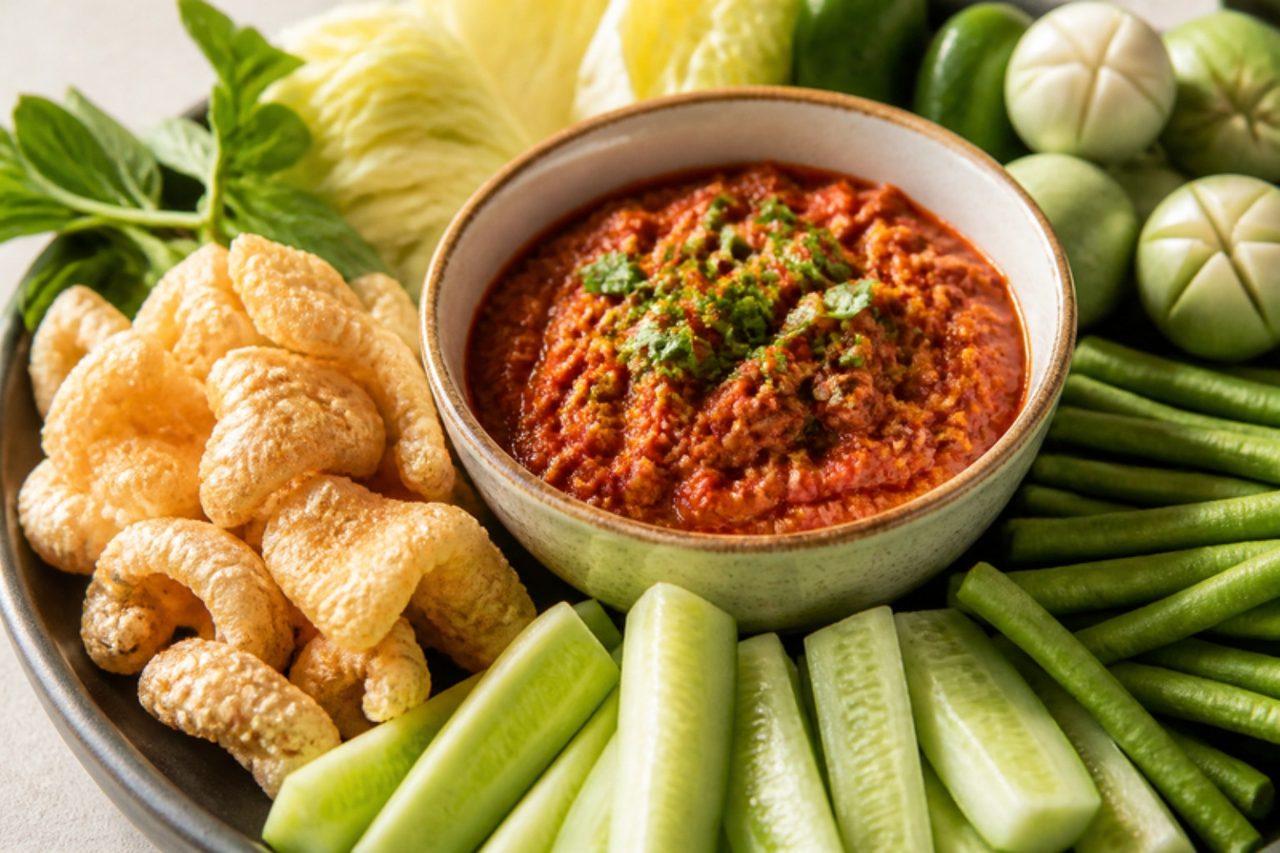
Every khantoke dinner in Chiang Mai sets out a bowl of this brick-red relish beside the sticky rice baskets, and morning markets sell it by the scoop in little plastic bags. It sits somewhere between a chunky meat sauce and a dip: sweet-sour from slow-cooked cherry tomatoes, savoury from shrimp paste and pork, with a gentle chilli warmth rather than a blast. Scoop it up with cucumber, blanched long beans, cabbage wedges and crisp pork crackling, or press a ball of sticky rice into it. Chef's tip: fry the pounded paste in the oil until it darkens and smells toasty before the pork goes in; that is where the deep, roasted flavour comes from.

by KrazyBadal 0 views

Groundnut soup (nkatenkwan)Peanut soup

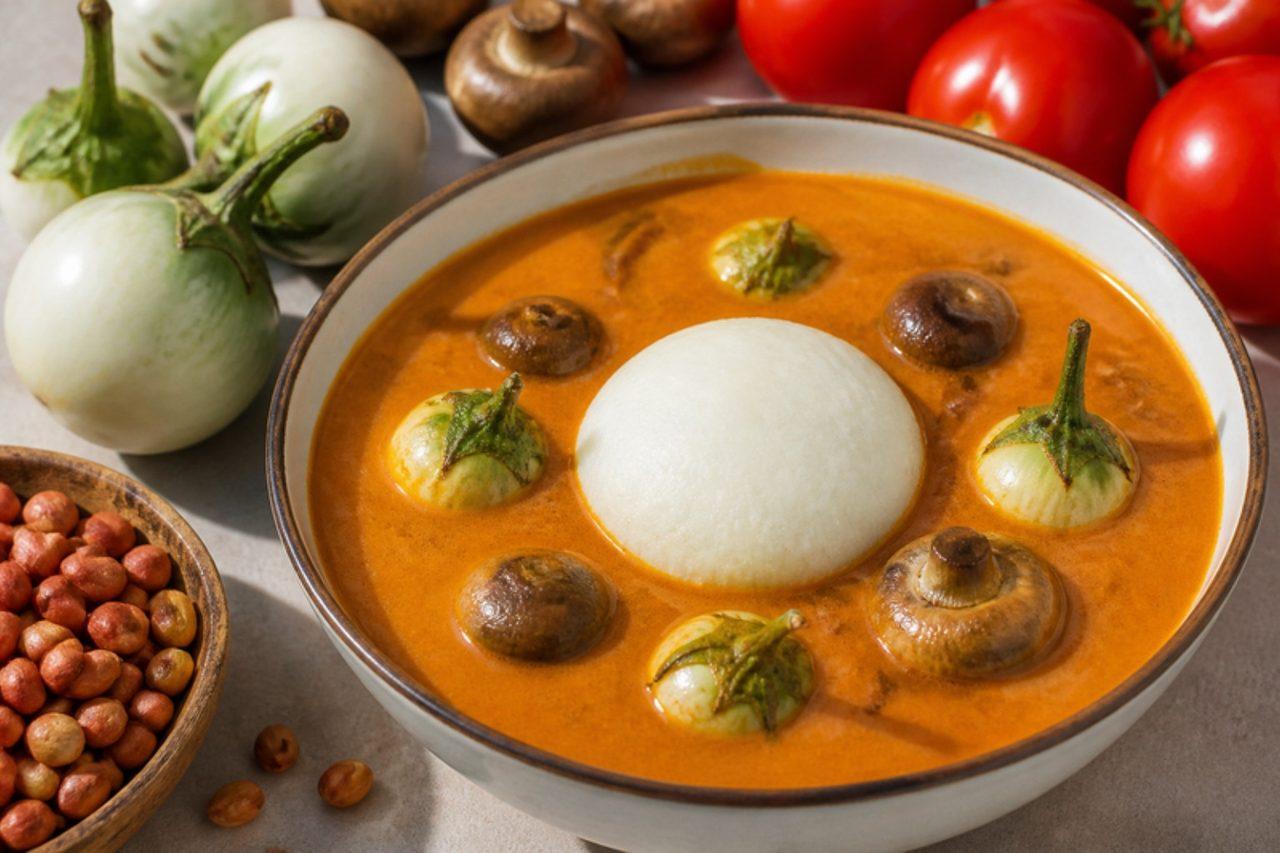
Nkatenkwan is the Sunday soup of Ghanaian homes, simmered while families are at church and eaten afterwards with omo tuo (soft rice balls) or fufu. Roasted groundnut paste is cooked slowly in a peppery tomato and ginger broth until the oil separates and turns the soup a rich orange-brown. It usually carries chicken or goat; here garden eggs (small African aubergines) and mushrooms keep it meaty without meat. Chef's tip: cook the groundnut paste long and slow; it is ready only when reddish oil rises and pools on top, and rushing it leaves a raw, pasty taste.

by KrazyBadal 0 views

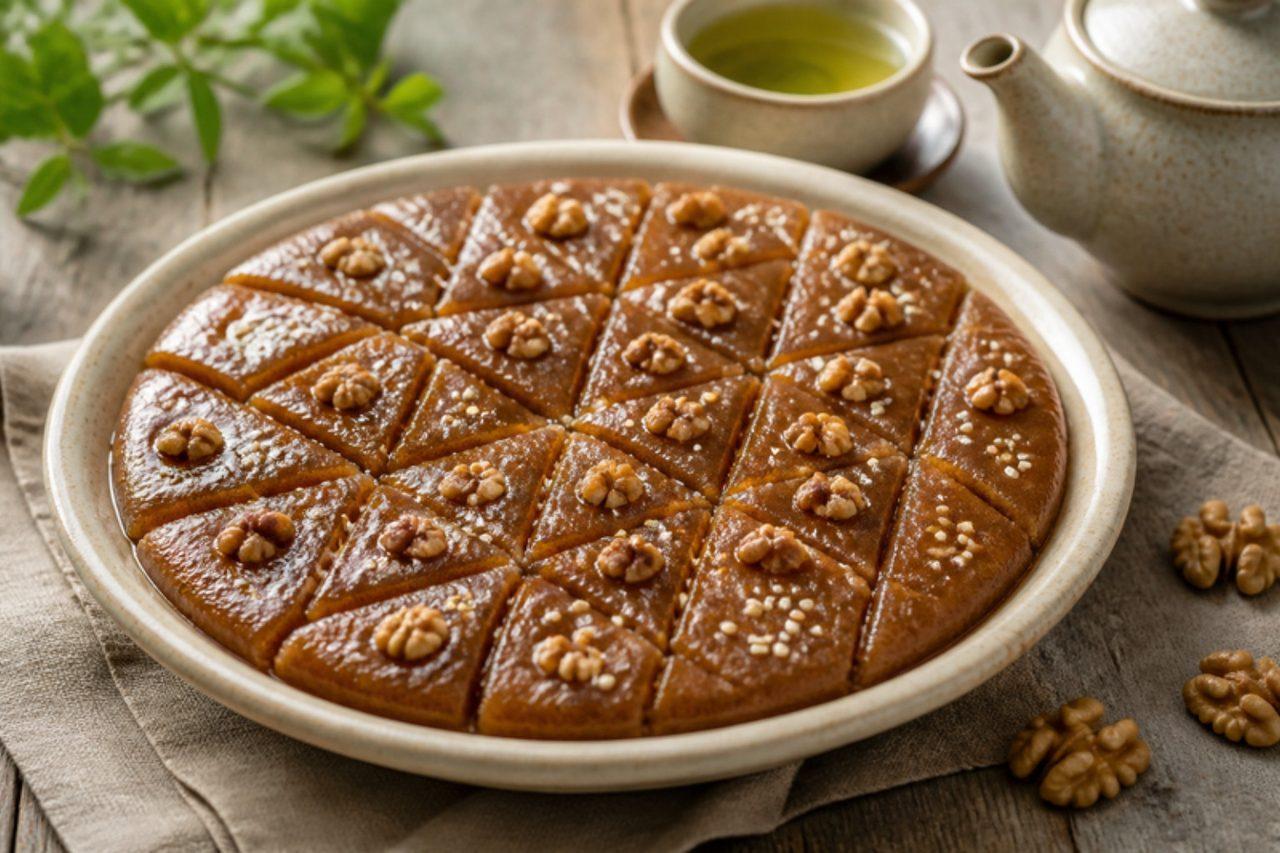
Uzbek halva (holvaitar)Flour and butter halva

Holvaitar is one of the oldest sweets of Bukhara: flour slowly roasted in butter until it smells like toasted nuts, then cooked with a sugar syrup into a soft, spoonable halva and topped with walnuts. Bukharan families make it for Navruz in March, for the 'Thursday' remembrance meals, and for women after childbirth, served warm in small bowls with green tea. It is closer to a pudding than to the brittle sesame halva sold in the bazaar. Chef's tip: patience at the roasting stage is everything; stop when the flour is the colour of milky coffee — paler tastes raw, darker turns bitter.

by KrazyBadal 0 views

Nam prik noomRoasted green chilli dip

Nam prik noom is the relish Chiang Mai is proud of: long green chillies, shallots and garlic charred over coals until blistered and soft, then pounded into a rough, smoky, gently hot dip. At Warorot Market and the morning markets of the north it is sold by the bagful next to crunchy pork rinds and baskets of steamed vegetables, and it sits on almost every Lanna family table with sticky rice. Most versions are salted with fish sauce or pla ra; this one uses salt and a dash of soy, and the smokiness carries it just as well. Eat it with blanched cabbage, long beans, cucumber and sticky rice. Chef's tip: roast the vegetables until their skins are black in patches and they collapse when pressed; undercooked chillies taste raw and sharp.

by KrazyBadal 0 views

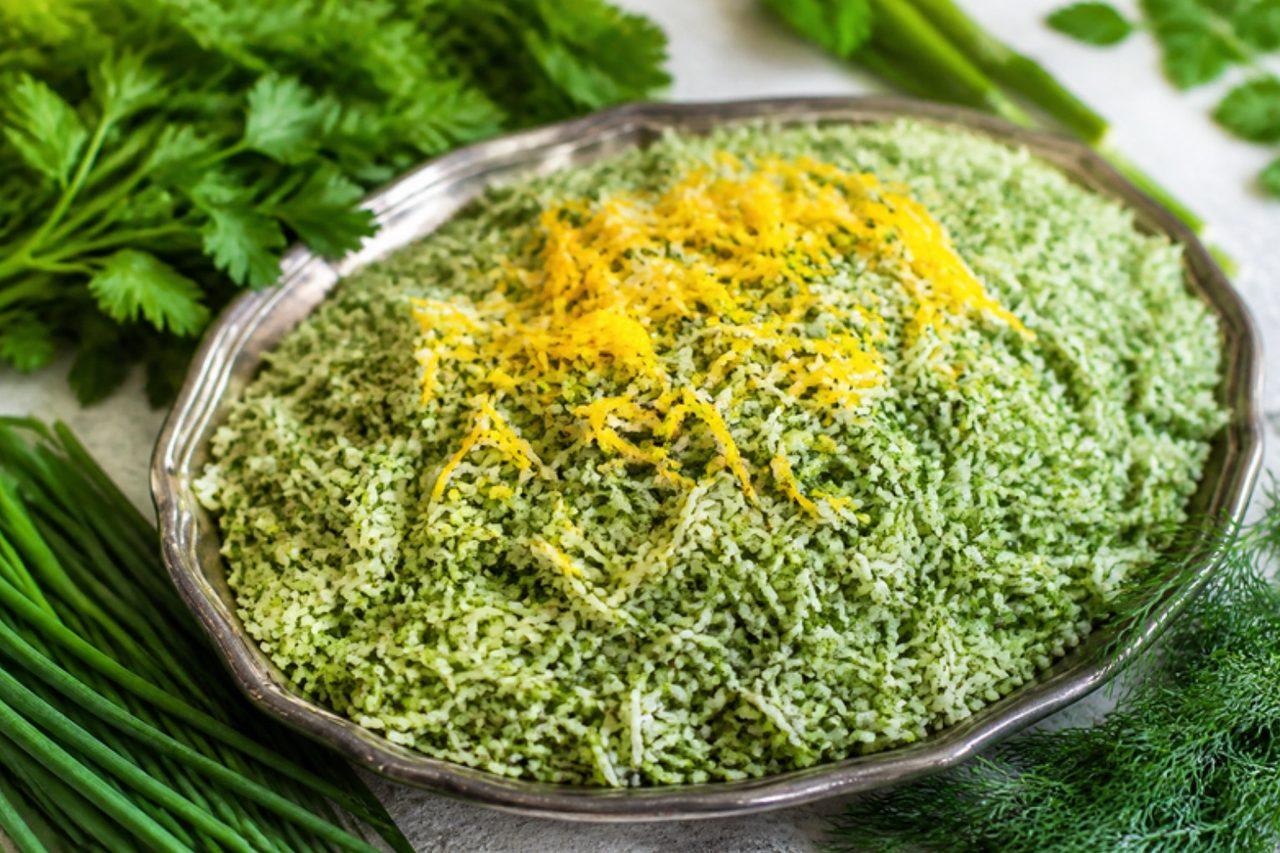
Sabzi poloGreen herb rice

Sabzi polo is the rice of Nowruz, the Persian New Year on the spring equinox, when families across Iran sit down on the first evening to a mound of rice speckled green with dill, parsley, coriander and chives. Fresh green herbs stand for renewal, and the dish is traditionally paired with fish on the New Year table; a vegetarian house serves it with kuku sabzi, the herb omelette, fried eggs or a bowl of yogurt. The rice tastes bright and grassy, with a gentle garlic note and a golden lavash crust underneath. Chef's tip: chop the herbs the day before and spread them on a tray to dry slightly; damp herbs make the rice heavy and clumpy.

by KrazyBadal 0 views

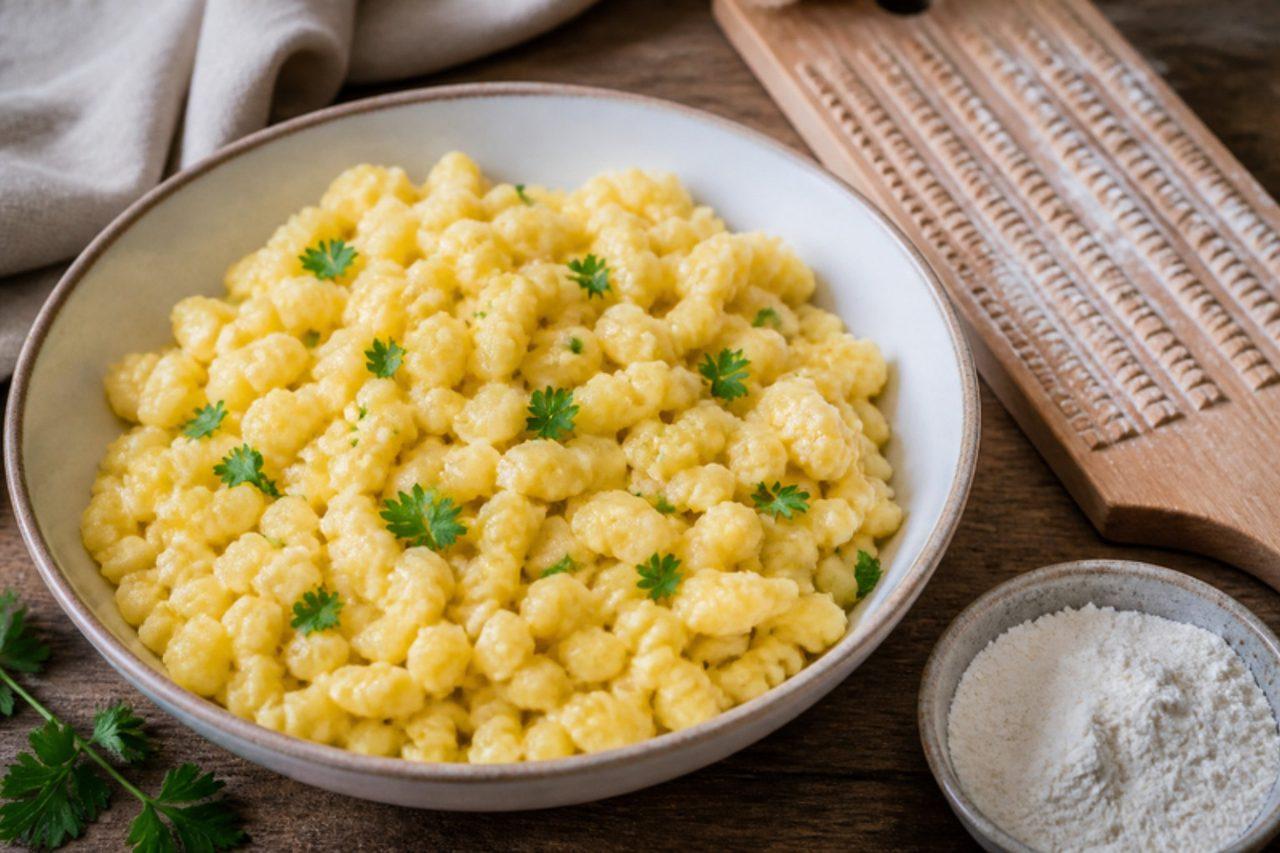
NokedliSoft egg dumplings

Nokedli, also called galuska, are the small, soft, irregular egg dumplings that sit under almost every paprikás in Hungary, from Budapest lunch canteens to Sunday tables in the villages of the Great Plain. Unlike German Käsespätzle, they are not baked with cheese: they are a plain, buttery side whose job is to soak up a red, sour-cream sauce. Grandmothers scrape the batter off a wet board with a knife, but a nokedli grater (nokedliszaggató) or a colander with large holes is quicker at home. Serve them with gombapaprikás or lecsó, or toss them with fried egg for a quick supper. Chef's tip: let the batter rest for 10 minutes before cooking; the flour hydrates and the dumplings hold together instead of dissolving into the water.

by KrazyBadal 0 views

Nom banh chok with green curry brothRice noodles in green curry broth

Before seven in the morning, women carrying baskets on shoulder poles sell nom banh chok across Cambodia; around Siem Reap there is even a lane of stalls near the temples known for it. Soft, slippery rice noodles are piled into a bowl, ladled with a pale green broth of kroeung and coconut milk, then buried under shredded banana blossom, cucumber, beansprouts, long beans and handfuls of herbs. The market version thickens the broth with pounded fish; here pumpkin and creamy white beans give it the same body. Chef's tip: be generous with the raw vegetables and herbs; the dish is meant to be more garden than noodle, and the cool crunch is what balances the warm broth.

by KrazyBadal 0 views

Nom krokCoconut rice cakes

Nom krok are a street snack you hear before you see: the hiss of batter hitting a charcoal-heated cast-iron pan full of small round hollows, outside markets and schools across Phnom Penh in the late afternoon. Each little cake has a lacy, crunchy rice-flour shell and a molten top of salted coconut cream with spring onion, and two halves are pressed together to eat hot from a banana leaf. A Danish aebleskiver or Japanese takoyaki pan works perfectly at home. Chef's tip: let the pan get properly hot before the first batter goes in, about 4 minutes on a medium-high heat; a cool pan makes pale, sticky cakes that won't come out cleanly.

by KrazyBadal 0 views

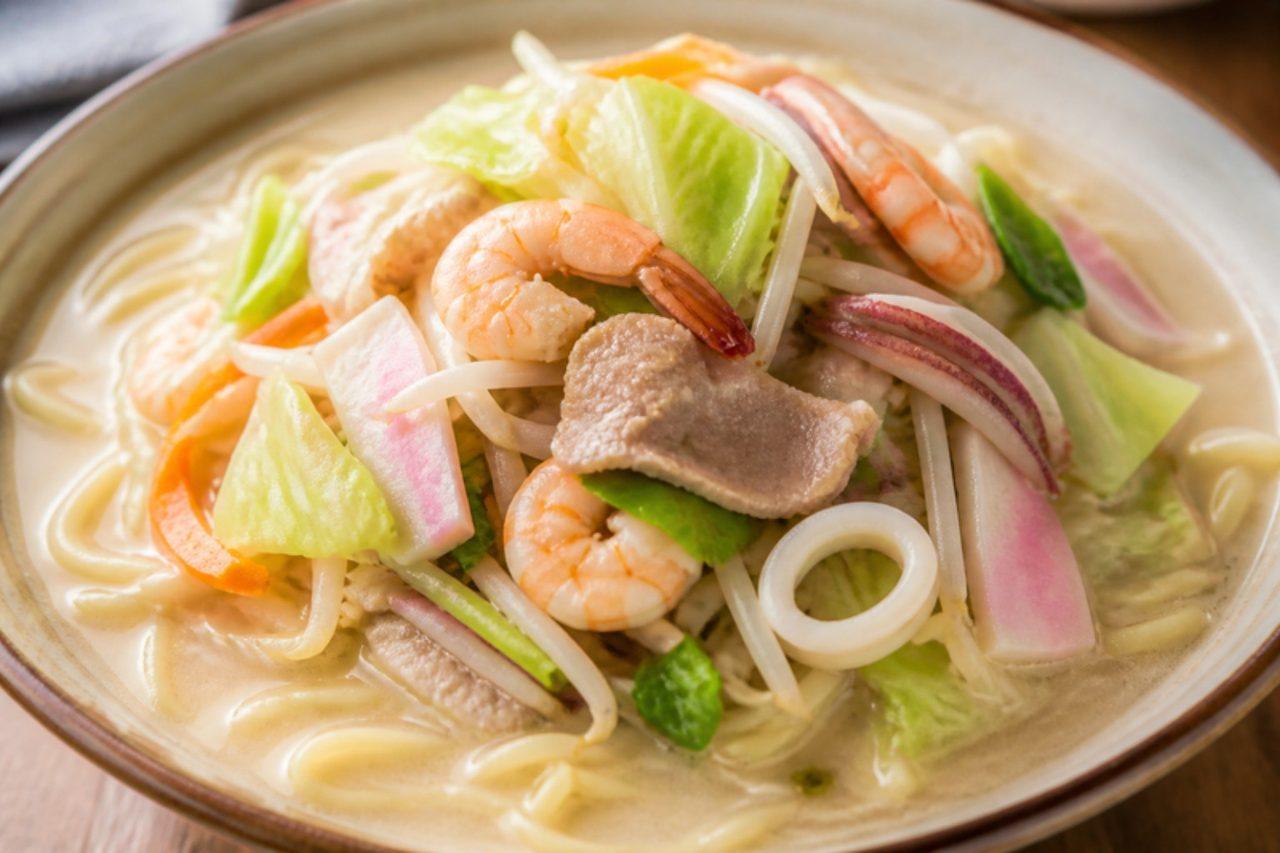
ChamponSeafood noodle soup

Champon belongs to Nagasaki, the port that stayed open to Chinese and Dutch traders for centuries. It was created there at the end of the 19th century by a Chinese restaurant owner who wanted a cheap, filling meal for Chinese students, and the city's Chinatown still serves it in huge bowls. Pork, squid, prawns, fishcake and a pile of cabbage are fried in one wok, then the stock goes in and the thick noodles cook right in the soup. Restaurants make the cloudy broth from long-boiled pork and chicken bones; at home a little milk gives the same mellow, creamy look. Chef's tip: fry everything over the highest heat in small batches; the slight scorch on the cabbage and pork is what flavours the soup.

by KrazyBadal 0 views

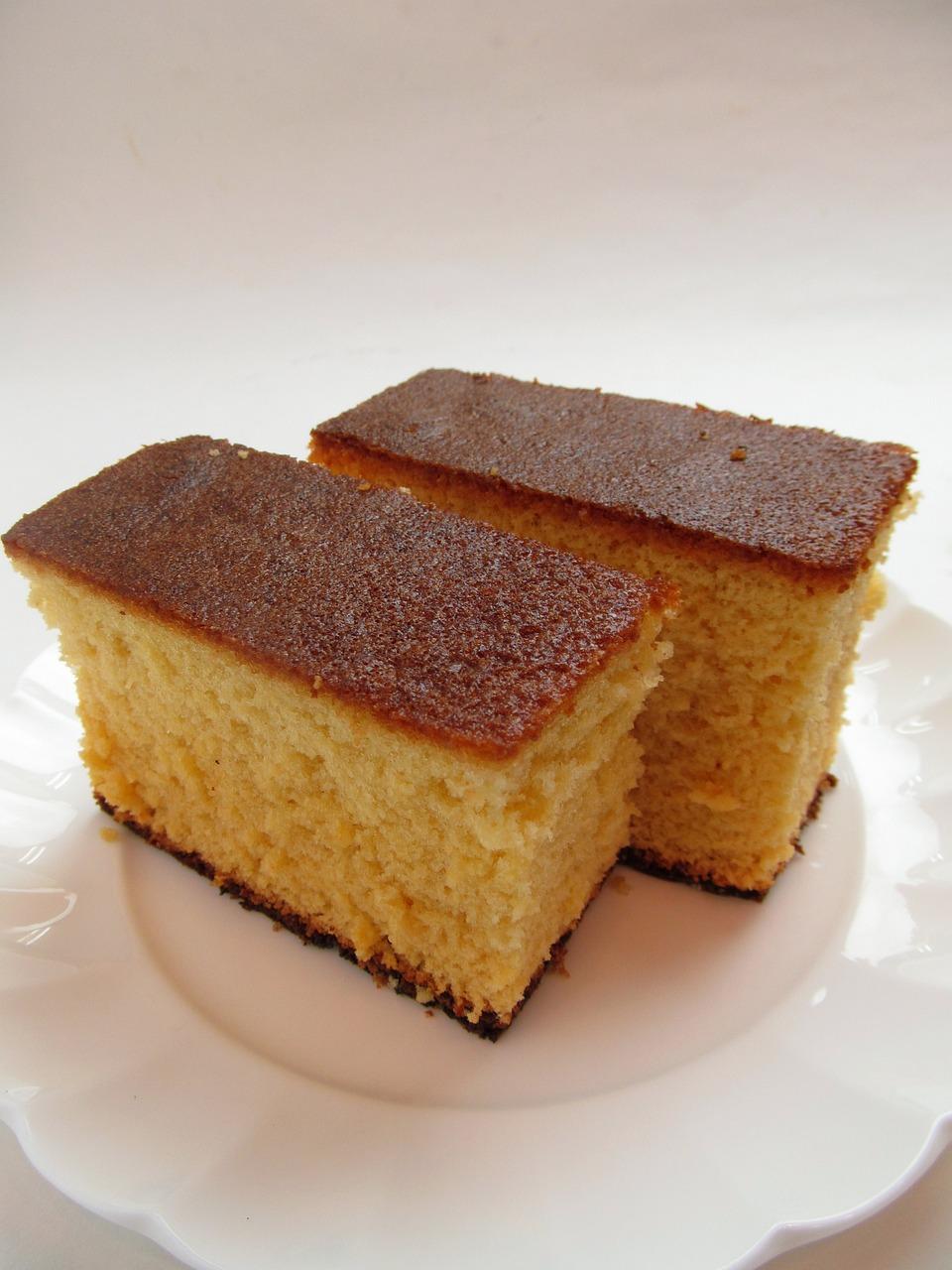
Nagasaki castellaHoney sponge cake

Castella arrived in Nagasaki with Portuguese traders in the 16th century, when the port was Japan's only window to Europe, and the name probably comes from 'pão de Castela', bread from Castile. Over 400 years Nagasaki's bakers turned it into something their own: a tall, fine-crumbed sponge made only of eggs, sugar, flour and honey, with a dark, sticky top and a layer of crunchy zarame sugar crystals at the bottom. It's still sold in long wooden boxes at old shops near the harbour and given as a formal gift. Cut it into neat slices and serve with green tea. Chef's tip: wrap the cake in cling film while still warm and rest it overnight. Its moist, springy texture develops as it rests.

by KrazyBadal 0 views

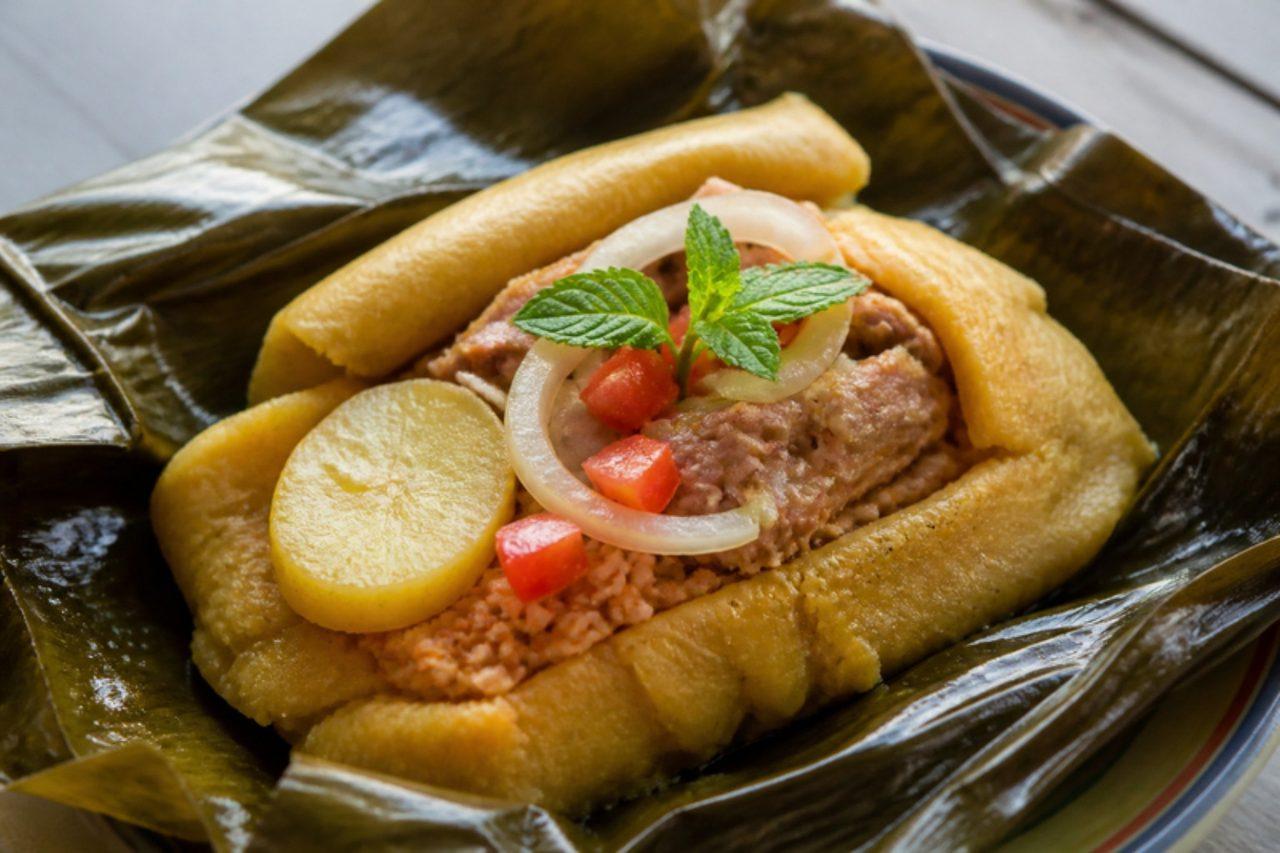
NacatamalLarge pork tamal in banana leaf

Nacatamales are the Saturday and Sunday breakfast of Nicaragua, bought from neighbours who make them on Friday nights or steamed at home for Christmas: a large, soft masa dough enriched with lard and sour orange, wrapped round marinated pork, rice, potato, tomato, onion, sweet pepper and mint, then tied in banana leaves and steamed for hours. This dish contains pork. They are eaten with bread and black coffee. The mistake is a dry masa: it should be soft and spreadable, almost like thick mashed potato, or the tamal turns hard. Chef's tip: wipe the banana leaves and pass them briefly over a flame so they become supple and don't split.

by KrazyBadal 0 views

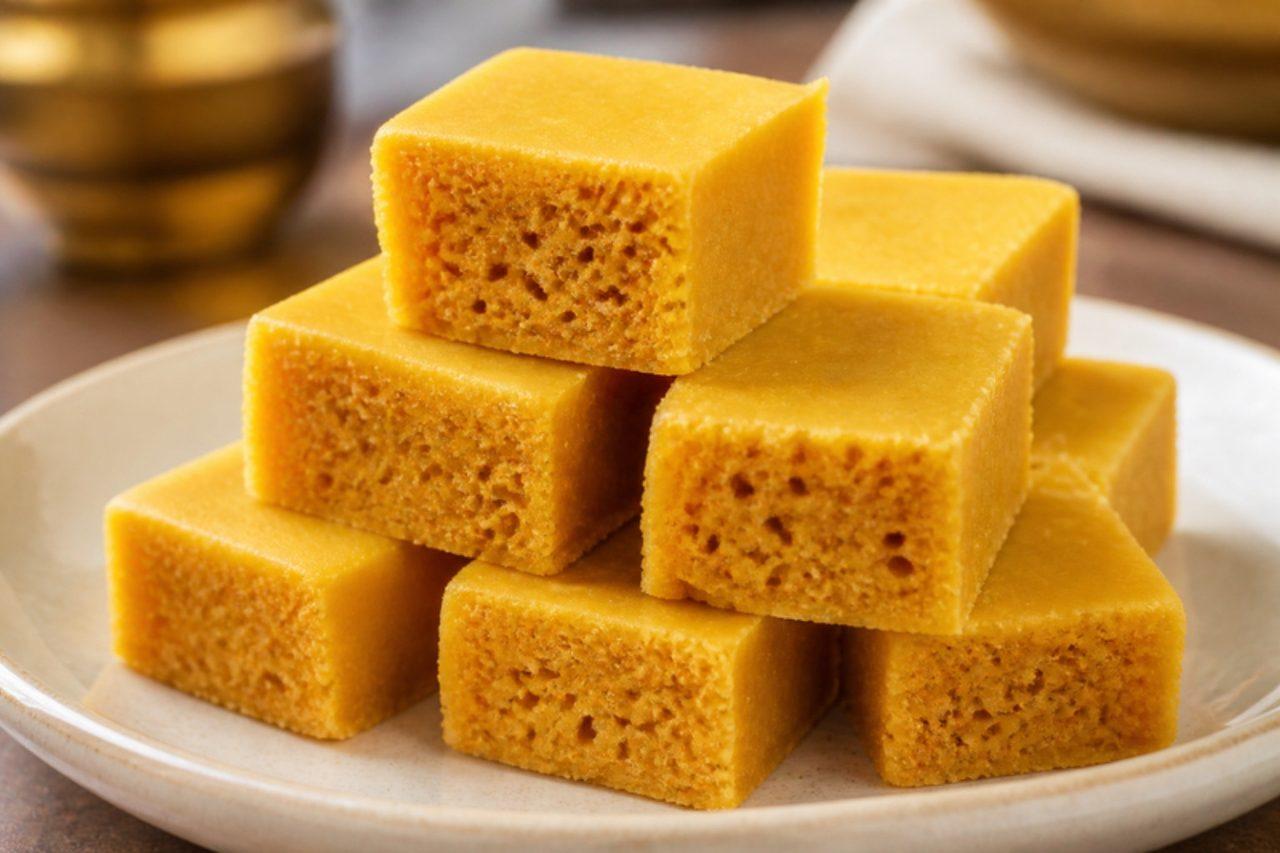
Mysore pakGram flour and ghee fudge

Mysore pak was first made in the kitchens of the Mysuru palace in Karnataka, and it's still the sweet that every Mysuru sweet shop is judged by. Roasted gram flour is cooked in a sugar syrup while hot ghee is poured in a spoonful at a time, until the mixture froths up and sets into a golden, honeycombed block. This home version is the softer, melt-in-the-mouth style, with a fine porous crumb; cook it a minute or two longer for the harder, crunchier traditional slab. It keeps for a week and is made for Diwali, weddings and Dasara. Chef's tip: keep the ghee hot on a second burner the whole time; hot ghee hitting the batter is what makes it froth and form those little air holes, and cold ghee gives a dense, greasy fudge.

by KrazyBadal 0 views

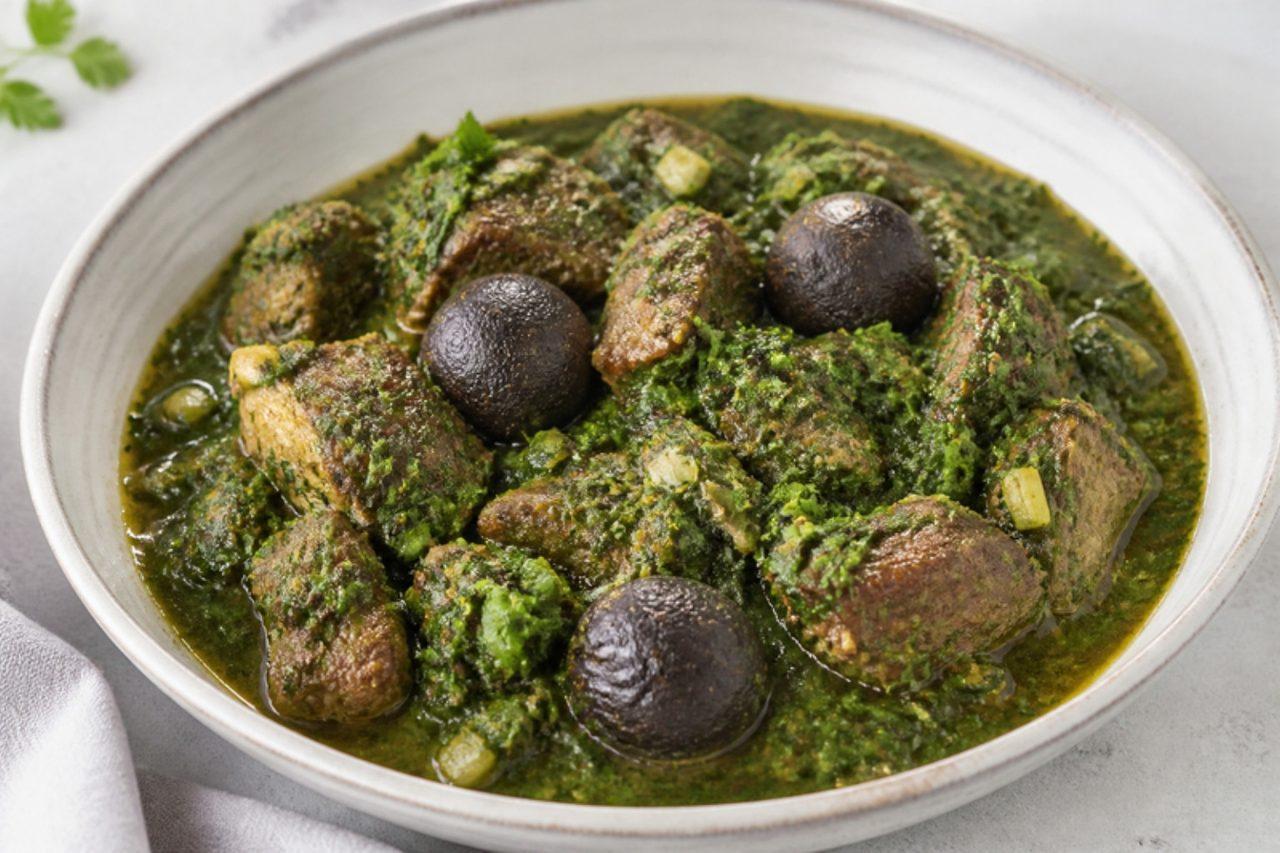
Sabzi qovurmaLamb with fresh herbs

Sabzi qovurma is a home dish across Azerbaijan, made especially in spring when the markets of Ganja and Baku are full of bundles of green herbs. Pieces of lamb are fried until golden, then cooked with masses of chopped coriander, dill, spinach, spring onion and leek, sharpened by dried black lime or sour plums. It is served with plain plov rice or bread and a bowl of yogurt. The trap is adding wet herbs straight to the pan; they stew rather than fry and the dish goes flat and grassy. Chef's tip: dry the herbs well and fry them on their own until they darken before they join the meat.

by KrazyBadal 0 views

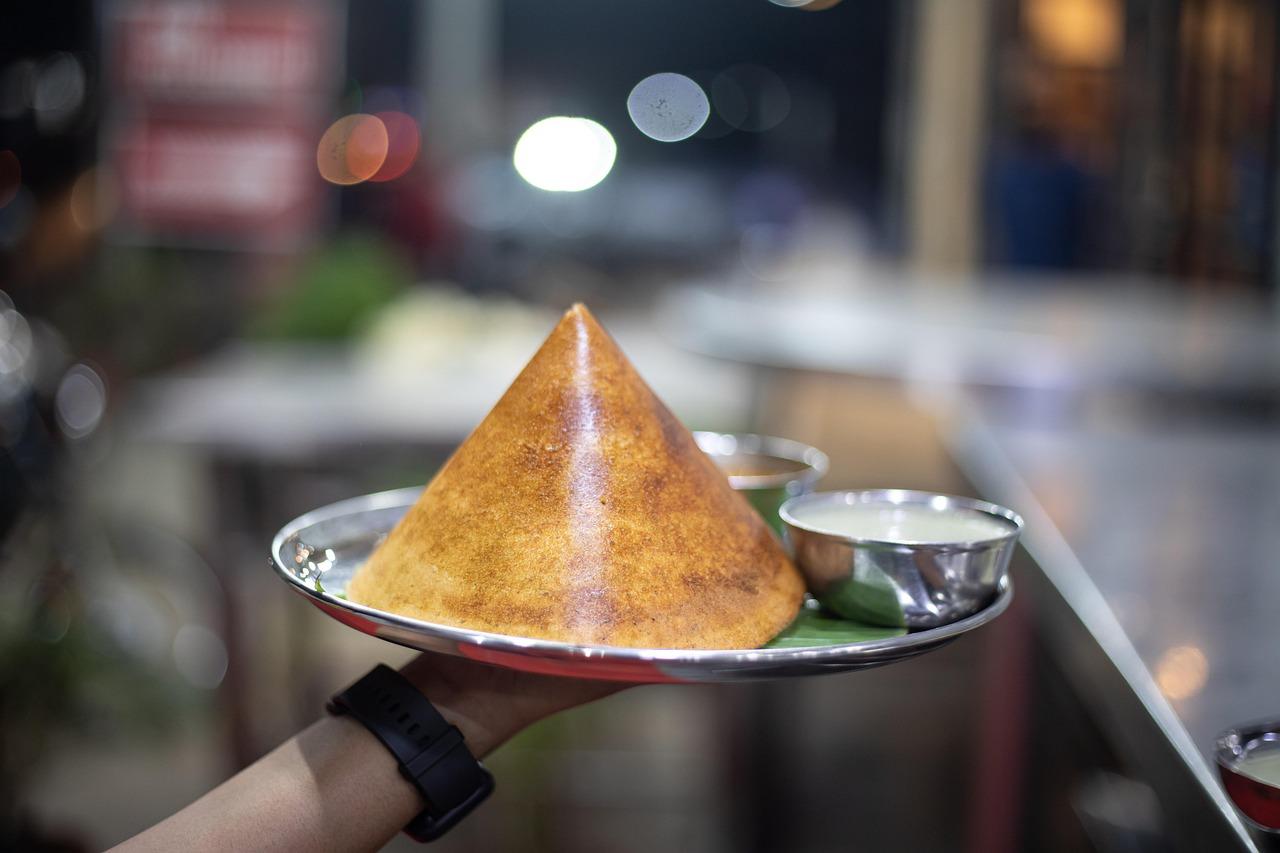
Mysore masala dosaGarlic chutney dosa with potato

Mysuru in Karnataka gave its name to this bolder dosa: a slightly thicker, golden crêpe that is crisp outside and soft inside, painted with a hot red chutney of dried chillies, garlic and roasted chana dal before the potato palya goes in. The chutney melts into the dosa as it cooks, so every bite has a sweet-spicy, garlicky kick. In Mysuru's old cafés it's served flat and folded, with coconut chutney to cool things down. Chef's tip: use Byadagi or Kashmiri chillies for the chutney; they give a deep red colour without blowing your head off, so you can spread it generously.

by KrazyBadal 1 views

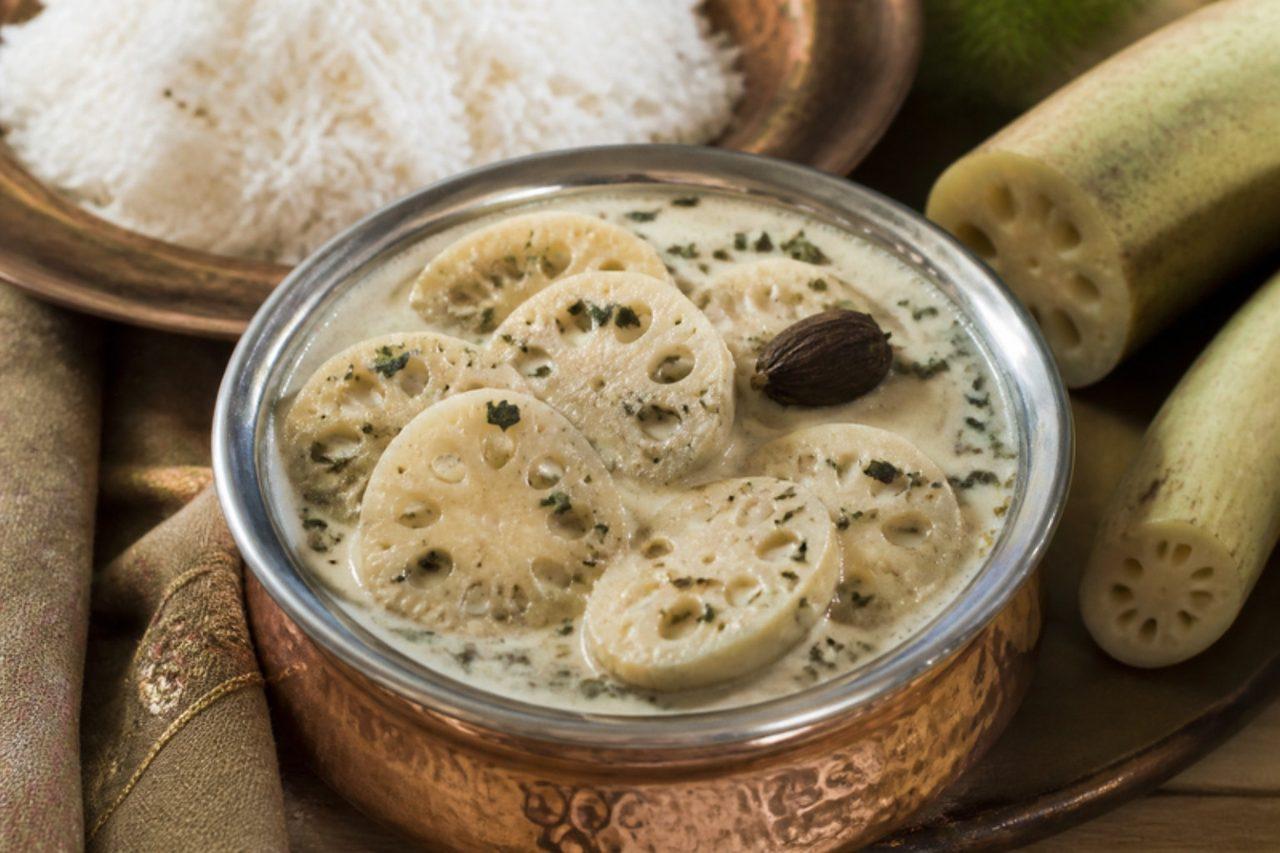
Nadru yakhniLotus stem in yogurt gravy

Lotus stem, called nadru in Kashmiri, is pulled from the shallow waters of the Dal and Anchar lakes around Srinagar, and Kashmiri Pandit families treat it as something close to a festive vegetable. Yakhni is their pale, onion-free yogurt gravy, scented with fennel, dry ginger and black cardamom instead of tomato or chilli. The lotus slices stay faintly crunchy and show their lacy holes in a creamy, ivory sauce. It turns up at Herath (Shivratri) meals and at Sunday lunches, always with a mound of plain steamed rice. Chef's tip: pick firm, pale stems with closed ends; the ends keep mud out of the hollow channels, so you rinse far less.

by KrazyBadal 0 views

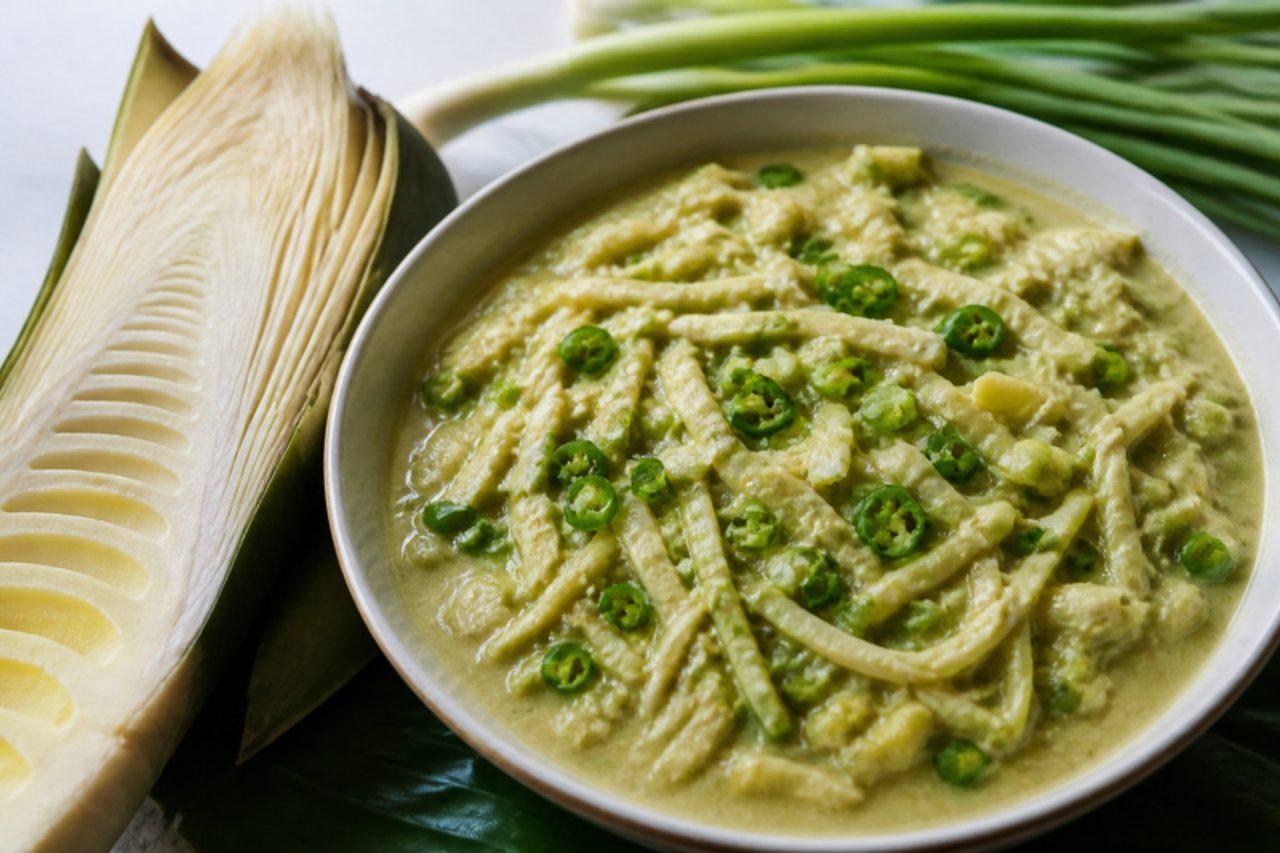
Muya awandruBamboo shoot with rice paste

Muya awandru is a classic of the Tripuri (Kokborok-speaking) kitchen around Agartala: tender bamboo shoot is cooked with green chilli and a rice-flour paste (awandru) until it thickens into a soft, savoury mass, a little like a porridge. Traditionally a piece of berma (fermented dried fish) goes in; this vegetarian version drops it and adds roasted garlic and a little fermented soybean for depth, as vegetarian Tripuri cooks do. It is eaten with rice, often at village feasts. Chef's tip: mix the rice flour with cold water before adding it, or it lumps.

by KrazyBadal 0 views

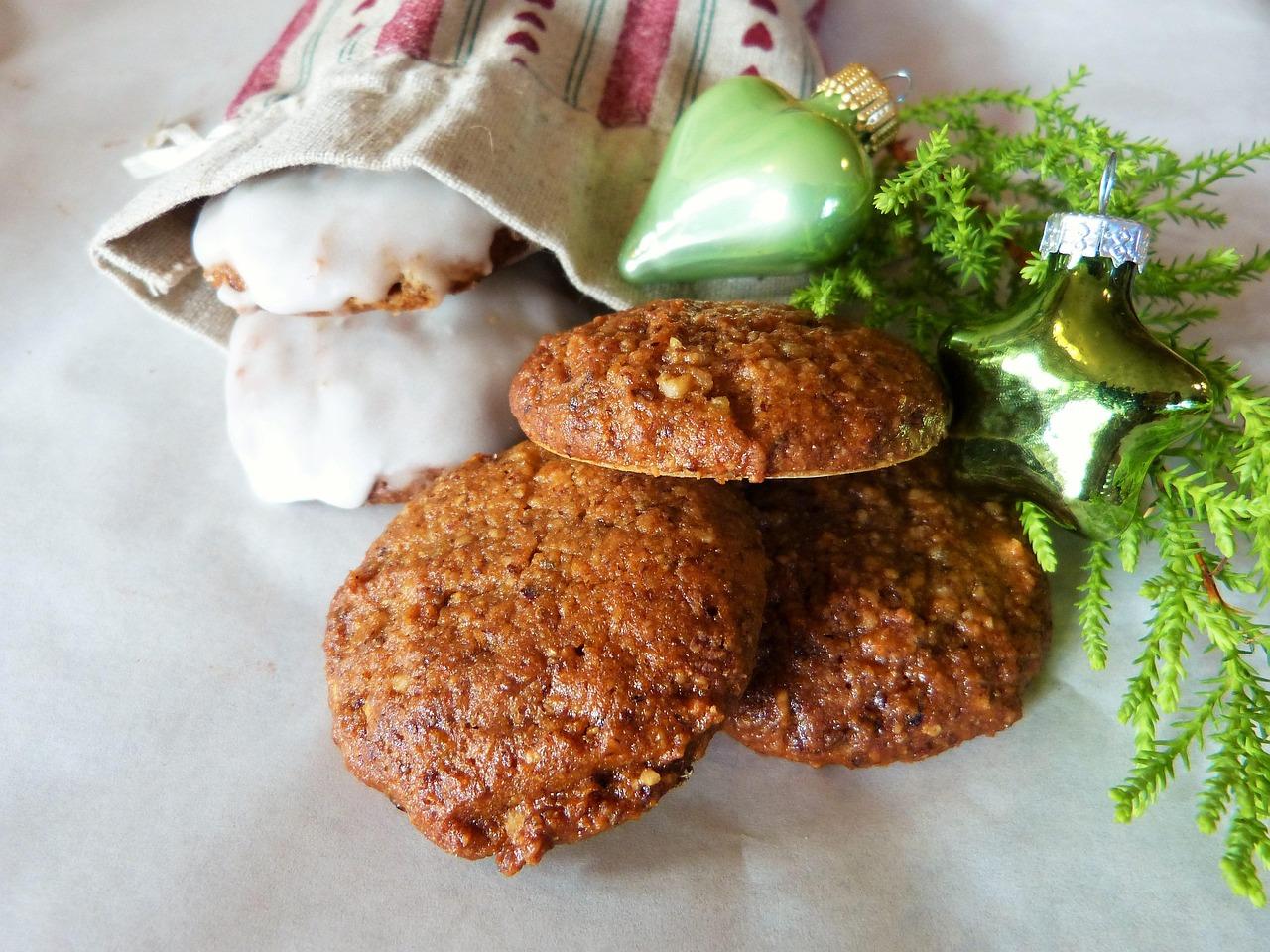
LebkuchenSpiced gingerbread cookies

Nuremberg has been the German capital of Lebkuchen since the Middle Ages, when the city sat on the spice trade routes, and at its Christkindlesmarkt the stalls are piled with them every Advent. The finest kind, Elisenlebkuchen, contain almost no flour: they're made mostly of ground nuts, candied peel, eggs, sugar and a warm spice mix, baked on thin Oblaten wafers so they stay soft and chewy inside, then glazed with chocolate or sugar. They keep for weeks in a tin and get better as they rest. Chef's tip: bake them only until just set; a common mistake is baking until firm, which makes them dry and hard by the next day.

by KrazyBadal 0 views

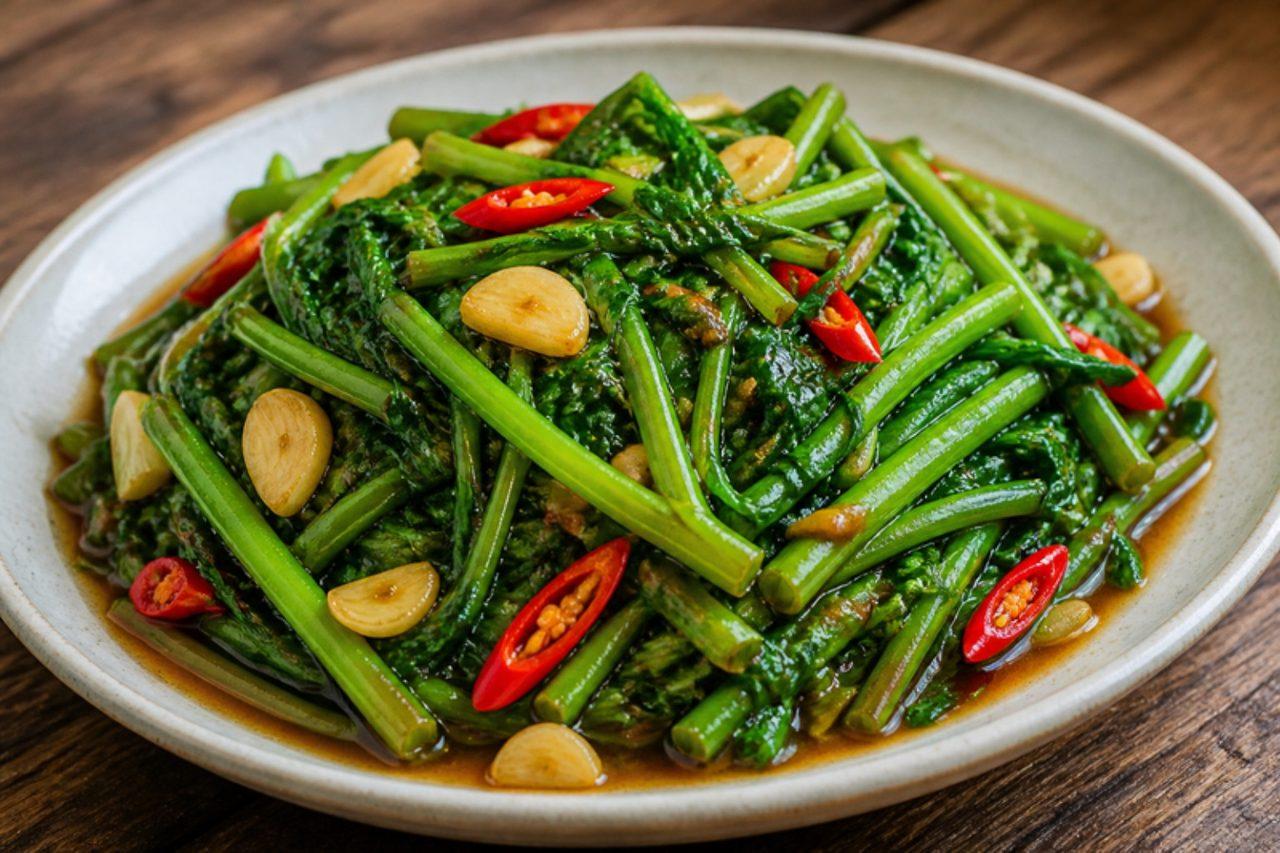
Kangkung gorengGarlic stir-fried water spinach

Kangkung grows in wet ditches and paddy edges right across Malaysia, and every zi char stall and kopitiam kitchen has a pile waiting for the wok. Ordered beside rice and a curry at lunch, or as one of several shared plates at night, it arrives glossy, hollow stems still crunchy, leaves just collapsed. Hawkers often fry it with belacan; this version gets its savoury punch from garlic, shallots, red chilli and a spoon of fermented soybean paste (tauco) instead. It's done in under five minutes. Chef's tip: dry the washed greens thoroughly in a salad spinner, because wet leaves cool the wok and steam instead of sizzle.

by KrazyBadal 0 views

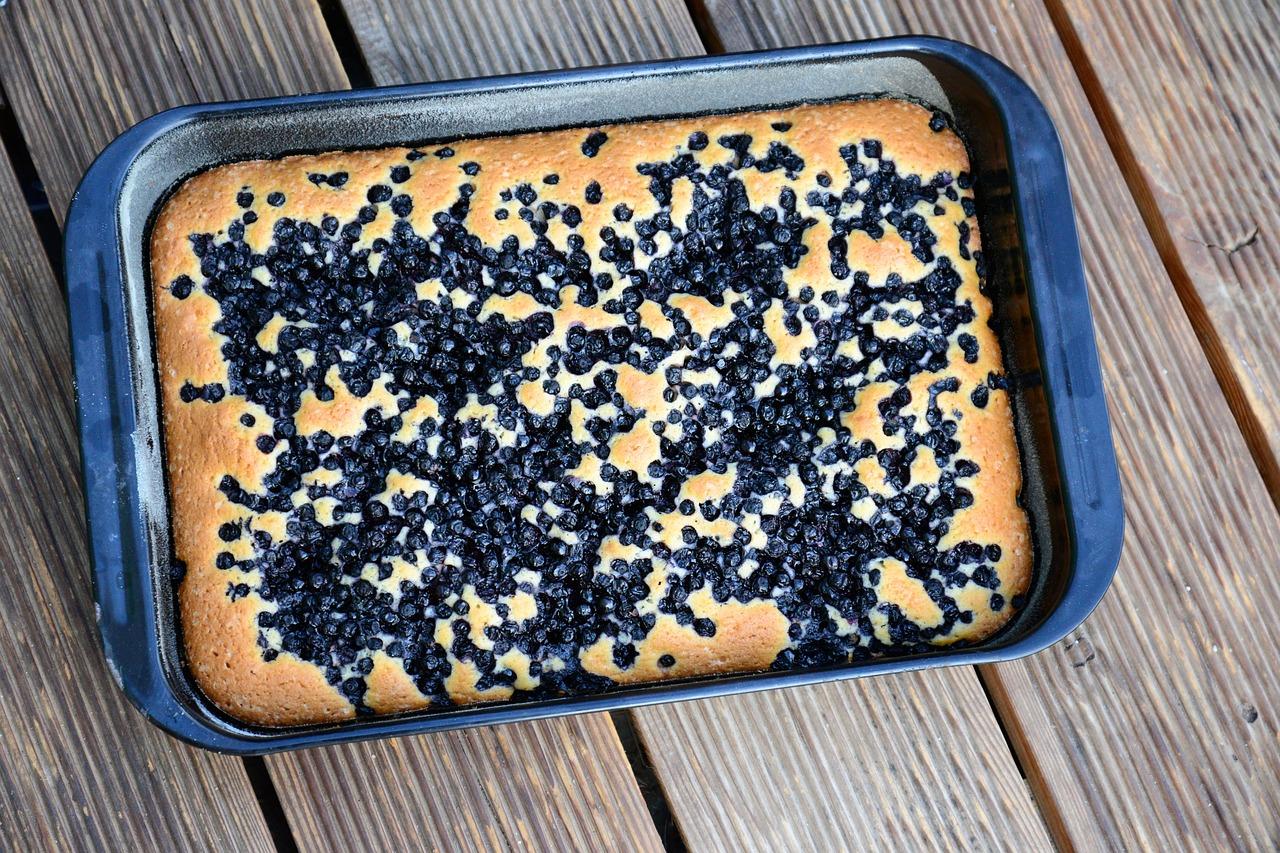
MustikkapiirakkaBlueberry pie

In late July and August, Finns head into the forests with buckets and come home with purple fingers, and the first thing many make is mustikkapiirakka. Finnish wild blueberries (mustikka) are small and blue right through, far more intense than cultivated ones. This is the version from Savo and central Finland: a soft, cakey shortcrust pressed into a tin, a deep layer of berries and a just-set topping of sour cream, egg and sugar. It is eaten at summer cottages (mökki) with coffee, warm or cool, often with vanilla sauce. Frozen wild blueberries from the freezer aisle work all year. Chef's tip: toss the berries with potato starch before they go into the crust; it catches the juice so the slices hold together instead of running purple.

by KrazyBadal 0 views

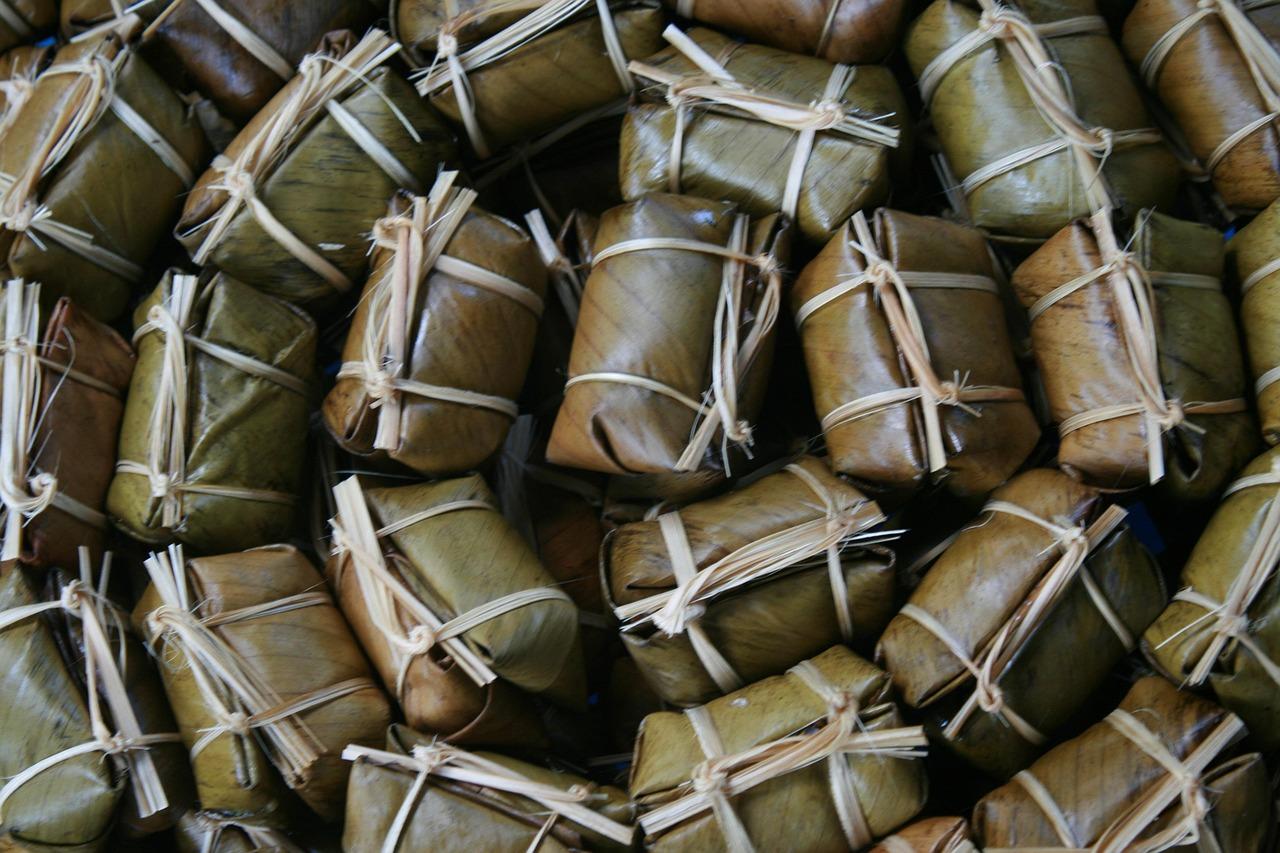
Num ansom chekBanana sticky rice parcels

Num ansom chek are wrapped by the dozen in April for Khmer New Year and again in autumn for Pchum Ben, when families carry them to the pagoda as offerings. A ripe banana is hidden inside a jacket of glutinous rice that has been seasoned with coconut milk and dotted with black beans, then the whole thing is rolled tightly in banana leaf and boiled until the rice turns sticky and the banana goes jammy and blush-pink. Unwrapped, they're eaten at room temperature or sliced and grilled the next morning. Chef's tip: use bananas that are fully yellow with a few brown freckles; green ones stay chalky and the pink colour never comes.

by KrazyBadal 0 views

Oromo with pumpkinSteamed pumpkin roll

Oromo, or orama, is a big rolled dumpling: a thin sheet of dough spread with filling, rolled into a long coil and steamed in a multi-tiered mantovarka. It's a home dish across Kazakhstan, Kyrgyzstan and Uzbekistan, quicker than shaping dozens of manti. In autumn, when Kyrgyz gardens in the Chüy Valley are full of squash, it's filled with grated pumpkin and onion, which turn sweet and juicy. Serve in thick slices with sour cream or a garlicky tomato sauce. Chef's tip: grate the pumpkin coarsely and salt it only just before rolling; salted too early it weeps and makes the dough soggy.

by KrazyBadal 0 views

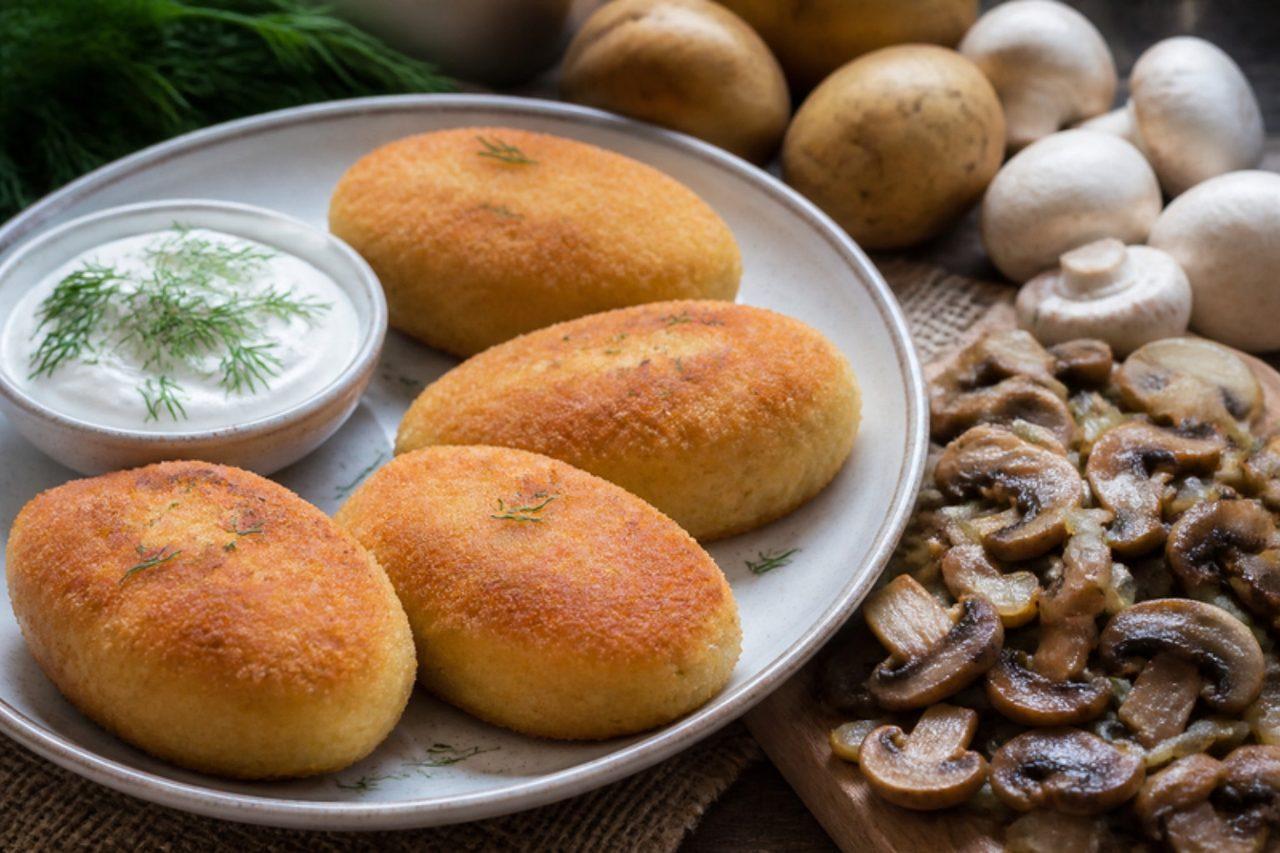
Mushroom zrazyMushroom-stuffed potato cakes

Kartoplyani zrazy are a thrifty Ukrainian classic, made in kitchens across Chernihiv and the forested Polissia region where mushrooms are gathered every autumn: mashed potato is wrapped around a filling of fried mushrooms and onion, shaped into ovals, rolled in breadcrumbs and fried until crisp. They are a good home for yesterday's mash, and appear on the Lenten table and at casual family dinners with sour cream and pickles. Chef's tip: use cold mashed potato; common mistake is shaping the zrazy from warm, soft mash, which sticks to your hands and splits in the pan.

by KrazyBadal 0 views

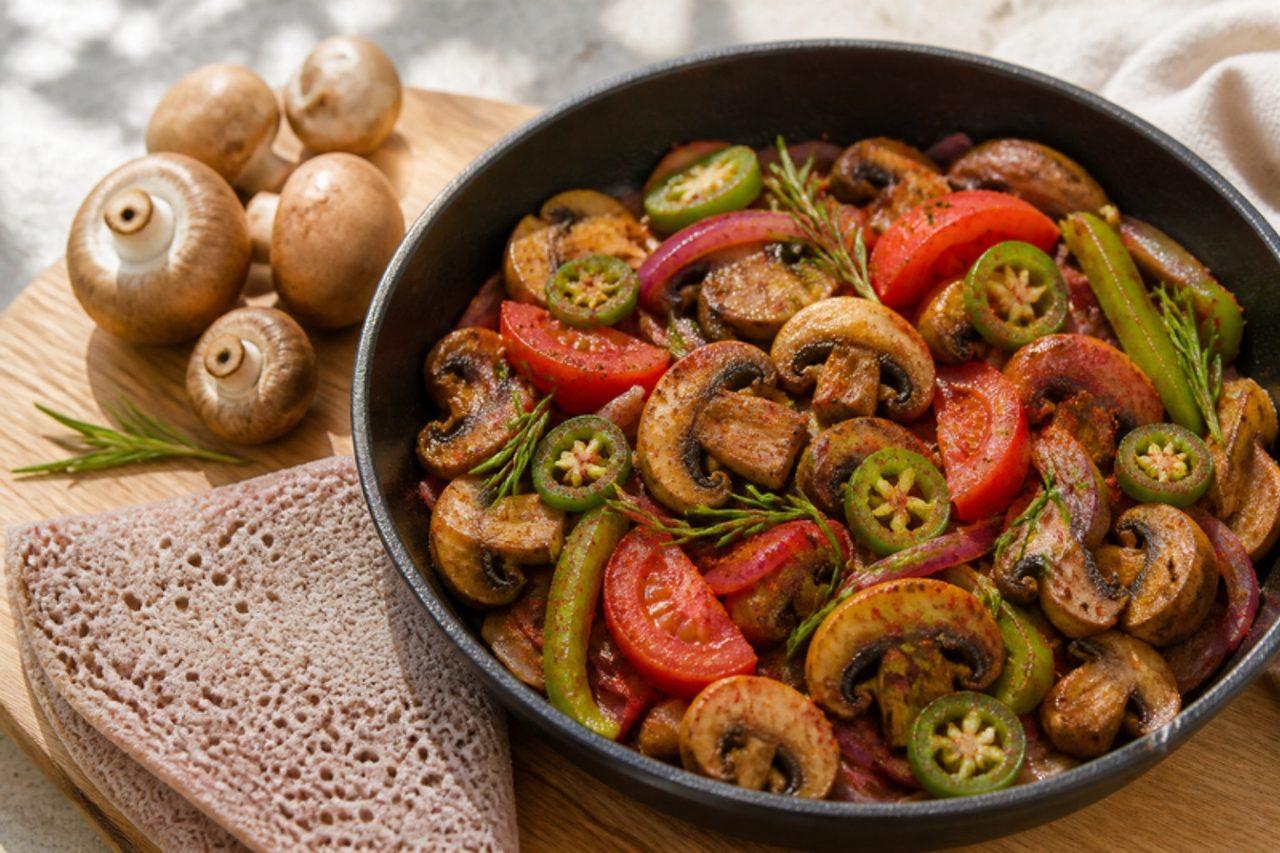
Mushroom tibsSeared spiced mushrooms

Tibs means pieces of food quickly seared in a hot pan, and in Addis Ababa it is usually beef or lamb sizzling in a clay dish. In the last decade the city's busy vegan restaurants, especially during the long fasts, have made mushroom tibs a favourite in its own right: big chunks of mushroom fried hard with red onion, peppers, garlic, rosemary and a little berbere, so they come out browned and meaty. Serve straight from the pan with injera or rice. Chef's tip: cook the mushrooms in a single layer in a very hot pan and don't stir for the first two minutes; crowded mushrooms steam and go soggy.

by KrazyBadal 0 views

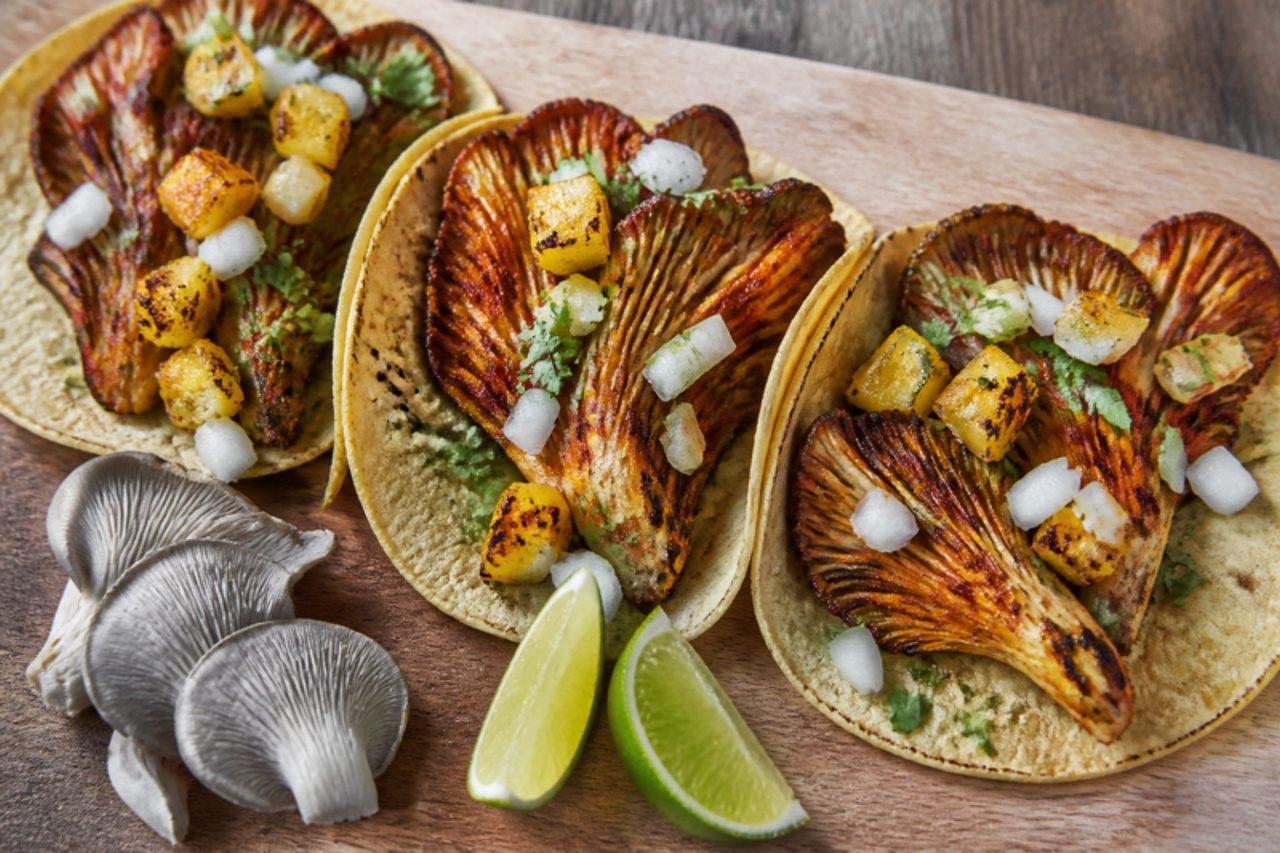
Mushroom tacos al pastorChilli mushroom tacos

Tacos al pastor are the night-time taco of Mexico City, born when Lebanese immigrants' spit-roasted shawarma met Mexican dried chillies: meat marinated in guajillo and achiote is stacked on a vertical spit (the trompo), shaved into small corn tortillas and finished with pineapple, onion and coriander. This vegetarian version, tacos al pastor de hongos, uses torn oyster mushrooms in the same brick-red adobo, seared hard in a hot pan until the edges crisp and char like meat cut from the trompo. Expect smoky, tangy, gently hot tacos with bursts of sweet, caramelised pineapple; serve them with salsa verde and lime wedges. Chef's tip: press the mushrooms flat with a spatula and leave them alone in a very hot pan; moving them around makes them steam and go soft instead of crisp.

by KrazyBadal 0 views

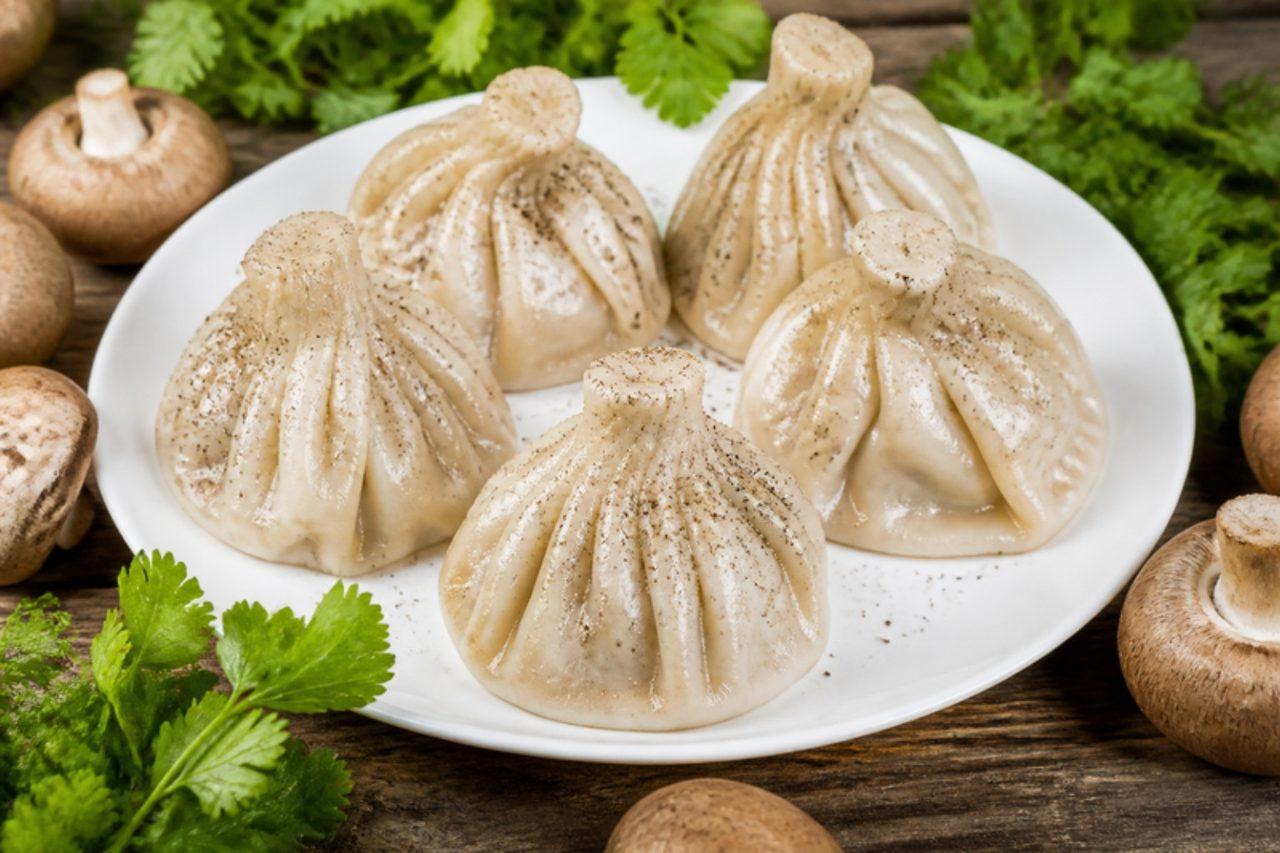
Mushroom khinkaliMushroom dumplings

Khinkali come from the mountain villages of Pshavi, Khevsureti and Tusheti in Georgia's north-east, and the roadside khinkali houses of Pasanauri on the Georgian Military Road are where many Tbilisi families stop for them. The classic filling is meat, but mushroom khinkali (sokos khinkali) are made all through Orthodox Lent and are on most menus. You hold each one upside down by its twisted topknot, bite a small hole, sip the hot juices, then eat the rest and leave the doughy knot on the plate to count how many you have eaten. The common mistake is rolling the wrappers too thin or the dough too soft, so they tear in the pot and lose their juice. Chef's tip: grind black pepper over them generously at the table, as Georgians do; it wakes up the mushrooms.

by KrazyBadal 0 views

Nyama chomaSlow-grilled goat or beef

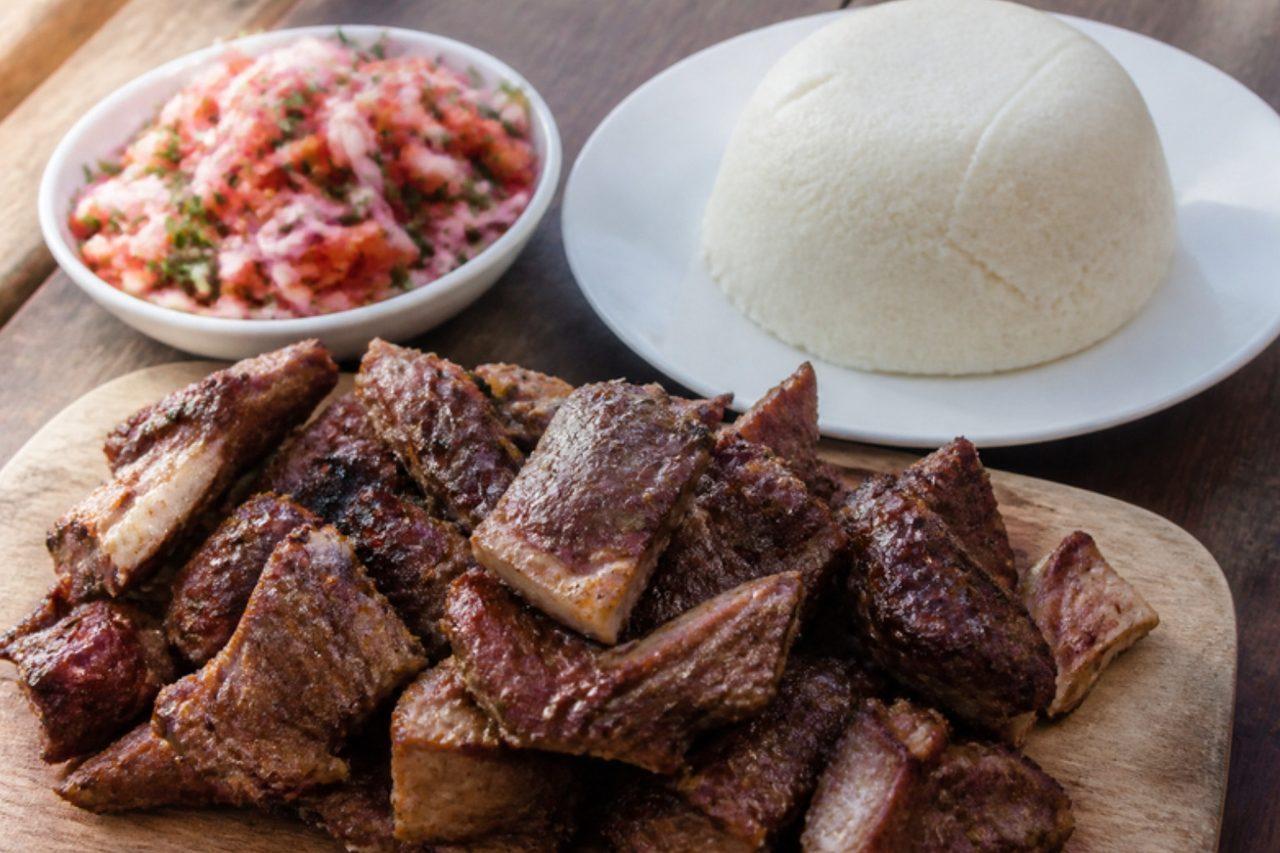
Nyama choma, "roasted meat" in Swahili, is the centre of every weekend gathering in Kenya: at roadside joints on the edge of Nairobi you choose your goat ribs or beef by the kilo, it is grilled slowly over charcoal, chopped on a wooden board and brought to the table with salt, kachumbari (tomato and onion salad) and ugali. The meat is meant to be firm and chewy, smoky and simply salted. The mistake is grilling over fierce flames; the outside chars before the inside is tender, so keep it over glowing coals and turn it often. Chef's tip: leg of goat or lamb on the bone is easiest at home; rub it with salt and a little lemon only.

by KrazyBadal 0 views

MusakhanSumac chicken on flatbread

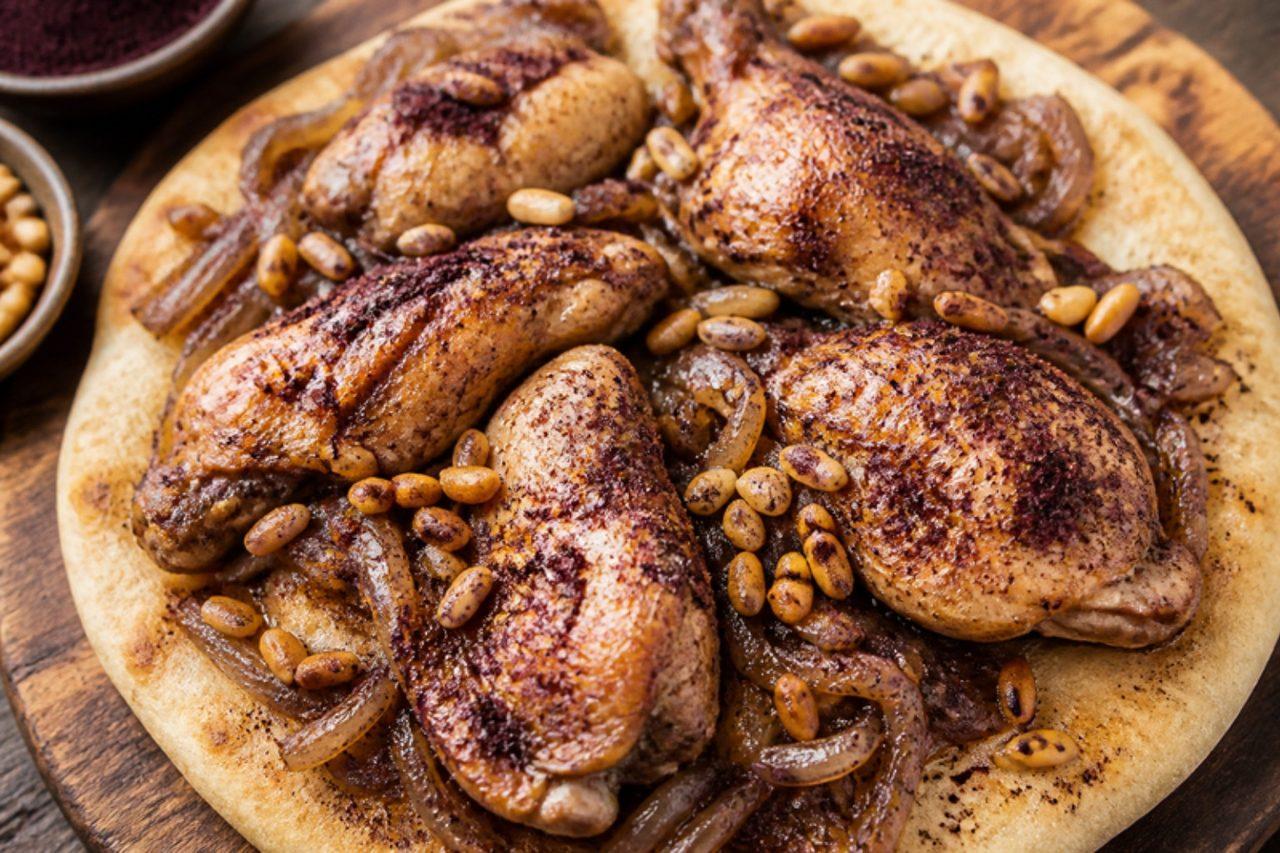
Musakhan is the dish Palestinian families in the villages around Jenin and Tulkarem make in late autumn, when the olives have been pressed and the first green, peppery oil comes home from the mill. Mounds of onion are cooked slowly in that oil with plenty of sumac, piled onto taboon bread with roast chicken and baked until the bread's edges crisp and its middle soaks up the purple-red juices. It is eaten with your hands, shared from one big tray, with yogurt and a chopped salad. Chef's tip: use more oil than feels right; the bread is meant to drink it, and a dry musakhan misses the point.

by KrazyBadal 0 views

Mushroom luwomboSteamed mushroom groundnut stew

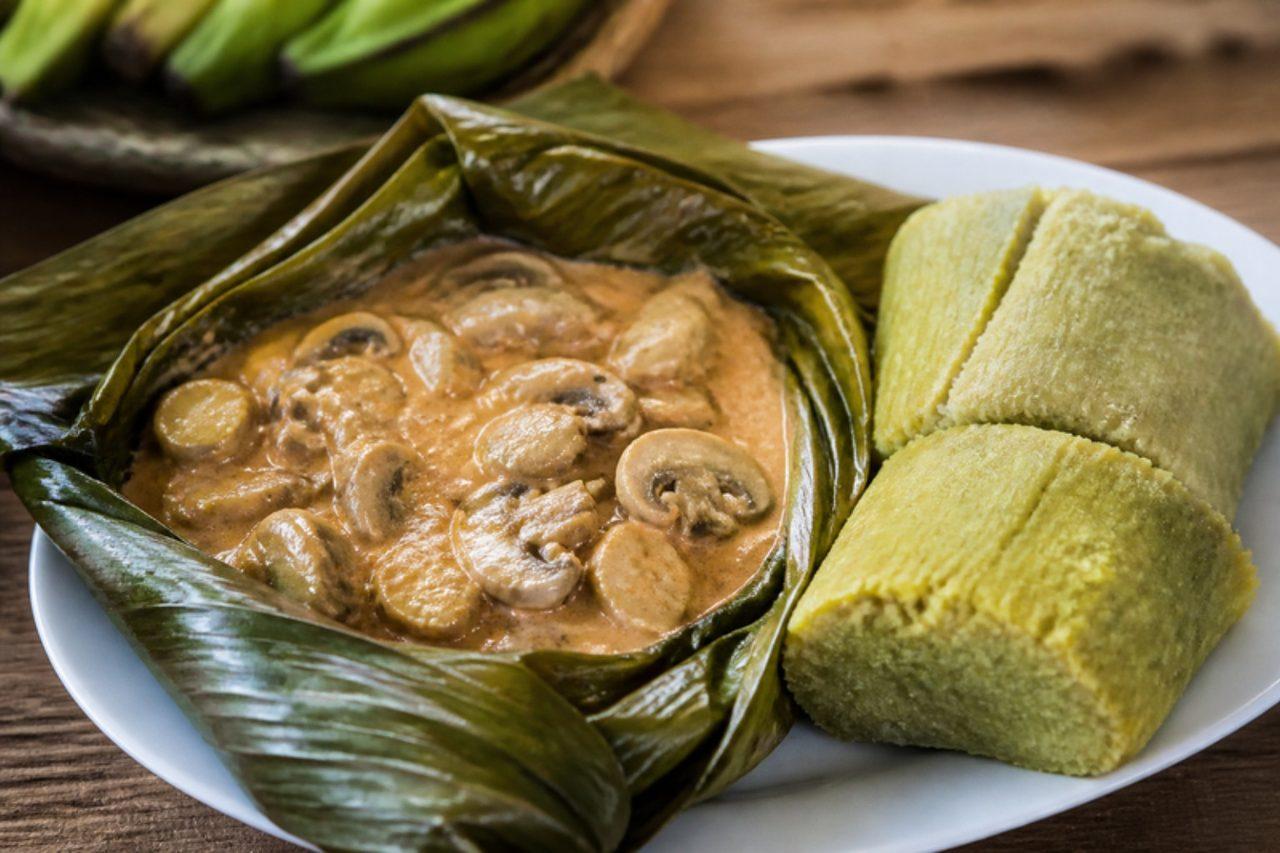
Luwombo is a royal dish of the Buganda kingdom in central Uganda, served at weddings, introduction ceremonies and Christmas: a stew wrapped and tied in softened banana leaves and steamed for hours so the leaf perfumes everything. Chicken, beef or smoked fish are traditional, but mushroom luwombo in a groundnut (peanut) sauce is a well-loved meat-free version, especially with the large wild mushrooms sold in Kampala markets. Serve with matoke. Chef's tip: wilt the banana leaves over a flame until they turn glossy and bendy; stiff leaves split and the sauce runs out.

by KrazyBadal 0 views

Nyonya chap chyeBraised cabbage with glass noodles

In Peranakan homes in Melaka and Penang, chap chye (mixed vegetables) is cooked in a big pot for Chinese New Year and family prayer days. Cabbage, dried shiitake, wood ear, lily buds and beancurd skin are braised with garlic and tau cheo, the salty fermented soybean paste, until everything is soft and the glass noodles have soaked up the savoury gravy. Many families add pork belly or prawns, but the vegetarian pot is just as traditional for the first day of the new year. It tastes better the next day. Chef's tip: fry the tau cheo with the garlic until it smells nutty before anything else goes in.

by KrazyBadal 0 views

Showing 36 of 10,569 recipes

Show more recipes

Page 1,003 of 1,175