


Skip to content
Pathola curry
Featured recipe

Pathola curry

Snake gourd coconut curry

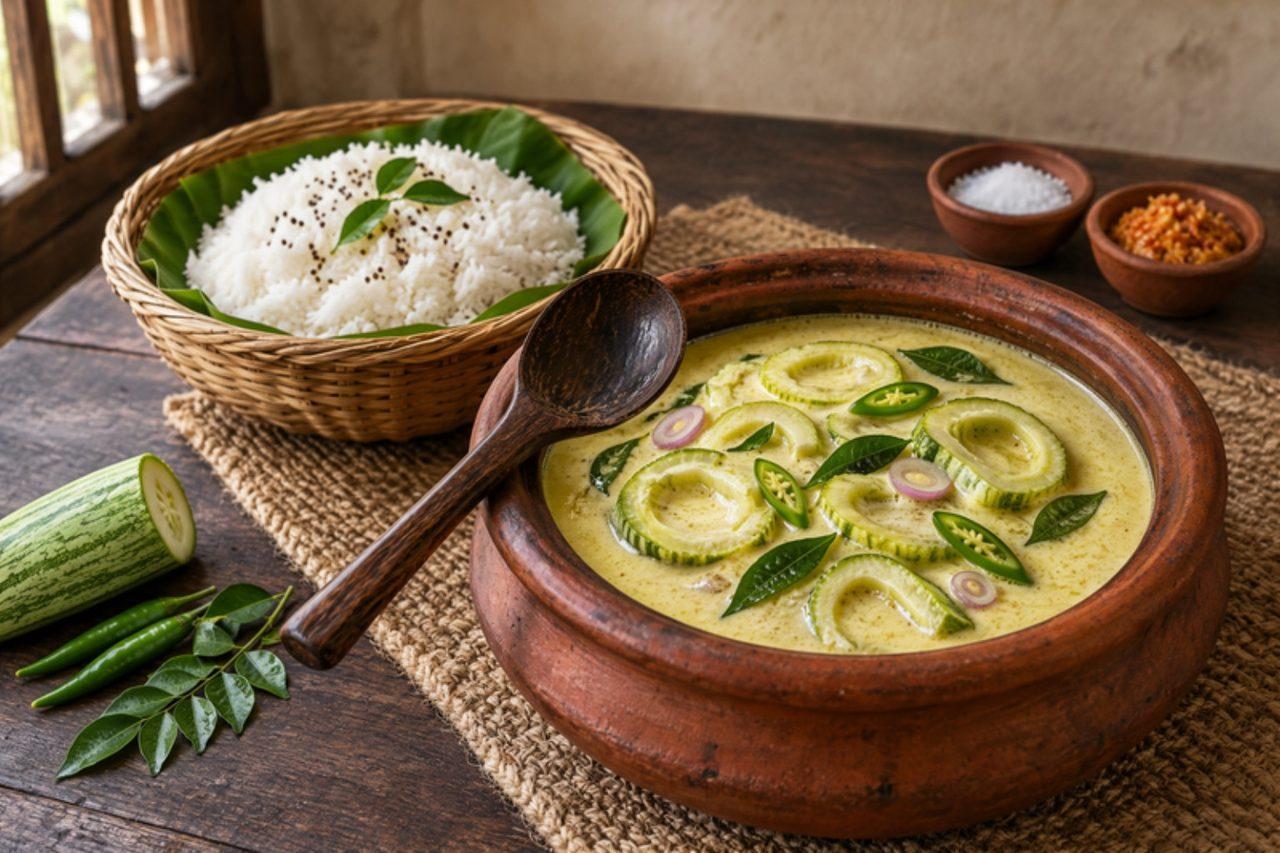
Pathola curry is a quick, gentle white curry from everyday Sri Lankan rice-and-curry lunches, especially loved in the south where snake gourd grows on trellises behind most houses. Thin half-moons of gourd simmer for a few minutes in coconut milk with turmeric, green chilli, curry leaves and a pinch of fenugreek, so they stay pale green, soft and juicy. Serve it with rice, dal and a fiery sambol. The usual mistake is overcooking, which turns the gourd watery and grey; pull it off as soon as it is translucent. Chef's tip: scrape the soft white pith and seeds out with a spoon; they water the curry down.

Read more 0 views

What to eat today?

Around the world

Today's trip: Peruvian

A new country every day, from every cuisine on the site.

Peruvian

Tacacho

Mashed roasted green plantain balls 35 minMore from Peruvian (111) →

This week's collection

Kid-friendly dinners
772 recipes · a new collection every Monday

Coming up

All occasions →

Latest recipes

Ovoshchnoe raguSummer vegetable stew

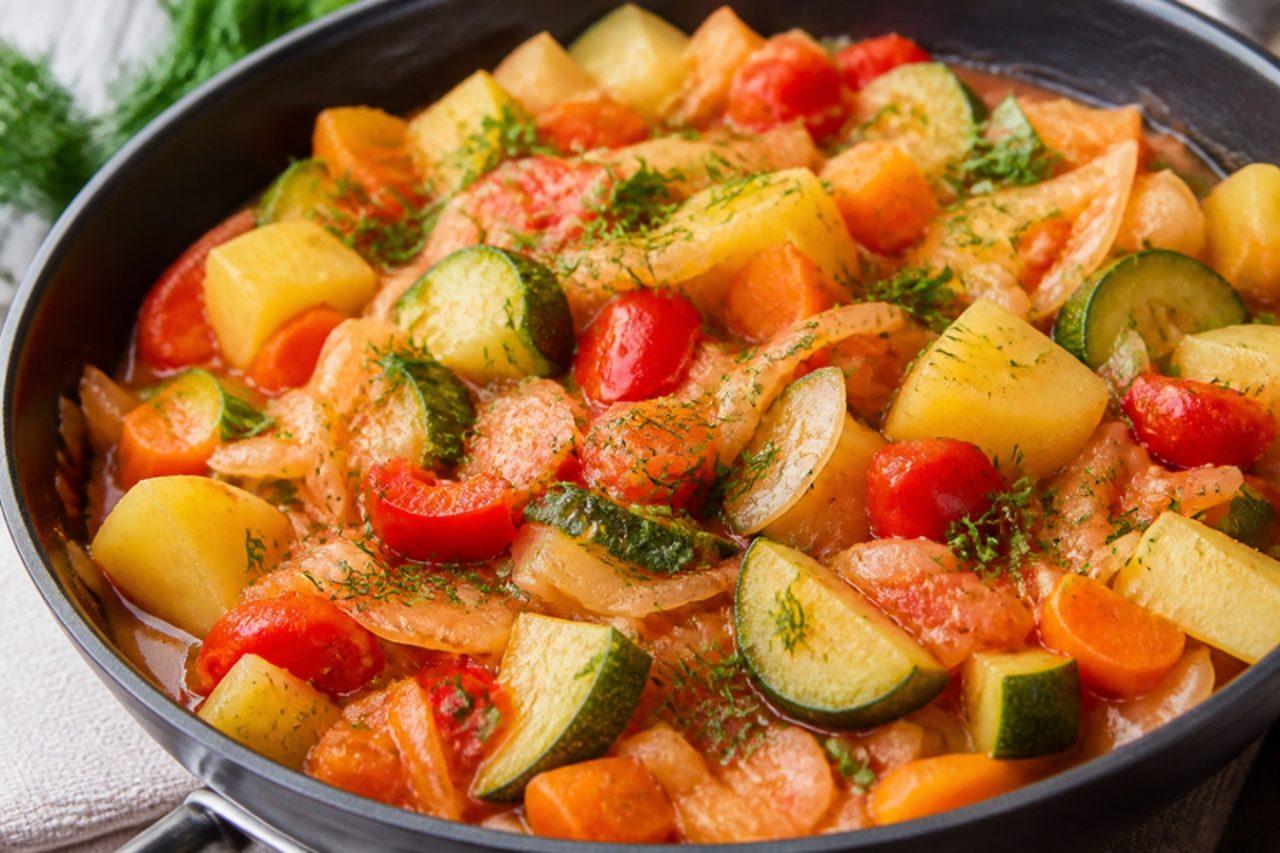
Ovoshchnoe ragu is what happens at a Russian dacha in August, when the garden outside Moscow or Nizhny Novgorod produces more courgettes, cabbage, peppers and new potatoes than anyone can eat. Everything is fried in turn, then stewed together in one heavy pot with tomato until soft and spoonable, and eaten hot with black bread, or cold the next day. It is homelier than French ratatouille or Greek briam: cabbage and potatoes give it body, and dill and garlic go in right at the end. Chef's tip: fry each vegetable separately before stewing; dumping everything in raw gives a watery, boiled taste.

by KrazyBadal 0 views

OyakiStuffed steamed dumplings

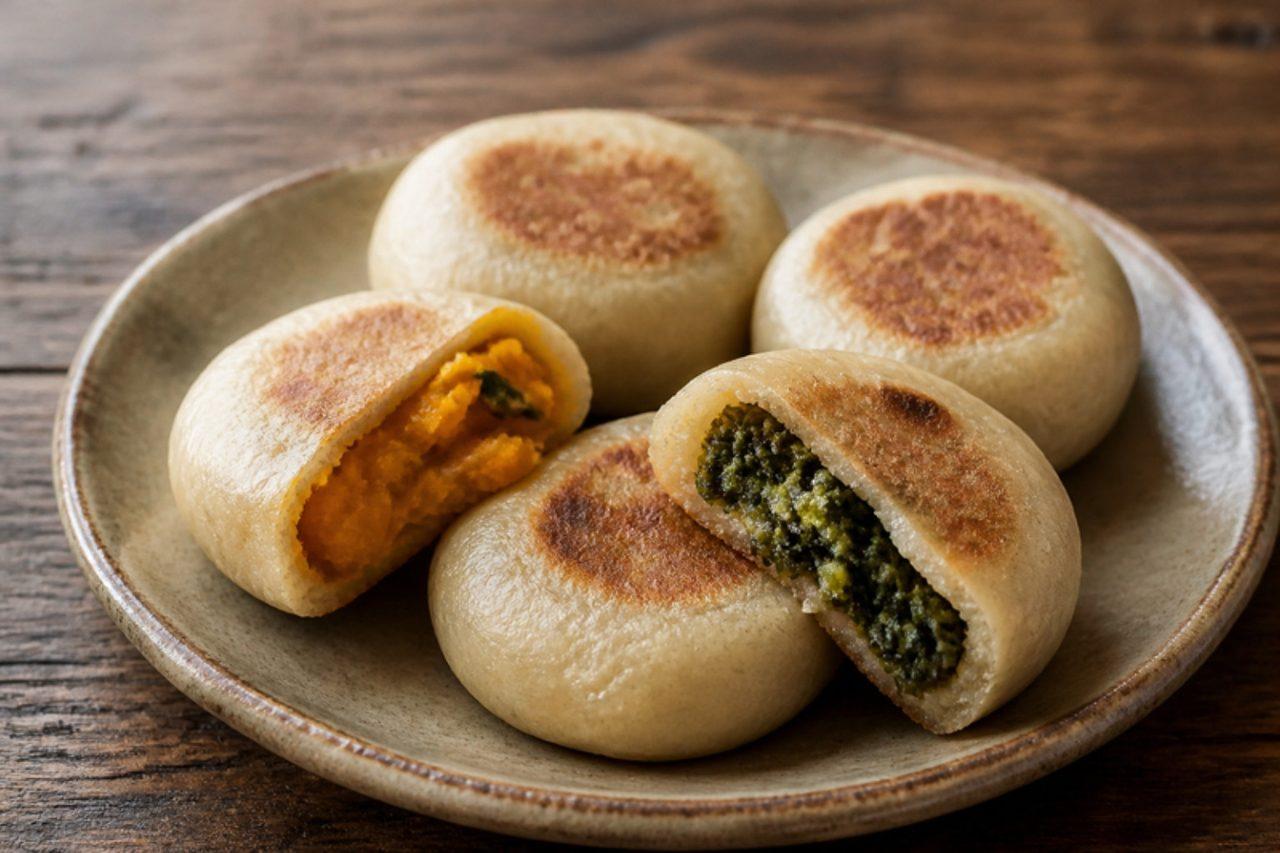
Oyaki are the everyday snack of Nagano's mountain villages, where rice was scarce and wheat and buckwheat grew better. The plump dumplings are filled with whatever the season gives: pickled nozawana greens in winter, aubergine and miso in summer, sweet squash in autumn. Old farmhouses baked them in the ashes of the irori hearth; today they are browned in a pan and steamed, so they come out crusty on both faces with a soft, chewy middle. They travel well, which made them the lunch of farmers and hikers on the trails around Zenkoji temple. Chef's tip: let the dough rest for at least 30 minutes. A relaxed dough stretches thin around the filling without tearing.

by KrazyBadal 0 views

OyakodonChicken and egg rice bowl

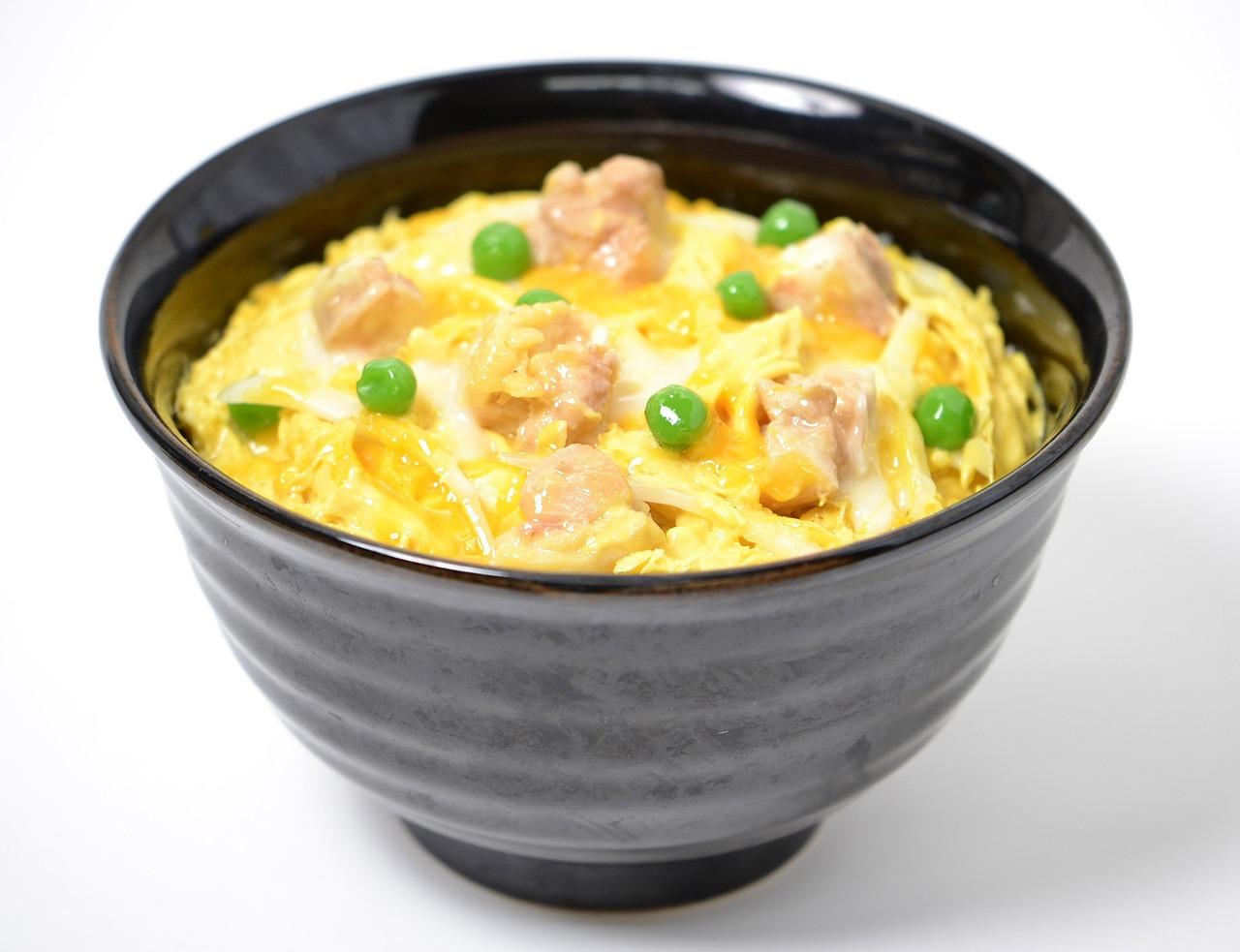
The name means 'parent and child bowl', a gentle joke about cooking the chicken and the egg together. A Nihonbashi chicken restaurant in Tokyo says it first served the dish in the 1890s, and today it is a staple lunch in soba shops, office canteens and home kitchens all over the country. Thigh meat and sliced onion simmer briefly in sweet soy dashi, then beaten egg goes in and is taken off the heat while still soft and glossy. Everything slides onto a bowl of hot rice so the sauce seeps into the grains. Chef's tip: beat the eggs with just a few strokes of chopsticks, leaving streaks of white and yolk, as that marbled look and silky texture is what you're after.

by KrazyBadal 0 views

Rou jia moSpiced pork flatbread sandwich

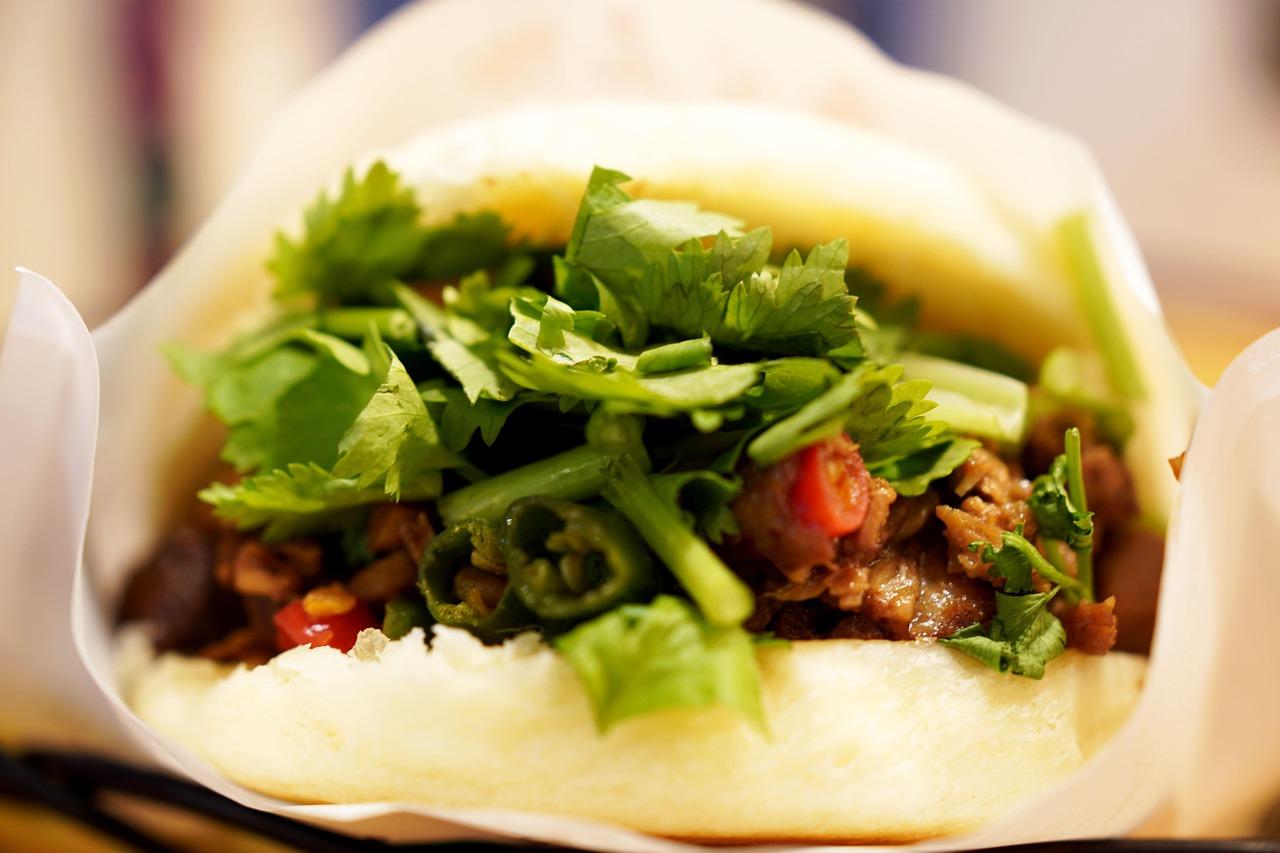
Walk through Xi'an's Muslim Quarter or any Shaanxi bus station and you will see cooks chopping steaming braised pork on thick wooden blocks and stuffing it into split, griddle-crisped buns. The bread, called baijimo, has a crackly shell with an 'iron ring' edge, a 'tiger-back' top and a spiral 'chrysanthemum heart' inside; the pork is slow-cooked in a soy broth with a dozen warm spices until it falls apart. Chopped with green chilli and coriander and moistened with the braising juices, it makes one of the world's oldest sandwiches. Eat it hot in the hand, with cold liangpi noodles or a bowl of soup alongside. Chef's tip: keep the braising liquid as a master stock in the freezer; the next batch of pork tastes even better.

by KrazyBadal 0 views

Kuih seri mukaSticky rice and pandan custard cake

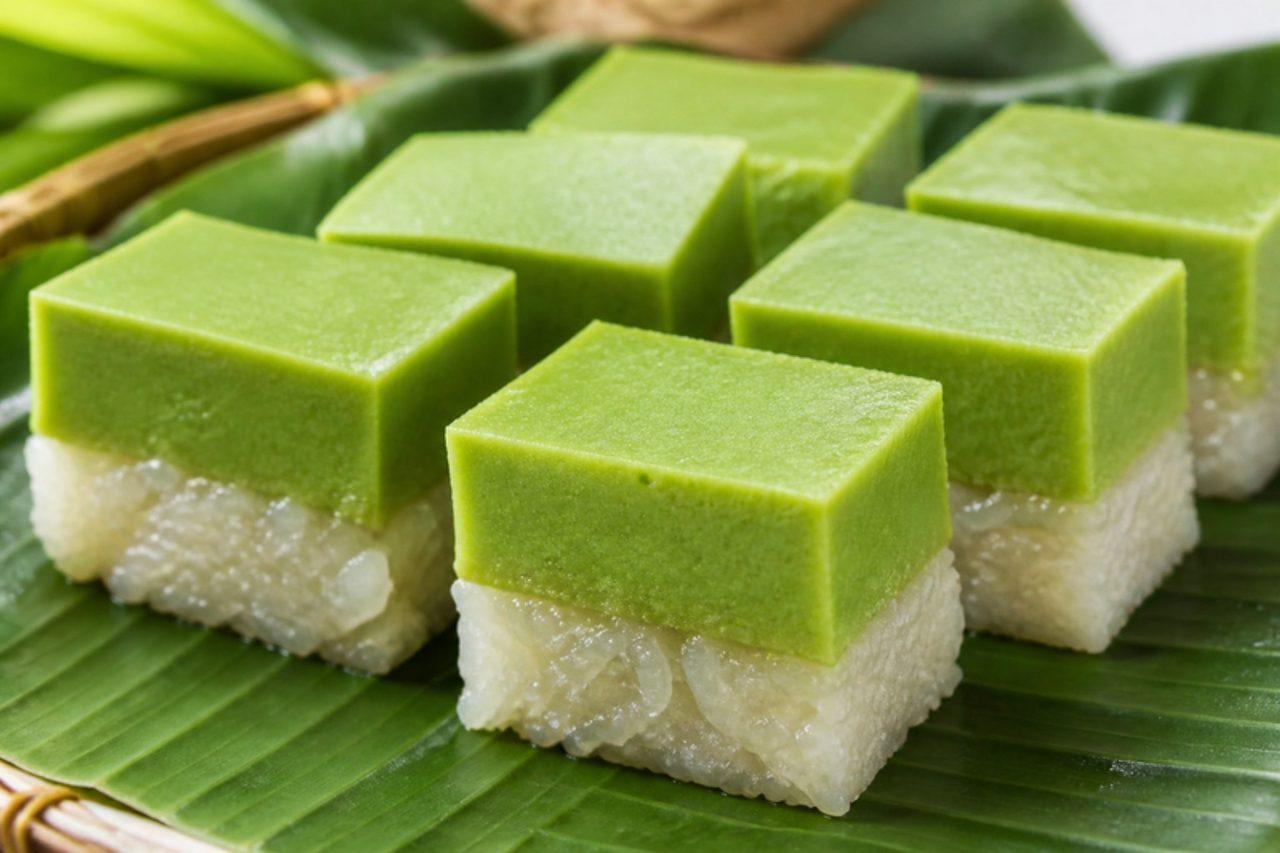
Seri muka is one of the most loved kuih in Melaka and all over Malaysia, sold in neat diamonds at morning markets and Ramadan bazaars. The base is glutinous rice steamed in coconut milk and pressed firm; the top is a silky, green custard of pandan juice, eggs and coconut milk, steamed until it just sets. Each bite is salty-sweet, chewy then smooth. Chef's tip: rough up the top of the hot rice with a fork before pouring on the custard, so the two layers stick together instead of sliding apart.

by KrazyBadal 0 views

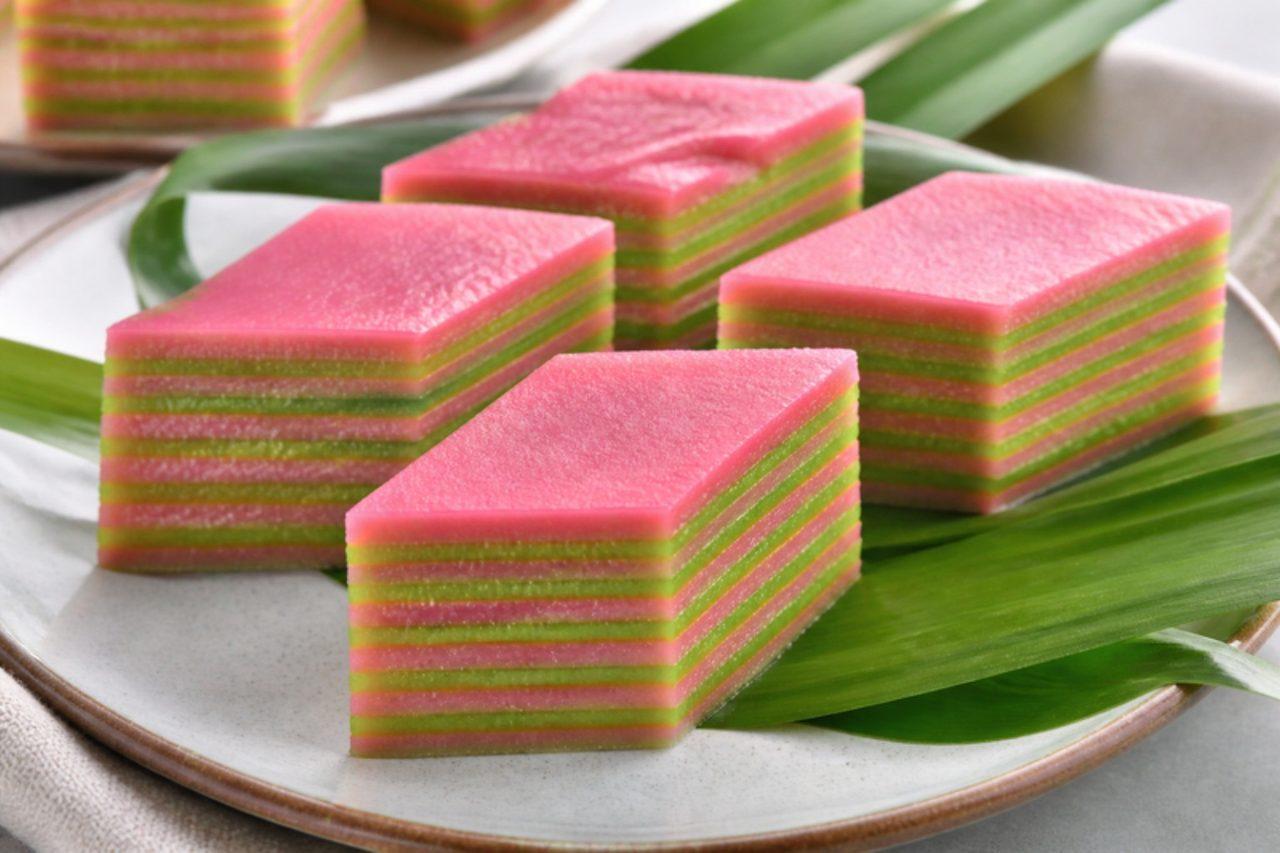
Kuih lapisSteamed layered coconut cake

Kuih lapis is the striped, bouncy cake piled on trays at Malaysian pasar malam (night markets) and laid out for guests at Hari Raya, Deepavali and Chinese New Year open houses. It's built from a thin coconut-milk batter of rice flour and tapioca starch, steamed one layer at a time, so each slice shows nine neat stripes, and children everywhere peel them off one by one. The texture is soft, springy and slightly chewy; the flavour is gentle coconut and pandan. It takes patience rather than skill. Chef's tip: steam the empty tin for 5 minutes before the first layer, so it sets evenly from the bottom.

by KrazyBadal 0 views

Pabellón criollo vegetarianoMushrooms, black beans and rice plate

Pabellón criollo is Venezuela's national dish, the lunch plate served in family kitchens and at every Caracas lunch counter: white rice, black beans (caraotas), sweet fried plantain (tajadas) and shredded stewed beef side by side, like the stripes of a flag. This vegetarian version replaces the beef with king oyster mushrooms pulled into strands and stewed in a sofrito with tomato, cumin and a little panela, which gives the same tender, shredded texture. For slow-cooked beans from scratch, see the frijoles negros cubanos page. Chef's tip: shred the mushrooms along the grain with a fork, as you would pull beef; it's what makes them look and eat like carne mechada.

by KrazyBadal 0 views

Kueh pie teeCrisp pastry cups with jicama

Pie tee are thin, crunchy fried cups shaped like little top hats, made with a brass mould dipped in batter and plunged into hot oil. Peranakan cooks in Melaka and Penang fill them with finely shredded jicama and carrot braised in garlic, then top them with egg, coriander and a dot of sweet chilli sauce. They are a festive starter for Chinese New Year and weddings. Prawns usually crown each cup; this version uses fine strips of omelette. If you have no mould, shop-bought cups are fine. Chef's tip: heat the mould in the oil before each dip; a cold mould won't hold the batter.

by KrazyBadal 0 views

Pachamanca a la ollaPot-steamed meats with potatoes

In the highlands around Huancayo and Ayacucho, families mark harvests and saints' days by burying marinated meats, potatoes, sweet potatoes, broad beans and humitas under hot stones and earth for a pachamanca, an 'earth pot'. City cooks get close to it with a heavy pot: the same green marinade of huacatay (black mint), chincho, ají and garlic, layered with meats and roots and steamed in their own juices under banana or corn leaves. Chef's tip: layer the hardest things lowest, potatoes on the bottom and chicken nearest the lid, just as the stones are packed in the field.

135 minPeruvianMeatGluten free
by KrazyBadal 0 views

Pachi pulusuRaw tamarind soup

Pachi pulusu, 'raw stew', is Telangana's summer cooler: a no-cook tamarind water stirred with jaggery, finely sliced raw onion and green chilli, finished with a hot mustard-seed tempering. In the heat of April and May in villages around Warangal and Karimnagar, families pour it over hot rice with a spoonful of dal or a spicy fry, and it wakes up appetites dulled by the sun. Some add a smoky roasted brinjal mashed in, which gives it body. Sweet, sour and sharp at once, it takes ten minutes. Chef's tip: rub the onion with salt and a little chilli powder in your fingers before adding the tamarind water, so it softens slightly and flavours the whole bowl.

by KrazyBadal 0 views

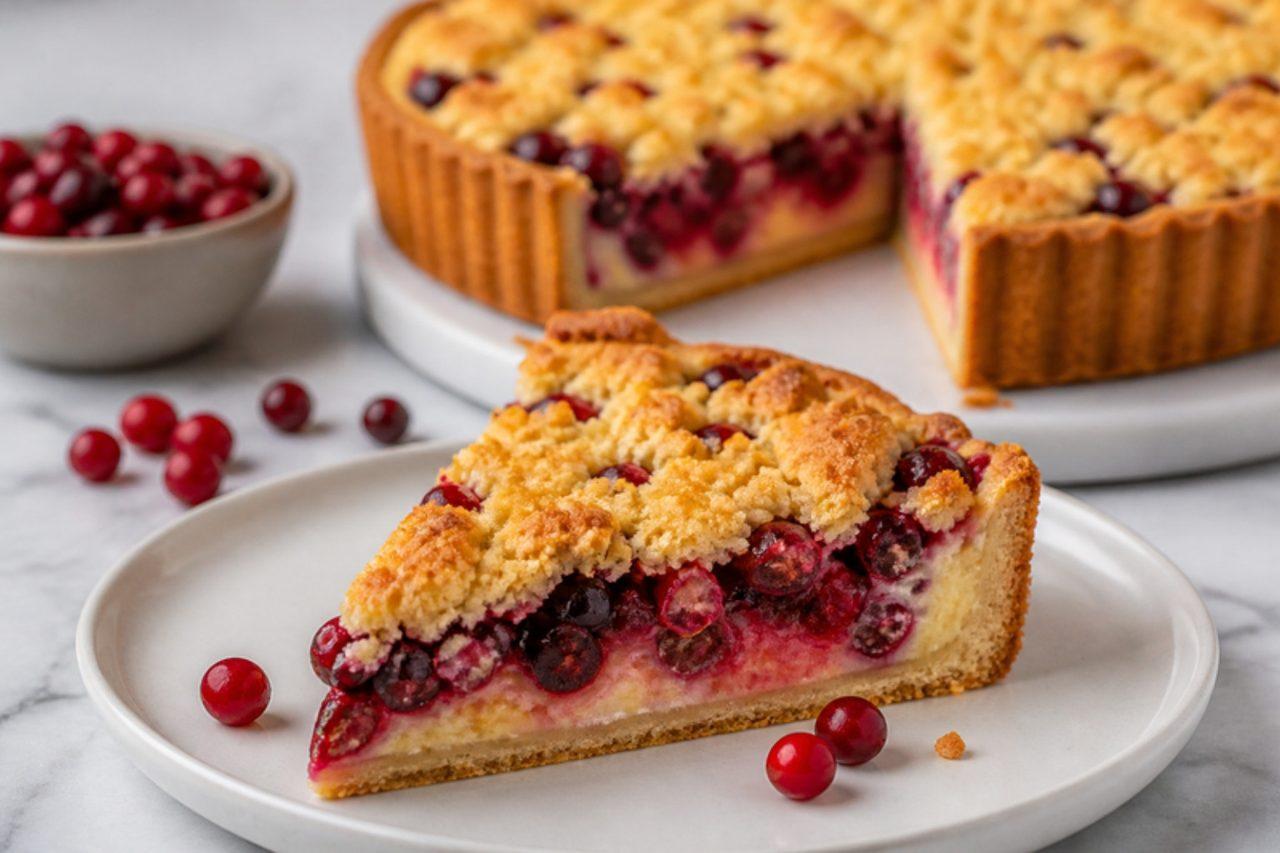
Kuchen de murtaBerry custard tart

Around Lake Llanquihue, in Frutillar and Puerto Varas, German settlers of the 1850s left Chile a love of kuchen, now served with coffee in every café of the south. The Chilean twist is the fruit: murta (Chilean guava), a small, red, perfumed berry that grows wild there in autumn. A buttery base holds the berries in a light custard under a crumble of butter and sugar. Outside Chile, cranberries with a few blueberries give a similar sharp-sweet balance. Chef's tip: blind-bake the base for 10 minutes first; a pre-set base stays crisp under the wet custard.

by KrazyBadal 0 views

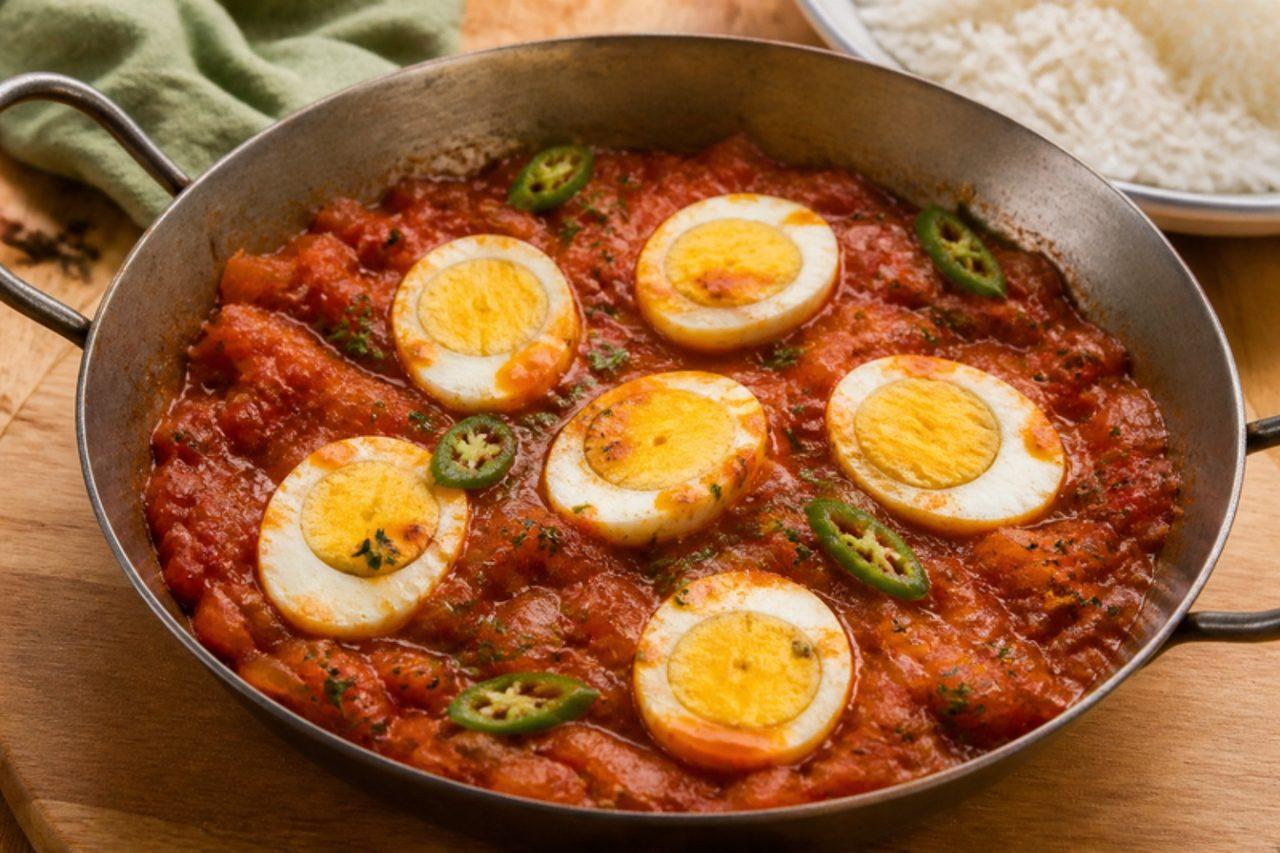
RougailleSpiced tomato sauce with eggs

Rougaille is the Creole tomato sauce at the heart of Mauritian home cooking, made in every kitchen from Port Louis to Mahébourg and also in the Seychelles and Réunion. Tomatoes are cooked down with onion, garlic, ginger, thyme and chilli until thick, and then something is simmered in it: sausages, salted fish, or, in many homes on a weeknight, hard-boiled eggs. Serve with rice, lentils (dholl) and chatini. Chef's tip: cook the tomatoes until the oil separates at the edges; watery rougaille tastes thin.

by KrazyBadal 0 views

PączkiRose jam doughnuts

Pączki are the rich, yeasted doughnuts Poland eats by the dozen on Tłusty Czwartek, Fat Thursday, the last Thursday before Lent, when Warsaw bakeries such as the old ones on Nowy Świat have queues round the block from dawn. A good pączek is round and heavy for its size, with a pale ring around its middle, a fine, yolk-rich crumb and a filling of rose-petal jam (konfitura z róży) or plum butter, finished with icing and candied orange peel. A spoon of vodka or spirytus in the dough is an old trick: it evaporates in the hot oil and stops the dough soaking up fat. Chef's tip: keep the oil between 165 and 175°C with a thermometer; hotter and they burn outside while raw in the middle, cooler and they turn greasy.

by KrazyBadal 0 views

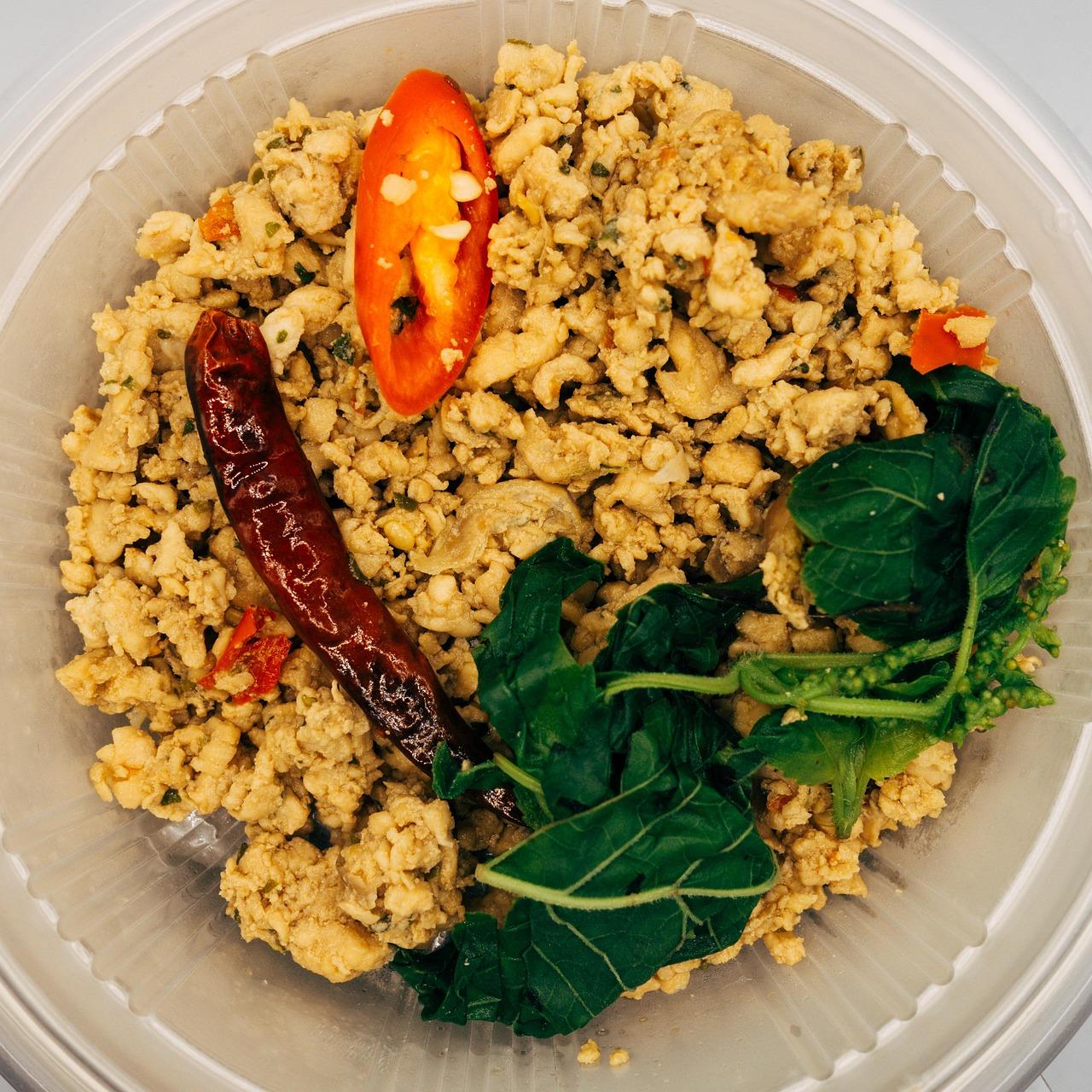
Pad kra pao gaiChicken and holy basil stir-fry

Ask a Bangkok office worker what they had for lunch and the answer is very often 'kra pao gai, khai dao': chopped chicken flash-fried with garlic, chillies and holy basil, spooned over rice and crowned with a fried egg whose edges have blistered into brown lace. Street stalls and food courts across the city cook it to order in a roaring wok in about three minutes. The chicken should be slightly sticky and salty-sweet, the basil peppery with a hint of clove, and the runny yolk becomes a sauce for the rice. A saucer of prik nam pla (sliced chillies in fish sauce) on the side is all it needs. Chef's tip: chop the chicken by hand with a heavy knife instead of buying fine mince; the coarse, uneven bits catch the sauce and stay juicy.

by KrazyBadal 0 views

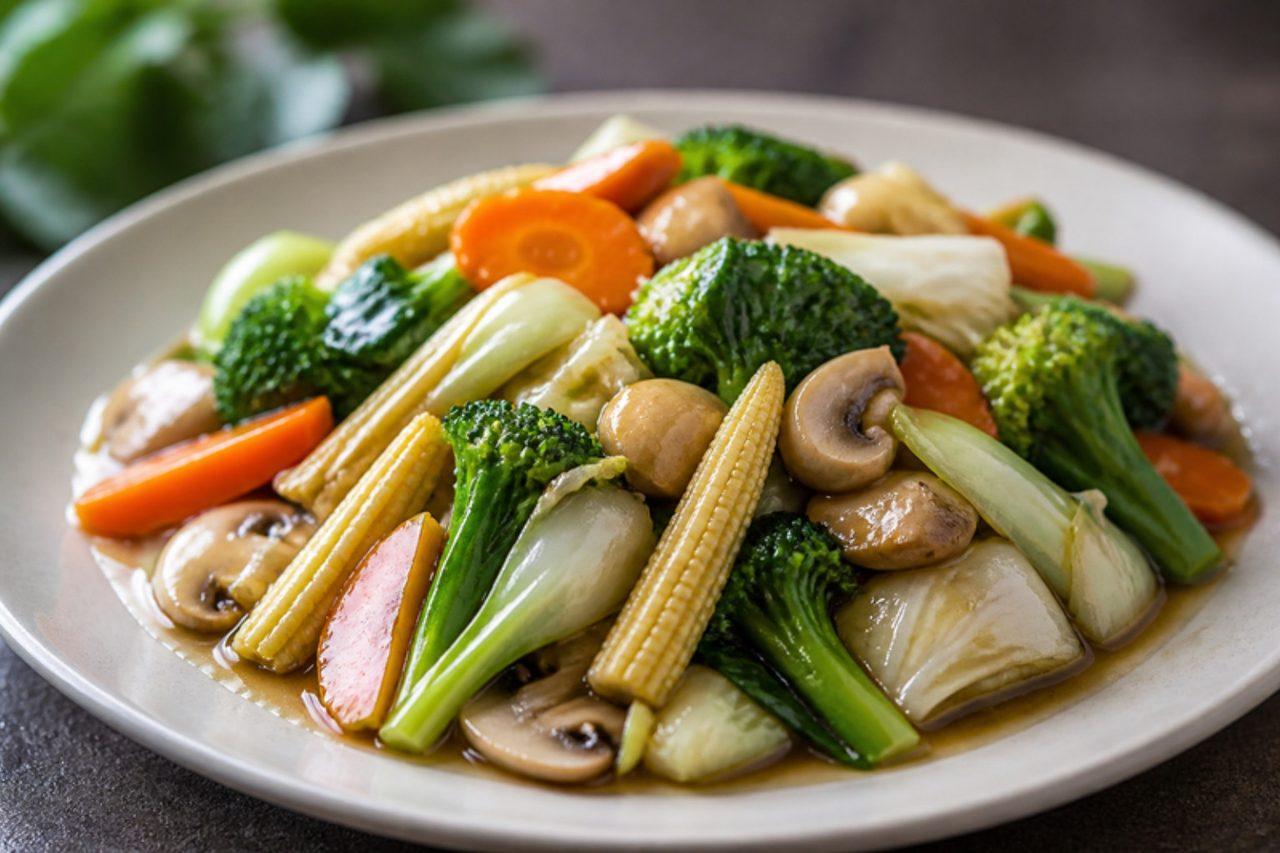
Pad pak ruamStir-fried mixed vegetables

Pad pak ruam, 'stir-fried mixed vegetables', is the dish every Bangkok made-to-order (aharn tam sang) cook can make in ninety seconds over a roaring flame, and the one Thai office workers add to a lunch order so there is something green on the table. The vegetables stay crisp and bright, coated in a thin, glossy sauce of garlic, soy and mushroom stir-fry sauce. Restaurants use oyster sauce; the vegetarian mushroom version tastes almost the same. Serve it with jasmine rice and a fried egg, or as a side to curry. Chef's tip: cut everything before you light the stove, and add the vegetables in order of hardness, so the carrots soften while the greens stay snappy.

16 minThaiSidesVegan
by KrazyBadal 0 views

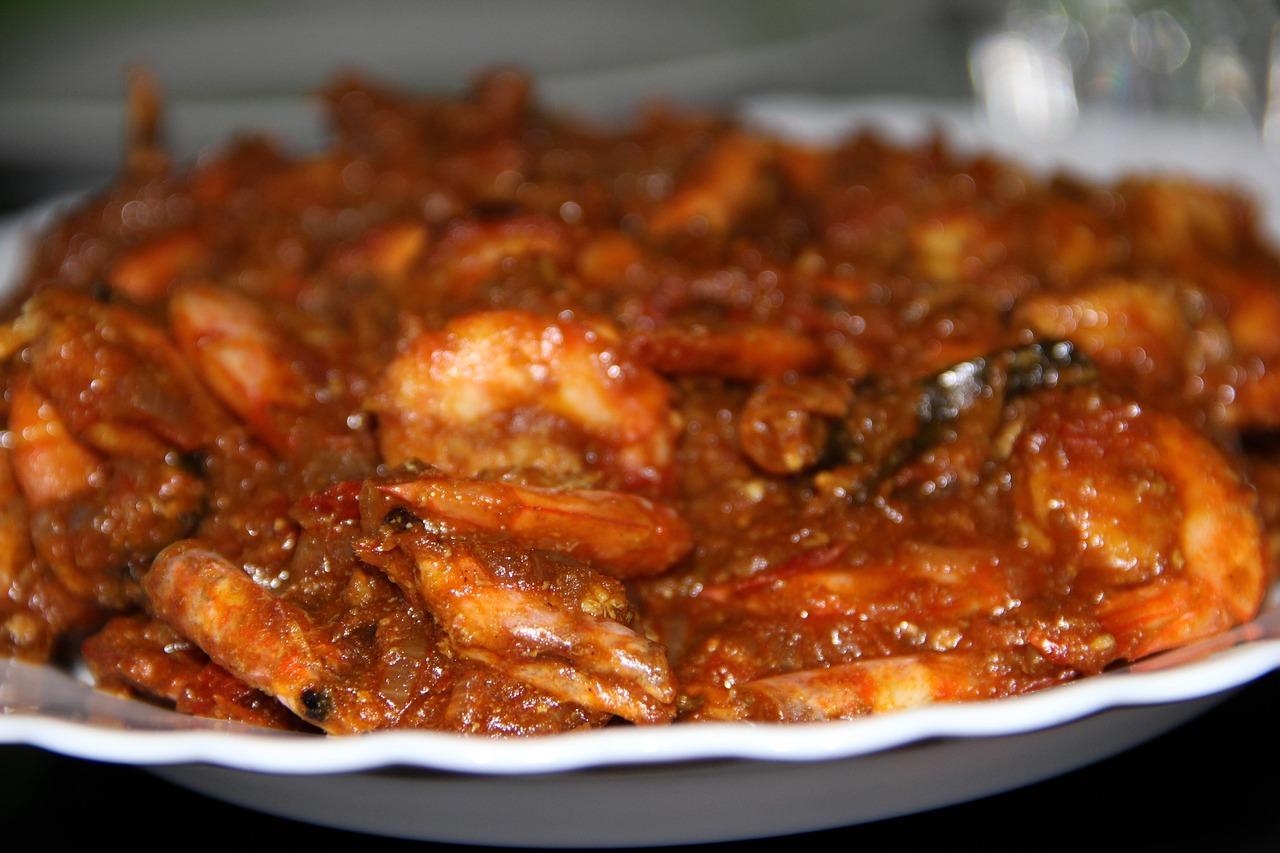
Royyala iguruThick prawn curry

Along the coastal Andhra delta, where the Godavari meets the sea near Kakinada and Bhimavaram, prawns come in fresh every morning and often end up as iguru. The word means cooked down: the onion-chilli masala is reduced until it clings to the prawns, with only a spoonful of sauce left in the pan. It goes onto hot rice with ghee, alongside sambar or pappu, and is a favourite in Telugu homes on weekends. Chef's tip: cook the masala fully first and add the prawns only for the last few minutes, so they stay plump.

40 minIndianFishGluten freeSpicy
by KrazyBadal 0 views

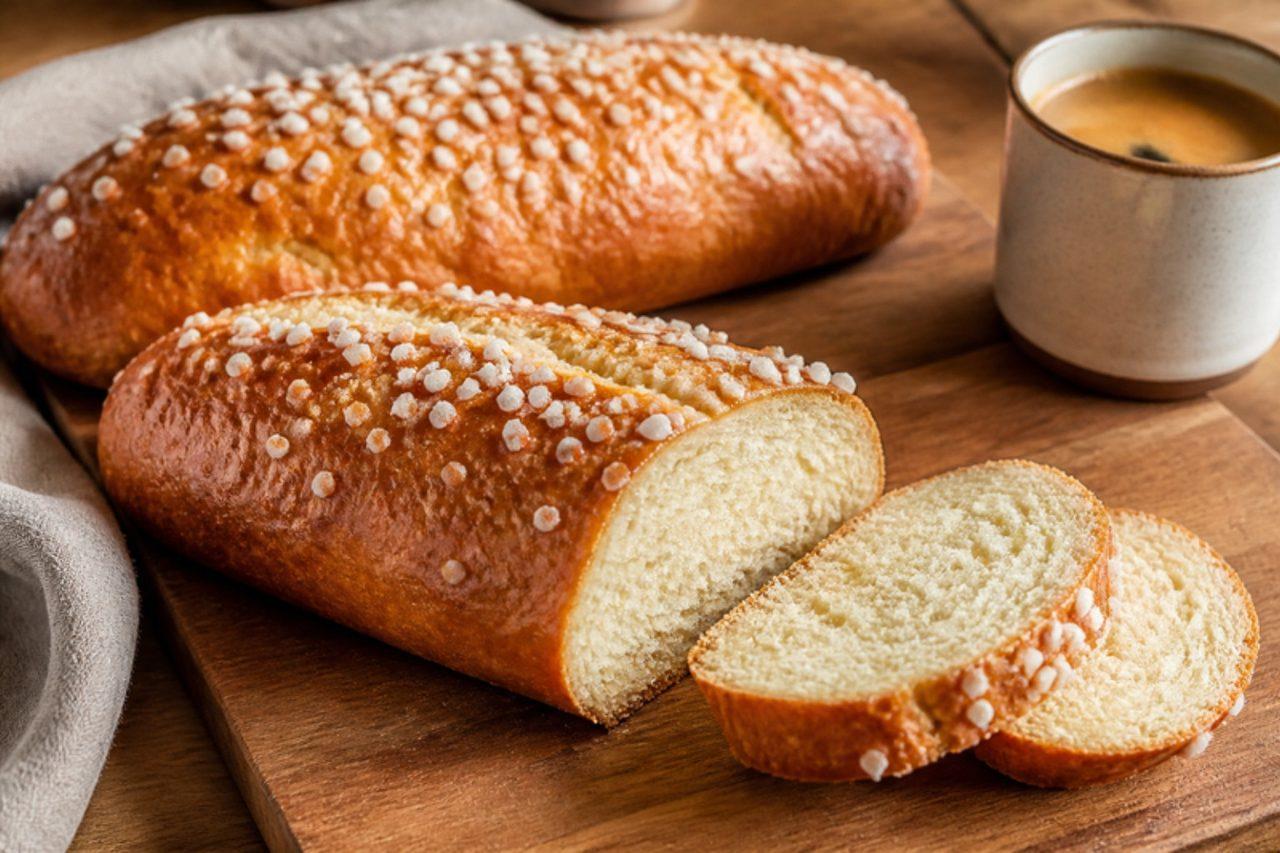
Pain à la grecquePearl sugar bread

Despite the name, pain à la grecque is pure Brussels: the 'Greek' is thought to come from the Flemish gracht, the canal next to the old abbey on the Wolvengracht whose monks handed out bread to the poor. Today it is a long, flat stick of cinnamon-spiced bread pressed into pearl sugar and baked until the sugar melts into a crunchy, glassy crust. Brussels bakeries such as those around the Sablon sell it by the slab, and it is eaten with coffee in the afternoon or dunked at breakfast. Chef's tip: press the dough hard into the pearl sugar on both sides; loosely scattered sugar just falls off in the oven.

by KrazyBadal 0 views

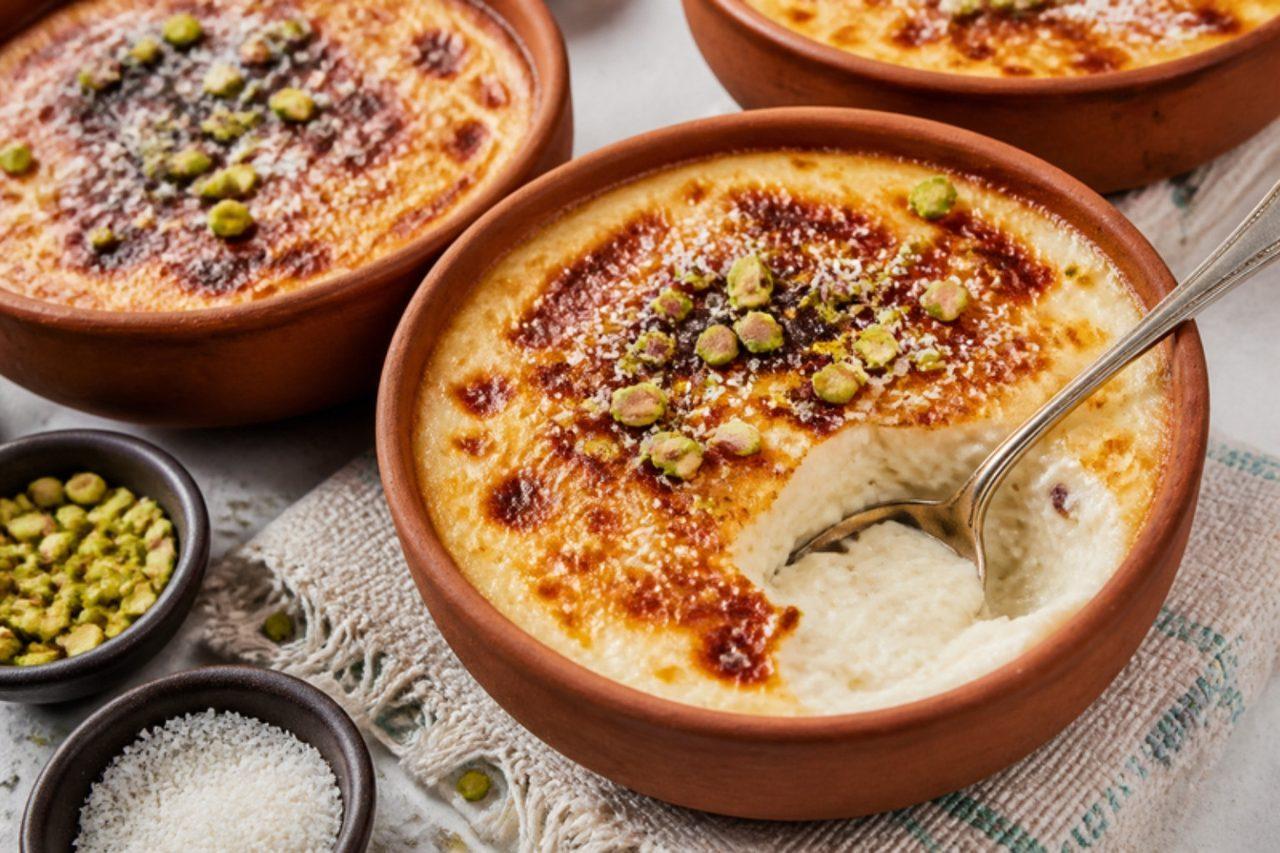
Roz bel labanRice pudding

Roz bel laban (rice with milk) is the pudding of Egyptian homes and dessert shops alike, sold in clay pots and little foil cups across Cairo and eaten all year, especially in the evenings of Ramadan. It is made with short Egyptian rice cooked slowly in milk, thickened with a little cornflour so it sets creamy and spoonable, and scented with vanilla or orange blossom water. This is the roz bel laban fel forn version, finished in a very hot oven so the top blisters with brown spots, the way the Cairo dessert shops sell it. Serve it cold, scattered with pistachios or coconut. Chef's tip: stir the cornflour into cold milk before adding it; dropped straight into the hot pot it turns into lumps you can't whisk out.

by KrazyBadal 0 views

KrupnikBarley soup with smoked pork

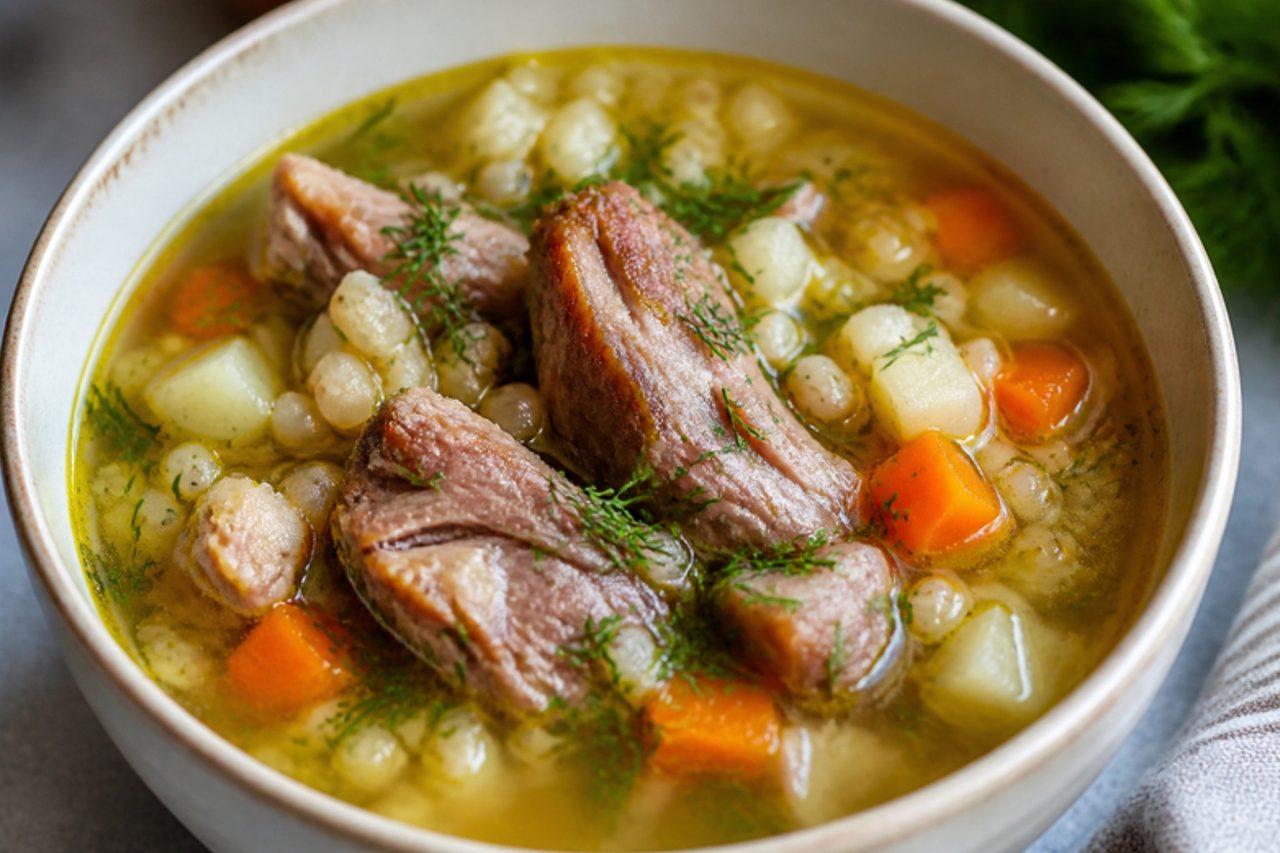
Krupnik is a thrifty, warming soup from every Polish grandmother's kitchen, from the villages of Podlasie to city milk bars, and it is the soup people make when someone in the house has a cold. Pearl barley (kasza jęczmienna), carrot, celeriac, parsley root and potato simmer in a broth of smoked pork ribs, which gives it a gentle smoky depth; this version contains pork. Dried mushrooms add an earthy note. Chef's tip: rinse the barley well and add it early; it releases starch that gives krupnik its slightly creamy body.

by KrazyBadal 0 views

Pain perduFrench toast

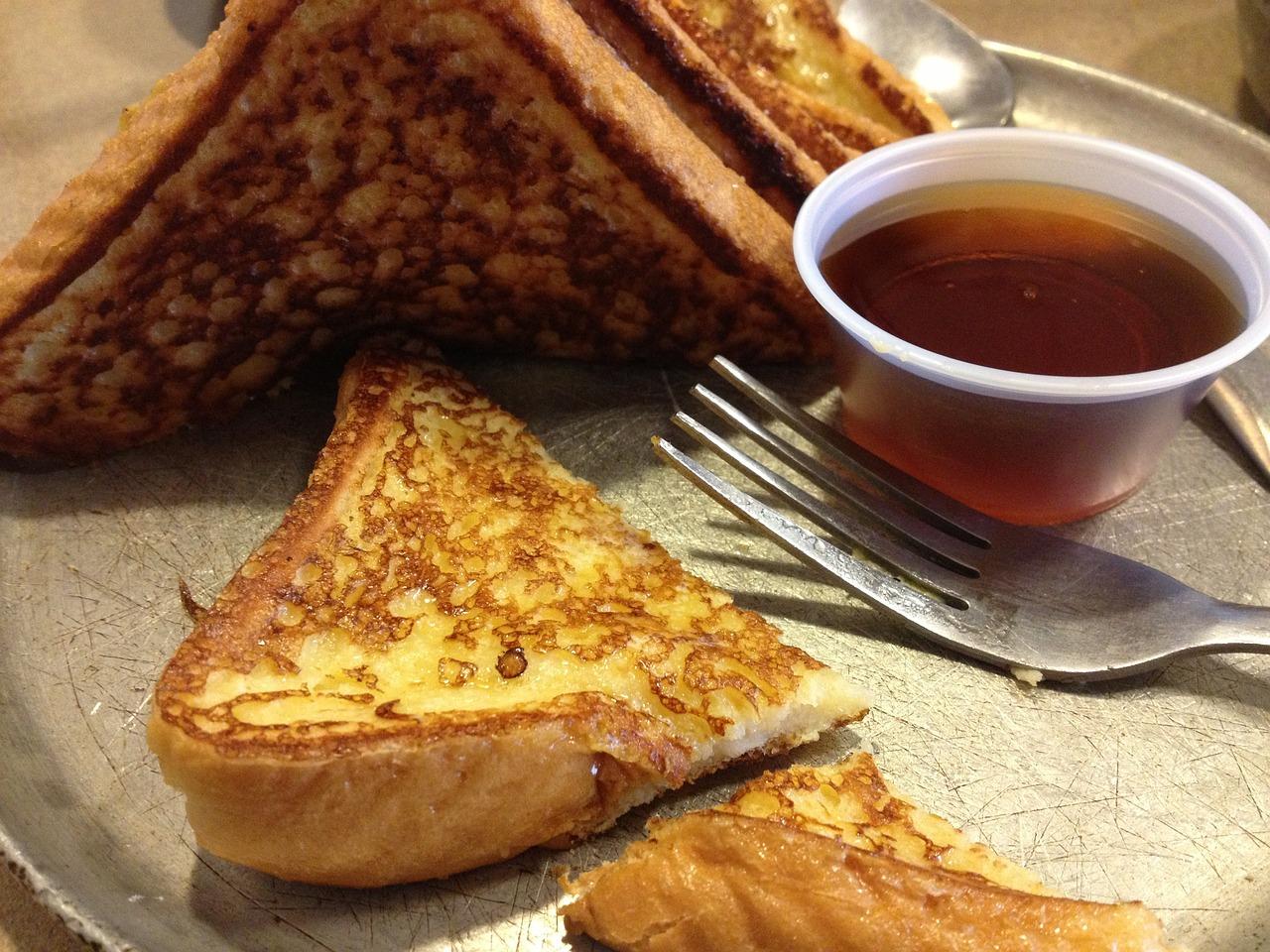
Pain perdu means 'lost bread', and French families have always made it from the end of a stale baguette or brioche that would otherwise be thrown away. Thick slices are soaked in milk, eggs, sugar and vanilla, then fried in butter until caramelised outside and soft, almost like custard, inside. In France it is more often a Sunday breakfast or goûter for the children than a brunch dish, eaten with a dusting of sugar, jam or fresh fruit. Chef's tip: use bread that is a day or two old; fresh bread is the common mistake and turns soggy and falls apart in the custard.

by KrazyBadal 0 views

Kroeung (Khmer lemongrass paste)Lemongrass and galangal paste

Almost every Khmer kitchen, from Phnom Penh flats to village houses around Siem Reap, starts the day's cooking by pounding kroeung in a heavy stone mortar. This is the yellow kind, coloured with fresh turmeric and built on lemongrass, galangal, makrut lime leaf, garlic and shallot; it goes into amok, samlor korko, noodle curries and stir-fries. Homemade, it smells brighter and more citrusy than any jar, and a batch keeps for a week in the fridge or months in the freezer. Chef's tip: slice the lemongrass into paper-thin rounds across the grain before it goes near the mortar or blender; long fibres never break down and leave the paste stringy.

by KrazyBadal 0 views

Swedish meatballsMeatballs with cream gravy

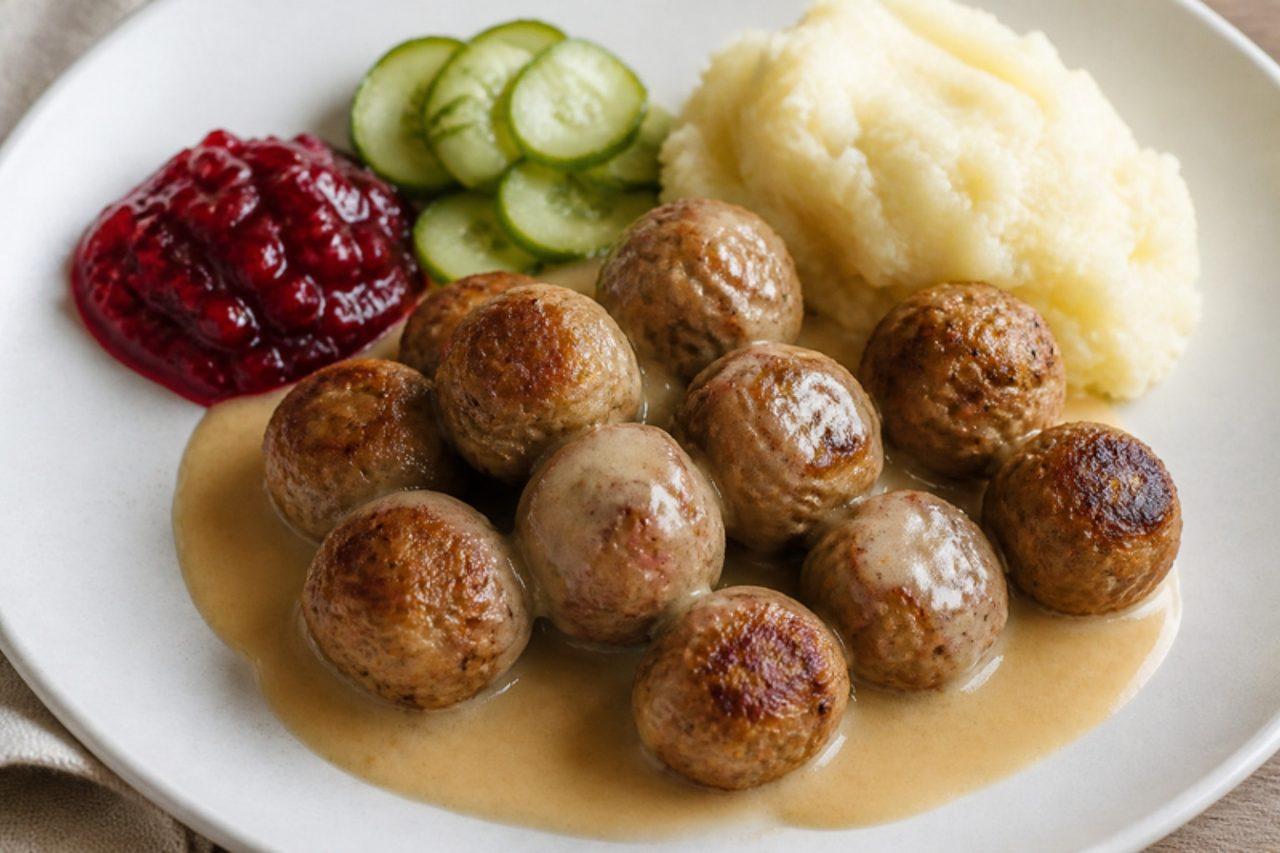
In Sweden köttbullar turn up everywhere from Stockholm school canteens to the Christmas julbord, and most families keep a bag of homemade ones in the freezer for busy weeknights. These are small, soft and lightly spiced with allspice, made from a mix of beef and pork, so this recipe contains pork. They come to the table in a pale, peppery cream gravy with buttery mashed potato, sharp lingonberry jam and quick pressed cucumber. The usual slip is rolling them too big and packing them tight: they should be the size of a walnut and shaped with wet hands, never squeezed. Chef's tip: soak the breadcrumbs in milk for a full five minutes before mixing in the meat; that panade is what keeps them tender.

by KrazyBadal 0 views

Pakhala bhataSoaked rice with curd

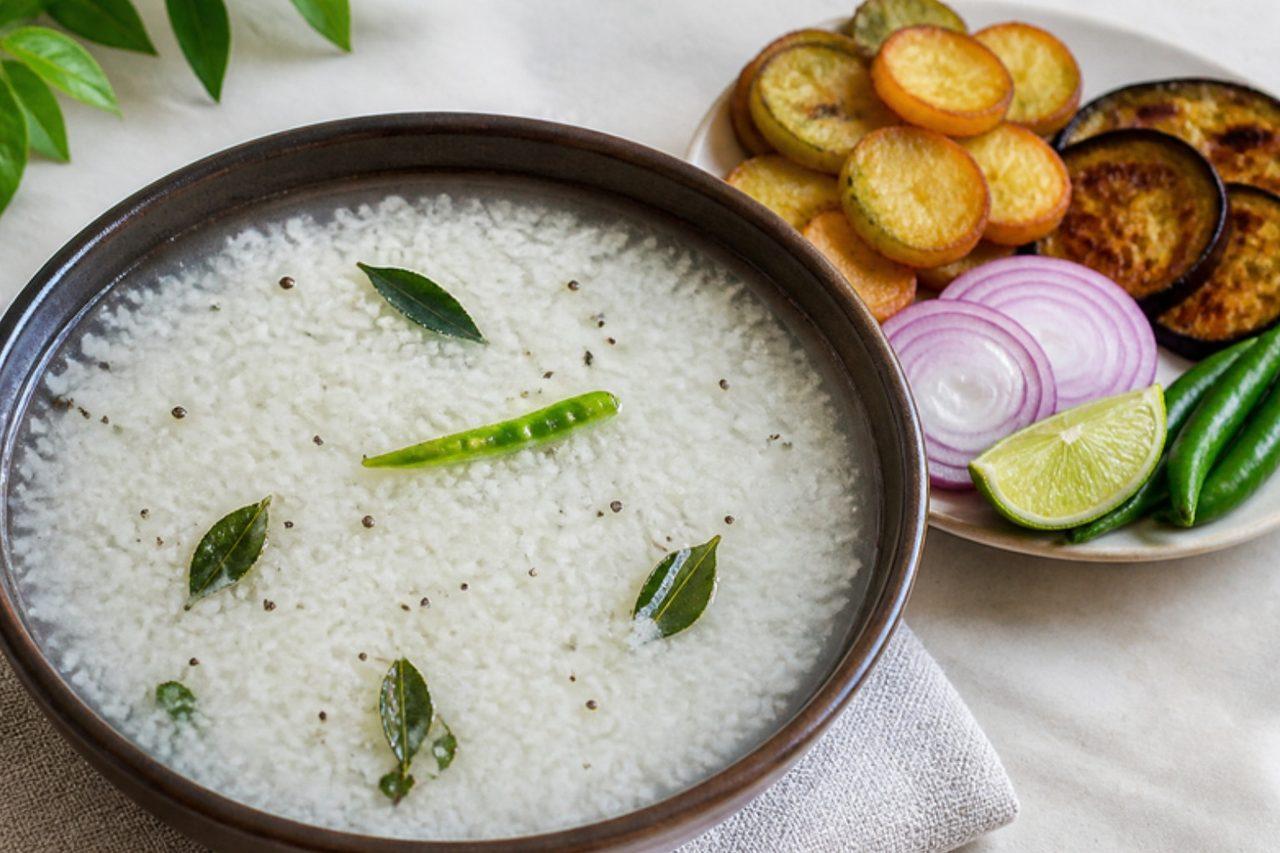
Pakhala is Odisha's answer to the summer heat: cooked rice left to soak in water, often overnight so it turns faintly sour, then loosened with curd, salt, lime leaf, cumin and green chilli and eaten cold at midday. The state even celebrates Pakhala Dibasa on 20 March. The rice itself is plain; the pleasure is in the sides, such as badi chura (crushed fried lentil dumplings with onion and mustard oil), fried potato, saga bhaja and roasted aubergine. Chef's tip: for the gently sour basi pakhala, leave the rice in its water at room temperature for 8–12 hours; for dahi pakhala, eat it the same day with more curd.

by KrazyBadal 0 views

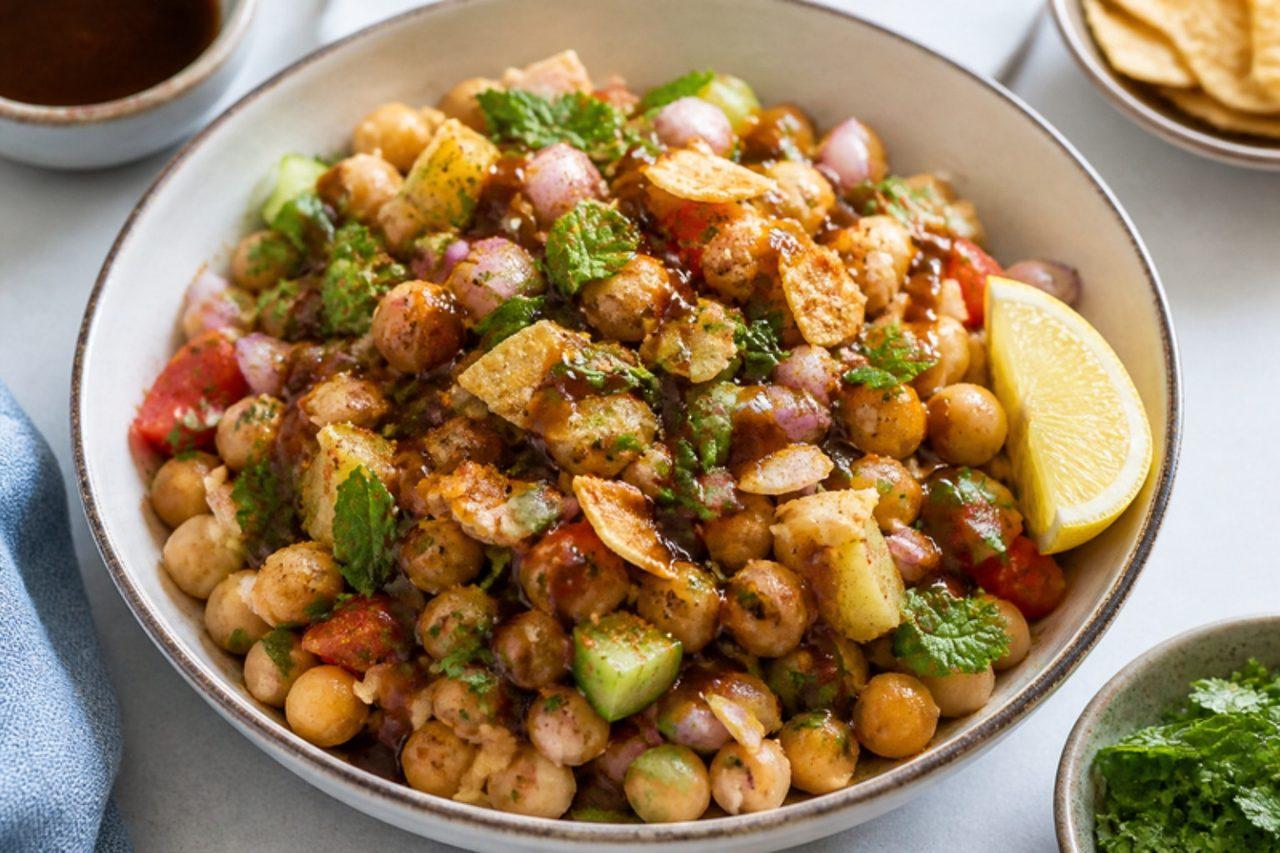
Pakistani chana chaatChickpea and potato chaat

In Pakistan a bowl of chana chaat is on almost every iftar table during Ramadan, next to the dates, pakoras and a jug of red sherbet, and in Lahore and Karachi street vendors toss it to order all year round in big steel bowls. The Pakistani style is simple and sharp: plump chickpeas and potato with raw onion, tomato, green chilli, lots of coriander and mint, tamarind chutney, lemon juice and a heavy hand of chaat masala, served cold or at room temperature. It is a quick, filling, high-fibre snack. People often mix it too early and the onion goes limp and the potato mushy; dress it no more than 15 minutes before eating. Chef's tip: toss the chickpeas with the chaat masala and salt first, before anything wet goes in, so the spice clings to them.

by KrazyBadal 0 views

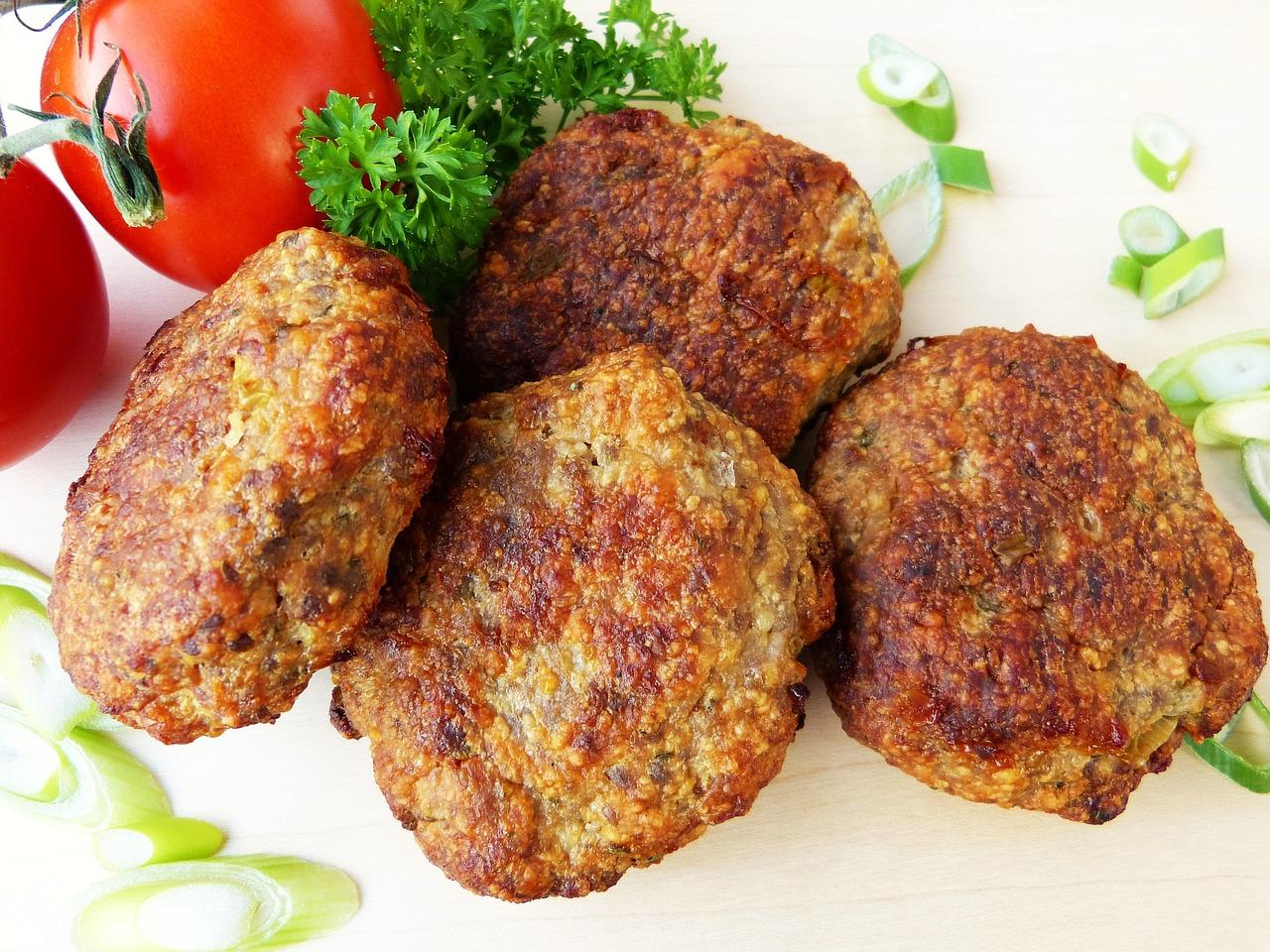
KotletyPan-fried meat patties

Kotlety are what a Russian grandmother makes on an ordinary Tuesday and what Soviet school canteens served at lunch: soft, oval patties of minced pork and beef, fried golden and finished with a splash of water under a lid. They contain pork. Bread soaked in milk is the secret to their tenderness; the patties stay juicy enough to eat cold the next day in a sandwich. Serve them with mashed potato or buckwheat (grechka), a few pickles and a spoon of the pan juices. The mistake most people make is leaving out the soaked bread or using breadcrumbs instead, which gives dense, dry burgers rather than kotlety. Chef's tip: wet your hands with cold water before shaping each patty, so the soft mince doesn't stick and the surface stays smooth.

by KrazyBadal 0 views

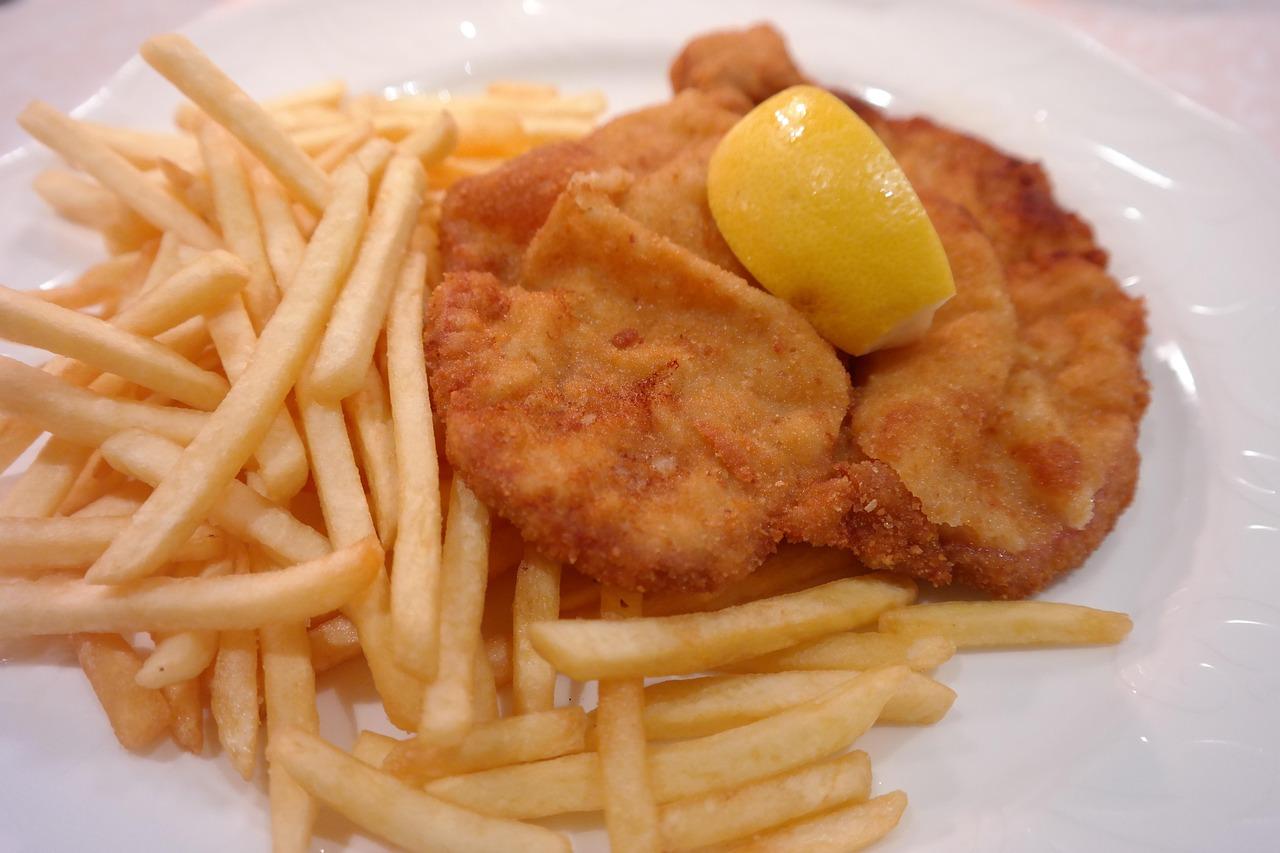
Kotlet schabowyBreaded pork cutlet

Kotlet schabowy is the Polish Sunday dinner, served in homes and milk bars from Warsaw to Wrocław, usually with buttery dill potatoes and mizeria (cucumber in soured cream) or braised cabbage. It is a pork dish: slices of boneless pork loin are pounded thin, dipped in flour, egg and breadcrumbs and fried in lard or oil until crisp and golden. Chef's tip: pound the meat between sheets of cling film to an even 5 mm; even thickness means the coating browns just as the meat is done.

35 minPolishMeat
by KrazyBadal 0 views

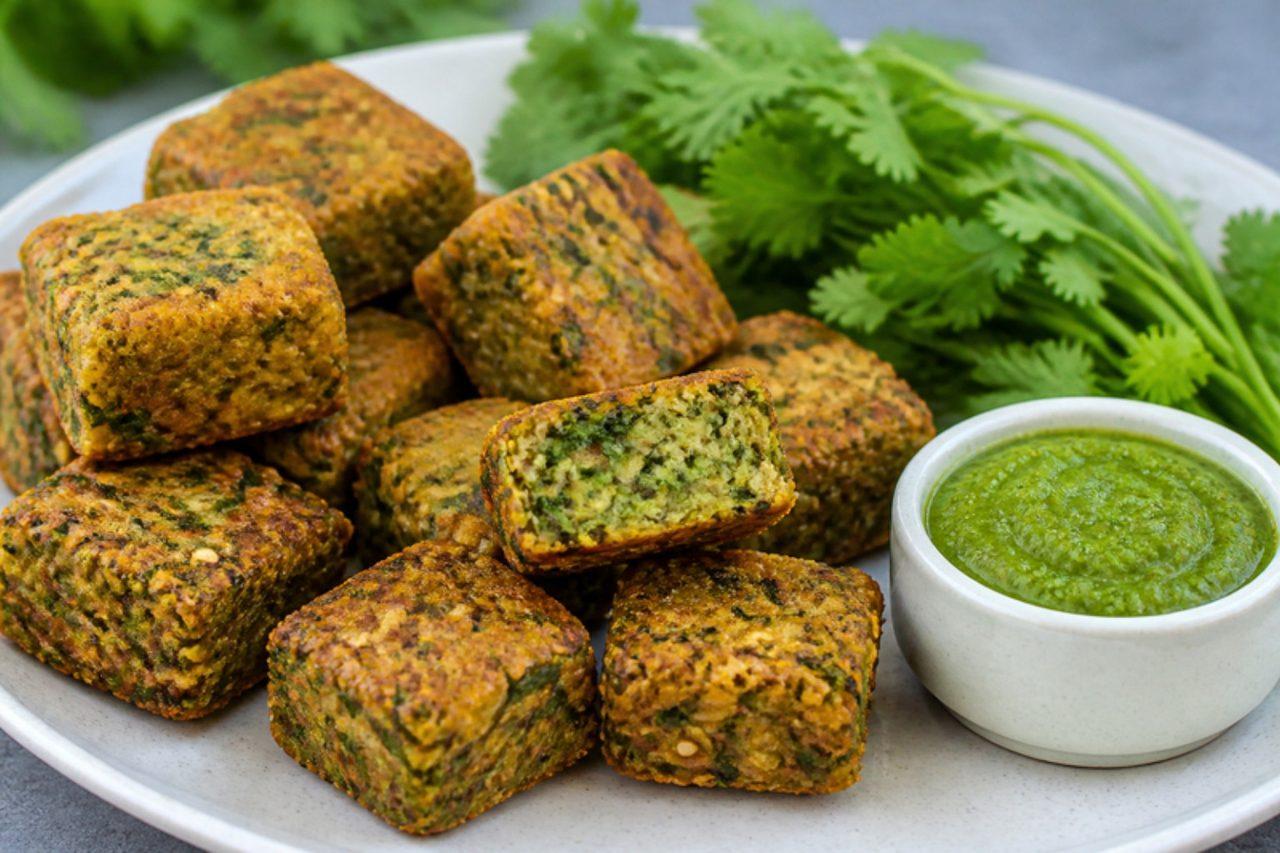
Kothimbir vadiCoriander and gram flour fritters

When the winter coriander in the Nashik markets comes in huge, fragrant bunches for a few rupees, Maharashtrian kitchens make kothimbir vadi. A batter that is mostly fresh coriander, held together with gram flour and sesame, is steamed into a cake, cut into squares, then shallow-fried until each piece has a crunchy shell and a soft, herby middle. It's a tea-time snack in Pune homes, a side on the festive thali and a favourite in tiffin boxes because it's good at room temperature. Serve with green chutney or tomato ketchup. Chef's tip: dry the coriander well after washing; wet leaves make the batter loose and the vadi soggy.

by KrazyBadal 0 views

KoshariRice, lentil and pasta bowl

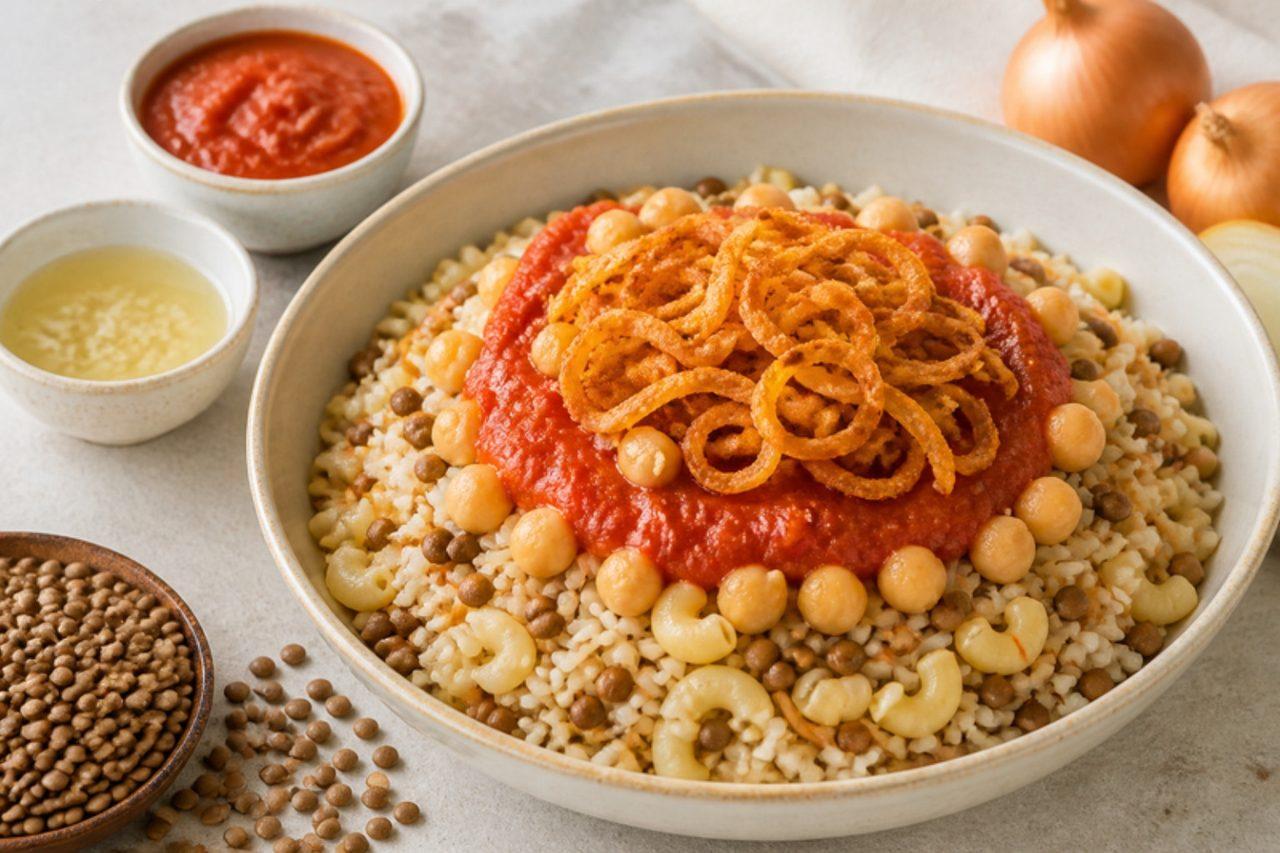
Koshari is the dish of Cairo's streets: whole shops, from Abou Tarek downtown to small corner counters, sell nothing else, and office workers queue for a metal bowl of it at lunchtime. Brown lentils and rice are cooked together, then piled with macaroni, vermicelli and chickpeas, drowned in a sharp cumin-tomato sauce and finished with dakka (garlic vinegar), shatta (chilli sauce) and a heap of dark fried onions. It is cheap, filling and naturally vegan, and every Egyptian eats it differently, so put the sauces on the table. Chef's tip: fry the onions first and cook everything else in their oil; that onion-scented oil is what makes koshari taste like the shops' and not like a plate of separate leftovers.

by KrazyBadal 0 views

PallubasaBeef and coconut soup

Makassar's other great beef soup is darker, richer and more coconutty than coto, and locals argue about which is better over late lunches at pallubasa houses near the port. The secret is kelapa sangrai: grated coconut toasted slowly to a deep brown and pounded, which gives the broth a roasted, almost nutty sweetness and a slightly gritty, full body. It's eaten with a mound of plain rice rather than rice cakes, and for the full version you ask for 'alas', a raw egg yolk dropped in the bowl that you stir into the boiling soup until it turns silky. Offal is traditional but optional; tender beef alone is delicious. Chef's tip: the coconut must reach the colour of milk chocolate, not black, because burnt coconut makes the whole pot bitter.

by KrazyBadal 0 views

FårikålLamb and cabbage stew

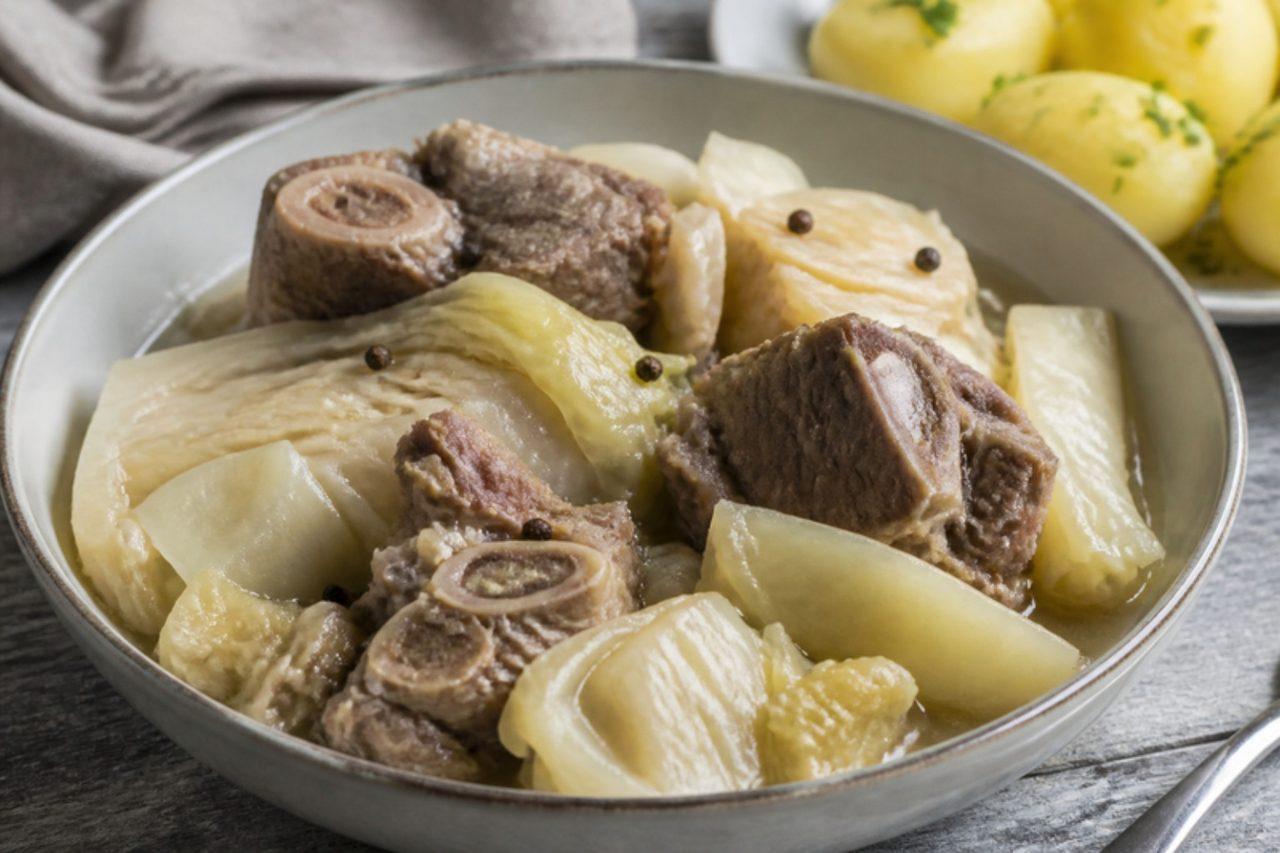
Fårikål has been voted Norway's national dish, and on the last Thursday of September families from Bergen to Tromsø hold Fårikålens festdag, when the new season's lamb meets the autumn cabbage harvest. There are only a handful of ingredients: bone-in lamb, wedges of white cabbage and a generous pouch of whole black peppercorns, layered in a heavy pot and left to simmer until the meat slides off the bone and the cabbage turns sweet and silky. It is eaten with plain boiled potatoes and, in many homes, lingonberry jam. The thing that ruins it is drowning the pot: add only a little water, because the cabbage releases plenty of its own juice. Chef's tip: tie the peppercorns in a muslin bag so you get their warmth without crunching on them, and make it a day ahead; it tastes even better reheated.

by KrazyBadal 0 views

Kosha mangshoSlow-fried mutton curry

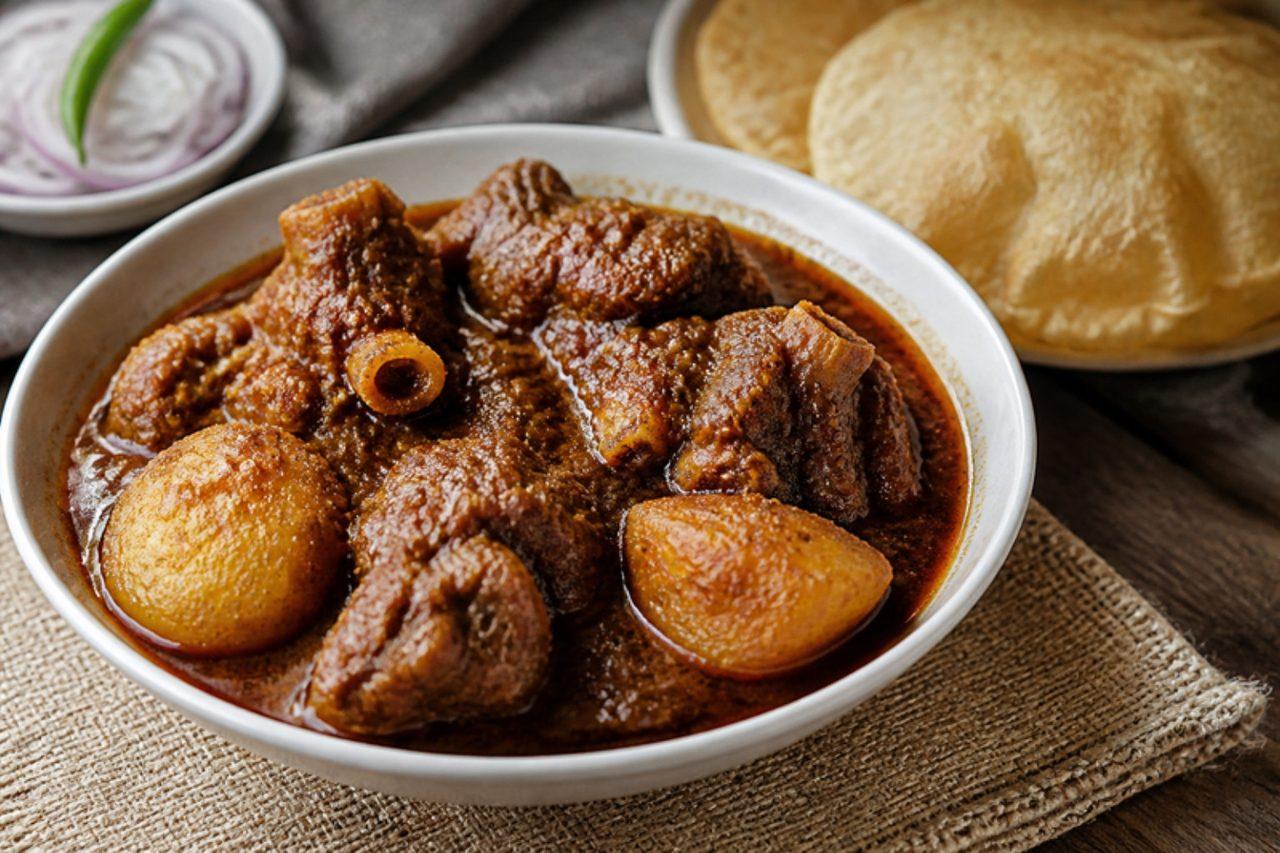
Sunday lunch in a Bengali home in Kolkata often means kosha mangsho: goat on the bone, fried patiently in mustard oil until the masala turns almost mahogany and clings to every piece. The word 'kosha' describes that long stirring over the heat, and it is what separates this dish from an ordinary mutton curry. Families eat it with luchi or plain rice, and it also turns up at Durga Puja feasts and wedding dinners. Chef's tip: buy bone-in goat or mutton shoulder cut into curry pieces; the bones and a little fat give the gravy its body.

135 minIndianMeatGluten free
by KrazyBadal 0 views

PalusamiTaro leaves in coconut cream

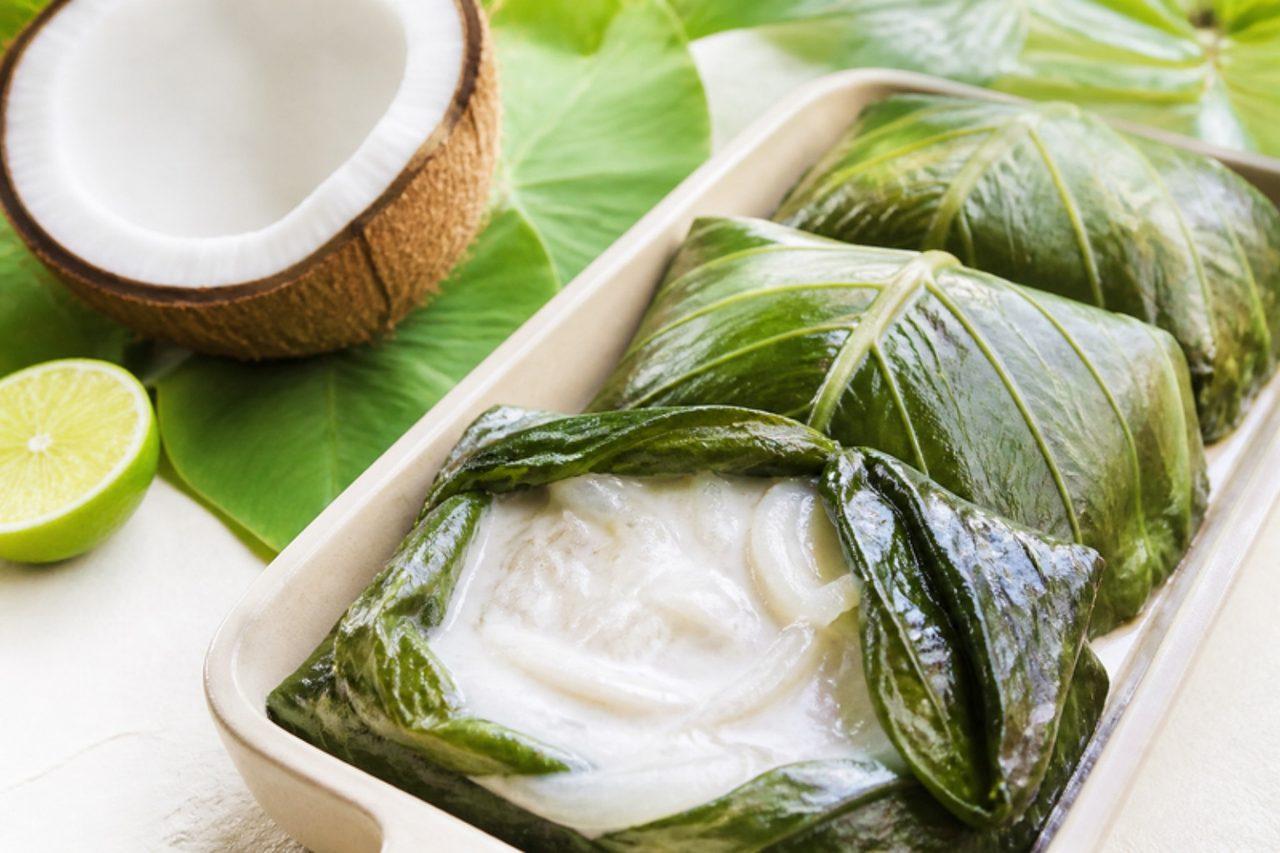
Palusami is at the heart of a Samoan Sunday to'ona'i, the big lunch after church, when the umu (earth oven) is lit and parcels of taro leaves filled with thick coconut cream and onion bake among the hot stones. The leaves melt into something like rich, creamy spinach, and the coconut sets around them. In Fiji similar parcels are called rourou. Many families add corned beef or fish; this is the plain coconut version, served with baked taro or breadfruit. Chef's tip: taro leaves must be cooked thoroughly, as underdone leaves make the throat itch; if you can't get them, use large spinach or silverbeet leaves, which need less time.

by KrazyBadal 0 views

RugbrødDark rye loaf

In Denmark rugbrød is not a speciality but the daily bread: a dark, dense, slightly sour loaf of rye flour, cracked rye kernels and seeds, baked in a tin and sliced thin for every smørrebrød lunch. Bakeries in Aarhus and Copenhagen sell it by the brick, and many households keep a jar of rye sourdough starter in the fridge just for it. The dough is more of a thick porridge than a dough; you spoon it into the tin rather than shape it. It needs patience: a long sour, a long bake and a full day of resting before it is cut. Chef's tip: wait at least 12 hours, ideally 24, before slicing; the crumb is still setting as it cools and cut early it will be gummy.

by KrazyBadal 0 views

RugelachCream cheese cinnamon crescents

Rugelach came from the Jewish bakeries of Eastern Europe, and today they are piled high on trays in Jerusalem's Machane Yehuda market and in every New York deli bakery, eaten with coffee on Friday or packed for a Hanukkah visit. The American-style dough made with cream cheese and butter bakes up tender and flaky, and each wedge is rolled up around a filling of brown sugar, cinnamon, chopped walnuts and raisins into a small crescent. Chef's tip: chop the walnuts and raisins finely; big pieces tear the thin dough as you roll it.

by KrazyBadal 0 views

PampushkyGarlic bread rolls

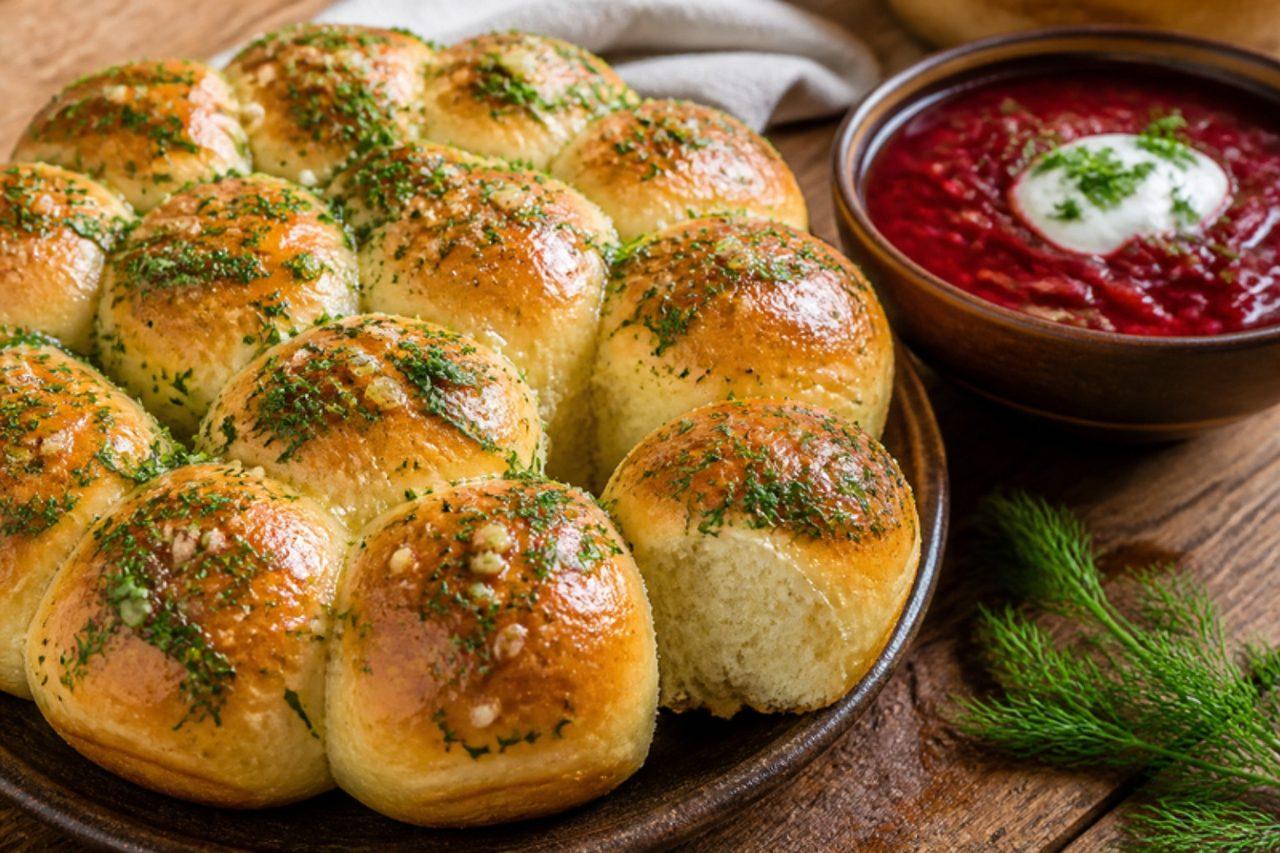
Pampushky are the small, pillowy yeast rolls that arrive in a basket next to borshch in any Ukrainian restaurant, from Kyiv to Poltava, glistening with a raw garlic and dill dressing. They are baked tightly packed in one tin so they pull apart with soft sides and golden tops, and the sharp garlic is the perfect partner for sweet, sour beetroot soup. Sweet pampushky, fried and dusted with sugar, also exist; this is the savoury baked kind. Chef's tip: brush on the garlic oil while the rolls are still hot from the oven, so they drink it in; common mistake is brushing them before baking, which burns the garlic bitter.

by KrazyBadal 0 views

KosambariMoong dal and cucumber salad

No Karnataka festival lunch on a banana leaf is complete without a spoonful of kosambari at the top left corner. This raw salad of soaked split moong dal, cucumber, carrot and fresh coconut, sharpened with lemon and finished with a mustard-seed tempering, is especially made for Ram Navami, when it is offered in temples with panaka (jaggery water), and for Ugadi and weddings. It is crunchy, cool and refreshing, and packed with protein. Chef's tip: add the salt and lemon only just before serving; salted cucumber weeps water and turns the salad soggy within half an hour.

by KrazyBadal 0 views

Showing 36 of 10,569 recipes

Show more recipes

Page 1,006 of 1,175