


Skip to content
Mock mint choc
Featured recipe

Mock mint choc

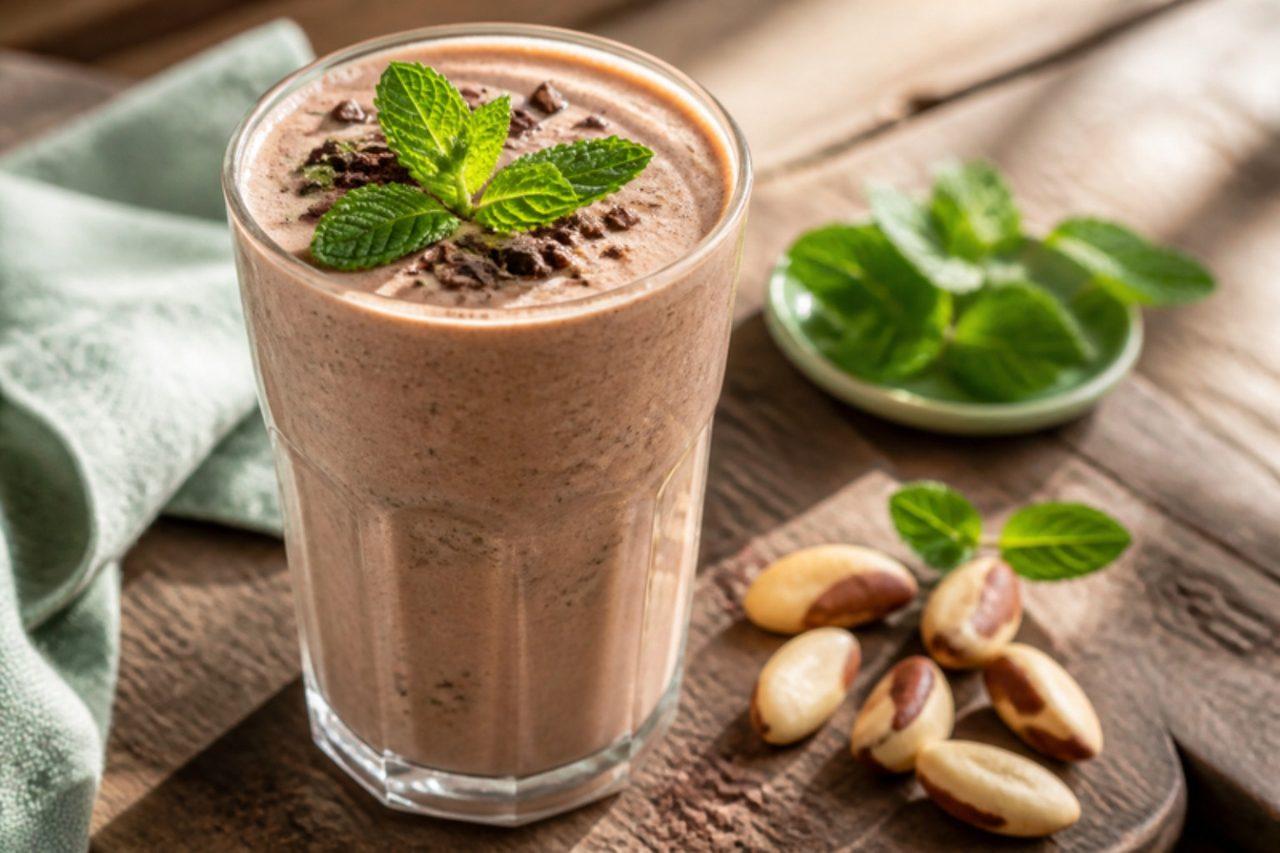
Carob and mint milk shake

A chocolatey-tasting shake made with carob powder instead of chocolate, blended with milk, yogurt, honey, fresh mint and ground brazil nuts. Creamy and lightly minty. Serve cold.

Read more 1 views

What to eat today?

Around the world

Today's trip: Persian

A new country every day, from every cuisine on the site.

Persian

Persian halva

Saffron rose flour halva 40 minMore from Persian (181) →

This week's collection

Kid-friendly dinners
772 recipes · a new collection every Monday

Coming up

All occasions →

Latest recipes

Okayama barazushiScattered sushi with vegetables

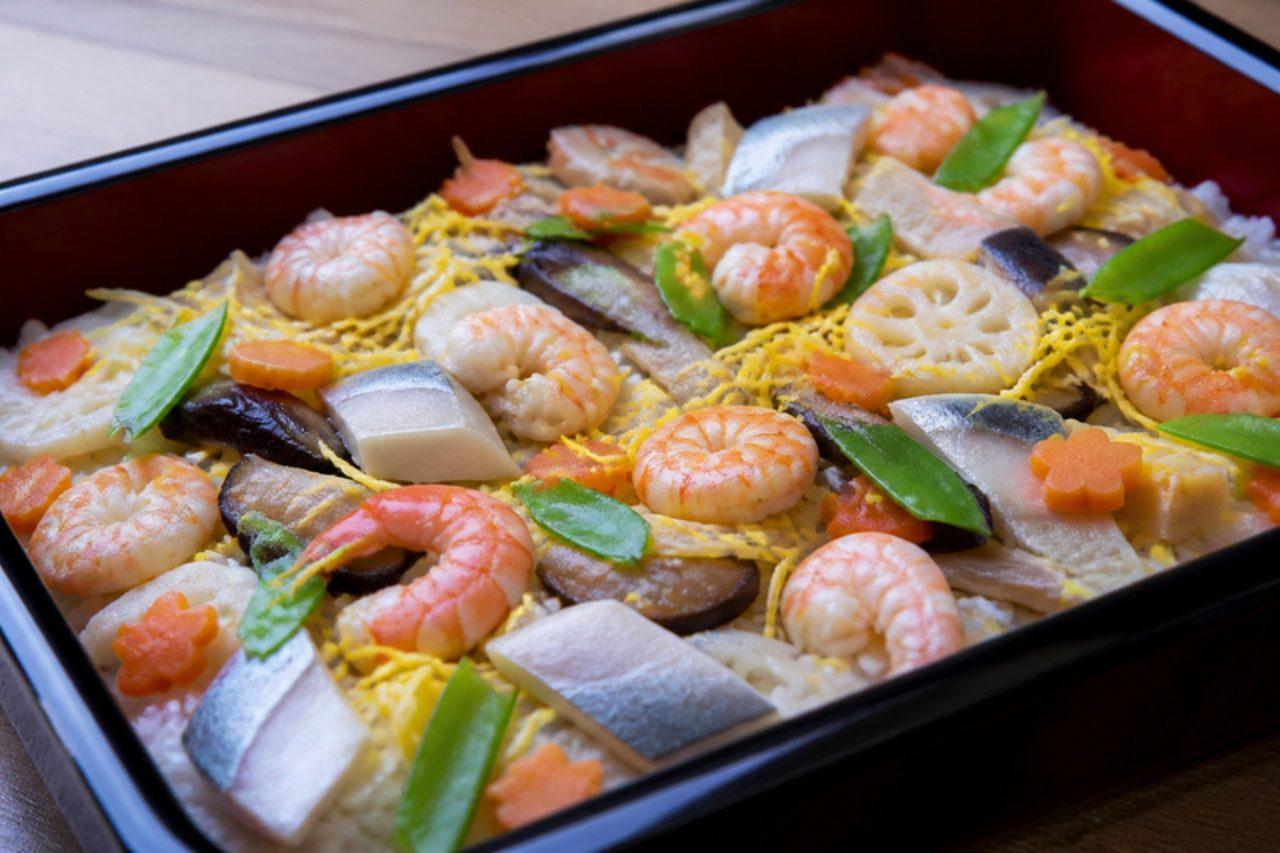
Okayama families make a big shallow platter of barazushi for the autumn shrine festivals, Girls' Day in March and other celebrations, and it is sold in station lunch boxes all year. A local story says it began when a lord ordered people to eat only one side dish, so cooks hid everything in the rice instead. The seasoned rice is mixed with simmered vegetables and topped with seafood from the Seto Inland Sea. This version uses cooked prawns, gently simmered squid and egg threads, plus ready-made vinegared mackerel, which is cured but not cooked. Use very fresh, sushi-grade fish from a trusted fishmonger; not for pregnant women, young children or anyone with a weakened immune system. Leave the mackerel out, or add extra prawns, to make it fully cooked. Chef's tip: fold the vinegar into the rice while it is hot and fan it as you go; the rice soaks up the seasoning and turns glossy instead of wet.

by KrazyBadal 0 views

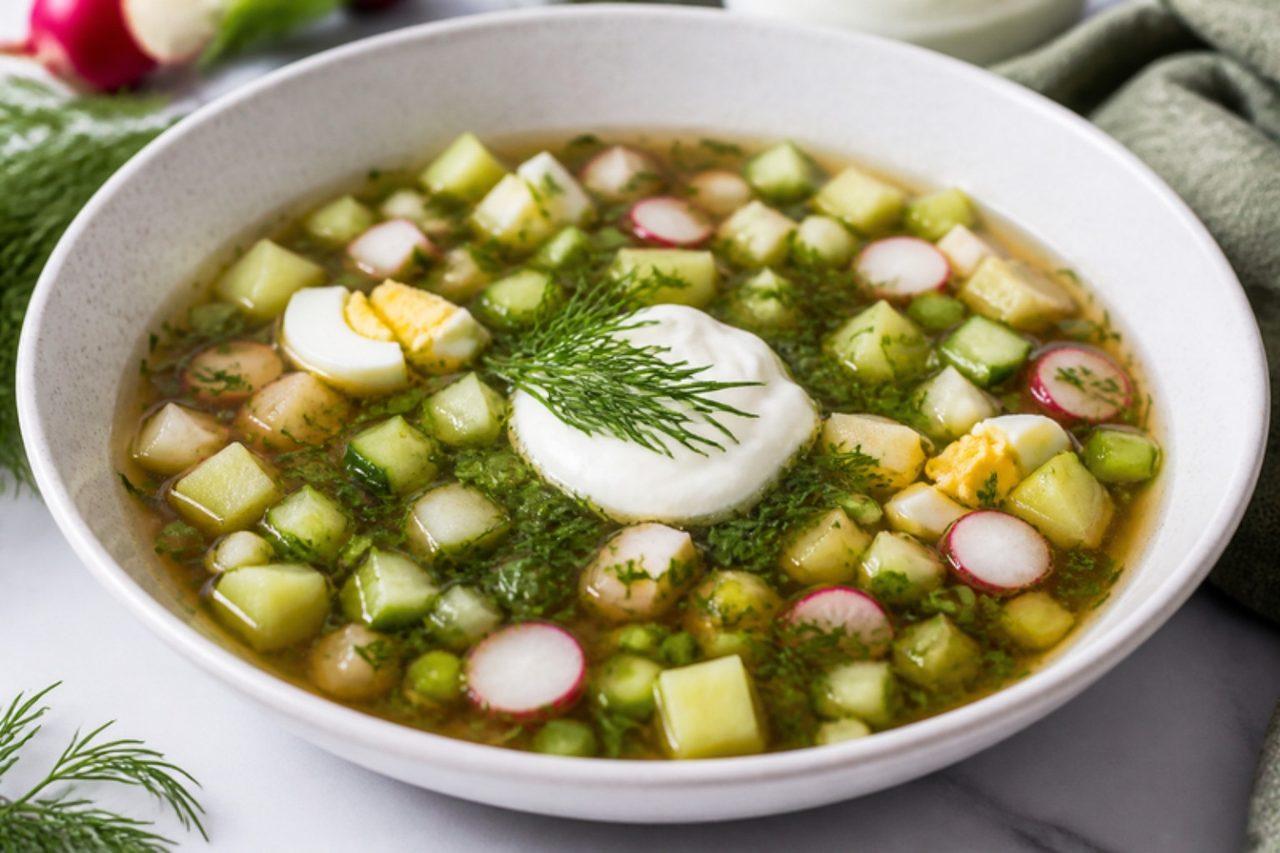
OkroshkaCold vegetable and kvass soup

When Moscow swelters in July, okroshka replaces every hot soup: a bowl of finely chopped radishes, cucumber, potato, egg and a forest of green onion and dill, with ice-cold kvass poured over at the table. It is the lunch of dacha weekends and of hot afternoons on the Volga, and families argue over whether kvass or kefir is the right base (kefir works well and is less sweet). The name comes from kroshit, to crumble, since everything is chopped small. Chef's tip: rub the spring onions and dill with salt first until they give off juice; it releases a green, pungent flavour that tastes of summer.

by KrazyBadal 0 views

Caldo de resBeef shank soup

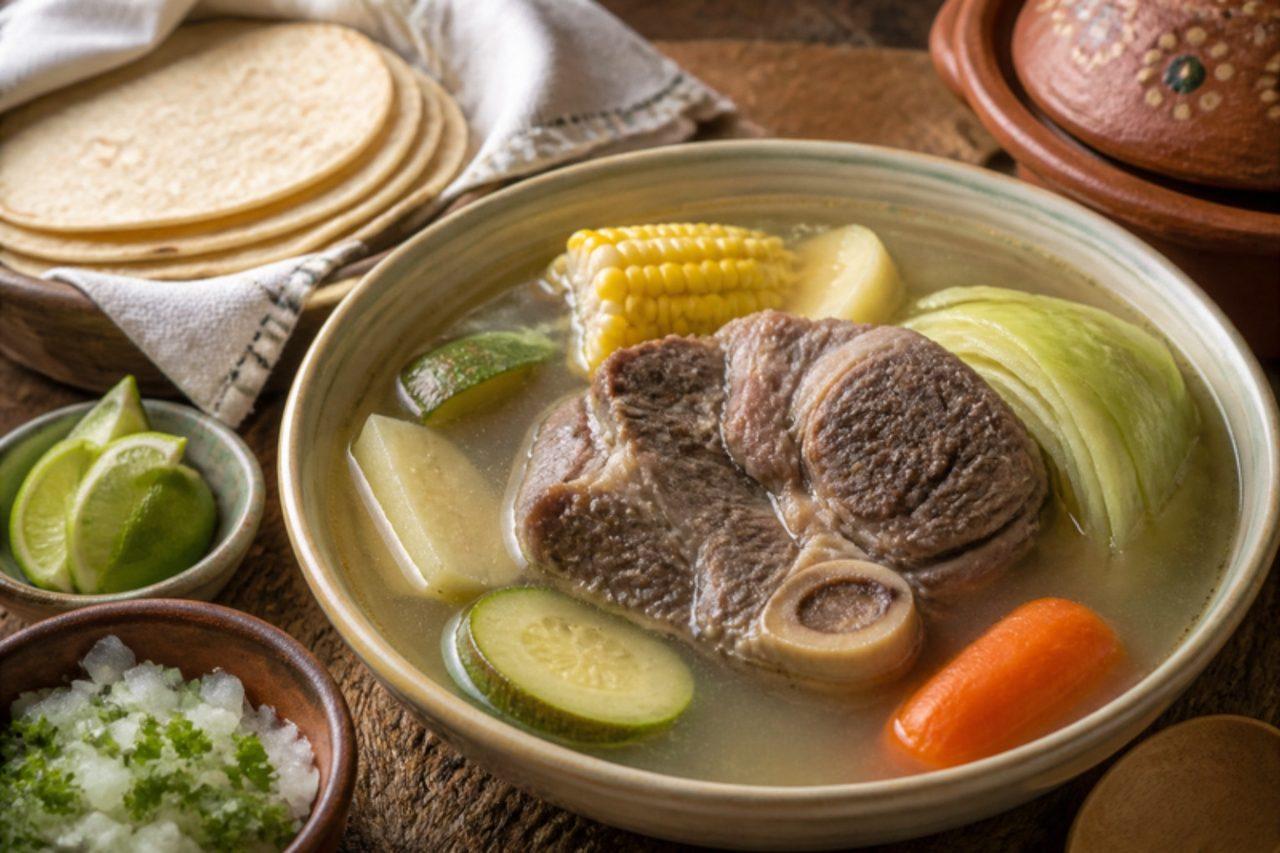
Ask almost any family in Mexico about Sunday lunch or a cold, rainy afternoon and caldo de res comes up: bone-in beef shank simmered for hours, then filled with big pieces of corn on the cob, carrot, potato, courgette and cabbage, so each bowl is a meal. Fondas from Monterrey to Mexico City sell it at midday with Mexican red rice, warm tortillas and a dish of chopped serrano and onion. The marrow from the shank bones enriches the clear broth. Chef's tip: add the vegetables in stages, the hard ones first, so everything is tender at the same time and nothing turns to mush.

205 minMexicanSoupsGluten free
by KrazyBadal 0 views

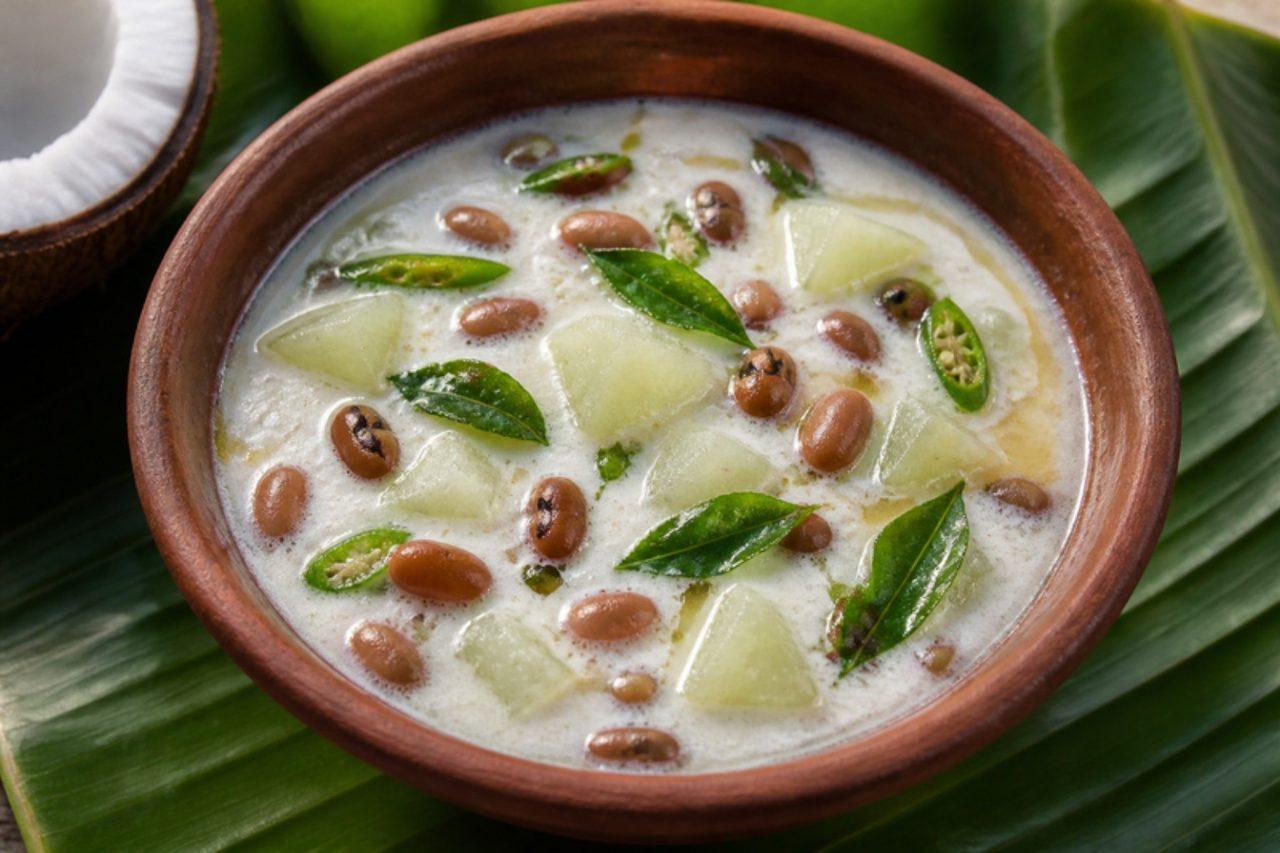
OlanAsh gourd and cowpea stew

Olan is the quietest dish on a Travancore sadya leaf, the banana-leaf feast served in southern Kerala for Onam, weddings and temple festivals. Thin, glassy slices of ash gourd and soft red cowpeas sit in coconut milk with nothing louder than green chilli and curry leaves, and its job is to cool the palate between the tangy, fiery curries around it. The flavour comes from coconut milk added in two stages and a spoonful of raw coconut oil poured over at the end. Eat it with plain rice, or ladle it beside appam on an ordinary weekday. Chef's tip: slice the ash gourd as thin as a coin so it turns translucent in the time the coconut milk takes to thicken.

by KrazyBadal 0 views

Vegetable chorba frikTomato soup with green wheat

Chorba frik is the soup that breaks the fast in Algerian homes every evening of Ramadan, from Algiers to Constantine, and it is just as common in Libya as shorba. Frik is young green wheat, roasted and cracked, which gives the tomato broth a smoky, nutty depth. It usually cooks with lamb; here chickpeas, celery and courgette carry it. Serve with lemon wedges and bread. Chef's tip: add the frik only once the broth is boiling and stir for the first minute, or it sinks and sticks.

by KrazyBadal 0 views

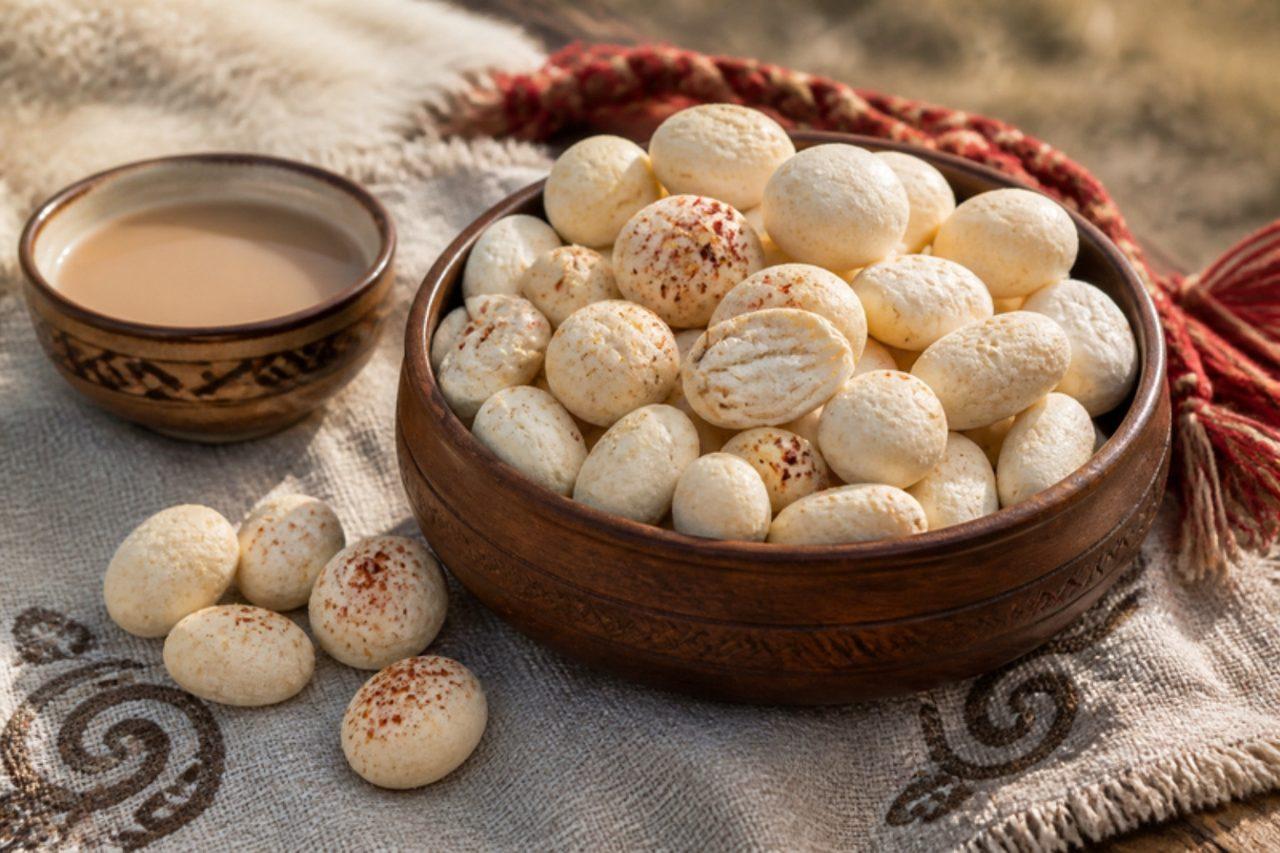
KurtDried salted yogurt balls

Kurt is the snack of the steppe: thick, salted yogurt pressed into balls and dried until rock-hard, so it keeps for months in a saddlebag. Herders in Kazakhstan and Kyrgyzstan make it in summer, when the animals give the most milk, and dry it on reed mats in the sun. Children suck on it like a sweet, adults crumble it into soups, or dissolve it in hot water to make a sour drink. Bazaars from Shymkent to Bishkek sell it in white, smoked and red-pepper versions. Chef's tip: drain the yogurt until it's as firm as cream cheese; if it's still wet the balls crack and turn mouldy before they dry.

by KrazyBadal 0 views

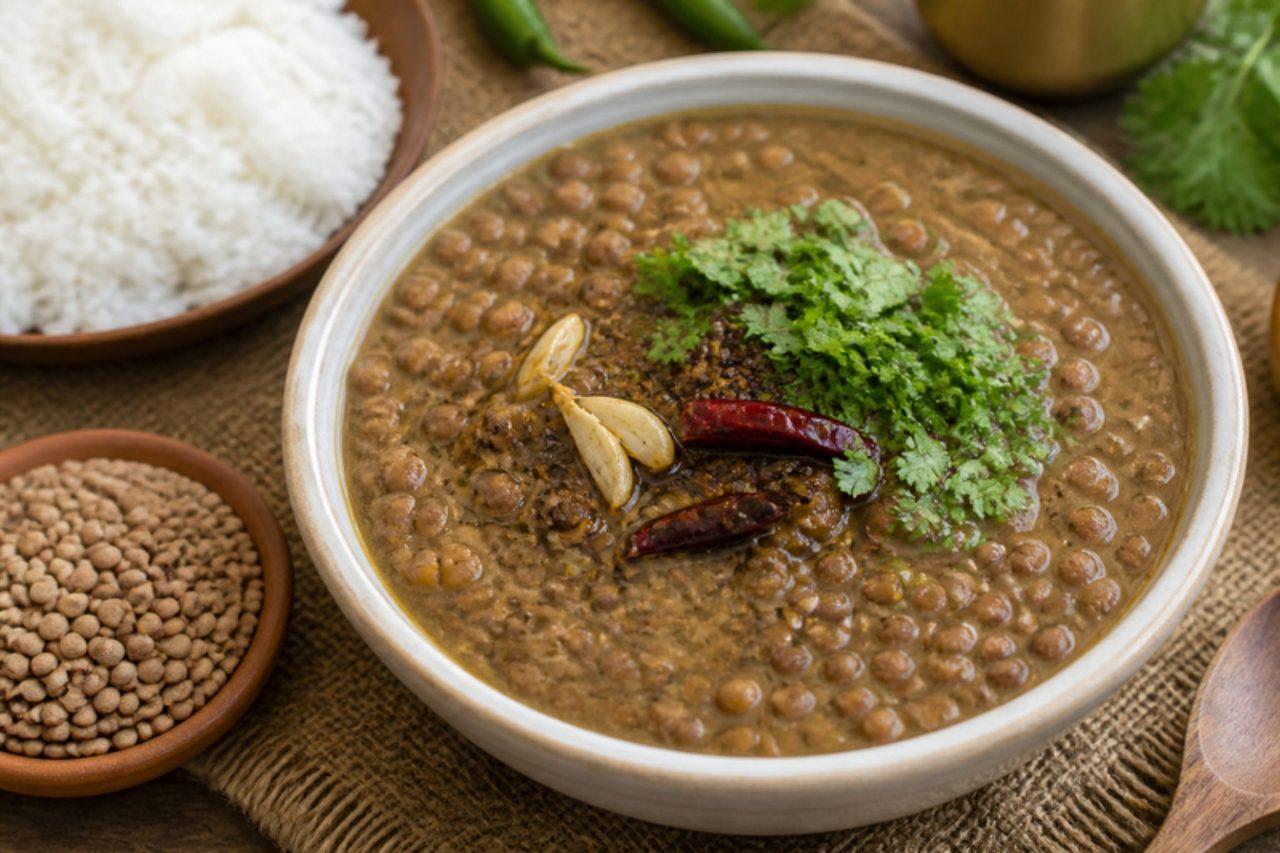
Kurthi dalHorse gram dal

Kurthi, as horse gram is called in Jharkhand, grows on poor, dry upland soil where little else will, and it has fed the plateau's Adivasi and farming families for centuries. Cooked slowly into dal, it is dark, earthy and filling, with a slightly smoky taste, and it is eaten through the cold months with rice and a dry vegetable, as it is believed to warm the body. The tempering of garlic, dried chilli and smoking mustard oil is what makes it Jharkhandi. Chef's tip: mash a ladle of the cooked gram against the side of the pot; it thickens the dal without any flour.

by KrazyBadal 0 views

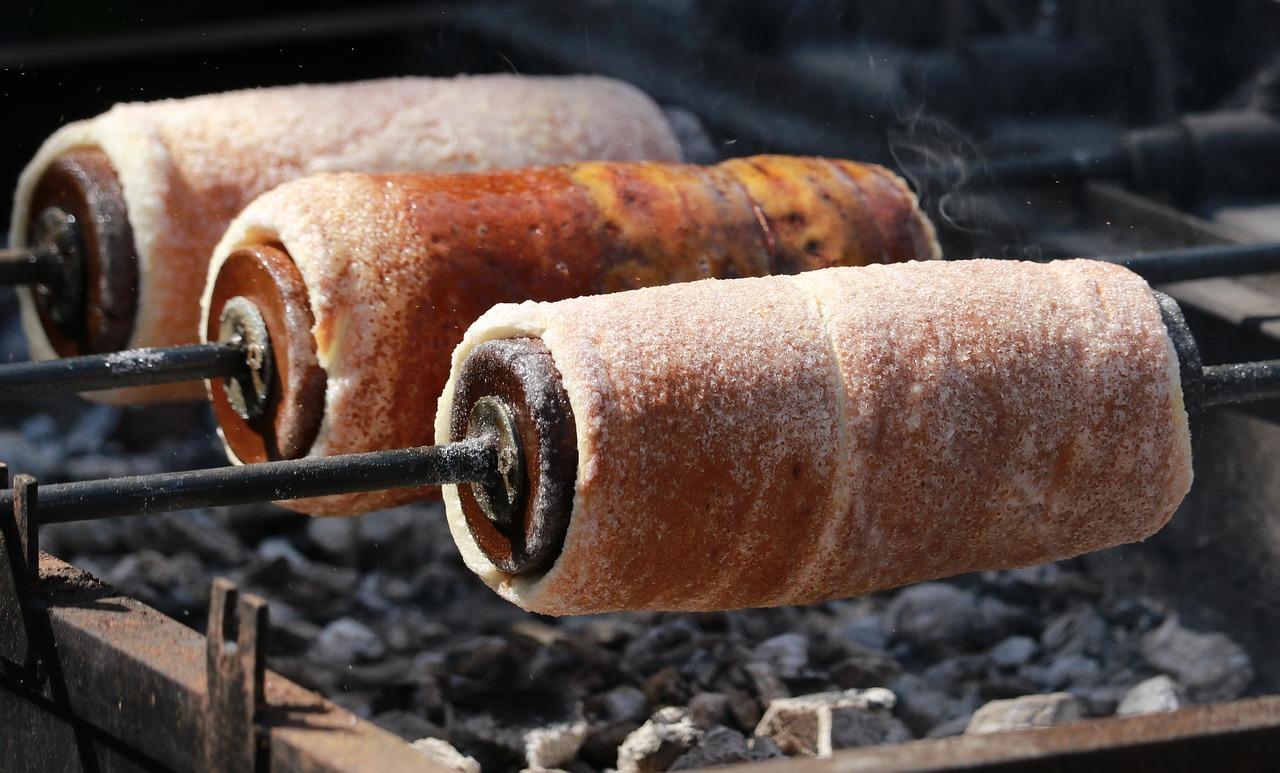
KürtőskalácsChimney cake

Kürtőskalács, or chimney cake, comes from the Székely Hungarian villages of Transylvania and is now sold at every Budapest Christmas market and summer festival, turning on spits over glowing coals. A strip of sweet yeast dough is wound around a wooden roller, rolled in sugar and baked until the sugar caramelises into a thin, crackling shell; you unwind the soft, steaming spiral as you eat it. At home you can bake it in the oven on foil-wrapped rolling pins or tins. Chef's tip: press the dough spiral firmly into the sugar before baking; loose sugar falls off, but pressed sugar melts into the glassy crust. A common mistake is leaving gaps between the strips, which makes the cake tear apart when you slide it off.

by KrazyBadal 0 views

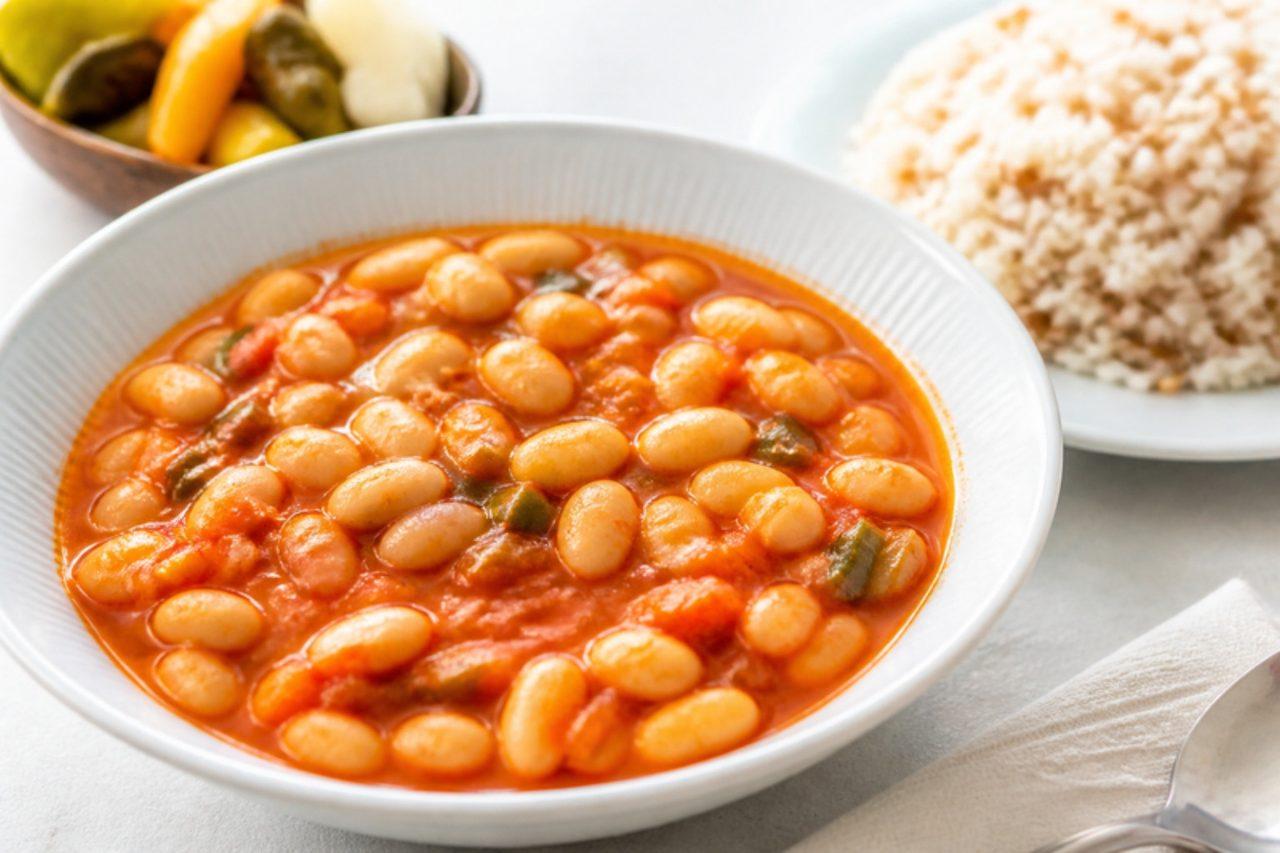
Kuru fasulyeWhite bean stew

Kuru fasulye is close to a national dish in Turkey: a pot of white beans stewed in a red, paprika-scented sauce, eaten with rice pilaf, pickles (turşu) and raw onion at home and in the bean restaurants of Istanbul's Süleymaniye district. Many versions start with lamb or sucuk; this one leans on good olive oil, sweet and hot pepper paste and slow cooking, so the beans become creamy inside and the sauce silky and rich. It is a winter Friday-night staple for lots of families and tastes even better reheated the next day. Serve with domatesli bulgur pilavı or plain rice, a wedge of onion and crusty bread. Chef's tip: add the salt only once the beans are almost tender; salting at the start keeps the skins tough however long you cook them.

by KrazyBadal 0 views

CozonacSweet braided bread

Cozonac is the festive loaf every Romanian family bakes for Easter and Christmas, filling kitchens from Craiova to Suceava with the smell of butter, rum, lemon and orange zest. The rich yeast dough is rolled around a walnut and cocoa filling studded with pieces of rahat (Turkish delight), then braided and baked in a tall loaf tin so each slice shows a dark swirl. Unlike Slovenian potica, which is rolled into a thin spiral ring, cozonac is a braided loaf. It is eaten in thick slices with coffee on the feast mornings. Chef's tip: knead until the dough is silky and comes away from the bowl, then be patient with the rises; under-proving is the classic mistake and gives a dense, heavy loaf.

by KrazyBadal 0 views

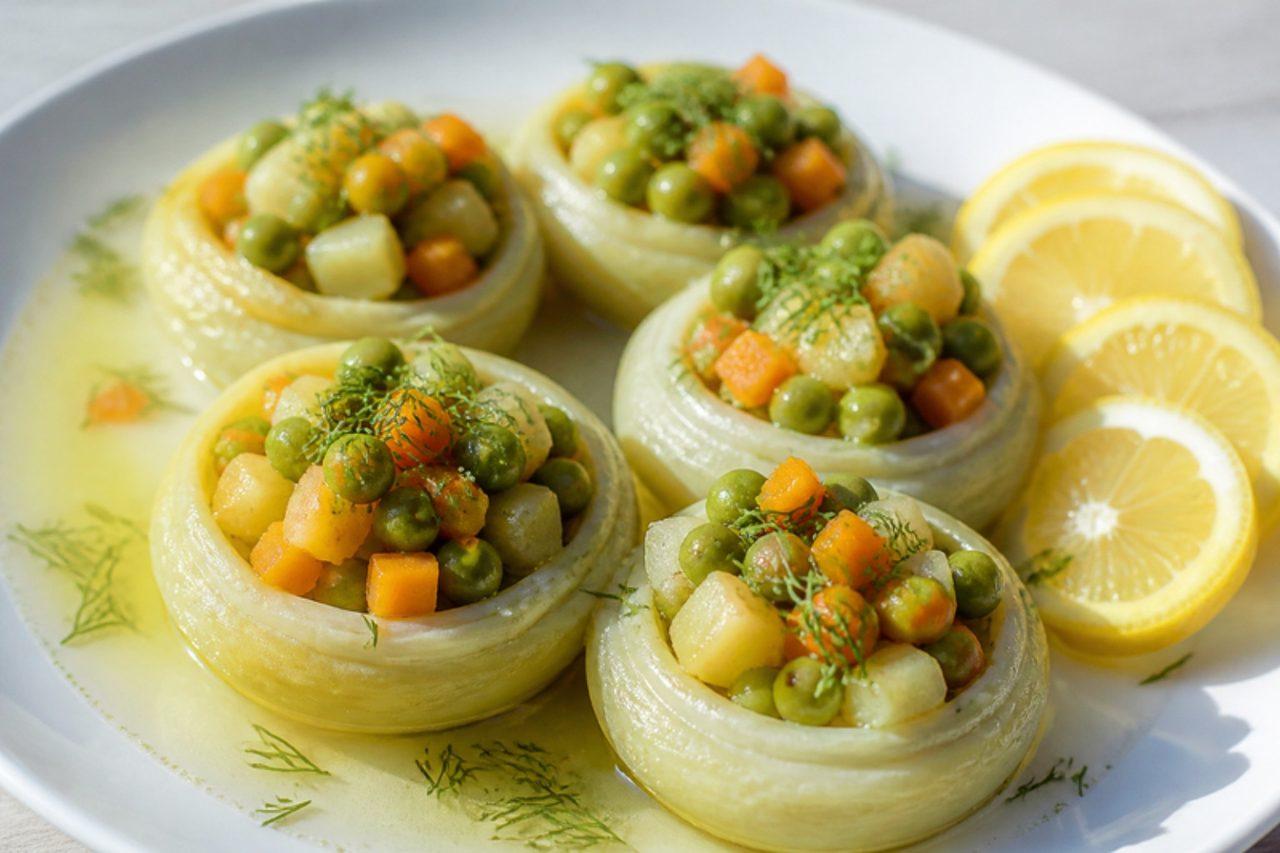
Zeytinyağlı enginarArtichokes braised with peas

In spring, when globe artichokes pile up on stalls in İzmir and Urla, market sellers trim them on the spot into pale hearts kept in lemon water, and families take them home to make zeytinyağlı enginar. The hearts are braised cup-side up with small onions, carrots, potato and peas in olive oil and lemon, then served cold with a shower of dill, often as the first course of a spring dinner. The classic mistake is leaving trimmed artichokes in the air: they turn grey within minutes. Chef's tip: rub every cut surface with lemon as you go and drop the hearts straight into water with lemon juice and a spoonful of flour, which keeps them pale and cream-coloured.

by KrazyBadal 0 views

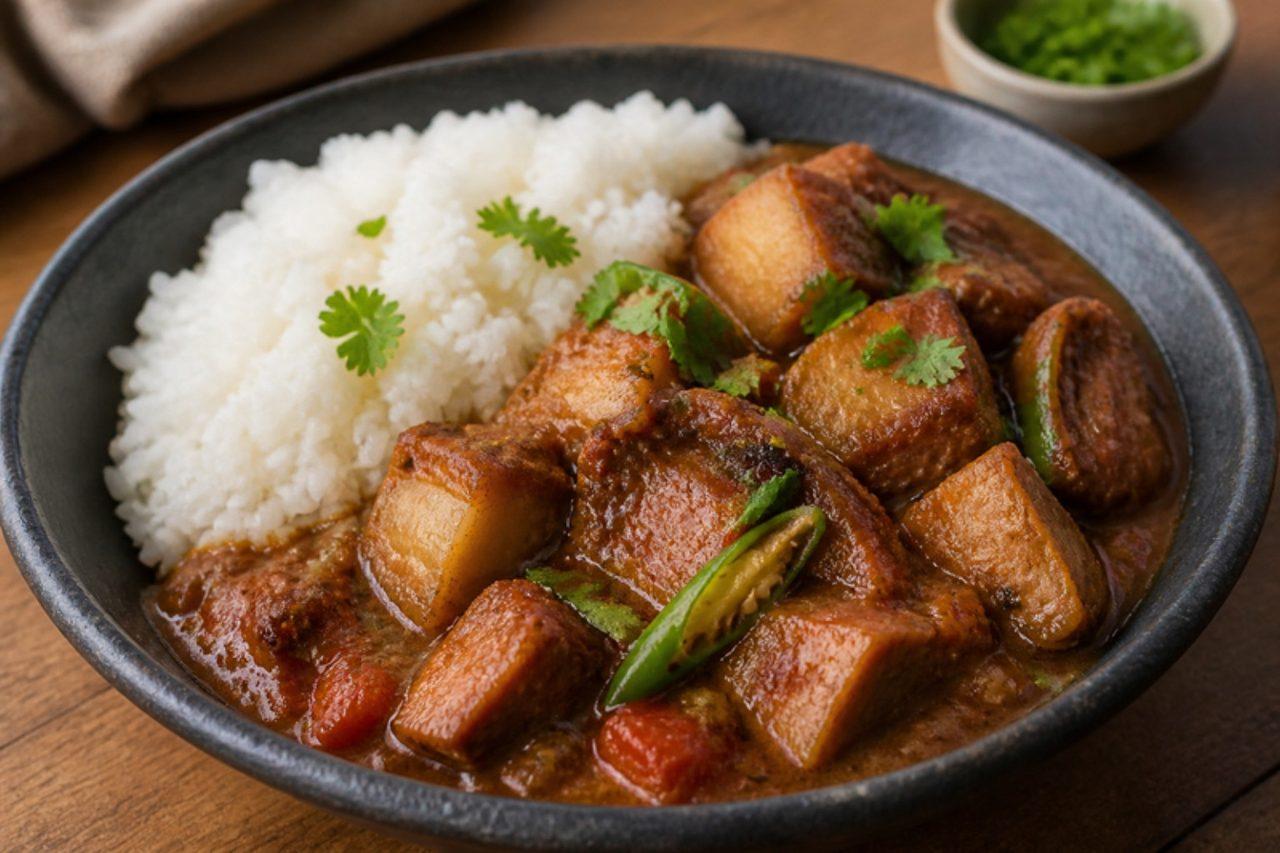
Axone porkPork with fermented soybean

Axone, called akhuni in the Sumi Naga language, is soybean fermented in banana leaves until it is pungent and deeply savoury, and pork cooked with it is a signature of the Sumi people of Zunheboto in Nagaland. The smell is strong while it cooks, but the finished curry tastes rich, earthy and meaty, sharpened by tomato and chilli. Serve with rice and a green vegetable. Chef's tip: open a window and warn the household; axone is famously smelly in the pan and wonderful on the plate.

75 minIndianMeatGluten freeSpicy
by KrazyBadal 0 views

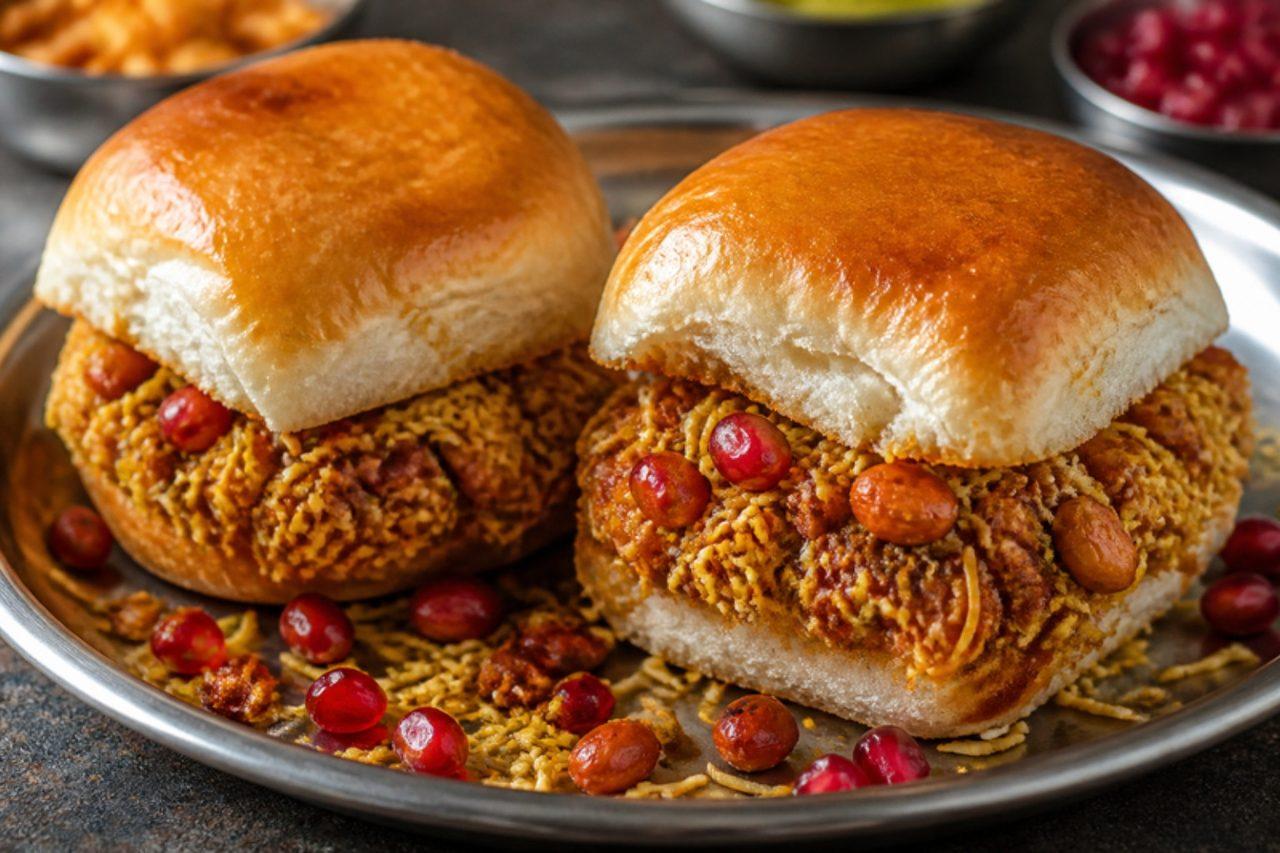
Kutchi dabeliSpiced potato buns

Dabeli was born in Mandvi, a port town in Kutch, Gujarat, and spread from there to every street corner in Mumbai. Soft pav are split, spread with sweet tamarind and fiery garlic chutneys, and stuffed with a potato filling spiced with dabeli masala, a warming blend of roasted coriander, cumin, cinnamon, clove and dried chilli. Masala peanuts, pomegranate seeds, onion and sev add crunch and sparkle, and the buns are toasted in butter until crisp at the edges. Children love them for the sweetness, adults for the heat. Chef's tip: make the dabeli masala yourself and toast the whole spices until they just smell warm; shop-bought powders lack that fresh, smoky sweetness, and a jar keeps for a month.

by KrazyBadal 0 views

KutiaWheat berries with poppy seeds

Kutia is the first dish tasted on Ukrainian Christmas Eve, once the first star appears in the sky: a bowl of whole wheat berries mixed with ground poppy seed 'milk', honey, walnuts and raisins. Families in Lviv, Ternopil and the villages of the west traditionally throw a spoonful at the ceiling for luck and set a bowl aside for departed relatives, and the head of the house greets the evening with it. It is eaten at room temperature, sweet, nutty and chewy, and the spoon must touch every guest's plate. Chef's tip: soak and grind the poppy seed until it turns white and milky; common mistake is using it whole, which leaves kutia gritty and grey instead of creamy.

by KrazyBadal 0 views

Bubble tea with brown sugar pearlsMilk tea with tapioca pearls

Pearl milk tea (zhen zhu nai cha) was born in Taichung, Taiwan, in the 1980s and has since spread to tea shops in every Chinese city. Strong black tea is shaken with milk and ice over dark, chewy tapioca pearls soaked in brown sugar syrup. Store-bought quick-cook pearls make it easy at home; kids love the big straws. Chef's tip: cook the pearls right before serving; after a couple of hours they go hard, and they can't be revived in the fridge.

by KrazyBadal 0 views

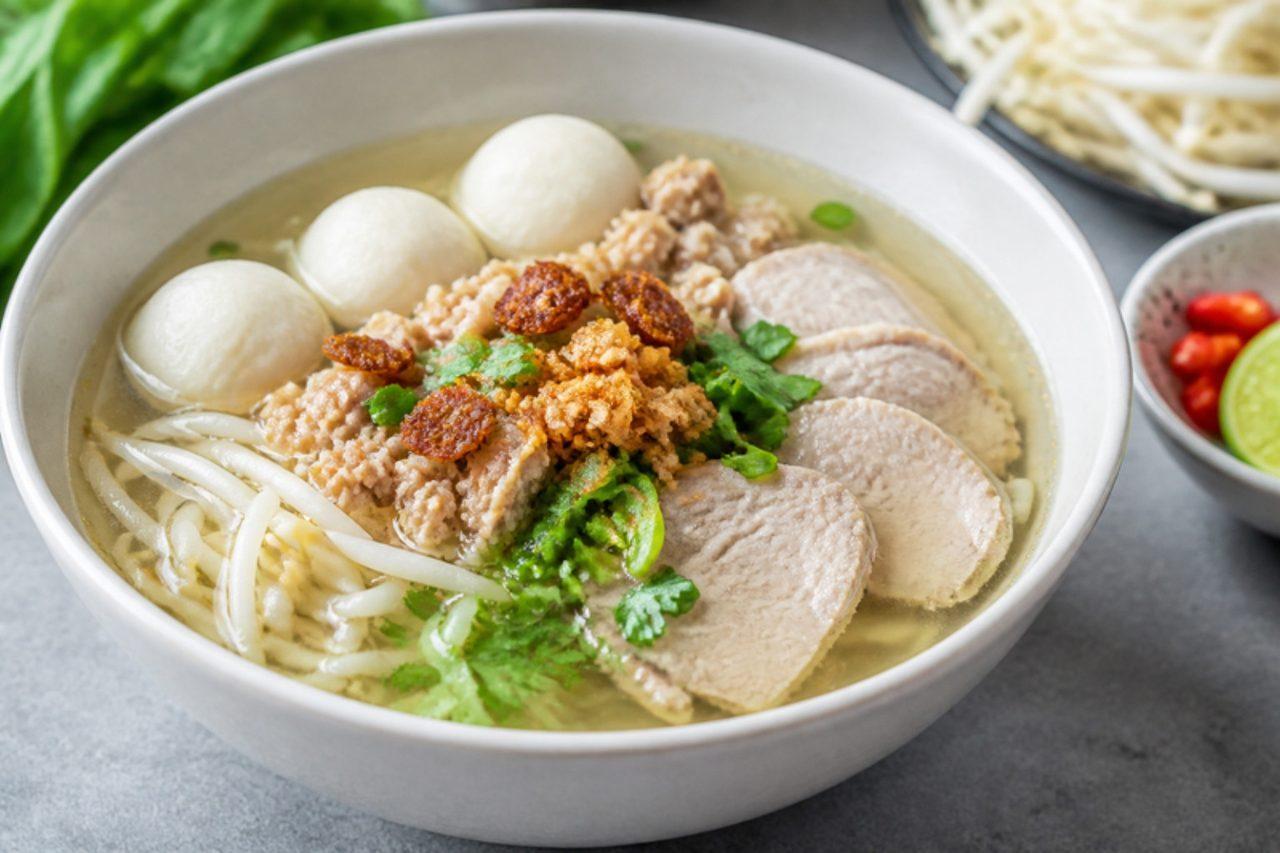
Kuy teavPork bone rice noodle soup

Kuy teav is what Phnom Penh eats for breakfast: before 8 am the city's street stalls and markets are busy with people bent over bowls of it. It is a pork soup: a clear, slightly sweet broth simmered from pork bones with dried squid or shrimp and charred onion is poured over rice noodles, sliced pork, minced pork and prawns, and everyone finishes their bowl with lime, chilli, bean sprouts and fried garlic. Chef's tip: never boil the broth hard; keep it barely trembling so it stays crystal clear.

by KrazyBadal 0 views

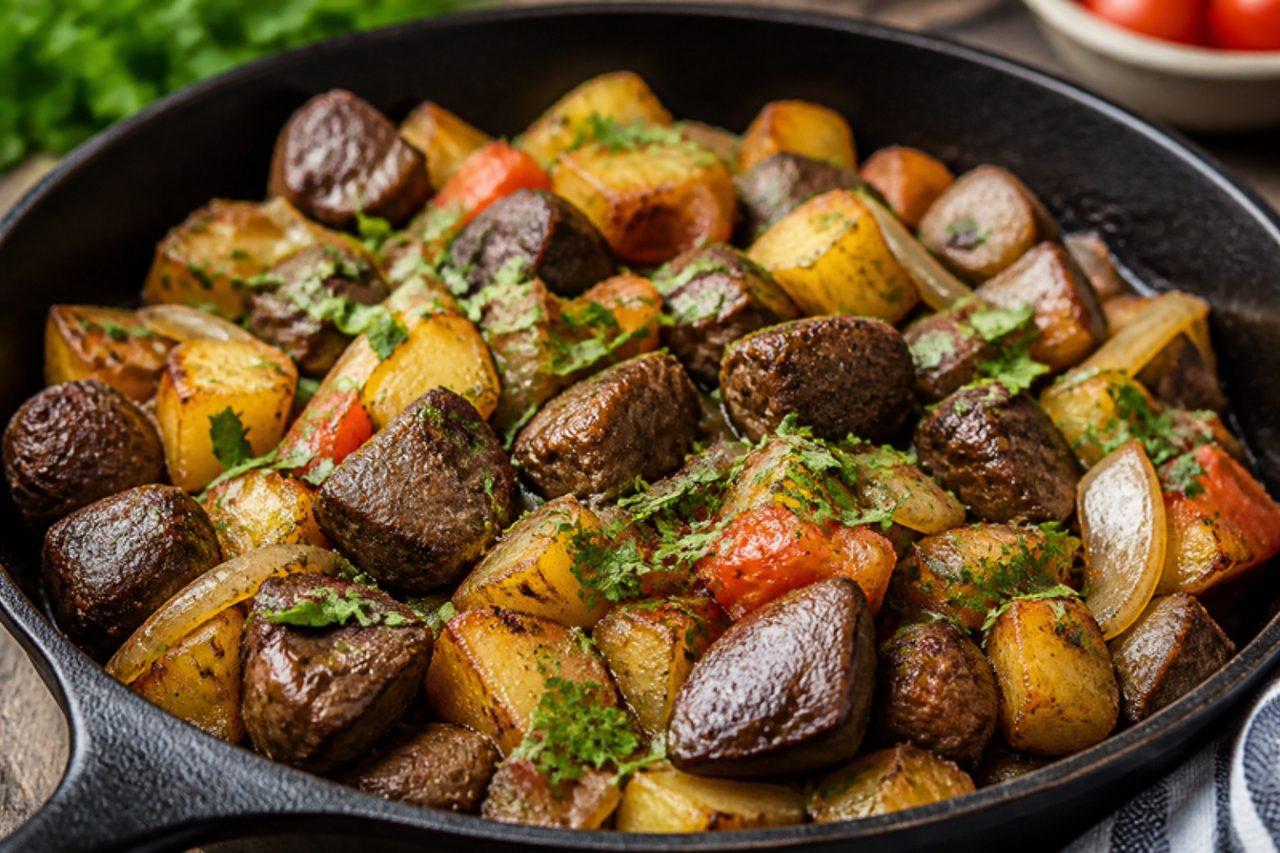
KuyrdakFried lamb with offal

Kuyrdak is the first meal cooked when a sheep is slaughtered on a Kazakh farm, made quickly from the freshest cuts and the offal: lamb meat, liver, heart and kidneys fried in a kazan with onion and potatoes. Today it is an everyday dish in Almaty and the steppe villages, eaten hot from the pan with bread and strong tea. Every part is cut to the same size so it all cooks evenly. Overcooking the liver is the most common fault; it goes in last and should be just cooked through and still soft, not grainy. Chef's tip: soak the kidneys in salted cold water for 30 minutes to remove any strong smell.

80 minKazakhMeatGluten free
by KrazyBadal 0 views

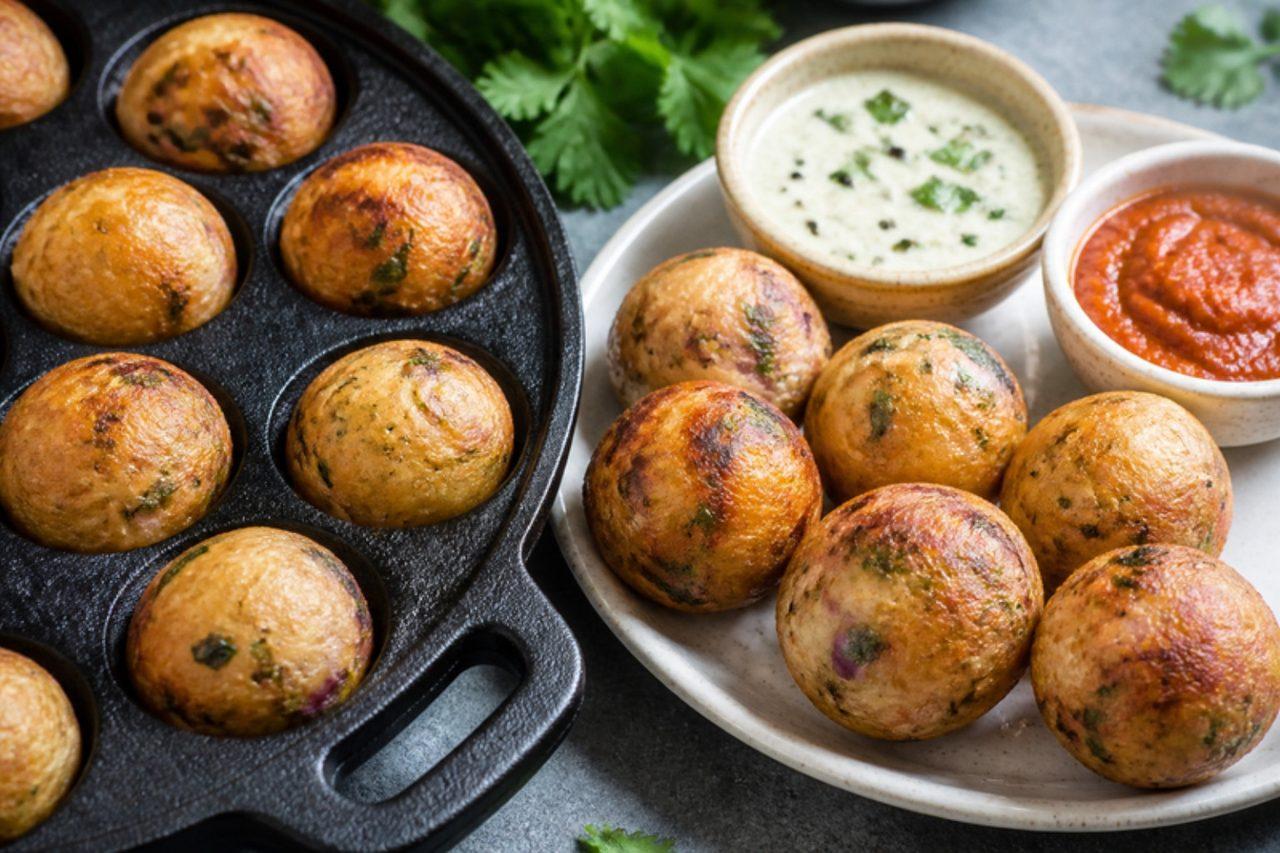
Kuzhi paniyaramSavoury rice dumplings

In Chettinad, kuzhi paniyaram is what happens to the last of the idli and dosa batter: it's mixed with shallots, chilli and curry leaves and cooked in a cast-iron pan full of round hollows until each ball is crisp and golden outside and soft as idli inside. Karaikudi households make them for evening tiffin and they're sold hot from street griddles in Madurai. Eat them straight from the pan with coconut chutney or a red tomato-onion kara chutney. Chef's tip: use batter that's a day or two old and slightly sour; it gives lighter, puffier paniyarams than fresh batter.

by KrazyBadal 0 views

ChoripánChorizo sandwich

Choripán is what fans buy outside football stadiums in Buenos Aires, what the asador hands round while the beef is still cooking, and what stalls sell along Costanera Sur on a Sunday afternoon. This is a pork dish: a fat Argentine-style fresh chorizo (pork, sometimes mixed with beef) is grilled slowly, split open (a mariposa) and tucked into a crusty roll with chimichurri or salsa criolla. That's it, and it doesn't need more. The common mistake is grilling the chorizos too hot, so the skins burst and the centre stays raw; low and slow is the rule. Chef's tip: once cooked, split each chorizo lengthways and give the cut sides 1 minute on the grill so they char a little.

by KrazyBadal 0 views

OliebollenRaisin fritters

On the last day of December the queues outside the oliebollenkraam, the caravan-like stalls that pop up in every Dutch town, stretch round the block. Oliebollen ('oil balls') are the food of Oudejaarsavond, New Year's Eve: round, yeasted fritters full of raisins, currants and apple, deep-fried and buried in icing sugar. Families fry big batches at home in the afternoon and eat them with champagne at midnight. They are best within a few hours. Chef's tip: dip your two scooping spoons in the hot oil before each ball; the sticky dough slides off cleanly and the balls come out round instead of ragged.

by KrazyBadal 0 views

KwatiMixed sprouted bean soup

Kwati is a thick, warming soup of nine kinds of sprouted beans that the Newar families of the Kathmandu Valley cook on Janai Purnima, the August full moon also called Kwati Punhi, when the monsoon is at its height and people are said to need strength against the damp. The mix usually includes black gram, green mung, chickpeas, soybeans, field peas, kidney beans, cowpeas, field beans and rice beans, soaked and sprouted for two or three days beforehand, then cooked with ajwain, ginger, garlic, tomato and a pinch of timur. Markets in Asan sell ready-mixed kwati beans in the week before the festival. It is eaten in bowls with beaten rice or simply on its own. The mistake people make is skipping the sprouting, which leaves the soup heavy and the beans hard. Chef's tip: fry the ajwain until it crackles; its thyme-like warmth makes the beans easier to digest and is the flavour of the festival.

by KrazyBadal 0 views

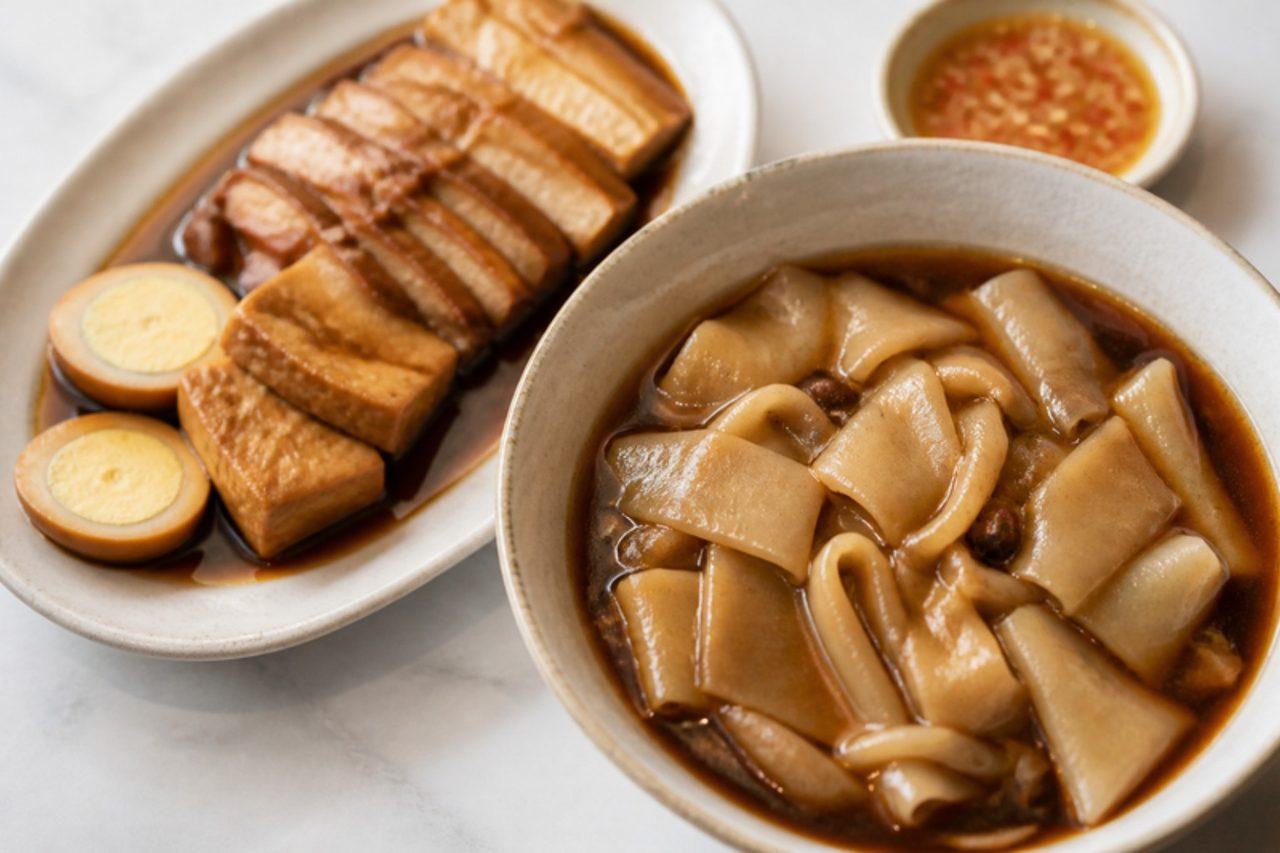
Kway chapRice sheets in braising broth

Breakfast in Shantou and Chaozhou often means a steaming bowl of kway chap from a market stall: squares of rice sheet simmered until soft and silky in a dark, gently spiced broth, with braised pork belly, tofu and eggs on the side. Teochew emigrants carried it to Singapore, where it became a hawker centre favourite, but the original is simpler, cheaper and very comforting on a cool morning. The broth tastes of soy, star anise and cinnamon, slightly sweet, and the rice sheets drink it up. Eat it with chilli vinegar, pickled mustard greens and plenty of white pepper. Chef's tip: braise the pork the night before; the flavours settle and you can lift the hardened fat off the top.

by KrazyBadal 0 views

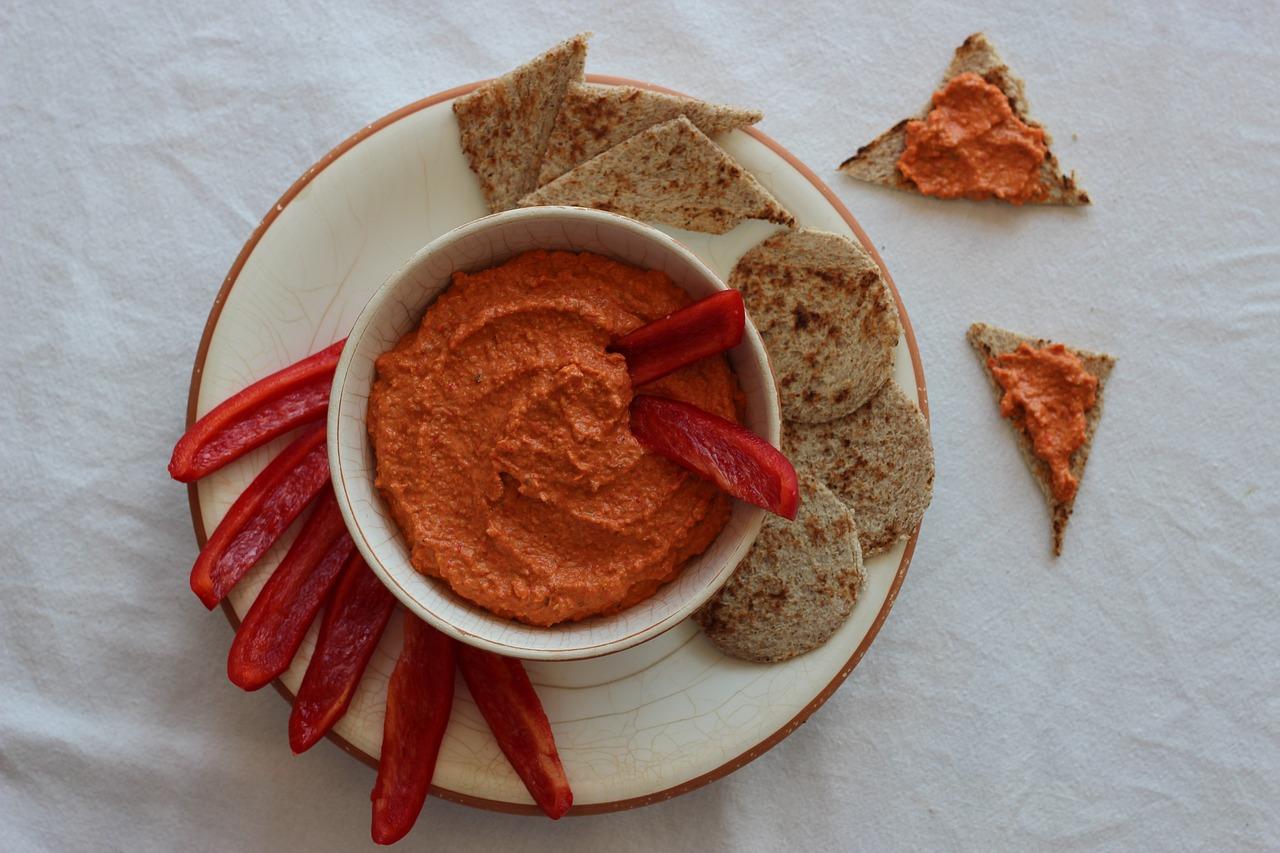
MuhammaraRed pepper and walnut spread

Gaziantep, a city on Turkey's southern border famous for pistachios and pepper paste, claims muhammara as its own, and you will find it on breakfast spreads and meze tables throughout the southeast. Roasted red peppers, walnuts and breadcrumbs are pounded with pepper paste, cumin and pomegranate molasses into a thick, brick-red spread that is smoky, nutty and gently hot. Spread it on bread, serve it with crudités or alongside a bowl of lentil soup. A common mistake is blending until completely smooth; it should keep a little bite from the walnuts. Chef's tip: toast the walnuts in a dry pan first until they smell like brown butter, which deepens the flavour far more than raw nuts.

by KrazyBadal 0 views

Kyiv cakeHazelnut meringue cake

Kyiv cake was created in 1956 at the Karl Marx confectionery factory in Kyiv, and for decades a round box tied with string, bought at the station kiosk, was the souvenir every visitor carried home from the capital. Two crisp, chewy layers of nut meringue are sandwiched with a rich vanilla and cocoa buttercream and decorated with more cream. It contains no flour, so it is naturally gluten free, and no gelatine. Our home version uses hazelnuts, as the original did before cashews became the norm. Chef's tip: dry the meringue long and slow and let it cool in the switched-off oven; common mistake is pulling it out too early, when it is still soft inside, and then it turns sticky and collapses under the cream.

by KrazyBadal 0 views

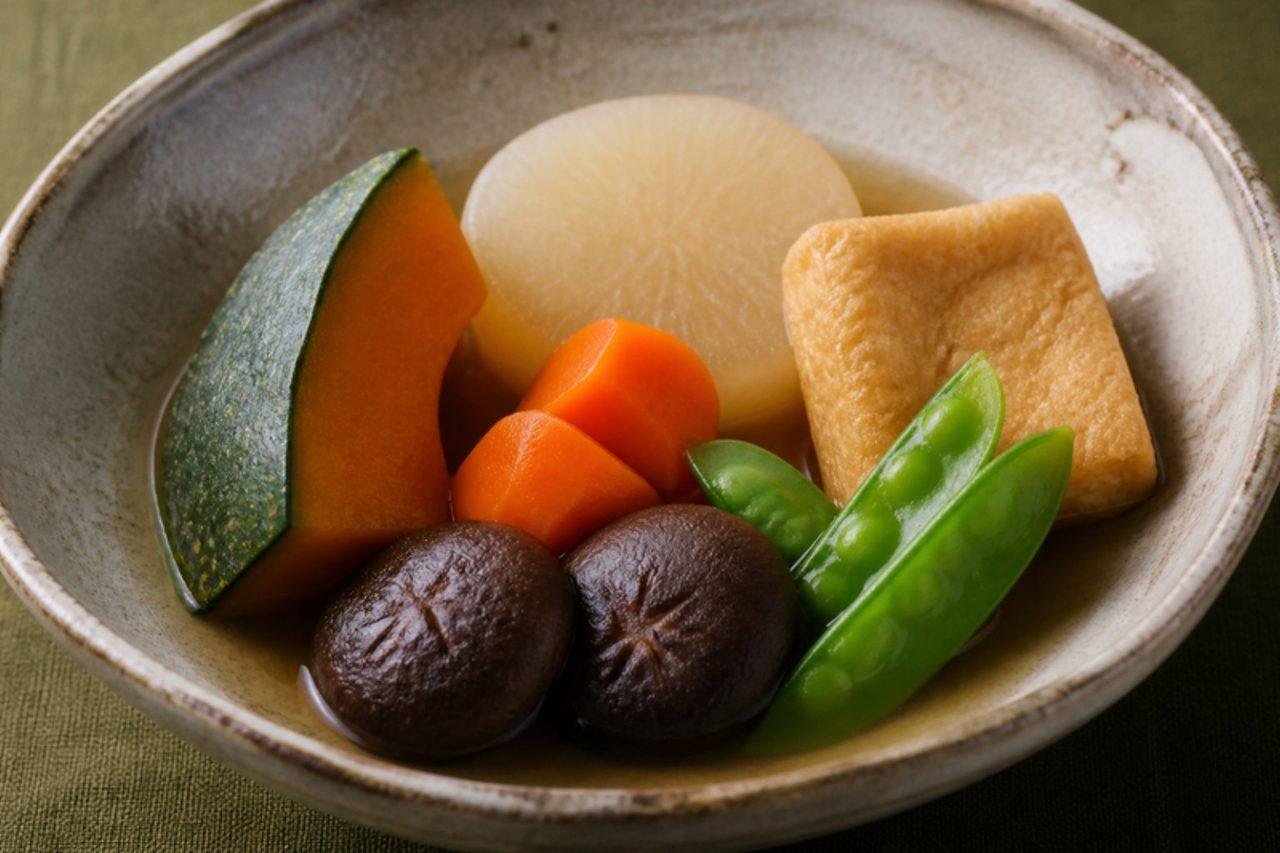
Kyoto takiawaseSimmered vegetables

Obanzai is what Kyoto calls its everyday home cooking: thrifty, seasonal side dishes that families keep in the fridge and that small restaurants line up in bowls along the counter. Takiawase, 'simmered together', is one of its finest. Each vegetable is cooked separately in a pale, delicate broth, so the kabocha stays orange, the daikon turns translucent and the carrot keeps its colour, then they are arranged side by side in one dish. Kyoto cooks season with light-coloured usukuchi soy, which is saltier than regular soy but doesn't darken the food. Serve it warm or at room temperature with rice and miso soup. Chef's tip: let everything cool in its broth. The vegetables soak up most of their flavour as they cool, not while they boil.

by KrazyBadal 0 views

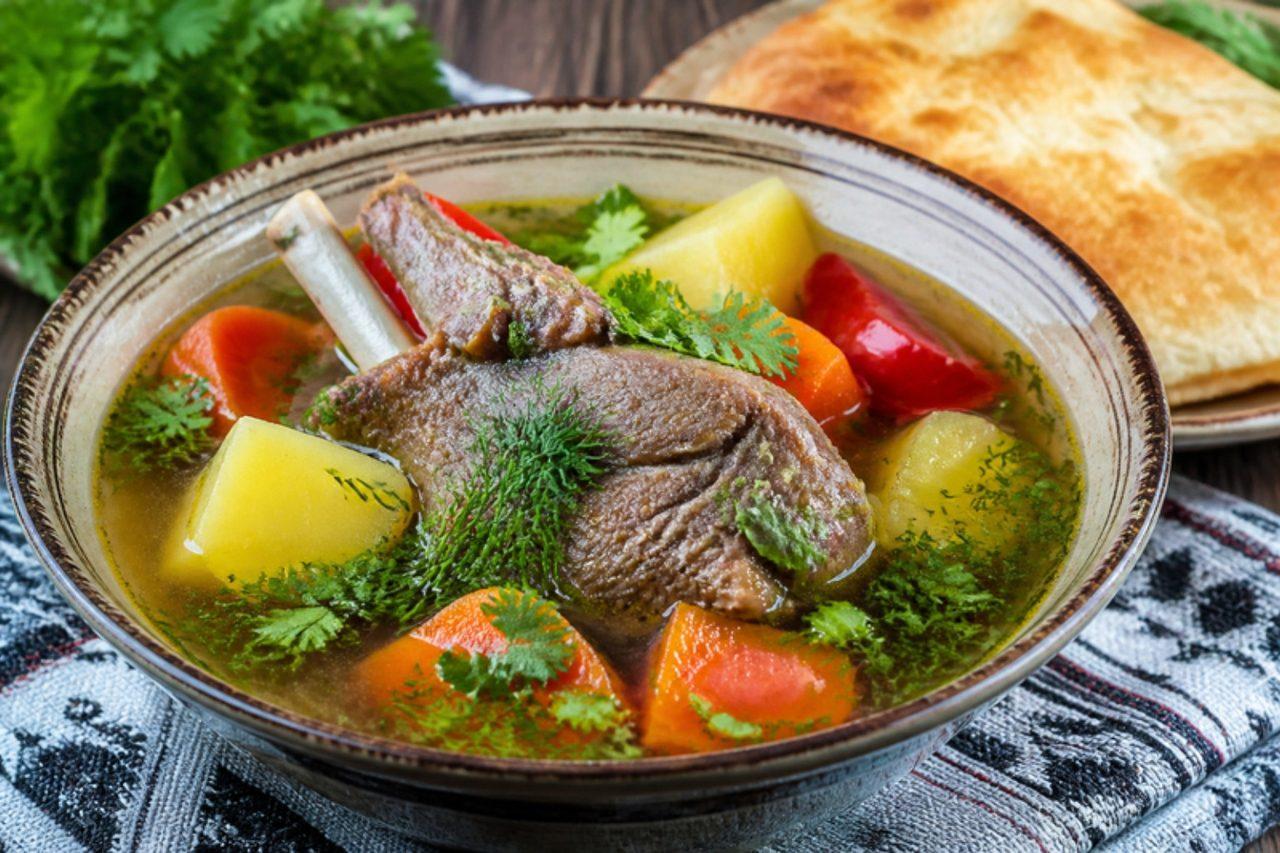
Kyrgyz shorpoLamb and vegetable broth

Shorpo is the soup that keeps Kyrgyz herders warm in the summer pastures around Issyk-Kul and in yurts high in the Tian Shan: big pieces of lamb on the bone simmered slowly with whole potatoes, carrots and onion until the broth is clear and golden. The meat and vegetables are often served on a plate and the broth in bowls, with fresh herbs and bread torn into it. It is simple, so the quality of the lamb matters. Letting it boil hard is the usual mistake; a rolling boil makes the broth cloudy and the meat stringy. Chef's tip: start the lamb in cold water and skim patiently for the first 15 minutes.

145 minKazakhSoupsGluten free
by KrazyBadal 0 views

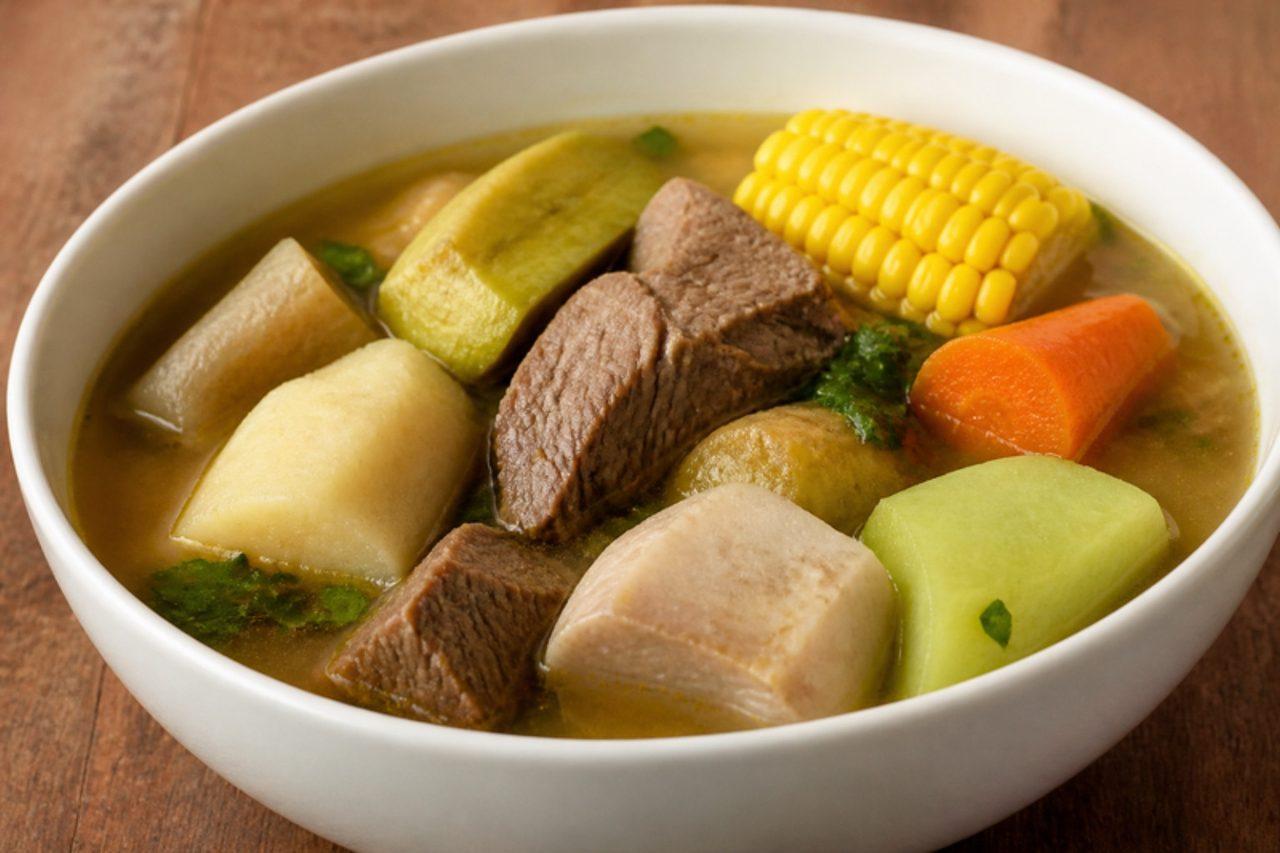
Olla de carneBeef and vegetable pot

Olla de carne, "pot of meat", is the Costa Rican Sunday soup, cooked slowly in the Central Valley around San José and in country homes: beef shin and short ribs simmered for hours in a clear broth with big pieces of yuca, chayote, green plantain, corn, carrot and taro. The broth is served first, then the meat and vegetables, with rice on the side. The mistake is putting all the vegetables in together; add the hard ones first and the soft chayote and corn last. Chef's tip: use a little bone with the beef; it gives the broth body without any stock cube.

by KrazyBadal 0 views

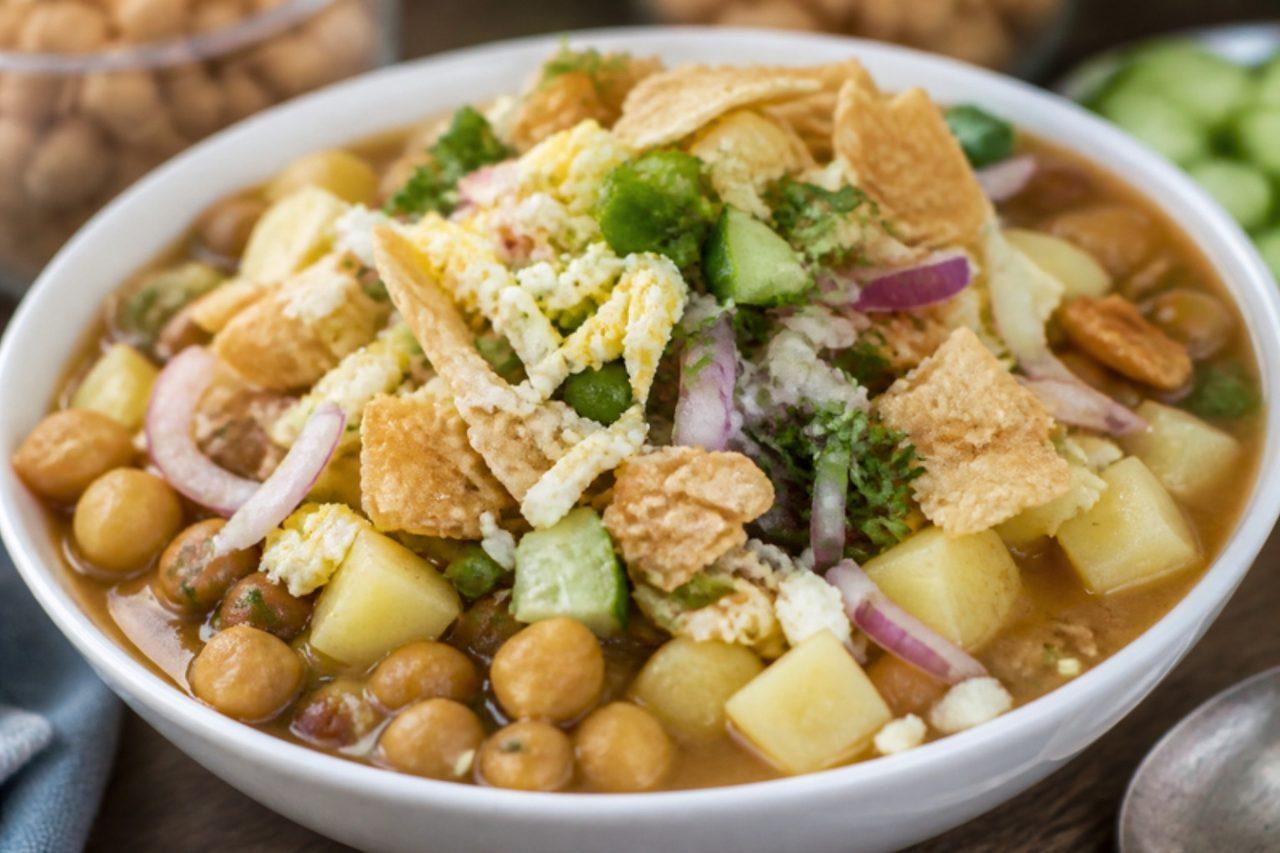
ChotpotiSpiced yellow pea snack

Chotpoti is what Dhaka eats at dusk: vendors ladle it from great brass pots at Dhanmondi Lake and outside every university gate, and during Ramadan it is a fixture of the iftar spread. Dried yellow peas (motor) are simmered with potato until soft and slightly soupy, then served warm under a shower of raw onion, green chilli, grated boiled egg, crushed fuchka shells, roasted cumin and plenty of sour tamarind water. Chef's tip: soak the peas overnight and cook them until some burst and thicken the liquid; chotpoti should be spoonable, halfway between a stew and a salad.

by KrazyBadal 0 views

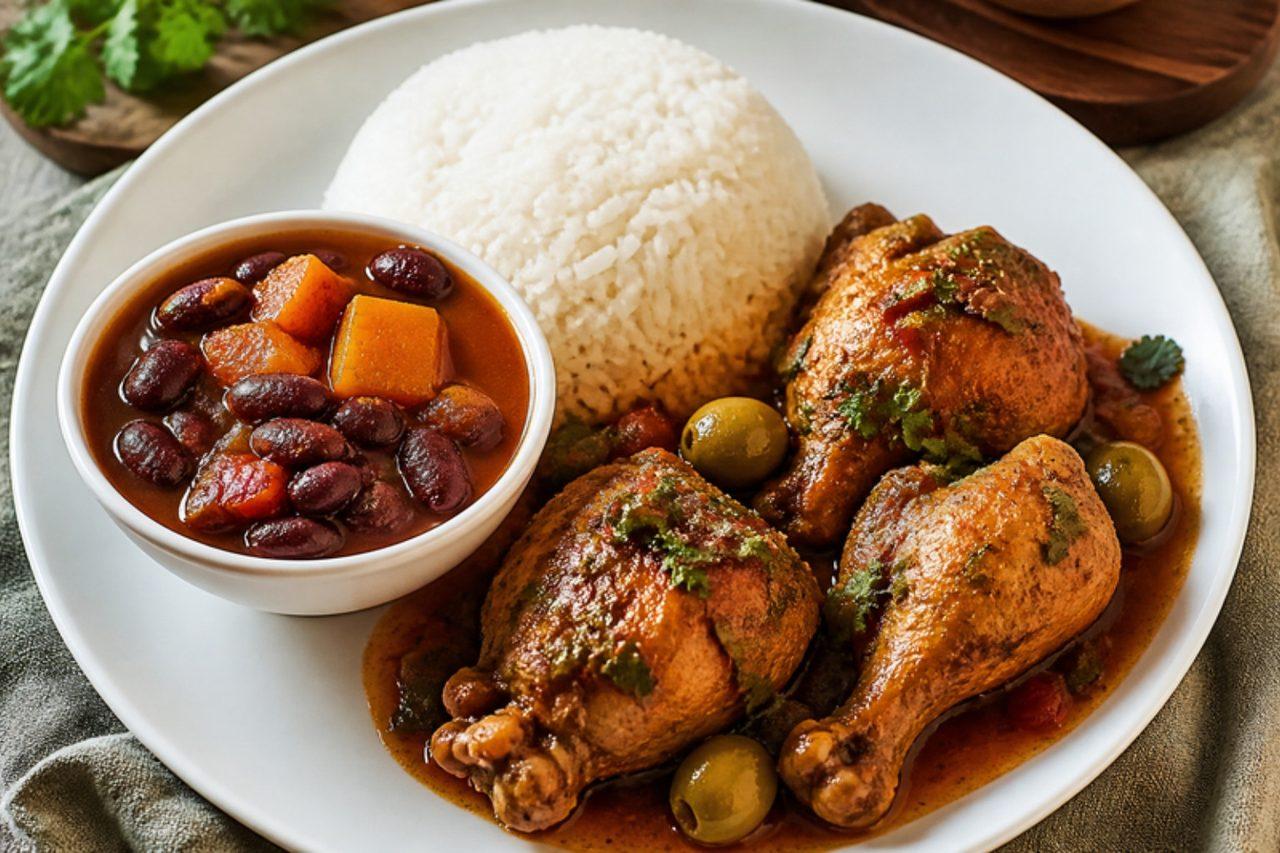
La bandera dominicanaRice, beans and chicken plate

Across the Dominican Republic, from Santo Domingo office canteens to family kitchens in Santiago, the midday meal is la bandera, named after the flag: white rice, red beans stewed with squash, and braised chicken. It is eaten almost every weekday, often with a green salad and fried plantain. Dominican cooks start the chicken by caramelising sugar in the oil, which gives the sauce its deep brown colour, and they prize the concón, the crisp layer of rice at the bottom of the pot. The mistake to avoid is letting the sugar go past dark amber; burnt sugar makes the whole stew bitter. Chef's tip: marinate the chicken with lime, garlic and oregano the night before; it takes on far more flavour than a quick 30 minutes.

by KrazyBadal 0 views

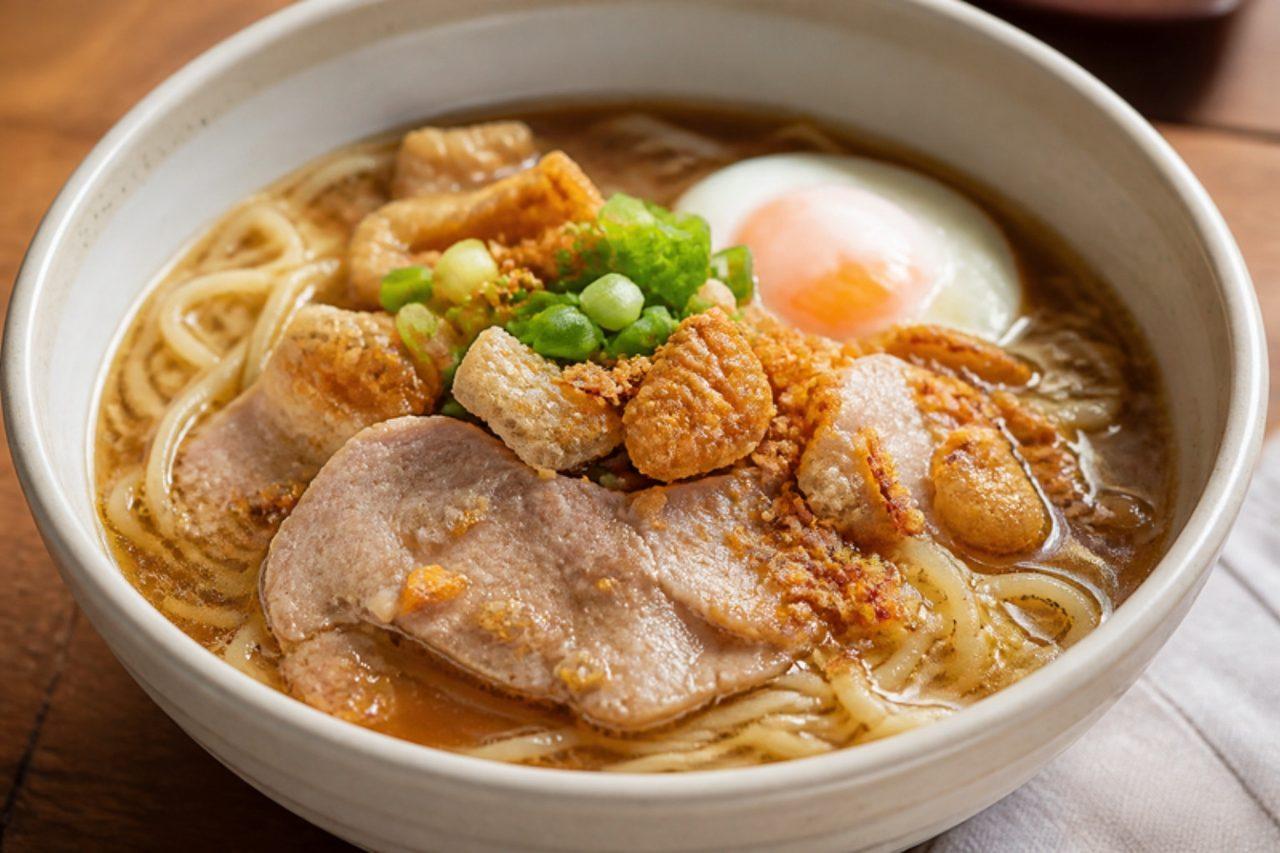
La Paz batchoyPork noodle soup

La Paz batchoy was born in the market of La Paz, a district of Iloilo City on Panay, where stalls ladle it out from early morning to late at night. It is a pork noodle soup through and through: fresh egg noodles (miki) in a deep pork-bone broth seasoned with a little shrimp paste, topped with sliced pork, liver, crushed pork crackling (chicharrón) and lots of fried garlic. Locals often crack a raw egg into the bowl and ask for extra broth. It is a warming, savoury bowl for rainy afternoons. Chef's tip: make the broth the day before and chill it; the fat sets on top so you can lift most of it off and fry the garlic in it.

by KrazyBadal 0 views

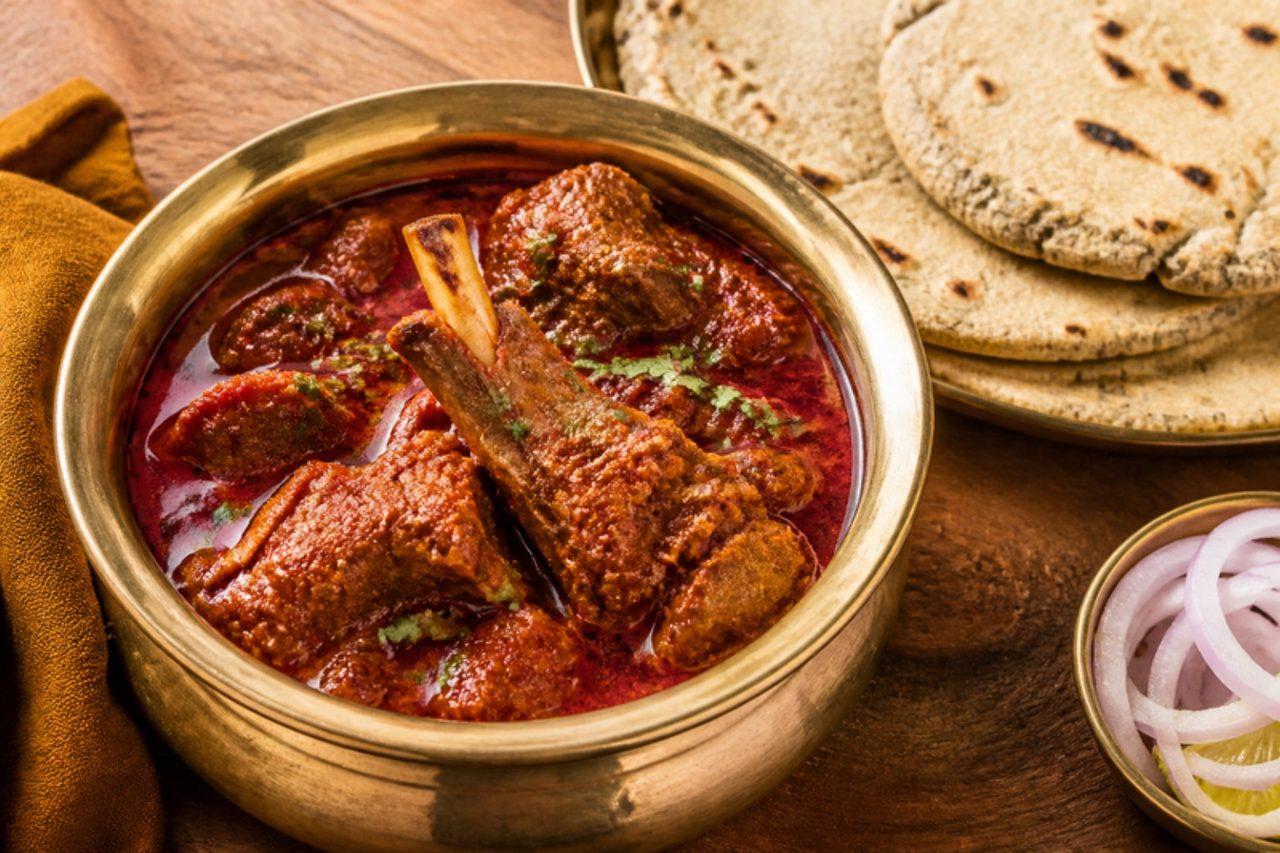
Laal maasFiery red mutton curry

Laal maas grew out of the Rajput hunting tradition in the desert country around Jodhpur and Jaisalmer, where game was cooked with plenty of garlic and red chillies to carry it. Today it's made with goat or lamb and is the dish Rajasthanis cook for a winter feast, served with bajra roti or plain rice and a bowl of yogurt to cool things down. The fierce colour comes from Mathania chillies, grown near Jodhpur, which are deep red, aromatic and properly hot. Some cooks finish it with a burning coal set in the pot to give it a smoky edge, an optional step included here. Chef's tip: soak and grind the dried chillies to a paste instead of using chilli powder; it gives the deep red colour and a rounder heat that doesn't scorch.

140 minIndianMeatGluten freeSpicy
by KrazyBadal 0 views

Olluquito con charquiOlluco and dried beef stew

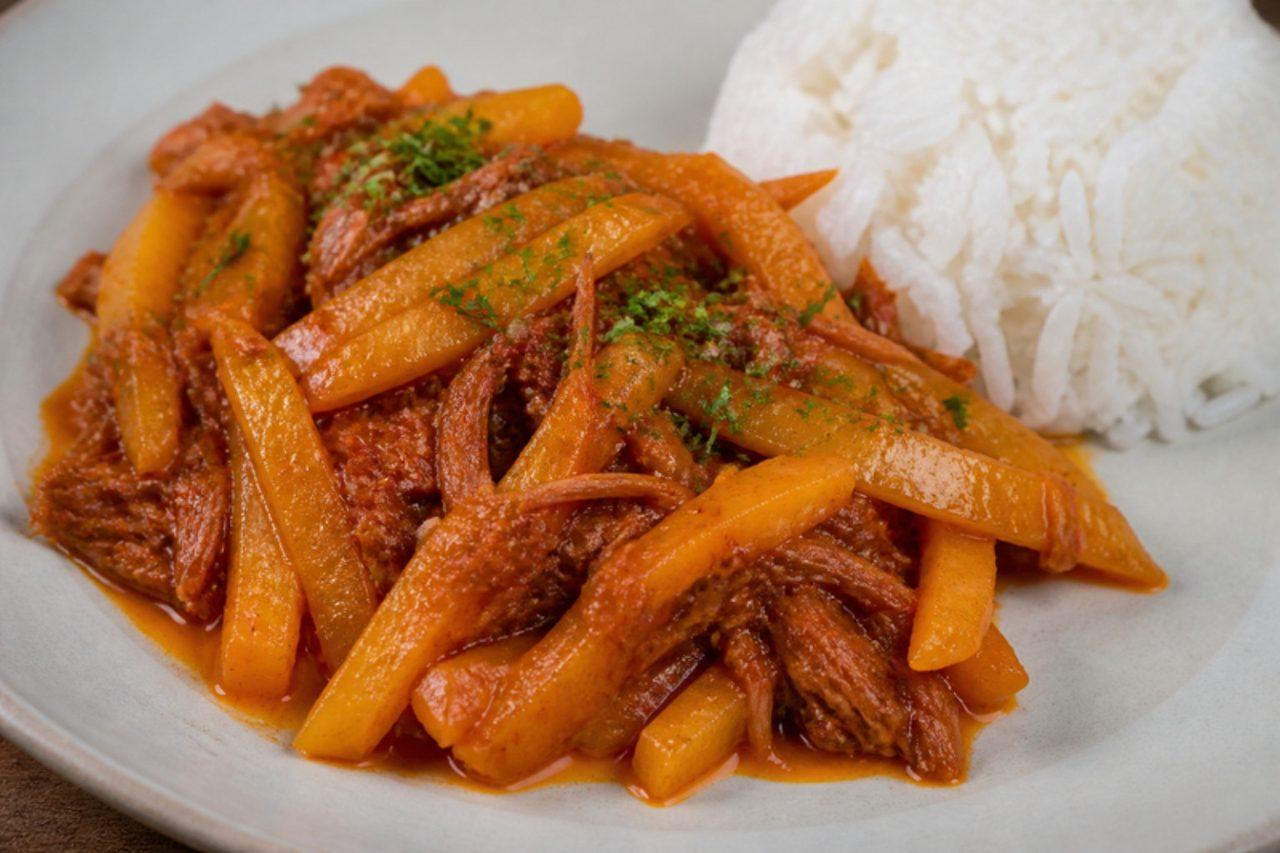
Olluco is a glossy yellow-and-pink tuber grown high in the Andes, crunchy when raw and silky when cooked, and in Lima's market eateries it is cut into fine matchsticks and stewed with charqui, sun-dried meat that was the travel food of Inca messengers. The dish is gently spiced with ají panca and finished with fresh parsley, and it is always served with white rice. Latin shops sell olluco in jars; if you can't find it, firm new potatoes or courgette give a similar texture, and beef brisket stands in well for charqui. Chef's tip: cut the olluco and rinse it well; the slippery sap washes off and the stew won't turn slimy.

by KrazyBadal 0 views

LablabiChickpea soup with bread

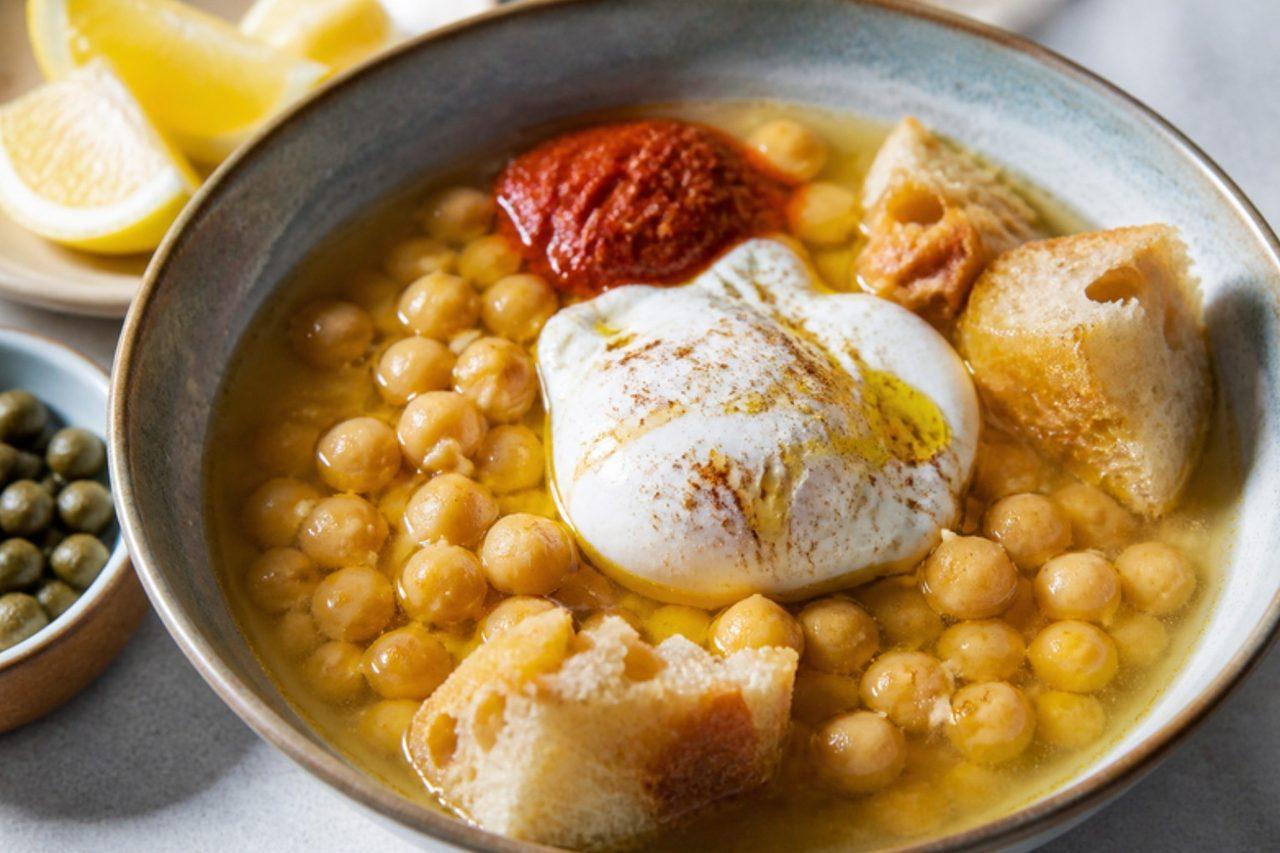
Lablabi is the working breakfast of Tunis, served from steaming cauldrons in tiny shops near the medina and the markets from dawn, and eaten all over Tunisia on cold winter mornings. Torn day-old bread goes into the bowl first, then hot chickpeas and their garlicky broth, and everyone dresses their own with harissa, cumin, olive oil, lemon and capers; many add a soft-poached egg that is broken through the bread. Chef's tip: let the bread soak for a minute before you stir in the harissa, so it turns soft and spoonable but not mushy.

by KrazyBadal 0 views

Labneh with za'atarStrained yogurt with za'atar

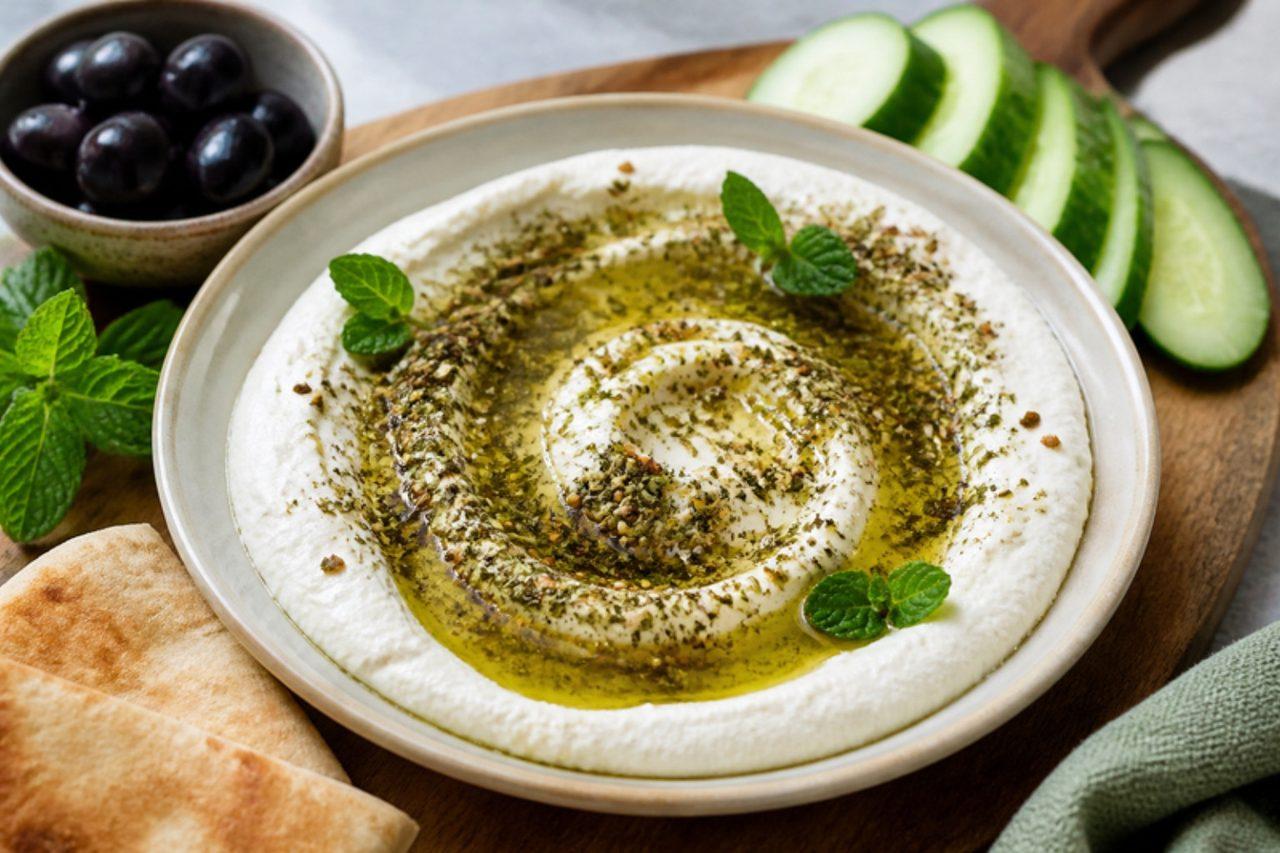
Labneh is the thick, tangy strained yogurt that Lebanese, Syrian and Palestinian families spread on a plate every morning, swirl with olive oil and scatter with za'atar, the wild-thyme, sumac and toasted sesame mix of the Levant. It sits beside olives, cucumber, tomato and warm khubz at breakfast in Beirut and on the mezze table at night, and the firmer version is rolled into small balls and kept in jars of olive oil for weeks. Here salted yogurt hangs for a full day until it is as thick as cream cheese, then goes out two ways: spread in a dish, and rolled into balls. A common mistake is using low-fat or set yogurt with gelatine; it gives a thin, chalky labneh, so choose full-fat plain yogurt with only milk and cultures. Chef's tip: stir the salt in before straining, not after, because it draws out more whey and seasons the yogurt all the way through.

by KrazyBadal 0 views

AvialMixed vegetables in coconut yogurt

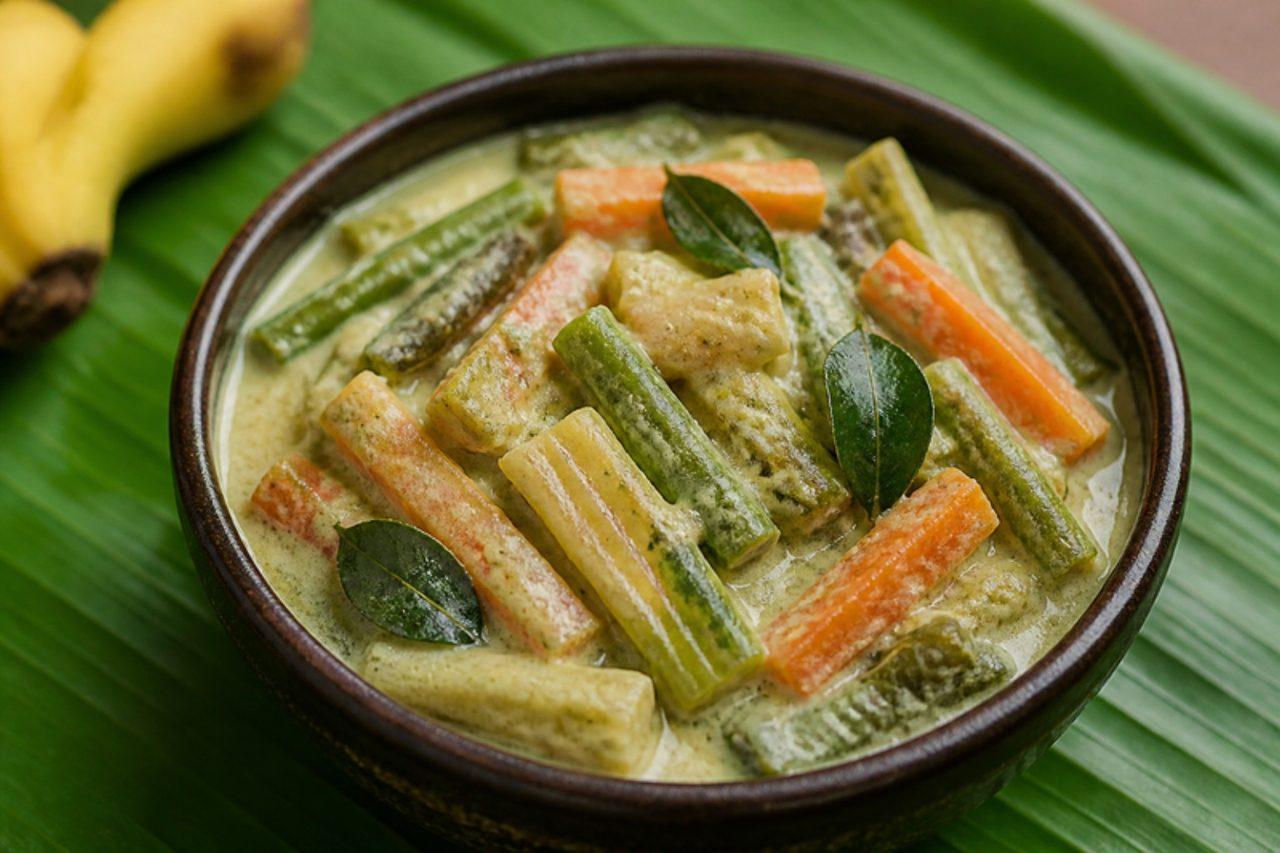
Avial is a mainstay of the Kerala sadya, the vegetarian feast served on a banana leaf at Onam and weddings. Batons of vegetables (raw banana, drumstick, yam, carrot, beans, ash gourd) are cooked just tender, then coated in a coarse paste of fresh coconut, cumin and green chilli, soured with curd and finished with raw coconut oil and curry leaves. It's thick rather than saucy, mild, tangy and fragrant. Serve with rice and sambar, or with adai. Chef's tip: cut every vegetable into the same 5 cm batons and add them in order of hardness, so they're all tender together and nothing turns to mush.

by KrazyBadal 0 views

LabraMixed vegetable curry

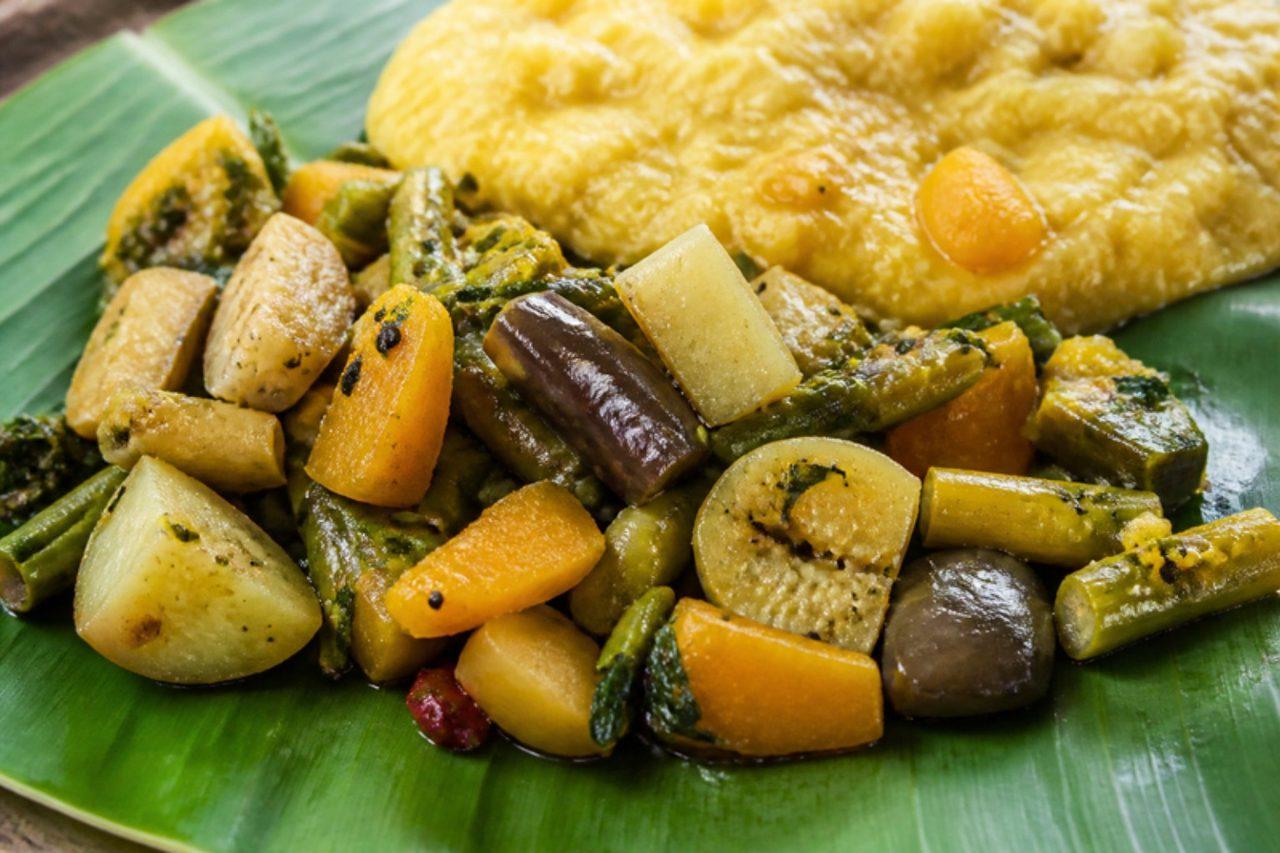
Labra is the vegetable dish of Durga Puja bhog: in community pandals across Bengal it is ladled out beside khichuri and a sweet tomato chutney to hundreds of people sitting in rows. It is a loose jumble of pumpkin, potato, aubergine, radish, sweet potato, raw banana and spinach stalks, cooked with panch phoron and ginger until some pieces melt and others hold. No onion or garlic goes in, because it is temple food. Chef's tip: add the vegetables in order of hardness, so the pumpkin goes soft and sweet while the radish and banana keep their shape.

by KrazyBadal 0 views

AktoriBuckwheat pancakes with greens

High in the Spiti and Lahaul valleys of Himachal Pradesh, where wheat struggles, buckwheat (kathu) grows in short summer fields and its leaves are eaten as a vegetable too. Aktori are thin buckwheat pancakes cooked with a layer of those greens inside, dotted with ghee and eaten warm with yogurt or salty butter tea. Families make them on festival mornings and through the long winter. Outside the valleys, spinach or young chard stands in well for buckwheat leaves. Chef's tip: keep the batter as thin as pouring cream; buckwheat has no gluten, so a thick batter cooks up gummy instead of tender.

by KrazyBadal 0 views

AkokCaramelised egg and coconut cakes

Akok is a Kelantanese kuih traditionally baked in small brass moulds over coals, with more coals laid on the lid, and it is a classic for breaking the fast in Kota Bharu during Ramadan. The batter is mostly eggs, coconut milk and dark gula melaka, so the little cakes come out custardy in the middle with a dark, caramelised, almost sticky crust. A mini-muffin tin in a hot oven gives a very close result. Chef's tip: heat the greased tin in the oven before filling it, which is how the base caramelises.

by KrazyBadal 0 views

Ladakhi skyuWheat dough and root vegetable stew

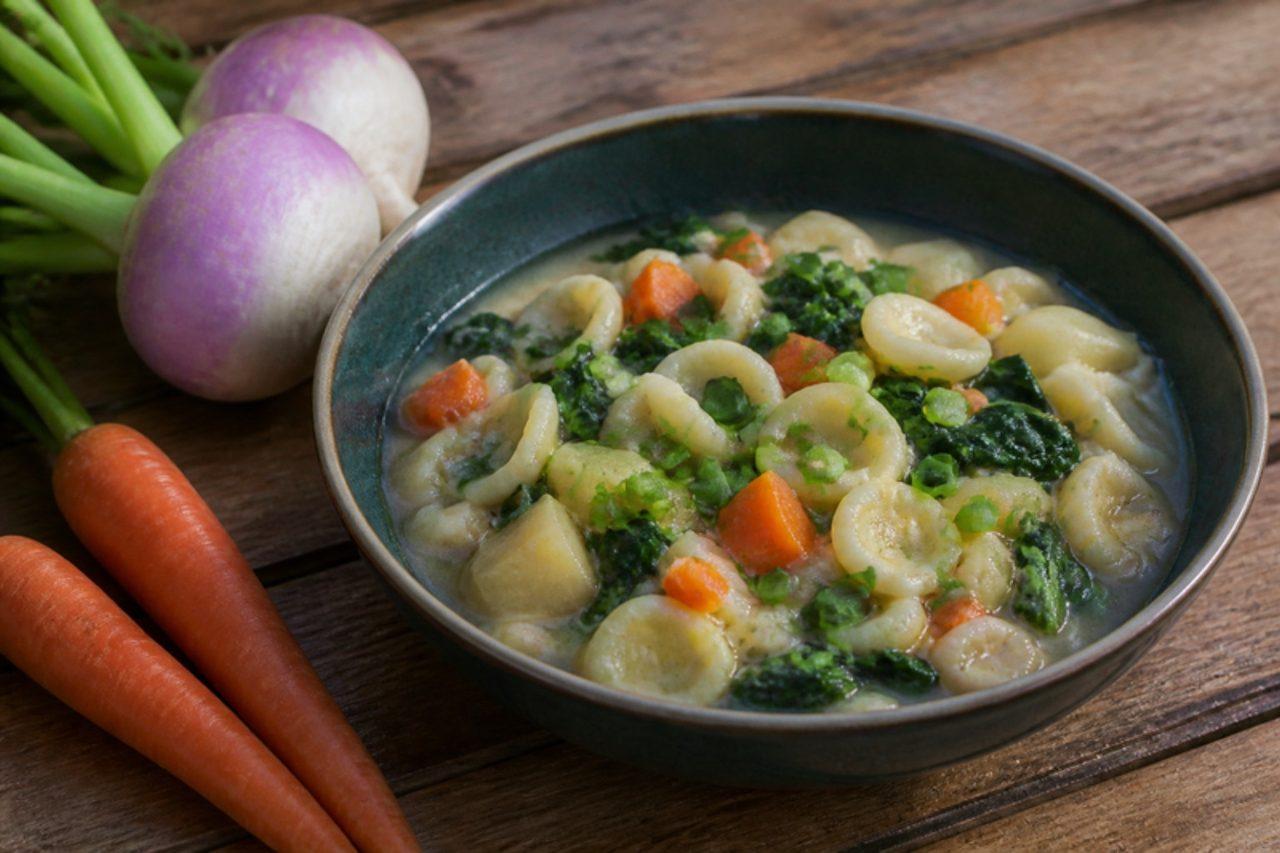
Skyu is what Ladakhi families in Leh and the villages along the Indus cook when the passes close and fresh vegetables run short: a thick stew of turnip, potato and carrot with little cups of wheat dough pressed with the thumb, a bit like orecchiette. It is filling, gently peppery and made in a single pot on the kitchen stove that also heats the house. Some homes finish it with a splash of milk or a crumble of dried cheese; this version keeps it plant-based and lets the vegetables flavour the broth. Chef's tip: press each piece of dough thin enough to see the thumbprint clearly; thick pieces stay doughy in the middle.

by KrazyBadal 0 views

Akoho sy voanioChicken in coconut milk

Akoho sy voanio, chicken with coconut, is a dish of Madagascar's east coast around Toamasina, where coconuts are everywhere, and it has become a favourite all over the island. Chicken is browned with onion, garlic, ginger and tomato, then simmered gently in coconut milk with a pinch of curry until the sauce is creamy and mild. It is eaten with plenty of white rice and a little achard (vegetable pickle). The mistake is boiling the coconut milk hard so it splits; keep it at a gentle bubble. Chef's tip: brown the chicken well first; the coconut sauce needs that savoury depth.

by KrazyBadal 0 views

Zeytinyağlı pırasaLeeks braised in olive oil

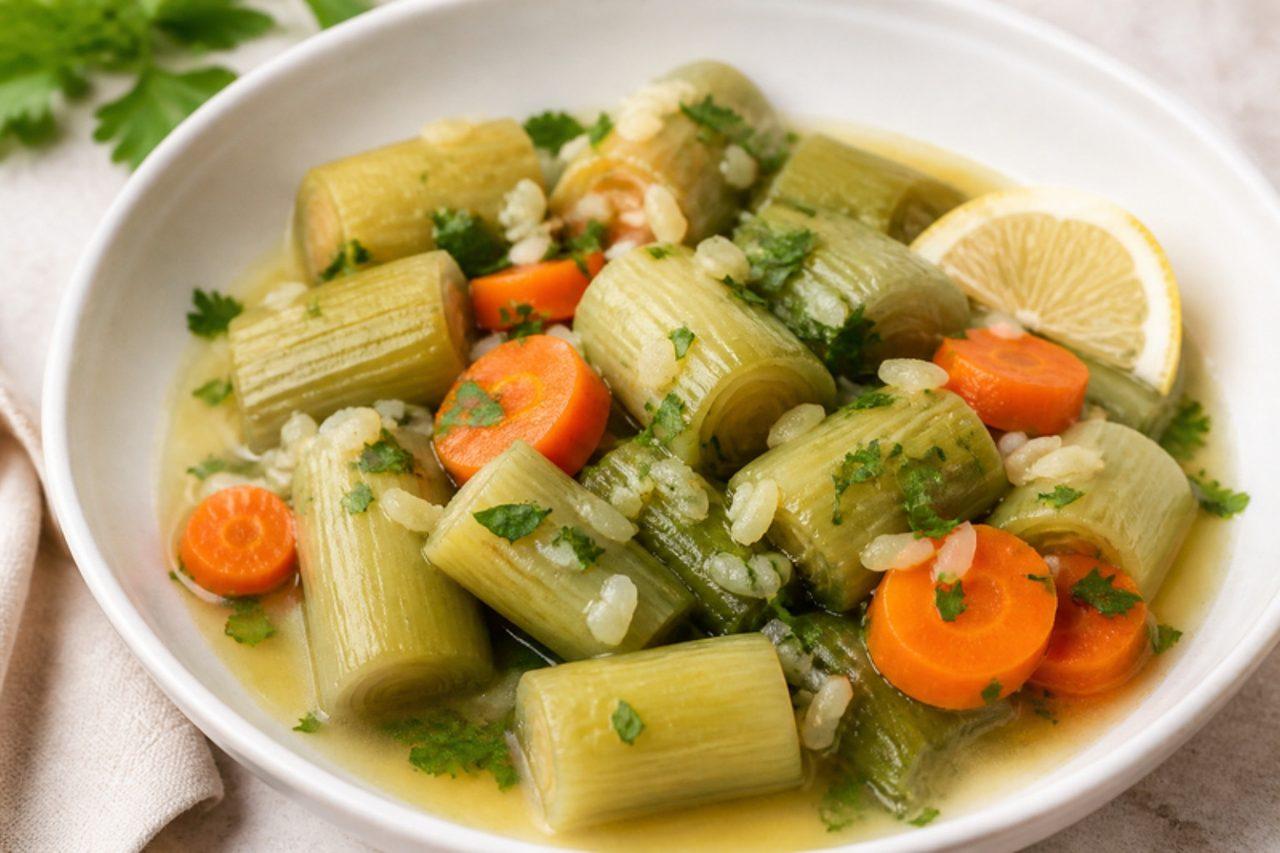
Winter in Istanbul brings fat leeks to every neighbourhood market, and zeytinyağlı pırasa is how many households use them: chunks of leek and carrot stewed gently in olive oil with a handful of rice to thicken the juices, finished with lemon. It is served at room temperature on the side of a winter table, or as a light lunch with bread and white cheese, and grandmothers often say it is better the second day. The usual mistake is skipping a proper wash: grit hides between the layers and ruins the whole pot. Chef's tip: cut the leeks on a slant into thick pieces and keep them whole rather than separating the rings, so they hold their shape through the slow braise.

by KrazyBadal 0 views

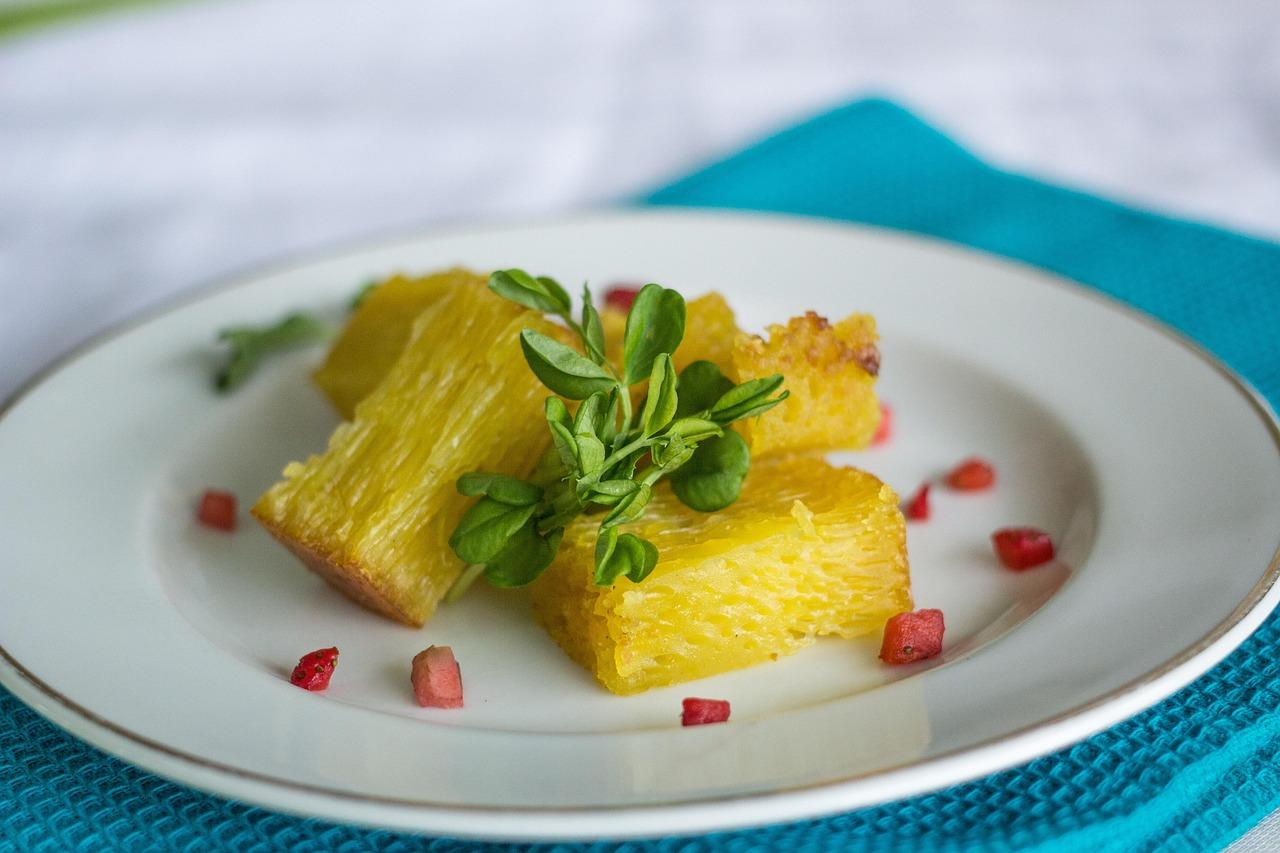
Bika ambonHoneycomb coconut cake

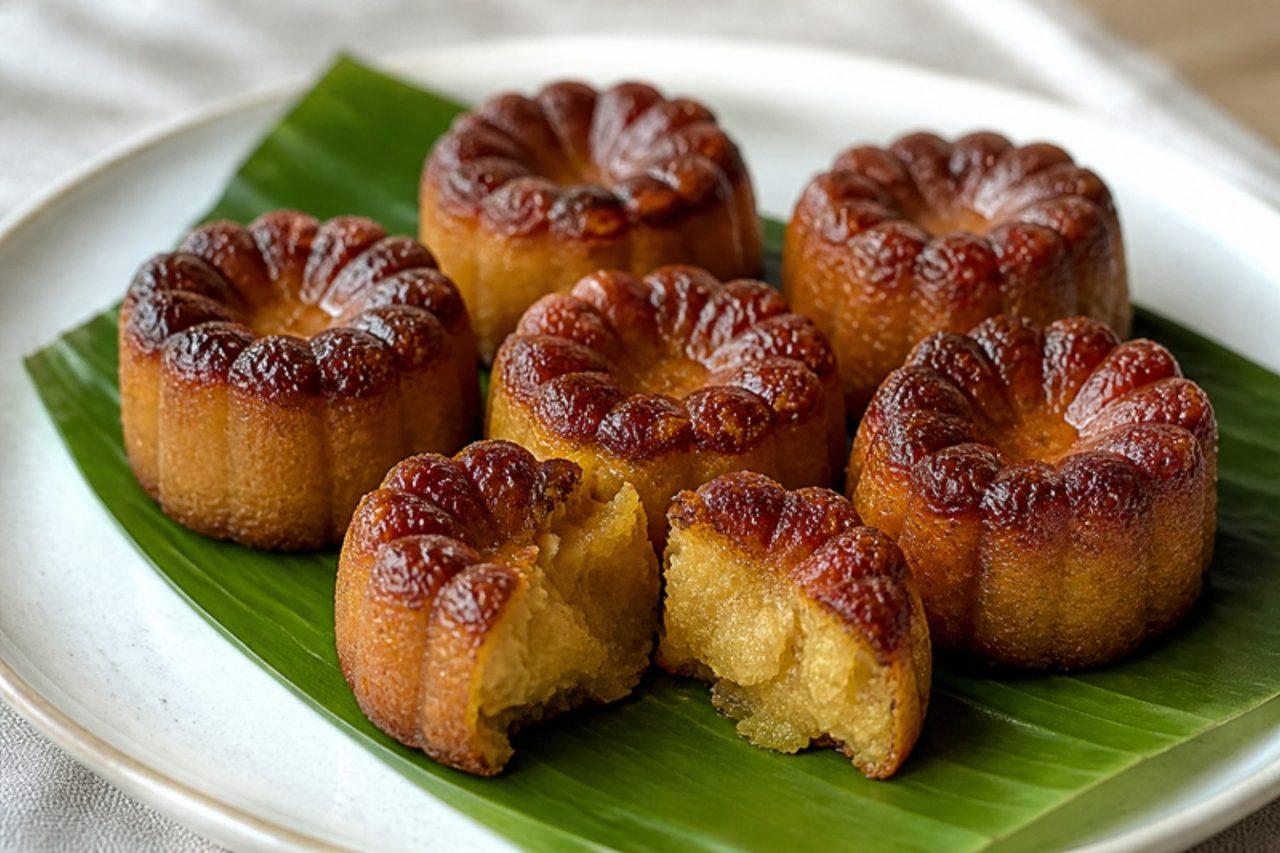
Despite its name, bika ambon belongs to Medan in North Sumatra, where shops on Jalan Majapahit sell it boxed for travellers to take home. A yeasted batter of tapioca, eggs and coconut milk bakes into a cake with a sticky, golden base and long vertical tunnels running through its yellow crumb, perfumed with lemongrass, pandan and lime leaf. It is chewy rather than spongy. Chef's tip: bake it with heat from the bottom first; that is what drives the bubbles upward into the honeycomb.

by KrazyBadal 0 views

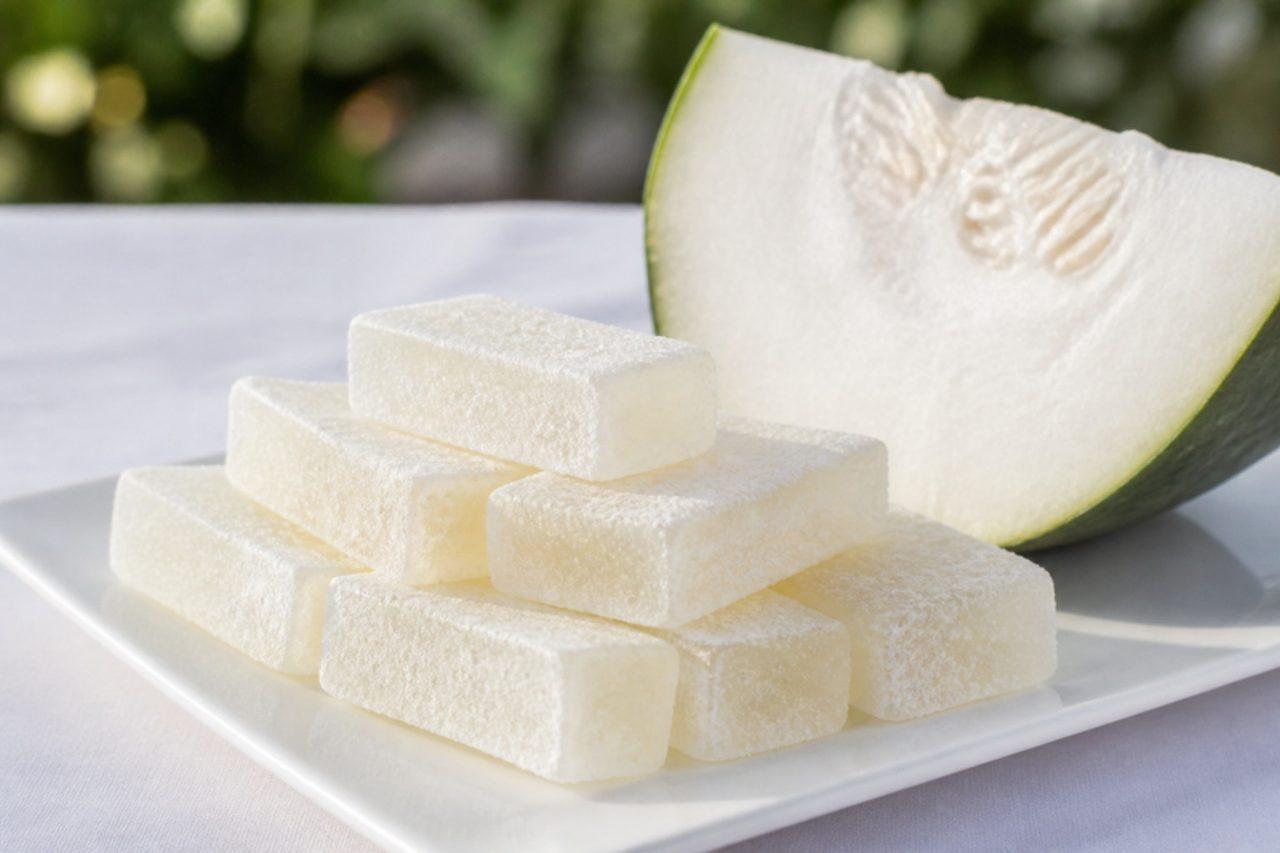
Agra pethaCandied ash gourd sweets

Every train pulling out of Agra carries boxes of petha. The city's halwais have been candying ash gourd for generations, and the plain white kind remains the classic: firm, crystal-clear cubes with a sugar crust and a juicy centre, lightly scented with rose or kewra. At home it makes a good festival sweet for Diwali gifting because it keeps for two weeks. The firmness comes from soaking the gourd in food-grade slaked lime (chuna, sold as pickling lime) or, as some cooks prefer, in alum water. Leaving out the soak, or rushing it, is the most common mistake: the cubes fall apart in the syrup. Chef's tip: prick each cube deeply all over with a fork before soaking, so the lime water and later the syrup reach the centre.

by KrazyBadal 0 views

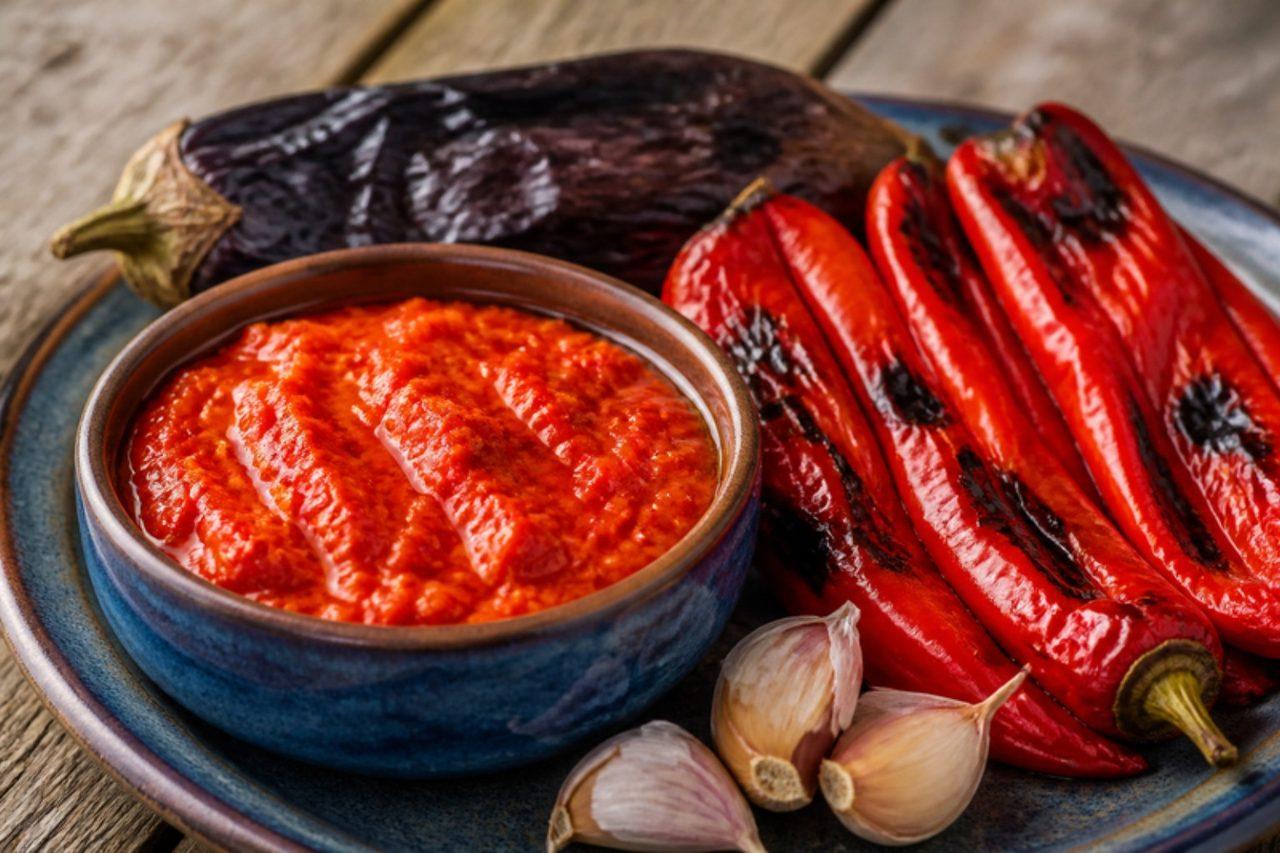
AjvarRoasted pepper and aubergine relish

Every September the smell of charring peppers drifts over courtyards from Leskovac in southern Serbia to Strumica in North Macedonia, as families roast crates of long red babura peppers on wood stoves and spend a whole Sunday stirring the pulp into ajvar for the winter shelves. A little roasted aubergine softens the flavour, and long cooking with sunflower oil turns it into a glossy, sweet-smoky spread that is eaten on bread with white cheese, beside beans or potatoes, and with almost every winter meal. This is a home-sized batch for two medium jars rather than a cellar full. Chef's tip: do not rinse the roasted peppers under the tap to get the skins off; it washes away the smoky juices that make ajvar taste of autumn, so peel them with oiled fingers and a paper towel instead.

by KrazyBadal 0 views

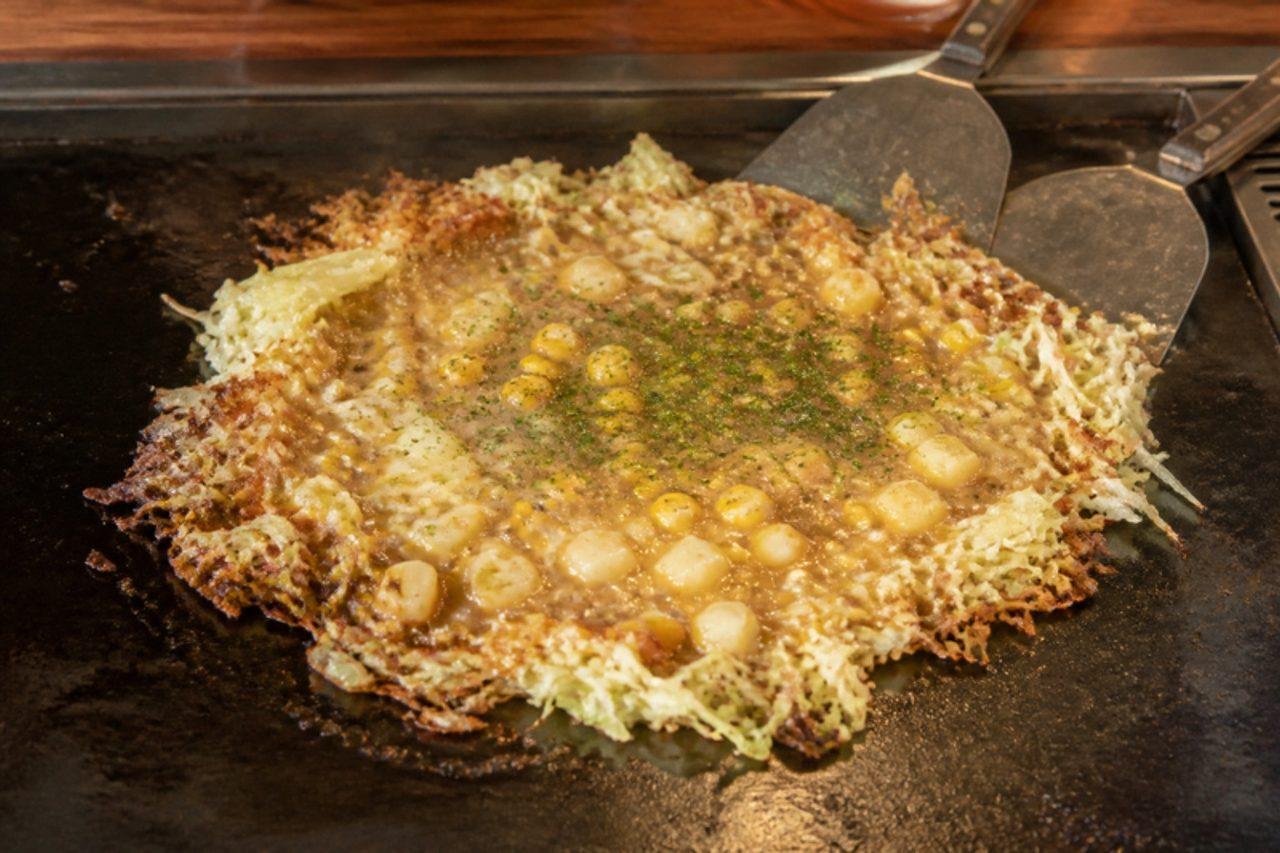
MonjayakiGriddled cabbage and batter

Monjayaki comes from Tsukishima, a small island district in Tokyo Bay, where one street holds more than seventy monja restaurants. It began as a cheap after-school snack at sweet shops, with children writing letters in thin batter on a griddle. Today friends gather round a teppan table, build a ring of chopped cabbage, pour the runny batter into the middle and eat it with tiny spatulas while it is still molten. It never sets into a pancake like okonomiyaki: the texture is gooey, with crisp, toasty bits where it sticks to the plate. Our version leaves out the usual dried shrimp and uses mochi and cheese, a favourite Tsukishima combination. Chef's tip: press a little monja against the hot griddle with your spatula and wait until it crackles. That crisp layer, called the okoge, is the best bite.

by KrazyBadal 0 views

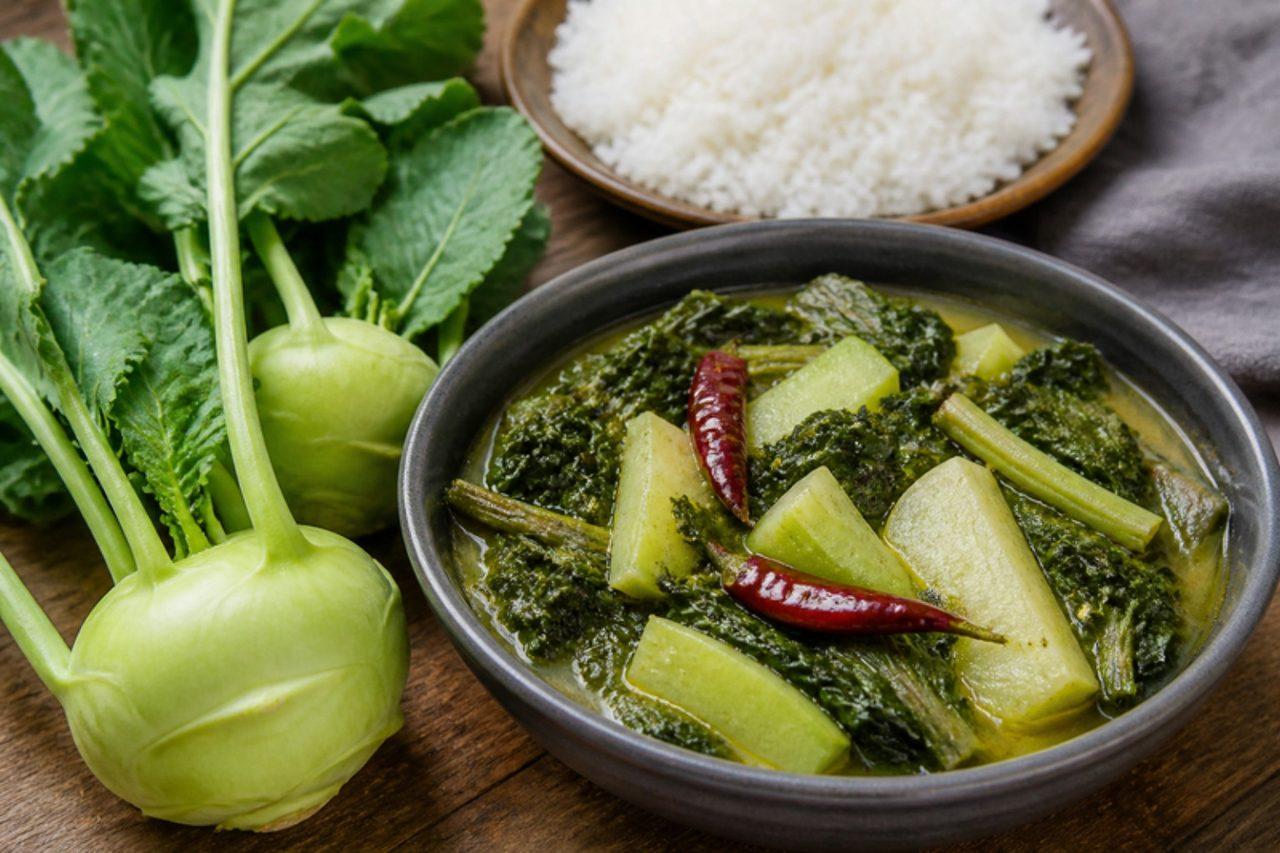
Monji haakKohlrabi and greens in mustard oil

Kohlrabi, monji in Kashmiri, grows in almost every kitchen garden in the Kashmir Valley, and families cook the round bulb and its leaves together in one pot. Like its cousin haak, it is a dish of very few ingredients: mustard oil, dried chilli, a pinch of asafoetida and salt, simmered with a splash of water until the bulb turns sweet and tender. It is eaten through the cold months with plain rice and a bowl of yogurt, and Kashmiris will tell you it tastes best in autumn when the bulbs are young. Chef's tip: buy kohlrabi with fresh, perky leaves attached; if the leaves are tired, add a handful of spinach instead.

by KrazyBadal 0 views

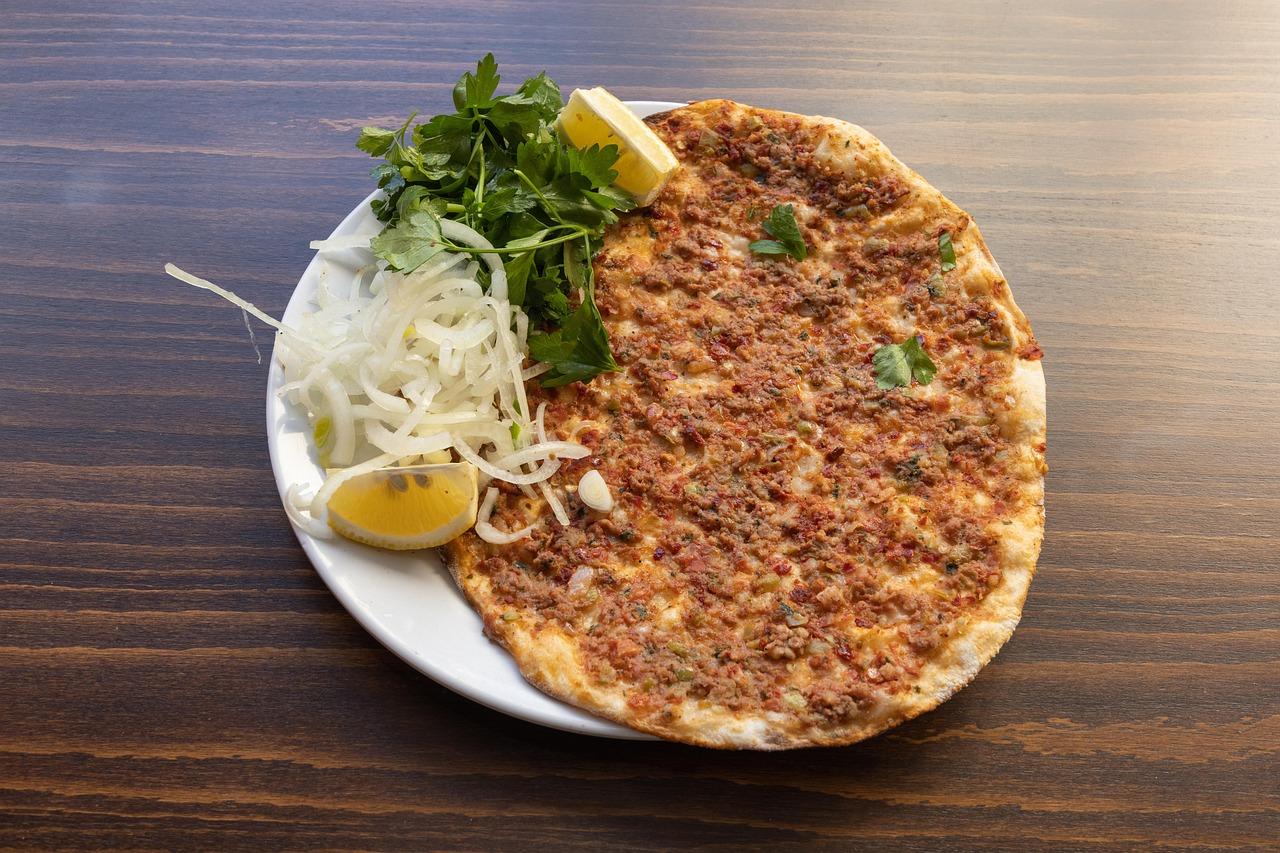
LahmacunThin spiced meat flatbread

Lahmacun belongs to south-east Turkey, especially Gaziantep and Şanlıurfa, where bakeries slide dozens at a time into wood-fired ovens and people eat them on the street at any hour, often with a cold ayran. The dough is rolled almost see-through and spread with a raw paste of minced lamb, onion, peppers, tomato and herbs that cooks in minutes in fierce heat. To eat, squeeze lemon over, add a handful of parsley and onion, roll it up and fold. Chef's tip: blitz the topping vegetables to a fine paste and squeeze out the excess juice, so the meat spreads in a thin, even layer that bakes crisp rather than soggy.

by KrazyBadal 0 views

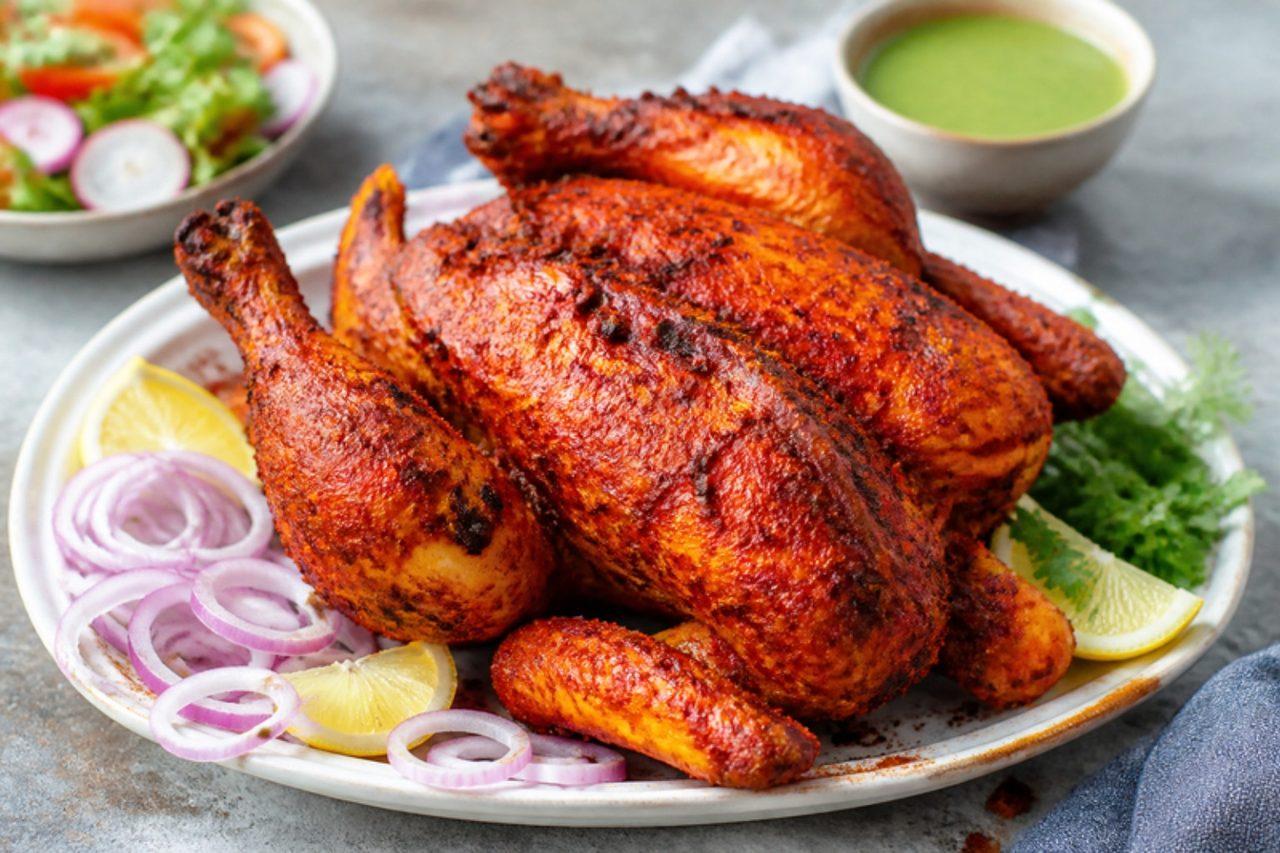
Lahori charghaSteamed and fried spiced chicken

Chargha is a Lahore speciality, sold from the busy food streets of Lakshmi Chowk and the old city, where whole birds are coated in a red, tangy masala, steamed in big pots and then dropped into hot oil to order. It is the centrepiece of wedding dinners and Saturday-night family outings, and makes an impressive home dinner for guests. Steaming keeps the meat moist and cooked through before frying gives it a crisp, spicy skin. Serve it with naan, raita, salad and a squeeze of lime. Chef's tip: slash the chicken deeply to the bone so the masala and steam reach the thickest parts.

by KrazyBadal 0 views

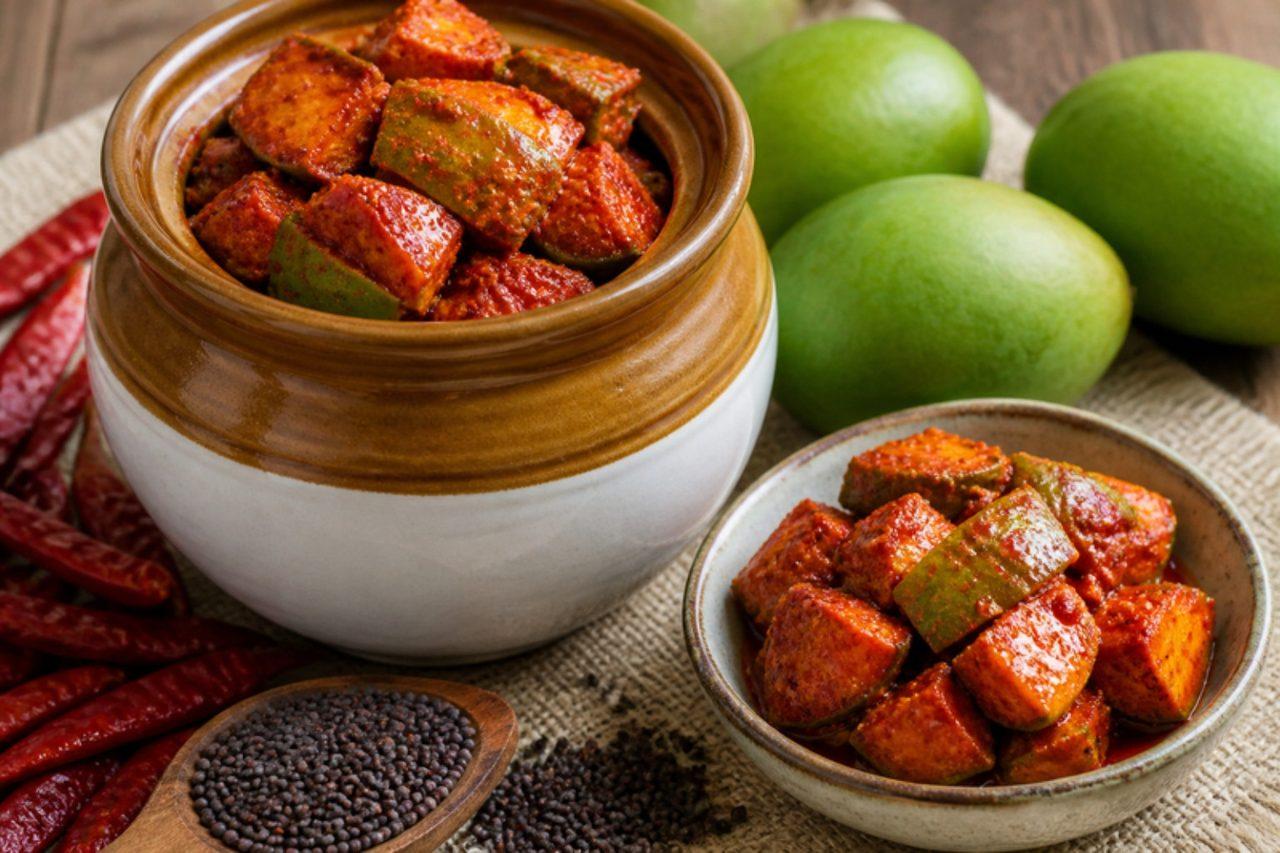
AvakayaRaw mango pickle

Every April and May, when the hard, sour green mangoes arrive, Andhra homes turn into pickle factories. The mangoes are cut, stone and all, with a heavy cleaver, then mixed with freshly ground mustard, fiery red chilli powder, salt and a flood of sesame oil, and packed into ceramic jars to mature. Avakaya is fierce, pungent, salty and sour, and a tiny piece mashed into hot rice with ghee and dal is many Telugu people's idea of perfect lunch. A jar lasts the whole year. Chef's tip: every piece of mango, every knife and the jar must be bone dry; a single drop of water can turn a whole batch mouldy.

by KrazyBadal 0 views

Lahpet thokePickled tea leaf salad

Lahpet thoke is how Myanmar welcomes a guest: a lacquered tray of pickled tea leaves surrounded by fried beans, peanuts, sesame and garlic, offered after meals, at weddings and at monk feasts from Mandalay to Yangon. Mixed into a salad with cabbage, tomato, chilli and lime, it becomes the country's most famous dish: bitter, sour, salty and crunchy at once, with a gentle caffeine lift. Ready-made lahpet sometimes contains fish sauce and the crunchy mix often has dried shrimp, so this version quick-pickles loose green tea at home. Chef's tip: soak the tea in several changes of hot water and squeeze it hard each time; that's what tames the bitterness.

by KrazyBadal 0 views

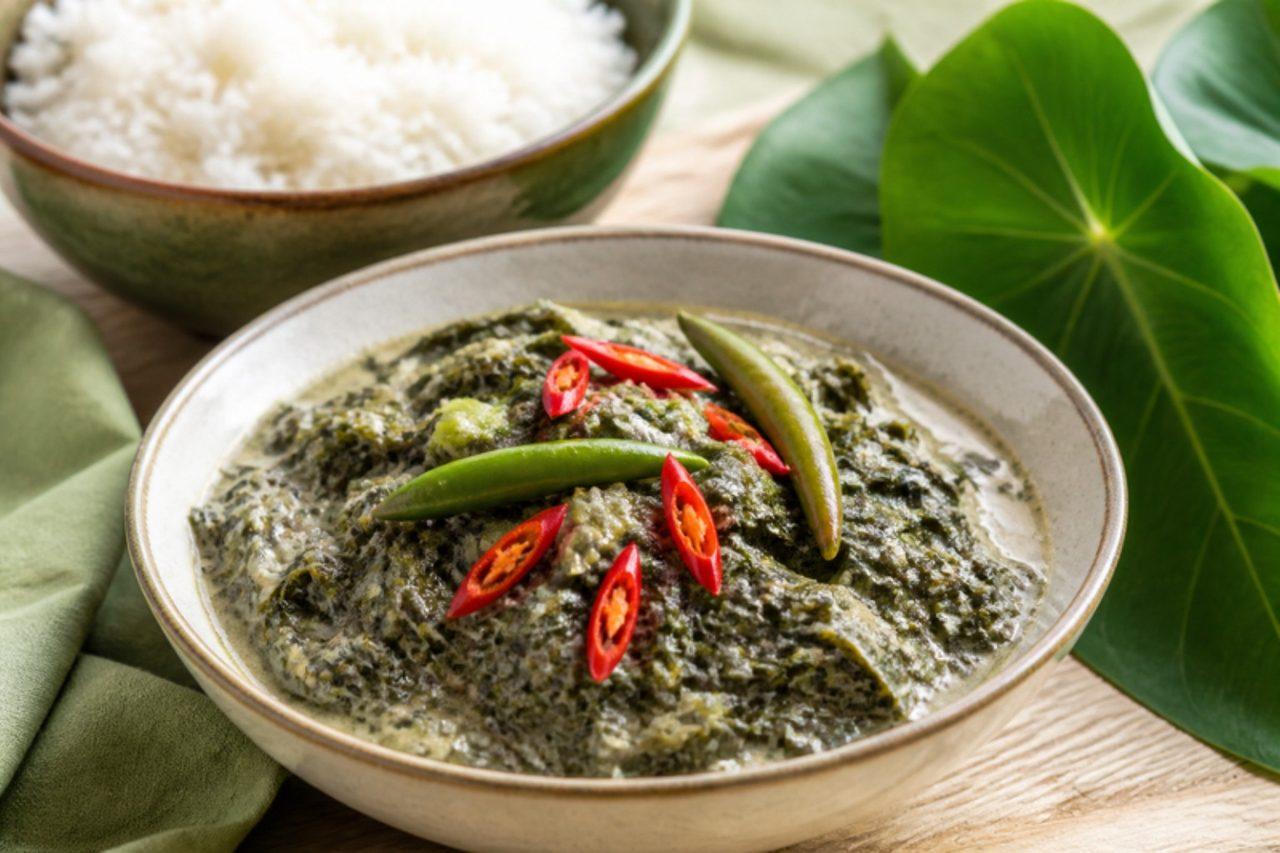
LaingTaro leaves in coconut milk

Laing is the pride of Bicol, the chilli-loving region at the southern tip of Luzon. Dried taro leaves are simmered for close to an hour in coconut milk with ginger, lemongrass and siling labuyo until they collapse into a dark, creamy, spicy mass, then finished with thick coconut cream. Bicolano cooks usually add pork or dried fish and shrimp paste; this vegetarian version leans on extra ginger and a little salt and stays rich. Eat it with plain rice, often as a Friday or Lenten dish. Chef's tip: lay the leaves on top of the coconut milk and don't stir until they have soaked it up; stirring raw taro leaves early is said to leave an itchy taste.

by KrazyBadal 0 views

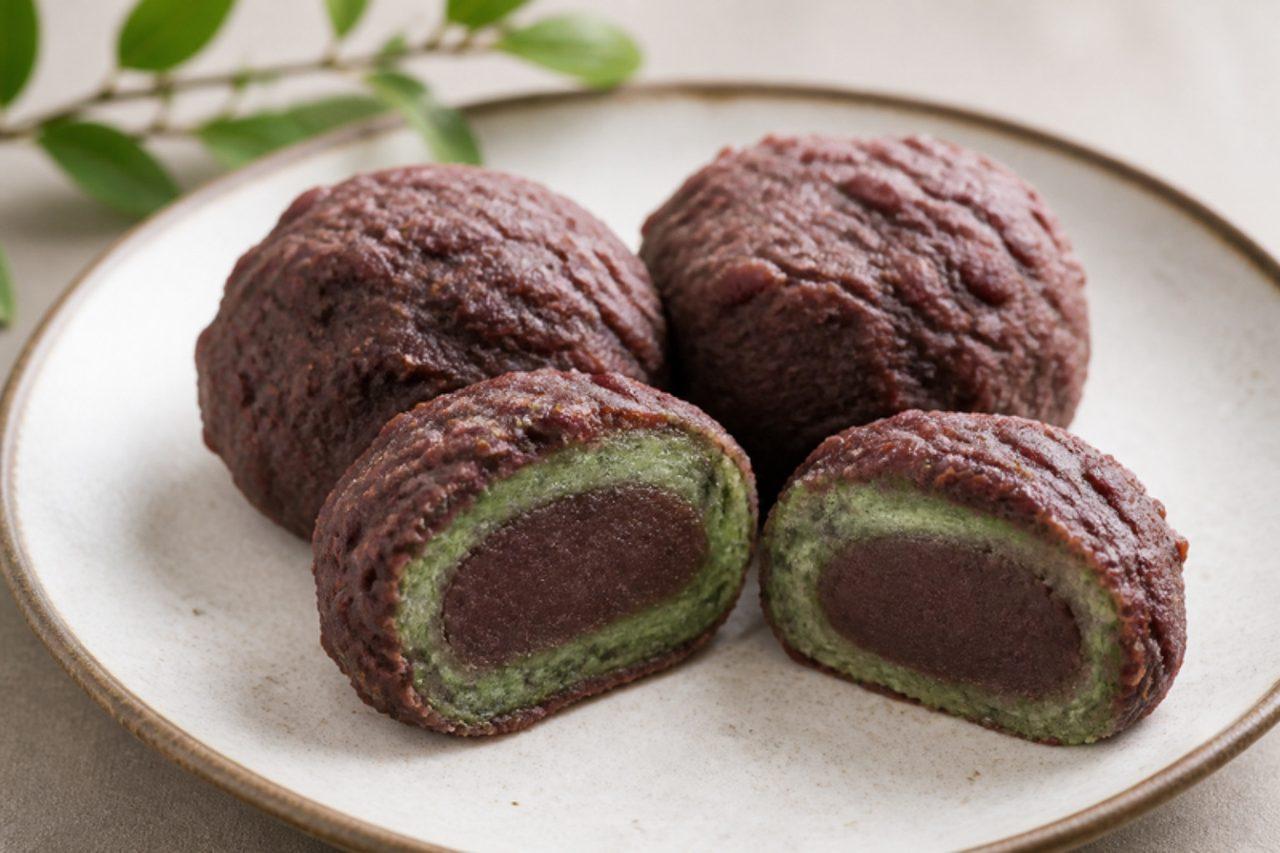
Omegi tteokMillet rice cakes with red bean

Omegi tteok (오메기떡) are Jeju's best-known rice cakes: small dark-green rounds of glutinous millet and rice dough flavoured with mugwort, filled with sweet red bean, and rolled in a coat of mashed red beans or toasted nuts. Jeju farmers grew millet on fields too stony for rice, and the dough was once fermented into omegi-sul, the island's rice wine. Now they are bought in boxes at Seogwipo's Olle market as the island's favourite gift, kept in the freezer and thawed for tea time. Chef's tip: knead the dough with boiling water while it is still hot; mugwort and millet need the heat to bind into a smooth, stretchy dough.

by KrazyBadal 0 views

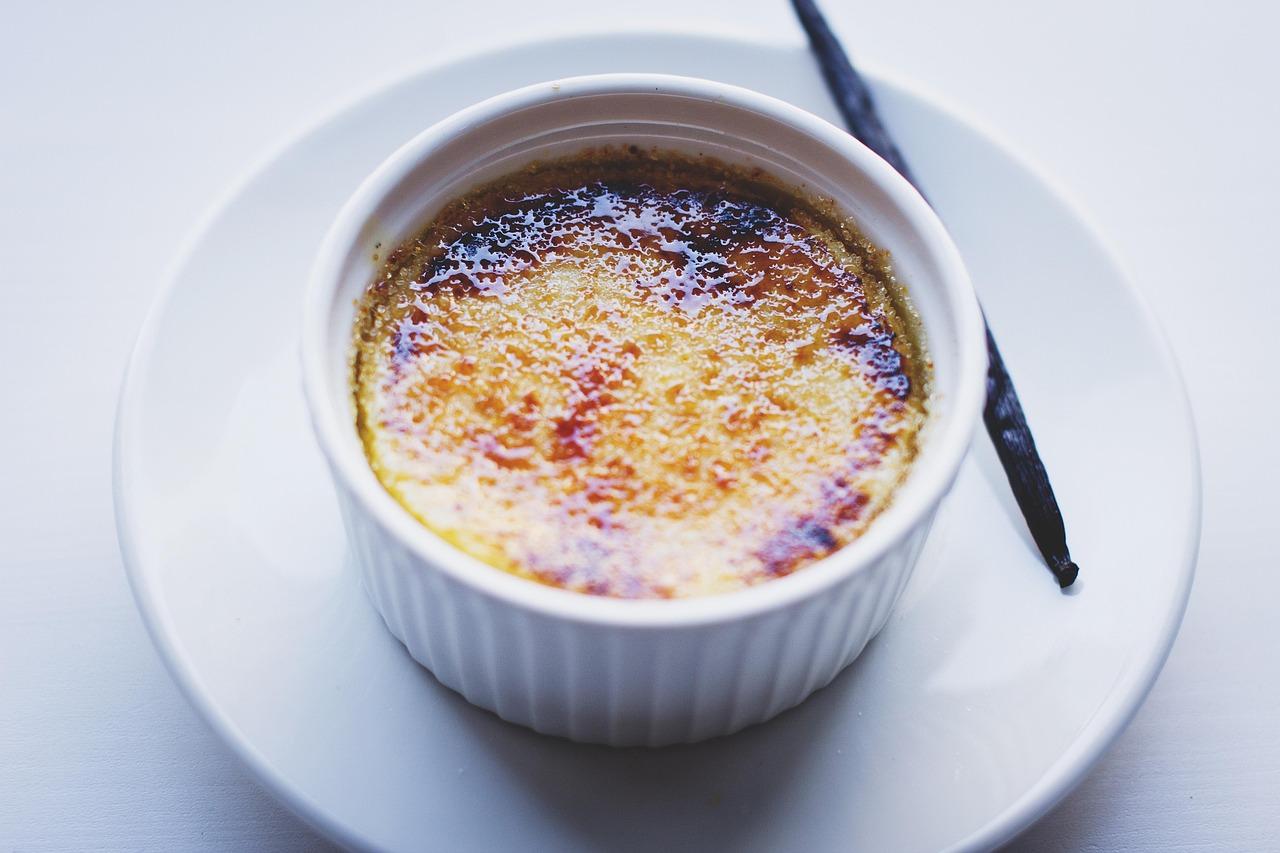
Crème brûléeBurnt cream custard

Crème brûlée, 'burnt cream', is the dessert on almost every Paris bistro menu: a shallow dish of rich vanilla custard, cold and silky, under a thin sheet of caramelised sugar you crack with the back of a spoon. Unlike the stovetop Spanish crema catalana, it's made with cream and baked gently in a water bath. The custards are made a day ahead, which makes it ideal for dinner parties; only the sugar is burnt at the last minute. Chef's tip: take them out of the oven while the middle still wobbles like jelly; overbaking is the common mistake and the custard turns grainy and splits.

by KrazyBadal 0 views

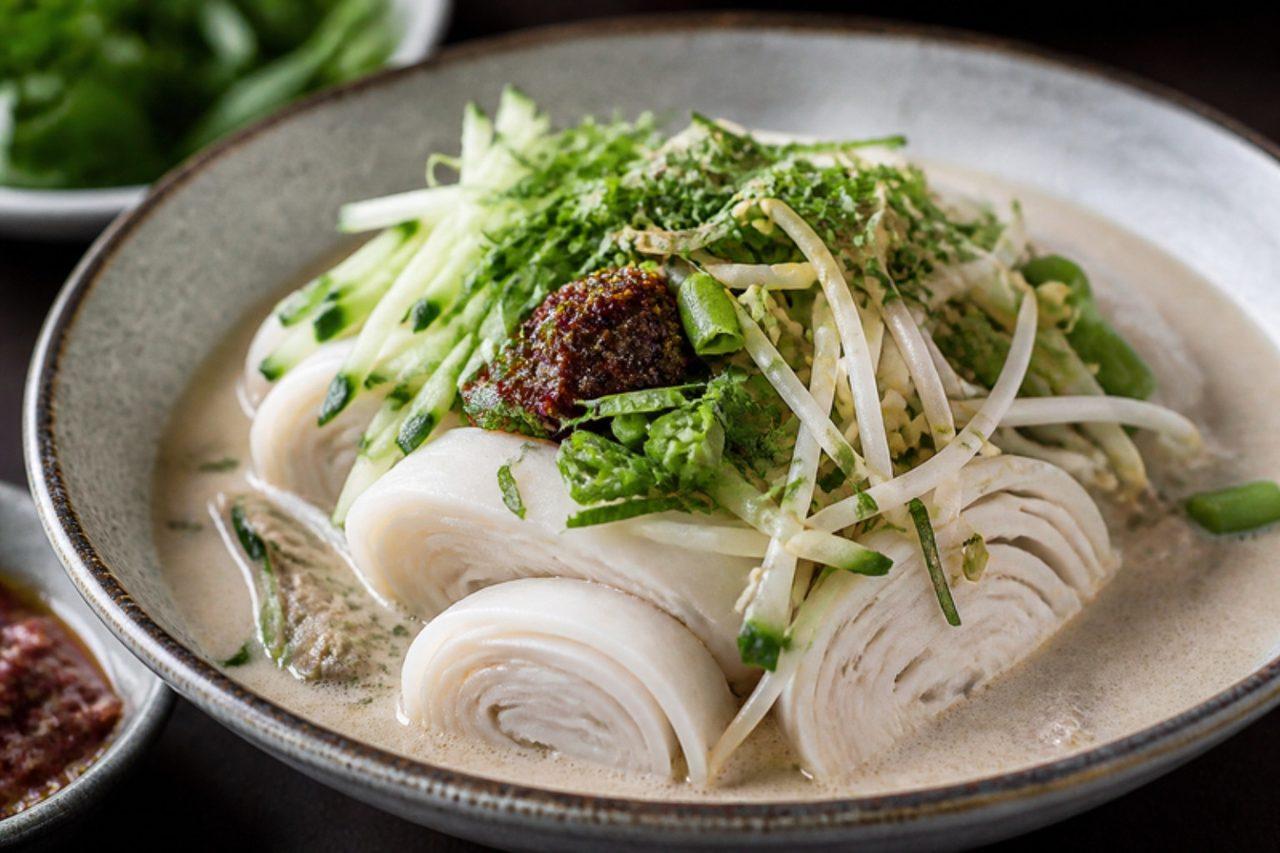
LaksamRice noodles in coconut fish gravy

Kota Bharu's morning market has its own noodle: laksam, thick sheets of steamed rice batter rolled up like little carpets and sliced into wheels. They are drowned in a pale, creamy gravy of pounded fish and coconut milk, then heaped with raw herbs and vegetables (ulam): cucumber, long beans, bean sprouts, daun kesum and torch ginger flower, with a spoonful of fiery chilli and budu, the region's fermented anchovy sauce. The result is soft and slippery, rich and cool at the same time. Locals eat it for breakfast or as a mid-morning snack. Chef's tip: pound the cooked fish with the shallots instead of blending it smooth; the gravy should feel faintly textured, like a thin porridge.

by KrazyBadal 1 views

Lal sahRed tea

In Assam, the home of half of India's tea, the everyday cup is lal sah, 'red tea': strong CTC or orthodox Assam leaf brewed briefly, poured off, sweetened and drunk black. It is what tea-garden workers, Guwahati office-goers and grandmothers drink from morning till evening, often with a slice of lemon, a crushed piece of ginger or, in upper Assam, a bay leaf. Its colour is a deep, clear red and its taste is malty and brisk, never stewed. Chef's tip: take the pan off the heat before adding the leaves; boiling them makes the tea harsh and cloudy.

by KrazyBadal 1 views

Chtitha djejChicken in paprika sauce with chickpeas

Chtitha djej is the everyday chicken of Algerian homes from Algiers to Constantine: chicken pieces simmered in a red sauce of paprika, cayenne, garlic and caraway with chickpeas, reduced until thick and clinging. It is mopped up with khobz or matlouh flatbread. The mistake is burning the garlic and paprika when they go into the oil, which turns the sauce bitter; keep the heat moderate and add water as soon as they smell toasted. Chef's tip: add a squeeze of lemon right at the end to brighten the spices.

by KrazyBadal 0 views

Chuanbei liangfenMung bean jelly in chilli oil

Nanchong, in the hills of north Sichuan, is famous for this snack: a soft, wobbly jelly set from bean starch, cut into thick ribbons and drowned in a red, glossy dressing. Street sellers keep it in big blocks and slice it to order, and people eat it as a mid-afternoon snack or a cold starter on hot days. The jelly itself tastes of almost nothing; the slippery texture and the punchy dressing are the point. Chef's tip: let the jelly set fully in the fridge, ideally overnight, so it is firm enough to cut cleanly but still trembles.

by KrazyBadal 0 views

LamingtonsChocolate coconut sponge squares

Lamingtons are said to be named after Lord Lamington, Governor of Queensland at the turn of the twentieth century, and they're the cake of Australian school fundraisers, Country Women's Association stalls and morning tea at work; there's even a National Lamington Day on 21 July. Cubes of light butter sponge are dunked in a thin, glossy chocolate icing and rolled in desiccated coconut, so each one has a soft, chocolate-soaked outside and a fluffy middle. Some bakeries split them and fill them with jam and cream. Chef's tip: bake the sponge a day ahead, or freeze the cut squares for an hour; fresh sponge crumbles in the icing, firm sponge dips cleanly.

by KrazyBadal 0 views

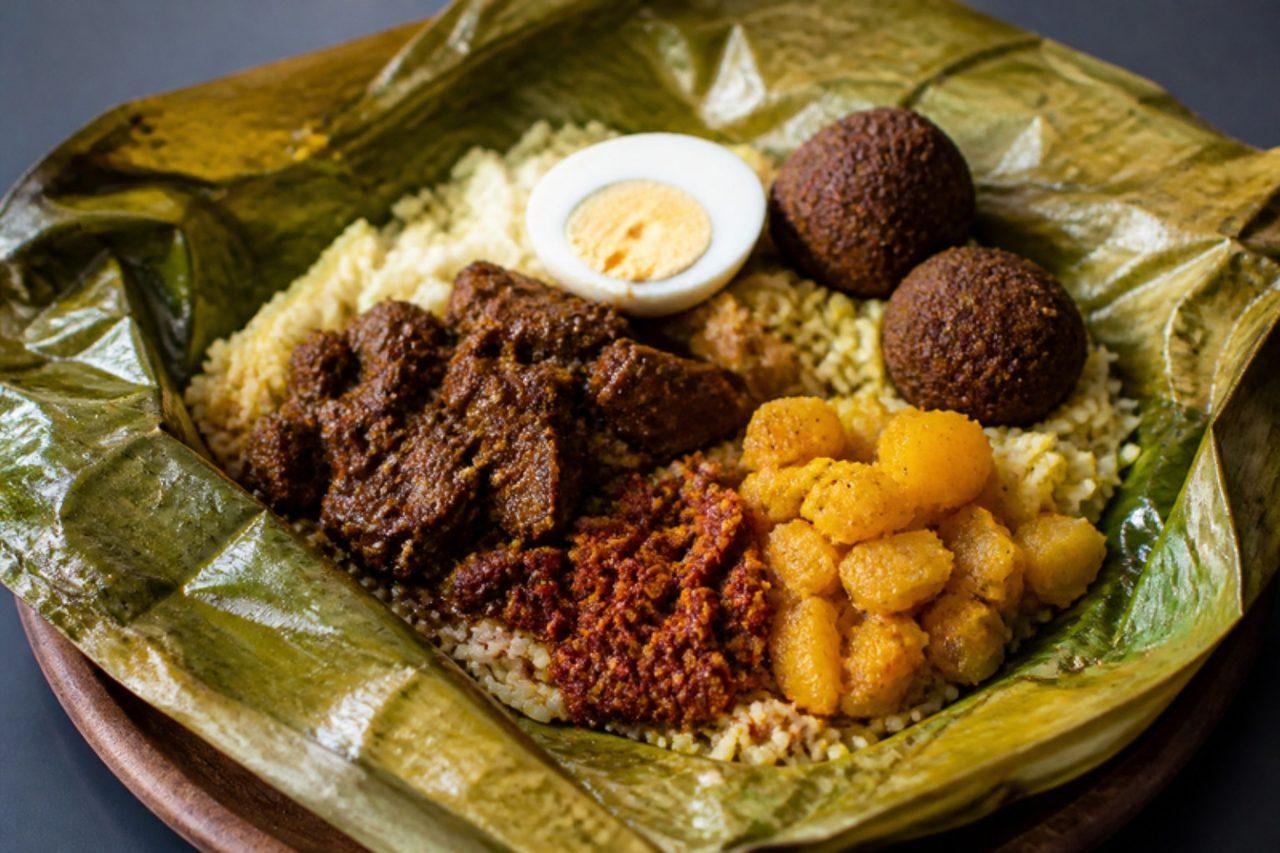
Lamprais (home version)Rice parcel with meat curry

Lamprais came to Sri Lanka with the Dutch Burgher community, and Colombo's Burgher families still make it for Sunday lunch, christenings and Christmas. Each banana-leaf parcel holds rice cooked in rich stock, a mixed meat curry, little fried meatballs called frikkadels, a hard-boiled egg, aubergine moju and seeni sambol, all baked together until the leaf perfumes everything. The traditional version uses three meats including pork; this home version keeps it to chicken and beef so it is manageable in one day, and the steps still take time. Chef's tip: make the curry and frikkadels the day before; on lamprais day you only cook the rice and wrap.

by KrazyBadal 0 views

Chuchitos de verdurasSmall vegetable tamales

Chuchitos are Guatemala's everyday tamal: small, firm parcels of masa tied in corn husks, sold from steaming pots at markets in Antigua and Guatemala City and eaten on Saturdays with a spoon of tomato sauce and crumbled dry cheese. They're denser than Mexican tamales, with the masa itself tinted by the red recado. Here they're filled with potato, green beans and sweet pepper instead of chicken. Chef's tip: beat the masa until a pinch floats in a glass of water; that air makes them tender rather than stodgy.

by KrazyBadal 0 views

Davanagere benne dosaButter dosa

Davanagere, a cotton-market town in central Karnataka, is famous for one thing above all: benne dosa, small, thick dosas cooked on a huge iron griddle with a generous lump of white butter melting over each one. The batter includes puffed rice (mandakki), which makes the inside soft and spongy while the base turns crisp and deep golden. In the town's busy dosa halls they arrive two at a time with a thin coconut chutney and a spoonful of potato palya tucked inside. It is breakfast, but many people eat it as an evening snack too. Chef's tip: use proper unsalted white butter if you can find it, and add it in two goes, half when the batter goes on and half just before folding, so the edges fry in butter rather than burn.

by KrazyBadal 0 views

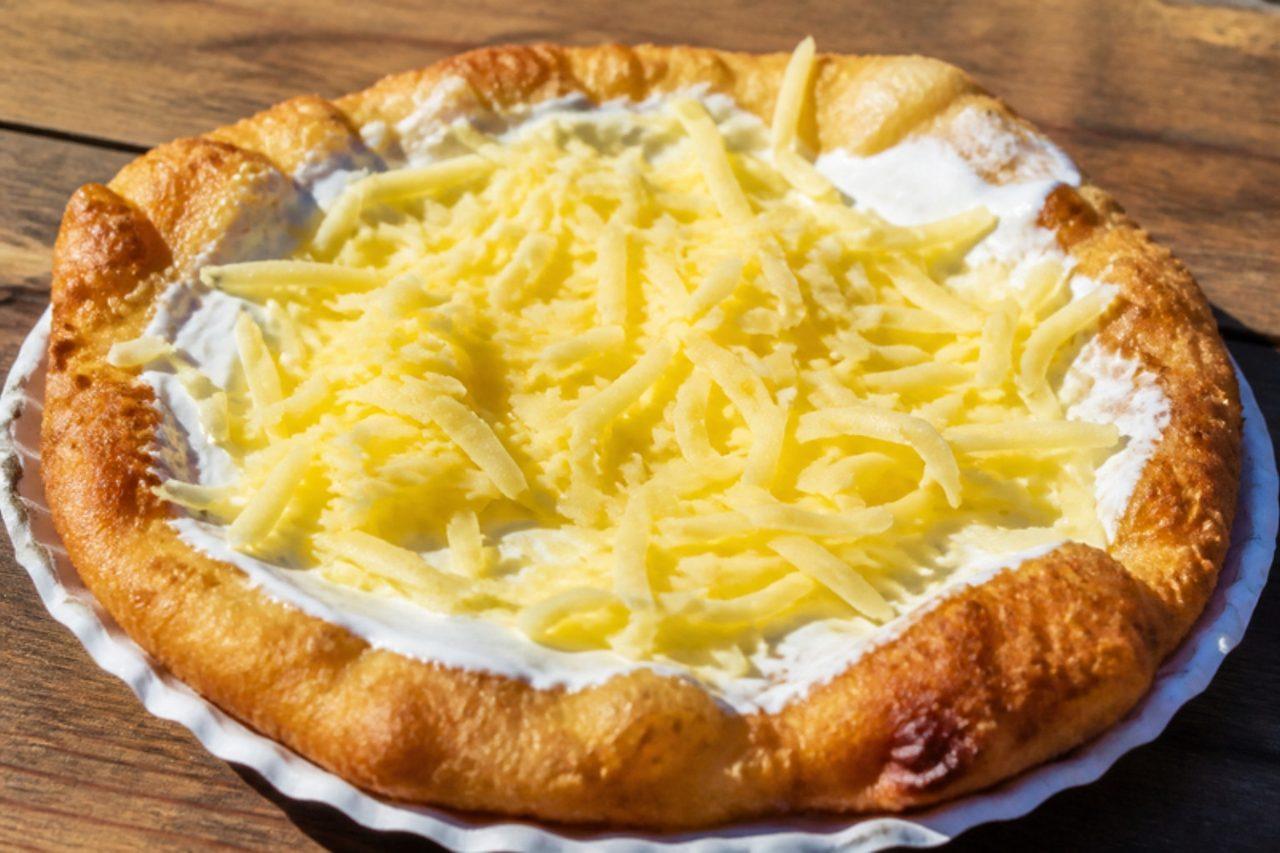
LángosFried bread with garlic and cheese

Lángos is the deep-fried flatbread of Hungarian beaches and markets: it is eaten in swimsuits on the shore of Lake Balaton, at Budapest's Great Market Hall and at every summer fair. The dough is soft and yeasted, often enriched with mashed potato, and it fries into a puffy disc that is crisp at the edges and chewy in the middle. The classic topping is garlic water brushed on hot, then sour cream and a snowfall of grated cheese. Chef's tip: stretch the dough thinner in the centre than at the rim; the edge puffs into a crisp crust while the middle stays soft enough to hold the toppings. Choose a cheese made with vegetarian rennet (many supermarket Cheddars and Edams are).

by KrazyBadal 0 views

Afghan biscuitsChocolate cornflake biscuits

Afghans are a New Zealand classic, found in the old home baking books passed down in Kiwi kitchens and in the glass cabinets of cafés and bakeries from Christchurch to Whangārei. Nobody is quite sure where the name came from. The dough is rich with butter and cocoa, and lightly crushed cornflakes give each biscuit a crunchy, slightly rugged texture. A swirl of soft chocolate icing and a walnut half finish them off. They're not too sweet underneath, which is why the icing works so well. Chef's tip: crush the cornflakes only lightly with your hand; fine crumbs disappear, but big flakes give the crunch an afghan is known for.

by KrazyBadal 0 views

CanjeeroSpongy fermented pancakes

Canjeero (also called laxoox) is Somali breakfast, made fresh each morning in homes and sold in cafés from Mogadishu to Djibouti: thin, spongy pancakes from a soured batter, cooked on one side only so the top is full of tiny holes. Eaten warm, they are drizzled with sesame oil or ghee and sprinkled with sugar, then rolled up with sweet spiced tea; on weekends they come with liver or beans. They are smaller and lighter than Ethiopian injera and made mostly from wheat. Chef's tip: spread the batter in a spiral with the back of the ladle, starting in the middle; that is what makes the thin, even, lacy sheet.

by KrazyBadal 0 views

Attiéké with tomato and onionCassava couscous with tomato salad

Attiéké is the light, slightly sour cassava 'couscous' of the Ébrié and Adjoukrou peoples around Abidjan's lagoons, and it is eaten across Côte d'Ivoire every day of the week. In maquis (open-air restaurants) it comes heaped beside grilled fish with a raw salad of tomato, onion and chilli; at home many people eat it simply with that salad, fried plantain and a fried egg, which is how it is served here. Buy it frozen or dried in African shops. Chef's tip: steam attiéké rather than boiling it; water turns it to paste, while steam keeps the grains fluffy and separate.

by KrazyBadal 0 views

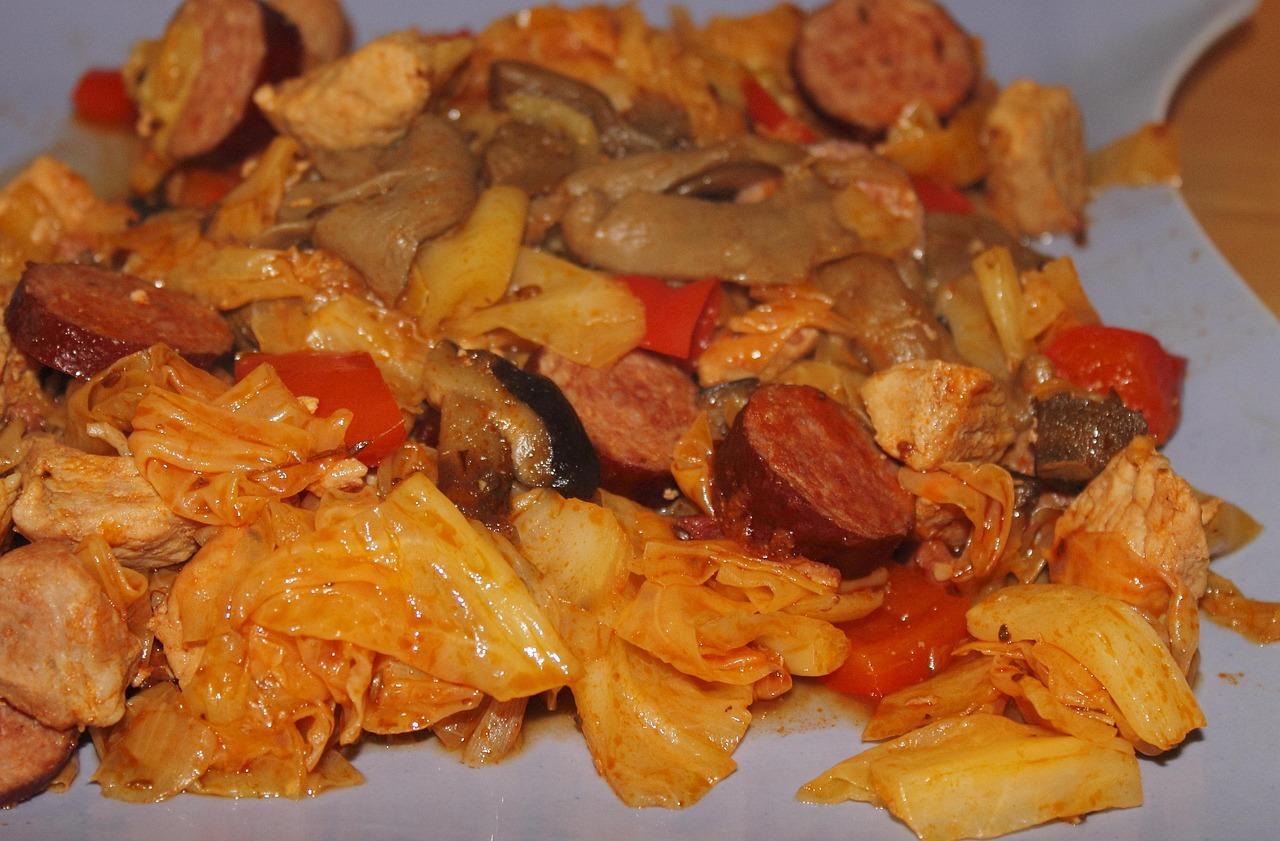
BigosHunter's stew with sauerkraut and pork

Bigos, the hunter's stew, is cooked in huge pots across Poland for Christmas, New Year and the long winter, and every family insists theirs is best on the third reheating. Sauerkraut and fresh cabbage stew for hours with pork shoulder, smoked kiełbasa and bacon, dried wild mushrooms, prunes, juniper and a splash of red wine; it is a pork dish through and through. The wine contains alcohol; for an alcohol-free version use 100 ml apple juice with 1 tbsp cider vinegar. Serve with rye bread or boiled potatoes. Chef's tip: taste the sauerkraut first; if it is very sharp, rinse it once in cold water and squeeze it dry.

240 minPolishMeatGluten free
by KrazyBadal 0 views

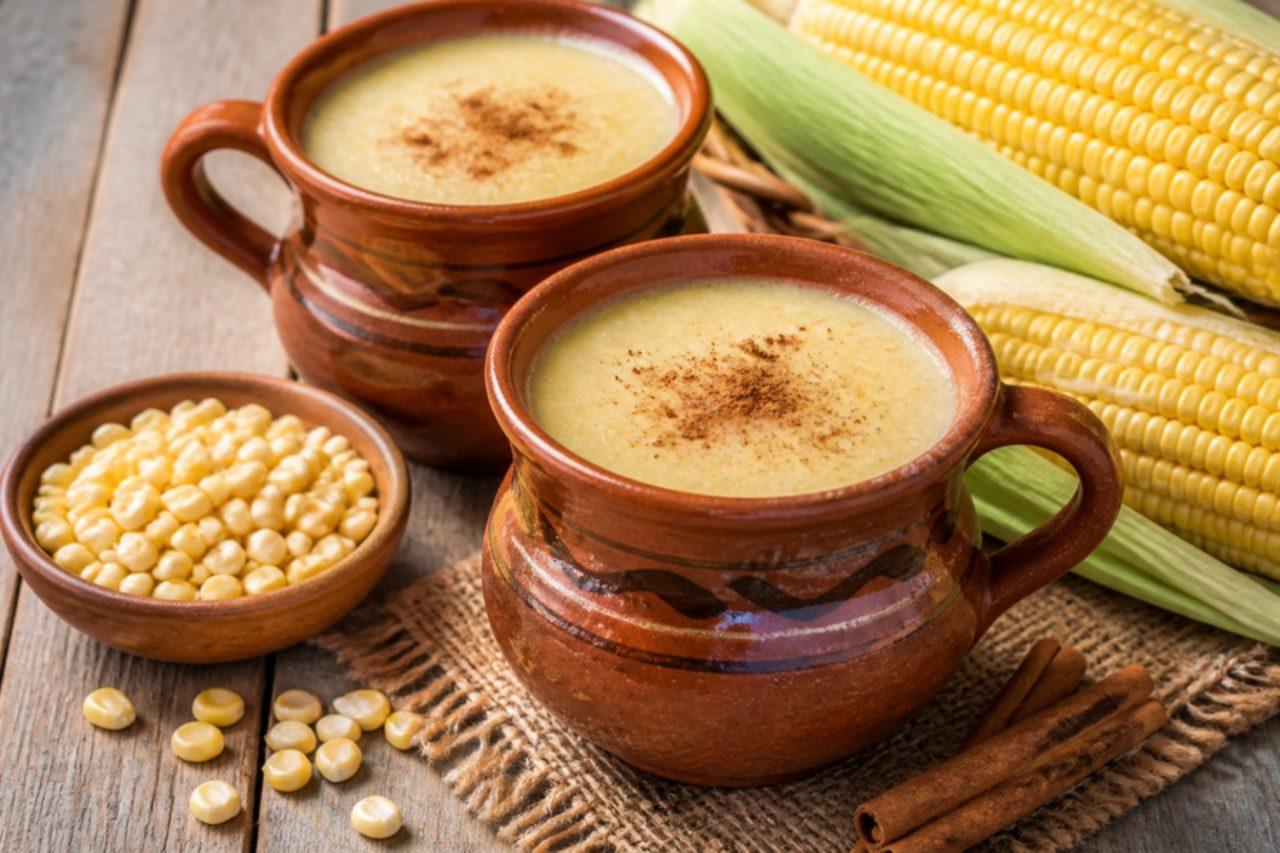
Atol de eloteWarm fresh corn drink

When the new maize comes in, Central Americans drink their corn: atol de elote is fresh sweetcorn blended, strained and cooked with milk and cinnamon into a thick, pale-yellow drink, sipped from a cup or a gourd. In El Salvador it's sold at roadside stands with tamales de elote; in Guatemala it warms chilly highland evenings. Taste is like sweet corn custard you can drink. Chef's tip: strain the blended corn through a fine sieve and press hard; the skins make the drink gritty.

by KrazyBadal 0 views

Yangrou paomoLamb soup with flatbread

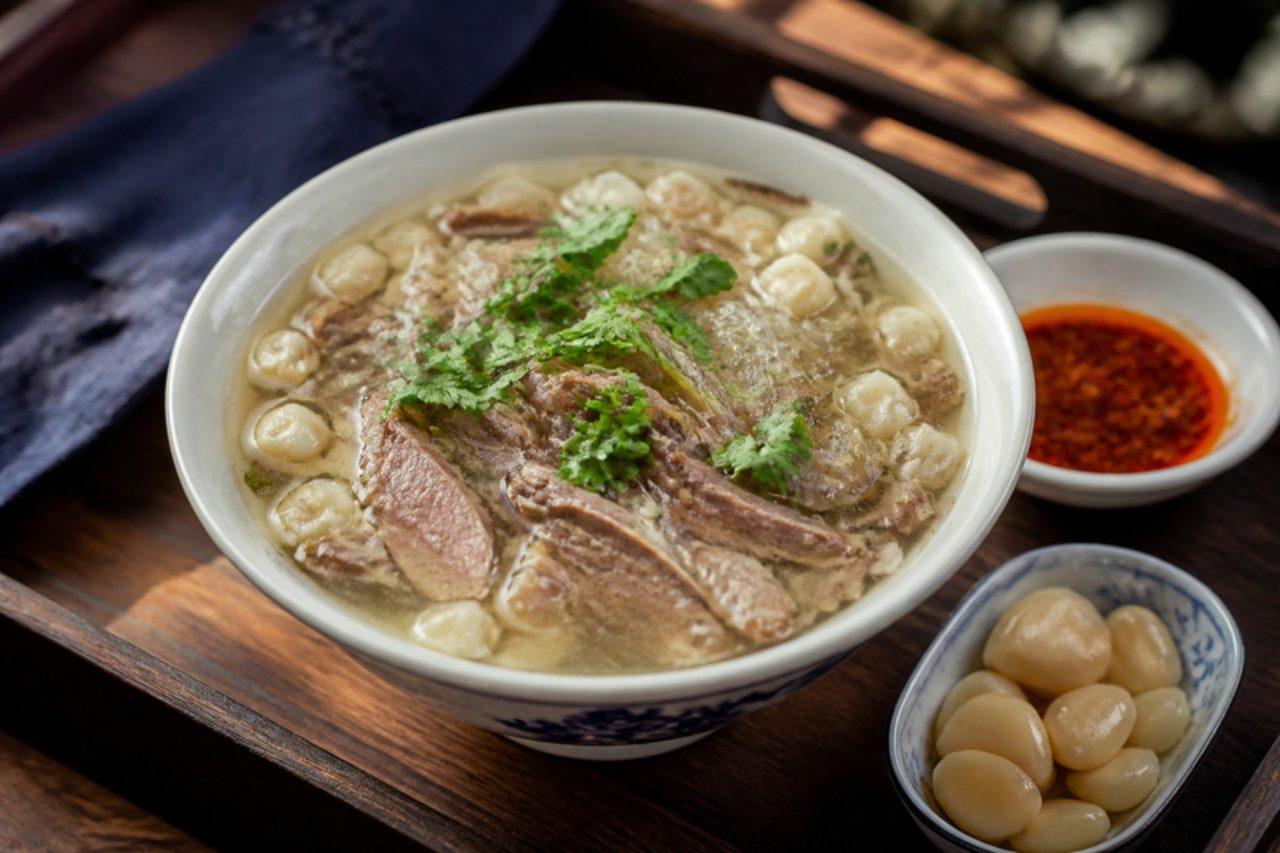
Order this soup in one of the old Hui restaurants around Xi'an's Drum Tower and you are handed a dense, barely leavened flatbread and expected to tear it yourself into pea-sized crumbs while you chat; the kitchen then cooks it in rich lamb broth until each crumb is soft yet still chewy. Slices of tender lamb, glass noodles and wood ear mushrooms go in too, and the bowl comes with sweet pickled garlic and chilli sauce on the side. It is a soothing, filling soup, especially on Xi'an's freezing winter mornings. Expect a deep, clean lamb flavour scented with warm spices. Chef's tip: tear the bread small, no bigger than a soybean; big lumps stay doughy in the middle.

180 minChineseSoups
by KrazyBadal 0 views

Larb gaiSpicy chicken salad

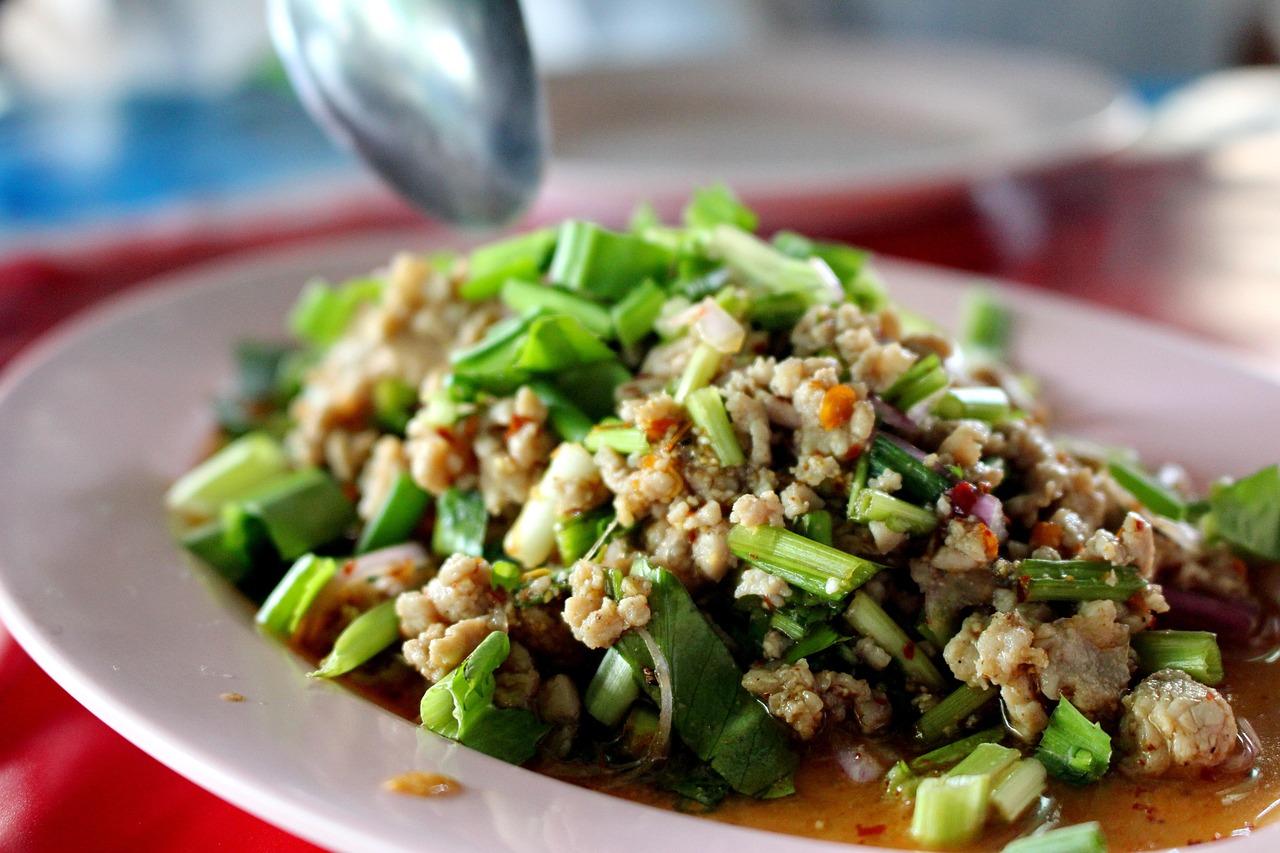
Out in the rice-farming provinces of Isan, a plate of larb turns up at almost every family meal and roadside som tam shack, always with a basket of sticky rice and a pile of raw greens. Warm minced chicken is tossed with fish sauce, plenty of lime, dried chilli and a fistful of mint, then finished with nutty, crunchy toasted rice powder. The result is bright, sour, salty and hot all at once, with a pleasing coarse texture. Wrap spoonfuls in lettuce, or eat it with sticky rice, cucumber and long beans. Chef's tip: toast your own rice powder; shop-bought tastes flat, and freshly ground grains smell like popcorn.

25 minThaiSaladsGluten freeSpicy
by KrazyBadal 0 views

Lasaniya batakaGarlic potatoes

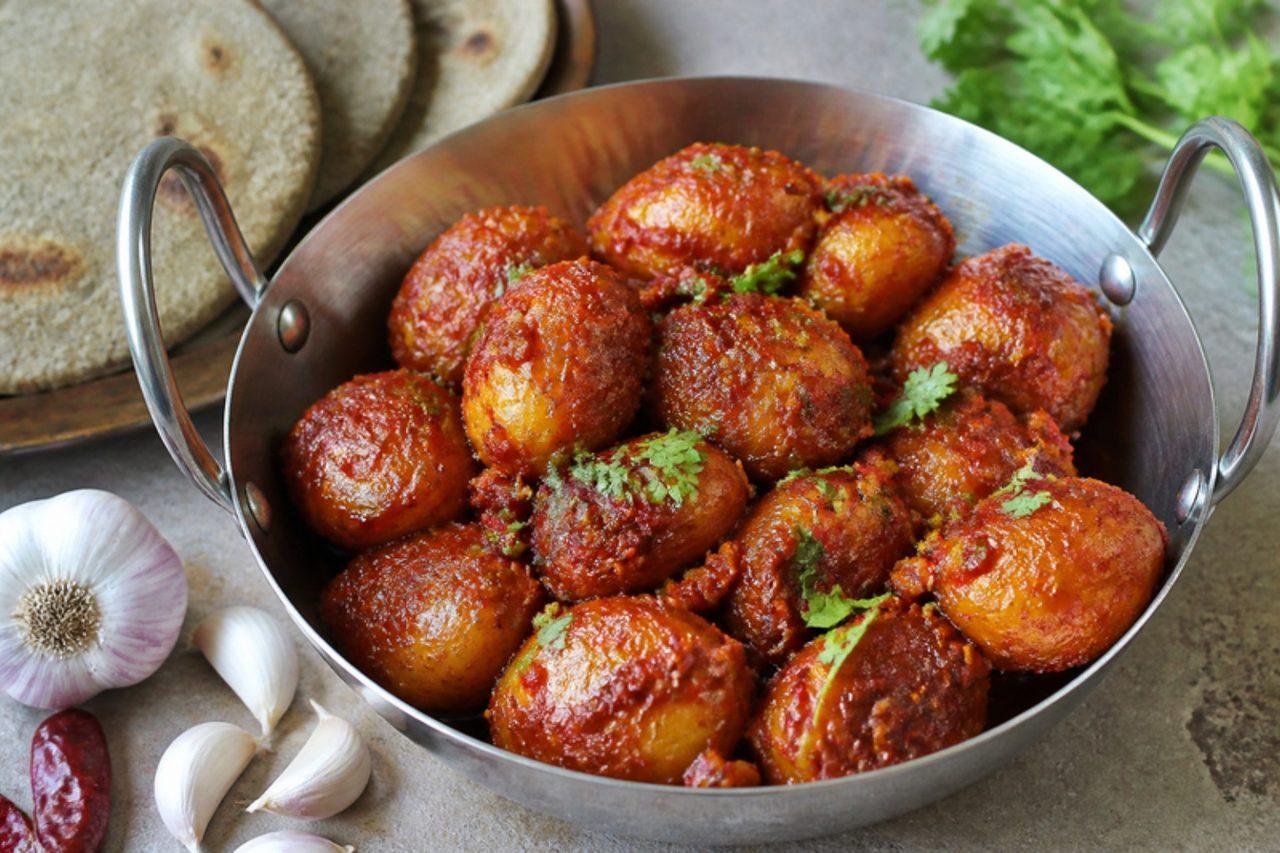
Lasaniya bataka is a dhaba favourite along the highways of Kathiawad, where it lands on the table next to bajra rotla, a lump of white butter, raw onion and a glass of chaas. Baby potatoes are boiled, lightly fried, then coated in a thick paste of pounded garlic and red chilli that has been cooked down until it smells sweet rather than sharp. It is hot, garlicky and a little tangy, the kind of side dish that turns plain flatbread into a meal. Make it for a winter lunch with Kathiawadi kadhi and khichdi. Chef's tip: pound the garlic and chilli in a mortar instead of blending; a slightly coarse paste clings to the potatoes and gives you little bursts of garlic.

by KrazyBadal 0 views

Lasary legiomaTurmeric pickled vegetables

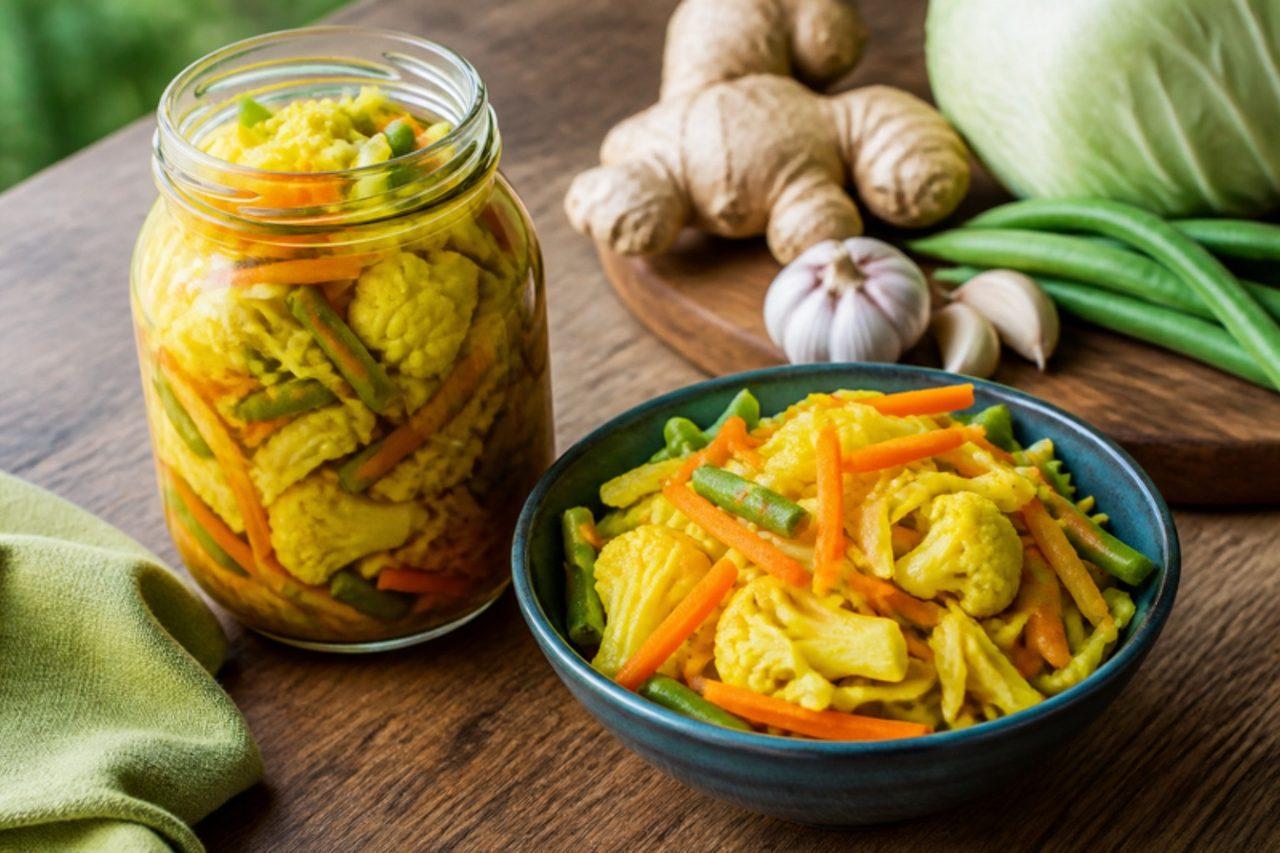
Lasary legioma, vegetable lasary, is a tangy, turmeric-yellow pickle of carrot, green beans and cabbage that sits on the table in Malagasy homes and hotelys (small canteens) to brighten rice and plain dishes. It is close to the achards of Réunion and Mauritius and is made in large jars to last the week. Chef's tip: blanch the vegetables for only a minute and cool them fast; they should stay crunchy, not cooked.

by KrazyBadal 0 views

Lasary voatabiaTomato and spring onion relish

Lasary voatabia is the fresh tomato relish served beside the rice at almost every Malagasy meal, from Antananarivo's highland homes to the coast. Tomatoes and spring onion are chopped very small, sharpened with lime or vinegar and a little sakay (chilli), and spooned onto the rice to wake up broths like romazava. It is juicier and finer than a salad. Chef's tip: chop the tomatoes very small, almost to a pulp at the edges; the juice is meant to soak into the rice.

by KrazyBadal 0 views

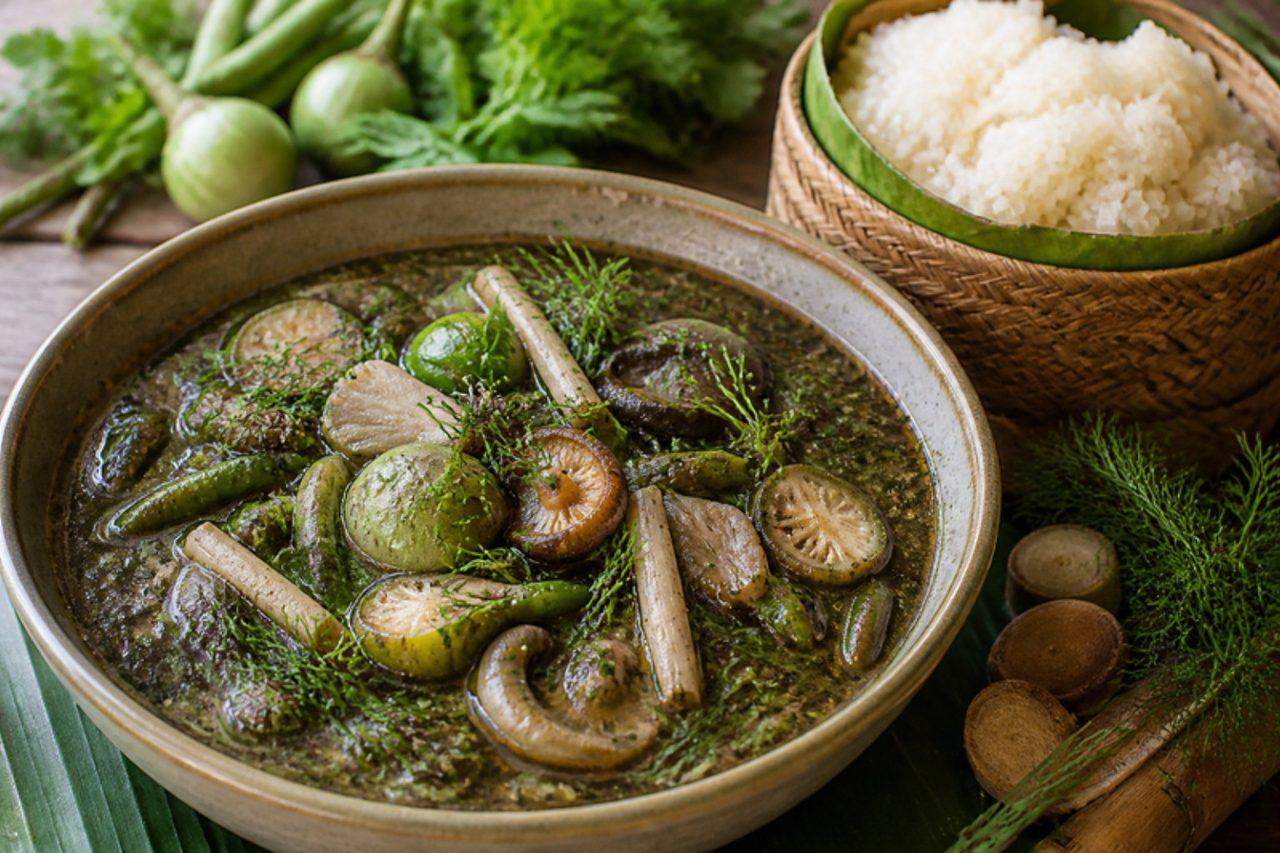
Mushroom or lamHerb stew with aubergine and mushrooms

Or lam belongs to Luang Prabang, the old royal town on the Mekong, where it is cooked for long family lunches and served at almost every restaurant that makes local food. It is a thick, rustic stew of aubergine, long beans, mushrooms and greens, thickened with a little sticky rice and flavoured with sakhan, a peppery wood that numbs the lips like Sichuan pepper, plus heaps of dill and lemongrass. The usual dried buffalo skin and meat are swapped for two kinds of mushroom here. Eat it with sticky rice and a jeow. Chef's tip: if you can't find sakhan, a few lightly crushed Sichuan peppercorns give the same tingle; add them early so the tingle spreads through the broth.

by KrazyBadal 0 views

CannoliFried shells with sweet ricotta

Cannoli were once a Carnival treat in Palermo; now Sicilian pastry shops fill them all year, piping the sweet sheep's-milk ricotta cream into the crisp, bubbly shells only when you order, so they never go soft. The ends are dipped in chopped pistachios, candied orange or chocolate chips. Traditional shells are fried with lard; this version uses butter in the dough and sunflower oil to fry. You need metal cannoli tubes. Chef's tip: drain the ricotta overnight and push it through a sieve; it makes a silky cream that holds its shape instead of a runny, grainy filling.

by KrazyBadal 0 views

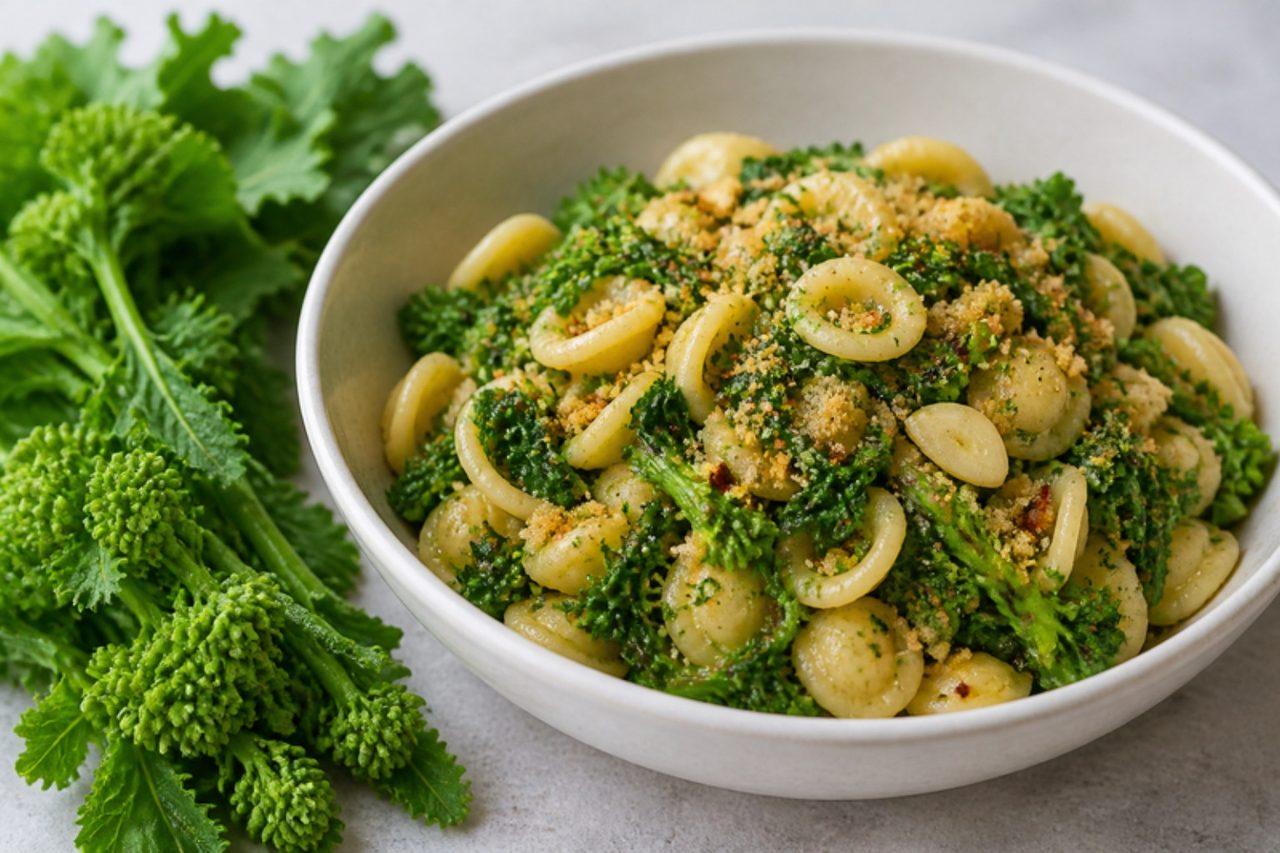
Orecchiette con cime di rapaOrecchiette with turnip tops

In Bari the old women of Arco Basso still shape orecchiette on wooden boards in the street, and the dish everyone cooks them with is cime di rapa: the bitter, leafy turnip tops sold in big bunches from autumn to early spring. The greens and pasta boil in the same pot, then get tossed with garlic, chilli and good olive oil. Pugliese cooks usually melt in anchovies; this vegan version uses golden fried breadcrumbs (mollica), the 'poor man's cheese' of southern Italy, for crunch and savour. Chef's tip: add the chopped stalks first and the leaves a few minutes later, so everything is tender at the same moment as the pasta.

by KrazyBadal 0 views

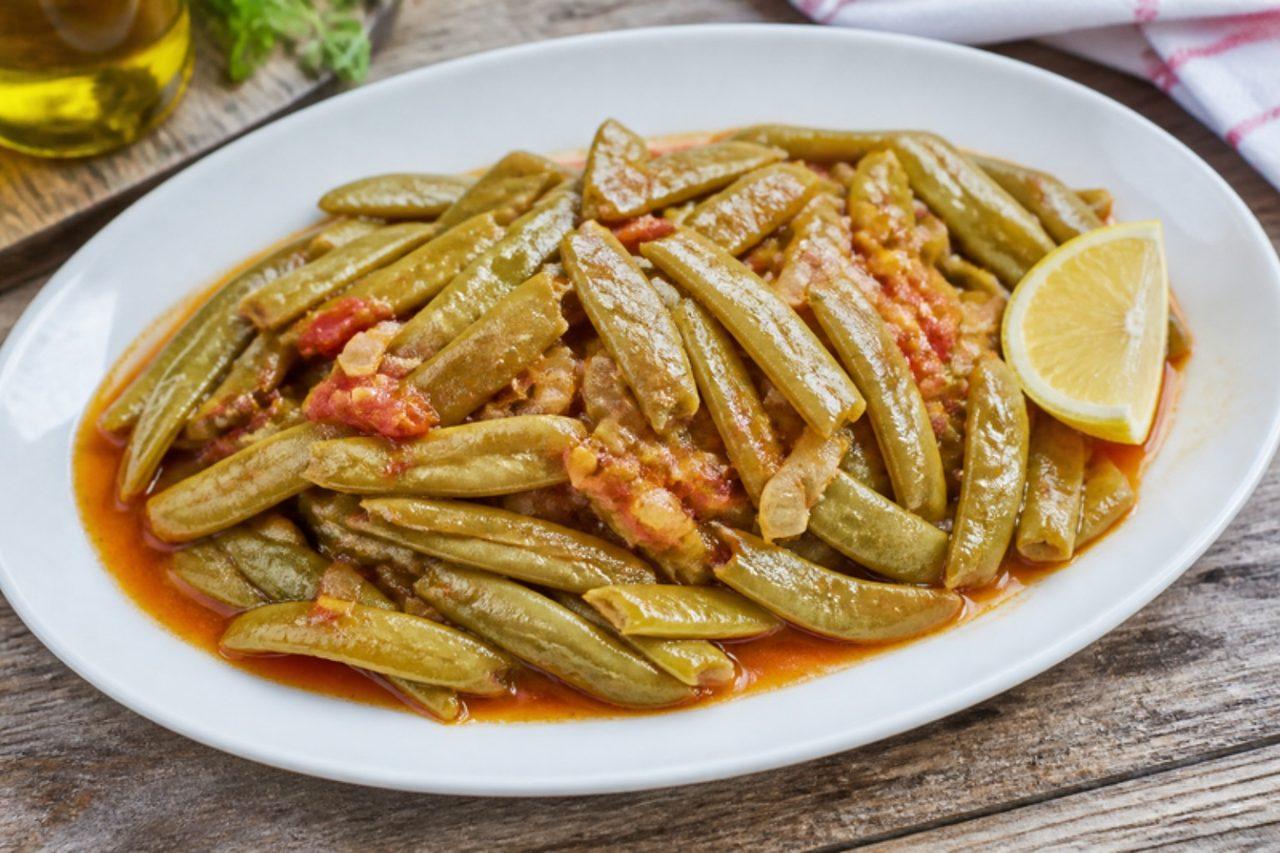
Zeytinyağlı taze fasulyeGreen beans braised in olive oil

Along the Aegean coast, from İzmir down to Bodrum, summer lunch often begins with a plate of flat green beans that have been stewed in olive oil and tomato until they are silky, then left to cool to room temperature. It belongs to the zeytinyağlı family: vegetables cooked in olive oil, with no meat, and eaten cold or barely warm with bread to mop up the orange-red juices. Home cooks make a big pan in the morning and serve it over two or three days, because it tastes better after a night in the fridge. The most common mistake is rushing it on a high flame: the beans stay squeaky and the oil never turns glossy. Chef's tip: lay the beans on top of the onions and tomatoes without stirring, cover tightly and let the steam do the work; stirring breaks the beans and turns the sauce muddy.

by KrazyBadal 0 views

LaugenbrezelSoft pretzels

The Brezel is the emblem of German bakeries in Bavaria and Swabia: deep chestnut-brown and shiny outside, soft and chewy inside, with a fat 'belly' and thin crisp arms, studded with coarse salt. In Munich it's eaten with sweet mustard and Obatzda in beer gardens; in Stuttgart it's split and buttered for breakfast. Bakeries dip them in a lye solution, which is too caustic for most home kitchens; a bath of baked baking soda gets close in colour and flavour and is safe to handle. Chef's tip: chill the shaped pretzels uncovered for 30 minutes before the bath; a slightly dry skin holds its shape and turns darker and shinier.

120 minGermanBakingVegan
by KrazyBadal 0 views

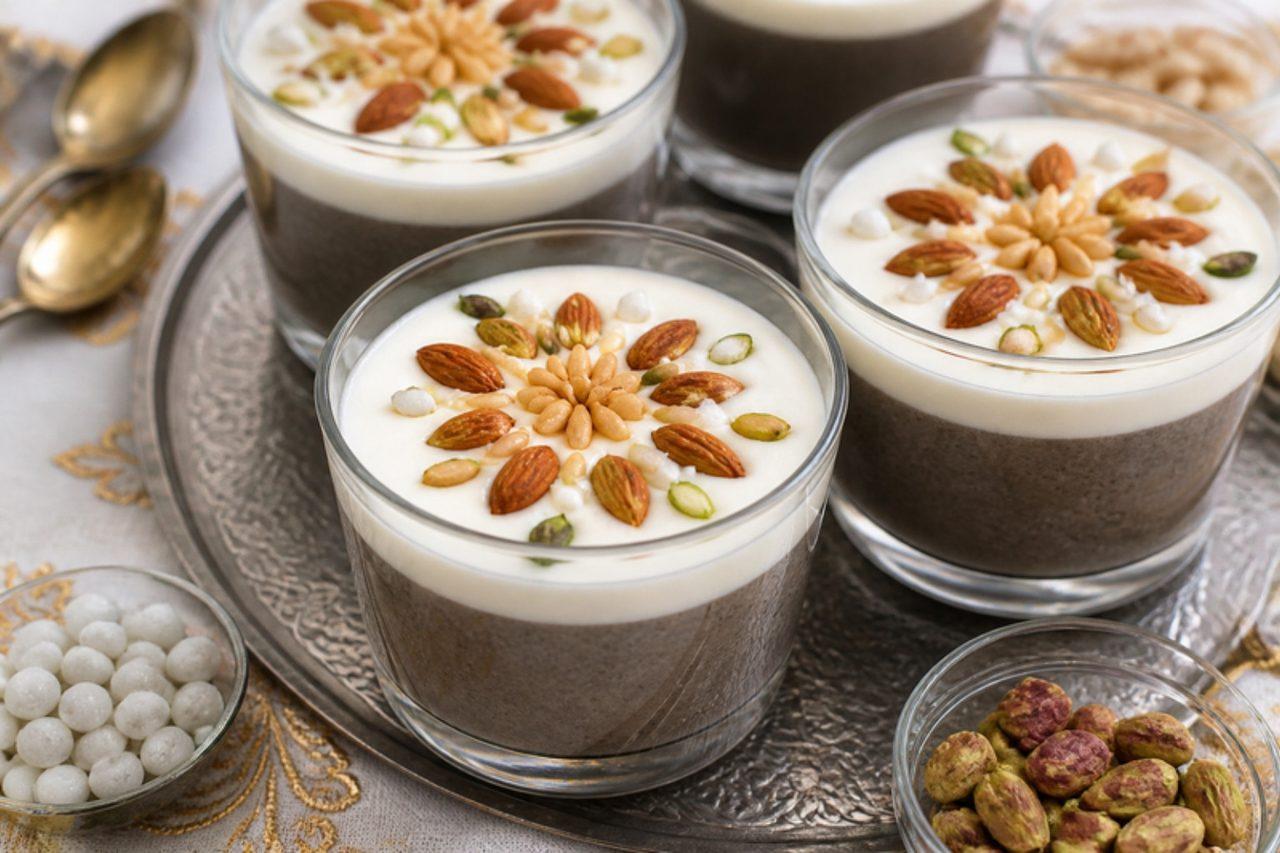
Assida zgougouAleppo pine seed pudding

Assida zgougou is made in Tunisian homes once a year, for the Mouled (the Prophet's birthday): a dark, nutty pudding of Aleppo pine seeds (zgougou) cooked with flour and sugar, topped with a pale vanilla custard and decorated with almonds, pistachios, pine nuts and sugared almonds. Families make dozens of glasses to share with neighbours. Zgougou is sold in Tunisian and North African grocers; ground hazelnuts are a stand-in, though the taste is different. Chef's tip: strain the zgougou liquid through muslin twice; any grit ruins the smooth texture.

by KrazyBadal 0 views

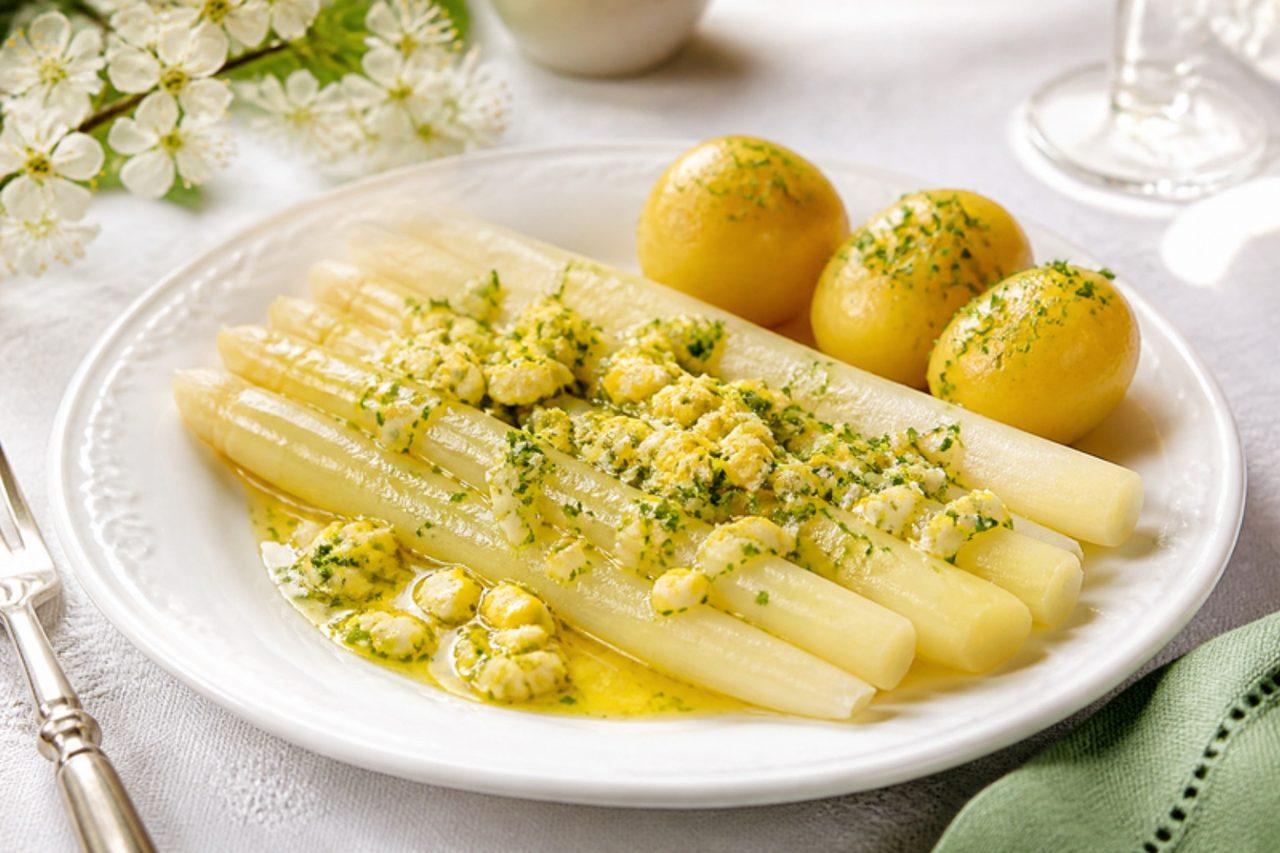
Asperges à la flamandeWhite asparagus with egg and butter

In May and June, white asparagus from Mechelen and the sandy fields around Limburg arrive in Belgian markets, and asperges à la flamande (asperges op Vlaamse wijze) is the way to eat them. The pale spears are peeled and cooked until tender, then covered with a warm sauce of melted butter, chopped hard-boiled egg, parsley and nutmeg that is half sauce and half garnish. It is served as a starter in Flemish restaurants all through the short asparagus season, sometimes with a slice of ham alongside; here it stays meat-free. Chef's tip: peel the spears from just below the tip all the way down with a swivel peeler; white asparagus has a thick, bitter skin, and missing even a strip leaves woody threads.

by KrazyBadal 0 views

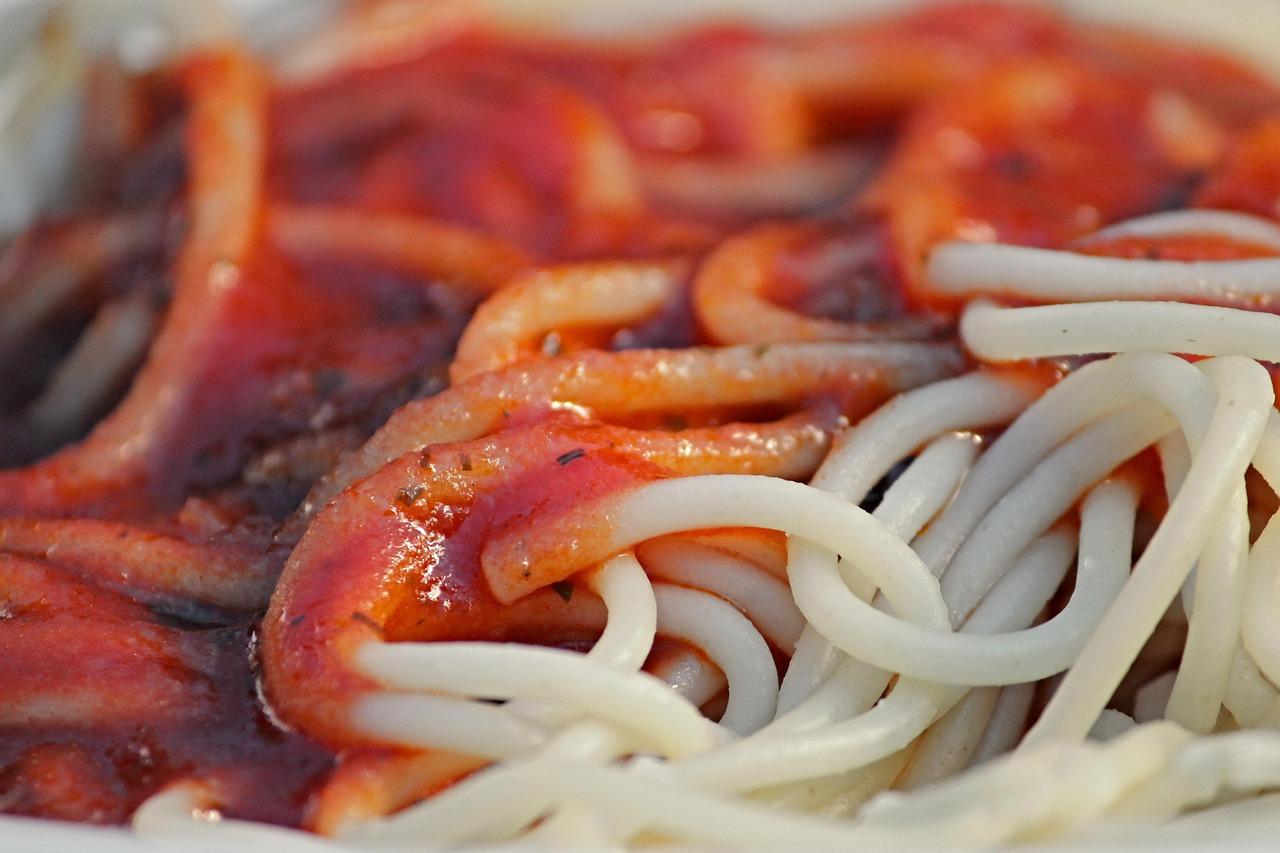
Asmara pasta al sugoSpaghetti in berbere tomato sauce

Pasta is part of everyday life in Asmara, a legacy of the Italian years, and in Eritrean homes and cafés 'pasta al sugo' means spaghetti in a slow tomato sauce warmed with berbere, garlic and plenty of onion. It is eaten on weekdays and after church on Sundays, often with a banana or a green chilli on the side. The usual sauce has minced beef; this one uses finely chopped mushrooms and carrot for the same body. Chef's tip: cook the onions and berbere slowly before the tomato goes in; raw berbere tastes dusty.

by KrazyBadal 0 views

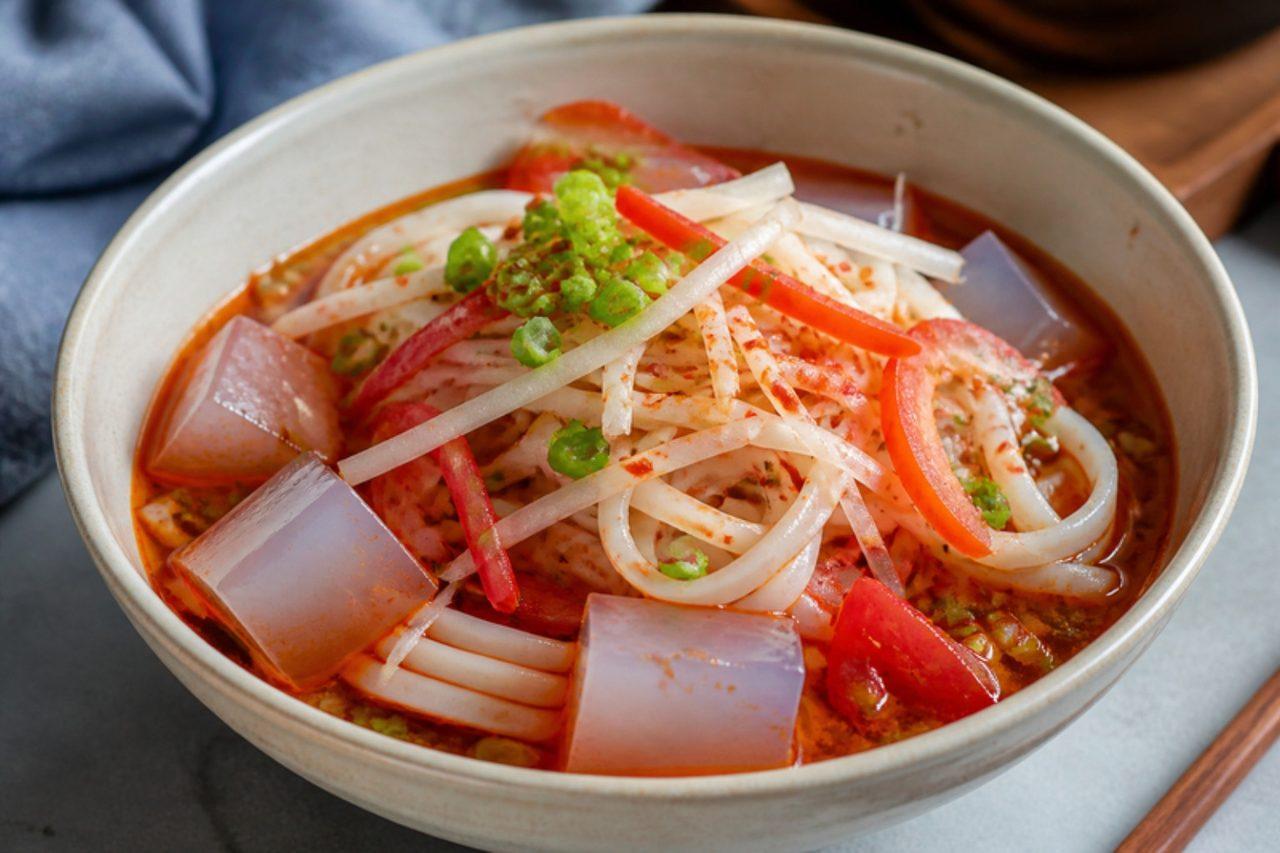
Ashlyan-fuCold noodle soup with starch jelly

Ashlyan-fu is the street food of Karakol, the town on the eastern shore of Kyrgyzstan's Lake Issyk-Kul, brought by Dungan (Hui) families more than a century ago. Locals eat it for lunch on hot days at the 'ashlyan-fu row' near the bazaar: thick wheat noodles and cubes of wobbly starch jelly in a chilled, sour and fiery broth, with a strip of thin omelette, often alongside a fried potato pirozhok. It's eaten all over Kyrgyzstan and southern Kazakhstan now. This version uses a vegetable sauce rather than meat. Chef's tip: everything must be cold; chill the broth and the jelly properly, as lukewarm ashlyan-fu tastes flat.

by KrazyBadal 0 views

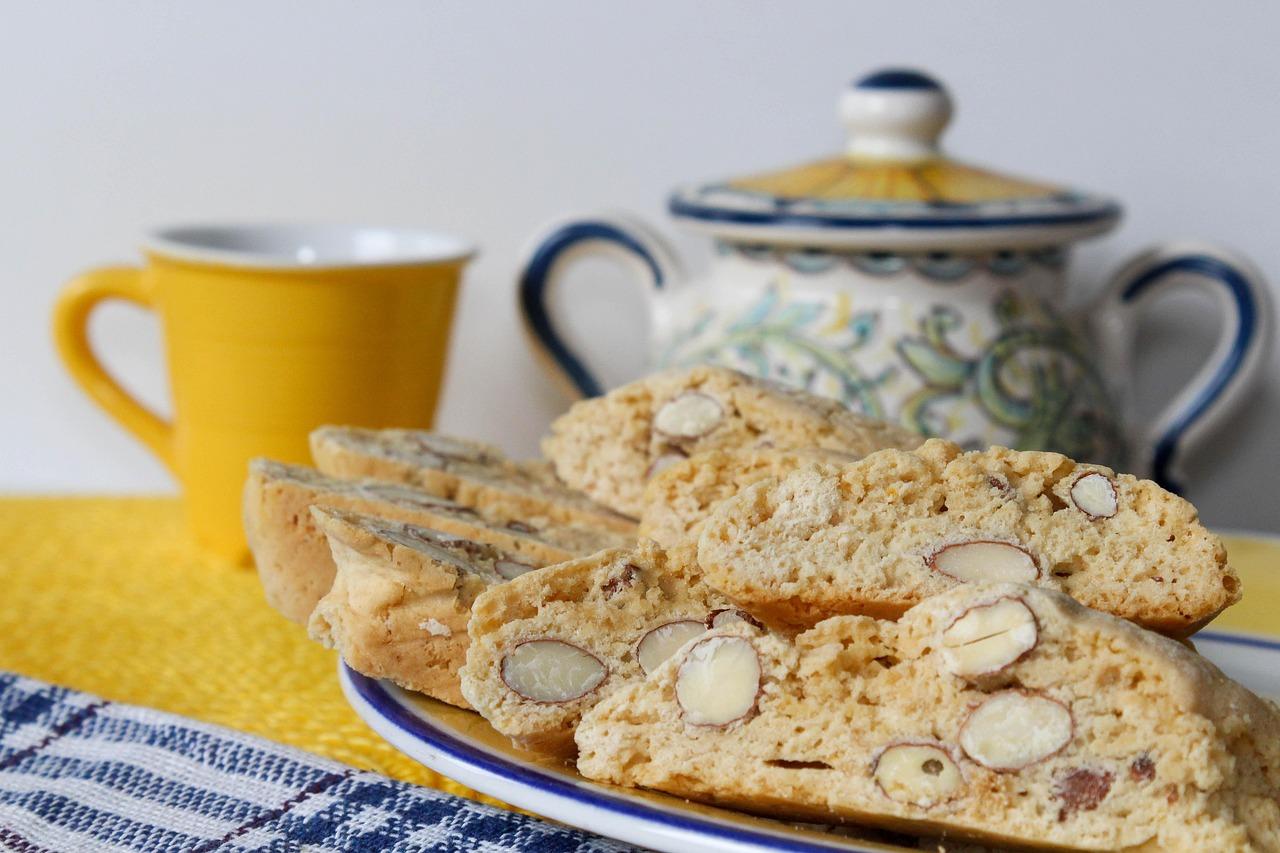
CantucciTwice-baked almond biscuits

Cantucci, also called biscotti di Prato, are the hard almond biscuits of Prato, near Florence, where bakeries have sold them since the 1800s. The dough is shaped into logs, baked, sliced on the diagonal and baked again until crisp and golden, so they keep for weeks. In Tuscany they end a meal dipped in a small glass of Vin Santo; with coffee works just as well. The traditional recipe has no butter or oil, only eggs, sugar, flour and whole almonds. Chef's tip: slice the logs while still warm with a serrated knife and a firm sawing motion; once cold, they crumble.

by KrazyBadal 0 views

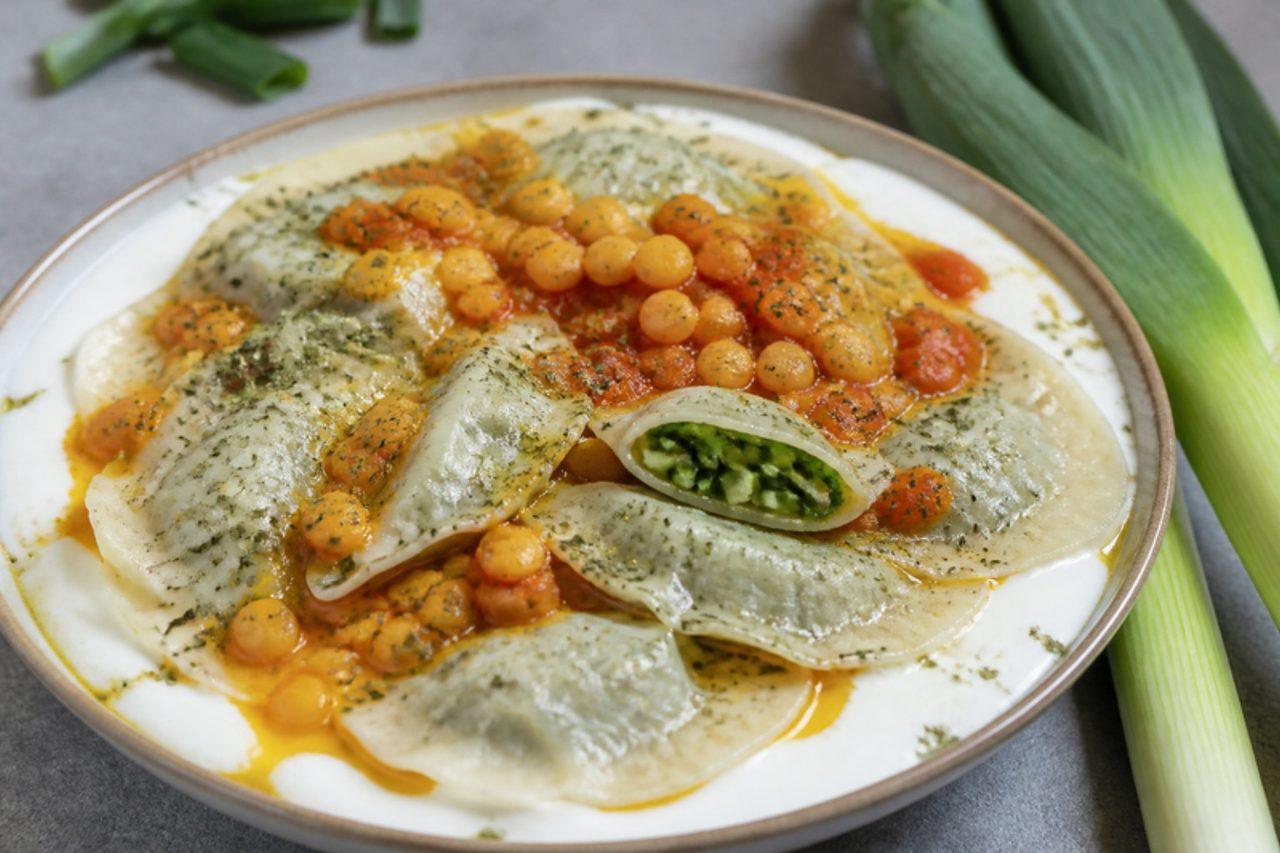
AshakLeek-filled dumplings

Ashak are the dumplings Kabul families fold together for Eid, Nowruz and weddings: thin wheat wrappers stuffed with gandana (Afghan garlic chives, here replaced with leeks and spring onions), boiled, then laid on a bed of garlicky strained yoghurt and topped with a tomato sauce and dried mint. Ashak usually come with a minced-meat sauce; this vegetarian version uses yellow split peas in a spiced tomato base, as many Afghan cooks do on meatless days. Making them is a sociable afternoon job, so rope in helpers. Chef's tip: squeeze the salted leeks hard in a cloth before filling; any water left in them soaks the wrappers and they split in the pot.

by KrazyBadal 0 views

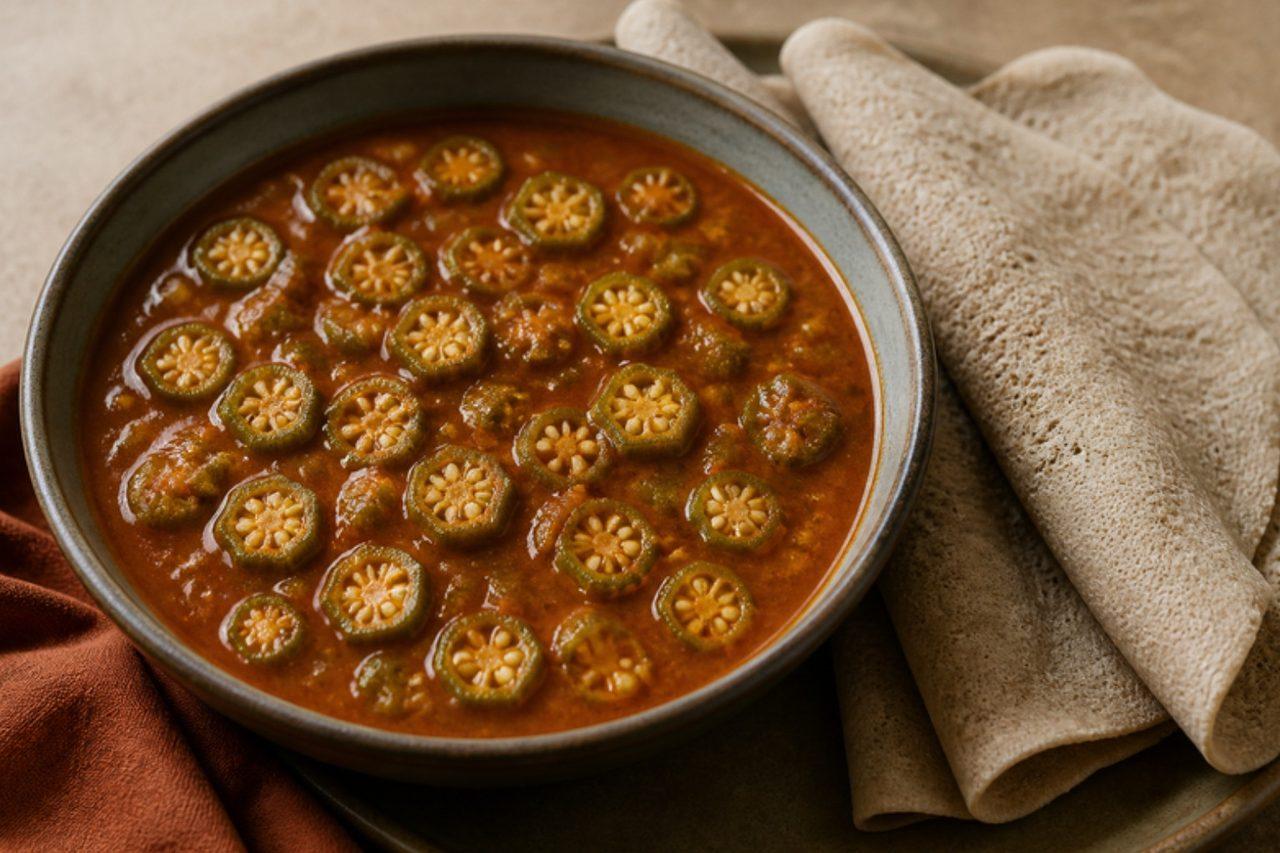
Mullah bamiaOkra stew

Mullah is the Sudanese word for the thick stews that go with kisra and aseeda, and mullah bamia, with okra, is one of the most loved, cooked in homes from Khartoum to Kassala. The base is a large amount of onion cooked very slowly until it melts, then tomato and garlic; the okra is left to soften until the sauce turns silky. Many households add dried ground okra (weika) for a thicker, earthier stew. It is normally made with meat; here it is all vegetable. Chef's tip: cook the onions until they collapse into a jam before adding anything else; that slow base is what gives mullah its depth.

by KrazyBadal 0 views

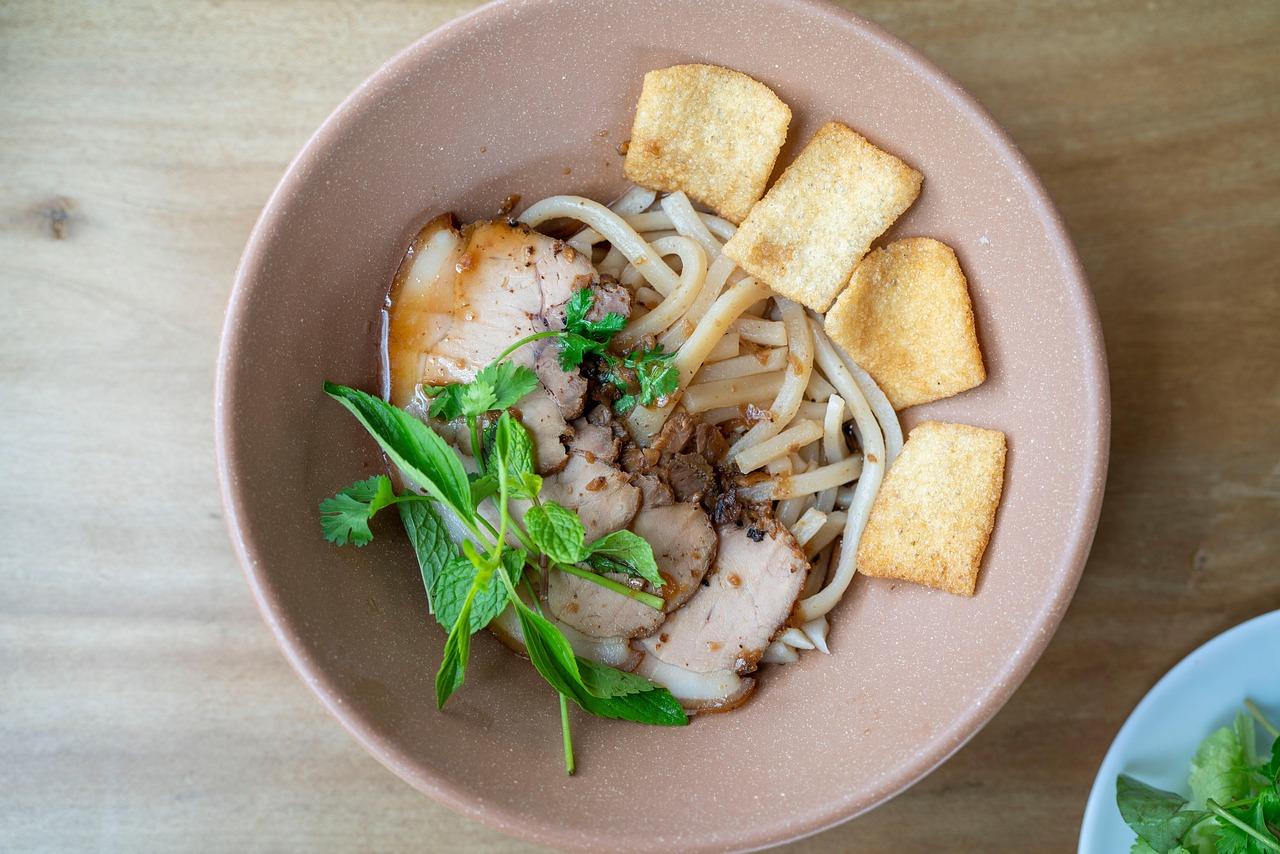
Cao lauPork and noodle bowl

You will really only find proper cao lầu in Hội An, the old trading port on Vietnam's central coast, where it's sold in small family eateries and along the riverside at lunch. The noodles are yellowish and unusually chewy, made with lye water that locals traditionally link to the town's ancient Bá Lễ well. They come almost dry, topped with slices of sweet five-spice pork, raw greens and crisp squares of fried dough, with just a spoonful of the pork juices. Because the real noodles are very hard to buy outside Hội An, this home version uses thick udon noodles, which give a similar bouncy chew; it is a substitute, not the original. Chef's tip: rinse the cooked udon in cold water, then dip briefly in hot water just before serving, so they are warm but firm.

by KrazyBadal 0 views

Łazanki with cabbage and mushroomsSquare noodles with cabbage and mushrooms

Łazanki are short, square egg noodles, and in the Podhale highlands and around Kraków they are tossed with soft-fried white cabbage, a little sauerkraut and mushrooms for a cheap weekday supper, especially in autumn when the cabbage is new. Most cooks add smoked bacon; this version leaves it out and gets its depth from dried ceps, browned fresh mushrooms and plenty of black pepper and marjoram. It is soft, savoury and slightly sour. Serve it on its own with a glass of buttermilk or kefir, as people do in the mountains. Chef's tip: let the cabbage catch and brown in places before you add the noodles; that browning is the flavour bacon would otherwise give.

by KrazyBadal 0 views

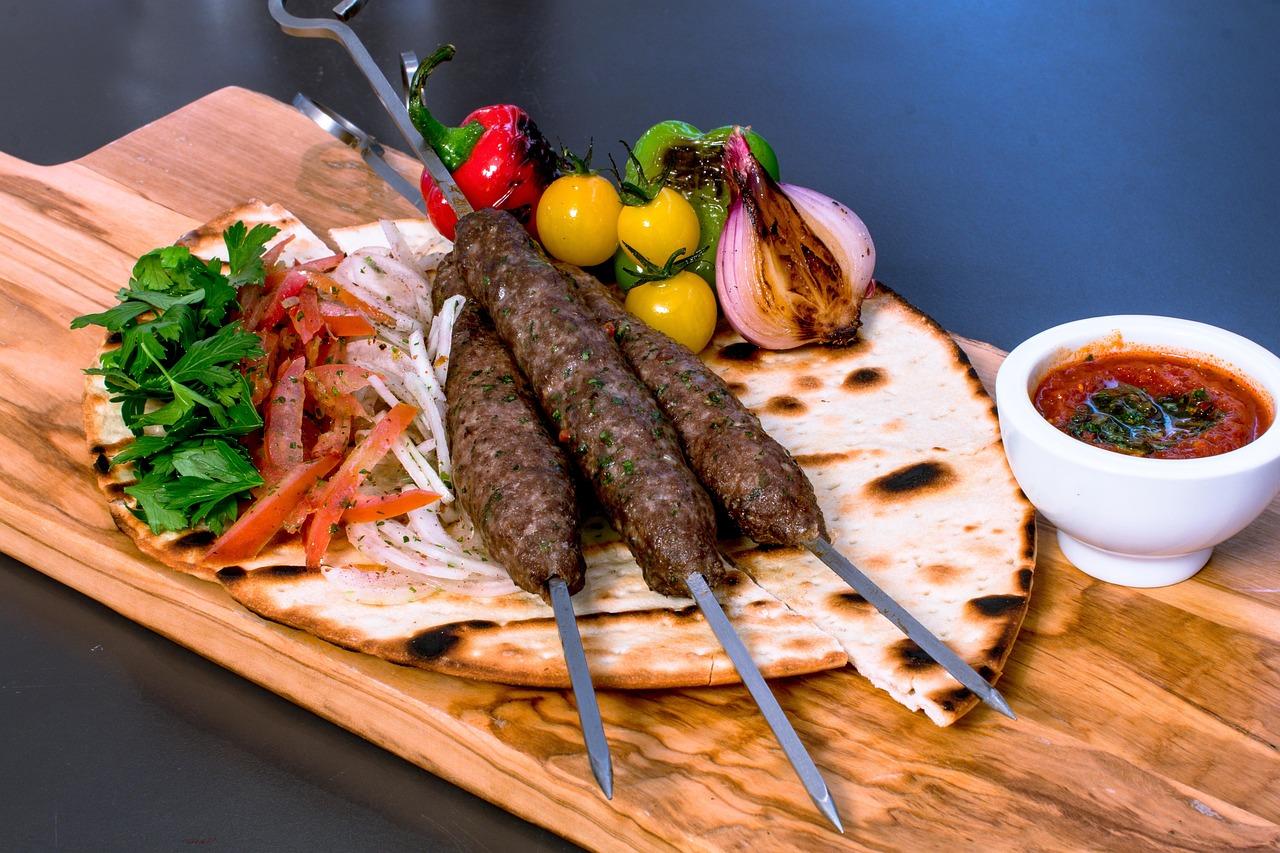
KaftaGrilled minced meat skewers

Kafta is the everyday grilled mince of Lebanon, Syria, Jordan and Palestine: a Sunday barbecue staple in the Lebanese mountains and a quick dinner in city flats, cooked on skewers, shaped into fingers for the pan, or baked in a tray with potatoes and tomato. Lamb and beef are mixed with plenty of onion and parsley and warmed with baharat (seven spice). Wrap them in bread with tomato, onion and a smear of hummus or tahini sauce. Chef's tip: grate the onion and squeeze it hard in a clean cloth; dry onion keeps the kafta firm on the skewer and stops it steaming.

by KrazyBadal 0 views

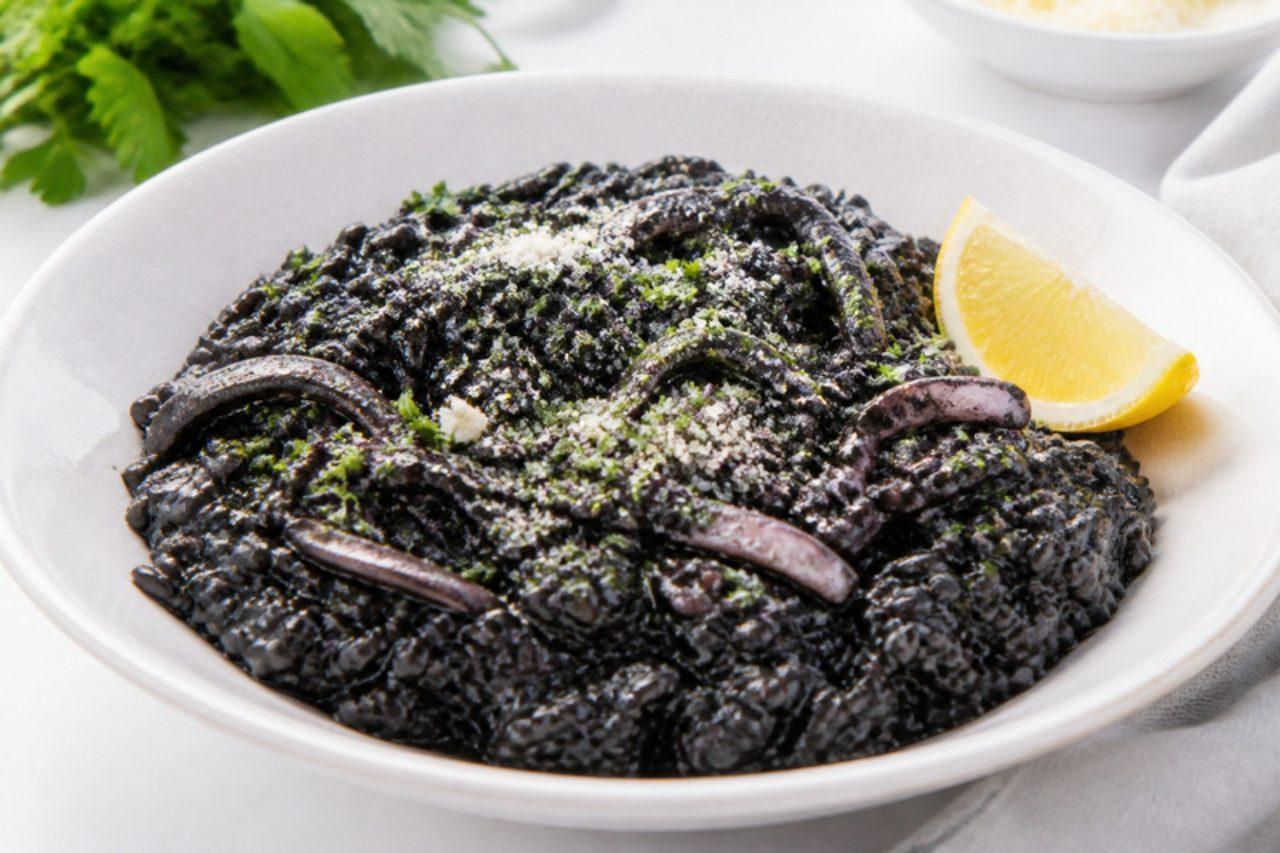
Crni rižotBlack cuttlefish risotto

Along the Dalmatian coast, from Korčula to Dubrovnik, konobas serve crni rižot as the first thing fishermen order when they come ashore, its jet-black colour startling against a white plate. Cuttlefish is cooked slowly with onion and garlic until tender, then rice goes in with fish stock and the ink sac, making a creamy, sea-sweet rice that tastes of the shore. It traditionally includes a splash of dry white wine; for an alcohol-free version, use more stock with a squeeze of lemon. The usual mistake is adding the cuttlefish late and cooking it fast, which leaves it rubbery; it needs to stew first. Chef's tip: serve with a drizzle of good olive oil and grated hard sheep's cheese if you like, and warn your guests about black teeth.

75 minBalkanFishGluten free
by KrazyBadal 0 views

Cape Malay koesistersSpiced syrup doughnuts

Koesisters are Cape Town's Sunday-morning ritual: in the Bo-Kaap and on the Cape Flats, families buy or make a batch to eat with tea after the week's work is done. They are nothing like the plaited, crunchy Afrikaner koeksister. These are soft, cake-like, oval dumplings flavoured with cinnamon, cardamom, ginger, aniseed and naartjie (tangerine) zest, fried, briefly boiled in a thin syrup and rolled in desiccated coconut. Chef's tip: fry them over a moderate heat so they cook through to a fluffy centre before the outside turns dark; they should be a rich brown, not black.

by KrazyBadal 0 views

Brik à l'œufFried egg pastry triangle

Brik is Tunisia's crackling street and Ramadan snack: a sheet of paper-thin malsouka pastry folded around a raw egg, mashed potato, parsley and capers, and fried for a minute until the shell shatters and the yolk is still runny. In Tunis and La Goulette it is eaten by hand, held by the corners and bitten carefully to avoid egg on the chin. The classic filling adds tuna; this version keeps it vegetarian with a little cheese. It is different from Moroccan briouats, which are small rolled parcels baked or fried with a cooked filling. Chef's tip: have the oil hot and ready before cracking the egg onto the pastry; once the egg sits, it soaks through the sheet.

by KrazyBadal 0 views

Showing 90 of 10,569 recipes

Page 1,023 of 1,175