


Skip to content
Caricoles
Featured recipe

Caricoles

Whelks in celery broth

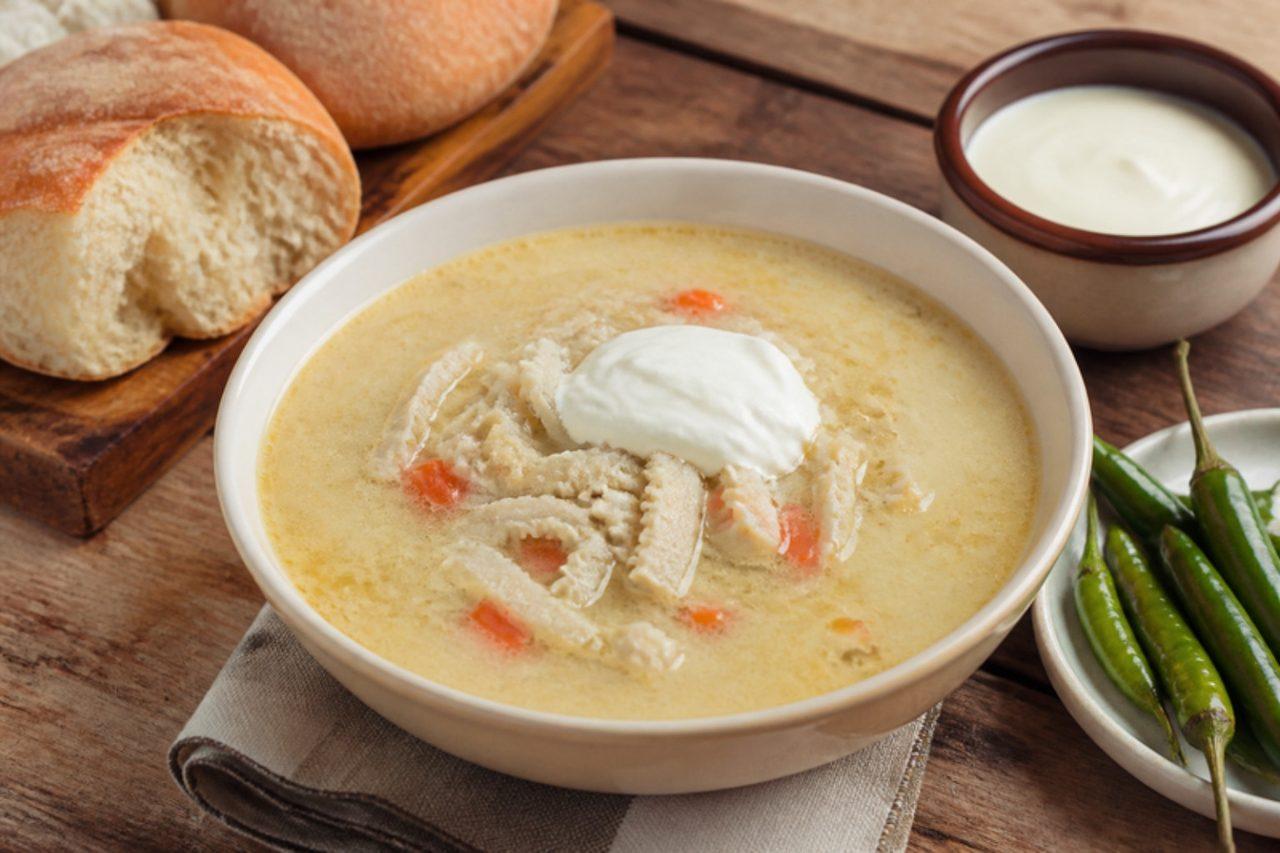
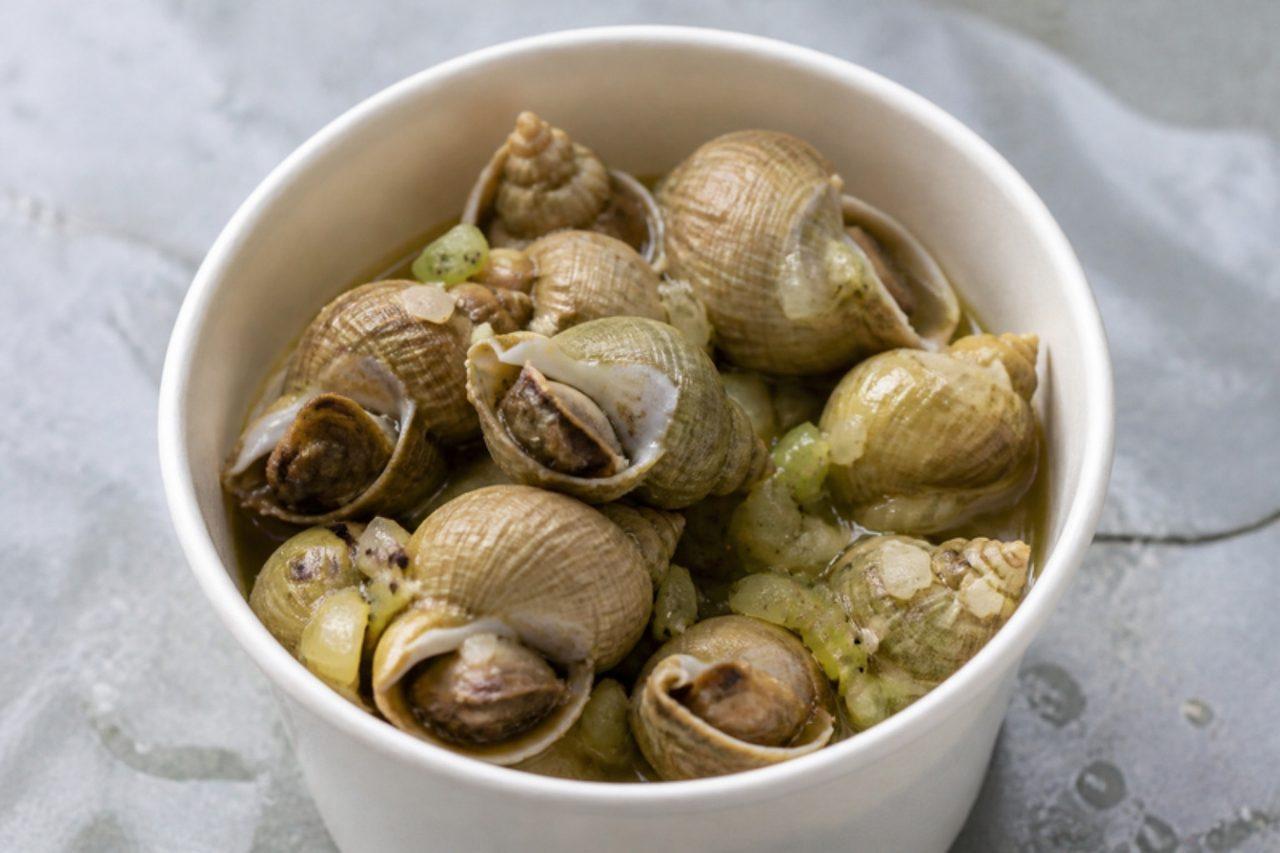
Caricoles are the whelks sold hot in paper cups from street carts in Brussels, at the Marolles flea market, the Place Sainte-Catherine and the Christmas market: the sea snails are simmered for an hour in a peppery broth with celery, onion, thyme, bay and a lot of black pepper and chilli, and you pick them out with a toothpick and drink the broth. Buy whelks live or freshly cooked from a fishmonger. Live whelks should be tightly closed inside their shells or retract when touched; throw away any that smell bad or have broken shells, and any that stay open and limp after cooking. A common mistake is skipping the purge, which leaves them gritty. Chef's tip: soak live whelks in salted cold water for an hour and rinse them several times, then start them in cold broth so they don't toughen.

Read more 0 views

What to eat today?

Around the world

Today's trip: Peruvian

A new country every day, from every cuisine on the site.

Peruvian

Tacacho

Mashed roasted green plantain balls 35 minMore from Peruvian (111) →

This week's collection

Kid-friendly dinners
772 recipes · a new collection every Monday

Coming up

All occasions →

Latest recipes

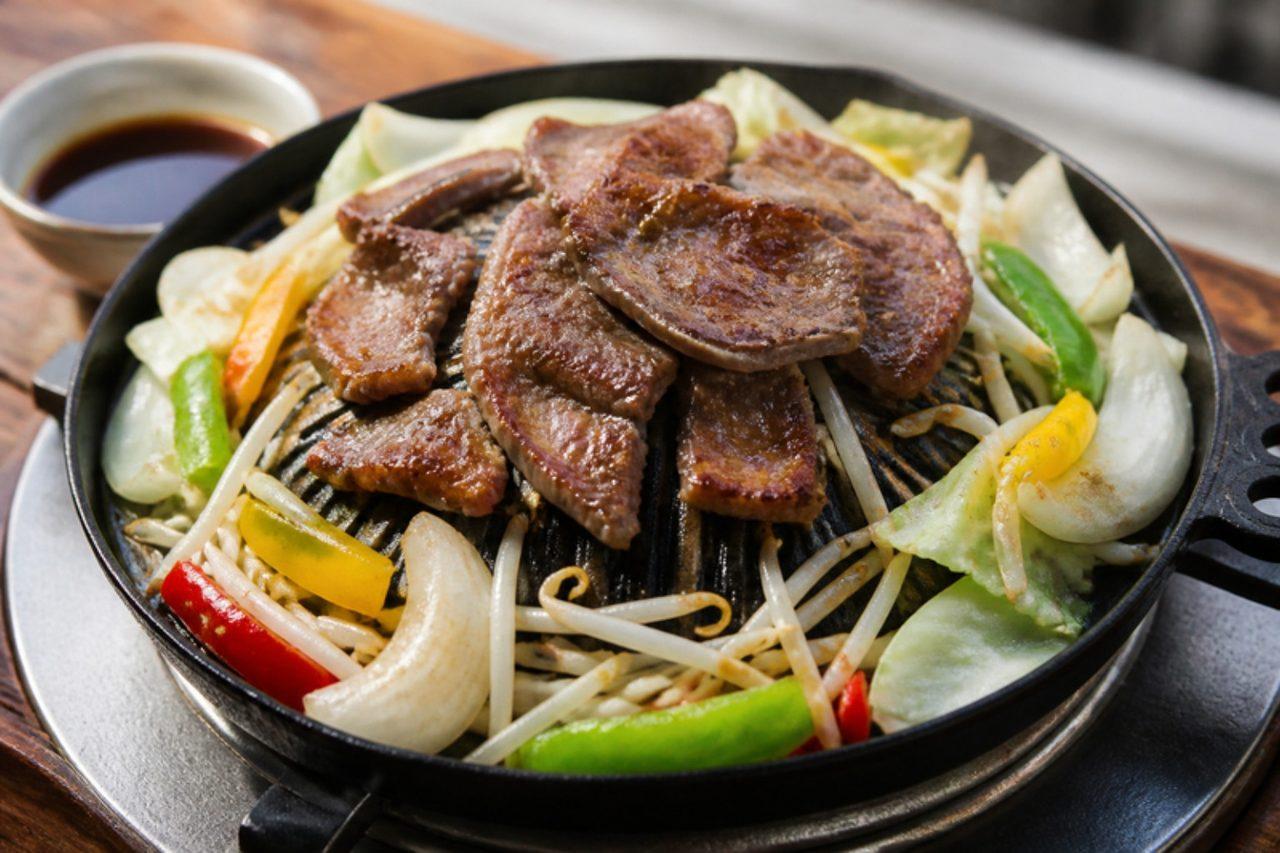
JingisukanGrilled lamb and vegetables

When the cherry trees bloom in Sapporo in early May, parks fill with groups grilling lamb on ridged, dome-shaped pans, and the city's beer halls serve it all year. Named after Genghis Khan, the dish grew up after Hokkaido began raising sheep for wool in the early 20th century. In the Sapporo style, plain lamb is seared on the hump of the pan while bean sprouts, onion and pumpkin cook on the rim in the dripping juices, and everything is dipped in a fruity soy sauce. No domed pan? A heavy frying pan or flat griddle works well. Chef's tip: grease the pan with a piece of lamb fat rather than oil, as it gives the vegetables a rich, meaty flavour.

by KrazyBadal 0 views
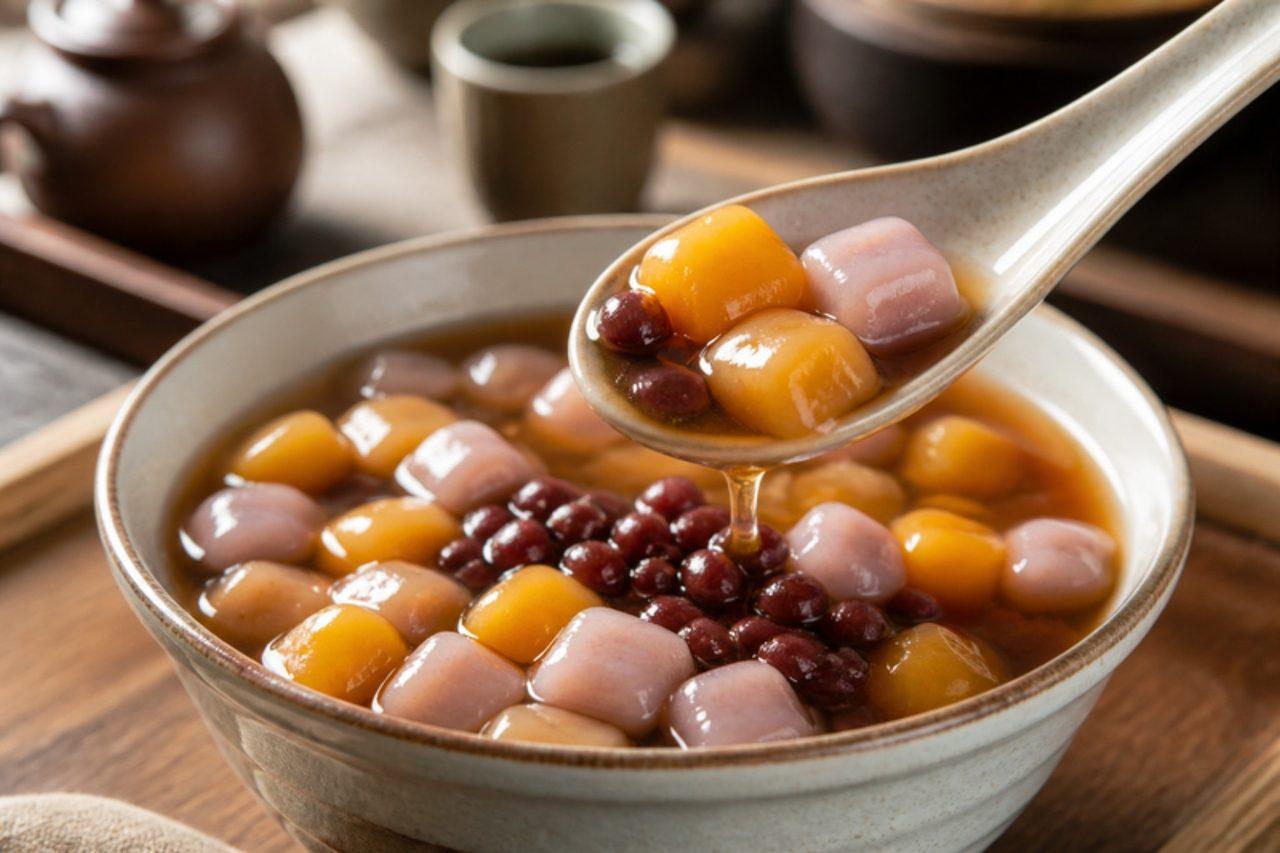
Jiufen taro ballsTaro balls in syrup

Jiufen, the old gold-mining town clinging to the hills above Taiwan's northeast coast, is famous for bowls of chewy purple taro and orange sweet potato balls, eaten in steep teahouses with a view of the sea. Shops serve them hot in a light sugar syrup in winter and over shaved ice in summer, often with mung beans or red beans. They are just steamed root vegetables kneaded with tapioca starch, so they're naturally gluten free and have a bouncy, QQ chew Taiwanese people love. Chef's tip: knead the starch into the vegetables while they are still hot; the heat partly cooks the starch and makes the dough smooth and pliable.

by KrazyBadal 0 views

AmbaTangy mango pickle sauce

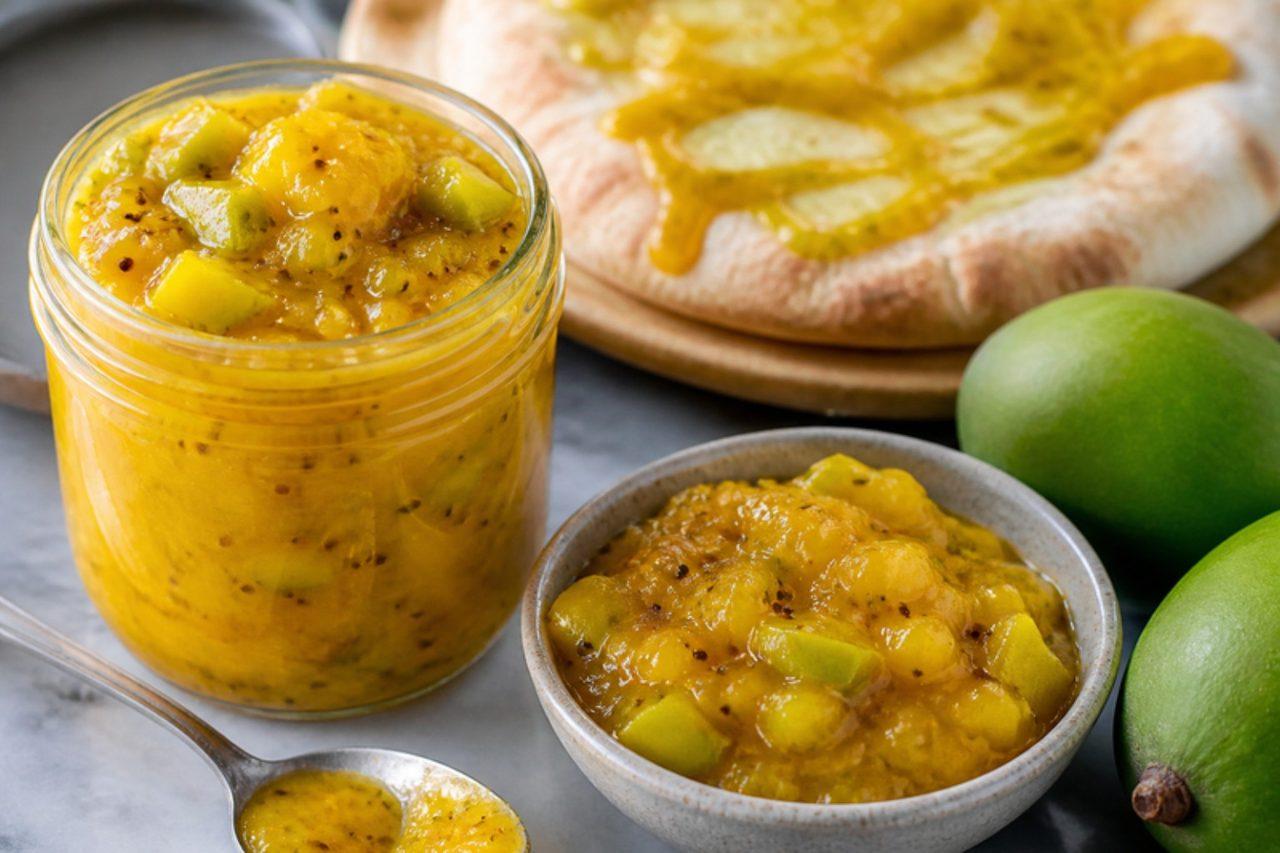
Amba is the golden, sour mango sauce that Iraqi Jews brought from Baghdad (where it had come from Indian traders), and in Israel it is the signature of sabich and a favourite in falafel pitas. Traditionally green mangoes are salted and left in the sun for days to ferment; this quicker stovetop version cooks unripe mango with turmeric, fenugreek, mustard seed and vinegar, then blends it into a smooth, pourable sauce with the same tangy, curry-like flavour. Chef's tip: use mangoes that are hard and green right through; ripe ones make a sweet jam, not amba.

by KrazyBadal 0 views

Jodhpuri kabuliLayered vegetable rice

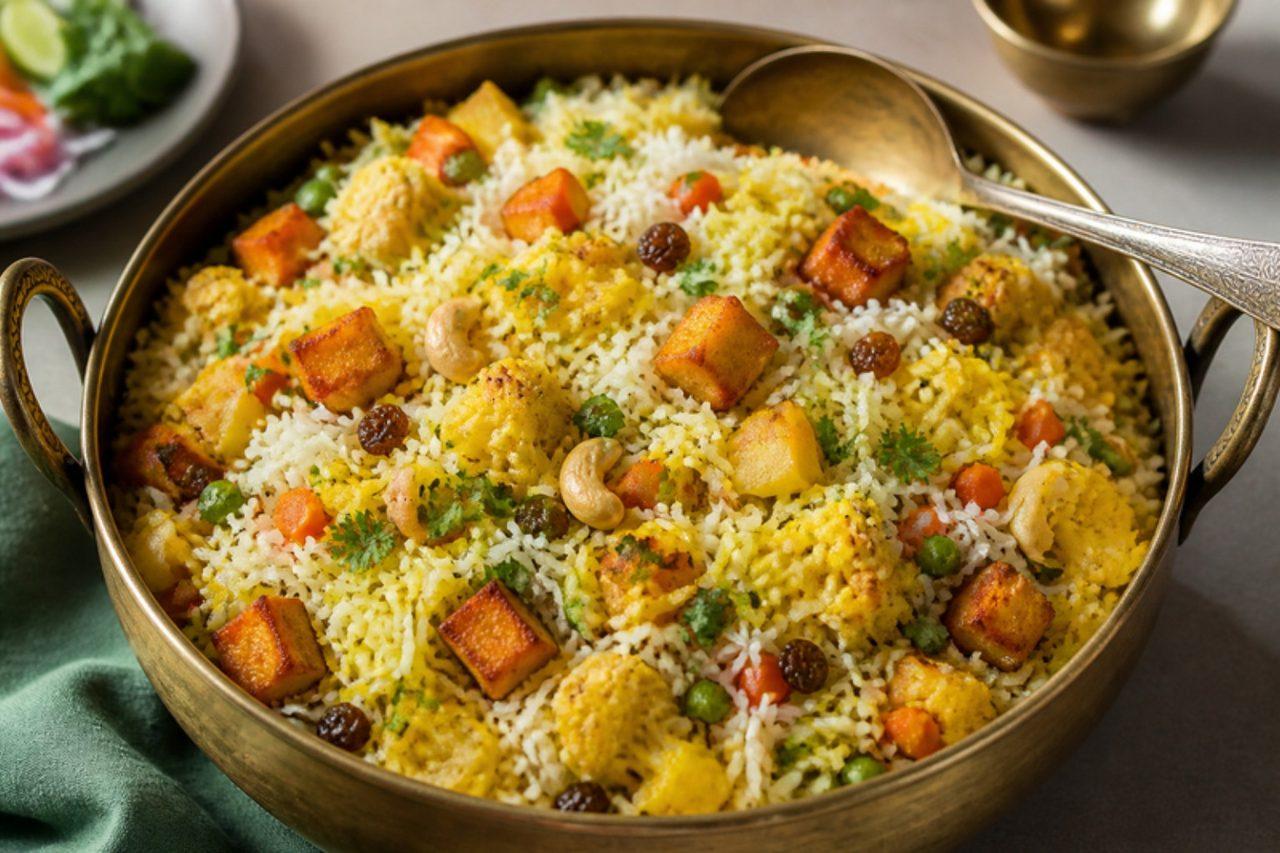
Jodhpuri kabuli is a celebration rice from Marwar that has nothing to do with chickpeas; the name refers to its rich, layered style. Rice is stacked with vegetables simmered in spiced yogurt and milk, crisp fried bread cubes, cashews, raisins and saffron, then steamed under a lid so the bread absorbs the juices while the top stays crunchy. Jodhpur families cook it for weddings and festive lunches, and it is eaten on its own with raita or kadhi. A common mistake is layering the bread at the bottom, where it becomes soggy; it belongs in the middle and on top. Chef's tip: cook the rice only until it still has a firm bite, because it will finish cooking during the dum.

by KrazyBadal 0 views

Lontong sayurRice cakes in coconut vegetable broth

In Jakarta, lontong sayur is what the morning carts sell before offices open: firm slices of pressed rice sitting in a thin, golden coconut broth with chayote, long beans and squares of tofu and tempeh. Betawi families also cook a big pot of it for Lebaran morning. Street versions often add dried shrimp to the spice paste; this one keeps the flavour with candlenuts, galangal and salam leaf instead. Serve with sambal, fried shallots and crackers. Chef's tip: cook the lontong the day before and chill it overnight; cold rice cakes slice cleanly and soak up the broth without falling apart.

by KrazyBadal 0 views

Ciorbă de perișoareSour soup with meatballs

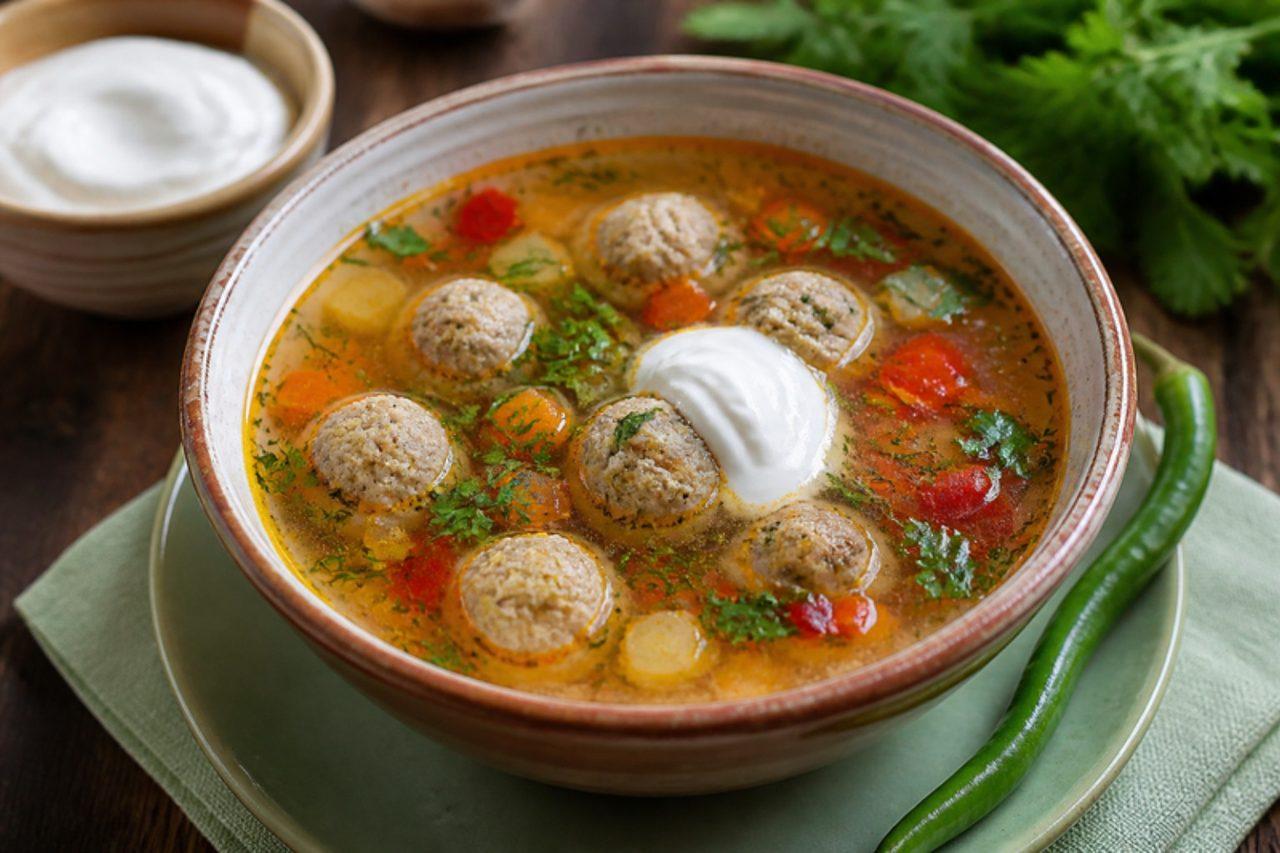
Across Romania, from Bucharest canteens to Moldavian grandmothers' kitchens, a pot of ciorbă de perișoare turns up on the Sunday table and again on Monday, when it tastes even better. This version contains pork: soft meatballs of minced pork and rice simmer in a clear vegetable broth that is soured at the end with borș (fermented wheat-bran liquid) or lemon juice, then finished with a handful of lovage. It is eaten very hot with a spoon of sour cream and a fresh green chilli to bite between spoonfuls. A frequent slip is boiling the soup hard once the meatballs are in, which breaks them apart and clouds the broth. Chef's tip: wet your hands in cold water before rolling each meatball; the mixture will not stick and the balls stay smooth and round.

by KrazyBadal 0 views

Jolada rotti with ennegaiSorghum flatbread with stuffed aubergine

Across Hubballi, Dharwad, Vijayapura and the dry plains of north Karnataka, a meal means jolada rotti: thin, crisp sorghum flatbreads slapped out by hand, often by the hundred and stored in cloth to eat with everything. Their best-loved partner is ennegai, which means 'oil vegetable': small brinjals slit and stuffed with roasted peanuts, sesame, dry coconut and spices, then cooked slowly in plenty of oil until they collapse into a thick, nutty gravy. It is wedding food, field food and Sunday food, with raw onion, a wedge of lemon and spicy chutney powder on the side. Chef's tip: use boiling water for the jowar dough; it gelatinises the flour slightly, so the rotti holds together without any wheat.

by KrazyBadal 0 views

Ciorbă de legumeSoured vegetable soup

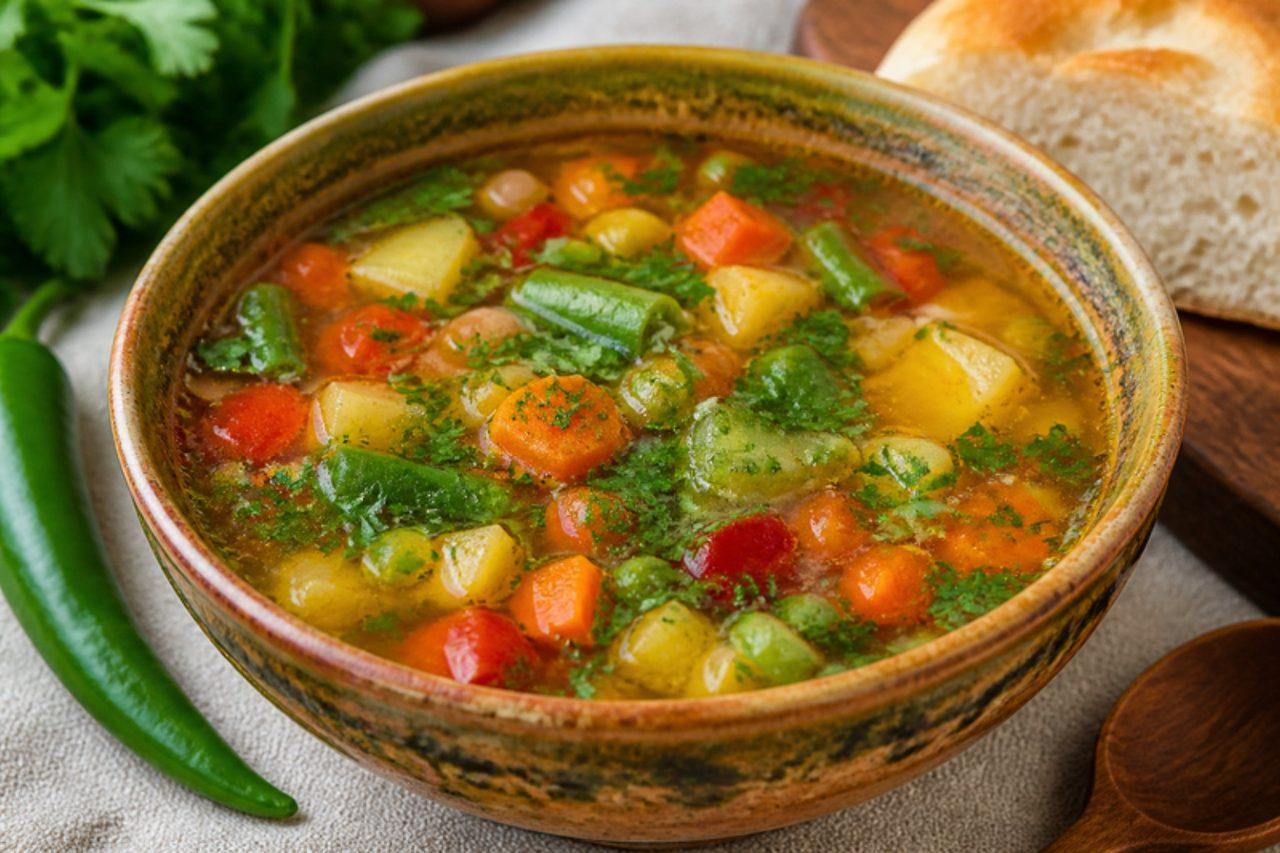
Ciorbă is the sour soup that opens a Romanian lunch, from canteens in Cluj to Sunday tables in Moldavia, and the vegetable version is cooked all through the fasting weeks before Easter and Christmas. Root vegetables, beans and peppers simmer in a light broth that is soured at the end with borș, the fermented wheat-bran liquid sold in bottles at Romanian shops, or with lemon juice. Fresh lovage (leuștean) gives its unmistakable celery-like perfume. It is eaten piping hot with bread and a fresh green chilli on the side. Chef's tip: add the borș only at the end and let it come back just to a simmer; boiling it hard dulls the sour tang.

by KrazyBadal 0 views

JolpanFlattened rice with curd and jaggery

Jolpan is how Assam starts the morning of Magh Bihu and Bohag Bihu, and how guests are welcomed in villages all year: a bowl of chira (flattened rice), muri, or sticky bora saul, served with thick curd, yellow jaggery or gur, and sometimes cream. It is not cooked so much as assembled, and every family has its own order: soak the chira, top with doi, crumble in gur. Variants such as komal saul (a soft rice that needs only soaking) are also jolpan. Chef's tip: rinse the chira quickly and drain it at once; a long soak turns it to paste.

by KrazyBadal 0 views

Ciorbă de burtăCreamy sour tripe soup

Romanians swear by ciorbă de burtă the morning after a wedding or a long night out, and in Bucharest there are restaurants that serve little else from breakfast onwards. Strips of beef tripe sit in a silky broth thickened with egg yolk and sour cream, sharpened with vinegar and served with mujdei, a raw garlic sauce, and a hot pepper on the side. It takes time, because tripe only turns tender after a long, slow simmer. The mistake most people make is boiling the soup after the yolks go in, which scrambles them into flecks. Chef's tip: buy cleaned, blanched (white, 'dressed') tripe from the butcher; it saves an hour of scrubbing and is much milder.

by KrazyBadal 0 views

Joojeh kababSaffron chicken skewers

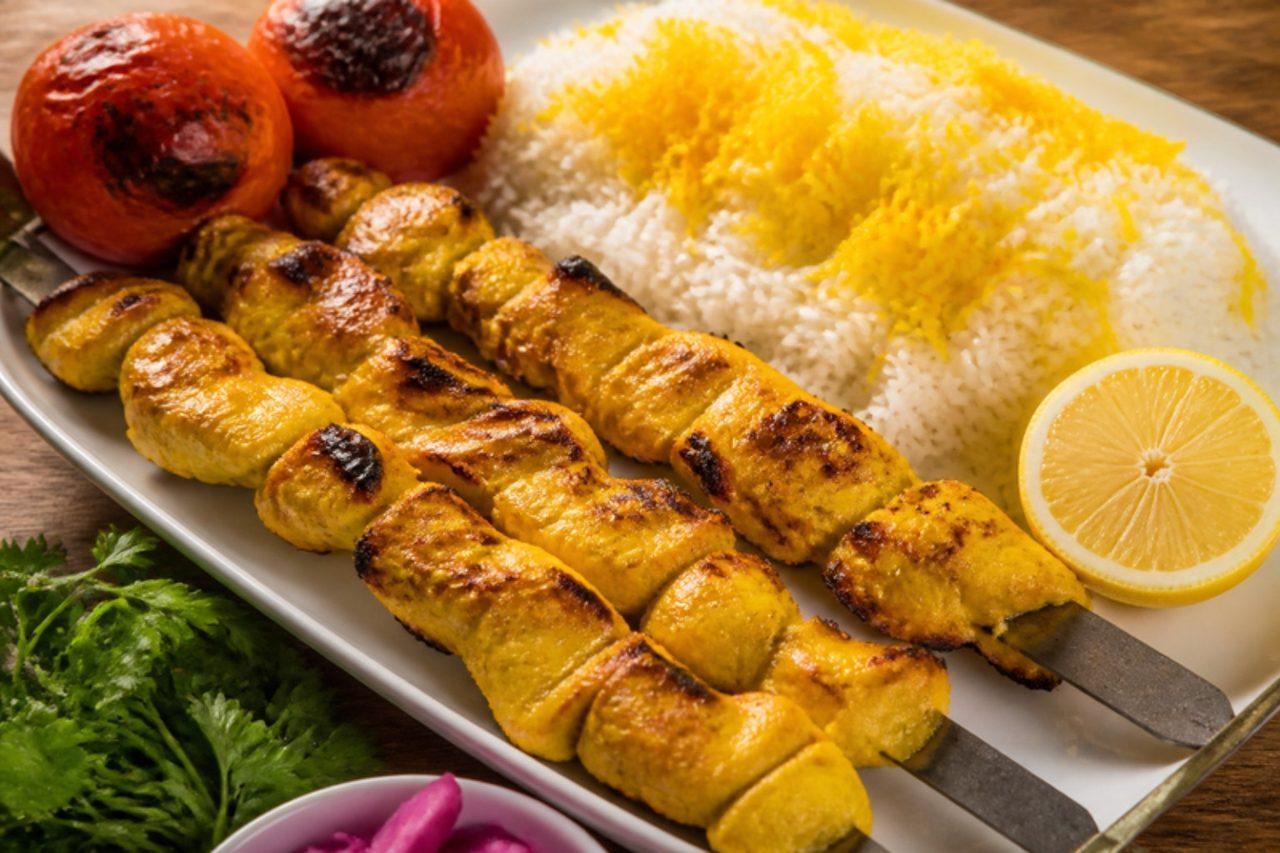
Joojeh kabab is what fills Tehran's parks on Sizdah Bedar, the thirteenth day of Nowruz, when families picnic outdoors and grills smoke under the plane trees; it is just as common on restaurant platters beside koobideh. Chunks of chicken soak overnight in yogurt, grated onion, lemon and bloomed saffron, then cook fast over high heat so the edges char while the middle stays juicy and golden-orange. Serve with buttery chelow rice, grilled tomatoes and a pinch of sumac. Chef's tip: grind the saffron threads with a pinch of sugar before steeping them in hot water; you get twice the colour from the same few threads.

by KrazyBadal 0 views

Num ansom chekBanana sticky rice parcels

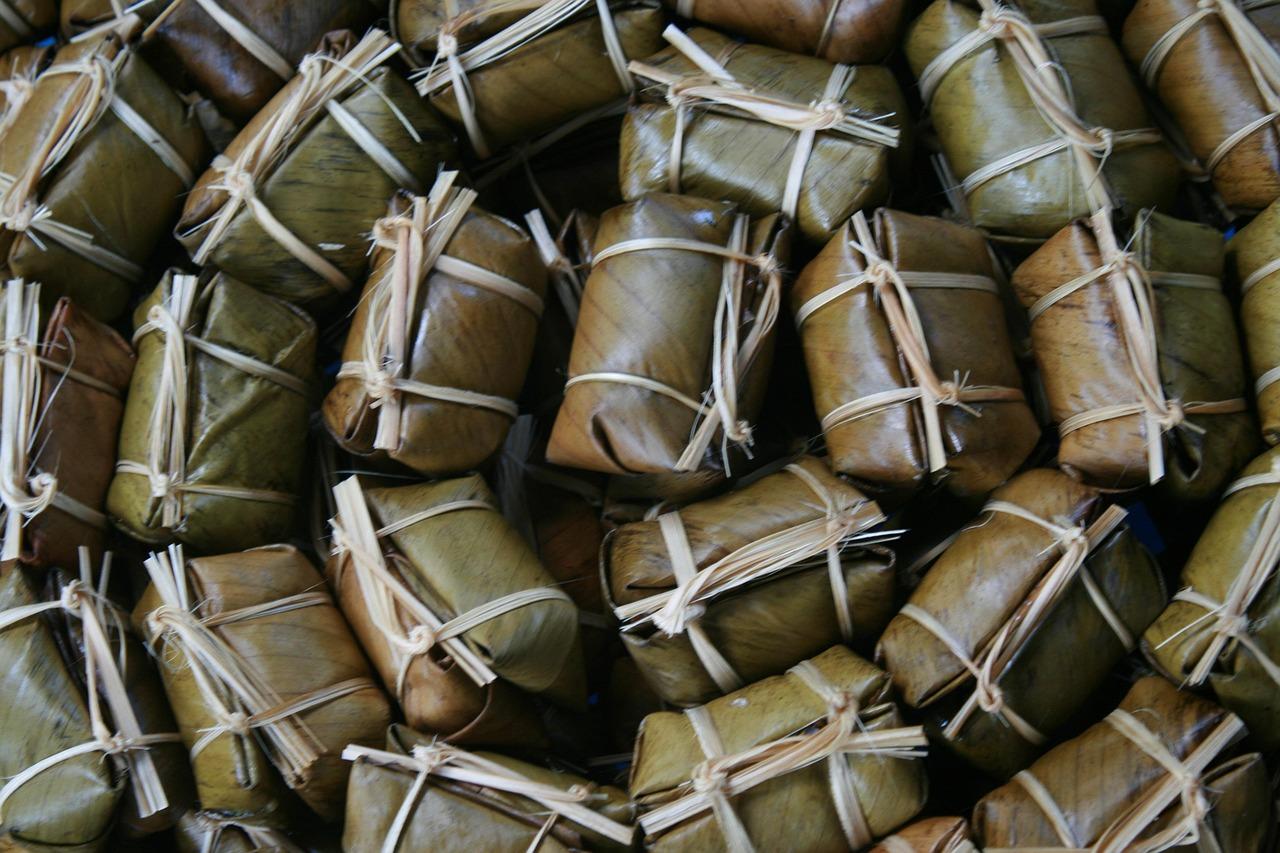
Num ansom chek are wrapped by the dozen in April for Khmer New Year and again in autumn for Pchum Ben, when families carry them to the pagoda as offerings. A ripe banana is hidden inside a jacket of glutinous rice that has been seasoned with coconut milk and dotted with black beans, then the whole thing is rolled tightly in banana leaf and boiled until the rice turns sticky and the banana goes jammy and blush-pink. Unwrapped, they're eaten at room temperature or sliced and grilled the next morning. Chef's tip: use bananas that are fully yellow with a few brown freckles; green ones stay chalky and the pink colour never comes.

by KrazyBadal 0 views

Mote con huesilloPeach and wheat drink

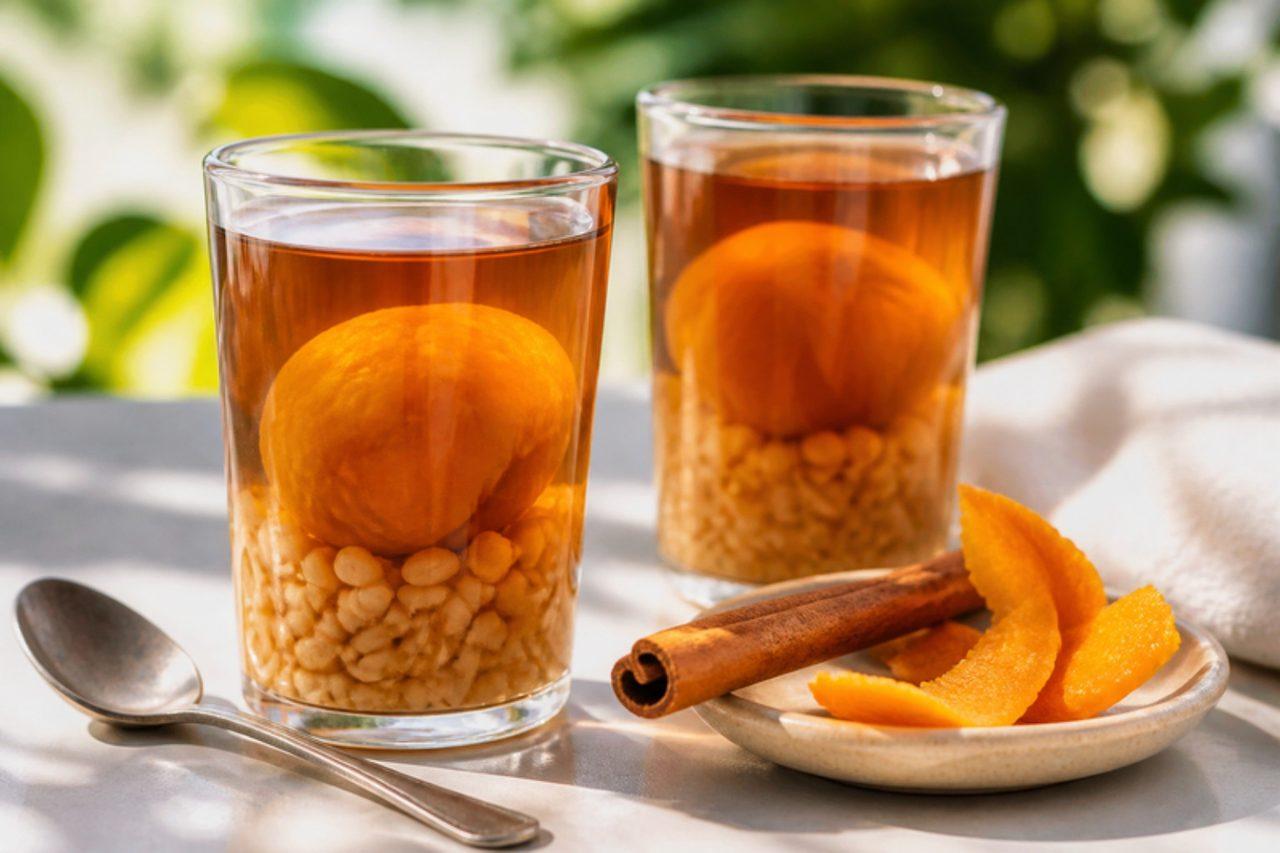
Mote con huesillo is Chile's summer refresher, sold in tall glasses from street carts on Santiago's Cerro San Cristóbal and at beaches up and down the coast. Huesillos are whole sun-dried peaches, soaked and simmered in a cinnamon caramel syrup; mote is husked wheat cooked until chewy. You drink the cold amber nectar and eat the wheat and peach with a long spoon. Chef's tip: soak the peaches overnight and cook them in their soaking water; that water carries much of the peach flavour.

by KrazyBadal 0 views

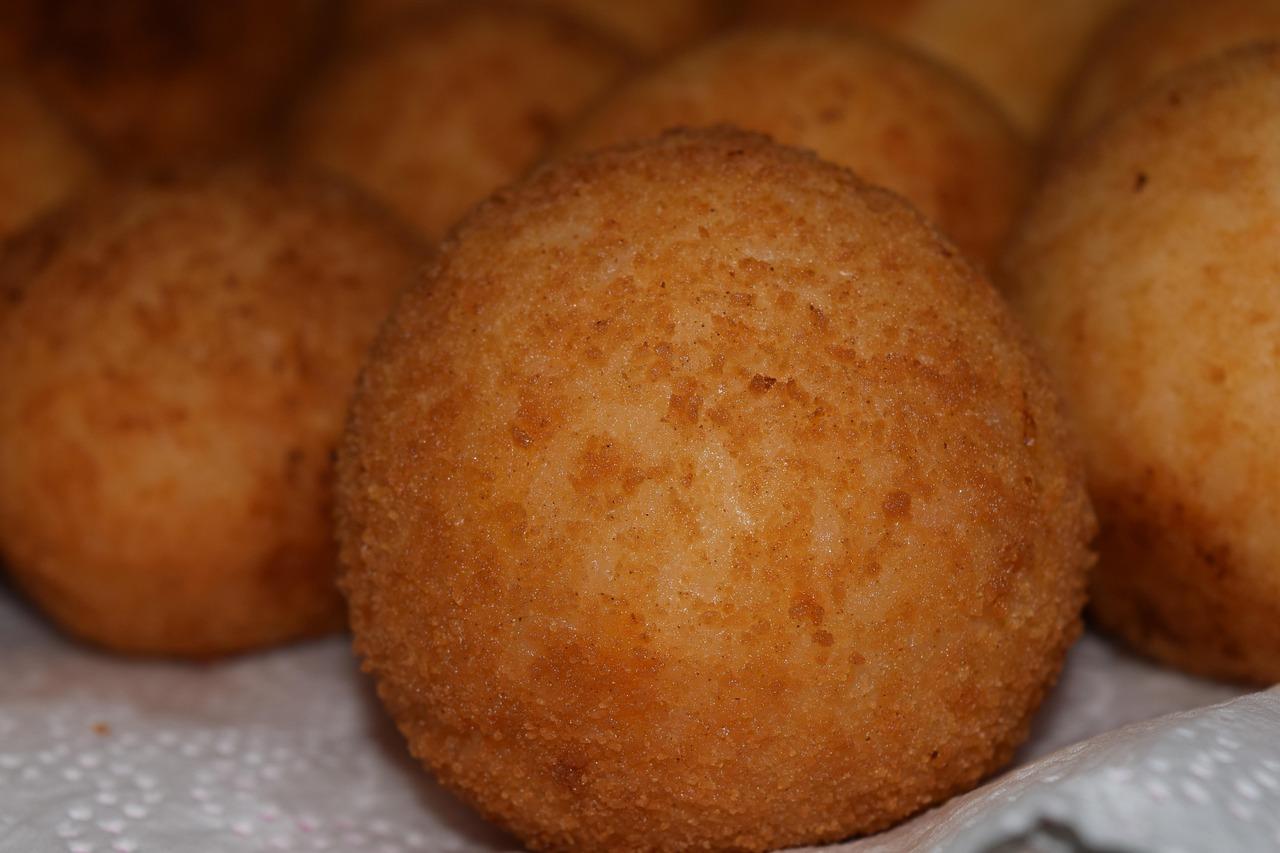
Arancini with mushrooms and peasMushroom and pea rice balls

Arancini are the pride of Sicilian rosticcerie, eaten mid-morning or as a snack on the ferry across the Strait of Messina; in Palermo they are round and called arancine, in Catania they are cone-shaped. The rice is cooked with saffron, cooled, then wrapped around a filling and fried until the crust is crackling gold. The best-known filling is meat ragù; this vegetarian version uses a thick tomato ragù of mushrooms and peas with a cube of caciocavallo or mozzarella, which is also found in Sicilian bars. Chef's tip: let the filling cool completely and keep it thick; a wet filling seeps through the rice and makes the balls split.

by KrazyBadal 0 views

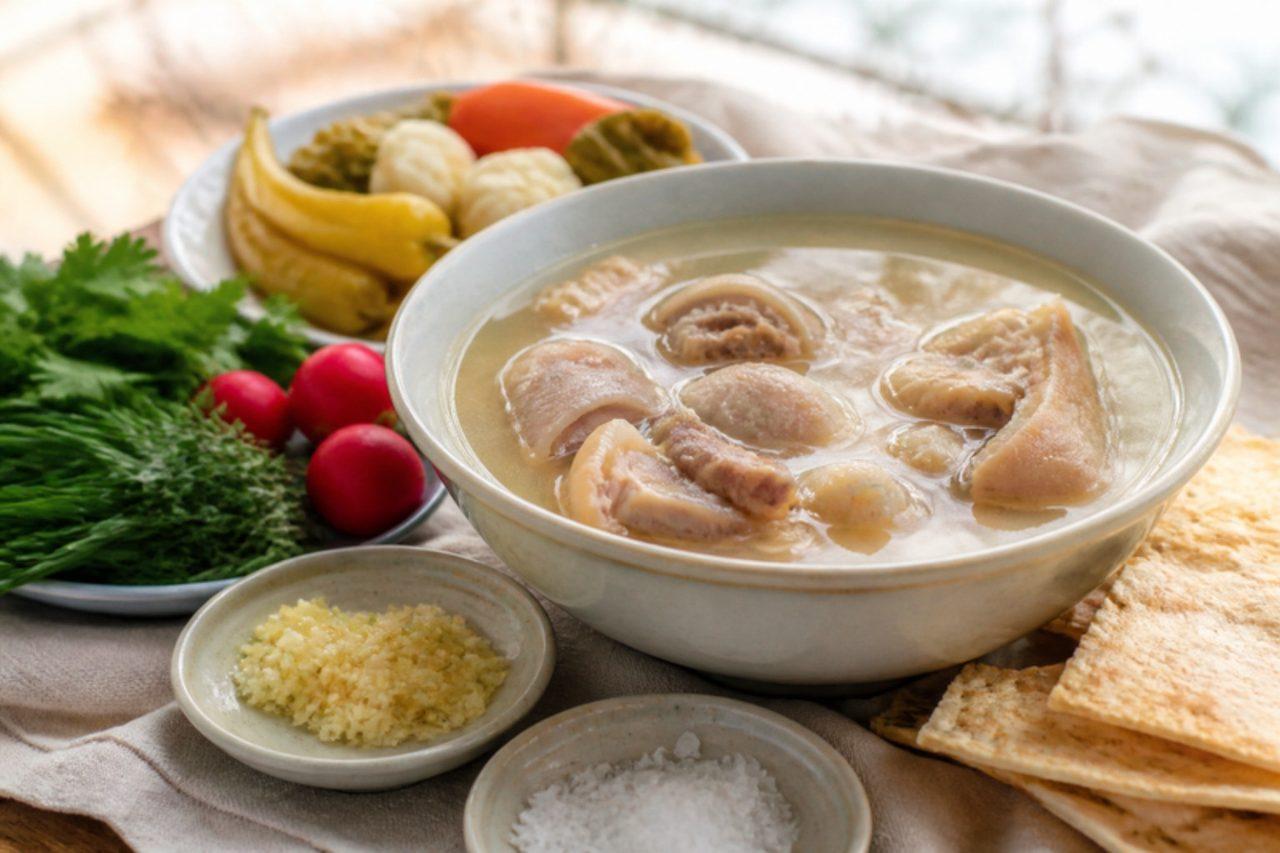
KhashBeef foot broth

Khash is a winter ritual in Armenia: friends gather in the early morning between November and March, often at the weekend, to share bowls of plain broth made from beef feet that have cooked all night. Everyone seasons their own bowl at the table with crushed garlic and salt, crumbles dried lavash into it and eats with radishes, pickles and fresh herbs. The broth is rich, sticky with gelatine and deliberately unseasoned in the pot. Skimping on the cleaning and soaking is the classic error; it leaves the broth grey and smelling of the farmyard instead of clean and milky-white. Chef's tip: ask the butcher to clean the feet and saw them into pieces for you.

by KrazyBadal 0 views

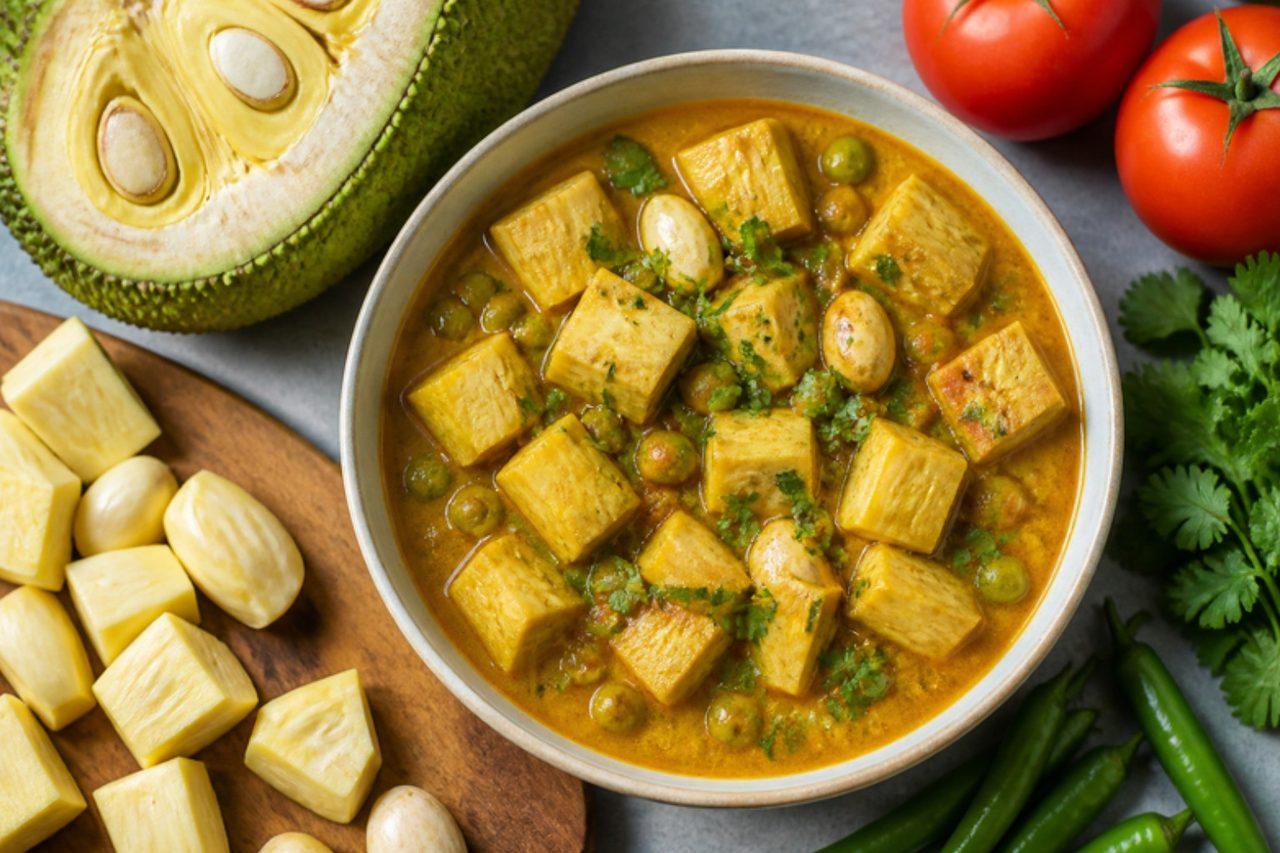
Kathal ki sabziYoung jackfruit curry

In Uttar Pradesh, people joke that kathal is the vegetarian's mutton, and the comparison makes sense once you taste it. Young, unripe jackfruit has a firm, fibrous texture that absorbs a slow-cooked onion masala and the smoky warmth of black cardamom. Lucknow and Kanpur homes cook it in summer when the green fruit is plentiful, and it is a common choice for Sunday lunches and family gatherings, served with paratha or rice. The mistake to avoid is undercooking the jackfruit before adding it to the masala; it will remain rubbery no matter how long it simmers afterward. Chef's tip: frying the boiled pieces until golden before they go into the gravy gives them a meaty crust that holds up in the sauce.

by KrazyBadal 0 views

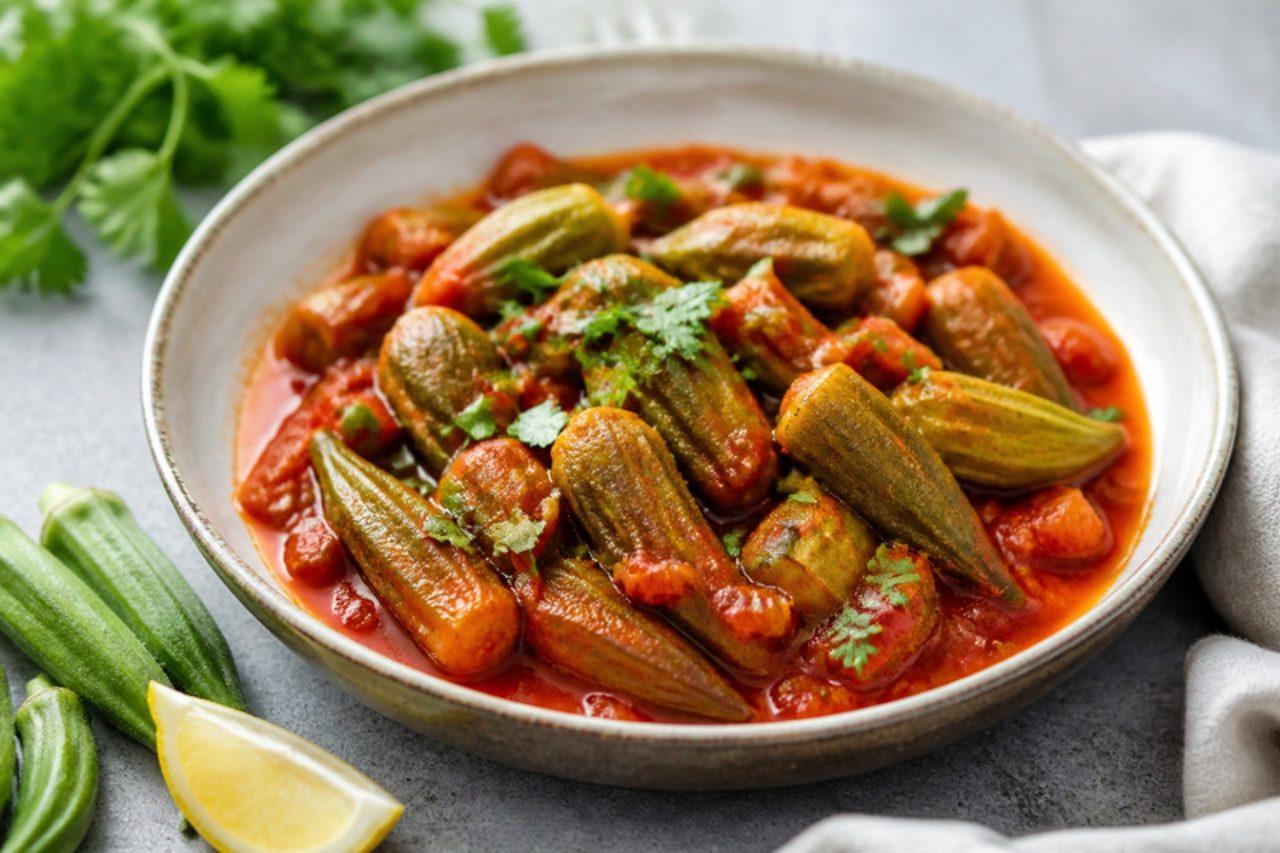
BamiehOkra stewed in olive oil

Late summer in the Damascus and Beirut markets means piles of tiny okra pods, and bamieh, okra stewed in tomato with coriander and garlic, follows on many family tables. This meat-free version is the one Lebanese Christians cook during Lent and serve with vermicelli rice or flatbread. Small, whole pods are the secret: kept intact and seared first, they stay tender without turning slimy, and a squeeze of lemon at the end sharpens the sauce. Chef's tip: trim only the very top of each cap without cutting into the pod; a pierced pod lets the sticky juice escape into the sauce.

by KrazyBadal 0 views

Chushki byurekFried cheese-stuffed peppers

Chushki byurek are one of the great autumn dishes of Bulgaria: in September, when the long red peppers ripen around Plovdiv and Pazardzhik, they are roasted, peeled, filled with sirene and egg, then dipped in flour, egg and breadcrumbs and fried. The outside crunches, the pepper is silky and sweet, and the salty cheese melts inside. They are served hot as a main course with a tomato salad, or cold the next day. Chef's tip: dry the peeled peppers well before filling; a wet pepper is the usual mistake, and the batter slides off and the oil spits.

by KrazyBadal 0 views

Jukut urabGreens with spiced coconut

Jukut urab turns up on almost every Balinese rice plate and at temple-day feasts: blanched long beans, greens and bean sprouts tossed with freshly grated coconut that has been fried with a little bumbu of shallot, chilli, kencur and lime leaf. It is bright, crunchy and only gently hot, the fresh side dish that balances heavier ones. Many cooks add shrimp paste to the bumbu; this one leaves it out. Chef's tip: toss the vegetables and coconut only just before serving, or the coconut draws out water and the dish turns soggy.

by KrazyBadal 0 views

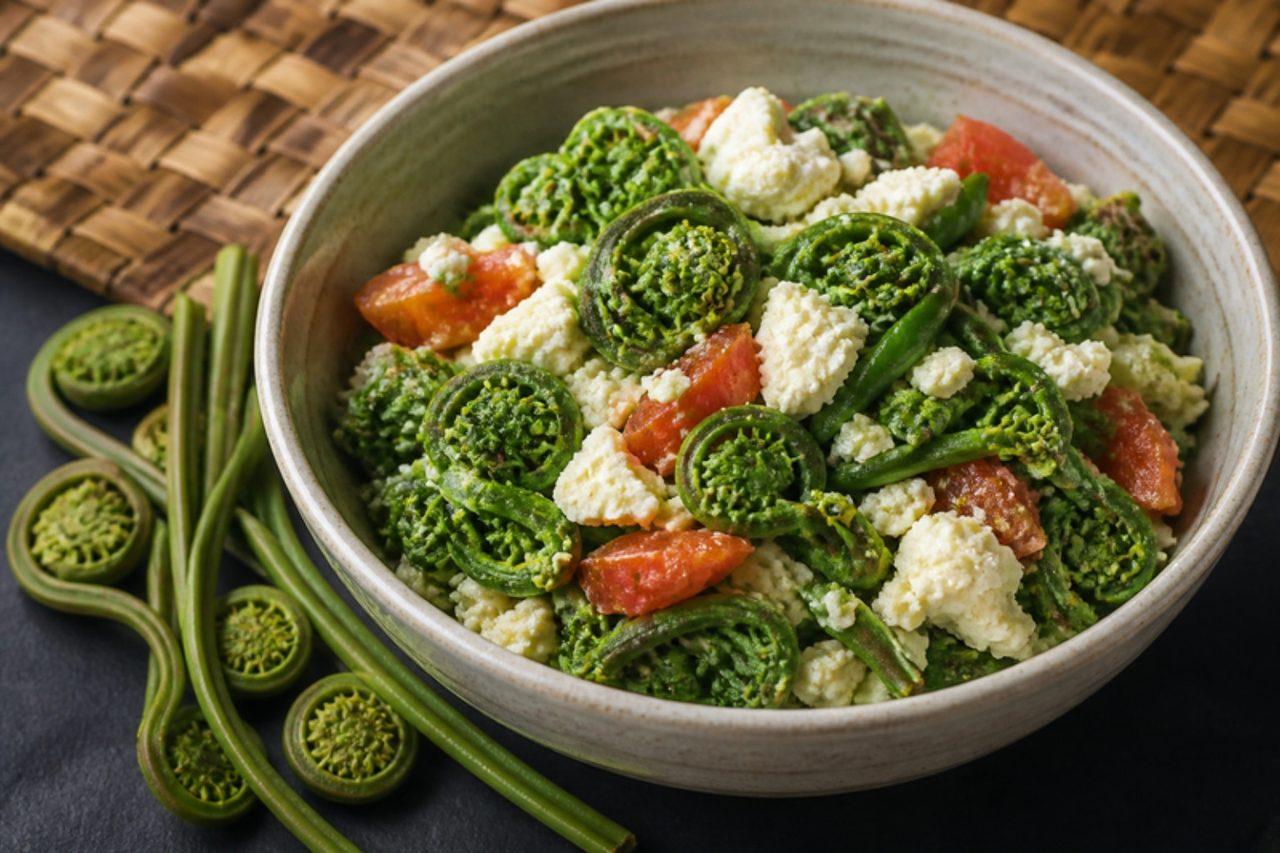
Churpi ningroFiddlehead fern curry

In the monsoon, ningro (fiddlehead fern) shoots appear in the hill markets of Gangtok, Namchi and Darjeeling, curled like violin scrolls. Sikkimese homes cook them quickly with onion, tomato and green chilli, then stir in crumbled soft churpi, a fresh, tangy cheese made from yak or cow's milk, which melts into a creamy, slightly sour sauce. It is a side dish for rice and dal, and tastes green and grassy, a little like asparagus. Chef's tip: always boil ferns for a few minutes and drain before cooking; it removes bitterness. Ricotta or crumbled feta is a fair stand-in for churpi.

by KrazyBadal 0 views

Jus de bouyeBaobab fruit drink

Bouye is the Wolof name for the powdery white pulp of the baobab fruit, and jus de bouye is the thick, creamy-tart drink sold in reused bottles from coolers all over Dakar and served at every family celebration. It tastes like sherbet with a hint of pear. Most cooks now use baobab powder, which is sold in health shops as well as African grocers. Sweetened condensed milk is optional but common. Chef's tip: whisk the powder into a little water first to make a smooth paste; poured straight into a jug it forms lumps that never dissolve.

by KrazyBadal 0 views

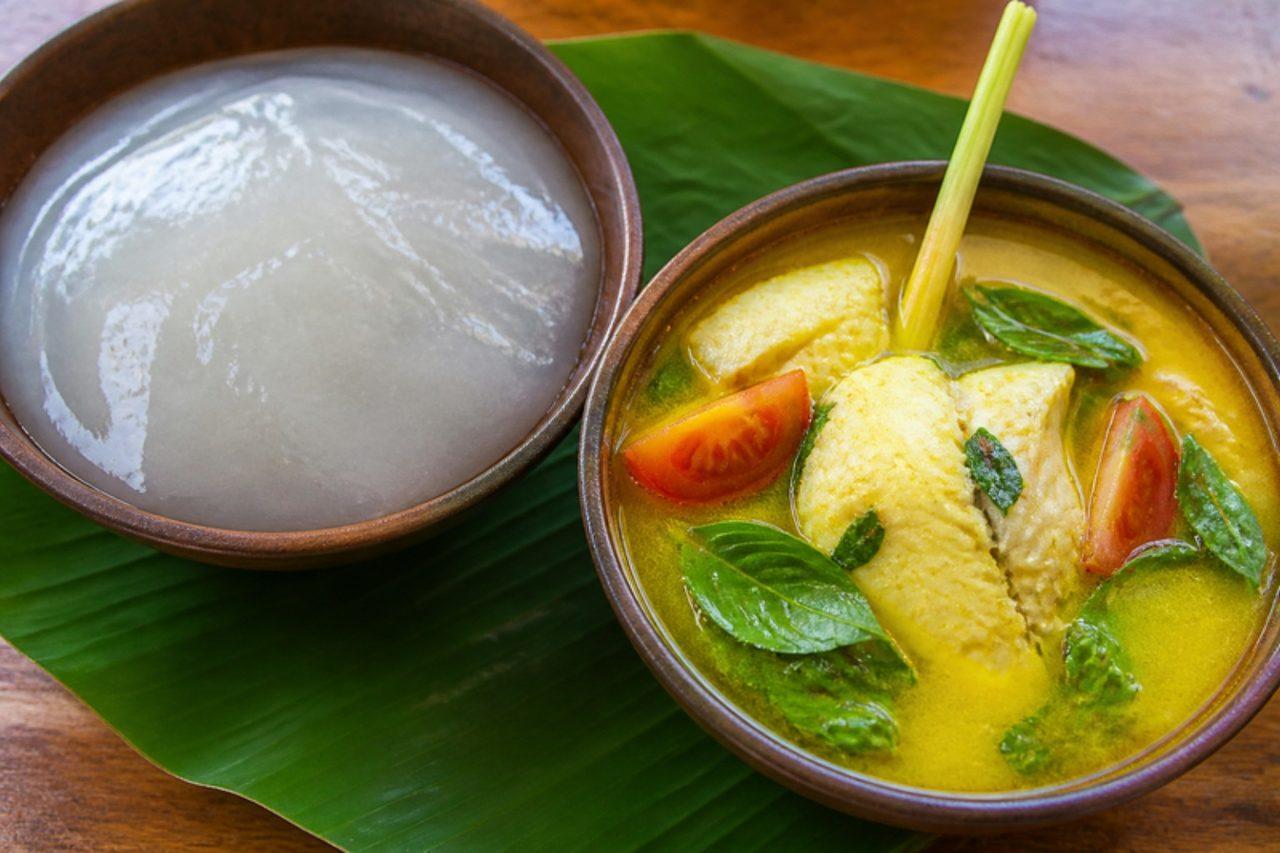
Papeda with ikan kuah kuningSago porridge with fish soup

In Ambon, Jayapura and the islands between, the everyday staple isn't rice but papeda: sago starch stirred with boiling water into a translucent, glue-like porridge. It has almost no taste of its own, which is the point; it's eaten with ikan kuah kuning, a sharp, yellow fish soup bright with turmeric, lime and lemon basil. Families twirl the papeda out of the pot on two sticks, drop it into a bowl and ladle the soup over, then slurp it down without chewing. The texture is surprising the first time: slippery, soft and soothing next to the hot, sour broth. Chef's tip: the water must be at a full rolling boil when it hits the sago, or the papeda stays white and lumpy instead of turning clear.

by KrazyBadal 0 views

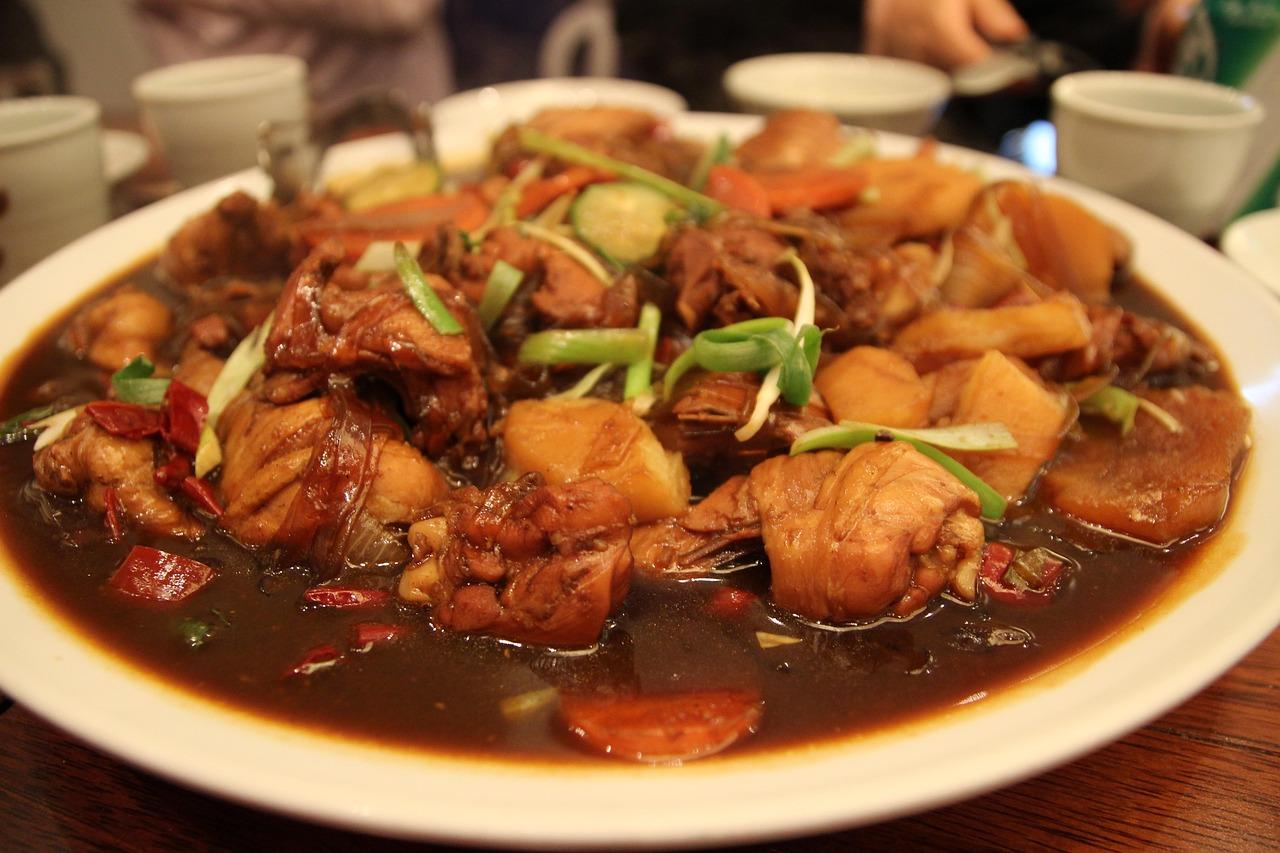
Andong jjimdakSoy-braised chicken and potatoes

Andong jjimdak took shape in the 1980s in the old market of Andong, a city in North Gyeongsang province, where an alley of small restaurants still serves it on big platters for sharing. Chicken on the bone is braised in a dark, sweet soy sauce with potatoes, carrots and a few dried chillies, then slippery glass noodles are stirred in at the end to soak up the sauce. It is salty, sweet and only gently hot. Serve with rice and kimchi. Chef's tip: soak the glass noodles in warm water for 30 minutes before you start, so they only need 5 minutes in the pot.

by KrazyBadal 0 views

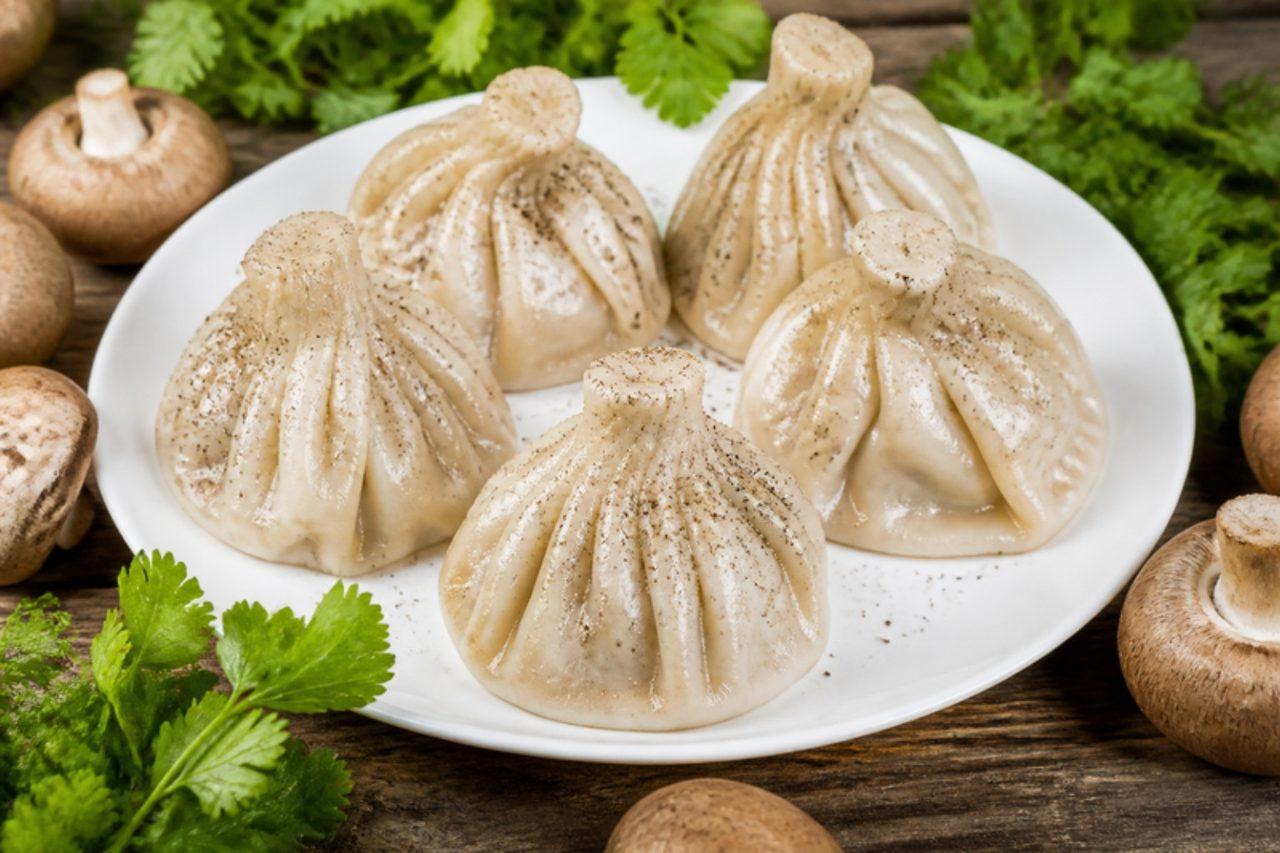
Mushroom khinkaliMushroom dumplings

Khinkali come from the mountain villages of Pshavi, Khevsureti and Tusheti in Georgia's north-east, and the roadside khinkali houses of Pasanauri on the Georgian Military Road are where many Tbilisi families stop for them. The classic filling is meat, but mushroom khinkali (sokos khinkali) are made all through Orthodox Lent and are on most menus. You hold each one upside down by its twisted topknot, bite a small hole, sip the hot juices, then eat the rest and leave the doughy knot on the plate to count how many you have eaten. The common mistake is rolling the wrappers too thin or the dough too soft, so they tear in the pot and lose their juice. Chef's tip: grind black pepper over them generously at the table, as Georgians do; it wakes up the mushrooms.

by KrazyBadal 0 views

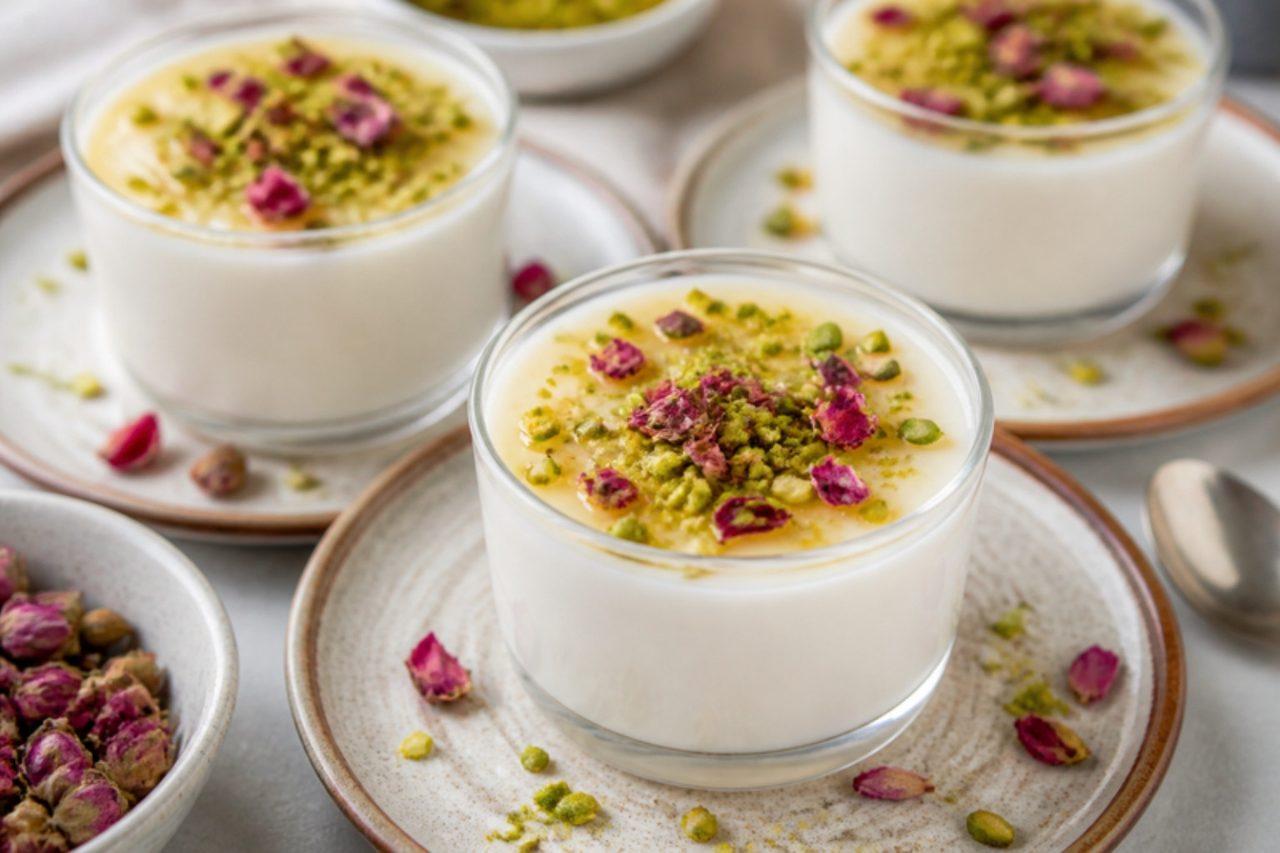
MouhalabiehOrange blossom milk pudding

Mouhalabieh is the pudding a Lebanese grandmother makes when guests drop by unannounced: milk set softly with cornflour and a little rice flour, perfumed with orange-blossom water and topped with chopped pistachios. It appears after Ramadan iftar meals, at Christmas in Beirut and on ordinary weeknights in Damascus, always cold and wobbling in small glasses or a shallow dish. No gelatine is used; the starch alone gives a spoonable, silky set. Chef's tip: mix the cornflour into cold milk before it meets the heat; added to hot milk it forms lumps that no amount of whisking removes.

by KrazyBadal 0 views

KaassouffléFried Gouda in breadcrumbs

Despite the French-sounding name, a Dutch kaassoufflé has nothing to do with a baked soufflé. It is a snack-bar classic, fried in the frituur of every cafetaria from Groningen to Maastricht: a rectangle of thin pastry wrapped around a slab of young Gouda, coated in breadcrumbs and deep-fried until the cheese inside goes molten. It is the vegetarian's answer to the kroket, eaten at lunch or on the way home from football, with a squeeze of mayonnaise or sweet chilli sauce. Chef's tip: chill the filled, breaded pockets for at least 30 minutes before frying; cold pastry and cheese stay sealed in the hot oil, while warm ones burst and leak.

by KrazyBadal 0 views

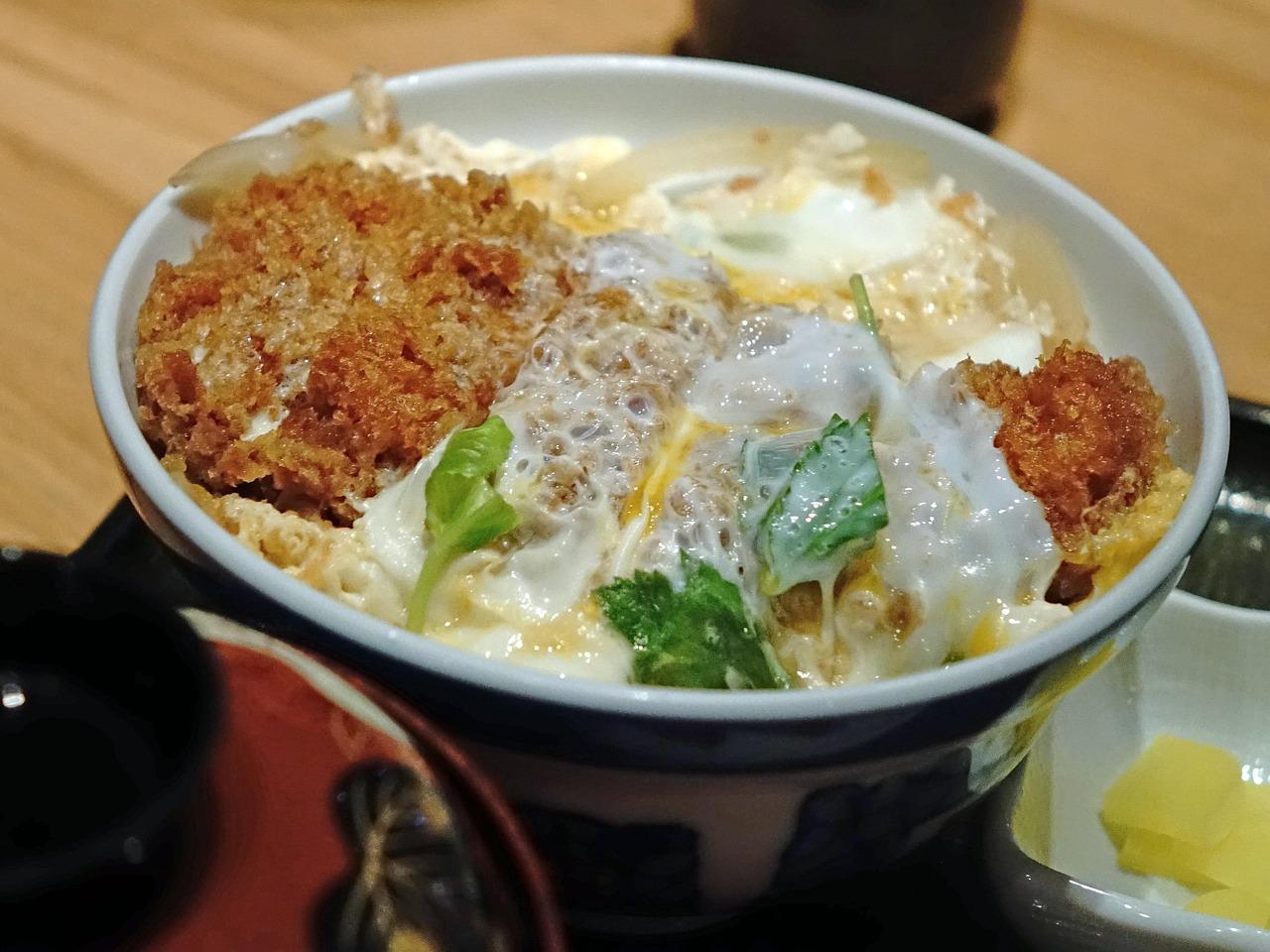
KatsudonPork cutlet and egg rice bowl

Japanese students often eat a bowl of katsudon the night before a big exam, because 'katsu' sounds the same as the verb 'to win'. Soba restaurants, set-meal shops and train-station stands all over Japan serve it, and it is a favourite takeaway lunch too. A panko-crusted pork loin cutlet is fried until golden, sliced, then simmered for a minute with onion and egg in sweet soy dashi. The top of the crust stays crunchy while the underside soaks up the sauce. Chef's tip: snip the fat along the edge of each cutlet in three or four places before breading, so the meat stays flat in the oil and cooks evenly.

by KrazyBadal 0 views

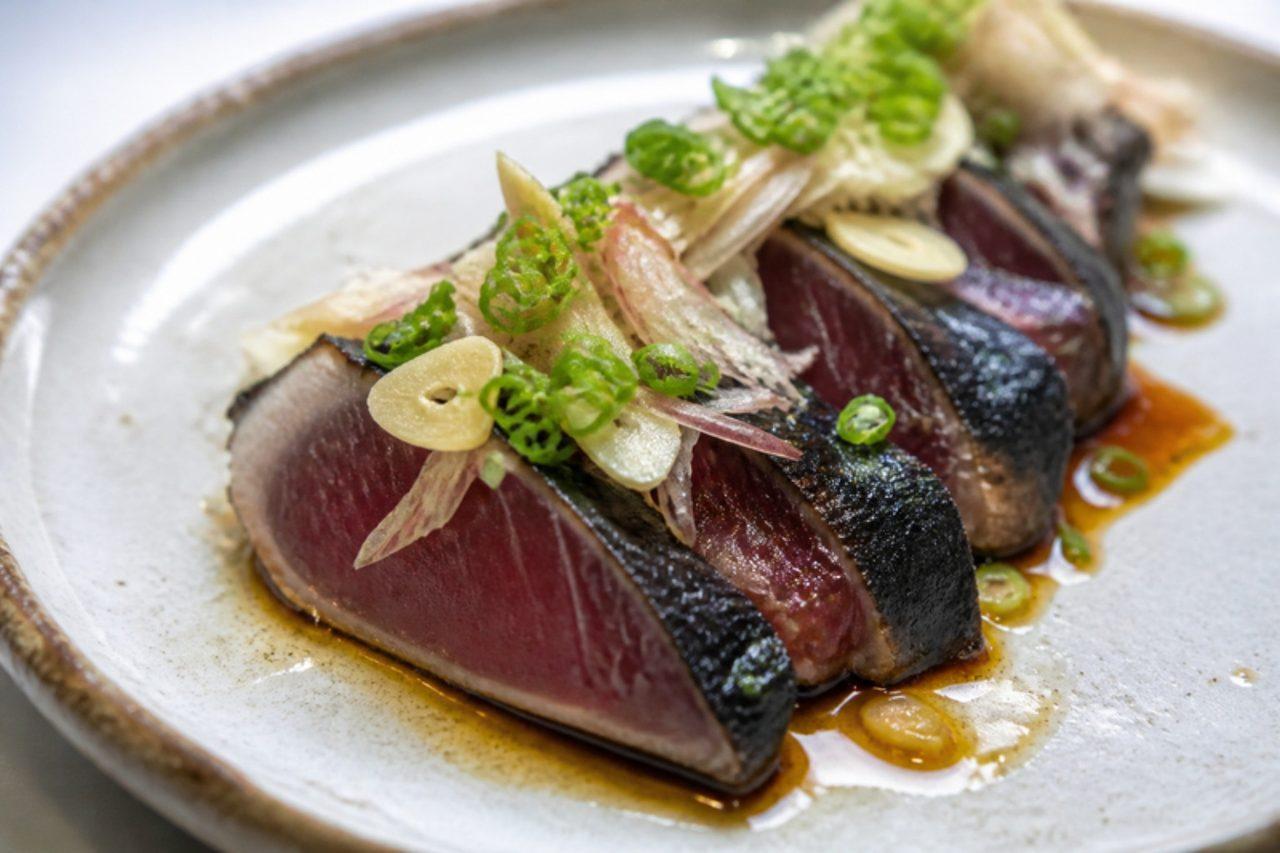
Katsuo no tatakiSeared bonito

Kochi, on the Pacific coast of Shikoku, is Japan's bonito town. At Hirome Market in the city centre, cooks sear whole loins over roaring straw fires and slice them to order, served thick with garlic slices, onion and ponzu or just a pinch of salt. Bonito has two seasons there: the leaner first catch of spring and the fattier fish returning south in autumn. At home a very hot dry pan, or a blowtorch, gives the same charred skin around a cool red centre. Use very fresh, sushi-grade fish from a trusted fishmonger; not for pregnant women, young children or anyone with a weakened immune system. Chef's tip: slice it thick, about 1 cm, as they do in Kochi; thin slices lose the contrast between the smoky crust and the soft middle.

by KrazyBadal 0 views

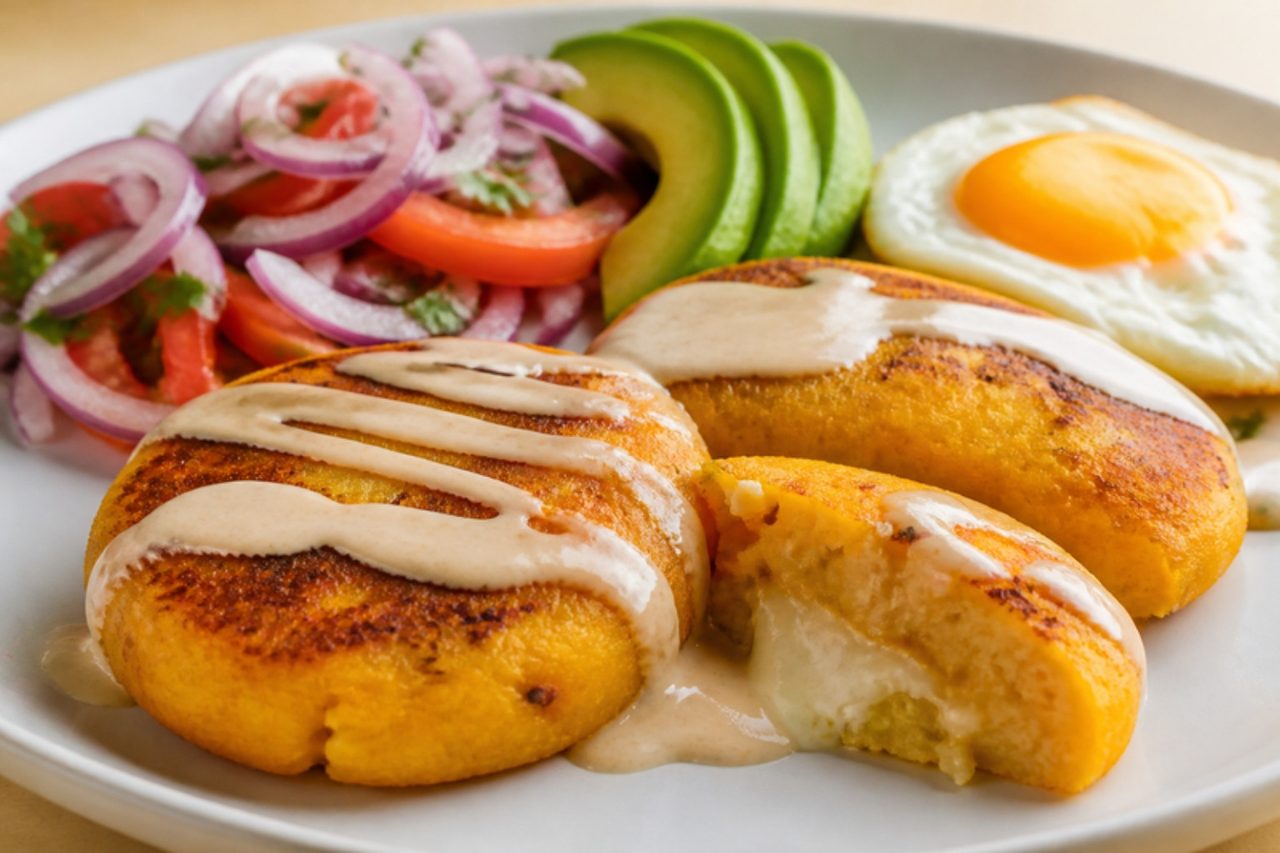
LlapingachosPotato cheese patties

Llapingachos come from the central highlands of Ecuador, especially Ambato and the markets of Riobamba, where women fry them by the dozen on huge round griddles. The patties are mashed potato coloured with achiote, stuffed with cheese and spring onion, and browned until crisp. A full plate adds peanut sauce, a lime-dressed onion and tomato salad, avocado and a fried egg (the market version also includes chorizo, left out here). Chef's tip: chill the shaped patties for 30 minutes; cold patties hold their shape and get a better crust.

by KrazyBadal 0 views

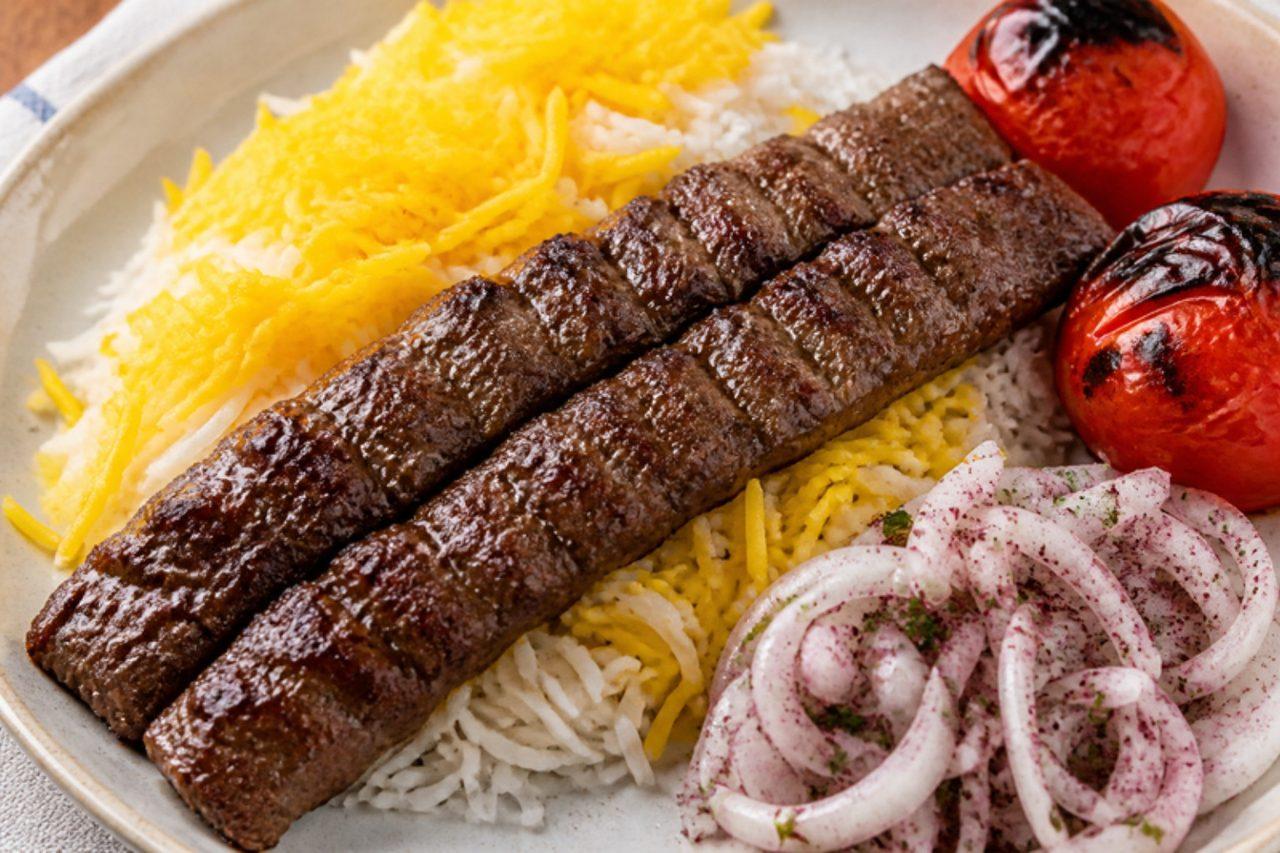
Kabab koobidehMinced lamb kebabs

Koobideh is the kebab of Tehran's bazaar lunch houses and roadside chelo-kababis, laid on a hill of buttered rice with a raw egg yolk or a slab of butter melting into the grains. The name means 'pounded': minced lamb is kneaded with grated onion until it turns sticky and pale, then pressed by hand along wide, flat skewers and grilled hard over coals. It comes out juicy and onion-sweet, with little ridges from your fingers. Eat it with charred tomatoes, raw onion, fresh herbs and lavash on the side. Chef's tip: squeeze every drop of juice out of the grated onion; wet mince slips straight off the skewer.

by KrazyBadal 0 views

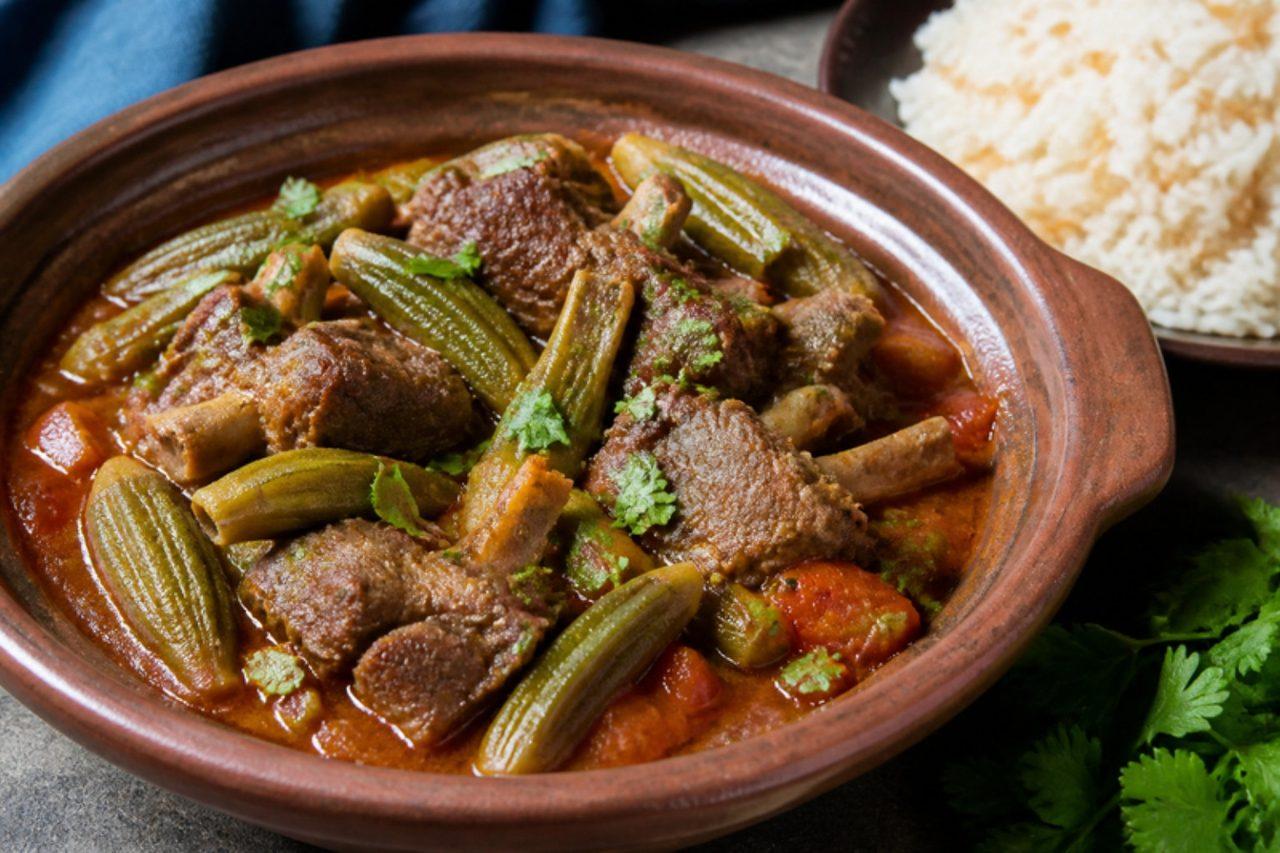
Bamia bil lahmaOkra and lamb stew

Bamia is on every Egyptian family table from Alexandria to Aswan, usually on a weekday with a plate of vermicelli rice. Chunks of lamb on the bone are simmered until tender, then baby okra is cooked in the rich tomato broth with garlic fried in ghee and fresh coriander, a finish called the ta'leya. The sauce is loose, sweet-sour and silky. The common mistake is cutting the okra pods open before cooking, which lets out the slime; trim only the very top of each cap. Chef's tip: fry the okra briefly in a hot pan before it goes into the stew so it holds its shape and stays bright green.

by KrazyBadal 0 views

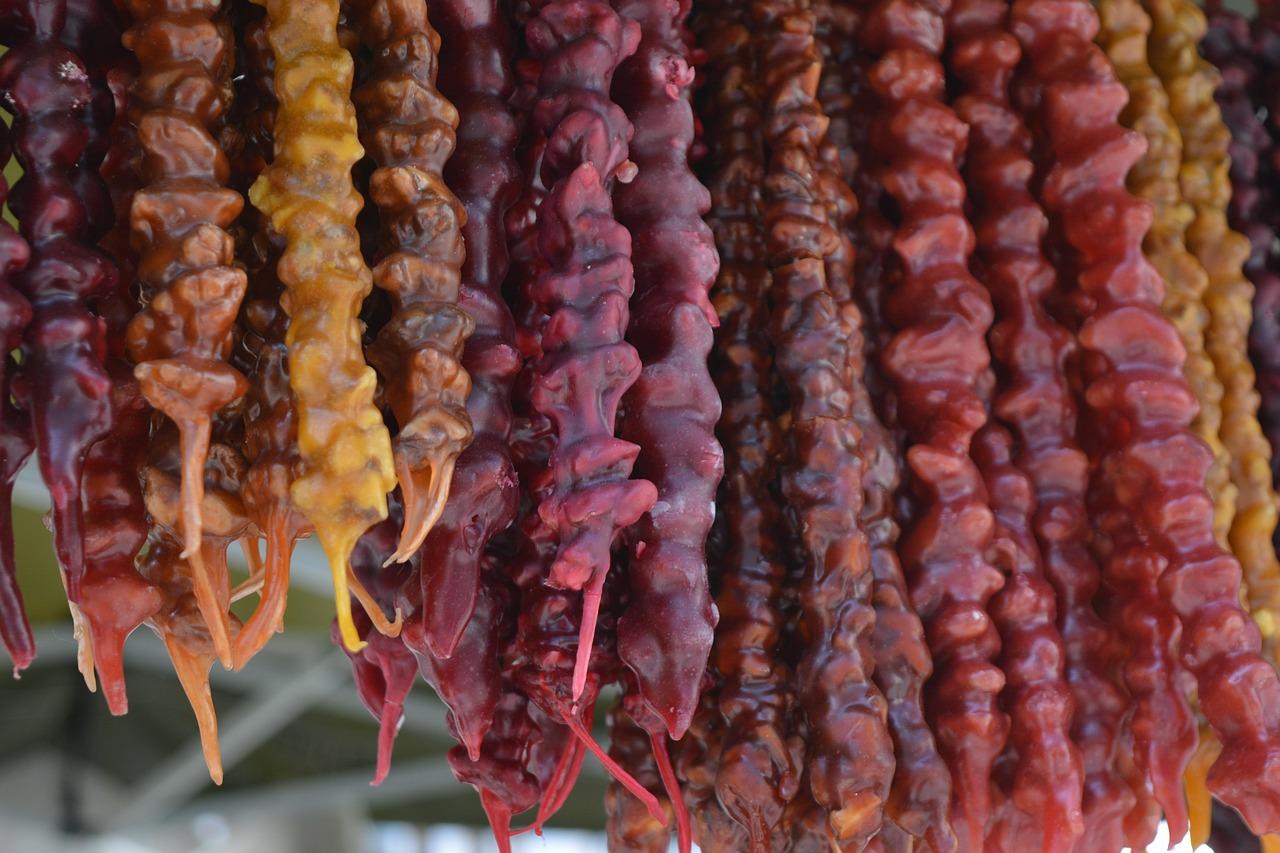
ChurchkhelaWalnuts in grape juice coating

Churchkhela are the candle-shaped sweets you see hanging in bunches at every Georgian market, but they are made at home during rtveli, the grape harvest in Kakheti in September and October. Walnuts are threaded on a string and dipped again and again in tatara, fresh grape must thickened with flour, then hung up to dry for a week, until firm and chewy outside and tender within. They are eaten at New Year and kept for months. A common mistake is a tatara that is too thin, which slides off the nuts; it should coat the back of a spoon thickly and fall in ribbons. Chef's tip: let each coat set for 10–15 minutes before the next dip; three or four thin coats look and keep better than one thick one.

by KrazyBadal 0 views

BambalouniSugared fried dough rings

Bambalouni are the big, flat, chewy doughnuts sold hot and wrapped in paper at the top of the blue-and-white village of Sidi Bou Said, outside Tunis, and on beaches all along the coast in summer. The dough is very soft and yeasty; it is stretched by hand into a ring and fried until puffed and blistered, then rolled in sugar. They are best eaten warm with a mint tea. Chef's tip: oil your hands, not the bench, to shape them; floured dough browns too fast and loses its blistered look.

by KrazyBadal 0 views

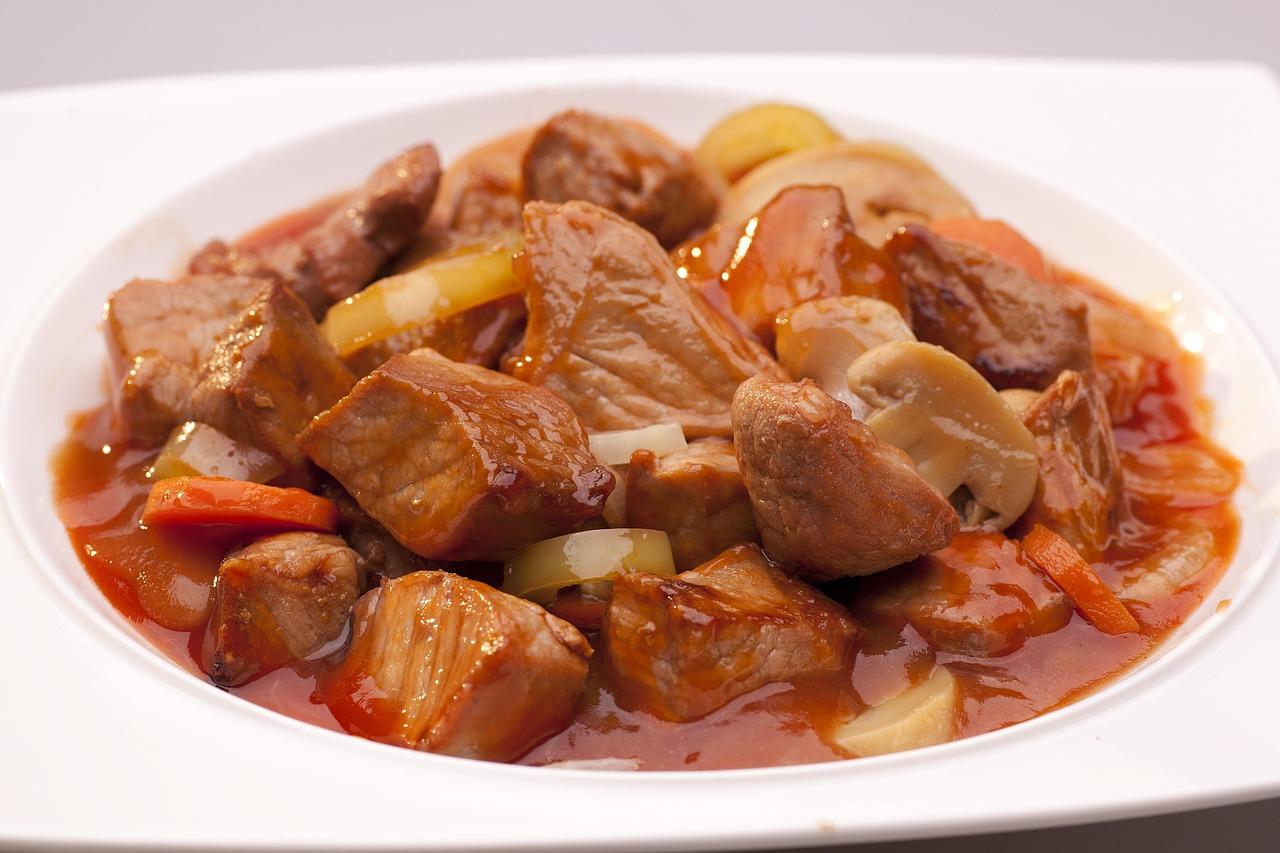
KavarmaClay-pot pork with peppers

Up in Bulgaria's Rhodope mountains, around Smolyan and Chepelare, kavarma is cooked in individual glazed clay pots and brought to the table still bubbling, often with an egg baked on top. This one is made with pork shoulder (chicken thighs work too), browned and then stewed slowly with a mountain of onion, peppers, mushrooms, paprika and savory. It traditionally includes a splash of dry white wine; the ingredient list gives an alcohol-free swap. Eat it with crusty bread and a shopska-style tomato and cucumber salad. A common slip is cutting the pork too small, so it dries out before the sauce is ready; keep the pieces bite-size but chunky. Chef's tip: let the onions cook down with the meat until almost jammy before the peppers go in; that is where kavarma gets its sweetness.

by KrazyBadal 0 views

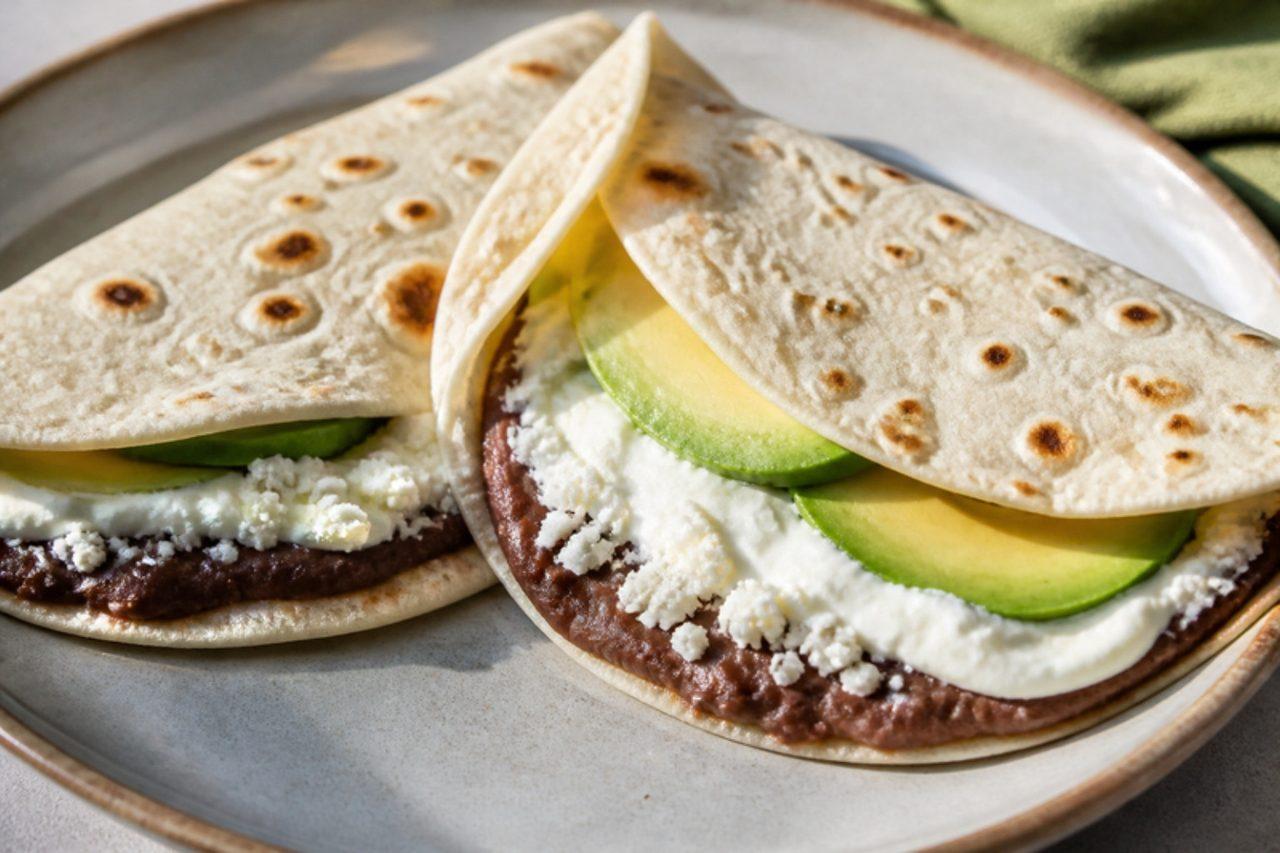
BaleadasFolded tortillas with beans and cheese

Baleadas are what Hondurans grab for breakfast on the way to work, from street stands in San Pedro Sula to the beaches of La Ceiba on the north coast. A thick, soft flour tortilla, warm from the comal, is spread with refried red beans, sprinkled with dry salty cheese and a spoon of mantequilla (sour cream), then folded in half. A 'baleada sencilla' stops there; add avocado, scrambled egg or fried plantain for a fuller one. Chef's tip: rest the dough balls a full 30 minutes; relaxed dough stretches thin by hand and puffs on the pan instead of shrinking back.

by KrazyBadal 0 views

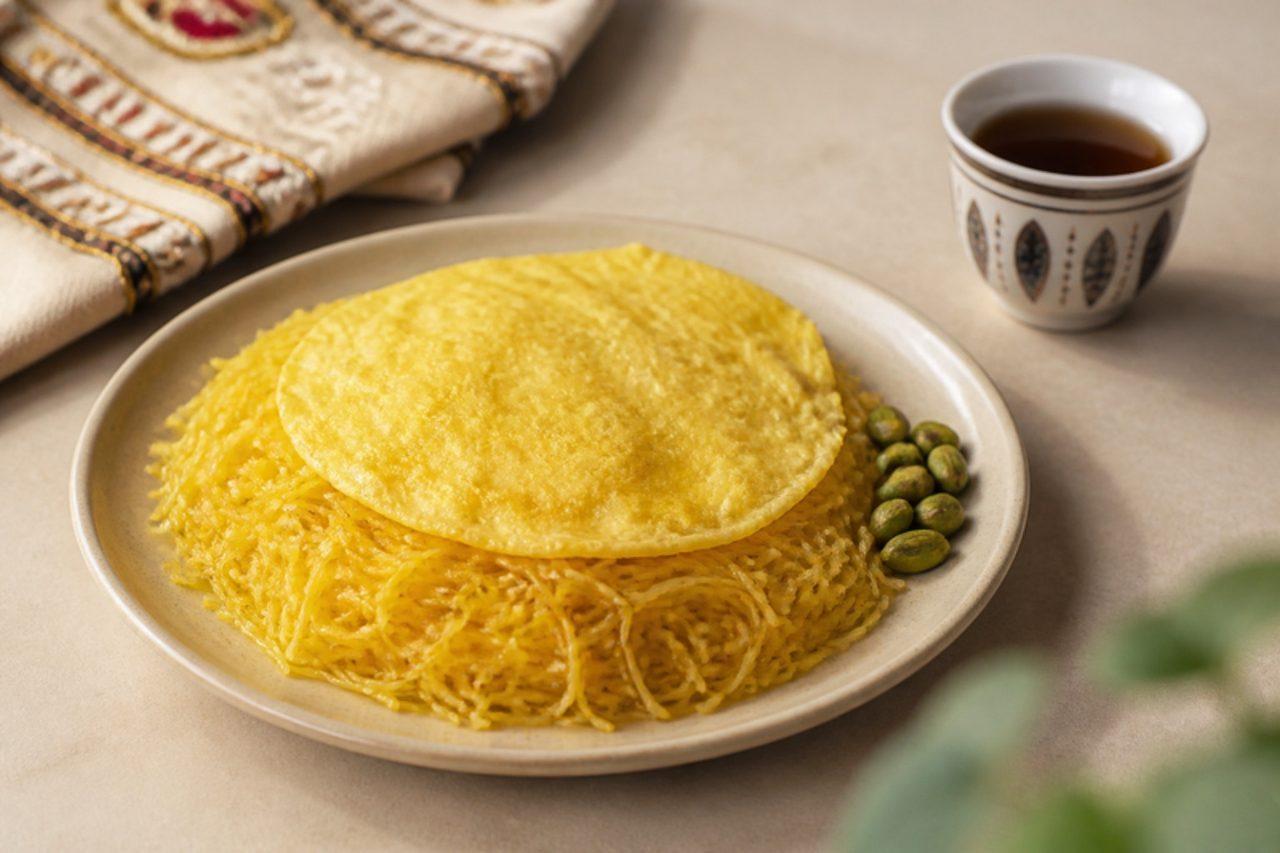
BalaleetSweet vermicelli with omelette

Sweet noodles for breakfast surprise visitors, but in the UAE and Qatar balaleet is the dish of Eid mornings and lazy weekend brunches. Fine vermicelli is toasted in butter, then steamed with sugar, saffron, cardamom and rose water until soft and glossy, and finally capped with a thin, salty-edged omelette. The contrast of sweet, fragrant noodles and savoury egg is the whole point, so serve them together in one wedge. Chef's tip: toast the vermicelli until it is the colour of a biscuit; pale noodles taste flat and floury.

by KrazyBadal 0 views

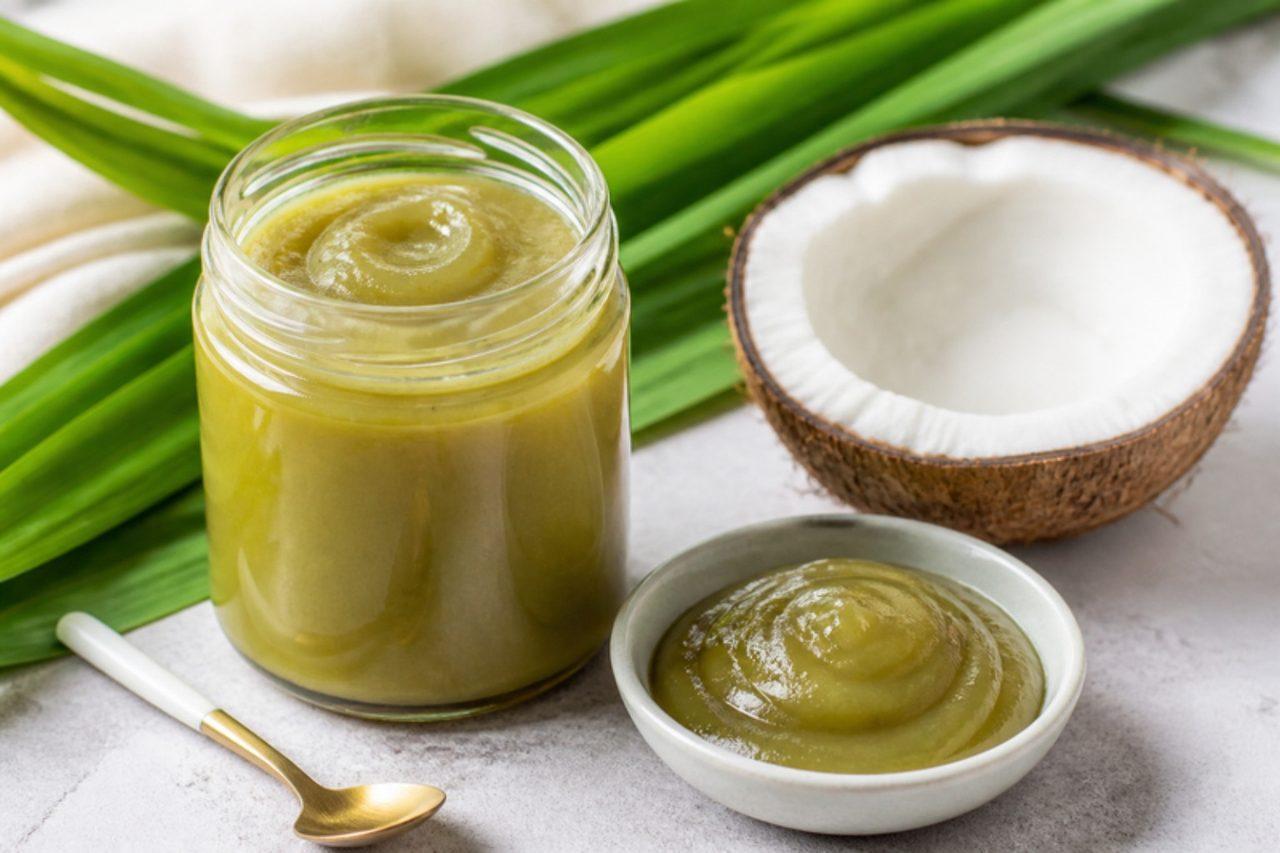
KayaPandan coconut jam

Kaya is the coconut and egg jam spread thickly on toast in every kopitiam in Singapore, from heritage chains to the coffee shop under a housing block. This is the green Nyonya-style kaya, gently cooked with pandan leaves until it turns thick, glossy and custardy; the Hainanese version adds caramel for a brown colour. It keeps for a week in the fridge and is the essential part of kaya toast. Chef's tip: cook it slowly over a pan of barely simmering water and keep stirring; rushed kaya scrambles and turns grainy.

by KrazyBadal 0 views

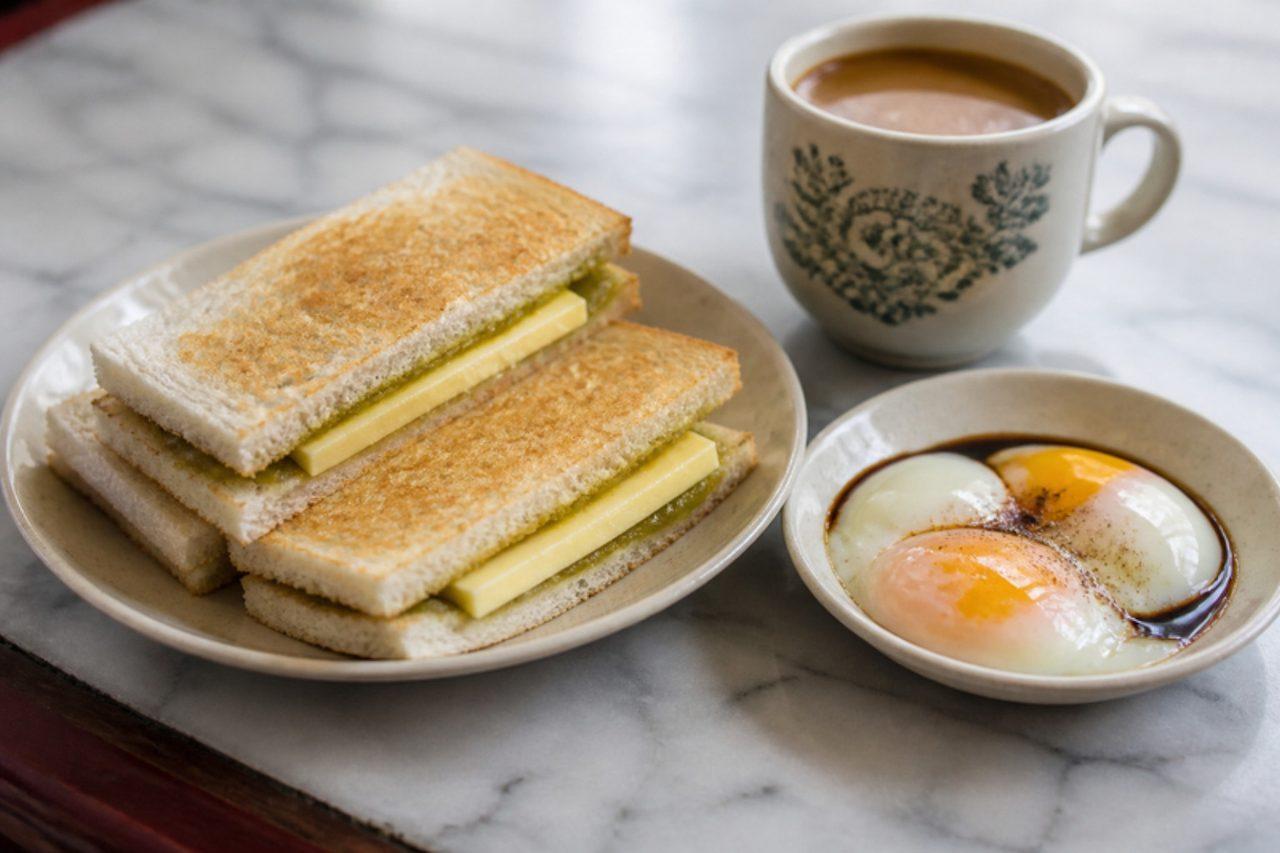
Kaya toastToast with coconut jam

The kaya toast set is Singapore's breakfast ritual: thin, crisp toast sandwiched with kaya and a cold slab of butter, served with two runny soft-boiled eggs seasoned at the table with dark soy and white pepper, and a cup of kopi. Office workers eat it at kopitiams in Tiong Bahru and Tanjong Pagar before work; children love dunking the toast in the eggs. Chef's tip: put the eggs in water that's just off the boil for exactly 6–7 minutes; the whites should be barely set and wobbly, the yolks completely runny.

by KrazyBadal 0 views

Kinema curryFermented soybean curry

Kinema is the Limbu and Nepali fermented soybean of Sikkim and the Darjeeling hills: boiled soybeans wrapped in leaves and left by the hearth for a couple of days until sticky and pungent. Cooked with onion, tomato, turmeric and fiery dalle or green chilli, it becomes a thick, savoury curry eaten with rice in Gangtok and Kalimpong homes, especially in winter. It is rich in protein and has a deep, almost meaty savour. Chef's tip: dry-fry the kinema before adding the masala; it tames the smell and brings out a toasted flavour. Outside the hills, Japanese natto is the closest substitute.

by KrazyBadal 0 views

Asado uruguayoGrilled beef short ribs and chorizo

Sunday in Uruguay means asado: in Montevideo backyards and the cattle towns of the interior, beef ribs (asado de tira), chorizo and morcilla cook slowly over the embers of a wood fire, with only coarse salt, while the family waits. The parrillero rakes coals under the grill and keeps the heat low and even. This recipe includes pork chorizo. The mistake is cooking over flames; the fire should burn down to embers you can hold your hand above for 6–8 seconds. Chef's tip: salt the meat only when it goes on the grill, with coarse salt, never fine.

by KrazyBadal 0 views

Arroz con lecheRice pudding

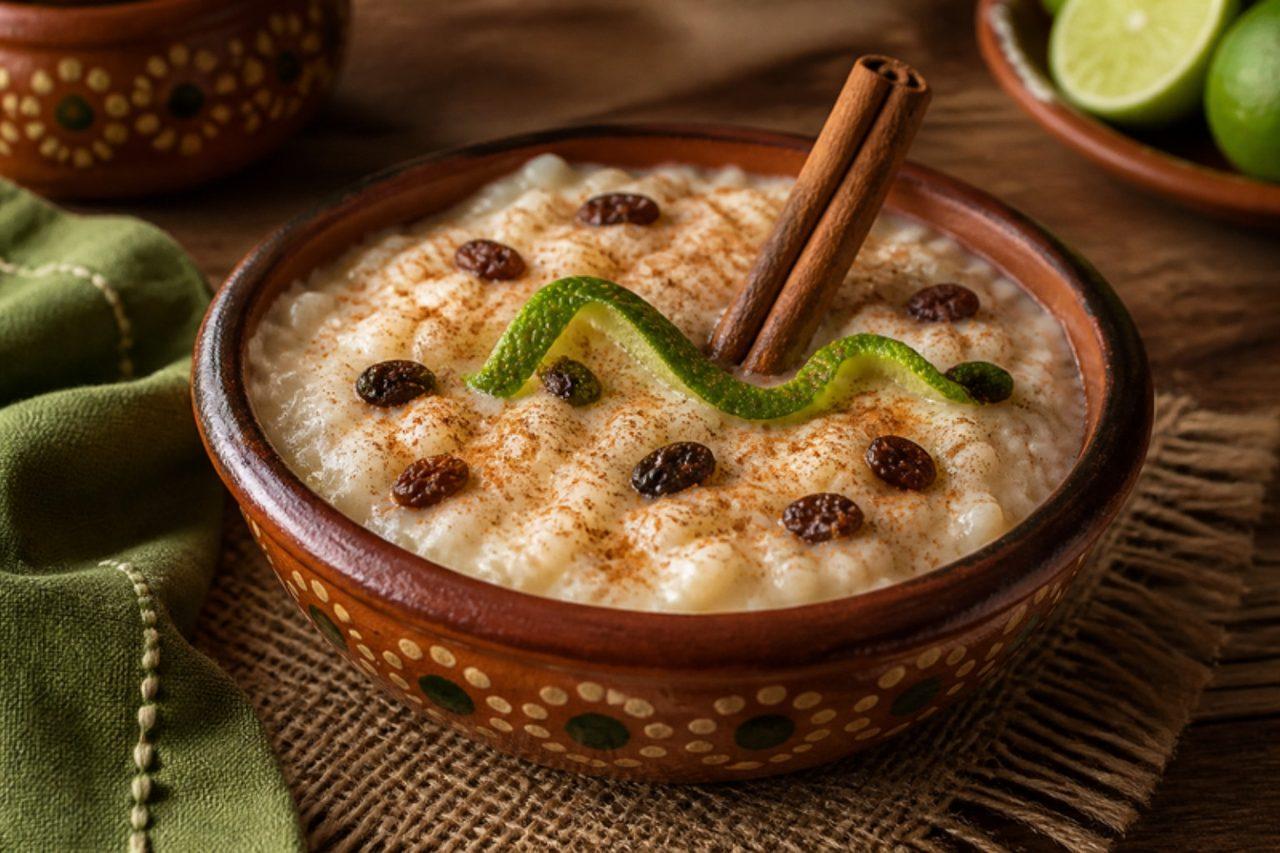
Arroz con leche is Mexico's comfort pudding, sold in little cups at markets and made in every grandmother's kitchen: rice cooked first in water with a cinnamon stick (canela) and lime peel, then slowly in milk until it turns thick and creamy. Mexicans often add sweetened condensed milk for a richer, caramel-tinged finish, and raisins for those who like them. It is eaten warm in winter and cold from the fridge in summer, dusted with ground cinnamon. Chef's tip: use soft Ceylon cinnamon (canela) if you can find it; its gentle, floral flavour is what makes it taste Mexican rather than like a spiced pudding.

by KrazyBadal 0 views

Kazakh milk teaBlack tea with hot milk

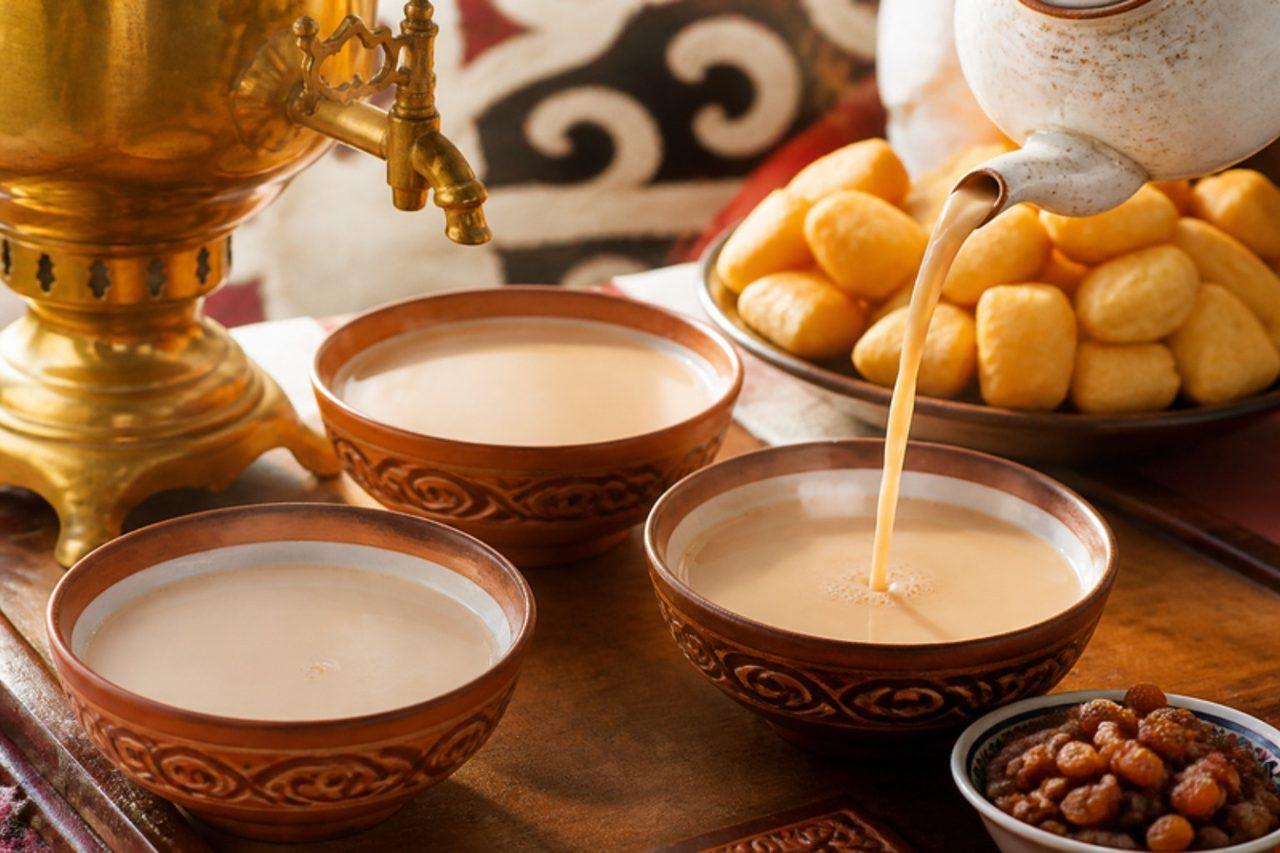
Kazakhs drink more tea per person than almost anyone, and at home it is always sut shai: strong black tea, often brewed from Kenyan or Indian leaves, poured into a wide cup (kese) with hot milk or a spoon of cream. The host keeps the cups barely half full and refills them again and again, and a guest turns the cup upside down when they've had enough. In winter in Astana a pinch of salt or a knob of butter may go in. It accompanies baursak, shelpek and every meal. Chef's tip: heat the milk until it just steams and add it to the cup first; scalded, boiled milk gives the tea a cooked taste.

by KrazyBadal 0 views

AriseluRice flour and jaggery sweets

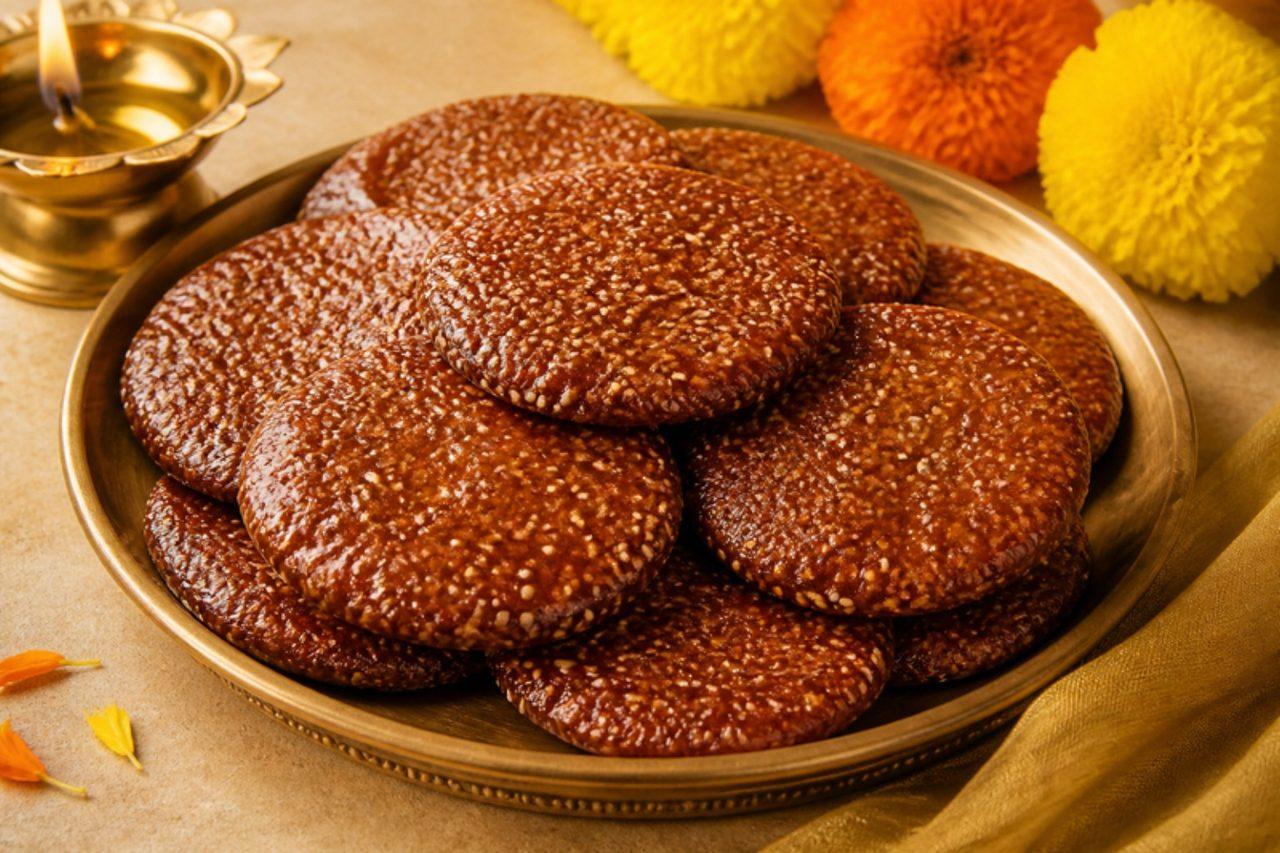
No Sankranti in coastal Andhra Pradesh is complete without ariselu. In the days before the January harvest festival, women gather to pound soaked rice into damp flour, cook it into a thick jaggery syrup, and press the dough into rounds on sesame seeds before frying. Each ariselu is chewy, dense and caramel-sweet, with a crisp sesame coat; after frying they are squeezed between two wooden spatulas to push out the excess oil. They keep for two weeks and are shared with every neighbour. Chef's tip: use home-made flour from soaked rice that is still slightly damp; dry shop flour gives hard, cracking ariselu.

by KrazyBadal 0 views

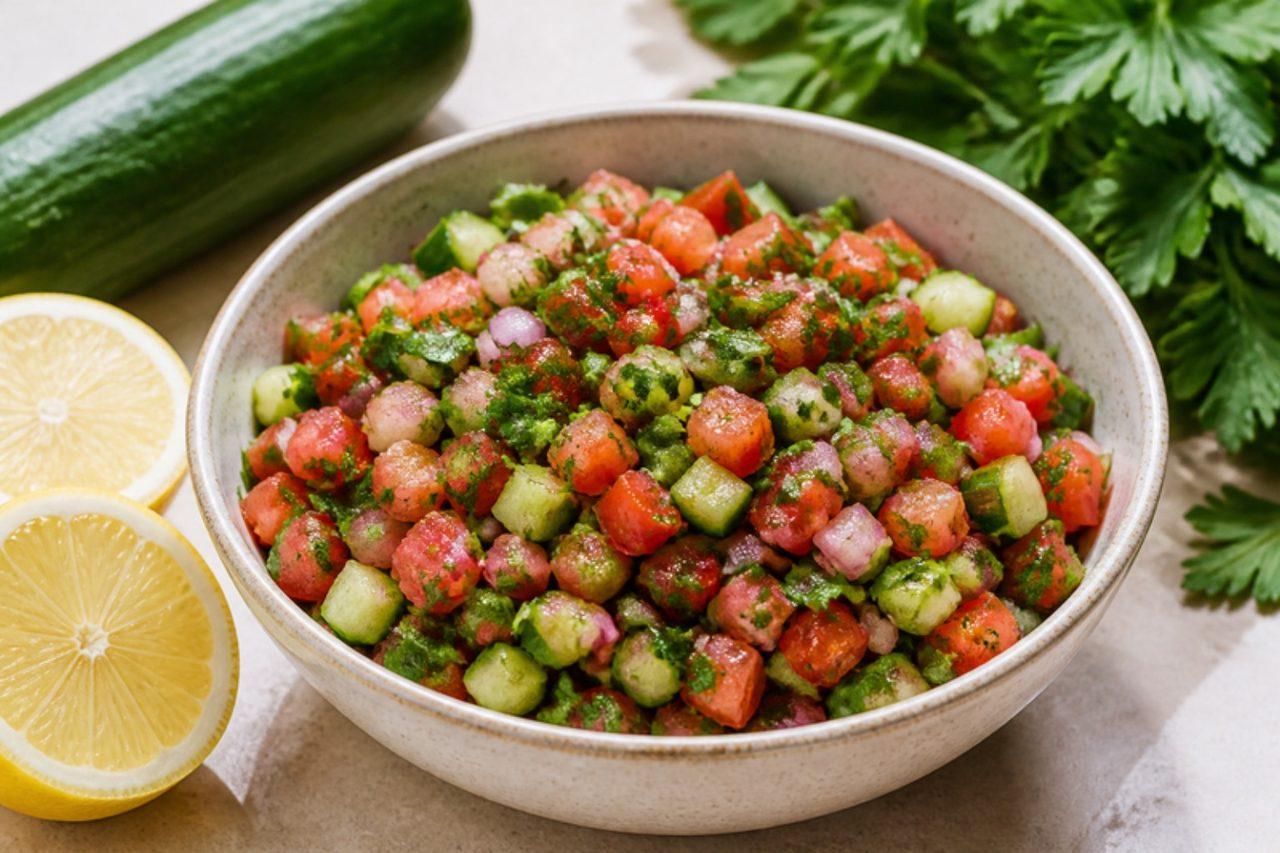
Baladi saladChopped tomato and cucumber salad

Salata baladi, the 'country salad', is on every Egyptian table, from Cairo koshari shops to Alexandria fish restaurants and home lunches, next to the rice and bread. It is finely diced tomato, cucumber, onion and green chilli, with a little parsley, a big squeeze of lemon and a pinch of cumin that makes it taste Egyptian rather than Levantine. It takes ten minutes and cuts through rich food like molokhia or mahshi. Chef's tip: dice everything small, about the size of a chickpea, so each spoonful carries a bit of everything.

by KrazyBadal 0 views

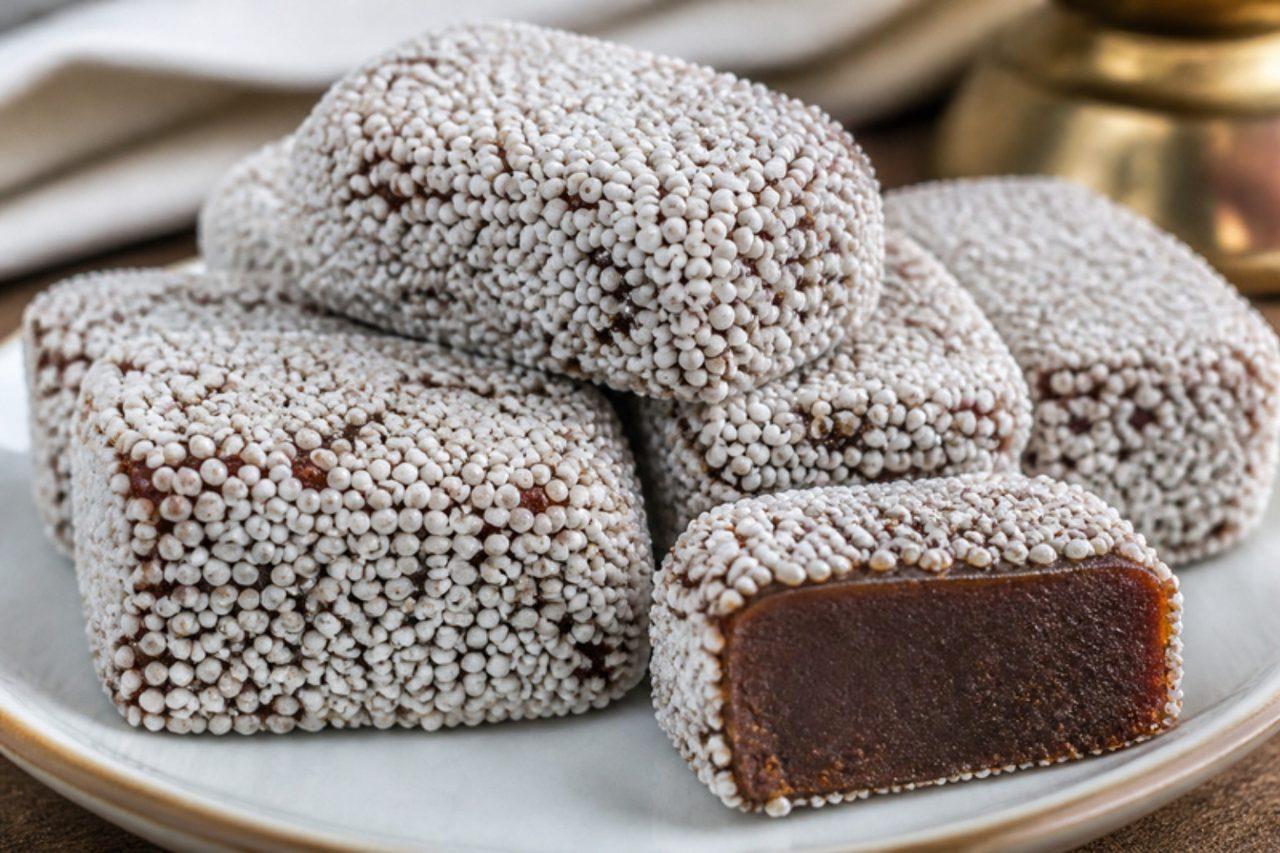
Bal mithaiChocolate-brown fudge with sugar balls

Bal mithai belongs to Almora in Kumaon, where sweet shops on the old Lala Bazaar have sold it for well over a century. Khoya is cooked slowly with sugar until it caramelises to the colour of dark chocolate, set into bars and rolled in little white sugar balls, which give a crunchy bite against the fudgy middle. Families carry boxes of it home from the hills as the town's best-known souvenir. The flavour is deep and toffee-like, with no added colour or cocoa. Chef's tip: keep the heat low and be patient; the deep brown comes from slow caramelising over half an hour, not from turning the flame up.

by KrazyBadal 0 views

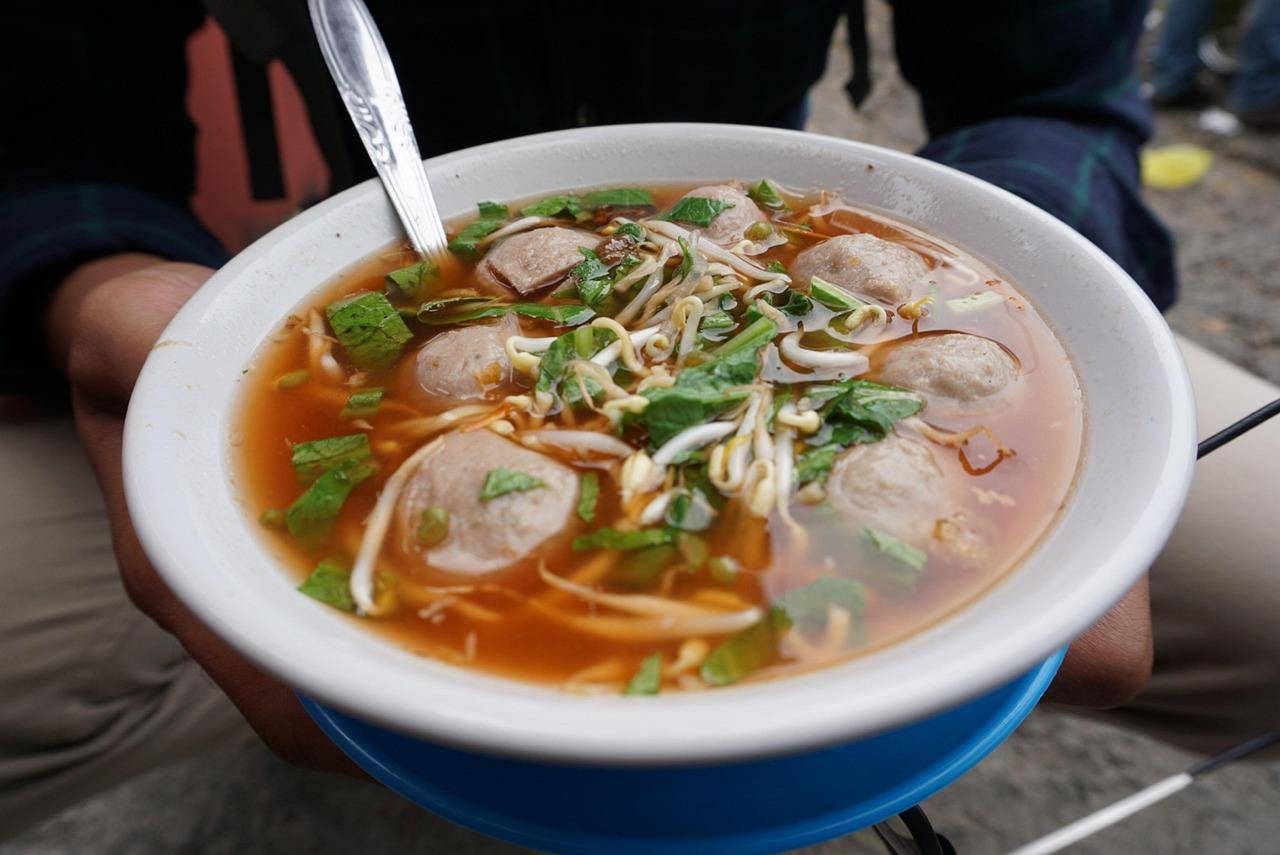
BaksoBeef meatball soup

Listen for a spoon tapped against a bowl in any Indonesian neighbourhood and you will find a bakso cart, its glass case stacked with meatballs and two kinds of noodles. The meatballs are springy, almost bouncy, sitting in a clear, garlicky beef broth with yellow noodles, glass noodles and a little green veg. Everyone then builds their own bowl at the counter with sambal, sweet soy sauce, vinegar and a scattering of fried shallots; it is the go-to comfort on a wet afternoon. Chef's tip: keep the beef and everything that touches it ice-cold while you blend, because warm meat gives dense, crumbly balls instead of that famous bounce.

by KrazyBadal 0 views

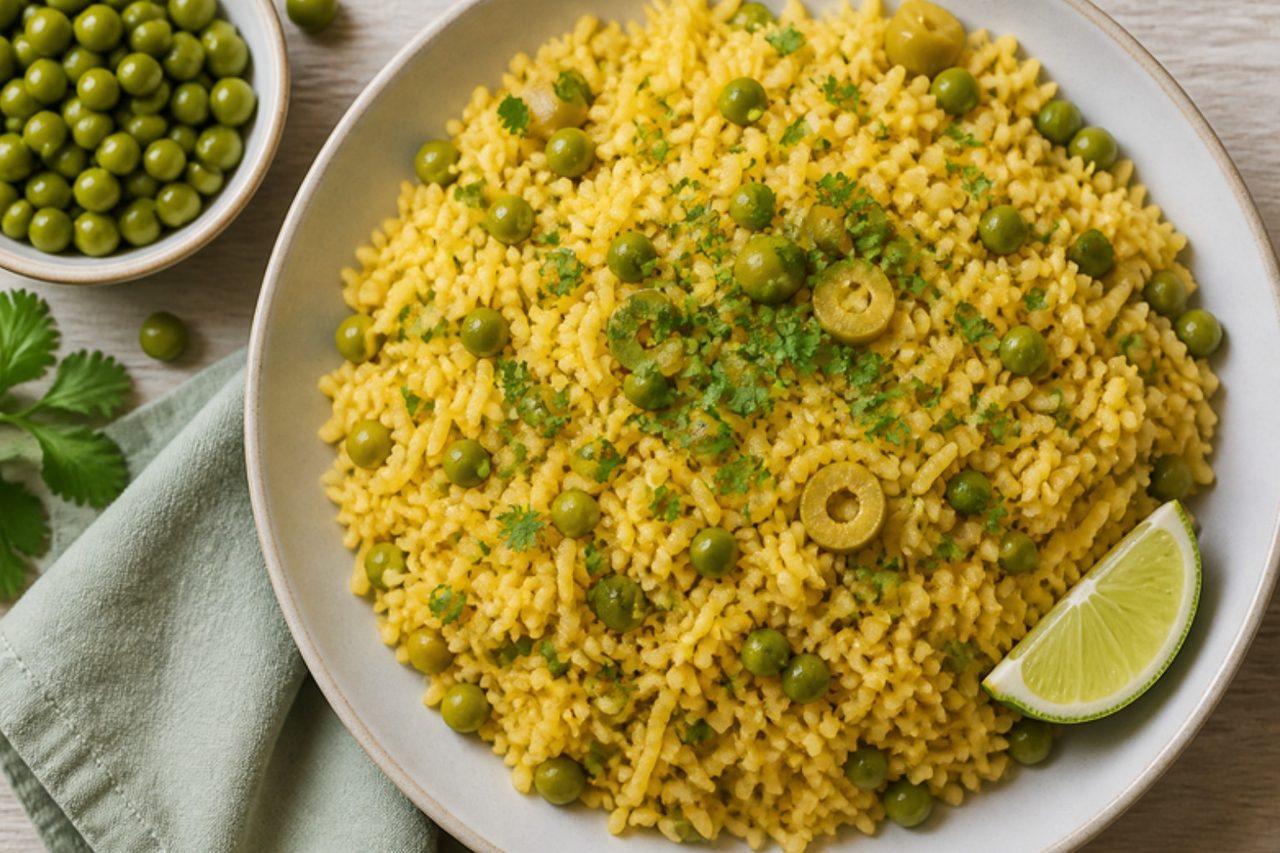
Arroz con gandulesRice with pigeon peas

No Nochebuena table from San Juan to Mayagüez is complete without a big caldero of arroz con gandules, and in December every grandmother's pot is judged on it. Medium-grain rice is cooked with pigeon peas (gandules), fresh sofrito, achiote oil, tomato sauce and a scoop of alcaparrado (olives and capers), until each grain is tender and golden-orange. Island cooks usually add pork; this version gets its depth from a generous spoon of sofrito and good stock, and loses nothing. The best part is the pegao, the crisp golden crust left on the bottom of the pot. Chef's tip: once the lid goes on, leave the rice alone; stirring breaks the grains and releases starch, and you will lose both the fluffy texture and the pegao.

by KrazyBadal 0 views

KedjenouPot-steamed chicken

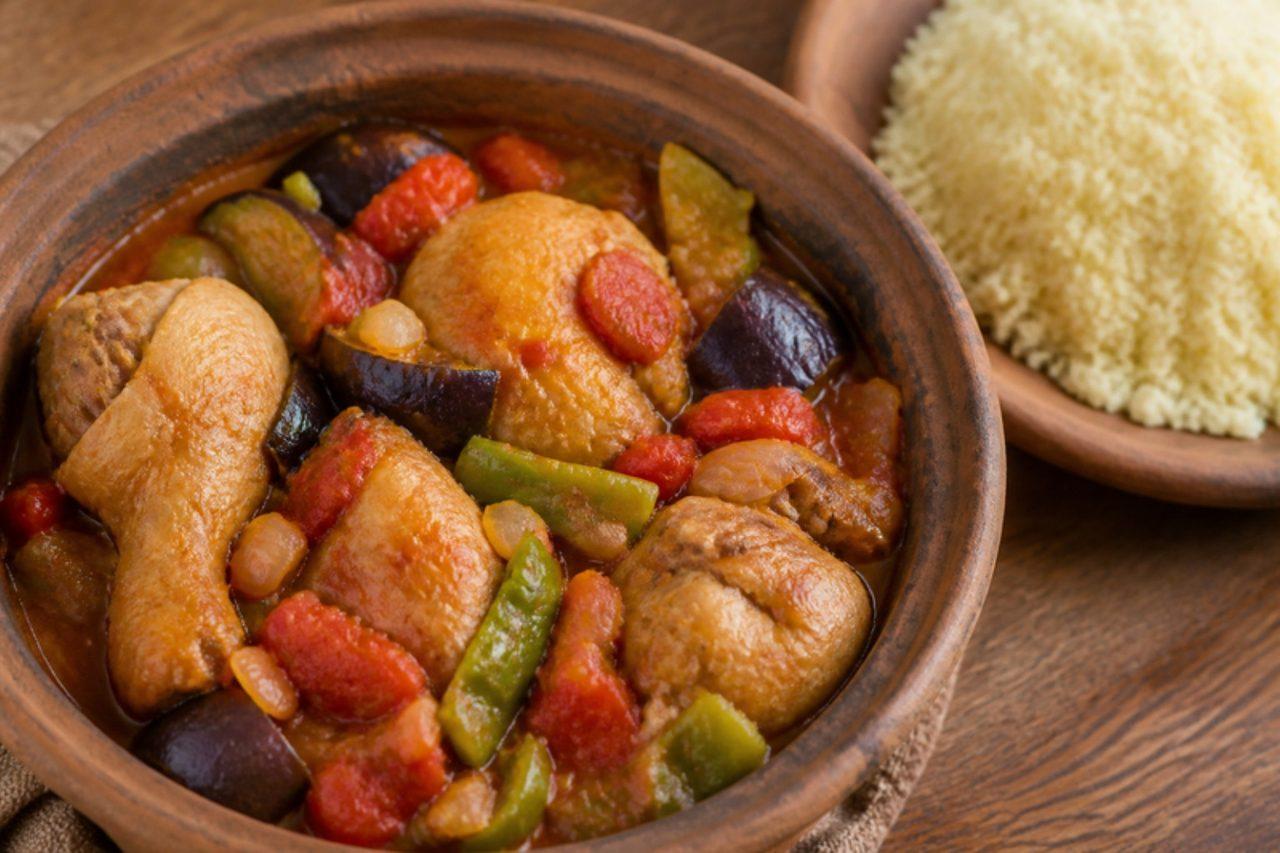
Kedjenou comes from the Baoulé people of central Côte d'Ivoire, who cooked it in a sealed clay canari set in the embers and shook the pot instead of stirring it; today it is a weekend favourite in Abidjan's maquis, served with attiéké or rice. Chicken, tomato, onion, aubergine, ginger and chilli go into the pot with no water at all, and the vegetables release enough juice to make a light, intense sauce. The mistake is lifting the lid to stir: the steam escapes and the pot can burn, so seal it well and shake it instead. Chef's tip: a heavy casserole with a sheet of foil pressed under the lid works just like the clay pot.

by KrazyBadal 0 views

Keerai masiyalMashed greens

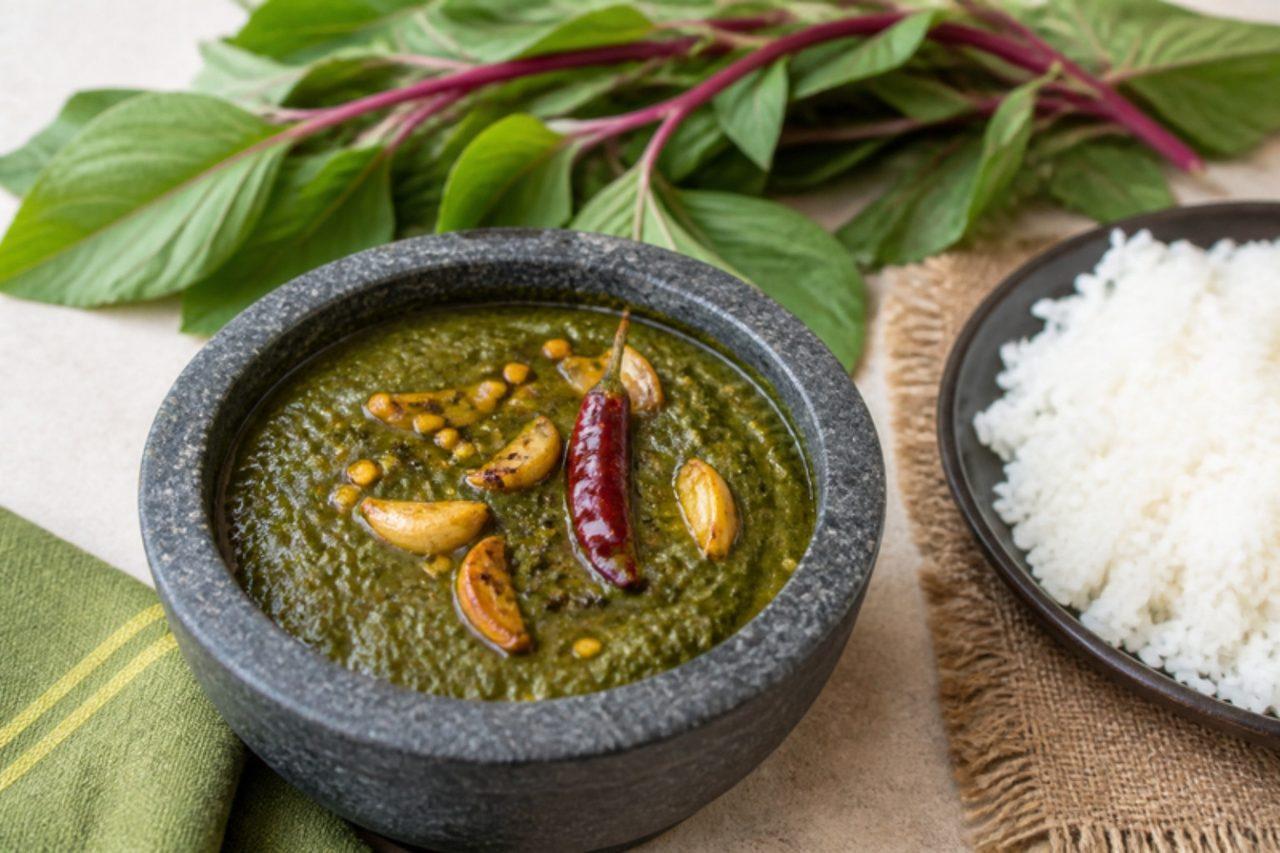
Keerai masiyal is the plain, green, buttery-soft mash Tamil mothers make with whatever keerai the market has that morning: arai keerai, siru keerai, amaranth or plain spinach. The leaves are cooked with shallots, garlic and green chilli and then mashed, traditionally with a wooden mathu, until smooth but still a little textured, then finished with a cumin tempering. It's eaten mixed into hot rice with a spoon of ghee or sesame oil, next to sambar or rasam, and it's a favourite first food for toddlers. Chef's tip: cook the greens uncovered; covering them traps the gases that turn the leaves dull olive instead of bright green.

by KrazyBadal 0 views

Asado negroBeef braised in panela

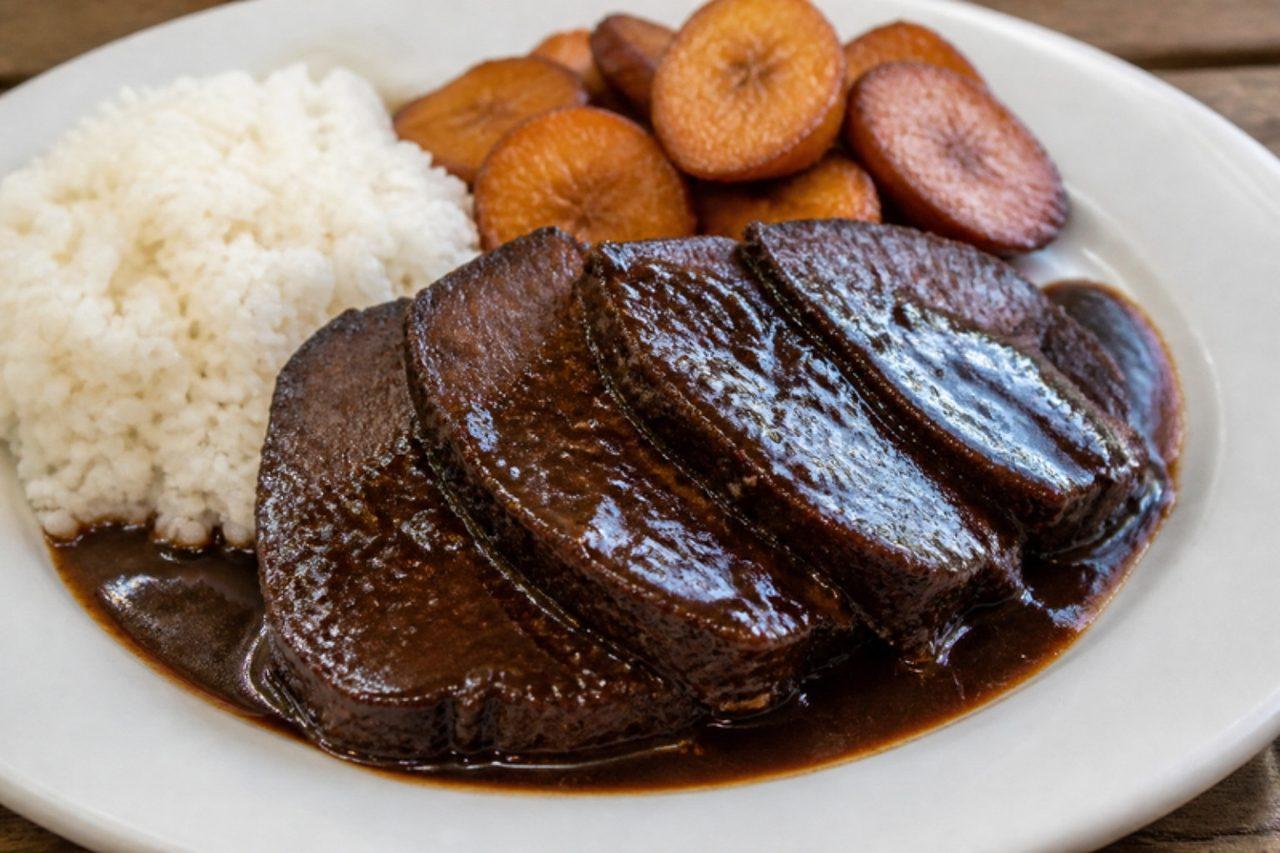
Asado negro is the Sunday lunch of Caracas families: a whole piece of beef eye of round (muchacho redondo) is seared in sugar caramelised almost to black, then slowly braised until the sauce is dark, glossy and sweet-savoury. Despite how it looks, it doesn't taste burnt, just deep and rich. It is sliced and served with white rice, fried ripe plantain and sometimes a mash of potatoes. Many cooks add a glass of red wine to the braise; to keep it alcohol-free, use the same amount of beef stock and a tablespoon of balsamic vinegar instead. The mistake to avoid is stirring the panela while it caramelises: it crystallises and goes grainy. Chef's tip: get the caramel really dark, just before it smokes, because the colour and depth of the whole dish come from that minute.

by KrazyBadal 0 views

Kek lapis SarawakLayer cake

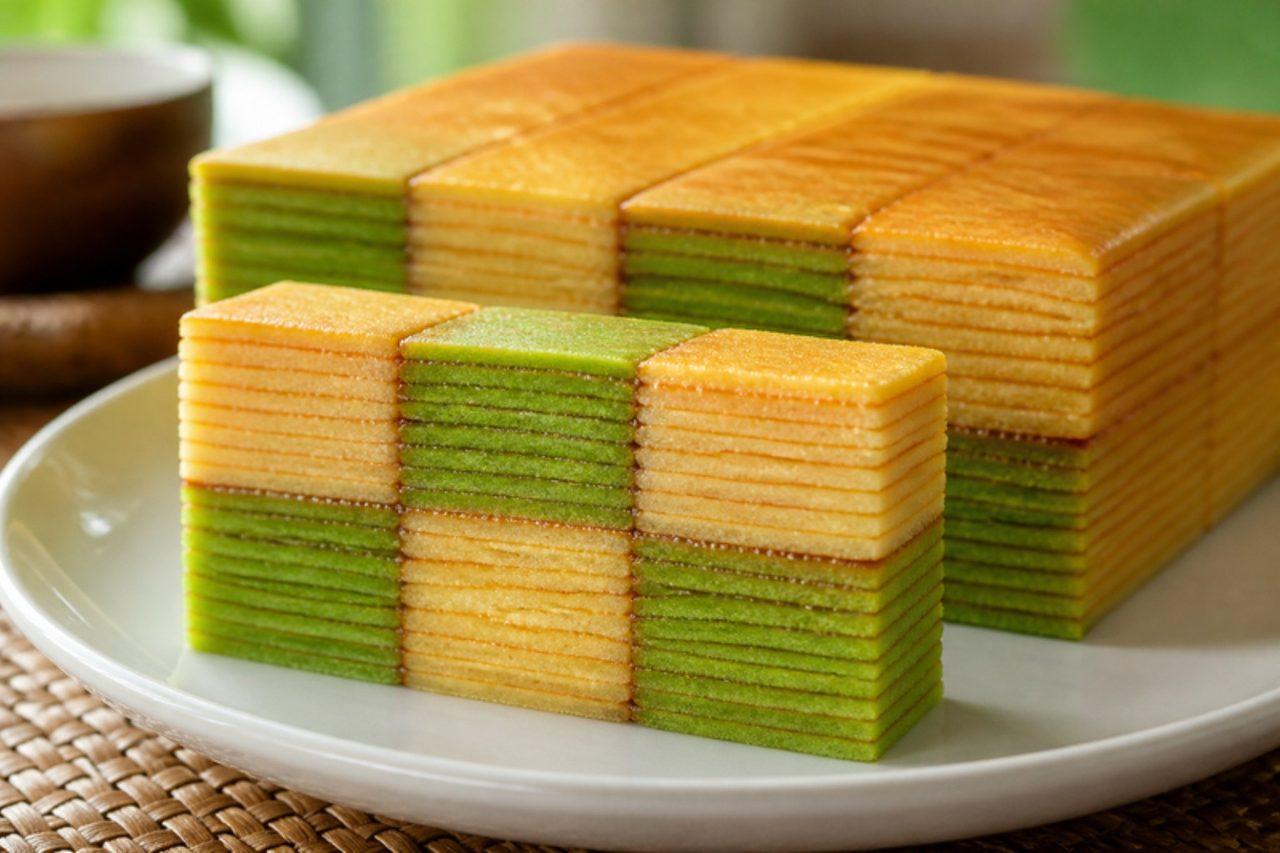
In Kuching, kek lapis Sarawak is baked for Hari Raya, Christmas and Gawai, and every family gives boxes of it away. Unlike Indonesia's spiced lapis legit, Sarawak cakes are sweet, dense and buttery, often made with condensed milk, and famous for their bright geometric patterns. Many layers are grilled one by one, then the cake is cut into strips and glued back together with jam to make the design. This is the beginner's chequerboard in plain and pandan green. Chef's tip: spread each layer thin and even with the back of a spoon; uneven layers make the pattern crooked.

by KrazyBadal 0 views

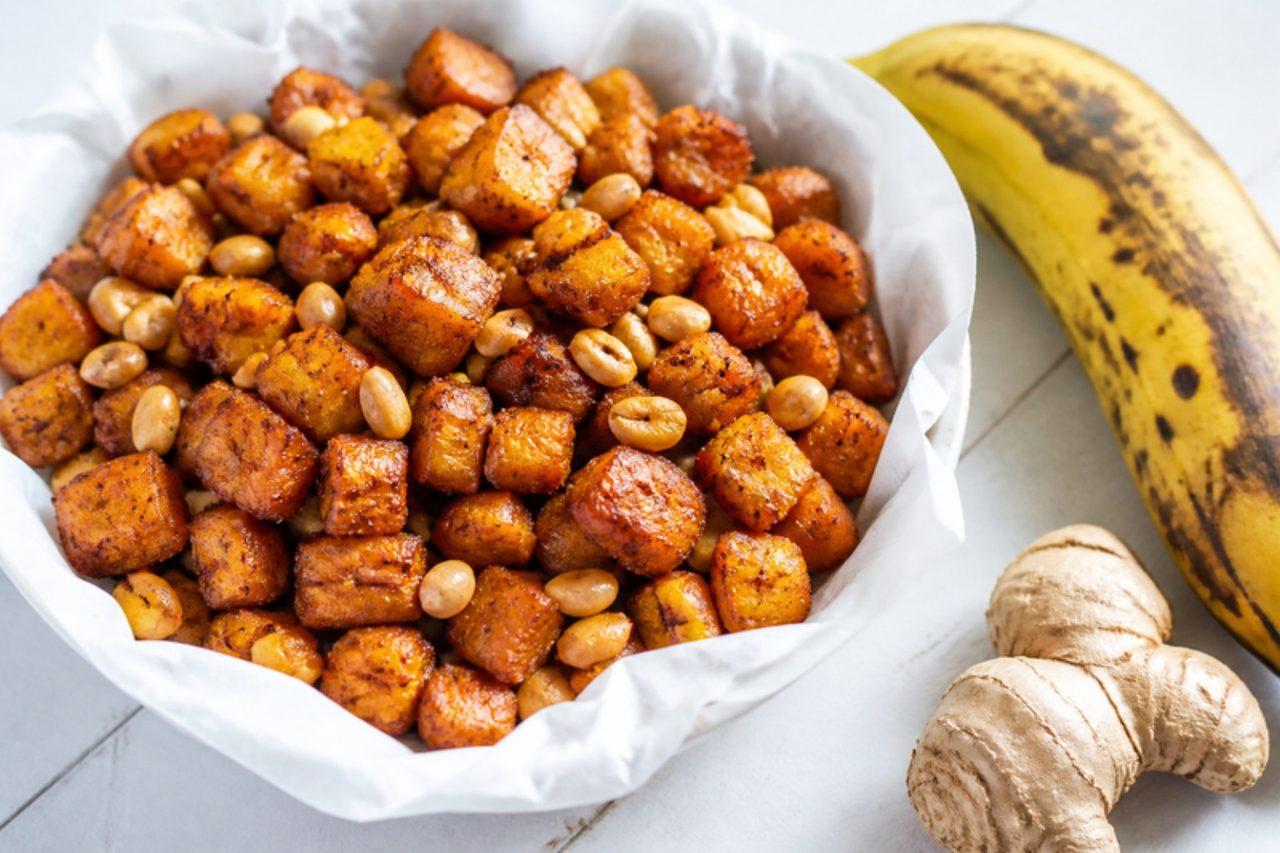
KeleweleSpiced fried plantain

Kelewele is what Accra smells like after dark: ripe plantain cubes tossed in a paste of ginger, onion, chilli and spice, then fried at roadside stalls lit by lamps and sold in paper cones. It is eaten as an evening snack, often with a handful of roasted peanuts, or as a side with red red. The outside caramelises while the spices turn toasty, so every piece is sweet, hot and spicy at once. Chef's tip: use plantains that are yellow with lots of black spots; fully black ones collapse in the oil and green ones never turn sweet.

by KrazyBadal 1 views

Mysore masala dosaGarlic chutney dosa with potato

Mysuru in Karnataka gave its name to this bolder dosa: a slightly thicker, golden crêpe that is crisp outside and soft inside, painted with a hot red chutney of dried chillies, garlic and roasted chana dal before the potato palya goes in. The chutney melts into the dosa as it cooks, so every bite has a sweet-spicy, garlicky kick. In Mysuru's old cafés it's served flat and folded, with coconut chutney to cool things down. Chef's tip: use Byadagi or Kashmiri chillies for the chutney; they give a deep red colour without blowing your head off, so you can spread it generously.

by KrazyBadal 1 views

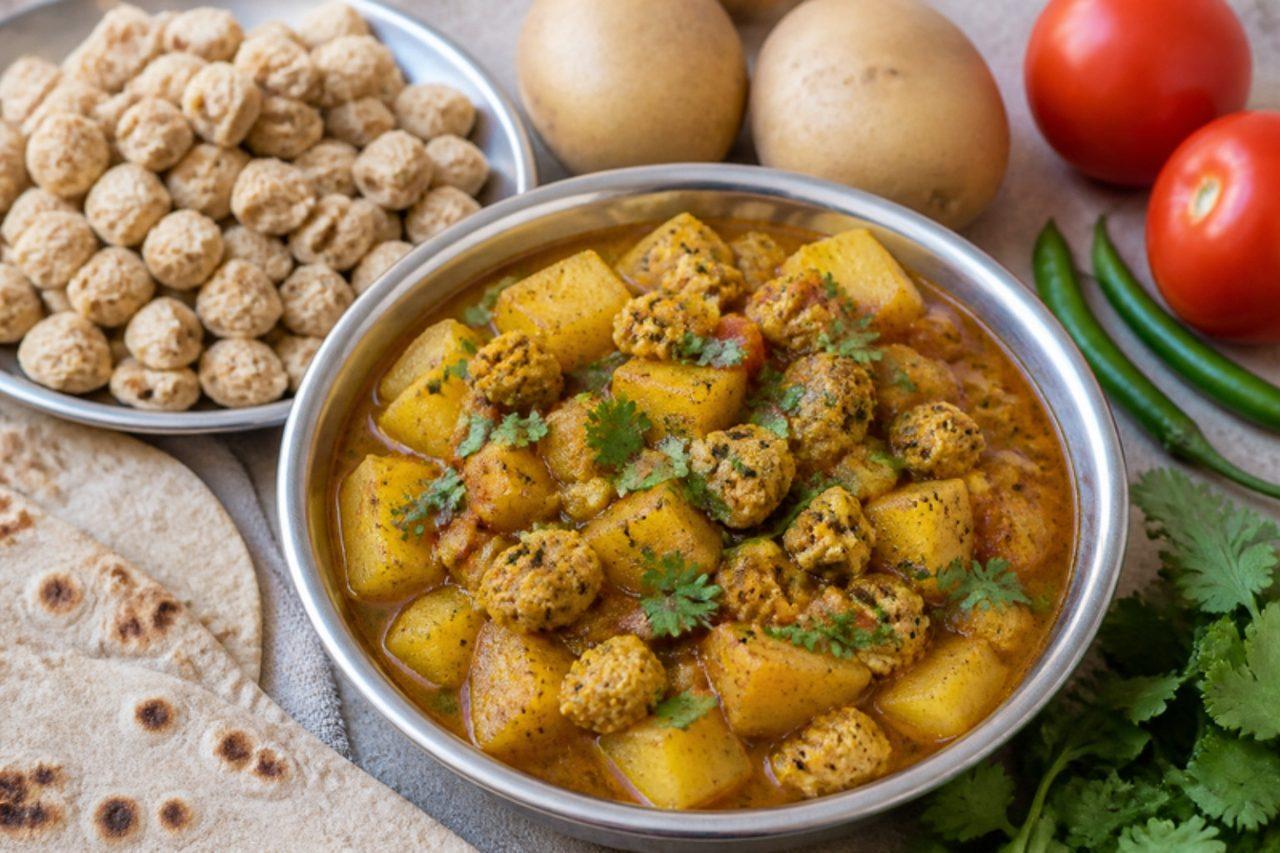
Amritsari aloo wadiyanPotato and lentil dumpling curry

Every winter, rooftops in Amritsar's old city are covered with trays of wadiyan: little cones of spiced urad-dal paste studded with black pepper and dried in the sun until rock hard. Punjabi homes break them into chunks, fry them until they smell nutty, and simmer them with potatoes in a mustard-oil gravy. The wadiyan soften into chewy, spicy, almost meaty pieces, and the potatoes soak up their pepper. It is everyday comfort food, eaten with hot phulkas or rice and a raw onion on the side. Chef's tip: wadiyan are already salted and spiced, so add salt only at the end, after tasting.

by KrazyBadal 0 views

Showing 54 of 10,569 recipes

Show more recipes

Page 1,037 of 1,175