


Skip to content
Mint and onion chutney
Featured recipe

Mint and onion chutney

Onions fried gently until soft and sweet, then blended with fresh mint, green chilli and lemon juice. It's a mellow, fresh-tasting chutney that is great with bhajias, samosas, kebabs and tikka, or spread in sandwiches.

Read more 1 views

What to eat today?

Around the world

Today's trip: Peruvian

A new country every day, from every cuisine on the site.

Peruvian

Tacacho

Mashed roasted green plantain balls 35 minMore from Peruvian (111) →

This week's collection

Kid-friendly dinners
772 recipes · a new collection every Monday

Coming up

All occasions →

Latest recipes

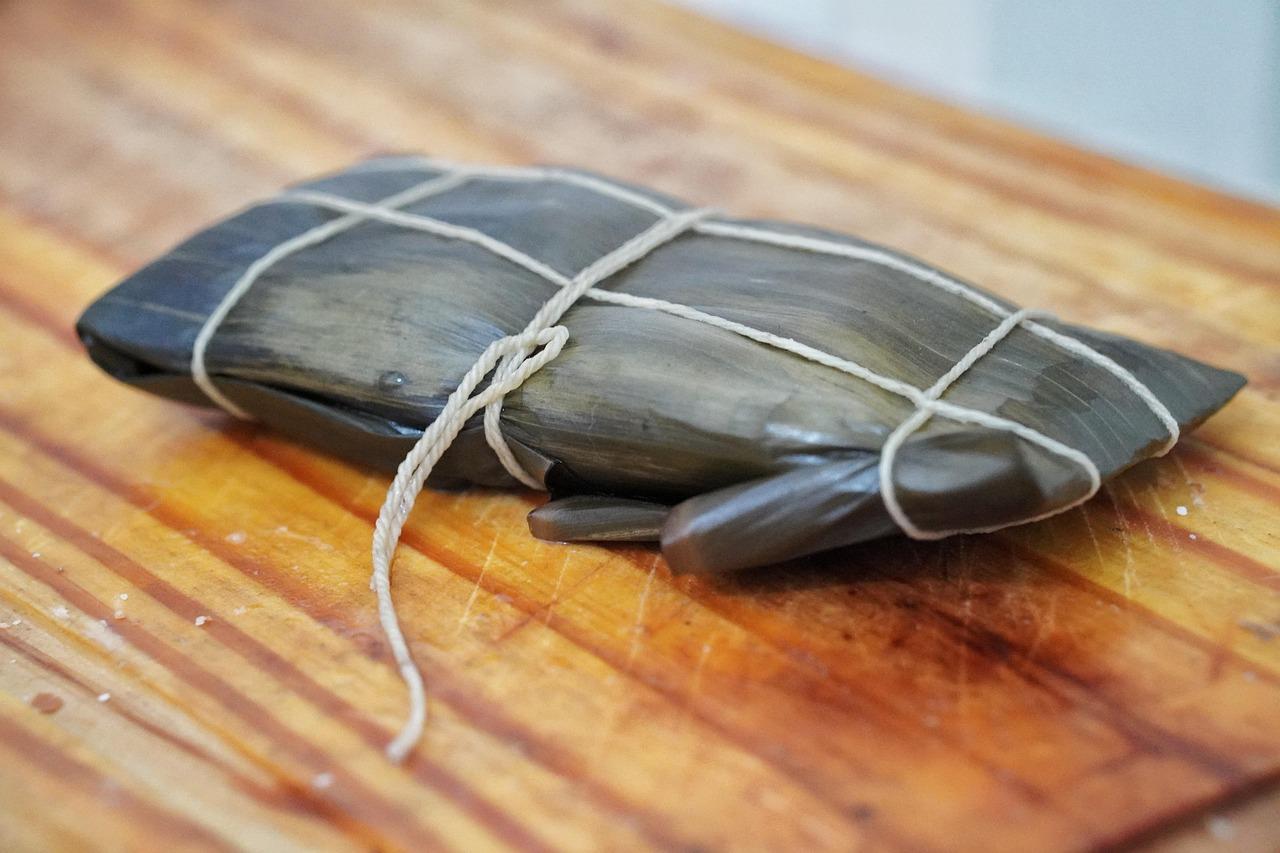
HallacasStuffed corn parcels

Hallacas are Venezuelan Christmas. In December whole families gather around a kitchen table in Caracas, Maracaibo or the Andes to make dozens at once: one person cleans banana leaves, another spreads the annatto-tinted corn dough, another adds the guiso (a stew of pork, beef and chicken) and the garnishes, and someone else ties the parcels. This is a pork dish. The guiso is traditionally finished with red wine; for an alcohol-free version use the same amount of beef stock with a tablespoon of red wine vinegar. They are eaten with pan de jamón and chicken salad from Christmas Eve to New Year. The common mistake is spreading the dough too thick, which makes heavy, stodgy parcels; it should be thin enough to almost see the leaf through it. Chef's tip: make the guiso a day ahead and chill it, so it is firm and easy to portion.

by KrazyBadal 0 views

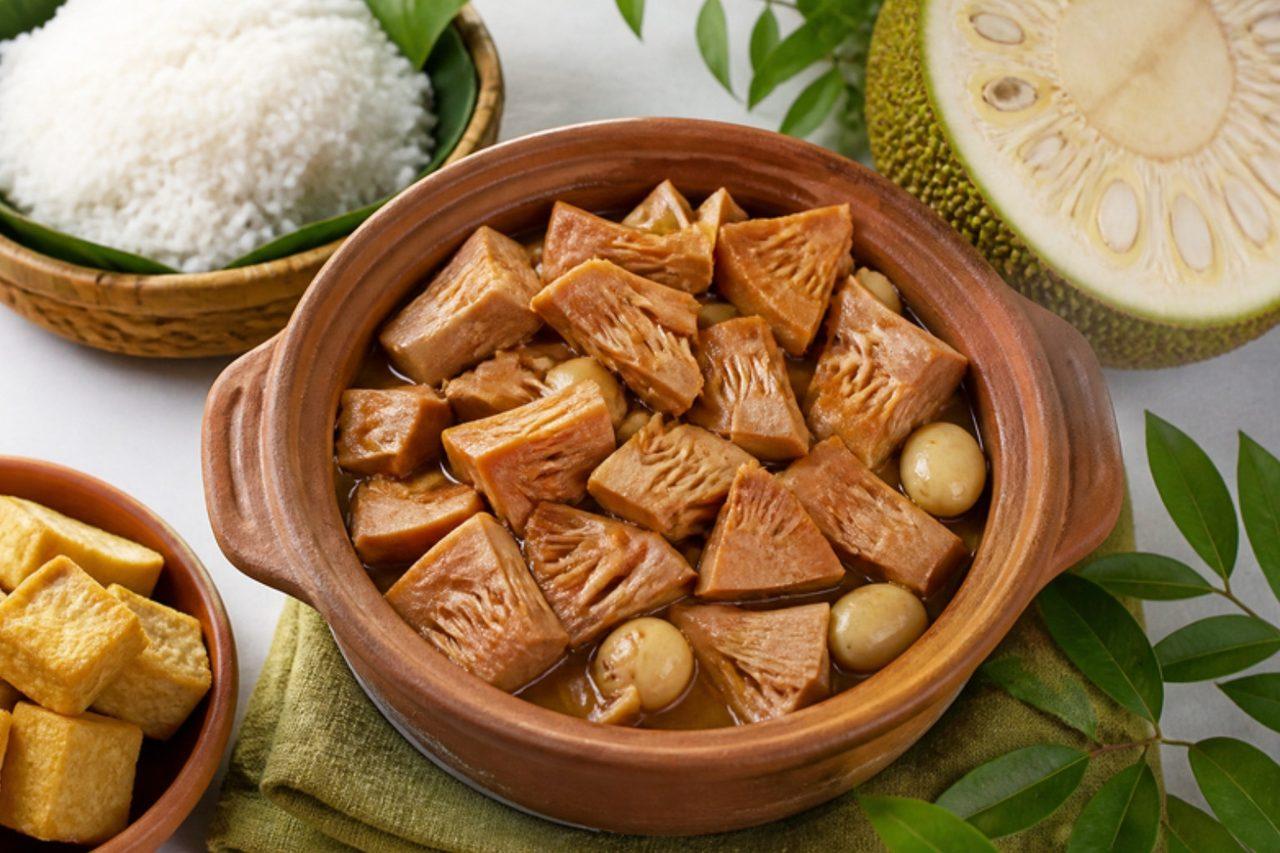
GudegYoung jackfruit stew

Gudeg is the signature of Yogyakarta: whole streets around Wijilan are lined with stalls selling it from dawn, and visitors carry it home in clay pots or woven baskets. Unripe jackfruit is cooked for hours with palm sugar, coconut milk, galangal and salam leaves until it turns reddish-brown, soft as pulled meat, and deeply sweet and savoury. The classic plate adds chicken, egg and spicy cattle-skin stew; this vegan plate pairs it with sticky-sweet tempeh and tofu and a sharp sambal to cut the sweetness. Chef's tip: let the pot cook down slowly until almost all the liquid is gone — drier gudeg keeps for days and tastes better on the second.

by KrazyBadal 0 views

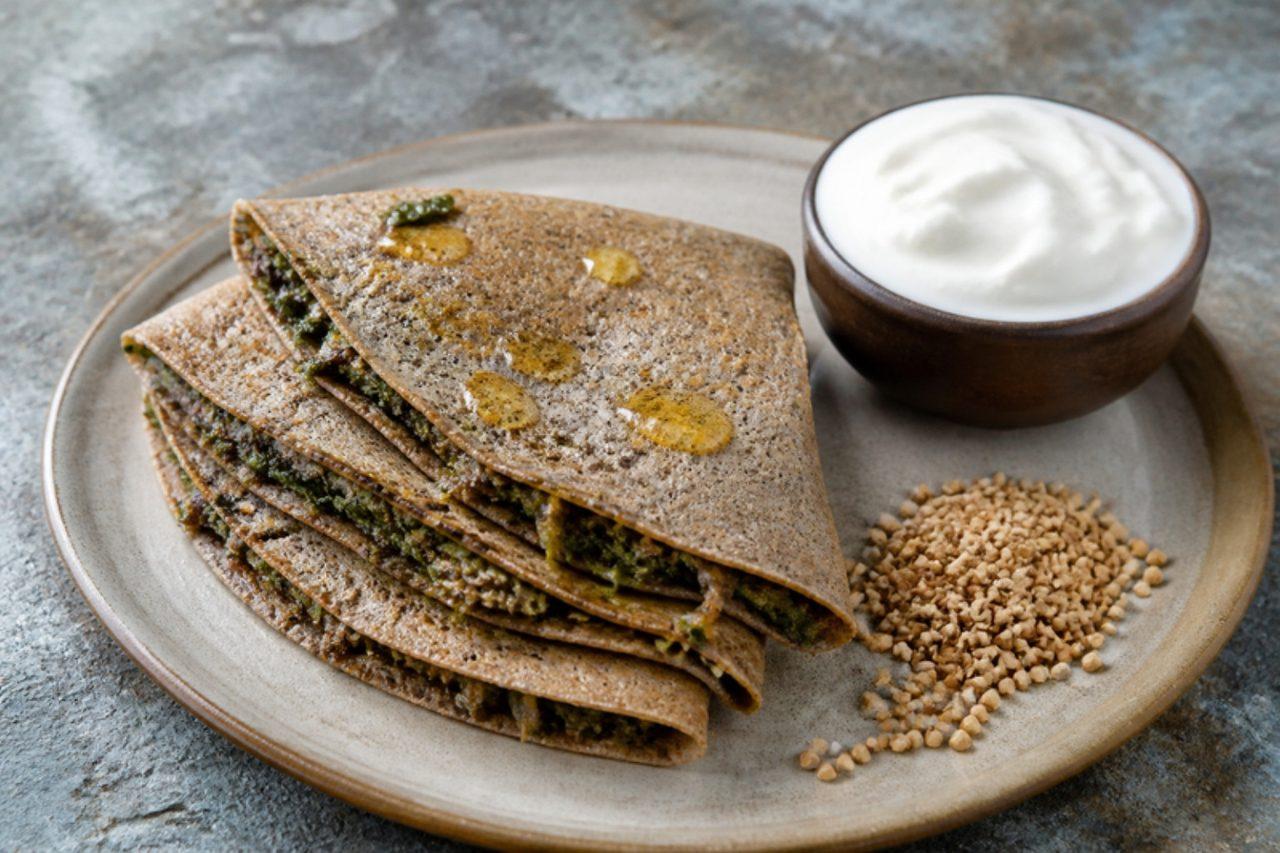
AktoriBuckwheat pancakes with greens

High in the Spiti and Lahaul valleys of Himachal Pradesh, where wheat struggles, buckwheat (kathu) grows in short summer fields and its leaves are eaten as a vegetable too. Aktori are thin buckwheat pancakes cooked with a layer of those greens inside, dotted with ghee and eaten warm with yogurt or salty butter tea. Families make them on festival mornings and through the long winter. Outside the valleys, spinach or young chard stands in well for buckwheat leaves. Chef's tip: keep the batter as thin as pouring cream; buckwheat has no gluten, so a thick batter cooks up gummy instead of tender.

by KrazyBadal 0 views

Picadillo vegetarianoLentil and mushroom picadillo

Picadillo a la habanera is Havana's everyday savoury hash, sweet with raisins, salty with olives and capers and sharp with tomato and sofrito. This vegetarian version swaps the meat for brown lentils and finely chopped mushrooms, which give the same crumbly, juicy texture and a deep savoury flavour. Spoon it over white rice with fried ripe plantain, or use it to fill empanadas and stuffed peppers. Chef's tip: let the mushrooms fry until all their liquid has gone and they turn brown; that browning is what makes it taste rich.

by KrazyBadal 0 views

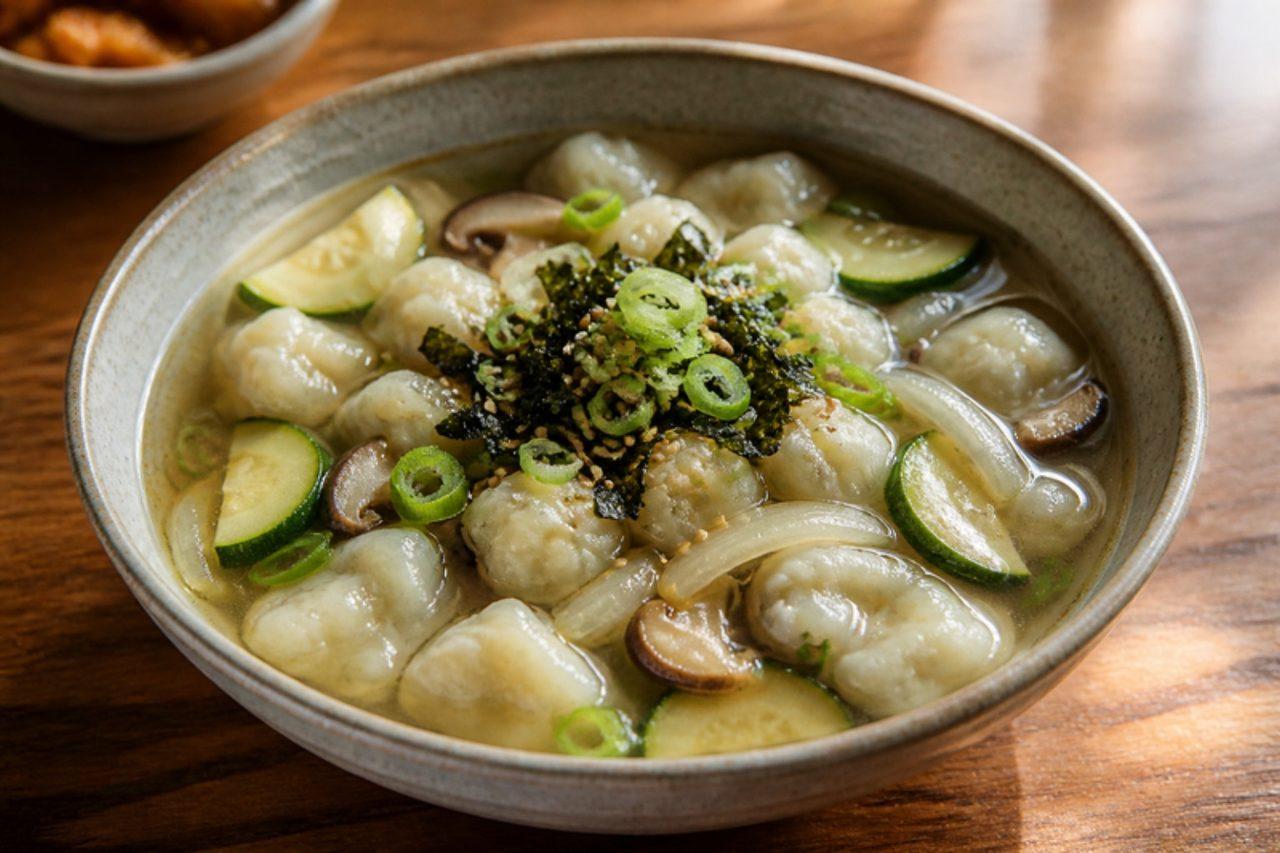
Gamja ongsimiPotato dumpling soup

Ongsimi (옹심이) means 'little bird egg' in the Gangwon dialect, and it describes the small, chewy dumplings that Gangneung cooks make from grated potato and its own starch. Gangwon's mountains grow more potatoes than rice, and ongsimi restaurants around Gangneung still serve the dumplings in plain anchovy or kelp broth with courgette, sometimes with knife-cut noodles added. This version uses kelp and shiitake, so it is vegan and gluten free if you season with tamari. The dumplings are translucent, slippery and springy, nothing like gnocchi. Chef's tip: let the potato water stand until the white starch settles at the bottom, then add every bit of that starch back to the grated potato; it is what makes the dumplings chewy.

by KrazyBadal 0 views

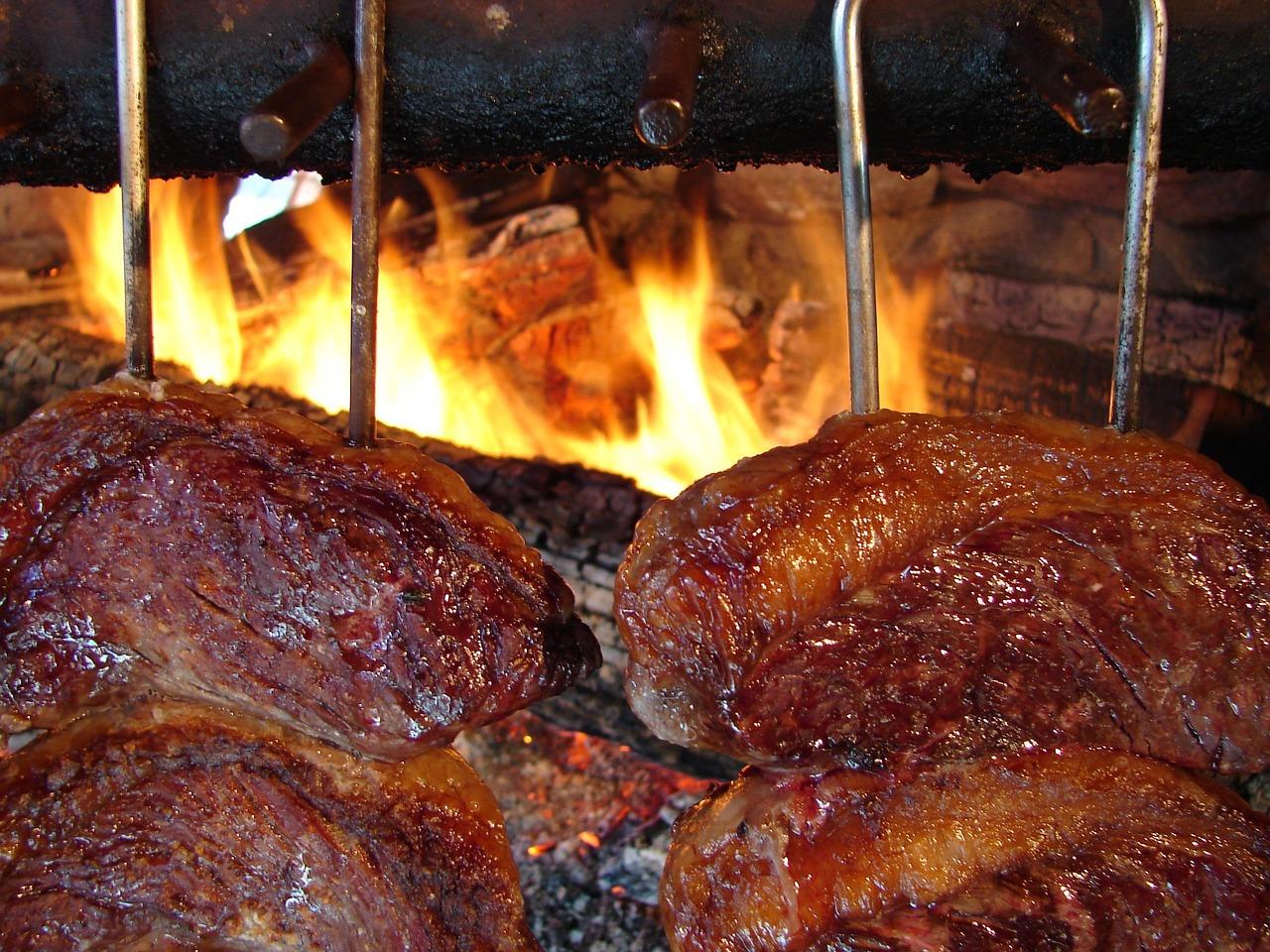
Picanha churrascoGrilled beef rump cap

Picanha, the rump cap with its thick white fat layer, is the cut Brazilians prize most at a churrasco. The tradition comes from the gaúchos, the cattle herders of Rio Grande do Sul, and lives on in Sunday family barbecues in the south and in churrascarias across the country, where waiters carry the meat from table to table on long skewers. It is seasoned with nothing but coarse rock salt (sal grosso) and cooked over charcoal with the fat left on, so it bastes the meat. You can fold thick steaks into a C shape on skewers, as in the churrascarias, or grill them flat. Chef's tip: before slicing, knock the excess salt off with the back of a knife; the crust keeps just enough.

by KrazyBadal 0 views

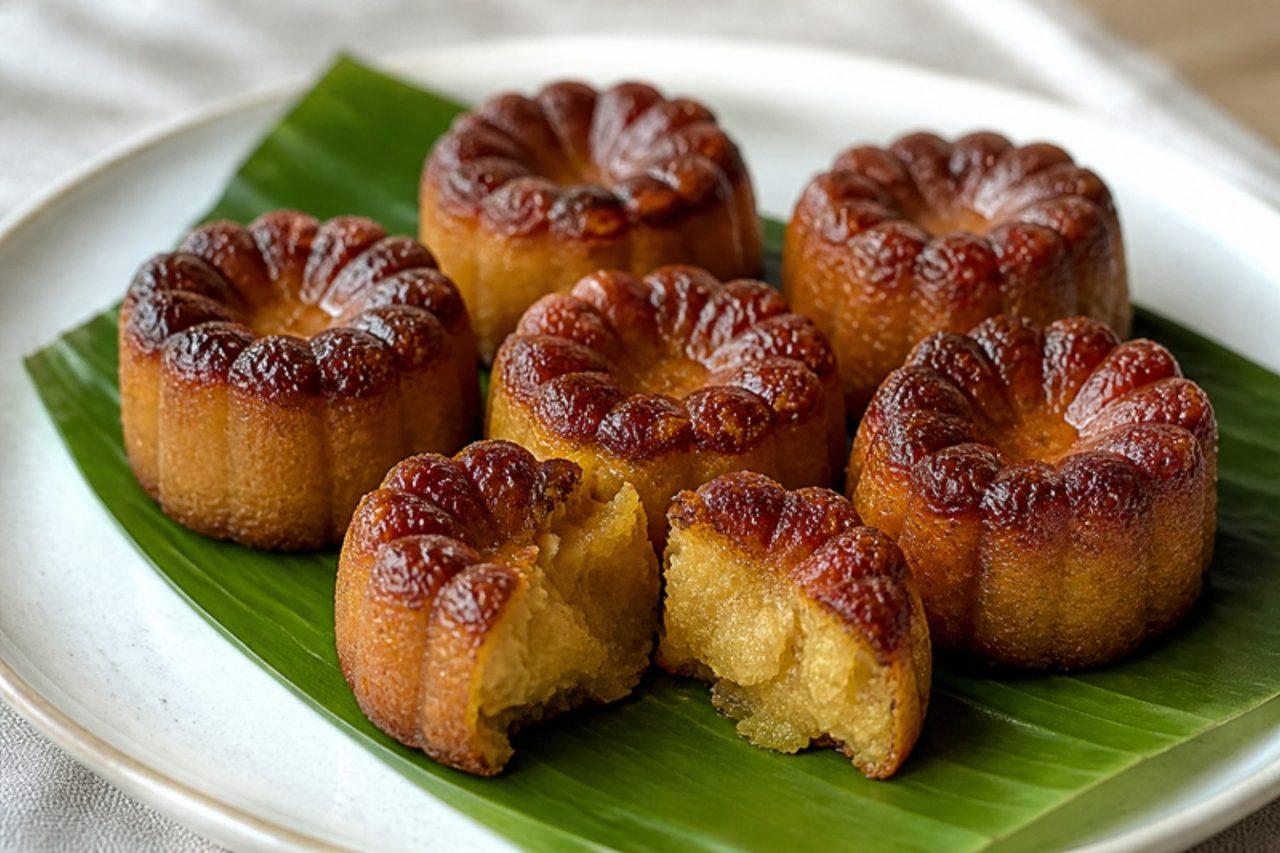
AkokCaramelised egg and coconut cakes

Akok is a Kelantanese kuih traditionally baked in small brass moulds over coals, with more coals laid on the lid, and it is a classic for breaking the fast in Kota Bharu during Ramadan. The batter is mostly eggs, coconut milk and dark gula melaka, so the little cakes come out custardy in the middle with a dark, caramelised, almost sticky crust. A mini-muffin tin in a hot oven gives a very close result. Chef's tip: heat the greased tin in the oven before filling it, which is how the base caramelises.

by KrazyBadal 0 views

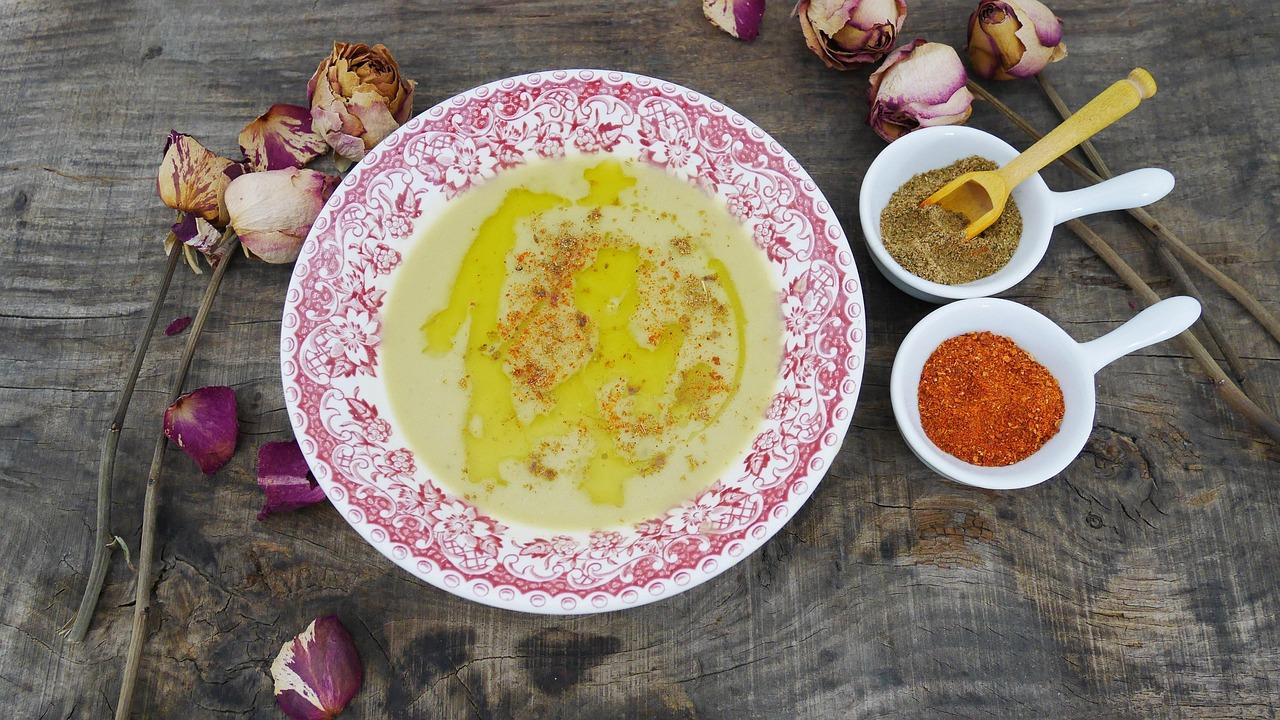
BissaraSplit fava bean soup

Bissara is the cold-morning soup of northern Morocco: in Tangier, Tétouan and Chefchaouen you see it ladled out from big pots at street stalls before work, and it is a favourite to break the fast in winter Ramadans. Dried split broad beans are simmered with garlic until they fall apart and blended into a thick, pale purée, then finished at the table with olive oil, cumin and paprika. Eat it piping hot with crusty bread; leftover bissara thickens into a dip you can spread on toast. Chef's tip: be generous with the final olive oil, it is not a garnish but part of the dish.

by KrazyBadal 0 views

PicaronesSweet potato and squash doughnuts

Picarones are Lima's favourite street sweet, fried to order at stalls in the parks and outside churches, especially in October during the Señor de los Milagros processions. The light, chewy rings are made from a yeasted dough of sweet potato and squash, scented with anise, fried until crisp and drenched in miel de chancaca, a dark syrup of unrefined cane sugar with orange peel, cinnamon and cloves. They are eaten hot, straight from the oil, with plenty of syrup. Chancaca is sold in Latin shops; dark muscovado or piloncillo makes a very good syrup too. Chef's tip: the dough should be very soft and sticky, like a thick batter; resist adding more flour, or the picarones turn heavy and bready.

by KrazyBadal 0 views

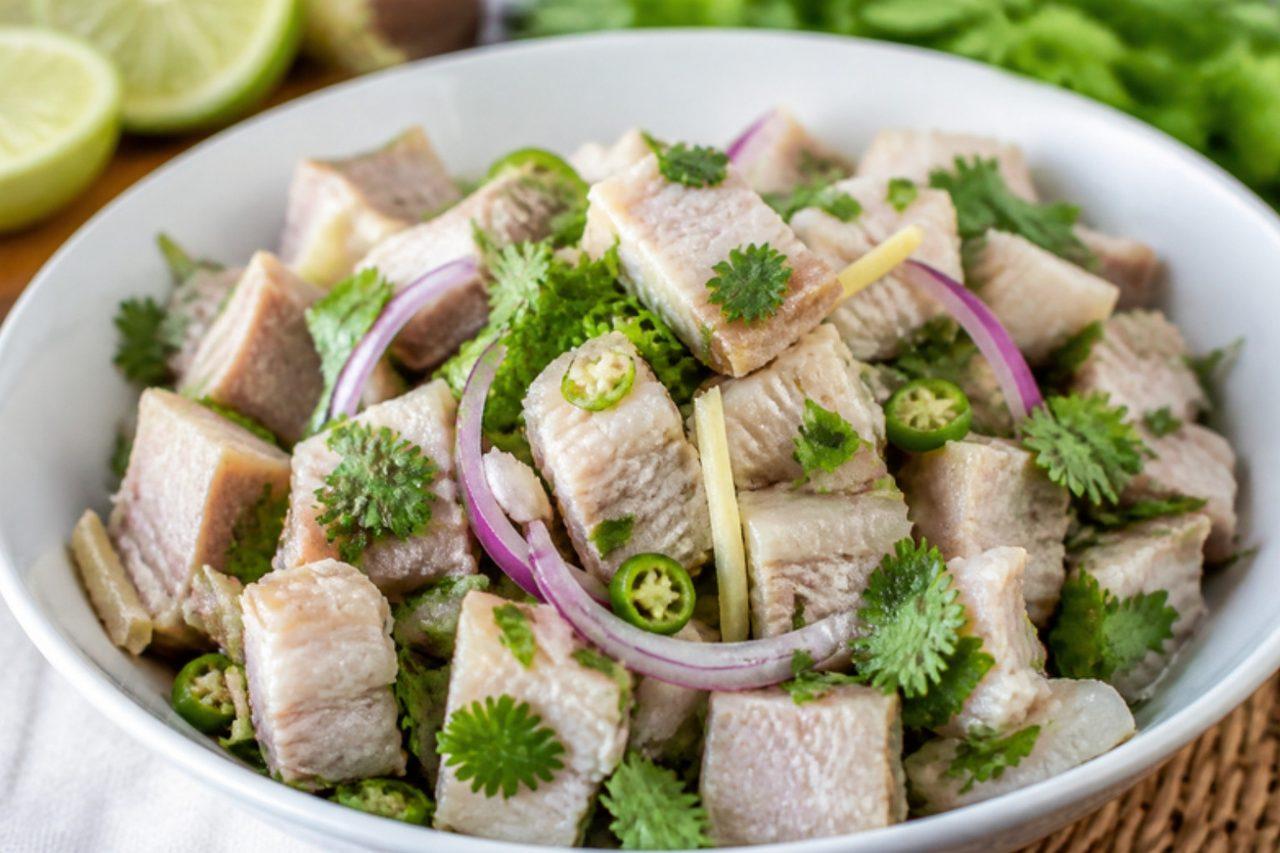
Doh khliehBoiled pork salad

Doh khlieh is the cool, sharp side dish that sits next to jadoh on almost every Khasi table in Meghalaya. Tender boiled pork is chopped small and tossed with raw onion, ginger, green chilli and lime, so it is fresh and fiery rather than rich. In Shillong it is eaten at lunch and at gatherings, and some families add boiled pork brain, which this version leaves out. Chef's tip: chop the pork while it is still slightly warm; it takes up the lime and ginger much better.

by KrazyBadal 0 views

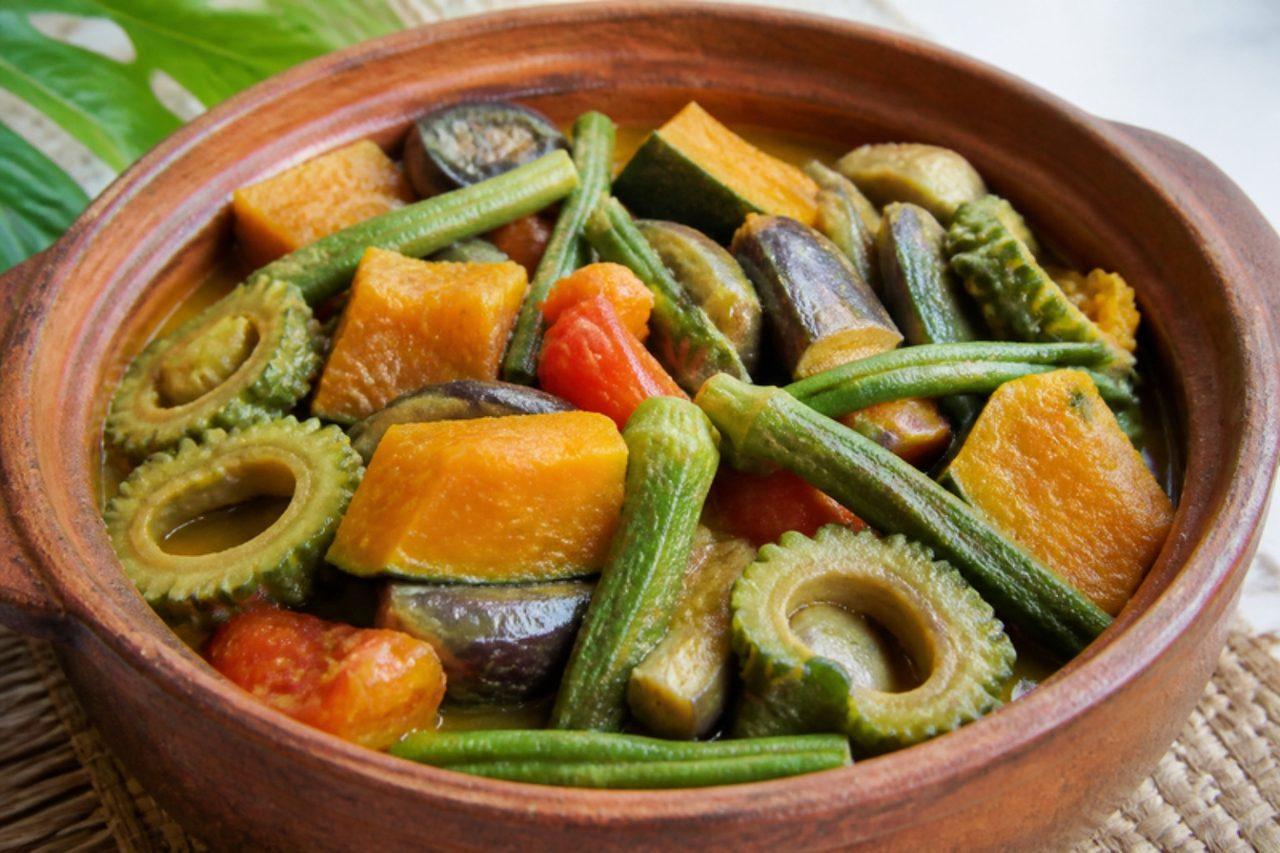
PinakbetMixed vegetable stew

Pinakbet comes from the Ilocos region in the far north-west of Luzon, where families cook whatever grows behind the house: bitter melon, small aubergines, okra, yard-long beans and tomatoes, simmered with very little water until the vegetables shrink and wrinkle (the name comes from the Ilocano for 'shrivelled'). Ilocanos season it with fermented fish paste; here white miso gives the same savoury, salty depth without any fish, and a little squash (more common in the Tagalog version) adds sweetness. It is an everyday lunch dish, eaten with rice and often a spoonful of extra miso on the side. Chef's tip: choose small, firm bitter melon and don't scrape out every bit of the pith; a little bitterness is the point.

by KrazyBadal 0 views

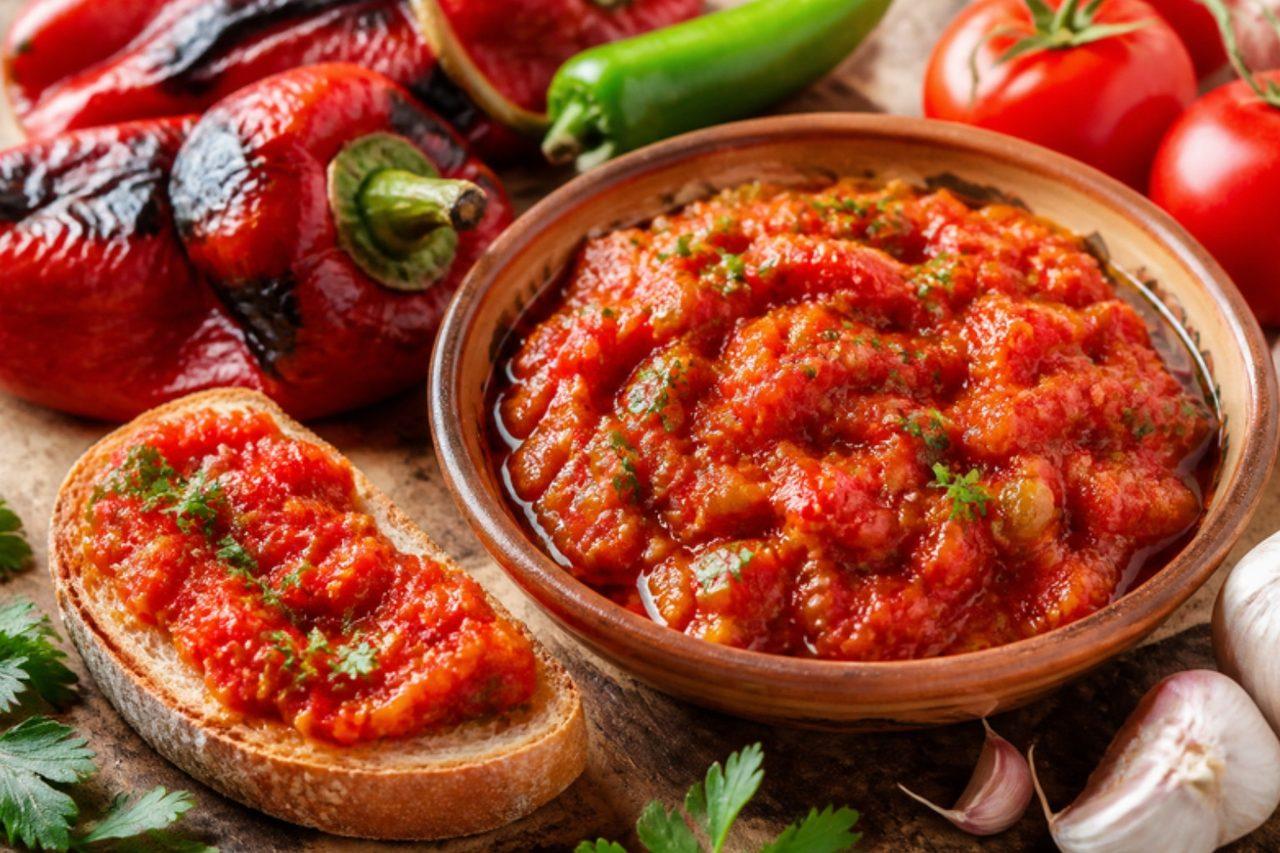
PindjurRoasted pepper and aubergine relish

Where ajvar is the patient winter preserve, pindjur is its quick summer cousin, made in Macedonian and Bosnian kitchens in July and August when tomatoes are at their ripest. Roasted peppers and aubergine are chopped rather than ground, then simmered briefly with fresh tomatoes and plenty of garlic, so it stays chunky, juicy and bright. It is eaten warm or at room temperature, scooped up with bread and a slab of white cheese, as part of a mezze spread in Ohrid or Mostar. Chef's tip: chop everything with a knife instead of a blender; a puréed pindjur loses the texture that sets it apart from ajvar.

by KrazyBadal 0 views

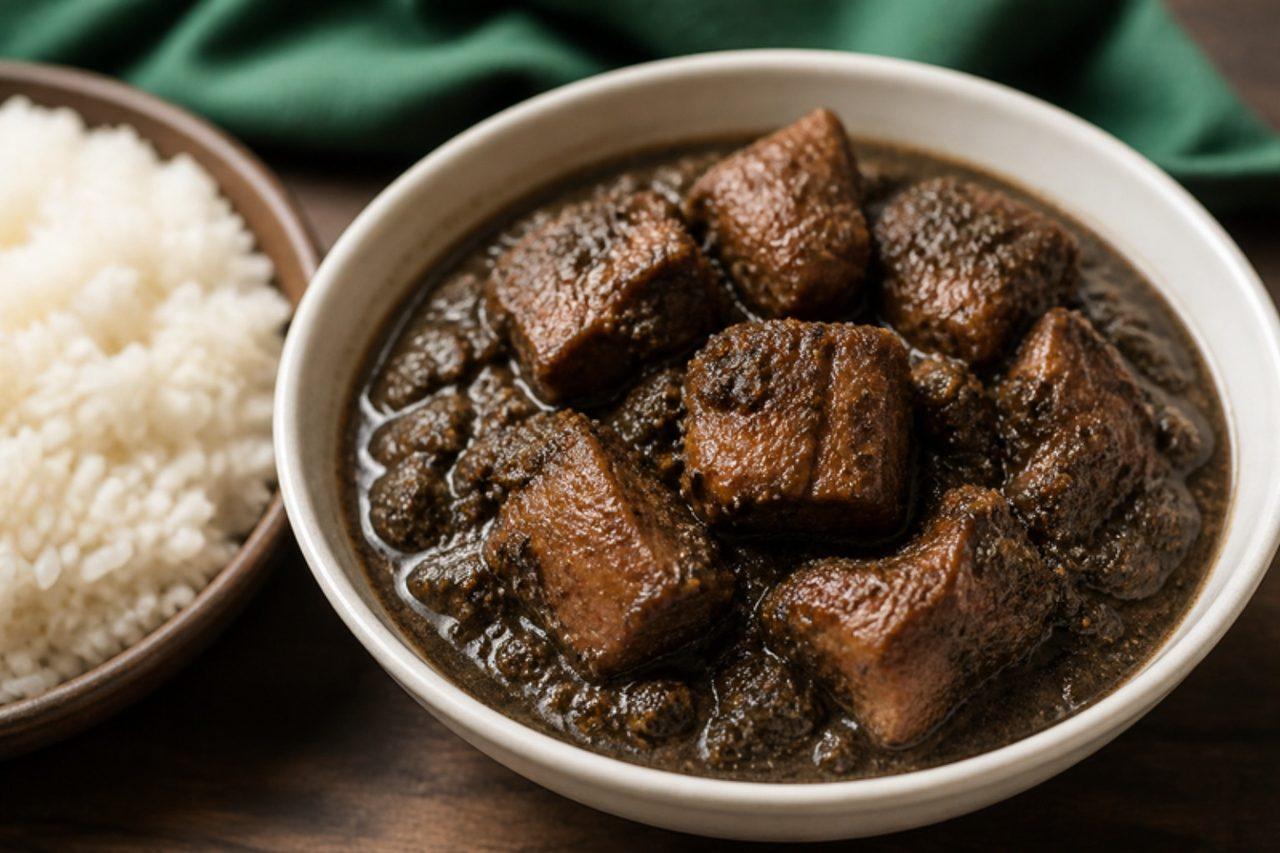
DohneiiongPork in black sesame gravy

The name says it plainly in Khasi: 'doh' is meat and 'neiiong' is black sesame. In the Khasi Hills around Shillong this near-black pork curry is cooked for family feasts and Sunday meals, and its roasted, nutty flavour is unlike any other curry in India. The sesame is toasted and ground into a paste that thickens the gravy and coats the pork. Serve with plain rice or jadoh. Chef's tip: pork belly gives the silkiest result; mix it half and half with shoulder if you prefer it less rich.

90 minIndianMeatGluten free
by KrazyBadal 0 views

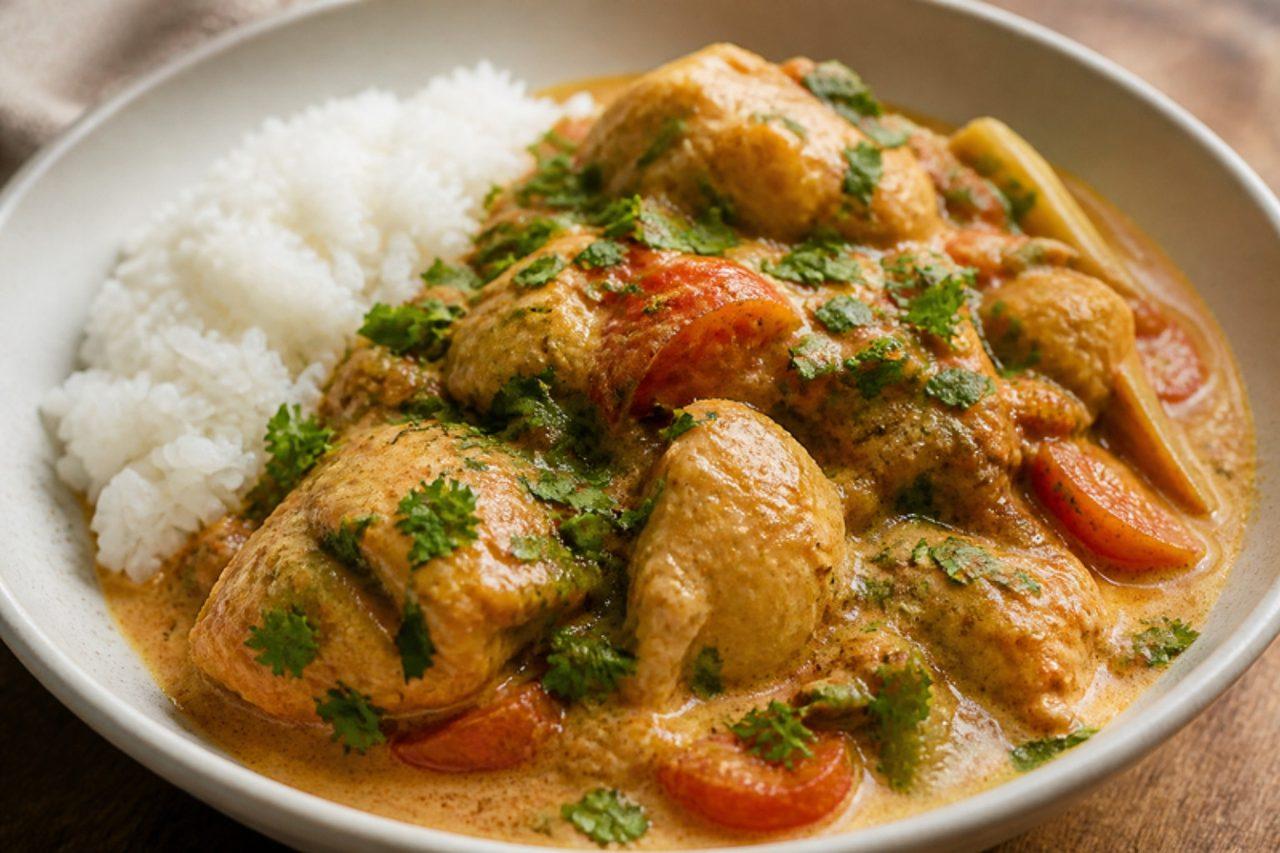
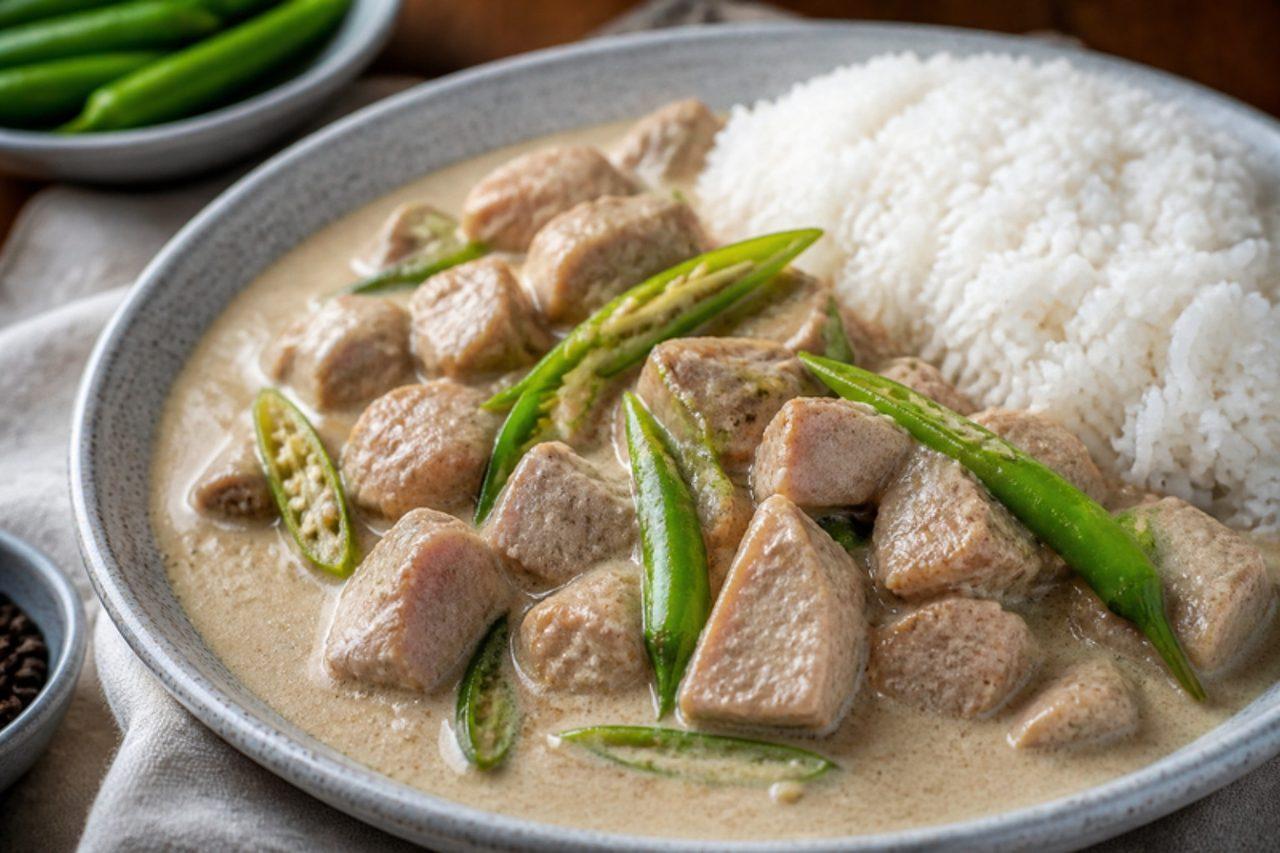
Akoho sy voanioChicken in coconut milk

Akoho sy voanio, chicken with coconut, is a dish of Madagascar's east coast around Toamasina, where coconuts are everywhere, and it has become a favourite all over the island. Chicken is browned with onion, garlic, ginger and tomato, then simmered gently in coconut milk with a pinch of curry until the sauce is creamy and mild. It is eaten with plenty of white rice and a little achard (vegetable pickle). The mistake is boiling the coconut milk hard so it splits; keep it at a gentle bubble. Chef's tip: brown the chicken well first; the coconut sauce needs that savoury depth.

by KrazyBadal 0 views

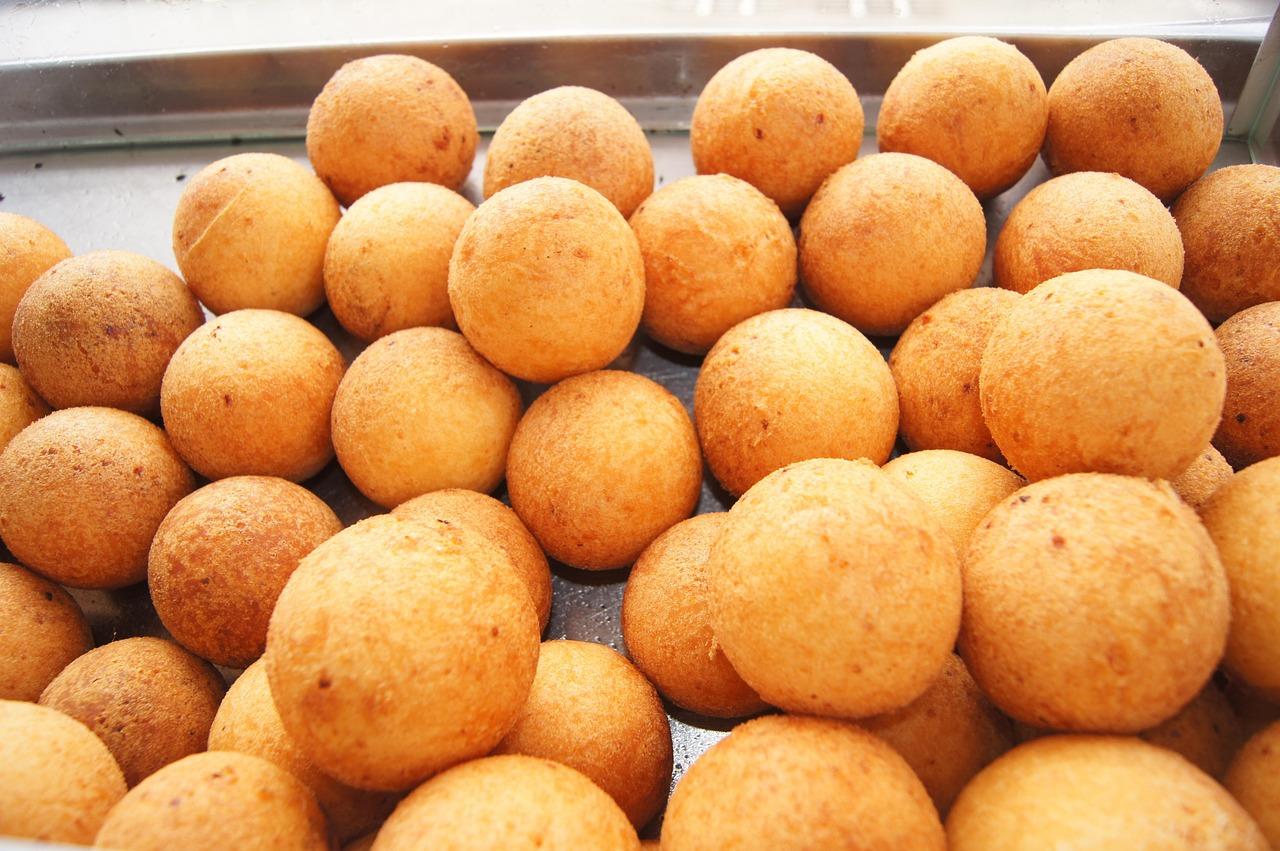
Buñuelos colombianosCheese and cassava fritters

In December, Colombian families gather for the novena de aguinaldos, nine evenings of prayers and carols before Christmas, and the reward afterwards is a plate of hot buñuelos with a bowl of natilla. These little golden balls are made from crumbly cheese, cassava starch and cornflour, fried until they puff and roll themselves over in the oil. They are crisp outside, airy and cheesy inside. Chef's tip: start the oil only warm, around 150 °C; buñuelos fried too hot crack open and stay raw in the centre.

by KrazyBadal 0 views

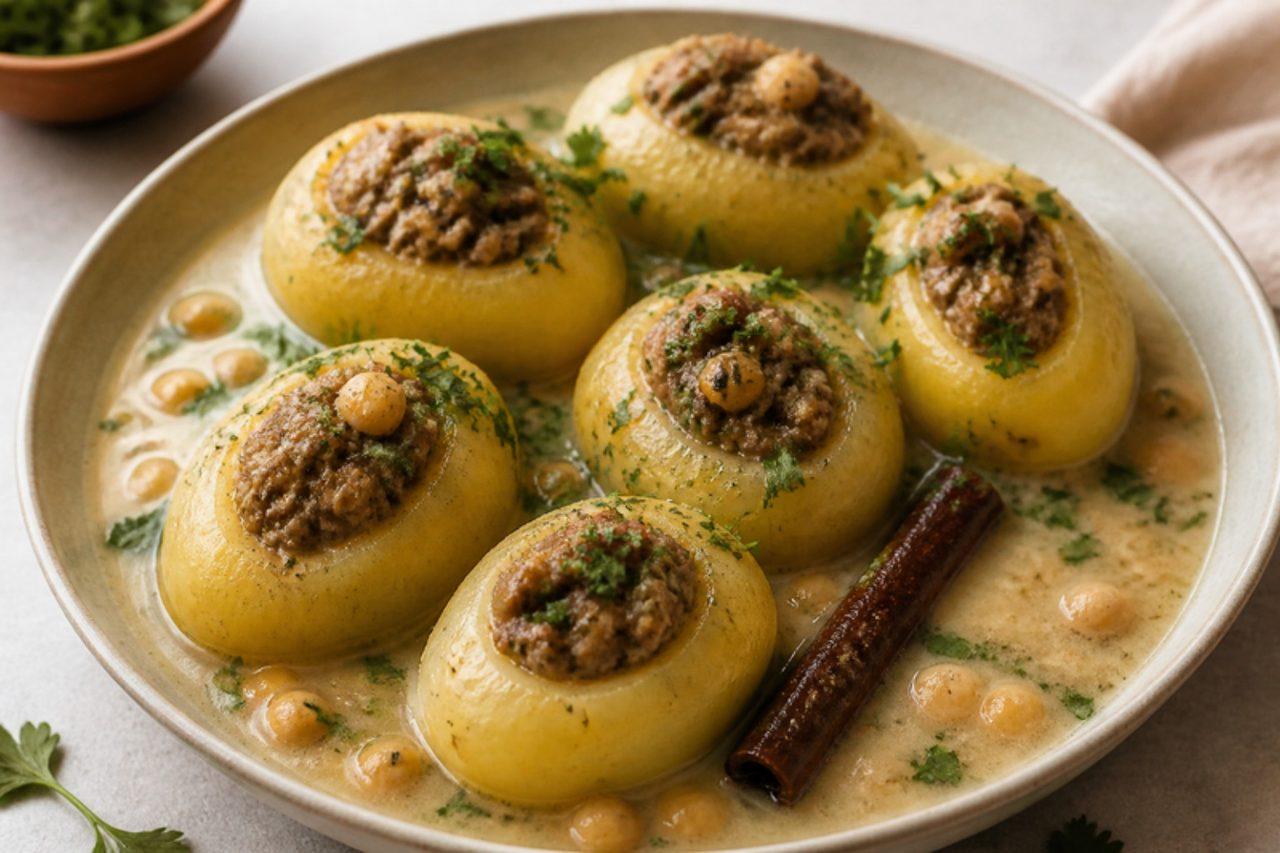
Dolma batataStuffed potatoes in chickpea sauce

Dolma batata belongs to the Algiers home kitchen, where it is a Ramadan favourite and a Friday dish: hollowed potatoes filled with beef mince, onion, parsley and cinnamon, fried until golden, then simmered in a pale sauce (marqa beida) of onion, chickpeas, black pepper and cinnamon. The sauce stays white because no tomato goes in. The mistake is hollowing the potatoes too thinly, so they split in the pot; leave walls about 1 cm thick. Chef's tip: fry the scooped-out potato flesh and add it to the sauce to thicken it.

by KrazyBadal 0 views

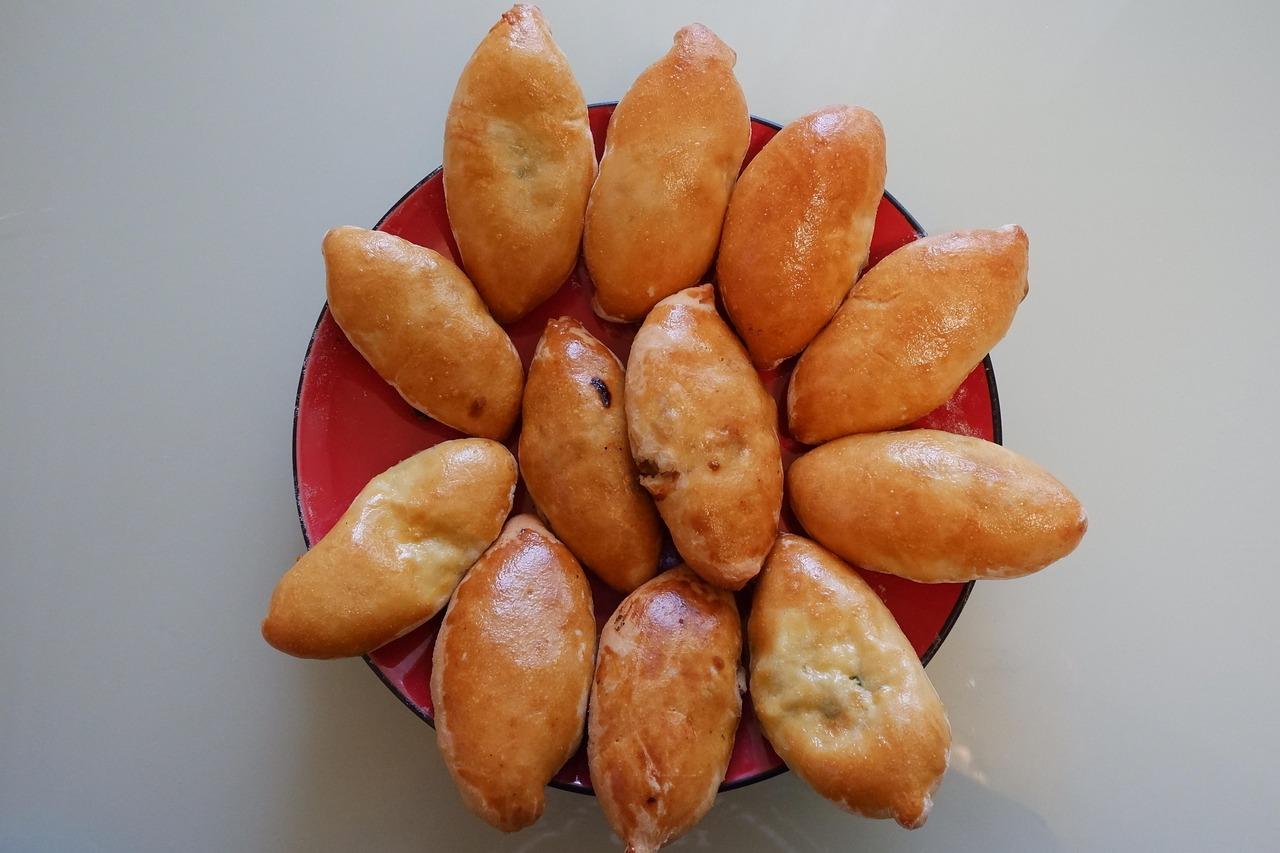
PirozhkiBaked filled buns

Pirozhki, little oval pies of soft yeast dough, are what a Russian babushka has waiting on the kitchen table when the grandchildren arrive, and what used to be sold warm from steel carts at Moscow metro stations. They are eaten with a bowl of soup, packed for the train, or simply grabbed from the plate all afternoon. Fillings change with the season; the two most loved meatless ones are buttery cabbage with chopped egg and creamy mashed potato with fried onion and dill. Chef's tip: let the fillings cool completely before shaping; warm filling softens the dough and the buns tear and leak.

by KrazyBadal 0 views

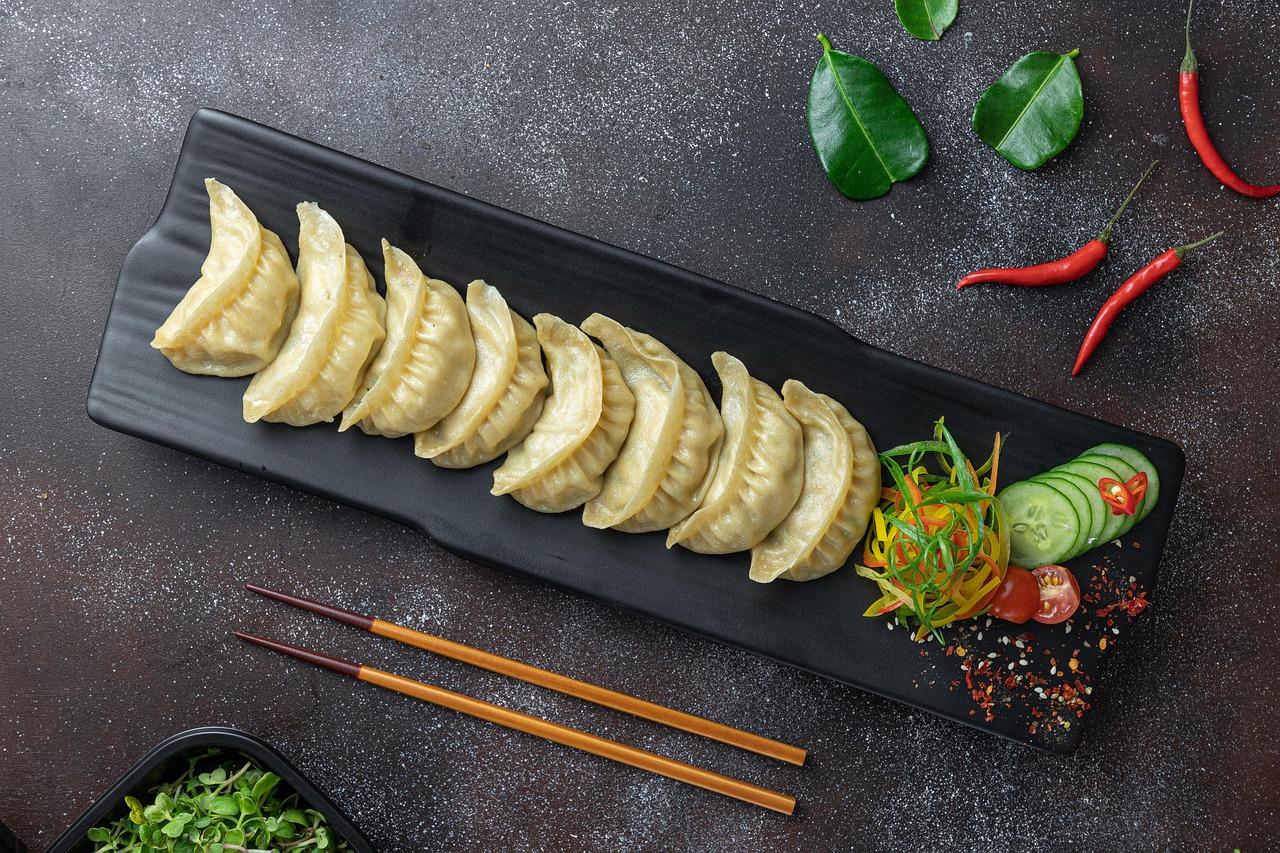
Vegetable momosSteamed vegetable dumplings

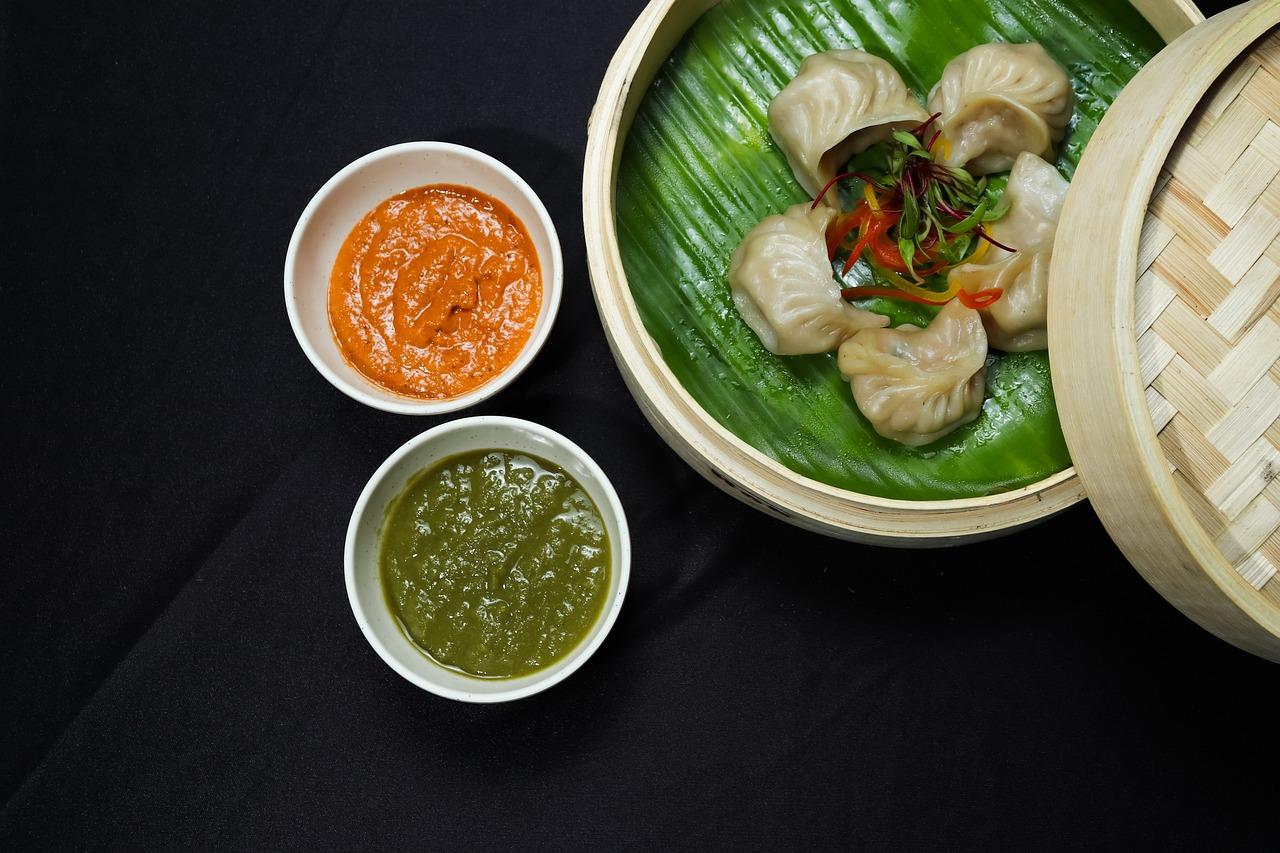
Momos came to Sikkim and the Darjeeling hills with Tibetan settlers and are now the snack of the whole Himalayan Northeast, steamed in tall stacked steamers at every street corner. Thin, soft wrappers hold a juicy filling of cabbage, carrot, onion and tofu with plenty of ginger, garlic and spring onion. They are dipped in a hot, garlicky tomato and red chilli achar. Serve straight from the steamer, with a bowl of clear soup if you like. Chef's tip: salt the chopped cabbage and squeeze out its water before mixing the filling; it keeps the wrappers from turning soggy and tearing.

by KrazyBadal 0 views

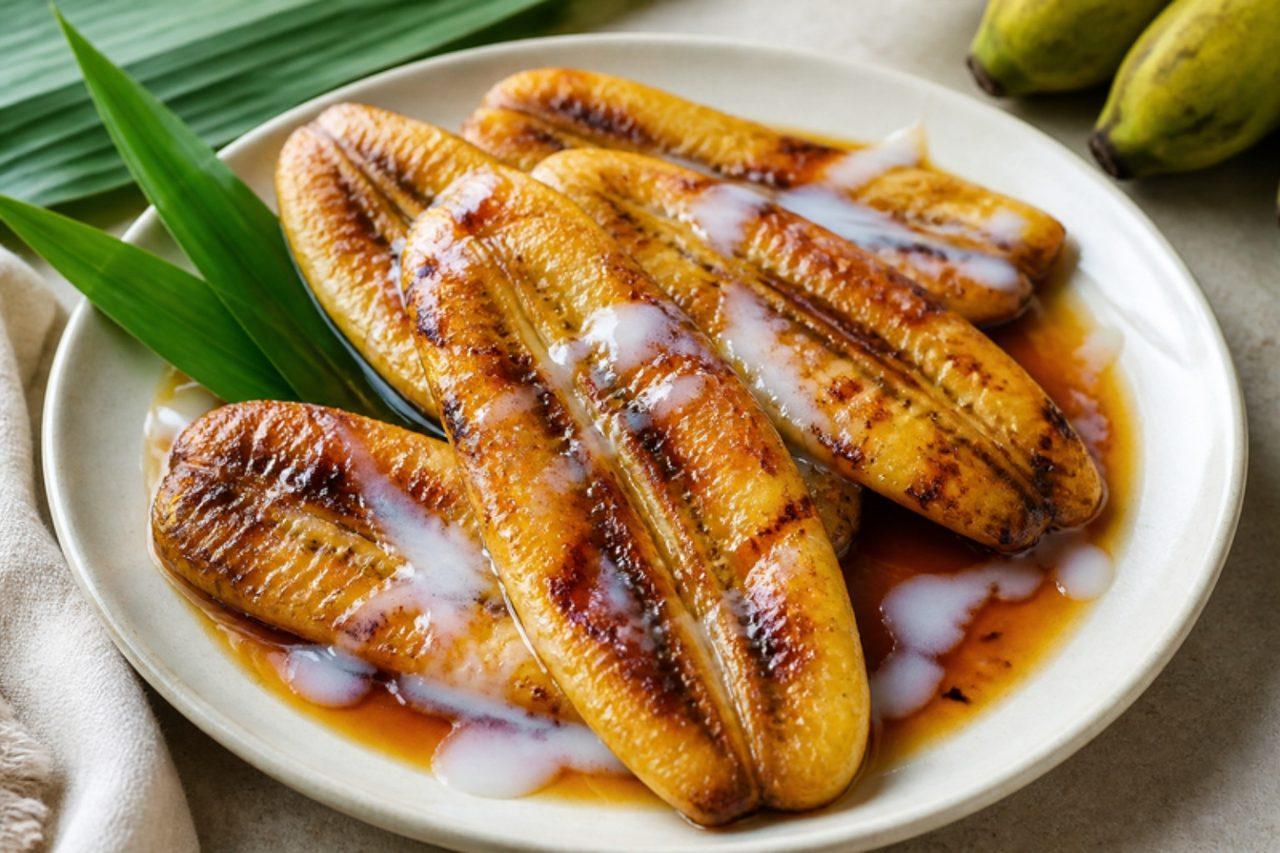
Pisang epeGrilled pressed bananas

Along Losari Beach in Makassar, South Sulawesi, evening stalls grill firm bananas over coals, press them flat between two boards, grill them again and drown them in palm-sugar syrup. Epe means pressed. The bananas turn smoky and dense, almost like baked plantain, and the syrup is often flavoured with pandan, durian or chocolate; this is the pandan version. Chef's tip: use bananas that are just ripe and still firm, or plantains just turning yellow; soft bananas fall apart when you press them.

by KrazyBadal 0 views

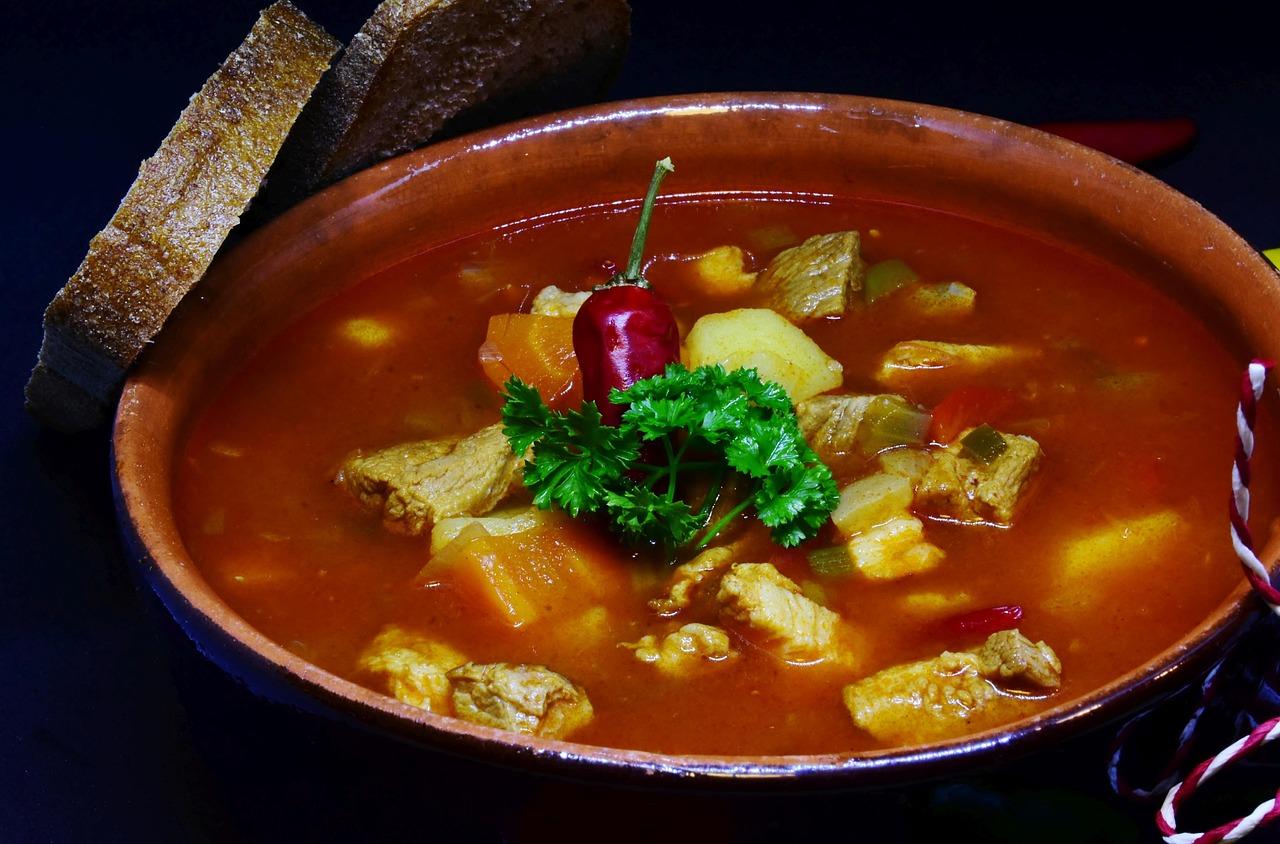
GulyáslevesBeef goulash soup

Real Hungarian goulash is a soup, gulyásleves, born in the cattle herders' kettles of the Great Plain and still cooked over open fires at summer festivals and in every csárda (country inn) between Budapest and Debrecen. Beef shin or chuck simmers with lots of onion, sweet paprika, caraway and green pepper until tender, then potatoes and carrots go in. It is brothy, rich red and gently spicy, eaten with fresh bread. Chef's tip: take the pot off the heat before adding the paprika; it burns in seconds in hot fat and turns bitter.

by KrazyBadal 0 views

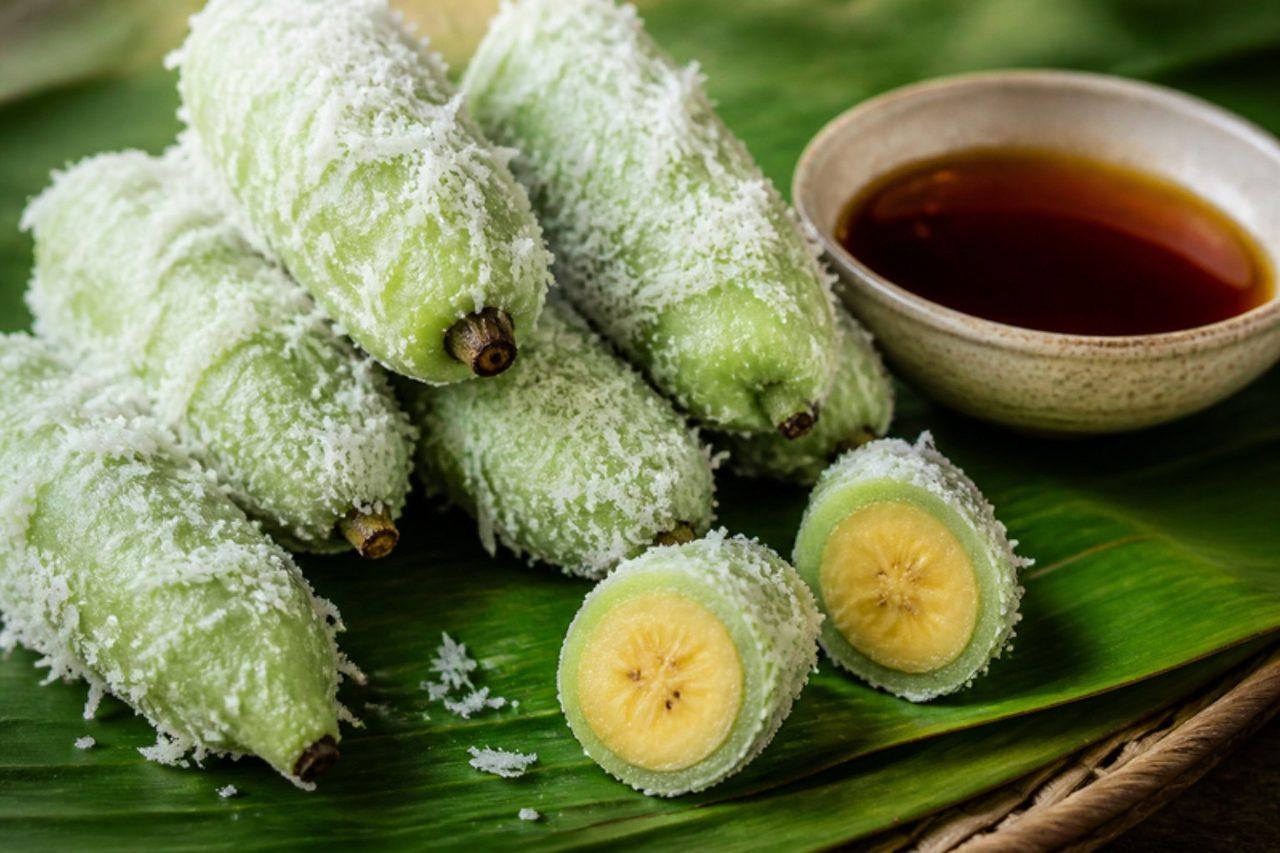
Pisang raiBananas in rice-flour batter

Pisang rai is a Balinese market sweet, wrapped in banana leaf and sold alongside klepon and lak-lak in the early morning. Small ripe bananas are coated in a thick rice-flour batter and dropped into boiling water rather than oil, so they come out soft, chewy and pale, ready to be rolled in salted grated coconut and drizzled with palm-sugar syrup. Some cooks colour the batter green with pandan. Chef's tip: the bananas are done when they float and the batter turns translucent at the edges; another minute firms the coating without making it gluey.

by KrazyBadal 0 views

Armenian coffee

Armenian coffee, soorj, is boiled in a small long-handled pot called a jazzve and poured unfiltered into tiny cups. It is offered the moment a guest sits down in any Yerevan home and lingers after meals while the grounds settle; when the cup is empty, it is turned upside down on its saucer so someone can read the patterns left in the grounds. The coffee is powder-fine, often scented with a pinch of cardamom, with a velvety foam (kaymak) on top that is a point of pride for the host. Serve with a glass of water and a little gata or dried fruit. Chef's tip: start with cold water and a low flame; the slower the coffee heats, the thicker and longer-lasting the foam.

by KrazyBadal 1 views

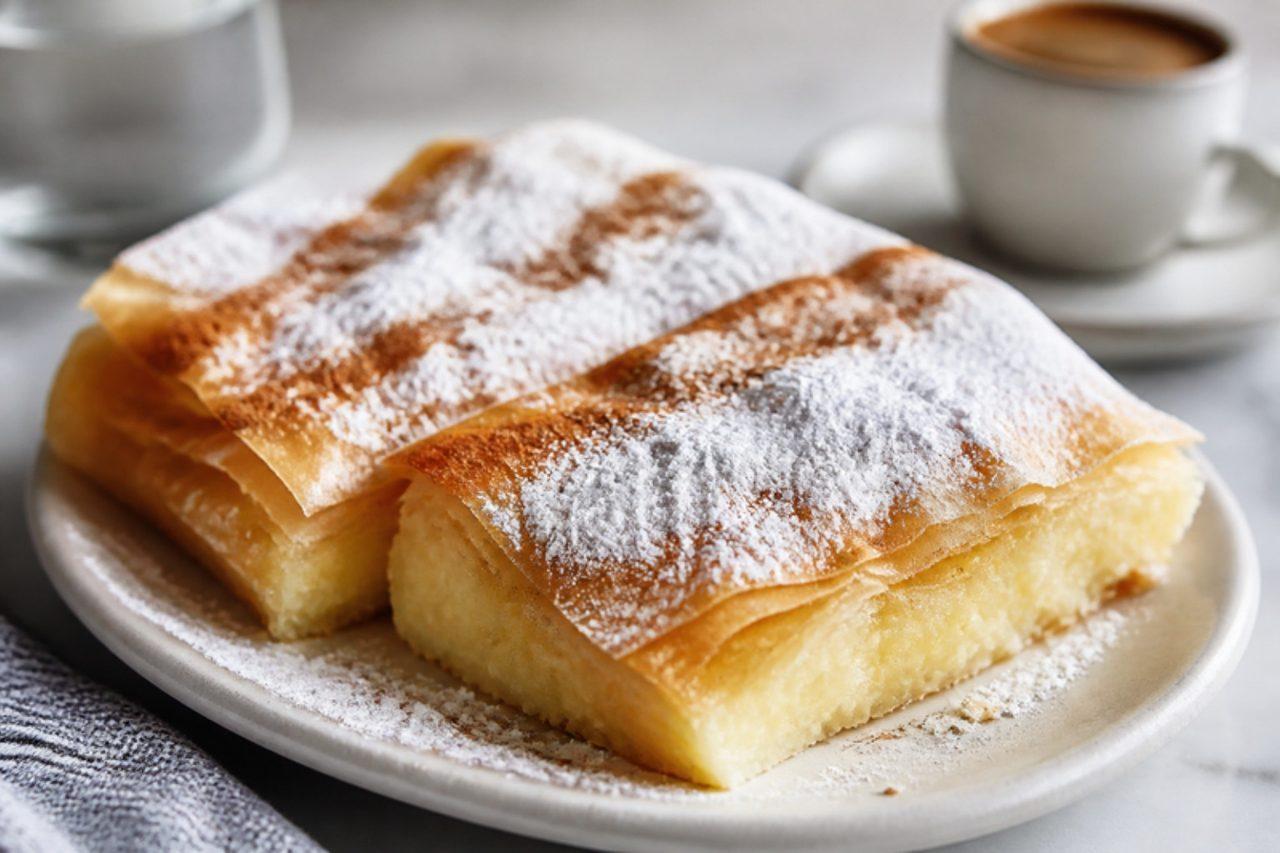
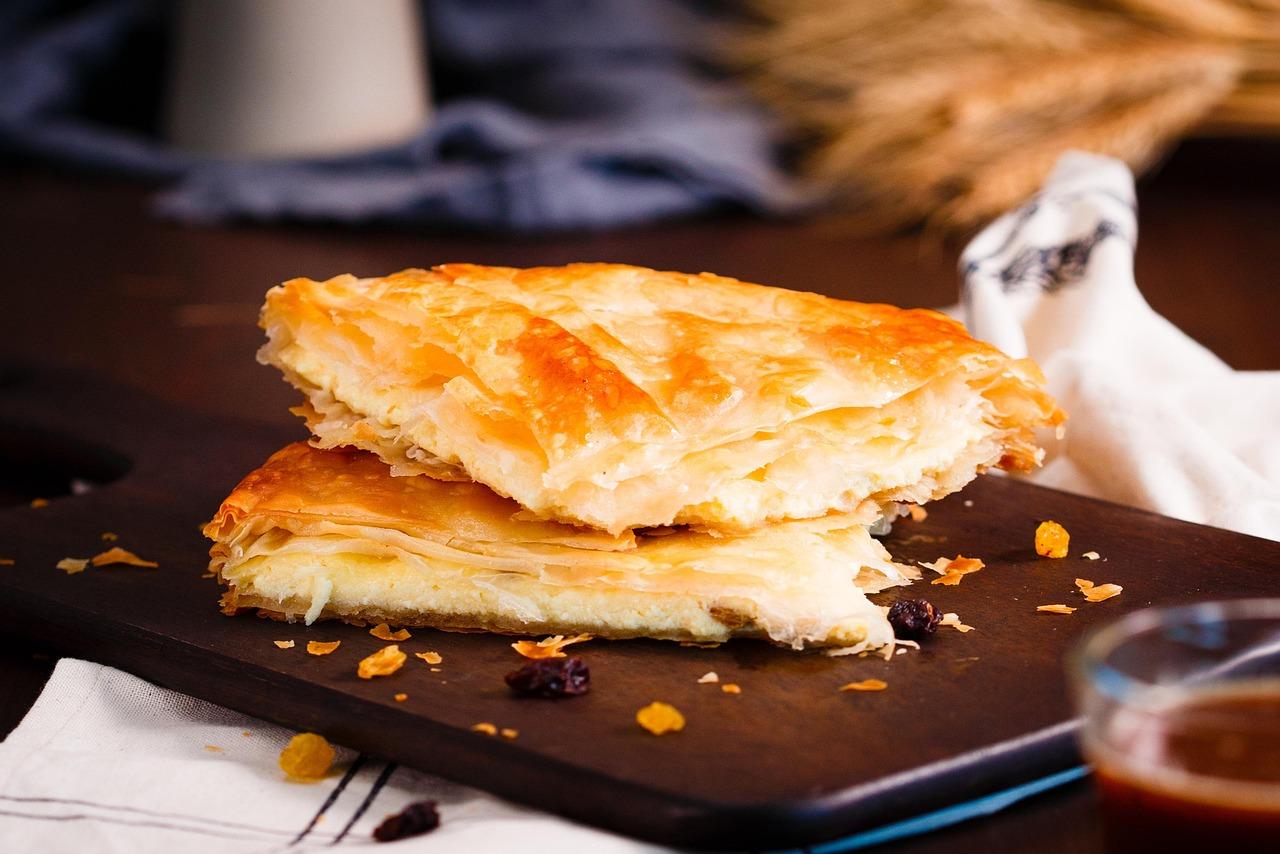
BougatsaSemolina custard pie

In Thessaloniki, breakfast is often a plate of bougatsa eaten at a marble counter at seven in the morning: warm vanilla custard wrapped in crackly pastry, chopped into bite-size pieces in front of you and dusted with icing sugar and cinnamon. The city's bougatsa shops stretch the dough paper-thin by hand; at home, shop fillo does a fine job. The custard is thickened with fine semolina, so it slices cleanly but stays soft and wobbly. Eat it warm with a Greek coffee or a cold frappé. Chef's tip: whisk the semolina into the milk in a slow stream and keep whisking; dumping it in at once is the usual mistake and leaves lumps you can't beat out.

by KrazyBadal 0 views

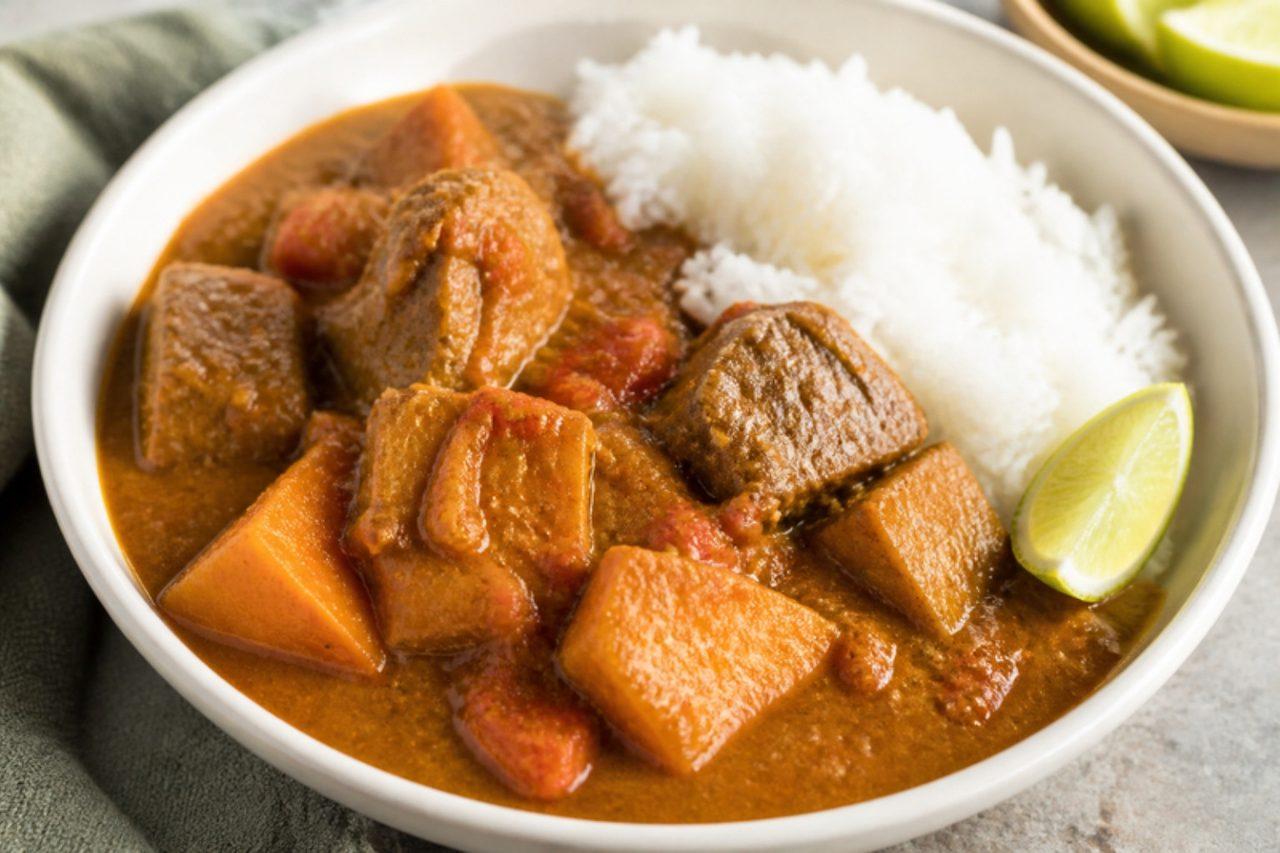
DomodaBeef and peanut stew

Domoda is the stew that most families in the Gambia, from Banjul to the riverside villages upcountry, cook several times a week. Beef is browned and simmered with tomato and onion, then smooth peanut butter is stirred in until the sauce turns thick, glossy and rich, with pumpkin and sweet potato melting into it. It is spooned over white rice with a squeeze of lime, and a scotch bonnet floats in the pot for whoever likes it hot. The mistake to avoid is adding the peanut butter too early and leaving it unstirred, as it catches and burns on the bottom; add it once the beef is nearly tender and stir often. Chef's tip: whisk the peanut butter with a ladle of hot broth before it goes in, so it melts smoothly instead of forming lumps.

by KrazyBadal 0 views

Pithla with jowar bhakriGram flour curry with sorghum flatbread

In villages across the Deccan plateau of Maharashtra, pithla bhakri is what a farmer's family eats when the pantry is low and the day is long: a pan of gram flour simmered with garlic, green chilli and onion until it sets to a soft, spoonable curry, with thick jowar bhakri patted out by hand and a raw onion on the side. It became a symbol of rural Maharashtra, served at roadside stalls near Sinhagad fort to trekkers and at political rallies alike. Zunka, the dry version, uses the same flavours but is stirred until crumbly. Serve with thecha or a wedge of lemon. Chef's tip: whisk the gram flour into cold water before it meets the pan; that one step is the whole secret to a lump-free pithla.

by KrazyBadal 0 views

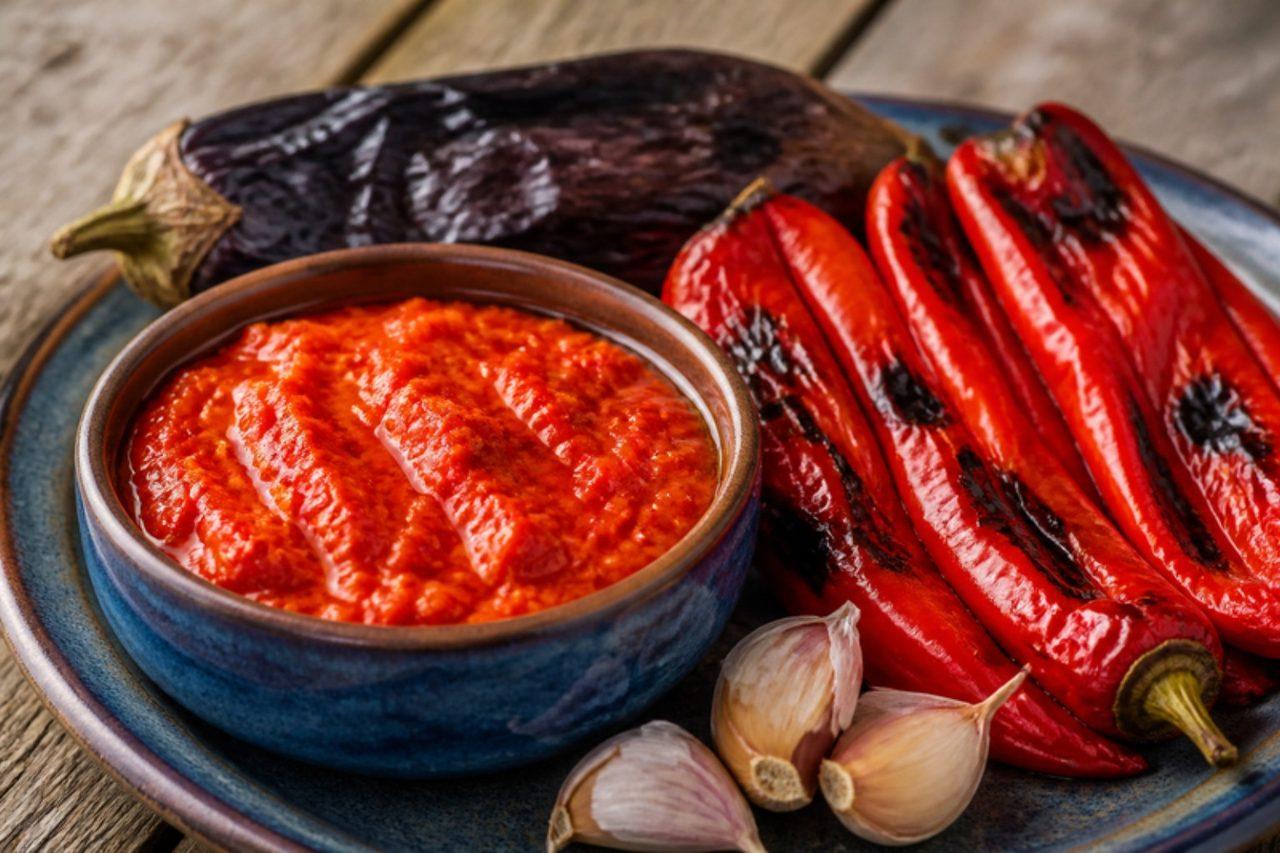
AjvarRoasted pepper and aubergine relish

Every September the smell of charring peppers drifts over courtyards from Leskovac in southern Serbia to Strumica in North Macedonia, as families roast crates of long red babura peppers on wood stoves and spend a whole Sunday stirring the pulp into ajvar for the winter shelves. A little roasted aubergine softens the flavour, and long cooking with sunflower oil turns it into a glossy, sweet-smoky spread that is eaten on bread with white cheese, beside beans or potatoes, and with almost every winter meal. This is a home-sized batch for two medium jars rather than a cellar full. Chef's tip: do not rinse the roasted peppers under the tap to get the skins off; it washes away the smoky juices that make ajvar taste of autumn, so peel them with oiled fingers and a paper towel instead.

by KrazyBadal 0 views

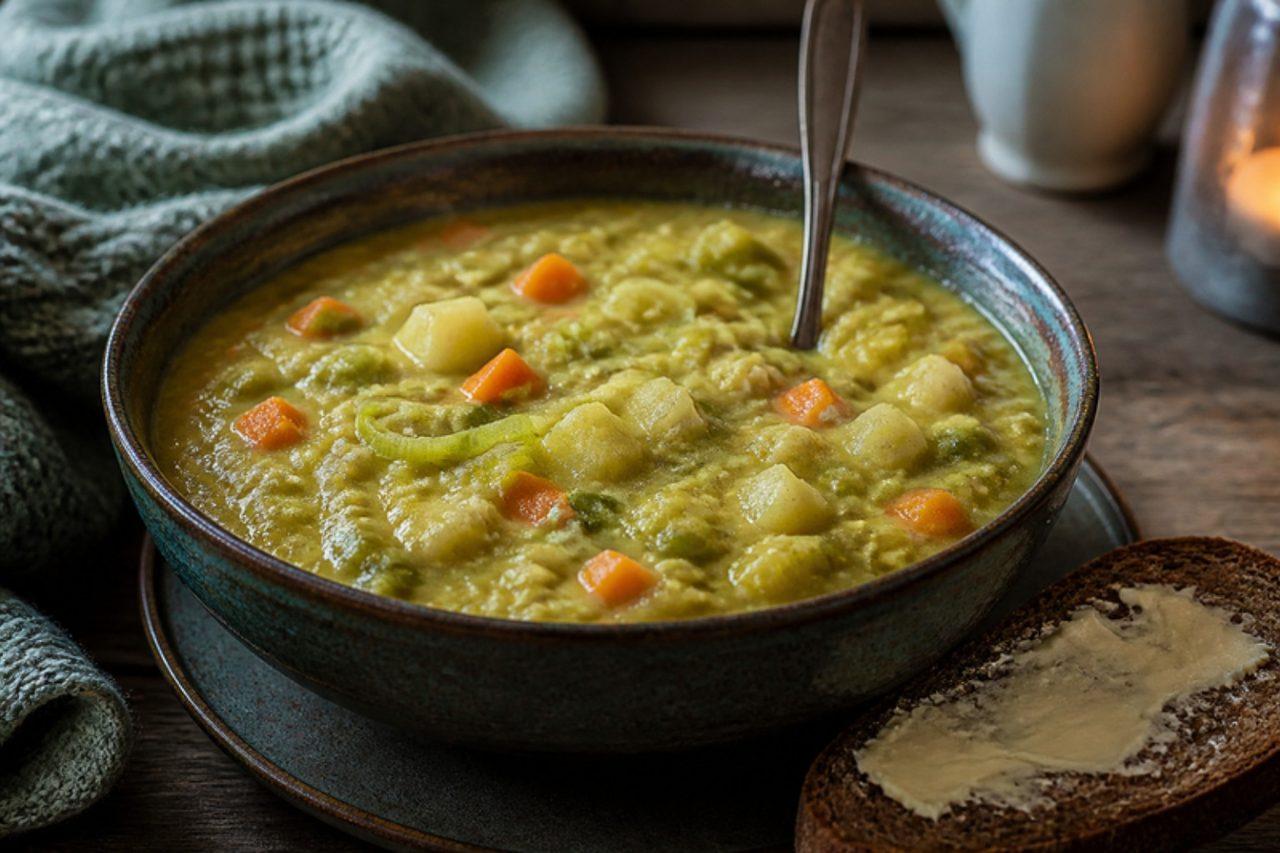
Vegetarian erwtensoepSplit pea soup

Erwtensoep, or snert, is the soup that Dutch skaters drink from paper cups at the koek-en-zopie stalls on frozen lakes, and that families leave to simmer on a Saturday in January. A proper snert is so thick that a spoon should stand upright in the pan, and it tastes better on the second day. The traditional pot is full of pork and smoked sausage; this version gets its depth from celeriac, leek, a little smoked paprika and a long, slow simmer. Serve it with dark rye bread (roggebrood), butter and mustard. Chef's tip: stir the bottom of the pan every 10 minutes in the last half hour; split peas settle as they thicken and catch easily, and a scorched taste spreads through the whole pot.

140 minDutchSoupsVeganGluten free
by KrazyBadal 0 views

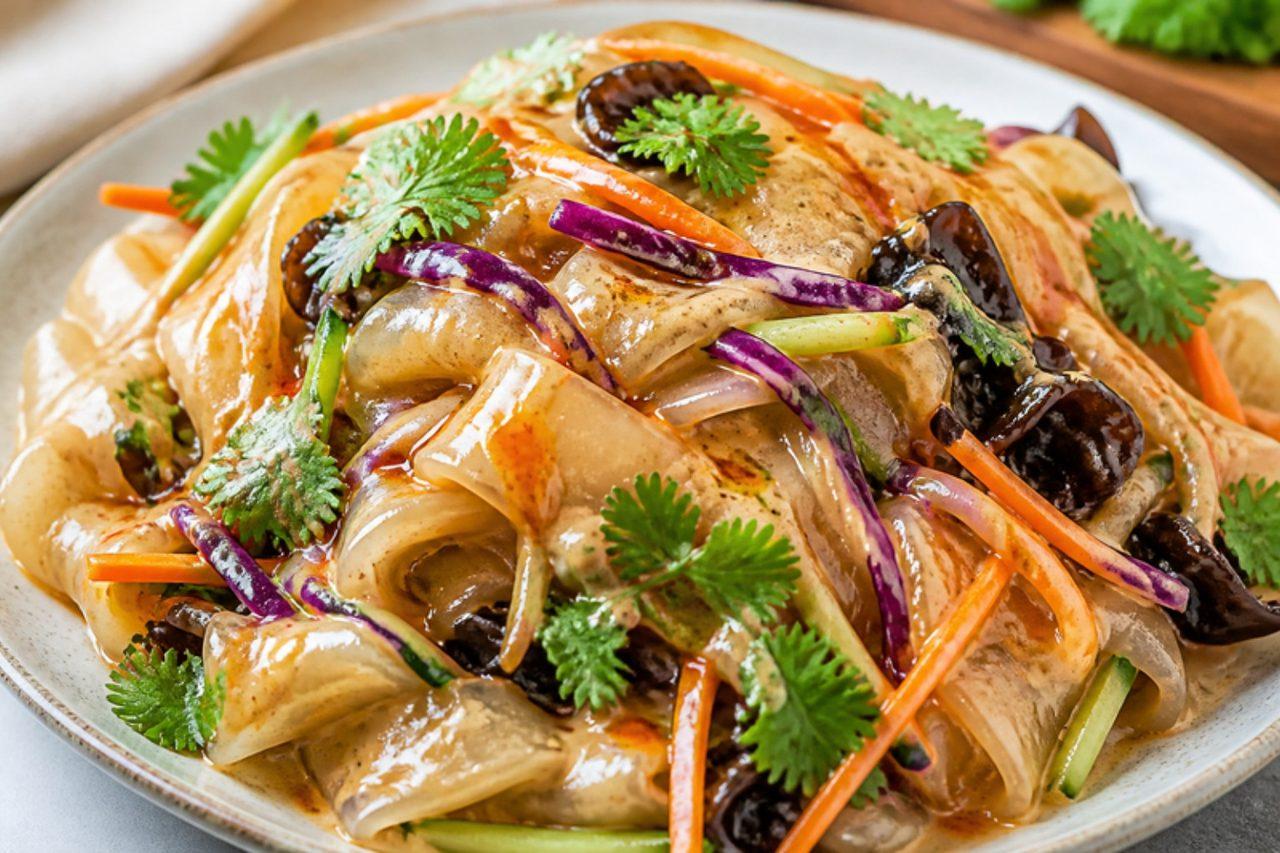
Dongbei da la piMung bean sheet salad

In north-east China, a big platter of this arrives at almost every family dinner and restaurant table, often next to the stews and dumplings. Wide, glassy sheets of mung-bean starch sit on a bed of shredded cucumber, carrot and cabbage, with a sesame, garlic and vinegar sauce and a dab of mustard poured over at the table. It's cool, slippery and crunchy. Look for dried la pi sheets or wide mung-bean noodles in Chinese supermarkets. Chef's tip: the sheet noodles must be fully cold before mixing, or they go soft and sticky.

by KrazyBadal 0 views

Pizza frittaFried pizza parcels

Pizza fritta is the street-food pizza of Naples: a disc of pizza dough folded over a filling and fried in hot oil until puffed and blistered, sold from kiosks in the Spanish Quarter and around Via dei Tribunali. It became popular after the war, when wood ovens were scarce and a pan of oil was all many cooks had. The classic filling has ricotta, smoked provola, tomato and pepper; pork crackling (cicoli) is often added, but not here. Chef's tip: seal the edge by pressing with your fingertips, not a fork, and leave a 2 cm border; a well-sealed parcel puffs like a pillow instead of bursting.

by KrazyBadal 0 views

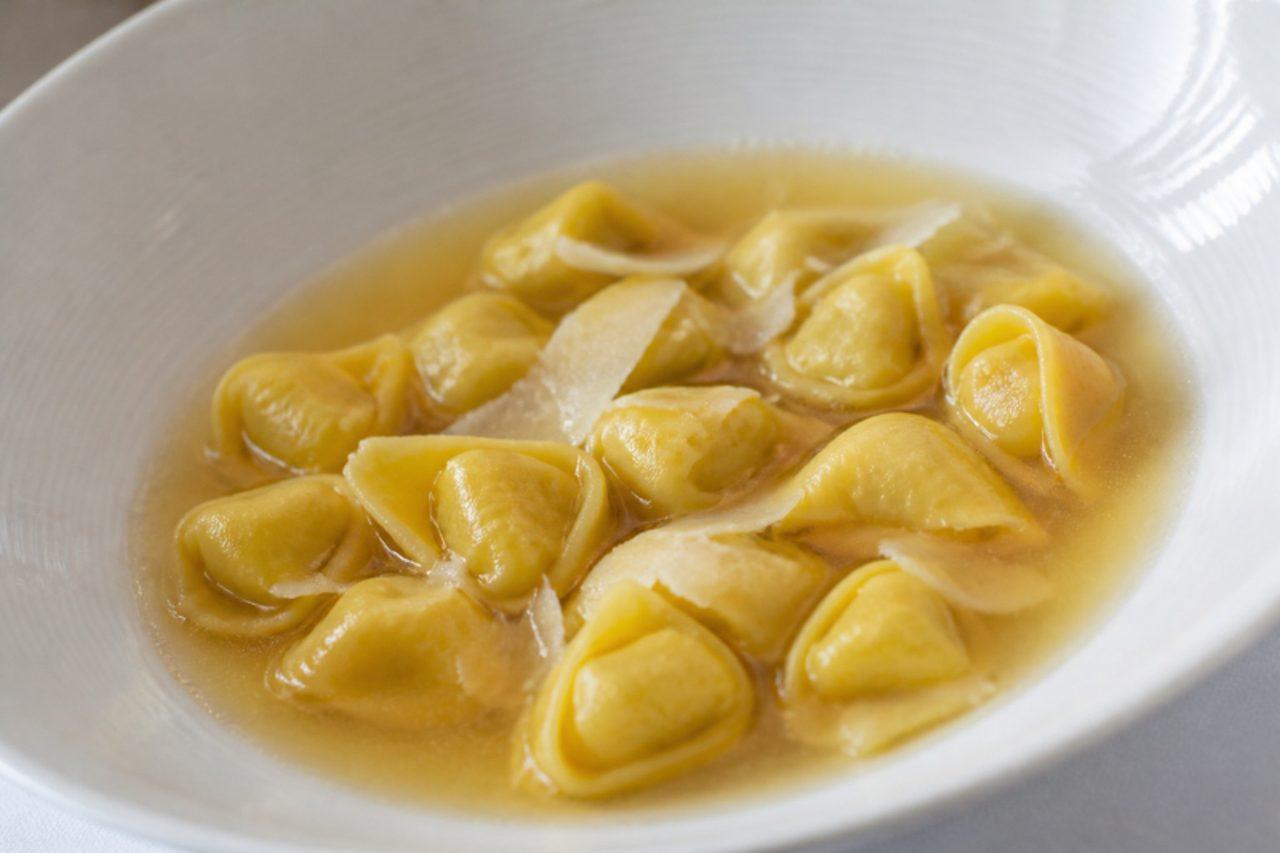
Tortellini in brodoTortellini in broth

Christmas Day in Bologna and Modena begins at the kitchen table, with whole families folding hundreds of tortellini no bigger than a fingertip around a filling of pork loin, mortadella, prosciutto and parmigiano. They are served in a clear, golden broth made from capon, or from chicken and beef, simmered so gently it barely moves. The pasta should be thin enough to see the filling through, and the little rings bob in the bowl with a spoonful of parmigiano on top. It is a full afternoon's work, so make the broth and tortellini a day ahead and freeze any extras on a floured tray; on a busy weeknight, 500 g of good bought tortellini simmered in the homemade broth is a perfectly respectable shortcut. A common mistake is letting the broth boil: it turns cloudy and greasy instead of clear. Chef's tip: make the filling the day before and keep it in the fridge; it firms up and is much easier to dot onto the tiny squares.

240 minItalianSoups
by KrazyBadal 0 views

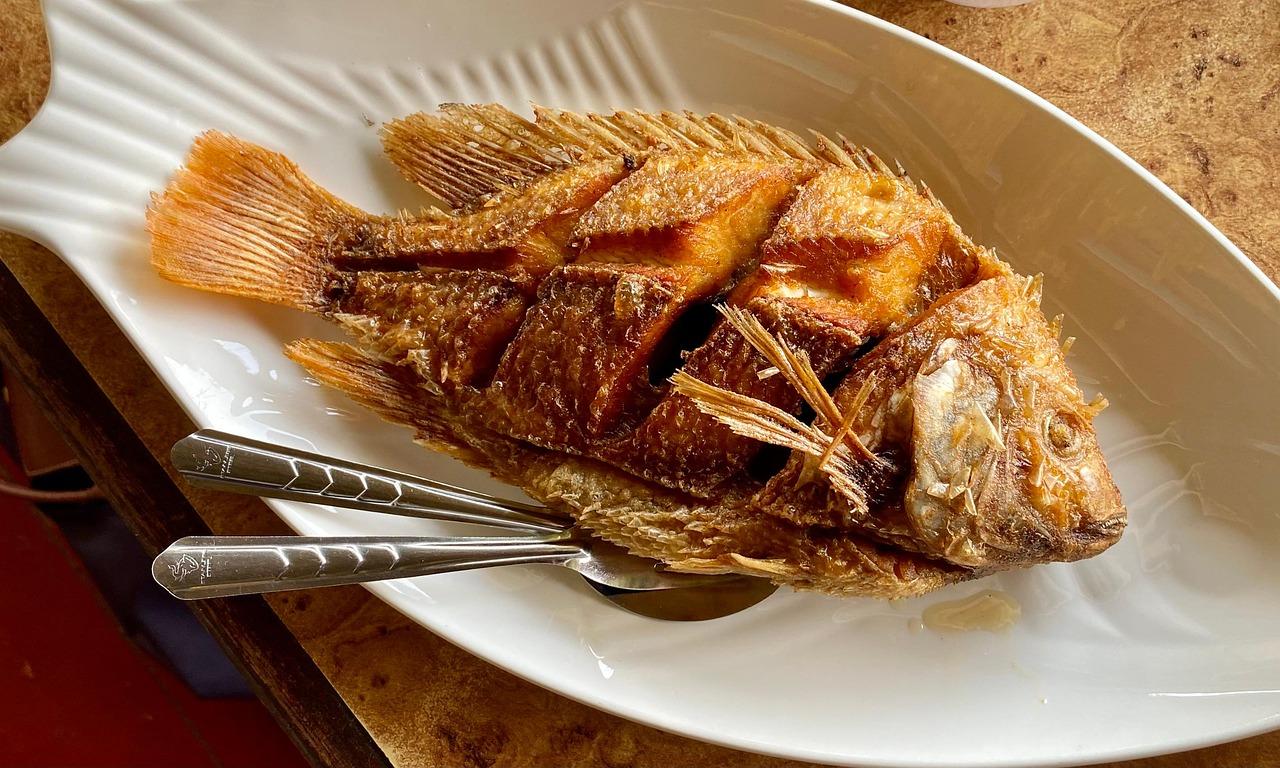
Pla kapong tod nam plaFried sea bass with fish sauce

Seafood restaurants on the jetties of Krabi, Trang and Hua Hin bring this out whole on a long platter, its scored sides fanned open and crackling, as the centrepiece of a shared table. The skin and fins fry so crisp you can eat them, while the flesh inside stays moist and sweet; a sticky glaze of fish sauce and palm sugar goes over at the last minute. It is salty-sweet rather than spicy, so it sits happily beside a sour green mango salad, a hot curry and plenty of jasmine rice. Chef's tip: dry the fish thoroughly with kitchen paper, inside the cuts too, and leave it uncovered in the fridge for 30 minutes if you can; dry skin is crisp skin and spits far less.

40 minThaiFishGluten free
by KrazyBadal 0 views

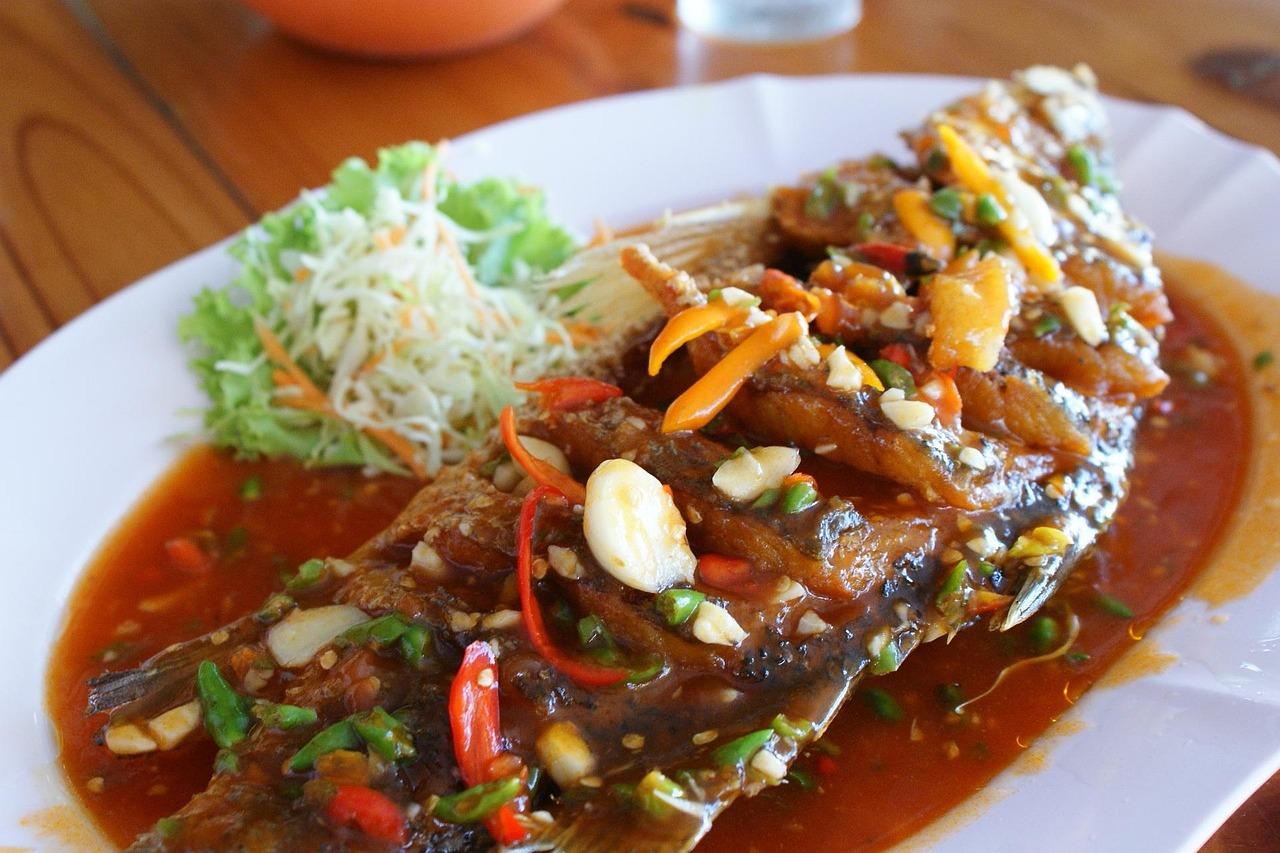
Pla rad prikFried fish with chilli sauce

A whole fried fish blanketed in glossy red chilli sauce is the centrepiece of many family celebrations and riverside restaurant meals in central Thailand. The sauce is known as sam rot, 'three flavours', because palm sugar, tamarind and fish sauce are balanced against pounded chillies and garlic; spooned over a fish fried until its skin crackles and the fins crunch like crisps, it turns sticky and shiny. Sea bass (pla kapong) is the usual choice, though snapper or tilapia work well too. Bring it to the table with jasmine rice, a stir-fried green vegetable and a clear soup to share. Chef's tip: score the fish down to the bone on both sides and pat it bone-dry, so the heat reaches the thickest part and the oil doesn't spit.

45 minThaiFishSpicy
by KrazyBadal 0 views

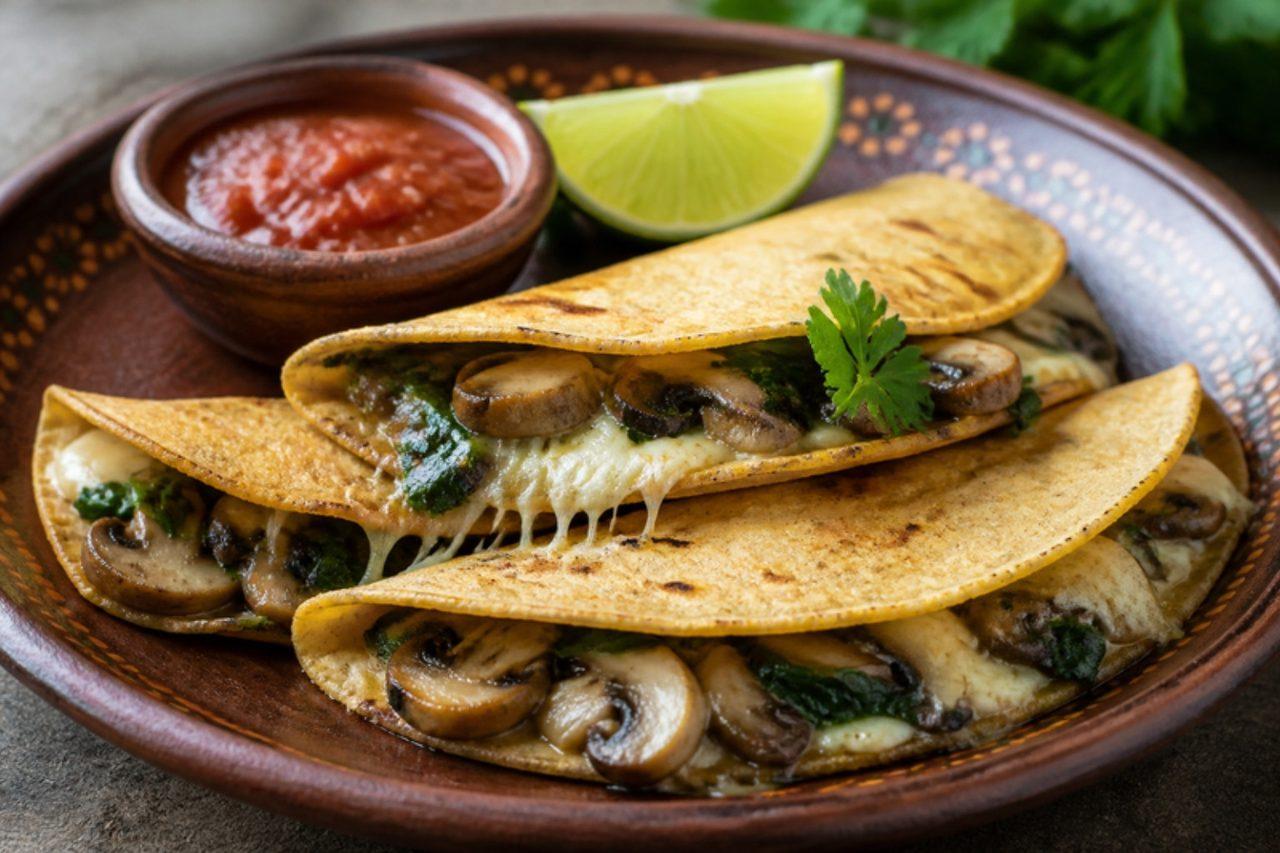
Mushroom & epazote quesadillas

Quesadillas de hongos are sold from comales at markets all over central Mexico, from Mexico City to the forests around Toluca where wild mushrooms are picked in the rains. The mushrooms are fried hard with onion, garlic and green chilli and finished with epazote, a pungent herb with notes of mint, anise and citrus that is the signature of central Mexican cooking. Folded into corn tortillas with stringy cheese, they are earthy, juicy and a little hot. Serve with salsa roja and lime. Use a cheese made with vegetarian rennet; low-moisture mozzarella is a good stand-in for Oaxaca cheese. Chef's tip: fry the mushrooms until all their liquid has gone; wet mushrooms make the tortilla soggy.

by KrazyBadal 0 views

Plăcintă cu brânzăCheese and dill pies

In Moldavia, on both sides of the Prut, plăcintă means a flat round pie fried or baked on a griddle, and the cheese and dill one is what grandmothers in Iași and Chișinău make for weekend breakfasts and for guests at the door. A soft, stretchy dough is pulled thin, wrapped around salty cheese with fresh dill and egg, coiled into a snail and flattened, then cooked in a pan until blistered and crisp. They are eaten hot with a glass of sour milk or tea. Chef's tip: rest the oiled dough properly so it stretches without tearing; skipping the rest is the common mistake and you'll be fighting a springy dough that leaks its filling.

by KrazyBadal 0 views

PoffertjesMini puffed pancakes

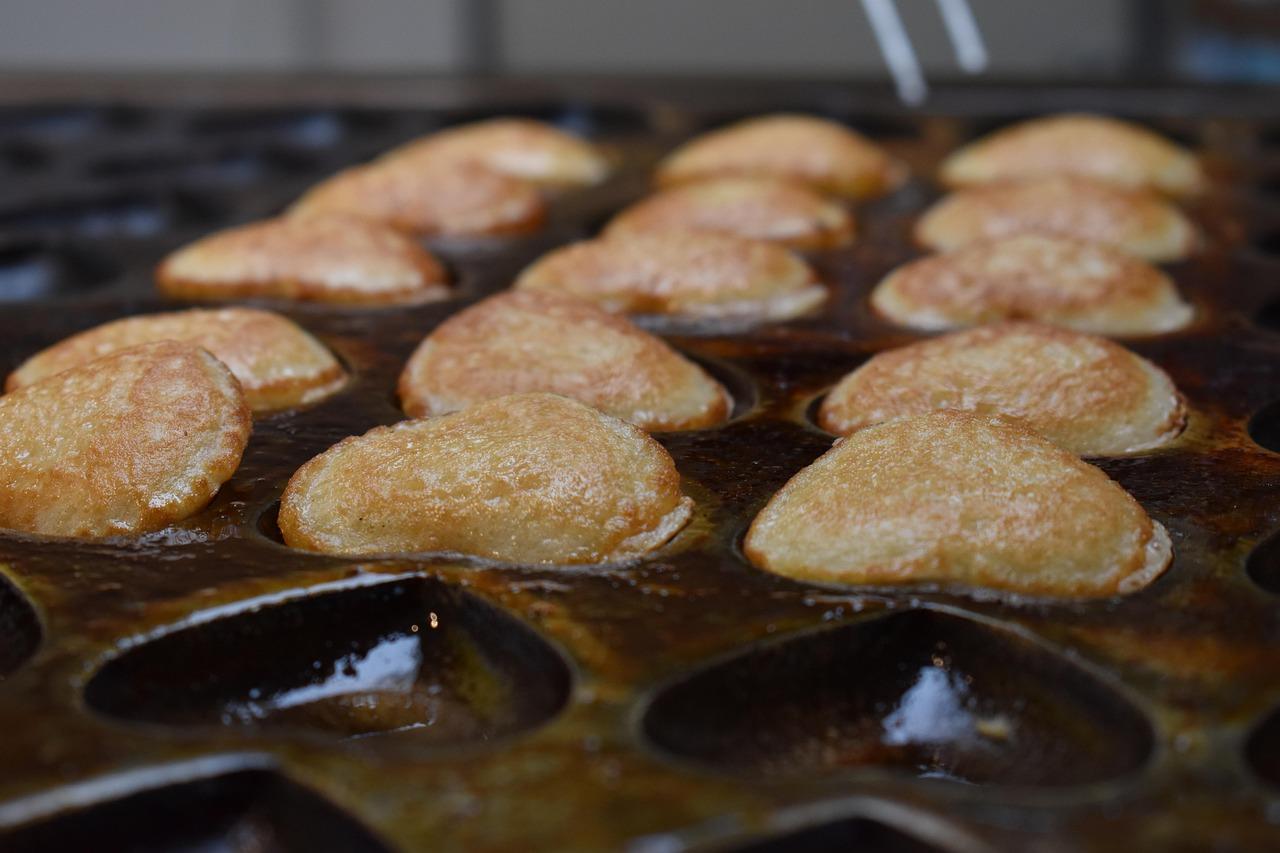
The smell of poffertjes drifts across every Dutch kermis (funfair), Christmas market and summer street festival, where they are flipped by the hundred on a cast-iron plate full of shallow hollows. They are tiny, puffy, yeasted pancakes made partly with buckwheat, served a dozen at a time on a cardboard dish with a slab of melting butter and a snowfall of icing sugar. At home you need a poffertjespan, a pan with small round dips; a Danish æbleskiver pan is too deep. Chef's tip: put the batter in a squeeze bottle or a piping bag; filling 30 hollows quickly by spoon is almost impossible, and the first ones burn while you fill the last.

by KrazyBadal 0 views

DooghSalted yogurt drink

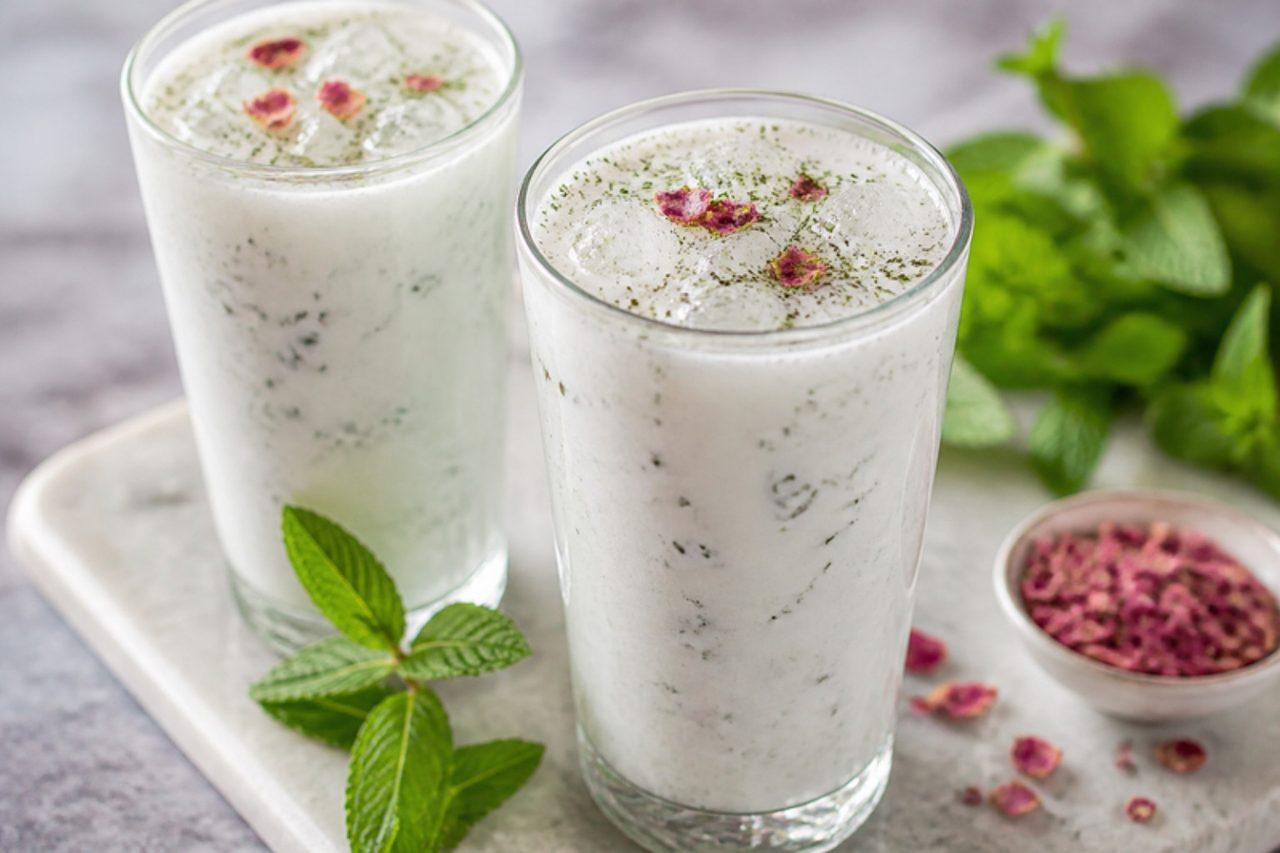
Doogh is the salty, fizzy yogurt drink served in tall glasses with lunch across Iran, and above all with kebab and rice at the chelow-kababi restaurants of Tehran. Bottled sparkling doogh from the mineral springs of Abali, in the mountains east of the capital, is the famous one; at home it is mixed from yogurt, cold water and soda water with crumbled dried mint, and sometimes wild pennyroyal (kakuti) or rose petals. Its bubbles and mint set it apart from plainer, still yogurt drinks. It is cooling and good with rich, herby food. Chef's tip: add the sparkling water last and stir gently, or the fizz disappears before it reaches the glass.

by KrazyBadal 0 views

Poisson braiséCharcoal-grilled fish

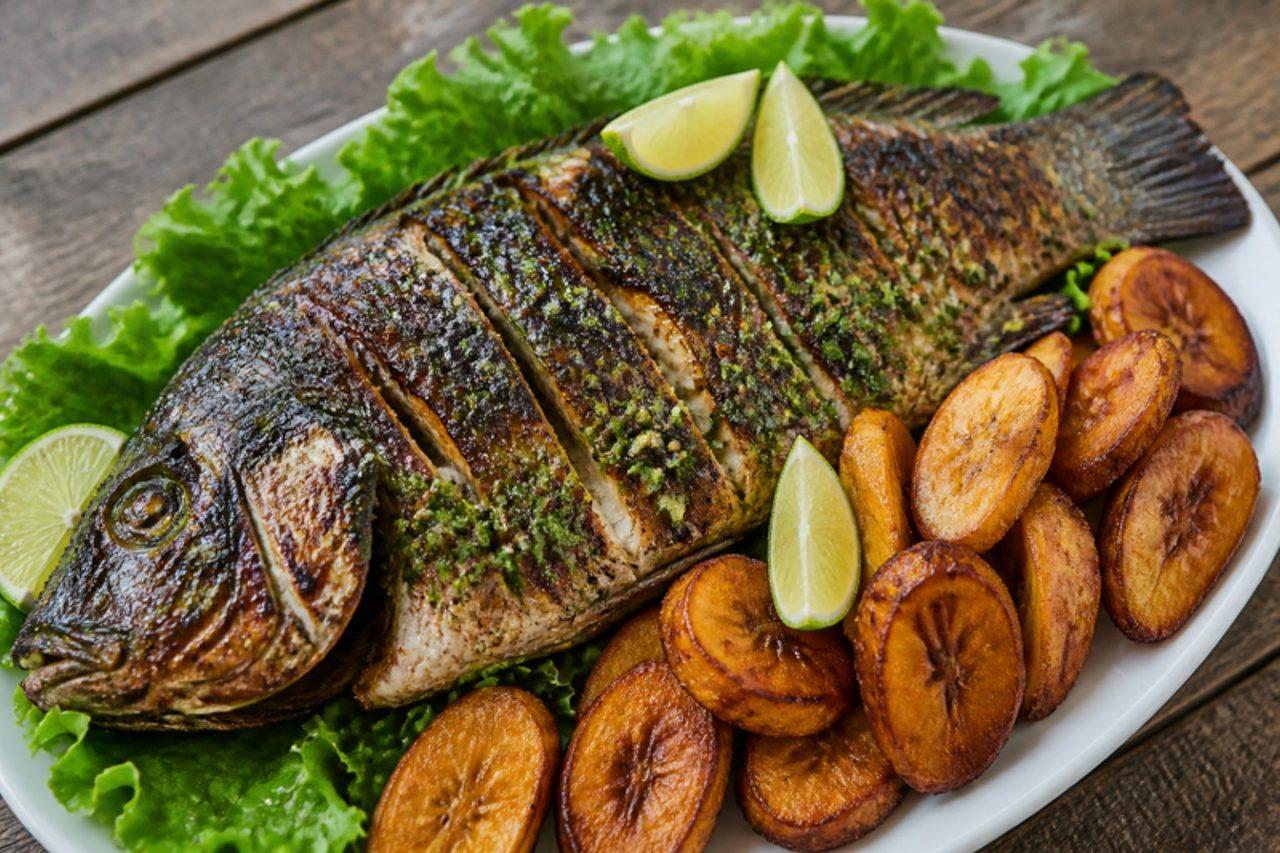
On the roadside grills of Douala and Yaoundé, women split tilapia or mackerel, smear them with a green paste of ginger, garlic, onion and herbs, and grill them over charcoal while people wait with a cold drink; it is late-evening food, eaten with fried plantain, bobolo (cassava sticks) or miondo and a fiery tomato pepper sauce. At home a very hot grill or a barbecue does the job. The mistake is turning the fish too early, so it sticks and breaks: wait until the skin is crisp and releases. Chef's tip: oil the fish and the grill bars, not just one of them.

by KrazyBadal 0 views

Pol rotiCoconut flatbread with onion

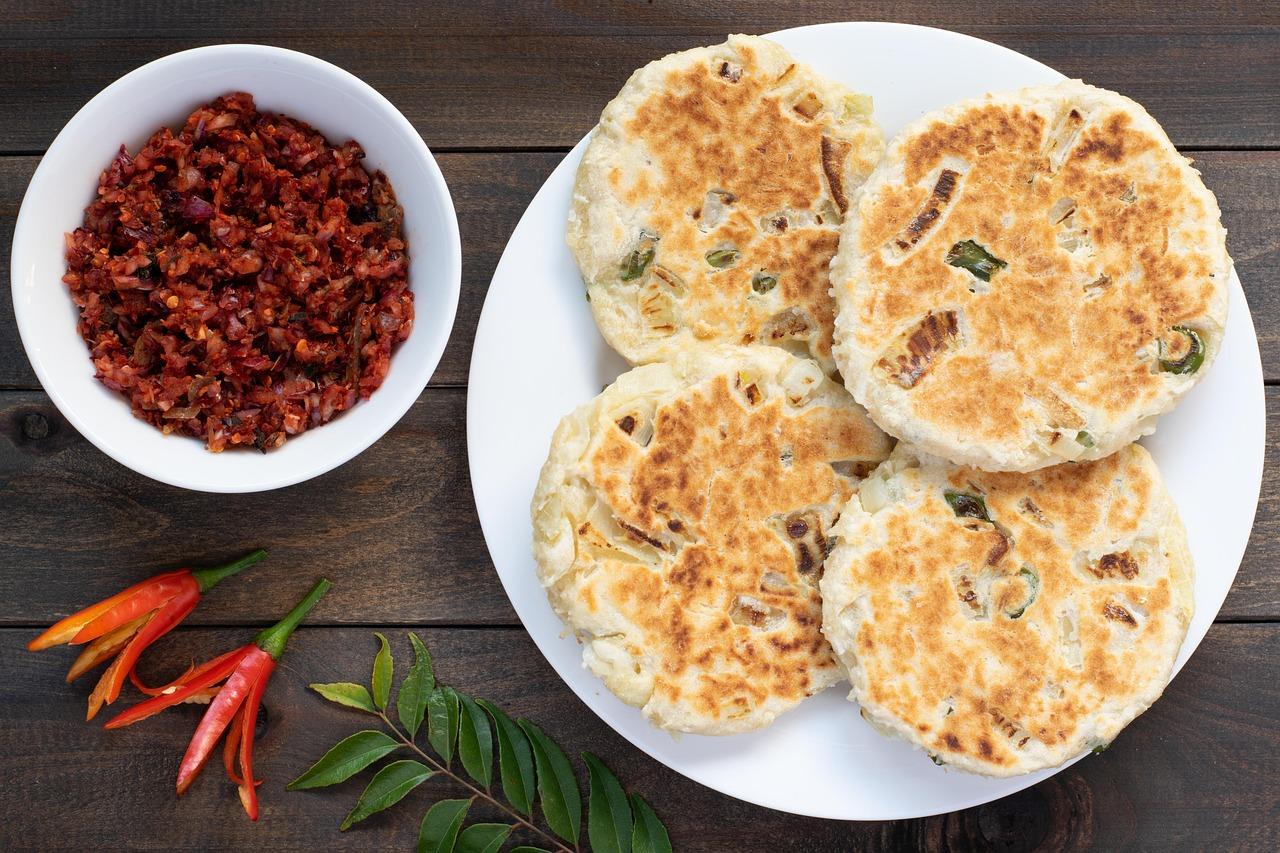
Pol roti is the hearty coconut flatbread that rural Sri Lankans eat for breakfast or an evening meal, cooked on a flat iron pan (thachchi) and torn up with lunu miris, parippu or a spicy potato curry; you'll see it stacked in glass cases in kades from Anuradhapura to Matara. Wheat flour is mixed with lots of freshly grated coconut, finely chopped onion and green chilli, and the dough is patted out thick by hand, so the roti come out chewy, with toasted coconut flecks and a sweet, savoury smell. The common mistake is rolling them thin: pol roti should be a good 1 cm thick and soft inside. Chef's tip: pat each roti out on a banana leaf or oiled baking paper and flip it straight onto the pan; it's too soft and crumbly to lift any other way.

by KrazyBadal 0 views

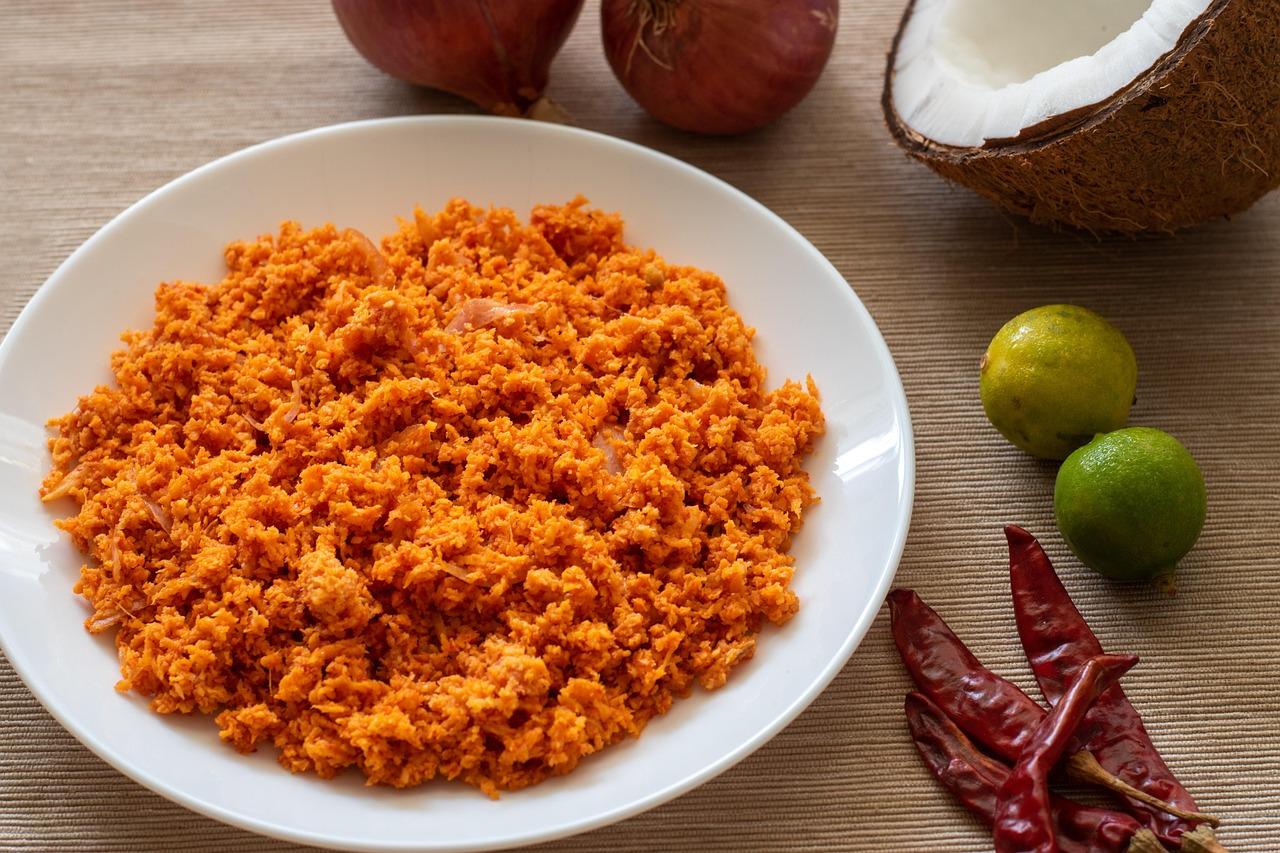
Pol sambolCoconut and chilli relish

Pol sambol sits on the table at almost every Sri Lankan meal, from breakfast hoppers and string hoppers in a Kandy home to a rice packet bought at a roadside kade. Grandmothers grind it on a stone (miris gala) so the chilli and onion bruise into the coconut, and it turns a bright brick red, hot, sour and salty all at once. Most island recipes add a spoonful of Maldive fish (dried tuna flakes); we leave it out to keep it vegetarian and add a little extra onion and lime for depth. A common mistake is using dried desiccated coconut straight from the packet, which tastes dusty; fresh or frozen grated coconut gives the proper moist texture. Chef's tip: rub the chilli, onion and salt together first with your fingers until they turn juicy, then work in the coconut so every flake turns red.

by KrazyBadal 0 views

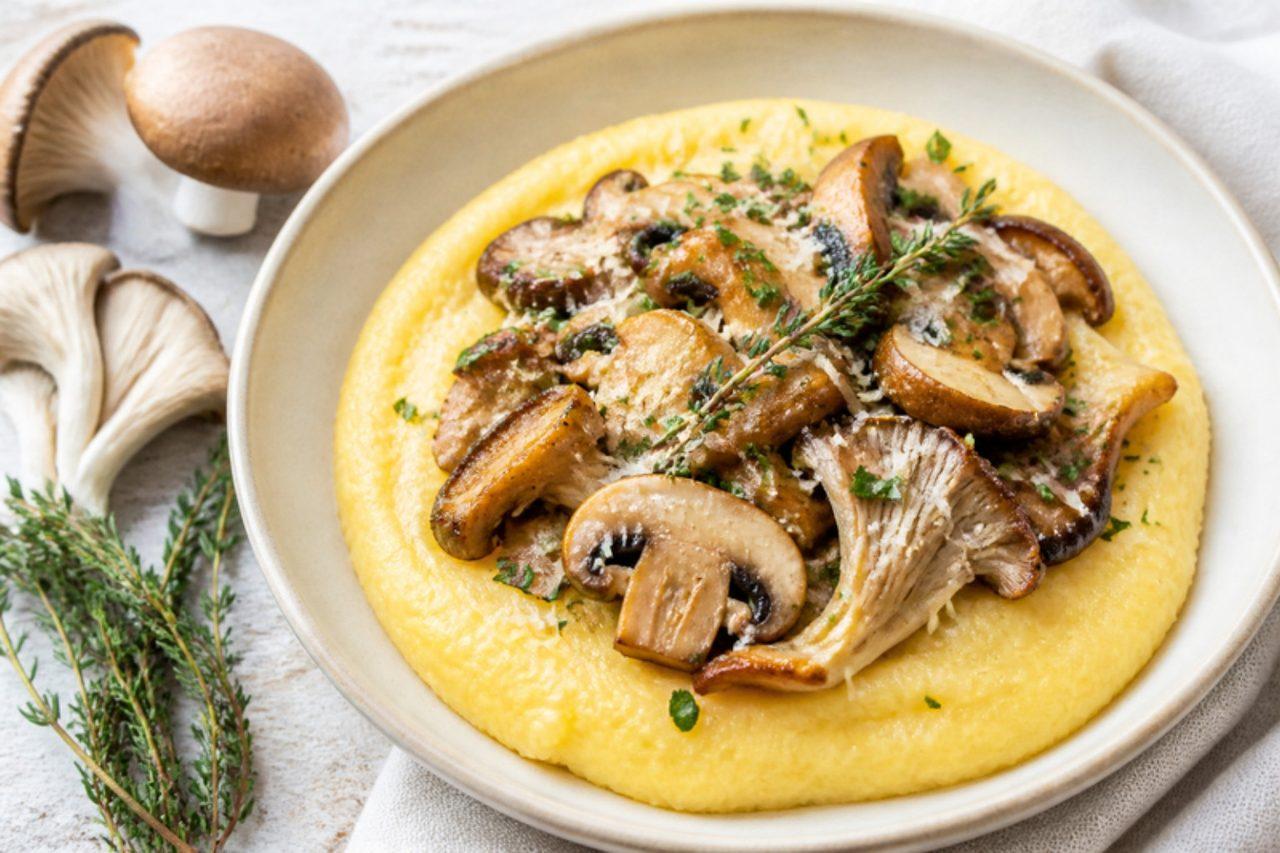
Polenta with mushroomsPolenta with garlic mushrooms

In the Veneto and the mountain valleys of the north-east, polenta is the old daily staple, poured steaming onto a wooden board in the middle of the table. Its classic autumn partner is funghi trifolati: mushrooms sautéed with garlic, parsley and a splash of white wine until glossy and deeply savoury. Soft polenta is spooned into bowls with the mushrooms on top, a warming supper for a cold night. Chef's tip: whisk the cornmeal into the water in a thin stream; if it goes in all at once, it lumps and no amount of stirring will fix it.

by KrazyBadal 0 views

Polos curryYoung green jackfruit curry

Polos is the tiny unripe jackfruit picked in the Western and Sabaragamuwa provinces long before it sweetens, and cooked low and slow it becomes one of the island's most loved festival curries, especially at Sinhala and Tamil New Year in April and at wedding lunches. The firm, pale flesh soaks up a very dark roasted curry powder, garlic, ginger, goraka (a smoky souring fruit) and coconut milk until it turns almost black-brown and tastes rich, sour and meaty. Fresh polos is hard to find abroad; tinned young green jackfruit in brine works well. A frequent mistake is not cooking it long enough, which leaves it squeaky; the pieces must be soft enough to break with a spoon. Chef's tip: oil your hands and knife before cutting fresh jackfruit; the sticky white sap washes off oiled skin but not dry skin.

by KrazyBadal 2 views

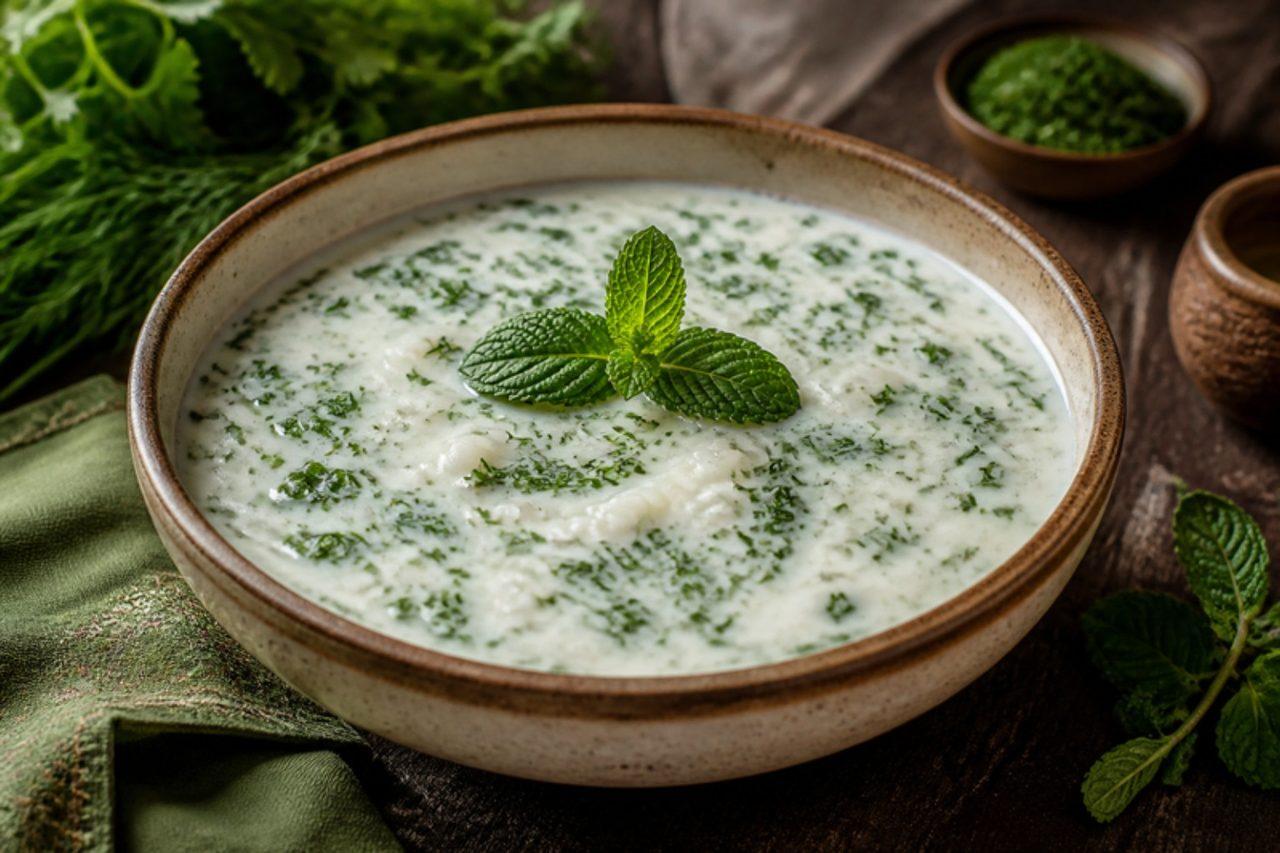
DovgaHerb and yogurt soup

Dovğa is green, tangy and cooling, the soup Azerbaijanis drink cold from glasses on hot Baku afternoons and eat hot in bowls when the Absheron wind turns chilly. Yogurt is thinned, thickened with rice and egg, then packed with chopped spinach, dill, coriander, mint and sorrel, until the soup is more herbs than dairy. It is served at weddings and at Novruz to settle the stomach after rich food, and many cooks add chickpeas. Unlike Armenian spas, there is no fried onion or wheat; the flavour is all fresh herbs and sour yogurt. Chef's tip: add the herbs only once the yogurt is boiling steadily and stable; they wilt in seconds, and the colour stays bright green.

by KrazyBadal 0 views

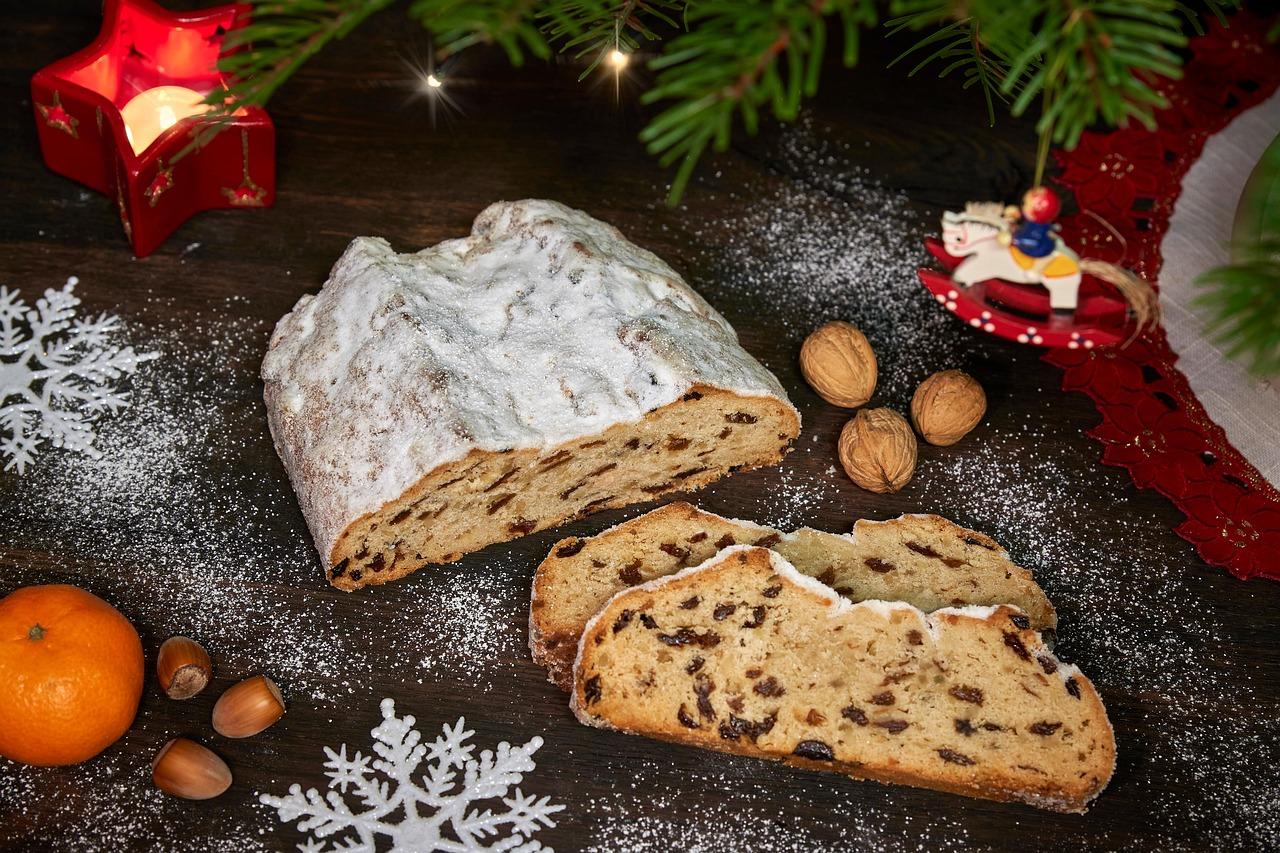
StollenFruit Christmas bread

Dresden has baked Christstollen for more than 500 years, and every December the city holds a Stollen festival with a giant loaf paraded through the old town to the Striezelmarkt. The loaf's shape, folded over and dusted white, is said to show the Christ child wrapped in swaddling cloth. It's a rich, dense yeast bread, heavy with butter, raisins, candied peel and almonds, brushed with melted butter straight from the oven and buried in sugar. It's baked weeks before Christmas and sliced thinly through Advent. Chef's tip: wrap it tightly and let it rest for at least a week before cutting; the flavours ripen and the crumb turns moist.

120 minGermanBaking
by KrazyBadal 0 views

Bore baasiSoaked rice with onion

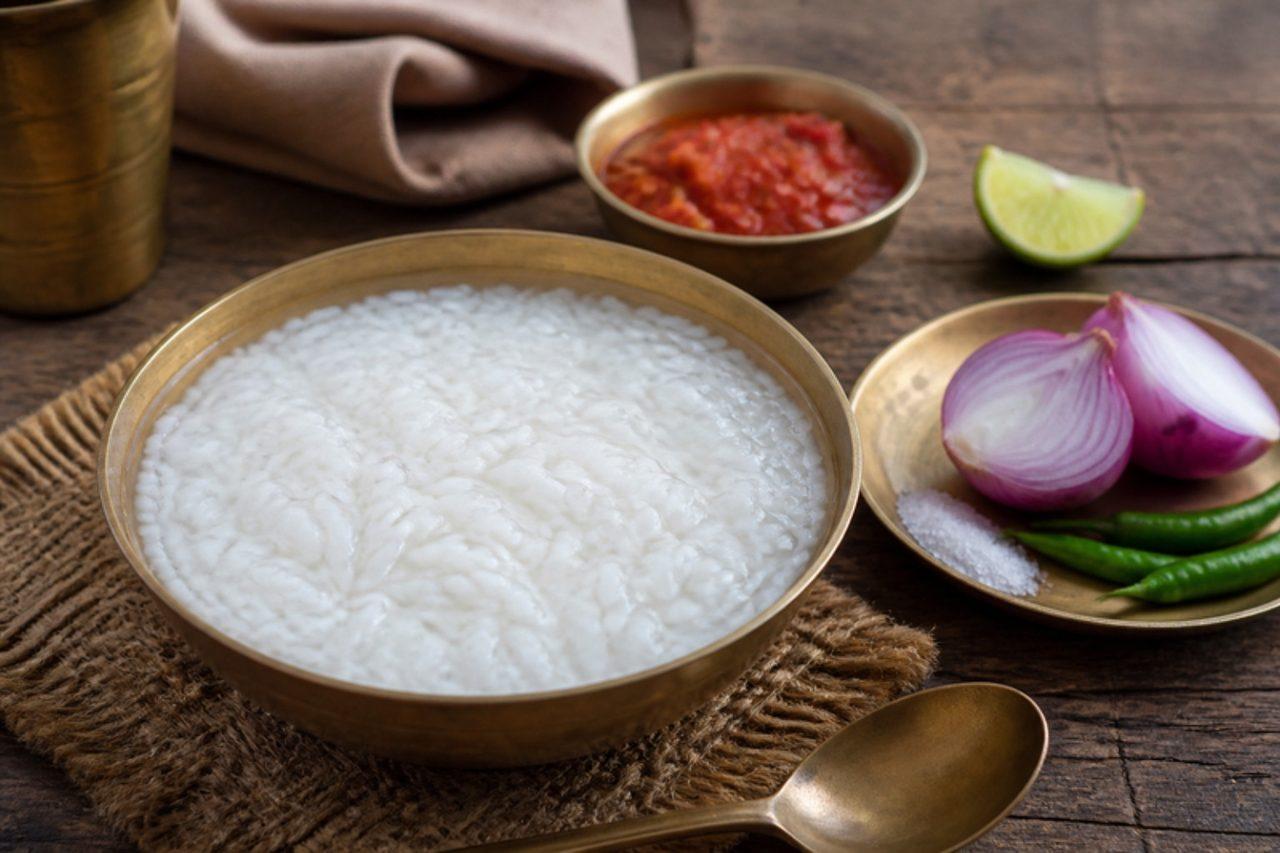
Bore baasi is the summer meal of Chhattisgarh's farmers: cooked rice soaked in water, either for a few hours (bore) or overnight (baasi), then eaten from the bowl with its slightly sour water, raw onion, green chilli and a pinch of salt. It is cooling, filling and easy on the stomach in the heat, and in recent years the state has made 1 May, Labour Day, the day to eat it as Bore Baasi Tihar. Many families add a ladle of buttermilk or curd and something fried or roasted on the side. Food safety matters with any cooked rice left standing, so this version cools the rice fast and soaks it in the fridge. Chef's tip: cool and cover the rice within an hour of cooking; rice left warm on the counter is the real risk, not the soaking.

by KrazyBadal 0 views

GurasaThick wheat flatbread

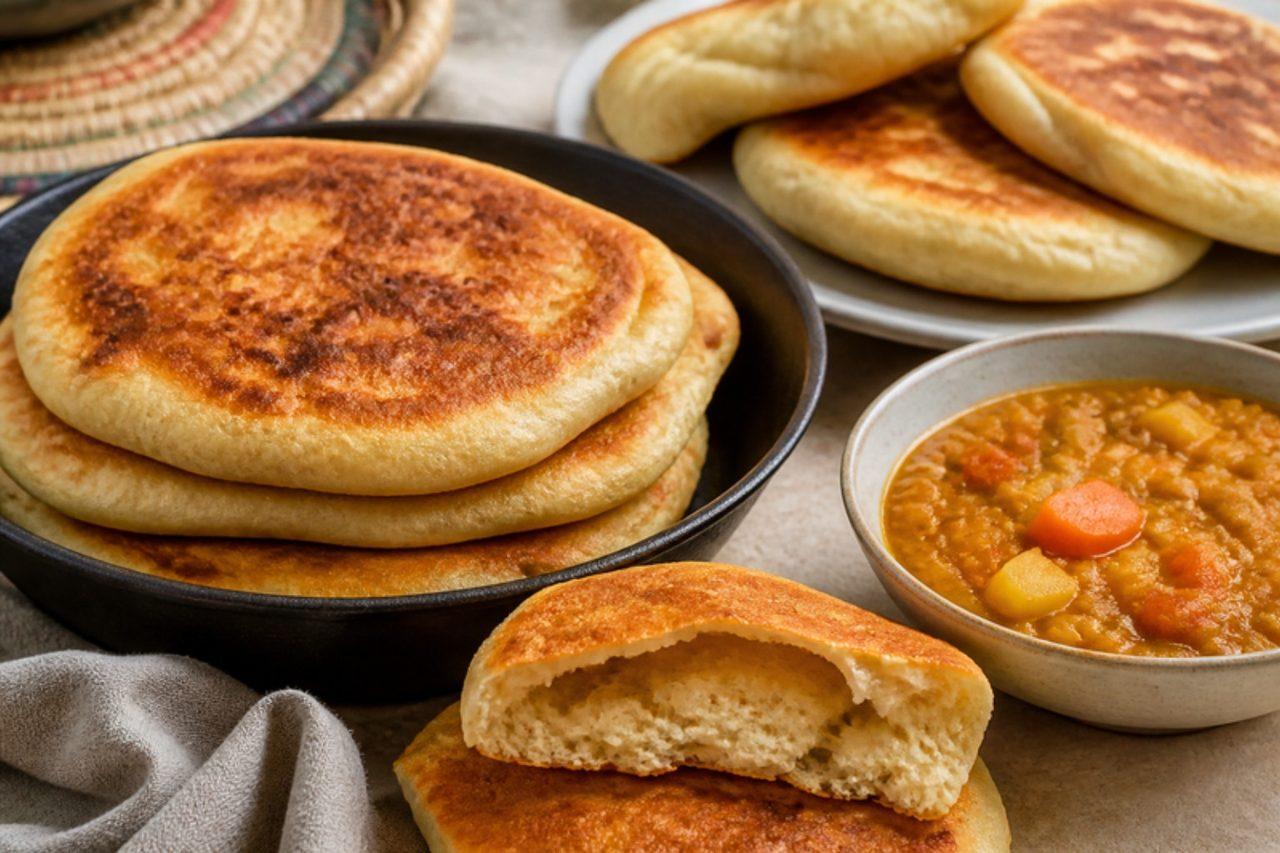
Gurasa is a thick, soft, round wheat bread from Sudan, especially the north and west (Darfur and Kordofan), cooked in a covered pan rather than an oven. It is torn and eaten with mullah, ful or salata aswad, and for breakfast with sugar and a little oil or butter. The dough is a loose, yeasted batter, closer to a giant crumpet than a flatbread. Chef's tip: cook it covered over a low heat; a hot open pan burns the base before the thick centre cooks.

by KrazyBadal 0 views

Dulce de lecheMilk caramel

Dulce de leche is Argentina's national sweet, spread on toast at breakfast, sandwiched in alfajores, rolled into panqueques and spooned onto flan. Argentine families traditionally make it by slowly cooking milk and sugar with a vanilla pod and a pinch of bicarbonate of soda, which helps it turn deep brown, until it becomes a thick, glossy caramel cream. It takes about three hours of gentle cooking and regular stirring. Chef's tip: use a wide, heavy pan and keep the heat low; the wider the surface, the faster the milk reduces, and the less it catches on the bottom.

by KrazyBadal 0 views

Pork sisigSizzling chopped pork

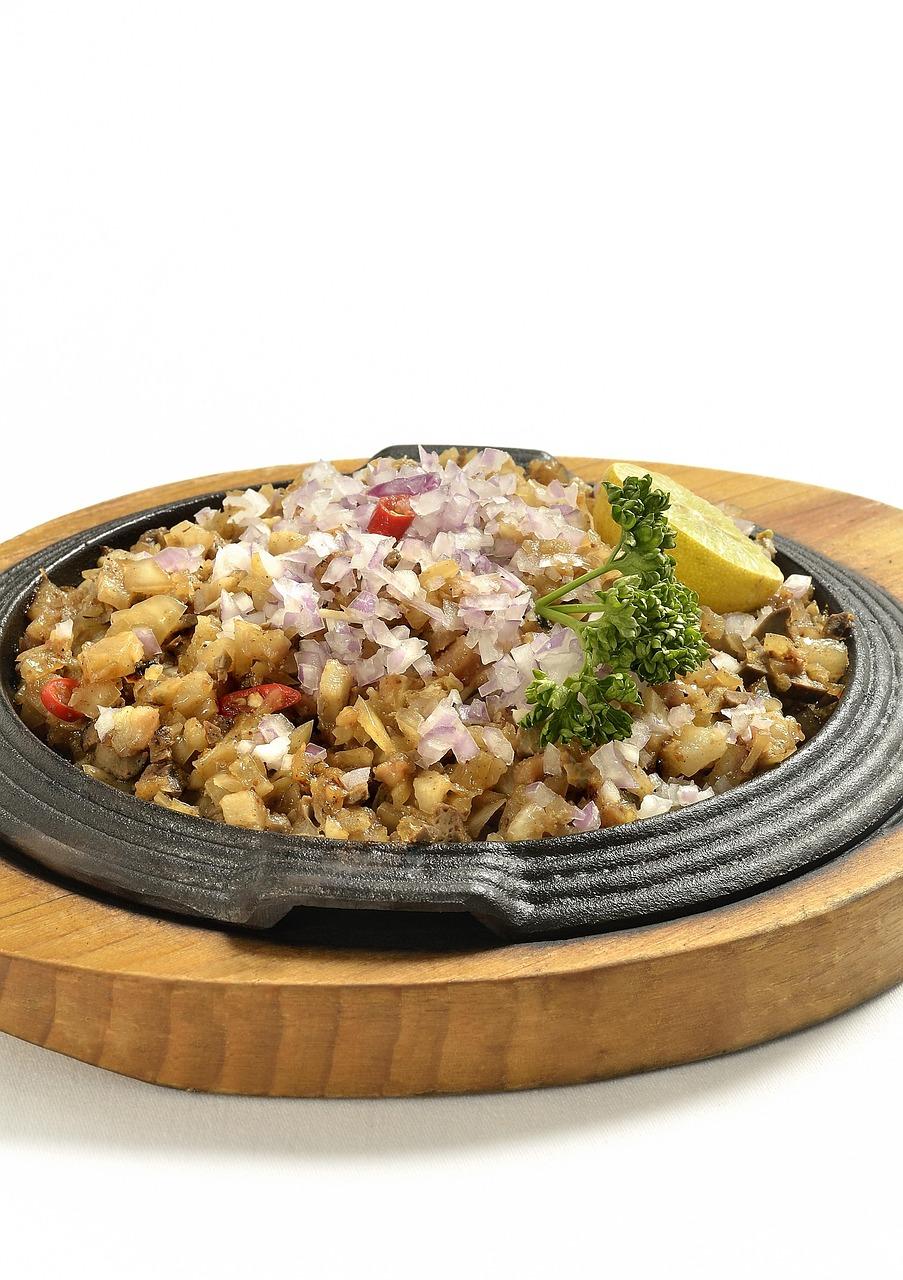
Sisig comes from Angeles City in Pampanga, where cooks turned pig's head and ears into a sizzling, sour, peppery bar snack that is now on almost every Filipino menu. This home version is pork, using pork belly (and pig's ears if your butcher has them) that is boiled, grilled until charred, then chopped finely and fried with onion, chilli and calamansi juice. It arrives at the table crackling on a hot cast-iron plate, often with a raw egg stirred in. Eat it with rice, or as pulutan with drinks; a cold calamansi juice works as well. Chef's tip: chop the pork small but not to mince; you want little crisp edges and chewy bits in every spoonful.

110 minFilipinoMeatSpicy
by KrazyBadal 0 views

Pork tocinoSweet cured pork

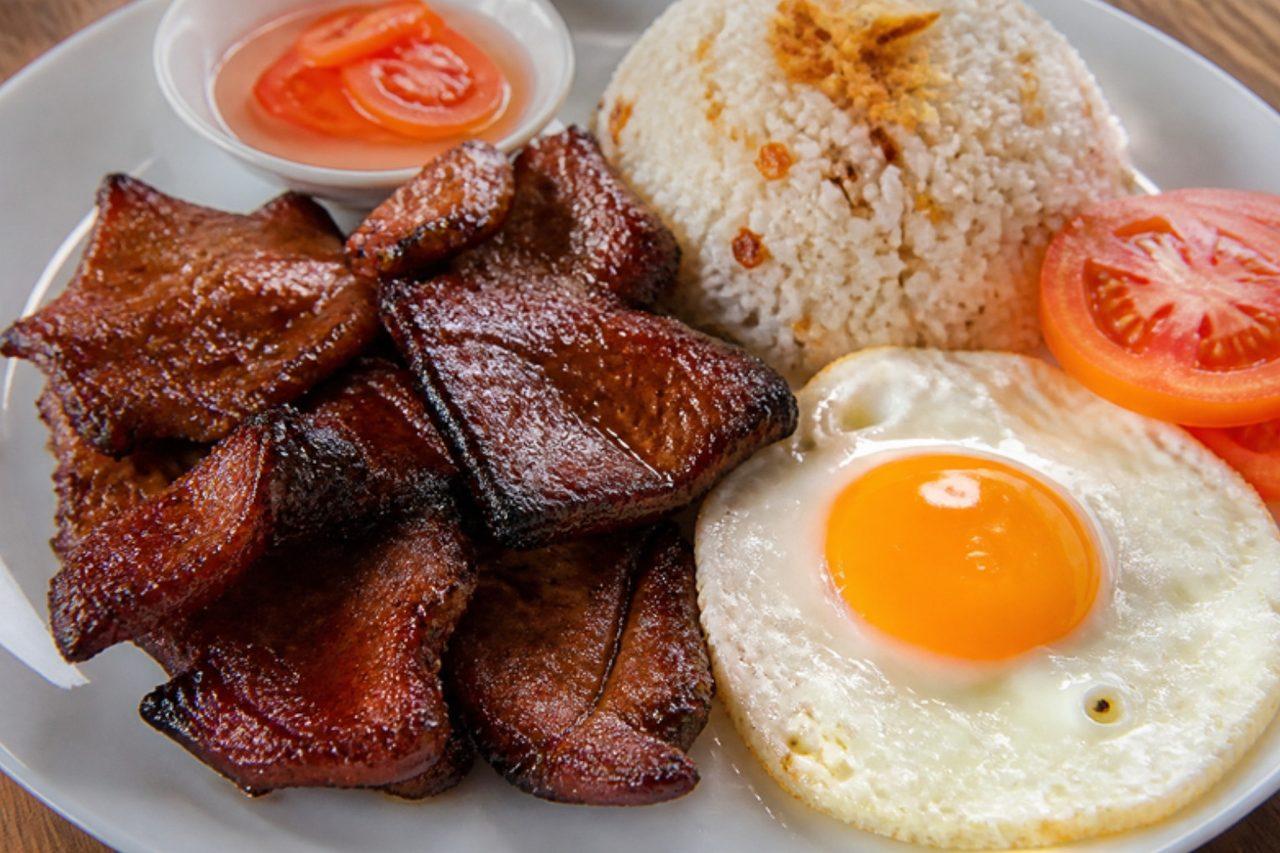
In Pampanga, tocino is breakfast: thin slices of pork shoulder in a sweet, garlicky marinade, fried until the sugar caramelises at the edges, then served with garlic fried rice and a fried egg as 'tosilog'. Shop tocino is often bright pink from curing salts; this home version leaves those out, so it is a sweet marinated pork rather than a true cure, gets its warm red colour from annatto and paprika, and must be kept in the fridge and cooked within 3 days (or frozen). Look for pork with a little fat running through it so it stays juicy. Chef's tip: start it in a splash of water; the pork simmers through first, then the sugar glazes once the water is gone, so it doesn't burn before it's cooked.

by KrazyBadal 0 views

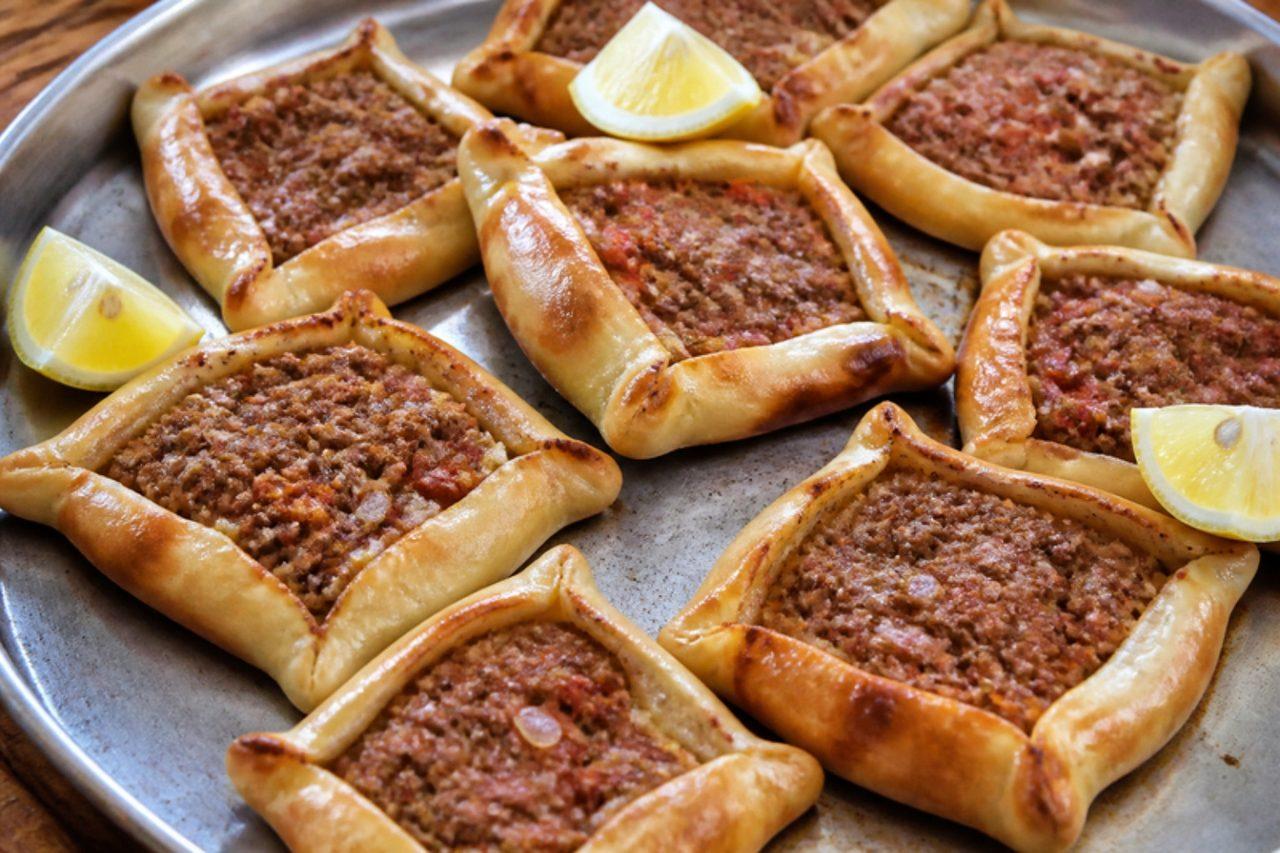
SfeehaSmall open lamb pies

Sfeeha are the little open meat pies of Baalbek in Lebanon's Bekaa Valley, where bakers pinch them into neat squares and bake them by the hundred for weddings, Eid and Sunday mornings. The lamb filling is chopped with tomato and onion and sharpened with pomegranate molasses and a spoon of yogurt, so it stays juicy as it bakes on thin, crisp dough. Eat them warm with a bowl of yogurt or labneh and some cucumber. Chef's tip: pinch the four corners really firmly; the square shape is what traps the juices so the base stays crisp.

by KrazyBadal 0 views

CalabacitasCourgette and corn sauté

Calabacitas a la mexicana is the everyday summer side dish of kitchens all over Mexico: young squash (calabacitas) cooked quickly with sweetcorn, tomato, onion and strips of roasted poblano until tender and juicy, finished with crumbled fresh cheese. Mexican grey squash is milder and more tender than courgette, but young courgettes work beautifully. Eat it with rice and beans, roll it into tacos, or fill quesadillas with it. Use queso fresco made with vegetarian rennet. Chef's tip: cook over a high heat and don't cover the pan for long; you want the courgette to fry and keep a bite, not steam into a puddle.

by KrazyBadal 0 views

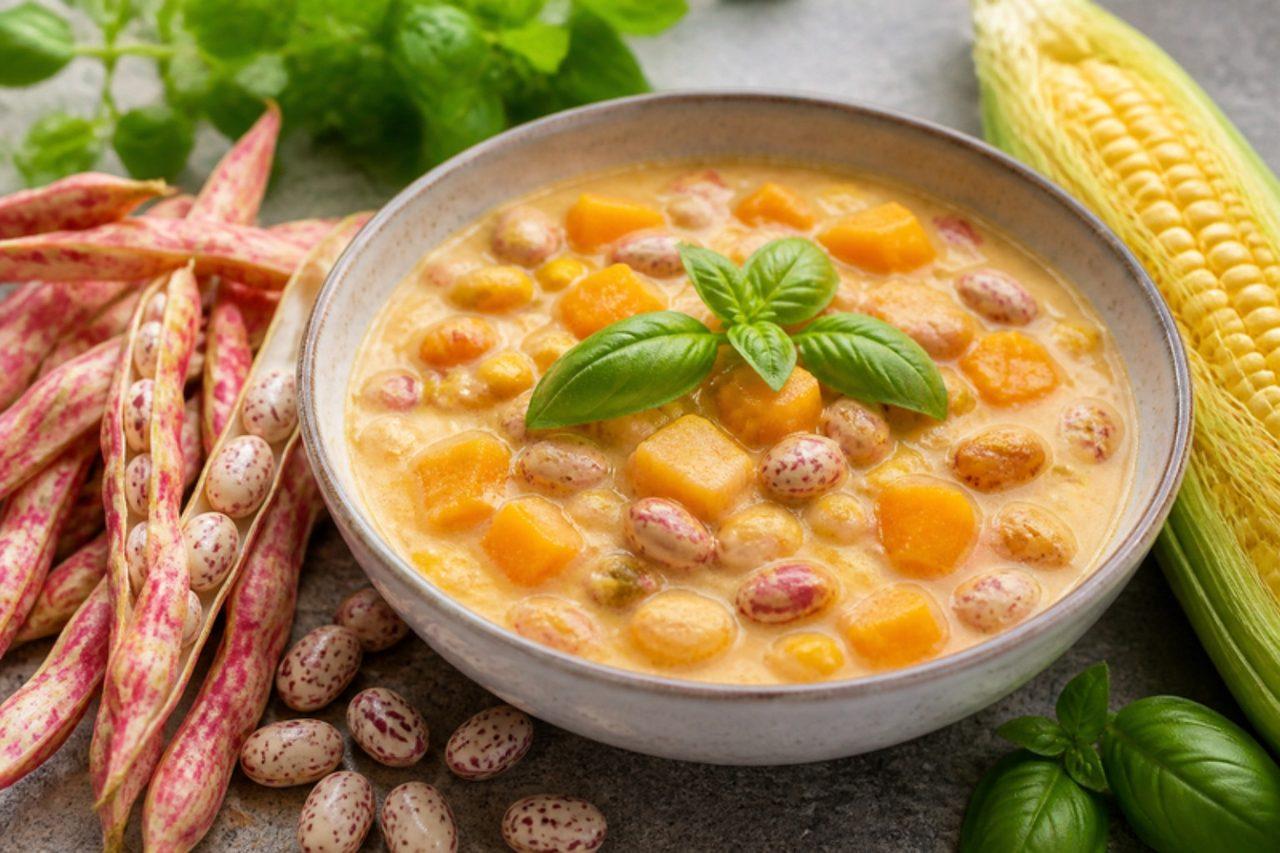
Porotos granadosFresh bean, pumpkin and corn stew

Porotos granados is what central Chile cooks when the fresh beans arrive in late summer: tender cranberry beans shelled at the kitchen table, simmered with pumpkin until it collapses into a thick orange sauce, then finished with grated corn and basil. Families in the Valle Central eat it on hot days, often with pebre and a tomato salad; when the corn is blended in larger amounts it's called 'con mazamorra'. It's hearty but fresh-tasting, and fully plant-based. Chef's tip: add the corn only in the last 10 minutes; it's there to thicken and sweeten, and overcooked it turns floury.

by KrazyBadal 0 views

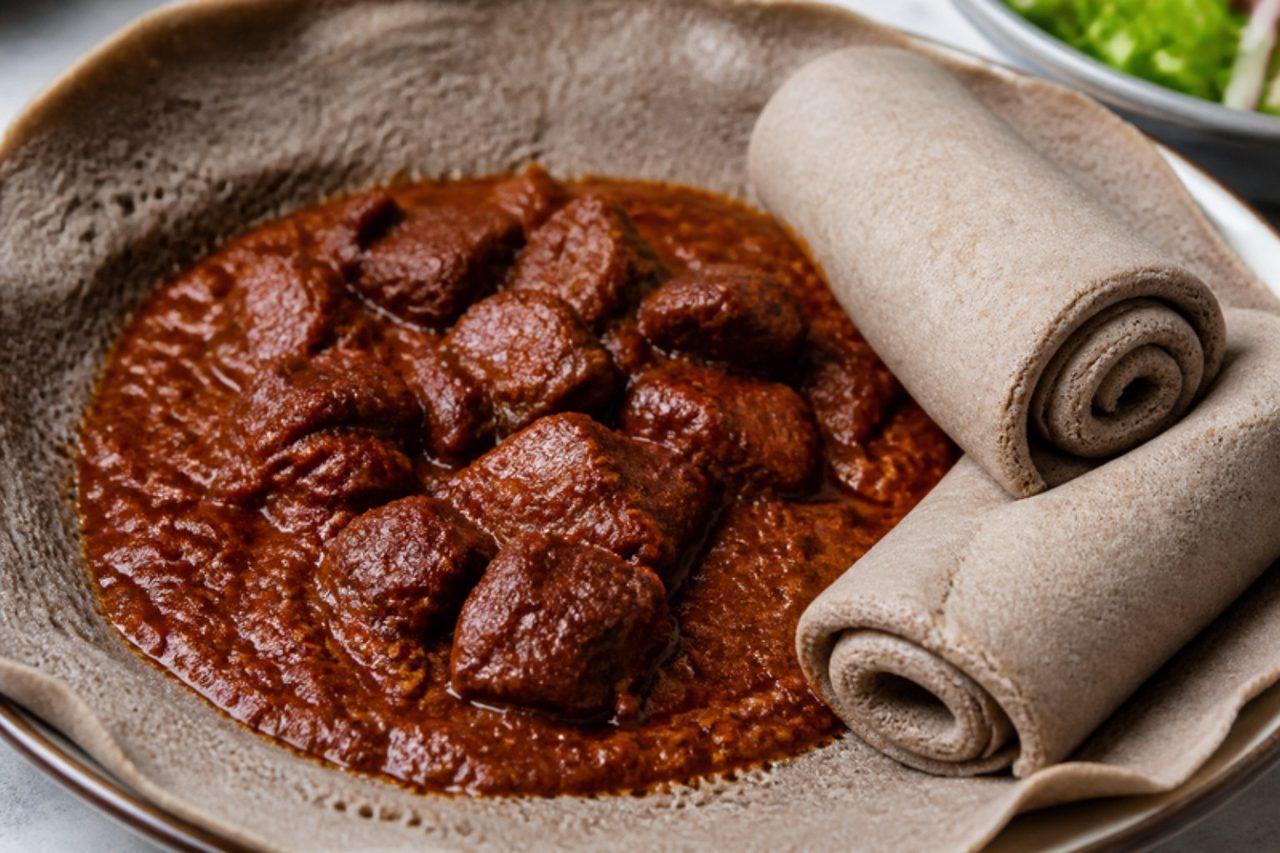
ZigniSpicy beef stew

Zigni is the signature stew of Asmara and the Eritrean highlands, served on a wide platter of injera at weddings, Sunday lunches and the end of fasts. Red onions are cooked slowly in a dry pot until they collapse, then berbere, garlic, ginger and tomato go in, followed by beef that simmers until tender in a deep red, peppery sauce finished with spiced butter (tesmi). The mistake is rushing the onions: they must cook down for a good 20 minutes to give the sauce its sweet base. Chef's tip: the onions start in a dry pan with no oil, the traditional way; stir them often and add a splash of water if they catch.

120 minEritreanMeatGluten freeSpicy
by KrazyBadal 0 views

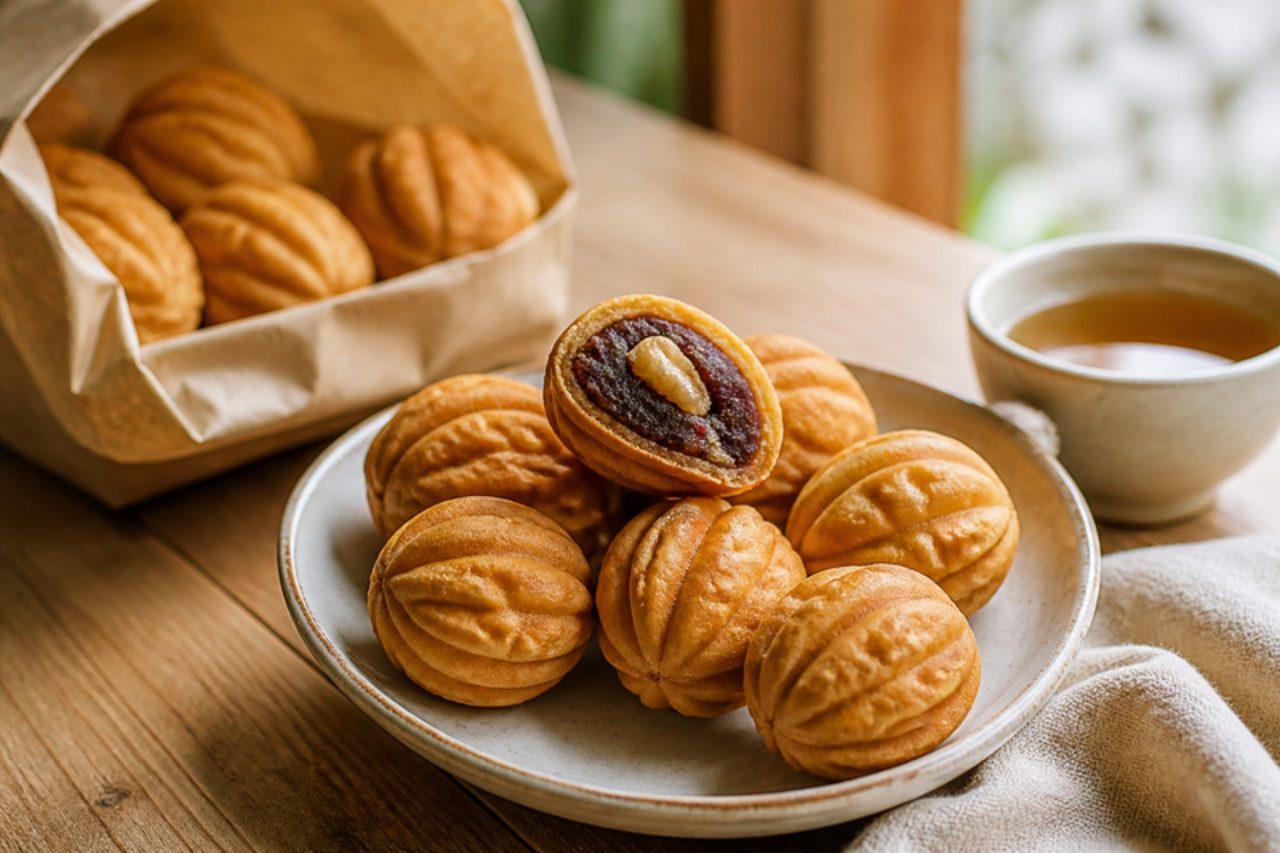
Hodu gwajaWalnut-shaped red bean cakes

Hodu gwaja (호두과자) were first sold at Cheonan station in South Chungcheong in the 1930s, and the town's walnut orchards still supply the pieces of nut hidden in every one. Today you find them in paper bags at every motorway service station in Korea: bite-sized, walnut-shaped cakes with a soft, eggy shell around sweet red bean paste and a chunk of walnut. They are made in a hinged cast-iron mould; a madeleine or Japanese takoyaki pan works too, though the shape will differ. Eat them warm, on the day. Chef's tip: heat the mould properly before the first batch; the first cakes are always the palest, so judge doneness by the colour of the later ones.

by KrazyBadal 0 views

PoticaWalnut and honey spiral cake

No Slovenian Easter or Christmas table is complete without potica, a yeasted dough rolled thin around a honeyed walnut filling and baked in a fluted ring mould called a potičnik. When sliced, each piece shows a tight spiral of pale dough and dark nuts. Families in Ljubljana and across Carniola argue about the best filling, but walnut with honey is the classic one, eaten with coffee from Christmas morning until the tin is empty. Unlike a braided Romanian cozonac, the beauty is all in the thin, even swirl. Chef's tip: spread the filling no thicker than the dough and roll it up tightly; a loose roll or a thick layer leaves a gap between dough and filling once baked, the most common potica fault.

210 minBalkanBaking
by KrazyBadal 0 views

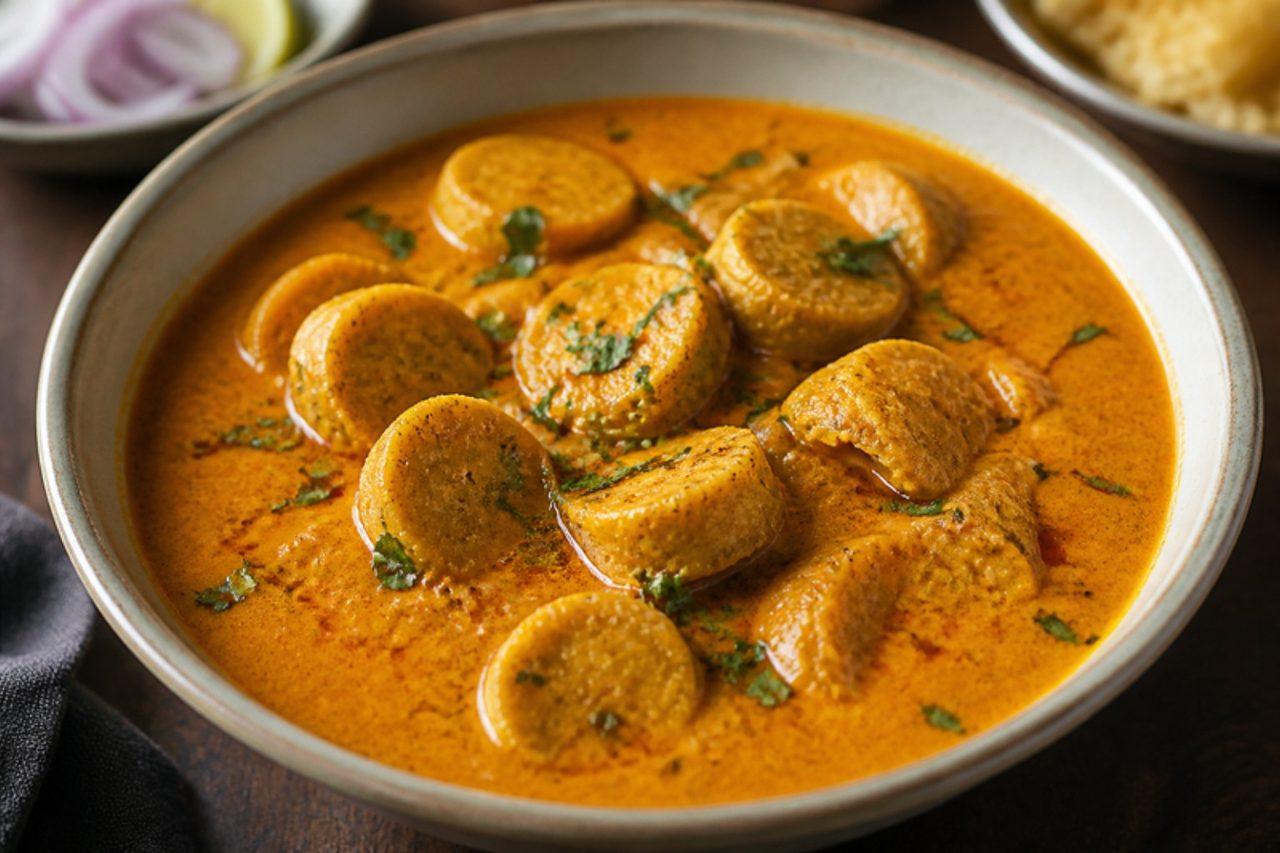
Gatte ki sabziGram flour dumplings in spiced yogurt gravy

Gatte ki sabzi comes from the deserts of Rajasthan, where fresh vegetables were scarce and cooks turned gram flour into 'vegetables' instead. Firm, spiced besan rolls are boiled, sliced into little wheels and then simmered in a tangy yogurt gravy until they soak up its flavour. The dumplings are soft but hold their shape and the gravy is gently sour with a warming heat. Serve with phulka, bajra roti or steamed rice. Chef's tip: keep the cooking water from the gatte and use it for the gravy; it carries their flavour and a little starch that helps keep the yogurt from splitting.

by KrazyBadal 0 views

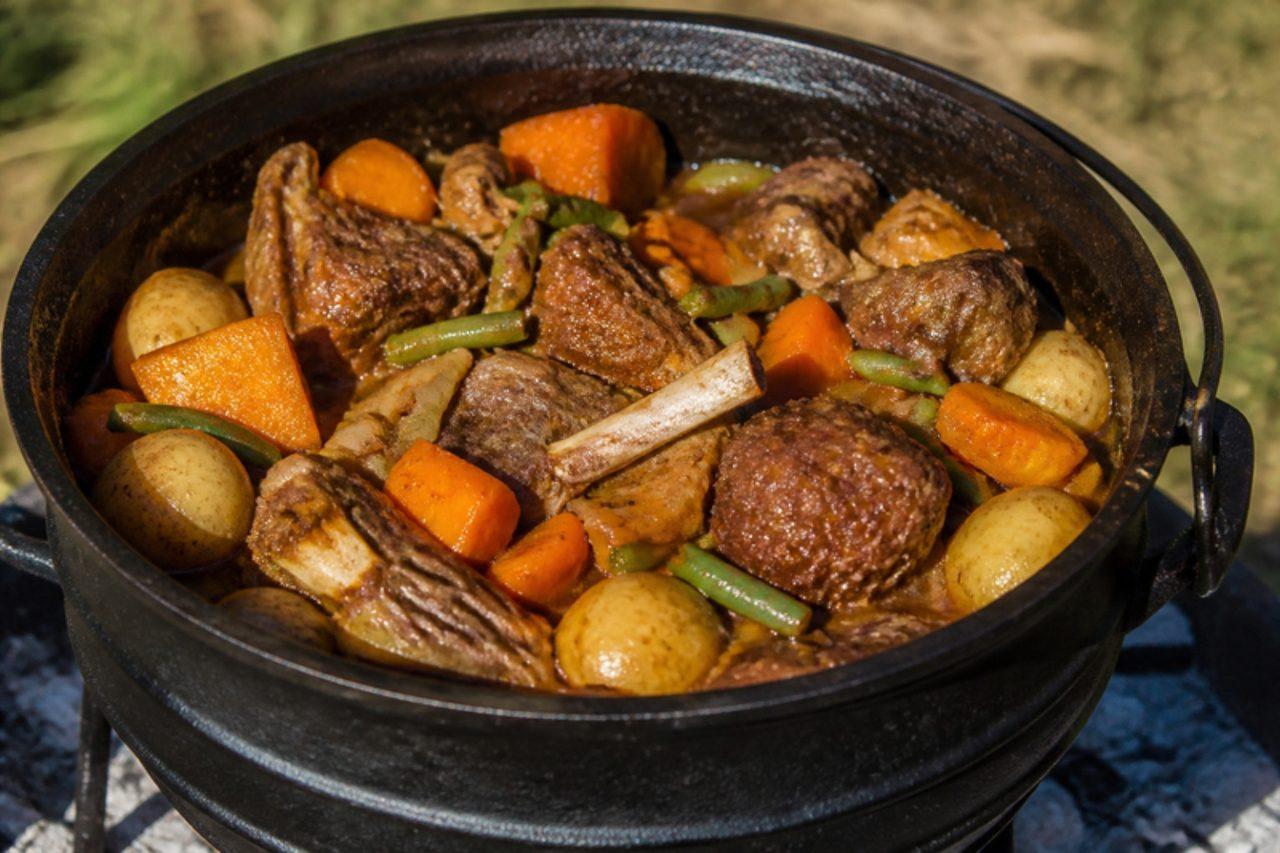
Lamb potjiekosLamb and vegetable stew

Potjiekos is the long, sociable cook of South African weekends: a cast-iron three-legged pot (potjie) sits over a small fire for hours while friends talk around it, and the rule is that once the layers are in, nobody stirs. The lamb is browned at the bottom, then potatoes, carrots, butternut, green beans and mushrooms are stacked on top so the hardest vegetables are nearest the heat. A heavy casserole on the hob or in the oven works just as well. Some cooks add a glass of red wine or beer; this version uses stock only, and you may swap 150 ml of it for wine if you like. The mistake is stirring the pot, which turns the neat layers into mush. Chef's tip: add only a little liquid; the vegetables give off their own juice as they steam.

by KrazyBadal 0 views

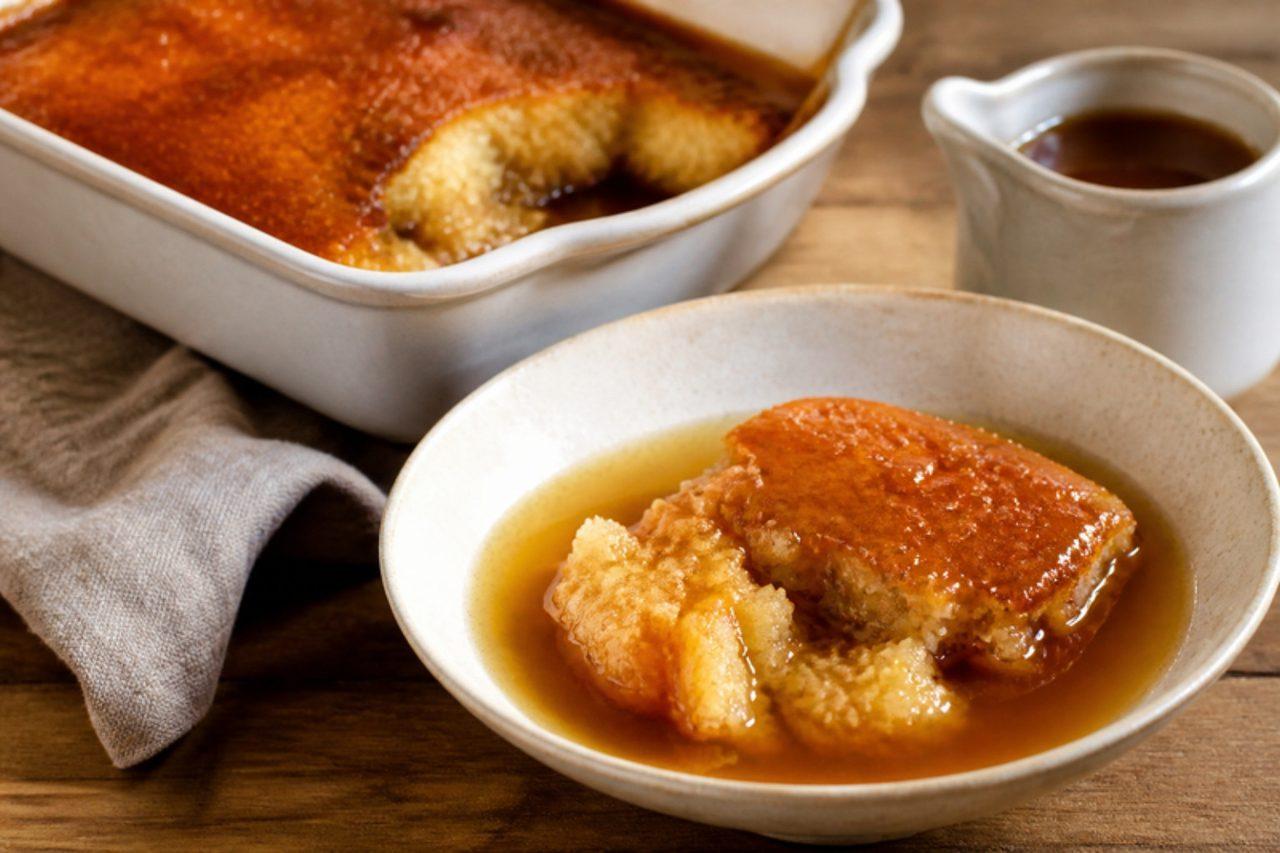
Pouding chômeurCake baked in maple syrup

Pouding chômeur ('unemployed person's pudding') was created in Québec during the Depression of the 1930s, from the cheapest ingredients: flour, sugar, a little butter and hot syrup. As it bakes, the light batter rises through the syrup, which settles underneath as a rich caramel sauce. Today it's made with maple syrup and is a fixture of Québec sugar shacks (cabanes à sucre) in March and April, and of family Sunday dinners. Serve warm with vanilla ice cream. Chef's tip: pour the syrup on boiling hot and spoon the batter over in blobs; never stir them together.

by KrazyBadal 0 views

Horchata de arrozRice and cinnamon drink

Mexican horchata is a sweet, milky-looking agua fresca made from rice soaked overnight with cinnamon, then blended and strained. It is quite different from the Valencian horchata de chufa made from tiger nuts. Sold everywhere from Mexico City street stalls to taquerías in Oaxaca, it cools the mouth after a spicy taco and tastes of cinnamon, vanilla and toasted grain. We blend in almonds for extra creaminess and keep it dairy free, so it is vegan. Chef's tip: strain twice, the second time through a fine cloth; a gritty horchata is the most common mistake, and that silky texture is what you're after.

by KrazyBadal 0 views

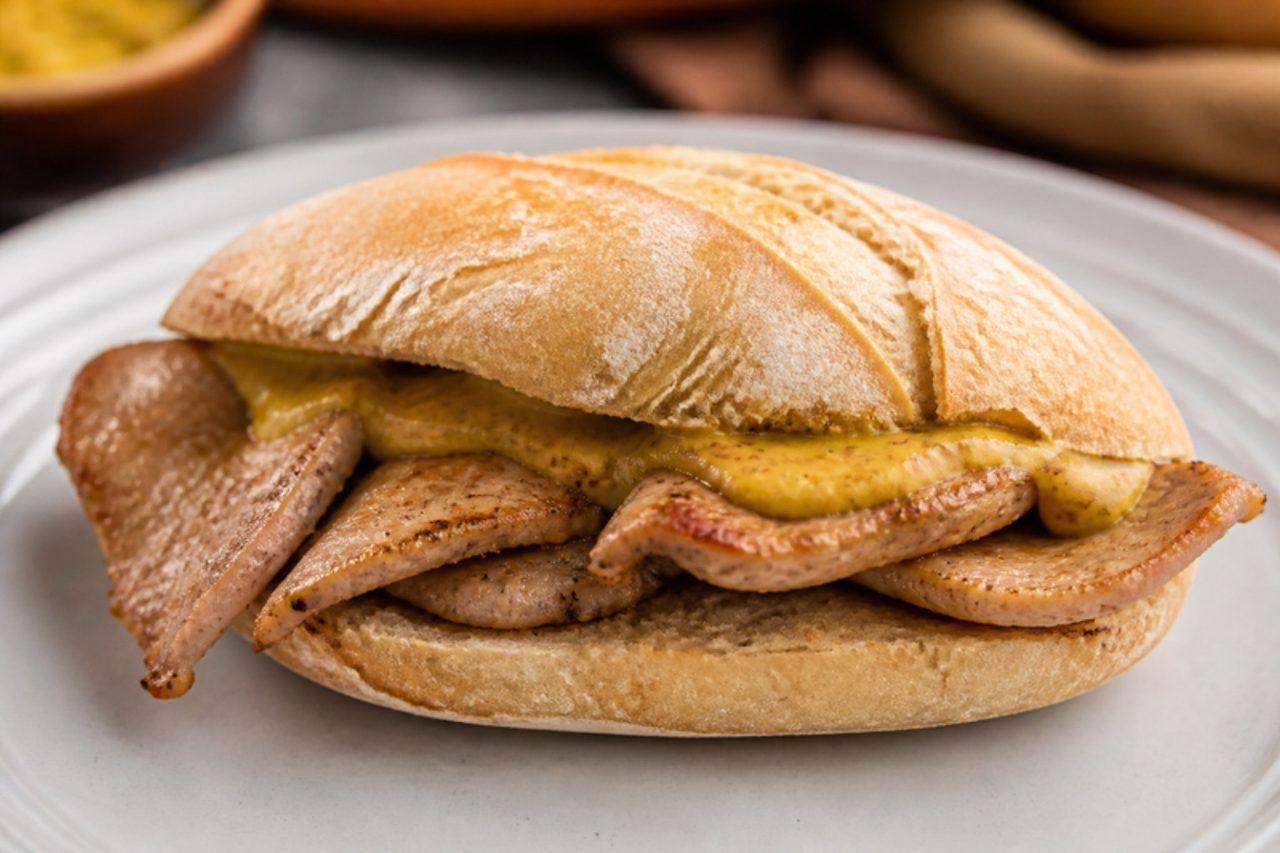
BifanaMarinated pork roll

Lisbon's standing-room snack bars, from the Baixa to the stalls outside football grounds, sell bifanas all day: thin pork steaks simmered in a garlicky, bay-scented sauce and pushed into a soft papo-seco roll with a smear of mustard. It's a pork sandwich, and the pork is traditionally marinated in white wine; for an alcohol-free version use chicken stock with a tablespoon of white wine vinegar. It makes a quick lunch or a late snack. Chef's tip: dip the cut side of the roll into the pan juices before filling it; that's how the bars make them so juicy.

by KrazyBadal 0 views

TostonesTwice-fried green plantain

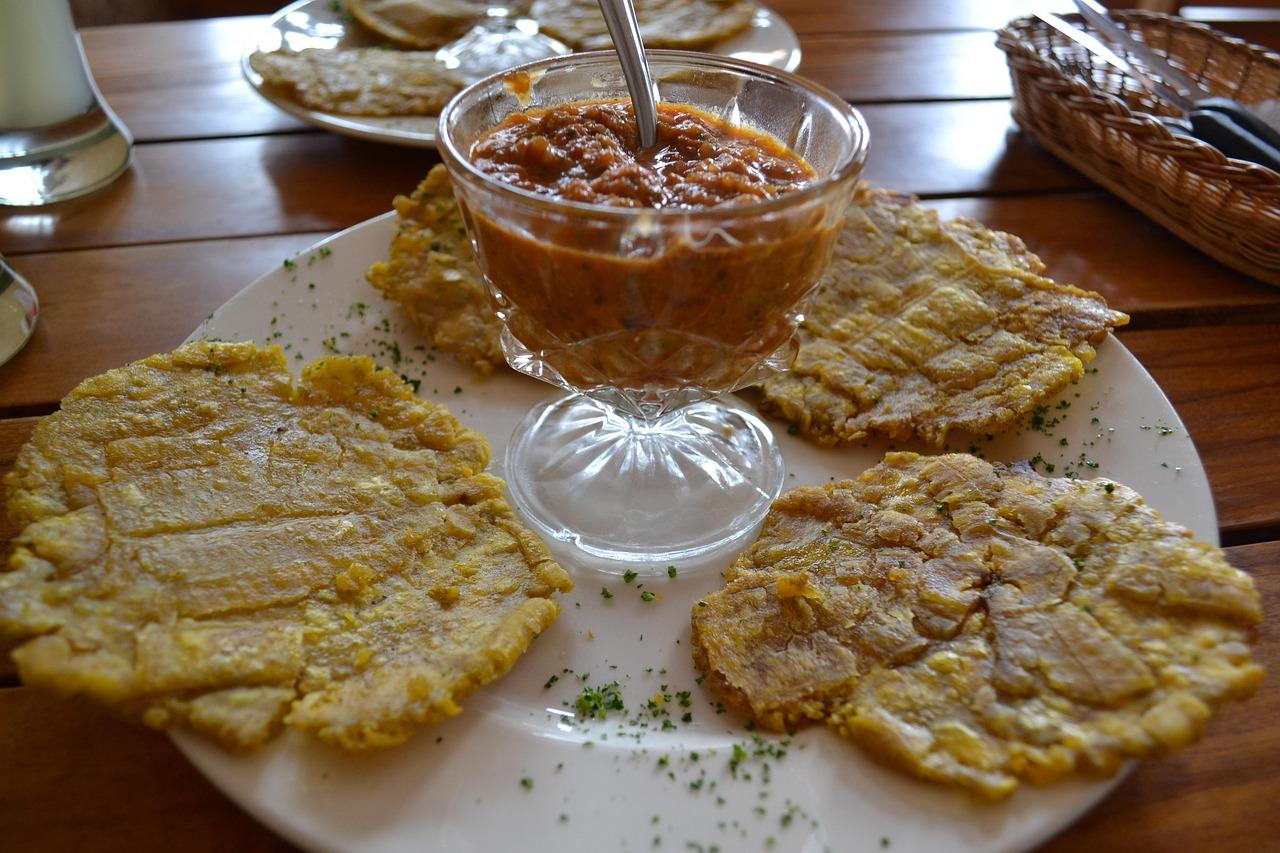
Tostones are the crisp golden discs of green plantain sold at every Cuban cafeteria and fried at home to go with rice, beans and mojo; along Colombia's coast and in Cali the same thing is called patacones and comes with hogao or ají on top. The plantain is fried once to soften, smashed flat, then fried again until the edges shatter while the middle stays starchy and tender. Eat them hot as a side or a snack. Chef's tip: use truly green, hard plantains; yellow ones turn sweet and soft and will never go crisp.

25 minCubanSidesVeganGluten free
by KrazyBadal 0 views

Houskové knedlíkyBread dumpling loaf

Houskové knedlíky are the sliced bread dumplings that sit beside almost every sauce in a Prague pub, from mushroom svíčková-style cream sauces to sweet-sour dill gravy. Unlike the round German Semmelknödel, these are a soft yeast dough rolled into a log with crisp cubes of stale roll inside, simmered whole, then cut into thick, spongy slices that drink up gravy. Czech grandmothers still slice them with a length of thread rather than a knife, which keeps the crumb open instead of squashing it. Chef's tip: cut the cooked loaf with a piece of cotton thread wrapped around it and pulled tight; a knife presses the slices into dense, gluey discs.

55 minCzechSides
by KrazyBadal 0 views

Guriltai shulMutton noodle soup

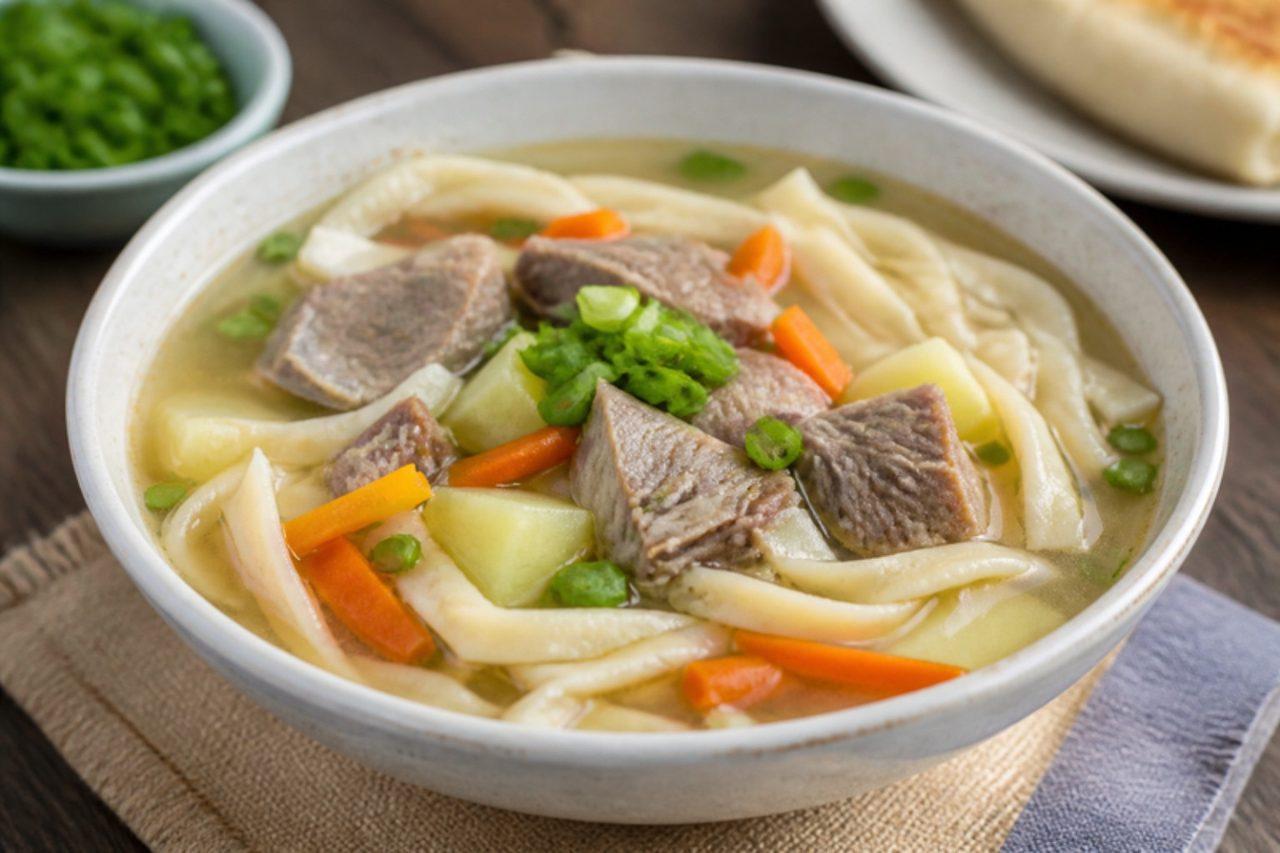
Guriltai shul is the soup Mongolians eat almost daily in winter, from Ulaanbaatar canteens to herders' gers: strips of mutton simmered with onion, carrot and potato, and thick hand-cut noodles cooked in the broth. It is simple, warming and filling in temperatures that drop far below freezing. The mistake is cooking the noodles too long, so they swell and turn the soup stodgy; they need only 6–8 minutes. Chef's tip: rest the noodle dough well so it rolls thin without springing back.

by KrazyBadal 0 views

BienenstichHoney almond cake

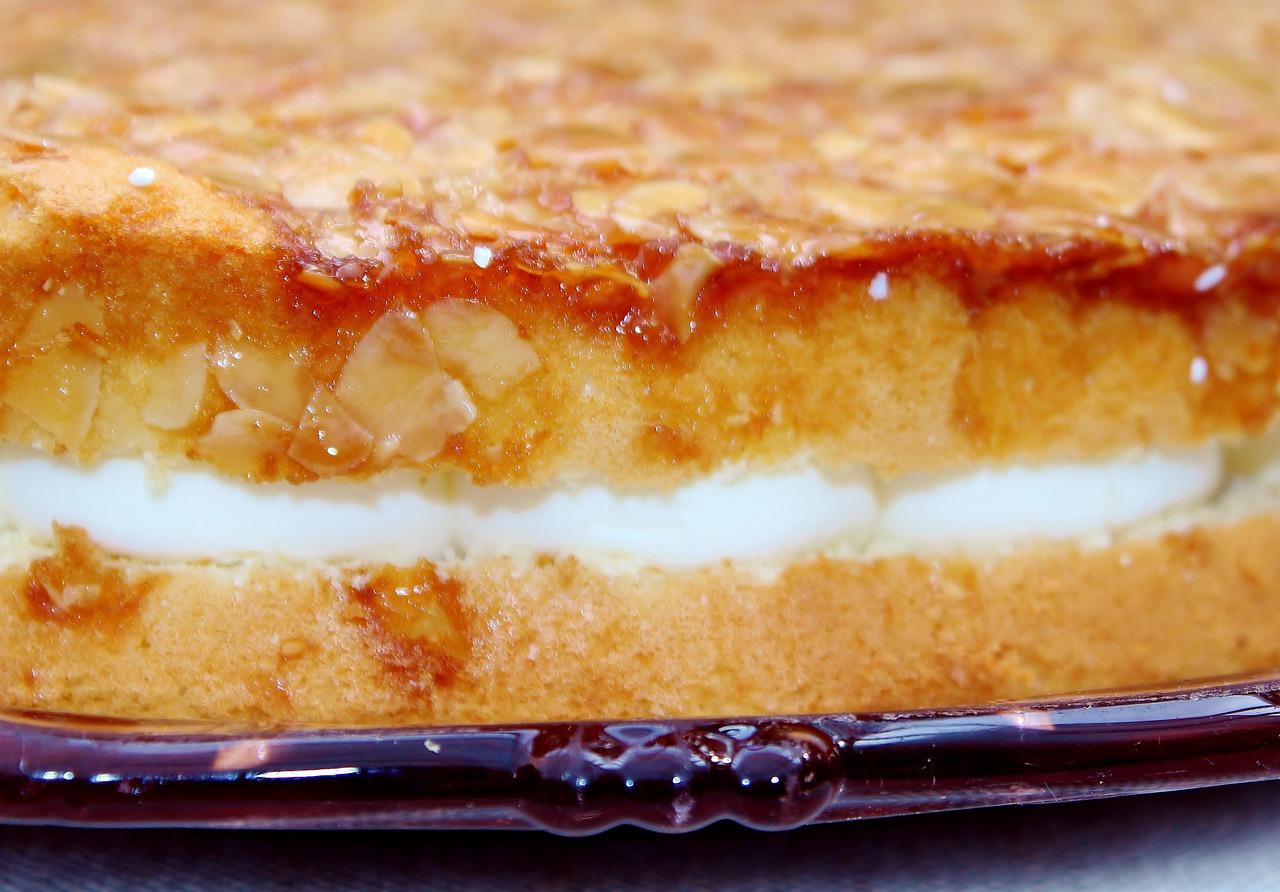
Bienenstich, the 'bee sting', is a sheet cake found in every German bakery: a soft, buttery yeast dough baked under a crackling layer of almonds caramelised with butter, honey and sugar, then split and filled with vanilla cream. The story goes that a bee, drawn to the honey topping, stung the baker. It's a Sunday afternoon cake, at its best on the day it's made. This version sets the filling with cornflour custard folded with whipped cream, no gelatine. Chef's tip: cut the topping layer into portions before you put it back on the cream; the hard almond crust otherwise squeezes all the filling out when you slice it.

by KrazyBadal 0 views

Ajiaco santafereñoChicken and potato soup

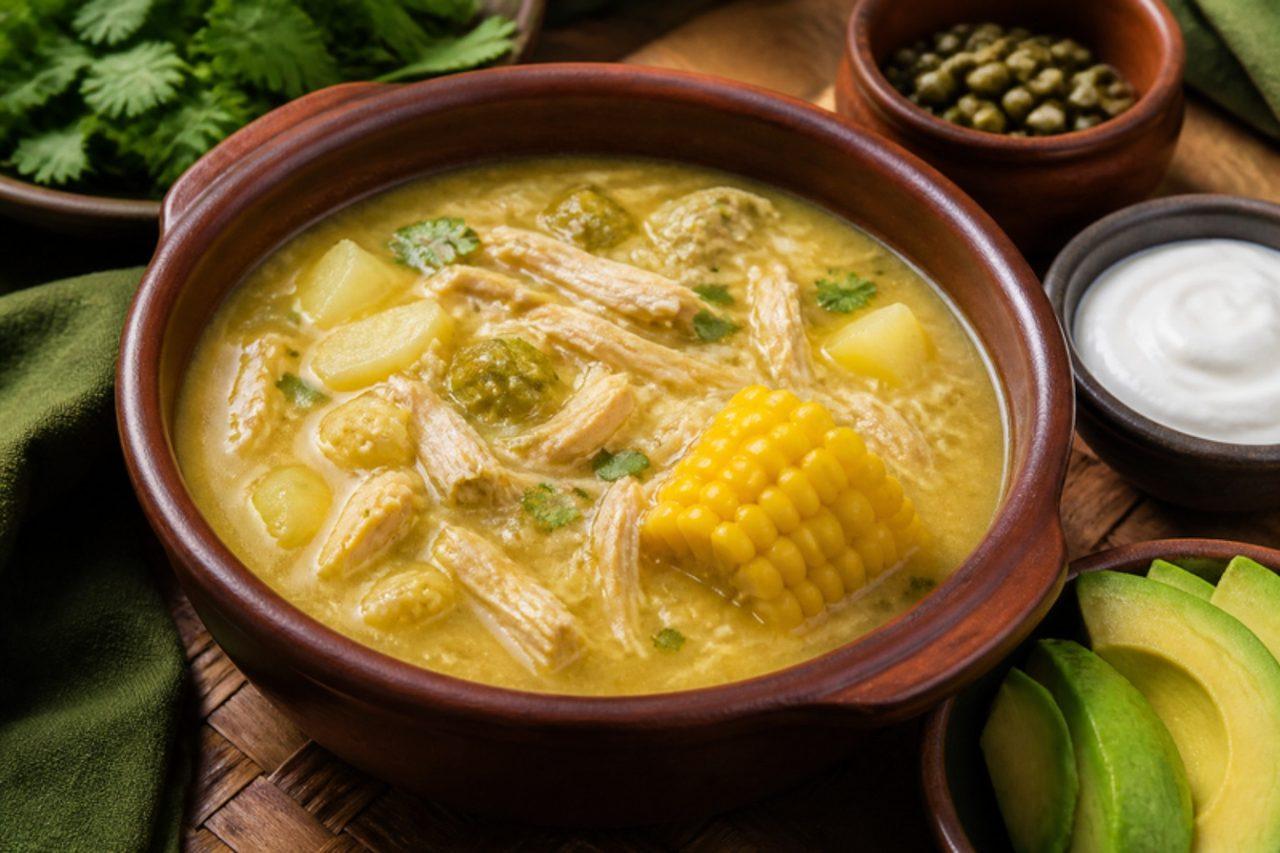
On cold, drizzly afternoons in Bogotá, high up in the Andes, families sit down to ajiaco: a thick chicken soup made with three kinds of potato. Small yellow papas criollas melt away and thicken the broth, while waxy and floury potatoes keep some bite. Guascas, a dried herb with a grassy, artichoke-like taste, gives the soup its unmistakable flavour, and each bowl comes with corn on the cob, a spoon of cream, capers and slices of avocado to add at the table. A frequent mistake is adding all the potatoes at once; the papas criollas go in first so they can dissolve, the firmer ones later. Chef's tip: if you can't find guascas in a Latin shop, use a mix of dried oregano and a little dried thyme; the soup will still be good, just less Bogotá.

by KrazyBadal 0 views

Poulet bicycletteGrilled free-range chicken

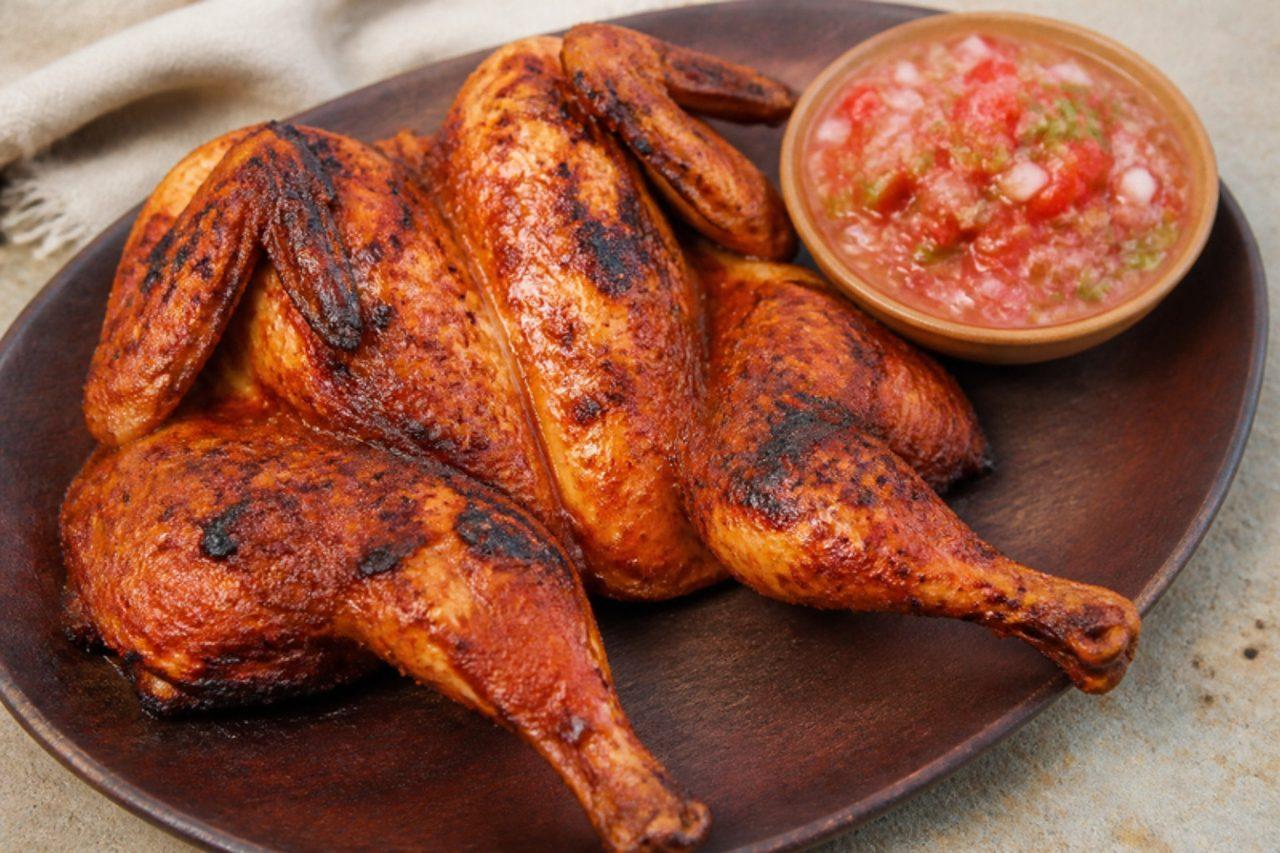
Across Burkina Faso and northern Côte d'Ivoire, "bicycle chicken" is the lean village chicken once carried to market strapped to the back of a bike; in Ouagadougou and Bobo-Dioulasso it is grilled whole at open-air stalls in the evening and eaten with fries, attiéké or a chunk of bread. The birds are smaller and firmer than supermarket chicken, so a small free-range or poussin works best at home. The mistake is grilling a whole chicken over high heat from the start, which burns the outside before the inside is safe; start it on indirect heat or in the oven, then char it. Chef's tip: spatchcock the bird so it cooks evenly and fast.

by KrazyBadal 0 views

Bicol expressPork in coconut milk and chilli

Bicol, the peninsula at the southern tip of Luzon, cooks almost everything in coconut milk with plenty of chilli, and Bicol express is the pork dish that carries the region's name all over the country (locals often call it sinilihan, 'with chillies'). Pork shoulder is cooked down in coconut milk until the liquid turns to oil and the meat is tender, then finished with coconut cream, long green chillies and a spoon of shrimp paste. It is rich, salty and properly hot. Serve it with lots of plain rice. Chef's tip: let the coconut milk reduce until it 'breaks' and you see the oil; that is when the sauce gets its toasty, deep flavour.

by KrazyBadal 0 views

Hunan tiger-skin peppersBlistered green chillies in sweet-sour glaze

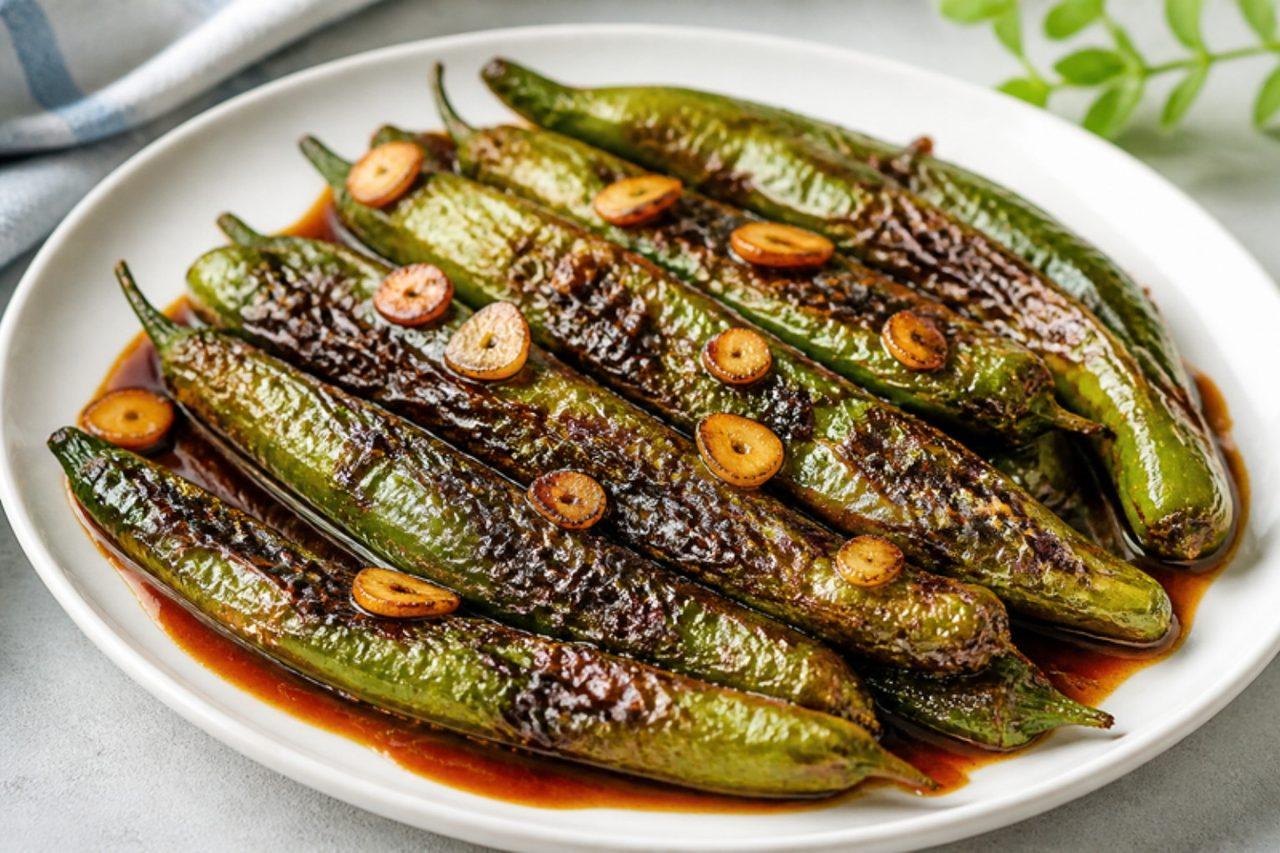
Hu pi jian jiao, 'tiger-skin peppers', is everyday home cooking in Hunan, the province famous for loving chilli even more than Sichuan does. Long green peppers are pressed into a hot, dry wok until their skins blacken in stripes like a tiger's coat, then glazed with soy, black vinegar and a touch of sugar. In Changsha it's eaten with plenty of rice, which tames the heat. Chef's tip: press the peppers flat with a spatula as they cook so the whole skin touches the iron and blisters evenly.

by KrazyBadal 0 views

Hünkar beğendiLamb on smoked aubergine purée

Hünkar beğendi is a dish from the Ottoman palace kitchens of Istanbul; its name means 'the sultan was pleased', and a well-known story links it to a royal banquet of the 1860s. Today it is a special Sunday or guest dish in Istanbul homes and old-style lokanta restaurants. Tender chunks of lamb are braised slowly with tomato and peppers, then spooned over beğendi, a silky purée of fire-charred aubergine whisked into a light cheese sauce. The smoky, creamy base against the rich stew is the whole point. Chef's tip: char the aubergines directly over a gas flame until the skins are black and collapsing; the oven alone won't give that smoky flavour.

150 minTurkishMeat
by KrazyBadal 0 views

Bistecca alla fiorentinaGrilled T-bone steak

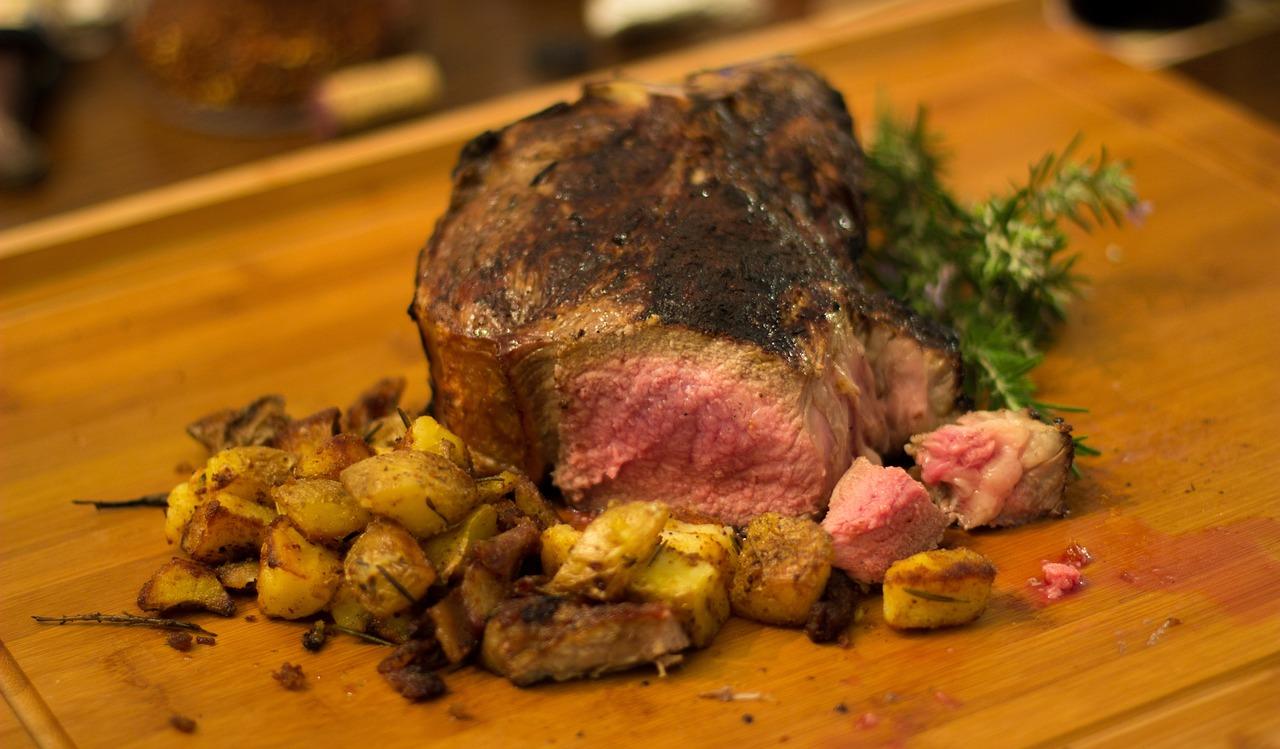
A proper fiorentina is a T-bone cut three fingers thick, traditionally from Tuscany's white Chianina cattle, and Florentine steakhouses sell it by weight and serve it one way only: charred outside, deep red within. It is a sharing steak for three or four, sliced off the bone at the table and finished with nothing more than good olive oil and coarse salt. On one side of the bone sits the tender fillet, on the other the beefier sirloin, and the bone itself gives the meat flavour as it cooks. Cannellini beans with olive oil and sage and a simple green salad are the usual companions. Chef's tip: after searing both flat sides, stand the steak upright on its bone for several minutes; the heat travels up through the bone and cooks the middle evenly without overdoing the outside.

by KrazyBadal 0 views

SfogliatelleFlaky shell-shaped pastries

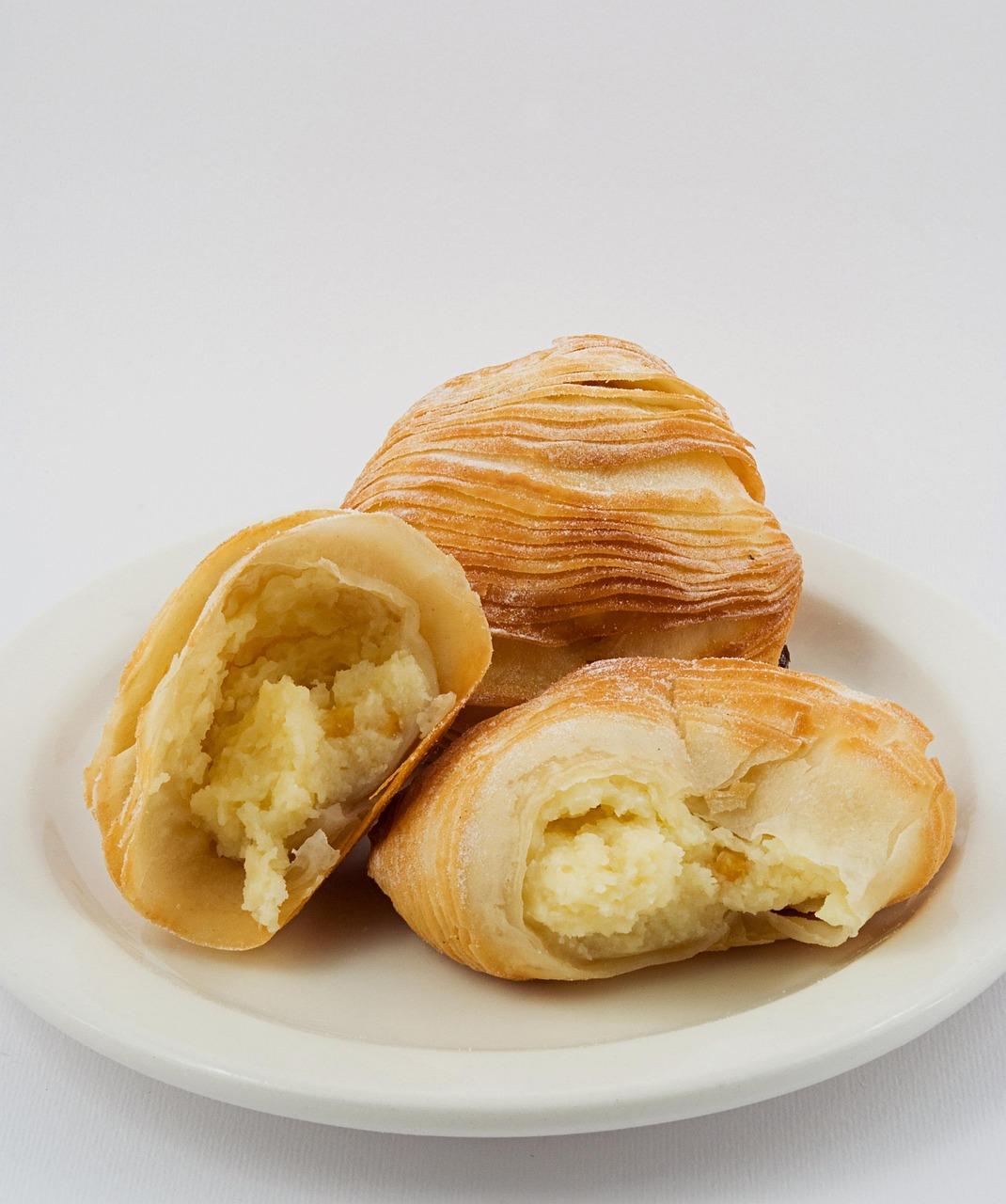
Sfogliatella riccia is the most famous pastry of Naples, sold warm from bakeries on Via Toledo and eaten for breakfast with an espresso: dozens of paper-thin layers fanned into a shell that shatters when you bite, around a filling of semolina, ricotta, candied orange and cinnamon. It is a project for a weekend, as the dough needs to be rolled very thin, wound into a tight log and chilled overnight. Neapolitan bakers use lard; this version uses a mix of butter and vegetable shortening. Chef's tip: a pasta machine is your best friend; roll the dough to the thinnest or second-thinnest setting so the layers separate into crisp leaves.

by KrazyBadal 0 views

HutspotCarrot, onion and potato mash

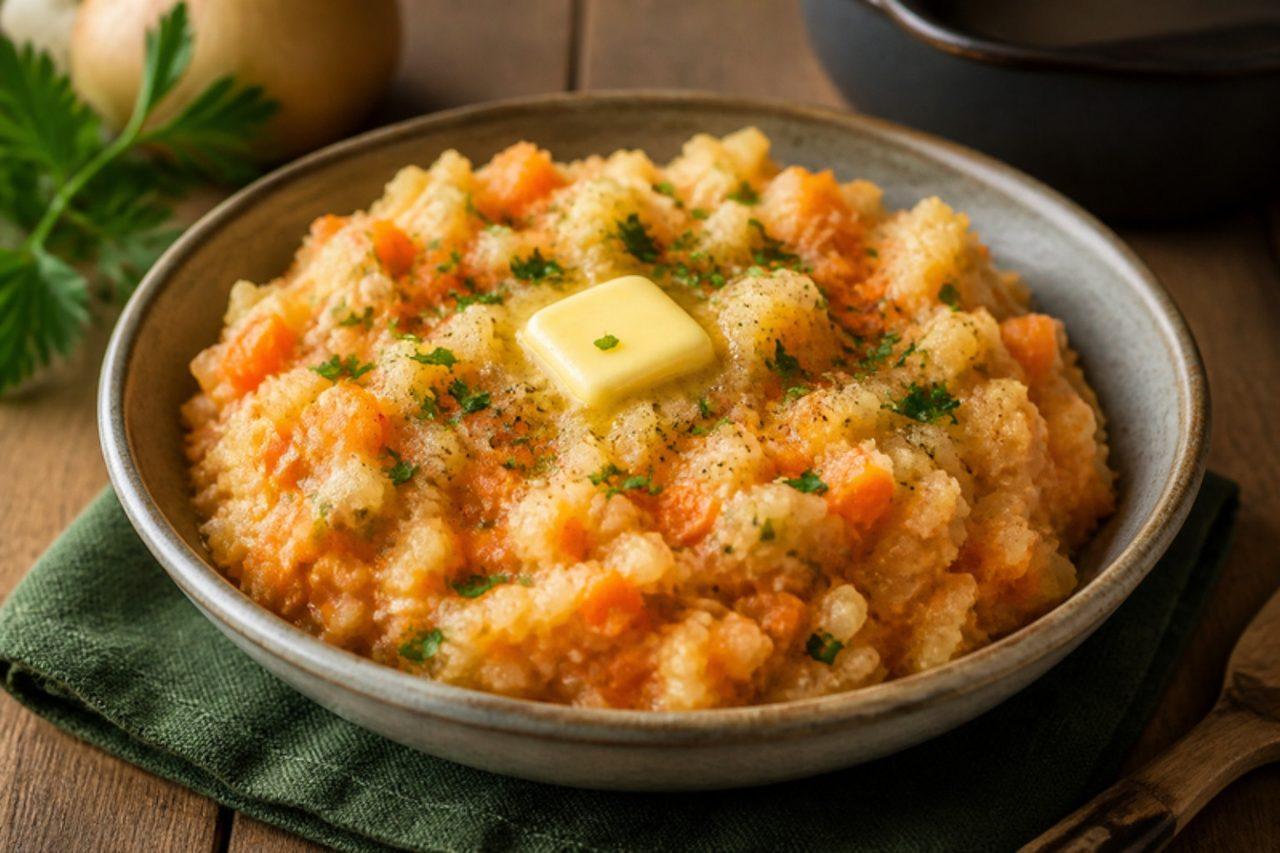
Every year on 3 October the city of Leiden celebrates Leidens Ontzet, the end of the Spanish siege of 1574, and the whole town eats hutspot. The story goes that a hungry boy found a pot of stewed root vegetables left behind in the abandoned Spanish camp. Today it is a rough, orange mash of winter carrots, onions and potatoes boiled together in one pot, then stamped coarsely with butter. In the rest of the Netherlands it turns up all autumn and winter as a weekday supper. It is traditionally served with slow-braised beef (klapstuk); here it goes with a fried egg or a spoon of piccalilli, which suits it just as well. Chef's tip: layer the vegetables with the potatoes on top and the carrots at the bottom, in just enough water to reach the potatoes; the potatoes steam, the carrots soak up the flavour of the onions, and nothing turns watery.

by KrazyBadal 0 views

Pozole rojoRed pork and hominy soup

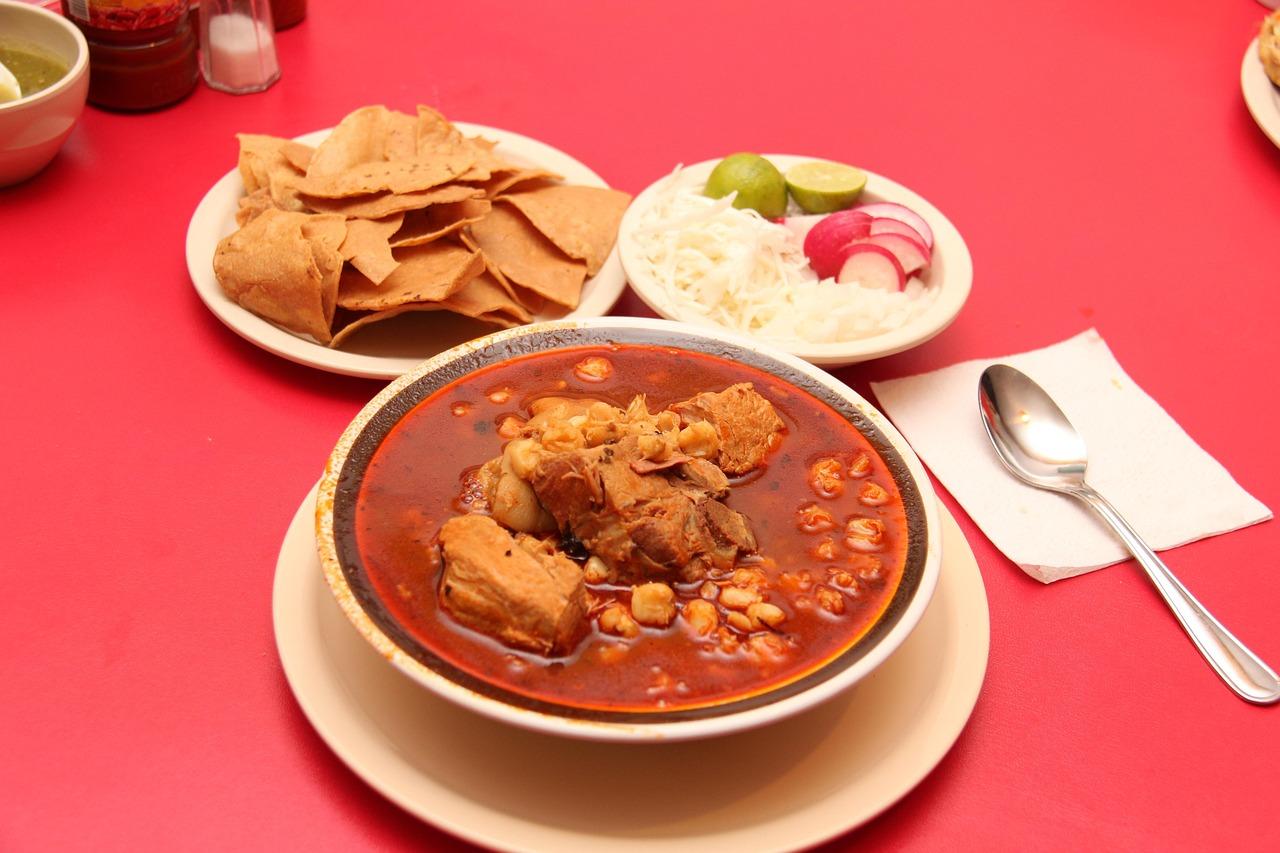
In Jalisco and Guerrero, a pot of red pozole means a crowd: it is made for Independence night on 15 September, for Christmas and New Year, and in Guerrero towns every Thursday is 'jueves pozolero'. Big, chewy kernels of hominy and tender pork simmer in a broth coloured with dried guajillo and ancho chillies, and the bowl is finished at the table with crunchy cabbage, radish, onion, lime and a rub of dried oregano between your palms. It tastes even better the next day, so make the whole pot. Chef's tip: strain the chilli purée through a sieve into the pot, so the broth is silky and free of chilli skins.

180 minMexicanSoupsGluten freeSpicy
by KrazyBadal 0 views

Showing 72 of 10,569 recipes

Show more recipes

Page 1,051 of 1,175