


Skip to content
Pé de moleque
Featured recipe

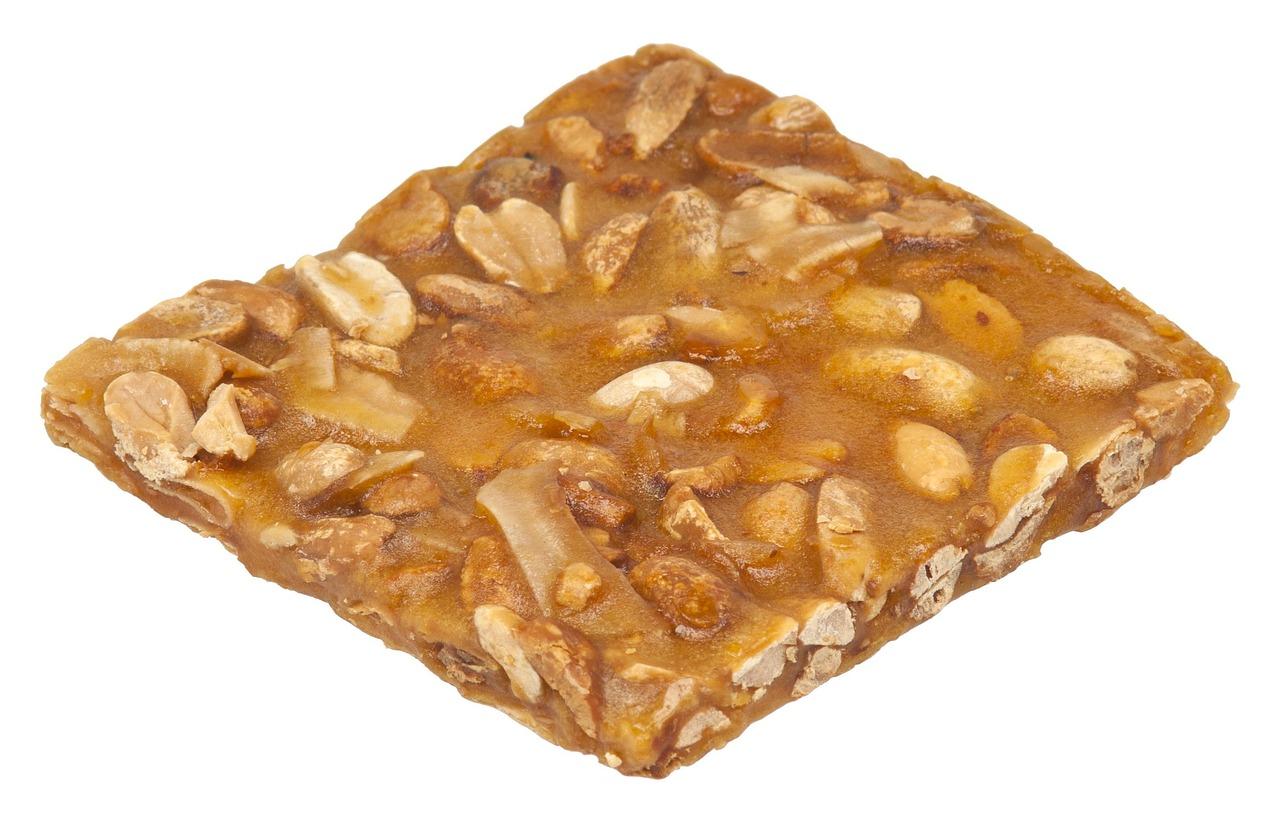
Pé de moleque

Peanut brittle

Lumpy, glossy slabs of peanut set in dark sugar are sold in every rodoviária snack bar and handed round at festa junina, wrapped in cellophane or set in little paper cups. The name, 'street-kid's foot', probably comes from the cobbled look of the top. Piracicaba in São Paulo state is famous for it, and in the Northeast the same name can mean a cassava cake, so expect confusion. This is the crunchy southeastern style: roasted peanuts cooked into rapadura (unrefined cane sugar) until it caramelises and clings. Rapadura or panela is sold in Latin shops; dark muscovado is a fine substitute. People burn it by walking away; once the peanuts go in, the sugar darkens in seconds. Chef's tip: have the oiled tray ready before you start, because the mixture sets almost as soon as it leaves the heat.

Read more 0 views

What to eat today?

Around the world

Today's trip: Peruvian

A new country every day, from every cuisine on the site.

Peruvian

Tacacho

Mashed roasted green plantain balls 35 minMore from Peruvian (111) →

This week's collection

Kid-friendly dinners
772 recipes · a new collection every Monday

Coming up

All occasions →

Latest recipes

Yuca con mojoCassava with garlic sauce

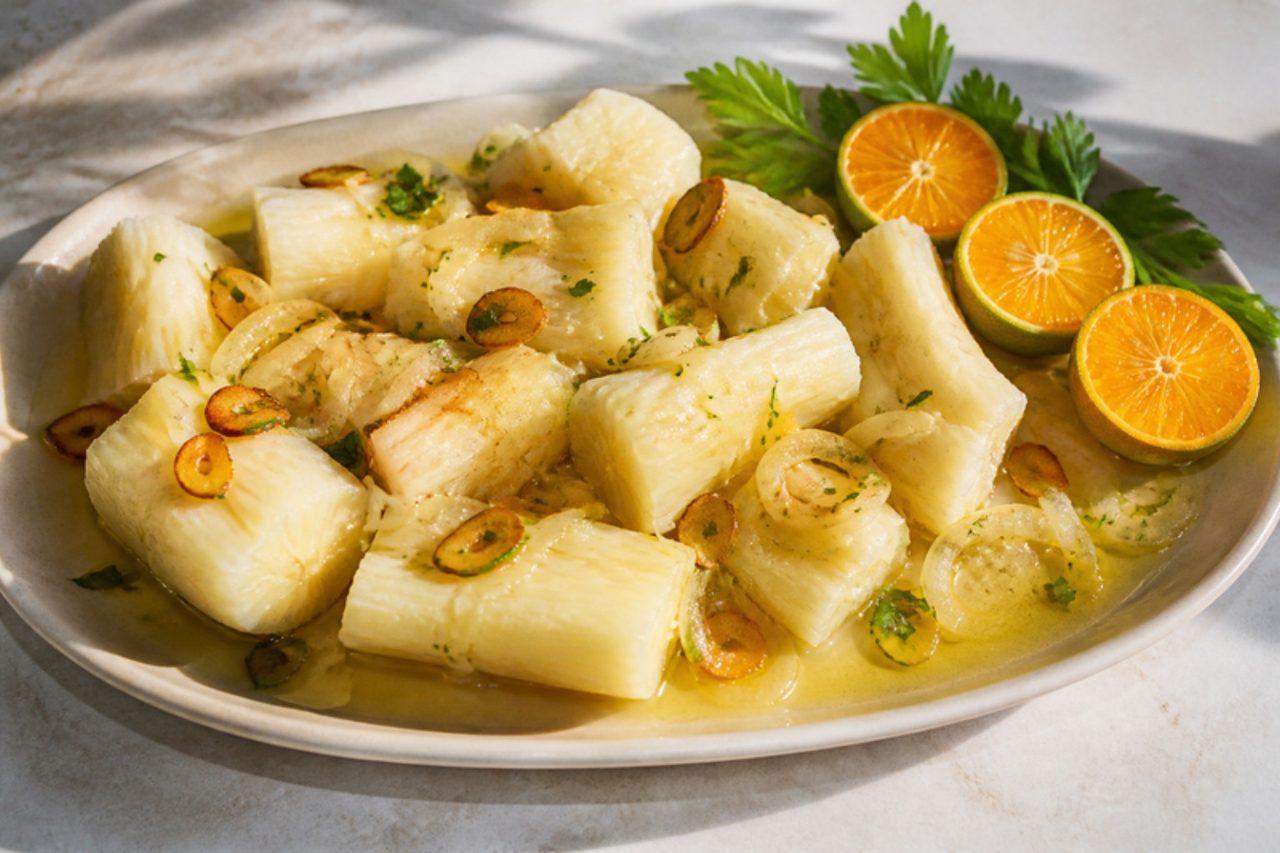
Yuca con mojo is a fixture of the Cuban Nochebuena feast and of everyday family dinners in Matanzas and Miami alike: chunks of cassava boiled until they crack open and turn soft, then drenched in a hot dressing of olive oil, lots of garlic, onion rings and sour orange juice. The yuca soaks up the tangy, garlicky oil like a sponge. Serve it beside moros y cristianos or black beans. Chef's tip: add a splash of cold water to the pot halfway through boiling; Cuban cooks say it 'shocks' the yuca and helps it split open and turn tender.

35 minCubanSidesVeganGluten free
by KrazyBadal 0 views

YudofuSimmered tofu hot pot

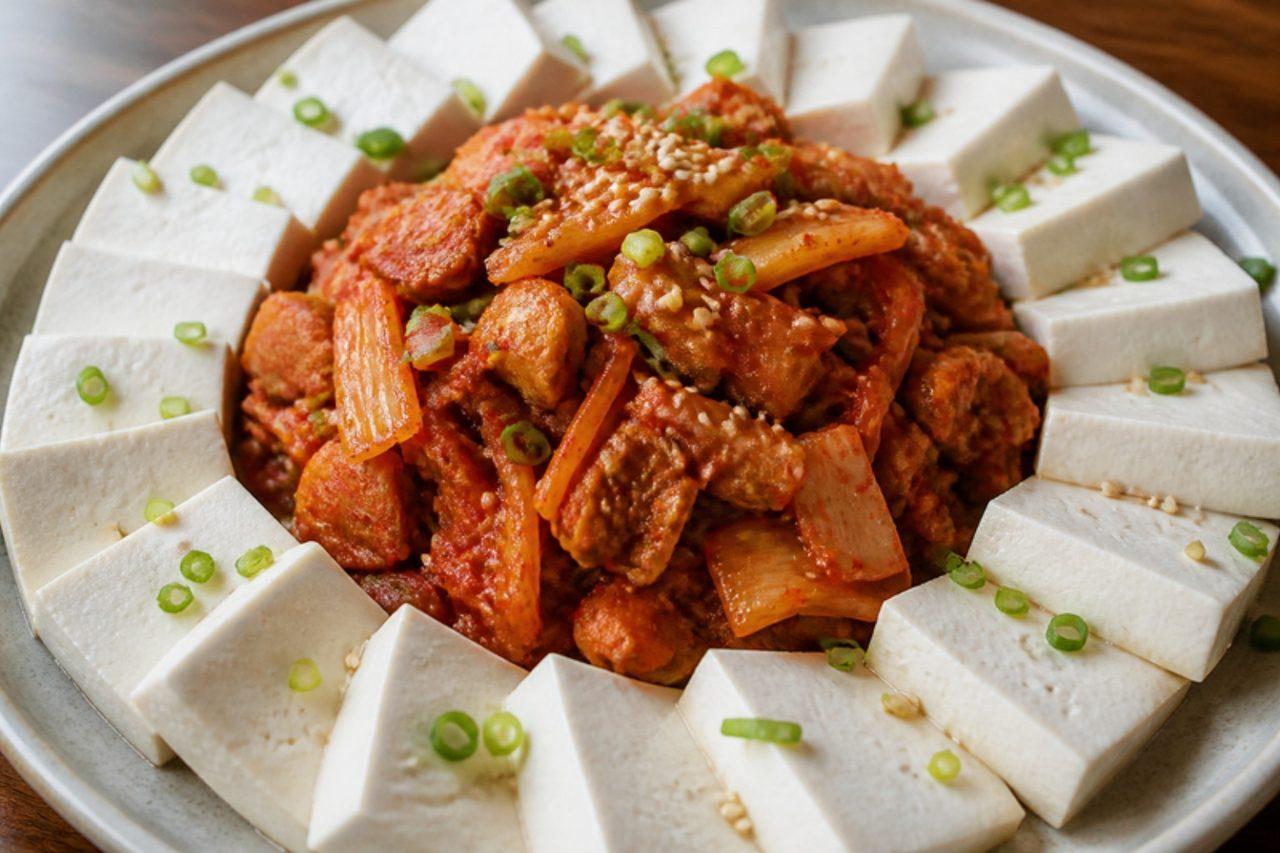
Yudofu is the simplest dish in Kyoto and one of the most loved. The city's soft water makes fine tofu, and the restaurants around Nanzen-ji temple in the Higashiyama hills have served it to pilgrims for centuries as part of Buddhist vegetarian cooking. A block of tofu is warmed in an earthenware pot over a sheet of kombu and lifted out with a little slotted ladle, then dipped in citrusy soy with spring onion and ginger. It's a winter dish, best eaten slowly at the table on a cold evening. Chef's tip: never let the water boil. The tofu is ready when it trembles and starts to rise; boiling makes it spongy and full of holes.

by KrazyBadal 0 views

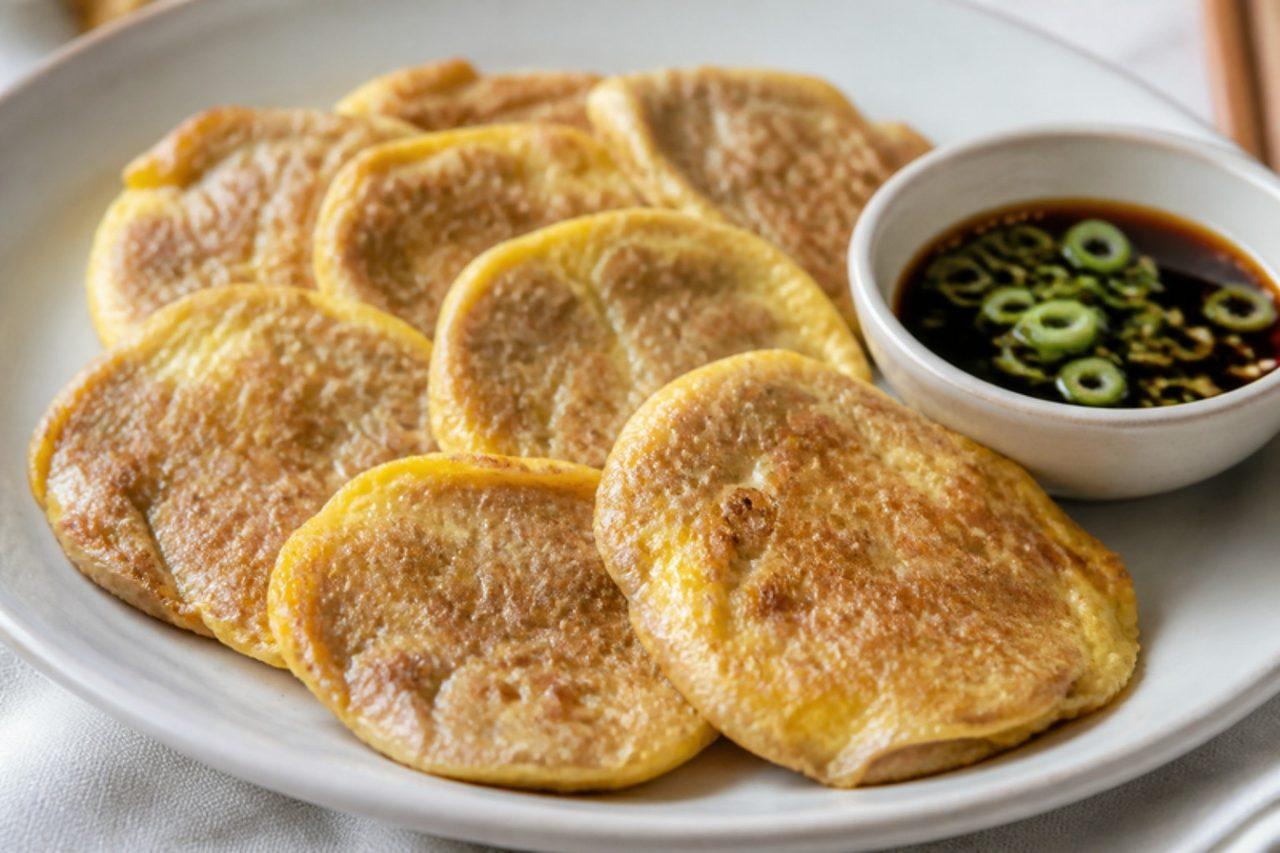
YukjeonEgg-battered fried beef

In Gwangju, yukjeon is a restaurant meal in its own right: the server sits by a hot plate at your table and fries slice after slice of egg-coated beef, handing them over while they're still sizzling. Elsewhere in Korea it's more often a festive pancake, made for Chuseok and Lunar New Year along with other jeon. The beef is cut very thin, so it cooks in the time it takes the egg to set. Gwangju places serve it with a sharp salad of finely shredded spring onion and a little salt and sesame oil for dipping. Chef's tip: half-freeze the beef for 40 minutes before slicing; firm meat is easy to cut into slices 2 to 3 mm thick.

25 minKoreanMeat
by KrazyBadal 0 views

ZaaloukAubergine and tomato salad

Zaalouk is one of the cooked salads that open almost every Moroccan meal, from Fez to Essaouira, set out in small dishes with taktouka and carrot salad and scooped up with bread. Aubergine and tomato are cooked down together with garlic, cumin and paprika until they become a soft, spoonable relish, sharpened at the end with lemon and olive oil. It tastes even better the next day, so many cooks make a big batch. Chef's tip: char the aubergine over a gas flame or under the grill first if you can; the smoky skin flavour gives the best zaalouk.

by KrazyBadal 0 views

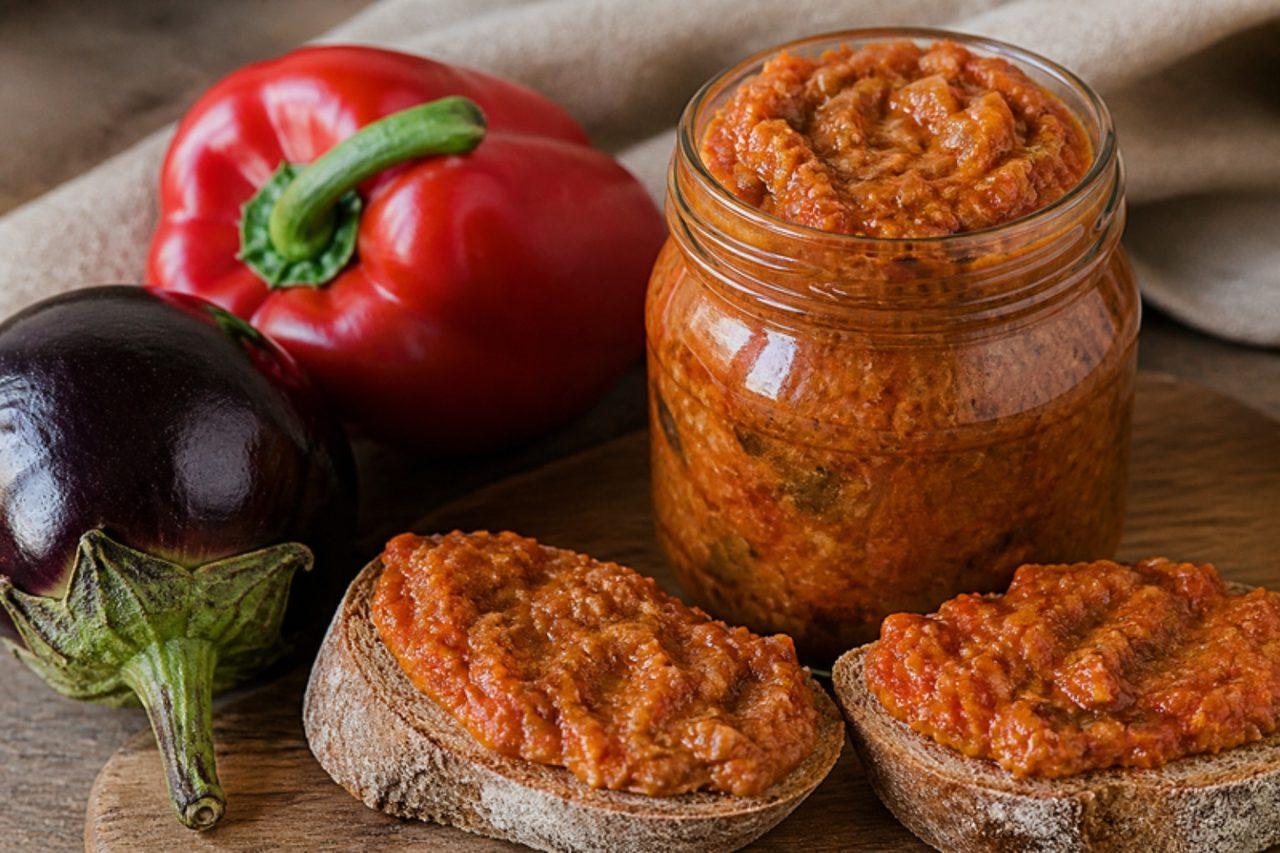
ZacuscăRoasted aubergine and pepper spread

Zacuscă is the autumn preserve of Moldavia and Transylvania: in Iași and the villages around it, families spend a September weekend charring aubergines and red peppers over a grill and slowly frying them down with onion and tomato into a thick, chunky spread. The jars go into the cellar and come out all winter, spread on bread or eaten with mămăligă during the Orthodox fasts. It is coarser and more oniony than smooth Balkan ajvar, with bay and a long, jammy cook. Chef's tip: let the onions go fully soft and sweet before adding anything else; rushing them leaves a sharp, raw edge that the long cook never removes.

by KrazyBadal 0 views

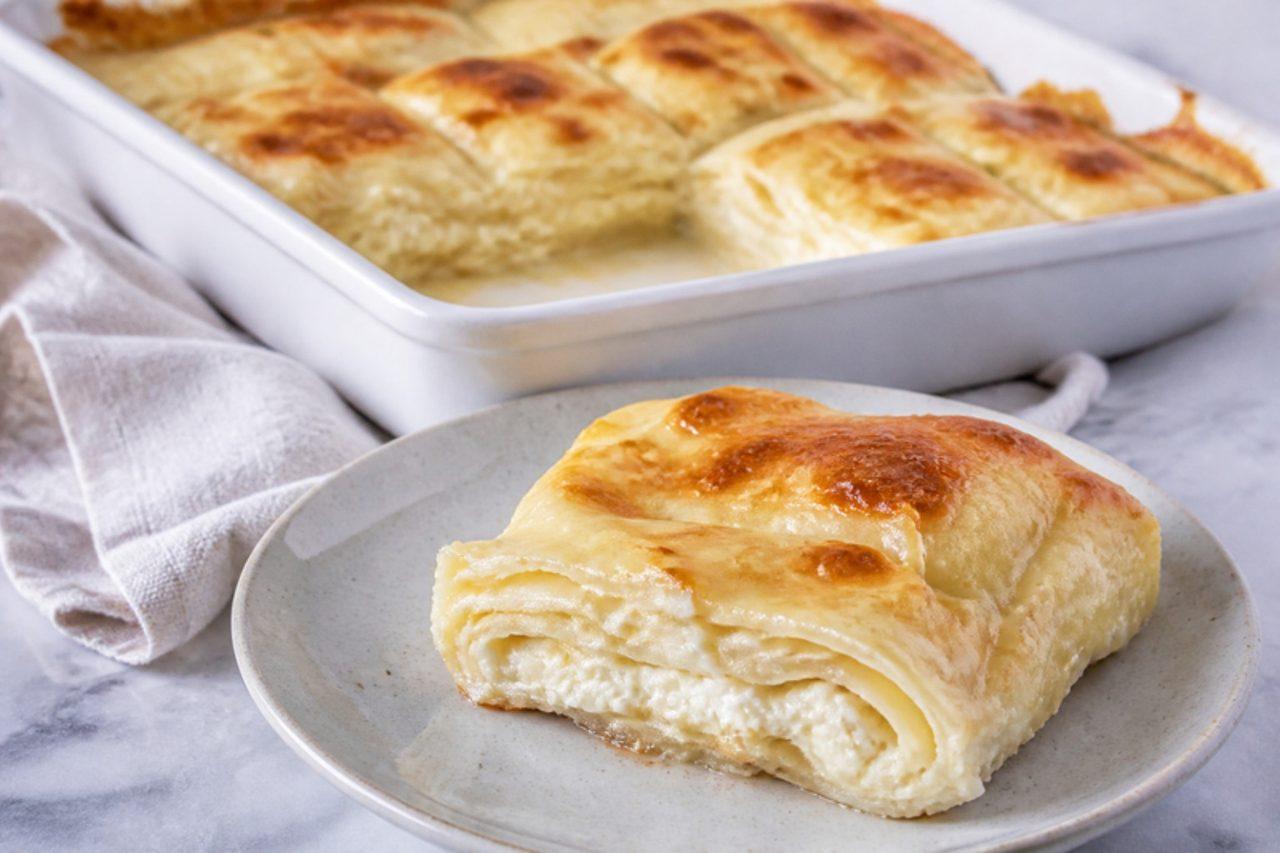
Zagorski štrukliBaked cheese dough rolls

In Hrvatsko Zagorje, the green hill country north of Zagreb, štrukli are Sunday food: paper-thin dough is spread with fresh cow's cheese, rolled up, pinched into pieces with the edge of a plate, then boiled and finished in the oven under a blanket of cream. Zagreb restaurants serve them as a starter or a main, blistered golden on top and soft and custardy inside. The dough is stretched by hand over a tablecloth, which is easier than it sounds once it has rested. Chef's tip: squeeze the cheese if it is wet; a runny filling soaks the thin dough and makes the rolls tear when they boil.

by KrazyBadal 0 views

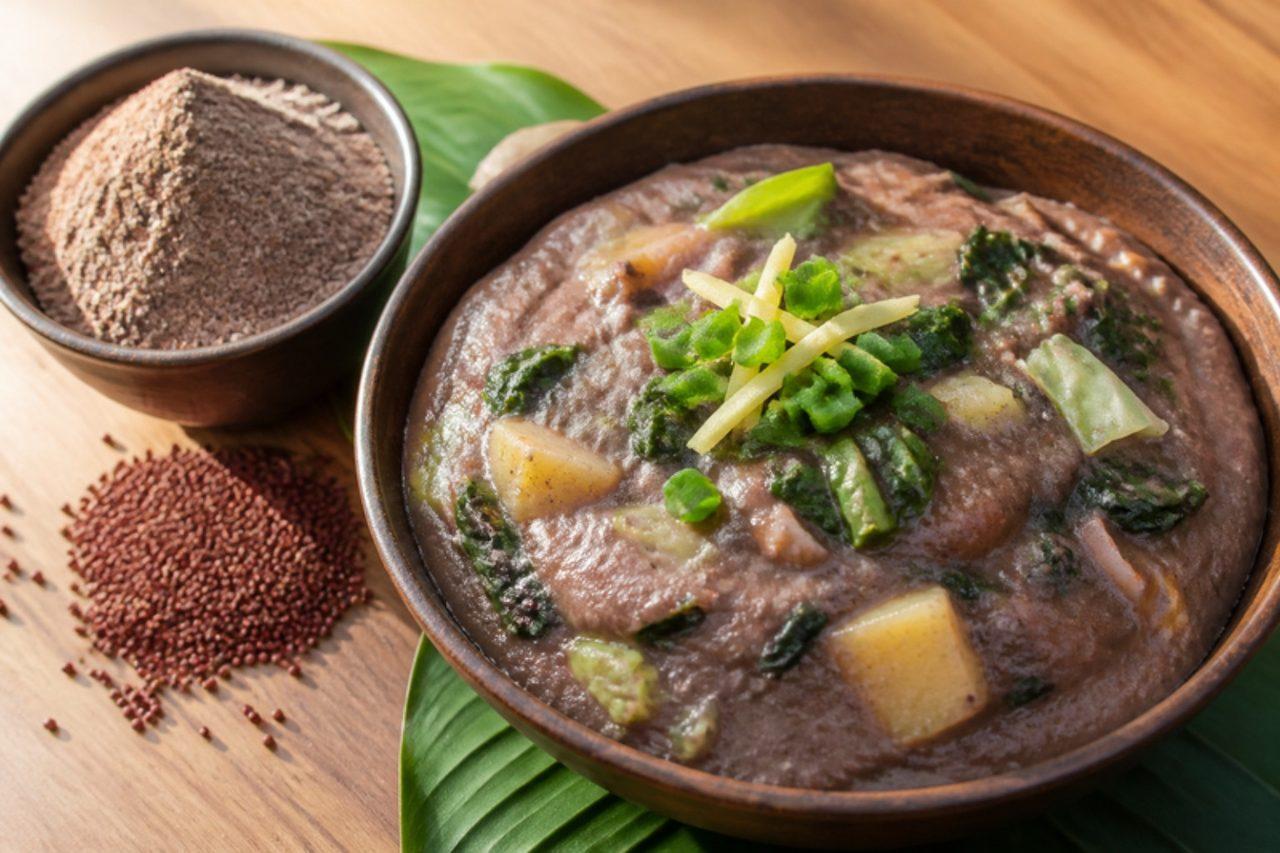
ZanMillet porridge with vegetables

Zan is the millet porridge of Arunachal Pradesh, eaten by the Monpa, Sherdukpen and other hill communities for breakfast or dinner on cold days. Finger millet (ragi) flour is stirred into boiling water with vegetables, ginger and chilli until thick and smooth, then served with a chilli chutney or butter. Some families cook it with meat; this is the vegetable version. It is warming, filling and earthy-tasting, a little like a savoury polenta. Chef's tip: sprinkle the millet flour in with one hand while whisking with the other, or it forms lumps that never cook out.

by KrazyBadal 0 views

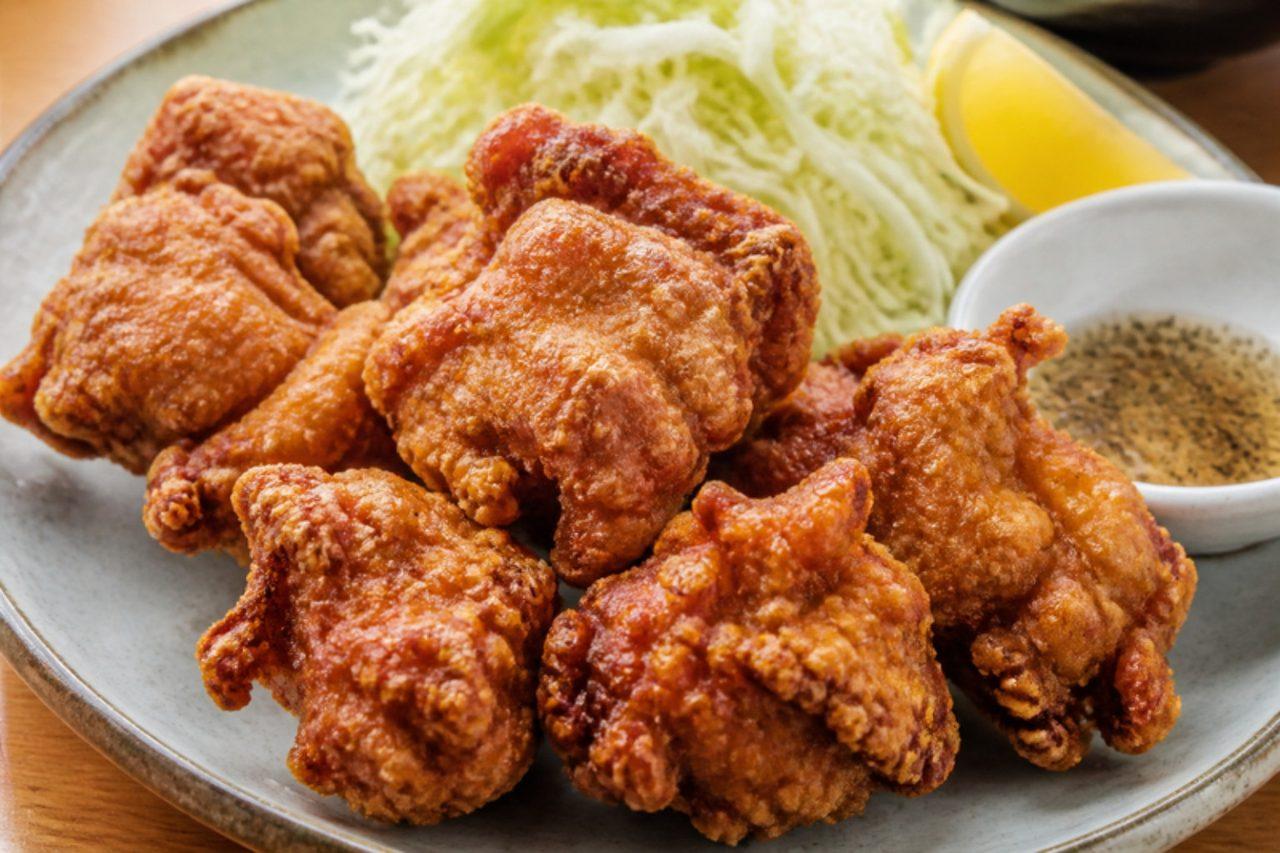
ZangiFried marinated chicken

Ask for fried chicken in Kushiro or Sapporo and you'll be handed zangi, which locals insist is not the same as karaage. A Kushiro restaurant says it coined the name around 1960, and today zangi shops, ski-lodge canteens and supermarket delis across Hokkaido sell it in big, bone-in pieces. The chicken soaks for hours in a punchy mix of soy, sake, garlic, ginger and oyster sauce with an egg beaten in, so the flavour runs right through the meat, and it often comes with a sharp dipping sauce of vinegar, soy and black pepper. The coating is a mix of flour and starch, so it fries darker and more savoury than karaage. Chef's tip: marinate it overnight in the fridge for the full Hokkaido flavour; 30 minutes works, but the difference is clear.

by KrazyBadal 0 views

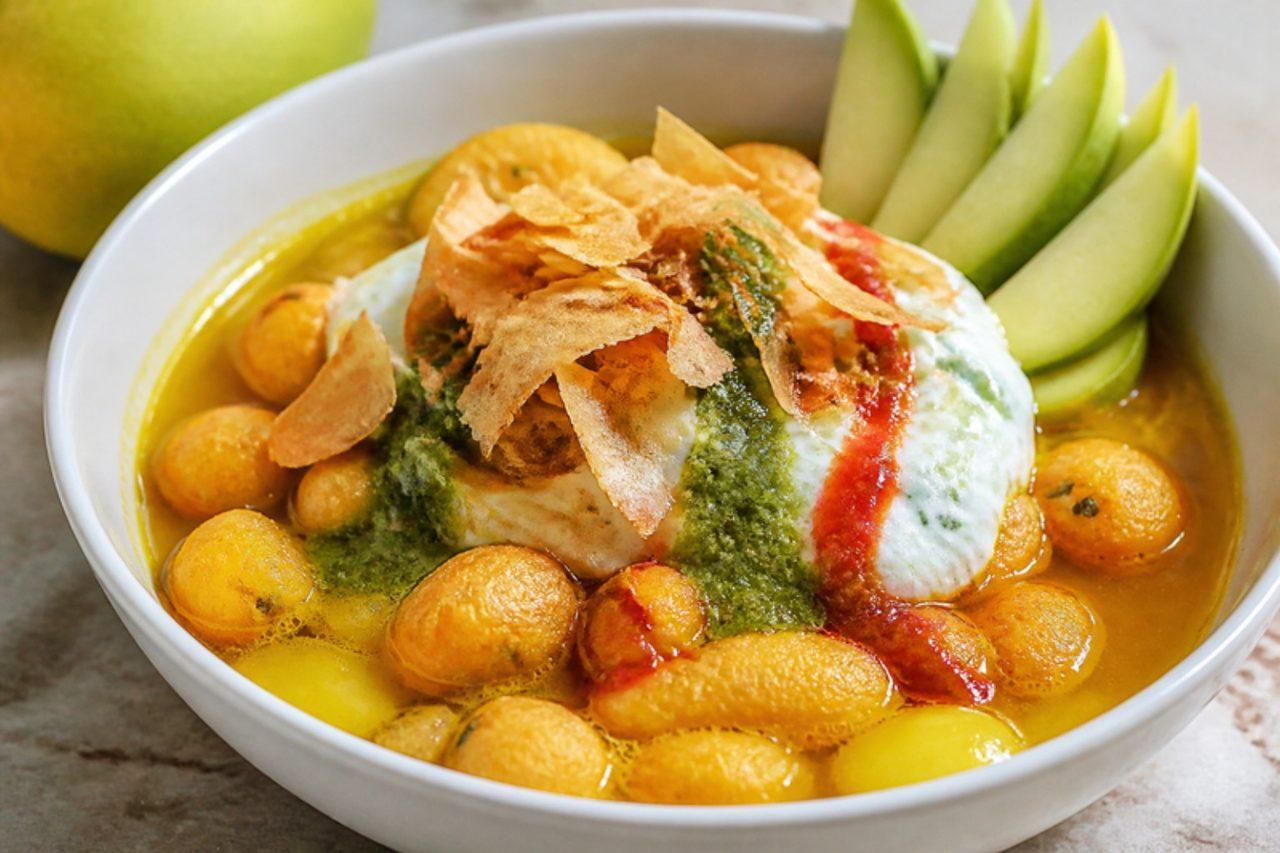
Zanzibar mixMango and gram flour soup with fritters

Zanzibar's famous street bowl (urojo): a thin, tangy, golden soup of gram flour, raw mango, coconut and chilli, filled with little lentil fritters and potato balls and topped with crushed cassava crisps and coconut, green and red chutneys. It's sour, spicy and crunchy all at once. Make the fritters, potato balls and chutney ahead, then assemble the bowls at the table.

by KrazyBadal 0 views

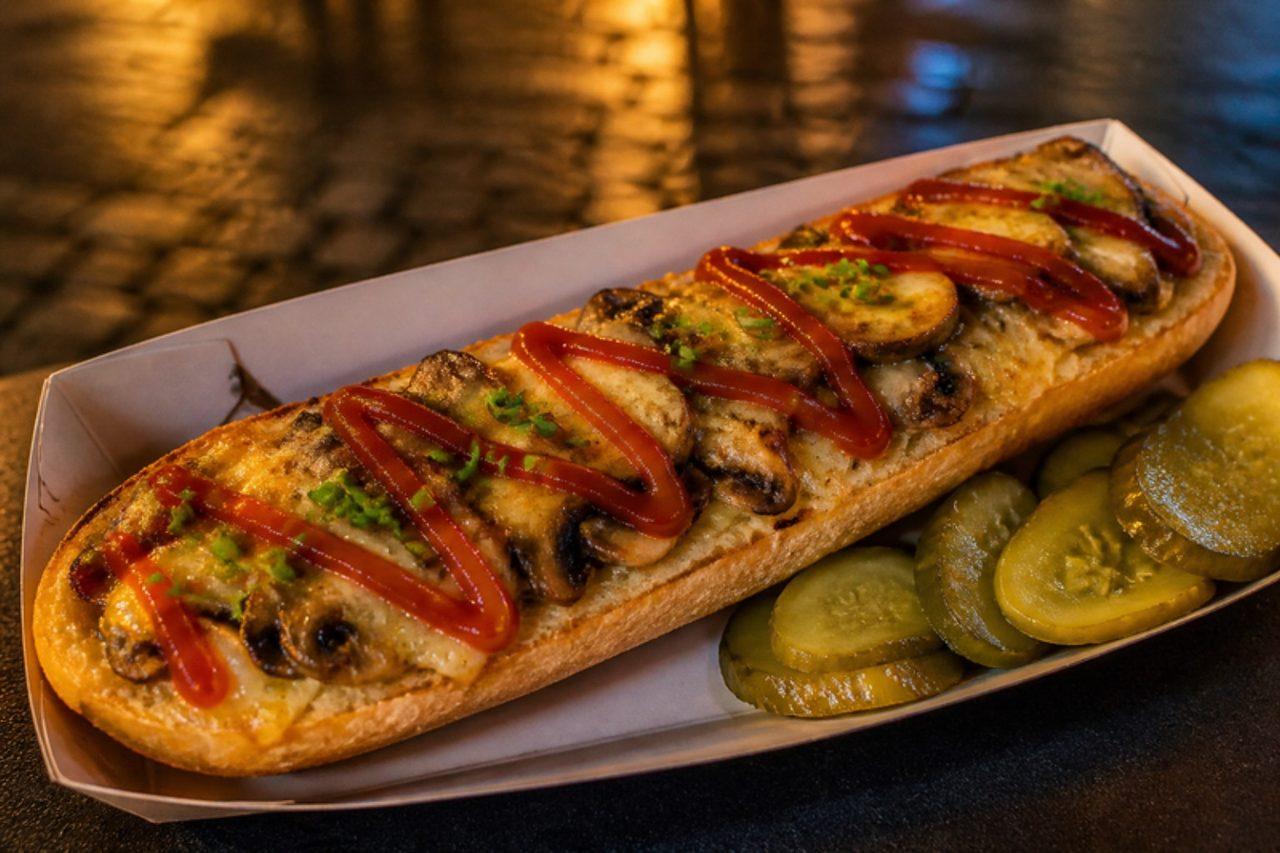
ZapiekankaOpen baguette with mushrooms and cheese

Zapiekanka is Polish street food born in the 1970s and perfected at the hatch windows around Plac Nowy in Kraków's Kazimierz district, where students and night owls queue for one at midnight. Half a long baguette is topped with mushrooms fried with onion, covered in grated cheese and baked until crisp at the edges and bubbling, then finished with a zigzag of ketchup and chives. The classic version has no meat at all. Use a hard cheese made with vegetarian rennet (many supermarket mild Cheddars and Goudas are). Chef's tip: fry the mushrooms until completely dry before they go on the bread; wet mushrooms make the baguette soggy instead of crisp.

by KrazyBadal 1 views

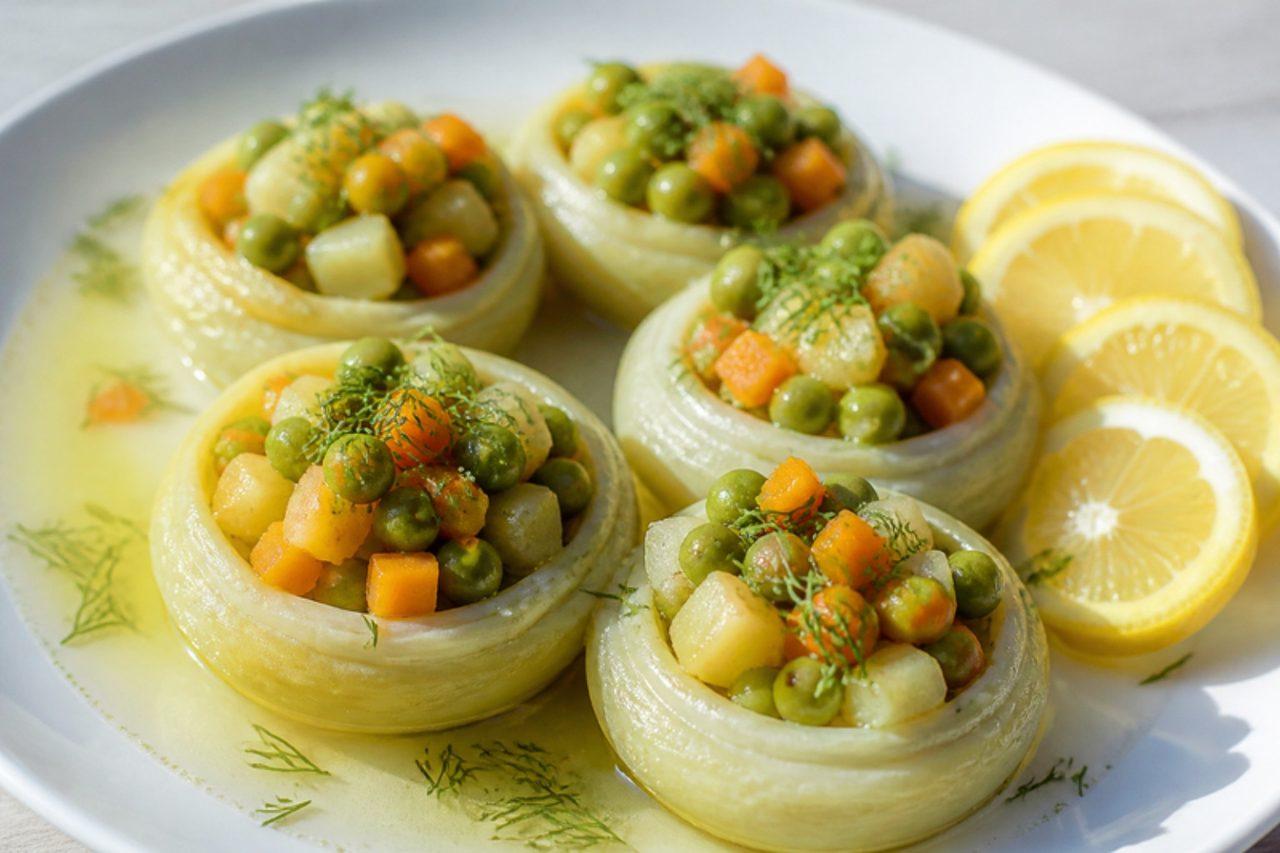
Zeytinyağlı enginarArtichokes braised with peas

In spring, when globe artichokes pile up on stalls in İzmir and Urla, market sellers trim them on the spot into pale hearts kept in lemon water, and families take them home to make zeytinyağlı enginar. The hearts are braised cup-side up with small onions, carrots, potato and peas in olive oil and lemon, then served cold with a shower of dill, often as the first course of a spring dinner. The classic mistake is leaving trimmed artichokes in the air: they turn grey within minutes. Chef's tip: rub every cut surface with lemon as you go and drop the hearts straight into water with lemon juice and a spoonful of flour, which keeps them pale and cream-coloured.

by KrazyBadal 0 views

Zeytinyağlı pırasaLeeks braised in olive oil

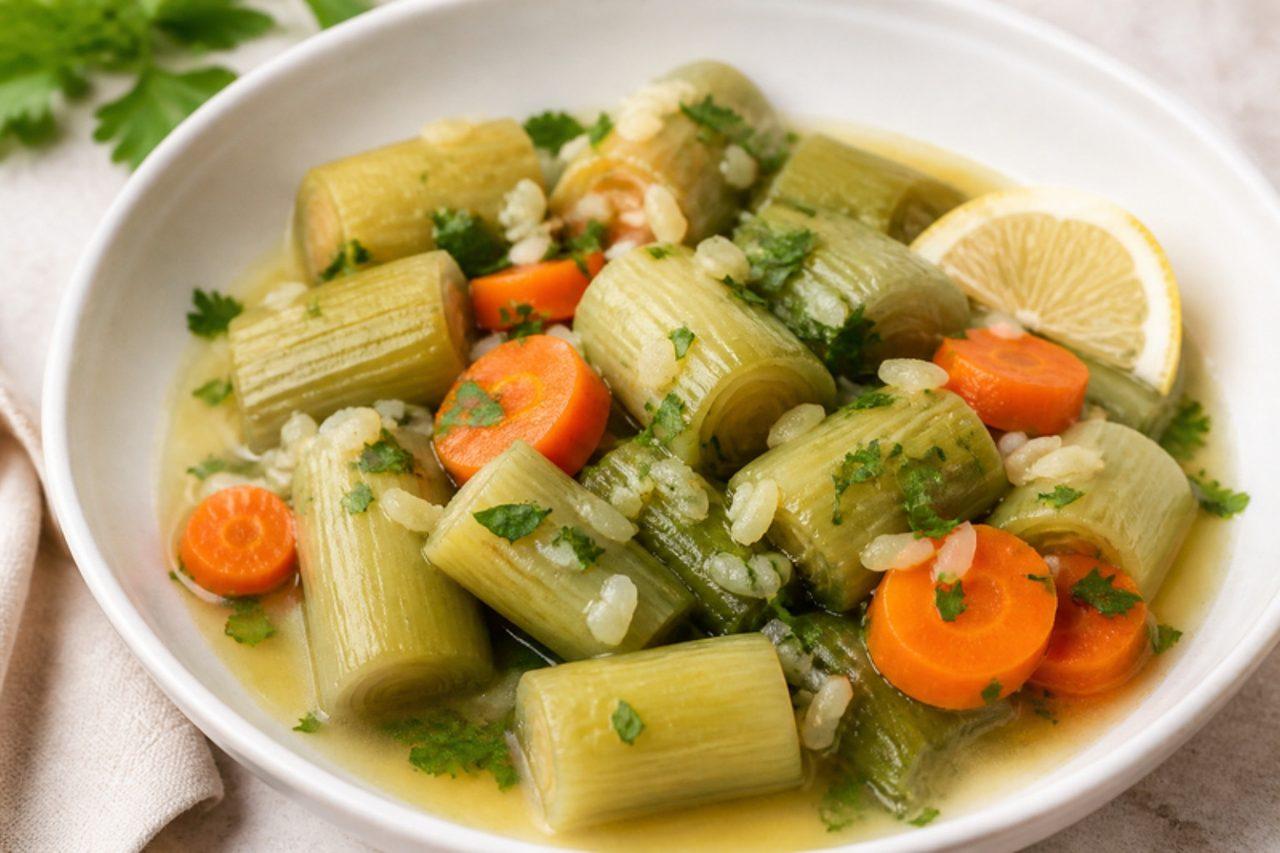
Winter in Istanbul brings fat leeks to every neighbourhood market, and zeytinyağlı pırasa is how many households use them: chunks of leek and carrot stewed gently in olive oil with a handful of rice to thicken the juices, finished with lemon. It is served at room temperature on the side of a winter table, or as a light lunch with bread and white cheese, and grandmothers often say it is better the second day. The usual mistake is skipping a proper wash: grit hides between the layers and ruins the whole pot. Chef's tip: cut the leeks on a slant into thick pieces and keep them whole rather than separating the rings, so they hold their shape through the slow braise.

by KrazyBadal 0 views

Zeytinyağlı taze fasulyeGreen beans braised in olive oil

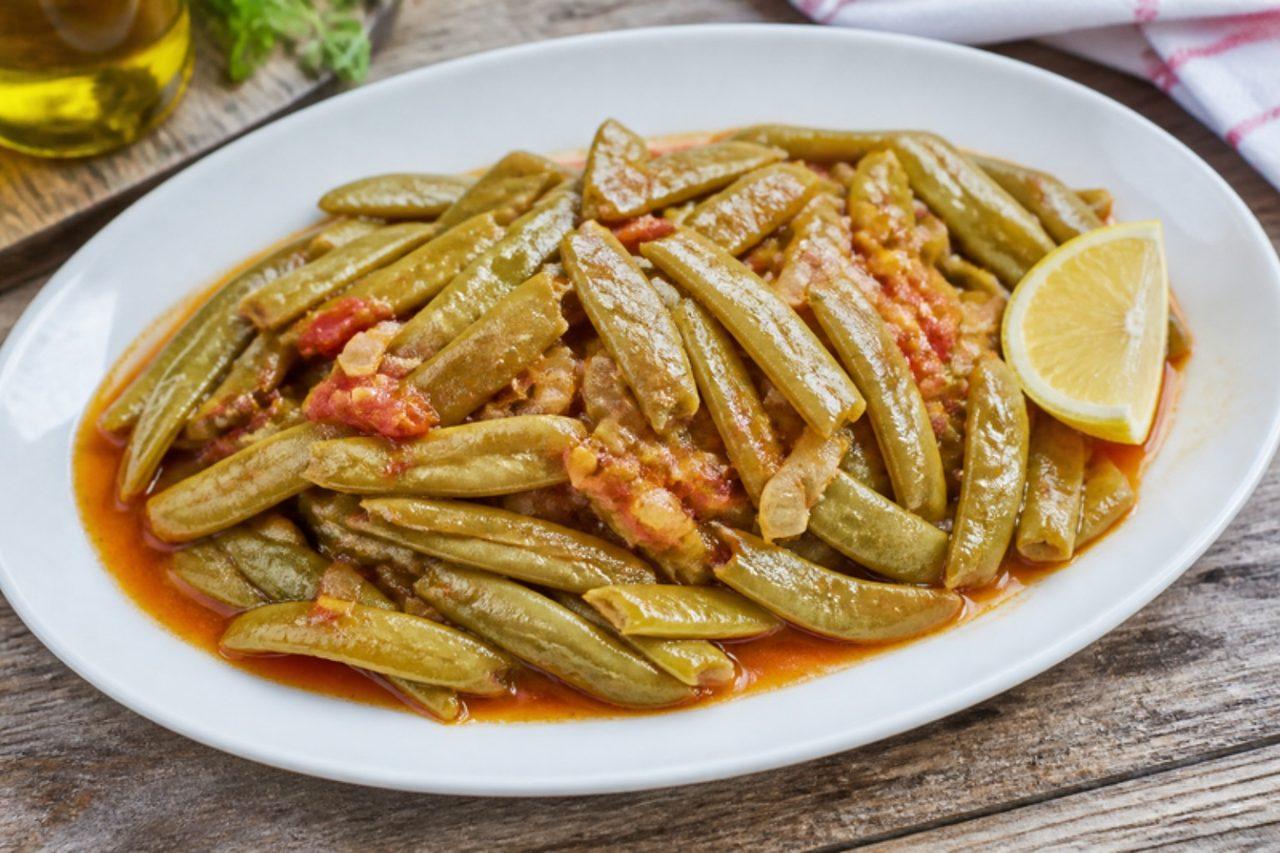
Along the Aegean coast, from İzmir down to Bodrum, summer lunch often begins with a plate of flat green beans that have been stewed in olive oil and tomato until they are silky, then left to cool to room temperature. It belongs to the zeytinyağlı family: vegetables cooked in olive oil, with no meat, and eaten cold or barely warm with bread to mop up the orange-red juices. Home cooks make a big pan in the morning and serve it over two or three days, because it tastes better after a night in the fridge. The most common mistake is rushing it on a high flame: the beans stay squeaky and the oil never turns glossy. Chef's tip: lay the beans on top of the onions and tomatoes without stirring, cover tightly and let the steam do the work; stirring breaks the beans and turns the sauce muddy.

by KrazyBadal 0 views

Zhajiangmian with mushroom and tofuNoodles in bean paste sauce

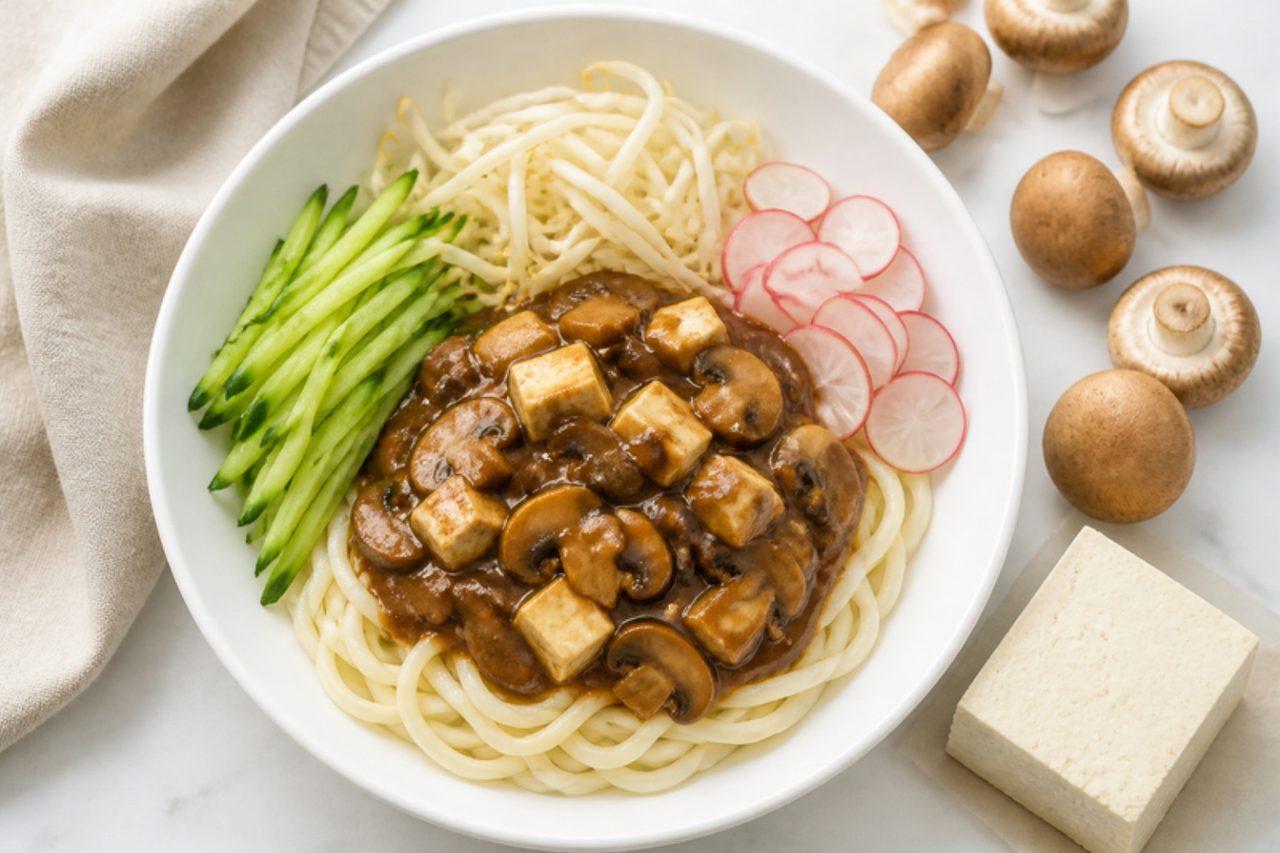
Zhajiangmian is old Beijing's comfort food, eaten in hutong noodle houses and at home on hot summer days. Thick wheat noodles are topped with a dark, salty-sweet sauce of fermented soybean paste fried slowly in oil, then piled with raw cucumber, radish and beansprouts that you mix in at the table. Pork is traditional; diced firm tofu and mushrooms give the sauce the same chunky body here. Chef's tip: fry the bean paste gently and patiently, on a low heat, until the oil separates out and it smells toasty; rushed, it tastes raw and harsh.

by KrazyBadal 0 views

ZhentToasted millet and honey sweet

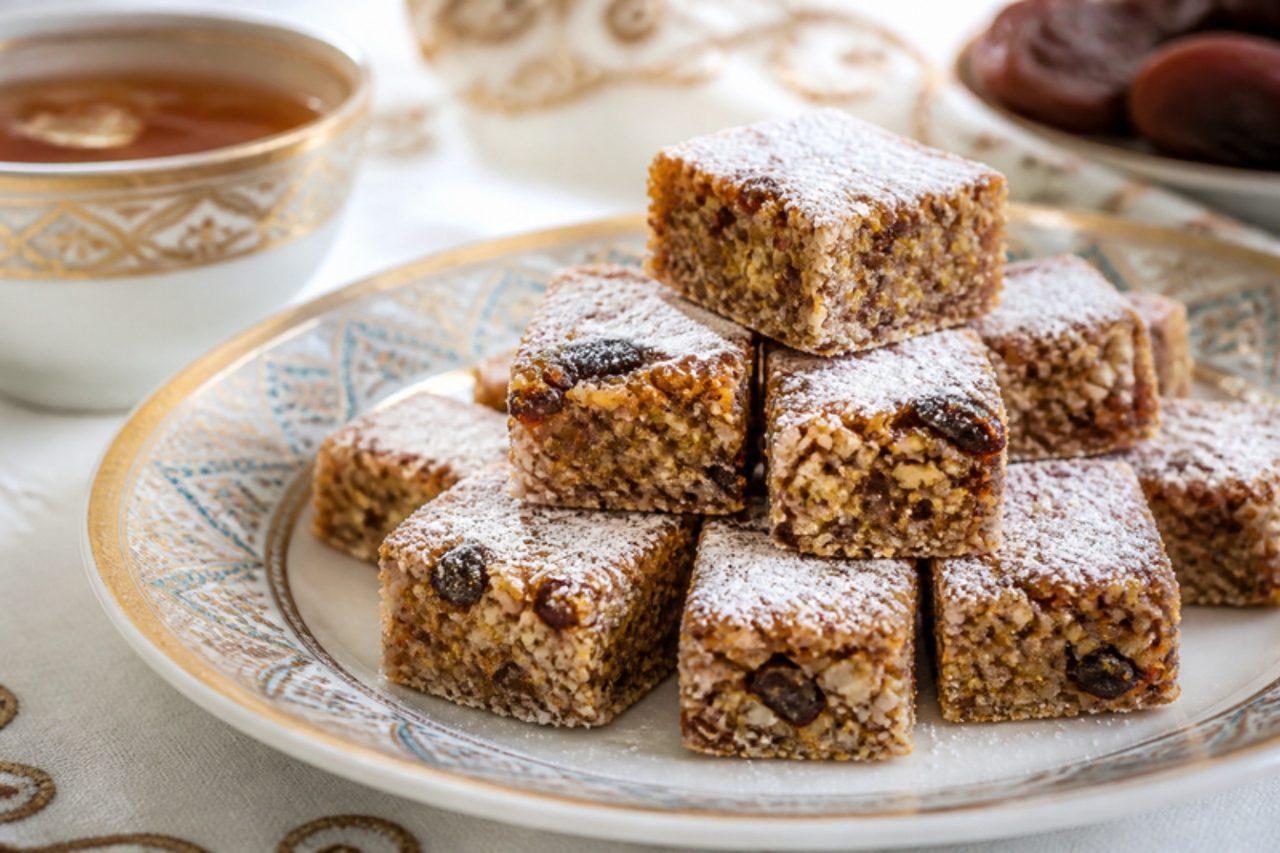
Zhent is one of the oldest Kazakh sweets: toasted millet (tary) pounded with dried kurt, dates or raisins, and bound with butter and honey into a crumbly, rich square. Herders made it to carry on long rides, and today it appears on the dastarkhan at Nauryz and weddings in southern Kazakhstan, beside baursak and dried fruit. It tastes nutty, salty-sour from the kurt and sweet, a bit like shortbread with a sharp edge. Chef's tip: toast the millet in a dry pan until it pops and smells like popcorn; under-toasted millet tastes raw and grassy.

by KrazyBadal 0 views

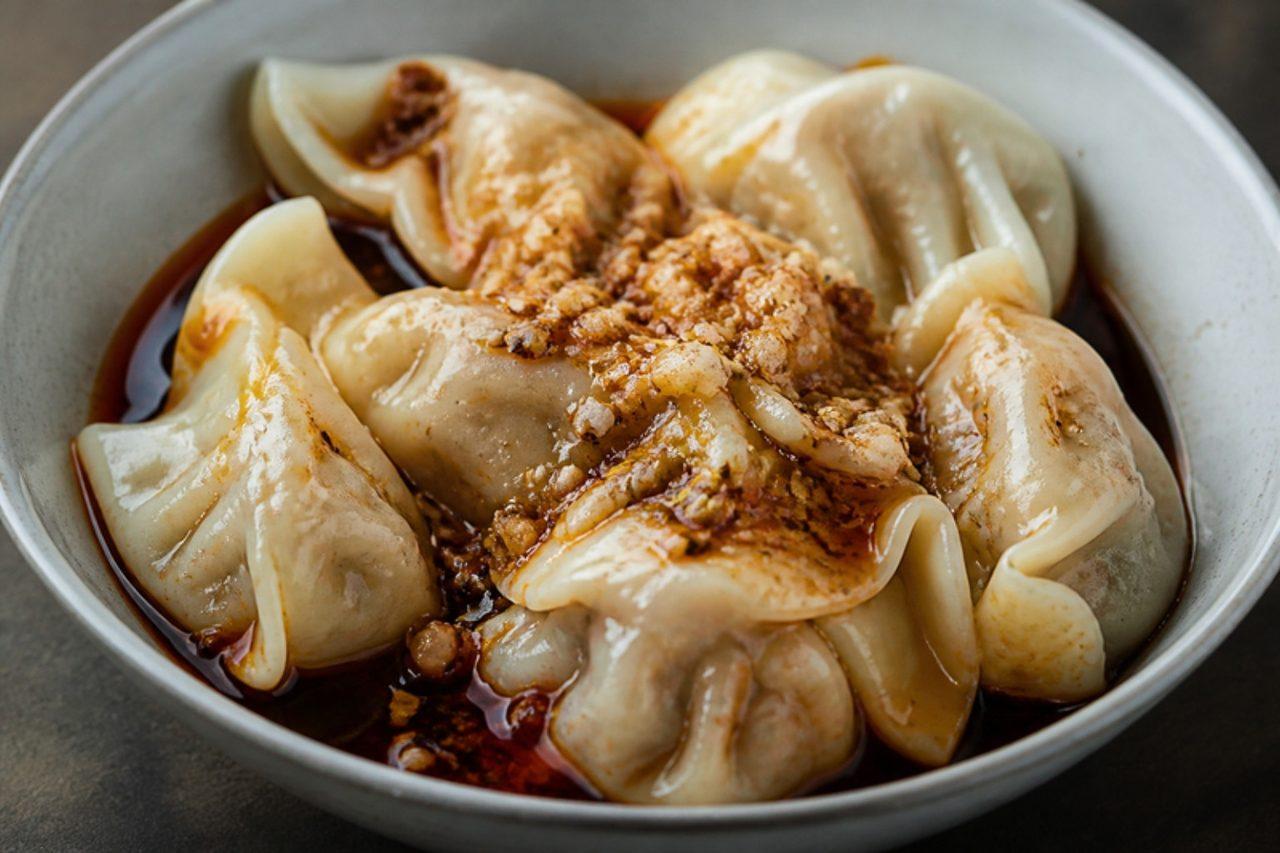
Zhong dumplingsPork dumplings in chilli oil

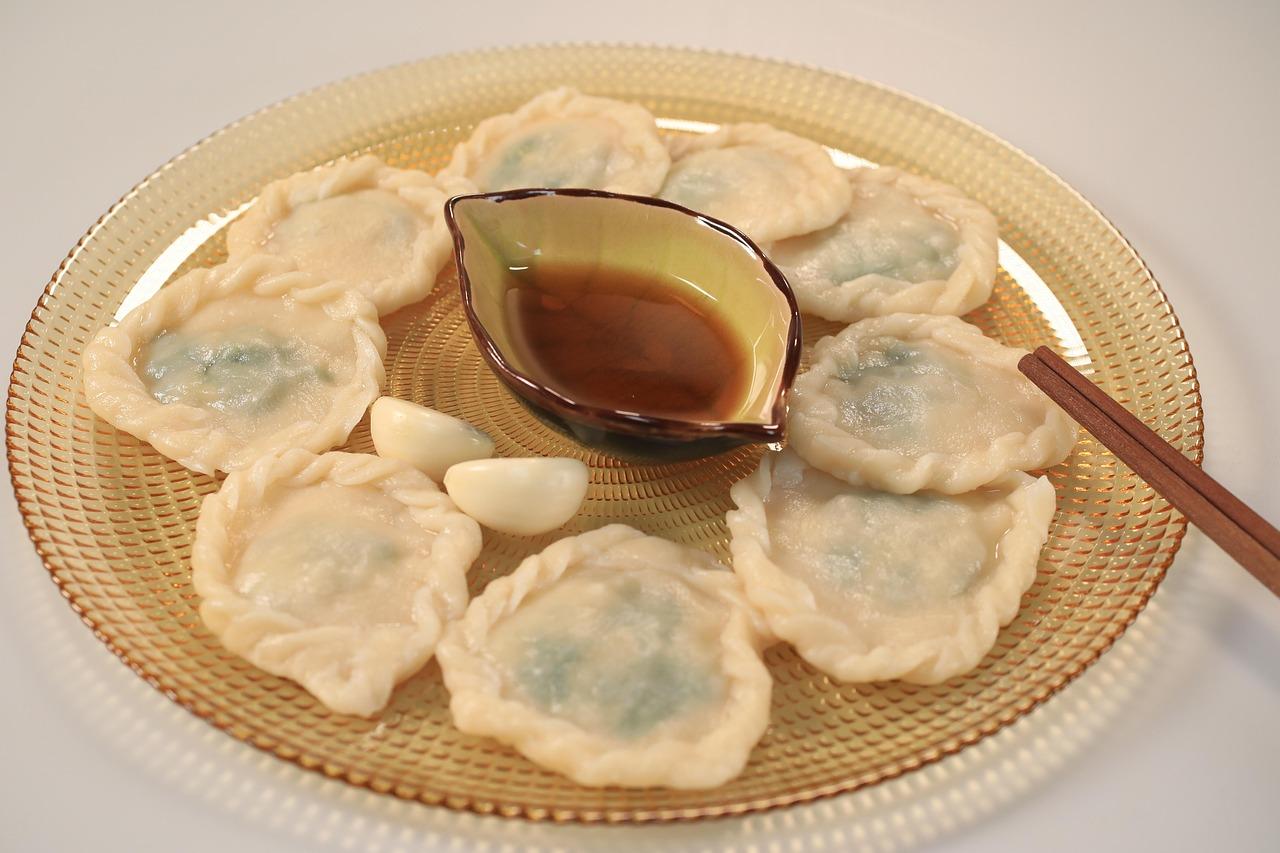
A snack shop opened by a Mr Zhong in Chengdu in the 1890s still serves these little half-moon dumplings, and every teahouse snack menu in the city has a version. Unlike northern dumplings, they hold only pork, no cabbage or chives, so the filling is soft, juicy and gingery. The magic is the sauce: a spiced, syrupy soy sauce simmered with brown sugar, star anise and cinnamon, spooned over with fiery chilli oil and a punch of raw garlic, so each bite is sweet, salty, hot and pungent at once. Eat them as an afternoon snack or a starter before noodles. Chef's tip: make the sweet soy sauce first; it keeps in the fridge for a month and is just as good on noodles or a plate of greens.

by KrazyBadal 0 views

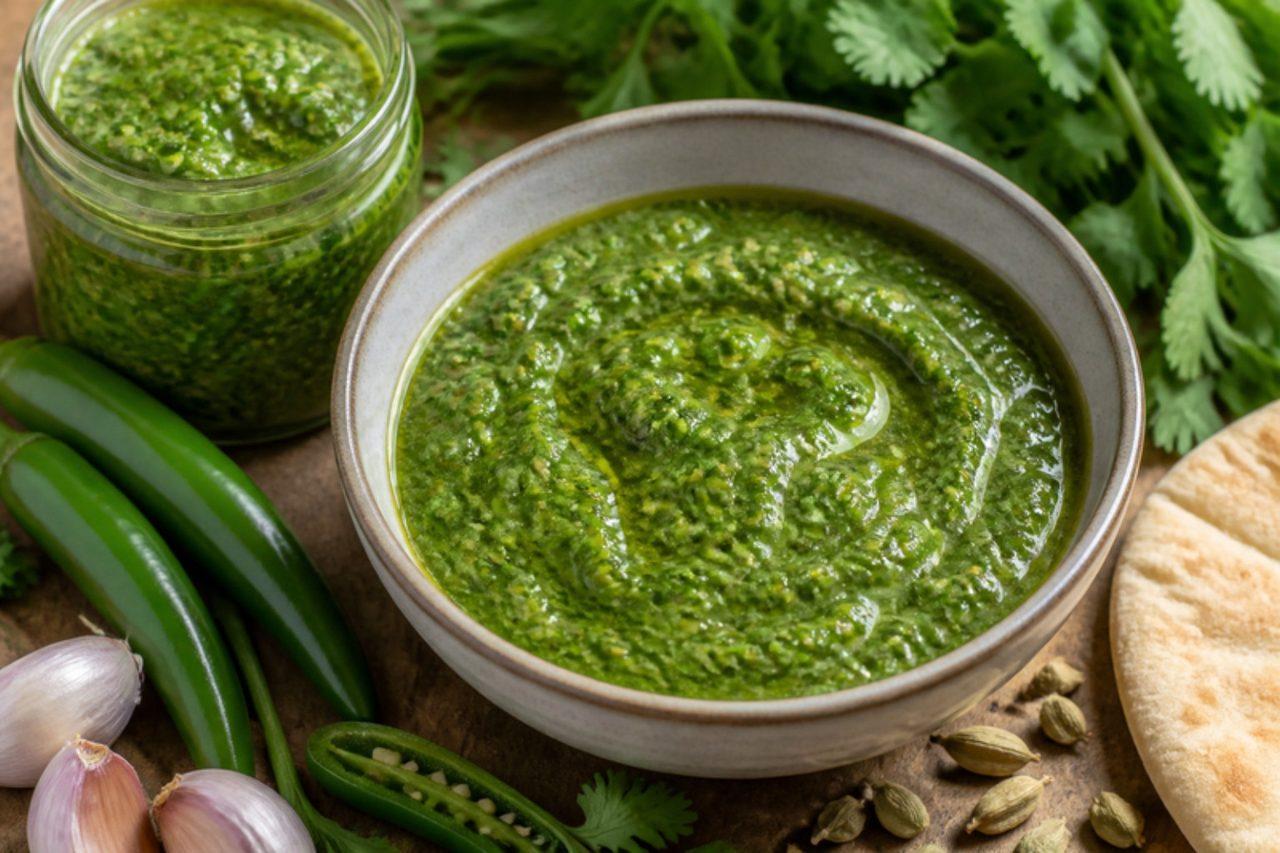
ZhugGreen chilli and coriander sauce

Zhug is the sauce Yemenite Jews brought to Israel, and now it sits beside the tahini and amba at every falafel and sabich stand in Tel Aviv and Jerusalem. Fresh green chillies are ground with a big bunch of coriander, garlic, cumin and cardamom into a bright green, punchy relish with a slow, warming heat. Spoon a little into soup, onto eggs, over jachnun or into a pita. Chef's tip: dry the herbs thoroughly after washing; wet leaves make a watery zhug that goes brown in the fridge.

by KrazyBadal 0 views

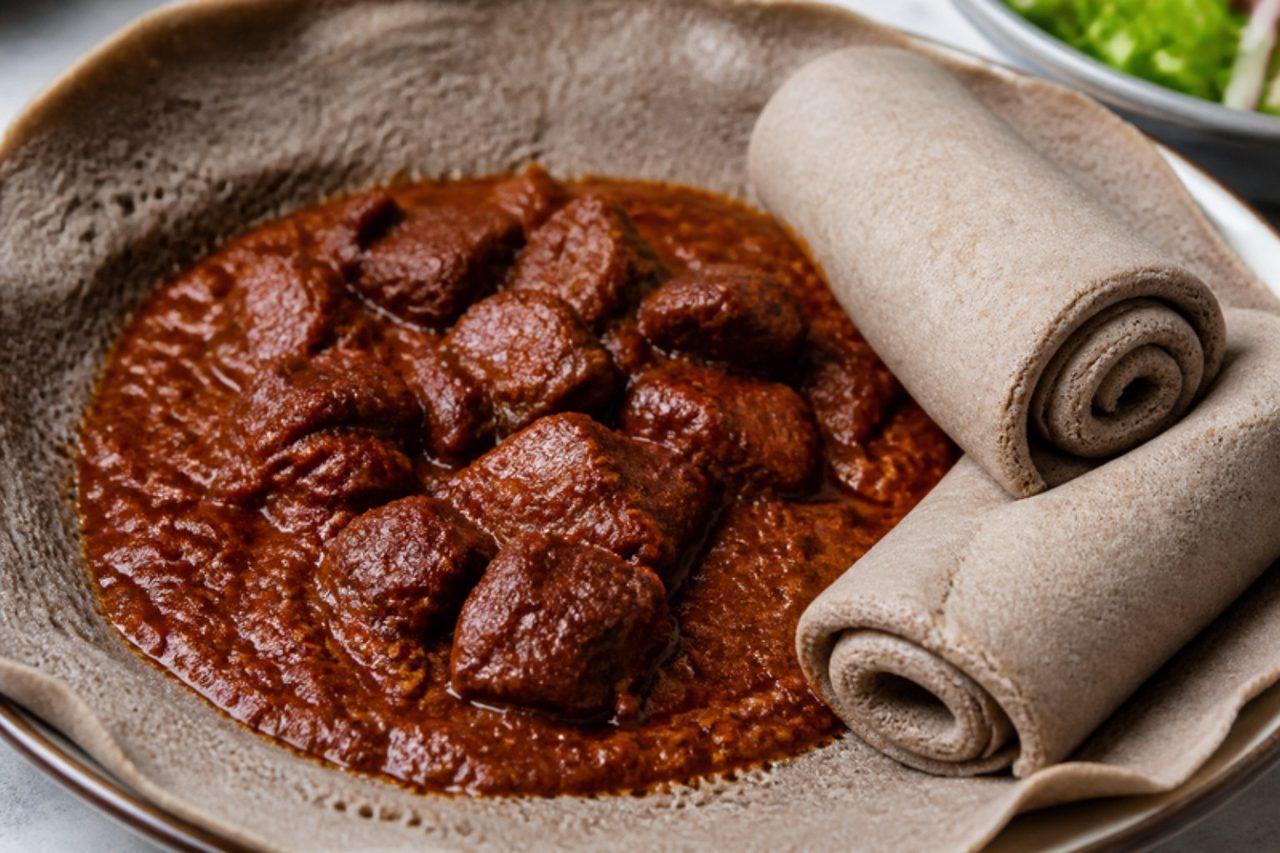
ZigniSpicy beef stew

Zigni is the signature stew of Asmara and the Eritrean highlands, served on a wide platter of injera at weddings, Sunday lunches and the end of fasts. Red onions are cooked slowly in a dry pot until they collapse, then berbere, garlic, ginger and tomato go in, followed by beef that simmers until tender in a deep red, peppery sauce finished with spiced butter (tesmi). The mistake is rushing the onions: they must cook down for a good 20 minutes to give the sauce its sweet base. Chef's tip: the onions start in a dry pan with no oil, the traditional way; stir them often and add a splash of water if they catch.

120 minEritreanMeatGluten freeSpicy
by KrazyBadal 0 views

ZoboHibiscus and pineapple drink

Zobo is the deep crimson drink sold ice-cold in recycled bottles at Nigerian bus parks, markets and parties, and in Ghana the same drink is called sobolo, often made punchier with extra ginger and grains of selim. Dried hibiscus calyces are boiled with pineapple peel, fresh ginger and cloves, then strained and sweetened, giving a tart, fruity, gently spicy drink. It is drunk fresh and alcohol-free, very cold, especially in the dry heat before the rains. Chef's tip: sweeten the drink once it is strained and still warm, tasting as you go; hibiscus tastes much sharper hot than when it is chilled, so leave it a touch sweeter than you think.

by KrazyBadal 0 views

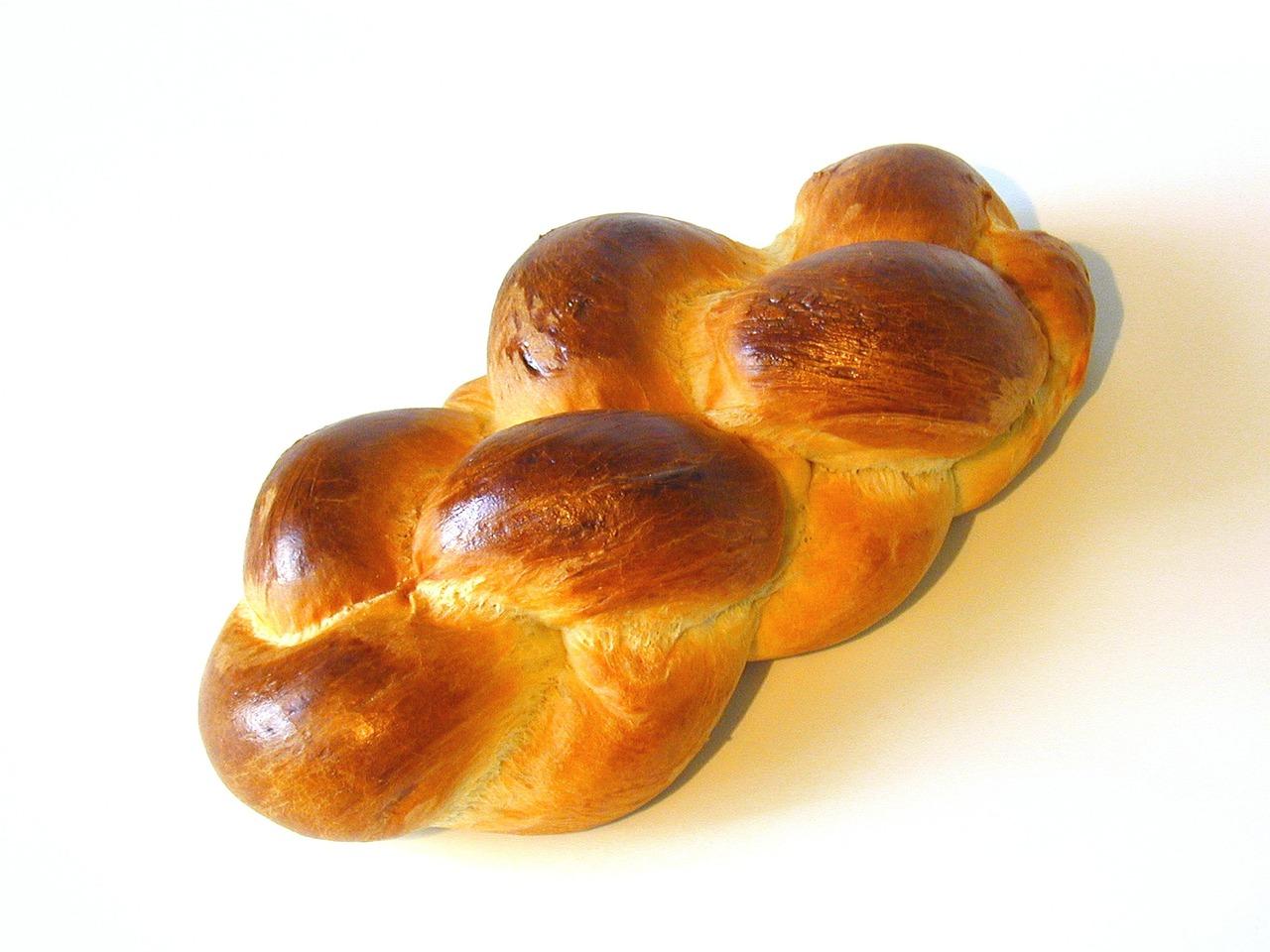
ZopfPlaited butter bread

In German-speaking Switzerland the Sunday breakfast table is not complete without a Zopf (Züpfe in Bern): a shiny, plaited white loaf made with milk and plenty of butter, sliced thick and spread with more butter and jam or honey. Bakeries from Bern to St Gallen bake them on Saturday nights, and many families plait their own on Sunday morning. The crumb is soft, light and faintly sweet from the butter, not the sugar, and the egg-yolk glaze gives a deep brown, glossy crust. Leftovers make excellent French toast (Fotzelschnitte). Chef's tip: let the shaped plait rest in a cool place for 15 minutes before glazing and baking; the strands hold their shape and the pattern stays crisp.

by KrazyBadal 0 views

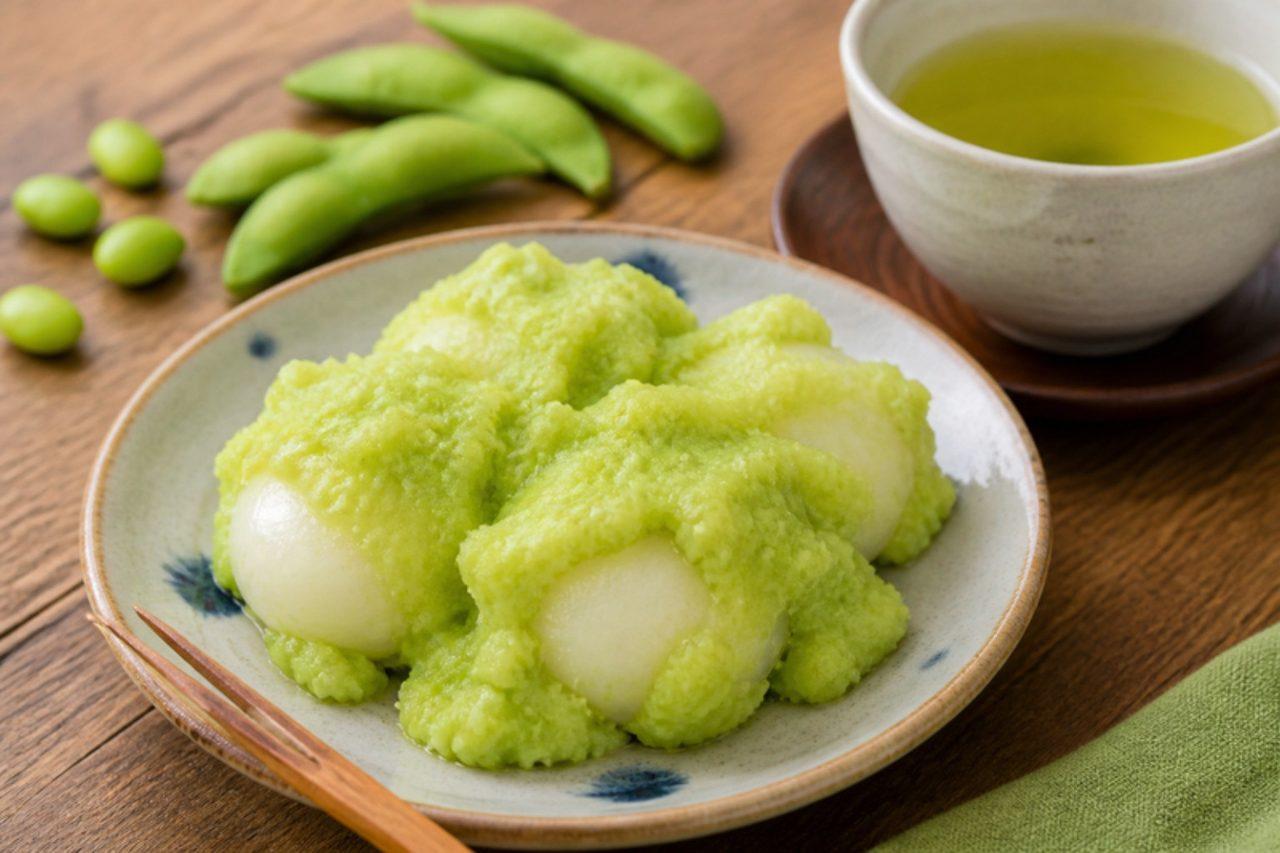
Zunda mochiRice dumplings with edamame paste

Zunda is Sendai's signature sweet: young green soybeans mashed with sugar into a coarse, pale-green paste. Farmers in Miyagi made it at the end of summer, when edamame were at their best, and it is still sold everywhere from Sendai station's souvenir halls to small tea shops, now also as zunda shakes and rolls. The flavour is gentle, beany and fresh, closer to sweet peas than to red bean paste. Spoon it over warm, chewy rice dumplings and serve with green tea. Chef's tip: rub the skins off the cooked beans. It takes ten minutes but turns the paste from dull khaki to a vivid jade colour.

by KrazyBadal 0 views

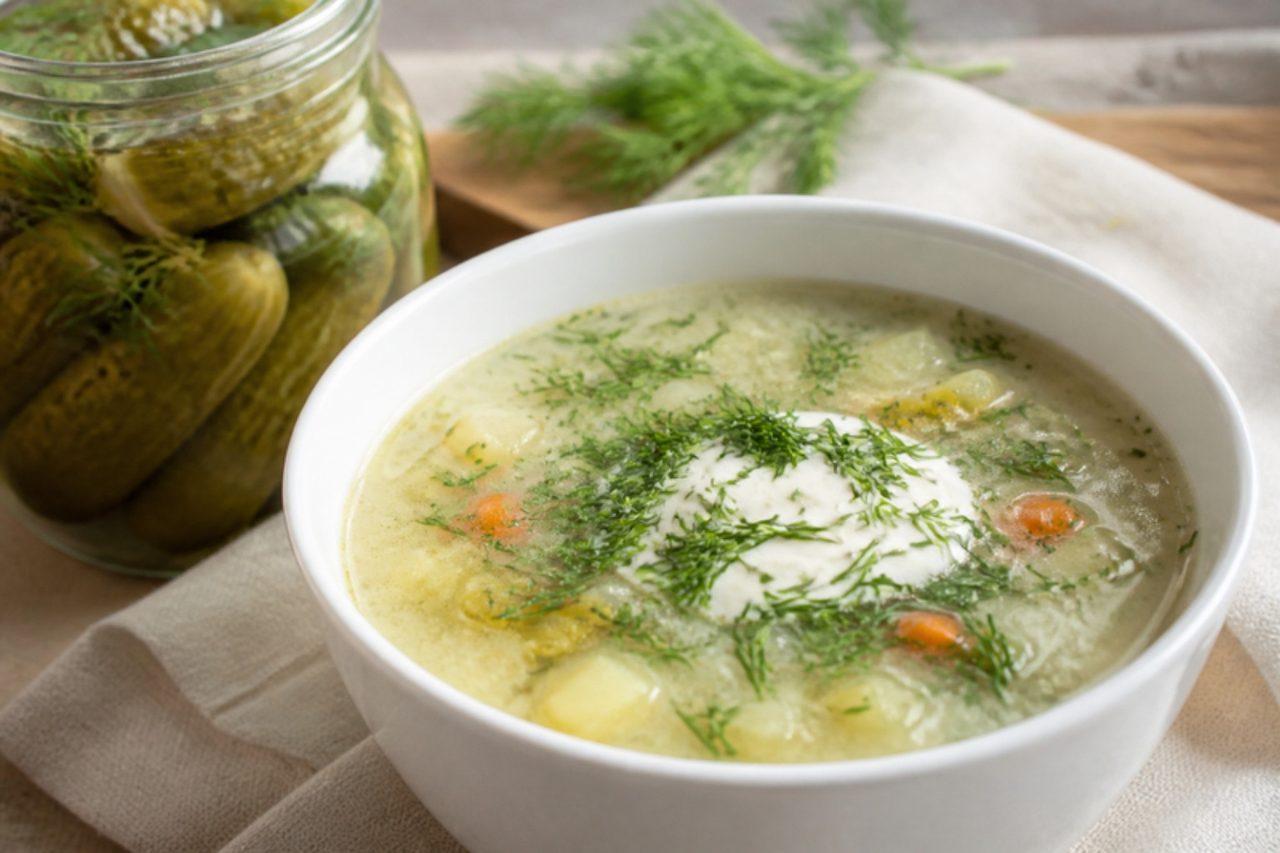
Zupa ogórkowaSour pickled cucumber soup

Zupa ogórkowa is the soup Polish families make when the crock of brine-fermented cucumbers from summer starts to run low in late autumn: grated sour pickles and their cloudy brine simmered with potatoes, carrot and root vegetables, then softened with soured cream and a fistful of dill. It is a staple of canteen lunches and Sunday-in-the-country cooking, from Mazovia to Silesia, and it tastes tangy, garlicky and comforting all at once. Traditionally it is made on meat stock; here a good vegetable stock does the job. Use real ogórki kiszone (fermented in salt water), not sweet vinegar gherkins. Chef's tip: stir the cucumbers in only after the potatoes are soft; acid stops potatoes from softening, so if they go in together the potatoes stay hard.

by KrazyBadal 0 views

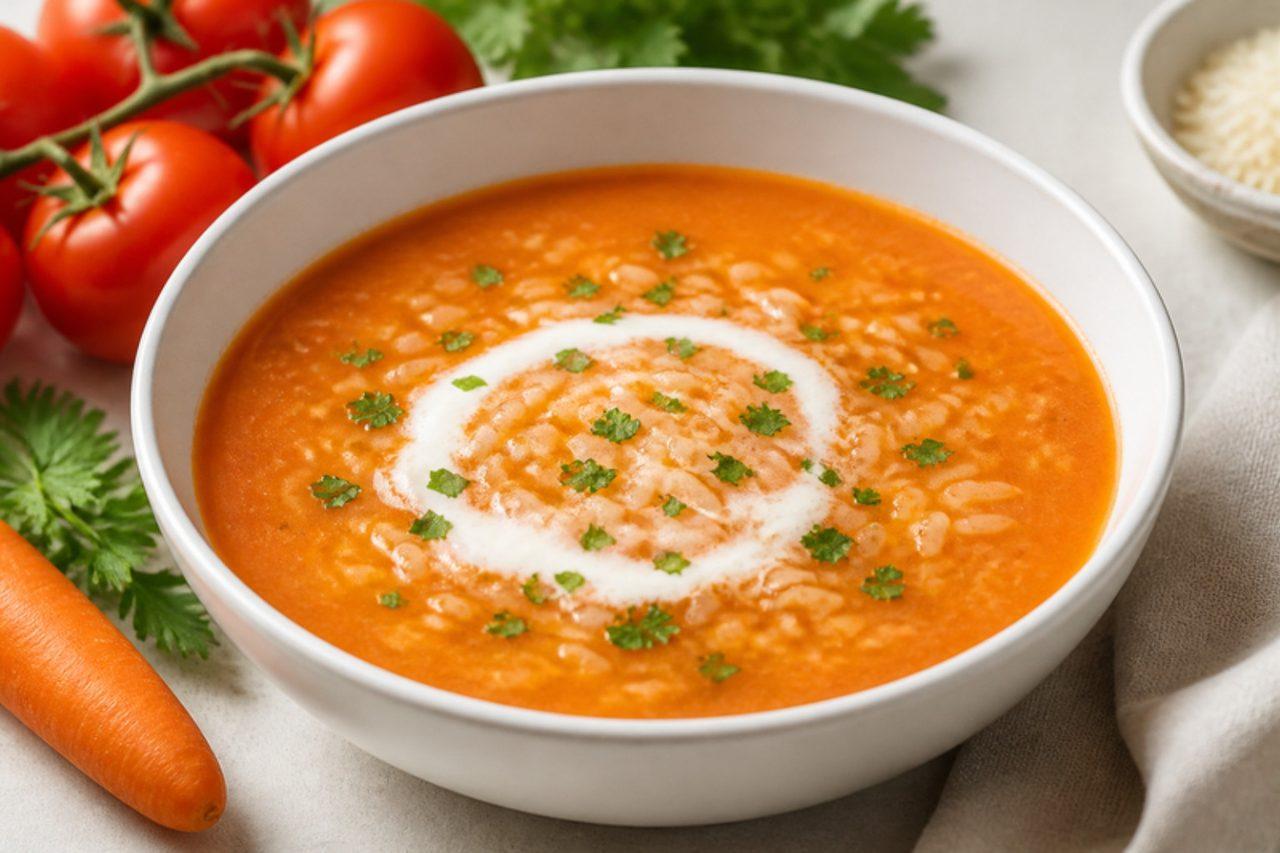
Zupa pomidorowaCreamy tomato soup with rice

In Poland, zupa pomidorowa is famously Monday's soup: on Sunday the family drinks rosół, and the next day the leftover broth becomes tomato soup with rice or thin noodles and a swirl of soured cream. Children across the country rank it as their favourite school-canteen dish. It is creamy, mild and a little sweet, nothing like a spicy Mediterranean tomato soup. This version starts from vegetable stock (the traditional base is chicken broth) and builds the flavour with carrot, celery root and tomato paste fried in butter. Serve it with rice cooked in the pot or with makaron (fine noodles). Chef's tip: fry the tomato paste in butter until it darkens one shade; raw paste tastes tinny and that one minute makes the soup taste like it simmered for hours.

by KrazyBadal 0 views

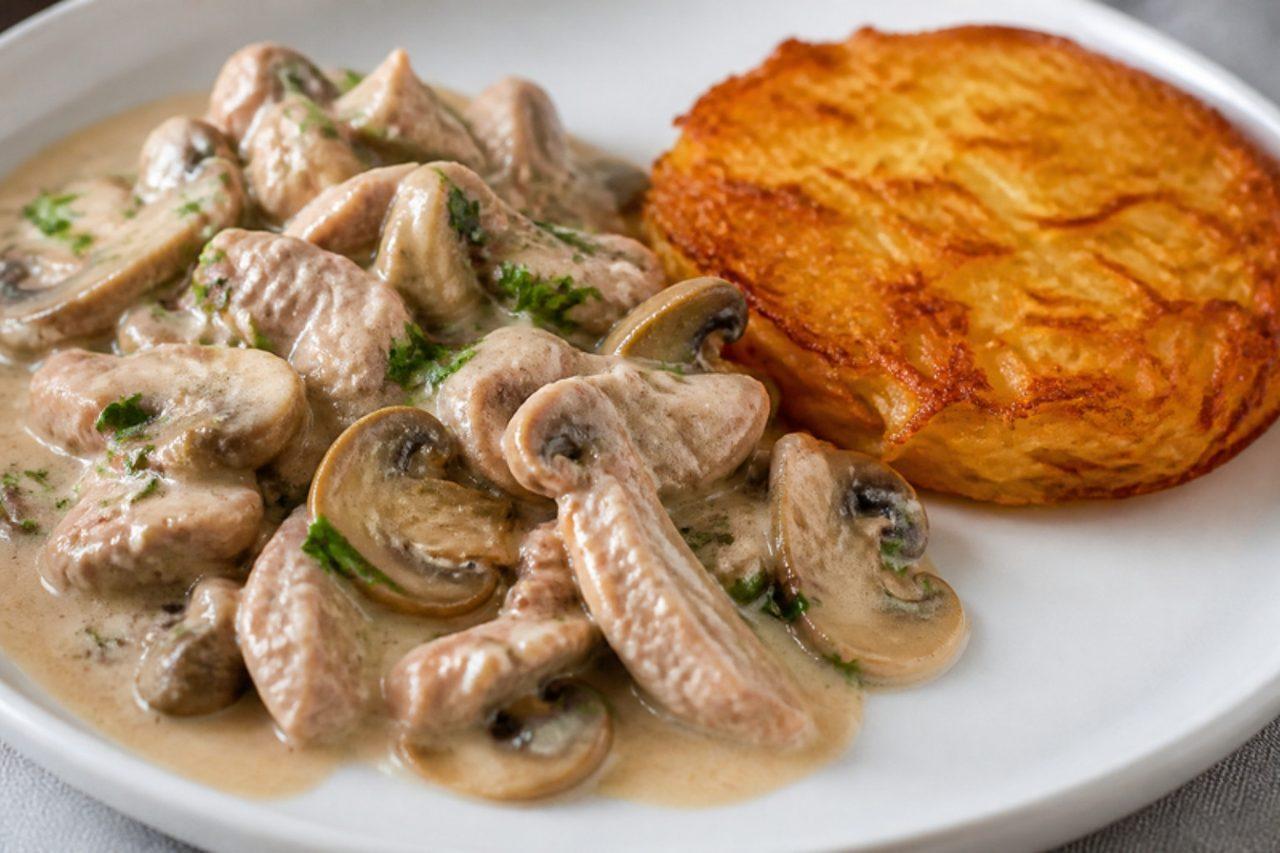
Zürcher GeschnetzeltesSliced veal in mushroom cream sauce

Zürcher Geschnetzeltes is the signature dish of Zurich's old guild restaurants and a favourite Sunday meal in homes across German-speaking Switzerland. Thin strips of veal are seared quickly, then the pan is deglazed with white wine and finished with cream and mushrooms into a pale, glossy sauce, and the whole thing is served beside a golden, crisp rösti. The wine adds alcohol (most cooks it off); for an alcohol-free version use the same amount of chicken stock with 1 teaspoon of lemon juice. The usual error is cooking the veal in the sauce until it toughens; sear it fast, take it out, and only warm it through at the end. Chef's tip: boil the potatoes for the rösti a day ahead and chill them; cold, firm potatoes grate cleanly and fry up crisp.

65 minSwissMeatGluten free
by KrazyBadal 0 views

ŻurekSour rye soup with sausage

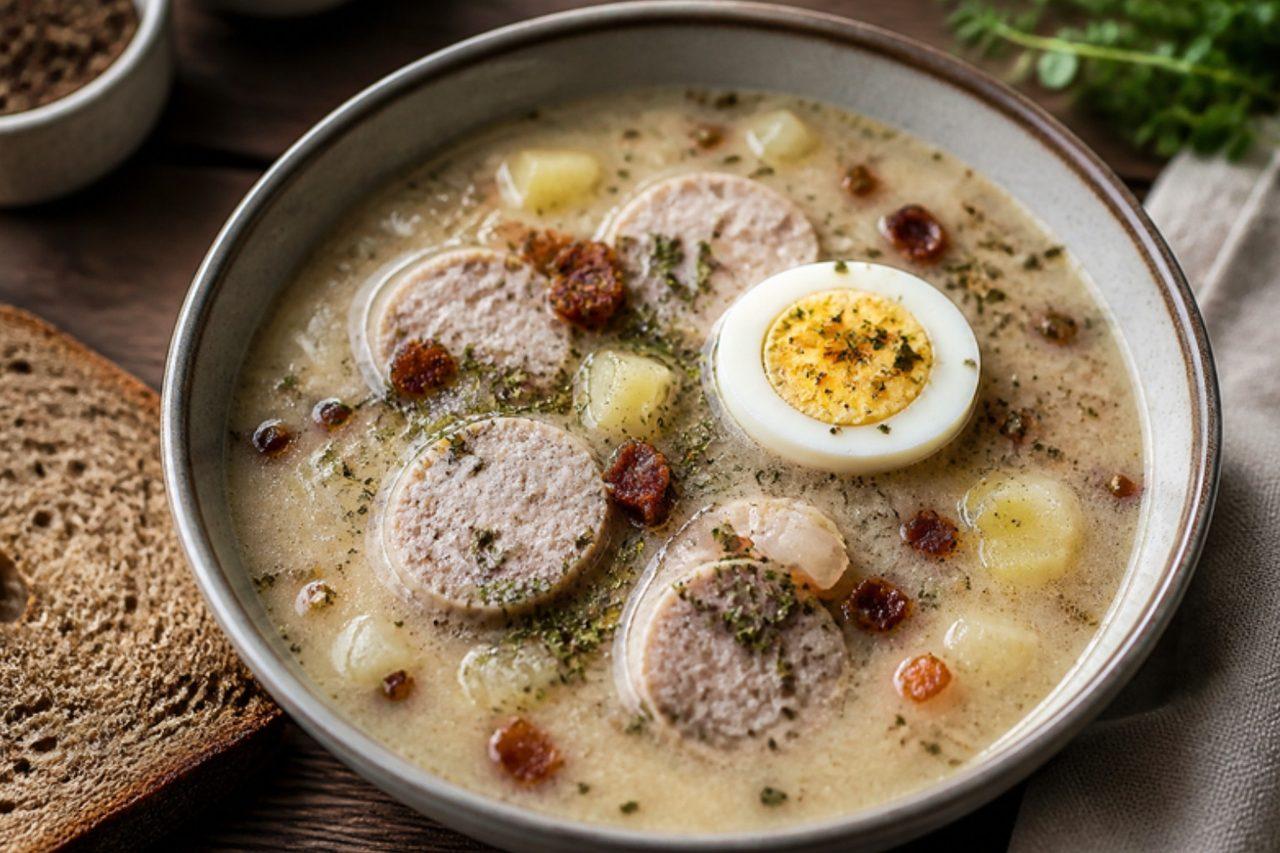
Żurek is the soup of Polish Easter, served in homes from Kraków to Gdańsk on Easter Sunday morning, and in highland Zakopane restaurants it comes in a hollowed-out bread loaf all year. Its tang comes from zakwas, a fermented rye-flour starter, simmered with marjoram, garlic and stock. This version contains pork: white sausage (biała kiełbasa) and smoked bacon, plus halved hard-boiled eggs. Chef's tip: shake the jar of zakwas before you pour it in; the flour settles and the soup will be thin without it.

by KrazyBadal 0 views

Dezhou braised chicken

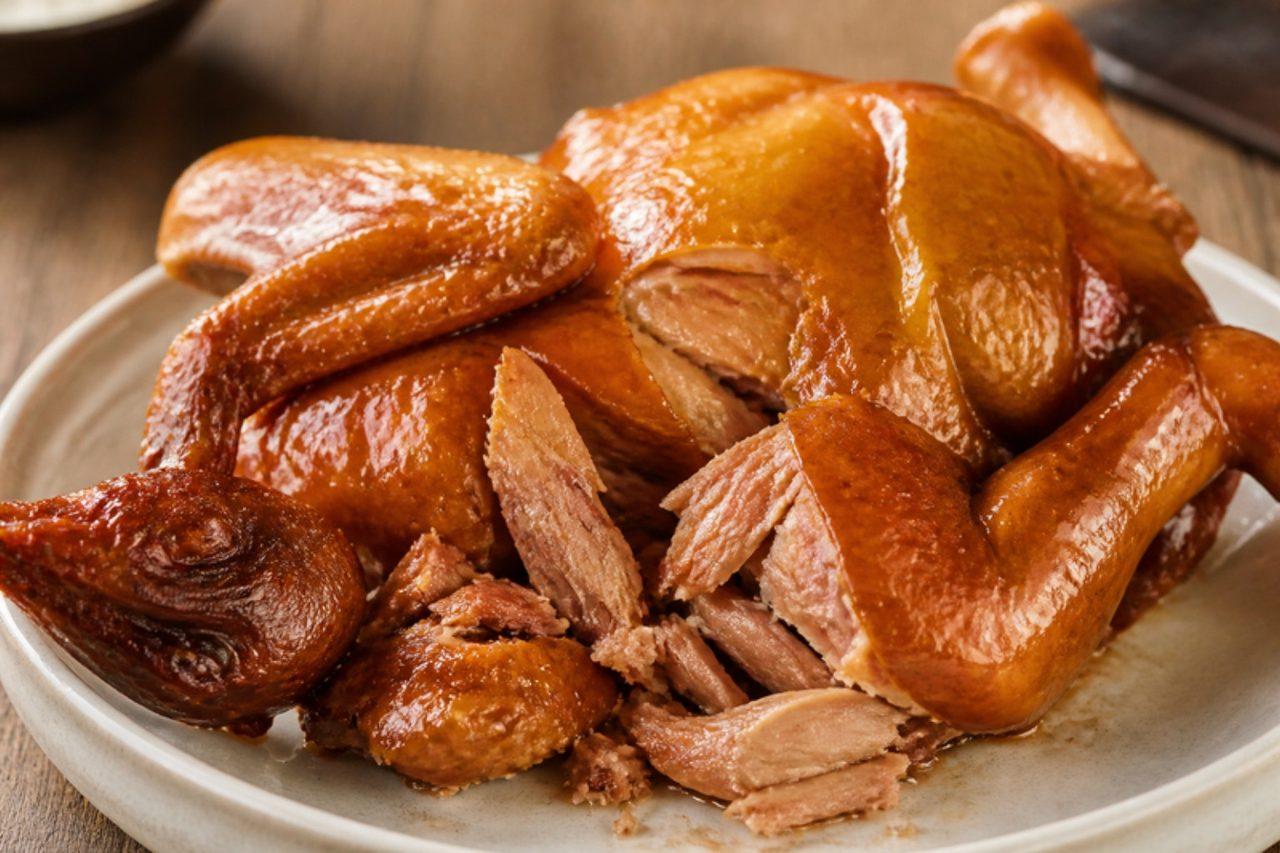
For generations, travellers passing through Dezhou station in Shandong bought this chicken in a paper wrap from the platform sellers, and boxes of it are still a favourite gift to take home. A whole bird is trussed with its legs tucked into the body, glazed and fried to a reddish gold, then barely simmered for hours in a stock of soy and a dozen spices. The result is fragrant, savoury and so soft that a gentle shake loosens the bones. Eat it warm or cold, torn into pieces, with steamed buns, a cucumber salad or plain congee. Chef's tip: keep the stock at the barest shiver, never a boil; that is how the skin stays whole while the meat turns meltingly tender.

by KrazyBadal 0 views

Qingdao mackerel dumplings

Every spring, when Spanish mackerel run off the Shandong coast, Qingdao families fill the kitchen table with flour and fish for these large boiled dumplings; restaurants by the harbour serve them by the plate all year. The filling is whipped with peppercorn-infused water until it turns light and almost mousse-like, with chives for freshness and a little fatty pork for richness. Bitten open, they are juicy, briny and sweet rather than fishy. Eat them straight from the pot with black vinegar and crushed garlic, with a pot of jasmine tea. Chef's tip: if you can't find Spanish mackerel, ordinary mackerel or a mix of mackerel and cod works well.

by KrazyBadal 0 views

Mongolian lamb hot pot

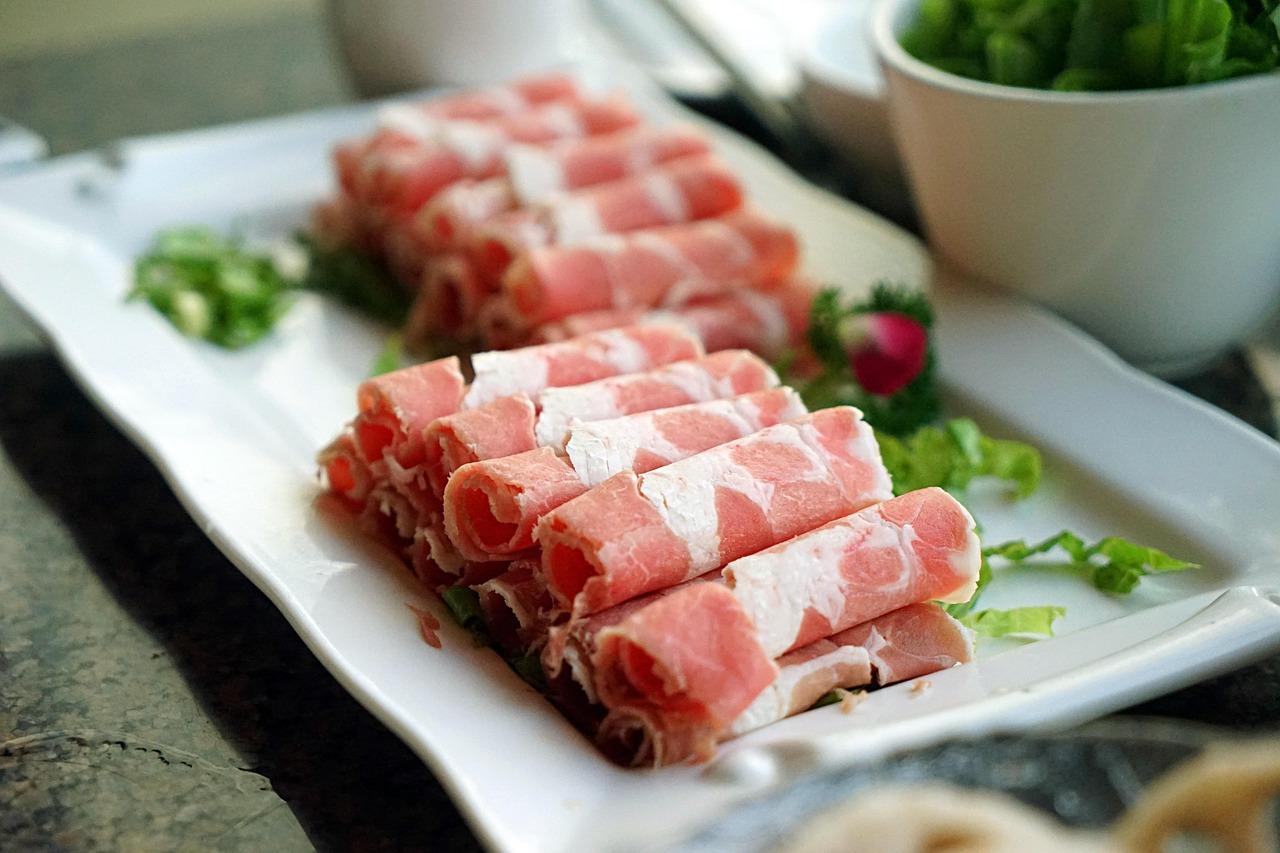
When the first cold winds blow through Beijing, old restaurants around Dongcheng light their chimney-shaped copper pots and diners start swishing paper-thin lamb through plain, gently bubbling water. Unlike fiery Sichuan hot pot, this one is all about the meat: the broth stays clear and mild, and the flavour comes from a creamy dip of sesame paste, fermented tofu and chive flower sauce. Everyone cooks their own slices for a few seconds, then adds cabbage, tofu and glass noodles to the pot as the evening goes on. It is a slow, sociable meal for winter weekends, with sesame flatbreads on the side. Chef's tip: half-freeze the lamb for 1–2 hours and it slices thin as paper with a sharp knife; or buy ready-rolled hot-pot lamb from an Asian grocer.

by KrazyBadal 0 views

Tianjin pork baozi

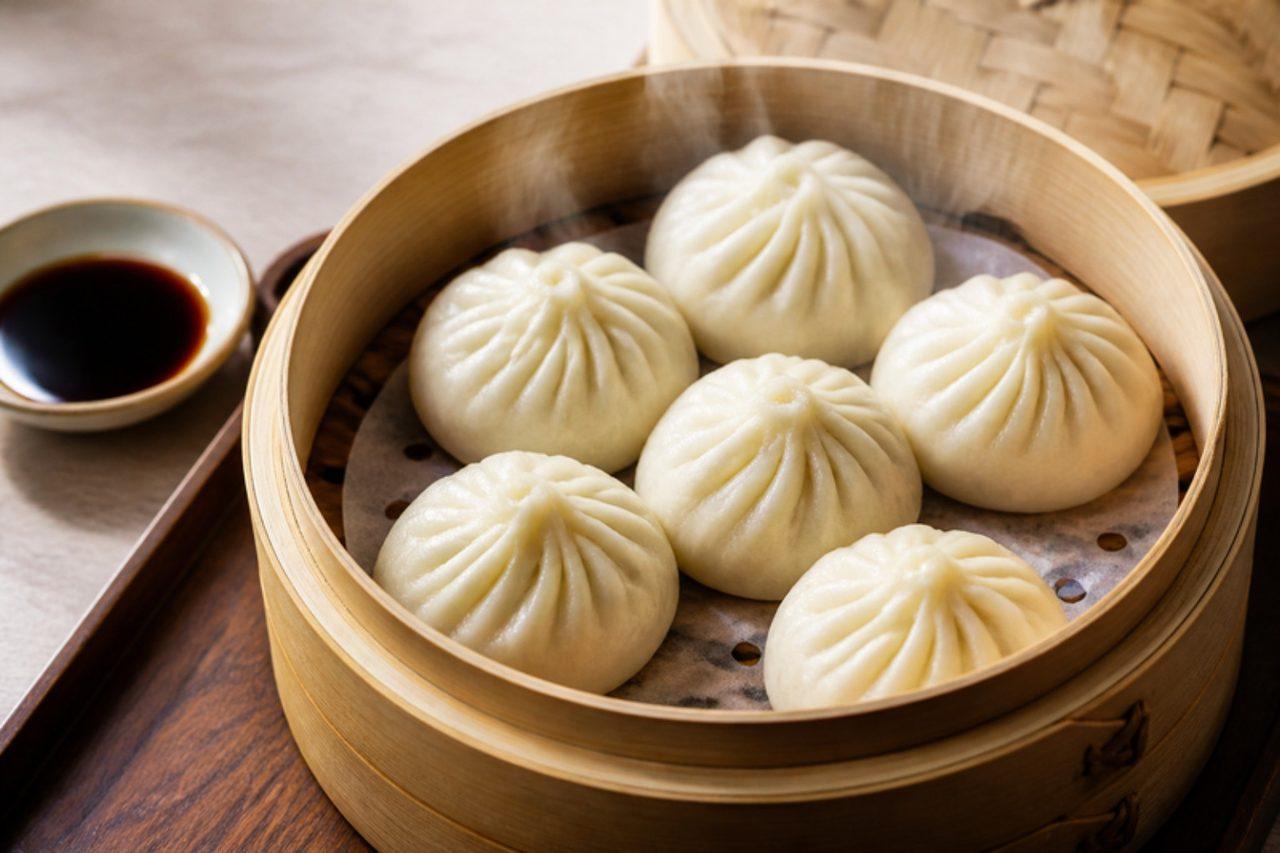
Tianjin people queue on winter mornings for these small steamed buns, famous since the 1850s for their many fine pleats and for the burst of savoury juice inside. The filling is minced pork beaten with ginger and spring onion water until it holds a surprising amount of liquid, so the first bite is soupy and the soft, slightly springy wrapper soaks up the rest. Bakers aim for 18 pleats arranged like a chrysanthemum. Eat them hot for breakfast with a dish of vinegar, crushed garlic and a bowl of millet porridge or soy milk. Chef's tip: use pork with about 30 per cent fat; lean mince gives dry, crumbly filling however much water you add.

by KrazyBadal 0 views

Suan cai pork stew

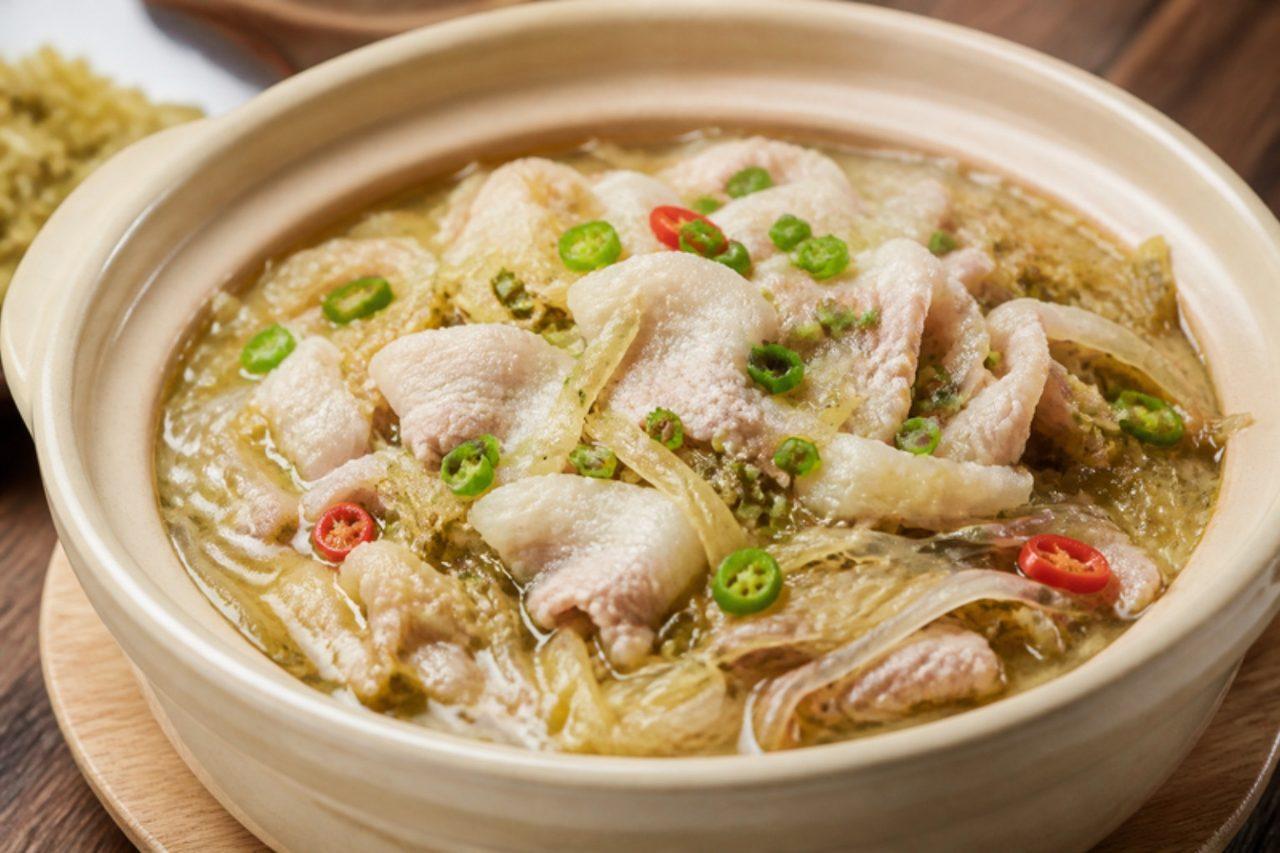
Across north-east China, autumn means packing crocks with salted napa cabbage to ferment through the long winter, and this hearty stew is the reward. Thin slices of boiled pork belly lie in a pale broth with shreds of sour cabbage and slippery glass noodles; the tang cuts the richness, and the broth tastes both clean and deeply savoury. It is everyday winter family food in Harbin and Shenyang, often served in a clay pot at the centre of the table with rice and a garlic-soy dip for the pork. Chef's tip: let the boiled pork cool for 15 minutes before slicing; warm belly crumbles, slightly cooled belly cuts into neat, thin slices.

by KrazyBadal 0 views

Pork and pickled cabbage dumplings

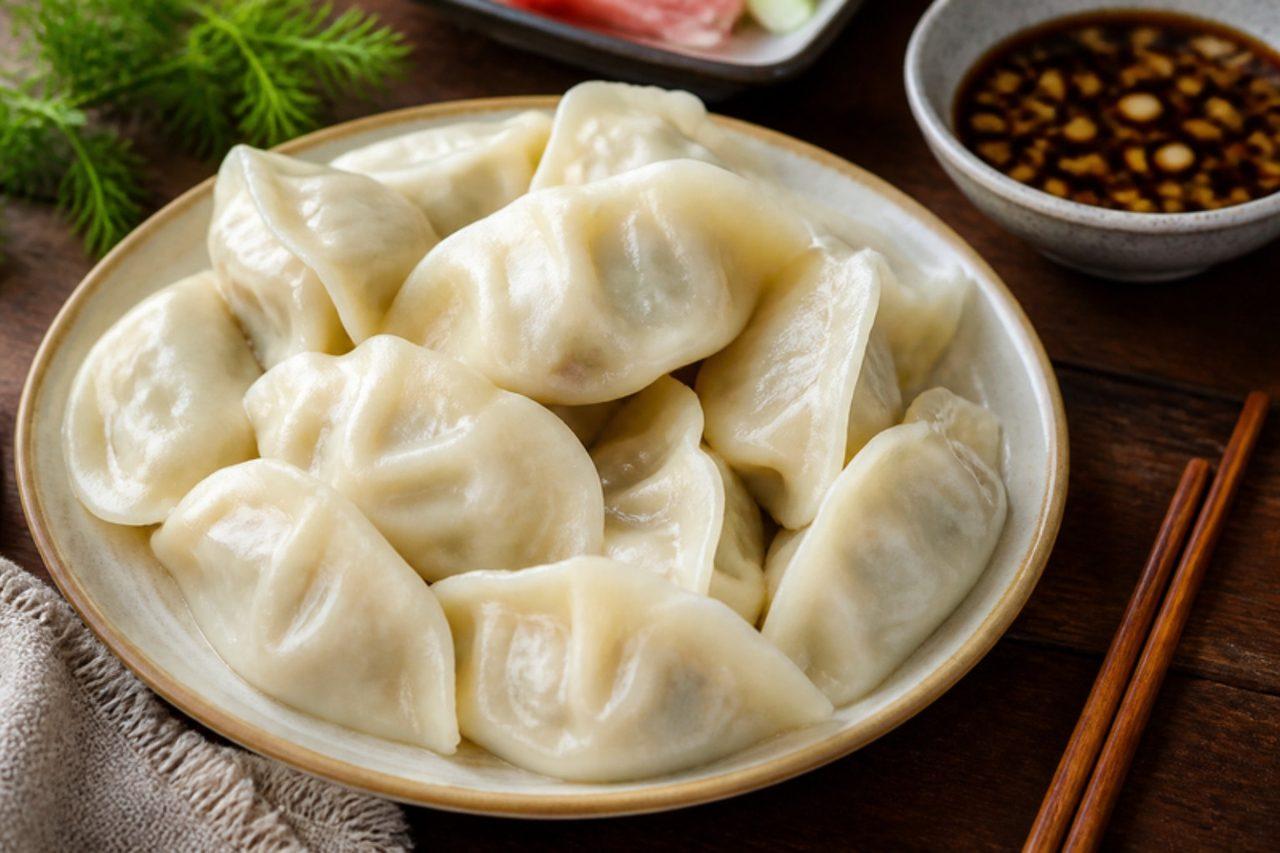
These are the dumplings north-eastern families make together on New Year's Eve and on any snowy Sunday, with the whole household rolling, filling and boiling around the kitchen table. Tangy fermented cabbage, chopped fine and squeezed dry, is mixed with fatty pork and sizzling Sichuan-pepper oil, so the filling is juicy, sour and warmly numbing at the same time. The wrappers are slightly thick and chewy, the way Dongbei cooks like them. Pile them on a plate and serve with black vinegar, garlic and a spoon of chilli oil; a bowl of the cooking water to drink afterwards is a northern habit. Chef's tip: pour the hot pepper oil straight onto the spring onions in the filling; the sizzle releases their fragrance into every dumpling.

by KrazyBadal 0 views

Dongbei stewed chicken with mushrooms

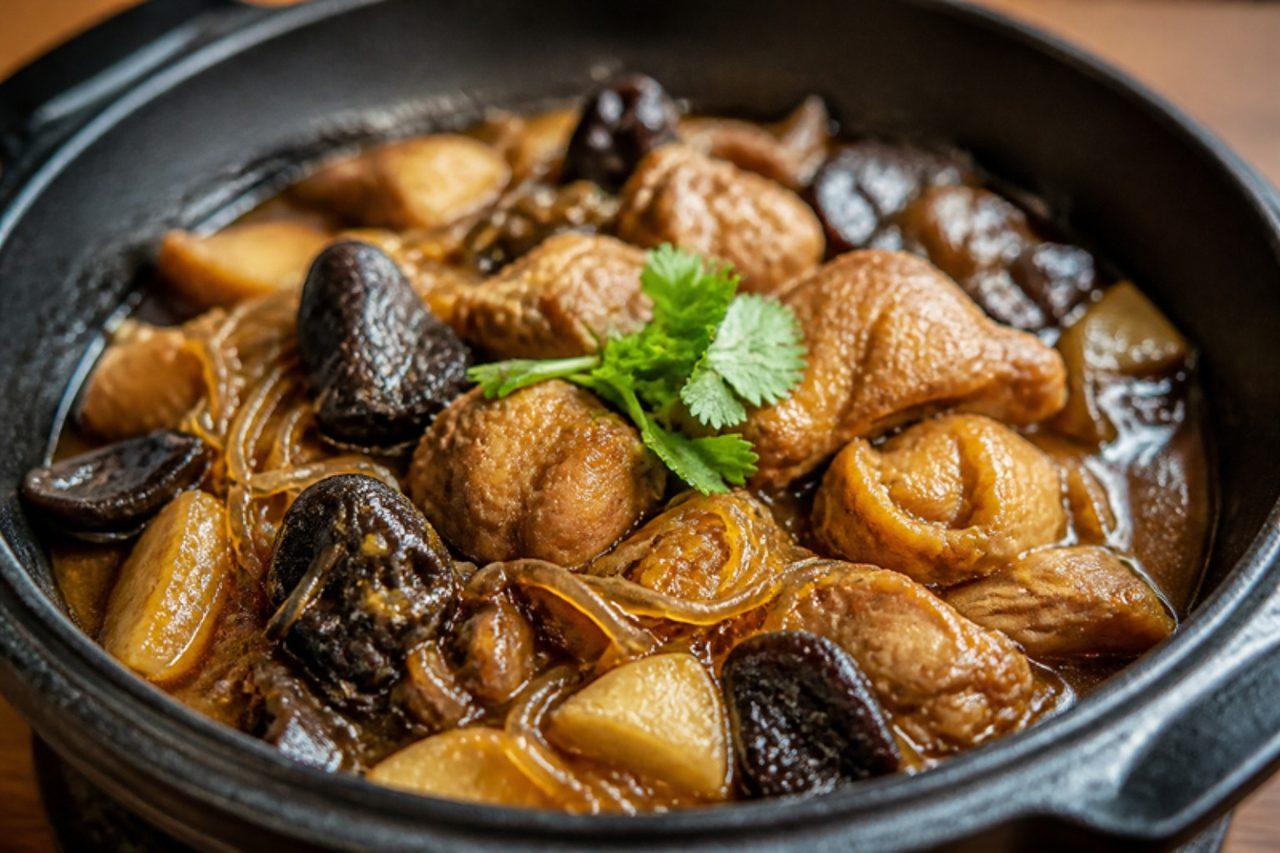
Ask anyone from Heilongjiang what their grandmother cooked when guests arrived and this is the likely answer: a farmyard chicken stewed in a big iron pot with dried hazel mushrooms gathered from the forests of the Greater Khingan range. The mushrooms give a deep, woodsy flavour to a dark, lightly sweet soy gravy, and glass noodles go in at the end to drink up the juices. Bone-in chicken keeps it rich and tender. Serve in big bowls with steamed rice or cornbread, and a crunchy cabbage salad on the side. Chef's tip: let the soaking water from the mushrooms settle, then pour it gently into the pot and leave the grit behind.

by KrazyBadal 0 views

Cumin lamb

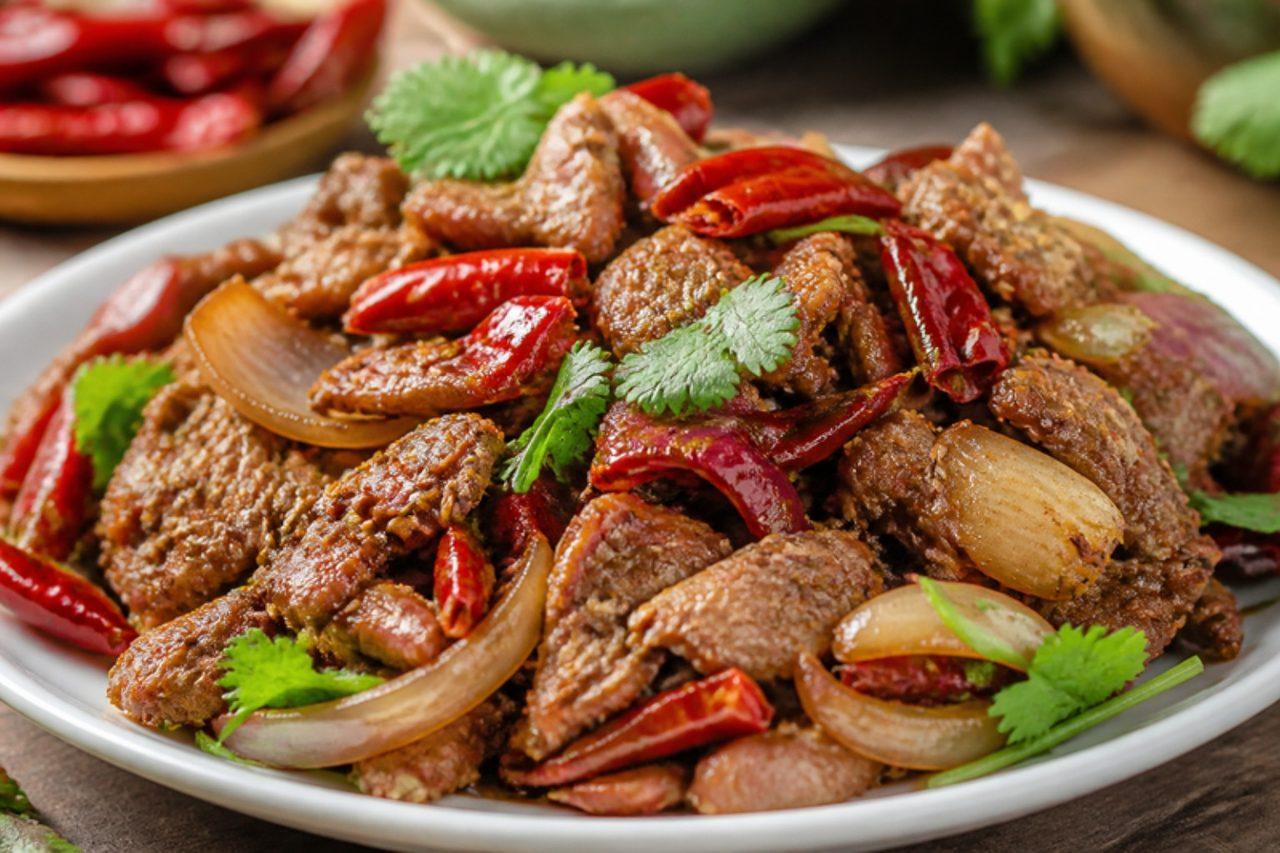
This smoky, aromatic stir-fry carries the flavours of Xinjiang's night markets, where cumin and chilli are scattered over everything grilled, into a home wok. Thin slices of lamb are seared over the fiercest heat so the edges char, then tossed with crushed cumin seeds, dried chillies, onion and a big handful of coriander. Expect bold, earthy spice, a little numbing tingle and juicy meat. It is a weeknight favourite all over northern China, eaten with plenty of steamed rice or wrapped in warm flatbread. Chef's tip: toast and lightly crush the cumin seeds yourself just before cooking; ready-ground cumin alone tastes flat here.

by KrazyBadal 0 views

Big plate chicken

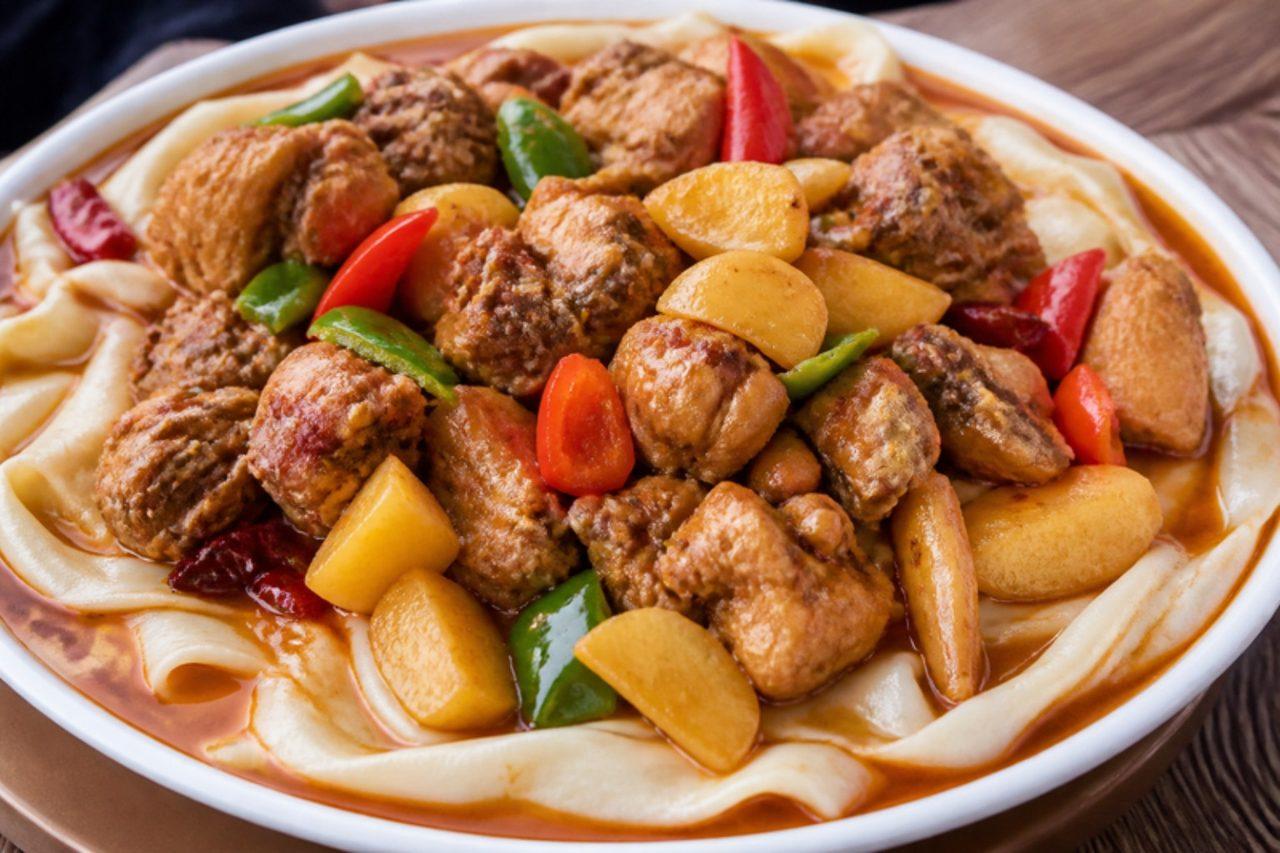
Born in roadside restaurants along the highways of northern Xinjiang in the 1980s, when truck drivers wanted something big enough to share, this dish arrives on a platter the size of a steering wheel. Chunks of bone-in chicken and potato braise in a spicy, star anise-scented sauce with green peppers, and the leftover gravy is spooned over wide, chewy belt noodles at the end. It is warming, a little numbing and very generous. Serve it for a crowd on a cold evening, with a bowl of sliced cucumber and garlic to cool things down. Chef's tip: cook the noodles first in the same pot and toss them in a little oil; they wait happily while the stew cooks and you only have one pot to wash.

by KrazyBadal 0 views

Lanzhou beef noodle soup

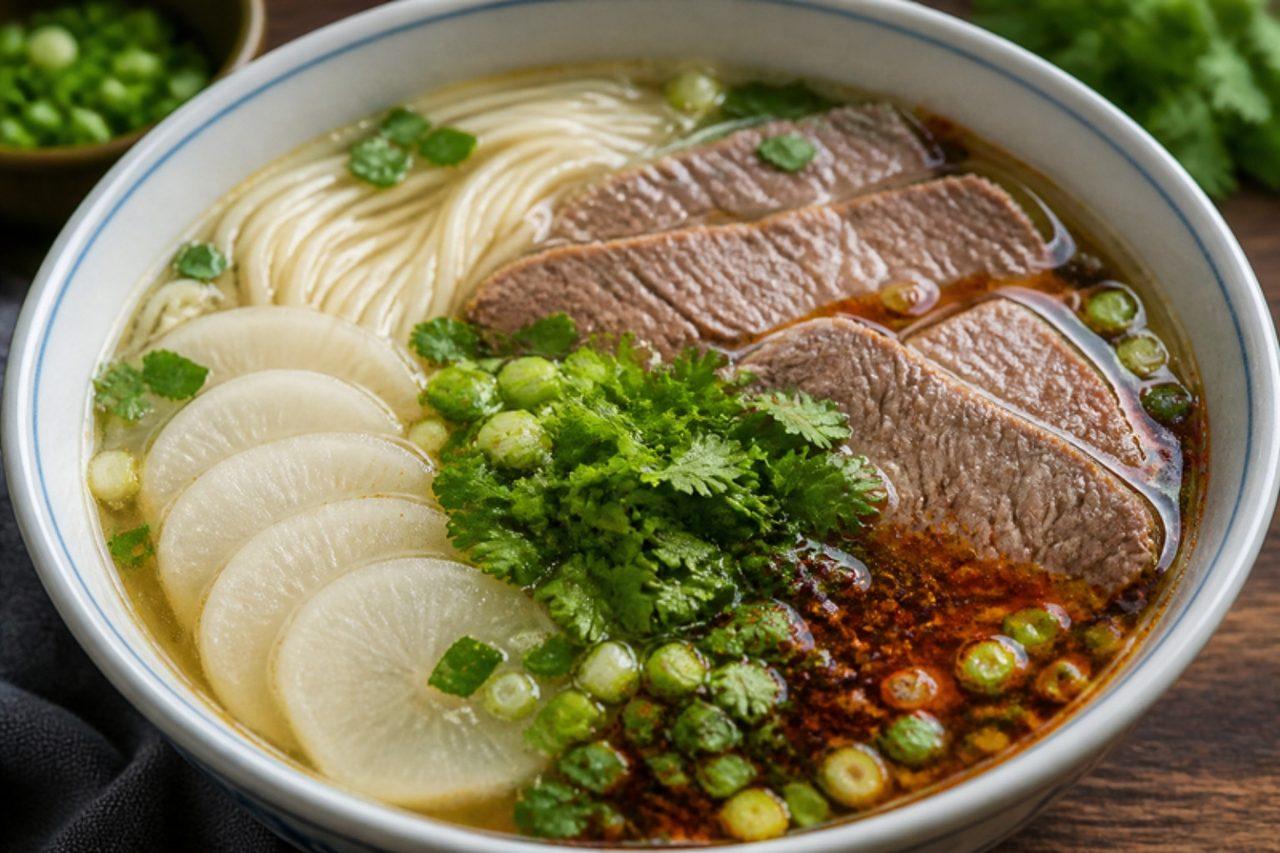
In Lanzhou, capital of Gansu, the day starts at a noodle shop where cooks stretch dough into strands before your eyes and drop them into bowls of clear, fragrant beef broth. Locals describe the ideal bowl in five colours: clear broth, white radish, red chilli oil, green coriander and garlic shoots, and yellow noodles. The broth is light yet deeply beefy and gently spiced, the radish sweet, the chilli oil toasty rather than fierce. This version uses good bought noodles, with an optional route for pulling your own if you fancy the challenge. Chef's tip: simmer the broth, never boil it; a hard boil turns it cloudy and the clear, golden look is the whole point.

180 minChineseSoups
by KrazyBadal 0 views

Sapporo soup curry

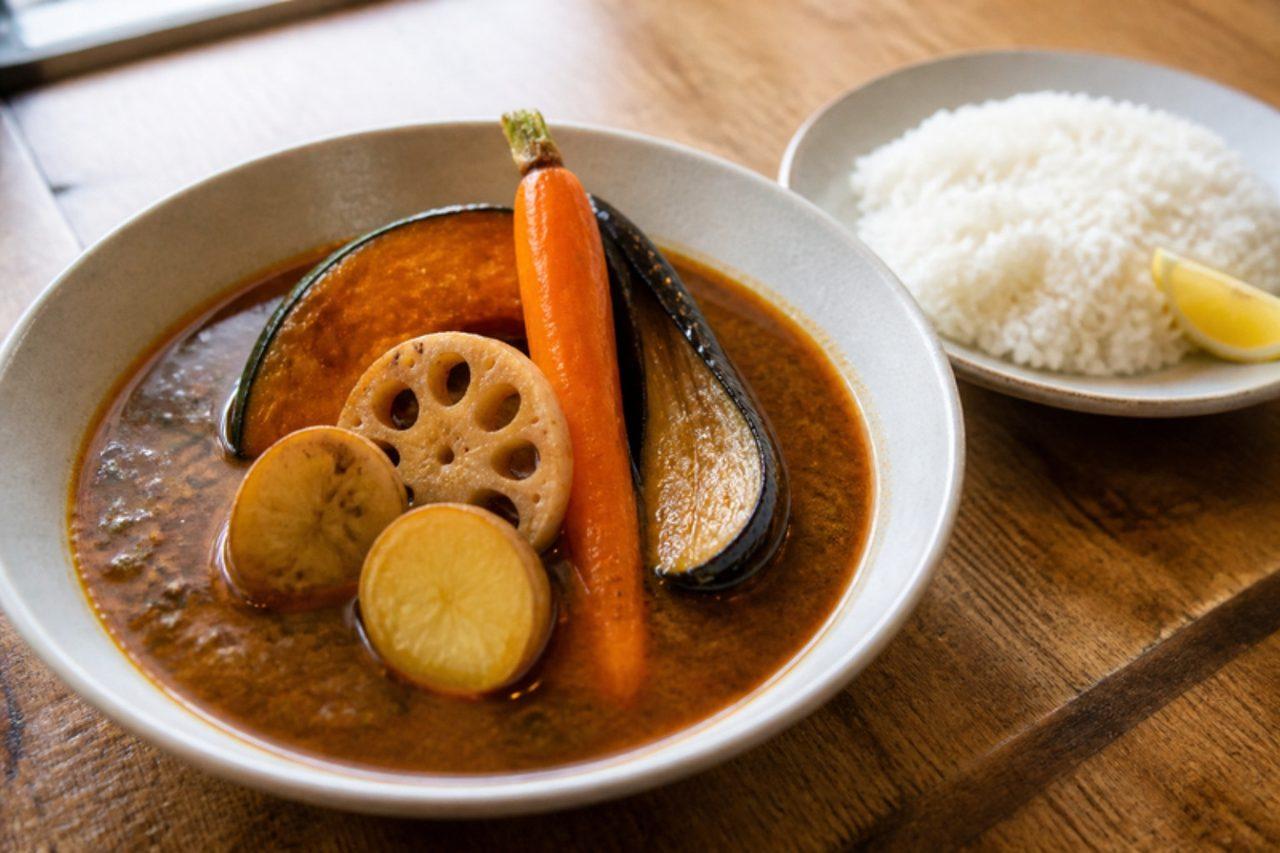
Sapporo's soup curry was born in the city's cafés in the 1970s and became a craze in the 2000s, when hundreds of small shops opened across Hokkaido's capital, each letting you pick a heat level from 1 to 30. It is nothing like the thick roux curry most of Japan knows: the broth is as thin as soup, aromatic with cumin, cardamom and garlic, and the vegetables arrive large and separately roasted, so each keeps its own colour and bite. Locals eat it in the long Hokkaido winter with a plate of rice on the side, taking a spoonful of rice and dunking it into the broth. Chef's tip: roast or fry the vegetables apart from the broth and only meet them in the bowl. The contrast of crisp-edged vegetables and hot, loose broth is the whole point.

by KrazyBadal 0 views

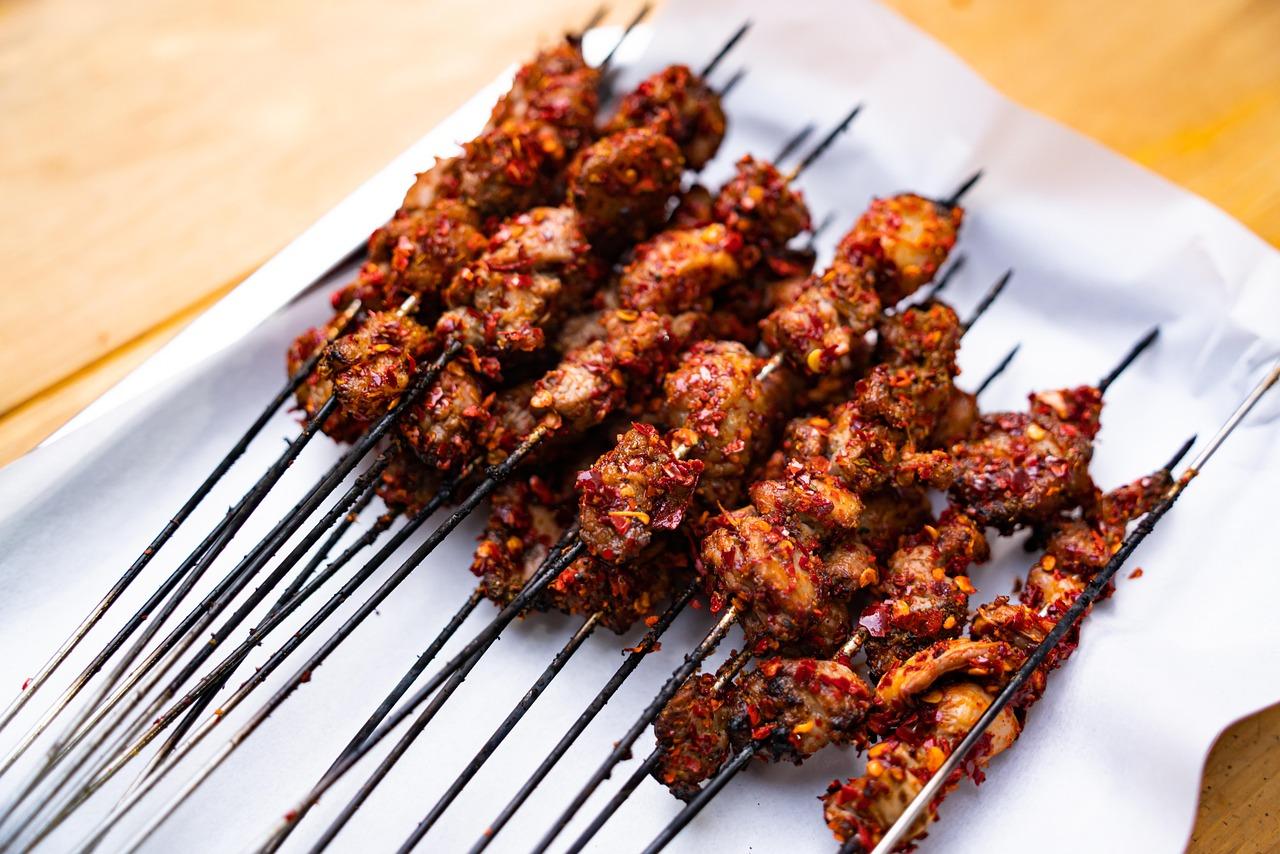
Xinjiang lamb skewers

Clouds of cumin-scented smoke rise from long charcoal troughs at night markets from Ürümqi to Kashgar, where Uyghur grill men fan the coals and turn dozens of skewers at a time. Small cubes of lamb, often with a piece of fat between them, are seasoned with salt, cumin and chilli right on the grill, so the outside is crusty and spicy while the inside stays pink and juicy. Street vendors across China copy them, but the best are simple. Eat them hot off the skewer with flatbread, sliced onion and a cold drink. Chef's tip: thread a small cube of lamb fat after every three pieces of meat; it melts over the lean as it grills and keeps it moist.

by KrazyBadal 0 views

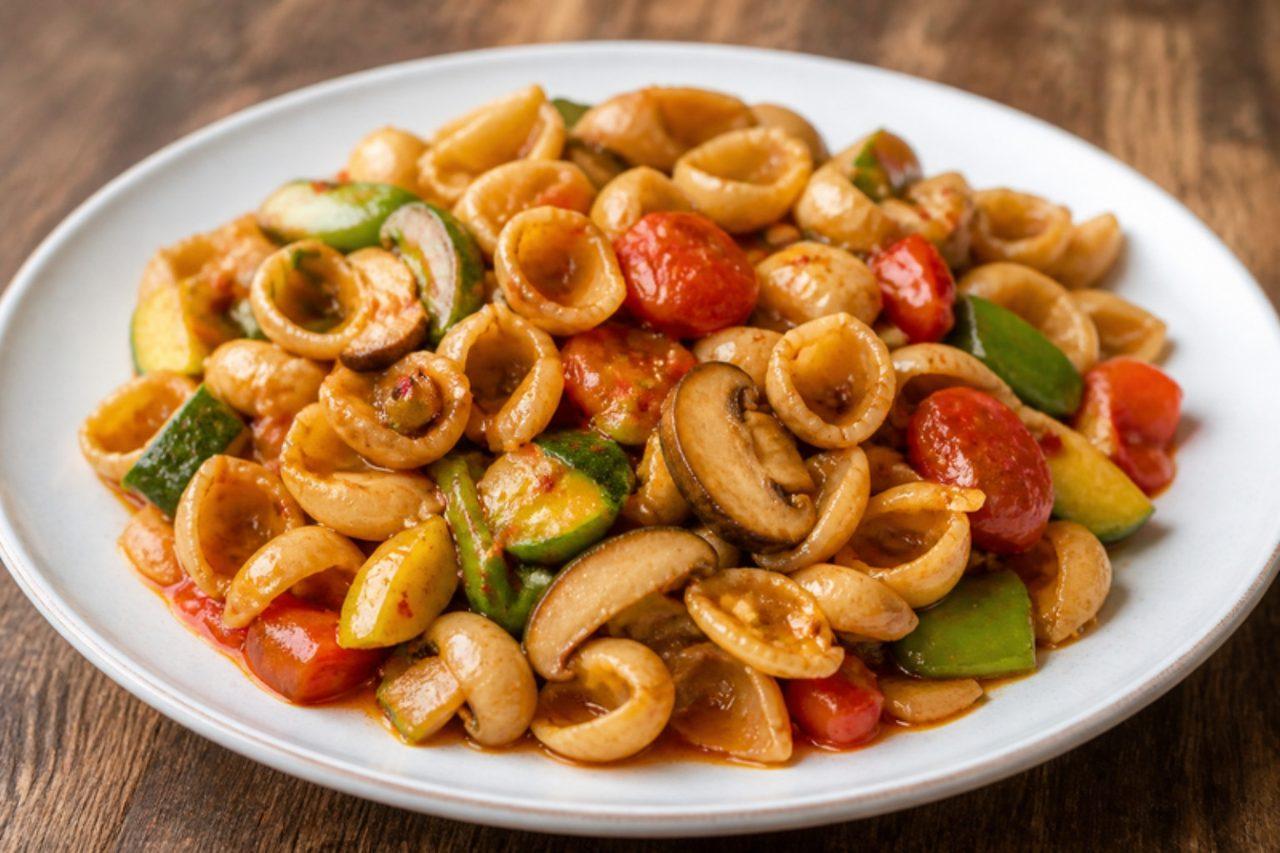
Shanxi cat's ear noodles

Shanxi has more pasta shapes than almost anywhere in China, and these are among the easiest to make by hand: small pieces of dough pressed and rolled with the thumb so they curl up like a cat's ear. Families in Taiyuan and Pingyao boil them and then stir-fry them with vegetables, or serve them in broth. The cupped shape catches the sauce. Children enjoy shaping them. Chef's tip: dust the board lightly with flour; too much and the dough slides instead of curling.

by KrazyBadal 0 views

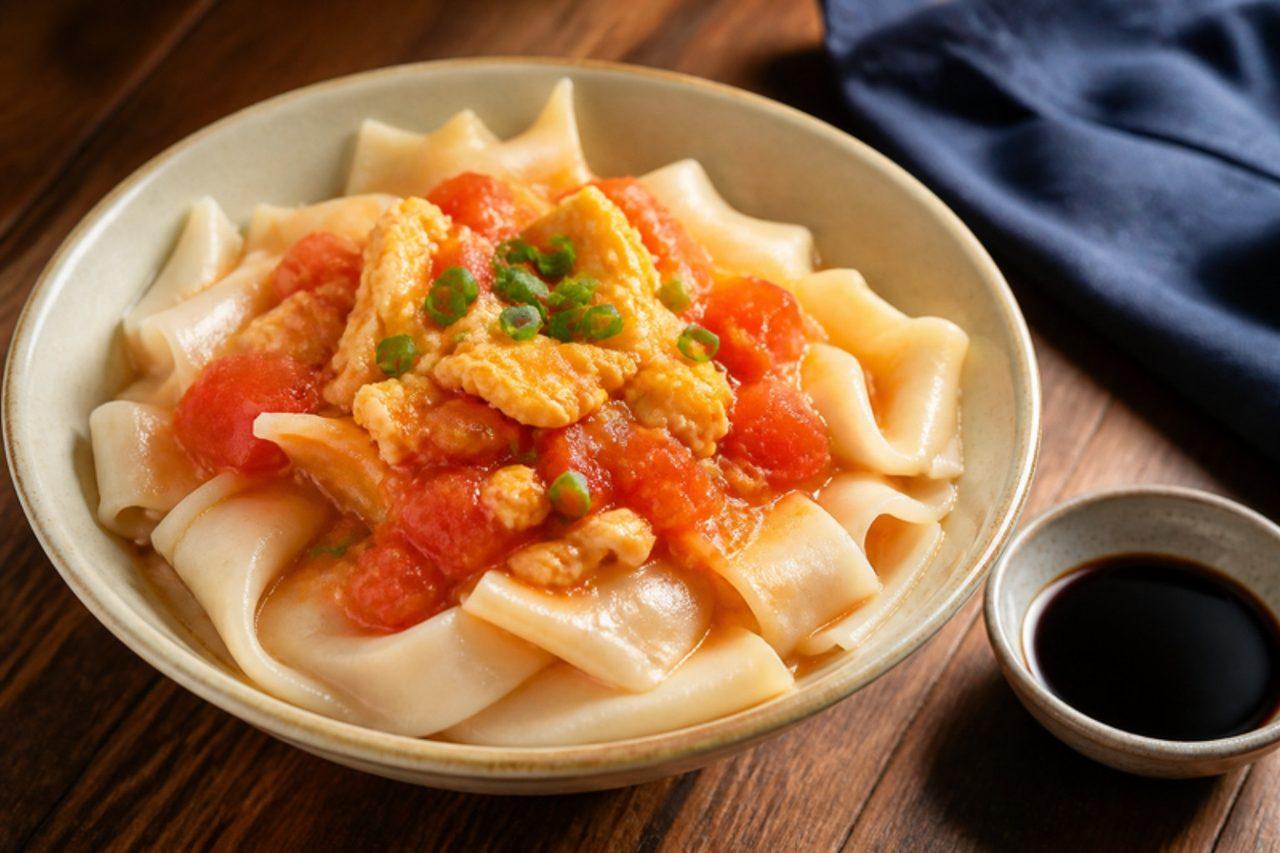
Shanxi knife-shaved noodles with tomato and egg

In Taiyuan, noodle cooks hold a block of stiff dough on one arm and shave strips off it straight into a boiling cauldron, so fast they look like falling leaves. Each noodle comes out thick in the middle and thin at the edges, chewy and slightly uneven, which is the whole charm. The most common topping in Shanxi homes is a soft tomato and egg sauce, with a splash of aged vinegar at the table. Chef's tip: a firm dough is essential; a soft one sticks to the blade and tears.

by KrazyBadal 0 views

Tianjin fried sticky rice cakes

These are one of Tianjin's three famous snacks, named after Erduoyan ('ear hole') Lane, where the original shop opened over a hundred years ago. The dough is soft, slightly fermented glutinous rice, filled with dark, sweet red bean paste and fried until the shell is crisp and blistered while the inside stays chewy. Locals buy them for festivals and as a winter treat. Chef's tip: seal the edges thoroughly and fry at a moderate heat; hot oil makes them burst and spit.

by KrazyBadal 0 views

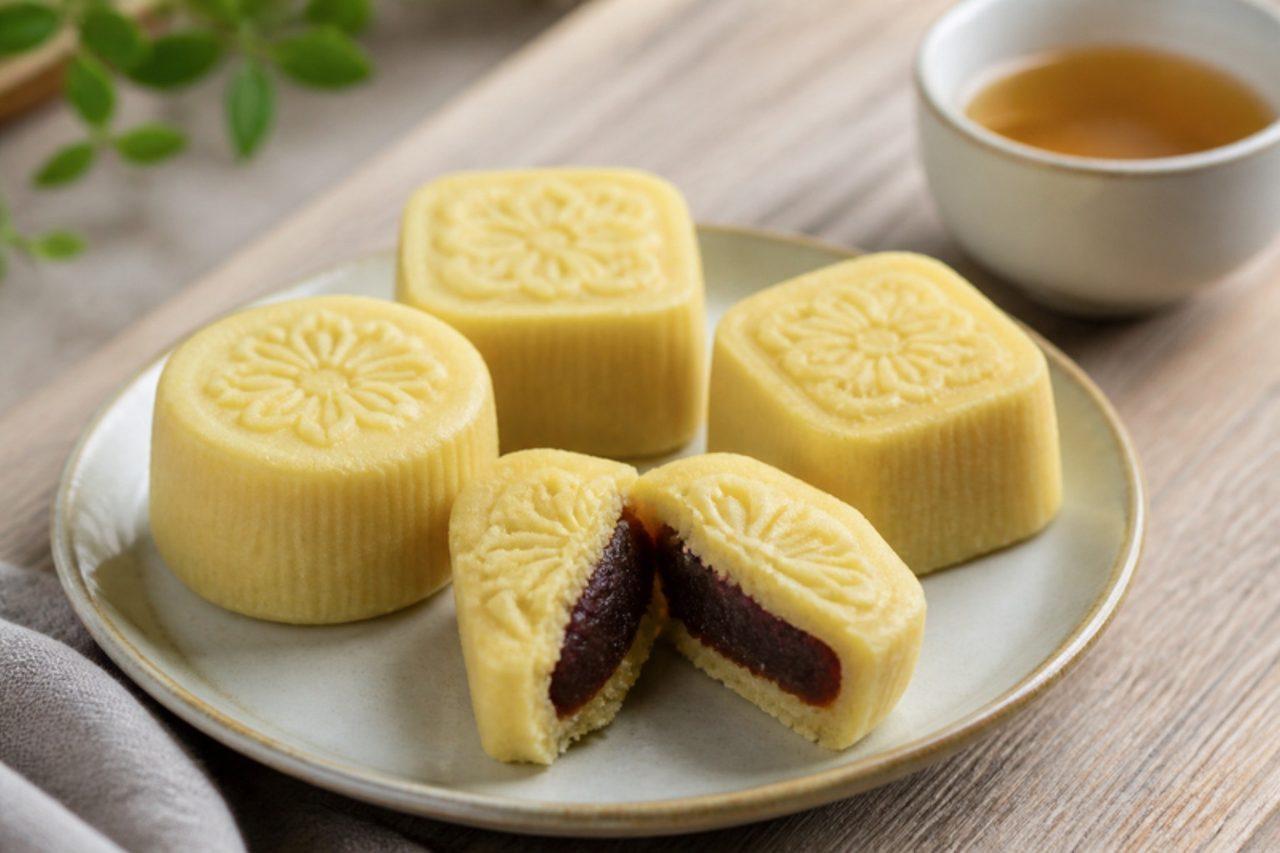
Beijing mung bean cakes

Beijing pastry shops stack these pale yellow cakes high in early summer, when they're eaten for the Dragon Boat Festival and as a cooling sweet on hot afternoons. Peeled mung beans are steamed, mashed with sugar and oil, then pressed in wooden moulds, so each cake comes out with a pattern. Northern versions are dry and crumbly; Suzhou ones further south are oilier. You need a mooncake press or small mould. Chef's tip: cook the paste until it pulls away from the pan in one ball; if it's too wet the cakes slump.

by KrazyBadal 0 views

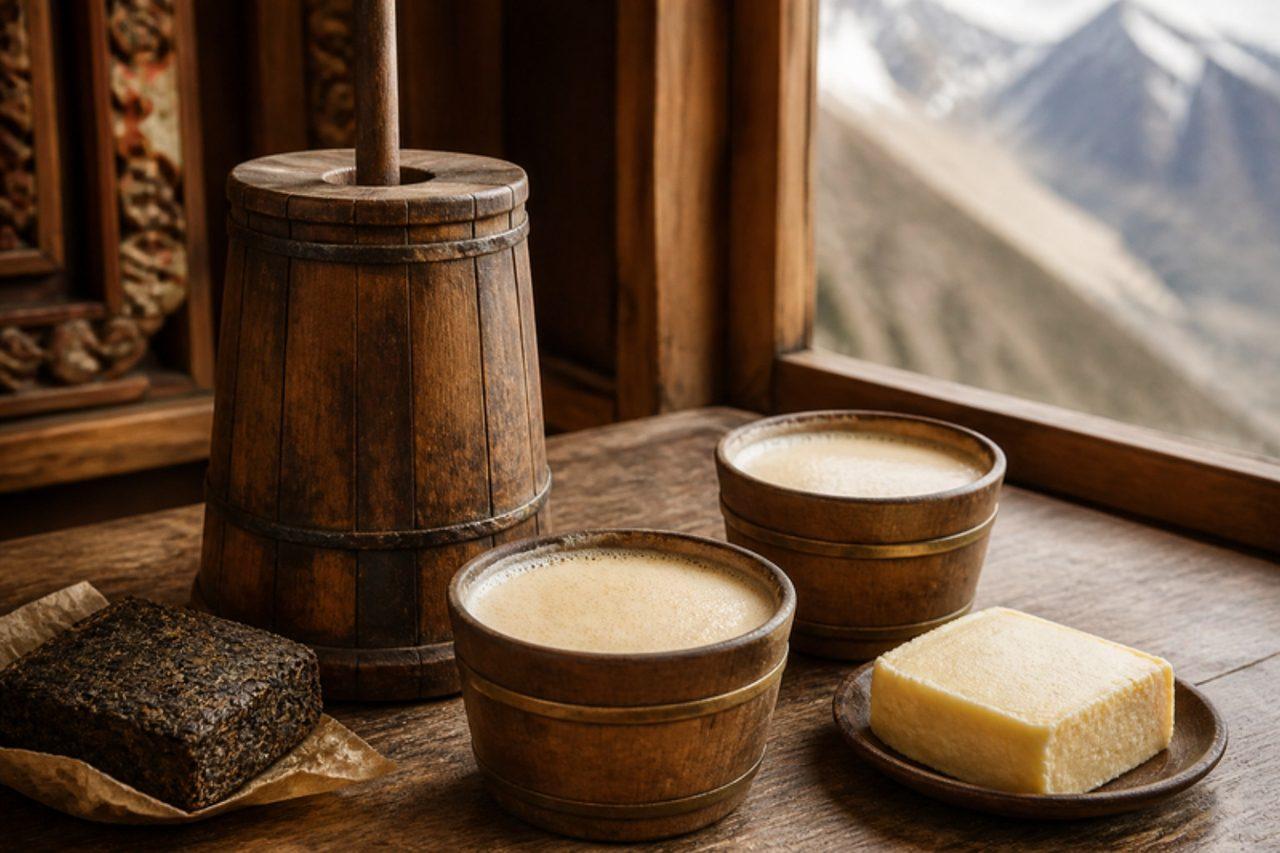
Tibetan butter tea

On the cold Tibetan plateau, people drink many cups a day of this salty, buttery tea, and a host keeps topping up a guest's bowl as soon as a sip is taken. Traditionally, brick tea is boiled for a long time, then churned with yak butter and salt in a tall wooden cylinder called a chandong. At home, a blender gives the same creamy, frothy result. It tastes more like a light broth than a sweet tea. Chef's tip: boil the tea hard and long; it needs to be very strong to stand up to the butter.

by KrazyBadal 0 views

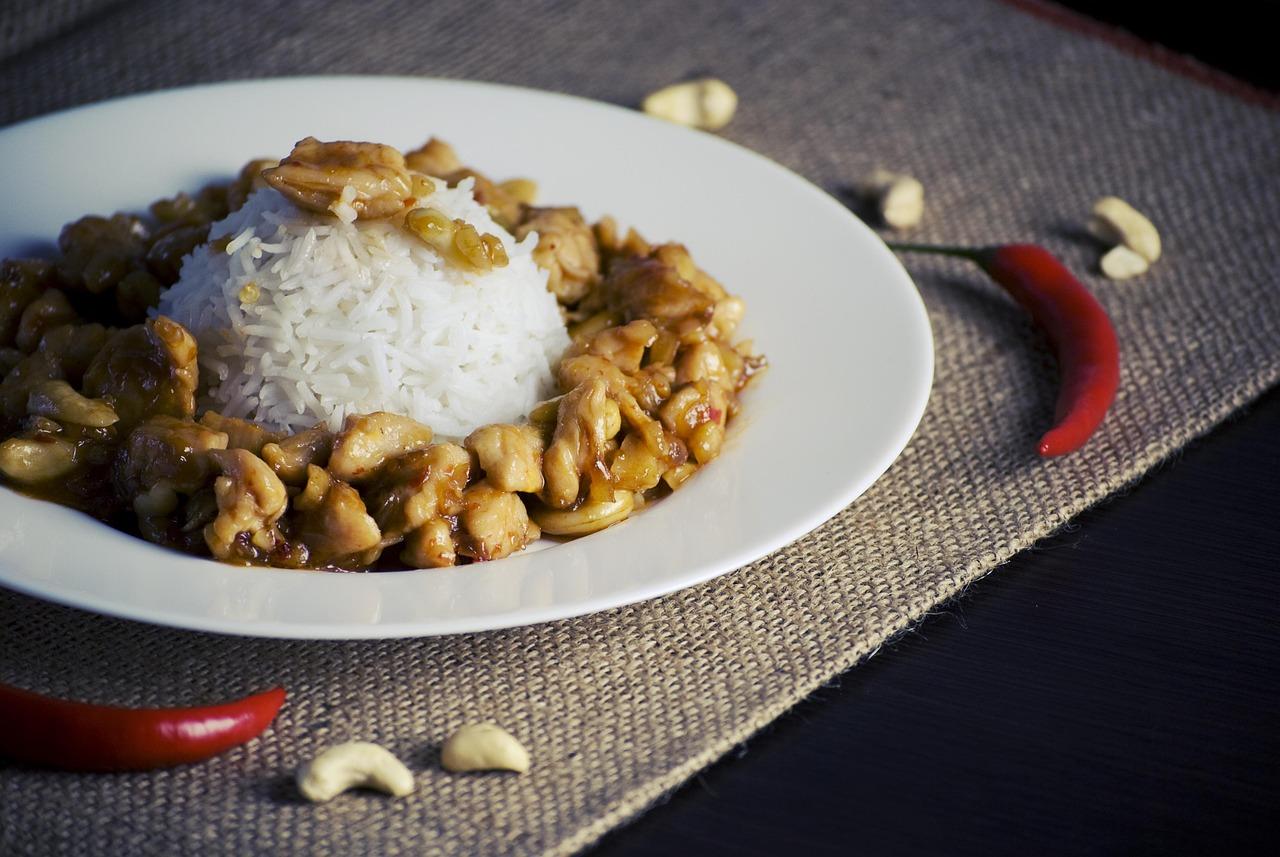
Cashew chicken

Crunchy, mild and gently sweet, this stir-fry is what central Thai families order for the table when children or chilli-shy guests are eating too. Strips of chicken are dusted in cornflour and fried golden, then tossed with roasted cashews, onion, spring onion and whole dried chillies that are crisped in the oil for smoky colour rather than fierce heat. Restaurants from Bangkok to Hua Hin serve it as one dish of a shared meal, with steamed rice and a sour soup such as tom yum. The sauce is glossy and savoury from oyster sauce, with a spoonful of roasted chilli paste for depth. Chef's tip: toast the cashews slowly in the oil before anything else goes into the wok; they stay crunchy far longer than nuts thrown in raw.

by KrazyBadal 0 views

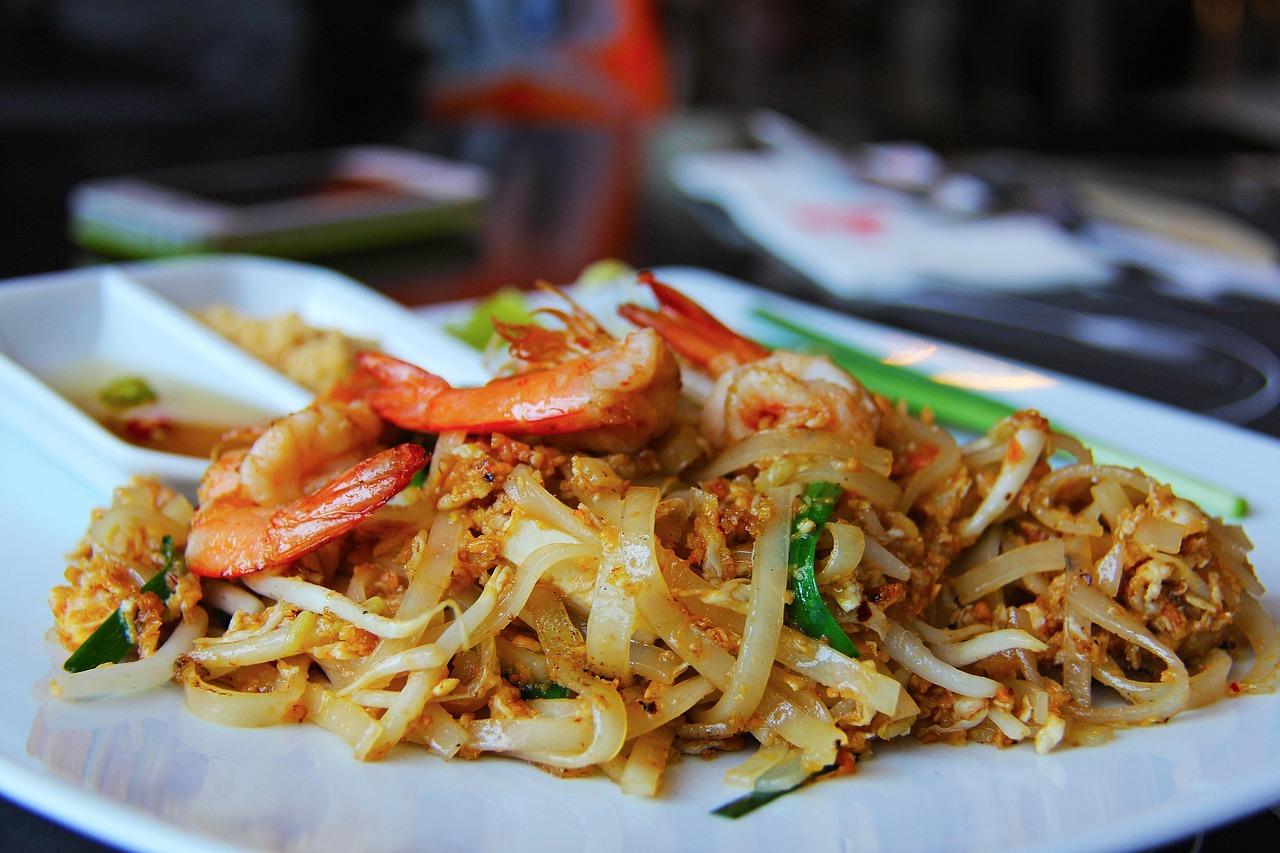
Pad thai with prawns

On Mahachai Road near Bangkok's Golden Mount, pad thai cooks work charcoal-fired woks late into the night, and their style is the model here: chewy rice sticks tossed with a dark, sweet-sour tamarind sauce, scrambled egg, cubes of firm tofu, sweet preserved radish, garlic chives and plump fresh prawns. It should taste tangy first, then sweet and salty, never like ketchup. Everyone finishes their own plate at the table with crushed peanuts, chilli flakes, a squeeze of lime and a handful of raw bean sprouts and chives for crunch, and children usually love it with the chilli left off. Chef's tip: make the tamarind sauce a day ahead; it keeps for a week in the fridge and the noodles then take ten minutes.

by KrazyBadal 0 views

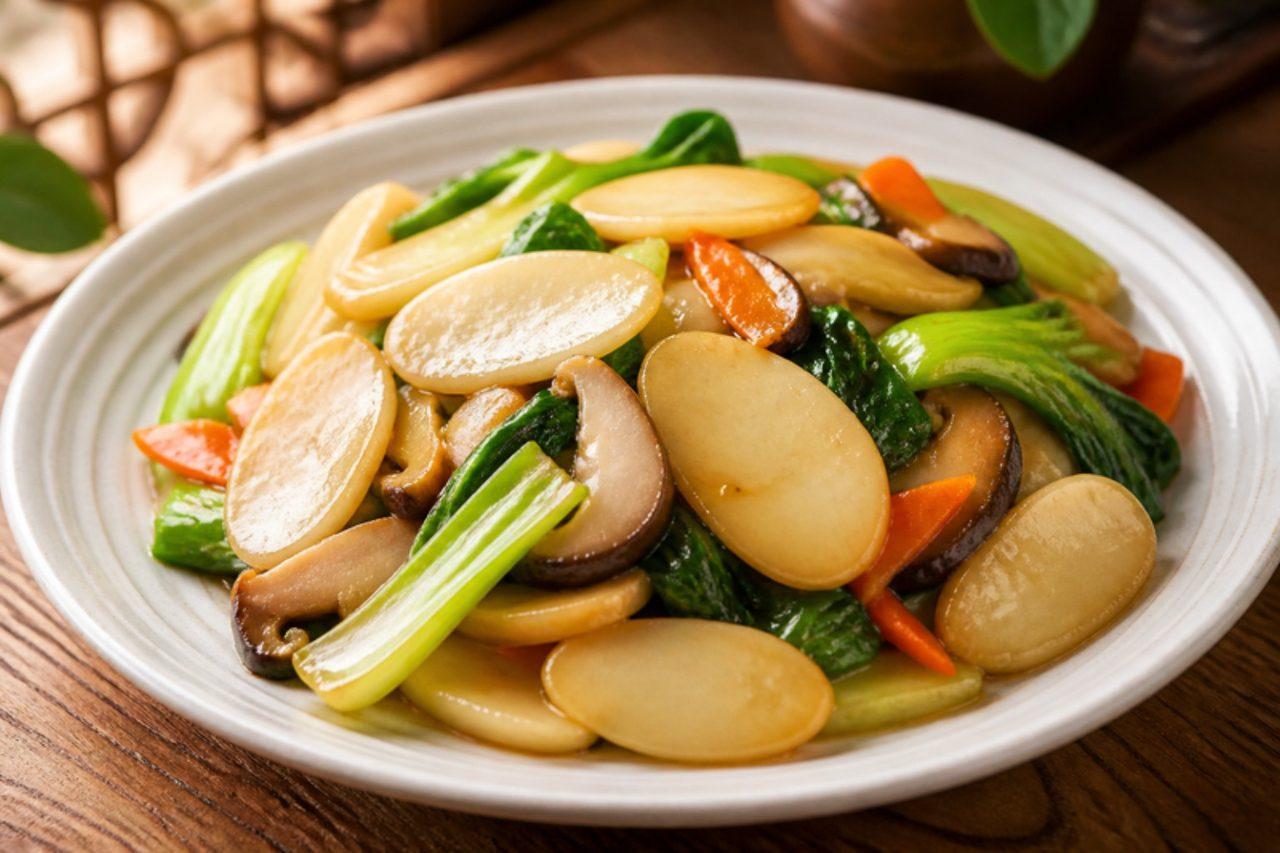
Shanghai stir-fried rice cakes

Every Shanghai noodle shop has this on the menu: oval slices of rice cake, made from pounded rice, tossed in a wok with Shanghai pak choi and mushrooms until chewy and glossy brown. At New Year it's eaten for luck, because niángāo sounds like 'higher every year'. The usual version adds shredded pork, but it's often made with vegetables alone. Look for packs of sliced rice cakes in the fridge or freezer of Chinese supermarkets. Chef's tip: soak the slices in cold water first, so they cook evenly and don't stick together.

by KrazyBadal 0 views

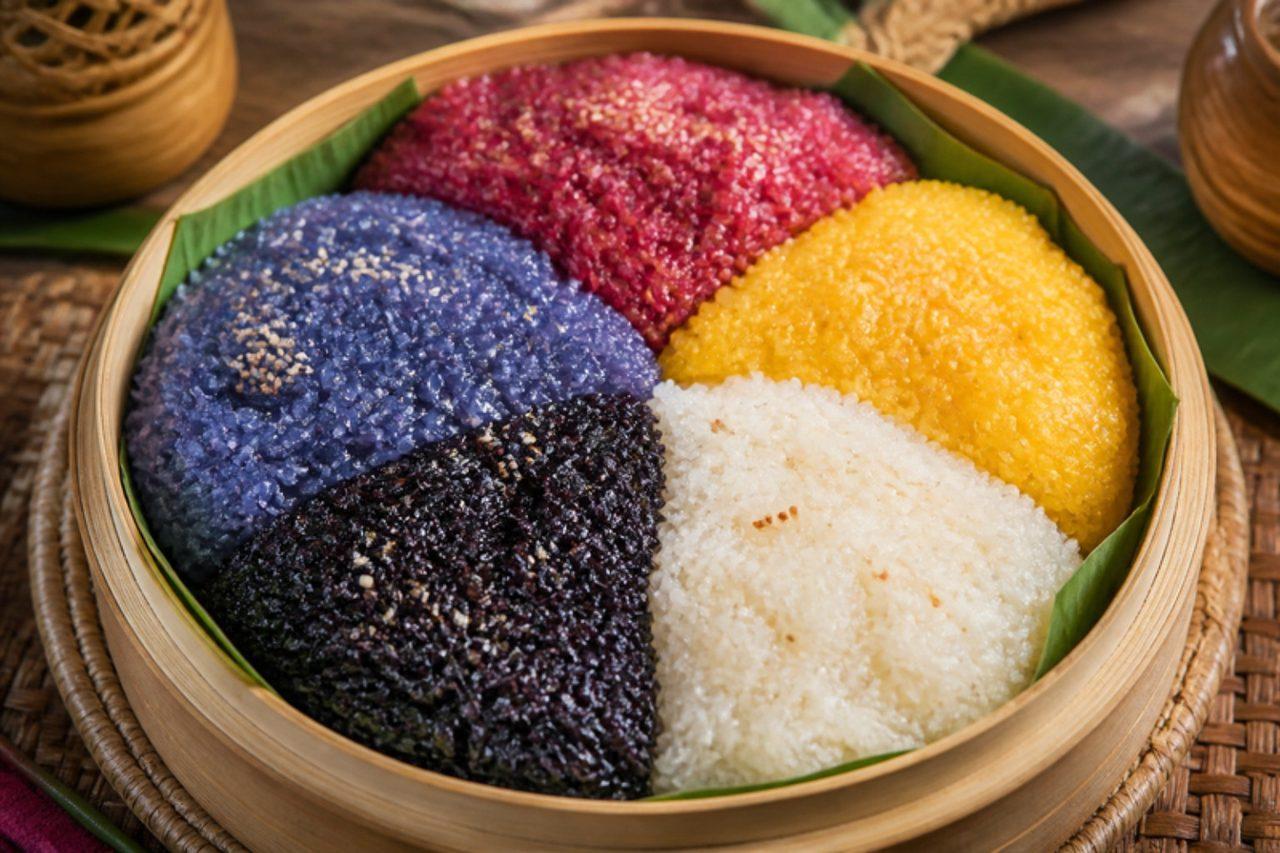
Guangxi five-colour sticky rice

The Zhuang people of Guangxi steam this rainbow rice for Sānyuèsān, the festival on the third day of the third lunar month, and for weddings and tomb-sweeping. In the villages the colours come from local leaves and flowers; at home, turmeric, beetroot, blue pea flowers and black rice give the same effect without any artificial dye. It's eaten plain, sprinkled with sugar or with savoury dishes. Soak the rice for 6 hours or overnight. Chef's tip: soak each colour in its own bowl and keep them apart in the steamer, so the colours stay clear.

by KrazyBadal 0 views

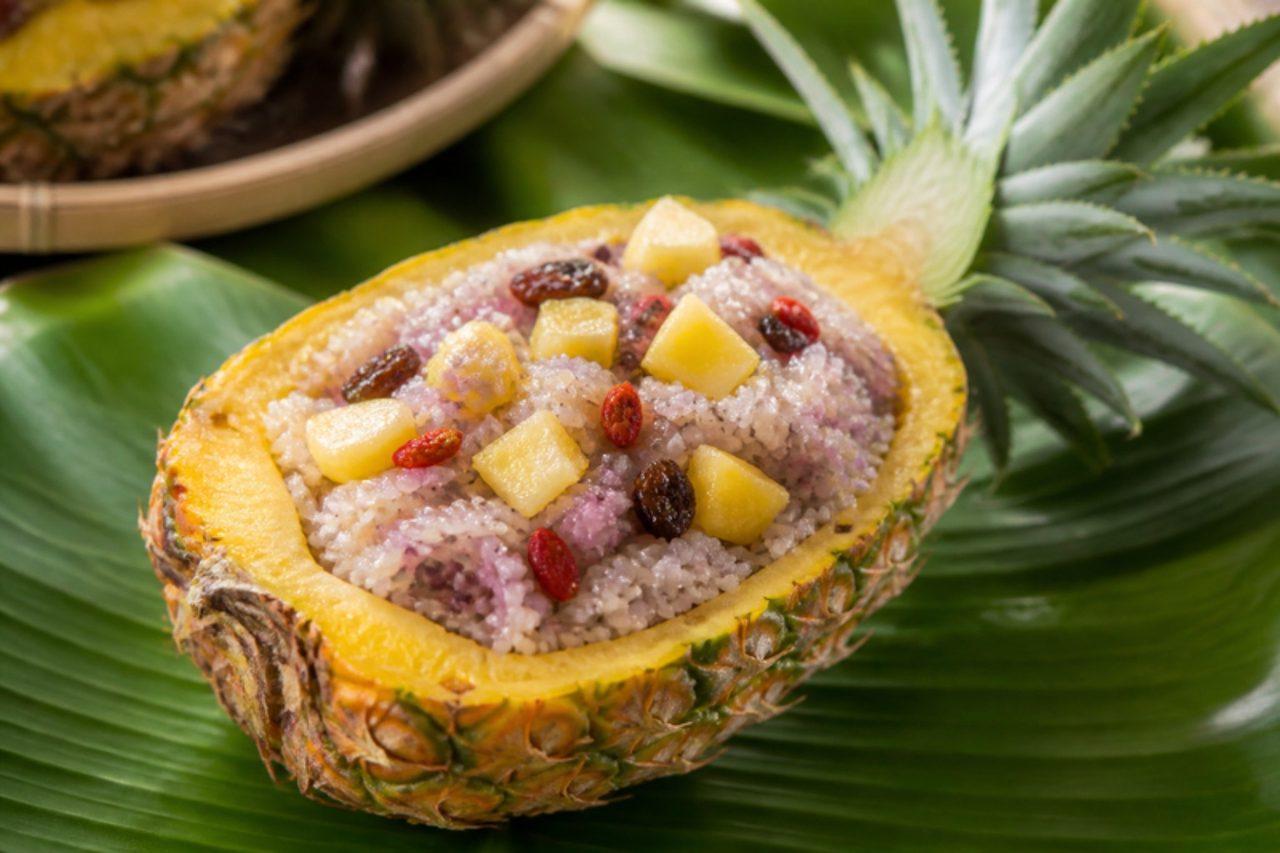
Dai pineapple sticky rice

In Xishuangbanna, the tropical south of Yunnan, the Dai people cook sticky rice inside hollowed-out pineapples, so the fruit's juice soaks in while it steams. It turns up at festivals and on every Dai restaurant table, a sweet and tangy side next to grilled and sour dishes, and children love it. Soak the rice for at least 4 hours before you start. Chef's tip: use a ripe pineapple that smells sweet at the base; an under-ripe one makes the rice sour.

by KrazyBadal 0 views

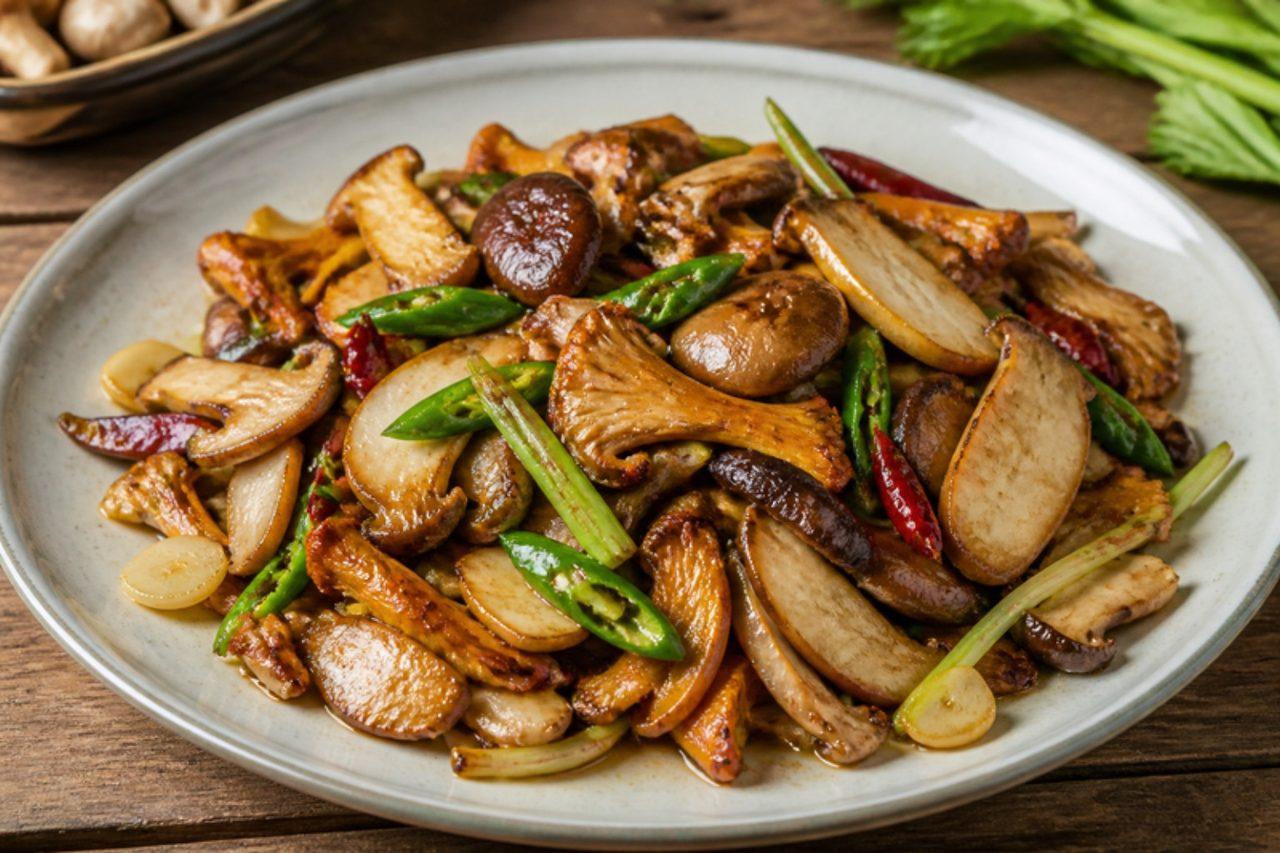
Yunnan wild mushroom stir-fry

From June to September, the markets of Kunming fill up with wild mushrooms from the mountains: porcini, chanterelles, termite mushrooms and dozens more, and restaurants fry them with a lot of garlic and chilli. Wild mushrooms there are always cooked thoroughly, and some kinds are dangerous, so at home use only shop-bought mushrooms. A mix of oyster, king oyster, shiitake and any chanterelles or porcini you can find works well. Chef's tip: cook the mushrooms in a hot, uncrowded pan so they sear; crowded mushrooms sweat and go rubbery.

by KrazyBadal 0 views

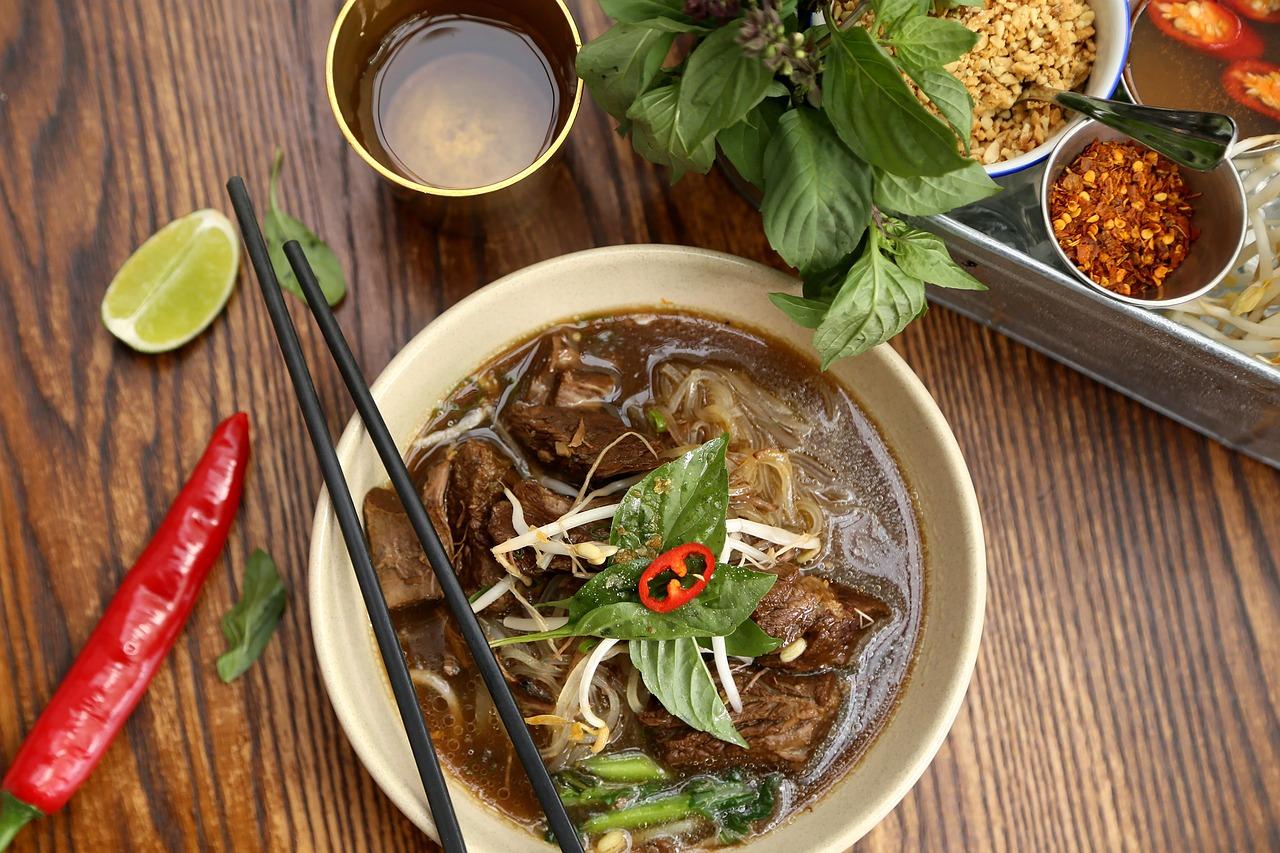
Boat noodles

The name goes back to the canals of Ayutthaya and Bangkok, where vendors cooked noodles in narrow wooden boats and passed tiny bowls up to customers on the bank; the bowls are still small, and at Victory Monument diners stack ten or more empties beside them. The broth is what people come for: beef simmered with star anise, cinnamon, galangal and pandan, darkened with soy and red fermented bean curd, then sharpened at the table with chilli vinegar. Stalls traditionally stir in fresh cow's or pig's blood for body; here it is optional and left out by default, and the soup is still rich and deep. Each bowl gets thin rice noodles, tender beef, beef balls, morning glory and Thai basil, finished with crisp garlic and pork crackling. Chef's tip: keep the pot slightly under-salted and let everyone season their own bowl with fish sauce, sugar, chilli and vinegar.

120 minThaiSoupsSpicy
by KrazyBadal 0 views

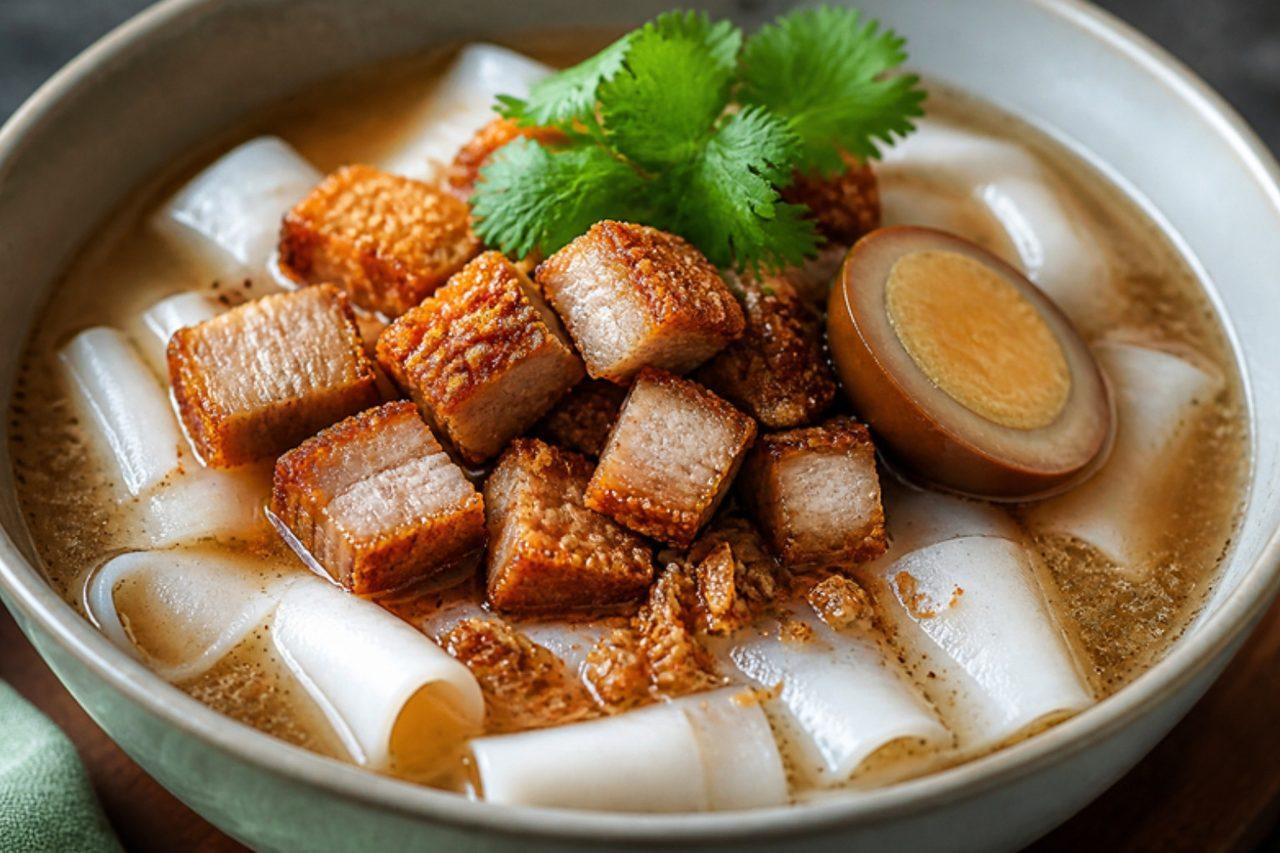
Guay jub with crispy pork

After dark on Yaowarat Road in Bangkok's Chinatown, queues form at the guay jub stalls for bowls of curled rice noodles in a cloudy, peppery broth, topped with crackling pork belly and a soy-stained egg. The noodles roll into little tubes as they cook and turn slippery and soft, the broth bites with white pepper, and the pork shatters before it melts. This is Teochew comfort food, eaten as a late supper or to round off a night out, with a dish of chilli vinegar and extra pepper on the side. Chef's tip: grind white peppercorns fresh over each bowl at the end; ready-ground pepper has lost the floral heat that defines the soup.

90 minThaiSoups
by KrazyBadal 0 views

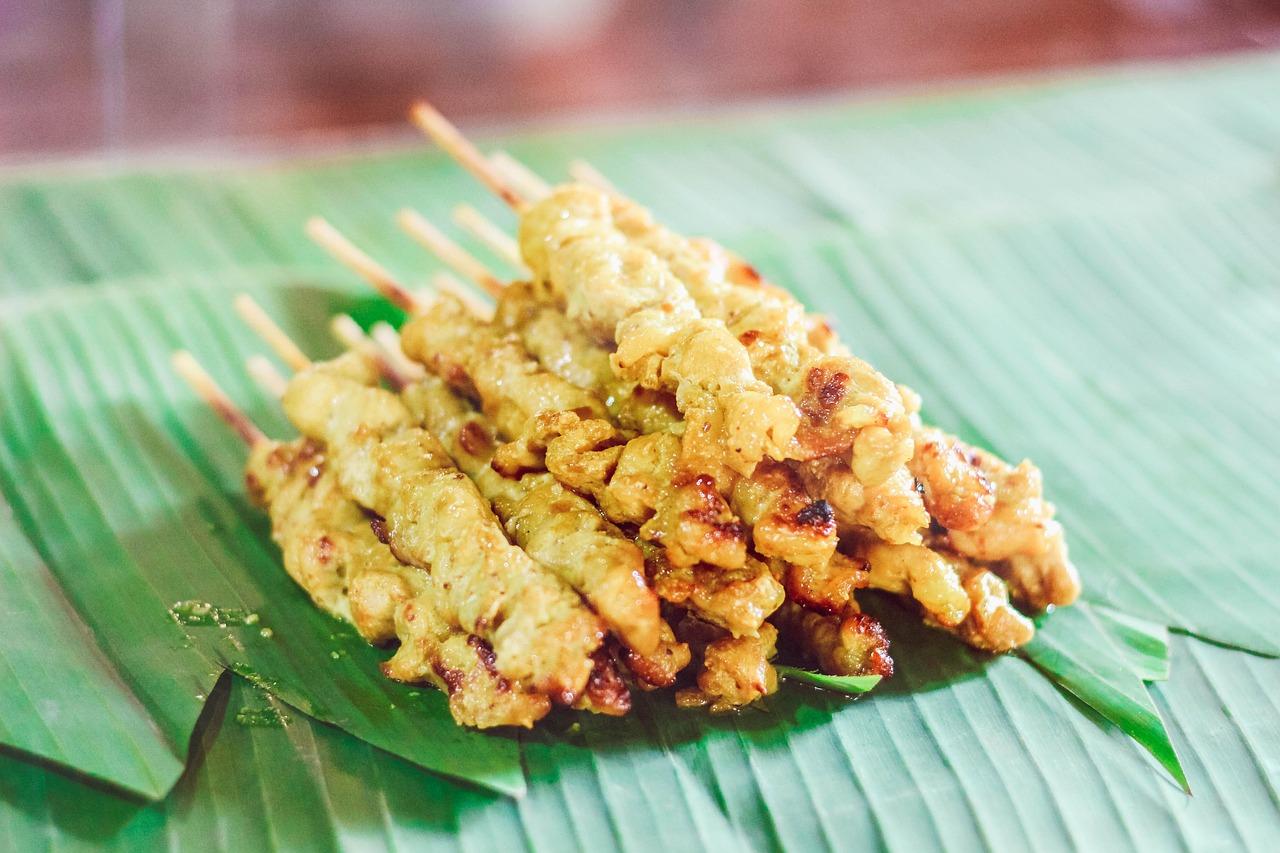
Thai chicken satay
Satay came to Thailand with Muslim cooks from the south and the Malay peninsula, and now its smoke drifts from Bangkok market lanes to the night stalls of Hua Hin: thin strips of chicken stained yellow with turmeric and coconut, grilled over charcoal until the edges char. Every order comes with two partners, a thick, gently spiced peanut sauce and ajad, a sweet-sour relish of cucumber, shallot and chilli that cuts the richness. Grilled bread or sticky rice turns it into a meal; on its own it is a party snack. Chef's tip: thread the meat in a flat, tight ribbon rather than bunched up, so it cooks evenly and quickly without drying out.

by KrazyBadal 0 views

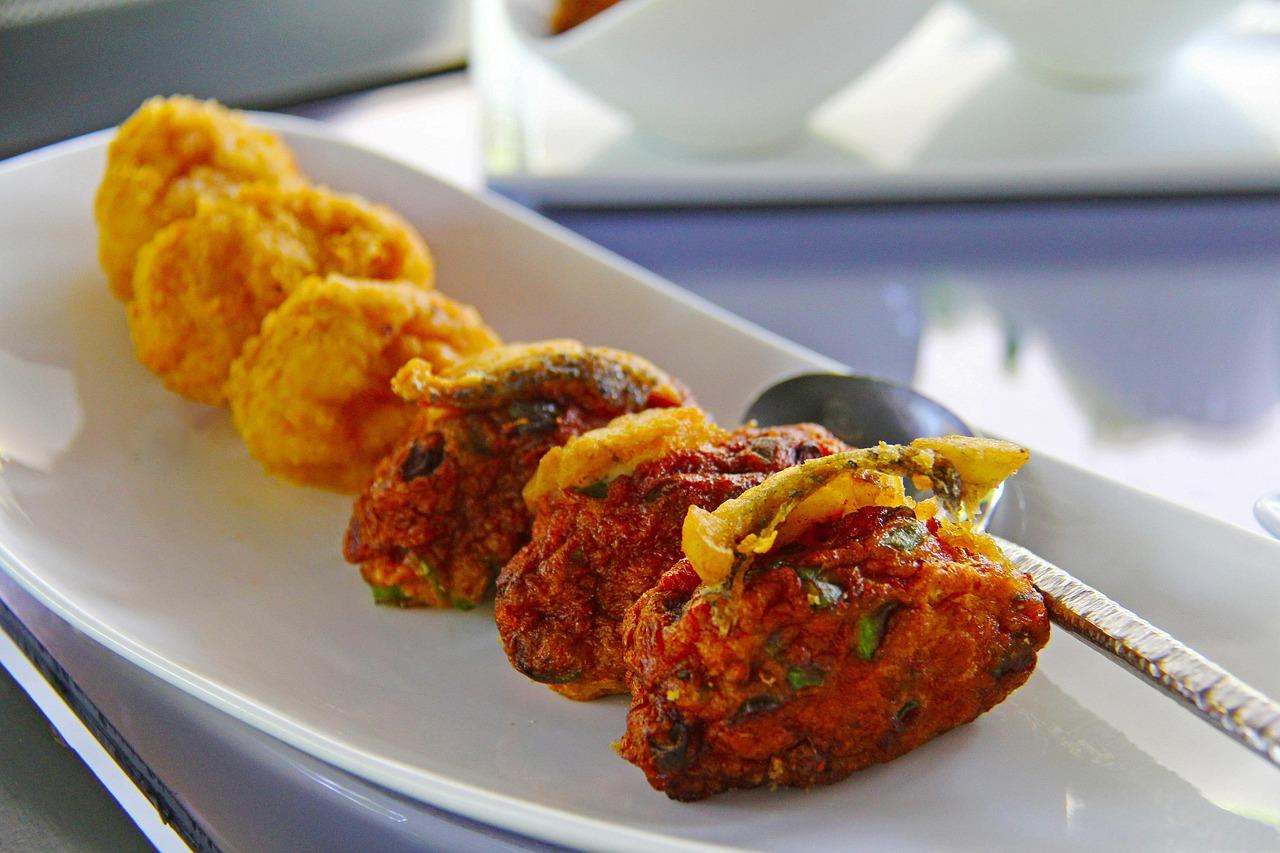
Thai fish cakes
Bouncy, not fluffy, is how a good tod man pla should feel between the teeth: the fish is worked with red curry paste into a sticky, elastic paste, studded with slices of long bean and shredded lime leaf, then fried in small discs that puff and ruffle at the edges. Markets all over Thailand, from Chiang Mai to Hat Yai, sell them by the bagful, and at home they are a starter or part of a shared meal with a sweet-sour cucumber dip scattered with crushed peanuts. Featherback fish (pla grai) is the classic choice, but any firm white fish works. Chef's tip: rub your hands with a little oil before shaping and the sticky paste won't cling to your fingers.

by KrazyBadal 0 views

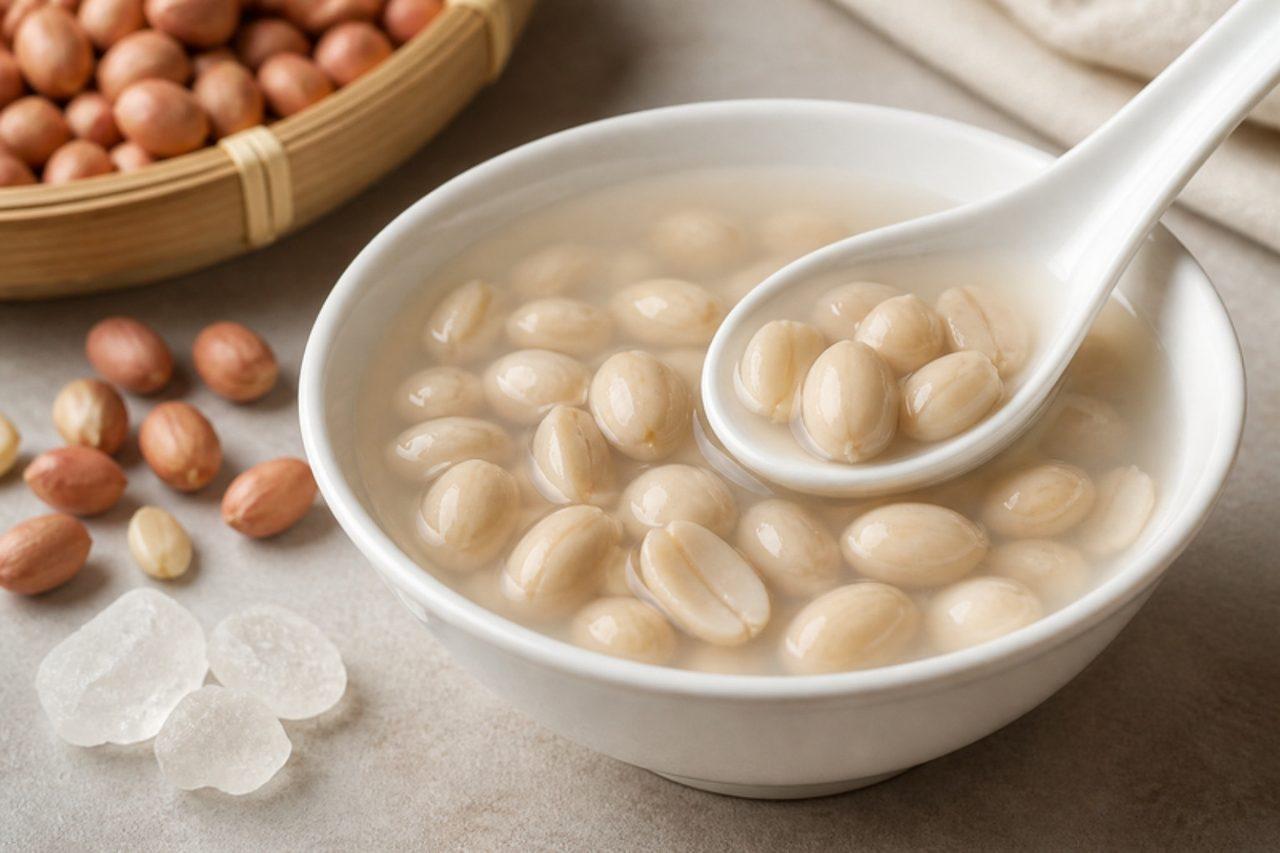
Xiamen sweet peanut soup

In Xiamen on the Fujian coast, peanut soup is breakfast, mid-morning snack and late-night treat, sold from steaming pots in the old arcades along Zhongshan Road. The peanuts are cooked so slowly that they become soft and creamy while keeping their shape, and the broth turns milky and lightly sweet. Locals often dunk a fried dough stick into it. Chef's tip: soak the peanuts, then freeze them overnight; the ice crystals break down the cell walls and the peanuts cook to that melting texture much faster.

by KrazyBadal 0 views

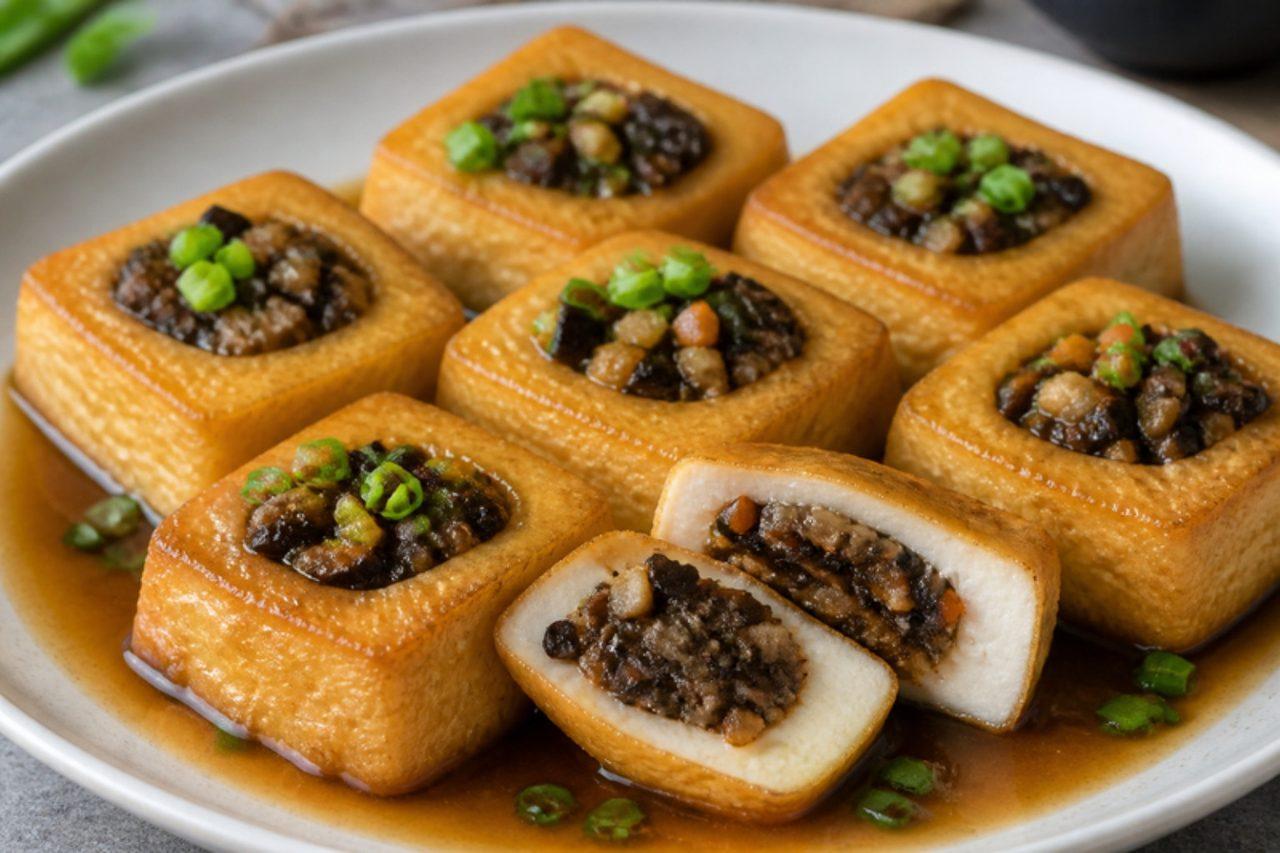
Hakka stuffed tofu with mushroom filling

In Meizhou, the heart of Hakka country in east Guangdong, tofu stuffed with a meat filling is one of the dishes everyone expects at a family meal or a New Year table. Buddhist Hakka cooks fill it with mushroom, water chestnut and tofu instead, and that vegetarian version is given here. The squares are fried stuffed side down until crisp, then braised briefly so they soak up the sauce. Serve with rice and a plate of greens. Chef's tip: dust each hollow with cornflour before filling; it works like glue and stops the filling falling out.

by KrazyBadal 0 views

Showing 54 of 10,569 recipes

Show more recipes

Page 1,055 of 1,175