


Skip to content
Mujuzhi
Featured recipe

Mujuzhi

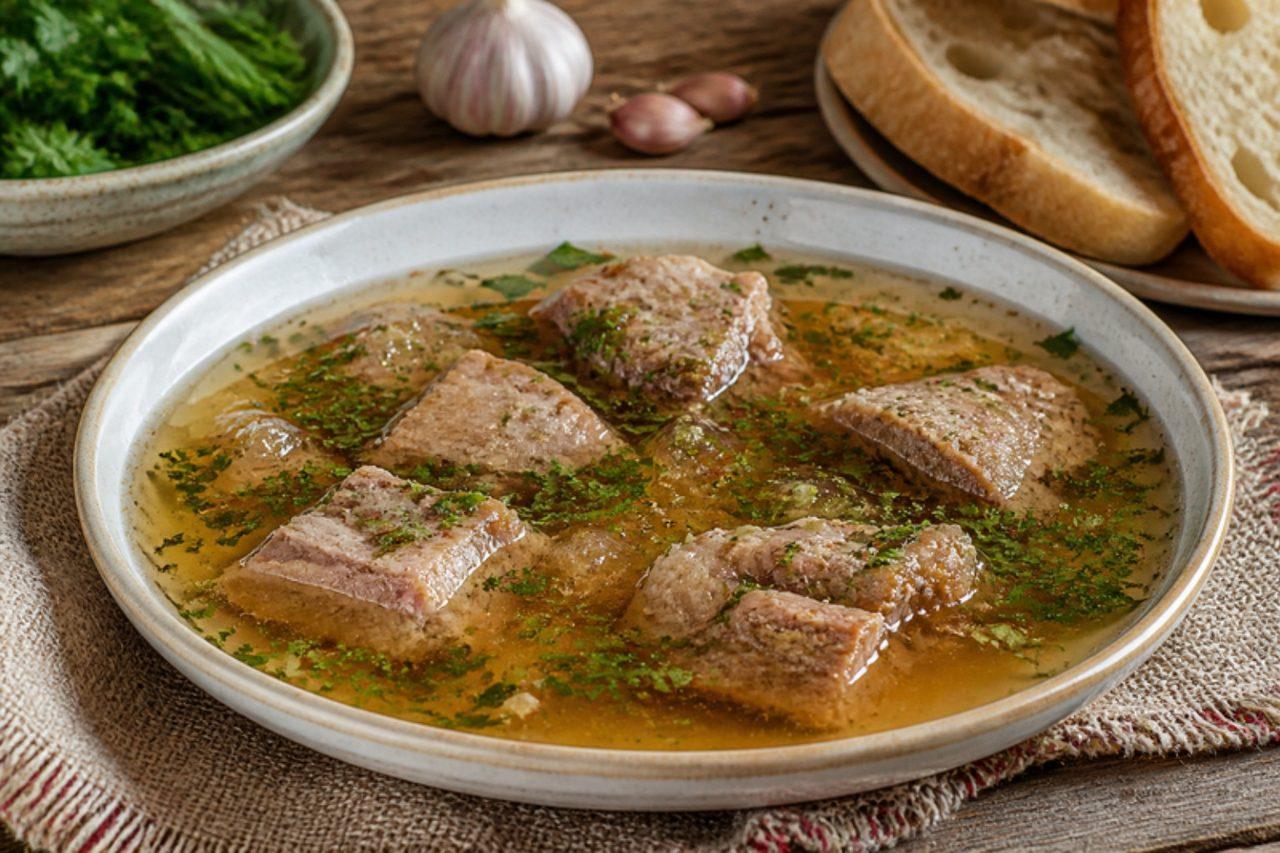
Pork trotters in garlic jelly

For New Year in Imereti, kitchens fill with the smell of mujuzhi simmering for hours, because the dish has to set overnight on a cold balcony: pork trotters and hocks are boiled until the meat falls off, then laid in bowls under their broth, sharpened with vinegar and lots of garlic, which sets into a clear, tangy jelly. This is a pork dish, served cold with mchadi and pickles. A common mistake is boiling hard, which clouds the jelly. Chef's tip: keep the pot at a bare tremble, skim well and season the broth with vinegar to taste before it sets; the sourness is what makes mujuzhi different from other aspics.

Read more 0 views

What to eat today?

Around the world

Today's trip: Persian

A new country every day, from every cuisine on the site.

Persian

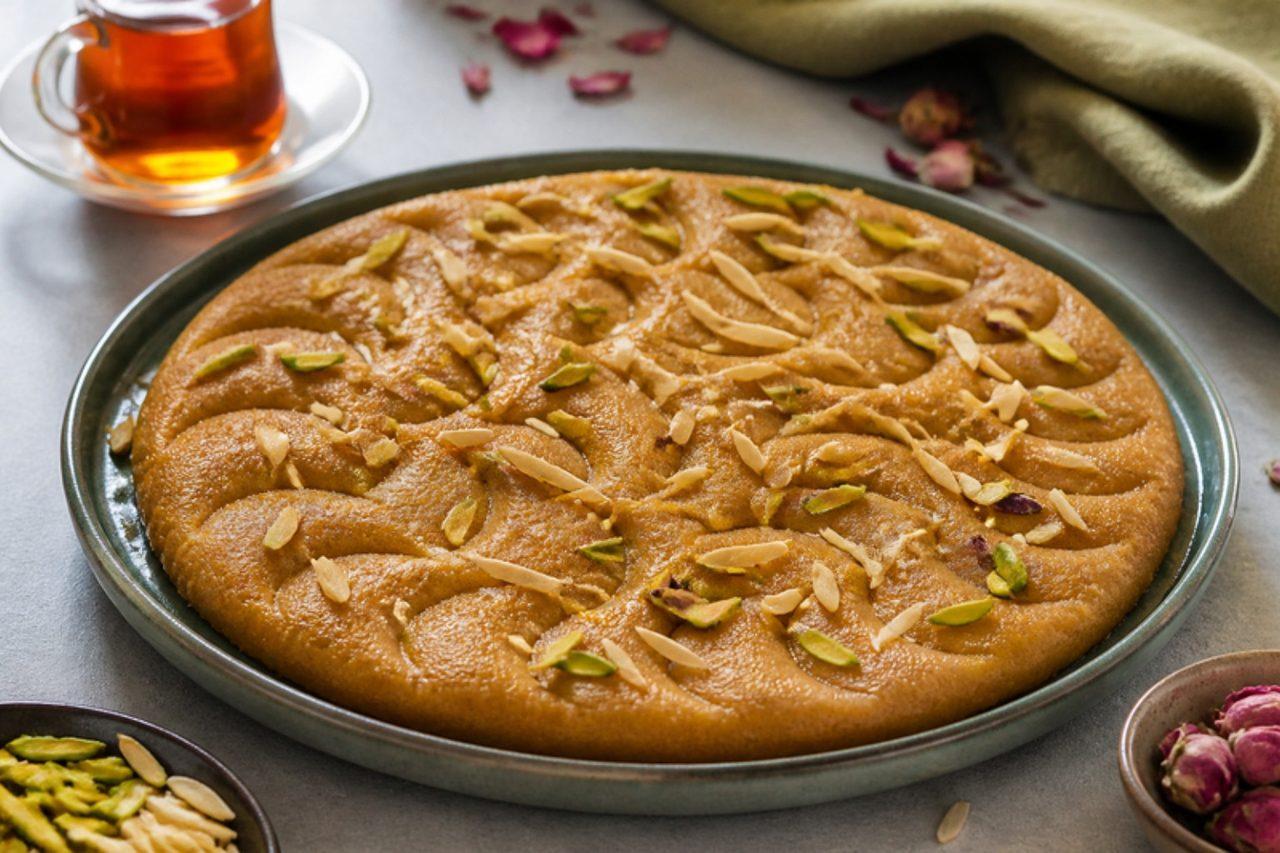
Persian halva

Saffron rose flour halva 40 minMore from Persian (181) →

This week's collection

Kid-friendly dinners
772 recipes · a new collection every Monday

Coming up

All occasions →

Latest recipes

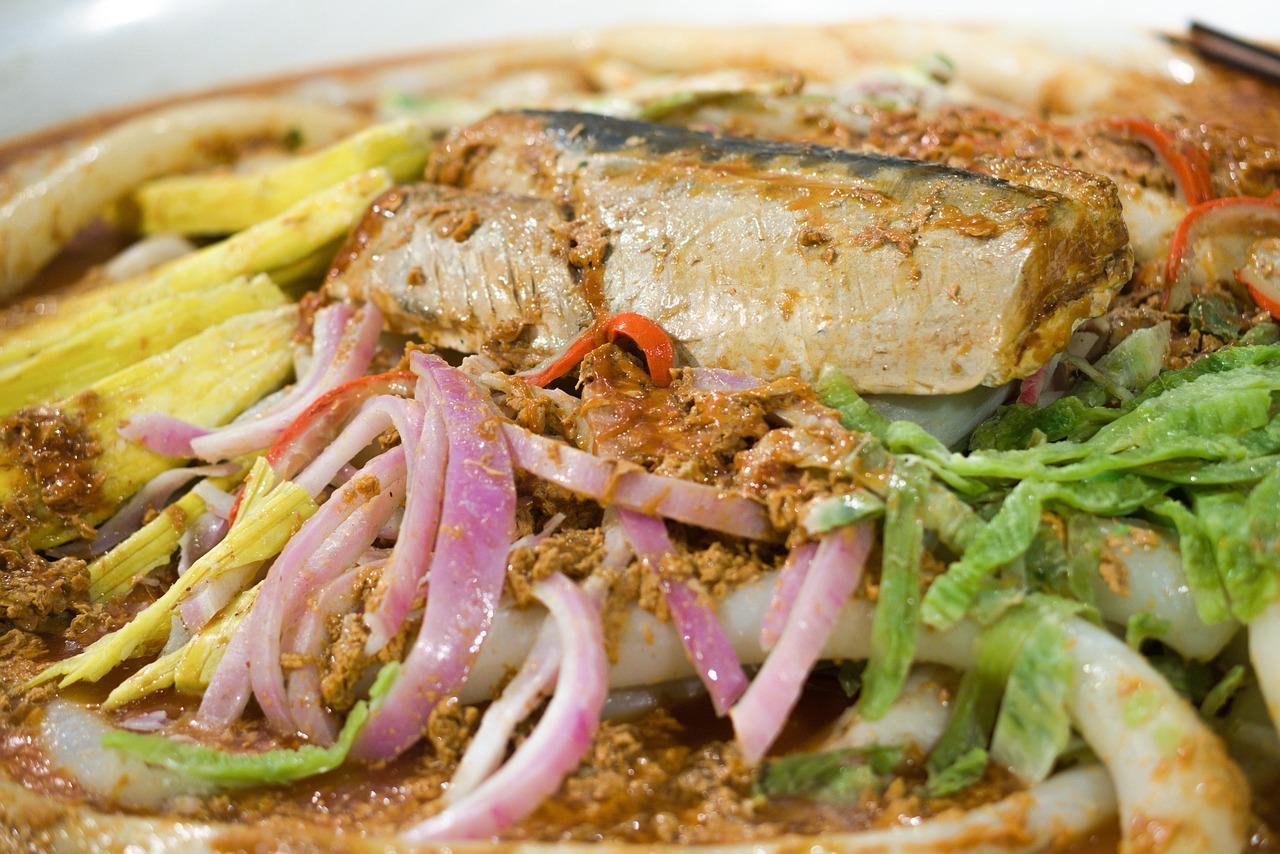
Penang asam laksaSour fish noodle soup

Forget coconut and cream: Penang's asam laksa is all sour, hot and herbal, a dark tamarind broth thickened with flaked mackerel and poured over thick, slippery rice noodles. Hawkers at Air Itam market and along Gurney Drive pile the bowl with shredded pineapple, cucumber, red onion, lettuce, torn mint and a spoon of sticky, sweet prawn paste (hae ko) that you stir in as you eat. Torch ginger flower and Vietnamese mint (daun kesum) give it a smell that is wholly its own. It is a hot-afternoon dish, eaten fast while the herbs are still crisp. Chef's tip: poach the mackerel in the broth whole, then flake it back in; the bones and skin give the soup much of its body.

by KrazyBadal 0 views

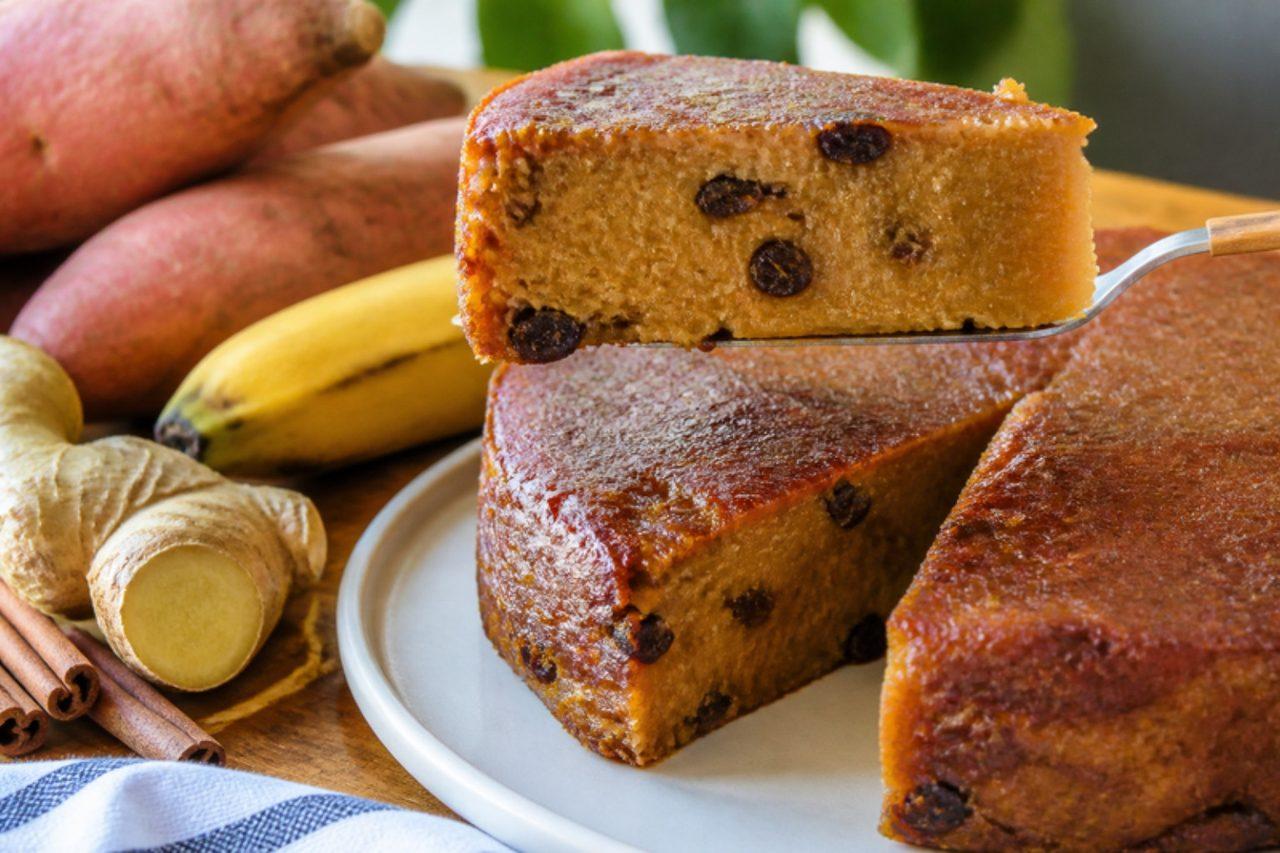
Pen patatSweet potato pudding

Pen patat, sweet potato 'bread', is the Haitian pudding sold in squares by street vendors and baked at home for Sunday afternoons and holidays, from the hills above Pétion-Ville to Haitian bakeries abroad. Grated white sweet potato (patat) and ripe banana are baked with coconut milk, evaporated milk, fresh ginger and warm spices until set and caramel-brown on top. It is dense, moist and fudgy, a little like a spiced cake and a little like a custard, and it's eaten warm or cold with coffee. Chef's tip: grate the sweet potato finely on the small holes; coarse shreds stay stringy, fine ones melt into a smooth pudding.

by KrazyBadal 0 views

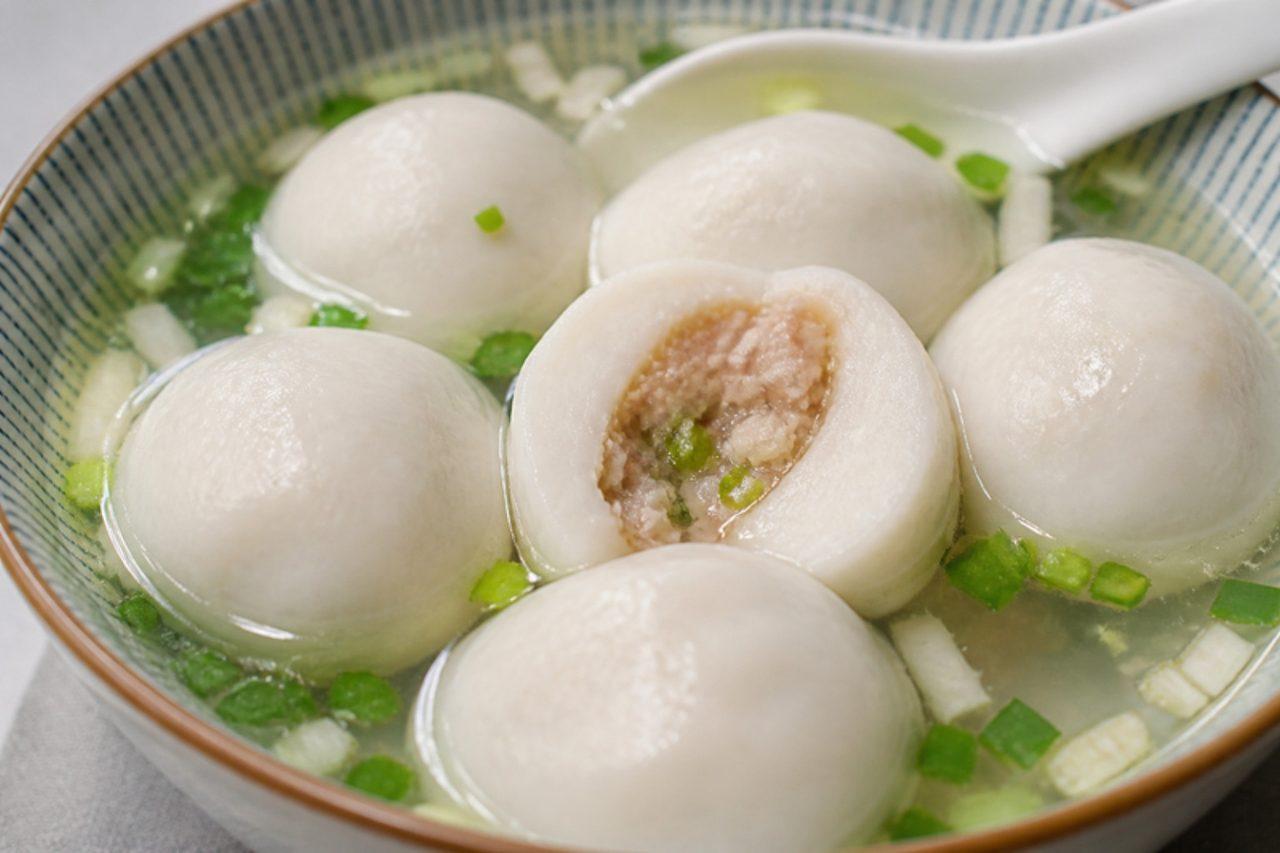
Fuzhou fish ball soup

Bite carefully: inside every Fuzhou fish ball hides a spoonful of juicy seasoned pork that bursts out with a little hot broth. Sold by street vendors and served in tiny bowls at Fuzhou snack shops, and eaten at New Year because the round balls mean a family together, they are firm and springy outside, never spongy. The paste is beaten by hand with ice-cold water and a little starch until it turns smooth and elastic. Serve the soup as a light lunch or as one bowl in a spread of small dishes, with a dash of vinegar and lots of white pepper. Chef's tip: keep the fish paste really cold from start to finish; warm paste never turns bouncy.

by KrazyBadal 0 views

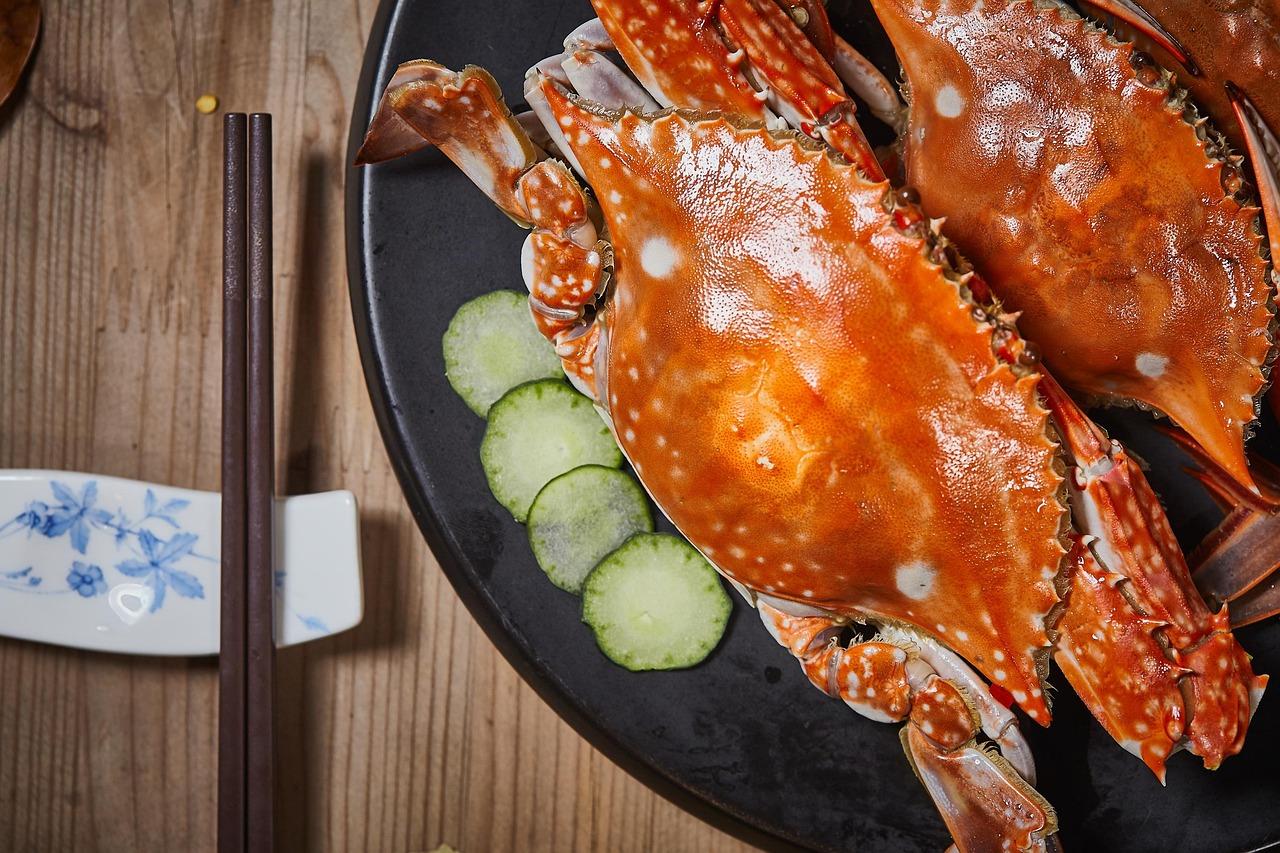
Teochew cold crab

Chilled crab sounds strange until you taste it at a Teochew banquet in Chaozhou, where it comes as a cold starter alongside braised goose and marinated seafood. Steaming the crab whole and then chilling it firms the flesh and brings out its natural sweetness, which a plain dish lets you taste clearly; the roe in a female crab turns rich and almost creamy. All it needs is a sharp ginger vinegar to cut through. Serve it as a starter before hot dishes, with crab crackers, small forks and plenty of napkins. Chef's tip: steam it belly side up, so the juices stay inside the shell instead of running out onto the plate. Allow at least 2 hours' chilling on top of the cooking time.

by KrazyBadal 0 views

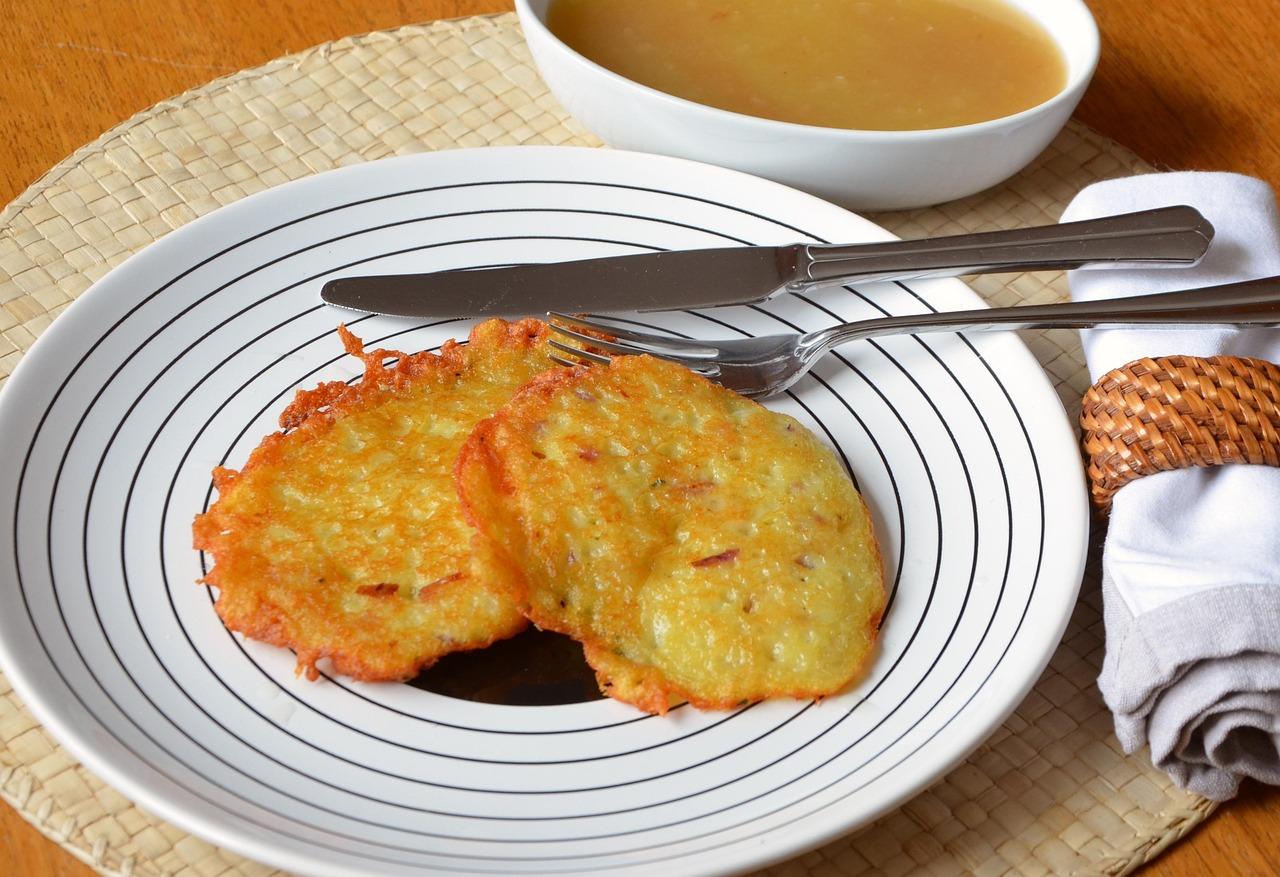
KartoffelpufferPotato fritters

In Cologne and Düsseldorf they're called Reibekuchen, and they are the smell of the Christmas markets and autumn fairs: thin, lacy potato fritters fried in oil until golden and crunchy at the edges. At home in the Rhineland they're traditionally a Friday dish, eaten hot with apple sauce or on buttered dark rye bread. They are simple, but timing and heat matter. Chef's tip: squeeze the grated potato really hard in a tea towel and keep the starch that settles at the bottom of the liquid; it binds the mixture so you need very little flour.

by KrazyBadal 0 views

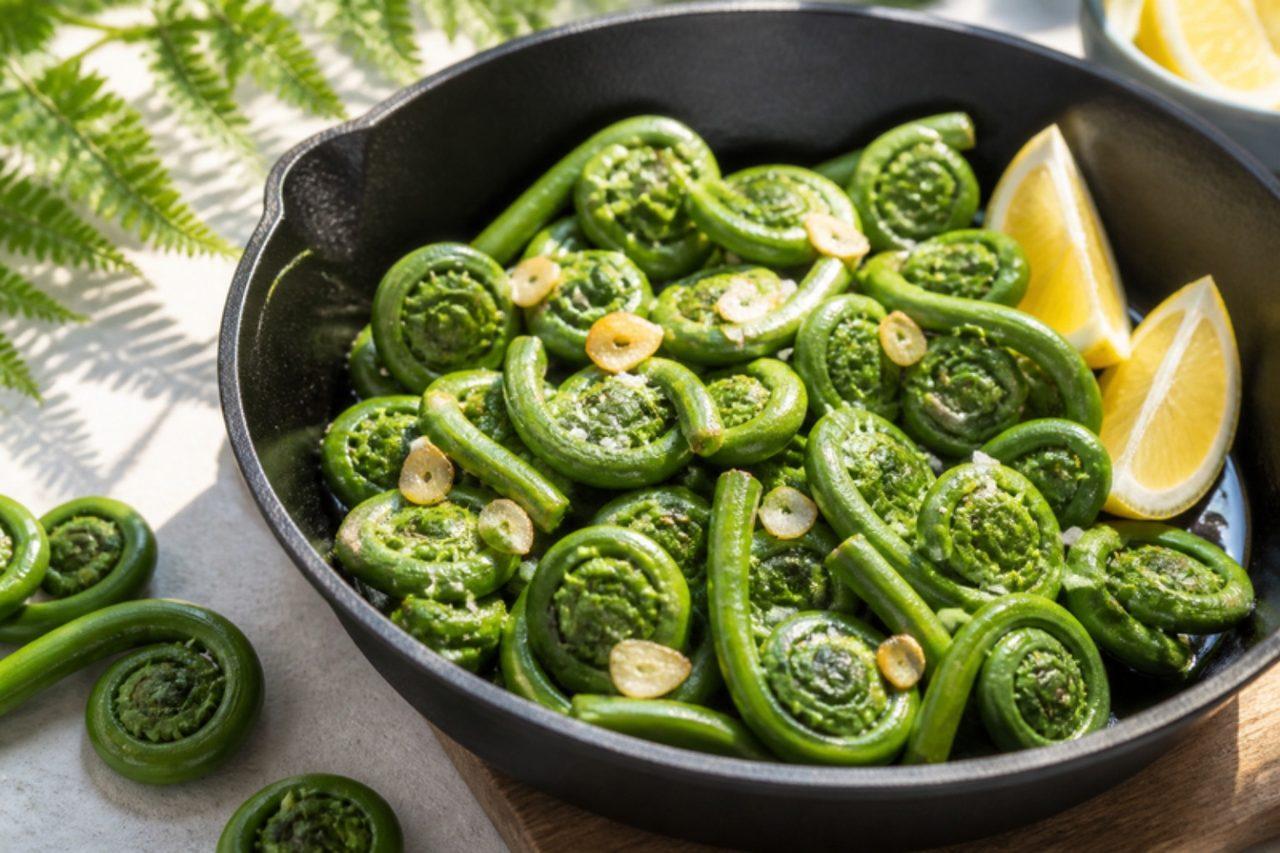
Fiddleheads with garlic butter

For a few weeks in May, the riverbanks of New Brunswick, along the Saint John River, and parts of Maine and Québec sprout fiddleheads: the tightly coiled young shoots of the ostrich fern. Locals forage them or buy them by the bag at roadside stands and farmers' markets, and eat them simply, with butter, garlic and lemon, tasting somewhere between asparagus and green beans with a grassy snap. They're a true taste of Atlantic Canadian spring. Chef's tip: fiddleheads must be boiled for a full 15 minutes before sautéing; undercooked fiddleheads can cause stomach upset, so this step is not optional.

by KrazyBadal 0 views

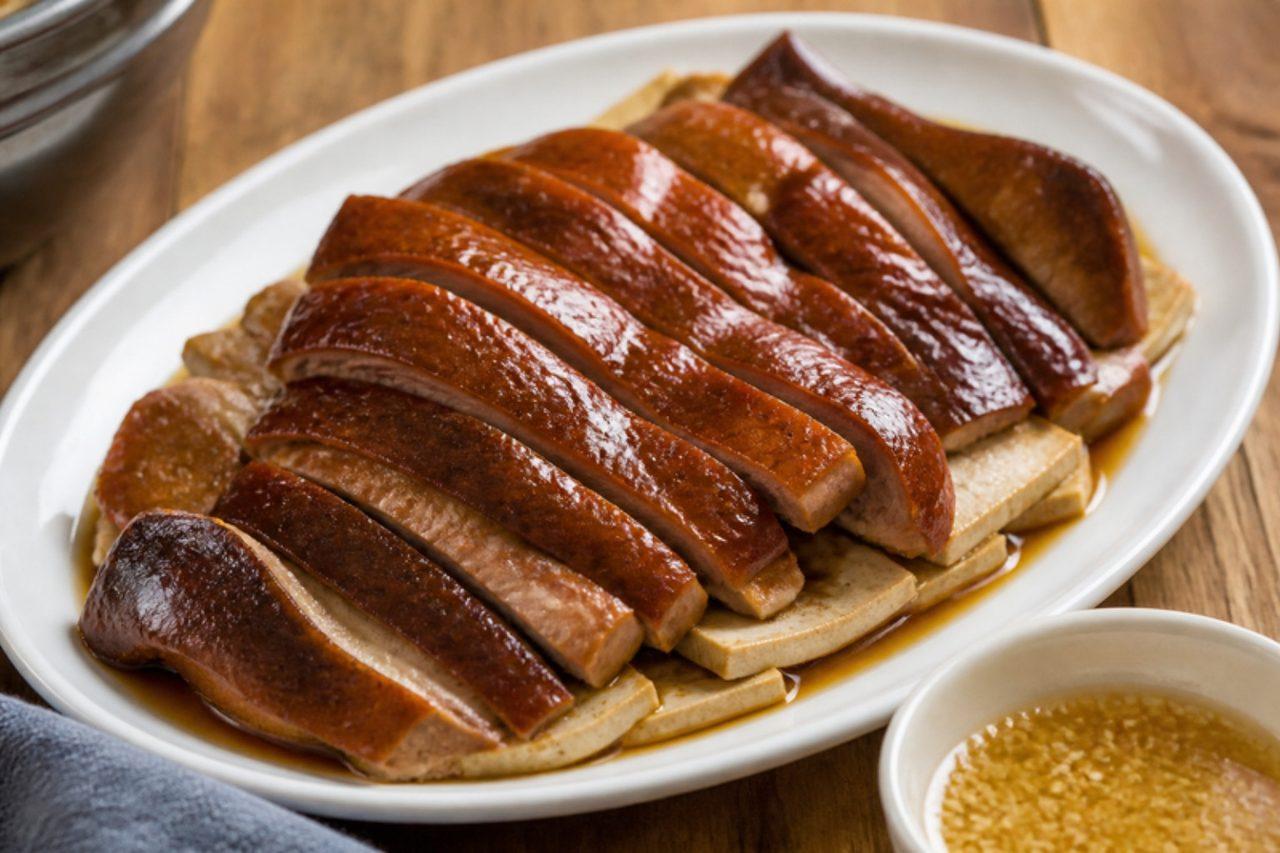
Chaozhou braised goose

Walk past a lou mei counter in Chaozhou or Shantou and the glossy brown geese hanging there are the first thing you notice; braised goose is offered at ancestral rites, weddings and New Year, then sliced for everyone at the table. The bird simmers slowly in a master stock of soy, rock sugar, galangal and whole spices until the meat is tender and deeply savoury with a gentle sweetness, while the skin stays smooth and the fat soft. Goose can be hard to find, so goose legs or plump duck legs work well at home. Slice it thinly and serve with plain rice or rice porridge, braised tofu and eggs from the same pot, and the sharp garlic vinegar Teochew people always put alongside. Chef's tip: strain and freeze the stock after use; each time you braise in it again the flavour gets deeper, which is how Chaozhou shops keep a 'master' stock for years.

150 minChineseMeat
by KrazyBadal 0 views

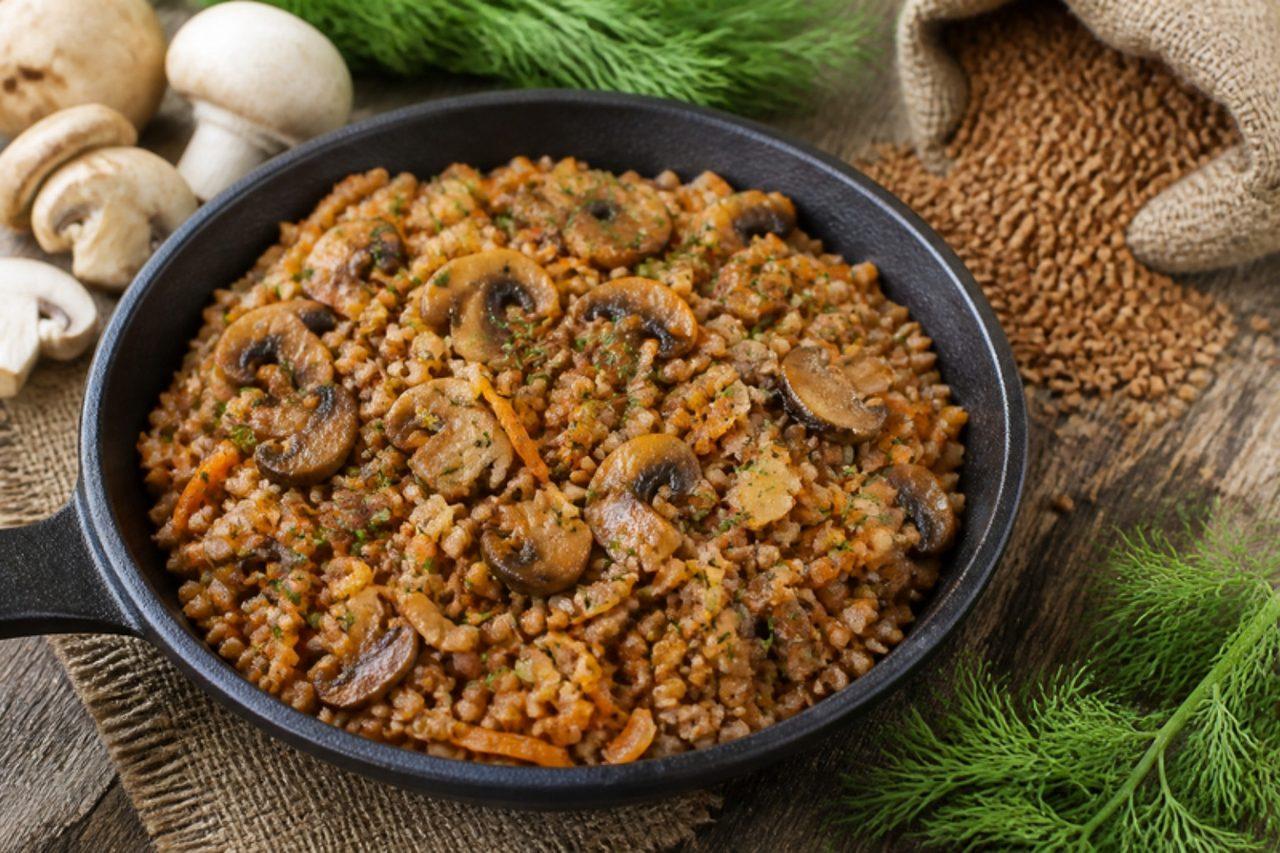
Kasha with mushroomsBuckwheat with mushrooms

Buckwheat, hrechka, is the grain Ukrainians grow up on: cooked loose and fluffy, it turns up as a weekday side in Kharkiv kitchens, in student dorms in Lviv and on every school canteen tray. Cooked with fried mushrooms, onion and carrot it becomes a filling meal of its own, and in autumn it is made with wild mushrooms picked in the Polissia forests. It is naturally gluten free and, with no butter, vegan. Chef's tip: dry-toast the grains until they smell nutty and crackle; it gives the kasha its deep flavour and keeps each grain separate.

by KrazyBadal 0 views

Kashk-e bademjanAubergine and whey dip

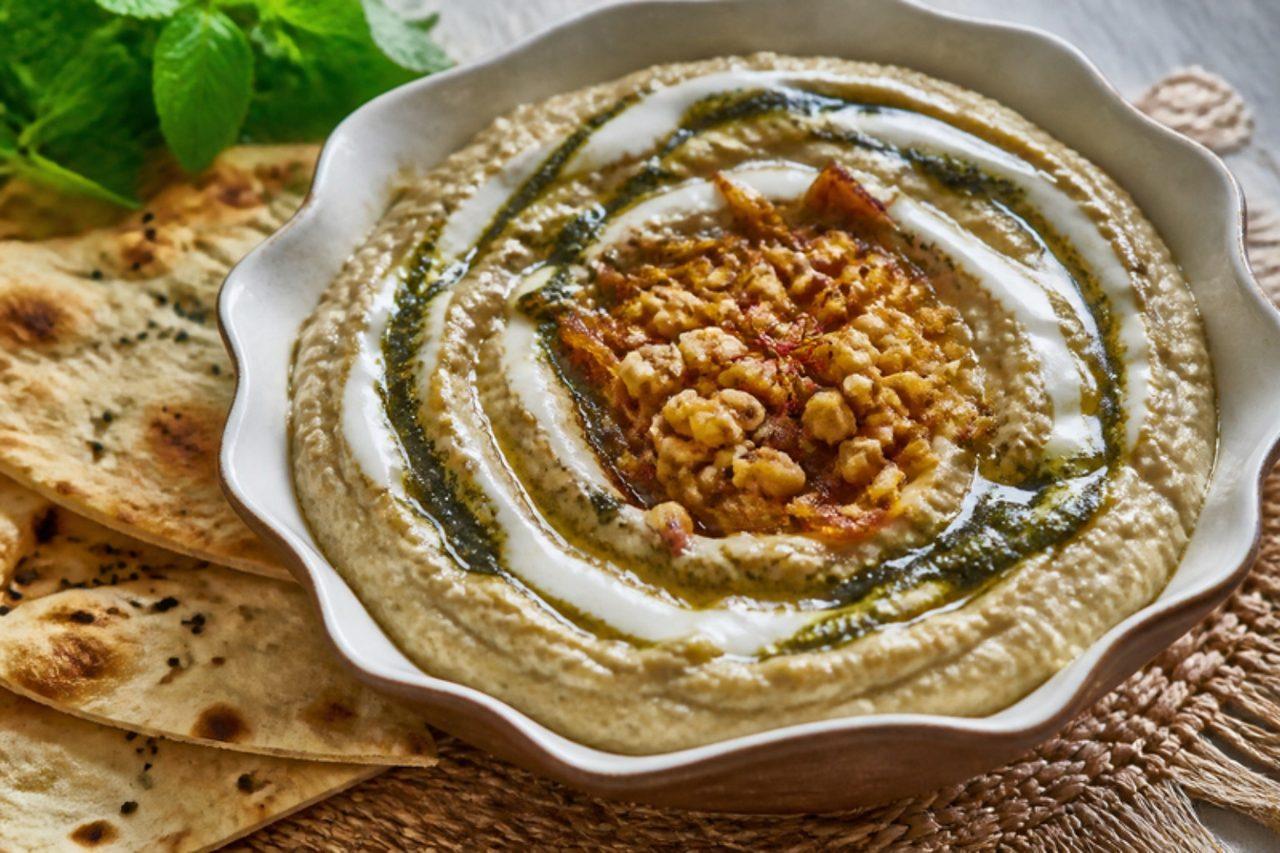
Kashk-e bademjan is the aubergine dip that greets you at the start of a meal in Tehran restaurants and at family gatherings all over Iran, swirled on a plate and decorated with fried onions, mint oil, walnuts and white ribbons of kashk. Fried aubergine is mashed with golden onions and garlic, then enriched with kashk, a tangy, salty fermented whey. Most kashk is made from soured yogurt without rennet, but some brands use cheese whey, so check the label if you avoid animal rennet; strained Greek yogurt beaten with a little sour cream and lemon is a good substitute. Serve it with warm flatbread. Chef's tip: fry the dried mint for a few seconds only, off the heat; it should smell sweet, not scorched.

by KrazyBadal 0 views

Kashmiri chaiPink salted milk tea

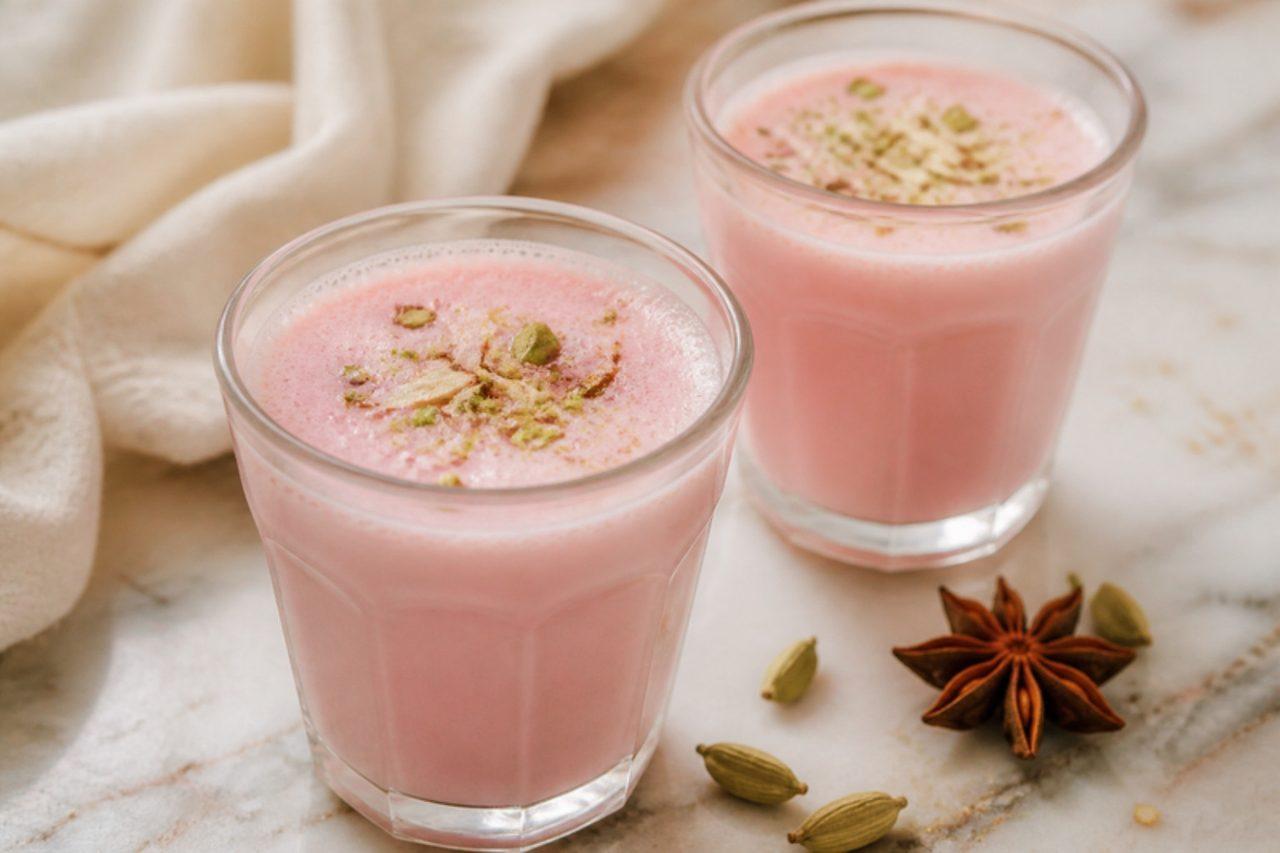
Kashmiri chai, called pink tea or gulabi chai across Pakistan, came down from Kashmir to become the winter drink of Lahore, Karachi and Islamabad: it is ladled out at weddings, sold from steaming pots at tea stalls on cold nights and served with nankhatai biscuits at family gatherings. The colour is real chemistry, not food colouring: green tea leaves are boiled hard with a pinch of baking soda until the brew turns deep red, then whisked and splashed to get air into it, and finally cooked with milk until it blushes pink. It is lightly salted in the old Kashmiri way and sweetened in the city way; add as much sugar as you like. The mistake people make is using black tea; only green tea leaves turn pink. Chef's tip: pour in ice-cold water as soon as the brew is reduced, and beat it hard; the shock and the air are what lock in the bright colour.

by KrazyBadal 0 views

Kashmiri girdaKashmiri round bread

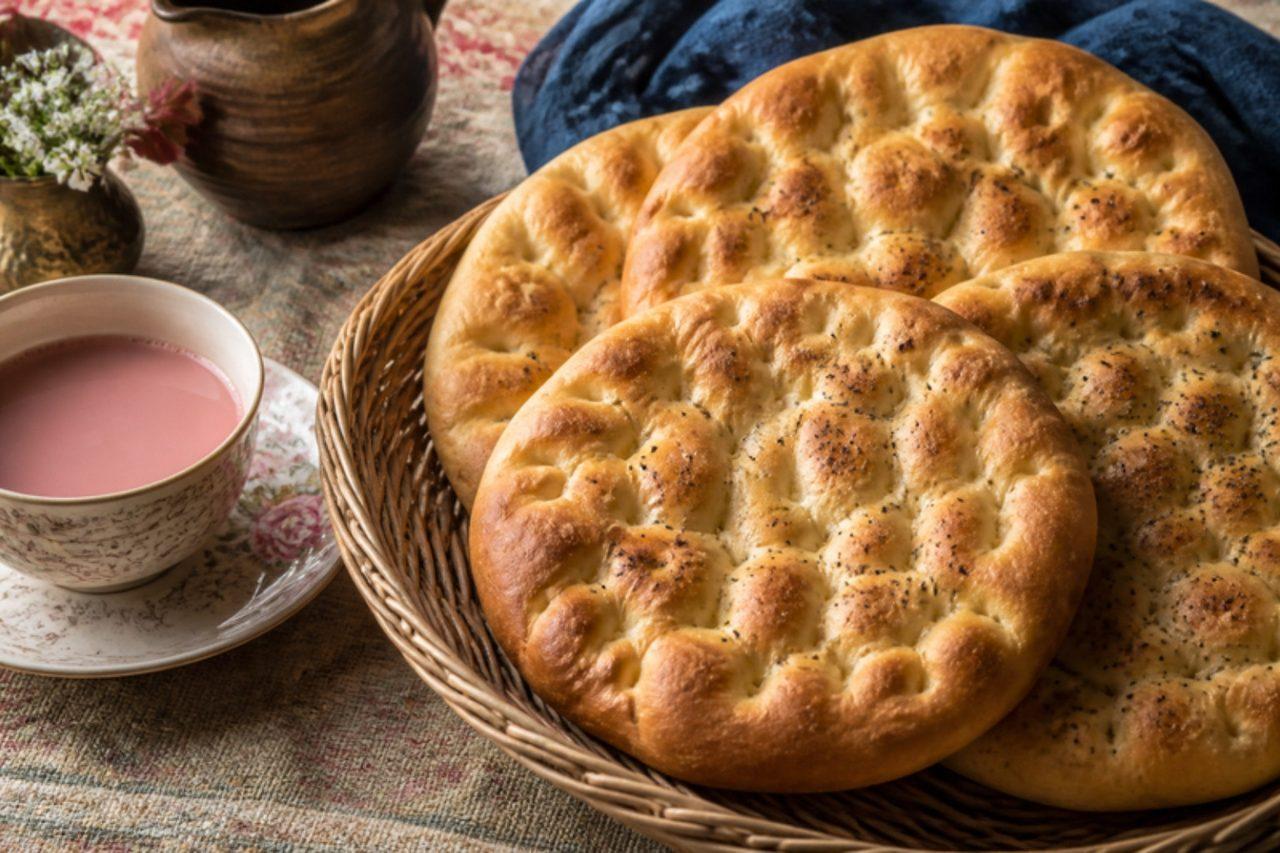
Every neighbourhood in Srinagar has a kandur, a baker working at a pit oven, and before sunrise people queue there for girda: round breads about the size of a side plate, pressed all over with fingertips so the crust sets in ridges and hollows. The outside is lightly crisp, the crumb soft and slightly chewy, and the bread is torn and dunked into salty pink noon chai or spread with butter. A home oven with a heavy tray heated until very hot gets close to the kandur. Chef's tip: wrap the breads in a clean cloth as they come out; the trapped steam keeps the crust tender rather than hard.

142 minIndianBaking
by KrazyBadal 0 views

Kashmiri modur pulavSweet saffron rice with dry fruit

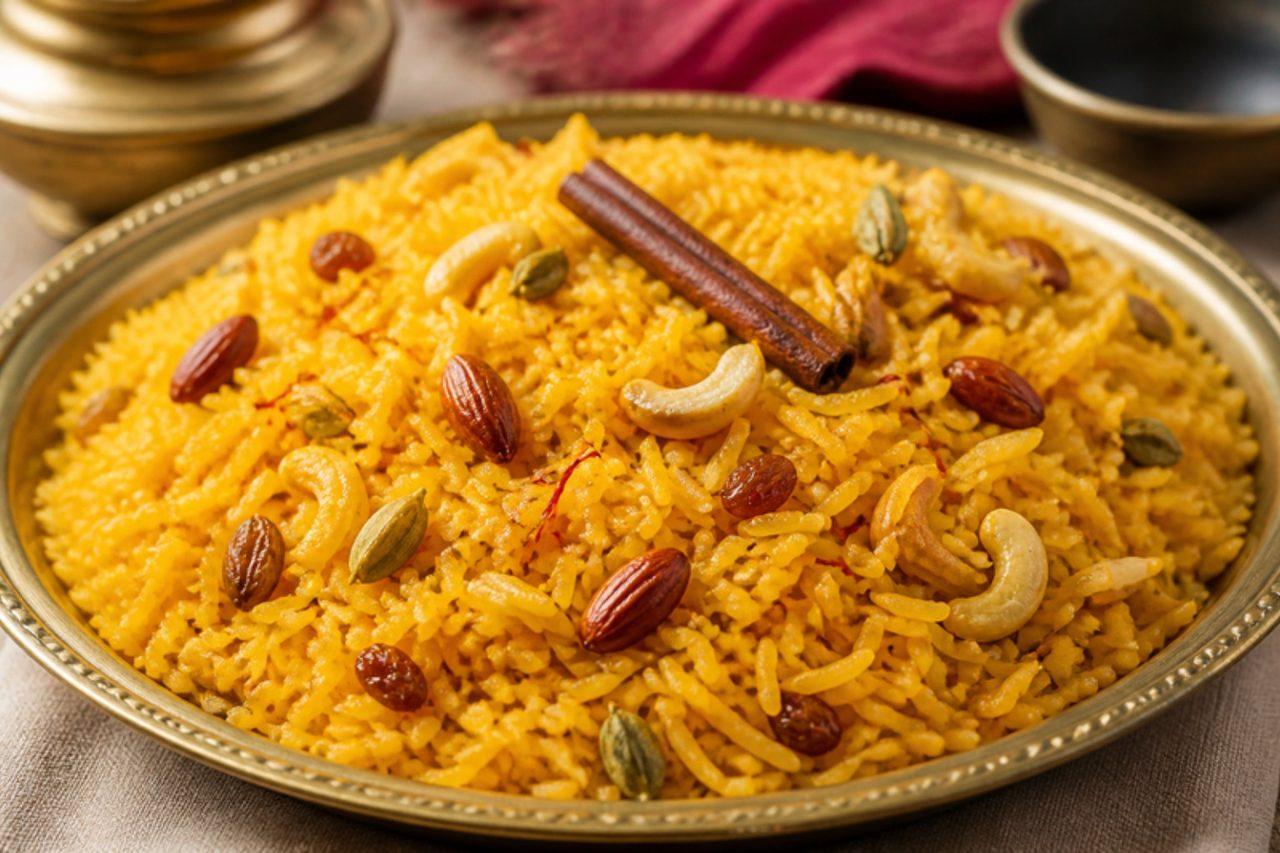
Modur means sweet in Kashmiri, and this ghee-rich saffron rice is served at Kashmiri weddings and on Navreh, the Pandit new year, glowing orange and studded with almonds, cashews and raisins. In the hills of Himachal Pradesh the dham feast ends with a near-identical sweet rice called mittha, so this one page covers both: Himachal cooks often add a little more raisin and a pinch of fennel, which you can do too. It is sweet but not dessert-sweet, perfumed with cinnamon and cardamom, and is eaten alongside savoury curries as well as on its own. Chef's tip: soak the saffron in warm milk for at least 15 minutes before you start; it gives the rice its colour far more evenly than strands scattered dry.

by KrazyBadal 0 views

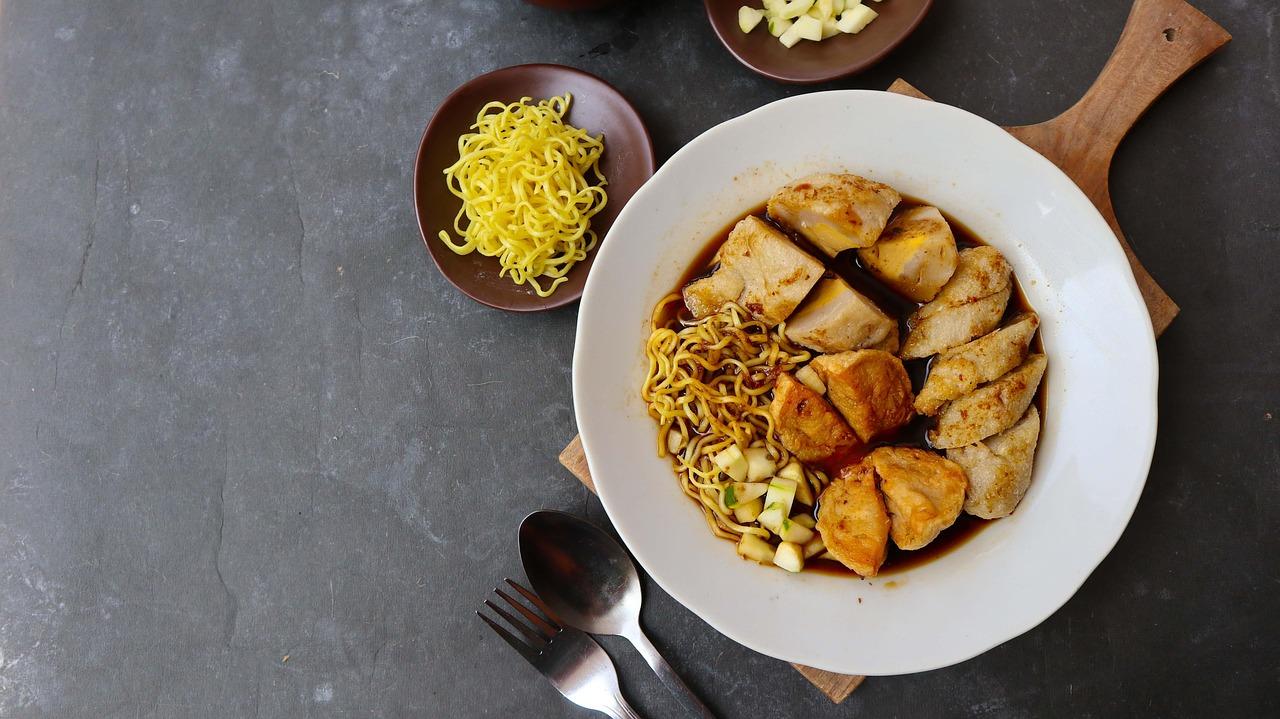
PempekFish and tapioca cakes

Palembang in South Sumatra is pempek country: shops line the streets selling these chewy fish cakes by the dozen, and visitors fly home with boxes of them in their luggage. Fresh fish is worked with tapioca starch into a dough, shaped into logs, poached, then sliced and fried until blistered and golden outside while staying springy within. The real star is cuko, a thin, dark, sweet-sour-hot sauce of palm sugar, tamarind, garlic and chilli that is poured over everything, ideally with diced cucumber and a few yellow noodles. People eat it any time of day as a snack, often sipping the cuko straight from the bowl. Chef's tip: make the cuko first; it tastes best after resting for an hour or more.

by KrazyBadal 0 views

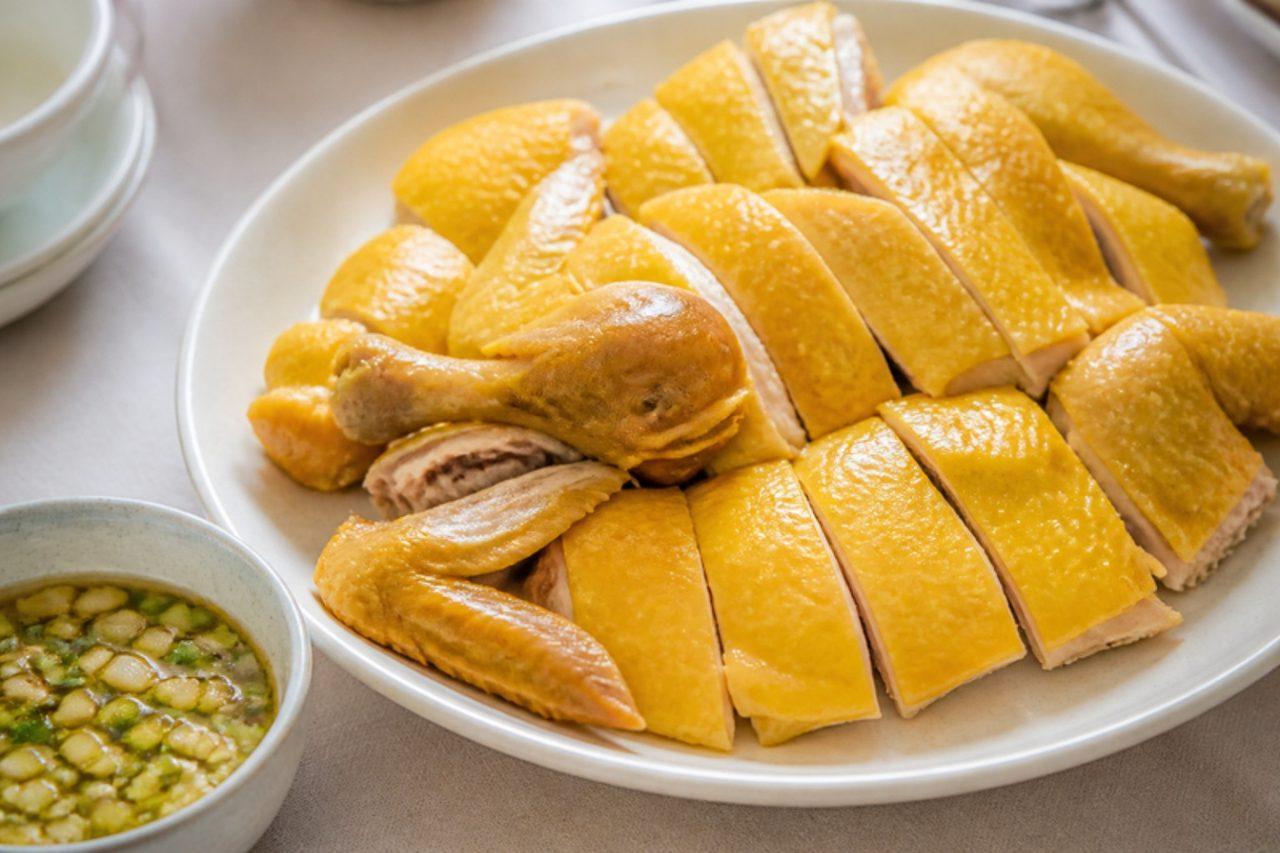
Hakka salt-baked chicken

Hakka families in the Dongjiang river valley of eastern Guangdong are said to have invented this dish by burying chickens in hot salt to cook and keep them while on the move. Wrapped in paper and surrounded by sizzling coarse salt in a wok, the bird cooks in its own juices: the skin turns golden and taut, the meat stays dense and moist, and sand ginger gives it a warm, peppery perfume. It is a celebration dish in Meizhou and Huizhou, served chopped on the bone, at room temperature or warm, with plain rice, blanched greens and a little sand ginger dip. Chef's tip: dry the chicken uncovered in the fridge before wrapping it; wet skin steams instead of roasting and turns flabby.

by KrazyBadal 0 views

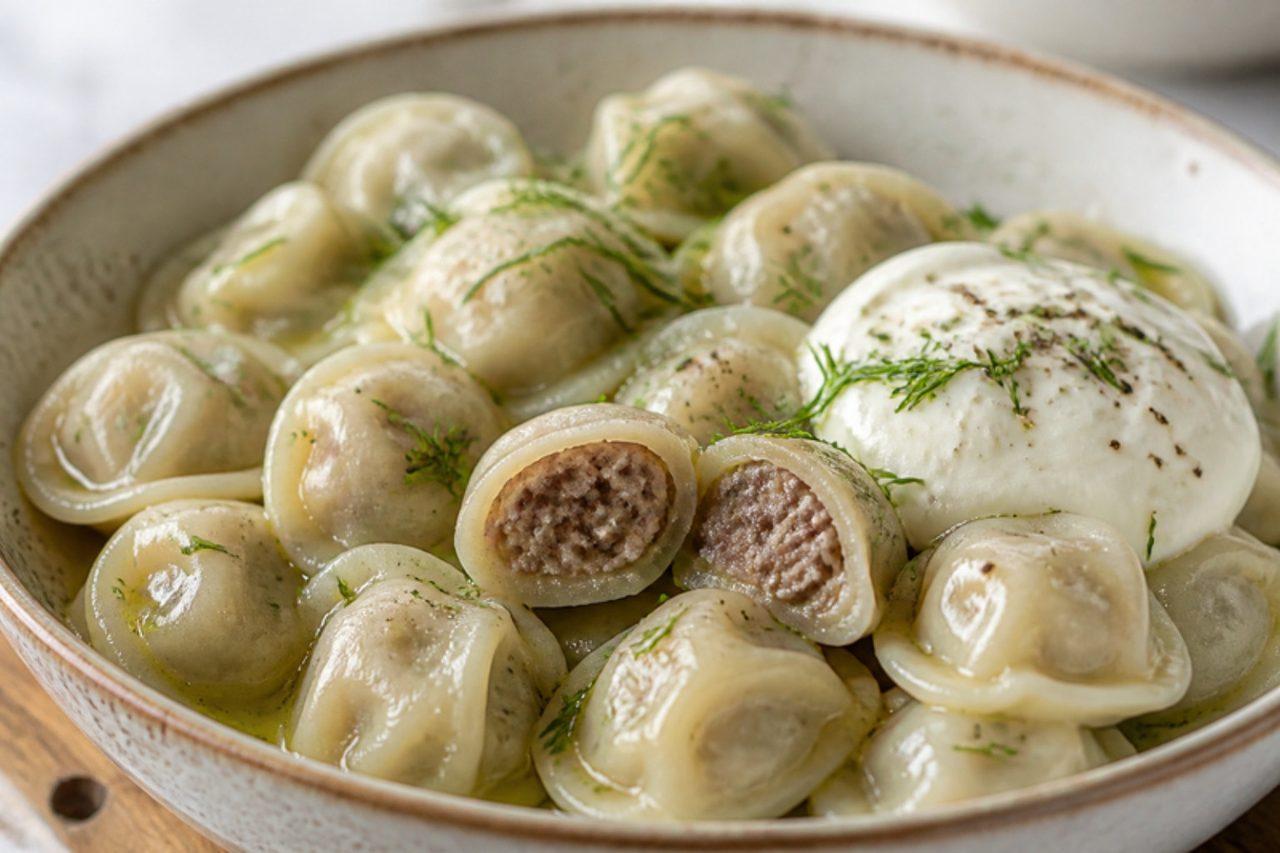
PelmeniMeat dumplings

In Siberian villages whole families sat round the table before the long winter to fold hundreds of pelmeni, then froze them in sacks outside where the frost kept them for months. Today every Russian freezer holds a bag, and a bowl with butter and sour cream is a quick supper from Novosibirsk to Moscow. The little ear-shaped dumplings have a thin, springy dough wrapped round a juicy filling of pork and beef with onion; it contains pork. Unlike Ukrainian varenyky, they are always meat-filled and boiled in seasoned water or broth. The classic mistake is rolling the dough too thick, which leaves you chewing flour instead of tasting the filling; aim for 1–2 mm. Chef's tip: work a few spoons of ice-cold water into the mince; it turns to juice inside the dumpling as it cooks.

by KrazyBadal 0 views

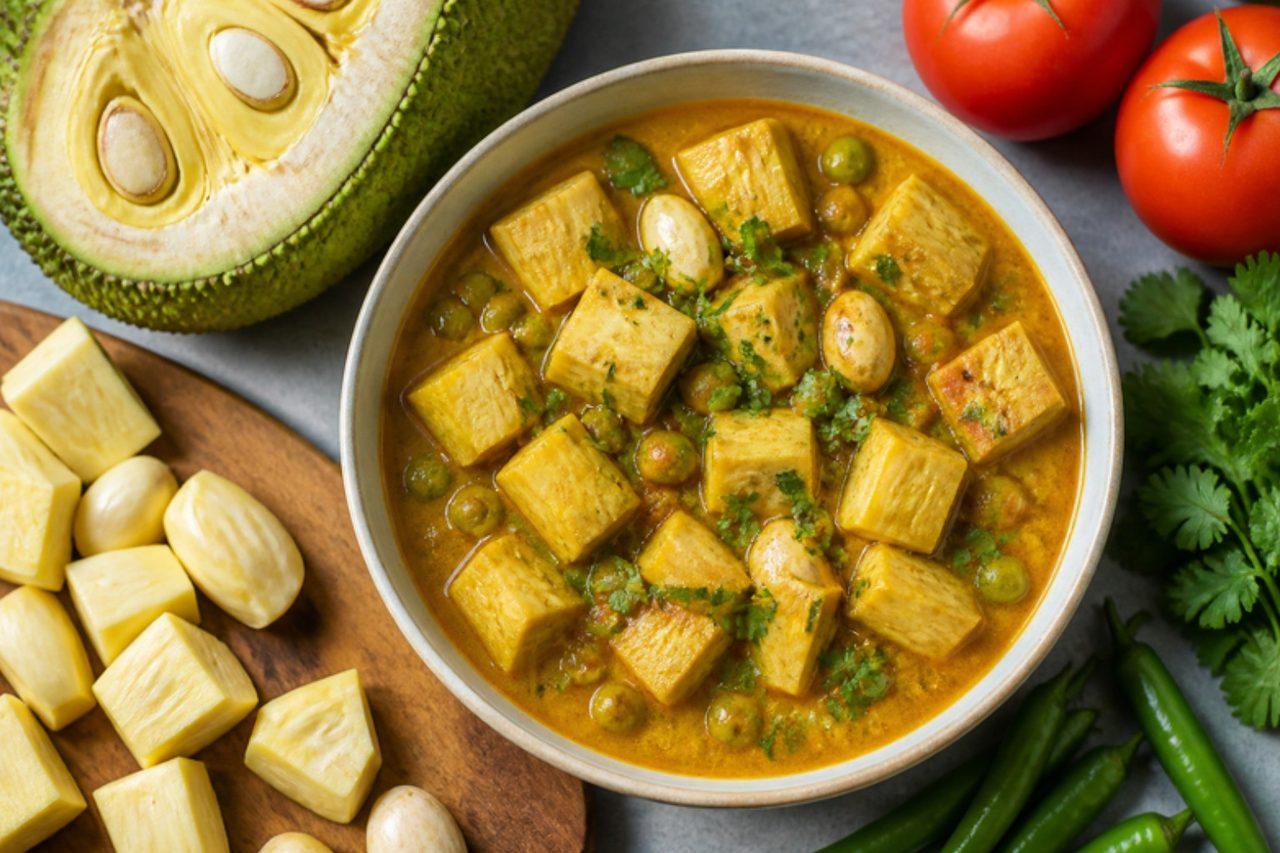
Kathal ki sabziYoung jackfruit curry

In Uttar Pradesh, people joke that kathal is the vegetarian's mutton, and the comparison makes sense once you taste it. Young, unripe jackfruit has a firm, fibrous texture that absorbs a slow-cooked onion masala and the smoky warmth of black cardamom. Lucknow and Kanpur homes cook it in summer when the green fruit is plentiful, and it is a common choice for Sunday lunches and family gatherings, served with paratha or rice. The mistake to avoid is undercooking the jackfruit before adding it to the masala; it will remain rubbery no matter how long it simmers afterward. Chef's tip: frying the boiled pieces until golden before they go into the gravy gives them a meaty crust that holds up in the sauce.

by KrazyBadal 0 views

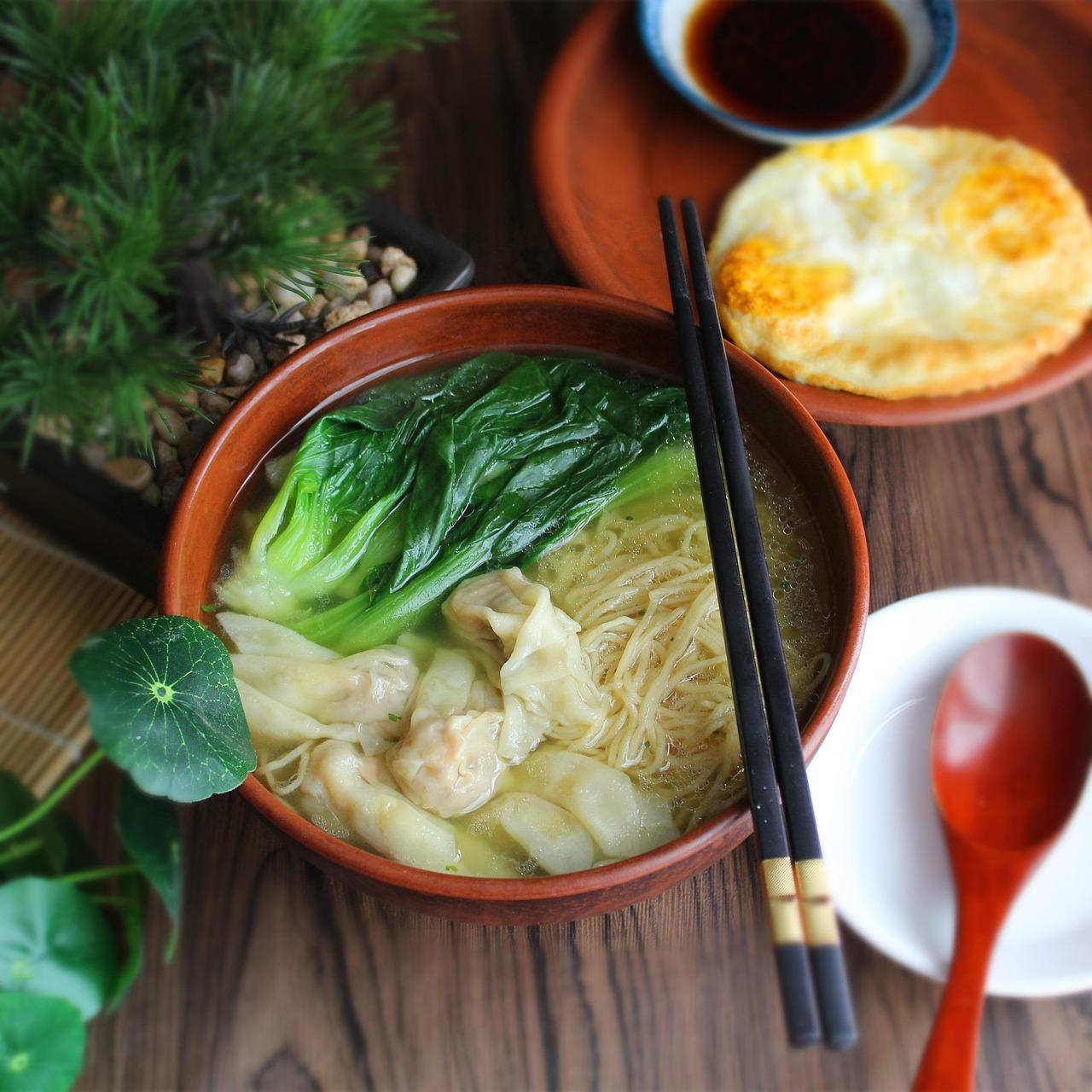
Wonton noodle soup

Small, steamy noodle shops all over Hong Kong sell this bowl from breakfast until late at night, often from a counter facing the street. Plump wontons, mostly prawn with a little pork, sit under a nest of thin, springy egg noodles in a clear, savoury broth fragrant with dried shrimp and ginger. The bowl is small and meant to be eaten fast, before the noodles soften, with a spoonful of chilli oil and a side of blanched greens. Shop wrappers make the wontons manageable on a weeknight. Chef's tip: put the wontons in the bowl first and the noodles on top, as Hong Kong cooks do, so the noodles sit above the broth and keep their bite.

by KrazyBadal 0 views

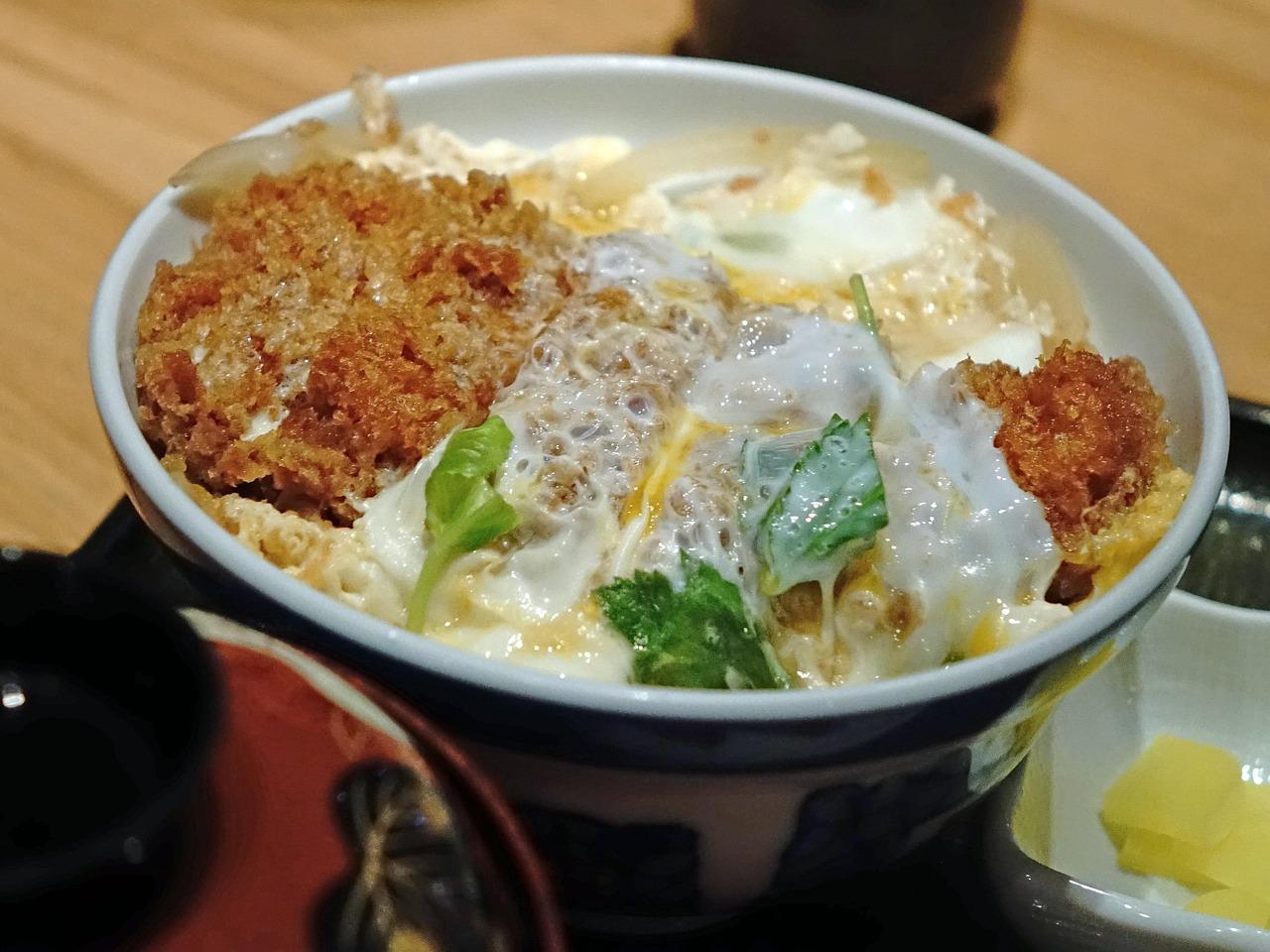
KatsudonPork cutlet and egg rice bowl

Japanese students often eat a bowl of katsudon the night before a big exam, because 'katsu' sounds the same as the verb 'to win'. Soba restaurants, set-meal shops and train-station stands all over Japan serve it, and it is a favourite takeaway lunch too. A panko-crusted pork loin cutlet is fried until golden, sliced, then simmered for a minute with onion and egg in sweet soy dashi. The top of the crust stays crunchy while the underside soaks up the sauce. Chef's tip: snip the fat along the edge of each cutlet in three or four places before breading, so the meat stays flat in the oil and cooks evenly.

by KrazyBadal 0 views

Showing 18 of 10,569 recipes

Show more recipes

Page 1,058 of 1,175