


Skip to content
Arizona chimichangas
Featured recipe

Arizona chimichangas

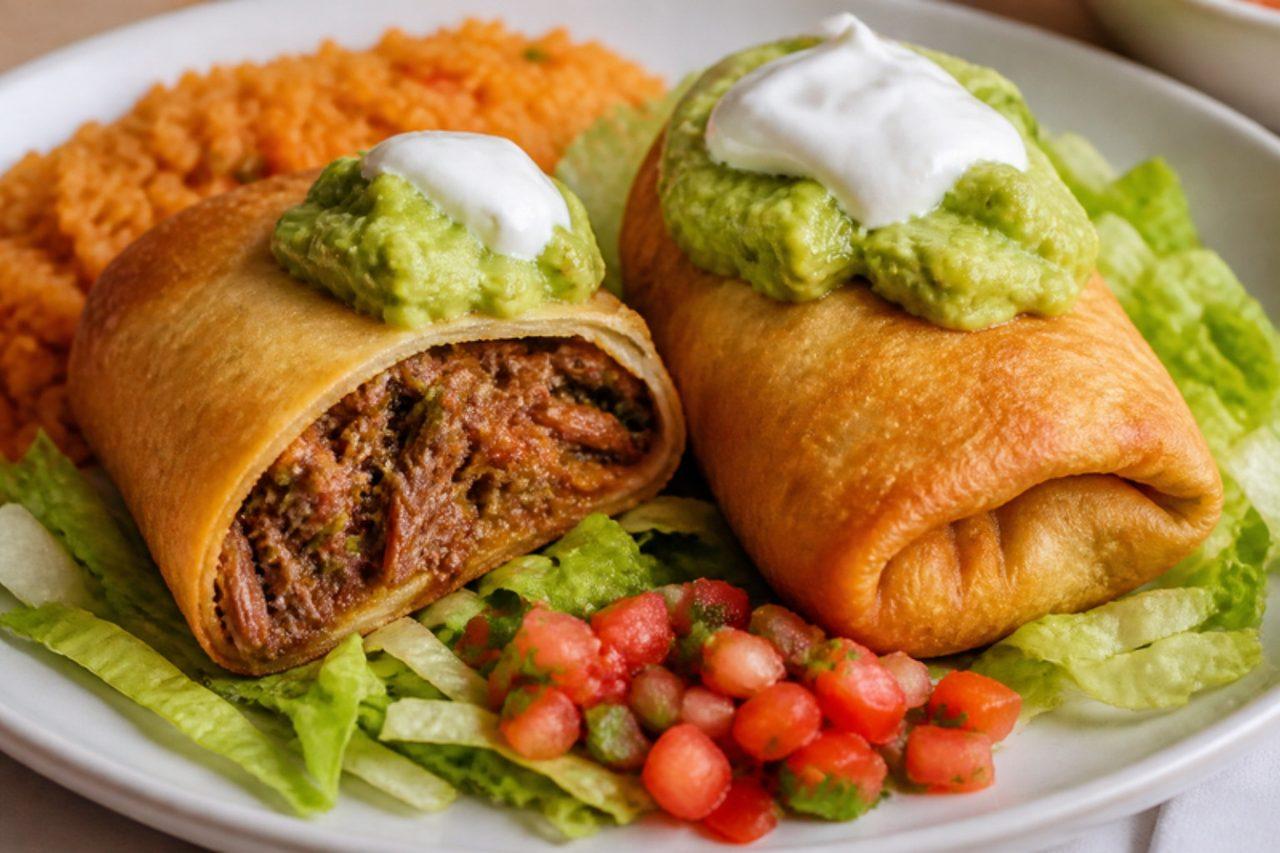
Tucson and Phoenix both claim to have invented the chimichanga, and the story told in Tucson is of a cook who dropped a burrito into the fryer by accident and swore in Spanish. It is now a staple of Arizona Mexican diners: a flour tortilla wrapped around shredded beef and beans, fried golden and crisp, then topped with guacamole and soured cream. Chef's tip: roll the burrito tightly and fry it seam-side down first so it seals and doesn't open in the oil.

Read more 0 views

What to eat today?

Around the world

Today's trip: Persian

A new country every day, from every cuisine on the site.

Persian

Persian halva

Saffron rose flour halva 40 minMore from Persian (181) →

This week's collection

Kid-friendly dinners
772 recipes · a new collection every Monday

Coming up

All occasions →

Latest recipes

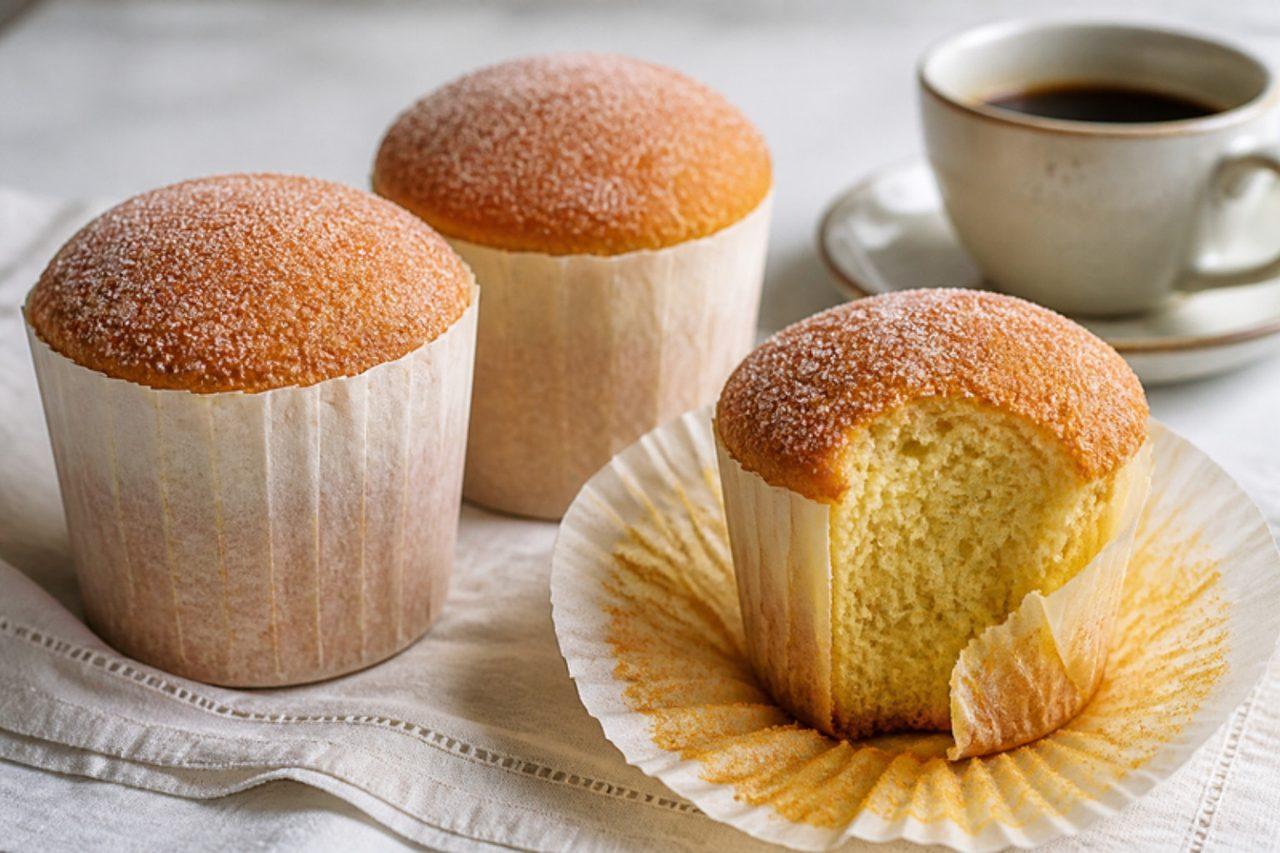
Bolo de arrozRice flour muffin cakes

Bolos de arroz are the tall, sugar-crusted cakes standing in their paper wrappers in every Portuguese café cabinet, from Porto's breakfast counters to the pastelarias of Lisbon's neighbourhoods. Despite the name they are mostly wheat flour, with a share of rice flour that gives a fine, slightly sandy, springy crumb, perfumed with lemon zest. People have one with a galão mid-morning or for lanche, the afternoon snack, peeling the paper down as they go. Chef's tip: wrap a strip of baking paper around the inside of each muffin hole so it stands 3 cm above the rim; the batter climbs up it and you get the tall, straight-sided shape.

by KrazyBadal 0 views

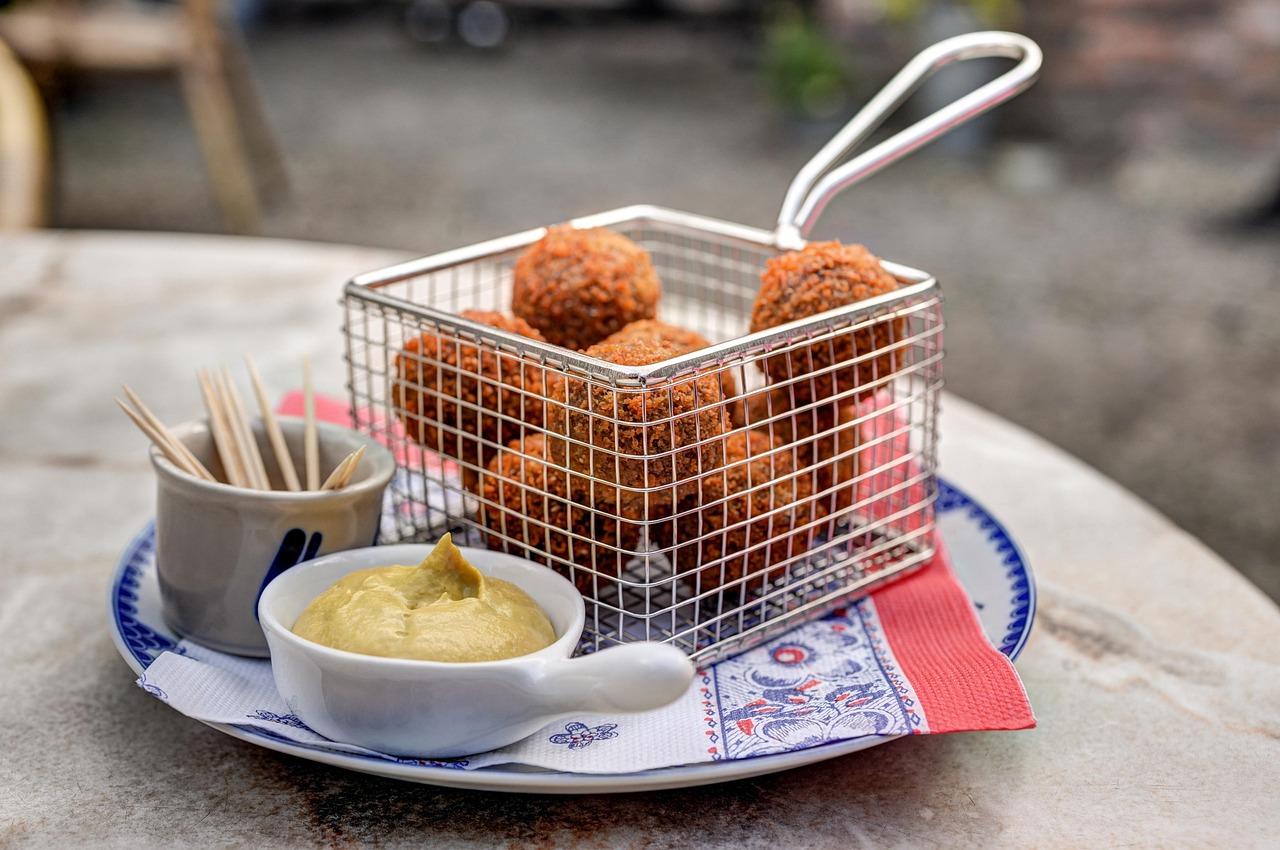
BitterballenCrisp beef ragout balls

Order a round of drinks in an Amsterdam brown café and a plate of bitterballen will follow: small crumbed balls with a crackling shell and a molten centre of beef ragout, eaten with a dab of sharp mustard. They are the classic borrel snack across the Netherlands, served at parties and receptions as well as in bars. The filling is a thick roux sauce with slow-cooked shredded beef that has to set firm in the fridge before it can be rolled. The usual failure is a filling that is too soft, so the balls split open in the oil; cook the ragout until it is very thick and chill it for at least four hours. Chef's tip: crumb them twice (egg, crumbs, egg, crumbs) and freeze them for 20 minutes before frying for a shell that never bursts.

by KrazyBadal 0 views

Pabellón criollo vegetarianoMushrooms, black beans and rice plate

Pabellón criollo is Venezuela's national dish, the lunch plate served in family kitchens and at every Caracas lunch counter: white rice, black beans (caraotas), sweet fried plantain (tajadas) and shredded stewed beef side by side, like the stripes of a flag. This vegetarian version replaces the beef with king oyster mushrooms pulled into strands and stewed in a sofrito with tomato, cumin and a little panela, which gives the same tender, shredded texture. For slow-cooked beans from scratch, see the frijoles negros cubanos page. Chef's tip: shred the mushrooms along the grain with a fork, as you would pull beef; it's what makes them look and eat like carne mechada.

by KrazyBadal 0 views

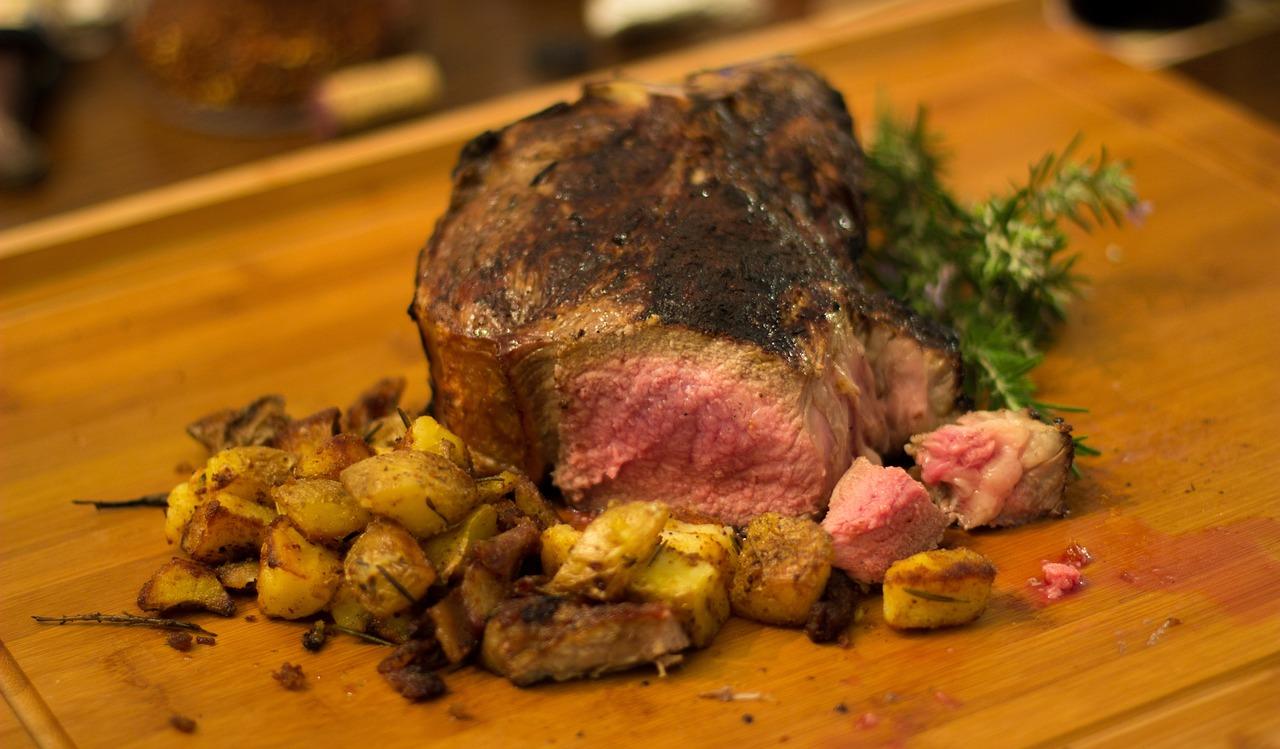
Bistecca alla fiorentinaGrilled T-bone steak

A proper fiorentina is a T-bone cut three fingers thick, traditionally from Tuscany's white Chianina cattle, and Florentine steakhouses sell it by weight and serve it one way only: charred outside, deep red within. It is a sharing steak for three or four, sliced off the bone at the table and finished with nothing more than good olive oil and coarse salt. On one side of the bone sits the tender fillet, on the other the beefier sirloin, and the bone itself gives the meat flavour as it cooks. Cannellini beans with olive oil and sage and a simple green salad are the usual companions. Chef's tip: after searing both flat sides, stand the steak upright on its bone for several minutes; the heat travels up through the bone and cooks the middle evenly without overdoing the outside.

by KrazyBadal 0 views

Pachamanca a la ollaPot-steamed meats with potatoes

In the highlands around Huancayo and Ayacucho, families mark harvests and saints' days by burying marinated meats, potatoes, sweet potatoes, broad beans and humitas under hot stones and earth for a pachamanca, an 'earth pot'. City cooks get close to it with a heavy pot: the same green marinade of huacatay (black mint), chincho, ají and garlic, layered with meats and roots and steamed in their own juices under banana or corn leaves. Chef's tip: layer the hardest things lowest, potatoes on the bottom and chicken nearest the lid, just as the stones are packed in the field.

135 minPeruvianMeatGluten free
by KrazyBadal 0 views

Pachi pulusuRaw tamarind soup

Pachi pulusu, 'raw stew', is Telangana's summer cooler: a no-cook tamarind water stirred with jaggery, finely sliced raw onion and green chilli, finished with a hot mustard-seed tempering. In the heat of April and May in villages around Warangal and Karimnagar, families pour it over hot rice with a spoonful of dal or a spicy fry, and it wakes up appetites dulled by the sun. Some add a smoky roasted brinjal mashed in, which gives it body. Sweet, sour and sharp at once, it takes ten minutes. Chef's tip: rub the onion with salt and a little chilli powder in your fingers before adding the tamarind water, so it softens slightly and flavours the whole bowl.

by KrazyBadal 0 views

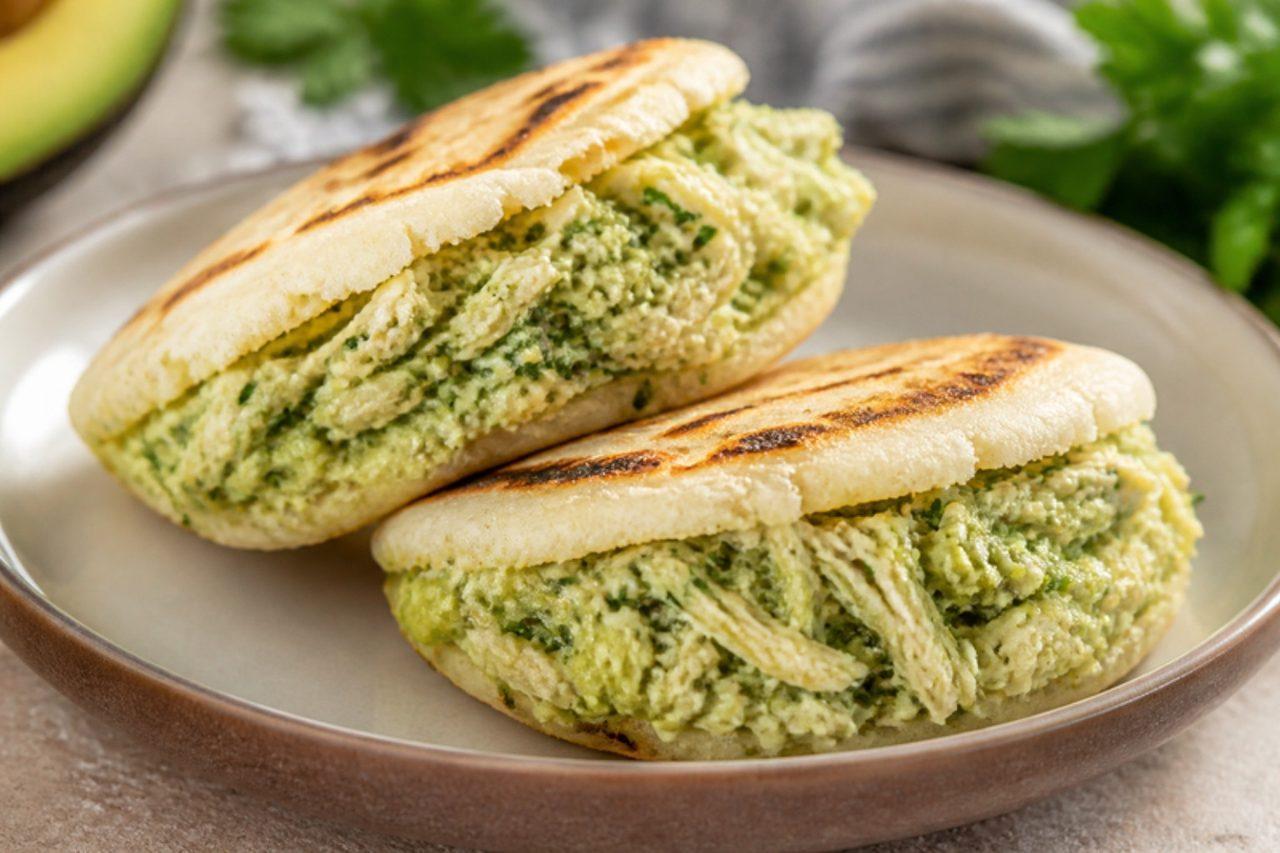
Arepa reina pepiadaChicken and avocado arepas

Caracas named this filling after a beauty queen: in 1955 a family running an arepera in the city made it for Susana Duijm, Venezuela's first Miss World, and called it 'the curvy queen'. Shredded chicken is mashed with ripe avocado, a little mayonnaise, lime and coriander, then stuffed into a hot, crisp-skinned arepa split down the side. Venezuelans eat it for breakfast, at lunch from areperas and late at night after a party. The usual mistake is cooking arepas over too high a heat: the outside blackens while the middle stays raw and doughy. Chef's tip: an arepa is done when it sounds hollow when you tap it; if it doesn't, give it a few more minutes in the oven.

by KrazyBadal 0 views

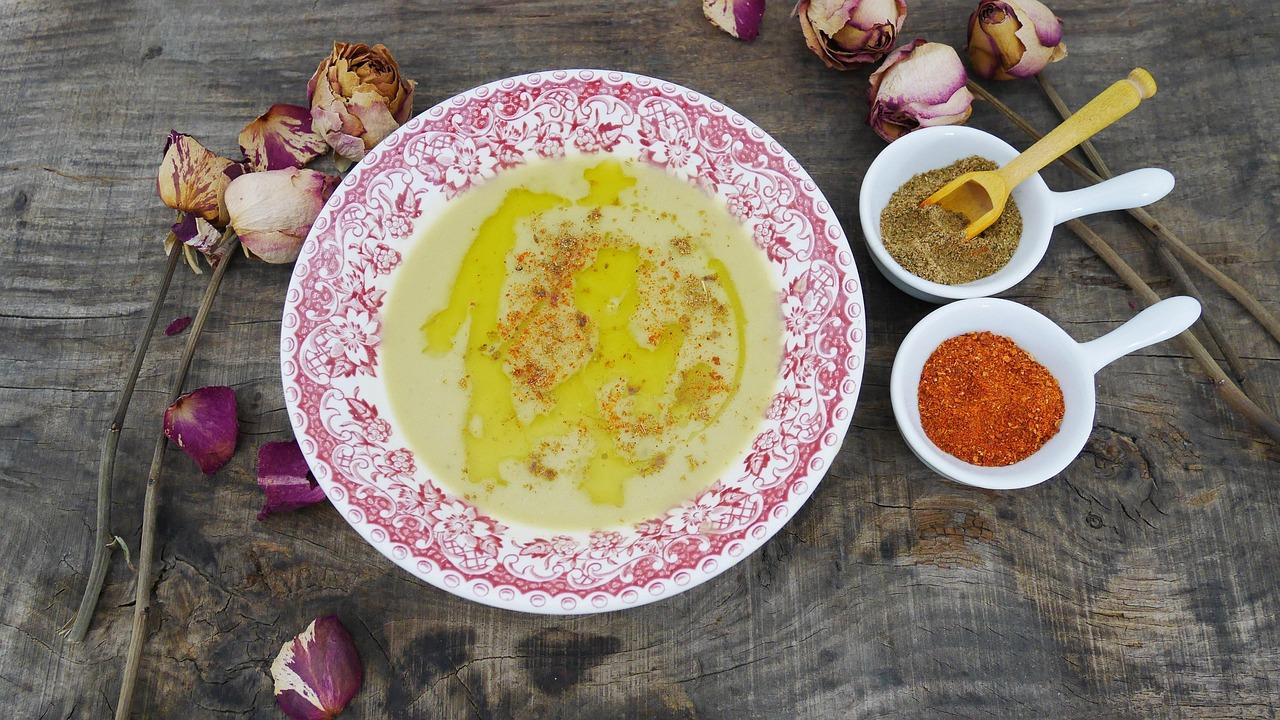
BissaraSplit fava bean soup

Bissara is the cold-morning soup of northern Morocco: in Tangier, Tétouan and Chefchaouen you see it ladled out from big pots at street stalls before work, and it is a favourite to break the fast in winter Ramadans. Dried split broad beans are simmered with garlic until they fall apart and blended into a thick, pale purée, then finished at the table with olive oil, cumin and paprika. Eat it piping hot with crusty bread; leftover bissara thickens into a dip you can spread on toast. Chef's tip: be generous with the final olive oil, it is not a garnish but part of the dish.

by KrazyBadal 0 views

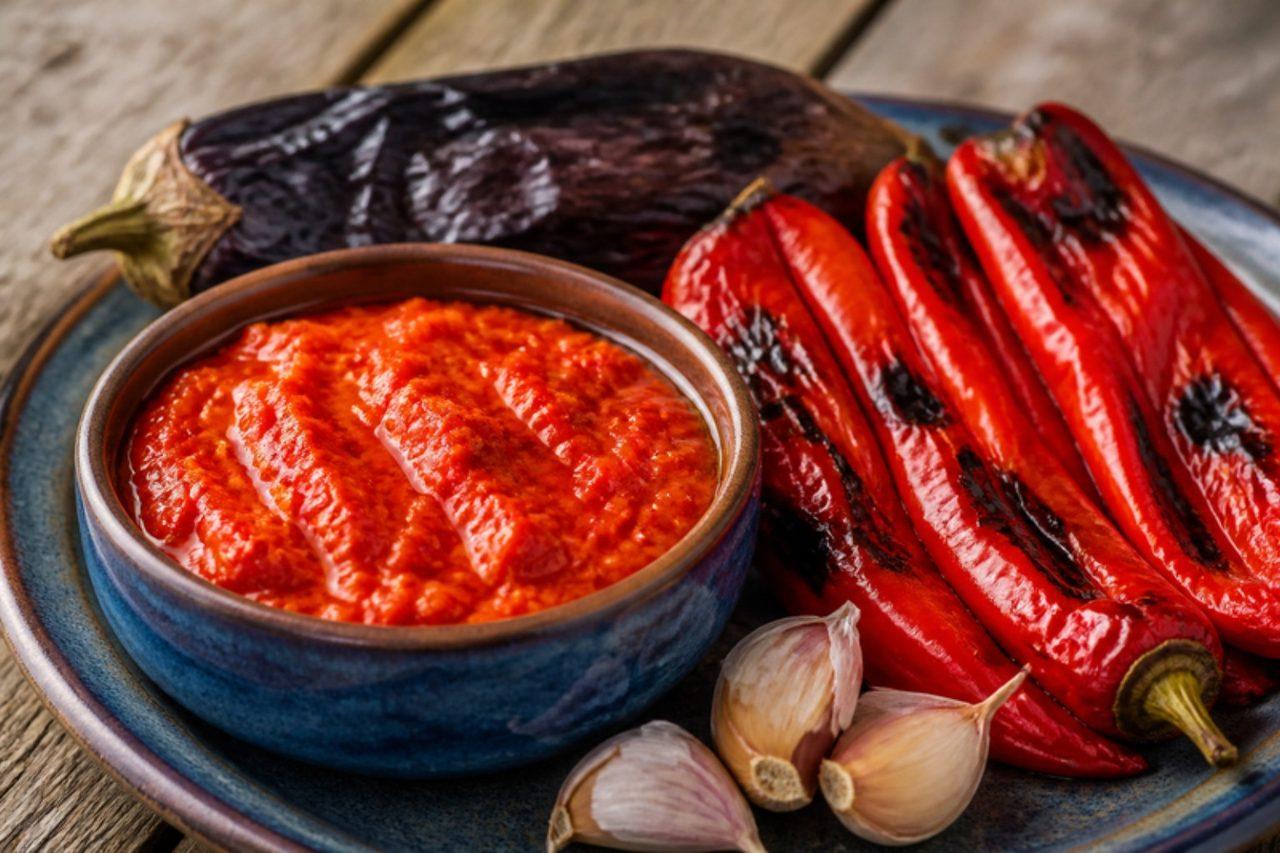
AjvarRoasted pepper and aubergine relish

Every September the smell of charring peppers drifts over courtyards from Leskovac in southern Serbia to Strumica in North Macedonia, as families roast crates of long red babura peppers on wood stoves and spend a whole Sunday stirring the pulp into ajvar for the winter shelves. A little roasted aubergine softens the flavour, and long cooking with sunflower oil turns it into a glossy, sweet-smoky spread that is eaten on bread with white cheese, beside beans or potatoes, and with almost every winter meal. This is a home-sized batch for two medium jars rather than a cellar full. Chef's tip: do not rinse the roasted peppers under the tap to get the skins off; it washes away the smoky juices that make ajvar taste of autumn, so peel them with oiled fingers and a paper towel instead.

by KrazyBadal 0 views

PączkiRose jam doughnuts

Pączki are the rich, yeasted doughnuts Poland eats by the dozen on Tłusty Czwartek, Fat Thursday, the last Thursday before Lent, when Warsaw bakeries such as the old ones on Nowy Świat have queues round the block from dawn. A good pączek is round and heavy for its size, with a pale ring around its middle, a fine, yolk-rich crumb and a filling of rose-petal jam (konfitura z róży) or plum butter, finished with icing and candied orange peel. A spoon of vodka or spirytus in the dough is an old trick: it evaporates in the hot oil and stops the dough soaking up fat. Chef's tip: keep the oil between 165 and 175°C with a thermometer; hotter and they burn outside while raw in the middle, cooler and they turn greasy.

by KrazyBadal 0 views

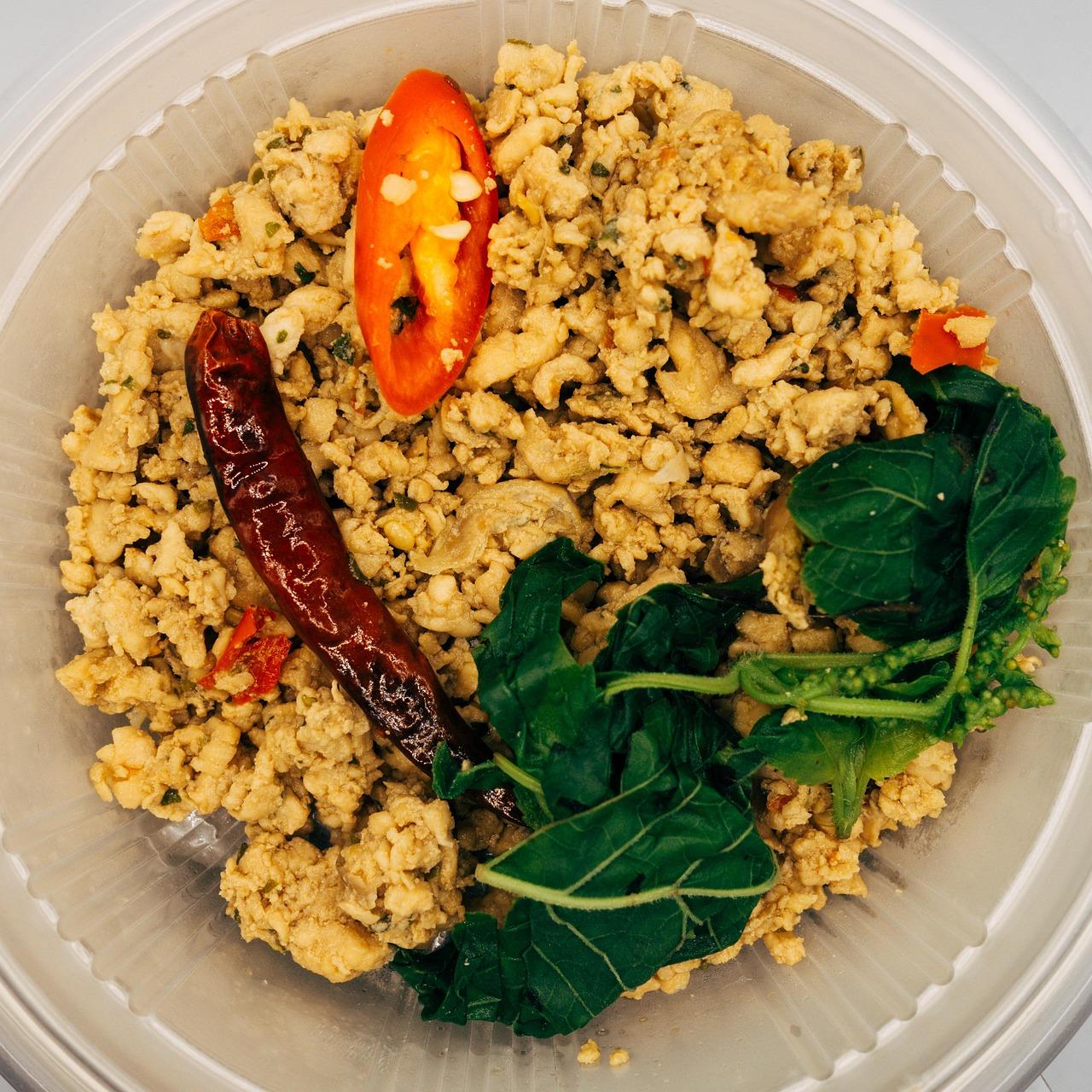
Pad kra pao gaiChicken and holy basil stir-fry

Ask a Bangkok office worker what they had for lunch and the answer is very often 'kra pao gai, khai dao': chopped chicken flash-fried with garlic, chillies and holy basil, spooned over rice and crowned with a fried egg whose edges have blistered into brown lace. Street stalls and food courts across the city cook it to order in a roaring wok in about three minutes. The chicken should be slightly sticky and salty-sweet, the basil peppery with a hint of clove, and the runny yolk becomes a sauce for the rice. A saucer of prik nam pla (sliced chillies in fish sauce) on the side is all it needs. Chef's tip: chop the chicken by hand with a heavy knife instead of buying fine mince; the coarse, uneven bits catch the sauce and stay juicy.

by KrazyBadal 0 views

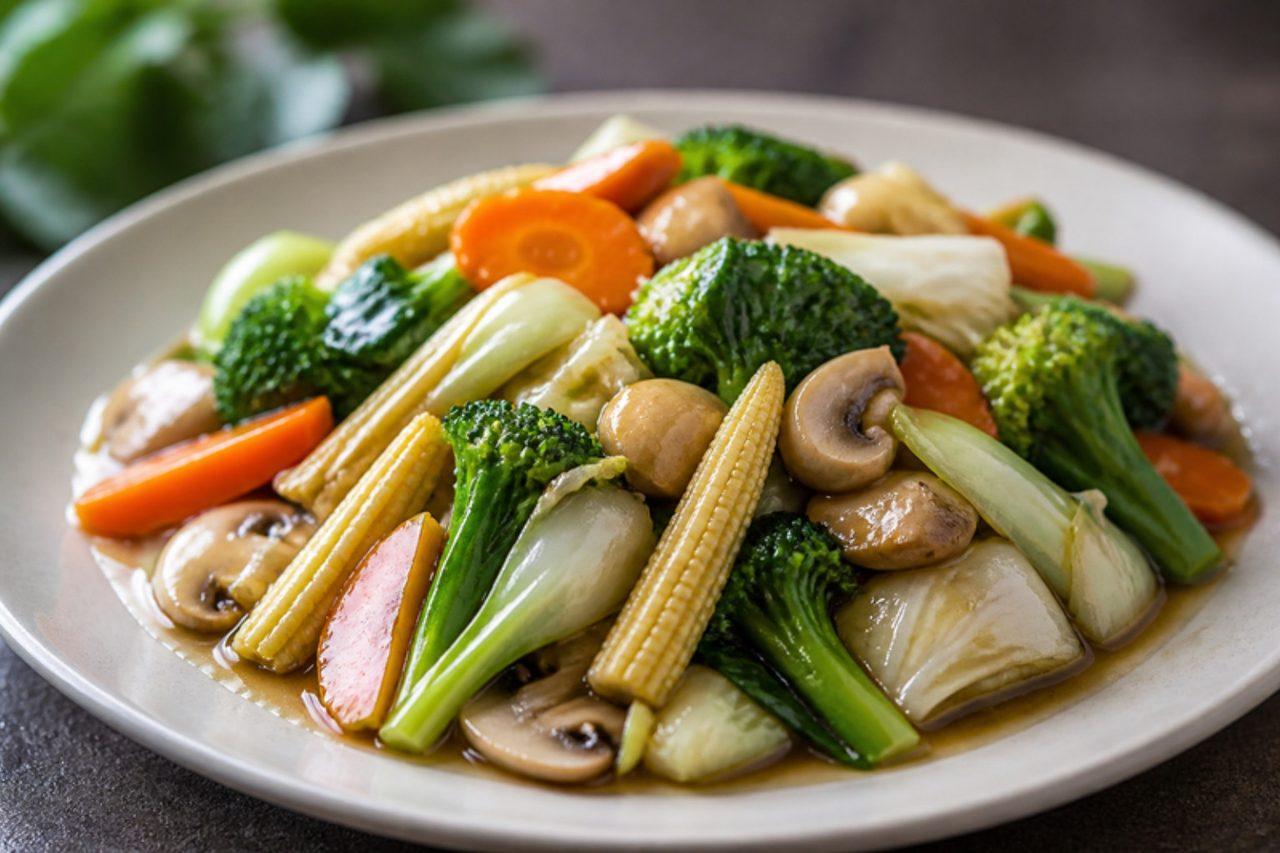
Pad pak ruamStir-fried mixed vegetables

Pad pak ruam, 'stir-fried mixed vegetables', is the dish every Bangkok made-to-order (aharn tam sang) cook can make in ninety seconds over a roaring flame, and the one Thai office workers add to a lunch order so there is something green on the table. The vegetables stay crisp and bright, coated in a thin, glossy sauce of garlic, soy and mushroom stir-fry sauce. Restaurants use oyster sauce; the vegetarian mushroom version tastes almost the same. Serve it with jasmine rice and a fried egg, or as a side to curry. Chef's tip: cut everything before you light the stove, and add the vegetables in order of hardness, so the carrots soften while the greens stay snappy.

16 minThaiSidesVegan
by KrazyBadal 0 views

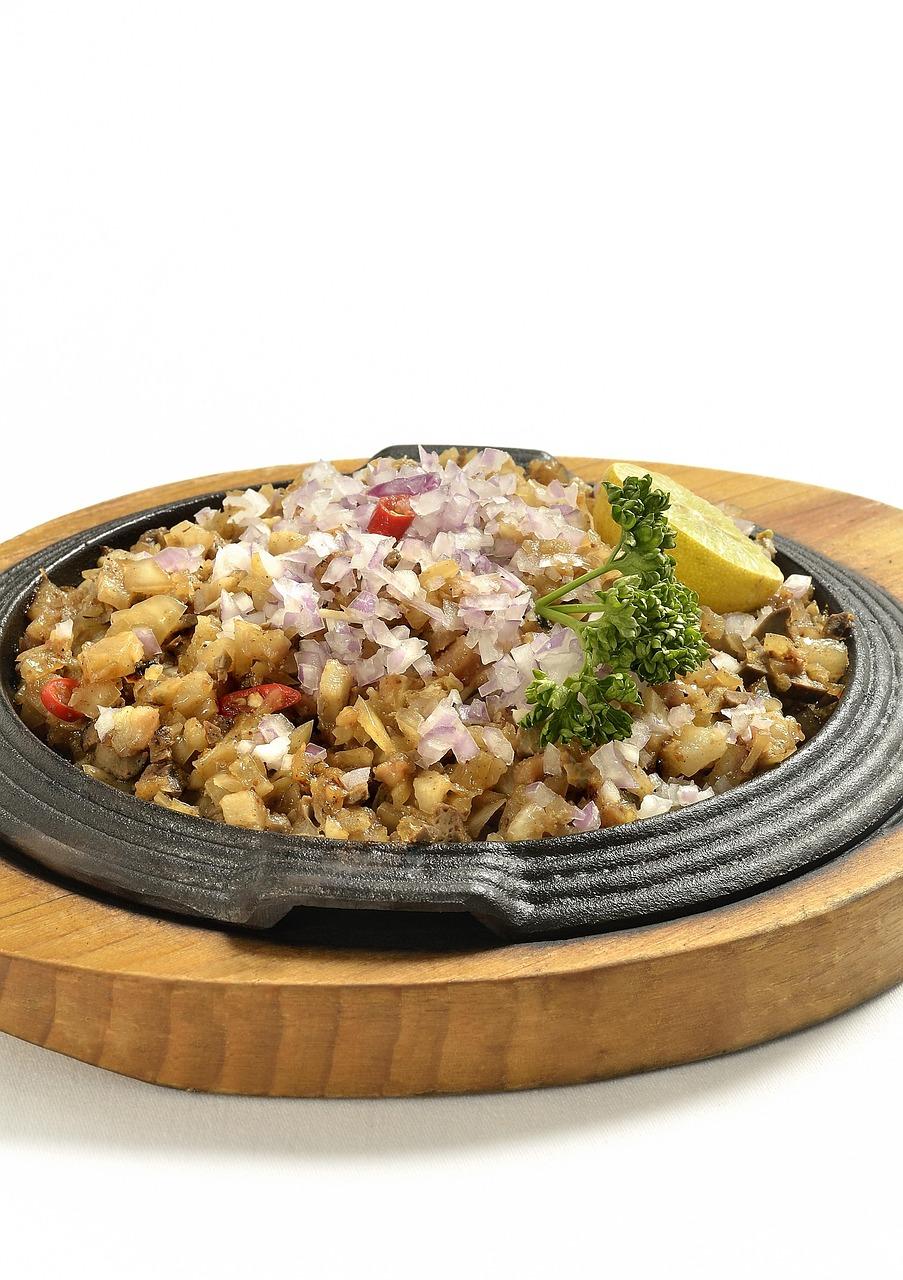
Pork sisigSizzling chopped pork

Sisig comes from Angeles City in Pampanga, where cooks turned pig's head and ears into a sizzling, sour, peppery bar snack that is now on almost every Filipino menu. This home version is pork, using pork belly (and pig's ears if your butcher has them) that is boiled, grilled until charred, then chopped finely and fried with onion, chilli and calamansi juice. It arrives at the table crackling on a hot cast-iron plate, often with a raw egg stirred in. Eat it with rice, or as pulutan with drinks; a cold calamansi juice works as well. Chef's tip: chop the pork small but not to mince; you want little crisp edges and chewy bits in every spoonful.

110 minFilipinoMeatSpicy
by KrazyBadal 0 views

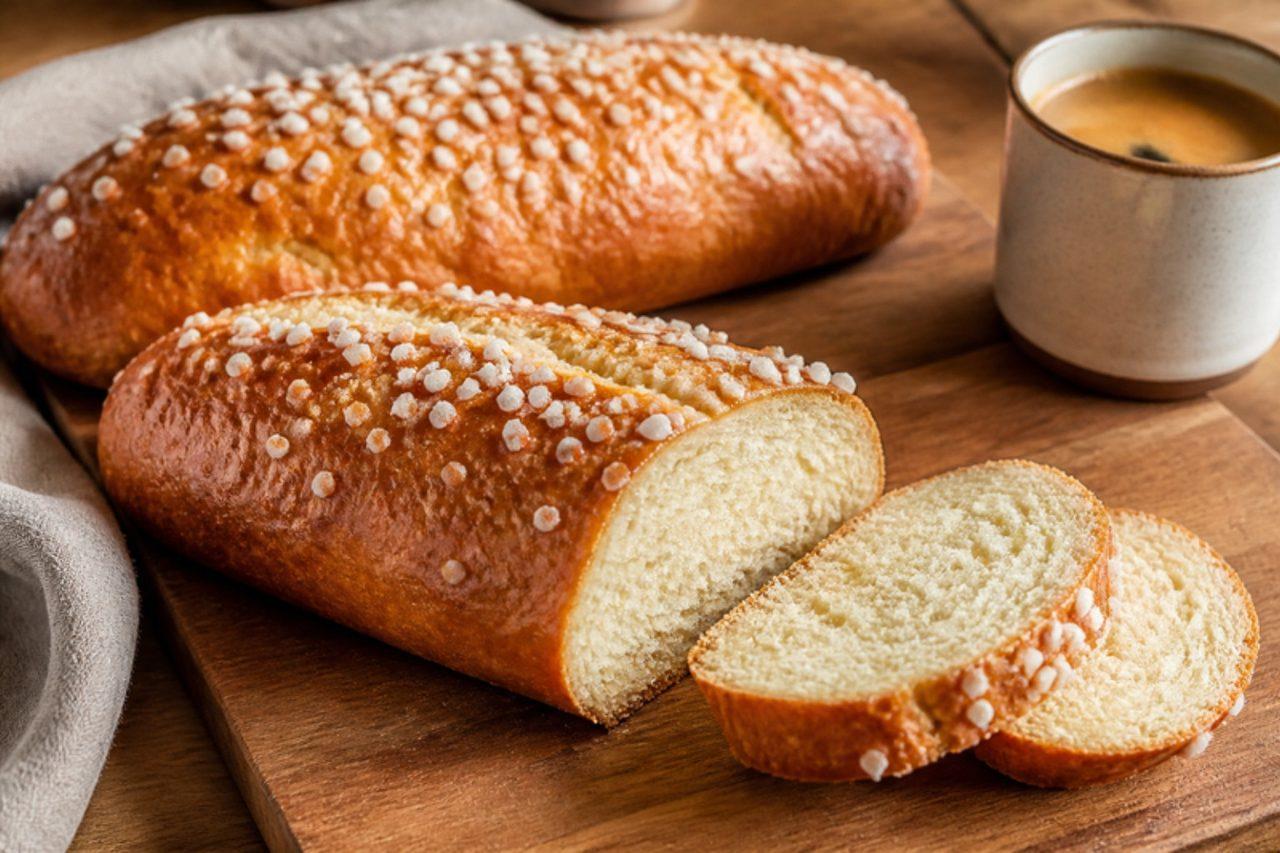
Pain à la grecquePearl sugar bread

Despite the name, pain à la grecque is pure Brussels: the 'Greek' is thought to come from the Flemish gracht, the canal next to the old abbey on the Wolvengracht whose monks handed out bread to the poor. Today it is a long, flat stick of cinnamon-spiced bread pressed into pearl sugar and baked until the sugar melts into a crunchy, glassy crust. Brussels bakeries such as those around the Sablon sell it by the slab, and it is eaten with coffee in the afternoon or dunked at breakfast. Chef's tip: press the dough hard into the pearl sugar on both sides; loosely scattered sugar just falls off in the oven.

by KrazyBadal 0 views

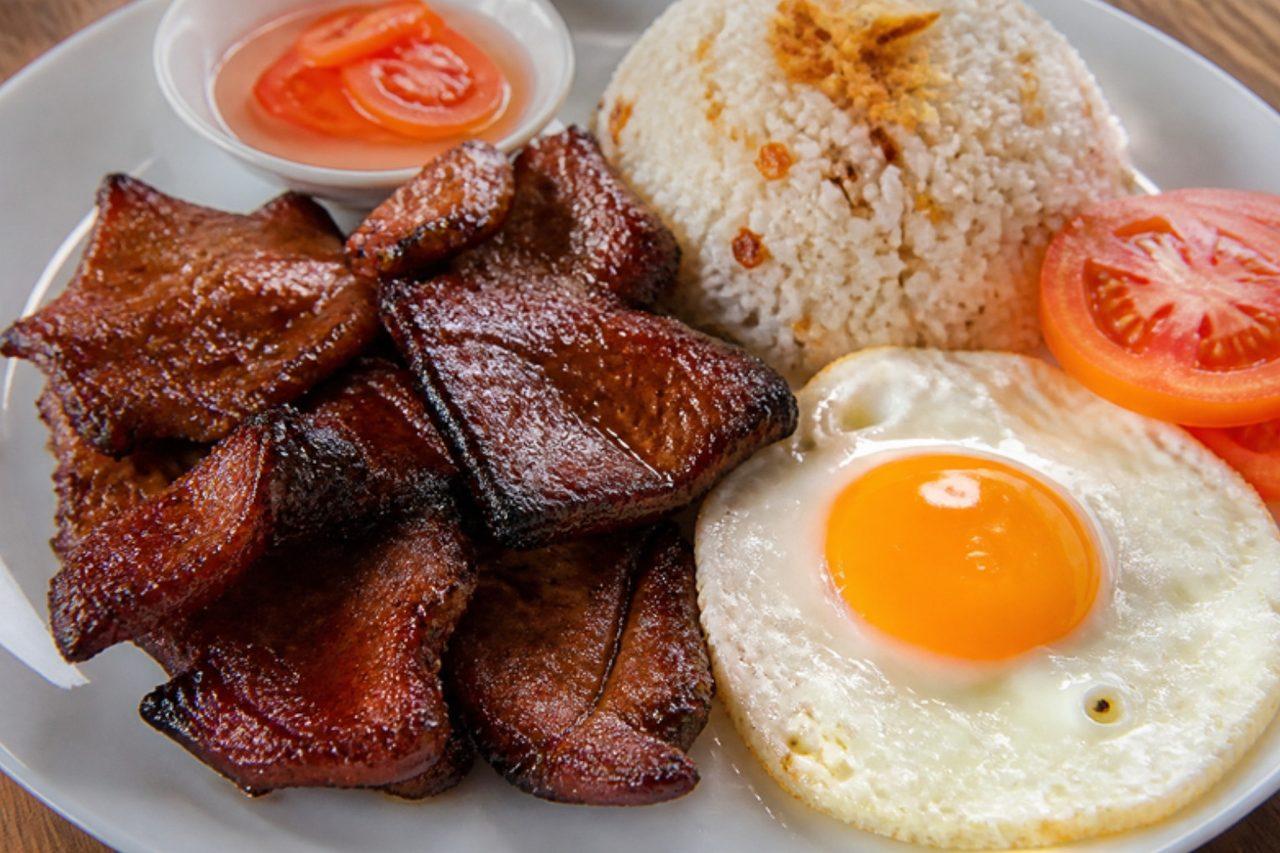
Pork tocinoSweet cured pork

In Pampanga, tocino is breakfast: thin slices of pork shoulder in a sweet, garlicky marinade, fried until the sugar caramelises at the edges, then served with garlic fried rice and a fried egg as 'tosilog'. Shop tocino is often bright pink from curing salts; this home version leaves those out, so it is a sweet marinated pork rather than a true cure, gets its warm red colour from annatto and paprika, and must be kept in the fridge and cooked within 3 days (or frozen). Look for pork with a little fat running through it so it stays juicy. Chef's tip: start it in a splash of water; the pork simmers through first, then the sugar glazes once the water is gone, so it doesn't burn before it's cooked.

by KrazyBadal 0 views

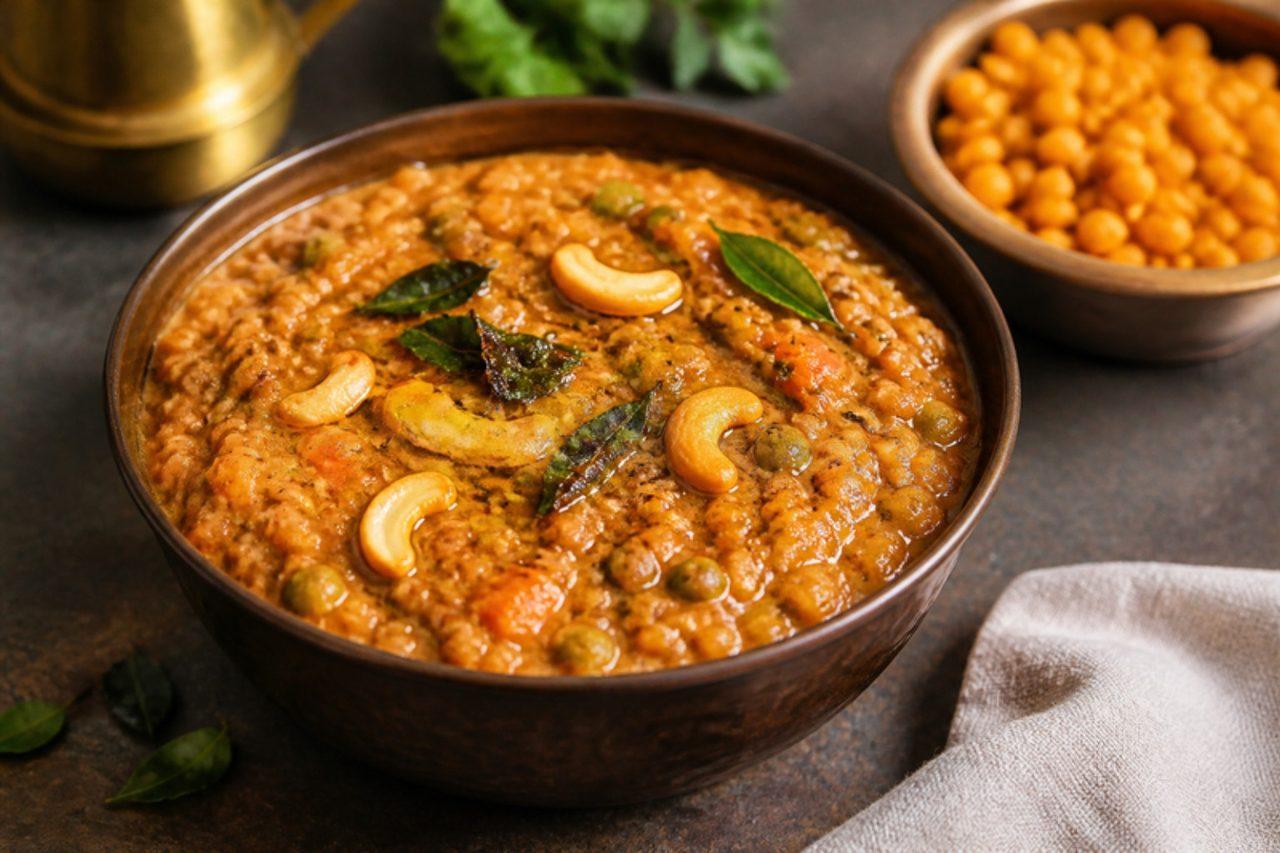
Bisi bele bathSpiced rice and lentil one-pot

Bisi bele bath means 'hot lentil rice' in Kannada, and it's Karnataka's great comfort dish, served in temples, weddings and Bengaluru tiffin rooms. Rice and toor dal are cooked soft with vegetables, then simmered with tamarind, jaggery and a freshly roasted spice powder of lentils, coriander seed, chilli, cinnamon and coconut until it's thick, glossy and spoonable. A generous ghee tempering with cashews and curry leaves goes over the top. Eat it piping hot with crisp potato chips or boondi raita. Chef's tip: make it looser than you think; it thickens fast as it stands, and the right texture is soft and flowing, like a thick porridge.

by KrazyBadal 0 views

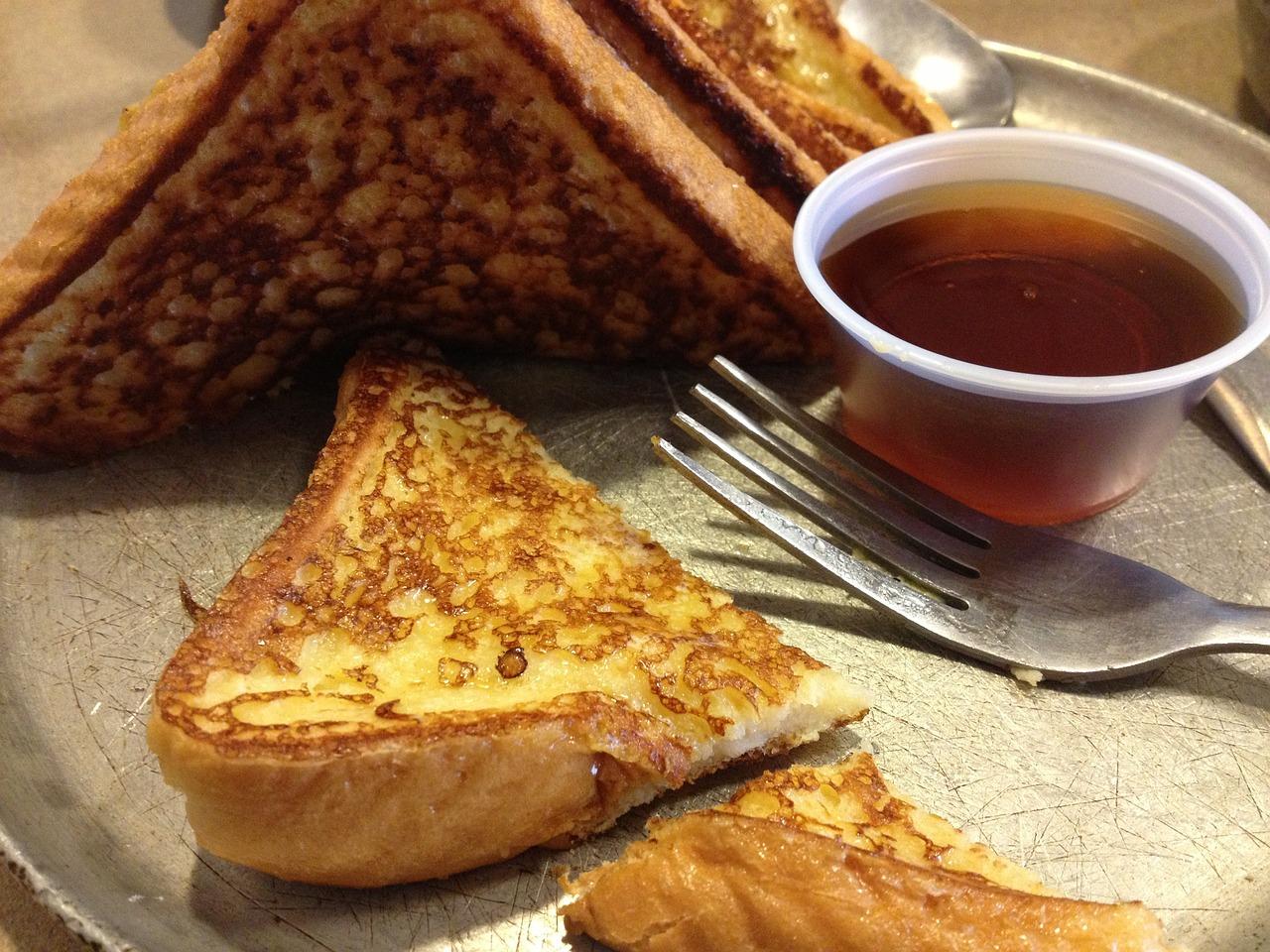
Pain perduFrench toast

Pain perdu means 'lost bread', and French families have always made it from the end of a stale baguette or brioche that would otherwise be thrown away. Thick slices are soaked in milk, eggs, sugar and vanilla, then fried in butter until caramelised outside and soft, almost like custard, inside. In France it is more often a Sunday breakfast or goûter for the children than a brunch dish, eaten with a dusting of sugar, jam or fresh fruit. Chef's tip: use bread that is a day or two old; fresh bread is the common mistake and turns soggy and falls apart in the custard.

by KrazyBadal 0 views

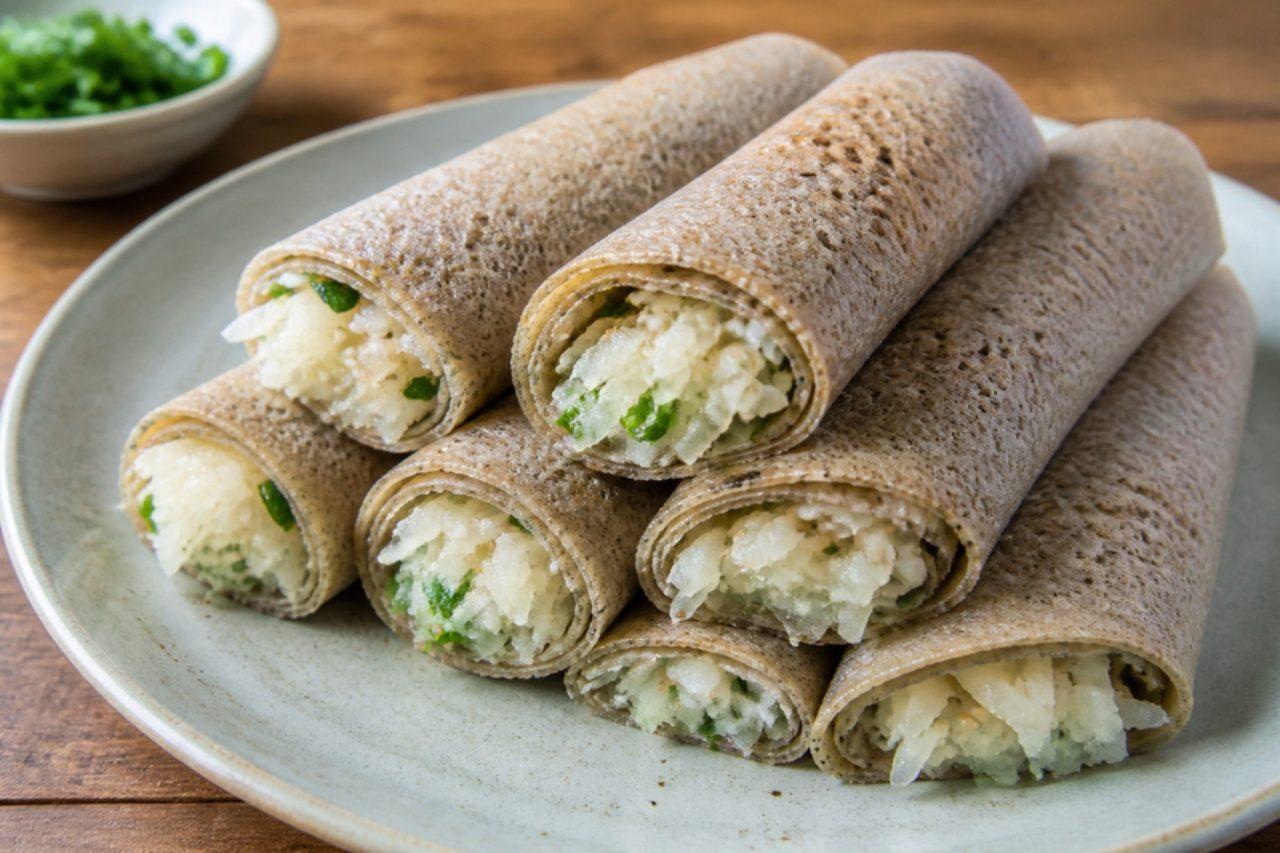
BingtteokBuckwheat crepe rolls with radish

Bingtteok (빙떡) comes from Jeju island, where volcanic soil grew buckwheat and radish better than rice. Thin, almost translucent buckwheat crêpes are rolled around a filling of blanched radish seasoned only with salt, sesame and spring onion. The flavour is gentle and nutty, and it was traditionally brought to funerals, weddings and village gatherings, sometimes with a cup of makgeolli. Today you find it at Jeju's Dongmun and Seogwipo markets beside more fiery snacks. Chef's tip: pour a little batter and swirl the pan fast, or spread it with the back of a ladle; bingtteok crêpes should be so thin you can almost see through them.

by KrazyBadal 0 views

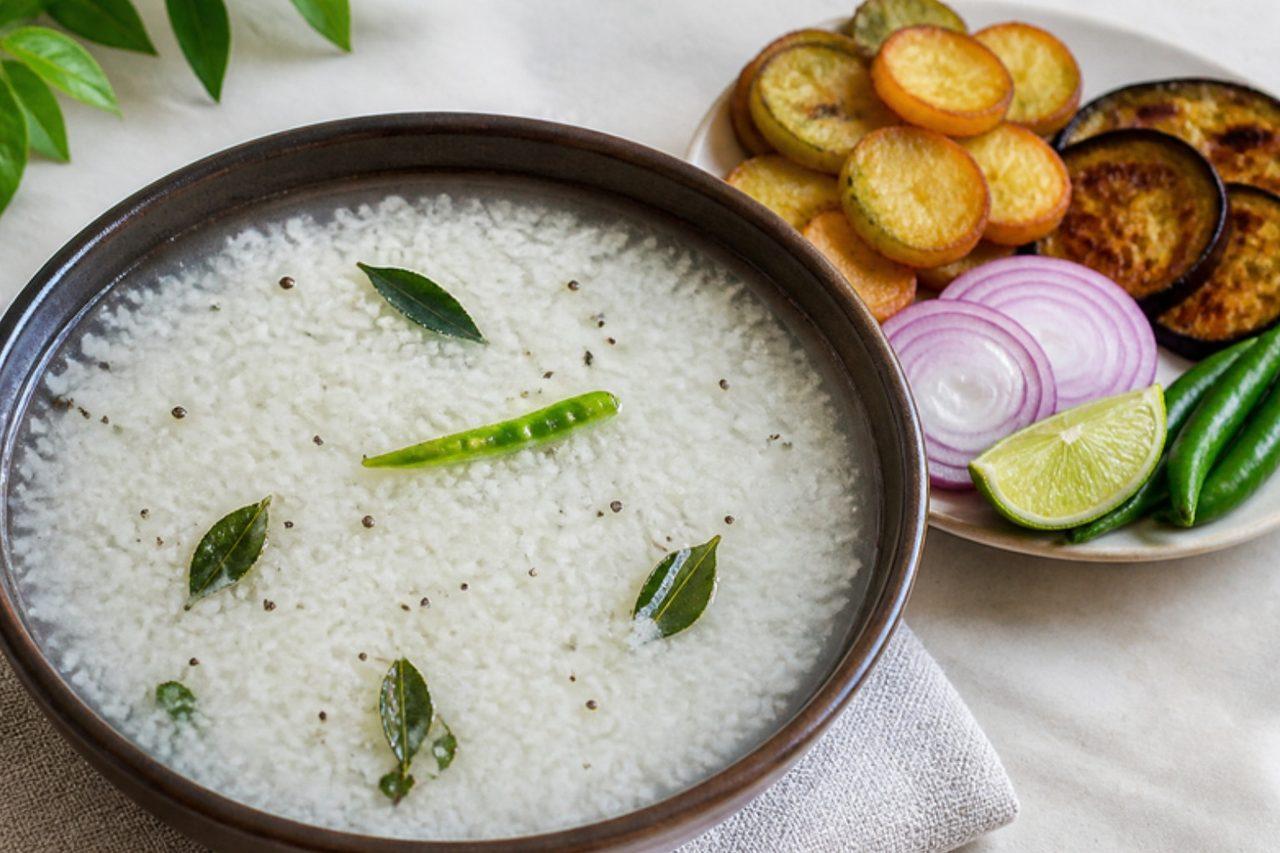
Pakhala bhataSoaked rice with curd

Pakhala is Odisha's answer to the summer heat: cooked rice left to soak in water, often overnight so it turns faintly sour, then loosened with curd, salt, lime leaf, cumin and green chilli and eaten cold at midday. The state even celebrates Pakhala Dibasa on 20 March. The rice itself is plain; the pleasure is in the sides, such as badi chura (crushed fried lentil dumplings with onion and mustard oil), fried potato, saga bhaja and roasted aubergine. Chef's tip: for the gently sour basi pakhala, leave the rice in its water at room temperature for 8–12 hours; for dahi pakhala, eat it the same day with more curd.

by KrazyBadal 0 views

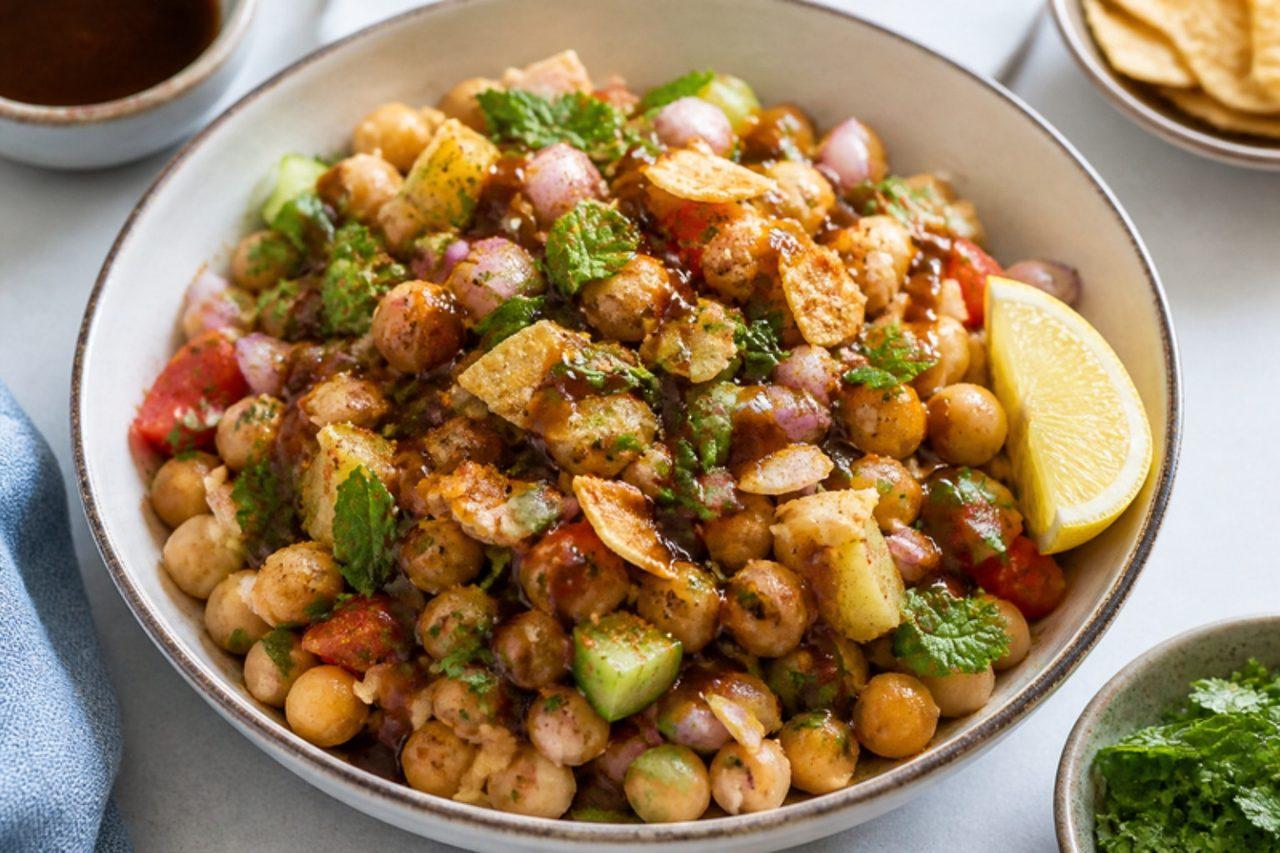
Pakistani chana chaatChickpea and potato chaat

In Pakistan a bowl of chana chaat is on almost every iftar table during Ramadan, next to the dates, pakoras and a jug of red sherbet, and in Lahore and Karachi street vendors toss it to order all year round in big steel bowls. The Pakistani style is simple and sharp: plump chickpeas and potato with raw onion, tomato, green chilli, lots of coriander and mint, tamarind chutney, lemon juice and a heavy hand of chaat masala, served cold or at room temperature. It is a quick, filling, high-fibre snack. People often mix it too early and the onion goes limp and the potato mushy; dress it no more than 15 minutes before eating. Chef's tip: toss the chickpeas with the chaat masala and salt first, before anything wet goes in, so the spice clings to them.

by KrazyBadal 0 views

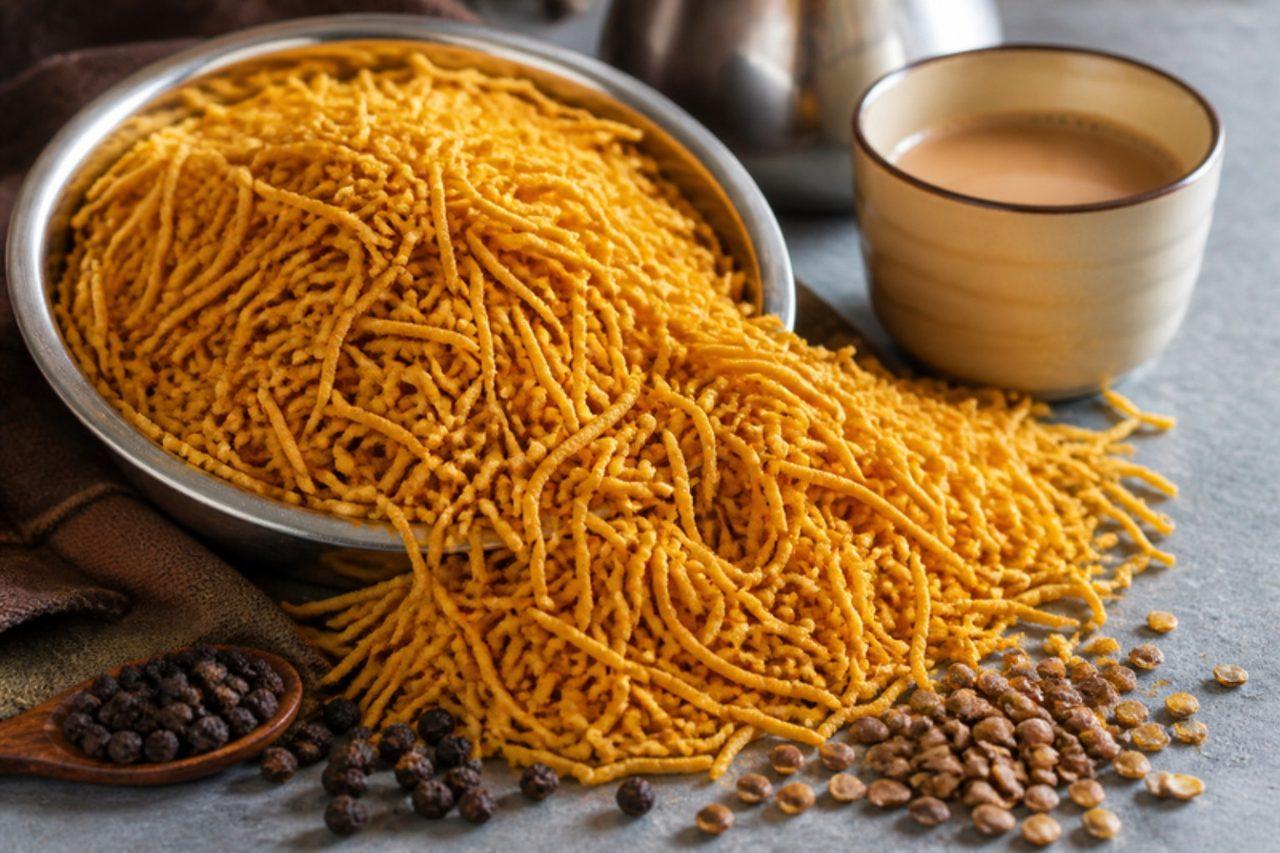
Bikaneri bhujiaSpicy moth bean noodle snack

Bikaner in the Thar desert has made bhujia for well over a century, and the city's version stands apart for its use of moth-bean flour mixed with gram flour. Moth beans, hardy little desert pulses, give the sev an earthy flavour and a brittle, short crunch, while black pepper, black cardamom and a touch of clove add a peppery warmth. Families keep a tin of bhujia for tea time, sprinkle it over poha and chaat, and take boxes home after Diwali visits. A common mistake is making the dough too stiff; it is hard to press and the strands snap. Chef's tip: the dough should feel softer than chapati dough—so soft that a fingertip leaves a smooth dent. Use a sev press with the finest plate.

by KrazyBadal 0 views

Bika ambonHoneycomb coconut cake

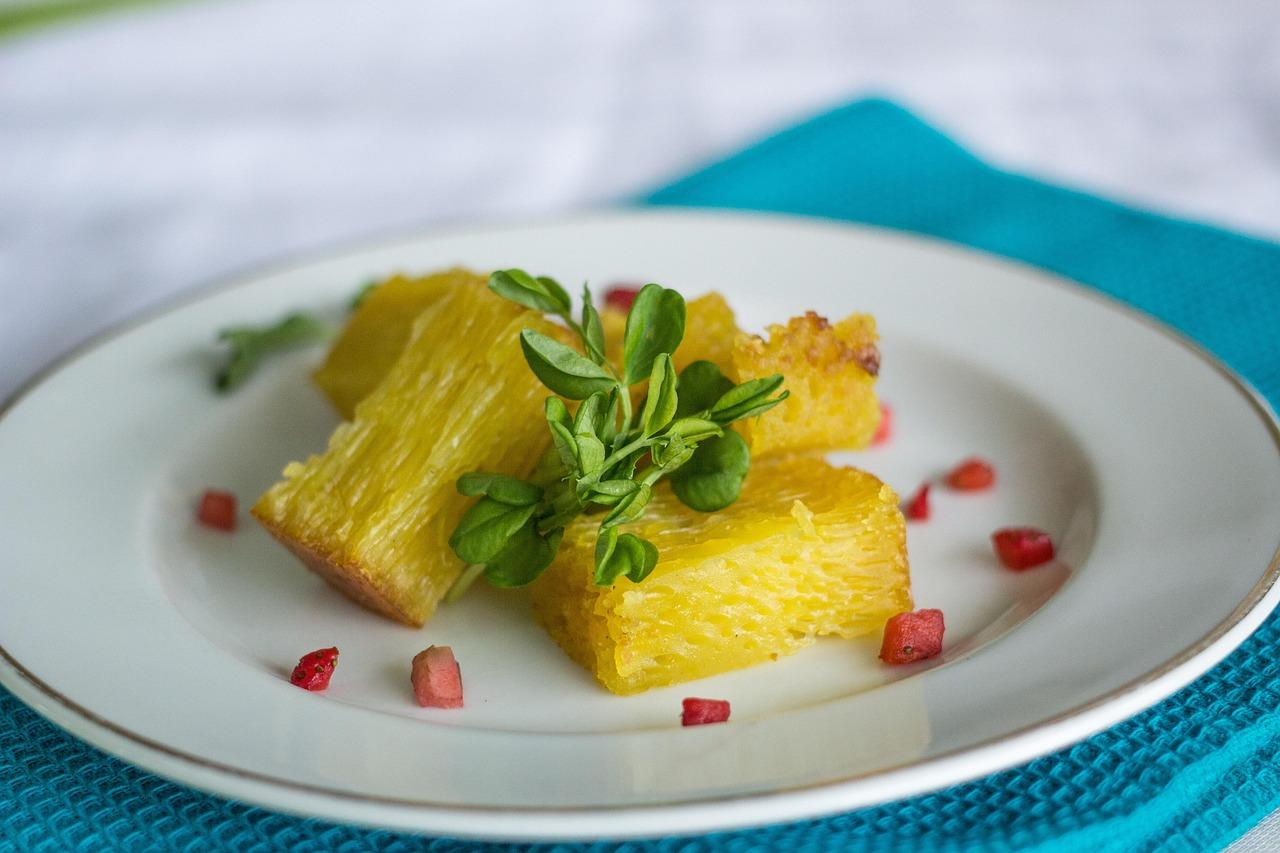
Despite its name, bika ambon belongs to Medan in North Sumatra, where shops on Jalan Majapahit sell it boxed for travellers to take home. A yeasted batter of tapioca, eggs and coconut milk bakes into a cake with a sticky, golden base and long vertical tunnels running through its yellow crumb, perfumed with lemongrass, pandan and lime leaf. It is chewy rather than spongy. Chef's tip: bake it with heat from the bottom first; that is what drives the bubbles upward into the honeycomb.

by KrazyBadal 0 views

BigosHunter's stew with sauerkraut and pork

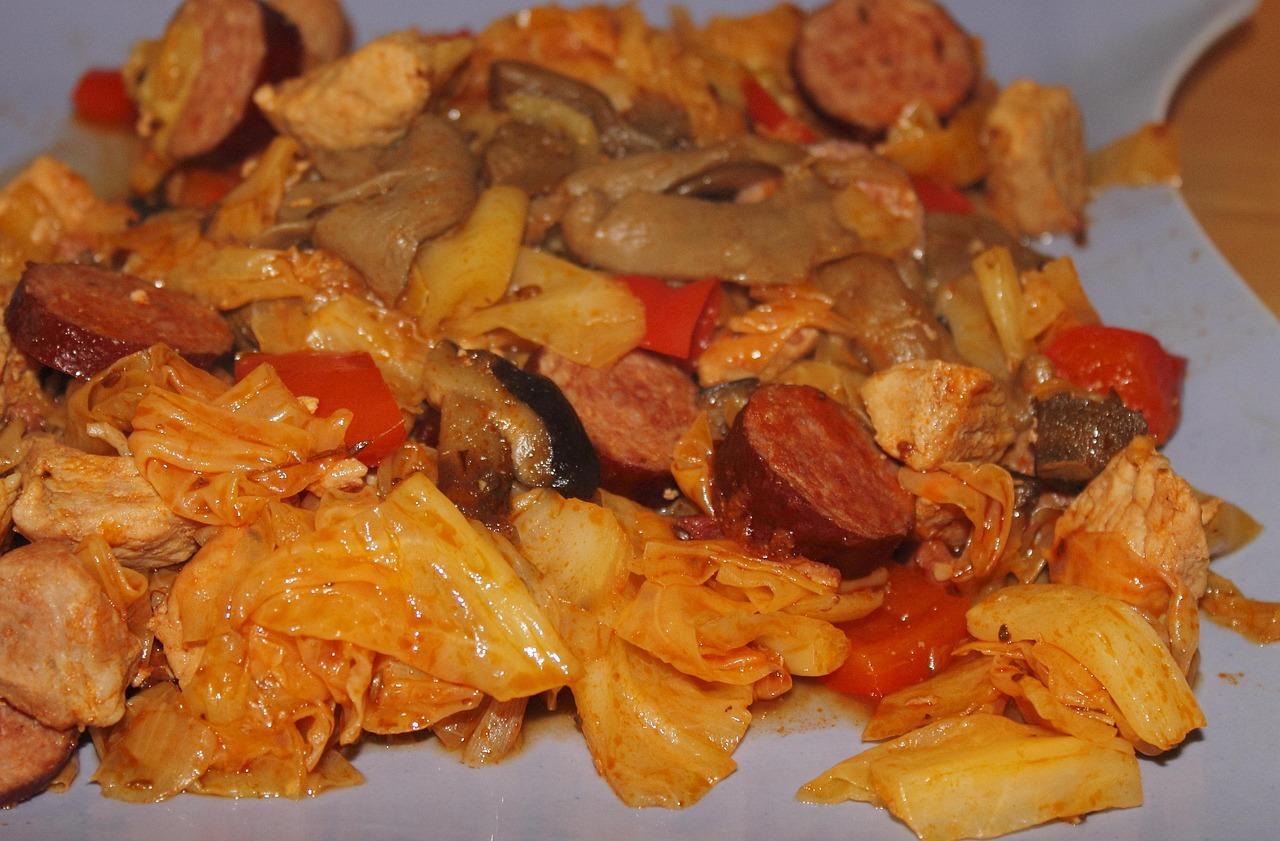
Bigos, the hunter's stew, is cooked in huge pots across Poland for Christmas, New Year and the long winter, and every family insists theirs is best on the third reheating. Sauerkraut and fresh cabbage stew for hours with pork shoulder, smoked kiełbasa and bacon, dried wild mushrooms, prunes, juniper and a splash of red wine; it is a pork dish through and through. The wine contains alcohol; for an alcohol-free version use 100 ml apple juice with 1 tbsp cider vinegar. Serve with rye bread or boiled potatoes. Chef's tip: taste the sauerkraut first; if it is very sharp, rinse it once in cold water and squeeze it dry.

240 minPolishMeatGluten free
by KrazyBadal 0 views

PallubasaBeef and coconut soup

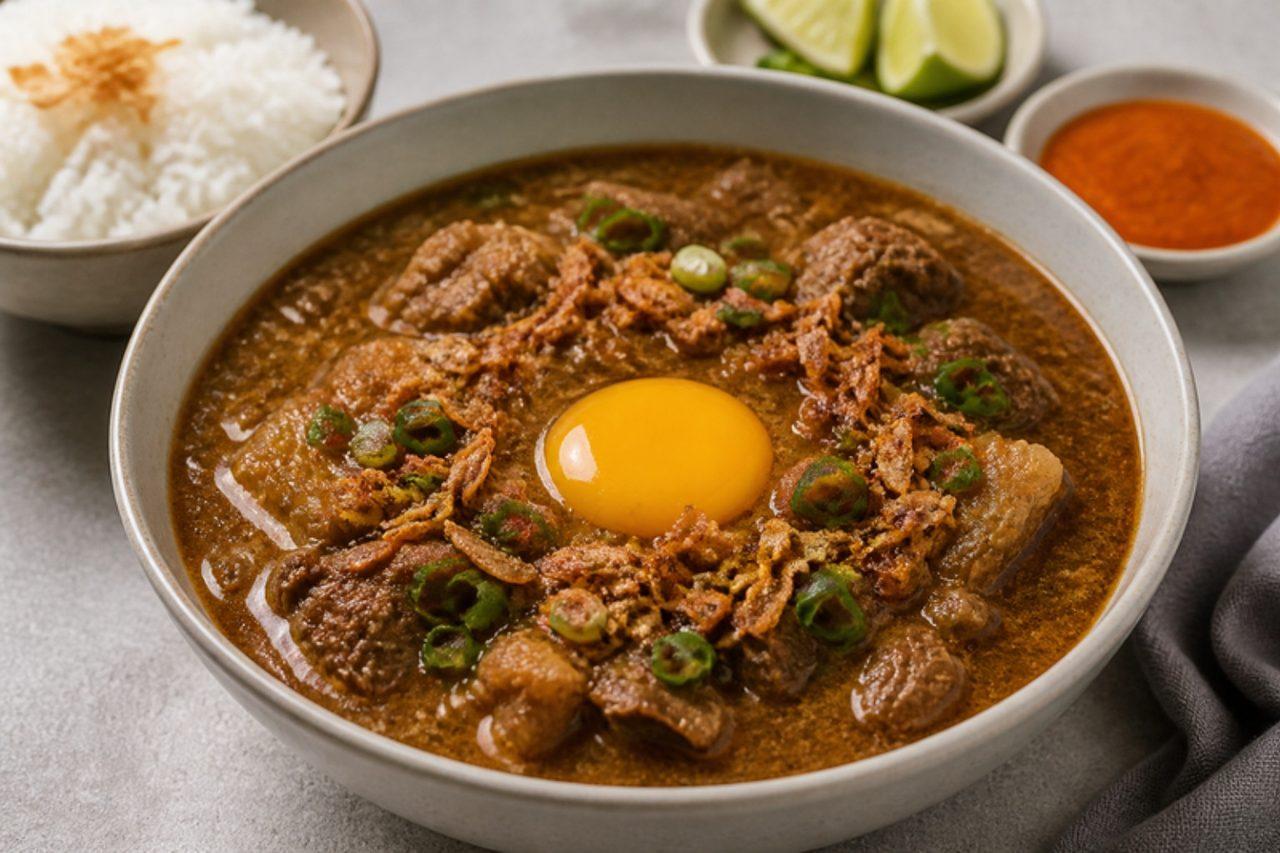
Makassar's other great beef soup is darker, richer and more coconutty than coto, and locals argue about which is better over late lunches at pallubasa houses near the port. The secret is kelapa sangrai: grated coconut toasted slowly to a deep brown and pounded, which gives the broth a roasted, almost nutty sweetness and a slightly gritty, full body. It's eaten with a mound of plain rice rather than rice cakes, and for the full version you ask for 'alas', a raw egg yolk dropped in the bowl that you stir into the boiling soup until it turns silky. Offal is traditional but optional; tender beef alone is delicious. Chef's tip: the coconut must reach the colour of milk chocolate, not black, because burnt coconut makes the whole pot bitter.

by KrazyBadal 0 views

BifanaMarinated pork roll

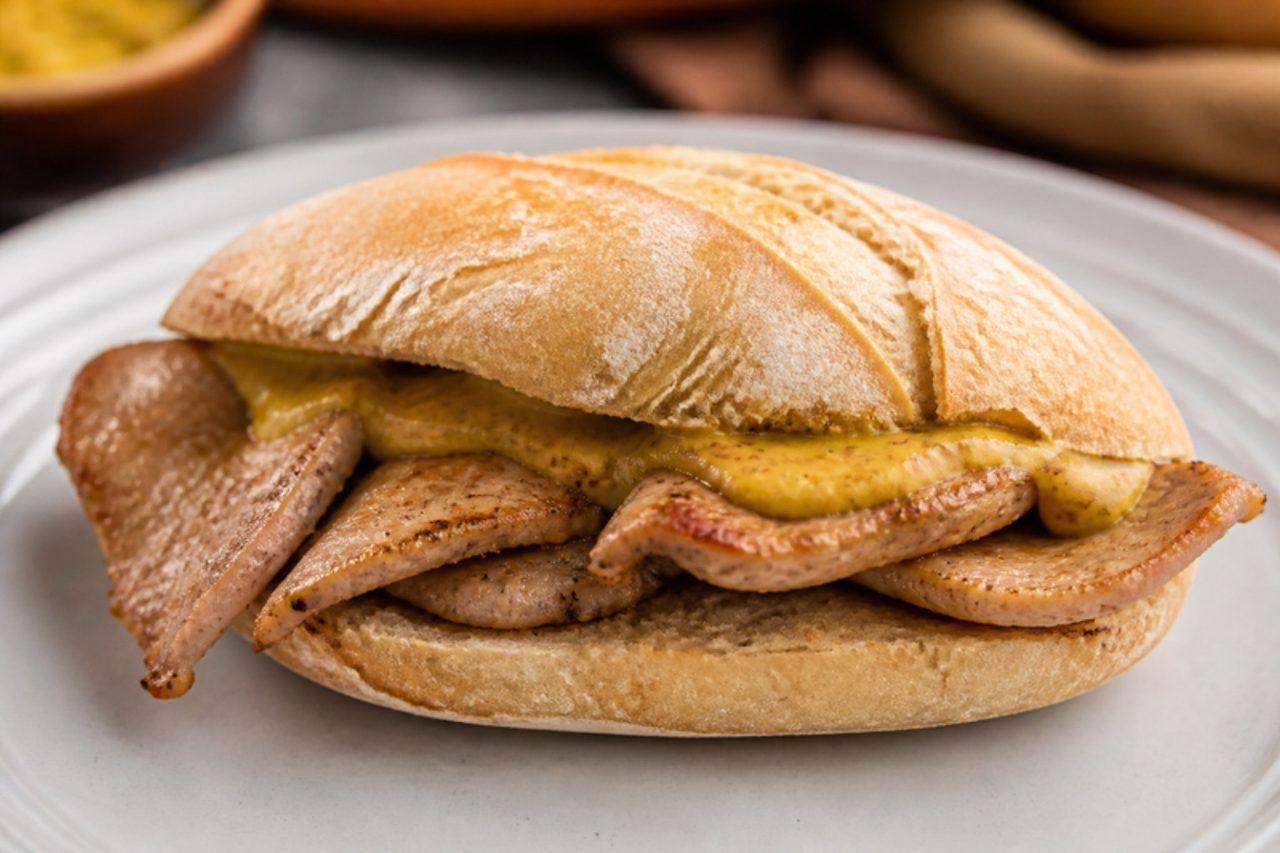
Lisbon's standing-room snack bars, from the Baixa to the stalls outside football grounds, sell bifanas all day: thin pork steaks simmered in a garlicky, bay-scented sauce and pushed into a soft papo-seco roll with a smear of mustard. It's a pork sandwich, and the pork is traditionally marinated in white wine; for an alcohol-free version use chicken stock with a tablespoon of white wine vinegar. It makes a quick lunch or a late snack. Chef's tip: dip the cut side of the roll into the pan juices before filling it; that's how the bars make them so juicy.

by KrazyBadal 0 views

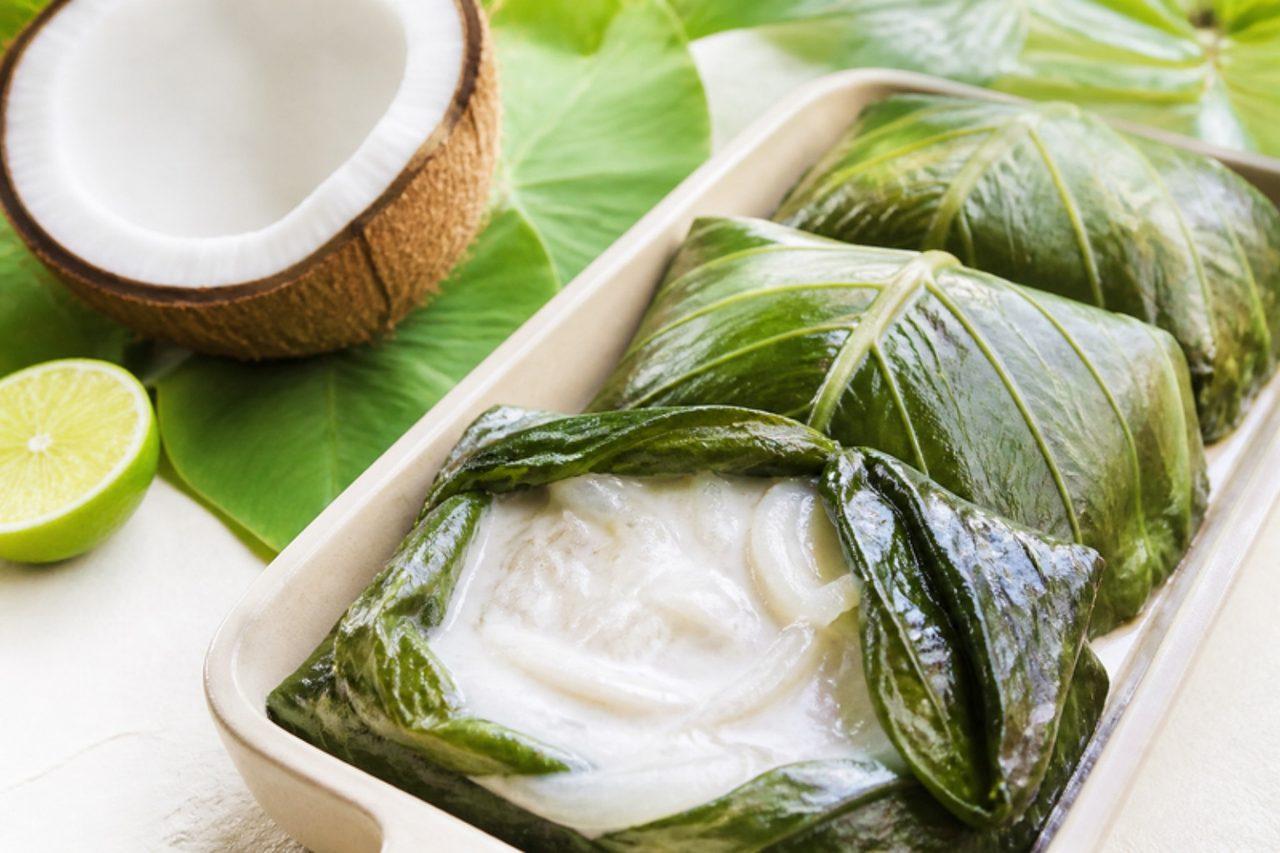
PalusamiTaro leaves in coconut cream

Palusami is at the heart of a Samoan Sunday to'ona'i, the big lunch after church, when the umu (earth oven) is lit and parcels of taro leaves filled with thick coconut cream and onion bake among the hot stones. The leaves melt into something like rich, creamy spinach, and the coconut sets around them. In Fiji similar parcels are called rourou. Many families add corned beef or fish; this is the plain coconut version, served with baked taro or breadfruit. Chef's tip: taro leaves must be cooked thoroughly, as underdone leaves make the throat itch; if you can't get them, use large spinach or silverbeet leaves, which need less time.

by KrazyBadal 0 views

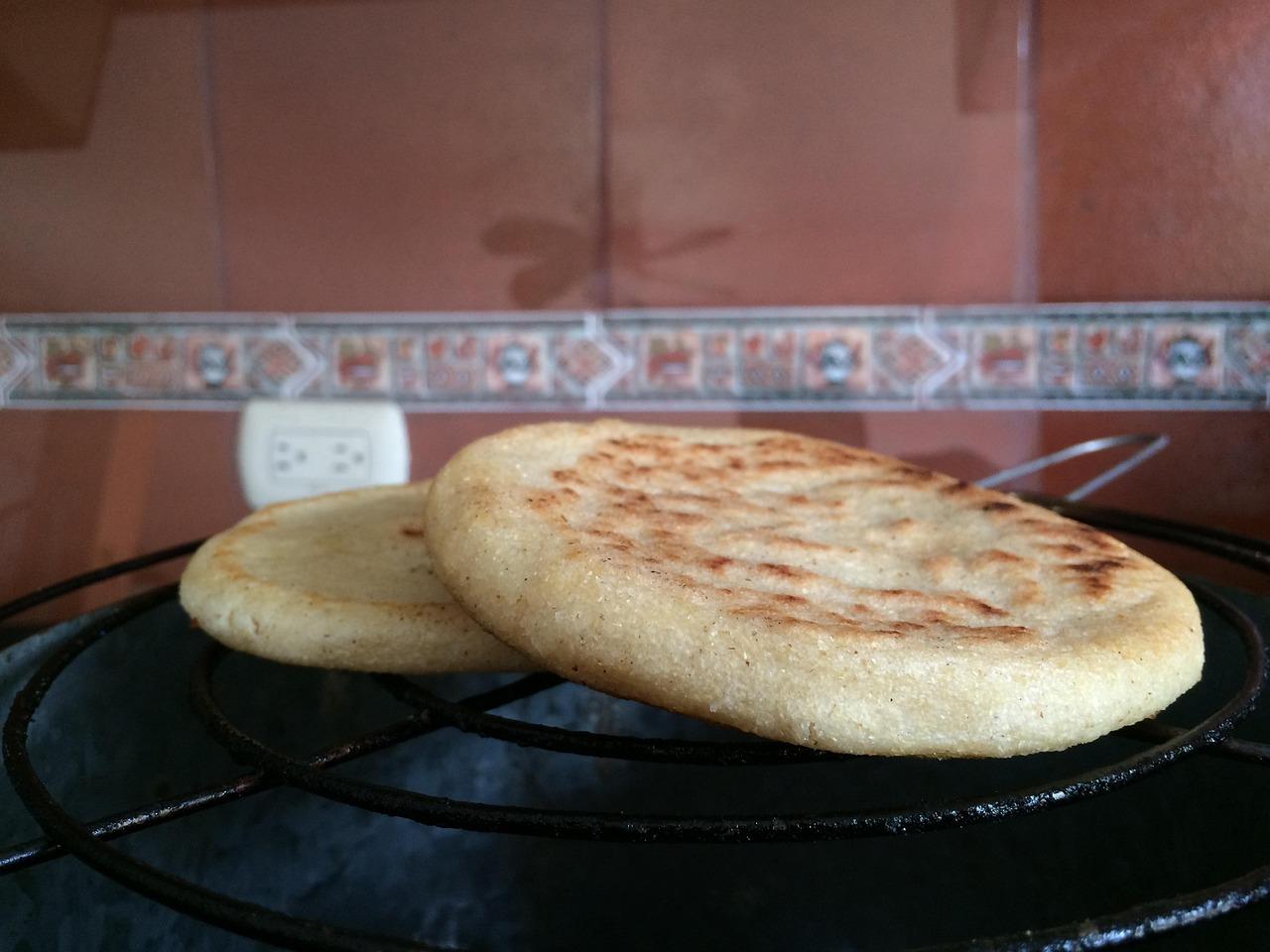
Arepa dominóArepas with black beans and cheese

In Caracas the arepa is not a topped flatbread but a pocket: a thinner, crisp-skinned white-corn round that is split open while hot and stuffed, sold from areperas that stay open late into the night. The dominó is the classic vegetarian filling, named for its black and white look: warm black beans (caraotas) and crumbly salty white cheese. It is a filling meal for breakfast or dinner. Chef's tip: once the arepas have a crust, finish them in a hot oven or let them stand on the griddle until they sound hollow when tapped; that dry, steamy middle is what makes them easy to split and stuff.

by KrazyBadal 0 views

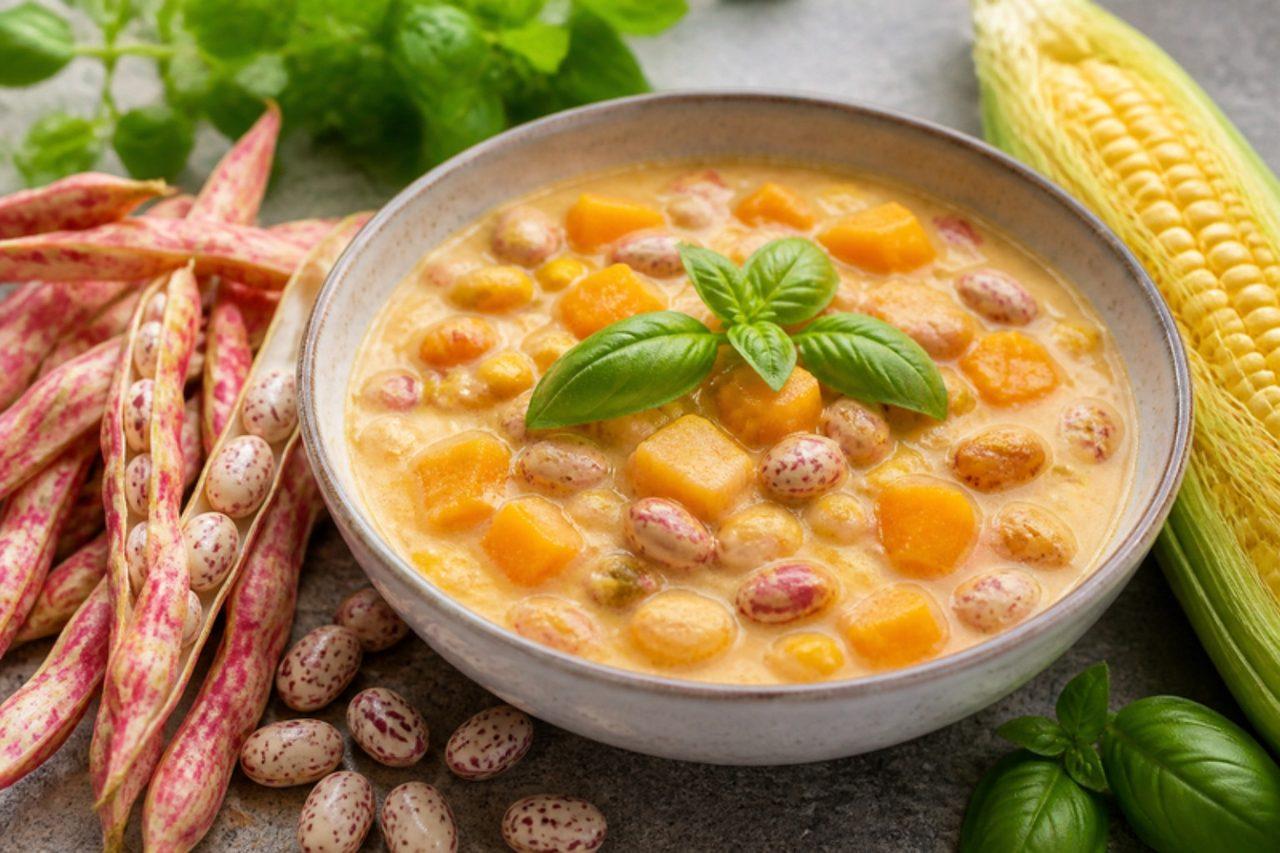
Porotos granadosFresh bean, pumpkin and corn stew

Porotos granados is what central Chile cooks when the fresh beans arrive in late summer: tender cranberry beans shelled at the kitchen table, simmered with pumpkin until it collapses into a thick orange sauce, then finished with grated corn and basil. Families in the Valle Central eat it on hot days, often with pebre and a tomato salad; when the corn is blended in larger amounts it's called 'con mazamorra'. It's hearty but fresh-tasting, and fully plant-based. Chef's tip: add the corn only in the last 10 minutes; it's there to thicken and sweeten, and overcooked it turns floury.

by KrazyBadal 0 views

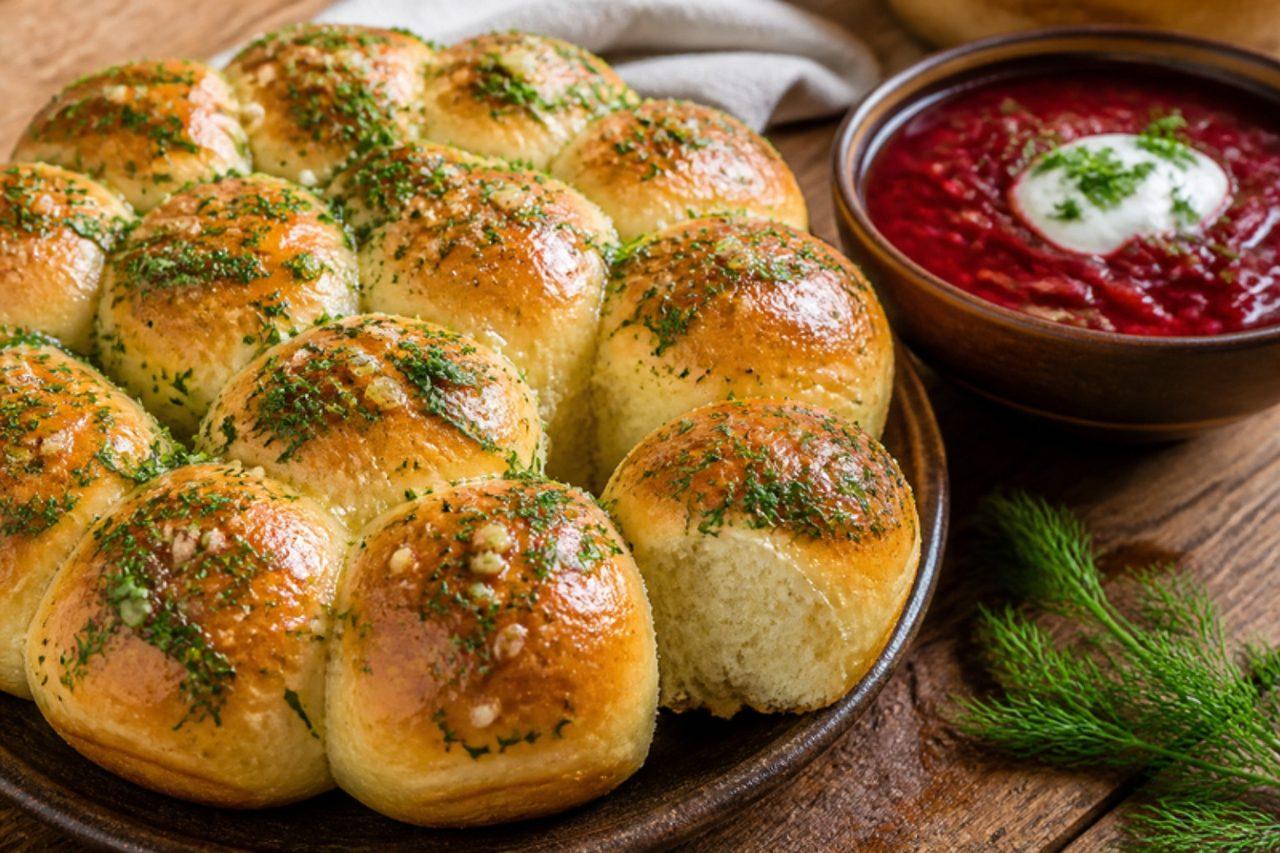
PampushkyGarlic bread rolls

Pampushky are the small, pillowy yeast rolls that arrive in a basket next to borshch in any Ukrainian restaurant, from Kyiv to Poltava, glistening with a raw garlic and dill dressing. They are baked tightly packed in one tin so they pull apart with soft sides and golden tops, and the sharp garlic is the perfect partner for sweet, sour beetroot soup. Sweet pampushky, fried and dusted with sugar, also exist; this is the savoury baked kind. Chef's tip: brush on the garlic oil while the rolls are still hot from the oven, so they drink it in; common mistake is brushing them before baking, which burns the garlic bitter.

by KrazyBadal 0 views

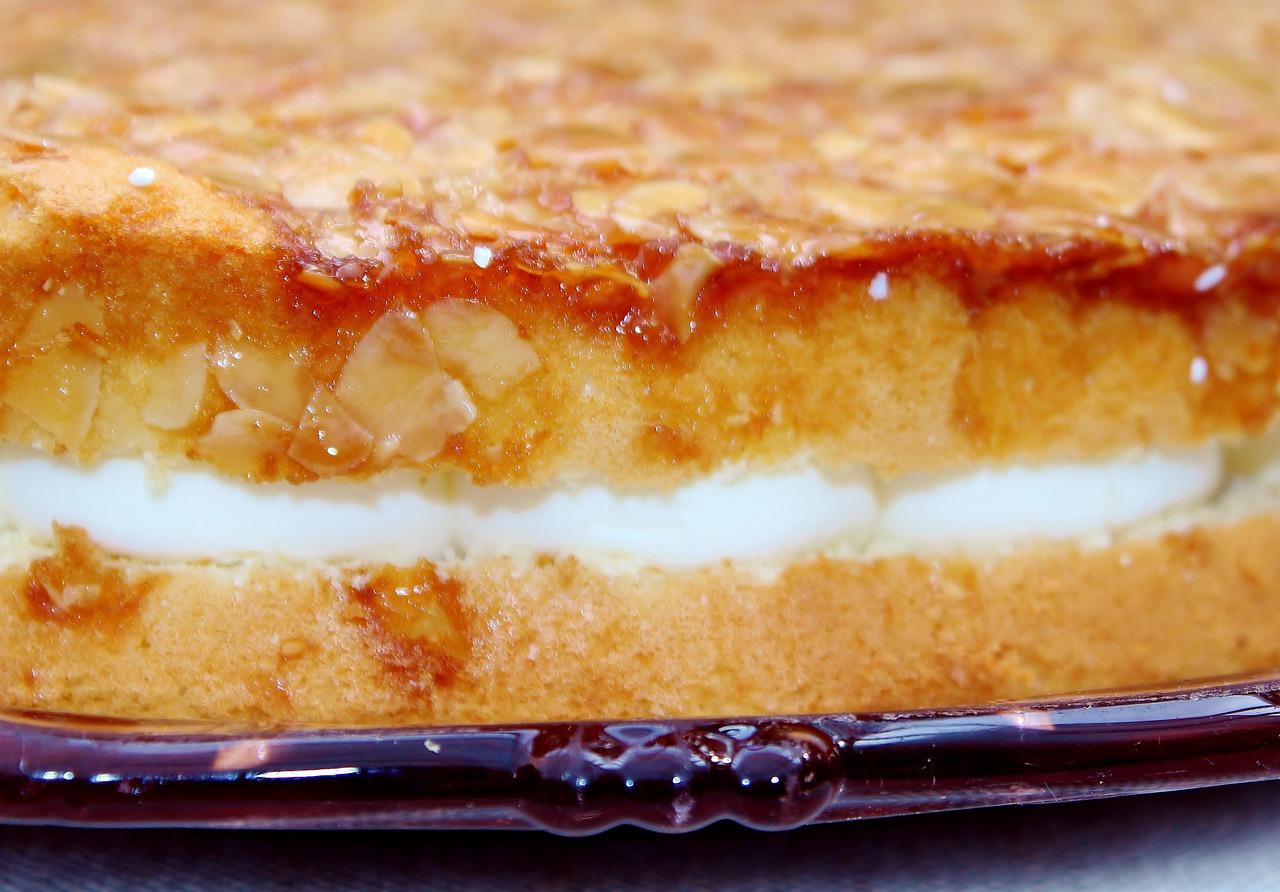
BienenstichHoney almond cake

Bienenstich, the 'bee sting', is a sheet cake found in every German bakery: a soft, buttery yeast dough baked under a crackling layer of almonds caramelised with butter, honey and sugar, then split and filled with vanilla cream. The story goes that a bee, drawn to the honey topping, stung the baker. It's a Sunday afternoon cake, at its best on the day it's made. This version sets the filling with cornflour custard folded with whipped cream, no gelatine. Chef's tip: cut the topping layer into portions before you put it back on the cream; the hard almond crust otherwise squeezes all the filling out when you slice it.

by KrazyBadal 0 views

Bicol expressPork in coconut milk and chilli

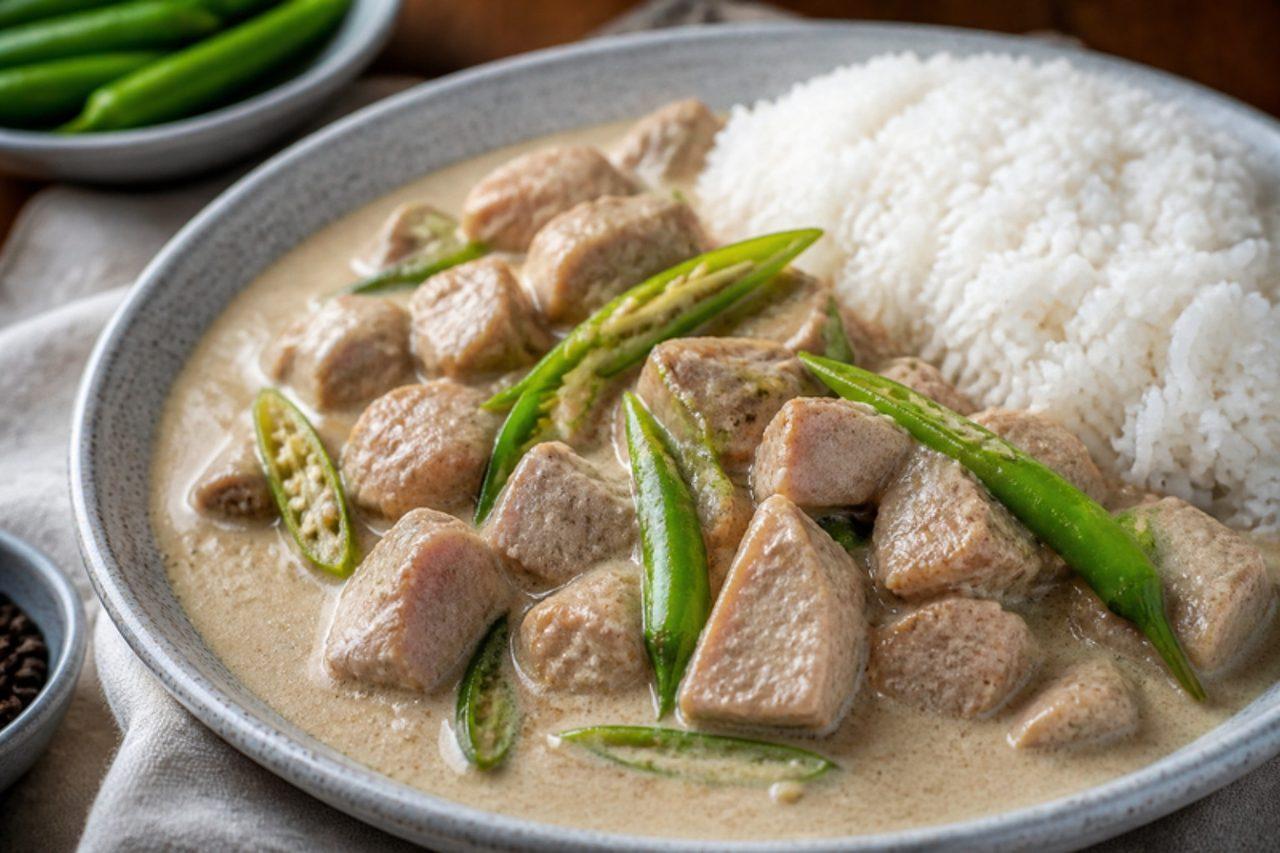
Bicol, the peninsula at the southern tip of Luzon, cooks almost everything in coconut milk with plenty of chilli, and Bicol express is the pork dish that carries the region's name all over the country (locals often call it sinilihan, 'with chillies'). Pork shoulder is cooked down in coconut milk until the liquid turns to oil and the meat is tender, then finished with coconut cream, long green chillies and a spoon of shrimp paste. It is rich, salty and properly hot. Serve it with lots of plain rice. Chef's tip: let the coconut milk reduce until it 'breaks' and you see the oil; that is when the sauce gets its toasty, deep flavour.

by KrazyBadal 0 views

Ajiaco santafereñoChicken and potato soup

On cold, drizzly afternoons in Bogotá, high up in the Andes, families sit down to ajiaco: a thick chicken soup made with three kinds of potato. Small yellow papas criollas melt away and thicken the broth, while waxy and floury potatoes keep some bite. Guascas, a dried herb with a grassy, artichoke-like taste, gives the soup its unmistakable flavour, and each bowl comes with corn on the cob, a spoon of cream, capers and slices of avocado to add at the table. A frequent mistake is adding all the potatoes at once; the papas criollas go in first so they can dissolve, the firmer ones later. Chef's tip: if you can't find guascas in a Latin shop, use a mix of dried oregano and a little dried thyme; the soup will still be good, just less Bogotá.

by KrazyBadal 0 views

BibingkaCoconut rice cake

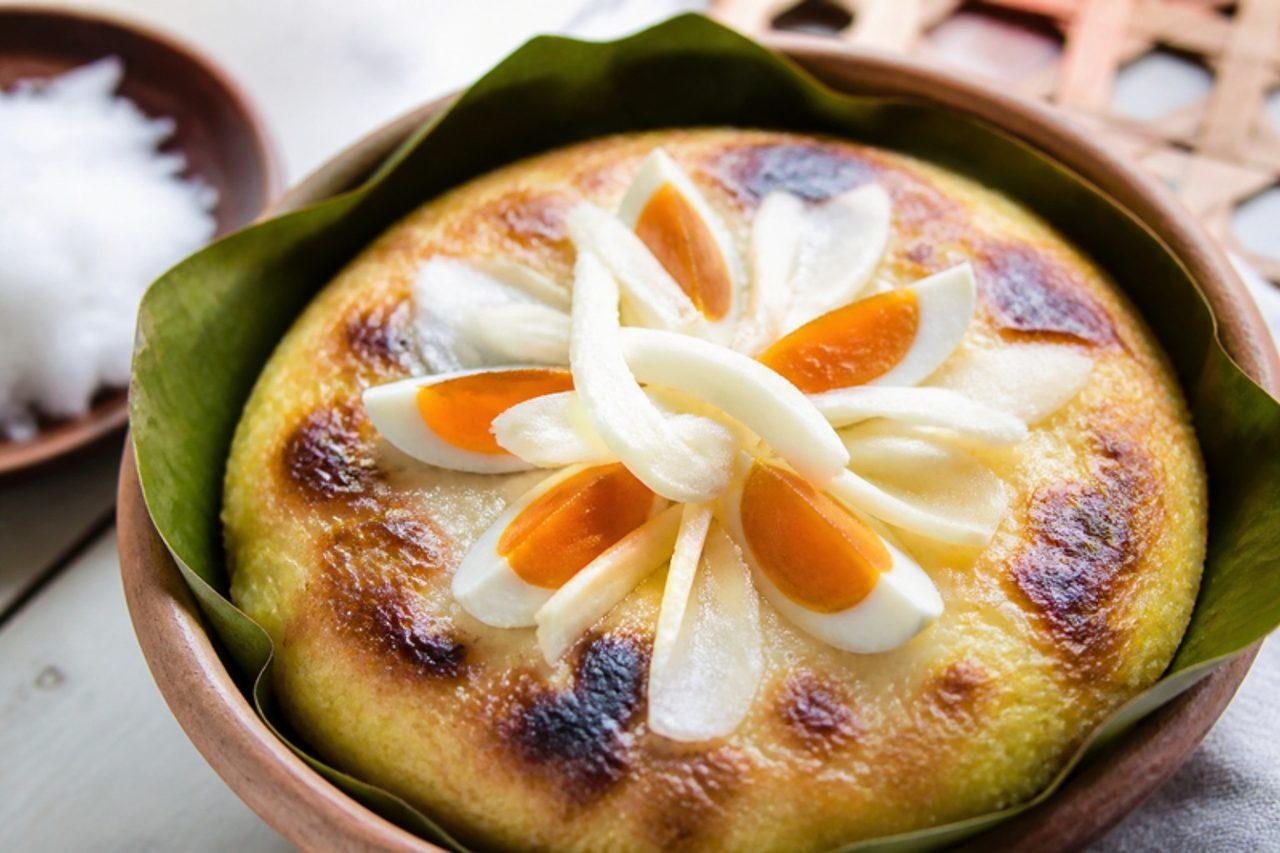
During the nine dawn masses of Simbang Gabi, from 16 to 24 December, vendors set up outside churches across the Philippines baking bibingka in clay pots with hot coals both underneath and on top. Churchgoers buy them on the way out at 5 am, still steaming in their banana-leaf liners, with a hot drink. The cake is made from rice flour and coconut milk, springy and slightly chewy, with a browned, buttery top covered in salty white cheese, slices of salted duck egg, sugar and grated coconut. This version bakes it in an ordinary oven and finishes it under the grill for that charred top. Chef's tip: warm the banana leaves over a flame for a few seconds until they turn glossy and supple; cold leaves crack and the batter leaks under them.

by KrazyBadal 0 views

Bubur cha chaWarm coconut sweet potato pudding

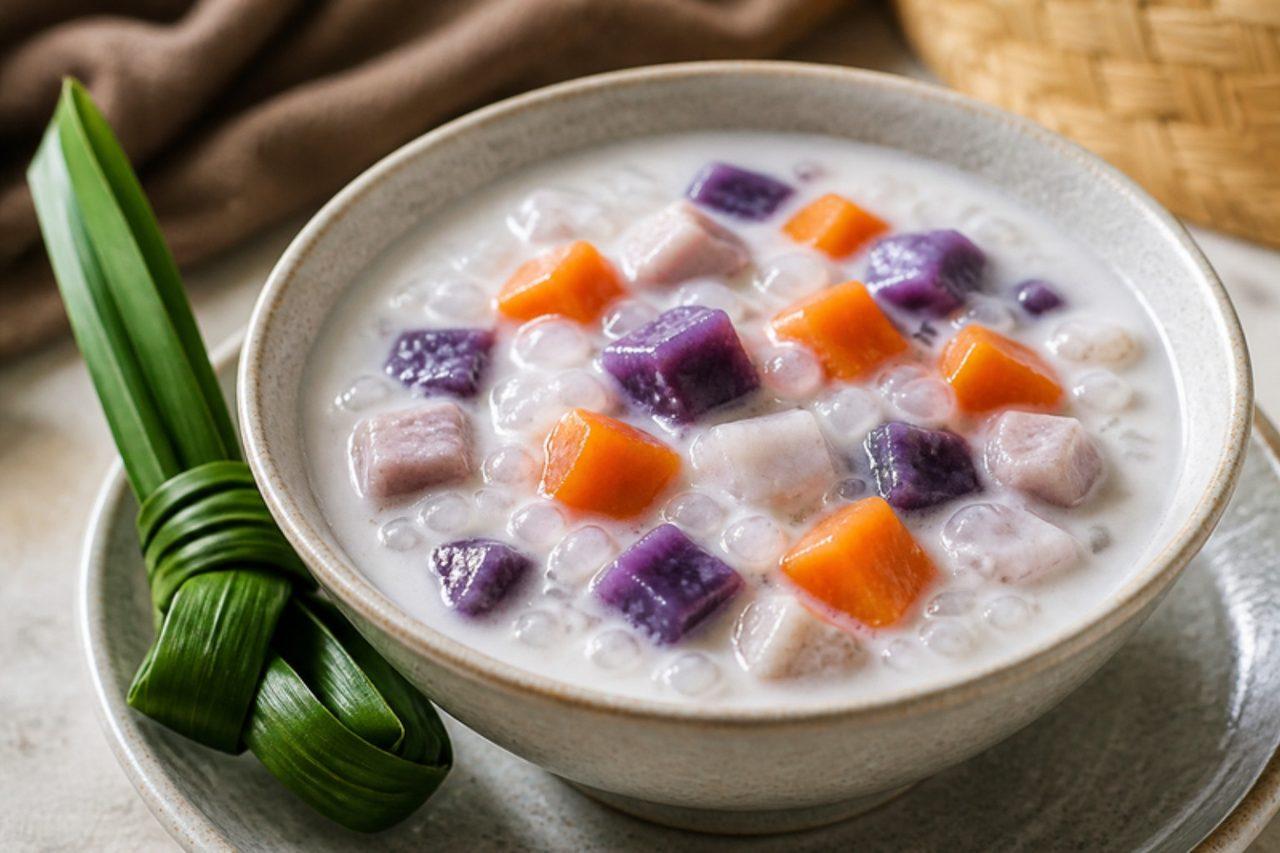
Bubur cha cha is a Nyonya (Peranakan) dessert from Penang and Melaka, cooked in big pots for Chap Goh Meh, the fifteenth night of Chinese New Year, and eaten all year as a sweet soup after dinner or a mid-afternoon snack. Cubes of orange and purple sweet potato and taro float in pandan-scented coconut milk with tiny, glassy sago pearls; the colours are part of the charm. It's soothing, gently sweet and comforting, warm on a rainy evening or cold from the fridge in the heat. Chef's tip: a small pinch of salt in the coconut milk lifts the sweetness and stops it tasting flat.

by KrazyBadal 0 views

Biber dolmasıRice-stuffed green peppers

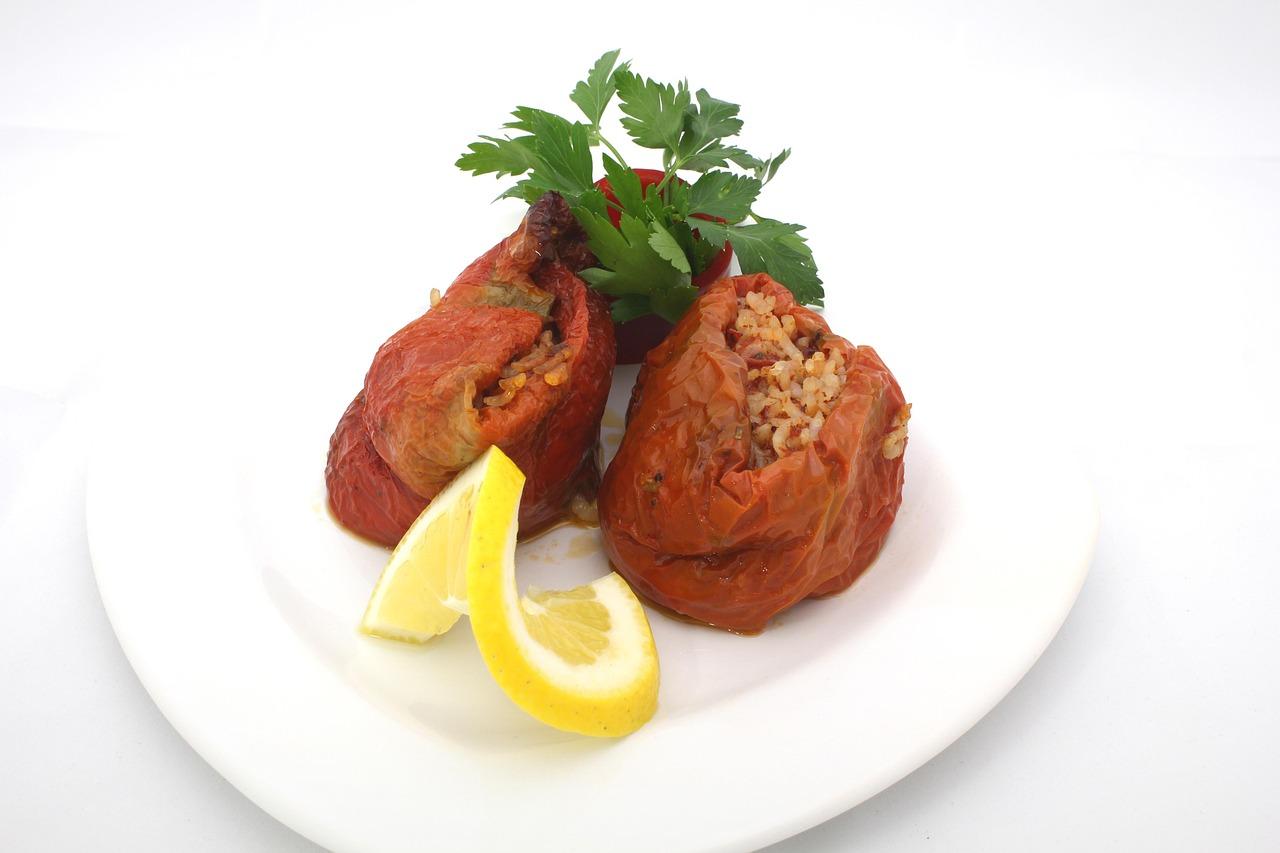
Biber dolması turns up in every corner of Turkey, from Istanbul meyhanes to village kitchens in central Anatolia, and the olive-oil version without meat is the one eaten cold at summer lunches or packed for picnics. Thin-walled green dolma peppers are filled with rice cooked with onion, tomato, pine nuts, currants and warm spices, capped with a slice of tomato and simmered until the peppers slump and wrinkle. A frequent mistake is packing the filling to the top: leave a finger of space so the rice can swell. Chef's tip: let the peppers cool completely in their pot; the filling firms up and the flavours of mint and allspice come through much more clearly than when hot.

by KrazyBadal 0 views

Biang biang noodlesHand-pulled belt noodles

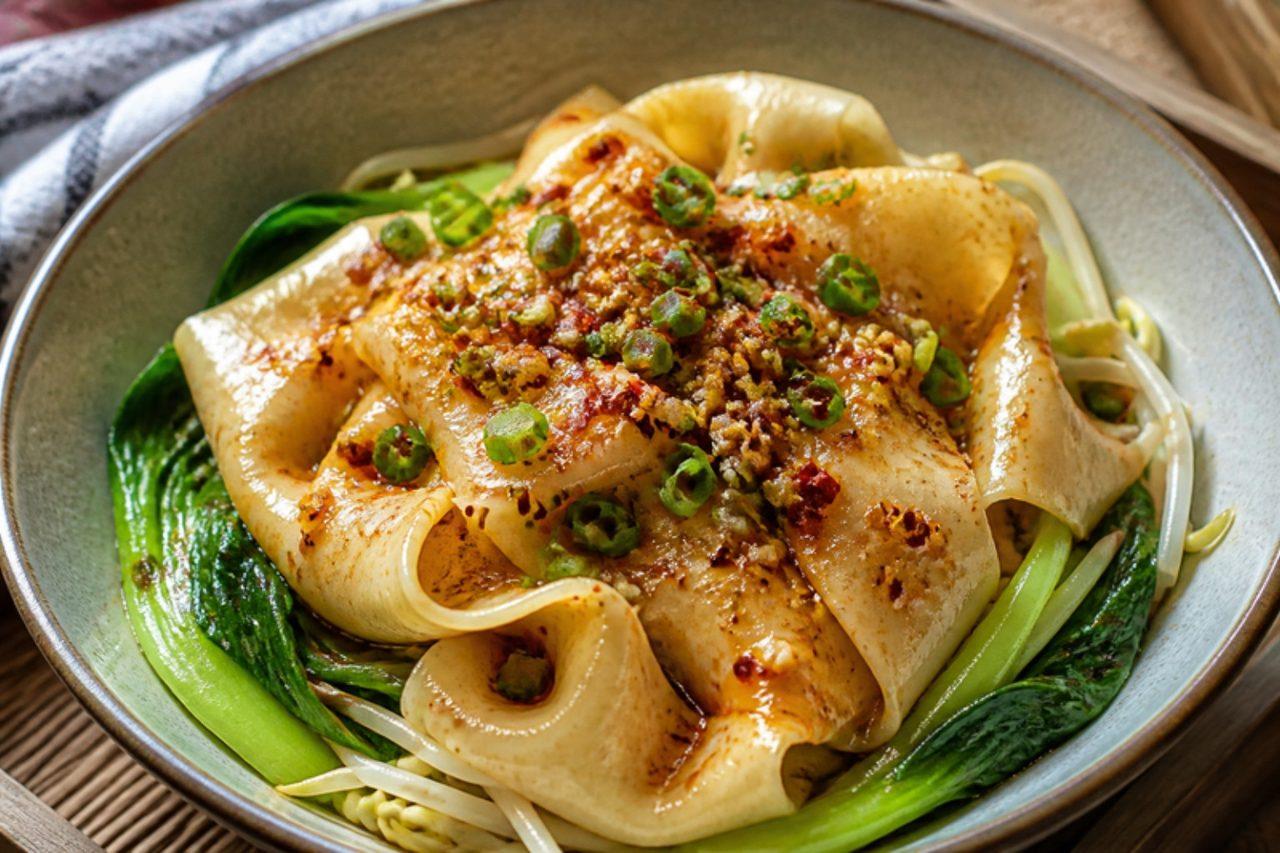
Biang biang mian are the wide, belt-like noodles of Xi'an in Shaanxi, named, some say, after the slapping sound the dough makes as it's pulled and banged on the counter. The written character for biang is one of the most complicated in Chinese. Each noodle is as wide as a belt and chewy; the classic topping is chilli flakes, garlic and spring onion, sizzled with smoking hot oil, then splashed with vinegar and soy. Chef's tip: let the oiled dough pieces rest for at least 30 minutes, longer if you can; relaxed gluten stretches long and thin without snapping.

by KrazyBadal 0 views

Showing 36 of 10,569 recipes

Show more recipes

Page 1,062 of 1,175