


Skip to content
Genovese napoletana
Featured recipe

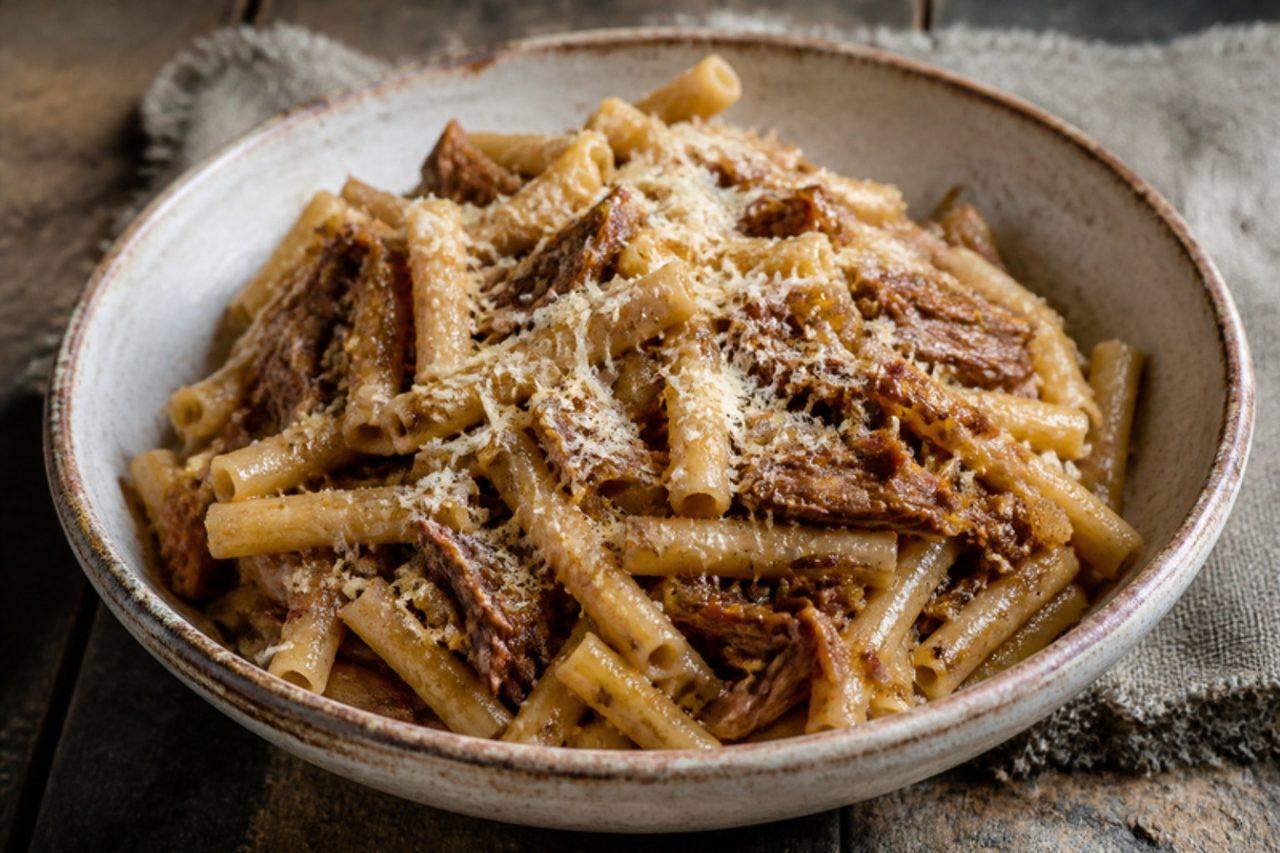
Genovese napoletana

Slow-cooked beef and onion sauce

Despite its name, the genovese is pure Naples, a Sunday lunch dish as treasured there as ragù. Kilos of onions are cooked very slowly with a piece of beef until they melt into a sweet, amber, almost jammy sauce that is tossed with long ziti broken by hand; the beef is then sliced and eaten as the second course. White wine goes in once the onions have collapsed (an alcohol-free swap is in the ingredients). A grating of parmigiano or pecorino is all it needs. Some Neapolitan cooks start it with a little pancetta (cured pork), which is optional here. Chef's tip: slice the onions thinly and evenly, and keep the heat so low that they never fry; they should stew in their own juices and the fat of the meat for hours.

Read more 0 views

What to eat today?

Around the world

Today's trip: Peruvian

A new country every day, from every cuisine on the site.

Peruvian

Tacacho

Mashed roasted green plantain balls 35 minMore from Peruvian (111) →

This week's collection

Kid-friendly dinners
772 recipes · a new collection every Monday

Coming up

All occasions →

Latest recipes

FrituleRaisin and citrus doughnut drops

On Christmas Eve, in kitchens from Split to Dubrovnik and out on the islands, bowls of fritule are fried by the dozen: small, airy doughnut drops scented with orange and lemon zest and studded with raisins, rolled in sugar while still warm. Many families add a splash of rakija or rum to the batter, but fresh orange juice works just as well and keeps them child-friendly. They are eaten all through Advent and the carnival season, often from paper cones at Christmas markets. Chef's tip: keep the oil at about 170°C; too hot and the fritule brown outside while the middle stays raw and doughy, the most common mistake.

by KrazyBadal 0 views
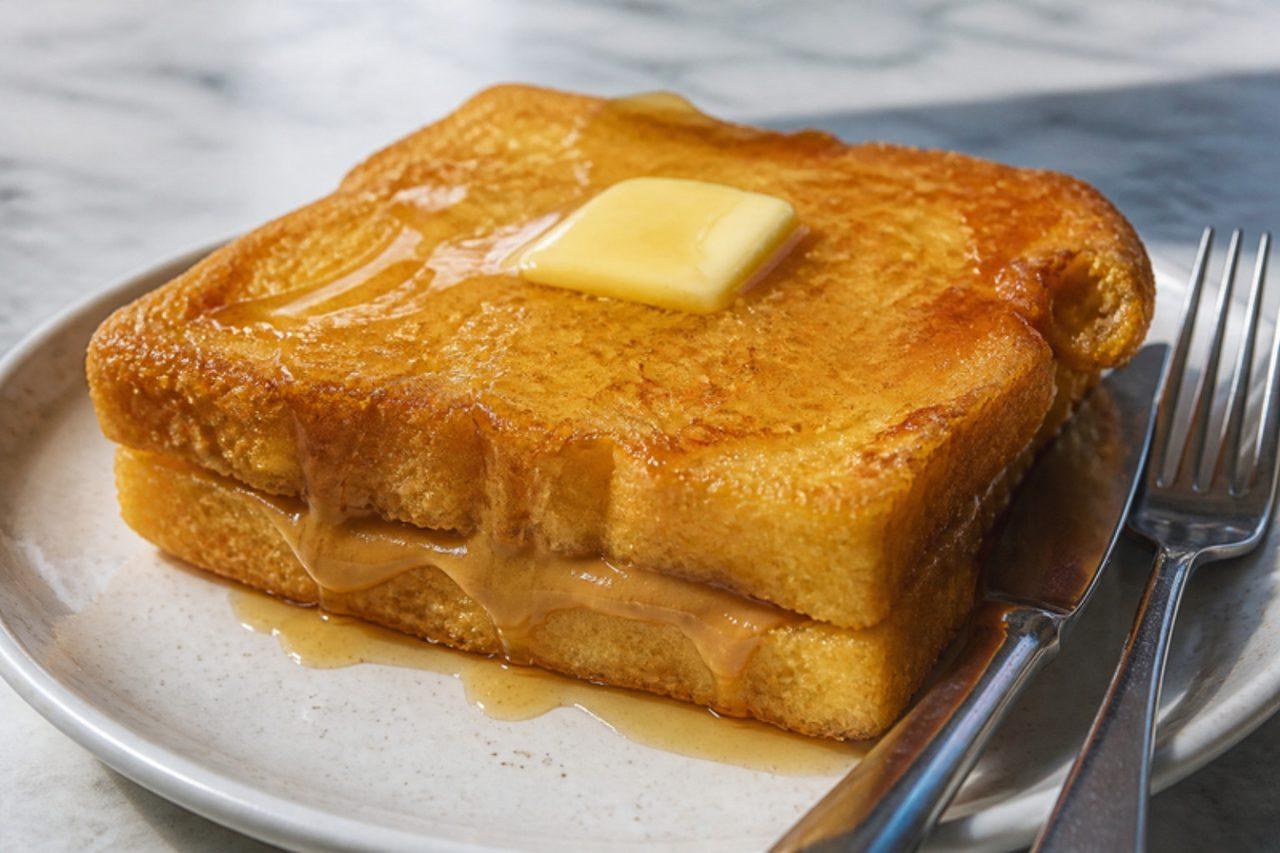
Hong Kong French toast
In Hong Kong's cha chaan teng (tea restaurants), French toast means two thick slices of white bread sandwiched with peanut butter, dipped in egg, fried until puffed and golden, then crowned with a pat of butter and a pour of golden syrup or condensed milk. It is an afternoon tea-set favourite, paired with a strong cup of milk tea, and it's richer than any French version. Chef's tip: trim the crusts and press the sandwich edges firmly so the egg doesn't seep into the peanut butter.

by KrazyBadal 0 views

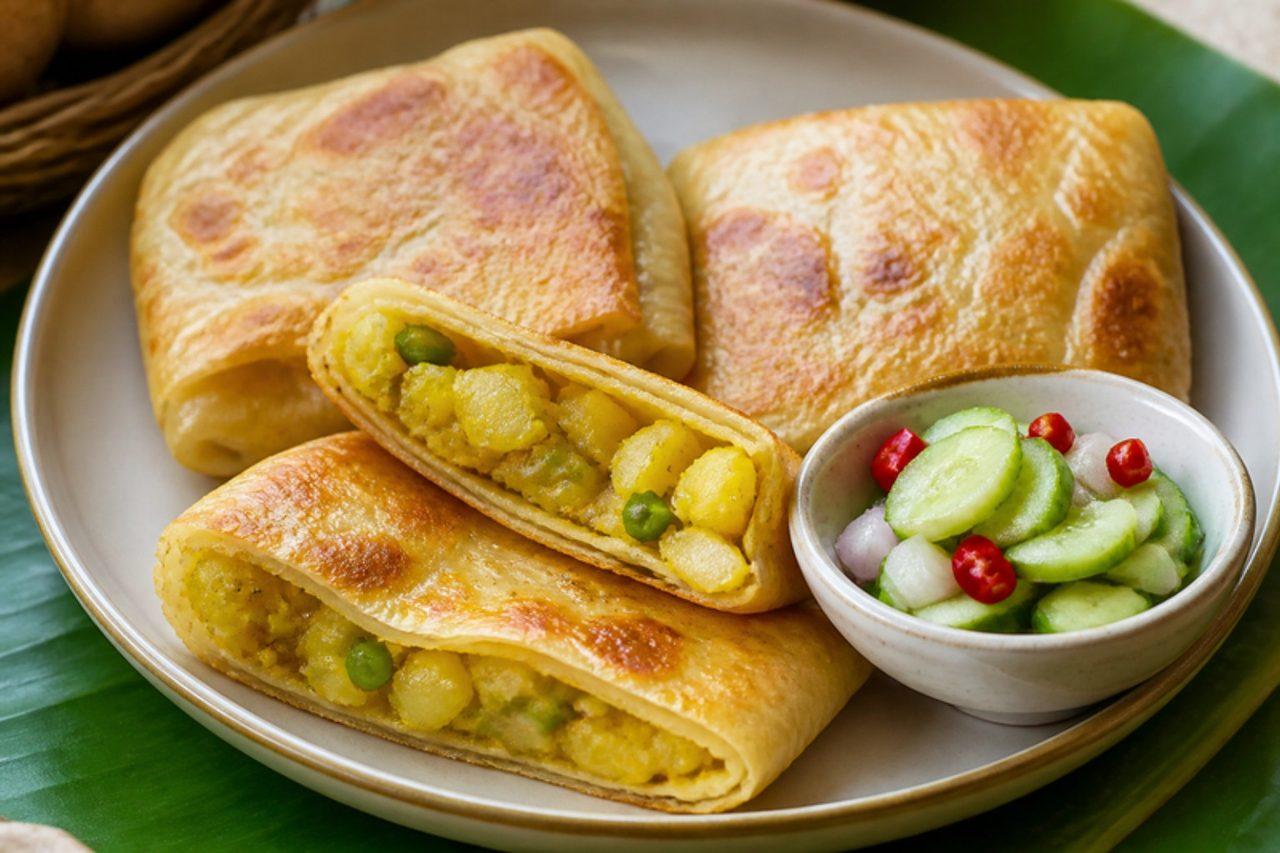
Roti mataba (potato-stuffed roti)

Roti mataba came to southern Thailand with Indian-Muslim traders, and today the roti stalls of Hat Yai, Satun and Pattani, and the old Muslim quarter around Bangkok's Phra Athit Road, serve it from morning till late. A thin stretched roti is wrapped around a spiced filling, folded into a square and fried until crisp and blistered. Chicken or beef is the usual filling; the potato and onion version made here is also common and is the one sold to vegetarian customers. It comes cut into squares with a sweet-sour cucumber relish (ajad) on the side. Chef's tip: oil the dough balls and leave them to rest for at least two hours; rested dough stretches paper-thin without tearing.

by KrazyBadal 0 views

DooghSalted yogurt drink

Doogh is the salty, fizzy yogurt drink served in tall glasses with lunch across Iran, and above all with kebab and rice at the chelow-kababi restaurants of Tehran. Bottled sparkling doogh from the mineral springs of Abali, in the mountains east of the capital, is the famous one; at home it is mixed from yogurt, cold water and soda water with crumbled dried mint, and sometimes wild pennyroyal (kakuti) or rose petals. Its bubbles and mint set it apart from plainer, still yogurt drinks. It is cooling and good with rich, herby food. Chef's tip: add the sparkling water last and stir gently, or the fizz disappears before it reaches the glass.

by KrazyBadal 0 views

Fruit chaatSpiced fruit salad

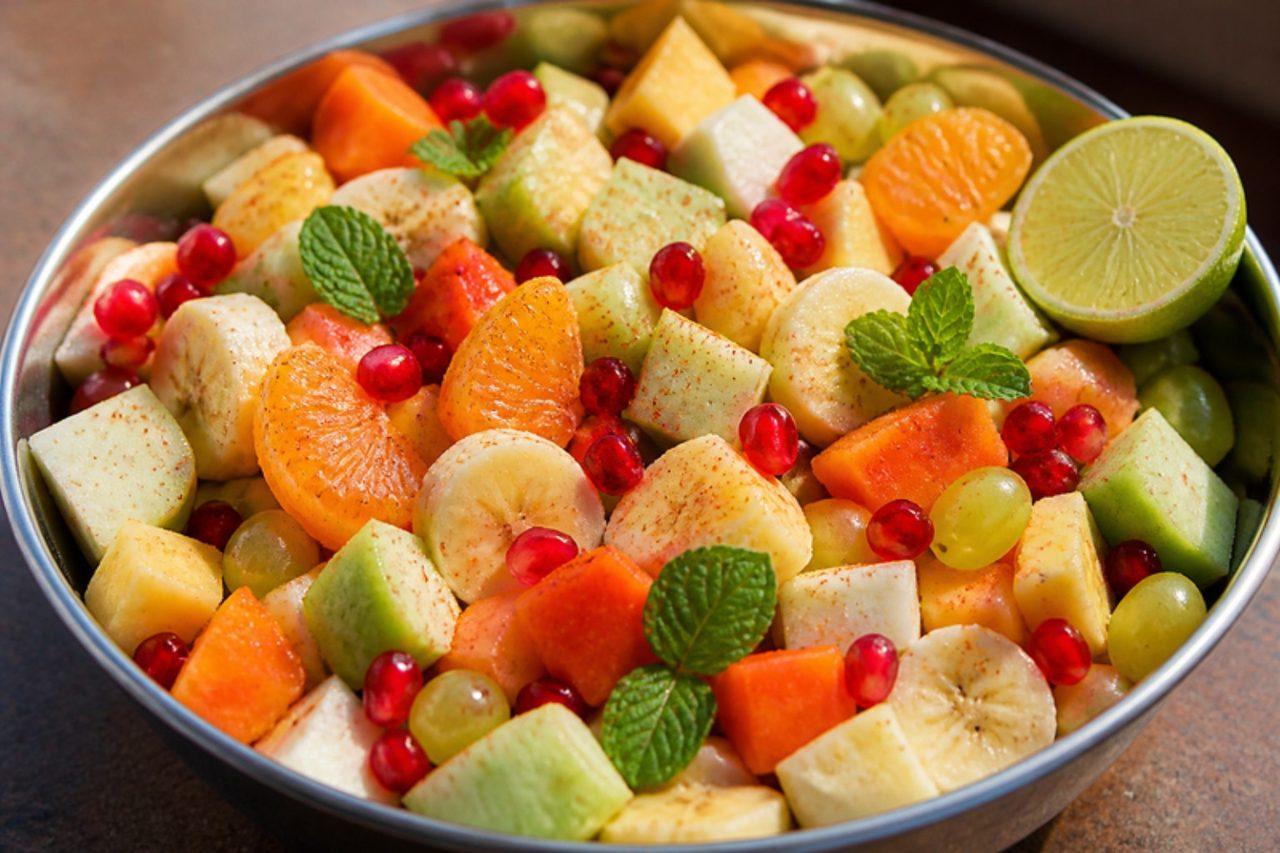
All over India, fruit sellers with handcarts chop a plate of fruit chaat to order, and in Kolkata the evening carts near New Market and Gariahat pile guava, apple, papaya, banana, pomegranate and cucumber into a leaf bowl with chaat masala, black salt and lime. During Ramzan it appears at iftar, and in summer it is sold with a sprinkle of chilli. It is sweet, salty, sour and a little hot all at once, so it tastes nothing like a dessert fruit salad. Chef's tip: use at least one crunchy fruit (guava, apple or pear) and one soft one (banana or papaya) for contrast.

by KrazyBadal 0 views

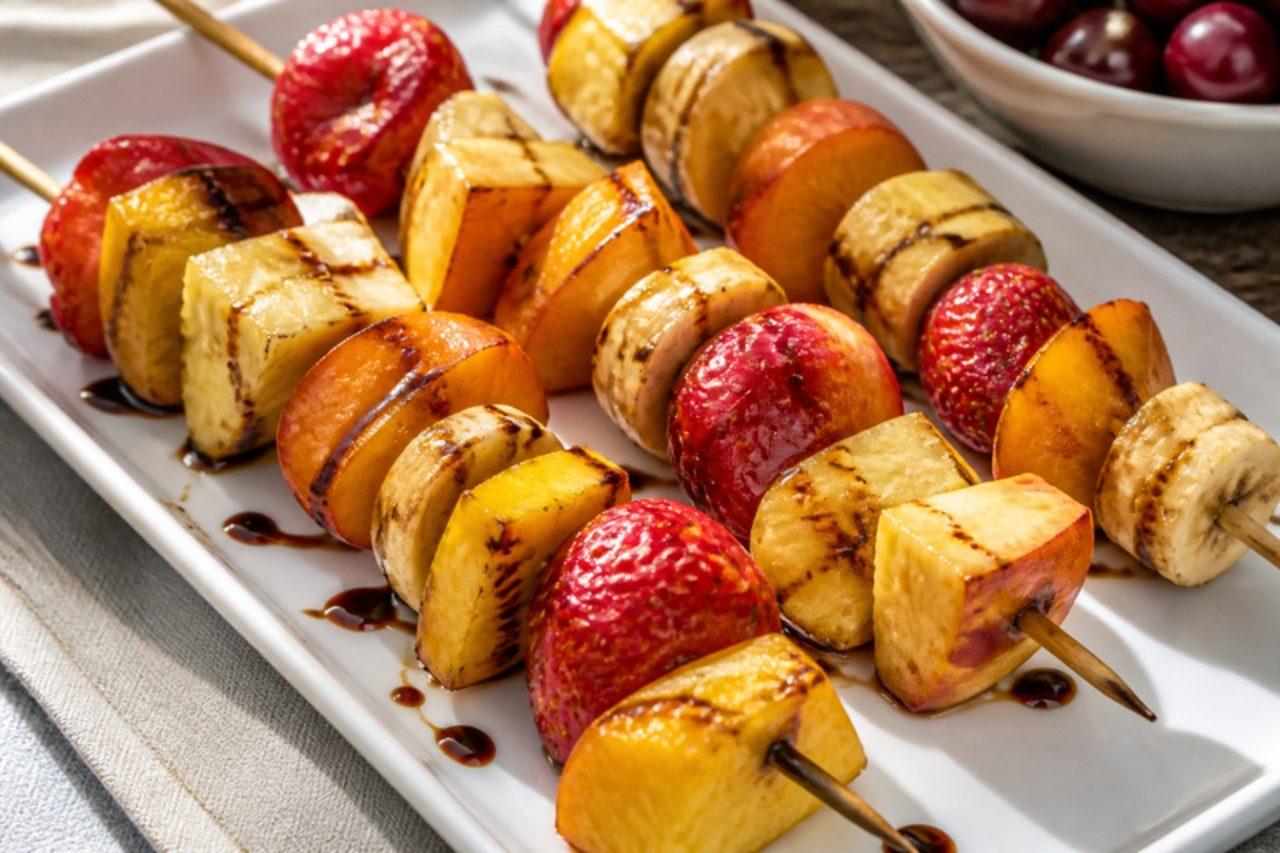
Fruity barbeque serveGrilled fruit skewers

Chunky skewers of pineapple, banana, strawberry, peach and nectarine drizzled with balsamic vinegar and dark muscovado sugar, then grilled over charcoal until the sugar caramelises. Warm, sticky and a little tangy. Serve hot as a barbecue dessert, with ice cream if you like.

23 minDessertsVeganGluten free
by KrazyBadal 0 views

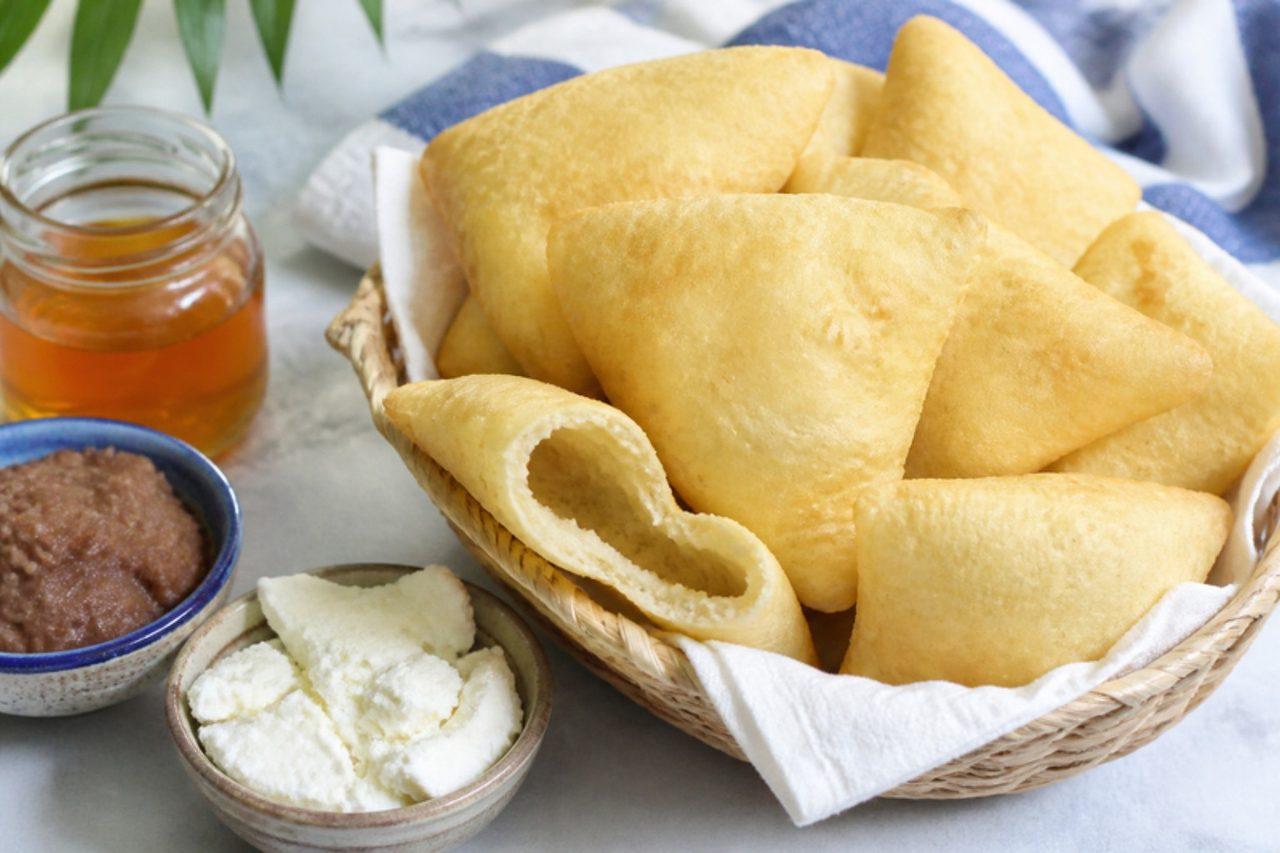
Fry jacksPuffed fried dough triangles

Fry jacks are the smell of a Belizean morning: in Belize City and the Cayes, breakfast spots fry these squares and triangles of dough until they balloon up hollow and golden. They come beside refried beans, scrambled eggs and cheese, or torn open and drizzled with honey or jam. They're lighter and puffier than a doughnut, crisp outside and chewy within. Chef's tip: roll the dough thin, about 3 mm, and slit each piece once in the middle; that's what makes them puff like a pillow.

by KrazyBadal 0 views

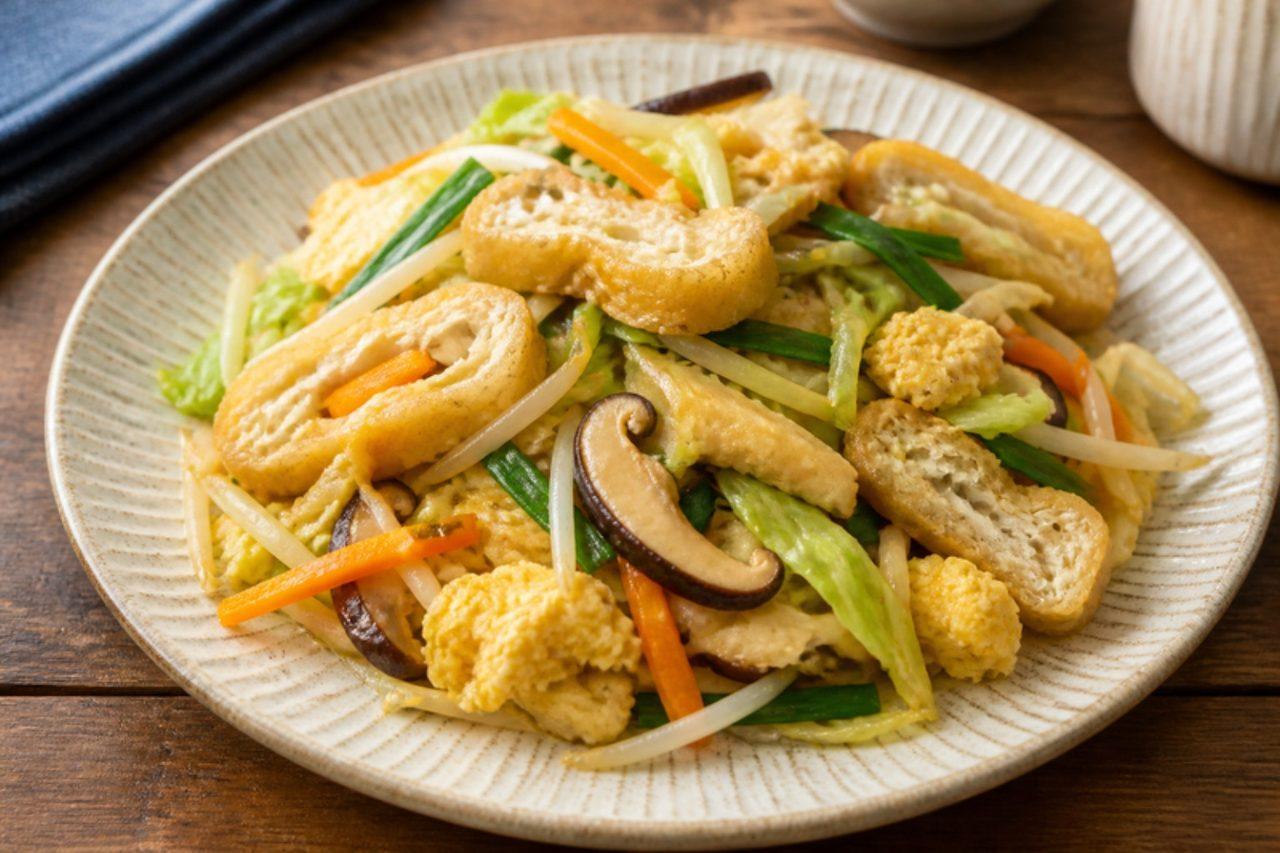
Fu champuruWheat gluten and cabbage stir-fry

Champuru means 'mixed up' in Okinawan and is the islands' everyday stir-fry. Goya champuru with bitter melon is the famous one; fu champuru, made with chewy wheat gluten, is the gentle, child-friendly version many Okinawan families cook several times a week. The fu, large dried rings called kurumabu, is soaked, squeezed and dipped in beaten egg, so as it fries it turns soft, fluffy and golden, a little like French toast. Home cooks often add luncheon meat; ours is vegetarian, with shiitake for savouriness. Serve with rice and miso soup. Chef's tip: squeeze the soaked fu hard before adding the egg. Dry fu drinks up all the egg; wet fu turns soggy.

by KrazyBadal 0 views

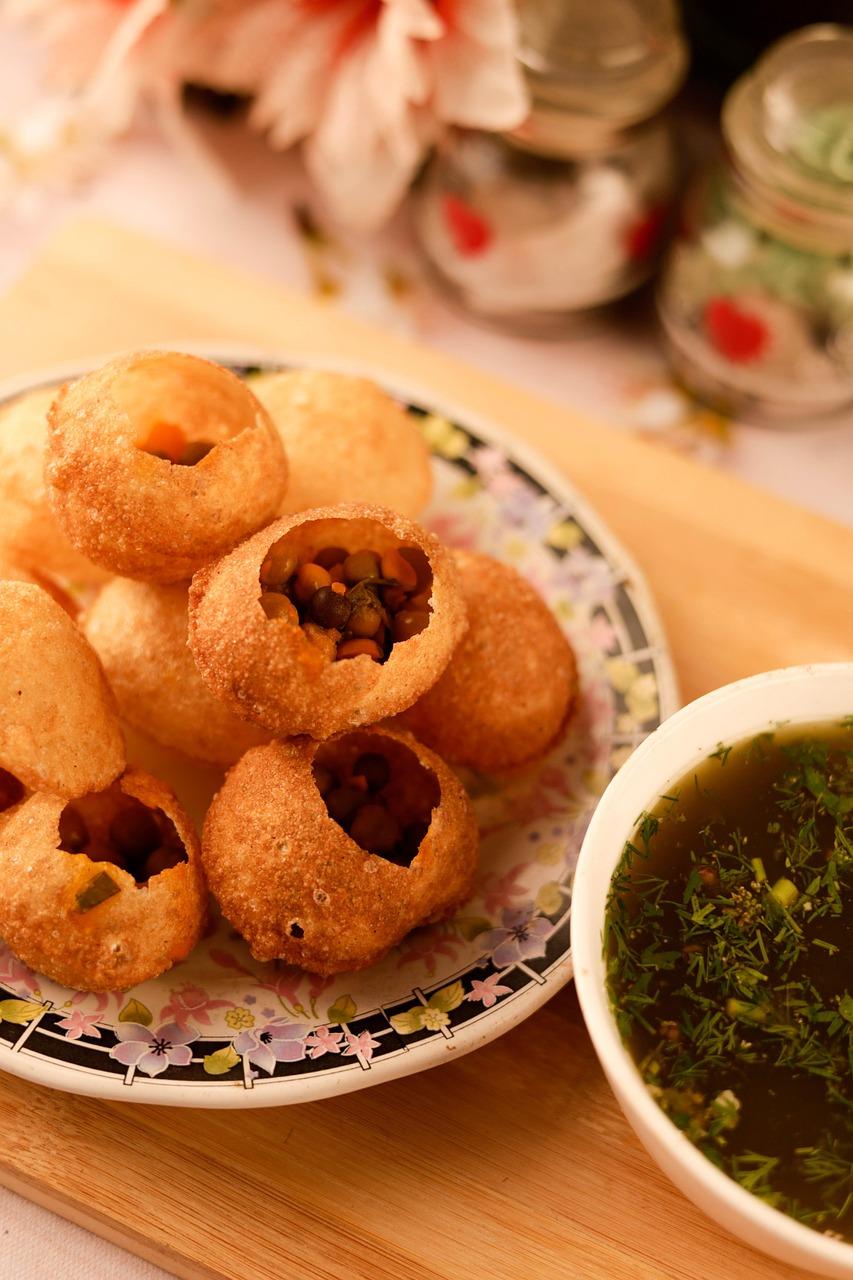
FuchkaFilled crisp shells

Fuchka is Bangladesh's answer to pani puri, but with its own character: in Dhaka the crisp shells are filled with a coarse mash of potato and yellow peas sharpened with raw onion, chilli and coriander, then dipped in or splashed with a sour tamarind water rather than a mint-heavy one. Stalls along Bailey Road and at every fair sell them by the plate of eight, often with a little extra chopped chilli for those who dare. Chef's tip: make the tamarind water ahead and chill it hard; ice-cold sour water against a crisp shell is what you're after.

by KrazyBadal 0 views

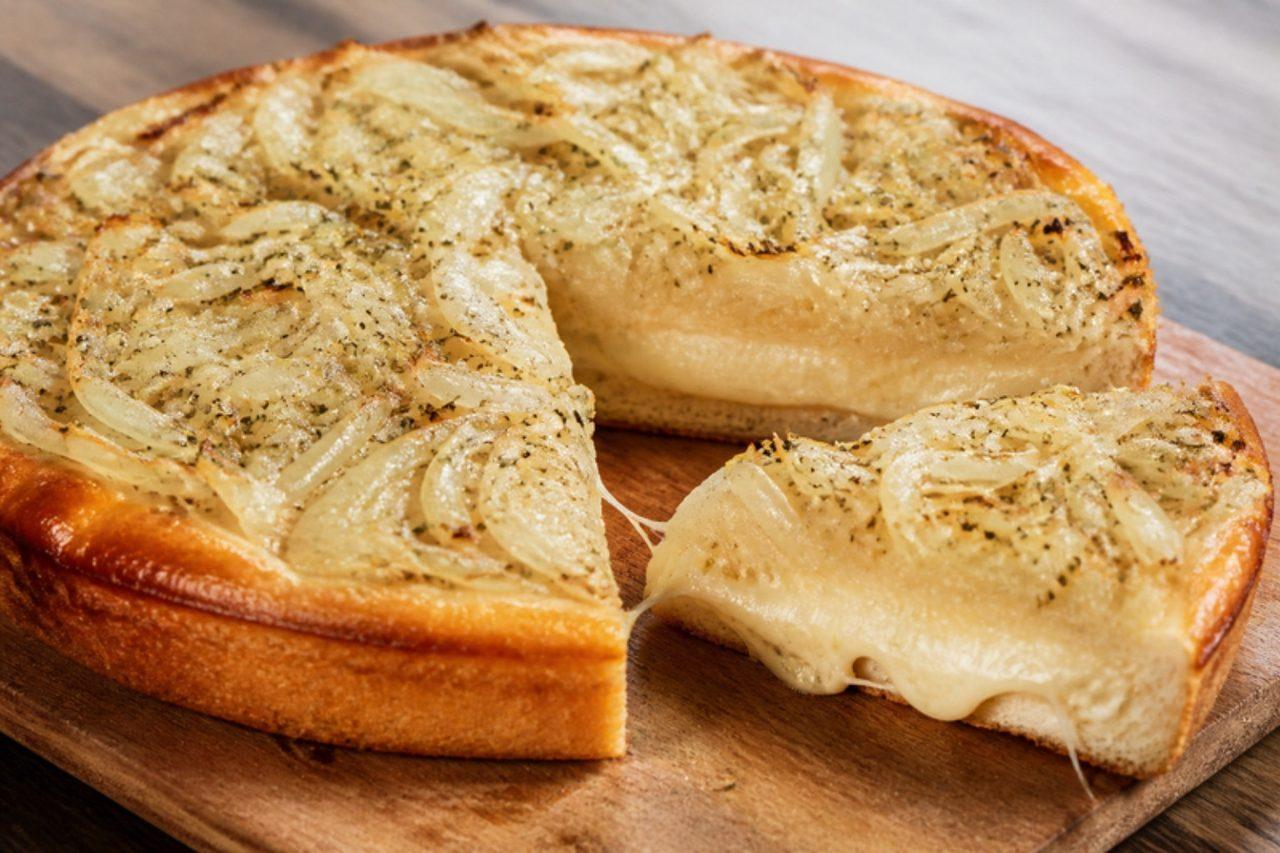
FugazzetaCheese-stuffed onion pizza

Fugazzeta is a Buenos Aires original from the pizzerias of the Corrientes and La Boca neighbourhoods, where Genoese immigrants' focaccia (fugazza) met mozzarella. A thick, soft pan dough is filled with a layer of mozzarella, sealed with a second layer of dough, then covered with a mound of thinly sliced onions and more cheese and baked until the onions are sweet and golden. It's a big, rich pizza to share. Use mozzarella made with vegetarian rennet. Chef's tip: salt the onions and squeeze them out before using; this keeps the pizza from going soggy.

by KrazyBadal 0 views

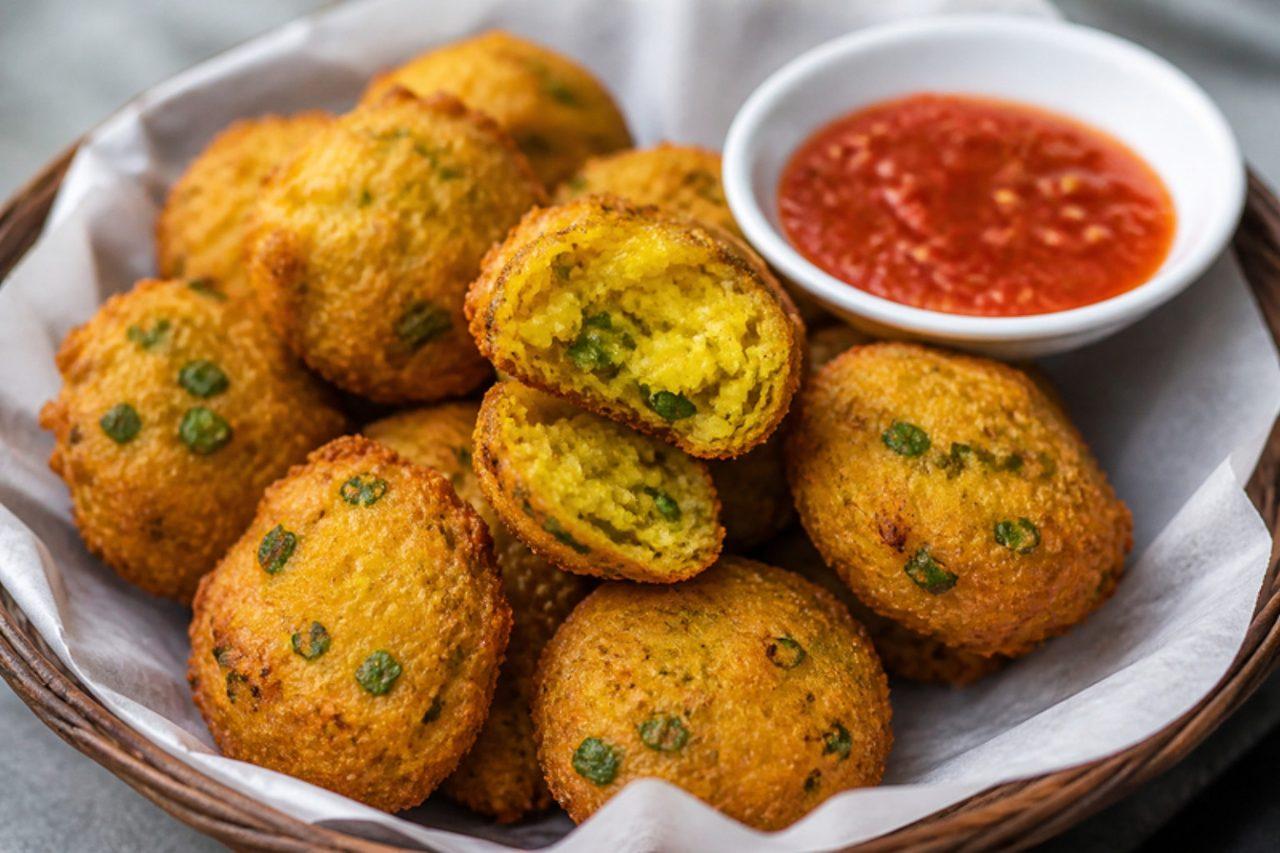
Gâteaux pimentsSplit pea chilli fritters

Gâteaux piments ('chilli cakes') are the snack of Mauritius, sold hot in paper bags at every bus station, school gate and market from Port Louis to Rose-Hill, and stuffed into buttered baguettes at breakfast. Yellow split peas are soaked, ground coarse with chilli, spring onion and coriander, and fried into small crunchy rounds. They are related to Indian vadas, brought by the island's Indian community. Chef's tip: grind the peas coarsely and without water; a smooth, wet paste makes dense, oily fritters.

by KrazyBadal 0 views

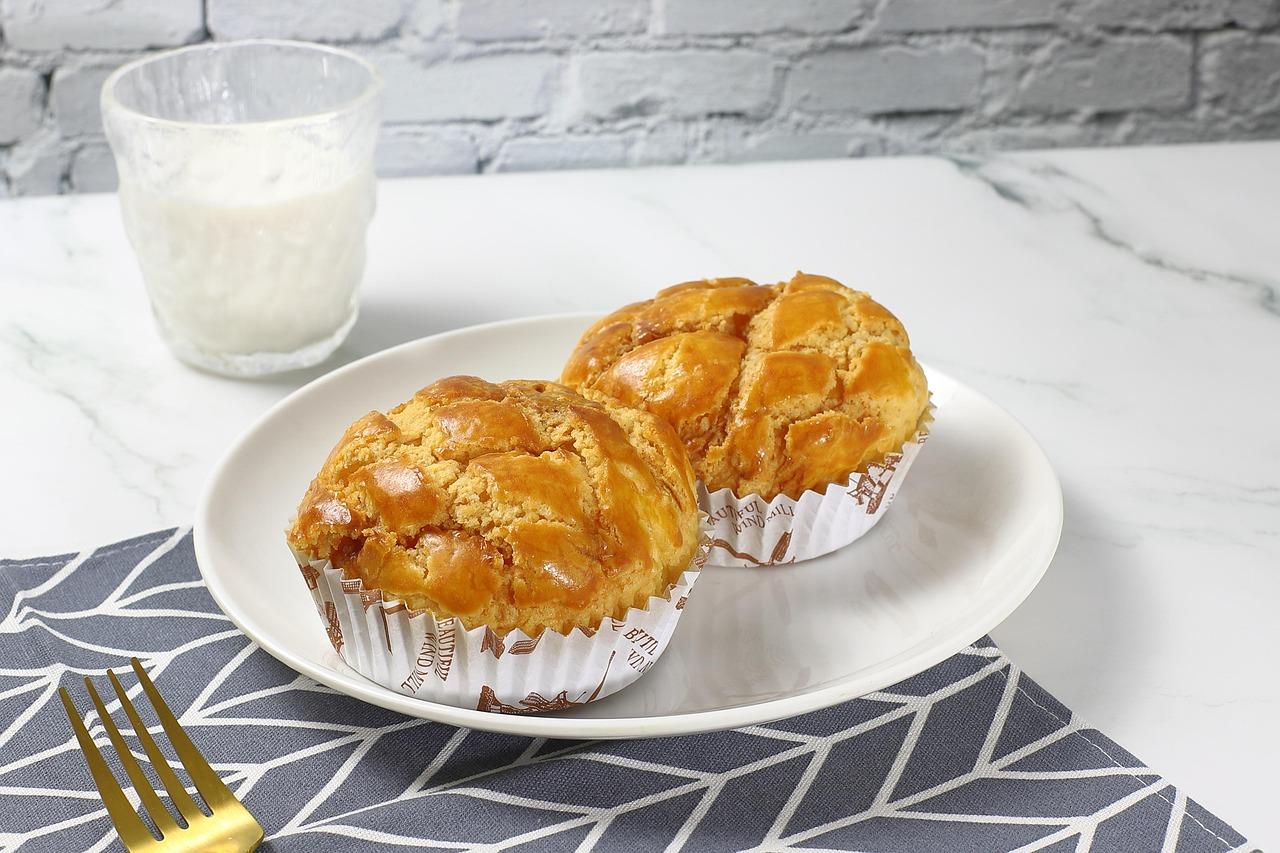
Hong Kong pineapple bun

Despite the name, there is no pineapple in a bolo bao; the crackled, golden sugar crust on top just looks like the fruit's skin. It is the best-selling bun in Hong Kong bakeries and cha chaan teng cafés, eaten warm at breakfast or tea time with milk tea, and many people order it as bo lo yau, split open with a thick, cold slice of butter melting into it. Chef's tip: roll the topping between two sheets of baking paper rather than on a floured board; the soft dough is fragile and paper lets you lift it on in one piece.

by KrazyBadal 0 views

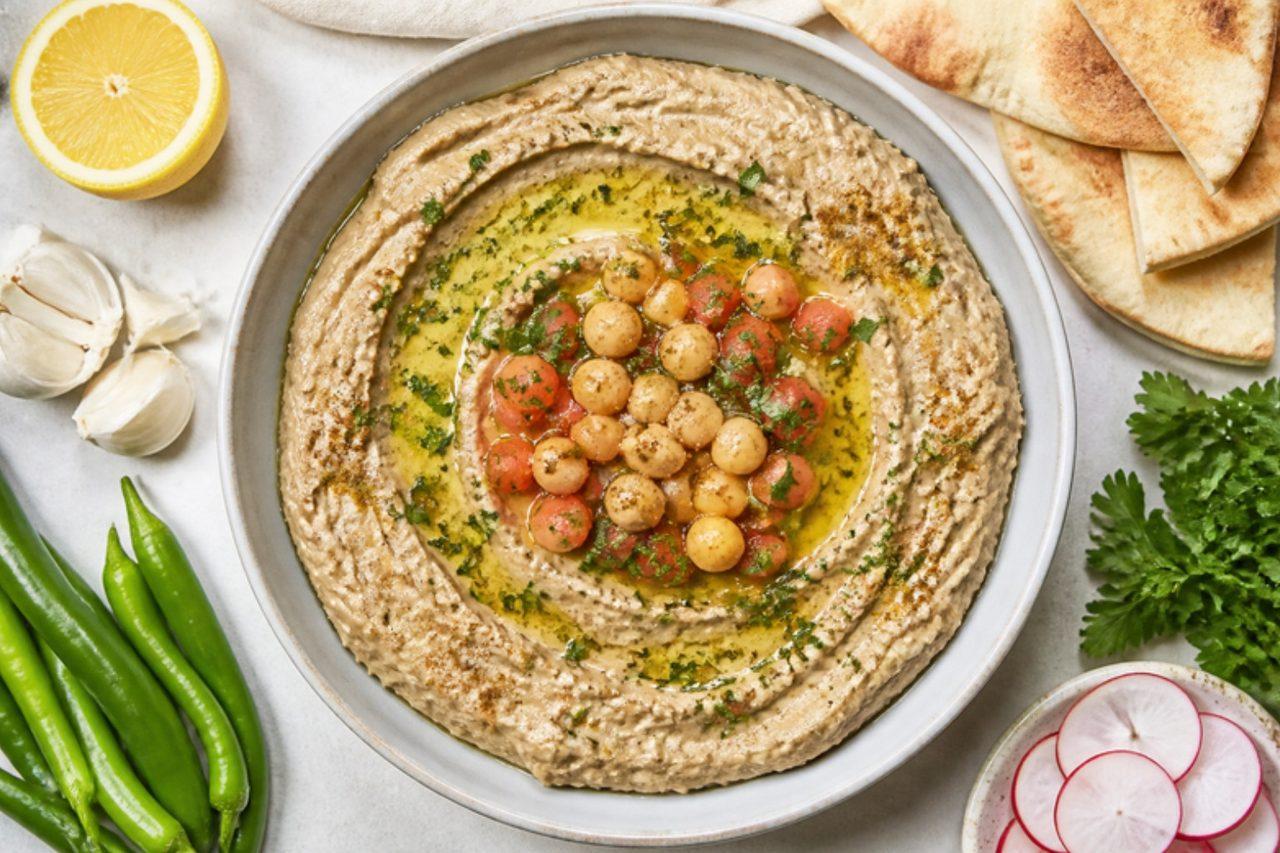
Ful medamesWarm fava beans with garlic and lemon

Ful mudammas is breakfast on both sides of the Levant: Cairo's street carts ladle it from huge copper pots at dawn, and in Beirut and Damascus small ful shops serve it on Sunday mornings to queues of families. Small brown fava beans are warmed in their liquid, partly crushed, then dressed at the table with garlic pounded with salt, plenty of lemon and cumin, a pool of olive oil and a heap of chopped tomato and parsley. Scoop it with flatbread and eat it with raw onion wedges, radishes, olives and mint. The mistake most people make is draining the beans and dressing them dry; the cooking liquid is what makes ful creamy, so keep some. Chef's tip: mash only about a third of the beans, so the dish is part silky purée and part whole bean.

by KrazyBadal 0 views

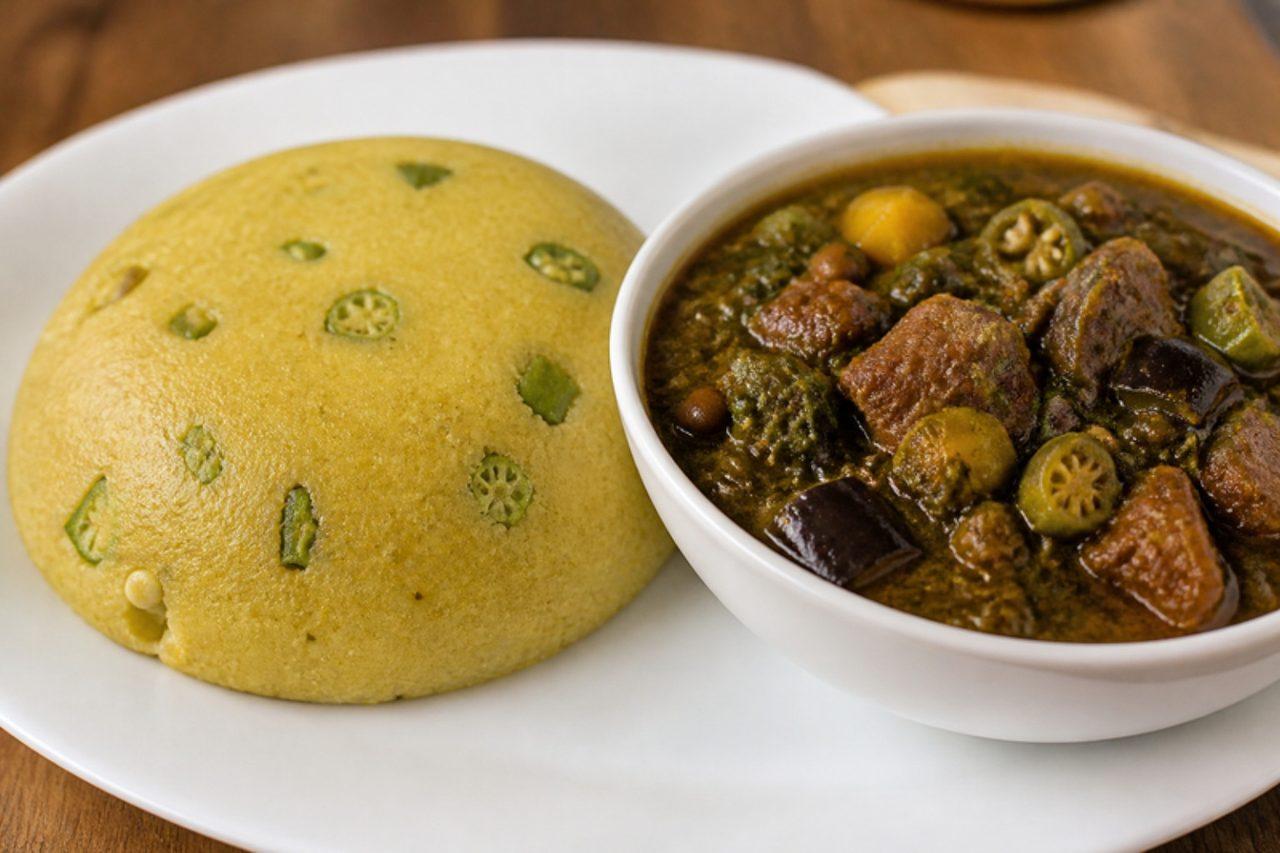
Fungee and pepperpotCornmeal and okra with beef stew

Antiguans eat fungee and pepperpot on Saturdays and on holidays like Independence Day in November, and grandmothers still turn the fungee with a flat wooden 'fungee stick'. Pepperpot is a thick stew of beef, spinach, aubergine, okra and squash cooked down until the vegetables melt together; many cooks also add salted pig tail, which is left out here. The fungee is a smooth cornmeal and okra mash, shaped into balls with a buttered bowl and served beside the stew. The mistake people make is tipping the cornmeal in all at once, which makes lumpy fungee; add it in a slow stream while stirring hard. Chef's tip: pour off half the okra water before adding the cornmeal and keep it hot; you can work it back in if the fungee gets too stiff.

by KrazyBadal 0 views

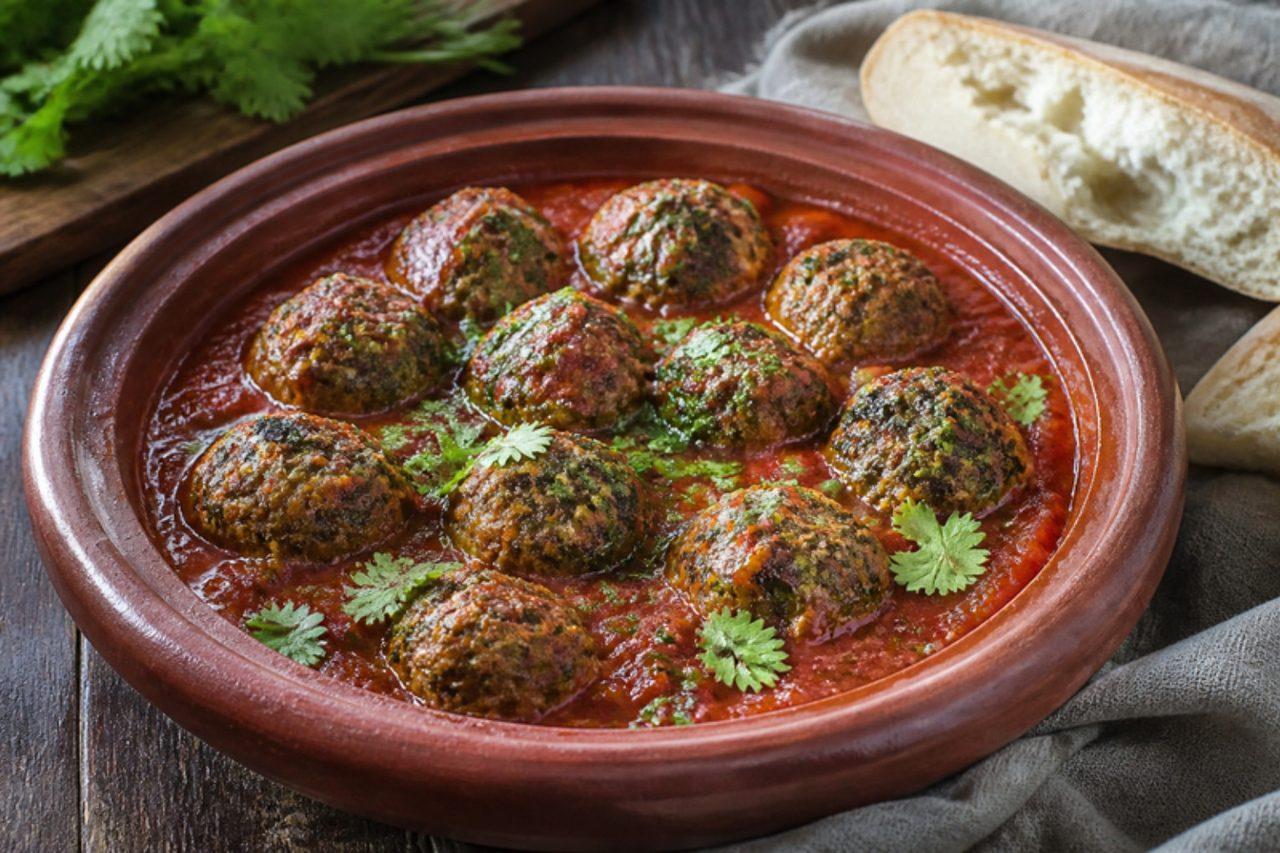
Moroccan sardine balls

Safi and Essaouira are sardine country, and cooks along that Atlantic coast have always made the most of the cheap, silvery catch by turning it into kefta. Fresh fillets are chopped with chermoula herbs and spices into tender, rich fish balls, then simmered in a peppery tomato sauce until they soak up its flavour. They taste nothing like tinned fish: soft, savoury, a little lemony. Eat them from the pan with bread, or as part of a Friday spread of salads. Chef's tip: chill the mixture for 15 minutes before rolling; oily sardines firm up in the cold and the balls hold together in the sauce.

by KrazyBadal 0 views

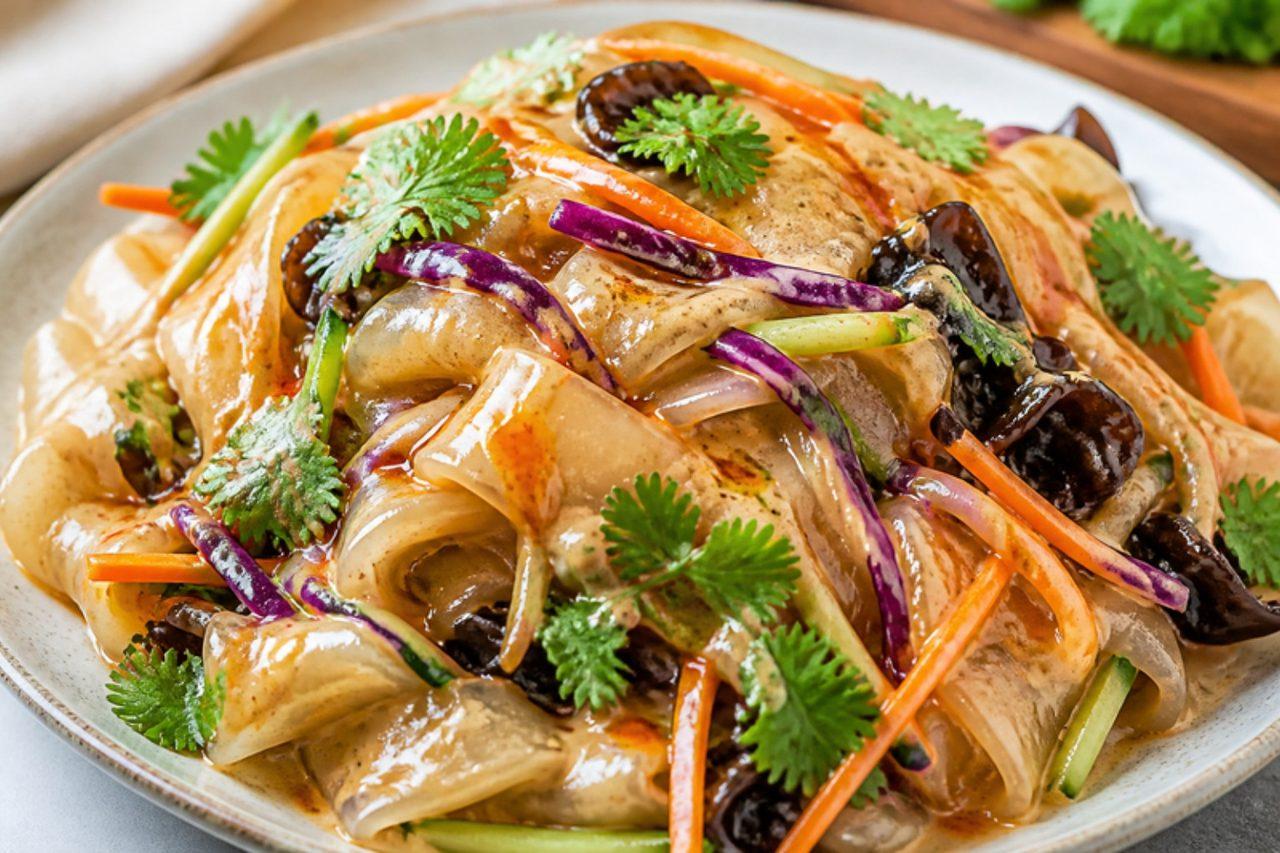
Dongbei da la piMung bean sheet salad

In north-east China, a big platter of this arrives at almost every family dinner and restaurant table, often next to the stews and dumplings. Wide, glassy sheets of mung-bean starch sit on a bed of shredded cucumber, carrot and cabbage, with a sesame, garlic and vinegar sauce and a dab of mustard poured over at the table. It's cool, slippery and crunchy. Look for dried la pi sheets or wide mung-bean noodles in Chinese supermarkets. Chef's tip: the sheet noodles must be fully cold before mixing, or they go soft and sticky.

by KrazyBadal 0 views

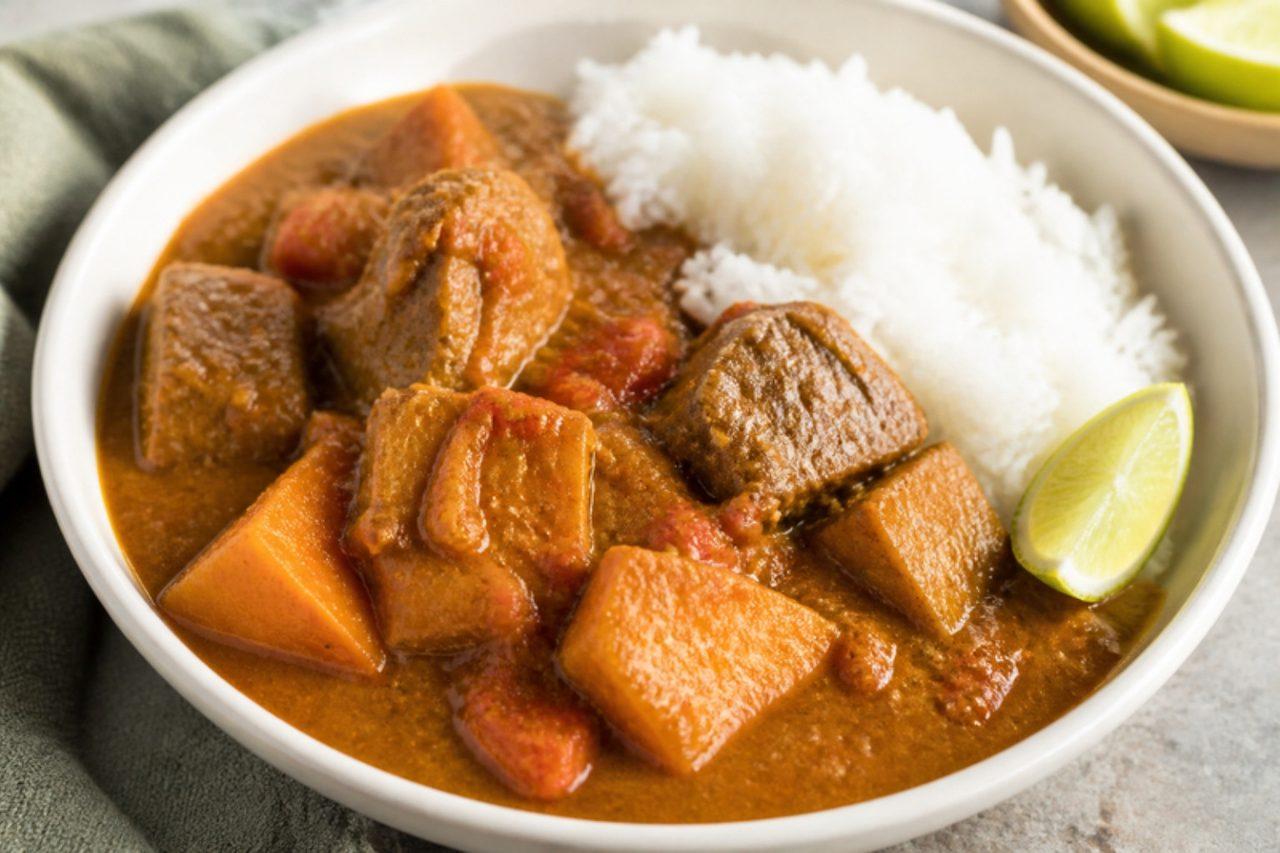
DomodaBeef and peanut stew

Domoda is the stew that most families in the Gambia, from Banjul to the riverside villages upcountry, cook several times a week. Beef is browned and simmered with tomato and onion, then smooth peanut butter is stirred in until the sauce turns thick, glossy and rich, with pumpkin and sweet potato melting into it. It is spooned over white rice with a squeeze of lime, and a scotch bonnet floats in the pot for whoever likes it hot. The mistake to avoid is adding the peanut butter too early and leaving it unstirred, as it catches and burns on the bottom; add it once the beef is nearly tender and stir often. Chef's tip: whisk the peanut butter with a ladle of hot broth before it goes in, so it melts smoothly instead of forming lumps.

by KrazyBadal 0 views

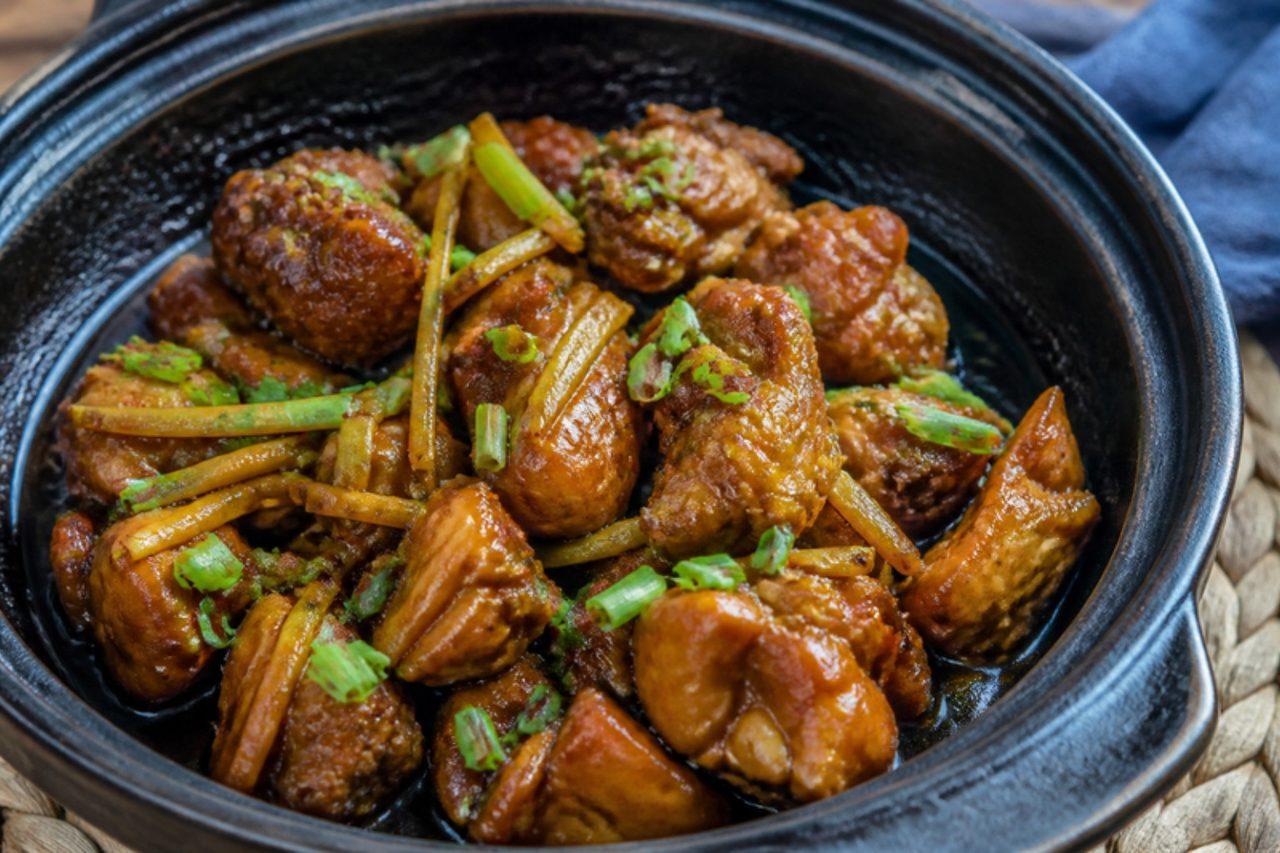
Ga kho gungGinger caramel chicken

Across Vietnam, from Hanoi apartments to Mekong Delta farmhouses, a small pot of something braised in caramel and fish sauce sits on the family table at dinner with rice, a plate of boiled greens and a clear soup. This chicken version leans on ginger, cut into fine matchsticks so it turns soft and warming in the glossy, salty-sweet sauce. It's a favourite when the weather cools, traditionally cooked in a clay pot, though any heavy pan will do. It reheats well, so it's a good one for the next day's lunch. Chef's tip: take the caramel to the colour of strong tea, deep amber, before the chicken goes in; that slight bitterness is what keeps the dish from tasting sugary.

by KrazyBadal 0 views

Turkish tea (çay)Strong black tea

Nowhere in Turkey is far from a glass of çay. Tea from the slopes of Rize on the Black Sea coast is brewed in a stacked double teapot, the çaydanlık, and poured into small tulip-shaped glasses all day long: at breakfast with simit and cheese, in shops when you haggle, after every meal. The strong brew sits in the top pot and each glass is diluted to taste with hot water from the bottom, so one person drinks it dark (koyu) and another light (açık). It should be clear, the colour of a ruby or rabbit's blood (tavşan kanı), never cloudy. Serve it with sugar cubes on the side, not milk. Chef's tip: steam the dry leaves in the top pot for a few minutes before adding any water; the warm leaves open up and give a rounder, deeper colour.

by KrazyBadal 0 views

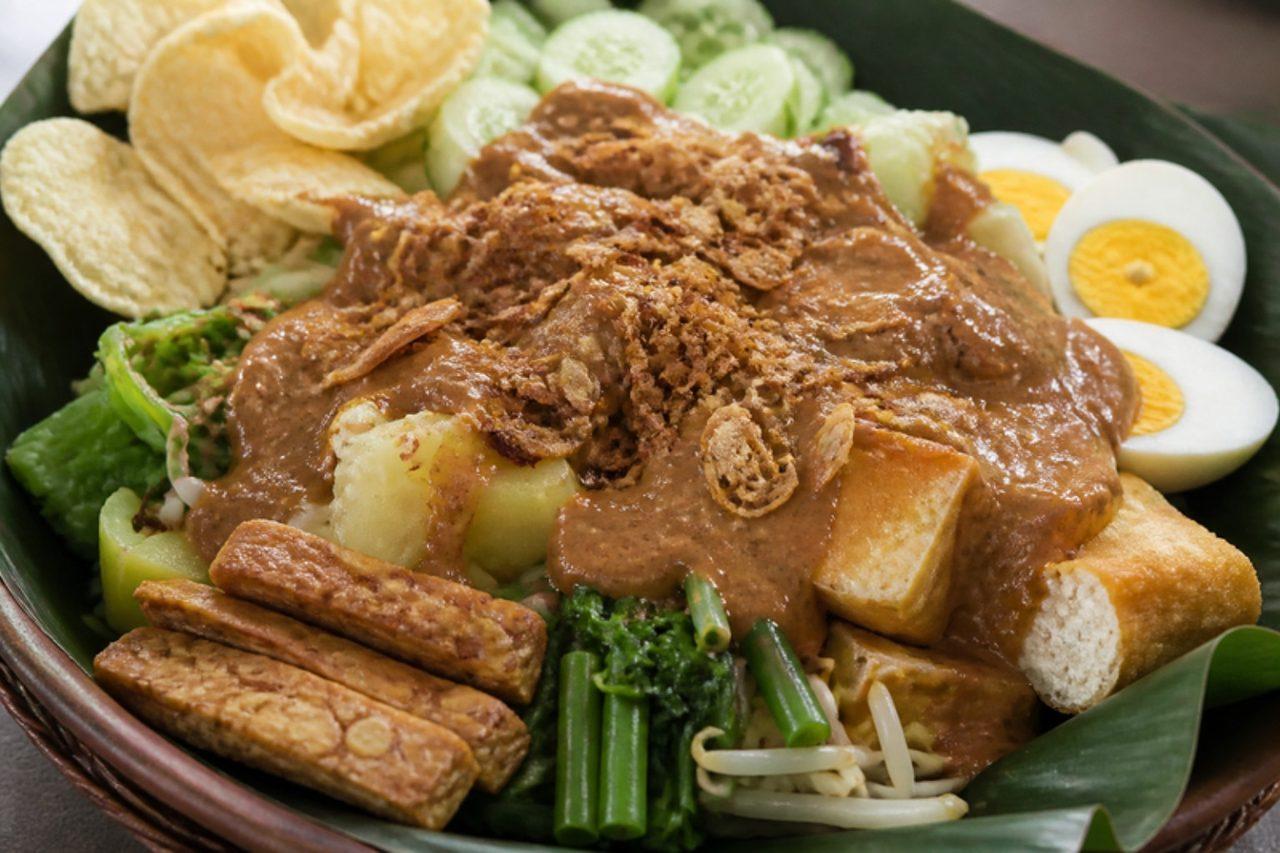
Gado-gadoVegetable salad with peanut sauce

In Jakarta, gado-gado is lunch from a pushcart: the Betawi seller grinds the peanut sauce to order on a stone ulekan, then tips blanched greens, potato, tofu, tempeh and egg into it and mixes everything by hand. The name roughly means "mix-mix", and that is how it's eaten, with every vegetable coated in a sauce that's nutty, sweet from palm sugar, sour from tamarind and as hot as you ask for. It's a full meal on its own, crunchy with emping or rice crackers on top. Chef's tip: loosen the peanut sauce with warm water only at the end and stop when it coats a spoon like custard; too thin and it slides off the vegetables and pools on the plate.

by KrazyBadal 0 views

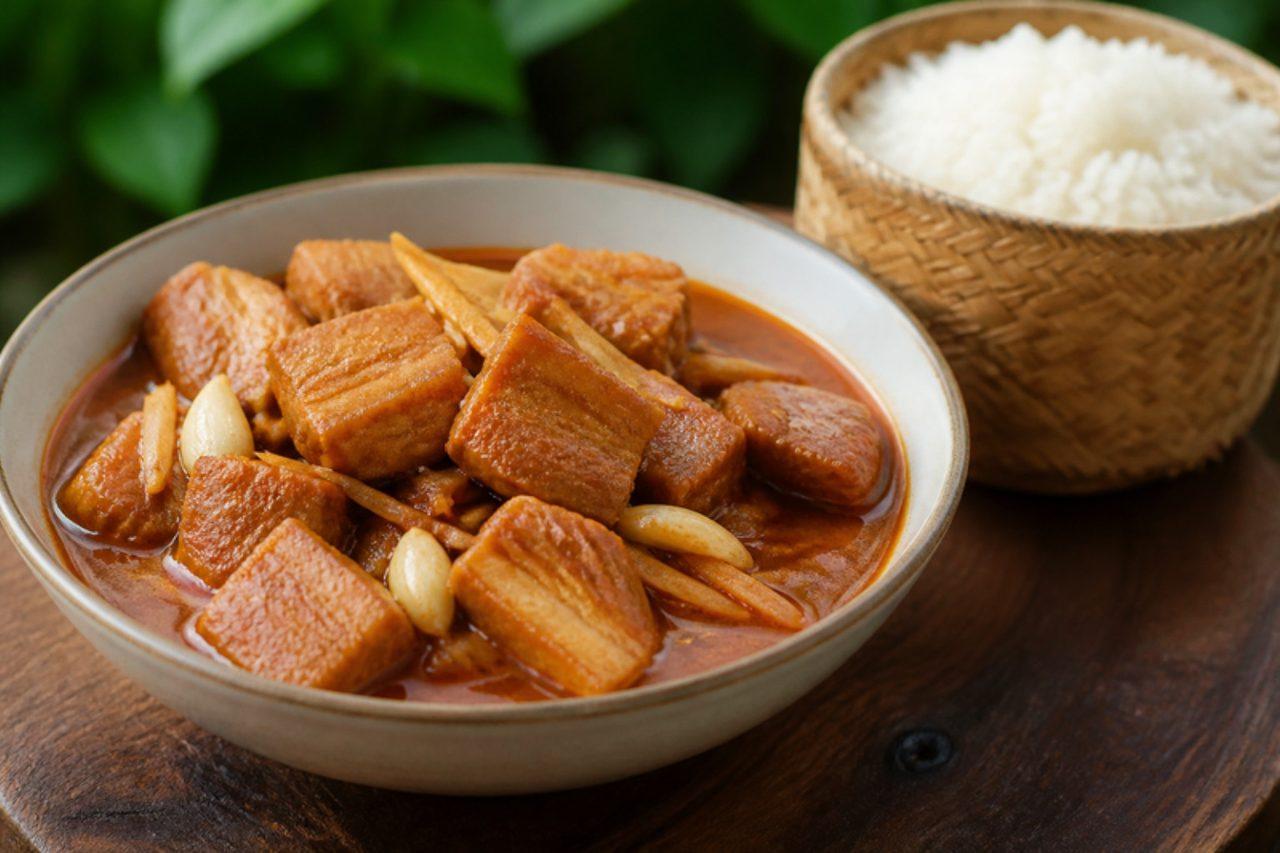
Gaeng hang layPork belly curry

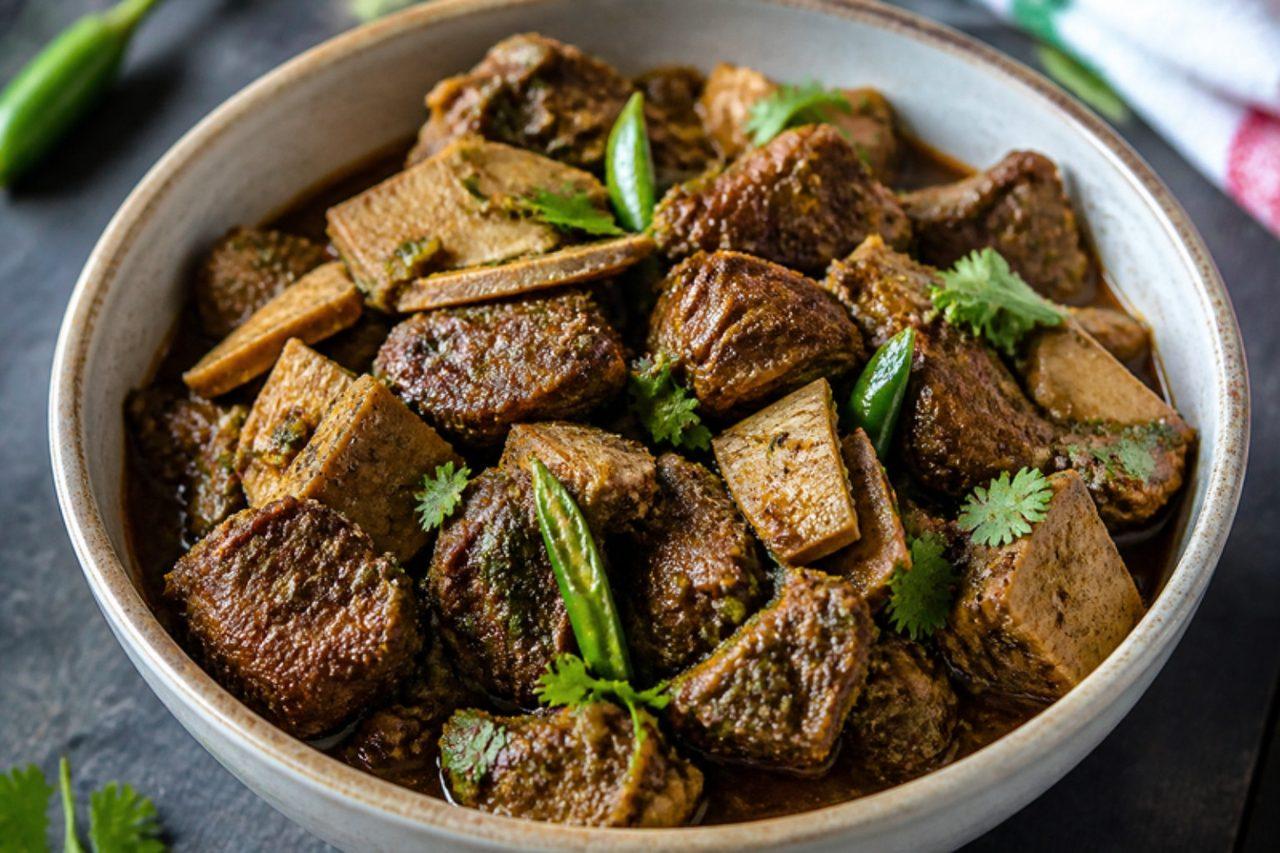
Brought to Lampang and Chiang Mai by Burmese teak traders in the 1800s, this coconut-free curry is now the dish Northern families cook for temple fairs, weddings and Songkran, often a day ahead in a big pot. Chunks of pork belly and shoulder braise slowly until they almost fall apart in a dark, glossy sauce that tastes of ginger, garlic and warm spices, sharpened with tamarind and rounded with palm sugar. It should be thick enough to cling to the meat rather than soupy. Serve it with steamed jasmine or sticky rice and a crisp cucumber salad. Chef's tip: make it the day before; overnight in the fridge the flavours settle and the fat sets on top so you can lift some off before reheating.

120 minThaiCurriesGluten free
by KrazyBadal 0 views

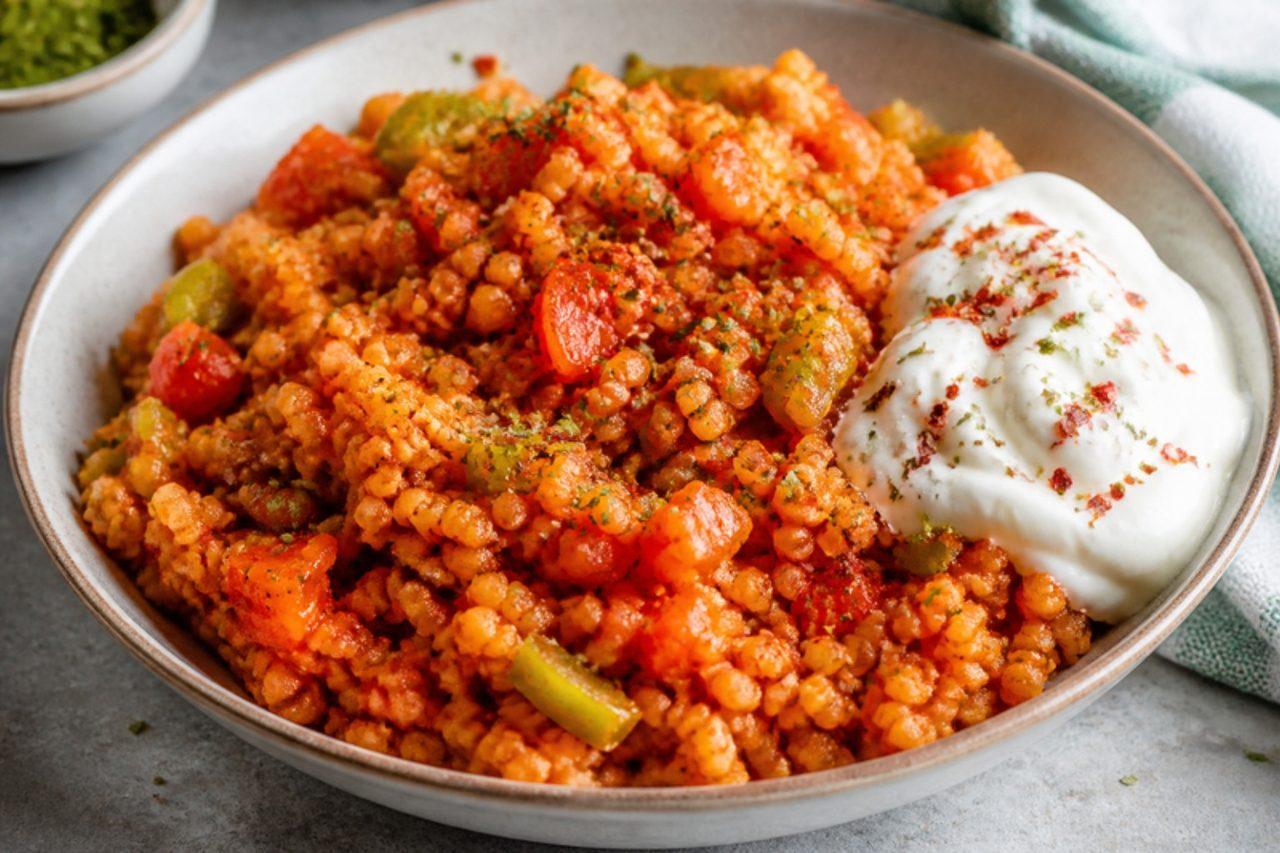
Domatesli bulgur pilavıTomato bulgur pilaf

Across Turkey, from Anatolian village kitchens to Istanbul lunch counters (esnaf lokantası), a pot of bulgur pilaf sits beside beans, stuffed vegetables and yogurt as reliably as bread does. Coarse bulgur (pilavlık bulgur) is cooked with onion, sweet pepper paste, grated tomato and a green pepper until every grain is separate, tender and lightly reddish. It is nuttier and chewier than rice pilaf and ready in half an hour, which is why so many families make it on weeknights. Spoon it next to kuru fasulye, cacık or a simple salad, or eat a bowl on its own with a dollop of yogurt. Chef's tip: once the water is absorbed, lay a clean tea towel under the lid and let the pilaf rest off the heat for 10 minutes; the towel catches the steam so the grains turn fluffy instead of wet.

by KrazyBadal 0 views

Gahori aru bahgajPork curry

Across upper Assam, among the Tai Ahom, Mising and many tea-garden families, pork with fermented bamboo shoot is the dish that turns any gathering into a feast. The bamboo shoot gives a sour, almost cheesy tang that cuts through the rich pork, and a little bhut jolokia (ghost pepper) brings slow heat. It is cooked with very little oil because the pork fat does the work, and is served with rice and a leafy side. Chef's tip: choose shoulder or belly with some fat on; lean loin turns dry and stringy here.

90 minIndianMeatGluten freeSpicy
by KrazyBadal 0 views

Gai lan with vegetarian oyster sauceChinese broccoli with mushroom sauce

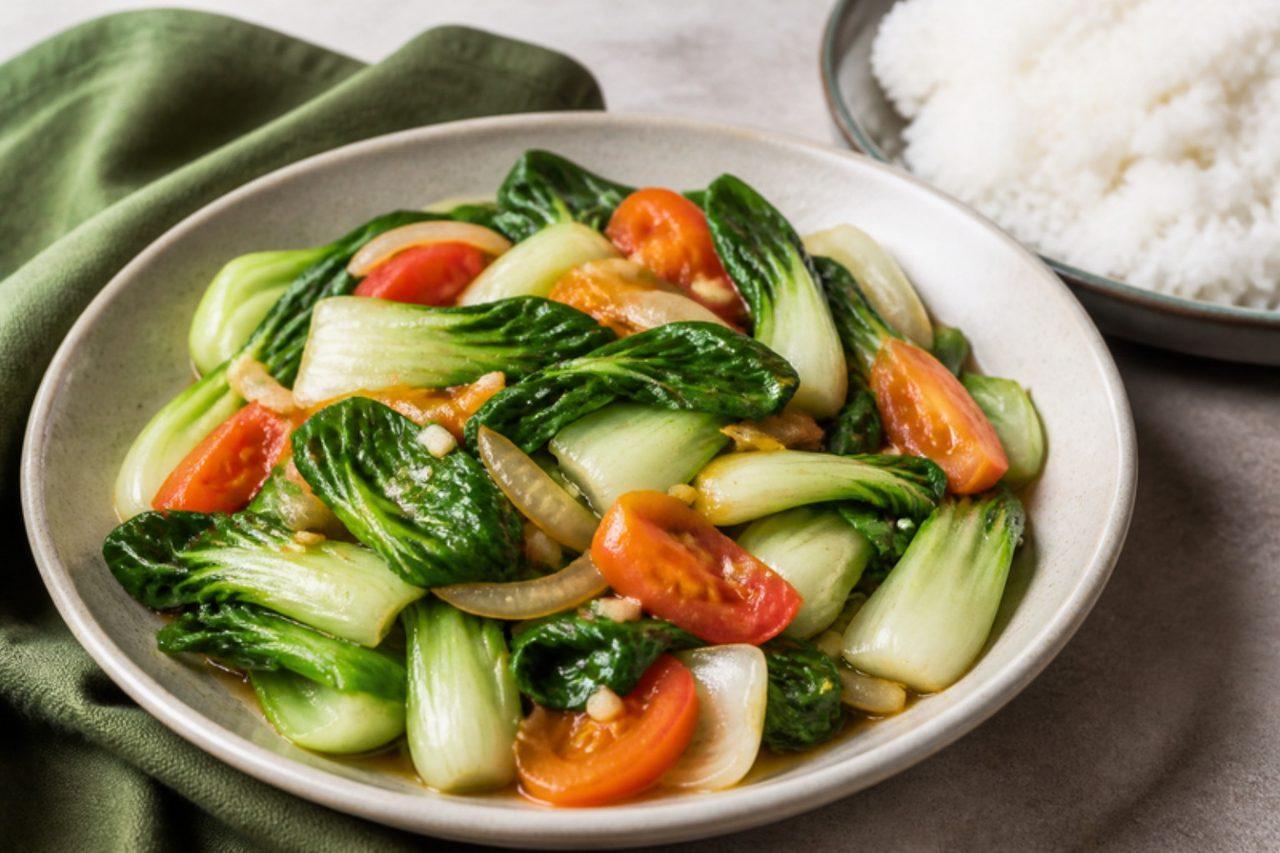
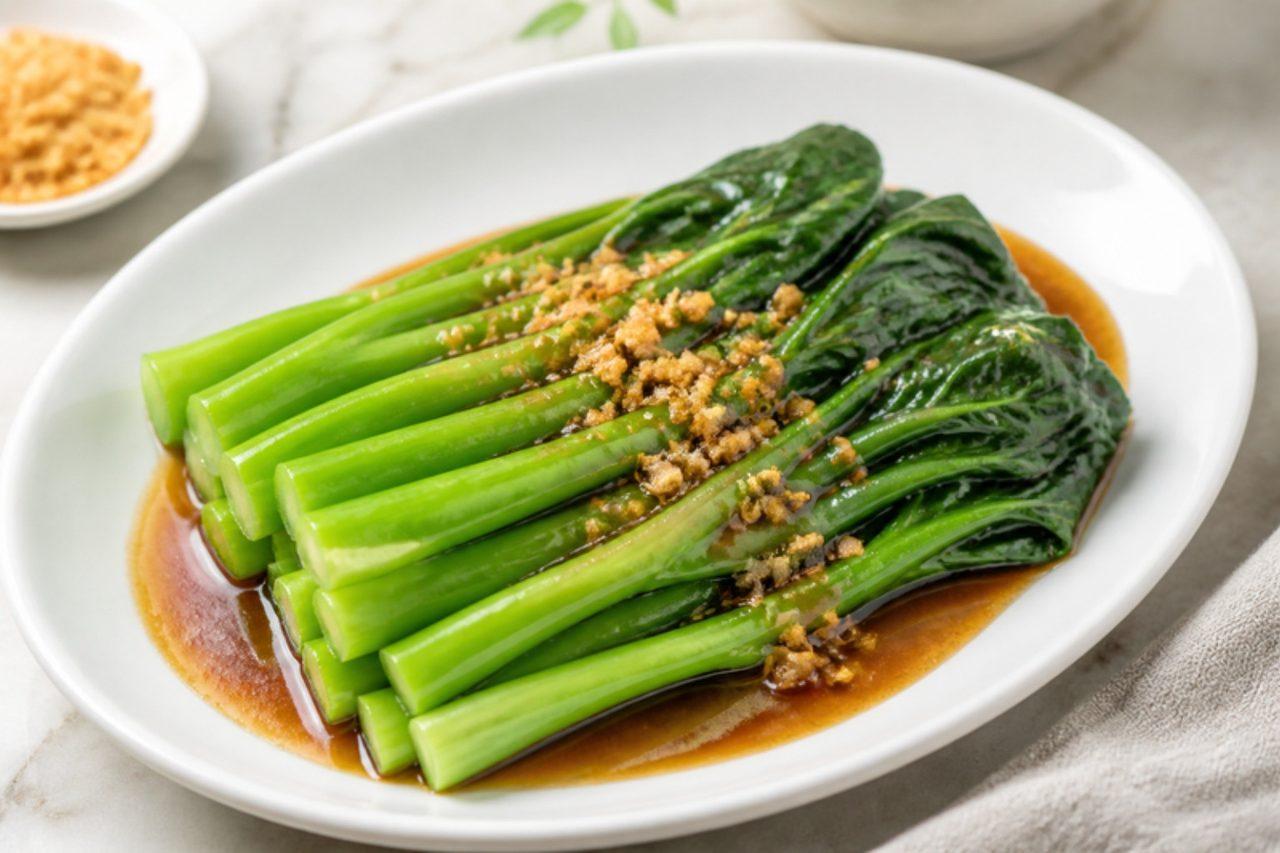
Every Cantonese table needs a plate of greens, and gai lan (Chinese broccoli) is the favourite in Guangdong homes and Hong Kong cha chaan teng. The stems are thick, sweet and slightly bitter, the leaves soft. Restaurants blanch it and pour oyster sauce on top; here a mushroom-based vegetarian oyster sauce gives the same dark gloss and savouriness. Chef's tip: add a spoon of oil and a pinch of sugar to the blanching water; the oil keeps the greens bright and shiny, and the sugar softens the bitterness.

by KrazyBadal 0 views

Gai tod Hat YaiSouthern fried chicken

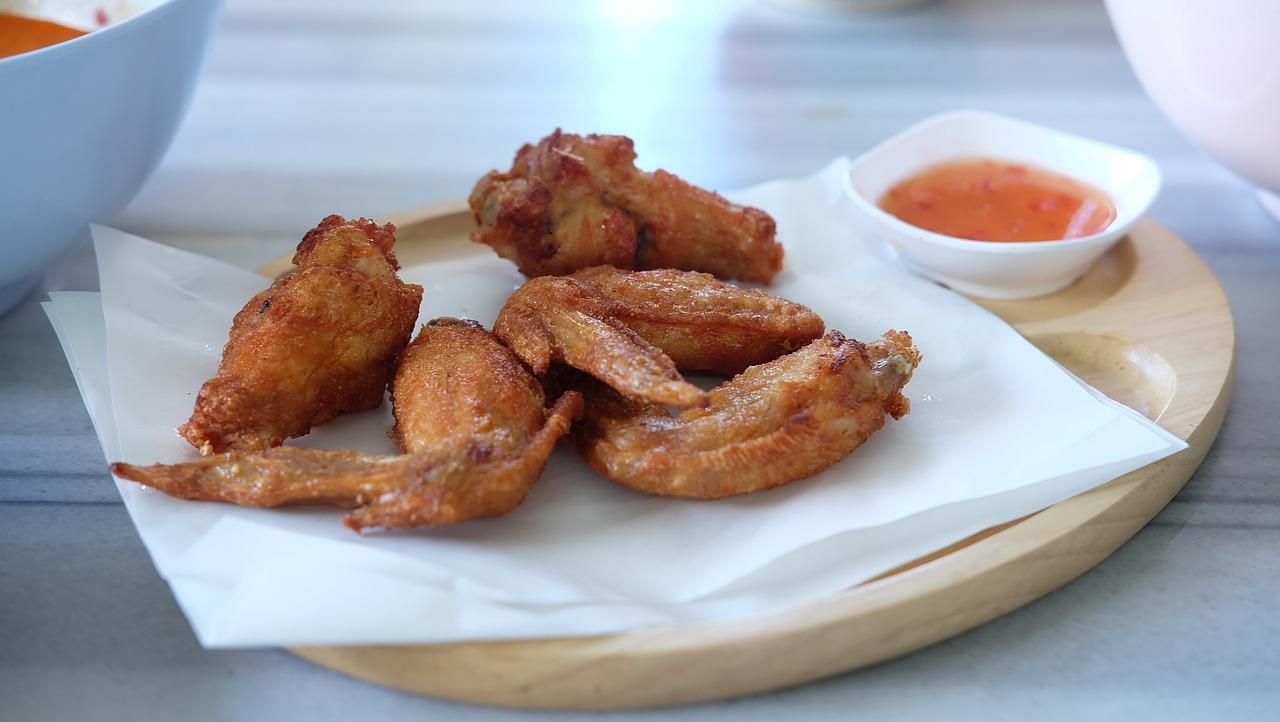
Hat Yai, the busy trading city in Songkhla province near the Malaysian border, gave its name to Thailand's best-loved fried chicken: pieces marinated with coriander root, garlic and white pepper, fried in a thin rice-flour coat until deep bronze, then buried under a drift of crisp fried shallots. Stalls there sell it from early morning with sticky rice and sweet chilli sauce, and Bangkok vendors copy it on every soi. The skin is light and crackly rather than bready, the meat aromatic and well seasoned, and the shallots add sweetness and crunch. Children love it with the sauce on the side. Chef's tip: marinate overnight in the fridge so the coriander root and pepper reach right to the bone.

by KrazyBadal 0 views

Gai yangGrilled lemongrass chicken

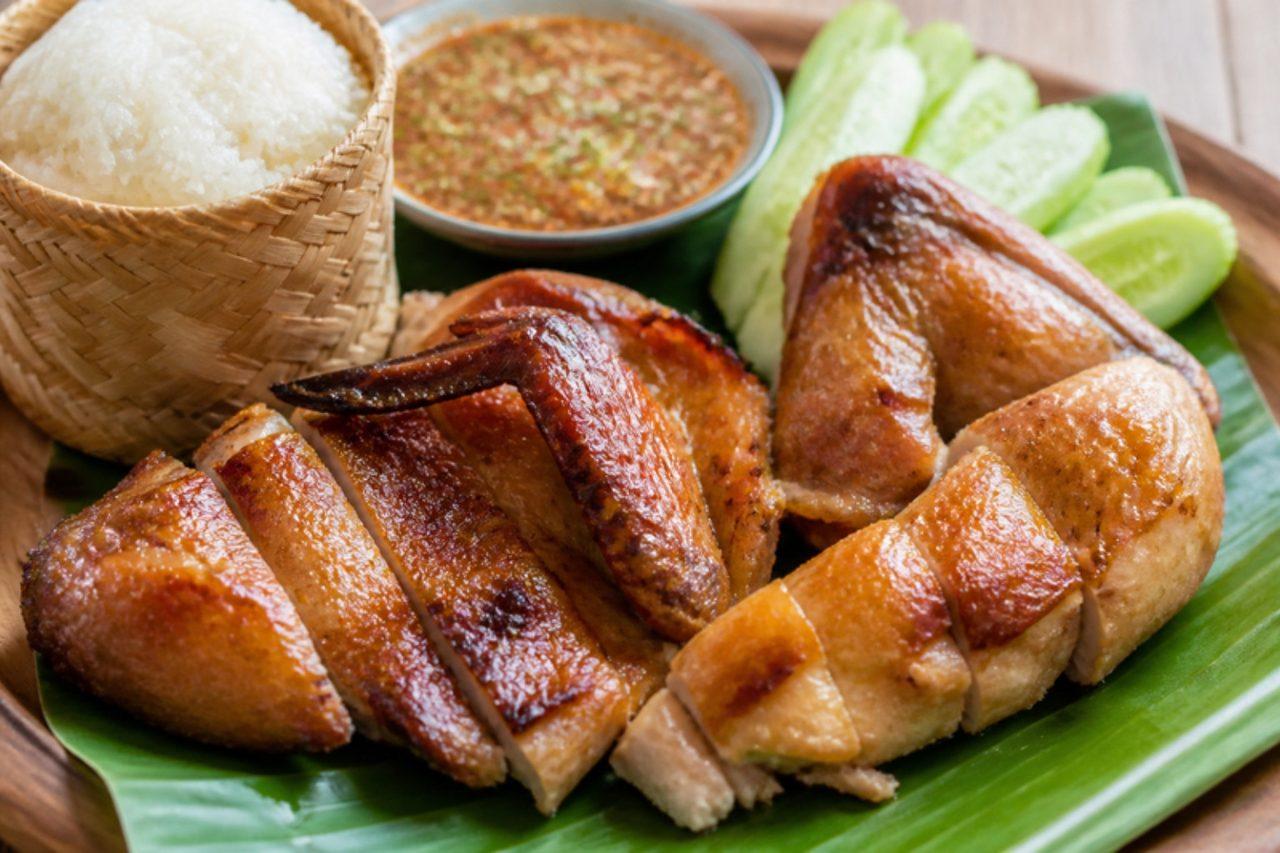
Bus stations and football matches across Isan have the same soundtrack: the crackle of chicken pieces clamped in split bamboo over glowing coals, and the thump of a pestle making som tam beside them. Gai yang is marinated in garlic, coriander root, white pepper and lemongrass, then grilled slowly so the skin turns lacquered and smoky while the meat stays juicy. Tear it apart with your hands and eat it with sticky rice, green papaya salad and a sour-hot jaew dipping sauce. Chef's tip: leave it in the marinade overnight in the fridge; the lemongrass and garlic need hours to get past the skin.

by KrazyBadal 0 views

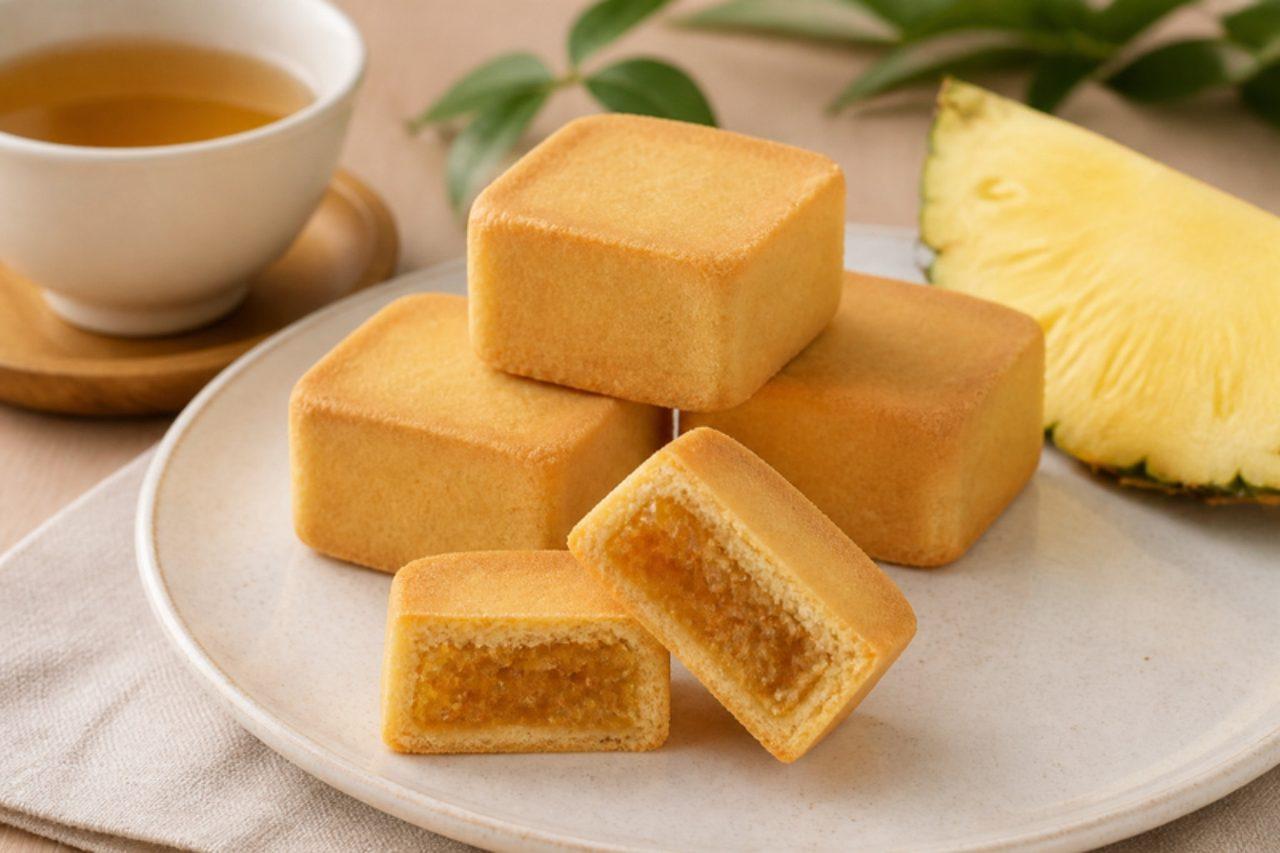
Taiwanese pineapple cakes

Feng li su are the gift-box sweet of Taiwan: little golden squares of crumbly, milky shortbread wrapped round a chewy pineapple jam. Bakeries in Taichung and Taipei pack them in tins for Lunar New Year, weddings and visiting relatives, and the name sounds like 'prosperity arriving' in Taiwanese Hokkien. Older bakeries bulk the filling with winter melon for a softer, sweeter jam; this home version uses fresh pineapple only, cooked down until thick and tangy. Chef's tip: chill the dough and the jam balls before wrapping; cold, firm pieces are far easier to seal without the jam breaking through.

by KrazyBadal 0 views

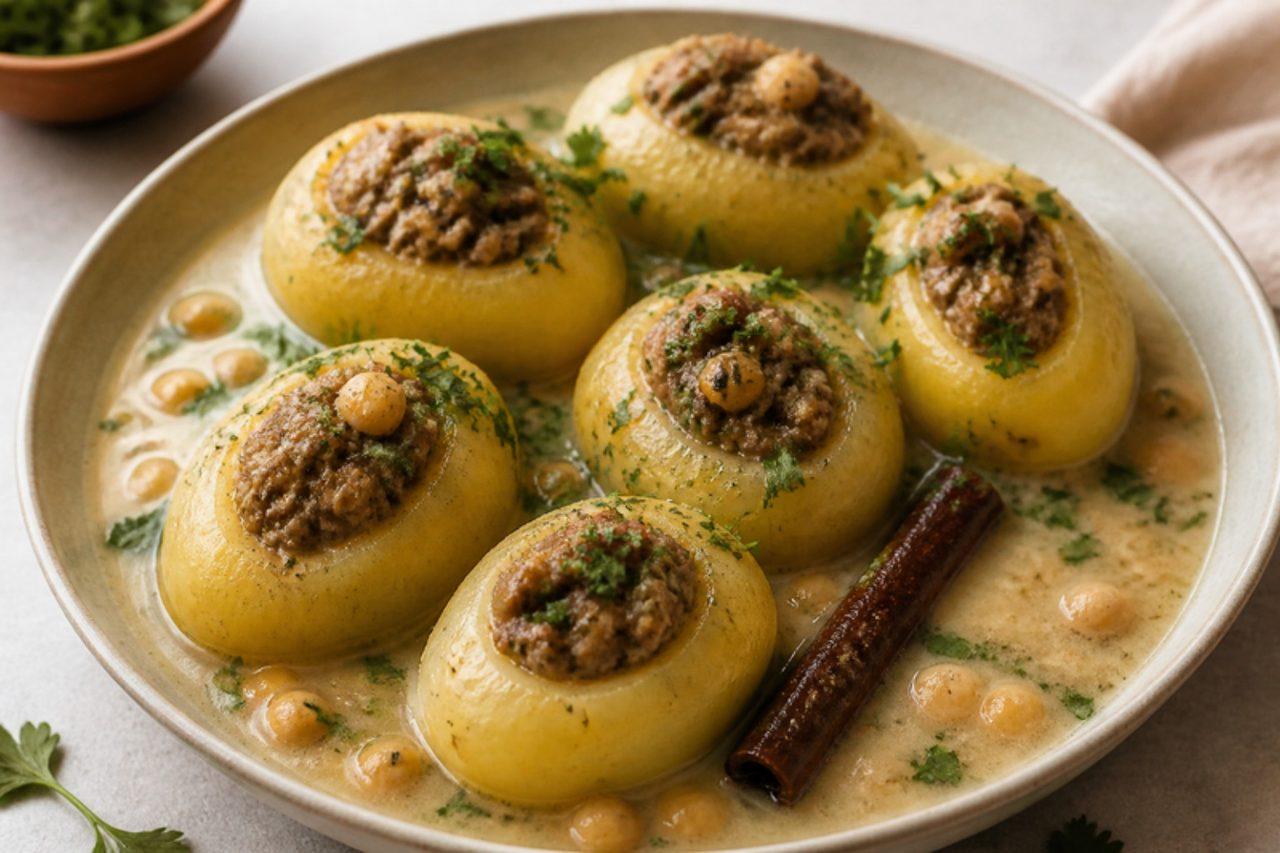
Dolma batataStuffed potatoes in chickpea sauce

Dolma batata belongs to the Algiers home kitchen, where it is a Ramadan favourite and a Friday dish: hollowed potatoes filled with beef mince, onion, parsley and cinnamon, fried until golden, then simmered in a pale sauce (marqa beida) of onion, chickpeas, black pepper and cinnamon. The sauce stays white because no tomato goes in. The mistake is hollowing the potatoes too thinly, so they split in the pot; leave walls about 1 cm thick. Chef's tip: fry the scooped-out potato flesh and add it to the sauce to thicken it.

by KrazyBadal 0 views

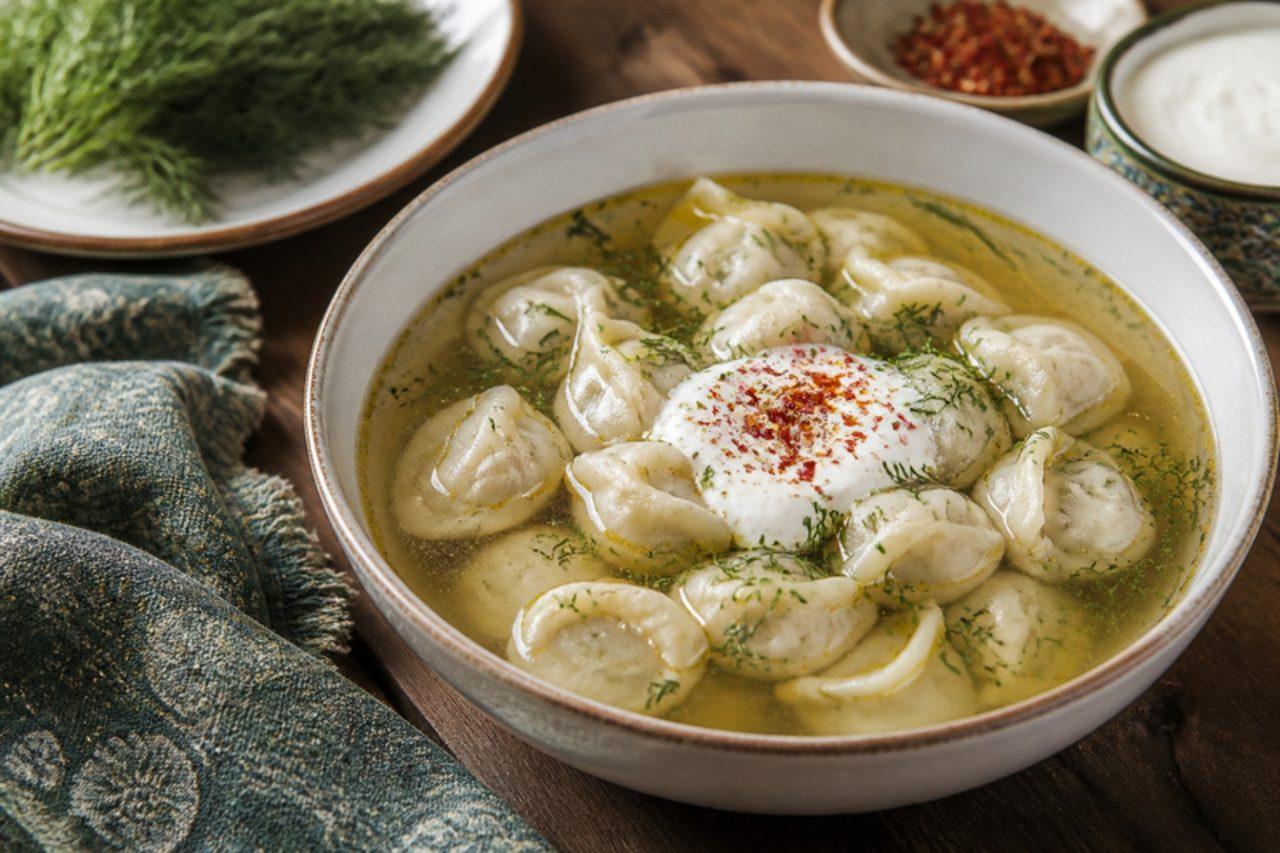
Uzbek chuchvaraTiny dumplings in dill broth

In Tashkent, chuchvara is the little cousin of manti: dumplings no bigger than a thumbnail, folded around a peppery lamb-and-beef filling and dropped into clear meat broth. Families make them in big batches on a slow weekend, freeze trays of them, and eat bowls through the winter with a spoonful of suzma (strained yogurt) or sour cream and lots of dill. The dough is thin and firm, the filling juicy with grated onion, and the broth light enough to drink. Many home cooks roll the dough too thick, which turns the dumplings stodgy; aim for a sheet you can just see the board through. Chef's tip: freeze the shaped dumplings on a floured tray before bagging them, so they stay separate and cook straight from frozen.

105 minUzbekSoups
by KrazyBadal 0 views

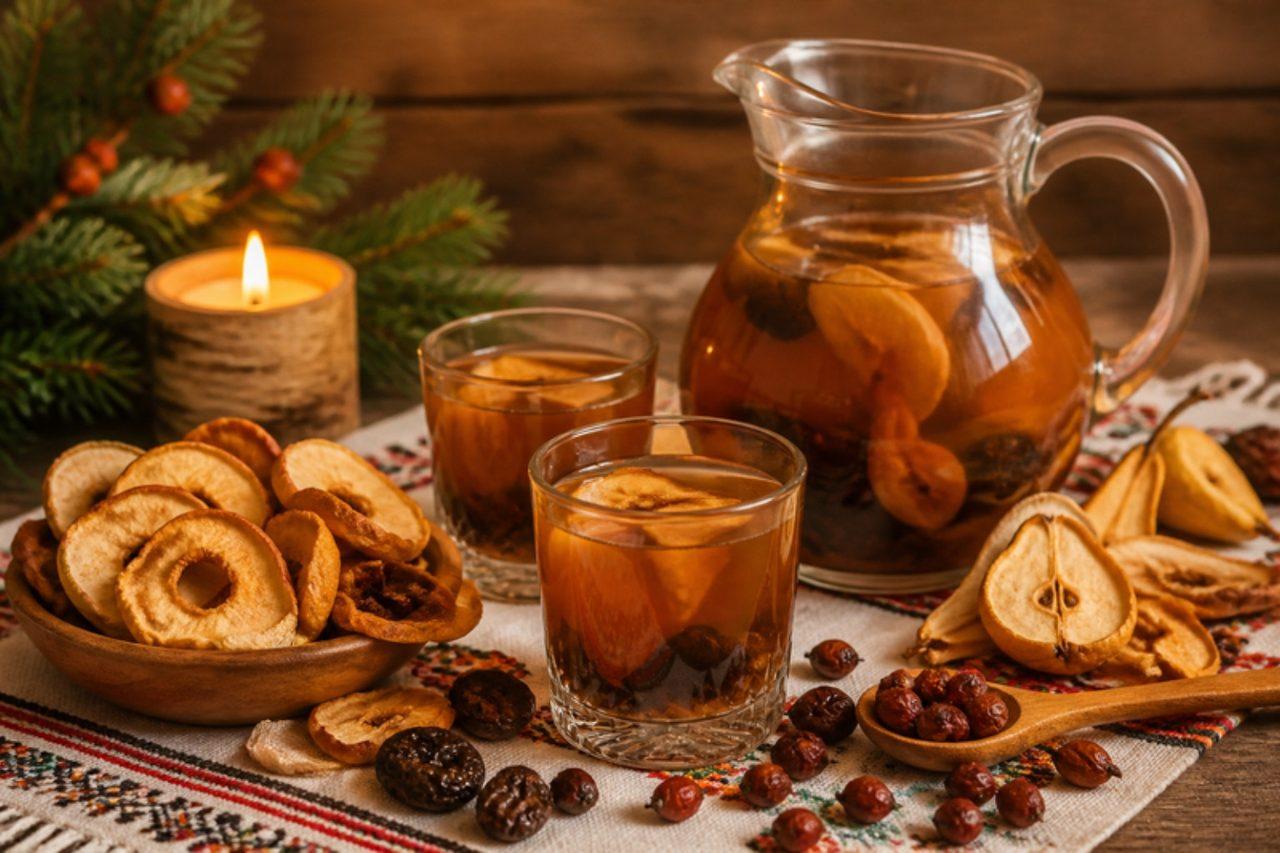
UzvarDried fruit drink

Uzvar is the dark, smoky-sweet drink brewed from dried apples, pears and plums that closes the Holy Supper on Ukrainian Christmas Eve, Sviat Vechir, where it is one of the twelve meatless dishes alongside kutia. In villages across Podillia and the Carpathians the fruit is dried in the oven or over smoke in autumn, which gives uzvar its distinctive campfire note; market stalls sell ready-mixed bags in December. It is drunk warm in winter and chilled in summer, and is naturally vegan when sweetened with sugar instead of honey. Chef's tip: simmer gently, then let it steep for several hours; common mistake is boiling it hard, which turns the fruit to mush and the drink cloudy.

by KrazyBadal 0 views

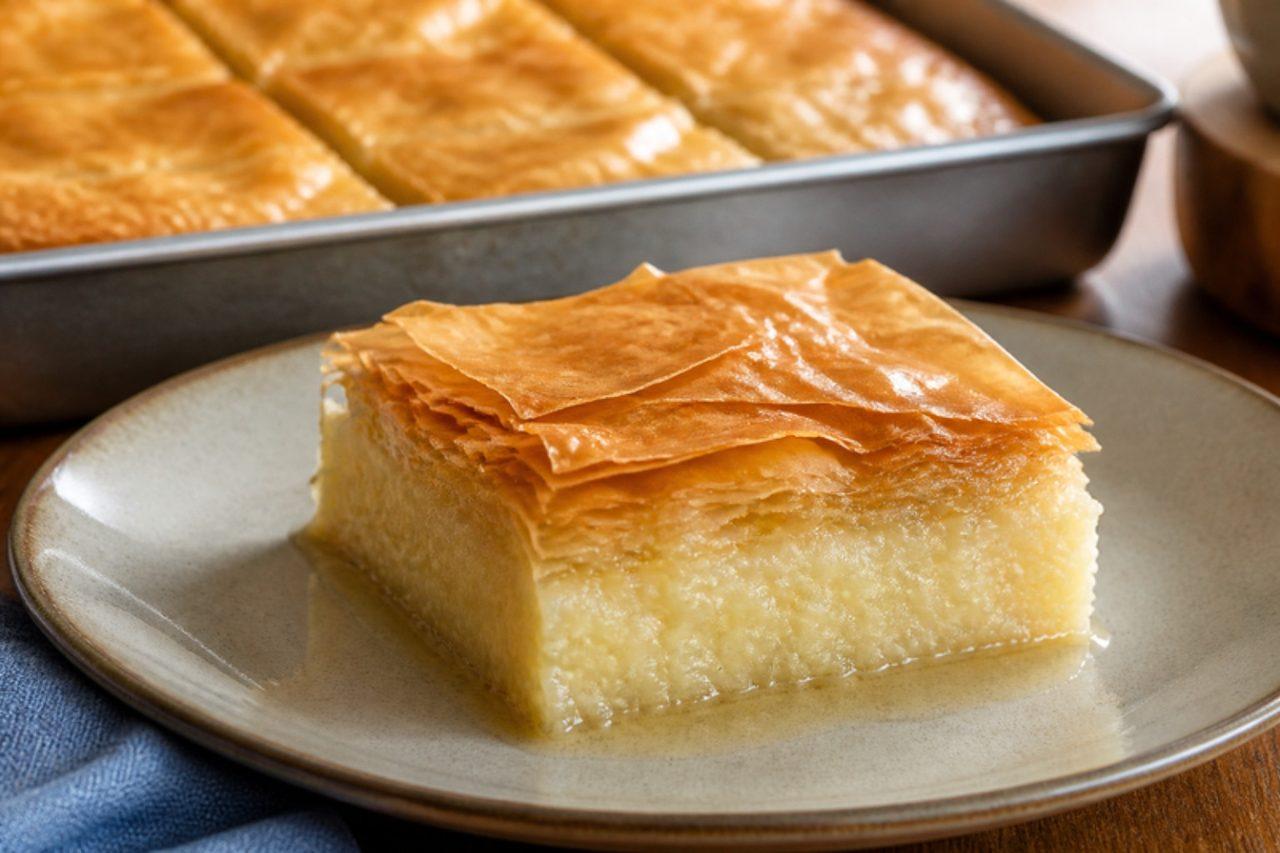
GalaktobourekoSemolina custard in fillo

Galaktoboureko is the grand dessert of Greek pastry shops: a thick layer of silky semolina custard baked between sheets of buttered fillo, then soaked with cold lemon and cinnamon syrup the moment it leaves the oven. It's bought by the tray for Sunday lunches, name days and Easter, and eaten slightly warm or at room temperature with coffee. The top shatters, the syrup pools at the edges and the custard stays creamy. It takes patience but no special skill. Chef's tip: pour cold syrup over the hot pie (or hot over cold), never hot on hot; that common mistake leaves the pastry soggy instead of crisp.

by KrazyBadal 0 views

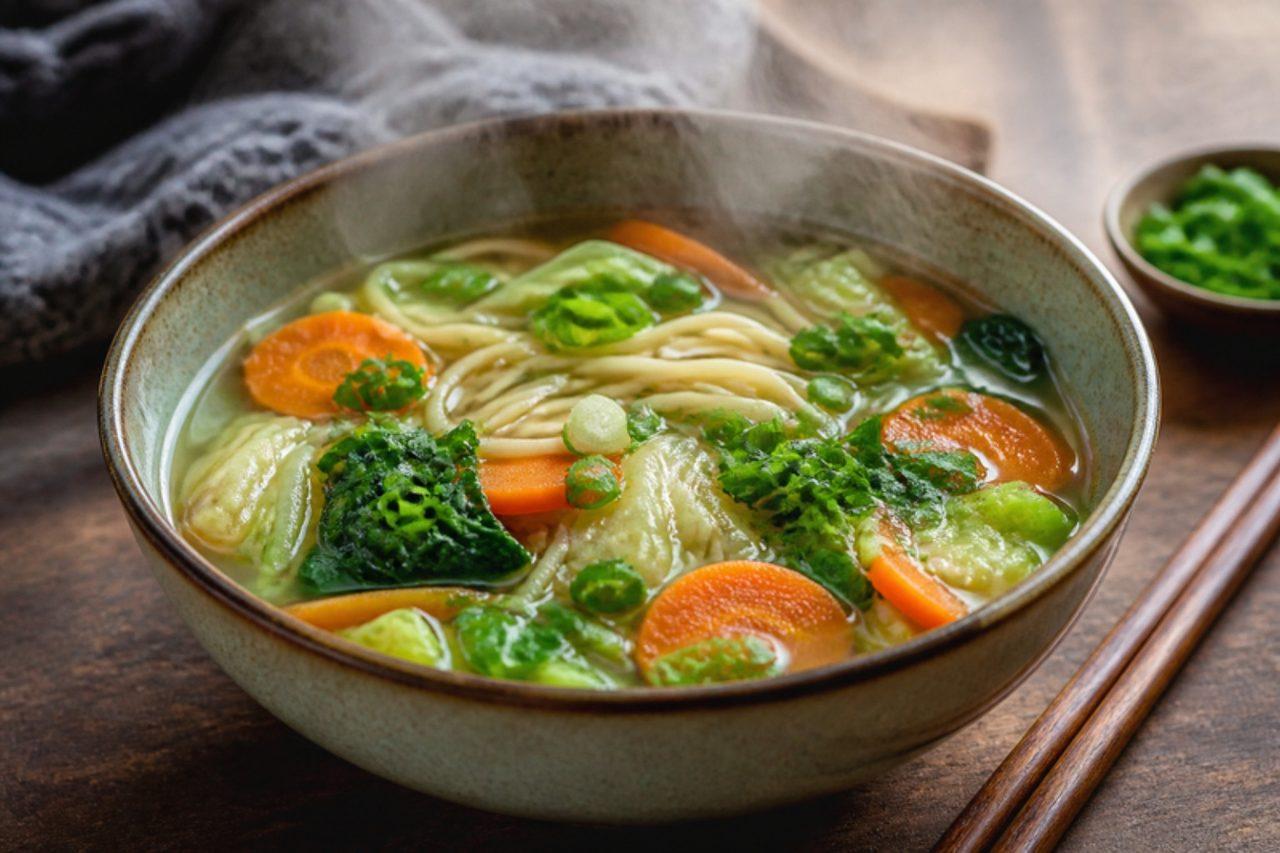
ThukpaHimalayan noodle soup

Thukpa is the warming noodle soup of the Himalayas, eaten in Sikkim, Ladakh and the Tibetan settlements of the hills on cold evenings. A gingery, garlicky broth is cooked with carrot, cabbage and tomato, then wheat noodles and spinach go straight into the pot. It's light yet filling, savoury with soy and pepper and as spicy as you like with chilli on the side. Serve in deep bowls with a squeeze of lemon. Chef's tip: cook the noodles in the soup only just before serving; left standing, they keep drinking up the broth and turn soft.

by KrazyBadal 0 views

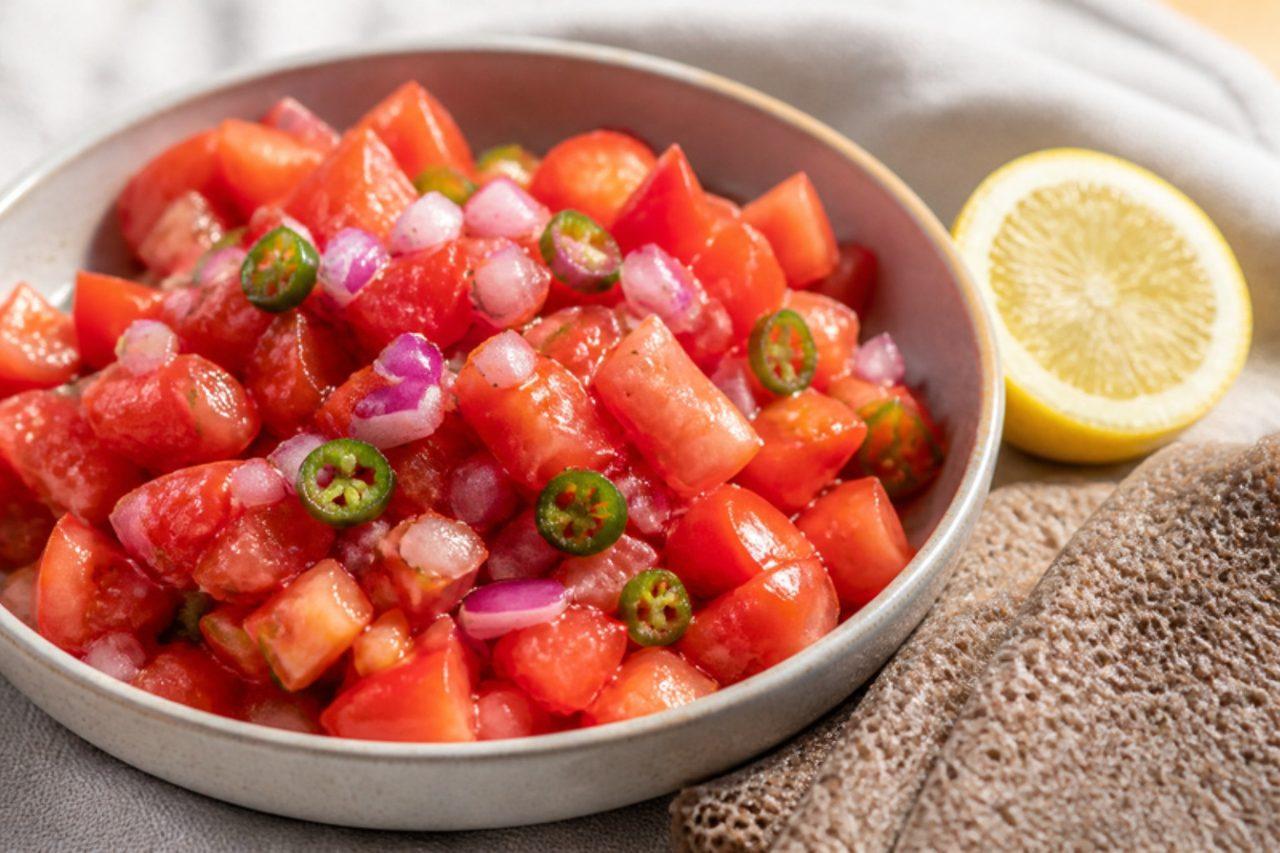
Timatim salataTomato and onion salad

Timatim salata is the cool, crunchy salad served alongside the stews of an Ethiopian meal, from roadside restaurants in Tigray to home tables in Addis Ababa. Ripe tomatoes, red onion and green chilli are dressed with lemon juice and oil, and the salad is left to stand so the juices mingle; mixed with torn injera it becomes timatim fitfit. Chef's tip: salt the tomatoes only a few minutes before serving, or they release so much liquid the salad turns soupy.

by KrazyBadal 0 views

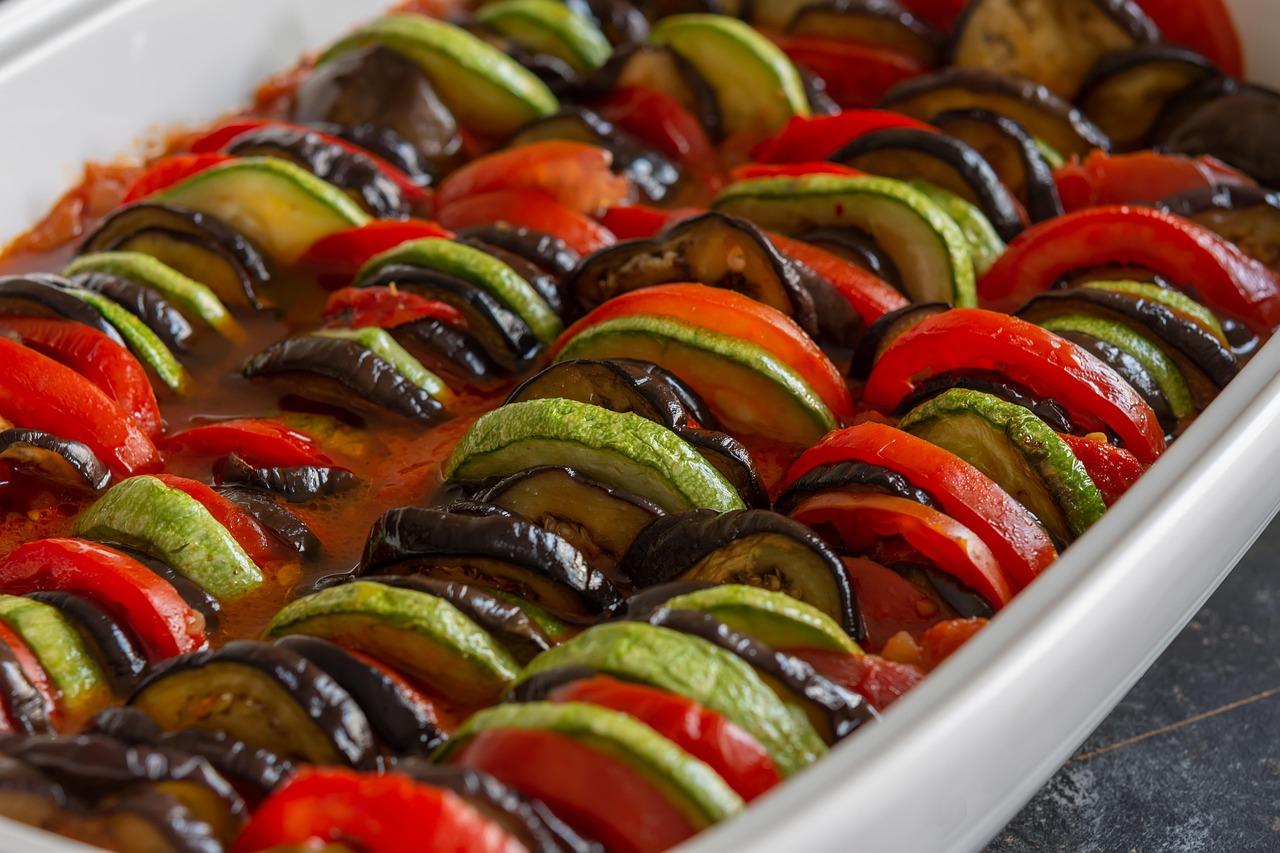
Tian provençalBaked layered summer vegetables

A tian is named after the shallow earthenware dish Provençal cooks use to bake vegetables, and the most famous version lines up thin slices of courgette, aubergine, tomato and onion in tight rows like roof tiles. In Provence it's a Sunday side for the whole family and a light supper with a green salad in summer. The vegetables roast in their own juices with olive oil, garlic and thyme until soft, sweet and lightly browned on top. Unlike ratatouille, nothing is fried first, so it is lighter and more delicate. Chef's tip: choose vegetables of the same width and slice them all 3–4 mm thick; uneven slices are the common mistake and cook unevenly, some raw, some collapsed.

by KrazyBadal 0 views

Galette complèteBuckwheat crêpe with ham and egg

In every crêperie in Brittany, from Rennes to Quimper, the first thing most people order is the complète: a lacy buckwheat galette folded square around ham, melted cheese and an egg, eaten for lunch or a casual dinner with a bowl of dry cider. Contains pork (ham). The batter is just buckwheat flour, water, salt and an egg, so the galette has no wheat; some buckwheat flour is milled alongside wheat, so check the packet if you avoid gluten. A cup of apple juice is a good alcohol-free partner. Chef's tip: rest the batter for at least 2 hours, or overnight in the fridge; it thickens and the galettes cook up thinner and crisper.

by KrazyBadal 0 views

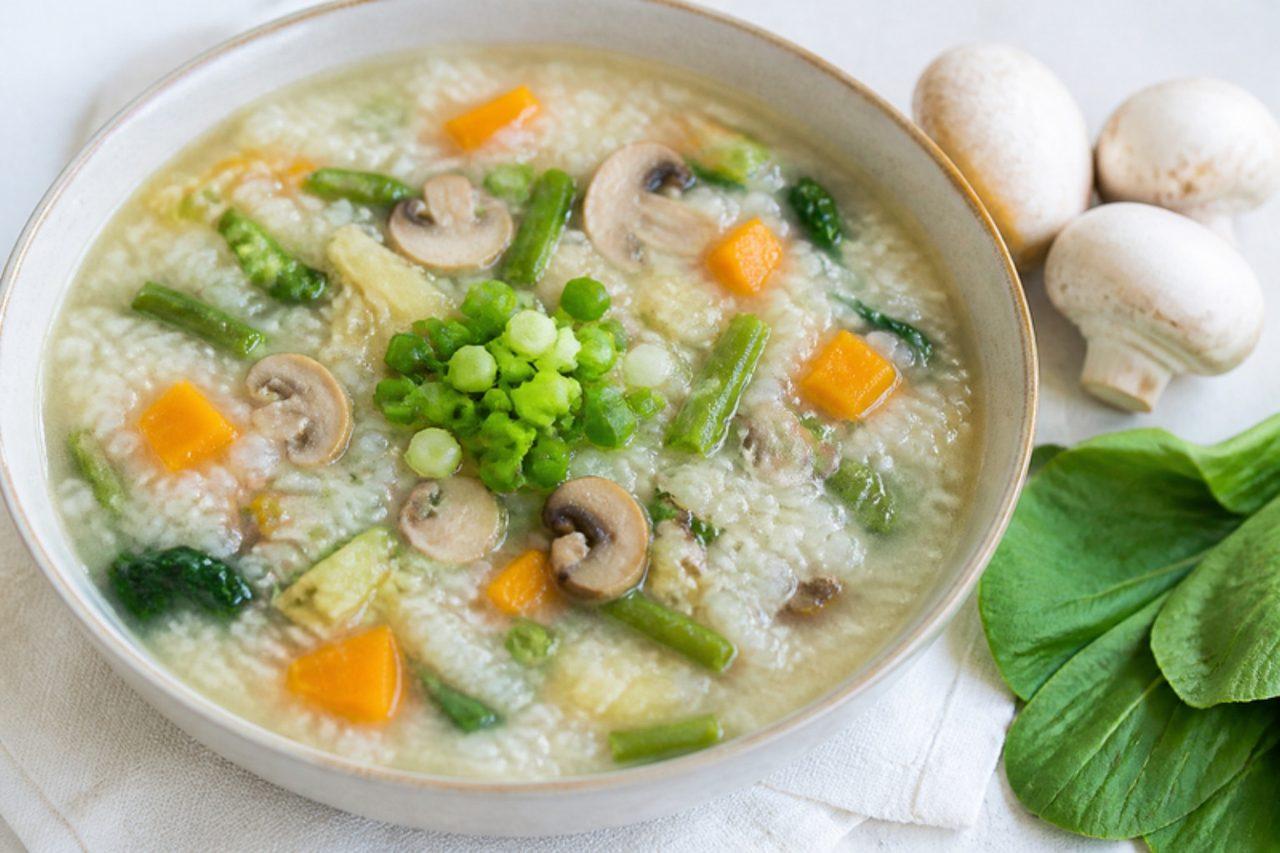
GalhoRice and vegetable porridge

Galho is Nagaland's comfort food, a soft, loose rice porridge cooked with seasonal vegetables, greens, ginger and chilli, sometimes thickened with a spoon of fermented soybean (axone). In Kohima homes it is the dish for cold evenings and for anyone unwell, and in restaurants it is often made with pork; this vegetarian version uses mushrooms and axone for savour. It sits somewhere between khichdi and congee, thick but spoonable. Chef's tip: stir only occasionally; galho should be soupy with distinct grains, not a smooth paste.

by KrazyBadal 0 views

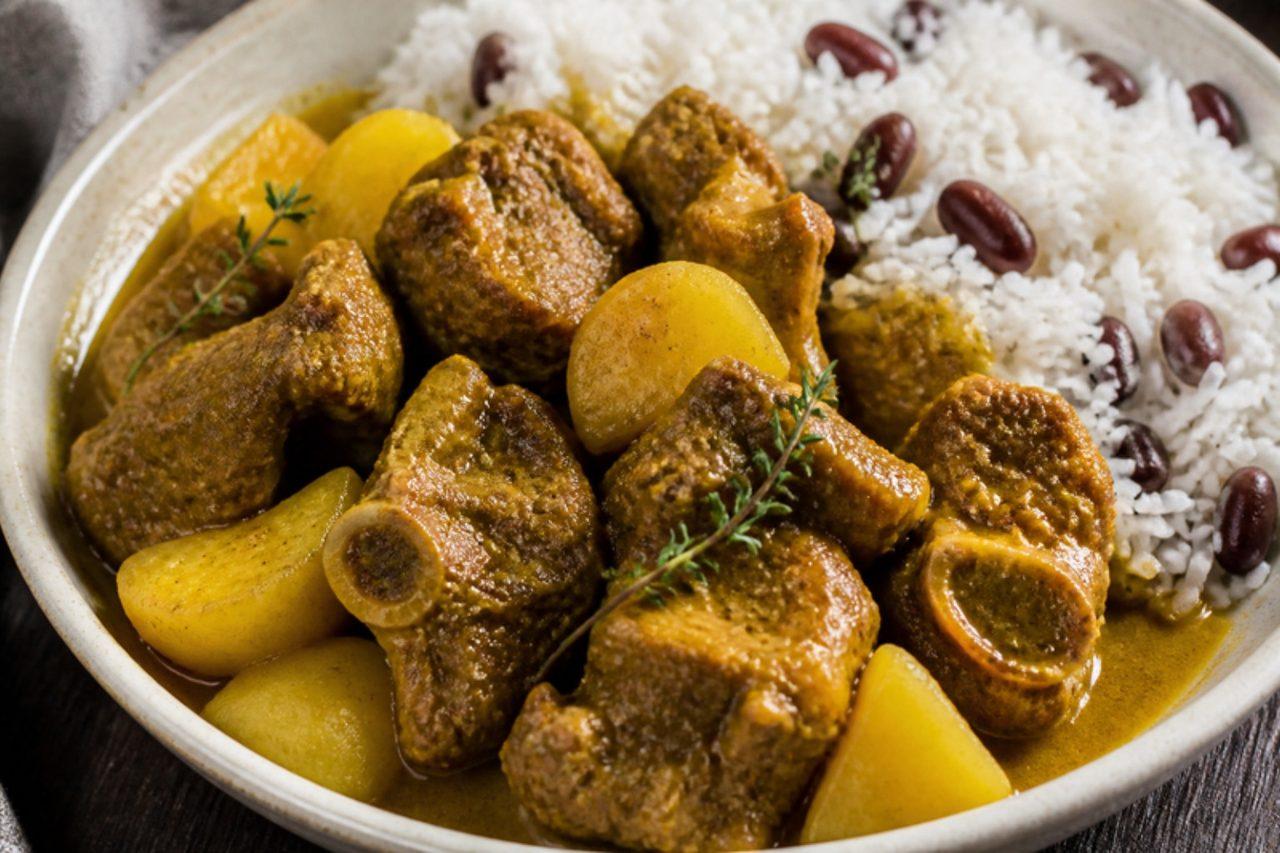
Jamaican curry goat

No Jamaican wedding, nine-night or big Sunday family lunch is complete without a pot of curry goat, often cooked outdoors in a huge pot by whoever has the steadiest hand with the seasoning. It came to the island with Indian indentured workers in the 1800s and became fully Jamaican with scotch bonnet, pimento and thyme. The bone-in pieces are seasoned overnight, browned with the curry powder until it darkens, then simmered for a couple of hours into a rich, brick-yellow gravy with soft potatoes that thicken it. Serve with white rice or rice and peas and a little fried plantain. If you can't find goat, bone-in mutton or lamb shoulder works the same way. Chef's tip: 'burn' the curry first; fry the curry powder in hot oil for a minute until it darkens and smells toasty before the meat goes in, and the gravy will never taste raw or chalky.

by KrazyBadal 0 views

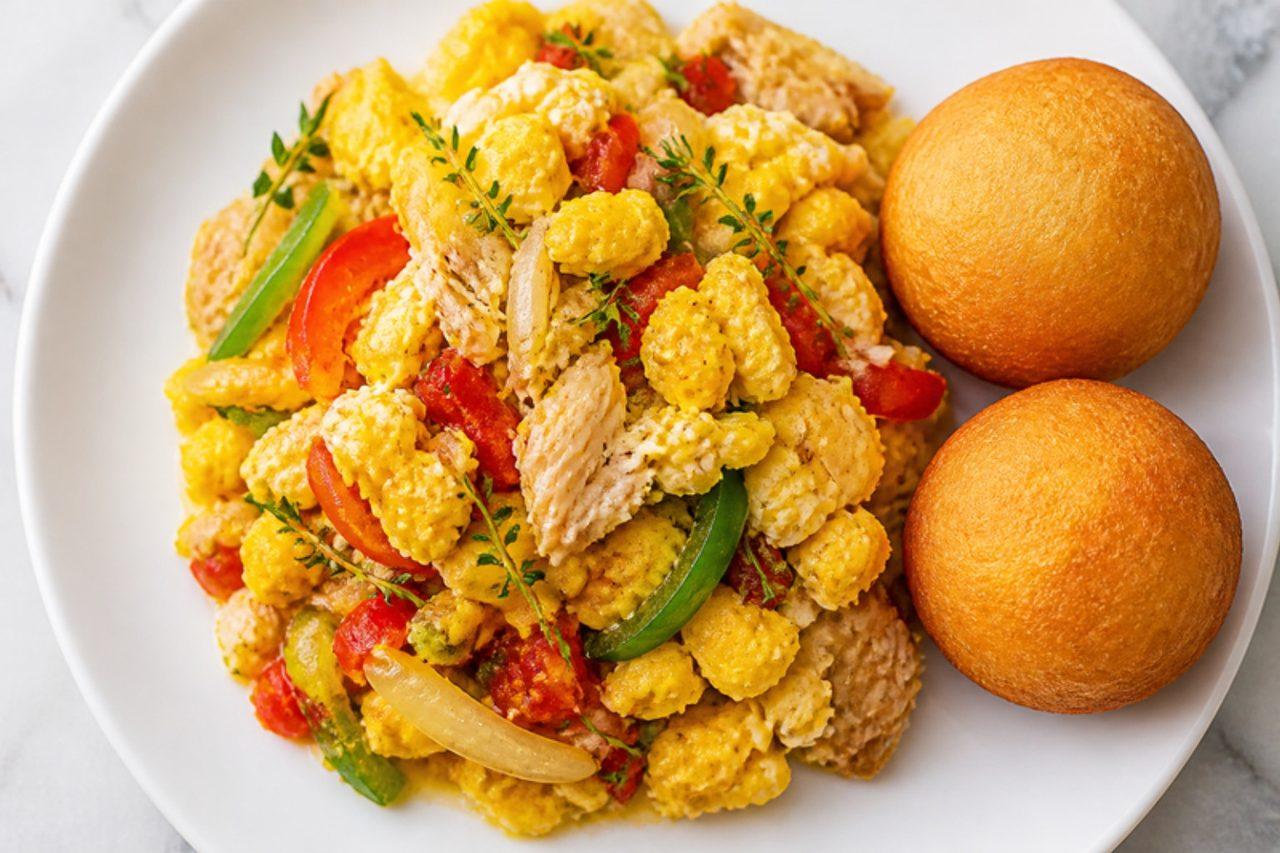
Ackee and saltfish

On a Jamaican Sunday morning, from Kingston yards to country kitchens in St Mary, the smell of salt cod frying with onion, thyme and scotch bonnet means breakfast is nearly ready. The ackee itself is a red tree fruit whose cream-coloured flesh cooks up soft and mild, a lot like scrambled egg, and it soaks up the salty fish and peppery oil around it. It is eaten with fried dumplings, boiled green banana, roast breadfruit or hard dough bread, and is just as welcome at lunch. A note on safety: ackee is only safe when the pod has ripened on the tree and opened by itself, and the black seeds and pink membrane are removed. Outside Jamaica, tinned ackee is the safe, easy choice and is what this recipe uses. Chef's tip: soak the saltfish overnight and then boil it once; taste a flake before it goes in the pan, because you can always add salt but you can't take it out.

by KrazyBadal 0 views

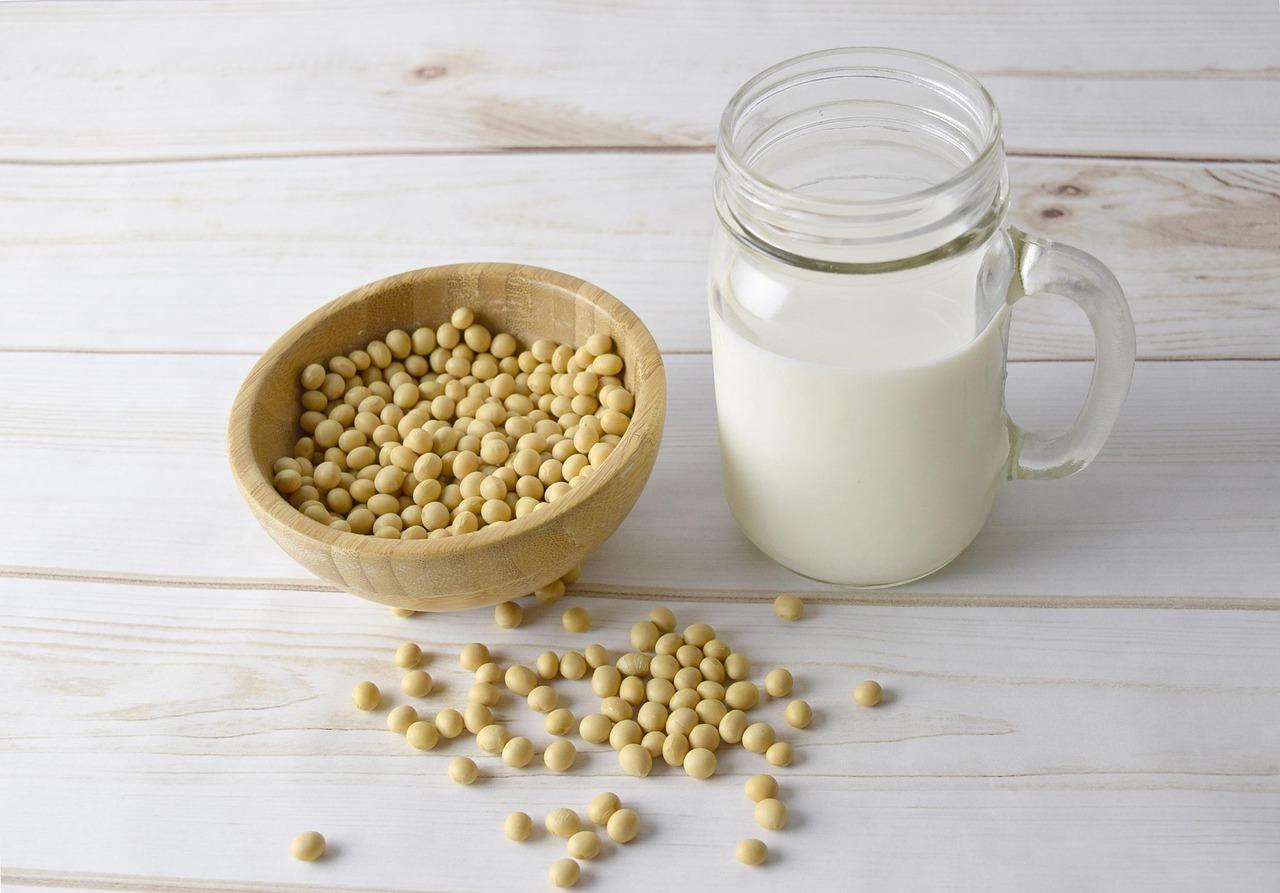
Fresh hot soy milk

On cold Da Lat nights, the steam rising from soy milk stalls is part of the scenery around the central market: big pots of freshly made sữa đậu nành, ladled hot into glasses and sipped with grilled rice paper or a warm bánh bao. Made at home, it tastes nutty and clean, nothing like the cartons, and a knot of pandan leaf gives it the gentle vanilla-like scent that Vietnamese sellers favour. Chef's tip: rub the soaked beans between your palms and float off the skins; peeled beans give a smoother, sweeter milk.

by KrazyBadal 0 views

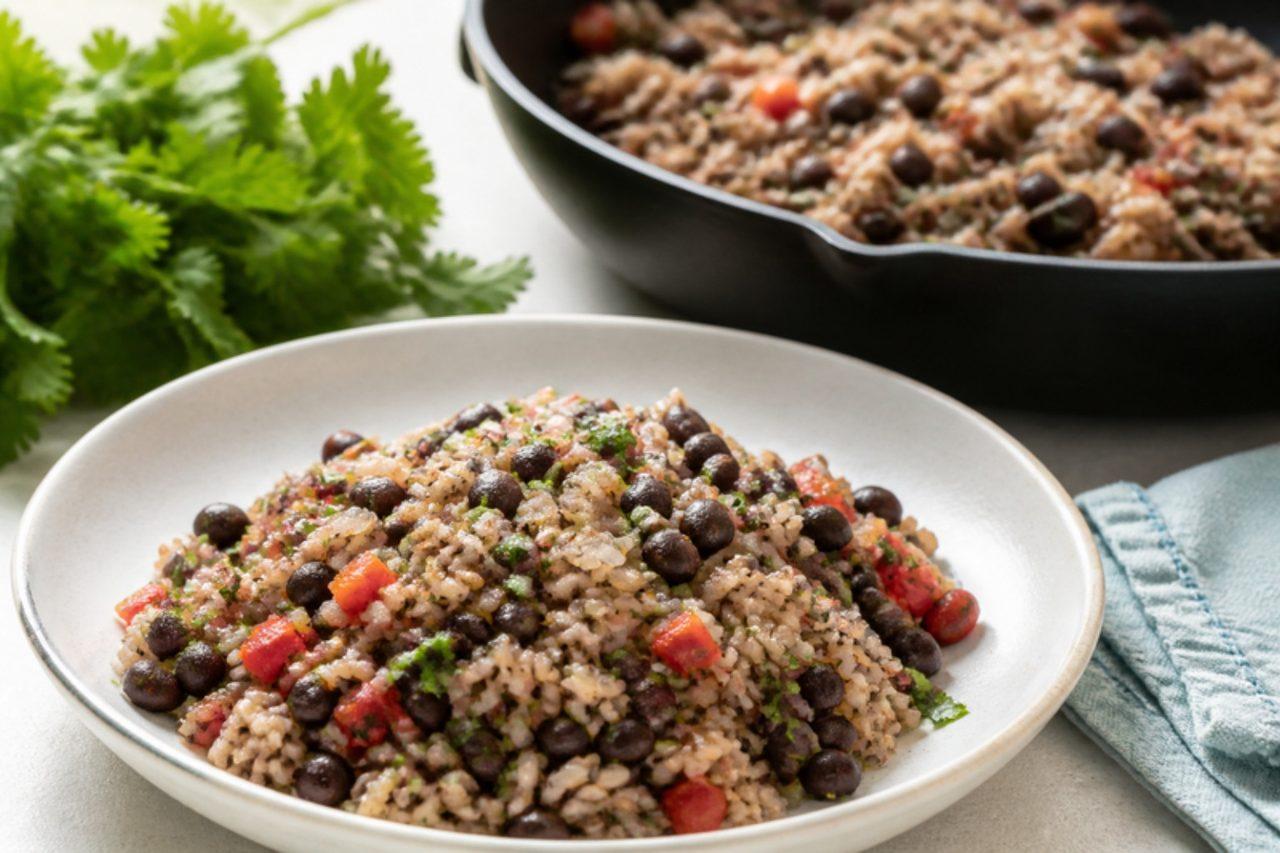
Gallo pintoRice and black beans

Gallo pinto means 'spotted rooster', for the speckled look of rice tossed with beans, and both Costa Rica and Nicaragua claim it. In Costa Rica it's black beans with plenty of coriander and a tangy brown sauce, served at breakfast with eggs, sour cream and fried plantain; in Nicaragua red beans are fried harder with onion until the rice turns rusty. This version follows the Costa Rican breakfast table and gets its tang from cumin and a little soy sauce. Chef's tip: use rice cooked the day before and keep a cup of the bean cooking liquid; that dark liquid is what colours the rice.

by KrazyBadal 0 views

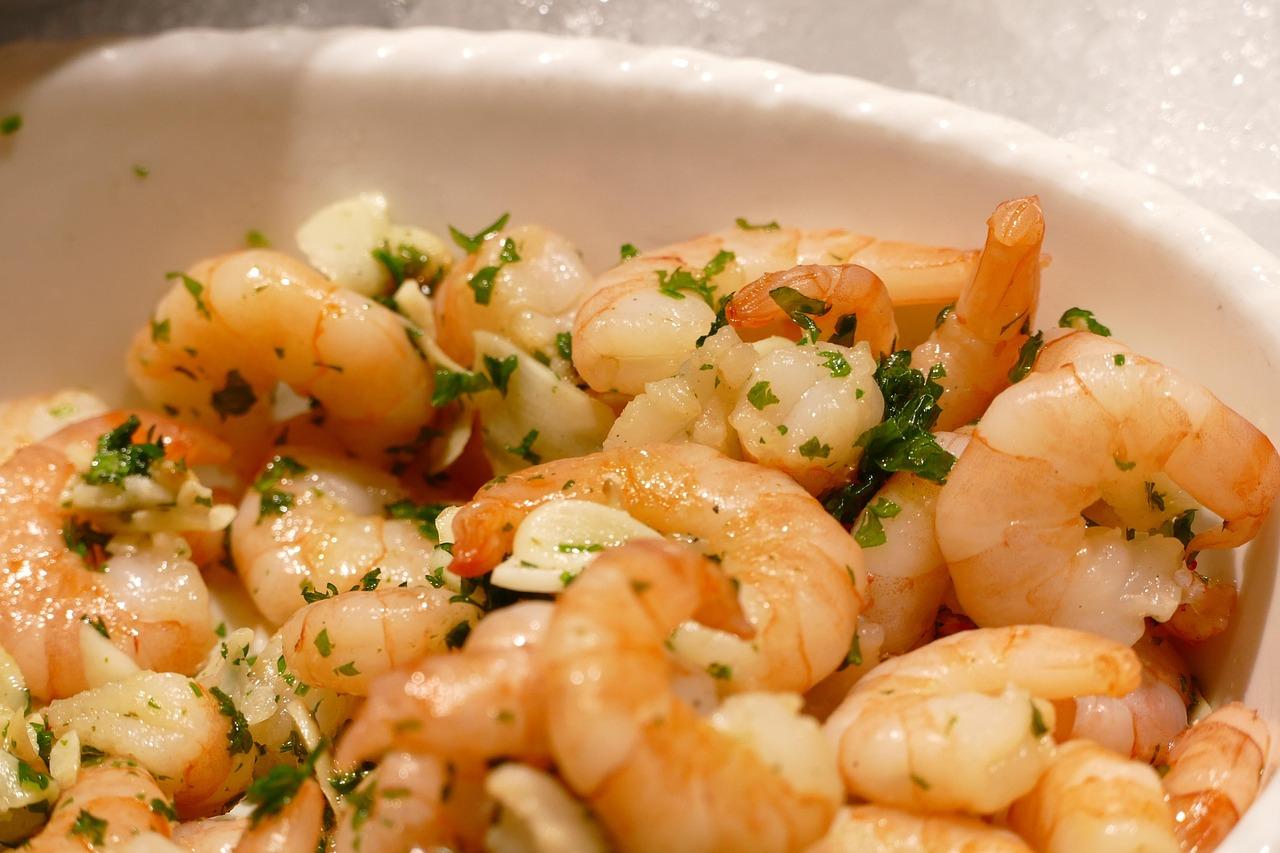
Gambas al ajilloGarlic prawns

Walk into a bar near Madrid's Plaza Mayor or Puerta del Sol and you will hear gambas al ajillo before you see them: peeled prawns still spitting in a small terracotta cazuela of olive oil, sliced garlic and dried chilli. They arrive at the table bubbling, with a basket of bread for mopping up the golden oil, which many people think is the best part. At home it takes ten minutes and works as a tapa for four or a quick supper for two. Chef's tip: pat the prawns completely dry with kitchen paper before they go in, so they sizzle in the oil instead of stewing in their own water.

by KrazyBadal 0 views

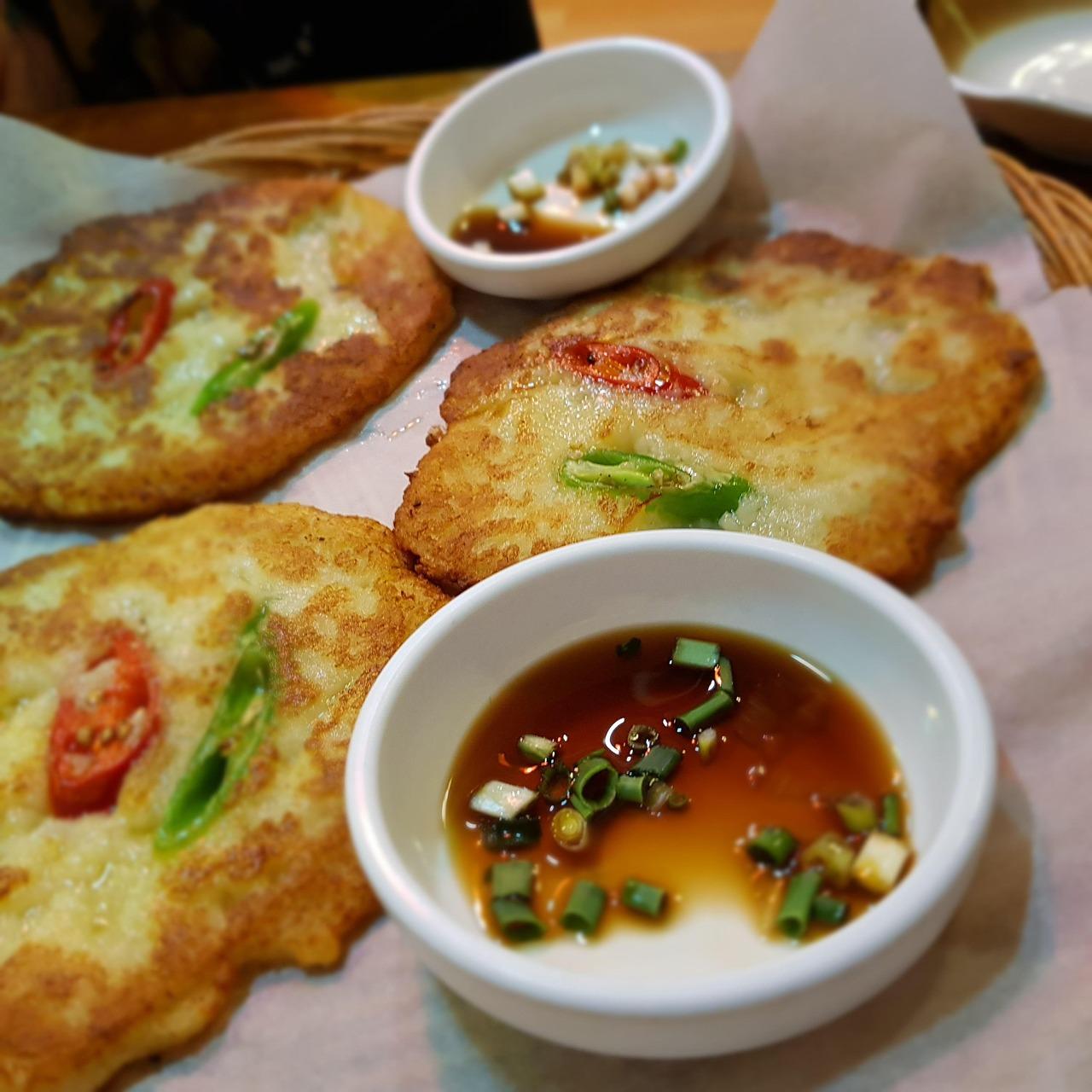
Gamja jeonPotato pancakes

On rainy afternoons in Gangwon province, roadside stalls and mountain trail restaurants fry gamja jeon (감자전): pancakes of nothing but grated potato, salt and a few slices of chilli, fried in plenty of oil until the edges turn lacy and glassy-crisp while the middle stays soft and chewy. It is a different thing from a Western rösti, made from a wet purée rather than shreds. Eat them hot with a sharp soy dipping sauce and a bowl of makgeolli or barley tea. Chef's tip: press each pancake thin with the back of a spoon as soon as it hits the pan; thick ones stay gluey inside.

by KrazyBadal 0 views

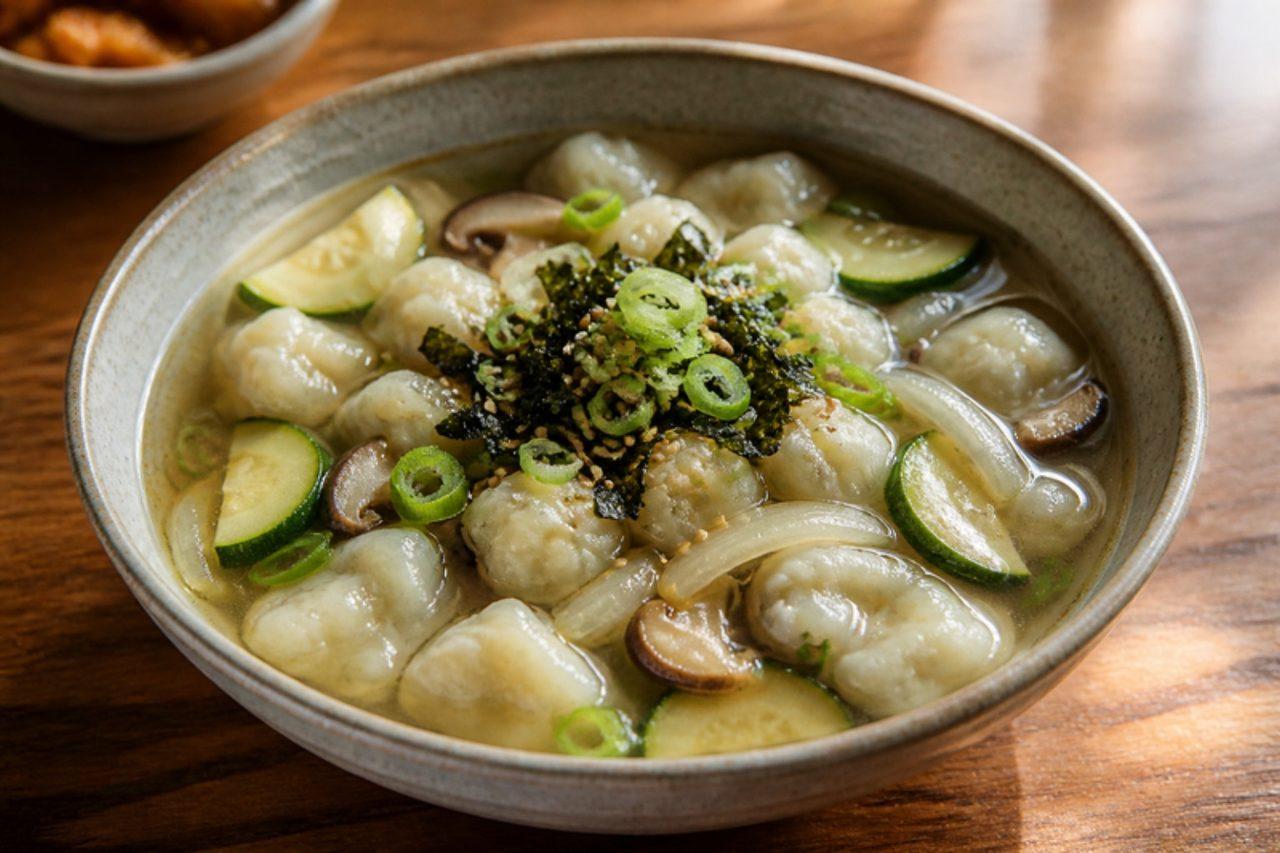
Gamja ongsimiPotato dumpling soup

Ongsimi (옹심이) means 'little bird egg' in the Gangwon dialect, and it describes the small, chewy dumplings that Gangneung cooks make from grated potato and its own starch. Gangwon's mountains grow more potatoes than rice, and ongsimi restaurants around Gangneung still serve the dumplings in plain anchovy or kelp broth with courgette, sometimes with knife-cut noodles added. This version uses kelp and shiitake, so it is vegan and gluten free if you season with tamari. The dumplings are translucent, slippery and springy, nothing like gnocchi. Chef's tip: let the potato water stand until the white starch settles at the bottom, then add every bit of that starch back to the grated potato; it is what makes the dumplings chewy.

by KrazyBadal 0 views

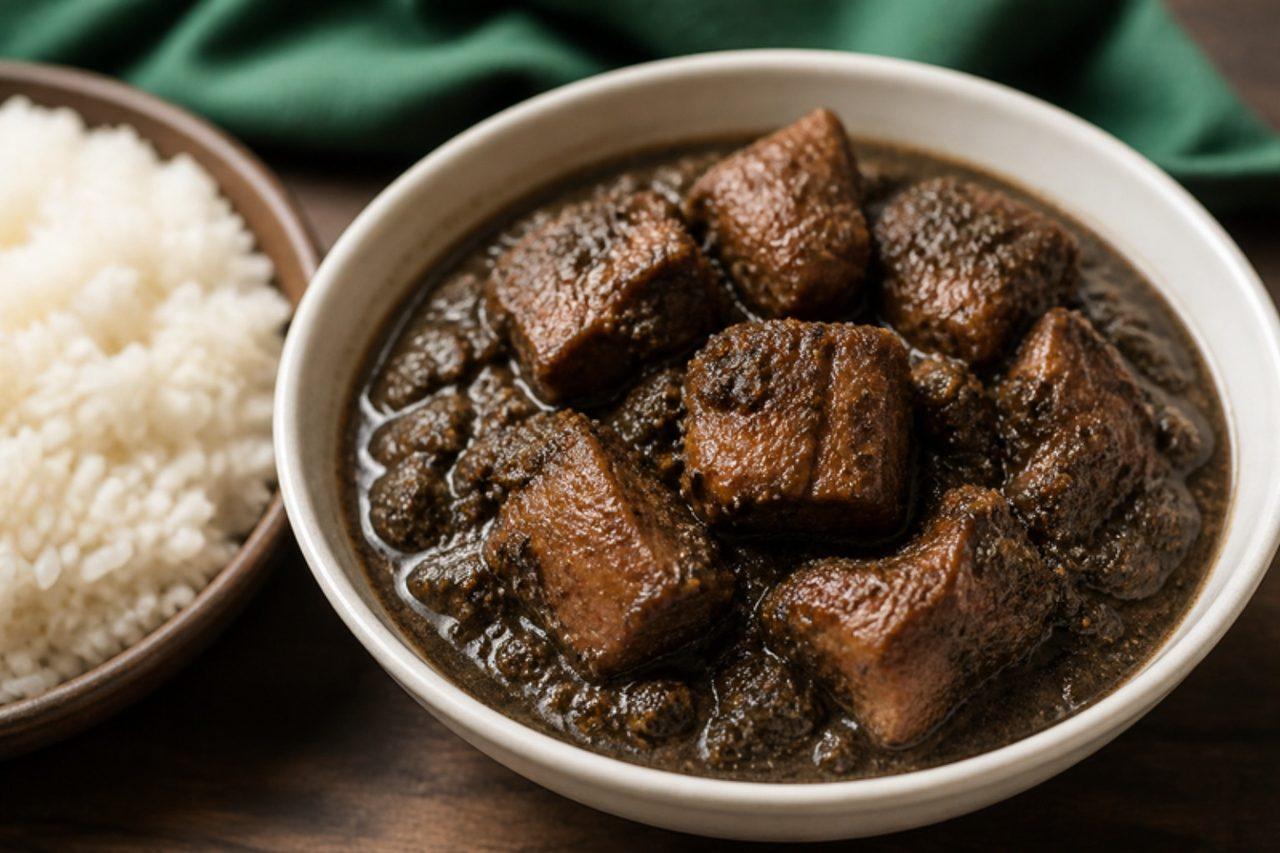
DohneiiongPork in black sesame gravy

The name says it plainly in Khasi: 'doh' is meat and 'neiiong' is black sesame. In the Khasi Hills around Shillong this near-black pork curry is cooked for family feasts and Sunday meals, and its roasted, nutty flavour is unlike any other curry in India. The sesame is toasted and ground into a paste that thickens the gravy and coats the pork. Serve with plain rice or jadoh. Chef's tip: pork belly gives the silkiest result; mix it half and half with shoulder if you prefer it less rich.

90 minIndianMeatGluten free
by KrazyBadal 0 views

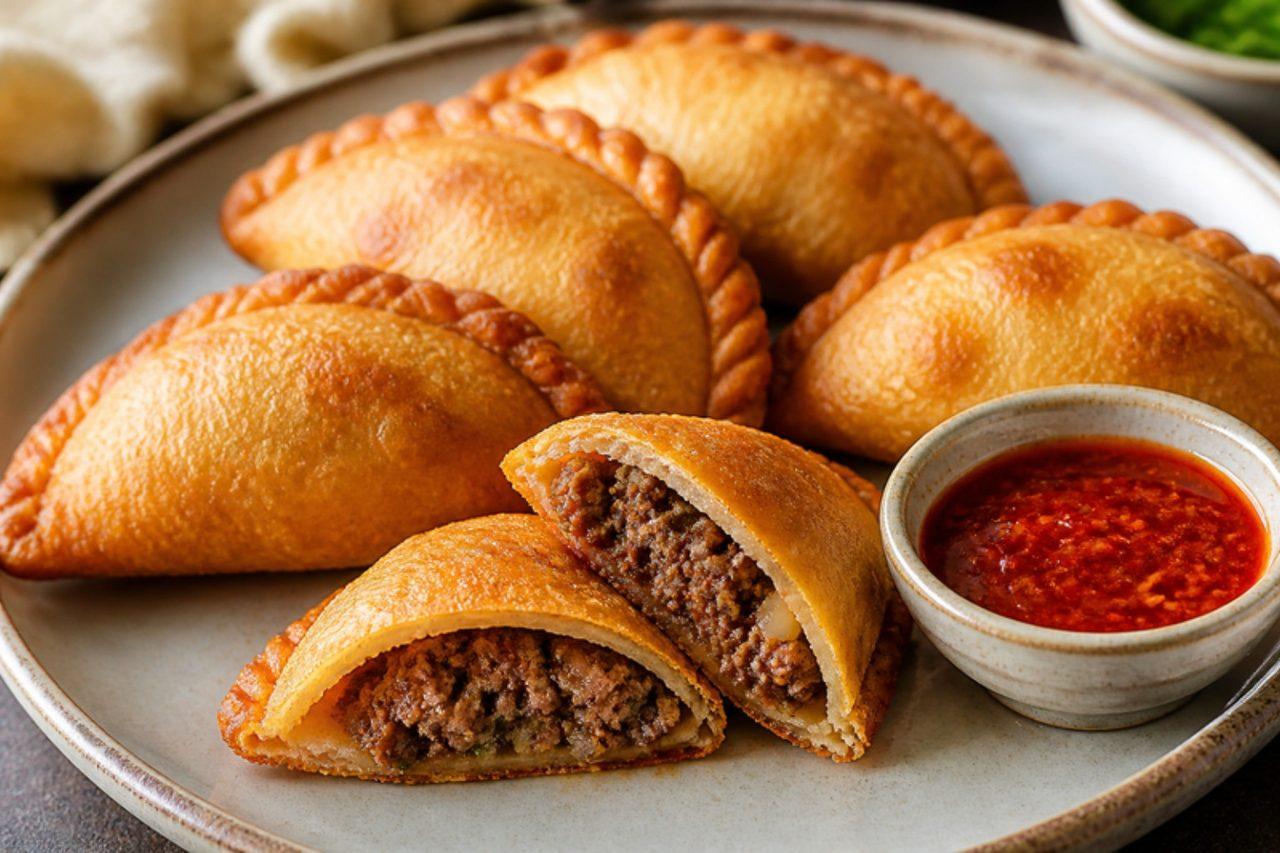
ShabhaleyFried beef pastries

Tibetan families in Lhasa and across the plateau make these crisp, half-moon or disc-shaped pies for Losar, the Tibetan New Year, and for gatherings with friends; Tibetan cafés in exile communities sell them by the plate too. The name means meat bread, and the filling of minced beef with onion, ginger, coriander and a pinch of Sichuan pepper stays juicy inside a thin, crackly crust. They are hearty, savoury and lightly numbing, never fiery. Serve them hot with a tomato chilli sauce (sepen) and a cup of butter tea or black tea. Chef's tip: keep the oil at 170 °C; hotter and the pastry browns before the meat inside is cooked.

by KrazyBadal 0 views

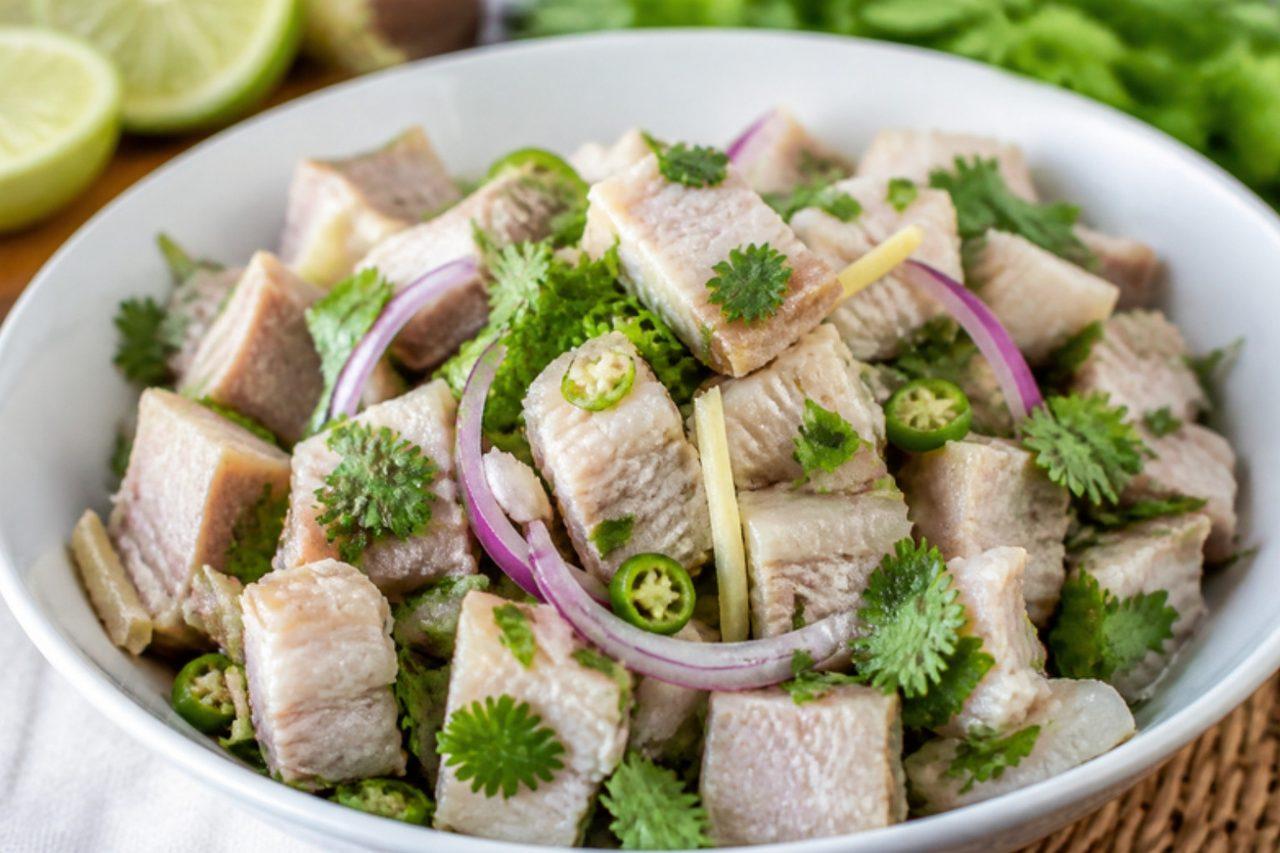
Doh khliehBoiled pork salad

Doh khlieh is the cool, sharp side dish that sits next to jadoh on almost every Khasi table in Meghalaya. Tender boiled pork is chopped small and tossed with raw onion, ginger, green chilli and lime, so it is fresh and fiery rather than rich. In Shillong it is eaten at lunch and at gatherings, and some families add boiled pork brain, which this version leaves out. Chef's tip: chop the pork while it is still slightly warm; it takes up the lime and ginger much better.

by KrazyBadal 0 views

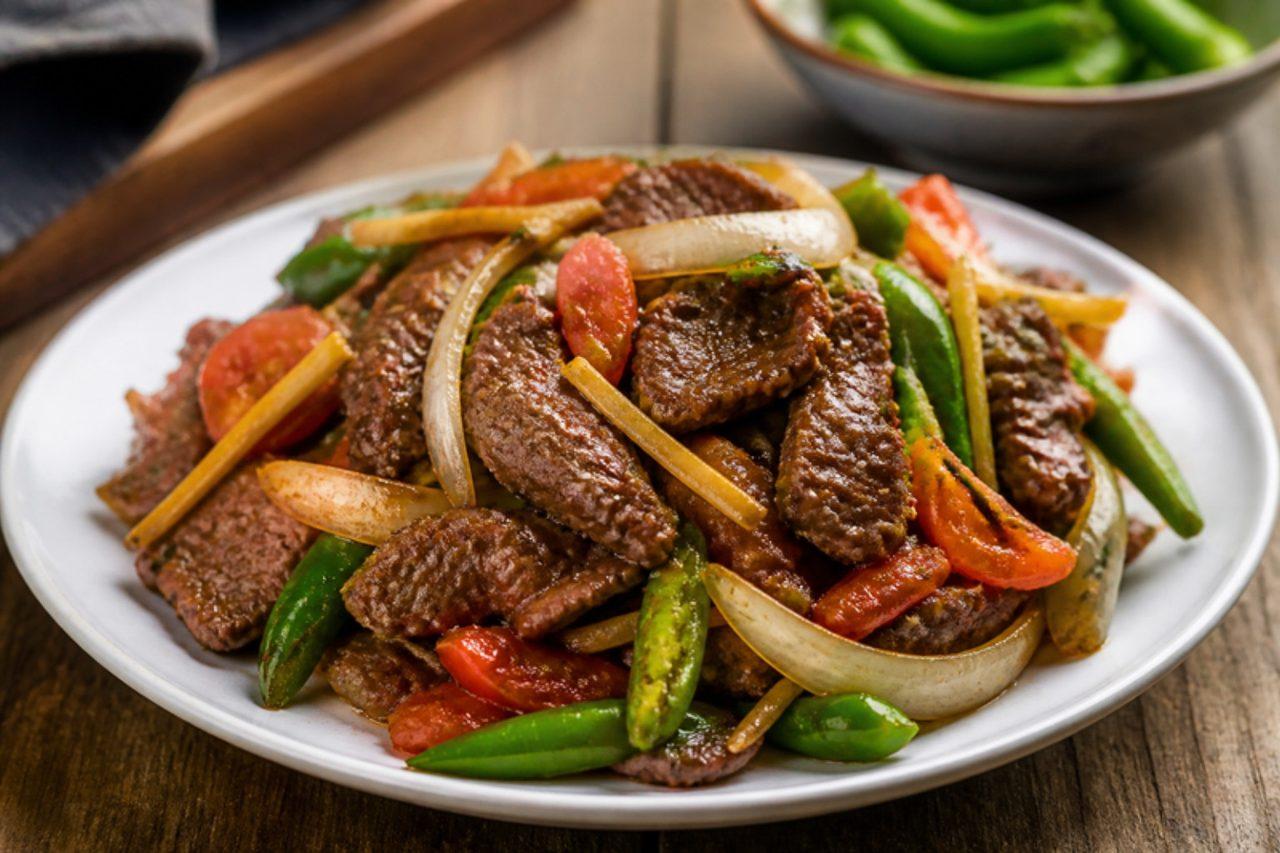
ShaptaStir-fried yak with chillies

Herding families on the Tibetan plateau traditionally cook yak meat this way, and today shapta is a favourite at Tibetan restaurants from Lhasa to Kathmandu and Delhi. Thin slices of meat are seared with onion, green chillies and tomato, and seasoned with ginger, garlic and timur (Sichuan pepper), which gives a gentle tingle. Lean and full of flavour, it comes out savoury, slightly smoky and pleasantly hot. Serve it with tingmo (steamed bread), rice or flatbread, and a simple radish salad. Chef's tip: yak is very lean, so slice it thin and cook it fast; beef sirloin or rump is the easiest substitute.

by KrazyBadal 0 views

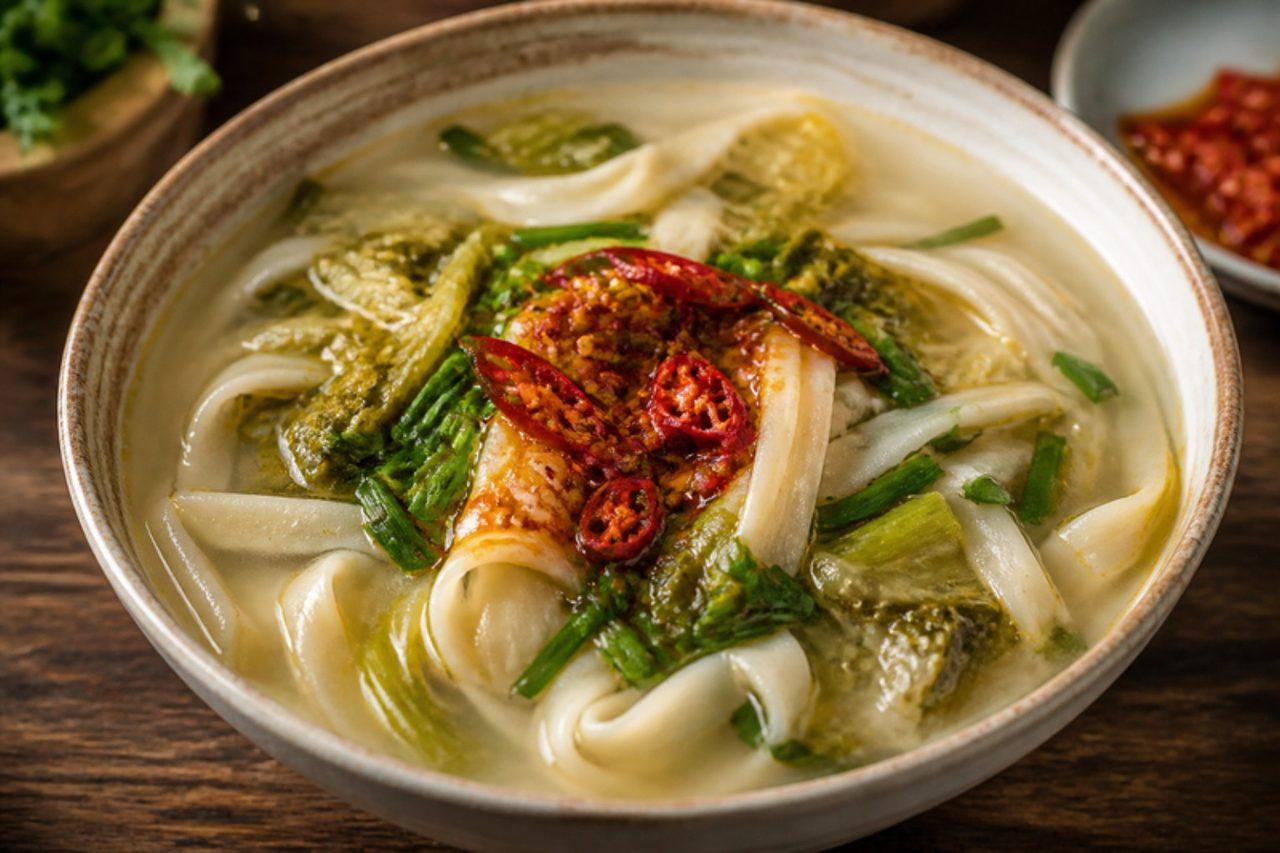
Gansu jiangshui noodlesNoodles in tangy fermented vegetable broth

Tianshui and other towns in Gansu keep a crock of jiangshui going all summer: a pale, sour liquid made by fermenting greens in starchy noodle water. It is heated with chilli, Sichuan pepper and garlic chives and poured over hand-cut noodles, a cooling, refreshing bowl that people say beats the heat. The ferment takes 3–4 days in a warm kitchen, then keeps going for weeks if you top it up. Chef's tip: a spoonful of sauerkraut brine jump-starts the first batch, so it sours cleanly instead of growing off-flavours.

by KrazyBadal 0 views

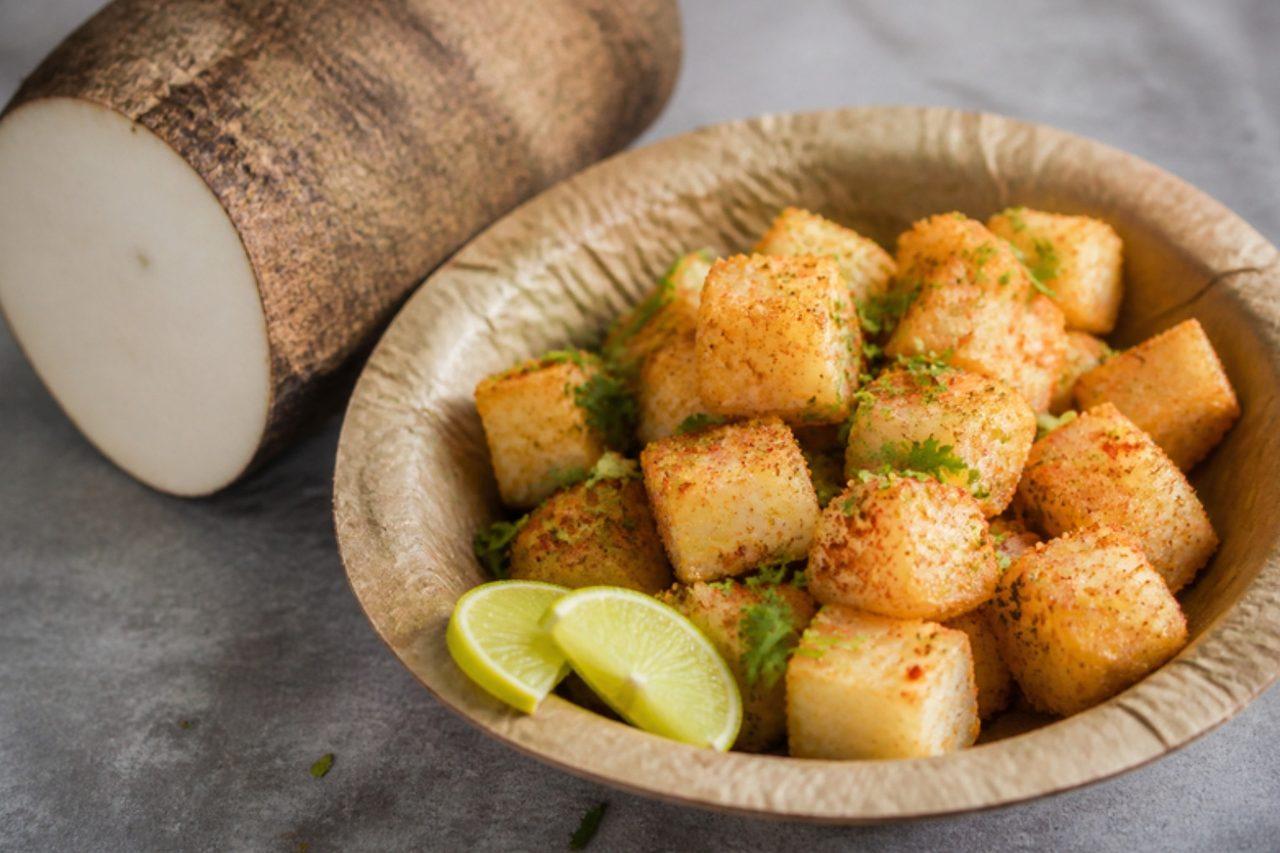
Garadu chaatFried yam chaat

When the nights turn cold in Indore, the stalls of Sarafa Bazaar pile their woks with garadu, a starchy, slightly sticky yam that only appears from November to February. It is boiled, fried until the edges crunch, then shaken with a punchy masala of roasted cumin, black salt and chilli and finished with lime. People eat it standing up from a leaf bowl, often as the savoury stop between jalebi and rabri. Garadu can be hard to find outside Madhya Pradesh; purple yam or white yam from an Asian or African grocer is the closest match, and taro (arbi) works in a pinch. Chef's tip: boil the cubes only until a knife meets slight resistance, then let them steam dry completely, because wet yam spits in the oil and never crisps.

by KrazyBadal 0 views

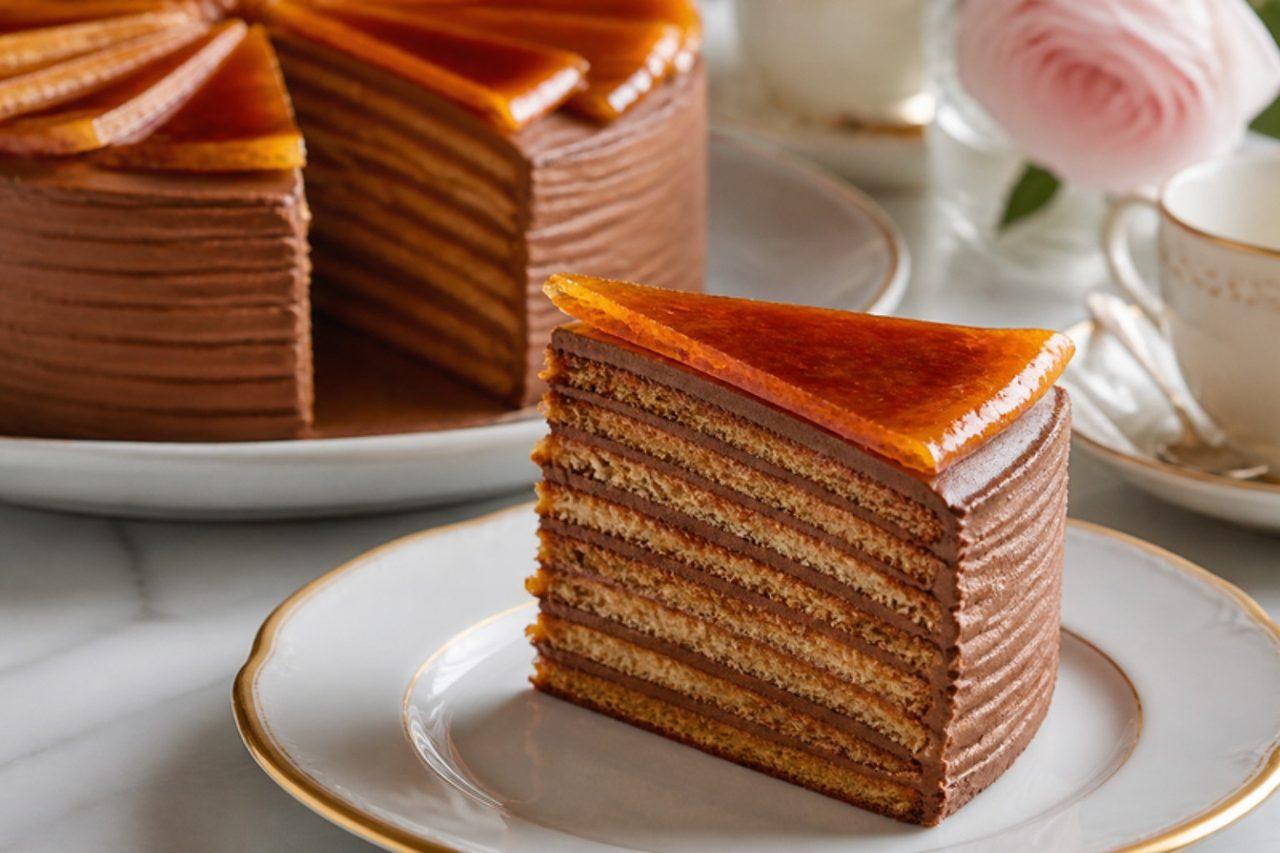
Dobos tortaLayered chocolate caramel cake

Dobos torta was created in Budapest in 1885 by the confectioner József C. Dobos, and it is still the cake Hungarians order in old coffee houses on Andrássy Avenue and bake for name days and big birthdays. Six thin sponge layers are stacked with a rich chocolate buttercream, and the top layer is glazed with hard amber caramel, cut into wedges and set at an angle like a fan. It is a project cake, but each stage is simple and the finished torte keeps for days. Chef's tip: mark the caramel into wedges with an oiled knife within the first minute; once it sets, it shatters instead of cutting.

by KrazyBadal 0 views

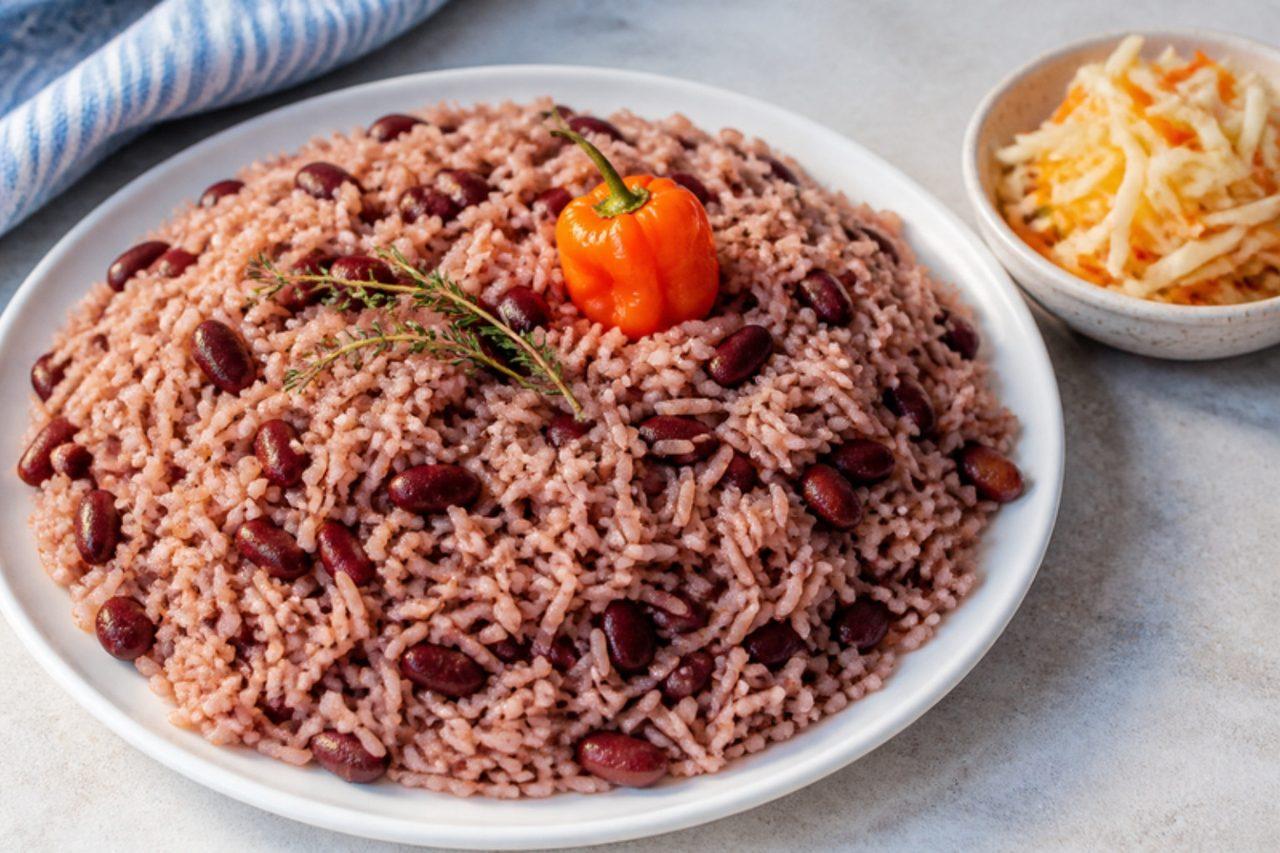
Diri kole ak pwaRice and red beans

Diri kole ak pwa, rice 'stuck together' with beans, is the plate Haitians call their national dish, cooked in homes from Jacmel to Gonaïves and served most days of the week. Unlike rice and peas from elsewhere in the Caribbean, there's usually no coconut milk: red beans are simmered first, then their dark, savoury cooking liquid goes into the rice with fried epis, thyme and cloves, so the grains turn a rich reddish-brown and taste of beans all the way through. A whole scotch bonnet adds fruity heat without fire. Chef's tip: fry the drained beans in the epis until their skins blister and catch slightly; that browning gives the rice its deep, almost smoky taste.

by KrazyBadal 0 views

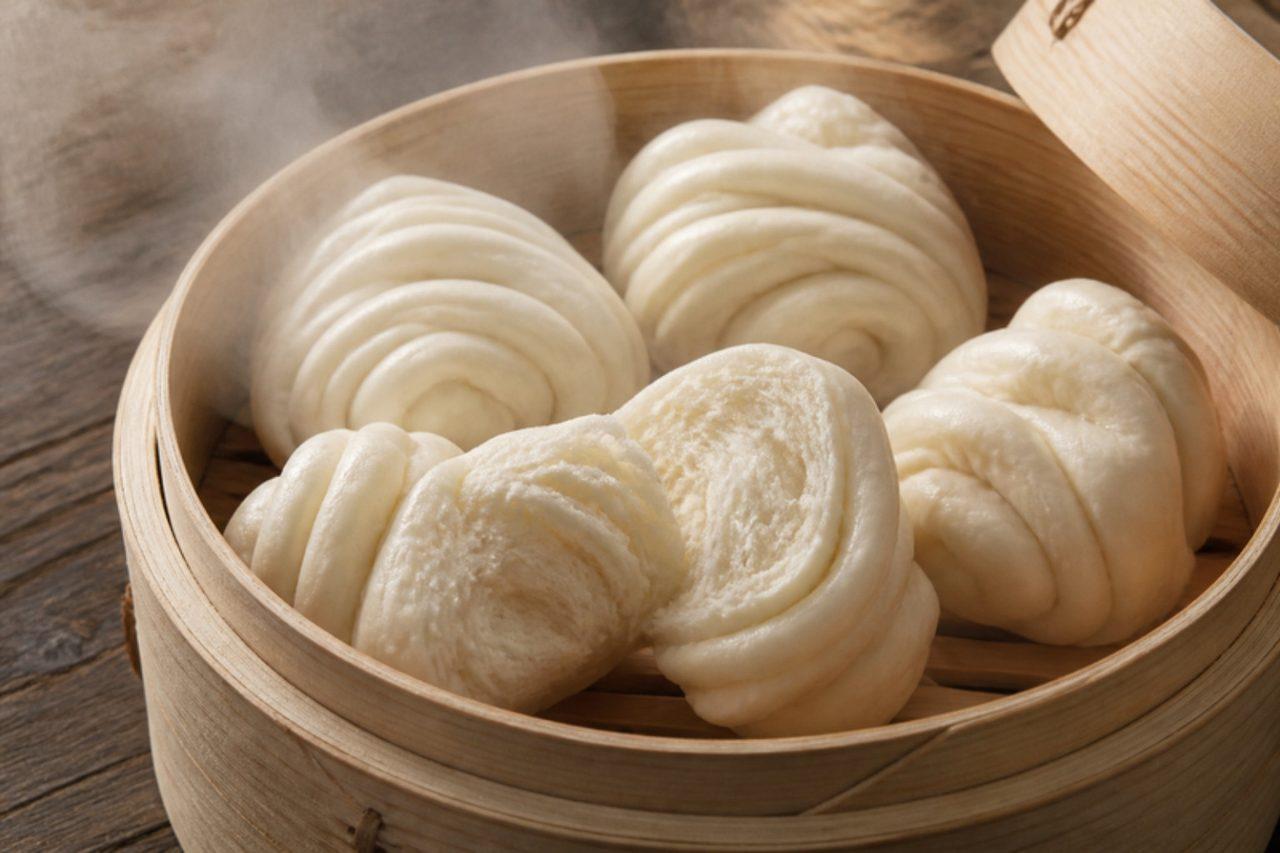
Tibetan tingmoSteamed twisted buns

Tingmo are the everyday bread of Tibet: plain steamed buns made by stretching and twisting oiled strips of dough into a knot, so they open into soft, pull-apart layers. Families in Lhasa and Tibetan communities in Nepal and India eat them with spicy vegetable stews, dal and chilli sauce, tearing off pieces to mop up the sauce. The dough is simple; the twist takes a little practice. Chef's tip: once the steaming time is up, turn off the heat and wait 3 minutes before lifting the lid, so the buns don't collapse.

by KrazyBadal 0 views

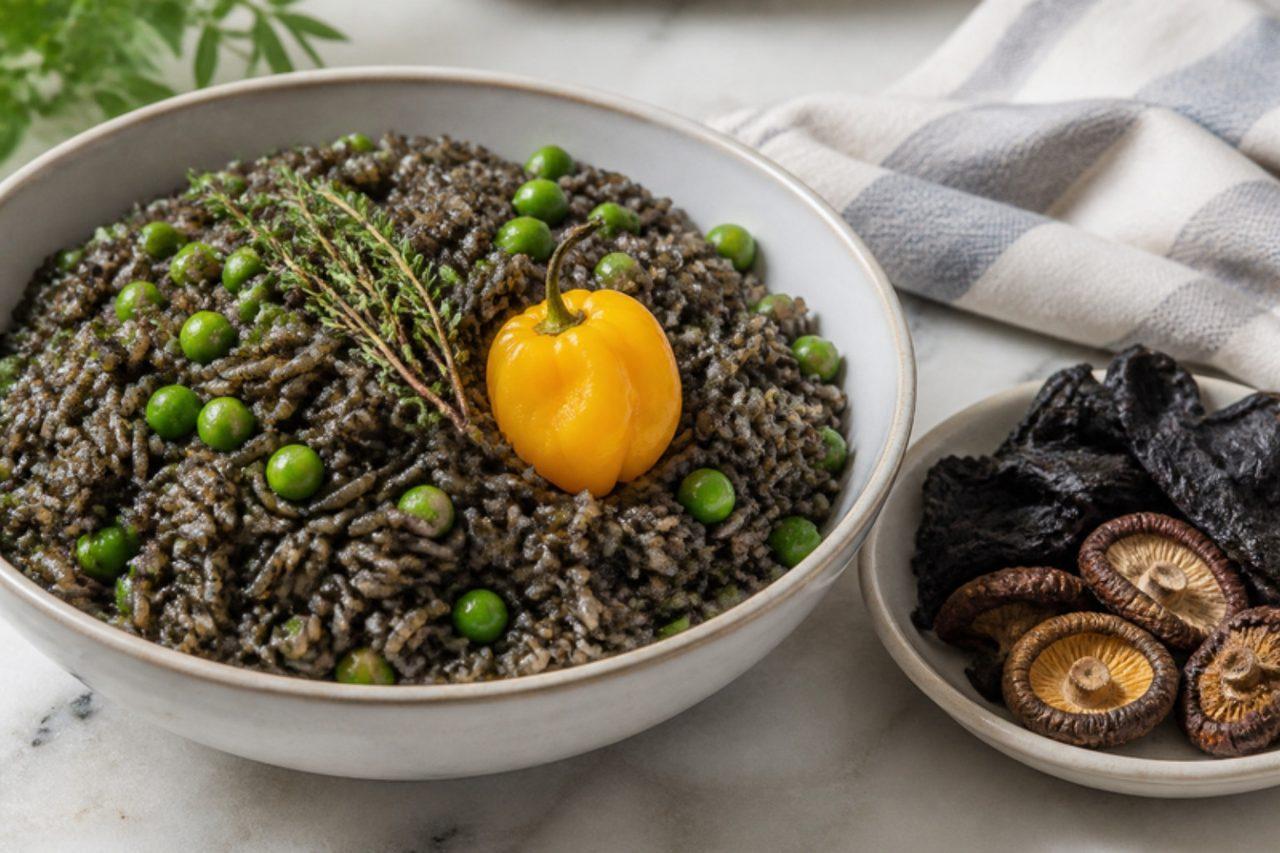
Diri djon djonBlack mushroom rice

Diri djon djon comes from northern Haiti, around Cap-Haïtien, where the tiny black djon djon mushrooms are gathered and dried. Soaked in hot water, they give an inky liquid that turns rice a striking grey-black and makes it taste deeply earthy and savoury. It's the rice for weddings, baptisms and big Sunday lunches, cooked with epis, cloves and green peas or butter beans, a whole scotch bonnet laid on top for perfume. Dried djon djon is sold in Haitian and Caribbean shops and online. Chef's tip: avoid djon djon stock cubes, which are often made with chicken fat and add little real flavour; use the dried mushrooms, and add a few dried shiitake for even more depth.

by KrazyBadal 0 views

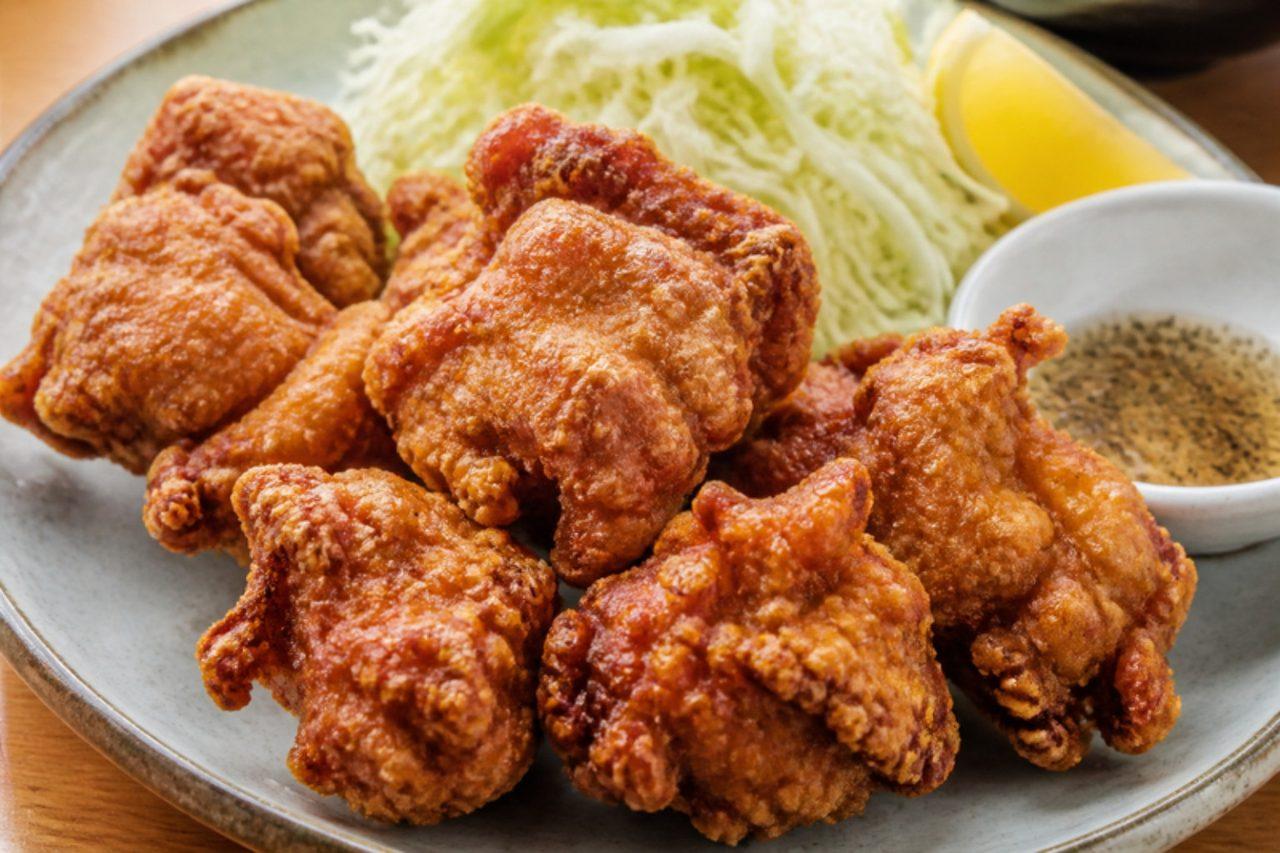
ZangiFried marinated chicken

Ask for fried chicken in Kushiro or Sapporo and you'll be handed zangi, which locals insist is not the same as karaage. A Kushiro restaurant says it coined the name around 1960, and today zangi shops, ski-lodge canteens and supermarket delis across Hokkaido sell it in big, bone-in pieces. The chicken soaks for hours in a punchy mix of soy, sake, garlic, ginger and oyster sauce with an egg beaten in, so the flavour runs right through the meat, and it often comes with a sharp dipping sauce of vinegar, soy and black pepper. The coating is a mix of flour and starch, so it fries darker and more savoury than karaage. Chef's tip: marinate it overnight in the fridge for the full Hokkaido flavour; 30 minutes works, but the difference is clear.

by KrazyBadal 0 views

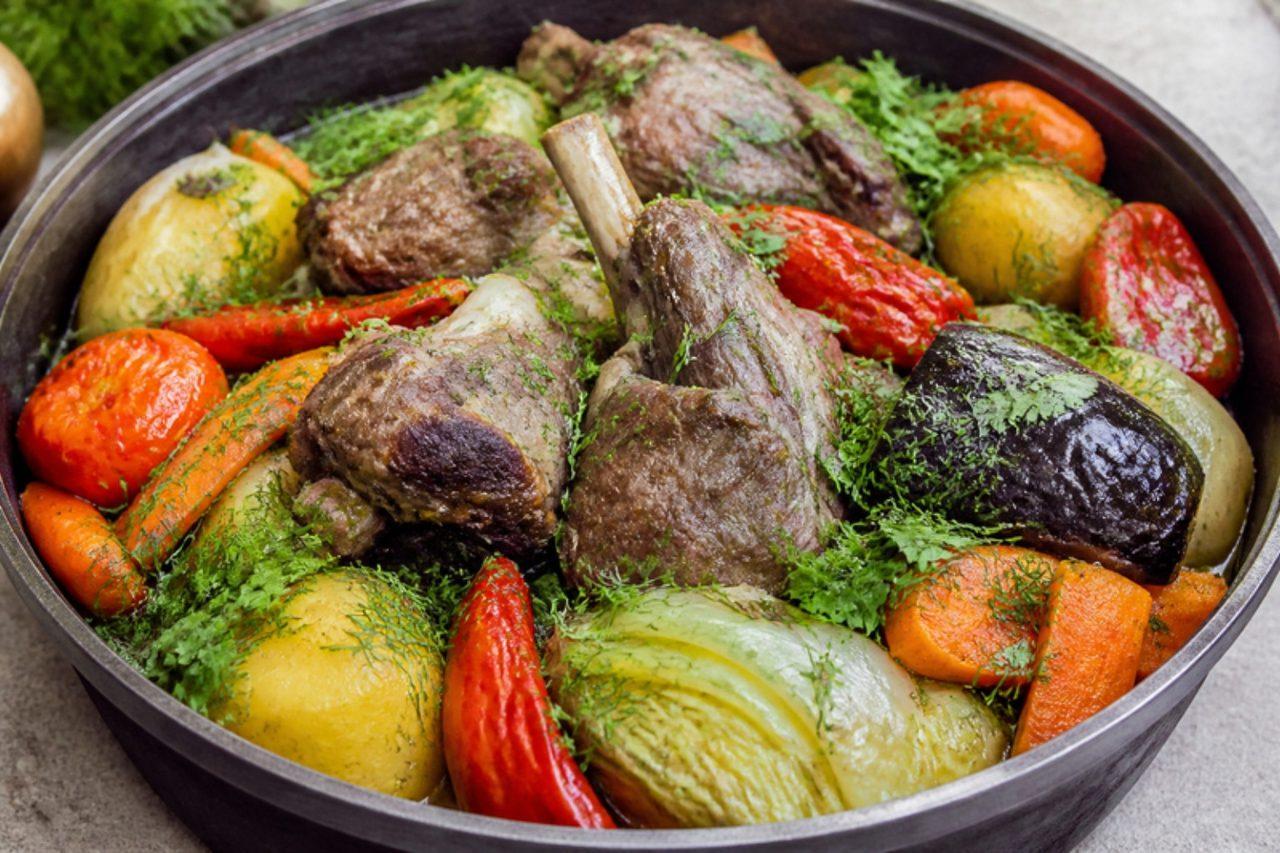
DimlamaSteamed lamb and vegetables

Dimlama is what Uzbek families cook at the end of summer, when the markets of the Fergana Valley are piled with cabbage, aubergine, peppers and tomatoes. Everything goes into one heavy pot in layers, lamb at the bottom, and the lid stays on for nearly two hours while the vegetables slowly give up their juice and become the sauce. There is no added water, so the flavour is deep and sweet. People eat it straight from shallow bowls with non bread. The biggest error is lifting the lid to check; the steam escapes, the vegetables stew dry and the bottom can catch. Chef's tip: seal the lid with a damp tea towel or a strip of foil so no steam gets out.

140 minUzbekMeatGluten free
by KrazyBadal 0 views

TsampaRoasted barley flour with butter tea

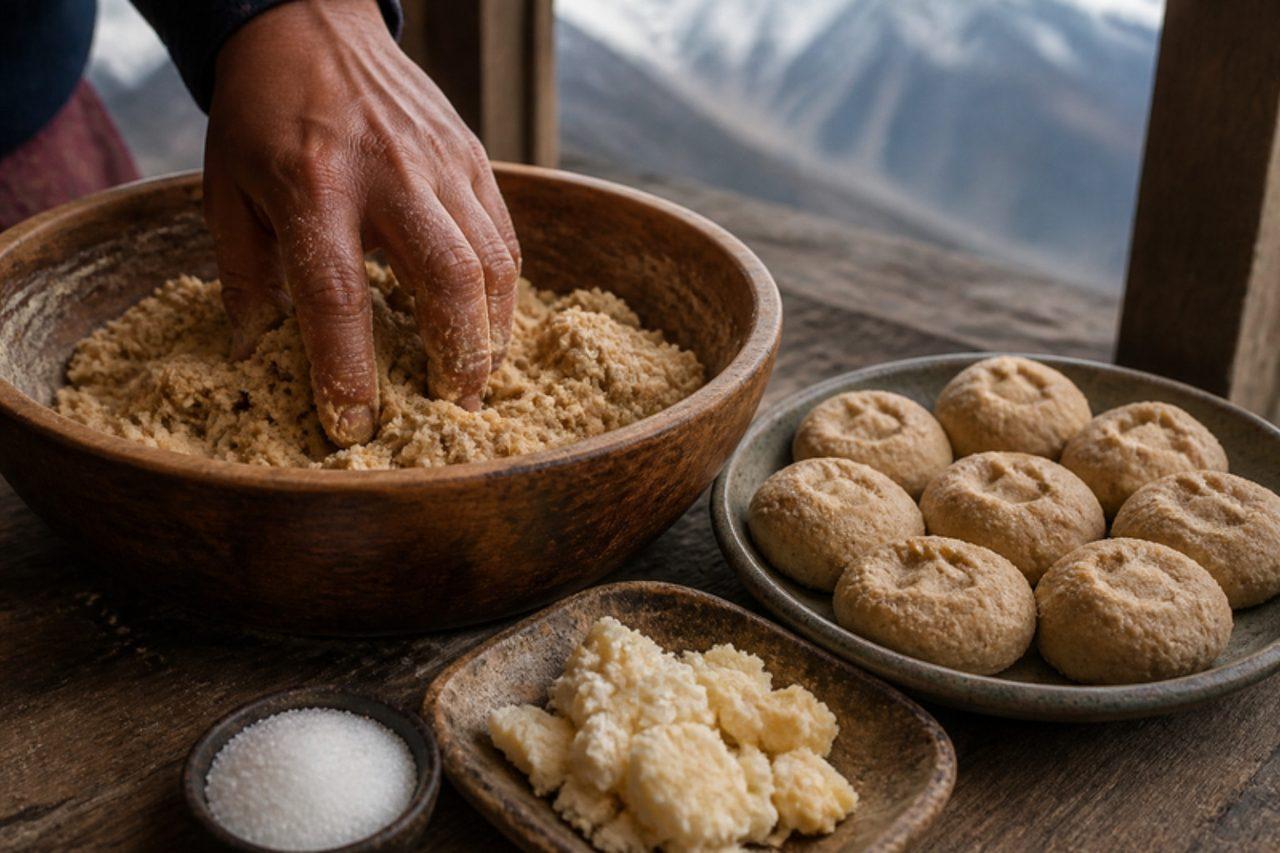
Tsampa, roasted highland barley flour, has been the staple food of the Tibetan plateau for centuries. Every morning, families in Lhasa and in nomad tents put a handful in a bowl, pour in butter tea, add a knob of butter and knead it with their fingers into small, nutty balls called pak. It's filling, quick and easy to carry. Barley flour is easy to find; toast it in a dry pan if it isn't already roasted. Chef's tip: add the tea a little at a time; you want a dough like firm marzipan, not a paste.

by KrazyBadal 0 views

DibiGrilled lamb with mustard onions

In Dakar a dibiterie is a smoky little shop where lamb is grilled over charcoal and sold by weight, wrapped in paper with raw onion, mustard and a pinch of spice salt; people eat it late in the evening, often after prayers or a football match. At home you get close with lamb chops or shoulder steaks, a quick marinade and a very hot grill. The mistake is moving the meat too much: leave it until it chars and releases on its own. Chef's tip: toss the sliced onions with salt and vinegar while the lamb marinates; they soften and lose their harsh bite in 20 minutes.

by KrazyBadal 0 views

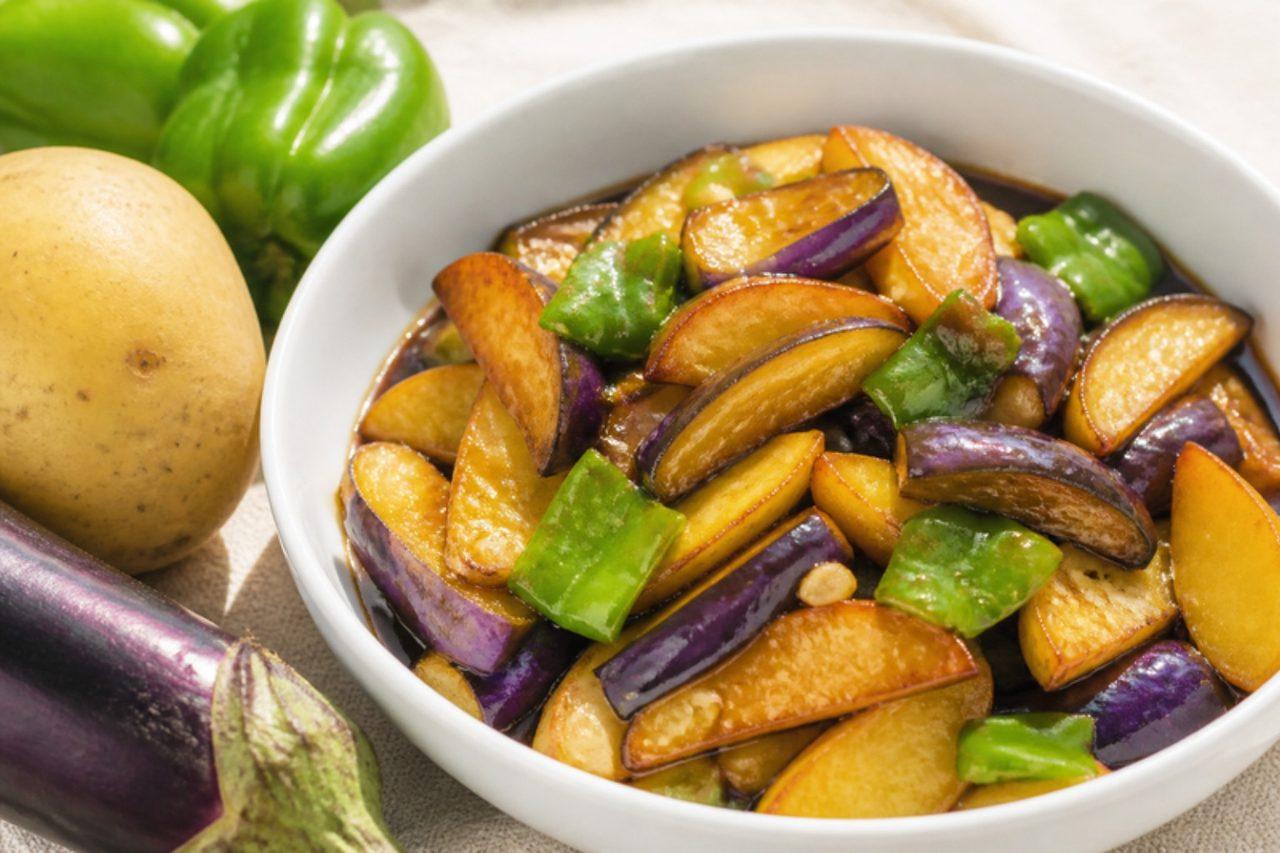
Di san xianPotato, aubergine and pepper stir-fry

Di san xian means 'three fresh things from the earth', and it is the best-known home dish of Dongbei, China's cold north-east, where potatoes, aubergines and peppers are the summer harvest. Each vegetable is fried until golden, then tossed in a sticky, garlicky soy glaze. It's rich and filling, and goes with rice or steamed buns. Chef's tip: fry the potato first and longest; it needs to be golden and fully tender before it meets the sauce, because it won't soften further in the wok.

by KrazyBadal 0 views

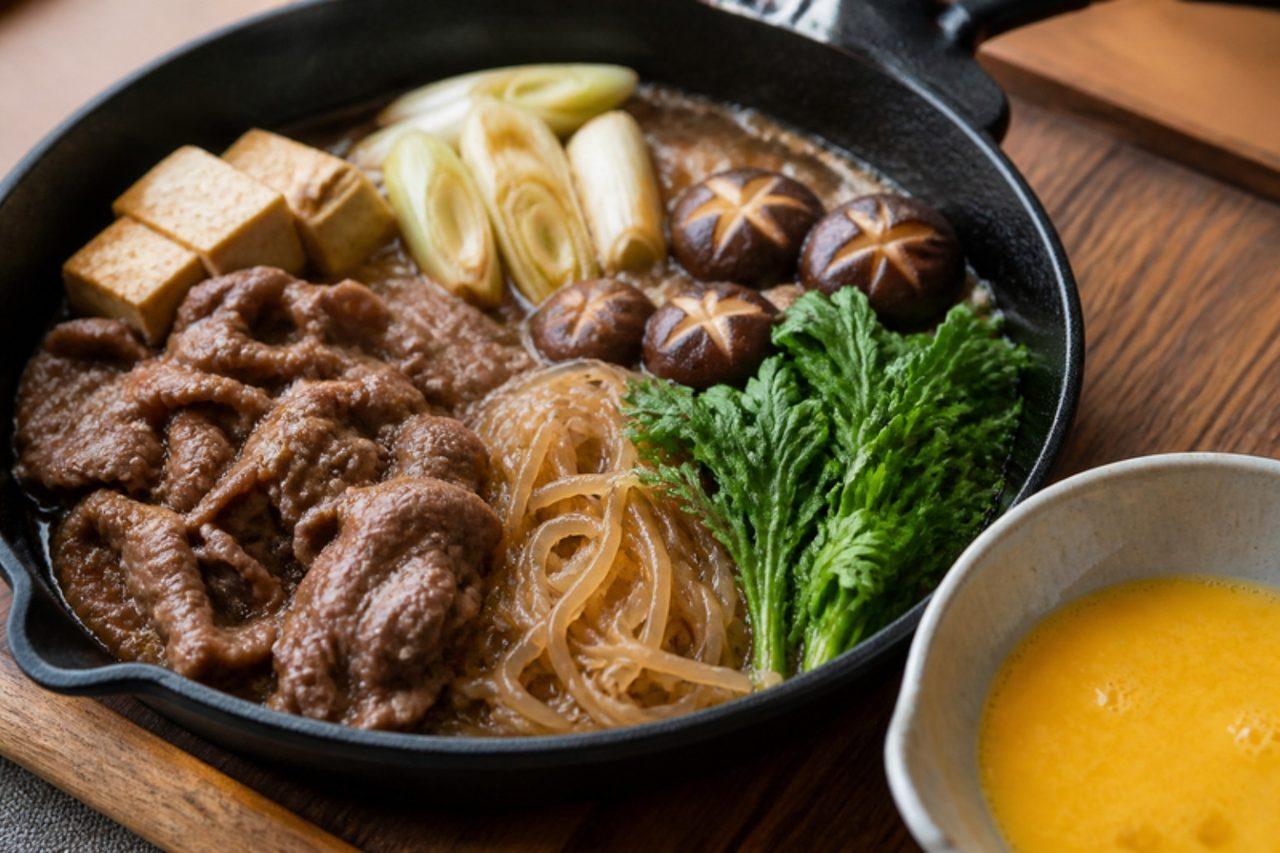
Sukiyaki (Kanto style)

Beef was rarely eaten in Japan until the Meiji era, when Tokyo's new beef-pot restaurants made it fashionable, and sukiyaki grew out of those pots. Today it is a dish for New Year, birthdays and family gatherings, cooked in a shallow iron pan on a burner in the middle of the table. In the Kanto style of Tokyo, the cook pours in a ready-mixed sauce called warishita, whereas Kansai cooks sear the beef with sugar and add soy sauce afterwards. Each piece is dipped in beaten raw egg, which cools it and softens the sweet, salty sauce. Use very fresh eggs, ideally pasteurised; not for pregnant women, young children or anyone with a weakened immune system. If you prefer, skip the egg or poach it in the pan. Chef's tip: keep the shirataki noodles away from the beef in the pan; they can make the meat firm up and toughen where they touch.

by KrazyBadal 0 views

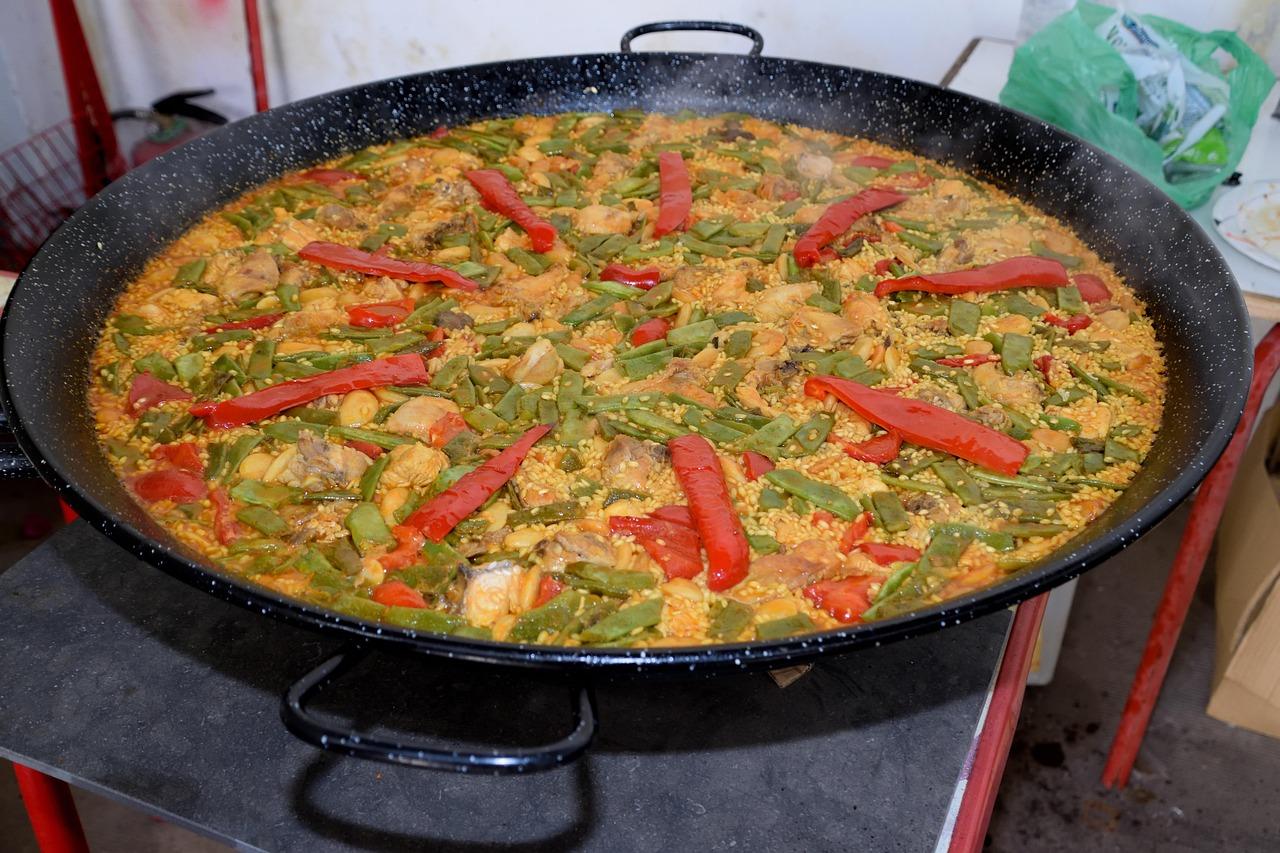
Paella valenciana

In the villages around Valencia, paella is a Sunday lunch dish, never a dinner one, cooked in the open air by whoever in the family has the steadiest hand and eaten straight from the pan with spoons. The Valencian original has no seafood, no chorizo and no peas: just chicken, rabbit, wide flat green beans (ferraura), big white garrofó beans, tomato, sweet pimentón, saffron and short round rice. If you can't get rabbit, use all chicken; it is still very good. This version is sized for a 38–40 cm paella pan on a large hob ring or a barbecue. Chef's tip: once the rice goes in, smooth it flat and then leave it alone; stirring releases starch and turns paella into risotto.

by KrazyBadal 0 views

Gua bao with braised tofu and mushroom

Gua bao are the folded, clam-shaped buns sold at night markets from Tainan to Keelung, traditionally stuffed with a slab of soy-braised pork belly and eaten as a 'tiger bites pig' snack at year-end company dinners. Here the filling is thick slices of tofu and king oyster mushroom simmered in the same sweet soy braise, then layered with sour mustard greens, a spoon of ground peanut and sugar, and fresh coriander. The soft bun, salty filling and sweet peanut crumble are what make it. Chef's tip: brush the half-moons with oil before folding and lay a strip of baking paper inside, so the buns open cleanly after steaming.

by KrazyBadal 0 views

Gat kimchiMustard leaf kimchi

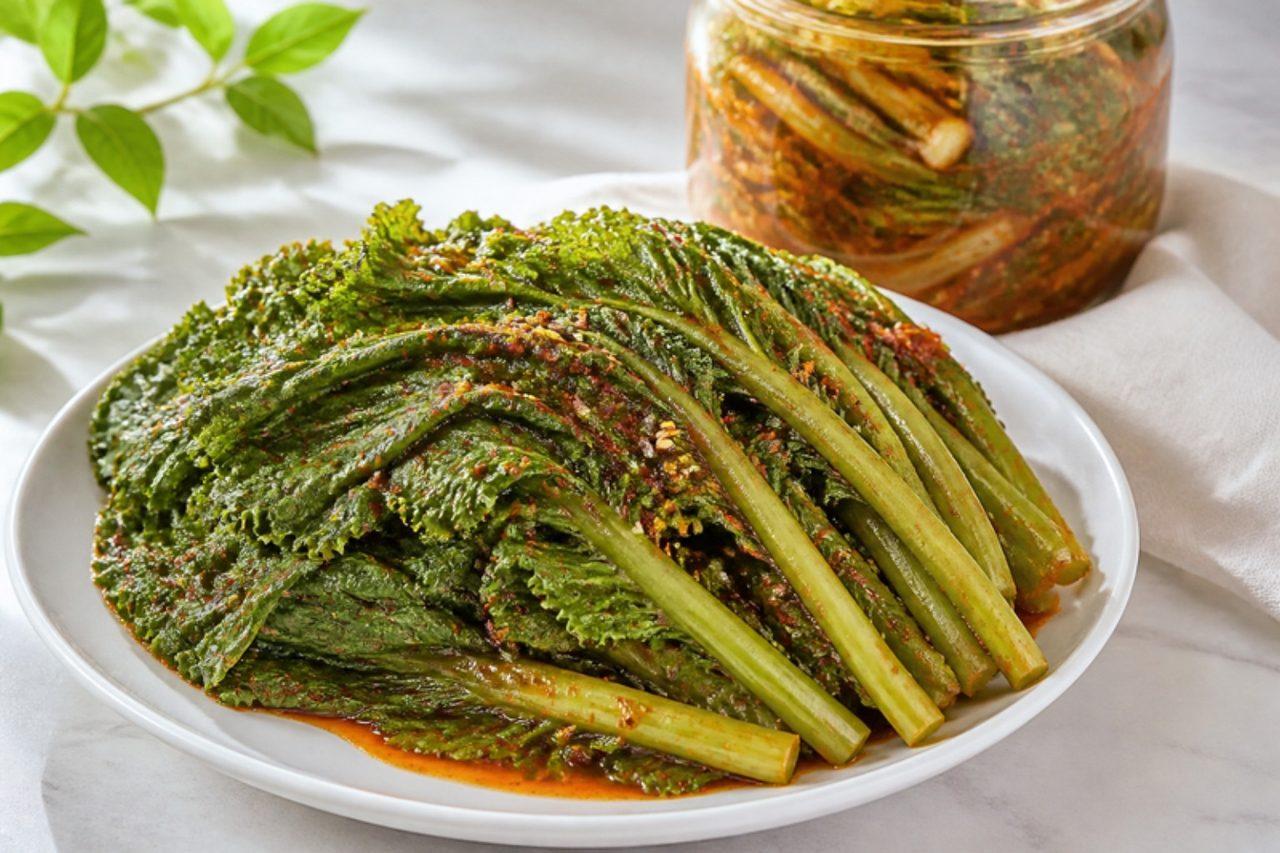
Dolsan island, off the port city of Yeosu in South Jeolla, grows a purple-tinged mustard green called gat that is milder and more tender than mainland mustard leaves, and gat kimchi (갓김치) made from it is the region's pride. The leaves keep a hot, wasabi-like bite that softens and turns tangy after a week or two of fermenting. Jeolla kimchi is usually heavy with fish sauce and salted anchovy; this version gets its depth from a kelp-and-rice porridge, pear, onion and soy, so it is vegan. Eat it with plain rice, noodles or on the side of jeon. Chef's tip: salt the leaves stems-first and turn them halfway; the thick stems need longer than the leaves.

by KrazyBadal 0 views

GataSweet bread with buttery filling

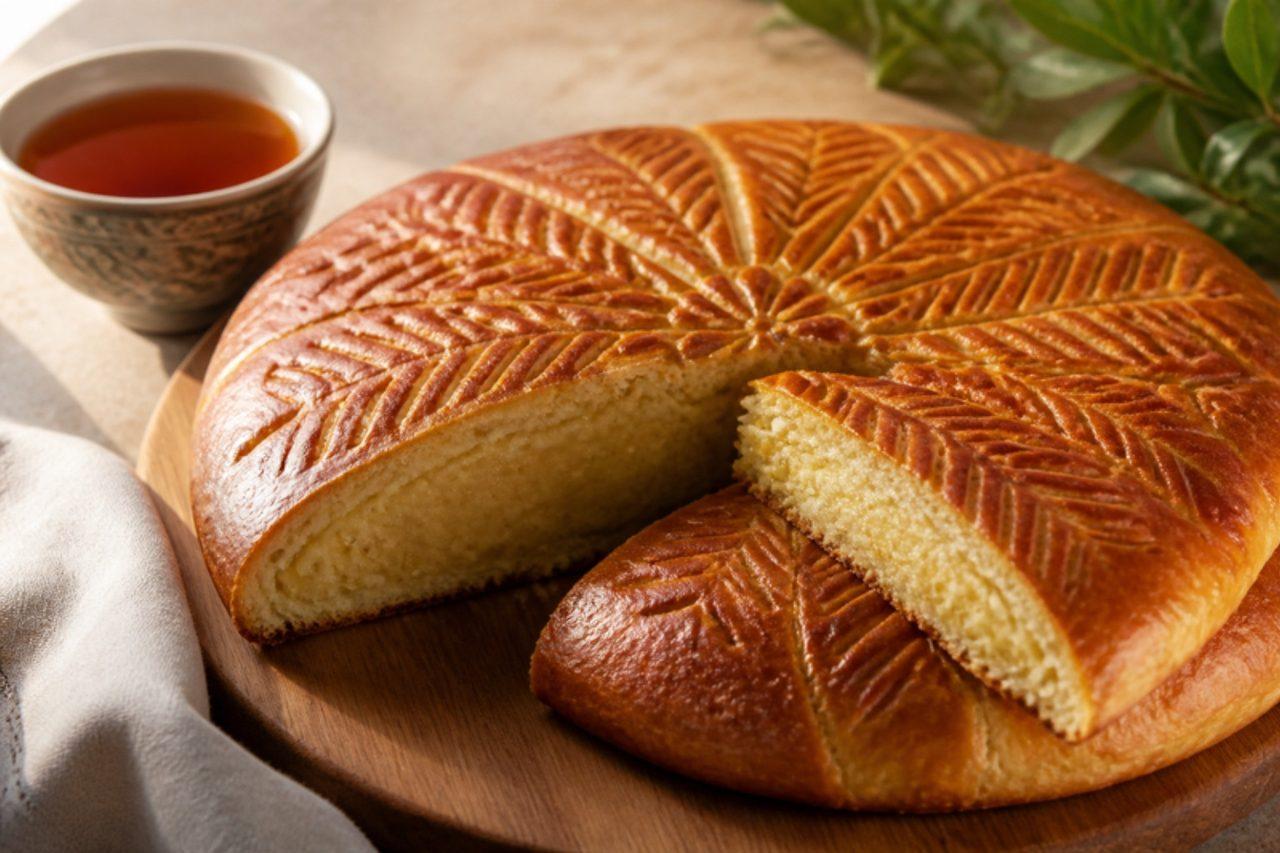
Gata is the sweet bread Armenians bake for Candlemas (Trndez) in February and for New Year, often with a coin hidden inside for luck; whoever finds it is set for the year. Every region shapes it differently, but the best-known are the large golden rounds sold by women at the roadside near Garni temple and Geghard monastery, cut into wedges for the drive home. Inside a tender, slightly flaky dough made with matsun (yogurt) and butter is khoriz, a sweet crumble of flour, sugar and butter that bakes into a soft, sandy layer. Eat it with black coffee or tea. Chef's tip: roll the dough thin and fold the khoriz inside like an envelope before rolling again; the folding creates layers so the gata is light rather than doughy.

by KrazyBadal 0 views

Taipei sesame noodles

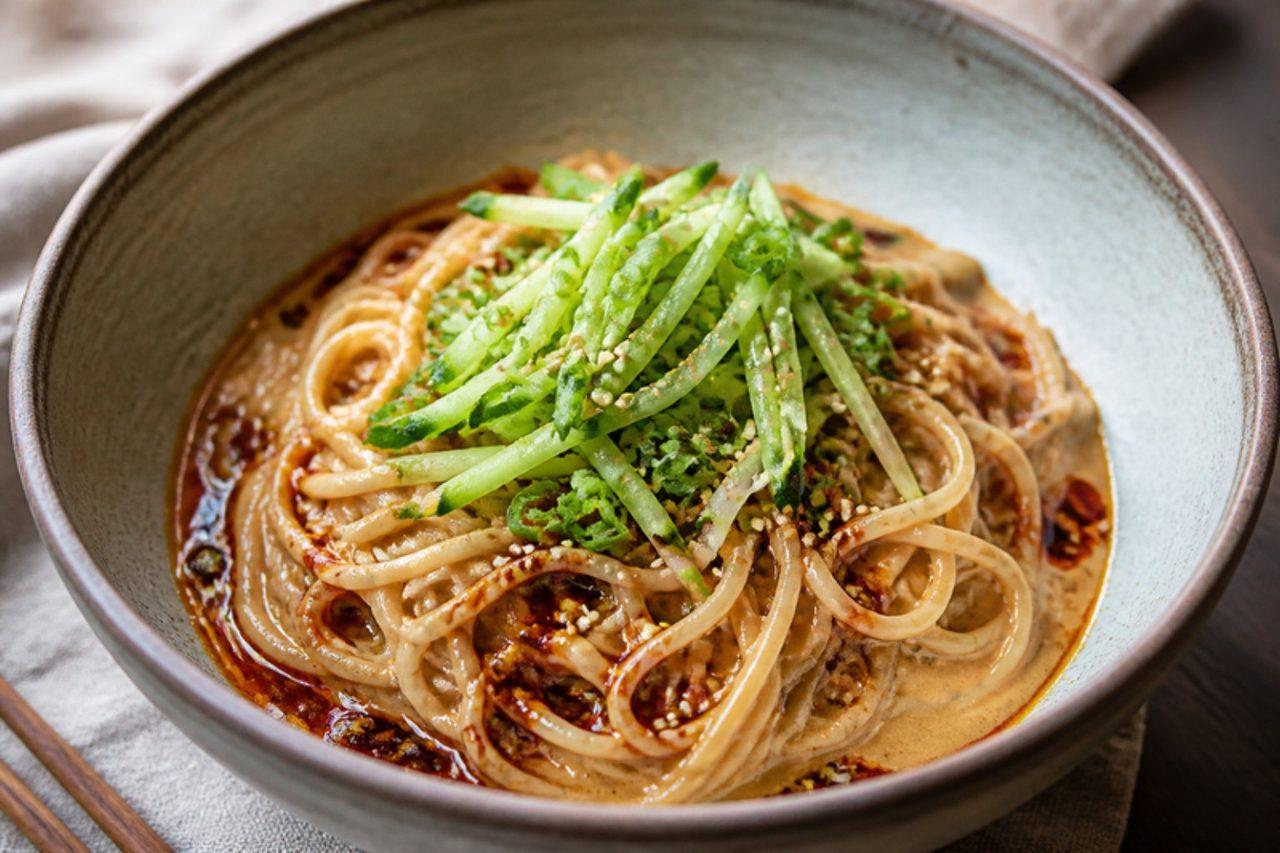
Ma jiang mian is the first thing many Taipei students order at the corner noodle shop, with a bowl of soup on the side and a plate of sliced cucumber. The noodles are tossed, never drowned, in a thick sauce of toasted sesame paste loosened with soy sauce, black vinegar and a little of the cooking water, then splashed with chilli oil. It works hot in winter and cold from the fridge in the sticky Taipei summer. Chef's tip: use Chinese toasted sesame paste rather than tahini if you can; it's made from roasted seeds and gives a much nuttier, darker sauce.

by KrazyBadal 0 views

Kishimen (Nagoya flat noodle soup)

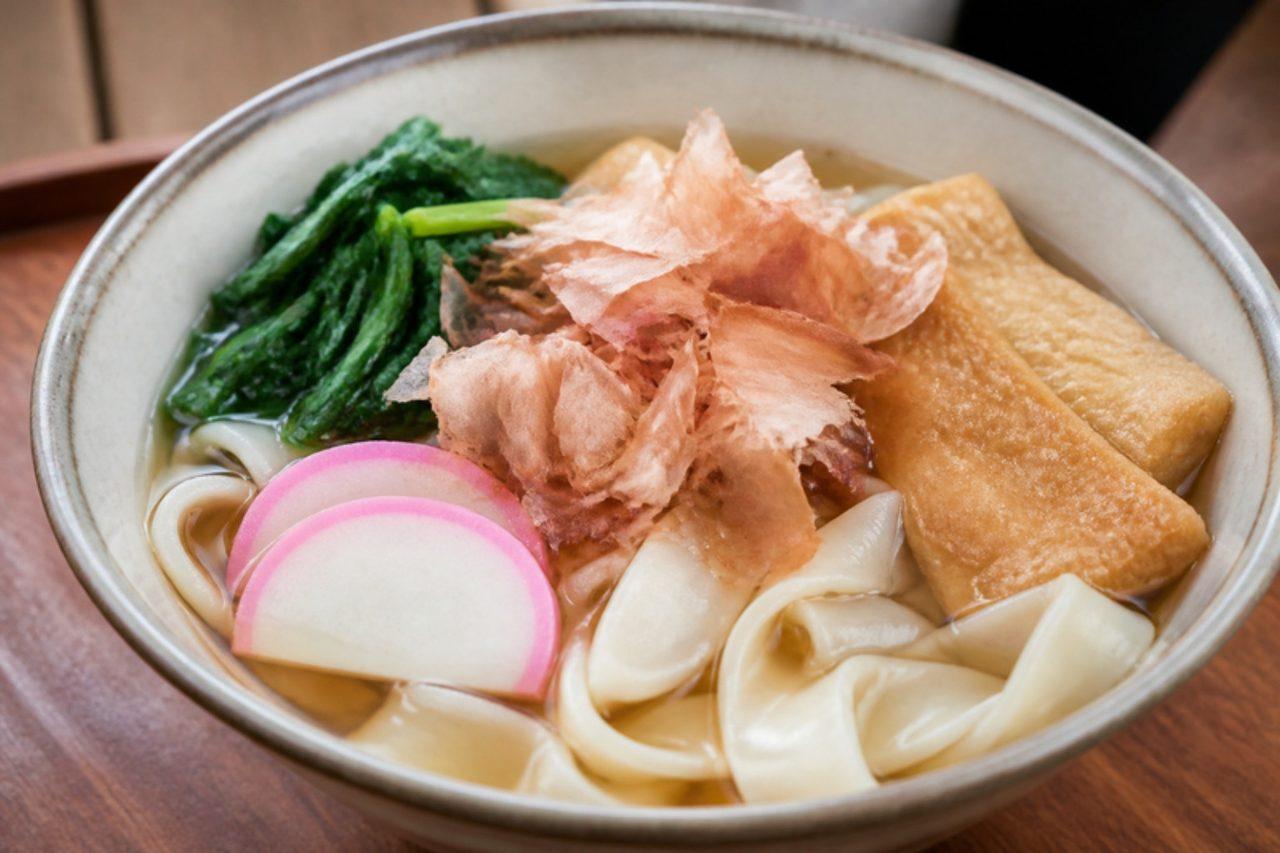
Travellers changing trains at Nagoya Station often grab a bowl of kishimen standing up at one of the platform noodle counters, and the dish is eaten all year in noodle shops across the city. The noodles are wide, thin and slippery, so they pick up a lot of broth with every mouthful. A typical bowl has a light, golden dashi, sweet fried tofu, a little green vegetable, a slice of fish cake and a big pile of bonito flakes that wave in the steam. It takes about 20 minutes from start to finish. Chef's tip: add the bonito topping right at the table, not in the kitchen; it softens and sinks within a minute, and the fresh smoky smell is half the pleasure.

by KrazyBadal 0 views

Hitsumabushi (Nagoya grilled eel rice)

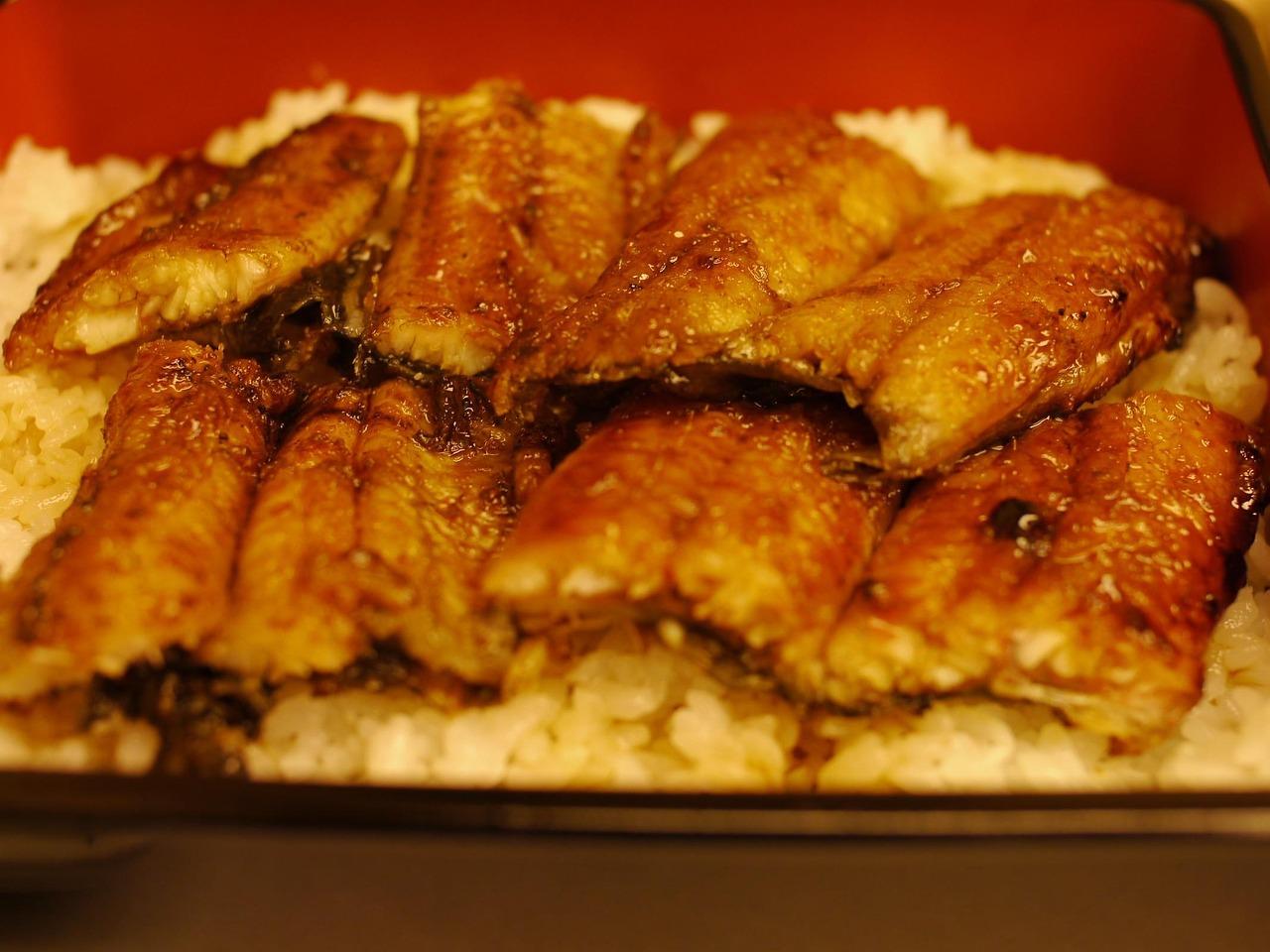
Order hitsumabushi in a Nagoya eel restaurant and it arrives in a round wooden tub, often with a small card explaining how to eat it. You divide the rice into quarters: eat the first plain, the second with spring onion, wasabi and nori, the third drowned in hot dashi or green tea, and the last whichever way you liked best. Nagoya cooks grill the eel until the skin is crisp, then chop it into strips. At home, ready-grilled eel fillets (unagi kabayaki, sold frozen in Japanese shops) work very well once reheated properly. Chef's tip: spoon a little of the sweet sauce through the rice before the eel goes on, so every mouthful is seasoned, not just the top layer.

by KrazyBadal 0 views

Gatte ki sabziGram flour dumplings in spiced yogurt gravy

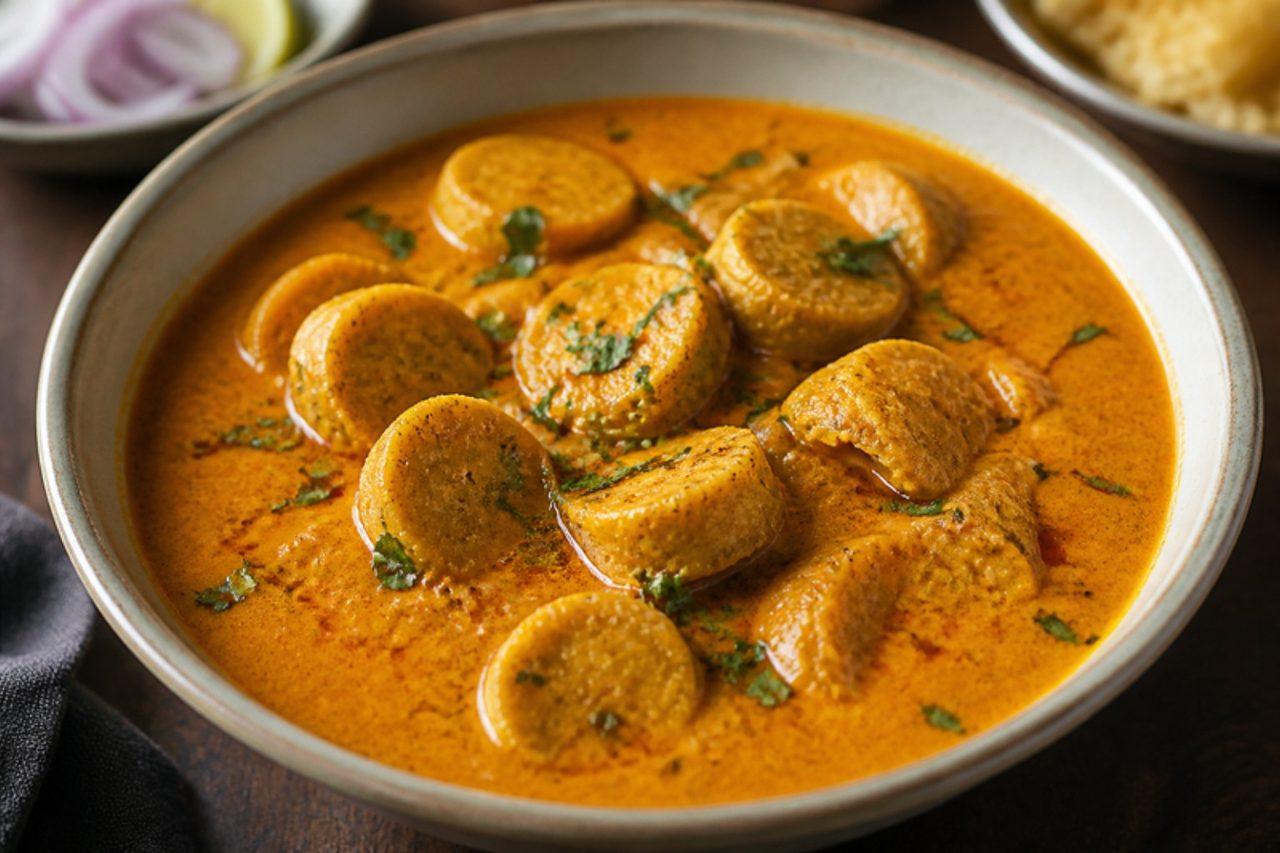
Gatte ki sabzi comes from the deserts of Rajasthan, where fresh vegetables were scarce and cooks turned gram flour into 'vegetables' instead. Firm, spiced besan rolls are boiled, sliced into little wheels and then simmered in a tangy yogurt gravy until they soak up its flavour. The dumplings are soft but hold their shape and the gravy is gently sour with a warming heat. Serve with phulka, bajra roti or steamed rice. Chef's tip: keep the cooking water from the gatte and use it for the gravy; it carries their flavour and a little starch that helps keep the yogurt from splitting.

by KrazyBadal 0 views

Tikil gomenCabbage, carrot and potato stew

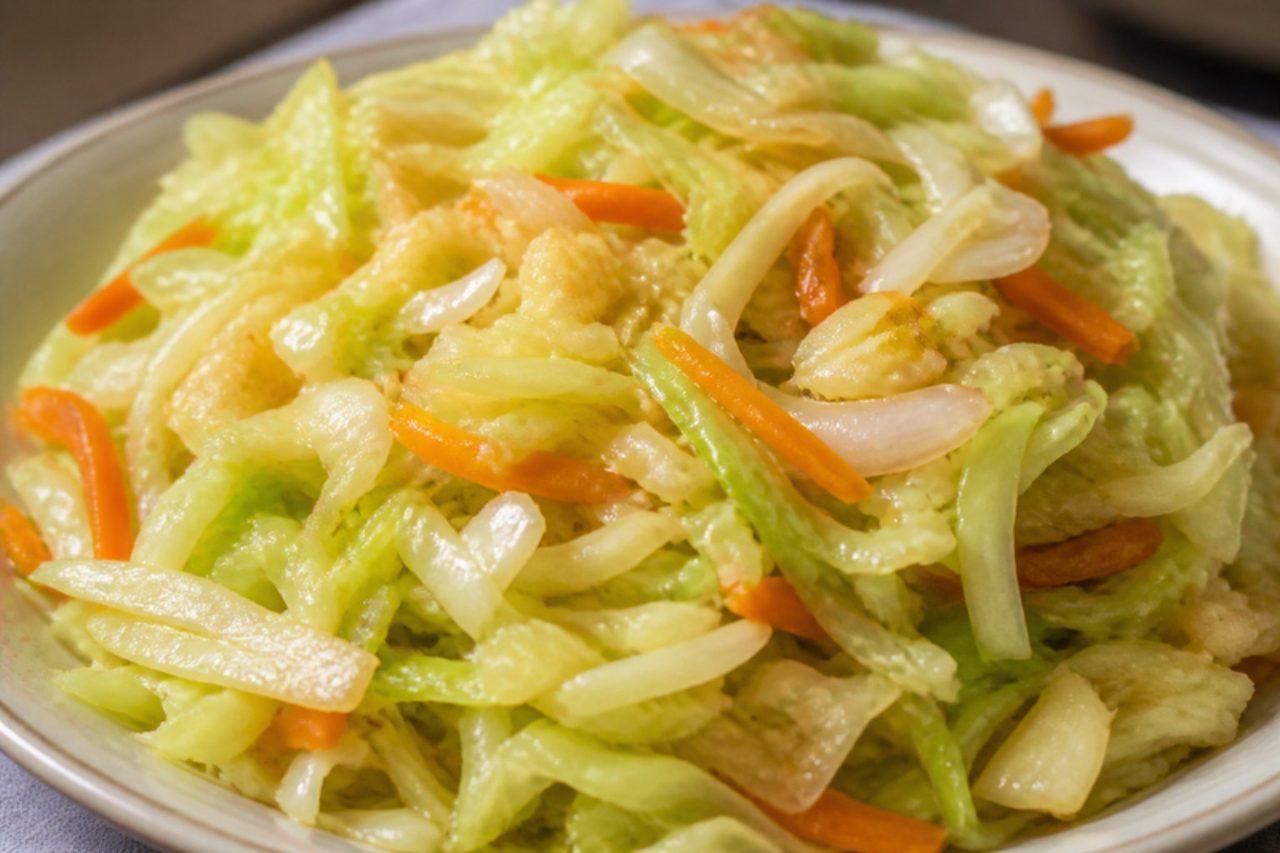
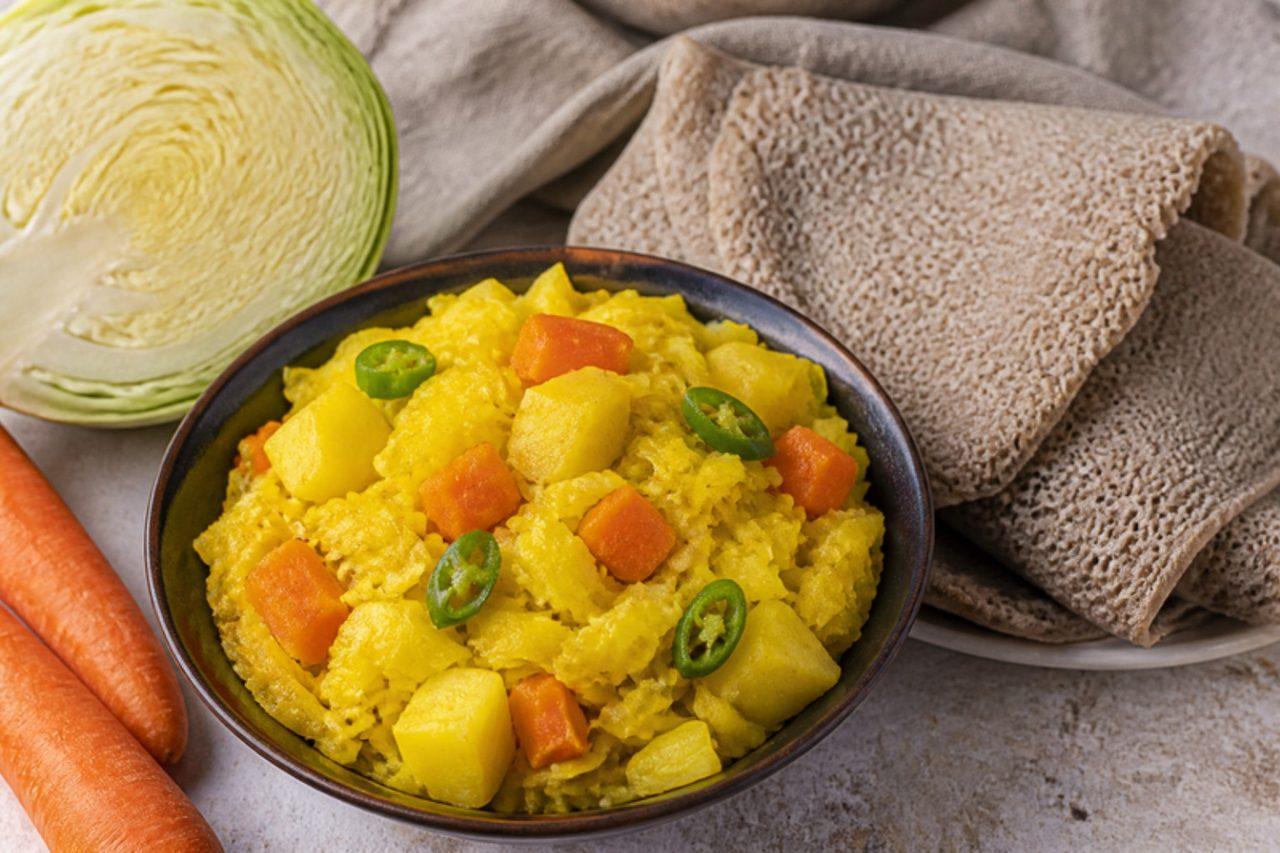
Tikil gomen means 'cabbage stew', and it is the mild, golden side on almost every beyaynetu fasting platter in Addis Ababa and Bahir Dar. White cabbage, carrots and potatoes are cooked slowly with onion, garlic, ginger and turmeric until soft and sweet, with no chilli heat apart from a few strips of green pepper. Children love it, and it balances the spicy red wats beautifully. Chef's tip: let the cabbage cook down until it is sweet and slightly caramelised at the edges; that is where all the flavour comes from.

by KrazyBadal 0 views

Mushroom stroganoff

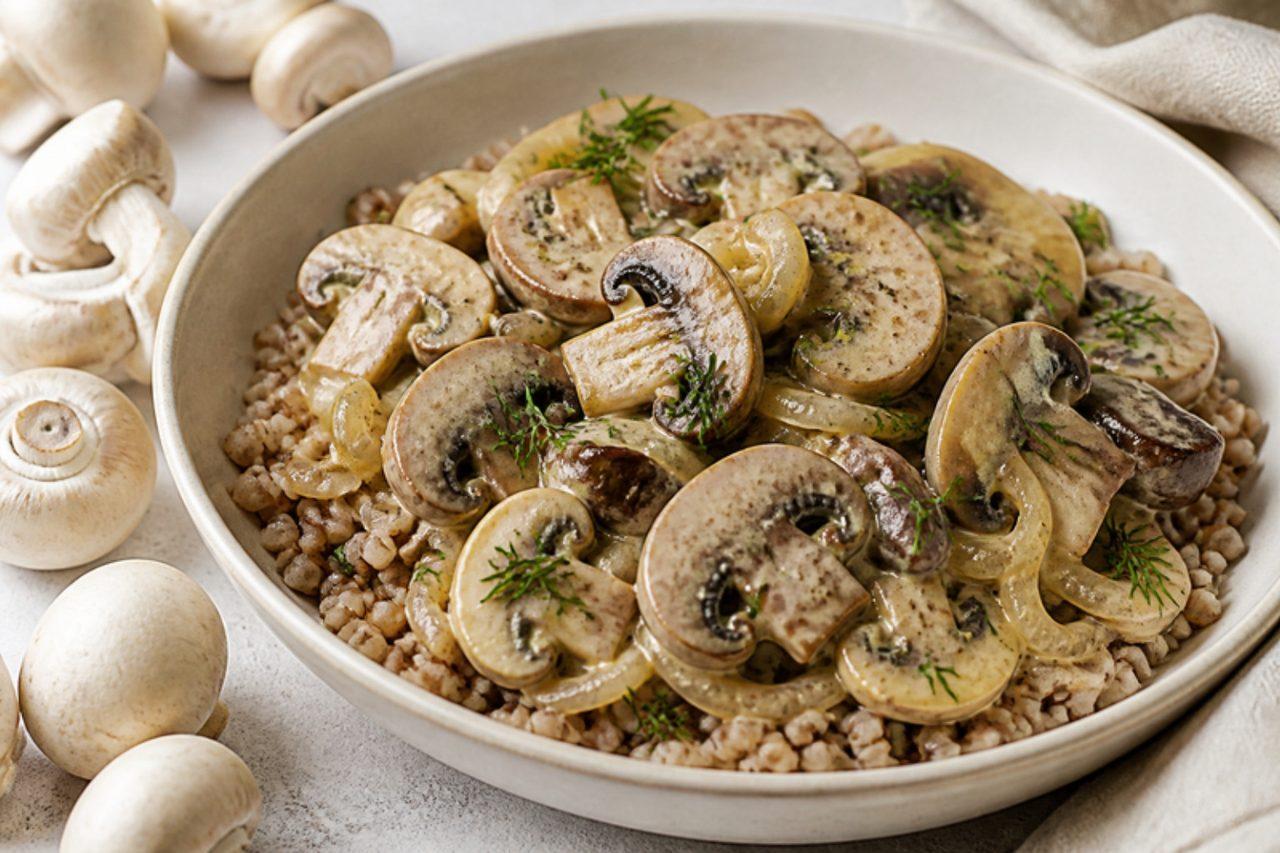
Beef stroganoff was named after the aristocratic Stroganov family of St Petersburg in the nineteenth century, and the original is strips of beef in a sauce of smetana and mustard. In Russian homes today the meatless version, made with forest mushrooms in autumn and button mushrooms the rest of the year, is just as common, especially during Orthodox fasts and on weeknights. It differs from Hungarian paprikás: no paprika, a gentle mustard edge, and a sauce that should stay pale and creamy. Serve it on fluffy buckwheat or mashed potatoes. Chef's tip: stir the smetana in off the boil; bubbling it hard makes it split into grainy curds.

by KrazyBadal 0 views

DhuskaFried rice and dal bread

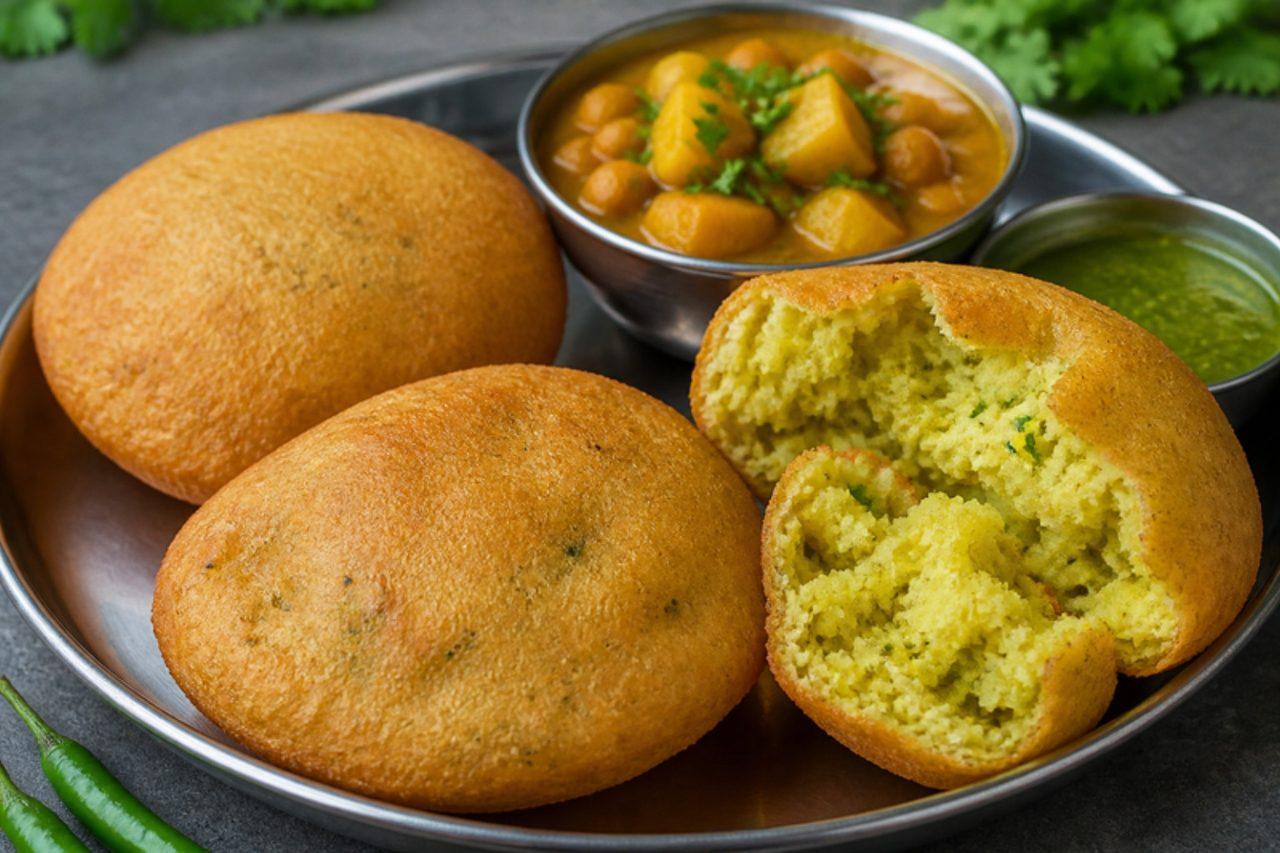
Dhuska is the breakfast of Ranchi and the whole of Jharkhand, fried fresh at roadside stalls from early morning. Rice and chana dal are soaked, ground to a thick, slightly coarse batter with green chilli and ginger, and ladled into hot oil, where each round puffs up crisp outside and soft and spongy inside. It is eaten with aloo-chana ghugni or a thin potato curry and a sharp coriander chutney, and it is a must at Jharkhandi weddings and Karma festival. Chef's tip: beat the batter hard for a couple of minutes before frying; the trapped air makes it puff without any soda.

by KrazyBadal 0 views

Vegetarian bun rieu

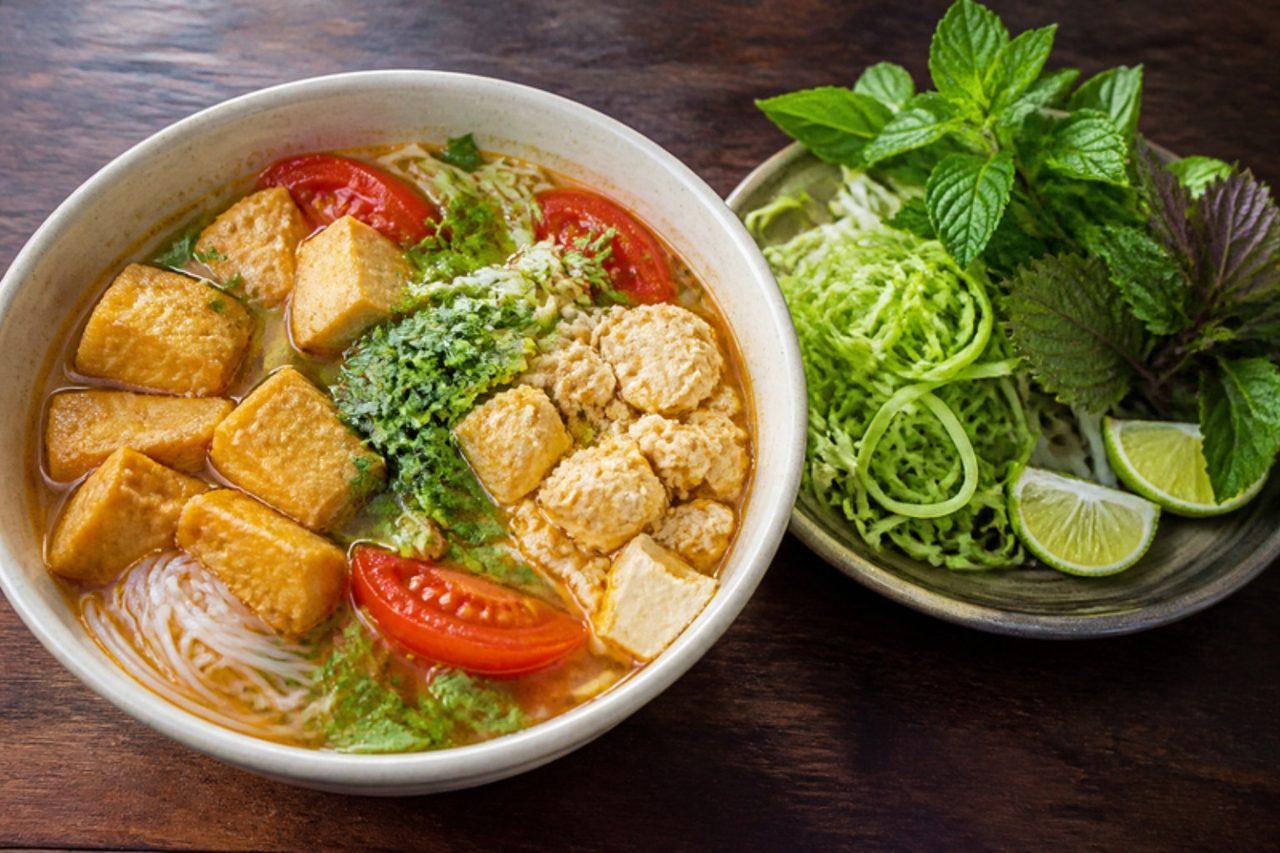
In Hanoi, bún riêu is a mid-morning bowl bought from street sellers who set up on low plastic stools: a tangy red tomato broth with rice vermicelli and soft, floating curds that are normally made from pounded paddy crab. Vegetarian cooks and Buddhist temple kitchens make bún riêu chay instead, folding crumbled tofu, egg and chopped shiitake into the same loose, spongy curds, and seasoning the broth with fermented tofu rather than shrimp paste. It arrives with fried tofu, lime, chilli, shredded water spinach and perilla, so each spoonful is sour, savoury and fresh at once. Chef's tip: let the tomatoes fry in the annatto oil until they collapse into a jammy paste before any stock goes in; that is where the broth gets its colour and depth.

by KrazyBadal 0 views

Yellow rice (geelrys)Sweet turmeric rice

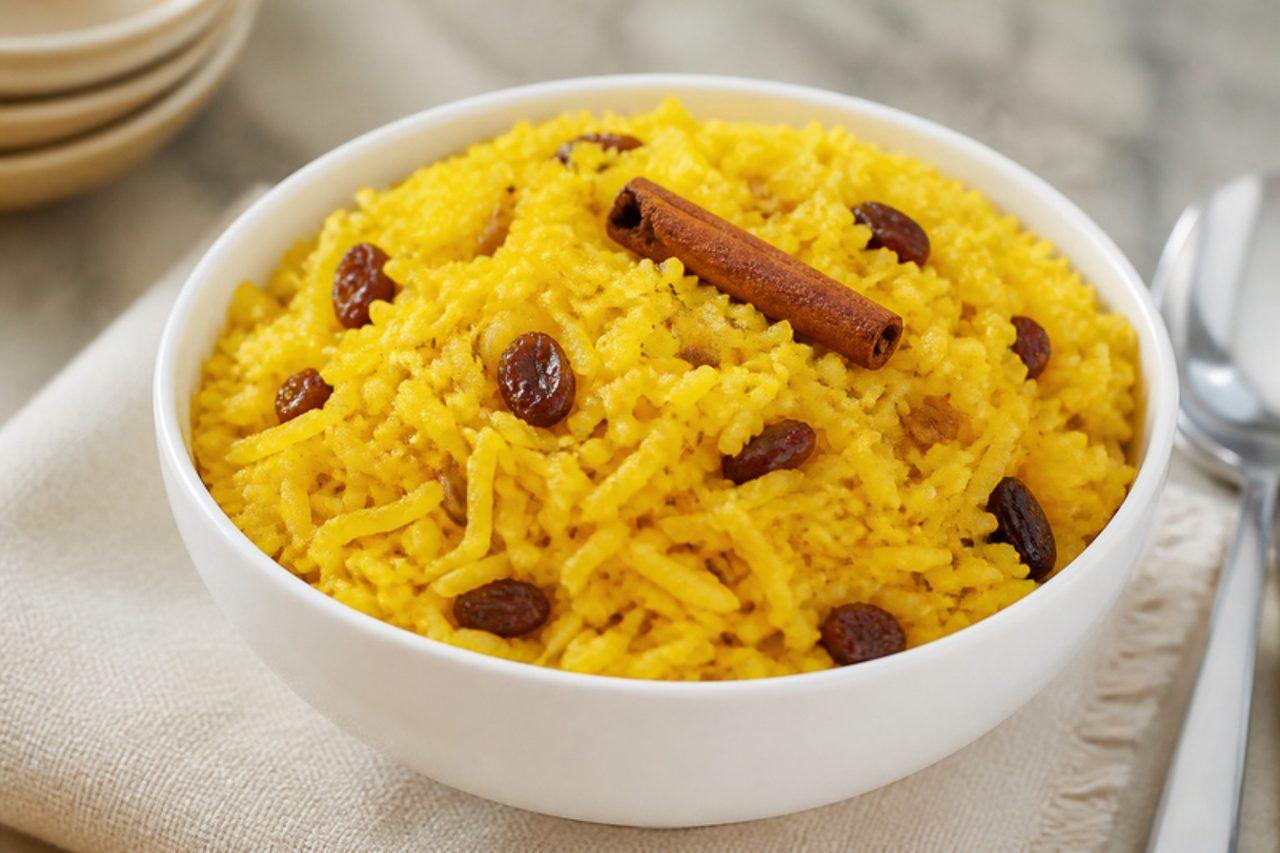
Geelrys, or yellow rice, is the bright, faintly sweet rice that comes to the table in the Western Cape with bobotie, curries and Sunday roasts, and at Cape Malay weddings and funerals alike. It is cooked with turmeric, a stick of cinnamon, a little sugar and plump raisins, then finished with a knob of butter so the grains gleam. The sweetness is gentle, just enough to soften a spicy curry. Chef's tip: add the raisins at the start so they plump in the cooking water; added at the end they stay tough and chewy.

by KrazyBadal 0 views

Dhokar dalnaLentil cakes in gravy

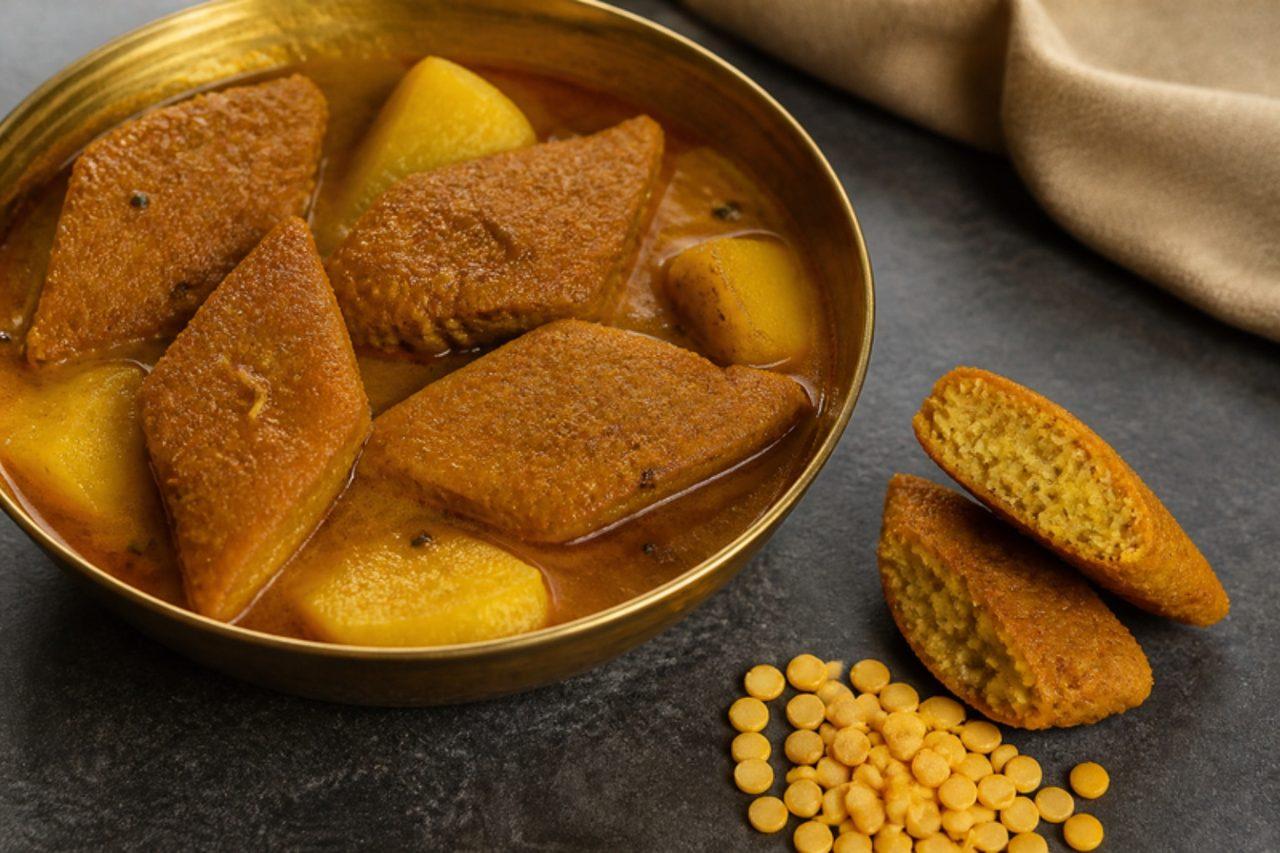
Dhokar dalna comes from the Bengali niramish (vegetarian) kitchen of widows and temple cooks, and it is still cooked in Kolkata homes for festive lunches and Saraswati Puja. Soaked chana dal is ground, cooked with ginger and asafoetida into a thick paste, set in a tray and cut into diamonds, which are fried and then dropped into a thin, fragrant gravy just before serving. The dhoka soak up the sauce like a sponge. Chef's tip: cook the dal paste until it leaves the sides of the pan in one mass; if it is too soft, the diamonds break in the gravy.

by KrazyBadal 0 views

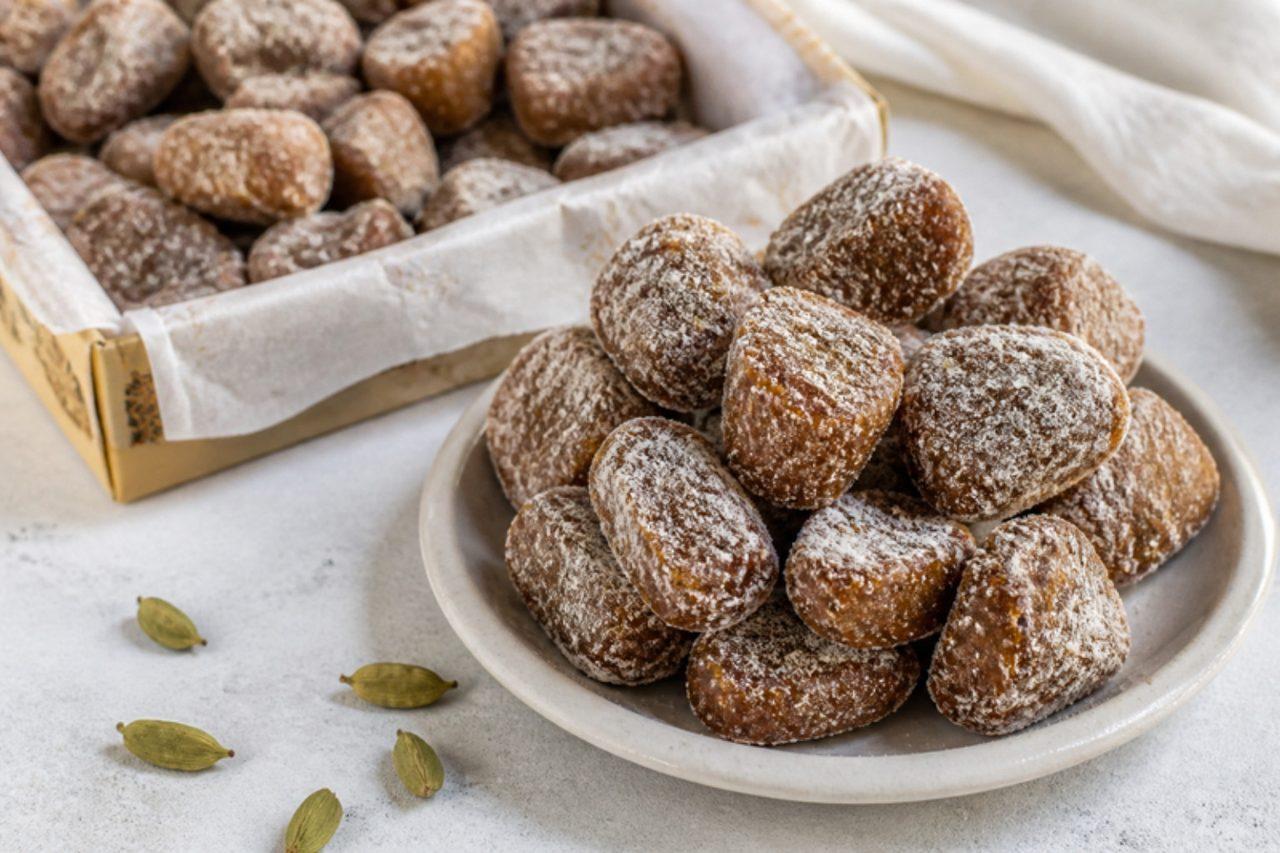
Dharwad pedaCaramelised milk sweets

Dharwad peda has been made in this north Karnataka town for well over a century, first by families who came from Uttar Pradesh, and it now carries a geographical indication tag. Unlike pale, smooth pedas elsewhere, it is cooked slowly until the milk solids caramelise to a deep brown and a grainy, almost crumbly texture, then rolled in powdered sugar. Pilgrims and travellers carry boxes home from Dharwad and Hubballi, and families buy it for weddings and exam results. Chef's tip: let the cooked mixture cool for ten minutes before you add the sugar for rolling; added while too hot, the sugar melts and the pedas go sticky.

by KrazyBadal 0 views

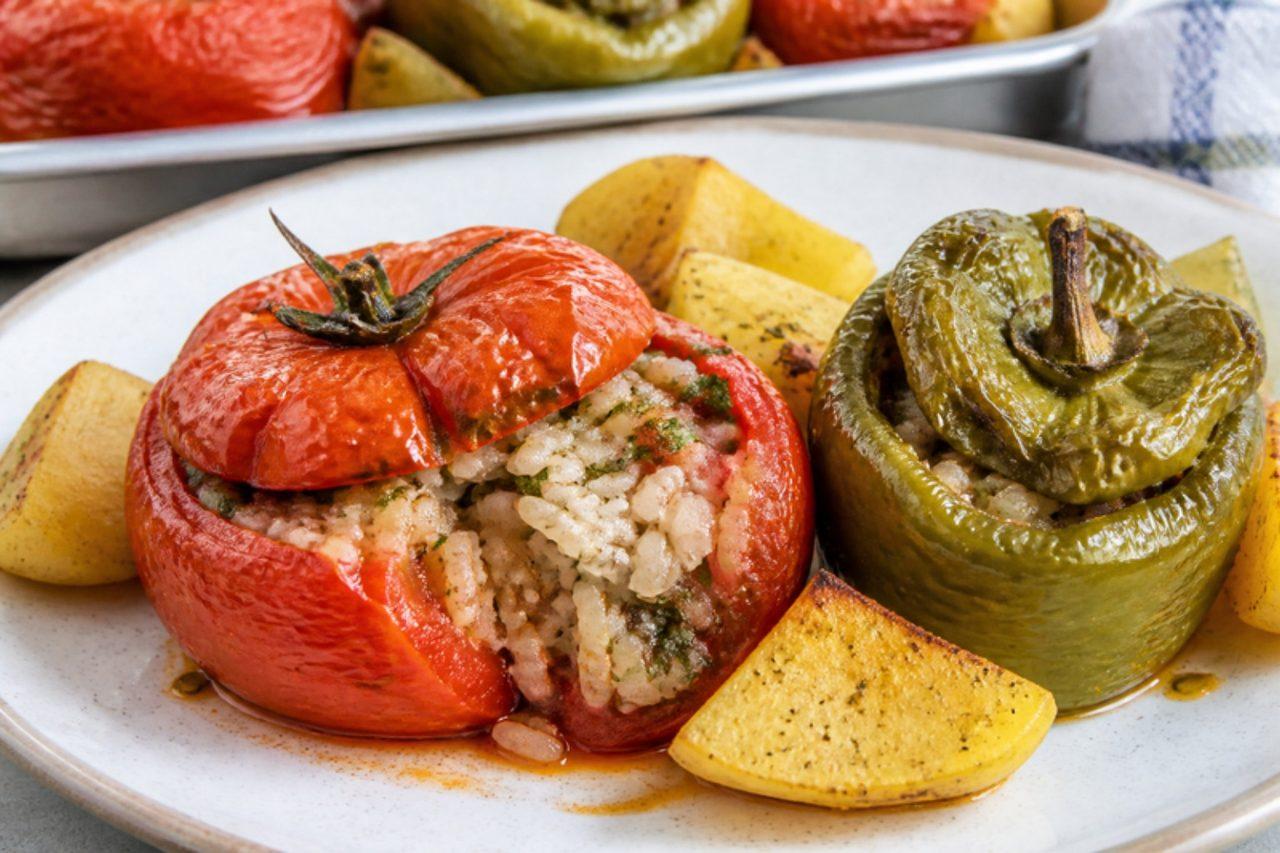
GemistaRice-stuffed tomatoes and peppers

Gemista is the dish of a Greek August, when tomatoes are cheap, sweet and bursting. Home cooks hollow out the tomatoes and peppers, stir the scooped-out pulp into rice with onions, mint and parsley, and bake everything in one big tray with wedges of potato tucked in between. The vegetables slump and blister, the rice soaks up the tomato juice and olive oil, and the potatoes go sticky at the edges. This vegetarian version is the one most families make in summer and during fasting periods. Serve warm or at room temperature with feta for those who eat dairy and plenty of bread to wipe the tray. Chef's tip: fill the vegetables only three-quarters full; the rice swells as it bakes, and overfilling is the common mistake that splits the tomatoes and leaves the rice hard.

by KrazyBadal 0 views

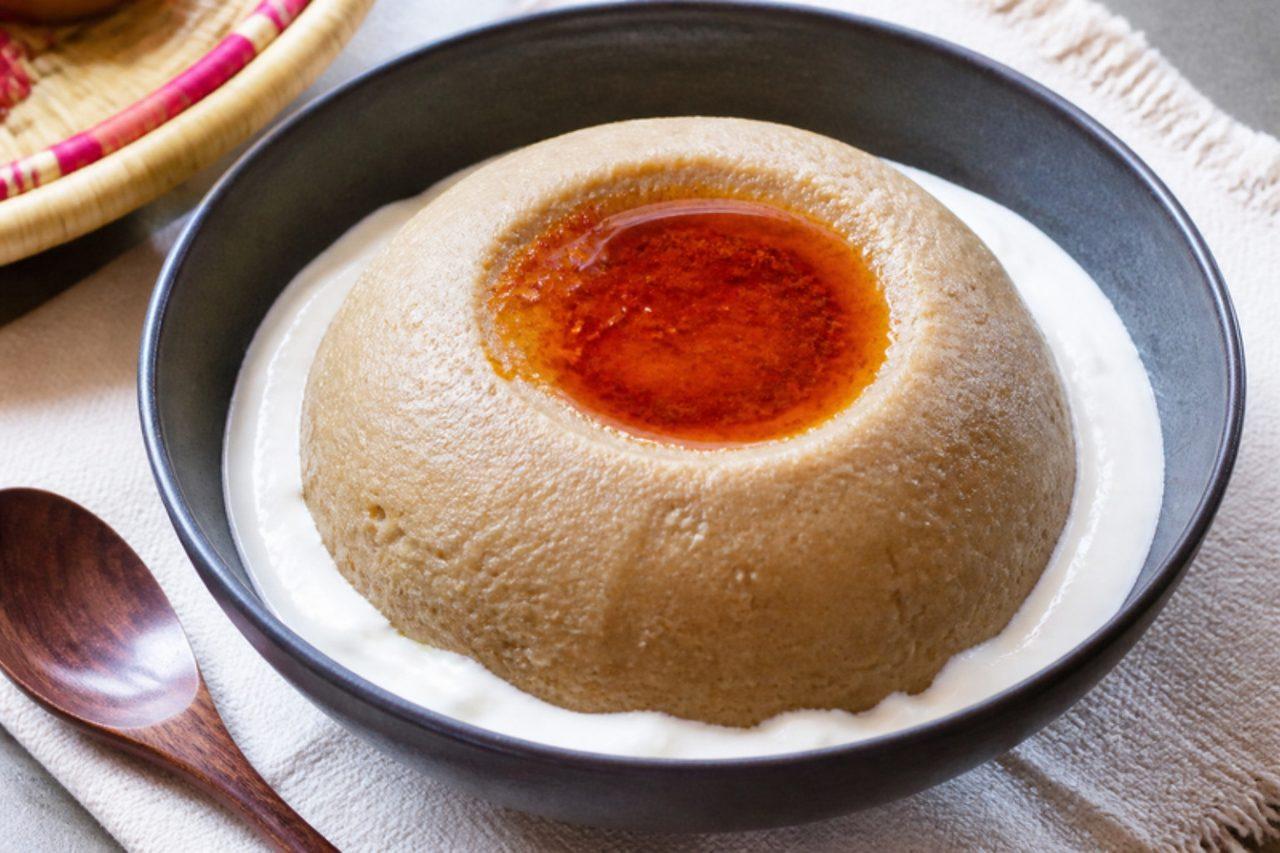
GenfoThick barley porridge

Genfo is a very thick barley porridge from the Tigray and Amhara highlands, cooked for breakfast on cold mornings and above all for new mothers, who are given it for weeks after birth to regain strength. The porridge is shaped into a mound, a hollow is made in the middle and filled with niter kibbeh and berbere, and everyone dips spoonfuls of porridge into the spicy butter, often with yoghurt around the edge. For a fasting version, fill the well with spiced oil. Chef's tip: stir with a wooden spoon the whole time you add the flour, and be firm; genfo is meant to be as thick as stiff mashed potato.

by KrazyBadal 0 views

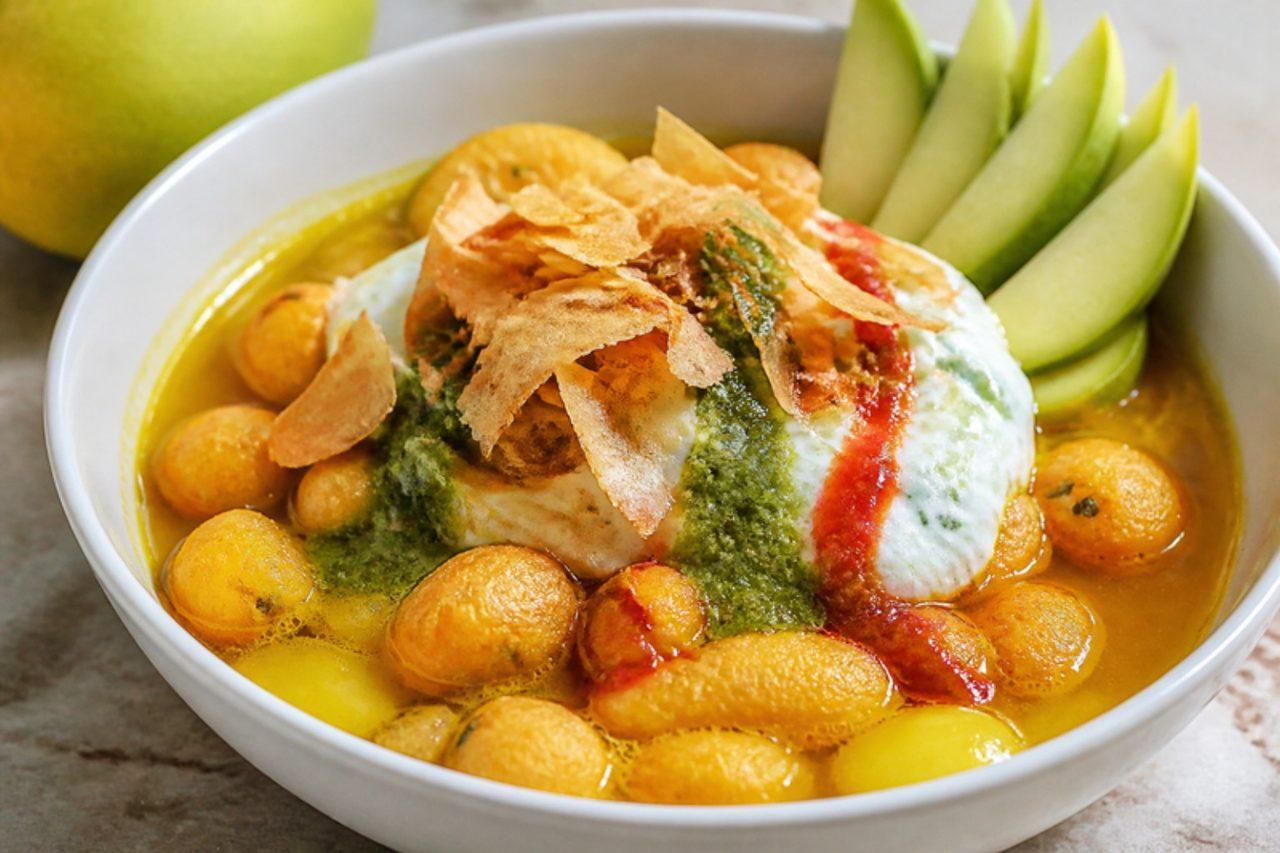
Zanzibar mixMango and gram flour soup with fritters

Zanzibar's famous street bowl (urojo): a thin, tangy, golden soup of gram flour, raw mango, coconut and chilli, filled with little lentil fritters and potato balls and topped with crushed cassava crisps and coconut, green and red chutneys. It's sour, spicy and crunchy all at once. Make the fritters, potato balls and chutney ahead, then assemble the bowls at the table.

by KrazyBadal 0 views

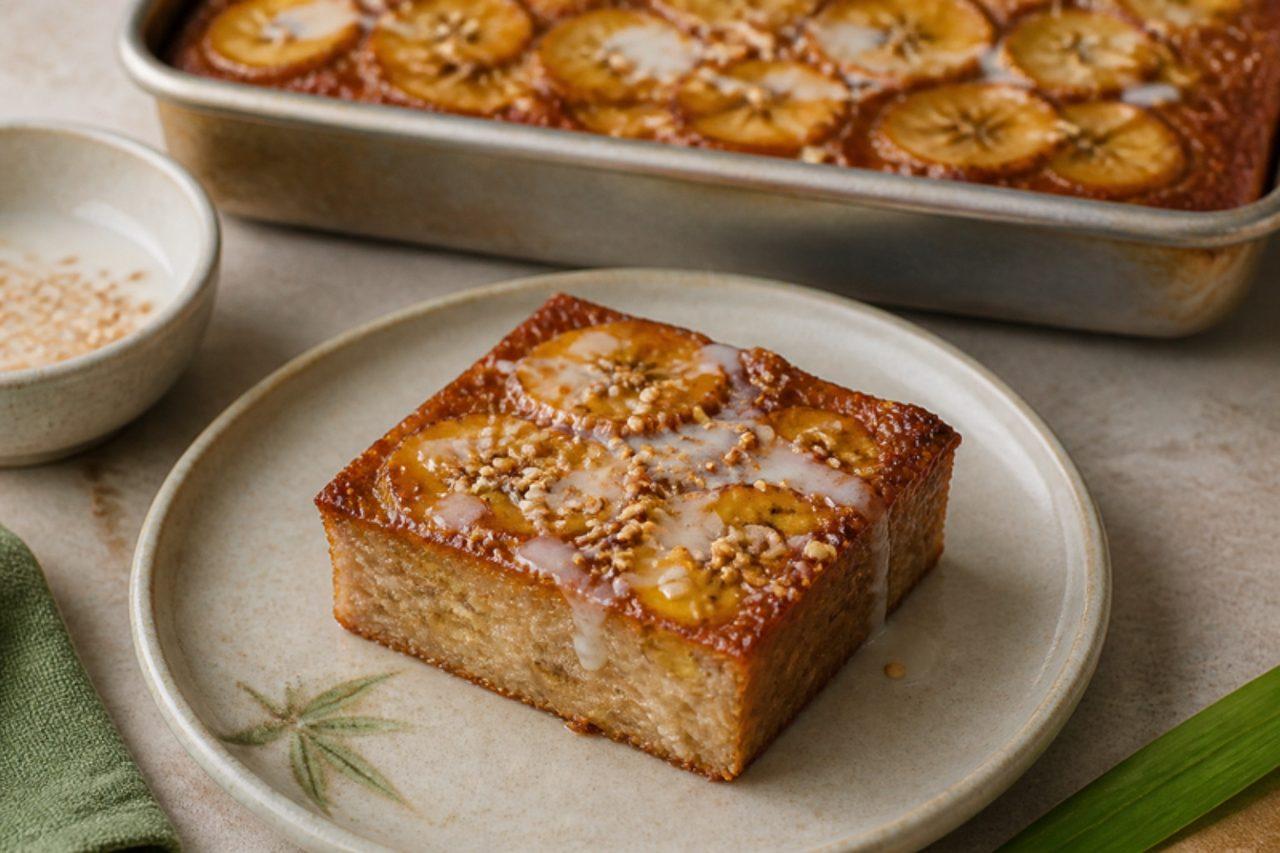
Vietnamese baked banana cake

Bánh chuối nướng is sold by the slab from glass-fronted carts and bakeries in Saigon, a soft, heavy cake made from overripe bananas, day-old bread and coconut milk, baked until the top turns deep amber and the bananas go sticky and jammy. It sits somewhere between a bread pudding and a custard cake, and Saigon people eat it as an afternoon snack, often with a little warm coconut sauce poured over. Home cooks make it to use up blackened bananas and stale baguette. Chef's tip: use the ripest bananas you can find, with brown-spotted skins; they give the cake its colour and sweetness.

by KrazyBadal 0 views

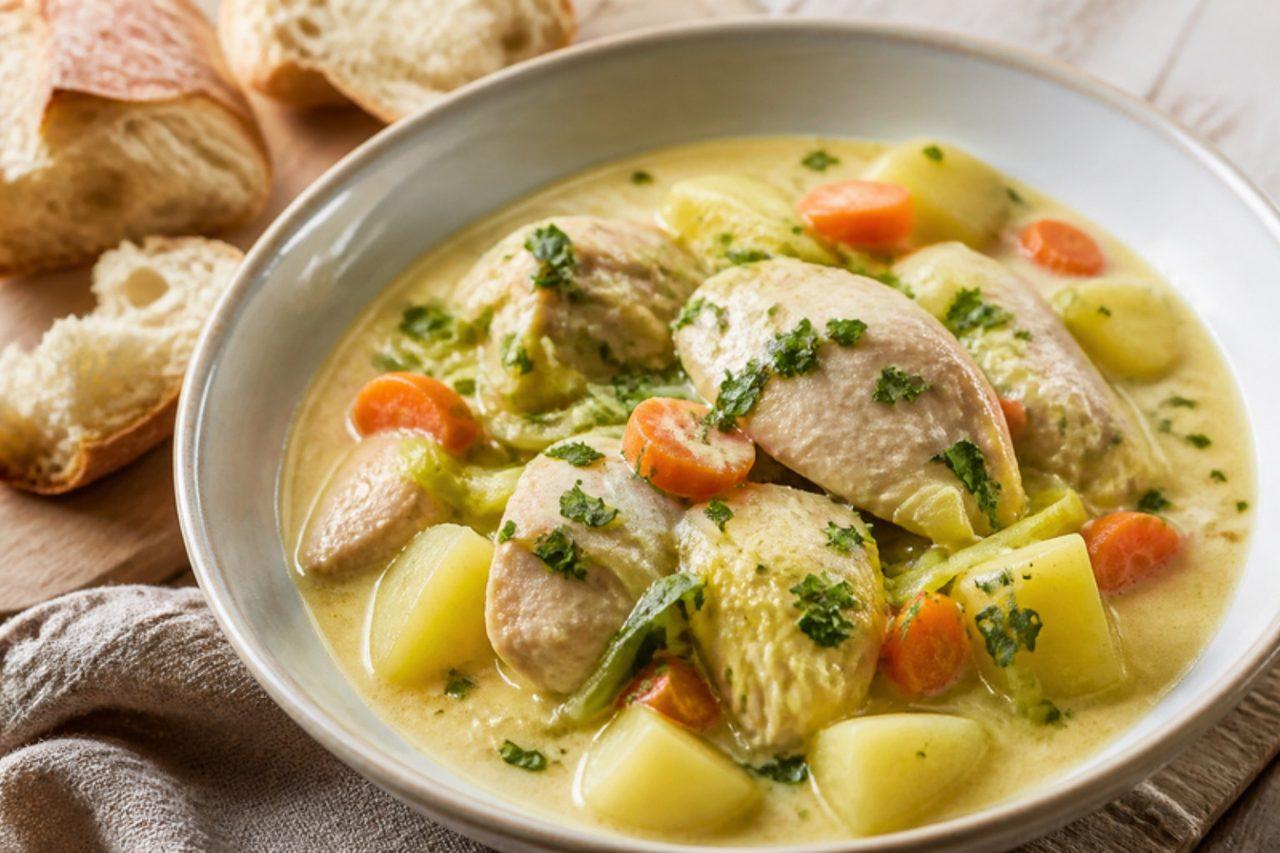
Gentse waterzooiCreamy chicken and vegetable stew

Ghent claims waterzooi as its own, and in the cafés around the Korenmarkt it is served in deep plates as a cross between soup and stew. Originally made with river fish, the city's version today is nearly always chicken, poached gently with leek, carrot, celery and potato, then the broth is enriched with cream and egg yolk until it turns silky and pale gold. It is eaten all year but tastes best on a damp Flemish evening, with crusty bread for the last of the broth. The mistake to avoid is boiling it after the yolks go in, which scrambles them; keep it below a simmer while it thickens. Chef's tip: cut the vegetables into fine, even julienne so they cook in the same time and look neat in the bowl.

by KrazyBadal 0 views

Geraardsbergse mattentaartCurd tartlets

The small town of Geraardsbergen in East Flanders is so proud of its mattentaart that the little round puff-pastry tart has protected (PGI) status in the EU, and only bakers in the area may sell it under that name. It is filled with matten, a fresh curd made by curdling hot milk with buttermilk, mixed with eggs, sugar and a hint of almond, and baked until puffed and golden. Locals eat it with coffee, especially in late February when the town holds its Krakelingen festival. You make the curd yourself the day before. Chef's tip: hang the curd for a full night; too much whey left in it makes the filling weep and the pastry soggy.

by KrazyBadal 0 views

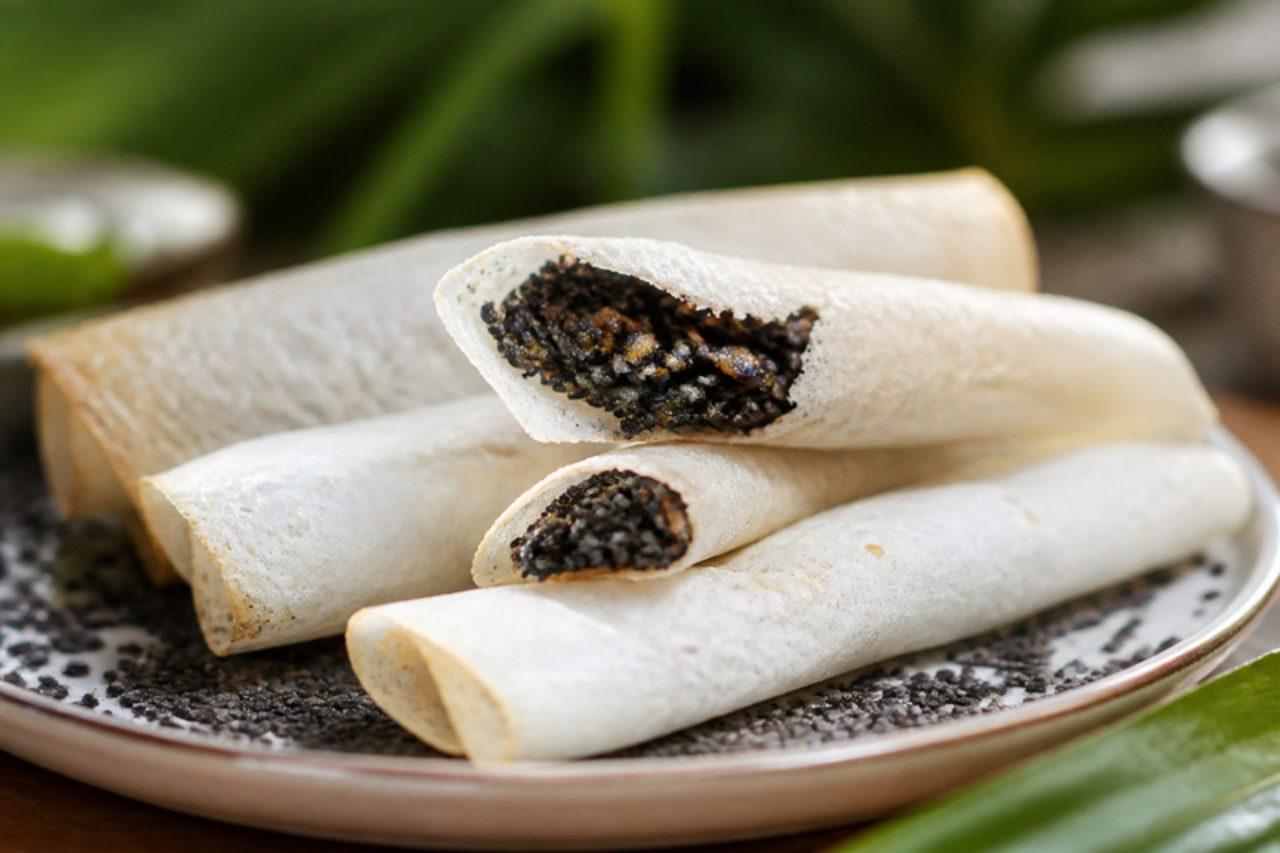
Til pithaSesame rice rolls

Til pitha is the essential sweet of Magh Bihu, the January harvest festival, when Assamese homes stay up late around the fire, frying and toasting. Fresh flour of soaked bora (sticky) rice is spread thin on a hot pan into a round, filled with roasted black sesame and jaggery and rolled into a cigar while still soft; it crisps as it cools. Tins of til pitha are carried to every house visited during Bihu. Chef's tip: the flour must be freshly ground from soaked sticky rice and still slightly damp; dry shop rice flour won't fuse into a sheet.

by KrazyBadal 0 views

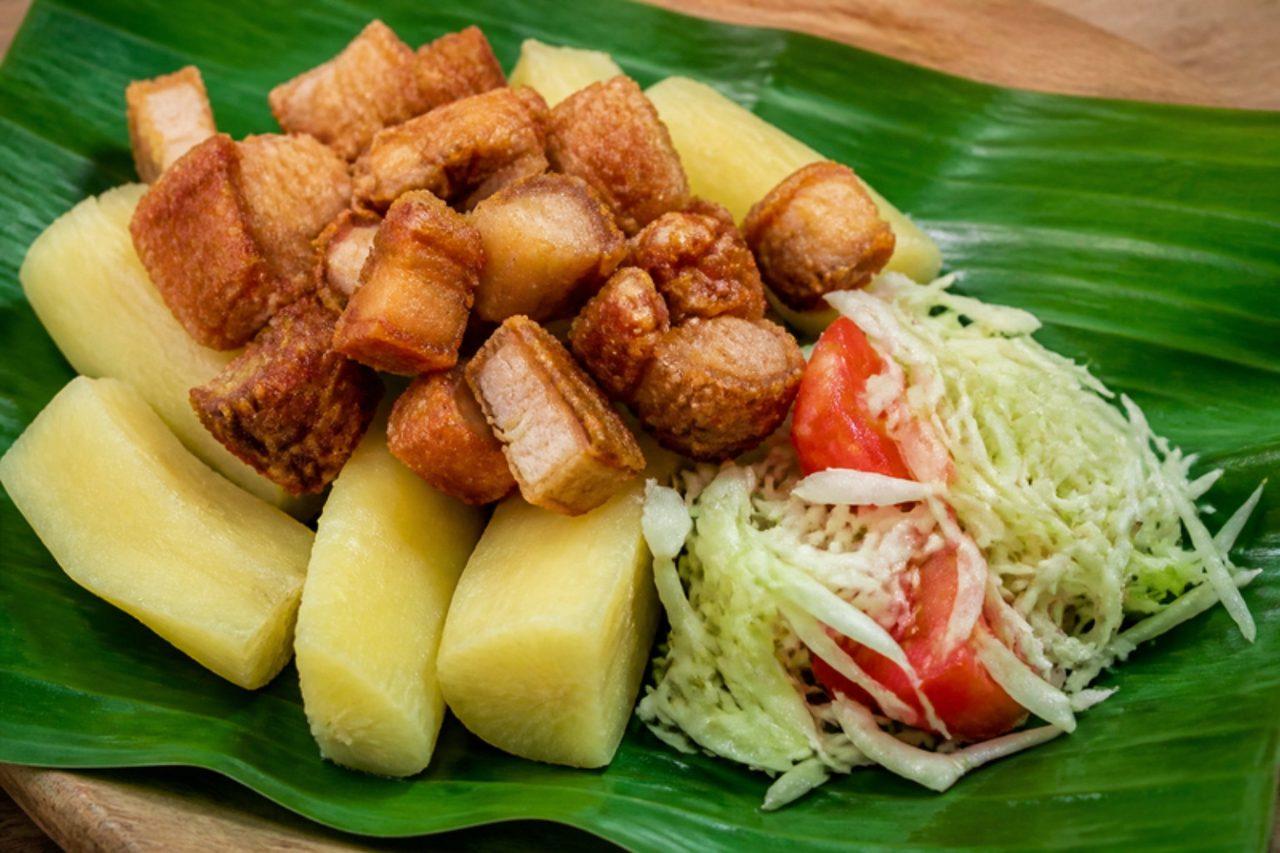
VigorónYuca, pork crackling and cabbage salad

Vigorón was born in the 1910s in the colonial city of Granada, Nicaragua, where it is still sold from stalls around the Parque Central, wrapped in banana leaf: boiled yuca topped with crisp pork crackling (chicharrón) and a tangy cabbage and tomato salad. This dish contains pork. It is street food, eaten at any hour with your fingers. The mistake is serving dry yuca; boil it until tender and slightly split, then keep it in its warm water until serving. Chef's tip: make the cabbage salad an hour ahead so the vinegar softens it.

by KrazyBadal 0 views

Chicken pastilla

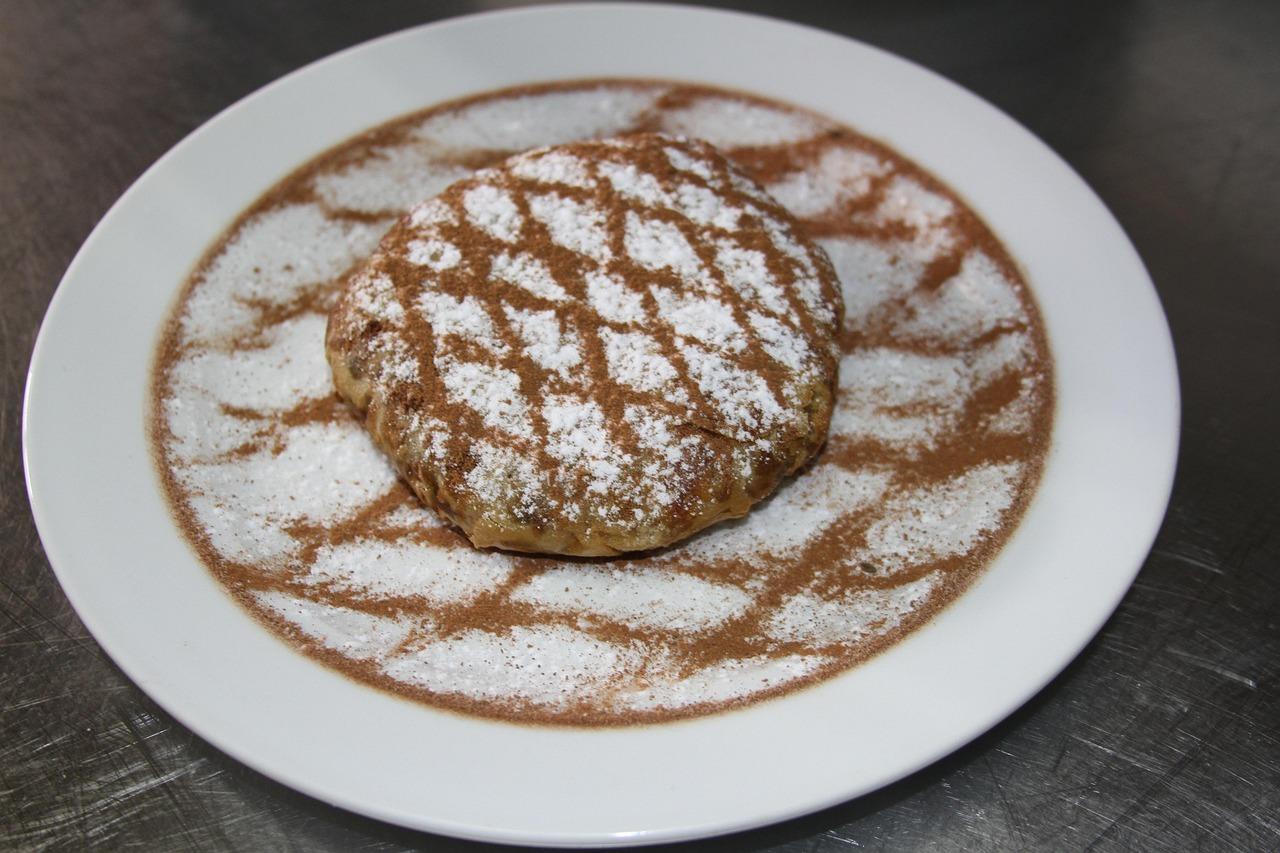
No Fassi wedding or engagement feast is complete without bastila, a showpiece pie brought out as the first course and broken open at the table. Under its crackling layers of buttered pastry sit three fillings: shredded chicken cooked with saffron, ginger and onion, soft lemony eggs set in the reduced cooking juices, and crunchy almonds ground with sugar and cinnamon. The top is dusted with icing sugar and a lattice of cinnamon, so every bite is sweet, savoury, crisp and tender at once. Serve it hot with nothing more than a green salad. Chef's tip: make the fillings a day ahead and chill them; cold fillings are easier to layer and keep the pastry crisp.

by KrazyBadal 0 views

Delhi-style fruit chaatSpiced fruit chaat

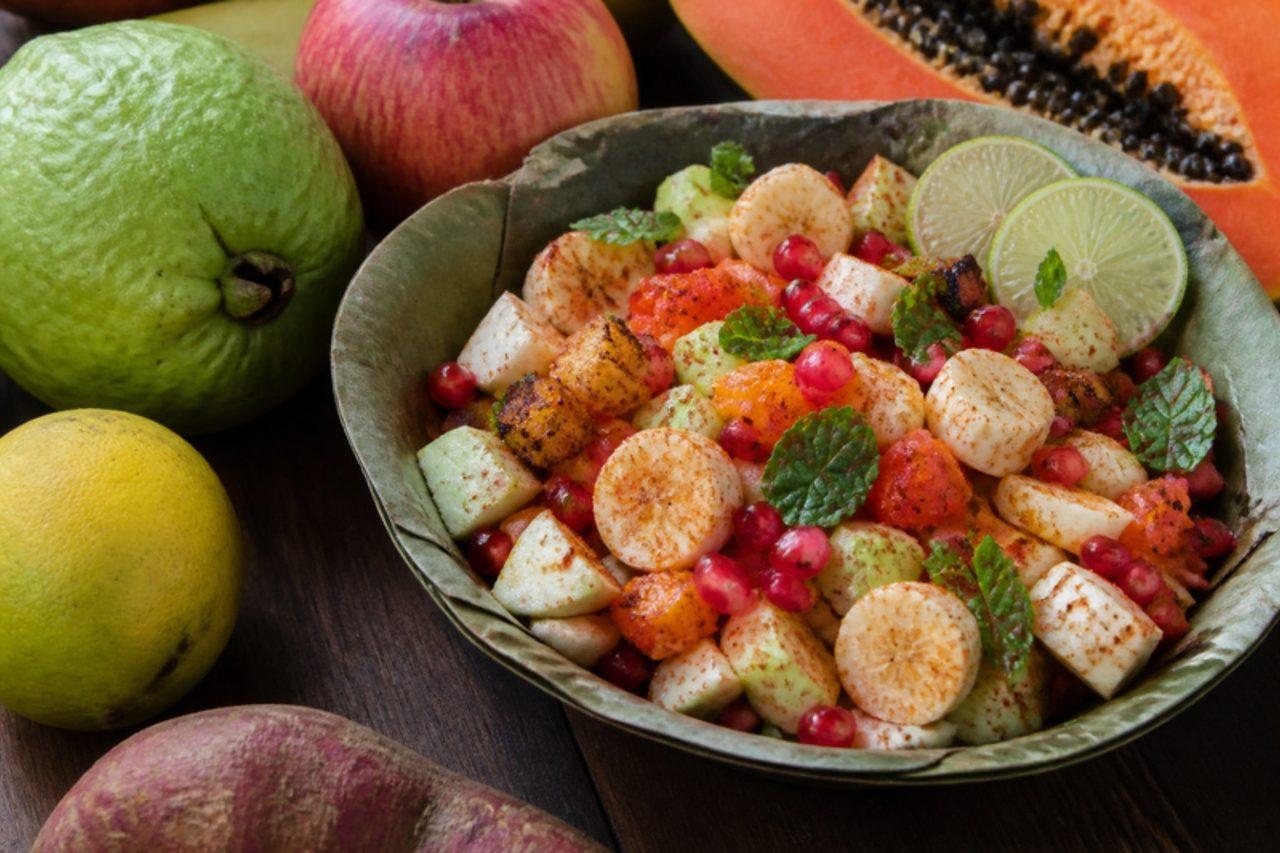
Delhi's fruit chaat wallahs set up their carts in the afternoons with towers of guava, papaya, apples and bananas, plus roasted sweet potato, and chop whatever you point at into a leaf bowl. Then comes the part that makes it chaat rather than fruit salad: a big shake of tangy chaat masala, black salt and roasted cumin, a squeeze of lime, sometimes a pinch of chilli. It's a refreshing mid-afternoon snack in summer, and a regular sight on Ramzan iftar spreads too. The salt and spice make sweet fruit taste even sweeter. Chef's tip: season it just before eating; once the salt goes on, the fruit starts weeping juice and goes soft within 15 minutes.

by KrazyBadal 0 views

Delhi chole kulcheChickpeas with kulcha bread

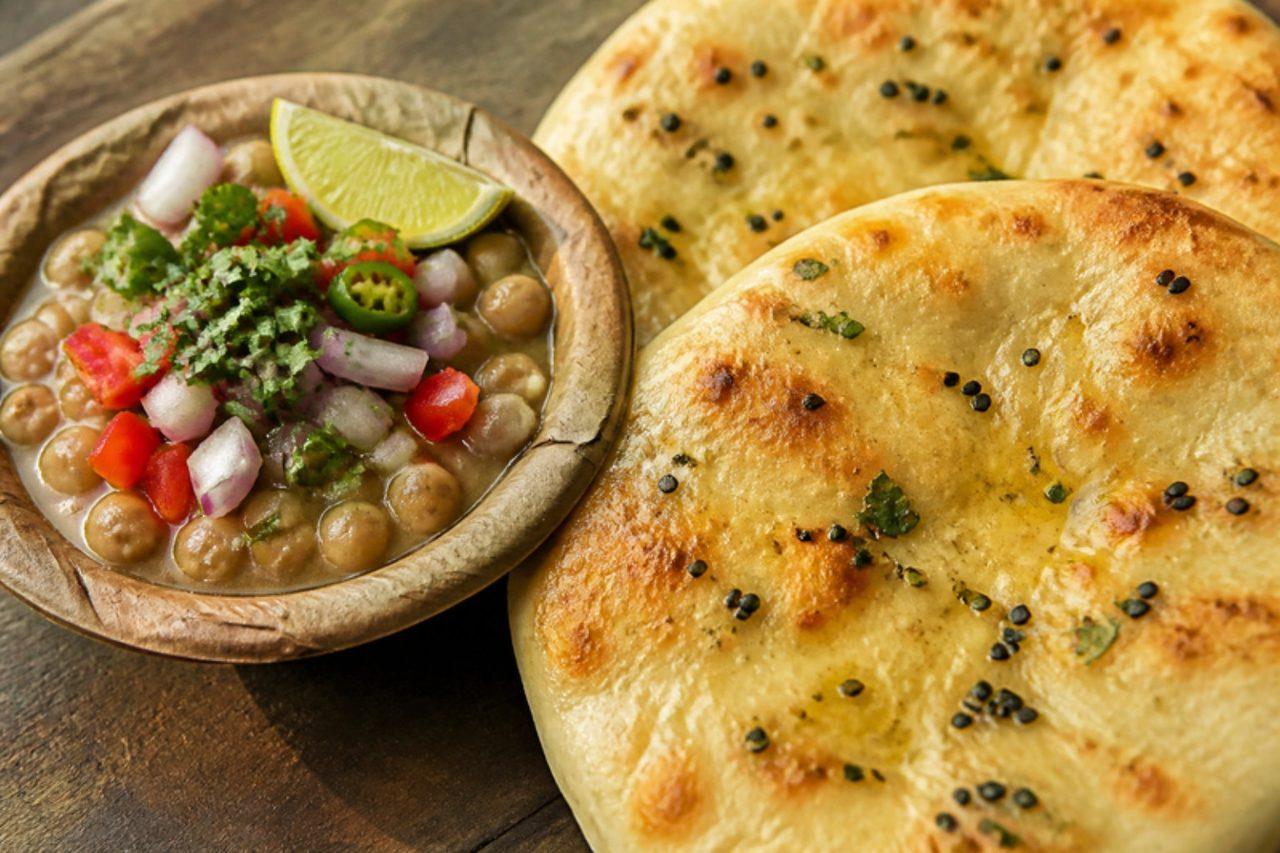
Walk through any Delhi office district at lunchtime and you'll find a cart with a huge brass pot of pale white peas and a stack of soft kulchas warming on a tawa. Delhiites call it chole kulche even though it's made with dried white peas (safed matar) rather than chickpeas. The vendor scoops the peas onto a leaf plate, piles on raw onion, tomato, green chilli and ginger, squeezes lime over and dusts it with a sour, smoky masala. It's tangy, fresh and filling, and very different from the rich, stuffed Amritsari kulcha. Chef's tip: mash a ladleful of the cooked peas back into the pot; it thickens the liquid so the toppings and masala cling instead of sliding off.

by KrazyBadal 0 views

DehroriFried rice and curd dumplings

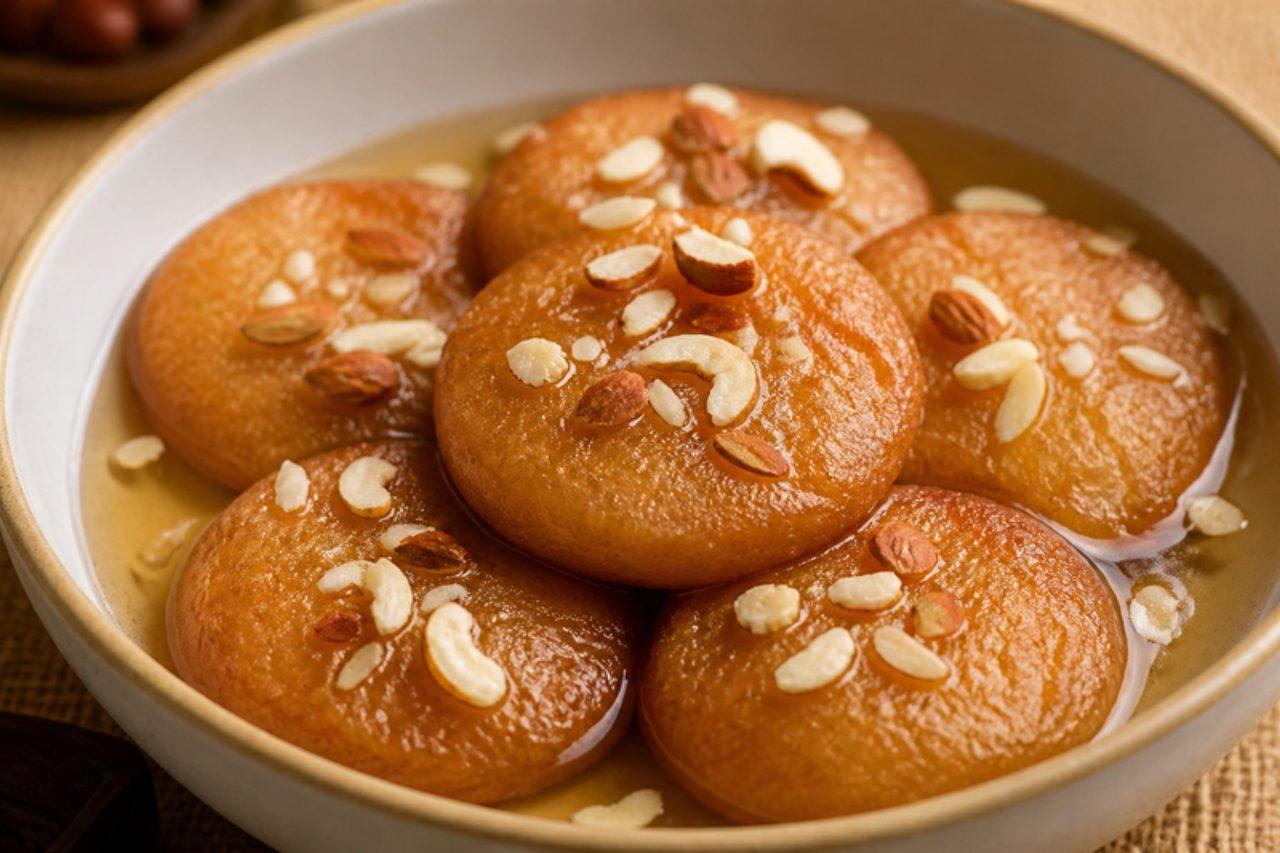
Dehrori is the sweet Chhattisgarhi families make for Diwali, Holi and weddings, and it tastes like no other syrup sweet: soaked rice is ground coarse, left to sour gently with curd, then fried in ghee and dropped into cardamom syrup. The fermentation gives it a faint tang and a light, spongy crumb under a crisp shell, a little like a rustic cousin of rasbhari or gulab jamun. Grandmothers judge the batch by how well the dumplings hold their shape in the syrup. Chef's tip: grind the rice to the texture of fine semolina, not a smooth paste; that grain is what keeps dehrori light.

by KrazyBadal 0 views

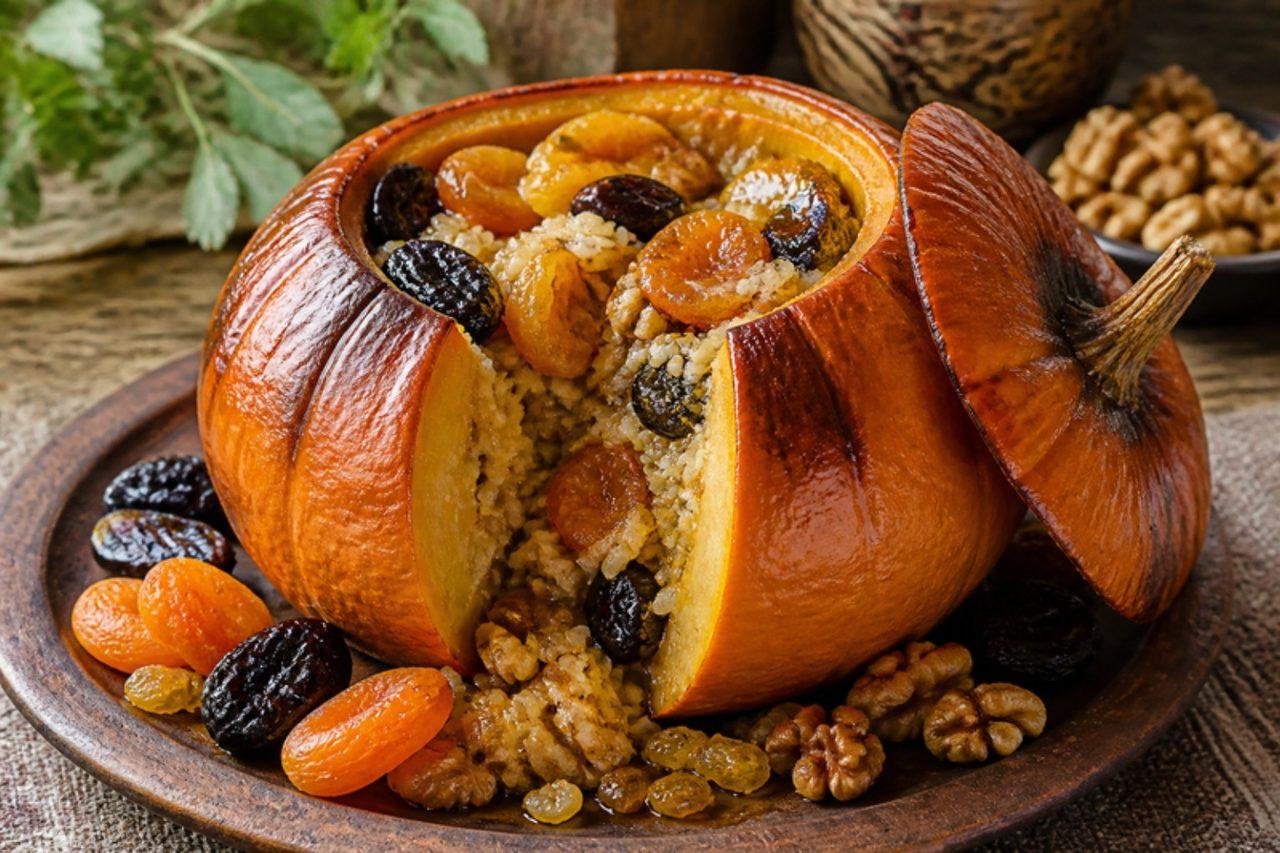
GhapamaRice and fruit stuffed pumpkin

Ghapama is the dish Armenians carry to the table at New Year and on Christmas Day (6 January), with a folk song, "Hey jan ghapama", sung while the pumpkin is cut. A whole pumpkin is hollowed out, packed with half-cooked rice, dried apricots, prunes, raisins, walnuts and honey, and baked until the flesh is soft enough to scoop. At the table it is sliced from top to bottom like a flower opening, so each wedge comes with its own share of filling. Serve it as a festive main with a herb and cucumber salad, or as a sweet course after a lighter meal. Chef's tip: choose a squat, thick-walled pumpkin with a hard shell; thin-walled ones collapse in the oven before the rice is cooked.

by KrazyBadal 0 views

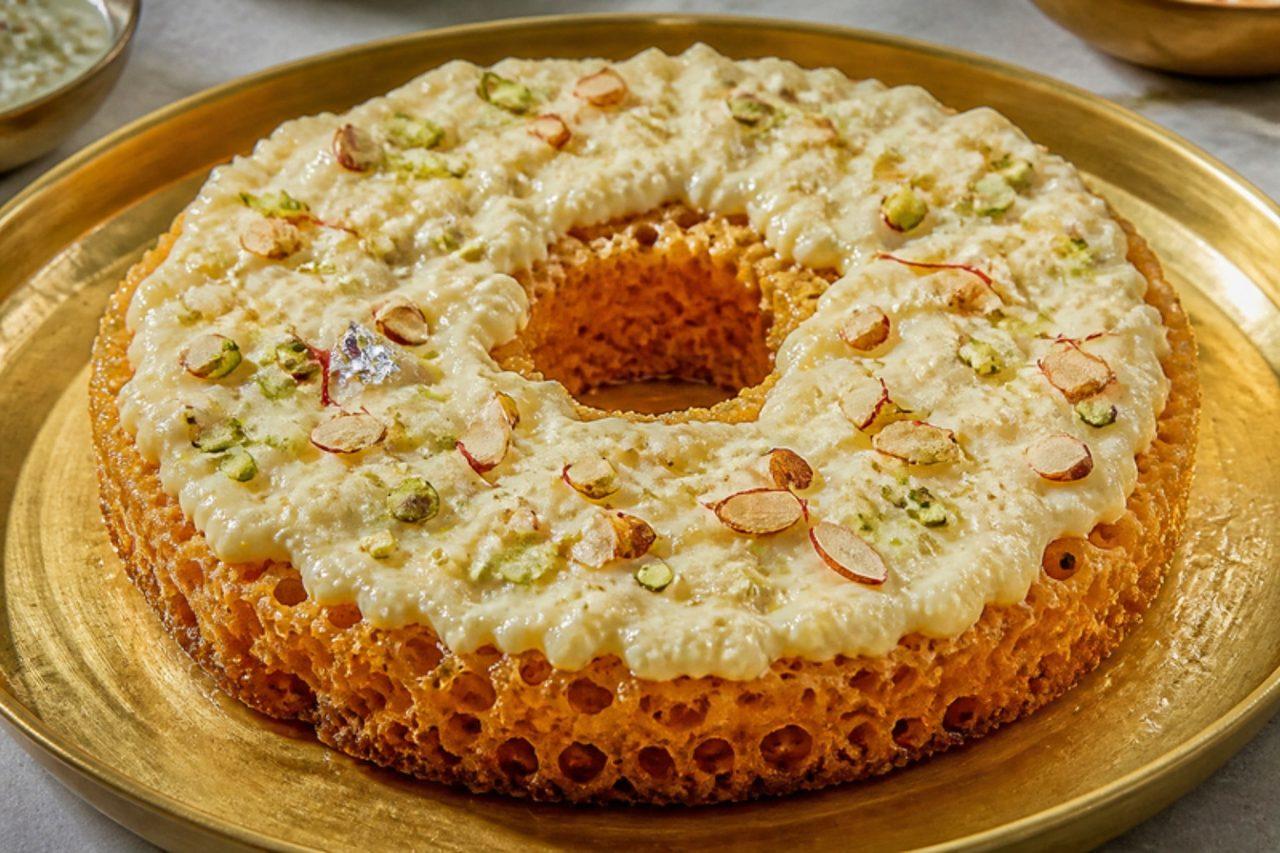
GhevarLacy fried batter sweet in syrup

During the monsoon festival of Teej and through Raksha Bandhan, Jaipur's sweet shops stack golden, honeycomb discs of ghevar in their windows. The batter is little more than flour, chilled ghee and ice-cold water, poured into hot ghee in thin streams so it foams into a lacy round. It is then soaked in syrup and finished with rabri, sliced pistachios and a pinch of saffron. Married daughters traditionally receive it from their mothers' homes during Teej. The most common mistake is batter that is too warm or too thick; it fries into a heavy pancake instead of a web. Chef's tip: whisk the ghee with ice cubes until it is white and fluffy before adding flour, and keep the batter bowl in a tray of ice water while frying. A narrow, deep pan, or a metal ring set in a saucepan, gives the sides that help the batter build up.

by KrazyBadal 0 views

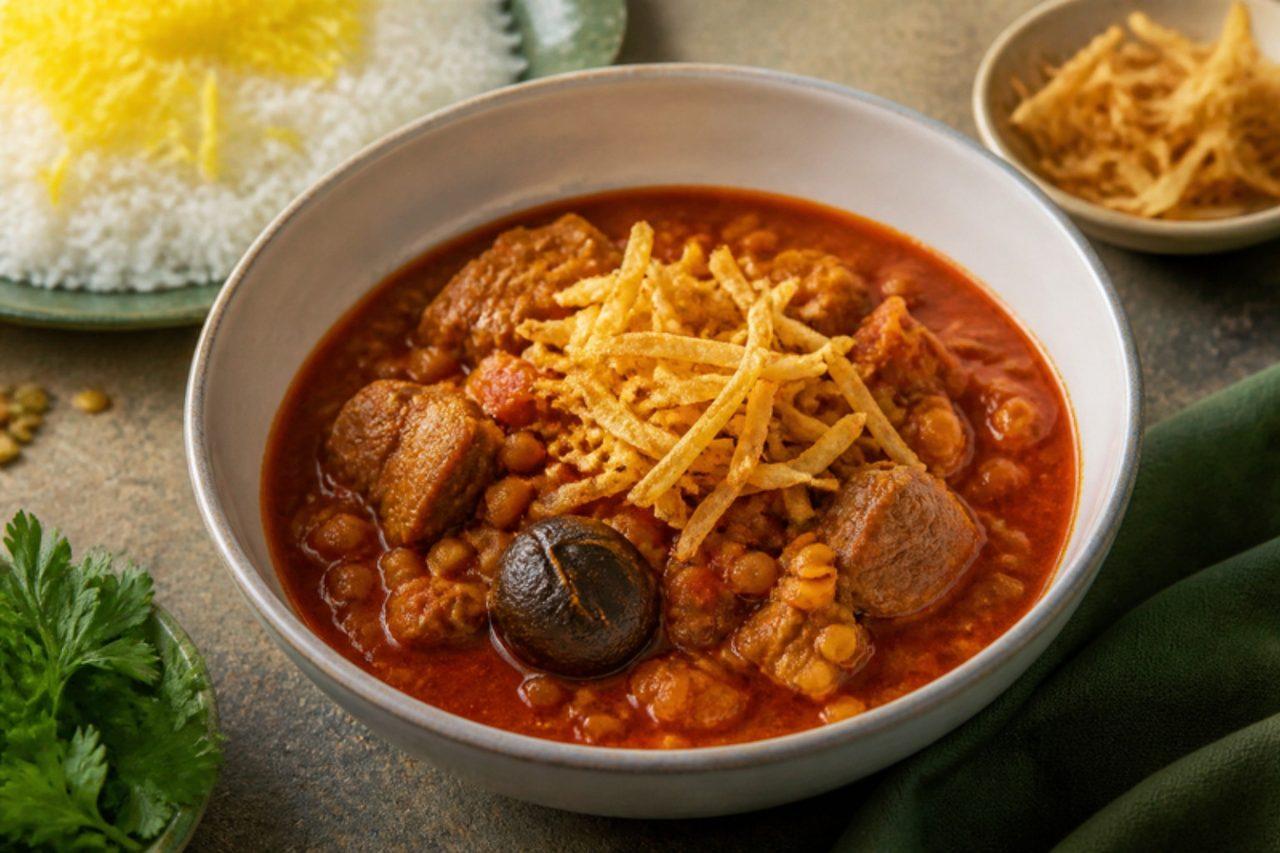
GheymehLamb and split pea stew

Gheymeh is the stew that big pots are made for: in Iran it is cooked by the cauldron and handed out to neighbours during Muharram, especially on Tasua and Ashura, and it is a fixture of weddings and Friday lunches. Small cubes of lamb simmer with yellow split peas, tomato and dried Persian limes until the sauce is tangy, savoury and a little fragrant with cinnamon. A tangle of crisp, salty potato straws goes on top just before serving. Eat it with chelow rice. Chef's tip: pierce the dried limes and soak them for 10 minutes before adding; they release their sourness faster and don't float.

140 minPersianMeatGluten free
by KrazyBadal 0 views

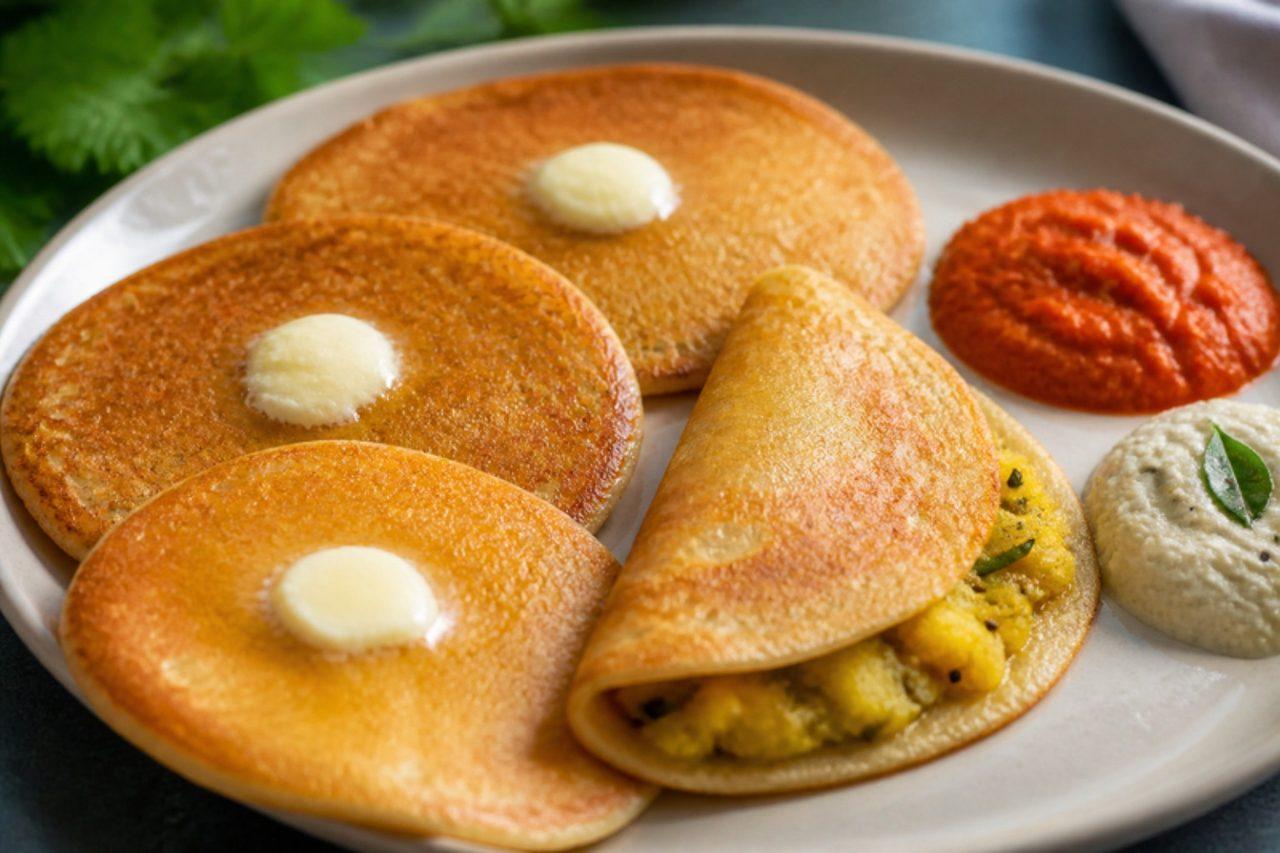
Davanagere benne dosaButter dosa

Davanagere, a cotton-market town in central Karnataka, is famous for one thing above all: benne dosa, small, thick dosas cooked on a huge iron griddle with a generous lump of white butter melting over each one. The batter includes puffed rice (mandakki), which makes the inside soft and spongy while the base turns crisp and deep golden. In the town's busy dosa halls they arrive two at a time with a thin coconut chutney and a spoonful of potato palya tucked inside. It is breakfast, but many people eat it as an evening snack too. Chef's tip: use proper unsalted white butter if you can find it, and add it in two goes, half when the batter goes on and half just before folding, so the edges fry in butter rather than burn.

by KrazyBadal 0 views

Showing 90 of 10,569 recipes

Page 1,077 of 1,175