


Skip to content
Čobanac
Featured recipe

Čobanac

Shepherd's meat stew with paprika

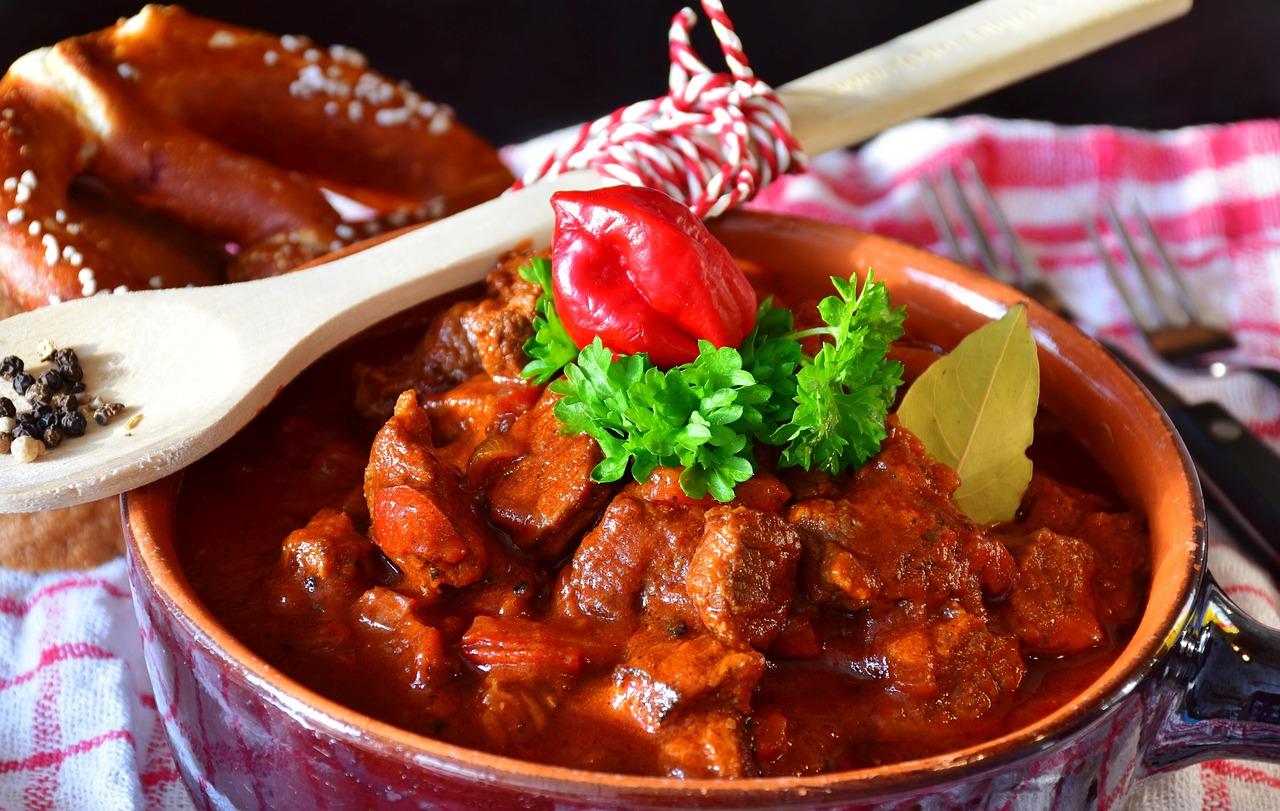
Slavonia, the flat farmland of eastern Croatia, cooks čobanac outdoors in a black cauldron at village fairs and hunting parties, and the smell of paprika drifts across the whole field. Three meats go in, typically beef, pork and venison or wild boar, with mountains of onion, sweet and hot paprika and a few peppers, simmering for hours until the sauce is thick, brick-red and spicy. This dish contains pork. Eat it with crusty bread or polenta. The usual slip is burning the paprika: it turns bitter in seconds, so always take the pot off the heat before stirring it in. Chef's tip: cook it a day ahead; like most stews it tastes deeper the next day.

Read more 0 views

What to eat today?

Around the world

Today's trip: Persian

A new country every day, from every cuisine on the site.

Persian

Shir berenj

Rose water rice pudding 70 minMore from Persian (181) →

This week's collection

Kid-friendly dinners
772 recipes · a new collection every Monday

Coming up

All occasions →

Latest recipes

NikujagaBeef and potato stew

Two naval port towns, Maizuru near Kyoto and Kure near Hiroshima, both claim nikujaga was first cooked in their navy galleys. Whatever its start, it became the dish many Japanese people think of as mum's cooking, simmered on autumn and winter evenings and served with rice and miso soup. Thin slices of beef, chunks of potato, onion and carrot cook gently in dashi seasoned with soy and sugar until the potatoes are tender and soaked with flavour. Families in eastern Japan often use pork; in the west, beef is usual. Chef's tip: cover the stew with a circle of baking paper with a small hole in the middle (an otoshibuta, or drop lid), so the small amount of liquid bastes everything evenly.

by KrazyBadal 0 views
Ají de gallinaChicken in creamy chilli sauce

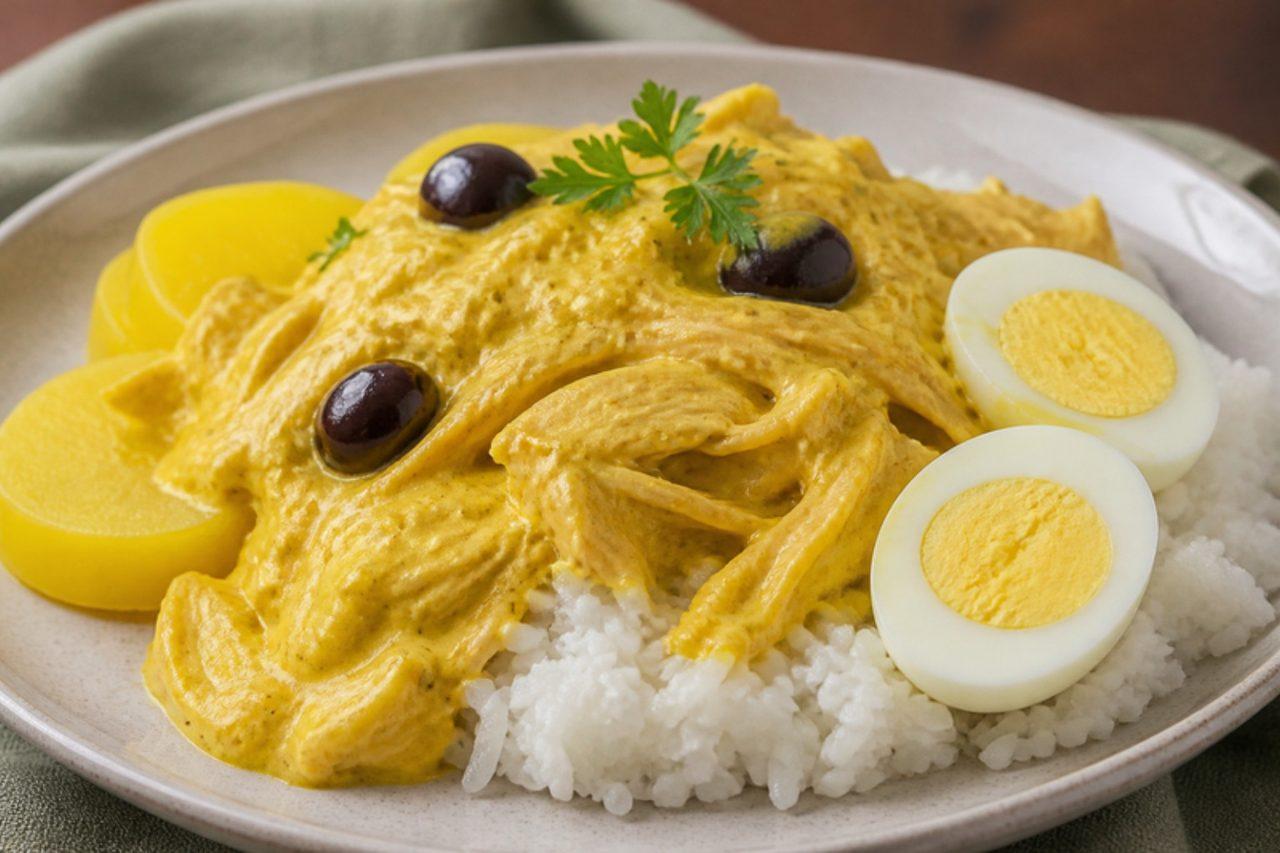
Lima's old criollo kitchens turned leftover hens into this golden, velvety stew, and it still turns up at family lunches, office canteens and menú del día stalls all over the capital. Poached chicken is pulled into threads and folded into a sauce thickened with milk-soaked bread, ground walnuts and parmesan, coloured by ají amarillo, Peru's fruity yellow chilli. It is served over white rice with boiled potatoes, a halved egg and a black olive. Chef's tip: keep the poaching broth; loosening the sauce with it instead of more milk gives a deeper, more chickeny flavour.

by KrazyBadal 0 views

NimonaFresh green pea curry

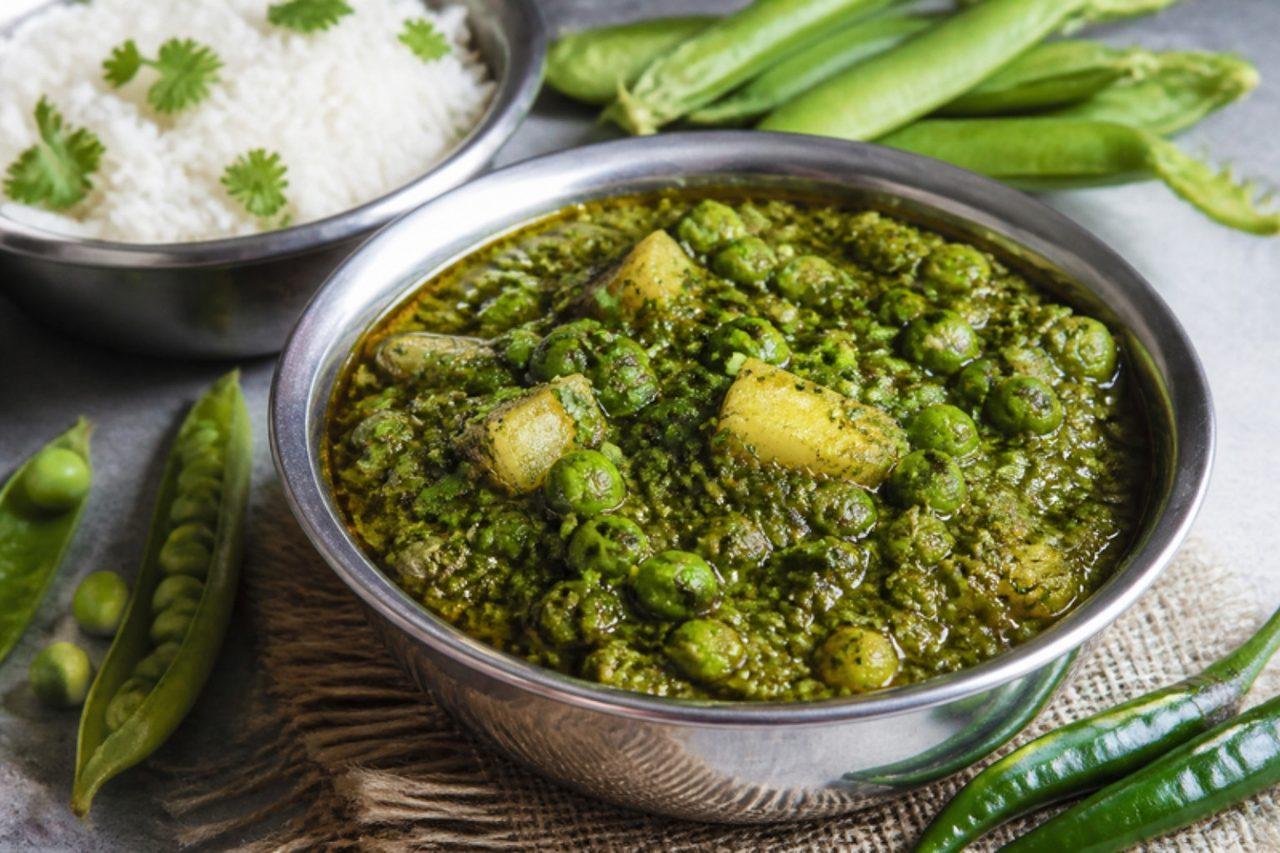
When fresh peas fill the markets of Varanasi and Gorakhpur in December, almost every household makes nimona. The peas are coarsely ground and fried in mustard oil until they lose their raw smell and turn a darker, nutty green. Potatoes are then added and everything simmers in a thin, spicy gravy. It is eaten with plain rice on a winter afternoon, and some families add fried moong dal vadis for extra bite. The most common mistake is grinding the peas into a smooth paste; nimona should have texture, like crushed peas rather than soup. Chef's tip: pulse the peas with the green chillies, ginger and garlic in short bursts, and stop as soon as they look like coarse, wet crumbs.

by KrazyBadal 0 views

Lontong sayurRice cakes in coconut vegetable broth

In Jakarta, lontong sayur is what the morning carts sell before offices open: firm slices of pressed rice sitting in a thin, golden coconut broth with chayote, long beans and squares of tofu and tempeh. Betawi families also cook a big pot of it for Lebaran morning. Street versions often add dried shrimp to the spice paste; this one keeps the flavour with candlenuts, galangal and salam leaf instead. Serve with sambal, fried shallots and crackers. Chef's tip: cook the lontong the day before and chill it overnight; cold rice cakes slice cleanly and soak up the broth without falling apart.

by KrazyBadal 0 views

Niter kibbehSpiced clarified butter

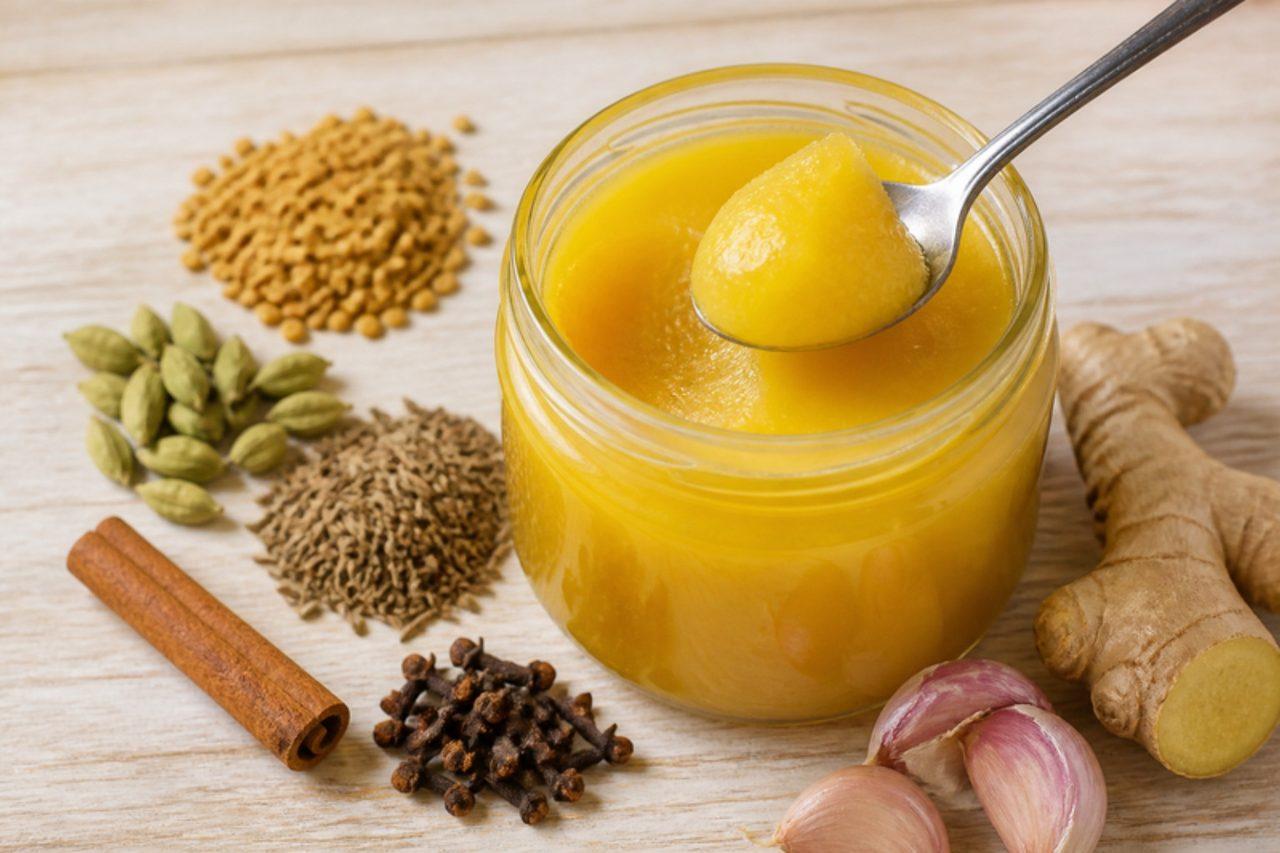
Niter kibbeh is the golden spiced butter used across the Ethiopian highlands on non-fasting days, when a spoonful goes into doro wat, kitfo, genfo or a simple pan of scrambled eggs. Butter is melted slowly with onion, garlic, ginger, fenugreek, cardamom, sacred basil (besobela) and other spices, then strained, leaving a fragrant, nutty fat that keeps for months. Because it is dairy it is never eaten during fasts; for those dishes, Ethiopians use plain oil, or you can warm 250 ml vegetable oil with the same spices for 15 minutes and strain it for a vegan spiced oil. Chef's tip: keep the heat very low; the butter should barely shiver, and if the milk solids burn the whole batch tastes acrid.

by KrazyBadal 0 views

Su böreğiLayered boiled pastry with cheese

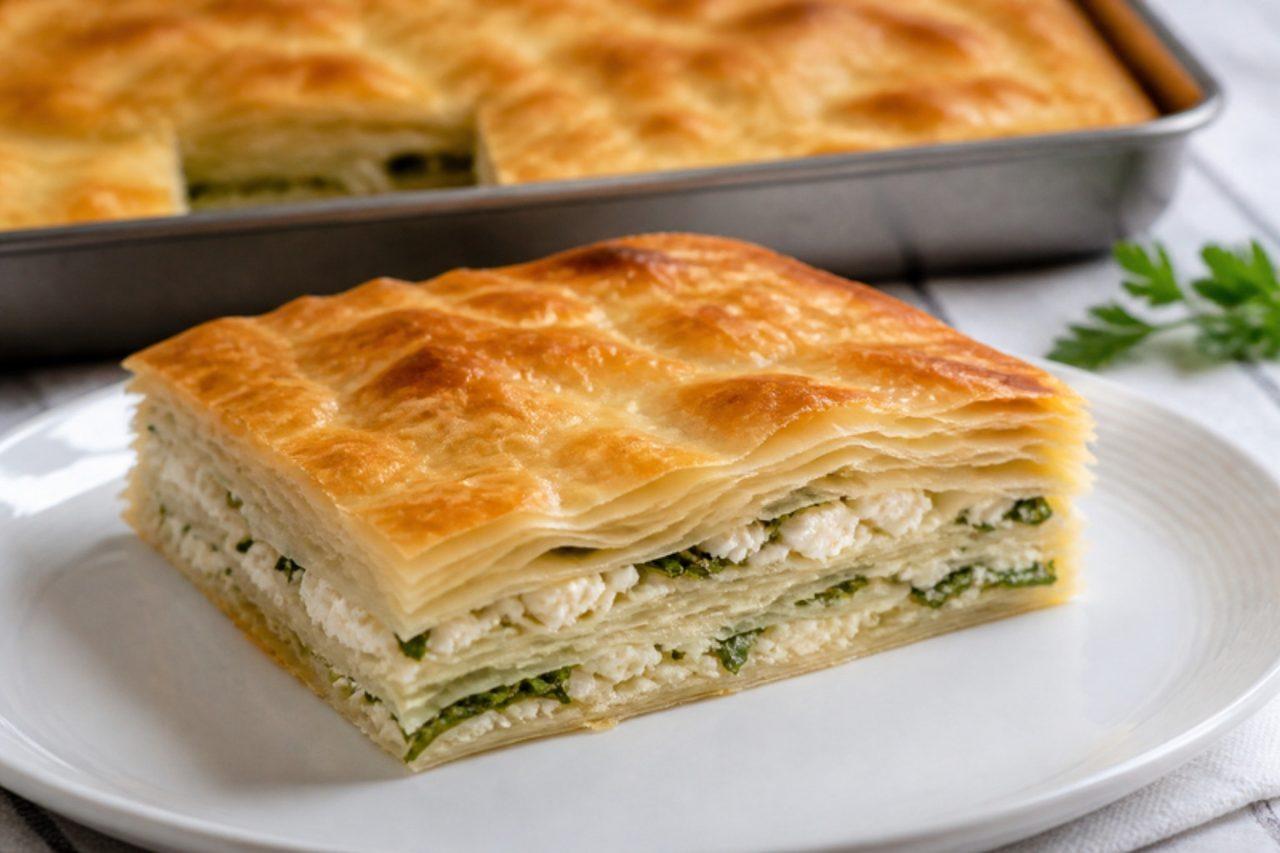
Of all Turkish böreks, su böreği is the one cooks are proudest of. Thin sheets of egg dough are boiled for a moment, then layered with butter and white cheese and baked until the top is crisp and the inside is soft and almost silky, a little like a cheesy lasagne made of pastry. Bakeries in Istanbul and Ankara sell it by weight from huge trays in the morning, and at home it appears at holidays and when guests are expected. It takes time and patience but nothing is difficult. Make it the day before and reheat it. Chef's tip: have a big bowl of iced water ready next to the pan; plunging each sheet straight into it stops it cooking and keeps the layers from sticking together.

by KrazyBadal 0 views

Sheer khurmaVermicelli milk pudding

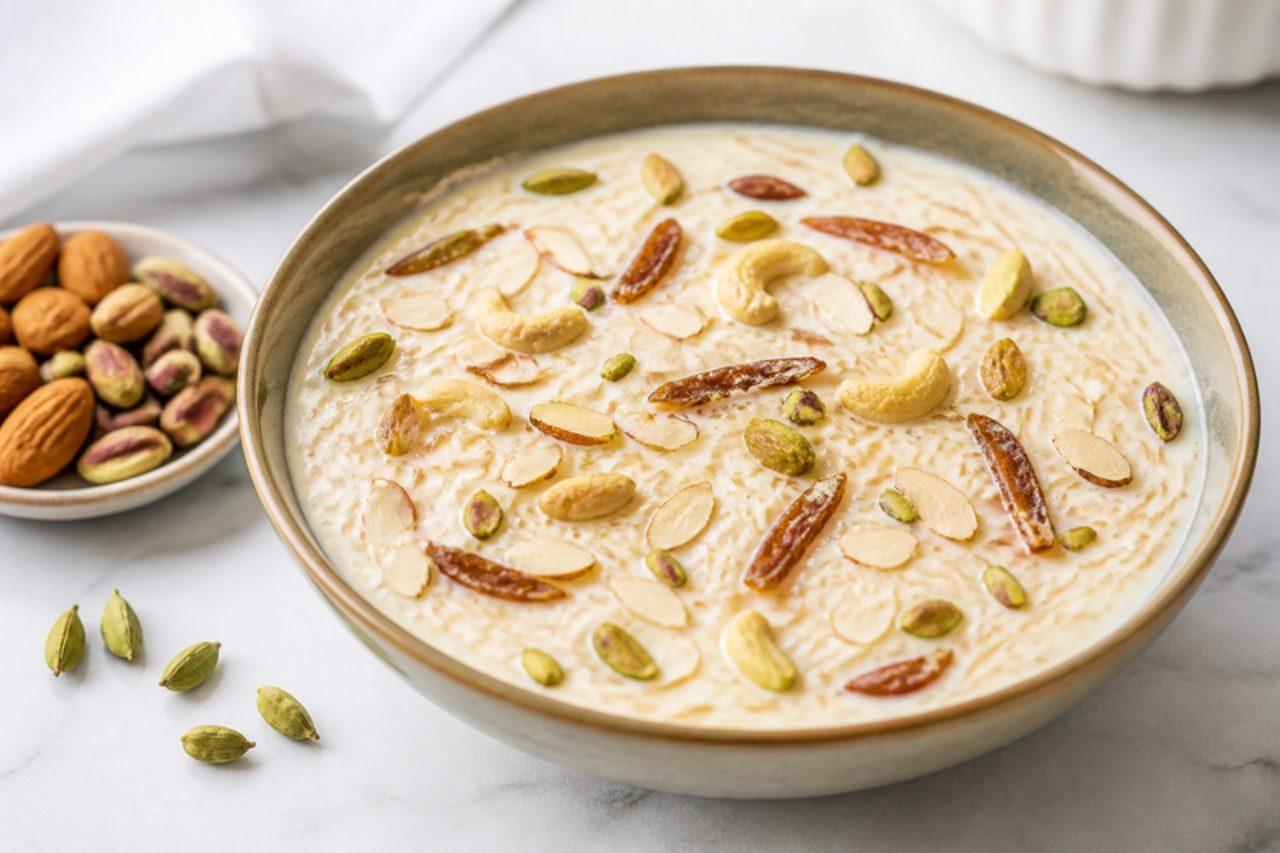
Sheer khurma means milk with dates in Persian, and in Pakistan it is the taste of Eid ul-Fitr morning: after the Eid prayer, families come home and every visitor who knocks that day is handed a small bowl. It is richer and nuttier than everyday seviyan: whole milk is boiled down until creamy, fine vermicelli fried golden in ghee goes in late, and it is loaded with soaked dried dates (chhuhare), almonds, pistachios, cashews, raisins and charoli seeds, scented with cardamom. It is served warm in the morning and thickens to a spoonable pudding when cold. The mistake most people make is adding the vermicelli too early or using too much; it keeps drinking milk as it cools and turns stodgy. Chef's tip: soak the dried dates overnight and slice them thinly; fresh soft dates melt away, but soaked chhuhare stay chewy and sweet in every spoonful.

by KrazyBadal 0 views

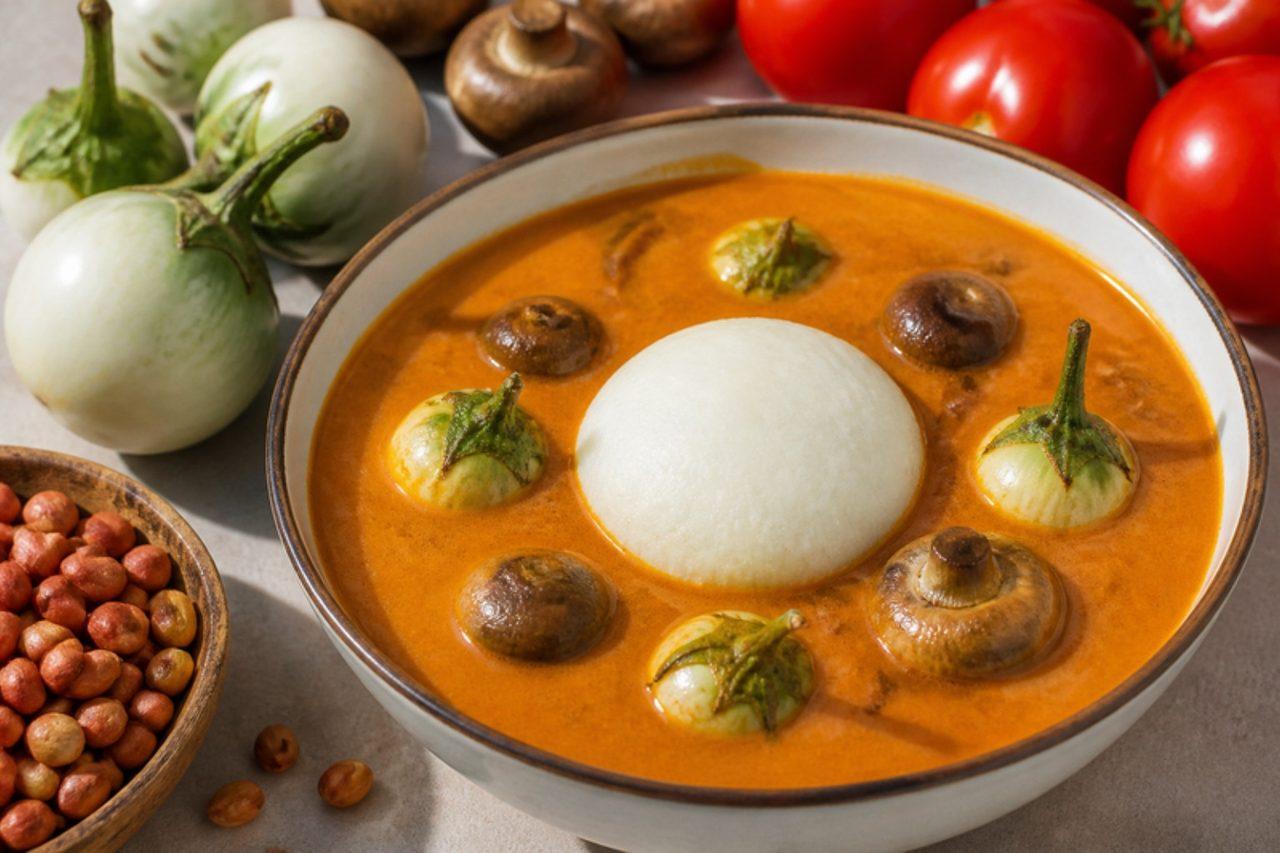
Groundnut soup (nkatenkwan)Peanut soup

Nkatenkwan is the Sunday soup of Ghanaian homes, simmered while families are at church and eaten afterwards with omo tuo (soft rice balls) or fufu. Roasted groundnut paste is cooked slowly in a peppery tomato and ginger broth until the oil separates and turns the soup a rich orange-brown. It usually carries chicken or goat; here garden eggs (small African aubergines) and mushrooms keep it meaty without meat. Chef's tip: cook the groundnut paste long and slow; it is ready only when reddish oil rises and pools on top, and rushing it leaves a raw, pasty taste.

by KrazyBadal 0 views

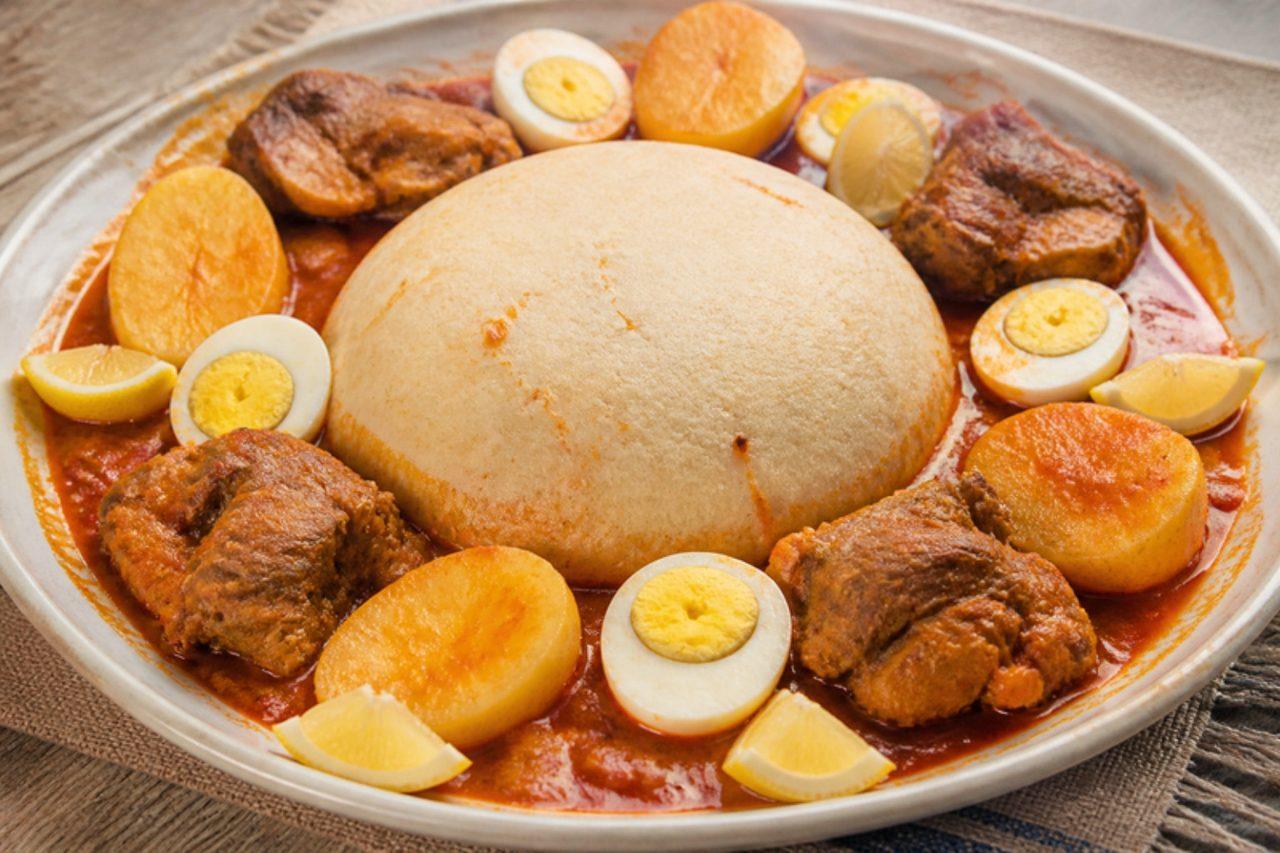
Bazin with lambBarley dough with lamb stew

Bazin is the traditional festive dish of Libya, especially in Tripoli and the western mountains: a smooth, firm dome of barley-flour dough set in the middle of a wide dish, surrounded by a spicy lamb stew of tomato, chilli and turmeric, with hard-boiled eggs and potatoes. Everyone eats from the same plate with the right hand, pinching off dough and dipping it in the sauce. The mistake is not beating the dough hard enough: it should be pounded until completely smooth, or it tastes floury. Chef's tip: beat the dough with a wooden spoon, adding cooking liquid a spoonful at a time, until it pulls cleanly away from the pot.

150 minAfricanMeatSpicy
by KrazyBadal 0 views

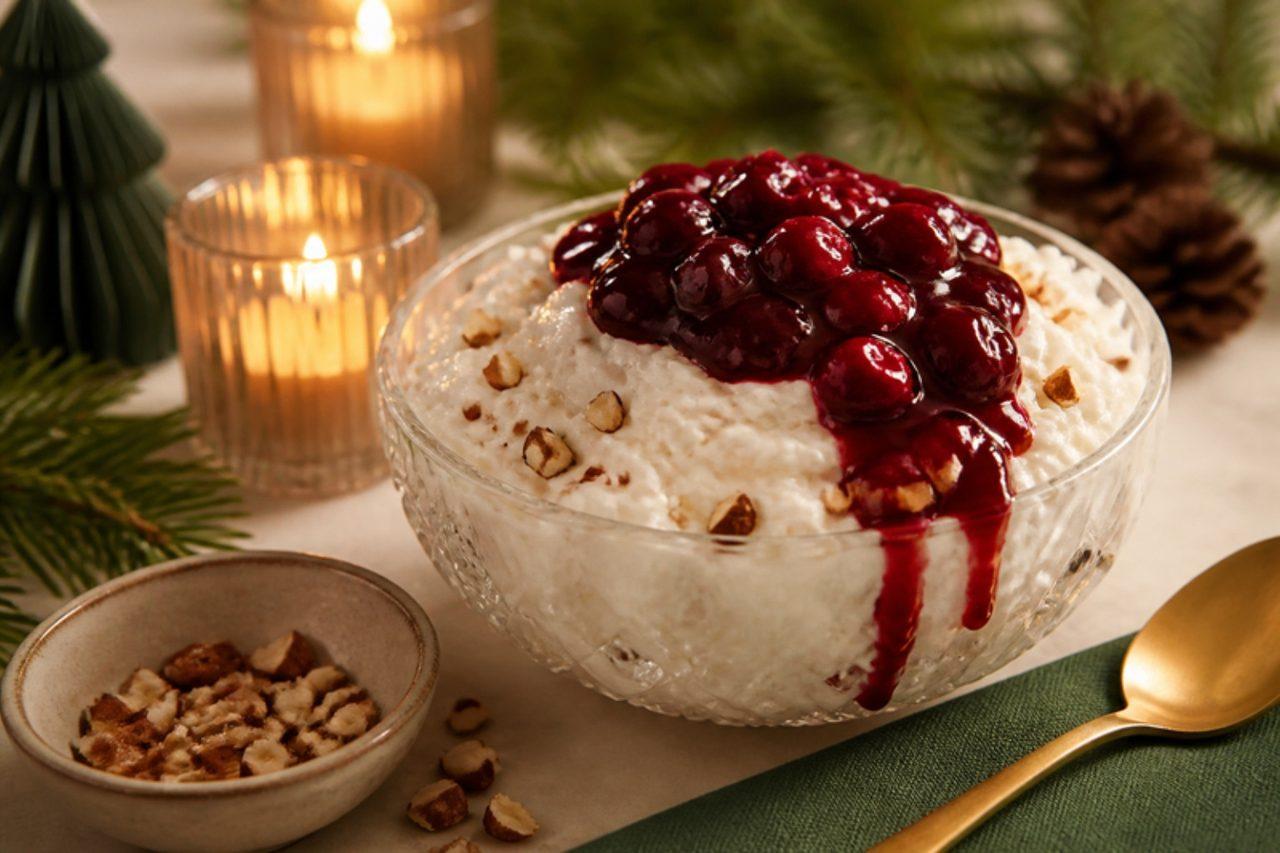
RisalamandeRice pudding with cherry sauce

On Christmas Eve, almost every Danish family ends dinner with risalamande, a cold vanilla rice pudding lightened with whipped cream and chopped almonds and served with a hot cherry sauce poured over the top. Hidden somewhere in the bowl is one whole almond, and whoever finds it wins the mandelgave, the almond prize, usually a marzipan pig. Some finders keep the almond in their cheek until everyone has eaten far too much. The rice base, risengrød, is often cooked on 23 December, eaten warm with butter and cinnamon, and the leftovers become risalamande the next night. Chef's tip: let the rice pudding cool completely before folding in the cream; warm rice melts the whipped cream and the pudding turns heavy instead of airy.

by KrazyBadal 0 views

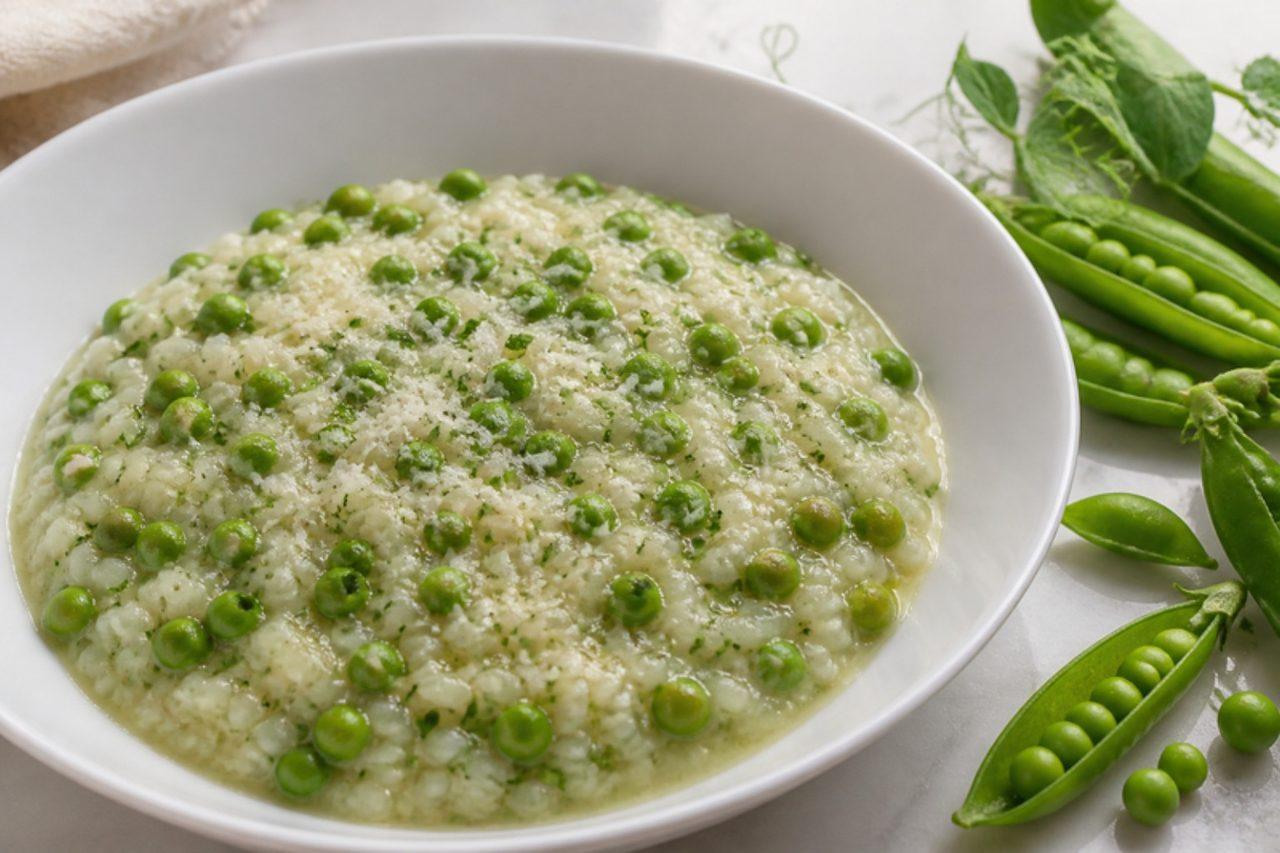
Risi e bisiRice and peas

Risi e bisi was once served to the Doge of Venice every 25 April, the feast of Saint Mark, when the first tender peas arrived from the lagoon islands. It sits between a soup and a risotto: thicker than a minestra, looser than risotto, eaten with a spoon. Venetians make a quick broth from the empty pods, which gives a sweet, grassy flavour no stock cube can match; pancetta often goes in, but this version keeps it vegetarian with parsley and butter. Chef's tip: when podding fresh peas, keep the pods; simmered for 20 minutes they make the whole dish taste of spring.

by KrazyBadal 0 views

NokedliSoft egg dumplings

Nokedli, also called galuska, are the small, soft, irregular egg dumplings that sit under almost every paprikás in Hungary, from Budapest lunch canteens to Sunday tables in the villages of the Great Plain. Unlike German Käsespätzle, they are not baked with cheese: they are a plain, buttery side whose job is to soak up a red, sour-cream sauce. Grandmothers scrape the batter off a wet board with a knife, but a nokedli grater (nokedliszaggató) or a colander with large holes is quicker at home. Serve them with gombapaprikás or lecsó, or toss them with fried egg for a quick supper. Chef's tip: let the batter rest for 10 minutes before cooking; the flour hydrates and the dumplings hold together instead of dissolving into the water.

by KrazyBadal 0 views

Nom banh chok with green curry brothRice noodles in green curry broth

Before seven in the morning, women carrying baskets on shoulder poles sell nom banh chok across Cambodia; around Siem Reap there is even a lane of stalls near the temples known for it. Soft, slippery rice noodles are piled into a bowl, ladled with a pale green broth of kroeung and coconut milk, then buried under shredded banana blossom, cucumber, beansprouts, long beans and handfuls of herbs. The market version thickens the broth with pounded fish; here pumpkin and creamy white beans give it the same body. Chef's tip: be generous with the raw vegetables and herbs; the dish is meant to be more garden than noodle, and the cool crunch is what balances the warm broth.

by KrazyBadal 0 views

Nom krokCoconut rice cakes

Nom krok are a street snack you hear before you see: the hiss of batter hitting a charcoal-heated cast-iron pan full of small round hollows, outside markets and schools across Phnom Penh in the late afternoon. Each little cake has a lacy, crunchy rice-flour shell and a molten top of salted coconut cream with spring onion, and two halves are pressed together to eat hot from a banana leaf. A Danish aebleskiver or Japanese takoyaki pan works perfectly at home. Chef's tip: let the pan get properly hot before the first batter goes in, about 4 minutes on a medium-high heat; a cool pan makes pale, sticky cakes that won't come out cleanly.

by KrazyBadal 0 views

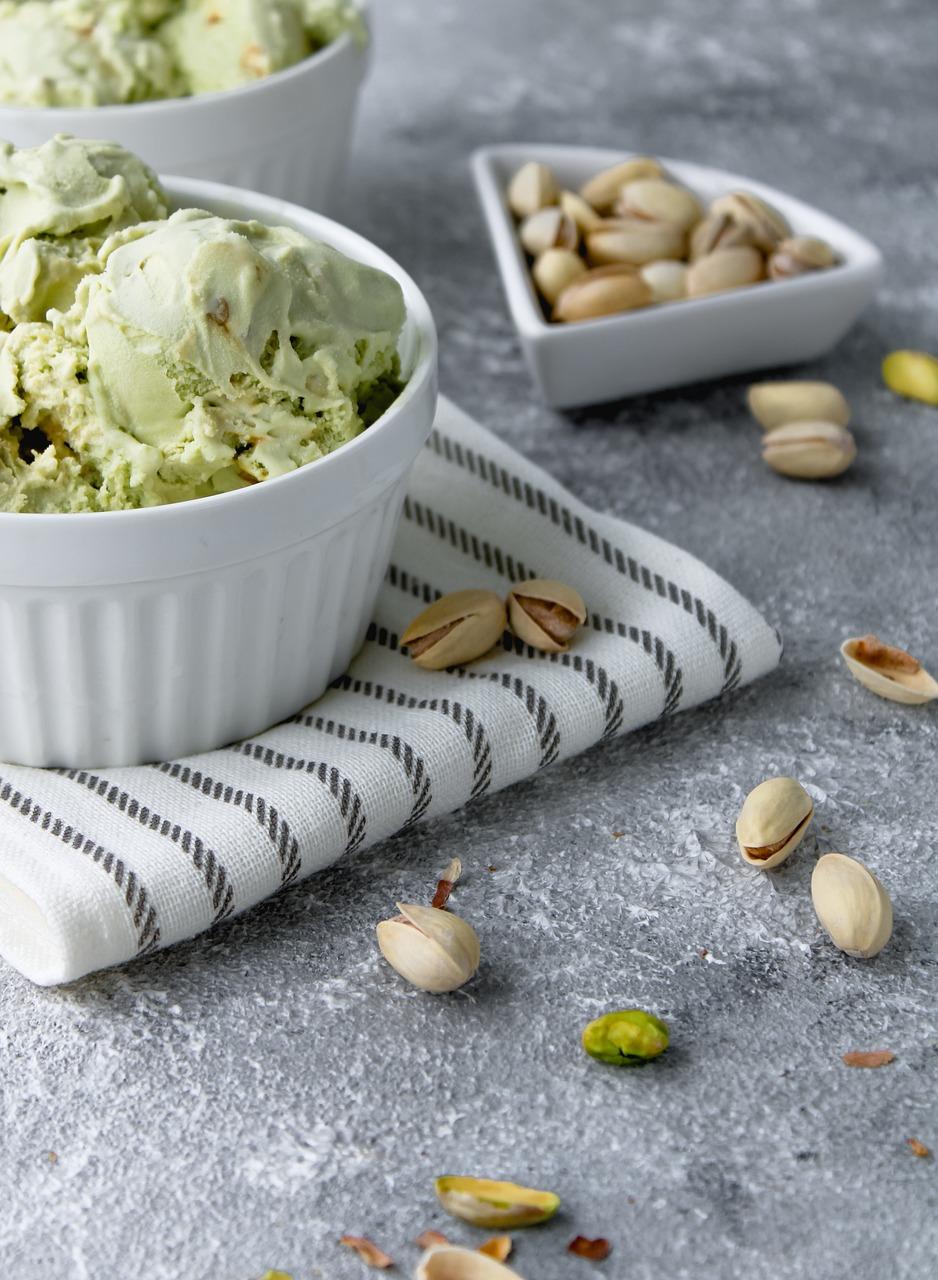
Sheer yakhRose and cardamom ice cream

Sheer yakh, literally milk-ice, is the ice cream Kabul's street vendors once churned by hand in metal drums set in buckets of salted ice, and it's still the treat of choice on hot summer evenings and at Eid gatherings. It's dense and slightly stretchy, flavoured with cardamom and rose water and packed with chopped pistachios. Traditional sheer yakh is thickened with salep (orchid root); cornflour gives a similar body at home. Chef's tip: cook the custard until it thickly coats a spoon, then chill it overnight before freezing; a cold, aged base churns denser and smoother.

by KrazyBadal 0 views

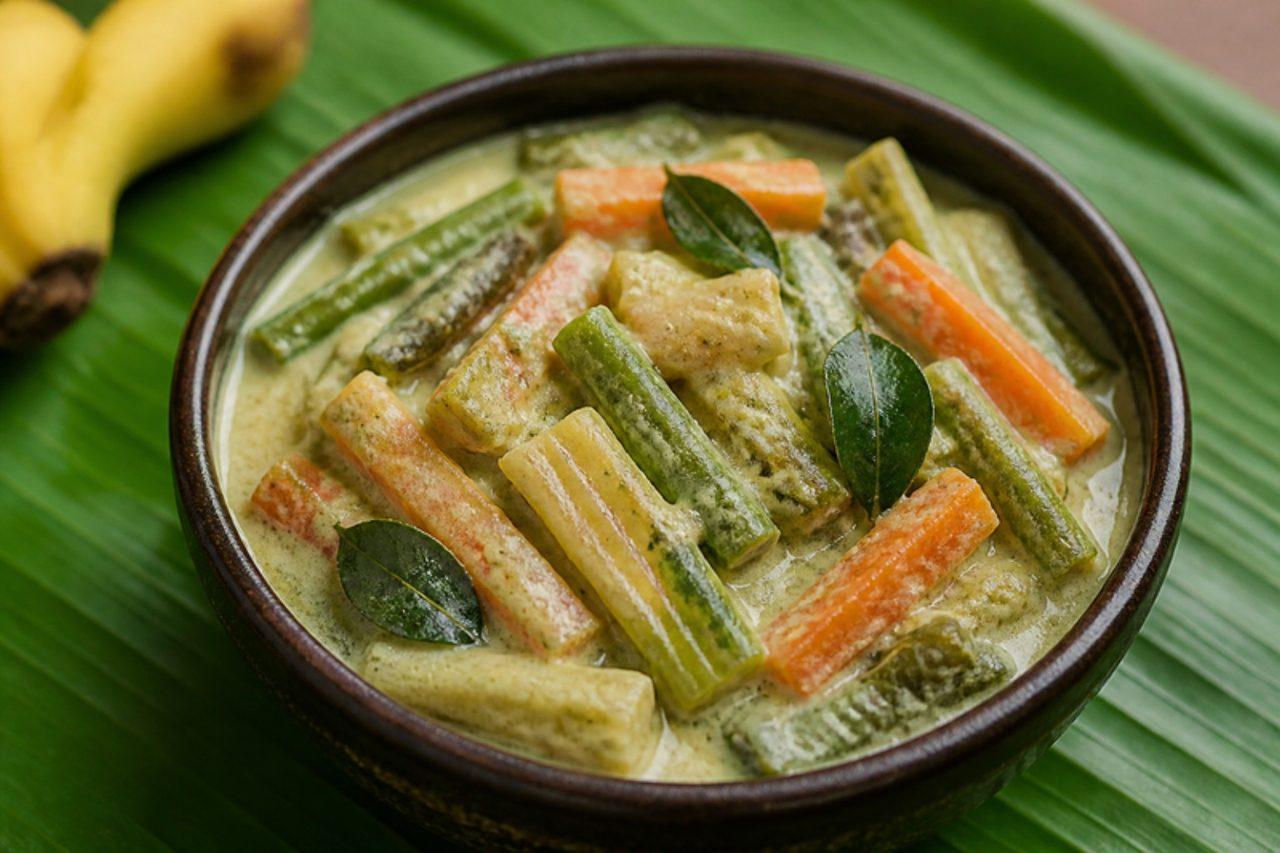
AvialMixed vegetables in coconut yogurt

Avial is a mainstay of the Kerala sadya, the vegetarian feast served on a banana leaf at Onam and weddings. Batons of vegetables (raw banana, drumstick, yam, carrot, beans, ash gourd) are cooked just tender, then coated in a coarse paste of fresh coconut, cumin and green chilli, soured with curd and finished with raw coconut oil and curry leaves. It's thick rather than saucy, mild, tangy and fragrant. Serve with rice and sambar, or with adai. Chef's tip: cut every vegetable into the same 5 cm batons and add them in order of hardness, so they're all tender together and nothing turns to mush.

by KrazyBadal 0 views

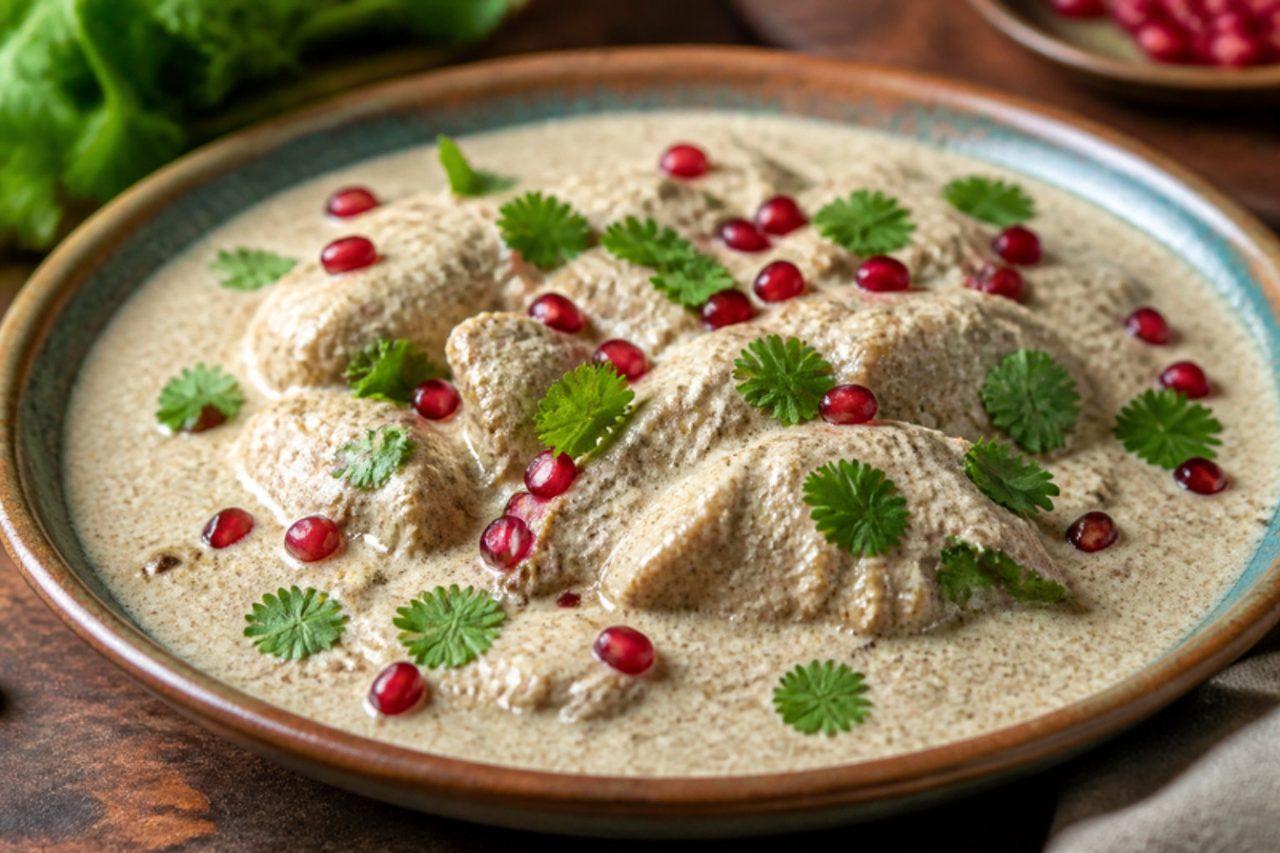
SatsiviChicken in cold walnut sauce

Satsivi is a dish of the Georgian New Year table, prepared in homes across western Georgia, Imereti and Samegrelo, a day ahead so it can be served cold at the long supra feast on 1 January. Poached chicken is covered in a thick, ivory walnut sauce scented with garlic, fenugreek, coriander and marigold petals and sharpened with vinegar. It is rich and fragrant, eaten with cornbread (mchadi) or fresh bread. Chef's tip: blend the walnuts with a little warm stock until they release their oil; this gives the sauce its silky texture.

by KrazyBadal 0 views

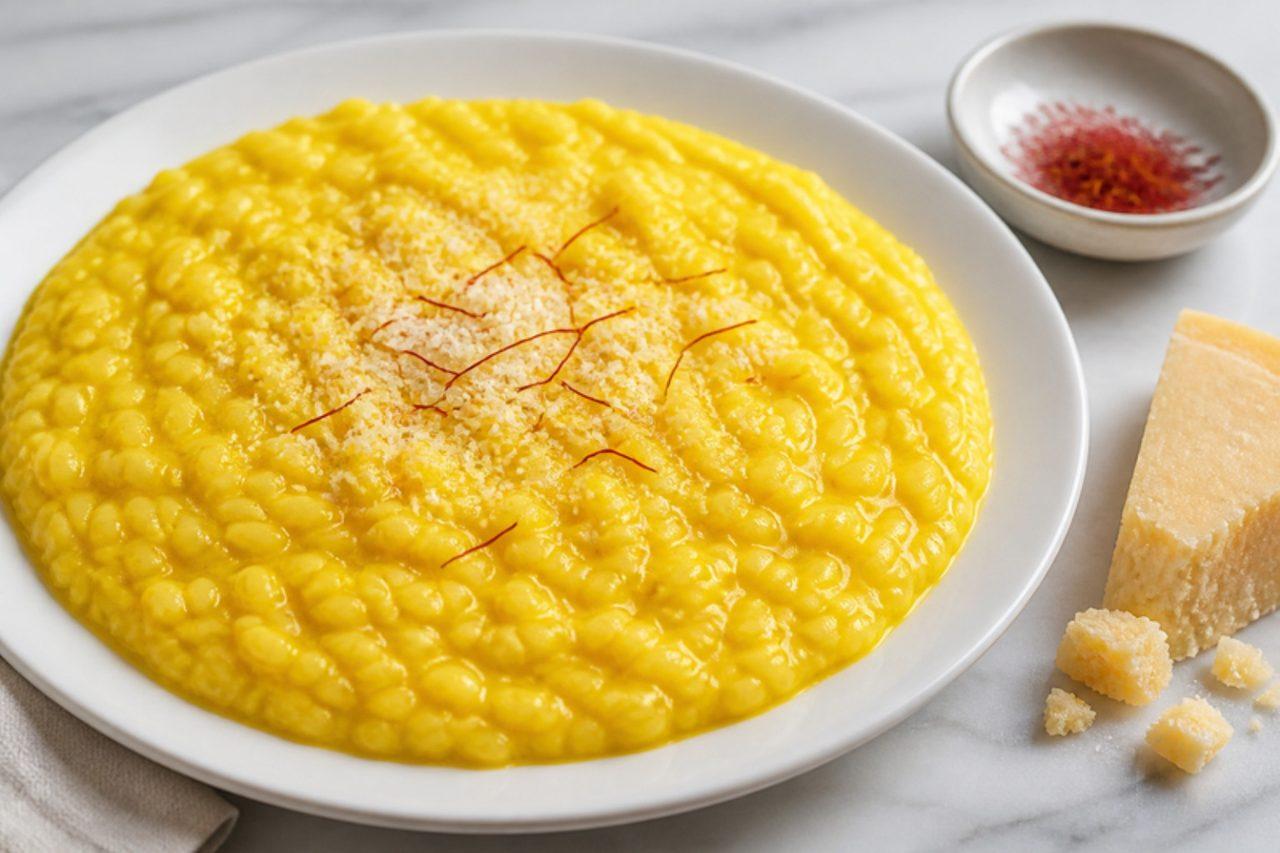
Risotto alla milaneseSaffron risotto

Risotto alla milanese is the saffron risotto of Milan, served on its own as a first course or beside ossobuco on Sunday tables, and a legend says it was first made in 1574 by a glass-painter's apprentice working on the Duomo who coloured rice with saffron. Milanese cooks use beef marrow and meat broth; here a well-flavoured vegetable stock keeps it vegetarian, with butter and hard cheese for richness. It should be all'onda: loose enough to ripple like a wave when you shake the plate. Chef's tip: keep the stock at a bare simmer beside the rice; cold stock stops the cooking and makes the grains chalky.

by KrazyBadal 0 views

ShekerburaNut-filled half-moon pastries

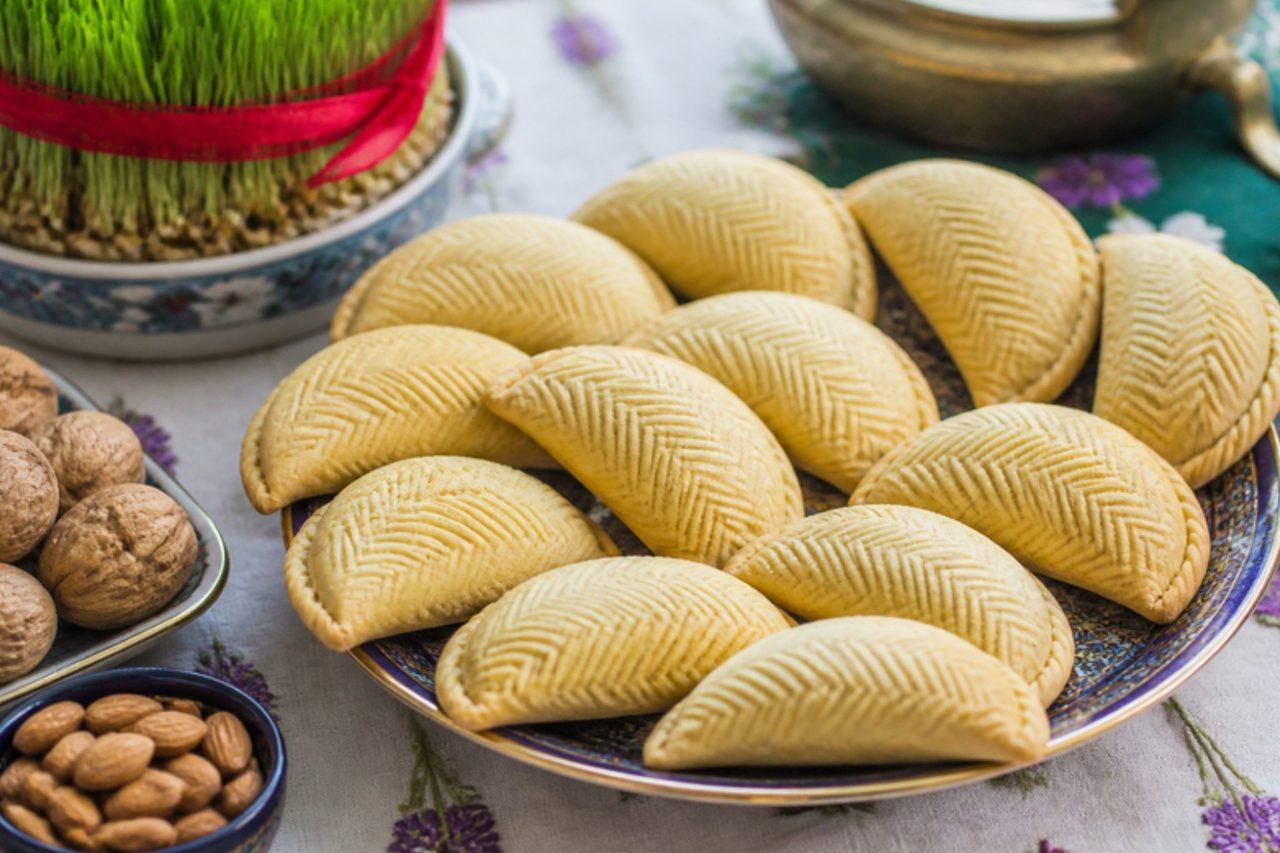
Şəkərbura is one of the three sweets that must be on the khoncha tray at Novruz, the spring new year celebrated on 20–21 March, alongside pakhlava and gogal. The half-moon shape is said to stand for the moon, and the fine herringbone pattern on top is pinched by hand with small brass tweezers called maggash, a skill passed down at family baking sessions in the days before the holiday. Inside is a sweet, fragrant mix of ground almonds or walnuts with sugar and cardamom. Shaki is famous for its shekerbura, though every family has its own pattern. Serve with black tea. Chef's tip: bake them pale; shekerbura should stay creamy-white with only the edges just turning blond, never brown.

by KrazyBadal 0 views

ShekerchoreyiCrackle-top shortbread

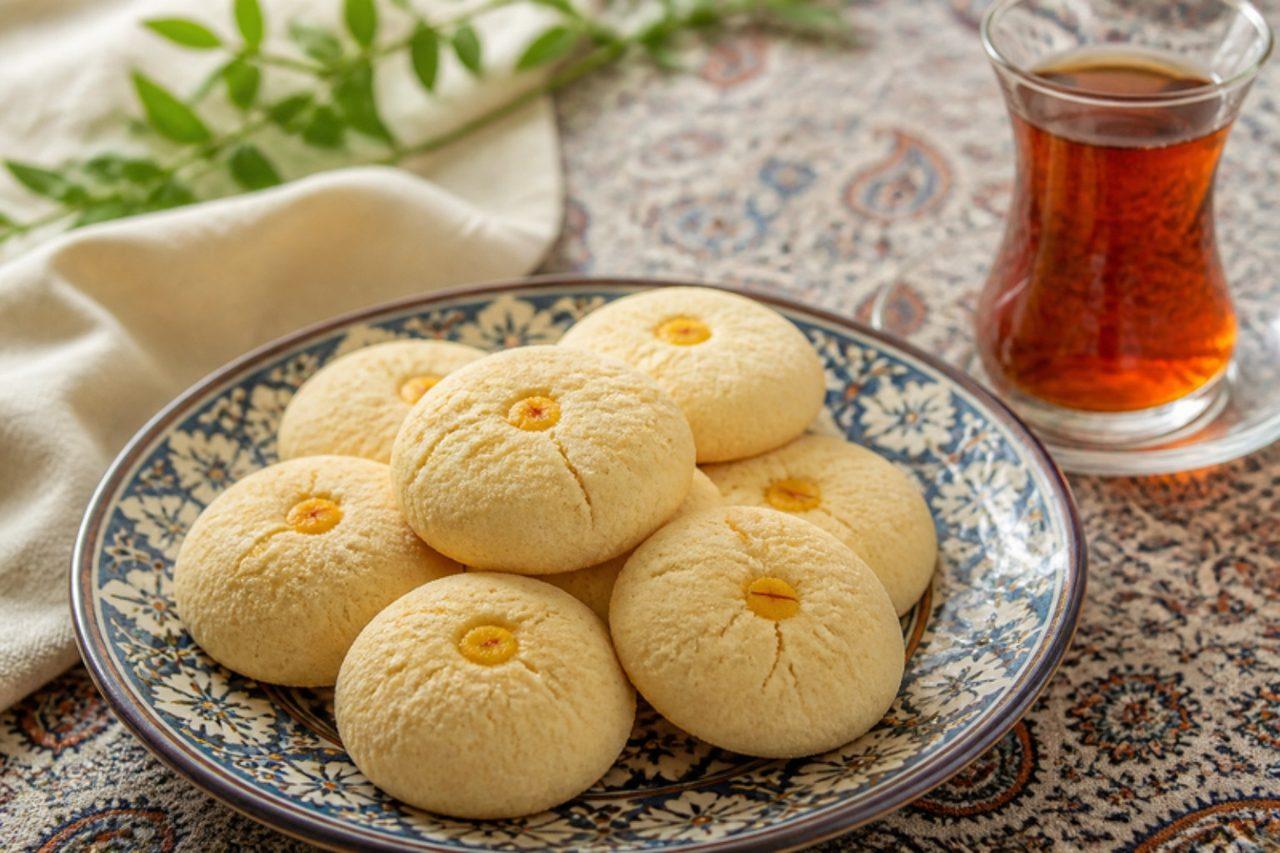
Şəkərçörəyi, "sugar bread", is the simplest of the Novruz sweets: small domed shortbreads made from melted butter, icing sugar and flour, whose tops crack in fine lines like dry earth as they bake. They melt in the mouth and leave a powdery sweetness, and families in Ganja and Baku bake big batches in the week before the spring festival to fill trays for visiting neighbours. Some cooks press a hazelnut or a pinch of poppy seeds into the centre. Serve with tea, ideally with a spoonful of quince jam. Chef's tip: let the melted butter cool and turn pale and creamy before mixing; hot butter makes the biscuits spread flat and greasy.

by KrazyBadal 0 views

AvakayaRaw mango pickle

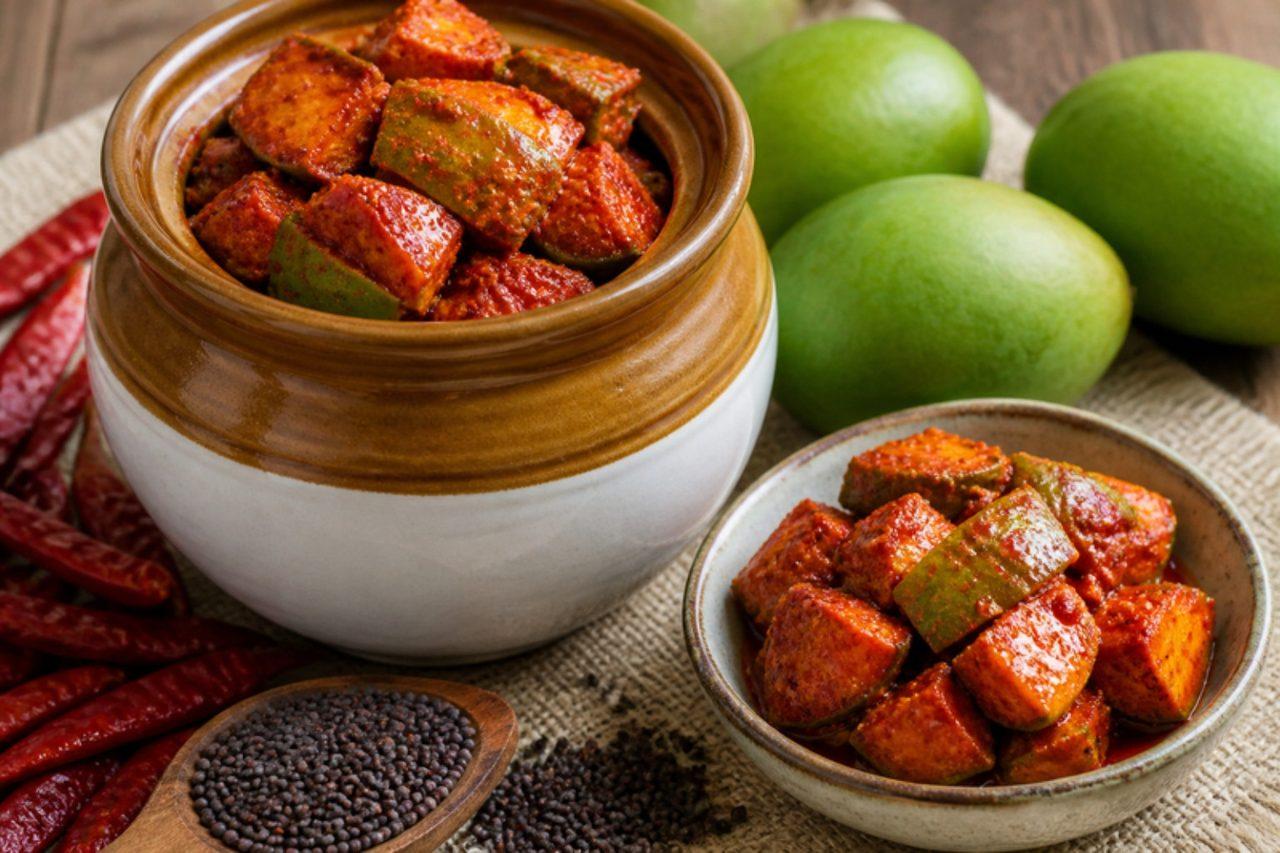
Every April and May, when the hard, sour green mangoes arrive, Andhra homes turn into pickle factories. The mangoes are cut, stone and all, with a heavy cleaver, then mixed with freshly ground mustard, fiery red chilli powder, salt and a flood of sesame oil, and packed into ceramic jars to mature. Avakaya is fierce, pungent, salty and sour, and a tiny piece mashed into hot rice with ghee and dal is many Telugu people's idea of perfect lunch. A jar lasts the whole year. Chef's tip: every piece of mango, every knife and the jar must be bone dry; a single drop of water can turn a whole batch mouldy.

by KrazyBadal 0 views

Mee hokkien PhuketThick yellow noodle stir-fry

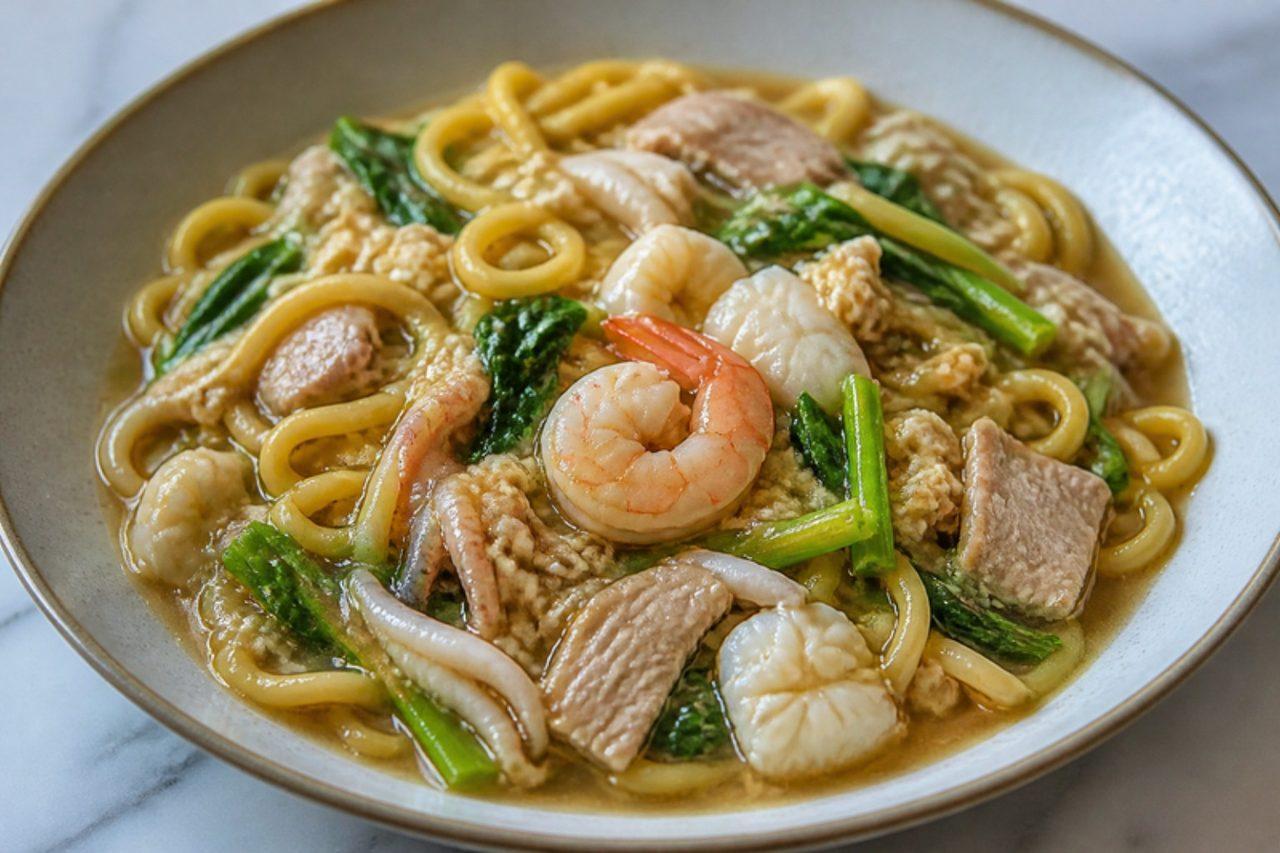
In the Sino-Portuguese shophouses of Phuket Town, descendants of Hokkien tin miners still begin the day with this: fat, chewy yellow egg noodles fried with pork, prawns and squid, then simmered in a little stock until the sauce becomes a savoury gravy that coats every strand, with an egg stirred through at the end. It is the island's signature noodle, ordered in old coffee shops with a glass of strong local coffee or a bowl of clear pork soup. The texture is slippery and thick, the flavour mellow and peppery rather than hot, so chilli vinegar goes on the table. Chef's tip: loosen the fresh noodles under hot water before they go in the wok; cold, stuck-together noodles snap into short pieces when tossed.

by KrazyBadal 0 views

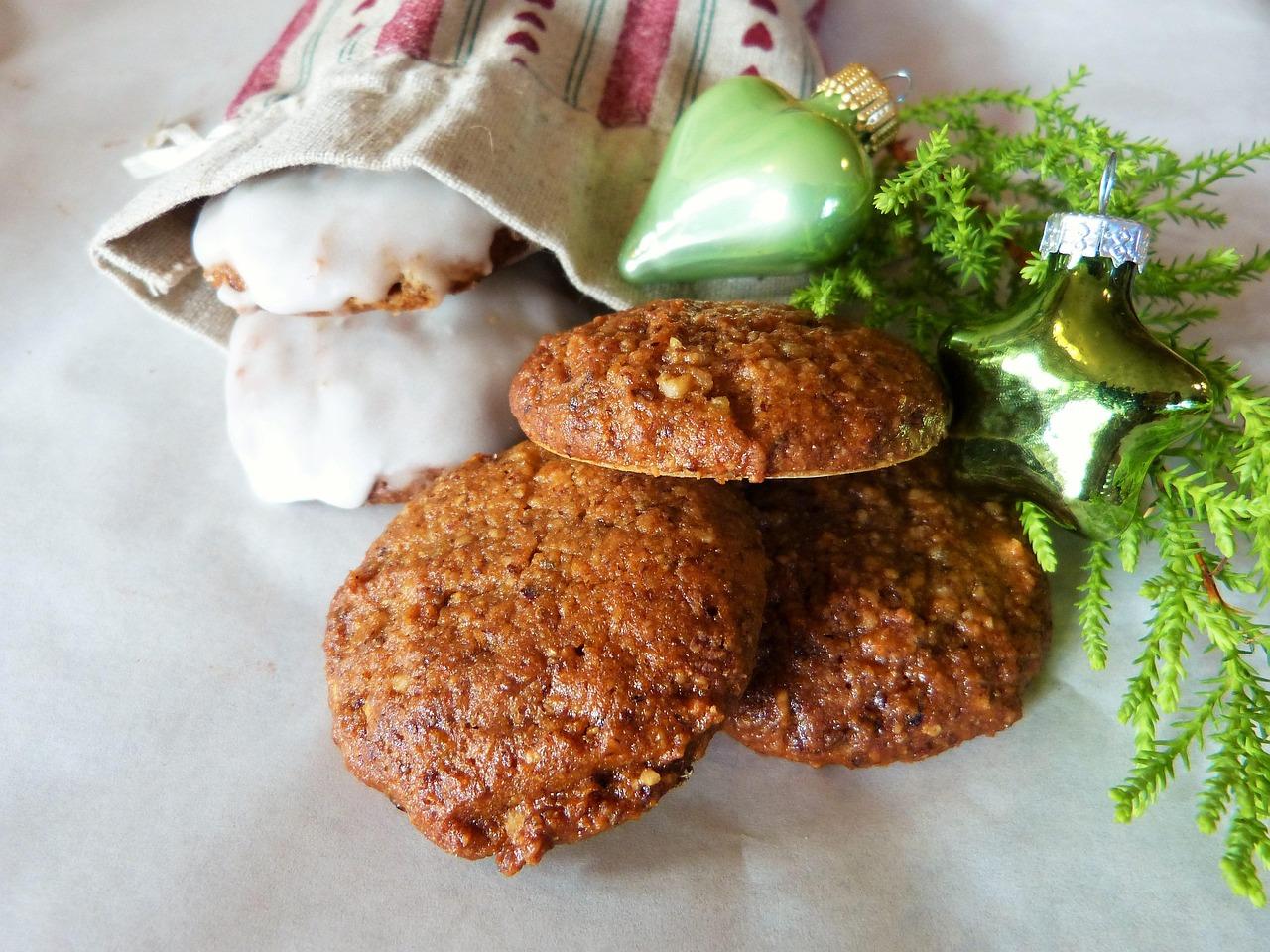
LebkuchenSpiced gingerbread cookies

Nuremberg has been the German capital of Lebkuchen since the Middle Ages, when the city sat on the spice trade routes, and at its Christkindlesmarkt the stalls are piled with them every Advent. The finest kind, Elisenlebkuchen, contain almost no flour: they're made mostly of ground nuts, candied peel, eggs, sugar and a warm spice mix, baked on thin Oblaten wafers so they stay soft and chewy inside, then glazed with chocolate or sugar. They keep for weeks in a tin and get better as they rest. Chef's tip: bake them only until just set; a common mistake is baking until firm, which makes them dry and hard by the next day.

by KrazyBadal 0 views

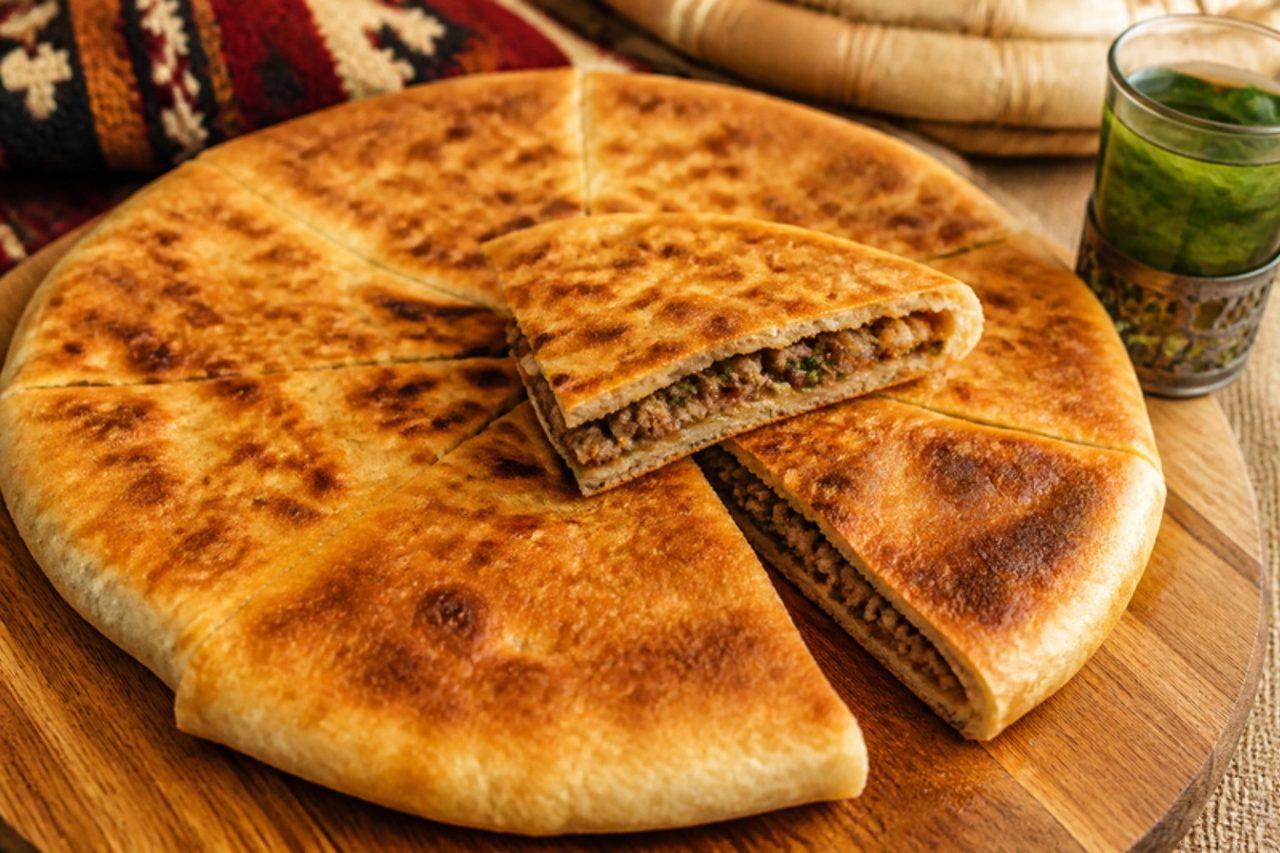
MedfounaSpiced meat stuffed bread

Out on the edge of the Sahara around Rissani and Merzouga, medfouna means 'buried', because the stuffed bread was traditionally baked in hot sand next to a fire. Two rounds of soft yeast dough enclose a filling of spiced beef, lots of onion, parsley and a little fat, and the whole thing bakes into a golden, crusty pie that is cut into wedges like a pizza. It is road-trip food, market-day food and the meal desert guides cook for travellers, eaten hot with mint tea. Chef's tip: squeeze the chopped onion and drain the cooked filling well; dry filling means a crisp base instead of a soggy one.

by KrazyBadal 0 views

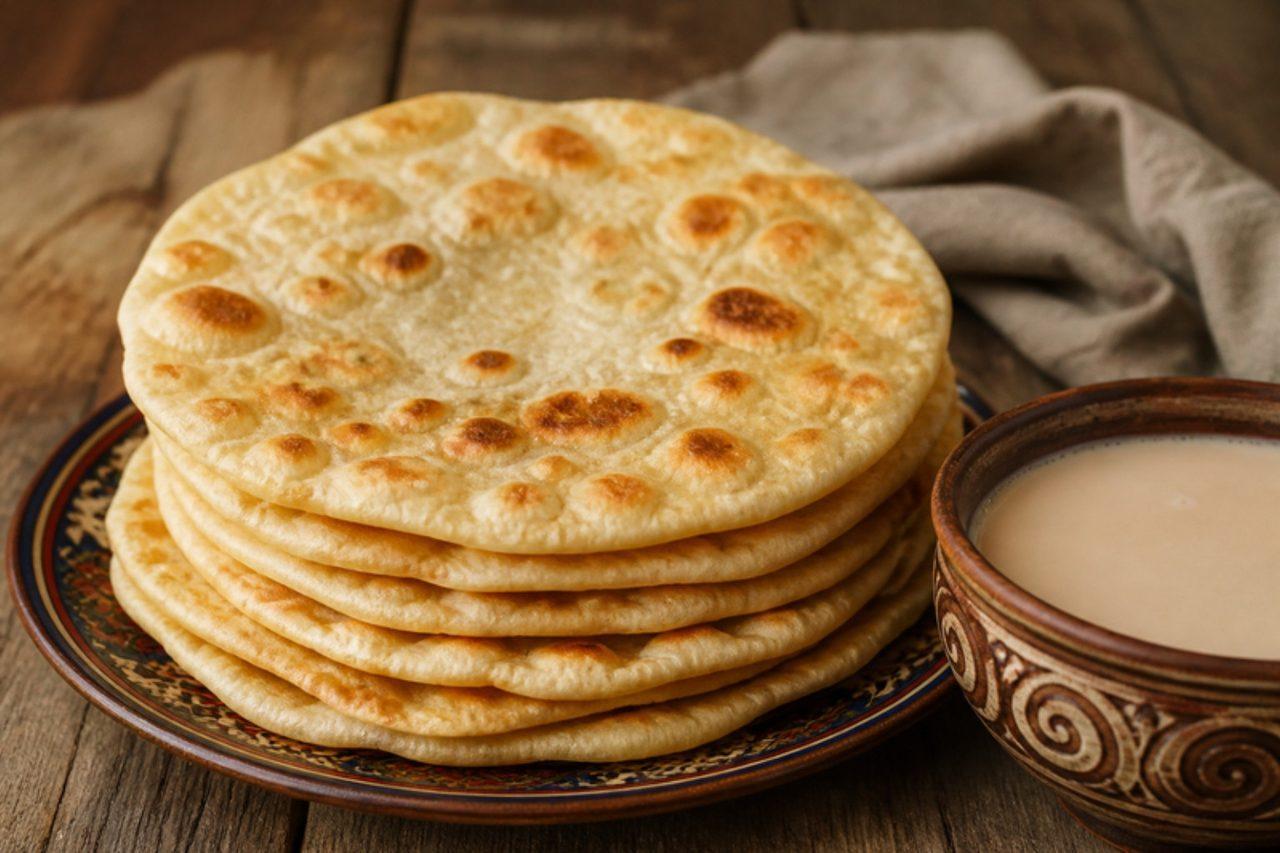
ShelpekThin fried flatbreads

Shelpek are paper-thin flatbreads fried in a shallow pan, and in Kazakh homes they carry meaning: on Thursday evenings and Fridays women fry seven shelpek 'for the smell', a prayer for the ancestors, and they're handed out at funerals and memorial meals. In everyday life they are eaten warm with tea, butter and jam, all over Kazakhstan and in the Kyrgyz villages across the Tian Shan. The dough is soft and rich with milk and butter, and takes minutes to fry. Chef's tip: roll them almost transparent; thin shelpek blister and stay soft, thick ones go stiff like crackers.

by KrazyBadal 0 views

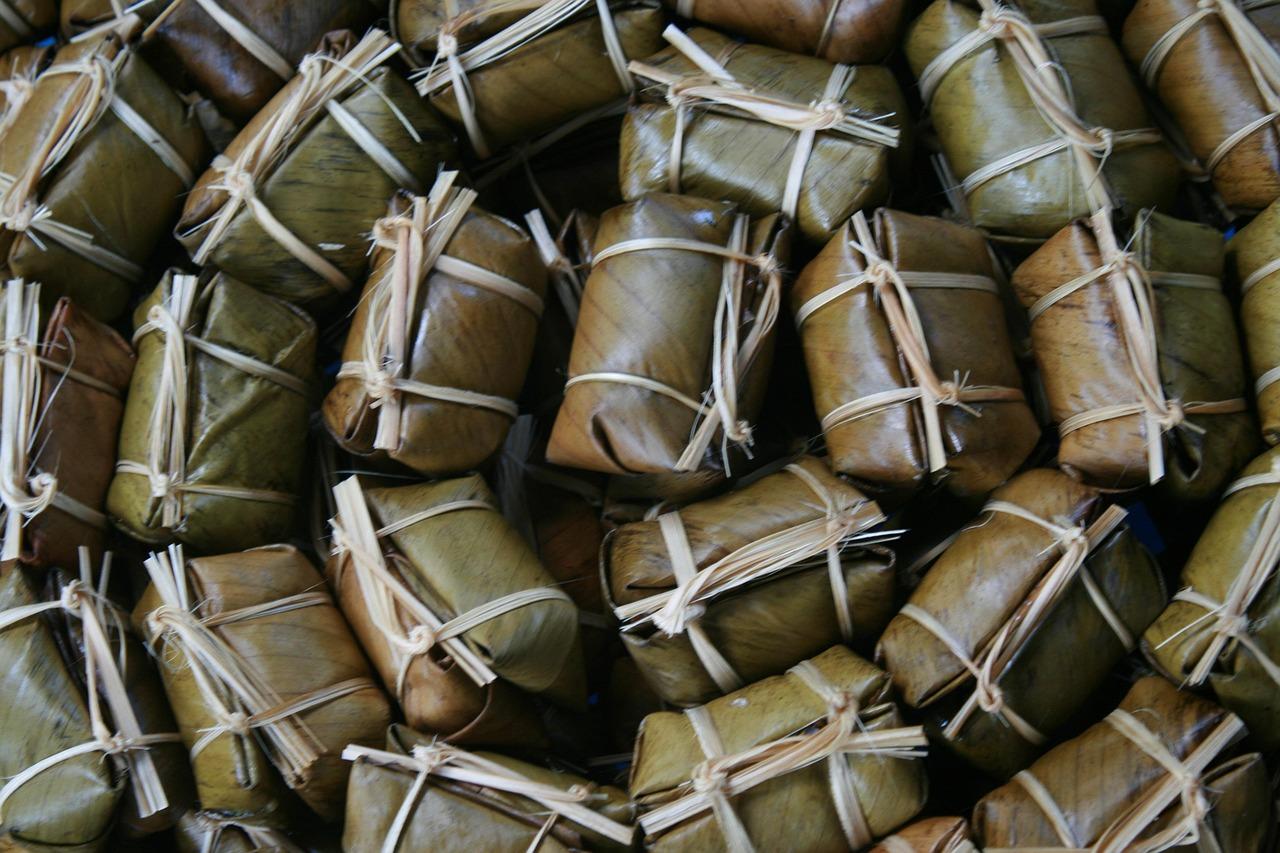
Num ansom chekBanana sticky rice parcels

Num ansom chek are wrapped by the dozen in April for Khmer New Year and again in autumn for Pchum Ben, when families carry them to the pagoda as offerings. A ripe banana is hidden inside a jacket of glutinous rice that has been seasoned with coconut milk and dotted with black beans, then the whole thing is rolled tightly in banana leaf and boiled until the rice turns sticky and the banana goes jammy and blush-pink. Unwrapped, they're eaten at room temperature or sliced and grilled the next morning. Chef's tip: use bananas that are fully yellow with a few brown freckles; green ones stay chalky and the pink colour never comes.

by KrazyBadal 0 views

Oromo with pumpkinSteamed pumpkin roll

Oromo, or orama, is a big rolled dumpling: a thin sheet of dough spread with filling, rolled into a long coil and steamed in a multi-tiered mantovarka. It's a home dish across Kazakhstan, Kyrgyzstan and Uzbekistan, quicker than shaping dozens of manti. In autumn, when Kyrgyz gardens in the Chüy Valley are full of squash, it's filled with grated pumpkin and onion, which turn sweet and juicy. Serve in thick slices with sour cream or a garlicky tomato sauce. Chef's tip: grate the pumpkin coarsely and salt it only just before rolling; salted too early it weeps and makes the dough soggy.

by KrazyBadal 0 views

Shengjian baoPan-fried pork buns

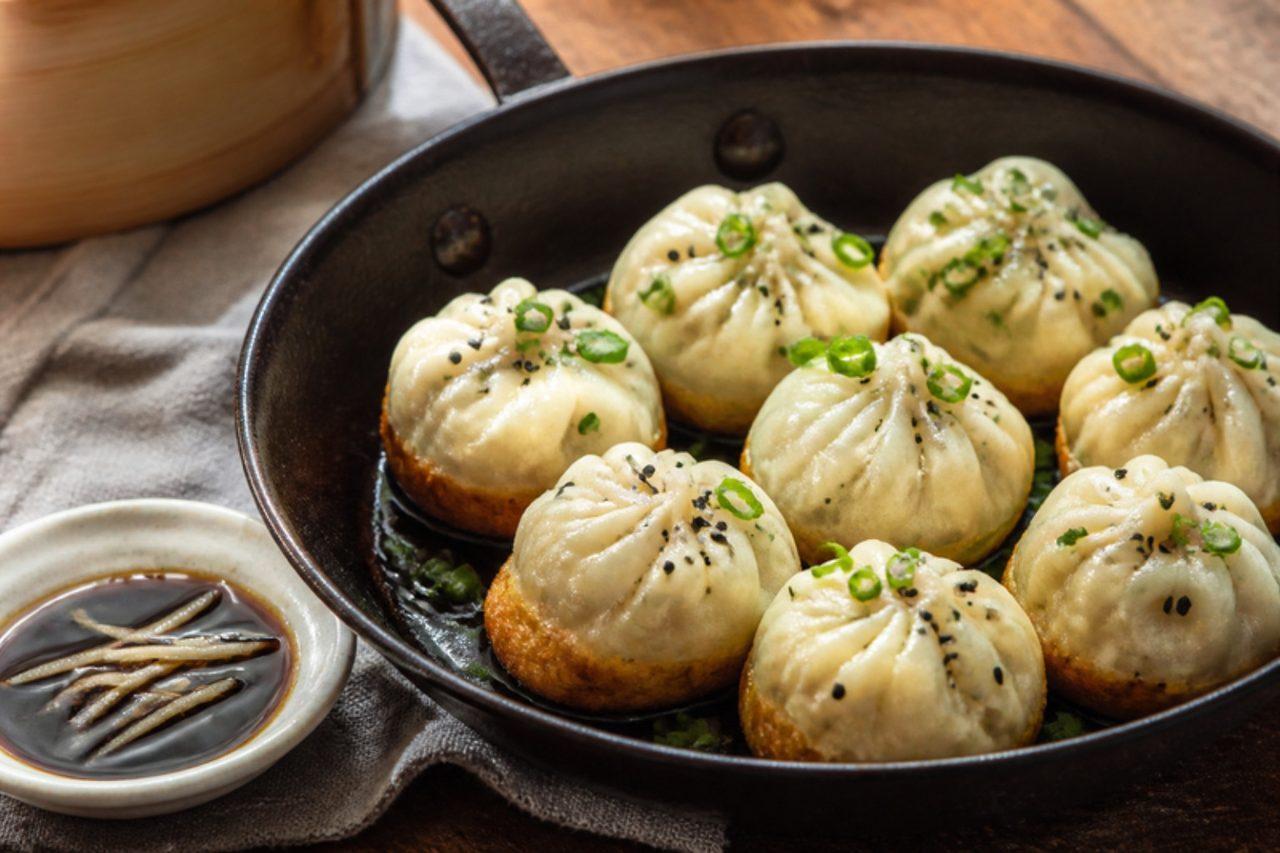
Shanghai wakes up to the sound of shengjian bao sizzling in huge flat pans, the cooks spinning the pans over the flame and splashing in water so the buns fry and steam at the same time. What you get is a soft, slightly fluffy top scattered with sesame and spring onion, a crackling brown base and a juicy pork filling that squirts if you bite too fast. They are breakfast food, bought by the four and eaten from paper trays with black vinegar. A heavy non-stick or cast-iron frying pan with a tight lid works perfectly at home. Chef's tip: let the shaped buns rise for 15 minutes before frying, no longer; over-risen dough flattens and loses its neat shape in the pan.

by KrazyBadal 0 views

Sardinhas assadasGrilled sardines

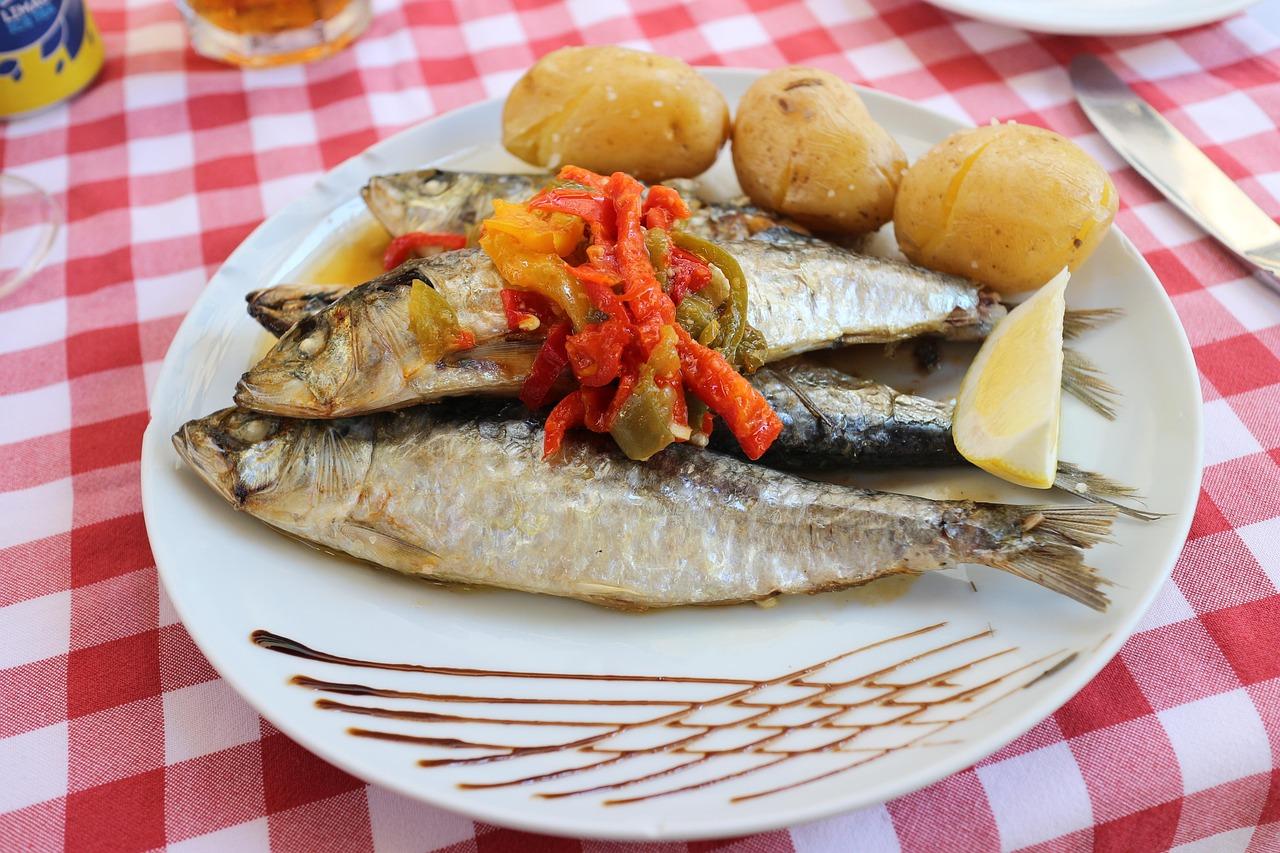
In June the steep lanes of Alfama and Mouraria fill with smoke during the Santos Populares, Lisbon's street festivals for Saint Anthony, and almost every grill is loaded with sardines. They are salted, grilled whole over charcoal until the skin blisters, and laid on a thick slice of country bread that soaks up their juices. Add roasted green peppers and a salad of tomato and onion, and that is the whole feast. Chef's tip: salt the sardines with coarse salt 30 minutes before grilling and keep them chilled; the salt firms the skin so it doesn't stick to the grill.

by KrazyBadal 0 views

AjapsandaliAubergine and pepper stew

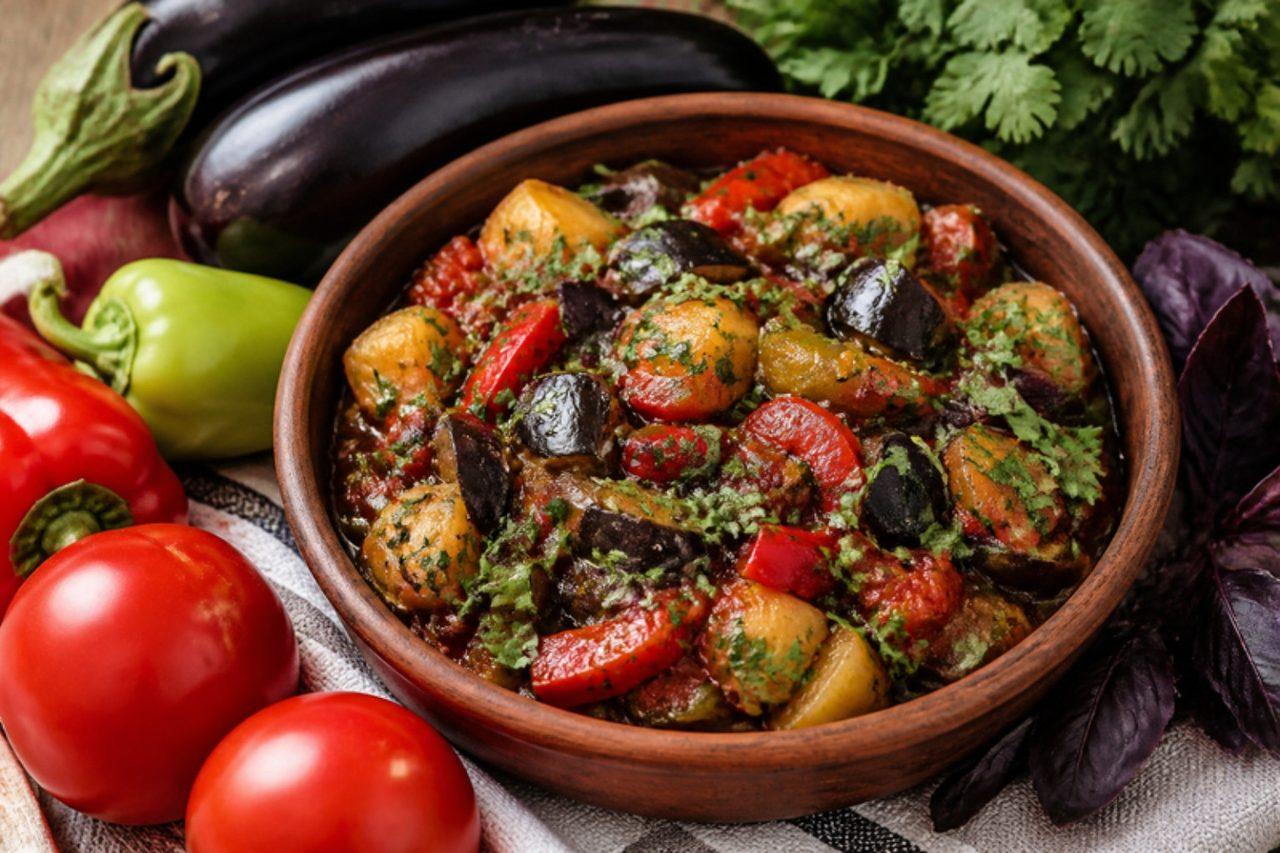
Ajapsandali is what Georgian kitchens make in late summer, when the markets of Tbilisi and the gardens of Kakheti are heaped with aubergines, peppers and tomatoes. The vegetables are fried briefly, layered in a pot and left to stew gently until soft and sweet, then finished with a whole handful of coriander, basil and garlic. It is eaten warm with bread as a main dish during Lent, or cold the next day as a side at a feast. The common mistake is stirring it too often, which breaks everything into mush; shake the pan instead and let the layers keep their shape. Chef's tip: fry the aubergine on its own first until golden; this one step gives the whole stew its deep, rounded flavour.

by KrazyBadal 0 views

Loubieh bi zeitGreen beans braised in olive oil

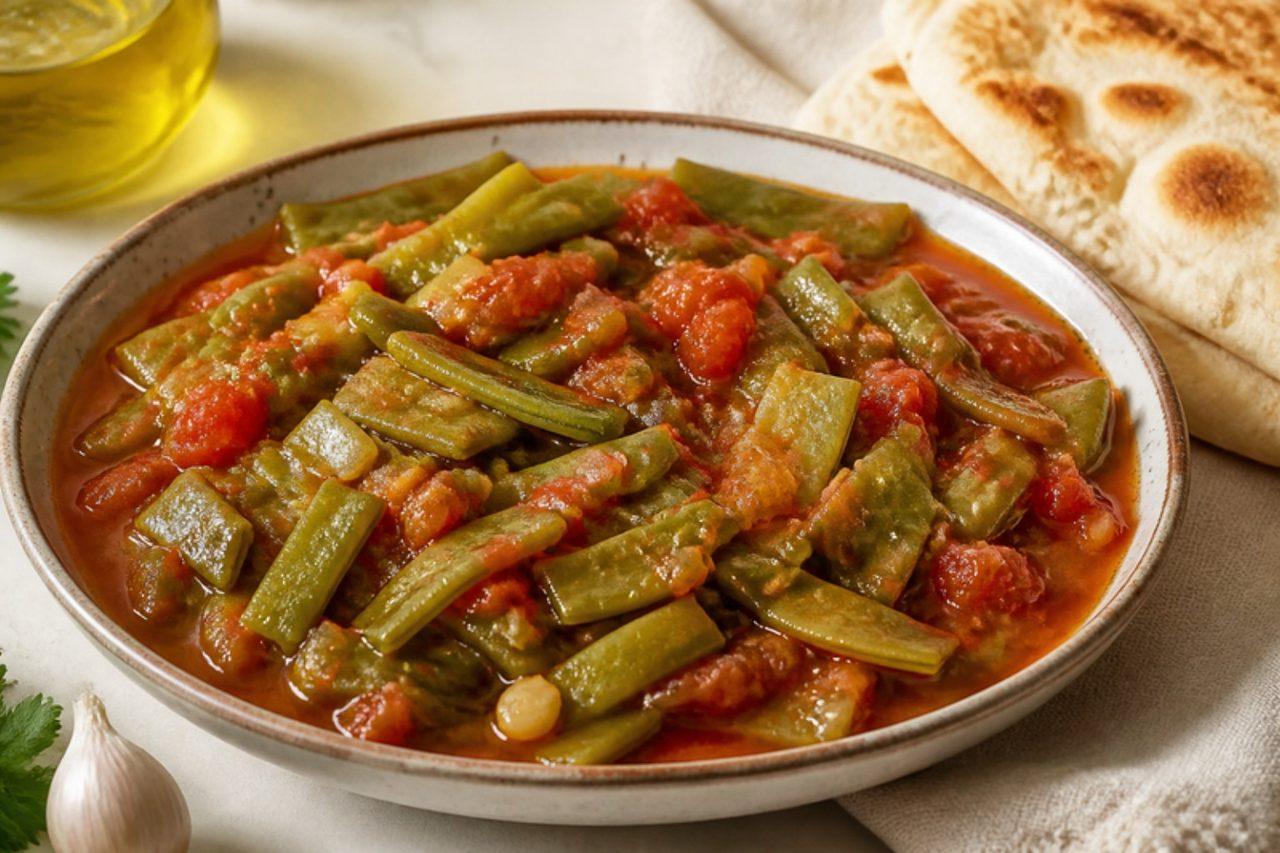
In Lebanese homes loubieh bi zeit belongs to the 'bi zeit' family, vegetables cooked in olive oil and served cool, which turn up on the mezze table in summer and fill lunchboxes the next day. Flat runner beans or wide Romano beans are best: they soak up the garlicky tomato sauce and turn silky. It is eaten at room temperature with Arabic bread to mop the oil, and often with a few spring onions and radishes alongside. Chef's tip: cook the garlic only until it smells sweet before adding the beans; browned garlic turns the whole dish bitter.

by KrazyBadal 0 views

Nyama chomaSlow-grilled goat or beef

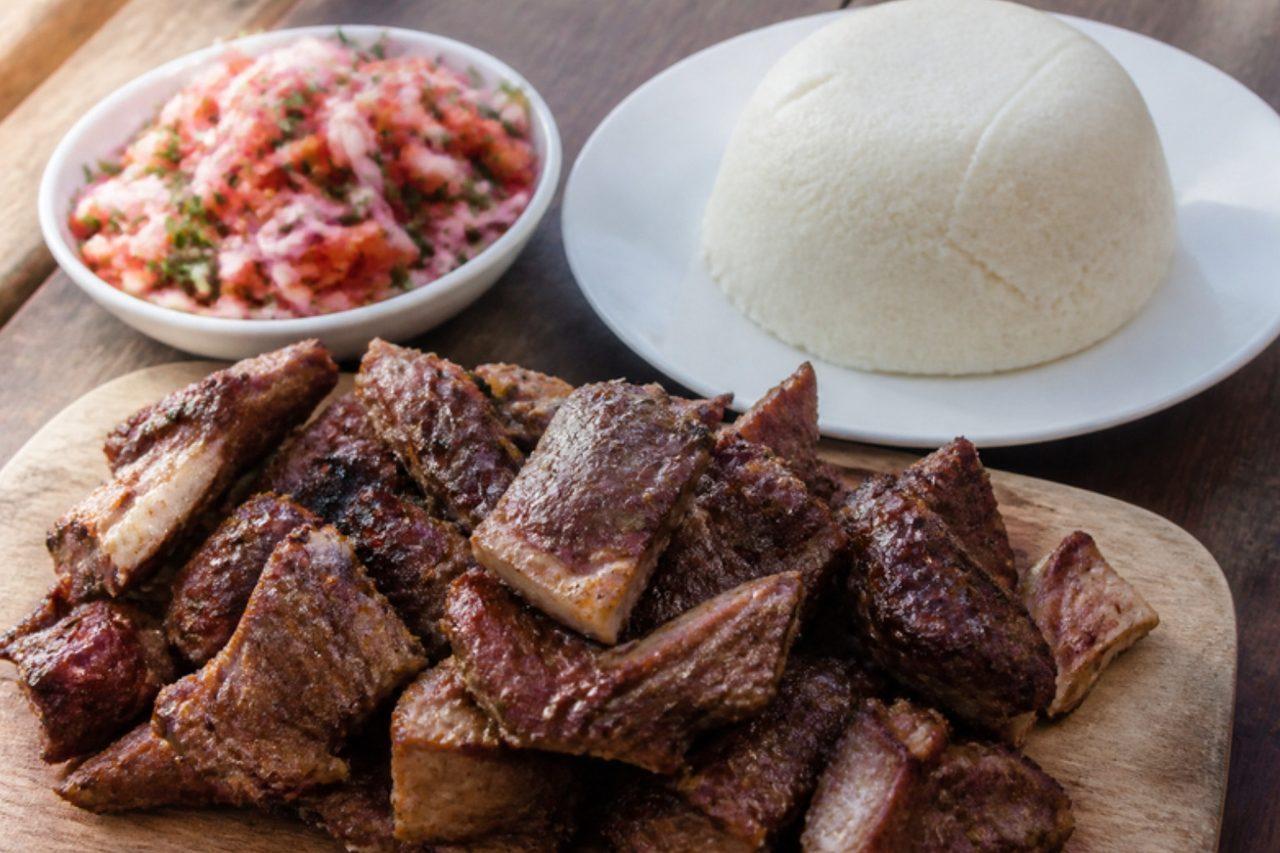
Nyama choma, "roasted meat" in Swahili, is the centre of every weekend gathering in Kenya: at roadside joints on the edge of Nairobi you choose your goat ribs or beef by the kilo, it is grilled slowly over charcoal, chopped on a wooden board and brought to the table with salt, kachumbari (tomato and onion salad) and ugali. The meat is meant to be firm and chewy, smoky and simply salted. The mistake is grilling over fierce flames; the outside chars before the inside is tender, so keep it over glowing coals and turn it often. Chef's tip: leg of goat or lamb on the bone is easiest at home; rub it with salt and a little lemon only.

by KrazyBadal 0 views

Rocoto rellenoStuffed rocoto peppers

Rocoto relleno is the pride of Arequipa's picanterías: fiery rocoto peppers stuffed with a sweet-savoury filling, topped with cheese and baked over sliced potato in an egg and milk custard. The traditional filling is minced beef; this vegetarian version uses mushrooms and lentils fried with ají panca, cumin, peanuts, raisins, olives and boiled egg, which gives the same rich, spiced, slightly sweet bite. The peppers are first blanched several times in fresh water with sugar and vinegar to tame their heat, which is the real skill of the dish. If you can't find rocotos, use small red bell peppers and add a little habanero to the filling. Chef's tip: taste a sliver of rocoto after the second blanching; stop when it is hot but pleasant, and blanch once more if it still burns.

by KrazyBadal 0 views

Attiéké with tomato and onionCassava couscous with tomato salad

Attiéké is the light, slightly sour cassava 'couscous' of the Ébrié and Adjoukrou peoples around Abidjan's lagoons, and it is eaten across Côte d'Ivoire every day of the week. In maquis (open-air restaurants) it comes heaped beside grilled fish with a raw salad of tomato, onion and chilli; at home many people eat it simply with that salad, fried plantain and a fried egg, which is how it is served here. Buy it frozen or dried in African shops. Chef's tip: steam attiéké rather than boiling it; water turns it to paste, while steam keeps the grains fluffy and separate.

by KrazyBadal 0 views

Suan la fenHot and sour sweet potato noodles

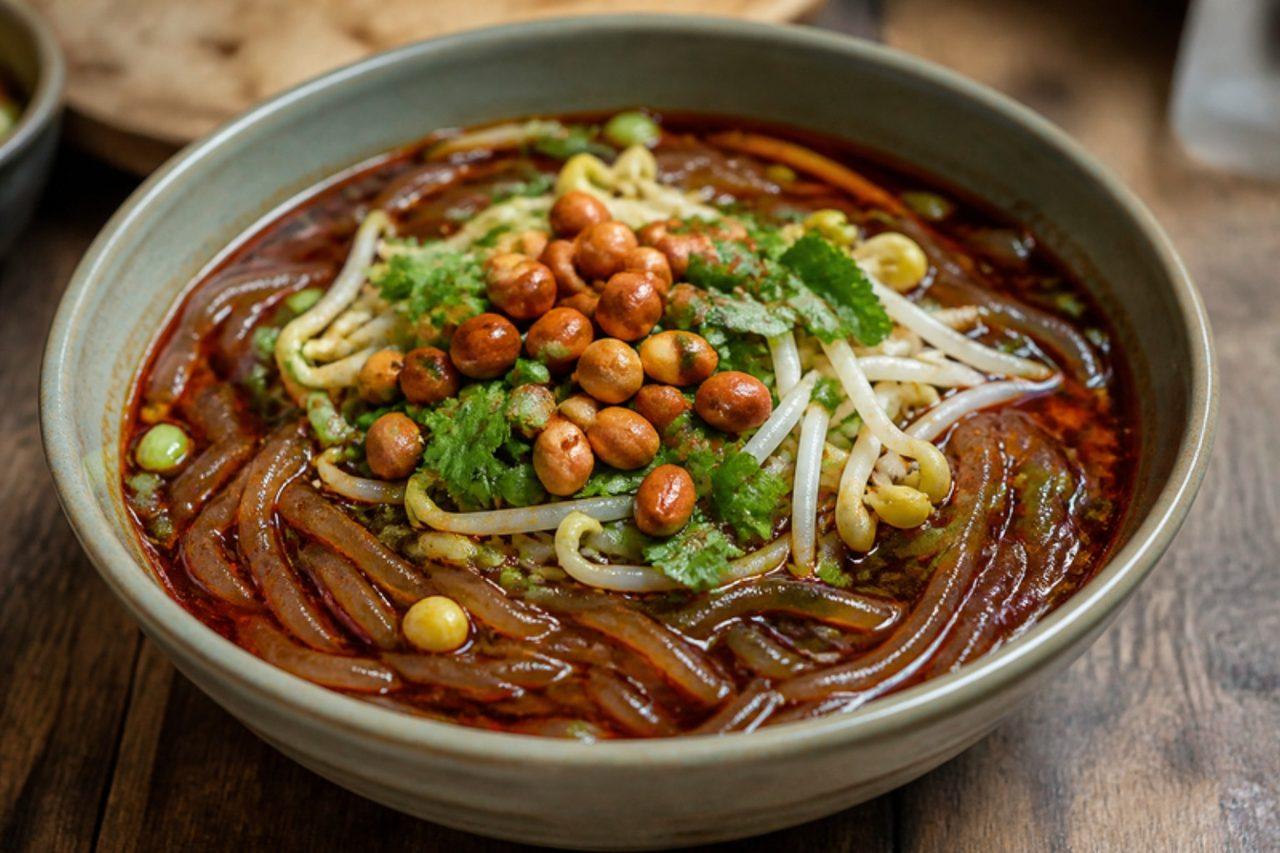
Chongqing's hot and sour noodles are made from sweet potato starch, so they are chewy, bouncy and almost clear. They come in a broth that is sharp with black vinegar and red with chilli, topped with fried peanuts or soybeans and a spoonful of pickled greens. Students live on it, and it's a favourite late-night snack across the south-west. Plan for the 30-minute soak for the dried noodles. Chef's tip: add the vinegar to the bowl, not the pan; boiled vinegar loses the sharp edge that makes this dish.

by KrazyBadal 0 views

Nyonya chap chyeBraised cabbage with glass noodles

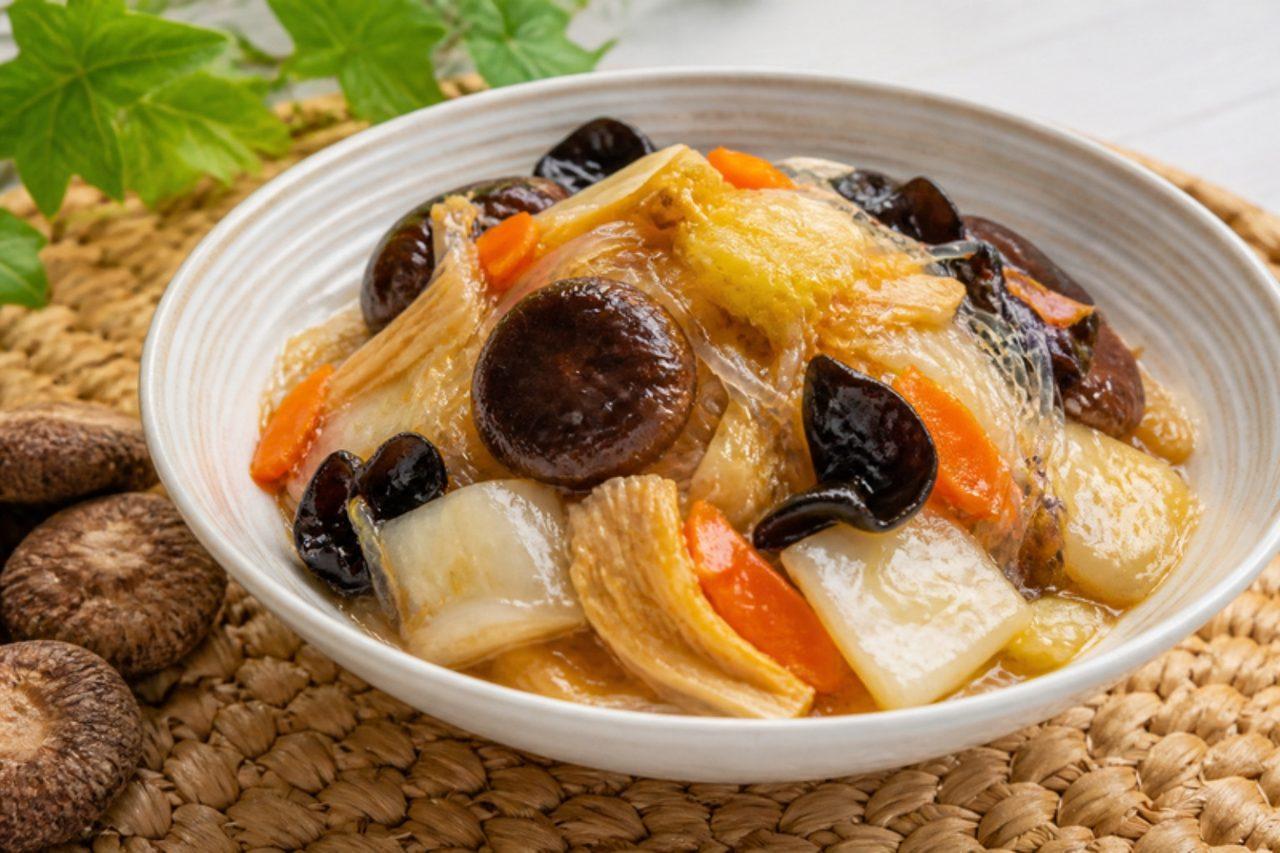
In Peranakan homes in Melaka and Penang, chap chye (mixed vegetables) is cooked in a big pot for Chinese New Year and family prayer days. Cabbage, dried shiitake, wood ear, lily buds and beancurd skin are braised with garlic and tau cheo, the salty fermented soybean paste, until everything is soft and the glass noodles have soaked up the savoury gravy. Many families add pork belly or prawns, but the vegetarian pot is just as traditional for the first day of the new year. It tastes better the next day. Chef's tip: fry the tau cheo with the garlic until it smells nutty before anything else goes in.

by KrazyBadal 0 views

Atol de eloteWarm fresh corn drink

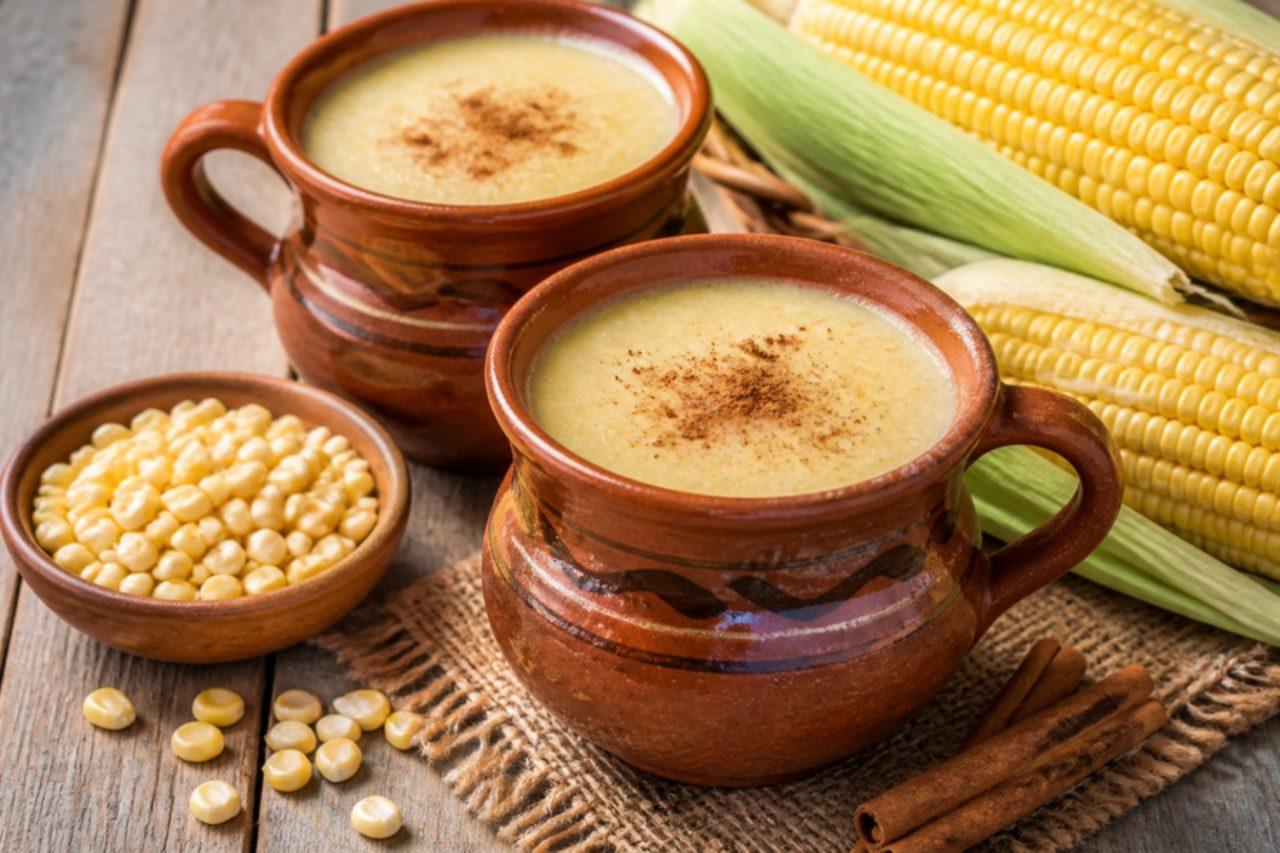
When the new maize comes in, Central Americans drink their corn: atol de elote is fresh sweetcorn blended, strained and cooked with milk and cinnamon into a thick, pale-yellow drink, sipped from a cup or a gourd. In El Salvador it's sold at roadside stands with tamales de elote; in Guatemala it warms chilly highland evenings. Taste is like sweet corn custard you can drink. Chef's tip: strain the blended corn through a fine sieve and press hard; the skins make the drink gritty.

by KrazyBadal 0 views

Assida zgougouAleppo pine seed pudding

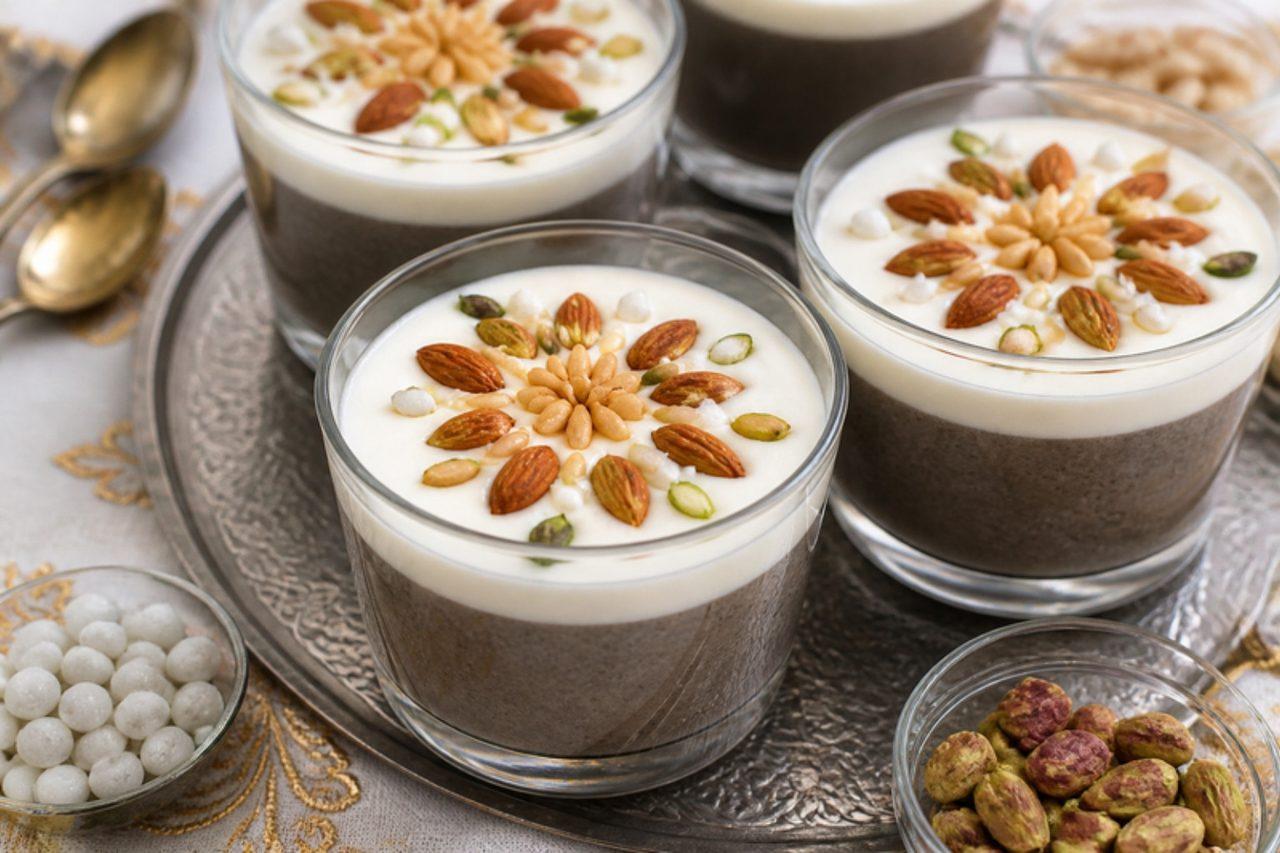
Assida zgougou is made in Tunisian homes once a year, for the Mouled (the Prophet's birthday): a dark, nutty pudding of Aleppo pine seeds (zgougou) cooked with flour and sugar, topped with a pale vanilla custard and decorated with almonds, pistachios, pine nuts and sugared almonds. Families make dozens of glasses to share with neighbours. Zgougou is sold in Tunisian and North African grocers; ground hazelnuts are a stand-in, though the taste is different. Chef's tip: strain the zgougou liquid through muslin twice; any grit ruins the smooth texture.

by KrazyBadal 0 views

Asperges à la flamandeWhite asparagus with egg and butter

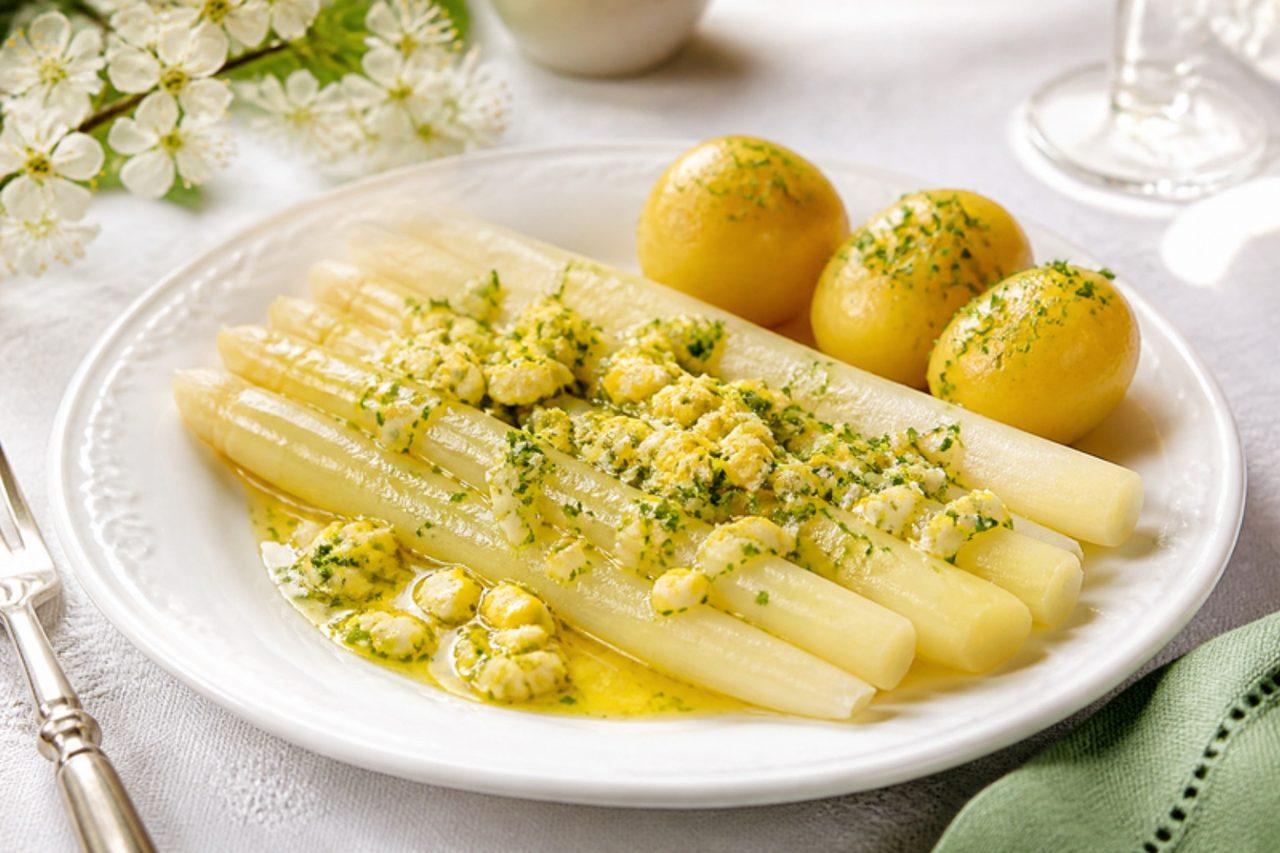
In May and June, white asparagus from Mechelen and the sandy fields around Limburg arrive in Belgian markets, and asperges à la flamande (asperges op Vlaamse wijze) is the way to eat them. The pale spears are peeled and cooked until tender, then covered with a warm sauce of melted butter, chopped hard-boiled egg, parsley and nutmeg that is half sauce and half garnish. It is served as a starter in Flemish restaurants all through the short asparagus season, sometimes with a slice of ham alongside; here it stays meat-free. Chef's tip: peel the spears from just below the tip all the way down with a swivel peeler; white asparagus has a thick, bitter skin, and missing even a strip leaves woody threads.

by KrazyBadal 0 views

Lovo-style chickenEarth-oven style chicken

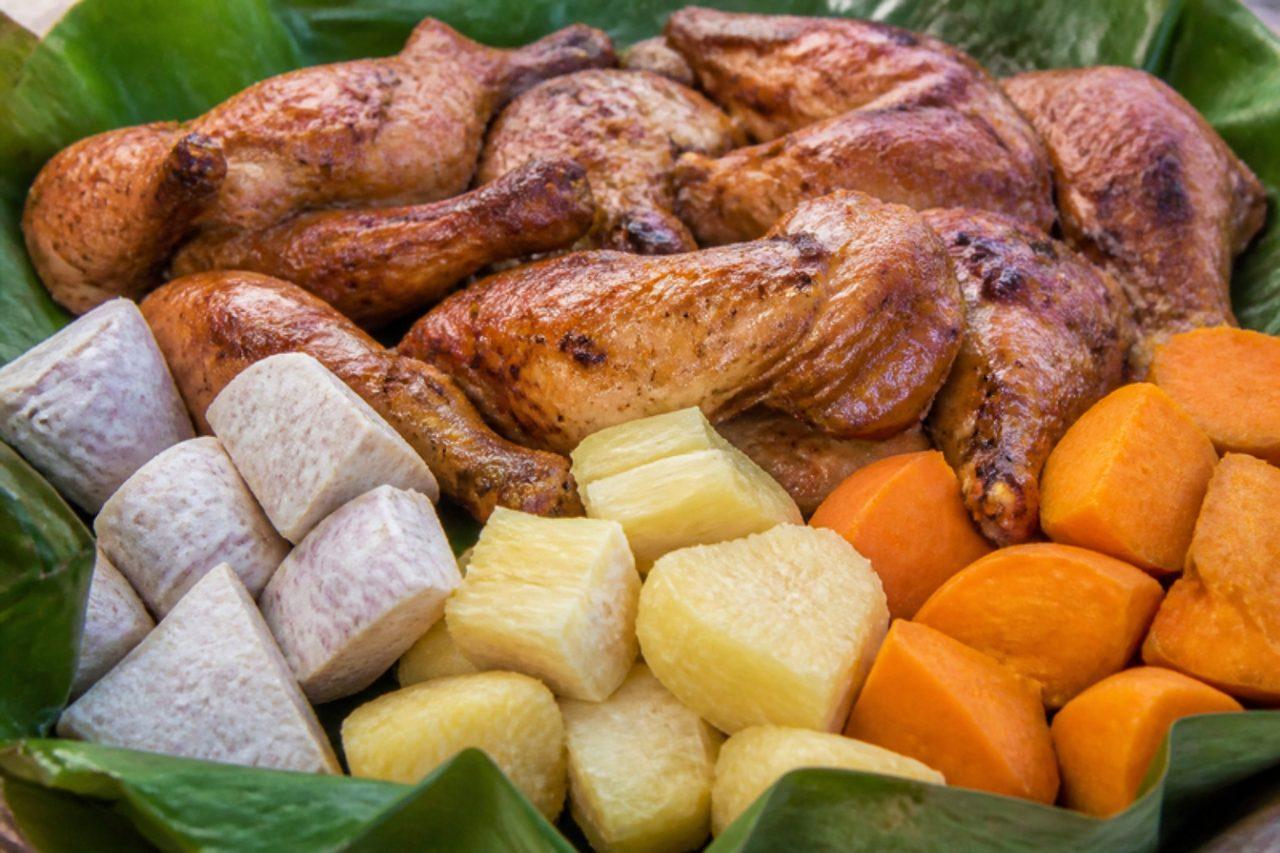
A lovo is Fiji's earth oven, dug in the ground for weddings, church feasts and Christmas in villages on Viti Levu and Vanua Levu: hot stones are covered with parcels of meat, fish and root vegetables in banana leaves, then buried for hours. This home version wraps chicken marinated in coconut, garlic and ginger with taro, cassava and sweet potato in foil and banana leaves and roasts them slowly, giving the same steamed, smoky-sweet result. The mistake is wrapping loosely, so the steam escapes and everything dries; seal the parcels tightly. Chef's tip: a few drops of liquid smoke or a smoked paprika rub gives a hint of the earth oven.

by KrazyBadal 0 views

Obi nonTandoor bread

Every Uzbek meal starts with bread torn by hand and passed round the table, and obi non is the everyday loaf: a round with a thick, soft rim and a thin, crisp centre pricked with a patterned stamp called a chekich. In Samarkand and Tashkent it comes out of clay tandoors at dawn, and across the border in Kazakhstan the same bread is sold as tandyr nan. Bread is never cut with a knife and never laid face down. A very hot oven and a baking stone or upturned tray come close to the tandoor at home. Eat it warm with green tea, achichuk salad, soups and plov. Chef's tip: press the centre really thin and prick it all over; if you don't, it puffs into a ball like pitta and you lose the flat, crackly middle.

by KrazyBadal 0 views

Obleas con arequipeWafers with dulce de leche

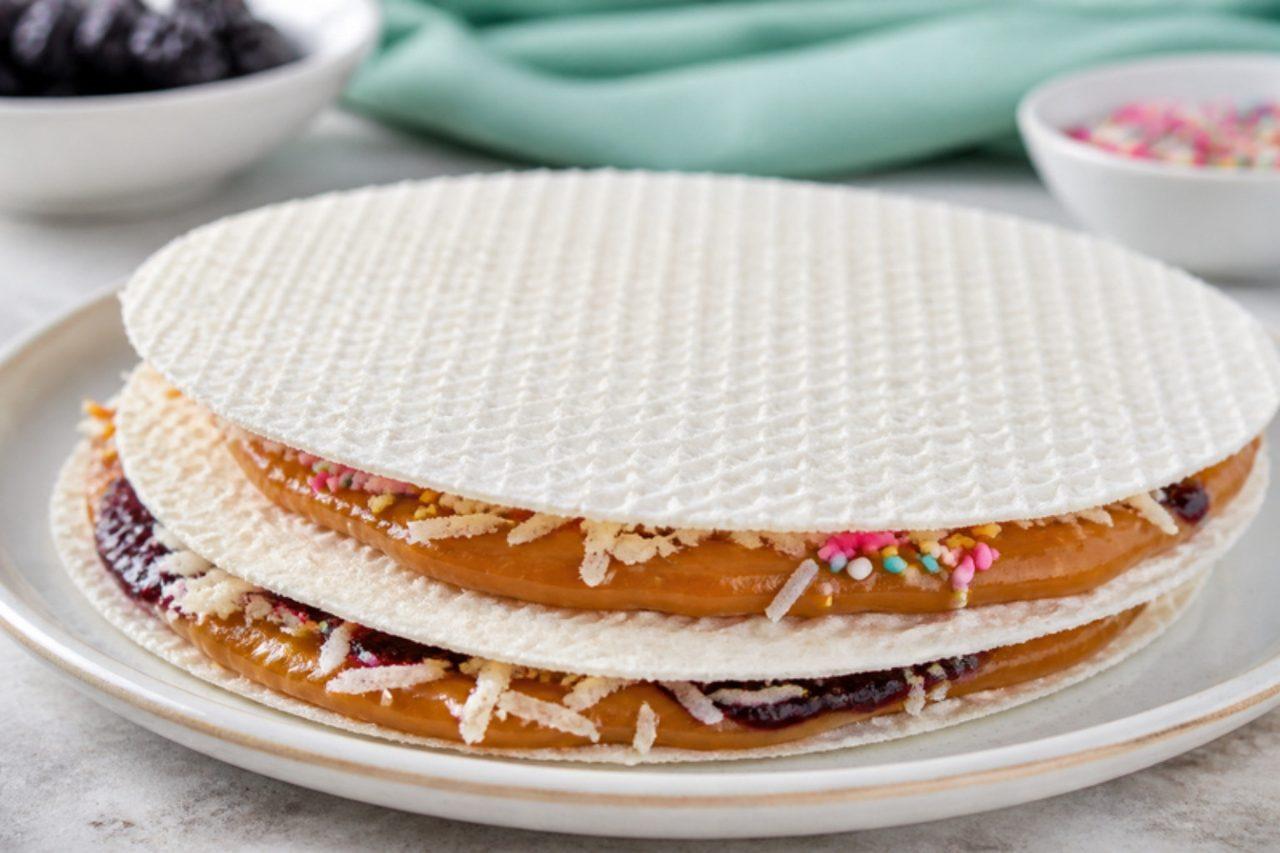
Obleas are the giant, paper-thin round wafers sold from street carts in Bogotá's parks and around Floridablanca in Santander, where they began. The vendor spreads two wafers with arequipe, Colombia's dulce de leche, and adds whatever you choose: blackberry jam, grated cheese, condensed milk or sprinkles, then presses them together. They are crisp, sticky and fun to make with children. Look for oblea wafers in Latin American shops. Chef's tip: assemble them right before eating; the wafers soften within an hour.

by KrazyBadal 0 views

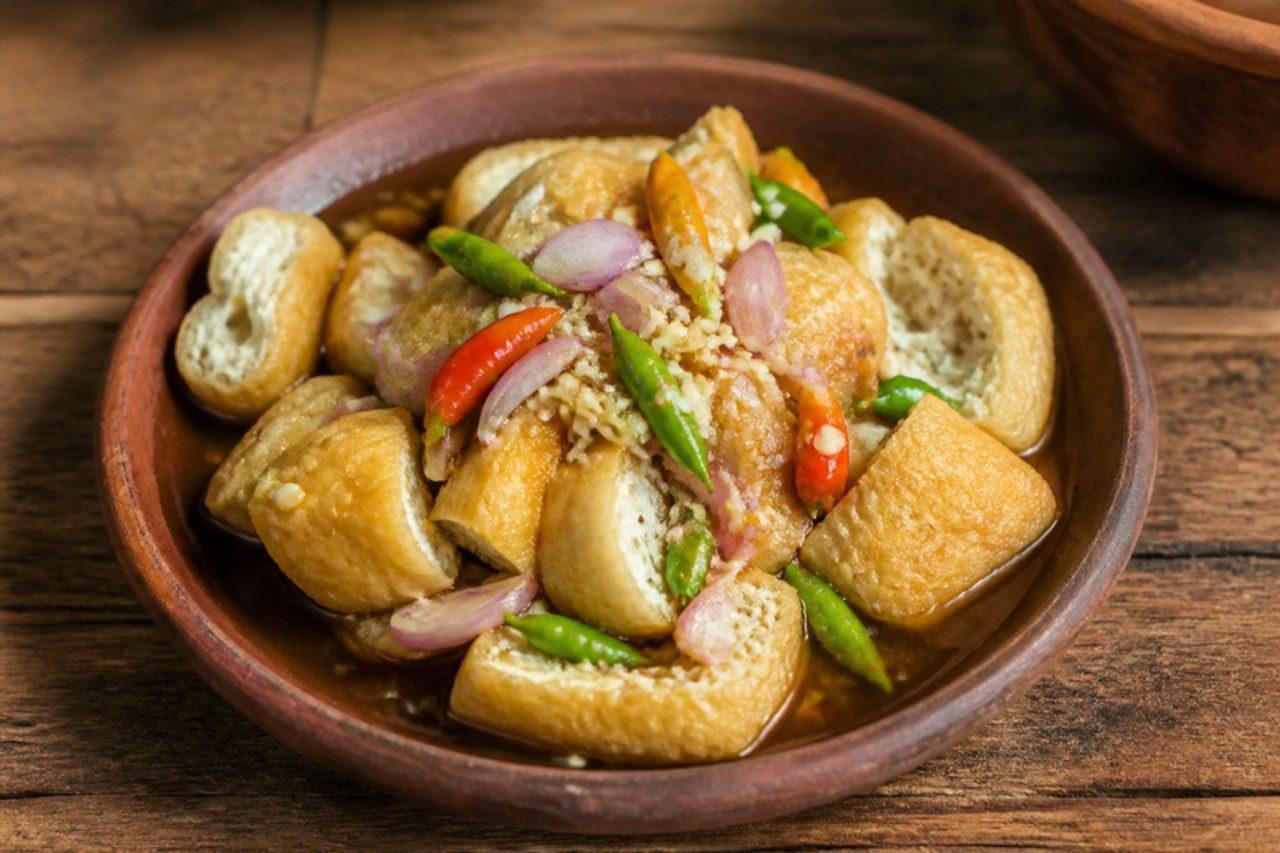
Tahu gejrotFried tofu in sweet-sour sauce

Tahu gejrot is street food from Cirebon on the north coast of West Java, where vendors carry their kit on a shoulder pole and serve it in little clay plates called cobek. Hollow fried tofu puffs are snipped into pieces and drenched in a runny palm sugar and tamarind sauce, poured over freshly crushed garlic, shallot and bird's eye chilli. It's a mid-afternoon snack: sweet, sour, garlicky and as hot as you can take it, with the puffy tofu soaking up every drop. Chef's tip: crush the garlic, shallot and chilli raw in the serving bowl and pour the sauce over while it's still warm, so the aromatics bloom without losing their bite.

by KrazyBadal 0 views

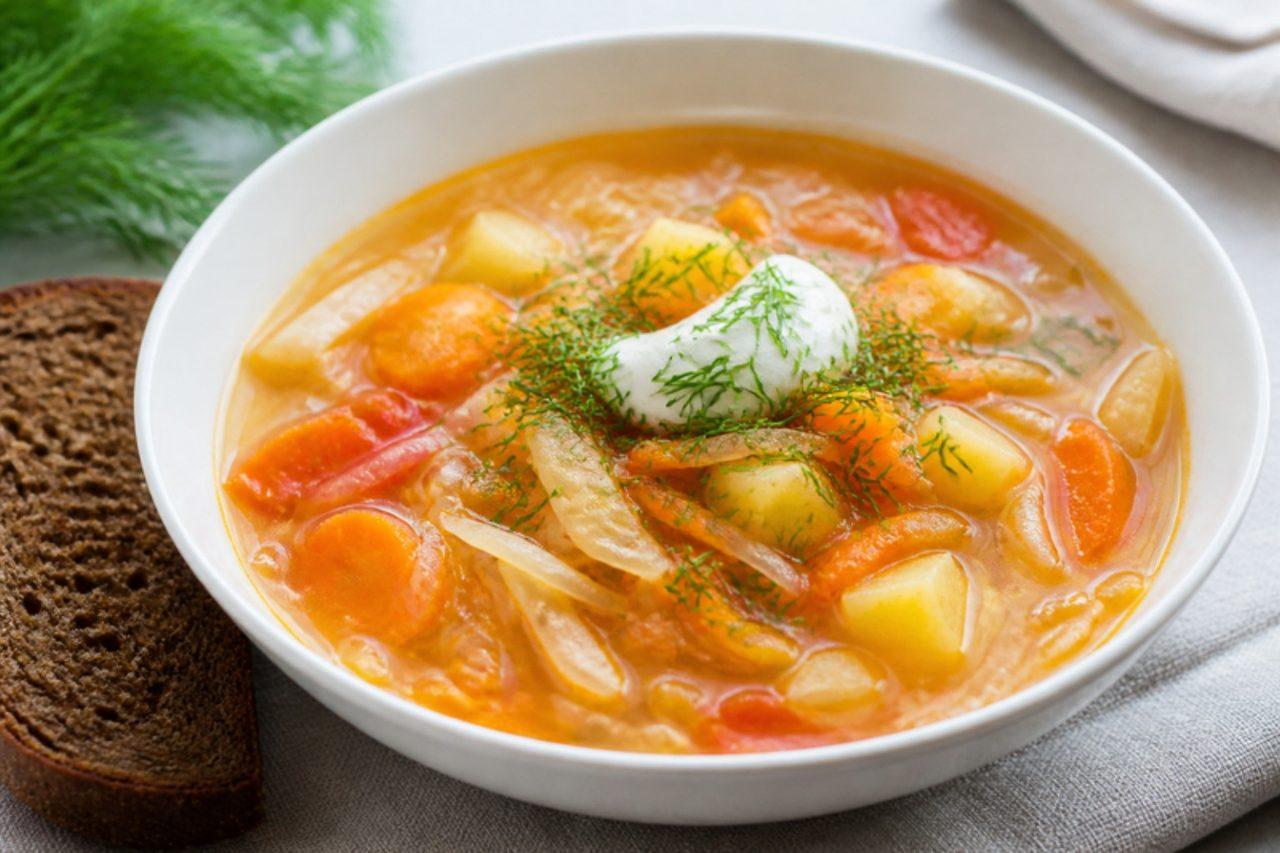
ShchiFresh cabbage soup

Shchi is the oldest soup in Russian cooking, the one the proverb pairs with porridge: 'shchi da kasha, pishcha nasha' (shchi and kasha, that's our food). In villages from Vologda to Ryazan it was left to mellow in the warmth of the big masonry stove, and in summer and early autumn it is made with fresh young cabbage rather than the sour winter version. Unlike Ukrainian kapusniak there is no sauerkraut or millet here: just sweet cabbage, root vegetables, tomato, bay and dill, with a cold spoon of smetana stirred into each bowl. Chef's tip: shchi tastes better the next day, so make it a day ahead and reheat gently.

by KrazyBadal 0 views

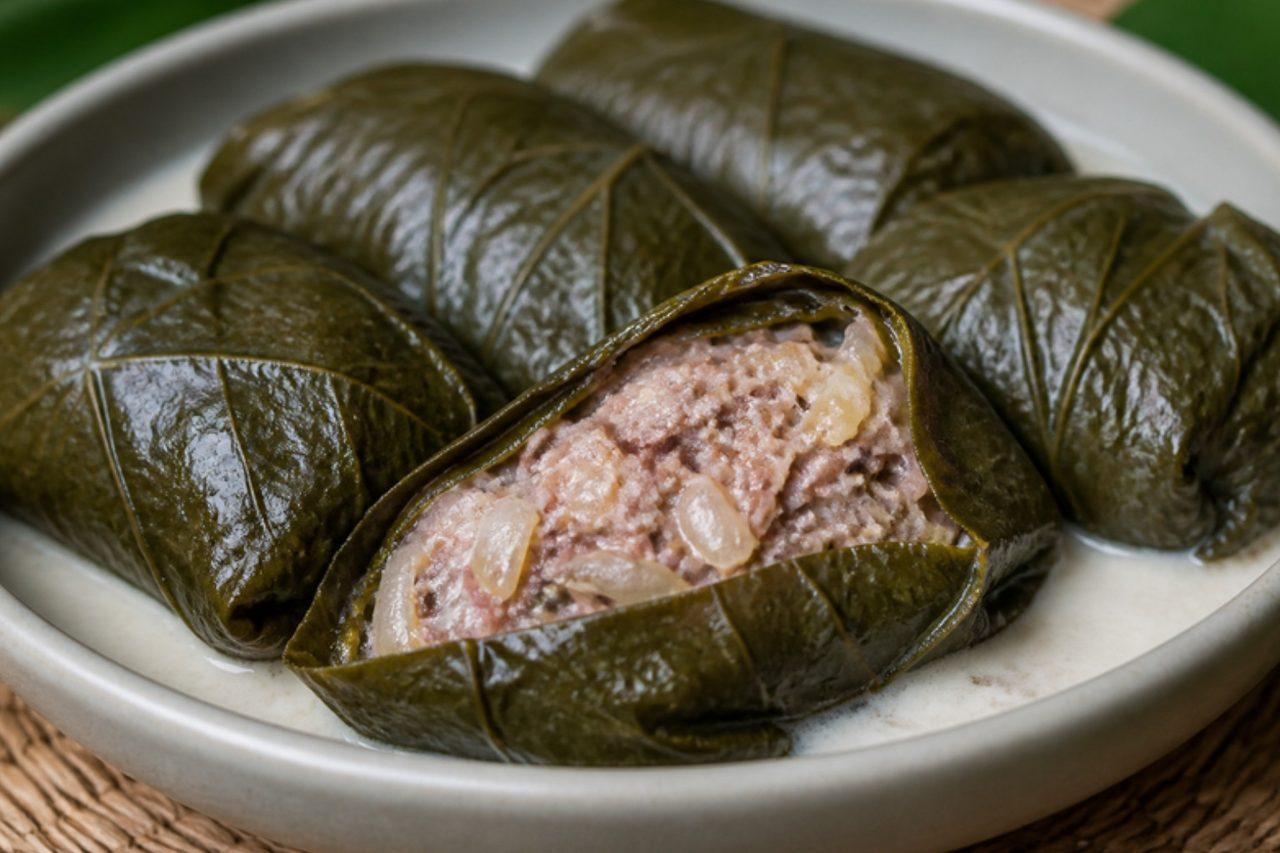
Lu puluCorned beef in taro leaves

Lu pulu is a Sunday dish in Tonga, cooked in the umu (earth oven) after church in Nuku'alofa and by Tongan families in Auckland and Sydney: taro leaves are layered into a cup, filled with corned beef, onion and thick coconut cream, wrapped in foil or banana leaf and baked until the leaves melt into a rich, silky parcel. It is served with boiled taro, yam or sweet potato. The mistake is undercooking the taro leaves: they must cook for at least an hour, as raw taro leaves irritate the mouth and throat. Chef's tip: if you can't find taro leaves, use large spinach or silverbeet leaves, cooked for 45 minutes.

by KrazyBadal 0 views

Mercimek çorbasıRed lentil soup

If one soup feeds Turkey, it is this. Mercimek çorbası is on the counter of every lokanta (tradesmen's restaurant), in factory and hospital canteens, and it is often what Turks eat for breakfast on a cold morning or to break the fast in Ramadan. Red lentils simmered with onion, carrot and potato are blended until velvety, then each bowl gets a squeeze of lemon and a swirl of butter sizzled with Aleppo pepper and dried mint. It is warming, cheap and filling. Chef's tip: rinse the lentils in several changes of water until it runs clear; it washes off the starch that makes the soup foam and taste dusty.

by KrazyBadal 0 views

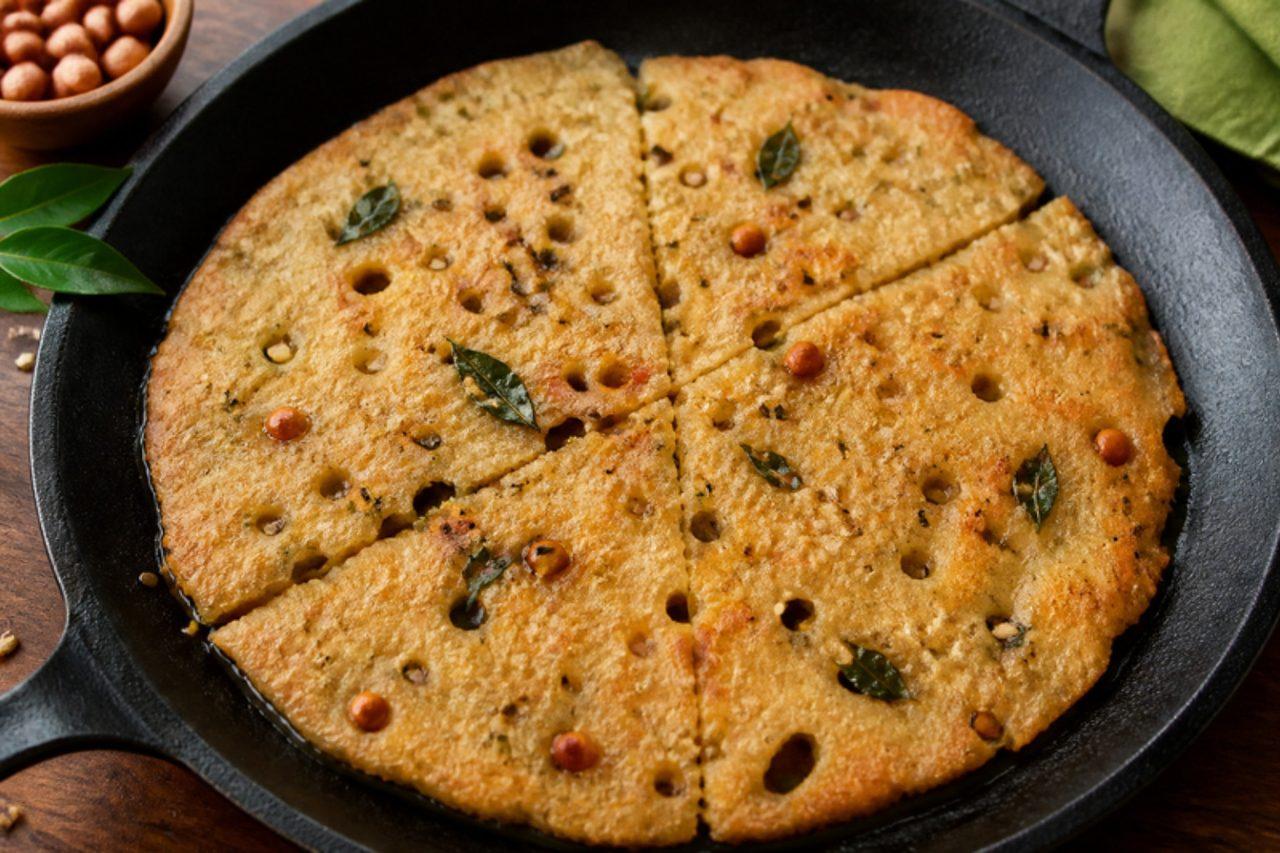
Sarva pindiRice flour and peanut flatbread

Sarva pindi, also called ginne appa or tapala chekka, is a thick, crisp rice-flour bread from rural Telangana, pressed by hand into a heavy pan, studded with holes and baked slowly in oil until the base is golden and crunchy. The dough is full of soaked chana dal, peanuts, sesame, green chilli, curry leaves and coriander, so every bite is savoury and nutty. It is the snack that waits on the stove when children come home from school, and a favourite for Sankranti and long train journeys because it keeps well. Chef's tip: press the dough into a cold pan, not a hot one; it spreads evenly and the holes stay open as it heats.

by KrazyBadal 0 views

Soto ayamTurmeric chicken soup

From Lamongan to Semarang, Java's soto carts start ladling before the morning commute, and a bowl of soto ayam is how many people begin a working day. The broth is light but bright yellow with fresh turmeric, scented with lemongrass and lime leaf, and poured over slippery glass noodles, shredded chicken, crunchy bean sprouts and half a boiled egg. Squeeze in lime, stir in as much sambal as you dare and eat it with plain rice or rice cakes on the side. In East Java vendors finish it with koya, a sandy powder of prawn crackers and fried garlic that thickens the broth as you eat. Chef's tip: keep the pot at a lazy simmer the whole time; a hard boil turns the golden broth cloudy and greasy.

by KrazyBadal 0 views

Ofe onugbuBitter leaf soup

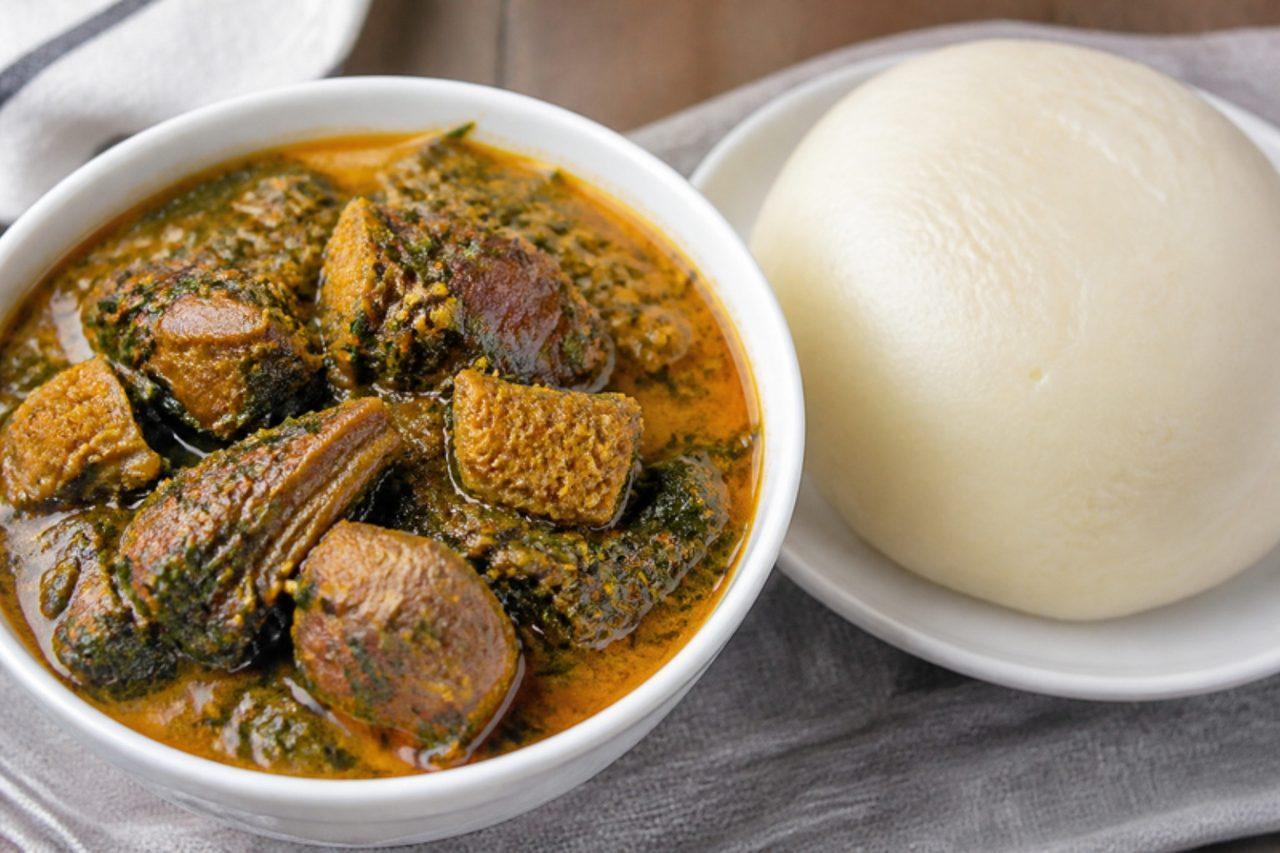
Ofe onugbu is the soup Igbo families in Anambra and Enugu make for Sunday lunch and for visitors coming home at Christmas. Washed bitter leaf gives a gentle, pleasant bitterness, cocoyam paste thickens it, and beef, shaki (tripe), stockfish and dried fish add layer after layer of savoury flavour, all coloured by palm oil. It is eaten with pounded yam, eba or fufu, pinched up with the fingers. The mistake to avoid is using bitter leaf that hasn't been washed enough; it should taste only mildly bitter before it goes in. Chef's tip: frozen pre-washed bitter leaf from African grocers saves an hour of squeezing and rinsing.

by KrazyBadal 0 views

Bastar aamatMixed vegetable curry

Aamat comes from the forested Bastar region of southern Chhattisgarh, where Gond and Halba families cook whatever the garden and forest give: pumpkin, brinjal, beans, drumsticks and, in the monsoon, sour fermented bamboo shoot. There is almost no oil and no heavy masala. Instead a paste of soaked rice turns the broth silky, and garlic, ginger and green chilli carry the flavour. It is served in bowls with plain rice, especially at village feasts and the Bastar Dussehra gatherings. Tinned bamboo shoot works well; leave it out and add lime at the end if you cannot find it. Chef's tip: keep stirring as you pour in the rice paste, because it sinks and sets into lumps on the bottom of the pot if left alone.

by KrazyBadal 0 views

ShingaraPotato-filled pastry cones

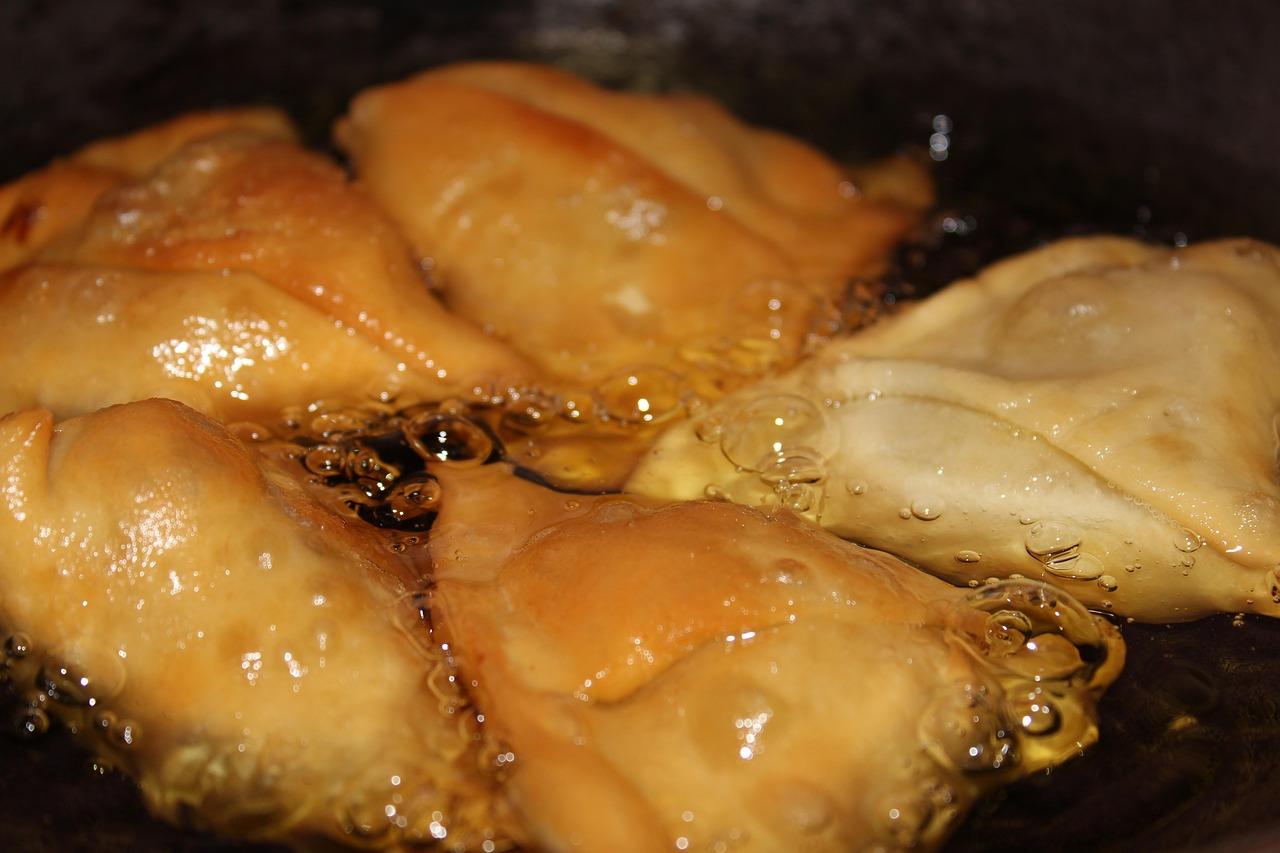
Shingara is Bengal's samosa, and every Kolkata sweet shop fries a batch for the evening tea crowd. It differs from the North Indian kind in small, important ways: the pastry is flecked with nigella seeds, the potatoes are diced rather than mashed, and in winter the filling gets cauliflower florets, fried peanuts and a few raisins, all tempered with panch phoron. The shape is a tall cone with a tight pleated top, so it stands upright on the plate. Chef's tip: dice the potato small (1 cm) and cook it only until just tender; mushy potato turns the filling into mash and loses that Bengali bite.

by KrazyBadal 0 views

Soto BanjarSpiced chicken soup

Along the rivers of Banjarmasin in South Kalimantan, breakfast often means soto Banjar eaten at a wooden riverside warung, sometimes after a dawn trip to the floating market. Unlike the turmeric sotos of Java, this broth is pale and clear, perfumed with the sweet spices that traders brought up the river centuries ago: cinnamon, cloves, star anise, cardamom and nutmeg. Shredded chicken, glass noodles, carrot and a boiled egg go into the bowl with rice cakes, and lime and a little chilli sharpen it at the table. Chef's tip: toast the whole spices in the pan for a minute before the paste goes in; it brings out their sweetness without the dusty edge of ground spice.

by KrazyBadal 1 views

Asmara pasta al sugoSpaghetti in berbere tomato sauce

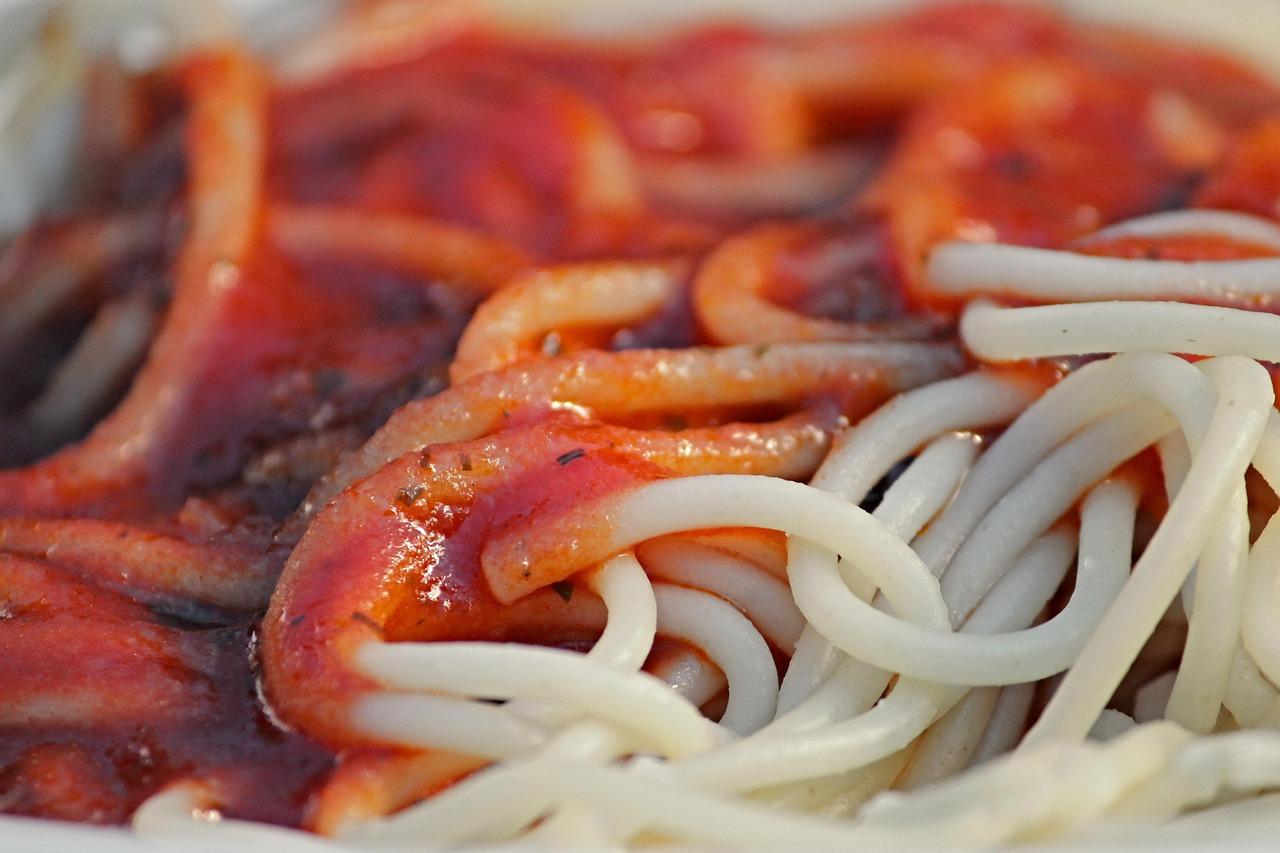
Pasta is part of everyday life in Asmara, a legacy of the Italian years, and in Eritrean homes and cafés 'pasta al sugo' means spaghetti in a slow tomato sauce warmed with berbere, garlic and plenty of onion. It is eaten on weekdays and after church on Sundays, often with a banana or a green chilli on the side. The usual sauce has minced beef; this one uses finely chopped mushrooms and carrot for the same body. Chef's tip: cook the onions and berbere slowly before the tomato goes in; raw berbere tastes dusty.

by KrazyBadal 0 views

MenemenScrambled eggs with peppers and tomato

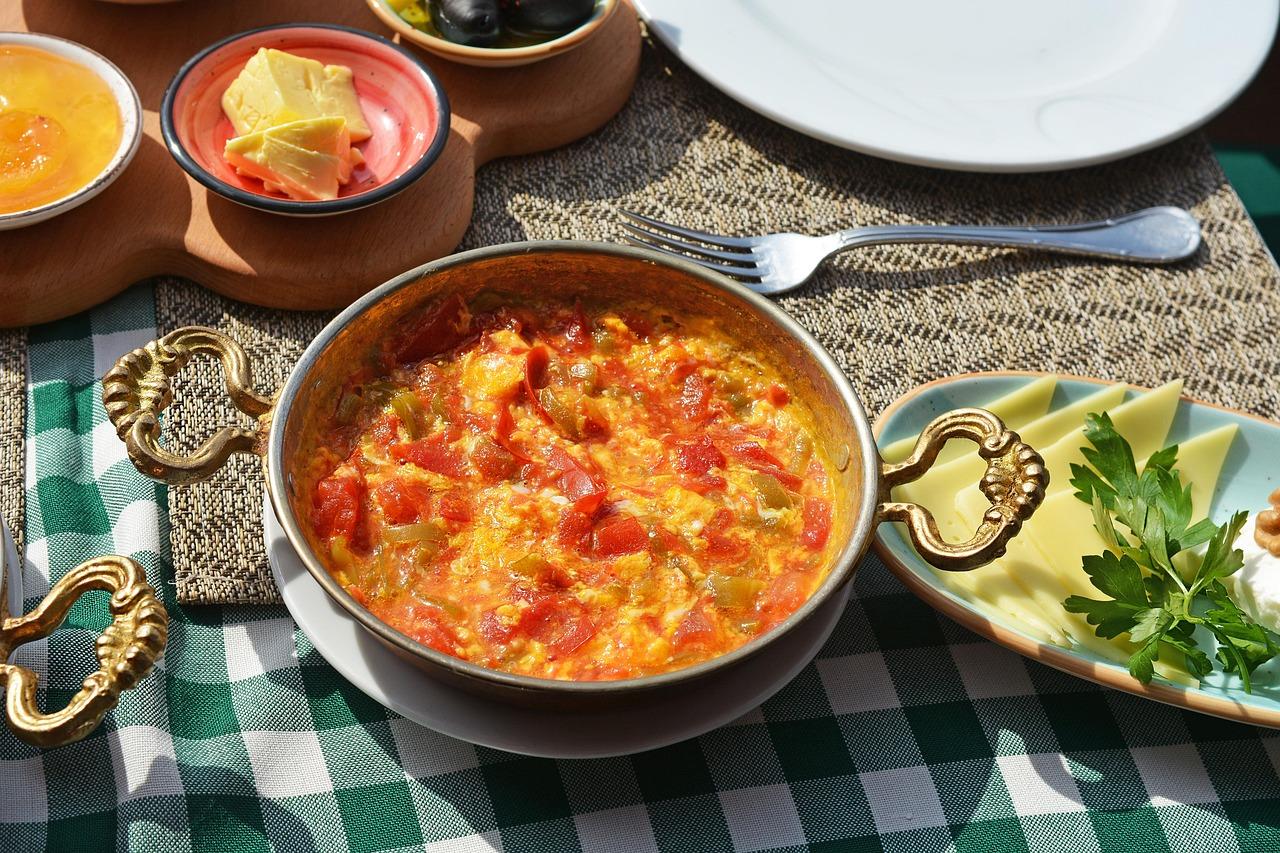
Sunday breakfast in Turkey rarely passes without a sizzling pan of menemen set in the middle of the table, crowded by olives, cheese, cucumber and glasses of tea. Mild green peppers are softened in olive oil, ripe tomatoes are cooked down to a jammy sauce, and then the eggs are broken in and gently stirred so they set into soft, juicy ribbons streaked with red. Everyone eats from the pan, tearing bread to scoop it up. Whether onion belongs in it is a national argument; here it is optional. Chef's tip: let the tomatoes bubble until almost all their liquid has gone before the eggs go in, or the menemen will be watery.

by KrazyBadal 0 views

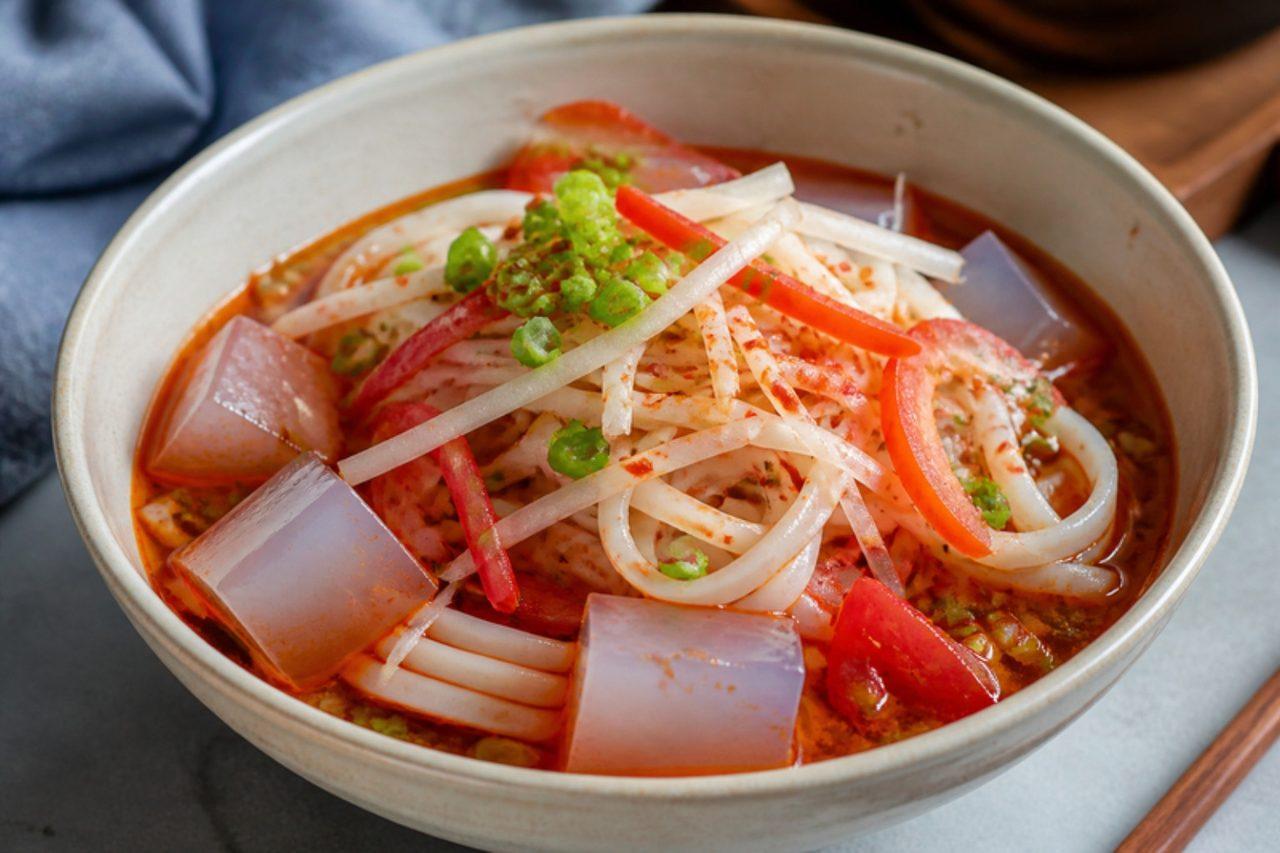
Ashlyan-fuCold noodle soup with starch jelly

Ashlyan-fu is the street food of Karakol, the town on the eastern shore of Kyrgyzstan's Lake Issyk-Kul, brought by Dungan (Hui) families more than a century ago. Locals eat it for lunch on hot days at the 'ashlyan-fu row' near the bazaar: thick wheat noodles and cubes of wobbly starch jelly in a chilled, sour and fiery broth, with a strip of thin omelette, often alongside a fried potato pirozhok. It's eaten all over Kyrgyzstan and southern Kazakhstan now. This version uses a vegetable sauce rather than meat. Chef's tip: everything must be cold; chill the broth and the jelly properly, as lukewarm ashlyan-fu tastes flat.

by KrazyBadal 0 views

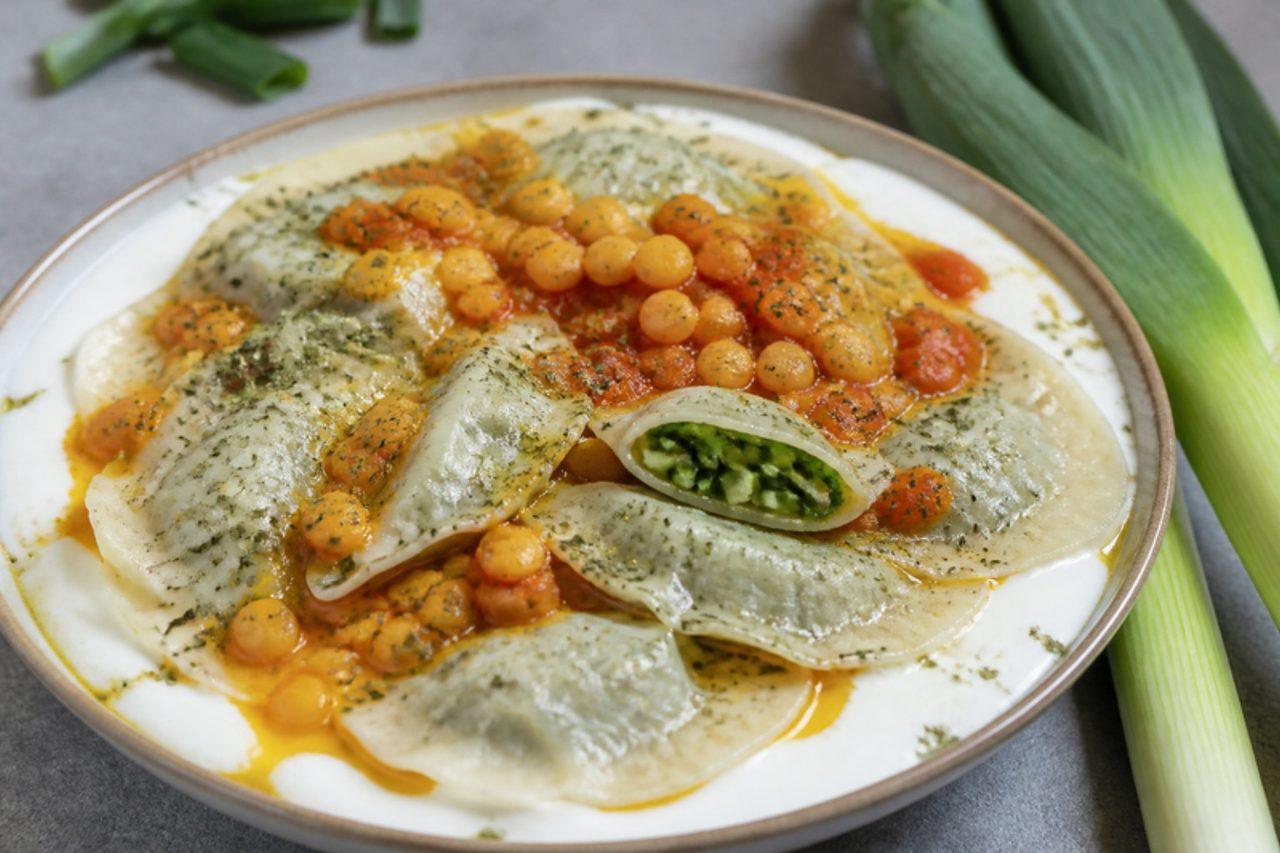
AshakLeek-filled dumplings

Ashak are the dumplings Kabul families fold together for Eid, Nowruz and weddings: thin wheat wrappers stuffed with gandana (Afghan garlic chives, here replaced with leeks and spring onions), boiled, then laid on a bed of garlicky strained yoghurt and topped with a tomato sauce and dried mint. Ashak usually come with a minced-meat sauce; this vegetarian version uses yellow split peas in a spiced tomato base, as many Afghan cooks do on meatless days. Making them is a sociable afternoon job, so rope in helpers. Chef's tip: squeeze the salted leeks hard in a cloth before filling; any water left in them soaks the wrappers and they split in the pot.

by KrazyBadal 0 views

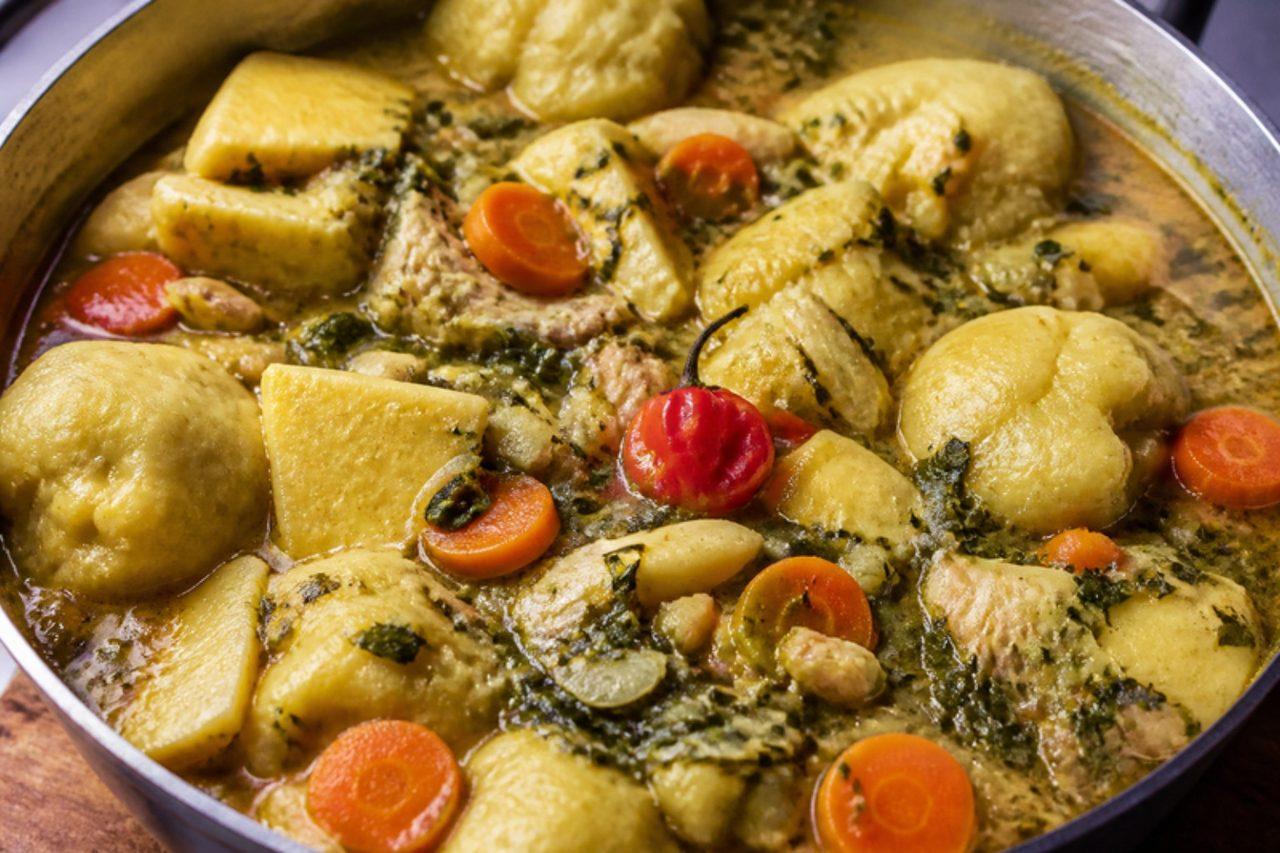
Oil downBreadfruit and salt fish one-pot

Oil down is what Grenadians cook on the beach, at village fêtes and on Sunday afternoons, often in a big iron pot over a wood fire with everyone waiting around it. Breadfruit, salt fish and soft flour dumplings are layered with callaloo and turmeric (called 'saffron' on the island), then steamed in coconut milk until the milk is drunk up and only a golden oil coats the pot, which gives the dish its name. Many cooks add salted pig tail or chicken; this version keeps to salt fish. The mistake to avoid is stirring, which breaks the layers into mush; shake the pot instead. Chef's tip: put the Scotch bonnet in whole and lift it out at the end, so it scents the pot without burning everyone's mouth.

by KrazyBadal 0 views

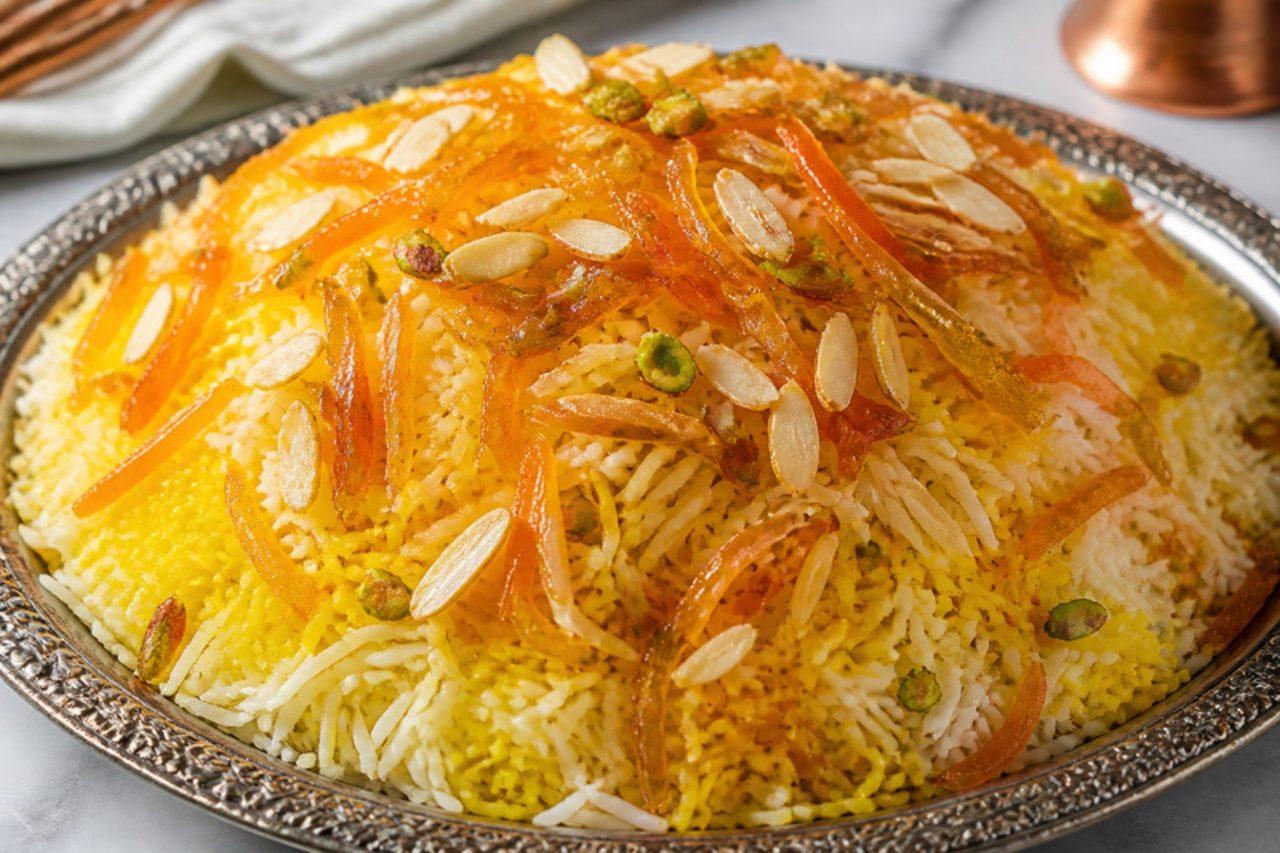
Shirin poloSweet saffron rice

Shirin polo ('sweet rice') is the wedding rice of Iran, especially among Azerbaijani families in Tabriz, where a gleaming platter of it is carried out at the celebration feast to wish the couple a sweet life. Long grains of saffron rice are layered with candied orange peel, fine strips of carrot, slivered almonds and pistachios, all perfumed with cardamom and rosewater. It is fragrant and only gently sweet, with a citrus bitterness that keeps it from being cloying. Serve it as the centrepiece of a party with yogurt and a herb stew. Chef's tip: blanch the orange peel three times in fresh water; skip this and the whole platter tastes bitter.

by KrazyBadal 0 views

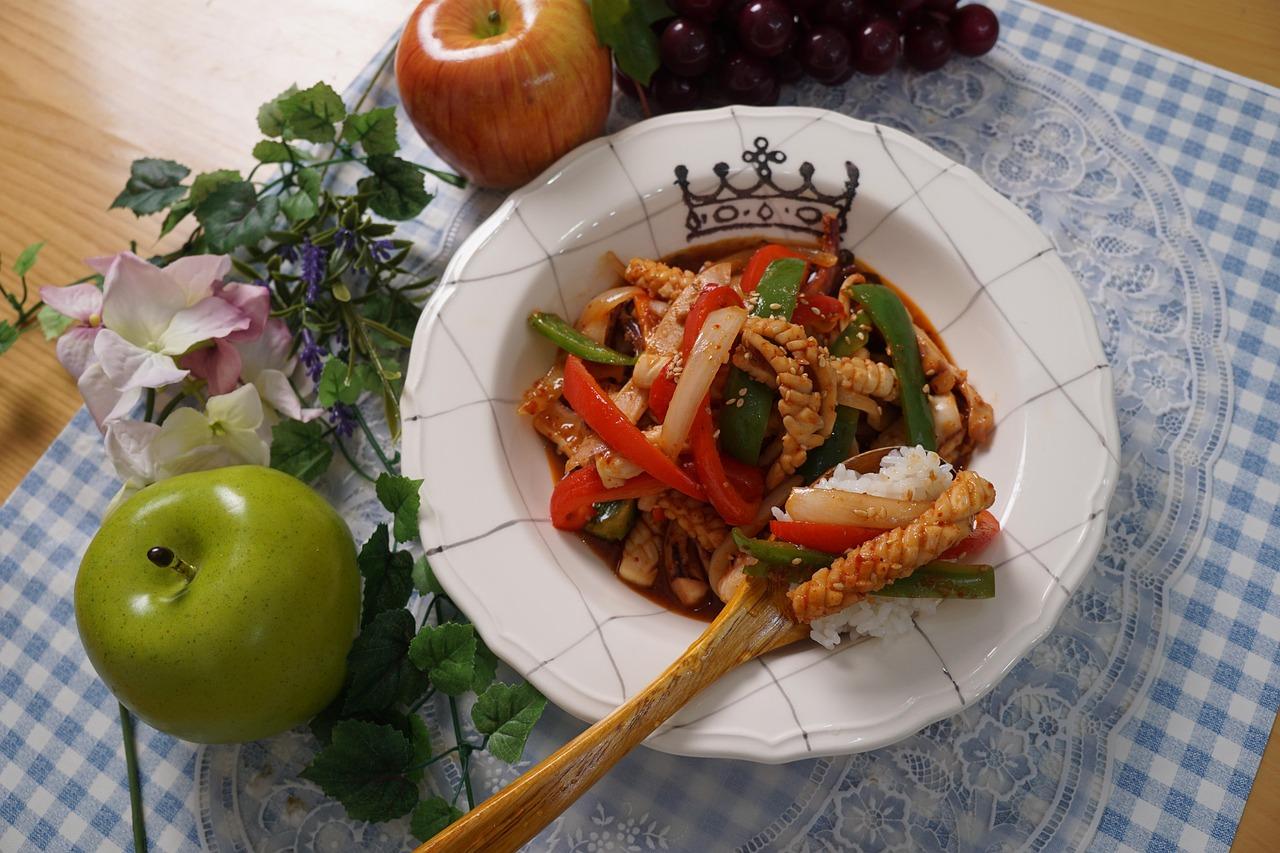
Ojingeo bokkeumSpicy stir-fried squid

Around the harbours of the Chungcheong coast on the Yellow Sea, seafood restaurants fry freshly landed squid in a sticky red sauce, and the same dish turns up in lunch canteens and home kitchens all over Korea. Bright with chilli, it's on the table in about twenty minutes and is often piled straight onto rice as ojingeo deopbap. The sauce is gochujang and chilli flakes sweetened with a little sugar, and the vegetables stay crisp. Serve with rice and a bowl of light soup to cool things down. Chef's tip: mix the sauce before you light the hob, because the squid cooks so fast that there is no time to measure anything once it's in the pan.

20 minKoreanFishSpicy
by KrazyBadal 0 views

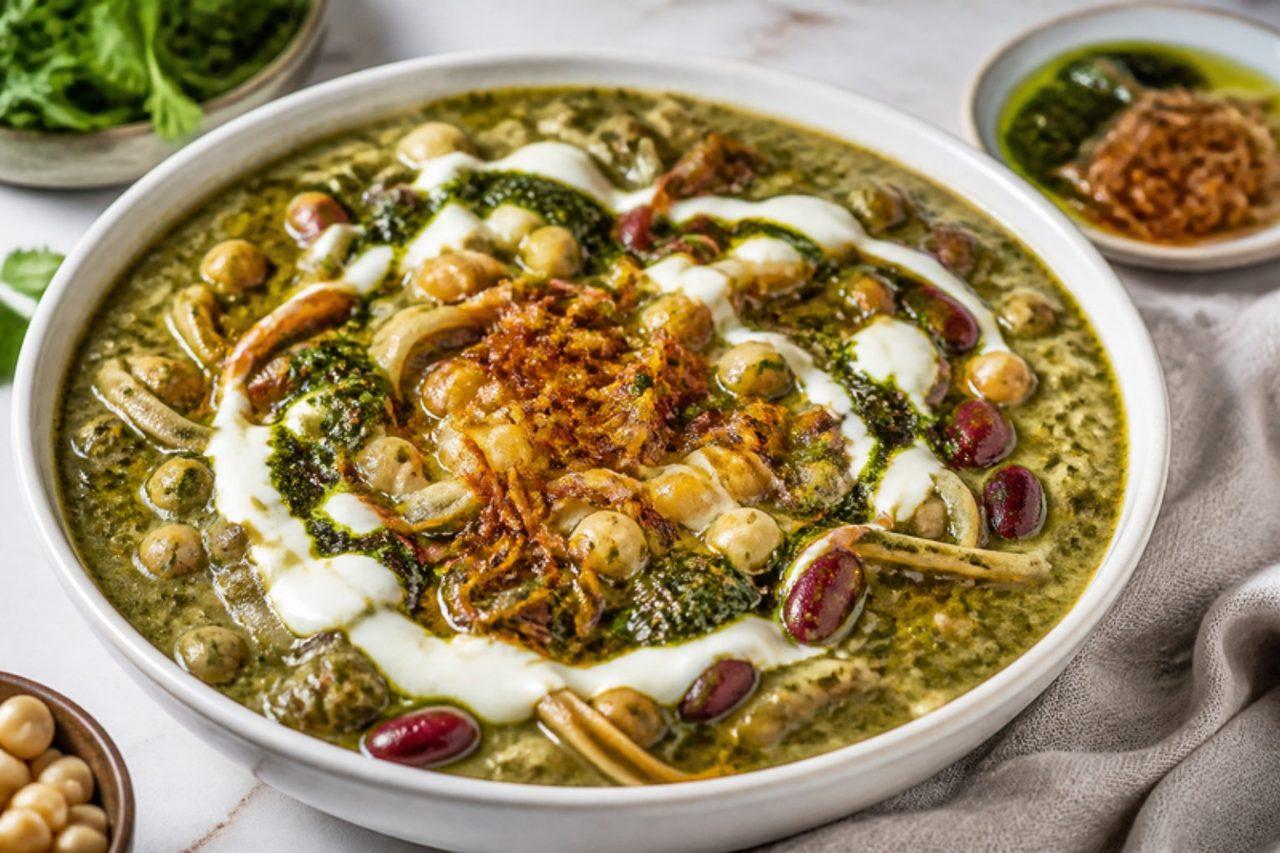
Ash reshtehNoodle, bean and herb soup

Ash reshteh is the thick soup Iranians cook in big pots in the days before Nowruz and for Sizdah Bedar, the spring picnic day, when the noodles (reshteh) are said to help you grasp the threads of good luck for the coming year. Chickpeas, beans and lentils are simmered with a mountain of green herbs and spinach, thickened with flat noodles and finished at the table with tangy kashk, crisp onions and a sizzling swirl of mint oil. It is a meal in a bowl, hearty and herby. Kashk is usually made without rennet, but check the label; strained yogurt is a good substitute. Chef's tip: add the noodles only once the beans are soft, and stir often after that, because they thicken the pot and it can catch on the bottom.

120 minPersianSoups
by KrazyBadal 0 views

Rooh Afza sherbetRose syrup drink

During Ramadan almost every household in Pakistan breaks the fast at sunset with a jug of this bright red sherbet on the table, from Karachi apartments to village courtyards in Punjab. It is made with the herbal rose syrup sold as Rooh Afza (any rose sherbet syrup works), stirred into ice-cold water with a squeeze of lemon and a spoonful of swollen basil seeds (tukh malanga) that are said to cool the body after a long, hot day without water. Some families make it with cold milk instead, which turns it pink and creamy. The mistake people make is adding the basil seeds dry; they clump into hard lumps, so soak them first. Chef's tip: chill the water and syrup well before mixing so you need less ice and the sherbet does not taste watered down.

by KrazyBadal 0 views

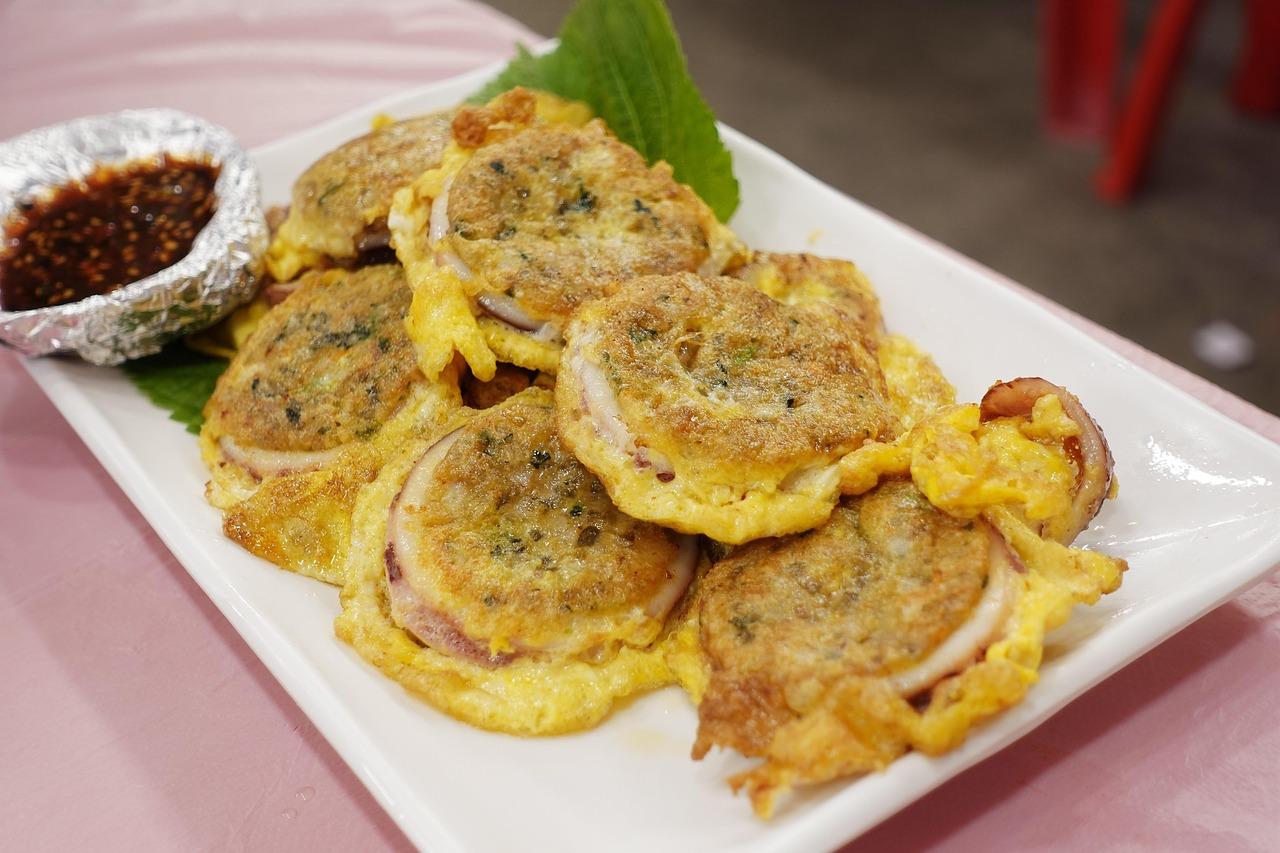
Ojingeo sundaeRice-stuffed squid

Abai Village in Sokcho, on Gangwon's east coast, was settled by people from Hamgyeong province in the north who could not go home after the Korean War. With squid plentiful in the East Sea, they stuffed it the way they had once stuffed pork casings for sundae, and the dish is now sold in the village's small restaurants and at Sokcho's Jungang market. The squid is filled with sticky rice, tofu and vegetables, steamed, cut into rounds and fried in beaten egg until golden. It makes a good sharing plate with a soy and vinegar dip. Chef's tip: mix a little glutinous rice into the filling; it binds the slices so they don't fall apart in the pan.

90 minKoreanFish
by KrazyBadal 0 views

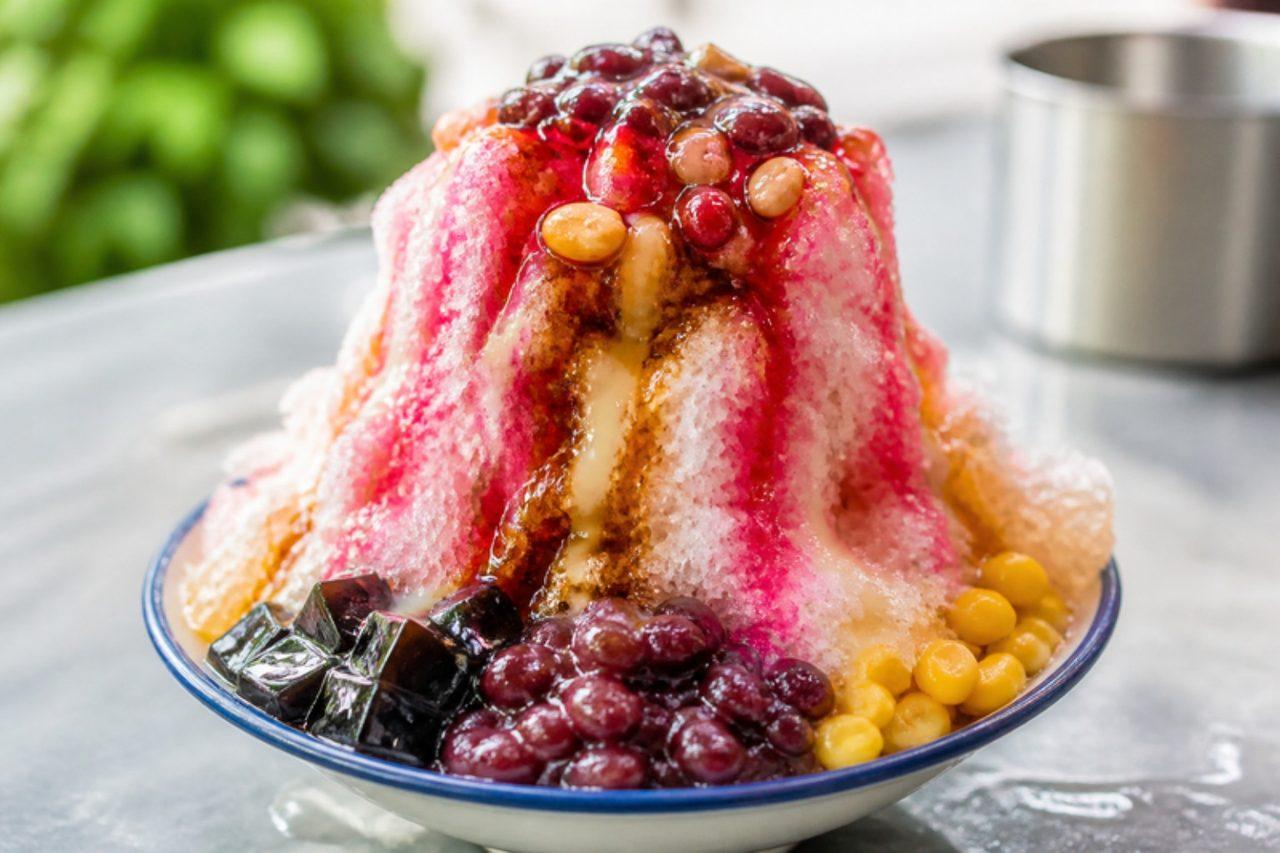
Ais kacangShaved ice with red beans

Ais kacang ('bean ice'), also called ABC for air batu campur ('mixed ice'), is the towering, rainbow-coloured treat Malaysian kids beg for at food courts and hawker centres on hot afternoons. Underneath a snowy dome of shaved ice hide red beans, sweetcorn, cubes of black grass jelly and chopped peanuts; on top go streaks of pink rose syrup, dark palm-sugar syrup and a drizzle of condensed milk. Everyone digs in from the top and mixes it into a sweet, icy slush. Chef's tip: chill the bowls in the freezer for 15 minutes first, so the ice holds its peak long enough to get it to the table.

by KrazyBadal 0 views

Ojja with merguezSpicy tomato sauce with sausage

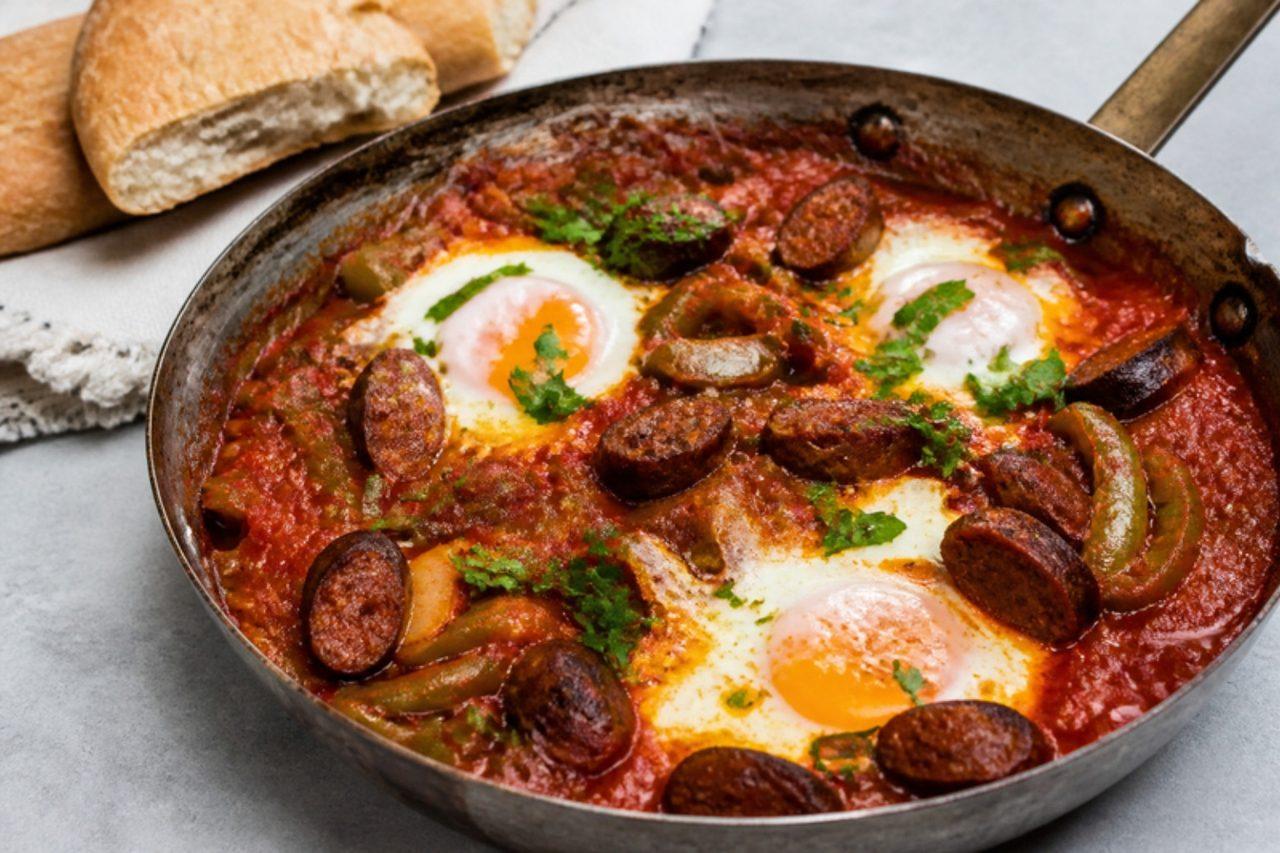
Ojja is the quick supper of Tunis cafés and home kitchens: a pan of tomato, peppers, garlic and harissa, cooked down until thick, with slices of spicy lamb merguez and eggs set softly on top. It is scooped up with crusty bread straight from the pan. The mistake is stirring the eggs in too early; they should go in once the sauce is thick and be left alone to just set. Chef's tip: brown the merguez first so its spiced fat flavours the sauce. If you can't get merguez, use any spicy lamb or beef sausage.

by KrazyBadal 0 views

Oka i'aRaw fish in coconut cream

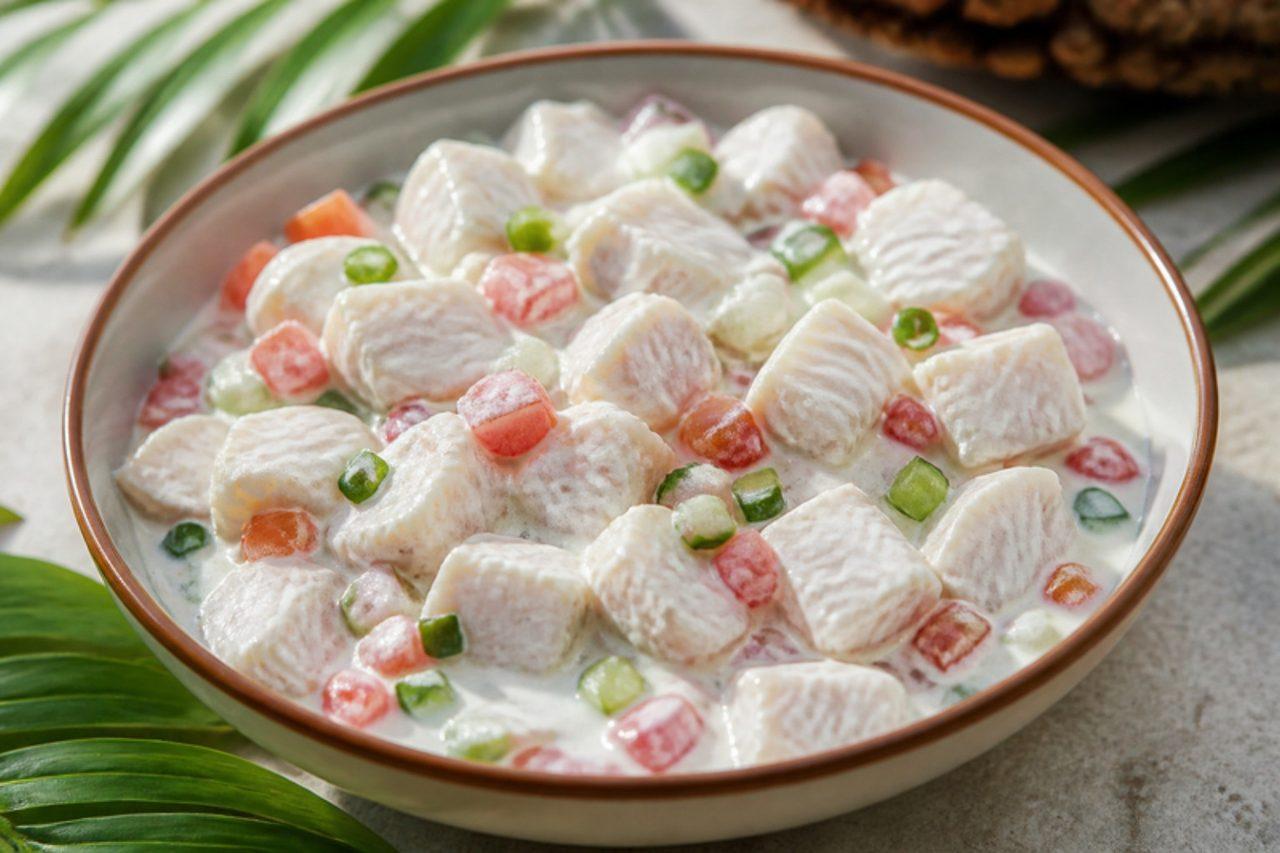
Oka i'a is the raw fish salad served at every Samoan to'ona'i, the big Sunday lunch after church in Apia and the villages of Upolu and Savai'i, and in Samoan homes in Auckland. It is close to Fiji's kokoda but usually uses tuna, a shorter citrus soak and more vegetables, with a finish of spring onion. As a raw fish dish it is written here as a safer version: buy very fresh, previously frozen sashimi-grade tuna, keep it cold and eat within 2 hours. Raw or citrus-cured fish is not for pregnant women, young children or anyone with a weakened immune system; for them, sear the tuna as described in the steps. The mistake is cutting the fish too small, so it goes mushy; keep the cubes about 1.5 cm. Chef's tip: chill the coconut cream and the bowl, so the salad is cold and refreshing.

by KrazyBadal 0 views

Okayama barazushiScattered sushi with vegetables

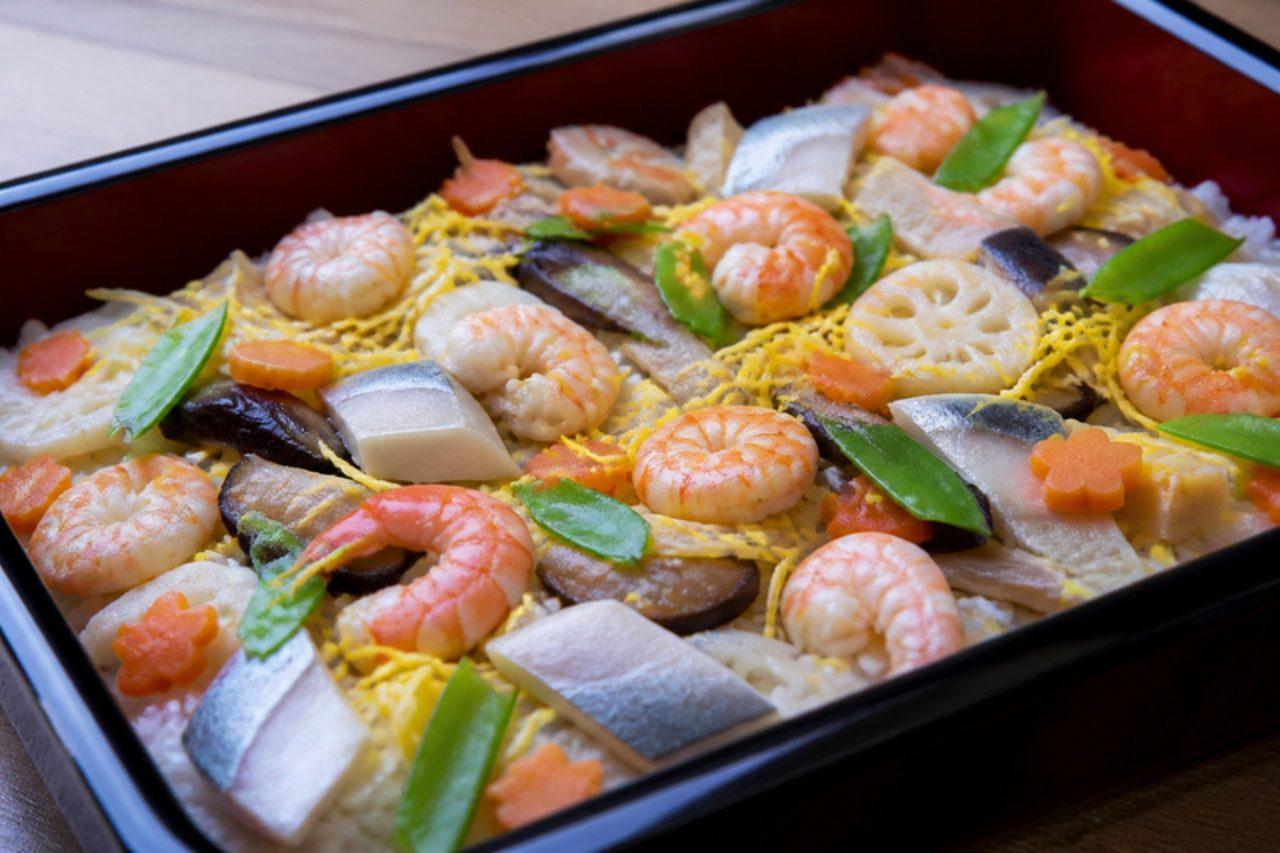
Okayama families make a big shallow platter of barazushi for the autumn shrine festivals, Girls' Day in March and other celebrations, and it is sold in station lunch boxes all year. A local story says it began when a lord ordered people to eat only one side dish, so cooks hid everything in the rice instead. The seasoned rice is mixed with simmered vegetables and topped with seafood from the Seto Inland Sea. This version uses cooked prawns, gently simmered squid and egg threads, plus ready-made vinegared mackerel, which is cured but not cooked. Use very fresh, sushi-grade fish from a trusted fishmonger; not for pregnant women, young children or anyone with a weakened immune system. Leave the mackerel out, or add extra prawns, to make it fully cooked. Chef's tip: fold the vinegar into the rice while it is hot and fan it as you go; the rice soaks up the seasoning and turns glossy instead of wet.

by KrazyBadal 0 views

OkroshkaCold vegetable and kvass soup

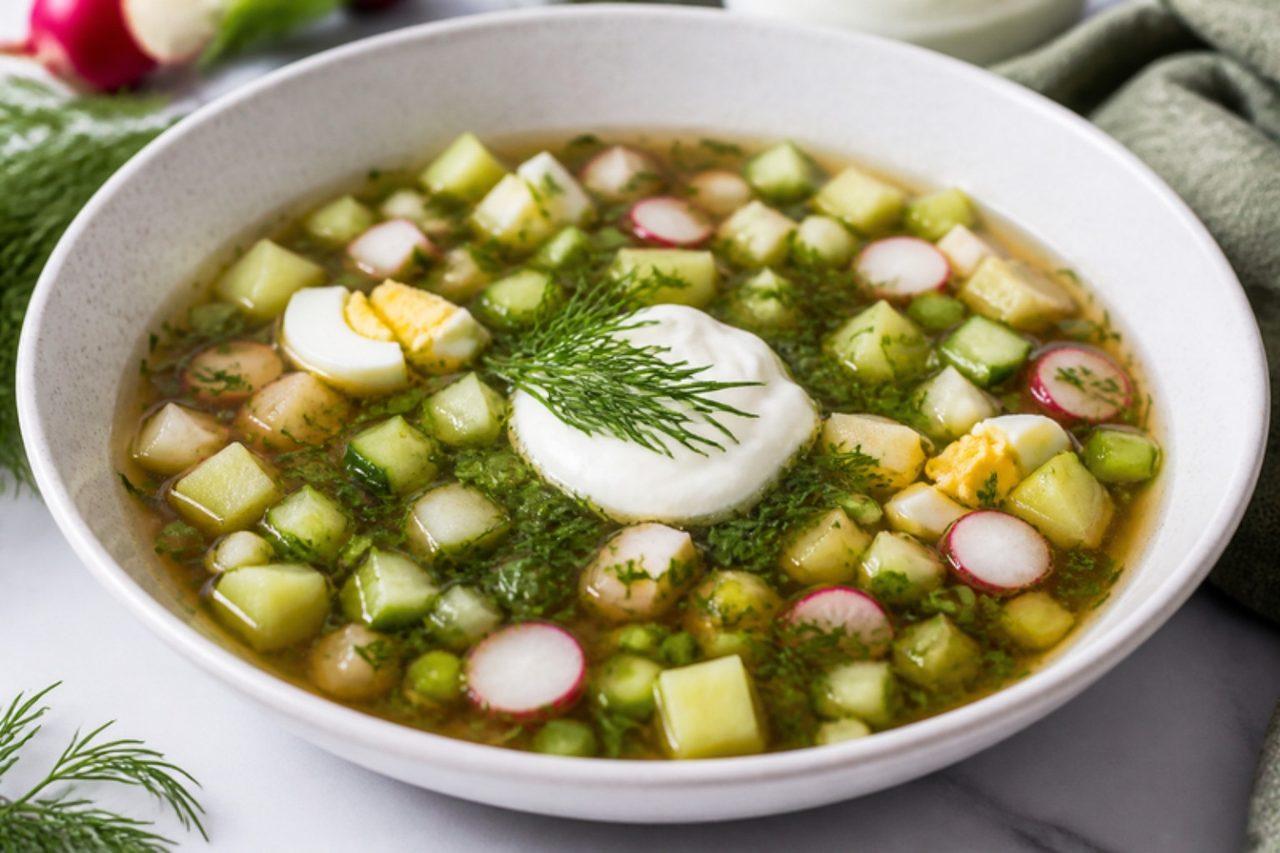
When Moscow swelters in July, okroshka replaces every hot soup: a bowl of finely chopped radishes, cucumber, potato, egg and a forest of green onion and dill, with ice-cold kvass poured over at the table. It is the lunch of dacha weekends and of hot afternoons on the Volga, and families argue over whether kvass or kefir is the right base (kefir works well and is less sweet). The name comes from kroshit, to crumble, since everything is chopped small. Chef's tip: rub the spring onions and dill with salt first until they give off juice; it releases a green, pungent flavour that tastes of summer.

by KrazyBadal 0 views

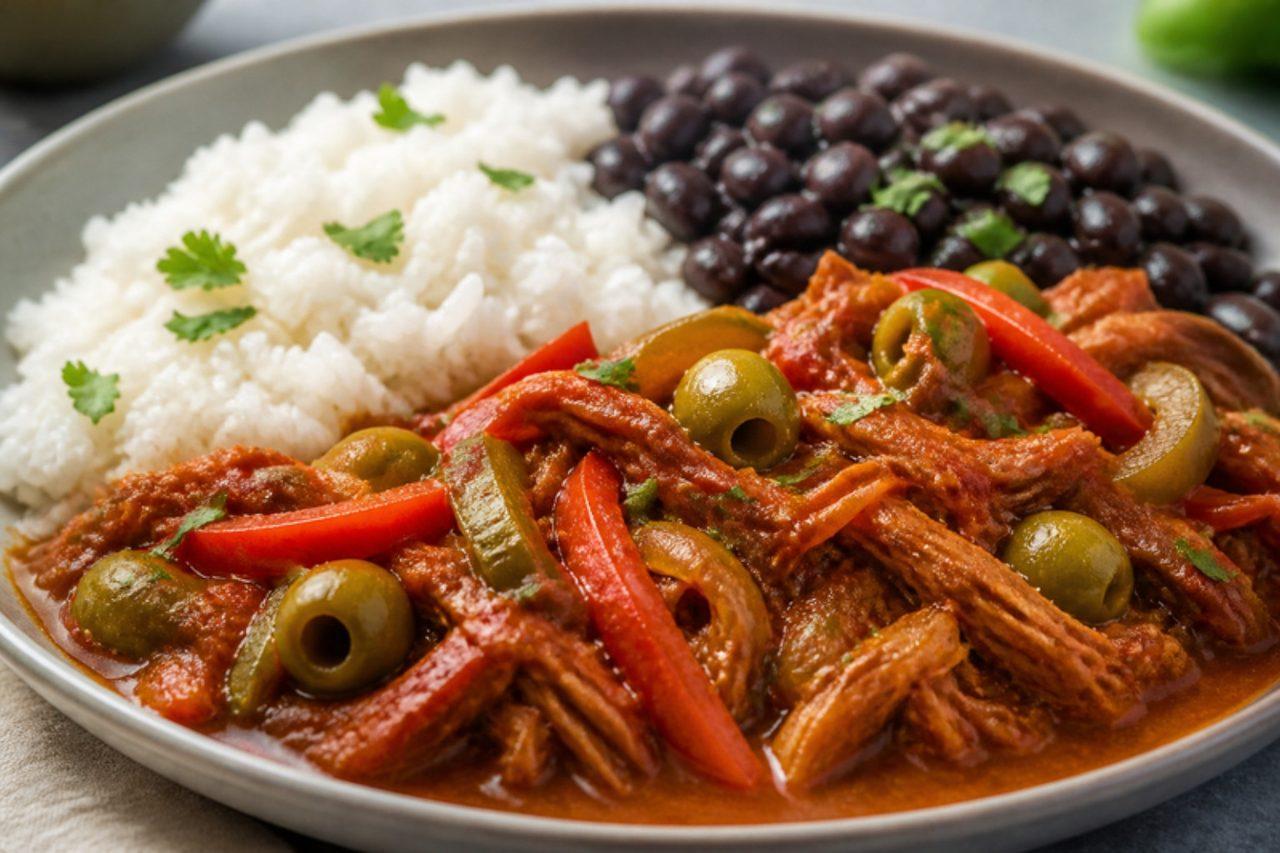
Ropa viejaShredded beef stew

Ropa vieja means 'old clothes', after the ragged strands the beef falls into, and it is the dish Cubans name first when asked about home cooking. Families in Havana and Camagüey make a big pot on a weekend: flank steak is simmered until soft, pulled into threads and then stewed again in a sofrito of peppers, onion, tomato, cumin and green olives. It is eaten with white rice, black beans and fried ripe plantain, and it tastes even better reheated the next day. The common mistake is cutting the beef across the grain before cooking; leave it whole so it shreds into long strands. Chef's tip: keep the cooking liquid from the first simmer and use it instead of water in the sauce, because it carries most of the beefy flavour.

190 minCubanMeatGluten free
by KrazyBadal 0 views

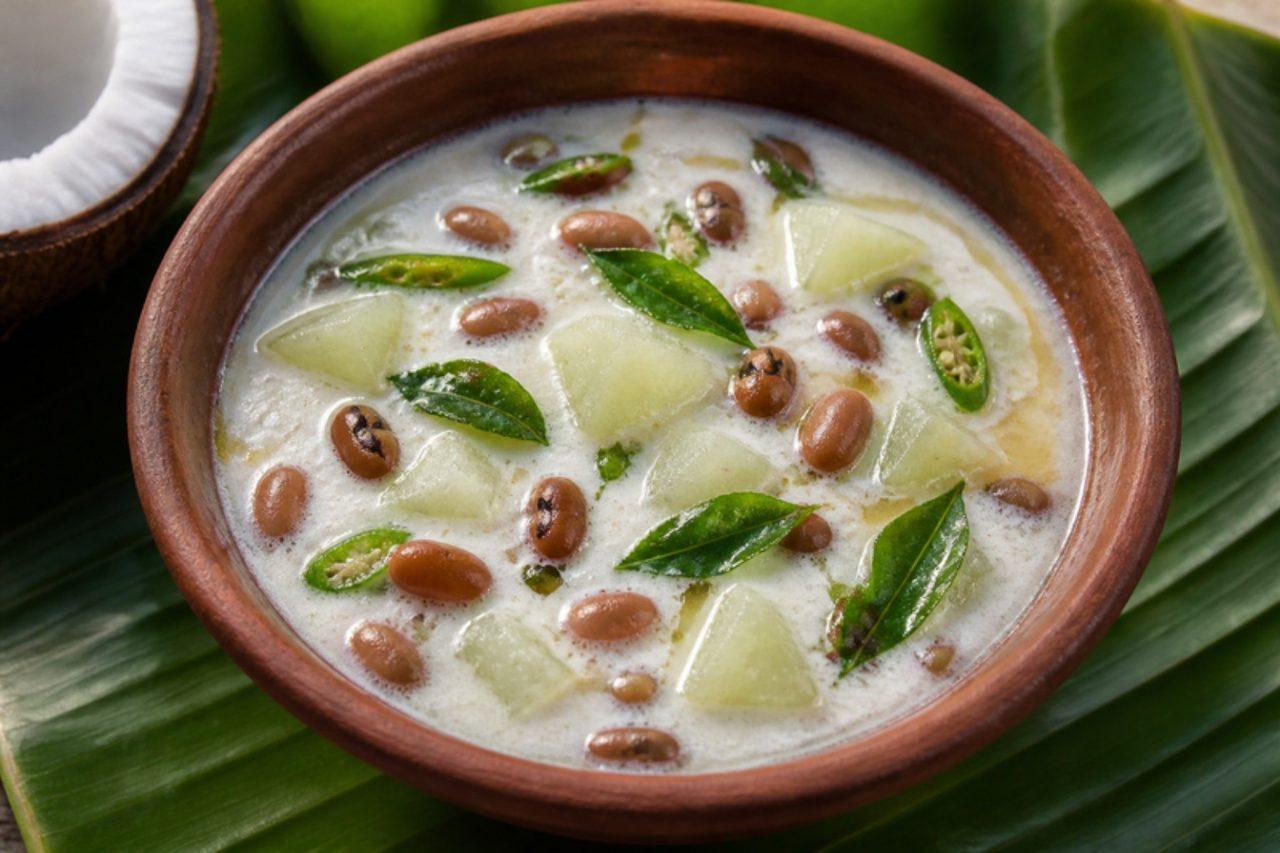
OlanAsh gourd and cowpea stew

Olan is the quietest dish on a Travancore sadya leaf, the banana-leaf feast served in southern Kerala for Onam, weddings and temple festivals. Thin, glassy slices of ash gourd and soft red cowpeas sit in coconut milk with nothing louder than green chilli and curry leaves, and its job is to cool the palate between the tangy, fiery curries around it. The flavour comes from coconut milk added in two stages and a spoonful of raw coconut oil poured over at the end. Eat it with plain rice, or ladle it beside appam on an ordinary weekday. Chef's tip: slice the ash gourd as thin as a coin so it turns translucent in the time the coconut milk takes to thicken.

by KrazyBadal 0 views

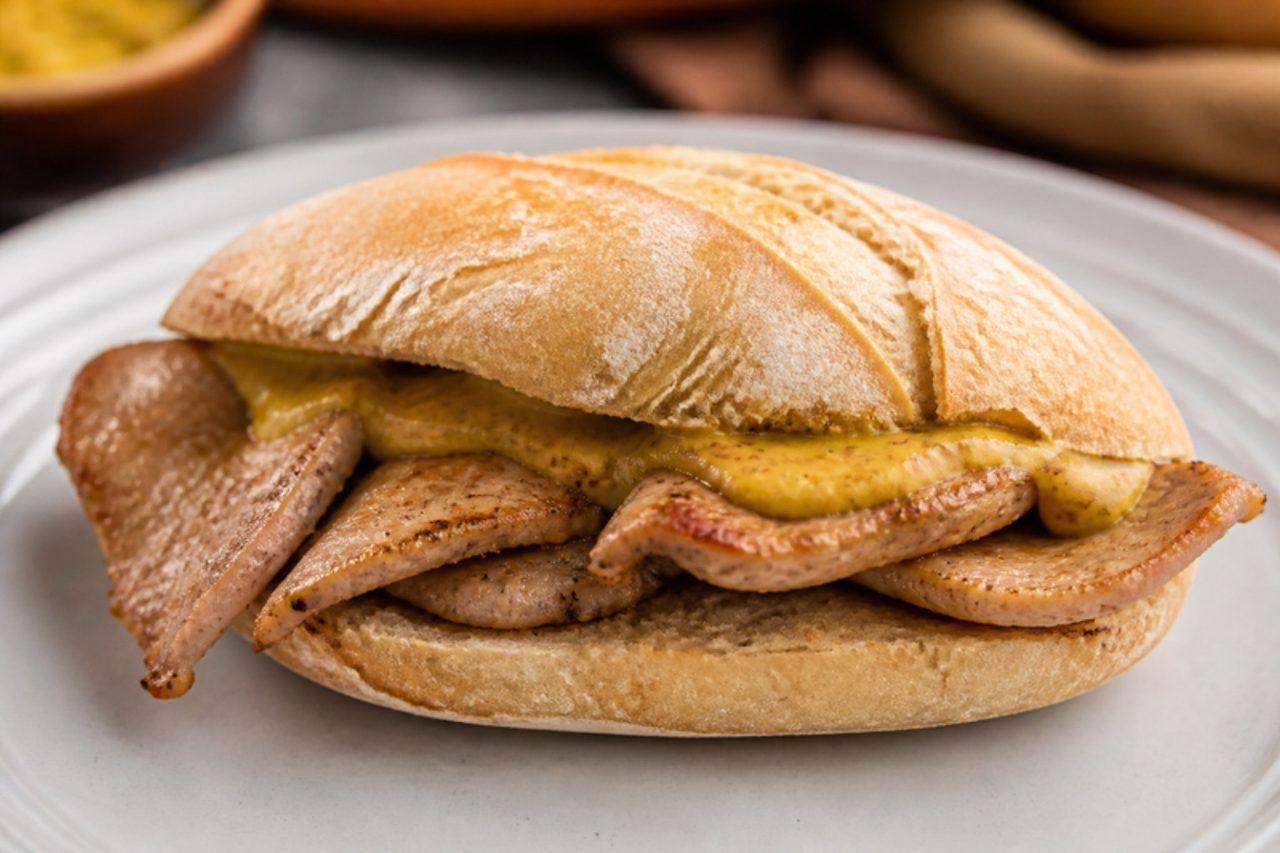
BifanaMarinated pork roll

Lisbon's standing-room snack bars, from the Baixa to the stalls outside football grounds, sell bifanas all day: thin pork steaks simmered in a garlicky, bay-scented sauce and pushed into a soft papo-seco roll with a smear of mustard. It's a pork sandwich, and the pork is traditionally marinated in white wine; for an alcohol-free version use chicken stock with a tablespoon of white wine vinegar. It makes a quick lunch or a late snack. Chef's tip: dip the cut side of the roll into the pan juices before filling it; that's how the bars make them so juicy.

by KrazyBadal 0 views

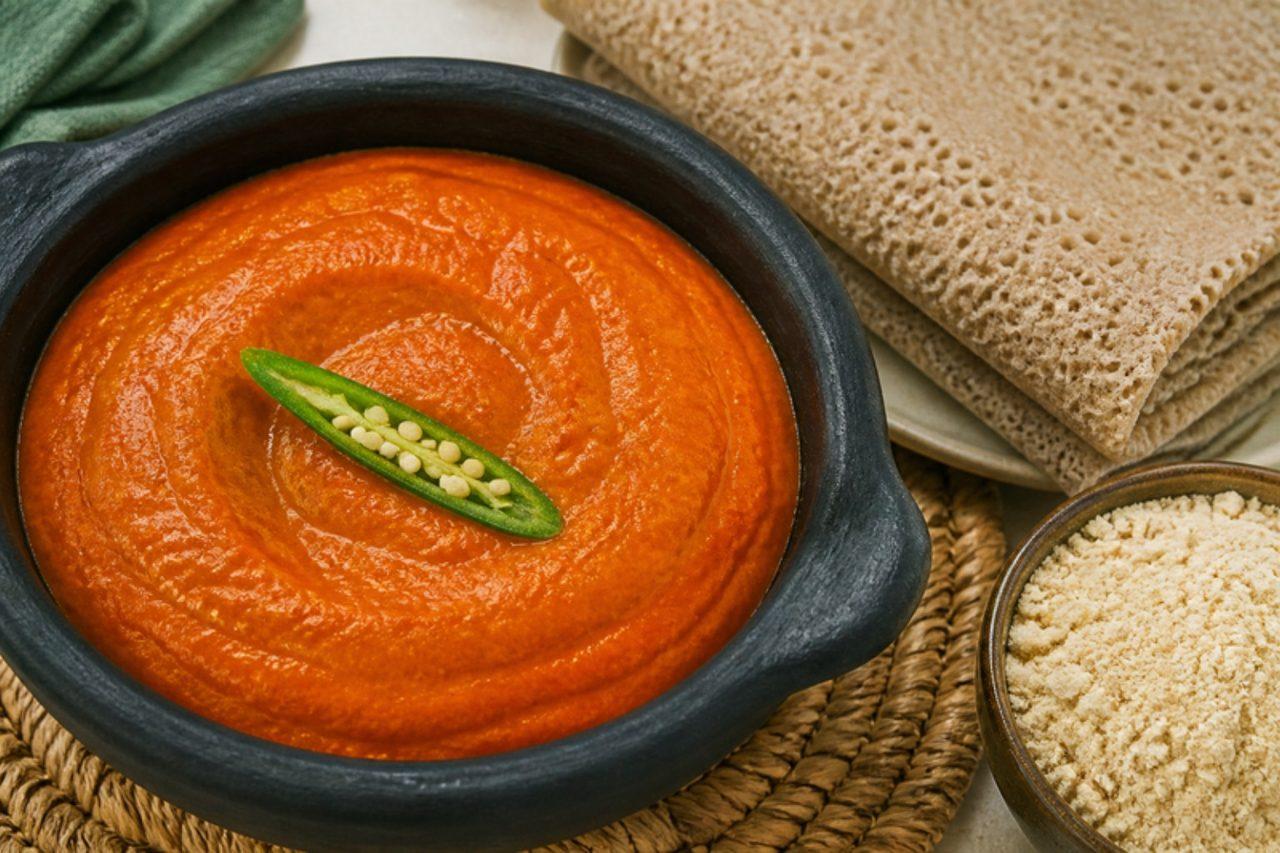
Shiro watSpiced chickpea flour stew

Shiro is the most eaten dish in Ethiopia: on Wednesdays and Fridays and during Lent, when Orthodox Christians fast from all animal food, kitchens from Addis Ababa to Mekelle make it daily, and it is a favourite in Eritrea too. It is made from shiro powder, a ground mix of roasted chickpeas or field peas with garlic, ginger and berbere, whisked into a red onion base and simmered into a smooth, thick sauce. Served bubbling in a clay pot over injera, it is comforting, spicy and very cheap. On non-fasting days, a spoon of niter kibbeh stirred in at the end makes it richer. Chef's tip: whisk the shiro powder in slowly, a spoonful at a time, and keep whisking; dumped in all at once it forms lumps that never dissolve.

by KrazyBadal 0 views

BeguniBattered aubergine fritters

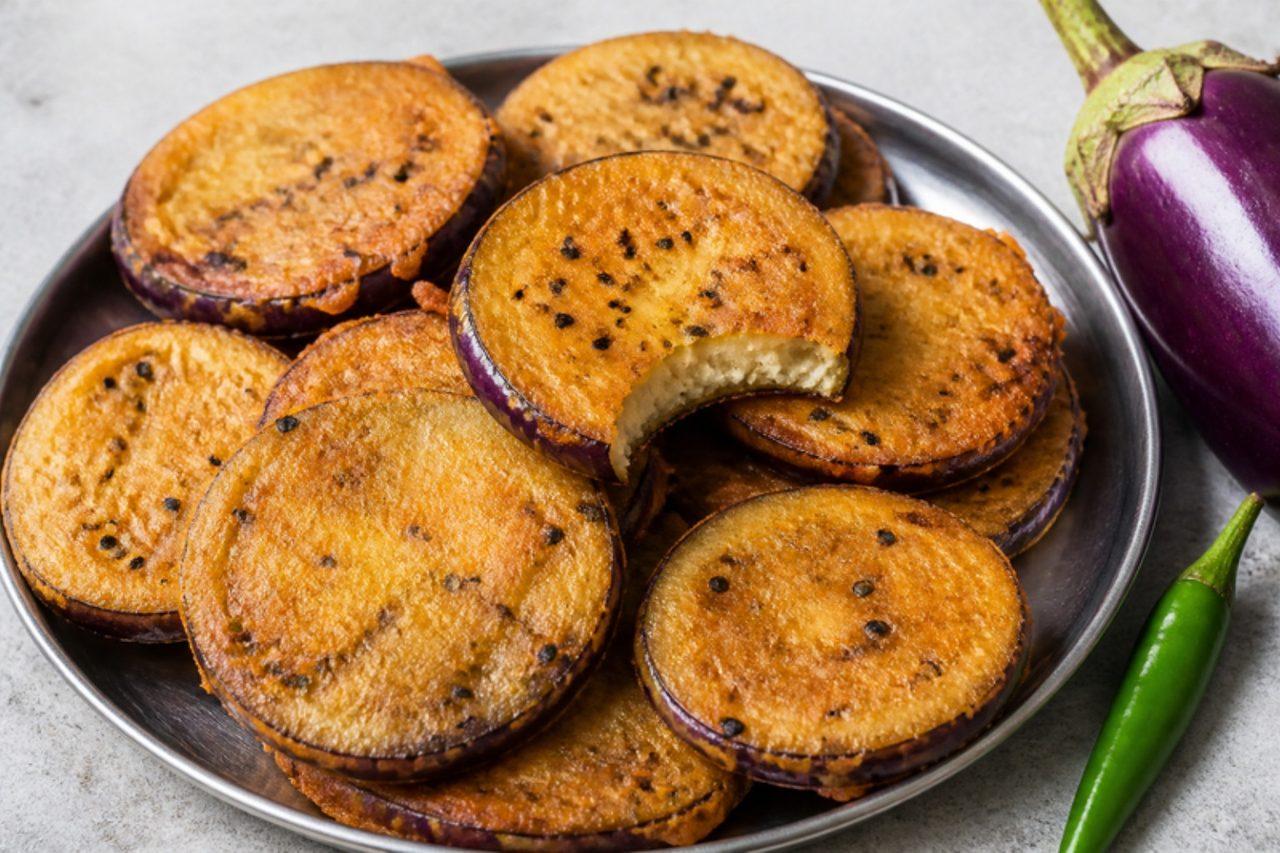
When the monsoon arrives in Kolkata, the telebhaja shops at every para corner start frying beguni: long, thin slices of aubergine dipped in a spiced gram-flour batter and fried until the coat puffs and turns golden. It is eaten with muri and a cup of tea, or alongside khichuri on a wet Saturday. The inside should be soft and creamy, the shell thin and crackly. Chef's tip: a spoonful of rice flour and a pinch of nigella in the batter keep it crisp long after frying. This is a different dish from begun bhaja, where the slices are fried bare with turmeric and salt.

by KrazyBadal 0 views

Showing 72 of 10,569 recipes

Show more recipes

Page 1,075 of 1,175