


Skip to content
Cachama frita
Featured recipe

Cachama frita

Fried river fish

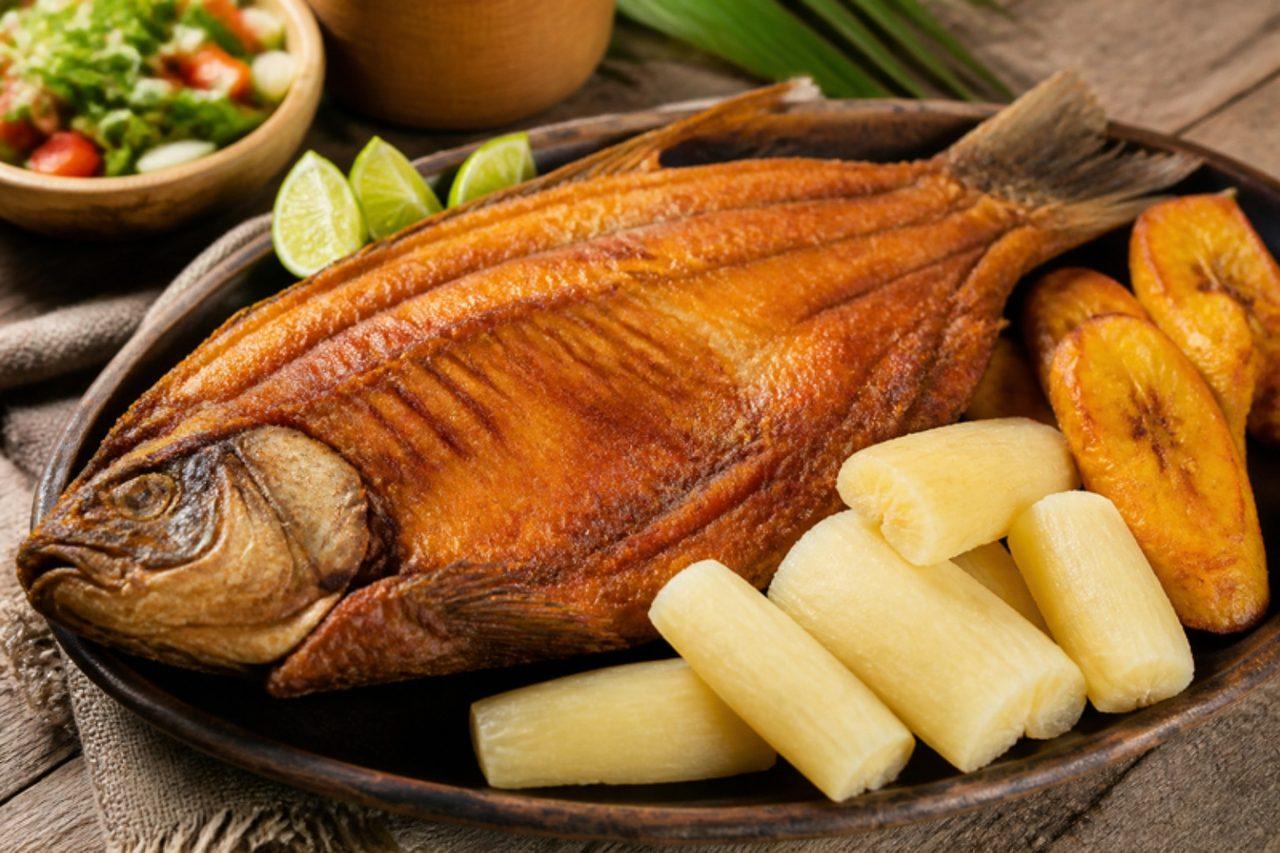
Roadside restaurants on the way from Bogotá down to Villavicencio and Restrepo sell cachama by the hundred at weekends: a farmed river fish of the Orinoco basin (the same family as pacu), opened out like a book, seasoned with garlic, cumin and lime and fried until the edges turn to crisp, salty lace. Its flesh is firm, fatty and sweet, and the rib bones, fried crisp, are half the pleasure. It comes with boiled cassava, ripe plantain tajadas and a little tomato salad. Outside Colombia, look for frozen whole pacu or cachama in Latin or Asian shops; otherwise use pompano or a large sea bream. A soggy, greasy fish usually means the oil wasn't hot enough; keep it at 180 °C and fry one at a time. Chef's tip: score the thick side of the fillet in a fine crosshatch down to the bones; the fine intramuscular bones fry crisp and the heat reaches the thickest part.

Read more 0 views

What to eat today?

Around the world

Today's trip: Persian

A new country every day, from every cuisine on the site.

Persian

Shirini danmarki

Cinnamon cardamom pastry swirls 70 minMore from Persian (181) →

This week's collection

Kid-friendly dinners
750 recipes · a new collection every Monday

Coming up

All occasions →

Latest recipes

BebincaLayered coconut milk cake

No Goan Catholic Christmas, wedding or feast is complete without bebinca, the 'queen of Goan desserts'. A rich batter of coconut milk, egg yolks, sugar and a little flour is cooked one thin layer at a time under the heat, each layer brushed with ghee before the next is poured on, so the finished cake shows dark-and-light stripes when sliced. Traditionally it was baked over coconut-husk fire with coals on the lid and had sixteen layers; a home grill makes eight to ten easily in an afternoon. It's rich, dense and fudgy, and keeps for a week. Serve thin slices at room temperature, or warm with vanilla ice cream. Chef's tip: make each layer the same thin pour; a thick layer stays raw in the middle while its top burns.

by KrazyBadal 0 views
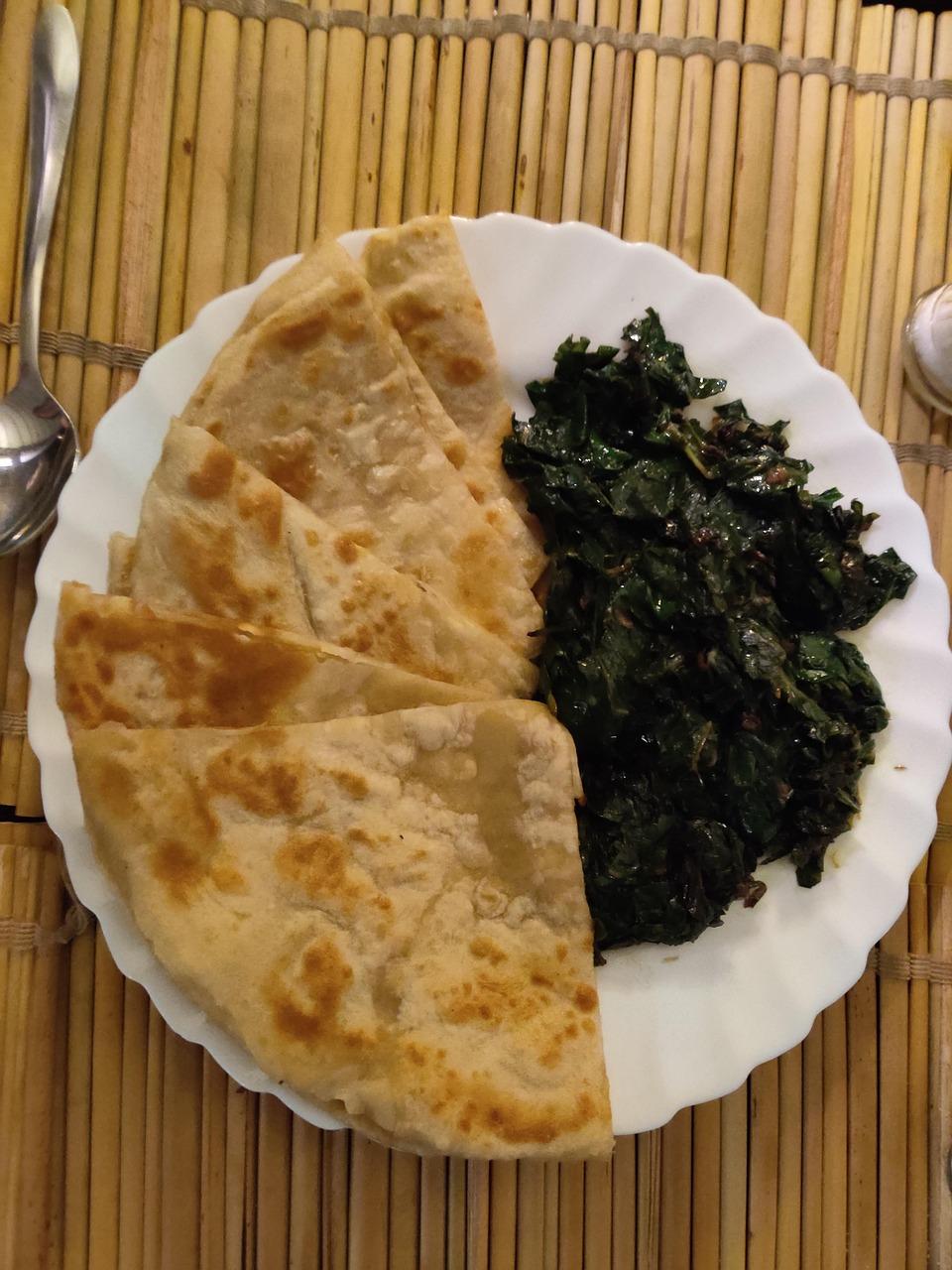
SukumawikiSautéed collard greens

Sukumawiki (collard greens) finely chopped and cooked quickly with cumin, onion, tomato and a little turmeric, chilli and coriander-cumin powder until just tender. Its name means 'push the week', because it's cheap enough to stretch the budget to the end of the week. Serve hot with ugali.

by KrazyBadal 0 views

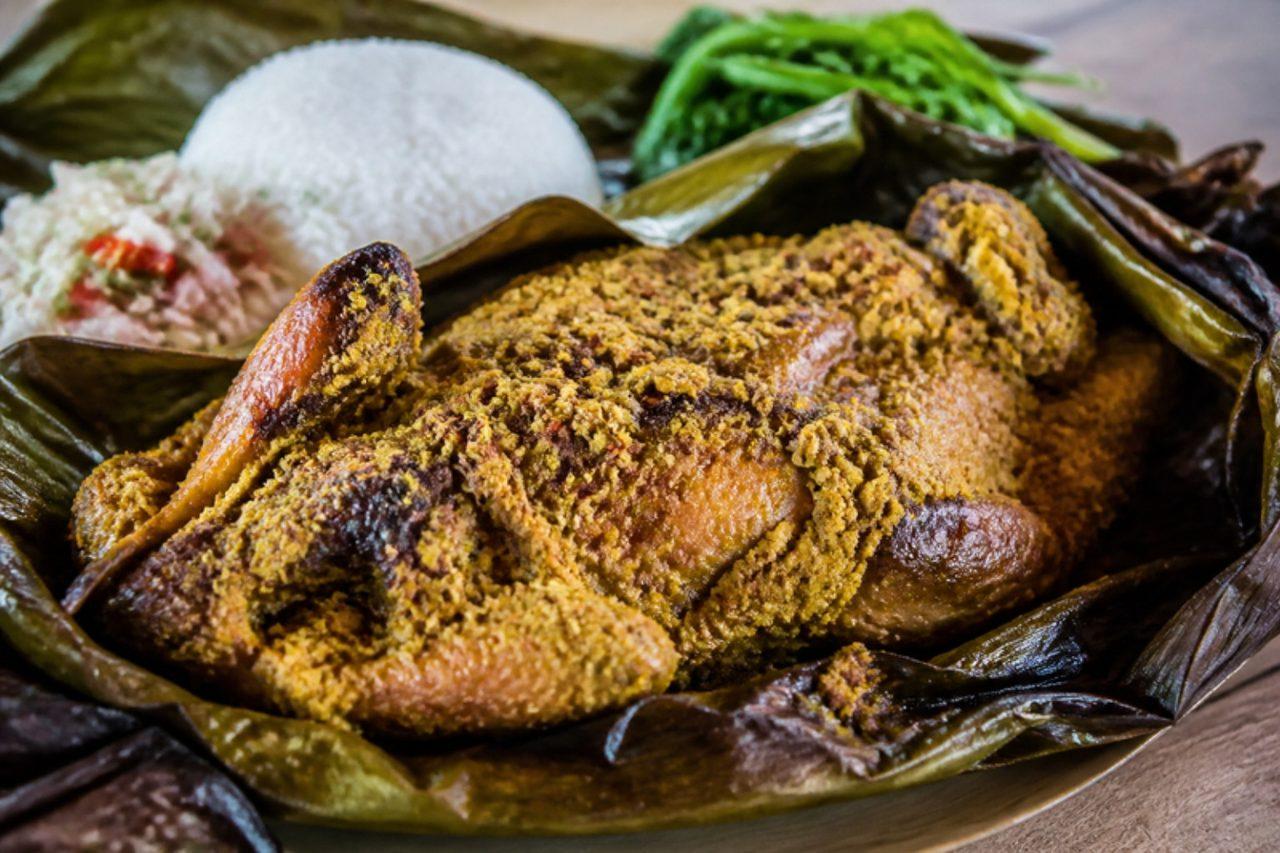
Bebek betutuSpiced slow-roasted duck

For ceremonies in the villages around Gianyar in central Bali, a whole duck is stuffed and smothered with base genep, wrapped in banana leaves and areca-palm sheath, and buried overnight in smouldering rice husks. By morning the meat has turned meltingly soft, the fat has rendered into the spices and the parcel smells of turmeric, smoke and lime leaf. This home version keeps the stuffing and the leaf parcel but uses a low oven for three hours, then opens the parcel for a short blast to colour the skin. Serve it in its juices with rice, a sharp sambal matah and long beans or water spinach. Chef's tip: marinate the duck overnight in the fridge if you can; the paste needs time to get past the fat and into the meat.

by KrazyBadal 0 views

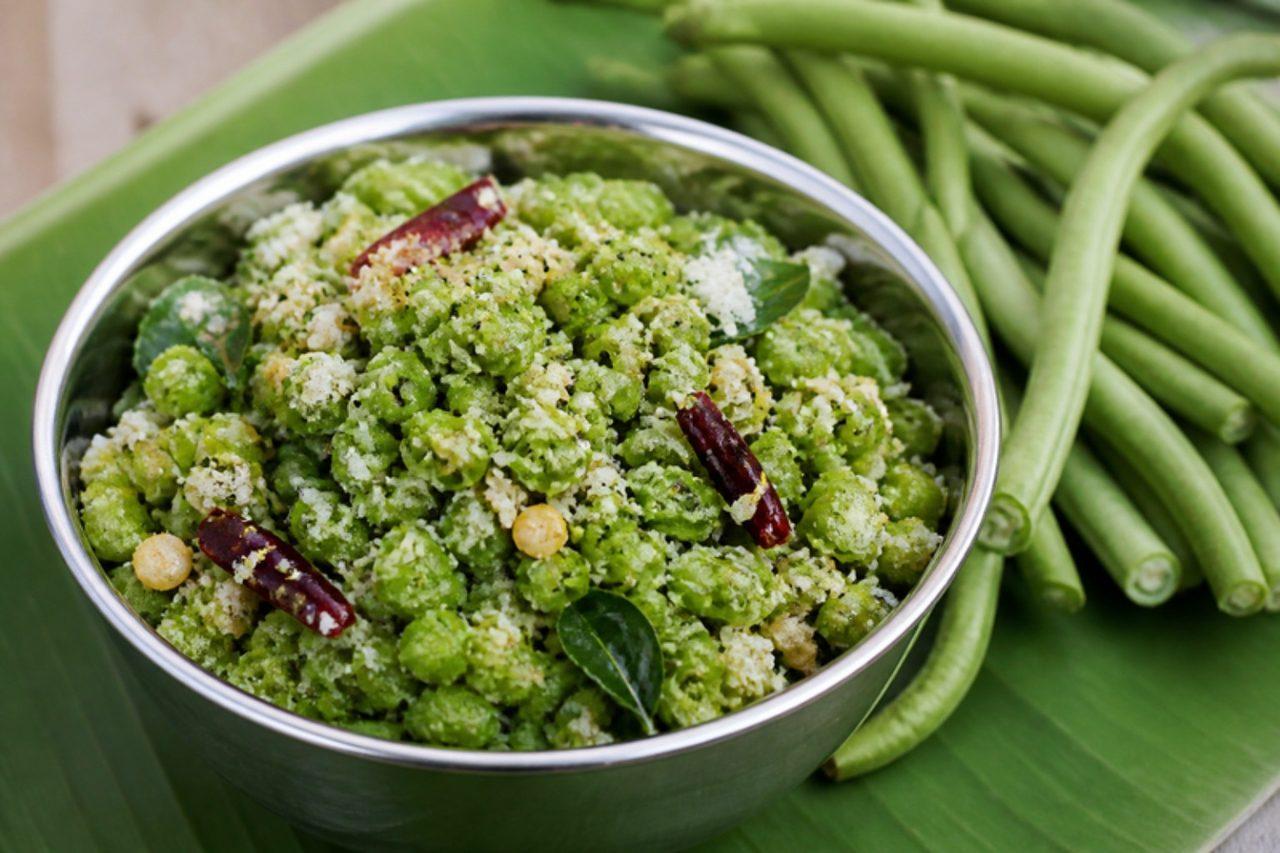
Beans poriyalGreen bean and coconut stir-fry

Poriyal is the everyday dry vegetable of Tamil Nadu, and beans poriyal is the one that appears on banana-leaf meals at weddings, temple annadhanam and Monday-to-Friday lunch boxes alike. The beans are chopped very small, steamed in their own moisture with a mustard and urad dal tempering, and finished with a shower of fresh coconut, so each spoonful is bright green, a little crunchy and nutty. It sits next to sambar or kuzhambu with rice, and it also makes a good filling rolled into a chapati. Chef's tip: chop the beans into tiny 5 mm pieces; they cook in minutes, stay green and soak up the tempering far better than long pieces.

by KrazyBadal 0 views

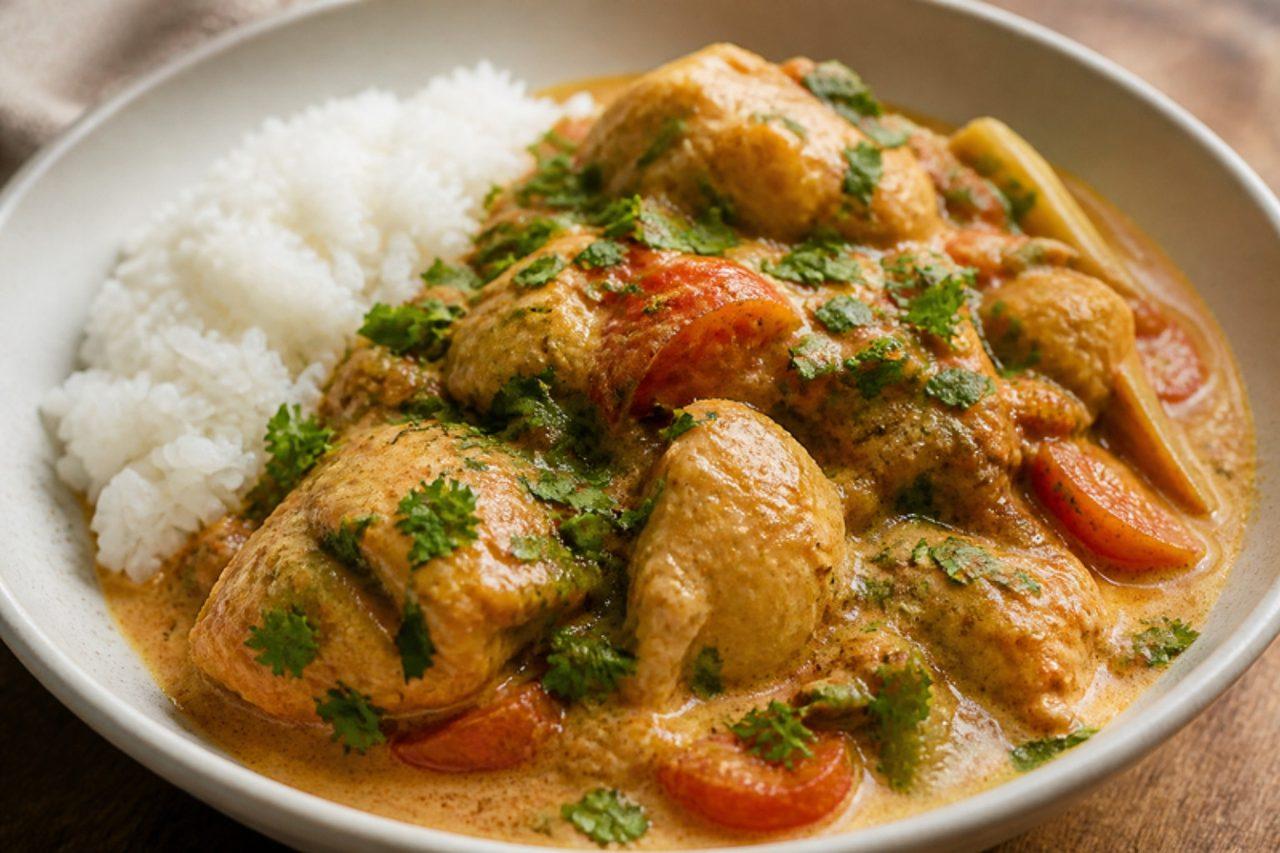
Akoho sy voanioChicken in coconut milk

Akoho sy voanio, chicken with coconut, is a dish of Madagascar's east coast around Toamasina, where coconuts are everywhere, and it has become a favourite all over the island. Chicken is browned with onion, garlic, ginger and tomato, then simmered gently in coconut milk with a pinch of curry until the sauce is creamy and mild. It is eaten with plenty of white rice and a little achard (vegetable pickle). The mistake is boiling the coconut milk hard so it splits; keep it at a gentle bubble. Chef's tip: brown the chicken well first; the coconut sauce needs that savoury depth.

by KrazyBadal 0 views

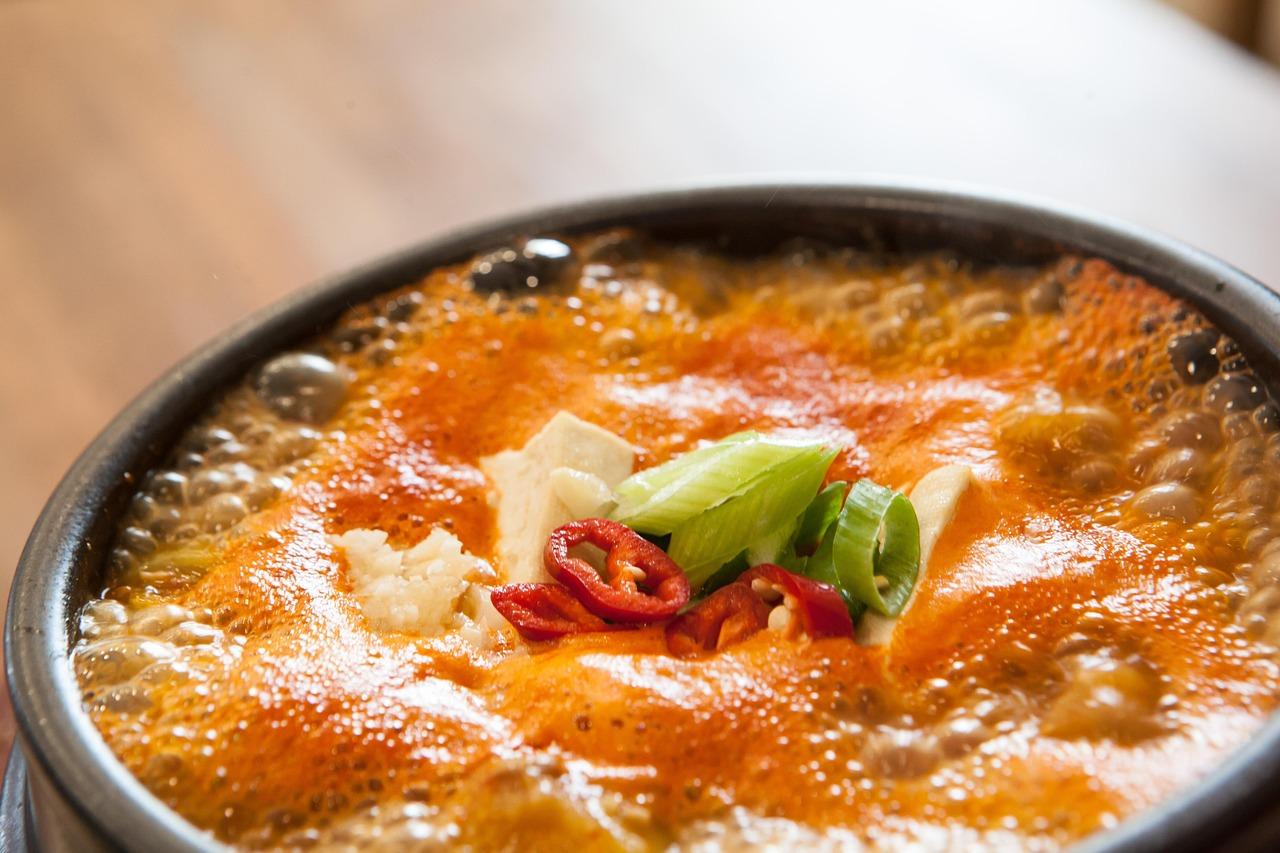
Sundubu jjigaeSoft tofu stew

All over Korea, small lunch restaurants bring sundubu jjigae to the table still boiling in a black stone pot, with a raw egg on the side to crack in while it bubbles. The stew is built on very soft, unpressed tofu, which breaks into creamy curds in a red, chilli-oil broth. Seafood and pork go in together here, though you can use just one. Have it with a bowl of rice and some kimchi; it's especially welcome on a cold day. Chef's tip: fry the chilli flakes gently in oil with the pork and garlic before adding liquid; this red chilli oil gives the stew its colour and a deep, rounded heat.

by KrazyBadal 0 views

Bazin with lambBarley dough with lamb stew

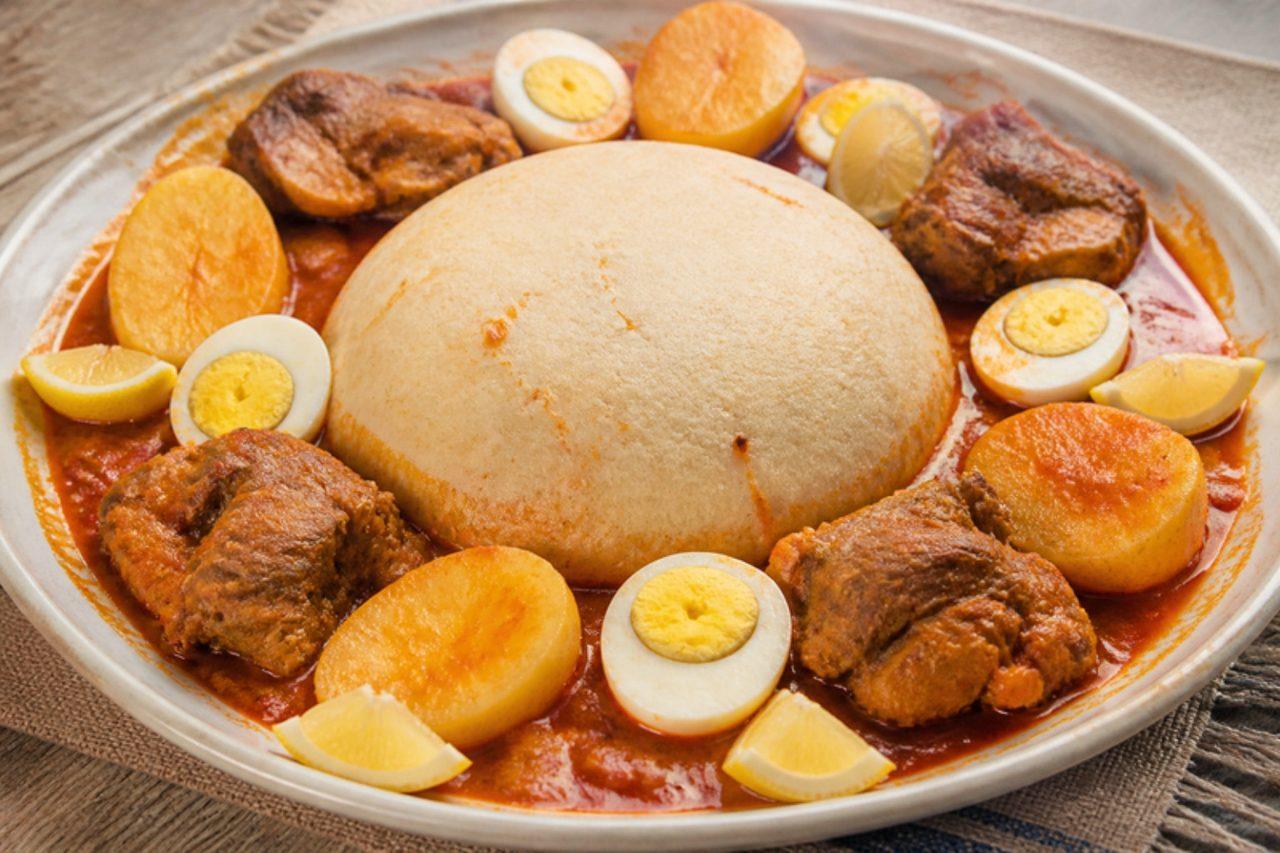
Bazin is the traditional festive dish of Libya, especially in Tripoli and the western mountains: a smooth, firm dome of barley-flour dough set in the middle of a wide dish, surrounded by a spicy lamb stew of tomato, chilli and turmeric, with hard-boiled eggs and potatoes. Everyone eats from the same plate with the right hand, pinching off dough and dipping it in the sauce. The mistake is not beating the dough hard enough: it should be pounded until completely smooth, or it tastes floury. Chef's tip: beat the dough with a wooden spoon, adding cooking liquid a spoonful at a time, until it pulls cleanly away from the pot.

150 minAfricanMeatSpicy
by KrazyBadal 0 views

BaursakPuffed fried dough

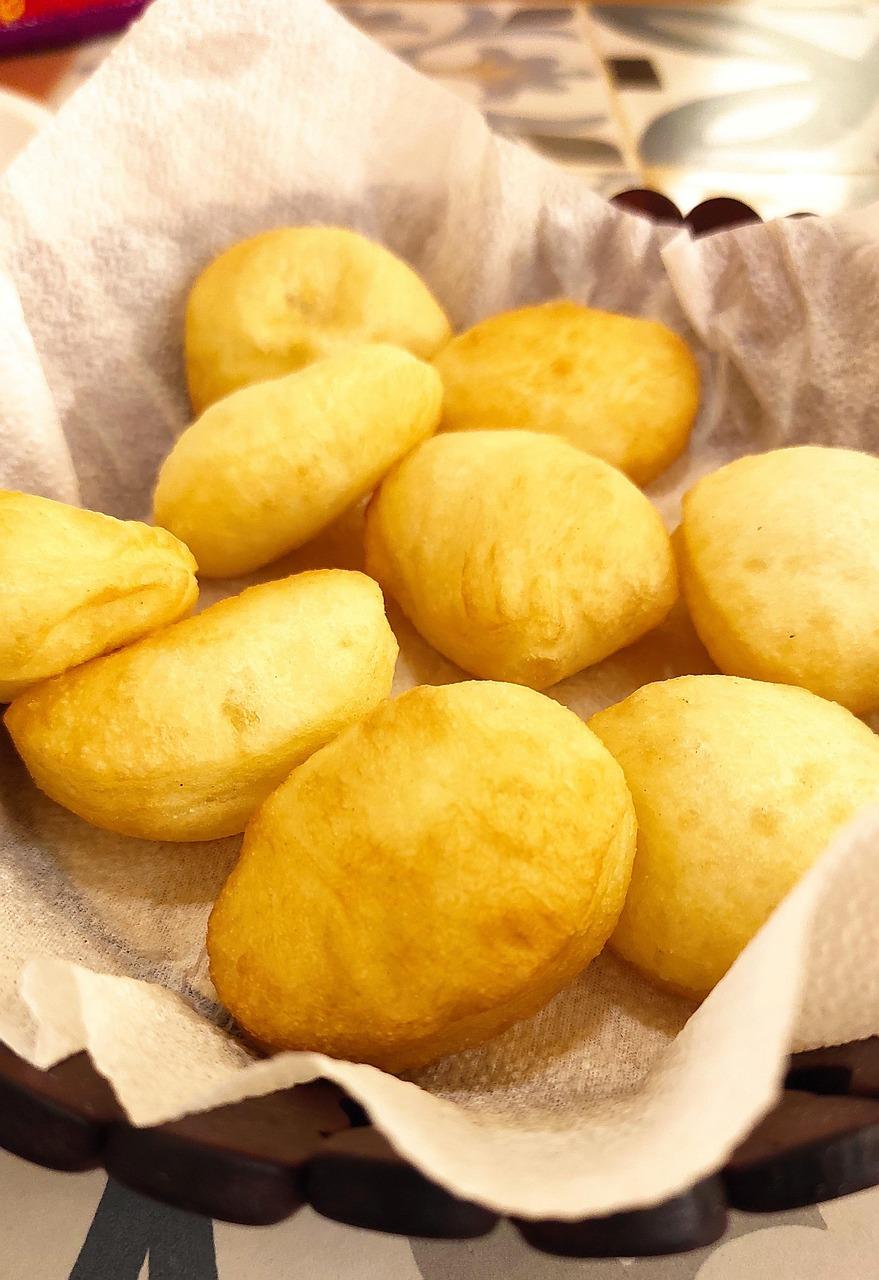
No Kazakh dastarkhan, the cloth spread with food for guests, is complete without a heap of baursak: soft, hollow pillows of yeasted dough fried until they balloon. They are scattered over the table at weddings, at Nauryz in March and at funerals, where the smell of frying baursak is said to reach the departed. In Almaty families fry hundreds at a time and eat them through the evening with milk tea, butter, jam or honey. Kyrgyz and Turkmen households make almost identical versions. Chef's tip: roll the dough just 1 cm thick and keep the oil hot; thin dough in hot oil puffs into a hollow ball, thick dough stays bready.

by KrazyBadal 0 views

Batido de mangoMango milkshake

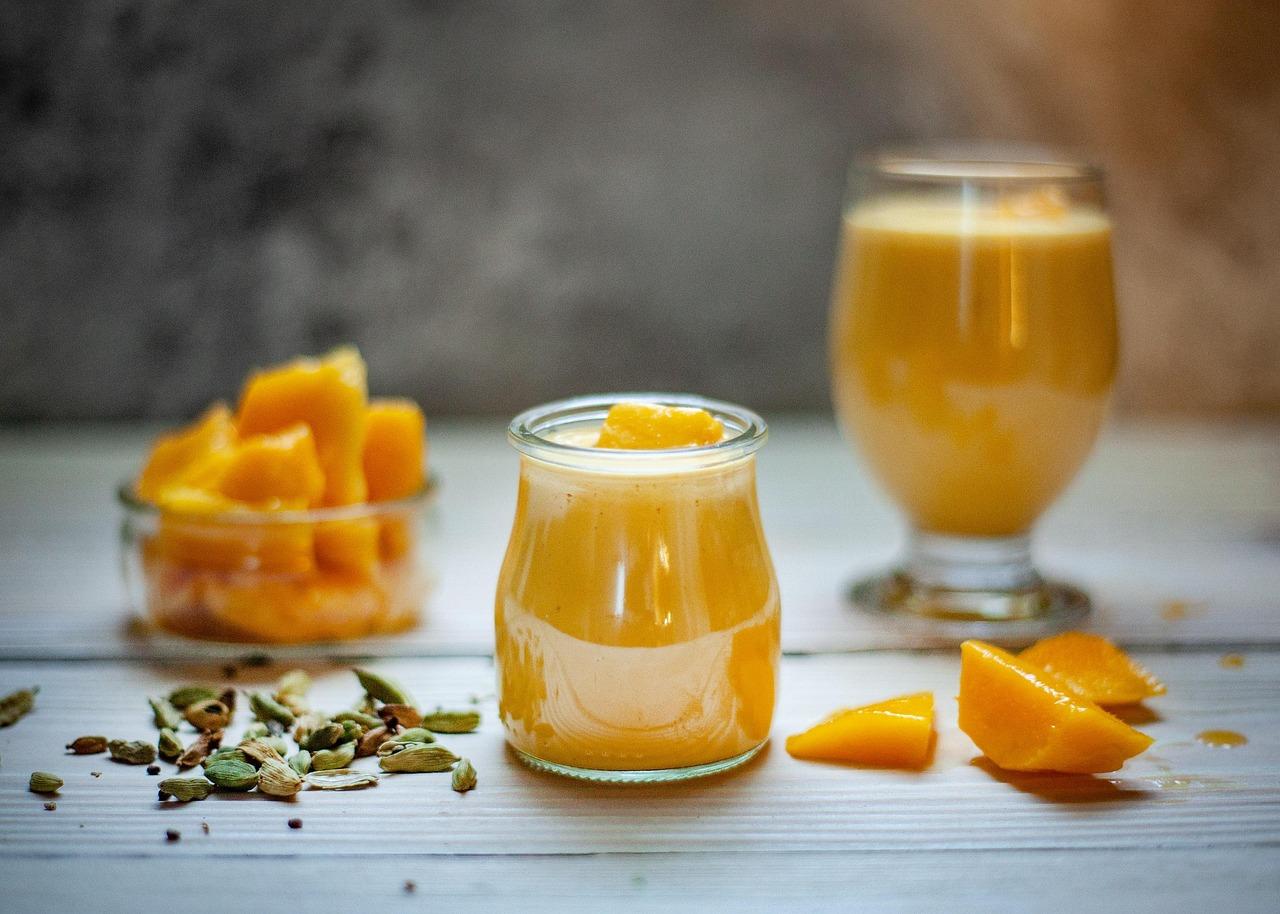
Batidos are the thick fruit milkshakes blended to order at Cuban cafeterías and roadside stands in summer, made with whatever tropical fruit is ripe: mamey, papaya, guanábana and, most of all, mango. Unlike a lassi there is no yogurt, just ripe mango, cold milk, a little sugar and plenty of ice, whizzed until frothy. Kids love it as an afternoon treat. Chef's tip: freeze the mango chunks first and you will need less ice, so the batido tastes of fruit rather than water.

by KrazyBadal 0 views

AjvarRoasted pepper and aubergine relish

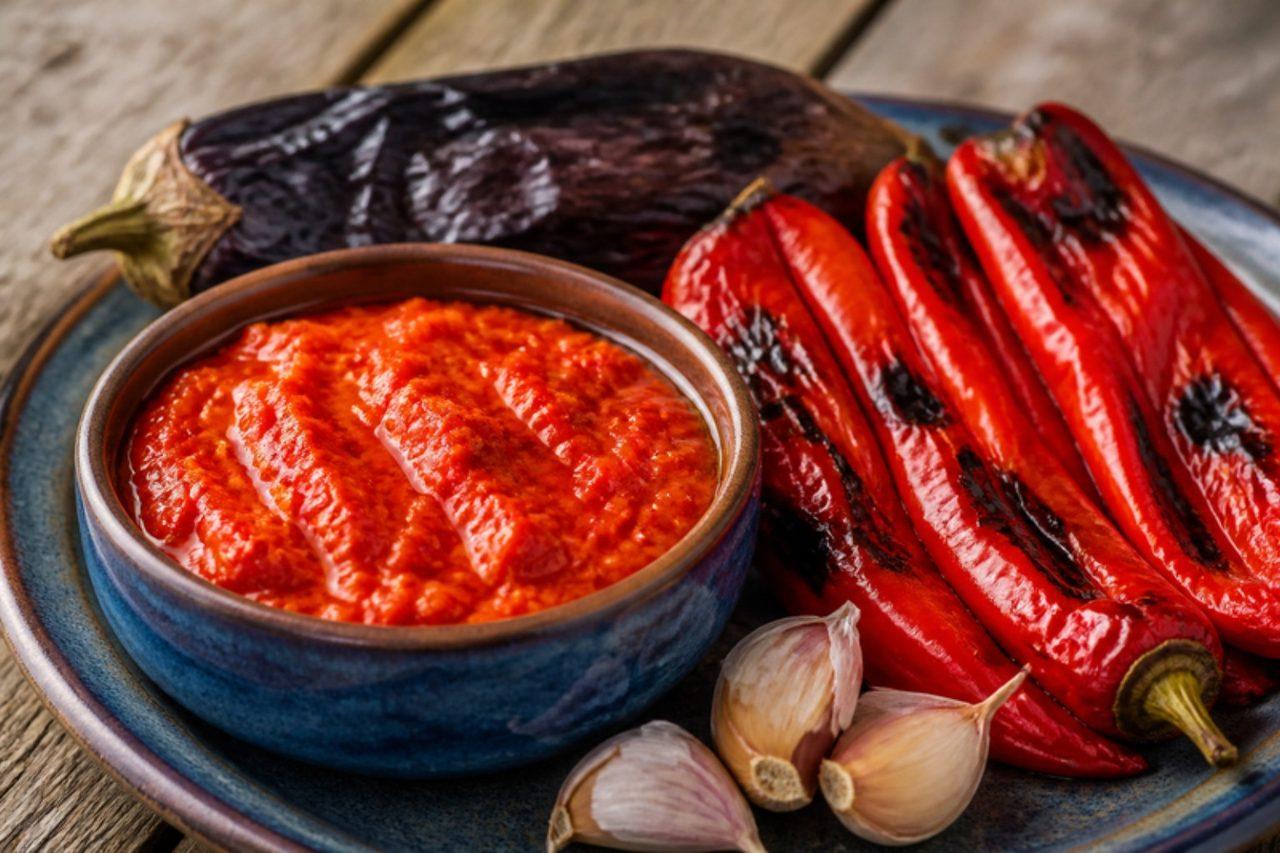
Every September the smell of charring peppers drifts over courtyards from Leskovac in southern Serbia to Strumica in North Macedonia, as families roast crates of long red babura peppers on wood stoves and spend a whole Sunday stirring the pulp into ajvar for the winter shelves. A little roasted aubergine softens the flavour, and long cooking with sunflower oil turns it into a glossy, sweet-smoky spread that is eaten on bread with white cheese, beside beans or potatoes, and with almost every winter meal. This is a home-sized batch for two medium jars rather than a cellar full. Chef's tip: do not rinse the roasted peppers under the tap to get the skins off; it washes away the smoky juices that make ajvar taste of autumn, so peel them with oiled fingers and a paper towel instead.

by KrazyBadal 0 views

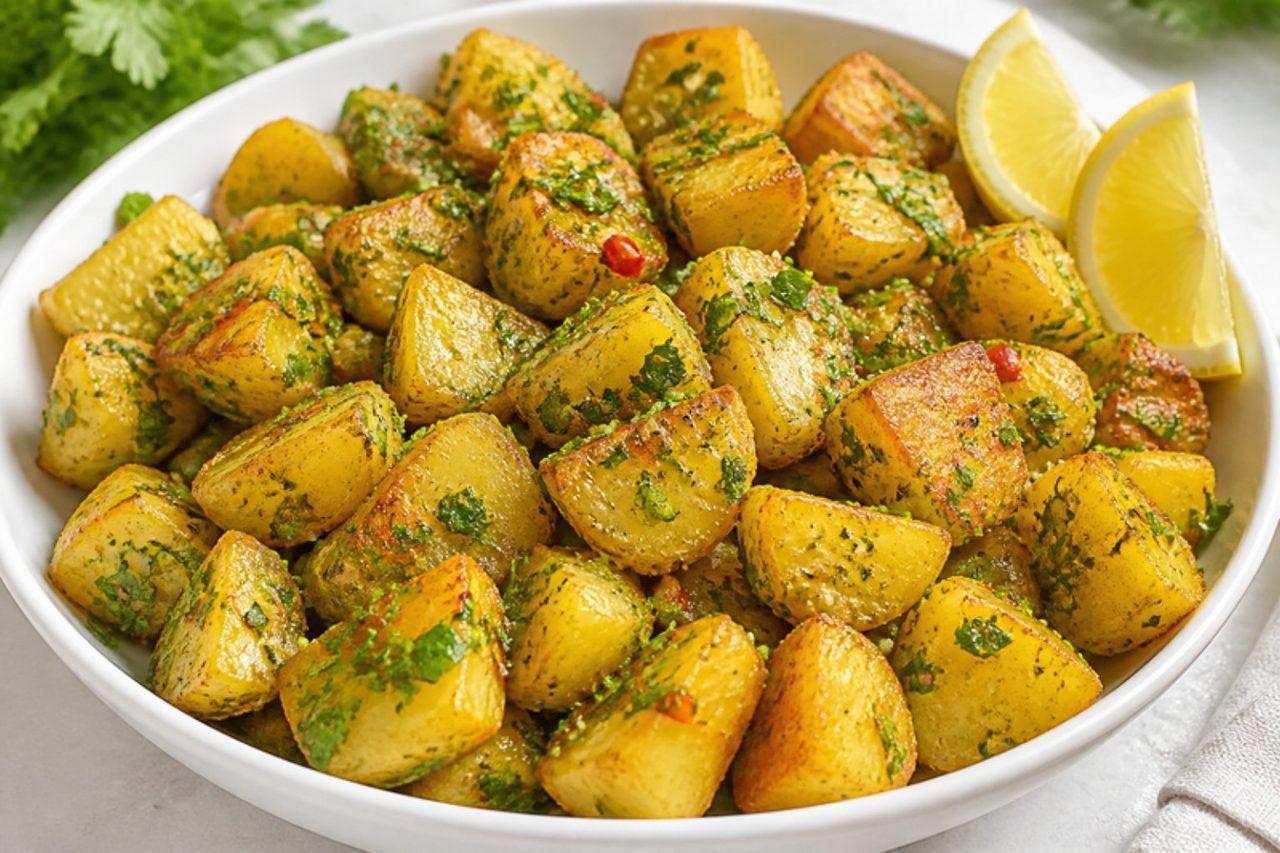
Batata harraSpicy garlic potatoes

Batata harra, meaning hot potatoes, is a staple of the hot mezze in Beirut restaurants and at home: crisp cubes of potato tossed while still sizzling in garlic, chilli and a heap of fresh coriander, then squeezed with lemon. Expect it next to falafel and hummus at a Sunday spread or as a side for grilled vegetables on a summer evening. This home version roasts the potatoes instead of deep-frying them, which gives the same golden crunch with much less oil. People often add the garlic and coriander too early, so the garlic burns and turns bitter; they go in only for the last minute in the pan. Chef's tip: parboil the cubes and shake them in the colander until their edges look fluffy, because those rough edges are what turn crisp in the oven.

by KrazyBadal 0 views

SupplìFried rice croquettes

In Rome supplì are bought from pizza-by-the-slice shops and friggitorie and eaten standing up, wrapped in paper, before the pizza arrives. Unlike Sicilian arancini they are oval and the rice is cooked in tomato sauce, so the inside is orange-red; when you bite one in half, the mozzarella stretches into a long 'telephone cord', which is where the nickname al telefono comes from. Roman bars usually add meat ragù; this version keeps it vegetarian with a basil-scented tomato rice. Chef's tip: cook the rice a day ahead and chill it in a thin layer; cold, firm rice shapes neatly and does not split in the oil.

by KrazyBadal 0 views

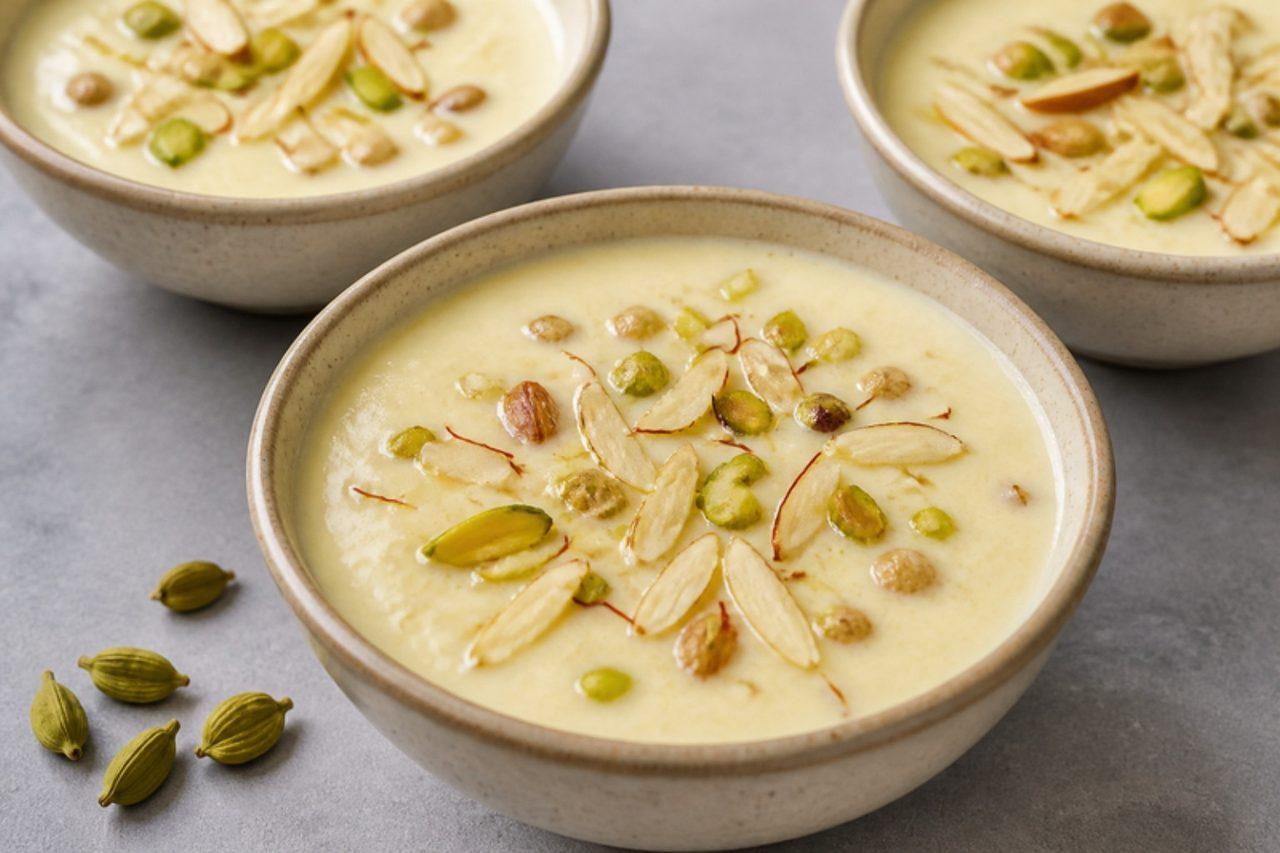
BasundiThickened sweet milk

Basundi is the reduced-milk dessert of Maharashtra and Gujarat: whole milk simmered patiently in a wide pan, with the skin that forms on top scraped back in, until it is thick, cream-coloured and a little grainy, then sweetened and scented with cardamom and saffron. In Maharashtra it's served with hot puris for Gudi Padwa and Bhau Beej; in Gujarat it turns up at weddings and on Sharad Purnima, and it's also the base of the famous custard-apple (sitafal) basundi. Make it a day ahead; it thickens and tastes richer after a night in the fridge. Chef's tip: use a wide, heavy pan rather than a deep one; more surface means faster evaporation and less time standing at the stove.

by KrazyBadal 0 views

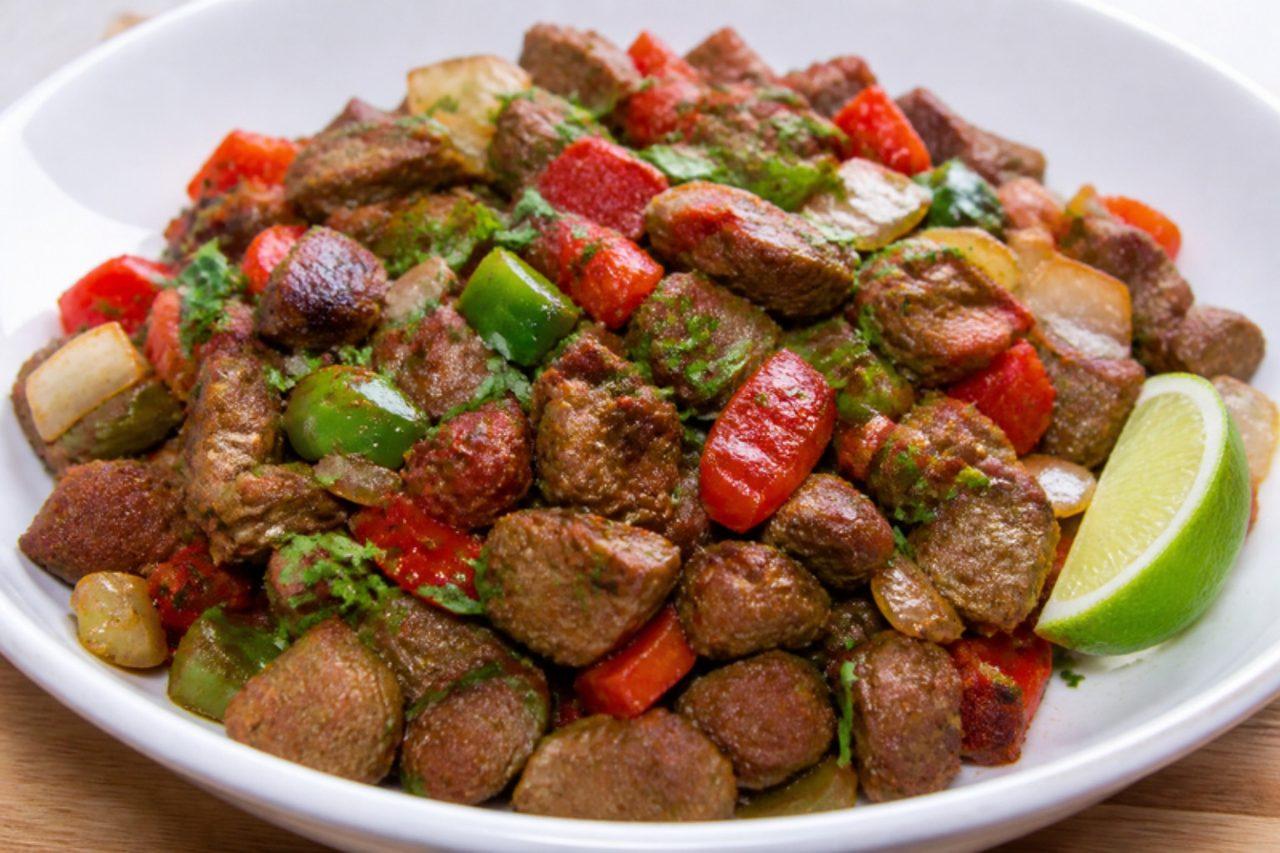
SuqaarSpiced beef stir-fry

Suqaar is the quick beef dish found everywhere from Mogadishu tea shops to Somali cafés in Minneapolis and London: small cubes of beef or lamb browned with onion, peppers and garlic, seasoned with xawaash, the house spice mix of cumin, coriander, cardamom, cinnamon and turmeric. Somalis eat it for breakfast with canjeero (spongy flatbread) or for lunch with rice or pasta. The mistake is cutting the beef in big chunks, which go chewy; cut it into small 1–2 cm cubes so it cooks fast and stays tender. Chef's tip: add a squeeze of lime and a handful of coriander just before serving.

30 minSomaliMeatGluten free
by KrazyBadal 0 views

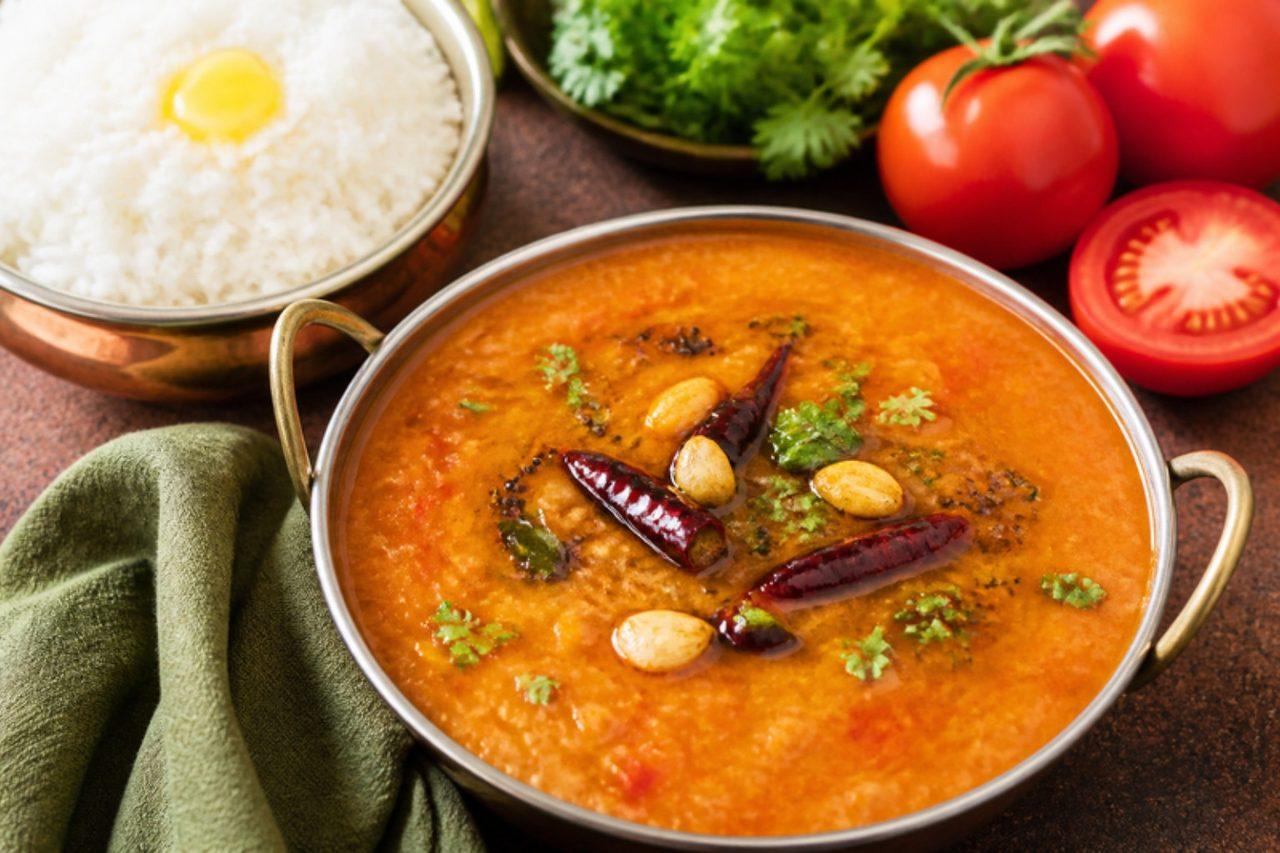
Tomato pappuTomato dal

Pappu (dal) is the backbone of an Andhra meal, and tomato pappu is the one most Telugu households cook on an ordinary weekday. Toor dal is cooked with plenty of ripe tomatoes, onion, green chillies and a little tamarind, then mashed to a thick, rustic consistency and finished with a fierce garlic and red chilli popu (tempering). It's tangier and hotter than a North Indian dal, and it's mixed into hot rice with a spoon of ghee and eaten with avakaya pickle and a crisp fried vegetable. Chef's tip: mash the dal and tomatoes together with a whisk or a wooden mathu while hot; it gives the creamy, slightly rough texture that blending never does.

by KrazyBadal 0 views

Bastar aamatMixed vegetable curry

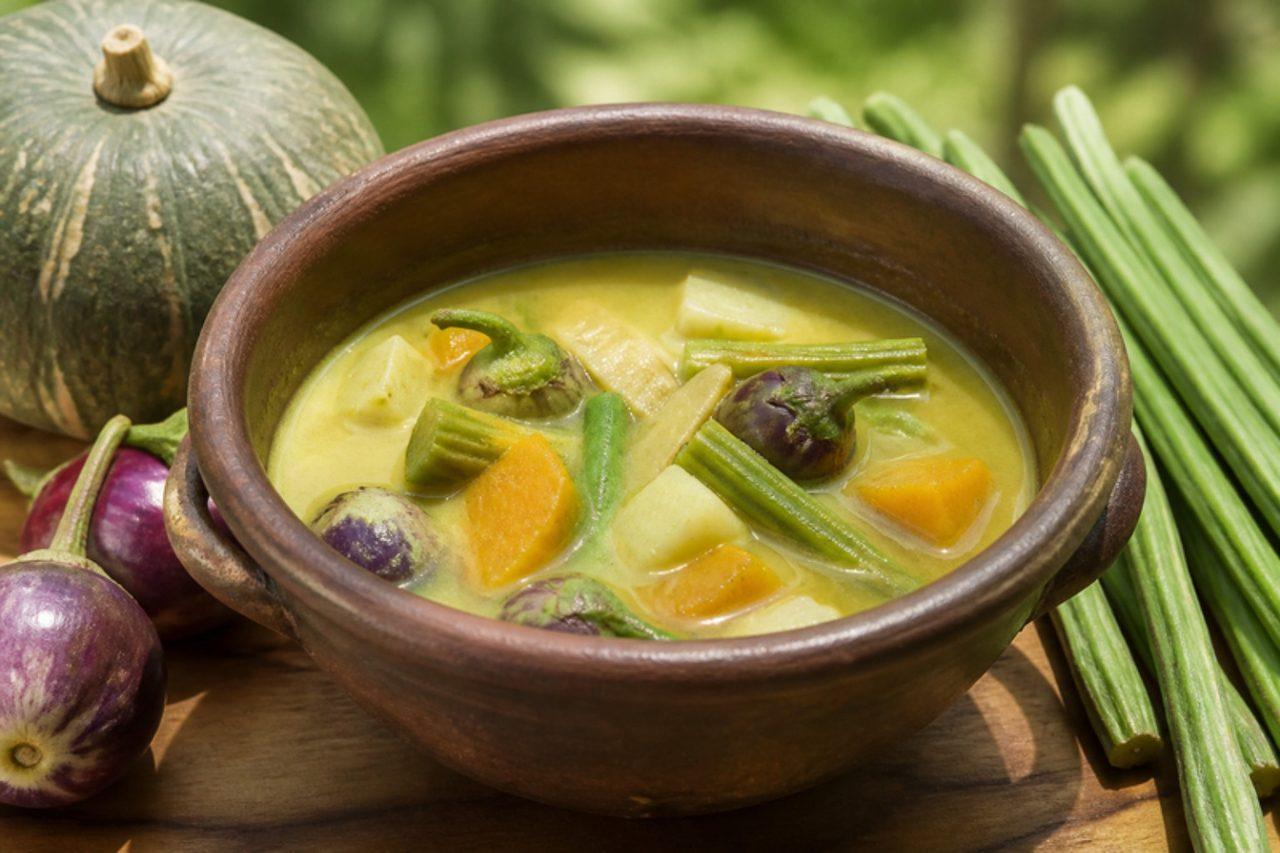
Aamat comes from the forested Bastar region of southern Chhattisgarh, where Gond and Halba families cook whatever the garden and forest give: pumpkin, brinjal, beans, drumsticks and, in the monsoon, sour fermented bamboo shoot. There is almost no oil and no heavy masala. Instead a paste of soaked rice turns the broth silky, and garlic, ginger and green chilli carry the flavour. It is served in bowls with plain rice, especially at village feasts and the Bastar Dussehra gatherings. Tinned bamboo shoot works well; leave it out and add lime at the end if you cannot find it. Chef's tip: keep stirring as you pour in the rice paste, because it sinks and sets into lumps on the bottom of the pot if left alone.

by KrazyBadal 0 views

Basler MehlsuppeBrowned flour soup

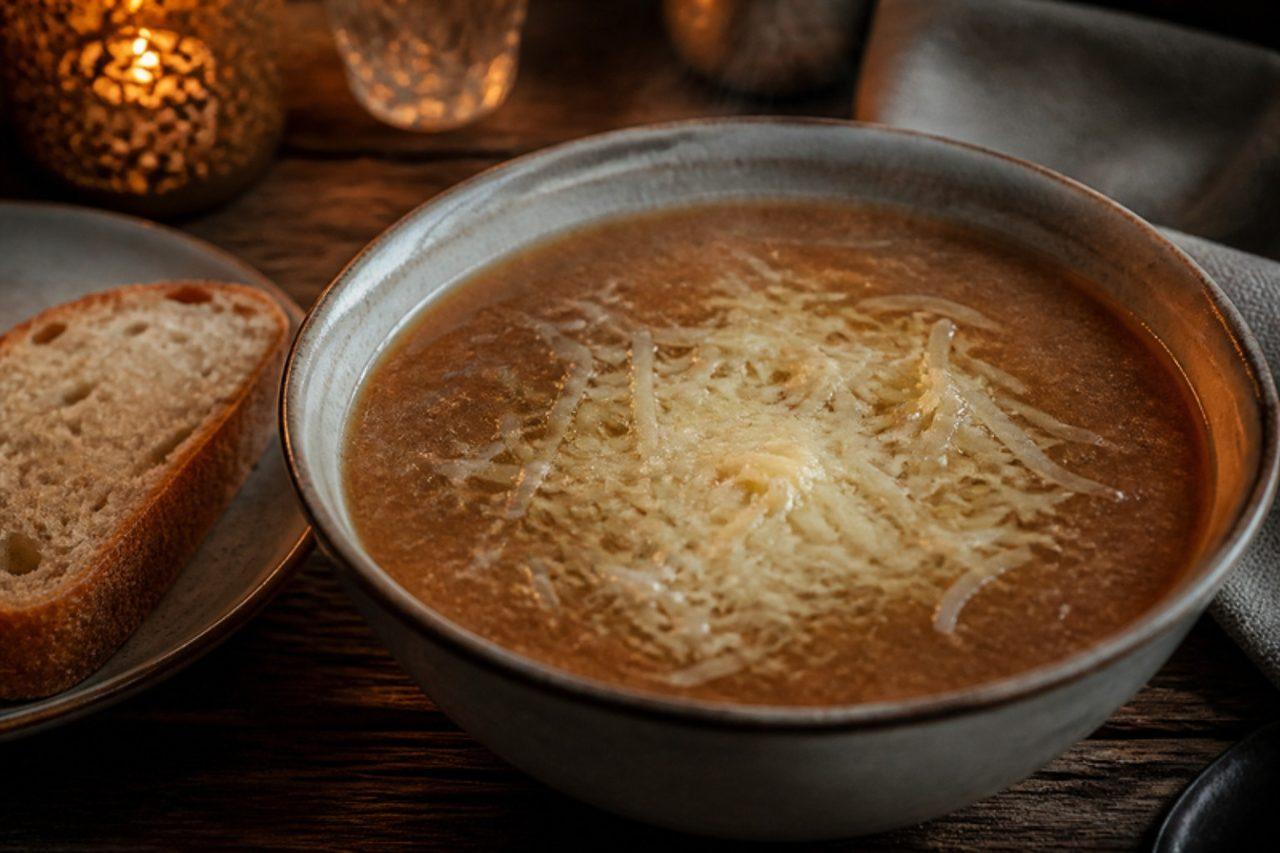
Basel's Fasnacht starts at 4 a.m. on the Monday after Ash Wednesday with Morgestraich, when the city's lights go out and the cliques march with lanterns, piccolos and drums. Afterwards everyone crowds into the old-town restaurants for a bowl of Mehlsuppe: flour toasted in butter until it is the colour of hazelnuts, simmered into a smooth, savoury, deep-brown soup and finished with grated cheese. It warms you on a freezing February morning and is usually eaten with Zwiebelwähe (onion tart). The traditional soup is made with beef stock; this vegetarian version uses a strong vegetable stock with a little red wine and onion to give the same depth. Chef's tip: toast the flour slowly and stir all the time; the colour should be even chestnut brown, and the smell like toasted nuts.

60 minSwissSoups
by KrazyBadal 0 views

Basler LäckerliHoney and almond biscuits

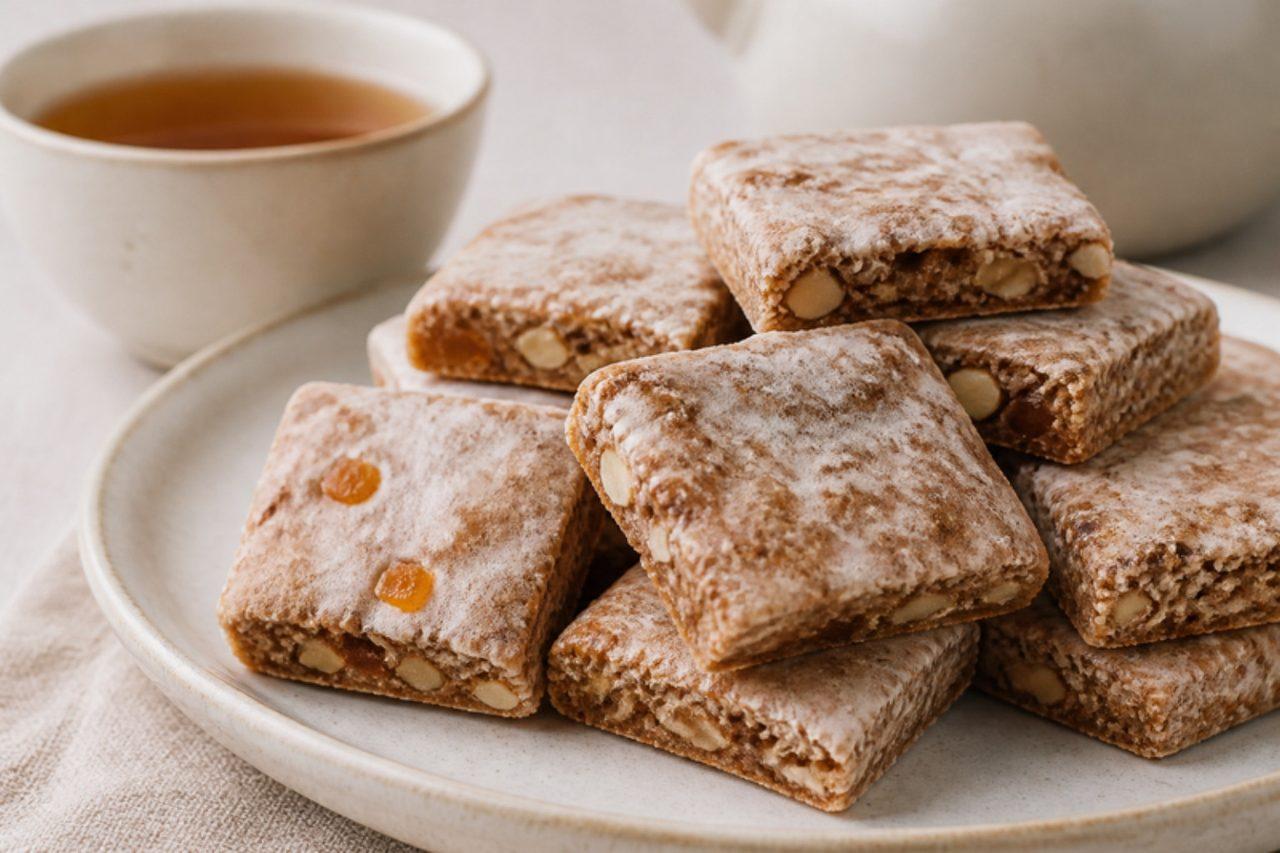
Läckerli have been Basel's own biscuit for more than 600 years, once baked by the city's spice merchants and gifted at Christmas and New Year; Basel shops still pack them in tins all year round. They are small, chewy rectangles of honey, almonds, candied orange and lemon peel and warm spices, with a thin, crackly sugar glaze. Unlike soft German gingerbread they are firm and dense when they are fresh and soften with time in a tin. Eat them with coffee or tea, or keep a box for visitors. Chef's tip: cut the slab into rectangles while it is still hot and glaze it at once; once cool it sets too hard to cut cleanly.

by KrazyBadal 0 views

Showing 18 of 10,495 recipes

Show more recipes

Page 1,070 of 1,167