


Skip to content
Blåbärssoppa
Featured recipe

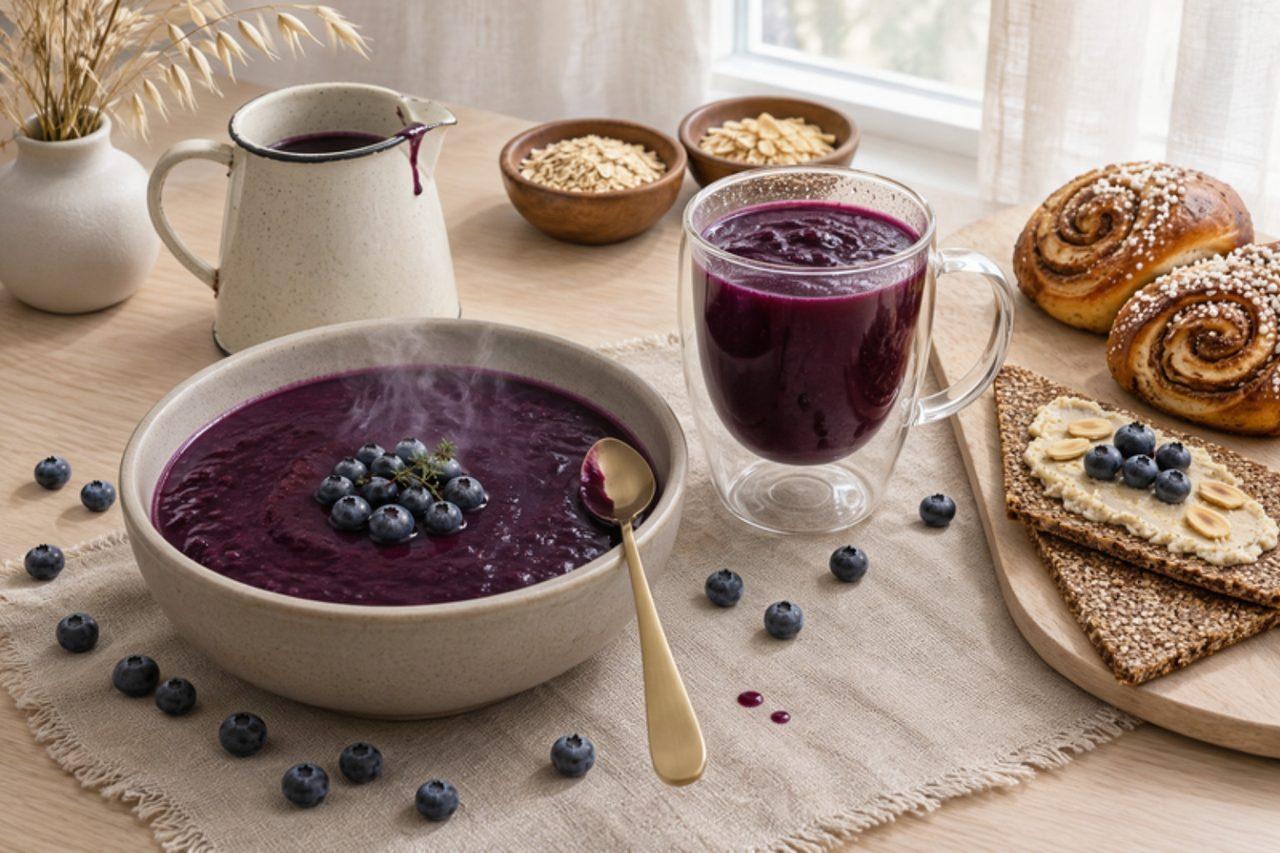
Blåbärssoppa

Bilberry soup

Swedes have drunk blåbärssoppa for generations, warm on a winter morning and cold from a cup after the Vasaloppet ski race, where skiers are handed it at every station. It is a thin, deep purple soup of bilberries or blueberries, sweetened and thickened just enough with potato starch to coat the tongue. The common mistake is boiling the soup after adding the starch: it turns stringy and then thins out again, so take it off the heat as soon as it thickens. Chef's tip: wild bilberries give a far deeper colour and flavour than cultivated blueberries, and frozen ones work perfectly.

Read more 0 views

What to eat today?

Around the world

Today's trip: Peruvian

A new country every day, from every cuisine on the site.

Peruvian

Tacacho

Mashed roasted green plantain balls 35 minMore from Peruvian (111) →

This week's collection

Kid-friendly dinners
772 recipes · a new collection every Monday

Coming up

All occasions →

Latest recipes

Chicken tagine with preserved lemon & olives

Few dishes say Fez quite like djaj mqualli, the golden chicken that turns up at family lunches, weddings and Friday tables across the old medina. The chicken simmers slowly in its own juices with grated onion, ginger and saffron until the meat slips off the bone and the onions melt into a thick, glossy, yellow sauce. Salty-sour preserved lemon and bright green olives go in near the end, cutting through the richness. Mop it up with crusty bread, or spoon it over plain couscous for a weekday dinner. Chef's tip: grate the onion rather than chopping it; it dissolves completely and gives the sauce its body without any flour.

by KrazyBadal 0 views

Baja fish tacos

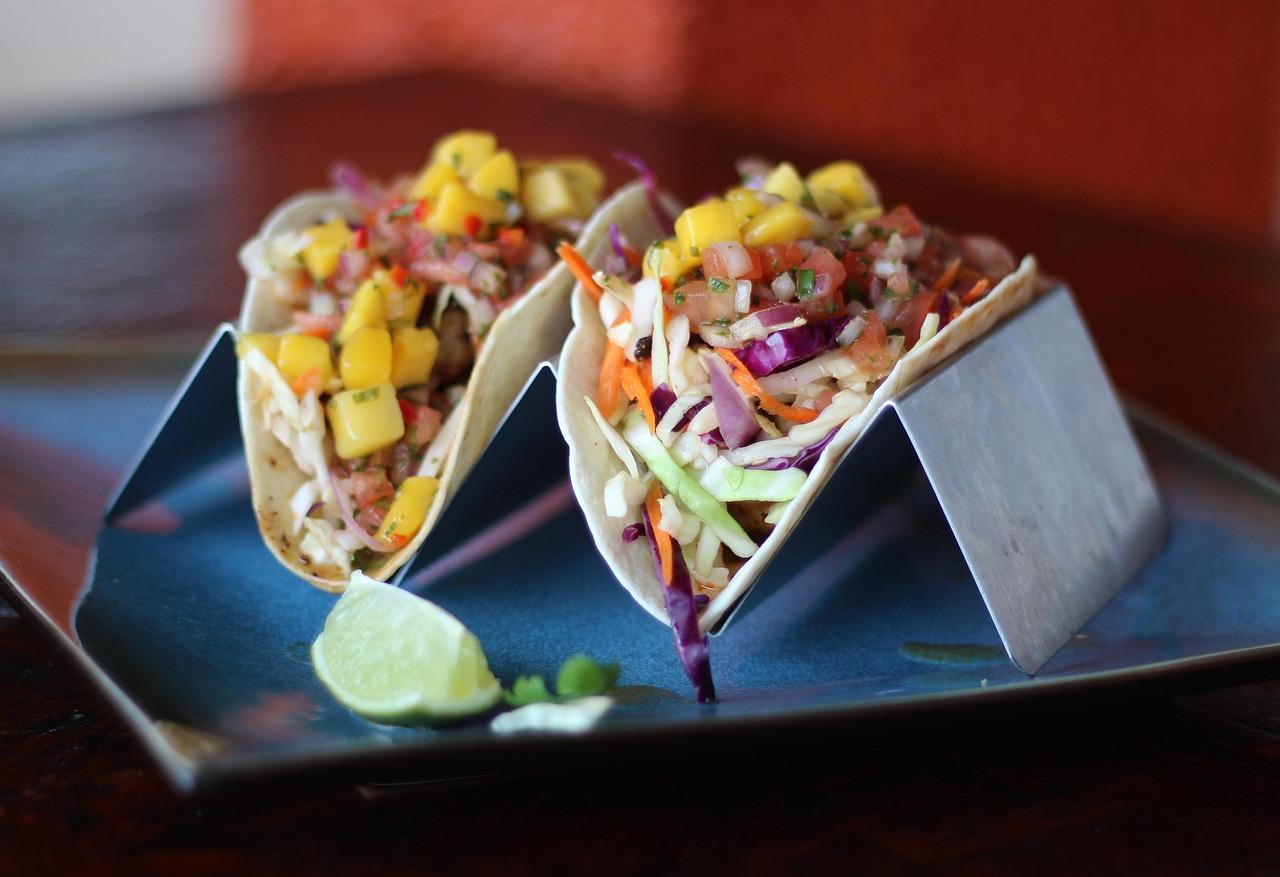
Along the waterfront of Ensenada, in Baja California, fish taco stands open mid-morning and are often sold out by early afternoon. Strips of mild white fish go into a light, crackly batter, straight from the fryer into warm corn tortillas, and every customer finishes their own with shredded cabbage, a pour of crema and a squeeze of lime from the bowls on the counter. The batter here uses cold beer, which makes it puff and stay crisp; it contains alcohol, and ice-cold sparkling water gives almost the same lift without it. Chef's tip: keep the batter fridge-cold and mix it only until just combined, so the coating stays thin and shatters instead of turning bready.

by KrazyBadal 0 views

Naga smoked pork with bamboo shoot

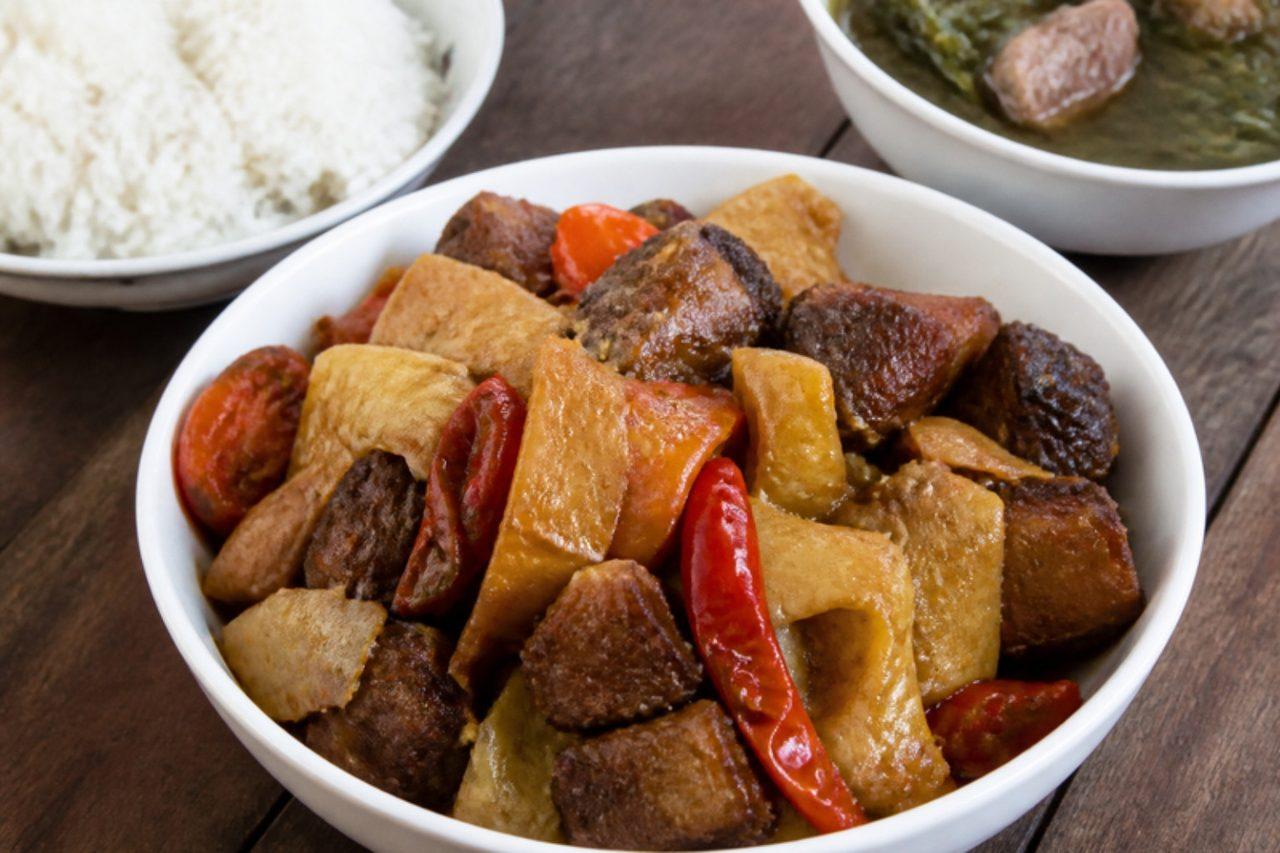
Many Naga kitchens have a rack of pork hanging above the fire, slowly smoking for weeks, and this stew is what it is saved for. The smoky meat is simmered with sour fermented bamboo shoot, crushed ginger and garlic and raja mircha, the famously hot king chilli, with almost no oil and no ground spices. In Kohima it is festival food during the Hornbill Festival in December and Sunday food all year, served with rice and boiled greens. Chef's tip: smoked pork is already salty, so salt only at the very end.

85 minIndianMeatGluten freeSpicy
by KrazyBadal 0 views

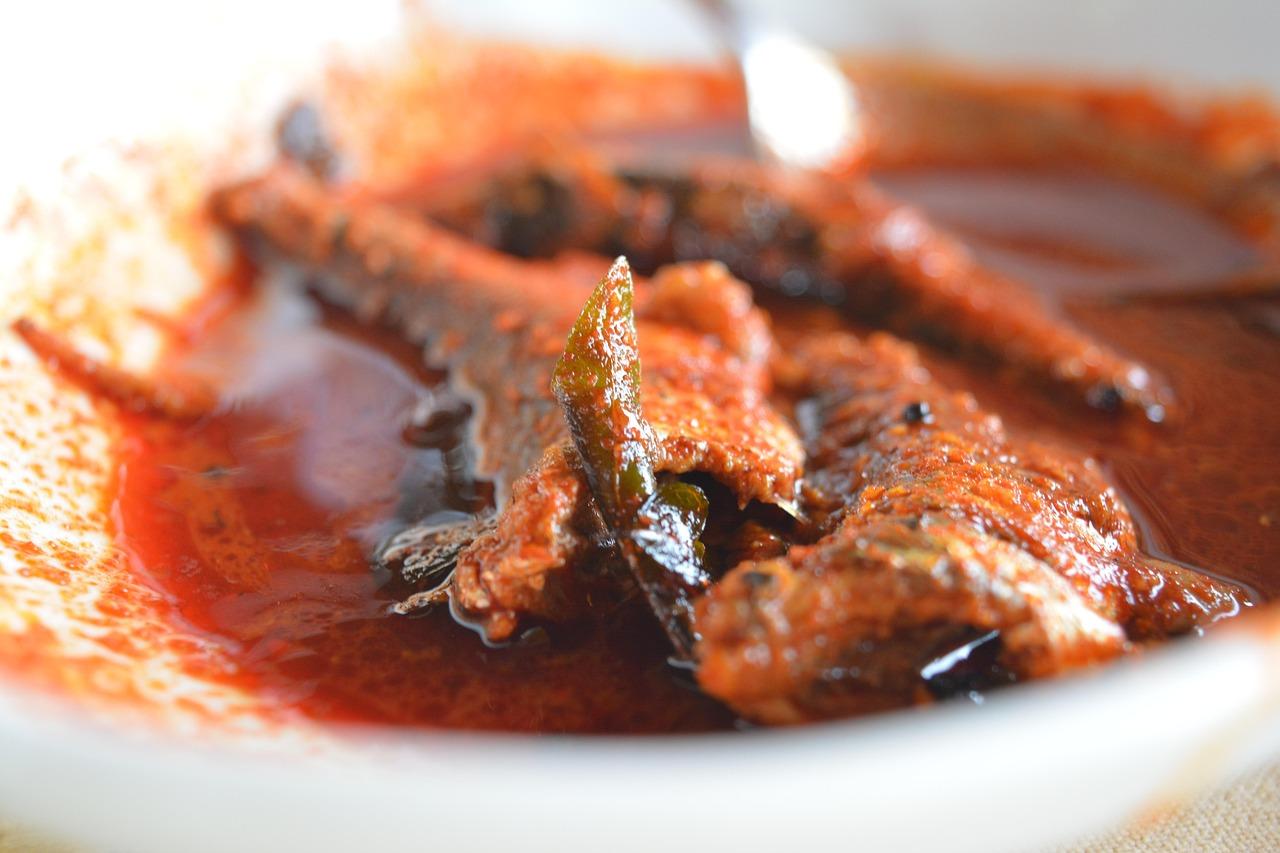
Andaman tamarind fried fish

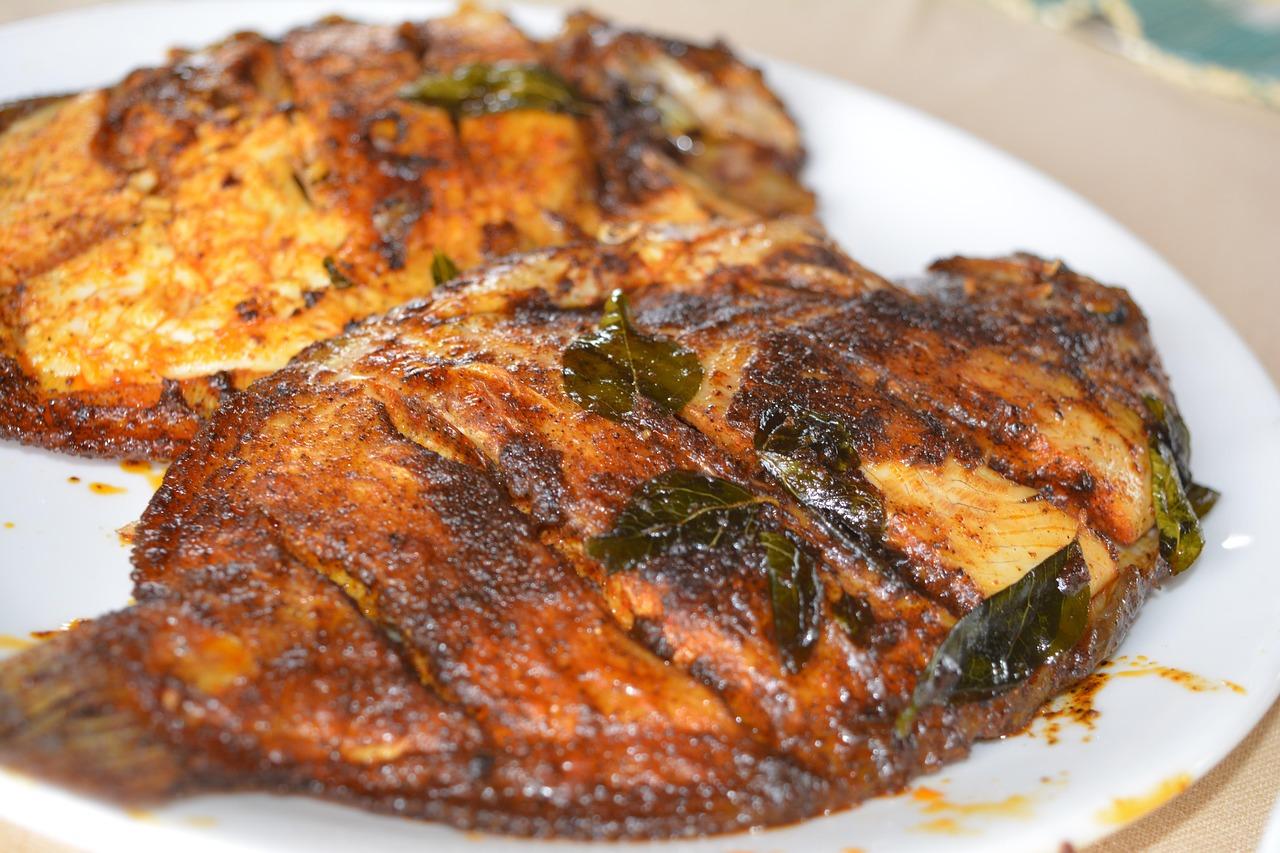
Small seaside stalls at Corbyn's Cove and the fish shacks of Havelock fry the morning's catch this way: red snapper, mackerel or pomfret rubbed with a tangy paste of tamarind, chilli and garlic, dusted with rice flour and fried in a heavy pan until the edges blister. On the islands it is lunch with rice and dal, or a beach snack with onion rings and lime. It takes very little time, so cook it just before you eat. Chef's tip: dry the fish well with kitchen paper before the marinade goes on, so the paste sticks and the crust crisps.

37 minIndianFishGluten free
by KrazyBadal 0 views

Andaman coconut prawn curry

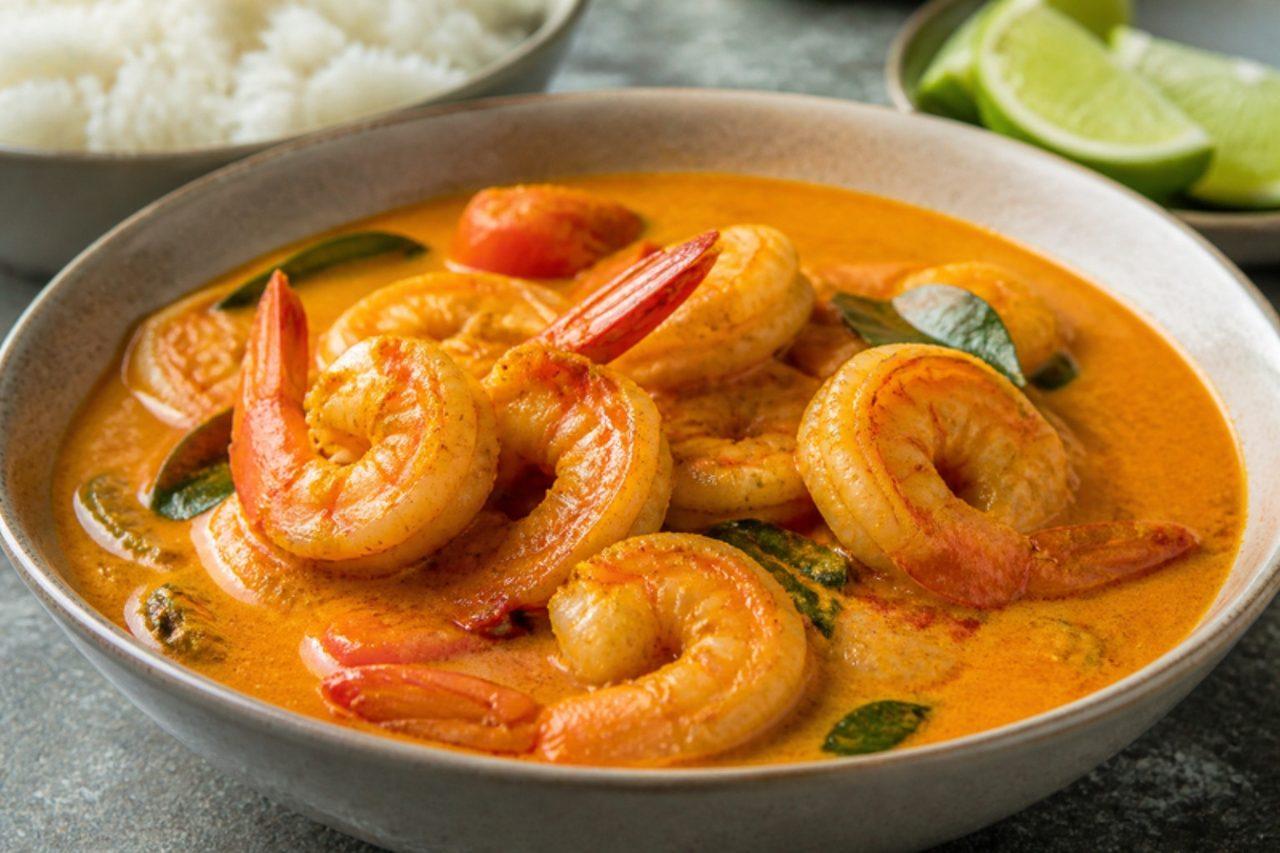
Many families in Port Blair and the South Andaman villages trace their roots to Bengal, and their seafood cooking blends that heritage with the coconut palms growing everywhere on the islands. This prawn curry starts like a Bengali malaikari — mustard oil, bay leaf, whole garam masala and onion paste — but leans more heavily on fresh coconut milk, and the prawns come straight from the Junglighat fish market. It is everyday island food, eaten with plain rice and a squeeze of lime. Chef's tip: heat the mustard oil until it just smokes, then let it cool for a minute; that takes off the raw, sharp edge.

40 minIndianFishGluten free
by KrazyBadal 0 views

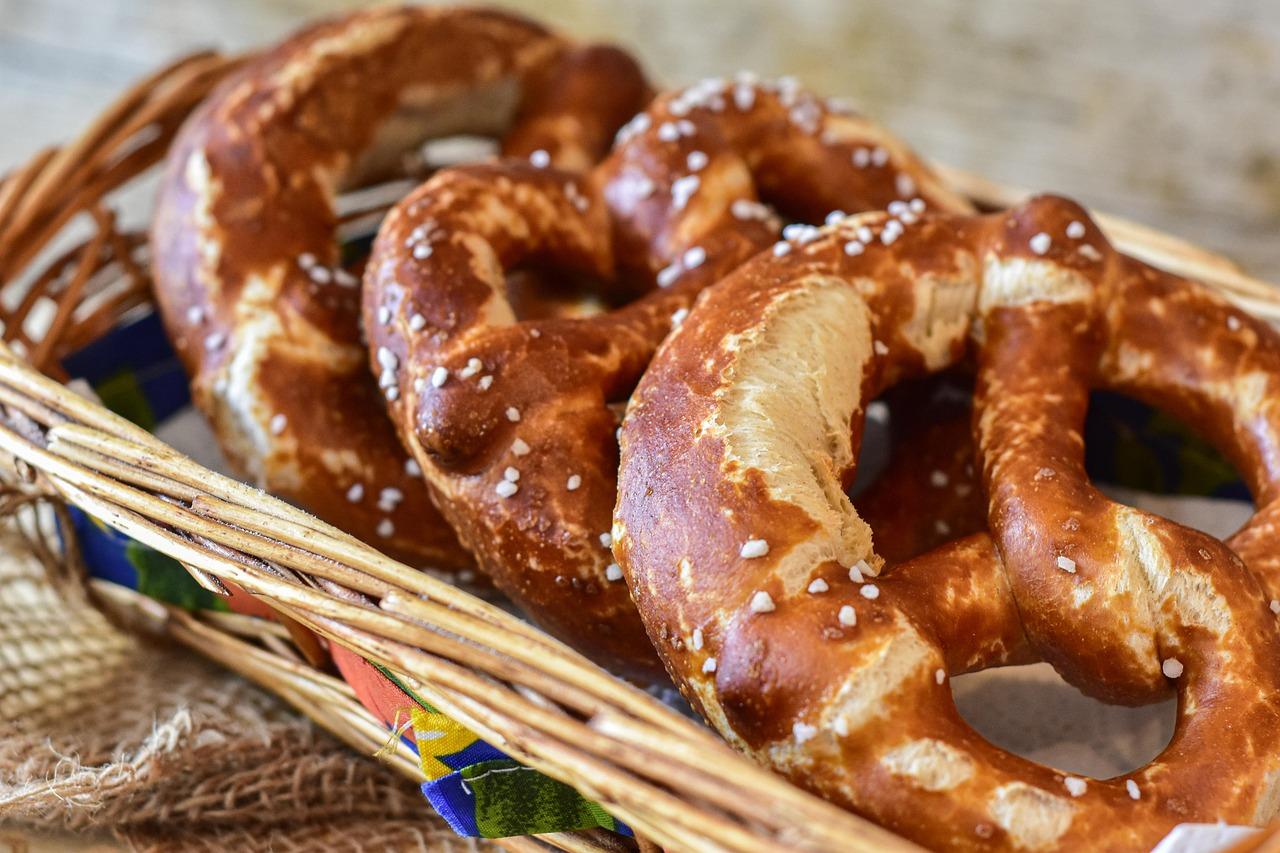
LaugenbrezelSoft pretzels

The Brezel is the emblem of German bakeries in Bavaria and Swabia: deep chestnut-brown and shiny outside, soft and chewy inside, with a fat 'belly' and thin crisp arms, studded with coarse salt. In Munich it's eaten with sweet mustard and Obatzda in beer gardens; in Stuttgart it's split and buttered for breakfast. Bakeries dip them in a lye solution, which is too caustic for most home kitchens; a bath of baked baking soda gets close in colour and flavour and is safe to handle. Chef's tip: chill the shaped pretzels uncovered for 30 minutes before the bath; a slightly dry skin holds its shape and turns darker and shinier.

120 minGermanBakingVegan
by KrazyBadal 0 views

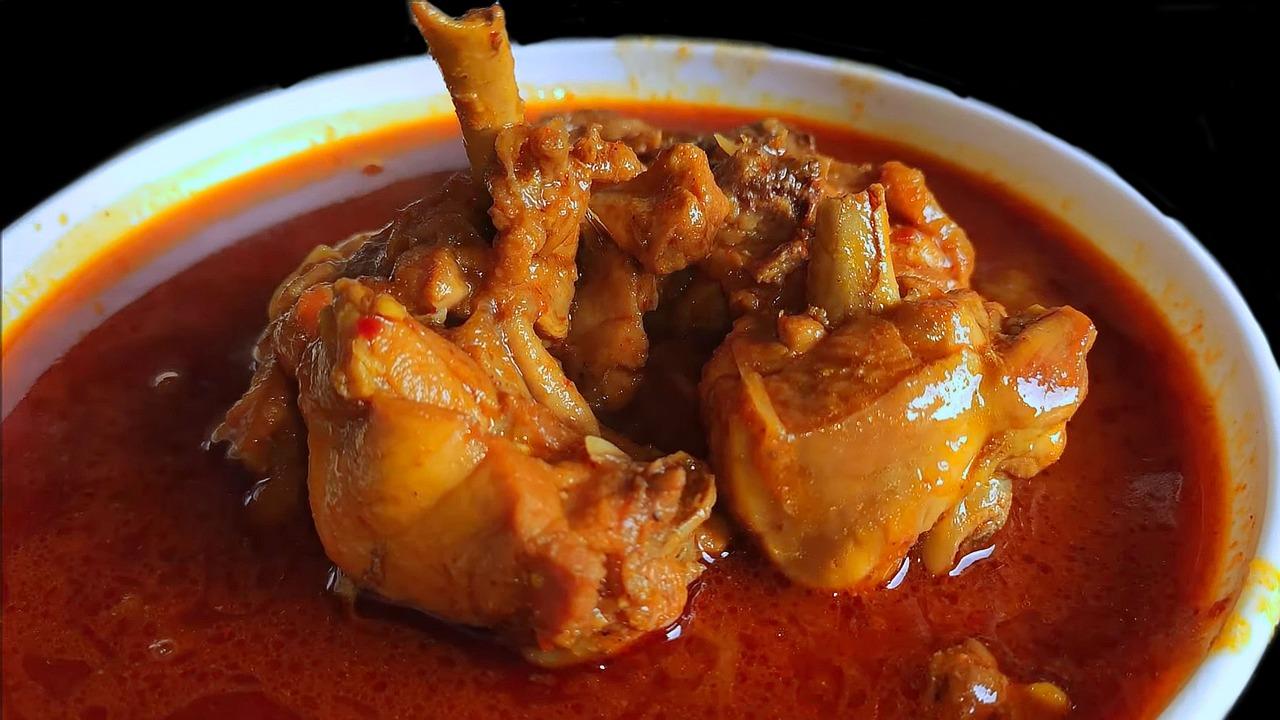
Andhra kodi kuraSpicy chicken curry

Guntur district grows more red chilli than almost anywhere on earth, and Andhra home cooking wears that proudly. Kodi kura is the Sunday chicken curry of Andhra homes, from Vijayawada to the Rayalaseema villages: thick, red and properly hot, with a little ground poppy seed and coconut to round out the sauce. It is eaten with heaps of plain rice, a spoon of ghee and a bowl of rasam on the side, or with jowar rotis. Chef's tip: fry the masala until oil pools at the sides before adding any water; that is where the colour and flavour come from.

by KrazyBadal 0 views

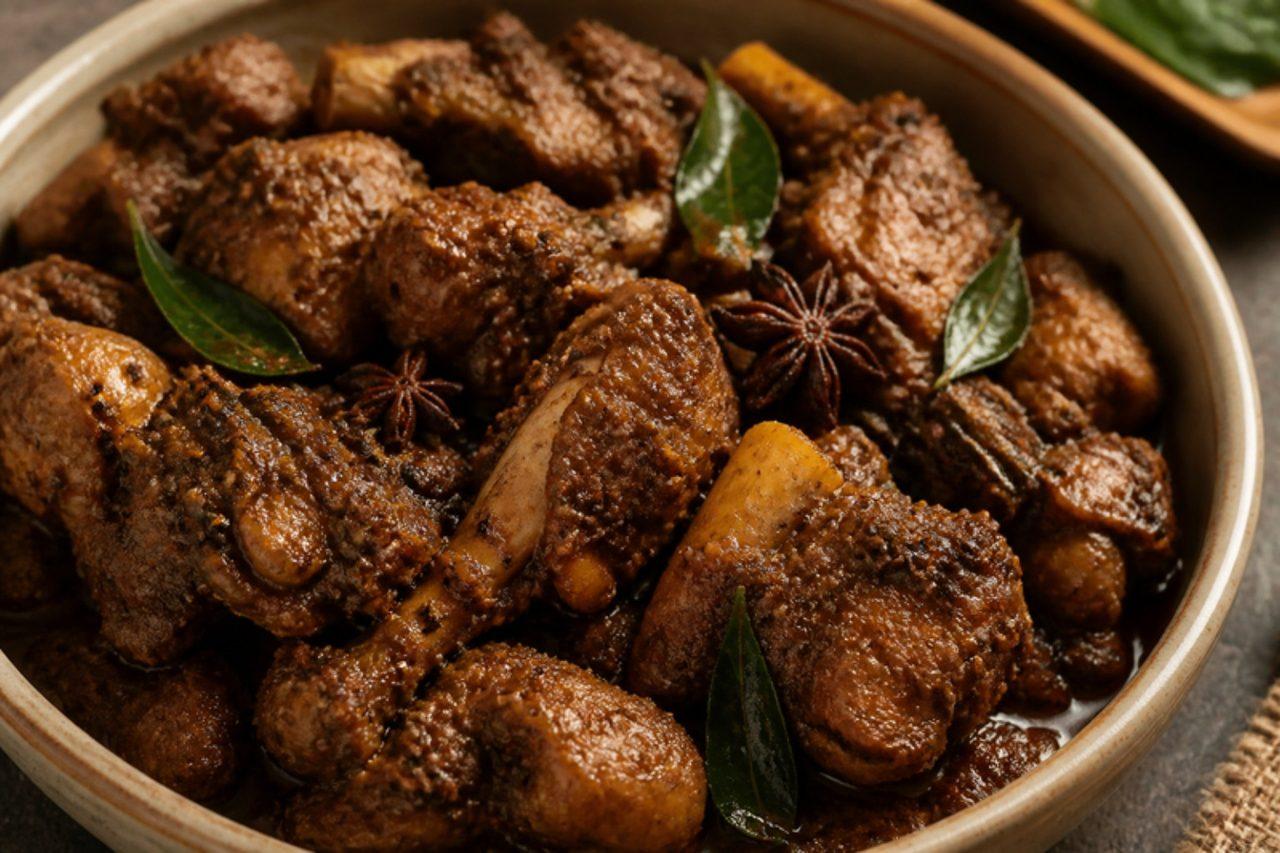
Chettinad chicken

The Nattukottai Chettiar merchants of Karaikudi and the villages around it in southern Tamil Nadu built grand mansions on the spice trade, and their kitchens show it. Their chicken curry is built on a masala roasted and ground at home: dried red chillies, black pepper, fennel, star anise, coconut and the earthy lichen called kalpasi. It is hot, aromatic and deep brown, and in Chettinad it is eaten at Sunday lunch and festivals with rice, idiyappam or flaky parotta. Chef's tip: grind the roasted masala while it is still warm with a splash of water; the oils release and the paste comes out smooth.

by KrazyBadal 0 views

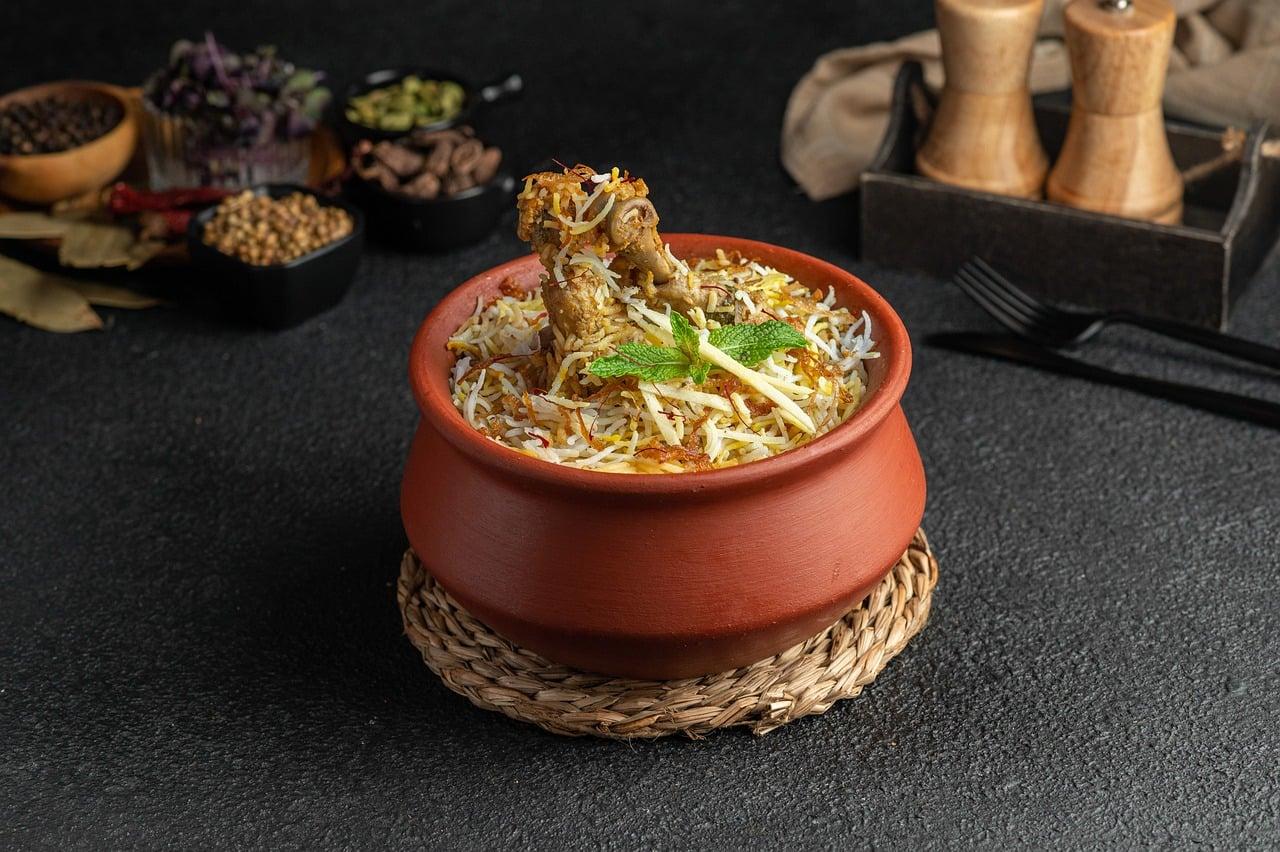
Thalassery chicken biryani

On the Malabar coast of northern Kerala, the port town of Thalassery makes its biryani with kaima (jeerakasala), a tiny fragrant rice that stays separate and buttery instead of long and dry. Mappila Muslim families serve it at weddings, at Eid and at Friday lunches, the chicken cooked first in a green-chilli and tomato masala, then buried under ghee rice and sealed for dum. There is no red chilli powder in it; the heat comes from fresh green chillies, and the sweetness from cashews, raisins and deeply fried onions. Serve it with a sharp date-and-onion pickle or a simple raita. Chef's tip: toast the washed, drained rice in ghee until it smells nutty before the water goes in; it keeps every grain whole.

by KrazyBadal 0 views

Pork vindaloo (vindalho)

Vindalho grew out of the Portuguese vinha d'alhos, meat kept in wine and garlic, which Goan Catholic cooks remade with palm vinegar, Kashmiri chillies and spices. In Goa it is a feast dish for Christmas, weddings and the big family lunch after a church feast, made a day or two ahead because it improves as it sits. Despite its fame, the real thing is more sour and garlicky than blisteringly hot, and it has no potatoes. This recipe contains no alcohol. Chef's tip: let the pork marinate overnight in the fridge so the vinegar and chilli go right through the meat.

125 minIndianMeatGluten freeSpicy
by KrazyBadal 0 views

Goan fish curry (xitt codi)

Ask anyone from Salcete or Bardez what they eat for lunch and the answer is xitt codi: rice (xitt) and curry (codi), almost always fish curry. The gravy is ground from fresh coconut and Kashmiri chillies, soured with kokum and tamarind, and cooked with whatever the boats brought in, from kingfish and pomfret to mackerel. It is a weekday dish, ladled over red Goan rice with a fried fish or a pickle on the side. Chef's tip: grind the coconut masala for a full 2–3 minutes until it is completely smooth; a grainy paste gives a thin, separated curry.

50 minIndianFishGluten freeSpicy
by KrazyBadal 0 views

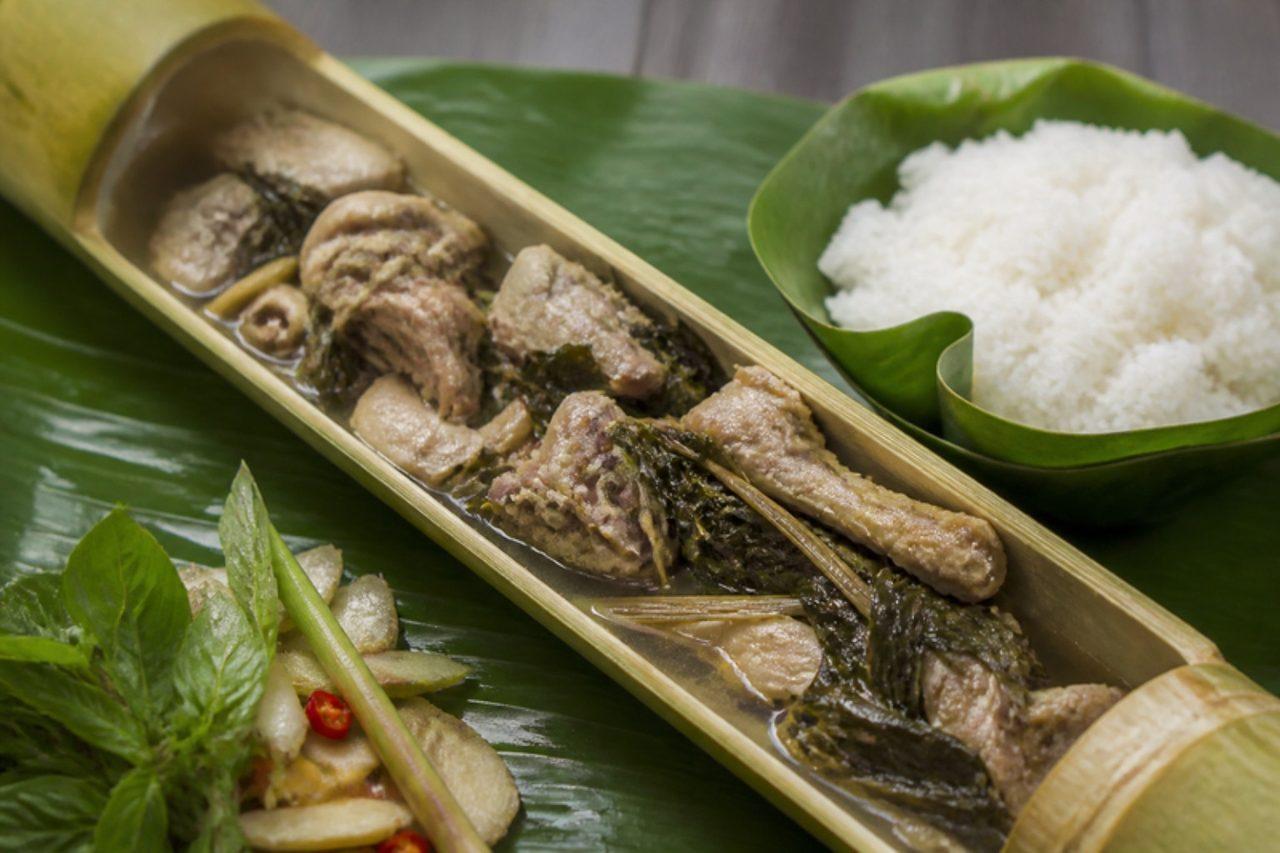
Manok pansohBamboo-cooked chicken

Iban longhouses in Sarawak cook manok pansoh for Gawai, the harvest festival at the start of June: chicken pieces packed into lengths of fresh bamboo with lemongrass, ginger, shallots and tapioca leaves, plugged with leaves and leaned over an open fire. No stock or water goes in; the chicken steams in its own juices, which turn into a clear, herby broth that tastes faintly of green bamboo. At home a lidded casserole wrapped in banana leaf gets you very close. Serve it with plain rice, and with the broth spooned over. Chef's tip: bruise the lemongrass and ginger hard with a pestle before packing; with no added liquid, crushed aromatics are what flavour the juices.

by KrazyBadal 0 views

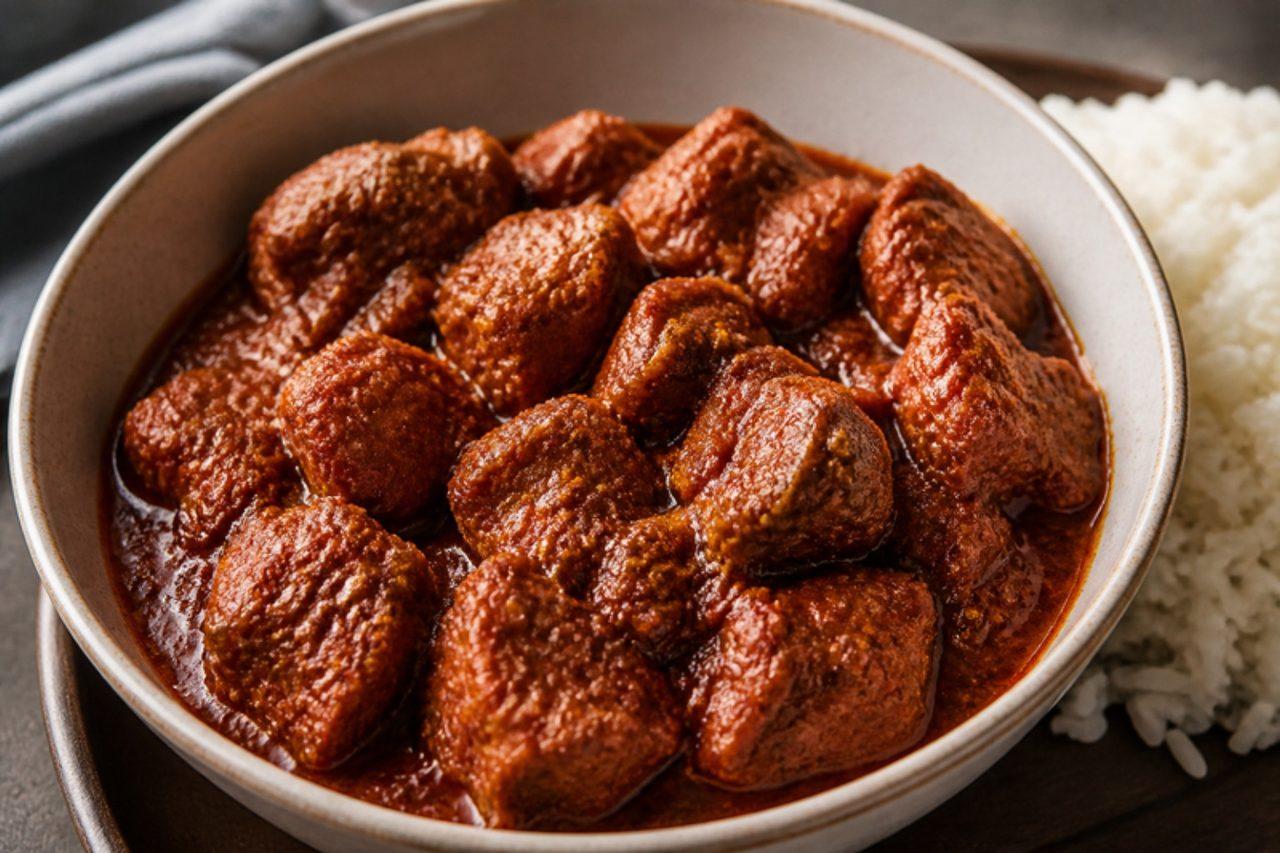
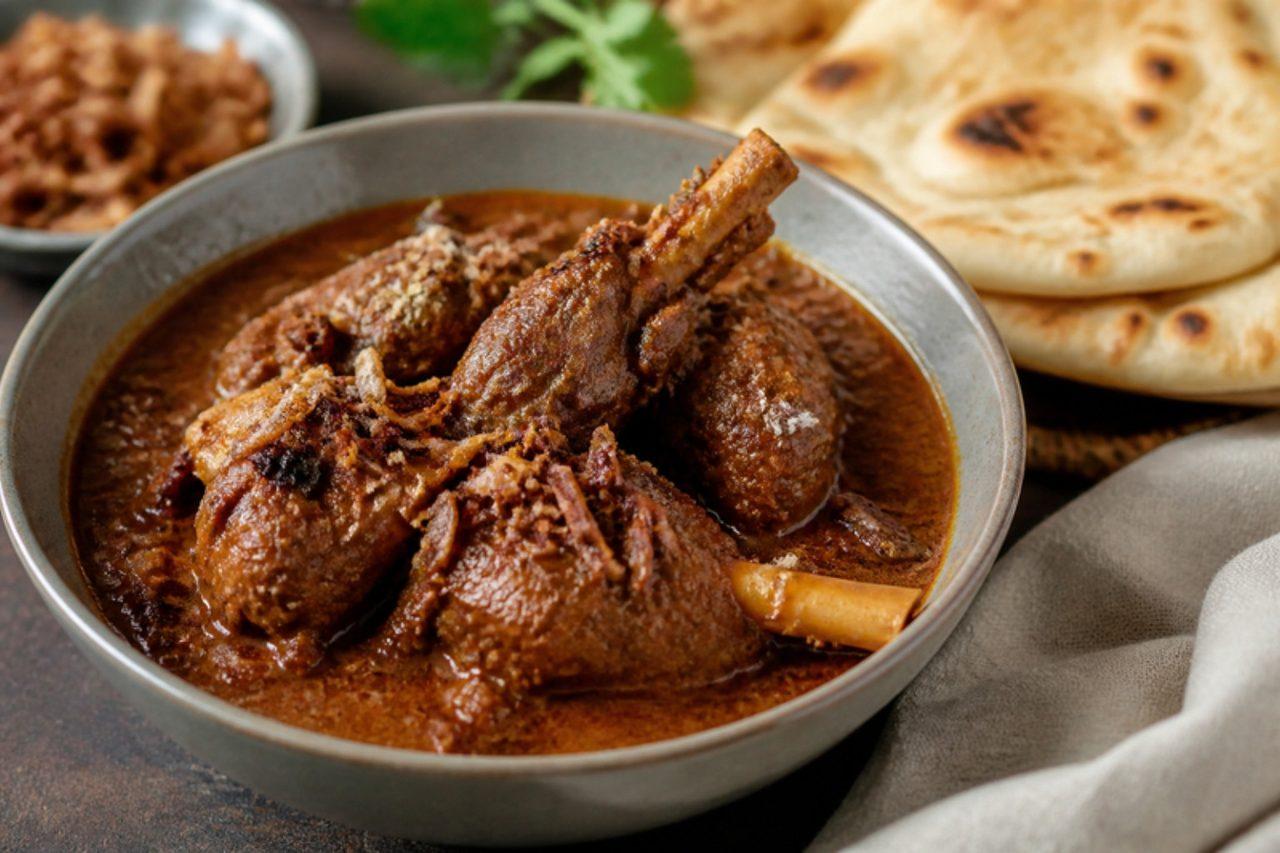
Bhopali gosht korma

Bhopal was ruled for over a century by the Begums, and its Muslim kitchens developed their own style: earthier and more robust than the delicate cooking of Lucknow, with a liking for red chilli, roasted coriander and a thickening paste of dried coconut and poppy seeds. This mutton korma is the centrepiece of Eid lunches and nikah dinners in the old city around Chowk Bazaar, eaten with sheermal or khamiri roti. Compared with an Old Delhi chicken korma, it is darker, hotter and nuttier, and it's made with goat on the bone. Chef's tip: crush the fried onions roughly with your hands instead of blending them smooth; the little flecks of onion are part of the Bhopali texture.

140 minIndianMeatGluten freeSpicy
by KrazyBadal 0 views

Man'oushe jibnehCheese flatbread

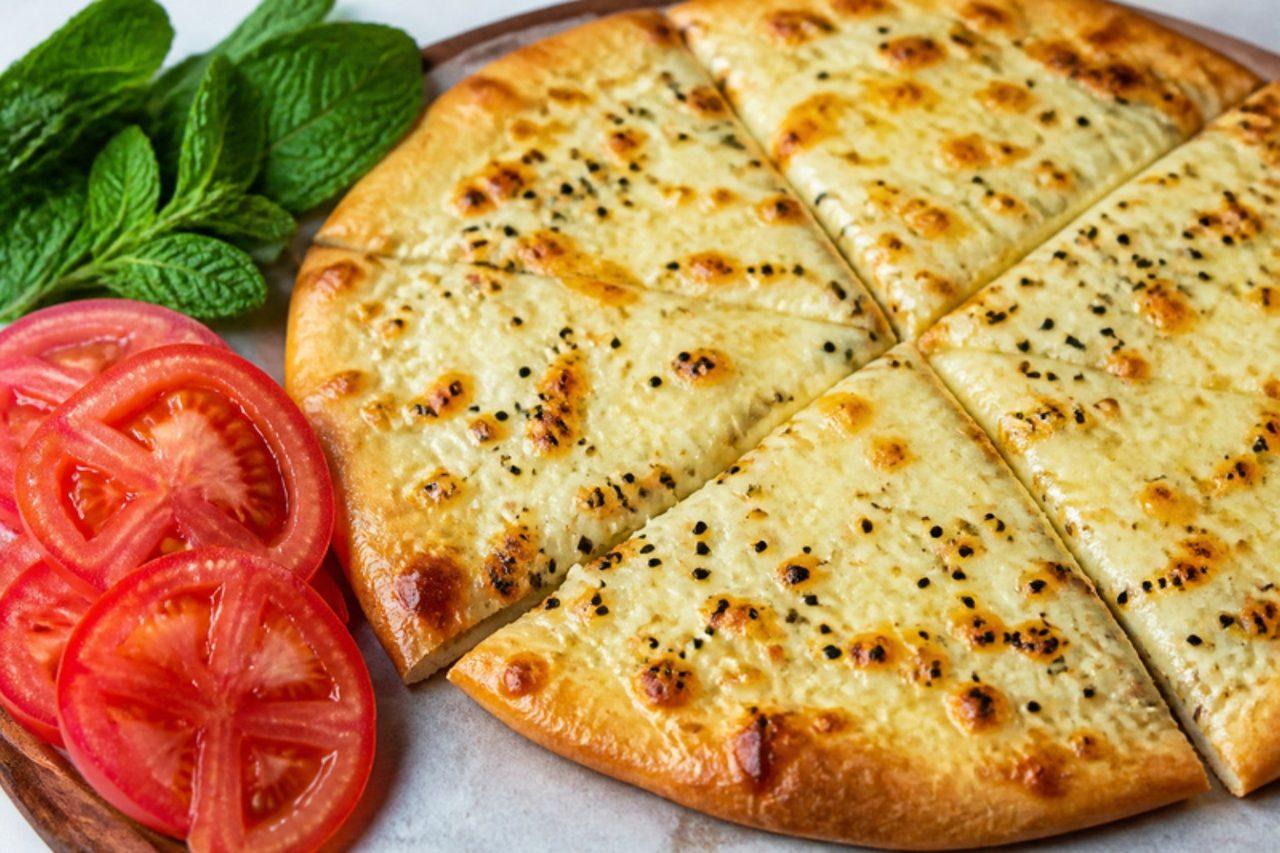
On the street corners of Beirut and Tripoli the cheese man'oushe, bi jibneh, is the one children queue for: the same soft bakery dough as the za'atar kind but covered with salty white akkawi cheese mixed with stretchy mozzarella and a scatter of nigella seeds, baked until the cheese bubbles and freckles brown. It is a weekend breakfast and an after-school snack, eaten folded with a few slices of tomato and a sprig of mint. Akkawi is very salty, and the usual mistake is to use it straight from the packet, which makes the bread almost inedible; soak it first. Check the label for a vegetarian (microbial) rennet; many supermarket mozzarellas and some halloumis use it, and halloumi works if you can't find akkawi. Chef's tip: grate the cheese coarsely and keep a 1 cm bare rim, so the edge puffs up into a crisp border that holds the melted cheese in.

by KrazyBadal 0 views

Man'oushe za'atarZa'atar flatbread

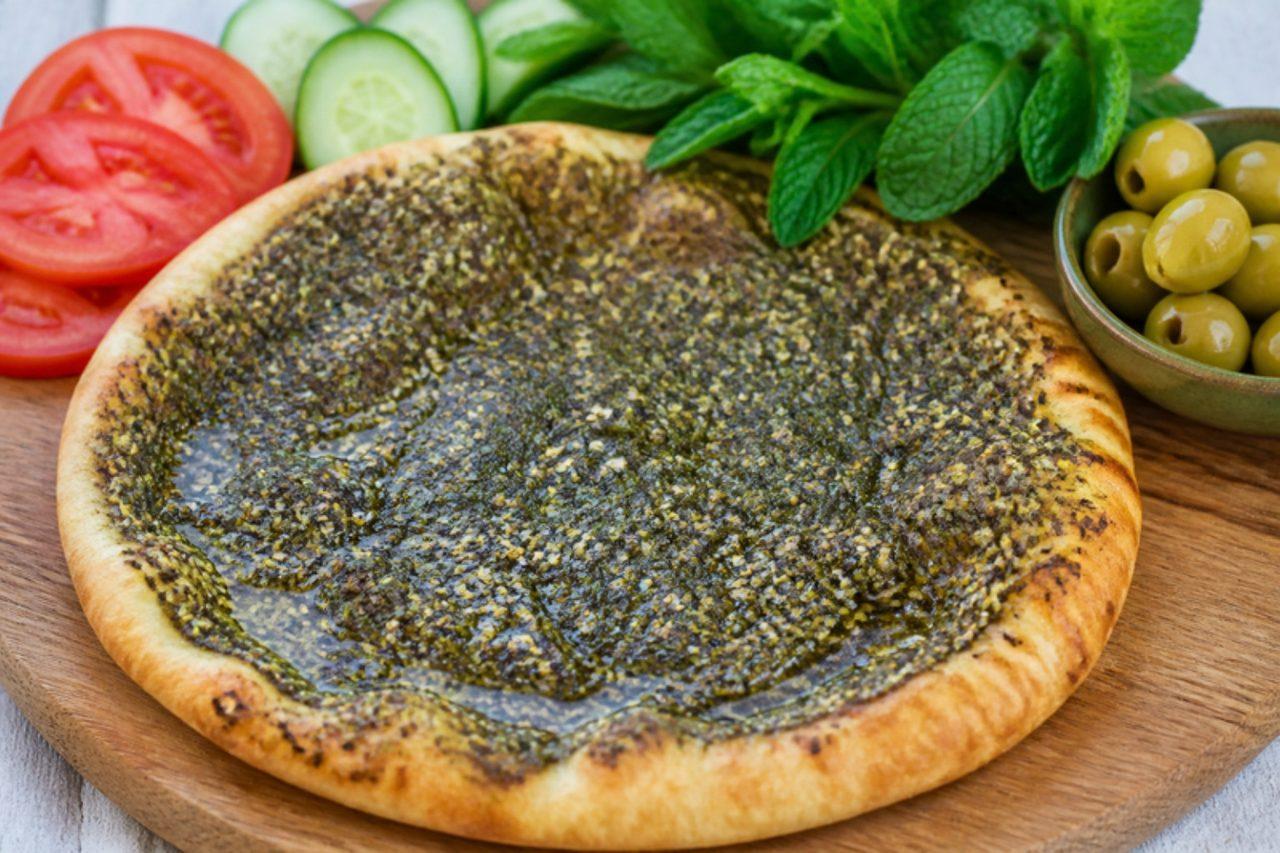
Ask anyone from Beirut what breakfast is and the answer is often man'oushe bi za'atar: a round of soft dough pressed with fingertips, spread with a paste of za'atar and olive oil and baked in the corner bakery's hot oven, then folded in paper and eaten on the way to school or work. At home it is rolled around sliced tomato, cucumber, olives and fresh mint. The most common mistake is too little oil in the topping, which leaves the za'atar dry and dusty, or baking it too long so the herbs scorch and turn bitter; the paste should be loose and spreadable and the bread pulled out once the rim is just golden. Chef's tip: get the oven and tray properly hot, at its highest setting for 20 minutes, so the dough puffs and blisters before the topping has time to burn.

by KrazyBadal 0 views

Tonkotsu ramen

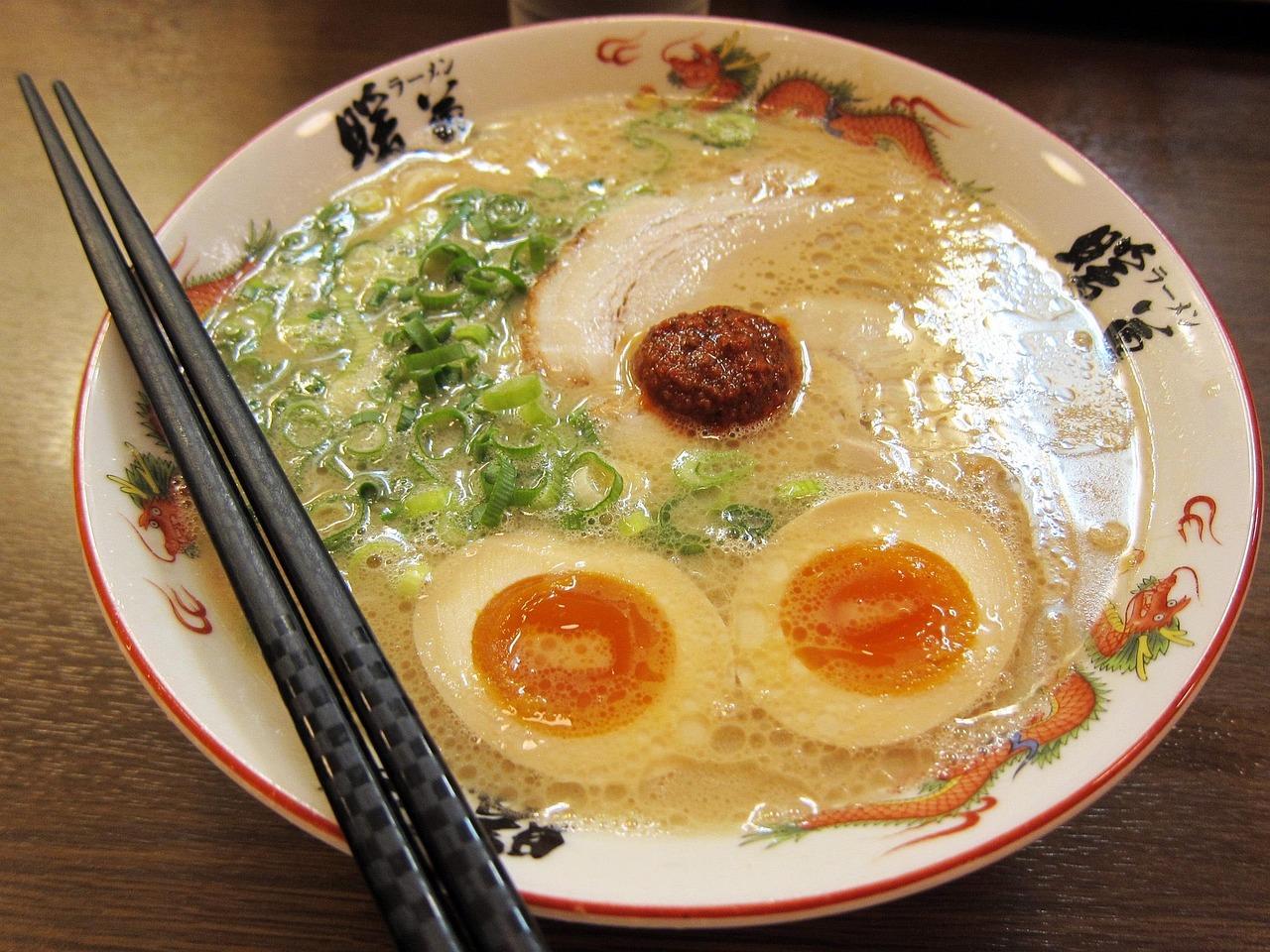
Late at night along the river in Nakasu, Fukuoka, the yatai street stalls ladle out bowls of creamy, opaque pork-bone soup to people heading home. Hakata noodles are thin and straight and cooked very firm, and regulars order a second ball of noodles, called kaedama, into the same soup. Making it at home is a weekend project: the bones need about 10 hours at a fierce boil to break down into that milky broth, while rolled pork belly braises on the side. Red pickled ginger, sesame and spring onion cut through the richness. Chef's tip: ask your butcher to split the trotters and saw the bones in half, as the exposed marrow and collagen are what make the soup turn white and silky.

by KrazyBadal 0 views

Łazanki with cabbage and mushroomsSquare noodles with cabbage and mushrooms

Łazanki are short, square egg noodles, and in the Podhale highlands and around Kraków they are tossed with soft-fried white cabbage, a little sauerkraut and mushrooms for a cheap weekday supper, especially in autumn when the cabbage is new. Most cooks add smoked bacon; this version leaves it out and gets its depth from dried ceps, browned fresh mushrooms and plenty of black pepper and marjoram. It is soft, savoury and slightly sour. Serve it on its own with a glass of buttermilk or kefir, as people do in the mountains. Chef's tip: let the cabbage catch and brown in places before you add the noodles; that browning is the flavour bacon would otherwise give.

by KrazyBadal 0 views

KaftaGrilled minced meat skewers

Kafta is the everyday grilled mince of Lebanon, Syria, Jordan and Palestine: a Sunday barbecue staple in the Lebanese mountains and a quick dinner in city flats, cooked on skewers, shaped into fingers for the pan, or baked in a tray with potatoes and tomato. Lamb and beef are mixed with plenty of onion and parsley and warmed with baharat (seven spice). Wrap them in bread with tomato, onion and a smear of hummus or tahini sauce. Chef's tip: grate the onion and squeeze it hard in a clean cloth; dry onion keeps the kafta firm on the skewer and stops it steaming.

by KrazyBadal 0 views

Mughlai chicken korma

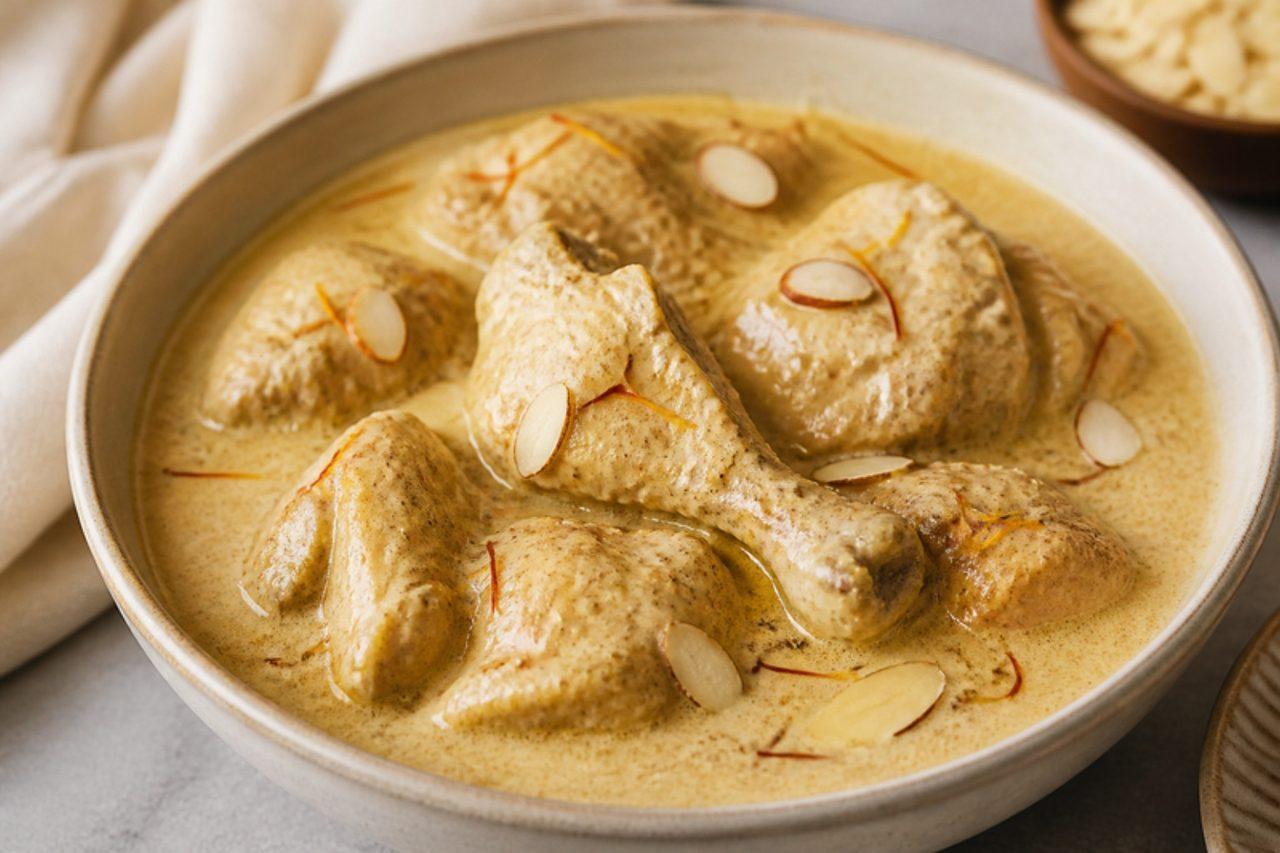
In the lanes around the Jama Masjid in Old Delhi, korma is cooked in huge copper degs for Eid and wedding feasts and sold from dawn with khamiri roti and sheermal. It descends from the Mughal court kitchens, where 'korma' meant meat braised slowly in yogurt and its own juices rather than in water. This one is not the mild, pale, coconut-sweet korma of British curry houses: it is golden-brown, fragrant with cardamom and mace, enriched with almond paste and fried onions, and medium-hot. Chef's tip: fry the onions slowly to an even golden-brown and grind them with the yogurt; the browned onion paste is both the colour and the backbone of the sauce.

by KrazyBadal 0 views

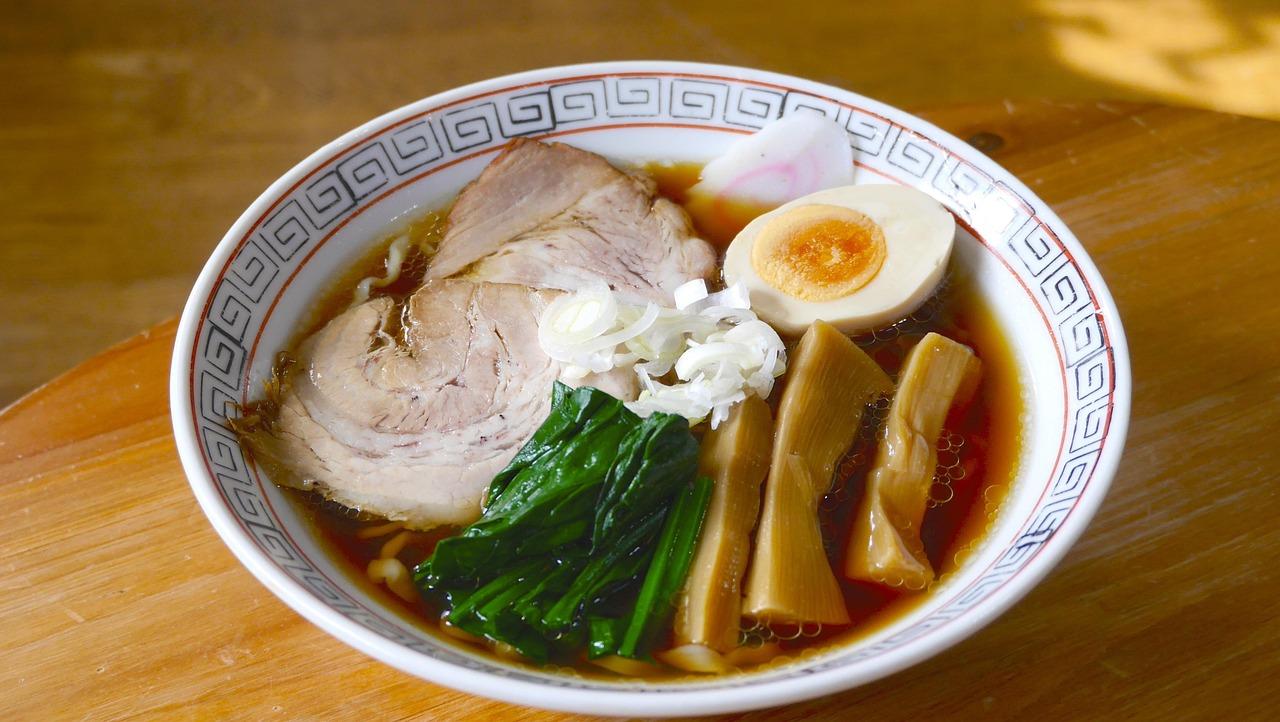
Shoyu ramen

Tokyo's earliest ramen counters, starting with one in Asakusa in 1910, served a clear brown soup seasoned with soy sauce, and that style still defines a Tokyo bowl. You'll find it in old-fashioned shops with a ticket machine by the door and a short lunchtime queue outside. This home version simmers chicken wings for under an hour, so the broth tastes clean and light, a world away from the milky pork soup of Kyushu. Wavy noodles catch the soup, and poached chicken, a jammy egg, nori and spring onion go on top. Chef's tip: float a spoonful of the yellow chicken fat you skim off the broth on each bowl, as it carries the aroma of the soy to your nose with every slurp.

by KrazyBadal 0 views

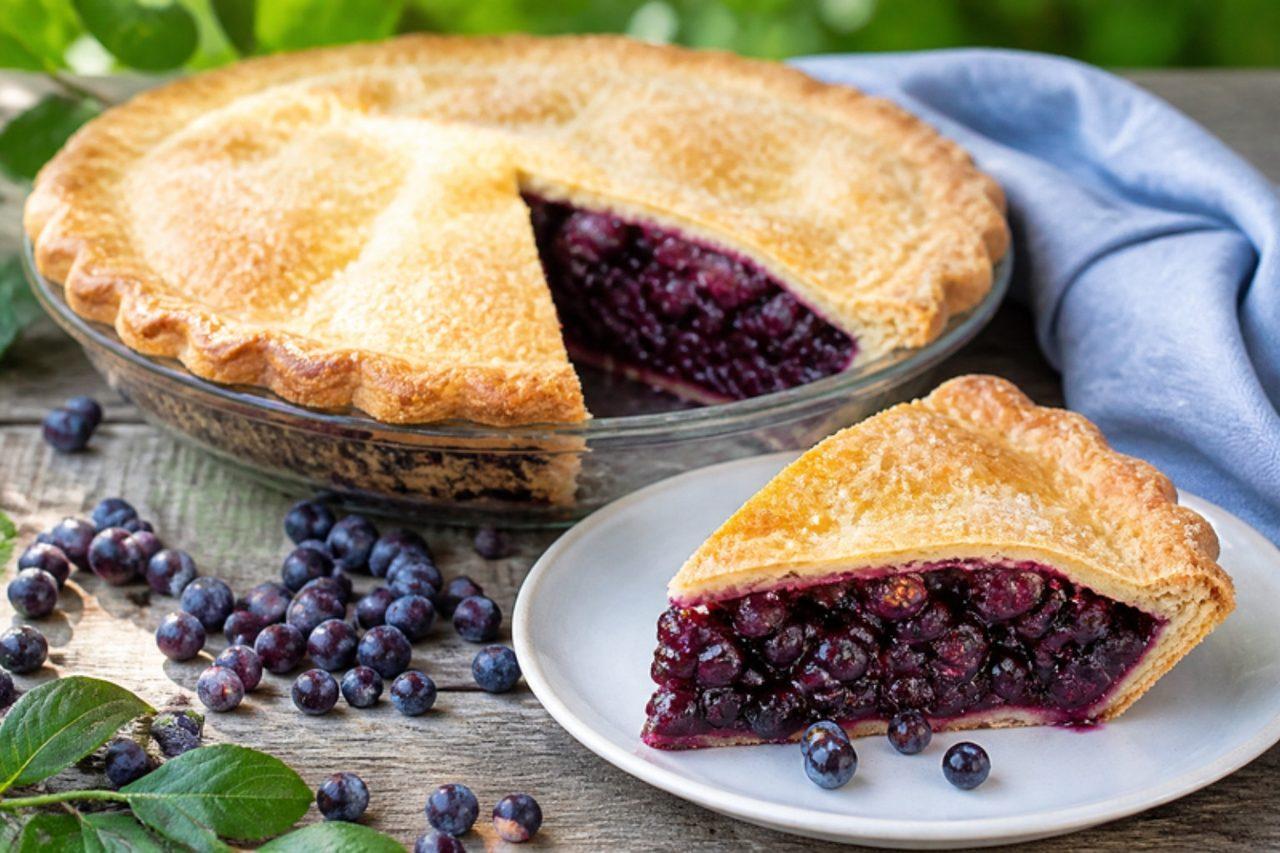
Saskatoon berry pie

Saskatoon berries grow wild across the Canadian prairies, and in July families in Saskatchewan, Alberta and Manitoba pick them by the pail for pie. They look like blueberries but taste sweeter and nuttier, almost like a cross with cherry and almond, with soft seeds. The city of Saskatoon takes its name from the Cree word for the berry, misâskwatômina. A double-crust saskatoon pie with ice cream is classic prairie summer dessert. Chef's tip: saskatoons are low in acid, so lemon juice is essential to wake up the flavour; outside Canada, use blueberries with a few drops of almond extract.

by KrazyBadal 0 views

Butter tarts

Butter tarts are fiercely loved in Ontario, where towns along the 'Butter Tart Trail' near Midland and Wellington County hold contests, and where Canadians argue about whether raisins belong in them. Small, flaky pastry cups hold a filling of brown sugar, butter, egg and syrup that bakes into a gooey, caramel-like centre with a crackled top. This version adds a little maple syrup and leaves raisins optional. Chef's tip: bake only until the filling bubbles and the edges are set but the centre still jiggles; runny is the goal, but overbaked tarts turn sugary and hard.

by KrazyBadal 0 views

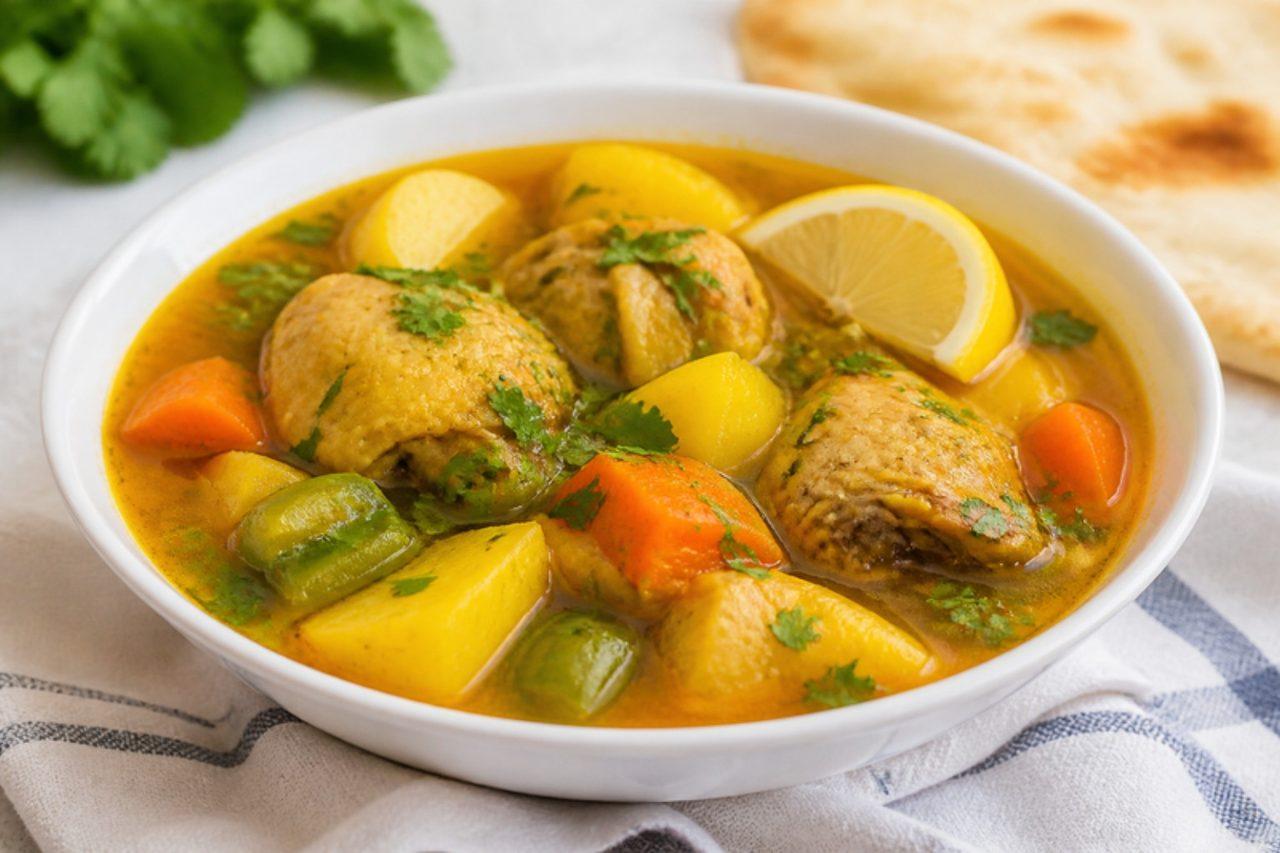
Maraq digaagChicken and vegetable stew

Maraq digaag is the gentle chicken stew Somali mothers make on ordinary weekdays, and the one people ask for when they are unwell: chicken simmered with potato, carrot, tomato and green pepper in a light broth fragrant with xawaash and garlic. It is served with rice, canjeero or bread for dipping. The mistake is boiling it hard, which makes the chicken stringy; keep it at a lazy simmer. Chef's tip: stir in chopped coriander and a little lemon at the end to lift the broth.

by KrazyBadal 0 views

Mathura pedaMilk fudge discs

Mathura in Uttar Pradesh, Krishna's birthplace, has a peda all its own: not the pale milky kind found elsewhere, but a dusty-brown disc with a deep, toffee-like flavour from milk solids slowly roasted until they caramelise. Pilgrims buy boxes after visiting the temples, and they are made in huge batches around Janmashtami as an offering. The texture should be dense yet slightly grainy, rolled in fine boora sugar so the outside sparkles. The usual mistake is rushing the roasting over high heat, which scorches the khoya in spots and makes it bitter and greasy. Chef's tip: keep the heat low and scrape the bottom of the pan constantly; the colour should change gradually from cream to light brown, then to the shade of milky coffee.

by KrazyBadal 0 views

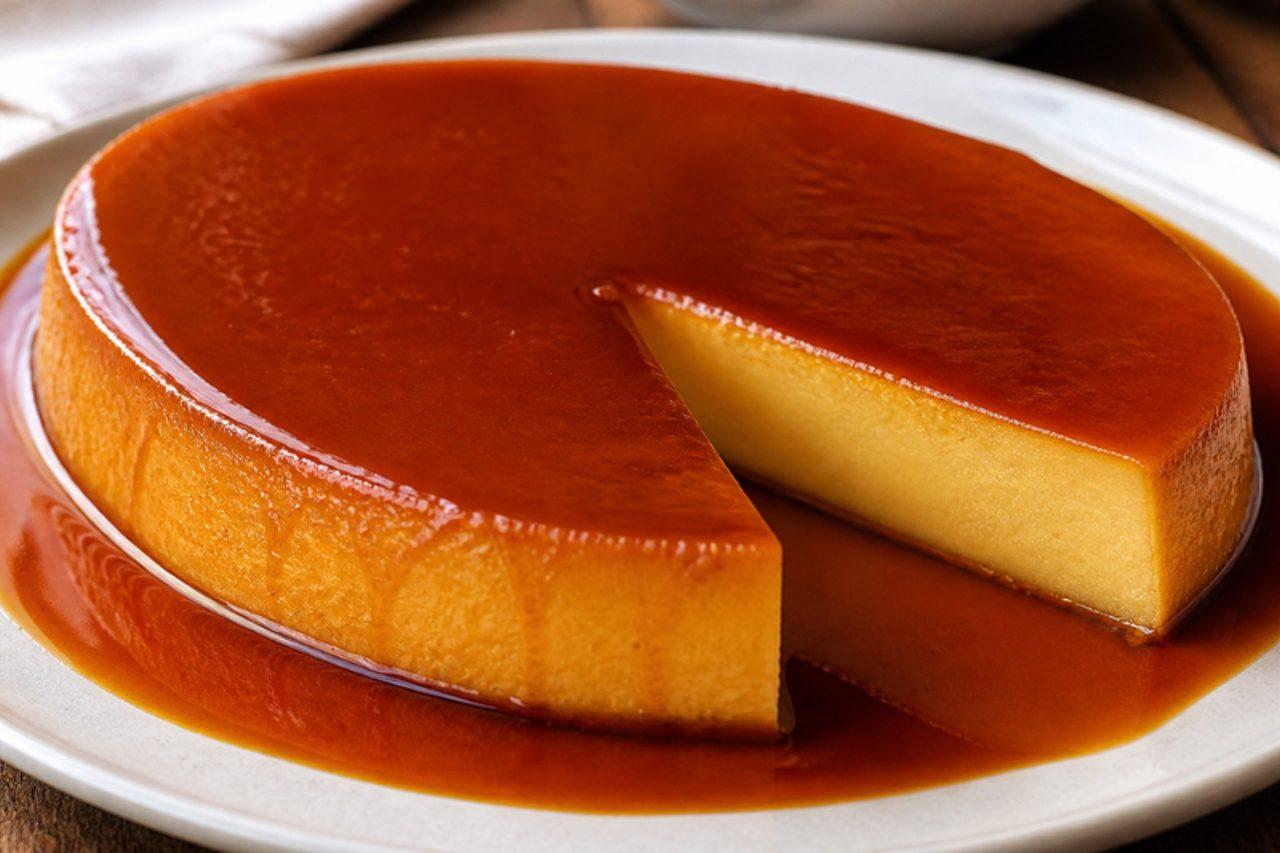
Leche flanCaramel custard

Leche flan is on the table for every Filipino Noche Buena on Christmas Eve, at fiestas and at birthdays, steamed in the oval aluminium tins called llaneras and turned out shining under a dark caramel. Unlike Spanish flan or the Brazilian pudim, it is made with egg yolks only, condensed milk and evaporated milk, so it is much denser and smoother, almost like a firm custard fudge, and a little goes a long way. A grating of calamansi or lime zest cuts the richness, and many cooks steam rather than bake it. The leftover whites go into meringue biscuits. Chef's tip: strain the custard twice and stir, don't whisk; air bubbles become holes in the finished flan.

by KrazyBadal 0 views

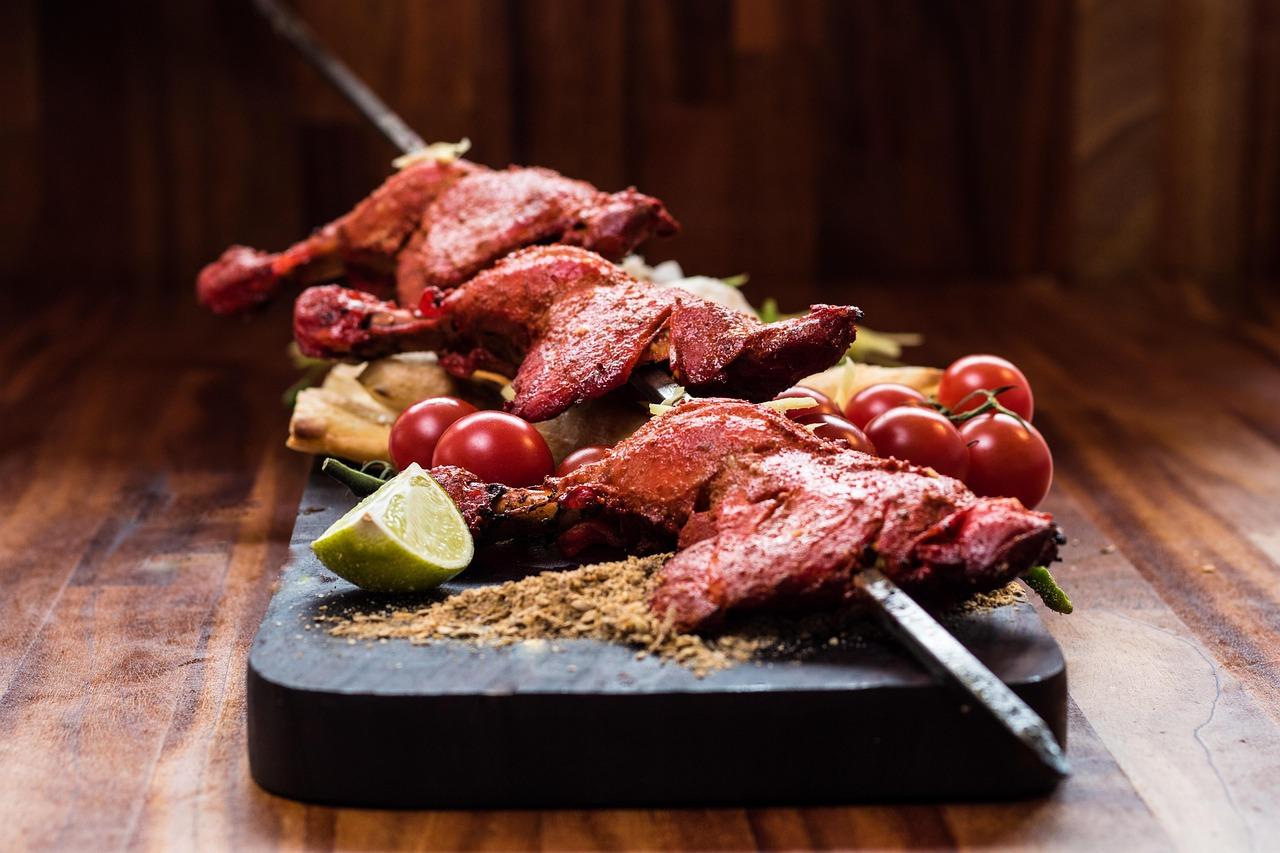
Tandoori chicken

Tandoori chicken comes from Punjab, where clay tandoor ovens fired with wood or charcoal reach well over 400 °C and roast marinated chicken in minutes. In Punjabi dhabas and wedding buffets it arrives on a sizzling plate with raw onion rings, lemon and mint chutney, and it's the starting point for butter chicken. A home oven can't match a tandoor, but a very hot oven plus a final blast under the grill gets you charred edges and juicy meat. The two-step marinade (lemon and salt first, then spiced yogurt) is the key. Chef's tip: cut deep slashes right down to the bone; the marinade gets inside and the thick legs cook through at the same time as the thinner parts.

by KrazyBadal 0 views

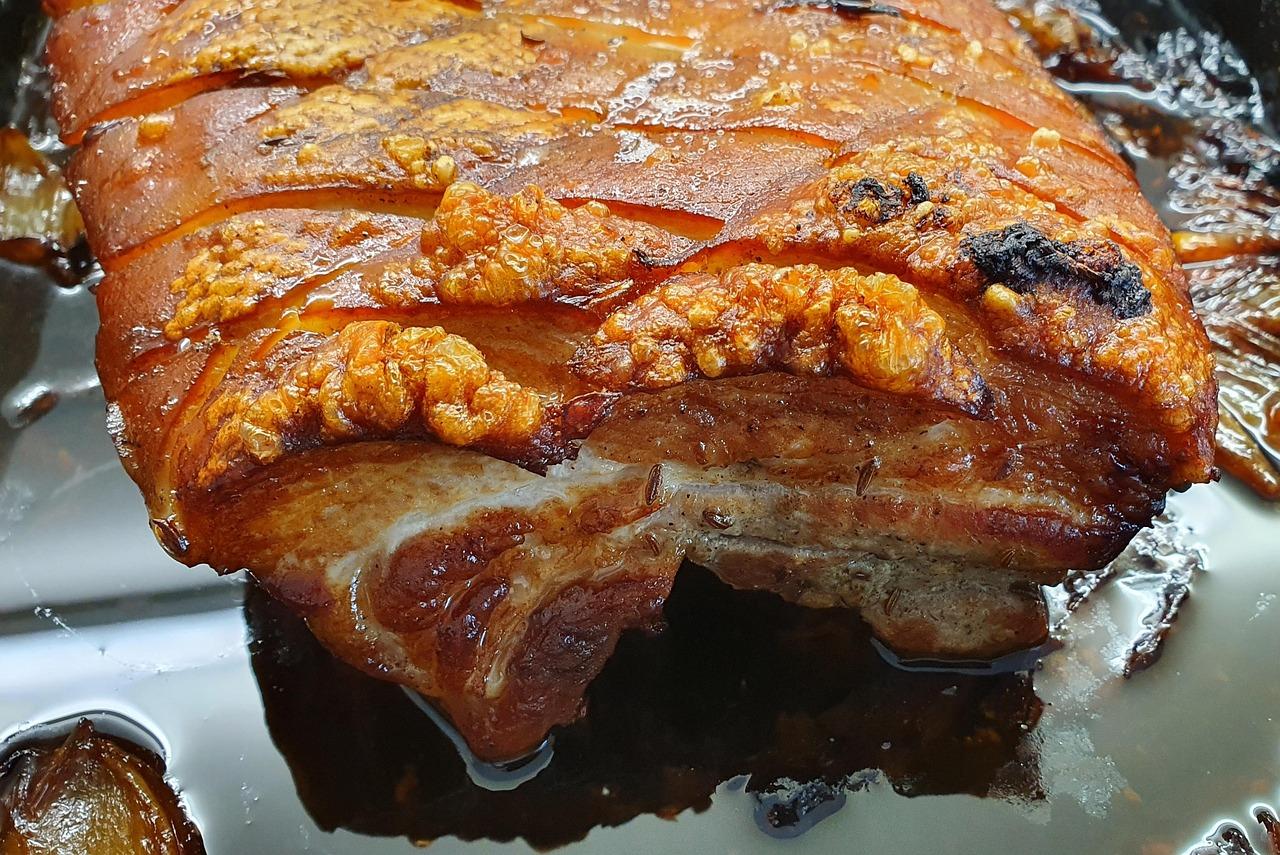
Lechón asadoRoast pork with mojo

This is a pork dish. In Cuba a whole pig is roasted for Nochebuena, Christmas Eve, and for big family parties, often in a pit in the yard; at home in Miami or Havana the same flavour comes from a pork shoulder soaked overnight in mojo, the sour-orange, garlic and oregano marinade. The meat roasts slowly until it pulls apart, and the skin turns to crackling. Serve it with moros y cristianos, yuca con mojo and a squeeze of lime. A common mistake is leaving the shoulder in the marinade on the kitchen counter: it must always marinate in the fridge. Chef's tip: if you can't find sour (Seville) oranges, mix two parts orange juice with one part lime juice for the same sharp edge.

330 minCubanMeatGluten free
by KrazyBadal 0 views

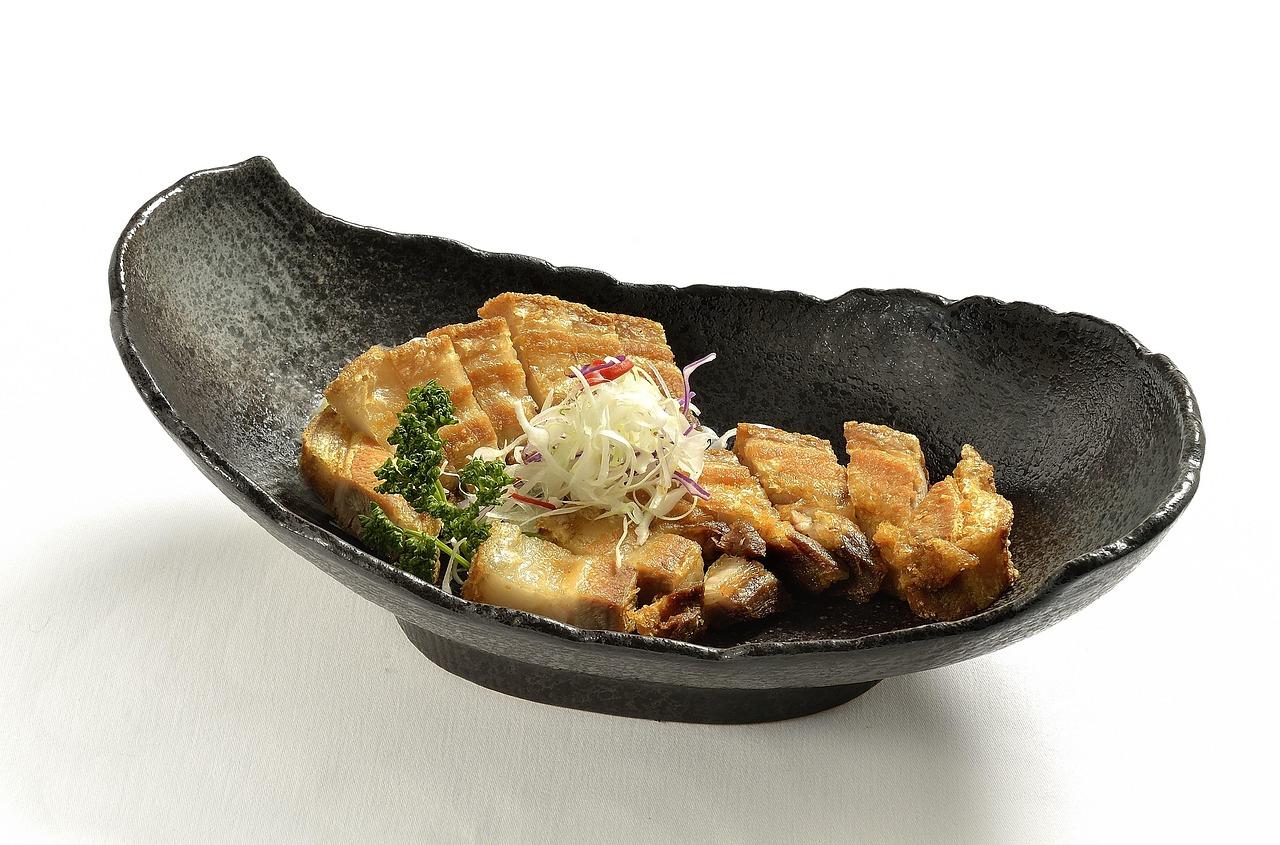
Lechon kawaliCrispy fried pork belly

Lechon kawali is pork belly, boiled with garlic and bay, dried, then fried in a wok (kawali) until the rind blisters into crackling. It is the everyday cousin of the whole roast pig: Manila carinderias sell it by the slice at lunchtime, and home cooks make it for weekend lunches all over Luzon. Each piece should be shatteringly crisp on top and juicy underneath. Serve it chopped with rice and a sharp garlic-vinegar dip, or with the sweet liver sauce sold in jars. Chef's tip: after boiling, leave the belly uncovered in the fridge overnight; a bone-dry rind puffs up and spits far less in the oil.

110 minFilipinoMeat
by KrazyBadal 0 views

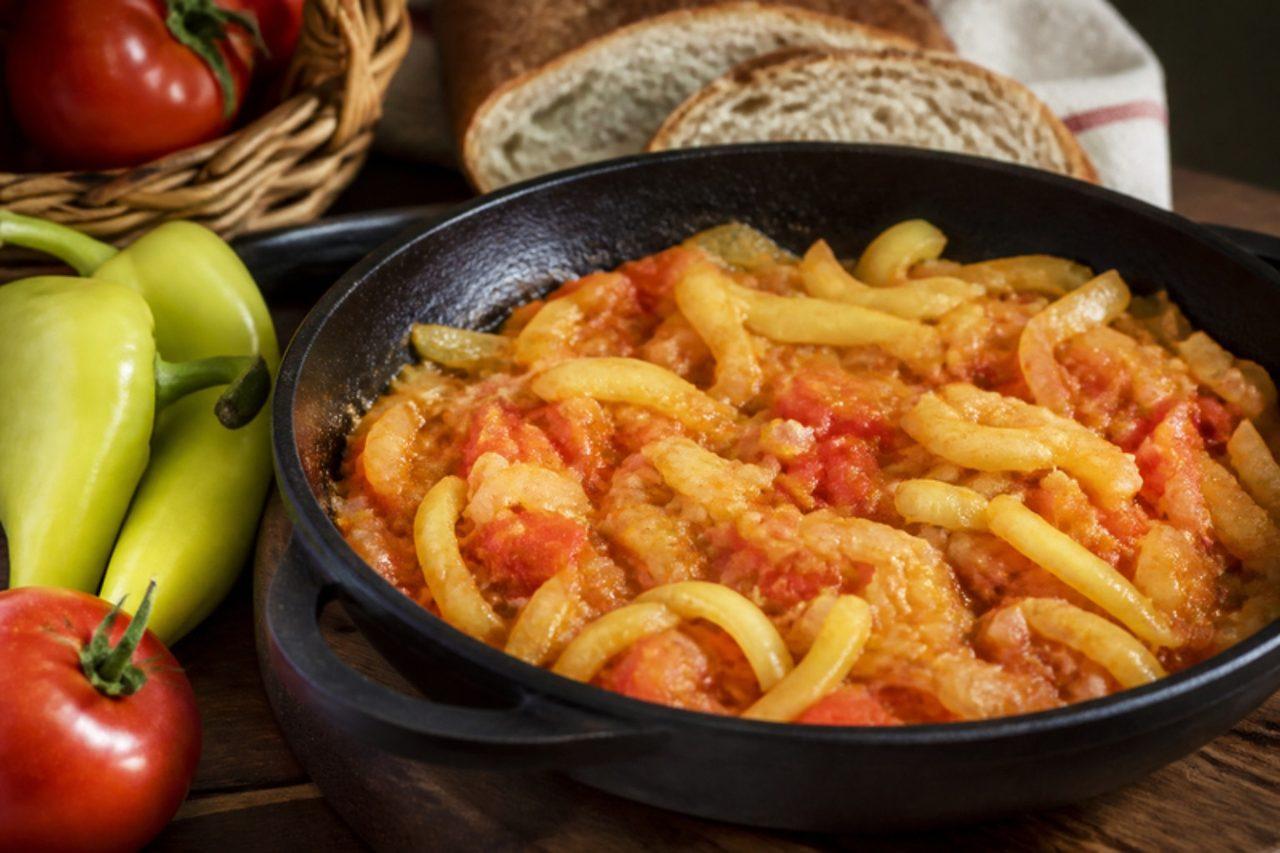
LecsóPepper and tomato stew

Lecsó is what Hungarian kitchens cook in late August, when markets in Szeged and Kecskemét are heaped with pale yellow wax peppers and over-ripe tomatoes. It is a soft, sweet-sour stew of peppers and tomato cooked down in paprika-scented oil; many families add smoked sausage or scramble eggs into it, but this version keeps it vegan and lets the peppers carry the flavour. Eat it hot with crusty bread or rice, or cold the next day, and jars of it are put up for winter. Chef's tip: add the tomatoes only once the peppers have softened; if they go in together, the tomato juice stews the peppers instead of letting them sweeten in the oil.

by KrazyBadal 0 views

Butter chicken

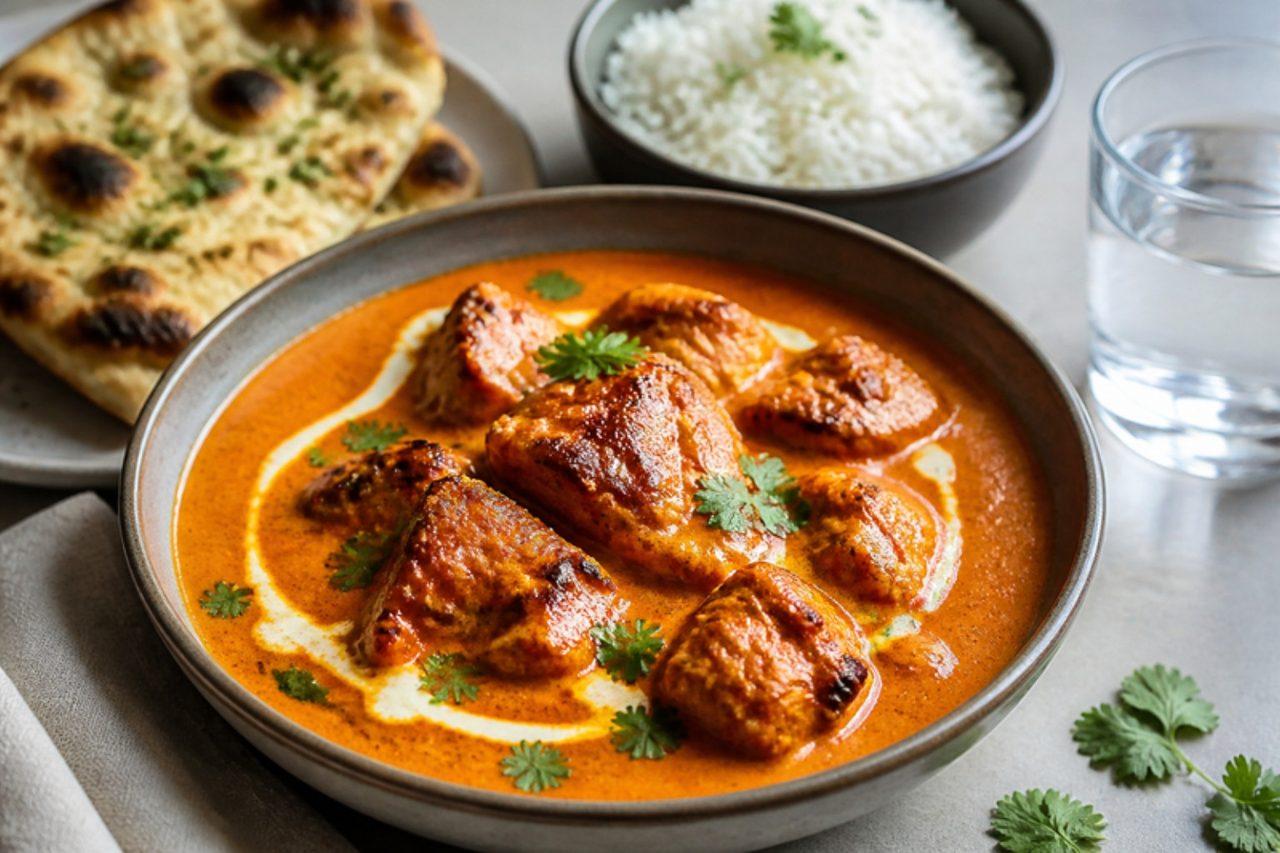
Butter chicken was born in the Punjabi restaurants of Old Delhi after Partition, when cooks found a way to use up tandoori chicken by simmering it in tomatoes, butter and cream. It is not the same as chicken tikka masala: tikka masala builds its sauce on fried onions and is chunkier and spicier, while makhani gravy has no onion at all, is strained silky-smooth, and gets its gentle sweetness and smoky-savoury note from butter, cashews and dried fenugreek leaves. It is the dish families order for celebrations across Delhi and Punjab, mopped up with butter naan or eaten with jeera rice, and it's mild enough for children. Chef's tip: crush the kasuri methi between your palms right over the pot; that one step is what makes it taste like the restaurant version.

by KrazyBadal 0 views

Kullu trout

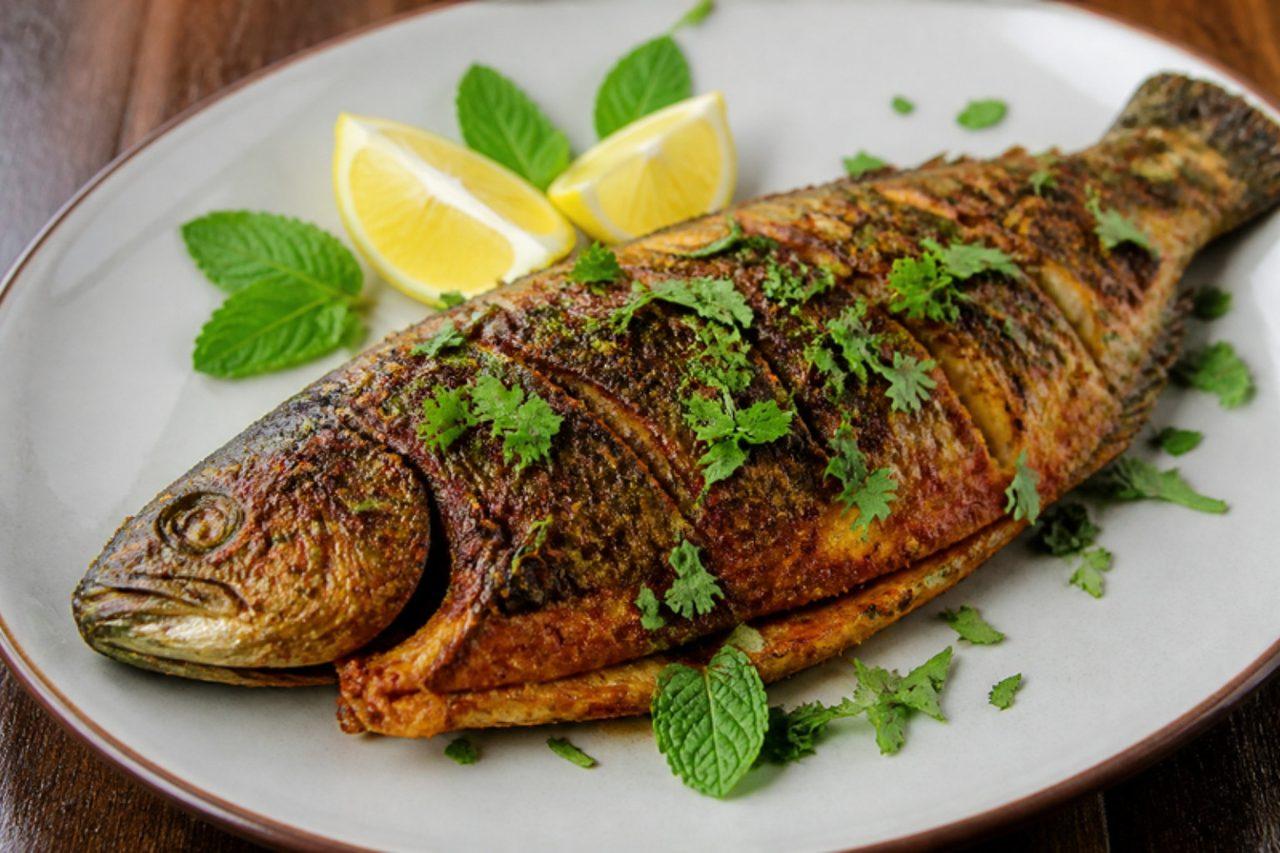
Rainbow trout were introduced to the cold, fast Beas river over a century ago, and today the farms and roadside dhabas between Kullu and Manali serve it simply: rubbed with lemon and a light masala, then fried whole in a hot pan. It is what travellers stop for on the drive up to the snow, eaten with rice, a green salad and a squeeze of lemon. The spicing is gentle so the clean, sweet flavour of the fish stays in front. Chef's tip: dry the fish very well and leave it alone in the pan for the first few minutes; moving it too early tears the skin, which should come out crisp.

25 minIndianFishGluten free
by KrazyBadal 0 views

LefseSoft potato flatbread

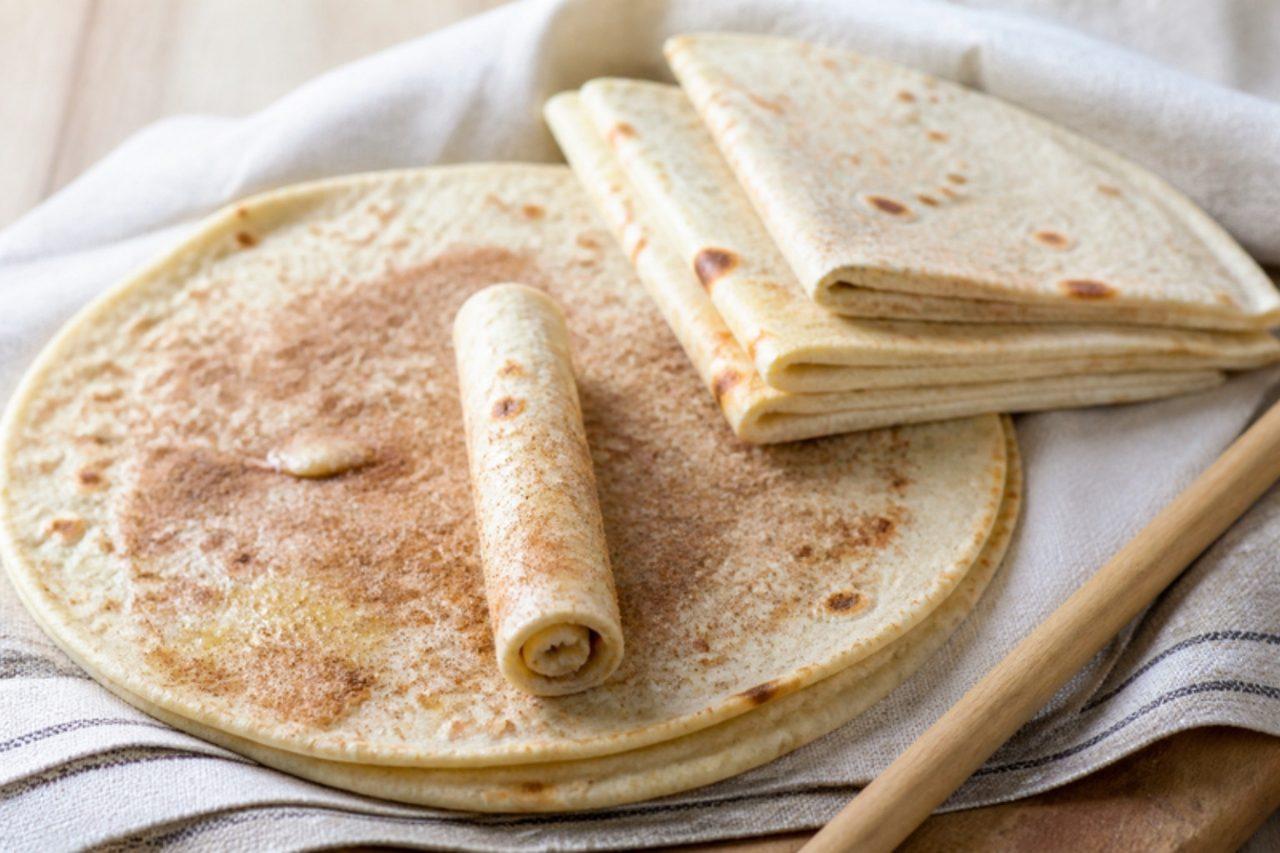
In Norway, and among Norwegian-American families in Minnesota and the Dakotas, lefse appears at Christmas in towering stacks wrapped in tea towels. These are soft, almost cloth-thin rounds made from riced potato and a little flour, cooked dry on a hot griddle until freckled with brown spots. The classic way to eat them in Telemark and Hallingdal is spread with butter, sprinkled with sugar and sometimes cinnamon, then rolled up or folded into triangles; savoury rolls with cheese are just as common. Home cooks use a grooved rolling pin and a long wooden stick to turn them, but a floured ordinary pin and a wide spatula do the job. Chef's tip: rice the potatoes while hot and let the mash cool completely, even overnight; warm potato soaks up too much flour and the lefse go tough.

by KrazyBadal 0 views

LegimMashed vegetable stew

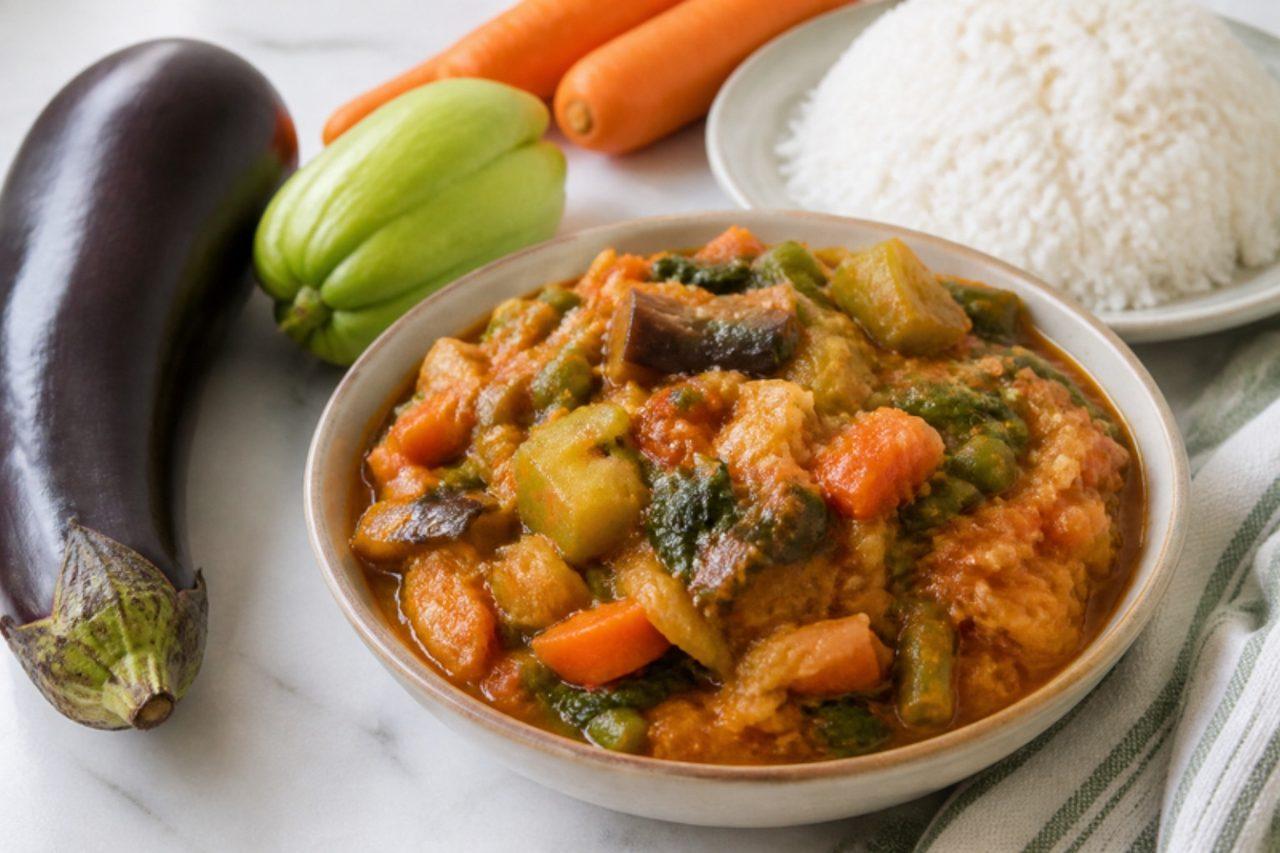
Legim (from the French légumes) is a Haitian Sunday dish, made in big pots in Port-au-Prince and the countryside and eaten with white rice or diri kole. Aubergine, cabbage, chayote (mirliton), carrots and spinach or watercress are cooked down slowly with epis and tomato paste until soft, then crushed with a pilon or spoon into a thick, rough, savoury mash. It's often cooked with beef or crab; this vegetable version is just as traditional for the days without meat. It tastes deep and green, gently sweet from the carrot and warm from clove and scotch bonnet. Chef's tip: cook it uncovered at the end until the liquid has almost gone and the oil shows at the edges; that's when the flavours concentrate and it stops tasting boiled.

by KrazyBadal 0 views

Rogan josh

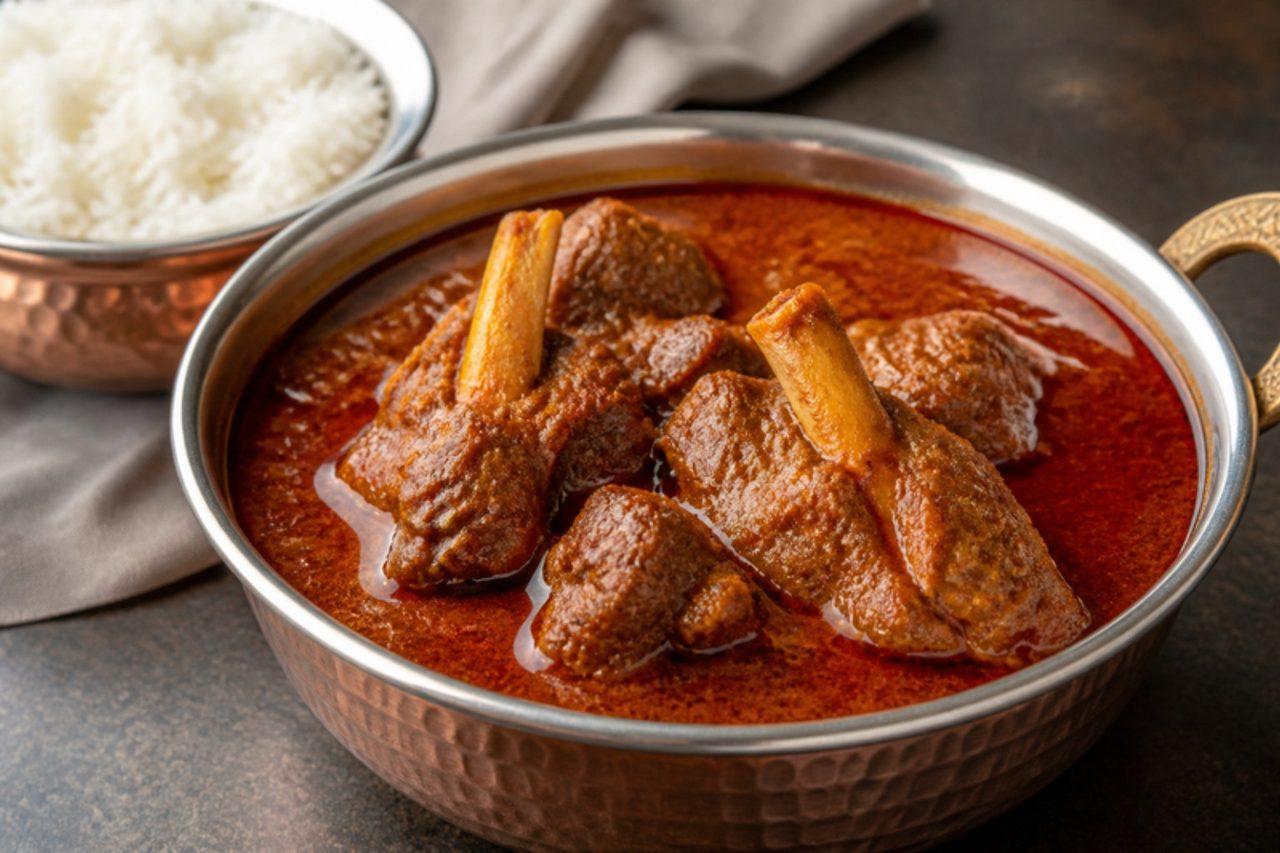
In the Kashmir Valley this deep-red lamb braise turns up at every wazwan, the multi-course wedding feast cooked by hereditary chefs, and on Sunday tables in Srinagar through the cold months. The Kashmiri Pandit version cooked here uses no onion, garlic or tomato: the colour comes from mild Kashmiri chillies, the warmth from ground fennel and dry ginger, and the body from yogurt cooked down until the fat rises red to the top (that red oil is the 'rogan'). Eat it with plain steamed rice, the Kashmiri way. Chef's tip: use bone-in shoulder or leg and give it time; the bones and slow simmer make the thick, glossy gravy, and boneless meat turns stringy before the sauce is ready.

120 minIndianMeatGluten freeSpicy
by KrazyBadal 0 views

Tobago curry crab and dumpling

On Tobago, curry crab and dumpling is the dish people travel for, eaten with fingers on Sunday afternoons and sold at the Store Bay food huts near Crown Point, where a plate is half the reason to visit. Blue crabs are cleaned, rubbed with green seasoning, 'burnt' in curry and simmered in coconut milk until the shells turn red and the sauce goes rich, spicy and sweet with crab. Long, flat flour dumplings cook right in the gravy and soak it all up. It's messy, so have bowls for shells and plenty of napkins. Chef's tip: crack the claws lightly before they go in the pot, so the curry can get inside and the meat is easy to pull out at the table.

by KrazyBadal 0 views

Nanaimo bars

Named after the city of Nanaimo on Vancouver Island, these three-layer bars have been Canada's favourite tray bake since the 1950s, when the recipe appeared in local community cookbooks. A crumbly base of biscuit crumbs, cocoa, coconut and nuts is topped with a thick yellow custard-flavoured buttercream and a snap of dark chocolate. They're made for church sales, Christmas cookie tins and coffee breaks, and need no oven. Chef's tip: dip the knife in hot water and wipe it between cuts; it slices through the chocolate cleanly without cracking it.

by KrazyBadal 0 views

Fiddleheads with garlic butter

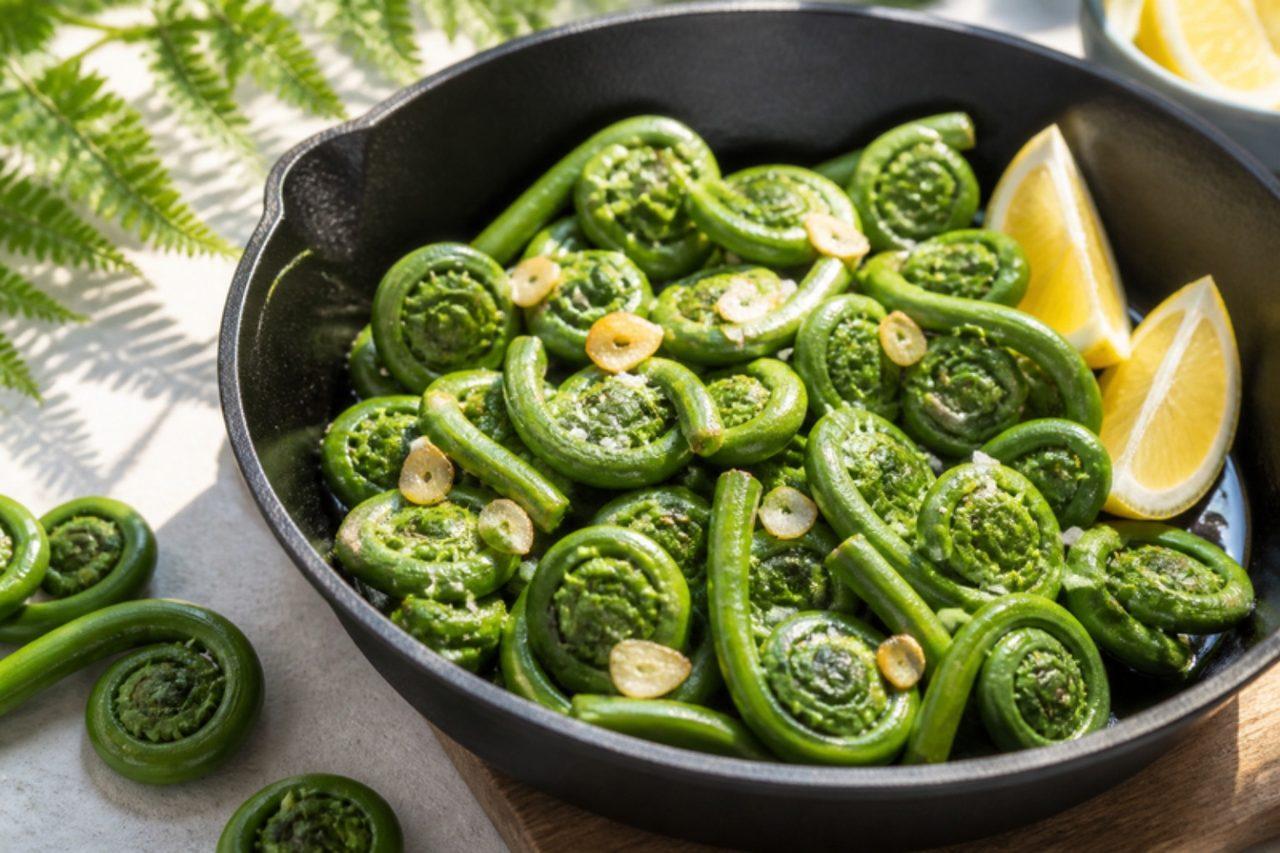
For a few weeks in May, the riverbanks of New Brunswick, along the Saint John River, and parts of Maine and Québec sprout fiddleheads: the tightly coiled young shoots of the ostrich fern. Locals forage them or buy them by the bag at roadside stands and farmers' markets, and eat them simply, with butter, garlic and lemon, tasting somewhere between asparagus and green beans with a grassy snap. They're a true taste of Atlantic Canadian spring. Chef's tip: fiddleheads must be boiled for a full 15 minutes before sautéing; undercooked fiddleheads can cause stomach upset, so this step is not optional.

by KrazyBadal 0 views

Oxtail with butter beans

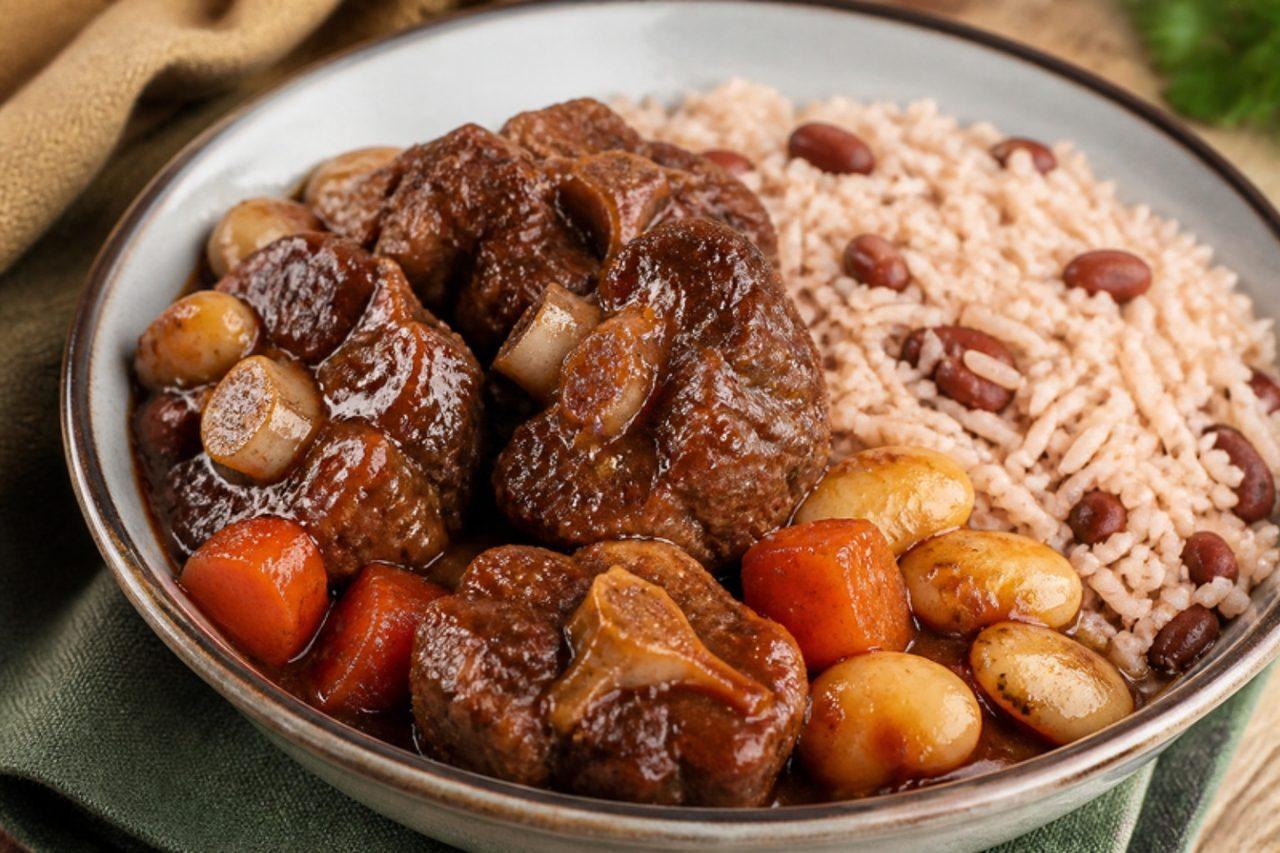
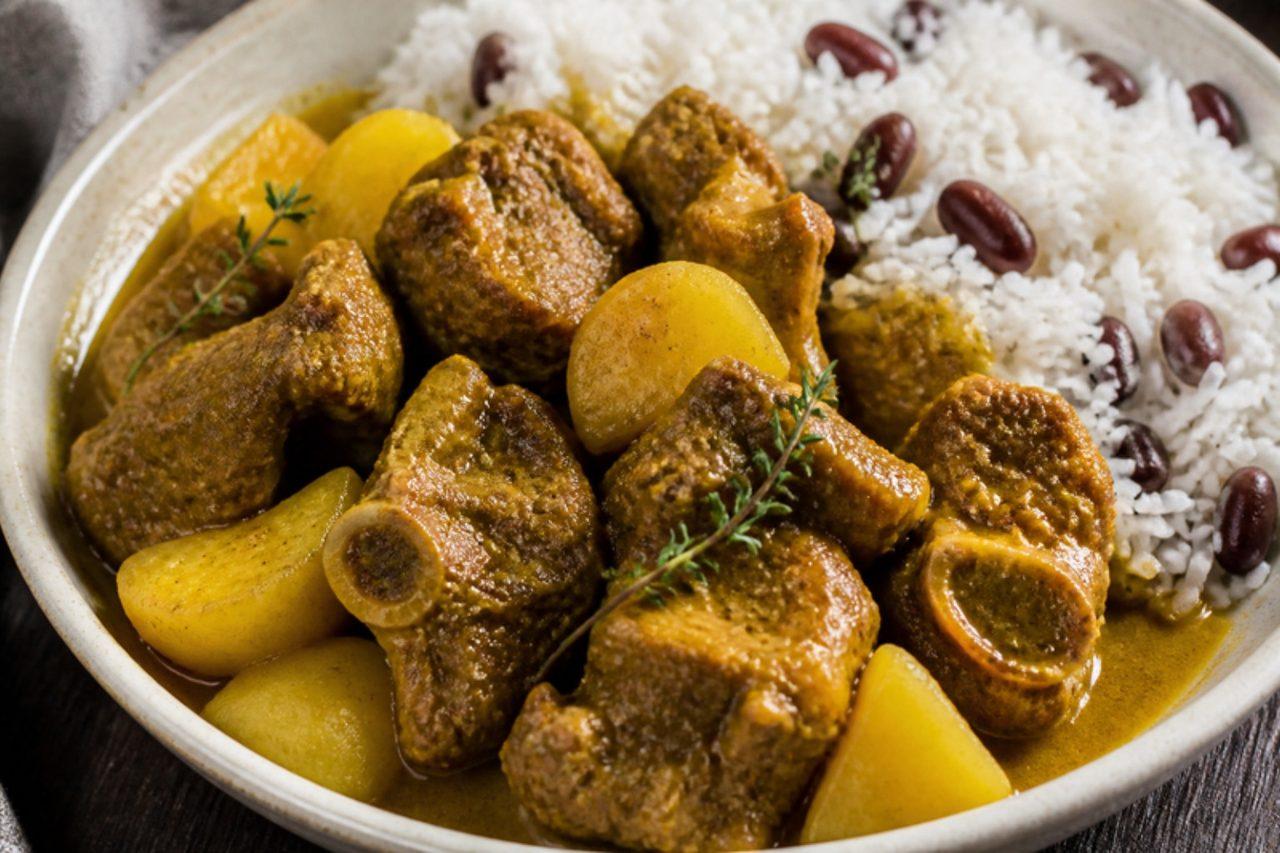
Oxtail started out as a cheap cut in Jamaica and is now the Sunday-best dish that cookshops in Kingston sell out of first, and that people across the diaspora queue for on Saturdays. The bony pieces are seasoned overnight, browned hard, then braised slowly for hours with pimento, thyme and whole scotch bonnet until the meat slides off the bone and the gravy turns glossy with gelatine. Butter beans go in near the end to soak up the gravy. Serve with rice and peas, steamed cabbage and fried plantain. Chef's tip: cook it a day ahead, chill, and lift off the hard layer of fat before reheating; the gravy is cleaner and the flavour deeper.

235 minJamaicanMeat
by KrazyBadal 0 views

Brown stew chicken

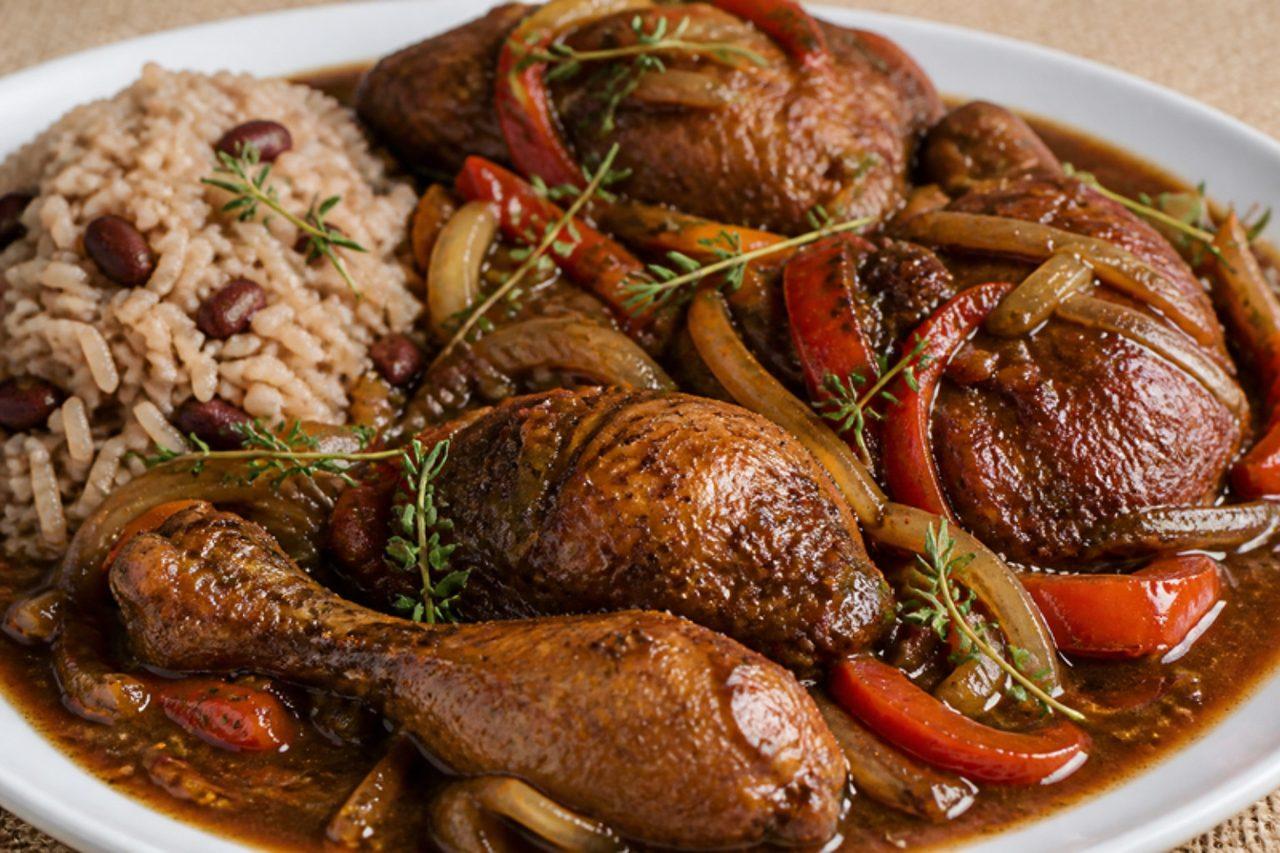
Ask a Jamaican what was on the table for weekday dinner growing up and brown stew chicken will be near the top of the list, served at home and at every cookshop from Montego Bay to Spanish Town. The deep colour comes from 'browning': sugar caramelised in hot oil until it is dark, then the seasoned chicken is turned in it so every piece takes on a mahogany coat. Peppers, onion, tomato and thyme simmer down into a sticky, savoury gravy that begs for a pile of white rice, rice and peas or boiled dumplings. Chef's tip: season the chicken the night before and dry each piece well before it goes into the caramel; wet chicken spits violently and won't take on that deep brown colour.

by KrazyBadal 0 views

Jamaican curry goat

No Jamaican wedding, nine-night or big Sunday family lunch is complete without a pot of curry goat, often cooked outdoors in a huge pot by whoever has the steadiest hand with the seasoning. It came to the island with Indian indentured workers in the 1800s and became fully Jamaican with scotch bonnet, pimento and thyme. The bone-in pieces are seasoned overnight, browned with the curry powder until it darkens, then simmered for a couple of hours into a rich, brick-yellow gravy with soft potatoes that thicken it. Serve with white rice or rice and peas and a little fried plantain. If you can't find goat, bone-in mutton or lamb shoulder works the same way. Chef's tip: 'burn' the curry first; fry the curry powder in hot oil for a minute until it darkens and smells toasty before the meat goes in, and the gravy will never taste raw or chalky.

by KrazyBadal 0 views

Lentil bobotieCurried lentil bake

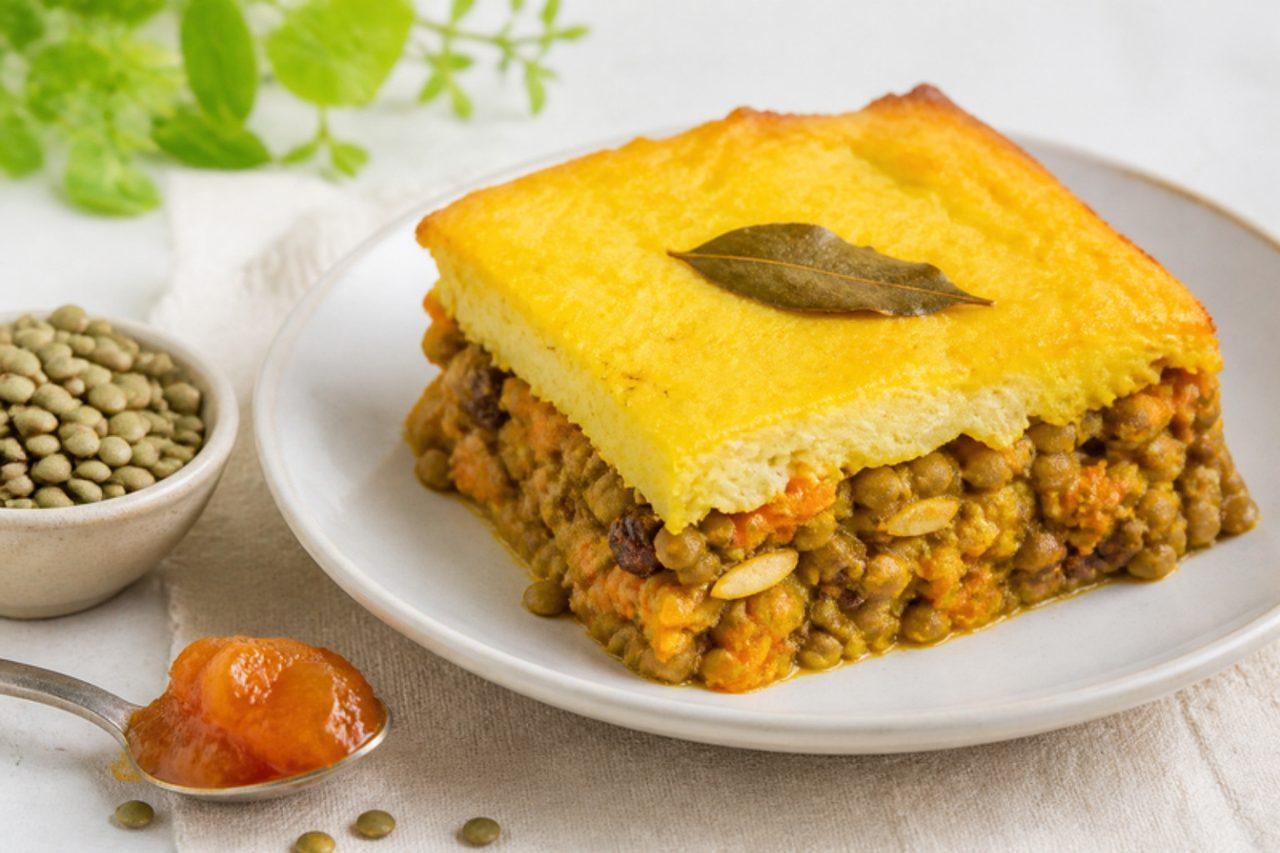
Bobotie is the dish Cape Town is proudest of, brought to the Cape by Malay and Indonesian cooks centuries ago and still baked for Sunday lunch in the Bo-Kaap and across the Western Cape. Its flavour sits between sweet, sour and mildly hot: curry spices, apricot jam, fruit chutney and lemon, with a set egg-and-milk custard on top scented with bay leaves. The classic uses beef mince and milk-soaked bread; here brown lentils carry the spices so well that no bread is needed. Serve with yellow rice, chutney and a sliced banana and tomato sambal. Chef's tip: let the lentil filling cook down until thick and almost dry before baking, or the custard sinks into it instead of setting on top.

by KrazyBadal 0 views

Lentilles du Puy saladGreen lentil salad

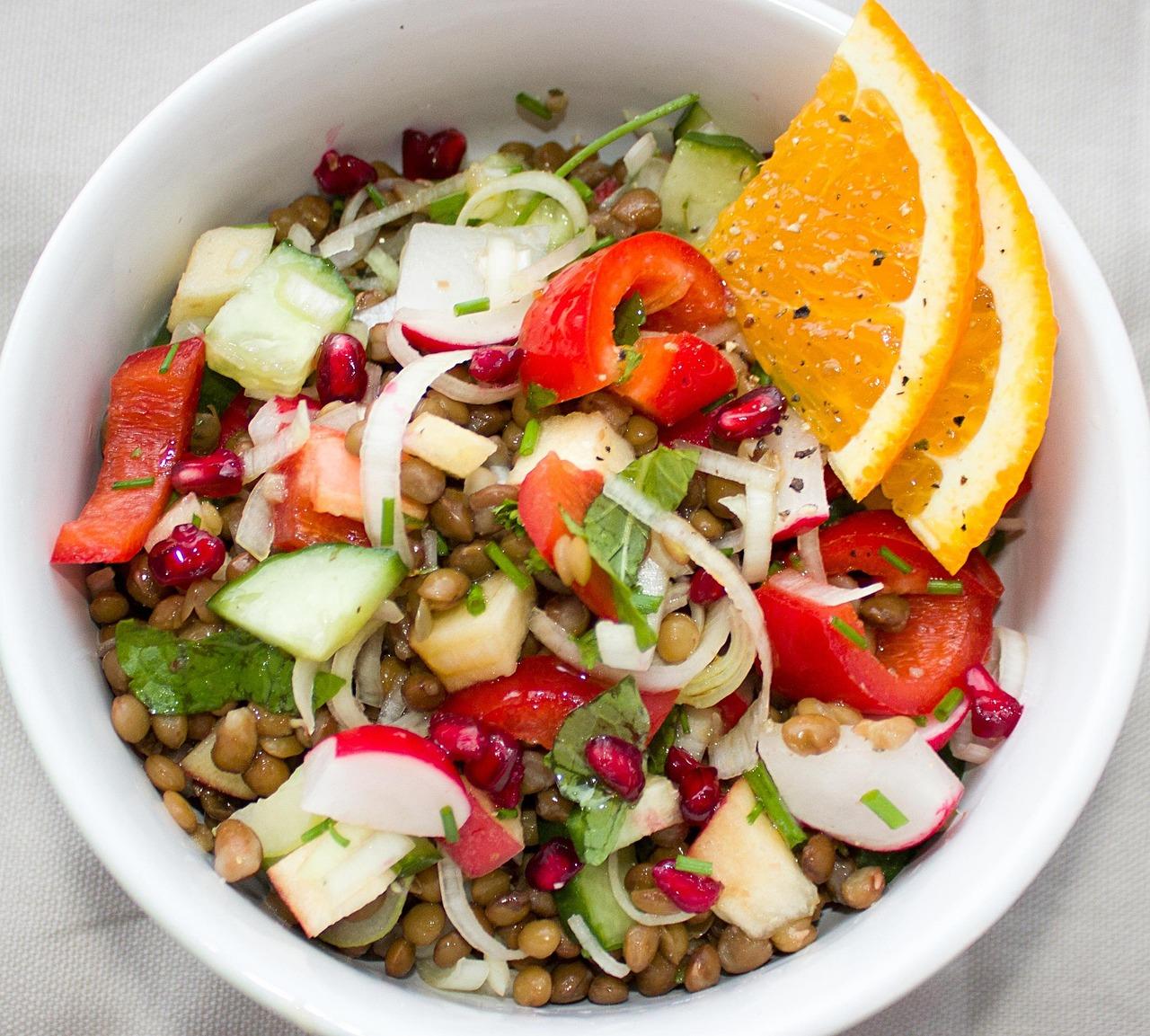
Le Puy-en-Velay, in the volcanic hills of the Auvergne, grows a small, slate-green lentil with its own protected name. Lentilles du Puy hold their shape when cooked and have a peppery, almost mineral taste, which makes them perfect for salad. In French homes and bistros this salad is dressed while warm with a sharp mustard vinaigrette, shallot, carrot and parsley, then eaten as a starter, a packed lunch or a side to a quiche. Chef's tip: dress the lentils while they're still warm so they absorb the vinaigrette; dressing them cold is the common mistake and the flavour just sits on the outside.

by KrazyBadal 0 views

Ackee and saltfish

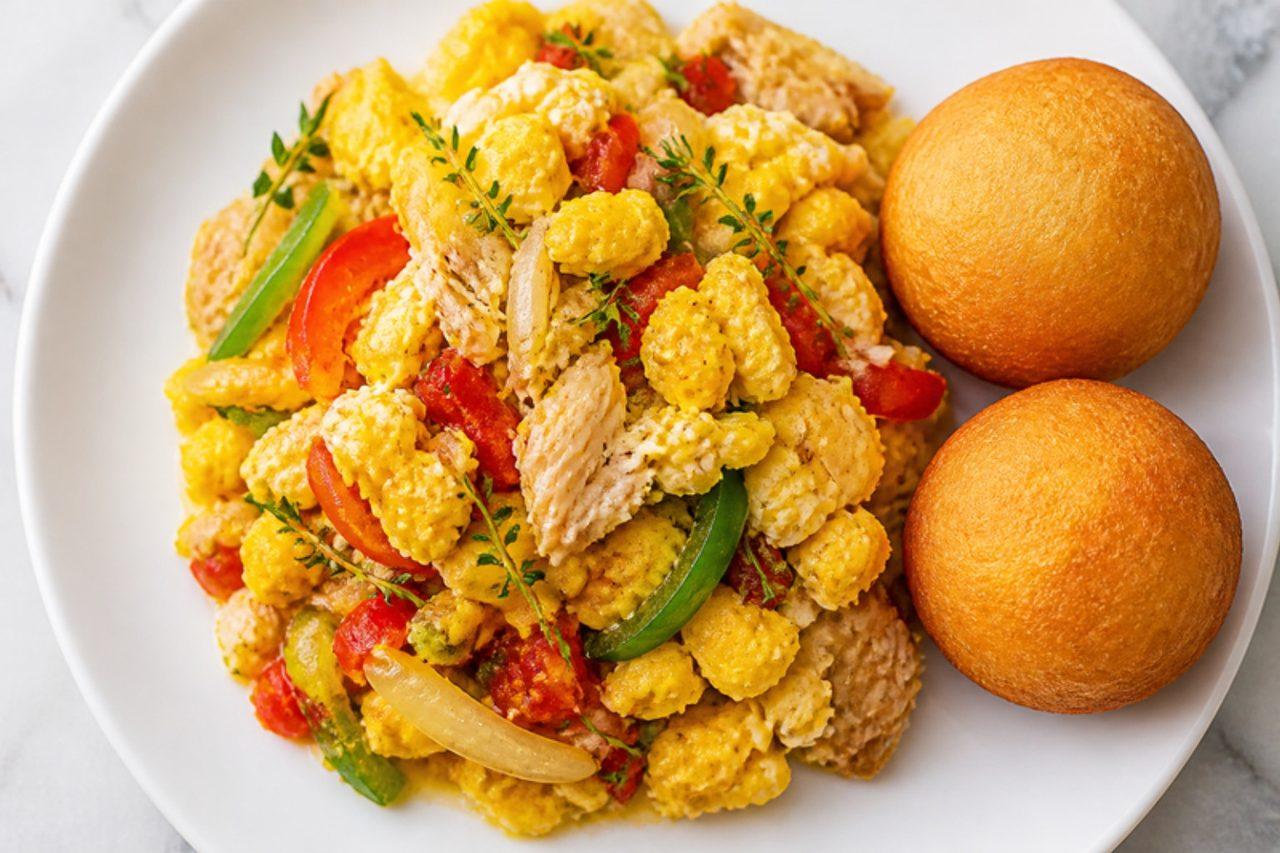
On a Jamaican Sunday morning, from Kingston yards to country kitchens in St Mary, the smell of salt cod frying with onion, thyme and scotch bonnet means breakfast is nearly ready. The ackee itself is a red tree fruit whose cream-coloured flesh cooks up soft and mild, a lot like scrambled egg, and it soaks up the salty fish and peppery oil around it. It is eaten with fried dumplings, boiled green banana, roast breadfruit or hard dough bread, and is just as welcome at lunch. A note on safety: ackee is only safe when the pod has ripened on the tree and opened by itself, and the black seeds and pink membrane are removed. Outside Jamaica, tinned ackee is the safe, easy choice and is what this recipe uses. Chef's tip: soak the saltfish overnight and then boil it once; taste a flake before it goes in the pan, because you can always add salt but you can't take it out.

by KrazyBadal 0 views

Paella valenciana

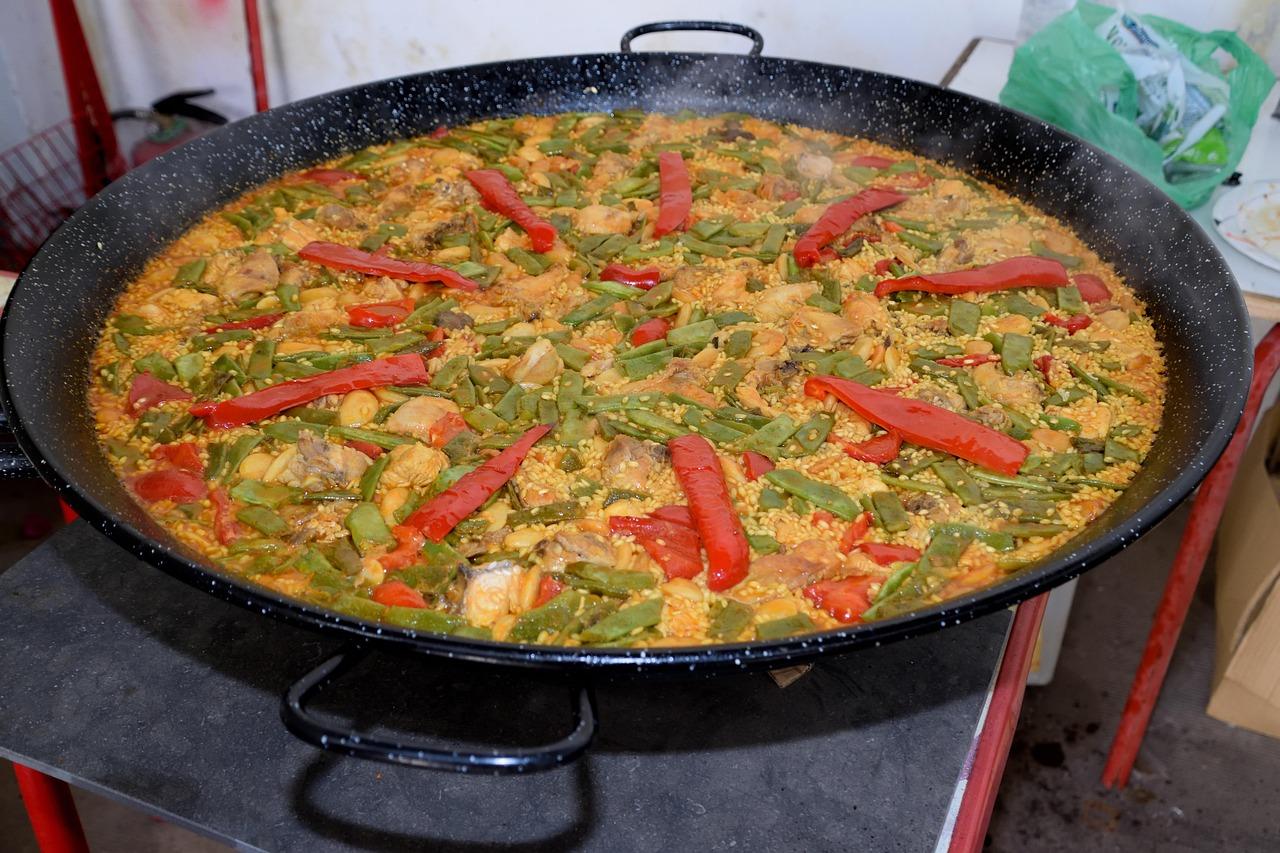
In the villages around Valencia, paella is a Sunday lunch dish, never a dinner one, cooked in the open air by whoever in the family has the steadiest hand and eaten straight from the pan with spoons. The Valencian original has no seafood, no chorizo and no peas: just chicken, rabbit, wide flat green beans (ferraura), big white garrofó beans, tomato, sweet pimentón, saffron and short round rice. If you can't get rabbit, use all chicken; it is still very good. This version is sized for a 38–40 cm paella pan on a large hob ring or a barbecue. Chef's tip: once the rice goes in, smooth it flat and then leave it alone; stirring releases starch and turns paella into risotto.

by KrazyBadal 0 views

Ga nuong com lam (lemongrass chicken with bamboo rice)

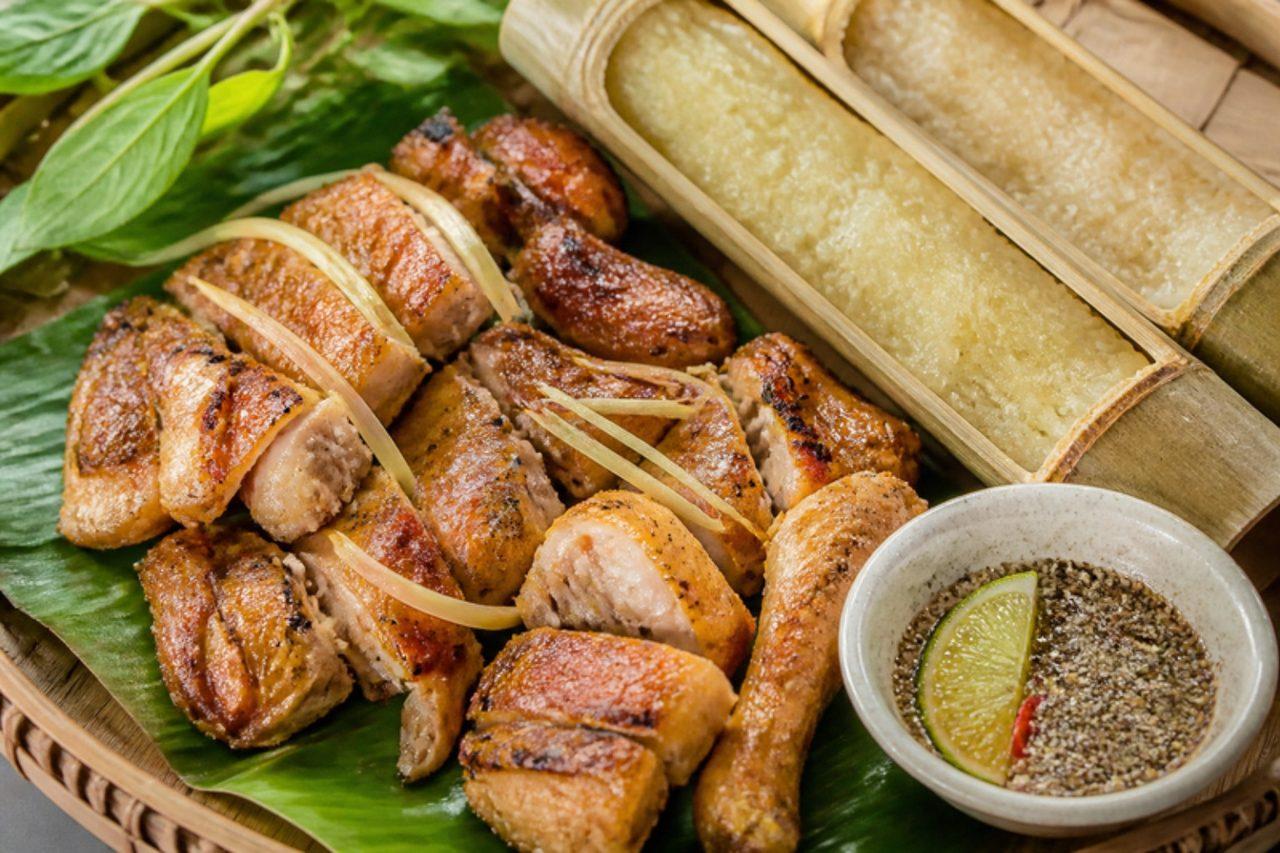
Up in the Central Highlands, around Kon Tum, Pleiku and Buôn Ma Thuột, roadside grills and village homestays serve this pair: chicken marinated in lemongrass and chilli, grilled slowly over charcoal, and cơm lam, sticky rice cooked inside green bamboo tubes laid in the fire. Splitting the charred bamboo reveals a cylinder of rice wrapped in a thin, fragrant skin of bamboo membrane. Both are eaten with the hands and dipped in salt, pepper and lime or a crushed peanut and sesame salt. Without fresh bamboo, rolling the rice in banana-leaf parcels gives a very similar result. Highland rice wine (rượu cần) is the usual drink, but cold jasmine tea goes just as well and is alcohol-free. Chef's tip: brush on the honey only in the last few minutes of grilling so it glazes without burning.

by KrazyBadal 0 views

Ca loc nuong trui (straw-grilled whole fish)

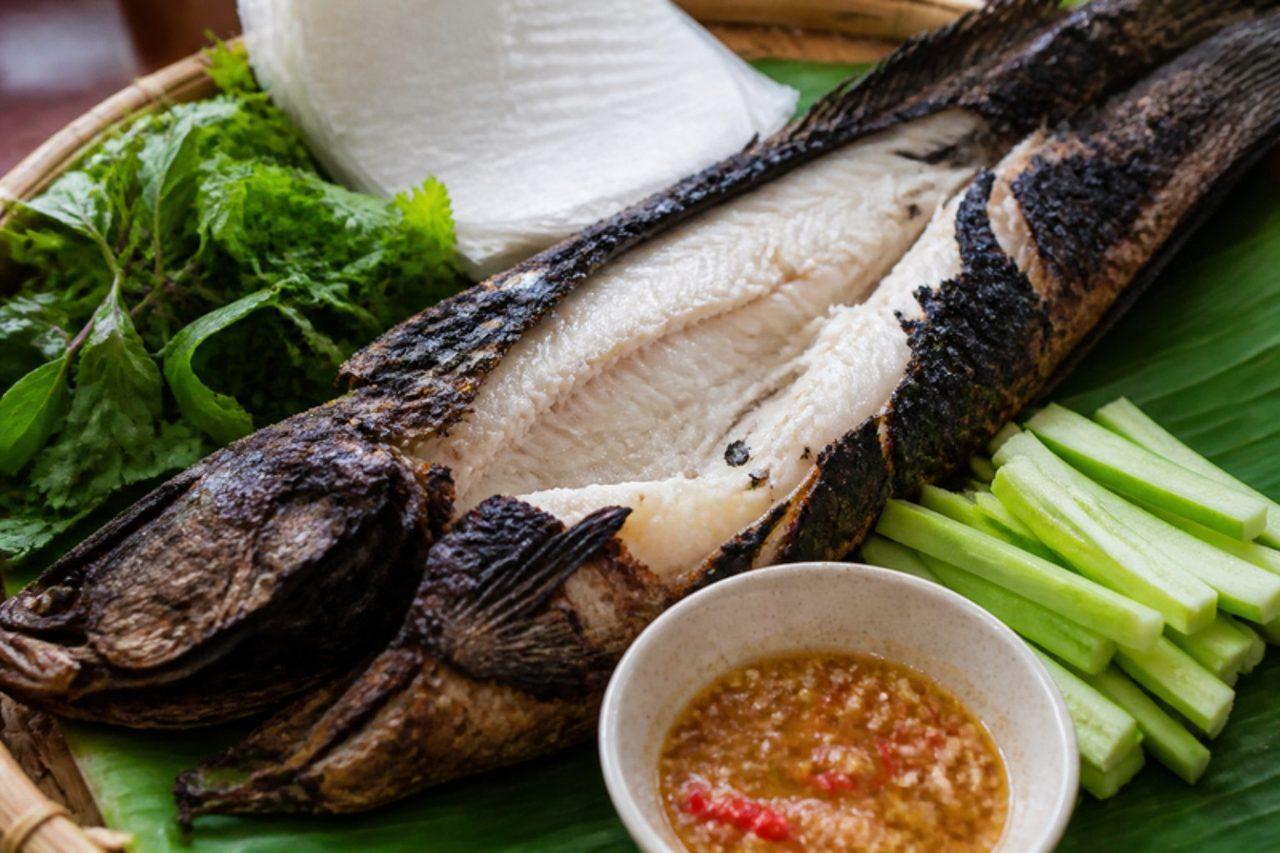
After the rice harvest in the Mekong Delta, farmers would catch snakehead from the flooded fields, skewer each fish on a stick, stand it in the ground and pile dry rice straw over it before setting it alight. When the straw burns away the blackened skin peels off to reveal steaming, sweet white flesh, which is rolled in rice paper with herbs, cucumber and rice noodles. Countryside restaurants around Cần Thơ still serve it this way. Snakehead is hard to buy outside Asia, so use sea bass, barramundi or tilapia and a barbecue or a hot oven. Chef's tip: push a long metal skewer from mouth to tail so you can turn the fish over without it breaking.

by KrazyBadal 0 views

Lau mam (Mekong fermented fish hotpot)

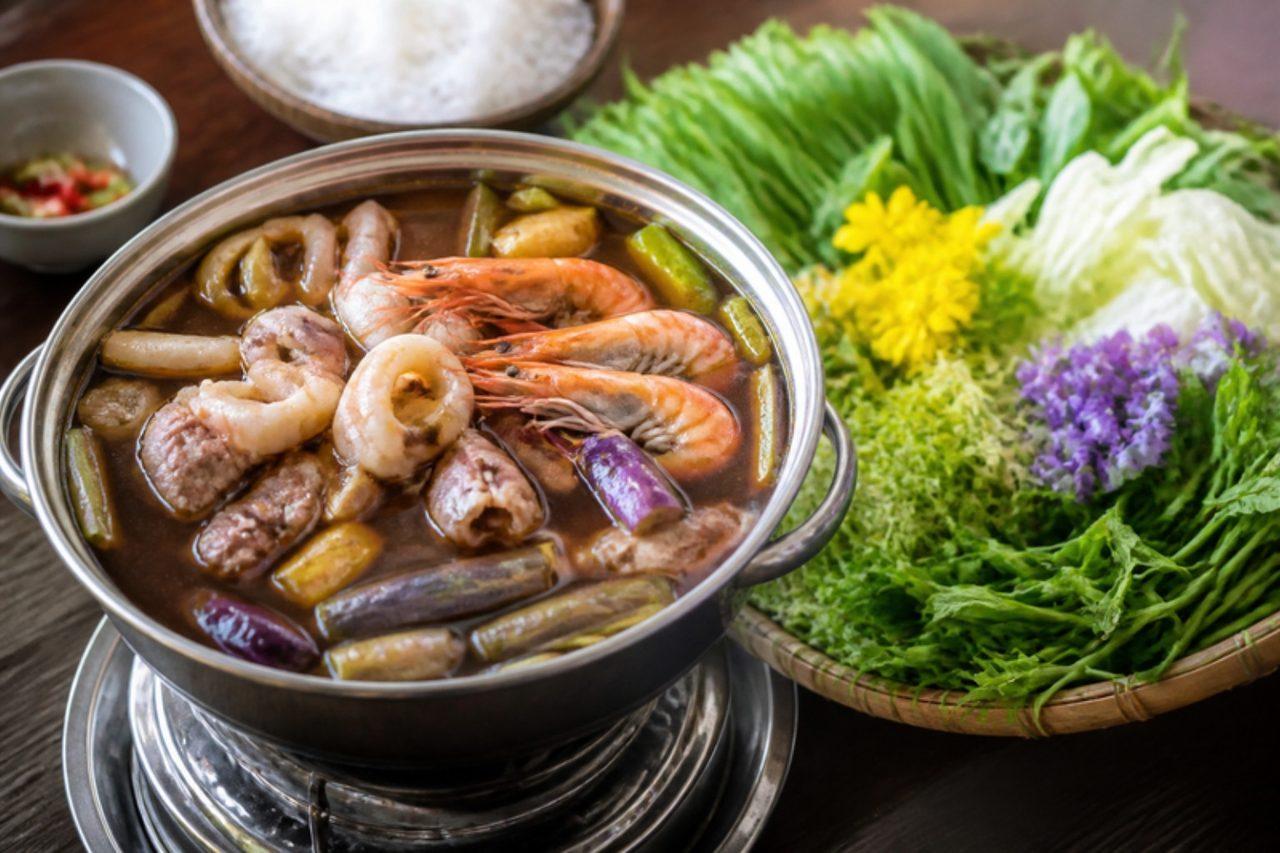
In Cần Thơ and Sóc Trăng, lẩu mắm is the hotpot friends gather round at weekends, and it is at its best in the flood season, when wild greens, water lily stems and yellow sesbania flowers fill the markets. The broth starts from mắm, fish fermented with salt and roasted rice, which is simmered and strained, then softened with coconut water, lemongrass and a little sugar. Everyone cooks their own slices of pork belly, fish, prawns and squid at the table and eats them with rice noodles and whatever vegetables are piled beside the pot. Buy mắm cá linh or mắm cá sặc in jars from a Vietnamese grocer. Chef's tip: add the strained mắm gradually and taste as you go, because jars vary a lot in saltiness.

by KrazyBadal 0 views

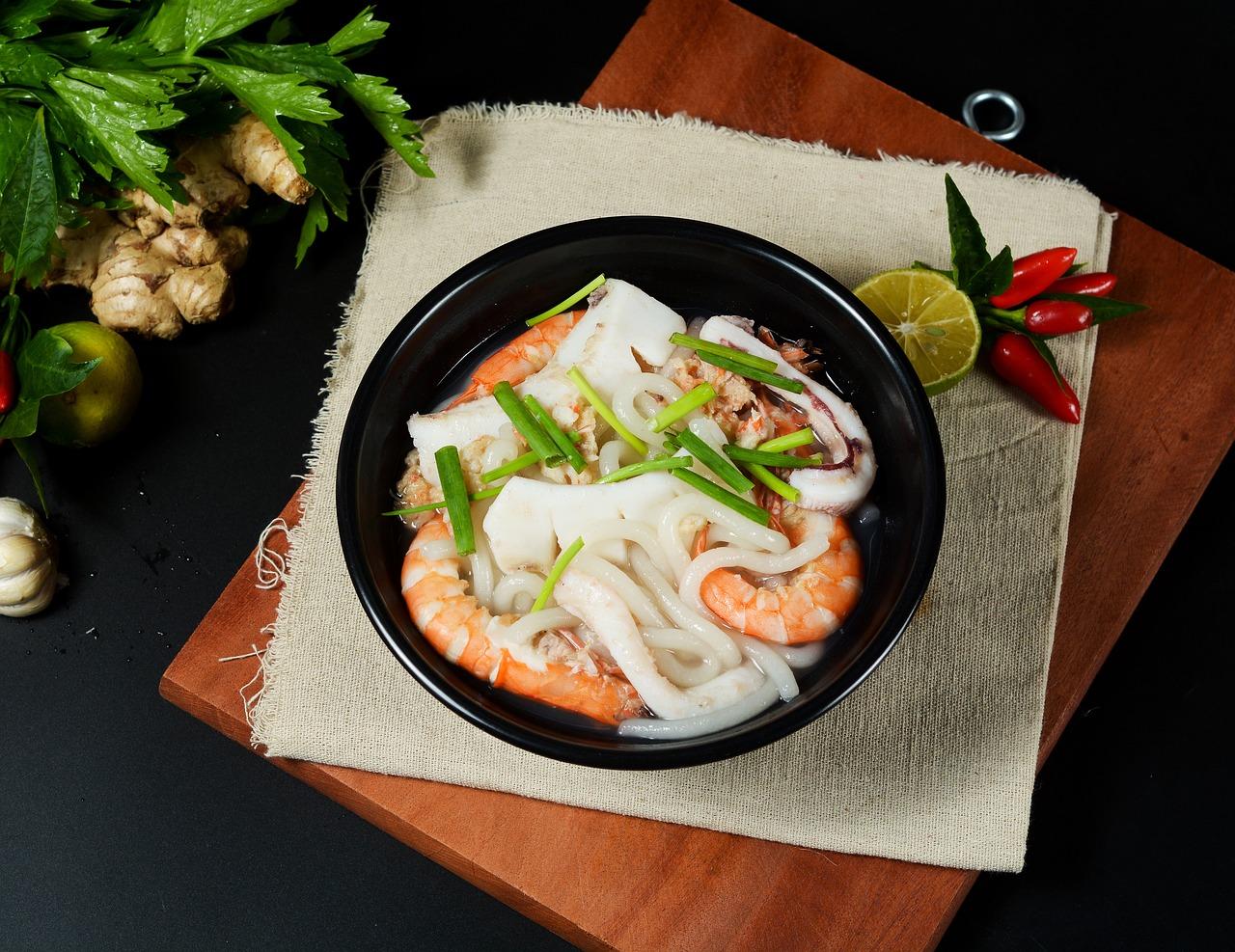
Banh canh cua (crab noodle soup)

Saigon's bánh canh cua is a late-afternoon and evening soup, sold from street stalls and small shops where the pots of red-orange broth sit beside trays of crab claws, prawns and quail eggs. The noodles are thick, round and bouncy, made with tapioca or a mix of tapioca and rice flour, and the broth is thickened slightly so it clings to them. Crab meat sautéed with shallots and annatto colours the soup and gives it its sweet, rich taste. Fresh bánh canh noodles are sold chilled in Asian shops; thick udon is a fair stand-in. Chef's tip: stir the crab meat in the annatto oil for only a minute so it stays in big, sweet lumps.

by KrazyBadal 0 views

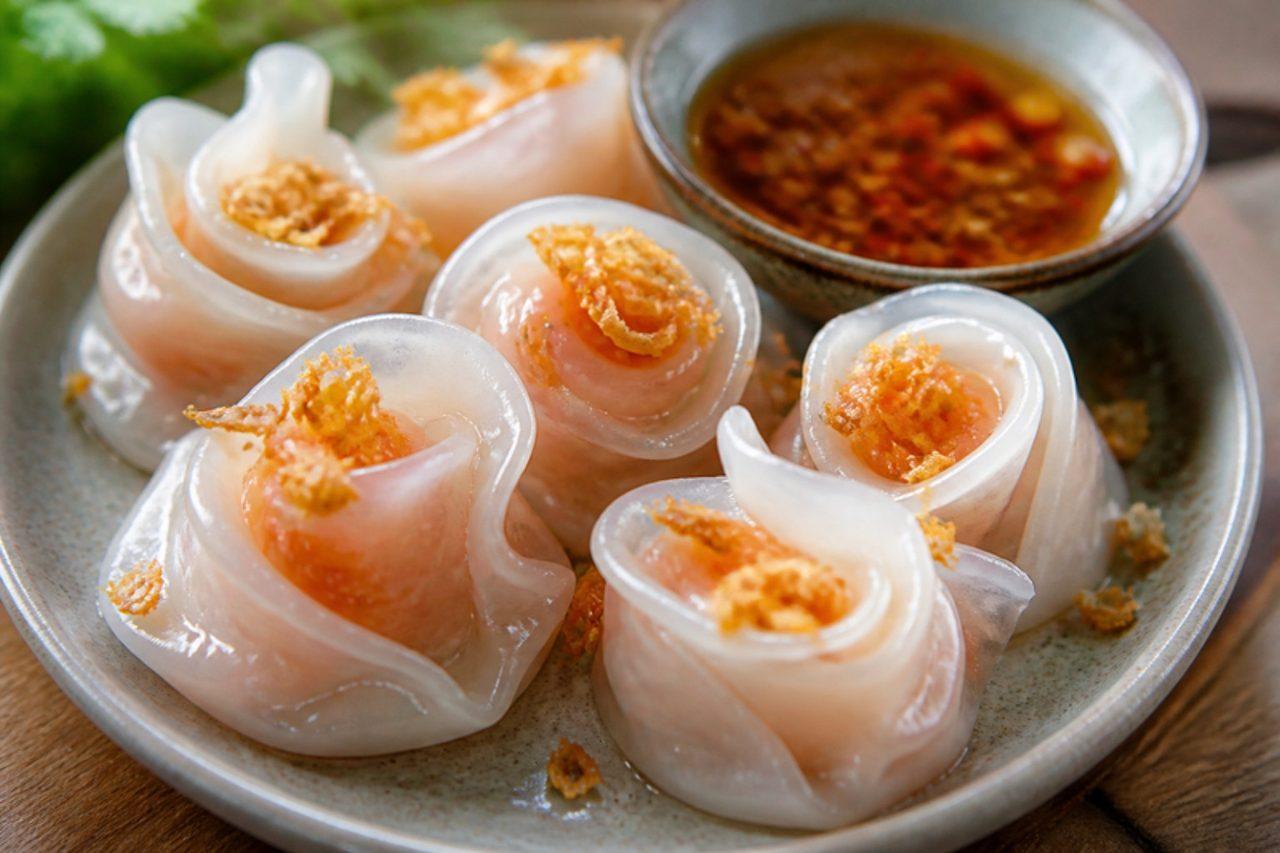
White rose dumplings (banh bao banh vac)

Restaurants all over Hội An serve 'white rose' dumplings as a starter, and much of the town's supply is said to come from a single family workshop that has made them for decades. The wrapper is a thin, glassy rice-flour dough, pinched up around a pounded prawn filling so that each dumpling looks like an open flower, and the plate is finished with crisp fried shallots and a light, sweet chilli-fish-sauce dip. They are delicate and fiddly, but shaping becomes quick after the first dozen. This home version adds a little pork to the prawn for juiciness. Chef's tip: keep the dough under a damp cloth the whole time; even a few minutes in the air makes it crack when you pinch it.

by KrazyBadal 0 views

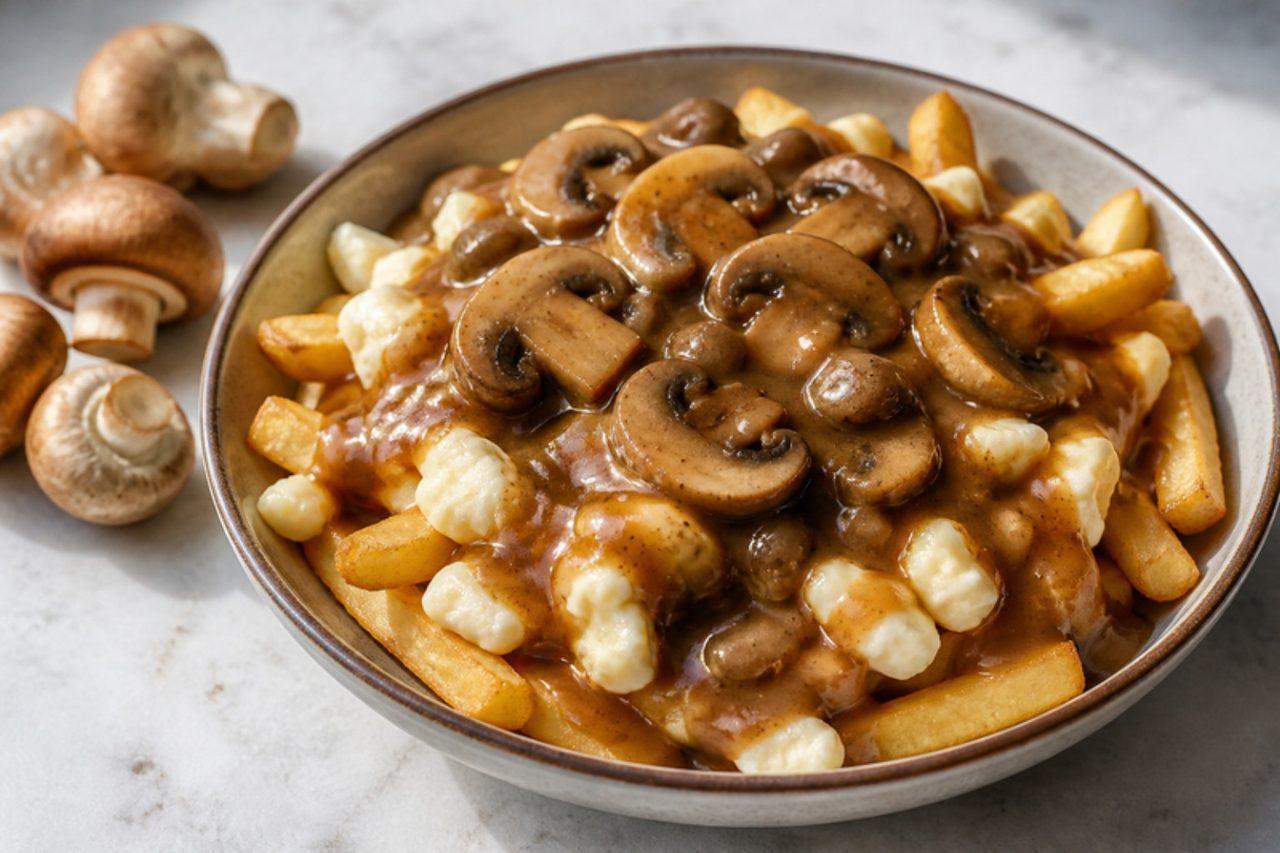
Mushroom-gravy poutine

Poutine was born in rural Québec in the 1950s, at snack bars (casse-croûtes) in towns like Warwick and Drummondville, and is now eaten across Canada at 2 a.m. after a night out and at hockey arenas. The rules are simple: crisp fries, fresh cheese curds that squeak against your teeth, and a hot, savoury gravy poured over so the curds soften but don't fully melt. This gravy is made with browned mushrooms and vegetable stock instead of the usual chicken-beef stock. Chef's tip: keep the curds at room temperature and the gravy very hot; cold curds stay rubbery and lukewarm gravy makes the fries soggy without softening the cheese.

by KrazyBadal 0 views

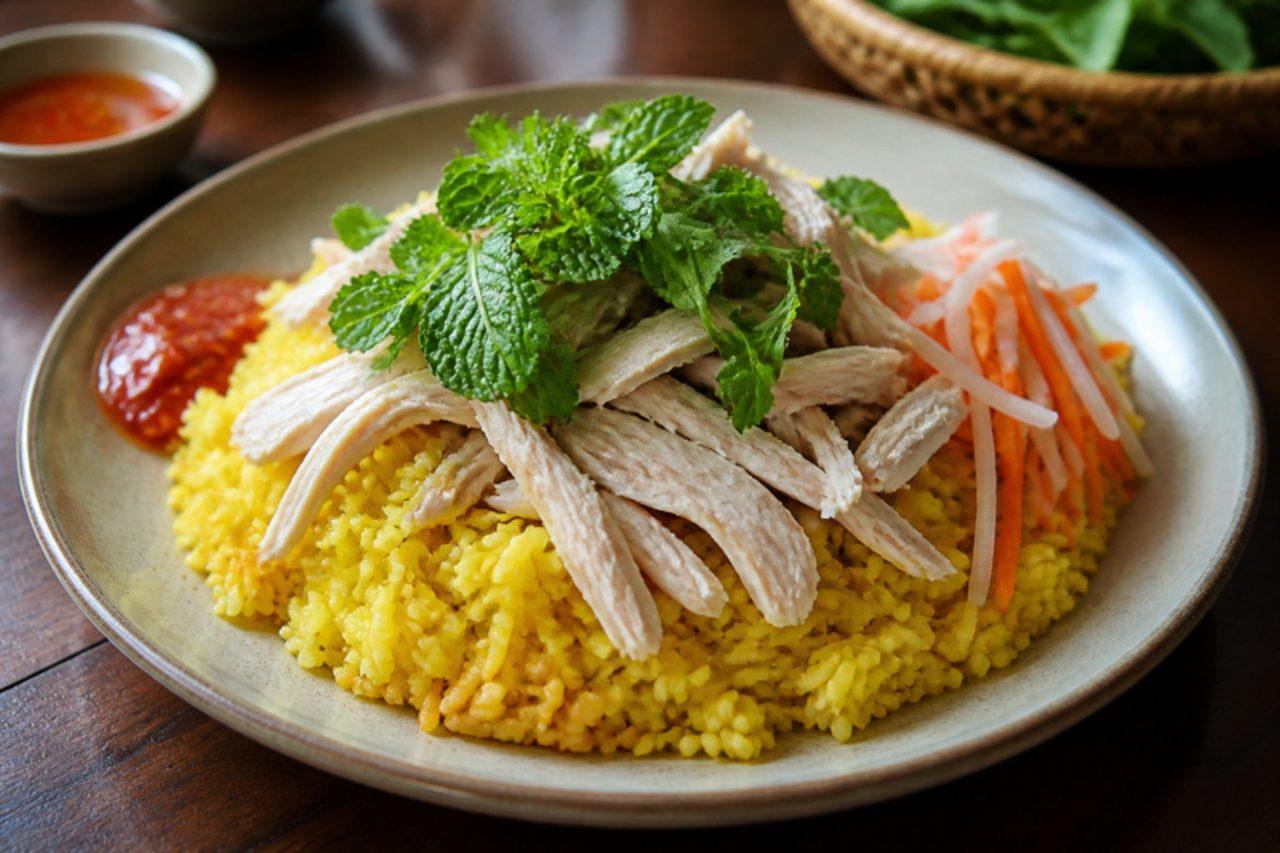
Com ga Hoi An (turmeric chicken rice)

Lunchtime in the old town of Hội An means cơm gà: small eateries near the river pile plates high with yellow rice and shredded chicken from late morning until it runs out. The rice is fried with garlic and chicken fat, coloured with turmeric and cooked in the poaching stock, so every grain tastes of chicken. On top goes chicken pulled into strips and tossed with sliced onion, Vietnamese coriander, lime and pepper, plus a spoon of chilli sauce and a little pickled papaya. A small bowl of the clear broth comes alongside. Chef's tip: plunge the poached chicken into iced water for 5 minutes; it stops the cooking and keeps the meat juicy and the skin firm.

by KrazyBadal 0 views

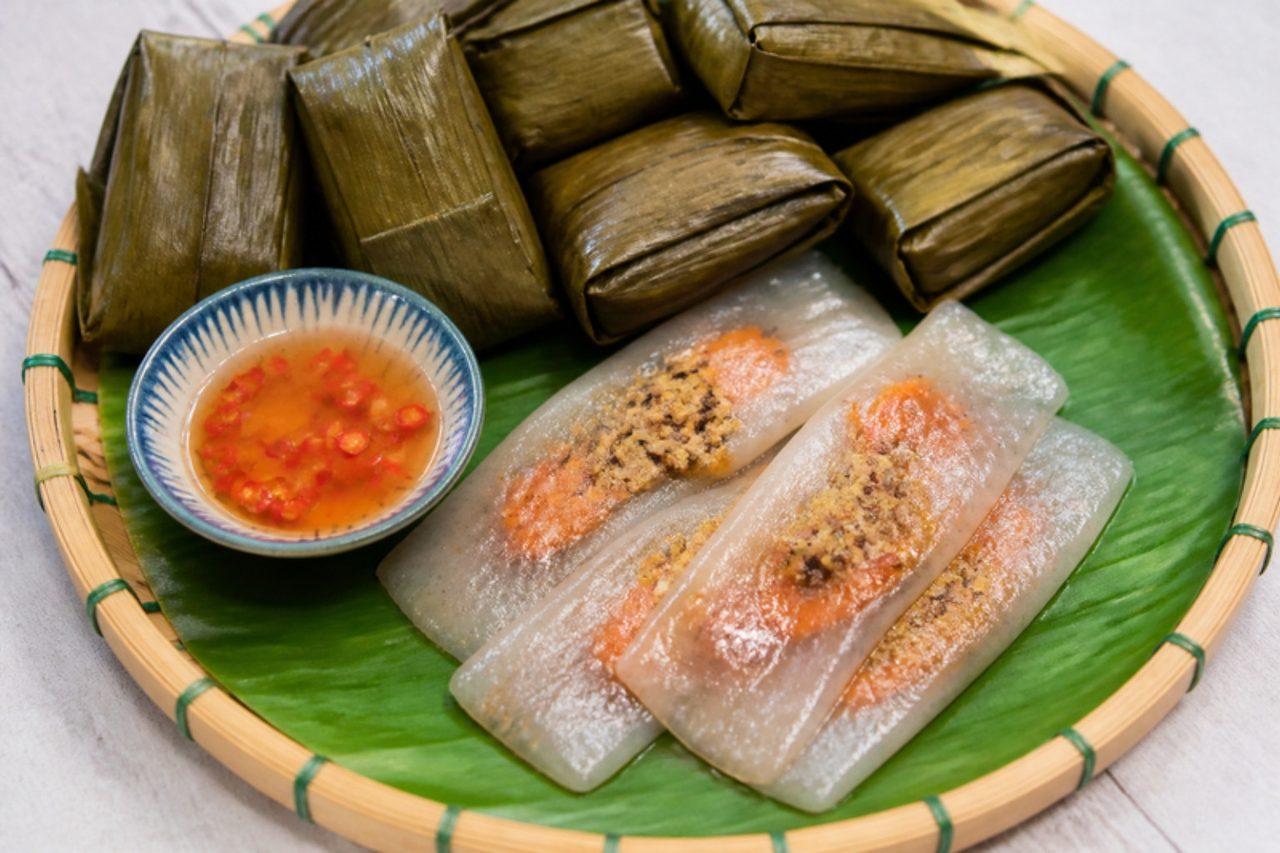
Banh nam (Hue rice cakes in banana leaf)

Market women at Đông Ba in Huế sell bánh nậm by the stack, still warm in their banana-leaf wrappers, as one of the city's many little afternoon cakes. A soft rice-flour paste is spread thin on a leaf, sprinkled with a savoury filling of prawn and pork, folded flat into a neat parcel and steamed. Unwrapped, the cake is silky, almost translucent, and you eat it straight off the leaf with a spoonful of sweet chilli fish sauce. It is often served on the same plate as bánh bột lọc and bánh ít for a mixed snack. Chef's tip: soften the banana leaves in hot water or over a flame first and brush them with oil; dry leaves split and the paste sticks.

by KrazyBadal 0 views

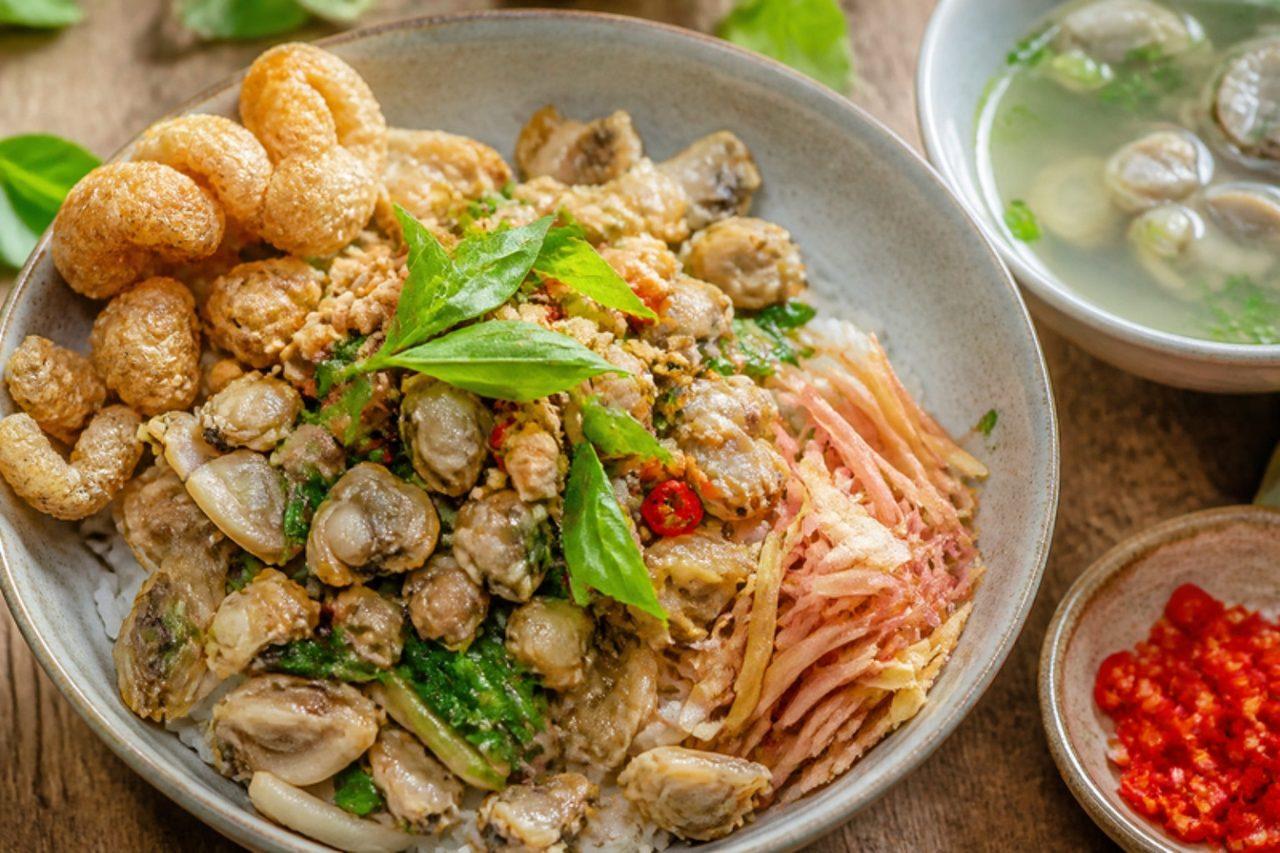
Com hen (Hue baby clam rice)

Cơm hến began as a cheap meal of the boat people around Cồn Hến, an islet in the Perfume River in Huế, and it is still sold for breakfast and as an afternoon snack from tiny stalls across the city. Room-temperature rice is topped with stir-fried baby clams, crunchy pork crackling, roasted peanuts, toasted rice cracker and a heap of raw herbs and greens, then splashed with hot clam broth and plenty of chilli. Huế cooks use tiny river clams; at home, choose the smallest clams you can find, such as baby or Manila clams. The mix of cool and hot, crisp and soft, is the whole point. Chef's tip: keep the rice cool and the broth boiling hot right up to the moment you pour it.

by KrazyBadal 0 views

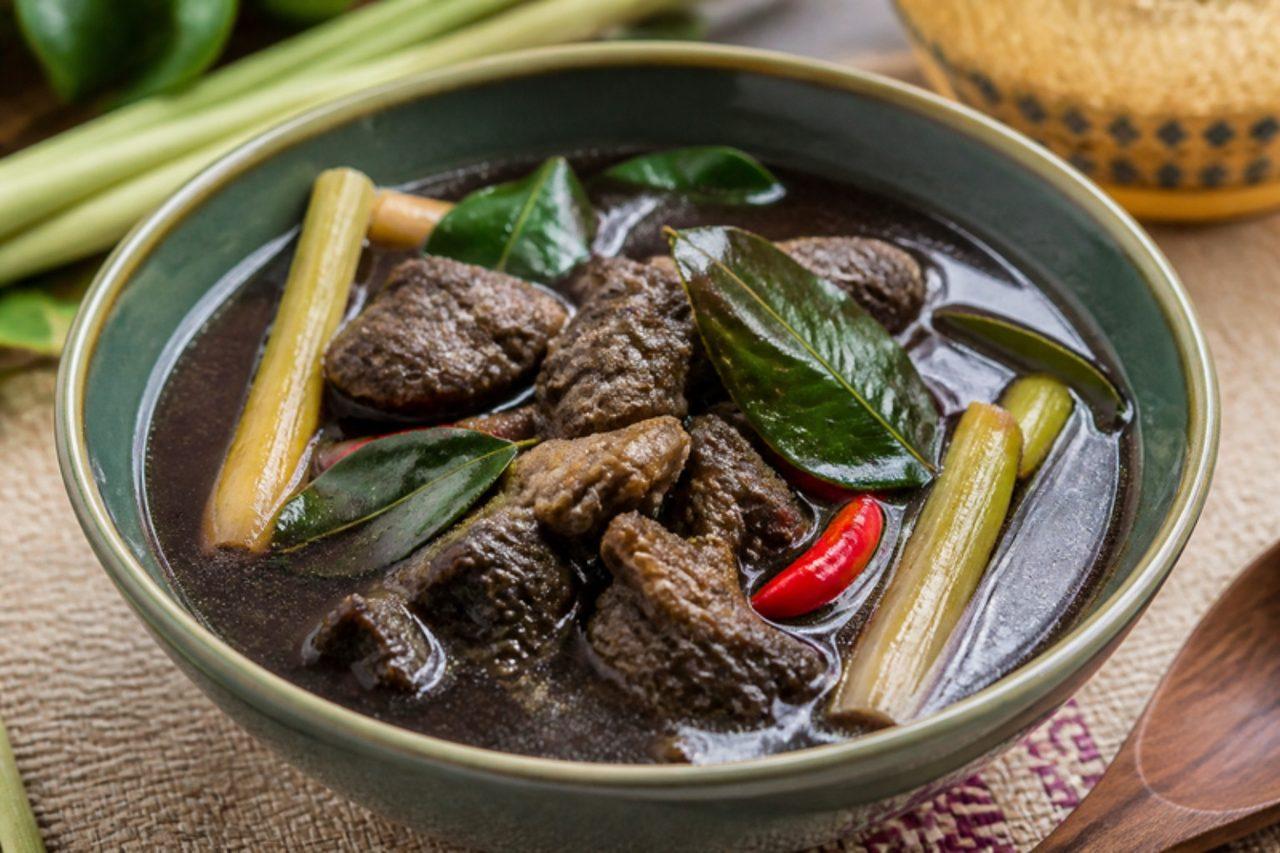
Tiyula itumBlack beef soup

Tiyula itum, 'black soup', is the pride of the Tausug people of Sulu in the far south of the Philippines, cooked for weddings, Eid celebrations and when guests come home. Beef (it is a halal, pork-free dish) is simmered with ginger, lemongrass and turmeric, then darkened with pamapa itum, a paste of grated coconut toasted until almost black and pounded with spices. The broth looks dramatic but tastes smoky, earthy and gently peppery, with heat from chillies. Serve it with plain rice. Chef's tip: toast the coconut slowly, stirring all the time, until it is very dark brown but not ashy; burnt-to-ash coconut tastes bitter and ruins the soup.

by KrazyBadal 2 views

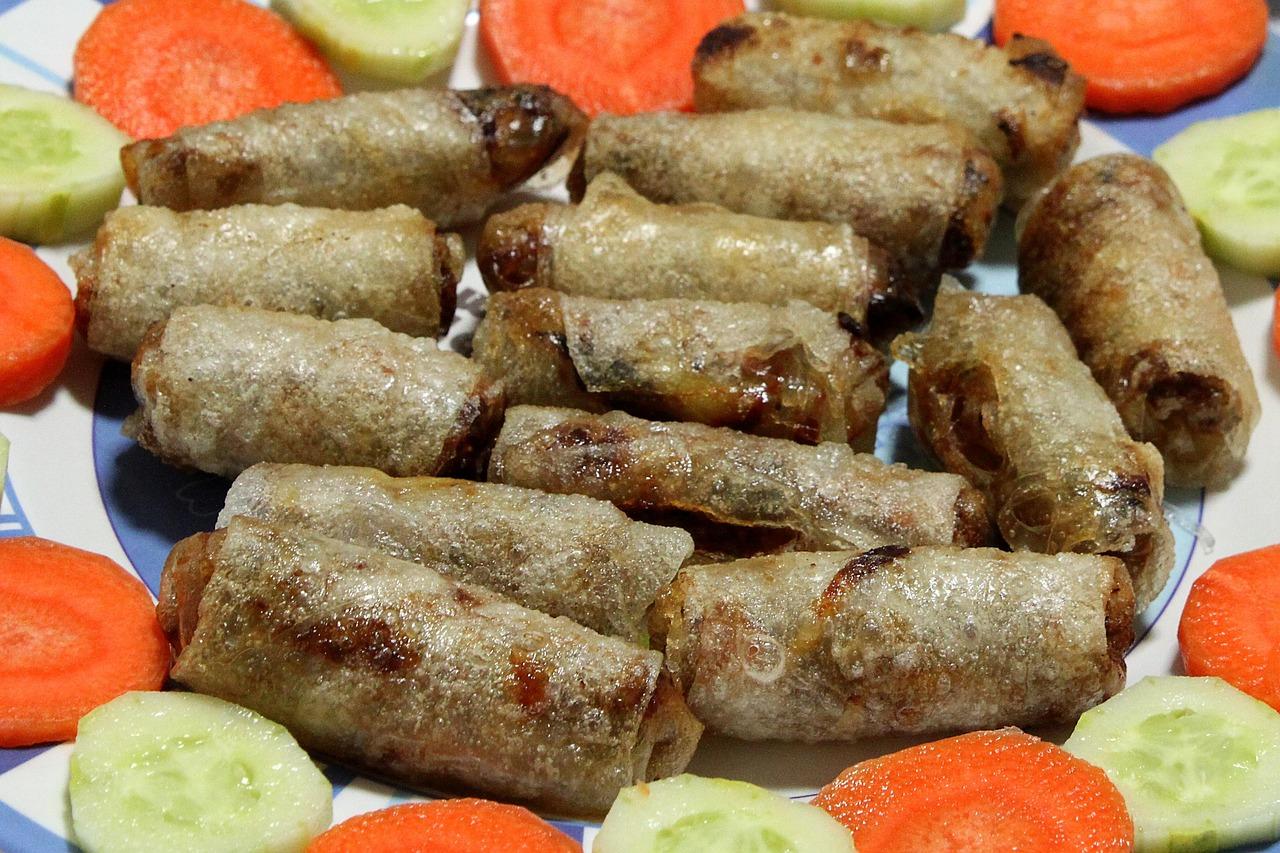
Nem ran (Hanoi fried spring rolls)

At Tết, the lunar new year, a plate of nem rán sits on almost every family feast tray in Hanoi and the north, and the same rolls turn up at weddings, death anniversaries and Sunday lunches all year. Northern cooks wrap a filling of minced pork, crab or prawn, glass noodles and wood ear mushroom in thin rice paper, which fries into a pale golden, bubbly shell quite different from wheat-wrapped spring rolls. Southerners call the same idea chả giò. Serve them cut in pieces with rice vermicelli, lettuce, herbs and a warm sweet-sour fish sauce. Chef's tip: fry them twice, first gently to cook the filling through, then briefly in hotter oil to crisp; they stay crunchy far longer.

by KrazyBadal 0 views

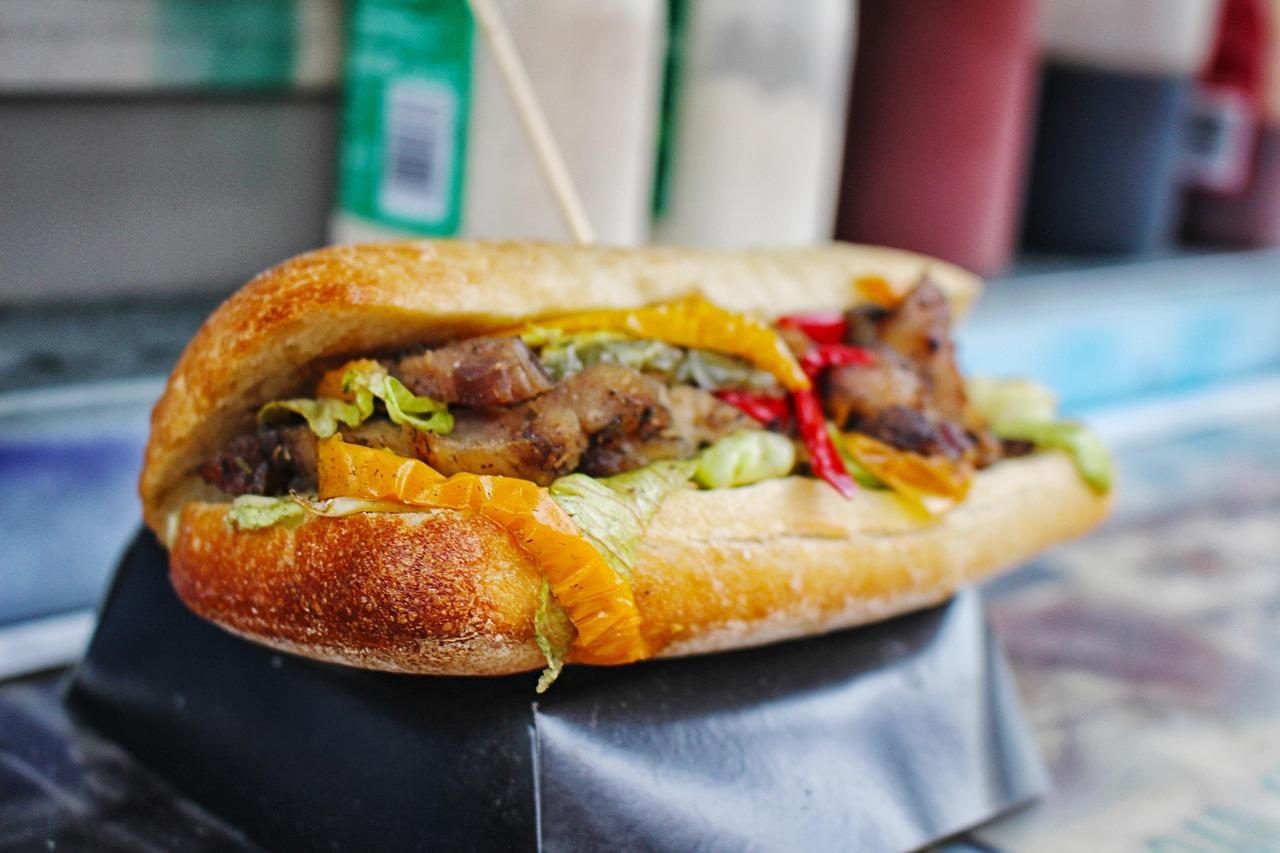
Banh mi

On Saigon pavements at breakfast time, bánh mì carts with glass cases are stacked with light, crackly rolls, tubs of pickles and trays of pâté and pork. The bread came with the French, but the filling is entirely Vietnamese: a smear of liver pâté and mayonnaise, cold cuts or lemongrass-grilled pork, sweet-sour carrot and daikon, cucumber, coriander and fresh chilli, with a splash of savoury seasoning sauce. It's eaten on the move, often on the back of a motorbike. This is the meat version; there is also a lemongrass tofu bánh mì on the site. Chef's tip: choose the lightest, airiest baguettes you can find, as a dense French loaf squeezes the filling out the sides.

by KrazyBadal 0 views

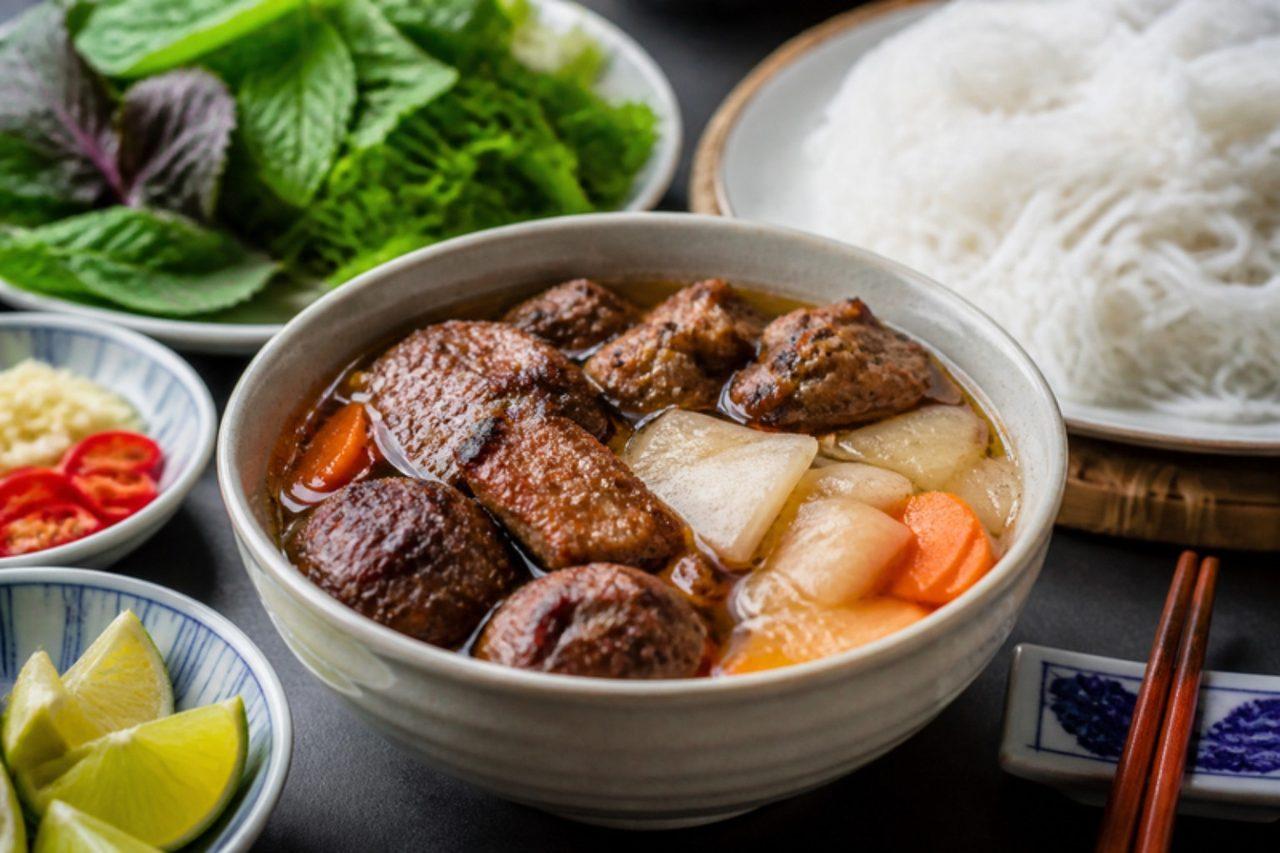
Bun chaGrilled pork with rice noodles

Around 11 in the morning, the side streets of Hanoi's Old Quarter fill with smoke as cooks fan little charcoal braziers loaded with pork. Bun cha is the city's lunch: grilled patties and caramelised strips of pork belly served floating in a warm bowl of thin, sweet-sour fish sauce, with cold rice vermicelli and a basket of lettuce and herbs to dip in alongside. Each mouthful is a bit of noodle, a bit of meat and a leaf or two, all dunked together. A barbecue gives the real smoky edge, but a ridged grill pan works well indoors. Chef's tip: let the grilled meat sit in the warm sauce for a few minutes before eating, so the smoky fat seasons the sauce and the sauce soaks into the meat.

by KrazyBadal 0 views

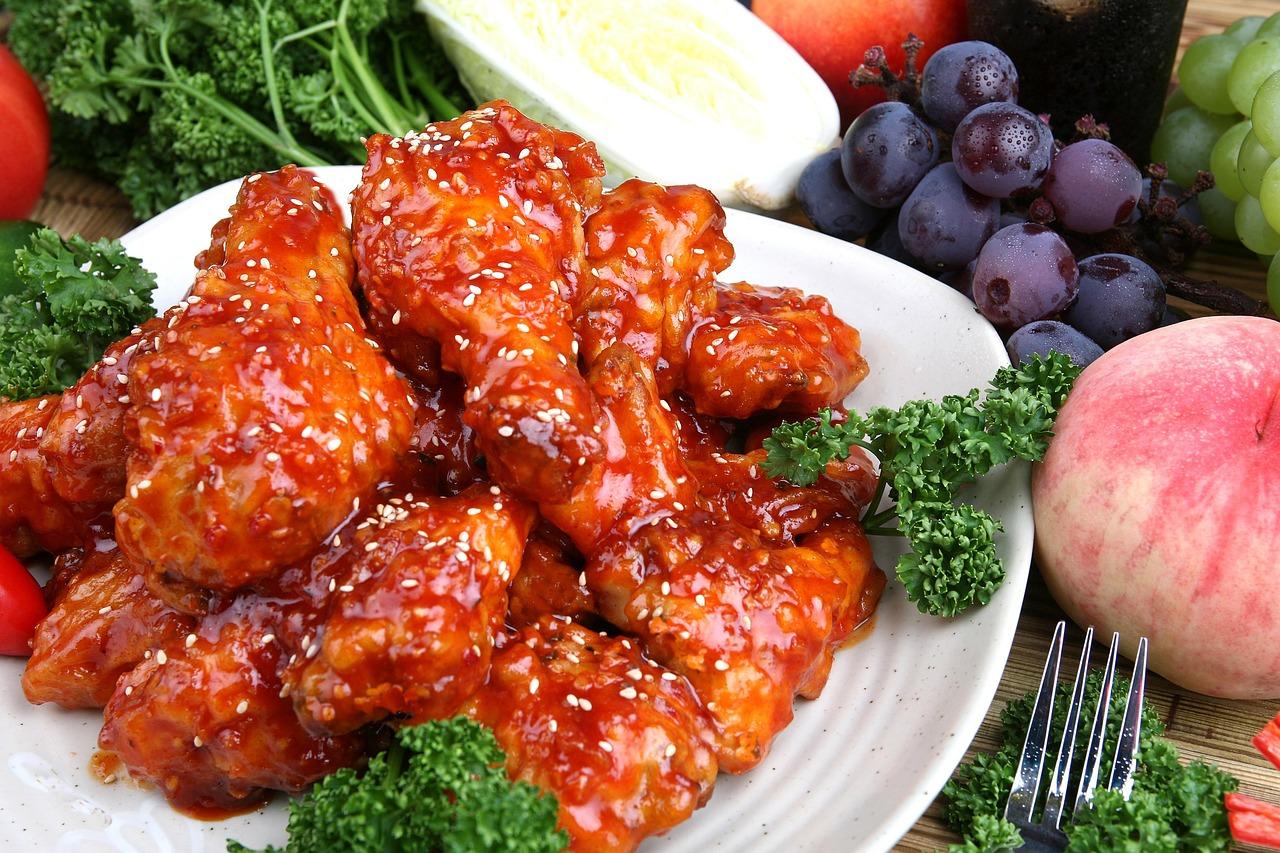
Yangnyeom chicken (Korean fried chicken)

Fried chicken shops are on almost every street corner in Korea, and late-night delivery boxes are shared over sport on TV or by the river in summer. The pairing with beer even has its own word, chimaek, but an ice-cold alcohol-free beer, barley tea or a fizzy drink works just as well. Yangnyeom chicken is the glazed kind, tossed in a sweet, garlicky gochujang sauce, and it always comes with cubes of white pickled radish to cut the richness. Chef's tip: let the chicken rest for 5 minutes between the two fries; the moisture that rises to the surface is what the second fry turns into a shatteringly crisp shell.

by KrazyBadal 0 views

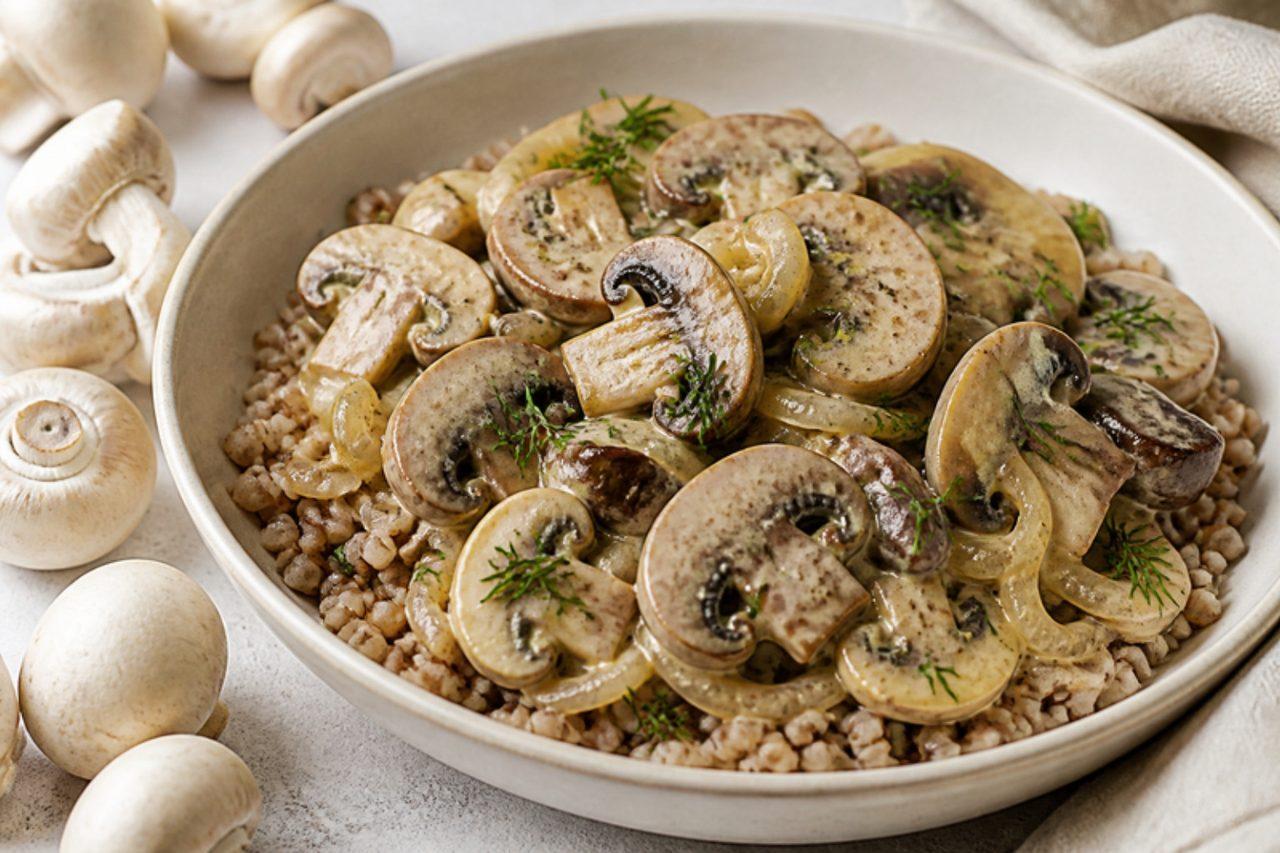
Mushroom stroganoff

Beef stroganoff was named after the aristocratic Stroganov family of St Petersburg in the nineteenth century, and the original is strips of beef in a sauce of smetana and mustard. In Russian homes today the meatless version, made with forest mushrooms in autumn and button mushrooms the rest of the year, is just as common, especially during Orthodox fasts and on weeknights. It differs from Hungarian paprikás: no paprika, a gentle mustard edge, and a sauce that should stay pale and creamy. Serve it on fluffy buckwheat or mashed potatoes. Chef's tip: stir the smetana in off the boil; bubbling it hard makes it split into grainy curds.

by KrazyBadal 0 views

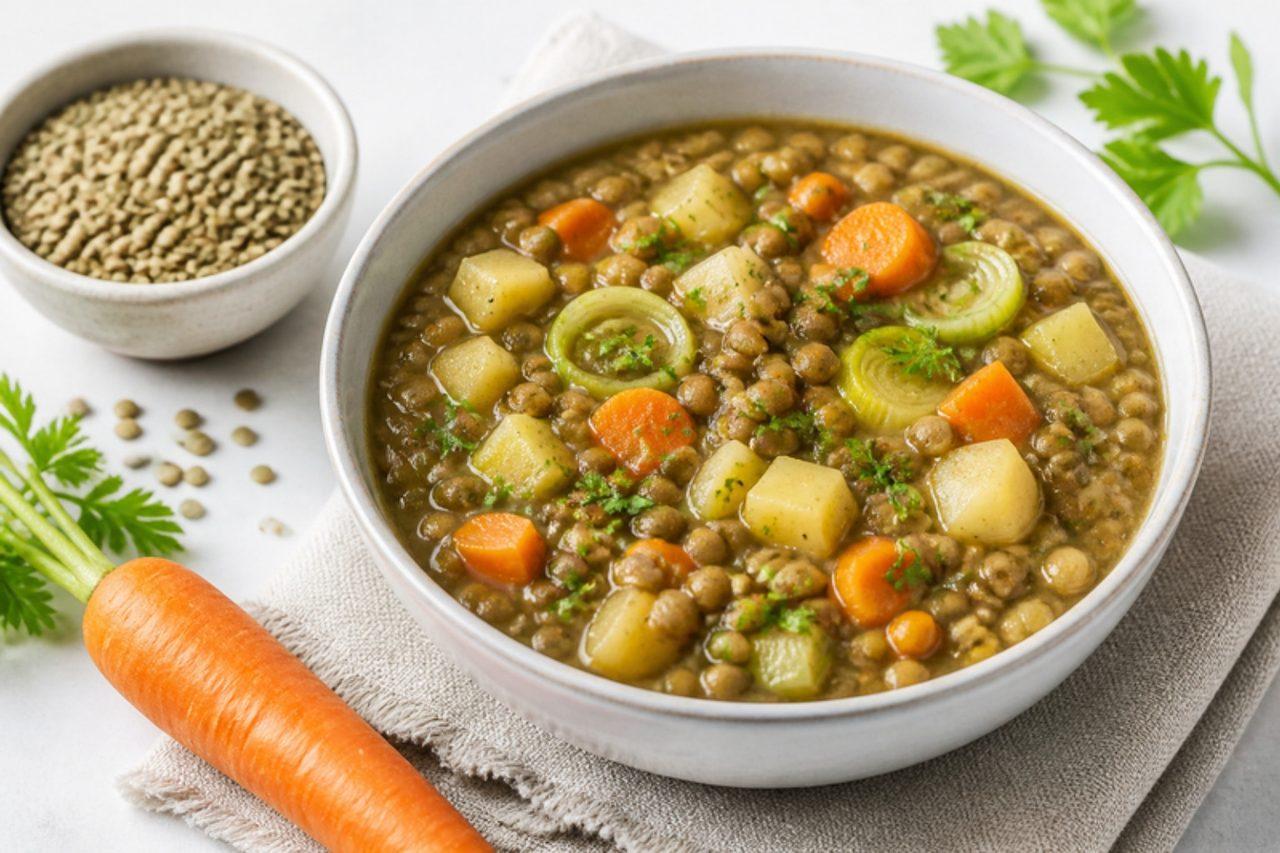
LinseneintopfLentil stew

Linseneintopf is the one-pot lentil stew that German families cook on cold weekdays, and in many school and works canteens it's still the Thursday or Saturday lunch. Brown lentils simmer with potatoes, carrots, celeriac and leek until thick and soft; the finishing touch, all over Germany, is a good splash of vinegar at the table, which wakes the whole bowl up. It's usually made with smoked sausage or bacon; here smoked paprika and vegetable stock give the smoky depth instead. Chef's tip: add the vinegar only at the end, because acid added early keeps the lentils hard.

by KrazyBadal 0 views

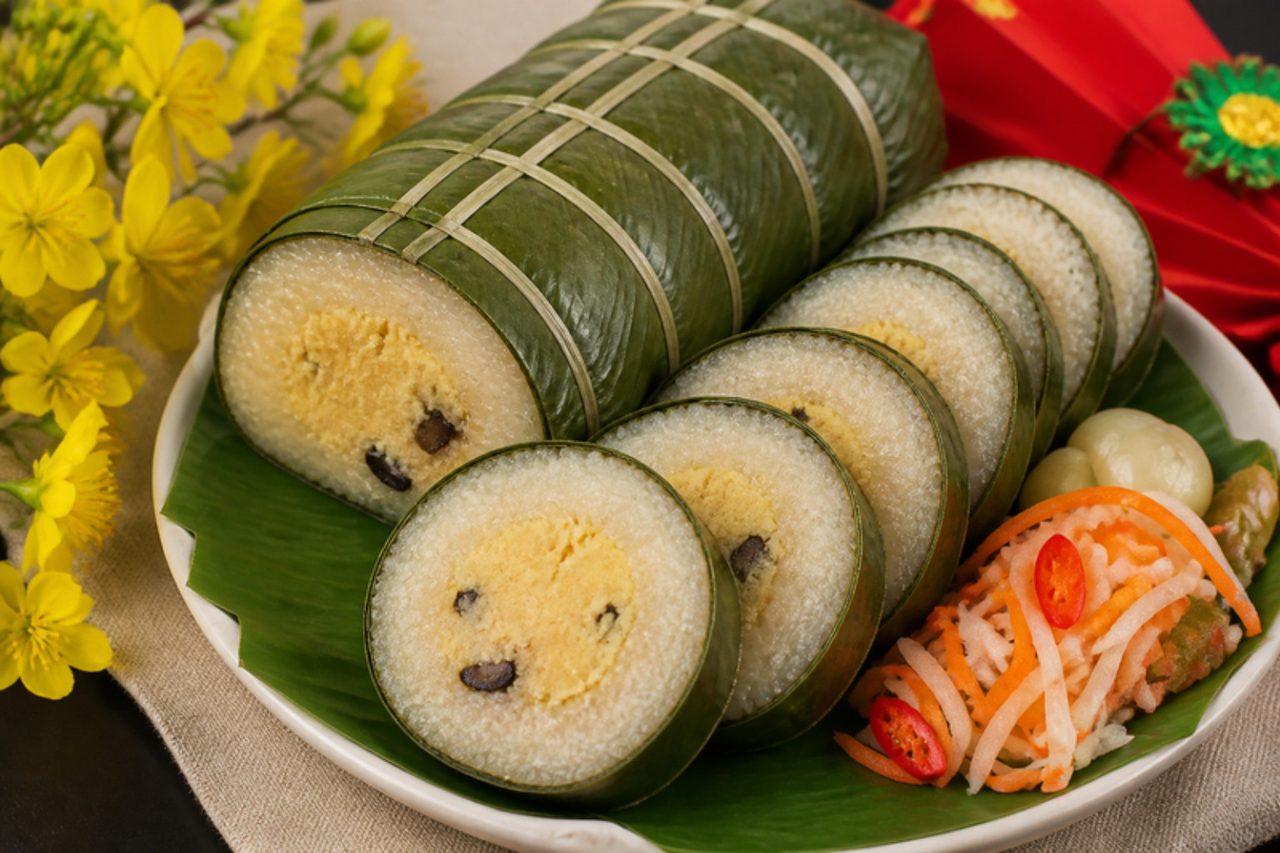
Vegetarian banh tet

In the Mekong Delta, families gather in the days before Tết (Lunar New Year) to wrap bánh tét: long, round logs of coconut-scented sticky rice around a core of mung bean, tied in banana leaves and boiled overnight over a wood fire. The everyday version hides a strip of pork belly in the middle; the chay version here, with peppery shallot-seasoned mung bean, is the one made in Buddhist pagodas and vegetarian households, and some cooks make a sweet bánh tét chuối with ripe banana instead. Slices are cut with a loop of string, eaten with pickled vegetables, or fried until crisp in the days after Tết. Chef's tip: roll and tie the log tightly; a firm parcel is what keeps the water out and gives clean, dense slices.

by KrazyBadal 0 views

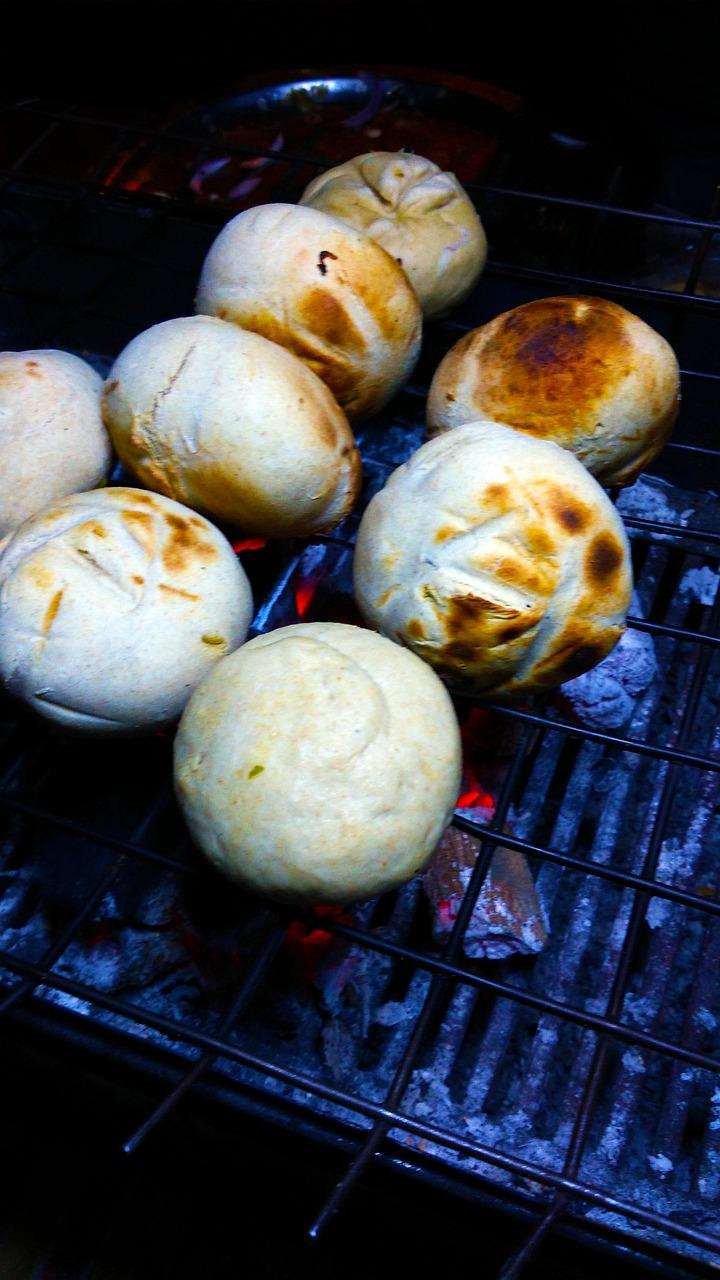
Litti chokhaStuffed wheat balls with mashed vegetables

Litti chokha is Bihar's signature meal, cooked on street corners and at village gatherings over smouldering embers. Litti are rustic wheat balls stuffed with sattu (roasted gram flour) sharpened with garlic, ginger, mustard oil and pickle masala; they bake until crusty outside and crumbly inside. Chokha is a smoky mash of fire-roasted aubergine, potato and tomato with raw mustard oil and green chilli. Together they are filling, protein-rich and deeply savoury. Many Biharis dunk hot litti in melted ghee; for a vegan plate, brush them with mustard oil instead. Chef's tip: roast the aubergine and tomatoes right on a gas flame until the skins are black all over; that charring is the whole flavour of chokha.

by KrazyBadal 0 views

LlajwaTomato and chilli salsa

No Bolivian table is set without llajwa, the fiery, bright salsa that goes on soups, potatoes, cheese empanadas and anything grilled. In La Paz and Cochabamba it's ground on a batán, a flat grinding stone with a rocking stone on top, which crushes tomatoes and locoto (a fleshy, very hot chilli) into a rough, juicy sauce. The signature herb is quirquiña, with a smell somewhere between coriander and rocket. Chef's tip: no stone? Pound in a mortar or pulse briefly; a blender whips in air and turns llajwa pink and foamy.

by KrazyBadal 0 views

Showing 63 of 10,569 recipes

Show more recipes

Page 1,085 of 1,175