


Skip to content
Jeow mak keua
Featured recipe

Jeow mak keua

Smoky aubergine dip

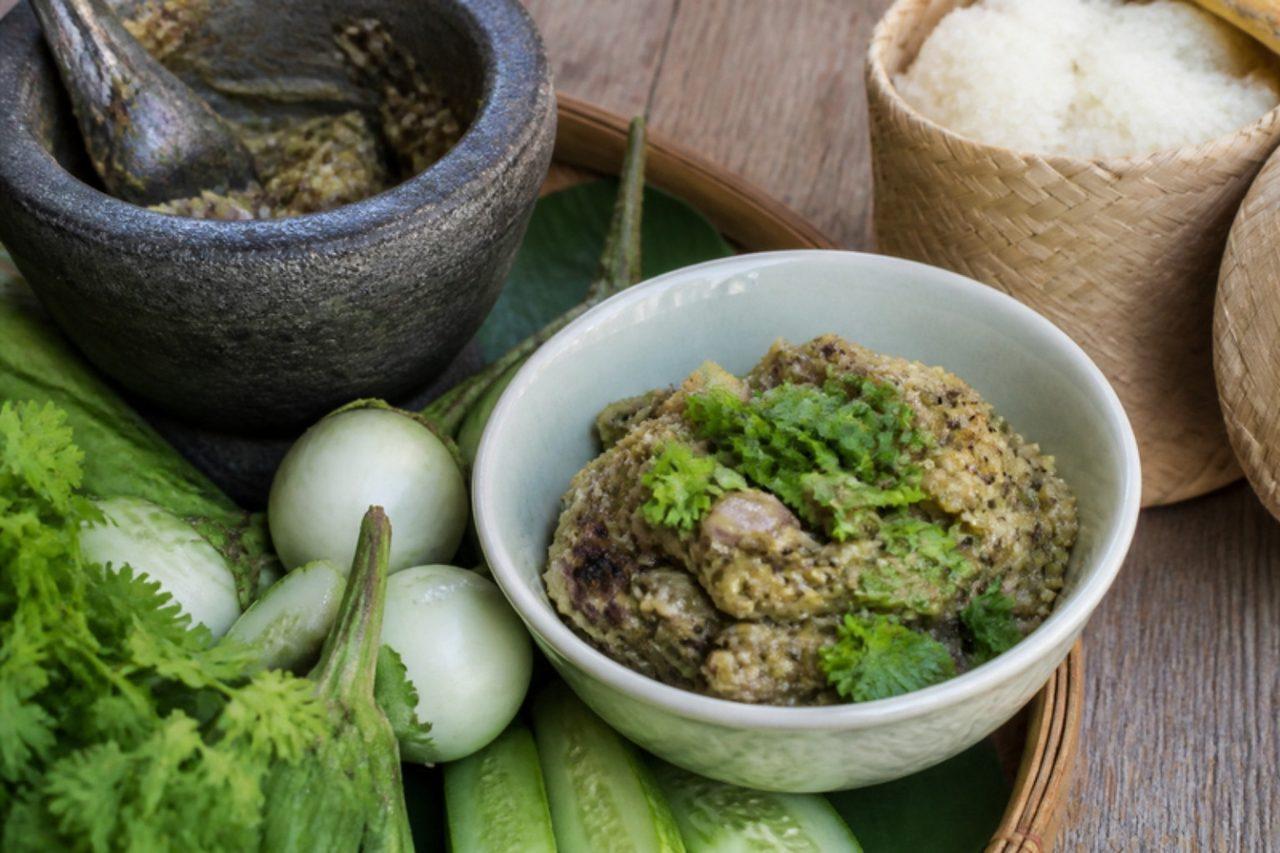
Long purple aubergines laid straight on the embers turn into one of the softest dips on a Lao dinner tray, eaten up and down the country in the hot season when aubergines are cheap and plentiful. The skins blacken and the flesh collapses into a smoky, silky pulp, which is pounded loosely with charred garlic, shallot and green chilli until it is spoonable but still a little stringy. Pinch a ball of sticky rice, press a hollow in it and scoop up the jeow, or dip in cucumber, long beans and cabbage. Families often add fish sauce; here it is seasoned with salt and a little tamari so it suits vegetarians. Rinsing the charred aubergine under the tap is a mistake, as it washes away the very smoke you worked for. Chef's tip: peel with damp fingertips and leave a few flecks of black skin in the dip.

Read more 0 views

What to eat today?

Around the world

Today's trip: Peruvian

A new country every day, from every cuisine on the site.

Peruvian

Tacacho

Mashed roasted green plantain balls 35 minMore from Peruvian (111) →

This week's collection

Kid-friendly dinners
772 recipes · a new collection every Monday

Coming up

All occasions →

Latest recipes

LlapingachosPotato cheese patties

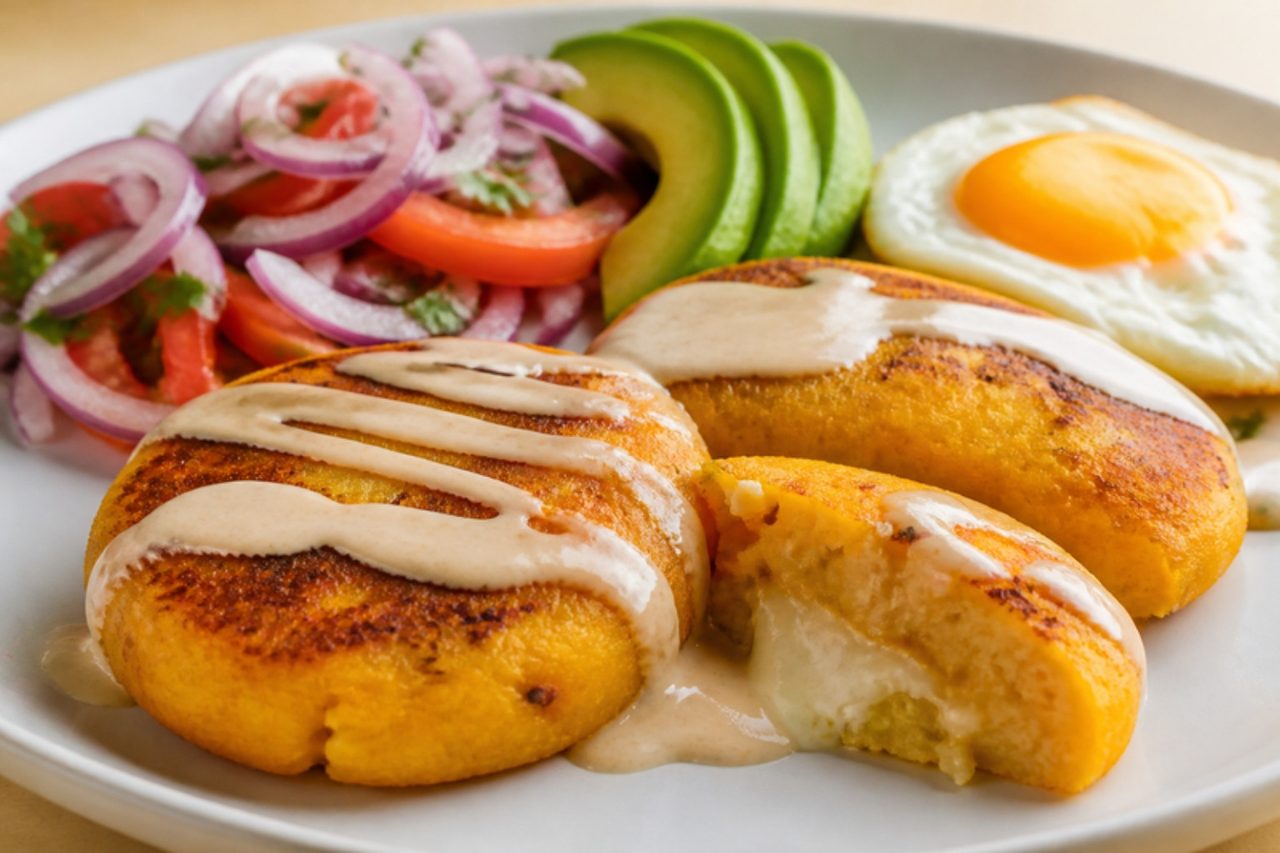
Llapingachos come from the central highlands of Ecuador, especially Ambato and the markets of Riobamba, where women fry them by the dozen on huge round griddles. The patties are mashed potato coloured with achiote, stuffed with cheese and spring onion, and browned until crisp. A full plate adds peanut sauce, a lime-dressed onion and tomato salad, avocado and a fried egg (the market version also includes chorizo, left out here). Chef's tip: chill the shaped patties for 30 minutes; cold patties hold their shape and get a better crust.

by KrazyBadal 0 views
Butter chicken

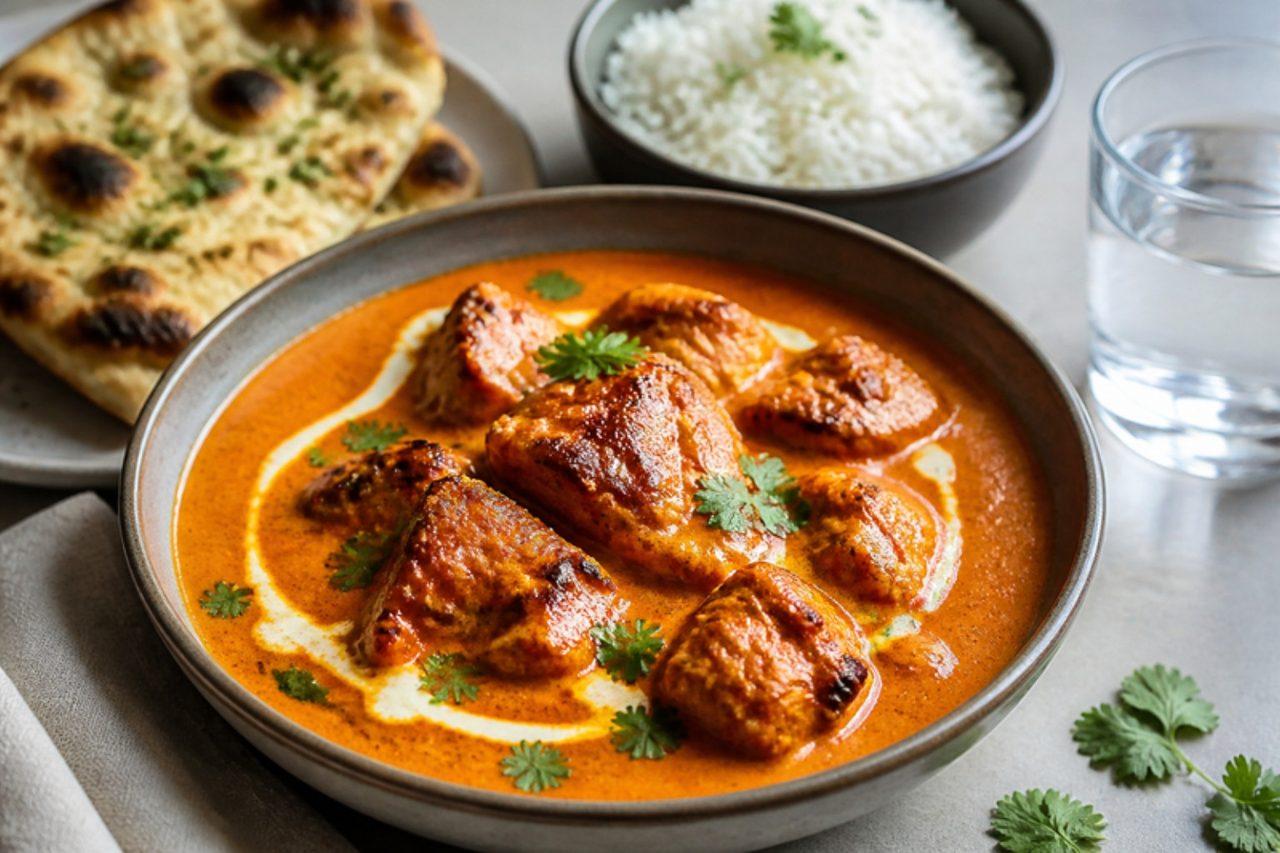
Butter chicken was born in the Punjabi restaurants of Old Delhi after Partition, when cooks found a way to use up tandoori chicken by simmering it in tomatoes, butter and cream. It is not the same as chicken tikka masala: tikka masala builds its sauce on fried onions and is chunkier and spicier, while makhani gravy has no onion at all, is strained silky-smooth, and gets its gentle sweetness and smoky-savoury note from butter, cashews and dried fenugreek leaves. It is the dish families order for celebrations across Delhi and Punjab, mopped up with butter naan or eaten with jeera rice, and it's mild enough for children. Chef's tip: crush the kasuri methi between your palms right over the pot; that one step is what makes it taste like the restaurant version.

by KrazyBadal 0 views

LobianiBean-filled bread

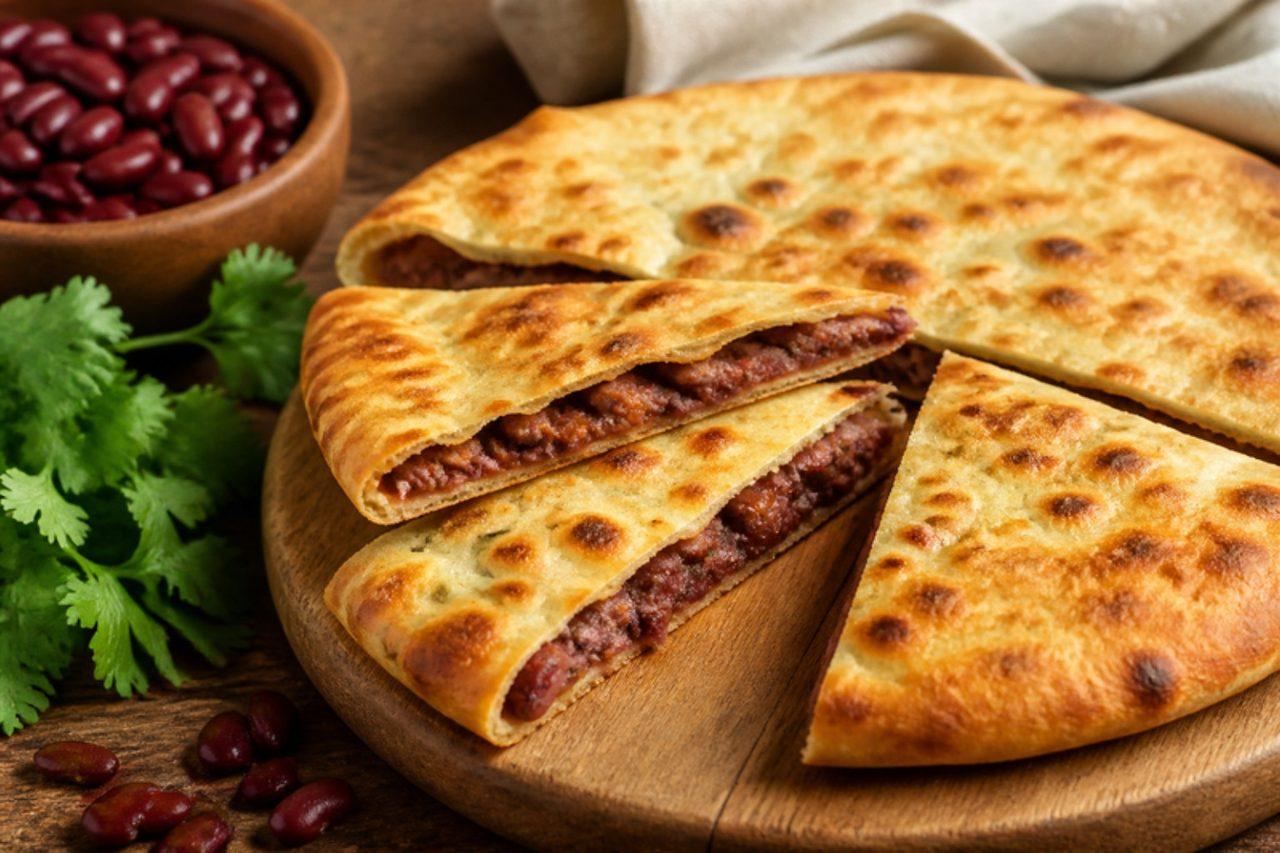
Lobiani is a round bread stuffed with spiced mashed kidney beans, and in Georgia it belongs above all to Barbaroba, St Barbara's Day on 17 December, when households across the country bake it for neighbours and guests. In the highland region of Racha it is often made with ham; this is the plain bean version that is also baked through Orthodox Lent, so the dough here is made with water and oil and the whole bread is vegan. The filling is soft and peppery with coriander and blue fenugreek, and the crust is thin and chewy. A common mistake is making the bean filling too wet, which turns the dough soggy and makes it burst: the mash should hold its shape on a spoon. Chef's tip: fry the onion for the filling until properly golden, not just soft; its sweetness is what makes the beans taste of something.

by KrazyBadal 0 views

LobioRed bean stew

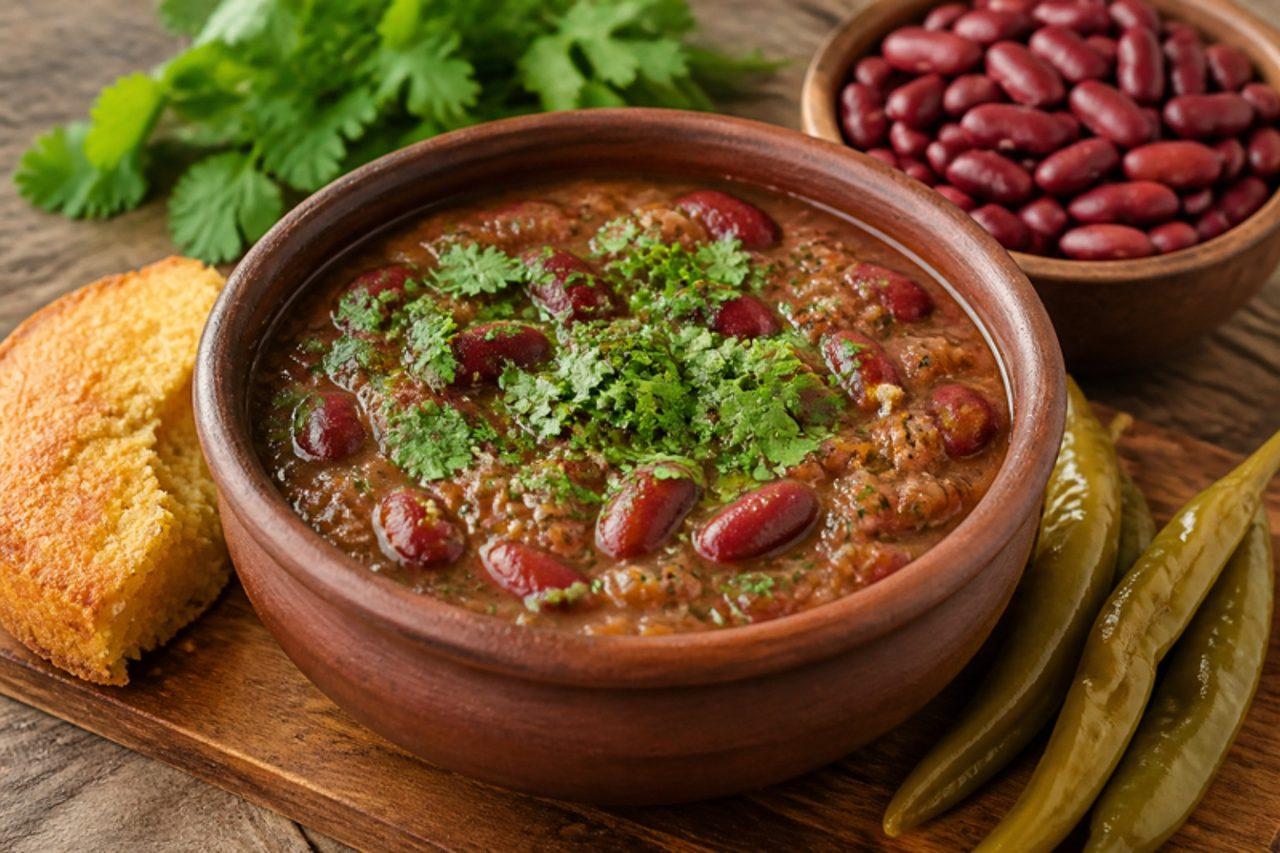
Lobio simply means beans, and in Georgia it means this thick, herb-scented stew of red kidney beans, cooked and served in a clay pot (a ketsi or kotani). In Imereti and Racha it is everyday winter food and a mainstay of the Lenten table, eaten with hot mchadi, pickled cabbage or green chillies and a spoon of tkemali. Some of the beans are crushed so the stew turns creamy while the rest stay whole. A common mistake is mashing everything to a purée; crush only about a third. Raw kidney beans must also boil hard for 10 minutes before simmering, or they can make you ill. Chef's tip: stir in the fresh coriander and garlic only at the end, off the heat, so they stay bright and sharp against the soft beans.

by KrazyBadal 0 views

Kullu trout

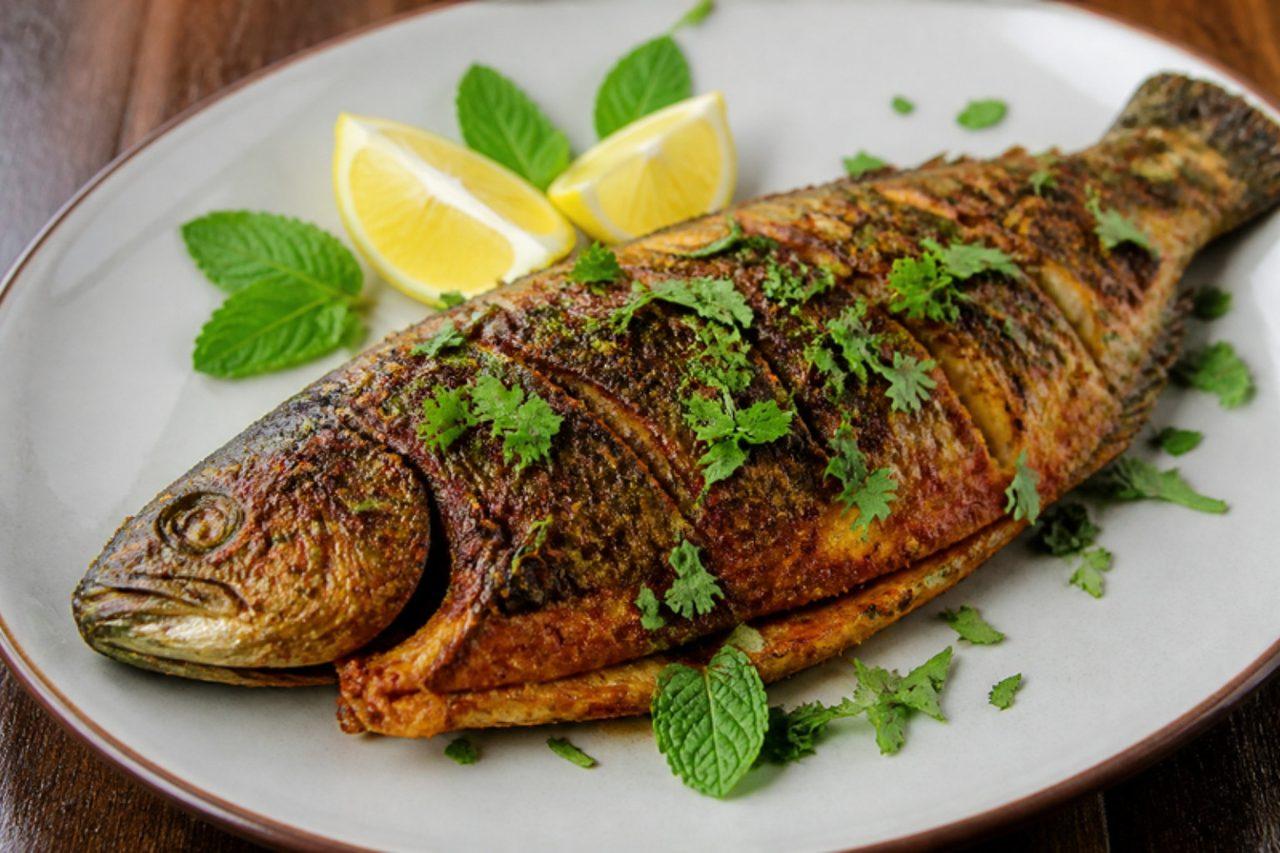
Rainbow trout were introduced to the cold, fast Beas river over a century ago, and today the farms and roadside dhabas between Kullu and Manali serve it simply: rubbed with lemon and a light masala, then fried whole in a hot pan. It is what travellers stop for on the drive up to the snow, eaten with rice, a green salad and a squeeze of lemon. The spicing is gentle so the clean, sweet flavour of the fish stays in front. Chef's tip: dry the fish very well and leave it alone in the pan for the first few minutes; moving it too early tears the skin, which should come out crisp.

25 minIndianFishGluten free
by KrazyBadal 0 views

Locro argentinoCorn, bean and meat stew

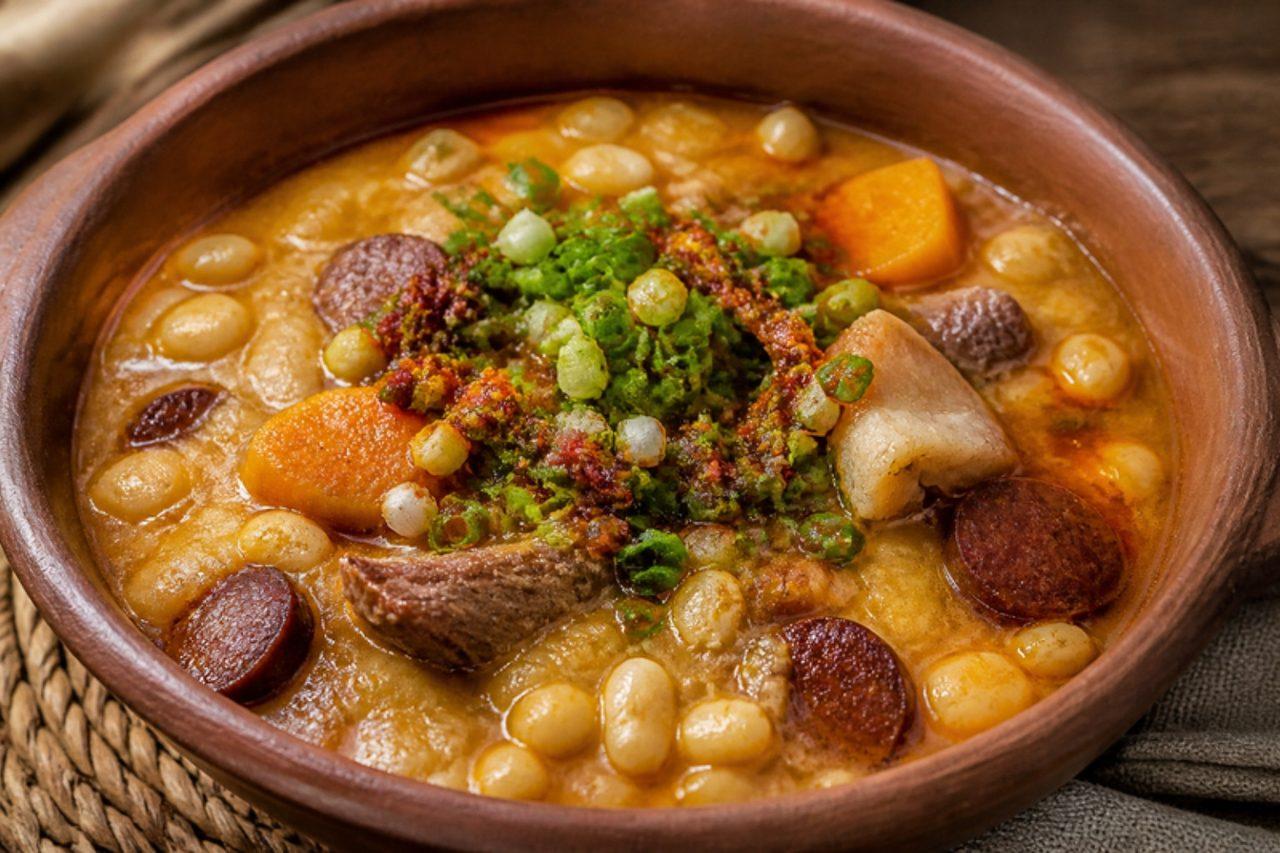
Locro comes from the Andean northwest, from Salta, Jujuy and Tucumán, and today the whole country eats it on 25 May and 9 July, the two national holidays, when it simmers in huge pots at clubs and church halls. Dried white corn, white beans and squash cook down with beef, pork belly and chorizo into a stew so thick a spoon stands up in it. This is a pork dish. It is topped with quiquirimichi, a red oil of paprika, chilli and spring onion. The classic mistake is not soaking the corn and beans overnight; without it they never soften. Chef's tip: stir often in the last hour, scraping the bottom, as the squash breaks down and the locro catches easily.

by KrazyBadal 0 views

Locro de papaPotato and cheese soup

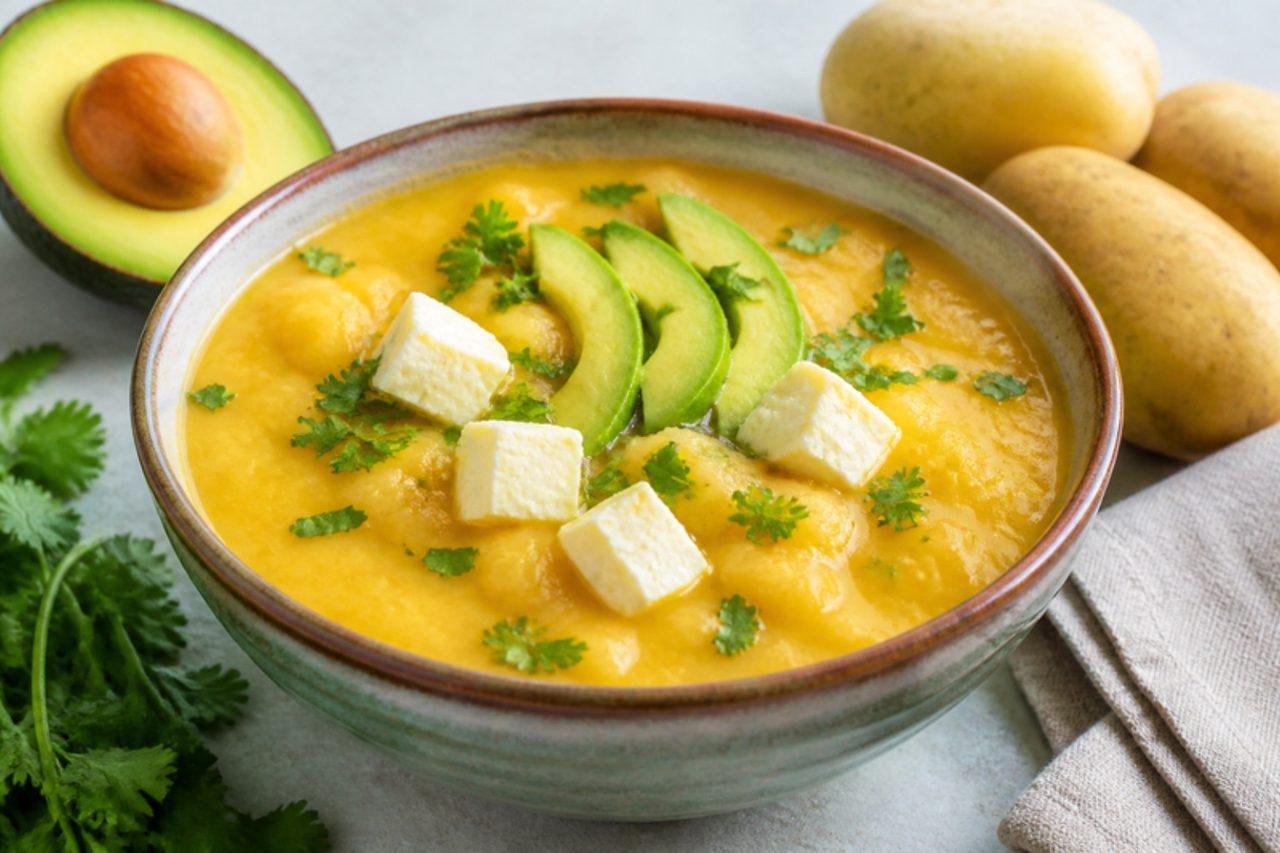
Locro de papa is Quito's comfort soup, eaten on cold afternoons in the Andean highlands where nights drop near freezing. Potatoes are cooked until half of them dissolve into a thick, achiote-tinted broth, then finished with milk and cubes of fresh cheese that soften into strings. Bowls are crowned with avocado slices and served with ají (chilli sauce) on the side. Ecuador uses two potatoes, a floury one to thicken and a waxy one to hold its shape. Chef's tip: add the cheese off the heat; it should soften and go stretchy, not melt into an oily layer.

by KrazyBadal 0 views

Rogan josh

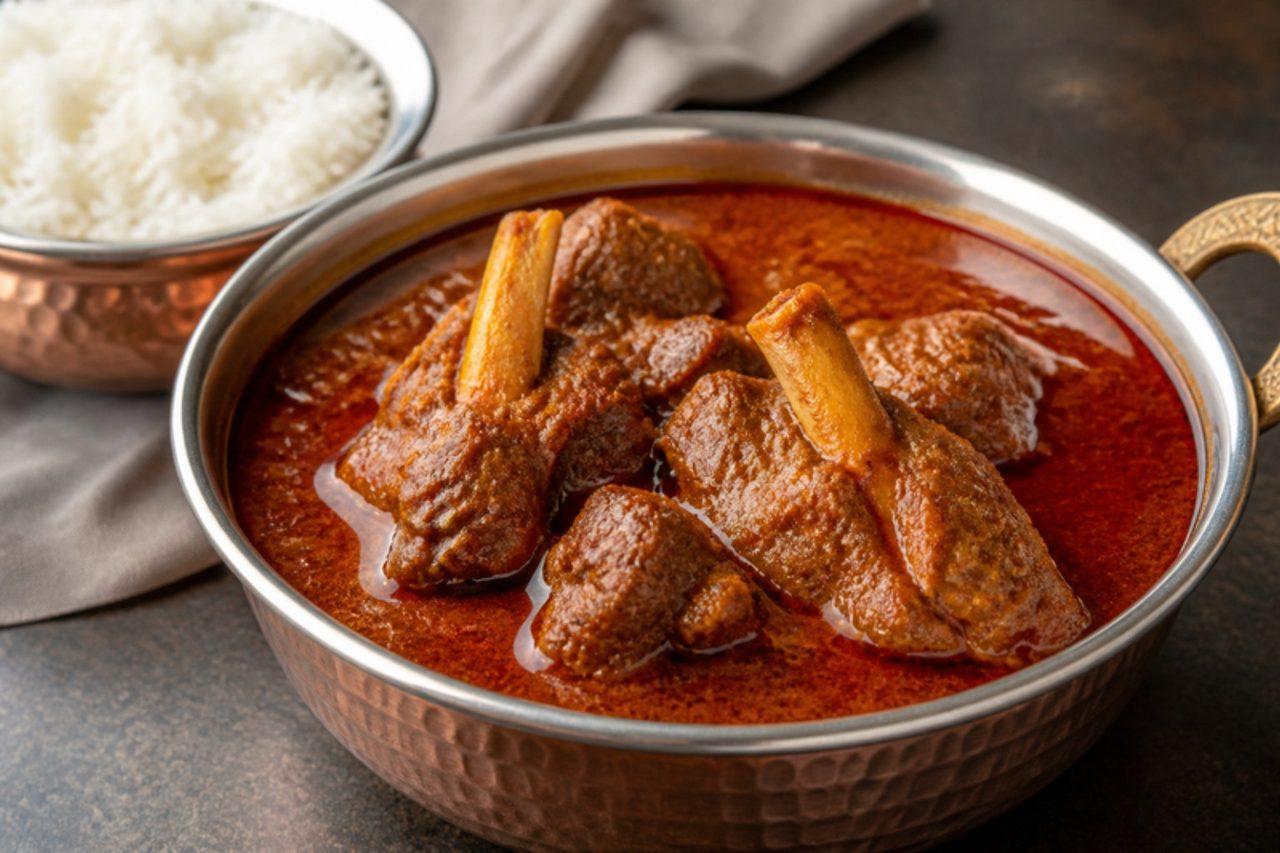
In the Kashmir Valley this deep-red lamb braise turns up at every wazwan, the multi-course wedding feast cooked by hereditary chefs, and on Sunday tables in Srinagar through the cold months. The Kashmiri Pandit version cooked here uses no onion, garlic or tomato: the colour comes from mild Kashmiri chillies, the warmth from ground fennel and dry ginger, and the body from yogurt cooked down until the fat rises red to the top (that red oil is the 'rogan'). Eat it with plain steamed rice, the Kashmiri way. Chef's tip: use bone-in shoulder or leg and give it time; the bones and slow simmer make the thick, glossy gravy, and boneless meat turns stringy before the sauce is ready.

120 minIndianMeatGluten freeSpicy
by KrazyBadal 0 views

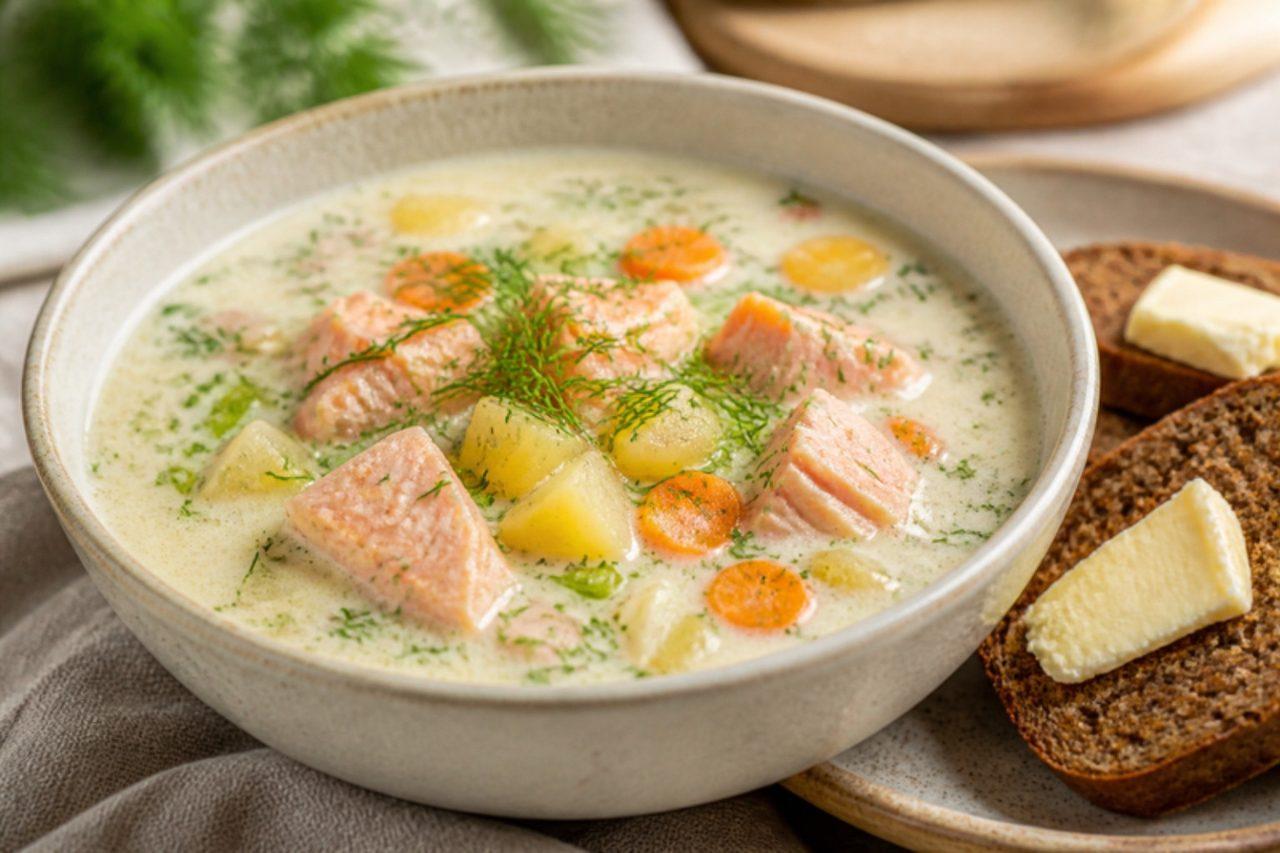
LohikeittoCreamy salmon soup

Lohikeitto is what Finns cook when they want something warming after a day outside, ladled up in Helsinki lunch cafés and in lakeside summer cottages alike. Chunks of salmon and potato simmer in a light fish stock with leek and allspice, then a little cream turns it pale and gentle and a big handful of dill makes it taste of summer. It takes about forty minutes and is served with dark rye bread and butter. The common mistake is boiling the salmon hard, which turns it dry and stringy; it only needs a few minutes at a bare simmer. Chef's tip: add the salmon last and switch off the heat with the lid on; the fish finishes in the hot soup and stays in juicy flakes.

by KrazyBadal 0 views

Tobago curry crab and dumpling

On Tobago, curry crab and dumpling is the dish people travel for, eaten with fingers on Sunday afternoons and sold at the Store Bay food huts near Crown Point, where a plate is half the reason to visit. Blue crabs are cleaned, rubbed with green seasoning, 'burnt' in curry and simmered in coconut milk until the shells turn red and the sauce goes rich, spicy and sweet with crab. Long, flat flour dumplings cook right in the gravy and soak it all up. It's messy, so have bowls for shells and plenty of napkins. Chef's tip: crack the claws lightly before they go in the pot, so the curry can get inside and the meat is easy to pull out at the table.

by KrazyBadal 0 views

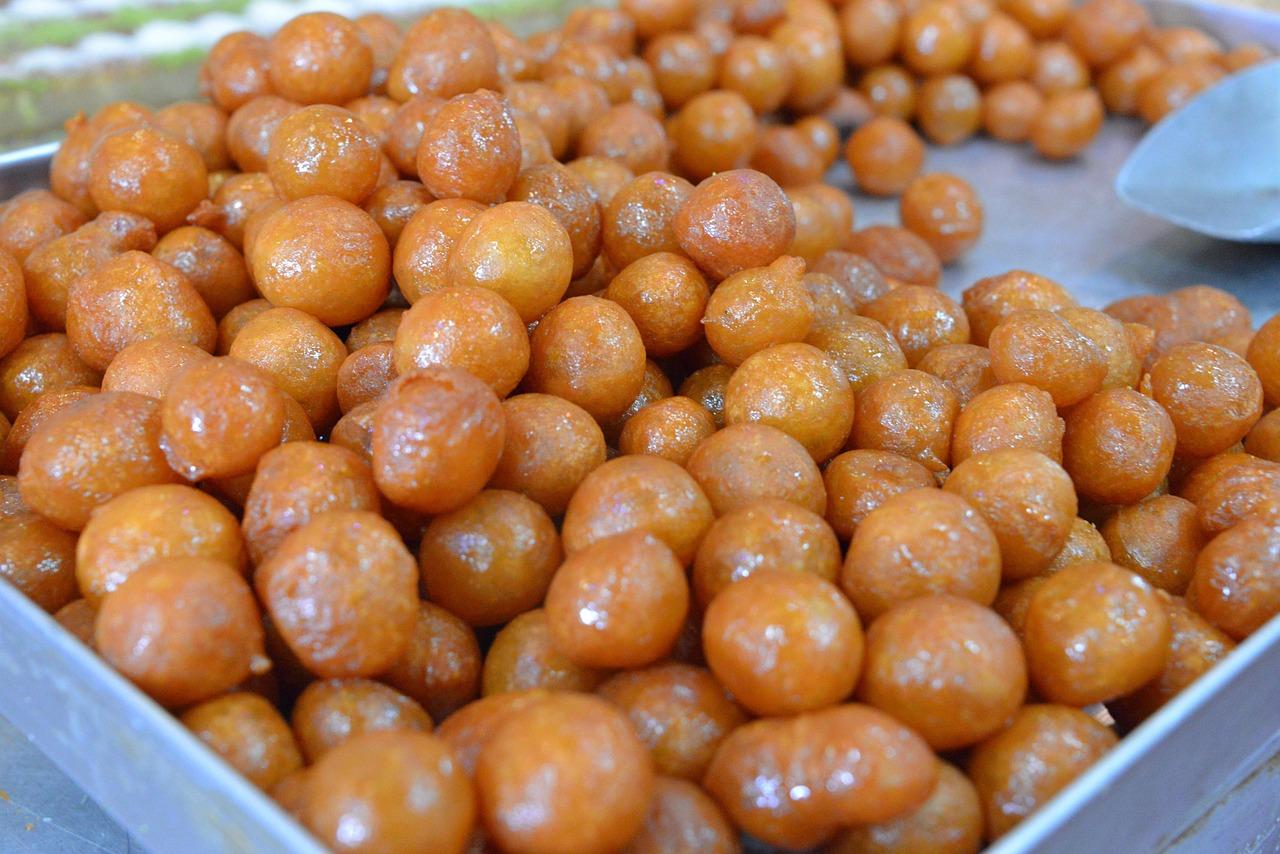
LokmaFried yeast fritters in syrup

In İzmir and along the Aegean coast, lokma is the sweet of shared moments: families hire a lokma master with a big cauldron to fry hundreds of these golden balls on the street after a funeral or to mark an anniversary, handing them out to anyone passing by, and stalls sell them by the paper cup all year. Each fritter is a little ball of yeasted batter, crisp outside, hollow and soft within, soaked briefly in lemon syrup so it crunches before it melts. This home version needs no eggs or butter, and kids love squeezing out the balls. Eat them warm, on their own or with a sprinkle of cinnamon or crushed pistachios. Chef's tip: dip your spoon or fingers in a cup of water before each ball; the batter then slides off cleanly into round shapes instead of stringy tails.

by KrazyBadal 0 views

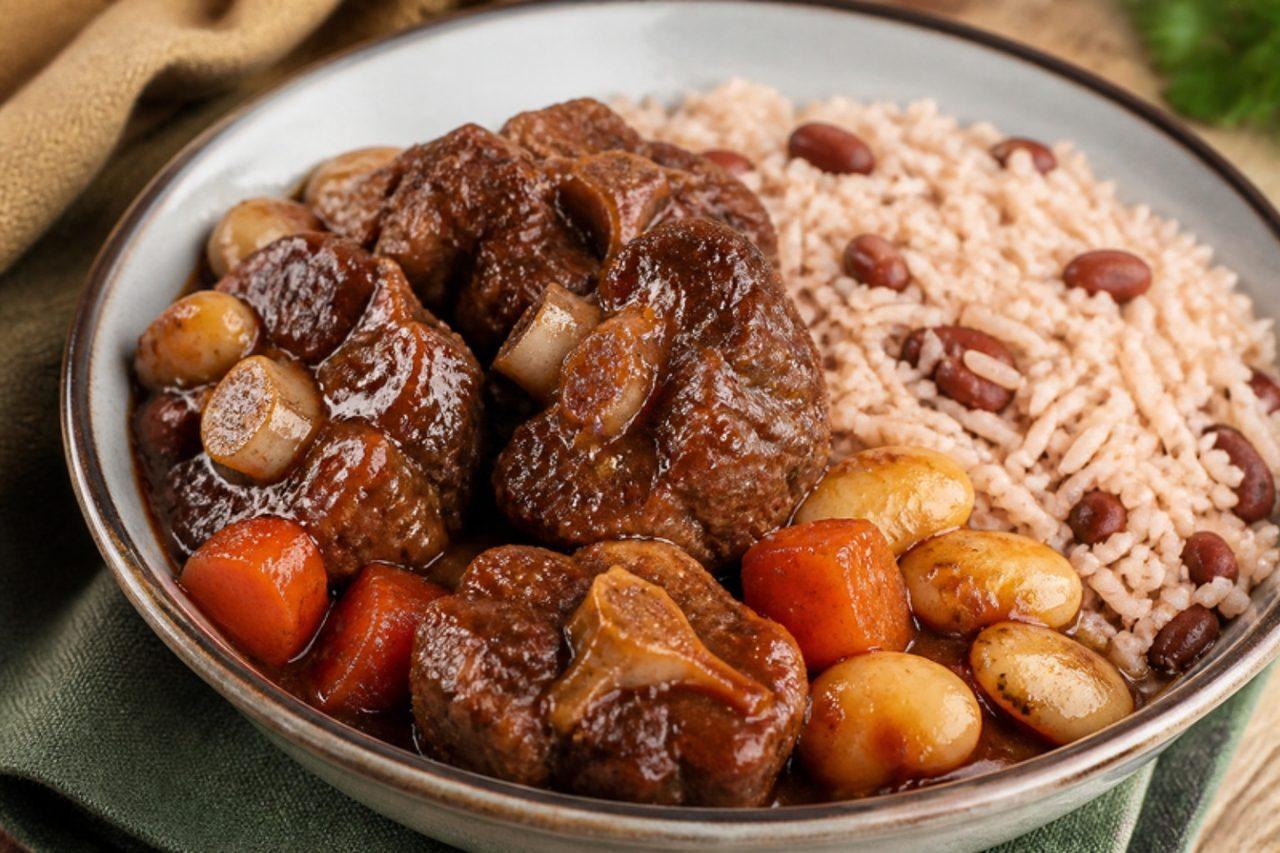
Oxtail with butter beans

Oxtail started out as a cheap cut in Jamaica and is now the Sunday-best dish that cookshops in Kingston sell out of first, and that people across the diaspora queue for on Saturdays. The bony pieces are seasoned overnight, browned hard, then braised slowly for hours with pimento, thyme and whole scotch bonnet until the meat slides off the bone and the gravy turns glossy with gelatine. Butter beans go in near the end to soak up the gravy. Serve with rice and peas, steamed cabbage and fried plantain. Chef's tip: cook it a day ahead, chill, and lift off the hard layer of fat before reheating; the gravy is cleaner and the flavour deeper.

235 minJamaicanMeat
by KrazyBadal 0 views

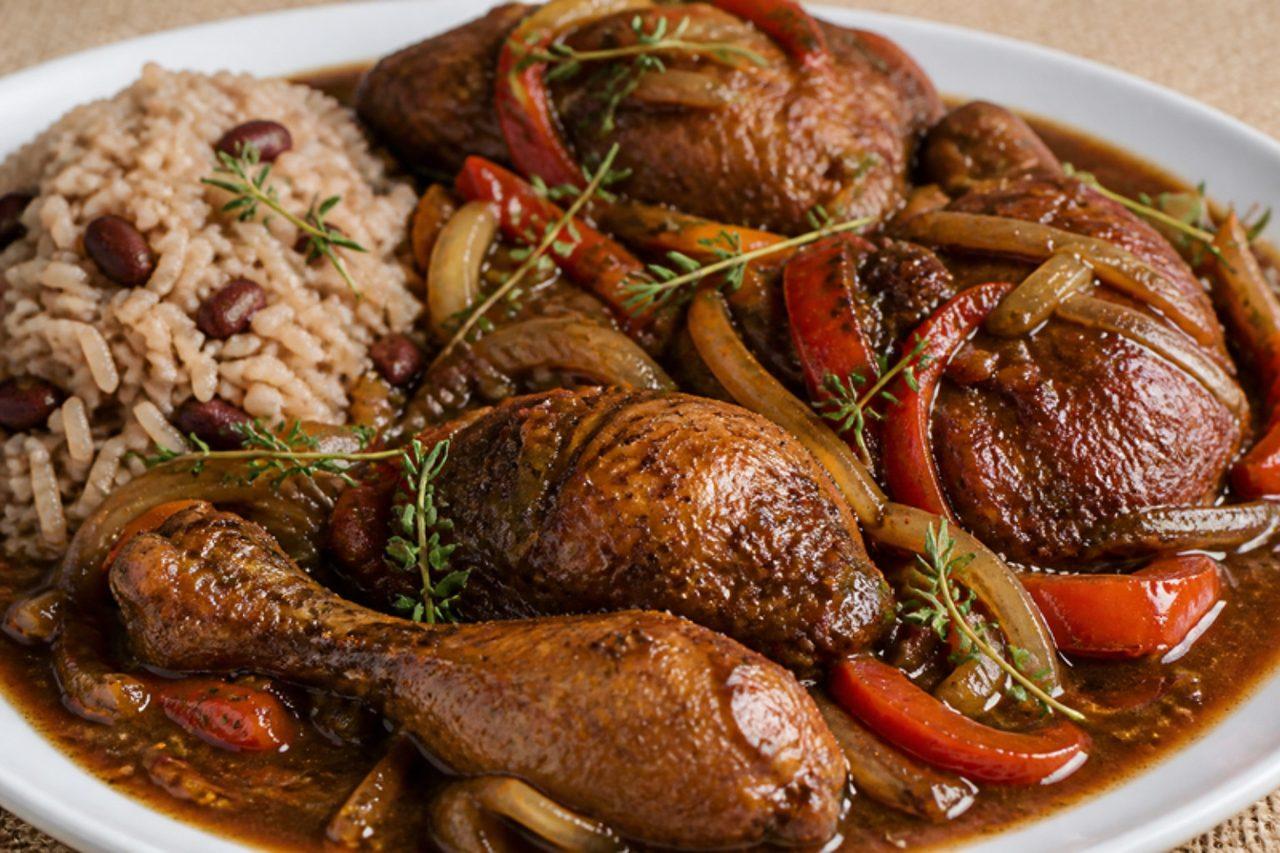
Brown stew chicken

Ask a Jamaican what was on the table for weekday dinner growing up and brown stew chicken will be near the top of the list, served at home and at every cookshop from Montego Bay to Spanish Town. The deep colour comes from 'browning': sugar caramelised in hot oil until it is dark, then the seasoned chicken is turned in it so every piece takes on a mahogany coat. Peppers, onion, tomato and thyme simmer down into a sticky, savoury gravy that begs for a pile of white rice, rice and peas or boiled dumplings. Chef's tip: season the chicken the night before and dry each piece well before it goes into the caramel; wet chicken spits violently and won't take on that deep brown colour.

by KrazyBadal 0 views

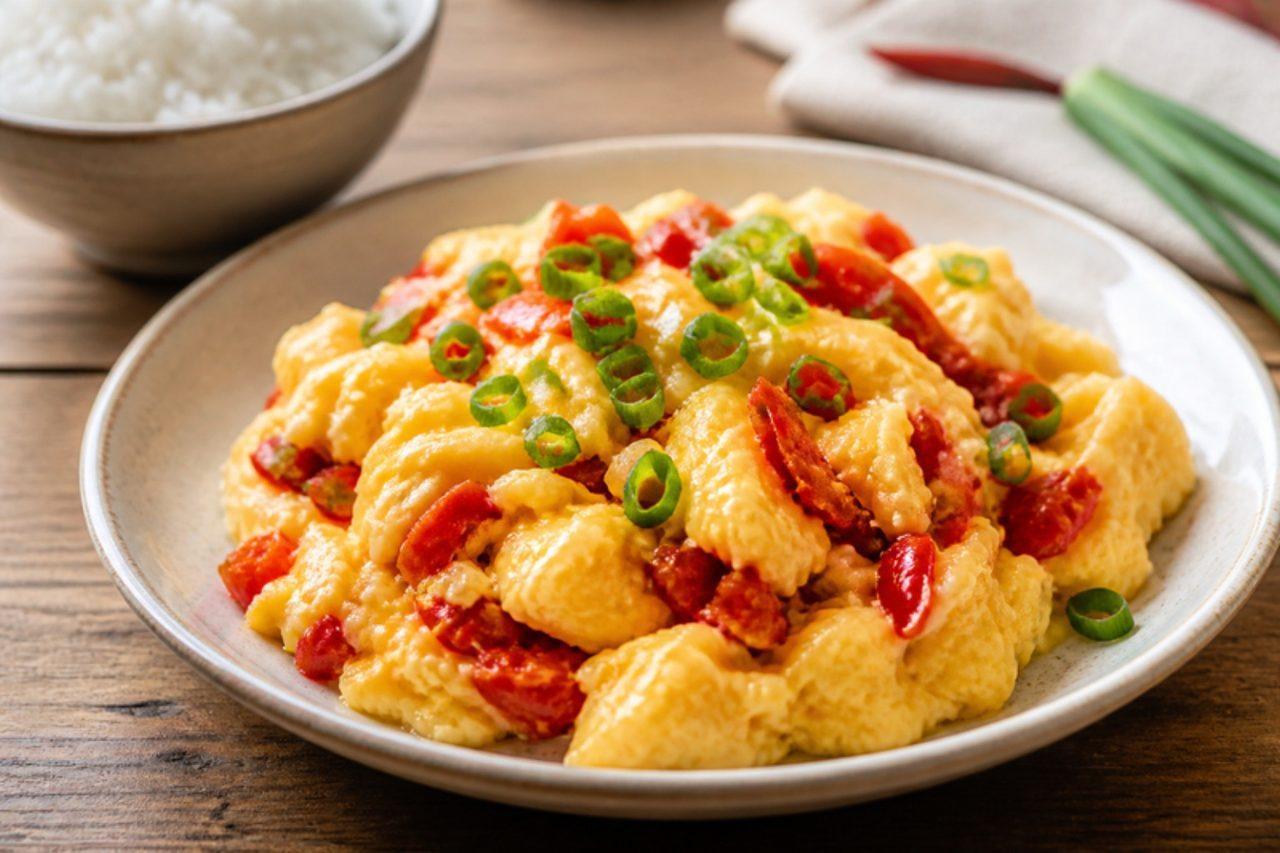
Hunan scrambled eggs with chopped chillies

Duò jiāo, salted chopped red chillies left to ferment in jars, is the backbone of Hunan home cooking, and this ten-minute dish is how many families use it on a weeknight. The eggs are cooked in hot oil until they puff into big soft curds, then tossed back through the bright red chillies, which are salty, sour and very hot. Serve with rice and a green vegetable. Chef's tip: get the oil properly hot before the eggs go in, so they puff and set at once instead of soaking up oil.

by KrazyBadal 0 views

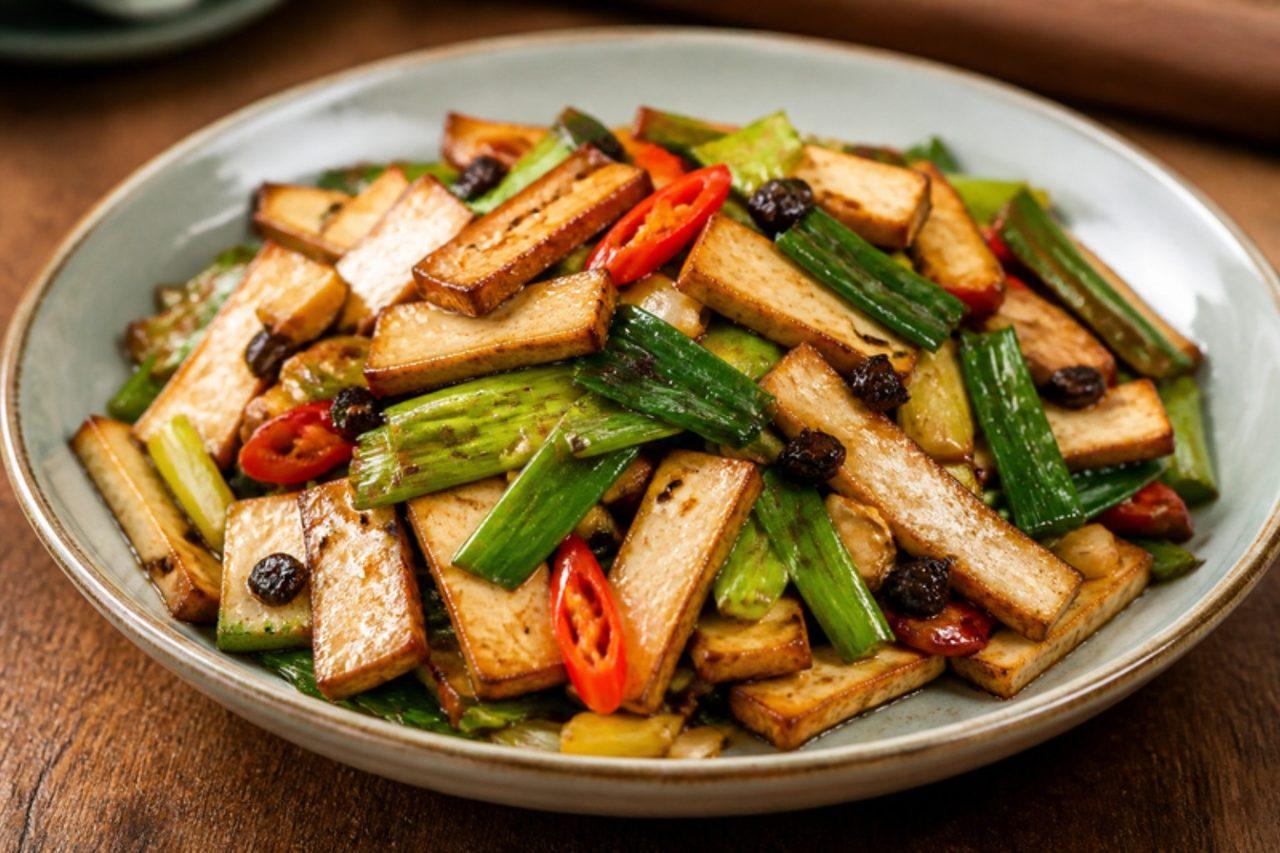
Hunan smoked tofu with leeks and chilli

Smoked tofu (xiāng gān) hangs in strings in Hunan markets, firm and brown from wood smoke. Restaurants in Changsha usually toss it with a little pork, but leaving the meat out is common at home and in Buddhist eateries. The tofu soaks up the black beans and chillies, and the leeks go sweet and soft. Serve it with plenty of rice. Chef's tip: cut the tofu about 5 mm thick; thinner slices break apart in the wok.

by KrazyBadal 0 views

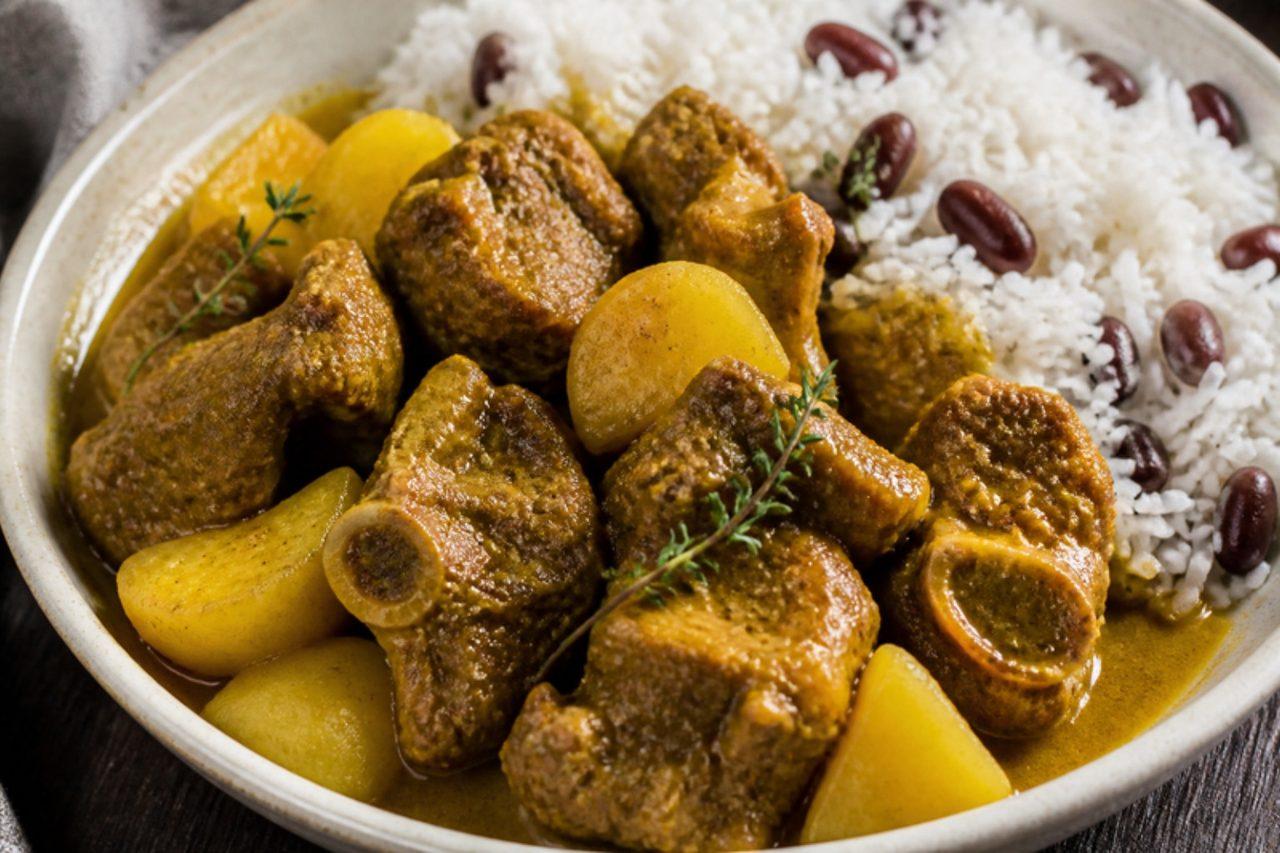
Jamaican curry goat

No Jamaican wedding, nine-night or big Sunday family lunch is complete without a pot of curry goat, often cooked outdoors in a huge pot by whoever has the steadiest hand with the seasoning. It came to the island with Indian indentured workers in the 1800s and became fully Jamaican with scotch bonnet, pimento and thyme. The bone-in pieces are seasoned overnight, browned with the curry powder until it darkens, then simmered for a couple of hours into a rich, brick-yellow gravy with soft potatoes that thicken it. Serve with white rice or rice and peas and a little fried plantain. If you can't find goat, bone-in mutton or lamb shoulder works the same way. Chef's tip: 'burn' the curry first; fry the curry powder in hot oil for a minute until it darkens and smells toasty before the meat goes in, and the gravy will never taste raw or chalky.

by KrazyBadal 0 views

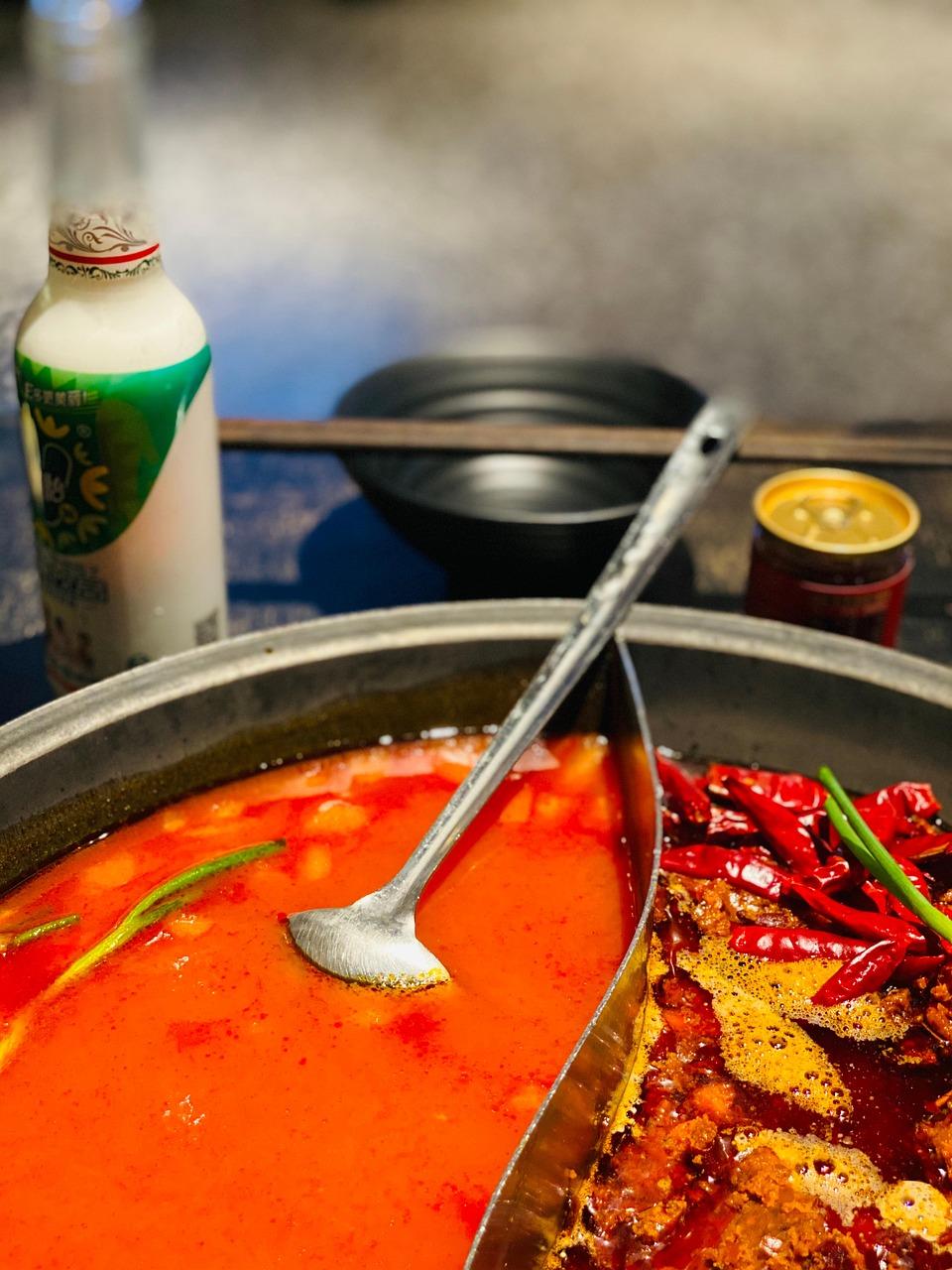
Sichuan vegetable hot pot

Across Chengdu and Chongqing, friends spend whole evenings round a bubbling pot of red broth, dipping in mushrooms, tofu and greens a few at a time and fishing them out with chopsticks. The best-known bases are cooked in beef tallow; the clear-oil style (qīngyóu huǒguō) uses rapeseed oil instead, which keeps it vegetarian without losing the heat and tingle. You need a portable burner or electric hot pot on the table. Chef's tip: give each person a bowl of sesame oil with crushed garlic for dipping; it cools each mouthful just enough to keep going.

by KrazyBadal 0 views

Ackee and saltfish

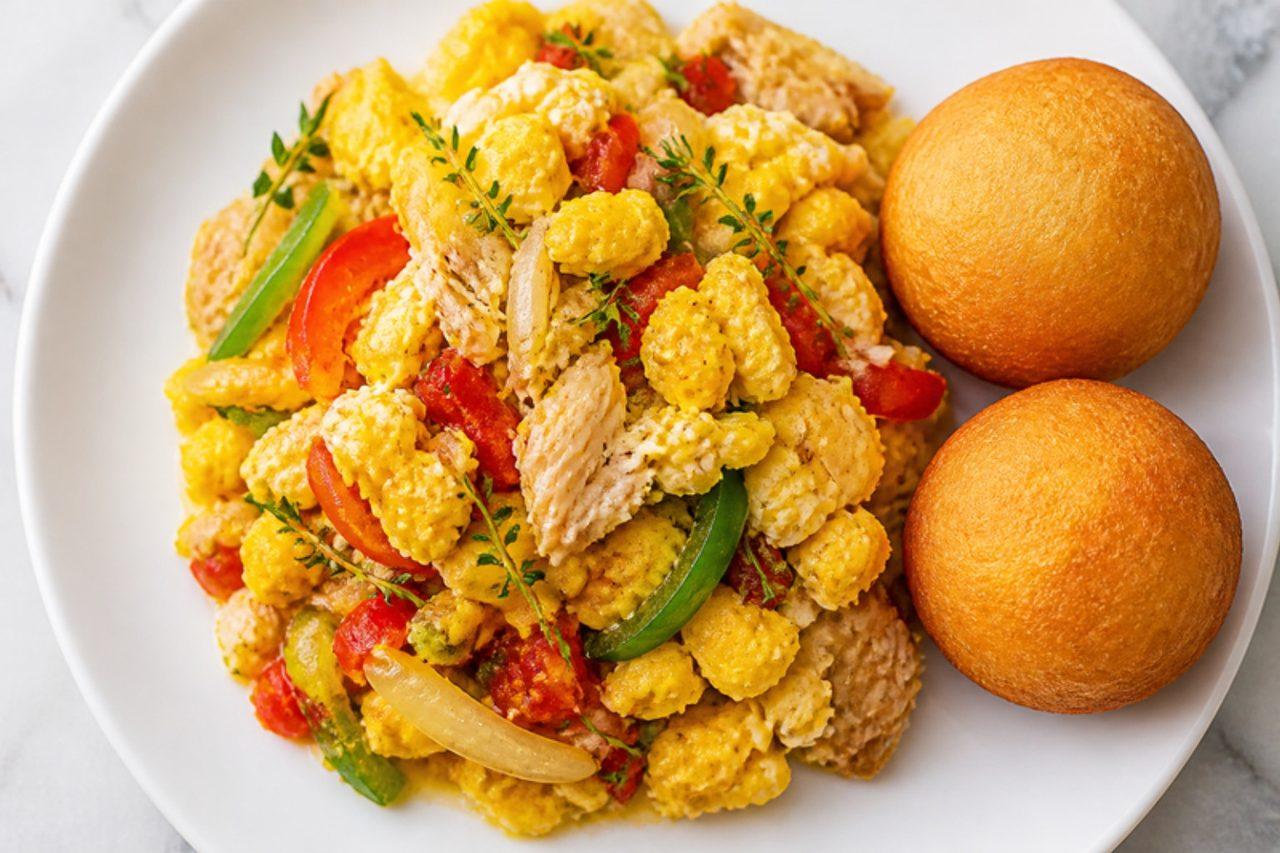
On a Jamaican Sunday morning, from Kingston yards to country kitchens in St Mary, the smell of salt cod frying with onion, thyme and scotch bonnet means breakfast is nearly ready. The ackee itself is a red tree fruit whose cream-coloured flesh cooks up soft and mild, a lot like scrambled egg, and it soaks up the salty fish and peppery oil around it. It is eaten with fried dumplings, boiled green banana, roast breadfruit or hard dough bread, and is just as welcome at lunch. A note on safety: ackee is only safe when the pod has ripened on the tree and opened by itself, and the black seeds and pink membrane are removed. Outside Jamaica, tinned ackee is the safe, easy choice and is what this recipe uses. Chef's tip: soak the saltfish overnight and then boil it once; taste a flake before it goes in the pan, because you can always add salt but you can't take it out.

by KrazyBadal 0 views

Lontong sayurRice cakes in coconut vegetable broth

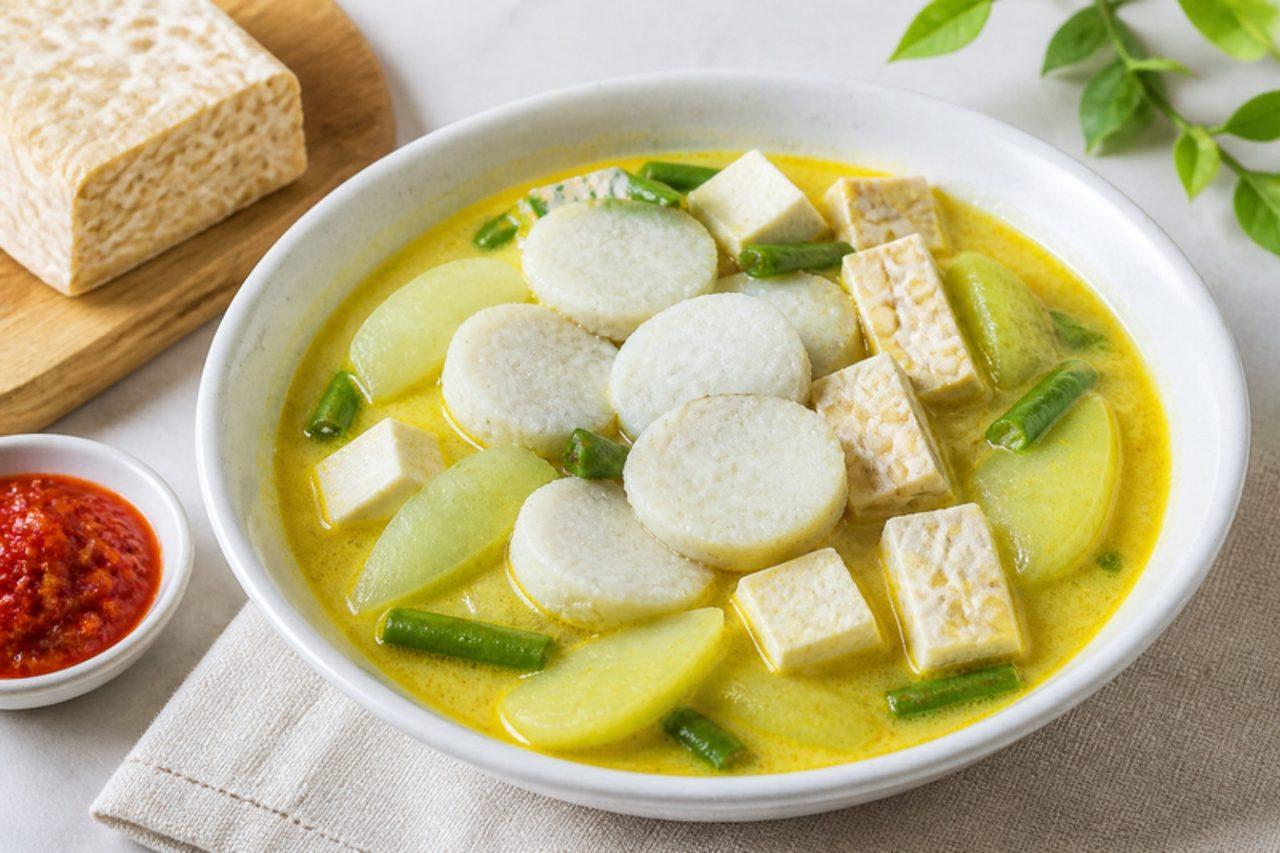
In Jakarta, lontong sayur is what the morning carts sell before offices open: firm slices of pressed rice sitting in a thin, golden coconut broth with chayote, long beans and squares of tofu and tempeh. Betawi families also cook a big pot of it for Lebaran morning. Street versions often add dried shrimp to the spice paste; this one keeps the flavour with candlenuts, galangal and salam leaf instead. Serve with sambal, fried shallots and crackers. Chef's tip: cook the lontong the day before and chill it overnight; cold rice cakes slice cleanly and soak up the broth without falling apart.

by KrazyBadal 0 views

MateYerba mate tea

Mate is less a drink than a ritual in Argentina, Uruguay and Paraguay: a gourd (also called a mate) packed with yerba mate leaves, a metal straw called a bombilla, and a thermos of hot water passed around friends, family and coworkers, from the parks of Buenos Aires to long bus rides across Patagonia. One person, the cebador, pours and drinks first, then refills and passes it on. It's grassy, bitter and gently stimulating; sweet versions add sugar. Chef's tip: never use boiling water; at about 75–80 °C the yerba stays fresh for many rounds instead of 'burning' and turning bitter.

by KrazyBadal 0 views

Paella valenciana

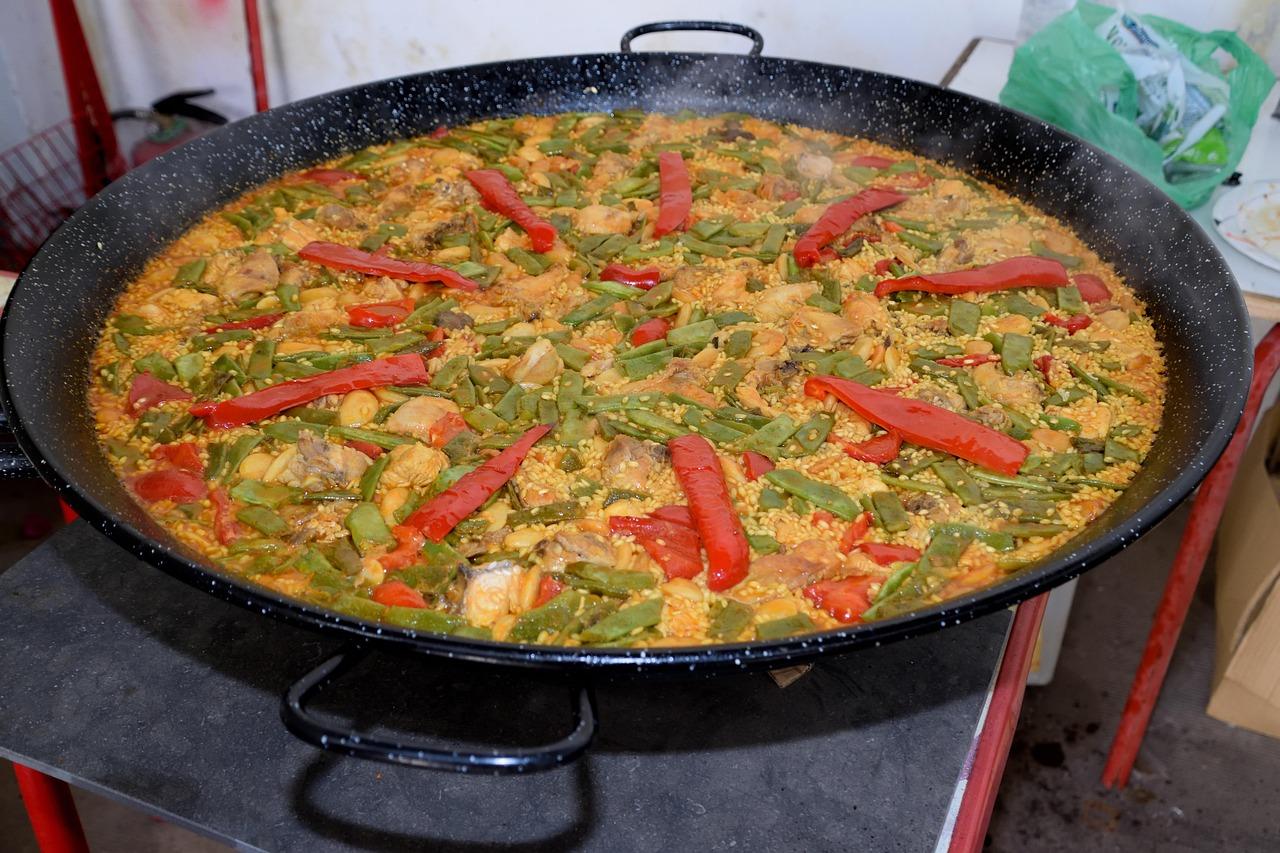
In the villages around Valencia, paella is a Sunday lunch dish, never a dinner one, cooked in the open air by whoever in the family has the steadiest hand and eaten straight from the pan with spoons. The Valencian original has no seafood, no chorizo and no peas: just chicken, rabbit, wide flat green beans (ferraura), big white garrofó beans, tomato, sweet pimentón, saffron and short round rice. If you can't get rabbit, use all chicken; it is still very good. This version is sized for a 38–40 cm paella pan on a large hob ring or a barbecue. Chef's tip: once the rice goes in, smooth it flat and then leave it alone; stirring releases starch and turns paella into risotto.

by KrazyBadal 0 views

Hot and sour potato shreds

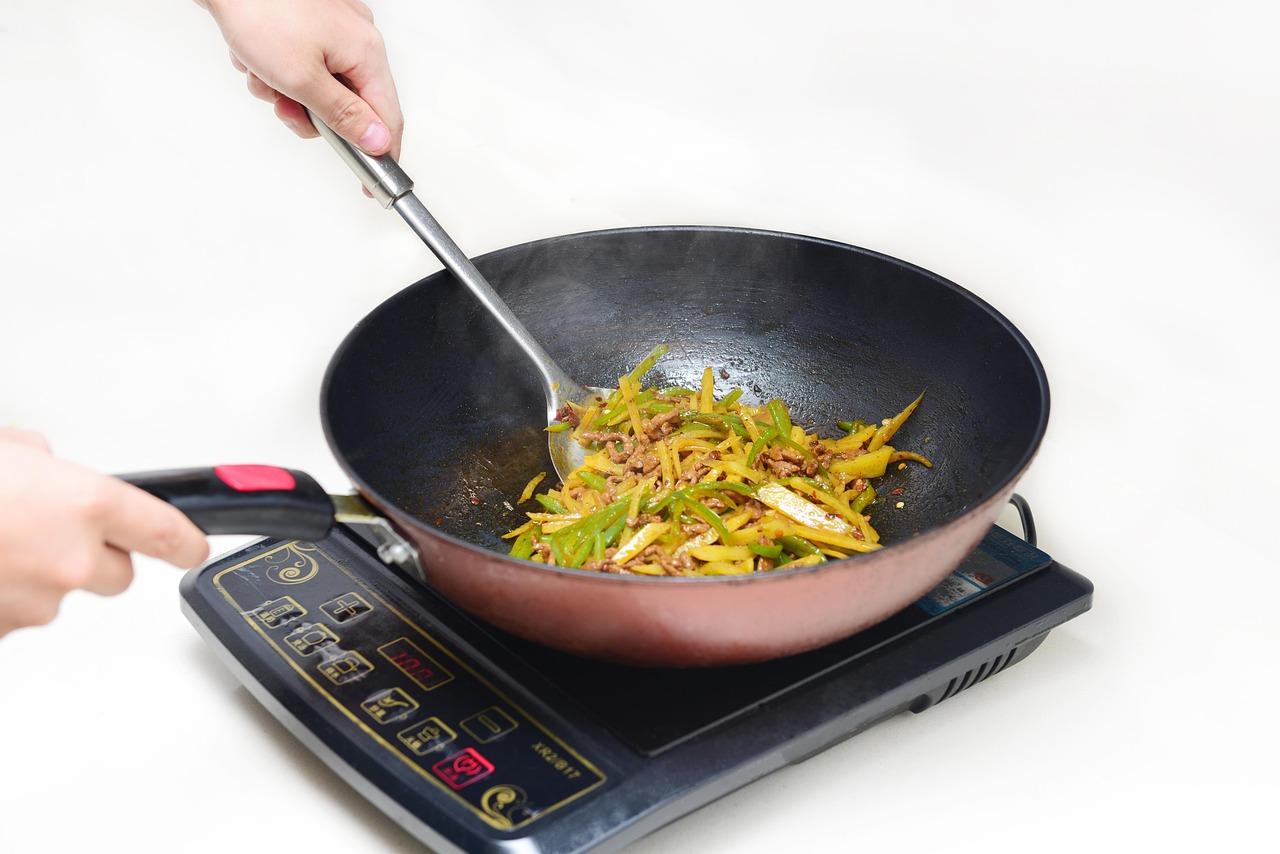
In Chengdu this is the dish a family orders when the table already has something rich: a heap of potato cut as fine as matchsticks, cooked for barely two minutes so it stays crunchy, sharp with vinegar and warm with dried chilli. Over the border in Shanxi the same dish is made with the province's dark aged vinegar (lǎo chéncù) and less chilli, and it tastes deeper and slightly sweet; both versions are given here. It goes with plain rice and any braised tofu or bean dish. Chef's tip: rinse the cut potato until the water runs clear, because that washed-off starch is what turns the shreds gluey in the wok.

by KrazyBadal 0 views

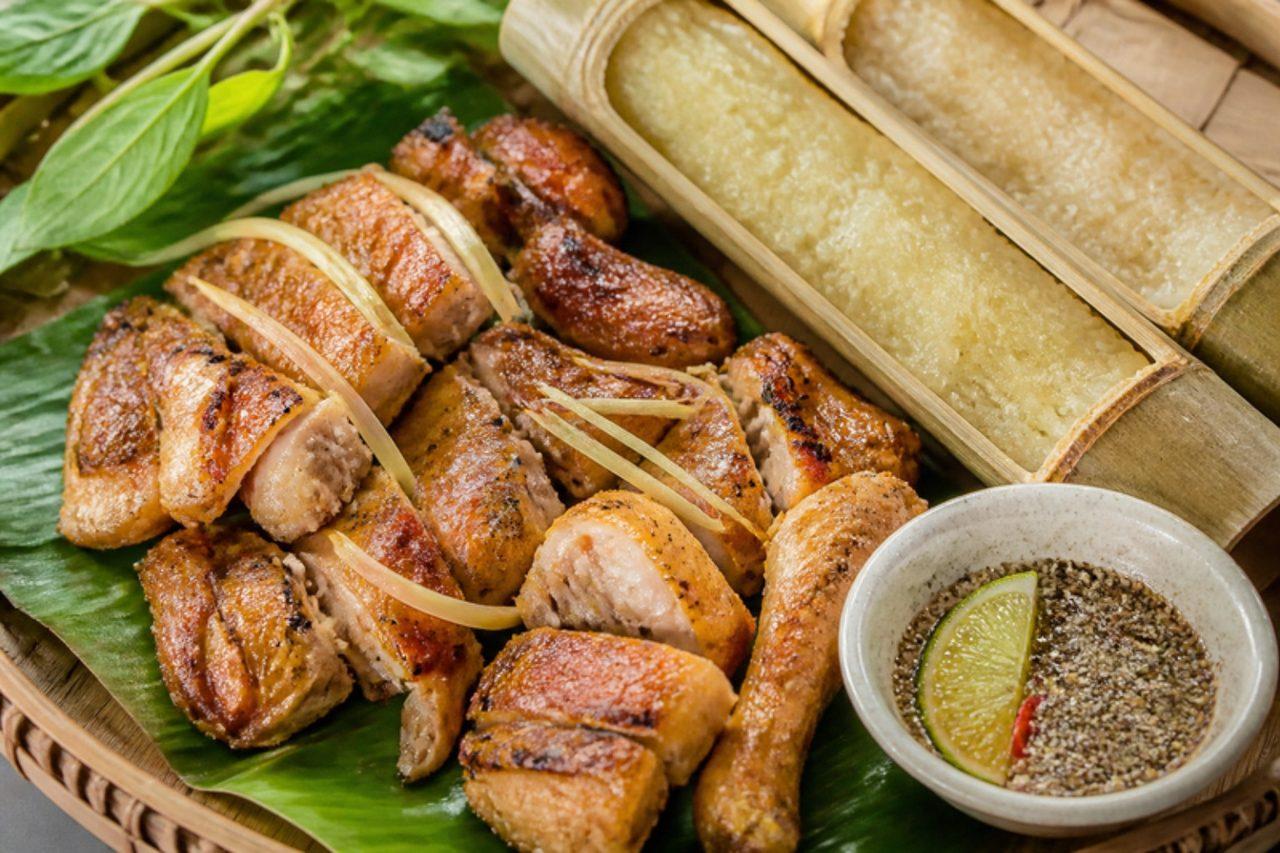
Ga nuong com lam (lemongrass chicken with bamboo rice)

Up in the Central Highlands, around Kon Tum, Pleiku and Buôn Ma Thuột, roadside grills and village homestays serve this pair: chicken marinated in lemongrass and chilli, grilled slowly over charcoal, and cơm lam, sticky rice cooked inside green bamboo tubes laid in the fire. Splitting the charred bamboo reveals a cylinder of rice wrapped in a thin, fragrant skin of bamboo membrane. Both are eaten with the hands and dipped in salt, pepper and lime or a crushed peanut and sesame salt. Without fresh bamboo, rolling the rice in banana-leaf parcels gives a very similar result. Highland rice wine (rượu cần) is the usual drink, but cold jasmine tea goes just as well and is alcohol-free. Chef's tip: brush on the honey only in the last few minutes of grilling so it glazes without burning.

by KrazyBadal 0 views

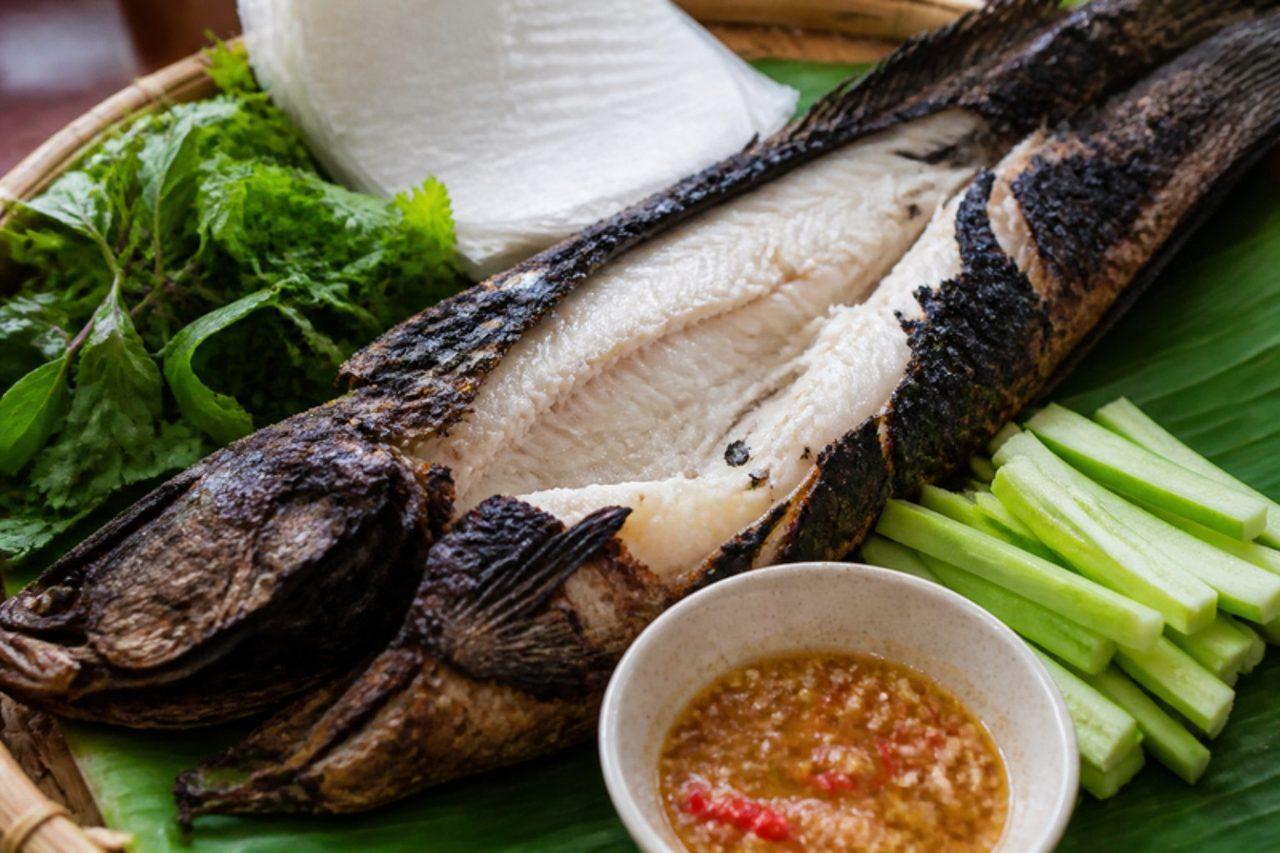
Ca loc nuong trui (straw-grilled whole fish)

After the rice harvest in the Mekong Delta, farmers would catch snakehead from the flooded fields, skewer each fish on a stick, stand it in the ground and pile dry rice straw over it before setting it alight. When the straw burns away the blackened skin peels off to reveal steaming, sweet white flesh, which is rolled in rice paper with herbs, cucumber and rice noodles. Countryside restaurants around Cần Thơ still serve it this way. Snakehead is hard to buy outside Asia, so use sea bass, barramundi or tilapia and a barbecue or a hot oven. Chef's tip: push a long metal skewer from mouth to tail so you can turn the fish over without it breaking.

by KrazyBadal 0 views

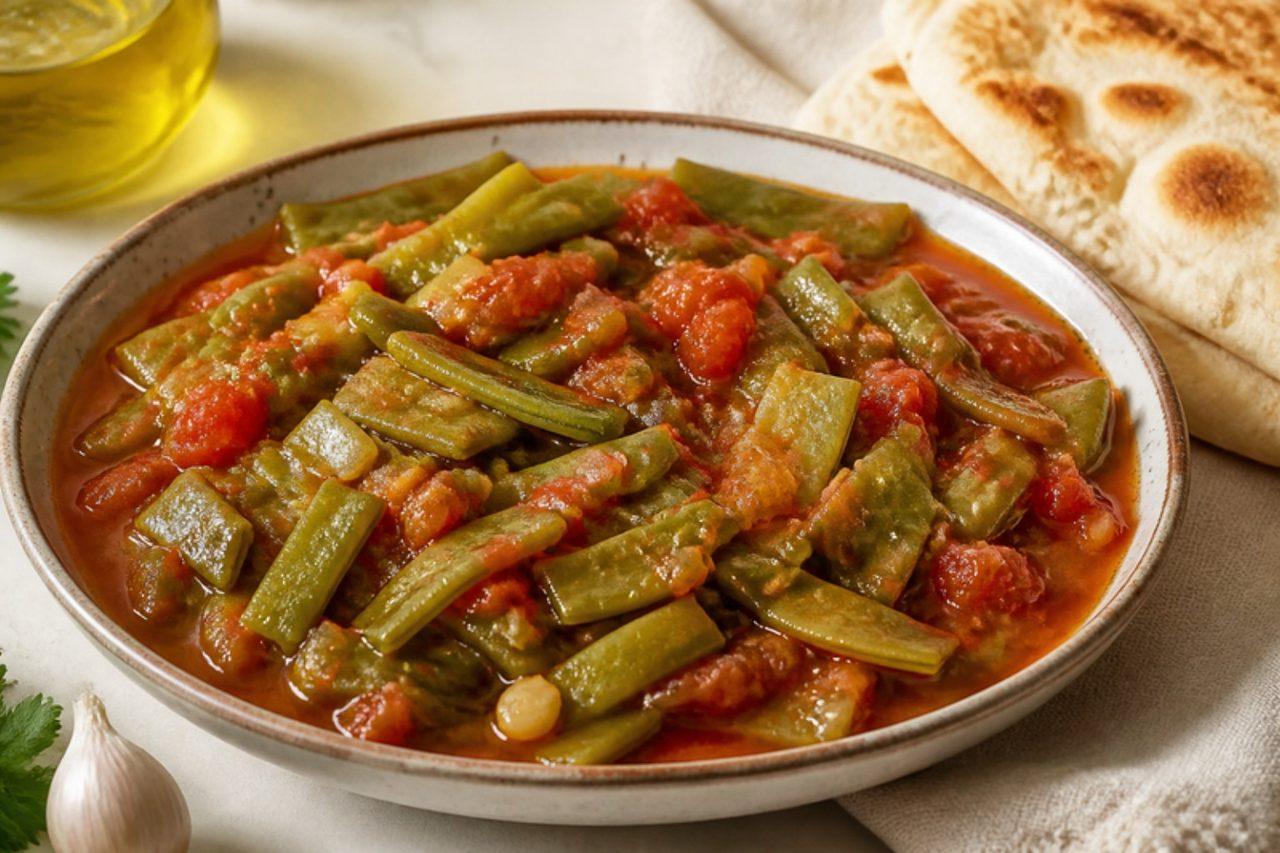
Loubieh bi zeitGreen beans braised in olive oil

In Lebanese homes loubieh bi zeit belongs to the 'bi zeit' family, vegetables cooked in olive oil and served cool, which turn up on the mezze table in summer and fill lunchboxes the next day. Flat runner beans or wide Romano beans are best: they soak up the garlicky tomato sauce and turn silky. It is eaten at room temperature with Arabic bread to mop the oil, and often with a few spring onions and radishes alongside. Chef's tip: cook the garlic only until it smells sweet before adding the beans; browned garlic turns the whole dish bitter.

by KrazyBadal 0 views

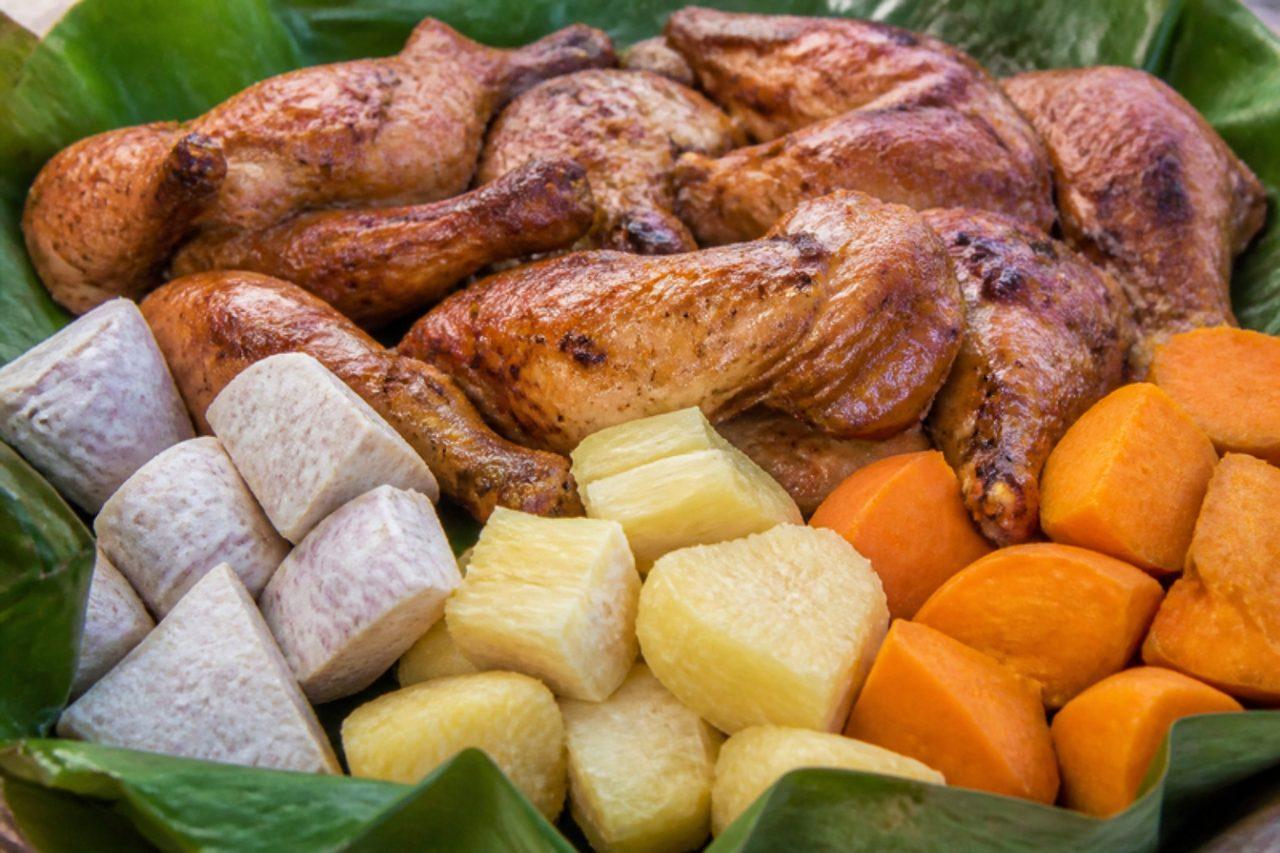
Lovo-style chickenEarth-oven style chicken

A lovo is Fiji's earth oven, dug in the ground for weddings, church feasts and Christmas in villages on Viti Levu and Vanua Levu: hot stones are covered with parcels of meat, fish and root vegetables in banana leaves, then buried for hours. This home version wraps chicken marinated in coconut, garlic and ginger with taro, cassava and sweet potato in foil and banana leaves and roasts them slowly, giving the same steamed, smoky-sweet result. The mistake is wrapping loosely, so the steam escapes and everything dries; seal the parcels tightly. Chef's tip: a few drops of liquid smoke or a smoked paprika rub gives a hint of the earth oven.

by KrazyBadal 0 views

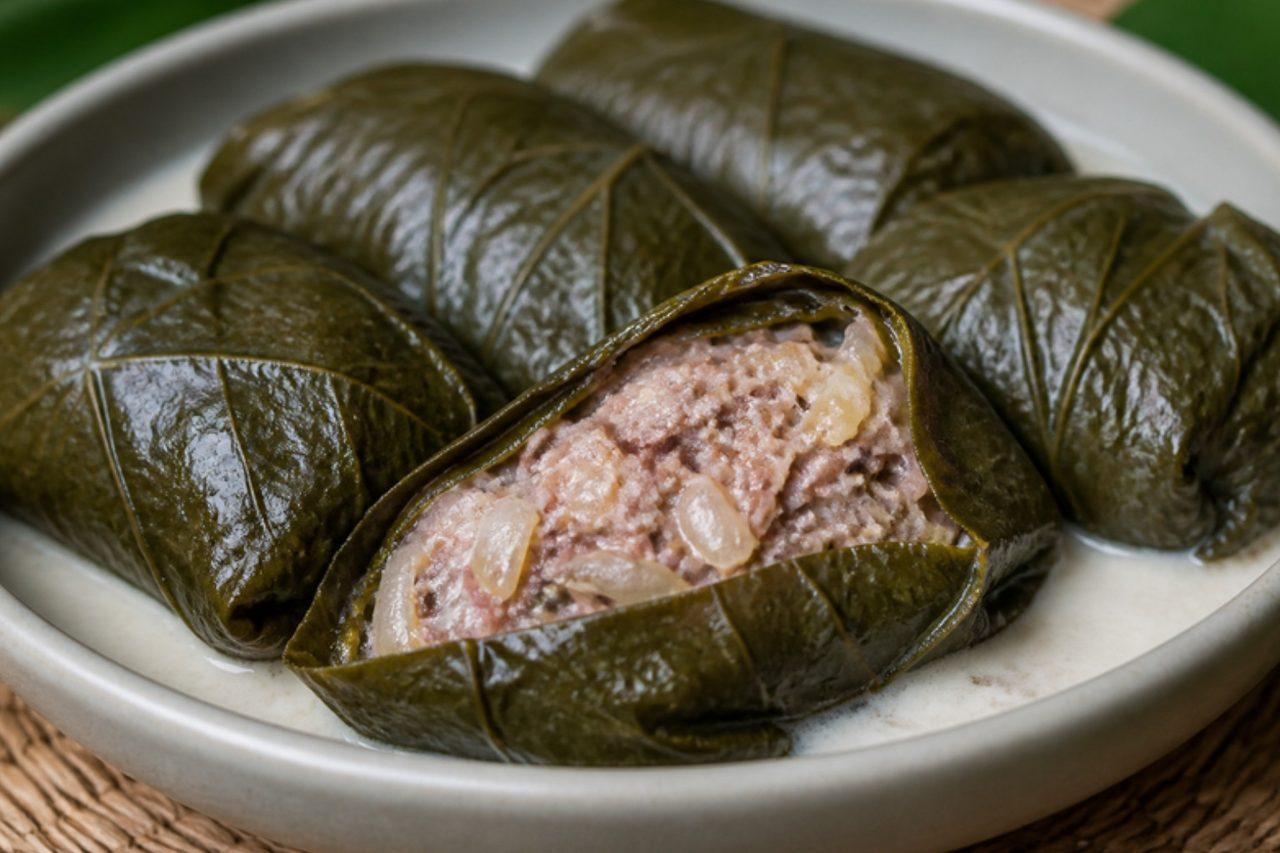
Lu puluCorned beef in taro leaves

Lu pulu is a Sunday dish in Tonga, cooked in the umu (earth oven) after church in Nuku'alofa and by Tongan families in Auckland and Sydney: taro leaves are layered into a cup, filled with corned beef, onion and thick coconut cream, wrapped in foil or banana leaf and baked until the leaves melt into a rich, silky parcel. It is served with boiled taro, yam or sweet potato. The mistake is undercooking the taro leaves: they must cook for at least an hour, as raw taro leaves irritate the mouth and throat. Chef's tip: if you can't find taro leaves, use large spinach or silverbeet leaves, cooked for 45 minutes.

by KrazyBadal 0 views

Showing 27 of 10,569 recipes

Show more recipes

Page 1,083 of 1,175