


Skip to content
Toto
Featured recipe

Toto

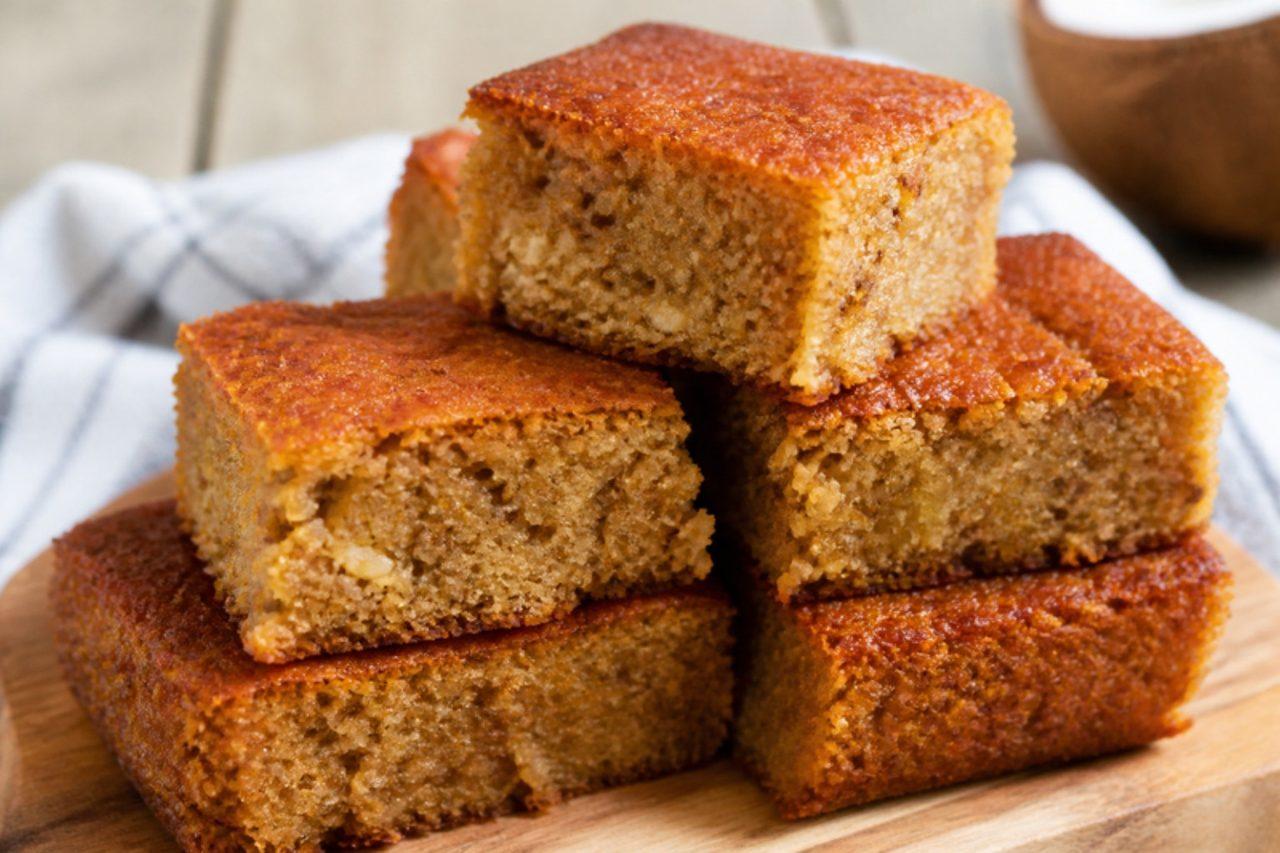
Coconut cake

Toto is an old-time Jamaican country cake, the kind baked in a 'dutchie' over coals in rural St Mary and St Ann and sold in squares at bakeries and school tuck shops. It's dense and moist rather than light, packed with grated coconut, darkened with brown sugar and fragrant with nutmeg, cinnamon and vanilla. Lovely with a cup of tea, still slightly warm. Chef's tip: use fresh grated coconut if you can, or soak desiccated coconut in the warm coconut milk for 15 minutes first. Dry coconut steals moisture from the batter and leaves the cake crumbly instead of chewy.

Read more 0 views

What to eat today?

Around the world

Today's trip: Persian

A new country every day, from every cuisine on the site.

Persian

Shir berenj

Rose water rice pudding 70 minMore from Persian (181) →

This week's collection

Kid-friendly dinners
756 recipes · a new collection every Monday

Coming up

All occasions →

Latest recipes

Shatkora beefBeef curry with wild citrus

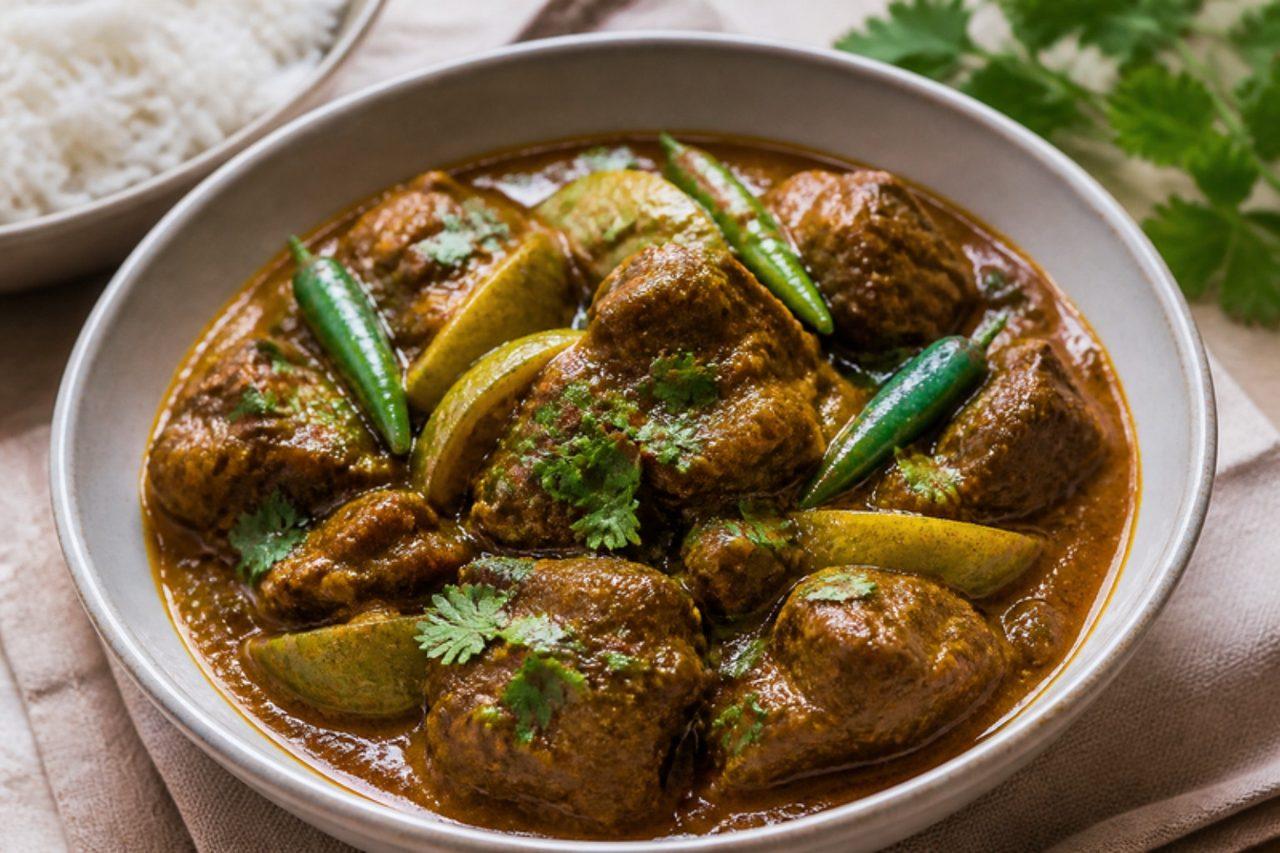
Shatkora is a large, thick-skinned citrus that grows in the hills of Sylhet in north-east Bangladesh, and its bitter, perfumed rind is what Sylhetis put in beef curry instead of lemon. The rind and pith are cut into chunks and simmered with the meat, so the sauce turns gently sour and smells like lime leaves and grapefruit at once. It is a home dish for Fridays and Eid, eaten with rice; the many Sylheti families in Britain made it famous in UK curry houses. Shatkora is sold frozen or in brine at South Asian grocers; if you can't get it, use the peel of half a grapefruit and a lime. The common mistake is adding too much shatkora early, which makes the curry bitter. Chef's tip: boil the shatkora pieces in water for 2 minutes and drain before adding them; it removes the harshest bitterness and keeps the fragrance.

by KrazyBadal 0 views

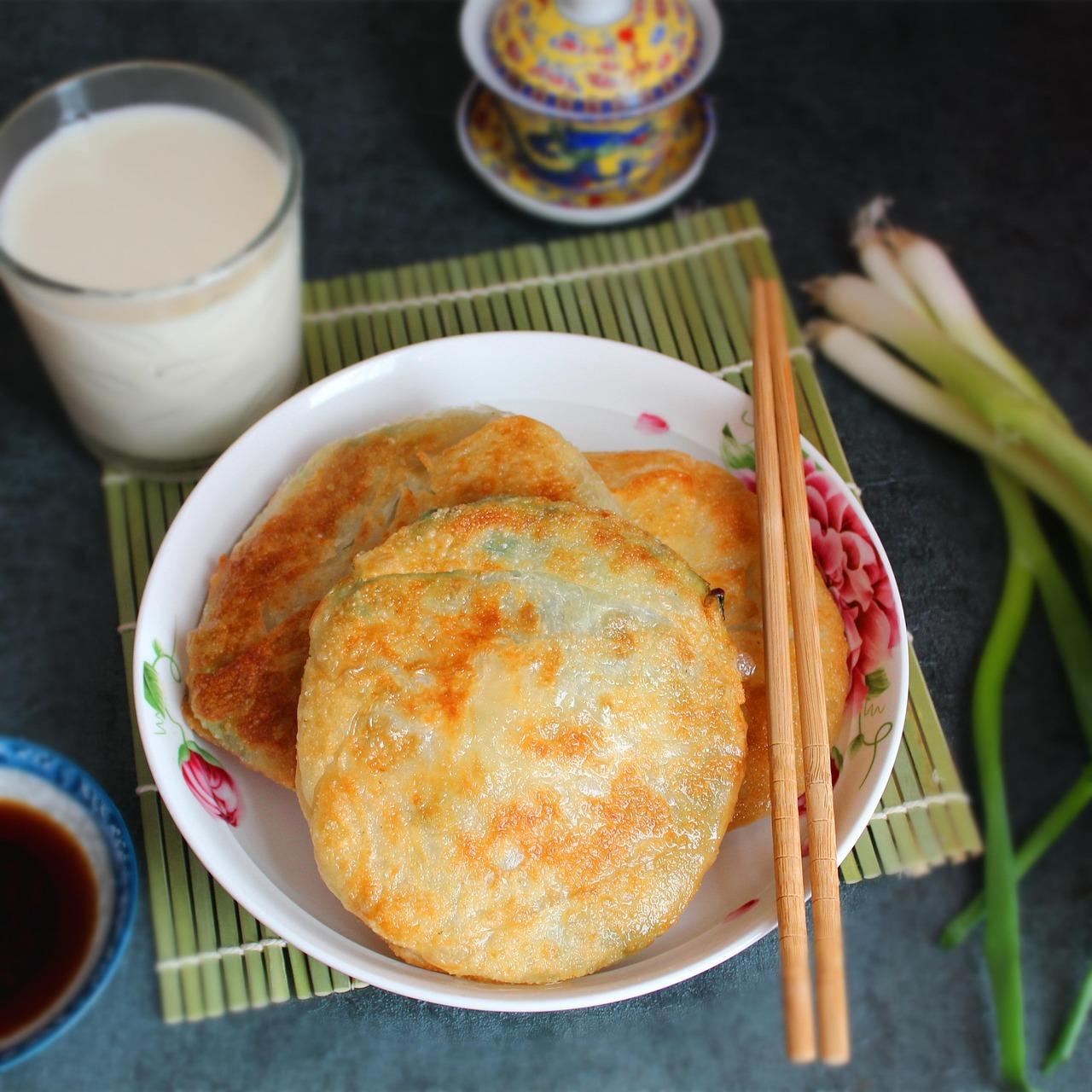
Scallion pancakes (cong you bing)Spring onion flatbreads

Cong you bing are sold from griddles on street corners across northern China, and every Shanghai breakfast stall has its own version. The dough is rolled thin, brushed with a flour-and-oil paste, scattered with spring onion, rolled up like a snail and flattened again, so it fries into dozens of crisp, chewy layers. Children love tearing them apart. Chef's tip: make the dough with hot water; it scalds some of the flour so the pancakes stay soft and roll out without springing back.

by KrazyBadal 0 views

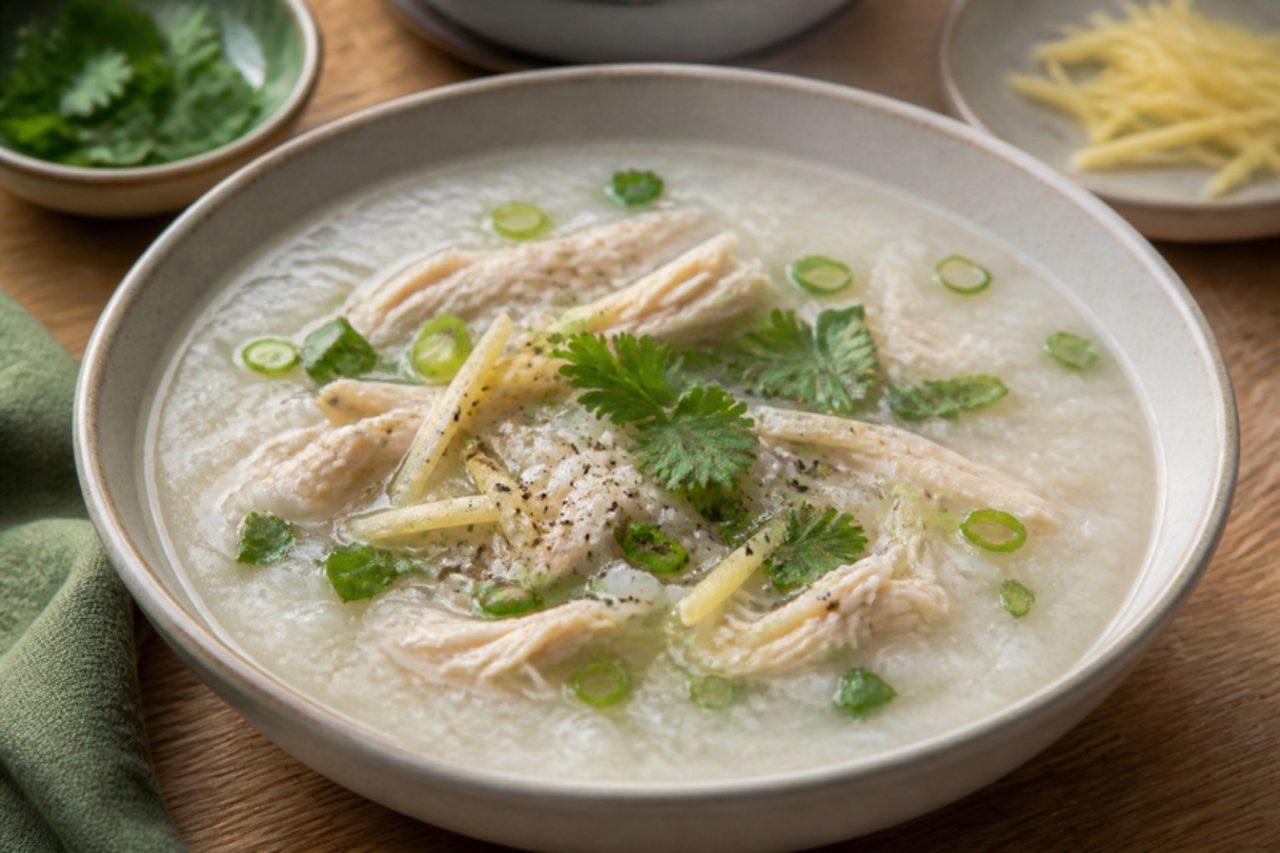
SawhchiarChicken and rice porridge

Sawhchiar is Mizoram's comfort food and community food at once: rice and chicken slowly cooked together until thick and soft. In Aizawl huge pots are made for church gatherings, festivals such as Chapchar Kut and for neighbours in times of mourning, and smaller pots at home for anyone feeling unwell. It is gently seasoned with ginger, garlic and pepper and eaten with a fiery chilli on the side. Chef's tip: stir from the bottom every few minutes near the end; once the rice thickens it catches quickly.

by KrazyBadal 0 views

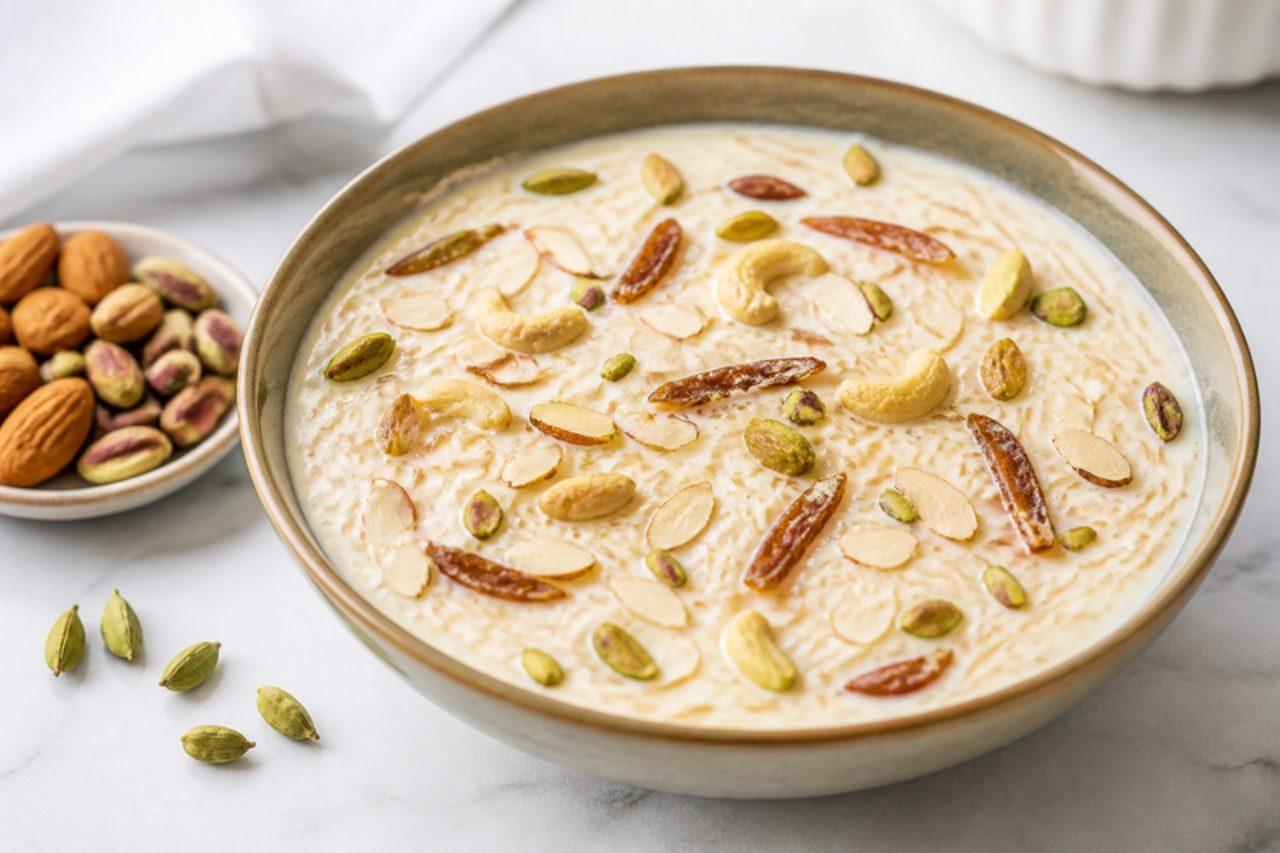
Sheer khurmaVermicelli milk pudding

Sheer khurma means milk with dates in Persian, and in Pakistan it is the taste of Eid ul-Fitr morning: after the Eid prayer, families come home and every visitor who knocks that day is handed a small bowl. It is richer and nuttier than everyday seviyan: whole milk is boiled down until creamy, fine vermicelli fried golden in ghee goes in late, and it is loaded with soaked dried dates (chhuhare), almonds, pistachios, cashews, raisins and charoli seeds, scented with cardamom. It is served warm in the morning and thickens to a spoonable pudding when cold. The mistake most people make is adding the vermicelli too early or using too much; it keeps drinking milk as it cools and turns stodgy. Chef's tip: soak the dried dates overnight and slice them thinly; fresh soft dates melt away, but soaked chhuhare stay chewy and sweet in every spoonful.

by KrazyBadal 0 views

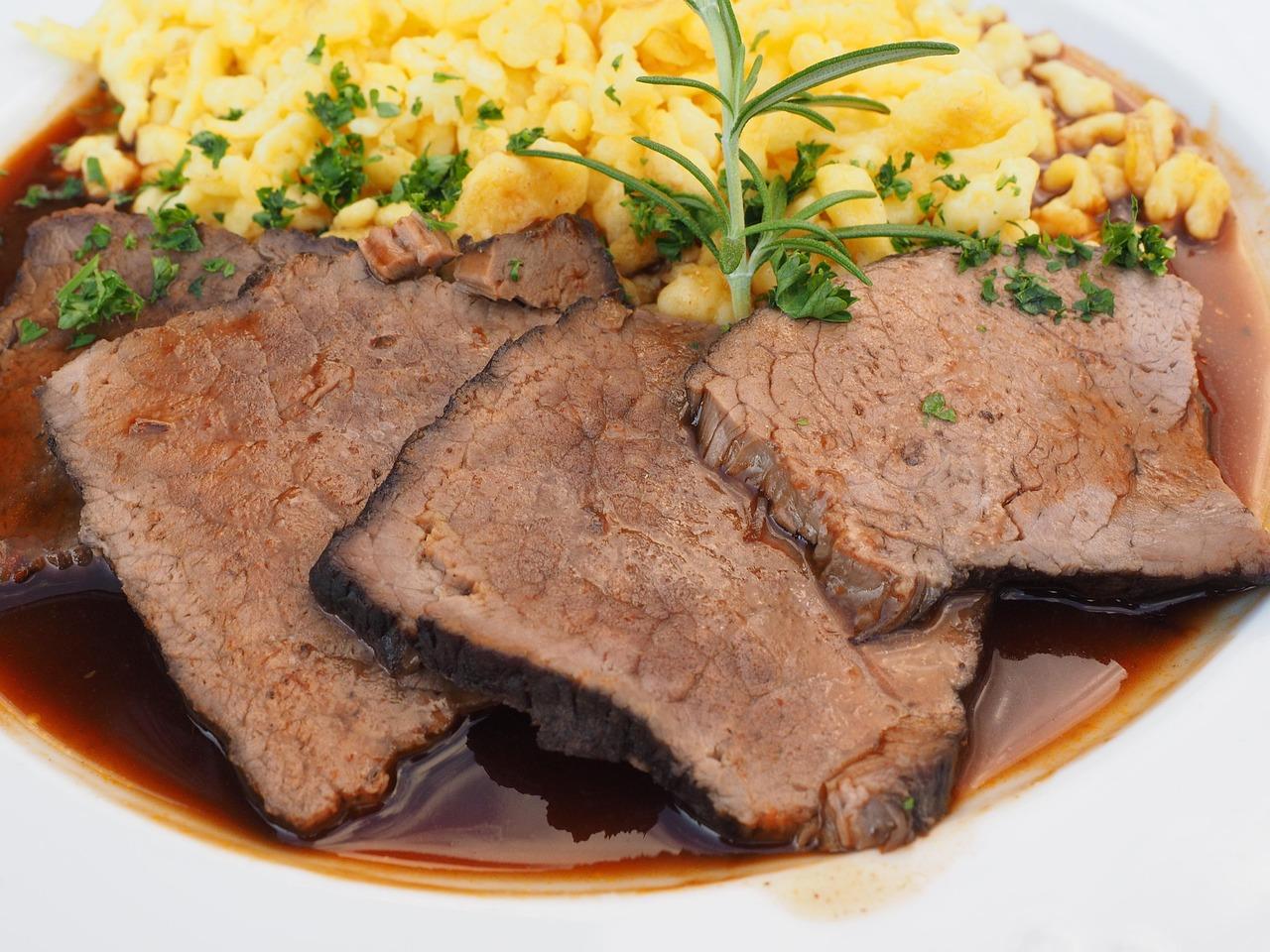
SauerbratenMarinated pot roast

Sauerbraten is the Rhineland's Sunday roast, from Cologne to Düsseldorf, and in the old days it was a way to keep beef for a week. A joint of topside sits for three days in a spiced vinegar marinade, then is braised slowly and served with a sweet-sour gravy thickened with crumbled gingerbread (Printen or Lebkuchen) and raisins. Red cabbage and potato dumplings are the classic plate. Many families put red wine in the marinade; this version uses red wine vinegar and stock, so it is alcohol-free, and you can swap 250 ml of the water for red wine if you like. A common mistake is serving it too soon: give the meat the full three days in the fridge so the vinegar reaches the middle. Chef's tip: dry the beef very well before browning, or it will steam and stay grey.

210 minGermanMeat
by KrazyBadal 0 views

Sheer yakhRose and cardamom ice cream

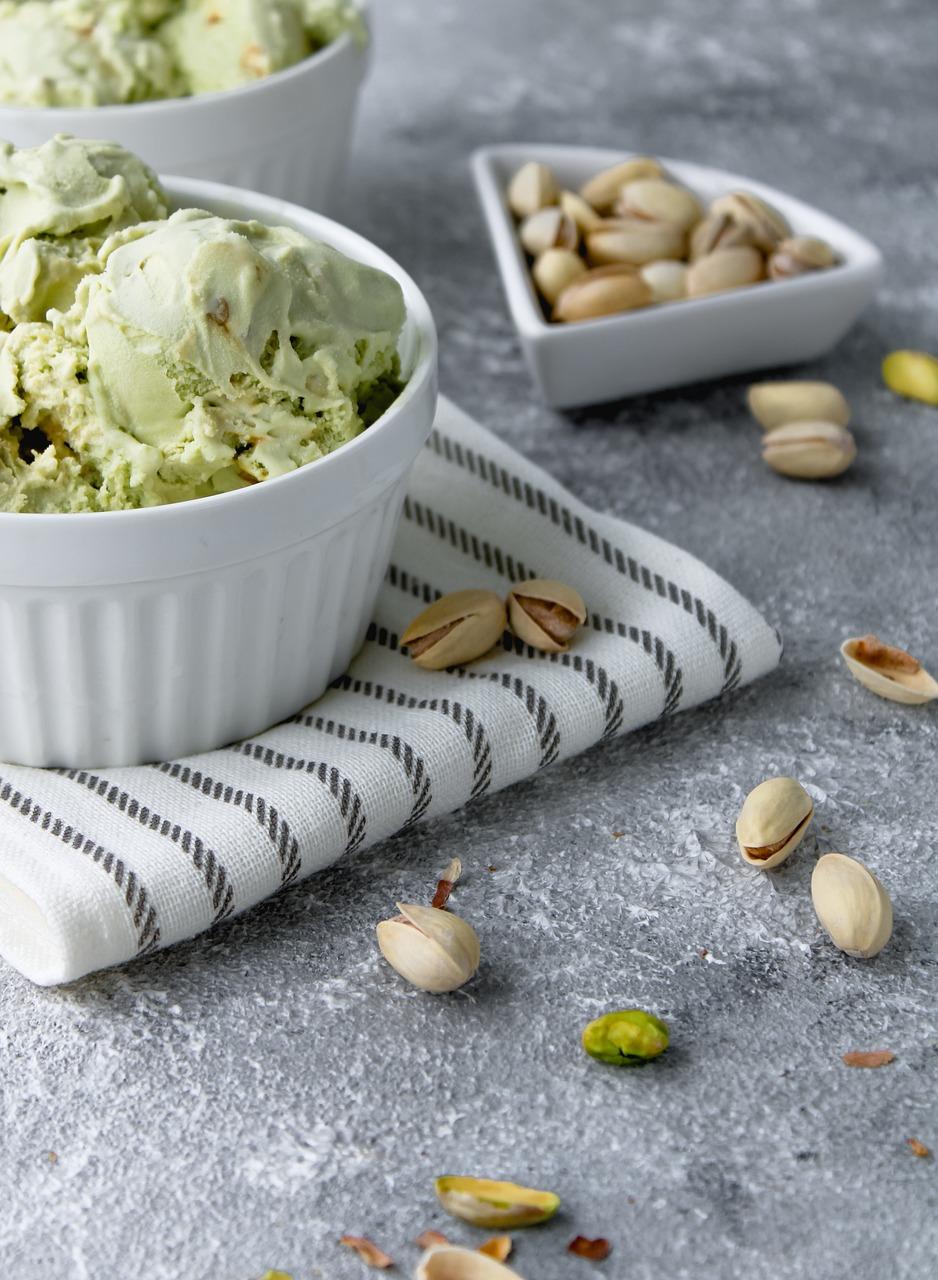
Sheer yakh, literally milk-ice, is the ice cream Kabul's street vendors once churned by hand in metal drums set in buckets of salted ice, and it's still the treat of choice on hot summer evenings and at Eid gatherings. It's dense and slightly stretchy, flavoured with cardamom and rose water and packed with chopped pistachios. Traditional sheer yakh is thickened with salep (orchid root); cornflour gives a similar body at home. Chef's tip: cook the custard until it thickly coats a spoon, then chill it overnight before freezing; a cold, aged base churns denser and smoother.

by KrazyBadal 0 views

Sauce graine with chicken and smoked fishPalm nut sauce with chicken

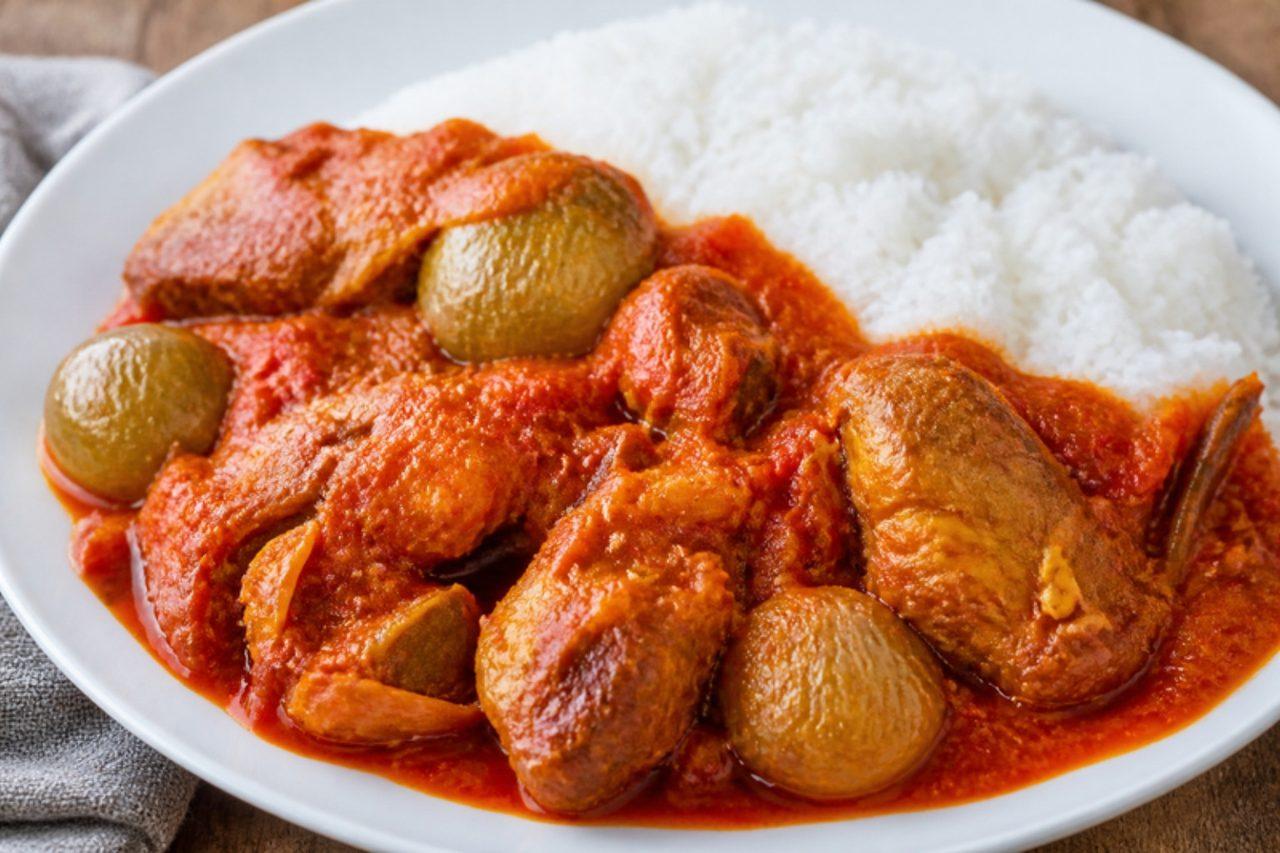
Sauce graine, palm-nut sauce, is the Sunday stew of southern Côte d'Ivoire, made in villages from freshly pounded palm fruit and in Abidjan from tins of palm-nut cream. It is deep orange-red, rich and slightly smoky from the smoked fish that goes in with the chicken, and is eaten with foutou banane, rice or attiéké. The mistake to avoid is boiling it hard at the end; palm-nut sauce should simmer gently until the oil rises to the top, which is how you know it is done. Chef's tip: use bone-in chicken; the bones give the sauce body.

by KrazyBadal 0 views

ShekerburaNut-filled half-moon pastries

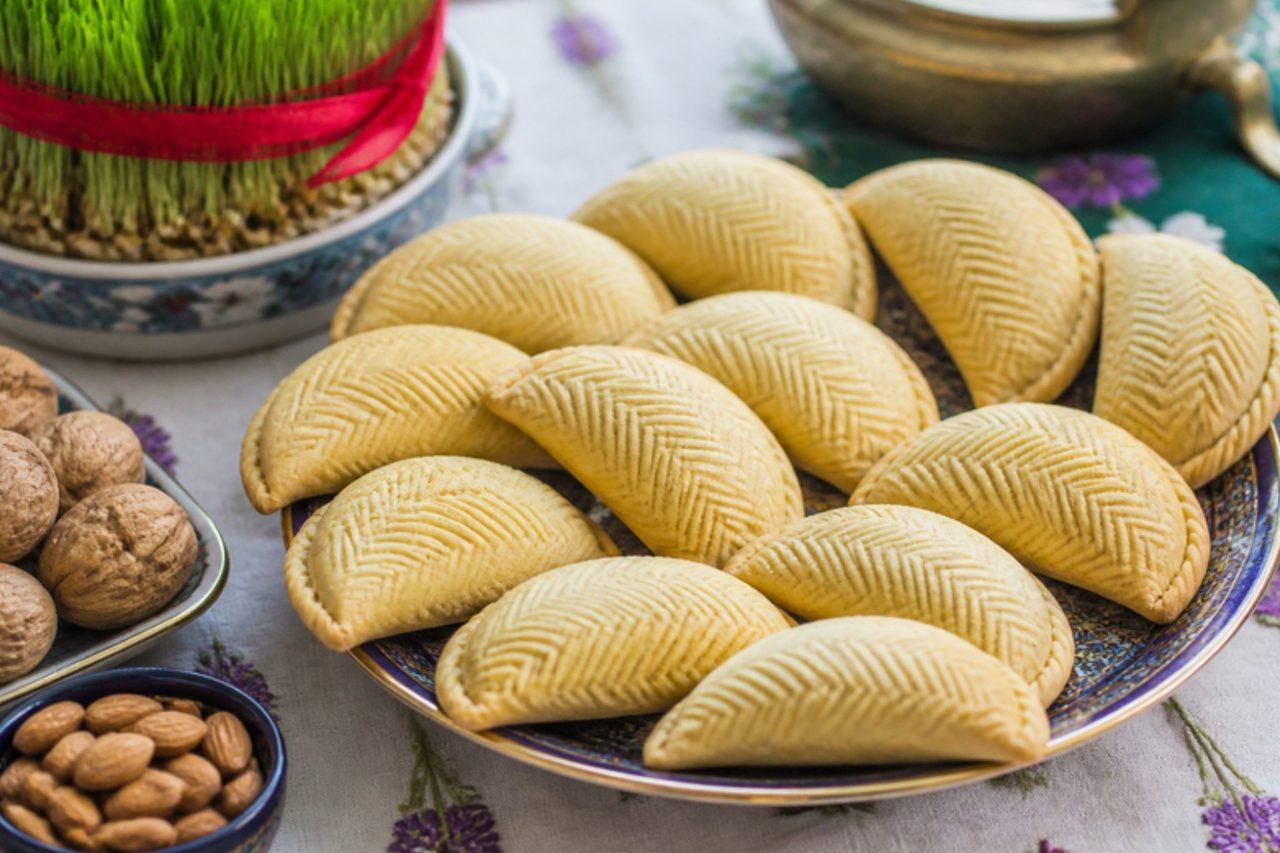
Şəkərbura is one of the three sweets that must be on the khoncha tray at Novruz, the spring new year celebrated on 20–21 March, alongside pakhlava and gogal. The half-moon shape is said to stand for the moon, and the fine herringbone pattern on top is pinched by hand with small brass tweezers called maggash, a skill passed down at family baking sessions in the days before the holiday. Inside is a sweet, fragrant mix of ground almonds or walnuts with sugar and cardamom. Shaki is famous for its shekerbura, though every family has its own pattern. Serve with black tea. Chef's tip: bake them pale; shekerbura should stay creamy-white with only the edges just turning blond, never brown.

by KrazyBadal 0 views

ShekerchoreyiCrackle-top shortbread

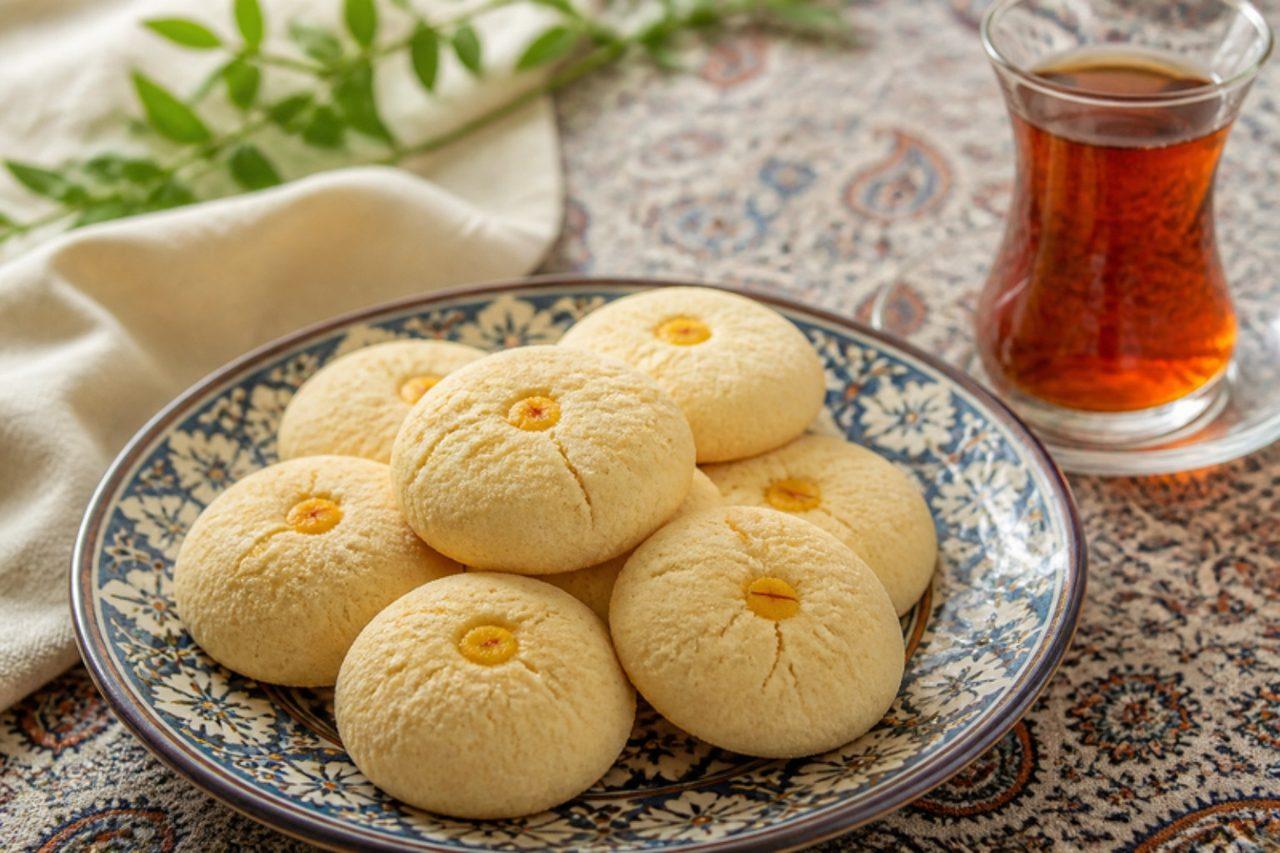
Şəkərçörəyi, "sugar bread", is the simplest of the Novruz sweets: small domed shortbreads made from melted butter, icing sugar and flour, whose tops crack in fine lines like dry earth as they bake. They melt in the mouth and leave a powdery sweetness, and families in Ganja and Baku bake big batches in the week before the spring festival to fill trays for visiting neighbours. Some cooks press a hazelnut or a pinch of poppy seeds into the centre. Serve with tea, ideally with a spoonful of quince jam. Chef's tip: let the melted butter cool and turn pale and creamy before mixing; hot butter makes the biscuits spread flat and greasy.

by KrazyBadal 0 views

ShelpekThin fried flatbreads

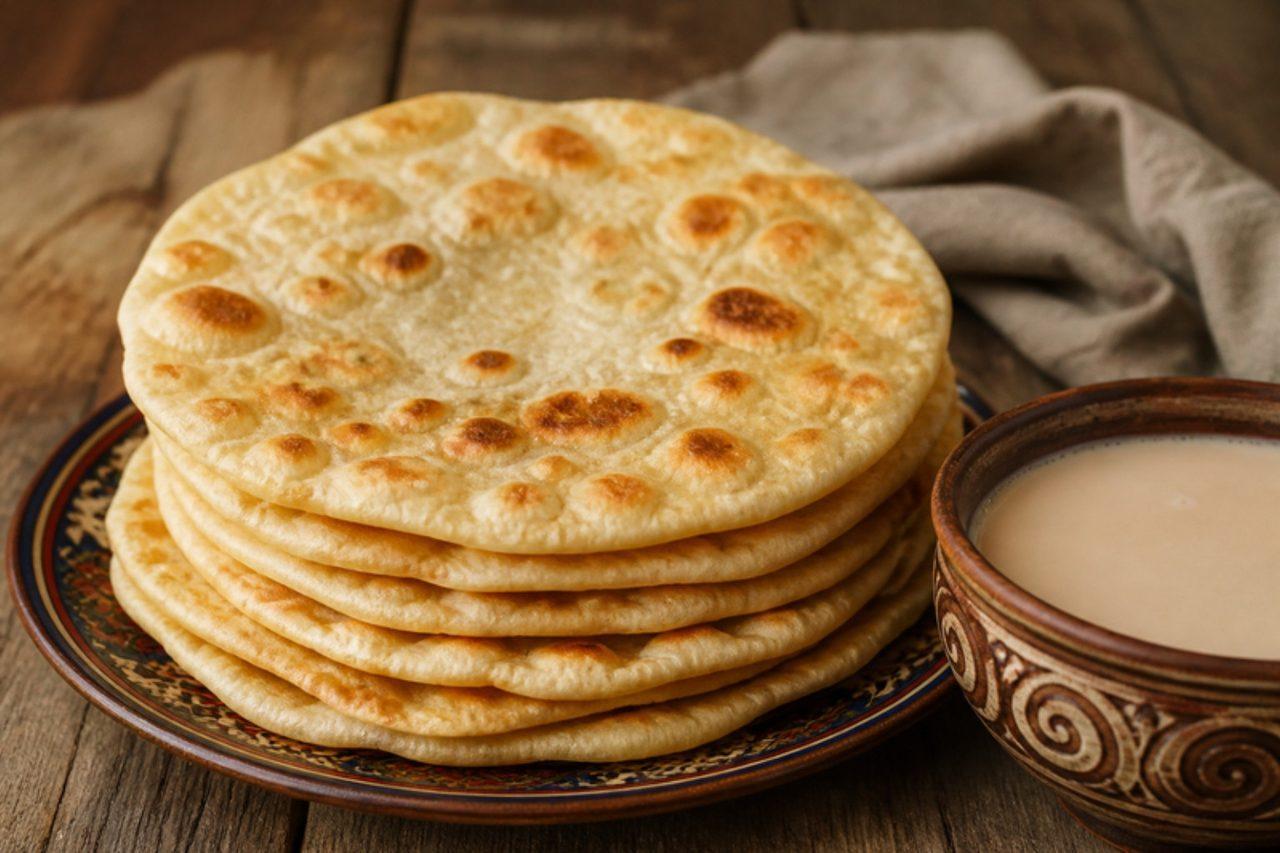
Shelpek are paper-thin flatbreads fried in a shallow pan, and in Kazakh homes they carry meaning: on Thursday evenings and Fridays women fry seven shelpek 'for the smell', a prayer for the ancestors, and they're handed out at funerals and memorial meals. In everyday life they are eaten warm with tea, butter and jam, all over Kazakhstan and in the Kyrgyz villages across the Tian Shan. The dough is soft and rich with milk and butter, and takes minutes to fry. Chef's tip: roll them almost transparent; thin shelpek blister and stay soft, thick ones go stiff like crackers.

by KrazyBadal 0 views

Shengjian baoPan-fried pork buns

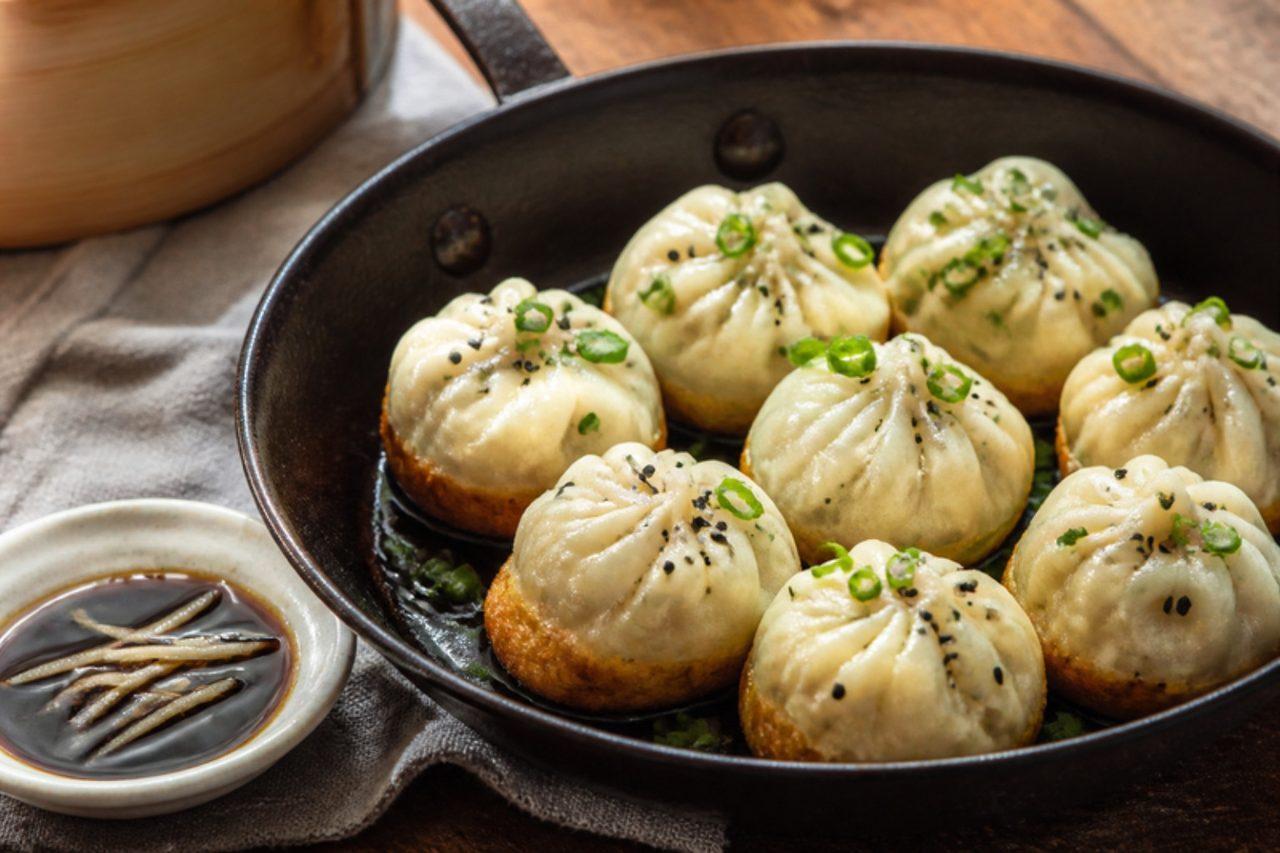
Shanghai wakes up to the sound of shengjian bao sizzling in huge flat pans, the cooks spinning the pans over the flame and splashing in water so the buns fry and steam at the same time. What you get is a soft, slightly fluffy top scattered with sesame and spring onion, a crackling brown base and a juicy pork filling that squirts if you bite too fast. They are breakfast food, bought by the four and eaten from paper trays with black vinegar. A heavy non-stick or cast-iron frying pan with a tight lid works perfectly at home. Chef's tip: let the shaped buns rise for 15 minutes before frying, no longer; over-risen dough flattens and loses its neat shape in the pan.

by KrazyBadal 0 views

Sattu sharbatRoasted gram flour drink

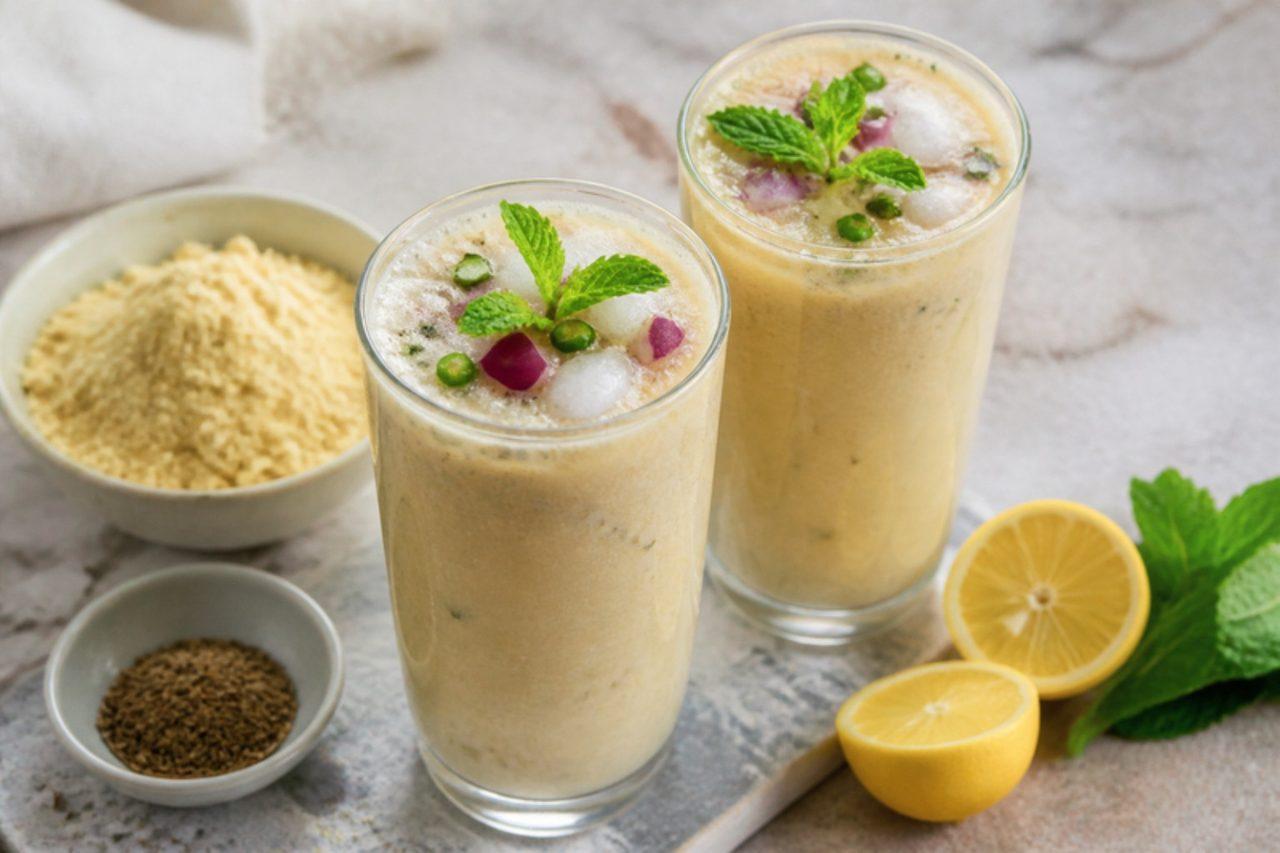
On scorching May afternoons in Patna, handcarts with steel pots and heaps of lemons sell sattu sharbat by the glass: roasted gram flour whisked into cold water with black salt, roasted cumin, lemon and a bit of raw onion and chilli. It is filling enough to stand in for lunch and is the drink rickshaw pullers and farm workers swear by to beat the loo, the hot summer wind. It tastes savoury, nutty and sharp all at once. Chef's tip: whisk the sattu into a little water first to a smooth paste, then dilute it; tipping it straight into a full glass leaves dry lumps.

by KrazyBadal 0 views

Sattu parathaRoasted gram stuffed flatbread

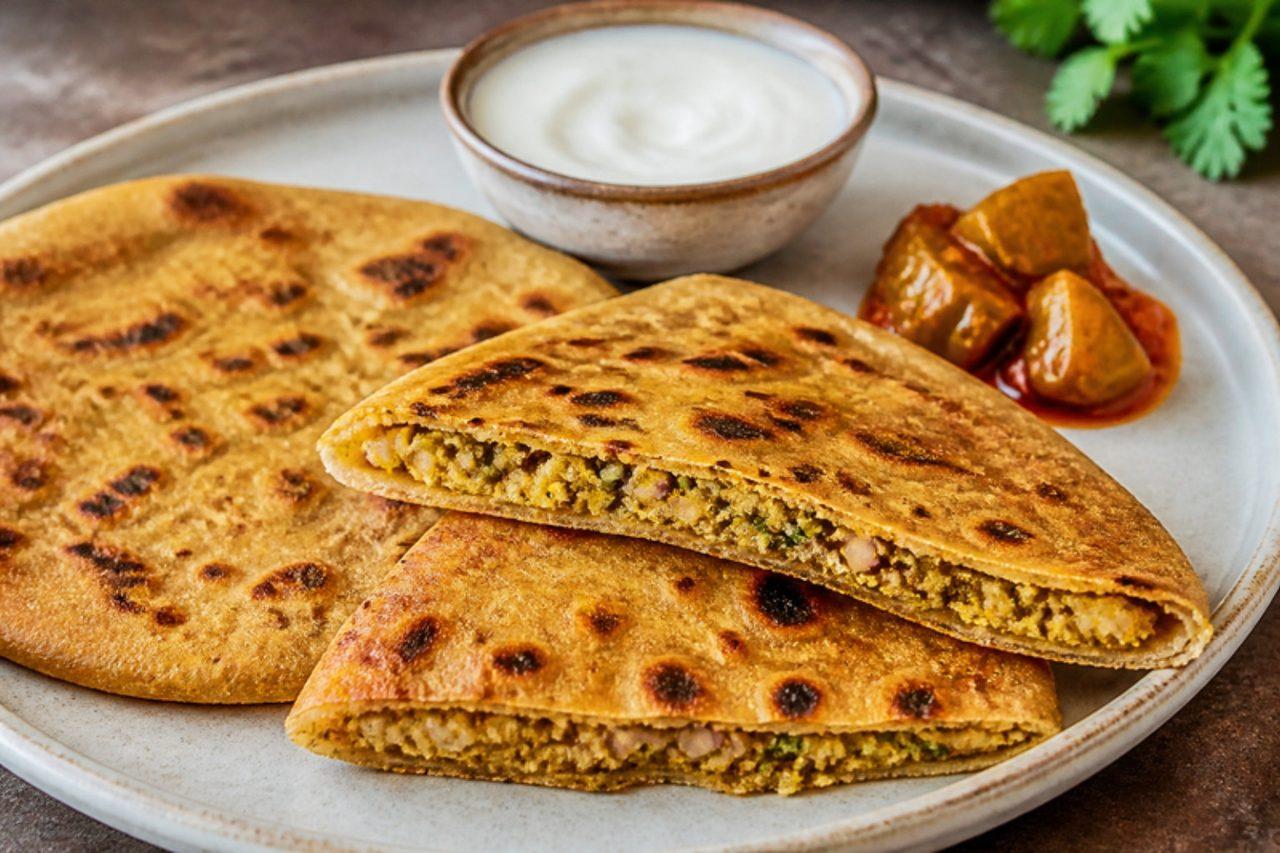
Sattu paratha is a Bihari breakfast that keeps farmers going until lunch. Sattu, roasted bengal gram ground to a fine flour, is mixed with onion, garlic, green chilli, carom seeds and a dash of pickle masala, then rolled into wholemeal dough and cooked on a hot tawa until blistered. The filling is savoury, punchy and high in protein, and the bread stays soft for hours, which is why it's packed for long journeys. Serve with curd or chokha and a pickle. Chef's tip: moisten the filling just enough to clump; a dry sattu filling bursts through the dough and burns on the tawa.

by KrazyBadal 0 views

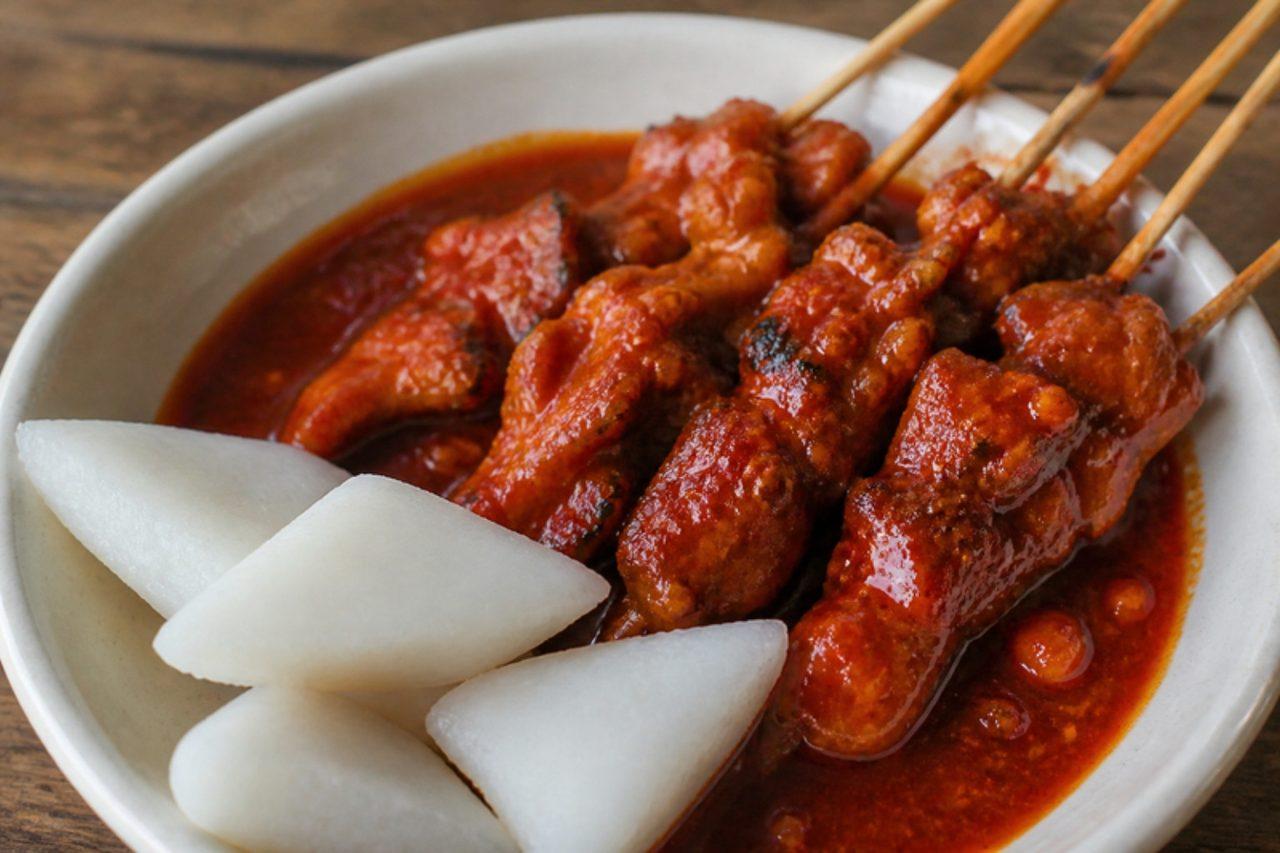
SattiChicken skewers in spicy sauce

Satti is how Zamboanga City starts the day: small skewers of grilled chicken or beef, smoky from charcoal, drowned in a thin, spicy, slightly sweet red sauce and eaten with ta'mu, little rice cakes cooked in woven palm-leaf pouches. Satti houses near the port open before sunrise and are busiest on weekend mornings. It is a cousin of Malaysian and Indonesian satay, but the sauce is runnier and spiced with chilli and a little peanut. Pressed rice cubes or plain rice stand in well for ta'mu at home. Chef's tip: thread the chicken in small, flat pieces and close together; they cook fast and stay juicy before the outside dries.

by KrazyBadal 0 views

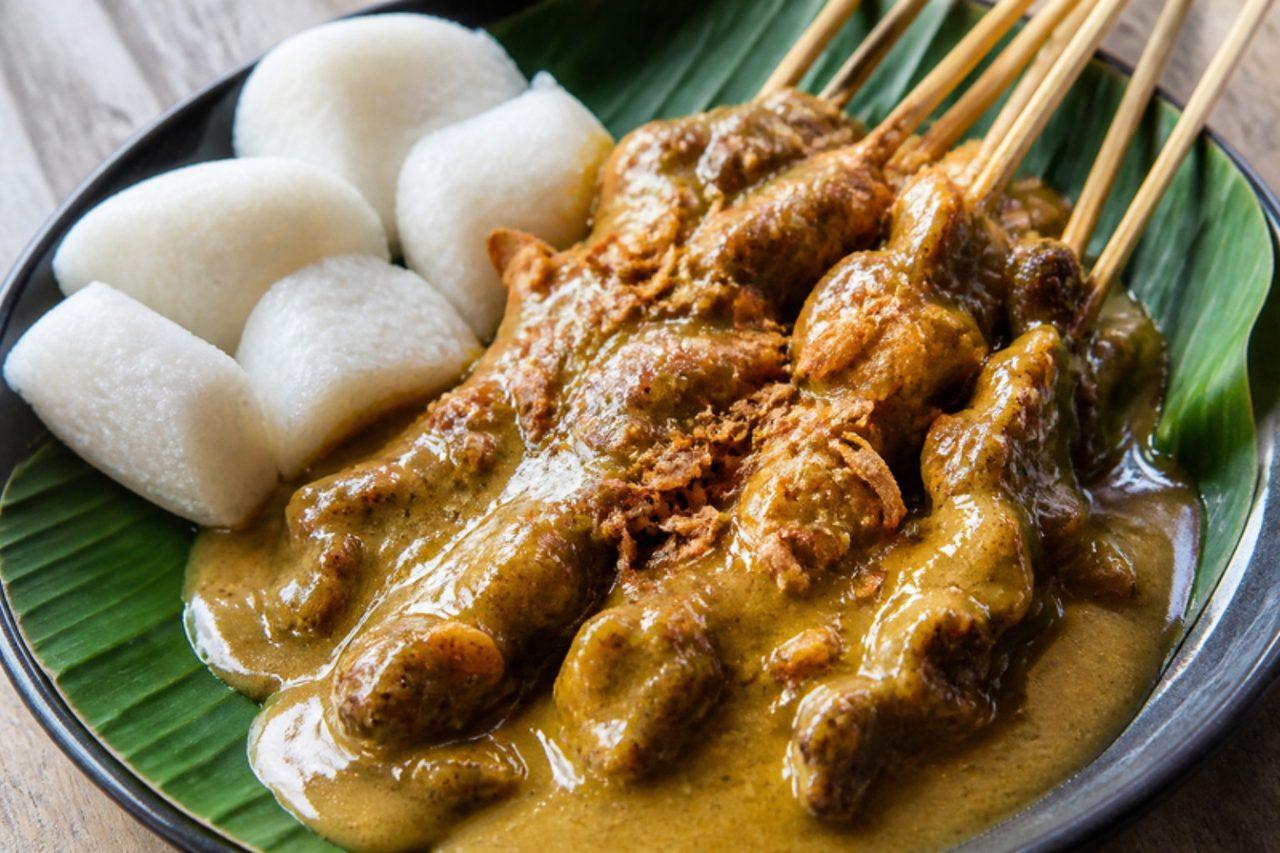
Sate PadangBeef skewers in spiced sauce

Night-time in Padang and Bukittinggi brings out the sate carts, fanning charcoal under skewers of beef that were already simmered tender in spices before they ever met the grill. That two-stage cooking is what sets West Sumatra's satay apart, and so is the sauce: no peanuts at all, but the spiced cooking broth thickened with rice flour into a smooth, glossy, turmeric-yellow gravy with plenty of chilli and ginger. It is ladled generously over the skewers and over slices of ketupat rice cake on a banana leaf, then finished with fried shallots and a crisp cracker. Chef's tip: keep the cooking broth; it's the base of the sauce, and the deeper it tastes, the better your sate.

by KrazyBadal 0 views

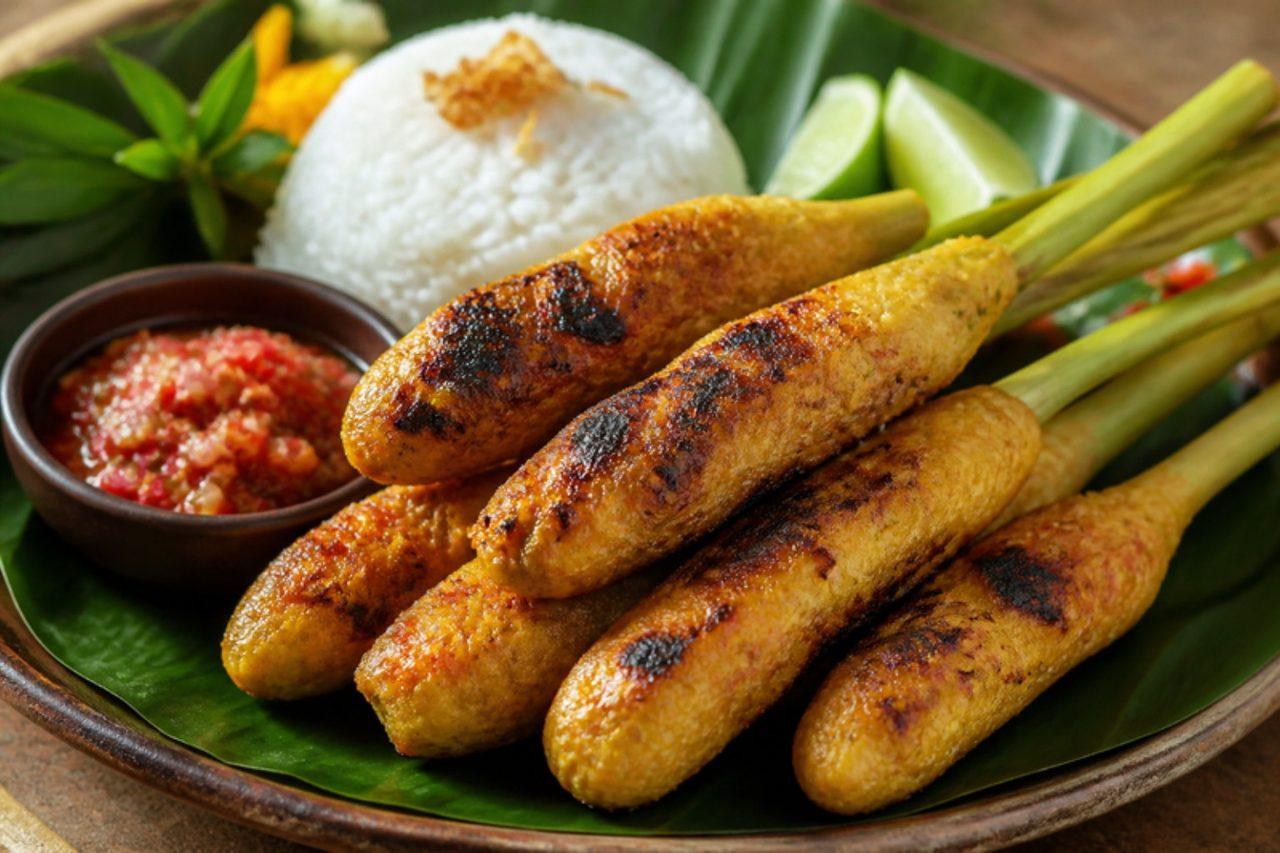
Sate lilitMinced fish skewers

When a Balinese village gets ready for a temple festival, the men gather the night before to chop, pound and mix sate lilit, while the women prepare the offerings. 'Lilit' means to wrap: instead of threaded chunks, a soft mixture of minced fish, grated coconut and base genep spice paste is moulded around lemongrass stalks or flat bamboo sticks and grilled over coconut-husk embers. The result is tender and lightly springy inside, browned and smoky outside, with the lemongrass perfuming every bite. Eat them hot with rice, sambal matah and a wedge of lime. Chef's tip: knead the mixture firmly until it feels sticky and chill it before shaping, or it will slide off the sticks on the grill.

by KrazyBadal 0 views

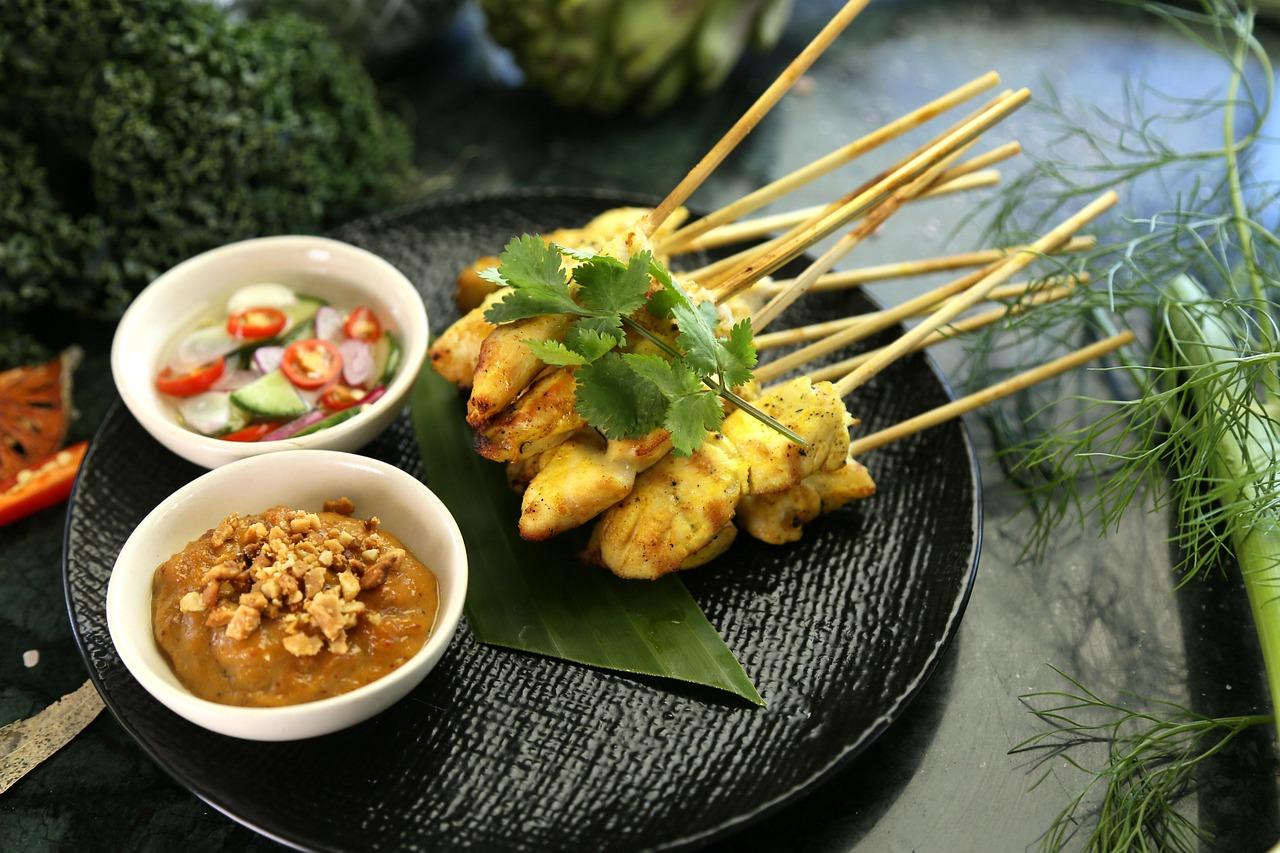
Satay (Kajang)Chicken satay

The town of Kajang, just south of Kuala Lumpur, built its name on satay, and evenings there still smell of lemongrass smoke drifting from long charcoal troughs. Kajang skewers are cut in larger chunks than most, soaked in a yellow marinade of turmeric, lemongrass, cumin and fennel, and grilled while being basted with oil brushed on through a lemongrass stalk. They come with a chunky, sweet-spicy peanut sauce, cubes of compressed rice (nasi impit), raw onion and cucumber. Order them by the dozen with friends as a starter or a whole supper. Chef's tip: thread a small piece of chicken skin or fat between the meat on each skewer; it melts over the coals and keeps the satay juicy.

by KrazyBadal 0 views

Sata andagiOkinawan doughnuts

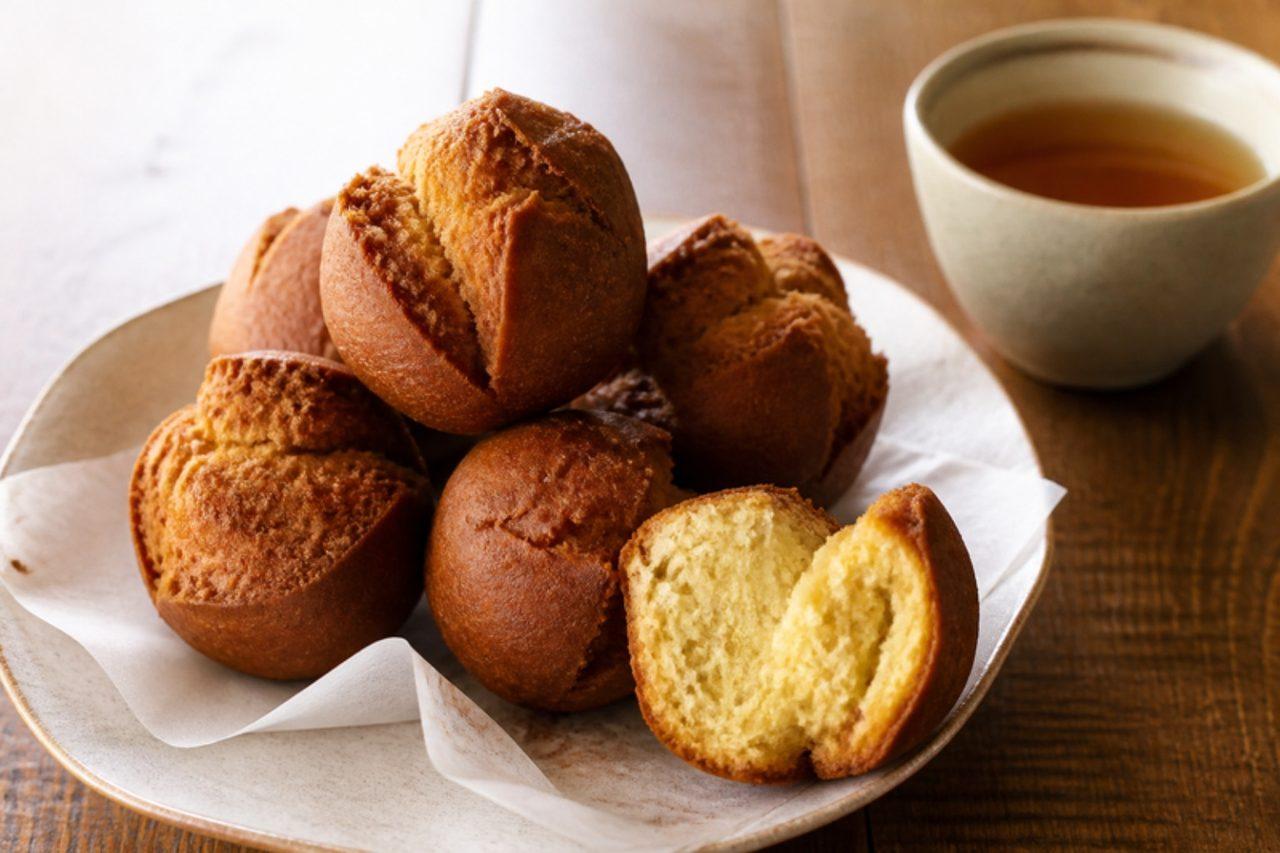
In the Okinawan language, sata andagi simply means 'sugar deep-fried'. These round doughnuts came from Chinese sweets brought to the old Ryukyu kingdom and have been a family treat on the islands for centuries, made for celebrations and sold warm in paper bags at Naha's Makishi market. They are dense and cakey inside with a thick, crunchy crust, and as they fry they split open into a shape Okinawans call a smile, a sign of good luck. Okinawa's dark kokuto sugar gives them a caramel flavour; brown sugar works too. Chef's tip: fry in oil that is only warm, about 150°C. Slow frying lets the balls cook through and crack open, while hot oil seals them shut and leaves the middle raw.

by KrazyBadal 0 views

ShingaraPotato-filled pastry cones

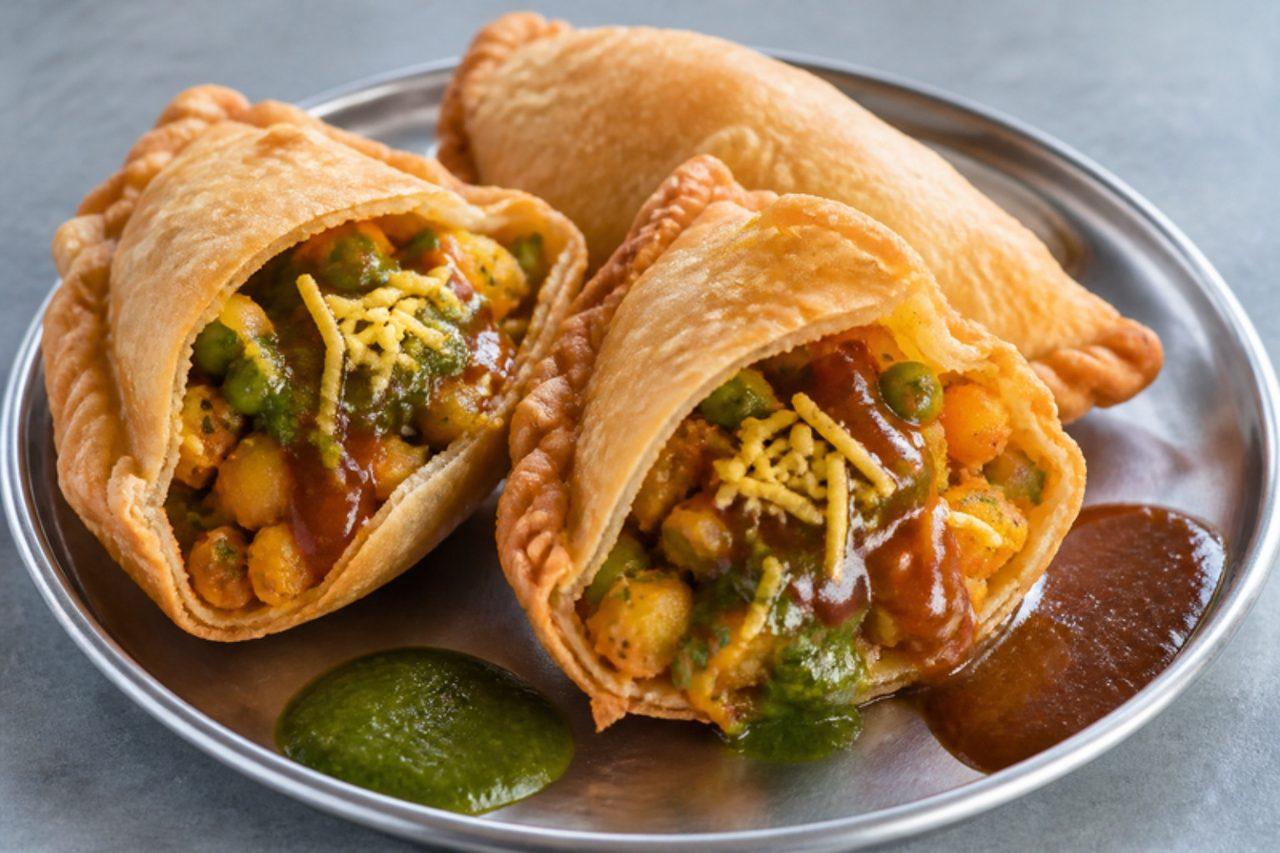
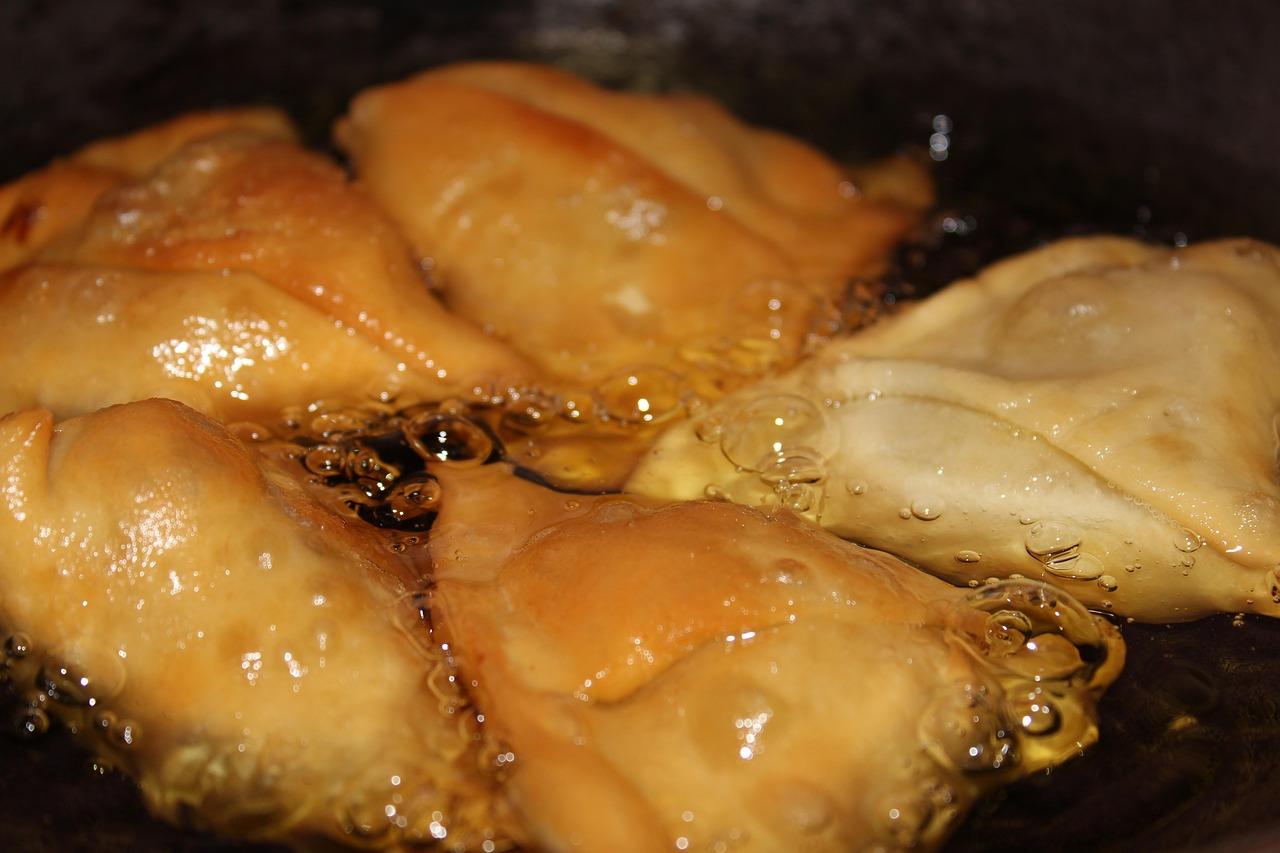
Shingara is Bengal's samosa, and every Kolkata sweet shop fries a batch for the evening tea crowd. It differs from the North Indian kind in small, important ways: the pastry is flecked with nigella seeds, the potatoes are diced rather than mashed, and in winter the filling gets cauliflower florets, fried peanuts and a few raisins, all tempered with panch phoron. The shape is a tall cone with a tight pleated top, so it stands upright on the plate. Chef's tip: dice the potato small (1 cm) and cook it only until just tender; mushy potato turns the filling into mash and loses that Bengali bite.

by KrazyBadal 0 views

Sarva pindiRice flour and peanut flatbread

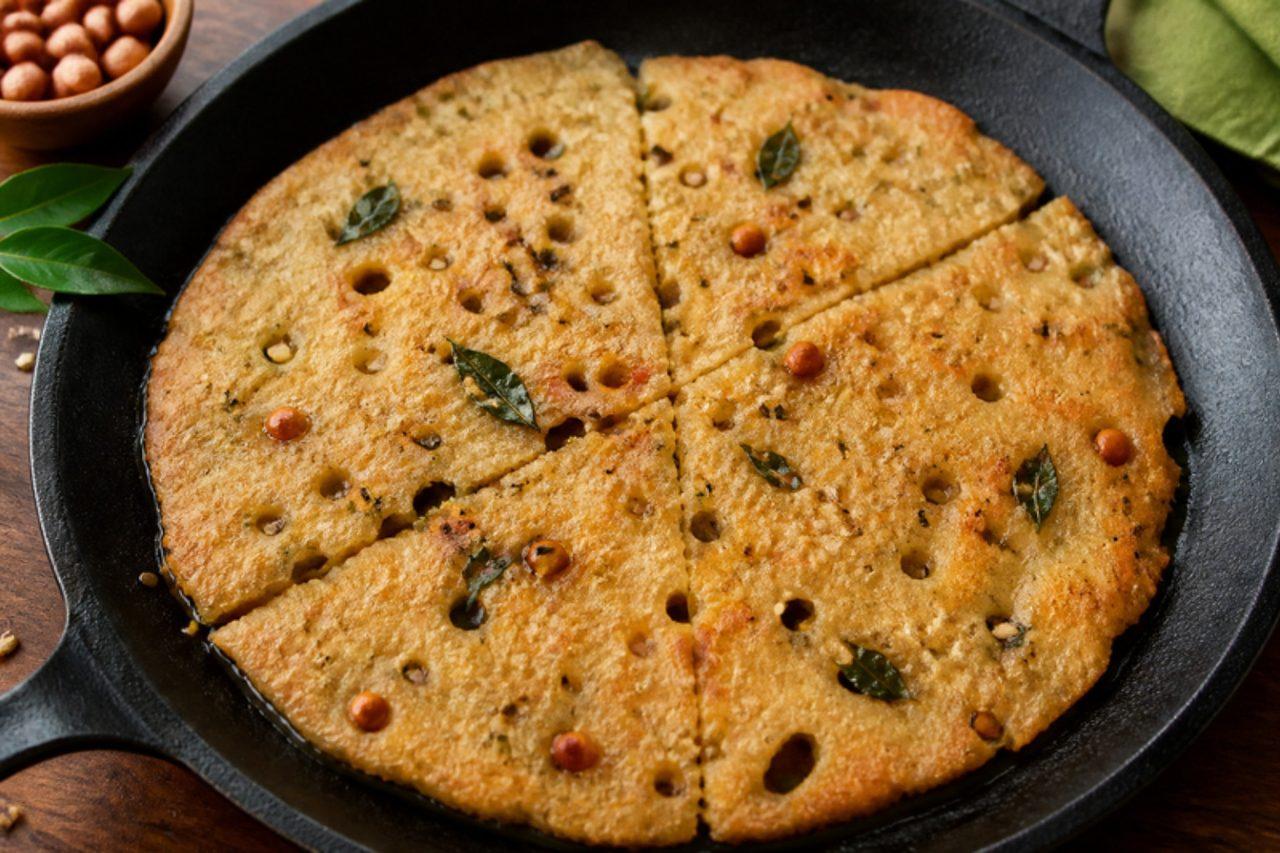
Sarva pindi, also called ginne appa or tapala chekka, is a thick, crisp rice-flour bread from rural Telangana, pressed by hand into a heavy pan, studded with holes and baked slowly in oil until the base is golden and crunchy. The dough is full of soaked chana dal, peanuts, sesame, green chilli, curry leaves and coriander, so every bite is savoury and nutty. It is the snack that waits on the stove when children come home from school, and a favourite for Sankranti and long train journeys because it keeps well. Chef's tip: press the dough into a cold pan, not a hot one; it spreads evenly and the holes stay open as it heats.

by KrazyBadal 0 views

Sardinhas assadasGrilled sardines

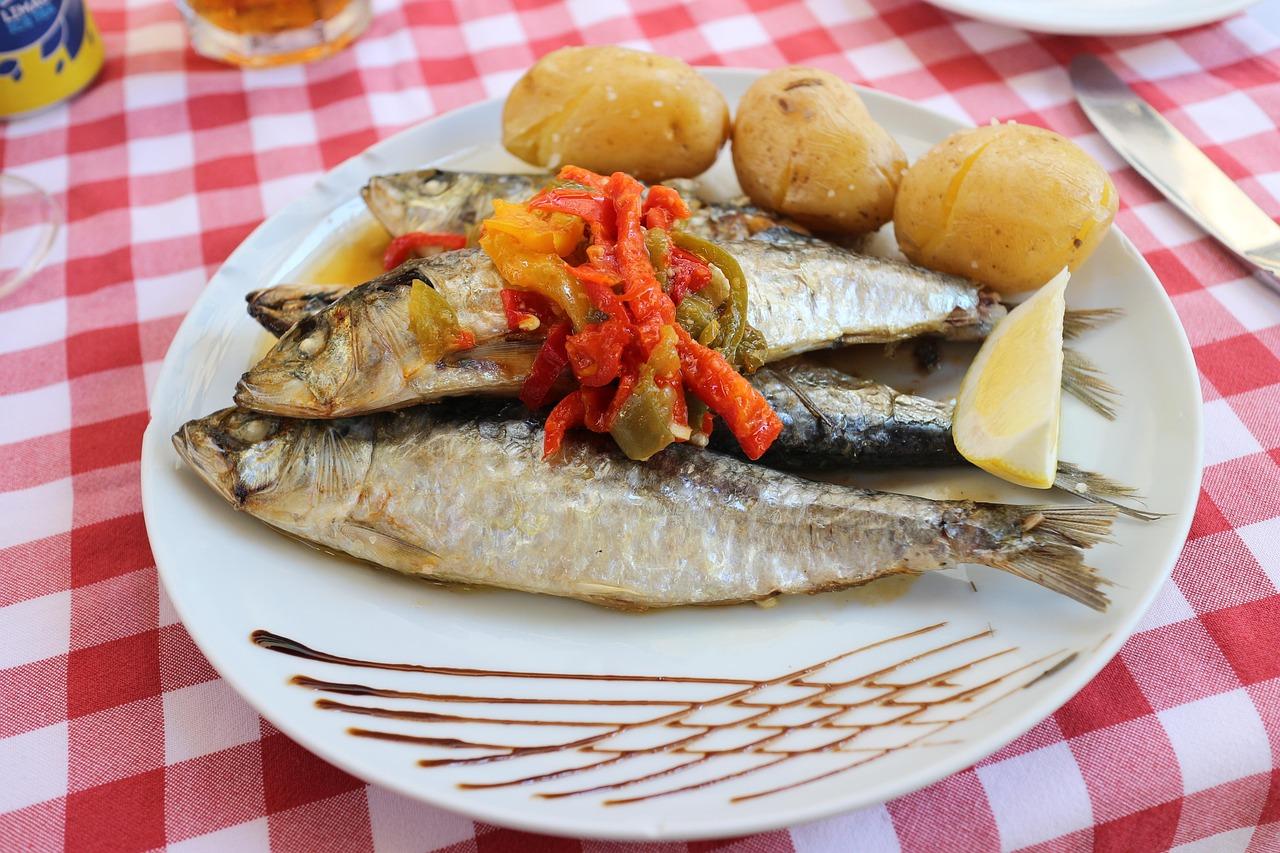
In June the steep lanes of Alfama and Mouraria fill with smoke during the Santos Populares, Lisbon's street festivals for Saint Anthony, and almost every grill is loaded with sardines. They are salted, grilled whole over charcoal until the skin blisters, and laid on a thick slice of country bread that soaks up their juices. Add roasted green peppers and a salad of tomato and onion, and that is the whole feast. Chef's tip: salt the sardines with coarse salt 30 minutes before grilling and keep them chilled; the salt firms the skin so it doesn't stick to the grill.

by KrazyBadal 0 views

Shirin poloSweet saffron rice

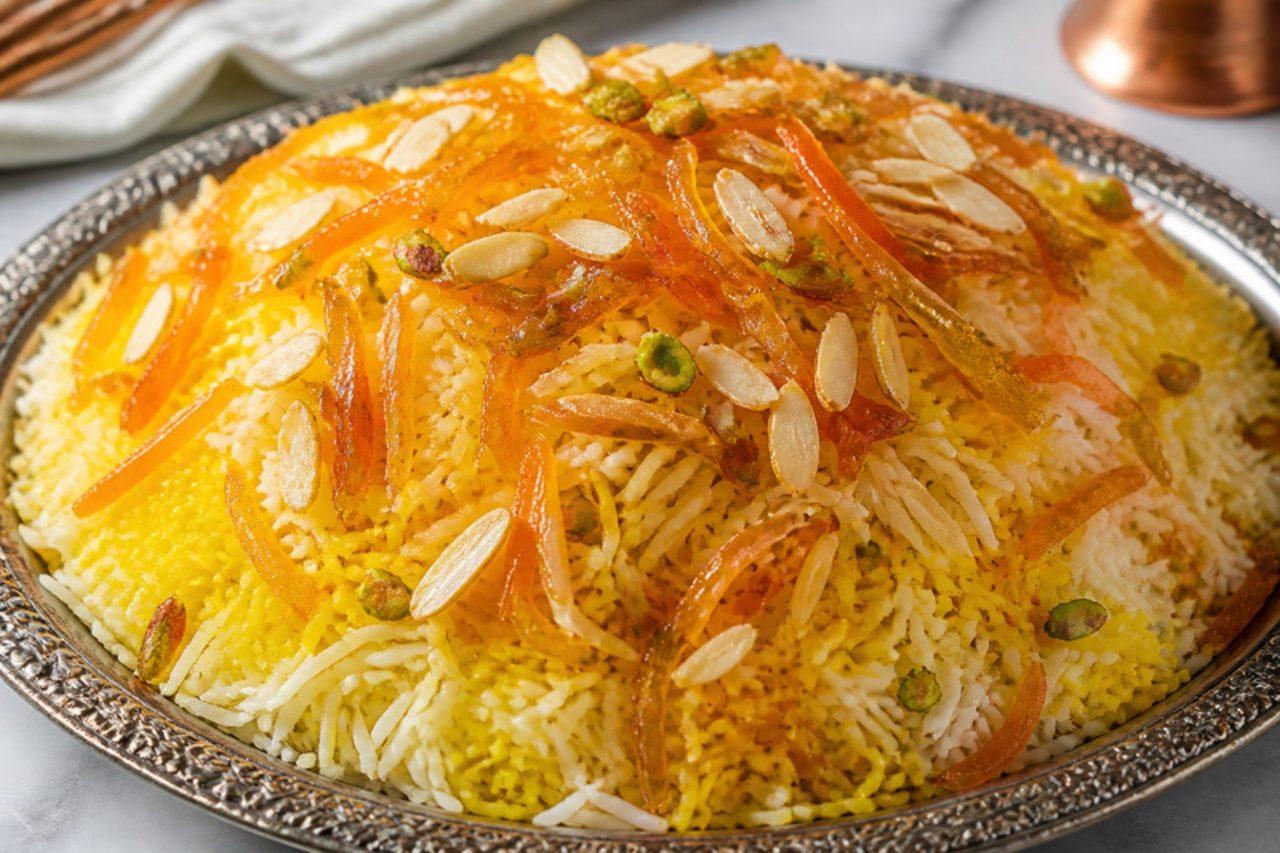
Shirin polo ('sweet rice') is the wedding rice of Iran, especially among Azerbaijani families in Tabriz, where a gleaming platter of it is carried out at the celebration feast to wish the couple a sweet life. Long grains of saffron rice are layered with candied orange peel, fine strips of carrot, slivered almonds and pistachios, all perfumed with cardamom and rosewater. It is fragrant and only gently sweet, with a citrus bitterness that keeps it from being cloying. Serve it as the centrepiece of a party with yogurt and a herb stew. Chef's tip: blanch the orange peel three times in fresh water; skip this and the whole platter tastes bitter.

by KrazyBadal 0 views

Vegetable Shan noodlesRice noodles with tomato sauce

Shan khao swe comes from the hills of Shan State in eastern Myanmar, where it's eaten for breakfast at markets around Inle Lake and Taunggyi before the day's work begins. Sticky rice noodles are tossed with a garlicky tomato sauce, sesame oil and crushed peanuts, then served with pickled mustard greens and a small bowl of clear broth on the side. Markets usually make the sauce with chicken or pork; here mushrooms and tofu give it the same savoury depth. Chef's tip: cook the tomatoes down until the oil separates and the sauce turns jammy; a watery sauce slides off the noodles and tastes flat.

by KrazyBadal 0 views

Shiro watSpiced chickpea flour stew

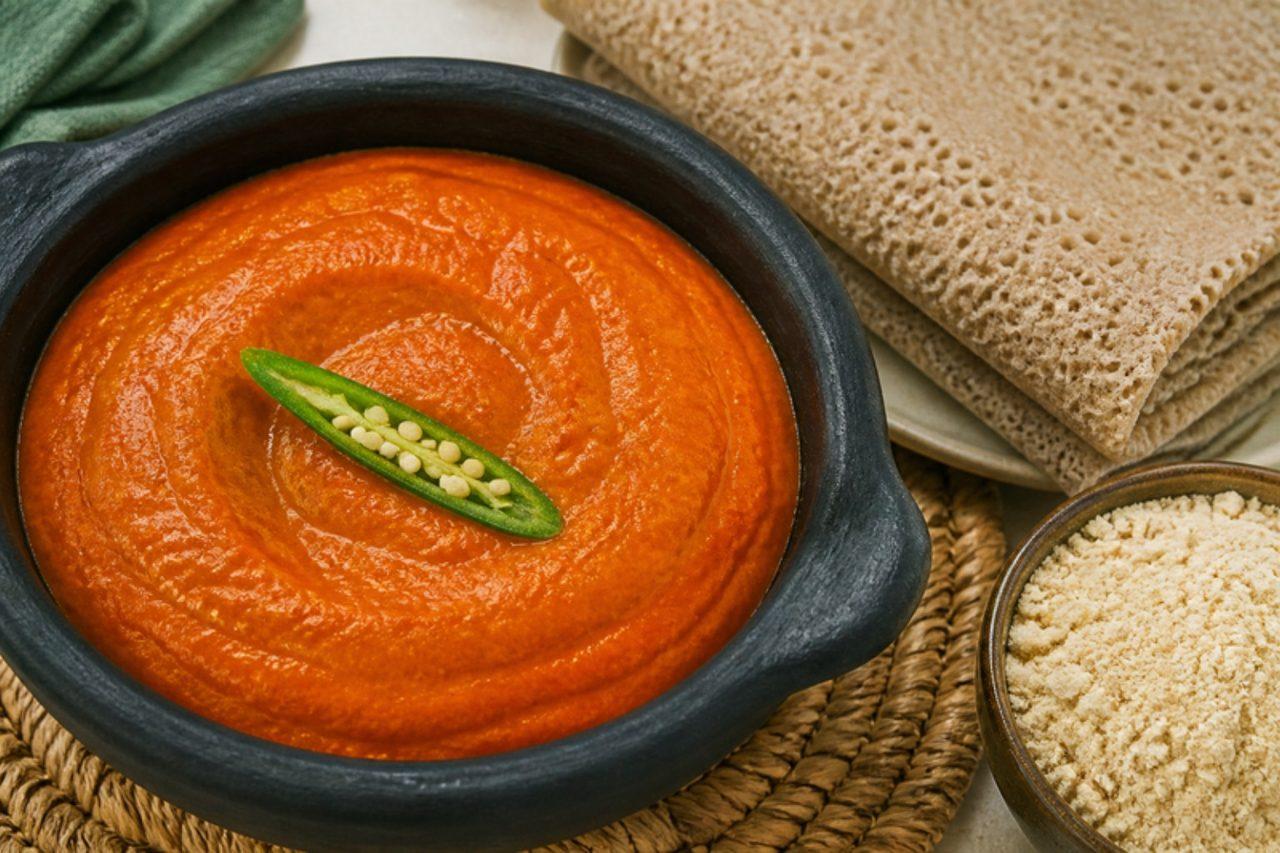
Shiro is the most eaten dish in Ethiopia: on Wednesdays and Fridays and during Lent, when Orthodox Christians fast from all animal food, kitchens from Addis Ababa to Mekelle make it daily, and it is a favourite in Eritrea too. It is made from shiro powder, a ground mix of roasted chickpeas or field peas with garlic, ginger and berbere, whisked into a red onion base and simmered into a smooth, thick sauce. Served bubbling in a clay pot over injera, it is comforting, spicy and very cheap. On non-fasting days, a spoon of niter kibbeh stirred in at the end makes it richer. Chef's tip: whisk the shiro powder in slowly, a spoonful at a time, and keep whisking; dumped in all at once it forms lumps that never dissolve.

by KrazyBadal 0 views

Vegetable Sindhi biryaniLayered vegetable biryani

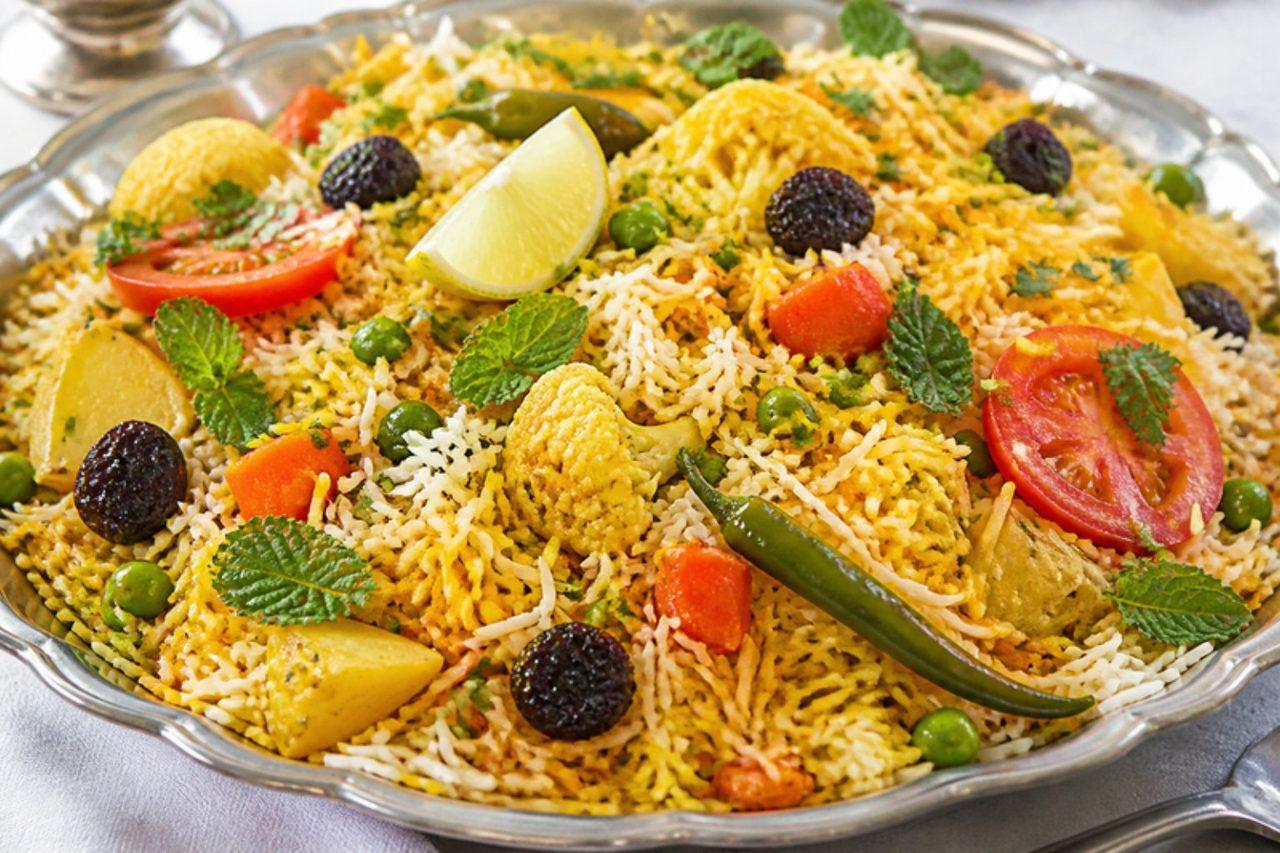
Sindhi biryani is the biryani of Karachi, Hyderabad and the rest of Sindh, and it is the one people order by the deg (a huge pot) for weddings, Eid lunches and every big family gathering. What makes it Sindhi is the tang and the heat: plenty of tomatoes, yogurt, whole green chillies and sour dried plums (aloo bukhara) in the masala, with chunks of potato that soak up all of it. This vegetable version keeps all of that and swaps the meat for potato, carrot, cauliflower and peas, layered with half-cooked basmati, fried onions, mint and saffron milk, then steamed shut. A common mistake is boiling the rice until soft before layering; take it out when a grain still has a firm white core, because it finishes in the steam. Chef's tip: fry the onions until deep brown but not black, and keep the oil they fried in; it carries their flavour into every layer.

by KrazyBadal 0 views

Shish taoukMarinated chicken skewers

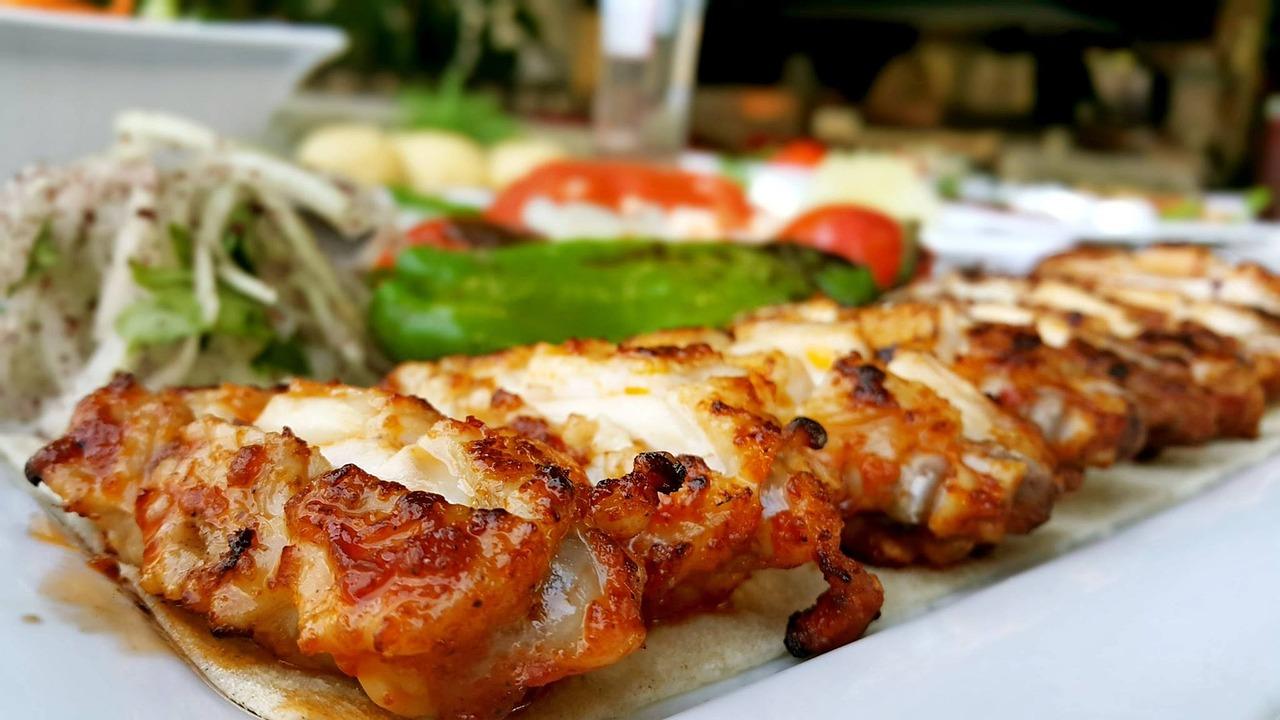
Walk past any grill shop in Beirut in the evening and you'll smell shish taouk: cubes of chicken soaked in yogurt, lemon, garlic and a little tomato paste, charred over coals and stuffed into thin bread with toum, pickles and chips. At home it is a weekend barbecue favourite and an easy weeknight dinner under the grill, with fattoush or hummus on the side. The yogurt tenderises the meat and the tomato paste gives the edges their red-gold char. Chef's tip: use thighs rather than breast if you can; they stay juicy even when the edges catch.

by KrazyBadal 0 views

ShitoDried fish chilli oil

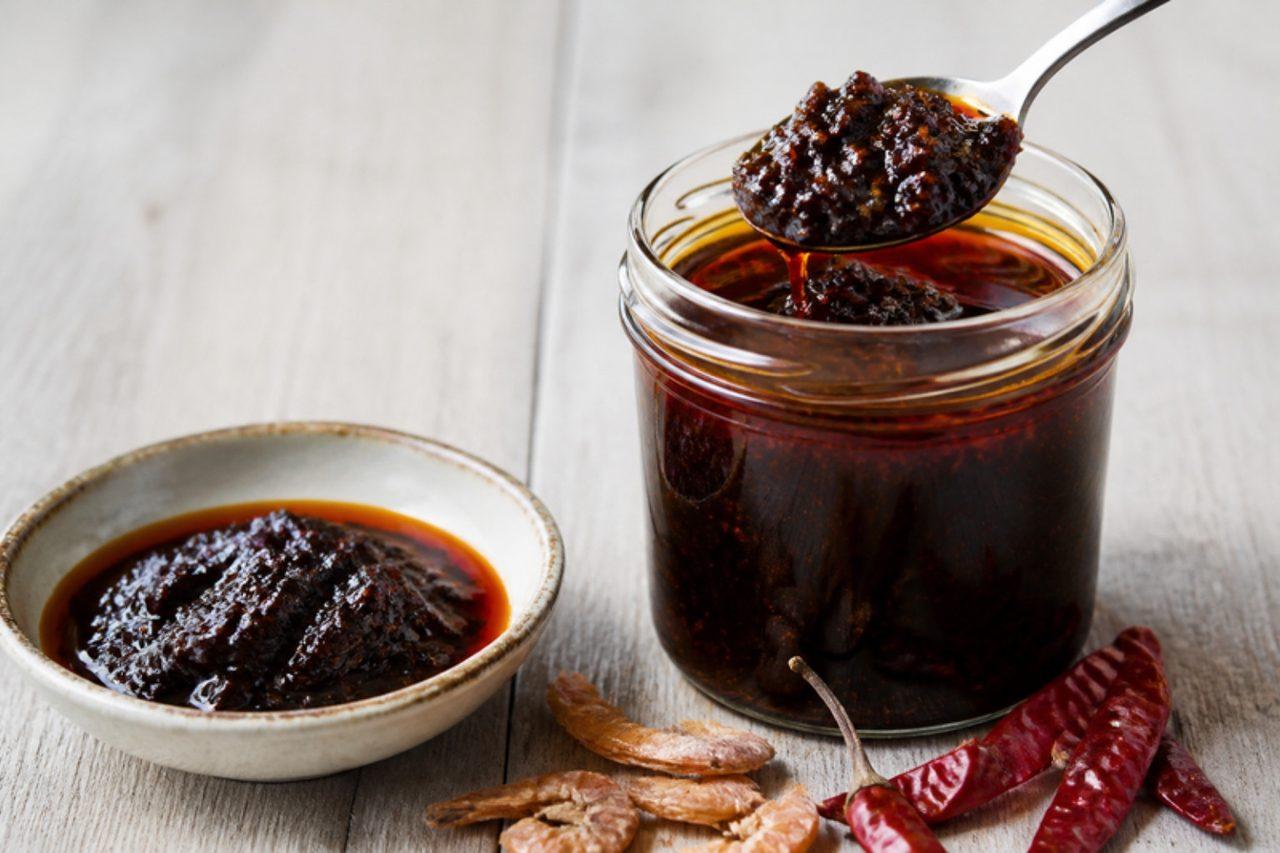
Shito is the black pepper sauce that sits on every Ghanaian table and travels in every student's suitcase. Onions, ginger and garlic are cooked down slowly in a lot of oil with ground dried shrimp, smoked dried fish and chilli until the mixture turns almost black, rich and crunchy-savoury. A spoonful lifts kenkey, waakye, jollof rice, eggs or plain bread. The mistake almost everyone makes the first time is cooking it on high heat: it scorches and turns bitter. Low and slow is the whole secret. Chef's tip: stir the bottom of the pot every few minutes in the last half hour, when it darkens fastest.

by KrazyBadal 0 views

Shivit oshiDill noodles with vegetable sauce

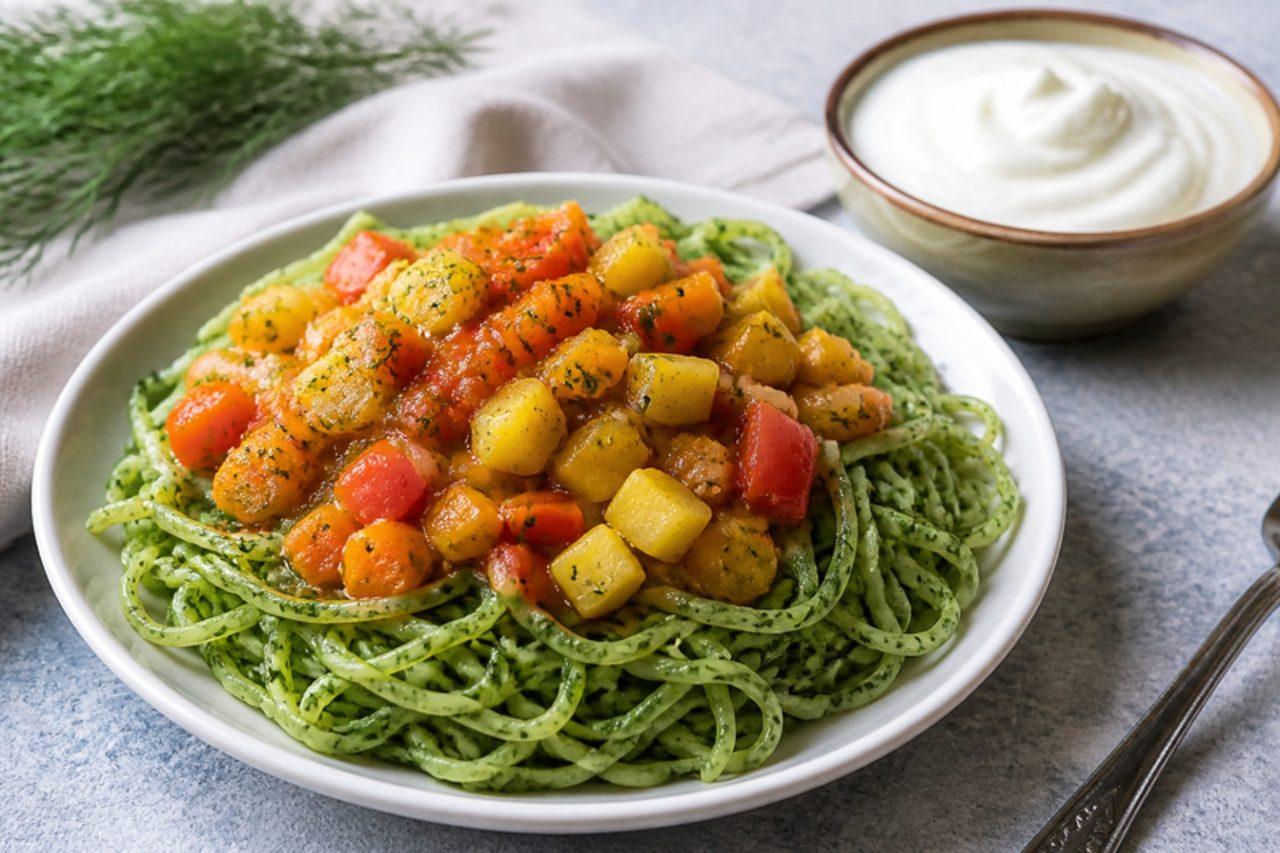
Shivit oshi is the pride of Khorezm, the western oasis around Khiva and Urgench: bright green noodles made with a paste of fresh dill (shivit), topped with a stew of vegetables and a cooling spoon of katyk (thick yogurt). In Khiva's old town it is served at lunch in summer, when the dill is fragrant and the heat makes heavy plov unwelcome. The usual topping has meat; this one is a vadja of potato, carrot, pepper and tomato. Chef's tip: blend the dill with the water rather than chopping it; the dough turns an even jade green and the noodles taste of dill all the way through.

by KrazyBadal 0 views

SatsiviChicken in cold walnut sauce

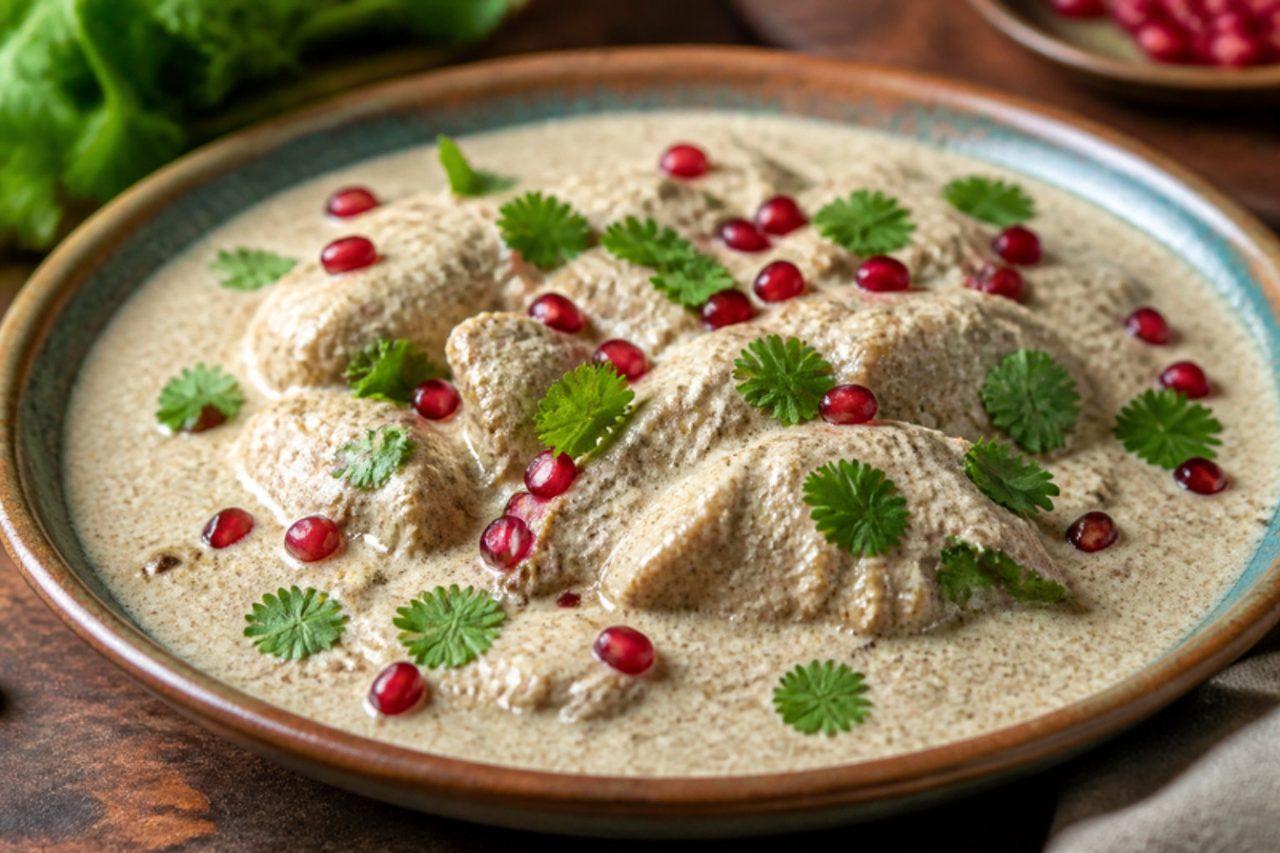
Satsivi is a dish of the Georgian New Year table, prepared in homes across western Georgia, Imereti and Samegrelo, a day ahead so it can be served cold at the long supra feast on 1 January. Poached chicken is covered in a thick, ivory walnut sauce scented with garlic, fenugreek, coriander and marigold petals and sharpened with vinegar. It is rich and fragrant, eaten with cornbread (mchadi) or fresh bread. Chef's tip: blend the walnuts with a little warm stock until they release their oil; this gives the sauce its silky texture.

by KrazyBadal 0 views

Sarawak laksaSpicy coconut noodle soup

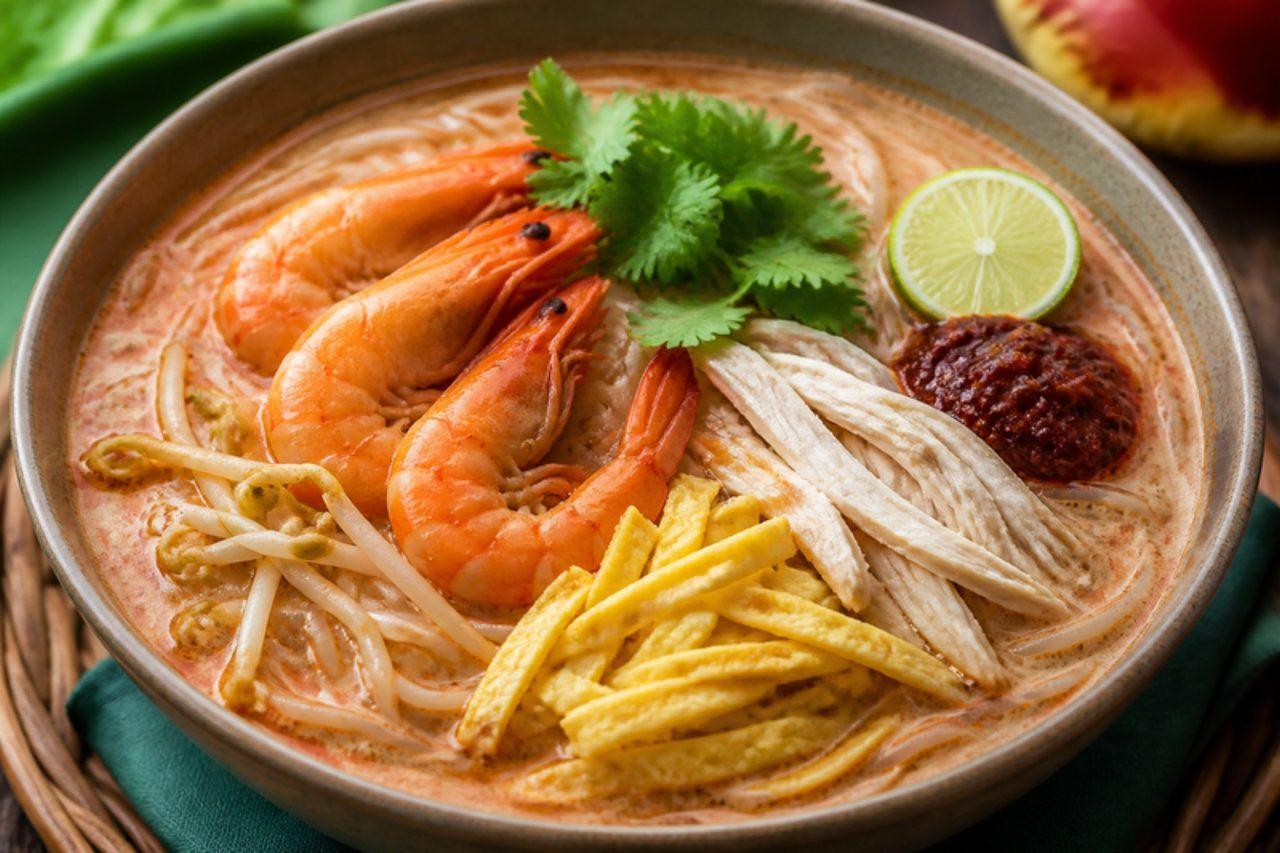
Kuching wakes up to laksa Sarawak, ordered at coffee shops before work and reaching its peak on a lazy Sunday morning. It looks nothing like curry laksa: the broth is a russet, gently creamy soup built on a complex paste of chillies, shallots, galangal, toasted sesame, peanuts and warm whole spices, cooked into a chicken and prawn-shell stock with tamarind and a little coconut milk. Thin rice vermicelli is topped with shredded chicken, whole prawns, ribbons of omelette and bean sprouts, and every bowl comes with lime and a dab of sambal belacan. The work is in the paste, which keeps well and makes several batches. Chef's tip: toast the spices, sesame seeds and peanuts separately in a dry pan before grinding; it gives the broth its deep, roasted aroma.

by KrazyBadal 0 views

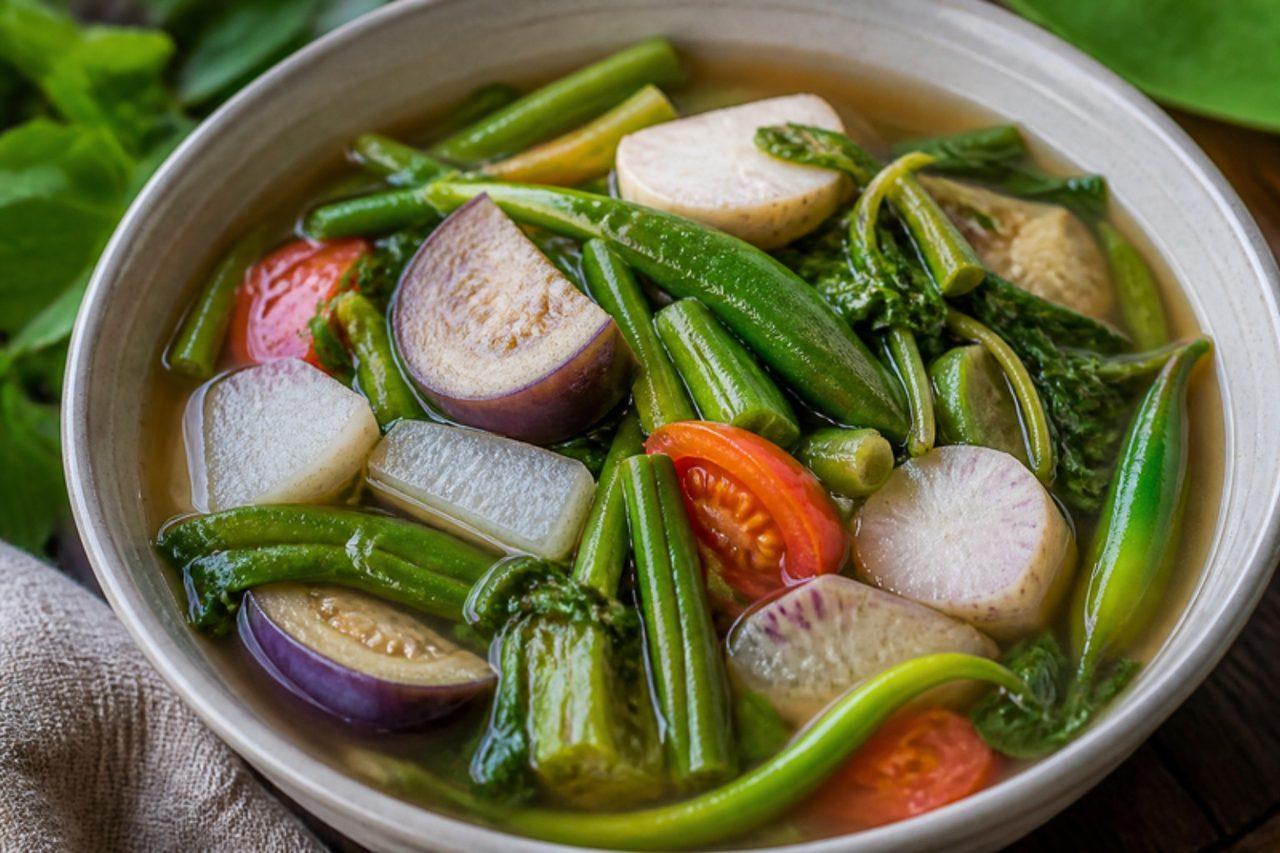
Vegetable sinigangSour tamarind vegetable soup

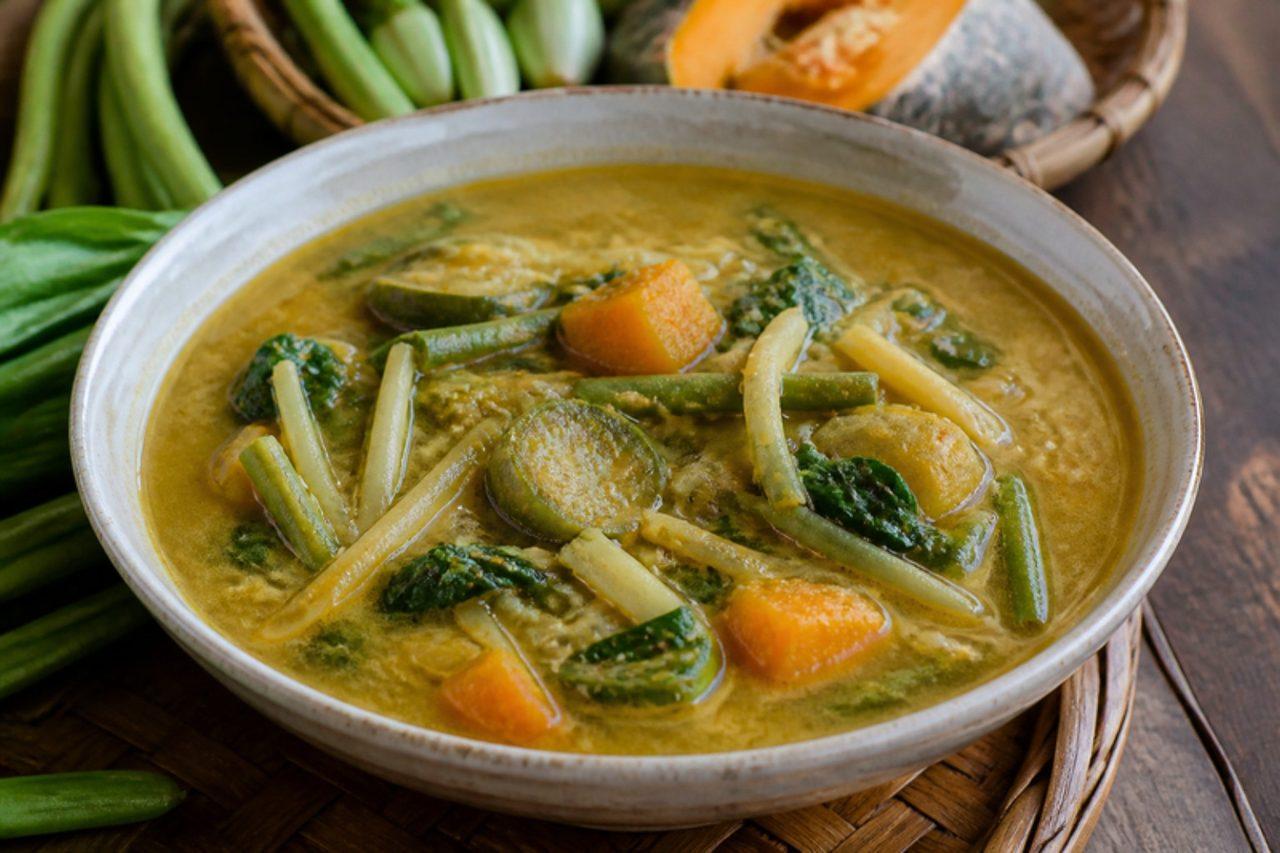
Sinigang is the sour soup that Tagalog families crave when the monsoon arrives between June and October, when rain hammers the tin roofs and a steaming bowl next to rice feels like the only sensible lunch. The sourness traditionally comes from young tamarind (sampalok) boiled and mashed into the broth, and the vegetables are whatever the market has: white radish, taro to thicken the soup slightly, okra, yard-long beans, aubergine and a final handful of water spinach. This vegetarian sinigang na gulay skips the pork or fish and relies on the tamarind, tomato and onion for flavour. The broth should make you pucker a little on the first sip. Chef's tip: add the tamarind in stages and taste between each, since blocks of tamarind vary a lot in sourness.

by KrazyBadal 0 views

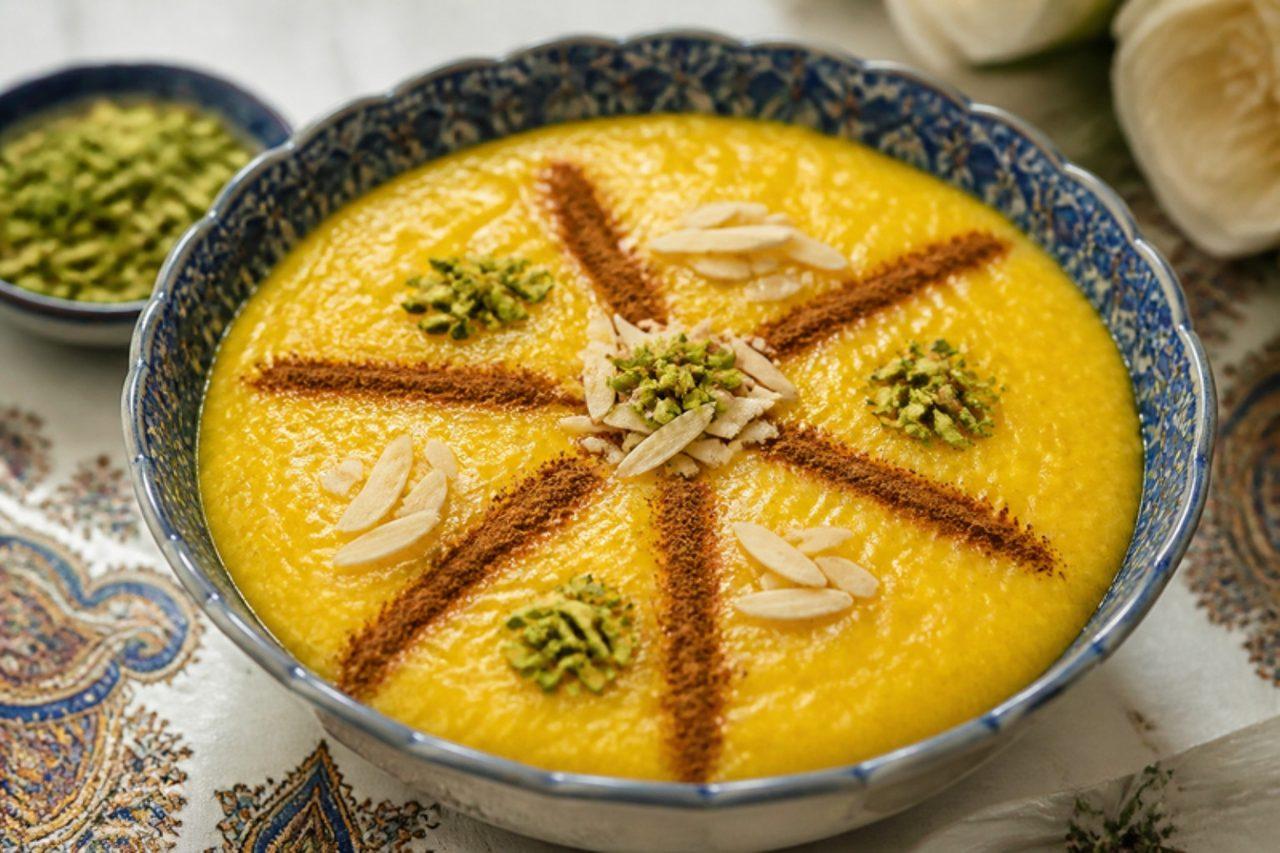
Sholeh zardSaffron rice pudding

Sholeh zard is the bright yellow rice pudding that Iranians cook in huge pots as nazri, food given away to neighbours and strangers, especially during the month of Muharram and on religious feast days; neighbourhoods in Tehran and Mashhad fill with its smell of saffron and rose. Rice is simmered until it almost melts, then sweetened, coloured gold with saffron and perfumed with rosewater and cardamom. It sets softly as it cools and is decorated with cinnamon lines, almonds and pistachios. This version uses a little oil instead of butter, so it is vegan. Chef's tip: add the sugar only when the rice is completely soft; sugar added early stops the grains from breaking down.

by KrazyBadal 0 views

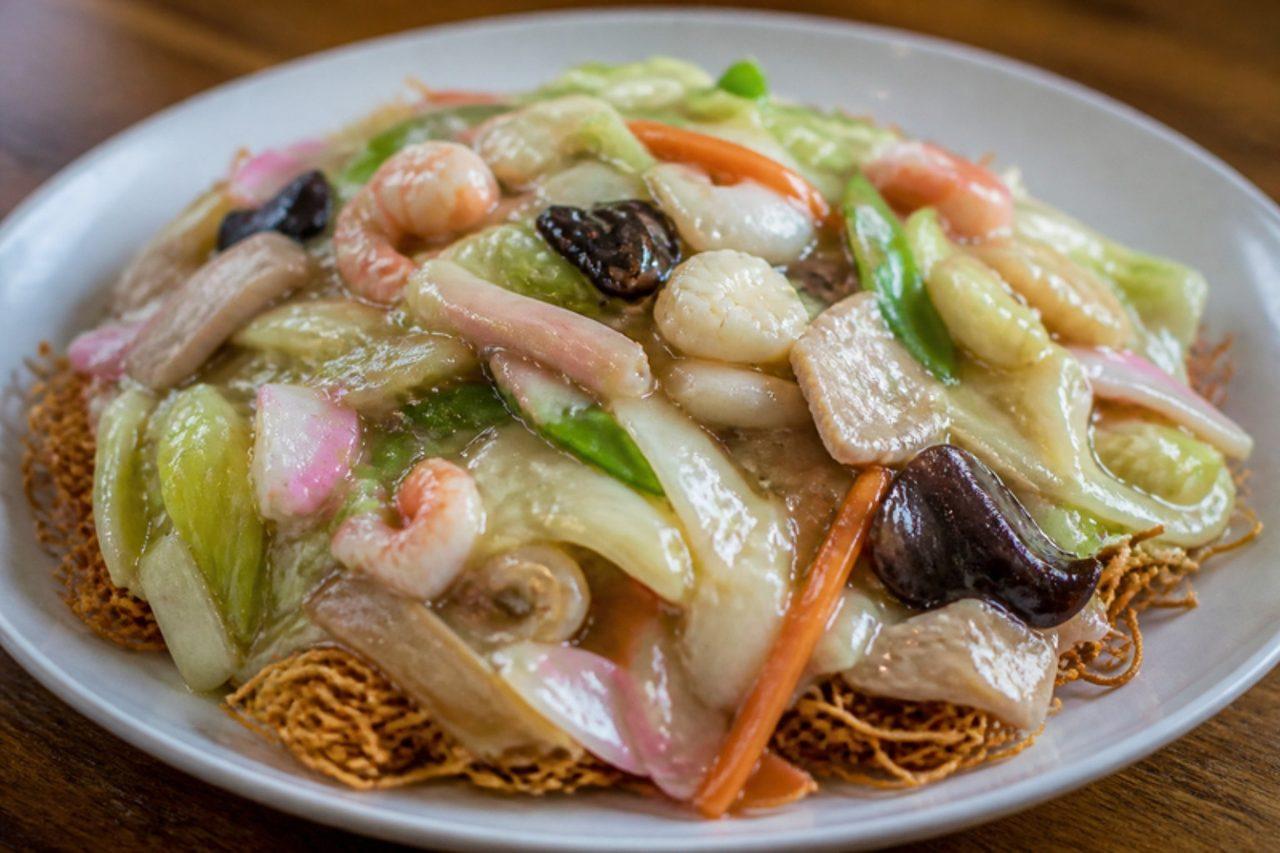
Sara udonCrispy noodles with seafood sauce

Nagasaki's second famous noodle dish uses the same toppings as champon but turns them into a thick sauce poured over a plate of crunchy fried noodles. The name means plate udon, though the classic noodles are very thin and fried crisp. In Nagasaki homes it is a quick weekend lunch and a standard dish at family gatherings, and supermarkets there sell the fried noodle nests ready to use. People splash it with Worcestershire sauce at the table, and a dab of hot mustard is common too. Chef's tip: pour the sauce over at the very last moment and let the noodles soften slowly as you eat, so you get crisp and soft in every mouthful.

by KrazyBadal 0 views

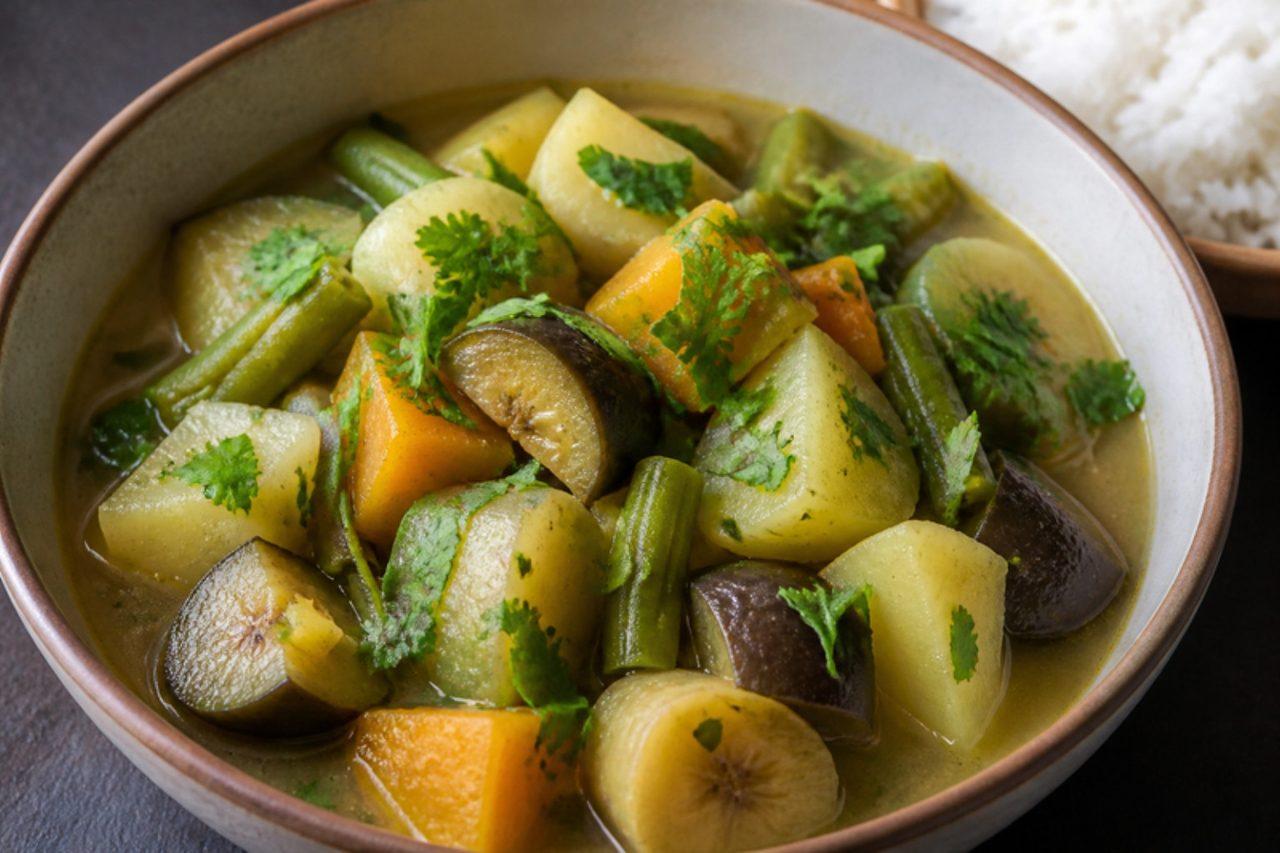
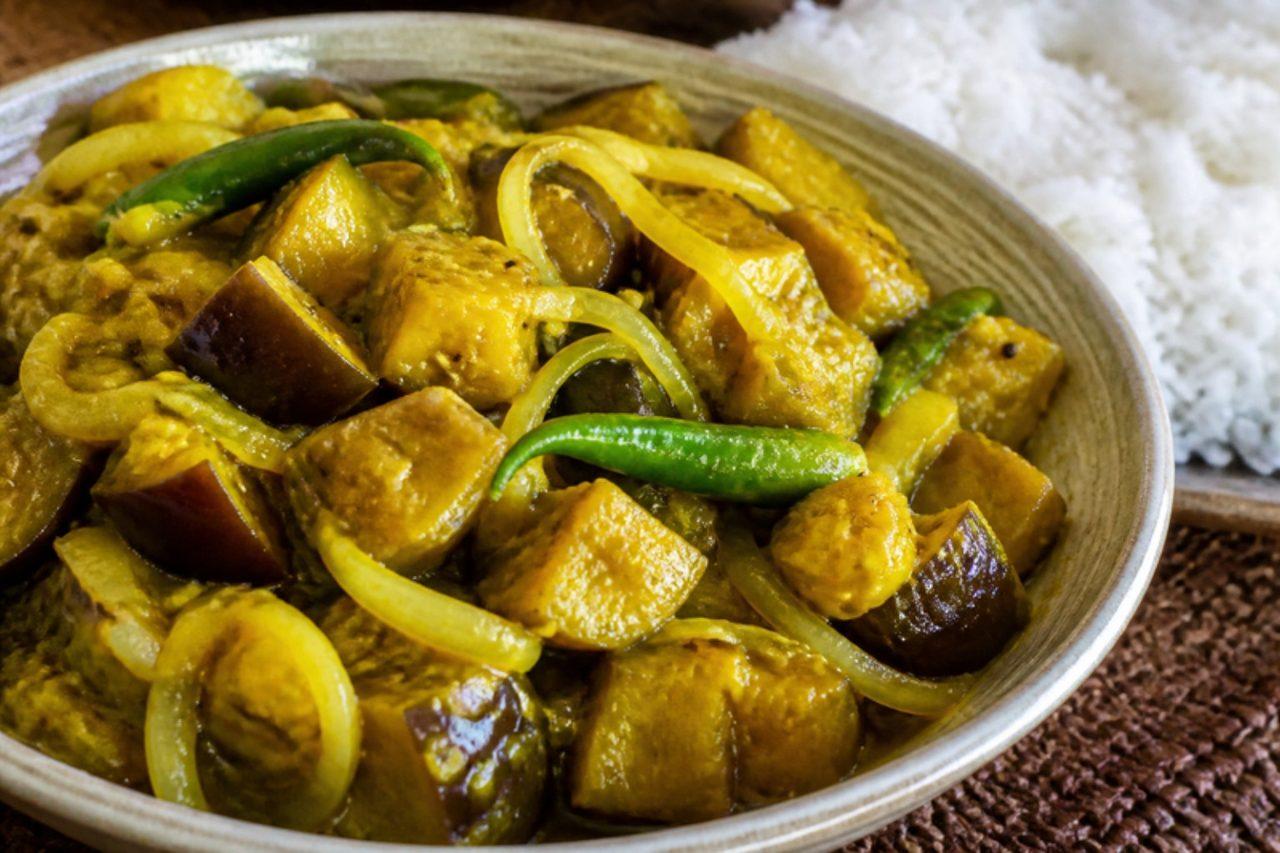
SantulaMildly spiced mixed vegetables

Santula is everyday Odia comfort food, the dish cooks in Bhubaneswar and Cuttack make when someone is unwell or when the family wants something light after festival meals. Papaya, potato, aubergine, pumpkin and raw banana are boiled with turmeric, then given a quick tempering of panch phoron, garlic and dried chilli in a little oil, and finished, in many homes, with a spoon of milk. It is soft, mild and slightly soupy, and eaten with rice and dal. Chef's tip: boil the vegetables only until just tender; santula should look like separate pieces, not a mash.

by KrazyBadal 0 views

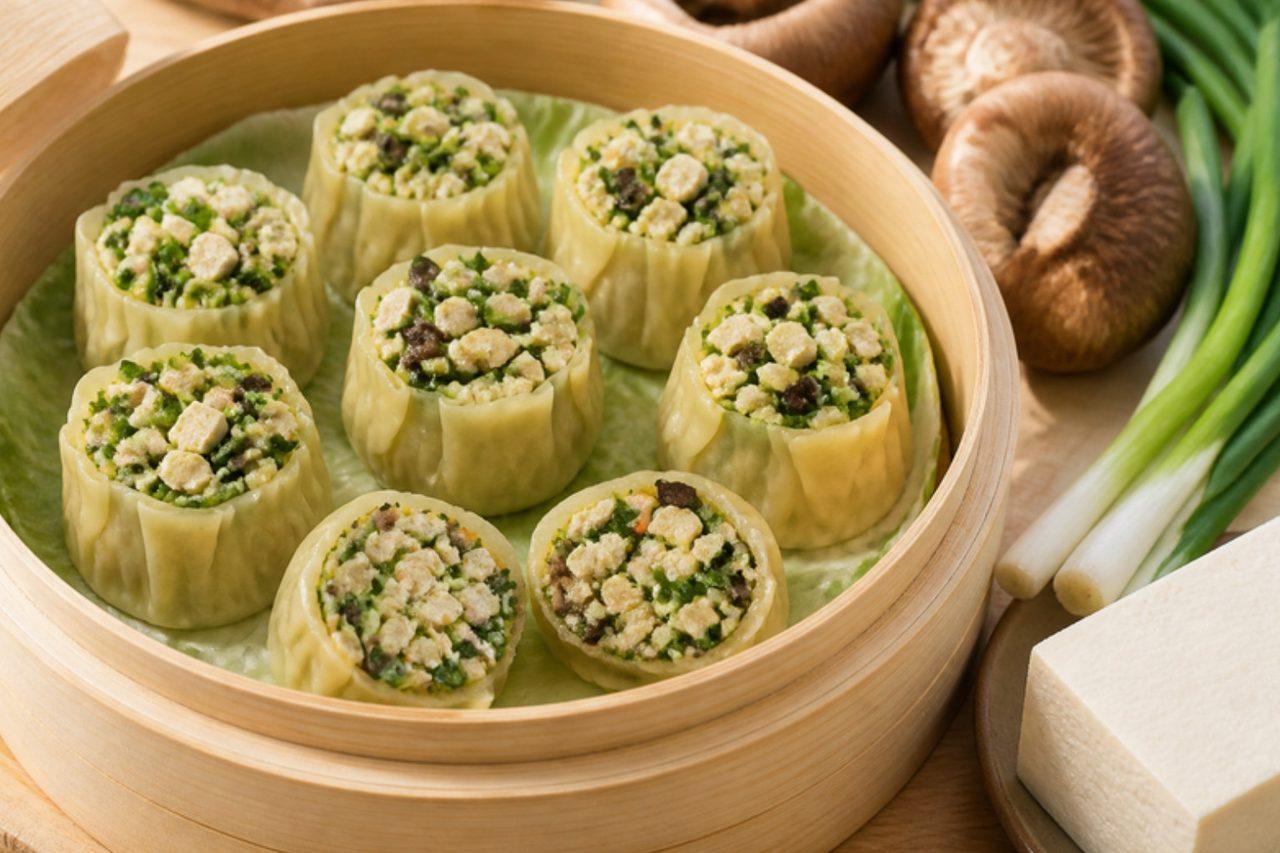
Vegetable siu maiOpen-topped vegetable dumplings

Siu mai are among the first baskets wheeled past at Cantonese dim sum in Guangzhou's tea houses, where people meet over yum cha on weekend mornings. The classic is pork and prawn; this one is packed with shiitake, tofu, crunchy water chestnut and carrot, with a dot of diced carrot on top in place of fish roe. Steam them in a bamboo basket and serve with chilli oil and soy. Chef's tip: squeeze the wrapper into a 'waist' with your thumb and finger and flatten the base on the board, so they stand up straight in the steamer.

by KrazyBadal 0 views

Sangkhya lapovCustard-filled steamed pumpkin

Sangkhya lapov is the showpiece of a Cambodian dessert stall: a squat green pumpkin, hollowed out, filled with an egg, coconut and palm sugar custard and steamed whole, then cut into wedges so every slice shows a band of orange flesh around a creamy caramel-coloured centre. In Phnom Penh it is sold by the slice at night markets and made at home for weddings and Pchum Ben. A small kabocha of about 1 kg is ideal. Chef's tip: cool it completely, ideally overnight in the fridge, before slicing; warm custard is soft and slumps out of the pumpkin.

by KrazyBadal 0 views

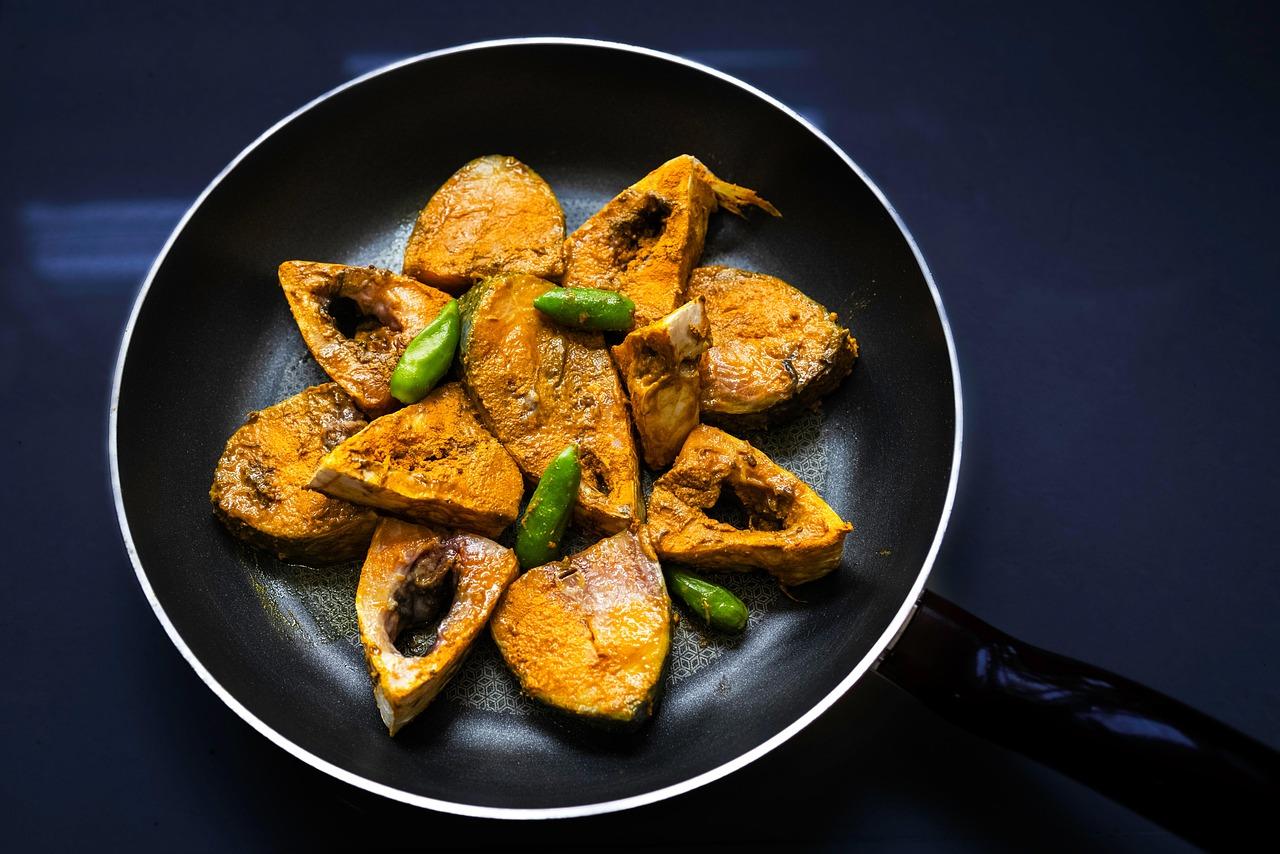
Shorshe ilishHilsa in mustard sauce

Hilsa, ilish, is the national fish of Bangladesh, and during the monsoon, when the shoals swim up the Padma and Meghna rivers, families in Dhaka and Chandpur cook it almost daily. Shorshe ilish is the most loved way: steaks of the rich, silvery fish gently simmered in a paste of ground yellow and black mustard seed, green chillies and mustard oil until the sauce turns sharp, creamy and nose-tingling. Eat it with plain white rice and nothing else. Hilsa is very bony, so warn guests and eat slowly; salmon steaks are an easier, less traditional swap. The common mistake is boiling the sauce hard after the mustard paste goes in, which turns it bitter. Chef's tip: grind the mustard seeds with a pinch of salt and a green chilli, and let the paste rest for 10 minutes before cooking; this tames the bitterness.

by KrazyBadal 0 views

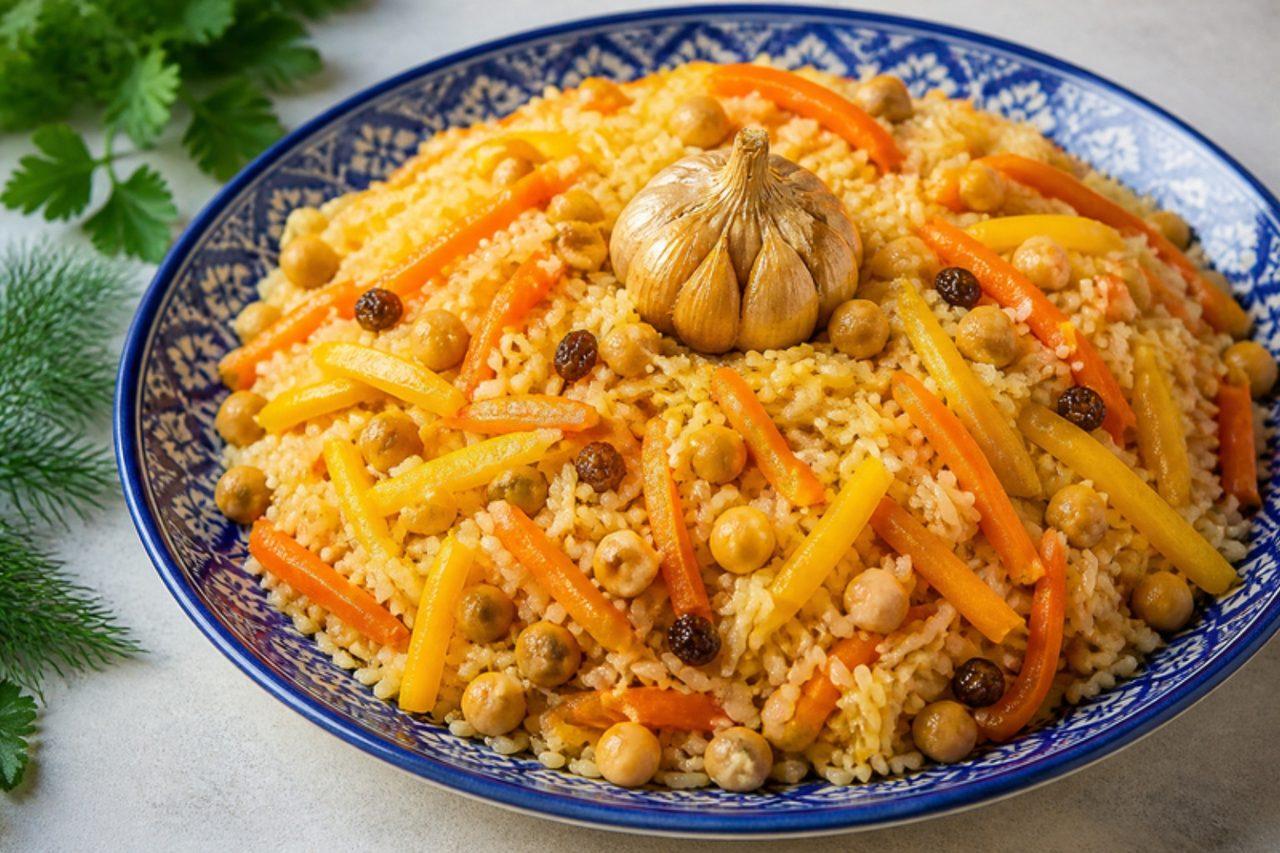
Vegetable Uzbek plovVegetable pilaf

Plov (osh) is the dish Uzbeks cook for weddings, for Friday lunch and for guests, traditionally by men over a fire in a wide cast-iron kazan. Tashkent, Samarkand and Bukhara each have their own style, but all are built the same way: a zirvak (base) of onions and long strips of carrot fried in oil, rice laid on top and steamed until every grain is separate and glossy. This vegetarian version keeps the zirvak and swaps the meat for chickpeas (nohat), whole heads of garlic and barberries, as in Samarkand's chickpea plov. For the classic meat version, lamb or beef is browned in the oil before the onions and simmered in the zirvak for 40 minutes. Serve with achichuk. Chef's tip: hunt out yellow carrots from Central Asian or Turkish grocers; they are sweeter and less watery than orange ones and give plov its honeyed colour.

by KrazyBadal 0 views

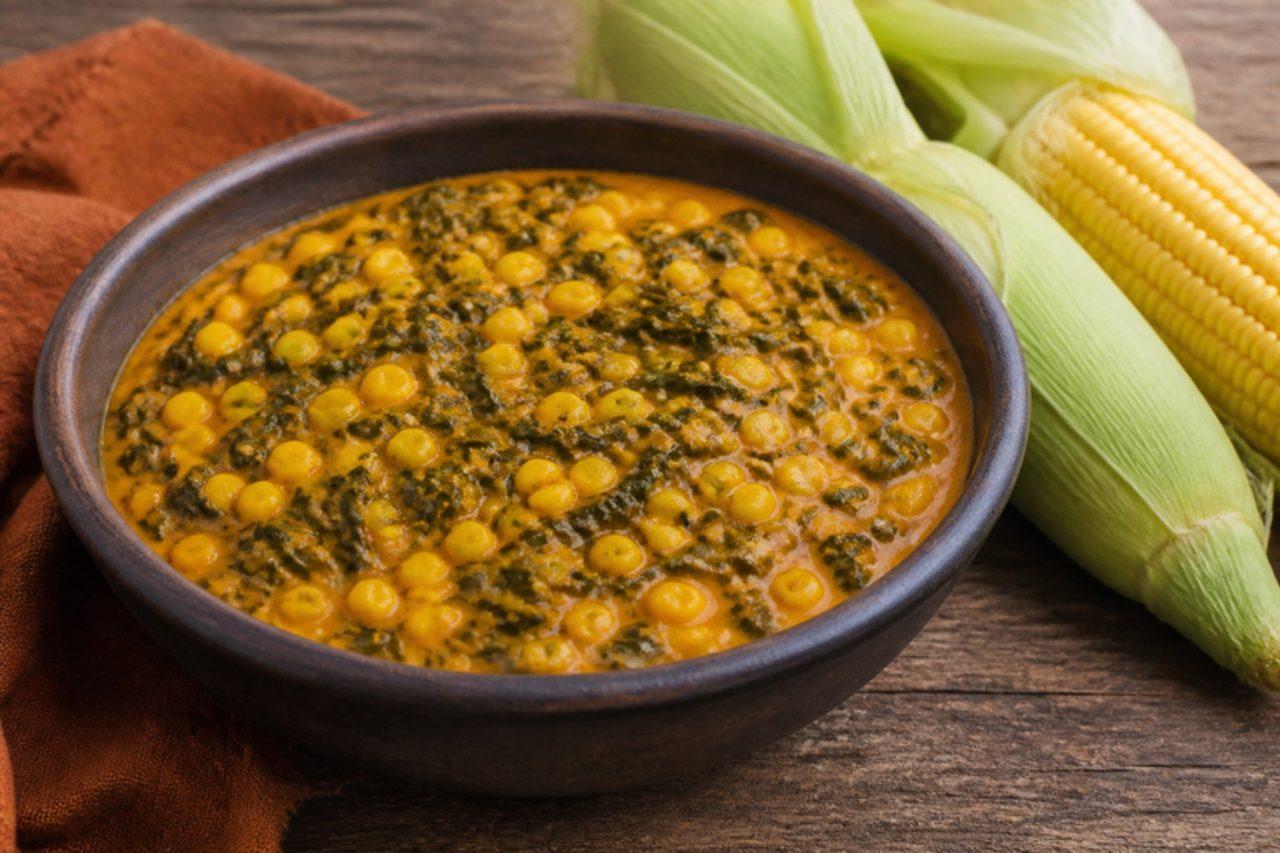
SangaCorn and greens in palm cream

Sanga is a home dish of the Beti people around Yaoundé in the Centre region of Cameroon, made in the maize season: young corn is grated off the cob and cooked with finely shredded njama njama (huckleberry leaves) and the orange pulp pressed from palm nuts. It is eaten warm from a bowl, sometimes with a little sugar stirred in. Spinach and tinned palm nut concentrate make a good version abroad. Chef's tip: grate the kernels off the cob rather than slicing them; the milky pulp is what thickens sanga.

by KrazyBadal 0 views

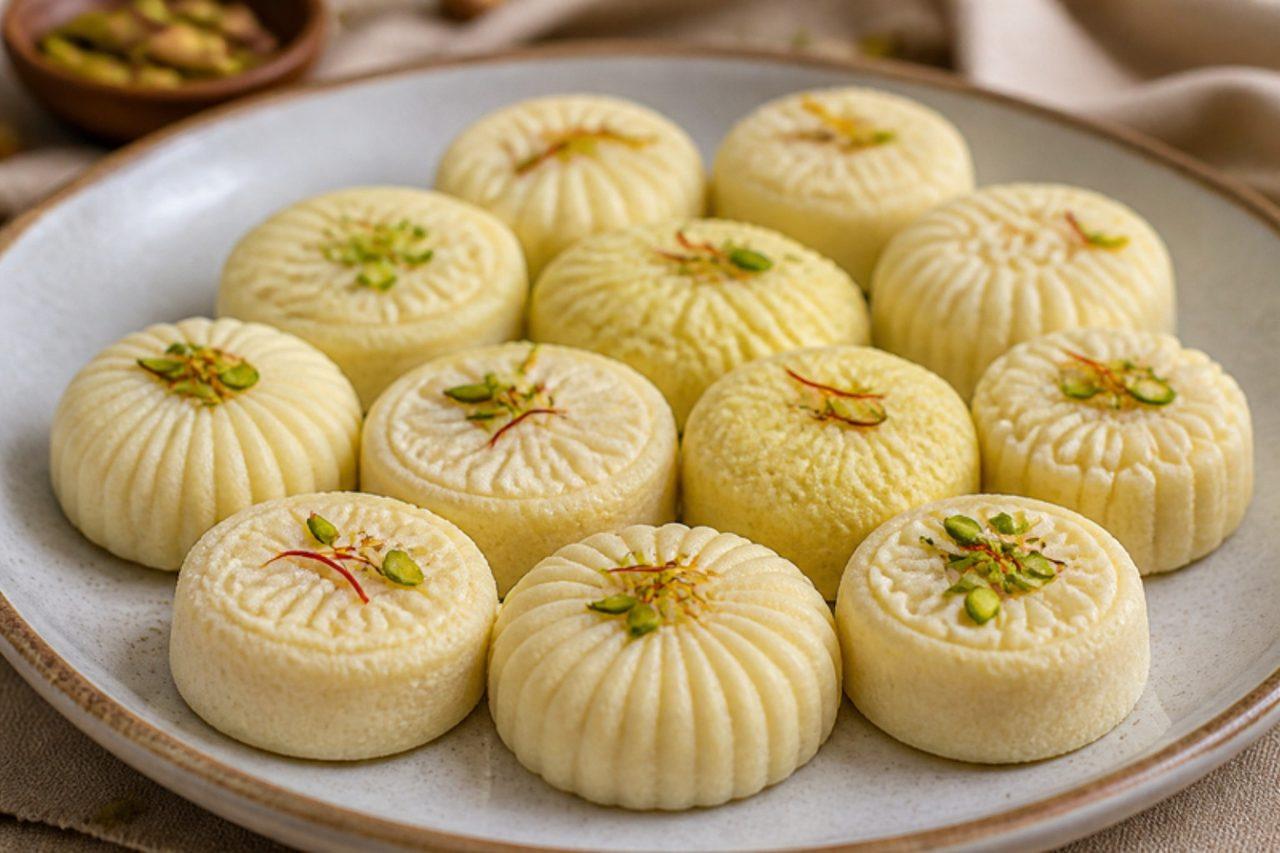
SandeshSoft fresh cheese sweets

Sandesh is the most delicate of Bengal's sweets, made in Kolkata's sweet shops every morning from chhena, fresh milk curds. The chhena is kneaded until silky, cooked briefly with sugar and pressed into little rounds or moulds. It's soft, fine-textured and milky, sweet but light, often scented with cardamom or saffron. This is the soft 'norom pak' style. Serve at room temperature as a sweet with tea or after a meal. Chef's tip: hang the chhena only until it stops dripping; if it's too dry, the sandesh turn crumbly, and if too wet they won't hold a shape.

by KrazyBadal 0 views

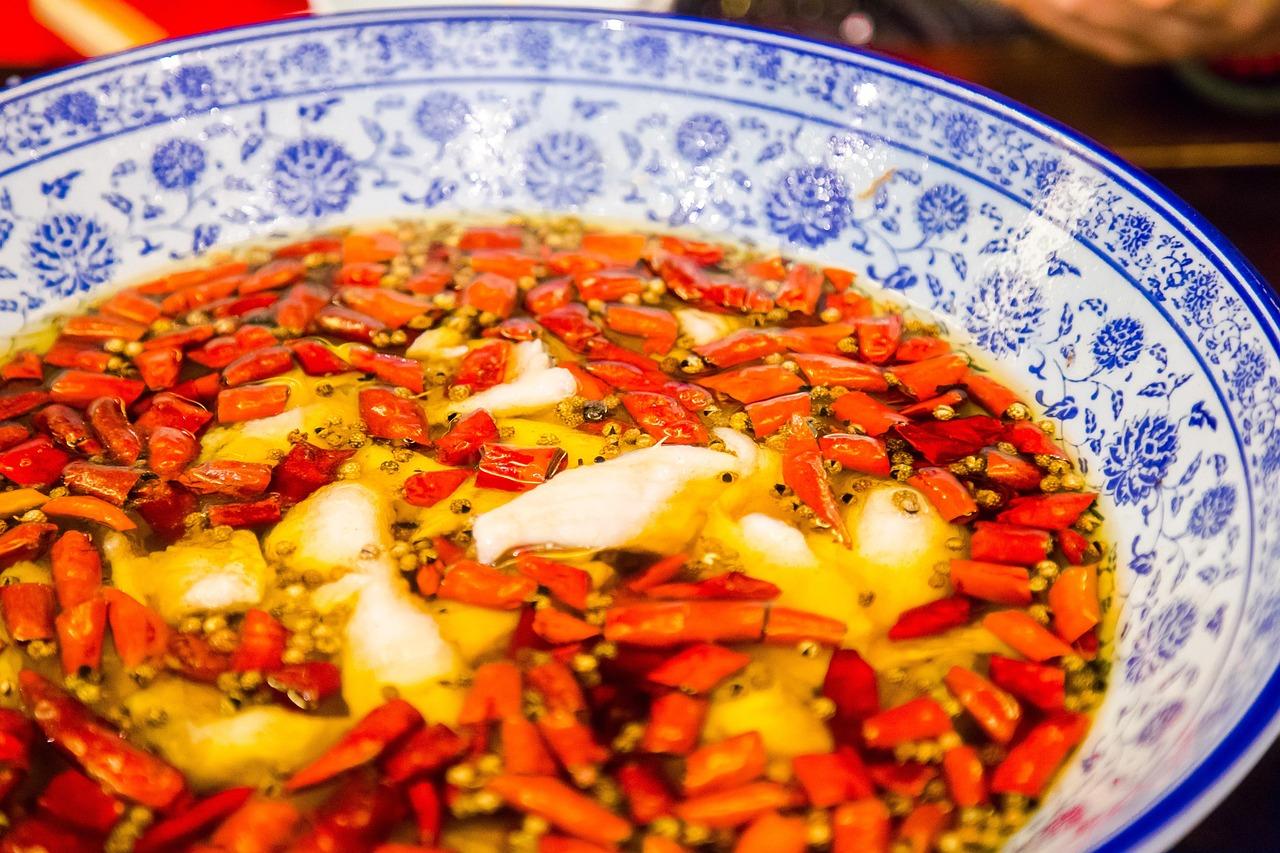
Shui zhu fishFish in chilli broth

'Water-boiled fish' is Sichuan humour at its driest, because what arrives at the table in Chongqing and Chengdu restaurants is a great basin of silky fish slices half hidden under a red sea of chillies and Sichuan pepper, still crackling from a ladle of smoking oil poured over at the last moment. Underneath is a savoury broth of chilli bean paste with soft bean sprouts and celery. It is a dish for sharing with friends over beer or tea: you fish out the slices with chopsticks and leave the oil behind, as everyone does. Plain rice is essential, and something cooling such as smacked cucumber helps. Chef's tip: coat the fish in egg white and cornflour and give it no more than three minutes in the broth; the coating keeps each slice tender and stops it breaking up.

by KrazyBadal 0 views

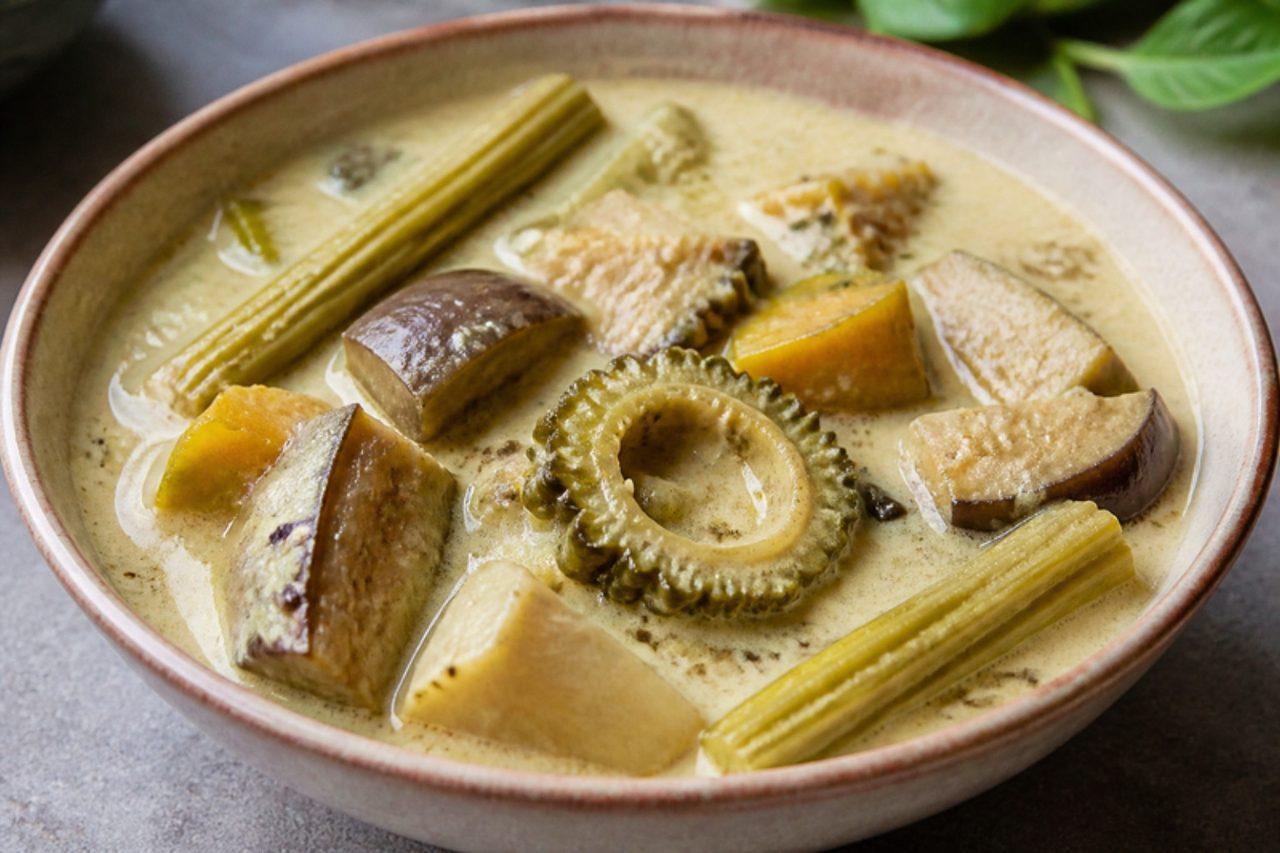
ShuktoBitter mixed vegetable stew

Shukto opens a traditional Bengali meal: a mild, slightly bitter stew of bitter gourd, raw banana, sweet potato, drumsticks and aubergine, eaten with the first mouthfuls of rice to wake up the palate. The vegetables are fried, then simmered with a paste of mustard and poppy seeds and finished with milk and a spoonful of ghee, so the bitterness is balanced by a creamy, faintly sweet sauce. It is a dish of West Bengal's home kitchens, cooked especially in spring. Chef's tip: fry the bitter gourd separately until well browned and add it at the end; this keeps its bitterness pleasant and stops it spreading through the whole pot.

by KrazyBadal 0 views

Vegetable vindayeMustard vegetable pickle curry

Vindaye is a Mauritian dish descended from the vindaloo and vinha d'alhos traditions but entirely its own: fried ingredients coated in a bright yellow paste of mustard seed, turmeric, garlic, ginger and vinegar, with lots of raw-crisp onion. Fish and octopus vindaye are the classics, served at room temperature with rice, faratas or bread; aubergine and potato vindaye is a well-loved vegetarian version for Hindu fasting days and buffets. Chef's tip: grind the mustard seeds fresh; ready-ground mustard gives a flat, dusty taste.

by KrazyBadal 0 views

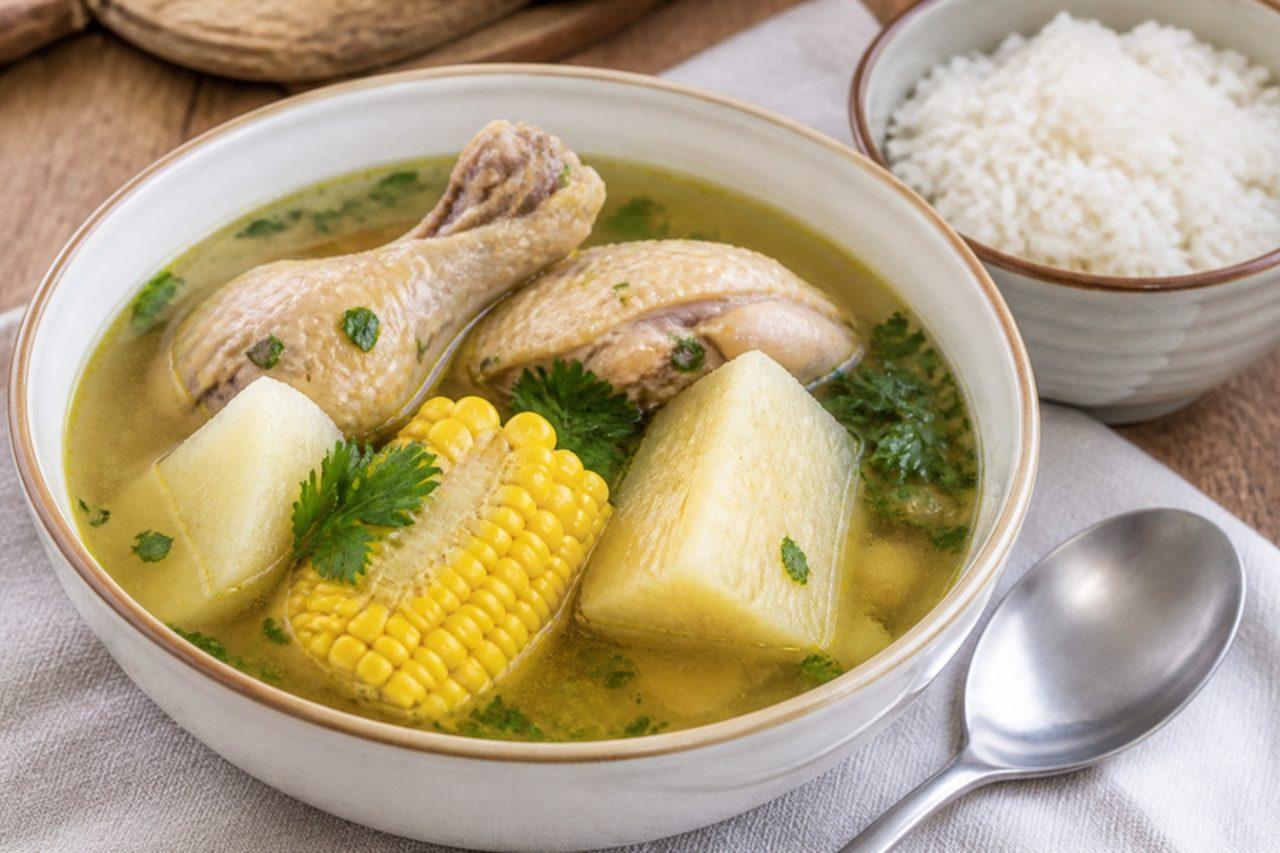
Sancocho panameñoChicken and yam soup

Sancocho is Panama's national dish, a golden chicken soup thickened with ñame (white yam), seasoned with culantro (a strong, saw-edged cousin of coriander), oregano and onion; families make it on Sundays, after a long night out and whenever someone is unwell, and the soup from the town of Chitré in the Azuero peninsula is said to be the best. It is served with white rice on the side, which people spoon into the bowl. The mistake is adding the yam too early; it dissolves and the broth turns gluey, so add it after the chicken has simmered. Chef's tip: some of the yam should break down to thicken the broth, so let it cook until the edges soften.

by KrazyBadal 0 views

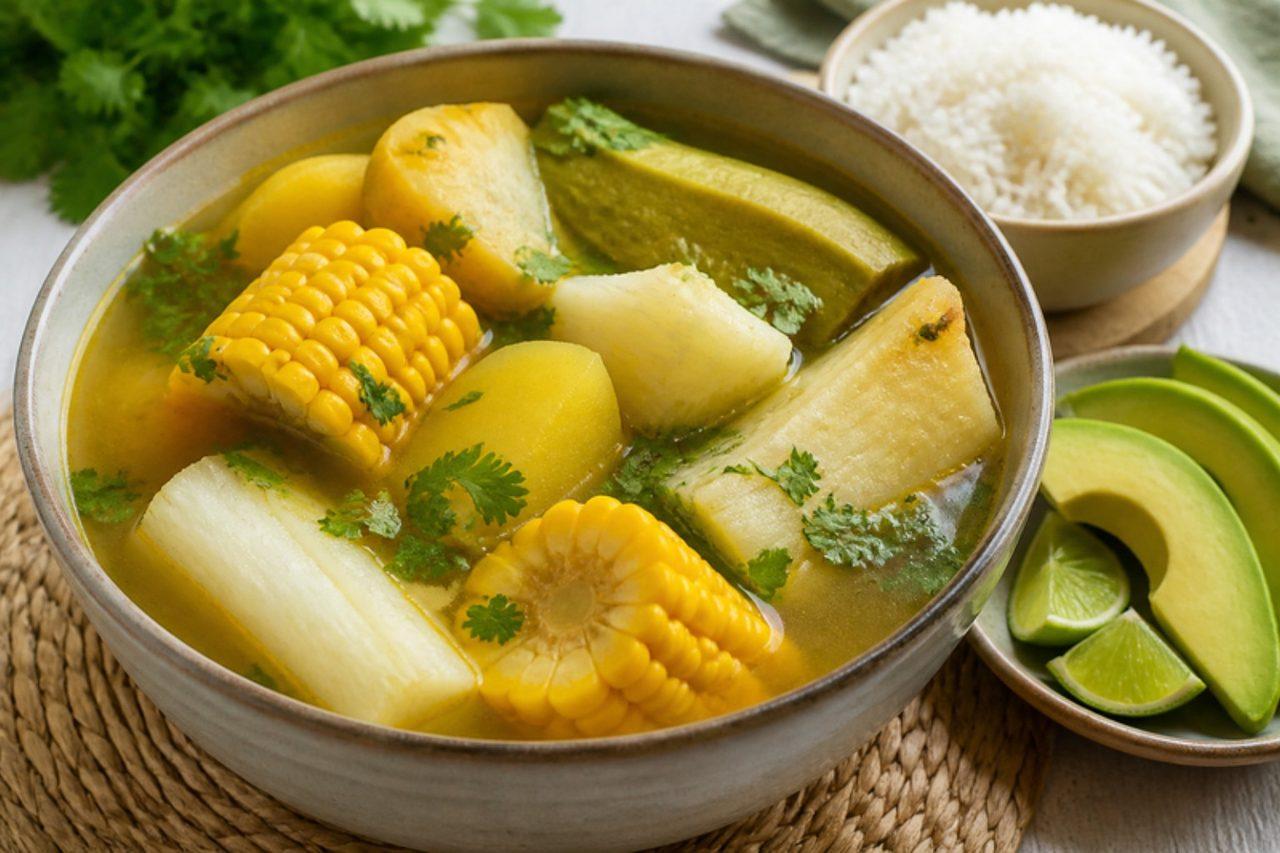
Sancocho de verdurasVegetable and plantain stew

Sancocho is the big Sunday soup Colombian families cook outdoors on riverbanks and fincas (country houses), with every region from Antioquia to the Valle having its own version. This vegetarian sancocho keeps the essentials: green plantain broken by hand, cassava, potatoes and corn on the cob simmered in a broth seasoned with spring onion, garlic, cumin and plenty of coriander, until the starches thicken it. Serve each bowl with white rice, avocado and lime on the side. Chef's tip: break the plantain into pieces with your hands rather than cutting it; the rough edges release starch and thicken the broth.

by KrazyBadal 0 views

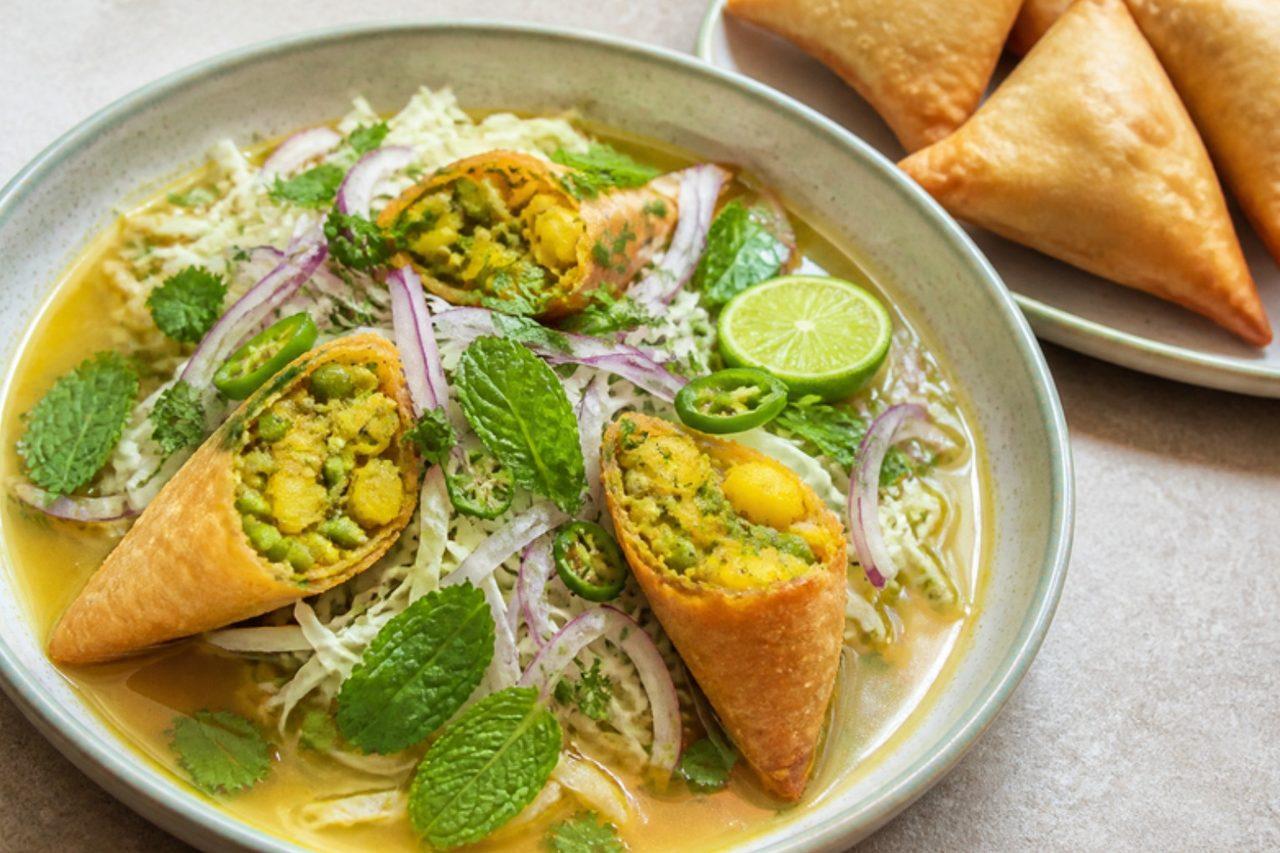
Samosa thokeSamosa salad

Samosa thoke is pure Yangon street food, born from the city's Indian-Burmese communities: vendors on Mahabandoola Road chop crisp samosas into a bowl with cabbage, onion and mint, ladle over a thin, spiced lentil broth (pe hin ye), and finish it with tamarind, chilli and a squeeze of lime. The samosas soften at the edges while the middle stays crunchy, and the whole bowl is hot, sour and savoury. Use vegan samosas made without ghee. Chef's tip: ladle the broth over at the very last moment and eat straight away; samosa thoke left to sit turns soggy fast.

by KrazyBadal 0 views

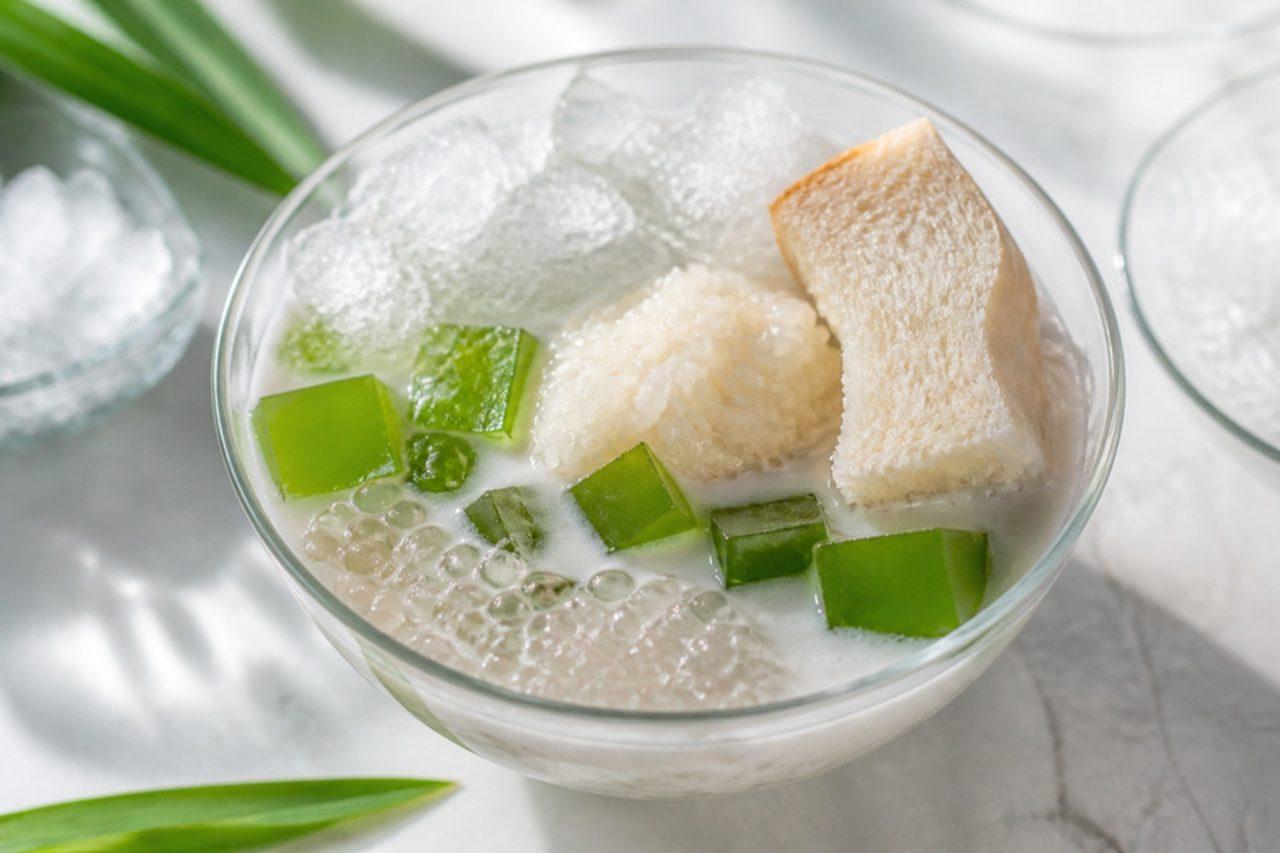
Shwe yin ayeIced coconut dessert

Shwe yin aye, roughly 'golden heart cooler', is what Yangon drinks during the scorching weeks of Thingyan, the April water festival, when stalls set up along the streets to hand it out. It's a bowl of sweet, lightly salted coconut milk over crushed ice, filled with chewy sago pearls, cubes of green agar jelly, a scoop of sticky rice and, surprisingly, a few pieces of soft white bread that soak up the coconut. Chef's tip: make the jelly, sago and sticky rice in the morning and chill everything; assembled cold, the bowl stays refreshing to the last spoonful.

by KrazyBadal 0 views

Vegetable samlor korkoVegetable and green papaya soup

Samlor korko is called the national soup of Cambodia, cooked in villages from Battambang to Kampot and eaten at lunch with a bowl of rice. Its name means 'stirring soup', because the cook stands over the pot moving the vegetables as they go in one by one: green papaya, pumpkin, aubergine, long beans and leafy greens, all in a thin, herb-scented broth thickened with a spoonful of ground toasted rice. Prahok usually gives it its funk; fermented soybean paste and a little soy give depth here, and the soup stays light and full of vegetables. Chef's tip: toast the rice slowly until it is the colour of a hazelnut shell; that nutty smell is the backbone of the soup.

by KrazyBadal 0 views

SidduSteamed stuffed wheat buns

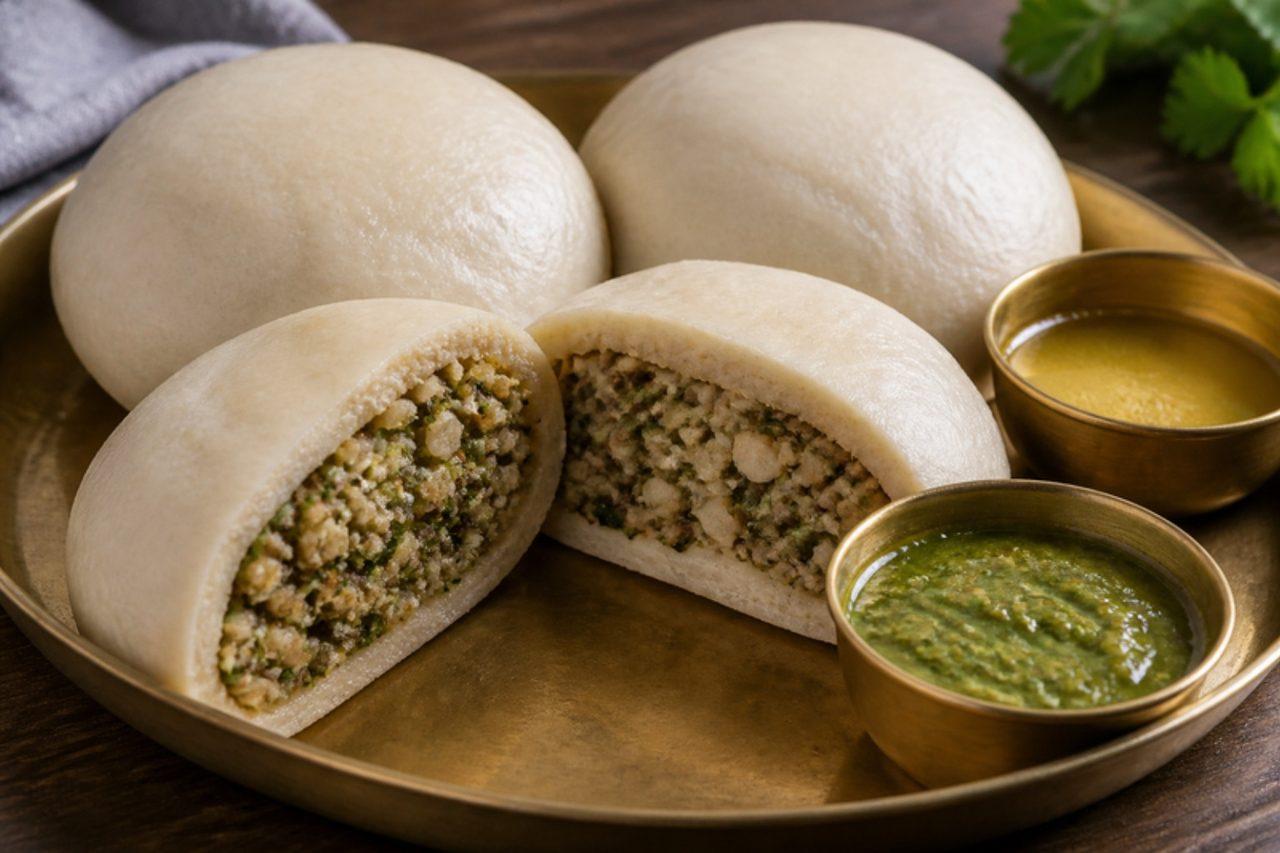
Siddu are soft, steamed wheat buns from the hills of Himachal Pradesh, especially around Kullu and Manali, made on cold days with a warming filling. The yeasted wholemeal dough is wrapped around ground walnuts, poppy seeds, garlic and green chilli, then steamed until fluffy. Torn open and drenched in melted ghee, they're eaten with green chutney or dal. Some homes fill them with spiced urad dal instead. Chef's tip: let the shaped siddu rise for 15 minutes before steaming, and don't open the lid early; a sudden draught makes them collapse and turn dense.

by KrazyBadal 0 views

Paella de verdurasVegetable paella

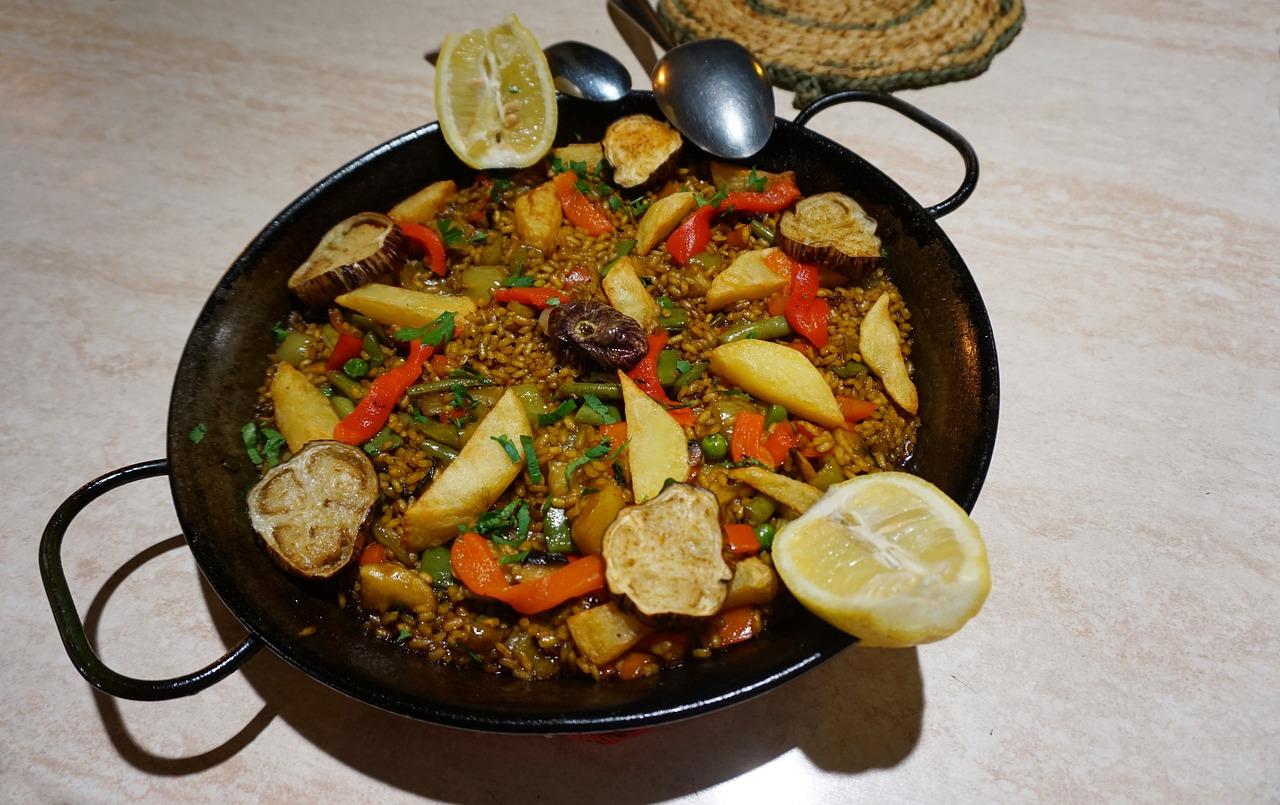
Paella comes from the rice fields around the Albufera lagoon south of Valencia, where it was cooked over orange-wood fires in a wide, shallow pan. Valencians are strict about it: short round rice, saffron, sweet pimentón, flat green beans (ferraúra) and big white garrofó beans, and never any stirring once the rice is in. This all-vegetable paella keeps those rules and adds artichokes and red pepper, as the market gardeners of the Huerta do in spring. It is cooked and served in the same pan, straight onto the table. Chef's tip: listen for the socarrat at the end. Turn up the heat for the last 1–2 minutes until the rice crackles and smells toasty; that caramelised crust on the bottom is the best part of any paella.

by KrazyBadal 0 views

Vegan nuoc chamSweet and sour dipping sauce

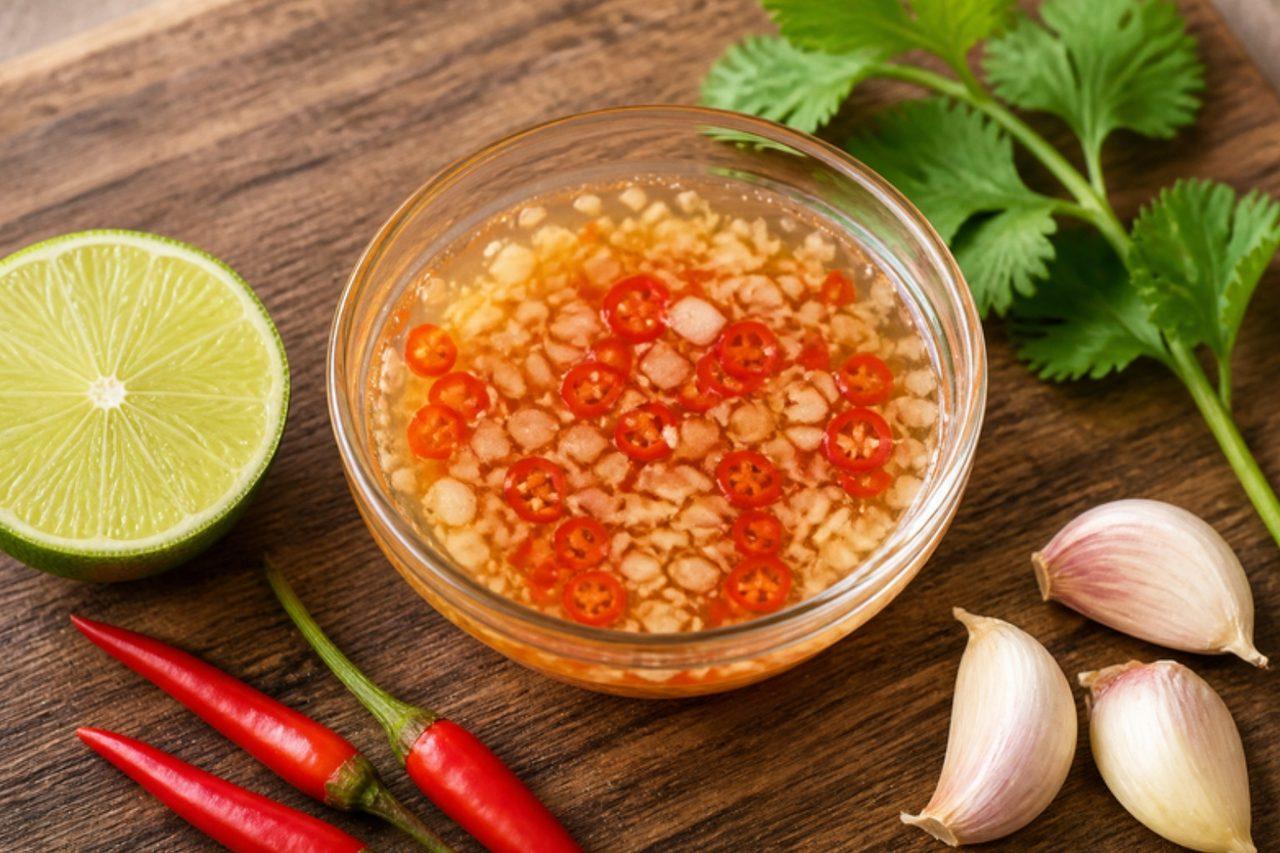
Nước chấm is the dipping sauce that goes with almost everything in Vietnam: spring rolls, bánh xèo, noodle salads and broken rice. Buddhist vegetarian cooks, all over the country, make it without fish sauce, using light soy sauce and a little coconut water for the deep, rounded taste. It should be thin, clear and pale amber, with flecks of garlic and chilli floating on top. Chef's tip: dissolve the sugar in the warm water first, then add the lime and soy, and stir in the garlic and chilli last, pounded with a pinch of sugar, so they float on the surface instead of sinking.

by KrazyBadal 1 views

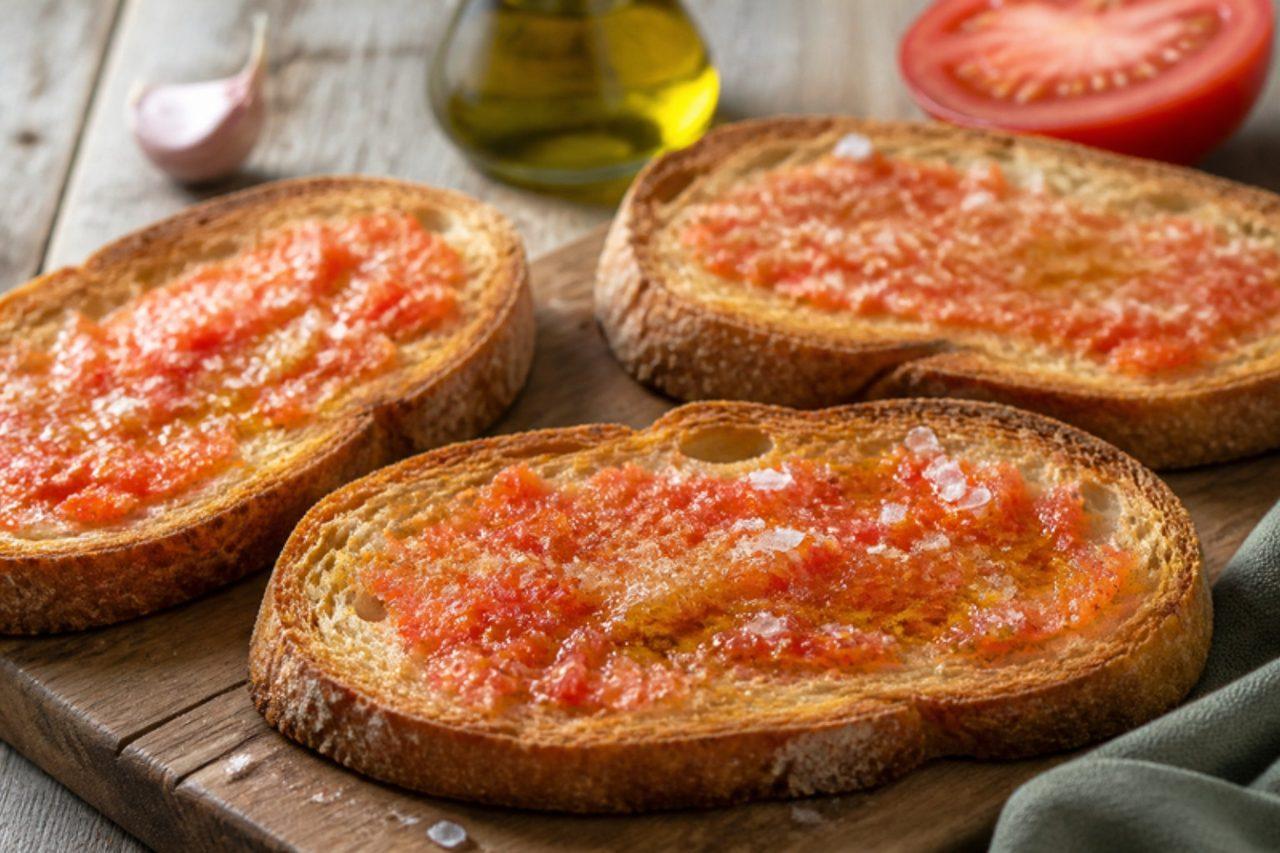
Pan con tomateTomato rubbed toast

Pa amb tomàquet (pan con tomate in Spanish) is the everyday bread of Catalonia: toasted country bread rubbed with garlic and a cut ripe tomato, drizzled with good olive oil and sprinkled with salt. Catalans eat it at breakfast, as a side to grilled vegetables or with a slice of tortilla, and it is so basic to the table that it is rarely even listed on menus. With so few ingredients the quality of each one matters: the ripest tomatoes, a rustic open-crumbed loaf and fruity extra virgin olive oil. Chef's tip: in Catalonia they use small, juicy 'tomàquets de penjar', hanging tomatoes; at home choose the ripest, softest vine tomatoes you can find and rub them in hard until only the skin is left in your hand.

by KrazyBadal 0 views

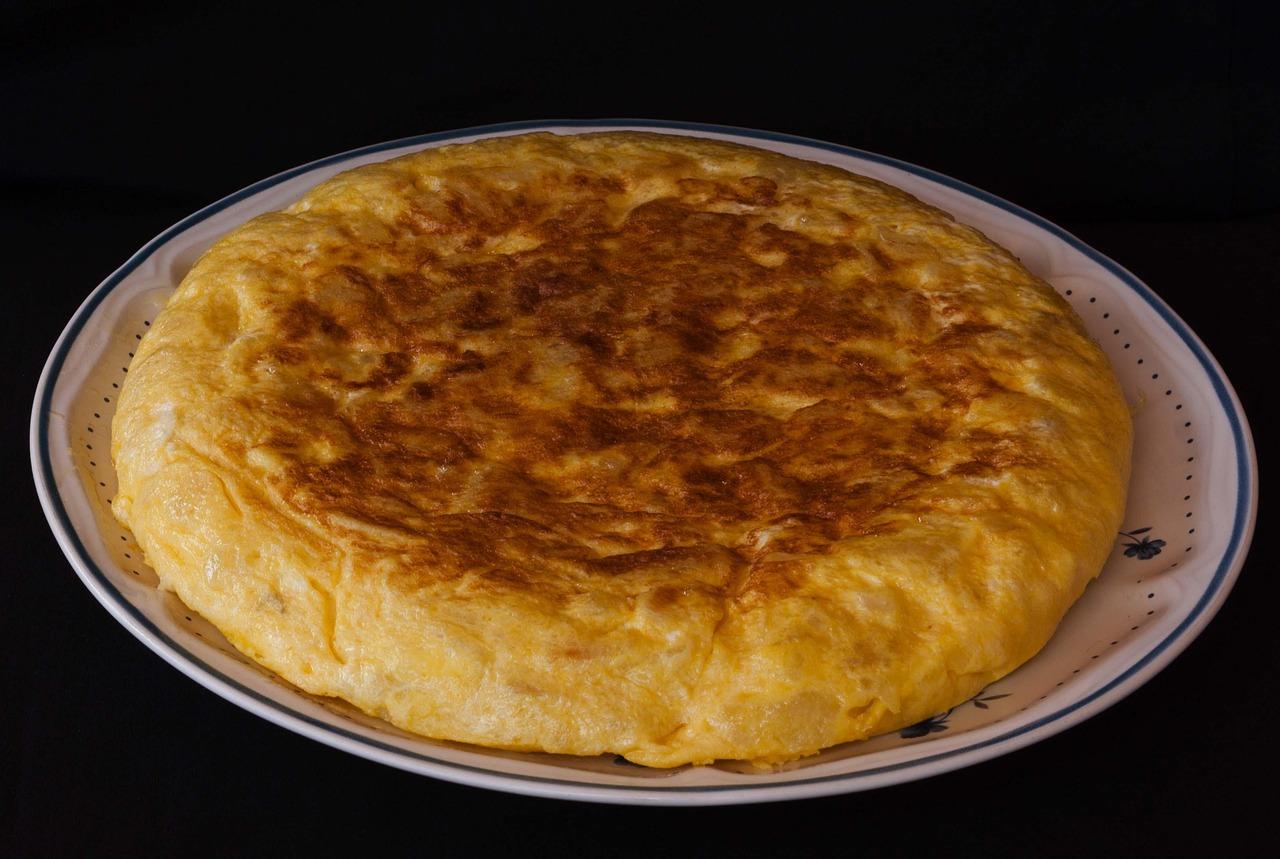
Tortilla españolaSpanish potato omelette

Tortilla de patatas is the dish every Spanish bar keeps on the counter, from Madrid to Seville: a thick cake of soft potato and sweet onion bound with just-set egg, served warm or at room temperature in wedges or small squares (pinchos) with bread. The potatoes are not fried crisp but gently poached in plenty of olive oil until tender, then soaked in the beaten egg so every slice holds together. Spaniards argue about onion (con cebolla or sin) and about how runny the centre should be; this version has onion and a juicy middle, the way most bars in Madrid serve it. Eat it for breakfast, as a tapa or for a light supper with a tomato salad. Chef's tip: once the hot potatoes go into the beaten eggs, leave them to sit for 10 minutes before cooking; the egg starts to set around the potato and the tortilla turns out creamy and holds its shape.

by KrazyBadal 0 views

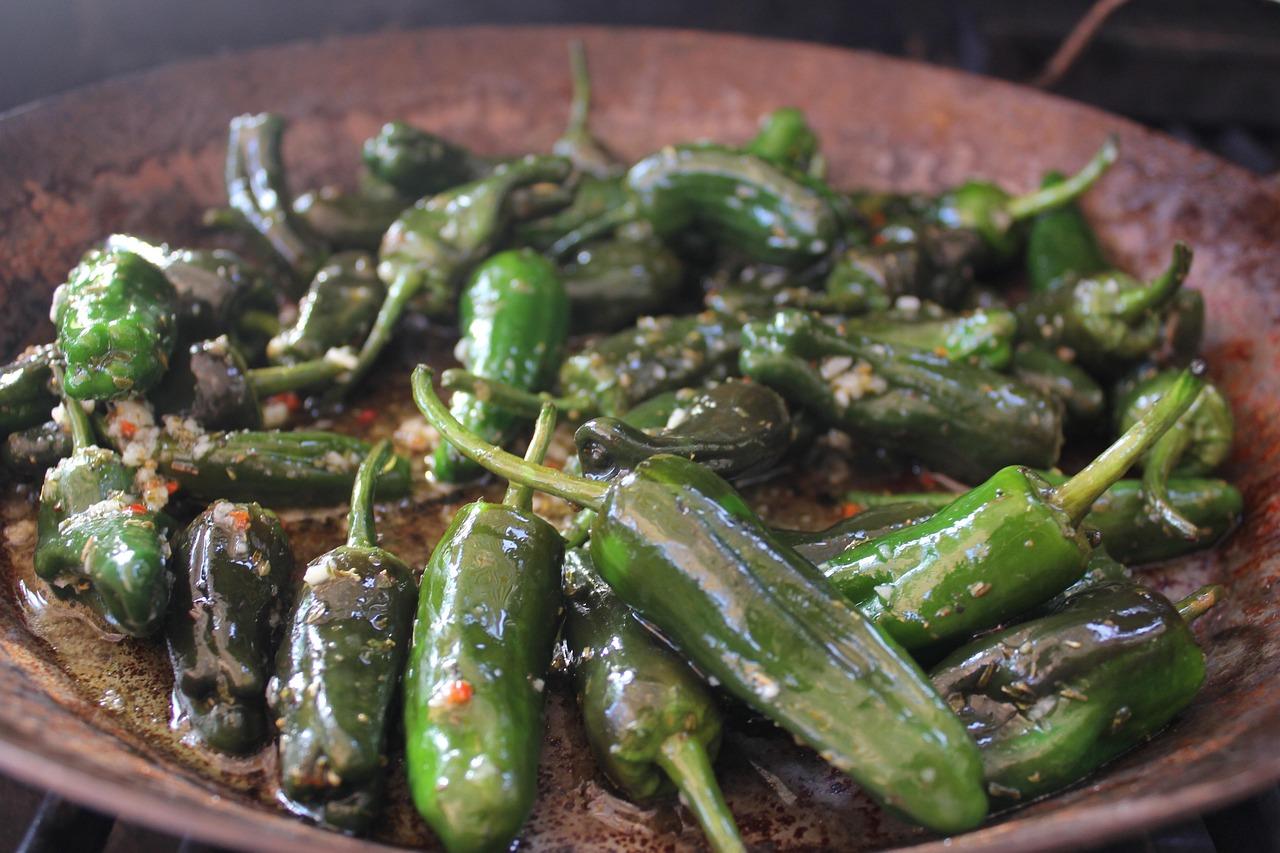
Pimientos de PadrónBlistered green peppers

Pimientos de Padrón come from Herbón, near the town of Padrón in Galicia, where they are fried whole in olive oil and showered with coarse salt. They are small, thin-skinned and mostly mild and grassy, but the Galician saying goes 'os pementos de Padrón, uns pican e outros non' (some are hot and some are not): roughly one in ten has a real kick, which is half the fun. They take five minutes and make the perfect tapa with a cold drink, tortilla or bread. Chef's tip: get the oil properly hot and leave the peppers alone for the first minute so the skins blister and puff; stewing them in lukewarm oil makes them soft and khaki instead of bright and blistered.

by KrazyBadal 0 views

Showing 54 of 10,569 recipes

Show more recipes

Page 1,095 of 1,175